
ශම්මි ඊයේ මාධ්ය හමුවේ කියපු කතාව බොරුවක් බව ESPNcricinfo වෙබ් අඩවිය හෙළි කරයි (වීඩියෝ )
November 12th, 2023උපුටා ගැන්ම හිරු පුවත්
ශ්රී ලංකා ක්රිකට් ආයතනය කරන ලද ඉල්ලීමකට අනුව ජාත්යන්තර ක්රිකට් කවුන්සිලයේ සභාපති ඉම්රාන් කවාජා ඇතුළු ප්රධානීන් පසුගිය වසරේ නොවැම්බර් මසදී මෙරටට පැමිණි අවස්ථාවේදීත් ක්රිකට් සඳහා දේශපාලන මැදිහත්වීමක් පිළිබඳව සාක්ෂි සොයාගැනීමට නොහැකි වූ බව සුප්රකට ක්රික් ඉන්ෆෝ වෙබ් අඩවිය අනාවරණ කරනවා.
එම අනාවරණය සිදුකර ඇත්තේ ශ්රී ලංකා ක්රිකට් සාමාජිකත්වය තාවකාලිකව අත්හිටුවීමට ජාත්යන්තර ක්රිකට් කවුන්සිලය පසු ජූලි මාසයේදි සුදානම් වු අවස්ථාවේදි සිය මැදිහත්වීමෙන් එය නතර කරගත් බවට ශ්රී ලංකා ක්රිකට් සභාපති ශම්මි සිල්වා ඊයේ පැවති මාධ්ය හමුවේදී සිදුකළ ප්රකාශයට ප්රතිචාර දක්වමින්.
ශ්රී ලංකා ක්රිකට් සාමාජිකත්වය තාවකාලිකව අත්හිටුවීමට ජාත්යන්තර ක්රිකට් කවුන්සිලය ගත් තීරණය සම්බන්ධයෙන් කරුණු දැක්වීම සදහා ශ්රී ලංකා ක්රිකට් ආයතනයේ නිලධාරින් ඊයේ අදාල මාධ්ය හමුව පවත්වා තිබුණා.
කෙසේවෙතත් සුප්රකට ක්රික් ඉන්ෆෝ වෙබ් අඩවිය පවසන්නේ ජාත්යන්තර ක්රිකට් කවුන්සිලයේ උප සභාපති ඉම්රාන් කවාජා ඇතුළු නිලධාරින් පිරිසක් 2022 වසරේ නොවැම්බර් මස මෙරට සංචාරයක නිරත වූයේ ද ක්රිකට් පරිපාලනයට දේශපාලන මැදිහත් වීමක් ඇති බවට වත්මන් ක්රිකට් සභාපතිවරයා ජාත්යන්තර ක්රිකට් කවුන්සිලයට කළ පැමිණිල්ලක් සැලකිල්ලට ගනිමින් බවයි.
ශ්රී ලංකා ක්රිකට් ආයතනයට ශ්රී ලංකා රජයෙන් දේශපාලන මැදිහත් වීමක් ඇති බැවින් ඒ සම්බන්ධයෙන් පරීක්ෂණයක් සිදුකරන ලෙස ශ්රී ලංකා ක්රිකට් ආයතනය ජාත්යන්තර ක්රිකට් කවුන්සිලයෙන් ඉල්ලීමක් කර තිබු බව එම වෙබ් අඩවිය පෙන්වා දෙනවා.
ඒ අනුව 2022 වසරේ නොවැම්බර් මසදී ජාත්යන්තර ක්රිකට් කවුන්සිලයේ සභාපතිවරයා ඇතුළු නිලධාරීන් පිරිසක් මෙරට සංචාරයක නිරත වුවත් ශ්රී ලංකා ක්රිකට් ආයතනය කළ පැමිණිල්ලට අදාළ කිසිදු සාක්ෂියක් එම අවස්ථාවේ ඔවුන්ට සනාථ කර ගැනීමට හැකි නොවු බවයි බවයි ක්රික් ඉන්ෆෝ වෙබ් අඩවිය වැඩිදුරටත් සදහන් කර ඇත්තේ.
මේ අතර, ලබන ජනවාරි මාසයේදී මෙරට පැවැත්වීමට නියමිත වයස අවුරුදු 19න් පහළ ලෝක කුසලාන ක්රිකට් තරගාවලියේ සත්කාරකත්වය ද පවතින තත්ත්වය හමුවේ ශ්රී ලංකාවට අහිමි විය හැකි බවද ශ්රී ලංකා ක්රිකට් ආයතනයේ පැවති මාධ්ය හමුවේදි ක්රිකට් සභාපතිවරයා වැඩිදුරටත් කියා සිටියා.
කෙසේ නමුත් ක්රික් ඉන්ෆෝ වෙබ් අඩවිය සඳහන් කරන්නේ තවමත් ඒ සම්බන්ධයෙන් අවසන් තීරණයක් ජාත්යන්තර ක්රිකට් කවුන්සිලය ගෙන නොමැති අතර අවුරුදු 19න් පහළ ලෝක කුසලාන ක්රිකට් තරගාවලිය සඳහා ශ්රී ලංකාවට සත්කාරකත්වය ලබාදීමට අවස්ථාව ලබා දෙනවාද ? නැද්ද ? යන්න සම්බන්ධයෙන් අවසන් තීරණය ගනු ලබන්නේ එළඹෙන නොවැම්බර් 21 වැනිදා අහමදාබාද්හිදී පැවැත්වෙන එහි විධායක කමිටු රැස්වීමේදී බවයි.
– Hiru
ක්රිකට් තහනමෙන් සතුටු වී ක්රිකට් ආයතනයේ තිරිසනුන් පාටියක් දාලා..
November 12th, 2023උපුටා ගැන්ම ලංකා සී නිව්ස්
ජාත්යන්තර ක්රිකට් කවුන්සිලය විසින් ශ්රී ලංකාවට ක්රිකට් තහනම් කළේ ක්රිකට් පාලක මණ්ඩලය විසින් ඉල්ලා සිටීම නිසා බව ක්රීඩා ඇමැති රොෂාන් රණසිංහ මහතා සඳහන් කරයි.
එම තහනම ලැබීම ගැන පාලක මණ්ඩලයේ තිරිසනුන් සතුටුවෙමින් සාද පවත්වා ඇති බව ද ඔහු පැවසීය.
ඔහු මේ බව සඳහන් කරන්නේ අන්තර්ජාල නාලිකාවක සාකච්ඡාවට එක්වෙමිනි.
ශ්රී ලංකා ක්රිකට් ආයතනයේ මුදලට යටවුණු අය ජනාධිපති ලේකම් කාර්යාලය තුළ ද සිටින බවද පවසන ඔහු ජනාධිපතිට දැන් හොර සූදු ෂම්මිද, රොෂාන් රණසිංහ දැයි තෝරා ගැනීමට සිදුවන බවද කියා සිටී.
ශ්රී ලංකා ක්රිකට් ආයතනය හොරු යැයි කිව්වේ තමන් නොව විගණකාධිපති වාර්තාව ද පවසන ඔහු තීරණ ගැනීමට බැරිව ඇමතිකමක් තබාගෙන සිටීමද වැඩක් නැති බවද සදහන් කරයි.
Sri Lanka calls for revisiting FTA
November 12th, 2023Courtesy Express Tribune
Collaboration between private sectors, regular exchanges of trade delegations is essential for improved ties.
KARACHI:
Consul General of Sri Lanka Jagath Abeywarna mentioned that despite 75 years of good diplomatic relations and a Free Trade Agreement (FTA) since 2005, Sri Lanka-Pakistan trade volume remains ‘insignificant’ at US $440 million due to certain barriers preventing trade between both sides.
Pakistan’s exports to Sri Lanka stood at $360 million, and Sri Lankan exports remained at $80 million. To enhance this trade, the FTA has to be revisited, and a mechanism must be devised to facilitate transactions between exporters and importers of both countries facing a dire shortage of foreign currency. As we both are going through a difficult economic situation, hence, we have to help each other,” he said during a meeting at his visit to the Karachi Chamber of Commerce and Industry (KCCI).
Pakistan was the number one buyer of Sri Lankan products, particularly Ceylon tea, which, unfortunately, is no longer being exported to Pakistan as the importers here are now importing tea from Kenya and other countries,” he said.
He highlighted that collaboration between the private sectors through participation in trade fairs and regular exchanges of trade delegations is essential to achieving the common goal of improved trade ties. Several sectors can promote trade between the two countries, including pharmaceuticals, fabrics, leather, etc., which are being imported by Sri Lanka. We can also provide construction materials, ceramics, false ceilings, cosmetics, rubber-based products, and agricultural products to Pakistan,” he added.
Sri Lanka to impose maximum penalties on smugglers amid revenue loss concerns
November 12th, 2023Xinhua
In response to escalating revenue losses, Sri Lanka Customs plans to enforce maximum penalties for individuals smuggling over 100 grams of gold and substantial quantities of restricted items including mobile phones, a spokesman said Sunday.
A recent report from the Parliamentary Committee on Ways and Means highlighted a loss of 1.4 billion rupees in recent times, attributing it to discretionary powers granted to customs officers in determining fines for smuggling restricted goods into the country, said customs media spokesman Sivali Arukgoda.
The committee also revealed a surge in the smuggling of gold, mobile phones, and other valuable items over the past three years following import restrictions.
Arukgoda said since June 2023 individuals caught bringing in restricted valuable items could face fines three times the value of the goods or a 100,000 rupees penalty.
As of October 31, customs had collected 760 billion rupees in revenue, with expectations that total customs revenue for the year would surpass 925 billion rupees, Arukgoda said.
The Sri Lankan government set a revenue target of 1,226 billion rupees for 2023. (1 US dollar equals 328 Sri Lankan rupees)
Jay Shah responsible for ruining SLC – Arjuna
November 12th, 2023Courtesy The Daily Mirror
COLOMBO (Daily Mirror) – Sri Lanka’s 1996 World Cup winning captain Arjuna Ranatunga has alleged that Secretary of the Board of Control for Cricket in India (BCCI) Jay Shah was responsible for the issues plaguing Sri Lankan cricket.
In an interview posted on YouTube, Ranatunga alleged the close connection with officials of Sri Lanka Cricket (SLC) had created a situation where submissive to the BCCI.
“Because of the connection between SLC officials and Jay Shah they (the BCCI) are under the impression that they can trample and control SLC,” Ranatunga claimed.
“Jay Shah is running Sri Lanka Cricket. SLC is being ruining because of pressure from Jay Shah. One man in India is ruining Sri Lankan cricket,” Ranatunga said, emphatically, adding “He is only powerful because of his father, who is India’s home Minister.”
SLC was suspended by the International Cricket Council (ICC) on Friday, citing political interference in the governance of SLC
Arjuna calls for investigation into those responsible for ICC suspending Sri Lanka
November 12th, 2023Courtesy Adaderana
World Cup-winning former Sri Lanka captain Arjuna Ranatunga, expressing his views regarding the suspension imposed by the International Cricket Council (ICC) on Sri Lanka Cricket (SLC), has called for a comprehensive investigation into the matter.
Ranathunga further highlighted that President Ranil Wickremesinghe has to stand by his commitments against corruption and launch a separate investigation into the matter, in his official capacity, with the intention of punishing those who are responsible for betraying Sri Lanka.
We should investigate how we ended up here, and expose everyone responsible for leading us here.”
If there is a system which allows someone to betray the entire country for self-protection, the President should take tough decisions by conducting proper investigations”, he stressed.
This is the best time to clean this up,” said Ranatunga, who is the Chairman of the SLC Interim Committee which was later suspended through a court order.
I urge the President to conduct a thorough investigation into the pressure exerted on the Minister of Sports to change his decision”.
Meanwhile, he stated that the President’s priority must be to inquire into who laid the foundation for the suspension of SLC’s membership, what statements were made abroad betraying the country, in doing so who tried to destroy Sri Lanka Cricket and what punishments should be given to those people.
However, we must try to get this ban lifted as soon as possible. I am unhappy about the procedure too”, he added.
Ranatunga, who expressed that this investigation must be handed over to the Criminal Investigation Department (CID) and other respective authorities, also said that nevertheless, it is more important that the President conducts an investigation to uncover the individuals responsible for destroying Sri Lanka Cricket and to punish them.
Commenting further regarding the matter, the former Sri Lanka captain highlighted that even the ruling party and the opposition in the Parliament got together in order to halt the corruption in Sri Lanka Cricket.
Moreover, he said: During the war time in this country, even fighting was stopped for a day because we were playing for the country in 1996. It was neither Arjuna Ranatunga’s team nor Ranatunga’s cricket administration”.
When the Sri Lankan cricket team was playing, even the LTTE stopped the war and watched the cricket match”, he claimed.
අම්පිටියේ සුමනරතන හිමි: තනිකර දමා ඇති මුරදෙවතාවෙක්!
November 11th, 2023C. Wijeyawickrema, LL.B., Ph.D
(848) ආන්ඩුව මට ගැහුවා – Ampitiye Sumanarathana Thero – YouTube (ඉරාජ්)
ලබ්බෙක් (සේපාල්) හා <පිස්සෙක්> (අම්පිටියේ සුමනරතන හිමි)
රටේ හාමුදුරුවරු අතලොස්සකගේ අඩුපාඩු/දුර්වලකම් හුවාදක්වමින්, යූටියුබ්-ෆේස්බුක් හරහා මුළු සංඝ සංස්ථා පදනමට පහර ගැසීමේ ව්යාපාරයක් සංවිධානාත්මක ලෙස මේ වනවිට ක්රියාත්මක වන බව පැහැදිලිය. යහපාලන කාලයේ රංජන් රාමානායකගෙන් ඇරඹුණ මෙම ක්රියාවලියේ බර දැන් කරට ගෙන සිටින්නේ සේපාල් අමරසිංහ, ප්රංශයට පැනගොස් සිටින බරත තෙන්නකෝන්, අමිල සුයාමා එගොඩමහවත්ත, සුදා තිලකසිරි, සන්නස්ගල හා පානදුරේ ලාල් යන නඩයය. මෝඩාභිමානයේ බෲනෝ හා අභිෂේකා කෙලීද ගිනිපෙල්ලෙන් බැටකාවුන් සේ දැන් පරිස්සමෙන් මීට ඈඳෙමින් සිටී. මොවුන් හැමදෙනාම වාගේ JVP ට කඩේ යන පංචස්කන්ධය. මහාවංශ විරෝධී කළුසුද්දන් අවුස්සා ඔවුන්ට කිසියම් මෝඩ සුදියක් සපයාදී ඩොලර් කොමිස් ගරා ගැනීමද ඔවුන්ගේ උපක්රමයය. බරත, හා ක්රිස්තියානි අමිල නීති වෘත්තියද කෙළසමින් යූටියුබ් අවභාවිතය කරමින් සිටී. යුද්ධයක වුනත් යම් හොඳක් තිබිය හැකි මෙන් මේ අයගේ කටින්ද යම් සමාජ සේවයක් සිදුවියහැකි වුවත් ඔවුන්ගේ සැඟවුණු මූලික චේතනාව දුෂ්ඨය.
අශීලාචාර මුඛ සහිත මේ පංචස්කන්ධ අතරින් සුදාටත් වඩා ඉදිරියෙන් ඉන්නේ සේපාල්ය. යමෙකුට සිය ඕමාර් කයියාම් න්යායට අනුව නිරාගමිකවීමට හෝ මාක්ස්වාදියෙකුවීමට හෝ නිදහස ඇත. එහෙත් JVP එකට සපෝට්කිරීම වැනි ක්රියාවක් තමන් නොදැනම කඩේයාමක් වන්නේ අසත්ය හෝ අර්ධ සත්ය කියමින් ජනයා නොමඟ යවන විටය. උදාහරණයක් වශයෙන් ගෝල්පේස් කුමණ්ත්රනය <මහජන විප්ලවයක්> යයි සේපාල් කියන්නේ රනිල් වික්රමසිංහ මෙන්ම ජුලී චංද එහි පිටිපස සිටි බව දැන දැනමය. මීට කලකට පෙර ඥානසාර හාමුදුරුවන් අරාබි තානාපති සාදයේදී බුරියානි කෑවා, අරාබි ඔත්තුකරුවෙක් යයි ඔහු කිව්වේ කාරණා නොදැන වෛරී සිතකින්ය. සේපාල් විසින් අම්පිටියේ සුමනරතන හාමුදුරුවන්ව පිස්සෙක් ලෙස හැඳින්වීම ඔහු (සේපාල්) විසින් කරණ ලද ලබ්බේ කතාවට සමාව ගැනීම වංචාවක් බව තහවුරුකර දෙන්නේය. ඔහු රාසමානික්කම් කොල්ලා සමඟ ලඟිනා නාකි ඊළම් කොටියෙකි.
‘සිවුර කියන්නේ කැළයක්’
අවිනීත කටවල් සහිත මේ පංචස්කන්ධ මෙසේ හැසිරෙන්නේ, ලෝක ඉතිහාසය අමතක කලත් අඩු තරමින් තමන් උපන් රටේ, භූගෝල විද්යාව හා ඉතිහාසය (ඉතිහාසය යනු අතීත භූගෝල විද්යාවය) නොදන්නා නිසාද? යම් ශාස්ත්රීය දැණුමකින් පිරි සන්නස්ගලත් මෙය උවමනාවෙන්ම මඟ හරිනවා පෙනේ. ලෝකයේ වෙන කොහේවත් නැති ලංකාවේ මුරදේවතා සංකල්පය හා ඊට බද්ධ වුනු සිංහල බෞද්ධ නමැති සංකල්පයත්, නෝත් ආණ්ඩුකාරයා 1799 දීම වටහා ගත්තත්, 1930 කාලයේ හෝ දැන් 2023 අගදී සේපාල්-සන්නස්ගල වැනි යූටියුබ් මාක්ස්වාදී නායාචාරීනුත් එයට ගරහමින්, ථෙරවාදි ත්රිපිටකය හා බෞද්ධ දර්ශනය, සිංහල බෞද්ධ ආගම හා ශිෂ්ටාචාරය සමඟ පටලවා ගෙන සිවුරට තඩිබෑමේ මුග්ධ ක්රියාවලියක නිරතවී සිටී.
‘සිවුර කියන්නේ හොරුන්ට සැඟවිය හැකි කැළයක්’ යන කියමන සනාථ කරමින්, සිවුරු පොරවා ගැනීමෙන් ලැබෙන සමාජ වාසිය ප්රයෝජනයට ගනිමින් සිවුර කෙලසූ, බුද්ධරක්ඛිත වැනි පංචස්කන්ධ ලංකාවේ සිටියෝය, සිටින්නේය. එහෙත් ඇමෙරිකාවේ සමහර කාදිනල්ලා, ලිංගික අපචාරවල යෙදුනු පාදිලිවරුන් ආරක්ෂාකලා මෙන් වසංගතයක් ලංකාවේ නැත. ගමක වසන අශීලාචාර හාමුදුරුකෙනෙකුට ගම්වැසියන්ගෙන් ආරක්ෂාවක් නොලැබේ. සේපාල්ගේ ක්රමයට අනුව ඔහුගේ මාකස්වාදී ලෝකයට එකඟවන, අන්තරේ පෙලපාලියන, අරගලේට වැඩියායි කියන, හෝ කටේ බ්රේක් නැති දඹරාවේ අමිල වැනි චීවරධාරින් <ධර්මධර, විනයධර> හික්ෂූන්ය. රට-ජාතිය- ආගම-භාෂාව වෙනුවෙන් දිවිපරදුවට තබා ක්රියාකල හාමුදුරුවරුනමකගේ කටින් ඉවසීමේ රතු කට්ට පැන පරලවූවාමෙන් යම් අසභ්ය වචන පිටවුවවොත් උන්නාන්සේ දුශ්ශීල භික්ෂුවකි. මෙය සේපාලලාගේ ඩබල්ගේම් එකය. නාගානන්ද කොඩිතුවක්කු පෙන්වා දෙන ආකාරයට මේ අය වනාහී හෘදය ශාක්ෂියක් නැති මිනිස් පුළුටුය. අම්පිටියේ හාමුදුරුවන්ව උවමනාවෙන්ම ප්රකෝපකරවා වීඩියෝකර මුදාහැරීමක් කරනවා යන සැකයක්ද මෙහිදී මතුවේ.
ගඩොල් මෝඩයා
ඊජිප්තුවේ පිරමිඩ් අගයන මේ මාකස්වාදීන්, රුවන්වැලි මහාසෑය සැදූ දුටුගැමුණු රජතුමාට ගඩොල් මෝඩයෙක් යයි අපහාස කලේ මෙම වෙනස වටහාගන්නට අපොහොසත් වීම නිසාය. 1505 දී පරංගීන් ලංකාවට ඒම හා 1551 දී දොන් ජුවන් ධර්මපාල රටේ එකම ක්රිස්තියානි රජු වීමත් සමඟ රටේ බිහිවූ සිංහල ක්රිස්තියානි කළු සුද්දන්, පාලක සුද්දන්ට ආවඩමින්, බුද්ධාගම කියන්නේ බොරුවක් යයි ගෙනගිය ව්යාපාරය, 1873 දී පානදුරා මහා වාදයෙන් වළලා දැමුවත් එය මියගියේ නැත (buried, but not dead). මෙය පැහැදිලි වන්නේ ලංකාවේ මෑත ඉතිහාසය, පෘතුගීසි, ලන්දේසි, ඉංග්රීසි හා නිදහස් යුග වශයෙන් නොව, එක පැත්තකින් රට යටපත් කරගෙන සිටි සුද්දන් හා 1948 න් පසු ඔවුන් සිය යටත් විජිතය පවරාදී ගිය කළු සුද්දනුත්, අනිත් පැත්තෙන් පන්සල/ගම යන දෙපාර්ශය අතරත්, ඇතිවූ නොනවතින අරගලයක් නොවේද යනුවෙන් විමසා බලන විටය.
එකිනෙකට බැඳුණු මෙවැනි ගැටුම් අවධි 14 ක් පමණ හඳුනාගත හැකිය. මෙම හැම අවධියකදීම එහි පෙරමුණ ගත්, ඊට මුලිකව ක්රියාකල හාමුදුරුනමක් හෝ කීපනමක් සිටියෝය. වැලිවිට සිරි සණංකර සංඝරාජයාණන් වහන්සේ (1698-1778) කන්ද උඩරට වඩිග රජුගෙන් මෙන්ම කොළඹින් ගිය චරපුරුෂයින්ගේ ඝාතන සැළැස්මවලින් ගැලවීමට සිදුවූ හිමිනමක් විය. 1815 දී වාරියපොල සුමංගල හාමුදුරුවන්ගේ ආදර්ශය මෙන්ම, 1818, 1848 හා අනිකුත් අප්රසිද්ධ කැරළිවලදී පසුබිමින් සිටියේ ගමේ පන්සලය. ඉන්පසු කාලයේදී පානදුරේ වලානේ සිරි සිද්ධාර්ථ, මිගෙට්ටුවත්තේ ගුනානන්ද යන හාමුදුරුවරුන්ගෙන් පටන් ගෙන, මෑත කාලයේදී යක්කඩුවේ ප්රඥාරාම, කළුකොඳයාවේ ප්රඥාශෙඛර, වල්පොල රාහුල, කොටගම වාචිස්සර, පානදුරේ සාසනරතන, දිඹුලාගල හිමි, ඇල්ලේ ගුණවංශ, පාර්ලිමේන්තුවට රිංගීමට පෙර ආත්මයේදී අතුරැලියේ රතන, ගංගොඩවිල සෝම, සිය දිවියේ අවසානකාලයේදී යහපාලන මරාලයට අසුවු මාදුළුවාවේ සෝභිත, අරගලයේ පිණ්ඩපාතේ යෑමට පෙර ඔමල්පේ සොභිත හිමි හා සිංහල කළුසුද්දන්/දේශපාලකයින් විසින් නොමරා මැරූ බොදු බල සේනාවේ ඥානසාර වැනි හාමුදුරුවරු සිය ජීවිත අනතුරේ දමා ගනිමින් රටේ මුරදේවතා කාර්ය්යයට කැපවුවන් විය.
නිවන්මඟ කල්දැමීම
නිවන සොයා යෑම කල්දමා සමාජ ක්රියාවලට මැදිහත්වූ භික්ෂූන් සෑහෙන සංඛාවකගේ ජීවිත හදිසියේ, සැකසහිත ආකාරයට අවසානවීම ලංකාවට විශේෂවූ සංසිද්ධියක් සේ පෙනේ. සෝම හාමුදුරුවන්ගේ අවාසනාවන්ත වියෝවෙන් පසුවත් (2003/12/13), උන්වහන්සේගේ නමට පෙම් සම්බන්ධයක් පටලවා අපහාසකරමින් වික්ටර් අයිවන් ලවා පොතක් ලියවීමේ (පන්සලේ විප්ලවය, 2006) ගණුදෙණුවක් පවා සිදුවිය. R. G. සේනානායක මහතා ත්රිකුණාමළයේ සිංහල ජනයා පදිංචිකරවීමට කල ජාතික මෙහය හා සමාන කරණ විට අම්පිටියේ සුමනරතන හිමියන් කරණ ජාතික මෙහෙවර මාරයා සමඟ කරණ දෛනික සටනක් වැනිය. පන්සලේ මුරට දමා ඇති පොලිස්කාරයා ඔහුගේ මුරකුටිය අසලට ආ හාමුදුරුවන් හොල්මනක් යයි සිතා හදිසියේ රෑ නින්දෙන් අවධිවී භයවී හාමුදුරුවන්ට වෙඩි තබන්නට යෑම වැලකුනේ ජාතියේ පිනට අනුනමයෙනි. මෙවැනි දෙයක් ලංකා ඉතිහාසයේ සිදුවී ඇද්ද?
සිංහලේට (සිංහල බෞද්ධයින්ට) වටින්නේ සේපාලද, මඩකලපුවේ හාමුදුරුවන්ද?
ඔහුගේ ආගම් විරෝධී, මාකස්වාදී, සිංහල බෞද්ධ විරෝධී ව්යාපාරයට විරුද්ධව යයි ඔහු සළකන හාමුදුරුවරුන්ගේ දුර්වලකම් පස්සේ හඹායන සේපාල්, උමංදාවේ හාමුදුරුවන්ගේ (ආගමික නොව) යහපත් සමාජ දේශපාලන සේවයට ඊර්ෂ්යාවෙන් පහරදෙන්නේ තමන්, සේපාල් නම් කෙලෙස්භරිත පංචස්කන්ධය, රටේ බුද්ධ සාසනයේ නිලනොලත් භාරකාරයා යයි සිතාගෙනය. මොහුගේ මේ ඩබල්ගේම් එක එලිකලයුතු ඒ නිසාය. 1988/89 කාලයෙදී සේපාල් නමැති දඩබ්බර පුත්රයාව ඔහුගේ අම්මා විසින් රටින් පිටකරගත්තේ මරණයෙන් ගලවා ගැනීමටය. සේපාල්ගේ පිස්සු සහෝදරයාවූ රාසමානික්කම් කොලුගැටයාද මෙසේ රටින් පිටවූවායයි පිල්ලෙයාන් පවසයි. කලකට පසු සල්ලි ටිකකුත් හොයාගෙන ලංකාවට ආ සේපාල් යම් සේවයක් රටට කලාදැයි මම නොදනිමි. මේ වන විට ඔහු JVP එකට කඩේ යමින් ඉන්නේ වෙනකල හැකි දෙයක් ඔහුට ඉතිරිව නැති නිසාය. අරගලයට ඔහු, සුදා හා සන්නස්ගල තැබූ බලාපොරොත්තු සුන්වූයේ නිර්මාල් දේවසිරි, ජයදේව උයන්ගොඩ වැනි JVP න්යායාචාරීන් ඒ ගැන සිහින මවා සිටි අන්දමටමය.
මෙම සේපාල්ගේ හිස් ජීවිතය, ඔහුත් රාසමානික්කම් කොල්ලාත් පිස්සෙක්යයි කියන මඩකලපුවේ හාමුදුරුවන්ගේ ජීවිත කතාව සමඟ සසඳා බලමු. මෙම සටහනේ ඉහළින් ඇති වීඩියෝ දෙක සේපාලලා විසින් බැලිය යුතුව ඇත.
*1. මහින්ද බණ්ඩාර දිසානායක නම් දරුවාට වයස අවුරුදු 4 දී, ඔහුගේ පියාව ඔහු බලා සිටියදී ඊළම් කොටින් විසින් කපා මරා දමන ලදී. අම්මාද මිය ගියේය.
*2. ඔහුගේ සහෝදරයින් 5 දෙනාවම ඊළම් කොටින් විසින් ඝාතනය කරන ලදී.
*3. වයස අවුරුදු 18 දී මහින්ද බණ්ඩාර මහණවූයේ ඔහුව හදාගත් මවගේ හා පියාගේ අකමැත්ත තිබියදීය.
*4. ඊට කලින් ඔහු නැටුම්-ගැයුම්-වැයුම් වල නිරතව සිටියේය. සබීතා පෙරේරා, ජීවන් කුමාරතුංග සමඟ චිත්ර පටියකද රඟපෑ ඔහුට ලතා වල්පොල වැනි අයගේ ආශ්රයද ලැබුණේය. සංගීත කණ්ඩායමක් සමඟ විදේශ සංචාරවලද නිරතවිය.
*5. මහණවී කෙටි කලකින් 1997 දී නුවර සිට අම්පාරට මේ හාමුදුරුවන් වැඩියේ පන්සලේ ගුරු හාමුදුරුවන්ටත් නොකියා හමුදා කඳවුරක බෝධි පූජාවකට සහභාගිවීම සඳහාය. ඉන්පසු මඩකලපුවේම නතරවීමට හාමුදුරුවන් තීරණය කලේය. මේ වනවිට පන්සල් ඉඩමේ පවා කොටින්ගේ තිප්පොලවල්ය. පන්සල ගිනිතබා විනාශකර තිබුණි.
*6. 1998 මැයි 17 දා පන්සලට ගැසු බෝම්බයකින් 48 දෙනෙක් මියගියේය.
*7. මායිම් ගම්මානයක්වූ ගෝනගලට රෑ පැමිණි කොටින් 58 දෙනෙක් මරණ ලද්දේ බඩේ ඉන්නා දරුවන් බඩකපා එලියට ගනිමින්ය.
*8. ආපසු නුවර බලා නොගොස් මඩකලපුවේ කොටින්ට මුහුණ දීමට හාමුදුරුවන් තීරණය කලේ සේපාල්ලා කියන අන්දමට දැනට අවුරුදු 25 කට කලිනුත් හාමුදුරුවන් <පිස්සෙක්වූ> නිසාද?
*9. ඊලමක් සඳහා අවශ්ය එක කරුණක් නම් තමන්ට අයිති භූමි ප්රදේශයක් තිබීමය. යුද්ධය කාලයේදී නැඟෙනහිර පලාතේ තිබූ සිංහල මායිම්ගම් විනාශ කිරීම කොටි ප්ලෑනවූයේ මේ නිසාය. බොහෝ මායිම් ගම් වැසියන් කොටින්ට බයේ ඒවා අතහැර ගියේය. මඩකලපුවේ මංගලාරාමය පුරාණ රජමහා විහාරයකි. දැනට මේ ප්රදේශයේ තිබෙන එකම සිංහල බෞද්ධ විහාරය එය පමණය.
*10. කෙවිලියාමඩුව වැනි ගම්මානවල කොටින් රජකලේය. මේවායේ සිංහල මිනිසුන් නැවත පදිංචිකිරීම සඳහා හාමුදුරුවන් තනියෙන් මාරාන්තික සටනක් කලේය. හැමපැත්තෙන්ම වෙඩිවර්ෂාය. හාමුදුරුවන් කොටින්ගේ අතින් මරණයෙන් බේරුණේ සටන් විරාම කාලයේදී කොටි හිරකඳවුරක සඟවාගෙන සිටියදී රතුකුරුස නියෝජිතයින් සමඟ පැමිණි යුද හමුදාවේ (?) ලතිෆ් මහතා විසින් අහම්බෙන් හාමුදුරුවන්ගේ සිවුර දුටු නිසාය.
දකුණේ පන්සල්වල හාමුදුරුවරු හා (අ)සිංහල දේශපාලකයින් මේ මඩකලපුවේ පන්සල හා නැවත පදිංචිවන ජනයා රැකගැනීමේ වැදගත්කම තේරුම් නොගැනීම විෂ්මය දනවයි. කොටින් විනාශකල පන්සල සදාගැනීමට ගෝඨාභය ආරක්ෂක ලේකම් වශයෙන් උදව් කිරීම හැර වෙන කිසි දේශපාලකයෙක් ඒ කාලයේත්, දැනුත් පන්සල අමතක කර ඇත. ශාරියා අරාබි විශ්ව විද්යාලයට මඟ සළසා දීමට ඩලස් අලහප්පෙරුම උදව් කලත්, මේ පන්සල බලන්නටවත් ඔහු පැමිණ නැත!
අමාරුවෙන් පන්සල සාදා ගත්තාට පසුව, මෛත්රීපාල ජනාධිපති මඩකලපුවට පැමිණි අවස්ථාවකදී ඔහුට එය නිලවශයෙන් විවෘත කරණ ලෙස අරාධනය කලවිට ඊට වේලාවක් නැතැයි කියා ඔහු පිල්ලෙයාන් බැලීමට හිරගෙදරට ගියේය. මේ නිසා හාමුදුරුවෝ ඔහුගේ නම කොටා සාදා තිබූ සමරුඵලකය බිමදමා කුඩුකර දැම්මේය.
*11.13 සංශෝධනයේ රඟ හාමුදුරුවන් විසින් රටටම පෙන්වා දෙමින් සිටී. නැඟෙනහිර පලාතේ සිංහල ජනයාට ඔවුන් දෙමළ නොදන්නා නිසා දෛනිකව බිම් මට්ටමින් මුස්ලිම් හා ද්රවිඩ නිලධාරීන් හා උසාවි විසින් කරණ හිරිහැර වල සීමාවක් නැත. මේ සම්බන්ධයෙන් අනුරාධා යහම්පත් ආණ්ඩුකාරයාවූ කාලයේ යම් පියවර ගත්තත් දෑන් තොන්ඩමන් ඉන්දියාවක් හා හිස්බුල්ලා ශාරියා අරාබියක් සඳහා තරඟයක යෙදී සිටී.
*12. ක්රිස්තියානි මූලධර්ම වාදී යාඥා ස්ථාන 400 කටත් වඩා මඩකලපු ප්රදේශයේ තිබෙන බව හාමුදුරුවන් පවසයි. මොවුන් ඩොලර් බලයෙන් ගම්වලට රිංගා බෞද්ධ හා හින්දු ජනයාගේ මොළ සේදීමට විරුද්ධව ඉඳහිටවත් නැඟීසිටින්නේ හාමුදුරුවන් පමණය.
අවුරුදු 30 කට ආසන්න කාලයක් පුරා මේ හාමුදුරුවන් කරන්නේ මුරදේවතා යුතුකම නොවේද යන්න ඉහත වීඩියෝ දෙකෙන් පෙනී යන්නේය. එක්තරා කාලයකදී ගනින්නාන්සේලා යනුවෙන් හැඳින්වූ හාමුදුරුවරු අඹුවන් තබාගෙන පවුල්කෑම කෙතරම්ද යත්, කසාදයක් බැඳීමේ වයසේ ඉන්නා තරුණයෙකුගෙන් වැඩිහිටියන් අසන්නේ දැන් ඉතින් පවුල්පන්සල් වීමට කාලය නොවේද කියාය! දුෂ්කර කාලවලදී, බුද්ධාගම පිරිහී වල්වැදී ගිය කාලයේදී බෞද්ධ උරුමය රැකදුන්නේ මේ ගනින්නාන්සේලාය. මේ කාලවල සේපාල්ලා සිටියා නම් මොනවා කියයිද?
වෙන ආගම් වල මෙන් නොව ලංකාවේ සාමනේරවරු සිය ගිහිනම අතහැර උපන් ගමේ නම භාවිතයට ගනී. මවට-පියාට වැඳ මහණවන දරුවාට ඉන් පසු මව හා පියා විසින් වැඳින්නේය. ගම-වැව-දාගැබ යන ත්රිත්වය ආශ්රිතව ගොඩ නැඟුණ ලංකාවේ <සභ්යත්ව රාජ්යය> රැක ගැනීමේ මුල් පාදම වූයේ ගමේ පන්සලය. රජුන් බිහිකිරීම, රැකීම , දමණය කිරීම හෝ ඉවත්කිරීම හාමුදුරුවරුන්ගේ වගකීමක් විය.
දැන් අපි ඉන්නේ කොසොල් රජතුමාගේ සීන දාසැය සැබෑවෙමින් පවතින අවධියකය. බෞද්ධ සාහිත්යයට අනුව අවුරුදු 5000 කින් බුද්ධ සාසනය නිමවේ. හාමුදුරුවරු යයි කියා ඉතිරිවෙන්නේ අතේ කහනූලක් බැඳගත් අයලු! සංඝ සාසනය බලවත් සෝදාපාළුවකට අසුවී ඇත. ඉන්දියාවේ හෝ අනිකුත් මුස්ලිම් රටවලදී මෙන් ලංකාවෙන් බුද්ධාගම අතුගෑවී නොගියේ ගනින්නාන්සේලා මෙන්ම සිල්වත් හාමුදුරුවරුන්ගේ ක්රියාකලාපය නිසාය. අද ලෝකයට ගැලපෙන ලෙස ලංකාවේ සංඝ සමාජය ක්රියා නොකලොත් සතුරු බලවේග විසින් එය ගිලගන්නවා නිසැකය. පක්ෂ දේශපාලනයට ගොදුරුවූ රටේ හාමුදුරුවරුද අනිකුත් කොටස් මෙන් රටට කල විනාශයට වග කිවයුතුය. බෞද්ධ මහා සම්මේලනය, කොළඹ තරුණ බෞද්ධ සමිතිය, මහා බෝධි සමාගම වැනි ආයතන කළු සුද්දන් විසින් සිය ග්රහනයට ගෙන ඇත. ඒවායේ ක්රියා ක්රිකට් බෝඩ් එකට සමාන නොවේද?
ක්රිස්තියානි මූලධර්මවාදය, ශරීයා ඉස්ලාම් ව්යාප්තවාදය, ඊළම් වාදය, බටහිරින් එන නව අධිරාජ්යවාදය, ඉන්දියන් ව්යාප්තිය, ඉන්ටර්ෆේත් ජරමරය (හෙවත් හැම ආගමක්ම සත්යය යන මිථ්යාව), ජාතිකත්වය වෙනුවට බහු ජාතිවාදය, ලෝක කොම්පැනි විසින් දුගී රටවල් සූරාකෑම, දේශපාලකයින් විසින් ලංකාව අතිදූෂිත, අශීලාචාර රටක් කිරීම යනාදී විෂබීජ ඉදිරියේ මුරදේවතා සංකල්පය දෙදරා යමින් පවතී. මෙවැනි පසුබිමක් යටතේ සේපාල් වැන්නන් කරණ ඝෝෂාවට තර්ජනයක් ලෙස අම්පිටියේ සුමනරතන, කුරුන්ද පන්සලේ හාමුදුරුවෝ වැනි පංචස්කන්ධ විසින් කරණ කැපවීමට සිංහල බෞද්ධයින් උන්වහන්සේලාට ණය ගැතිය.
නොයෙක් නිකායවල හාමුදුරුවරු එකතුව සංඝ සංගායනාවක් කලයුතුය. සිවුරු ගලවා ඉවත් කිරීමට බලය ඇති සංඝාධිකරණයක් පිහිටුවා ගත යුතුය. විදේශවල මහානායක තනතුරුදීම නතර කල යුතුය. සමාජවාදය පන්සල් අතරටද යායුතුය. දකුණේ කොළඹ ධනවත් පන්සල් දුප්පත් ගරා වැටුන උතුරු නැඟෙනහිර පන්සල් රැකබලා ගතයුතුය.
How irresponsible spending drains SLC coffers
November 11th, 2023By Nirmala Kanangara Courtesy The Daily Mirror
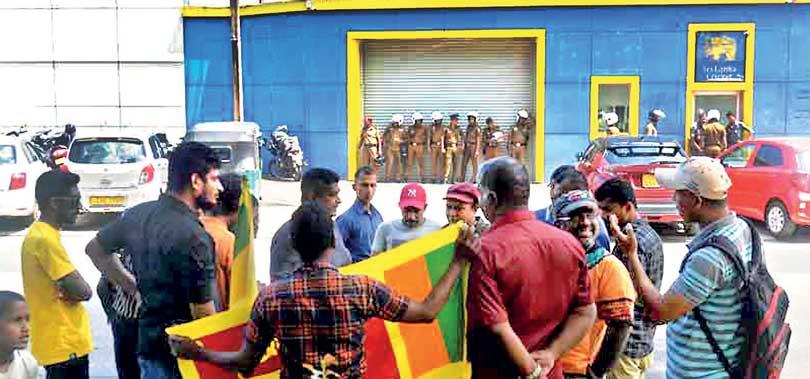 Cricket fans who gathered near Sri Lanka Cricket a few days ago stage a protest demanding a shake-up in the sport’s administration following the disastrous performance of the national team at the ongoing cricket World Cup, being held in India. (Pic by Pradeep Dilrukshana)
After the special audit draft report on SLC came to light in August, SLC immediately stated that the institution is not subjected to government audit
SLC has further sent its responses claiming that it is a volunteer organization and is independent of any external/ regulatory control
The AG’s report further states that financial statements certified by the Executive Committee (Ex-Co) must be submitted to the AG
Even when the host party bears the cost of the airfare, food and lodging, SLC officials still can claim the money as it was not provided by the Cricket Board. These are the tactics of the Ex-Co members to amass money from SLC coffers,” Sources
The newly proposed constitutional amendments is the only way forward to arrest the dishonourable administration, for the greater betterment of SLC, and for the only sport we can compete internationally as a renowned cricket playing nation. If new amendments are not brought to the constitution it is unlikely that SLC would make better progress as we have experienced how hard it was for us to qualify for the T20 and ODI World Cups; a clear sign of deterioration in what we were good at,”
– A Former National Cricketer
While Sri Lanka Cricket (SLC) is toiling to return to its glorious match winning trend, members forming the ‘Cricket Board’ and handling cricket administration are accused of abusing their positions and milking the rich coffers of the controlling body for cricket to their own whims and fancies.
With the release of the Auditor General’s (AG) report on SLC astonishing details have surfaced as to how the hierarchy forming the Cricket Board’s administration is plagued with corruption.
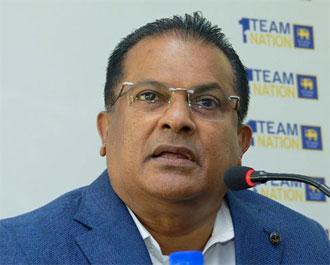 |
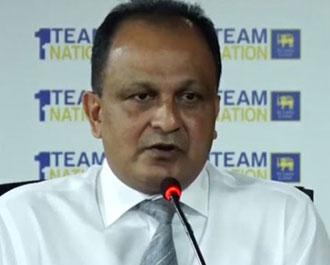
| Shammi Silva |
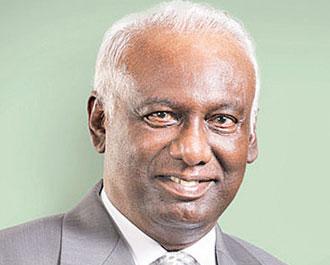 |
| Jayantha Dharmadasa |
 |
| SLC CEO Ashley de Silva |
After the special audit draft report on SLC came to light in August, SLC immediately stated that the institution is not subjected to government audit as it is not funded by the government or the general treasury. SLC maintained that it generates income to cover its institutional expenses from grants received as a member of the International Cricket Council (ICC) by sale of various rights and shares relating to sports derived from organising and conducting international tournaments in Sri Lanka.
Responding to the special audit draft report sent to the Secretary Ministry of Sports and Youth Affairs on June 23, 2023, by the Deputy Auditor General Sudeesh Rohitha- on behalf of the Auditor General (AG)- SLC has further sent its responses claiming that it is a volunteer organization and is independent of any external/ regulatory control.
SLC further stated, ‘SLC is controlled by a constitution that has been passed and is neither an institution established under the Companies Act nor an institution incorporated by a special Parliamentary Ordinance, Law or Act. The Cricket Institute is not a public enterprise with shares held by the government or under the control of the government’.
However, AG’s Report No: SPR/2023/02 dated September 11, 2023, states that every sports association registered in terms of Sub Section 21(a) (3) of the Sports Law No: 25 of 1973 as amended by Act No: 47 of 1993 is subject to the audit of the AG. As SLC has obtained ICC membership and represents Sri Lanka under the brand ‘Sri Lanka’, it represents the State and operates as an entity subject to the government regulations. Considering these facts, SLC cannot be considered as a voluntary organization capable of deviating from the government relating process or financial oversight of Parliament. The AG’s report further states that financial statements certified by the Executive Committee (Ex-Co) must be submitted to the AG in accordance with the sports regulations published by the Extraordinary Gazette No: 1990/23 of October 27, 2016.
Meanwhile, it is learnt that former Sri Lankan cricketers and administrators have submitted a report to the Minister of Sports Roshan Ranasinghe seeking to amend the current SLC constitution; which they claim is the root cause for the unethical governance of the much respected game played in the island.
According to this report submitted to the Minister, the sole cause for this present situation in cricket is connected to Cricket Board elections and the habit of bringing to power the same faces to form the executive committee of SLC. The same administrators elected to the Cricket Board enjoy financial benefits which are then channeled to the respective cricket clubs which they are associated with.
Comparing to other Test playing nations, it is only in Sri Lanka that there is a need to garner 147 votes to elect a board comprising the executive committee (Ex-Co). This cannot be justified as in other Test playing countries their Ex-Co members are selected from within a number less than the fingers in one’s hands. The newly proposed constitutional amendments is the only way forward to arrest the dishonourable administration, for the greater betterment of SLC, and for the only sport we can compete internationally as a renowned cricket playing nation. If new amendments are not brought to the constitution it is unlikely that SLC would make better progress as we have experienced how hard it was for us to qualify for the T20 and ODI World Cups; a clear sign of deterioration in what we were good at,” a former national cricketer told the Daily Mirror newspaper.
AG’s report
According to what has been revealed in the AG’s report, officials have obtained SLC funds running into millions of rupees and crookedly in the guise of their entitlements.
As SLC is governed by the Sports Act, it is the responsibility of the Sports Minister to take disciplinary action against Chief Executive Officer (CEO) Ashley de Siva and the Chief Financial Officer (CFO) Mahesh Bopegamage for making payments for office bearers/Ex-Co members and other staff during this tournament when they were not entitled to such benefits.
The CEO has to carry out and implement whatever decisions taken by the Ex-Co. Knowing how much each member is entitled to in the form of foreign travel allowance (per diem), he is still allowed as the CFO to pay more than what they have to be given,” highly reliable SLC sources alleged.
Astonishing details in the report reveal how much funds suspended SLC President Shammi Silva has obtained to travel to Australia on two occasions during T20 world cup matches. Silva has spent a staggering Rs 10.953 million which includes a business class return air ticket that has cost Rs. 2.619 million.
At the 11th SLC Executive Committee Meeting held on July 7, 2022, a decision was taken to bear the cost of the business class tickets for office bearers- Suspended President Shammi Silva, former Secretary Mohan de Silva, Vice Presidents Jayantha Dharmadasa, Raveen Wickremaratne and CEO Ashley de Silva, while other Ex-Co members were paid for regarding their economy class air tickets. In addition they were entitled to visa fees, domestic airfare and a per diem of US$ 700. Per Diem could be claimed only for a maximum period of 10 days.
Silva went to Australia on October 10, 2022, and returned on October 18. Although he was in Australia only for nine days and the total per diem entitlement for this duration was US$ 6, 300 (SLR 2.298 Million), he has obtained the maximum entitlement of US$ 7,000 (SLR 2.554 million) for ten days through SLC payment voucher PY2022008100 dated October 3, 2022. After the initiative of the government audit, he has paid back US$ 700 to SLC on August 14, 2023.
Meanwhile at the 12th Ex-Co meeting held on September 23, 2022, permission was granted to Silva to attend the ICC, Executive Committee meeting scheduled from November 11 to 13, 2022. But he was not granted permission to witness matches; which means he was not entitled for any allowances from SLC during his tour which was to be present at the ICC meeting. However, the audit report states that De Silva had still obtained the allowances disregarding the decisions taken at the 12th Ex-Co meeting.
As per Page 24 of the audit report, it was the ICC that has borne Silva’s air fare, food and lodging for the ICC’s Ex-Co meeting. ICC has paid him a per diem of US$ 500 and for five days; which totals to US$ 2,500.
Despite having been paid a per diem for five days by the ICC, Silva has obtained the travel allowance of US$ 3,500 from SLC for the same period at a rate of US$ 700 per day. In addition, he has also obtained an additional allowance of US$ 3,500 for five more days, claiming that he went to watch the matches; which happened despite the decision taken at the 12th Ex-Co meeting. According to the report a total of US$ 7, 000 has been obtained from SLC during his second trip to Australia through paying voucher PY2022008927 dated October 20, 2022.
Following the initiative of the special government audit, on February 3, 2023, Silva reimbursed US$ 2, 100 (Rs. 767,550) to SLC. This was out of the US$ 7, 000 that he obtained from SLC.
Ashley’s and ICC meetings
Meanwhile CEO Ashley de Silva although paid for by the ICC for taking part in the ICC Committee Meeting held from November 11 to 13, 2022, too had obtained US$ 3,500 from SLC for the days he attended the ICC meetings.
It was the ICC that had spent for Ashely de Silva’s air ticket, food and a per diem of US$ 125 for five days which amounts to a sum of US$ 625. Despite having been paid for by the ICC, he had obtained US$ 3,500 from SLC, for the days he attend the ICC committee meeting and an additional US$ 3,500 for five more days amounting to a total of US$ 7, 000 (SLR 2.788 million)
However, he too has reimbursed US$ 2,100 (SLR 767,550) to SLC on February 3, 2023, following the government audit.
According to the report, SLC spent a staggering Rs. 68.237 million for 14 Office bearers/Ex. Co. members to travel to Australia. Later, Silva, Lasantha Wickremasinghe, Sujeewa Godaliyadda and Krishantha Kapuwatte had reimbursed Rs.2.65 million from the amounts they had received.
SLC had paid ousted President Silva Rs. 10.95 million for his business class air ticket and as foreign travel allowances and former SLC Secretary Mohan de Silva Rs.5.44 million while Vice Presidents Upali Dharmadasa and Raveen Wickremaratne were paid Rs. 5.19 million and Rs. 4.74 million respectively. Treasurer Lasantha Wickremasinghe had been paid Rs.4.81 million, Assistant Treasurer Sujeewa Godaliyadda Rs.4.6 million, Assistant Secretary Krishantha Kapuwatte Rs. 2.3 million, Executive Committee Members Janaka Pathirana Rs. 4 million, Thilak Wathuhewa Rs.3.92 million, Samantha Dodanwala Rs. 4 million, Priyantha Algama Rs. 3.95 million, Bandula Dissanayake Rs. 3.82 million, Nishantha de Silva Rs. 3.61 million and Nalin Aponsu Rs. 4.08 million; taking the total amount to Rs.65.096 million.
Meanwhile, it had come to light how the CEO and former SLC Secretary had issued a request letter for visas to the Australian High Commission. The letter contained 35 names recommended for visas although they were not attached to the Cricket Board. They were of family members and friends of Ex-Co members. Out of these 35 names, 21 were family members and friends of ousted President Silva. Amongst his family members were his wife Roberta Helloise, Mother-in-law Zena Maizie Jeanette Coenraad and brother-in-law Lawry Jude Coenraad. There are also allegations that amongst his friends taken abroad on this tour was the present Ceylon Electricity Board Chairman Nalinda Sampath Illangakoon.
Out of the 35 visa request letters, two letters have been submitted on the request of the Vice President Jayantha Dharmadasa, for two film artist friends of his. Quoting SLC response, the report further states, ‘ They were very fond of watching cricket matches (domestic/foreign)’. These two artists are G.P.S. Tharaka and A.S. Edirisinghe. As per the audit report, SLC has stated that these two artists were regular spectators and were from Cine Star Foundation when Dharmadasa was the Chairman of National Film Corporation.
Amongst the others were nine family members and friends of eight Ex-Co members, two wives of SLC members and one person by the name of Sanjeewa Nishantha Perera, a sports instructor attached to the Colombo Municipal Council (CMC). Up to the date this report was issued, Perera has not returned to Sri Lanka.
In the visa request letter to the Australian High Commission, the Cricket Board has stated that they are footing the bill for match tickets for all 35 individuals.
It is reported how SLC has spent Rs. 8.747 million to purchase tickets for the matches although the ICC has issued a certain number of tickets free of charge to every match that was played.
As per paragraph 5.1, of 2022, T20 World Cup instruction Hand Book, 125 free tickets are given for each preliminary match and 155 tickets for each semi-final and final match. Out of what is given for each match, 75 tickets should be given to the players in the team. In addition, 20 complimentary hospitality tickets are also offered free of charge specifically to be given to the relatives and friends of team players.
According to the report, although the national team was entitled to 100 complimentary hospitality tickets for the five matches that Sri Lanka featured in, the ICC had given them only 69 tickets. Though all these tickets should be given to team players for their family/friends, only three tickets have been given to the players and 38 tickets have been given to the Ex-Co members and seven to other SLC officials. Twelve tickets are believed to have been given to those who accompanied the Ex-Co members while nine tickets have been destroyed.
If these complimentary hospitality tickets were set aside for the players, why were they given to Ex-Co members and others,” sources queried.
As per Sections 5.1 and 5.2 of the said Hand Book, if the Sri Lankan team qualified for the semifinals and finals, for each match, SLC was entitled to 175 tickets. Regardless of that possibility, SLC had purchased 150 tickets to the value of Rs. 8.74 million. Out of this, 90 tickets were for the semi finals and 60 for the final. Out of the 150 tickets, the Government Audit has observed that 76 tickets worth of Rs.3.582 million remained unused.
SLC’s Head of Administration Aruna de Silva giving a statement to the Audit has said that out of the 150 tickets purchased only 74 tickets worth of Rs. 5.16 million had been distributed amongst the EX-Co members and other SLC staff.
Out of them 54 tickets, worth of Rs. 3.59 million, have been given to Shammi Silva while the remaining were distributed as given below-
Mohan de Silva -03 tickets (SLR 223, 754), Sujeewa Godaliyadda- 06 tickets (SLR 447,500), Nalin Aponsu -04 tickets (SLR 298, 339), Priyantha Algama- 02 tickers (SLR 149, 169), Saman Dodanwala-02 tickets (SLR 149, 169) and Ashley de Silva- 03 tickets (SLR 299, 603).
Meanwhile, it is also reported how SLC has foot the bill amounting to Rs. 2.538 million on behalf of six- players/officials who have got their travel itineraries changed due to personal reasons during T20 cricket series.
Niroshan Dickwella, Matheesha Pathirana, Thimothy Maccasil, Kasun Rajitha, Asitha Fernando and Mahela Jayawardena have got the dates of their return journies changed for personal reasons which resulted in the SLC having had to bear the cancellation cost amounting to Rs. 2.538 million.
Although the dates have been changed for personal reasons, without charging them, SLC has made the payments instead,” SLC sources revealed on conditions of anonymity.
The report also reveals how daily foreign travel allowances have been revised to increase the per diem paid to Ex-Co members, managers and other staff when accommodation wasn’t provided by the hosts in European/ African countries.
From March 15, 2022, the per diem rate has been increased by 75% for the Ex-Co. members, the Management staff by 71% while the others enjoyed an increase of 46%.
From May 2014 up to March 15, 2022, per diem rates for Ex-Co members was US$ 500, Management Staff US$ 450 and US$ 400 for others. With the increase it went up to US$ 700, 600 and 475 respectively.
When amending these rates in May 2014, the decision was taken on the basis of ‘if food and accommodation are provided’ and ‘if food and accommodation are not provided’. However, these rates were revised in 2022 and the change now specifies two categories ‘if food and accommodation are not provided by SLC’ and ‘if food and accommodation are provided by SLC’.
This decision has been taken for the sole benefit of Board members. Even when the host party bears the cost of the airfare, food and lodging, SLC officials still can claim the money as it was not provided by the Cricket Board. These are the tactics of the Ex-Co members to amass money from SLC coffers,” sources accused.
At the last meeting held in March 2022, another decision had been taken to increase the entertainment allowance from US$ 1,000 to US$ 2, 000 and a mobile telephone allowance of US$ 150 for each Ex-Co member when travelling abroad.
SLC’s decision to amend the per diem rate is totally against Finance Ministry Circular No: 01/2015/01 dated May 15, 2015; issued to minimise unnecessary expenses on foreign travel, combined allowances and incidental allowance paid to Ministers and Ministry Secretaries.
As per the said circular, Ministers and Ministry Secretaries were earlier entitled to a per diem of US$ 530 and an incidental allowance of US$ 75. This was further reduced by the President’s Secretary through Circular No: PS/CSA/00/1/4/8, dated March 15, 2023; slashing the rates by 30%. Hence the new per diem rate Ministers and Secretaries eligible for is US$ 371.
When the government has slashed the rates of their allowances, why can’t the Cricket Board follow these instructions? It is surprising why rates were increased during Covid 19; at a time the country was undergoing economic hardships in the backdrop of lack of foreign exchange. The Cricket Board is not a private institution, but a national sports body,” sources alleged.
Meanwhile, it is also reported how SLC has not paid the players amounts agreed upon for participating in the 2022 T20 preliminary series.
As reported, SLC has entered into an agreement with the players to pay them a sum of US$ 300,000 as ‘Ex-gratia Payment’. After the audit draft report was issued, SLC immediately paid the players a mere US$ 144,748 and not the promised US$ 300, 000.
Who has bagged the balance money,” questioned the sources.
Further, SLC is accused of remitting US$ 20,000 (SLR 7.335 million) to Commonwealth Bank of Australia on December 14, 2022, to sponsor five players representing a ‘Sri Lanka Cricket Team’ that was contesting a World Cup Cricket Tournament for players over age 50.
As per a request made by a Sri Lankan in Australia, this money has been remitted to an account in Commonwealth Bank of Australia, but SLC has failed to provide details to the audit whether they knew that such an organizing committee exists in Australia and whether the request made to sponsor the players is genuine.
This request was made to SLC via an e-mail on January 6, 2022, and surprisingly approvals have been granted the following day- January 7, 2022. Even though, the request was made in January and approvals were given regarding payment the very next day, why did SLC take more than 11 months to remit this money? Does SLC know when this tournament was held? As stated in the audit report this is unusual. This too has to be investigated,” sources said.
Roshan fears he may be poisoned at Presidential Secretariat
November 11th, 2023By SHEHAN DANIEL Courtesy The Daily Mirror
COLOMBO (Daily Mirror) – Reiterating an earlier claim that he had received threats to his life, Sports Minister said that he would not drink even a glass of water at the Presidential Secretariat because it could be poisoned.
“I have faith in the President (Wickremesinghe), I go to see him. But I will never drink even a glass of water from the Presidential Secretariat because I can’t be sure if it has been poisoned,” the Minister alleged.
I am concerned about my life to that extent,” the Minister said.
While stopping short of naming those he believed posed a threat to his life, he alleged people associated with cricket administration would poison him if they could.
The Minister also lashed out at Sagala Ratnayake, who is an advisor to President Ranil Wickremesinghe, for showing compassion towards corrupt” SLC officials.
I don’t know why he is compassionate towards the cricket board officials, who have been shown to be corrupt (in the special audit report),” the minister claimed.
He should be compassionate and praise me,” a visibly agitated Ranasinghe said.
ක්රිකට්වලින් ලැබුණු ඩොලර් මිලියන හයක් විදෙස් බැංකු ගිණුම්වල – විපක්ෂ නායකගෙන් අනාවරණයක් (වීඩියෝ)
November 11th, 2023උපුටා ගැන්ම හිරු පුවත්
ක්රිකට්වලින් ලැබුණු ඩොලර් මිලියන හයක් විදෙස් ගිණුම්වල ගිණුම් ගත කර ඇති බව විපක්ෂ නායක සජිත් ප්රේමදාස ප්රකාශ කර තිබෙනවා.
ඔහු මේ බව කියා සිටියේ කොළඹ අද (11) පැවති වැඩසටහනකදීයි.
දූෂිත ක්රිකට් පාලක මණ්ඩලයට එරෙහිව සියලුදෙනා පෙළ ගැසිය යුතු බවයි විපක්ෂ නායකවරයා කියා සිටියේ.
ක්රිකට්වලින් ඉපයූ ඩොලර් මිලියන 6ක් මෙරටට ඇවිත් නැහැ”
දූෂණ ක්රිකට් ආයතන සියල්ලම විසුරුවා හරිනවා” (වීඩියෝ)
November 11th, 2023උපුටා ගැන්ම හිරු පුවත්
ලංකාවේ ඇති දූෂණ ක්රිකට් ආයතන සියල්ලම විසුරුවා හරින බව ක්රිඩා අමාත්ය රොෂාන් රණසිංහ පවසනවා.
ඔහු මේ පිළිබඳව සඳහන් කරන ලද්දේ අද (11) ක්රීඩා අමාත්යාංශයේදී කැඳවා තිබූ විශේෂ ප්රවෘත්ති සාකච්ඡාව අතර තුරදීයි.
එහිදී වැඩිදුරටත් අදහස් දක්වමින් ඔහු ප්රකාශ කරන ලද්දේ මෙවැනි අදහසක්.
” මහනුවර කිව්වොත් ක්රිකට් හොර ගුහාවක්. මහනුවර ක්රිකට් හොරුන්ගේ පාරාදීසයක්. මේවා විසුරුවා හරින්න. ලංකාවෙම ක්රිකට් ආයතන සියල්ල මට තියෙන බලතල ප්රකාරව විසුරුවා හරිනවා. අවුරුදු හතරකට වඩා බලතල තියෙන කිසිම කෙනෙකුට ඉල්ලන්න බෑ, මෙතන තියෙන ජාතික ක්රීඩා අභියාචනා කමිටුව තව පුළුල් කරලා ලංකාවෙම දූෂණ ටික විමර්ශනයට ගන්නවා. මේ ක්රිකට් එක හදන්නනම්. ඒ අරගෙන පනතේ බලතල තියෙනවා ජීවිතාන්තය දක්වා සංගම්වලට ඉල්ලන්න බැරිවෙන්න නීතිය ගෙන්න. මං මේ හංගලා ගහන්නෑ. කියන්න තියෙන දේ කියන්න එපැයි. ඒ ටික ගෙනල්ලා මේ අයට සංගම්වලට ඉල්ලන්න බැරි කරන්න ඕන. ක්රිකට් එක හදන්න බෑ නැත්නම්. ඒ කරලා ක්රිකට් එකත් අධිකරණයට ගිහිල්ලා පිළිගත්ත නීති රාමුවක් තියෙනවා, අන්න ඒකට ක්ර්රීඩා සංගම් නැවත ස්ථාපනය කරන්න ඕන. ඒකට ඔබතුමන්ලගේ සහාය ඕන. සමහරු සංගම් හතර පහේ ඉන්නවා.ඊයේ ඩීජී හෙනල්ලා කිව්වා වහාම ලිපි ලියන්න කියලා, සංගම් දෙක තුනක ඉන්නවනම් වහාම අහෝසි කරන්න කියලා. ඒ දේ කරලා අපිට පුළුවන් පනත සම්මත කරගෙන ඊට පස්සේ අලුත් සංගම් ටික පිහිටවලා නිලවරණයකට යන්න. සමහර විට මාස 6ක් යන්න පුළුවන්. මාස අටක් යන්න පුලුවන්. ඒ අතර තුළ අපිට තියෙන්නෙ අහන්න Iccයෙන් අහන්න. ද්වේශ සහගත ලෙස ඇයි අපිව තහනම් කළේ කියලා. ”
“ලංකාවේම තියෙන දූෂිත ක්රීඩා සංගම් මම විසුරුවා හරිනවා” – “පනත සම්මත කරලා නිලවරණයට යනවා”
A Rajapaksa Plan for the total destruction of Hamas
November 11th, 2023A.J. Caschetta Courtesy Israel National News
The Tamil Tigers are only a memory, thanks to the Sri Lanka government which decisively ended a 40-year war against them. Read how. Op-ed.
HamasSri LankaWar Against TerrorA.J. Caschetta
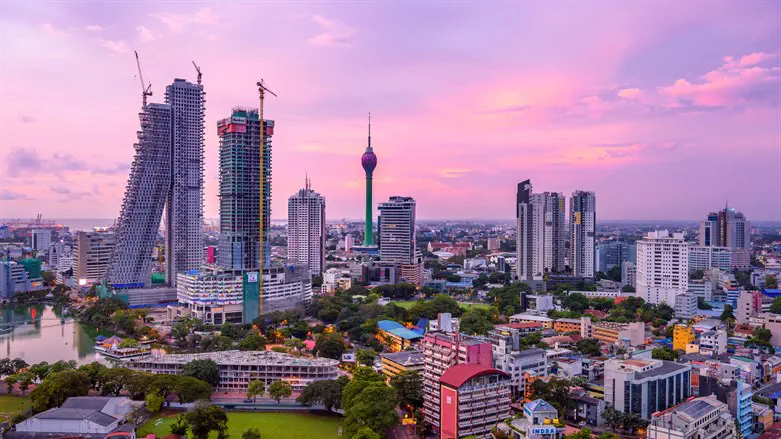
Sri LankaiStock
There are many parallels between Sri Lanka’s decades-long fight against the Liberation Tigers of Tamil Eelan (LTTE), more commonly known as the “Tamil Tigers,” and Israel’s decades-long fight against the Harakat al-Muqawama al-Islamiya, more commonly known as Hamas. And while Hamas may be now stronger than ever, the Tamil Tigers are only a memory, thanks to the government of Mahindra Rajapaksa [raa·juh·paak·suh], who ended Sri Lanka’s 40-year war against the terror organization by killing its leaders and destroying its war-making infrastructure.
Israel should take a page from the Rajapaksa playbook and do the same to Hamas.
The LTTE was founded in 1976 when Velupillai Prabhakaran took control of the Tamil New Tigers (TNT) and renamed it. Soon he transformed the group from a clandestine terrorist organization into a sprawling mini-state, complete with a navy, air force, and infantry divisions.
Hamas also grew from a clandestine organization that emerged from the 1987 Intifada protests into a sprawling mini-state with a massive stockpile of Iranian and homemade weapons.
French counterterrorism analyst Xavier Raufer coined the term “gray area phenomenon” to denote a middle ground between covert, anti-state terror organizations and nation states that control their own citizens through terror. Like a nation state, a gray area group controls territory, provides services, and functions in many ways as a nation state. Both the LTTE and Hamas fit neatly into this category, and both benefitted from the services provided such as schools and orphanages, where young minds are twisted and child soldiers are forged.
Suicide Attacks
The LTTE is the only non-Islamic group to conduct a sustained campaign of suicide bombings, beginning coincidentally in 1987, the year Hamas was founded. However, as Paul Moorcraft shows in his book, Total Destruction of the Tamil Tigers (2012), Prabhakaran “inspired a cult of suicide as a form of martyrdom for the cause which they described as punitha yutham (pure/holy war).”
Over a 22-year period, the LTTE conducted hundreds of suicide attacks using a variety of methods, including trucks, boats, and airplanes. According to Rohan Gunaratna, the LTTE sent members to the Beka’a Valley in Lebanon and “translated many of the training manuals of the Middle Eastern terrorist groups into the Tamil language.”
Moorcraft explains that the LTTE was instrumental in bringing about “a series of innovations to improve the suicide jackets” that Gunaratna credits the LTTE with inventing. It is “essentially a denim vest equipped with explosives,” Gunaratna explains, adding that, “The idea for this suicide device came from the jacket that the Tamil Tigers generally wore.”
Hamas adopted the same design.
Hamas began conducting suicide attacks against Israelis in 1993, and soon became the most prolific of the many Palestinian Arab terrorist groups to do so.
Foreign Sponsorship
Both the LTTE and Hamas have received assistance from nation states. In February 2000, Gunaratna claimed that the LTTE “operates in 46 countries. In other countries, it has either opened offices, mostly in western democracies, or it has clandestine cells.” For a time, India was an LTTE sympathizer, due to the large Tamil population in the south. India’s friendly relations with the Soviet Union and Sri Lanka’s with the West added a Cold War element to the conflict, but warming relations between India and Sri Lanka changed that. From 1987 to 1990, 100,000 members of Indian peacekeeping forces were in northern Sri Lanka to deter violence.
In 1991, a female LTTE suicide bomber killed Rajiv Gandhi in the Tamil Nadu region of India as he was campaigning for reelection as Prime Minister, an office he assumed after his mother, Indira Gandhi, was assassinated.
Hamas openly receives support from Iran, Turkey, and Qatar. It receives aid and comfort from any nation that has outlawed its “military wing” but not its “charitable and political wings.”
Decades of Appeasement
Successive governments of Sri Lanka spent decades appeasing and negotiating with the LTTE. The pattern was the same: LTTE violence led to peace talks, which inevitably stalled when Sri Lanka did not give over the northern third of the island nation to the Tamils for a Tamil nation state, followed by more LTTE violence, and then Sri Lankan retaliation, and so on.
The pattern changed when Mahinda Rajapaksa was elected president in 2005.
Though he campaigned as a peace maker, events forced him to take a different approach. The first thing he did upon winning the election was to make his brother Gotabaya the Secretary of Defense. Gotabaya selected Sarath Fonseka to command the military and together they invested in Sri Lanka’s fighting capabilities, increased military spending, and developed counterinsurgency strategies. But they also bowed to pressure from the Sri Lanka Monitoring Mission, a “peace-processing” diplomatic mission led by Norway that had been trying to enforce a “permanent ceasefire” since 2002.
General Fonseka complained that the LTTE used the ceasefire to restock supplies and plan future attacks. And the attacks continued, though the LTTE claimed that they were conducted by independent, non-LTTE Tamils.
The Turning Point
Two events hardened the Rajapaksa brothers’ resolve – an attempted assassination via suicide bomber on Fonseka in April 2006 in which he was seriously wounded, and the bombing of a bus in Kebithigollewa in June 2006, killing 60 civilians. The ceasefire was off, and the LTTE’s days were numbered, though it took over two years of fighting before the final battle. 2007 and 2008 were particularly grim with increasing casualties on both sides.
When the final victory came in 2009 at the Battle of Puthukkudiyirippu, the Sri Lankan military outflanked and surrounded the LTTE, killed all of its top leaders and most of its elite fighters. On May 19, 2009, President Mahindra Rajapaksa announced to the nation that LTTE had been defeated.
Israel has spent decades appeasing and negotiating with its Palestinian Arab enemies. It has entertained dozens of efforts by other countries to forge peace deals with Palestinian Arabs whose leaders wanted only a temporary truce to build up forces and plan for the next attack, the next Intifada. Burned out by the Oslo Syndrome, and frustrated by trading land and not getting peace in return, Israel’s voters elected Benjamin Netanyahu again in December 2022.
But it was the Hamas pogrom on October 7, 2023, that forced Israel’s hand.
Resisting Calls for a Cease Fire
Israel could defeat Hamas in minutes if it cared as little for human life as its enemies do. Nevertheless, its battle to destroy Hamas in Gaza should not take long to complete, unless it bows to pressure to wage “proportionate” warfare and consents to more ceasefires. Sri Lanka also faced pressure from the “international community” which urged Columbo to reinstate a ceasefire, but the Rajapaksas understood how the LTTE used ceasefires in the past to resupply and plan future attacks, so they were having none of it.
Ban Ki Moon, Secretary General of the UN at the time, wanted to send a fact-finding mission to the battleground. British Foreign Secretary David Milliband and French Foreign Minister Bernard Kouchner also tried to broker a ceasefire. Gotabaya Rajapaksa told the foreign diplomats that they were being led astray by the LTTE propaganda, and the battle continued.
Today’s “peace-processors” are being led astray by Hamas propaganda. Believing casualty and death counts from the “Gaza Health Ministry” is like believing Baghdad Bob’s reports in 2003 that there were no American tanks in Iraq. Many have been urging Jerusalem to halt the IDF campaign in Gaza almost from the moment it started. Joe Biden and his Secretary of State, Antony Blinken, have been pushing Israel unsuccessfully to implement a 3-day ceasefire. They have, however, convinced Jerusalem to implement a “4-hour pause” each day for an unspecified period of time. It’s hard to imagine the Rajapaksas acquiescing to such demands.
After Velupillai Prabhakaran was killed at the Anandapuram junction, Sri Lanka released a grisly photograph of him with bullet holes in his head, likely under the assumption that cults tend to dissipate when the cult leader dies.
That tactic won’t work with Hamas. After its founder and “spiritual leader,” Ahmed Yassin, was killed in an Israeli strike on March 22, 2004, he was quickly replaced with Abdel Aziz al-Rantisi who was killed in an Israeli strike on April 17, 2004. Others have followed.
Since Hamas is more than a cult, it will not be defeated by killing only the leaders. The infrastructure, middle-managers, recruiters, and financiers will also have to be either killed or forced to accept their defeat and face consequences.
Finally, at the Battle of Puthukkudiyirippu, the LTTE used the civilian Tamil population as human shields, refusing to let them flee the advancing Sri Lankan military. Similarly, Hamas is very proficient at using civilians, both Palestinian Arab and Israeli, as human shields.
In the aftermath of their victory, the Rajapaksa brothers came under even more scrutiny from the U.N. but refused to cooperate with international investigations looking to substantiate rumors of war crimes perpetrated by the Sri Lankan military and the “unnecessary” civilian deaths.
Once Hamas is totally defeated, Israel should do the same.


IPT Senior Fellow A.J. Caschetta is a principal lecturer at the Rochester Institute of Technology and a fellow at Campus Watch, a project of the Middle East Forum where he is also a Ginsberg-Milstein fellow.
Sri Lanka’s Coconut Export Revolution
November 11th, 2023By Randeewa Malalasooriya President, Coconut Milk Manufacturers Association Courtesy Ceylon Today

In recent times, Sri Lanka has been rethinking its approach to exports in response to global economic changes. It’s moving away from its traditional exports like tea and rubber and exploring new avenues to make the most of its rich agricultural resources.
Coconut: A Versatile Agricultural Resource
Among the main agricultural exports, coconut is one such resource that has numerous opportunities. Coconuts, deeply ingrained in Sri Lanka’s agricultural heritage, are now at the forefront of this transformation. These versatile fruits play a vital role, contributing approximately 12% to the nation’s overall agricultural output.
Abundance and Demand
The island nation boasts an annual coconut crop of 2.8 to 3.2 billion nuts, according to the Coconut Research Institute (CRI) statistics. Yet, this abundance falls short of the annual requirement of 4.6 billion nuts, a demand driven by domestic consumption, coconut oil production, and exports.
Global Recognition in the Coconut Industry
On the global stage, Sri Lanka has gained recognition in the coconut industry, primarily through products like Desiccated Coconut (DC) and brown fibre. The nation’s DC stands out with its distinct white colour and exquisite taste, securing Sri Lanka’s position as the fourth-largest exporter of kernel products worldwide. Additionally, Sri Lanka excels in brown fibre production, known for its exceptionally long and pristine strands, making it the world’s leading exporter in this category, even finding applications in the brush industry.
Embracing the Global Shift Towards Healthier Alternatives
However, the most remarkable aspect of this transformation is Sri Lanka’s shift from traditional exports to innovative and value-added coconut products. This transition underscores not only adaptability but also the immense potential that coconuts offer as a versatile and lucrative export commodity.
In an era where global preferences are shifting towards healthier, plant-based alternatives, coconut-based products, especially coconut milk, are experiencing an unprecedented surge in demand. Embracing this transformative wave allows Sri Lanka to maximise its abundant coconut resources and align perfectly with the evolving tastes and desires of global consumers.
The Booming Demand for Coconut Milk
Against such a backdrop, the potential for export revenue from coconut milk is staggering. Sri Lanka could tap into international markets hungry for this creamy delight. Beyond its renown in culinary applications, Sri Lankan coconut milk, extracted by pressing grated fresh coconut kernel, has garnered global demand. It is available in various forms, including undiluted and diluted liquid versions, as well as skimmed and spray-dried powder forms.
Meeting the Needs of Health-Conscious Consumers
The production of coconut skimmed milk, obtained through centrifugal separation to remove fat, provides a high-quality protein source, ideal for various food products. This aligns with current global trends, such as vegan, gluten-free, and soy-free foods, contributing to the surge in popularity of coconut milk as a dairy milk substitute. Sri Lanka has capitalised on this opportunity by manufacturing and exporting a wide range of flavoured and unflavoured drinking coconut milk to the world. Sri Lankan coconut milk stands out in the world market due to its distinct white hue, unique aroma, and delectable flavour.
Steady Growth in Export Earnings
The demand for coconut milk, with its diverse culinary applications and growing popularity in global cuisines, is on the rise. Export earnings from coconut milk have steadily climbed, providing a ray of hope in an otherwise challenging economic landscape.
Efficiency Gains Through Industrialization
Traditional methods of extracting coconut milk involve grating the coconut kernel and manually squeezing the fresh meat to yield the milk. However, this age-old practice results in significant economic loss, with only 30 to 40 per cent of the coconut’s potential value being realised compared to industrial methods.
Comparing domestic and industrial milk extraction, the disparities become glaringly evident. While domestic usage recovers only 15 to 20 per cent of the coconut’s fat content, industrial methods boast a more efficient 30 to 35 per cent recovery rate. The residue from domestic extraction often goes to waste, whereas in industrial settings, it’s repurposed or sold. Even coconut water, shells, and parings, which are discarded domestically, find productive use in industrial applications like activated carbon production and oil production.
Maximising Coconut Resources
Despite the shortfall of 1.4 to 1.6 billion coconuts, the nation still uses 1.8 billion coconuts domestically, primarily for culinary purposes. By reallocating a larger portion of this consumption for the production of industrial value-added products like coconut milk and coconut cream, Sri Lanka could harness its coconut resources more efficiently.
Multifaceted Benefits
The benefits of such a shift are multifaceted. Factories could supply high-quality, safe, and value-added products for domestic consumption, often additive-free and organic, mitigating health concerns. Sri Lanka could also bolster its foreign exchange reserves through improved exports of coconut-based products.
By reevaluating the role of coconuts in both its cultural and economic narrative, the nation can bridge the gap between abundance and scarcity, transforming its coconut resources into a source of prosperity and sustainability.
A Vision for Economic Growth
In 2019, Sri Lanka faced a local oil requirement of 140,000 metric tons, with a substantial portion being imported, equivalent to a staggering 840 million kgs of coconuts, or roughly 1.4 billion nuts. This substantial coconut resource was harnessed to produce 240 million kgs of coconut milk, valued at USD 480 million (approximately Rs 91.2 billion).
This transformation from coconuts to coconut milk not only created a value addition of USD 126 million (around Rs. 24.5 billion) but also generated a net profit of Rs. 66.7 billion or USD 354 million. These statistics highlight the immense economic potential that Sri Lanka can unlock by maximising the use of its coconut resources, not only meeting local demands but also creating profitable opportunities through value addition.
Innovative Proposals for Economic Growth
To bolster Sri Lanka’s economy through its coconut kernel industry, a groundbreaking proposal has emerged: the implementation of a value-based rebate certificate system. Under this proposal, manufacturers of coconut kernel-based products would be granted tax quotas of Rs 50 for importing coconut oil, with the allocation determined by their contribution to exports. This allocation could be based on the foreign revenue they bring into the country or the volume they export.
Efficient Resource Allocation
Consider an example of a revenue-based quota system, where 1 kg of quota is granted for every 4 USD in foreign revenue generated. In this scenario, the total foreign exchange earnings from the coconut kernel industry amount to an impressive USD 350 million. Using the revenue-based quota system translates to an allocation of 87.5 million kgs, equivalent to 87,500 metric tons of coconut oil to be imported. This imported oil would be sufficient for approximately 700 million coconuts.
Innovative Solutions to the Coconut Shortage Predicament
From a cost perspective, the government’s investment in this system would be approximately LKR 4,375 million (or USD 21.8 million). However, considering Sri Lanka’s existing coconut shortage for both domestic consumption and industrial usage, this strategy presents an innovative solution. It would alleviate the coconut shortage predicament and allow for the allocation of more coconuts to produce value-added coconut kernel products, consequently boosting the country’s foreign exchange reserves.
Economic Gains from Coconut Milk Production
By producing coconut milk from the 700 million allocated coconuts, this initiative could generate foreign revenue of USD 280 million. After deducting the initial government cost of USD 21.8 million, the net gain for the country would amount to USD 258.2 million. Simultaneously, the importation of fresh coconuts would bolster local coconut supplies, stabilising prices for both farmers and consumers.
Addressing the Critical Deficit
The current expected foreign exchange revenue stands at an impressive $1.2 billion, with existing earnings from both kernel and non-kernel-based products at $400 million each. However, a critical $400 million deficit looms on the horizon.
Safeguarding Coconut Growers
To bridge this gap and secure a brighter future for Sri Lanka, the nation envisions importing fresh coconuts. These coconuts will be the raw materials for producing high-demand products like coconut milk, Virgin Coconut Oil (VCO), and Desiccated Coconut (DC). Each kilogram of coconut used in these processes promises significant foreign exchange gains, further enriching the nation’s coffers.
Preserving Local Coconut Farming Communities
This visionary proposal doesn’t just reflect economic ambition; it reflects a deep commitment to safeguarding local coconut growers. When coconut prices at the Colombo auction dip below the threshold of Rs 65 per nut, imports can be judiciously curtailed. This safeguard is more than a mere economic manoeuvre; it’s a lifeline for local growers, preserving their livelihoods and maintaining a fair minimum price for their produce.
Ensuring Stable and Improved Income
Foremost among these advantages is the assurance of stable and improved income. Historically, coconut growers have grappled with the unpredictability of local coconut prices, which often fluctuate due to market dynamics. However, with the increase in coconut exports, demand for coconuts will rise, leading to higher and more stable prices for their produce. This means that coconut growers can look forward to a reliable source of income that not only sustains their livelihoods but elevates their economic well-being.
Coconut Exports in the Region: A Lesson in Economic Growth
Coconut exports in the region have been a significant driver of economic growth and stability for several countries, including Sri Lanka. Neighbouring nations such as Thailand and Indonesia have successfully leveraged their natural coconut resources to establish themselves as major players in the global coconut market.
Thailand, for instance, has become a leading exporter of coconut products such as coconut milk, coconut water, and coconut oil. The country’s coconut milk, known for its quality and taste, has gained popularity in international markets and is widely used in various cuisines. Thailand’s success in coconut exports has contributed to its economic growth and stability.
Indonesia, another regional powerhouse in coconut production, has also diversified its coconut exports. The country is a major exporter of products like coconut oil and desiccated coconut. Indonesia’s coconut oil, in particular, is in high demand globally, with applications in food, cosmetics, and industrial sectors.
Embracing Adaptability and Pragmatism in Sri Lanka
These neighbouring countries have not only bolstered their economies through coconut exports but have also made pragmatic choices like importing coconuts for domestic consumption. This strategic approach allows them to focus on producing high-value coconut-based products for the global market.
Coconut exports in the region, led by countries like Thailand and Indonesia, have demonstrated the economic potential of coconut-based products in the global market. Sri Lanka is following suit by diversifying its coconut exports, aligning with contemporary consumer preferences and global trends, and aiming for economic growth and sustainability.
Preserving Tradition and Promoting Sustainability
Sri Lanka, recognising the success of its regional counterparts, is also shifting its focus towards coconut-based exports, particularly coconut milk. This shift reflects a broader change in mindset, emphasising adaptability and pragmatism. By learning from its neighbours and maximising the potential of coconut exports, Sri Lanka aims to unlock a future where coconuts are not wasted but celebrated as a valuable export commodity.
Promoting Sustainable Agriculture and Economic Prosperity
Furthermore, the expansion of coconut exports safeguards the future of these farming communities. By creating a more lucrative market for coconuts, this initiative encourages the younger generation to embrace coconut farming as a viable profession. This not only preserves the traditional knowledge and practices of coconut cultivation but also injects fresh energy into the industry, ensuring its continuity for generations to come.
The ripple effects of this growth extend beyond financial gains. With increased income and market stability, coconut growers can invest in the modernisation of their farms, adopting advanced farming techniques and technologies. This not only enhances productivity but also promotes sustainable and eco-friendly farming practices, aligning with global demands for responsible agriculture.
Coconut Milk: A Sustainable Future
These countries’ success in coconut milk exports reflects the increasing popularity of coconut-based products, driven by global trends favouring healthier and plant-based food alternatives. As consumers worldwide continue to seek coconut milk for its culinary and health benefits, the region’s coconut-producing nations are poised to play a crucial role in meeting this demand and expanding their export markets further. Coconut milk exports are not only economically beneficial but also align with the shift towards sustainable and plant-based food options, making them a significant part of the region’s agricultural exports.
Unlocking Economic Advantages Through Coconut Milk Exports
Exporting coconut milk holds significant economic advantages for Sri Lanka. This strategic shift from traditional exports like tea and rubber diversifies the country’s export portfolio, reducing reliance on a few commodities and spreading economic risk. The global demand for coconut milk is on the rise, thanks to its versatile use in various cuisines and as a dairy milk substitute, providing Sri Lanka with an opportunity to tap into a lucrative market.
Adding Value and Promoting Sustainability
Moreover, processing coconut milk adds value to raw coconuts, enabling higher pricing and profit margins. This value addition contributes to increased revenue, strengthens foreign exchange reserves, and fosters job creation along the coconut milk production chain. Importantly, it stabilises coconut prices for farmers and consumers, ensuring fair returns for agricultural efforts. By adapting to global food trends favouring healthier and plant-based options, Sri Lanka’s coconut milk exports not only boost the economy but also promote sustainability in the country’s rich coconut industry.
Conclusion: A Prosperous Path Forward
Sri Lanka’s journey towards coconut-based exports, especially coconut milk, is a transformative and forward-thinking approach that capitalises on the nation’s abundant coconut resources. It offers economic growth, stability, and sustainability while preserving the cultural and agricultural heritage of coconut farming. This strategic shift holds the promise of a brighter future for Sri Lanka, where coconuts are not just a local tradition but a global export commodity driving prosperity and well-being.
About the Author:
Randeewa Malalasooriya is President, Coconut Milk Manufacturers Association
Defence Secretary strengthens defence cooperation with South Africa
November 10th, 2023Ministry of Defence – Media Centre
South African High Commissioner to Sri Lanka, His Excellency Sandile Edwin Schalk met Defence Secretary General Kamal Gunaratne at the Defence Headquarters Complex, Sri Jayewardenepura, Kotte today (Nov 10).
Gen. Gunaratne warmly received the South African envoy and had a discussion on the implementation of the Memorandum of Understanding (MOU) on the defence cooperation between Sri Lanka and South Africa.
The MOU will enhance the relationship between the two countries by fostering mutual trust promoting stability and strengthening strategic ties.
Military Liaison Officer Major General Dhammika Welagedara and Senior Assistant Secretary of the Ministry of Defence Mr. Harsha Withanarachchi were also present at the occasion.
හිටපු මුදල් ඇමති රවී කරුණානායක මහතාගෙන් සැර උත්තර ටිකක්….
November 10th, 2023Sri Lanaka News
ක්රිකට් ක්රීඩාවේ පවතින දූෂණ අක්රමිකතා සොයා බලා සියලු පරිණත ක්රීඩකයින් එකතු කළ යුතුයි..
බංකොලොත් වී ඇති රටේ ආර්ථිකය ශක්තිමත් කිරිම සියලු දෙනාගේම සාමූහික වගකීමක්..
ලංකාවේ companies ලක්ෂ එකහමාරක් තියෙනවා බදු ගෙවන පයිල් තියෙන්නෙ 20 දාහයි..
සමස්ත රාජ්ය සේවයෙන් 15% 20% රාජ්ය නිලධාරීන් මේ රට නොමඟ යවලා තියෙන්නේ…
ලබන වසර මැතිවරණ වර්ෂයක්. මැතිවරණ කිහිපයක් පැවැත්වීමට නියමිතයි…
රට පත්ව තිබුණු අඳුරු කාල පරිච්ඡේදයෙන් යම් මට්ටමක ඉදිරියට පැමිණෙන අවස්ථාවක අපි සියලු දෙනාගේම වගකීම එකට එක්ව කටයුතු කිරීම බවත්, ක්රිකට් ආයතනයේ පවතින වංචා දූෂණ නැති කර පරිණත ක්රීඩකයින්ට අවස්ථාව ලබාදෙමින් එය ශක්තිමත් කිරීමට පියවර ගත යුතු බවත්, හිටපු මුදල් අමාත්ය රවි කරුණානායක මහතා පවසනවා.
අද වන විට අපේ රට අඳුරු කාල පරිච්ඡේදයකින් ගමන් කරන අවස්ථාවක රටේ ආර්ථිකය කඩා වැටී තිබුණු අවස්ථාවේ ඒකට යම් පුනර්ජීවයක් ලැබිලා යන මොහොතකයි අපි සිටින්නේ, ලබන වර්ෂය මැතිවරණ වර්ෂයක් බවත් මැතිවරණ කිහිපයක් පැවැත්වීමට නියමිත බවද හිටපු අමාත්යවරයා පැවසුවා. ඔහු මෙම අදහස් පළ කළේ Grand Oriental හෝටලයේ පැවති විශේෂ උත්සවයකින් අනතුරුව මාධ්ය වෙත අදහස් දක්වමින්.
මෙහිදී වැඩිදුරටත් අදහස් දැක්වූ හිටපු අමාත්ය රවි කරුණානායක මහතා,
මම හිතන්නේ අපේ රට ඉතාමත් අඳුරු කාලයක් තුළින් ගමන් කරන වෙලාවක් ආර්ථිකය කඩාගෙන වැටුනා එකට පුනර්ජීවයක් ලැබිලා තිබෙනවා. අපි කවුරුත් ආදරය කරන ක්රිකට් ක්රීඩාවට යම් ගැටලු සහගත තත්ත්වයක් උද්ගතව තිබෙනවා ඒක යථා තත්ත්වයට පත් කරලා එහි පවතින දූෂණ අක්රමිකතා නැති කර පරිණත ක්රීඩකයන්ට අවස්ථාව ලබාදීම සඳහා කටයුතු කිරීම හැම දෙනාගෙම ප්රාර්ථනාවක්. මේ සඳහා අනිසි ඇඟිලි ගැසීමක් අනවශ්යයි. අපේ ක්රිකට් ක්රීඩකයන්ගේ සහජ හැකියාව ඉස්මතු වන ආකාරයේ වැඩපිළිවෙළක් ක්රියාත්මක කරන්න ඕනි.මෙතන අක්රමිකතා වෙලා තියෙනවා නම් එවැනි අය වහාම ඉවත් කළ යුතුයි.ඔවුන්ට දඬුවම් ලබා දිය යුතුයි.
ක්රිකට් ක්රීඩාවේ පමණක් නොවේ දූෂණය වංචා වෙන සියලු තැන් පිරිසිදු කිරීම අත්යවශ්යයි. ක්රිකට් ක්රීඩාව තුළ වෙනස්කම් ඇතිකළ යුතුයි රටේ ආර්ථිකය ශක්තිමත් කරනවා වගේම ක්රිකට් ක්රීඩාවත් ඒ වගේම කරන්න ඕනේ ඒකට මම හිතන විදිහට වෘත්තීය පදනමක් ඇති මේ රටට කීර්ති නාමයක් ගෙනාපු ක්රීඩකයින් සම්බන්ධ කරගෙන ඔක්කොම එකතුවෙලා වැඩපිළිවෙළක් හදන්න ඕනේ.
ඉදිරියේදී ගෙන ඒමට නියමිත අය-වැය සම්බන්ධයෙන් මාධ්යවේදීන් නැගූ ප්රශ්න වලට පිළිතුරු දුන් හිටපු අමාත්යවරයා, මං හිතන විදිහට වර්තමාන ජනාධිපති වික්රමසිංහ මහතා අපේ රට පැවැති අඳුරු යුගයෙන් යම් තරමකට ඉදිරියට ගෙනත් තිබෙනවා ඒක ලෙහෙසි ගමනක් නෙමෙයි, නමුත් මේ අය වැයත් අමාරු දුශ්කර තාවයෙන් උඩට ගේන්න පුළුවන් නායකත්ව වැඩපිළිවෙළක් එතුමා පෙන්වයි. මේ අවස්ථාවේ අපි සියලු දෙනාම සහ මූහික හැඟීමකින් ඔහුට උදව් කළ යුතුයි. වැටිලා තිබෙන ආර්ථිකය ගොඩ නැගීමට එතුමා කටයුතු කරනවා මේ රට බංකොලොත් භාවයට පත් කළේ එතුමා නෙමෙයිනේ එනිසා මේ ආර්ථික අවපාතයෙන් එලියට එන එක ලේසි කටයුත්තක් නෙමෙයි. මේ අවස්ථාවේ හොඳම දේ තමයි වියදම අඩු කරල ආදායම උපයන්න පුළුවන් නිර්මාණශීලී භාවයක් ඇති කළ යුතුයි. විශේෂයෙන් ම කළ යුත්තේ අපනයන ආර්ථිකය ශක්තිමත් කිරීමයි.
මම නැවත කියන්නේ රටේ ආර්ථිකය කඩා වැට්ටුවේ කවුද අපිට ඒ නිසා ජාත්යන්තර අරමුදලට යන්න වුණා නමුත් අපි එකෙන් එළියට එන්න ඕනි වගේම ප්රායෝගිකව ජාත්යන්තර අරමුදල කියන හැමදේකටම නැමෙන්න ඕනි නෑ. අපේ රටේ ක්රමවේදයක් හරහා හැමදේම නිකං දෙනවට වඩා ස්වාධීනව මහන්සිවෙලා වැඩ කරලා ආර්ථිකය ශක්තිමත් කරගත යුතුයි. ඇත්ත වශයෙන්ම සාමාන්ය10% අපරාධ නිසා තමයි සියයට අනුවක් බැටකන්නේ, දැන් අද කම්පැනි ලක්ෂ එකහමාරක් පමණ තියෙනවා රටේ, නමුත් බදු ගෙවන ෆයිල් තියෙන්නේ විසිදාහයි. ඉතින් මේක පුදුම රටක් මේ තත්ත්වය අපි වෙනස් කළ යුතුයි.
අනිත් එක තමයි මම හැමතිස්සෙම ආදරෙන් කියනවා රජයේ නිලධාරීන්ට වැඩ කරන දක්ෂයින් ඉන්නවා. නමුත් 15%, 20% කට්ටිය මේ රට නොමඟ යවලා තියෙනවා.
හැමෝම දේශපාලනඥයන්ට ඇඟිල්ල දික් කරනවා. අද ලංකාවේ ඉන්නේ ඔක්කොම ගත්තොත් දේශපාලකයෝ නව දහක් විතර අපි කියමුකෝ මේ දේශපාලඥයෝ ඔක්කොම එපයි කියලා. එතකොට ලක්ෂ දාහතක රාජ්ය නිලධාරීන් මොකද කරන්නේ, මේ හැමදේම කරන්න තියෙන්නෙ ඔවුන් තුළින්. මේ රට අවුරුදු 71 තිස්සෙම එක් එක් කෙනාට ඇඟිල්ල දික් කරලා ප්රශ්න මග ඇරලා තියෙන්නෙ. දැන්වත් ඒ තත්ත්වය වෙනස් කළ යුතුයි.
එන වසරේ ප්රජාතන්ත්රවාදී විදියට මැතිවරණ පැවැත්වීමට නියමිත බවත්, බොහෝ දුරදුරට මැතිවරණ දෙකක් තුනක් පැවැත්වීමට නියමිත බවද මෙහිදී හිටපු මුදල් අමාත්ය රවි කරුණානායක මහතා වැඩිදුරටත් පවසා සිටියා.
Israel Will Lose. Here’s Why.
November 10th, 2023KEVIN BARRETT Courtesy The Unz Review
Ever since February 2022, Western mainstream media has been telling us that Russia cannot possibly win its war in Ukraine. Zelensky, with his hundreds of billions of dollars’ backing from the West, would surely prevail. Russia has always been taking unbearably heavy losses. Putin is always about to keel over dead. A fresh shipment of US wonder-weapons will turn the tide. A crushing Ukrainian victory is always at hand.
Because they could not imagine Ukraine losing, Western pundits could not see that it was losing. They missed the fact that from the moment the non-Western world majority refused to accept US sanctions on Russia, it was effectively over. Virtually the entire war has been fought under the shadow of an inevitable Russian victory. It has always been just a matter of time.
Might a similar situation prevail in the war for Palestine? The non-Western world majority has turned sharply against Israel—even more sharply than it turned against the US in its war on Russia through Ukraine. Yet Western media continue to manufacture and inhabit a bubble completely divorced from moral and strategic reality. They can’t even imagine Israel being in the wrong, even though it obviously is. They can’t imagine Hamas being noble and chivalrous fighters, and Israelis being cowardly child-killing terrorists, though such is obviously the case. They can’t acknowledge that the vast majority of the world disagrees with them for very good reasons, not because of anti-Semitism.” And above all they can’t imagine that Israel, despite (or because of) its genocidal assault on civilians, is losing the war.
Just as you had to read pro-Russian” sources (like Col. Douglas MacGregor) to get the truth about the war in Ukraine, you need to stay abreast of the pro-Resistance global majority view to get an accurate picture of the war for Palestine. To that end, check out my quick, Google-translate-assisted rendition of an enlightening article published yesterday by Al-Jazeera.
Zuhair Hamdani and Talal Mushati for Al-Jazeera
Israeli leaders are preparing a tense and frustrated Israeli public for unforeseen surprises in their war on Gaza, by talking about a long, costly, and cruel war. The high expectations they have set for their war will be difficult to achieve, lacking as they do a clear military or political plan.
Israeli Chief of Staff Herzi Halevy says, We are waging a war with a cruel enemy, and this war has a painful and heavy price,” while Defense Minister Benny Gantz sums up the difficulty of the ground war: The images coming from the ground battle are painful, and our tears are falling when we see our soldiers falling.”
The Israeli leadership has launched its war on Gaza at a time when it has the confidence of only 27% of the Israeli public, while only about 51% trust the Israeli army. Added to this are the burdens of 250,000 people seeking refuge from the Gaza region and the northern areas near Lebanon, as well as the more than 240 Israelis held prisoner by the resistance in Gaza.
Accordingly, for Israel, this war is not like previous wars. Israel is suffering huge daily losses and erosion of resources, including soldiers, equipment, time, money, and legitimacy (internal and external support). The cost will continue to rise as the war lengthens or expands.
Israel Will Lose. Here’s Why., by Kevin Barrett – The Unz Review
The Future of Sinhala Buddhist Nationalism
November 10th, 2023Shashik[S1] Silva and Ammaarah Nilafdeen-Re- published with few comments by D R Sudath Gunasekara
During his recent visit to the United States, Anura Kumara Dissanayake, the leader of the National People’s Power, addressed an interesting question from a Sri Lankan resident. The person highlighted the significant dominance of the white population[S2] in the US but also emphasized their peaceful coexistence with other migrant communities despite their majority status. In drawing a comparison to Sri Lanka, the person underscored the prevalent presence of the Sinhala people yet pointed out instances of discrimination[S3] [S4] faced by them, particularly in specific areas where it is more pronounced. He appealed to the NPP leader to recognize the challenges currently faced by the Sinhala community in their homeland. This interaction prompted us to examine and discuss the ever-evolving nature of Sinhala Buddhist nationalism, particularly in light of the expanding influence and affluence of the global Sinhala diaspora[S5] . This essay seeks to foster a discussion on how the growing support from this thriving Sinhala diaspora for contemporary temples[S6] might shape the future of Sinhala Buddhist nationalism within the realm of long distance nationalism.
What is long distance nationalism[S7] ?
As of 2020, Sri Lanka had an estimated three million emigrants, with one million having permanently settled abroad, creating a unique one-to-twenty diaspora to population ratio for the country (Jayawardena, 2020). Considering the increased outmigration during the financial crises, this figure is likely higher now. A recent survey by the Social Indicator – Centre for Policy Alternativesrevealed that 67.7% of Sri Lankans express a willingness to migrate and reside in other countries, a percentage that continues to rise. In light of these trends, the significance of the diaspora is expected to grow in the coming years.
Long distance nationalism denotes various identity assertions and activities that connect individuals across different geographical regions to their ancestral homeland. These activities span from political participation, such as voting and lobbying to financial contributions and artistic expression(Schiller, 2005[S8] ). Commonly referred to as the diaspora in everyday conversations, this group plays a crucial role in the political, economic and cultural landscape of Sri Lanka. According to the National Peace Council’s study titled Language of Peacebuilding in Post-war Sri Lanka, while the term Tamil diaspora has historically carried negative connotations among the Sinhalese, it is important to shift some focus to the increasingly influential Sinhalese diaspora, considering their status as the majority ethno-religious community in the country. Notably, the Sinhalese diaspora has become a significant patron for artists, businesses, media outlets, and politicians, as well as modern temples and influential monks. This essay seeks to raise pertinent questions regarding the potential impact of this diaspora on the future of Sinhala Buddhist Nationalism[S9] .
Sinhala Buddhist nationalism: dominance and impact
Sinhalese Buddhist nationalism is a political ideology that emphasizes the significance of Sinhalese culture and ethnicity, intertwining elements of national identity and pride. Initially conceived as a response to the British colonial rule, which promoted Christianity and adopted divisive strategies favoring minorities over Buddhists (DeVotta, 2007[S10] ), this ideology gradually evolved to foster discrimination against other minority groups in the country, particularly gaining prominence after Sri Lanka gained independence[S11] . A key tenet of Sinhala Buddhist nationalism is the notion that Sri Lanka inherently belongs to the Sinhalese Buddhists with minorities permitted to reside only due to the tolerance of Buddhists (Kapferer, 1988[S12] ). The ideology also relies heavily on the significant influence wielded by the Sangha, the community of Buddhist monks, within the political sphere. It is widely recognized that Buddhist monks possess the capacity to impact the establishment and dissolution of governments, as well as to exert pressure on elected representatives[S13] (Seneviratne, 2007).
The rise of Sinhala Buddhist nationalist ideology during British colonial rule was significantly influenced by the leadership and affluence of intellectuals, elites and the middle class. Notably, the advancement of education for Buddhist girls was propelled by the wealth generated from profits in the liquor and plantation industries[S14] . This advancement aimed to cultivate educated Buddhist wives, seen as a countermeasure against the perceived threat of Christian or non-Sinhalese spouses, thereby safeguarding Sinhala Buddhist identity. It was believed that educated mothers would be instrumental in producing the next generation of Sinhalese Buddhists. This perspective primarily stemmed from the efforts of national minded Buddhist intellectuals and the middle tier of Sinhala Buddhist shopkeepers and traders (Jayawardene, 2007). On the other hand, the contributions of individuals such as Anagarika Dharmapala, a prominent figure in the Buddhist revival of the late 19th and early 20th centuries, were particularly notable owing to his affluent background (Roberts, 1997). Dharmapala played a pivotal role in establishing the Sangha’s involvement in secular activities, which significantly contributed to the evolution of Sinhala Buddhist nationalism in the subsequent years (Seneviratne, 2007).
Over the past two decades, there has been a noticeable surge in Buddhist activities, often backed by funding from successive governments and business entities. This trend has contributed to the pervasive influence of Buddhism in the public domain and within the political system, often encroaching upon and marginalizing other communities[S15] (Dewasiri, 2019). Recent Budhisisation endeavors have demonstrated a keen interest in reaping political and commercial benefit. Notably, these interventions seem to coincide with the timing of significant events such as the 2019 presidential election and the commercial peak seasons during the Sinhala-Hindu New Year and Christmas (MinorMatters, 2022[S16] ).
The predicament with Sinhala Buddhist nationalism lies in its dominant position, which despite its historical roots as a response to British colonial rule, has increasingly curtailed the rights of other ethnic minorities over time[S17] . This has been evident in various practices such as successive governments prioritizing Buddhism over other religions, the political sway exerted by Buddhist monks and also in certain instances targeted violence against minority religious groups[S18] . These developments have underscored the complex challenges stemming from the influence of this ideology on the sociopolitical landscape of Sri Lanka.
Modern temples and long-distance nationalism
In this essay, the term modern temples refer to temples that operate at the national level, assuming more extensive political, economic and social roles compared to the traditional duties of village temples[S19] , which primarily participate in local religious ceremonies such as bangedara, pansukulaya deema and other religious events. Many of these modern temples actively contribute to the promotion of Sinhala Buddhist nationalism by engaging in national level politics assuming the belief that Buddhists should have greater autonomy in governance[S20] . Umandawa Global Buddhist Village and Sandagiri Maha Viharaya serve as examples of such temples that benefit from the Sinhala diaspora.
In the case of Umandawa, the temple openly aligns itself with specific political figures while voicing discontent with others. Moreover, it has garnered support from influential entities for its construction initiatives. These temples frequently engage in critiquing government policies and actively participate in endorsing particular political agendas. They also utilize their extensive reach on social media platforms to disseminate their opinions and ideas effectively. Likewise, the monk associated with Sandagiri Seya has shown support and loyalty to specific political ideologies. For instance, in 2014, he embarked on a 30-day walk to bestow blessings upon the then President Mahinda Rajapaksa and his government for their endeavors in defeating forces opposing Sri Lanka. The temple currently receives support from Dilith Jayaweera, a businessman turned politician actively involved in various political campaigns over multiple elections. It is essential to note that the construction of the stupa at Sandagiri Seya was carried out on government[S21] owned land in an area where the predominant community is the Malaiyaha[S22] Tamils, with a smaller population of Sinhala Buddhists[S23] residing in the same area.
The increasing popularity and appeal of these modern temples have positioned them as trusted recipients of financial support from the Sinhala diaspora[S24] . These funds are often allocated for various purposes including the construction of religious sites, the implementation of youth training programs, engagement in social welfare initiatives and, in some exceptional cases such as Umandawa, the establishment of hospitals. Remarkably, even during the initial phase of the financial crisis when many construction projects across the country came to a halt, these prominent temples continued their construction activities without impediment. Social media plays a pivotal role in enabling these monks to connect with the diaspora while providing diaspora members who contribute funds the opportunity to witness how their financial support is being utilized through these online platforms. Engagement with these temples facilitates a connection between diaspora members and their home country, offering them a sense of social recognition that might not be easily attainable in their host countries. Notably, this practice has created opportunities for individuals from diverse backgrounds, ranging from unskilled laborers to professionals, to make financial contributions toward these initiatives[S25] .
In a recently published YouTube video, Sri Samanthabhadra from Umandawa emphasized the potential to secure essential financial support from the diaspora for his projects if the government were to endorse his initiatives. He has been actively engaging in foreign tours and meetings with members of the diaspora, cultivating their assistance for his endeavors. During these visits, the monk expresses gratitude for the diaspora’s support and ensures that these patrons receive social recognition from their home country by featuring them in his YouTube videos. Likewise, as seen in videos released by the Gangasiripura Dhammaloka monk from Sandagiri Maha Viharaya through their Facebook page, it is evident that the Sinhala Buddhist community has been contributing funds for the construction projects at the temple and the social service initiatives led by the monk. Moreover, the diaspora sponsors meals for individuals taking part in the shramadhan activities at the temple. It is also observable that these sponsored activities from the diaspora hold a particular appeal among the youth users of various social media platforms. Long distance nationalism to Sinhala Buddhist nationalism[S26]
In this context, one might perceive the funding directed to modern temples as indirect support for Sinhala Buddhist nationalism, considering its role in reinforcing the political influence wielded by these modern temples. However, an alternative perspective could argue that the diaspora’s support for modern temples does not necessarily aim to promote Sinhala Buddhist nationalism. Engaging in a deeper discussion could involve probing into the reasons why the Sinhala diaspora chooses to fund these modern temples[S27] .
Long distance nationalism often resonates among individuals who reside away from their home country but seek to have some form of political influence in their country of origin (Skrbi, 1999 as cited in Schiller, 2005[S28] ). This may not directly apply to the majority of the Sinhala Buddhist diaspora, primarily driven by aspirations for financial prosperity. Nonetheless, many individuals who migrate to developed nations encounter challenges related to being perceived as the other” and experience a decline in social standing within the host country, regardless of their citizenship status. Consequently, they may be driven to strengthen their connection with their homeland to bolster their personal self-esteem (Schiller, 2005[S29] ). This scenario could significantly resonate with the growing Sinhala diaspora, suggesting that their involvement with Sri Lanka is likely to increase in the future[S30] .
Evidently, the migrating community may uphold Sinhala Buddhist ideological practices more fervently compared to those living within the homeland. This observation finds support in the earlier discussion, where the diaspora recognizes the significance of their homeland while navigating a host society where they may not be fully integrated.
The active participation of the Sinhala diaspora was observed during the 2019 presidential election with many Sinhalese living abroad returning to the country to support Gotabaya Rajapaksa. This action carries significant ideological weight, especially considering the heavily Sinhala Buddhist nationalist driven campaign led by Gotabaya Rajapaksa. Additionally, various political parties continue to receive crucial backing from the Sinhala diaspora, highlighting the ideological commitment of this community. In the recent visit to the US, Anura Kumara was urged by an individual to protect the country,” further underlining the diaspora’s ideological interests. Thus, it is worth reflecting whether the contributions of the Sinhala diaspora to modern temples can be interpreted as more than just financial assistance[S31] .
The funding provided by the Sinhala diaspora to modern temples has significantly bolstered the secular role of the Sangha, an integral aspect of Sinhala Buddhist nationalism. Even during times of financial crises, this support has enabled modern temples to maintain a robust presence. While one can appreciate the work carried out by the Sangha in terms of their involvement in social work and other construction projects, this significant contribution could also have the potential to nurture influential Buddhist monks capable of exerting influence in governance in the future[S32]
long distance nationalism and the promotion of Sinhala Buddhist nationalism are expected to become increasingly pertinent in future[S33] . In contemplating the impact of the diaspora’s increasing engagement and assistance on the future power dynamics and beliefs in Sri Lanka[S34] , this essay aims to stimulate a discussion and encourage readers to consider how the evolving roles of the diaspora and modern temples might shape the social and political landscape of the country in the years to come[S35] .
Devotta, N. (2007). Sinhalese Buddhist Nationalist Ideology: Implications for Politics and Conflict Resolution in Sri Lanka. East-West Center Washington. https://www.files.ethz.ch/isn/45634/ps040.pdf
Dewasiri, N. R. (2019). Lankawe Samakaaleena Bauddhathwaya” Ha Ehi Ayithihaasikathwaya Pilibanda Wiwechanaathmaka Aawarjanayak. In Lankawe Ithihaasaya: Drushtiwaadi Wichaarayak. Vidarshana Publishers.
Jayawardena, P. (2020). Sri Lankan Out-Migration: Five Key Waves Since Independence. University of Colombo Review (Series III), 1(1), 101–118.
Jayawardena, K. (2007). White Women, Arrack Fortunes and Buddhist Girls Education. In Religion In Context: Buddhism andSocio-Political Change in Sri Lanka (pp. 45–55). Social Scientists’ Association.
Kapferer, B. (1988). Legends of People, Myths of State. Smithsonian Institution Press.
Minor Matters. (2022). A Review of the State of Religious Freedom in Sri Lanka. https://www.minormatters.org/storage/app/uploads/public/632/ad8/cad/632ad8cad2ca0916665134.pdf
Roberts, M. (1997). For Humanity. For the Sinhalese. Dharmapala as Crusading Bosat. The Journal of Asian Studies, 56(4), 1006–1032. https://doi.org/10.2307/2658297
Schiller, N. G. (2005). Long-Distance Nationalism. Encyclopedia of Diasporas, 570–580. https://doi.org/10.1007/978-0-387-29904-4_59
Seneviratne, H. L. (2007). Buddhist Monks and Ethnic Politics. In Religion in Context: Buddhism and Socio-Political Change in Sri Lanka (pp. 88-101). Social Scientists’ Associati[S36]
[S1]Both Loos non S.B
[S2] They are not native of US Invaders and migrants only with 300 years history No surprise they tolerate other migrants also. Situation in This country is different Sinh are owners of the country All others are migrants only So cannot compare.
How can the JVP under AKD resolve discrimination against the Sinhalese and Buddhist in this country when their party does not has a clear policy on the nationhood in Sri LAnka?
[S5] + point
[S6]No wonder. Yes it is a problem for Shashik Silva who was earlier associated with the survey research arm of Centre for Policy Alternatives, and the Applied Research Unit of UNOPS.and a as a person currently working as an independent research consultant for both national and international non-governmental organizations in the areas of peacebuilding, social cohesion, hate speech, and religious freedom areas mainly associated with anti-Sinhala and Anti-Buddhist activities as stated in his bio data sheet and Ammaarah Nilafdeen looks a Muslim. h
[S7]What do you people mean by long distance here
In terms of history, it is 307 BC to date. As the Sinhala saying goes it Buddhism and the Sinhala Jathiya are like the (bark to the tree” That is if the Sinhala nation is the tree, then Buddhism is like the bark of that tree. That means you can’t separate the two They are one.
So no one can visualize a distance between these two.
[S8]An asset Good development
[S9]Are you jealous?
[S10]This is the crust of the present-day problem. What Sinhalese are trying to do at present is restore their lost rights. How can it be aa disclination against the minorities DeVotta?
[S11]Naturally they are only regaining what they have lost
[S12]Yes, it is a fact what is wrong with it Mr Kapferer?
[S13]Yes, of cause. They have done it from 307 BE. And we had a just society. Monks are the Guardians of the Sinhala Buddhist nation
[S14]What is wrong in investing for a good cause
[S15]Who said this lie Dewasiri must be out of his nuts
[S16] Are you jealous to see a once Great nation is trying to restore what was destroyed by invaders and to raise their head as a nation?
[S17]Blatant lies by misguided lump an intellectuals
[S18]You cant give equal treatment for religions imposed by for in colonial times and minorities recent origin like Tamils and Muslims in a country where Buddhism had been the State religion form 307 BC
[S19]Do you people know the trigonal role of the Temple in a Sinhala Village Pl don’t expose you intellectual bankruptcy.
[S20]Why not They are sons of the soil for 2600 years here DO you want them to be again governed by foreigners as it has happened from 1505 -1948?
[S21]In our tradition the government or the king did not own land They were only the custodians of the country on behalf of the people. The real owners of the land and the country are the people. Government owning land was a colonial concept. Introduced by the e British after illegally grabbing the land that belong tot the Sinhala people after murdering them en masse.
[S22]Pl refrain from writing filth. You are trying to create another new nation as if already what the colonial invaders had done for 500 years on this land are not enough. In future if you intend to write on this country, please call it the hill country. Don’t try to Tamil place names in this country.
Remember the scanty Tami Indian Tamils who live in and around this temple are defendants of Indian cooly labour brought by the British to work in their newly opened up tea plantations on the land grabbed by force at gun point that belonged to the Bhoomi putra Sinhalese of this land
[S23]Please don’t propagate criminal lies. Please come and see who are the smaller population here. We can sue you for this type of false propaganda against the e Sinhala nation.
[S24]Don’t be jealous of these temples of the Sinhala nation who are trying to raise their head against the discrimination inflicted upon them for 5ooyears by the Western colonial invaders.
[S25] I propose to the Sinhala diaspora to take legal action against these writers for blaspheme, defamation and character assassination
Where were you people when TAmil Diaspora was collecting Trillions of Dolars to support the separatist LTTE to wage war against a democratically elected government in trying to create their mythical EELAAM , a thing never existed on this planet on this traditional home land of the Sinhala Nation for the pas 2600 years?
[S26]You journalist brats why are you so jealous against the Sinhala Buddhists of this country who are struggling to raise their heads after suppression, oppression, exploit EELAM Exposed. A Magnum opus on the Eelam myth
Posted on November 4th, 2023ation and discrimination by colonial murderess for 500 years How many millions of $ have you got from the LTTE Diaspora for this assignment? Only a Sinhala Buddhist can comment on this subject. Both of you are not.
[S27] They are funding the Sinhaal Buddhist cause The is no argument about it. Do you wat them to support tigers and Swabians who are doing everything to destroy the Sinhala Buddhist civilization as it was done by the Portuguesa, Dutch and English for 500 years.
[S28]So what is wrong in it, .Do you expect them to support ani Buddhist Anti Sinhala forces like Tigers or Wahabians?
[S29] This man Schiller is doing the same thing So what is wrong for anyone else to do it?
[S30] Yes, it has to be with one’s’ attachment to his own Motherland. It is like his treating his own mother and Father
[S31]The multinodular question I have to ask from these writers is at whose request are you writing this and whose money nonsense. It is for nation building. So why are you bothered about it? You fool it had been there from the 307 BC. The temple and the Robe had been the deciding factor in the Sinhala Buddhist society throughout. If that had been the practice il all Catholic and Muslim countries, why it interprets as Something bad, when it is done In Buddhist country
[S32]Yes, of cause. Why are you bothered about it. It is none of your business to tell the Buddhist monks as to what they should and what they should not do. There is a centuries of Sangha hierarchy armed with a strict code of conduct t do that.
[S33]Of cause yes. As their patriotism grow and their economy improves certainly, they will do that.
[S34] What these people are trying to do is to restore their age-old pristine heritage that was n destroyed by the Western enemies from 1505 to 1949 using their military power in earlier days for 500 years and what they are continuing to do in collaboration with the misguided Tamils and Muslims, who were given political asylum by our great Kings in the pas on humanitarian grounds.
[S35] I am requesting you people, to stop writing this type of rubbish on behalf of the Sri entire Sri Lankan nation and the Sinhala Buddhists, in particular who had been the Boomiputras of this Island for the past 2600 years and find better source of earning your Dollars in future..
[S36]A word on these people cited as Authorities Except H.L.S,. Kumari J and Dewasiri all others are none Sinhalese and non-Buddhists who look in at the Sri Lankan Society with a Western colonial eye. That is anti-Sinhala anti Buddhist. Therefore, they always look at Sri Lankan Sinhala Buddhist people as anti-European, anti-Tamil and anti-Muslim angle. Further none of these cited has a deep understanding on the Sinhala Buddhist Social system If you want to learn about Sinhala Buddhist, I suggest you read books written by people like Wilhelm Giger Rhys Davi et. jut to mention two and Mahavamsa. Reg H.L. I know him as my two years senior at Peradeniya. Sarath Arumugam’s Contemporary. Although he studied here, I think his whole life he has spent in US and he is also well known as a Stanley Jeyaraja Tambiah type of man who never tried to understand the true Sinhala Buddhist Society and always work for the west. His ritual s in the Kadyan Kingdom is a glaring example about his suint eyed type of scholarship on Sri Lankan culture. Kumari though known as a Feminist and a human rights scholar and her husband Laal Jaaywardhana, an economist is well known for their Western bias. Being full time Colombians”, I am still to find something worthwhile done uphold the native culture and lives of the people of this country and its people Dewasiri is also not regarded as serious scholar by people who matter in this country. He is also identified as radical who despise the native culture.
As such the sources you have cited are not seriously taken by the people by this country. As such you can’t create any public opinion by this type of stuff. Finally I would like you not to write this type of rubbish on a subject you don’t know in future with to fatten your purse or satisfy few clients throw mud at a world renown great culture of a people in the East.
America’s War Economy and the Urgent Call for Peace in the Middle East
November 10th, 2023by Liz Theoharis Courtesy Counterpunch.org
On September 19, 2001, eight days after 9/11, as the leaders of both parties were already pounding a frenzied drumbeat of war, a diverse group of concerned Americans released a warning about the long-term consequences of a military response. Among them were veteran civil rights activists, faith leaders, and public intellectuals, including Rosa Parks, Harry Belafonte, and Palestinian-American Edward Said. Rare public opponents of the drive to war at the time, they wrote with level-headed clarity:
We foresee that a military response would not end the terror. Rather, it would spark a cycle of escalating violence, the loss of innocent lives, and new acts of terrorism… Our best chance for preventing such devastating acts of terror is to act decisively and cooperatively as part of a community of nations within the framework of international law… and work for justice at home and abroad.”
Twenty-three years and more than two wars later, this statement reads as a tragic footnote to America’s Global War on Terror that left an entire region of the planet immiserated. It contributed to the direct and indirect deaths of close to 4.5 million people, while costing Americans almost $9 trillion and counting.
The situation is certainly different today. Still, over the last few weeks, those prophetic words, now 22 years old, have been haunting me, as the U.S. war machine kicks into ever higher gear following the horrific Hamas massacre of Israeli civilians and the brutal intensification of the decades-long Israeli siege of civilians in Gaza. Sadly, the words and actions of our nation’s leaders have revealed a staggering, even willful, historical amnesia about the disastrous repercussions of America’s twenty-first-century war-mongering.
Case in point: recently, the United States was the only nation to veto the U.N. Security Council resolution calling for humanitarian pauses” to deliver life-saving aid to Palestinians in Gaza. Instead, all but a few members of Congress are lining up to support billions more in military aid for Israel and the further mobilization of our armed forces in the Middle East. These moves, experts say, may only accelerate wider regional conflict (something we are already seeing glimmers of vis-à-vis Iraq, Lebanon, Syria, and Yemen) at a time of increasingly profound global instability. In the last few weeks, the U.S. Navy has assembled one of the greatest concentrations of power in the Eastern Mediterranean in 40 years,” while the Department of Defense is readying thousands of troops for possible deployment. Meanwhile, college administrators are suggesting student-reservists be prepared in case they get called up in the coming weeks.
Amid this frenzy of American bluster and brawn, the U.N. agency for Palestinian refugees reports that Gaza is fast becoming a hell hole,” riddled with death, disease, starvation, thirst, and displacement. Hundreds of scholars of international law and conflict studies have warned that the Israeli military may already have launched a potential genocide” of Gazans. At the same time, within Israel, citizen-militias, armed by the far-right minister of national security, have escalated violent attacks on Palestinians, only worsened by the acts of armed Israeli settlers on the West Bank protected by that very military.
Finally allowing a tiny amount of aid across the Egypt-Gaza border, after shutting down all food, water, and fuel for Gaza, Israeli Defense Minister Yoav Gallant made it clear just how much power the United States wields over this unfolding humanitarian crisis. The Americans insisted,” he reported, and we are not in a place where we can refuse them. We rely on them for planes and military equipment. What are we supposed to do? Tell them no?”
As Gallant implied, the U.S. could use its influence not only to demand far more aid for Gazans, but to compel quite a different course of action. There should, after all, be no contradiction between condemning Hamas for its heinous slaughter in the south of Israel and denouncing Israel for its decades-old dispossession and oppression of the Palestinian people and its now-indiscriminate killing and destruction in Gaza. There need be no contradiction between decrying terrorism and demanding diplomacy over violence. In truth, the Biden administration could use every non-military tool at its disposal to pressure both Hamas and Israel to pursue an immediate ceasefire, the full release of all hostages, and whatever humanitarian assistance is now needed.
If only, rather than further militarizing the region or questioning the death toll in Gaza, the Biden administration were to focus on making this most recent and ever more ominous crisis a final turning point, not for yet more brutality, but for a long-term political solution focused on achieving real peace, human rights, and equality for everyone in the region. In this moment of grief and rage, when tensions are at a fever pitch and the wheel of history is turning around us, it’s time to demand peace above all else.
The Cruel Manipulation of the Poor
While the U.S. government refuses to use its considerable power as leverage for peace, ordinary Americans seem to know better. Unlike the days after 9/11, recent polls suggest that a majority of Americans oppose sending more weapons to Israel and support delivering humanitarian aid to Gaza, including a majority of people under the age of 44, as well as a majority of Democrats and independents and a significant minority of Republicans. While Representative Rashida Tlaib, the only Palestinian-American in Congress, was made a pariah and is in the process of being censured by some of her colleagues after her plea for a ceasefire, she actually represents the popular will of a significant portion of the public.
And that, in turn, represents a generational shift from even a decade or two ago. In the wake of this country’s disastrous wars in Afghanistan and Iraq, as well as dozens of other military conflicts globally, many Americans, especially Millennials and Gen Zers, see the U.S. military less as a defender of democracy than as a purveyor of death and chaos. Nearly second-by-second online coverage of the Israeli bombing campaign is offering Americans an unprecedented view into the collective punishment of more than two million Gazans, half of them 18 or younger. (Now, with limited Internet and communications, it’s unclear how word of what’s happening in Gaza will continue to get out.) Add to that the slow-burning pain that has marked life in the United States over the last 15 years — the Great Recession, the Covid-19 economic shock, the climate crisis, and the modern movement for racial justice — and the reasons for such a relatively widespread urge for peace become clearer.
Today, half of all Americans are either impoverished or one emergency away from economic ruin. As younger generations face what often feels like a dead-end future, there’s a growing sense among those I speak to (as well as older folks) that the government has abandoned them. At a moment when the Republicans (and some Democrats) argue that we can’t afford universal healthcare or genuine living wages, the military budget for 2023 is $858 billionand the Pentagon still maintains 750 military bases globally. Last week, without a touch of irony, Treasury Secretary Janet Yellen, who claimed last year that student debt relief would hurt the economy, insistedthat the U.S. can certainly afford two wars.”
Millions of us tuned into President Biden’s Oval Office speech on his return from Israel, only the second of his presidency. There, he asked Congress to earmark yet another $100 billion mainly for American military aid to Israel, Ukraine, and Taiwan (a boon to the war-profiteering weapons makers whose CEOs will grow even richer thanks to those new contracts). Just a year after Congress killed the Expanded Child Tax Credit, which had cut official child poverty in half, Biden’s speech represented a further pivot away from socially beneficial policymaking and toward further strengthening of the ravenous engine of our war economy. After the speech, the Nation‘s Katrina vanden Heuvel offered this compelling instant commentary: Biden tonight rolled out a version of twenty-first-century military Keynesianism. Let’s call his policy just that. No more Bidenomics. And it consigns the U.S. to endless militarization of foreign policy.”
A decision to organize our economy yet more around war will also mean the further militarization of domestic policy, with dire consequences for poor and low-income people. Reverend Martin Luther King, Jr., once called such steps the cruel manipulation of the poor,” a phrase he coined as part of his denunciation of the Vietnam War in the late 1960s. King was then thinking about the American soldiers fighting and dying in Vietnam on the side of the wealthy, and the secure, while we create a hell for the poor.”
Today, a similar cruel manipulation” is playing out. For years, our leaders have invoked the myth of scarcity to justify inaction when it comes to widespread poverty, growing debt, and rising inequality in the United States. Now, some of them are calling for the spending of billions of dollars to functionally fund the bombardment and occupation of impoverished Gaza and a violent Israeli clampdown in the West Bank, not to speak of the possibility of a wider set of Middle Eastern wars. However, polling numbers suggest that a surprising number of Americans have seen through the fog of war and are perhaps coming to believe that our nation’s abundance should be used not as a tool of death but as a lifeline for poor and struggling people at home and abroad.
Not in Our Name
In a time of stifling darkness, one bright light over the last weeks has been the eruption of non-violent, pro-peace protests across the world. In Africa, Asia, Latin America, and Europe, hundreds of thousands of people have hit the streets to demand a ceasefire, including possibly half a million people in London. Here in the U.S., tens of thousands of Americans have followed suit in dozens of cities, from New York to Washington, D.C., Chicago to San Francisco. No less important, those protest marches have been both multi-racial and multi-generational, much like the 2020 uprisings for Breonna Taylor, George Floyd, and the countless other Black lives lost to police brutality.
Recently, close friends and colleagues sent me photos from a march in Washingtonwhere Jewish protesters demanded a ceasefire and held up signs with heartrending slogans like Not in My Name,” Ceasefire Now,” and My Grief Is Not Your Weapon.” Ultimately, close to 400 people, including numerous rabbis, were arrested as they peacefully sang and prayed in a congressional office building, while David Friedman, ambassador to Israel under President Trump, hatefully tweeted: Any American Jew attending this rally is not a Jew — yes I said it!” Representative Marjorie Taylor Greene of Georgia ludicrously claimed that they were leading an insurrection.
Two days later, my organization, the Kairos Center for Religions, Rights, and Social Justice, cosponsored a pro-peace march that drew a large crowd of Palestinians and Muslim-American families. At noon, about 500 protesters, a gorgeous, multicolored sea of humanity participated in the Jumma call to prayer in front of the U.S. Capitol. The following week, folks co-organized a pray-in at New York Representative Hakeem Jeffries’s office, using the phrase ceasefire is the moral choice.” Faith and movement leaders offered prayers from their various religious traditions and displayed the names of people killed so far.
On October 27th, as Israel expanded its ground invasion of Gaza, I joined thousands of people in Grand Central Station to call for a #CeasefireNow, one of the largest demonstrations in New York since this most recent conflict broke out. Protests continued all week. And on November 4th, there was a mass rally and march in Washington, D.C., to call for an end to war and support the rights of Palestinians, with hundreds of organizations bridging a diversity of views and voices to plead for peace.
Those marches were an inspiring indication of the broad coalition of Americans who desperately want to prevent genocide in Gaza and dream of lasting peace and freedom in Israel/Palestine. At the lead are Palestinians and Jews who refuse to be used as pawns and prop-pieces by military hawks. Alongside them are many Americans all too aware that, though they might not be directly affected by the nightmarish events now unfolding in the Middle East, they are still implicated in the growing violence there thanks to their tax dollars and the actions of our government. Together, we are collectively crying out: Not in Our Name.”
Such marches undoubtedly represent the largest antiwar mobilization since the invasion of Iraq in 2003 and are weaving together diverse communities — young and old, Black, Brown, and White, Muslim, Jewish, and Christian, poor and working-class — in a way that should prove encouraging indeed for a growing peace movement. Right now, there are new alliances and relationships being forged that will undoubtedly endure for years to come.
Yes, this remains a small victory in what’s likely to prove a terrifying global crisis, but it is a victory nonetheless.
Roses Dressed in Black
The last few weeks have resurrected traumatic memories for many Jews and Palestinians globally — of the Holocaust, the Nakba, and the long history of Islamophobia, anti-Arab hate, anti-Jewish violence, and antisemitism. For many of us who are not Palestinian or Jewish, the recent mass death and violence have also triggered our own painful reckonings with the past.
I’m a descendant of Armenian genocide survivors. When I was a child growing up in Milwaukee, Wisconsin, I heard hushed tales of death marches, hunger, lack of water, barricaded roads, and harrowing escapes. Those stories remain etched into my consciousness, a mournful inheritance my dispossessed ancestors handed down.
My great-grandfather, Charles Ozun Artinian, fled his home in what is now Turkey’s Seyhan River valley after the 1909 Adana Massacre in which Ottoman militants killed 25,000 Armenian Christians. Part of his family escaped over the Caucasus Mountains into Western Europe. They then traveled halfway across the world to Argentina, because so many other nations, including the United States, had closed their borders to Armenian refugees and would only open them years later.
As he was fleeing Adana, Charles wrote a poem, one of the few surviving long-form poems from the region at the time. It begins:
In the Seyhan valley there rises a smoke
Roses dressed in black, month of April cried
Cries of sadness and mourning were heard everywhere
Broken hearted and sad, everybody cried…”
My family taught my siblings and me that although the genocide against our people was carried out by the Ottoman Empire, it was made possible by the complicity and indifference of the international community, including the world’s richest and most powerful nations. Right now, the smoke rising over Gaza is suffocating and every additional hour the U.S. enables more bombs to fall and tanks to rumble, more roses will be, as my great-grandfather put it, dressed in black. Not only that, but with the detonation of each new American-made bomb, the conditions for the long-term freedom and safety of both Israelis and Palestinians are blasted ever more into rubble.
Let us honor the memories of our ancestors and finally learn the lesson of their many stolen lives: Not In Our Name!,” Peace and Justice for All!” and the pleas from Gaza, including Ceasefire Now!,” End the Siege,” Protect Medical Facilities,” and Gaza is Home!”
This column is distributed by TomDispatch.
Politics of Vat
November 10th, 2023Sugath Kulatunga
The recent increase of VAT from 12 to 18 percent has become the target of severe criticism by the opposition particularly by the political economists and of course the leader of the opposition. The main plank of the criticism is that it will increase inflation and the cost of living and will be an unbearable burden on small and medium scale industries. A non-economist would believe that the converse would be true in the lowering of the VAT rate resulting in reduced inflation an lower cost of living. But on Gotabaya regime’s reduction of the VAT rate from 12 to 8 the critics said that it was the cause of the economic crisis.
The argument for the reduction of the rate was to stimulate the economy which was stagnant.
It did not work as the Covid 19 played havoc in the economy. Production was slowed down and the makets collapsed. An International Labour Organisation (ILO) survey has found that the COVID-19 pandemic severely impacted the business operations of nearly 80 percent of surviving Micro, Small, and Medium Enterprises (MSMEs) in Sri Lanka.
But the Rajapaksa haters continue to disregard the impact of Covid pandemic just as they dismiss the economic and social ramifications of the war against the LTTE.
(A former National Security Adviser and Foreign Secretary, Shivshankar Menon has mentioned that the war cost the country around US$ 200 billion. https://www.newindianexpress.com/…/sri-lankas-internal.... )
Burden of any tax finally has to be borne by the consumer or the end user. Lower VAT benefits them, and any savings accrued will be invested or increase their consumption. Increase in consumption/ demand stimulates production. It is a home truth that private investment has a high positive ROI which in the public sector is often negative. A lower rate of tax tends to increase tax compliance. Tax policy should be for a broader tax base with lower tax rate.
All governments like to increase revenue but rarely consider reduction of costs of running the government. High costs are the result of corruption and inefficiency. At last the IMF has made the control of corruption as a fundamental conditionality. The root of both corruption and inefficiency is at the political level. It has now spread into the bureaucratic henchmen. Politicians allow the private sector to exploit the revenue sources. Successive governments have made rules and regulations corruption friendly rather than business friendly.
Sugath Kulatunga
ICC සාමාජිකත්වය ගැන දැඩි තීරණයක් ගන්න ශ්රී ලංකා ක්රිකට් ආයතනයෙන් ඉල්ලීමක් (වීඩියෝ)
November 10th, 2023උපුටා ගැන්ම හිරු පුවත්
ජාත්යන්තර ක්රිකට් කවුන්සිලය විසින් අද (10) මෙරටට පැනවූ ක්රිකට් සාමාජිකත්වය අත්හිටුවීමට අදාල ඉල්ලීම සිදුකර ඇත්තේ ශම්මි සිල්වා ප්රමුඛ ශ්රී ලංකා ක්රිකට් ආයතනය බවට සුප්රසිද්ධ cricinfo වෙබ් අඩවිය වාර්තා කරනවා.
එමෙන්ම ICC මණ්ඩලය විසින් ශ්රී ලංකා ක්රිකට් නියෝජිතයින්ට නිරීක්ෂකයෙකු ලෙස සහභාගී වීමට අවසර දී ඇති බැවින් අහමදාබාද්හි පැවැත්වෙන ICC රැස්වීම් සඳහා ශම්මි සිල්වාද සහභාගී වීමට ඉඩ ඇති බවයි එම වෙබ් අඩවිය සඳහන් කරන්නේ.
දැනට ඉන්දියාවේ සිටින සහ සිකුරාදා රැස්වීමට සහභාගී වූ ශ්රී ලංකා ක්රිකට් සභාපති ශම්මි සිල්වා ශ්රී ලංකා ක්රිකට් ආයතනයෙන් තේරී පත් වූ නියෝජිතයා ලෙස ICC විසින් දිගටම පිළිගන්නා බවත් එම වෙඩ් අඩවිය වාර්තා කරනවා.
වහාම ක්රියාත්මක වන පරිදි නැවත දැනුම්දෙන තුරු ශ්රී ලංකා ක්රිකට් සාමාජිකත්වය අත්හිටුවීමට ජාත්යන්තර ක්රිකට් කවුන්සිලයේ අද රැස්වූ කමිටු රැස්වීමේදී තීරණය කරනු ලැබුවා.
ඒ ශ්රී ලංකා ක්රිකට් සාමාජිකයෙකු වශයෙන් එහි වගකීම්, විශේෂයෙන්ම එහි කටයුතු ස්වාධීනව කළමනාකරණය කිරීමේ අවශ්යතාවය සහ රාජ්ය පාලනය, නියාමනය සහ පරිපාලනය සම්බන්ධයෙන් රජයේ මැදිහත්වීමක් නොමැති බවට සහතික වීම බරපතල ලෙස උල්ලංඝනය කර ඇති බව හුවා දක්වමින්.
කෙසේ වෙතත් අත්හිටුවීමේ කොන්දේසි ICC මණ්ඩලය විසින් ඉදිරියේදී තීරණය කර දැනුම්දෙන බවයි ඔවුන් නිකුත්කළ නිවේදනයේ සඳහන්.
Sri Lanka Cricket suspended by ICC board
November 10th, 2023Nagraj Gollapudi and Andrew Fidel Fernando https://www.espncricinfo.com/
The decision was taken following a tumultuous week in the SLC after Sri Lanka’s poor performance at the World Cup
Sri Lanka Cricket (SLC) has been suspended by the ICC with immediate effect because of extensive government interference in the board’s administration.
Though the ICC has termed the sanction a “suspension”, in reality it is a warning as the ICC seeks to prevent further government interference in the running of SLC. As it stands, the suspension will not have any immediate serious impact on Sri Lankan cricket. Sri Lanka’s World Cup campaign ended on Thursday and there is no cricket happening in the country until December. No ICC funds are due to go to SLC until January.
While the ICC’s quarterly meetings are scheduled for November 18-21 in Ahmedabad, the ICC board met online on Friday to address the SLC situation – government interference in all spheres from administration to finance and even matters concerning the national team. The next course of action will be decided when the ICC board meets on November 21.
RELATED
- Court issues stay order to prevent Ranatunga-led interim committee from taking over
- Sports minister looks to replace SLC officials with Ranatunga-led interim committee
The ICC’s decision might appear to have come out of the blue, but SLC may not have been surprised. It is understood that SLC asked the ICC board to take this extreme step. The ICC also continues to recognise SLC president Shammi Silva, who is currently in India and attended Friday’s meeting, as the elected representative. He is also likely to be present at the ICC meetings in Ahmedabad as the ICC Board has allowed SLC representatives to be present in an observer capacity.
“The ICC Board met today and determined that Sri Lanka Cricket is in serious breach of its obligations as a Member, in particular, the requirement to manage its affairs autonomously and ensure that there is no government interference in the governance, regulation and/or administration of cricket in Sri Lanka,” the ICC said in a statement. “The conditions of the suspension will be decided by the ICC Board in due course.”
On Monday, Sri Lanka’s sports minister Roshan Ranasinghe had sacked the SLC board and installed an interim committee headed by Arjuna Ranatunga, but Sri Lanka’s courts essentially reinstated the board a day later by issuing a 14-day stay order on the gazette that dissolved the board.
Since then, the affairs of Sri Lanka Cricket have been debated at length in the country’s parliament. But as of Friday, when the ICC suspension came, it was the elected SLC board headed by Silva that was running cricket in the country.
Even if the interim committee was in power, the appointment of such committees by the government had not prompted suspension by the ICC before. The previous occasion when an interim committee was in place, from 2014 to 2015, resulted in the ICC putting the funds due to SLC in escrow, and demoted SLC to observer status at board meetings. But they remained a member of the ICC officially.
Sri Lanka’s sports minister has also had the role of ratifying all Sri Lankan national teams, as per the nation’s sports law, which has been in place since 1973.
SLC chief executive Ashley de Silva refused to comment to the subject.
SLC is the second Full Member to be suspended by ICC in the last four years after Zimbabwe Cricket was suspended in 2019 for government interference. However, unlike in Zimbabwe’s case, where all cricket activities in the country were abruptly shut down, in addition to a freeze on funding, the ICC will tread carefully in Sri Lanka’s case.
ශ්රී ලංකාවට ක්රිකට් තහනම් කලේ ශම්මි සිල්වාගේ ඉල්ලීමට..- Cric info
November 10th, 2023lanka C news
ශ්රී ලංකාවට ක්රිකට් තහනමක් පනවා ඇත්තේ ජාත්යන්තර ක්රිකට් කවුන්සලයෙන් ශ්රී ලංකා ක්රිකට් ආයතනය කර ඇති ඉල්ලීමක් අනුව යයි ක්රික් ඉන්ෆෝ වෙබ් අඩවිය වාර්තා කරයි.
ශ්රී ලංකා ක්රිකට් ආයතනයේ සභාපති ශම්මිද සිල්වා විසින් මෙම ඉල්ලීම කර ඇති බවද එම අඩවිය වාර්තා කරයි.
ජාත්යන්තර ක්රිකට් කවුන්සිලය විසින් සිකුරාදා දින පැවති රැස්වීමටද ක්රිකට් සභාපති ලෙස ශම්මිද සිල්වා සහභාගී වී ඇතැයි ද වාර්තාව කියා සිටී.
Sports minister-led emergency meeting to be held at 10 a.m. today
November 10th, 2023Courtesy The Daily Mirror
ICC suspends Sri Lanka Cricket over political meddling
(Daily Mirror) – The International Cricket Council (ICC) suspended Sri Lanka’s crisis-ridden cricket board yesterday, saying it had failed to ensure there was no government interference in its affairs.
The game’s world governing body said Sri Lanka Cricket was “in serious breach of its obligations as a member, in particular, the requirement to manage its affairs autonomously and to ensure that there is no government interference.”
The suspension came a day after Sri Lanka’s parliament asked the board to resign over allegations made by sports minister Roshan Ranasinghe that it had syphoned off millions of dollars.
The conditions of the suspension will be decided by the ICC board later, as it said in a brief statement. It was not immediately clear if the indefinite suspension would affect Sri Lanka hosting the Under-19 World Cup in January.
There was no immediate comment from the board, but an official source said an emergency meeting of the executive committee had been scheduled today.
“They will try to work out the way forward,” the source said, asking not to be named. “The main concern is the upcoming 50-over Under-19 World Cup. Loss of hosting rights will be disastrous.”
Sri Lanka was preparing to host the 16-nation Under-19 World Cup, and the board had released large sums of money to refurbish four venues in the capital, Colombo.
The crisis involving the cricket board — the richest sporting organisation in the bankrupt island country — came to a head after Sri Lanka’s humiliating World Cup defeat by India last week.
The Sri Lankan parliament unanimously asked Sri Lanka Cricket’s elected board members to resign on Thursday, accusing them of unprecedented corruption. The board has not yet responded to the parliament’s non-binding resolution.
Opposition leader Sajith Premadasa said Thursday’s move was a “historic resolution that sends a message to the world that Sri Lankan legislators have united to defend cricket and restore the integrity of the game”.
The board is now locked in litigation after it was sacked by the sports minister on Monday, only to be restored the following day by the Court of Appeal pending a hearing in two weeks.
The ICC has rules against political interference and has suspended Sri Lanka before.
Ranasinghe said yesterday, before the suspension, that he was hopeful that there would be no ICC sanctions against the local board. “I am confident we can talk to the ICC and sort things out,” Ranasinghe said in parliament.
Arjuna will be tasked with rebuilding if SLC suspended by ICC: Minister
November 10th, 2023By Yohan Perera and Ajith Siriwardana Courtesy The Daily Mirror
PARLIAMENT (Daily Mirror)- Sri Lanka Cricket (SLC) will be handed over to former captain Arjuna Ranatunga for a brief period for the task of rebuilding if SLC is suspended by the ICC, Sports Minister Roshan Ranasinghe said today.
“We will hand over the task of rebuilding Sri Lanka Cricket to former captain Arjuna Ranatunga for six to eight months in the event Sri Lanka is suspended by the ICC. We will enact the Sports Act, go for an election and then we can go for other matches. We need the approval from parliament to proceed with that plan,” he told Parliament.
The Minister said this while responding to an allegation made by Opposition Leader Sajith Premadasa that a conspiracy has been hatched to get Sri Lanka suspended by the ICC.
He also said the two million dollars which was withdrawn by Sri Lanka Cricket (SLC) from a bank in Colombo on Thursday had been transfered to another bank account.
The Minister said cheques are being issued by the SLC and SLC funds of are being spent hurriedly.
ICC suspends Sri Lanka Cricket’s membership
November 10th, 2023Courtesy The Daily Mirror
ICC) – The International Cricket Council Board has suspended Sri Lanka Cricket’s membership of the ICC with immediate effect.
In a statement released on Friday night, the ICC said that the SLC had breached its obligations as a member, in particular the requirement to manage its affairs autonomously and without government interference.
In its statement, the ICC said: “The conditions of the suspension will be decided by the ICC Board in due course.”
The ICC Board is set to meet on November 21, after which the future course of action is expected to be clearer.
Sri Lanka is scheduled to host the ICC Under-19 Men’s Cricket World Cup across January and February 2024.
The Sri Lanka men’s team have had a forgettable time at the ICC Men’s Cricket World Cup 2023, winning just two of their nine matches and finishing with four points. They sit at No.8 in the points table with three more matches to be played in the league phase.
US-European backed Israeli genocide in Gaza Exposed Arab dictators who betrayed Palestinians
November 8th, 2023By Latheef Farook
Israeli genocide of Palestinian civilians and the destruction of Gaza, blindly backed by United States and Europe , exposed the political and military bankruptcy of secular Arab dictators. So far they refused to do anything substantial to stop genocide of Palestinians who were deprived of water,food,medicine, fuel and electricity for more than a month.
Arab dictators even refused to withdraw their ambassadors from Tel Aviv and Israeli flag continue to fly in Jordan ,Egypt UAE,,Bahrain,Morocco and Sudan while Bolivia,followed by Chile and Columbia, withdraw its ambassador from Tel Aviv in protest against on going genocide of Palestinians.
Only after three weeks of bombing and killing more than 8500 Palestinians and flattening almost half of the buildings in Gaza, Bahrain and Jordan decided on 2 November, to withdraw their ambassadors from Tel Aviv demanding to stop the genocide of Palestinians in Gaza.
Ireland’s Sinn Fein has also called for the envoy’s expulsion for as long as Israel ignores demands for a ceasefire. South Africa recalled all its diplomats saying Israel is threatening the stability of the global system and US is making a peaceful global order sit on tenterhooks.”
Throughout the Arab world it is dictatorship.People in general and intellectuals in particular are treated as slaves. Most of the intellectuals migrated to countries where they enjoy freedom and recognition.
This applies to secular Palestine Authority Chairman Mahmud Abbas who refused to hold elections and continue to implement the evil Israeli designs on his people in return for the patronage and financial support.
These secular dictators,carefully screened,selected and installed in power by their US-Britain and French masters were given one message that they should not allow Islamic forces to rise .The west in general will never allow a political force aligned to Islam in the Middle East-the birth place of Islam.
For example in the December 1991 elections in Algeria, Islamic party FIS won 188 seats and won the elections .However France and its secular stooges crushed Islamic forces ,FIS ,and installed a secular military dictator in power.
In the free and fair elections held in the aftermath of the 2010/11 Arab Spring in Egypt pro Islamic Brotherhood Mohamed Morsy won the elections. US- Europe and Israel got Saudi Arabia,Kuwait and United Arab Emirates to spend eleven billion dollar to overthrow Mohamed Morsy and install military dictator Abdel Fattah Sisi to serve their interests.
Former US President Donald Trump who signed a 100 billion dollar weapons agreement with Saudi Arabia said that Saudi Arabia, cannot be in power for two weeks without US support.
Saudi Arabia ,perhaps the largest importers of weapons from US,Britain and other European countries spending billions.However it is not going to use these weapons against Israel to save Palestinians as it depends on US and maintain secret ties with Israel.
Saudi regime used these weapons to wage war on Yemen and create the worst ever humanitarian crisis besides killing innocent Yemenis and destroying the entire infrastructure.So far Saudi had done nothing to protect the Palestinian civilians in Gaza.
The UAE has shown more sympathy toward Israel. A key signatory of the 2020 Abraham Accords, Abu Dhabi issued a statement on Oct. 8 which emphasized that attacks by Hamas against Israeli towns and villages near the Gaza Strip, including the firing of thousands of rockets at population centers, are a serious and grave escalation” and condemned Hamas for abducting Israeli civilians as hostages.
Of the 22 Arab countries nine called on the UN Security Council for immediate cease fire in Gaza and West Bank.Egypt, the largest and most populous Arab country,is not going to lift a finger to help as it depends on US financial help.
However once again, the Arab street is the epicenter of peaceful demands for change. Apart from worldwide protests demonstrations have swept across the region—including notable demonstrations in Casablanca, Algiers, Tunis, Cairo, Amman, Beirut, Damascus, Baghdad, and Manama—in support of the Palestinians in Gaza and their basic human rights in the face of an ongoing Israeli military assault and horrifying living conditions.
US-European governments care a damn for the Arab dictators .For example the day after US approved a $14.3 billion military aid package for Israel, the US Secretary of State Antony Blinken in his third visit to Israel spoke of the need to minimise, not stopping, the killing of Palestinians.
The pathetic state of affairs in the Middle East is such that Aleida Guevara, daughter of the legendary Che Guevara , asked why the Arab dictators remain silent and what are they waiting for without acting to save the Palestinians in Gaza and West Bank.
Erenst “Che” Guevara was an Argentine Marxist revolutionary, physician, author, guerrilla leader, diplomat, and military theorist. In a statement Guevara’s sixty three year old daughter Aleida Guevara asked;
O Arabs.What are you waiting for? What is happening in Gaza and when will this end? Are you waiting until Israel achieve its dream? Isn’t it time you save your brothers and sisters, your blood, people of your religion and culture. Isn’t it time for Arab rulers to unite to save the Palestinians. I live far away from you but my heart is with my Palestinian brothers and sisters.I am a doctor.If I can enter Gaza I will be with the Palestinians to help them.I am not worried about my life . Oh Palestinians continue your struggle. Move ahead thinking either freedom or death until victory.
Israeli genocide in Gaza showed the whole world the evil and cruel nature of Zionist Jews and their US,European supporters . Middle East remains a burning volcano about to erupt with unpredictable consequences for the region and the world.
ත්රීරෝද රථ රියදුරෙක්ට අනතුරක් වුනොත් කවුද බලාගන්නේ? දෑතේ ශක්තිය නැති වුනාම, බැරිවුන කාලෙකදී ඒ අය බලාගන්නේ කවුද?
November 8th, 2023Manusha Media
පුද්ගලික අංශයේ සේවකයාට අර්ථසාධක අරමුදල ලැබෙනවා. රාජ්ය සේවකයාට විශ්රාම වැටුප තියෙනවා. රක්ෂණ ලැබෙනවා. ත්රීරෝද රථ රියදුරන්ට මොනවාද ලැබෙන්නේ?
මුළු රටේම සමස්ත වෘත්තිකයින්ට සමාජ ආරක්ෂණ වැඩපිළිවෙලක් හදන්න කැබිනට් මණ්ඩලට මට විශේෂ අනුමැතියක් ලබාදී තිබෙනවා
වැරදි වැඩ කරලා අනතුරු සිදුවන්නේ ත්රිරෝද රථ විතරද? මේ අහිංසක මිනිස්සුන්ට චෝදනා කරලා හැමෝම නිදහස් වෙනවා
ත්රීරෝද රථ රියදුරන් කියන්නේ ඉගෙනගත්තේ නැති, සංයමයක් නැති ඉබාගාතේ යන කණ්ඩායමක් කියලා සමහරු කියනවා. ඒකට මම විරුද්ධයි. හැමෝම විශ්ව විද්යාලවලට ගිහිල්ලා නෙමෙයි රට දියුණු කරලා තියෙන්නේ
ත්රීරෝද රථ රියදුරන් පසුගිය කාලයේදී ඉල්ලුවේ තෙල් ටික විතරයි. ඒ අය බදු ගෙවන මිනිස්සුන්ට බරක් වෙන්නේ නෑ. ඒ අයට ගරුත්වයක් හිමිවිය යුතුයි
පුද්ගලික අංශයේ සේවකයින්ට අර්ථසාධකයත්, රාජ්ය සේවකයාට විශ්රාම වැටුපත් ලැබෙන නමුත් ත්රීරෝද රථ රියදුරන්ට අනතුරක් සිදුවුවහොත්, දෑතේ ශක්තිය නොමැතිවී බැරිවූ කාලයේදී බලාකියාගන්නේ කවුරුන්දැයි ප්රශ්න කළ කම්කරු හා විදේශ රැකියා අමාත්ය මනුෂ නානායක්කාර මහතා පසුගිය කාලයේදී බදු ගෙවන ජනතාවට බරක් නොවී, තෙල් ටික පමණක් ඉල්ලා සිටි ත්රීරෝද රථ රියදුරන්ට ගතරුත්වයක් ලබාදීමට කටයුතු කළ යුතු යැයි අද (08) පැවසුවේය.
අමාත්යවරයා මේ බව සදහන් කළේ අවිධිමත් අංශයේ ශ්රමිකයින්ට ගරුත්වයක් ලබාදීම සදහා ක්රියාත්මක ගරු සරු” වැඩසටහන යටතේ ත්රීරෝද රථ රියදුරන් සමග පැවති සාකච්ඡාවකදීය
එහිදී අමාත්යරයා මෙසේද පැවසීය.
මෙි රටෙි සෑම වෘත්තියකම නිරත වෙලා පිරිසට විශේෂයෙන්ම අවිධිමත් අංශයේ වෘත්තීන් වල නිරත වෙලා ඉන්න පිරිසට ගරුත්වය ලබා දීමත් සාරවත්භාවයක් ලබාදීම තමයි මේ වැඩසටහනේ අරමුණ වෙන්නේ. ඒකට අවශ්ය පසුබිම හදන්නයි අපි කටයුතු කරන්නේ. එහිදී හැම වෘත්තකයෙක්ම වයසට ගියාම බලාගන්න වැඩ පිළිවෙලක් තියෙන්න ඕනේ.
ඒ අනුව ඕනෑම වෘත්තියක් කරන කෙනෙක්ට අභිමානවත්ව ඒ වෘත්තියේ නියැලෙන්න පුළුවන් සමාජ වටපිටාවක් සහ වෘත්තීභාවයක් ඇති කිරීමට මෙම ගරු සරු වැඩසටහනේ ගරු කියන කොටසින් අදහස් වෙනනේ. ඒ වගේ සරු කියන කොටසින් අදහස් වෙන්නේ, අවිධිමත් අංශයේ පිරිසත් මේ රටේ ඊ.පී.එෆ්. ඊ.ටී.එෆ් වගේ සමාජ ආරක්ෂණ වැඩසහන් වලට දායක කරගනිමින් ඒ අයගේ විශ්රාම දිවය සුරක්ෂිත කිරීමටත් ඒ වගේම අයට රැකියාව කරන අවස්ථාවේදී යම් අනතුරක් වුනොත් ඒ අවස්ථාවේදී ඔවුන්ට අවශ්ය ආරක්ෂණ වැඩපිලිවෙලක් සකස් කිරීමත් තමයි සරැ කියන කොටසින් අදහස් වෙන්නේ.
මේ රටේ ඉන්නවා ප්රශ්ණ ඇති කරන අය. ඒ වගේම රටේ ප්රශ්න හැමතිස්සේම විචේනය කරන අයත් ඉන්නවා. මේ අය කරන්නේ ලොකුවට කියවන එක විතරයි. අපි මේ අයට කයිය නායකලා කියලත් කියනවා.
හැබැයි අපි ඒකෙන් එහාට ගිහිල්ලා ප්රශ්න වලට උත්තර හොයන්නයි මේ සූදානම් වෙන්නේ. මොකද අපි ප්රශ්න වලට උත්තර හොයන පිරිසක්. ඒ නිසාමයි ජනාධිපතිතුමාත් රටේ ප්රශ්නයක් ඇති වුන වෙලාවේ රට භාරගෙන පිළිතුරු හොයන්නයි කටයුතු කළේ.
ජනාධිපතිතුමා සියලු දෙනා එකට එකතු කරගෙන රටේ ප්රශ්න විසදන්න ගත්තේ විවේචනය කර කර ඉදලා හරියන්නේ නැති නිසයි. ප්රශ්න වලට බයවෙලා ඉදලා හරියන්නේ නැහැ. ඒකයි අපිත් මේ වැඩේට එකතු වුනේ.
මේ රටේ අවිදිමත් කෂේත්රයේ ඉන්න ලක්ෂ හැටක විතර පිරිසක් ආර්ථිකයට සුවිශේෂී දායත්වයක් දක්වනවා. එහිදී මේ විදිමත් සහ අවිදිමත් කියන අංශ දෙක මොකක්ද කියලා අපි අවබෝද කරගතයුතුයි. ඇත්තමට විදිමත් කියන්නේ හාම්පුතෙක් සහ සේවකයෙන් ඉන්න ඒ අය අතර ගිවිසුමක් තියෙන සහ ඒ අනුව නියමිත විදිහට රැකියාවක් කරනවා කියලා කම්කරු දෙපාර්තමේන්තුවේ ලියාපදිංචි වෙලා, ඊ.පී.එෆ්. ඊ.ටී.එෆ්. ගෙවීම් සිදුවන වෘත්තින් වලටයි.
ඒ වගේම අවිදිමත් කියන්නේ මේ විදිහට හාම්පුතෙක් නැති ගිවිසුමක් නැති තමන් තනියෙන් තමන්ගේ ජිවිකාව කරගෙන ඉන්න අයයි. හැබැයි මේ අයයි ආර්ථිකටය සුවිශේෂී දායක්තවයක් දෙන්නේ. මේ අය තමයි එළියට නොපෙනුනාට රටේ ආර්ථිකය ගොඩ නගන්න ශක්තිය ලබා දෙන්නේ.
පේමන්ට් එකේ බඩු විකුණන වෙළෙන්දා, ත්රීරෝද රථ රියැදුරන්, වෑද්දුම් ශිල්පීන්, පින්තාරු ශිල්පීන්, විදුලි කාර්මිකයින්, ඇතුලු හැම ක්ෂේත්රයේම ඉන්න අය ආර්ථිකයට දෙන්නේ විශාල හයියක්. ඒත් මේ අයගේ වෘත්තියට ගරුත්වයක් නැහැ. ඒක අපි අවංකව පිළිගන්න ඕනේ.
මේ අයගේ ජිවිති නිසි ආරක්ෂාවක්වත් වෘත්තියට ආරක්ෂාවක්වත් නැහැ. මේ අයට වැඩ කරන්න බැරි කාලෙට ඒ අයගේ විශ්රම දිවියට ආරක්ෂාවක් නැහැ.
වයස අවුරුද 55, 60 වුනාම පුද්ගලික අංශයේ අයට අර්ථසාදක අරමුදල ලැබෙනවා. රාජ්ය සේවකයාට විශ්රාම වැටුප ලැබෙනවා. ඒ වගේම පුද්ගලික සහ රාජ්ය අංශයේ අයට රැකියාව කරන කාලයේදී රක්ෂණ ක්රම තියෙනවා. ඒත් අපේ ත්රී රෝද රථ අයට, අනතුරක් වුනොත් ගෙදර අයව කවුද බලාගන්නේ? තමන්ගේ දෑතේ ශක්තිය නැති වුනාම මොකද කරන්නේ ? ඒ අයට බැරිවුන කාලේදී ඒ අයව කවුද බලාගන්නේ කවුද? මේක කාලාන්තරයක් තිස්සේ තියෙන ප්රශ්නයක්.
ඒ නිසා මුලු රටේම සමස්ථ වෘත්තිකයින්ට සමාජ ආරක්ෂණ වැඩපිලිවෙලක් ලබා දෙන්න කැබිනට් මණ්ඩලය විසින් මට විශේෂ අනුමැතියක් ලබා දීලා තියෙනවා.
ඒත් කයිය ගහන අය කෑගහන්නේ ඊ.පී.එෆ්. ඊ.ටී.එෆ්. කප්පාදු කරන්න එපා කියලයි. ඒත් ඇත්තමට වෙන්නේ මේවා කප්පාදු කරන එක නෙමෙයි. දැනට මේ සමාජ ආර්කෂණ වැඩපිළිවෙලවල් වල ඉන්න මිලියන දෙකයි දශම තුනක පිරිසට අතිරේකව මේ රටේ සමස්ථ වැඩකරන ජනතාවම සමාජ ආරක්ෂණ වැඩපිළිවෙලකට ගෙන එ්මටයි අපි මේ අලුත් වැඩකටයුතු ටික කරගෙන යන්නේ.
පිටරටවල් වලට වැඩිය ගිහිල්ලා නැති අය ඒ රටවල් වල රැස්වීම් වලට ගිහිල්ලා ඇවිත් කියනවා, එ් රටවල තණකොළ කපන කෙනත් එන්නෙත් වාහනෙන් කියලා. ඒ අය අනිත් අය කන්න බොන්නත් අනිත් අය යන තැනටමයි කියලත් කියනවා.
කතා කියන්න පුළුවන් වුනාට අපේ රටේ සියලුදෙනාගේම වෘත්තීය ගරුත්ව ලබාදෙන්න අවශ්ය කරන වැඩපිළිවෙලක් ලබා දෙන්න කටයුතු කරලා නැහැ.
මේ සියලුදෙනාට ගරුත්වය දෙන්න හදන වැඩපිළිවෙලේදී ආර්ථික වශයෙන්ම මෙන්ම සමාජීය වශයෙනුත් වෘත්තිය වටිනාකමක් දියයුතුයි. මේ වටිනාකම දෙද්දී ප්රමිති කරණයක් කරලා ඒ අයගේ ගරුත්වය වැඩි කරන්න විවිධ වැඩ කරන්න හැකියාව තියෙනවා.
ඒ නිසාමයි අපි කිව්වේ සෑම වෘත්තියක් කරන්නම ඒ අය නිර්මාණය කරන සංගම් හරහා බලපත්රයක් ලබා ගන්න පුළුවන් ක්රමයක් ක්රියාත්මක කලාම ඒ වෘත්තිය ඉතාම විදිමත් වෙනව බව. එතකොට ඕනෑම කෙනෙක්ට පින්තාරු කරන්න යන්න බැහැ. ඒකට නිසි බලපත්රයක් තියෙන කෙනෙක්ට විතරයි කරන්න පුළුවන් කම ලැබෙන්නේ. අනිත් ක්ෂේත්රත් ඒ විදිහමයි.
ඒ වගේම මේ අයගේ විශ්රම දිවය ශක්තිමත් කිරීමටත් ඔවුන්ට යම් අනතුරක් වුනොත් එයින් ආරක්ෂාවක් ලැබෙන්නත් ක්රමවේදයක් තිබිය යුතුයි. ඒ සඳහා අවශ්ය වැඩපිළිවෙල සකස් කිරීම තමයි ගරු සරු වැඩසටහන මගින් ක්රියාත්මක කරන්න යන්නේ.
අද ත්රීරෝද රථ වෘත්තිකයින් තමයි කතාවේ මාතෘකාව වන්නේ. සාමන්යයෙන් එකවුන්ටන්ලට නම් එකවුන්ටන් සර්විස් එක තියෙනවා. රාජ්ය පරිපාලන නිලධාරීන්ට නම් ඒකට අදාල වෙනම සර්විස් එකක් තියෙනවා. ගෘහ නිර්මාණ ශිල්පීන්ට වෙනම සේවයක් විදිහට තියෙනවා. නීතිඥයින් තියෙනවා නීතීඥ සංගමය, ඒත් අනිත විෂයන්ට එහෙම ආයතන හෝ සංගම් නැහැ.
ඉතින් අද කතා කරන ත්රීරෝද රථ වෘත්තිකයින්ටත් එහෙම එකක් නැහැ. කාලයක් තිස්සේ ඒ ගැන කතා කළා. ඒත් තවමත් ක්රියාත්මක වෙන්න බැරිවෙලා තියෙනවා. මේ රටේ මිලියන ගණනාවක් එක්ක සම්බන්ධ වෙන උපතේ සිට මරණය දක්වා නැතිව බැරි සේවාවක් තමයි ත්රීරෝද රථ සේවාව. මේ රටේ ත්රීරෝද රථ සේවාව ලබා නොගත්තු කෙනෙක් හොයන එක හරියට නොමල ගෙයකින් අබමිටක් හොයනවා වගේ වැඩක්.
ඒකයි අපි තීන්දු කළේ, අනෙක් වෘත්තීන්ට අතහන්න කලින්, මේ මුළු සමාජයම වෙනස් කරන්න පුළුවන් ක්ෂේත්රයක් වන ත්රීරෝද රථ රියැදුරන්ගේ වෘත්තීයභාවය ඇති කිරීම වැදගත් කියලා. ඒත් සමාජයේ ත්රීරෝද රථ කිව්ව ගමන්ම තියෙන්නේ චෝදනාවක්. පාරේ විනය කඩකිරීම් සම්බන්ධයෙන් වගේම විවිධ ජාවාරම් වලට ත්රිරෝද රථ සම්බන්ධ වෙනවා කියලා චෝදනා කරනවා.
හැබැයි මම කියන්නේ ඒක පහත් තැනින් ජලය ගලා බහිනවා වගේ දෙයක් කියලයි. ගුවන් තොටුපොල හරහාත් මත්ද්රව්ය එනවා ඒත් කවුරුවත් කියනවාද අර ගුවන් සේවය තමයි හොරු කියලා. ලොකු ලොකු කාර් වල තමයි මත්ද්රව්ය එහාට මෙහාට අදින්නේ. හැබැයි කියනවාද කාර් කාරයෝ තමයි මත්ද්රව්ය වලට සම්බන්ධ වෙන්නේ කියලා.
එතකොට වැරදි වැඩ කරලා හැප්පෙන්නේ ත්රිරෝද රථ විතරද ? සමස්ථයම වෙනස් කරන් ඕනිකම තියෙද්දී තමන්ගේ හයියෙන් ජීවිතය ගෙන යන අහිංසක මනුස්සයින්ට චෝදනා කරලා හැමෝම නිදහස් වෙනවා.
කළයුත්තේ පාරේ විනය හදන එකයි. ඒකට අදාල වැඩපිලිවෙල හදන්නේ නැතිව බොරුවට චෝදනා කරලා හරියන්නේ නැහැ.
හැබැයි මෙතනදී හේතුවක් විදිහට කියනවා ත්රීරෝද රථවලට එන්නේ ඉගෙනගත්ත නැති කණ්ඩායමක් කියලා. ඒ වගේම මේ අයට සංයමයක් නැහැ ඉබාගාතේ ගිහිල්ලා තියෙන්නේ කියලයත් කියනවා. මම ඒකට විරුද්දයි. මේ රටේ හැමෝම විශ්ව විද්යාල වලට ගිහිල්ලා, නෙමෙයි රට දියුණු කරලා තියෙන්නේ.
සමාජ අධ්යාපනයෙන් සහ උපතින් ලැබුණු බුද්ධිය වර්ධනය කරගෙන ගොඩක් අයත් ඉස්සරහට ගිහිල්ලා තියෙනවා. ඒ අය ඉගෙන ගන්න නොහැකි වෙලා ඇත්තේ ඒ අයට ඒකට අවශ්ය කරන පරිසරය නැති වීම නිසයි. ඒකට වැරැද්ද ඒ අය නෙමෙයි නේද ?
ඒ නිසා සමස්ථයක වැරැද්ද මේ අය පිට පටවලා කටයුතු කරන එක වැරදියි. අද ත්රීරෝද රථ හිමියන් තමන්ගේ දරුවන්ට හොද අධ්යාපනයක් දෙන්න ගොඩක් මහන්සි වෙනවා. ඒ අය දවසට කීයක් හරි හොයාගන්න එකට එහා ගිහිල්ලා තමන්ගේ දරුවන්ට හොඳ අධ්යාපනයක් දෙන්න ගොඩක් කැපවෙනවා. ඒ අය ඊලඟ පරම්පරාව හොද තැනකට ගෙනියන්න උත්සහ කරනවා. ත්රී රෝද රථ රියැදුරන්ගේ දරුවන් උසස් වෘත්තීන්ගේ නියැලෙනවා.
රටට පදක්කම් ගරුත්වයක් ගේන අය බලන්න ඒ අයගේ දෙමාපියන් ත්රී රෝදර රථ වෘත්තිය වගේ වෘත්තීන් වල නියැලෙන අයයි. මේ අය රටට බරක් නෙමෙයි. ඒ අය පහුගිය කාලයේ ඉල්ලුවේ තෙල් ටික විතරයි. ඒත් රස්සාව කරගෙන යන්නයි. ඒ අය බදු ගෙවන මිනිස්සුනට බරක් වෙන්නේ නැහැ. ඒ අයත් බදුගෙනවා. ඉතින් මේ අයට ගරුත්වක් හිමිවියයුතුයි.
අද කාන්තාව විදේශගත වෙන්නේ, සැමියා ගෙදරට වෙලා අත්දෙක බැඳගෙන ඉන්න නිසයි. එතකොට තමයි මනුස්සයා ඇවිල්ලා කාන්තාව පිටරටක යවන්න කියලා ඒජන්සිකරුවෙකුට භාරදෙන්නේ. ඒත් ත්රීරෝද රථ රියැදුරන් එහෙම නැහැ.
මේ වෘත්තිය ගැන අපි සුවිශේෂි පුද්ගලයෝ නෙමෙයි. මෙතන තියෙන ප්රශන ගැන දන්නේ ත්රීරෝද රථ වෘත්තිකයින්ම තමයි. ඒකයි මම තින්දු කළේ ඒ ඒ ක්ෂේත්රයට ඒ අයගෙන් සමන්විත කණ්ඩායමක් හදන්න. අලුත් රැකී රක්ෂා පනත යටතේ අපි සෑම වෘත්තියකටම ගරුත්වයක් දෙන්න ඉඩක් හදනවා. එහිදී අමාත්යවරයාට විටින් විට රෙගුලාසි පනවන්න පුළුවන් වෙන විදහට ඉඩ හදලා තියෙනවා.
අපි ප්රවාහන අමාත්යාශංයවත් පළාත් සභාව වත් නෙමෙයි. අපිට බලාගන්න තියෙන්නේ මේ අයගේ ගරුත්වය වර්ධන කිරීමයි. ඒත් ඒකට මූලික වගකීම තියෙන්නේ පළාත් සභාව සහ ප්රවාහන අංශ වලටයි. ඒකයි මෙතන ඉදන් මේ අයගේ වෘත්තීය ගරුත්වය වර්ධනය කරගැනීමට කටයුත කරන්න පියවරගන්නේ.
මට දැනගන්න ලැබිලා තියෙනවා බස්නාහිර පළාත් සභාව මූලික කටයුතු සකස්කරලා අවසන් කියලා. ඒ වගේම ප්රවාහන අමාත්යංශයෙත් මේ සඳහා වූ පනත සංශෝධනය කරන්න කටයුතු කරලා තියෙන්නේ කියලා දැනගන්න ලැබුනා. ඒ අනුව අපිට මූලික වැඩටික ඉවර කරලා කවුද ත්රීරෝද රථ රියැදුරන්, කවුද නිකම් පාරේ යන ත්රිරෝද රථ කියලා අදුරගන්න පුළුවන් වෙයි.
එහිදී වෘත්තීය කරන අය ලියාපදිංචි කරලා අපිට වෘත්තී ආයතනය බිහි කරලා ඒ අයගේ යෝජනා අදහස් ඇතිව නිසි ගරුත්තව සහ විශ්රම ගියාම අවශ්ය සුරක්ෂිත බව හදන්න පුළුවන් කම ලැබෙනවා.
ශ්රී ලංකාව සහ පෘතුගාලය අතර වෙළෙඳ සහ සංචාරක ව්යාපාරය වැඩිදියුණු කිරීමට අගමැතිගේ අවධානය
November 8th, 2023අග්රාමාත්ය මාධ්ය අංශය
අග්රාමාත්ය දිනේෂ් ගුණවර්ධන මහතා සහ පෘතුගාල තානාපති Joao Manuel Mendes de Almeida මහතා අතර හමුවක් (2023.11.06) අරලිය ගහ මන්දිරයේ දී පැවැත්විණි.
ශ්රී ලංකාව හිතකර සංචාරක ගමනාන්තයක් ලෙස පෘතුගාල ජනතාව අතර ප්රවර්ධනය කිරීම සඳහා පුළුල් ප්රචාරණ වැඩසටහනක් ක්රියාත්මක කිරීම කෙරෙහි අවධානය යොමු කරන ලෙස අග්රාමාත්ය දිනේෂ් ගුණවර්ධන මහතා එහිදී යෝජනා කළේය.
පෘතුගාල සංචාරකයින් ඉන්දියාවට ආකර්ශනය කර ගැනීමට ක්රියාත්මක කළ ‘ලිස්බන් සිට ගෝවා දක්වා 19 වැනි සියවසේ නැඟෙනහිර ගමන’ වැනි වැඩසටහනක් හඳුන්වා දෙමින් ශ්රී ලංකාව ද පෘතුගාලයේ හිතකර සංචාරක ගමනාන්තයක් ලෙස ප්රවර්ධනය කිරීමේ හැකියාව ඇති හෙයින්, පෘතුගාලයේ ලිස්බන් සිට ගාල්ල දක්වා එවැනි වැඩසටහනක් ක්රියාත්මක කළ හැකි බවද පෙන්වා දුන්නේය.
මීට විසි වසරකට පෙර තමන් ද සංචාරකයෙකු ලෙස ගාල්ලට පැමිණි බව සිහිපත් කළ තානාපතිවරයා, පෘතුගාල සංචාරකයින් ආකර්ශනය කර ගැනීමට අවශ්ය සියලු සාධක ශ්රී ලංකාව සතු බවද කීවේය.
දෙරට අතර සබඳතා තවදුරටත් ශක්තිමත් කරගැනීම සම්බන්ධයෙන් මෙහිදී දීර්ඝ ලෙස සාකච්ඡා වූ අතර කුළු බඩු වැනි ශ්රී ලංකාවේ නිෂ්පාදන සදහා පෘතුගාලයේ වැඩි වෙළෙඳපොළ අවස්ථාවක් ලබාදීමට අවබෝධතා ගිවිසුමක් අත්සන් කිරීම සම්බන්ධයෙන් ද සාකච්ඡා කෙරිණි.
මෙම හමුවට පාර්ලිමේන්තු මන්ත්රී යදාමිණි ගුණවර්ධන සහ අග්රාමාත්ය ලේකම් අනුර දිසානායක යන මහත්වරු ද එක්ව සිටියහ.
අග්රාමාත්ය මාධ්ය අංශය
ක්රිකට් සම්බන්ධ අභියාචනාධිකරණ තීන්දුවේ විනිසුරුගේ සබඳතා අතර ගැටුම ගැන පාර්ලිමේන්තුවේ කරුණු ඉදිරිපත් වෙයි.
November 8th, 2023VFM RADIO 107
ක්රිකට් සම්බන්ධ අභියාචනාධිකරණ තීන්දුවේ විනිසුරුගේ සබඳතා අතර ගැටුම ගැන පාර්ලිමේන්තුවේ කරුණු ඉදිරිපත් වෙයි….අධිකරණ තීන්දුව දෙන්න කලින් මම හැමදේම දැනං හිටියා
මෙන්න ඇත්ත.. මෙන්න යථාර්තය.. අධිකරණ තීන්දුව දෙන්න කලින් මම හැමදේම දැනං හිටියා ඉතිහාසයේ දැකපු සුපිරිම ක්රීඩා ඇමති රොෂාන්ද..?