Manipulations at ‘World Fellowship of Buddhists’ Conference -Buddhism Is Losing Its Voice in Asia

October 27th, 2022

By Krishan Dutta Courtsy indepthnews.net

Photo: Opening session of the WFB Conference. Credit: A conference participant.

Manipulations at ‘World Fellowship of Buddhists’ Conference

Buddhism Is Losing Its Voice in Asia

By Krishan Dutta

BANGKOK (IDN) — The theme of this year’s 30th General Conference of the World Fellowship of Buddhists (WFB) was Buddhism in the Time of Crisis”, but many disillusioned members of this premier Buddhist organization say it is the WFB that is in crisis.

The conference was poorly organized, and the theme of the conference was not addressed. There was no presentation from members about the challenges facing Buddhism in Asia at a time when these challenges are very serious, especially in Sri Lanka, Thailand, Cambodia and Myanmar”, one long-time Indian member of WFB, who wanted to be named Kumar, told IDN.

Many committed members blame the Thai national Phallop Thaiarry, its secretary general, for over a decade for many of WFB’s ills. One Malaysian member who left the WFB in disgust a few years ago told IDN there is too much political manipulation and clambering for self-glory”.

At this year’s general conference held on October 19 and 20 in Bangkok, Thaiarry told the participants that the Executive Committee (on October 18) had appointed him as the new President. As envisaged in the constitution, he will be appointing a new secretary general, which prompted one member to comment: He runs the WFB like how Xi Jinping runs the CCP”.

WFB was founded by the world-renowned Sri Lankan Buddhist scholar Dr Gunapala Malalasekera in 1950, and its headquarters was initially in Colombo. His vision was to promote unity and amity among Buddhists for the well-being and advancement of Buddhism, particularly in Asia, as the continent was gradually coming out of the yoke of colonialism when Buddhism was significantly undermined in the colonies over centuries. The headquarters of the WFB was permanently moved to Bangkok in 1969.

The WFB has a three-story building in a prime location in the centre of Bangkok with an auditorium and a library, both of which are hardly used. The World Buddhist University (WBU), which is affiliated with it is also based there, but it does not conduct any courses nor research into contemporary Buddhism and its practices. Its Rector, Anil Sakya says the WBU is designed to be a coordinator of Buddhist ‘think tanks’, but he complained about a lack of support by member organizations.

The website of the WFB has not been updated for over two years except to report on visits of dignitaries to its headquarters building for photo opportunities or of the secretary general’s visits overseas. Its library page has not been updated for seven years, and the last WFB newsletter available on the site goes back to April 2015.

Senaka Weeraratna, a Sri Lankan lawyer and Buddhist activist, says there is despondency among Buddhists across Asia today, and it is due to lack of an effective institutional mechanism that can lend support when a Buddhist institution, Buddhist community or even a pre-dominant Buddhist nation is in danger”.

Weeraratna pointed out to IDN that traditional Buddhist countries such as Thailand, Myanmar, Sri Lanka, Cambodia and Laos are now under severe pressure to distance themselves from extending state patronage to Buddhism and erase their Buddhist country identity and embrace a secular identity. In contrast, no such pressure is being applied to countries in other parts of the world such as the Middle East or the Catholic belt of Europe”.

Buddhism’s main appeal today, especially in the West, is its externally passive, non-confrontational and peace-loving nature. But, perhaps because of this, it does not have a powerful central authority such as the Vatican, Organization of Islamic Cooperation (OIC) or the World Council of Churches.

Many Buddhists, especially in South and Southeast Asia, believe that Dr Malalasekera’s vision for WFB was to build such an organization. Not confined only to fellowship.

Dr B.R. Ambedkar, the Indian Buddhist scholar and leader of the huge Dalit community in 1956, along with Dr Ambedkar, embraced Buddhism in public in Nagpur and said the same thing at the inaugural function of WFB in 1950. He said he wanted the WFB to go beyond fellowship and be more active in an interventionist sense in world affairs.  In fact, due to its earlier visionary leadership, today, WFB has got accreditation to the UN and its agencies, such as UNESCO and many other international bodies.

Weeraratna believes that the current leadership of the WFB should be more activist. WFB must identify threats to Buddhism and Buddhist communities and alert the membership of the WFB to these threats. We see the lack of substantial networks of support driving threatened Buddhist nations or Buddhist communities into a sense of despair and hopelessness at times of an emergency,” he notes.

The theme of the WFB meeting was appropriate to the current situation, but there were hardly any speakers to address the issue. Two old monks from Japan and China spoke at the only plenary session giving the normal monotonous and unvarying sermon on the peaceful message of Buddhism without any reference to the current threats facing Buddhism. The only talk that was relevant to the challenges facing Buddhism today was a presentation by Anil Sakya, a Nepal-born Thai Buddhist monk.

He spoke about his work designing material for young people on sustainable development and issues of impermanence. But he said that Buddhists need to build networks to disseminate this knowledge through the WFB regional centres (there are 204 of these across the world), but he has got no support at all. He hinted that he would step down from his post when it comes for renewal soon.

Dr Kalinga Seneviratne, author of Empowering from Within: Path to Protect Buddhism in Asia”, who prepared a consultancy report for Buddhist organizations in 2020 after extensive location research across Buddhist communities in South and Southeast Asia, was present at the WFB meeting. But he told IDN that his request for a speaking slot to present his findings and recommendations was denied by Thiarry.

This organization is not interested in empowering Buddhists or discussing what is needed for that. It is an insult to the founding fathers of the organization, as WFB was set up for exactly that,” argues Seneviratne. WFB badly needs a leadership change, but Buddhist passivity and customary inaction at time of crisis is standing in the way.”

We need Buddhist think tanks in the modern era of Buddhism. Where are they?” asks Weeraratna.

WFB’s constitution has established the framework for it through the ‘standing committees’. But under the current WFB leadership, these committees have been emasculated such that they will not become a threat to the WFB leadership, according to insiders.

These standing committees are a joke,” says Seneviratne. They meet together at the general conference every two years and you never hear of them until the next one”.

This year the standing committees were not even allocated rooms to meet. They had to sit in the corner of the auditorium to come out with a statement of intent to be presented to the closing session. This is not the way to discuss policy issues or activities,” complained Kumar. Standing committees are designed to initiate and implement action plans, but these have been completely sidelined.”

IDN sent a set of questions to WFB for comment, but they did not respond.

In the past decade, many farsighted and proactive Buddhists have left WFB in disgust and formed their own regional organizations such as the Delhi-based International Buddhist Confederation and the Bangkok-based World Alliance of Buddhists.

Weeraratna says that today, there are rising challenges to Buddhism to the extent of undermining its very existence as the pre-dominant religion of many Buddhist-majority nations. This hardly merits much attention in discussions of International Buddhist Organizations or International Buddhist Conferences. The solidarity that countries in Buddhist Asia showed towards each other in the distant past has greatly evaporated or become non-existent.”

Few who may have a vision and ideas to tackle the crisis facing Buddhism in Asia were not given the floor to speak. Many were there merely for a photo opportunity, it seems; they lined up at the end of the meeting to congratulate Thaiarry and take a picture with him,” noted Seneviratne.

This is the tragedy facing Buddhism in Asia,” he argues, who says his field research has shown that Buddhism is under attack across Asia by well-planned and well-funded evangelical groups. 

We need WFB to lead the mobilization of Buddhist communities to counter these movements. It’s socio-economic, as well as cultural in nature that could be countered by empowering communities in a peaceful way. Sadly, I can’t see the current leadership of WFB being capable or interested in doing it”. [IDN-InDepthNews — 26 October 2022]

Link to the writer’s previous IDN article: https://www.indepthnews.net/index.php/the-world/asia-pacific/5688-manipulations-at-world-fellowship-of-buddhists-conference

Photo: Opening session of the WFB Conference. Credit: A conference participant.

IDN is the flagship agency of the Non-profit International Press Syndicate.

This article is published under the Creative Commons Attribution 4.0 International licence. You are free to share, remix, tweak and build upon it non-commercially. Please give due credit.KALINGA SENEVIRATNETHE WORLDASIA-PACIFIC  26 OCTOBER 2022
Scientist wins Nobel for showing that reality isn’t real

October 27th, 2022

Courtesy Fridayeveryday.com

A VISITING HONG KONG scientist has just won the Nobel prize for experimentally proving that the real world… isn’t real.

Wait, what? The world isn’t real?

Correct. And even though the physical world is not real, it has nonetheless given scientist Alain Aspect the Nobel Prize for Physics, along with two other scientists in the same field of research.

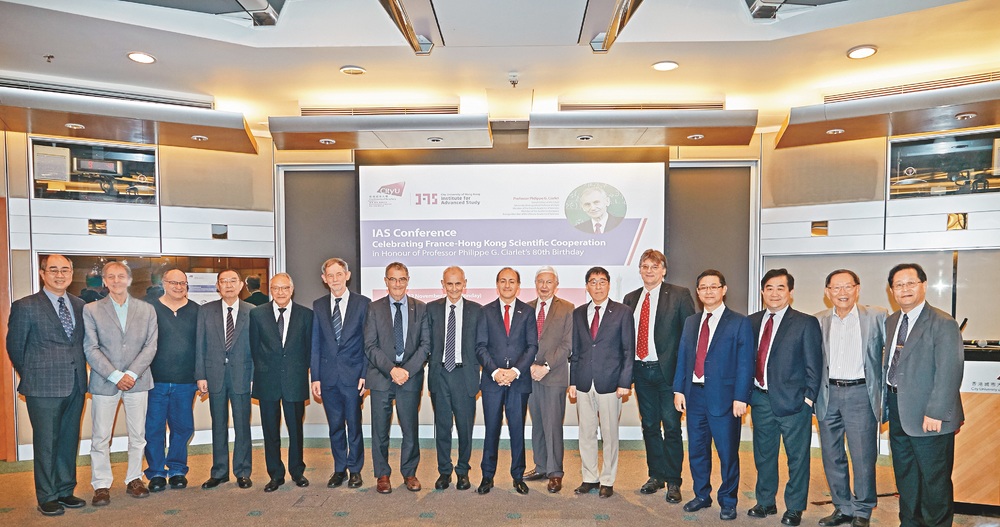
Aspect is a Senior Fellow at the Hong Kong Institute for Advanced Study at City University. He’s actually a Frenchman, but he is on a team of top global scholars that visits Hong Kong regularly.

Scientists meet regularly at the Hong Kong Institute for Advanced Study. Image: HKIAS

So, what did he and his colleagues actually discover? It’s interesting. To answer that question, we have to go back a century to the 1920s onwards. An argument started between Einstein and the fathers of a new field of science called quantum physics.

Einstein, left, with Denmark’s Niels Bohr, one of the fathers of quantum physics. Image by Paul Ehrenfest, now in Public Domain.

FLAWED THEORY

In 1935, Einstein said that the discoveries about the nature of the basic particles that made up everything in the world, including people and objects and space itself, were fundamentally flawed. Quantum physics as a theory only worked if the particles were not subject to the rules of time and space.

And that, of course, made no sense. It would mean that at a fundamental level, nothing was subject to the rules of time and space. Nothing was actually real.

Just try and defend that proposition, Einstein challenged his opponents.  

The quantum fathers admitted that Einstein’s point was correct – but they stuck to their findings, even admitting that it made them sound like mystics. They even noted their theory’s similarity to ancient eastern sayings like reality is a dream in the mind of God”.

Early experiments suggested that Bohr, was correct – so Einstein said that the theory wasn’t wrong, but was certainly incomplete.

ONGOING DISPUTE

The dispute remained unresolved for decades. Einstein was seen as the leader of the side which said that reality was real, while the quantum fathers, led by Niels Bohr, said that reality was an illusion. It remained basically unsolved at the time of Einstein’s death in 1955.

But in the 1960s and 1970s, several scientists worked out solid experimental ways to check whether particles were physically real” or not. The findings were clear. They appeared to indicate that the quantum fathers were right.

REMARKABLE EXAMPLE

A big step was taken with an experiment designed in 1981. Aspect and his team split a photon (a unit of light) into two pieces and moved them 12 meters (40 feet) apart.

Artist’s representation of split photons behaving as one. Image: Science Exchange Caltech

They then showed how the pieces behaved as if they were still parts of the same particle. This showed that as far as sub-atomic particles are concerned, there’s no such thing as time and space. And everything is made of subatomic particles, so there’s no such thing as time and space for anything. Or anyone.

In other words, physical reality – the 3D world in which we exist and move around in – is an illusion or a projection. This is now the default position in physics.

The bestselling science writer at the moment is Carlo Rovelli, who writes in his latest book: We are nothing but images of images. Reality, including ourselves, is nothing but a thin and fragile veil, beyond which … there is nothing.”

Congratulations to Professor Aspect.

Netherlands to provide innovative agro knowhow to Grow Food Program-නව්‍ය කෘෂිකාර්මික දැනුම, තොරතුරු තාක්‍ෂණය, පුනර්ජනනීය බලශක්තිය, ප්‍රවාහනය සහ සංචාරක  යන ක්ෂේත්‍ර  සදහා  නෙදර්තන්තය වැනි රටවල ආයෝජන  වර්තමානයේ දී ශ්‍රී ලංකාවට වඩා වැදගත්….-         අග්‍රාමාත්‍ය දිනේෂ් ගුණවර්ධන

October 27th, 2022

Prime Minister’s Media Unit

නව්‍ය කෘෂිකාර්මික දැනුම, තොරතුරු තාක්‍ෂණය, පුනර්ජනනීය බලශක්තිය, ප්‍රවාහනය සහ සංචාරක  යන ක්ෂේත්‍ර  සඳහා  නෙදර්තන්තය වැනි රටවල ආයෝජන   වර්තමානයේ දී ශ්‍රී ලංකාවට වඩා වැදගත් වනු ඇතැයි අග්‍රාමාත්‍ය දිනේෂ් ගුණවර්ධන මහතා පවසයි.

 2022.10.27 දින අරලියගහ මන්දිරයේදී නව නෙදර්ලන්ත තානාපති ( Bonnie Horbach) බොනී හෝර්බච් මහත්මිය හමුවූ අවස්ථාවේදී  අග්‍රාමාත්‍යවරයා මේ බව සඳහන් කළේය.

 යටිතල පහසුකම් සංවර්ධනය සහ කෘෂිකර්මාන්තය ඇතුළු විවිධ ක්ෂේත්‍ර සඳහා නෙදර්ලන්තය ලබාදී ඇති සහය පිළිබඳව අග්‍රාමාත්‍ය වරයා මෙහිදී තානාපතිවරියට ස්තූතිය පලකළ අතර මෙරට සියලු ග්‍රාමසේවා වසම් වල රජය ගෙන යන ආහාර සුරක්ෂිතතා  වැඩසටහන් පිළිබඳව ද පැහැදිලි කළේය.       

තොරතුරු තාක්‍ෂණය, සංචාරක කර්මාන්තය සහ කෘෂිකර්මාන්තය ඇතුළු ක්ෂේත්‍ර රැසක ශ්‍රී ලංකාවට විශාල විභවයක් ඇති බවත් ගෝලීය ආර්ථික තත්ත්වය වත්මන් දුෂ්කර අවධියෙන් මිදීමෙන් පසු තම රට තවත් ව්‍යාපෘති ක්‍රියාත්මක කරනු ඇති බවත්  නෙදර්ලන්ත තානාපතිවරිය මෙහිදී සඳහන් කළාය. තම රට නව්‍ය කෘෂි තාක්‍ෂණයෙන් ඉදිරියට ගොස් ඇති බැවින් නෙදර්ලන්ත විශේෂඥතාව ශ්‍රී ලංකාවට ලබාදිය හැකි බවත්  නෙදර්ලන්තයේ  බොහෝ ප්‍රදේශ මුහුදට සමීප වීමත්, භූමිය ලවණ ජලයෙන් සමන්විත වන නිසාත් නෙදර්ලන්ත විද්‍යාඥයන් ලවණ සහිත ඉඩම්වල වැවිය හැකි නව අර්තාපල් ප්‍රභේදයක් නිපදවා ඇති බවත් කී නෙදර්ලන්ත තානාපතිවරිය මුහුදට ආසන්න ප්‍රදේශවල, විශේෂයෙන් උතුරු සහ නැගෙනහිර එම අර්තාපල් වගාව ආරම්භ කිරීම සඳහා ශ්‍රී ලංකාවට අර්තාපල් බීජ ලබා දිය හැකි බවද  සඳහන් කළේය.

දේශගුණික විපර්යාස, වෙළෙඳ හා වාණිජ කටයුතු, වරාය සංවර්ධනය සහ ඒකාබද්ධ ව්‍යාපෘති ඇතුළු සහයෝගීතාව සඳහා වෙනත් ක්ෂේත්‍ර පිළිබඳව ද මෙහිදී වැඩි අවධානයක් යොමු කෙරිණි.තානාපතිවරිය  මෙහිදී අග්‍රාමාත්‍යවරයාට සහතික වූයේ ශ්‍රී ලංකාවේ ද්විපාර්ශ්වික සබඳතා සහ සංවර්ධන සහයෝගීතාව ප්‍රවර්ධනය කිරීම  ප්‍රධාන කාර්යය වන බවයි.

අග්‍රාමාත්‍ය මාධ්‍ය අංශය

Netherlands to provide innovative agro knowhow to Grow Food Program

Prime Minister Dinesh Gunawardena thanks the Netherlands for the assistance provided to infrastructure development and agriculture and various other sectors and urged for technical knowhow and more investments in agriculture, information technology, renewable energy, transport and tourism.

This was stated when the Ambassador of Netherlands Bonnie Horbach called on him at the Temple Trees in Colombo today (27). She said Sri Lanka has vast potential in many areas including information technology, tourism and agriculture and she was confident that her country would undertake more projects once the global economic situation get over the current difficult phase.

The Prime Minister explained the ‘grow food’ programmes undertaken by the government at 14,000 Grama Sevaka divisions and said that in addition to the Maha season of paddy, cultivation of  many other crops in hitherto uncultivated lands is likely to provide a good yield by the first quarter of next year.

Ambassador Horbach said her country has advanced in innovative agro technology and the Netherlands expertise could be provided to Sri Lanka. She said that the Netherland scientists have developed a new variety of potato that can grow in salty lands as most areas of her country is closer to sea and the land consist of saline water and that potato seeds could be provided to Sri Lanka to start potato cultivations in areas close to sea, especially in the north and east.

They also discussed other areas for collaboration, including climate change, trade and commerce, ports development and joint projects.

The new Ambassador of Netherlands assured the Prime Minister her prime task would be to promote bilateral ties and development cooperation during her tenure in Sri Lanka.

Can Bangladesh meet its longstanding commitment to advancing human rights through its victory over UNHRC membership?

October 27th, 2022

Samina Akhter

An accomplishment for a nation is always winning an election in a global setting. The goal becomes greater significance when membership is granted by secret ballot to a respected international rights body like the United Nations Human Rights Council (UNHRC). Bangladesh just won a record 160 votes in the Asia-Pacific area, defeating other 7 aspirant candidates in the region, to become a member of the 47-member human rights organization for the 2023–25 term. Since 2006, Bangladesh has now successfully attained the rank five times. Bangladesh had previously triumphed in 2006, 2009, 2014, and 2018.

The triumph is more important than ever this time. The country is currently dealing with the difficulties of a smear campaign and propaganda regarding the alleged human rights breaches in Bangladesh. A politically motivated group is spreading false information about Bangladesh both domestically and internationally in an effort to undermine the nation’s successes in protecting and supporting peace, human rights, development, and democracy. Even though the rumors are unfounded, some individuals have begun to speculate that Bangladesh may soon be subject to additional sanctions or an embargo because of its violations of human rights. Additionally, the combined catastrophe of the COVID-19 epidemic and the Ukraine war have significantly altered the global human rights framework. The overwhelming victory in the election of 2022 prompts the discussion of why Bangladesh won the election once more in 2022. One can comprehend the causes of the achievement if one focuses on the historical account, track record, and recent advancements and endeavors of Bangladesh.

The first and most important factor may be Bangladesh’s unflinching dedication to peace and human rights ever since the nation was founded, which has been unwaveringly maintained during the course of the country’s succeeding years of development. People and political forces persistently demanded human liberation, self-determination, fairness, and equity in all political activities and conflicts even during the Pakistan era. In the same way, in 1972, constitutional protections were put in place to ensure a firm commitment to social justice and human rights. Notably, Bangladesh has ratified international legal documents like the United Nations Charter and the Universal Declaration of Human Rights (UDHR) to demonstrate its respect for peace and human rights. Later, the nation expanded its unwavering dedication to peace and human rights. Therefore, Bangladesh’s essential and long-standing dedication to concerns of international human rights has served as a catalyst for the win.

As a result of Bangabandhu’s commitment to human rights and peace: The second motivating factor was Bangabandhu’s steadfast commitment to human liberation and world peace. There is no doubting that Bangabandhu’s ideas and worldview align with the stark perception of Bangladesh in the international community. The foundation of Bangladesh’s foreign policy has been the country’s deeply ingrained and altruistic global-centric vision of peace and humanity. His protracted battle and commitment to humanitarian ideals made him eligible for membership in the UNHRC.

Bangladesh’s major involvement in peacekeeping missions: Bangladesh consistently pursues peace and respect for human rights in its fundamental internal and international policy objectives. The nation focuses on defending and advancing peace and human rights in regional and international fora. Bangladesh has consistently fought against injustice, upheld human rights, and spoken out in favor of these causes. Bangladesh has extended its support and endeavors in every UN system initiative relating to peace, development, and human rights, including passing resolutions, taking actions, and building collective force. For instance, the then-prime minister of Bangladesh, Sheikh Hasina, was instrumental in the adoption of Resolution 53/243 on the “Declaration and Programme of Action on a Culture of Peace” by the United Nations General Assembly in 1999. Later, the UN unanimously ratified Bangladesh’s resolution on a “culture of peace” in 2021. Therefore, the ongoing fight for peace and human rights may have contributed to the triumph this year.

Rohingya humanitarian issue: Bangladesh’s unwavering humanitarian support for the Rohingya population is a significant aspect to be taken into consideration in this regard. The nation has been giving people food and shelter, distributing the load, and accepting security threat risks. Bangladesh has been hailed as a global champion of human rights. The Prime Minister of Bangladesh, Sheikh Hasina, has courageously defended human rights in a country with a large population. Sheikh Hasina’s attribution of the title “mother of mankind” is the best illustration of how the international community has come to trust and respect Bangladesh. This perception and conviction may have led a big number of nations to support Bangladesh and applaud its achievements. The fact that Bangladesh is a member of the international forum has been a strong suit for it.

Bangladesh’s diplomatic influence for justice and human rights in regional and international fora: Another thing to consider is Bangladesh’s expanding diplomatic influence for the cause of justice and human rights in regional and international fora. In the past ten years, the nation has made a significant impact on bilateral and multilateral concerns like climate change, maintaining international peace, and human rights. Bangladesh is currently the third world’s voice and leader when it comes to securing climate justice. The nation served as the Vulnerable 20 and Climate Vulnerable Forum (CVF) Chair (V-20). Rabab Fatima, the Permanent Representative of Bangladesh to the UN, became the first female Chair in the organization’s history as a result of her dedication and contributions. Additionally, Bangladesh assumed leadership of interregional and regional organizations including the Indian Ocean Rim Association and the D8 Organization for Economic Cooperation (IORA). These elements might be crucial in achieving such accomplishment. Notably, Bangladesh has been portrayed in the international arena with fresh vigor and responsibility thanks to PM Sheikh Hasina’s daring, visionary, and bold attitude on international crises and emergency situations. Therefore, playing a strong diplomatic role and taking a forceful stance on topics affecting global improvement on the international stage may help you win the election. As a result, the international community placed trust and confidence in Bangladesh when choosing its UNHRC representative.

Bangladesh’s development issue: Bangladesh has advanced significantly in socioeconomic and developmental fields over the past ten years. Through socioeconomic programs and strategies, the nation has improved the lives of millions of its citizens. High economic growth, food security, and encouraging human development advancements have made the nation news in international media. This could be what led to the triumph. Bangladesh has experience and success in this area; thus, the international world may believe that Bangladesh can defend and advance human rights. Further evidence of the nation’s capacity and competence to protect international human rights can be found in the advancement of women’s empowerment, progress in establishing labor rights, accomplishments in the SDGs and MDGs, as well as in the global hunger, food security, and human development indexes. Bangladesh was able to win the election thanks to its own qualifications and capabilities.

Michelle Bachelet’s Bangladesh visit: The words of the Chief of the United Nations High Commissioner for Human Rights, who visited Bangladesh from August 14–18, 2022, are another factor that could contribute to the success. Following her visit, a report was released that shows how confident the UN was in Bangladesh’s commitment to human rights. The international scene has benefited from this report. Positive findings from a UN rights agency are unquestionably a success and have significant effects. The UN member nations may use the study as a guide when deciding to place Bangladesh in charge of the world’s human rights issues for the next three years.

Last but not least, Bangladesh’s extensive expertise in addressing human rights issues may also be a contributing element. To be mentioned, Bangladesh served in the UNHRC twice consecutively between 2018 and 2021, totaling four terms from 2009 to 2021. Additionally, the nation has a solid track record when it comes to protecting human rights. Foreign Minister AK Abdul Momen added, “Bangladesh’s victory vindicated again that the international leaderships have faith in Sheikh Hasina’s government and the track record of Bangladesh’s respect for human rights. The Bangladeshi government is constantly in the forefront of advancing justice, human rights, and democracy. Who else will serve as the Council member where Bangladesh has the qualifications and track record to assume responsibility for the daring task? Bangladesh may receive votes from UN members who believe it can contribute due to its background in handling human rights issues. It comes as a result of the faith the international community has in Bangladesh’s contribution to the United Nations’ instruments for human rights.

In conclusion, Bangladesh’s overwhelming victory in the UNHRC election in 2022 has demonstrated the nation’s dedication to and support of human rights. It demonstrates Bangladesh’s ongoing dedication to promoting human rights, world peace, and development. Bangladesh has the required qualifications and capacity to join the rights organization. The nation’s powerful advocacy for human rights and peace, long-standing fight for justice and equality, steadfast diplomatic presence in the international community, and unwavering dedication to advancing and defending the rights of the global commons all played a role in the success of the rights global body.

Aflatoxins saga:bitter truth

October 27th, 2022

By Dr Indrajith P Hathurusingha Lecturer Department of Applied and Environmental Science CRTAFE, Geraldton Campus, Western Australia

As we know, the entire country is in chaos with food insecurity and associated problems. People often seem to claim that their income is insufficient to manage their day-to-day expenses. Therefore, malnutrition, food of poor quality, and starvation have been hot topics for the past few days in the media and have not yet been finished. News is emerging one after another, and people sometimes can be seen on the streets protesting the rising cost of living. Low income has resulted in the deprivation of balanced diets for the poor. The situation is getting worse daily, and access to affordable and healthy food for low-income earners appears far out of reach. On top of that, contaminated foodstuff with hazardous compounds in the market has been a great concern.

A recent development is the detection of aflatoxin exceeding the maximum allowable limit in Thriposha according to the head of the government’s public health inspectors’ (PHI) union. Thriposha is a nutrient supplement given to pregnant women, breastfeeding mothers and young children who need the most. The key ingredients of Thriposha include maze, soya and milk powder, and people can easily make delicious, nutritious, and simple meals. Even though we have not seen the laboratory test reports or satisfactory evidence to prove their allegation, it is a timely requirement to make the public aware of the health impacts of aflatoxins and how to prevent their ingestion. This is because aflatoxins have created a public health concern and are of great interest.

What is aflatoxin?

People are curious about the speculated news of aflatoxin, and the word ‘aflatoxin’ appears new to the public. It is scientific terminology for a secondary metabolite produced by a kind of fungi known as Aspergillus flavus and Aspergillus parasiticus. The fungus is a type of microorganism that can be seen only through a microscope and is commonly known as mould (puss in Sinhala). However, they are visible to the naked eye when forming colonies. The toxic compounds generated by the fungi are called mycotoxins, and aflatoxin is a kind of those. Therefore, it is not a chemical being added during food processing or storage.

Aflatoxins are biologically active compounds, and the human palate cannot detect them while eating or chewing the foodstuff. Nevertheless, both humans and animals can unintentionally consume contaminated food with aflatoxins. There are different types of aflatoxins, but the four main ones are known to be B1, B2, G1, and G2. However, four of which, B1 has been responsible for high incidence and toxicities.

How foodstuff contaminate with aflatoxins

It is interesting to know how aflatoxins get into the food items. The responsible fungi, Aspergillus spp is reported to be soil-borne and produce aflatoxins under extreme environmental conditions like drought and high humidity. They are well suited to colonising due to their ability to thrive in high temperatures. Besides, they can grow well on many substrates. A high level of aflatoxins in the environment is often linked to insects and the wind. Importantly, Insects can act as carriers of fungal spores from an infected plant to a healthy plant and transfer the spores through minor notches or wounds caused by insects.

Maize is one of the raw materials used to produce Thriposha and is also a staple agricultural crop that is consumed worldwide. More importantly, it is an essential commodity in the world in terms of production and revenue. Notwithstanding, in most regions of the world, maize is infected with aflatoxins, especially in tropical and subtropical areas. The occurrence of aflatoxin contamination is reported to be sporadic and highly reliant on environmental conditions. Even though more news is speculated that maize is suspected to be contaminated with aflatoxins these days, we must not forget that other crops like rice, peanuts, cotton, almond, cashew, soya, spices, and coffee may be contaminated with aflatoxins.

Health risk and implications

Aflatoxin contamination has gained wider attention in food safety concerns. The International Agency for Research in Cancer (IARC) has reported that aflatoxins can cause cancer in both humans and animals and are classified into the Group 1 category of chemical hazards due to their potent nature. According to the US Food and Drug Administration (FDA), the maximum allowable limit for total aflatoxin in food items is 20 ppb (parts per billion) and the levels may vary on the type of food items. For instance, it is 5 ppb for milk. However, aflatoxins are different in their toxicity depending on their chemical composition and molecular structure.

The route of exposure to aflatoxins in humans is mainly via the consumption of infected seeds, meat, poultry, and dairy products. The liver is one of the most important defensive organs in our body as it breakdowns down or destroys harmful substances into less hazardous compounds to reduce the potential risk. Aflatoxins are powerful toxins and can cause acute liver damage by forming free radicals during metabolisation. If human continues to consume contaminated food with aflatoxin, can result in hepatic cancer. Moreover, chronic exposure to very low levels of aflatoxin is cause for concern. Epidemiological studies have also revealed that areas with elevated aflatoxins levels in the world relate to a high occurrence of hepatic cancer.

Apart from being a cancer causative agent, aflatoxins can make various implications in humans depending on their health conditions, age factors, duration of infection, and level of contamination in their bodies. Toxicity due to aflatoxins do not appear quickly but has a cumulative effect over time. Sometimes, it might take around 10 to 20 years to show the symptoms and cannot be easily removed from the body or get rid of them. Notably, there is no identified therapeutic drug to decrease the implications and therefore poses a big threat to human health. In addition, it has been responsible for affecting the human immune system, bone abnormalities and sexual efficiency. Particularly, when the human immune is suppressed, they are highly vulnerable to infect with various diseases. There are several reported cases to confirm that the carcinogenesis of these compounds is through genetic poisoning. The more alarming news is for pregnant women as studies carried out with mice have shown that aflatoxins can affect their embryos during pregnancy. This is evident that aflatoxin can transfer from the mother to the embryo across the placenta causing many problems for newborn babies. However, all these experiments have been conducted with animals and clinical trials with humans are not possible due to ethical issues and impracticality.

Concerns for livestock

Aflatoxins are carcinogenic to animals and their effects vary with species, dosage, period of exposure, and diet or nutritional status. The reported toxicity due to aflatoxin goes back to the 1950s and 1960s in England when Turkey’s mortality increased. When ingested in large doses, these toxins can be lethal or sublethal and can cause chronic toxicities. The toxicity of aflatoxins has been comprehensively identified in cattle farming in which decreased feed intake, dramatic declines in milk production, weight loss, feed refusal, infertility, impaired organ functions and liver damage were the reported clinical symptoms. Therefore, it is important to assess the quality of the feed before feeding the animals. Moreover, studies carried out using various animals like birds, chicken have reported different abnormalities in their bodies due to the consumption of contaminated feed with aflatoxins.

Economic losses

Aflatoxins are one of the major economic concerns in the agriculture and food processing industry all around the globe. They impair the nutrient quality of crops resulting in substantial financial losses for growers and manufacturers, mainly reducing the demand in the local and international markets, the risk of losing their market shares, and rejecting the consignments. If the crop or harvest was found to have contaminated with aflatoxins, the only option is to destroy them to control the further spreading. Since aflatoxins are produced in grains, fruits, and seeds, it is very stable and cannot be eradicated. An infection due to Aspergillus spp could occur pre-harvest, harvest and post-harvest stages and thrive under suitable environmental conditions.

What consumers can do

Aflatoxins are heat-resistant compounds and cannot be destroyed in normal cooking conditions. Therefore, the best practice is to select aflatoxins contamination-free edible items. Consumers can visually check the products for quality when purchasing. For instance, you may have seen black-coloured powdery particles or black patches in chillies or maize and these could be possible warning signs for aflatoxins contamination. In addition, consumers can dispose of any damaged, discoloured, shrivelled or infected grains that can be found in the purchased products before consuming them. Before purchasing, it is always advisable to look for fresh foods and check the labels for expiry dates or any damage in the sealed bags or containers. It is not recommended to buy foodstuffs which are about to expire even though they are for lower prices for quick sale. If you intend to keep the dry foodstuff or ingredients for a longer time once opened, keep them in air-tight bags or containers to avoid the growth of fungus.

Considering the carcinogenic nature, early detection of aflatoxin-producing fungi is essential for ensuring food safety. It is worthwhile to add dietary antioxidants such as vitamin E, selenium, and carotenoids to your diet as it helps destroy the generated free radicals in our body including the ones that form during the aflatoxin metabolism in the liver. Food spoilage due to bacteria can be easily noticed with a bad odour. On the contrary, fungi infestation may or may not be visible due to their characteristic nature and therefore more precautions are needed. The greater awareness could help you reduce the chances of possible aflatoxin ingestion.

The roles of farmers

Our farmers can take several measures to protect their crops from aflatoxin contamination. Good agricultural management practices include all the steps taken from plantation to harvest and post-harvest. Pre-harvest strategies aim to protect the crop from fungal infection or reduce the fungal pathogen’s ability to grow or synthesise aflatoxins. These include but are not limited to soil testing for potential pathogens, field conditioning, proper irrigation, crop rotation, the safe disposal of the infected plant, treatment with antifungal chemicals, maintenance of proper planting or growing conditions, use of resistant or adapted crop varieties, and maintenance of functional harvesting equipment. Applying good agricultural practices such as controlling disease carriers; bugs, insects, mites, beetles, and grasshoppers could help immensely control fungi infestation. Introducing genetically modified crops as a solution is suggested but with varying degrees of success. In contrast, even the best management methods cannot eradicate aflatoxin contamination.

Our farmers must carry out the harvesting when the grains are at full maturity stage and have low moisture content. Moisture is one of the characteristics related to the weight of dry matter. Hence, drying the material as dictated by the moisture content of the harvested grain followed by appropriate storage conditions can minimize post-harvest losses due to fungal infestation. It is worth noting that the moisture content requirement varies from one fungus to another, however bringing the moisture content below 13% together with lowering humidity levels in the warehouses can suppress the growth of Aspergillus spp. The fungi grow at varying temperate but the optimal for aflatoxins production is from 25 to 35°C. Therefore, creating unsuitable environmental conditions at the warehouses can minimise the thriving of the fungi and subsequently reduce the production of aflatoxins. Though it is not recommended and economically feasible, some countries use chemical treatments such as fumigation with ammonia and ozone which have proved effective.

Proper management of transport services can prevent seed damage during transportation. Because the damaged grains are highly susceptible to the growth of toxigenic fungi. Even though it is a tedious exercise and laborious process, segregating infected seeds from non-infected ones can be done before storing or packaging them. Scientists are working to develop techniques and technologies to control and manage aflatoxins in preharvest and postharvest stages. However, applying chemical or conventional agricultural methods only cannot prevent the fungi infestation and therefore integrated mechanisms are required to introduce to be able to regulate aflatoxin contamination of foodstuff and feed effectively and economically.

Evidence for aflatoxins contamination

In the scientific world, decisions are made based on conclusive evidence or information. Therefore, to prove the aflatoxin contamination, laboratory test reports must be produced. It is worth noting that these testing are highly expensive as it involves sophisticated advanced instruments to generate results. Several methods or protocols are available to use but the High-Performance Liquid Chromatography is the analytical method widely used for detecting aflatoxins in different food samples. More importantly, the operator must be versatile in the advanced technology and the science behind it to generate accurate and reliable results.

Challengers for PHIs and legal proceedings

There have been a few cases of food toxicity in the recent past and melamine contamination in milk powder, and heavy metals toxicity in rice are two of those. To our understanding, these claims have not yet been proven with satisfactory evidence to date and they appeared to have become merely news. However, irrespective of what has happened in the past, it is important to see how the PHIs are going to prove their claims on aflatoxin contamination in ‘Thriposha’. Nevertheless, they have not yet published the relevant test reports or released them to the media.

The accuracy of the results and the reliability of the laboratory in which they obtained the test reports may be in question in the legal proceedings or possible investigations. They must get test reports or certificates of analysis from an accredited laboratory and the laboratory needs to have that parameter accredited by a nationally or internationally reputed organization. Accreditation is a kind of recognition that a laboratory can have, and the Sri Lanka Accreditation Board for Conformity Assessment (SLAB) is the authorized institute in Sri Lanka. Apart from that PHIs should not depend on the results received from one laboratory but having the same samples analyzed from different laboratories, including one from overseas help them to justify their claims. PHIs must always keep reference samples with them as the defended parties may want to send those to an independent laboratory for their verification. Moreover, they must ensure that the received laboratory reports should contain the traceability of the samples as this is one of the important aspects that can be used to discharge the allegations. However, the chances of taking place legal proceedings or similar investigations are less likely to happen given the records of similar circumstances.

PHIs stand for public health and their roles must be commended and supported instead of criticised for what they have found. Consumers should be well informed of the health consequences of aflatoxin ingestion and more awareness programs must be arranged to educate ordinary people, even at village levels. PHIs must be given continuous training to upgrade their technical know-how and more collaboration between the government and the union must be established for better outcomes. Irrespective of whether the foodstuff is imported or locally produced, they all need to be scrutinized for quality before releasing to the market for the best interest of public health.

Even nuns watch porn, Pope says, warning of risks

October 27th, 2022

Courtesy The Daily Mirror

(BBC); Pope Francis has warned priests and nuns about the dangers of watching pornography online, saying it “weakens the priestly heart”.

The Pope, 86, was responding to a question about how digital and social media should be best used, at a session in the Vatican.

Pornography, he said, was “a vice that so many people have… even priests and nuns”.

“The devil enters from there,” the Pope told priests and seminarians.

As to how to navigate social media and the digital world, he said that they should be used but told them not to waste too much time on it.

“The pure heart, the one that Jesus receives every day, cannot receive this pornographic information,” he said.

He advised the group to “delete this from your phone, so you will not have temptation in hand”.

Church teaching sees pornography as an offence against chastity.

New fraud hits Sri Lankans by storm, over 8,000 people lose billions

October 27th, 2022

Courtesy The Daily Mirror

The Criminal Investigations Department (CID) has launched an investigation into a new financial fraud which so far has involved Rs.14 billion with 8,000 people being victims in a fake crypto currency scheme.

Police Spokesman SSP Nihal Thalduwa said that the alleged fraud was carried out by a Chinese couple and a Sri Lankan citizen and 8,000 people had fallen victim to it since 2020.

The spokesman said the suspects had invited selected individuals to five star hotels and influenced them that there would be high profits by investing in crypto currency.

He said the Chinese couple and the Sri Lankan were the masterminds behind the fraud and won the trust of their victims by inviting them to lavish dinners.

However, when the investors had tried to withdraw the profits they had earned through the investments, the suspects had not allowed them to withdraw the funds.

SSP Thalduwa said a number of complaints had been received at the Financial Fraud unit of the CID. After lengthy investigations, they had arrested the Chinese couple at the Bandaranaike International Airport when they had tried to flee the country. The Chinese couple is currently in remand custody.

The Sri Lankan involved in the fraud was arrested on October 11. He was later released on bail after being produced in court.

Meanwhile, the spokesman said several other suspects were also arrested over the fraud and were remanded.(Darshana Sanjeewa Balasuriya)

Police shed light on massive fake crypto investment scheme

October 27th, 2022

Courtesy Adaderana

The police today (Oct. 27) shed light on a massive financial fraud committed through a fake cryptocurrency investment scheme.

The Criminal Investigation Department (CID) had initiated probes after receiving a complaint about the scam, according to Police spokesperson SSP Nihal Thalduwa.

According to him, one Sri Lankan named Keerthi Bandara was arrested in connection with the incident. He is currently out on bail.

Meanwhile, a Chinese man by the name Zhang Kai and his girlfriend have also been taken into custody over the scam. They were arrested at the Bandaranaike International Airport (BIA) in Katunayake on September 12 while attempting to fly out of the island.

The trio had set up a website called Sports Chain” which they used to lure investors by introducing it as a highly profitable cryptocurrency investment platform.

They had commenced their fraudulent operation in 2020 and run it as a Ponzi scheme, an investing scam that generates returns for earlier investors using the money obtained from new investors.

At least 8,000 Sri Lankans have been scammed by the three suspects and have swindled more than Rs. 14 billion, according to the police spokesperson.

Earlier reports revealed that professionals like doctors, teachers, security personnel and people from lower middle-income backgrounds have been affected by the scam.

AIIB outlines USD 100 million fund for Sri Lanka

October 27th, 2022

Courtesy Adaderana

The Asian Infrastructure Investment Bank (AIIB), in its annual financial report, has outlined a fund of USD 100 million for crisis-hit Sri Lanka.

The bank also pledged support for countries facing serious debt problems.

In addition, the AIIB is expected to announce a major support package for Pakistan at the upcoming COP summit following the country’s devastating floods.

Beijing-headquartered bank’s annual infrastructure finance report, published today (Oct. 27), lays out its stance for a difficult United Nations Climate Change COP 27 summit in Egypt next month.

It called for heavily-polluting state-owned firms to be rapidly turned into green energy leaders”, putting special focus on China, India and Indonesia, noting that a global net-zero transition would not succeed without their cooperation.

The report called for pollution-cutting technologies to be shared globally and for countries to stop subsidising fossil fuels – something many have done this year as Russia’s invasion of Ukraine sent energy prices soaring – so that a meaningful carbon price” can emerge and make investing in fossil fuels more costly.

Twelve complaints against Thilini Priyamali for defrauding over Rs 1.28 billion

October 27th, 2022

Courtesy Adaderana

Twelve complaints have been received so far against businesswoman Thilini Priyamali for allegedly defrauding over Rs. 1.28 billion, according to Police Spokesman SSP Nihal Thalduwa.

Thilini Priyamali, the owner of Thico Group of Companies (Pvt.) Ltd., was arrested and remanded on October 06 over alleged multi-billion rupee fraud by swindling businesspersons and VIPs.

Meanwhile, Isuru Bandara who is said to be her business partner was also taken into custody by the Criminal Investigation Department on October 17 over alleged financial fraud.

Following her arrest, Priyamali was taken to several locations including the 34th flood of the World Trade Centre where her financial institution is headquartered, for site inspections. She was escorted out of the prison under a special court order obtained by the CID.

Priyamali has allegedly deceived businesspersons and high-profile political figures after befriending them by promising high returns for investing in her business.

The International Buddhist Society of Nepal in Lumbini donates consignment of medicines to Sri Lanka

October 27th, 2022

Courtesy Adaderana

A consignment of medicines worth over Rs. 100 million donated by Ven. Nepalaye Maitri Thero, the founding President of the International Buddhist Society of Nepal in Lumbini was officially handed over to Senior Advisor to the President on National Security and President’s Chief of Staff Sagala Ratnayake, at the Presidential Secretariat, this morning (27).

The stock of medicines was donated on the request of the International Association of Lions Clubs – District 306C2-Balangoda Lions Club. The consignment of medicines was subsequently handed over to the Balangoda Base Hospital.

Health Services Director of Sabaragamuwa Province Dr. Kapila Kannangara, Medical Superintendent Dr. Iresha Pathirage and former President of the International Lions Club 306 C 2 Lion Lasantha Gunawardena, A. P. Jagathchandra, W. K. N. Wijesuriya, Sunil Obeysekera, Lion Saman Kumara Hettiarachchi and several others were present at this occasion.

Working capital loans for small- and medium-scale entrepreneurs on 11% – 12% interest

October 27th, 2022

Courtesy Adaderana

The government has decided to facilitate working capital loans up to Rs. 10 million for small- and medium-scale entrepreneurs from 08 state-owned and private banks, the Ministry of Finance, Economic Stabilization & National Policies says.

These entrepreneurs can obtain working capital loans on 11% – 12% interest with a grace period of 06 months and a three-year payment gateway.

The Asian Development Bank’s Small- and Medium-Sized Enterprises Line of Credit (SMELoC) Project is currently providing loan facilities under three components, namely SME Credit Line, Tea Smallholder Credit Line and Emergency Response Facility.

Accordingly, USD 13.5 million (LKR 4,900 million) of funds from the ADB has been disbursed to the relevant banks for this purpose.

Rs. 612 million has been distributed to each bank since October 05, 2022, the ministry said further in its statement.

The working capital loans can be obtained from the following 08 banks:
1. Bank of Ceylon
2. Regional Development Bank
3. Hatton National Bank
4. Commercial Bank
5. Seylan Bank
6. National Development Bank
7. Nations Trust Bank
8. Sampath Bank

කොරෝනා එන්නත් ගැන භයානක හෙළිදරව්වක් – එන්නතෙන් කොරෝනා වළක්වන බවට පරීක්ෂණ කර නැහැ (වීඩියෝ)

October 27th, 2022

Lanka Lead News

කොරෝනා එන්නත් පිළිබදව යුරෝපා පාර්ලිමේන්තුවේ මන්ත්‍රී නෙදර්ලන්ත ජාතික රොබට් රූස් ආන්දෝලනාත්මක හෙළිදරව්වක් සිදු කර තිබේ.

ඔහු යුරෝපා පාර්ලිමෙන්තුවේ දී කොරෝනා සම්බන්ධ තොරතුරු විමර්ශනයක් සිදු කර ඇති අතර, එහිදී ෆයිසර් සමාගමේ අධ්‍යක්ෂිකාවක් නිල වශයෙන් පිළිගෙන තිබුණේ කොරෝනා එන්නත් ජනතාවට ලබාදෙන්නට පටන්ගත්විට පවා එම එන්නතෙන් කොරෝනා ව්‍යාප්තිය වළකන බවට කිසිදු පරීක්ෂණයක් සිදු නොකළ බවයි.

මෙය පෙර නොවූවිරූ මානව හිමිකම් උල්ලංඝනයක් බවත්, ලොවපුරා එන්නත් ලබානොගත් ජනතාවට පැනවූ සම්බාධක ඉතා නින්දිත බවත් මන්ත්‍රීවරයා පවසයි.

එමෙන්ම කිසිදු පරීක්ෂණයක් නොකර ජනතාවට එන්නත් බලහත්කාරයෙන් ලබාදීම දඬුවම් ලබාදිය යුතු අපරාධයක් බවද රොබට් රූස් සදහන් කරයි.

වීඩියෝව නරඹන්න….

Video Player

https://www.lankaleadnews.com/wp-content/uploads/2022/10/WhatsApp-Video-2022-10-26-at-22.23.17.mp4?_=2

විශ්ව විද්‍යාලවල නවක වදය නතර කිර්‍රිමත් සී අයි ඩී එකට

October 26th, 2022

සුදත් ගුණසේකර මහනුවර

               මේ රටේ අද නවක වධය ප්‍රධාන වශයෙන්ම තියෙන්නේ විශ්ව විද්‍යාලවල. ඊට අමතරව  තාක්ශන විද්‍යාල සහ ඇතම් උසස් පාසැල්වල . ඇයි ඉතින් මේ වධ ය නතර කිරිමේ සම්පූර්ණ බලය විශ්වවිද්‍යාලවල උපකුලපති වරුන්ට සහ ඒ ඒ විද්‍යාලවල විදුහල්පති වරුන්ට භාර දෙන්ට බැරි. මේක අද රහසේ කරන දෙයක් නොවෙයි එලිපිටමයි කරන්නේ. එසේ තිබියදි මොකටද මේ වැඩේ සී.අයි ඩියට පවරන්නේ මේක හරියෙට ගොනාගේ වැඩේ බුරුවාට භාරදෙන්නා වගේ වැඩක් නොවේද? මෙවැනි සුළුදෙයක් කරගන්ට බැරි පිරිසක් කොහොමද ඉතින් රටක් පාලනය  කරන්නෙ                                                                                                   

ජන සභා සංකල්පය, පන්සල හා පොලිසිය – part -2

October 26th, 2022

චන්ද්‍රසිරි විජයවික්‍රම, LL.B., Ph.D.

(මෙම සංදේශයේ 1 වන කොටසින් සිස්ටම් චේන්ජ් කතාවේ ඉතිහාසය හා රටේ මහාපරිමාණ සිස්ටම් චේන්ජ් එකක් උදෙසා ජන සභා සංකල්පය නිසි ආකාරයට ක්‍රියාවට නැංවීමේ අවශ්‍යතාවය කෙටියෙන් විමසා බලන ලදී. මෙම 2 වන කොටසින් මා විසින් මීට පෙර යෝජනාකල ජන සභා අකෘතිය සළකා බැලේ. එහි දක්වන යෝජනා වලට හේතු පාදකවූ කරුණු පසුව 3 වන කොටසකින් ඉදිරිපත් කරණුයේ, ප්‍රථමයෙන් පාඨකයාට ස්වාධීනව ඒ යෝජනා ගැන යම් නිගමනයකට ඒමට ඉඩ ලබාදියයුතුවන නිසාය).

1953 අගෝස්තු හර්තාලය හා 2022 ගෝල්පේස් කුමන්ත්‍රණය

පලවෙනි කොටසේ සිස්ටම් චේන්ජ් ඉතිහාස කතාවේදී හර්තාලය හා අරගලය අතර ඇති සමානකම සඳහන් කලත්, පාර්ලිමේන්තු මාක්ස්වාදීන් සිස්ටම් චේන්ජ් අවස්ථා බකල් (sabotage) කල හැටි මුහුණු පොත්-වට්ස් ඇප් තරුණයින්ට පෙන්වාදීම මට අමතක විය. 1956 දී සමසමාජ් පක්ෂය සර් ජෝන් පරාජය කිරීමට පිලිප් ගුණවර්ධන-SWRD බලවේගයට එකතුවී ආසන ජයගෙන විරුද්ධ පක්ෂ නායක කමත් ලබාගත්තත් ඉන් පසු පැරදුන JR-ඩඩ්ලිලා වගේම ආණ්ඩුවට භාධා කලේ වසරේ දින ගණනටත් වඩා වැඩියෙන් ස්ට්‍රයික් කරමින්ය. මගේ සැමියා නොමරා මැරුවේ NM යයි Mrs. B 1960 චන්ද රැස්වීම්වල කියා සිටියේය. NM කියුබාව ගැන පාර්ලිමේන්තුවේදී වර්ණනා කරන විට පිලිප් කිව්වේ ආණ්ඩුවට සහාය දෙනවානම් ලංකාවේ කියුබාව බලාගන්නට පුළුවන් බවය. රට අඝාධයට ගෙන යාමේ පවට මාක්ස්වාදීන්ද කරට කර හවුල්වුයේය. දැන් රට අඝාධයට ගෙන යාමේ පවට මාක්ස්වාදීන්ද සම හවුල්කරුවන්ය. දැන් JVP හා පෙරටුගාමීන් හා ඔවුන්ට සම්බන්ධ NGO කාරයින් රඟපාන්නේද මේ නාට්‍යය මය.  සුදු ඇඳ ගත් උපාසකයින්වී විහාරවල කොත්  පලන්දන ගමන්, පවතින දූෂිත ක්‍රමය වෙනස් කරන්නට නම්, ගම්වල  මාක්ස්වාදී පක්ෂ දේශපාලන බලකොටු හදනවා වෙනුවට, නිර්පාක්ෂික ජන සභා ගම් මට්ටමින් පිහිටුවීමට ඔවුන් සුදානම් වියයුතුය. මොවුන් කෙසේ වෙතත් සමහර හාමුදුරුවරුන්වත් තමන් කරන්නේ UN සාමහමුදා ගෙන්වා ගෙන රට කැබලිකර ගැනීම බව අවභෝධ කරගෙන නැත.

ජන සභා  භෞතික සැලැස්ම

(මෙහිදී සඳහන් කරන්නේ යථාවාදී (meaningful) ජන සභාවකට තිබිය යුතුවන මූලික ලක්ෂණ පමණය. මෙම මූල ධර්ම අනුව යමින්, අංග සම්පූර්ණ ජන සභා ව්‍යවස්ථා කෙටුම්පතක් පිළියෙල කරගත හැකිය.)

A. ග්ලෝබල් වෝමින් හා නැචුරල් බවුන්ඩරීස්

*1. රටේ පහලම සිවිල් පරිපාලන ඒකකය වන ග්‍රාම නිලධාරී සේවක වසම් 14,021, ස්වභාවික මායිම් සහිත (natural) ඒකක වනසේ, භූගෝල විද්‍යා-භූජල විද්‍යා-පරිසර විද්‍යා (geography, geohydrology, ecology) නිර්‌ණායක අනුව අළුතින්  සීමා මායිම් නිර්ණය කිරීම. කුඩා දූපත් දෙකක් වන නිව්සීලන්තයේද එරට ව්‍යවස්ථාවෙන් නියෝග කර ඇති අන්‌දමටම ලංකාවේදීද මෙය ව්‍යවස්ථාගත කල යුතුය.

*2. අළුතින් සීමා මායිම් කල ග්‍රාම සේවා වසම්, ජනතාව බලවත් කිරීම (empowerment of people at grassroot level) සඳහා ජන සභා වශයෙන් උපයෝගී කරගැනීම. මේ අනුව වසමක්, (හෝ ඒවා එකක් ප්‍රමාණයෙන් කුඩා නම් දෙකක්), ජන සභා (ජන මූල සභා) ඒකකයක් ලෙස හඳුනා ගැනීම.

*2.1. වඩා විශාල ජන සභා ඒකකයක් අවශ්‍යනම් අළුත් ග්‍රාම සේවා වසමක් විශාල ජන සභාවේ කොට්ඨාශයක් (ward) කල හැකිය.  එවිට විශාල ජන සභාව  කුඩා ස්වාභාවික (natural) ඒකක වලින් සමන්විත (දැනට තිබෙන විකෘති ප්‍රාදේශීය සභා ක්‍රමය මෙන්), ඕනෑවට වඩා  විශාල  ස්වාභාවික ඒකකයක් වන්නේය.

B. ජන සභාවේ සංයුතිය

*1. ජන සභාවේ සාමාජිකයින් හා එහි සේවකයින් කුමණ හෝ ආකාරයකට කිසියම් දේශපාලන පක්ෂයකට සම්බන්ධ නොවූ අය විය යුතුය. තමන්ගේ ලඟ ඥාතීන් යම් දේශපාලන පක්ෂයකට සම්බන්ධනම් ඒ බව ජන සභාවේ සාමාජිකයින් විසින් ලිඛිතව ජන සභාවේ ලේකම් වෙත දැනුම් දිය යුතුය. ජන සභාවේ සාමජිකයින්ට, සේවකයින්ට හා ඔවුන්ගේ ලඟ ඥාතීන්ට ජන සභාව සමඟ මුදල් ගණුදෙනු, කොන්ත්‍රාත් හෝ වෙනත් සැපයුම්, සේවා කටයුතුවල නියැලීම තහනම්ය.

*2. ජන සභාවකට මහජන චන්දයෙන්  නියෝජිතයින් 15 ක් තෝරා පත්වේ. ඉන් 5 දෙනෙක් පලවෙනි වර්ෂයෙන් පසු ඉවත් වන්නේය.  එම පුරප්පාඩු 5 සඳහා චන්දයක් පැවැත්වේ. ඉවත්වන අයටද තව එක වරක් පමණක් චන්දය ඉල්ලිය හැකිය. දෙවෙනි වර්ෂය අග මුලින් තේරුණු 15 දෙනාගෙන් තව 5 දෙනෙක් ඉවත්වීම හා චන්දයක් පැවැත්වීම සිදුවේ. තුන්වන වර්ෂය අග මුලින් තේරුණු ඉතිරි 5 දෙනා ඉවත්වේ. මෙම ක්‍රමය අනුව ජන සභාව අඛණ්ඩ ආයතනයකි.

*3. ජන සභා භූමි ප්‍රදේශය තුල ඇති විහාර ස්ථාන, කෝවිල්, ක්‍රිස්තියානි පල්ලි, හා මුස්ලිම් පල්ලි වලින් එම ලබ්ධීන් සඳහා නියෝජිතයින් දෙදෙනෙක් බැගින් ඔවුන් විසින් නම් කරණු ලැබේ.

*4. ජන සභා ප්‍රදේශය අයත්වන පොලිස් වසමේ හා යුද හමුදාවේ නිලධාරීන් දෙදෙනෙක් බැගින් නිලවශයෙන් පත් කරණු ලැබේ.  ඔවුන් ජන සභා ප්‍රදේශය තුල චන්දය ඇත්තන් විය යුතුය.

*4. ඉහත අංක 3 හා 4 යටතේ පත්වන අයට ජන සභාව තුල චන්ද බලයක් ලැබෙන්නේ, අංක 2 යටතේ පත්වෙන සාමාජිකයින්ට යම් කරුණක් පිළිඹඳව පොදු එකඟතාවයකට ඒමට නොහැකි වුවහොත් පමණය.  එවැනි අවස්ථාවකදී අංක  3 හා 4 ට අයත් අයගේ සාමූහික තීරණය ජන සභාවේ තීරණය වන්නේය.

C. මධ්‍යම රජය හා ජන සභාව අතර සම්බන්ධතා

*1. ස්වාභාවික (natural) මායිම් අනුව ප්‍රතිස්ථාඵනය කල සහිතව ග්‍රම සේවා වසම (GSN) මධ්‍යම රජයේ සිවිල් පරිපාලන පද්ධතියේ මූලික භූමි ඒකකය වනවාසේම ඒවා ජන සභා ක්‍රමයේ ද බිම් මටටමේ ඒකකය වන්නේය. GSN ට ඉහලින් ප්‍රාදේශීය ලේකම්ද (AGA) ඔවුන්ට ඉහලින් දිස්ත්‍රික් ලේකම්ද (GA) සිටී. මෙම ක්‍රමයේ සිදුවන එකම වෙනස නම් මින් ඉදිරියට එම සිවිල් පරිපාලන ඒකක ස්වභාවික මායිම් සහිත වීම පමණය.

*2. ජන සභා ක්‍රමය යටතේ දැනට ඇති පලාත් සභා 9 අහෝසිවී යන නිසා, ඒ වෙනුවට අවශ්‍යනම් දිස්ත්‍රික් මට්ටමින්  හෝ පලාත් මට්ටමින් ජන සභා එකතුකල හැකිය. මෙසේ කිරීමට හේතුව නම් විශාල භූමි ඒකකයක් මඟින් සිය අභිලාශ ඉටුකර ගත හැකිය යන සුළු ජනවර්ගවල දේශපාලන නායකයින්ගේ මතයට ඉඩක් ලබා දීම සඳහාය.

*3. මේ ආකාරයට සිවිල් පරිපාලන පද්ධතිය හා ජන සභා පද්ධතිය යනුවෙන්  ප්‍රවාහ දෙකක්  බිහිවන අතර, සිවිල් රාජ්‍ය පද්ධතියේ හිනිපෙත්ත වන්නේ ජනාධිපති/කැබිනට් මණ්ඩලයය. අනිත් අතට, ජන සභා පද්ධතියේ හිනිපෙත්ත වන්නේ ජාතික ජන සභා මණ්ඩලයය. මෙය පාර්ලිමේන්තුවට දෙවෙනි වන සෙනේට් සභාවක් වැනිය. එය සමන්විත වන්නේ ජන සභා වලින් තෝරාගත් 100 දෙනෙකු ගෙන්ය. 

*4. පලාත් සභාවලට හා ප්‍රාදේශීය සභා වලට දී තිබූ කාර්යයන් සිවිල් පරිපාලන පද්ධතියට හා ජන සභා වලට බෙදා දිය යුතුය. තමන්ගේ ජන සභා බල ප්‍රදේශය තුල කරන කටයුතු හා ඒවා සිවිල් පරිපාලන ඒකක සමඟ පාස්සා ගැනීම ජන සභාවේත්, ප්‍රාදේශීය හා දිස්ත්‍රික් ලේකම්ලාගේත් වගකීමය

D. ජන සභාවේ නිලධාරීන්

*1. ජන සභාවේ චන්දයෙන් පත්වූ සාමාජිකයින් විසින් වර්ෂයක කාලයක් සඳහා සභාපති කෙනෙක් තෝරා පත්කර ගනී.

*2. ජන සභාවේ තීරණ ක්‍රියාත්මක කරන්නේ එහි විධායක නිලධාරියා වන ජන සභා ලේකම් වරයාය. ජන සභා ලේකම් කාර්යාලයේ ප්‍රධාන ධූරයක් වන්නේ පර්යේෂණ අධ්‍යක්ෂක තනතුරය. මෙම නිලධාරියා එදිනෙදා පරිපාලන කටයුතුවලදී ලේකම් යටතේ ක්‍රියාකලත්, ඔහුගේ පර්යේෂණ කටයුතු වලදී ඔහු වගකියන්නේ ජාතික ජන සභා ලේකම් කාර්යාලයටය. ඔහු පිළියෙල කරණ වාර්තා, දත්ත යනාදිය ජන සභාවේ පරිගණක පද්ධතියට ඇතුලත් කල පසු, ඒවා යාවත්කාලීන කල හැක්කේ, ඔහු විසින්, ජාතික ජන සභා කාර්යාලයේ පූර්ව අනුමැතිය ලබා ගැනීමෙන් පසුවය.

*3. ජන සභාවේ තීරණ ක්‍රියාත්මක වනවාද යන්න නිරීක්ෂණය කර ප්‍රගති වාර්තා පිළියෙල කිරීම පර්යේෂණ අධ්‍යක්ෂකගේ වගකීමය.

*4. ජන සභාවේ පර්යේෂණ අධ්‍යක්ෂක විසින් පහත සඳහන් පර්යේෂණ කටයුතු කලයුතුය.

පියවර 1- ජන සභා ප්‍රදේශය තුල ඇති සම්පත් (resources) හා භූමි පරිභොගය (land use maps) සිතියම් ගත කිරීම.

(1931 දී බ්‍රිතාන්‍ය භූගෝල විද්‍යාඥ ඩඩ්ලි ස්ටෑම්ප් විසින් මෙම සංකල්පය ඒ රටේ ආරම්භ කලේය. මේ වනවිට එය ඩිජිටල් කරණයට ල‌ක්‌වී ඇත. පසුකලෙක ආරක්‍ෂක ඇමතිව සිටි මියගිය රන්ජන් විජේරත්න මහතා කෘෂි පර්යේෂණ ආයතනය භාරව සිටියදී මෙවැනි සමීක්‍ෂණ ව්‍යපෘතියක් දියත් කලේය. ප්‍රභාකරන් සිය බලප්‍රදේශය තුල ග්‍රාම සේවා වසම් මට්ටමින් මෙවැනි සිතියම් සදවා පරිගණකගත කෙරෙව්වේය).

අද ලංකාවේ මේ සඳහා අවශ්‍ය, එහෙත් විසිරී ඇති, තොරතුරු එමටය. මිණුම් දෙපාර්‌තමේන්තුවේ නූතන සිතියම් පදනම් කරගෙන, ඒවා ක්‍ෂේත්‍ර සමීක්‍ෂණ මඟින් යාවත්කාලීන කිරීම රටේ ඇති භූගෝල විද්‍යා දෙපාර්‌තමේන්තු හරහා ග්‍රාම සේවා වසම් මට්ටමෙන් කරගත හැකිය. ඒ සඳහා සංවිධානාත්මක පරිපාලන යාන්ත්‍රණයක් අවශ්‍යය. එක් එක් ග්‍රාම සේවක වසම් (ජන සභාව) සඳහා පිළියෙල වන මෙම සිතියම් එම වසමේ ඇති පාසැල්, පුස්තකාල, පන්සල්/කෝවිල්/පල්ලි වල ප්‍රසිද්‌ධ කල යුතුය, ඒවායේ වැරදි, අඩුපාඩු පෙන්‌වා දීමට මහජනයාට ඉඩ ප්‍රස්ථා ලබාදිය යුතුය.

පියවර 2- සිතියම්වල ඇති තොරතුරු සංඛ්‍යා සටහන් (data table) වශයෙන් පරිගණකගත කිරීම ඊලඟ පියවරය. මේ අනුව යම් ග්‍රාම සේවක වසමක ඇති සිතියම්ගත තොරතුරු සටහනක (ටේබල්) තිරස් කොලම් හා හරස් පේලි වශයෙන් වාර්තාගත කල යුතුය. ජන සභාවේ කටයුතු සඳහා පදනම/පසුබිම වන්නේ සිතියම් හා මෙම සටහන් (ටේබල්) ‌ය (data-driven decision making).

පියවර 3- සමහර විට, ධනවාදී නියෝජිත ප්‍රජාතන්ත්‍රවාදය පවතින කිසිම රටක දැනට සිදු නොවන දෙයක් නම් හා, ඉන්දියාවේ පංචයාත් රාජ්‍ය ආයතන වල අකාර්යක්‍ෂමතාවයට හේතුවක් නම්, ජන සභාවලට තනියෙන් සිට ගැනීමට නොහැකි බව වටහාගෙන ඒවාට ඔක්‍ෂිජන් සපයන මධ්‍යම ආයතනයක් නොමැතිවීමය. මෙම මධ්‍යම ආයතනය සේවා සපයන ස්වාධීන පක්‍ෂ. දේශපාලනයෙන් නිදහස් ඒකකයක් විය යුතුය.

මෙහිදී රටේ සෑම ග්‍රාම සේවක (ජන සභා) වසමක්ම විශාල සංඛ්‍යා සටහනක (ටේබල්) එක පේලියකි. එම වසමට අදාල, ඉහත දෙවන පියවරේ ඇති තොරතුරු (variables), සටහනේ සිරස් කොලම්‌ය. මේවාට  සීමාවක් නැත. උදාහරණයක් වශයෙන් කෘෂිකර්‌මාන්තය යටතේ, එක් එක් භෝග සඳහා වේරියබල්ස් තිබේ. භෞතික සම්පත් යටතේ, වනාන්තර, ඛණිජ, ජලය, පස යනාදියද, මානව විද්‍යා අංශයෙන්, මිනිසුන්ගේ අපරාධ, ආගම, භාෂාව, ජාතිය, වෘත්තිය, අධ්‍යාපන මට්ටම යනාදියද, ස්වාභාවික ආපදාවල්, අලි-මිනිස් ගැටුම්, වටු කුරුල්ලන්ගේ බිත්තර, කුකුල් ෆාම්, පාරවල් වර්‌ග, ලෙඩ රෝග ව්‍යප්තිය, බෝ නොවන ලෙඩ රෝග සංඛ්‍යා යනාදිය දැක් විය හැකිය.

පරිශීලනයේ පහසුව සඳහා එක් මෙග ටේබල් එකක් වෙනුවට, භූමිය වශයෙන් හෝ විෂය වශයෙන් හෝ දිස්ත්‍රික් ලේකම් කාර්‌යාල වශයෙන් ටේබල් වෙන් කල හැකිය. මෙහිදී වැදගත් කාරණය වන්නේ ග්‍රාම සේවා වසමේ සිටම මෙම වේරියබල්ස් එකම ප්‍රමිතියක් (ස්ටෑන්ඩර්‌ඩ්) අනුගමණය කිරීමය.

මෙම ටේබල් පරිශීලනය කරන්නාට ඒවායේ ඇති සංඛ්‍යා වෙනස් කිරීමට ඉඩක් නොතිබිය යුතුය. ලංකාවේ ඕනෑම කෙනෙකුට ඕනෑම ජන සභාවක ටේබල් හා සිතියම් බැලීමට හැකිවිය යුතුය.

Using science to create a better place යන තේමාව යටතේ සළකණ විට ජන සභාවල ප්‍රතිපත්ති තීරණ සඳහා පදනම වන්නේ මෙම සිතියම් හා ටේබල්‌ය. තීරණ අනුව ගන්නා ක්‍රියාමා‌ර්‌ග අනුව ටේබල් යාවත්කාලීන කිරීමට පෙර (update) ජන සභාවේ ඉන්නා ස්වාධීන පර්යේෂණ අධ්‍යක්ෂකවරයා ඒ සඳහා මධ්‍යම පර්යේෂණ ඒකකයට වාර්‌තාකර අනුමැතිය ලබාගත යුතුය. මෙම ක්‍රියාවලියේ ප්‍රගතිය මොනිටර් කිරීම ඔහුගේ වගකීමය.

මෙම බිම් මට්ටමේ ප්‍රගතිය, පක්‍ෂ දේශපාලනයෙන් තොරව තෝරාගත් ජන සභාවට, හා මාස 4 කට වරක් රැස්වන ජන සභා මහජන රැස්වීමට ඉදිරිපත් කරන්නේද එම නිලධාරියා විසින්මය. අඩු පාඩු, ගැටළු, විසඳුම් හා නව සංශොධිත ඉලක්ක, මෙසේ අවස්ථා දෙකකදී සාකච්චා කෙරේ.

මෙම සංදේශයේ 3 වන කොටසින් ලෝකයේ මෙම ජන සභා සංකල්පය වර්ධනයවූ ආකාරයත්, ලංකාවේ එහි ඉතිහාසයත් සලකා බැලේ. 4 කොටසින් ලංකාවට නිසි ආකාරයේ ජන සභා ක්‍රමයකින් ලබාගත හැකි ප්‍රයෝජන ඉදිරිපත් කෙරේ. ලංකාවේ තෝරාගත් භූමි ප්‍රදේශ 6 ක මෙම ජන සභා සංකල්පය ප්‍රථමයෙන් අත්හදා බැලිය යුතුය යන්න මගේ අදහසය.

පියවර 4- ජනසභා තොරතුරු ලංකා සිතියමේ පෙන්‌වීම.
රටේ ජනාධිපතිට, අගමැතිට, ඇමතිවරයෙකුට අමතරව, රටේ ඕනෑම මන්ත්‍රී ප්‍රාණයකට විනාඩි කීපයක් තුල තම චන්ද ප්‍රදේශයේ පමණක් රටේ ඕනෑම ජන සභාවක කටයුතු පිළිඹද දැණුමක්, පරිගණකයක් හරහා දැන ගැනීමට මෙම ක්‍රමය මඟින් අවස්ථාවක් ලැබේ.

නිදසුනක් වශයෙන් ජනාධිපතිට රටේ අලි-මිනිස් ගැටුම් වල අළුත්ම තොරතුරු දැනගැනීමට අවශ්‍යනම් ඔහු කල යුතුවන්නේ තම පරිගණකයේ ඇති ඊට අදාල වේරියබල් එකේ නම ටයිප් කිරීමය. ඊට අදාල ලංකා සිතියමක් පරිගණකයේ දිස්වෙන්නේ එක් ජන සභාවක් සිතියමේ තිතක් වශයෙන් ලකුණු කර (ග්‍රිඩ්ගතකර) ඇති නිසාය.

ඓතිහාසික කුරුන්ධි විහාර පරිශළකය් ආර්ෂාාව තහවරු කර ගැනම

October 26th, 2022
  • ගයන් ද කමල් කල්කම් – ‘ස්පර්’ සංවිධානය, වි්ෂකටෝරියා, ඕස්කේ ලියාව.

බුද්ධ ශාසන, ආගමික හා සංස්කෘතික කටයුතු අමාතi විදුර වික්ර්මනායක මැතිතුමා,
135, අනගාරික ධර්මපාල මාවත, කකාළඹ 07
ගරු මැතිතුමනි,
ඓතිහාසික කුරුන්ධි විහාර පරිශළකය් ආර්ෂාාව තහවරු කර ගැනම
වසර 27කට වැඩි කාලය්ෂ ශ්රීෂ ලංකාකේ පළතිූපපය ඉහළ නැංවීමට, ක ෞමික අඛණ්ඩතාවය ආර්ෂාා කිරීමට සහ අපකග් ආර්ෂාක හමුදාවන්ට සහ යුද්ධකයන් පීඩාවට පත් දුප්පතුන්ට උපකාර කිරීමට සැමවිටම පියවර ගන්නා කද්ශකපළ්මී ශ්රීෂ ලාoකිකයින්කගන් සැදුම්ලත් ‘ස්පර්’ නමින් හදුන්වන අප සoවිධානය, ඓතිහාසික කුරුන්ධි විහාර පරිශළය කවත මෑතක සිට අන්තවාදී කද්ශපාලනික කපලඹවීම් මත යම් පළචණ්ඩකාරී කණ්ඩායම් නමති විකරෝධී කලස මැදිහත්වීකම් කහ්තුකවන් විහාරස්ථානකය් සංර්ෂාණ කටයුතු අඩාල වී ඇති අයුරු ගැන සලකා බලා, පහත සඳහන්කර ඇති කරුණු පිළිබඳව ඔබකග් කාරුණික අවධාණය කයාමු කිරීමට කැමැත්කතමු.

  1. කුරුන්ධි විහාර පරිශළය ඓතිහාසික හා පුරාවිදiාත්මක වශකයන් වැදගත් ස්ථානය්ෂ කලස පුරාවිදiා කදපාර්තකම්න්තුව විසින් තහවුරු කර තිබීම. 2. පුරාවිදiා කදපාර්තකම්න්තුව විසින් කරන ලද පළකාශය නමතිමය ආයතන මගින් අනුමතකර, පරිශළය සංර්ෂාණය කිරීමට උනන්දුව්ෂ ද්ෂවන පාර්ශ්වයන්ට නමතිමය ආර්ෂාාව සැපයමම.
  2. පුරාවිදiා කදපාර්තකම්න්තුකේ එම පළකාශය පිළිබඳව පළාත් පාලන ආයතන, කපාලිසිය සහ පළකද්ශකය් ආර්ෂාක ආයතන නිසි කස් දැනුවත් කිරීම.
  3. සියලු පාර්ශ්ව සමඟ සාකච්ඡා කර සංර්ෂාණ කටයුතු සම්බන්ධව වැඩ කටයුතු කරකගන යාමට ආර්ෂාිත පරිසරය්ෂ සකස් කිරීම.
    අපකග් ජාතිකය් අනනiතාවයට සෘජුවම බලපාන සාධක කලස කබෞධ දර්ශනය සහ සිංහල ාාාව පිළිගැනමකම් වැදගත්කම පිළිබඳවත්, අකප් ජාතික වටිනාකම්වලට අතිකර්කව, අකප් සංස්කෘතික උරුමයන් සංර්ෂාණය කළ යුතු බවට ඔබ එකඟවනු ඇතැයි අපට සැකය්ෂ නැත.
    කද්ශකපළ්මී ශ්රීෂ ලාංකිකයන්කග් කගෞරවාදරයට පාතළ වූ කද්ශපාලනඥයකු කලස, අනතුරට ල්ෂව ඇති ශ්රීෂ ලංකාකේ ජාතියට සහ අනාගත පරපුරට අහිමි වන අපකග් ඓතිහාසික ස්ථාන ආර්ෂාා කර ගැනමමට ඔබ දායක වනු ඇතැයි අපි විශ්වාස කරමු
    ස්තුතියි!
    ගයන් ද කමල් කල්කම් – ‘ස්පර්’ සංවිධානය, වි්ෂකටෝරියා, ඕස්කේ ලියාව.

Sri Lanka’s Christian Colonial Dark History

October 26th, 2022

Dutu

‘What has to be axiomatic is that Sri Lanka has to be mindful of India’s strategic interests’

October 26th, 2022

Written by Nirupama Subramanian Courtesy The Indian Express

Former Governor, Central Bank of Sri Lanka, Dr Indrajit Coomaraswamy analyses the island nation’s economic crisis and the debt restructuring needed for IMF to release the $2.9 billion package. The session was moderated by Nirupama Subramanian, National Editor, Strategic Affairs.

On the Sri Lankan economy and status of the International Monetary Fund (IMF) bailout

The gross external reserve level is just under $1.8 billion but $1.4 billion of that is a swap arrangement with the People’s Bank of China, which is not very usable. You’ve got to have three months’ worth of import cover before you can draw on that, so the reusable reserves are only about $300 million. Of that about $100 million account for Special Drawing Rights Holdings with the IMF. A little bit of gold is left after the sale of some gold stocks that the Central bank had. So actually it’s about $300 million that exists, and that’s about a week’s high imports.

On the positive side, the queues for fuel and cooking gas have largely disappeared and the 10-12 hour power outages are now down to just one or two hours. Food supplies are available. Affordability is a significant challenge with food price inflation running over 90 per cent and our overall inflation close to 70 per cent but the rate at which inflation has been rising is coming down. The Central Bank governor is of the view that we are now near the peak of inflation.

Various measures, including the very aggressive tightening of monetary policy through an increase in the policy rates of the central bank by about 700 basis points, are beginning to take hold. As you know, monetary policy becomes effective after a transmission lag. There also is a combination of policy measures and administration on the ground. Import restrictions have banned everything except the most essential imports now. The currency depreciation, the interest rate increase, the tax increases – all of that is compressing demand and bringing down imports. A QR-based rationing system has been brought in for fuel, which has been working quite effectively. There is a better balance between the demand and the supply of essential goods.

Measures to reduce inflation have meant that the economy is expected to contract by over eight per cent. The IMF says 8.7 per cent, the World Bank says 9.4 per cent this year. In addition, the World Bank said in a recent report that the poverty ratio doubled between 2021 and 2022. About two-and-a-half million people have slipped below the poverty line and there are some protests even now but not at the scale we had earlier. So contraction of the economy and an increase in poverty levels are really longer-term challenges which have to be resolved. The government has to move from the IMF’s staff-level agreement to a full Extended Fund Facility (EFF) programme as fast as possible. For that, it has to present a debt restructuring package.

On debt restructuring talks with India, China and Japan

I want to acknowledge the tremendous assistance extended by the Indian Government and the Reserve Bank’s $ 4.8 billion emergency package which helped us tide over the crisis. The government has been saying that there has to be radio silence on the details of the debt restructuring but from the outside, I think one can say that progress has been made. Two things need to happen for the EFF. The official creditors, both bilateral and commercial, need to give an indication or reassurance of financing. They need to say they are willing to provide sufficient liquidity to Sri Lanka. Then the Executive Board of the IMF needs to consider the staff-level agreement and finalise it. This will trigger the money flow. Engagements are on between bilateral donor countries and the government of Sri Lanka. The government would like to have a common coordination platform to get the Paris club members, who are the traditional donor countries, the West plus Japan and the non-Paris club members, namely India and China. Then everybody knows what the government is offering everybody else and there is a far lesser chance of any suspicion.

We need revenue enhancement-based fiscal consolidation. The government has already introduced a number of fiscal measures to increase revenue and I think more are on the anvil in November when the next year’s budget is announced in Parliament. The World Bank, the Asian Development Bank and other donors are repurposing existing loans to strengthen social protection. We have to improve the targetting and design of the social cash transfer programmes. The Samurdhi programme is the main cash transfer programme but it is highly politicised. An academic has suggested a very good way of identifying the target group and that is to look at electricity consumption. About 98 per cent of households in Sri Lanka are linked to the National Grid. Like India, we need to get our digital ID going to transfer the money directly into the accounts of the beneficiaries so that the leakages can be reduced and administration costs brought down.

On the crisis of 2020 and the role of the Sri Lanka central bank

One is with the tax cuts and the very sharp reduction in revenue. The only way salaries and pensions could be paid was with the central bank essentially printing the money, and as you know if you print that much, you have inflation and some of the aggregate demand created by that excess money leaks into imports and puts pressure on the balance of payments and the currency.

That’s one line of instability which was associated with the central bank’s policy at that time. This is out of deficit financing or in common parlance money printing. Second, the alternate strategy adopted in 2020 and 2021, which drew heavily from the East Asian model, where the cost of funds was kept very low. But they were able to keep the cost of funds low by having very strong macro-economic fundamentals. Their budgets were in balance, their monetary policy was forward-looking and data-driven.

They were not artificially created by financial repression. If you drive the cost of funds down through financial repression, you end up essentially overheating the economy. So those were the two channels through which the central bank’s actions proved to be counterproductive – deficit financing and financial repression. But here it’s a positive role in protecting livelihoods and businesses during the pandemic because the government didn’t have the fiscal space to do it, so the Central Bank stepped in and played a very important role.

On Lanka being a ‘donor darling’  and its dependency on imports

Sri Lanka essentially had, like many countries in the global South from the 60s through the 70s, an inward-looking import substitution policy. This  resulted in Sri Lanka ending up with low investment growth and a high unemployment syndrome. In 1977, a new government came in and liberalised the economy but the country didn’t get the payoff it could have done for two reasons. The first was civil war, which meant that opportunities that would have come otherwise did not come Sri Lanka’s way. Second, the Sri Lankan polity was not able to function in a way that could avoid macro-economic stress. This stemmed from the government’s fiscal operations. In fact, Cambridge economist, Prof Joan Robinson, during her visit to Sri Lanka in 1969, said, You Ceylonese have eaten the fruit before you planted the tree.”

So this is what happened. We had a very consumption-oriented model which came out of a toxic combination of populist politics and an entrenched entitlement culture among the people. These two things fed off each other in a negative loop and dragged the country down. So the transformation of the economy didn’t take place even after the liberalisation in 1977.

Audience Questions

On China’s debt trap and clashing with India over assistance to Sri Lanka

The President and others have been clear that India is like family and China is a very good friend. So we need to deal with both countries and we need their support. One thing that has to be axiomatic in Sri Lanka’s foreign policy is that it has to be mindful of India’s strategic interests. The narrative on the Chinese debt trap is unfounded as it’s only ten per cent of the debt stock. We need to take advantage of  China’s capital but we must look for it in the form of equity.

On Indian investment opportunities

India gave funds to Sri Lanka as part of its Neighbourhood First” policy. Historically, we have had proximity forever. However, the infrastructure in both countries has tended to be very poor until recently, so the transaction cost of doing cross-border business has been high. Now with infrastructural improvements, that’s not a hurdle.  Also if India becomes a global hub for supply chains, there will be opportunities for other countries in the region as well. Sri Lanka is now trying to implement free trade agreements.

SUMANTHIRAN COMES IN FOR SEVERE FLAK

October 26th, 2022

By Ceylon Today

Justice Minister Dr. Wijeyadasa Rajapakshe has requested Speaker Mahinda Yapa Abeywardena to appoint a Special Parliamentary Select Committee to probe the statement made by Illankai Tamil Arasu Katchi (ITAK) MP M.A. Sumanthiran regarding the Supreme Court during the debate on the 22nd Amendment Bill on 20 October.

In a letter to the Speaker, Rajapakshe said,

During the speech, Sumanthiran said the determination of Supreme Court on the Amendment Bill was not according to the Law. He also said the Supreme Court changes its stance from time to time and therefore, it should be ‘sent home.’ This is indirectly saying that the determinations and the judgements of the Supreme Court should not be trusted and the existence of the Supreme Court was also unnecessary,” Rajapakshe said.

Rajapakshe said the Select Committee should present its report to the House in three months after the first meeting.

The Minister said, according to Standing Orders, without a proper proposal, one should not criticise the Courts or Judges.

This MP has tried to create a dispute between the Court and Parliament. He should not have made such a statement. Due to this, the trust of the people on the Judiciary has been damaged. Sumanthiran is a President’s Counsel and as such, he is setting a wrong precedent for society. He used MPs’ privileges as a shield. Due to such statements, people could begin to dislike all MPs, therefore, it could be considered as a violation of privileges of the other MPs,” he said.

Therefore, I request the Speaker to appoint a Special Parliament Select Committee to probe the statement in question and to provide recommendations on the matter.

The Justice Minister said, members and the chairpersons of the select committee should be appointed by the Speaker and the number of members should not exceed 21 as per Standing Order 101.

The select committee should have the power to decide the quorum. It should also have the power to summon persons according to its opinions to obtain written and oral testimonies. The select committee should have the power to obtain service of the experts on the subject and it should have the power to present reports and continue the meetings despite prorogation or adjournment of the House, he added.

When India has 28 states, why does Sri Lanka allow Tamil Nadu to dictate India’s diplomacy with Sri Lanka?

October 25th, 2022

Shenali D Waduge

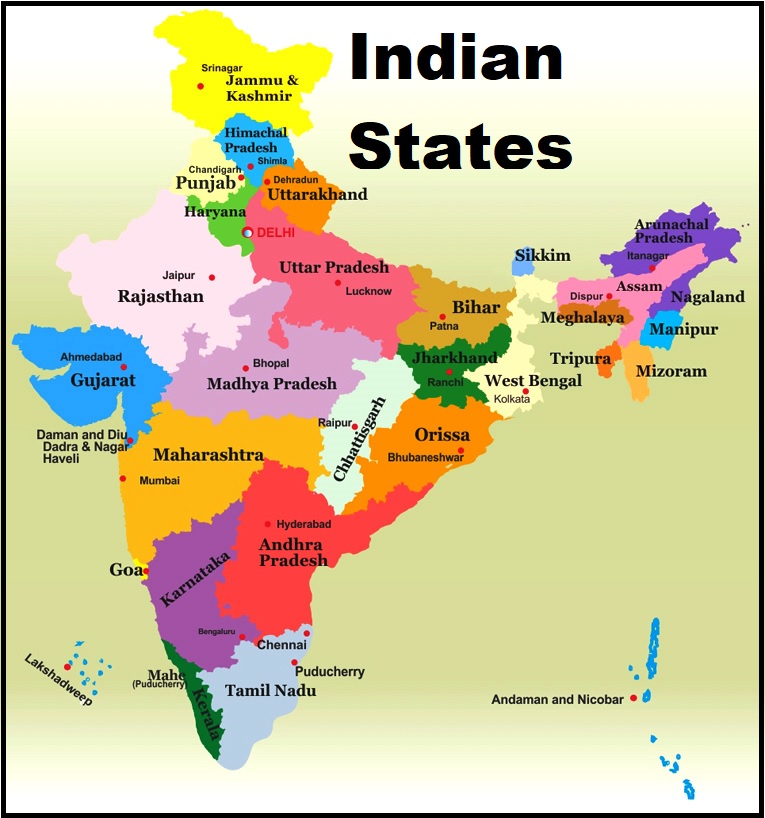
India is the world’s 2nd largest populated country with 1.38billion people. India comprises 28 states and 8 union territories. Tamil Nadu is just one of the 28 states. Tamil Nadu is the 6th largest state in India with 72million people but accounts for just 5.9% of the entire Indian population. Haryana which is the 18thlargest state in India has a population far more than Sri Lanka but that accounts for just 2% of the entire population. You can imagine how small Sri Lanka with 21million population is compared to India. Why do we allow 5.9% Tamils of India to determine how the 95% other Indians should deal with Sri Lanka?

In ancient times, the Sinhale kings were very smart. They befriended different dynastic families from India who came to the assistance of the Sinhale kings during times of incursions. Applying the same logic, why has Sri Lanka not developed ties with other States of India – UP, Maharashtra, Bihar, West Bengal and Madhya Pradesh.

How many are aware how the South Indians hate North Indians and the feeling is mutual for North Indians too.

While a fuss is being made over Tamil language in Sri Lanka where Tamils are just 2.2million, look at how many states speak Tamil except Tamil Nadu? How can a Tamil Nadu Tamil speak in another Indian state? He will not be able to converse in Tamil. So a Tamil from Tamil Nadu, is more alien in India & among other States of the Indian union.

Nevertheless, the issue that is central to the argument is that every Indian government that comes to power is bulldozed by Tamil Nadu to take a pro-Tamil Nadu stand vis a vis their brothers and sisters in Sri Lanka. How fair is this diplomatically?

Tamil Nadu cannot dictate diplomacy or diplomatic dealings of India overruling the rest of the Indian states. Why should Tamil Nadu decide how the Indian government deals with another country overlooking other states.

How far has Sri Lanka developed dealings with other states to negate the barrage from Tamil Nadu which the Central Government manipulates to its advantage too.

 StatePopulationNational ShareLanguage
1Uttar Pradesh199,812,34116.5%Hindi / Urdu
2Maharashtra112,374,3339.28%Marathi
3Bihar104,099,4528.6%Hindi / Urdu
4West Bengal91,276,1157.54%Bengali / English
5Madhya Pradesh72,626,8096%Hindi
6Tamil Nadu72,147,0305.96%Tamil / English
7Rajasthan68,548,4375.66%Hindi
8Karnataka61,095,2975.05%Kannada / English
9Gujarat60,439,6924.99%Gujarati / English
10Andhra Pradesh49,577,1034.1%Telugu / English
11Odisha41,974,2193.47%Odia
12Telangana35,003,6742.89%Telugu / Urdu
13Kerala33,406,0612.76%Malayalam / English
14Jharkhaland32,988,1342.73%Hindi/Urdu/Bengali
15Assam31,205,5762.58%Assamese / Bengali
16Punjab27,743,3382.29%Punjabi
17Chhattisgarh25,545,1982.11%Hindi
18Haryana25,351,4622.09%Hindi / English/Punjabi
19UT – NCT of Delhi16,787,9411.39%Hindi, English
20UT – JammuKashmir12,267,0321.01%Kashmiri, Dogri, Hindi, Urdu, English
21Uttarakhand10,086,2920.83%Hindi / Sanskrit
22Himachal Pradesh6,864,6020.57%Hindi / Sanskrit
23Tripura3,673,9170.3%Bengali, English,
24Meghalaya2,966,8890.25%English / Khasi Garo
25Manipur2,570,3900.21%Manipuri / English
26Nagaland1,978,5020.16%English
27Goa1,458,5450.12%Konkani/English/Marathi
28Arunachal Pradesh1,383,7270.11%English
29Pondicherry1,247,9530.1%Tamil, French, English
30Mizoram1,097,2060.09%Mizo / English / Hindi
31Chandigarh1,055,4500.09%English
32Sikkim610,5770.05%English / Nepali/Sikkim
33Dadra & Nagar585,7640.05%Gujarati, Konkani, Marathi, Hindi
34Andaman & Nicobar380,5810.03%Hindi, English
35Ladakh274,0000.02%Hindi, English
36Lakshadweep64,4730.01%Malayalam / English

The new British Prime Minister is Rishi Sunak. His family hails from Punjab in India. There are an estimated 800,000 Punjabi’s living in the UK and represent the largest Asian ethnicity in the UK.

Rishi Sunak’s father in law NR Narayana Murthy is the founder of Infosys and hails from Karnataka and is one of the richest billionaires in India.

Shenali D Waduge

Technical Errors in the Legal System

October 25th, 2022

Sugath Kulatunga.

During the last few months, we had the crude shock of so many cases before higher courts getting dismissed due to technical errors in the filing of the case. The most recent and appalling one was the CBSL Bond case which could not be continued as it was apparently filed under a wrong offense.  A number of Bribery cases failed as all three Commissioners had not signed the plaint. There are also astonishing examples where the Police have deliberately fixed cases. Our system of prosecution process is based on the adversarial system and is enshrined in the Constitution in Article 13 (5) as ‘Every person shall be presumed innocent until he is proved guilty: provided that the burden of proving particular facts may be placed on an accused person.’ In a few countries like France, they follow an inquisitorial procedure. Failed prosecutions due to administrative lapses are a gross violation against the society which had undergone loss and trauma due to those serious crimes. Justice delayed as in most Sri Lanka cases is justice denied. It may be useful to adopt some of the valuable features of the French system to ensure justice expeditiously.

Following are a few relevant extracts from a comprehensive article on the French system.

https://www.researchgate.net/publication/317037650_Prosecution_in_France

Public prosecutors/magistrats in France sits at the center of the criminal justice system, deciding which cases enter the system and influencing the way they are dealt with, from criminal investigations through to sentencing. Although founded on a strong inquisitorial tradition, with the procureur or juge d’instruction responsible for the investigation of criminal offenses, piecemeal reforms have seen the French criminal justice system adapt aspects of more adversarial traditions, often as a result of adverse rulings from the European Court of Human Rights (ECtHR).’

They are independent judicial officers with a strong public interest orientation. Although procureurs do not have the same status as judges, their belonging to the same
professional body gives them a strong ethos of independence. They perceive themselves as
accountable to the law first and foremost, rather than to their hierarchical superiors. This
accountability to the law is dominant in the professional discourse of magistrats. The
compendium of ethical obligations of magistrats issued by the CSM in 2010 provides in its
preamble that: As members of the judicial authority, magistrats draw their legitimacy from
the law, which requires them to be independent and impartial, principles also imposed on the other powers. Disregarding these imperatives would compromise public confidence.”

Legislation follows this recommendation and proposes the introduction of a new
article 39-3 CPP providing that the public prosecutor ‘checks the legality of the means
implemented by [police officers], the proportionality of investigative acts with regards to the nature and gravity of the offence, the opportunity to carry out the investigation in this or that direction, as well as the quality of its content. He ensures that investigations are aimed towards the determination of the truth and that both inculpatory and exculpatory evidence are collected, in the respect of the rights of the victim and of those of the suspect.’ The law defines the role of the procureur during the investigation in similar
terms to that of the investigative judge. However, as already noted, the two types of
investigations are fundamentally different in nature: whilst the juge d’instruction can request the assistance of the police in carrying out her investigation, the procureur supervises the investigation conducted by the police themselves.”

It is for our legal experts to look at the worthy aspects of the French magisterial system and adapt it into our system which is fast losing public trust.

Sugath Kulatunga.

වෛද්‍ය පර්යේෂණ ආයතනයේ පරීක්ෂණ 40කට අධික ප්‍රමාණයක් සිදු කෙරෙන්නේ නෑ. අත්‍යවශ්‍ය ඖෂධ 120ක් හිඟයි

October 25th, 2022

රවී කුමුදේශ් සභාපති සෞඛ්‍ය වෘත්තීයවේදීන්ගේ විද්වත් සංගමය 

👉අත්‍යවශ්‍ය ඖෂධ 120ක් හිඟයි

👉වෛද්‍ය පර්යේෂණ ආයතනයේ පරීක්ෂණ 40කට අධික ප්‍රමාණයක් සිදු කෙරෙන්නේ නෑ

👉සෞඛ්‍ය පහසුකම් සදහා ලැබී ඇති ණය සහ ආධාර, සෞඛ්‍ය අමාත්‍යාංශයේ අකාර්යක්ෂම බව නිසා අපතේ යනවා. 

👉සෞඛ්‍ය අර්බුධයට හේතුව, ආර්ථික අර්බුධයට වඩා අකාර්යක්ෂම බව සහ තාක්ෂණික මාෆියාවන්ට යට වීමයි.

අත්‍යවශ්‍ය ඖෂධ 120කට වඩා වැඩි ප්‍රමාණයක් සපයා ගැනීමට නොහැකි තත්වයකට ඖෂධ සැපයීම් අංශය කඩා වැටී ඇත. රට පුරා රෝගීන්ගේ රෝග හදුනා ගැනීම සහ ප්‍රතිකාර කිරීමට අත්‍යවශ්‍ය වෛද්‍ය පරීක්ෂණ 40කට අධික සංඛ්‍යාවක් සිදු කල නොහැකි තත්වයකට වෛද්‍ය පර්‍යේෂණ අයතනය බිඳ වැටී ඇත.

මෙම පරීක්ෂණ හා ඖෂධ හිගයට අදාල හේතුව ආර්ථික අර්බුධය හෝ මුදල් අහේනියම නොවන අතර නිළධාරීන්ගේ අකාර්යක්ෂමතාවය සහ ක්‍රමවේදයන්ගේ පවතින අනවශ්‍ය සංකීර්ණ බවයි. එම තත්වයද හිතා මතා ඇති කර ගත් තත්වයක් නොවන අතර පරීක්ෂණ පෞද්ගලික රසායනාගාර වෙත යොමු කිරීමේදී සහ ඖෂධ බාහිර වශයෙන් මිලදී ගැනීමේදී විශාල වාසි සලසා ගන්නා පාර්ශව විසින් අර්බුධය විකුණාගෙන කන තත්වයක් සෞඛ්‍ය සේවාව තුල ඇතිව තිබේ. මෙම තත්වය වැලැක්වීම සදහා නිසි මග පෙන්වීමක් සෞඛ්‍ය අමාත්‍යාංශයෙන් නොලැබෙන අතර, බොහෝ ඉහල නිලධාරීන්ද මෙම ක්‍රමයේම ඉත්තන් හෝ ගැත්තන් බවර පත්ව තිබේ.

සෞඛ්‍ය සේවාවේ අත්‍යවශ්‍ය ඖෂධ හා රසායනාගාර ප්‍රතික්‍රීයක මිලදී ගැනීම සදහා සදහා අධාර ලබා දීමට අසියානු සංවර්ධන බැංකුව (ADB), ආසියානු යටිතල පහසුකම් ආයෝජන බැංකුව (AIIB), ලෝක බැංකුව සහ ඉන්දියන් ණය ආධාර (Credit Line) හරහා මුදල් ලබා ගැනීමට හැකියාව පවතින අතර, චීනය වෙනම ආධාරයක් ද ලබා දී තිබේ. නමුත් උක්ත කිසිදු ආධාරයක් හෝ කාර්යක්ෂම  ලෙස පරිහරණය කිරීමට අසමත් වීම, මෙම සෞඛ්‍ය අර්බුධයට අදාල ප්‍රධානතම හේතුවයි.

බිම් මට්ටමේ සෞඛ්‍ය වෘත්තිකයින්ගේ පැමිණිලි, වෘත්තීය සමිති යෝජනා පසෙකලමින්, තමන්ට පෞද්ගලිකව ලැබෙන ලාභය උදෙසා වැඩ කරන සෞඛ්‍ය අමාත්‍යාංශයේ ඉහල පරිපාළණ නිළධාරීන් දස දෙනෙකුගේ සේවය ‍රජය විසින් තවත් වසරකින් දිගු කිරීම හරහා නිරායාසයෙන් ලැබීමට තිබු කාර්යක්ෂමතාවයද තවත් වසරකින් දික්කොට ඇති බැවින් රෝගීන් දිනපතා බිලි දෙනවා හැර වෙනත් විකල්පයක් පෙනෙන්නට නැත.

වෛද්‍ය පර්යේෂණ ආයතනයේ සිදු නොකරන පරීක්ෂණ 

1. PSA

2. TSH

3. T3

4. T4Antigen 

6. Testesterone

7. Vitamin B12

8. Projesterone

9. Vitamin D

10. Cortizole

11. Tracloimas

13. VMA

14. Cyclosphorin

15. Metanephrin

16. Anti Cardio Tropanin

17. CMV IgG

18. CMV IgM

19. Mumps IgG

20. Rubella IgG

21. Hb A1C

22. Celluloplasmin

23. Electrolytes 

24. BJ Protein

25. ANA

26. Varcella IgG PCR

27. EBV PCR

28. BKV PCR

29. Pavo IgM PCR

30. Pavo IgG PCR

31. Hepatitis A IgG

32. Hepatitis A IgM

33. Hepatitis C Ab

34. Hepatitis B Antibody Profile

35. Hepatitis Anitigen

36. Hepatitis Co Antigen

37. C3

38. C4

39. ASOT

40. AFB

41. CEA

42. Thyroglibulin

රට පුරා සියළු රෝහල්හී රෝගීන්ට අඛණ්ඩව ප්‍රතිකාර කිරීමට ඉතා අතවශ්‍ය මෙම වෛද්‍ය පරීක්ෂණ, අතිශය සුවිශේෂි රෝග රැසක් හදුනා ගැනීම, වසංගත ඇතුළු රෝග රැසක් ඇතිවීම වලක්වා ගැනීම ඉතා වැදගත් වේ. මෙම පරීක්ෂණ බොහොමයක් පෞද්ගලික අංශයේ පවා සිදු නොකරන අතර, එසේ සිදු කලද ඉතා විශාල මිලක් ගෙවීමට සිදු වේ.

පරීක්ෂණ කිහිපයක් පිළිබද තොරතුරු

👉 *PSA පරීක්ෂණය* 

පුරස්ථි ග්‍රන්ථි විශේෂිත ප්‍රතිදේහජනක (PSA) යනු පුරස්ථි ග්‍රන්ථියේ පිළිකා හඳුනා ගැනීමට උපකාර වන රුධිර පරීක්ෂණයකි.  

👉 *TSH / T3 / T4 පරීක්ෂණ* 

ශරීරය ලෙස තයිරොයිඩ් හෝමෝන නිපදවන තත්වයන් හදුනා ගැනේ.  තයිරොයිඩ් රෝගය සඳහා ප්‍රතිකාර නිරීක්ෂණය කිරීම  ද මෙම පරීක්ෂණ මගින් සිදුවන බැවින්, එක් වතාවක් පරීක්ෂාව නොකිරීම මගින්, රෝගීන්ගේ  දීර්ග කාලීන ප්‍රතිකාර අපතේ යා හැකිය.

👉 *VMA පරීක්ෂාව* 

වැනිලිල්මැන්ඩලික් අම්ලය (VMA) පරීක්ෂණය මූලික වශයෙන් භාවිතා කරනුයේ උදරයේ ස්කන්ධයක් ඇති ළමුන්ගේ නියුරොබ්ලාස්ටෝමා හෝ රෝගය පිළිබඳ වෙනත් රෝග ලක්ෂණ හඳුනා ගැනීම සහ ඉවත් කිරීම සඳහා ය.  දරුවෙකුට නියුරොබ්ලාස්ටෝමාවක් ඇති බවට වෛද්‍යවරයකු සැක කරන විට හෝ එම හැකියාව බැහැර කිරීමට අවශ්‍ය වූ විට VMA පරීක්ෂණය ඉල්ලා සිටී. මෙම පරීක්ෂාව පෞද්ගලික අංශයෙන් සිදු කර ගැනීම සදහා රුපියල් 25000/-ක් පමණ වැයවේ.

👉 *Hepatitis පරීක්ෂණ* 

විවිධ අවශ්‍යතාවයන් සදහා පරීක්ෂණ වර්ග 10ක් පමණ මේ යටතේ සිදු කරණු ලබයි. කහ උණ රෝගය හදුනා ගැනීමටත්,  ඇතැම් රෝග කාරක සමාජය තුල පැතිරීම වැලැක්වීමටත්, රුධිර පාරවිලයනය, අභ්‍යන්තර අවයව බද්ධ කිරීම වැනි ශල්‍යකර්ම පෙර මෙම පරීක්ෂාව අනිවාර්‍යෙන්ම සිදු කල යුතුය

රවී කුමුදේශ්

සභාපති 

සෞඛ්‍ය වෘත්තීයවේදීන්ගේ විද්වත් සංගමය 

Working in trade requires trusted officers

October 25th, 2022

Garvin Karunaratne  

I enclose a 2010 writeup on what we did  achieve in the Marketing Department. Perhaps this may move our Prime Minister to Act to establish a Marketing Department today. 

[ Price fixing]
* Prices at main producer fairs closely monitored
* Prices vary on quantities coming in
* Prices informed by telegram and telephone
* Floor prices offered with establishment of canning industry
* Marketing Department exported canned pineapple

Working in trade required dependable and trusted officers. In addition there were around a dozen Marketing Officers. Kulasingham was at the Colombo wholesale market and the others were all in charge of the internal units. We had around eight cold rooms where we could store vegetables and my office staff was housed over the cold rooms. It comprised one Chief Clerk and some eight clerks and though their duty was confined to paperwork I would drag one of them to attend to the work of a Marketing Officer whenever necessary.

There was always a never-ending train of people who came to purchase vegetables. There were friends who would come to purchase goods and also call on me, whom I had to greet and entertain, at least by being with them for some time, inviting them to sit in my room and always something or other cropped up for me to leave them because there was always a problem that required immediate personal attention.

Consumer fairs

Fixing prices for the next day’s purchases was done by me, based on the prices prevalent at the wholesale market in Colombo, the prices at the main Fairs in the island as reported by the outstation Assistant Commissioners. The prices at all main producer fairs like Embilipitiya, Colombage Ara, Kekirawa, Welimada, Bandarawela were closely monitored, as well as the prices at the consumer fairs in Colombo, Kandy and other cities.

Competition among traders will result in stable prices.

The problem was that the prices varied even during the day depending on the quantities that came in. We always tried to fix a price above the prices reported at the producer fairs, if our margin often to fifteen percent enabled us to sell at a price below the Colombo market price. The Assistant Commissioners were informed of the prices by telegram and telephone. Those were days when we had telephones only in District Offices and outstation officers had to wait a long time at post offices to get a call to inform the prices to the Tripoli Market.

At times I would go to the office of the Government Agent as his phone always got priority and the telephone exchange would connect me at once. I can also recall the telephone I had at my Ambalantota Office where when I wanted a telephone call I had to wind my phone endless to get through to the postmaster at Ambalantota. Thereafter I had to wait for hours to get a connection. In today’s mobile telephone situation it would be very easy to work the system.

Tripoli Market

Deciding on the price to purchase goods was a hard task. We had to purchase islandwide and we were never certain whether we would be able to cover up transport and handling costs. The Assistant Commissioners in the Districts could use their discretion to increase or decrease prices, in keeping with availability. Tripoli Market required a minimum quantity and if the producers brought in less quantities to the Fairs our prices had to get adjusted upwards.

If large quantities were brought the prices had to get adjusted downwards because otherwise we would have to purchase a quantity that we cannot handle. It was a quick decision that had to be made and we had to face the consequences. There was no time to write down reasons and I wonder how the COPE Audits would have taken up the matter.

At times on certain consignments we incurred a loss, that had to be covered by a profit on the next day. It was a case of walking on a single tight rope. We dared and generally acquitted ourselves creditably well. Commissioner Fernando was a Chartered Accountant and every move by the Assistant Commissioners was under close surveillance. He kept in touch with the staff and would guide us in a most masterly manner. Trade was in his veins and gradually we learned the art of deciding the right price.

Working in charge of Tripoli Market was demanding at all times and I was happy when after a year’s time I got posted to Anuradhapura. The entire Marketing Department, involved other activities like the purchase of paddy under the Guaranteed Price Scheme for paddy and other cereals and Rice Milling. On the whole there was a total staff of around 3,000. We had a very efficient Transport Officer in Fonseka. A hundred lorries were on the incessant move.

The canning factory

The Marketing Department established a full fledged Canning Factory in the Fifties where we did experiments in processing fruits into jam and juice. Sri Lanka was then importing large stocks of jam and juice from Australia and the aim was to make jam and juice to enable us to stop imports. Under Alles and Pathmaperuma, the canning factory became fully functional. We tried various fruits. We even purchased guavas from the guava belt in Balangoda to Belihul Oya – where guavas grew wild. With the establishment of this canning factory the Department was able to offer Floor Prices for items like pineapples, ash pumpkin and red pumpkin.

A Floor Price meant that we purchased the total stock offered. Red pumpkin was the base to make golden melon jam and ash pumpkin the base to make silver melon jam. The producers of these varieties benefited from the floor prices because we would purchase their entire stock. As a result we became self sufficient in all jam, jelly and fruit juice. The fruit juice was orange. Today my blood boils to see the shelves of supermarkets full of orange juice from California!

My mind raves with the loss of production, the unemployment our people suffer and the loss of our valued foreign exchange in imports. Down came the IMF axe of privatization and the canning factory was privatized. Floor prices are no more for the producers.

Today in the remote areas pineapples, red and ash pumpkin cannot be sold at all during the season. They fetch very low prices. Many a producer has told me that their produce has had to be buried. Silver melon jam and golden melon jam are long forgotten. Imports have taken their place. Today thanks to the UNP and the IMF policies we are creating employment for people in the Developed Countries while our people remain unemployed.

Export trade

The Marketing Department was even successful in establishing an export trade in canned pineapple. Sri Lanka has the Mauritius variety of pineapple which is far tastier than the larger, Nav (Ship) Variety which is produced all over the world. In Hawaii I visited the DelMonte Canning Factory and saw Nav pineapple being canned. Our Marketing Department canning factory can easily stand comparison to the Canning Factory I saw in Hawaii. Our Mauritius pineapple variety is far tastier than the Nav pineapple variety produced in other parts of the world. After the demise of the Marketing Department, exports of pineapple died a natural death – a loss of valuable foreign exchange. The privatized cannery now even imports fruit

IS COLOMBO’S STOCK MARKET ON THE VERGE OF COLLAPSE?

October 25th, 2022

Sasanka De Silva, Pannipitiya.

A couple of days ago, I realized that I was unable to buy any stocks using the platform access given to me by the broker firm, and when they were contacted immediately to know the reason why my ability to buy was brought to near zero rupees, the reply I received was astonishing and alarming.

My current portfolio is worth a couple of million rupees and has a healthy unrealized gain worth another couple of million rupees, yet the broker firm was not willing to give me any usable buying power.

The reason they give is that many have bought shares on credit and are not willing to settle their dues.

When asked as to why not “Force Sell” available shares of such people and recover dues, they had no answer.

I have spoken to a few more stockbroker firms and they all have the same song to play, which means that there is a very big credit exposure across the board but either instructions or guidance received from the governing body regulating the market activities and or their own management not to restore to Force selling to avoid a meltdown of the market in a couple of days.

If that is the case and real investors realize the same (not gamblers), the 5% safety barrier currently in place in the system will not be able to cope with the situation, unless the market is kept closed for an indefinite time to cool off at its own time and pace.

Finally, among all the negative news swirling around, it was a sad thing to know that we have finally reached the Catch-22 situation in investing too.

Sasanka De Silva,
Pannipitiya.

Why does Bangladesh need Saudi Arabia’s investment in the power and energy sector urgently?

October 25th, 2022

Samina Akhter

With the aim of increasing bilateral trade and mutual economic cooperation, special attention must be paid to the ‘Middle East’. Bangladesh seeks cooperation in at least 12 sectors from the top ten countries of the Arab world or the Middle East to overcome the ongoing power and energy crisis, the impact of the Russia-Ukraine war and the financial loss of the epidemic corona. One of these is the power and energy sector.

Maximum emphasis has been placed on easy terms of investment and energy imports from the Middle East in this sector. In addition to this, the government is interested in new manpower exports and product exports to collect remittances, one of the sources of foreign exchange. A meeting of Bangladesh-Saudi Arabia Joint Commission (JC) has been called in Riyadh, Saudi Arabia by the end of this month.

Looking ahead to that meeting, Saudi Arabia wanted to know what kind of cooperation Bangladesh wants to increase bilateral trade. The Economic Relations Department (ERD) will present an outline of economic cooperation and investment at the JC meeting itself.

It is known that assistance will be sought from the Middle East to resolve the ongoing power and energy crisis. Frequent load-shedding and rising prices of all types of fuel have increased the cost of production in the country. Its biggest impact is noticeable in inflation. In addition to this, the majority of remittances come from Middle Eastern countries. Due to this reason, the stakeholders have urged to increase mutual economic cooperation and bilateral trade with the Middle East. More than 80 percent of the fuel oil used in Bangladesh is imported from some countries in the Middle East including Saudi Arabia.

Similarly, most remittances are being extracted by exporting unskilled manpower to Middle Eastern countries. Most of the fertilizers used in agricultural production are imported from the Middle East. But the economy of Bangladesh is under pressure due to the ongoing global crisis and the increase in dollar prices. Inflation is increasing.

In this situation, the dollar crisis and the increase in the price of all types of fuel are making it more difficult to maintain the continuity of production. As a result, there is increasing load shedding and disruption of production. Initiatives have been taken to increase mutual cooperation with Middle East countries to overcome the current situation. Bangladesh is dreaming of developing economic relations with the Middle East.

The government is preparing to attend the 14th JC meeting to be held in Riyadh, Saudi Arabia on October 30-31. Bangladesh will be represented in that meeting by high-level representatives of the Economic Relations Department of the Ministry of Finance. Before attending the meeting, ERD held several inter-ministerial meetings on the initiative of the Ministry of Finance.

In these meetings, economic relations with other countries of the Middle East, including Saudi Arabia, have been urged to be strengthened and bilateral trade increased. Besides, cooperation in 12 sectors will be sought from the Middle East. These include development of bilateral economic and trade relations, manpower, employment and consular, private aviation, tourism and cultural, investment, Abu Dhabi Development Fund, electricity, energy and mineral resources, information and communication technology sector, education, science and technology sector, marine environment. Cooperation in development, agriculture, healthcare and health education sectors and humanitarian and charitable assistance is one of them.

Saudi Arabia has already expressed its positive attitude towards increasing cooperation with Bangladesh. Not only that, Bangladesh-Saudi Arabia has signed several agreements and memoranda of understanding to increase bilateral trade and investment. In addition, bilateral trade and economic cooperation with Saudi Arabia will be increased with the United Arab Emirates, Qatar, Bahrain, Oman, Iraq, Kuwait, Lebanon, Egypt and Turkey.

An official letter has been given to these countries by the Commercial Counselor of Bangladesh Embassy abroad to increase bilateral trade and manpower export. Besides, the government has taken a special initiative from the Middle East Branch-1 of the Economic Relations Department (ERD). An outline in this regard will also be presented in the JC meeting to be held with Saudi Arabia. Bangladesh Investment Development Authority (BIDA) has a separate program around the Middle East.

Saudi Arabia has already been informed about ensuring one-stop service from the bidder’s side. ERD believes that if mutual economic cooperation with Saudi Arabia, the top country of the Arab world, increases, bilateral trade with other countries in the Middle East will also increase.

And for this reason, preparations are being made vigorously in front of the 14th JC meeting. A high-level delegation from Bangladesh is expected to participate in the meeting. In this regard, Finance Minister AHM Mustafa Kamal said that currently there is an excellent environment for investment in Bangladesh. There is considerable potential for investment on Public-Private Partnership (PPP) basis, particularly in major infrastructure, information technology, communication, agriculture, power and energy, medical sectors.

Middle East entrepreneurs including Saudi Arabia can take investment opportunities in those sectors if they wish. Professional, skilled, semi-skilled and unskilled manpower is still in great demand in the Arab world. Middle East countries can take huge manpower from Bangladesh if they want. He said that the country’s electricity and energy sector needs investment and cooperation from the Middle East, including Saudi Arabia. To deal with the ongoing crisis, the government will take the cooperation of Saudi Arabia and other countries in the power and energy sector.

According to Bangladesh Petroleum Corporation or BPC data, the country imports 6.5 million tons of fuel oil annually. Of that, 4 million tons of diesel is imported annually. More than 90 percent of vehicles in the transport sector in the country are dependent on fuel oil. Again, 34 percent of the power generation capacity depends on fuel oil.

For these fuels, we have to depend on Saudi Arabia and other countries in the Middle East. Bangladesh imports refined and crude fuel oil. The foreign companies supplying oil are Saudi Arabian Oil Company (Saudi Aramco) of Saudi Arabia, Abu Dhabi National Oil Company Limited (ADNOC) of the United Arab Emirates, Kuwait Petroleum Corporation (KPC) of Kuwait, Petco Trading Labuan Company Limited (PTCL) of Malaysia, Emirates National Oil of the United Arab Emirates. Company (Inc), China’s PetroChina (Singapore) Pte Ltd and Unipec (Singapore) Pte Ltd, Indonesia’s PT Bumi Siak Pusaku (BSP), Thailand’s PTT International Trading Pte Ltd, India’s Numaligarh Refinery Limited (NRL).

Apart from this, BPC also buys fuel oil through open tender. In other words, more than 80 percent of fuel oil is imported from Middle East countries including Saudi Arabia. Earlier in 2019, two agreements and four memorandums of understanding were signed with Saudi Arabia for the development of various sectors of Bangladesh, including the power and industrial sectors. These agreements and agreements were made in the presence of Prime Minister Sheikh Hasina in a ceremony organized at her office.

If these agreements are implemented, the country’s bilateral trade and investment with Bangladesh will increase. It is believed that both countries will benefit economically. Especially the ongoing crisis in the power and energy sector of the country will be removed. Besides, bilateral trade with Saudi Arabia also has great opportunities and possibilities.

In addition, Saudi Arabia’s state-owned oil company Aramco has already shown interest in building, operating and maintaining an oil refinery. It will cost 1.5 to 2 billion dollars. Saudi firm Engineering Dimension LLC is very enthusiastic about investing in Bangladesh.

The company is interested in investing in 7 projects and has pledged to invest around 1.685 billion dollars during the International Investment Conference held in Dhaka in November last year. Saudi Arabia’s investment in the power and energy sector is urgently needed at the moment. This issue should be given maximum emphasis in any forum discussion with the country.

Engineering Dimension is one of the companies that have shown interest in the construction of Dhaka East-West Elevated Expressway. Some Saudi investments are already in the pipeline. These include the development of Patenga Container Terminal with Red Sea Gateway Terminal in Public Private Partnership. Further Saudi investment will largely depend on how successfully the projects in the pipeline can be managed.

ACWA Power, an internationally renowned energy company, has expressed interest in investing around $600 million to build a 730 MW combined cycle power plant in Chittagong. Al-Fanar plans to invest $100 million to build a 100 MW IPP solar project in a joint venture. Al-Bawani is interested in investing about $10 million in the employment of skilled human resources for construction and engineering projects.

Bangladesh-Saudi Arabia joint commission meeting preparation.

Preparations for the 14th meeting of the Bangladesh-Saudi Arabia Joint Commission have started in full swing. The Economic Relations Department (ERD) of the Ministry of Finance prepared the working paper on behalf of Bangladesh. In the meeting to be held in Riyadh, Saudi Arabia on October 30-31, the cooperation of Saudi Arabia will be sought in the export of electricity, manpower, increasing the export of manufactured goods, export of halal products, especially fish and meat, export of agricultural processed products and fertilizer production.

Besides, Bangladesh has the opportunity to export clothes to other Middle East countries including Saudi Arabia. The entrepreneurs of the country’s garment sector have expressed their interest in this regard. Saudi Arabia will be requested to speedily implement the agreements made with Saudi Arabia at various times. In this context, Bangladesh has prepared for the Bangladesh-Saudi Arabia joint commission meeting.

Bangladesh has several bilateral trade investment agreements with Saudi Arabia. These agreements must be implemented now. It is reported that talks are going on between Petrobangla and Aramco regarding a liquefied natural gas (LNG) deal. This will solve the country’s LNG crisis. Besides, Eastern Refinery Unit-2 has sought Saudi Arabia’s cooperation in processing 3 million tons of crude palm oil per day.

If it is implemented, 68 thousand barrels of refined petroleum will be available. MoU will be signed between Bangladesh Power Development Board and world renowned ACWO Power. It is expected to make great progress in the renewable energy sector in the country. It has an agreement with Saudi Arabia to build a 100 MW Solar Independent Power Plant (IPP) and manufacture transformers and electrical components.

These agreements need to be implemented quickly. Meanwhile, 20 more Saudi Arabian companies have shown interest in investing in Bangladesh, said Foreign Minister Dr. AK Abdul Momen recently. After a recent meeting with a delegation of Saudi Arabia, he added, “We will give them all the facilities they need.” Both countries have much more to do in terms of trade and investment cooperation.

Besides, the country is also interested in investment on the basis of public-private partnership or PPP. Saudi Arabia will mainly invest in Bangladesh’s infrastructure, medical, tourism and other sectors. A memorandum of understanding has been signed with Saudi Arabia. Salman F Rahman, Adviser to the Prime Minister on Private Industry and Investment on behalf of Bangladesh, signed one such MoU a few months ago. However, countries of the Middle east especially Saudi Arabia’s investment in the power and energy sector is urgently needed at the moment.

Should Saudi Arabia’s Crown Prince and PM MBS visit Bangladesh along with India, Pakistan?

October 25th, 2022

Samina Akhter,

Prime Minister of the Kingdom of Saudi Arabia and Crown Prince, Mohammed bin Salman, is expected to visit India and Pakistan next month, according to reports.

The Saudi Crown Prince is likely to visit the two countries on November 14 while on his way to the G20 summit in Bali (Indonesia), reports quoting sources said.

The Crown Prince is visiting India on Modi’s invitation, they added. It would be a day-long visit. Mohammed bin Salman had earlier visited India in 2019.

Earlier, Saudi Energy Minister Abdulaziz bin Salman had visited India last week, which had coincided with the OPEC+ taking a decision to cut oil production.

During their meeting, PM Salman and PM Modi are expected to exchange views on the present energy security scenario due to the Russian war in Ukraine, and the western coalition sanctions that neither India nor the Kingdom of Saudi Arabia has joined. The visit has geopolitical significance given U.S.-Saudi tensions over oil production cuts by the OPEC+ grouping that includes Russia, after which U.S. President Joseph Biden, who will also be in Bali, had warned of consequences” for the Kingdom of Saudi Arabia.

In Delhi, the two leaders will review bilateral projects including the progress on Mr. Salman’s 2019 promise of $100 billion investment” in India, particularly in oil reserves, and green energy projects, which hasn’t yet fructified. Mr. Modi has visited Riyadh twice, in 2016 and 2019, and announced a number of MoUs and projects as well, which will be reviewed, said officials. 

On the other hand, Pakistan PM Shehbaz is visiting Saudi Arabia as the Saudi crown prince is also planning to visit Pakistan next month. Prime Minister Mohammad bin Salman is expected to travel to Islamabad next month on a crucial visit Pakistan is hoping will lead to yet another financial bailout package from the oil-rich Arab nation.

The visit comes at a time when the coalition government led by Shehbaz is facing an imminent long march of former prime minister Imran Khan and when Saudi Arabia is involved in a diplomatic row with the United States over the recent cut in oil supplies by major exporting countries.

Pakistan in a surprise and significant move took a public stance on the US-Saudi row and backed Riyadh’s position.But the statement in favour of Saudi Arabia at this juncture may help Pakistan get the much needed financial support from Riyadh.

The US has been furious over the OPEC+ move to cut oil supplies by 2 million barrels a day despite request by President Joe Biden to the contrary.

On the other hand, Prime Minister Sheikh Hasina has invited Saudi Crown Prince and Prime Minister Mohammed bin Salman to visit Bangladesh in September this year.

Ambassador of Bangladesh to Saudi Arabia handed over the invitation letter to the Vice-Minister of Foreign Affairs of Saudi Arabia Waleed El Khereiji at his ministry’s office in Riyadh, the capital of Saudi Arabia, on Thursday, said a press release issued today (September 30, 2022). The envoy also conveyed greeting to the Saudi prince for becoming prime minister of the kingdom. Saudi Arabia’s King Salman bin Abdulaziz named his son and heir Prince Mohammed bin Salman as the kingdom’s prime minister in September.

MBS can visit Bangladesh to strengthen bilateral relations between Bangladesh-Saudi Arabia. Bangladesh and Sau Arabia need each other. Bangladeshi government and people also want the visit of the MBS. MBS’ visit to Bangladesh will definitely pave the way of Saudi Investment in Bangladesh. MBS should visit Bangladesh as he visits South Asian countries such India, Pakistan. As Bangladesh as an important stakeholder in South Asia now, MBS should visit in Bangladesh also.

During his meeting with Sheikh Hasina, Muhammad bin Salman bin Abdulaziz Al Saud also focused on trade, investment and defence sectors in October, 2018.

Saudi Arabia’s Crown Prince Muhammad bin Salman bin Abdulaziz Al Saud has highly appreciated Bangladesh’s tremendous development under the dynamic leadership of Prime Minister Sheikh Hasina and said that he wants to be a part of that development.

I’m aware of the stunning development that took place in Bangladesh at recent time and I want to be a part of that uplift,” Foreign Secretary Md Shahidul Haque quoted the Saudi prince as saying while briefing reporters after a meeting between Al Saud and Hasina in Riyadh on Wednesday, reports BSS.

Shahidul said Al Saud also asked Saudi officials to go to Bangladesh and send experts as well to find out what is happening there.Then we will take decision in which sectors Bangladesh needs investment,” said Al Saud, who is also the kingdom’s prime minister and defence minister.

 The official journey of Bangladesh and Saudi Arabia relations started in 1975 when Riyadh recognized the newly born South Asian nation as a sovereign country. Since then these two countries have maintained cordial and close friendship. State-level visits from both sides have contributed to further developing their bilateral bonding.  

The current Saudi Foreign Minister, Prince Faisal bin Farhan Al Saud, is expected to visit Bangladesh on March 16. Bangladesh expects the visit will take bilateral ties to new heights by ensuring more economic cooperation. 

Muslim-majority Bangladesh attaches a special priority to its relations with Saudi Arabia as the birthplace of Islam. Both countries have common social norms and cultural values derived from their religious practices. Also, they share similar views on many regional and global issues, especially those directly related to the Muslim world. Their common interest led them to cooperate in different regional and international platforms such as the Organization of Islamic Cooperation (OIC) and the United Nations.  

Their current ties have further been reinforced by deepening cooperation in the fields of investment, trade, investment, manpower, defense, education and culture. As Bangladesh perceives Saudi Arabia as one of its trusted friends, it is the need of the hour to analyze the expectations of Bangladeshis from the KSA’s MBS visit.

Saudi Arabia-Bangladesh labor market cooperation

Saudi Arabia is the most sought-after destination for Bangladeshi expatriates. From 1976 to 2021, Bangladesh exported 45.81 lakh migrant workers to the Kingdom — almost 34 percent of the country’s total manpower export. Even amid the pandemic gloom in 2020 when most labor markets remained shut down, the Kingdom employed over 160,000 Bangladeshi workers.  

Last year, Bangladesh exported over 600,000 migrants abroad, of which 460,000, almost 76 percent, went to Saudi Arabia. In the last five years, Saudi Arabia has become the top destination for Bangladeshi migrant workforces. The richest Gulf country is implementing a number of mega projects under its Vision-2030 which may turn the country a better job destination for Bangladeshis if proper steps are taken during the upcoming visit. 

Bangladesh is on the highway to be graduated from the Least Developed Country (LDC) group by 2026. After the graduation, Bangladesh will not be eligible for many preferential treatments that are exclusively available for LDCs in global trade. Limited access to these preferential facilities will have adverse impact on the balance of payment of Bangladesh, especially with the unavoidable negative impact on its total export earnings. To counter these challenges, Bangladesh may negotiate with Saudi Arabia to ensure duty-free access to the Saudi market even after the LDC graduation. 

Support for Rohingyas

Since the genocide orchestrated by Myanmar military on Rohingya community in 2017, Bangladesh has been hosting 1.2 million Rohingya refugees. Besides, Bangladesh had been experiencing a negative trend in the international humanitarian assistance funds for supporting these refugees.  

Being the leader of the Muslim world, Bangladesh may expect that Saudi Arabia will take initiative to end the plight of Rohingyas by ensuring their safe and dignified return to their homeland. Bangladesh may talk with the Saudi minister regarding more financial support to ensure life-saving assistance required to support the Rohingya refugees. 

Saudi Arabia-Bangladesh multidimensional relations

The tremendous economic growth of Bangladesh in the last 50 years has made the country a financial and industrial hub of South Asia. According to the World Bank, Bangladesh is one of the fastest growing economies of the world supported by its consistent growth in ready-made garment exports, demographic dividend and stable macroeconomic conditions.  

Because of the economic success, Saudi Arabia now perceives Bangladesh – going beyond the religious dimension – as a lucrative investment destination. Saudi Arabia is now one of the most reliable bilateral development partners of Bangladesh, the relations dynamics of which have evolved from one-layered to multi-dimensional cooperation over time. 

The Bangladesh Economic Zones Authority (BEZA) is planning to allocate some 300 acres of land to Saudi investors in Bangabandhu Sheikh Mujib Shilpa Nagar in Chattogram. It is expected that both countries will sign billion-dollar worth investment proposals, from the part of Saudi Arabia, including some energy sector-related projects. Saudi investors can invest in Bangladesh’s 100 special economic zones, large-infrastructure undertakings, textiles, IT and agro-based industries. 

Saudi Arabia-Bangladesh military ties

On the initiative of King Salman bin Abdul Aziz Al Saud of Saudi Arabia and under the leadership of Saudi Defense Minister and Deputy Crown Prince Muhammad bin Salman, the first Islamic military alliance in history was formed on 15 December 2015 comprising 34 Muslim countries including Bangladesh. Now the number of member states is 41.

Military relations between Bangladesh and Saudi Arabia have been strengthened. A joint military exercise between the two countries was held already in March 2018, hosted by Saudi Arabia. The name of this exercise is ‘Gulf Shield-1’. Sixteen members of the Bangladesh Army took part in the month-long military exercise. This was the first joint military exercise of the Bangladesh Army with Saudi Arabia. Apart from Bangladesh and host Saudi Arabia, 23 other countries have taken part in it. Joint Gulf Shield 1”, the exercises involved tens of thousands of personnel from the land, sea and air forces of 24 countries, including Saudi Arabia, the U.S., the U.K., Pakistan, Sudan, Egypt and Malaysia.

Its purpose was to increase military cooperation. The Prime Minister of Bangladesh Sheikh Hasina arrived in Saudi Arabia on April 15, 2018, to deliver and attend the closing ceremony. He was invited by King Salman of Saudi Arabia.

Through this exercise, a new horizon of military relations between Bangladesh and Saudi Arabia can be opened. Of course, this is a very strong decision from the side of Bangladesh.

In the early 1990s, the Bangladesh Army participated in the Gulf War for the first time. The Bangladesh Army has ample opportunities to work with Saudi Arabia.

Counterterrorism, economic diplomacy, tourism, Covid-19 vaccine diplomacy may be the sectors of mutual cooperation between KSA-Bangladesh relations. KSA always supports Bangladesh in favor of Rohingya repatriation to Myanmar, refugees who were forcibly displaced by the Myanmar government in 2017. Bangladesh has sheltered them temporarily. But they have to be repatriated in Myanmar in the long run.

Hopefully, in the changed world situation and in the international political context, Saudi Arabia-Bangladesh’s good relations will play a strong role in the Muslim world. Wherever Muslims in the world, including Syria, Iraq, Palestine and Myanmar, are being persecuted and oppressed, they will play an effective role in solving their problems. Every Muslim around the world has high hopes for Saudi Arabia. We hope that in the coming years, Saudi Arabia will do its best to fulfill its responsibilities through good relations with all Muslim countries, including Bangladesh. given that the bilateral relationship between Bangladesh and Saudi Arabia has recently become more cordial.

Saudi Arabia-Bangladesh commerce ties

The Minister of Commerce of Saudi Arabia emphasized the importance of expanding trade between Bangladesh and Saudi Arabia by using information technology and digital platforms and promoting Bangladesh’s development progress and trade capabilities internationally. Majid bin Abdullah al-Qasabi.

On October 12, 2022, in his office in Riyadh, the ambassador of Bangladesh appointed to Saudi Arabia. He emphasized these issues in a bilateral meeting with Mohammad Javed Patwari, BPM (Bar). Appreciating Bangladesh’s progress in economic development after overcoming the epidemic, the Commerce Minister said that it is an expression of Bangladesh’s capabilities.

He said that good relations exist between brotherly Bangladesh and Saudi Arabia. In order to take this relationship to a new level, he called for strengthening the commercial relationship between the two countries. He assured all cooperation from Saudi Arabia in this regard in the meeting.

Referring to his visit to Bangladesh in 2019, the minister said that he has a long-standing relationship with Bangladesh. He highly praised the leadership of Bangladesh Prime Minister Sheikh Hasina and expressed hope to see Bangladesh as a strong economic power in the world in the near future. The Ambassador apprised the Minister about the recent initiatives taken between the two countries in the field of trade and commerce. He also informed about the 14th joint commission meeting to be held between the two countries at the end of this month.

At this time, the ambassador sought the minister’s assistance regarding duty-free entry of 137 products from Bangladesh to Saudi Arabia. The minister assured effective support in this regard. He expressed interest in increasing the import of these products in Saudi Arabia by referring to Bangladesh’s advanced sectors such as fish, halal meat, ready-made garments, leather products, medicine, electronics and ceramic products. Besides, the two sides also discussed the ongoing Saudi investment in Bangladesh and the Saudi proposal in this regard.

During his visit to Bangladesh in 2019, the Ambassador referred to the agreement of the two sides to establish a ‘Joint Working Group’ to enhance bilateral trade and sought the assistance of the Commerce Minister in this regard. The Minister emphasized on the expansion of trade between Bangladesh and Saudi Arabia by increasing bilateral communication using information technology and digital platforms. At the same time, he also emphasized on effective promotion of Bangladesh’s growing economy and commercial potential internationally.

Saudi Arabia will always remain beside Bangladesh in various aspects in order to make its dream come true towards the development, Saudi Ambassador to Bangladesh Essa bin Yousef Al Duhailan said.

In a message marking the 92nd Saudi National Day today (September 24, 2022), he said Saudi-Bangladesh relation is deep rooted and excellent based on strong foundation of religious, cultural, economic and humanitarian ties.”Saudi Arabia always stands beside Bangladesh helping it, especially in the time of hardship,” he said.

Essa bin Yousef said Saudi-Bangladesh relations witnessed more strength after the visit of Prime Minister Sheikh Hasina to the Kingdom in 2016 and meeting with the King of Saudi Arabia King Salman Bin Abdul Aziz Al Saud, as well as frequent high-level visits by a number of Bangladeshi high officials to Saudi Arabia and vise-versa.

Samina Akhter, a columnist

Indian Ayurveda for Sri Lankan police personnel

October 25th, 2022

Courtesy NewsIn.Asia

Colombo, October 25 (newsin.asia): To commemorate the 7th Ayurveda Day, the Swami Vivekananda Cultural Center, the cultural arm of the High Commission of India in Colombo, organized a special  exhibition  on  the  theme  Ayurveda Everyday, Ayurveda Everywhere” for the Sri Lanka Police Force on 22nd October.

The key objective of the exhibition was to spread awareness about Ayurveda for better health and living.

The Acting High Commissioner of India to Sri Lanka, Shri Vinod K. Jacob was the Chief Guest at the exhibition. Conveying his greetings on Dhanteras and Deepavali, the Acting High Commissioner highlighted the significance of Ayurveda as a holistic system of medicine, which promotes harmony of the body and the environment.

ADVERTISEMENT

SSP Athula Amarasinghe, the Deputy Director of National Police Academy of Sri Lanka, graced the occasion as the Guest of Honor. Dr. Pathirage Kamal Perera, Professor in Ayurveda Medicine and Consultant Physician, Institute of Indigenous Medicine, University of Colombo, attended the event as the subject matter expert.

 Noting the role of diet, herbs, and spices in Ayurvedic treatment, Dr. Perera highlighted that Western medicine practitioners, and the World Health Organization (WHO), are increasingly taking interest in Ayurveda to promote a holistic lifestyle. Distinguished Ayurveda experts, Ms. Ruvi Rodrigio and Dr. Amila Wickramasinghe explained the various exhibits that were displayed during the exhibition.

About 50 participants from Sri Lanka Police force attended the exhibition.

Ayurveda day is celebrated every year on Dhanvantari Jayanti (Dhanteras), to commemorate the birth anniversary of Lord Dhanvantari, who is referred to as the ‘God of Ayurveda’ in Sushruta Samhita, an ancient Sanskrit text on medicine and surgery. Dhanvantari Jayanti is also first of the five days celebration of Deepavali, the festival of light.

The Ministry of Ayurveda, Yoga, Naturopathy, Unani, Siddha, Sowa-Rigpa and Homoeopathy (AYUSH) of the Government of India and the Sri Lankan Ministry of Health, Nutrition and Indigenous Medicine have undertaken a number of initiatives for the promotion of indigenous alternative medicine systems. After the outbreak of the COVID-19 pandemic, both the Ministries released guidelines that promote good health and hygiene as well as boost immunity to help combat the Corona virus.

ද්විත්ව පුරවැසි ගැටලුවට පාර්ලිමේන්තුවෙන් තීන්දුවක් ගන්න බැහැ – කථානායක කියයි

October 25th, 2022

Lanka Lead News

ද්විත්ව පුරවැසිභාවය දරන මන්ත්‍රීවරුන් සම්බන්ධයෙන් තීරණයක් ගත යුත්තේ මැතිවරණ කොමිෂන් සභාව මිස පාර්ලිමේන්තුව නොවන බව කථානායක මහින්ද යාපා අබේවර්ධන මහතා පවසයි.

ද්විත්ව පුරවැසිභාවය දරන මන්ත්‍රීවරුන් අධිකරණය ඉදිරියේ අභියෝගයට ලක් කිරීමේ හැකියාව රටේ ඕනෑම පුරවැසියෙකුට ඇති බව ද කථානායකවරයා පවසයි.

පාර්ලිමේන්තු මන්ත්‍රීවරුන් දෙතුන් දෙනෙකුට ද්විත්ව පුරවැසිභාවය ඇතැයි තමන්ට දැනගන්නට ලැබී ඇති බවත්, ඒ හැර තවත් මන්ත්‍රීවරුන් සිටී දැයි තමා නොදන්නා බවත් ඔහු සඳහන් කරයි.

මේ සම්බන්ධයෙන් නීතියෙන් ලබාදෙන තීන්දු තීරණ ක්‍රියාත්මක කිරීම හැරෙන්නට තමාට වෙන කිසිවක් කළ නොහැකි බවද කථානායකවරයා පවසයි.

තමිල්නාඩු සෙබළු “සුරංගනීට මාළු ගෙනාවා” ගීතය ගයද්දී, නරේන්ද්‍ර මෝදි යුද්ධය ගැන කියයි (වීඩියෝ)

October 25th, 2022

Lanka Lead News

ඉන්දියාව පුරා ඊයේ(24) දීපවාලී උත්සව සැමරෙද්දී ඉන්දීය අගමැති නරේන්ද්‍ර මෝදි පාකිස්ථාන දේශ සිමාවේ පිහිටි කාගිල් හමුදාකඳවුරේ සෙබළුන් සමග දීපවාලී උත්සවය සැමරු බව වාර්තා වේ.

https://youtu.be/sjVvMITeRkY

එහිදී තමිල්නාඩුවේ සිට පැමිණ සිටි සෙබළු සුරංගනීට මාළු ගෙනාවා” සිංහල ගීතය ගයමින් අගමැතිවරයා සමග සතුටු වූ ආකාරය අගමැතිවරයාගේ නිල ට්විටර් ගිණුමට එක් කර තිබුණි.

මෙම උත්සවයේ දී  ඉන්දීය අගමැතිවරයා සදහන් කර ඇත්තේ, ඉන්දියාව යුද්ධය පළමු තෝරාගැනීම ලෙස නොසලකන බවත් අතීතයේ ශ්‍රී ලංකාව සමග යුද්ධයේ දී හෝ මහාභාරතයේ සදහන් කුරුක්ෂේත්‍ර යුද්ධයේ දී අවසන් මොහොත දක්වාම ඉන්දියානුවන් යුද නොකරන්නට උත්සාහ කළ බවයි.

ඉන්දියාව යුද්ධයට විරුද්ධ වුවද ශක්තිය නොපෙන්වා සාමය ළඟාකර නොහැකි බවද මෙහිදී ඔහු සදහන්කර තිබේ.

Radio Ceylon – Purani Filmon ka Sangeet (Tribute to Madhubala Ji)

October 25th, 2022

Shakeel Momin

https://youtu.be/Z6y_VP1c1Y8

Copyright © 2026 LankaWeb.com. All Rights Reserved. Powered by Wordpress