
ගොඩබිමෙන් මුහුදට: ශ්රී ලංකාවේ ඊළඟ ආර්ථික පිම්ම නිල් ආර්ථිකයෙන්”
May 27th, 2026ආචාර්ය සරත් ඔබේසේකර
(Dr. Sarath Obeysekera)
උපායමාර්ගික අවධානය යොමු කරන ප්රදේශ
1. යටිතල පහසුකම් සංවර්ධනය
● ද්විත්ව භාවිත Mini Marinas: ධීවර වරායන් 21ක් ධීවර හා විවේක යාත්රා සඳහා marinas බවට පරිවර්තනය කිරීම, සංචාරක ව්යාපාරය වැඩි කිරීම සහ නව ආදායම් මාර්ග උත්පාදනය කිරීම. ප්රධාන ස්ථාන අතර ගාල්ල, බේරුවල සහ ත්රිකුණාමලය ඇතුළත් වේ.
● බෝට්ටු නිෂ්පාදන කලාප: බෝට්ටු තැනීම සහ අලුත්වැඩියා කිරීම, ජාත්යන්තර බෝට්ටු සාදන්නන් ආකර්ෂණය කර ගැනීම සහ කාර්මික වර්ධනය ප්රවර්ධනය කිරීම සඳහා කැප වූ කලාප පිහිටුවීම.
● කප්පරතොට දියකඩනය: කප්පරතොට දියකඩනය සංවර්ධනය කිරීමෙන් මරීනා සහ ධීවර කටයුතු වැඩිදියුණු කිරීම.
● වරාය වැඩිදියුණු කිරීම්: ගෝලීය යාත්රා සංචාරක ව්යාපාරයේ ප්රධාන ක්රීඩකයා ලෙස ශ්රී ලංකාව ස්ථානගත කරමින් මරීනා සංවර්ධන සඳහා සුරක්ෂිත දිගුකාලීන කල්බදු.
2. නියාමන රාමුව
● යාවත්කාලීන කරන ලද නිල් ආර්ථික රාමුව: තිරසාර භාවිතයන්ට සහාය වන, FDI ආකර්ෂණය කර ගන්නා සහ සමුද්ර කර්මාන්තවල නවෝත්පාදන ප්රවර්ධනය කරන පැහැදිලි, යාවත්කාලීන රාමුවක් ස්ථාපිත කරන්න.
● විනෝදාත්මක යාත්රා නීති සම්පාදනය: විනෝදාත්මක බෝට්ටු සවාරියට සහාය වීම සඳහා රෙගුලාසි අවසන් කිරීම සහ ජාත්යන්තර යාත්රා සඳහා රේගු සහ සංක්රමණ ක්රියාවලීන් විධිමත් කිරීම.
● බෝට්ටු ගොඩනැගීමේ පොකුරු සඳහා සහය: නිෂ්පාදනය සහ අපනයනය ඉහළ නැංවීම, මුහුදු තීරයේ BOI කලාපවල බෝට්ටු නිෂ්පාදනය සහ අලුත්වැඩියා සේවා සඳහා ඉඩම් වෙන් කිරීම.
3. නිල් ආර්ථිකය උපයෝගී කර ගැනීම
● ආර්ථික වර්ධනය: නිල් ආර්ථික රාමුවක් ක්රියාත්මක කිරීම ධීවර, සංචාරක සහ පුනර්ජනනීය බලශක්තිය වැනි ප්රධාන අංශවල වර්ධනය උත්තේජනය කරන අතර එය සැලකිය යුතු දළ දේශීය නිෂ්පාදිතයේ දායකත්වයක් ලබා දෙනු ඇත.
● රැකියා උත්පාදනය: නිල් ආර්ථිකය සමුද්ර බලශක්තිය, ජලජීවී වගාව සහ සාගර ගොවිතැන හරහා රැකියා උත්පාදනය කරයි, විරැකියාව අඩු කරයි සහ ප්රජාවගේ ඔරොත්තු දීමේ හැකියාව ශක්තිමත් කරයි.
● තිරසාර සම්පත් කළමනාකරණය: සමුද්ර සම්පත් වගකීමෙන් කළමනාකරණය කිරීම දිගු කාලීන තිරසාර බව සහතික කරන අතර අධික ලෙස ගසා කෑම වළක්වයි.
● පුනර්ජනනීය බලශක්ති සංවර්ධනය: සුළං සහ තරංග බලශක්තිය සඳහා ආයෝජනය කිරීම බලශක්ති සුරක්ෂිතතාව වැඩි කරයි, පොසිල ඉන්ධන මත යැපීම අඩු කරයි, සහ විමෝචනය අඩු කරයි.
● ආයෝජන ආකර්ෂණය: පැහැදිලි නියාමන රාමුවක් FDI ආකර්ෂණය කර, තාක්ෂණික නවෝත්පාදන සහ යටිතල පහසුකම් වර්ධනය පෝෂණය කරයි.
● පාරිසරික ආරක්ෂණය: තිරසාර භාවිතයන් කෙරෙහි අවධානය යොමු කිරීම සාගර පරිසර පද්ධති ආරක්ෂා කිරීම සහ දේශගුණික විපර්යාසවලට ඔරොත්තු දීමේ හැකියාව ශක්තිමත් කරනු ඇත.
4. තාක්ෂණික සහ මෙහෙයුම් දියුණුව
● නව තාක්ෂණයන් අනුගමනය කිරීම: කාර්යක්ෂමතාව, ආරක්ෂාව සහ තිරසාර බව වැඩිදියුණු කිරීම සඳහා AI, IoT, සහ හරිත ප්රචාලන පද්ධති වැනි සමුද්ර තාක්ෂණයන්හි පර්යේෂණ සහ සංවර්ධනය දිරිමත් කිරීම.
● වෙළඳපල ප්රසාරණය: ගෝලීය වෙලඳපොලවල තරඟකාරිත්වය ඉහළ නංවමින් ධීවර හා ජලජීවී වගාව වැනි තිරසාර සමුද්ර නිෂ්පාදන සඳහා නව වෙළඳපල සංවර්ධනය කිරීම.
● මෙහෙයුම් කාර්යක්ෂමතාව: ප්රශස්ත මාර්ග සඳහා විශාල දත්ත සහ AI වැනි ඩිජිටල් මෙවලම් ඒකාබද්ධ කිරීම, පිරිවැය අඩු කිරීම සහ සමුද්රීය අංශ හරහා වඩා හොඳ මෙහෙයුම් කළමනාකරණය.
5. අක්වෙරළ සේවා, සමුද්ර බලශක්ති සහ සාගර ගොවිතැන
● අක්වෙරළ ජලජීවී වගාව: ඉහළ වටිනාකමක් ඇති විශේෂවලට සහය වීමට සහ මුහුදු ආහාර අපනයනය වැඩි කිරීමට අක්වෙරළ ජලජීවී වගා කලාප පුළුල් කරන්න.
● සමුද්ර පුනර්ජනනීය බලශක්තිය: සුළං සහ තරංග බලය යොදා ගනිමින් පුනර්ජනනීය බලශක්ති ව්යාපෘති සංවර්ධනය කිරීම, බලශක්ති පිරිවැය අඩු කිරීම සහ පොසිල ඉන්ධන මත යැපීම.
● තිරසාර සාගර ගොවිතැන: සාගර ජෛව විවිධත්වය ආරක්ෂා කිරීමට සහ ආහාර සුරක්ෂිතතාවයට දායක වීමට තිරසාර ජලජීවී වගා පිළිවෙත් ප්රවර්ධනය කිරීම.
6. ශ්රම බලකාය සංවර්ධනය සහ පුහුණුව
● නැගී එන තාක්ෂණයන් සඳහා පුහුණුව: සමුද්ර අංශයේ නවෝත්පාදනයන් සඳහා අවශ්ය නිපුණතාවලින් ශ්රම බලකාය සන්නද්ධ කිරීම සඳහා අතථ්ය යථාර්ථය (VR), AI සහ මිශ්ර ඉගෙනීම භාවිතා කරමින් උසස් පුහුණු වැඩසටහන් හඳුන්වා දීම.
● සහයෝගිතා අවස්ථා: සම්පත් එකතු කිරීම, දැනුම හුවමාරු කර ගැනීම සහ සාර්ථක ප්රතිඵල සහතික කිරීම සඳහා රාජ්ය සහ පෞද්ගලික අංශ, ශාස්ත්රීය, සහ රාජ්ය නොවන සංවිධාන අතර සහයෝගීතාව වර්ධනය කිරීම.
Raising spiritual and moral standards through taqwa (righteousness) – Ahmadiyya Khalifa delivers Eid-ul-Adha 2026 sermon
May 27th, 2026Source: Al Hakam., London
Hazrat Mirza Masroor Ahmad, Head of the Worldwide Ahmadiyya Muslim community delivered Eid-ul-Adha sermon after led the congregational Eid Prayer at Mubarak Mosque inTillford, U.K on yesterday 27 May, 2026.
His Holiness recited Chapter 22, Verse 38 of the Holy Quran, the meaning of which:
Their flesh reaches not Allah, nor does their blood, but it is your righteousness that reaches Him. Thus has He subjected them to you, that you may glorify Allah for His guiding you. And give glad tidings to those who do good.” (Surah al-Hajj, Ch.22: V.38)
True righteousness through Divine recognition
Ahmadiyya Khalifa quoted saying of Hazrat Mirza Ghulam Ahmad as: The Promised Messiah, peace be on him, stated that all these spiritual excellences are attained only after acquiring perfect recognition (ma‘rifat) of Allah the Almighty. In other words, the highest standard of righteousness (taqwa) is granted only after a person attains true and complete recognition of God. Whoever is granted the fear and love of Allah the Almighty is also delivered from every sin that arises from recklessness and irreverence.
The need for inner sacrifice
There are many seemingly minor mistakes and sins which, if a person becomes careless and persists in them, gradually increase and ultimately incur the punishment of Allah the Almighty. Therefore, for salvation we are neither dependent upon any blood sacrifice, nor in need of any cross, nor do we require any form of atonement. Rather, we are in need of only one sacrifice: the sacrifice of the inner self (nafs). Human nature itself recognises the necessity of such a sacrifice. In other words, the very name of this sacrifice is Islam.
The true meaning of Islam
Islam means to place one’s neck forward willingly to be sacrificed – that is, to lay down one’s soul completely at the threshold of Allah the Almighty with perfect submission and contentment. All of this requires perfect love and complete devotion. Such love is attained only when one acquires true recognition of Allah the Almighty.
The true meaning of righteousness
The Promised Messiah (as) stated that no one holds a monopoly over Allah the Almighty. Allah desires righteousness and whoever adopts taqwa will attain nearness to Him. Taqwa means acting in accordance with the commandments of Allah the Almighty.
Some people assume that because their forefathers were righteous, they too will automatically receive the reward of their ancestors’ virtues. The Promised Messiah (as) explained that no one will be rewarded on account of the deeds of their forefathers. In fact, the one who claims greater closeness to Allah will also be held to greater account by Him.
The need for self-reformation
Therefore, we must pledge that since we have accepted the Promised Messiah (as), acknowledged the truth of the prophecies of the Holy Prophet Muhammad (sa) and firmly believe that he was indeed the Promised Messiah sent for the reformation of the world, we must also strive to reform ourselves.
We must elevate the standards of our worship. To achieve this, we must put worldly concerns behind us and, with a spirit of sacrifice and by giving precedence to faith over worldly matters, endeavour to improve the quality of our worship. Similarly, we must also improve our moral standards, for worship and morality are inseparable.
The importance of the Holy Quran
The Promised Messiah (as) stated that if one desires lasting reformation, seeks the pleasure of Allah the Almighty, wishes for progress and desires true guidance, then one must read the Holy Quran, act upon it and follow its commandments. Merely sacrificing an animal on Eid days will not by itself bring the desired results of one’s deeds.
Full story:
https://www.alhakam.org/eid-ul-adha-2026-sermon-spiritual-moral-taqwa
Sri Lankan inventor of Player – Referral ( DRS) entitled to National Recognition and due Honours from the Govt. Sri Lanka and SLC
May 27th, 2026Source: AI Overview
The Sri Lankan lawyer and visionary credited with conceptualizing the “Player Referral” mechanism—the exact foundation of modern cricket’s Decision Review System (DRS)—is Senaka Weeraratna. There is an ongoing campaign for him to receive formal national honors from the Government of Sri Lanka and Sri Lanka Cricket (SLC). [1, 2, 3, 4]
The Invention and Background
- The Concept: In a published article in The Australian on March 25, 1997, Weeraratna proposed the revolutionary idea of allowing players to appeal on-field umpire decisions to a third umpire.
- The Paradigm Shift: Before Weeraratna’s proposal, on-field umpires had absolute authority and players had no mechanism to challenge erroneous decisions. His concept serves as the fundamental bedrock of DRS. [1, 2, 3, 4]
The Call for Recognition
- National Honors: Advocates and cricket enthusiasts in Sri Lanka argue that just as English statisticians Frank Duckworth and Tony Lewis are recognized globally for the DLS method, Weeraratna deserves equivalent recognition and respect for his pivotal contribution to world cricket.
- Institutional Action: Supporters are actively urging the Sri Lankan Government and Sri Lanka Cricket (SLC) to officially champion Weeraratna’s case, seeking formal accreditation and acknowledgment from the International Cricket Council (ICC).
- Advocacy: There is a growing movement proposing that the system be formally referred to as the Weeraratna Decision Review System (WDRS) to rightfully credit its Sri Lankan origin. [1, 2, 3, 4, 5]
Read more about the historical background and the ongoing efforts to secure global and local acknowledgment for the architect of DRS on LankaWeb.
https://share.google/aimode/NCGTRe91MQ1GyYl6
Source: AI Overview
………………………
see also
The pioneering Sri Lankan innovator behind the conceptual design of the Decision Review System (DRS)—specifically the “Player Referral” mechanism—is Senaka Weeraratna, a Colombo-based lawyer who has increasingly received local and regional backing for his contributions to the sport. [1, 2]
He first introduced and published the concept of the “Player Referral” system in March 1997 via an article in The Australian, nearly a decade before the International Cricket Council (ICC) trialled its own iteration. This concept broke the traditional absolute authority of on-field umpires by granting players the right to challenge a decision using television replays. [1, 2, 3]
Despite the universal adoption of his core concept in international cricket and its adaptation across global sports—such as Video Assistant Referee (VAR) in football and Hawk-Eye challenges in tennis—official national and international accolades remain highly contested. [1]
The Case for Recognition and Honors
Advocates, legal professionals, and sports analysts have frequently raised arguments for why the Government of Sri Lanka and Sri Lanka Cricket (SLC) should officially honor Weeraratna: [1]
- Establishing Intellectual Ownership: Observers point out that while the mechanical software and tracking systems belong to various tech companies, the foundational rule framework and “Right of Appeal” was Weeraratna’s distinct intellectual concept.
- The “WDRS” Proposal: Prominent local figures and commentators have advocated for renaming the system the Weeraratna Decision Review System (WDRS). This aligns with how other critical cricket regulations, such as the Duckworth-Lewis-Stern (DLS) method, are named after their pioneering British statisticians.
- The Precedent Set by the Late Tony Greig: Legendary cricket commentator Tony Greig reportedly advised that the onus falls heavily on the Sri Lankan Government and the SLC Board to actively spearhead his case at the international level to amplify national pride.
- Potential Economic and Brand Benefits: Formal acknowledgment by the ICC through consistent diplomatic backing from Sri Lanka could establish historical recognition and enhance the country’s reputation in global sports innovation. [1, 2, 3, 4, 5, 6]
History of Local Action and Current Stance
Official institutional action has seen sporadic engagement rather than an aggressive, sustained campaign:
- SLC Legal Review: In 2015, the Vice President of Sri Lanka Cricket, Asanga Seneviratne, formally asked the SLC executive committee to send Weeraratna’s extensive documentation to their legal team to evaluate pushing his claim forward with the ICC. However, these efforts did not materialize into a permanent public tribute or an official name-change petition acknowledged by the global body.
- Recent Appeals: Activists and sports historians have continually renewed calls on LankaWeb urging both the newly elected political administration under President Anura Kumara Dissanayake and SLC to officially award him a national plaquette or order of merit. They emphasize that honoring him locally is the vital first step before the country can successfully demand accountability and recognition from international cricket authorities. [1, 2, 3, 4, 5, 6, 7]
https://share.google/aimode/vCPwQpUknrg3jzxVm
Source : AI Overview
……………………………………………..
From Ethanol to FPSOs: The Brazil Partnership Sri Lanka Cannot IgnoreTrincomalee Can Become the Offshore Repair Hub of the Indian Ocean
May 27th, 2026Dr Sarath Obeysekera
Brazil’s offshore oil industry is dominated by the state-controlled energy giant Petrobras, which operates one of the world’s largest deepwater offshore production networks. Most production comes from the pre-salt” offshore basins located far offshore in the Atlantic Ocean, particularly the Santos and Campos Basins.
From AI resources –
What is an FPSO?
An FPSO means:
Floating Production Storage and Offloading vessel
These are essentially giant floating offshore factories and storage terminals combined into one vessel.
They:
- Receive crude oil from subsea wells
- Process oil and gas onboard
- Store crude oil in hull tanks
- Offload oil to shuttle tankers
They are preferred in deepwater offshore fields because building fixed platforms in ultra-deep waters becomes extremely expensive.
Brazil is considered one of the global leaders in FPSO technology and operations.
Major FPSOs Operating in Brazil
Búzios Field FPSOs
The giant Búzios field offshore Brazil now has several FPSOs operating.
Recent units include:
- FPSO P-74
- FPSO P-75
- FPSO P-76
- FPSO P-77
- FPSO Almirante Barroso
- FPSO Almirante Tamandaré
- FPSO P-78
The newest unit, P-78, started production recently with capacity around:
- 180,000 barrels/day oil
- 7.2 million cubic meters/day gas
Mero Field FPSOs
Another major offshore development is the Mero field.
Key FPSOs include:
- Guanabara MV31
- Sepetiba MV32
- Marechal Duque de Caxias
- Alexandre de Gusmão (MO26)
The MO26 FPSO is considered among the world’s largest FPSOs.
Upcoming FPSOs
Brazil continues expanding aggressively.
Future FPSOs planned include:
- P-81
- P-87
- Atapu-2
- Sépia-2
These are linked to massive offshore developments expected through 2030.
Offshore Rigs Operating in Brazil
Brazil uses many types of offshore drilling rigs:
- Drillships
- Semi-submersible rigs
- Jack-up rigs (limited use in shallow water)
Major international offshore drilling contractors active in Brazil include:
- Transocean
- Valaris
- Seadrill
- Noble Corporation
- Diamond Offshore Drilling
These rigs operate in ultra-deep waters often exceeding:
- 2,000–3,000 meters water depth
Why This Matters to Sri Lanka
This is exactly why Sri Lanka should engage Brazil strategically.
These FPSOs and rigs periodically require:
- Steel renewal
- Hull repairs
- Retrofitting
- Mechanical overhauls
- Accommodation upgrades
- Pipe fabrication
- Offshore logistics support
Many repair yards in Singapore are heavily occupied and expensive.
A properly developed Trincomalee Harbour could eventually become:
- A lay-up anchorage
- Offshore repair center
- Fabrication hub
- Crew logistics base
- Marine engineering training center
Sri Lanka already has:
- Experienced welders
- Ship repair capability
- Lower labour costs
- Strategic location near Middle East and Asian offshore routes
The missing factor is strategic industrial vision.
Regards
Dr Sarath Obeysekera
මහාචාර්ය සෝමදේවගෙන් අලුත් භූගත ස්කෑන් වාර්තාවක් උසාවියට
May 27th, 2026The Leader
අහඹු ලෙස අස්ථි කොටස් හමුවීමකින් තොරවම සමූහ මිනීවළක් ලෙස සැකකොට අධිකරණ නියෝග යටතේ රජයේ වියදමින් හාරා සුවිශේෂී යමක්
සොයා ගැනීමකින් තොරවම කැනීම් අවසන් කළ නැගෙනහිර පළාතේ භුමියක් සමීපයේ තව දුරටත් සැකයට භාජනය වී ඇති ස්ථානයක සිදු කළ ස්කෑන් පරීක්ෂණයේ වාර්තාව අධිකරණයට ඉදිරිපත් කර තිබේ.
වින්දිතයන් වෙනුවෙන් පෙනී සිටින නීතිඥ මුබාරක් මුගසම් මැයි 26 වැනිදා පළාත් බද මාධ්යවේදීන්ට දැනුම් දී තිබුනේ මඩකලපුව දිස්ත්රික්කයේ කුරුක්කල්මඩම් හි භුමි භාගයක පුරාවිද්යාව පිළිබඳ ජ්යෙෂ්ඨ මහාචාර්ය රාජ් සෝමදේවගේ ප්රධානත්වයෙන් මැයි 15, 16 සහ 17 යන තෙදින තුළ සිදුකළ ස්කෑන් පරීක්ෂණයේ වාර්තාව අධිකරණයට ඉදිරිපත් කළ බවයි.
“මහාචාර්ය රාජ් සෝමදේව මහතාගේ කමිටුව විසින් සිදු කරන ලද ස්කෑන් පරීක්ෂණයේ අවසන් වාර්තාව අද අධිකරණයට ඉදිරිපත් කරා. වාර්තාව පරීක්ෂා කළ විනිසුරුවරයා, වාර්තාවේ අඩංගු නිර්දේශ සැලකිල්ලට ගනිමින්, මේ සම්බන්ධයෙන් වැඩිදුර නීතිමය කටයුතු සඳහා නඩුව ජුනි 15 වැනි දින විවෘත අධිකරණයේ කැඳවීමට නියෝග කරා.”
LTTE සංවිධානය විසින් මරා වල දමන ලද බවට චෝදනා කෙරුණු 150කට අධික මුස්ලිම් හජ්ජි වන්දනාකරුවන් පිරිසක සිරුරු ඇති බව පැවසුණු භුමියේ විමර්ශන කටයුතු සඳහා රුපියල් ලක්ෂ 28 ක මුදලක් වෙන් වීමෙන් අනතුරුව ආරම්භ කළ කැනීම් කටයුතු 2026 අප්රේල් 1 වැනිදා හවස් යාමයේ නතර කර තිබුනේ හදුනාගත් භුමිය අඩි හයක් පමණ ගැඹුරට හෑරීමේදී මුහුදු ජලය මතු වීම නිසාවෙනි.
ඉස්ලාම් භක්තිකයන් එකසිය පනහකට වැඩි පිරිසක් තිස්පස් වසරකට ඉහතදී සමුලඝාතනය කර වළ දමා ඇති බවට සැක කෙරෙන මඩකලපුව දිස්ත්රික්කයේ කුරුක්කල්මඩම් හි භුමි භාගයක කැනීම් කටයුතු 2026 මාර්තු 30 වැනි සඳුදා ආරම්භ කෙරුනේ කලුවන්චිකුඩි මහේස්ත්රාත් ධර්මලිංගම් ප්රදීපන්ගේ අධීක්ෂණය යටතේ හා වෛද්ය සහ නීති විශේෂඥයන් එකොලොස් දෙනකුගේත්, පුරාවිද්යා දෙපාර්තමේන්තුවේත් සහභාගිත්වයෙනි.
කැනීම් කටයුතු ආරම්භ කර තෙදිනක් සම්පුර්ණ වන 2026 අප්රේල් 1 වැනිදා හවස් යාමයේ වින්දිතයන් වෙනුවෙන් පෙනී සිටින නීතිඥ මුබාරක් මුගසම් පළාත් බද මාධ්යවේදීන්ට දැනුම් දී තිබුනේ කැනීම් කටයුතු සදහා හදුනාගත් භුමිය අඩි හයක් පමණ ගැඹුරට හෑරීමේදී මුහුදු ජලය මතු වීමත් සමග විශේෂඥ උපදෙස් පරිදි කැනීම් කටයුතු නවතා දැමු බවයි.
කණින ලද ප්රදේශය අවට තවත් ස්ථාන කිහිපයක කැනීම් කටයුතු සිදු කළ යුතු බවට පැමිණිලිකාර අබ්දුල් මජීඩ් අබ්දුල් රවුෆ් විසින් අධිකරනයෙන් කර ඇති ඉල්ලීම අනුව එම නඩු විභාගය 2026 මැයි 15 වැනිදා යළි කැදවු අවස්ථාවේ මිනී වලක් ඇති බවට සැක කෙරෙන භුමියේ Magnetotelluric Audio-frequency යොදාගෙන ස්කෑන් පරීක්ෂාවකට ලක් කිරීම සදහා අධිකරණය අවසරය ලබා දී තිබුනි.
එම අධිකරණ නියෝගය අනුව මිනි වලක් පවතින බවට අලුතින් සැක කෙරෙන ස්ථානයේ පුරාවිද්යාව පිළිබඳ ජ්යෙෂ්ඨ මහාචාර්ය රාජ් සෝමදේවගේ ප්රධානත්වයෙන් මැයි 15, 16 සහ 17 යන තෙදින තුළ භුමිය ස්කෑන් පරීක්ෂණයක් සිදු කර කළේය. නීතිඥ මුබාරක් මුගසම් පළාත් බද මාධ්යවේදීන් සමග වැඩි දුරටත් පවසා තිබුනේ මැයි 18 වැනිදා නඩුව යළි කැදවු අවස්ථාවේ ඒ සම්බන්ධයෙන් වන වාර්තාව අධිකරණයට ඉදිරිපත් කරන බව අධිකරණය මහාචාර්යවරයා දැනුම් දුන් බවයි.
සමුහ මිනීවළක් සෙවීම සඳහා අහම්බෙන් ඇටසැකිලි හමු නොවී අධිකරණ අධීක්ෂණයෙන් කැනීම් ආරම්භ කොට අපරාධයක් සිදුවූ බවට සාක්ෂි නැතිව වසා දමන්නට සිදුවූ ශ්රී ලංකාවේ පළමු ස්ථානය වන්නේ මඩකලපුවේ කුරුක්කල්මඩමයි. මීට ඉහතදී උතුරේත්, කොළඹත්, සාම්පුර්හිත්, මාතලේත් එවැනි විමර්ශන ආරම්භ කෙරුනේ අහම්බයකින් මිනිස් ඇටකටු මතුවීමෙන් අනතුරුවයි.
සමුහ මිනී වළක් ඇති බව පැවසෙන ස්ථානයේ කැනීම් කටයුතු ආරම්භ කිරීමට අවශ්ය මුලික පියවර ගන්නා ලෙස 2025 අගෝස්තු 25 වැනිදා කලවංචිකුඩි මහේස්ත්රාත් ජේ.පී.ඒ. රංජිත්කුමාර් රජයේ නිලධාරීන්ට නියෝග කර තිබුනි.
From Sugarcane to Offshore Steel: Why Sri Lanka Must Court Brazil for a Blue Economy Revolution
May 27th, 2026By Dr. Sarath Obeysekera Kandidat Tekhneecheski Nauk (1977)
For decades, Sri Lanka has looked mostly toward Asia, the Middle East, and occasionally Europe for economic partnerships. Yet one of the world’s most successful maritime-industrial nations remains largely ignored in our strategic thinking — Brazil.
Brazil is not merely a football nation or an agricultural giant producing sugar and ethanol. It is also one of the world’s most experienced offshore oil and gas engineering powers, with decades of expertise in deepwater exploration, offshore fabrication, floating production systems, marine engineering, and offshore vessel maintenance.
Instead of merely attending conferences and producing glossy policy papers, Sri Lanka should aggressively invite Brazilian offshore and marine industries to use our strategic maritime assets — particularly Trincomalee Harbour — as a regional offshore engineering and rig support hub.
Brazil Did Not Become an Offshore Giant by Accident
Brazil transformed itself through long-term industrial planning linked to energy security. Massive investments in offshore engineering created entire ecosystems of:
- Shipyards
- Steel fabrication industries
- Offshore engineering firms
- Marine equipment suppliers
- Technical training institutes
- Welding and heavy engineering sectors
Companies servicing Brazil’s offshore industry built thousands of skilled jobs while supporting national growth
Sri Lanka has following advantages
- A strategic location on the East-West shipping route
- Natural deep-water harbours
- Skilled welders and marine engineers
- Existing ship repair experience
- Competitive labour costs
- Access to South Asian and Middle Eastern markets
Trincomalee Could Become the Singapore of Offshore Repairs
Around the world, offshore oil rigs periodically require:
- Dry docking
- Steel renewal
- Retrofitting
- Mechanical overhauls
- Life-extension upgrades
- Environmental compliance modifications
Many offshore rigs operating in Asia, Africa, and the Middle East travel long distances for repairs.Trincomalee Harbour possesses enormous natural advantages:
- Deep sheltered waters
- Large anchorage areas
- Minimal congestion
- Strategic proximity to Indian Ocean energy routes
Instead of allowing this priceless harbour to remain underdeveloped, Sri Lanka should invite Brazilian offshore engineering companies to establish:
- Offshore support bases
- Floating dock facilities
- Steel fabrication yards
- Marine engineering training centres
- Joint venture repair facilities
Sugar Cooperation Alone Is Not Enough
Sri Lanka has already explored agricultural cooperation with Brazil, particularly in sugarcane cultivation and ethanol-related technologies.
But limiting engagement to agriculture would be a strategic mistake.
Brazil’s true value lies in transferring industrial capability, offshore know-how, and marine engineering expertise.
Sri Lanka must think beyond plantations and tourism.
We need industrial diplomacy.
The Tragic Habit of Missing Opportunities
Sri Lanka repeatedly discusses becoming a maritime hub, yet decisions remain painfully slow.
Meanwhile:
- India is expanding shipbuilding
- Gulf nations are investing in ports
- Singapore dominates marine engineering
- Vietnam is rapidly industrializing
- Indonesia is strengthening offshore support industries
Sri Lanka risks becoming merely a refueling stop instead of a true industrial maritime nation.
We sit at one of the world’s most strategic maritime crossroads but behave like spectators while others build industries around us.
A Call for Industrial Courage
The government, the Board of Investment of Sri Lanka, the Export Development Board, and maritime stakeholders should jointly organize a high-level Brazil–Sri Lanka Offshore and Blue Economy Forum.
The invitation should be simple:
Bring your offshore engineering expertise, and Sri Lanka will provide the strategic maritime gateway.”
If properly planned, this could generate:
- Thousands of skilled jobs
- New steel fabrication industries
- Foreign exchange earnings
- Marine technology transfer
- Growth in vocational training
- Expansion of heavy engineering capability
Sri Lanka cannot survive indefinitely on imports, taxation, remittances, and tourism alone.
A true maritime nation must build, repair, fabricate, and innovate.
Brazil may hold one of the keys to helping Sri Lanka unlock that future.
විනිමය හුවමාරුව මහ බැංකුව – රේගුව රට පටලවයි!-නාමික හුවමාරු අගය නොතකා රේගුවෙන් ඩොලරයට රු.354.17 ක හුවමාරු අගයක්
May 26th, 2026Free Lawyers පුවත්පත් නිවේදනය
2026 මැයි 26 1.20 PM
ශ්රී ලංකා මහ බැංකුව සහ වානිජ්ය බැංකු විසින් නිවේදනය කර ඇති නාමික විනිමය අනුපාතය කුමක් වුවත්, ශ්රී ලංකා රේගුව 2026 මැයි 25 සිට මැයි 29 දක්වා ඩොලරයකට රු. 351.17 ක විනිමය හුවමාරු අගයක් මත සියළු ගණුදෙනු කරන බව ගැසට් මගින් ප්රකාශයට පත් කර ඇත.
ශ්රී ලංකා මහ බැංකුව අන්තර් බැංකු ඩොලර් හුවමාරුව හරහා කෘතීම ලෙස ඩොලරයේ අගය පහත මට්ටමක පවත්වා ගැනීමට උත්සහ දරණ නමුත්, රාජ්යයට ඉහළම ආදායමක් ලබා දෙන ශ්රී ලංකා රේගුව රටේ නාමික විනිමය හුවමාරු අගයට වඩා වැඩි අගයක් අය කරනු ලබයි.
මෙය භාණ්ඩ මිල සම්බන්ධයෙන් සෘජුව බලපානු ලබනු බැවින් මහ බැංකුව ඔවුන්ගේ නාමික විනිමය හුවමාරු අගයට රේගු ගණුදෙනු සඳහා වන අගය ද වහා සංශෝධනය කළ යුතු බව ෆ්රී ලෝයර්ස් සංවිධානය අවධාරණය කරයි.
(ඇමුණුම පුවත්පත් නිවේදනය සහ රේගු අධ්යක්ෂ ජනරාල් ගේ ගැසට් නිවේදනය)
ජනාධිපති නීතිඥ මෛත්රී ගුණරත්න
කැඳවුම්කරු/ ෆ්රී ලෝයර්ස් සංවිධානය
සම්පූර්ණයෙන්ම ප්රතිකේෂප කළ යුතු නැවක් නොරොච්චෝලේට ගෙනල්ලා
May 26th, 2026Free Lawyers පුවත්පත් නිවේදනය
විධිමත් විමර්ශනයකින් තොරව ගොඩබෑම සිදු නොකළ යුතුයි!
ගල්අඟුරු පැටවුම් වරාය වාර්තාව මෙන්න
2026 මැයි 26
නොරොච්චෝල බලාගාරය වෙත ගල් අඟුරු රැගෙන පැමිණි MV JOSCO YONGZHOU නැවේ ප්රමිතිය ‘සම්පූර්ණයෙන්ම ප්රතික්ෂේප’ කළ යුතු අගයේ පවතී. 2026 අප්රේල් 30 දින 10.09 ට Bureau Veritas Solutions South Africa (Pvt) Ltd වෙතින් ලංකා ගල්අඟුරු සමාගමේ අධ්යක්ෂවරයෙකු වන සුජන්ත රත්නායක වෙත මෙම පැටවුම් වරාය වාර්තාව (Lord Port Report) යොමු කර ඇති අතර, එහි පිටපත ගල් අඟුරු සමාගමේ සියළුම නිලධාරීන් හා බලශක්ති අමාත්යාංශ ලේකම් ඇතුළු පිරිසක් වෙත යොමු කර ඇත.
පැටවුම් වරාය වාර්තාව අනුව 2026 අප්රේල් 28 සහ 29 දෙදින දකුණු අප්රිකාවේ Richards Bay Coal Terminal වරායෙන් ගල් අඟුරු මෙ.ටො. 59,766 ක් මෙම නැවට පටවා ඇත. ගල් අඟුරු ලෙස ලේබල් කර ඇති නමුත් මෙහි අළු ප්රතිශතය ඒකක 16.8 කි. ලංකා ගල්අඟුරු සමාගම විසින් ඉදිරිපත් කරනු ලැබූ ටෙන්ඩර් ලියවිල්ලේ 5.2 කොටස (LCC Reject Values for Coal) අගය දැක්වෙන්නේ ඒකක 16 ක් ලෙසය. ඒ අනුව, මෙම ගල් අඟුරු නැව දඩ ගැසීමකින් පසුව හෝ මිලදී ගැනීමේ හැකියාවක් ලංකා රජයට (ගල් අඟුරු සමාගමට) නැත.
මෙයට පෙර රැගෙන ආ ගල් අඟුරු නැව් 18 ක්, යම් දඩ මුදලකට යටත් කොට මුදල් ගෙවා ගොඩබානු ලැබ ඇත. නමුත්, පැටවුම් වරායේ වාර්තාව අනුව ගොඩබෑමවත් සිදු නොකළ යුතු මට්ටමට ‘ප්රමිතියෙන් බාල’ පළමු ගල්අඟුරු නැව මෙයයි. මෙහි ගල් අඟුරු නොව වැඩිපුරම පවතින්නේ ‘අළු’ ය.
ලංකා මුහුදු සීමාවට පැමිණ ඇති මෙම ගල්අඟුරු තොගය නොරච්චෝලට ආසන්න මුහුදු සීමාවේ නැංගුරම් ලා ඇත.
මෙම ගල්අඟුරු තොගය ගොඩබෑමට පෙර, ලංකා ගල්අඟුරු සමාගම, විගණන කාර්යාලය, තාක්ෂණික කමිටු මගින් විධිමත් විමර්ශනයක් සිදු කළ යුතුව ඇති අතර මෙම නැව ගොඩබෑම සිදු නොකළ යුතු බව ද, මුදල් ගෙවීම සිදු නොකළ යුතු බව ද ‘ෆ්රී ලෝයර්ස් සංවිධානය’ අවධාරණය කරයි. ගල් අඟුරු වංචාව සම්බන්ධයෙන් කටයුතු කළ පාර්ලිමේන්තු කමිටු සහ විගණන කාර්යාලය මේ පිළිබඳව ස්ථානීය පරීක්ෂාවක් සිදු කළ යුතු බව ද, ගල්අඟුරු කොමිෂන් සභාව වහා මේ පිළිබඳ විමසිය යුතු බව ද අපගේ විශ්වාසයයි.
මෑතක දී, ‘සම්පූර්ණයෙන්ම ප්රතිකේෂ්ප කළ යුතු බාල ප්රමිතියේ’ නැවක් මෙරටට පැමිණ ඇති පළමු අවස්ථාව Taranjot Resource (pvt) Ltd විසින් සිදු කළ මෙම නැවයි.
‘ලක්විජය බලාගාරය සඳහා ලංකා ගල්අඟුරු සමාගම විසින් ගල් අඟුරු මිලදී ගැනීමේ ක්රියාවලිය’ පිලිබඳව ජාතික විගණන කාර්යාලය විසින් 2026 අප්රේල් 2 දින සකස් කරනු ලැබු වාර්තාවේ 6.6.3 හි මෙම සමාගම පිළිබඳ මෙසේ දැක්වේ.
…… ලියාපදිංචියට පෙර සපුරා තිබිය යුතු සමාගම විසින් අපේක්ෂා කරන ලද ප්රමිතියට හෝ ගල්අඟුරු සැපයීමට අපොහොසත් වී තිබුණු Taranjot Resource (pvt) Ltd සමඟ 2026 මාර්තු 30 දින ගිවිසුම්ගත වී තිබුණු බව නිරීක්ෂණය විය.
ප්රමිතියෙන් බාල ගල්අඟුරු ආනයනය පිළිබඳ Trident Champhar Limited සමාගම සම්බන්ධයෙන් කරුණු අනාවරණය කිරීමෙන් පසුව, රජය සිදු කළ හදිසි මිලදී ගැනීම් යටතේ තවත් ටෙන්ඩරයක් ප්රධානය කළ අතර එම ටෙන්ඩරය Taranjot Resource (pvt) Ltd වෙත ප්රධානය කරනු ලැබීය. මේ දක්වා නොරොච්චෝල වෙත පැමිණි ‘තත්වයෙන් වඩාත්ම බාල’ නැව එම සමාගම විසින් සැපයුම් කළ මෙම නැවයි.
ප්රමිතියෙන් බාල ගල් අඟුරු ලබා මිලදී ගැනීම හේතුවෙන් මේ වන විට රජයට සිදුවී ඇති පාඩුව රුපියල් බිලියන 20 කට වැඩි පාඩුවක් වී ඇතැයි විවිධ පාර්ශව විසින් කරුණු දක්වා ඇත. බාල ගල් අඟුරු සැපයූ සමාගම් වලට ගෙවීම් නොකර සිටීමට දැනටමත් රජය කෝටි 960ක් රඳවාගෙන තිබෙන බව වරාය හා සිවිල් ගුවන් සේවා අමාත්ය අනුර කරුණාතිලක මහතා පසුගියදා පාර්ලිමේන්තුවට පැවසීය.
යම් හෙයකින් මෙම ගල්අඟුරු ගොඩබානු ලබන්නේ නම්, එයට ගෙවීම් සිදු කිරීමට හැකියාවක් රජයේ මුදල් රෙගුලාසි අනුව ගල් අඟුරු සමාගමට නැත.
(ඇමුණුම – පැටවුම් වරාය වාර්තාව සහ නිල නිවේදනය අමුණා ඇත)
නීතිඥ අතුල ද සිල්වා 07777 69787
නීතිඥ පියල් දර්ශන ගුරුගේ 07186 47910 (මාධ්ය විමසීම්)
ෆ්රී ලෝයර්ස් සංවිධානය
Why Sri Lanka Needs CEOs with a Different Outlook -A Personal Experience
May 26th, 2026By Dr. Sarath Obeysekera
After graduating and working overseas in the UK and Norway, I returned to Sri Lanka and joined Colombo Dockyard as a consulting engineer. My task was to help develop new business opportunities in general engineering to fill the revenue gap caused by the decline in ship repairs and new boatbuilding work.
At that time, Dockyard was a state-owned enterprise, and its marketing approach was not very aggressive. We therefore looked for new engineering opportunities and started securing steel fabrication projects, including API 650 steel tanks for Ceylon Petroleum Corporation and the fabrication of large-diameter steel pipes for industrial projects.
The company also needed to modernize its welding technology. A new generation of energetic young engineers — Sri Lankan graduates together with Bulgarian, Russian, and East German-trained engineers, supported by experienced marine engineers — took up the challenge with pride and enthusiasm. We worked as a mission-driven team to introduce advanced welding technologies. International certification authorities such as Lloyd’s Register gave valuable guidance and support, helping Dockyard reach a very high standard.
After four years, I joined another state-owned corporation where I tried to change the working culture. Instead of depending only on reports from managers, I personally visited project sites to understand the real ground situation. When engineers presented bar charts and progress reports, I questioned them closely about delays and practical problems. This sometimes made them uncomfortable, but gradually managers became more involved in solving problems rather than merely preparing reports.
This hands-on approach improved morale, accountability, and dedication among managers and engineers. Better systems were introduced, and several projects were completed within budget and on schedule.
Later, after Japanese investors took over Dockyard, I was invited to return as CEO at the age of 44. Armed with practical engineering experience, management skills, and determination, I accepted the challenge.
At my very first meeting with my former engineering colleagues, I explained clearly that while we had worked together as friends before, the responsibilities of leadership required professional discipline. I asked them to address me formally as Managing Director rather than by my first name.
Work at Dockyard began sharply at 7:30 a.m. I often stood at the entrance gate myself to ensure engineers arrived on time, wore their white overalls, and were ready to mobilize the workforce. This created a sense of urgency and discipline throughout the yard.
Over time, Dockyard became a workplace where employees were proud to say they worked there. Morale improved significantly, although a few senior managers were unhappy with my strict management style. Those unwilling to adapt were asked to leave.
My experience taught me that personal involvement by leadership is critical. The Japanese management philosophy of leading from the front, understanding operations firsthand, and demanding discipline can transform an organization.
Sri Lanka today needs CEOs with this kind of outlook — leaders who are willing to leave their air-conditioned offices, visit project sites, understand realities on the ground, motivate staff, and make difficult decisions when necessary. True leadership is not about titles or privileges. It is about commitment, discipline, accountability, and setting an example for others to follow.
Regards
Dr Sarath Obeysekera
Can Sri Lanka Learn from Britain’s Construction Crisis — Before It Is Too Late?
May 26th, 2026By Dr. Sarath Obeysekera
https://www.telegraph.co.uk/business/2026/05/25/hundreds-construction-firms-risk-collapse-reeves
Britain, one of the world’s most advanced economies, is facing an alarming wave of construction company failures. Reports now warn that hundreds of UK construction firms are at risk of collapse due to rising fuel prices, high interest rates, labour shortages, delayed payments and geopolitical instability.
The situation has become so severe that construction insolvencies are now among the highest of any industry in the United Kingdom. Thousands of firms have either collapsed or are struggling to survive.
For Sri Lanka, this is not merely foreign news. It is a warning signal.
The question we must ask is:
Can Sri Lanka adapt some of the British methods to stabilize the construction sector — and how practical would that be under our economic conditions?
Britain’s Problem: Too Much Cost, Too Little Cash Flow
The British construction sector suffers from several interconnected problems:
- High energy prices
- Rising steel and cement costs
- Delayed government projects
- Expensive bank loans
- Labour shortages
- Supply chain disruptions
- Excessive dependence on private developers
Even giant firms with strong order books have collapsed because they lacked cash flow to survive rising costs.
Ironically, Britain still desperately needs houses, roads and infrastructure. Demand exists — but the financial system surrounding construction has weakened.
This sounds very familiar to Sri Lanka.
Sri Lanka Is Already Entering a Similar Trap
Today in Sri Lanka:
- Cement prices remain volatile
- Sand, metal and transport costs have skyrocketed
- Interest rates have damaged the housing market
- Contractors wait months for payments
- Government projects move slowly
- Skilled workers migrate abroad
- Small contractors are collapsing quietly
A medium-scale house that cost Rs. 8–10 million a few years ago may now cost double.
Many families have stopped building halfway.
Even experienced contractors now avoid fixed-price contracts because inflation destroys profit margins.
What Methods Can Sri Lanka Adapt?
1. Public Infrastructure as an Economic Engine
Britain historically used mega infrastructure projects to stimulate the economy:
- railways,
- tunnels,
- housing schemes,
- ports,
- highways.
Sri Lanka must also think beyond short-term politics.
Large projects like:
- Trincomalee industrial zones,
- offshore energy facilities,
- marine engineering yards,
- railway modernization,
- flood mitigation systems,
- affordable housing,
can create thousands of jobs while stimulating steel, cement, transport and engineering industries.
Construction is not merely an expense.
It is an economic multiplier.
2. Move Towards Industrialized Construction
Britain increasingly promotes:
- prefabricated housing,
- modular construction,
- steel frame systems,
- factory-produced components.
Sri Lanka still largely depends on labour-intensive brick-and-mortar methods.
This is becoming economically unsustainable.
Instead of carrying sand in buckets under hot sun, Sri Lanka should encourage:
- prefabricated wall systems,
- light gauge steel buildings,
- modular apartments,
- precast concrete systems.
This reduces:
- labour dependence,
- material wastage,
- project delays.
3. Vocational Training for Real Industry
One major British weakness today is labour shortage.
Sri Lanka still has young people seeking employment.
But unfortunately many vocational programs focus mainly on:
- beauty culture,
- cake decoration,
- low-paying service jobs.
We urgently need technical training for:
- welding,
- pipe fitting,
- marine fabrication,
- CNC machining,
- offshore engineering,
- industrial electrical systems,
- NDT inspection,
- ship repair,
- modular construction systems.
Countries that build infrastructure need skilled technicians — not merely certificate holders.
4. Government Payment Discipline
Many UK contractors collapsed because payments were delayed through long subcontract chains.
Sri Lanka suffers even more severely from this disease.
Government agencies sometimes delay payments for months or years.
A contractor who completes a road or drainage system cannot survive if payments are trapped in bureaucracy.
If Sri Lanka wants a healthy construction sector:
- certified bills must be paid quickly,
- corruption must reduce,
- procurement systems must modernize.
Cash flow is oxygen for contractors.
5. Reduce Dependence on Imported Materials
Britain suffers partly due to imported energy and material costs.
Sri Lanka also imports:
- steel,
- fuel,
- machinery,
- many construction chemicals.
We should encourage:
- local steel fabrication,
- recycling industries,
- alternative building materials,
- engineered timber,
- local marine industry support.
Not every building needs expensive reinforced concrete.
But Is It Practical for Sri Lanka?
Partially yes.
But there are major obstacles.
The reality is:
Sri Lanka lacks:
- long-term planning,
- industrial consistency,
- stable policy,
- low-cost financing.
Projects often change with governments.
Investors fear uncertainty.
Technical planning is replaced by political slogans.
Without stable national policy, no construction revolution can succeed.
The Bigger Lesson
Britain’s crisis teaches us something important:
Even rich countries struggle when:
- productivity falls,
- debt rises,
- costs escalate,
- industry weakens.
Sri Lanka cannot simply depend on:
- tourism,
- remittances,
- imports,
- small service industries.
We must rebuild productive sectors:
- construction,
- marine engineering,
- manufacturing,
- logistics,
- ship repair,
- industrial exports.
Otherwise we risk becoming only a consumer economy dependent on foreign borrowing.
A Final Thought for Sri Lanka
Instead of training our youth only for overseas domestic labour or low-value service jobs, Sri Lanka should prepare for the next industrial wave in the Indian Ocean region.
India is now planning massive shipyards and maritime industrial zones.
Middle Eastern energy projects are expanding.
Offshore industries are growing.
If Sri Lanka acts intelligently, Trincomalee, Colombo and other ports can become technical and industrial hubs supporting the wider region.
But if we continue with fragmented thinking, rising costs and delayed projects, we too may witness the silent collapse of our own construction sector — just as Britain is experiencing today.
Dr Sarath Obeysekera
Constrution industry in Peril
May 26th, 2026Dr Sarath Obeysekera
The Sri Lankan construction industry is facing a serious shortage of skilled labour, especially after the economic crisis and migration of workers to the Middle East, Europe, Australia and even Maldives.
According to recent industry estimates, Sri Lanka may face a shortage of nearly 20,000 skilled workers in 2026, and the industry has already requested permission to import about 7,500 foreign workers.
The most critical shortages are in the following trades:
Trade Estimated Present/Future Requirement
Carpenters 15,000–20,000
Masons 35,000–50,000
Plumbers 8,000–12,000
Electricians 10,000–15,000
Welders 12,000–18,000
Bar benders & steel fixers 8,000–10,000
Heavy equipment operators 5,000–8,000
These are not exact Government census figures but industry-based estimates derived from contractor surveys, Chamber discussions, vocational training data and labour demand trends.
A landmark Sri Lankan construction workforce study found the traditional workforce composition to be approximately:
• 33% masons
• 10% carpenters
• 1–2% each of plumbers and electricians
• the balance being unskilled labour and other trades.
Today the shortage has worsened because:
1. Skilled workers migrate overseas for higher salaries
2. Young people avoid vocational trades
3. Construction work lacks social recognition
4. Informal training dominates the sector
5. Large infrastructure and apartment projects increased demand rapidly
6. Many experienced craftsmen are aging out of the workforce
The welding sector is especially alarming. Industry observers note that many factories and construction sites now depend on migrant welders from India.
The shortage is not merely a labour issue. It directly affects:
• Housing costs
• Delays in Government projects
• Tourism infrastructure
• Shipbuilding and marine engineering
• Manufacturing competitiveness
• Foreign direct investment projects
Sri Lanka urgently needs a national vocational strategy involving:
• the Chamber of Construction Industry Sri Lanka
• Tertiary and Vocational Education Commission
• National Apprentice and Industrial Training Authority
• private sector academies
• foreign technical partnerships
Without this, the country may increasingly depend on imported labour even for basic infrastructure development.
Dr Sarath Obeysekera
Will India’s New Shipyards Transform the Indian Ocean — and What Does It Mean for Sri Lanka?”
May 26th, 2026Dr Sarath Obeysekera
From IT Giant to Shipbuilding Giant: Can Modi’s India Challenge China at Sea?”
Prime Minister Narendra Modi is pushing one of the biggest maritime industrial strategies India has attempted since independence. The plan is not merely about building ships. It is about transforming India into a strategic maritime manufacturing power by 2047 under the Maritime Amrit Kaal Vision.”
The proposed expansion includes:
- New greenfield shipbuilding clusters on both east and west coasts
- Expansion of existing shipyards like Cochin Shipyard Limited, Garden Reach Shipbuilders & Engineers and others
- Dedicated ship repair ecosystems
- Ship technology and design centres
- Maritime financing support funds
- Strategic naval and commercial ship production capability
Where are the new shipbuilding hubs proposed?
Reports indicate major clusters are planned in:
- Gujarat
- Tamil Nadu
- Andhra Pradesh
- Odisha
- Maharashtra
India is discussing collaborations with global giants including South Korean companies such as HD Hyundai.
There are also plans for:
- autonomous shipyards,
- advanced fabrication yards,
- dry docks,
- modular ship block
Can India realistically become a major shipbuilding power without enough iron ore and steel?
The answer is:
India has iron ore — but shipbuilding-grade steel is the real challenge.
India actually possesses large iron ore reserves. It is among the world’s major iron ore producers. The problem is not raw iron ore availability.
The real bottleneck is:
- high-grade marine steel,
- specialized alloy steel,
- cryogenic steel,
- naval steel,
- precision fabricated steel plates,
- marine engines,
- propulsion systems,
- advanced electronics,
- LNG containment systems.
These are dominated globally by:
- China
- South Korea
- Japan
Why China dominates shipbuilding
China controls:
- huge steel production,
- cheap financing,
- massive labour ecosystems,
- marine supply chains,
- state subsidies,
- port infrastructure,
- export financing.
China builds over 50% of global commercial ships today.
A shipyard alone is useless without:
- steel mills,
- engine manufacturers,
- propeller foundries,
- marine cable makers,
- automation suppliers,
- classification societies,
- logistics ecosystems.
This is why shipbuilding is called a mother industry.”
India is trying to recreate this ecosystem almost from scratch.
Will India depend on Russia, China or South Africa?
Partially yes.
India will almost certainly depend on:
- imported marine-grade steel,
- imported propulsion systems,
- imported marine equipment,
- foreign design partnerships,
- technology transfer.
Likely suppliers:
- South Korea for shipyard know-how
- Japan for precision systems
- China indirectly for steel and components
- Russia for energy and some metallurgical cooperation
- South Africa mainly as a mineral supplier rather than shipbuilding partner
However, India will try very hard to reduce direct Chinese dependence because of strategic rivalry.
The biggest challenge is not steel — it is productivity
A modern Korean or Chinese yard can build ships astonishingly fast because:
- they use modular construction,
- robotic welding,
- automated cutting,
- highly disciplined supply chains,
- synchronized subcontractors.
India still struggles with:
- bureaucratic delays,
- port congestion,
- labour productivity,
- inconsistent industrial execution,
- financing delays,
- environmental clearances.
Even Indian defence projects often suffer delays.
But India has some major advantages
1. Huge coastline
India has strategic access to the:
- Arabian Sea,
- Bay of Bengal,
- Indian Ocean.
2. Cheap labour
Still far cheaper than Korea or Japan.
3. Geopolitical opportunity
Many Western countries want alternatives to China.
4. Rising navy demand
India’s navy and coast guard expansion creates guaranteed domestic demand.
5. Global shipping demand
The world needs:
- LNG carriers,
- offshore vessels,
- coastal cargo ships,
- green fuel vessels,
- naval patrol ships.
Can India become another Korea or China?
Not quickly.
Realistically:
- India can become a regional shipbuilding power.
- It can dominate smaller commercial ships, naval craft, offshore vessels and repairs.
- Becoming equal to China is far harder.
China’s shipbuilding ecosystem evolved over 30–40 years with enormous state support.
India is trying to compress this into 15–20 years.
Strategic implication for Sri Lanka
This is where your repeated point about Trincomalee Harbour becomes very relevant.
If India succeeds:
- the entire Indian Ocean industrial balance changes.
- Sri Lanka could either:
- become a supporting maritime hub,
- or become bypassed.
Sri Lanka cannot compete with India in scale.
But Sri Lanka could specialize in:
- offshore support,
- ship repair,
- bunkering,
- marine engineering,
- logistics,
- vocational maritime training,
- offshore fabrication,
- blue economy services.
Especially around:
- Trincomalee Harbour
- Port of Colombo
India’s shipbuilding push may actually create opportunities for Sri Lankan marine industries if policy makers act intelligently rather than depending only on tourism and garment exports.
Regards
Dr Sarath Obeysekera
History Will Not Yield to Power
May 26th, 2026Dr. Alon Ben-Meir
Over the past three decades, I have written hundreds of articles and several books on the Israeli-Palestinian conflict, examining it from historical, religious, psychological, and geostrategic perspectives, as well as through the hard realities on the ground. After all this, one conclusion has remained inescapable: there will be no peace—none—unless it is anchored in a viable two-state solution.
Nearly six decades after the 1967 war, the conflict is not moving toward resolution but toward permanent rupture. What began as a national and territorial struggle has hardened into a zero-sum confrontation shaped by fear, trauma, and mutually exclusive narratives. Cycles of violence have become structural: Palestinian attacks, Israeli reprisals, the first and second Intifadas, repeated wars in Gaza, and persistent unrest in the West Bank. Each cycle has deepened mistrust and narrowed the already vanishing space for compromise.
The Psychological and Historical Perspectives The memory of the Nakba—the catastrophe of 1948 that led to the displacement of nearly 700,000 Palestinians—remains foundational to Palestinian identity and political consciousness. For Palestinians, the Nakba was not a singular historical event but the beginning of an ongoing experience of dispossession and exile, one that continues to reverberate across generations.
This is reflected not only in the persistence of refugee communities but in a deeply held conviction that historical injustice has never been rectified. This legacy shapes Palestinian attitudes toward the present conflict, reinforcing a sense that their struggle is not only about ending occupation but about reclaiming dignity, rights, and recognition denied since 1948.
Then came October 7, 2023—a watershed of horror. Hamas’s attack, targeting civilians with brutality, massacring 1,200 people, mostly Israeli civilians, shocked Israel to its core and reaffirmed a deeply entrenched belief within Israeli society—that Palestinian hostility is immutable and that powerful factions remain committed to Israel’s destruction. In this view, past peace overtures failed not because of flawed conditions, but because the other side ultimately rejects coexistence.
But what followed fundamentally altered the moral and political landscape.
Israel’s retaliatory war in Gaza, initially framed as a campaign to destroy Hamas, quickly evolved into something far broader and more devastating. Entire neighborhoods were reduced to rubble, civilian infrastructure was systematically dismantled, and tens of thousands of Palestinians were killed, including a vast number of children.
What began as a war of self-defense increasingly bore the unmistakable imprint of collective punishment, revenge, and retribution. In both scale and method, the campaign crossed a critical threshold: not merely disproportionate, but, in its cumulative effect, indistinguishable from what many legal observers define as genocidal conduct.
For Palestinians, this was not an aberration but confirmation of a long-held fear that Israel’s ultimate trajectory is not toward coexistence, but toward permanent domination and displacement.
The Reinforcement of Perception
This perception is reinforced daily in the West Bank, where settler violence has escalated in both frequency and severity, often in the presence—and at times under the protection—of Israeli security forces. These acts are not random; they form a pattern:
Armed settler groups attacking Palestinian villages, torching homes and vehicles. Systematic uprooting and destruction of olive groves, undermining both livelihood and heritage. Physical assaults on civilians, including the elderly and children. Sustained harassment forcing entire communities to abandon their land. Arson attacks against mosques and schools. Interference with water access, including blocking or contaminating essential sources.
Taken together, these actions amount to a slow but deliberate process of territorial consolidation, what can only be described as creeping annexation.
Meanwhile, explicit statements by members of Israel’s current government advocating for a Greater Israel” from the Mediterranean Sea to the Jordan River have stripped away any remaining ambiguity. For Palestinians, such declarations are indications of strategic intent, reinforcing the belief that their statehood is not being negotiated—it is being systematically precluded.
Internalizing the Core of the Conflict
At its core, this conflict is not only about land or security; it is about competing claims to justice. One philosophical truth stands out: a nation cannot secure its future by indefinitely denying other people their fundamental rights. Power can suppress, contain, and even dominate—but it cannot extinguish a people’s collective aspiration for freedom and self-determination.
As G.W.F. Hegel observed, What is rational is actual, and what is actual is rational.” However bitter or tragic the circumstances, reality imposes its own logic. Two people inhabit the same land, neither of whom can eliminate the other. No amount of violence, however devastating, can alter this fundamental fact.
A second, equally important truth follows: historical suffering, however profound, does not confer moral license to perpetuate the suffering of others. The Jewish historical experience, culminating in the horrors of the Holocaust, demands security and recognition—but it cannot justify policies that deny another people their dignity and national existence.
Hannah Arendt warned with equal clarity that violence can destroy power; it is utterly incapable of creating it.” Military supremacy may yield temporary outcomes, but it cannot confer legitimacy, foster reconciliation, or secure lasting peace.
Today, roughly seven million Israeli Jews and seven million Palestinians live between the Jordan River and the Mediterranean Sea. Neither side is going anywhere. This is not a conflict that can be resolved through victory. It can only be resolved through mutual recognition and political compromise.
Since October 2023, positions on both sides have hardened dramatically. In Israel, political discourse has shifted further away from even conditional support for Palestinian statehood, increasingly framing it as an existential threat. Among Palestinians, the devastation of Gaza and the ongoing realities of occupation have reinforced the belief that negotiations are futile and that resistance, in one form or another, is inevitable.
This must change.
Finding a Permanent Solution is a Must
The international community must play a decisive role to break this impasse.
For decades, the US has endorsed a two-state solution while failing to take meaningful steps to realize it. Washington has shielded Israel from accountability and removed incentives for policy change. Washington must translate its stated commitment into concrete policy: condition military assistance, unequivocally oppose settlement expansion, and make it clear that indefinite occupation is incompatible with a long-term strategic partnership.
The European states must move beyond rhetorical alignment by recognizing Palestinian statehood, leveraging trade with Israel, and supporting accountability mechanisms. The Arab states must employ normalization agreements not as ends in themselves, but as tools to press for meaningful progress while insisting on Palestinian political cohesion and institutional reform.
A new Israeli government would need to take immediate steps: halt settlement expansion, enforce the rule of law against settler violence, reaffirm commitment to territorial compromise, and re-engage in credible negotiations. Just as importantly, it must begin preparing its public for the necessary compromises, framing peace not as a concession, but as a strategic imperative.
Ultimately, Israeli society must confront a difficult but unavoidable reality. The absence of a Palestinian state is not a source of security; it is its greatest long-term threat. Permanent occupation, inequality, and recurring war will eradicate what’s left of Israel’s moral standing, democratic character, and internal stability.
The Moral Imperative for a Solution
At this critical juncture, the moral imperative is as compelling as the strategic one. Kant argued that human beings must always be treated as ends in themselves, never merely as means. Any political future that denies either Israelis or Palestinians their fundamental dignity and rights violates this principle at its core. A just and lasting peace, therefore, is not simply a matter of political expediency; it is a moral necessity.
At the end of all wars, all ideologies, and all illusions, one truth remains immovable: neither people will disappear, and neither can secure freedom at the expense of the other’s humanity. The land they share does not yield to force, nor does history bend to power. It waits, unforgiving and unchanged, for recognition, demanding truth, mutual justice, reciprocal dignity, and a conscious choice for peace.
That land has absorbed enough blood to prove what force cannot resolve. Without recognition and political courage, both sides risk losing not only territory, but the moral and human future they still struggle to preserve.
____________
Dr. Alon Ben-Meir is President of the Institute for Humanitarian Conflict Resolution.alon@alonben-meir.com
Service to the Nation Appreciation from Republican Youth Foundation
May 25th, 2026Shenali D Waduge
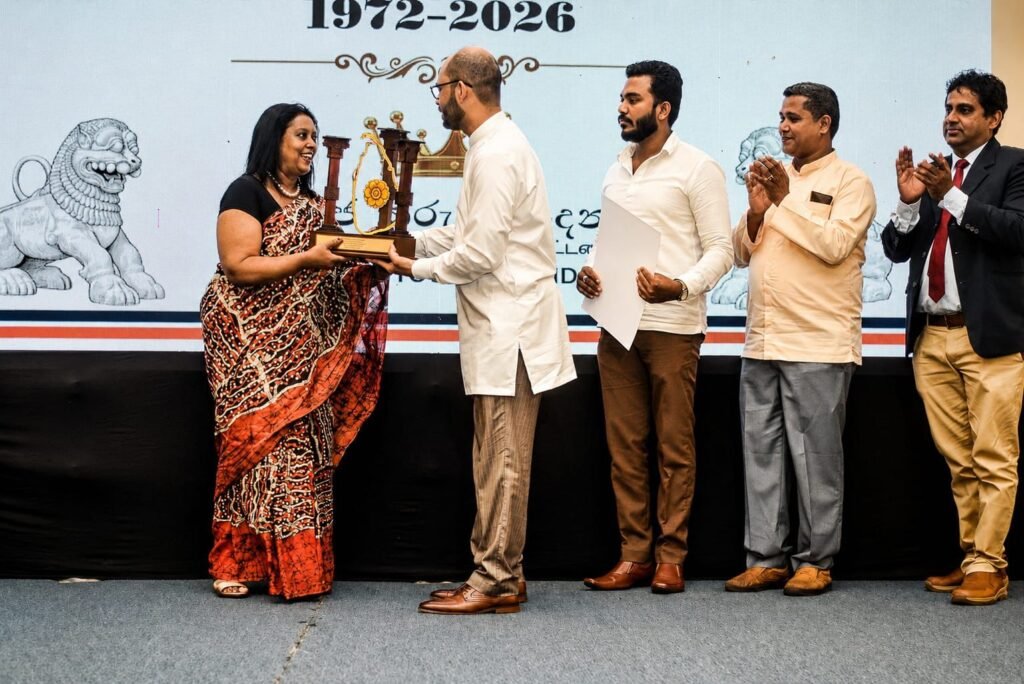
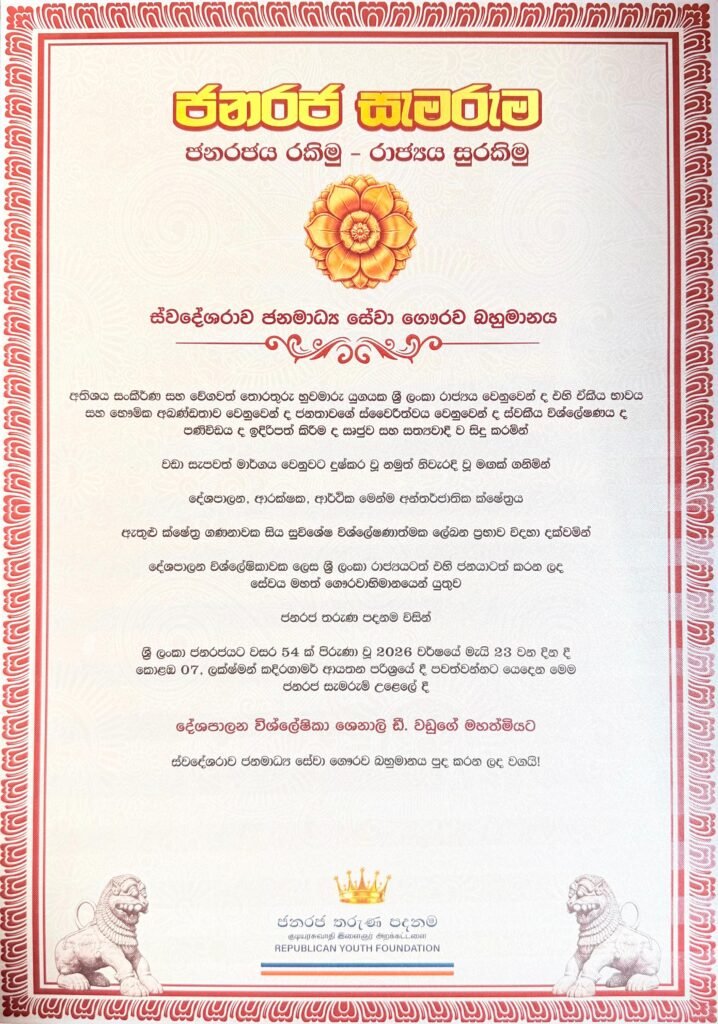
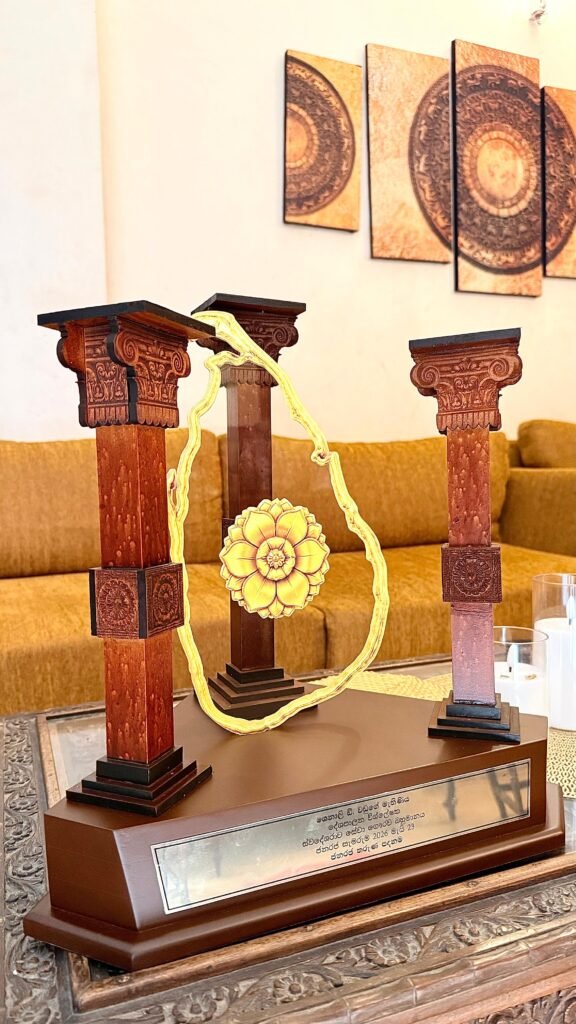
I am greatly humbled and honoured to receive this Service to the Nation appreciation award from the Republican Youth Foundation, under the leadership of Dr. Sasith Rajasooriya, with its emerging vision for Sri Lanka.
I wish the team the very best as they begin a new journey.
Alongside the beautifully crafted award, the certificate itself carries words that deeply resonate with the work and commitments I have consistently upheld over the years.
On this occasion, I also wish to respectfully remember the late Mr. Gomin Dayasri, who was among the first to brief me on the realities of the war front and the importance of sustaining morale and steadfastness within our armed forces. His insights left a lasting impression on my understanding of the responsibilities that come with speaking on matters of national significance.
Over time, I have endeavoured to present perspectives that are often left unspoken, particularly when they are uncomfortable or contentious, guided by the belief that truth should not be muted by convenience, and that legitimate questions and fact-based debate should never be dismissed through labels like racist”.
In this journey, I am grateful to the growing circle of individuals and communities—both within Sri Lanka and internationally—who support these perspectives. I also reaffirm that my writing and commentary have always been produced independently, without any external financial backing or sponsorship, in order to preserve their integrity and authenticity.
My positions remain rooted in a clear sense of duty and conviction—defending the Sinhala Buddhist heritage and civilisation, upholding the role and dignity of the Sangha, safeguarding the nation’s cultural legacy, and speaking in defence of the child, the family, and the country’s long-term wellbeing.
Finally, I wish to express my deepest gratitude to my late parents, whose values continue to guide me, and to my special family and dearest friends for their unwavering support and strength throughout this journey.
This recognition is as much a reflection of their encouragement as it is of any personal effort.
උතුරේ බොදු නටබුන් රකින්න සිංහල බධ්ධයින් යන්න එපාලු ඒවා දෙමල බධ්ධයන් ගෙලු —ගල්කන්දේ ධම්මානන්ද සාමි හා ගැමුණු වන්නි නායක
May 25th, 2026ධර්මසිරි සෙනෙවිරත්න
ඔය දේවල් උතුරේ හැදුවේ දෙමල රජවරුද. උතුරේ හිටිය සිංහලයෝ සිංහල රජවරු එක්ක එකතුවෙලා නොවෙයිද හැදුවේ. ඒ සිංහලයෝ නොවෙයිද උතුරෙන් එලෙව්වේ පහුගිය කාලේ , ඉතිරිය කොවියාර් කලේ . ඩොනමෝර් වාර්තාවේ පිටු 7000 කොහෙවත් නැහැ උතුරේ ”දෙමල ”කියල ජාතික ”මලබාර් මිස. ඒ අනුව 1832වන විටත් උතුරේ ස්ථිර පදිංචි දෙමලු හිටියේ නැති බව ප්රත්යක්ෂයි .
1815 ගිවිසුම අනුව යාපනය ඉංග්රීසීන් ගත්තේ උඩරට රජුගෙන්. මීට පෙර සෙනරත් රජු ආරක්ක්ෂක් පත්කිරීමේ ප්රශ්නයක් සාකච්චා කිරීම සඳහා යාපනේ ,කොට්ටියාර, පානම, මඩකලපුව වැනි ප්රදේශ වල නියෝජිතයෝත් ගෙන්නේව්වා .කාලිංග මාඝත් දෙමල නොවෙයි කාලින්ගයෙක් .ඔහු ආර්ය චක්රවර්ති වුනේ ”ආර්ය ”නිසා . වීරෝදාර ආරියන් ට එරෙහිව එහි සිංහලයෝ කැරලි ගැහුවා.
කුලෝත්තුංග ආරියන්ට එරෙහිව සටන් කලේ පුංචි බණ්ඩාර ප්රමුඛ අ ය . දෙමළුන් විසින් දුම්කොළ වගාවට ගෙනා කම්කරුවන් උතුරේ පදිංචි කලේ ලන්දේසීන් විසින් හා ඉංග්රීසින් විසින්. ඒ කට තමයි තේසවලමෙයි හැදුවේ .තේසවලමෙයි ලන්දේසීන්ට පෙර තිබුනේ නෑ . සුනිල් ආරියරත්නත් හරියට AT ආරියරත්න වාගේ කෙනෙක් .
දෙමල සිංහල බ්රාහ්මණ විතරක් නොවෙයි වෙනත් ජාතිකයනුත් මහන වෙලා ඉන්නතති සුළුවශයෙන්.එදා නොයෙක් අ ය මෙහෙ ඇවිත් පදින්චිවුනා රට දියුණු නිසා . එත් එයාල ඔය විහාරාරාම හදන මහා වැඩ කලේ නැහැ. ඕවා හදපු රජවරු සේරම සිංහල එළාර වත් වසර 44 තුල එකක්වත් හැදුව ද ? මේ තරම් ගජ බින්න දෙසන්න එපා ” හින්දු සාදු ” . ඔය දෙමලු ඕව හැදුව නම් රකින්න එපාය.
ඕව අද වෙනකොට විනාශ කළෙම දෙමලු. උන් ඕව රකිනවනම් අපි ඕව රැකගන්න යන්නේ නැහැනේ .විනාශ කරපු කරන නිසානේ යන්නේ . සුදස්සන හිමි එක්කැ ගැමුණු ගේ වැඩසටහන් දිගටම බැලුව ඒ හිමි යම් යම් තාර්කික අදහස් කියන නිසා ,. ඒ හිමි නොකියන දේ කියව ගන්න ගැමුණු මේ හින්දු සාදු අල්ලගත්තද මන්දා . සුදස්සන හිමි තොටවත්ත එක්ක එකඟ වෙනවා සමහරදෙට විරුද්ධ වෙනවා ඒවගේ එහිමි මේ ගල්කන්දේ හිමි හා ගැමුණු කියන දේ ගැන මොනවාද කියන්නේ දැනගන්න ආසයි .
එතකොට මේ කවුරු කවුරුත් ගැන අපට හිතා ගන්න පුළුවන් . සිරිල් මැතිවු පලකල පොතේ සන්සෝනි වාර්තාව අනුව මොන තරම් බොදු පුරාවිද්යා ස්තාන දෙමලුන් විසින් විනාශ කලාද කියල තියෙනව . මේ හින්දු සාදු ට ”ලවු ” දාන උන් ඒවා හෝ ඉතිහාස පොත් කියෙව්වද . ගැමුණු හොඳ තාර්කික දේවල් ඉදිරිපත් කරමින් ජනප්රිය වෙලා ඒ අතර ”මේ වගේ විස බෝම්බ ” යක් දෙකක් දාල බලනවා වගෙයි හිතෙන්නේ. —ධර්මසිරි සෙනෙවිරත්න —–
Concrete Is No Longer Cheap: Time for a Steel Construction Revolution in Sri Lanka
May 25th, 2026Dr Sarath Obeysekera
Question
With sand at 36000 per cu cement at 2200 per bag and metal cube at 11000 it is not viable to build building in concrete Better to carry out steel buildings
Answer
Aboce observation /wueztio reflects what many contractors and developers in Sri Lanka are now discussing seriously.
With approximate present prices:
- Sand — Rs. 36,000 per cube
- Cement — Rs. 2,200 per bag
- Metal — Rs. 11,000 per cube
- Labour — continuously increasing
- Formwork and shuttering — extremely expensive
- Interest rates and financing costs — still high
traditional reinforced concrete (RC) buildings are becoming economically difficult except for high-rise or specialized structures.
Steel-framed buildings are increasingly attractive because:
- Faster construction
- Less wet work
- Reduced labour requirement
- Lower foundation loads
- Easier future expansion
- Better suited for industrial buildings, warehouses, workshops, tourism facilities, and even medium-rise apartments
Sri Lanka may need to rethink its construction culture. For decades we copied heavy concrete-based systems from older urban models, while countries with high material costs shifted toward:
- Structural steel
- Light gauge steel
- Pre-engineered buildings (PEB)
- Composite structures
- Modular construction
Companies such as Lindner, BlueScope Steel and Zamil Steel helped popularize industrial steel construction globally.
In Sri Lanka, steel structures also reduce illegal river sand dependence and environmental destruction caused by excessive sand mining.
However, concrete still has advantages:
- Better fire resistance
- Better thermal mass
- Easier availability of local skills
- Preferred for very tall buildings
- More accepted by banks and valuation systems
The future may be hybrid:
- Steel frame + concrete slab
- Steel frame + lightweight panels
- Precast concrete systems
- Modular marine/offshore fabrication methods adapted for housing and industry
This is especially relevant if Sri Lanka wants rapid industrialization in areas like Trincomalee Harbour, logistics parks, shipbuilding, and export manufacturing zones.
Regards
Dr Sarath Obeysekera
Philosophy underlying performing the Hajj
May 25th, 2026by A. Abdul Aziz.
Ahmadi Muslims in Sri Lanka celebrates Eid -ul-Azha – Haj Festival on Wednesday 27 May as instructed from the Markaz (Headquarters).
There are five main acts that are performed during Hajj, viz:
1. Circuiting the Ka’aba
2. Running between the Safa and Marwa hills
3. Assembling at Arafa.
4. Throwing stones at Mina
5. Sacrificing animals
Pilgrims perfoming Hajj rituals
How do these acts assist in obtaining spiritual purity? This is a very relevant question, especially in the face of rising questions about how a trip to Mecca and throwing stones and running around the place, and attending a meeting would serve to purify one’s soul.
Therefore it is essential that the real purport behind these rituals be understood and highlighted. The performance of Haj without having understood the values and meanings of its rituals would be a mere waste. Hence it is obligatory that we take a look at the philosophy underlying the Hajj.
Circuiting the Ka’aba
The first ritual is Tawaf. Right from the day a Haji enters Mecca upto the last day of Tawaf, he performs the circuit of the Ka’aba. He does exactly seven circuits each time. What do these seven circuits symbolize?
The Ka’aba is the spiritual sanctuary of mankind, which is therefore the direction adopted by Islam for prayers. Ka’aba or the Kibla is his spiritual destination. In other words, the Ka’aba is the physical representation of the spiritual distinction aimed at; which is an abode described to be in the seventh heaven. The Holy Quran states:
.Vasakkalil Mahfool….” It is a very lofty and blessed platform.
It is on this platform that the most Sacred House is situated, where the Holy Prophet (PBUH), during his spiritual journey, led the rest of the prophets in prayer. The seven heavens mentioned here are not the physical heavens above us, nor is the Bait, a house indeed.
These are but spiritual demarcations representing progress. In such a spiritual world, when a person shows willingness to sacrifice his entity, he attains a sort of death and gets reborn in the next spiritual world. It is at the seventh heaven of such sacrifices that he becomes eligible to be accepted as qualifying to vouch for Islam as did the Prophet Ebrahim (a.s).
Therefore the seven circuits of the Ka’aba, represents the willingness of the Haji to selfless sacrifice for the sake of mankind and religion along the lines of the sacrifice Prophet Ebrahim (a.s).
Hazrath Abdul Qadir Jilani (R.A.) is reported to have stated The learned in Islam circuit the Ka’aba, while the Ka’aba circuits me”. What he meant was, while the learned people of religion seek to elevate themselves to the loftiness of self sacrifice, this blessing remains inaccessible except through the acceptance of the Imam of the time, because it is through him that the door to heaven opens.
All teachings and advocations necessary to undertake the journey to Baithul Ma’moor, is in the Holy Quran. Only those persons who circuit the Holy Quran can show the steadfastness and sacrifice necessary for obtaining that credence to approach the sacrifice of Prophet Ebrahim (a.s). It was referring to this that the Holy Prophet (PBUH) said that he had met Prophet Ebrahim (a.s) on the seventh heaven; and that the spiritual position of Prophet Ebrahim (a.s) can be attained by any ardent disciple of his Ummah.
Hazrath Ebrahim (a.s) had reconstructed the Ka’aba from its dilapidated and destroyed condition and had underwent a lot of sacrifices for the sake of religion. The numerous occasions of selfless sacrifice and his willingness to bear the burden of responsibility made him the representative whose call to this day is attended to at the Ka’aba.
Seven, in Arabic, denotes many. As such, each and every Haji performing the circuit commemorates the sacrifices of Hazrath Ebrahim (a.s) and places himself spiritually on the path on which this prophet had toiled. Thus, with the seven circuits, the Haji shows his willingness to sacrifice on behalf of his faith like did the prophet for its establishment.
The Holy Quran states: And remember when his Lord tried Ebrahim with certain commandments which he fulfilled. He said: I will make thee a leader of men..”(2:125)
And Hazrath Ebrahim (a.s) prayed And my Lord, bless my offspring so that they may also be amongst those who succeed in all the trials they are put to, and make them leaders of mankind” to which Allah replied those amongst them who are transgressors shall not be so blessed.” They shall not be able to answer His call, they shall not be able to face the trials and come out successful.
As such, only those who are amongst the docile, those who are steadfast and righteous, only they can walk the path on which Hazrath Ebrahim (a.s) journeyed, proclaiming Labbaik Allahumma Labbaik….”
O Allah! I hearken to Thy Call, and come to Thee, willing and subservient, ready to face all trials and tribulations that Hazrath Ebrahim (a.s) had faced on the path to Thee. Thus, the seven circuits of the Ka’aba symbolizes this journey.
Running between the Safa and Marwa hills
The next ritual is the Sa’i, which is the running in between the two hills Safa and Marwa. The Holy Quran says: Surely Al-Safa and Al-Marwah are among the signs of Allah”. (2:159) Why do the Hajis run between these two Hills?
The usual explanation offered to this is that it is in remembrance of the experiences of Hajara while she was stranded in the desert with an infant, and had no means of support. Her frantic search for water is commemorated by the sa’i. However, this theory offers no explanation as to how this memory would benefit the Haji spiritually.
Allah Almighty has declared that this place has been witness and recipient to many of Allah’s blessings. Safa is the hill upon which Hazrath Adam (a.s) received his Prophethood.
The hill received its name, which means pure, because of this. Hazrath Ebrahim (a.s), Hazrath Ismail (a.s) and Hazrath Muhammad (PBUH) all initiated their Prophethood at the foot of this hill.
Hazrath Muhammed (PBUH), after having been informed of being selected as a prophet, was instructed by Allah Almighty to address his family and clan.
He invited all his family members and friends, and addressing them at the foot of this hill, said, If I were to say unto you, that a large army, bent upon ambushing you, awaits right behind this hill, what would your response be?” They said Muhammed, we have known thee from your childhood, and know thou speak naught but the truth.
As such, even though we know that there is no army there, we would take your word as the truth”. He replied then, know thee, I have been chosen by Allah Almighty, as His prophet”.
This is the valley where water that would sake the spiritual thirst of the world that was to come, first erupted to the surface.
This was the valley at which the first person to declare having accepted the Prophethood of Hazrath Muhammed (PBUH) stood forth. This is therefore the valley where the Hajis run to and from in search of that spiritual water.
It is for this water which could sate their thirst for knowledge, and with the knowledge being put to practice thus purify one’s body and soul, that the Hajis run along the valley in between Safa and Marwa.
Assembling at Arafa
The next is the most important ritual of the Haj, viz. Assembling at Arafa on the 9th day of Zul Haj, the eve of Eid-ul-Azha. As was explained above, the declaration and propagation of Islam commenced at Safa; and its conclusive consummation was at Arafa on the 9th day of Zul Haj, the 9th year of Hijra.
That day, Prophet Muhammed (PBUH) addressed more than a hundred thousand believers, while delivering the famous speech, which is known as Hajjatul Vida” sermon.
Every aspect of a believer’s code of conduct, the way he should behave with his family, with his parents, with his children, with his neighbours, with travellers, was addressed in the sermon.
After reminding the believers of their commitments to the society and to God, he repeatedly asked them Have I not fulfilled my duties towards you and Allah?” The companions (sahabah) responded O, Prophet of Allah, you most certainly have”.
He replied Those amongst you who are here, it is their duty that they should convey this message to those who are not present here”. I leave with you two things. The Words of Allah, and my Acts.
The code of conduct that has been laid down by the words of Allah Almighty in the Holy Quran has been brought into practical light by my life. Take my life as a practical example, and follow it and those amongst you who have assembled here, let their life bear example for those that are to come”.
It is therefore the duty of the Haji to commemorate the advises that the Holy Prophet had delivered on that auspicious day, and make a change in their life in such a manner that they become living examples of the life of Prophet Muhammed (PBUH). This is the philosophy behind assembling at the Arafa on that day. And this is the ritual that differentiates Haj from Umra.
Throwing stones at Mina
After the Arafa, comes the throwing of stones and the sacrifice. Stones are thrown at three places. The Hajis stop for the night at Muzdalifah and from there proceed on the next day to the three places, viz. Jumrat’al Ula, Jumrat’al Usta, and Jumrat’al Akaba where they throw 7 stones each.
It is explained that the stones are aimed at Satan, who tried to dissuade Prophet Ebrahim (a.s) from offering his son as sacrifice. But when asked as to how the stones are being thrown at Mina while the sacrifice was intended at Arafa, they have no answer. Again, questions arise as to how this serves to develop one’s spirituality. The real philosophy is something else.
The Holy Quran states: Fair seeming to men is made the love of desired things – women and children, and stored up heaps of gold and silver, and horses of mark and cattle and crops. That is the provision of the present life; but it is Allah with who is an excellent home”. (3:15)
Say, shall I inform you of something better than that? For those who fear God there are gardens with their lord, beneath which stream flow; therein they shall abide; and pure mates and Allah’s pleasure. And Allah is mindful of his servants”. (3:16)
The above verses teach us that man has seven relations to the earth. They are his love for his mate, for his children, for heaps of gold (ornamental wealth), for heaps of silver (money, for horses (vehicles) and cattle (business) and crops (agriculture). Allah points out these relationships and states that these are but provisions for this petty life, and it is with Him that the excellent home is.
Elsewhere the Holy Quran states: Say, if your father and your sons and your brethren and your wives and your kinfolk and the wealth you have acquired and the trade whose dullness you fear and the dwellings which you love are dearer to you than Allah and His Messenger and striving in His cause, then wait until Allah brings about His Judgement; and Allah guides not the disobedient people”.
Man’s relations are shown here in another perspective. His seven relations shown here are that which forms a bond with his father, with his children, with his brothers & kinfolk, with his wives, with his wealth, with his trade and with his dwelling. For those who fear Him are gardens with their Lord wherein they shall abide.
Therefore those who are willing to sacrifice these worldly ties for the sake of obtaining His love, they are the winners.
In order to obtain His love, the Haji shows his willingness to severe his ties with worldly bonds which number seven by throwing 7 number of pieces of the earth, which symbolize the seven bonds away from him. Each stone thus represent each tie the Haji has with the earth.
Throwing them away, he retorts aloud Labaik Allahumma Labaik” Labaik La Shareika Laka Labaik” (Here I am, my Lord, here I am. Here I am, There is no associate with Thee.)
Sacrificing animals
The last ritual is the sacrifice of animal. The Holy Quran says:
Their flesh reaches not Allah, nor does their blood, but it is your righteousness that reaches Him”. (22:38) The sacrifice is the practical consummation of all the intentions that have been built up in him through the rituals that preceded it.
He shows his willingness to be sacrificed; to shed his blood for the sake of God, as is shed the blood of the sacrificed animal. Life, which is considered dear, is sacrificed for the sake of others.
May Allah Almighty bless us to perform such Pilgrimage to Mecca.
දෙමල ජන සංහාර කතාව කතෝලික පල්ලිය ප්රතික්ෂේප කරයි
May 25th, 2026The Leader

සිවිල් යුද්ධයේ අවසන් අදියරේදී ශ්රී ලංකාවේ දෙමළ ජන සංහාරයක් සිදුවූ බවට ජීවන්ත පීරිස් පියතුමා කළ ප්රකාශය ශ්රී ලංකාවේ කතෝලික රදගුරු සමුළුව සහ කතෝලික පල්ලිය විසින් ප්රතික්ෂේප කරනු ලැබ තිබේ.
කතෝලික රදගුරු සමුළුවේ සන්නිවේදන කොමිෂන් සභාවේ සභාපති ජූඩ් නිශාන්ත සිල්වා රදගුරුතුමන් විශේෂ ප්රකාශයක් නිකුත් කරමින් සඳහන් කළේ පීරිස් පියතුමා පළ කළ අදහස් කතෝලික පල්ලියේ නිල මතය නොවන බවයි.
ඔහු ප්රකාශ කළේ ඔහුගේම මතවාදය මිස කතෝලික පල්ලියේ මතවාදය නොවේ,” යැයි රදගුරුතුමෝ සඳහන් කළහ.
එමෙන්ම ශ්රී ලංකාවේ කතෝලික පල්ලිය සෑම විටම ජාතික සංහිඳියාව, සමාජ සංවාදය සහ සියලු ජන කොට්ඨාශයන්ට ගරු කිරීම වෙනුවෙන් පෙනී සිටින බවද උන්වහන්සේ අවධාරණය කළේය.
මේ අතර කොළඹ අගරදගුරු සමාජ සන්නිවේදන අංශයේ ජාතික අධ්යක්ෂ ජූඩ් ක්රිශාන්ත ප්රනාන්දු පියතුමන් සඳහන් කළේ ශ්රී ලංකාවේ පැවති යුද්ධය කිසිදු ජන වර්ගයකට එරෙහිව නොව ත්රස්තවාදයට එරෙහිව පැවති යුද්ධයක් බවයි.
දළදා මාළිගාව, අරන්තලාවේ භික්ෂූන් වහන්සේලා, මහ බැංකුව, කොටුව බස් නැවතුම්පොළ සහ දෙහිවල දුම්රියට එල්ල වූ ප්රහාර උදාහරණ ලෙස සඳහන් කළ ඔහු එවැනි ත්රස්තවාදයක් මුලිනුපුටා දැමීම අත්යවශ්ය වූ බවද පැවසීය.
ජීවන්ත පීරිස් පියතුමන් විසින් වසර 30ක යුද්ධය මුළු දෙමළ ජනතාව විනාශ කිරීම අරමුණු කරගත් එකක් බවට කළ ප්රකාශයට සමාජ මාධ්ය ඔස්සේ පුළුල් අවධානයක් ලැබුණු අතර ඒ සම්බන්ධයෙන් මේ වනවිට විශාල සමාජ සාකච්ඡාවක් නිර්මාණය වී තිබේ.
(සටහන | ගිම්හාන් ද සිල්වා)
Deconstruction of the Life Story of the Buddha with diabolical intent to isolate Sri Lanka from rest of the Buddhist world
May 25th, 2026Source: AI Overview
Deconstruction of the Life Story of the Buddha with diabolical intent to isolate Sri Lanka from rest of the Buddhist world
– What the foreign missionaries could not achieve during the dark colonial era (1505 – 1948) of dislodging Buddhism through physical destruction of Temples local hirelings are attempting an implosion through false misinterpretation of Buddhist Texts
AI Overview
https://share.google/aimode/Qkhnwy2912c2bf7S9
The practice of deconstructing the life story of the Buddha in Sri Lanka to claim that he was born, lived, and attained enlightenment on the island—rather than in ancient India and modern-day Nepal—is a contemporary fringe phenomenon. Mainstream historians, archaeologists, and global Buddhist scholars universally recognize this narrative as a myth. [1, 2, 3]
An analysis of this specific deconstruction reveals how its underlying mechanics and structural strategies are designed to isolate Sri Lankan Buddhism from the rest of the global Buddhist community.
1. Geographic Relocation (The “Hela Bima” Hypothesis)
- The Mechanism: Proponents of this theory re-interpret ancient text terminology, claiming that geographical identifiers like Jambudweepa (historically the Indian subcontinent) or Kapilavastu actually refer to regions within ancient Sri Lanka (historically called Hela Bima). They map the traditional eight sacred sites of the Buddha’s life onto local Sri Lankan topography.
- The Isolationist Intent: This entirely severs the physical, historical, and geological links between Sri Lankan Buddhism and its origins in the Gangetic plains of India. By localizing the sacred geography, it eliminates the necessity of looking outward toward international holy sites, turning Sri Lanka into a self-contained, closed spiritual universe. [1, 2, 3, 4, 5]
2. Radical Linguistic Deconstruction
- The Mechanism: The theory systematically deconstructs the Pali Canon and the Mahavamsa (The Great Chronicle). It argues that the original teachings were preserved in the indigenous Hela language and were later mistranslated or deliberately altered into Pali by Indian commentators like Bhikkhu Mahanama to shift credit to India.
- The Isolationist Intent: This creates an exclusive linguistic ownership over the Dhamma. If the Pali used by the rest of the Theravada world (such as Myanmar and Thailand) is viewed as a compromised translation, Sri Lankan text interpretation is positioned as uniquely pure. This invalidates external scholarly collaboration and isolates the local monastic community from global Theravada dialogues. [, 2, 3, 4, 5]
3. Ethno-Nationalist Monopolization of Truth
- The Mechanism: The narrative shifts the identity of the Buddha from a prince of the Shakya clan in the foothills of the Himalayas to a native of the island. The historical paradigm is altered from a universal, transnational philosophy into an ethnic heritage.
- The Isolationist Intent: Framing the Buddha as an indigenous figure fuels a hyper-nationalist worldview. It constructs a narrative where Sri Lanka is not just the custodian of the Dhamma, but its actual source. This deliberate decoupling from global history positions external Buddhist traditions as peripheral variants of an inherently Sri Lankan reality. [1, 2, 3, 4, 5]
4. Rejection of the Shared Ecclesiastical Lineage
- The Mechanism: Mainstream history records that Buddhism was officially introduced to Sri Lanka in the 3rd century BCE by Arhat Mahinda, the son of the Indian Emperor Ashoka. The isolationist deconstruction rejects this timeline, asserting that Buddhism did not travel from India to Sri Lanka, but existed indigenously long before Emperor Ashoka’s reign.
- The Isolationist Intent: This rejects the shared historical ties with India. It also ignores historical realities where Sri Lankan monastic lineages collapsed during crises and were explicitly revived by inviting monks from Thailand and Myanmar. Denying this historical reciprocity establishes an artificial ecclesiastical self-sufficiency. [, 2, 3, 4, 5]
Summary of Consequences
Mainstream scholars and religious authorities note that this narrative creates significant confusion and friction. By retreating into a localized, alternative history, this framework removes Sri Lanka from the broader, interconnected network of global Buddhism, replacing universal spiritual principles with localized insularity. [1, 2, 3, 4]
If you would like to explore this topic further, I can provide information on how mainstream archaeologists debunk these claims using Ashokan edicts or discuss how mainstream Theravada institutions within Sri Lanka have officially responded to these theories.
Source: AI Overview
බදු එකතු කිරීමෙන් ධනය නිර්මාණයට — ශ්රී ලංකාවට නව ආර්ථික දැක්මක්
May 25th, 2026Dr Sarath Obeysekera
බදු ආර්ථිකයෙන් ආයෝජන ආර්ථිකයකට
අද ශ්රී ලංකාවේ ආණ්ඩු වැඩි අවධානයක් යොමු කරන්නේ බදු එකතු කිරීම මගින් ආර්ථිකය පාලනය කිරීමටයි. එය අවශ්ය වුවත්, ජනතාවට සහ ව්යාපාරිකයන්ට එය දැඩි බරක් වී ඇත.
බොහෝ දෙනාට මෙය බ්රිතාන්ය යුගයේ ශරීර බද්ද” මෙන් දැනේ. නමුත් ඉතිහාසයෙන් අපට පෙනෙන්නේ බ්රිතාන්යයන් බදු එකතු කළා පමණක් නොව, දුම්රිය, මාර්ග, වරාය සහ වගා කර්මාන්ත වැනි යටිතල පහසුකම්ද ගොඩනැගූ බවයි.
අද ශ්රී ලංකාවට අවශ්ය වන්නේ බදු මත පදනම් වූ ආර්ථිකයකින් ආයෝජන මත පදනම් වූ ආර්ථිකයකට මාරුවීමයි.
විදේශ ආයෝජන අත්යවශ්යයි
Export Development Board සහ Board of Investment of Sri Lanka වැනි ආයතන නව චින්තනයකින් ක්රියා කළ යුතුය.
අපිට අවශ්ය:
- විදේශ සෘජු ආයෝජන (FDI)
- කර්මාන්ත කලාප
- නව අපනයන
- බලශක්ති ව්යාපෘති
- නාවික හා Blue Economy සංවර්ධනය
මත්තල ගුවන්තොටුපළ අවස්ථාවක් විය යුතුය
Mattala Rajapaksa International Airport අවට ඇති විශාල ඉඩම් කර්මාන්ත, ගබඩා, සූර්ය බලශක්ති ව්යාපෘති සහ අපනයන කලාප සඳහා යොදා ගත යුතුය.
අධිවේගී මාර්ග ආශ්රිත කර්මාන්ත
ලන්ඩනයේ M4 මාර්ගය ආශ්රිතව කර්මාන්ත සහ ව්යාපාර කලාප බිහි වූ ආකාරයට ශ්රී ලංකාවේද අධිවේගී මාර්ග ආශ්රිත ඉඩම් කර්මාන්ත සඳහා ලබාදිය යුතුය.
නැගෙනහිර ශ්රී ලංකාව
Trincomalee Harbour ආශ්රිතව:
- නාවික කර්මාන්ත
- LNG ව්යාපෘති
- Ship repair
- Blue Economy
- සංචාරක ව්යාපාර
- ධීවර කර්මාන්ත
විකාශනය කළ හැකිය.
PPP ක්රමය
රජයට පමණක් මේ සියල්ල කළ නොහැකිය. Public-Private Partnership (PPP) ක්රමය මගින් දේශීය හා විදේශීය ආයෝජකයන් සමඟ එක්ව වැඩ කළ යුතුය.
ඩිජිටල්කරණයේ මන්දගාමී බව
ශ්රී ලංකාවේ ඩිජිටල් පද්ධති තවමත් ඉතා මන්දගාමීය.
ආයෝජකයන්ට අවශ්ය වන්නේ:
- ඉක්මන් අනුමැතිය
- Online approvals
- Digital customs
- Electronic payments
- පැහැදිලි නීති
මෙය ඉක්මනින් වෙනස් නොකළහොත් ආයෝජකයන් වෙනත් රටවල් වෙත යනු ඇත.
අවසාන පණිවිඩය
බදු වැඩි කිරීමෙන් පමණක් රටක් සංවර්ධනය වන්නේ නැත. රටක් ශක්තිමත් වන්නේ:
- ආයෝජන
- කර්මාන්ත
- අපනයන
- තාක්ෂණය
- රැකියා
- බලශක්තිය
මගිනි.
ශ්රී ලංකාවට අද අවශ්ය වන්නේ බදු එකතු කරන රටක්” නොව ධනය නිර්මාණය කරන රටක්” බවට පත්වීමයි.
Regards
Dr Sarath Obeysekera
From Tax Collection to Wealth Creation: A New Economic Vision for Sri Lanka
May 25th, 2026Dr Sarath Obeysekera Ex CEO Cololmbo Dockyard , Walkers Cololmbo Shipyard and Ex chairman Sri Lanka Land Reclamation Corporation
බදු එකතු කිරීමෙන් ධනය නිර්මාණයට — ශ්රී ලංකාවට නව ආර්ථික දැක්මක්
Sri Lanka today appears trapped in a cycle where governments focus heavily on tax collection to stabilize the economy. While fiscal discipline is necessary, excessive dependence on taxation places a growing burden on ordinary citizens and businesses already struggling with inflation and slow growth.
In many ways, people feel this resembles the colonial-era body tax” systems imposed by the British Empire — extracting revenue from the population while economic opportunities remain limited. Yet history also teaches us an important lesson: the British did not merely collect taxes. They simultaneously invested in infrastructure — railways, ports, roads, plantations, and administrative systems that expanded economic activity. Some even argue that wealth generated from colonies helped finance massive developments in Britain itself, including parts of London’s transport infrastructure.
Sri Lanka therefore cannot survive by taxation alone. The country must move urgently from a revenue extraction economy” to an investment creation economy.”
The Need for a Revolutionary Shift in Thinking
What Sri Lanka needs today is not merely more taxes, but a national strategy to attract large-scale Foreign Direct Investment (FDI).
Government institutions such as the Export Development Board and the Board of Investment of Sri Lanka must think beyond traditional sectors and aggressively market Sri Lanka as an industrial, logistics, energy, and maritime hub.
For years, discussions about development have focused on Colombo. Yet the future opportunities may lie elsewhere — particularly in Eastern Sri Lanka and along newly developed highway corridors.
Mattala Airport: From Political Symbol to Economic Zone
The proposal to divest or commercially restructure Mattala Rajapaksa International Airport should not be viewed emotionally. Airports alone do not create prosperity unless surrounded by economic activity.
Around Mattala lies vast underutilized land. Instead of allowing the airport to remain idle, Sri Lanka should create:
- Industrial parks
- Logistics zones
- Renewable energy parks
- Agro-processing industries
- Export manufacturing hubs
- Aviation maintenance facilities
This is how many successful countries transformed remote infrastructure into economic engines.
Lessons from the M4 Corridor in Britain
The M4 motorway corridor west of London evolved into one of Britain’s major economic zones because industries, technology parks, warehouses, and business centers were systematically developed around transport infrastructure.
Sri Lanka should adopt a similar model:
- Lands adjacent to expressways should be strategically leased or divested for industries.
- Highway development must be linked with industrialization.
- Transport corridors should become economic corridors.
The Southern and Eastern regions hold enormous untapped potential for this approach.
Eastern Sri Lanka: The Next Investment Frontier
Eastern Sri Lanka possesses several advantages:
- Deep natural harbors
- Large land availability
- Proximity to international shipping lanes
- Renewable energy potential
- Fisheries and marine resources
- Tourism opportunities
The development of Trincomalee Harbour could become transformational if integrated with:
- Ship repair
- Offshore engineering
- LNG and energy projects
- Maritime training
- Export industries
- Blue economy investments
Rather than relying solely on government funding, Sri Lanka must embrace Public-Private Partnerships (PPP) with both local and foreign investors.
Solar Panels Along Highways
Several European countries have experimented with solar panel installations along highways and transport corridors. Sri Lanka, blessed with strong sunlight throughout the year, should seriously explore:
- Solar canopies over parking and rest areas
- Solar barriers along highways
- Renewable energy zones near expressways
This would reduce fuel dependency while supporting industrial power needs.
The Digitalization Problem
One major obstacle remains: digitization in Sri Lanka is painfully slow.
Investors today expect:
- Fast approvals
- Transparent online systems
- Digital customs procedures
- Efficient land registration
- Electronic payment systems
- Predictable regulations
Without rapid digital transformation, Sri Lanka risks losing investors to faster-moving regional competitors such as Vietnam, India, Indonesia, and the Gulf states.
A New National Mindset
Sri Lanka cannot endlessly survive by increasing taxes on a shrinking productive population. Sustainable prosperity comes from:
- Investment
- Industrialization
- Export growth
- Technology
- Logistics
- Energy development
- Skilled employment
The future belongs to nations that create wealth — not merely collect revenue.
Dharmayudayya ධර්මයුද්ධය Sinhala film looks like an indian film imitation
May 25th, 2026Dr Sarath Obeysekera
What is name of that film ?
AI gives me following answer
Yes — the Sinhala film Dharmayuddhaya is officially a remake of the Indian Malayalam blockbuster Drishyam starring Mohanlal. The Sinhala version starred Jackson Anthony in the lead role.
Many viewers felt it was very close to the original — almost a scene-by-scene” adaptation — which is why some say it feels more like an imitation than a localized remake. Even the background score was partly reused from the Indian version.
There were also several other Indian remakes of Drishyam:
- Tamil – Papanasam
- Hindi – Drishyam
- Telugu – Drushyam
Interestingly, despite being a remake, the Sinhala film became a major box office success in Sri Lanka.
Regards
Dr Sarath Obeysekera
Sri Lanka Turns to Russian and Chinese Fuel to Ease Shortages Amid Iran War
May 25th, 2026Cyril Barabaltchouk Courtesy United 24
Sri Lanka is negotiating to purchase crude and refined fuels from Russia and China, according to the country’s Energy Minister Anura Karunathilake, cited by Reuters on May 25.
Reuters wrote that the import-dependent nation seeks to address fuel shortages linked to the global energy crisis.
We bring you stories from the ground. Your support keeps our team in the field.
The country, which relies entirely on imported fuel, has been affected by energy market disruptions stemming from the war in Iran. According to Reuters, authorities have implemented a 40% increase in fuel prices, rationed sales, and designated Wednesdays as public holidays to reduce consumption.
Karunathilake stated that discussions with Moscow and Beijing over the past two months have been positive.” However, the government is currently negotiating prices for potential Chinese fuel supplies and working to resolve payment methods for Russian imports.
We have not agreed fully on what would be the payment method. In principle, we don’t have any problem in paying in any currency, but what would be the practical method? That’s the case,” the energy minister told Reuters, declining to provide a timeline for the imports.
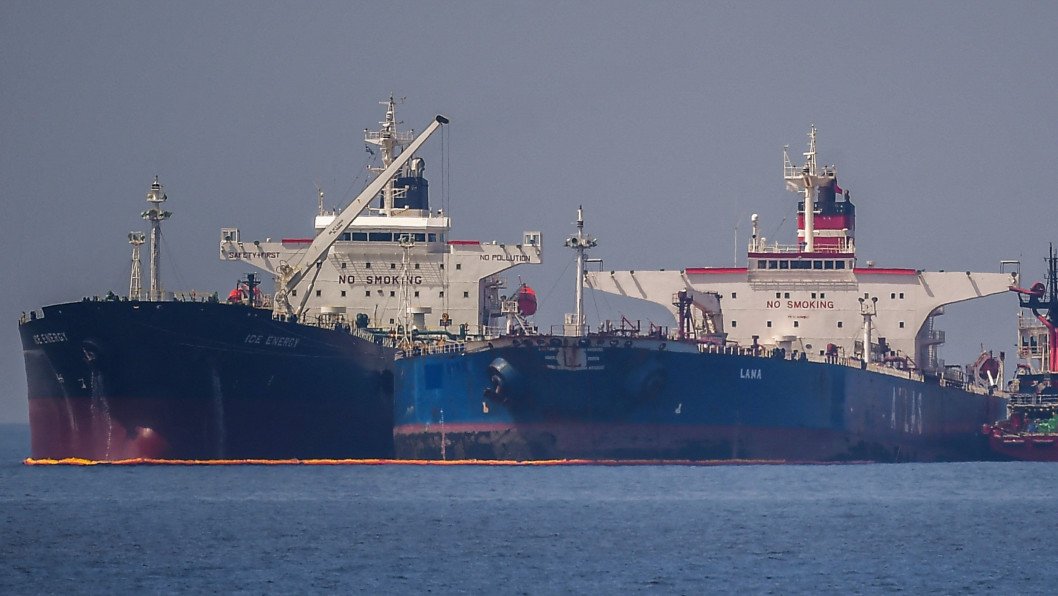
Read moreCategoryWorld
US Reissues 30-Day Waiver for Russian Oil Already Loaded on Tankers
May 18, 2026 19:59
Sri Lanka plans to utilize a temporary US sanctions waiver valid until June 17 to facilitate the Russian imports. The primary objective is to secure Russian crude to operate the country’s sole refinery, though Colombo is also considering refined products from both countries.
The minister told Reuters that the initial plan is to procure one shipment from each country before evaluating further imports. Currently, most of Sri Lanka’s fuel is sourced from Singapore and India, with crude arriving from the United Arab Emirates. Tender-based shipments are secured through August.
The increased energy costs are affecting the national economy. Power tariffs were raised by 18% earlier this month to align with a $2.9 billion International Monetary Fund (IMF) program that supported the country’s recovery from a financial crisis four years ago.
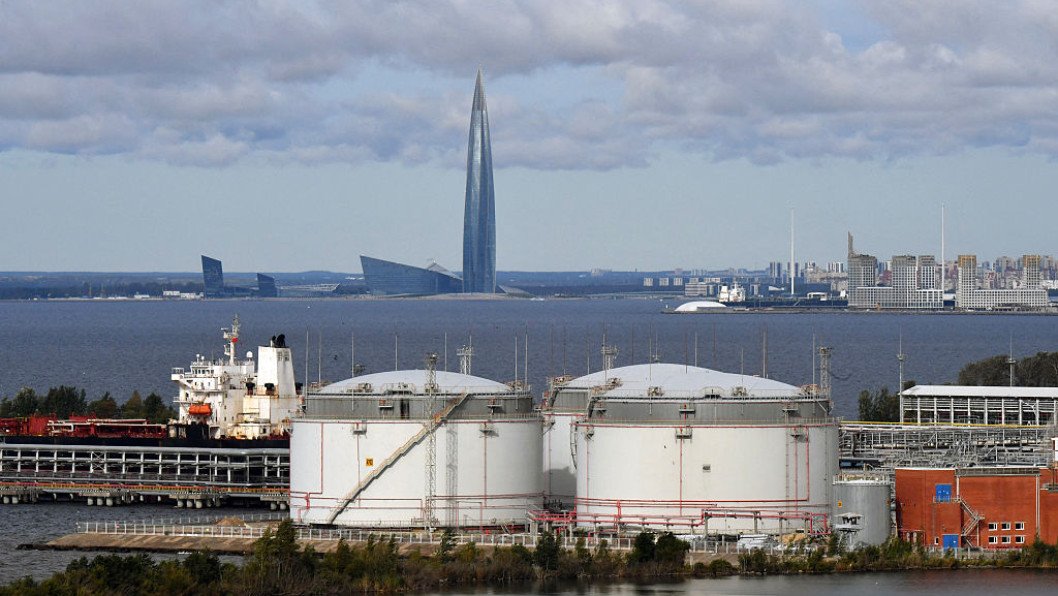
Read moreCategoryWorld
Russia Cashes In on Iran War as Oil Revenues Jump 39% in May
May 21, 2026 12:26
Higher fuel bills have also impacted the local currency. According to Reuters, the Sri Lankan rupee has depreciated by approximately 8.7% since early March, trading at 336 against the dollar on May 25.
Sri Lanka’s struggles spotlight a regional trend of Asian nations encountering roadblocks when attempting to secure Russian energy. Following a meeting between Indonesian President Prabowo Subianto and Russian leader Vladimir Putin, Jakarta had recently announced an ambitious plan to import 150 million barrels of Russian crude this year.
However, the initiative is already stalling. It was reported that Indonesian state energy firm Pertamina was struggling to develop a regulatory framework that avoids violating the terms of its global bonds due to Western sanctions.
Furthermore, oil traders had warned that a critical shortage of available tankers and the logistical difficulty of diverting such massive volumes make the deliveries highly complex. According to shipping data, only a single Russian cargo has successfully reached the Southeast Asian nation so far.
Wimal Weerawansa granted bail
May 25th, 2026Courtesy Hiru News
Kaduwela Magistrate Aruna Indrajith Buddhadasa has ordered the release of National Freedom Front leader and former minister Wimal Weerawansa on two surety bails of Rs. 500,000 each after he was arrested and produced before the Court this morning (25) by Thalangama Police over an alleged incident of obstructing a Ranaviru commemoration rehearsal event.
The further inquiry into the case has been scheduled to be taken up again on August 25.
According to the Police, the former minister, along with a group of others, had gone to the location during a rehearsal for a Ranaviru commemoration event on May 18, and allegedly acted as members of an unlawful assembly and obstructed the duties of police officers. He was subsequently arrested and produced before court by Thalangama Police.
Police Spokesperson Assistant Superintendent of Police F.U. Wuttler stated that authorities made the arrest after recording a statement from him under Section 344 of the Penal Code of Sri Lanka.
Central Bank unofficially caps dollar rate to curb rupee depreciation, says Rajith Keerthi Thennakoon
May 24th, 2026Hiru News
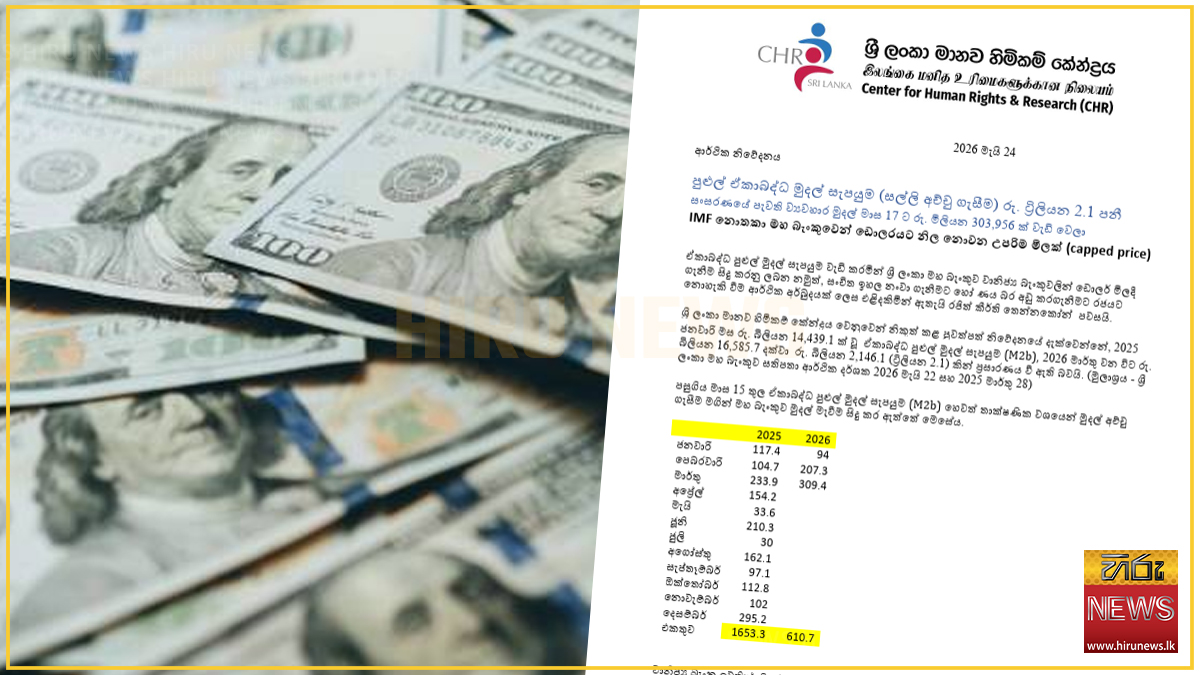
Sri Lanka Human Rights Centre Executive Director Rajith Keerthi Thennakoon states that the Central Bank of Sri Lanka has intervened to control the rapid rise in the value of the US dollar within the domestic foreign exchange market by taking steps to impose an unofficial capped price for the dollar.
Issuing a statement, he claims that to prevent the continuous depreciation of the rupee, the Central Bank Governor has summoned chiefs of commercial banks and owners of authorised money exchange entities to hold two rounds of informal discussions.
The statement notes that instructions were given during these meetings to maintain the value of the dollar within a range between Rs. 329 and Rs. 335, and that an unofficial controlled price of Rs. 330 has been imposed for the dollar in interbank transactions, thereby violating International Monetary Fund (IMF) provisions.
Furthermore, it points out that steps have also been taken to restrict the 90-day period previously granted to importers to bring funds into the country down to 30 days.
He highlights that because the Central Bank has been creating rupees (technically printing money) to purchase dollars from commercial banks, the Broad Money Supply ($M2b$) has expanded drastically, increasing by Rs. 2,146.1 billion (Rs. 2.1 trillion) over the past 15 months.
The statement notes that during the first three months of 2026 alone (January – March), the Central Bank has created Rs. 610.7 billion, with that figure standing at Rs. 309.4 billion in the month of March alone.
He points out that new currency notes bearing the signature of President Anura Kumara Dissanayake have now been added to the market in large volumes, and the currency in circulation, which stood at Rs. 1,351,312 million on January 1, 2025, has risen by Rs. 303,956 million to reach Rs. 1,655,268 million by May 22, 2026.
He states that despite the money supply being increased by trillions, no significant growth has occurred in the country’s foreign reserves, as the foreign reserves, which stood at USD 6,531 million in March 2025, have only grown marginally to USD 6,759 million by the end of April 2026.
He also points out through the statement that the USD 700 million sum expected to be received from the IMF in the coming days can only be used to bridge the budget deficit (for Treasury operations) and cannot be utilized to strengthen reserves.
Meanwhile, the statement issued by Sri Lanka Human Rights Centre Executive Director Rajith Keerthi Thennakoon further notes that the central government’s outstanding debt has also risen by Rs. 1,754.47 billion, from Rs. 28,240.22 billion in November 2024 to Rs. 29,994.69 billion by the end of 2025.
පුළුල් ඒකාබද්ධ මුදල් සැපයුම (සල්ලි අච්චු ගැසීම) රු. ට්රිලියන 2.1 පනී
May 24th, 2026රජිත් කීර්ති තෙන්නකෝන් විධායක අධ්යක්ෂ/ශ්රී ලංකා මානව හිමිකම් කේන්ද්රය
සංසරණයේ පැවති ව්යවහාර මුදල් මාස 17 ට රු. මිලියන 303,956 ක් වැඩි වෙලා
IMF නොතකා මහ බැංකුවෙන් ඩොලරයට නිල නොවන උපරිම මිලක් (capped price)
ඒකාබද්ධ පුළුල් මුදල් සැපයුම වැඩි කරමින් ශ්රී ලංකා මහ බැංකුව වානිජ්ය බැංකුවලින් ඩොලර් මිලදී ගැනීම සිදු කරනු ලබන නමුත්, සංචිත ඉහල නංවා ගැනීමට හෝ ණය බර අඩු කරගැනීමට රජයට නොහැකි වීම ආර්ථික අර්බුදයක් ලෙස එළිදකිමින් ඇතැයි රජිත් කීර්ති තෙන්නකෝන් පවසයි.
ශ්රී ලංකා මානව හිමිකම් කේන්ද්රය වෙනුවෙන් නිකුත් කළ පුවත්පත් නිවේදනයේ දැක්වෙන්නේ, 2025 ජනවාරි මස රු. බිලියන 14,439.1 ක් වූ ඒකාබද්ධ පුළුල් මුදල් සැපයුම (M2b), 2026 මාර්තු වන විට රු. බිලියන 16,585.7 දක්වා රු. බිලියන 2,146.1 (ට්රිලියන 2.1) කින් ප්රසාරණය වී ඇති බවයි. (මුලාශ්රය – ශ්රී ලංකා මහ බැංකුව සතිපතා ආර්ථික දර්ශක 2026 මැයි 22 සහ 2025 මාර්තු 28)
පසුගිය මාස 15 තුල ඒකාබද්ධ පුළුල් මුදල් සැපයුම (M2b) හෙවත් තාක්ෂණික වශයෙන් මුදල් අච්චු ගැසීම මගින් මහ බැංකුව මුදල් මැවීම සිදු කර ඇත්තේ මෙසේය.
| 2025 | 2026 | |
| ජනවාරි | 117.4 | 94 |
| පෙබරවාරි | 104.7 | 207.3 |
| මාර්තු | 233.9 | 309.4 |
| අප්රේල් | 154.2 | |
| මැයි | 33.6 | |
| ජූනි | 210.3 | |
| ජුලි | 30 | |
| අගෝස්තු | 162.1 | |
| සැප්තෑම්බර් | 97.1 | |
| ඔක්තෝබර් | 112.8 | |
| නොවැම්බර් | 102 | |
| දෙසම්බර් | 295.2 | |
| එකතුව | 1653.3 | 610.7 |
වානිජ්ය බැංකු වෙතින් විදේශ මුදල් ලබා ගනිමින් විදේශ සංචිත ඉහළ නංවා ගැනීමට මහ බැංකුව මුදල් මැවීමක් (අච්චු ගැසීමක්) සිදු කරමින් සිටී. ජාත්යන්තර මුල්ය අරමුදලේ ණය කොන්දේසි ඇනුව, සාම්ප්රදායික අර්ථයෙන් දෛනික මුදල් අවශ්යතා සඳහා මුදල් අච්චු ගැසීම සිදු කළ නොහැකි නමුත්, මහ බැංකුව එයට වක්ර උපක්රම යොදා ගනිමින් සිටී.
‘’මහ බැංකුව වානිජ්ය බැංකුවලින් රුපියල් ලබාදී ඩොලර් ලබාගන්නවා. මුදල් අච්චු ගසන්නේ නැතුව — උත්පාදනය කරන්නේ නැතුව — ඩොලර් ගන්න මහ බැංකුවට බෑ. මෙතන සිද්ධ වෙන්නේ මුදල් මැවීමක්. අච්චු ගැසීමක්. තෙන්නකෝන් මහතා පවසයි.
ලංකා අර්ථික අර්බුදය ලොව පුරා සිරස්තල මවමින් ඇත. ලංකාවේ උද්ධමනය ගැන ගෝඨාභය සමයේ දැඩි ආන්දෝලනාත්මක ප්රකාශ සිදු කළ Steve Hanke සිය අලුත්ම X පණිවුඩයේ ලංකාව ගැන දක්වන්නේ, INFLATION STORY = MONEY SUPPLY STORY ලෙසිනි.
මුදල් අච්චු ගැසීම ගැන, රංග සිරිලාල් X පණිවුඩයකින් පවසන්නේ, Rupee under pressure with Central Bank printing money:
Rupee depreciated 7.2% against the US dollar so far this year to 353.17 rupees from last weeks 327.35 & last years 299.61.
@CBSL printed 309.4 billion rupees in March bringing first three months printing to Rs.610.7 billion යනුවෙනි.
දිලිසෙන අලුත් සල්ලි කොළ
ජනපති අනුර කුමාර දිසානායකගේ අත්සන සහිත මුදල් නෝට්ටු මේ වන විට පුළුල් ලෙස දෛනික පරිහරණයට එක්වී ඇත. 2025 ජනවාරි 1 දිනට ට සංසරණයේ පැවති ව්යවහාර මුදල් රු. මිලියන 1,351,312 ක් විය. 2026 මැයි 22 ට එය රු. මිලියන 1,655,268 දක්වා රු. මිලියන 303,956 ක් වැඩි වී ඇත. මෙම මුදල් නෝට්ටු වැඩිවීම උද්ධමනය ඉහළයාමට සෘජු ලෙස බලපානු ලබයි.
විශ්වාසය පළුදුවීම
Free Lawyers සංවිධානය 2026 අප්රේල් 22 දින, මහා භාණ්ඩාගාර මංකොල්ලය අනාවරණය කිරීමෙන් පසුව තැපැල් දෙපාර්තමේන්තුව, අස්වැසුම, ජාතික සංවර්ධන බැංකුව, මහජන බැංකුව, මාර්ග සංවර්ධන අධිකාරිය, ශ්රී ලංකන් ගුවන් සමාගම ඇතුළු ආයතන රැසක මුදල් අතුරුදන් වීම පිළිබඳ කරුණු කරලියට පැමිණියේය.
පුළුල් මුදල් සැපයුම අසමාන්ය ලෙස ඉහළයාම, පිළිගත් ක්රමවේදයට පිටින් අන්තර් බැංකු ඩොලර් හුවමාරු අගය මත ‘ඩොලරයට’ උපරිම මිලක් නියම කිරීම සහ සංසරණයේ පැවති ව්යවහාර මුදල් ප්රමාණය (නෝට්ටු) ඉහළ යාම ගැන මහ බැංකුව විධිමත් කරුණු පැහැදිලි කිරීමක් මේ දක්වා සිදු කර නොමැත.
රුපියල අඛණ්ඩව අවප්රමාණය වෙමින් පවතින අතර, මහ බැංකුවේ අධිපතිවරයා වානිජ්ය බැංකු ප්රධානීන් හා බලයලත් මුදල් හුවමාරු ආයතන හිමිකරුවන් කැඳවා අවිධිමත් සාකච්ඡා දෙකක දී ඩොලරයේ අගය රු. 329/ 335 සීමාවේ පවත්වා ගැනීමට උපදෙස් ලබාදී ඇත.
ශ්රී ලංකා මහ බැංකුව ජාත්යන්තර මුල්ය අරමුදලේ ප්රතිපාදන උල්ලංඝනය කරමින් අන්තර් බැංකු හුවමාරුව සඳහා ඩොලරයට රු. 330 ක පාලන මිලක් (නිල නොවන ලෙස) ප්රකාශයට පත් කර ඇත. ආනයනකරුවන්ට දින 90 ක් තුල මුදල් රටට ගෙන ඒමට දී තිබූ අවස්ථාව මේ වන විට දින 30 දක්වා සීමා කර ඇත. 2021 දී ද, රුපියල බාල්දුවීම වලක්වා ගැනීමට හා උද්ධමනය පාලනය කිරීමේ අරමුනින් මෙවැනිම පැලැස්තර විසඳුම් රැසක් එවකට රජය ක්රියාවේ යෙදවීය.
පොලී අනුපාත ඉහල දැමීම නොවැලැක්විය හැකිය
ඉදිරි දින කිහිපය තුල බැංකු පොලී අනුපාත ඉහලයාම නොවැලැක්විය හැකි වනු ඇත. එමෙන්ම, ඉන්ධන මිල හා එයට සමගාමීව සෑම භාණ්ඩයකට මිල ඉහළයාම බලාපොරොත්තු විය යුතුය.
විදේශ සංචිත එක තැන පල්වීම
2025 මාර්තු මස ඩො. මි. 6,531 ක් වූ විදේශ සංචිත 2026 අප්රේල් මස අවසානය වන විට වර්ධනය වී ඇත්තේ ඩොලර් මිලියන 6,759 දක්වා සොච්චමකින් පමණී. 2023 – 2024 වසරවල සෑම මසකට ඩො. මි. 175 බැගින් සංචිත වර්ධනය කර ගැනීමට මහ බැංකුව සමත් වූ නමුත්, ඒකාබද්ධ පුළුල් මුදල් සැපයුම (M2b) ට්රිලියන 2.1 කින් වර්ධන වීමෙන් පසුව ද, සංවිත එක තැන පල්වෙමින් ඇත.
මේ මස 27 දින ජාත්යන්තර මුල්ය අරමුදල ලංකාමේ අය වැය මුල්යනයට ඩොලර් මිලියන 700 ක් ලබාදීමට නියමිත නමුත් එම මුදල ලැබෙන්නේ සංචිත වැඩි කර ගැනීමට නොව භාණ්ඩාගාරයේ දෛනික කටයුතු සඳහා (අය වැය පාලනයට) ය. එය සංචිත ගොඩනැගීමට යොදාගත නොහැකිය.
ණය බර වැඩිවීම
2024 නොවැම්බර් මස රු.බිලියන 28,240.22 ක් වූ මධ්යම රජයේ නොපියවූ ණය ප්රමාණය 2025 වසර අවසානය වන විට රු. බිලියන 29,994.69 දක්වා රු. බිලියන 1,754.47 කින් ඉහළ ගොස් ඇත.
පුළුල් මුදල් සැපයුම අසමාන්ය ලෙස ඉහළයාම,
පිළිගත් ක්රමවේදයට පිටින් අන්තර් බැංකු ඩොලර් හුවමාරු අගය මත ‘ඩොලරයට’ උපරිම මිලක් නියම කිරීම
සංසරණයේ පැවති ව්යවහාර මුදල් ප්රමාණය (නෝට්ටු) ඉහළ යාම
රුපියල බාල්දුවීම හා
සංචිත රැස් කර ගත නොහැකිවීම,
අද පවතින ආර්ථික අර්බුදයේ ප්රකාශනයන් ය. මේ අර්බුදය විසඳා ගැනීමට රජය රටේ සිටින මුල්ය විශේෂඥයින්ගේ, බුද්ධිමතුන්ගේ හා වෘත්තිකයින්ගේ සහාය වහා ලබාගත යුතුව ඇත.
රජිත් කීර්ති තෙන්නකෝන්
විධායක අධ්යක්ෂ/ශ්රී ලංකා මානව හිමිකම් කේන්ද්රය
2026 මැයි 24
Rajith Keerthi Tennakoon
Former Governor of Uva, Southern and Central Provinces
Former Executive Director of Campaign for Free and Fair Elections (CaFFE) and Center for Human Rights and Research – CHR Sri Lanka
Re: Sri Lankan-Canadian Community Divisive Tamil Genocide Memorial Monument in Brampton, Ontario. This hate symbol has to be dismantled to restore the Truth and Dignity of my Sri Lankan-Sinhalese-Canadians.
May 24th, 2026Asoka Weerasinghe (Mr) 2066 Kings Grove Crescent . Ottawa, Ontario . K1J 6G1
24 May 2026
The Right Honourable Mark Carney, PC OC MP
Prime Minister of Canada
Office of the Prime Minister
80 Wellington Street
Ottawa, Ontario
K1A OA2
BY LETTER
IMPORTANT & URGENT
Dear Prime Minister Mark Carney:
Re: Sri Lankan-Canadian Community Divisive Tamil Genocide Memorial Monument in Brampton, Ontario. This hate symbol has to be dismantled to restore the Truth and Dignity of my Sri Lankan-Sinhalese-Canadians.
Permit me to introduce myself. I am Asoka Weerasinghe, a Sri Lankan Sinhalese-Buddhist-Canadian. I landed in Ottawa’s airport, on 16 October 1970, (you were 5-years old then) not as a scamming Sri Lankan Tamil Refugee running away from alleged discrimination and persecution, but as an invited potential employee, at the Canadian National Museums Corporation, in Ottawa.
I was employed as Head of the Thematic Research Section, of the newly created. Design and Display Division,.of the Canadian National Museums Corporation, in Ottawa. They were trying to find a Liberal Research Scientist, and had difficulty finding one in Canada. While head-hunting found me in London, England. There was no interview for the job, but chose me having been recommended by Professor Ward Neale, Head of the Geology Department, at the Memorial University of Newfoundland and Labrador where I did my graduate studies in Geology and Palaeontology.. For my Fellowship, I was asked to create geological exhibits in ten empty 6ft x 3 ft wall corridor show cases which had been empty for almost 25-years. I enjoyed immensely creating the exhibits, which were very popular among First-year undergraduates, and teaching Geology 100 labs to 125 undergraduate students.
I fitted like an Ottawa’s warm-winter ski-glove, a product of Sri Lanka, in their searching requirements being a Research Palaeontologist interested in interpreting Human and Natural Sciences to the public through museum exhibits. – an award winning published poet in London, England; award winning Artist and Sculptor; Ballroom Dancing champion in London, England; Pianist and composer with three of my compositions being adapted by a young Swedish-Danish band., and organizer of the Poetry and Jazz component of the Welsh University Eisteddfod, and more.
I started working on 15 exhibition Halls for the empty Victoria Memorial Museum
(Building like a castle) on Macleod Street, in Ottawa. My work station was at 39 McArthur Road in Vanier. I was involved in creating the Dinosaur Hall Life Through the Ages; (on the left) which I am sure you remember having visited it in your younger days, and also the Museum of Man’s Orientation Hall (on the right) with a standing complete Human Skeleton (purchased from India) at the entrance with a crown on its Head. The storyline of the narrative for this Hall was adapted from the long poem of mine, Trail of Mankind. Both were on the ground floor. I was the author of the majority of the text panels, and labels of artifacts of the 15- Exhibition Halls, that you perhaps read.
Now to the request to help my community of Sinhalese-Sri Lankan Canadians., a majority who are presently annoyed and angry and spitting ‘Sinha-lion’s breath’ at the insensitive, audacious, disingenuous Mayor of Brampton, Pat-trick Brown, who in my eyes is an insensitive, thuggish, arrogant Canadian-Trumplike Conservative politician’. His ‘Sinhalese’ hate symbol of the Tamil Genocide Memorial in Brampton has to come down.
I also accepted the challenge to destroy myths and lying narratives by the Canadian-Tamil community of Sri Lanka, saying that they have been discriminated against and persecuted by the Sri Lankan Government. It was all tosh, cod’s wallop and damn lies” as they were the privileged Tamil minority” (10%), and I came from the (75%) of the wronged Sinhalese” majority for 131 years of British colonial rule which ended only on 4 February 1948.
That challenge produced several hundreds of Tamil-accented English anonymous
telephone cobra-hissing threats to me in Ottawa, of I will blow your head off”, and a threat to blow the 15-storey Centennial Building at 200 Kent Street in Ottawa, on 9 June 1987, because I was employed as a Federal Government Communications Officer for two Cabinet Ministers on the 14th floor.
This was a big Security Concern for the Ottawa Police. There was a Security meeting on this threat of ‘blowing up the 15-storey Centennial Building: attended by a member of the Ottawa Police (in uniform), Head of Security of DFO, and the Security Officer of Campeau, the owners of the building, and a senior officer of the Department I worked for. And I was briefed as to what was expected of me of such an eventuality.
Prime Minister Carney, I resent intimidation, which was the reason why I did not run down Kent Street searching for a manhole to hide from the Canadian-terrorist Tamil White-Tigers, that the Canadian Government supported indirectly as a bartering chip for their Sinhlese blood soaked votes.
This is the community where Brampton’s Mayor Pat-trick Brown decided to have Tamilian curry-in-a-hurry sleep-ins.with millions of them throughout the year bartering for their Sinhalese-blood soaked votes.
Prime Minister Carney, what this Mayor Brown’s Tamil Genocide monument in Brampton did was, to kick and woke up this sleeping WEERA-SINHA, the name
that my Mum and Dad gave me-as a Courageous-Lion.” Mayor Pat-trick Brown found that one out pretty soon. I am shadowing him for bad or for worse for his degrading me and a majority” of my brothers and sisters of the Canadian ‘Sinha” clan.
The rest have accepted to live in Canada ignoring this Tamilian-insults. It has been their choice in this “free”country and critical of me, for taking on the Canadian Snow-Tamil Tigers.
PRIME MINISTER MARK CARNEY, NOW TO THE REASON FOR MY WRITING YOU seeking your help to correct a ‘Major’ wrong that has been inflicted upon us – the Sinhalese-Canadian community, by a Canadian ‘Conservative’” politician who had the gall and temerity as reported by Steve Pecar on May 12, 2025 (Brampton Change City) asking a person like me to go back to Colombo, as I am a Tamil Genocide Denier”, which I have rightfully denied as even the United Nations announced that there was no Tamil Genocide in Sri Lanka.”
This guy is acting like a Bramptonion God Ravana, the Demon King of Lanka, with a Sri Lankan sun dried Sinhalese -blood crusted Halo sitting on his thick-skull. This guy is a disgusting Agent of Tamil-Sinhalese cock-fights” in Brampton, Canada.
I have been searching for a non-Tamil feet kissing, Caucasian Canadian politician ‘Messaiah” since 4th August 1983, when I and an amazing gutsy young Sinhalese
immigrant with a spine of Algoma steel, Asoka Yapa, who helped me to pick our bloodied Mother Lanka who had been dropped to the ground, bludgeoned, kicked and spat at by hundreds of Tamil-Canadian separatists, through every print and audio-visual medium, for seven previous days, and found now in amazing You, that genuine Canadian politician- Messiah, and accepted you in my paining-heart, bowing with my palms-together asking you to save and restore my/our Sinhalese dignity in our adopted home, that all of us have taken the new immigrant’s oath to sing proudly, O Canada, we stand on guard for thee…”, by dismantling th Sinhalese hate symbol the Brampton; Tamil Genocide Memorial Monument.
Prime Minister Mark Carney, you quite rightly may ask, Asoka, why should I?”
I am a Canadian National Museologist…I don’t believe that one interprets and glorifies lies for Public consumption? Mayor Pat-tick Brown words of Tamil Genocide”, is a downright white-man’s lie, hogwash,, a Judas kiss, adultrated
Cock and Bull story, tara diddle-like, a clap-trap.
But here is the deal Prime Minister Mark Carney, I will voluntarily exile myself and go back to Colomo as I am a Tamil Genocide Deniaer.” But my carving stainless-steel knife that I bought at Titus Hardware Store, on Main Street in Pettah, Colombo, cuts both ways.
The deal is that Mayor Pat-trick Brown of Brampton should produce the names and number of skulls of Tamils he claims were genocidally-snuffed out by the Sri Lankan Armed Forces, who deserved to be honoured by that Brampton’s Tamil Genocidal Memorial monument. If he is unable to then sign a contract that he will voluntarily resign from the Office of being the Mayor of Brampton, and voluntarily exile himself to his Irish-Italian roots, and I will buy him a one way ticket to either, Dublin in Ireland or Sicily in Italy, the country of his choice. And before leaving that he dismantles the Tamil Genocide Monument and never, ever set foot on the ‘peace- soils’ of this great Country of Yours and My, Canada. And not soil Canada’s precious sands of quartz and labradorite, with his tracks of disingenuous Sinhalese blood-soaked soles of his Irish-Italian lying feet.
Well, Prime Minister Carney, that is my proposal to comply with this buffoon Canadian Conservative politician’s request from me- a Tamil Genocide Denier.. I will sign this contract any time. Well, Mayor Pat-trck Brown.. Let him get back to me through your Prime Minister’s Office. I will sign such a contract.
So, this Trumpish-Pat-trick -Brown, the Mayor of Brampton, erects a Tamil Genocide Memorial monument” like a lying sentinel looking up towards the heavens protruding from Brampton’s Quarternary bedrock. Prime Minister Carney, that lying symbol has no place in Brampton, Ontario, nor in any place in all of Canada, as it is a Humbuggery
Symbol of Disgrace and should be dismantled immediately with No If”s or But’s.
Prime Minister Carney, did you notice that this alleged Tamil Genocide’Memorial” monument was erected for the Tamils who had been spoiling for a fight for donkey’s years, going back to the 1940s with the humbling, peaceful Sinhalese majority (75%),
27,000 of them who lived in the North of Sri Lanka for generations, terrorised, killed and chased them away from 1971 to 1981. This rude and gory exercise was to ethnic-cleanse and purify Sri Lanka’ North and East, with coconut-toddy-perfumed gingerly-oil anointed bodies of Tamils. And name that one-third of Sri Lanka’s productive patch of real-estate, as their mono-ethnic, racist, separatist Tamil State EELAM.
The minority Tamils (10%) fought their sophisticated terrorist war with the Sri Lankan Government forces, not with bamboo sticks, catapults and stones but with a sophisticated armoury of handgranades, Kalashnikovs, SAMs,, Claymore mines, and Suicide Body Jackets that they perfected. They fought to claim this mono-ethnic, Tamil EELAM for 10% of the Tamils in Sri Lanka, when their Tamil-Mother India lived in Tamil Nadu , across 18 nautical salt water Palk Strait connected by a Miocene sandbar of the Indian Ocean. And with funds for their terrorism, Jean Chretien and Paul Martin allowed them to collect two-million dollars a month for 13-years, to stuff the Tamil Tiger terrorist war chest to buy sophisticated war weapons to fight their Tamil Tiger terrorist war. They brought them into international Mullativu ocean-waters in 10 armoury ships, and the 11th turned around and hooked-off, after being tipped by the Scandinavian Peace Monitors that the Sri Lankan Gunboats were coming after them. .Did you know that? Well…….that is the Holy Truth! Prime Minister Carney, Canada stands guilty in my eyes on that score and we supported international terrorism. Shame on us!.
These are the ruthless Tamil Tiger terrorists who assassinated two Heads of States,
President Ranasinghe Premadasa of Sri Lanka (1 May 1993) and Rajiv Gandhi former Prime Minister of India. 21 May 1991).
Assassinated Sri Lankan Cabinet Ministers Lakshman Kadiragamar (Foreign Affairs, 12 August 2005); Ranjan Wijeratne (former Foreign Minister and Minister of Defence
2 March 1991); ; Gamini Dissanayake (former Opposition Leader); C.V. Gooneratne
(Minister of Labour 2 June 2000); Alfred Duraiappah ( Mayor of Jaffna, 27 July 1975);
Sarojini Yogweswaran (Mayor of Jaffna , 17 May1998); P. Sivapalan (Mayor of Jaffna. 11 September 1998); A Amirthalingam (Opposition Leader, who was introduced to the Canadian Parliamentarians before ‘Question Period’ 3-times from the Chamber Galleries.. And the Canadian parliamentarians, including the Speaker, stood up, turned towards him, tilted their heads-up and clapped, applauding welcoming him to Canada. That was a serious mistake.
Prime Minister Carney, and here is an incident that this Tamil Amirthalingam took you all down the Tamil Tiger claw-thorn tickling garden path making you Canadian parliamentarians look like a bunch of ignoramus fools.
It was Conservative MP for Fraser Valley West, the late Robert Wenman who told me
Tamil leader, Amirthalingam told me, we Tamils never asked for a separate Tamil State. Eelam.” Robert, that is a load of Bull” I said.
‘Asoka I got him on VHS tape. Come (at Hog Back) home and I will show it to you.”
I went and Robert showed me Amirthalingam attired in a white vetti, with a blood-red thumb print mini-full moon between his eye brows, saying No, we Tamil never asked for a Separate State, Eelam”.
These Tamil Tigers, who Pat-trick Brown believed deserved a Tamil Genocide Memorial Monument were those who lived by the gun, and died by the gun. It was their choice….
their death wish.
How wrong they were, as the Sri Lankan armed forces kicked their butts and took down their leader Velupillai Prabhakaran on May 19, 2009, after 30-years of Sinhalese blood spilling war years with a live bullet to his forehead, on the blood soaked sands of the Nandikadal lagoon in the, Mullaithivu District of north-east of Sri Lanka.
And with that penetrating bullet the Sri Lankan Government armed forces annihilated the most ruthless world Tamil Tiger terrorists, almost single-handed. Those who were alive cried with yellow bellies searching for a Godfather in Canada,. And so they found in Brampton’s Mayor Pat-trick Brown, who was still angry with the Sri Lankan government having refused to issue Visas for him and his buddy MP Paul Calandra in the summer of 2009, to visit the white tent City in the north that housed 295,873 Tamil refugees who were rescued from the clutches of the Tamil Tigers, and lambasted the Sri Lankan government on Television. And I asked these two snubbed Canadian MP’s, who the hell do you think you are, when you are not even appointed as junior Cabinet Ministers in Parliament” wanting, to show their Tamil constituents in Barrie and Markham of Ontario their bravado,, and seeking the favour of their votes. I have been shadowing both of these politician-characters ever since.
So this ghoulish Canadian Conservative ‘Godfather’ politician, Pat-trick Brown, apparently, I heard, had a bleeding heart to favour the Brampton-Tamils and, built a Sinhalese-hating, Tamil Genocide Memorial monument in his Brampton for those warring Tamils who got killed, 14,012 kilometers away over the Pacific and Indian Oceans. This was in barter-bait for the Brampton-Tamils votes to get elected as the Brampton City Councillor/Mayor. That’s pretty sick and rich in my eyes,
Prime Minister Carney, take note of this politician, who happens to be the Mayor of Brampton. This guy is a shameful, cruel, disingenuous white-Canadian” who ever walked on this Canadian earth’s-mantle.
This Brampton Conservative Mayor had a sick heart…and no tears for my surrogate Canadian First Nation’s children at Residential Schools who were snuffed out in Genocidal deaths in Kamloops in British Columbia, just 3,833 kilometers away from his City of Brampton. This guy’s ‘sinner’s act of disbelief was shocking, sordid, screw-ballish, disingenuous, hurtful, Irish-Italian mercenary, blood-coughing rudeness whose heart did not bleed, when my heart, of an Asian immigrant wept blood-soaked tears for those killings. Walking out of Ottawa’s Montreal Road’s WABANO CENTRE, having read the Exhibit wall of Residential schools, Prime Minister Mark Carney, this is the Holy truth, my eyes had welled with tears, sad and hurting. Genuine salty-tears of a Sri Lankan-
Sinhalese-Canadian immigrant.
These are the First Nation peoples that I fell in love with and who commanded my affection and respect, the Iroquois, the Plains Indian, Inuit and the West Coast Haida First Nation peoples having studied and interpreted their amazing indigenous cultures in the Canadian National Museum of Man’s Exhibit Halls in the early 1970s (the People of the Long House (Iroquois); the Buffalo Hunters (Plains Indians); Inuit and the Children of the Ravens (West coast cultures like the Haida).
Prime Minister Mark Carney, my published epic poems, Tewa (Pueblo Indians of River Grande) and Shanawdithit (the last of the Newfoundland Beothuk Native Indian people-Canadian Stories Vol 23 No.131 2020) are proofs of my affection and dignity for these first Nation Native indigenous peoples, which Brampton Mayor had rejected and snubbed by erecting a Genocide monument for the Tamilian people who lived in that little island nation in the Indian Ocean, Sri Lanka, and not for Canada’s First Nation kids whose lives were snuffed In Residential schools in Kamloops, B.C., a few miles away from Brampton, BC.. That is unacceptable, Prime Minister Carney , and shows a sick mind going in search of Sinhalese blood-soaking votes, killed by Tamil Tiger terrorists
to get elected as the Brampton Mayor.
Prime Minister Mark Carney, I will well understand the dismantling the Tamil Genocide
Memorial Monument in Brampton is the last item of your To do” lists to glue the different foreign immigrant cultures together as one, yet it is a necessary sin that the Tamil Genocide Memorial monument should be Dismantled for the sake of injecting into these Tamil refugees/immigrants, No you don’t bring your Jaffna-Killinochchi separatist war to be fought on the precious lands of Canada, the country that adopted you. That is not the way to pay back your sense of gratitude.”
If I may suggest to you Honourable Prime Minister, while you are fighting the Trumpish World of International Affairs, to designate a Senior Researcher-Writer-Reporter from your PMO, or Historic Sites and Monument Board, or Immigration and Refugee Board, or Global Affairs, to meet and greet the following concerned Senior Sinhalese-Canadians of Ontario to understand the seriousness why Brampton’s Tamil Genocide Memorial Monument should be dismantled immediately, and report back to you in two months, for you to be the Judge and Jury for a final decision.
- Mr. Sena Munasinghe, President Sri Lankan Canada Association of Brampton, Ontario <sena.munasinghe@g.mail.com>
- Mr..Vijitha Bulathsinghala, President of SLUNA (Sri Lanka United National Association) headquartered in Toronto, Tel:416-505-0099
- Mr., Asoka Weerasinghe <asoka.weerasnghe2015@gmail.com); Tel-613-747-2272 , based in Ottawa to defend his Thesis why the Tamil Genocide Monument in Brampton, Ontario, should be dismantled immediately.
Rt. Honourable Mark Carney – This is the final decision that I am seeking from you:
- Dismantle the Tamil Genocide Memorial Monument, in Brampton.
- Failing, since the context for the above Tamil Genocide Memorial Monument was for one of the two peoples of Sri Lanka’s 30-year long ethnic war, Tamils and Sinhalese, I am seeking in all fairness to show the reciprocal TRUTH, by approving the installtion with a replica of the diorama of the massacred and brutally mutilated bodies of the 33 novice Buddhist monks, by Tamil separatist Terrorists in a bus as happened on the morning of Tuesday, June 2nd, 1987 in Aranthalawa. To be be installed in the same Brampton’s outdoor amphitheatre for Snuffed Genocidal Tears, that the Tamil Genocide Memorial monument is presented in Brampton.
This will be a fair reciprocal honour for the scores of thousands of Sinhalese who were killed and mutilated by the Tamil Tiger terrorists to install an appropriate Memorial Monument for the Sinhalese in the same park to complete the interpretation of the Historical fact of this bloody-spilling 30-year ethnic war.
Why do I seek your authoritative order? You may wonder? It is because there won’t be a Snow-ball-chance-in- Hell, that Mayor Pat-trick Brown and his Councillors will approve this outdoor installation.
Please, Prime Minister Mark Carney, I plead that, you involve yourself, to restore the Canadian-Sinhalese community’s dignity, that Mayor Pat-trick Brown of Brampton has tarnished with his installation of a monument of vulgar-Humbuggery – The Tamil Genocide Memorial Monument.
Dismantle it.
Sincerely
Asoka Weerasinghe (Mr)
Tel: 613-747-2272
විප්ලවයෙන් පසු පාලනය කිරීම – රුසියානු විප්ලවයෙන් ලැබෙන පාඩම් සහ ශ්රී ලංකාව සඳහා සිතා බැලීම්
May 24th, 2026ආචාර්ය සරත් ඔබේසේකර Kandidat Tekhnicheskikh Nauk (1977)Кандидат технических наук
ඉතිහාසය පෙන්වා දෙන්නේ පැරණි පද්ධතියක් පෙරළා දැමීම, ස්ථාවර නව පද්ධතියක් ගොඩනැගීමට වඩා පහසු බවයි. 1917 රුසියානු විප්ලවයෙන් පසු ජයග්රාහී බොල්ශෙවික්වරුන්ට තේරුම් ගියේ සටනකදී ඇති වූ එකමුතුකම, රජය පවත්වාගෙන යාමේදී අනිවාර්යයෙන්ම පවතින්නේ නැති බවයි. අද ශ්රී ලංකාවේ Janatha Vimukthi Peramuna සහ National People’s Power පිළිබඳව පවතින සාකච්ඡාවන් ද ඒ සමාන තත්ත්වයක් සිහිපත් කරයි.
Vladimir Leninගේ නායකත්වයෙන් White Russians” ලෙස හැඳින්වූ විප්ලව විරෝධී බලවේග පරාජය කළ පසු බොල්ශෙවික්වරුන් ජයග්රහණය කළත් රට සම්පූර්ණයෙන්ම ක්ලාන්ත වී තිබුණි. ආර්ථිකය කඩා වැටී තිබුණි. කර්මාන්ත අක්රීය වී තිබුණි. කෘෂිකර්මය විනාශ වී තිබුණි. දුර්භික්ෂය රට පුරා පැතිර ගියේය. විප්ලවීය සටන් පාඨ වලින් ජනතාවට ආහාර සැපයීමට හෝ රට නැවත ගොඩනැගීමට නොහැකි විය.
බොල්ශෙවික් නායකත්වය තුළම ඉක්මනින්ම මූලික මතභේද මතුවිය.
ලෙනින් සහ ට්රොට්ස්කි – වෙනස් දැක්මක්
Leon Trotsky, රතු හමුදාවේ ප්රධාන නිර්මාණකරුවන්ගෙන් කෙනෙකු වූ අතර, විප්ලවය ජාත්යන්තර මට්ටමින් පැතිරිය යුතු බව විශ්වාස කළේය. රුසියාවේ සමාජවාදය තනිවම දිගුකාලීනව පවත්වාගෙන යා නොහැකි බවත් ලෝක විප්ලවීය ශක්තිය අවශ්ය බවත් ඔහු තර්ක කළේය.
එහෙත් Joseph Stalin ඇතුළු අනෙකුත් නායකයන් එක් රටක සමාජවාදය” යන අදහස ඉදිරිපත් කළහ. එනම්, පළමුව රට තුළ බලය සහ පද්ධතිය ස්ථාවර කර ගැනීමයි.
Vladimir Leninට පවා පක්ෂය තුළ වැඩිවන බյուրෝක්රසි, බලය එක් තැනකට සංකේන්ද්රණය වීම සහ අධිකාරීවාදී ස්වභාවය පිළිබඳව කනස්සල්ලක් ඇතිවිය. කම්කරුවන්ගේ නිදහස සඳහා ආරම්භ වූ විප්ලවය, ක්රමයෙන් දැඩි රාජ්ය යන්ත්රණයක් බවට පත්විය.
අවසානයේදී අභ්යන්තර පිරිසිදු කිරීම්, මතවාදී ගැටුම්, විරුද්ධ මත මර්දනය සහ ට්රොට්ස්කි පවා අතහැර දැමීම සිදුවිය. එකම අරමුණක් වෙනුවෙන් සටන් කළ අය, පසුව බලය සහ ප්රතිපත්ති පිළිබඳ ප්රතිවාදීන් බවට පත්විය.
විප්ලවීය ව්යාපාරවල පොදු ගැටලුව
මෙය රුසියාවට පමණක් සීමා වූ දෙයක් නොවේ.
විරෝධතා ව්යාපාර බොහෝවිට එකමුතුව පවතින්නේ ඔවුන්ට පොදු විරෝධියෙකු” සිටින නිසාය. නමුත් බලය ලබාගත් පසු දුෂ්කර ප්රශ්න මතුවෙයි.
- ආර්ථිකය කළමනාකරණය කරන්නේ කෙසේද?
- මතවාදයද ප්රායෝගිකත්වයද ප්රමුඛ විය යුතුද?
- කොපමණ සම්මුතියක් පිළිගත හැකිද?
- විප්ලවීය කථාව සහ ප්රජාතන්ත්රවාදී පාලනය එකට ගෙන යා හැකිද?
- විශ්වාසය සහ දක්ෂතාව අතර සමතුලිතතාව පවත්වාගන්නේ කෙසේද?
මෙවැනි ගැටුම් බොහෝ පශ්චාත් විප්ලවීය සමාජවල දක්නට ලැබේ.
ශ්රී ලංකාව පිළිබඳ සිතා බැලීමක්
අද ශ්රී ලංකාව විප්ලවීය රුසියාවක් නොවේ. එවැනි සෘජු සමානකම් අසාධාරණ වේ. එහෙත් ඇතැම් දේශපාලනික තත්ත්වයන් සිතා බැලීමට හේතු සපයයි.
Janatha Vimukthi Peramuna ආරම්භයේදී අසමානතාව, දූෂණය සහ පාලක පන්තියට එරෙහි වූ විප්ලවීය ව්යාපාරයක් විය. පසුව, විශේෂයෙන් National People’s Power සමඟ එකතු වීමෙන්, එය වෘත්තිකයන්, තරුණයන්, විද්වතුන්, කම්කරුවන් සහ සිවිල් සමාජය ආකර්ෂණය කරගත් ප්රජාතන්ත්රවාදී දේශපාලන බලවේගයක් බවට පරිවර්තනය වීමට උත්සාහ කළේය.
විරෝධතා ව්යාපාරයකින් පාලන වගකීමකට මාරුවීමේදී අභ්යන්තර ගැටුම් මතුවීම ස්වාභාවිකය.
සමහර ආධාරකරුවන්ට මතවාදී පවිත්රතාව සහ වේගවත් වෙනස්කම් අවශ්ය වේ. තවත් පිරිසකට ප්රායෝගික පාලනය, විදේශ ආයෝජන, ආර්ථික ස්ථාවරත්වය සහ ජාත්යන්තර සහයෝගිතාව අවශ්ය වේ.
රුසියාවේ අත්දැකීම පෙන්වන්නේ:
- අදහස්වාදීන් සහ ප්රායෝගිකයන් අතර ගැටුම් ඇතිවන බව,
- බුද්ධිමතුන් සහ භූමියේ ක්රියාකාරීන් එකඟ නොවන බව,
- සහ අසාර්ථක ආර්ථිකයක් විවේචනය කිරීමට වඩා එය පාලනය කිරීම ඉතා දුෂ්කර බවයි.
ආර්ථික යථාර්ථය අවසානයේ ජය ගනී
රුසියානු විප්ලවයෙන් පසු බොල්ශෙවික්වරුන්ට දැඩි සමාජවාදී ආර්ථික ප්රතිපත්තිවලින් පසුබැසීමට සිදුවිය. ආර්ථිකය කඩා වැටීම හේතුවෙන් New Economic Policy (NEP)” හඳුන්වා දී සීමිත පෞද්ගලික ව්යාපාරවලට ඉඩ ලබා දෙන ලදී.
විප්ලවීය රජයන්ට පවා අවසානයේ මුහුණ දීමට සිදුවන්නේ ආර්ථික යථාර්ථයටය.
- කර්මාන්ත සඳහා දක්ෂ සේවකයන් අවශ්යය,
- ආයෝජකයන්ට ස්ථාවරත්වය අවශ්යය,
- කෘෂිකර්මයට කාර්යක්ෂමතාව අවශ්යය,
- ජනතාවට සටන් පාඨ නොව රැකියා අවශ්යය.
අද ශ්රී ලංකාවද මුහුණ දෙන්නේ:
- ණය ප්රතිව්යුහගත කිරීම,
- बेरोज़गारी / बेरोज්ගාරීත්වය,
- මොළ ගලායාම,
- කර්මාන්ත පසුබෑම,
- සහ තාක්ෂණික හා වෘත්තීය පුහුණුවේ දැඩි අවශ්යතාවය වැනි ගැටලුවලටය.
වම, දකුණ හෝ මධ්යස්ථ — කිසිදු රජයකට මේ යථාර්ථයන් මඟහැරිය නොහැක.
අභ්යන්තර බෙදීම්වල අනතුර
ඉතිහාසය තවත් පාඩමක් උගන්වයි. විප්ලවීය ව්යාපාර තමන්ගේම අභ්යන්තර සැකයන් සහ කණ්ඩායම්වාදය නිසා දුර්වල විය හැකිය.
බොල්ශෙවික්වරුන් මුලදී සාමූහික නායකත්වය” ගැන කතා කළත්, පසුව අභ්යන්තර බල අරගල නිසා මධ්යගත බලය සහ භීතිය ඇතිවිය. නිර්මාණාත්මක විවේචනය පවා අනතුරුදායක විය. දක්ෂතාවයට වඩා පක්ෂපාතීත්වය වැදගත් විය.
ශ්රී ලංකාවට මෙයින් ලැබෙන පාඩම පැහැදිලිය:
සාර්ථක දේශපාලන ව්යාපාරයක් විවාදය ඉවසාගත යුතුය. විශේෂඥ දැනුම අගය කළ යුතුය. වෙනස්වන යථාර්ථයට අනුව හැඩගැසිය යුතුය. වෙනස් මතයක් ද්රෝහීකමක් ලෙස නොදැකිය යුතුය.
වැදගත්ම පාඩම
රුසියානු විප්ලවයෙන් ලැබෙන විශාලතම පාඩම වන්නේ මෙයයි:
පැරණි පද්ධතියක් විනාශ කිරීමෙන් පමණක් හොඳ නව පද්ධතියක් ස්වයංක්රීයව බිහි නොවේ.
ආයතන ගොඩනැගීම, ප්රජාතන්ත්රවාදය ආරක්ෂා කිරීම, අදහස් ප්රකාශ කිරීමේ නිදහස පවත්වාගෙන යාම, දක්ෂ කර්මාන්ත සංවර්ධනය කිරීම සහ ආර්ථිකය කළමනාකරණය කිරීම සඳහා අවශ්ය වන්නේ ඉවසීම, සම්මුතිය සහ තාක්ෂණික දක්ෂතාවයයි.
ජාතීන් දිගුකාලීනව පවතින්නේ මතවාදයෙන් පමණක් නොව, විනයගරුක පාලනය, නිෂ්පාදනශීලී පුරවැසියන් සහ විවේචනවලට පවා සවන් දෙන නායකත්වය මතය.
ශ්රී ලංකාවේ අනාගතය තීරණය වන්නේ කවුරුන් විප්ලවීය”, ජාතිකවාදී”, සමාජවාදී” හෝ ලිබරල්” යැයි කියනවාද යන්නෙන් නොව — රැකියා නිර්මාණය කිරීමට, ස්ථාවරත්වය පවත්වාගෙන යාමට, කර්මාන්ත සංවර්ධනය කිරීමට සහ බෙදී ගිය සමාජයක් එක් කිරීමට කවුරුන්ට හැකිද යන්න මතය.
සුභ පැතුම්,
ආචාර්ය සරත් ඔබේසේකර