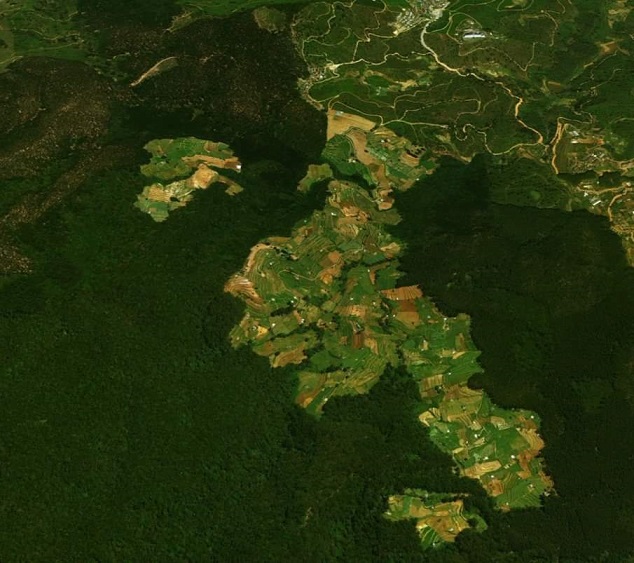
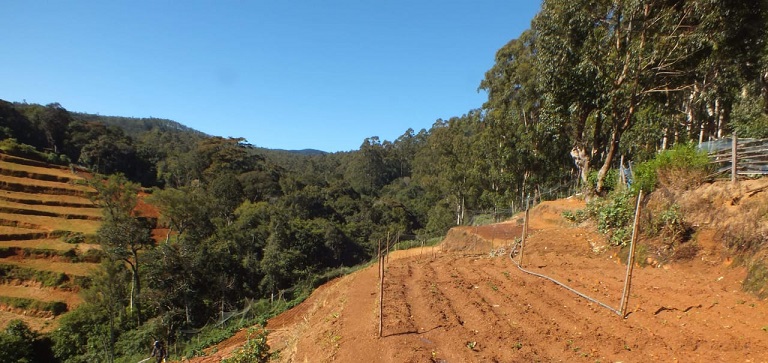
ශ්‍රී ලංකාවේ උසම කන්ද පිදුරුතලාගල රක්ෂිතයෙන් අක්කර 300ක් ඇමතිවරයෙකුගේ හිතවතුන්ට බෙදා දීමේ සූදානමක්, කැබිනට් පත්‍රිකාවද සූදානම්.

January 23rd, 2020

පේශල පසන් කරුණාරත්න මාධ්‍ය සම්බන්ධීකාරක වැසිවනාන්තර සුරකින්නෝ සංවිධානය

ශ්‍රී ලංකාවේ උසම ස්ථානය වන පිදුරුතලාගල කඳු පන්තිය තරම් පාරිසරික ව වැදගත් කඳුකර වනාන්තරයක්  තවත් නොමැති තරම් ය. පිදුරුතලාගල කඳුකර වනාන්තර පරිසර පද්ධතිය මෙරට වසන ඒකදේශික සහ ස්ථානීය ආවේණික ජෛව ප්‍රජාවන් සිය ගණනක්, ඉතා කුඩා භූමි කලාපයක් තුළ උවද පවා දැකගත හැකි මට්ටක ඇති සුවිශේෂී සහ සංවේදී පරිසර ලක්ෂණ පිහිටි භූමියක් වේ. මෙම කඳුකර වනාන්තරය දවසේ බොහෝ කාලයන්හි මීදුමෙන් වෙලී අඳුරු ස්වභාවයකින් යුතු ඉතා මනරම් දර්ශනයක් ජනිත කරවන සංචාරක ආකර්ෂණය සහ පරිසර ලෝලීන්ගේ මන බැඳගත් ශ්‍රී ලංකාවේ භූ විද්‍යාත්මක සහ පාරිසරික වශයෙන් අග්‍රස්ථානයේ වැජඹෙන සම්පතකි.

වර්ෂාව ජනිත කරවීමට දායකවන වර්ෂා නිර්මාපකයකු ලෙසත් ජලය ගබඩා කරගන්නා කඳුවැටියක් ලෙසත්, පසුව එම ජලය පහතට ක්‍රමයෙන් ගලායාමට සලස්වා ඇල දොල ගංගා විශාල ප්‍රමාණයක් පෝෂණය කරන ජල පෝෂකයක් ලෙසත් මෙම කලාපය වැදගත්කමක් උසුලයි. කුරුඳු ඔය මින් පෝෂණය වන එක් ප්‍රධාන ගංගාවකි.

පිදුරුතලාගල රක්ෂිතය වන සංරක්ෂණ දෙපාර්තමේන්තුව විසින් රක්ෂිතයක් ලෙස නම් කර ආරක්ෂා කිරීම සඳහා වන සුවිශේෂී අවශ්‍යතාවය හඳුනාගන්නේ මීට දශක කිහිපයකට පෙරයි. එසේම මෙම කලාපය කලක  අධි ආරක්ෂිත කලාපයක් ලෙසද පැවති අතර ආරක්ෂාවට සහ පරිසර ආරක්ෂණය වශයෙන් යන දිවි ආකාරයෙන්ම පිදුරුතලාගලට හිමිවන වැදගත්කම මිල කළ නොහැකිය.

කෙසේ නමුත් මධ්‍ය කඳුකරයේ ෆයිනස් වැව්වා සේම, පහතරට කලාපයේ යුකැලිප්ටස් වගා කළ සේම, ආර්ථික බෝග වගා මගින් බ්‍රිතාන්‍යයෙන් ‍ශ්‍රී ලංකාවේ මධ්‍ය කඳුකරයට කළ හානිය සේම, නොයෙක් අවස්ථාවලදී අපගේ දේශපාලනඥයින් විසින් මධ්‍ය කඳුකරයේ සහ තෙත් කලාපයේ වටිනා රක්ෂිත ප්‍රදේශ විවිධ ආකාරයේ නොසුදුසු ඉඩම් භාවිත කාර්යන්ට යොදා ගන්නා ලදී. ඒ අනුව පිදුරුතලාගල අක්කර කිහිපයක් දශක හතරකට පමණ පෙර පර්යේෂණ මට්ටමින් ඇපල් වගා කිරීම සඳහා ප්‍රදේශයේ ජනතාව අතර බෙදා දෙන ලදී. එසේ ප්‍රදේශයේ ජනතාව අතර ඇපල් වගා කිරීම සඳහා බෙදා දුන් වනාන්තර කට්ටිය පසුව ඇපල් ෆාම් ලෙස ප්‍රචලිත විය. කෙසේ නමුත් පසුකාලීනව එම පර්යේෂණ ඇපල් වගාව අතහැර දැමූ අතර අද වන විට කිසිදු ආකාරයක ඇපල් වගාවක් එහි සිදු නොවේ. එසේම එලෙස ඇපල් වගාව නැවතුනු වනසංරක්ෂණ ඉඩම් නැවත වන සංරක්ෂණ දෙපාර්තමේන්තුවට පවරා ගැනීම සඳහා අවශ්‍ය නෛතිකමය කාර්යයන් සිදු කෙරෙමින් පවතී.

ඉහත සඳහන් ඇපල් වැවීම සඳහා ලබාදුන් කැලෑ කුට්ටිය  මෙන් කිප ගුණයක ප්‍රදේශයක් පසුකාලීනව ප්‍රදේශවාසීන්ගේන් ඉඩම් මිලදීගත් ව්‍යාපාරිකයින් විසින් හෙළිකර මහා පරිමාණයෙන් එළවළු වගා කිරීම සඳහා යොදා ගන්නා ලද අතර ඊට එරෙහිව වන සංරක්ෂණ දෙපාර්තමේන්තුව විසින් නඩුකරයන් පවරා ඇත.

තවද අනවසර විදුලි වැටවල් ඇද සතුන් මරා දැමීමත්, කැලය තුළ දඩයම් කිරීමත්, පිදුරුතලාගල වනය තුළ දැව හෙළීමත්, වැනි  නීති විරෝධී ක්‍රියාවන් විශාල ප්‍රමාණයක් මෙකී පිදුරුතලාගල වන භූමිය තුල අනවසර ලෙස පදිංචි ව සිටින ව්‍යාපාරිකයෙක් විසින් සිදු කිරීම නිසා වන සංරක්ෂණ දෙපාර්තමේන්තුව විසින් නඩු විශාල ප්‍රමාණයක් පැවරීමට කටයුතු කර ඇත. තවද කුඩා දිය පහරක් සේ ආරම්භ වන කුරුඳු ගඟේ ජල පෝෂකය කෙලින්ම බට දමා එම ජලය සියල්ලම තම වගාවන්ට ලබා ගැනීම තුළින් කුරුඳු ගඟේ ජලය නොමැතිවීම නිසා වන සතුන් දැඩි පීඩාවට පත්ව ජලය සොයා යාම නිසා  දඩයක්කරුවන්ගේ ගොදුරු බවට පත්වේ. තවද බොන්චි වගාව වැනි යම් යම් වගාවන් සඳහා අවශ්‍ය වන කෝටු පිදුරුතලාගල රක්ෂිතයෙන් කැපීම නිසා වනාන්තරයේ මීළඟ පරම්පරාවේ ශාක ඝනත්වය සහ වනාන්තරයේ විවිධත්වය දැඩි ලෙස තර්ජනයකට ලක් කර ඇත. තවද මෙම වගාවන්ට යොදනු ලබන විශාල රසායනික ප්‍රමාණය හේතුකරගෙන අද වනවිට වලපනේ වැනි ප්‍රදේශවල ජනතාව පරිභෝජනය කරන ජලයේ බැර ලෝහ ඇතුළු රසායනික අපද්‍රව්‍ය සංඝටක බහුලව ඇති බවට සමීක්ෂණ වලින් පවා තහවුරු වී ඇත.

මෙම ව්‍යාපාරිකයින් ප්‍රදේශයේ දේශපාලනඥයෙකු හා  සම්බන්ධව අක්කර සිය ගණනක් තමන්ගේ පවුලේ ඥාති මිත්‍රාදීන්ගේ සහ යහළුවන්ගේ නම් වලට ලියාගෙන අනවසරෙන් භුක්ති විඳිමින් සිටී. මෙම ව්‍යාපාරිකයින් කාර් සේල්, හෝටල් සහ නොයෙක් ආකාරයේ විශාල ව්‍යාපාර කරන අයවලුන් වේ. එවකට ඇපල් වගා කිරීම සඳහා ලබාදී තිබුණේ බලපත්‍රයක් පමණක් වුවත් පසුකාලීනව එම බලපත්‍ර ලබා දුන් ප්‍රදේශවාසීන්ගෙන් ඉඩම් ලබා ගත් මෙම කූට ව්‍යාපාරිකයින් එලෙස සොච්චමකට ලබාගත් ඉඩම් අද වන විට සින්නක්කරව අයිති කරගැනීමට උපක්‍රම යොදමින් සිටී.

මෙම ව්‍යාපාරිකයින්ට එරෙහිව වන සංරක්ෂණ දෙපාර්තමේන්තුව ඇතුළු ආයතන මේ වන විට නඩු කටයුතු සිදු කෙරෙමින් පවතින අතර,  එලෙස නඩු කටයුතු ක්‍රියාත්මක වන අවස්ථාවක ප්‍රදේශයේ එක්තරා අපකීර්තිමත් සහ පසුගිය මහජන ඡන්දයෙන් පරාජයට පත්වූ නමුත් හිටපු ජනාධිපතිවරයා ගේ අනුහසින් පසුපස දොරින් පාර්ලිමේන්තුවට රිංගා අද වන විට නැවත වතාවක් ඉහත කී ඉඩම් මංකොල්ලය සඳහා අවශ්‍ය වටපිටාව සකසා ගැනීමට කැබිනට් පත්‍රිකාවක් ඉදිරිපත් කිරීමට සැරසෙන බව අපට වාර්තා වේ.

මෙහි අවාසනාවන්තම තත්වය නම්  වර්තමාන පරිසර අමාත්‍යවරයා හරහා කැබිනට් පත්‍රිකාවක් ඉදිරිපත් කිරීම මගින් ඉහත කී පිදුරුතලාගල කන්දේ ඉඩම් අක්කර සිය ගණන තම අනුගාමිකයින් අතර බෙදා දීම සඳහා එකී දේශපාලනඥයා කටයුතු කරමින් සිටීමයි. අප වෙත වාර්තා වී ඇති තොරතුරු අනුව හෙට දිනයේ දී එකී කැබිනට් පත්‍රිකාව කැබිනට් මණ්ඩලයට ඉදිරිපත් කිරීමට සූදානමක් ඇත.

යම් හෙයකින් මෙම කැබිනට් පත්‍රිකාව අනුමත වුවො,ත් වනාන්තර සංරක්ෂණය සඳහා කැපවී සිටින වන සංරක්ෂණ දෙපාර්තමේන්තුවේ දශක කිහිපයක ප්‍රතිඵලයන් ගඟට කැපූ ඉනි සේ අපතේ යන්නා සේම, ශ්‍රී ලංකාවේ උසම කන්දේ උසම ස්ථානයේ පිහිටි අගනා කඳුකර වනාන්තර පද්ධතියක් සහමුලින්ම විනාශ කිරීම සිදුවන්නේ ය. එපමනක් නොව දැනටමත් මෙම අනවසර වගාකරුවන් විසින් සිදු කරනු ලබන එලවළු වගා කිරීම් තුළින් සහ ඒවාට යොදන අධික කෘෂි රසායන ප්‍රමාණය නිසා ප්‍රදේශයෙන් ආරම්භ වන ජලය මූලාශ්‍ර සහ ඇලදොල දැඩි ලෙස රසායන මගින් අපවිත්‍ර වී ඇත. එකී ඇළ දොළවල සිටින ආවේණික මත්ස්‍යයින්, මැඩියන්, උරගයින්, ඔබය ජීවීන් සහ නොයෙක් පාංශු ජීවීන් දැඩිසේ විනාශ වීමේ තර්ජනයක් ඇතිවී ඇත. මෙසේ සිදු වන්නේ අනවසර වගාකරුවන් විසින් සිදුකරන වගාකටයුතු හේතුවෙන් වන අතර යම් හෙයකින් මෙය නීතිගත  කලහොත් අක්කර සිය ගණන  දහස් ගණනක් දක්වා වුවත් ව්‍යාප්ත වී මුළු පිදුරුතලාගල ම එළවළු කොටුවක් බවට පත්වීම වැළැක්වීමට කිසිදු ජගතෙකුට නොහැකි වනු ඇත.

පිදුරුතලාගල කන්ද ප්‍රදේශය ලංකාවේ අඩි පන්දාහට වැඩි ඉතා දැඩි උස් කඳු මුදුන් වන අතර පාංශු සංරක්ෂණ පනත යටතේද දැඩි සංවේදී කලාපයක් වන අතර එවැනි කලාප වල මෙවැනි බෝග වගාවන් සඳහා අලුතින් ඉඩම් එක් කිරීම හා වනාන්තර ප්‍රදේශ කෘෂිකාර්මික භූමි බවට පත් කිරීම කිසිසේත්ම සුදුසු නොවන බව ඕනෑම ළදරුවෙකුට අවබෝද කාරණයකි. එසේම ජල සංරක්ෂණය සහ ලංකාවේ වර්ෂාපතන රටාව මෙන්ම දේශගුණික රටාවන් එලෙසම පවත්වා ගැනීම සඳහා පිදුරුතලාගල වැනි කඳුකර වනාන්තර වලින් සිදුවන මෙහෙය අමුතුවෙන් විස්තර කළ යුත්තක් නොවේ. එවැනි ප්‍රදේශයක් බලලෝභී දේශපාලනඥයෙකුගේ හෙන්චයියන්ට ඉඩම් බෙදීමට ඇති අවශ්‍යතාවය හේතුවෙන් කුට්ටිකඩා, කැබලිකර, කැලයකපා, විකිණීම යනු සහගහන අපරාධයකි. එය පරිසර නියාමන ආයතන වන මධ්‍යම පරිසර අධිකාරිය සහ වනසංරක්ෂණ දෙපාර්තමේන්තුව වැනි ආයතන වල සාධනීය කාර්යභාරයන් හෑල්ලුවට ලක් කිරීමකි. එසේම එය සමස්ත ලංකාවේ පරිසරයට කරනු ලබන ආපසු හැරවිය නොහැකි අපරාධයකි. වර්තමාන ජනාධිපතිතුමාගේ සෞභාග්‍යය දැක්ම ප්‍රතිපත්ති ප්‍රකාශනයටද කරනු ලබන නිගාවකි. පරාජිත දේශපාලනඥයෙකු, ලබන මහ මැතිවරණයේදී දිනවීම සඳහා පිදුරුතලාගල කඳු පන්තිය උකස් කිරීම සිහිබුද්ධිය ඇති කිසිවෙකු අනුමත නොකරන දැඩි පාපයකි. එමනිසා අප බලාපොරොත්තු වන්නේ ජනාධිපතිතුමා ඇතුළු වර්තමාන රජයත්, සියලු පරිසර නියාමන ආයතනත්, සිවු මහා නිකායේ මහනායක ස්වාමීන් වහන්සේලා ප්‍රමුඛ කරගත් මෙරට බෞද්ධ ප්‍රජාවත්, ජාති, ආගම්, කුලමල භේදයකින් තොර සියලු රටවැසියාත් එකතුව පිදුරුතලාගල උකස් නොකර රැකගැනීමට පෙරට එනු ඇතැයි කියාය.

සටහන

ජයන්ත විජේසිංහ

මේ පිළිබඳ වැඩිදුර තොරතුරු  0777771348 (ජයන්ත විජේසිංහ, කැඳවුම්කරු, වැසිවනාන්තර සුරකින්නෝ සංවිධානය) ඇමතීමෙන් ලබාගත හැක.

Steyer: U.S. reparations for slavery will help ‘repair the damage’

January 23rd, 2020

Brittany Shepherd National Politics Reporter Courtesy Yahoo.com

NEW YORK — Billionaire and presidential candidate Tom Steyer reiterated his support Wednesday for reparations for African-Americans suffering from the legacy of slavery.

We would retell the story over the last 401 years so everybody understands not just the legalized, institutionalized injustice in racism — which is definitely a huge part of this story — but also the contribution of the African-American community,” Steyer said in an interview with Yahoo News’ Hot Mic With Brittany Shepherd.” I don’t think we can be the country that we want to be until we acknowledge the past and move to accept the mistakes this country made that are dramatic and obvious, and then repair the damage.”

A Fox News poll released in early January showed Steyer in second place behind former Vice President Joe Biden in South Carolina, a state with a large African-American population.

To be clear, I talk about race very explicitly,” Steyer said when asked why he is making considerable gains in the Democratic race in this key early state. He argued that his willingness to step out on a policy ledge, so to speak, makes him appealing to voters of color who might feel ignored by others.

Tom Steyer interviewed on "Hot Mic With Brittany Shepherd" at the Build Studio in New York. (Screengrab: Build/Yahoo News)
Tom Steyer interviewed on “Hot Mic With Brittany Shepherd” at the Build Studio in New York. (Screengrab: Build/Yahoo News)

I believe that in every major policy area, there is an unspoken area about race,” Steyer added. For instance, I’m saying climate is my No. 1 priority. I’m also saying our climate plan is called a justice-based climate plan. And it starts in the communities, like say, Denmark, S.C., or Flint, Mich., where people can’t drink the water. We know who lives there: African-Americans. We know who lives in the San Joaquin Valley where people can’t drink the water safely out of the taps: low-income Latinos.”

Sen. Elizabeth Warren, D-Mass., is the only other remaining Democratic candidate in the race to have come out in favor of reparations for slavery, but after telling the New York Times last year that she supports them, she has also said she favors studying the proposal further. Nearly every other candidate supports a House bill that would establish a body to research reparations. Story continues

Critics say the overarching reason Steyer has made such strides is that he is flooding the markets in early states with millions of dollars in advertisements — a strategy that his rival Andrew Yang believed would be a turnoff to voters.

Steyer, who made his fortune as a hedge fund manager, bristled at that notion, saying instead that his straight talk about race, as well as his willingness to establish a presidential commission on racial justice, puts him at a tactical advantage.

ධර්ම ගුණසිංහ මහතා පිලිබඳ මතකය

January 23rd, 2020

වෛද්‍ය රුවන් එම් ජයතුංග

ධර්ම ගුණසිංහ මහතා මා මුලින්ම දුටුවේ 1973 වසරේදී එක ශ්‍රේණියට ඇතුලත් වූ විටදීය. ආරෝහ පරිණාහ සම්පන්න  කඩවසම් පුද්ගලයෙකු වූ එතුමා ගේ පෞරුෂත්වය කැපී පෙනුනේය.  


1973 වසරේ මැද කාලයේදී අපගේ පන්තියේ සිටි සරත්නරත්න හෙවත් ටිප්ටොප් පන්තියේ සිටි තවත් සිසුවෙකු වූ සුභසිංහ හෙවත් අලිකණාගේ පෝටෙලෝ බෝතලය හොරෙන් පන්නාගෙන ගෙනැවිත් පානය කලේය. ඔහු මට සහ ලක්‍ෂ්මන් ද සේරම් හටද මෙය බොන්නට දුන්නේය. සුභසිංහ මේ පිලිබඳව ගුරුවරියට පැමිණිලි කරන ලද අතර සරත්නරත්න සමග මටද ධර්ම ගුණසිංහ මහතාගේ කාර්‍යාලයට යාමට නියමිත විය. තවද ලක්‍ෂ්මන් ද සේරම්ද අප සමග ආවේය. ධර්ම ගුණසිංහ මහතා අප තිදෙනාටම වේවැල් පහර බැගින් දුන් අතර එය ධර්ම ගුණසිංහ මහතා  සමග මාගේ ප්‍රථම ඉන්ටර් ඇක්‍ෂන් එක විය. ඉන් පසු මම සරත්නරත්න අසලින් වත් යාමට බිය වූයෙමි. වර්තමානයේ ලක්‍ෂ්මන් ද සේරම් එංගලන්තයේ වාසය කරයි  

1976 හතර වසරේදී මා විසින් ලියන ලද කුඩා කතාවක් මිහිර පත්‍රයට යැවීමට අවශ්‍ය වූ අතර එය විදුහල්පති තුමා සහතික කිරීම අනිවාර්‍ය විය. මේ නිසා මා සිතේ දිරිය ගෙන එතුමාගේ කාර්‍යාලයට ගොස් මාගේ ලිපිය එතුමා අතට දුන්නෙමි. ධර්ම ගුණසිංහ මහතා එය බලා අත්සන් කොට එතුමාගේ සීල් එක ගැසුවේය.  

ධර්ම ගුණසිංහ මහතා ගේ අත්සන යුනීක් එකක් විය. එය අසීරු අත්සනකි. එහෙත් එම අත්සන හොරට ගැසීමේ හැකියාවෙන් යුතු සිසුන් කිහිප දෙනෙකු පාසලේ සිටියහ. වරක් ලසිත ළුවිස් දෙව්‍ රුවන් අල්විස් මහතාගේ රසායණ විද්‍යාව පන්තියේදී ධර්ම ගුණසිංහ මහතා ගේ අත්සන මාගේ රසායණ විද්‍යාව පොතේ ගසා පෙන්වීය. පසු කාලයක ධර්ම ගුණසිංහ මහතා පිටරටකට ගිය විට ආදි සිසුන් සාදයක් සූදානම් කළහ. එහිදී එක් සිසුවෙක් ධර්ම ගුණසිංහ මහතා ඉදිරි පිට එතුමාගේ අත්සන ගසා ගුණසිංහ මහතාව විමතියට පත් කලේය.  

අප පහ වසරේ සිටියදී ධර්ම ගුණසිංහ මහතා කැනඩාවට ගිය අතර පසුව පාසල් රැස්වීමේදී කැනඩාවේ පාසල් සහ සමාජය පිලිබඳ තොරතුරු අපට කියා දුන්නේය. 

ධර්ම ගුණසිංහ මහතා පාසල් රැස්වීම අමතන විට අප සාවධානව සිටින බවට පෙන්වමින් සිටි නමුත් පහත් හඞින් එකිනෙකා සමග  කතා කලෙමු. වරක් මා ඇතුළු පිරිසක් පාසල් රැස්වීමේදී  ගුණසිංහ මහතාට ඇහුම්කන් නොදී කතා කරමින් සිටියදී ශිෂ්‍ය නායකයන්ට හසුව රැස්වීමෙන් පසු අපව එතුමා ඉදිරියට පමුණුවන ලදි. පාසල නිම වීමෙන් පසු අපව රඳවා ගත් ධර්ම ගුණසිංහ මහතා අපට ” මම මින් පසු පාසල් රැස්වීමේදී කතා නොකරමි ”   යන්න 200 වාරයක් ලියන ලෙස නියම කලේය. අප සැම දෙනා තෙමිච්ච කුකුලන් මෙන් අදාල වාක්‍ය ලියුවෙමු. ඉන් පසුව මම පාසල් රැස්වීමේදී කතා කලේ ශිෂ්‍ය නායකයන්ට නොපෙනෙන ලෙසටය.  

1978 වසරේදී මා ඉගෙන ගත්තේ හිල්ඩා ගුණවර්ධන මහත්මියගේ පන්තියේය. එම පන්තියේ වාර අවසාන විභාගයේදී පන්තියේ තුන් වෙනියා වී මම මාගේ ප්‍රගති වාර්තා පොත රැස්වීමේදී එතුමා අතින් ලබා ගත්තෙමි. එය පාසලේදී මා එතුමා ගෙන් ලද එකම ධනාත්මක ප්‍රසාදය විය.  

1979 අප 7 වසරේ සිටින විට පාසල් කාලයෙන් පසුව අපට කතා කරන ඉංග්‍රීසි ඉගැන්වීම සඳහා ධර්ම ගුණසිංහ මහතා ගුරුවරියන් කිහිප දෙනෙකු ගෙන ආවේය. අපගේ ඉංග්‍රීසි දැණුම මෙන්ම පෞරුෂත්ව වර්ධනය සඳහා එතුමා නොයෙකුත් ධනාත්මක පියවර ගත්තේය. මේ නිසා අපගේ ද්වී භාෂා දැණුම වර්ධනය විය.  

1980 දී මම වරක් ලාල් රූපතුංග සහ රුෂාන්ත  සමග ජය මාවතෙන්  කට්ටි පැන යන්නට හදද්දී  ශිෂ්‍ය නායකයන් අප පසුපස එලවාගෙන ආවෝය. මම පණ එපා කියා දිව්වේ හසු වූයේ නම්  ධර්ම ගුණසිංහ මහතා ලඟට යාම නියත නිසාය. පසුව ධර්ම ගුණසිංහ මහතා ජය මාවත යනු පරාජයේ මාවත කියා පාසල් රැස්වීමේදී කියූ නිසා මම ජය මාවතෙන්  කට්ටි පැනීම නවතා දැමුවෙමි.   

1981 වසරේදී මමත් සිදත් සුරේන්ද්‍රත් උදිත පලිසේනත් ධර්ම ගුණසිංහ මහතා ගේ කාර්‍යාලය පසුපස තිබෙන උක් ගස්  වගාවෙන් උක් ගසක් හොරෙන් කඩාගෙන කෑවෙමු. උක් ගස කන ගමන් අප නිතර අවට බැළුවේ  ධර්ම ගුණසිංහ මහතා කොහෙන් හෝ පාත් වේදෝ කියාය.

1982 වසරේදී අ.පො.ස සාමාන්‍ය පෙළ විභාගය අවසන් දිනයේදී ලියනපතිරණ විසින් රතිඥාවක් පත්තු කොට විභාග ශාලාවේ කොරිඩෝවට විසි කරන ලද අතර එයට හසු වූයේ මාවය. ජයවර්ධන සර් විසින් මාව විදුහල්පති ධර්ම ගුණසිංහ මහතාට ඉදිරිපත් කරන ලදි. ධර්ම ගුණසිංහ මහතා මාව පාසලෙන් අස් කරන බව පවසා මාව විදුහල්පති කාර්‍යාලයට ගෙන යන ලදි. එහිදී මාගේ විස්තර ලියා ගත් අතර එම අවස්ථාවේදී මොරේ හෙවත් සමන් ධම්මික පැමිණ රතිඥාව දැමුවේ මා නොව ලියනපතිරණ බැව් කීම නිසා මාව මුදා හරින ලදි.  

1984 උසස් පෙළ පන්ති වලදී මම ධර්ම ගුණසිංහ මහතාව  මුණ නොගැසෙන ලෙසට හැසුරුනෙමි. එහෙත් වරක් සෙනරත් විජේසූරියගේ අත ඇඹරීම නිසා ඔහු එය ධර්ම ගුණසිංහ මහතාට පැමිණිලි කිරීමට යන ලදි . මම සෙනරත් විජේසූරියට වැඳ කේස් එක ශේප් කර ගත්තෙමි. සෙනරත් විජේසූරිය වර්තමානයේදී නාවික හමුදාවේ නිලධාරියෙකි. 

1985 උසස් පෙල විභාගයෙන්  පසු  මම චරිත සහතිකයක් ගැනීමට ධර්ම ගුණසිංහ මහතා ගේ කාර්‍යාලයට ගියෙමි. එතුමා මාගේ හිසේ සිට පාදාන්තය දක්වා බලා චරිත සහතිකයක්  දුන්නේය.  

1999 වසරේදී නාලන්දා විද්‍යාලීය ආදි වෛද්‍යවරුන් ගේ සංගමය විසින් විදුහලේ සායනයක් පවත්වන බැවින් එම සායනයට එන ලෙස මගෙන් ඉල්ලා තිබුනේය. මම එම සායනයට ගිය අතර ධර්ම ගුණසිංහ මහතා ප්‍රෙෂර් එක චෙක් කරවා ගැනීම සඳහා මා වෙත ආවේය. මම අසුනෙන් නැගිට එතුමා පිලිගෙන ගෞරව බහුමානයෙන් යුතුව එම උපකරණ එතුමාගේ අතේ සවි කොට රුධිර පීඩනය මැන්නෙමි. 

2002 වසරේදී මා විසින් ලියන ලද අධ්‍යාපන ප්‍රතිකාර පොත දොරට වඩින උත්සවයට ධර්ම ගුණසිංහ මහතා පැමින කතාවක්ද කලේය. එම දිනයෙන් පසු මා විසින් අතීතයේ කරන ලද සියළු නසරානී ක්‍රියාවන්ට සමාවක් ලැබුණි. 

 වරක් එතුමාව ධර්මසිරි ගමගේ කලාකරුවාගේ අවමගුල් දිනයේදී කොලඹ කනත්තේදී මට හමු විය. මම එතුමාට පිරිස ඉදිරියේ වැඳ කතා කලෙමි. තවද 2005 වසරේදී වරක් මමත් කර්නල් සුනිල් සෝමවීරත් ඇපොලෝ රෝහලේ උත්සවයකට ගියෙමු. එහිදීද මට එතුමා හමු විය.    

මට එතුමාව අවසන් වරට මුණ ගැසුනේ 2007 දී සර්වෝදය ආයතනයේදීය . මේ කාලයේදී මම පුත්තලම් දිස්ත්‍රික් මානසික සෞඛ්‍ය සම්බන් ධීකරණ වෛද්‍ය නිලධාරී ලෙස සේවය කලෙමි. එම කාලයේදී අප ලෝක සෞඛ්‍ය සංවිධානයේ ජෝන් මැහෝනී සමග පුත්තලම් දිස්ත්‍රික්කයේ මානසික සෞඛ්‍ය ප්‍රවර්ධන වැඩසටහන් කීපයක් කලෙමු. මෙයට සර්වෝදය ආයතනය විසින් අපට සහාය දෙන ලදි.  එම වසරේදී ආචාර්‍ය ඒ.ටී. ආරියරත්න මහතාටත් ධර්ම ගුණසිංහ මහතාටත් මාදම්පේ නියෝජ්‍ය පළාත් සෞඛ්‍ය සේවා කාර්‍යාලයේ පැවති මානසික සෞඛ්‍ය  ප්‍රවර්ධන  වැඩසටහනකට  මා ආරාධනා කල නමුදු එම වැඩසටහනට පැමිනියේ ආචාර්‍ය ඒ.ටී. ආරියරත්න මහතා පමණි. පසුව හෙලි වූයේ තම බල්ලන් දෙදෙනාට කෑම දීමට තිබෙන නිසා ධර්ම ගුණසිංහ මහතාට බොහෝ කාලයක් ගෙවා මාදම්පේට ඒමට නොහැකි වූ බවයි.  

ධර්ම ගුණසිංහ මහතා අපගේ ජීවිතයට බොහෝ ධනාත්මක දේවල් ලබා දුන්නේය. වර්තමානයේ දේශපාලකයන් ඉදිරියේ වැඳ වැටෙන , ඉස්කෝලයට ළමුන් ගැනීමට පගා ගන්නා විදුහල්පතිවරුන් යැයි කියන නිකමුන් නිබඳවම දකින අපට ධර්ම ගුණසිංහ මහතා වැන්නවුන් ගේ වටිනාකම මනාව පසක් වේ.  

ධර්ම ගුණසිංහ මහතා යනු නාලන්දාවේ එක් සුවිසල් පරිච්ඡේදයකි.

වෛද් රුවන් එම් ජයතුංග

Man gives birth to baby boy at hospital in Sri Lanka

January 23rd, 2020

Courtesy NewsIn.Asia

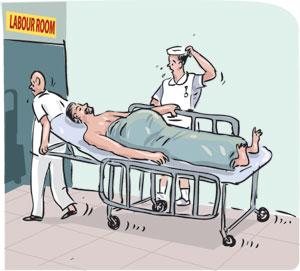
A man who gave birth to a baby boy caused a large crowd to gather outside Matara Hospital. The man sporting a beard had been from a village bordering Matara.

Man gives birth to baby boy at Matara Hospital

23rd January (Daily Mirror) – A large crowd thronged to Sri Lanka’s southern Matara Hospital recently after hearing the shocking news of a man who had given birth to a baby boy. The man sporting a beard had been from a village bordering Matara.

After being admitted to the patient registration unit, the doctor who examined him initially had referred the patient to a male ward as he suffered birth pangs. Later, he had been transferred to the maternity ward by another doctor who was excited to examine the pregnant male. He had been provided with bed jackets and chintzes.

The patient was then transferred to the labour room where he delivered a baby boy. Arrangements were later made by the hospital staff to breastfeed the newborn.

Commenting on this, a spokesman for the hospital said the NIC of the patient concerned indicated a male identity and that his travelling bag was full of men’s wear. He added that the patient was a trishaw driver.

Further information revealed that the patient was born a female and had his breasts removed. Due to a hormonal imbalance, the patient acted as a male.

Sri Lanka: Police refuse to file journalist death threat complaint

January 23rd, 2020

Courtesy The International Federation of Journalists

Mulleriyawa Police in the Central Province of Sri Lanka refused on January 10 to record the death threat complaint of a court correspondent. The International Federation of Journalists (IFJ) and its affiliate the Free Media Movement (FMM) strongly urge Sri Lanka’s police to accept the complaint and conduct an investigation into the matter.

On January 10, the Officer in Charge (OIC) of the Mulleriyawa Police in Sri Lanka’s Central Province refused to take the complaint of Nimanthi Ranasinghe, a court correspondent for the daily newspaper Lankadeepa. It is alleged that the police officer turned the journalist away when Ranasinghe refused to reveal her source. According to FMM, the police then humiliated Ranasinghe for standing up to her right to protect her source’s anonymity, telling her that no action could be taken under the Criminal Code.

On January 13, Ranasinghe then went on to lodge a further complaint against the Mulleriyawa Police OIC for his refusal to file the case and for the subsequent humiliating behaviour with the Nugegoda Senior Superintendent of Police (SSP) office in Colombo. Ranasinghe also requested the Nugegoda police to action the initial complaint.

The FMM said it strongly condemned the demeaning way” the Officer in Charge (OIC) of the Mulleriyawa Police allegedly treated professional journalist, saying it set a deplorable precedent”. It urged all relevant stakeholders to conduct an impartial inquiry into the incident to ensure that the guilty offenders are charged.

The IFJ said: Threats against journalists are a critical human rights abuse and a major warning sign in terms of journalist safety. To ignore or fail to act on against threats to journalists and officially recognise these abuses further adds to a climate of impunity for violence against journalists.”

It is critical that Sri Lanka’s police treat such complaints with the seriousness they deserve and thoroughly investigate the matter, the IFJ added.

The irresponsible behaviour of the OIC demonstrates the complete ignorance of the implications for both citizens and journalists and should also be investigated in terms of an abrogation of duty.

For further information contact IFJ Asia – Pacific on 
+61 2 9333 0918

The IFJ represents more than 600,000 journalists in 140 countries

CID grills Shani Abeysekara for over 5 hours

January 23rd, 2020

Courtesy Ada Derana

Former Director of the Criminal Investigation Department (CID) SSP Shani Abeysekara has left the CID after recording a statement for over 5 hours.

Abeysekara arrived at the CID this morning (23) to give a statement with regard to the probes carried out on Swiss Embassy staffer Garnia Bannister Francis.

The CID had recently reported to the court that Inspector of Police (IP) Nishantha Silva had engaged in a telephone conversation with SSP Abeysekara for nearly 9 minutes before departing to Switzerland.

In addition, the CID has observed that Garnia Bannister Francis kept in touch with Lake House chairman Krishantha Cooray, a former employee of Lake House Darisha Bastian, IP Nishantha Silva and former CID chief SSP Abeysekara during the time period the alleged abduction took place.

The CID also informed the court that Darisha Bastian and IP Silva had left for Switzerland on the 21st and 24th of November last year, respectively. The Lake House chairman had departed for Switzerland on the 5th of December. The trio has not returned to the country after they left the country, the investigators had told the court.

RANJANGATE SCANDAL – CCD directed to obtain arrest warrant for Judge Gihan Pilapitiya

January 23rd, 2020

Courtesy Ada Derana

The Attorney General has instructed the Director of the Colombo Crime Division (CCD) to obtain a warrant and arrest interdicted High Court Judge Gihan Pilapitiya and to produce him before court.

The AG’s Coordinating Officer Nishara Jayaratne stated that the Attorney General directed the CCD to obtain a warrant and arrest the interdicted High Court Judge for conspiring to fabricate false evidence” along with MP Ranjan Ramanayake.

Meanwhile the Attorney General Dappula De Livera has also instructed the Director of the CCD to obtain technical evidence from the telecommunication service providers in the country regarding MP Ramanayake’s phone conversations with the three judges. 

Embilipitiya High Court Judge Gihan Pilapitiya was interdicted yesterday (22) over the controversial phone conversation he had with UNP MP Ranjan Ramanayake.

A series of audio recordings of phone conversations between the MP and several high-profile officials in the country including former Director of the Criminal Investigation Department (CID) Shani Abeysekara and three judges, were leaked to the media earlier this month.

Recordings contained phone conversations between the parliamentarian and Justice Gihan Pilapitiya, retired Judge Padmini Ranawaka, and Magistrate Dhammika Hemapala.

Baddegama Magistrate Dhammika Hemapala was also interdicted by the Judicial Services Commission (JSC) last week over the issue.

As per the Attorney General’s instructions, the CCD recorded statements from HC Judge Pilapitiya, Retired Judge Padmini Ranawaka and Magistrate Hemapala recently.

RANJANGATE SCANDAL – Hot Video – රංජන්ගේ තවත් හඬ පටි එළියට

January 23rd, 2020

Courtesy Hiru News

RANJANGATE SCANDAL – රන්ජන්ගේ හඬ සාම්පල ලබාගැනීම යළි දැනුම් දෙනතුරු නවතී

January 23rd, 2020

උපුටා ගැන්ම හිරු නිව්ස්

රක්ෂිත බන්ධනාගාරගත කර සිටින පාර්ලිමේන්තු මන්ත්‍රී රන්ජන් රාමනායක හඬ සාම්පල ලබාගැනීම සඳහා නැවත දැනුම්දෙන තුරු රජයේ රස පරීක්ෂකවරයා වෙත ඉදිරිපත් නොකරන ලෙස නුගේගොඩ අතිරේක මහේස්ත්‍රාත් එච්.යූ.කේ. පැල්පොල මැගසින් බන්ධනාගාරයේ අධිකාරීවරයා වෙත නියෝග කර තිබෙනවා.

මන්ත්‍රීවරයා අධිකරණ නියෝගයකට අනුව අද දිනයේදී රජයේ රස පරීක්ෂකවරයා වෙත ඉදිරිපත් කිරීමට නියමිතව තිබුණා.

කෙසේ වෙතත්, හිරු ප්‍රවෘත්ති අංශය කළ විමසීමකදී මැගසින් බන්ධනාගාරයේ උසස් නිලධාරියෙකු සඳහන් කළේ අද දිනයේ මන්ත්‍රීවරයා රස පරීක්ෂක වෙත ඉදිරිපත් නොකරන ලෙසත්, ඒ සඳහා දිනයක් ඉදිරියේදී ලබාදෙන බවත් අධිකරණය දැනුම් දී ඇති බවයි.

මේ අතර, පාර්ලිමේන්තු මන්ත්‍රී රන්ජන් රාමනායක ප්‍රකාශ කළ පරිදි ඔහු විසින් ආන්දෝලනාත්මක හඬ පට කිසිවක් මේ දක්වා සභාගත කිරීම සඳහා පාර්ලිමේන්තු මහලේකම්වරයාට භාර දී නොමැති බව නියෝජ්‍ය කථානායක ආනන්ද කුමාරසිරි අද ප්‍රකාශ කළා.

ඒ, කතානායකවරයාගේ නිවේදන පාර්ලිමේන්තුවට ඉදිරිපත් කරමින්.

පාර්ලිමේන්තු මන්ත්‍රී රන්ජන් රාමනායක පෙරේදා පාර්ලිමේන්තුවේදී ප්‍රකාශයක් සිදුකරමින් තමන් හඬ පට සභාගත කරන බව සඳහන් කළා.

එදින පාර්ලිමේන්තු කටයුතු අවසාන වනතුරුත් කිසිදු හඬපටයක් ඔහු පාර්ලිමේන්තුවට භාරදී තිබුණේ නැහැ.

කෙසේ වෙතත්, ඊයේ පාර්ලිමේන්තුව රැස්වූ අවස්ථාවේදී රාජ්‍ය අමාත්‍ය කංචන විජේසේකර අදාළ හඬ පට භාරදෙන්නේ දැයි විමසුවා.

නමුත් ඊයේ පස්වරු හය වනවිටත් කිසිදු හඬ පටයක් මන්ත්‍රීවරයා පාර්ලිමේන්තුවට භාර දී තිබුණේ නැහැ.

RANJANGATE SCANDAL – හිටපු අගමැති කුමන්ත්‍රණයක් සඳහා මන්ත්‍රී රංජන් භාවිත කරන බවට සිංහලේ සංවිධානයෙන් චෝදනා

January 23rd, 2020

උපුටා ගැන්ම හිරු නිව්ස්

හිටපු අග්‍රාමාත්‍ය රනිල් වික්‍රමසිංහ මහතා විසින් ව්‍යවස්ථාදායකය, විධායකය හා අධිකරණය අර්බුදයකට යැවීමේ කුමන්ත්‍රණය සඳහා රංජන් රාමනායක මන්ත්‍රීවරයාව භාවිත කරමින් සිටින බවට සිංහලේ සංවිධානය චෝදනා කරනවා.

පෙර කරන ලද පැමිණිල්ලක් සදහා ප්‍රකාශයක් ලබාදීමට කොළඹ අපරාධ කොට්ඨාශයට පැමිණි අවස්ථාවේදී එම සංවිධානයේ මහලේකම් ප්‍රදීප් සංජීව මෙම අදහස් පලකළා.

මේ අතර අද පැවති තවත් ප්‍රවෘත්ති සාකච්ඡා කිහිපයකදීද රංජන් රාමනායක හා හිරුණිකා ප්‍රේමචන්ද්‍ර යන මන්ත්‍රීවරුන් සම්බන්ධයෙන් මෙලෙස අදහස් පලවුණා.

RANJANGATE SCANDAL – රංජන් සහ හිරුණිකා පාර්ලිමේන්තුවේ දී කළ ප්‍රකාශ ගැන විවිධ අදහස්

January 23rd, 2020

උපුටා ගැන්ම හිරු නිව්ස්

අධිකරණයට අපහාස කිරීමේ චෝදනා මත බන්ධනාගාර ගත කර සිටින රංජන් රාමනායක සහ හිරුණිකා ප්‍රේමචන්ද්‍ර යන මන්ත්‍රීවරුන් පසුගියදා පාර්ලිමේන්තුවේදී සිදුකළ ප්‍රකාශයන් සම්බන්ධයෙන් විවිධ පාර්ශ්ව අද අදහස් පළ කළා.

President advice acting IGP to be impartial with all arrests

January 23rd, 2020

Courtesy Hiru News

All arrested persons should be treated equally and Police should not bow down to any intervention, President Gotabaya Rajapaksa advices Acting IGP

RANJANGATE SCANDAL – Act. IGP appoints 5 member committee to advice on AG’s instructions to arrest HC judge Pilapitiya

January 23rd, 2020

Courtesy Hiru news

Acting IGP appoints 5 member committee to make recommendations on executing AG`s instructions to arrest HC Judge Gihan Pilapitiya.

RANJANGATE SCANDAL – CCD directed to obtain arrest warrant for Judge Gihan Pilapitiya

January 23rd, 2020

Courtesy Ada Derana

The Attorney General has instructed the Director of the Colombo Crime Division (CCD) to obtain a warrant and arrest interdicted High Court Judge Gihan Pilapitiya and to produce him before court.

The AG’s Coordinating Officer Nishara Jayaratne stated that the Attorney General directed the CCD to obtain a warrant and arrest the interdicted High Court Judge for conspiring to fabricate false evidence” along with MP Ranjan Ramanayake.

Meanwhile the Attorney General Dappula De Livera has also instructed the Director of the CCD to obtain technical evidence from the telecommunication service providers in the country regarding MP Ramanayake’s phone conversations with the three judges. 

Embilipitiya High Court Judge Gihan Pilapitiya was interdicted yesterday (22) over the controversial phone conversation he had with UNP MP Ranjan Ramanayake.

A series of audio recordings of phone conversations between the MP and several high-profile officials in the country including former Director of the Criminal Investigation Department (CID) Shani Abeysekara and three judges, were leaked to the media earlier this month.

Recordings contained phone conversations between the parliamentarian and Justice Gihan Pilapitiya, retired Judge Padmini Ranawaka, and Magistrate Dhammika Hemapala.

Baddegama Magistrate Dhammika Hemapala was also interdicted by the Judicial Services Commission (JSC) last week over the issue.

As per the Attorney General’s instructions, the CCD recorded statements from HC Judge Pilapitiya, Retired Judge Padmini Ranawaka and Magistrate Hemapala recently.

Sri Lanka’s response to Resolution S.84 passed by US Senate on 1 March 2011

January 23rd, 2020

On 4th March 2011, the Sri Lanka Foreign Ministry responded to the adopting of Resolution (S. Res 84) by US Senate. What is poignant about US Resolution and Sri Lanka’s response is the manner that the groundwork had been laid to politically & diplomatically corner Sri Lanka using every route possible.

What was the purpose of US Senate passing resolution on Sri Lanka?

Resolution called upon GoSL to

  • Establish an independent international accountability mechanism to look into reports of war crimes, during the war.
  • US embassy Colombo claimed S.84 Resolution was NON-BINDING
  • US welcomed the LLRC (US Permanent Representative to the United Nations Susan E. Rice in May 2010 welcomed the appointment of the LLRC)

S. Res 84 which was passed today in the U.S. Senate, is what is known as a simple resolution.  Although it is non-binding, it does express the concerns of American lawmakers that the government of Sri Lanka provide a credible and fair mechanism of ensuring accountability for possible violations of human rights during the war,”   

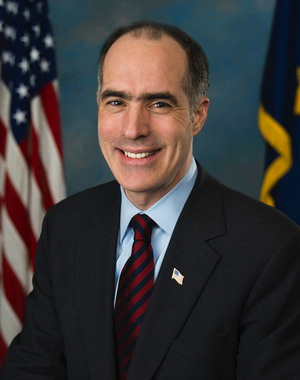
Resolution was presented by Senator Robert Casey of Pennsylvania & co-sponsored by 11 other Senators passed unanimously by the US Senate.

http://www.dailymirror.lk/breaking_news/us-senate-passes-a-resolution-on-sl/108-10124

http://www.colombopage.com/archive_11/Mar03_1299136828CH.php

Who is Robert Casey?

https://www.casey.senate.gov/newsroom/releases/casey-expresses-alarm-over-humanitarian-crisis-in-sri-lanka

In March 2009 U.S. Senator Bob Casey (D-PA) & seven U.S. Senators wrote a letter to Secretary of State Hillary Rodham Clinton regarding their concerns over the escalating humanitarian crisis. This followed his first hearing as Chairman of the Senate Foreign Relations Subcommittee on Near Eastern & South & Central Asian Affairs on 24th February 2009. The Subcommittee had testimony given by Jeffrey Lunstead former envoy to Colombo, Dr. Anna Neistat (HRW) & Bob Dietz of Committee to Protect Journalists.

Senator Casey wrote again to Secretary Clinton in 2013 http://dbsjeyaraj.com/dbsj/archives/15578

Sri Lanka in response through the Foreign Ministry to S.84 Resolution (2011)

  • LLRC empowered the Commission to inquire & report on events upto 19th May 2009 & covered probe into violations of international humanitarian law & human rights law.
  • LLRC conducted field visits to several locations in areas of conflict to gather testimony from affected civilians including those in detention, rehabilitation and welfare centres. LLRC has presented interim recommendations which were to be followed via Inter Agency Advisory Committee
  • LLRC established under Commissions of Inquiry Act (Amendment in 2008) – Article 24 empowering Attorney General to institute criminal proceedings based on material collected in the course of an investigation or inquiry by a Commission of Inquiry.

Sri Lanka reminded US that its embassy in Colombo had issued a statement on 3 December 2010 welcoming the President’s appointment of the LLRC. Sri Lanka reminded US that consideration for international measures can be considered where national domestic recourse is not available.

Sri Lanka Foreign Ministry statement also reiterated that Resolution 5.84 overlooked the ‘capacity and strong track record of the LLRC as a domestic mechanism’

Sri Lanka’s statement also highlighted the power of lobbying US bodies by ‘motivated groups’,

Sri Lanka’s reference to ‘motivated groups’ lobbying US bodies is significant when tiger front Global Tamil Forum read out Senator Casey’s later at its event in February 2010 in London.

https://www.casey.senate.gov/newsroom/releases/casey-remarks-read-at-global-tamil-forum-event

https://www.theatlantic.com/business/archive/2015/04/how-corporate-lobbyists-conquered-american-democracy/390822/

This is how the Senator thanked Global Tamil Forum

“I want to thank the Global Tamil Forum for its efforts to support the democratic process in Sri Lanka, especially during this difficult time in the country’s history.   I hope that the Sri Lankan people will be able to come together and focus on a common future that moves beyond war, terrorism and violence as means of political expression.  I also want to applaud the work of the U.S. Tamil Political Action Council. USTPAC has raised awareness of the humanitarian crisis facing the Tamil people in Sri Lanka and has played a constructive role in educating U.S. policymakers.  I look forward to our continued cooperation and wish you a successful forum in London.”

It was to this GTF London event that British PM Gordon Brown & Foreign Secretary Miliband graced endorsing commitment to GTF.

The 2010 article (reposted in 2014) by Daya Gamage is poignant Global Tamil Forum (GTF) endorses separate state in Sri Lanka: U.S. & U.K. behind GTF” https://terroristfronts.wordpress.com/2014/04/22/global-tamil-forum-gtf-endorses-separate-state-in-sri-lanka-u-s-u-k-behind-gtf/

As per article Senator met with Global Tamil Forum (known as World Tamil Forum) at Crown Plaza Hotel, London on 26 March 2009. The meeting ended with a resolution recognizing Tamil people have mandated the establishment of a free, sovereign state of Tamil Eelam (in Sri Lanka) as the only enduring solution” and that this conference Recognizes that the Liberation Tigers of Tamil Eelam (LTTE) are the authentic representatives of the Tamil people”.

The GTF, TGTE and USTPAC which has close rapport with State Department officials to influence policy makers of Western nations with heavy diplomatic discourse is on the path of creating a ‘Kosovo-type psychology’ to achieve a separate independent & sovereign state for the 12% minority Tamils in the Northern & Eastern provinces of Sri Lanka”

Daya Gamage described USTPAC an umbrella organization of 16 Tamil expatriate organizations in the United States”

As per Daya Gamage USTPAC has already convinced Mr. Robert Blake and others in the State Department that the only redress the Tamil minority could get is by achieving ‘self-determination’ of the Tamil people and self rule”

USTPAC had met State Dept officials on 11 August 2009 in Washington.

It is also no surprise that Senator Casey is US Secretary of State Hillary Clinton’s point man for Asian Region in Congress and Senator Casey is also close to Robert Blake who was peddling for maximum devolution to the North & East. All this concern naturally aligned with the US Pivot to Asia policy & US silent agreement that Eelam in North would give US the Eastern theatre!

What a cocktail – Blake, Rudrakumaran, USTPAC, US Tamil Diaspora – all with access to Chief of Staff of Sen Patrick Leahy, Chairman of Judiciary Committee, Chairman of Sub-Committee on Foreign Operations, State Dept & Foreign Assistance responsible for suspending military & drastically reducing economic assistance which included removal of Millennium Grant to Sri Lanka. So we must now wonder if MCC is part of the continuation of their bigger project to bifurcate Sri Lanka using ‘concern for Tamils as a smokescreen/camouflage’.

It is no better a time than to realize that these so-called foreign Tamil lobbies drumming ‘concern for Tamils’ are simply pawns of the West carrying out what the West in return for filling their coffers via its international networks. The West keeps these entities in check by frequently renewing the bans on them and releasing annual reports which are just good for the library shelves. A cosmetic arrests are done just to please Sri Lanka and to reconfirm the West’s commitment to the bogus ‘war against terror’.

With so much of hypocrisies at play how do weaker countries handle the bigger bullies?

Shenali D Waduge

Why is UNHRC overlooking report by Colonel Anthony Gash (British Defense Advisor)

January 22nd, 2020

Lt. Col. Anthony Gash was UK’s defense attaché to the British High Commission in Colombo from Feb2007 to Jun2009. He sent secret reports to the UK (upto 26 April 2009) which the UK Govt classified as ‘secret’. Lord Naseby challenged the classification by Foreign Commonwealth Office across 3 years from the UK Freedom of Information Act 2000. The 39 pages obtained were heavily blackened but what was not censored was enough for Lord Naseby to realize that 40,000 deaths did not take place thus totally negating war crimes charges the basis on which UNHRC conducted an investigation known as OISL.

Who was Lt. Colonel Anthony Gash?

Defence Advisor to the British High Commission from February 2007 to June 2009

What was his job role?

  • Sending secret despatches to the British Government
  • Training Sri Lankan Armed Services in International Humanitarian Law in March 2008

British Transparency & Lord Naseby

The response by Foreign Commonwealth Office to Lord Naseby’s request to release despatches was thus:

“Lt. Col. Gash was the FCO’s defense attaché at the British Commission in Colombo during the closing stages of Sri Lanka’s civil war. Many of his dispatches contain information provided directly to him by his contacts in the Sri Lankan government, the Sri Lankan Army or other military sources. His reports indicate, he had access to reports on troop movements, Sri Lankan military strategic thinking, the movements of the LTTE and assessments of casualty figures.

The effective conduct of international relations depends upon the free, frank and confidential exchange of information such as this. If the UK does not respect these confidences, then its ability to protect and promote UK interests through international relations will be hampered which will not be in the public interest”

Lord Naseby’s response to above

  • He wanted only clarity over events not to support anyone & UK Govt too should commit to that
  • British people had a right to know the contents of despatches
  • It would be deemed criminal to withhold relevant information from investigation given the allegations on war crimes with the despatches able to negate such and reconfirm the SL Govt took great care to ‘minimize civilian casualties’.

Lord Naseby when finally given access to Col. Gash’s despataches had pages and lines blacked out by the British authorities.

Who read these despatches or rather who didn’t?

British Foreign Secretary David Miliband darted off to Colombo with French Foreign Secretary Kouchner in April 2009 – surely Miliband would have been privy to these despatches?

Why didn’t Sri Lanka have the political will to exploit such a golden opportunity when Lord Naseby declared his findings in the House of Lords on 12 Oct 2017. The entire co-sponsorship of 2015 UNHRC resolution would have fallen flat on its face. While the Ranil Wickremasinghe Govt downplayed the importance of Lord Naseby revelation, Foreign Minister Marapana acknowledged it in Mar2019 UNHRC sessions.

Why did Yahapalana Govt downplay Lord Naseby’s revelation except make reference to it in March 2019 in Geneva via Foreign Minister Marapana.

What is poignant about Lord Naseby’s findings from the despatches sent by Col. Gash is that after his departure in 2009 – virtually 10 years later UK sent Col. David Ashman as Resident Defense Advisor to UK mission Colombo to ‘help Sri Lanka military fulfill obligations undertaken under 30/1 UNHRC Resolution co-sponsored by RanilW Govt.

House of Lords – 12 Oct 2017 Lord Naseby’s speech referring to the 39 despatches of Col. Anton Gash

https://hansard.parliament.uk/Lords/2017-10-12/debates/14CAA83D-8895-4182-8C4F-D964E0A5B399/SriLanka?highlight=sri%20lanka#contribution-E1EBDAC1-5D5F-4A7F-A0E4-5A52C5FEA9DA

28 January 2009 : Gash dispatch to UK

The LTTE appear to have no options left, and the language on TamilNet and other similar platforms is clearly striving for international intervention to force a ceasefire on the GoSL. Further civilian casualties are now inevitable as they no longer have options to move away from the combat zone. Without the presence of the IDPs the LTTE would be subjected to unrestricted air and artillery strikes, so have no incentive to release them. The SLA is exercising restraint but, without a change in political mood, will not hold back entirely.”

It is not possible to distinguish civilians from LTTE cadres, as few cadres are now in military uniform.

What does Lt. Col Gash say?

  • LTTE was without options
  • LTTE mouthpiece Tamilnet was appealing for international intervention
  • Likelihood of LTTE not releasing any civilian hostages to protect itself from SL Army fire.
  • It was impossible to distinguish civilians from LTTE (as they were not in LTTE uniform)

From this we should understand that LTTE took civilians with the plan to use them as hostages’/human shields and argue case for international intervention.

In Prof. Roberts own words the Western nations, both individually and collectively, were complicit in one of the most outstanding acts of blackmail the world has seen in recent centuries.”

Lord Naseby met Lt. Col. Gash in Colombo in early 2009 and Lord Naseby was told that the SL Army were proceeding in a measured way.

16 February 2009 – Col Gash on ICRC-SL Navy Operations in Trincomalee

  • Col. Gash and US diplomats had arrived in Trinco to visit SL Navy around 11 Feb 2009.
  • 12 February 2009 – Visit to IDP reception centre in Trincomalee
  • Commodore Sinniah invited them to observe arrival of ICRC ship but was declined by them citing protocols.

What does Col. Gash say in his dispatch to the UK Govt

  1. He observed arrival of 400 IDPs by sea to Trincomalee on 12 Feb evening (10p.m. on 12 Feb to 2a.m. on 13 Feb)
  2. Some IDPs carried on stretcher and put into vessel chartered by ICRC (he presumes transfer is agreed by LTTE as all IDPs had ‘release’ passes given by LTTE. Screening process done by intelligence personnel including metal detector screening of bags.
  3. ICRC Registration Desk provided statistics and SL Navy screening was only a re-confirmation
  4. SL Navy served IDPs tea – water – biscuits before transporting injured to Trinco General hospital and others put in buses to St. Anthony’s School area
  5. Col. Gash says operation was efficient & effective but most importantly was carried out with compassion, respect & concern. I am entirely certain that this was genuine – my presence, was not planned and was based on a sudden opportunity; I had free access to the 300m long stretch of beach over a 4hour period and was able to observe upwards of 200 SLN personnel working extremely hard in difficult conditions. Their high morale was notable; they were enjoying the work and clearly finding it satisfying”
  6. Col. Gash There were constant examples of thoughtful assistance ~ looking after babies while mothers were being searched, helping elderly ladies or mothers of babies with their bags, cheerfully offering food etc. ICRC observers were present at the beach, and the ambulance point was manned by the Sri Lankan Red Cross. I had a couple of minor criticisms mainly to do with the risks that were being taken; The commander explained that they had tighter security during the first arrival 2 days earlier- more rigorous searches of the injured, more separation of the stages in the process- but that this had taken so long, and had made the lDPs walk further, so that the SLN simplified the operation to avoid distress and exhaustion among the new arrivals. IDPs were having their mobile phones checked but they were then returned to them.”
  7. Col. Gash It was notable that this group was injured personnel, elderly or female accompanying family members, and children under 10 years old. The only men of fighting age were missing limbs or otherwise disabled
  8. Col. Gash There is real risk that a suicide bomber could cause mass casualties in the beach environment. I was genuinely surprised how calm the atmosphere was in the aftermath of the suicide bomb at the Vavuniya screening centre, and by how much compassion was being shown. Welfare appeared to be overriding some security considerations”

What does Lt. Col Gash say?

  • He gives a glowing character certificate of the Sri Lanka Armed Forces (SL Navy)
  • He gives many an example of the compassion and concern shown by the SL Navy personnel in treating IDPs even screening their mobiles but returning it back to them.

12 March 2009 – Gash dispatch to UK

The LTTE has been forcing the civilian population to move in accordance with their tactical requirements. The NFZ is rigorously policed and patrolled by LTTE cadres, who control access to food and medical facilities, ensuring that their own needs are met before any capacity is allowed for civilians.”

All artillery is now a single brigade to ensure clarity of tasking.” (this clearly indicated that there was controlled and clarity in using artillery)

What is Lt. Col Gash trying to say?

  • LTTE was taking civilians with them
  • LTTE was inside the no fire zone (when they had no business to be)
  • LTTE was policing and patrolling the NFZ – that means civilians were prisoners
  • LTTE controlled all food and medicines that had been from Colombo to the civilians
  • LTTE were distributing these food and medicines giving the LTTE & their families first

The humanitarian situation: in the NFZ is unpleasant. Little space, little food or medical facilities, and a brutal LTTE regime. Deaths from all causes (combat and illness) are increasing and malnutrition is being seen. The SLA is confident that once it reached the edge of the NFZ the civilian population will spontaneously rush out, overwhelming the LTTE if necessary. … a line blacked out”

What is Lt. Col Gash trying to say?

  • Situation looking grim was Gash’s assessment
  • Gash says civilian population would rush out – but that is an assumption only
  • Gash says there is malnutrition but how does he know that? That assertion has been dismissed by Dr. Shanmugarajah’s affidavit which says I can say that I saw very few cases of malnutrition. They were mild to moderate in nature.”
  • Lets not forget the opportunist Gordon Weiss from Colombo saying on 11 May 2009 that ‘malnutrition levels were extremely high’.

Note:

From Jan-Feb2009 – 35,178 civilians had defied LTTE and fled by foot or by sea.

On what basis was Gash claiming there was little food or medicines if he couldn’t predict how many civilians & LTTE were inside the ‘little space”

22 April 2009 – Gash dispatch to UK

TamilNet allegations continue along the familiar themes of attacks on orphanages, hospitals, cluster munitions, chemical weapons. These are no longer credible, albeit there clearly have been heavy civilian casualties from small arms and mortar fire.” (rest of line has been blacked out FCO)

What is Lt. Col Gash trying to say?

  • Gash admits that Tamilnets allegations regarding attacks on hospitals, orphanages, cluster munitions, chemical weapons were no longer credible.
  • (Col. Gash’s statement) is supported by affidavit of Dr. V Shanmugarajah who says I was on several occasions put under pressure by the LTTE International co-ordinator to give false death and casualty figures to the International Media.  On one occasion, the death toll that day had been 34 but I was instructed to tell the media that the death toll was 534.”
  • It certainly should make any to wonder whether the briefings by Col. Gash who was in Sri Lanka, who went on occasions to inspect sites and had hands on intel should be ignored and wild allegations by writers like Marie-Colvin writing from London should be accepted?

25 April 2009 – Gash dispatch to UK

Despatch has been blackened out by the Foreign Commonwealth Office

26 April 2009 – Gash dispatch to UK Assessment”

The question is what does the SLA do next? The lagoon obstacle makes it harder than before to mount a breaching operation or to attempt to bisect the NFZ again. It is likely that tactics will remain the same — patient assessment, infiltration, then sudden and decisive action at an identified weak point.

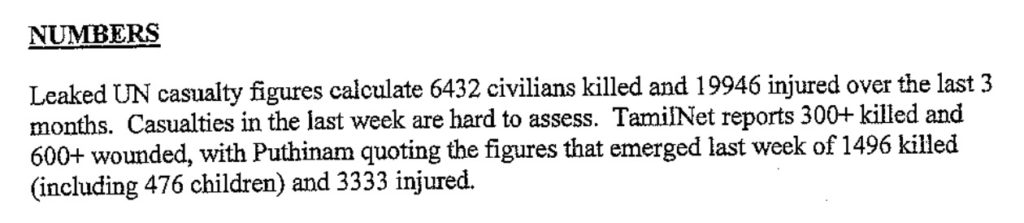
Civilians killed Feb 1-Apr 26 – 6432

 (Gash Despatch quoting UN Country Team)

The despatches are important as it confronts statistics and statements on the nature & manner of the Sri Lankan Armed Forces in the manner they carried out the humanitarian operation whilst engaged with the LTTE terrorists. Simply because these very valid evidence doesn’t fit into the plot of things, the disclosures cannot be omitted and UNHRC and many others carrying a vendetta certainly have some explaining to do.

Shenali D Waduge

More interesting disclosures can be read when Lord Naseby releases his memoirs Sri Lanka: Paradise Lost Paradise Regained – Recollections from 50 years of a unique friendship between a British Politician and the people of Sri Lanka

An interesting Ranjangate scandle from the UK -The Murdoch Phone Hacking Scandle: Lessons on how to investigate crimes!

January 22nd, 2020

By Garvin Karunaratne, Ph.D – Posted on August 31st, 2011

ERASING THE EELAM VICTORY Part 13 C

January 22nd, 2020

KAMALIKA PIERIS

There were many instances where small military units fought the LTTE courageously, despite all odds. Here is one example.

This essay presents an edited version of A personal account by the CO 1 GW of events in Batticaloa during the siege in 1990” by Brigadier Hiran N. Halangoda (Retd) of Gemunu Watch published in Sunday Island 27.12. 2015. ( http://www.island.lk/index.php?page_cat=article-details&page=article-details&code_title=137686)

  This is a personal account by the CO 1 GW of events in Batticaloa during the siege in 1990 and the courageous performance of duties by troops under his command, amidst unprecedented odds faced by them is recounted here for posterity,  said Halangoda.

I dedicate this article to all those valiant officers and men of the First Battalion the Gemunu Watch (1 GW) who served under my command from December 1, 1988 to January 31, 1991. They served with me loyally, with dedication and commitment in Hambantota, Moneragala, Ampara and Batticaloa [BCO] districts against all odds.

With the departure of the IPKF at the end of March 1990, the LTTE gradually took control of the North-East, which had been vacated under the terms of the Indo Sri Lanka  Agreement 1987 or occupied these lands illegally. They positioned their cadres in vital areas that enabled them to exert pressure on the Police who maintained law and order and on the Army who were very thinly deployed in the Northeast to counter them. In the Eastern province just one Infantry Battalion each was deployed in each of the districts of Ampara, Batticaloa and Trincomalee.

In Batticaloa district, five Army detachments were established at Wellawadi, Kiran, Kalawanchikudy, Kalmunai and Kallady. Of these detachments, Kalmunai [in the Ampara district] and Kalawanchikudy detachments belonged to 6th Battalion Sri Lanka Light Infantry (6 SLLI), which was raised in late May 1990.

The Infantry Battalions were handicapped as they had to transfer one Rifle Company and composite platoons to the newly raised Infantry Battalions in late May 1990. The troops had to re-orientate themselves from a limited engagement environment in the South to an all out COIN [Counter Insurgency] Operations environment in the North and East.

1 GW was re-deployed in Batticaloa district on May 18, 1990. By then the situation was very tense in the Batticaloa district. The LTTE obstructed the movement of the security forces, provoked the Army and interfered with the Police in maintaining law and order. There were around 30-40 outposts with bunkers manned by 150-300 LTTE cadres in the BCO town and vicinity.

A large bunker covered the approach into the Batticaloa town under the clock tower across the lagoon facing the Police station. LTTE permission was required to visit most areas in town, where a concentration of more than 30 LTTE outposts had come up. They reserved the use of certain garages and service stations exclusively for themselves.

This situation was brought to the notice of the military higher command and the civilian bureaucracy negotiating peace with the LTTE at that time. But the Security Forces were explicitly told to co-operate with the LTTE to bring about a peaceful settlement to the conflict as the country couldn’t afford another battle with the LTTE.

The President and the civilian bureaucracy did not know the ground situation despite negotiating for peace with the LTTE, whilst the military higher command did not put across the difficulties faced by the security forces on the ground  as they wished to continue in office.

On June 11, 1990, hostilities started in Batticaloa with the LTTE taking the Security Forces by complete surprise. They took over Batticaloa Police Station with its armoury, communications, gold and money which had been kept for safe custody.

I was the Commanding Officer of 1 GW and the Coordinating Officer of the Batticaloa district, located at the Kallady Camp (approximately 2 kms away from the Batticaloa Police Station). I had been in Ampara immediately before taking up duties in Batticaloa. The Police did not inform me about the developing situation. The owner of “L H Bakery”, one of my school friends informed me by telephone at 0620 hrs, on June 11, 1990, that all the Sinhalese in the town were ordered by the LTTE to vacate within five minutes.

At around 7.30 am, I was told a vehicle sent out from Kalawanchikudy Army camp (6 SLLI troops) had been ambushed at Kalmunai and all ten soldiers in the vehicle had been killed. Kalawanchikudy Army Camp, (to whom these soldiers belonged), had only 48 troops excluding the three officers. There was no way of moving out to Kalmunai to recover the dead of the patrol as the main road was blocked by the LTTE.

The LTTE had taken up a position by then around the Kalawanchikudy Camp and the Police Station opposite it. Having surrounded the camp and the Police Station they demanded their surrender, and also announced that they will not be harmed and will be handed over to the Sri Lankan Government at the Batticaloa airfield. Ten Sinhalese policemen escaped the deadly fate of the other policemen by jumping into to the adjoining Army Camp with their weapons and ammunition.

Captain Sarath Embowa of the 6 SLLI was the Officer Commanding the Kalawanchikudy Camp. He decided to fight the terrorists. The LTTE who were in touch with the SLAF Batticaloa (Air Force) base informed them that if the Police surrendered without resistance, they would hand them over to the Government. The Police, who were not prepared mentally and physically, and had no confidence to fight a ruthless guerrilla organization without military (air and artillery) support, agreed to surrender to the LTTE. By this time the LTTE had surrounded most of the 13 Police Stations in Batticaloa and Ampara Districts and had captured the Policemen who surrendered with their weapons without a fight.

All of them were taken to selected locations close by, asked to dig their own graves and brutally murdered in cold blood. The tragic fate of 677 Sinhalese and Muslim policemen who surrendered should be a constant and unforgettable reminder to all concerned of the LTTE atrocities committed in this conflict. Local and international Human Rights activists did not care to investigate this cold blooded tragedy

At 3.30 pm on June 11, Army Commander Lt. Gen. H. Wanasinghe, the Inspector General of Police, a senior officer from the Air Force and Director Operations of the Army, Brig. Vijaya Wimalaratne  arrived at Batticaloa Air Force base by air. The Senior Superintendent of Police, an ASP (living within Kallady camp) and I were heli-lifted from Kallady camp to join them for an urgent conference.

We had our meeting and returned to Kallady camp. The possibilities of reinforcing the Police stations were discussed. At that moment there was no way of reinforcing the police stations as the Army too were very thin on ground. The army camps too were in great danger due to them being under strength and, deployed far apart lacking mutual support. No artillery was available in Batticaloa district and the only available Bell 212 helicopter was not fitted with guns. (To fit the guns it would have taken between one to two hours).

An extremely dangerous situation existed. Our lack of preparation and abject appeasement of the LTTE could have led to the total loss of the East. On returning to camp from the Sri Lanka Air Force (SLAF) base at Batticaloa around 6.00 pm on June 11, 1990, the LTTE contacted me at Kallady and told me to inform Kiran (Kumburumulla) camp to surrender in five minutes and if it was disregarded, they were going to launch an all out attack on the camp. The LTTE had started their attack on Kiran and Wellawadi at 4.30 pm. In order to buy more time and avoid being found fault with for starting the war, I said that I would inform them of instructions after contacting the President.

I then contacted the 2 Division Commander Major General J. R. S. De Silva at Anuradhapura. He insisted that the Army should fight to the last man and the last round and that the entire country was depending on our performance in Batticaloa. I requested him for immediate assistance to evacuate the camps at Wellawadi and Kalmunai since they had only depleted platoons in each of them.

Meanwhile, all the four camps in the Batticaloa district and Kalmunai Camp in the Ampara district were under prolonged and severe attack. Wellawadi camp was established to provide protection to the Sinhala fishing community (about 200 fishermen, women and children) who had been living there for generations. 2/Lt RMCC Ranaweera   and 22 men fought for more than 36 hours supported by two 81mm Mortars (from Kiran detachment) against more than 300-400 LTTE cadres throughout the night with 90 rounds of ammunition (first line scale).

The troops were able to protect the fisher families and evacuate them by sea with the assistance of the Sri Lanka Navy, in a gunboat commanded by Cdr Thisara Samarasinghe [Admiral and ex Navy Commander] on June 12, 1990. It must be mentioned that there was not a single civilian conflict related casualty in the entire evacuation at Wellawadi except for a mother and a child who drowned while boarding the naval craft.

The troops were provided ammunition from Kallady, which was delivered by helicopter, before they withdrew in a Navy gunboat. This took them to Trincomalee and safety. They suffered only one minor injury to a soldier due to LTTE fire, during the entire 36 hour crisis.

The situation at Kalmunai too was similar; the platoon under 2/Lt KASH Karunatillake SLLI was under tremendous pressure as intense fire was brought down on them by the LTTE. However on June 13, 1990 the Navy under the command of Cdr. Daya Dharmapriya [retired Rear Admiral] in his gunboat and support vessels, evacuated them after an agonizing battle whilst being supported by artillery fire from the Malwatte Army camp. However, the SLLI suffered several casualties as the evacuation was done whilst in contact with the LTTE.

The LTTE unleashed salvos of mortar, small arms and 84 mm rocket launcher fire at the Kiran Camp. LTTE  also  used chlorine gas against the troops in Kiran on June 13, 1990.The Officer Commanding the camp, Captain Sumith Perera GW and his second in command Lieutenant Chinthaka Munasinghe GW (both officers were killed in action in subsequent operations conducted against the LTTE in Jaffna in 1995 and Mannar in 1991, respectively) with their men valiantly held the camp against all odds. The only surviving officer was 2/Lt Suminda Jayasundera GW who was a Young Officer (YO) with less than one year’s service with the Battalion at the time.

It must also be mentioned that Pte Dharmasiri K.A., the radio operator of ‘A’ Company 1 GW maintained communication with Battalion Headquarters (HQ) at Kallady and rear HQ at Diyatalawa throughout the entire period during day and night. When the antenna was damaged due to intense mortar fire, he fixed it at night by climbing a Palmyra tree. On the night of June 11, the Air Force helicopter fitted with machine guns became airborne to provide close air support.

 It should be noted here that the services provided by Flying Officer Thilana Kaluarachchi. (This officer was later killed when a missile hit the MI 24 he was flying in over Kokilai Lagoon in 1997).He relentlessly and gallantly flew the entire night and continued every night until the detachment was relieved. He gave much needed air support, which kept the LTTE at bay and was a tremendous morale booster to the besieged troops. The ground to air communications was closely coordinated through Cpl. Gamini GW of 1 GW stationed at the SLAF base at BCO, during this period.

On June 16, 1990, during the battle, a cease-fire was requested by the LTTE through the Bishop of Batticaloa for both sides could attend to their respective casualties. However, the LTTE leaders refused to disarm and stay put in the SLAF base in Batticaloa, but wanted to accompany the Bishop to Kiran with me or my representative. I refused to their terms which were clearly to take us hostage and over-power the detachment by holding us at gunpoint.

The LTTE stooped to such cunning low levels and proved their perfidy, deceit and treachery throughout the conflict. They continued to bombard the troops psychologically by making announcements through a loud hailer asking the troops repeatedly to give up and surrender without fighting a losing battle. Troops returned fire and fought steadfastly and resolutely, to deny the LTTE any opportunity to break into the camp.

Troops in all camps lived on liquids, raw papaws, Palmyra fruits and the odd animal that strayed during the siege. They were collected during the night or when there was a lull in the fighting. Since the well, which supplied fresh water to the Kiran camp was exposed to LTTE fire, troops tunneled into it at night to get drinking water for their survival. Troops in Kiran survived for seven nights in trenches, clad only in one uniform throughout the regular attacks by the LTTE.

Only one soldier was killed in action throughout the eight days of fighting. However, one officer and 60 soldiers of the 3×79 personnel in the camp suffered injuries and evacuated when reinforcements arrived. The alertness of the sentry at night enabled him to wipe out an entire group of nine LTTE guerrillas crawling into the camp by cutting the perimeter wire fence.

A rescue operation was finally launched under the command of GOC 1 Division Major General Denzil L. Kobbekaduwa. Before the rescue, he spoke to me over the radio on June 15, 1990. The voice of the GOC was a great morale-booster to me as we were all desperate about our survival. Until then the response from the military higher command was negative at best and very little encouragement was given to continue fighting.

The reinforcement operations were launched from the North of Batticaloa to relieve the Kiran Camp. 3 Brigade Group was commanded by Brigadier A. M. U. Seneviratne [retired Major General and Chief of Staff]. Fourth Battalion the Gemunu Watch and the Fifth Battalion the Vijayabahu Infantry Regiment had to fight their way and reached Batticaloa by June 19. Similarly, 1 Brigade Group commanded by Brigadier A. K. Jayawardhana

[retired Major General and a one time Secretary of Defence]

with First Sinha Regiment and First Special Forces Regiment fought their way from Ampara across country through Wellaveli to relieve Kalwanchikudy detachment in the South of Batticaloa. Both Brigade groups reached their objectives on June 18 despite heavy resistance from the LTTE.

The success of the 1 GW troops in the defence of their camps in the Batticaloa district was due to their courage, regimental espirit de corps, comradeship, belief in their leadership and their steely determination to survive amidst the death and wounding of their colleagues, along with the ensuing confusion and chaos of battle.

The effort taken to send the remains (cremated at night with the help of Palmyra branches amidst LTTE small arms fire) of the dead soldier [Sergeant Karunadasa E.A.D.] at Kiran to his next-of-kin was appreciated by his parents and was a great morale booster to the rest of the troops.

Let the courageous stand taken by all those valiant and gallant men of Gemunu in BCO in June 1990 in general, and especially Kiran in particular, be a defining and bold moment and tradition for all those who have served, continue to serve and are to serve in the Gemunu Watch to follow. This tradition must be upheld with pride.[1] ( continued)


[1] http://www.island.lk/index.php?page_cat=article-details&page=article-details&code_title=137686)

Working without a budget: Can this be done?

January 22nd, 2020

By Garvin Karunaratne, Ph.D. Michigan State University

Our new Government of President Gotabhaya has decided to hold up mega projects till the budget in August 2020.(The decision of our new Government to Mega projects on hold until August budget:”(Sunday Times:12/01/20))

My mind travels in nostaglia to two world class development programmes which commenced without a budget. I speak not from hearsay  or reference, but from sheer experience as I happened to be  a major player in both programmes.

 One is the Divisional Development Councils Programme, the flagship programme of the Sirimavo Government of 1970-1977, implemented when I was the Government Agent, the Chief Officer of a major district. The planning and implementation of the Programme in the District was entirely mine for the first two years. This Programme created employment for 33,270 youths.

The other is the Youth Self Employment Programme of Bangladesh. a programme that was solely designed and established by me within two years, which, being implemented later by officers trained by me,  is today the premier employment creation programme the world has known, a programme that has by now guided some three million youths to become self employed.

I would kindly request our leaders to read through this Paper which details – how we did implement major programmes without a budget.

The Divisional Development Councils Programme was implemented with great hopes. The leading economist in the island, Professor HAdeS Gunasekdera was hand picked and appointed the Secretary of a new Ministry: The Ministry for Plan Implementation. One senior SLAS Officer was his assistant and a staff of a dozen clerical officers were detailed. This Ministry was housed in a section of the Central Bank. I do not actually know how they were paid. However it would not amount to any major deal.

In implementation, the Programme was thrust on the Government Agents and the Divisional Secretaries. They were not given any additional payment, not even a traveling allowance. The Programme was given great prominence and even a helicopter was placed for  Professor Gunasekera’s travel. At the District level, in the earlier Government of Premier Dudley Senanayake, prominence was given to agriculture. What happened was that the Government Agents decamped from attending to agriculture and concentrated on this new programme.  The Government Agent of a District is in charge of a  a dozen or more departments and in Matara I selected the ablest staff officers to attend to this programme in addition to their duties. In my eighteen years’ experience I have always found  a core of able patriotic officers who are prepared to do additional work without any additional pay, provided they are convinced of the worth of the programme.

The DDCP was commenced by the Government Agents through the Divisional Secretaries. There was no budgetary provision but conferences and training workshops were held, work was apportioned, development projects were sought, feasibility studies were done, all without any budgetary expenditure. It took a few months for Graduate Assistants to be selected and that required budgetary provision. Around fifteen Graduate Assistants were posted to the District and they worked with the staff officers who were already on the job. It was later that Planning Officers were appointed- one per district. The Development Councils made suggestions and feasibility studies were done by staff officers in the katcheri. The Graduate Assistants joined the service for the first time and they were actually being trained by the katcheri staff officers and the Divisional Secretaries.

 It was my idea to find the art of making crayons and establish an industry on our own as the Ministry of Plan Implementation was interested only in attending to very small projects and small agricultural farms. Many projects suggested by me were rejected. I thought of establishing a major industry on my own.   I with the Planning Officer, a chemistry graduate and other interested staff officers  were  at the science lab of Rahula College which we had requisitioned every night for our experiments. Later on when I finally decided to establish the Coop Crayon factory and I decided that it be done in two weeks, the Planning Officer, and other katcheri staff officers moved to Morawaka and broke rest for two weeks- it was a 24 hour a day operation, Coop Crayon, the work of many an unpaid worker won the day to be the flagship industry of the DDCP.  That was also the hard work put in by Sumanapala Dahanayake the Mmber of Parliament for Deniyaya, in his capacity as the President of the Morawak Korale Cooperative Union. He was an excellent organizer. He was enthusiastic as his patriotism knew no bounds as long as the task was developmental.

Minister of Industries TB Subasinghe  was surprised to see the quality of the crayon and gladly accepted our request to open sales. He could not believe his eyes to see two rooms full with packets of crayons all done within some three weeks. Minister of Trade & Imports  Illangaratne even allocated an allocation of foreign exchange for us to import dyes when the Ministry of Industries refused. That was from the foreign exchange earmarked for imports, and he gladly cut off imports, which shows how any Government can benefit immediately from developing local industries.

In my District other highlights of work without pay was the contribution by late Ran Ariyadasa the Divisional Secretary on whom I placed total responsibility for the Mechanised Boatyard Project, that made some 40 seaworthy boats a year.  He was helped by a Graduate Assistant.

Volunteers also marched in to help projects. Science teachers at Rahula College helped the Planning Officer when he did a myriad experiments- easily thousands to unearth the art of making a crayon to be equal to the Reeves.  In the batik and sewing project at Tittapaddara, the instructor enlisted from a private batik project in Galle to work on payment for the days he worked, decamped a day before  we opened the project A  science teacher and a volunteer stepped in at a day’s notice to handle the project and they were only provided transport.

Many Divisional Secretaries got down to work in earnest all in addition to their normal duties. I am aware of the work done by Wilson Perera the Divisional Secretary at Baddegama, a friend of mine. An agricultural project with 60 youths was established on a neglected estate that was taken over. 12 acres of neglected rubber was rehabilitated, 40 acres of neglected tea was rehabilitated, 20 acres of jungle was planted with coconut and 50 acres of neglected paddy was rehabilitated. The work of this officer was so exemplary which made  the Member of Parliament of the area, Deputy Minister Niel de Alwis think  that he would contest against him at the general election and got him transferred overnight. Wilson  need not have done all that work in addition to his normal duties as the Divisional Secretary.(From: Papers on the Economic Development of Sri Lanka)

The paper factory established by the Divisional Secretary at Kotmale was a great success. That Divisional Secretary too  could have done small projects and got off . But he was trying to do something more, beyond the call of normal duty.

There was budgetary provision for project approvals. There were funds to buy the machinery and to pay a small stipend to the youths till the project generated enough income.

Judging from the total work done I am of the opinion that  easily seventy to eighty percent of the work of the DDCP was done by staff officers of the districts without any pay or even a traveling allowance, entirely in addition to their normal duties.

The Youth Self Employment Programme of Bangladesh

In 1982, when the military government of General Ershard took over Bangladesh, I was working as the Commonwealth Fund Advisor on Youth to the Ministry of Youth Development. The Military Government was very sceptical and critical about the work done in the Youth Ministry. A Conference was held to evaluate the programmes, when I was ordered to detail what contribution I could make for Bangladesh. I recommended that there should be a programme to guide youths in training to become self employed because most of the 40,000  youths trained each year remained unemployed. The Secretary to the Treasury, the highest ranking officer in the service objected on the grounds that a self employment or employment creation programme was something that can never be achieved. He quoted the miserable failure of an attempt by the International Labour Organization(ILO) to establish a self employment programme in Tangail, Bangladesh in the earlier three years and vehemently insisted that I will never be able to establish a self employment programme. I contested his views and persisted that I had the experience as well as the academic qualifications and could be certain of success. A bitter argument  ensued my detailing how I will succeed, while he was adamant that I would fail. I had to offer a challenge- that though the ILO of the United Nations with all their funds and world famed experts failed, I will succeed. This battle in  an  intensive and gruelling form went on for over two hours between the two of us  till the Minister had enough of it and ordered both of us to shut up. He then said that he had been listening to both sides and that I had convinced him and ordered that I should establish a self employment programme. The Secretary to the Treasury, the officer who held the purse strings stumped stating  that he will not be providing any funds for any such programme as there were no funds to waste. I immediately replied that I needed no new funds, but our Ministry  should be authorised to find savings within the existing youth training budget and utilize such savings for establishing the self employment activities. I added that our Ministry  should be authorized to vary the remits of officers working in the Youth Ministry. The Minister approved my suggestion to the chagrin of the Secretary to the Treasury.

I started work the very next day with around a few hundred youth workers, deputy directors of youth, lecturers who were involved in vocational training, teaching them elements of economics, national economic priorities-how to identify areas where employment creation will result in increases in production, how the youths should be guided to develop their abilities and capacities as they engaged in activities to establish minor income generating projects.  This was national planning in detail and motivating youths to take on the mantle of  national development. It was a combination of economics and methods of involving youths in income generation activities, establishing chicken farms, dairy projects, carpentry and sewing projects etc. We were motivating the youths to utilize the skills they were learning and get into a process of action which will bring them incomes.

 In less than two years by the time my assignment ended 2000 youths were being guided to become self employed. By March 1985  6024 youths had established income generating projects.

This Programme which commenced in mid 1982, continued entirely funded from savings from other youth training budgets till 1985 when it was accorded an annual allocation  by the Five Year Plan of the Planning Commission of Bangladesh.

With this allocation the Programme was developed further. Its three residential training centers in 1982 was increased to 10 by 1984/65, to 64 by 1997.

By 2011 the Government of Bangladesh reported to the IFAD(FAO), one of the funders that two million youths had become self employed. Today it is an ongoing programme where 160,000 youths are guided annually to become self employed.

This YSEP is easily the premier programme of employment creation the World has known that has by now guided over three million youths to become self employed. The Youth Development Department  that implements this Programme today spends 95% of its time and budget to create self employed youth out of school dropouts. All this was achieved by a programme which was entirely funded from savings in voted budgets for the first four years 1982 to 1985.   

Today, in my eighties,  I am proud to have designed and established this world class programme, with the active support of  Bangladeshi administrators trained by me.

( For more details: How the IMF Ruined Sri Lanka and  Alternative Programmes of success(Godages: 2006)

Over to our new leaders: Please consider funding a few employment creation programmes from savings. The quoted instances prove that this can be done.  May I suggest for kind consideration that the projects selected be of the import substitution type, where there is an immediate benefit in terms of obviating foreign exchange being used for imports. There are many projects that can be commenced within months, which can be proved sustainable within a year.

Our country yearns for any such initiative today.

Garvin Karunaratne

Former G.A. Matara

16/01/2020

Author of: How the IMF Ruined Sri Lanka & Alternative Programmes of Success(Godages:2006)

Papers on the Economic Development of Sri Lanka,(Godages: 2010)

How the IMF Sabotaged Third World Development (Kindle/Godages:2017)

War crime pardons dishonor the Christian roots of the modern military

January 22nd, 2020

Matthew Shadle Courtesy America the Jesuit Review

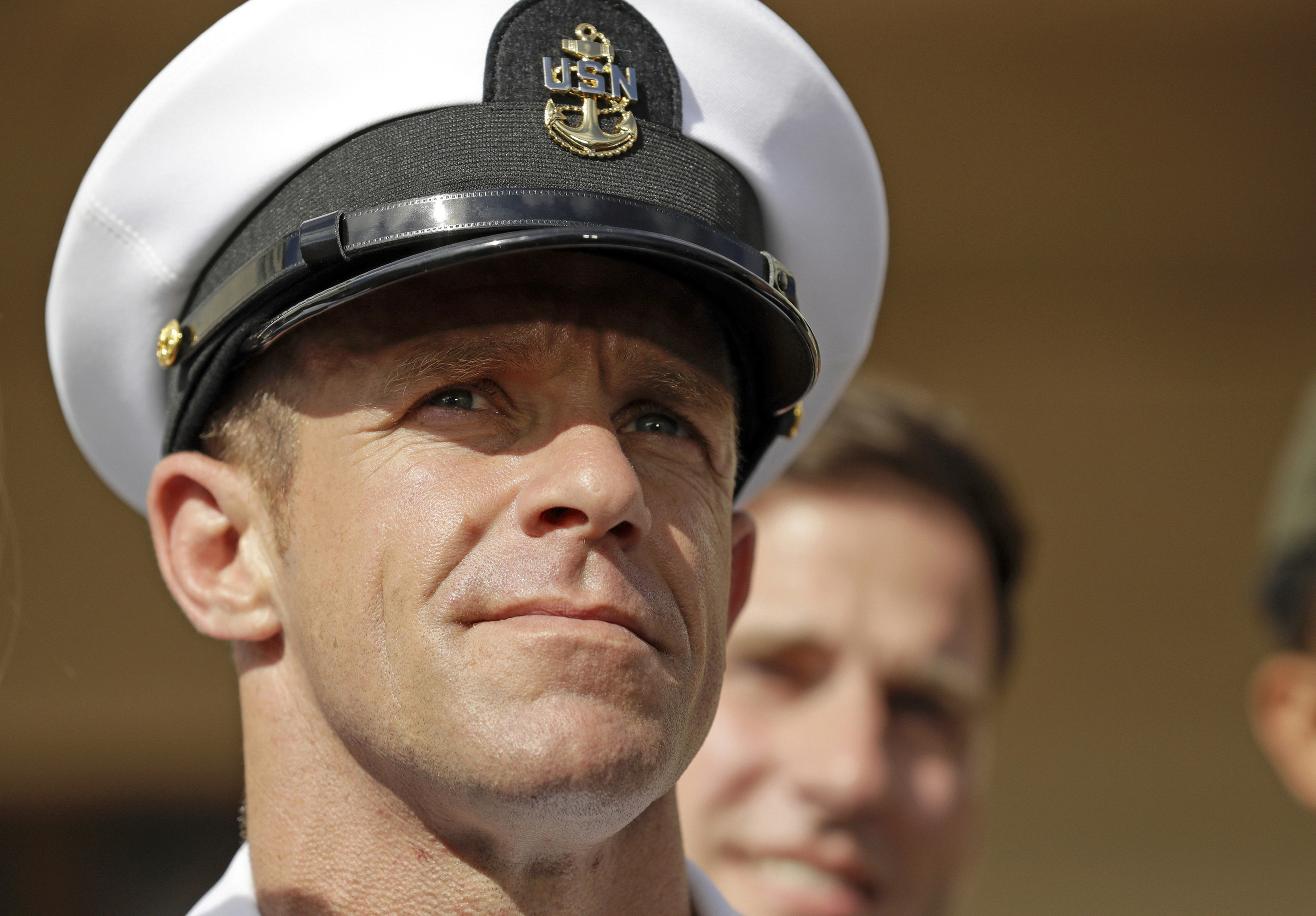
Navy SEAL Edward Gallagher leaves a military court on Naval Base San Diego on July 2, 2019. (AP Photo/Gregory Bull, File)

Navy SEAL Edward Gallagher leaves a military court on Naval Base San Diego on July 2, 2019. (AP Photo/Gregory Bull, File)

Last November, President Trump pardoned Army First Lt. Clint Lorance, who was convicted of murdering two civilians in Afghanistan in 2012, and Maj. Matt Golsteyn, accused of murdering an alleged Taliban member who had been detained by U.S. forces in 2010 and then burning his body. Mr. Trump also restored the rank of Navy SEAL Eddie Gallagher, who was convicted of posing for a photograph with the corpse of an ISIS detainee in Iraq.

Days later, Secretary of the Navy Richard Spencer resigned and voiced his concern that Mr. Trump’s decision endangered good order and discipline” in the military. Retired military officers and legal experts shared Mr. Spencer’s concerns, fearing that soldiers accused of war crimes could mount public campaigns to gain a president’s support and thus discourage military officers from reporting and prosecuting war crimes. Indeed, Mr. Trump ordered the Navy to strip the four prosecutors in Mr. Gallagher’s case of medals they were awarded for their work on the case.

Aside from these serious concerns for good order and military justice, Mr. Trump’s actions risk undermining an ideal of the soldier as a professional and a person of honor, the protector of the innocent and servant of the common good. This ideal has Christian roots and has been carefully, if unevenly, cultivated by the U.S. military in its code of justice and professional training.Mr. Trump’s actions risk undermining an ideal of the soldier as a professional and a person of honor, the protector of the innocent and servant of the common good.Tweet this

During the European Middle Ages, Roman ethical and legal traditions, secular warrior codes of chivalry, and the Christian commitment to love of neighbor were forged into a Christian ideal of a warrior. This just-war ideal had a profound impact on medieval warfare, though in practice strictures like those protecting civilians were at times ignored. (See the siege of Jerusalem in 1099, during the First Crusade.)

In the period between the Wars of Religion in the 16th century and the Napoleonic Wars of the 19th century, developments like the widespread use of gunpowder and the growing ability of states to muster resources and personnel in support of their war efforts made modern warfare increasingly destructive and taxing on civilian populations. The mechanization of warfare and the increased use of aerial bombing in World War I and World War II hastened this evolution toward indiscriminate warfare, while the emergence of the mass media helped spread public awareness of the suffering caused by war. Secular jurists, building on the earlier Christian just-war tradition, responded by establishing international laws of war governing the treatment of prisoners of war and civilian populations. These covenants also included prohibitions on certain forms of weapons, including chemical and biological weapons.Secular jurists, building on the earlier Christian just-war tradition, established international laws of war governing the treatment of prisoners of war and civilian populations.Tweet this

The Nuremberg Trials and other war crimes trials in the aftermath of World War II represented a turning point in addressing the horrors of modern warfare: Individual soldiers were held accountable for their actions, even during war, based on internationally recognized principles of law. The thinking was that the evils of war are not inevitable but rather the result of choices for which the perpetrators can be held responsible. Although in these trials the victors imposed justice on the defeated, in the decades that followed the United States and other nations have made halting progress in holding their own soldiers accountable. U.S. soldiers who commit war crimes are typically charged under the Uniform Code of Military Justice for offenses like murder or manslaughter.

When Lt. William Calley was court martialed and convicted in 1971 for his role in the My Lai Massacre, U.S. public opinion was divided; Mr. Calley’s life sentence was reduced to 20 years, and he was eventually released after less than four years of house arrest. Since the end of the Vietnam War and the creation of the all-volunteer military, however, the U.S. armed forces have increasingly imparted to troops the need to follow the laws of war and held soldiers accountable when those laws are violated. Indeed, some of Mr. Trump’s defenders argue that commanding officers are today too eager to find soldiers guilty in complex cases. Still, given the failure to investigate alleged war crimes in Afghanistan and the United States’ refusal to place its soldiers under the jurisdiction of the International Criminal Court, the fact that soldiers like Mr. Lorance, Mr. Golsteyn and Mr. Gallagher are held accountable at all is a remarkable historical achievement.

In the aftermath of the so-called Revolution in Military Affairs—beginning with the Persian Gulf War in 1991, in which the adoption of information technology and telecommunications by the U.S. military seemed to reduce soldiers to technicians, and the increased use of private contractors in the war on terror”—the U.S. armed forces have sought to restore the notion that soldiers are professionals, moral agents at the service of the public good. For example, the U.S. Army Doctrine Publication defines the Army as characterized by trust, honorable service, military expertise, stewardship, and ésprit de corps” and calls on soldiers to cultivate the ability to think critically and creatively.” Although the military profession is secular, the U.S. armed services recognizes that the values it hopes to instill in soldiers often have religious roots, and the military chaplaincy plays an important role in nurturing these ethical and professional values.RELATED STORIES

10 years after the financial crisis, how Catholics can rebuild broken solidarityMatthew Shadle

A mourner leaves a funeral ceremony for Iranian Gen. Qassim Soleimani and his comrades, passing graffiti on the wall of the former U.S. Embassy in Tehran, Iran, on Jan. 6. (AP Photo/Vahid Salemi)

Trump’s attacks against Iran bypassed Congress. Here’s why that’s a bad thing.Maryann Cusimano Love

Rosika Schwimmer (center) at the 1915 International Congress of Women in The Hague, Netherlands, where attendees drafted and discussed proposals to end the war in Europe. (LSE Library/British Library of Political and Economic Science via Wikimedia Commons)  

Nine decades ago, pacifism was called un-American. Are attitudes different today?Ryan Di Corpo

This image of the soldier as the steward of a profession serving a public trust is placed at risk by the darker vision reflected in Mr. Trump’s pardons. In a tweet published on Oct. 12, signaling his willingness to issue the pardons, Mr. Trump wrote, We train our boys to be killing machines, then prosecute them when they kill!” By referring to soldiers as killing machines,” Mr. Trump dehumanizes soldiers, denying their role as ethical agents and professionals. During the presidential campaign in 2016, Mr. Trump also called on U.S. soldiers to commit war crimes, including killing the family members of terrorists and engaging in torture techniques a hell of a lot worse” than waterboarding; he asserted that soldiers would obey these blatantly illegal orders.

Although the laws of war are now deeply embedded in the culture of the U.S. military, a contrary message from the commander in chief, reinforced in the recent pardons, threatens to undermine the ethic of professionalism that has been cultivated by military leaders. Despite the secular nature of today’s military profession, because of the Christian roots of this ethic and the important role of faith in instilling military professionalism, Christians should be especially concerned that the notion of the soldier as the protector of the innocent and servant of the common good is being eroded.

[Want to discuss politics with other America readers? Join our Facebook discussion group, moderated by America’s writers and editors.]

ශ්‍රී ලංකා වාසී ජනතාව තවම ව්‍යවස්ථානුකුලව සම්මත නොකළ එම නිසා තවම නීතියක් වී නැති 19 වන ව්‍යවස්ථා සංශෝධන කෙටුම්පත සහ කළු සුදු කිරීමේ 21 හා 22

January 22nd, 2020

හර්ෂ කුමාර් සුරියආරච්චි

මෙම ලිපියේ පළමු කොටසින් 19 වන ව්‍යවස්ථා සංශෝධන කෙටුම්පත තවම ව්‍යවස්ථානුකුල නිතිය බවට පත් වී නොමැති බවට කරුණු ඉදිරිපත් කරනු ලැබේ.

කථානායක තුමා අත්සන් කර ඇතැයි යන හේතුවෙන් 19 ව්‍යවස්ථා සංශෝධන කෙටුම්පත නීත්‍යානුකුල වන්නේ යැයි පැවසීම සාවද්‍ය බවත් එය නිත්‍යානුකුලව සම්මත නැති බව අධිකරණයේ ප්‍රශ්න කල හැකි බවත් මෙම ලිපියේ දෙවන කොටසින් පැහැදිලි කර ඇත.

තුන්වන කොටසින් 19 වන ව්‍යවස්ථා සංශෝධන කෙටුම්පත තවම ව්‍යවස්ථානුකුල නිතිය බවට පත් වී නොමැති හේතුව මත 2019 පැවති ජනාධිපතිවරණය අවලංගු වේද නොවේද යන්න සාකච්චා කරනු ලැබේ.

සිව්වැනි කොටසින් මෙම වැරැද්දට පිළියම් සහ මෙම වැරැද්ද ඉක්මනින්ම නිවැරදි නොකළහොත් ඇතිවන අතුරු ප්‍රථිපල විස්තර කර ඇත.

ලිපියේ අගට අදාල ව්‍යවස්ථා, අනුව්‍යවස්ථා සහ නඩු තීන්දු වල අදාල කොටස් උපුටා ඇත්තේය. 

හැඳින්වීම

ගෝඨාභය රාජපක්ෂ ජනාධිපතිතුමා විශාල දේශප්‍රේමී ජනතා චන්දයකින් තේරී පත් වුනි. එතුමාගෙන් ජනතාව අපේක්ෂා කල කාර්යයන් ඉටු කෙරීමට එතුමා සුදානම් බව පෙනේ. නමුත් එතුමාම කිහිප වරක් පවසා ඇති පරිදි ඊනියා 19 වන ව්‍යවස්ථා සංශෝධනය එතුමාගේ කාර්යයට විශාල බාධාවක් වී තිබේ.

ජනාධිපති තුමා දිවුරුම් දෙන අවස්ථාවේදී නිවැරදි ව, රටේ ආරක්ෂක අමාත්‍ය වරයා ලෙස කටයුතු කරන බව ජාතියට දැනුම් දෙන ලදී. 19 වන ව්‍යවස්ථා සංශෝධන කෙටුම්පත තවම ව්‍යවස්ථානුකුලව සම්මත වී නැති බැවින් එතුමා ගේ එම ප්‍රකාශය නිවැරදිය. නමුත් තවමත් ආරක්ෂක අමාත්‍ය ධුරය එතුමා පවරා ගෙන නැත්තේ, 19 වන ව්‍යවස්ථා සංශෝධන කෙටුම්පත සම්මත වී ඇතැයි වැරදි මතයක් එතුමාට ලබා දී ඇති නිසා විය හැක.

මෙය ශ්‍රී ලංකා ව්‍යවස්ථා සම්බන්ධ සුවිසේෂි වූ අවස්ථාවකි. පාර්ලිමේන්තුව විසින් ව්‍යවස්ථාවේ 83 වන වගන්තිය ප්‍රකාරව ව්‍යවස්ථා සංශෝධනයක් සම්මත කල යුතු අවස්ථාවක,  එනම් ජනමතවිචරනයකින් සම්මත කල යුතු ව්‍යවස්ථා සංශෝධනයක්, 83 ව්‍යවස්ථාව අනුව සම්මත කිරීමට කටයුතු කල යුතු නැතැයි යන විශ්වාශයෙන් ඊට පරිභාහිර ක්‍රමවේදයකින් ජනමතවිචරනයකින් තොරව අසම්පුර්ණව සම්මත කර තිබේ. පාර්ලිමේන්තුව විසින් සම්මත කල විට සාමාන්‍යයෙන් එහි නිත්‍යානුකුල භාවය පිලිබදව ව්‍යවස්ථානුකුලව අධිකරණයේ ප්‍රශ්න කල නොහැකි වී තිබුනද වෙනත් නඩු නිමිත්තකින් ශ්‍රේෂ්ඨාධිකරණය ලබා දුන් අර්ථ දැක්වීමකට අනුව සහ ඊට පෙර ශ්‍රේෂ්ඨාධිකරණය ලබා දුන් අර්ථ දැක්වීමකටද අනුව කරුණු සලකා බැලීමේදී එම සංශෝධනය පාර්ලිමේන්තුව විසින් 83 වන ව්‍යවස්ථාව ප්‍රකාර සම්මත කල යුත්තක් බව තහවුරු වී තිබේ. 19 වන ව්‍යවස්ථා සංශෝධන කෙටුම්පත ඒ අනුව තවම ව්‍යවස්ථානුකුලව සම්මත වී නොමැති බව මෙම ලිපියෙන් පෙන්වා දෙයි.

තවම නිත්‍යයානුකුලව සම්මත වී නැති, එම නිසාම කෙටුම්පතක් පමණක් වන්නක් රටේ ආරක්ෂාවට සහ දියුණුවට අහිතකර ලෙස බලපෑමට ඉඩ දෙන්නේ ඇයි දැයි සොයා බලමු.

පළමු කොටස

ශ්‍රී ලංකාවේ ව්‍යවස්ථාව සංශෝධනය කිරීමේ පරමාධිපත්‍ය බලය ඇත්තේ ජනතාවටයි. පවතින ව්‍යවස්ථාවේ මුලධර්ම වලට පටහැනි නොවන සංශෝධන කිරීමේ බලය පමණක් ජනතාව විසින් පාර්ලිමේන්තුවට පවරා දී ඇත. එම මුලධර්ම වලට පටහැනි සංශෝධන කල හැක්කේ ජනමත විචාරණයකින් ජනතාව ගේ අනුමැතිය ලබා ගැනීමෙන් පසුව පමණකි.

19 වන ව්‍යවස්ථා සංශෝධන කෙටුම්පත ව්‍යවස්ථානුකුලව සම්මත වී නැති බව

ශ්‍රී ලංකාවේ ව්‍යවස්ථාවට අනුව යම් කිසි ව්‍යවස්ථා සංශෝධන කෙටුම්පතක් සම්මත කල හැකි ක්‍රම වේදය “ආණ්ඩුක්‍රම ව්‍යවස්ථාව සංශෝධනය කිරීම” වශයෙන් XII වන පරිච්චේදයේ 82 වන හා 83 වන ව්‍යවස්ථා මගින් දක්වා ඇත.

එම 82 හා 83 ව්‍යවස්ථා දෙකටම අනුව 19 වන ව්‍යවස්ථා සංශෝධන කෙටුම්පත පරිලිමෙන්තුවේ 2/3 චන්දයකින් සම්මත කර ජනමතවිචාරණයක් පවත්වා ජනතාව එය අනුමත කළහොත් ජනාධිපති තුමා විසින් ඒ බව සටහන් කර අත්සන් තැබූ විට පමණක් ඒ පනත් කෙටුම්පත නිතිය බවට පත් වේ. තවම 19 වන ව්‍යවස්ථා සංශෝධන කෙටුම්පත පිළිබඳව ජනමත විචාරණයක් පවත්වා නැත. එම නිසා එය තවම නීතියක් නොවේ. මේ වන විට බල පැවැත්වෙන්නේ 18 වන ව්‍යවස්ථා සංශෝධනය තෙක් වූ ව්‍යවස්ථා සංශෝධන පමණකි.

82 හා 83 ව්‍යවස්ථා වලින් 83 වැනි ව්‍යවස්ථාව බලවත් වේ. (මෙහි ව්‍යවස්ථා වශයෙන් පවසන්නේ ව්‍යවස්ථාවේ යම් ආංකික වගන්තියක් සලකන්නේ එම ආංකික ව්‍යවස්ථාව ලෙස බැවිනි. එය ව්‍යවස්ථා සංශෝධන සමග පටලවා  නොගත යුතුය. මෙතෙක් 1978 ව්‍යවස්ථාව තුල ඇත්තේ සංශෝධන 17 ක් පමණි. 12 වැනි සංශෝධනයක් නැත. එමනිසා 18 වන ව්‍යවස්ථා සංශෝධනයක් ලෙස නම් කල සංශෝධනයක් පවතී). 83 වැනි ව්‍යවස්ථාව පවසන අරුත වන්නේ,  ව්‍යවස්ථා සංශෝධනය සදහා වූ යම් කිසි පනත් කෙටුම්පතක් 82 වැනි ව්‍යවස්ථාවට අනුකුල වුවත්,  එම පනත් කෙටුම්පත ව්‍යවස්ථාවේ 1,2,3,6,7,8,9,10,11 යන ව්‍යවස්ථා හෝ 30(2), 62(20) යන අනු ව්‍යවස්ථා වලට අනුකුල නොවන්නා වූ කාරණා සහිත පනත් කෙටුම්පතක් නම් එය පාර්ලිමේන්තුවේ දී  2/3 චන්දයකින් සම්මත කල පසු ජනමත විචාරණයකින්  ජනතාව සම්මත කර ඒ බව ජනාධිපති තුමා සහතික කරන තෙක් එම ව්‍යවස්ථා සංශෝධන කෙටුම්පත නීතියක් බවට පත් නොවන බවය.

ව්‍යවස්ථාව අර්ථ දැක්වීමේ බලය ඇත්තේ ශ්‍රේෂ්ඨාධිකරණයටයි. ශ්‍රේෂ්ඨාධිකරණය 2002 වසරේදී අග විනිසුරු ප්‍රමුඛ සත් දෙනකුගෙන් සමන්විත විනිසුරු මඩුල්ලක් තීරණය කර ඇති පරිදි, ජනාධිපති තුමාට පාර්ලිමේන්තුව විසිරීමට ඇති බලය අහිමි කිරීම වසර 3කට වඩා වැඩි වන්නේනම් එය 3වන ව්‍යවස්ථාව උල්ලංඝනය කිරීමක් වන බවයි. එසේනම් යම් ව්‍යවස්ථා සංශෝධනයක් එම උල්ලංඝනය සිදු කරන්නේනම්  එම සංශෝධනය නිතිය බවට පත්වීමට 83 වන ව්‍යවස්ථාවට අනුව කටයුතු කල යුතුය. ඒ අනුව පාර්ලිමේන්තුවේ දී  2/3 චන්දයකින් සම්මත කල පසු ජනමත විචාරණයකින්  ජනතාව සම්මත කර ඒ බව ජනාධිපති තුමා සහතික කල යුතුය. එසේ කරන තෙක් එම කෙටුම්පත නීතියක් බවට පත් නොවේ. 19 වන ව්‍යවස්ථා සංශෝධන කෙටුම්පතට අනුව ජනාධිපතිට පාර්ලිමේන්තුව විසිරවිමේ බලය වසර 4 1/2ක් තෙක් අහිමි කර ඇත්තේය.

මේ බව, 2018 දී සත් දෙනෙකුගෙන් සමන්විත විනිසුරු මඩුල්ලක් විසින් දෙන ලද තීන්දුවෙන්, පාර්ලිමේන්තුව් 2/3ක සම්මතය පමණක් ලබා ඇති 19 වන ව්‍යවස්ථා සංශෝධන කෙටුම්පතට අනුව ජනාධිපති තුමාට පාර්ලිමේන්තුව විසිරවීමට ඇති බලය වසර 4 1/2 තෙක් අහිමි කර ඇති බව පැහැදිලි කර තිබේ. එනයින් 19 වන ව්‍යවස්ථා සංශෝධන කෙටුම්පත මගින් 3 වන ව්‍යවස්ථාව උල්ලංඝනය වී ඇති බව 2002 දී සත් දෙනෙකුගෙන් සමන්විත විනිසුරු මඩුල්ලක් විසින් දෙන ලද තීන්දුවෙන් තහවුරු වේ.

19 වැනි ව්‍යවස්ථා සංශෝධන කෙටුම්පතින් මෙකී උල්ලංඝනය සිදු වී ඇති බැවින් එය නීතියක් බවට පත් වීමට 83 වන ව්‍යවස්ථාවට අනුව අවශ්‍ය ජනමත විචාරණය පවත්වා නොමැති බැවින් සහ ඒ අනුව ජනාධිපතිතුමාගේ සහතිකය ලබා දී නොමැති බැවින් 19 වැනි ව්‍යවස්ථා සංශෝධන කෙටුම්පත තවම නීතියක් වී නොමැත.

මෙසේ නීතියක් වී නොමැති 19 වන ව්‍යවස්ථා සංශෝධන කෙටුම්පත නීතියක් ලෙස සලකමින් පාර්ලිමේන්තුව හෝ  විධායකය හෝ  අධිකරණය හෝ  කටයුතු කරන්නේනම් එය එම ආයතනයන් විසින් ජනතා පරමාධිපත්‍යය කොල්ල කෑමකි. ජනතාව විසින් එම ආයතන වලට ලබා දුන් විශ්වාසය භංග කිරීමකි.

19 වැනි ව්‍යවස්ථා සංශෝධන කෙටුම්පතින් මිට අමතරව 30(2) අනු ව්‍යවස්ථාවද සංශෝධනය වී ඇත. එයින් මෙතෙක් පැවති ජනාධිපති ධුර කාලය වසර 6 සිට වසර 5 දක්වා සංශෝධනය කර ඇත. 83 වන ව්‍යවස්ථාවෙන් පවසන්නේ 30(2) අනු ව්‍යවස්ථාව සංශෝධනය කිරීමට ජනමත විචාරණයක් අවශ්‍ය බවයි. (ව්‍යවස්ථාවේ ඉංග්‍රීසි පරිවර්තනය මෙහිදී නිවැරදි නැත. එවැනි ගැටළුවක් පවතින විට සිංහල මුල් ව්‍යවස්ථාවට අනුව කටයුතු කල යුතුය.) මෙම කාරණය අරභයාද 19 වන ව්‍යවස්ථා සංශෝධන කෙටුම්පත නීතියක් බවට පත්වීමට ජනමත විචාරණයක් පවත්වා එය ජනාධිපතිතුමා විසින් සහතික කල යුතුය. එසේ අවශ්‍ය ජනමත විචාරණය පවත්වා නොමැති බැවින් සහ ඒ අනුව ජනාධිපතිතුමාගේ සහතිකය ලබා දී නොමැති බැවින් 19 වැනි ව්‍යවස්ථා සංශෝධන කෙටුම්පත තවම නීතියක් වී නොමැත.

ව්‍යවස්ථානුකුලව නීතියක් නොවුවක් ව්‍යවස්ථානුකුල නීතියක් ලෙස ගෙන කටයුතු කරන සියළු දෙනාම එසේ කිරීමෙන් ව්‍යවස්ථා විරෝධිව කටයුතු කරන්නන් බවට පත් වේ.

ශ්‍රේෂ්ඨාධිකරණය 2018 දී 19 වන ව්‍යවස්ථා සංශෝධන කෙටුම්පත අරභයා නඩුවක් කතා කිරීම නිසා 19 වන ව්‍යවස්ථා සංශෝධන කෙටුම්පත නීතිගත වී ඇති බවට සාවද්‍ය මතයක් සමහරුන් තුල පවතී. මෙම ලිපියේ මුලින් සදහන් කල පරිදි ශ්‍රී ලංකාවේ ව්‍යවස්ථාවට අනුව යම් කිසි ව්‍යවස්ථා සංශෝධන කෙටුම්පතක් සම්මත කල හැකි ක්‍රම වේදය “ආණ්ඩුක්‍රම ව්‍යවස්ථාව සංශෝධනය කිරීම” වශයෙන් XII වන පරිච්චේදයේ 82 වන හා 83 වන ව්‍යවස්ථා මගින් දක්වා තිබේ. 82 හා 83 ව්‍යවස්ථාවන් වල හෝ ව්‍යවස්ථාවේ වෙන මොනයම් තැනක හෝ ජනමතවිචරනයකින් සම්මත කල යුතු ව්‍යවස්ථා සංශෝධනයක් එසේ නොකොට ශ්‍රේෂ්ඨාධිකරණය නඩුවක් පිළිගැනීම මගින් සම්මත කල හැකි යැයි ප්‍රතිපාදන සලසා නැත.

ශ්‍රේෂ්ඨාධිකරණය සිදු කරන්නේ ව්‍යවස්ථාවක හෝ කෙටුම්පතක අන්තර්ගතය අර්ථ දැක්වීමයි. 2018 නඩු තීන්දුවෙන් පැහැදිලි වන්නේ 2015 පැවති ව්‍යවස්ථාවට අනුව සිදු කල නොහැකි අසම්පුර්ණ ක්‍රමවේදයකින් ව්‍යවස්ථාමය වෙනසක්, 19 වැනි ව්‍යවස්ථා සංශෝධන කෙටුම්පත නීතියක් ලෙස පිළිගතහොත් සිදු වී ඇති බවයි. 19 වැනි ව්‍යවස්ථා සංශෝධන කෙටුම්පත නීතියක් ලෙස පිළිගත යුතුද නැද්ද යන්න එම නඩුවේදී සාකච්ඡ නොකෙරුණි. නීතිඥ වරුන්, කථානායක තුමා, කැබිනට් මණ්ඩලය, පාර්ලිමේන්තු මන්ත්‍රීවරුන්, පැමිණිලි පාර්ශ්චවය හෝ විත්ති පාර්ශ්චවය සාකච්චාවට නොගත්, උසාවියට ඉදිරිපත් නොකළ කරුණක් ගැන ශ්‍රේෂ්ඨාධිකරණය තීන්දුවක් දී නැත. එවකට නීතිපතිතුමා පමණක් 19 වැනි ව්‍යවස්ථා සංශෝධන කෙටුම්පතට 33 2 c  වගන්තිය ඇතුලත් කලේ ජනමතවිචාරණයකට යෑම වැලක්වීමට බව ප්‍රකාශ කලද එවැනි අදහසකින් එය ඇතුලත් කල බව අධිකරණය පිළිගෙන නොතිබුණි. එසේම පාර්ලිමේන්තුව විසින් 19 වැනි ව්‍යවස්ථා සංශෝධන කෙටුම්පත නීතියක් ලෙස සම්මත කර නොගත්තක් බව උසාවියට දැනුම් දී නොතිබුණි. ඒ අනුව ශ්‍රේෂ්ඨාධිකරණය එම නඩුව විභාගයට ගෙන දුන් තීන්දුවට අනුව 2015 දී පාර්ලිමේන්තුව තුල පමණක් සම්මත වූ 19 වැනි ව්‍යවස්ථා සංශෝධන කෙටුම්පත තුල 2002 දී ශ්‍රේෂ්ඨාධිකරණය විසින් ජනමතවිචාරණයකට නොයා සම්මත කල නොහැකියැයි සදහන් කල කාරණයක් අඩංගු වී ඇති බව පැහැදිලි වී ඇත.

ඒ අනුව 19 වැනි ව්‍යවස්ථා සංශෝධන කෙටුම්පත තවම නීතියක් වී නොමැත. ව්‍යවස්ථානුකුලව දැනට වලංගු වන්නේ 18 වන සංශෝධනය දක්වා වූ ව්‍යවස්ථා සංශෝධන පමණි.

දෙවැනි කොටස

අප විසින් කලින් පෙන්වා දුන් පරිදි 19 වන ව්‍යවස්ථා සංශෝධන කෙටුම්පත තුල 3 වන අනුලංඝනිය ව්‍යවස්ථාව  උල්ලංඝනය  වී ඇති බව 2002 සහ 2018 නඩු තීන්දු පිළිගැනීමෙන් තහවුරු වේ. එම නිසා ආණ්ඩුක්‍රම ව්‍යවස්ථාවේ 83 වන ව්‍යවස්ථාවට අනුව එය නීතියක් බවට පත්වීමට ජනමත විචාරණයක් සහ ජනාධිපති සහතිකය අවශ්‍ය බැවින් ද එම පියවරයන් මෙතෙක් සම්පුර්ණ වී නැති බැවින් ද 19 වන ව්‍යවස්ථා සංශෝධන කෙටුම්පත තවම් කෙටුම්පතක් පමණක් බවත් නීතියක් නොවන බවත් පැහැදිලි ය.

ජනමතවිචාරණයකට නොගියේ වූ නමුදු කථානායක තුමා අත්සන් කර ඇති හේතුවෙන් 19 ව්‍යවස්ථා සංශෝධන කෙටුම්පත 80 ව්‍යවස්ථාවට අනුව නීත්‍යානුකුල වි ඇති බවට සාවද්‍ය මතයක් ඇත. මේ පිලිබදව විචාරමු.

83 වන ව්‍යවස්ථාවට අනුව කථානායක අත්සන් තැබීමෙන් ව්‍යවස්ථා කෙටුම්පතක් නිතිය බවට පත් නොවේ. ඒ සදහා ඊට අමතරව ජනමත විචාරණයක් සහ ජනාධිපති සහතිකය අවශ්‍ය බව ඉතා පැහැදිලිව දක්වා තිබේ.

එසේම කථානායක තුමා පාර්ලිමේන්තුවේ සම්මත වූ බවට අත්සන් තබන සහතිකයේද පහත සටහන තැබිය යුතු යුතු බව 79 වන ව්‍යවස්ථාවේ අවසන් පරිච්චේදයේ සදහන් වේ. එනම්

“79.    ……………..එසේ තවදුරටත්, 83 වන ව්‍යවස්ථාව ප්‍රකාර පනත් කෙටුම්පතක හෝ එහි යම් විධි විධානයක් ජනමතවිචාරණයකදී ජනතාව විසින් අනුමත කිරීම අවශ්‍ය වන අවස්ථාවක, ඒ පනත් කෙටුම්පත හෝ ඒ විධිවිධානය ජනතාව විසින් ජනමතවිචාරණයක දී අනුමත කරනු ලබන තෙක් නිතිය බවට පත් නොවිය යුතු බව ද ඒ සහතිකයේ සදහන් විය යුත්තේය.”

19 වන ව්‍යවස්ථා සංශෝධන කෙටුම්පත කලින් විස්තර කර ඇති පරිදි 83 ව්‍යවස්ථාව ප්‍රකාර ජනමතවිචාරණයකට යෑ යුතු බැවින් කථානායක තුමා තම අත්සන තැබූ සහතිකයේ, ඉහත පරිදි, එනම් “19 වන ව්‍යවස්ථා සංශෝධන පනත් කෙටුම්පත  ජනතාව විසින් ජනමතවිචාරණයක දී අනුමත කරනු ලබන තෙක් නිතිය බවට පත් නොවිය යුතු බව” ද සදහන් කල යුතු විය.

එවිට 80 (1) අනුව්‍යවස්ථාව අදාල නොවේ. 80 (1) අනුව්‍යවස්ථාව පවසන්නේ, පාර්ලිමේන්තුව විසින් සම්මත කරන පනත් කෙටුම්පතක් කථානායක තුමා අත්සන් තැබූ විට එය නිතිය බවට පත්වන බවයි. නමුත් කතානායක තුමාගේ සහතිකයේම, ජනමතවිචාරණයකට යන තෙක් එය නිතිය බවට පත් නොවිය යුතු යැයි පවසන විටදී එය නිතිය බවට පත්වන්නේ එසේ ජනමතවිචාරණ ක්‍රියාවලිය සම්පුර්ණ වූ විට පමණි. 80(1) අනුව්‍යවස්ථාව තවදුරටත් 80(2) අනුව්‍යවස්ථාවට යටත් වේ. 80(2) අනුව්‍යවස්ථාවෙහි කතානායක තුමා ගේ සහතිකය ප්‍රමාණවත් නොවන විට ජනමතවිචාරණයකට යා යුතු වීමත් ජනාධිපති තුමා අත්සන් තැබිය යුතු වීමත් සදහන් කරයි. එනමුදු 80(2) අනුව්‍යවස්ථාවෙහි 83 ව්‍යවස්ථාවෙහි සදහන් ජනමතවිචාරණය පිළිබද කාරණා අඩංගු නොවේ. 80(2) හි එම නිසා 19 වන ව්‍යවස්ථා සංශෝධන කෙටුම්පතට 83 වන ව්‍යවස්ථාවට අනුව ක්‍රියා කල යුතු ආකාරය සෘජුව සාකච්චා නොකරයි. කෙසේ වෙතත් එම හේතුව නිසා 80(2) නොව 80(1) බලපවත්වන්නේ යැයි යමෙකු තර්ක කලේ නම් වුවද, 19 වන ව්‍යවස්ථා සංශෝධන කෙටුම්පත අරභයා කථානායක තුමාගේ සහතිකයෙහි, 79 වන ව්‍යවස්ථා ප්‍රකාර “ඒ පනත් කෙටුම්පත  ජනතාව විසින් ජනමතවිචාරණයක දී අනුමත කරනු ලබන තෙක් නිතිය බවට පත් නොවිය යුතු බව” සදහන් විය යුතු බැවින් 80(1) ට අනුව වුවද 19 වන ව්‍යවස්ථා සංශෝධන කෙටුම්පත නීතියක් බවට පත්වන්නේ එවන් ජනමතවිචාරණයක දී ජනතාව විසින් එය අනුමත කරනු ලැබූ විට පමණි.

19 වන ව්‍යවස්ථා සංශෝධන කෙටුම්පත 83 වන ව්‍යවස්ථාව අනුව කටයුතු කල යුත්තක් බැවින් (2002 හා 2018 ශ්‍රේෂ්ඨාධිකරණ තීන්දු වලට අනුව 19 වන ව්‍යවස්ථා සංශෝධන කෙටුම්පතින් 3 වන ව්‍යවස්ථාව උල්ලංඝනය වන බවට සෘජුවම පැහැදිලි වන බව මේ ලිපියේ පෙන්වා දී ඇත. එවන් පනතක් සම්මත කර ගත යුත්තේ 83 වන ව්‍යවස්ථාවට අනුවයි), ඊට අනුව ජනමතවිචරනයකින් ජනතාව එය අනුමත කල යුතු  බැවින් එතෙක් එය නිතිය බවට පත් නොවන බව 79 වන ව්‍යවස්ථා ප්‍රකාර කථානායක තුමා තැබිය යුතු සටහන එතුමා තබා නැත.

එය අතපසු වීමක් නිසා හෝ ශ්‍රේෂ්ඨාධිකරණය 19 වන ව්‍යවස්ථා සංශෝධන කෙටුම්පත අර්ථ දක්වන ආකාරයට වෙනස් ආකාරයකින් බල පැවැත්වේ යැයි විශ්වාශ කල නිසා හෝ විය හැක. එය ව්‍යවස්ථානුකුල නොවන බව දැනගත්තේ 2018 පාර්ලිමේන්තුව විසිරවිම පිලිබදව වූ නඩු තීන්දුවෙන් පසු වීමට බොහෝ ඉඩ ඇත. නමුත් ව්‍යවස්ථානුකුලව අප පිලිගතයුත්තේ ශ්‍රේෂ්ඨාධිකරණ අර්ථ දැක්වීම බැවින් එතුමා එම සටහන නොයෙදීම ව්‍යවස්ථානුකුල නොවේ.

ව්‍යවස්ථානුකුලව නිවැරදි නොවන බැවින් කථානායක තුමා මේ වනවිට 19 වන ව්‍යවස්ථා සංශෝධන කෙටුම්පත පාර්ලිමේන්තුවේ සම්මත වී යයි අත්සන් කරන ලද සහතිකයද වලංගු නොවේ. එම අනුව 19 වන ව්‍යවස්ථා සංශෝධන කෙටුම්පත පාර්ලිමේන්තුව තුල සම්මත වීමේ පියවරද තවම පුර්ණ වී නැත.

එම නිසා 19 වන ව්‍යවස්ථා සංශෝධන කෙටුම්පත නීතියක් බවට පත්විමටනම් 79 ව්‍යවස්ථාවේ අවසන් පරිච්චේදය පරිදි කථානායකතුමා සටහන් කොට අත්සන් තබා, 83 වන ව්‍යවස්ථාව ප්‍රකාර ජනමතවිචාරණයක් පවත්වා එහිදී ජනතාව අනුමත කළහොත් ජනාධිපති තුමා ඒ බව සහතික කොට අත්සන් තැබිය යුතුය. එතෙක් 19 වන ව්‍යවස්ථා සංශෝධන කෙටුම්පත කෙටුම්පතක් පමණි. නීතියක් නොවේ.

එසේම 80(3) අනුව්‍යවස්ථාවේ මෙසේ සදහන් වේ.

80^3& wjia:dfpdaÑ; mßÈ ckdêm;sjrhd f.a fyda l:dkdhljrhdf.a iy;slh mk;a flgqïm;la u; igyka lrkq ,enQ miq tu mk;a flgqïm; kS;sh njg m;a jk wjia:djl ta mkf;ys j,x.=Ndjh ms<sn|j mÍlaId lsÍu” ta ms<sn|j u;hla m%ldY lsÍu fyda ljr jQ fyda wdldrhlska m%Yak lsÍu lsisu wêlrKhla fyda úksYaph wêldrhla fyda úiska fkdl< hq;af;a h’”

මෙයින් පැහැදිලිවන කාරණයක් නම් එම අවසාන සහතික කිරීම අවස්ථාවෝචිත පරිදි ජනාධිපති තුමා හෝ කථානායක තුමා කලයුතු බවයි. එනම් ජනමතවිචාරණයකට යා යුතු පනතක් නම් ජනමතවිචාරණයෙන් ජනතාව අනුමත කලේනම් එවිට ජනාධිපති තුමාද, එසේ ජනමතවිචාරණයකට නොයා පාර්ලිමේන්තුවේ පමණක් සම්මත කල හැකි පනතක් නම් එවිට කථානායක තුමාද අත්සන් කල යුතු බවයි. එසේ අවස්ථාවෝචිත පරිදි අත්සන් කල විට එම පනත් කෙටුම්පත නිතිය බවට පත් වන බවත්ය.

පනත් කෙටුම්පතක් පාර්ලිමේන්තුව සම්මත කල යුත්තේ ආණ්ඩුක්‍රම ව්‍යවස්ථාවට අනුකුලව බව 78 වන ව්‍යවස්ථාවේ දෙවන අනුව්‍යවස්ථාවේ පැහැදිලිව දක්වා ඇත.

ජනමතවිචාරණයකට යා යුතු 19 වන ව්‍යවස්ථා සංශෝධන කෙටුම්පත මත ඒ අනුව අවස්ථාවෝචිත පරිදි තවම ජනාධිපතිතුමාගේ සහතිකය සටහන් කර නැති බැවින් 19 වන ව්‍යවස්ථා සංශෝධන කෙටුම්පත තවම නීතියක් වී නොමැත.

නීතියක් නොවන, කෙටුම්පතක් පමණක් වන 19 වන ව්‍යවස්ථා සංශෝධන කෙටුම්පතෙහි අඩංගු සමහර කාරණා වෙනස් කිරීමට අලුතින් ව්‍යවස්ථා සංශෝධන කෙටුම්පත් (21 හා 22 ලෙස) ඉදිරිපත් කිරීම හුදෙක් නිතියානුකුල නොවූ 19 වන ව්‍යවස්ථා සංශෝධන කෙටුම්පත පස්ස දොරින් නීතිගත කිරීමට දරන ප්‍රයත්නයක් නම් එය වරක් මංකොල්ල කෑ ජනතා පරමාධිපත්‍යය නැවතත් මංකොල්ල කෑමකි.

පාර්ලිමේන්තුව මෙම තත්වය නිසියාකාරව අධ්‍යයනය කොට තම අතපසුවිම මහත්මා ගුනයෙන් යුතුව පිළිගෙන 19 වන ව්‍යවස්ථා සංශෝධන කෙටුම්පත ව්‍යවස්ථානුකුලව නීතිගත කිරීමට කටයුතු කරන්නේනම්, ජනතාව පාර්ලිමේන්තුව කෙරෙහි තැබූ විශ්වාෂය තරමක් දුරට හෝ ආරක්ෂා වනු ඇත. එතෙක් 19 වන ව්‍යවස්ථා සංශෝධන කෙටුම්පත නීතියක් ලෙස නොසැලකීම වගකිවයුතු පාර්ලිමේන්තුවක යුතුකමකි.

තෙවැනි කොටස

19 වන ව්‍යවස්ථා සංශෝධනය නීතියක් නොවීම නිසා 2019 ජනාධිපතිවරණය අවලංගු වේද?

19 වන ව්‍යවස්ථා සංශෝධන කෙටුම්පත නීතියක් නොවන නිසා 19 වන ව්‍යවස්ථා සංශෝධනයට අනුව පැවැත්වූ ජනාධිපතිවරණය අවලංගු වේ යැයි සාවද්‍ය මතයක් පවතී. අප ඒ ගැන විචාරමු.

පළමුවෙන් අප තේරුම් ගත යුතු කරුණ නම් 19 වන ව්‍යවස්ථා සංශෝධන කෙටුම්පත 2019 ජනාධිපතිවරණය ප්‍රකාශිත දිනයේ නීතියක් වී නොමැති බවයි. එම නිසා 2019 ජනාධිපතිවරණය  19 වන ව්‍යවස්ථා සංශෝධනයට අනුව පැවැත්වූයේයැයි පැවසීමම වැරදි බවයි. මක් නිසාද යත් ව්‍යවස්ථාමයව නීතියක් බවට පත්වී නැති කෙටුම්පතකට අනුව ජනාධිපතිවරණයක් පැවැත්විය නොහැකි බැවිනි. එසේ නම් ජනාධිපතිවරණය පවත්වා ඇත්තේ 18 වන ව්‍යවස්ථා සංශෝධනයට යටත්වයි.

2019 ජනපතිවරණයේදී විශාල වැඩි චන්ද ප්‍රමාණයකින් ජනාධිපති ධුරයට සුදුස්සා ජනතාව විසින් සිය චන්දයෙන් තීරණය කරන ලදී. ඒ මේ රටේ පරමාධිපත්‍ය බලයයි. එම ජනතා තේරීමට අභියෝග කල හැක්කේ ජනතාවට සිය චන්දය නිදහසේ භාවිත කිරීමට නොහැකි වූවානම් හෝ වෙනත් යම් මැතිවරණ අක්‍රමිකතාවක් සිදු වූවානම් හෝ පමණි.

2019 ජනාධිපතිවරණය ප්‍රකාශිත දිනයේ සිට ප්‍රථිපල නිකුත් කරන තෙක්ම ඉතා සාධාරණව හා නිදහස්ව පැවති බවට ජයග්‍රාහී පිල, පරාජිත පිල් සියල්ල, ස්වාධින මැතිවරණ නිරීක්ෂකයින්, තානාපතිවරුන්, දේශීය සහ විදේශීය සංවිධාන පමණක් නොව එක්සත් ජාතීන්ගේ සංවිධානය පවා පිළිගන්නා ලදී. එම නිසා ජනතාව නිදහසේ තම චන්දය ප්‍රකාශ කර ඇති බව පැහැදිලිව සියලු දෙනාම එක සේ පිළිගෙන ඇත. එසේම කිසිම මැතිවරණ අක්‍රමිකතාවයක් වූ බවට කිසිම පුද්ගලයකු අධිකරණය හමුවට ගොස්ද නැත.

එම නිසා ජනතා පරමාධිපත්‍ය බලය නිසි ලෙස ජනාධිපතිවරණයේදී ප්‍රකාශ වී තිබේ. එයට අභියෝග කල නොහැක. 2019 ජනාධිපතිවරණය අවලංගු නොවේ. අවලංගු කල නොහැක.

කෙසේ වතුදු හුදු අධ්‍යයන පරමාර්ථව 18 වන ව්‍යවස්ථා සංශෝධනය තෙක් එයද ඇතුළුව ව්‍යවස්ථාවට අනුකුලව 2019 ජනාධිපතිවරණය පැවත්වුයේදැයි යන්න සොයා බලමු.

2019 ජනාධිපතිවරණය පැවත්වු ව්‍යවස්ථාවට අනුකුලව (18 වන සංශෝධනය ඇතුළුව ඒ දක්වා වූ) ජනාධිපති ධුර කාලය වසර 6කි. බලයේ සිටින ජනාධිපතිවරයා තරග නොකරන අවස්ථාවක කලින් ජනාධිපතිවරණයෙන් වසර 5කදී ජනාධිපතිවරණයක් පැවැත්වීමේ ප්‍රතිපාදන එවකට නීතියක් වූ ව්‍යවස්ථාවේ නැත. එම නිසා 2018 ජනාධිපතිවරණය ප්‍රකාශ කිරීම නීති විරෝධිය. නමුත් කිසිවෙකුත් එයට අභියෝග කලේ නැත. එසේ අභියෝග නොකළේ ප්‍රකාශිත දිනය නීති විරෝධී වුවත් ඉක්මන් ජනපතිවරණයක් සැම පුරවැසියෙකුම අපේක්ෂා කල බැවිනි. විශේෂයෙන්ම එවකට බලයේ සිටි ජනාධිපතිතුමාගේ අපේක්ෂාවද එයම විය. එම නිසා එසේ ජනාධිපතිවරණය පැවැත්වීම ජනතාවගේ අභිලාෂයයි. එයට දැන් අභියෝග කල නොහැක.

(ජනාධිපතිවරණ කැදවීමට විරුද්ධ නොවුනේ ජනාධිපතිවරණය පැවැත්වුයේ 19 වන ව්‍යවස්ථාවට අනුව යෑයි වැරදි ලෙස සිත සිටි නිසා යෑයි යමෙකුට තර්ක කල නොහැක. මක් නිසාද යත් නිතිය නොදැන සිටීම නිදහසට කාරණයක් නොවන බැවිනි).

තවදුරටත් වෙනත් ආකාරයකින් වැදගත් පුර්වාදර්ශයක්ද අප හමුවේ ඇත. 2015 වසරේදී මොහාන් පිරිස් මහතා කටයුතු කරමින් සිටි අග විනිසුරු තනතුරට එතුමාව පත් කලේ නීති විරෝධිව යැයි යන පදනම මත එතුමාව නොසලකා අගවිනිසුරු ලෙස ඊට පෙර සිටි අගවිනිසිරු තුමියට රාජකාරි කිරීමට කටයුතු කල අතර, එනමුදු එම නීති විරෝධි යැයි සැලකු පත් වීමෙන් පසු එතුමා ලබා දුන් නඩු තීන්දු අවලංගු නොකරන ලදී. එම රාජ්‍ය ක්‍රියාවලිය කිසිදු ආයතනයකින් (පාර්ලිමේන්තුව, අධිකරණය හා විධායකය යන ආයතන) ප්‍රතික්ෂේප නොවුණු අතර එවන් අවස්ථාවකදී රාජ්‍ය ප්‍රතිපත්තිය ඒ ආකාර විය යුතු බව රජය පිළිගෙන ඇත. එය රාජ්‍ය ප්‍රතිපත්තිය විය.

ඒ රාජ්‍ය ප්‍රතිපත්තිය අනුව 18 වන ව්‍යවස්ථා සංශෝධනයට අනුව ජනාධිපතිවරණයට දින නිර්ණය කිරීම නීති විරෝධී වුවද එම නීති විරෝධී දින නිර්ණය කිරීම නිසා ඇතිවූ මැතිවරණය හෝ එහි ප්‍රතිපල අවලංගු නොවේ.

19 වන ව්‍යවස්ථා සංශෝධන කෙටුම්පත 82 වන ව්‍යවස්ථාවට අනුවද ව්‍යවස්ථානුකුලව සම්මත වී නැති බව වෙනත් ලිපියකින් පෙන්වා දීමට බලාපොරොත්තු වෙමි.

සිව්වැනි කොටස

අතුරු ප්‍රතිපල සහ පිළියම්

මෙතෙක් පැහැදිලි කල පාර්ලිමේන්තුව තවම ව්‍යවස්තනුකුලව් සම්මත කර නැති 19 වන ව්‍යවස්ථා සංශෝධන කෙටුම්පත අරභයා පාර්ලිමේන්තුවට ගත හැකි ව්‍යවස්ථානුකුල හා සරලම ක්‍රියා මාර්ගය වනුයේ, මෙම කෙටුම්පත ව්‍යවස්ථානුකුලව නැවතී ඇති පියවර සම්පුර්ණ කිරීමය. එනම් කථානායක තුමා විසින් 79 වන ව්‍යවස්ථා ප්‍රකාරව ක්‍රියා කර ජනමත විචාරණයකින් අනුමත වන තෙක් මෙය නිතිය නොවන්නේයැයි යන සටහන යොදා දැන් අත්සන් කිරීමය. ඉන් පසු එම සටහනට අනුකුලව ජනමතවිචාරණයක් පවත්වා ඒ අනුව කටයුතු කිරීමය. ඒ සදහා මුළු පාර්ලිමේන්තුවම කටයුතු කල යුතුය.

ශ්‍රී ලංකාවේ පුරවැසියන් නීති ගරුක වීම අවශ්‍යය. ඔවුන් ඊට කැමතිය. දැනට ව්‍යවස්ථානුකුලව නිතිය වන්නේ 18 වන සංශෝධනය තෙක් පමණි.එහෙත් රජයත්, විධායකයත්, පාර්ලිමේන්තුවත් නීතියක් නොවන දෙයක් නීතියක් ලෙස ගෙන නීති ගරුක නොවී කටයුතු කරමින් පවතී. ජනතාවත් ඒ අනුව නීති ගරුක නොවී කටයුතු කළහොත් ඊට විරුද්ධ විය නොහැකි වනු ඇත.

ජනමතවිචාරණයකින් ජනතාව අනුමතකළහොත් මිස වෙනස් කල නොහැකි 3 වන ව්‍යවස්ථාව එසේ උල්ලංඝනය වන්නේ කෙස්දැයි 2002 වසරේදී ශ්‍රේෂ්ඨාධිකරණයේ අග විනිසුරු ප්‍රමුඛ සත් දෙනකුගෙන් සැදී විනිශ්චය මඩුල්ලක් අර්ථ දක්වා ඇත. පාර්ලිමේන්තුවේ මන්ත්‍රී වරුන් 2/3 ක් චන්දය දුන් 19 වන ව්‍යවස්ථා සංශෝධන කෙටුම්පත  තුල එම උල්ලංඝනය සිදු වී ඇති බව 2018 වසරේදී ශ්‍රේෂ්ඨාධිකරණයේ අග විනිසුරු ප්‍රමුඛ සත් දෙනකුගෙන් සැදී විනිශ්චය මඩුල්ලක් දුන් තීන්දුවෙන් තහවරු වී ඇත. එහෙත් ජනමතවිචාරණයක් පවත්වා නැත. ජනතාවගේ කැමැත්ත අසා නැත.

මෙලෙස නීති විරෝධී ලෙස පාර්ලිමේන්තුව ජනමත විචාරණයකට නොයා  3 වන ව්‍යවස්ථාව උල්ලංගනය වන ව්‍යවස්ථා සංශෝධනය සදහා වූ පනත් කෙටුම්පතක් නීති ගත කල බවක් පවසමින් සිටි. රජයත් එය අනුමත කරමින් සිටි. මෙම ක්‍රම වේදය පිළිගතහොත් ඒ ආකාරයටම ජනමතවිචාරණ නොපවත්වා 9 වන ව්‍යවස්ථාවත් වෙනස් කරනු ඇත.එනම් රජය බුදු දහම අරකෂා කල යුතු නැතැයි සම්මත කර ගනු ඇත. ශ්‍රී ලංකාව ඒකීය රජයක් නොව ෆෙඩරල් රාජ්‍යයක් යයි සම්මත කර ගනු ඇත. තවත් බොහෝ දේ කරනු ඇත.

එම නිසා ව්‍යවස්ථානුකුලව සම්මත වී නැති 19 වන ව්‍යවස්ථා සංශෝධන කෙටුම්පත ව්‍යවස්ථානුකුලව සම්මත වී ඇති බවට රජය සහ පාර්ලිමේන්තුව ජනතාවට බල කිරීමෙන් සහ ජනතාව රැවටීමෙන් වැලකී තමන් අතින් වෙමින් පවතින වැරැද්ද නිවැරදි කර ගැනීම සුදුසු වේ. එසේ නොමැතිනම් මෑත කාලයේ බිහිවූ රජයන් විසින් සිදු කරමින් පවතින රටේ සම්පත් හොරකම් කිරීම, රටේ සම්පත් විදේශ වලට පවරා දීම, මහ බැංකුව කොල්ලකෑම, දේශීයත්වය ඍජුවම හා වක්‍රව විනාශකිරීම ට අමතරව ජනතා පරමාධිපත්‍යයට එරෙහිව ගොස් ශ්‍රී ලංකාවේ ව්‍යවස්ථාවද මංකොල්ල කා ඇති බව අනාගත ඉතිහාසයේ කළු අකුරින් ලියැවෙනු ඇත. එයට ඉඩදුනහොත් එවන් පාපයන් ඉදිරියේ නිවටව කල් ගත කරමින් මියැදුණු පරම්පරාවක් ලෙස වර්තමාන පරම්පරාවද ඉතිහාස ගත වනු ඇත.

එයට ඉඩ නොදෙමු. වසර දහස් ගණනකට පසුත් අප අගය කරන අපගේ අතීත සැබෑ රජ වරුන් මෙන් වූ නායකයින් යලිත් බිහි කරමු.

හර්ෂ කුමාර් සුරියආරච්චි

harshakumarsuri@hotmail.com

78, 79, 80, 82 සහ 83 වන ව්‍යවස්ථා

78  වන ව්‍යවස්ථාව

79′ md¾,sfïka;=j úiska iïu; lrk ,o iEu mk;a flgqïm;l u fuys my; oelafjk wdlD;sfhys jQ iy;slhla l:dkdhljrhd úiska iajlSh w;aik we;sj igyka l< hq;af;ah(- —^mk;a flgqïmf;a ¨yq~q kduh fuys i|yka lrkak& kue;s fï mk;a flgqïm; md¾,sfïka;=j úiska h:d mßÈ iïu; lrk ,o nj fuhska iy;sl lrñ’˜  mk;a flgqïm; iïu; lrk ,oafoa hï nyq;r Pkaohlska o ta nyq;r Pkaoh o ta iy;slfhys i|yka lrkq ,eìh yelafla h( tfia jqj o” 82 jeks jHjia:dfõ fyda 83 jeks  jHjia:dfõ fyda 84 jeks jHjia:dfõ fyda 123 jeks jHjia:dfõ ^2& jeks wkq jHjia:dfõ fyda úêúOdk m%ldr mk;a flgqïm; iïu; lsÍu i|yd úfYaI nyq;r Pkaohla wjYH jk wjia:djl § ta mk;a flgqïm; l:dkdhljrhd úiska iy;sl l< hq;af;a ta mk;a flgqïm; ta úfYaI nyq;r Pkaofhka iïu; ù we;akï muKls’ tfia ;jÿrg;a” 83 jeks jHjia:dj m%ldr mk;a flgqïm; fyda tys hï úêúOdkhla cku; úpdrKhl § ck;dj úiska wkqu; lsÍu wjYH jk wjia:djl” ta mk;a flgqïm; fyda ta úêúOdkh ck;dj úiska cku; úpdrKhl § wkqu; lrk ,nk f;la kS;sh njg m;a fkdúh hq;= nj o ta iy;slfha i|yka úh hq;af;a h’   l:dkdhljrhdf.a iy;slh’

79  වන ව්‍යවස්ථාව

                                                                                80 වන ව්‍යවස්ථාව

80′          ^1& md¾,sfïka;=j úiska iïu; lrk ,o mk;a flgqïm;la u; l:dkdhljrhdf.a iy;slh Tyqf.a w;aik we;sj igyka lrkq ,enQ úg fï jHjia:dfõ ^2& jeks wkq jHjia:dfõ úêúOdkj,g hg;aj th kS;sh njg m;a jkafka h’                 ^2& hïlsis mk;a flgqïm;la fyda hïlsis mk;a flgqïm;l hïlsis úêúOdkhla fyda cku; úpdrKhla u.ska ck;djf.a wkqu;h i|yd bÈßm;a lsÍug wfmalaId lrk nj wud;H uKav,h úiska iy;sl lr we;a;d jQ wjia:djl fyda” hïlsis mk;a flgqïm;la fyda hïlsis mk;a flgqïm;l hïlsis úêúOdkhla fyda cku; úpdrKhl § ck;dj úiska wkqu; lsÍu wjYH nj fY%aIaGdêlrKh úiska ;SrKh lr we;a;d jQ wjia:djl fyda hïlsis mk;a flgqïm;la 85 jeks jHjia:dfõ ^2& jeks wkqjHjia:dj hgf;a cku; úpdrKhla u.ska ck;dj fj; bÈßm;a lrk wjia:djl” ta mk;a flgqïm; fyda ta úêúOdkh ck;dj úiska cku; úpdrKhl § 85 jeks jHjia:dfõ ^3& jeks wkqjHjia:djg wkql+,j wkqu; lr we;s nj ckdêm;sjrhd úiska iy;sl lrkq ,enQ úg muKla ta mk;a flgqïm; fyda ta mk;a flgqïmf;ys tlS úêúOdkh fyda kS;sh njg m;a jkafka h’ tfia wkqu; lrkq ,enQ iEu mk;a flgqïm;l u fuys my; oelafjk wdlD;sfhys jQ iy;slhla” ckdêm;sjrhd úiska iajlSh w;aik we;sj igyka l< hq;af;a h(- —fï mk;a flgqïm;$úêúOdkh cku; úpdrKhl § ck;dj úiska h:d mßÈ wkqu; lrk ,o nj fuhska iy;sl lrñ’˜ tjeks iy;slhla ckdêm;sjrhd úiska mk;a flgqïm;l igyka lsÍu – ^w&  ta mk;a flgqïm; ck;dj úiska wkqu; lrk ,o cku; úpdrKfha j,x.=Ndjh wNsfhda. Lrk lsis fm;aiula bÈßm;a lrkq fkd,enQ wjia:djl” tjeks cku; úpdrKhl j,x.=Ndjh wNsfhda. lrk fm;aiula Bg wod< kS;sh hgf;a bÈßm;a l< yelafla hï ld, iSudjla we;=<; o ta ld, iSudj bl=;a ùfuka miqj o ¦   ^wd&  ta mk;a flgqïm; ck;dj úiska wkqu; lrk ,oafoa hï cku; úpdrKhl § o ta cku; úpdrKfha j,x.=Ndjh wNsfhda. lrk fm;aiula bÈßm;a lrkq ,enQ wjia:djl” ta cku; úpdrKh j,x.= njg fY%aIaGdêlrKh úiska ;SrKh lrkq ,eîfuka miqj o¦ ñi” fkdl< hq;af;a h’   ta iEu iy;slhla u wjidkd;aul yd ;SrKd;aul jkafka h’ ta iy;slh ms<sn|j ljr jQ fyda wêlrKhl § m%Yak fkdl< hq;af;a h’   ^3& wjia:dfpdaÑ; mßÈ ckdêm;sjrhd f.a fyda l:dkdhljrhdf.a iy;slh mk;a flgqïm;la u; igyka lrkq ,enQ miq tu mk;a flgqïm; kS;sh njg m;a jk wjia:djl ta mkf;ys j,x.=Ndjh ms<sn|j mÍlaId lsÍu” ta ms<sn|j u;hla m%ldY lsÍu fyda ljr jQ fyda wdldrhlska m%Yak lsÍu lsisu wêlrKhla fyda úksYaph wêldrhla fyda úiska fkdl< hq;af;a h’   mk;a flgqïm;la kS;sh njg m;aùu’  

       82 හා  83 වන ව්‍යවස්ථා

XII jeks mßÉfþoh   jHjia:dodhlh   wdKavql%u jHjia:dj ixfYdaOkh lsÍu   82′   ^1& wdKavql%u jHjia:dfõ hïlsis úêúOdkhla ixfYdaOkh lsÍu i|yd jQ mk;a flgqïm;la fõ kï tfia mßÉýkak lrkq ,nkakd jQ fyda fjkia lrkq ,nkakd jQ fyda tl;= lrkq ,nkakd jQ úêúOdk o wdkqIx.sl ixfYdaOkhla fjf;d;a th o” mk;a flgqïmf;ys ksYaÑ; j m%ldYs;j we;akï ñi o ta mk;a flgqïm; wdKavql%u jHjia:dj ixfYdaOkh lsÍu i|yd jk mk;la njg tys §¾> kdufhys úia;r fldg we;akï ñi o ta mk;a flgqïm; md¾,sfïka;=fõ kHdh m;%hg we;=<;a fkdl< hq;af;a h’        ^2& wdKavql%u jHjia:dj mßÉýkak lsÍu i|yd jQ mk;a flgqïm;la fõ kï ta mk;a flgqïmf;ys wdKavql%u jHjia:dj fjkqjg kj wdKavql%u  jHjia:djla m%;sfhdackh lrk úêúOdk we;=<;a fõ kï ñio ta mk;a flgqïm; wdKavql%u jHjia:dj mßÉýkak fldg ta fjkqjg kj wdKavql%u jHjia:djla m%;sfhdackh lsÍu msKsi jk mk;la njg tys §¾> kdufhys úia;r fldg we;akï ñi o ta mk;a flgqïm; md¾,sfïka;=fõ kHdh m;%hg we;=<;a fkdl< hq;af;a h’          ^3& l:dkdhljrhdf.a u;h wkqj hïlsis mk;a flgqïm;la fï jHjia:dfõ ^1& jeks wkqjHjia:dfõ fyda ^2& jeks wkqjHjia:dfõ fyda kshuhkag wkql+,j ms<sfh< ù ke;akï ta kshuhkag wkql+, jk mßÈ ta mk;a flgqïm; ixfYdaOkh lrkq ,enqjfyd;a ñi ta mk;a flgqïm; iïu; lr .ekSug wjYH mshjr fkd.; hq;= hhs Tyq úiska úOdk l< hq;af;a h’        ^4& fï jHjia:dfõ by;ska jQ úêúOdkj,g l=ula i|ykaj ;snqK o” fï jHjia:dfõ ^1& jeks wkqjHjia:dfõ fyda ^2& jeks wkqjHjia:dfõ fyda kshuhkag wkql+, jk mk;a flgqïm;la md¾,sfïka;=j úiska ixfYdaOkh lsÍu kS;Hkql+, jkafka h’ tfia jqj o” tfia ixfYdaOkh lrkq ,enQ úg mk;a flgqïm; ta kshuhkag wkql+, úh hq;af;a h’        ^5& wdKavql%u jHjia:dfõ hïlsis úêúOdkhla ixfYdaOkh lsÍu i|yd jQ fyda wdKavql%u jHjia:dj mßÉýkak fldg ta fjkqjg fjk;a wdKavql%u jHjia:djla m%;sfhdackh lsÍu i|yd jQ fyda hïlsis mk;a flgqïm;lg mlaIj fok ,o Pkao ixLHdj ^fkdmeñKs uka;%Sjrhka o we;=¿j& uq¿ uka;%S ixLHdfjka ;=fkka follg wvq fkdjqjfyd;a iy 80 jeks jHjia:dfõ fyda 79 jeks  jHjia:dfõ úêúOdkj,g wkql+,j” wjia:dfjdaÑ; mßÈ ckdêm;sjrhd úiska fyda l:dkdhljrhd úiska fyda iajlSh w;aik we;sj iy;slhla tys igyka lrkq ,enQ úg ta mk;a flgqïm; kS;sh njg m;a jkafka h’        ^6& hïlsis kS;shl hïlsis úêúOdkhla” fï jHjia:dfõ by;ska jQ kshuhkag wkql+,j mkjkq ,enqjfyd;a ñi thska wdKavql%u jHjia:dj ke;fyd;a wdKavql%u jHjia:dfõ hïlsis úêúOdkhla ixfYdaOkh fkdjkafka h ¦ mßÉýka k fkdjka fka  h ¦ m%;sfhdackh fkdjkafka h’ ;j o” tfia ixfYdaOkh jkakdla fia fyda mßÉýkak jkakdla fia fyda m%;sfhdackh jkakdla fia fyda fkdie,lsh hq;af;a h’ ;j o” tfia w¾: ksrEmKh fkdl< hq;af;a h ¦ f;areï fkd.; hq;af;a h’        ^7& fï mßÉfþofhys —ixfYdaOkh˜ hkakg mßÉýkak lsÍu” fjkia lsÍu iy tl;= lsÍu o we;=<;a fõ’                     wdKavql%u jHjia:dj ixfYdaOkh lsÍu fyda mßÉýkak lsÍu m%ldYs;j u úh hq;= nj’  
      83′ 82 jeks jHjia:dfõ úêúOdkhkays mgyeksj l=ula i|ykaj we; o –   ^w&       1 jeks” 2 jeks” 3 jeks” 6 jeks” 7 jeks” 8 jeks” 9 jeks” 10 jeks iy 11 jeks jHjia:dj,                fyda fï  jHjia:dfjys fyda úêúOdk ixfYdaOkh lsÍu i|yd jQ fyda mßÉýkak fldg m%;sfhdackh lsÍu i|yd jQ fyda ta jHjia:dj, hï úêúOdkhlg wkkql+, jkakd jQ fyda mk;a flgqïm;lg ¦ iy   ^wd&    30 jeks  jHjia:dfõ ^2& jeks wkqjHjia:dfõ ke;fyd;a 62 jeks jHjia:dfõ ^2& jeks wkqjHjia:dfõ úêúOdk ixfYdaOkh lsÍu fyda mßÉýkak fldg m%;sfhdackh lsÍu fyda i|yd jQ ke;fyd;a ta úêúOdkj,g wkkql+, jkakd jQ o” wjia:dfjdaÑ; mßÈ ckdêm;sjrhdf.a Oqr ld,h idjqreoaola blaujd §¾> lrkakd jQ ke;fyd;a md¾,sfïka;=j mj;akd ld,h idjqreoaola blaujd §¾> lrkakd jQ o mk;a flgqïm;lg”   mlaIj fok ,o Pkao ixLHdj ^fkdmeñKs uka;%Sjrhka o we;=¿j& uq¿ uka;%S ixLHdfjka ;=fkka follg wvq fkdfõ kï o” cku; úpdrKhl § th ck;dj úiska wkqu; fldg we;akï o” 80 jeks  jHjia:djg wkql+,j ckdêm;sjrhd úiska tys iy;slhla iajlSh w;aik we;sj igyka fldg we;akï o” ta mk;a flgqïm; kS;sh njg m;a jkafka h’               we;eï mk;a flgqïm;a cku; úpdrKhl § wkqu; lsÍu’  

නඩු තීන්දුවලින් අදාල කොටස් උපුටා ගැනීම් (ලිපියේ දිග වැඩි වීම වැලැක්වීම සදහා සම්පුර්ණ නඩු තීන්දු උපුටා දක්වා නැත).

19 වන ව්‍යවස්ථා සංශෝධන කෙටුම්පත පිළිබද 2002 ශ්‍රේෂ්ඨාධිකරණ නඩු තීන්දුවෙන් ..

 xxxxxxxxxxxxxxxxxxxxxxxxxxxxxxxxxxxxxxx


xxxxxxxxxxxxxxxxxxxxxxxxxxxxxxxxxxxxxxx


පාර්ලිමේන්තුව විසිරවිම පිළිබද ජනාධිපති බලතල සම්බන්ධ 2018 නඩු තීන්දුවෙන්…


දේශපාලන ස්වයං-වින්දනය

January 22nd, 2020

ආචාර්ය වරුණ චන්ද්‍රකීර්ති

මේ රටේ ජීවත් වෙන සියයට එකකටත් අඩු එක්තරා පිරිසකුත් සියයට 3 කට ආසන්න තවත් පිරිසකුත් දේශපාලන ස්වයං-වින්දනය ඇබ්බැහි වෙලා සෑහෙන අවුලක ඉන්න බවක් පේනවා. “හතේ අපේ පොත” සම්බන්ධයෙන් ඇතිවෙලා තියෙන කලබැලෑනිය එක්කත් මේ කට්ටිය පරල වෙලා. ඇත්තෙන් ම අර සියයට 3 ට සම්බන්ධ අයගෙන් සෑහෙන පිරිසක් නම් අහිංසක මිනිස්සු. ඒත් ඉතින් යමකට ඇබ්බැහි වුනා ම ඒකෙන් මිදෙන්න අමාරුයිනේ.

මේ කට්ටියට අද එළිවෙද්දි හරි ඊයේ රෑ හරි හොඳ රස කරවල කෑල්ලක් හම්බ වෙලා තියෙන බව පැහැදිළියි. කට්ටිය ම එකතු වෙලා ඒ කරවල කෑල්ල රහ කර කර හපන විදිහ අද දවසේ මූණු පොතේ කරක් ගහපු අය දකින්න ඇති. ඒ අය ඒක නම් කරලා තිබුණේ වෛද්‍ය පබසරි ගිනිගේ මැදගොඩ අබේතිස්ස හිමියන්ට ලිංගික අධ්‍යාපන ගැන පාඩමක් කියා දෙයි” කියලා.

මේ උගත් වෛද්‍යතුමිය කියන කතාවේ මුල් විනාඩියේ අන්තර්ගතය කියවලා බලන්න.

අපිට අනන්ත අප්‍රමාණ ළමයි එනවා අපි ළඟට. දශක ගානක් තිස්සේ බලනවා. ස්වයං වින්දනය කරන එක මහා පාපයක් කියලා හිතාගෙන එනවා අපේ හාමුදුරුවනේ. ඒ ගොල්ලෝ මානසිකව වැටෙනවා. ස්වයං වින්දනය කියන්නේ සාමාන්‍ය දෙයක්. ඒක සමාජගත කරනවා ද නැද්ද, වචන පාවිච්චි කරන එක අපි සංවේදී වෙන්න පුළුවන් – ඕන වේවි. නමුත් ස්වයං වින්දනය කියන්නේ විද්‍යාත්මකව – වෛද්‍ය විද්‍යාත්මකව සාමාන්‍ය දෙයක්. දරුවෝ ඒවා කරනවා අපේ හාමුදුරුවනේ. එහෙම අවුරුදු දහයේ ළමයි – පොඩි ළමයි අපිට හම්බ වෙනවා – ඒක මහා පාප කර්මයක් ය කියලා දෙමව්පියෝ මනෝ වෛද්‍යවරු – අපි ළඟට මේ ළමයි ඇරන් එනවා. ඒක එහෙම නෙවෙයි කියලා ඒ ළමයින්ව මානසික ආතතියෙන් මුදවා ගන්න එක අපේ රස්සාවේ කොටසක්. (මැදගොඩ හිමි: එතකොට ඒක ජෙනරලයිස් කරන්නේ ඇයි?). අපේ හාමුදුරුවනේ …”

අනන්ත අප්‍රමාණ” ළමයින්ට මෙහෙම මානසික ප්‍රශ්නයක් තියෙනවා කියලා හිතන සියයට කීයක් අපේ රටේ ඉන්නවා ද? මම දන්න එක ළමයෙක්වත් ඒ ළමයින්ගේ දෙමව්පියෝ විසින් මෙහෙම ලෙඩකට මානසික වෛද්‍යවරු හම්බ වෙන්න ගිය බවක් මම නම් අහලා නෑ. එහෙම අහපු අය ඉන්නවා ද?

මේ වෛද්‍යතුමියගේ වයස අවුරුදු පනහකට කිට්ටු ඇති. දශක ගානක් තිස්සේ” මේ වගේ ළමයින්ව බලලා තියෙනවා කියලා එතුමිය කියන මේ කතාව පිළිගන්න සියයට කීයක් අපි අතර ඉන්නවා ද?

මෙතුමිය මේ කතාව කියන්නේ කිසිම සංඛ්‍යාලේඛනයක් සඳහන් නොකර. බර දාලා, බොහොම තාලෙට පද්ද පද්ද මේ කතාව එතුමිය කියනවා. (මේ එක කතාවකටවත් උත්තර දෙන්න, ඒ ගැන ප්‍රශ්න කරන්න අපිට අවස්ථාවක් නො ලැබුණු බවත් කියන්න ඕන. පැය තුන හමාරක් තිබ්බ සාකච්ඡාවේ දී මට ලැබුණේ විනාඩි 5 ක් විතරයි. අපේ පාර්ලිමේන්තුව ඇතුළෙත් ප්‍රජාතන්ත්‍රවාදය රකින්නේ මෙහෙම තමයි).

තමන්ගේ වෘත්තිය බලය පාවිච්චි කරලා මේ කට්ටිය කරන්නේ බලහත්කාරකමක්. ඊයේ පාර්ලිමේන්තුවට ගිය අපිත් ඒ බලහත්කාරකමට ගොදුරු වුනා.

එතකොට ඒක ජෙනරලයිස් කරන්නේ ඇයි?” කියලා පූජ්‍ය මැදගොඩ අභයතිස්ස හිමියන් අහපු ප්‍රශ්නයටවත් මෙතුමිය උත්තරයක් දුන්නේ නෑ. ඒ ප්‍රශ්නයට උත්තර දෙන්නේ නැතුව මේ නෝනා කරන්නේ තමන්ගේ වෘත්තිය පම්පෝරිය ගැන කියවන එක. ඇයි අර පුංචි ප්‍රශ්නයට උත්තරයක් දෙන්න මෙතුමියට බැරි? වටේ ඉන්න මැඩම්ලාත් ඒකට අත්වැල් අල්ලනවා. කිසිම සංඛ්‍යාලේඛනයක් නැතුව කියන මේ කතාවේ තියෙනවා කියන විද්‍යාත්මක” පදනම මොකක්ද?

මෙහෙම කියද්දි වෛද්‍ය වසන්ත බණ්ඩාර මහත්තයා බොහොම වැදගත් ප්‍රශ්නයක් අහනවා. එතුමා අහන්නේ මේ වැඩේට අදාළව අපේ රටට ප්‍රතිපත්තියක් සහ සම්මුති පත්‍රිකාවක් හදලා තියෙනවා ද කියන එක. එහෙම එකක් හදලා නෑ. ඒත් මහ සද්දයක් දාලා ඒ ප්‍රශ්නයත් යට කරනවා.

මෙහෙම අයගේ හපන්කම් ගැන වර්ණනා කරන අය ගැන මට නම් ඇත්තට ම දුකයි! තමන් මහා ආත්ම වංචාවක නිරත වෙලා ඉන්න බව, නවත්ත ගන්න බැරි දේශපාලන ස්වයං-වින්දනයකට ඇබ්බැහි වෙලා ඉන්න බව මේ සියයට (…) ට තේරුම් ගන්න බැරි ඇයි?

ආචාර්ය වරුණ චන්ද්‍රකීර්ති

ධර්ම ගුණසිංහ විදුහල්පතිතුමන්ට නිවන්සැප ලැබේවා

January 22nd, 2020

වෛද්‍ය රුවන් එම් ජයතුංග

ධර්ම ගුණසිංහ මහතාව මම මුලින්ම දුටුවේ 1973 වසරේදීය. එකල එතුමා නාලන්දා මහා විද්‍යාලයේ කණිෂ්ඨ අංශයේ විදුහල්පතිවරයා විය.  අපගේ එක ඩී පන්තිය තිබුනේ ධර්ම ගුණසිංහ මහතා ගේ කාර්‍යාලයට යාබදවය. එම නිසා ගුණසිංහ මහතා අපි නිතර දෙවේලේ දුටුවෙමු.  පසුව ගුණසිංහ මහතා  නාලන්දාවේ විදුහල්පතිවරයා විය.   සුදු කමිසය සහ කලිසම අඳින තේජාන්විත පෞරුෂයක් තිබූ ධර්ම ගුණසිංහ මහතා එකල පාසල් රැස්වීම් වලදී අපව අමතන අන්දම මට තවමත් මැවී පෙනේ.සිසුන් ගුණසිංහ මහතා කෙරෙහි භක්තියක් මෙන්ම ගරුත්වයක්ද දැක්වූහ. වර්තමානයේ මෙලෙස භක්ති-ගරුත්වයක් ලබා ගත හැකි ආකාරයේ පෞරුෂයක් සහිත විදුහල්පතිවරු අතිශයින්ම විරළය.  සිසුන් ගේ දැණුම මෙන්ම පෞරුෂ වර්ධනය කෙරෙහි ගුණසිංහ මහතා අවදානය යොමු කල අතර ගුණසිංහ යුගයේදී නාලන්දාව අධ්‍යාපන මෙන්ම ක්‍රීඩා අතින් ද දිවයිනේ අනෙකුත් පාසල් අතර මුල් තැනක් ගත්තේය. ගුණසිංහ යුගයේදී නාලන්දාවේ අධ්‍යාපනය ලැබීමට අප වාසනාවන්ත වූයෙමු.    

 සිසුන් පරම්පරා ගනනාවකට යහ මග පෙන්වූ එතුමන්ට නිවන්සැප ලැබේවා.

TAMIL TERRORISTS ATTACK DALADA MALIGAWA: JANUARY 25,1998

January 22nd, 2020

Dr. Daya Hewapathirane

Twenty-two years ago, on Sunday January 25th 1998 around 6:30 am, the ruthless Tamil terrorists attacked the Sri Dalada Maligawa – one of the most valued national cultural treasures of Sri Lanka. Built originally in the late 15th century, this fabulous architectural marvel is more than 550 years old, In the centuries that followed, additions and improvements were  effected to the Maligawa by several kings making it one of the most captivating historic buildings in the country. This magnificent structure enshrines the sacred Tooth Relic of the Buddha which is the most sacred object of worship in the Buddhist world. It is of utmost symbolic value for Buddhists and the Nation as a whole, because from historic times the possession and custodianship of the Sacred Tooth Relic was tantamount to acquisition of the sovereignty of the nation. It was first brought to Sri Lanka in the fourth century CE and has been treated with utmost veneration by our kings of the past. The possession of the Sacred Tooth Relic was required for a king to be acknowledged as the ruler of the country. 

SAVAGE ACTION OF TAMIL TERRORISTS 

The savagely cruel and violent actions that were characteristic of the Tamil terrorists reached their highest levels with this ghastly event of bombing the one of the most sacred places of veneration of Buddhists across the world. Structures and historic monuments associated with the entrance to the Maligawa were subject to most severe damage. In addition the blast led to the demolition of a good part of the roof and the exposure of the Maligawa to the open sky.  Extensive peeling off of the wall plaster resulted in the destruction of exquisite paintings that adorned these walls besides damage to other priceless artifacts of the Maligawa. Several pilgrims including children who were at the Maligawa died on the spot along with several police personnel providing security at the Maligawa entrance at this time.  

Reacting to this ghastly act of Tamil terrorists, UNESCO Director General Mr. Federico Mayor said “I am deeply shocked by this act of blind violence perpetrated against a place of meditation, joy and peace. All religions are based on love and respect for life. Attacking a holy place means striking the very best in humanity, undermining its innocence and purity. Those who attack people through their faith can only be condemned. Religious differences can absolutely not be justification for conflict, and places of worship should in no case be used as targets.”

PRICELESS CULTURAL WEALTH

The bomb attack resulted in the disintegration of all the enchanting paintings of the ‘Ambarawa’ that belonged to the 17th -18th century period. Ambarawa is at the entrance to the Maligava in the form of a tunnel. Its entire curved surface was vibrantly adorned with colourful paintings. Also, the blast destroyed the enchanting Sandakada Pahana (moonstone) built in keeping with the unique Mahanuwara tradition, at the entrance to the Ambarawa and damaged the granite rock pillars adorned with delicate and exquisite rock carvings of intricate traditional motifs. Passing the Ambarava one enters the ‘Hevisi Mandapaya’ (the open verandah-like area) with pillars where ‘pujas’ (offering) and drumming are performed.

Besides the damages to the priceless cultural wealth associated with the Ambarawa, the blast resulted in the total destruction of one of the most precious items of the Maligawa – the historic moonstone that was found at the main entrance to the Maligawa. It was one of the few most enchanting moonstones bearing the design and shape of Mahanuwara moonstone tradition, somewhat similar to the one at the entrance to the Degaldoruwa vihare. The destroyed moonstones and other rock structures have been replaced with new ones bearing the same shape and design and the ‘Ambarawa’ paintings have been re-drawn. However, can they ever replace these invaluable historic treasures that glorified and embellished this cultural paradise?  Many ancient ola palm leaf manuscripts and delicate traditional ornaments and artifacts stored in the Pattirippuwa octagonal building were destroyed.

Except for some structural damages to the plasters and walls and dislodging of parts of the carved wooden ceiling structures, most miraculously the ancient inner relic chamber structure at the centre of the Maligawa building where the Sacred Tooth relic was housed remained intact. When conservationists sifted through the rubble after the terrorist attack, they made an unexpected discovery. Beneath the existing wall paintings, two earlier layers of plaster with paintings were detected. Images of an elephant and a dancer’s leg were revealed which appear to be a part of a wider artistic composition of a ceremonial pageant. This painting is attributed to the beginning of the 18th century, to the period of King Narendrasinha. Fragments of these paintings are displayed today in the new Maligawa museum, along with pictures of the destruction wreaked by the terrorist attack.

EXCEPTIONAL PAINTINGS OF MALIGAWA

The earliest paintings of the period of the Mahanuvara kingdom are in the inner chambers of the Dalada Maligawa. They were completed during the reign of king Wimaladarmasuriya -II (1687-1707). Other paintings in the old Maligava building were done during king Kirthisri Rajasinghe (1747-1786).

In front of the ‘hevisi mandapaya’ is the two storied building where the Tooth relic of the Buddha is enshrined.  This was built by king Narendrasinghe who ruled from 1707-1739. The intricately carved wooden structures decorating the upper portion of the outer walls of the two storeys also contain exceptionally captivating paintings. Some of these paintings were done on plaster applied over wooden surfaces.

On the walls and ceilings of both floors of this building are paintings, which are exquisite. The wooden structures of the upper portions of the outer walls of the two storeys are decorated with intricate carving. Paintings found in these structures are exceptionally captivating. .

Most of the Maligava paintings are elaborate, thematic or decorative ones. Those decorating the walls and ceiling of the inner relic chamber are most breathtaking. There are paintings of beautiful designs using human figures. animals, birds, and flowers. Some are found on the carved wooden ceiling structures associated with the relic chamber. Among some especially appealing paintings found here are those depicting King Wimaladarmasuriya-I (1591-1604), King Kirthisri Rajasinghe, Weliwita Saranankara thera, jataka tales and the Esala perahera. Paintings of the Suvisi Vivarana” or the 24 former Buddhas, deities and heavenly beings are gorgeous. A particularly striking painting in one of the Shrine rooms with a Buddha image is a stunning Makara Thorana” which is a great work of art.

The Dalada Maligawa museum established in recent years on the upper floor of the Maligawa Annex displays segments of the painting layers damaged by the bomb blast and photographs of some of the damaged original paintings of the Maligava. Photographs of fragments of paintings of inner wall surfaces that were exposed as a result of the peeling off of walls owing to the bomb blast, are also exhibited in this museum. Canvas replicas of some enchanting Maligawa paintings destroyed by the bomb blast adorn the stairways leading to the Museum.  

GREATEST OF NATIONAL TREASURES

The sacred Tooth Relic of the Buddha venerated by Buddhists all over the world is enshrined in this fabulous building. It is of utmost symbolic value for Buddhists and the Nation as a whole. Besides, the Dalada Maligawa is also famous internationally for it colourful 10 day procession called the Dalada Perahera, which has an unbroken tradition extending up to the 4th c .CE. This captivating and delightful pageant has been conducted for the past 1700 years in several historic capitals in the country, when it was customary for our kings to built special Dalada Maligava structures in those capitals to enshrine the Tooth relic. Sri Dalada Maligawa is one of the greatest national cultural treasures of our country and should receive the highest level of protection.

Dr. Daya Hewapathirane

Lankan Prez says Tamil-majority North will be developed whether Tamil parties support him or not

January 22nd, 2020

Courtesy NewsIn.Asia

Gotabaya Rajapaksa said most of the missing, whether Tamils or army soldiers, had died in battle and their bodies were not found.

Colombo, January 22 (newsin.asia): Sri Lankan President Gotabaya Rajapaksa, told the UN Resident Coordinator Hanaa Singer here on Friday, that whether he gets the support of the Tamil political parties or not, he will develop the war-shattered economy of the Tamil-majority Northern Province, the Presidential Media Division said.

Lankan Prez says Tamil-majority North will be developed whether Tamil parties support him or not

On the issue of the missing, he said that, whether they were Tamil civilians, LTTE cadres or Lankan soldiers, most of the missing had actually died in battle and their bodies had not been found. I can’t bring back the dead!” he told Singer.

Gotabaya told the UN representative that one of the main problems people in the Tamil-concentrated areas face, is the language barrier when they interact with the police.

Therefore, as an immediate remedy, the Inspector General of Police has been instructed to recruit 3,000 persons from these areas to fill vacancies at the constable and sub-inspector levels. Vacancies up to OIC level are also to be filled with people in the area,” the President said.

Missing Persons

On the touchy issue of tracing missing persons, President Gotabaya said that he is going to address the issue of missing persons.

However, I can’t bring back the dead. It has been established that most of the missing persons had been conscripted by the LTTE. Their families had been witnesses to their loved ones being taken away by the LTTE. Thereafter they had had no information as to their fate. So, as far as the families are concerned, these people are missing,” the President explained.

The unfortunate truth is that these people had died in the battles. Even in the Security Forces, there are about 4,000 personnel listed as missing,” the President pointed out.

In reality, these soldiers had died in the fight, but their bodies had not been recovered. Therefore they are classified as missing,” he explained.

After concluding the necessary investigations, steps would be taken to issue a Death Certificate, the President said. Then the families would be given the necessary support to rebuild their lives, he added.

When the UN official asked if this as a form of reparation, the President replied: It is not reparation of any sort, but it will be livelihood assistance.

That would be a very important step in the healing process,” Singer said in agreement.

She had asked about the President’s priorities in promoting peace in Sri Lanka.

Fisheries

Fisheries are important for all in an island nation like Sri Lanka ,the President said and added that he has appointed a Tamil, Douglas Devananda, as the Minister of Fisheries.

The ministry must deliver on the responsibilities entrusted to it,” he added.

AG orders bond scam Forensic Audit report held back

January 22nd, 2020

Courtesy The Daily News

The annexures of the Forensic Audit report conducted on the bond scam has been held back by Parliament following an order of the Attorney General, UNP MP Harsha de Silva told Parliament today.

Dr. de Silva said this is situation had arisen despite the ruling given by Speaker Karu Jayasuriya to release the report to all MPs.

I understand that Central Bank had said in a letter not to release the annexures without the approval of Attorney General,” the MP said.

The executive summary of the forensic audit report had revealed that Sri Lankan government had suffered losses exceeding Rs.10 billion through the bond issues made from 2005 to 2015. I don’t know whether annexures says something more. Therefore we want everything disclosed,” he said.

Government MP Kanchnana Wijesekera also called for the release of annexures saying government would be blamed for not releasing. We cannot understand as to why the Speaker is holding back these details,” he said.(Yohan Perera and Ajith Siriwardana)

අසාද් සාලි බොරු සාක්ෂි දෙයි – ජනපති කොමිසමෙන් දැඩි අවවාද

January 22nd, 2020

උපුටා ගැන්ම හිරු නිව්ස්

පාස්කු ඉරුදින ත්‍රස්ත ප්‍රහාරය සම්බන්ධයෙන් සොයන පාර්ලිමේන්තු තේරීම් කාරක සභාව හමුවේ සාක්ෂි ලබාදීම සඳහා පැමිණි අවස්ථාවේදී ආවේගශීලී ලෙස හැසිරීම හේතුවෙන්  බස්නාහිර පළාත් හිටපු ආණ්ඩුකාර අසාද් සාලිට එම කොමිසම දැඩි ලෙස අවවාද කර තිබෙනවා.

මීට අමතරව එම කොමිසමේ නියෝග පිළි නොගන්නේ නම් දඬුවම් ලබාදීමට කටයුතු කරන බවයි එහි සභාපති අභියාචනාධිකරණ විනිසුරු ජනක් ද සිල්වා ප්‍රකාශ කර ඇත්තේ.

මේ අතර බස්නාහිර පළාත් හිටපු ආණ්ඩුකාර අසාද් සාලි කොමිසම හමුවේ කියා සිටියේ පාස්කු ඉරිදා ප්‍රහාරය පිළිබඳ විමර්ශනය කළ පාර්ලිමේන්තු තේරීම් කාරක සභාවට ලබාදුන් සාක්ෂියක් තමන්ට වැරදී ඇති බවයි.

එහිදි අසාද් සාලි පවසා ඇත්තේ පාස්කු ප්‍රහාරයට සතියකට පෙර තමන්ගේ පෞද්ගලික ආරක්ෂක නිලධාරියා ලේඛණ සහිතව මෙවන් ප්‍රහාරයක් සිදුවිය හැකි බවට දැනුම්දීමක් සිදුකළ බවයි.

ඒ අනුව තමන් වහාම ආරක්ෂක ලේකම්වරයා හා පොලිස්පතිවරයා දැනුවත් කළද ඔවුන් ඒ සම්බන්ධයෙන් ක්‍රියාත්මක නොවූ බවයි හිටපු ආණ්ඩුකාරවරයා එහිදී ප්‍රකාශ කර තිබුණේ.

කෙසේ වෙතත් ඊයේ දිනයේදී ජනාධිපති කොමිසම හමුවේ සාක්ෂි ලබාදෙමින් අසාද් සාලි සඳහන් කළේ පාස්කු ප්‍රහාරය සම්බන්ධයෙන් වන ලේඛනය සහිත දැනුවත් කිරීම තමන්ගේ ආරක්ෂක නිලධාරියා විසින් සිදුකරනු ලැබුවේ පාස්කු ඉරුදින ප්‍රහාරය එල්ලවූ දිනයේ බවයි.

රජයේ ජ්‍යෙෂ්ඨ අධිනීතීඥ සුහර්ෂි හේරත් බස්නාහිර පළාත් හිටපු ආණ්ඩුකාර අසාද් සාලිගෙන් ප්‍රශ්න කරන අවස්ථාාවේදී ඔහු ආවේගශීලී ලෙස නුසුදුසු ආකාරයෙන් අධිනීතීඥවරියට ආමන්ත්‍රණය කර තිබෙනවා.

එම අවස්ථාවේදී කොමිසම හිටපු ආණ්ඩුකාරවරයාට දැඩි ලෙස අවවාද කර ඇති අතර, කොමිසමේ ප්‍රධාන විනිසුරු ජනක් ද සිල්වා ඔහුට කියා සිටියේ කොමිසමේ නිලධාරින්ට ගෞරවාන්විතව ආමන්ත්‍රණය කළ යුතු බවයි.

එසේ නොවන්නේ නම් දැඩි දඬුවම් ලබාදිය හැකි බවද අභියාචනාධිකරණ විනිසුරු ජනක් ද සිල්වා ඔහුට ප්‍රකාශ කර තිබෙනවා.

එම අවස්ථාවේදී සාක්ෂි ලබාදීම සඳහා පැමිණ සිටි බස්නාහිර පළාත් හිටපු ආණ්ඩුකාර අසාද් සාලි අධිනීතීඥවරියගෙන් සමාව අයැද ඇති බව සඳහන්.

මේ අතර හෙට දිනයේදී ද හිටපු බස්නාහිර පළාත් ආණ්ඩුකාරවරයා කොමිසම හමුවේ සාක්ෂි ලබාදීම සඳහා කැඳවා තිබෙනවා.

ඔහුට අමතරව තෙල්දෙණිය සහකාර පොලිස් අධිකාරීවරයා, මාවනැල්ල ඉඩම් පිටිය ප්‍රදේශයේ ග්‍රාම නිලධාරිවරිය සහ මාවනැල්ල හිඟුල උඩකොටස ප්‍රදේශයේ ග්‍රාම නිලධාරිවරයාද සාක්ෂි ලබාදීම සඳහා හෙට කොමිසමට පැමිණෙන ලෙස දැනුම්දී ඇති බව සඳහන්.

PRESIDENTIAL COMMISSION SEVERELY WARNS AS AZATH SALLY GIVES FALSE EVIDENCE

January 22nd, 2020

Courtesy Hiru News

Former Western Provincial Governor Azath Salley has been severely warned by the Presidential Commission probing the Easter Sunday terrorist attacks as Azath Salley behaved defiantly during testifying.

The Commission Chairman Justice Janak de Silva has informed him that steps will be taken to punish Salley if he does not obey the orders of the Commission.

Meanwhile, Azath Salley who testified before the Commission on Easter Sunday terrorist attacks told the commission that he had wronged one of the evidences he provided during the testifying.

RANJANGATE SCANDAL – හඬපට හරහා රංජන් වීරයෙකු කිරීම අවශ්‍ය නැහැ – එජාප පසුපෙළ

January 22nd, 2020

උපුටා ගැන්ම හිරු නිව්ස්

දුරකථන සංවාද ඇතුළත් හඬපට හරහා පාර්ලිමේන්තු මන්ත්‍රී රංජන් රාමනායක වීරයෙකු කිරීම අවශ්‍ය නොවන අතර ආණ්ඩුව විසින් මෙම ප්‍රශ්නය විසඳීමට වහා පියවර ගතයුතු බව එක්සත් ජාතික පක්ෂ පසුපෙළ මන්ත්‍රී කණ්ඩායම පවසනවා.

විපක්ෂ නායක කාර්යාලයේ අද පැවැති ප්‍රවෘත්ති සාකච්ඡාවකට එක්වෙමින් එම මන්ත්‍රීවරුන් කණ්ඩායම මෙම අදහස් පළ කළා.

මේ අතර, සිරිකොත එක්සත් ජාතික පක්ෂ මූලස්ථානයේ පැවැති ප්‍රවෘත්ති සාකච්ඡාවකදී පාර්ලිමේන්තු මන්ත්‍රී ලක්ෂ්මන් කිරිඇල්ල මහතා රංජන් රාමනායක මන්ත්‍රීවරයාගේ දුරකථන සංවාද පිළිබඳව සහ එක්සත් ජාතික පක්ෂ නායකත්ව අර්බුදය පිළිබඳ අදහස් පළ කළා.

RANJANGATE SCANDAL – රංජන් පාර්ලිමේන්තුවේදී කළ ප්‍රකාශය ගැන විවිධ අදහස්

January 22nd, 2020

උපුටා ගැන්ම හිරු නිව්ස්

අධිකරණයට අපහාස කිරීමේ චෝදනාවට රක්ෂිත බන්ධනාගාර ගතකර සිටින පාර්ලිමේන්තු මන්ත්‍රී රංජන් රාමනායක ඊයේ පාර්ලිමේන්තුවේදී සිදුකළ ප්‍රකාශය සම්බන්ධයෙන් දේශපාලනඥයින් විවිධ අදහස් පළ කළා.


Copyright © 2026 LankaWeb.com. All Rights Reserved. Powered by Wordpress