National Health Service Sri Lanka -Priorities

July 9th, 2019

Sarath  Obeysekera

A daily paid labourer who was living in appalling condition along Dutch Canal in Alakanda near the CMC garbage dump was helped to build his house with my personal funds.

He tells me that his wife is having chronic asthma.

She had to attend regular clinic in Ragama Teaching. Hospital. He complained about the service   In the hospital.

She has to go to the Ragama Hospital by a three wheeler at 3 am to get number and she had to wait until 3 pm same day to be called by the doctor

There are over 2000 patients lined up 

I am not sure how true this is ,but authorities should look into this and improve the service to poor people

As my wife works in Private hospital she was asked to come for a private consultation and we agreed to bear the cost

Minister gets a honorary post in WHO and keep boasting about the fact the Sri Lankan health service is one of the best In the world and GMOA having s personalize agenda against him should try to help such poor people  rather than trying to topple the government.

We should walk the talk 

Sarath  Obeysekera

ජනතාවට පැහැදිලි කරදීම

July 9th, 2019

360 with Udaya Gammanpila (24 – 06 – 2019)

Death penalty – SLPP says Prez has no judicial power

July 9th, 2019

Courtesy The Daily Mirror

The Sri Lanka Podujana Peramuna (SLPP) said yesterday President Maithripala Sirisena had no judicial power to pick out four convicts to be executed when there were many others on death row.

SLPP Chairman G.L. Peiris said there were more than a hundred people serving life imprisonment for drug trafficking and asked how the President had picked out four convicts – one woman and three men to be singled out for execution.

How can you pick four people from dozens of people? Is it a matter of chance or coincidence or for political reasons? The President has no judicial power. This is why the SC intervened suspending executions until October 30. The country is convinced that these are just dramas,” he said.

Prof. Peiris said the Justice Ministry has carried out a detailed review of the process of execution when Sirimavo Bandaranaike was Prime Minister and Felix Dias Bandaranaike was Justice Minister.

I saw these documents when I was the Justice Minister. I don’t know what happened to it since then. The main recommendations were that when a person is sentenced to death, first you called for a report from the presiding trial judge asking whether the death penalty should be carried out in all circumstances of the case. Then, there is a second report from the Attorney General.

If both these reports or one of these reports recommended that the death penalty should not be carried out, that is the end of the matter and the death sentence should be commuted to life imprisonment. If both of them recommend that there are aggravating circumstances and the sentence should be carried out then the reports should be sent to the Justice Minister and the Minister is expected to launch an independent investigation into the circumstances and make a final recommendation to the President,” he said. (Lahiru Pothmulla)

AG to file revision application against granting bail to Pujith & Hemasiri

July 9th, 2019

Courtesy Adaderana

The Attorney General will file revision application before the High Court over granting bail to the Inspector General of Police (IGP) Pujith Jayasundara and former Defence Secretary Hemasiri Fernando, says the Attorney General’s Department.

Colombo Chief Magistrate Lanka Jayaratne today (09) released the two defendants on bail imposing a surety bail of Rs 500,000 on each of them.

IGP Pujith Jayasundara and former Defence Secretary Hemasiri Fernando were informed to appear before the Criminal Investigation Department (CID) on July 2nd.

However, the IGP was admitted to the Police Hospital in Narahenpita while the former Defence Secretary was admitted to the Coronary-Care Unit (CCU) at the National Hospital Colombo over sudden illnesses.

A group of CID officers had arrested the duo in the evening of the same day and ordered to be remanded until the 3rd of July.

Following a lengthy trial, Colombo Chief Magistrate Lanka Jayaratne ordered to further remand the suspects until today (09).

Why did chief magistrate granted bail to Pujith & Hemasiri?

July 9th, 2019

Ada Derana

MCC Land Grab – Sri Lanka must learn from Africa’s land take over

July 8th, 2019

The white man landed in Africa and set up his own systems to rule and divide Africa to plunder. Ironically the same countries are now fine tuning the very laws they set into motion to facilitate a new wave of plunder. However, in most of Africa customary land laws prevail and is probably one saving factor for Africa which unfortunately is not the case for Sri Lanka. What we need to take stock of is the modus operandi that these global land grabbers are today applying to Sri Lanka and mobilize ourselves to ensure not an inch of Sri Lanka’s land is illegally taken from us by legally tweaking the laws & arm-twisting officials. Let us not forget the future wars will be for water & food! Nearly half of MCC’s overall budget of US$6.8 billion supports what it calls market-based solutions to food security”.

Some of the investments on the pipeline across Africa questions how far of these supposedly development projects are beneficial to the locals & to the future environment of these countries. UN World Bank & a host of other international agencies are partners in this crime to grab land by re-writing laws, registering titles to enable quicker sale, setting up satellite mapping and cadastral systems to facilitate foreign investors.

What is the MCC?

Millennium Challenge Corporation is a US govt agency created by the US government in January 2004 supported by both Republicans & Democrats. Since 2004, US has invested more than $13b on programs under MCC worldwide. MCC was to replace what USAID had been tasked to do but with a corporate twist & with USAID also involved. MCC programs are akin to IMF/World Bank Structural Adjustment Programs for every grant (not loan) is dependent on conditions committed by a host country & presented as a carrot. Countries are supposed to feel elated that they have ‘passed’ MCC scorecard for selection after which US consultants fly to the country & point out areas where ‘liberalization’ needs to take place

Though MCC is a govt aid agency its CEO is often a private business individual but with previous links to govt. USAID and US Trade Representative also sit on the board.

US Secretary of State is the Chairman of MCC while the US Secretary of Treasury is the Vice Chairman.

Thus the MCC is a collaboration of US Govt together with US corporates using foreign aid to enter developing countries using the tool of development.

MCC CEO John Danilovich was U.S. Ambassador to Costa Rica from 2001 to 2004 & US Ambassador to Brazil

MCC CEO Daniel W. Yohannes served as US ambassador to OECD from 2014-2017

Cynthia Huger functioning as CEO of MCC from January 2019 following departure of Jonathan Nash

The grants provided claims to help a range of development initiatives for developing countries but also ‘enhances American interests’.

The grants are dependent on countries meeting 20 ‘independent’ & ‘transparent policy indicators.

Countries are supposed to identify their priorities which begs to answer who in Sri Lanka defined Sri Lanka’s priorities & how transparent & independent these formulations were.

The implementation of compact grants is to give a sum of money & get the local government to make all the necessary changes within the country aligned of course to ‘America’s interests’.

The Compact grants are for 5 years while the Threshold programs are smaller grants for institutional reform in countries.

Since 2004 the MCC has signed 33 grant agreements, known as compacts, with 29 countries spending $12billlion

MCC land projects clearly mean commodifying Africa’s land & opening them for American agribusiness (seen in MCC projects in Mali, Ghana, Mozambique & Benin)

2005

Madagascar  – was the first country to sign with MCC. MCC grant terminated in May 2009 due to military coup

Honduras – MCC grant terminated in Sept 2009 due to change of govt

Nicaragua – MCC grant terminated in June 2009 when Sandinistas came to power

2006

Mali – awarded MCC grant of $461 million – US ‘interest’ linked to Mali’s 2 major assets – Niger River (irrigation agriculture) & Bamako-Senou International airport. Mali compact, put on operational hold in March 2012 after a military coup, compact was terminated in August 2012.

2018

Sri Lanka – $450 million on an ‘economic corridor’ for 200 years for a compact grant of $450m (increased to $480m) targeting Sri Lanka’s land, infrastructure,

Armenia could not qualify for the Millennium Challenges Corporation grants because MCC provides assistance to countries with low and lower-middle-income economies.

1 July 2018 World Bank declared Armenia is a country with upper-middle-income economy

WORLD BANK HAS CLASSIFIED SRI LANKA AS A UPPER-MIDDLE CLASS ECONOMY TOO… WHICH MEANS MCC CANNOT GRANT SRI LANKA. 

https://fas.org/sgp/crs/row/RL32427.pdf

Sri Lanka must learn lessons from Madagascar

Madagascar became the 1st country to launch MCC compacts. Agriculture & land titling was the focus. Madagascar has a history of about 2000 years and a population of 24.4million people. The Portuguese landed in 1500 and France, Germany & Britian have held power over until full independence came in 1960.

MCC began proposals to decentralize Madagascar’s agriland. It was in December 2008 that the natives of Madagascar learnt from the media that their government which had been using MCC funds to allocate land certificates to thousands of citizens were SELLING LAND to foreign investors via the revised National Land Program (isn’t this what the UNP Govt plans to do via the Land Privatization Bill?) 1.3million hectares of land had been given to a Korean company Daewoo Logistics and certificates were given to Madagascar land owners on the condition that they would make their land available to an Indian company Varun. The Madagascar government was negotiating giving 3m hectares of land to foreign investors on a 99 year lease. These 2 scenarios are most likely to happen to Sri Lankans newly given title deeds to privatized state land.

The anger of the Madagascar people as a result of the Daewoo sale leaving their farmers destitute ended up in a coup in 2009. MCC cancelled its project & departed. This is no different to the 200year Economic Corridor with electric fence from Colombo Port to Trinco Port proposed by MCC.

The next example is Mali which commenced in 2006 with a $461m compact grant – US ‘interest’ was in Mali’s 2 major assets – Niger River & Bamako-Senou International Airport. MCC Mali has taken over some 20,000 hectares of land – the most important irrigated land in Mali to foreign investors which is an extraterritorial zone putting its own land management & laws. Eventually the people of Mali who want to irrigate land have to buy land from the MCC compact foreign investors and loans given to settle in 20 years. So what has happened is foreigners have bought over Mali land and agree to sell off land to the natives obviously at a higher price! Those unwilling to buy land will eventually have no land, no livelihood & no place to live!

US firms are teaching the people of Mali how to grow agriculture! So many countries have arrived to irrigate in Mali and the farmers of Mali are struggling to survive & even tap resources like water which the foreign investors are taking preferential control over. Mali’s compact was put on operational hold in March 2012 following a military coup and was terminated in August 2012.

MCC Ghana

Pineapple production was the focus of MCC Ghana and demanded changes to land management. The government signed a Roadmap which used satellite technology to map & delimit the zone thereafter the Ministry of Land in Ghana declared ‘compulsory Title Registration Area’ the first such in Ghana. In September 2009 – 100 land titles were given all with intent to take over Ghana’s pineapple plantations.

MCC Benin

Multinational company Stewart International (title insurance & mortgage service company) desired to commodify Benin’s as well as provide technology for land record systems & selling title insurance (Sri Lanka’s MCC proposes a Land Bank computerized system) Foreign investors buying in developing countries want title insurance to protect their investments in instances of competing claims to land ownership or rights to property (as was seen in Madagascar MCC where the Govt sold the same lands for which they gave title deeds to their farmers)

A 2016 World Bank Policy Research Working paper declares that 45-75% of wealth in developing nations is made up of land & real estate which has been inaccessible to global capital. Stewart International & similar foreign entities are now planning to through MCC create a ‘global real estate market’ accessible by computer! One click is all that is required for foreigners to grab any piece of land or property in a developing country under MCC compact.

Another interesting feature is that it is US companies that are doing all the proposals for countries hired by MCC – Chemonics & International Land Systems compiled the Mozambique government’s land proposal. CDM did the land proposal for Mali. Stewart International did Benin’s land proposal. The MCC hands a grant but US companies set the stage for the grabbing of land and this is what must scare Sri Lanka in looking at how and what took place under MCC compact in Africa.

With Africa’s leader no less corrupt than Sri Lanka’s it is no surprise that only a handful of politicians are coming out publicly to warn the people of the likely outcome.

One major hope is that if Africa’s land changes are merely on paper following fierce resistance from locals which are now gaining ground across Africa.

It is baffling how UN & associate entities are silent while these land grabs are taking place given that they are paid to look into the welfare of the poorest too!

MCC land grabbing blueprint as seen across all compact countries is

  • Initial surveying of land & land laws in the country
  • Lobbying central government to make necessary changes to existing laws
  • Ensuring central government agrees to privatize state land & offer title deeds to those leasing/living on State lands
  • Pilot project zone exclusively created & given special status by Govt
  • Foreign NGOs co-opted to carry out programs to convince people to accept new laws & investments
  • The MCC office decides the value of land for sale to foreign investors
  • Customary land laws are buried for foreign investor profits
  • MCC funds are used to connect rail-port-airports-storage facilities (no different to colonial rule)

It is most likely that these pitfalls will be addressed in Sri Lanka’s takeover using the agreements ACSA and SOFA that will probably enable foreign troops to provide the armed security for these US & foreign companies. The legal avenues for locals to take are also being subtly diluted to reduce locals taking their case to courts. These neocolonial transnational investors are ironing out every possible loophole to grab land a far cry from how it happened during colonial rule. Scramble for Africa then is now taking place with a modern twist and includes Scramble for Asia as well. Sri Lanka probably the latest guinea pig.

Did Sri Lanka propose an ‘economic corridor’ or did the USA?

Why do we need an economic corridor if it entails not only the privatization of all State lands but to give title deeds to individuals for these privatized state lands if the compact grant is only for 5 years while the economic corridor that is over 200miles from Colombo Port to Trinco Port with an electric fence dividing it, is for 200 years and the corridor does not apply Sri Lankan laws?

Moreover, if title deeds are being presented given under existing laws why present a New Privatization of Land Bill – what is the catch here for the entire Bill is prepared by foreign lawyers who have studied all our land statues.

Why must there be a land bank of all privatized land & after 10 years destroy all existing records?

We seem to be getting more questions than answers and no government elected for a term of office has any moral right to be dishing out land that belongs to the people & future generations to any foreign investor simply because of a dangling monetary carrot.

Shenali D Waduge

Further reading: The Great Food Robbery: How Corporations Control Food, Grab Land and Destroy – Genetic Resources Action International,

Farmland Grab – https://www.farmlandgrab.org/post/view/12656-turning-african-farmland-over-to-big-business-the-uss-millennium-challenge-corporation

Caught with His Pants Down is Batalanda Wickramasinghe Calling for a State of Anarchy?

July 8th, 2019

By Gandara John

Caught with his pants down, literally selling off Sri Lanka to the Americans, a desperate Wickramasinghe has reportedly called on his thugs to get onto the Streets to prevent and intimidate law abiding citizens seeking Justice from Sri Lanka’s Supreme Court of Justice.

Wickramasinghe has reportedly exhorted his goondas to enforce the Rule of the Street over the rule of Law.

Seen by many Sri Lankans as a traitor in the mould of a Don Juan Dharmapala, they see Wickramasinghe’s call for anarchy as a call to the Americans to militarily intervene in the country.

Stunned law abiding citizens were openly asking the question, If the Police fail to arrest and question Wickramasinghe even with a State of Emergency in place, wont the new Attorney General who has shown a great deal of spunk order the arrest of Wickramasinghe?”

A member of the notorious Mont Pelerin secret society and the head of an equally obnoxious Nazi style organisation, ‘Independent Democratic Union’ Wickramasinghe has lived on the fringes of the Law; he has a yet unresolved and an unsavoury past with the Batalanda murders and with Sri Lanka’s Biggest Bank robbers.

Wickramasinghe’s reported call for anarchy came in the wake of many exposures which revealed that he had secretly drawn up agreements with the Americans to enable them to make the country a US Base.

One of the Compacts or Agreement with the Americans. was the secret deal with the Millennium Challenge Corporation.

Before any monies could be even released by the MCC, the MCC have in black and white laid out three pre-conditions.

The first is the issue of Land grants to people with all rights of private ownership.

Sri Lanka has preserved its territory and Land with the tight control exercised by the Centre in the issuance of land grants. This way the people of Sri Lanka have been able to maintain tight control of over 80 percent of its sovereign territory and prevent foreigners taking over the land.

The second and third preconditions of the MCC are that we legislate the ‘Land (Special Provisions) Bill’ and the ‘Land Bank’ Bill, both drafted by the Americans.

Both these Bills together with the Issuance of Land Grants would facilitate the US buying up the entire country. Furthermore,  when land is privatised political power over Land passes from the Centre to the provinces which the separatists have always been clamouring for.

If these two Bills are passed in Parliament it would be in contravention of a Supreme Court Judgement (Bulankulame Vs the State) which determined that Sri Lanka’s Constitution secures the Fundamental Rights of the unborn generations to the Land.

In this attempt to privatise Sri Lanka’s Land a legal expert commented that this again is in contravention of Sri Lanka’s Constitution which does not consider the right to private property, a Human Right.

With the American Indo Pacific forces outside our shores, with a vulgar American Ambassador acting like ‘Ma Baker’ and with an exposed Wickramasinghe peevishly threatening Sri Lanka’s people with violence, the law abiding citizens are nervously waiting with abated breath to see whether the rule of law will prevail and whether Wickramasinghe would be  arrested and tried. Indeed, is he not also in contempt of Court

ශ්‍රේෂ්ඨාධිකරණ සහ අභියාචනාධිකරණ නඩු තීන්දු ලබා දිය යුතු භාෂාව සිංහල භාෂාව විය යුතුද? යන ප්‍රශ්නය ජනමතවිචාරණයකට යොමු කරන ලෙස ජනාධිපතිවරයාගෙන් කරන ඉල්ලීමට සහාය දෙන්න…

July 8th, 2019

නීතිඥ අරුණ ලක්සිරි උණවටුනගෙන් ජනතාවට ඉල්ලීමක්….

ශ්‍රේෂ්ඨාධිකරණ සහ අභියාචනාධිකරණ නඩු තීන්දු රටේ බහුතර ජනතාවට කියවිය හැකි පරිදි සිංහල භාෂාවෙන් ලබා ගැනීම වෙනුවෙන් වන වැඩසටහන 
අංක 09, කොළඹ පාර, හදපාන්ගොඩ.(10524)
දුරකථන 0342256066, 0342256067, 0712063394.

ගරු මෛත්‍රීපාල සිරිසේන මැතිතුමා
ශ්‍රී ලංකා ප්‍රජාතාන්ත්‍රික සමාජවාදී ජනරජයේ ජනාධිපති,
ජනාධිපති ලේකම් කාර්‍යාලය,
කොළඹ 01.

ශ්‍රේෂ්ඨාධිකරණ සහ අභියාචනාධිකරණ නඩු තීන්දු ලබා දිය යුතු භාෂාව සිංහල භාෂාව විය යුතුද? මැයෙන් ජනමතවිචාරණයක් පවත්වන ලෙස ඉල්ලා සිටීම.

නීතිය නොදැනීම සමාවට කරුණක් නොවේ…! යන නීති සිද්ධාන්තය අනුව රටේ බහුතර ජනතාව භාෂාව මත වෙනස්කමකට ලක් නොකල යුතු අතර නීතිය දැන ගැනීමට ඇති මාර්ග අවහිර නොකළ යුතුය.

රටේ පාලන ආයතන 3 අතරින් විධායකය විසින් ගනු ලබන තීරණත්, ව්‍යවස්ථාදායකය විසින් ගනු ලබන තීරණත් රටේ බහුතර ජනතාවගේ භාෂාවෙන් එනම් සිංහල භාෂාවෙන්ද ගනු ලබන හෙයින් ඒවා ජනතාවට සන්නිවේදනය වේ. එසේ වුවත් බහුතර ජනතාවට සන්නිවේදනය නොවන්නේ ශ්‍රේෂ්ඨාධිකරණය සහ අභියාචනාධිකරණය  ගන්නා තීරණ වේ. 

ශ්‍රේෂ්ඨාධිකරණ සහ අභියාචනාධිකරණ විනිසුරුවරුන්ගේ අදහස් රටේ බහුතරයක් වූ සිංහල ජනතාවද දැන ගත යුතුය.

ශ්‍රේෂ්ඨාධිකරණයට සහ අභියාචනාධිකරණයට නඩු කටයුතු සිදුකිරීමට සහ නඩු තීන්දු ඉංග්‍රීසි භාෂාවෙන් ලබා දීමට ආණ්ඩුක්‍රම ව්‍යවස්ථාවේ 24 ව්‍යවස්ථාව යටතේ ‘ගැසට් පත්‍රයක්’ මගින් අවසර ලබාදීමට අධිකරණ විෂය බාර ඇමතිවරයාට විධිවිධාන සළසා දී ඇත. 

මෙය ජනතාවගේ අධිකරණ බලය සම්බන්ධව ජනතාවගේ පරමාධිපත්‍යය නොව කිහිප දෙනෙකුගේ භාෂා  පරමාධිපත්‍යය වෙනුවෙන් අධිකරණ විෂය බාර ඇමතිවයා සිදුකරන පෙනී සිටීමකි.

එමෙන්ම මෙය රාජ්‍ය භාෂාව, ජාතික භාෂාව, පරිපාලන භාෂාව, නීති පැනවීමේ භාෂාව සහ අධිකරණ භාෂාව සිංහල භාෂාව බවට ආණ්ඩුක්‍රම ව්‍යවස්ථාව යටතේ දක්වා ඇති ප්‍රතිපාදනවලට පටහැනි තත්ත්වකි.

එමෙන්ම ආණ්ඩුක්‍රම ව්‍යවස්ථාවේ 1වන ව්‍යවස්ථාවේ දැක්වෙන ශ්‍රී ලංකාව නිදහස්, ස්වෛරී, ස්වාධීන , ප්‍රජාතාන්ත්‍රික , සමාජවාදී ජනරජය යන නම් කිරීමටද පටහැනි තත්ත්වයකි.

රටේ බහුතර ජනතාවට සිදුකරන මේ භාෂා අසාධාරණය වැළැක්වීම සදහා ආණ්ඩුක්‍රම ව්‍යවස්ථාවේ 3, 4 සහ 86 ව්‍යවස්ථා යටතේ ජනාධිපතිවරයා වන ඔබට ආණ්ඩුක්‍රම ව්‍යවස්ථාවෙන් බලතල ලැබී ඇති බව පෙන්වාදෙන අතර ජාතික වැදගත්කමකින් යුත් පහත ප්‍රශ්නය වහාම ජනමතවිචාරණක් මගින් ජනතාවගෙන් විමසීමට ලක් කරන ලෙස ගෞරවයෙන් ඉල්ලා සිටිමි.

ප්‍රශ්නය – ශ්‍රේෂ්ඨාධිකරණ සහ අභියාචනාධිකරණ නඩු තීන්දු ලබා දිය යුතු භාෂාව සිංහල භාෂාව විය යුතුද?

මෙම ප්‍රශ්නය ජනමතවිචාරණයක් මගින් ජනතාව වෙත යොමු කරන ලෙස ඉල්ලමින් පුරවැසියන් 100ක් විසින් කැමැත්ත ලබා දී අත්සන් කරන ලද නම, ලිපිනය සහ අත්සන සහිත ලේඛනයක්ද මේ සමග ඉදිරිපත් කරමි.

මෙයට,

විශ්වාසී

නීතිඥ අරුණ ලක්සිරි උණවටුන
සමායෝජක, 
ශ්‍රේෂ්ඨාධිකරණ සහ අභියාචනාධිකරණ නඩු තීන්දු රටේ බහුතර ජනතාවට කියවිය හැකි පරිදි සිංහල භාෂාවෙන් ලබා ගැනීම වෙනුවෙන් වන වැඩසටහන.

පිටපත්

1. අධිකරණ විෂය භාර අමාත්‍ය
2. සභාපති, රාජ්‍ය භාෂා කොමිෂන් සභාව

MONLAR: Land given to the poor will end up with Multinationals

July 8th, 2019

By Rathindra Kuruwita Courtesy The Island

The Ranil Wickremesinghe administration was attempting to create a cheap labour force needed to facilitate the implementation of neoliberal economic policies, by amending` land laws, Chinthaka Rajapakshe, Convener of the Movement for Land and Agricultural Reform (MONLAR) said commenting on the scheme to grant outright ownership of land to one million people.

“Providing land deeds may look like a progressive move but we have to look at the reasons. On the one hand there is a serious crisis in the rural economy; created by the policies of successive governments, especially the present administration. On the other hand, large multinational companies have made small time farmers bankrupt and are buying off their agricultural land. There is also an attempt by the government to create a land bank. The only thing that has held back these predatory companies and the neoliberal economic policies are the so-called antiquated land laws. By giving desperate people, an asset that they can sell the government has ensured that these lands will be sold off.”

He said that in a recent study they had looked at all documents approved by the Cabinet between January 2015 and April 2019 on land reform, recommendations given by the World Bank and International Monetary Fund (IMF) to the government on the land rights of the people and bi-lateral trade agreements between Sri Lanka and other countries had the potential projects that would deprive the people of their land rights.

“What is obvious was that the government wants to create a land bank that are not bound by any laws. The government has promised a lot of powerful entities access to our land and it also wants to create a large pool of cheap labour to be exploited by multinationals. This can’t be done as long as people have land and the government is creating an environment where people will sell off the land they had been using for decades. That’s why we oppose these evil mechanisms.

Fmr. army intel officer arrested over assault on Upali Tennakoon

July 8th, 2019

Courtesy Adaderana

Former Corporal of the Army Intelligence Unit Lalith Rajapaksa has been arrested over the assault on the former newspaper editor, Upali Tennakoon.

The arrest has been carried out arrested by the Criminal Investigation Department (CID) at Hanwella last night (07), stated the Police Media Spokesperson.

https://youtu.be/tpkQyubNxds

On 23rd September 2009, the former editor of the Rivira newspaper, Upali Tennakoon, was assaulted by four individuals. The senior journalist and his wife left the country following the incident.

Use curse-proof cars instead of bulletproof ones, UNP MP Wijeydasa slams PM

July 8th, 2019

Courtesy Adaderana

No Sinhalese person would receive the rights to land in Sri Lanka in the future through the Land Grants (Special Provisions) Act, stated UNP MP Wijeydasa Rajapakshe.

Rajapakshe expressed these views addressing an event held in Colombo.

He says that if Founder of United National Party (UNP) and late Prime Minister D. S. Senanayake were alive now, he would be gravely disappointed by the current state of the party.

The Parliamentarian stated that Prime Minister Ranil Wickremesinghe would be begging on the roads today if it weren’t for the women migrating for domestic work in the Middle East.

if it isn’t for the ‘Dollars’ from the women who leave the country for domestic work in the Middle East, the Prime Minister wouldn’t be able to ride in bulletproof vehicles. Even if he does travel in bulletproof vehicles he will not be safe. He should find himself a ‘curse-proof’ vehicle”, said Rajapakshe.

CID to probe alleged killing of 20 persons under Sharia law

July 8th, 2019

Courtesy Adaderana

The Criminal Investigation Department is set to launch probes into the revelations made by Venerable Medagoda Abayatissa Thero over 20 persons being allegedly killed under the Sharia law, says Police Media Spokesperson SP Ruwan Gunasekara.

Reportedly, Abeytissa Thero has made the revelations on the 4th of July.

7-judge bench appointed to consider FR petitions against IGP & Hemasiri Fernando

July 8th, 2019

Courtesy Adaderana

A fuller Bench comprising seven judges of the Supreme Court has been appointed to hear the petitions filed against Inspector General of Police (IGP) Pujith Jayasundara and former Defense Secretary claiming that they had violated fundamental rights by failing to prevent the Easter Sunday attacks.

The Judge Bench headed by Chief Justice Jayantha Jayasuriya will comprise of Justices Sisira de Abrew, Buwaneka Aluvihare, Priyantha Jayawardena, Prasanna Jayawardena, L.T.B. Dehideniya and Murdu Fernando.

The relevant fundamental rights petitions are set to be considered before the Bench on 12th July.

The petitions were filed by seven parties including the Sri Lanka Bar Association (BASL), a businessman engaged in the tourism sector named Janak Sri Vidanage and Saman Nandana Sirimanne, a father who had lost his son and daughter in the attack on April 21st.

The petitioners accuse that the IGP and the former Defense Secretary of infringing the fundamental rights of the people by failing to prevent the attacks on churches and hotels even when intelligence information had forewarned.

Sri Lanka to reduce handling charges for foreign flights to boost tourism

July 8th, 2019

Courtesy NewsIn.Asia

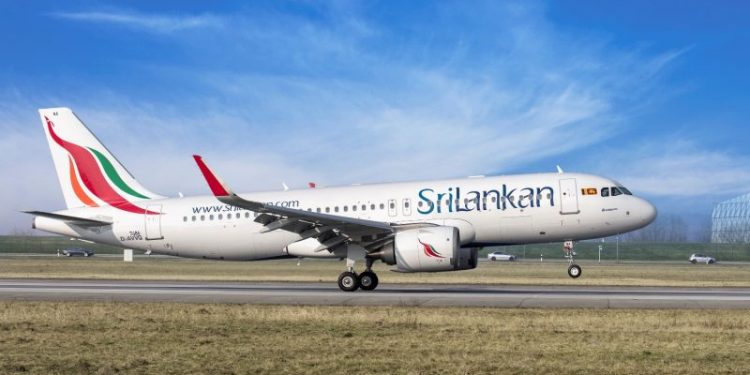
Sri Lanka’s national air carrier to increase flights to Tokyo

Colombo, July 8 (newsin.asia) – The Sri Lanka Tourism Development Authority together with the Prime Minister’s office, the Ministry of Tourism and the Civil Aviation Authority of Sri Lanka tabled a cabinet paper on Monday and received the approval for the reduction of ground handling charges, aviation fuel, and the embarkation levy for all international flights for 6 months.

The Ministry said that in 2018, approximately 2.3 million tourists arrived in Sri Lanka while generating an income of USD 4.4 billion. More than 98 percent of tourists to Sri Lanka were brought by international airlines.

By April 2018, 29 airlines were serving Sri Lanka offering 300 flights per week. However, following the April 21 Easter Sunday Attacks, the connectivity was reduced to 239 flights per week resulting in a total of 41 flights cancellations which amounts to a loss of seat supply by 8,000 per week from six countries – China, Hong Kong, India, Malaysia, Oman, and Thailand.

Eleven foreign airlines reduced their flight frequencies to BIA while one airline (Rossiya -Russian Airline) withdrew completely (2 flights/week) resulting in a complete loss of direct air connectivity with Russia. Most of the airlines which reduced frequencies are low-cost carriers.

Accordingly, the direct and indirect negative impact of the Easter Sunday Attacks per day is approximately Rs.12 million and Rs.51 million respectively.

Given the need to resurrect the tourism industry, which was badly affected by the Easter Sunday Attacks, the Tourism Ministry said the Sri Lanka Tourism Development Authority took prompt action to work with the Prime Minister’s Office as well as the Ministry of Tourism and the Civil Aviation Authority of Sri Lanka to draft a Cabinet paper and initiate the implementation of the following reductions in Aviation-related discounts in order to encourage Airlines to reduce the cost of airline tickets and combine these specially priced tickets with the discounts being offered by Hotels and Restaurants in Sri Lanka.

The positive and immediate action taken by the Government, especially by the Prime Minister, John Amaratunga and the DGCA, Mr. Nimalsiri, in response to the urgent request made by the Sri Lanka Tourism Development Authority, comes at a critical time and is most appreciated”, said Johanne Jayaratne, Chairman, Sri Lanka Tourism Development Authority.

The Authority will be working closely with the Board of Airline Representatives (BAR), and the Sri Lanka Association of Airline Representatives (SLAAR) to ensure that these lowered rates are reflected in the Airline ticket pricing going forward” he added.

Spilling the Tea in Sri Lanka

July 8th, 2019

BY 

As large colonial-era tea plantations crumble, family-owned plots are trying to take their place and save the industry.

A tea plantation worker shows off plucked tea leaves in the Nuwara Eliya district of Sri Lanka on Feb. 5.

A tea plantation worker shows off plucked tea leaves in the Nuwara Eliya district of Sri Lanka on Feb. 5. THARAKA BASNAYAKA/NURPHOTO VIA GETTY IMAGES

For nearly a year now, Priyantha Gamage, the son of a Tamil tea plucker, has been documenting the scars and scabs of the tea plantation workers on the Deniyaya Estate in the Southern Province of Sri Lanka. This is just one of his many projects aimed at recording and improving estate conditions while he finishes his studies to become a Catholic priest. He explained that after a brief national ban on the herbicide glyphosate, weed overgrowth in tea fields skyrocketed. The change in landscape provided a perfect breeding ground for leeches, which in turn left workers with more bites. Singh Ponniah, a union leader in the heart of tea country, summed it up: The fields are turning into jungles.”

The barefoot leaf pluckers, too, acknowledge that things are getting more difficult. We want to leave from here, from this danger,” a worker named Vilechemi said, with Gamage translating. Her estate saw lethal landslides and flooding recently, and she fears it will happen again. Unfortunately, families like hers are often trapped where they are by the debts they owe to the estate. Even after her 40 years of labor, Vilechemi lacks the resources to build a new house and make the transition out of life on the plantation. Forty long years,” Gamage emphasized, you see how much the estate has earned out of her?”

These laborers, the bedrock of the tea industry, are known locally as Estate Tamils. Originally from South India, they emigrated to Sri Lanka throughout the 1800s at the strongly worded request of their colonial overlords. For five generations, the workers have lived in poor housing conditions on isolated plantations as they maintain, pluck, and process 675 million pounds of Ceylon tea each year, the vast majority for export.

For five generations, the workers have lived in poor housing conditions on isolated plantations as they maintain, pluck, and process 675 million pounds of Ceylon tea each year, the vast majority for export.

 The Ceylon tea industry constitutes 11 percent of Sri Lanka’s total exports, worth nearly 2 percent of the nation’s GDP, a value of $1.37 billion.

In a recent publication commemorating the tea industry’s sesquicentennial, Sri Lanka’s Institute of Policy Studies estimated that, over the last 20 years, as many as 70,000 Estate Tamils have abandoned working in large plantations. The remaining 200,000—down from nearly half a million in the 1980s—are facing increasingly difficult conditions as the colonial-era infrastructure disintegrates. While the traditional large-scale estates decline, mainly due to worker migration, smaller and usually family-owned tea farms have been on the rise. These small farms are responsible for a growing proportion of Sri Lanka’s tea exports each year. A few trailblazers in the conventional plantations have tried to copy that success, but progress is limited. And if the established estates don’t change, more land will spoil, and levels of overall tea production may never recover. In the meantime, the workers at large estates will continue to face grim living conditions as money becomes even scarcer.

The feet of a Sri Lankan Tamil tea plantation worker after she returned with her share of the plucked tea near a factory in the Nuwara Eliya district of Sri Lanka on Feb. 5. THARAKA BASNAYAKA/NURPHOTO VIA GETTY IMAGES

When he can, Gamage helps young people access education to get them off the estate, something the children love him for as much as the chocolate he occasionally brings them. But securing a good education is not always possible. A lack of resources in the plantation sector and its tendency to lag well behind the rest of the country in education and opportunity stymies his efforts. So that’s why I want to take those children that are capable of studying to a town school,” he said. But even those who make it out often face discrimination outside the estate.

That’s due, in part, to a law passed just after Sri Lanka’s independence from Great Britain. The Ceylon Citizenship Act No. 18 of 1948 stated that anyone who wished to obtain citizenship in the new nation had to prove that their parents had been born within the new borders. In that moment, nearly 1 million Estate Tamils—then 11 percent of Sri Lanka’s total population—became stateless, according Daniel Bass, an anthropologist who has extensively studied the community. This Tamil group only fully gained citizenship in 2003 at the repeated urging of the United Nations High Commissioner for Refugees. Although ethnically separate from the Tamils of the Liberation Tigers of Tamil Eelam movement, which waged a brutal civil war against the Sinhalese majority for many decades, the tea workers still feared for their safety through the years of conflict.

It was in this environment that Gamage’s low-caste Hindu Tamil tea plucker mother married her Sinhalese Buddhist supervisor. While not entirely unheard of at the time, it was a fairly rare type of union. But in this case,” he said, my father was a good man. He didn’t see any difference.” He told me the story while we visited the home of one of his students. The small living space bustled with an impromptu sewing class while an infant crawled around on the floor.

Throughout the larger plantations in Sri Lanka, such so-called line houses provided by the estate are common. Most often, these simple structures consist of a series of five independent rooms with each unit meant for one family. The small windows typically have no glass, and old cloth curtains offer little privacy. When people rest at home after work, the naked light bulb usually stays off in favor of the dull glow of a television’s cathode ray tube. The outhouses are shared.

A tea plantation worker carries a bag of tea leaves uphill in the Nuwara Eliya district of Sri Lanka on Feb. 5. THARAKA BASNAYAKA/NURPHOTO VIA GETTY IMAGES

The most ambitious of the estate workers have managed to improve their dwellings through a combination penny-pinching, group savings, and borrowing against their retirement. The last method is both the most common and the riskiest, as it can lead to spiraling debt—of the kind Vilechemi faces. Another worker, Jayanti, showed her living conditions. This,” she said indicating the original room at the rear, is the estate-provided house.” A single mattress meant for four family members—the couple and their early teen children—occupied most of the space. Her family took out a loan against retirement to build a new room in the front for her mother-in-law. To make the payment, Jayanti, like a growing number of Estate Tamils, decided to leave Sri Lanka to be a domestic servant in the Middle East soon after our interview. She is due to return home in late 2020.

In addition to shelter, the estate provides basic education and health care. To pay for these and other benefits, an agreed upon amount comes out of the workers’ paychecks alongside a somewhat ironic monthly deduction for about a pound of powdered tea. The workers are left with take-home earnings of around 600 rupees, or less than $4, in daily wages. And even if one of their perennial strike efforts for 1,000 rupees a day eventually succeeds, they would still earn only about half Sri Lanka’s average urban wage. The youngest generation of Estate Tamils have figured that out and leave in massive numbers to work in towns, often in garment shops. Those who stay face surging alcoholism rates alongside a rise in violence against women.

On the bigger estates, at the same time as unions and workers try to push salaries up, the plantations’ productivity has gone down. Besides worker migration, other factors of the decline include soil exhaustion after over 150 years of continuous cultivation and decades of poor agricultural practices, such as improper use of fertilizer and mistimed replanting.

Tea plantation workers wear gunny sacks due to a lack of proper uniforms as they prepare to start work in the Nuwara Eliya district of Sri Lanka on Feb. 5. THARAKA BASNAYAKA/NURPHOTO VIA GETTY IMAGES

In a different time, like when the island’s share in the global tea trade was 40 percent in 1970, the plantations would not have had trouble surviving—and they might even have had enough resources to better manage environmental concerns. But a new crop of tea-growing countries—Argentina, Brazil, Cuba, Malawi, Malaysia, Peru, and Vietnam—have begun to produce for export. Combine that with expanding exports from Kenya, India, and China, the traditional rivals, and the Sri Lankan share of the global tea trade has dropped to 15 percent. Moreover, despite the relatively low wages within the nation, estate workers still earn up to four times as much as their Kenyan and Vietnamese counterparts. This means Sri Lanka now produces less tea at more cost compared with its international competitors.

Sri Lanka now produces less tea at more cost compared with its international competitors.

 To tell you frankly,” one estate manager outside Hatton said, the plantations are facing a lot of crises in Sri Lanka.”

One solution may be the outgrower system. In this model, larger plantations hand over management of an unproductive or abandoned plot to estate families. Theoretically, doing so has several benefits. Workers would have more incentive to maintain the land and would maximize the estate’s output at minimal cost to management. The idea comes from the smallholder tea plantations that started proliferating in the 1970 and ’80s when the nation was preoccupied with civil war. Those smallholder farms are typically smaller than 20 acres, or six city blocks, and are mostly located in the southernmost parts of tea country. Since there is low overhead, wages are usually higher: Farmers can earn around 100 rupees, or 60 cents, for every three pounds, which is over $8 for the standard 44 pounds. And since the smallholder farms tend to be family owned and operated, the work environment is often more pleasant. Together, they now produce over 70 percent of Sri Lankan tea.

One of these small farms, the Amba Estate, has been able to capitalize on a growing tourist market as well as a demand for organic products. Nitanjane Senadire, the production manager, told me he was happy for those workers who are leaving the country and getting better jobs overseas and getting better salaries.” But that development comes with a price. Good for them and good for the country. Good for the future,” he said, but unfortunately very bad for tea.” To entice traditional Estate Tamils, or really anyone who wants to work (50 percent of Amba’s workers are Sinhalese), he offers base salaries that are around twice those of larger plantations as well as revenue sharing. Workers come from the larger traditional estates as well as neighboring small towns, and there is a waiting list of would-be employees.

Senadire sees the end of the tea industry as a possibility—That can happen!”—but he won’t give in easily. If we give up on tea, I think it’s a very stupid idea,” he said. While large estates struggle, business for him has been good. And since Amba has a backorder of three months, Senadire doesn’t think it will be a problem if all of his neighbors were to copy his business model. As long as other small farms maintain the quality, everyone should be able to find a niche market,” he said.

A tea plantation worker rests after returning with the tea she plucked in the morning session of work in the Nuwara Eliya district of Sri Lanka on Feb. 5. THARAKA BASNAYAKA/NURPHOTO VIA GETTY IMAGES

Ram Ramakrishna, a tea broker with nearly 40 years of estate administration experience, had some thoughts about how the system would work on a national scale. At one point he managed 8,000 workers. He was proud of that, if also a little overwhelmed by its memory. The British system of having large plantations has to decentralize,” he said. When asked why the industry was failing, his smile instantly dropped. The industry is not failing,” he clarified, there is a shortage of workers in the plantations.” He was confident that the youth will come back the moment they know a lot of money is involved.” Like with Amba, he said, the most successful plantations are the smallholders. That is the way forward.”

Despite his optimism, his professional advice for estates with failing acres is to avoid replanting tea as the original trees planted by the British reach the end of their natural 150-year life cycle. Take the best tea and plant the balance of the land with timber,” Ramakrishna said. Because you cannot sustain it. You will not have the people.”

Back in the endless hills of the Deniyaya Estate, Gamage walked through several workers’ line houses. Speaking with a mouth full of betel leaf, one worker, named Ponanga, said she feels sorry for the estate system” in its state of decline. Gamage clarified. They don’t like it,” he said, but yes, that’s their world.” When asked about her happiest memory there, Ponanga, whose teeth and tongue were died bright red by decades of chewing the leaf, paused for a moment, spat, and shook her head. Gamage interpreted again. No, they don’t find a happy moment as such,” he said. They spend time: ‘What to do? We have to work. And we have to earn and then only we can eat.’ That’s their idea.” He looked back at Ponanga and smiled. We have to bring the awareness of what they lost,” he said.

When politics pollutes sports

July 8th, 2019

Courtesy The New Indian Express

Over the last few years, a number of sporting events have been hijacked to propagate political messages.

As India went about clinically demolishing Sri Lanka in the final group game of the cricket World Cup on Sunday, some headlines were stolen by an airplane dragging a couple of banners across the Leeds skyline. The banners bore political messages pertaining to the Kashmir issue and mob lynching incidents in India. Correctly so, the BCCI was quick to register its protest saying security at the match was not tight.

Just a few days ago, when Pakistan was playing Afghanistan, ‘Justice for Balochistan’ message flew across the sky. The ICC rightly denounced it saying display of any political messages in the stadium was forbidden.

Over the last few years, a number of sporting events have been hijacked to propagate political messages. Of course, this is nothing new—Adolf Hitler had recognised the value of the Olympics as a propaganda tool as far back as 1936. The Olympics saw one of its most politically-charged moments in 1968 when American athletes Tommy Smith and John Carlos raised black-gloved fists during the US national anthem to protest the treatment of African Americans. Forty-eight years later, the same issue prompted Colin Kaepernick to take a knee during the national anthem at a National Football League (American football) game in the US. Cricket too witnessed such protests—Sri Lanka’s 1975 World Cup game against Australia saw a pitch invasion from activists protesting the treatment of Tamils in Lanka.

Regardless of the cause, mixing politics with sport takes away from the pure, undiluted essence of the latter. Sport is a celebration, of athletes and their great feats, of heart-warming stories of triumph and redemption or of heartbreaking near-misses. It leads its viewers into a surreal world, so far removed from the usual one, a world of irregular breathing patterns and missing heartbeats where feelings of euphoria and despair usually start at the highest end of the scale and then go even higher. Bringing politics into this world would only drag someone back to the mundaneness of reality. Something unfair indeed.

Religion, non-religion, and human rights

July 7th, 2019

By Mario Perera, Kadawata

I do not know whether Mangala Samaraweera is the adherent of a religion. I only know, from a photo published in the newspapers some time back, that he has no respect for the Lord Buddha. The photo showed him holding a Buddha statue by the neck and behind his person. I remember the strong criticisms levelled against him for that act, which if done by a Catholic with regard to a statue of Jesus, would have been considered as being sacrilegious. But Mangala S. as do other high ranking politicians, visits the Temple of the Sacred Tooth Relic, pays his respects and obeisance, and then visits the Mahanayakes for the same purpose. In Sinhala you call all this ‘AS BANTHUNG’

But Samaraweera’s problems with Buddhism are of a wider scale. Recently even when Hindu and Muslim political leaders openly stated that Sri Lanka is a Sinhala Buddhist country, Samaraweera publicly declared it was NOT. Also a venerable monk recently pronounced Samaraweera to be a persona non grata in Buddhist temples. It was also said that Samaraweera’s name should not be displayed in the precincts of Buddhist Temples.

Since recently Samaraweera has been going hammer and tong against the Cardinal Archbishop. The latter was accused by Samaraweera of fanning religious conflicts. Now the Cardinal has been taken to task for his stand against the imposition of the ‘human rights’ ideology on Sri Lanka. Samaraweera’s view has been seconded by a lawyer who calls himself a Catholic. What the Cardinal said was that Sri Lanka with its religious background had nothing to learn from the West about human rights.

Delving into what the Cardinal said, religions are rooted in the human conscience, while concepts such as ‘human rights’ are mainly, even purely political weapons. Indeed when one reflects on all the ongoing military conflicts in the world, and the crimes against humanity that are being perpetrated, all ten fingers could only point at those ardent promoters and defenders of HUMAN RIGHTS.

This brings .us to the pivotal issue. Since when did this ‘human rights’ concept emerge and take root in the Western consciousness? That happened at a time the world was divided by the Western capitalist powers into two blocks: FREE and COMMUNIST. The West posed as defenders of PRO-HUMAN values while the communist block, literally the iron curtain countries were branded as anti-human. At that time the West prided itself and put on show its open arm policy about welcoming into its fold all who fled from the communist block.

But now the iron curtain has fallen. It will be remembered that the architect of that fall was no other than Pope John-Paul 11. It was the anti-communist revolution in Poland inspired and promoted by the Pope that brought about the domino effect on other iron curtain countries. Ever since the iron curtain ceased to be and since the two block division of the world has been done away with the emergence of new powers, the human rights issue has lost its universal impact and is seen as a partisan Western weapon to promote its political dominance, in spite of the erosion of its moral foundation. It is now nothing more than the cloth bandage over the eyes of nations ready to say ‘EHEY SWAMINI’ to them, the qualification for receiving loans.

Where do Sri Lankan non-adepts of religions stand in this matter? How were their consciences formed? Was it by Western human rights activism or by the religious foundations on which this country stands? The answer is so obvious that only a West dependent brain and loan money ambitions of Samaraweera and his ilk would fail to see.

The iron curtain fell a long time ago. They are now being replaced or intended to be replaced by concrete walls by the foremost proponent of HUMAN RIGHTS. Finally there is only one difference between the communist iron curtain, and the American concrete curtain. The former was set in place to keep the hungry, the starving, the sick, and the impoverished within the wall. The latter curtain has as its objective to keep all such people whose plight is largely due to American hegemony politics, outside the wall. ‘Human rights’ politics have lost every conceivable moral purpose for its being.

Mario Perera,

Kadawata

THE BEST ALTERNATIVE APPROACH FOR MAINTAINING THE EXECUTIVE PRESIDENCY

July 7th, 2019

BY EDWARD THEOPHILUS

Despite the various arguments against the executive presidency in Sri Lanka, when impartially consider on the role played by the position, it is acceptable that the executive presidency has performed a significant role in the country in relation to a various area.  There may have been weaknesses in it as human discharges the functions of the position. People must ignore the point that who was established the position and what was his political philosophy, but critically evaluating the role played, it is easy to conclude that the executive presidency supports the stability of Sri Lanka and if people could see weaknesses of the institution the right step is to reorganize the position with  constitutional valid reforms in the way more effective to the country.

The executive presidency is associated with the constitution like a skin to a tree. Therefore, the reshaping of the executive presidency must need constitutional changes and associated process such as referendum and two-thirds majority, etc. While allowing to current legal and constitutional provisions it could be developed to more democratic and to a status of beyond the party, ethnic and religious politics. The individuals who held and currently holding the position did not attempt to develop or reform the position in order to develop the position as a public friendly institution that effectively works for the national integration and the unity of people.

The current eminence is to the executive president to work with political parties and the cabinet, which is consist of politics and has the potential to neglect many areas beyond politics.  Therefore, people see the decisions of the executive president were bias against national interest or the requirements of the country. If there are negative criticism or bias against the president’s behaviour could be changed for the benefits of the country. It would be the best constitutional institution for Sri Lanka.

Sri Lanka needs an executive president (national leader) with a constitutionally binding advisory board (Council) which is appointed without political, ethnic, religious bias and the president must listen to this panel of experts when making decisions. The advisory council must have constitutional obligations for quick decision making with subject to a litigating for negligence, misinformation and wrong directions.   The parliament plays its role with the leadership of the prime minister and representatives, who have partially executive and legislative roles.  This is a policy idea only, the procedure of implementation should be broadly discussed or debated at an open forum and develop the framework for implementation consistent with the terms of the existing constitution. The current president has an aggressive accent whether he speaks in Sinhala or in other language according to Western language experts and many might assess as a dictator based on accent.

Currently, the president has so many advisors, the majority of whom are seemed to be bullshitting than playing the right role with a view to attracting the pay and benefits for the job. They have no constitutionally binding obligations and they are politically, ethnically and religiously bias and people have no understanding what is current advisors doing.  Therefore, a transparent advisory system mitigates the monopolistic power of the president creating peoples’ friendly and good institution to the country avoiding differences among people.

In history people of Sri Lanka used to the dictatorship of kings and queens, the authority of them was beyond the current meaning of democracy and they safeguarded the national integration and the unity among people with authoritative decisions. Although it was a dictatorship, people respected to it as the dictatorship had not been operated by bribery, friendship, kinship or any other kind of bias.  Therefore, people accepted the reign of kings and queens.  However, it appears that some people at present does not prepare to accept the leadership of the executive president thinking utopian style of democracy.

People in Sri Lanka clearly know that the executive presidency is the best leadership style to the country if it operates without any kind of bias and if the leadership gives for the national integration, policy-making and policy correction with a right vision for the future.     

ATROCITIES COMMITED AGAINST SINHALA BUDDHISTS

July 7th, 2019

Dr. Daya Hewapathirane

Cruelty and Atrocities by Catholics

For a period that exceeded 150 years, from 1505 to1658, a greater part of Sri Lanka’s  coastal region was under the control of Portuguese Catholics. This was a period marked by extreme forms of violence and atrocities by the Portuguese, against local inhabitants  especially the Sinhala Buddhists, who, at the time of arrival of Portuguese in the island, accounted for more than 95% of the total population of the country. Roman Catholic missionary activities of the Portuguese included the widespread conversion to the Catholic faith, of local inhabitants, most often by force. From the year 1543 onwards, the Franciscans were establishing their centers in the country, while the Jesuits were involved actively in their religious conversion activities in the north. The Dominican and Augustinian Catholics arrived in the island toward the end of the 16th century and pursued their religious conversion activities vigorously. Those indifferent to or opposed to conversion were treated with extreme forms of violence. Besides the incitement of hatred towards Buddhists, they were subjected to severe forms of persecution including unwarranted arrest, imprisonment, torture, and execution. Confiscation or destruction of property owned by Buddhists were commonplace during this period. The Portuguese used their extensive powers of patronage and preference in appointments to promote Christianity. To avoid hatred and violence, many members of the landed aristocracy in coastal areas embraced the Catholic faith, taking Portuguese surnames at baptism. Many coastal communities, particularly in Jaffna, Mannar, and the fishing communities who lived north of Colombo, underwent mass conversion. Soon, Catholic churches and associated schools were established in these areas to serve the Catholic communities.  

Undermining Buddhists and destroying Buddhist shrines and establishments became the order of the day during this Portuguese period. Lands belonging to these Buddhist sites were taken over and given to Catholic establishments. It is recorded that all Buddhist temples, monasteries and places of learning along the coastal belt occupied by them were plundered and destroyed by the Portuguese. Buddhist monks and devotees associated with these establishments were subject to untold harassment. They plundered and destroyed all prominent Buddhist Seats of Learning, most notably: The famous Vijayaba Pirvena of Totagamuwa, The Padmavathi Pirivena of Keragala and The Sunethra Devi  Pirivena of Pepiliyana. It is important to note that these were seats of learning associated with reputed Sinhala Buddhist scholars and literary icons at the time, such as Most Venerable Totagamuwe Sri Rahula and  Veedagama Maitreya Nayaka Theras. All lands that belonged to these seats of learning were taken away and given to the Catholic church. 

The Citadel of Kotte, was the administrative capital of Sinhala Kings from the 14th century. By the 15th century, especially during the reign of the famous Sinhala King Parakramabahu VI (1411-1467 CE), this city expanded and developed as a spectacular fortified city known as Sri Jayawardenapura Kotte. This fabulous city was plundered and destroyed by the Portuguese. The Dalada Maligawa of Sri Jayawardenapura Kotte, was one of the monumental Buddhist structures in the country at the time of arrival of the Portuguese to Sri Lanka. This spectacular religious establishment was destroyed by the Catholic Portuguese. The Kelani Rajamaha Viharaya was the foremost, highly venerated Buddhist shrine and monastery complex of the island at this time. In 1575, the Portuguese set fire to this most sacred historic site, thereby destroyed it completely and all lands that belonged to Kelani Rajamaha Viharaya were taken over by the Portuguese and given to the Catholic Church. Among other colossal Buddhist vihare and monastery complexes completely destroyed by the Portuguese were: Mapitigama Rajamaha viharaya,  Wattala Rajamaha viharaya Devinuwara Rajamaha viharaya and associated buildings besides the Munneswaram Kovila in Chilaw.  

Buddhist Tolerance

The history of Buddhists of Sri Lanka during the four hundred years of foreign Christian rule prior to the country’s political independence in 1948, is nothing but a long and poignant chronicle of Buddhist tolerance in the face of oppression and injustice. Who but the Buddhists tolerated harassment by the Roman Catholic Portuguese to give shelter and employment to Muslims? Or endured similar treatment from the Dutch to give shelter to Roman Catholics? Who but the Buddhists tolerated the rank injustice of the foreign rulers who used the revenue from one of the most sacred places of Buddhist worship, the Dalada Maligawa, to pay for the construction of St. Paul’s Cathedral? Or the injustice of destroying a Buddhist Vihara in Kotte to erect in its stead a Christian School? Who but the Buddhists tolerated the extortion from them of four hundred pounds a year for the building of Christian Churches?

The undertaking to maintain the Buddhist religion given in 1815 by the British (Christians) was grossly betrayed. In 1884 all the Government schools, which were the only schools to which the Buddhists could send their children for higher education were handed over to the Christian Missionaries. Up till 1886 Buddhists paid by far the largest amount for the maintenance of the Ecclesiastical Department. Religious fanaticism and brutality and unethical and confrontational approaches adopted by the Catholic Portuguese particularly during the 16th – 17th century period, and today by extremist Wahhabi Muslims of Sri Lanka, to serve their selfish ends, provide a stark contrast to the approach in Buddhism which is reflective of the Buddha’s supreme message of harmony and moderation, of an inspiring middle way” in all human situations in an impermanent world. History of Sri Lanka reveals vividly that this spirit of tolerance and accommodation of others irrespective of their religious or other differences has been a common distinguishing characteristic of the Sinhala Buddhists of this country from very early times.

Wahhabi Muslims

In contemporary times we witness a disastrous hardening of the different forms of Islam into rigid fundamentalism, in which each aggressively proclaims its beliefs, zealously proselytizes, and even takes up arms against its rivals and the so-called infidels”. This fundamentalist and intolerant stance, taken by Islam is offensive to followers of other faiths and other spiritual traditions and to those of no faith at all. It is well evident today that overzealous attempts of Wahhabi Muslims in particular at conversion disturb peaceful coexistence. Extremist Muslims of Sri Lanka who have grown in numbers in recent years, are trying hard, using cunning and deceitful means to introduce their crude extremist Saudi Arabian cultural norms to our country, thereby undermining our traditional Sinhala Buddhist cultural norms. Their disgusting halal terrorist methods of animal slaughter, their unsightly and repulsive black ‘gonibilla’ outfits, their nauseating loudspeaker shouting at odd times of the day disturbing entire neighborhoods, and using internet and other means to insult and discredit our Sangha community are some well known Muslim (Arabian) cultural garbage they are introducing to our land. They disregard the fact that they live in a predominantly Buddhist country and what they are doing is incompatible with the way of life and the social value system of this country.

Intolerance is essential only to monotheism. An only God is by nature a jealous God who will not allow another to live. When a religion sees its scripture as revealed and divinely inspired, it finds a basis for exclusivity and intolerance. Justification for intolerance is provided by the very nature of a Supreme Being who is described as a jealous and angry being, who punishes those who defy him with eternal damnation. The Koran says: Slay unbelievers wherever you find them, and drive them out of the places they drove you from . . . Fight them until idolatry is no more and God’s religion is supreme.” Buddhism does not accept an omnipotent God, a Creator, nor any revealed scripture. Because faith in God or a savior is not an issue for Buddhists, there is no reason to judge others, to condemn them for their beliefs, or to feel compelled to convert them. The Buddha Dhamma is described as ehipassiko”, inviting one to come and see for himself. There is no concept of coercion or proselytization in Buddhism. Buddha taught the importance of patience, tolerance, and non-aggression, providing a splendid ideal of tolerance for Buddhists to follow. There is not a single occasion in the Buddhist scriptures of the Buddha being less than compassionate, not only to those who accepted his teachings but also to the followers of all faiths, not only to the good but also to the wicked, not only to humans but also to animals and to all living beings. In striking contrast to the spread of other world religions, which are replete with unethical and forcible conversions and sectarian strife, the history of Buddhism is remarkable for the complete absence of bloodshed in the name of the teacher.

The Bodu Bala Sena Movement

In recent years, Buddhists have started to mobilize in large numbers under the bold leadership of organizations such as the Bodu Bala Sena, rallying to the Buddha’s call to “go forth… for the good of many, for the benefit and well being of many.”  It is time we organize ourselves fully against this Muslim menace, and adopt appropriate strategies and measures in a legitimate manner, to subdue the ‘anti-Buddhist’ anti national” attitudes and activities of Muslims. It is encouraging to note that concerned Buddhist leaders, both ordained and lay, are getting to the forefront today, in promoting appropriate counter measures.  

Anti-Buddhist and anti-national undesirable elements, including those funded by foreign NGOs and extremist Muslims, evidently appear to feel uncomfortable about the emergence of the Bodu Bala Sena which is on all counts, a timely and legitimate organization of Buddhists. Led by Bhikkhus, the traditional Buddhist leaders of the country, the program of activities of the Bodu Bala Sena, is structured on Non-violence and compassion. Among its aims is to legitimately  counter the varied local and foreign forces that are hell-bent on undermining Buddhist culture and Buddhist heritage of this nation founded on Buddhist principles, in addition to saving this only Sinhala Buddhist nation in the world from spiritual decay and disintegration and to halt the erosion of Buddhist social values. Our Bhikkhus have become a thorn in the flesh of religious extremists, the recent breed of inter-faith dialogue facilitators, those in the ethnic and human rights businesses and above all those who are funded or backed by extremist anti-Buddhist elements. The Bodu Bala Sena aims at directing society towards a cultural rejuvenation based on traditional Buddhist norms, principles and values which have been the foundation of this nation for over 2200 years. Our Bhikkhus should necessarily be in the forefront in movements aimed at protecting and promoting the Buddha Sasana especially when it is under threat. Bhikkhus of the Bodu Bala Sena have voluntarily made their choice to take an open public stand on issues surrounding Buddhism and Buddhist culture which is the greatest treasure that our country could offer to the world, to humanity in general.  

Dr. Daya Hewapathirane

BRUTALITY OF THE PORTUGUESE – SOME HISTORICAL FACTS

July 7th, 2019

Dr. Daya Hewapathirane

From the year 1505 until 1658, for about 153 years, a good part of the coastal region of Sri Lanka was under the control of the Portuguese.  This was a period marked by extreme forms of violence and atrocities against the Sinhala community, especially the Sinhala Buddhists. It was a period  marked by intense Roman Catholic missionary activity. From the year 1543 onward, Franciscans established centres in the country and Jesuits were active in the north.  Dominicans and Augustinians arrived toward the end of the 16th century.

The Portuguese used their extensive powers of patronage and preference in appointments to promote Christianity. For varied reasons, many members of the landed aristocracy in coastal areas embraced Christianity. They often took Portuguese surnames at baptism. Many coastal communities underwent mass conversion, particularly in Jaffna, Mannar, and the fishing communities north of Colombo. Catholic churches with schools attached to them served Catholic communities all over the country. Devastation of Buddhist establishments and undermining Buddhists was the order of the day.

  • All Buddhist temples, monasteries and places of learning along the coastal belt were plundered and destroyed by the Portuguese, and Buddhist monks and devotees associated with these establishments  were subject to untold harassment.  Lands belonging to these Buddhist sites were taken over and given to Catholic establishments.
  • The Portuguese plundered and destroyed the Citadel of Kotte, which was the administrative capital of Sinhala Kings from the 14th century.  It was a fortified city known as Jayawardanapura Kotte, and by the 15th century during the reign of  the famous Sinhala King Parakramabahu VI (1411-1467CE), it had expanded and developed to be a fabulous city. 
  •  The Dalada Maligawa of Sri Jayawardenapura Kotte, was one of the most spectacular Buddhist structures in the country at the time of arrival of the Portuguese to Sri Lanka. This monumental religious structure was completely destroyed by the Portuguese.
  • In 1575, the Portuguese set fire to the historic Kelani Rajamaha Viharaya and destroyed it completely. At that time, Kelani  viharaya was the foremost shrine and monastery of the island’s Buddhist community.  At that time, the Buddhist community accounted for almost 99% of the population of the country.  All lands that belonged to Kelani Rajamaha Viharaya were taken over by the Portuguese and given to the Catholic Church.
  •  Among other colossal Buddhist vihare and monastery complexes completely destroyed by the Portuguese were:  

     Mapitigama Rajamaha viharaya,  Wattala Rajamaha viharaya

Devinuwara Rajamaha viharaya and associated buildings besides    the Munneswaram Kovila in Chilaw.  

  • The Portuguese plundered and destroyed all prominent  Buddhist Seats of Learning, most notably :

The famous Vijayaba  Pirvena of Totagamuwa,

The Padmavathi Pirivena of Keragala and

The Sunethra Devi  Pirivena of Pepiliyana.

These were seats of learning associated with reputed Sinhala Buddhist scholars and literary icons at the time, such as Most Venerable  Totagamuwe Sri Rahula and  Most venerable Veedagama Maitreya Nayaka Theras. All lands that belonged to these seats of learning were taken away and given to the Catholic church. 

Dr. Daya Hewapathirane

NDP Motion adopted in House of Commons to investigate Sri Lanka’s action to defeat Tamil Tiger Terrorism

July 7th, 2019

Mahinda Gunasekera

Ms. Salma Zahid, MP
Member for Scarborough Centre

Dear Ms. Salma Zahid,

We refer to the motion proposed by the NDP to investigate Sri Lanka’s action to defeat Tamil Tiger Terrorism in the years 2006 to 2009 as an act of Genocide against Tamils, which was passed in the House with the consent
of all parties on the 19th of June 2019.

We thank you for granting members of our Sri Lankan community to meet with you today and explain the correct situation in Sri Lanka, so that you may report back to your party colleagues who have been misled by certain
extremist elements of the Tamil community that extended support to the internationally designated terrorist group known as the Liberation Tigers of Tamil Eelam (LTTE). You are no doubt aware that the LTTE was so
designated by the UN Security Council in September 2001, and banned by 32 countries including Canada, USA, UK, EU, India and Malaysia amongst others.

In order to briefly advise you on the ground situation which existed in Sri Lanka ten years back, I wish to list out the following events for your information and assessment of the associated facts:

1. The LTTE and its supportive groups extorted large sums of money from Tamil expatriates and businesses to launch their so called final war of liberation confirmed by the Human Rights Watch report of March 2006;

2.  The LTTE ignoring the ceasefire agreement carried out isolated attacks against Sri Lankan targets from December 2005 and thereafter thrust a war on Sri Lanka by shutting off drinking and irrigation water for 12 days at Mavil Aru to 30,000 farming families;

3.  Sri Lanka was compelled to restore the water supply and proceeded from there to militarily dislodge the LTTE from the usurped territory in the east and north;

4.  As Sri Lankan forces advanced on LTTE strongholds they began to retreat at the same time forcing the resident Tamil civilians to move with them from the northwest coast to the east to be exploited for their labour, conscripted to fight and serve as a human shield;

5. The Sri Lankan Army steadily advanced and soon came to surround the LTTE forces that had retreated to a narrow strip on the northeast coast in Mullivaikal.  In order to protect the Tamil civilians from harm, the Sri Lankan Army (SLA) marked out a Civilian Safety Zone (CSW) which was infiltrated by the LTTE with their heavy guns which they fired at the SLA
attracting retaliatory fire. 

6.  Sri Lanka called on the LTTE to surrender from the beginning of 2009 which they disregarded and continued to fight. Later Sri Lanka unilaterally declared two 48 hour ceasefires in February and mid-April 2009, but the civilians who attempted to  leave were fired on and killed by the LTTE to prevent an exodus thereby depriving the LTTE of a human shield. This fact is confirmed by Anna Neistat of Human Rights Watch who went to Sri Lanka and met with the rescued Tamil civilians, in the following TVO video clip  viz.https://youtu.be/OJsAa7s4Asg .

7.   Sri Lankan Security Forces which had earlier rescued nearly 120,000 trapped civilians in April 2009 by carrying out a military  manouvre to split the area held by the LTTE, finally used their special forces to breach the high defensive berms (bunds) built by   the LTTE to attack the hardcore LTTE fighters and rescue the remaining civilians held by these terrorists bringing an end to the three decade long armed conflict. In all, 295873 civilians held against their will were brought to safety including about 12,000 former LTTE fighters dressed as civilians that gave up the battle to escape with the civilians.  

8.   The total number Tamil civilians bandied about by the pro-LTTE groups as having been killed between January 1 and May 19,   2009 ranges from 70,000 to 140,000, whereas the UN Resident Representative’s office in Colombo reported 7,721 civilian deaths between August 2008 and May 13, 2009. The Government of Sri Lanka conducted a census using Tamil teachers and Tamil public servants as enumerators and arrived at a figure of 7,432 excluding those who had died of natural causes, whilst the Tamilnet, a key propaganda arm of the LTTE reported monthly deaths from January 1 to May 19, 2009, which added up to 5,295, which they later revised and claimed was 7398. Lord Naseby of the British House of Lords obtained heavily redacted copies of confidential reports sent by Col. Gash, the Military Attache at the British High Commission in Colombo to the Foreign and
Commonwealth Office in London, where he reported a total of around 8,000 civilian deaths with 2,000 of that number being killed by the LTTE
to prevent these civilians that formed a human shield from fleeing their area of control. Contrary to what is claimed as genocidal attacks by the Sri Lankan forces, the number of genuine civilians killed is unknown as none of the published figures distinguishes between combatants, LTTE Auxiliary Forces Personnel, and genuine non-combatant civilians.
In fact, the UNSG’s panel on Sri Lanka reported that a large number of LTTE fighters battled in civilian attire blurring the distinction between fighting cadres and civilians.

9.  Another interesting statistic is the total number of injured persons among the Tamil IDPs according to the ICRC responsible for ferrying them by land and sea for medical attention was 18,439 which is lower than the 40,000 supposedly killed during the last stages according UNSG’s personal panel. Normally, the world’s average ratio of injured (WIA) to the number killed (KIA) is between 2-3 times the number killed, which
means that the number injured should have been 80,000 – 120,000. Can someone explain this discrepancy other than determining that the high civilian death numbers being quoted are bogus guesstimates.

10. They were housed in Welfare Camps, provided all meals, medical/ psychological care, education, vocational training, and resettled in their former places of residence after clearing the land of 1.5 million landmines laid by the LTTE to hamper the advance of the country’s armed forces. The former Tiger cadres were enrolled in a rehabilitation program, given new life skills that would enable them to lead independent lives and released to society. ARE THESE ACTS OF GENOCIDE AGAINST THE TAMILS? 

Please consider the above factual data and arrange to share this information with your parliamentary colleagues.


Yours sincerely,

Mahinda Gunasekera

Honourable Premier, Cabinet Ministers and Members of the Ontario Provincial Legislature,

Further to my mail sent on April 7, 2019, please read the detailed article written By Professor Michael Roberts of Adelaide, Australia, on the many aspects of the armed conflict which took place in Sri Lanka between the nation’s security forces and the fighting forces of the Liberation Tigers of Tamils Eelam (LTTE) designated as a terrorist movement by the UNSC in September 2001 that sought to carve out a mono-ethnic racist Tamil state in the north and east of Sri Lanka, carried in his blogsite called the “Thuppahi’s Blog” covering mainly the critical latter stages during the first five months of 2009:
https://thuppahi.wordpress.com/2018/10/16/the-western-worlds-cumulous-clouds-of-deception-blanketing-the-sharp-realities-of-eelam-war-iv/

Yours sincerely,

Mahinda Gunasekera

What we do and dont know about gut health

July 7th, 2019

By Jessica Brown Courtesy BBC

Artists impression of gut flora (Credit: Getty Images)

The microbiome inside our bodies dictates many aspects of our health – and is as individual as we are.

Inside your gastrointestinal (GI) tract are trillions of micro-organisms, including bacteria, fungi and viruses. You have roughly the same number of micro-organisms in there, mostly in the large intestine, as you do human cells in your entire body. But only 10% to 20% of the bacteria you have in your gut will be shared with anyone else.

These microbiomes differ hugely from person to person, depending on diet, lifestyle and other factors, and they influence everything from our health to our appetites, weight and moods. But despite being one of the most-researched parts of the body, there’s still a long way to go to fully understanding our guts. BBC Future reviewed the findings of some of the science so far.

Diet

Our diets have a huge influence the gut microbiome. Research has found links between Western diet, typically high in animal fat and protein and low in fibre, with increased production of cancer-causing compounds and inflammation. The Mediterranean diet, on the other hand, which is typically high in fibre and low in red meat, has been likened to increased levels of faecal short-chain fatty acids, which have been found to have anti-inflammatory effects and improve the immune system.

Scientists hope that population-wide research will advance existing findings. One such project, the ongoing American Gut Study, is collecting and comparing the gut microbiomes of thousands of people living in the US. So far, research suggest those whose diets include more plant-based foods have a more diverse microbiome, and one that is “extremely different” from those who don’t, says Daniel McDonald, the project’s scientific director.

You might also like:

“We can’t say one end is healthy or unhealthy yet, but we suspect that those who are eating a diet rich in fruits and vegetables have very healthy microbiomes,” he says. However, McDonald adds, it’s unclear if and how radically switching from a diet high in plant-based food to a diet low in healthy food would change the microbiome.

Probiotics

There has been a lot of hype around the health benefits of prebiotics and probiotics in recent years, but while they’re increasingly used in treatments including inflammatory bowel diseases such as Crohn’s disease and ulcerative colitis, several reviews suggest there needs to be further research on which strains and dosages are effective.

Eran Elinav, an immunologist at the Weizmann Institute of Science in Israel, has recently found that some people are immune to probiotics – although he did this in a relatively small study that would require future research to come to any concrete answers. He gave 25 healthy individuals either 11 strains of probiotics or placebos, and tested their microbiomes and gut function with colonoscopies and endoscopies before and three weeks after the intervention.  

Probiotic powders (Credit: Getty Images)

Siome people have a gut biome which welcomes probiotic supplements (Credit: Getty Images)

“People could be divided into two groups – those in which probiotics were welcomed by indigenous microbiome and allowed to colonise the GI tract, where probiotics were able to change the microbiome, and those who were resistant. In this group, the probiotics weren’t allowed to settle in, and did almost nothing,” he says.

The researchers were able to predict which category a person would fall into by examining features in their microbiome. Elinav says his findings suggest a need for more advanced tailoring to personalise probiotics to the needs of individuals.

Health

Gut microbiota has a major role to play in the health and function of the GI tract, with evidence that conditions such as as irritable bowel syndrome (IBS) often coincide with altered microbiota. But it also plays a much wider role in our health, and this is largely determined in the first few years of life.

Our microbiomes start developing when we’re born, when microbes colonise the human gut. Babies delivered by natural birth have been found to have higher gut bacterial counts than those delivered by Caesarean section because of the contact they make with their mother’s vaginal and intestinal bacteria, says Lindsay Hall, microbiome research leader at Quadram Institute Bioscience.

“C-section-born infants miss out on that initial inoculation, and some of the microbes they come into contact with will be from the skin and environment” says Hall.

Numerous studies have shown that C-sections affect health long-term – Lindsay Hall

“This is very important for infants to develop their immune systems. Recent work has suggested that disturbances in early life gut microbiome have negative consequences for host health,” she says.

“Numerous studies have shown that C-sections affect health long-term, and there’s strong evidence to suggest they lead to a higher risk of developing allergies, and a less robust ecosystem, meaning you’re more susceptible to changes and disturbances, such as antibiotics.

However, there is no robust evidence on what this difference means specifically for the immune system.”

There are also differences in the microbiomes of breast-fed and formula-fed babies. Bifidobacterium, a group of bacteria associated with health, are often found in the guts of babies who are breast-fed.

“We know that Bifidobacterium are able to digest components found in breast milk. These components are not normally found in formula milk, which is why formula-fed babies have less of them,” Hall says.

Probitoic supplements in chemist (Credit: Getty Images)

One problem with supplements is that every person’s gut microbiome is subtly different (Credit: Getty Images)

Scientists are getting closer to understanding how the gut can also be used to treat disease. One of the newest treatments in the field is faecal microbiota transplants, where a healthy person’s microbiota is put into a patient’s gut.

The procedure is used to treat antibiotic-resistant intestinal bacteria clostridium difficile, which can infect the bowel and cause diarrhoea. Though there’s no conclusive evidence on the underlying mechanism, it’s believed that the transplant repopulates a microbiome with diverse bacteria that helps to fight the bacterium off.

We haven’t established what’s normal, but also what’s normal for each individual – Fiona Pereira

The big question around these transplants is defining what a normal gut microbiome is.

“We haven’t established what’s normal, but also what’s normal for each individual. It depends on their ethnicity, environment and other things they body has gone through,” says Fiona Pereira, head of business development and strategy for the department of surgery and cancer at Imperial College London, which oversees research into the relationship between the microbiome and diet.

Pereira says if scientists can gain a clear understanding of what is healthy in different ethnic groups and age groups, they can then profile a person and see how their gut varies and what this is related to – it could be diet, environment, or genetic predispositions to certain diseases.

Antibiotics

It is already well established that antibiotics can dramatically alter our gut microbiota.

The gut is an environment where harmless and beneficial bacteria are in very close contact to opportunistic pathogens that cause infections, says Willem van Schaik, professor at the University of Birmingham and lead researcher of a new study identifying more than 6,000 new antibiotic-resistance genesin pathogens.

He found that most of these pathogens weren’t associated with DNA that can transfer between bacteria, which means there’s no immediate risk of spread of these genes from normal bacteria to pathogens.

Our findings highlight how many resistant genes are in the microbiome and could potentially be mobilised to be opportunistic pathogens – Willem van Schaik

However, many of the genes thought to be fixed in certain bacterial environments can start spreading by overuse of antibiotics, which can put pressure on the resistant genes locked up inside a single bacterial cell, causing them to mobilise.

“Our findings highlight how many resistant genes are in the microbiome and could potentially be mobilised to be opportunistic pathogens. They should be seen as a warning that there is a large reservoir of these genes we don’t want to start mobilising,” van Schaik says.

The brain

The brain and gut have a strong, two-way communication system referred to as the gut–brain axis. Each are essential to the other – studies have found that brain development is abnormal in the absence of the gut microbiome. However, a recent review stated that research hasn’t yet figured out which exact gut bacterium are crucial for brain development.

Further investigation is uncovering how interlinked the gut is to the brain, however, including our mood and mental health, says Katerina Johnson, a researcher of the microbiome-gut-brain axis at the University of Oxford.

Probiotic powder (Credit: Getty Images)

There is a recent trend toward taking probiotic supplements because we are only now realising the extent to which the gut microbiome affects us (Credit: Getty Images)

“Research shows that if we take gut bacteria from depressed humans and colonise the guts of mice with it, the mice show changes in their behaviour and physiology that are characteristic of depression,” she says.

Gut microbes can produce most of the neurotransmitters found in the human brain, including serotonin, which plays a key role in regulating mood. It is hoped that scientists will soon be able to understand how microbes can be used to produce neurotransmitters to treat psychiatric and neurologic disorders liked to our microbiomes, including Parkinson’s disease and multiple sclerosis.

Behaviour

We’ve also started to glimpse how gut microbes can influence behaviour. Some studies, largely conducted in animals, for example, suggest that certain types can affect brain chemistry and behaviour to make animals act more socially.

Germ-free animals who’ve had no exposure to microbes, on the other hand, have shown deficits in social behaviour, and researchers have found that this can be restored by adding specific types of bacteria such as Lactobacillus, often found in yoghurt, according to Johnson.

Behavioural changes are likely to be a by-product of processes that help microorganisms grow and compete in the gut, such as fermentation

A recent paper titled ‘Why does the microbiome affect behaviour?’ examined the theory that the gut microbiome has evolved to manipulate its human host for its own success, much like parasites, by making the host more sociable in order to be transmitted.

The paper argued, however, that this theory is unlikely, and behavioural changes are likely to be a by-product of processes that help microorganisms grow and compete in the gut, such as fermentation.

“The gut microbiome is so diverse that, even if there was a type of bacteria producing active chemicals to manipulate our behaviour, this bacteria would quickly be outcompeted by other bacteria not investing any extra energy to produce the compound,” says Johnson, one of the paper’s authors.

The future

Science has not yet defined what a healthy microbiome looks like, and a conclusion appears some way off yet. But there is growing consensus that environmental factors, such as diet and antibiotics, affect our microbiome more than our genes, and that a more diverse microbiome is better for us.

“While we can change our microbiome with our diet, they seem to have a set point to which they often return after a temporary disturbance,” says Johnson. “But one thing we can do is eat more fibre, to increase the diversity of the gut, which is frequently associated with health.”

While there have been many advancements within microbiome research in recent years, there also remain some challenges.

One of these is the reliance on a method called 16S rRNA sequencing, says McDonald, which looks at a specific region of a single gene believed to exist in all bacteria. E. coli is an example of why this method is too broad, McDonald says.

Child receiving injection (Credit: Getty Images)

It has been proven that antibiotics can have a powerful effect against gut bacteria (Credit: Getty Images)

“While there are pathogenic E.coli, there are also E.coli that play a neutral or beneficial role in the gut, which would all be indistinguishable with the current method we use. An increase in the level of E.coli doesn’t mean it’s bad for you.”

McDonald’s advice is that we should remain cautious.

“There are a lot of cool things microbiome research will lead to, and there are exciting developments going on now, but while continued advances will lead to improvements in health, a lot of this stuff is tied up in basic research, and there’s a lot of research we can do with mice that we can’t translate to humans, because it’s not safe to do so.”

In the meantime, the most scientists can advise is to eat our greens.

A high carb diet may explain why Okinawans live so long

July 7th, 2019

By David Robson Courtesy BBC

(Credit: Alamy)

Emerging evidence suggests a 10:1 ratio of carbohydrates to proteins may protect the body from the ravages of ageing

The search for the elixir of youth” has spanned centuries and continents – but recently, the hunt has centred on the Okinawa Islands, which stretch across the East China Sea. Not only do the older inhabitants enjoy the longest life expectancy of anyone on Earth, but the vast majority of those years are lived in remarkably good health too.

Of particular note is the number of people who reach 100 years of life. For every 100,000 inhabitants, Okinawa has 68 centenarians – more than three times the numbers found in US populations of the same size. Even by the standards of Japan, Okinawans are remarkable, with a 40% greater chance of living to 100 than other Japanese people.

Little wonder scientists have spent decades trying to uncover the secrets of the Okinawans’ longevity – in both their genes and their lifestyle. And one of the most exciting factors to have recently caught the scientists’ attention is the peculiarly high ratio of carbohydrates to protein in the Okinawan diet – with a particular abundance of sweet potato as the source of most of their calories.

It is quite the opposite of current popular diets that advocate a high protein, low carb diet,” says Samantha Solon-Biet, who researches nutrition and ageing at the University of Sydney. Despite the popularity of the Atkins and Paleo diets, however, there is minimal evidence that high-protein diets really do bring about long-term benefits.

You might also like:

So could the Okinawan Ratio” – 10:1 carbohydrate to protein – instead be the secret to a long and healthy life? Although it would still be far too early to suggest any lifestyle changes based on these observations, the very latest evidence – from human longitudinal studies and animal trials – suggest the hypothesis is worth serious attention. According to these findings, a low protein, high carbohydrate diet sets off various physiological responses that protect us from various age-related illnesses – including cancer, cardiovascular disease and Alzheimer’s disease. And the Okinawan Ratio may achieve the optimal dietary balance to achieve those effects.

(Credit: Getty Images)

The people of Okinawa remain active and independent into their 90s, and are less likely to develop age-related illnesses (Credit: Getty Images)

Much of this research comes from the Okinawa Centenarian Study (OCS), which has been investigating the health of the ageing population since 1975. The OCS examines inhabitants from across the Okinawa prefecture, which includes more than 150 islands. By 2016, the OCS had examined 1,000 centenarians from the region.

Rather than suffering a prolonged demise, the Okinawan centenarians appeared to have delayed many of the usual effects of ageing, with almost two thirds living independently until the age of 97. This remarkable healthspan” was evident across many age-related diseases. The typical Okinawan centenarian appeared to be free of the typical signs of cardiovascular disease, without the build-up of the hard calcified” plaques around the arteries that can lead to heart failure. Okinawa’s oldest residents also have far lower rates of cancer, diabetes and dementia than other ageing populations.

Genetic jackpot

Given these results, there is little doubt that Okinawa has an exceptional population. But what can explain that extraordinary longevity?

Genetic good fortune could be one important factor. Thanks to the geography of the islands, Okinawa’s populations have spent large chunks of their history in relative isolation, which may has given them a unique genetic profile. Preliminary studies suggest this may include a reduced prevalence of a gene variant – APOE4 – that appears to increase the risk of heart disease and Alzheimer’s. They may also be more likely to carry a protective variant of the FOXO3 gene involved in regulating metabolism and cell growth. This results in a shorter stature but also appears to reduce the risk of various age-related diseases, including cancer.

Even so, it seems unlikely that good genes would fully explain the Okinawans’ longevity, and lifestyle factors will also be important. The OCS has found that Okinawans are less likely to smoke than most populations, and since they worked predominantly in agriculture and fishing, they were also physically active. Their tight-knit communities also help the residents to maintain an active social life into old age. Social connection has also been shown to improve health and longevity by reducing the body’s stress responses to challenging events. (Loneliness, in contrast, has been shown to be as harmful as smoking 15 cigarettes a day.)

(Credit: Getty Images)

A feeling of social connection can protect your health, while loneliness is thought to be as damaging as smoking 19 cigarettes a day (Credit: Getty Images)

It is the Okinawans’ diet, however, that may have the most potential to change our views on healthy ageing. Unlike the rest of Asia, the Okinawan staple is not rice, but the sweet potato, first introduced in the early 17th Century through trade with the Netherlands. Okinawans also eat an abundance of green and yellow vegetables – such as the bitter melon – and various soy products. Although they do eat pork, fish and other meats, these are typically a small component of their overall consumption, which is mostly plant-based foods.

The traditional Okinawan diet is therefore dense in the essential vitamins and minerals – including anti-oxidants – but also low in calories. Particularly in the past, before fast food entered the islands, the average Okinawan ate around 11% fewer calories than the normal recommended consumption for a healthy adult.

For this reason, some scientists believe that Okinawans offer more evidence for the life-enhancing virtues of a calorie restricted” diet. Since the 1930s, some doctors and scientists have argued that continuously limiting the amount of energy you consume could have many benefits above and beyond weight loss – including a deceleration of the ageing process.

In one of the most compelling experiments, a group of resus macaques eating 30% fewer calories than the average monkey showed a remarkable 63% reduction in deaths from age-related diseases over a 20-year period. They also looked younger – they had fewer wrinkles and their fur retained its youthful lustre rather than turning grey. Due to practical difficulties, long-term clinical trials in humans have yet to be completed to test the effects on longevity, but a recent two-year experiment, funded by the US National Institute on Aging, was highly suggestive: participants on a calorie restricted diet showed better cardiovascular health – including lower blood pressure and cholesterol.

It’s still not clear why a calorie restricted diet would be so beneficial, but there are many potential mechanisms. One possibility is that calorie restriction alters the cell’s energy signalling, so that the body devotes more resources to preservation and maintenance – such as DNA repair – rather than growth and reproduction, while limiting ‘oxidative stress’ caused by the toxic by-products of metabolism that can cause cellular damage.

(Credit: Alamy)

Sweet potatoes are one of the principle ingredients in traditional Okinawan cuisine (Credit: Alamy)

The benefits of the Okinawan Diet may not end with its calorie restriction.

Solon-Biet has conducted a series of studies examining the influence of dietary composition (rather than sheer quantity) on ageing in animals, and her team has consistently found that a high-carb, low-protein diet extends the lifespan of various species, with her most recent study showing that it reduces some of the signs of ageing in the brain. Amazingly, they have found that the optimum ratio is 10 parts carb to one part protein – the same as the so-called Okinawan Ratio.

Although there aren’t yet any controlled clinical trials in humans, Solon-Biet cites epidemiological work across the world that all point to similar conclusions. Other long-lived populations have also been shown to have dietary patterns that include relatively low amounts of protein,” she says. These include the Kitavans, [who live on] a small island in Papua New Guinea, the South American Tsimane people and populations that consume the Mediterranean diet.”

Once again, the exact mechanisms are murky. Like calorie restriction, the low protein diets seem to promote the cell repair and maintenance. Karen Ryan, a nutritional biologist at the University of California, Davis, points out that the scarcity of amino acids can encourage cells to recycle old material (rather than synthesising new proteins).

Together, these changes may prevent the ageing-associated accumulation of damaged proteins within cells,” she says. This build-up of damaged proteins may usually be responsible for many diseases, she says – but the regular clean up when we eat a low-protein diet could prevent it.

So should we all start adopting the Okinawan Diet? Not quite. Ryan points to some evidence that low protein intake may limit bodily damage up to the age of 65, but you may then benefit from increasing your protein intake after that point. Optimal nutrition is expected to vary across the life history,” she says. And it’s also worth noting one study, which found that the relative merits of protein and carbohydrates may depend on the protein’s source: a diet higher in plant-based protein appears to be better than a diet rich in meat or dairy, for instance. So the Okinawans may be living longer due to the fact that they are eating (mostly) fruit and vegetables, rather than its high carb, low protein content.

Ultimately, the Okinawans’ health is probably due to a lucky confluence of many factors, Ryan says. And specific interactions among these factors will also be important.” And we may need many more years of research to understand the importance of each of those ingredients before we finally come up with a true recipe for the elixir of youth”.

ගෝඨාභය රාජපක්‍ෂට එරෙහි නඩු පැවරුවේ රාධා සොතියා ඉම්රාන් පාන්ඩියන් සහ මාලති ඒකක වල කොටි… මුදලට අලෙවිවන සිංහල කොටි සාක්කිකරුවන් ස්විස්ටර්ලන්තයේ….

July 7th, 2019

උපුටා ගැන්ම දිවයින

arakshawa1

 ⋆ නඩුගොනුවට බොරු නම් ඇතුළත් කරලා
 ⋆ ත‍්‍රස්ත මර්දන ඒකකයේ හිටපු ප‍්‍රධානියකුට සහ රහස් පොලිසියේ ඉහළම විමර්ශකයාට එල්ල වූ චෝදනා රජයේ මාධ්‍ය සහරාන්ල වසන් කරයි
 ⋆ නඩු වාර්තාවට කුණුහරුපත් ඇතුලත් කරලා


 “ඇමරිකානු සී අයි ඒ සංවිධානය ත‍්‍රස්තවාදී සැකකරුවන්ට එරෙහිව වධහිංසා පැමිණවීම් ඇතුළු සිදුකළ අපරාධ ගැන යුක්තිය ඉටුකළ යුතුයි” – ජාත්‍යන්තර ක්‍ෂමා සංවිධානයේ ඇමරිකානු විධායක අධ්‍යක්‍ෂක ස්ටීවන් හෝකින්ස්

 “වධහිංසා පැමිණවීම් ගැන චෝදනා එල්ලවුවත් චෝදනා ගොනුකිරීමට සාක්‍ෂි නොමැතිවීම නිසා දඬුවම් කිරීම් සිදුකළ නොහැකියි… – ඇමරිකානු අධිකරණ දෙපාර්තමේන්තුව


arakshawa2

 ස්විස්ටර්ලන්තයේ ප‍්‍රධාන පෙළේ බැංකුවක තැන්පත් කර ඇති කොටි ජාත්‍යන්තර අරමුදල ප‍්‍රෑන්ක් බිලියන දෙකකට අධිකය. එහෙත් කොටි සංවිධානය තහනම් සංවිධානයක් නොවන බවට ස්විස් අධිකරණයක දී දුන් තීන්දුවක් නිසා කොටි ඩයස්පෝරාව ජිනීවා නුවරදී ශ‍්‍රී ලංකාවට එරෙහිව සාවද්‍ය මෙහෙයුම් රැසක් දියත් කරන්නේ මේ ධනබලය නිසාය.

 2019 මැයි 18 දා කොටි නායකත්වය නොසිතූ ලෙස පරාජය වීම නිසා කොටි ඩයස්පෝරාව අතිවිශාල මුදලක් ලබාදී ශ‍්‍රී ලංකාව යුද අපරාධකරුවකු කිරීමේ කොන්ත‍්‍රාත්තුව එක්සත් ජාතීන්ගේ හිටපු නිලධාරිනි යස්මින් සුකාට පැවරීමට කි‍්‍රයාකළේය.

 මේ කොන්ත‍්‍රාත්තුව ඉටුකිරීම සඳහා මෙරටින් යුරෝපයට පැනගිය ද්‍රෝහී සිංහලයන් කීපදෙනෙක් සහ කොටි ත‍්‍රස්තවාදීන් 75 ක් බොරු සාක්කිදීමට ඉදිරිපත් වී ඇත. මොවුන් ප‍්‍රංශය, ජර්මනිය, ස්විස්ටර්ලන්තය යන රටවල පදිංචිව සිටිති. මේ කොටි ත‍්‍රස්තවාදී කණ්ඩායම කවුදැයි අපි 2016 වසරේදී අප විශේෂයෙන් හෙළිකළෙමු. මේ කොටි පිරිස රාධා – සොතියා – ඉම්රාන්, පාන්ඩියන්, මාලති වැනි කොටි ඒකකවල සේවය කළ අයයි. ඊට අමතරව කොටි ටොසි බුද්ධි සේවාව – නිදර්ශනම් කොටි රූපවාහිනිය, කොටි මහලේකම් කාර්යාලය ඇතුළු තවත් කොටි බලමුළුවල සේවය කළ පිරිසද මෙම හැත්තෑපස් දෙනාගේ පිරිසට අයත් විය.

 යස්මින් සුකා මේ කොටි ත‍්‍රස්තවාදීන්ගෙන් සාක්‍ෂි ලබාගෙන ඇගේ කාර්යාලයේ සේවය කරන පාරස් අබ්බාස් ලවා ඉදිරි මෙහෙයුම් සඳහා පරිගණක ගතකිරීමට කි‍්‍රයාකළාය.

 ඉන්පසු මේ කොටි ත‍්‍රස්තවාදීන්ගෙන් සාක්‍ෂි ලබාගැනීමට හැකිවීම ගැන සුකා මෙලෙස පැවසුවාය.

 “අපට අරමුදල් ලබාදුන් නිසා බොහොමක් සතුටකි. 

 එහෙත් මේ අරමුදල් ලබාදුන්නේ කවුදැයි යස්මින් සුකා හෙළිකළේ නැත. එසේවුවත් සුකාට අරමුදල් ලබාදුන්නේ කොටි ඩයස්පෝරාව බව හෙළිවිය. ශ‍්‍රී ලංකාවේ හමුදාවට එරෙහිව ජිනීවා මානව හිමිකම් කවුන්සිලය වෙත පැමිණ වාර්තා 70 ක් ඉදිරිපත් කිරීමත් ලන්ඩන් නුවරට ගොස් රැස්වීම් පැවැත්වීම සහ ස්පාඤ්ඤ නීතිවේදී කැස්ටෙනා ලවා හිටපු හමුදාපති ජගත් ජයසූරියට එරෙහිව ලතින් ඇමරිකානු අධිකරණවල නඩු පැවරීම ඇතුළු කි‍්‍රයාදාමයන් රැසක් මෙහෙයවීමට වැයවූයේ ඩයස්පෝරා මුදල්ය.

 එසේම යස්මින් සුකාගේ ශ‍්‍රී ලංකා විරෝධි මෙහෙයුම්වලට දකුණු අපි‍්‍රකානු රජය සහ යුරෝපා සංගමයද අරමුදල් සපයනු ලැබීය.

 2017 අගෝස්තු මාසයේදී ඇය සර්වලෝක අධිකරණ බලය මත වධහිංසා පැමිණවීමේ චෝදනා හිටපු හමුදාපති ජගත් ජයසූරියට එල්ල කරමින් ඔහුව අත්අඩංගුවට ගැනීමේ නියෝගයක් ලබාගැනීමට උත්සාහ කළාය.

 ඉන්පසු ජිනීවා මානව හිමිකම් කවුන්සිලය තුළ සමාන්තර රැස්වීමක් පැවැත්වූ සුකා රියර් අද්මිරාල් සරත් වීරසේකර නැගූ ප‍්‍රශ්නවලට ප‍්‍රතිචාර දැක්වීමෙන් වැලකී සිටියාය.

 වන්නි මෙහෙයුමෙන් 40000 ක් මියගිය බව හරියටම කියන්නේ කෙසේද?

 ඒ සඳහා සාක්‍ෂි කෝ යයි රියර් අද්මිරාල් නැගූ ප‍්‍රශ්නයට සුකා පිළිතුරු දුන්නේ නැත. මේ ඉන්දීය සම්භවයක් ඇති දකුණු අපි‍්‍රකානු කාන්තාව ජිනීවා මානව හිමිකම් කවුන්සිලයට පැමිණයේ කොටි ඩයස්පෝරා කි‍්‍රයාකාරීන් පිරිවරාගෙනය. මේ බව අපි සියැසින් දුටුවෙමු.

 මෙවන් පසුබිමක් මැද පසුගිය ජුනි 26 දා යස්මින් සුකා වධහිංසා පැමිණවීමේ කි‍්‍රයා පරිපාටිය මැද ජනාධිපතිධුර අපේක්‍ෂක ගෝඨාභය රාජපක්‍ෂට එරෙහිව ශ‍්‍රී ලාංකිකයන් දසදෙනෙක් නඩු ගොනුකර ඇති බව කියා සිටියාය.

 හිටපු ආරක්‍ෂක ලේකම්ට එරෙහිව කැලිපෝනියා අධිකරණය වෙත පැමිණිලිකර ඇති පිරිස කවුදැයි සුකා හෙළිකළාය. මේ එම කණ්ඩායමයි.

 රෝයි මනෝජ් සාමාද්‍රානම් – කැනඩා පුරවැසියෙකි.

 රමේෂ් දේවරාජන් – දෙමළ මානව හිමිකම් කි‍්‍රයාකාරිකයකු ලෙසට හඳුන්වා ඇත.

 ශාන්ති පද්මනාදන් – රජයට එරෙහිව විරෝධතා පැවැත්වූ තරුණ දෙමළ කාන්තාවක් ලෙසට දන්වා තිබේ.

 නිමල් ජයසූරිය – සිංහල මානව හිමිකම් කි‍්‍රයාකාරියකු බවට සඳහන් කර ඇත.

 විද්‍යා ජයකුමාර් – කොටි සිවිල් සේවිකාවකි.

 සමන් පෙරේරා – සිංහල හමුදා භටයෙකි. කොටින්ට සහයවූ බවට චෝදනා එල්ලවී තිබුණි.

 මයුරන් රාජ්කුමාර් – කොටින්ට උදව් කළ ගුරුවරයෙකි.

 සෙන්දිල් පුවනෙස්වරන් – බි‍්‍රතාන්‍යයේ පදිංචිකරුවෙකි.

 වසන්ති රත්නසිංහම් – කොටි මූල්‍ය අංශයේ සේවය කළ තැනැත්තියකි.

 රමනන් සිවලිංගම් – මානව හිමිකම් කි‍්‍රයාකාරිකයෙකි.

arakshawa3

 එහෙත් මේ පැමිණිලිකරුවන්ගේ නම් බොරු බව තහවුරු විය. ස්කොට් ගිල්මෝර් නැමැති ඇමරිකානු නීතිවේදියා ප‍්‍රමුඛ ගවුස් පෙල්ඞ් නැමැති නීතිවේදී සමාගම ගොනුකළ මේ නඩුවල නියම නම් වෙනුවට ව්‍යාජ නම් යොදා නඩු පැවරීමක් කළ හැකිද?

 මේ නඩු පැවරීම ශ‍්‍රී ලංකාවට වාර්තාවීමත් සමගම වඩාත්ම සතුටට පත්වූයේ රාජ්‍ය නොවන කි‍්‍රයාකාරිනියක් සමඟ දැඩි සබඳකම් පවත්වන රජයේ ඉංග‍්‍රිසි පුවත්පතක් මෙහෙයවන්නියකි. ඇය ජිනීවා මානව හිමිකම් කවුන්සිලයේ පැවැති සමාන්තර රැස්වීමකට පැමිණියේ එම රාජ්‍ය නොවන සංවිධාන නායිකාව සමගය.

 මේ පසුබිම මැද පිටු 64 කින් සමන්විත හිටපු ආරක්‍ෂක ලේකම්ට එරෙහි නඩුගොනුවේ සඳහන් වූ නම් තුනක් ගැන ජනතාවට හෙළිදරව් කිරීමට රජයේ ඉංග‍්‍රීසි පුවත්පත මෙහෙයවන්නිය කි‍්‍රයාකළේ නැත. ඇය එම නම් වසන් කළේ ඉන් ගෝඨාභායට එරෙහි මෙහෙයුම්වලට අවාසි වන නිසාය. මේ නඩුගොනුවෙන් යුද හමුදාවේ මේජර්වරයකු වූ මෙන්ම ත‍්‍රස්ත මර්දන ඒකකයේ පොලිස් නිලධාරි ප‍්‍රසන්න අල්විස්ට සහ රහස් පොලිසියේ ඉහළම විමර්ශන නිලධාරියකු වූ පොලිස් පරීක්‍ෂක නිශාන්ත සිල්වාට ද ත‍්‍රස්ත මර්දන ඒකකයේ පොලිස් පරීක්‍ෂක පීරිස්ටද චෝදනා එල්ල කර තිබේ.

 එහි 23 වැනි පිටුවේ රහස් පොලිසියේ පරීක්‍ෂක නිශාන්ත සිල්වා ගැන සඳහන් කර ඇත.

 ඔහුට එරෙහිව චෝදනා එල්ල කර ඇත්තේ රමේෂ් තේවරාජන් නැමැත්තෙකි. රමේෂ් තේවරාජන් යන බොරු නමින් පෙනී සිටින එම පැමිණිලිකරු 2009 වසරේ තමාව අත්අඩංගුවට ගත් බව කියා සිටියි.

 මෙම නඩු ගොනුවේ අසභ්‍ය සිංහල වචන කීපයක්ද ඇතුළත්වී ඇත. නඩු ගොනුවට සම්බන්ධ බොනි ස්මිත් – ස්ටෙප්නි වෝ, මිචෙල් ගවුස් සෙල්ට් සහ ස්කොට් ගිල්මෝර් යන නීතිවේදීන් හෝ නඩු පැවරීමට මුල්වූ යස්මින් සුකා සිංහල අසභ්‍ය වචන ගැන දන්නේ නැත.

 එසේ නම් මේ නඩු ගොනුවට සිංහල අසභ්‍ය වචන ඇතුළත් කළේ කවුද? ජිනීවා මානව හිමිකම් කවුන්සිලයේදී යස්මින් සුකා සමග එක්ව කටයුතු කළ සිංහල ද්‍රෝහියකු අපි දුටුවෙමු. මේ ද්‍රෝහියා හිටපු කැරලිකරුවෙකි. ඔහු එම වචන ඇතුළත් කිරීමේ මූලිකයා බව හෙළිවී ඇත.

 මෙලෙස රහස් පොලිසියේ විමර්ශකයාට එරෙහිව පැමිණිලි කරන රමේෂ් තේවරාජන් සහන සේවාවන්ට සම්බන්ධ කි‍්‍රයාකාරියකු යැයි කියා සිටියි. රමේෂ් නිදහස්වීමෙන් පසු යුරෝපා රටකට පැනගොස් තිබේ. ඉන්පසු රමේෂ් ඇතුළු එම පැමිණිලිකරුවන්ව සොයාගෙන ඇත්තේ යස්මින් සුකායි.

 තවත් පැමිණිලිකරුවකුවූ නිමල් ජයසූරිය නමින් පෙනී සිටින සිංහලයකු යයි හඳුන්වාගන්නා තැනැත්තාගේ පසුබිම තුළින් ප‍්‍රශ්න රැසක් මතුකරයි.

arakshawa4

 දූෂණ කි‍්‍රයාවලට එරෙහි තමා සිවා නැමැති ද්‍රවිඩයකු සමග මිත‍්‍ර සබඳතා ඇති කරගත් බවත් මහින්ද රාජපක්‍ෂ පාලනය සමයේ දූෂණ වලට සහ මානව හිමිකම් උල්ලංඝනය කිරීමට එරෙහිව කි‍්‍රයාකිරීම අනතුරුදායක බවත් ඔහු කියා සිටියි.

 නිමල් ජයසූරිය මෙන්ම සමන් පෙරේරා නැමැති බොරු නම්වලින් පෙනී සිටින පැමිණිලිකරුවන් හිටපු ආරක්‍ෂක ලේකම්ට එරෙහිව පැමිණ නඩුවලින් දක්වා ඇත්තේ රහස් පොලිසියේ හතර වැනි තට්ටුවේදී සහ ත‍්‍රස්ත මර්දන ඒකකයේදී තමන් බරපතල අයුරින් වධහිංසාවට ලක්වූ බවත් එවන් සිදුවීම්වලට වගකිව යුත්තේ ගෝඨාභය රාජපක්‍ෂ බවත්ය. එහෙත් මේ පැමිණිලිකරුවන් කිසිවෙකු ජිනීවා මානව හිමිකම් කවුන්සිලයට පැමිණිලි නැත.

 මෙහිදී නැගෙන ප‍්‍රශ්නය නම් මොවුන් ඇමරිකානු අධිකරණය හමුවේ නඩු පැවරීමට වසර 10 ක් සිටියේ මන්ද සහ ඇමරිකාව වැනි රටක නඩුවක් ගොනු කිරීමට මොවුන්ට මුදල් ලැබුණේ කෙසේද යන්නයි.

 එම නඩුවලින් ඔවුන් ඉල්ලා ඇත්තේ සියළුම වන්දි හා අනිකුත් ගාස්තු ලබාදෙන ලෙසයි.

 එසේම මේ කොටි හිතවාදීන් වෙනුවෙන් පෙනී සිටින ප‍්‍රධානතම නීතිවේදී ස්කොට් ගිල්මෝර් හිටපු ඇමරිකානු මාධ්‍යවේදී මාරි කොල්වින් සිරියාවේදී හමුදා ප‍්‍රහාරයකින් මරුමුවට පත්වීමේ සිද්ධිය ගැන සිරියානු රජයට එරෙහිව නඩු පවරා ඇමරිකානු අධිකරණය මගින් ඩොලර් මිලියන 303.6 ක වන්දියක් ලබාගැනීමට මුල්වූ අයෙකි.

 මාරි කොල්වින් සිරියානු ගරිල්ලන් සමග එක්වී හොරෙන් සිරියාවට ඇතුළු වී සිටියදී එල්ලවූ ගුවන් ප‍්‍රහාරයකින් මරුමුවට පත්විය.

 ඇය වව්නියාවේ සිට කොටි අඩවියට හොරෙන් ගොස් ආපසු අලූයම් කාලයේ හමුදා කඳවුරක් අසලට පැමිණීමේදී වෙඩි පහරකට ලක්වීමෙන් ඇගේ එක් ඇසක් තුවාල ලැබීය. එහෙත් ඇය එදා සිටි ආරක්‍ෂක ලේකම්ට එරෙහිව නඩු පැවරුවේ නැත.

 මෙවර කොටි හිතවාදීන් හිටපු ආරක්‍ෂක ලේකම්ට එරෙහිව නඩු ගොනුකර ඇත්තේ වධහිංසාවට ලක්වූවන් ආරක්‍ෂා කිරීමේ පනත යටතේයි. එහෙත් මේ පනත යටතේ ඇෆ්ගනිස්ථානයේ හෝ ඉරාකයේදී සිවිල් වැසියන්ට එරෙහිව වධහිංසා පැමිණවූ ඇමරිකානු භටයන්ට එරෙහිව කි‍්‍රයාකිරීමෙන් වැලකී ඇත.

 මේ අතර ජුනි 26 දා මෙම නඩු ගොනුවීමට පෙර ඇමරිකානු අධිකරණ දෙපාර්තමේන්තුවේ නියෝජ්‍ය නීතිපති ඬේවිට් රයිබික් එරට කොන්ග‍්‍රස් කමිටුවක් හමුවේ ප‍්‍රකාශයක් කරමින් ද්විත්ව පුරවැසි ඇති ශ‍්‍රී ලාංකික ආරක්‍ෂක හමුදා නිලධාරීන්ට වධහිංසා සිදුකිරීම හා යුද අපරාධ චෝදනා එල්ලවී තිබේ නම් ඒ ගැන විමර්ශනය කිරීමට හැකි කි‍්‍රයාදාමයන් ඇමරිකාවට ඇති බව කියා සිටියේය.

 කොංග‍්‍රස් නියෝජිත ජිම් මැක්ගවරින්ද ප‍්‍රකාශයක් කරමින් ගෝඨාභය රාජපක්‍ෂ ඇමරිකානු පුරවැසියෙක් බවත් හිටපු හමුදාපති සරත් ෆොන්සේකා ග‍්‍රීන්කාඞ්පත් හිමියකු බවත් ප‍්‍රකාශ කර ඇත.

 එසේම ඇමරිකාවේ කි‍්‍රයාත්මක වන සෙන්ටර් ෆෝ ජස්ටින් ඇන්ඞ් එකවුන්ටබිලිටි නැමැති සංවිධානයේ විධායක අධ්‍යක්‍ෂක ඩික්සන් ඔස්බර්න් නැමැත්තකු ඉදිරිපත්වී ඝාතනයට ලක්වූ හිටපු මාධ්‍යවේදී වික‍්‍රමතුංගගේ දියණිය වෙනුවෙන් මානව හිමිකම් පිළිබඳ ටොට් ලැන්ටස් කොමිසම හමුවේ කරුණු ඉදිරිපත් කර ඇත. අහිංසා වික‍්‍රමතුංග විසින් හිටපු ආරක්‍ෂක ලේකම්ට එරෙහිව නඩුවක් ගොනුකර ඇති අවස්ථාවේ ඇය නියෝජනය කරමින් එන්.ජී. ඕ ප‍්‍රධානියකු වන ඔස්බර්න් ඇමරිකානු කොමිසමක් ඉදිරියේ කරුණු දක්වන්නේ කෙසේද?

 මේ නිසා හිටපු ආරක්‍ෂක ලේකම්වරයා පිළිබඳව ඇමරිකානු නියෝජ්‍ය නීතිපති ඬේවිඞ් රයිබින් කළ ප‍්‍රකාශයේ සිට අළුතින් නඩු 10 ක් ගොනුවීම දක්වා සිදුවීම් එකිනෙකට බැඳී ඇත.

 මෙවන් පසුබිමක් මැද හිටපු ආරක්‍ෂක ලේකම් ගෝඨාභය රාජපක්‍ෂට එරෙහිව ශ‍්‍රී ලාංකික දසදෙනෙක් යයි දක්වමින් යුරෝපයේ සහ කැනඩාවේ දේශපාලන රැකවරණ ලබාසිටින දසදෙනා ගොනු කළ නඩු වාර්තාවේ දැක්වෙන ඇතැම් කරුණු රජයේ ඉංග‍්‍රීසි පුවත්පතක් මෙහෙයවන තැනැත්තිය වසන් කළත් යස්මින් සුකා එම කරුණු වසන් කළේ නැත. ඇය මේ වාර්තාවෙන් රහස් පොලිසියේ ඉහළම විමර්ශන නිශාන්ත සිල්වාට සහ ත‍්‍රස්ත විමර්ශන ඒකකයේ හිටපු ප‍්‍රධානි ප‍්‍රසන්න අල්විස්ට සෘජුව චෝදනා කර ඇත. එහෙත් ඇය එම නිලධාරීන්ගෙන් මේ චෝදනා ඇත්තක්දැයි විමසා නැත.

 සුකා මෙසේද කීවාය.

 “ත‍්‍රස්ත මර්දන ඒකකයේ හිටපු ප‍්‍රධානි ප‍්‍රසන්න අල්විස්ට සෘජුවම ගෝඨාභය රාජපක්‍ෂගෙන් උපදෙස් ලැබුණු බවට චෝදනා එල්ලවී ඇත. හමුදා බුද්ධි අංශය අපරාධ පරීක්‍ෂණ දෙපාර්තමේන්තුව හෙවත් රහස් පොලිසිය, ත‍්‍රස්ත විමර්ශන කොට්ඨාශය සහ විශේෂ බුද්ධි සේවාව මෙලෙස වධහිංසා සිදුකිරීමට වගකිව යුතුයි.

 එසේම මෙම රාජ්‍ය ආයතන පාලනය කළේ හිටපු ආරක්‍ෂක ලේකම් නිසා ඔහු පැමිණිලිකරුවන් එල්ල කරන චෝදනාවලට වගකිවයුතු බවද යස්මින් සුකා තවදුරටත් දක්වා ඇත.

 මේ අතර හිටපු ආරක්‍ෂක ලේකම් වෙනුවෙන් පෙනී සිටින ආර්නෝල්ඞ් ඇන්ඞ් පෝටර් සමාගමේ නීතිවේදී ජෝන් උලින් පවසන්නේ හිටපු ආරක්‍ෂක ලේකම් රාජ්‍ය නිලධාරියකු නිසා ඔහුට මුක්තිය හිමිවන බැවින් මේ නඩු ප‍්‍රතික්‍ෂේප කරන ලෙස අධිකරණයෙන් ඉල්ලා සිටින බවයි.

arakshawa5

 එහෙත් ඇෆ්ගනිස්ථානයේ සිටි ඇමරිකානු සෙබලූන් තාලිබාන් ඇතුළු සිවිල් වැසියන්ට වධහිංසා පැමිණවීම් ගැන චෝදනා එල්ලවුවත් යස්මින් සුකා ඇමරිකානු ආරක්‍ෂක ලේකම් රම්ස්පීල්ඞ්ට එරෙහිව ඇෆ්ගන් සිවිල් වැසියන් එකතු කර නඩු ගොනු කිරීමට කි‍්‍රයාකළේ නැත.

 තමාට එරෙහිව ගොනු වී ඇති නඩු පිළිබඳව හිටපු ආරක්‍ෂක ලේකම් ගෝඨාභය රාජපක්‍ෂ පවසන්නේ එම චෝදනා පදනම් රහිත බවයි. තමා එවන් වධහිංසා පමුණුවා නැතැයිද හෙතෙම තවදුරටත් දක්වා ඇත.

 පසුගිය අපේ‍්‍රල් 21 දා සිදුවූ පාස්කු ඉරිදා බෝම්බ ප‍්‍රහාරය ගැන ප‍්‍රතිචාර දක්වන හිටපු ආරක්‍ෂක ලේකම්වරයා මෙසේද පවසා තිබේ.

 “මගේ සමයේ අන්තවාදී කි‍්‍රයා නිරීක්‍ෂණය කිරීමට විශේෂ හමුදා බුද්ධි ඒකකයක් ස්ථාපිත කළා. විශේෂයෙන් අන්තර්ජාලය හරහා සිදුවන කි‍්‍රයාදාමයන් නිරීක්‍ෂණය කිරීමට අරාබි භාෂාව කතාකරන ඒජන්තවරු බඳවාගෙන ජිහාද් කි‍්‍රයාකාරීන් හඳුනාගැනීමට කි‍්‍රයාකළා. මේ සඳහා හමුදා නිලධාරියකු ඇමරිකාවට යවා පුහුණුවක් දුන්නා. වත්මන් රජය බලයට පැමිණීමෙන් පසු එවැනි ඒකක කීපයක් අහෝසි කළා…

 මේ අතර ගෝඨාභය රාජපක්‍ෂට එරෙහිව ගොනුකර ඇති නඩුවෙන් ත‍්‍රස්ත මර්දන ඒකකයේ හිටපු ප‍්‍රධානියාට සෘජුවම උපදෙස් ලැබුණ බවට යස්මින් සුකා තහවුරු කළේ කෙසේද?

 මෙයට සමාන ප‍්‍රකාශයක් ජිනීවාහි මානව හිමිකම් කවුන්සිලයටද ඉදිරිපත්වී හිටපු ආරක්‍ෂක ලේකම්වරයා කොටි හමුදා නායකයන්ව මරාදමන ලෙස 58 වැනි සේනාංකයේ ප‍්‍රධානියාව සිටි ශවේන්ද්‍ර සිල්වාට නියෝග කළ බව තමාට ඇසුණේ යයි හිටපු මාධ්‍ය පාර්ශවයක් පවසා තිබුණි.

 මෙහිදී නැගෙන ප‍්‍රශ්නය නම් හිටපු ආරක්‍ෂක ලේකම්වරයා ත‍්‍රස්ත මර්දන ඒකකයේ හිටපු ප‍්‍රධානියාට සහ ශවේන්ද්‍ර සිල්වාට නියෝග දුන්නේ මහහඬින් සැමටම ඇසෙන ලෙසද?

 මේ පසුබිම මත මුදලට අලෙවි වන කොටි හිතවාදී සිංහල සාක්‍ෂිකරුවන් රැසක් ස්විස්ටර්ලන්තයේ සිටිති. මොවුන් දේශපාලන සිරකරුවන් ලෙස හඳුන්වා ගනිති. ජිනීවා මානව හිමිකම් කවුන්සිලය ඉදිරියේ ගැවසෙන සංචාරකයන් වෙත දේශපාලන සිරකරුවන් මුදාහරිනු නමින් පති‍්‍රකා බෙදන අයුරු අපි දුටුවෙමු. මොවුන්ගෙන් කළ විමසීමේදී ඔවුන් පැවසුවේ ගෝඨාභය මරන්න හැදූ නිසා පැන ආ බවයි. එහෙත් මේ පාර්ශව බොරු ලියවිලි මත ස්විස්ටර්ලන්තයට පැමිණ දේශපාලන රැකවරණ ලබාගෙන ඇතැයි අප කළ විමර්ශනයේදී හෙළිවිය.

 මේ අතර ගෝඨාභය රාජපක්‍ෂට එරෙහිව මුලින්ම නඩුවක් ගොනුකළේ මුහුන්දන් නැමැති කොටියා සමග සබඳකම් පැවැත්වූ කැනඩාවේ පදිංචිකරුවකු වන රෝයි මනෝජ්කුමාර් සමානායගම්ය. මෙරට හොර රහසේ ජී.පී.එස් උපාංග ගෙනඑද්දී අසුවූ ඔහු අධිකරණය විසින් රුපියල් පන්ලක්‍ෂයක දඩයක් නියම කිරීමෙන් පසු 2010 ජූලි 25 වැනිදා නිදහස් විය. එහෙත් ඔහු යහපාලන රජය බලයට පැමිණීමෙන් පසු ගෝඨාභයට එරෙහිව නඩුවක් ගොනු කළේ නැත.

 ඔහු සහ ඔහු පසුබිමේ සිටින මෙරට කොටි හිතවාදීන් සහ ඇතැම් රාජ්‍ය නොවන සංවිධාන කි‍්‍රයාකාරීන් අවස්ථාව එනතුරු බලා සිටියේය. මේ අවස්ථාව නම් ගෝඨාභය ජනපතිවරණයට ඉදිරිපත් වන බවට වාර්තා වීමයි. මේ රෝයි නැමැත්තාගේ මෙරට ලිපිනය ජා-ඇල නිවාසිපුරයේයි. ඔහු උතුරු පළාත් හිටපු මහ ඇමැති විග්නේශ්වරන්ද හමුවිය. ලන්ඩන් නුවරට ගිය රෝයි එහිදී බීබීසී වාර්තාකාරී ප‍්‍රාන්සස් හැරිසන් සහ ඊළාම්වාදීන්ද හමුවූ සාකච්ඡා කර ඇත. මෙරටදී ඔහු හිටපු හමුදා ප‍්‍රධානියකු හමුවී තිබේ. එහෙත් ඔහු තම නඩුවට එම හමුදා ප‍්‍රධානියාගේ නම ඇතුලත් කළේ නැත. එසේ නම් මේ නඩු දේශපාලන කොන්ත‍්‍රාත්තුවක් නොවේද?

අස්ගිරියට අත නොතබනු! ‘ථෙරවාදි බුදුදහම ලංකාවට ගෙනඒමට මුල්වූ අස්ගිරියට ඇඟිල්ල දිගුකරන්නෝ අන්තවාදියෝ’….!!

July 7th, 2019

සමන්තී වීරසේකර උපුටා ගැන්ම දිවයින

asgiri

  ”මහා නාහිමි අධිකරණය හමුවට ගෙන යනතුරු මේ රටේ නායකයෝ නිදිද…?”
  ”අස්ගිරි මහ නාහිමියෝ රැක ගැනුමට පෙළ ගැසෙමු”
  ”බෞද්ධකම නොදත් මහපුටු හොබවන්නෝ එළවා දමමු”


මෙවන් වැකි රැසක් මහනුවර නගරය සහ සෙසු ආසන්න ප‍්‍රදේශ පුරා ප‍්‍රදර්ශනය වෙමින් පවතින්නේය. ශ්‍යාමෝපාලි මහා නිකායේ අස්ගිරි පාර්ශ්වයේ මහානායක අතිපූජ්‍ය වරකාගොඩ ක්‍දාණරතන ස්වාමින් වහන්සේ, මුස්ලිම් ජනතාවට එරෙහිව ප‍්‍රකාශයක් කළේ යැයි පාක්‍යසෝති සරවනමුත්තු ප‍්‍රමුඛ රාජ්‍ය නොවන සංවිධාන චෝදනා කර ඇත. එම චෝදනාව මත මහනායක හිමියෝ ජිනීවා මානව හිමිකම් කොමසාරිස් මිචෙලි බැචලට් හමුවට ඉදිරිපත් කිරීම හෙළා දකිමින් අද වන විට අස්ගිරි මල්වතු සංඝ සභා ඇතුළු දිවයින පුරා බෞද්ධ සංගම් සහ සමස්ත මහජනතාව නැගී සිටිති. 

 මහනායක ස්වාමින් වහන්සේ, ඉකුත් දිනක වැඩිමනක් ම ප‍්‍රකාශ කොට සිටියේ මේ රට කෑවේ එජාපය කියාය. මේ රට විනාශ මුඛයට ඇද දැමීමටත් දිනෙන් දින පරිහානියට පත්කිරීමටත් මුල් වූයේ එජාපය බව අස්ගිරි මහනාහිමි කළ ප‍්‍රකාශයට හිත් රිදවා ගත්, අගමැති ඇතුළු පිරිස අස්ගිරි මහා නාහිමියෝ ජිනීවා මානව හිමිකම් කවුන්සිලය වෙත යැවීමට මාන බලන බව අස්ගිරි සංඝ සභාව අද ප‍්‍රකාශ කරන්නාහුය. 

 මල්වතු මහ නාහිමියෝ, මල්වතු අස්ගිරි අනුනාහිමිවරු, ලේඛකාධිකාරි හිමියෝ ඇතුළු සමස්ත කාරක සභා සංඝයා වහන්සේලා ජනතාවාදී ලෙස රට ජාතිය ආගම පිළිබඳව සෘජු ප‍්‍රකාශ කරන්නාහුය. රටේ සමස්ත සාමාන්‍ය ජනයාගේ කටයුතු වියවුල් කරමින්, අපේ‍්‍රල් විසිඑක දින පුපුරා ගිය පාස්කු ඉරිදා බෝම්බය පසුබිමෙහි සිදුවන රජයේ අත්තනෝමතික ක‍්‍රියාකාරකම් හා නීතිය අවනීතිය වීම මත ශ‍්‍රී ලාංකික ජනතාව අද වන විට කුපිතව ඇත්තාහ. සහරාන්ට සහයෝගය දුන් බවට සාක්ෂි සහිතව සපථ වූ කරුණු මධ්‍යයේ ආණ්ඩුවේ ඇමැතිවරු දෙස එල්ලවූ දබරැඟිල්ල තවමත් අහකට ගැනීමට නොහැකිව ඇත්තේ කිසිදු නීතියක් සාධාරණ ලෙස ඉටු නොවුණු නිසාය. 

 සහාරාන්ට උදව් කළ නැගෙනහිර සහ බස්නාහිර පළාත් හිටපු ආණ්ඩුකාරවරු ද, බදුර්දීන් අමාත්‍යවරයා ද සාෆි වෛද්‍යවරයා ද පිළිබඳව කිසිදු පරීක්ෂණයක් හෝ නීතිය ඉදිරියට රැගෙන ගොස් ප‍්‍රශ්න කිරීමක් සිදු නොකරන මේ මෛත‍්‍රි – රනිල් ආණ්ඩුව, රටේ ආගමික නායකයකු වන අස්ගිරි පාර්ශ්වයේ මහානායක වරකාගොඩ ක්‍දාණරතන ස්වාමින්වහන්සේ සිදු කළ වාචික ප‍්‍රකාශයක් සම්බන්ධයෙන් ජිනීවා මානව හිමිකම් කොමසාරිස්ට පැමිණිලි කරන තෙක් නිදා සිටියේදැයි අද මහජනතාව ප‍්‍රශ්න කරති. බොහෝ දෙනා අස්ගිරි විහාර ඉතිහාසය නොදනිති.

 අස්ගිරි මහා විහාරය (අස්ගිරිය ගෙඩිගේ ලෙස ද හැඳින්වේ.) යනු ශ‍්‍රී ලංකාවේ මහනුවර පිහිටි බෞද්ධ ආරාමයකි. මහනුවර ශ‍්‍රී දළදා මාලිගාව හි තැන්පත් කර ඇති බුදුරජාණන් වහන්සේගේ පූජනීය දන්ත ධාතූන් වහන්සේගේ භාරකාරත්වය දරන බෞද්ධ ආරාම දෙකෙන් එකක් වන සියම් නිකායේ අස්ගිරි මහා විහාරයේ ප‍්‍රධානියා වන්නේ මහානායක ස්වාමින් වහන්සේය. අස්ගිරි මහා විහාරයේ වත්මන් ප‍්‍රධානියා වන්නේ වරකාගොඩ ශ‍්‍රී ක්‍දාණරතන ස්වාමින් වහන්සේ ය. අස්ගිරි මහා විහාරය එහි මූලාරම්භය සොයා ගන්නේ පොලොන්නරුවේ දිම්බුලගල වනාන්තරයේ වනවාසි නිකායෙන් ය. මේ වන විට ශ‍්‍රී ලංකාවේ බෞද්ධ විහාරස්ථාන පන්සිය හැටපහක් මහනුවර අස්ගිරි විහාරය යටතේ ක‍්‍රියාත්මක වේ.

 අස්ගිරි මහා විහාරය ආරම්භ කරනු ලැබුවේ කුරුණෑගල IV වන පරාක‍්‍රමබාහු රජුගේ උපදෙස් මතය. මහනුවර විලට උතුරින් පිහිටා ඇති මෙම විහාරස්ථානය සියම් නිකායෙහි අනෙක් පැවිදි මධ්‍යස්ථානය වන මල්වතු මහා විහාරයට වඩා සැලකිය යුතු තරම් පැරණි යැයි විශ්වාස කෙරේ. මුල් ගොඩනැගිලි වර්තමාන ත‍්‍රිත්ව විද්‍යාලයේ පරිශ‍්‍රයේ පිහිටුවා ඇත. මෙම ආරාමයේ වාසය කළ බෞද්ධ භික්ෂූන් යාපහුවෙහි වලස්ගල ආරාමයෙන් යවන ලද බව සැලය… වලස්ගල යන නම පාලි භාෂාවට ”අචගිරි” ලෙස පරිවර්තනය කර ඇති අතර වර්තමාන සිංහල නාමය වන අස්ගිරි එයින් උපුටා ගන්නා ලද බව ද කියැවේ. ආක‍්‍රමණ සහ කැරැල්ල වැනි කරදරකාරී කාලවලදී පාලක රජතුමා වෙනුවෙන් අස්ගිරිය පරිච්ෙඡ්දයේ භික්ෂූන් බොහෝ විට දන්ත ධාතුව ආරක්ෂා කර ඇත.

 අස්ගිරිය ආරාමය සමන්විත වන්නේ ”පුරාණ විහාරය” හෝ ”පැරණි දේවාලය”, ”පන්සල” හෝ ”මැද පන්සල”, ”අලූත් විහාරය” හෝ ”නව පන්සල” සහ ගෙඩිගේ විහාරයෙනි. අද ”මැද මේස පන්සල” නමින් හැඳින්වෙන මැද දේවාලය 1767 දී දුම්බාරා හි මීගස්තැන් දිසාවේ විසින් ඉදිකරන ලද අතර නව විහාරය 1768 දී පිලිමතලාවේ දිසාවේ විසින් ඉදිකර ඇත්තේය. තොරණ (ඩ‍්‍රැගන් ආරුක්කු), සහ අභ්‍යන්තරය ගෙඩිගේ විහාරයට සමාන ය. බුදු පිළිමයේ පිළිවෙලින් දකුණු හා වම් පැත්තට ”නාථ” සහ ”සමන්” යන දෙවිවරුන්ගේ පිළිම දෙකක් ද ඇත. 1801 දී පිලිමතලාවේ දිසාවේගේ පුත් පිලිමතලාවේ අධිකාරම් විසින් නව ”අලූත් විහාරේ” හෝ නව විහාරය වෙනස් කර ඇත්තේ උරුමය සුරැකීමේ අටියෙන් යැයි කියැවේ. 

 මේසා ඓතිහාසික උරුමයකින් හෙබි අස්ගිරි පාර්ශ්වය වෙත චෝදනා එල්ල කරන රාජ්‍ය නොවන සංවිධාන සම්බන්ධයෙන් අස්ගිරි මල්වතු මහා සංඝරත්නය කළ ප‍්‍රකාශයන් මෙසේය. 

 මල්වතු පාර්ශ්වයේ අනුනායක දිඹුල්කුඹුරේ විමලධම්ම නායක ස්වාමීන් වහන්සේ මෙසේ කීහ. 

 ”අද රටේ පවතින තත්ත්වය අනුව අපි සෑම අවස්ථාවකදීම ජනතා අපේක්ෂා, ජනතා වුවමනා එපාකම් සමග කටයුතු කළ යුතු වෙනවා. රටක රාජ්‍ය නායකයින් කියන්නේ මහජනතාවගේ අවශ්‍යතා තේරුම් ගත් රටේ අනාගතය තේරුම් ගත් පිරිසක් විය යුතුමයි. නමුත් අද රටේ සිදුවන දේ දකින විට මහා කලකිරීමක් ඇති වෙනවා. ආගමික නායකයෝ කිසි දවසක තමන්ගේ එඩිතරභාවය සඟවා ගෙන සිටින්නේ නැහැ. ඉතිහාසය දෙස සලකා බලන කල ස්වාමින්වහන්සේ එඩිතරව ජනතාව හමුවට පැමිණ රටට එරෙහිව නායකයින් හෝ විදේශ බලවේග ක‍්‍රියාත්මක වූ අවස්ථාවල නැගී සිටියා, සටන් කළා. අපි ඒවා අමතක කරන්න හොඳ නැහැ. මේ බොරු බියවැද්දීමක් පමණයි. ඇත්ත සඟවා තබන්න කරන උත්සාහයක් පමණයි. ඒ හැර මේවා පුහු ආටෝප පමණයි. අපි ඕනෑම අවස්ථාවක මල්වතු වේවා අස්ගිරි වේවා මහා සංඝරත්නය සමග නොබියව ඉදිරියට යන්න සූදානම්.” 

 අස්ගිරි පාර්ශ්වයේ ජ්‍යෙෂ්ඨ කාරක සංඝ සභික දඹුල්ල රංගිරි දඹුලූ රජමහා විහාරාධිපති ආචාර්ය ගොඩගම මංගල නා හිමියෝ මෙසේ ප‍්‍රකාශ කළහ. 

 ”අස්ගිරි මහනාහිමියෝ කළ ප‍්‍රකාශය උන්වහන්සේගේ පෞද්ගලික මතයක් නොව හුදෙක් සාමාන්‍ය ජනතාවගේ යහපත වෙනුවෙන් සහ ජනතා මතය ගෙන හැර දැක්වීමක් බව අප අමතක කරන්න හොඳ නැහැ. ජිනීවා කතාවක් ඉදිරියට දමමින් අස්ගිරි සංඝරත්නයේ හඬ බාල කරන්නට ඇතැමුන් උත්සාහ කරනවා. ජනතා මතය ප‍්‍රකාශ කරන්නට මේ රටේ ආගමික නායකයින්ට කාගෙන්වත් අවසරයක් අවශ්‍ය නැහැ. කාදිනල්තුමා ජාත්‍යන්තරයේදීත් මේ ආණ්ඩුවේ කටයුතු විවේචනය කළා පමණක් නොව මේ පාර්ලිමේන්තුවේ දෙසිය විසිදෙදෙනාට දැන් ගෙදර ගිහින් විවේක ගන්න කාලය හරි කියලාත් කිව්වා. 

 අස්ගිරිය කියන්නේ ඓතිහාසික ස්ථානයක්. ථෙරවාදි බුදුදහම ලංකාව තුළ ප‍්‍රචලිත කිරීමට මූලිකත්වය ගත් අස්ගිරියේ සංඝ සභාව අතිප‍්‍රබල බව අගමැති ඇතුළු ඇමැති මණ්ඩලයත්, හඬ පාලනය කරන්නට අරඅඳින රාජ්‍ය නොවන සංවිධානත් දැන ගත යුතුයි. අස්ගිරි මහා නායක හිමියන්ගේ ප‍්‍රකාශය පිළිබඳව පැමිණිලි කරන්නට මූලිකත්වය ගන්නේ පාක්‍යසෝති සරවනමුත්තු. ඔහු පාස්කු ඉරිදා බෝම්බය සම්බන්ධයෙන් බෞද්ධ ජනතාවගේ සෘජු දායකත්වයක් ඇතැයි ජාත්‍යන්තරයට බොරු ප‍්‍රකාශ ඉදිරිපත් කරන්නට උත්සාහ කළ අයෙක්. ඔහුගේ මේ කටයුතු පසුපස ප‍්‍රබලයකුගේ හැසිරවීමක් ශක්තියක් තිබෙන බව අපට පැහැදිලියි. අපි සංඝ සභාවක් ලෙස මෙම අවස්ථාවට මුහුණ දෙන්න සූදානම්, මේ වනවිට රටේ සමස්ත සිංහල බෞද්ධ හින්දු ජනතාව අතර තිගැස්මක් තිබෙනවා. මුස්ලිම් ව්‍යාපාරයකට පය ගහන්න හෝ මුස්ලිම් නිලධාරියකුගෙන් රාජකාරියක් ඉටුකරගන්න හෝ මුස්ලිම් වෛද්‍යවරයකුගෙන් ලෙඩකට බෙහෙත් ටිකක් ගන්න මේ රටේ ජනතාව අද දෙපාරක් හිතනවා. වෛද්‍ය සාෆි කළ ජනසංහාරය සුළුපටු එකක් නොවෙයි. පල්ලිවලින් අවිආයුධ හමුවෙද්දි මුනිවත රැක්කේ යූඑන්පී සාමාජිකයෝ සමග බලධාරියෝ. මේවා මේ රටේ ජනතාවගේ සිත්වලින් ඉවත්වන්න නම් ඒ සම්බන්ධයෙන් පැහැදිලි නිවැරදි විනිවිද භාවයකින් යුතු පරීක්ෂණයක් ප‍්‍රශ්න කිරීමක් නීතිය ක‍්‍රියාත්මක කිරීමක් සිදුවිය යුතුයි. එය එසේ නොවන තාක්කල් මේ රටේ ජනතාව ජීවත්වන්නේ දෙගිඩියාවකින්. අස්ගිරි මහා නායක හිමියෝ කළ ප‍්‍රකාශය ජනතාවගේ මතය මිස පෞද්ගලික මතයක් නොවෙයි. එහි බරපතළ බවක් පෙන්වමින් සිංහල බෞද්ධයින් බිය වද්දන්නට සැරසුනාට අපි බය නැහැ. රජය සිදු කරන බොරු වැඩ අපිට පෙනෙනවා. තේරීම් කාරක සභා පත්කර සිදුකරන විගඩම් ක‍්‍රියාවලින් ජනතාව රජය පිළිබඳ පිළිකුල් කරනවා. 

 බොරු බය කිරීම්වලට අපි කවදාවත් බය නැහැ. මහානායක හිමි සමග මේ සංඝ සභාව කරුණු සාධක සනාථ කරමින් ඉදිරියට නොබියව මුහුණ දෙන බව එඩිතරව කියා සිටිනවා.”

 අස්ගිරි පාර්ශ්වයේ නියෝජ්‍ය ලේඛකාධිකාරි අස්ගිරි මහපිරිවෙන් පරිවේණාධිපති නාරම්පනාවේ ආනන්ද හිමියෝ මෙසේ කීහ.

 ”අස්ගිරි මහනාහිමි කළ බව කියන ප‍්‍රකාශයට අවදි වී දඟලන රාජ්‍ය නොවන සංවිධාන නියෝජිතයෝ පාස්කු ඉරුදින බෝම්බයෙන් අහිංසක ජනතාවක් මිය යන විට නිදා සිටියේද? 

 මේතාක් නොපෙන්වූ දේශපේ‍්‍රමිත්වයක් මානව දයාවක් ආරූඪ කරගනිමින් මේ දඟලන්නේ, මුස්ලිම් හා සිංහල ජනතාව අතර යළි ගැටලූකාරී තත්ත්වයක් ඇති කිරීමට යි. මේ අවස්ථාවාදීන්ගේ කුමන්ත‍්‍රණවලට නොරැවටී අවබෝධයෙන් කටයුතු කිරීමට සැවොම කල්පනා කළ යුතුයි. 

 උත්තරීතර සංඝරත්නයට අපහාස කරමින්, මේ සිදු කරන පහත් ක‍්‍රියාවන් අස්ගිරි මහා සංඝරත්නය විසින් පිළිකුල් ලෙස තරයේ හෙළා දකිනවා. විදේශ මුදල්වලට ගැතිවී සැලසුම් සහගත ලෙස සිදුකරන රාජ්‍ය නොවන සංවිධානයන්හි ක‍්‍රියා සම්බන්ධයෙන් රජය වගකිව යුතුයි. 

 ඉතිහාසය පුරාවට සිංහල සහ මුස්ලිම් ජනතාව අතර දැඩි බැඳීමක් අස්ගිරි පාර්ශ්වය සමග තිබුණා. අදටත් බොහෝ මුස්ලිම් පිරිස් වාසය කරන්නේ අස්ගිරි විහාරයට අයත් ඉඩකඩම්වල. අස්ගිරි මහ නාහිමියන්ගේ ප‍්‍රකාශය බුද්ධිය ඇති මුස්ලිම් ජනයා තේරුම් ගන්නවා. මහනාහිමියෝ සිදු කළ අනුශාසනාවේ සමස්තය පිළිබඳව අවධානය නොකර එක් කොටසක් පමණක් ගෙන අපහාස කිරීම තරයේ හෙළා දැකිය යුතුයි.

 මෑත ඉතිහාසයේ මෙයට වඩා බරපතළ ප‍්‍රකාශ සිදු කළ පුද්ගලයින් සිටියද කිසිදු ගැටලූවක් ඇති වුණේ නැහැ. මේ රටේ බුද්ධ ශාසනයට මහා සංඝරත්නයට අපහාස කිරීම පිටුපස කුමක් හෝ බලවේගයක් ඇති බවට අපට සැකයක් තිබෙනවා. සිංහල බෞද්ධ ජනතාව ප‍්‍රකෝප කරන මෙවන් ප‍්‍රකාශ ඔස්සේ කාගේ හෝ උවමනා එපාකම් සපුරාලන බවටත් සැකයක් තිබෙනවා.”

නමට ලංකාව ඔප්පුව ඇමෙරිකාවට… ඇමෙරිකාවේ ජාතික ආරක්ෂාවට අදාළ ත‍්‍රිත්ව උපාය තුළ ශ‍්‍රී ලංකාවේ ඉරණම!

July 7th, 2019

වෛද්‍ය කේ. එම්. වසන්ත බණ්ඩාර උපුටා ගැන්ම දිවයින

ශ‍්‍රී ලංකාවේ ඇමෙරිකානු තානාපතිනිය වන ඇලයිනා ටෙප්ලිට්ස් මහත්මිය තම ට්විටර් ගිණුම උපයෝගි කර ගනිමින් විශේෂ ප‍්‍රකාශයක් සිදුකොට ඇත. ඇය සඳහන් කරන්නේ ඇමෙරිකානු හමුදා කඳවුරක් ශ‍්‍රී ලංකාවේ පිහිටුවීමට තමා අදහස් නොකරන බවය. මෙම ලිපියේ අරමුණ ඇය විසින් සිදු කරන්නේ සත්‍යයක්ද නොවන අසත්‍යයක්ද නොවන ප‍්‍රකාශයක් බව පෙන්වා දීමය. එනම් ඔවුන්ගේ අරමුණ ශ‍්‍රී ලංකාවේ ඇමෙරිකානු හමුදා කඳවුරක් පිහිටුවීමට වඩා බරපතළ බව පෙන්වා දීමටය. 

 ඇමෙරිකාවේ ආරක්ෂක දෙපාර්තමේන්තුව විසින් සකස් කළ ”ඉන්දු – පැසිපික් උපාය මාර්ග වාර්තාව” 2019 ජූනි 01වැනි දින වැඩ බලන ලේකම් පැට්ටි‍්‍රක් එම් ෂනාහාන් මහතාගේ අත්සනින් නිකුත් කොට ඇත. එම වාර්තාව මගින් ඉන්දු පැසිපික් සාගර කලාපය ඇමරිකාවේ ජාතික ආරක්ෂාවට අදාළව ඉහළ ප‍්‍රමුඛත්වය ලබාදී ඇති රඟමඬල බව ප‍්‍රකාශ කොට ඇත. චීන කොමියුනිට්ස් පක්ෂයේ නායකත්වය යටතේ චීනය විසින් ඉන්දු පැසිපික් කලාපයේ රටවල් ආශ‍්‍රිතව හමුදා නවීකරණය සහ බලපෑම් කිරීමේ ක‍්‍රියාන්විත මෙන්ම ආර්ථික උපක‍්‍රම හරහා දියත් කොට ඇති තම බලය පෙන්වීමේ ක‍්‍රියාවලිය වෙනස් කිරීම මගින් ඇමරිකාවේ ජාතික ආරක්ෂාව තහවුරු කරන බවද එම වාර්තාව සඳහන් කරයි. එම ක‍්‍රියාවලිය තුළ ඇමරිකාව විසින් චීනයේ ප‍්‍රවේශයට ප‍්‍රති ප‍්‍රතිවිරුද්ධ තේරීම් කරමින් ඉන්දු – පැසිපික් කලාපයේ ලොකු කුඩා සියලූ රටවල ”සාමය සහ සෞභාග්‍ය” උදාකරන බව ද අවධාරණය කොට ඇත.

 ඒ අනුව ඇමරිකාවේ ජාතික ආරක්ෂාව තහවුරු කිරීම සඳහා ඉන්දු පැසිපික් කලාපයේ තරගකාරීත්වය, බාධක පැනවීම සහ ජයග‍්‍රහණය කිරීම යන ත‍්‍රිත්ව ක‍්‍රියා මාර්ග මත පිහිටා ක‍්‍රියා කරන බවට අමෙරිකානු ආරක්‍ෂක දෙපාර්තමේන්තුව සපථ කරයි. එම ක‍්‍රියාමාර්ග සූදානම්කම, හවුල්කාරීත්වය සහ ජාලගත කිරීම යන උපායමාර්ග ත‍්‍රිත්වය මත පදනම් වන බව ද අදාළ වාර්තාවේ සඳහන් වේ. ඒ අනුව ”සූදානම් කමට” යන්නෙන් අදහස් වන්නේ ශක්තිය පෙන්වීම සහ ප‍්‍රතිඵලදායක ලෙස බාධක පැනවීම සඳහා ඕනෑම ගැටලූවකට මුහුණ දියහැකි සහ ඕනෑම ගැටුමක් ආරම්භයේදීම ජයග‍්‍රහණය කළ හැකි ඒකාබද්ධ හමුදාවක් ගොඩනැගීමය. ඊට අනුව ඇමරිකානු ආරක්ෂක දෙපාර්තමේන්තුව විසින් ඇමරිකාවේ මිතුරන් සහ හවුල්කාර රටවල් සමග එක්ව විශ්වසනීය ලෙස සටනට සූදානම් හමුදාවක් කලාපයේ ඉදිරිපෙළ ස්ථානගත කෙරෙනු ඇත.

 එම ක‍්‍රියාන්විතය තුළ ඒකාබද්ධ හමුදා බලඇණි විසින් ඉහළ මට්ටමේ ප‍්‍රහාරයකට එරෙහිව ප‍්‍රහාරක ශක්තිය වර්ධනය කිරීම සඳහා වන ආයෝජන වලට ප‍්‍රමුඛතාව ලබාදෙනු ඇති බවද සඳහන් වේ. ඒ අතර ඉන්දු පැසිපික් කලාපයේ ඇමෙරිකාව විසින් යොදා ගන්නා දෙවන උපායමාර්ගය වන ”හවුල්කාරීත්වය” තුළ මිතුරන් සහ හවුල්කාර රටවල් ජාල ගත කොට සාමය සහ සතුරාට බාධක එල්ල කිරීම යන පදනම යටතේ අන්තර් ක‍්‍රියාකාරීත්ව යුද හැකියාව වර්ධනය කෙරේ. එම ක‍්‍රියාවලිය මගින් නව හවුල්කාරයන් අතර ගැඹුරු සම්බන්ධතා වර්ධනය කරමින් ස්වෛරීත්වයට ගරු කිරීම මෙන්ම සාධාරණ සහ අන්‍යෝන්‍ය වාසි සහිත වෙළඳාම සහ නීතියේ ආධිපත්‍ය විශේෂයෙන්ම සාගර නීතියේ ආධිපත්‍යයට අදාළ මූලධර්ම තහවුරු කෙරෙන බව පැවසේ. අදාළ වාර්තාවේ 38 වැනි පිටුවේ සඳහන් ආකාරයට එම නව හවුල්කාරයන් අතරට 2019 වසරේදී ශ‍්‍රී ලංකාව හා නේපාලය ඇතුල් කරගෙන ඇත. තුන්වන උපාය මාර්ගය වන ”හවුල්කාරයන් ජාලගතවූ කලාපයක් බිහි කිරීම” මගින් ජාලගත ආරක්ෂක නිර්මාණයක් හරහා අදාළ සාගර කලාපයේ ජාත්‍යන්තර නීතියට යටත් විධානයක් පවත්වාගෙන යනු ඇත. ඊට අමතරව ආරක්ෂක ලේකම්ගේ සුන්දර වචන වලට අනුව ආසියානු කලාපයේ අභ්‍යන්තර ආරක්ෂක සබඳතාවන් වර්ධනය කරමින් චීනයේ බලහත්කාරයට බාධක පැණවීම සහ පොදු සාගර කලාප වලට නිදහසේ ඇතුළුවීමේ හැකියාව ඇති කිරීමට ප‍්‍රමුඛතාව දෙනු ඇත.

 එසේම මෙම ත‍්‍රිත්ව උපායමාර්ග යටතේ ඉන්දියානු සාගර කලාපයේ ජාත්‍යන්තර නීතියට යටත් විධානය තහවුරු කිරීම මගින් සාමය සහ සෞභාග්‍ය ඇති කිරීම සඳහා ඇමෙරිකාවේ රාජ්‍ය ආයතන සහ ආධාර සංවිධාන සමග ඇමරිකානු ආරක්ෂක දෙපාර්තමේන්තුව මගින් හවුල්කාරීත්වය ගොඩනගන බවද අදාළ වාර්තාවේ සඳහන් වේ. ඒ ආකාරයට ඉතා බරපතළ තාක්ෂණික වචන යොදා ගනිමින් ඔවුන් විසින් ඉදිරිපත් කරන නව උපාය මාර්ගික ප‍්‍රවේශයේ කේන්ද්‍රය බවට පත් වන්නේ ශ‍්‍රී ලංකාව බව හඳුනා ගැනීම අමාරු නැත. අදාළ වාර්තාවේ 19 වැනි පිටුවේ සඳහන් වන ආකාරයට ඉන්දු පැසිපික් කලාපයේ දැනට පවතින ආරක්ෂක ඉරියව්ව තුළින් ඇමරිකාවේ ජාතික වුවමනාවන් සහ විදේශ රටවලදී දක්වන ප‍්‍රමුඛතාවන් පිළිබිඹු වේ. ඒ තුළින් ඇමෙරිකානු හමුදාවේ ජාලගත කිරීම් හා කලාපයේ ඉදිරි පෙරමුණේ හමුදාව මුදා හැරීමේ හැකියාව ප‍්‍රදර්ශනය කෙරෙන බවද සඳහන් වේ. ඒ අතර එකිනෙකට සම්බන්ධ හමුදා කඳවුරු පිහිටුවීම සහ යටිතල පහසුකම් ඉදිකිරීම සහ අන්තර්ජාතික ගිවිසුම් මගින් එදිනෙදා කටයුතුවලදී මෙන්ම යුද්ධයකදී හමුදා බලය යෙදවීමේ හැකියාව පෙන්නුම් කරන බවද අදාළ වාර්තාවේ සඳහන් වේ.

 එම උපාය මාර්ගික පැහැදිලි කිරීම අනුව මෑත කාලීනව ශ‍්‍රී ලංකාව සමග ඇතිකර ගනිමින් තිබෙන ගිවිසුම් ත‍්‍රිත්වයේ අරමුණ කුමක්දැයි ඉතා හොඳින් පැහැදිලි වේ. ඒ අනුව ශ‍්‍රී ලංකාව මුල්කරගෙන ගොඩනැගෙන සැපයුම් සහ මෙහෙයුම් මධ්‍යස්ථානය හරහා සමස්ත ”ඇමෙරිකානු ඉන්දු පැසිෆික් කමාන්ඞ්” හමුදාවට පහසුකම් සපයන බව තහවුරු වේ. මේ වන විට ශ‍්‍රී ලංකාව ඇතුළත් වන ඉන්දියානු සාගර කලාපයේ ක‍්‍රියාත්මක වන ඉන්දු පැසිපික් හමුදාව සඳහා භටයන් සහ නිලධාරීන් 370,000ක් සේවයේ යොදවා ඇත. එම පිරිසට සාමාන්‍ය යුද භටයන්, නාවික භටයන්, මැරීන්ස් නම් වූ විශේෂ හමුදාව, සිවිල් නිලධාරීන් සහ කොන්ත‍්‍රාත්කරුවන් අයත් වේ. එම හමුදාවට ගුවන් යානා 2,000ක් සහ ගුවන්යානා රඳවන නෞකා 200 ක් අයත් වේ.

 එම ක‍්‍රියාවලිය තුළ ඇමෙරිකානු ආරක්ෂක දෙපාර්තමේන්තුව විසින් දියත් කරන ඒකාබද්ධ යුද අභ්‍යාස ප‍්‍රමාණය පසුගිය වසර දෙකක කාලය තුළ 67% කින් වැඩිවී ඇති බව පැවසේ. ඊට අමතරව විදේශීය යුද විකුණුම් ප‍්‍රමාණය 65% කින් වැඩි වී ඇත. එම වාර්තාවේ 21 වැනි පිටුවේ සඳහන් ආකාරයට කලාපයේ ප‍්‍රධානතම ආරක්ෂක හවුල්කාරීත්වය ඉන්දියාව සමග ඇති කරගන්නා නමුත් ශ‍්‍රී ලංකාව සමග නැගී එන නව හවුල්කාරිත්වය ශක්තිමත් කෙරෙනු ඇත. එම වාර්තාවේ තවදුරටත් සඳහන් වන ආකාරයට 2015 දී ශ‍්‍රී ලංකාවේ නව ආණ්ඩුව ඇතිවූ පසුව ඇමෙරිකාවේ ආරක්ෂක දෙපාර්තමේන්තුව විසින් ඉන් පෙර නොතිබූ ආකාරයේ යුදමය ක‍්‍රියාකාරකම් සහ රාජතාන්ත‍්‍රික සබඳතා වර්ධනය කොටගෙන ඇත. ඒ අනුව වසර 30ක් තුළ ඇමෙරිකානු යුද නෞකාවක් ශ‍්‍රී ලංකාවේ වරායට පැමිණ නැති නමුත් 2017 දී පළමුවරට USS-NIMITZ නමැති යුද නෞකාව ශ‍්‍රී ලංකාවට සැපත් වූ බව ආරක්ෂක ලේකම්වරයා සඳහන් කරයි.

 මේ වන විටත් ඇමරිකාව ලෝකයේ රටවල් 86 ක් සමඟ යුදමය සහ ආරක්ෂක හවුල්කාරිත්වය ඇතිකරගෙන ඇත. ඉන් රටවල් 12ක් ඉන්දියානු පැසිපික් කලාපය ට අයත් වේ. ඒ අතුරින් ශ‍්‍රී ලංකාව නවතම හවුල්කාරයා බවට 2019දී පත් වී ඇත. ඒ අනුව පැහැදිලි වන්නේ ඇමරිකාව තම රටේ ජාතික ආරක්ෂාව තහවුරු කරගැනීම සඳහා බාහිර රටවල් 86 ක් සමඟ ආරක්ෂක හවුල්කාරීත්වය ඇතිකරගෙන තිබෙන බවය. ඒ අතුරින් තුන්ඈඳුතු ආරක්ෂක හවුල්කාරීත්වය ලෙස සැලකෙන දකුණු කොරියා ජපාන සහ ඇමෙරිකානු ඒකාබද්ධ හවුල්කාරීත්වය ඉන්දු පැසිපික් කලාපයේ සාමය හා ආරක්ෂාව සඳහා ඉතා තීරණාත්මකව වැදගත් වන බව ද සඳහන් වේ.

 ඒ අතර ශ‍්‍රී ලංකාව මුල්කරගෙන දැන් තවත් තුන් ඈඳුතු ආරක්ෂක හවුල්කාරිත්වයක් ඇතිවී ඇත. ඒ ඉන්දියානු – ජපාන – ඇමරිකානු හවුල්කාරිත්වයයි. ශ‍්‍රී ලංකාවේ ත‍්‍රිකුණාමලය වරාය ආශ‍්‍රිත ආයෝජන කලාප මුල් කරගෙන ගොඩනැගෙන ඇමරිකානු ඉන්දු පැසිපික් කොමාන්ඞ් හමුදාවේ සැපයුම් කේන්ද්‍රයට අදාළ ආයෝජන සඳහා ඉදිරිපත් වන්නේ එම රටවල් ත‍්‍රිත්වයයි. මිලේනියම් චැලේන්ජ් කෝපරේෂන් ගිවිසුම අනුව බිහිවන ත‍්‍රිකුණාමලයෙහි සිට කොළඹ දක්වා දිවෙන ආයෝජන කලාපය හෙවත් පටිය තුළ ආයෝජන සඳහා ඉදිරිපත් වන්නේ එම රටවල් ත‍්‍රිත්වයම බවටද සැකයක් නැත. කෙසේ වෙතත් ඇමෙරිකාවේ ආරක්ෂක දෙපාර්තමේන්තුව විසින් සකස් කොට ඇති ඉන්දු පැසිපික් උපායමාර්ග වාර්තාව අනුව ශ‍්‍රී ලංකාව නම් වූ ¥පත මේ වනවිට ඇමරිකාවට කොතරම් වැදගත් වනු ඇද්ද යන්න ඉතා හොඳින් පැහැදිලි වේ. මේ වන විට ශ‍්‍රී ලංකාව මත පටවා ඇති ගිවිසුම් ත‍්‍රිත්වය වන MCC” ACSA සහ SOFA එම උපාය මාර්ගික සැලසුමට අනුව සහ ඊට අදාළ වුවමනාවන් ඉටුකිරීම සඳහා සකස් කොට ඇති බවද ඉතා හොඳින් පැහැදිලි වේ. ඇලයිනා ටෙප්ලිට්ස් මහත්මිය ඉතා නිවැරදිව කියන ආකාරයට එම උපායමාර්ගික සැලසුම අනුව ඔවුන්ගේ අරමුණ ශ‍්‍රී ලංකාවේ ඇමෙරිකානු හමුදා කඳවුරක් පිහිටුවීම නොවේ. එම මහා සැලසුම දිගහැරෙන්නේ සමස්ත ශ‍්‍රී ලංකාවම ඇමෙරිකානු හමුදාවේ මෙහෙයුම් හා සැපයුම් මධ්‍යස්ථානයක් බවට පත්කර ගැනීම සඳහාය. එනම් ශ‍්‍රී ලංකාව ඇමෙරිකාවේ දාස රාජ්‍යයක් (Vassala state) බවට පත්කර ගැනීම සඳහාය.

 නමුත් බොහෝ පිරිස් මෙම ගිවිසුම් ත‍්‍රිත්වය ආයෝජන ගිවිසුම් සහ ආරක්ෂක ගිවිසුම් ලෙස වෙන්කොට දැක්වීමට කටයුතු කටයුතු කරති. මිලේනියම් චැලේන්ජ් කෝපරේෂන් ගිවිසුම (MCC) මතුපිටින් බලන විට ආයෝජන ගිවිසුමක් ලෙස පෙනේ. එහෙත් එම ආයෝජන අවශ්‍යතාවන් මූලික ආරක්ෂක ගිවිසුම වන අත්පත්කරගැනීමේ හා හරස් සේවා ගිවිසුමට (ACSA) අදාළ කොන්දේසි ඉටු කර ගැනීම සඳහා වන පූර්ව කොන්දේසි බව බව පැහැදිලිය. ඒ අනුව 2017 දී අත්සන් කළ ACSA ඒ ගිවිසුම මූලික හා පදනම් ගිවිසුම ලෙස සැලකිය හැක. MCC ගිවිසුම මගින් කෙරෙන්නේ ACSA ගිවිසුම මගින් පිහිටුවනු ලබන සැපයුම් සහ මෙහෙයුම් කේන්ද්‍රයට අවශ්‍ය භාණ්ඩ හා සේවා නිපදවීම සඳහා වන ආයෝජන සහ ඊට අදාළ යටිතල යටිතල පහසුකම් දිරි ගැන්වීම ය.

 තුන්වන ගිවිසුම වන SOFA ගිවිසුම අවශ්‍ය වන්නේ ACSA සහ MCC ගිවිසුම් හරහා රට තුළට ඇතුල් වන ඇමරිකානු හමුදාවලට සහ කොන්ත‍්‍රාත්කරුවන්ට අවශ්‍ය තානාපති මුක්තිය හෙවත් වරප‍්‍රසාද අයිතිවාසිකම් සහ පහසුකම් ලබාදීම සඳහාය. කෙසේ වෙතත් SOFA ගිවිසුම යනු ACSA හා MCC මෙන් සාමාන්‍ය ද්වීපාර්ශ්වික ගිවිසුමක් නොවේ. එක් පාර්ශ්වයක් විසින් කරනු ලබන ඉල්ලීම් අනෙක් පාර්ශ්වය එකඟ වීම මගින් එම ගිවිසුම බලාත්මක වේ. ඒ අනුව 1995 දී එකඟ වී ඇති මූලික SOFA ගිවිසුමට එකතු කරන ලෙස ඉල්ලා ඇති 2018.08. 28 දින දරණ ඇමුණුම ”බී” නමැති ලේඛනයට ශ‍්‍රී ලංකාවේ විදේශ ලේකම්වරයා විසින් එකඟතාව ලබා දුන් සැණින් අදාළ ගිවිසුම ක‍්‍රියාත්මක වේ. එම නිසා SOFA ගිවිසුම මේ වන විට අත්සන් කොට නැති බවට රජයේ විවිධ පාර්ශ්ව වලින් කරනු ලබන මත දැක්වීම් පිළිගත නොහැක.

 එසේම MCC ගිවිසුමේ කොටස් දෙකෙන් පළමුවැන්න වන ”කොම්පැක්ට්” යනුවෙන් හැඳින්වෙන වැඩසටහනට මේ වනතුරු අවසන් එකඟතාව ලබා දී නැත. එසේ වුවත් එම ලේඛනයේ 06 වැනි පිටුවේ සඳහන් වන ආකාරයට අදාළ සමස්ත ගිවිසුම ක‍්‍රියාත්මක කිරීම සඳහා අවශ්‍ය වැඩසටහන් ක‍්‍රියාත්මක කිරීමේ ගිවිසුම දැනටමත් අත්සන් කොට අවසානය. ඒ අනුව පෙනී යන්නේ මේ වන විට ඇමෙරිකාවේ ආරක්ෂක දෙපාර්තමේන්තුවේ උපායමාර්ගික සැලසුම හෙවත් ඇමරිකාවේ ජාතික ආරක්ෂාව සහතික කිරීම සඳහා සකස් කොට ඇති සැලසුම ක‍්‍රියාත්මක කිරීම සඳහා අවශ්‍ය ශ‍්‍රී ලංකා – ඇමරිකා හවුල්කාරීත්වයට අදාළ ගිවිසුම් ත‍්‍රිත්වය දැන් ක‍්‍රියාත්මක වීම ආරම්භ වී ඇති බවය. ඒ සමස්තය අධ්‍යනය කිරීමේදී පැහැදිලි වන්නේ එම ගිවිසුම් ත‍්‍රිත්වය කෙසේ හෝ ක‍්‍රියාත්මක කිරීම ඇමෙරිකාවේ ජාතික ආරක්ෂාවට අදාළ මූලික පූර්ව කොන්දේසියක් වන බවය.

එම ගිවිසුම් ත‍්‍රිත්වය මගින් චීනයට එරෙහිව ඇමරිකාව විසින් ඉන්දු පැසිපික් කලාපයේ ක‍්‍රියාත්මක කරන යුද මෙහෙයුම්වල හවුල් කරුවකු බවට ශ‍්‍රී ලංකාව පත්වේ. ඒ නිසා මෙම ගිවිසුම් ද්වීපාර්ශික ගිවිසුම් ලෙස පෙනුණත් ඒවායේ ප‍්‍රතිඵල බහුපාර්ශ්වීය වන අතර කලාපයේ සෙසු රටවල් වලට එමගින් බලපෑමක් ඇති වේ. එසේ ශ‍්‍රී ලංකාව ඇමරිකාවේ යුදමය හවුල් කරුවකු බවට පත් වීම යනු බරපතළ දේශපාලන, රාජ්‍ය තාන්ත‍්‍රික හා යුදමය ප‍්‍රතිවිපාක සහිත තත්ත්වයකි. නමුත් ඒ කිසිදු ගිවිසුමක් පාර්ලිමේන්තුවේ අනුමැතියට ඉදිරිපත් කෙරුණේ නැත.

ඊට හේතුව අප රටේ ව්‍යවස්ථාවේ පවතින බලවත් දුර්වලතාවකි. ව්‍යවස්ථාවේ 157 වැනි වගන්තිය අනුව ජාත්‍යන්තර ගිවිසුමක් පාර්ලිමේන්තුවට ඉදිරිපත් කොට පාර්ලිමේන්තුවේ විශේෂ බහුතරයෙන් සම්මත විය යුත්තේ එම ගිවිසුම මගින් විදේශීය වැසියන්ට දේශීය රටවැසියකුගේ අයිතිවාසිකම් ලබාදේ නම් පමණි. ඒ අනුව එසේ නොවන බව අමාත්‍ය මණ්ඩලය හෝ අදාළ අමාත්‍යවරයා විසින් තීරණය කරනු ලබන්නේ නම් අදාළ ගිවිසුම පාර්ලිමේන්තුවේ අනුමැතියට ඉදිරිපත් කෙරෙන්නේ නැත. එය ඉතා බරපතළ ලෙස මහජනයාගේ පරමාධිපත්‍යය බලයට අභියෝග කිරීමකි.

 එසේනම් දැන් ශ‍්‍රී ලංකාව ඇමෙරිකානු යුද හවුල්කරුවකු බවට පත්වී කලාපයේ යුද්ධයක් ඇවිලවීමේ ක‍්‍රියාවලියට ගොදුරු නොවී සිටින්නේ කෙසේද? ඒ සඳහා දැන් පවතින්නේ එක් මඟක් පමණි. ඒ අනාගත ආණ්ඩුවක් මගින් ඉදිරිපත් කරන නව ව්‍යවස්ථාවක් තුළට වර්තමාන ව්‍යවස්ථාවේ 157 වගන්තිය නිවැරදි කොට ඇතුළත් කිරීම සහ එම ප‍්‍රතිපාදනයට යටත්ව ජාත්‍යන්තර ගිවිසුම් නියාමනය කරන නව නීතියක් හඳුන්වා දීමය. ඒ සඳහා ප‍්‍රබල මහජන මතයක් ඇතිකිරීම පූර්ව කොන්දේසියක් බවට පත්වේ. මහජන පරමාධිපත්‍යයට බලපෑම් කිරීමේ හැකියාවක් බාහිර රටවලට නැත. ඒ නිසා එම රටවල බලපෑමෙන් නිදහස්ව අදාළ ගිවිසුම් අහෝසි කිරීම සඳහා යොදාගත හැකි මූලික උපායමාර්ගය වන්නේ මහජන ඉල්ලීම මත ව්‍යවස්ථාමය ප‍්‍රතිපාදනයක් පැනවීමය.

 නමුත් මේ වන විට භයානක ගිවිසුම් සියල්ල අත්සන් කොට අවසන් බැවින් ඒවා අභියෝගයට ලක් කළ හැක්කේ නව ව්‍යවස්ථාවට අන්තර්කාලීන ප‍්‍රතිපාදනයක් ඇතුළත් කිරීමෙනි. එනම් පසුගිය වසර පහක කාලය තුළ පාර්ලිමේන්තුවේ අනුමැතියකින් තොරව අත්සන් කොට ඇති සියලූ ජාත්‍යන්තර ගිවිසුම් පාර්ලිමේන්තුවට ඉදිරිපත් කොට විශේෂ බහුතරයෙන් සම්මත කිරීමය. එහිදී අදාළ ගිවිසුම් සම්පූර්ණයෙන්ම අහෝසි කිරීමට හෝ සංශෝධනය කිරීමට හෝ පිළිගැනීමට සාධාරණ නීත්‍යනුකූල සහ පරමාධිපත්‍යයට අනුකූලව අවස්ථාව ලැබෙයි. ඕස්ටේ‍්‍රලියාව වැනි රටවල ජාත්‍යන්තර ගිවිසුම් අත්සන් කිරීමේ ක‍්‍රියාවලිය නියාමනය කිරීමට පනවා ඇති නීති අධ්‍යයනය කිරීමෙන් අප රටට සුදුසු නීතිමය රාමුවක් සකස් කර ගැනීම සඳහා සංවාදයක් ගොඩ නැගිය හැක. එවැනි නව නීතියක් මගින් අදාළ ගිවිසුම් සාකච්ඡුා කිරීම සඳහා යොදා ගන්නා නිලධාරීන් මෙන්ම එම ක‍්‍රියාවලියද මහජනයාට එළිදරව් කළ යුතුය. එසේම එම ගිවිසුම් ක‍්‍රියාත්මක කිරීම නිසා ආර්ථික, සමාජ, සංස්කෘතික, පාරිසරික, දේශපාලන සහ ආරක්ෂක ක්ෂේත‍්‍ර මත ඇති කරන ධනාත්මක සහ නිශේධාත්මක බලපෑම් ලිඛිතව මහජනයාට සහ පාර්ලිමේන්තුවට ඉදිරිපත් කිරීම අවශ්‍ය වේ. ඊට අමතරව මහජන මතය විමසීමට මෙන්ම පාර්ලිමේන්තුව තුළ විවාදය සඳහා අවශ්‍ය තරම් කාලය හා ඉඩ ලබාදීමට අදාළ නිශ්චිත ප‍්‍රතිපාදන පනතට ඇතුළත් කළ යුතුය. අවසාන වශයෙන් පාර්ලිමේන්තුවේ තුනෙන් දෙකේ විශේෂ බහුතරයකින් සම්මත කිරීමේ අවශ්‍යතාවද නීතිගත කළ යුතුය.

ෂාෆි ගලවා ගන්නා කාකි නිර්දේශ අතරේ ෂාෆිගේ සැබෑ හපන්කම් කුරුණෑගල රෝහල එළිදක්වයි!

July 7th, 2019

මනෝජ් අබයදීර  උපුටා ගැන්ම දිවයින

shafi
shafi2

සහරාන් ඇතුළු පිරිසක්, අහිංසක ජීවිත හාරසිය ගණනක් බිළිගෙන, කන්‍යාවන් හැත්තෑ දෙකක් සමග ස්වර්ගයේදී යහන්ගත්වීම සඳහා ගිය ගමනේදී, ෂාෆි සේහාබ්දීන් ඇතුළු වර්ගවාදයෙන් ඔළුව කුරුවල් කරගනිමින් සිංහල ජාතියට එරෙහිව ගේම් ගැසූ විශාල පිරිසකගේ කුමන්ත‍්‍රණ හෙළිදරව් වන්නට විය. දිවයින නියෝජ්‍ය කර්තෘ හේමන්ත රන්දුනු විසින් මාධ්‍ය ආචාර ධර්ම මත, නොපිරිහෙලා සකසන ලද, ෂාෆිගේ සිංහල ගර්භාෂ සංහාරය පිළිබඳ අනාවරණය ඉන් ප‍්‍රමුඛ විය. හේමන්තගේ මෙම හෙළිදරව්ව, නොවැදගත් ස්ථානයකට දමමින්, එවැනි සිසේරියන් සැත්කම් ප‍්‍රමාණයක් වෛද්‍යවරයෙකුට කළ හැකිදැයි මුලදී ඇසූ පිරිස්, ෂාෆි විසින්ම පුවත්පත් සාකච්ඡුාවකදී එම ශල්‍යකර්ම ප‍්‍රමාණය තමන් විසින් කරන ලදැයි පිළිගත් සාක්ෂියක් ඉදිරිපත් කළ පසු, සද්දය වසාගෙන දින කිහිපයක් සිටියහ. ඊට පසු එම පිරිස අසන ලද්දේ, සිසේරියන් සැත්කමක් සිදු කරන්නේ, වෛද්‍යවරු, හෙද කාර්ය මණ්ඩලය ඇතුළු පිරිසක් ඉදිරියේ බැවින්, ෂාෆි විසින් හොර රහසේ වඳ සැත්කම් කරන්නේ කෙසේදැයි කියාය. ඒ සඳහා රෝහල් කාර්ය මණ්ඩලය ඇතුළු වෛද්‍යවරු සාක්ෂි ලබා දෙද්දී යළිත් කුරුවල් වී ගිය ඒ හැත්ත බුරුත්ත, මේ වන විට පසු බා සිටින්නේ, ‘දිවයින’ විසින් ජාතිවාදය අවුස්සනවා, යනුවෙන් මොරදෙමිනි. ඊට අමතරව මෙම හෙළිදරව්ව සිදුකරන කරන ලද හේමන්ත රන්දුණුටද වෙබ් අඩවි සහ කටකතා මාර්ගයෙන් මඩ ගසන තැනට ඔවුන් පත්වී සිටින බව කිව හැකිය.
 
හේමන්තට මඩ පිට මඩ
 
 කුරුණෑගල රෝහල තුළ කාලාන්තරයක් තිස්සේ, සැ`ගවී තිබූ, ෂාෆිගේ වර්ගවාදී වෛද්‍ය ක‍්‍රියා පිළිවෙත, හේමන්ත අනාවරණය කිරීමත් සමග, ෂාෆිට වඩා නීතියෙන් තර්ජන එල්ල වූයේ හේමන්ත වෙතය. ෂාෆිගේ ක‍්‍රියාදාමය සාධාරණීකරණය සඳහා වෙහෙසෙන රහස් පොලිසිය සමග මේ වන විට හේමන්තට පොර බදින්නට සිදුවෙන තරමට නීතිය සාධාරණ වී තිබේ. මඩ වෙබ් අඩවි ගණනාවක් වෙත තොරතුරු ලබා දෙමින් හේමන්ත රන්දුණු කිසිවිටක නොකී කතා කියමින්, ඔහු වෙත මඩ ගසන්නට නීතිය ක‍්‍රියාවේ යොදවන පිරිසම කටයුතු යොදන බවට මේ වන විට ආරංචි පැතිර යමින් තිබේ.
 
 කුරුණෑගල ප‍්‍රදේශය භාර නියෝජ්‍ය පොලිස්පති විසින් තමන්ට ෂාෆි පිළිබඳ තොරතුරු ලබා දුන් බවට හේමන්ත විසින් රහස් පොලිසියේදී ප‍්‍රකාශ කරන ලද බවට පළමු අසත්‍ය ප‍්‍රකාශය ප‍්‍රචාරය විය. හේමන්ත යනු වෘත්තීය මාධ්‍යවේදියෙකි. ඒ පමණක් නොව, දශක දෙකකට වැඩි, සිය මාධ්‍ය ජීවිතයේදී තම තොරතුරු සම්පාදක ජාලය සුරැකිව රැකගත් චරිතයකි. සිය සම්පත්දායකයාගේ අවසරයකින් තොරව එම මූලාශ‍්‍රය හෙළිකරන තරමේ බංකොලොත්භාවයක ඔහු නොමැත. මඩ ගසන පිරිසට අවශ්‍ය වූයේ, හේමන්ත විසින් සියලූ මූලාශ‍්‍ර පාවාදෙන බව සඳහන් කරමින්, ඔහුගේ මූලාශ‍්‍ර අතරමං කර ඔහුව කොන් කිරීමය. ඊළ`ග මඩ ප‍්‍රචාරය වූයේ, හේමන්ත විසින් රහස් පොලිසියේදී සිය ප‍්‍රවෘත්තිය අසත්‍යක් බවට පිළිගත් බවය. මාධ්‍යවේදියෙකු තමන් විසින් ලියනා ලද පුවතක, විශේෂාංගයක වගකීම බාර ගන්නේ, සිය දරුවෙකු පිළිබඳව වගකීම බාර ගන්නා සේය. දිවයින පුවත් පතේ නියෝජ්‍ය කර්තෘවරයා ලෙස සේවය කරන හේමන්ත සිය තනතුරේ වගකීම හේතුවෙන් තමන් යටතේ සිටින මාධ්‍යවේදීන්ගේ ප‍්‍රවෘත්තිවල පවා වගකීම බාර ගත යුතු මට්ටමේ වගකීමක් දරන්නෙකි. එවැනි වගකිව යුතු මාධ්‍යවේදියෙක් මෙසේ තම පුවත අසත්‍ය බව පිළිගැනීමට තරම් ඇලී මැලි චරිතයක් නොවන බව කිව යුතුය. අනෙක් අතට හේමන්ත විසින් ලියූ පුවත දිනෙන් දින සමාජය ඉදිරිපිට සනාථ වෙමින් තිබියදී එය අසත්‍ය බව ඔහු විසින් පිළිගන්නේ කුමකටද…?
 
 විද්‍යාත්මක පදනම වෙනුවෙන් මඩෙන් ඒම 
 
 ෂාෆි විසින් වඳ සැත්කම් හාරදහසක් කළ බවට වන සඳහන තමන් හිතා මතා ඇතුල්කරන ලදැයි හේමන්ත විසින් රහස් පොලිසිය ඉදිරියේ පිළිගත් බවට තවත් මඩ ප‍්‍රචාරයක් වෙබ් අඩවි ඔස්සේ ප‍්‍රචාරය විය. මෙම ඉලක්කම හේමන්ත ලබා ගන්නේ ෂාෆි විසින් සිය මිතුරන් පිරිසක් සහ මුස්ලිම් ආගමික ස්ථානයකදී කරන ලද සඳහන් දෙකක් ඇසුරෙනි. එසේ නොමැතිව හිතුමතේ එවැනි ඉලක්කමක් සඳහන් කිරීමට තරම් බංකොලොත් මාධ්‍ය භාවිතයක හේමන්ත සිටියේ නැත. හේමන්තගේ ආරංචි මාර්ග හරිද වැරදිද යන්න තීරණය කළ හැක්කේ, ෂාෆි විසින් සිය උමතුව සන්තර්පනය කර ගන්නා ලද මවුවරු සියලූ දෙනා, ඒ සඳහා වන නිවැරදි පරීක්ෂාව සඳහා යොමු කිරීමෙන් පමණය. 
 
පැලෝපීය නාළය සහ  පොලිස් මනස්ගාත
 
දිවයිනට සහ හේමන්තට මෙසේ මඩ ගසමින් ෂාෆිගේ ගර්භාෂ යුද්ධය සාධාරණීකරණය සඳහා එන්ජි ඕ නඩ, (කාල්) මාක්ස්වාදීන් සහ රහස් පොලිසියේ බොහෝ දෙනෙකු උත්සාහ කළේය. සිංහල ජාතියට එරෙහිව සමූහ සංහාරයක් සිදුකිරීම සඳහා දරන ලද මෙම තැත, එසේ වසන් කළ නොහැක්කේ, සත්‍ය සඳහා මුකවාඩම් බැඳ තැබිය හැක්කේ මොහොතකට පමණක් නිසාය. ෂාෆිගේ වාසිය තකා රහස් පොලිසිය සිය පරීක්ෂණ මෙහෙයවමින් සිටින බව අතුරලියේ රතන හිමියෝ සහ මහාචාර්ය චන්න ජයසුමන පසුගිය බදාදා පෙන්වා දුන්නේ, සාක්ෂි සාධක සහිතවය. වෛද්‍ය විද්‍යාව පිළිබඳව හසරක් නොදන්නා, පොලිස් මනස්ගාත ඔස්සේ පමණක්, මෙවැනි විද්‍යාත්මක පරීක්ෂණයක් මෙහෙයවිය නොහැකි බව නොදන්නේ ශ‍්‍රී ලංකා රහස් පොලිසිය පමණය. සහරාන් බෝම්බ ගසන බව දින වකවානු සහිතව තොරතුරු ලැබී, එය වළක්වා ගත නොහැකිවීමේ වරදට සැකපිට පොලිස්පති පූජිත් ජයසුන්දර දැන් සිටින්නේ රිමාන්ඞ් බන්ධනාගාර ගතවය. ඒ පොලිස් වගකීම් ඉටුකිරීමට ඔහු අසමත් වූ බවට එල්ල වූ චෝදනා නිසාය. එසේ තිබියදී වෛද්‍ය ක්‍ෂේත‍්‍රයේ පරීක්‍ෂණ කටයුත්තක් සඳහා එහෙන් මෙහෙන් තමන්ට අවශ්‍ය පරිදි කටඋත්තර ගනිමින් ෂාෆි නිදොස් කර ගැනීම සඳහා වෙර දරන රහස් පොලිසිය මතක තබා ගත යුත්තේ පූජිත් ජයසුන්දරගේ වර්තමාන ඉරණමය. පැන්ෂන් ගිය පොලිස්කාරයා යන වචනය භාවිතා වන තේරුමට වඩා දෙයක් පූජිතට අත්වූ ඉරණමෙන් මෙම පිරිස තේරුම් ගත යුතුව තිබේ. දැනටමත් ද්විත්ව පුරවැසිභාවය ලබාගෙන තම අණ දෙන්නන්ගේ අවශ්‍යතා ඉටු කරන එම පිරිස, කඩඉමේදී රටින් පැන ගැනීම සඳහා වන සැලසුම් සකස් කර ඇතුවා වන්නට හැකිය. එසේ වුවත් ඇති රාජ්‍යතාන්ත‍්‍රික සම්බන්ධතා සහ ගෝලීයකරණය වී ඇති නෛතික ප‍්‍රතිපාදන හමුවේ ඔවුනට තම ඉරණම තීන්දු කර ගැනීමට හැකිවෙනු ඇත. 
 
 
 මඩවා ප‍්‍රශ්න කිරීම
 
 රහස් පොලිසිය විසින් හේමන්තගෙන් සහ දිවයින ඉරිදා සංග‍්‍රහයේ කර්තෘ අනුර සොලමන්ස්ගෙන් ප‍්‍රශ්න කරන ලද ආකාරය මාධ්‍යවේදීන්ගෙන් පමණක් නොව ඕනෑම අපරාධකාරයෙකුගෙන් ප‍්‍රශ්න කිරීමේදී අනුගමනය නොකළ යුතු අන්දමේ එකකි. දෙවැනි වරටත් ෂාෆි සිද්ධිය සම්බන්ධයෙන් ප‍්‍රශ්න කිරීම සඳහා හේමන්ත සහ අනුර සොලමන්ස් රහස් පොලිසියට කැඳවන්නේ, ජුනි 28 වැනිදා සෙනසුරාදාය. ඒ සඳහා වන කැඳවීම මෙම දෙදෙනාටම ලැබෙන්නේ, ඊට පෙරදා, සිකුරාදා රාත‍්‍රියේය. එවැනි කෙටි දැනුම්දීමකින් පැමිණි මෙම දෙදෙනා, උදේ දහයේ සිට දහවල් එක පමණ වෙනතුරු ඔහේ පැත්තක දමා වෙහෙස කර තත්ත්වයක තබන්නට රහස් පොලිසිය කටයුතු කරන ලද්දේ මඩවා ප‍්‍රශ්න කිරීමේ කලාව ඔස්සේය. එතැන් සිට සන්ධ්‍යාව වෙනතුරු මේ දෙදෙනාගෙන් ප‍්‍රශ්න කිරීම සිදු විය. හේමන්තගෙන් ප‍්‍රශ්න කරන අතර තුර ෂාෆි ඇතුළු පවුලම, ඊට පිටුපසින් වෙනත් කර්තව්‍යක් සඳහා ගෙන එන්නට රහස් පොලිසිය උත්සුක විය. හේමන්ත ලබාදෙන සාක්ෂි සියල්ල ෂාෆිට ඇසෙන බව දැන දැනත් මෙසේ සිදු කරන ලද්දේ, කුමන අරමුණක් අරභයාද යන්න වෙනම පරීක්ෂණයකින් සනාථ කර ගත යුතුය. 
 
 ෂාෆි සහ මධුෂ්
 
 හේමන්ත රන්දුණු යනු අපරාධ සහ පොලිස් ක්‍ෂේත‍්‍ර පිළිබඳව වත්මන් ශ‍්‍රී ලාංකේය මාධ්‍ය ක්‍ෂේත‍්‍රයේ දැවැන්තයාය. ඔහු විසින් පාතාල ලෝකයේ අපරාධ සහ අපරාධකරුවන් පිළිබඳව කරන ලද හෙළිදරව් කිරීම් ප‍්‍රමාණය විශාලය. මෑත කාලයේදී ඔහුගේ දැඩි අනාවරණයට සහ විවේචනයට ලක්වූයේ මාකඳුරේ මධුෂ් නැමැති පාතාල චරිතය පිළිබඳවය. මධුෂ් මේ මොහොත වන විට සිටින්නේ රහස් පොලිසිය භාරයේය. ෂාෆි සිටින්නේ ද එතැනය. දින ගණනාවක් , මාස ගණනාවක් එකට සිටින මේ දෙදෙනා සිය පොදු හතුරා වන හේමන්ත පිළිබඳව සාකච්ඡුා නොකරනු ඇද්ද…? ඔවුහු රහස් පොලිස් මූලස්ථානයේ එකට කැරම් ගසමින් එකට තේ බොමින් මේ ගැන කතා නොකරනු ඇද්ද…? එසේ නම් හේමන්ත රන්දුණුගේ ජීවිතය අනතුරේ නොමැති බවට වන වගකීම භාර ගත හැකි, මේ රටේ ආරක්ෂක බලධාරියා කවුද…? පසුගිය සතියේ ද මධුෂ් විසින්ම තම ගැන්සියට අයත් ටී පනස් හයේ අවියක් පොලිසිය වෙත පෙන්වනු ලැබීය. එසේ නම් මධුෂ්ට අයත් තවත් බඩු රට පුරා තිබීමේ හැකියාවක් පවතී. ඒ අතර ඔහුගේ සහචරයන් ද යටිබිම් ගත ජීවිත ගත කරමින් සිටිනවා විය හැකිය. එවැනි තත්ත්වයකදී හේමන්තගේ ජීවිතය අනතුරුදායක නොවන බවට සාධනය කළ හැකි ආරක්ෂක බලවතෙක් සිටී ද…?
 
 දිවයින විසින් කරන ලද අනාවරණය ද්වේශය හෝ වෛරය පෙරදැරි කර ගත්තක් නොව සත්‍යය හිස මුදුනේ රඳවා කරන ලද්දකි. එය අවස්ථාවාදී පොලිස් පරීක්ෂණයකින් බාල්දු කළ නොහැක. මේ බව සනාථ වූයේ පැලෝපීය නාළ තබා සේලයින් බටයක තත්ත්වයක්වත් තම නිරීක්ෂණයෙන් කිව නොහැකි රහස් පොලිස් වාර්තාවෙන් නොව, කුරුණෑගල රෝහල් විසින් කරන ලද පරීක්ෂණයෙන් අනතුරුවය. එය වෛද්‍ය විද්‍යාත්මක පරීක්ෂණයකි. එම පරීක්ෂණ වාර්තාව පිළිබඳව මහාචාර්ය චන්න ජයසුමන විසින් කරන ලද විශ්ලේෂණය කියැවීමෙන් ෂාෆිගේ සිංහල සංහාරය පිළිබඳව වෛද්‍ය විද්‍යාත්මක අවබෝධයක් ලබා ගත හැකිය.
 
 කුරුණෑගල රෝහලේ වාර්තාව
 
 ‘‘වෛද්‍ය විද්‍යාත්මක කරුණු පිළිබඳ දැනුමක් නැති පැලෝපීය නාළය හෝ ගර්භාෂය දැකලා නැති අපරාධ පරීක්ෂණ දෙපාර්තමේන්තුවේ සමූහ මංකොල්ල විමර්ශන අංශය ඉදිරිපත් කර තිබෙන වාර්තාව තමයි දැන් සමාජගතව තිබෙන්නේ.
 
 සබ්දීන් වෛද්‍යවරයා පිළිබඳව කුරුණෑගල මහ රෝහල මගින් සිදුකර ඇති විමර්ශනයේ සඳහන් වන කරුණු මේ වන විට ගරු අධිකරණයට ඉදිරිපත් කර තිබෙනවා. රටට ආදරේ කරන සියලූදෙනාම මෙම වාර්තාව පිළිබඳ අවධානය යොමු කර දැන් සිදුවෙමින් ඇත්තේ කුමක්ද යන්න තේරුම් ගන්නා ලෙස ඉල්ලා සිටිනවා.
 
 මෙම වෛද්‍යවරයා කුරුණෑගල ශික්ෂණ රෝහලේ පමණක් සිසේරියන් සැත්කම් 4372 ක් සිදුකර ඇති අතර දඹුල්ල මහ රෝහලේද සැත්කම් දහසකට අධික ප‍්‍රමාණයක් සිදුකර ඇති බවට දැනගන්නට තිබෙනවා. දඹුල්ල රෝහල වෙත වෛද්‍ය ෂාෆිට එරෙහිව මවුවරුන් 200 කට ආසන්න පිරිසක් පැමිණිලි කර ඇත. එහෙත් සීඅයිඩි ය ඒ පැමිණිලි කිසිවක් විමර්ශනය කර නොමැත එය ද බරපතළ තත්ත්වයකි. කිසියම් අපරාධයක් සිදු වූ බවට තොරතුරක් ලැබුණු පසු ඇස්කන් පියාගෙන සිටීම මාධ්‍යවේදියකුගේ වගකීම නොවන්නේය. එවැනි අපරාධයක් පිළිබඳව තොරතුරු ලැබුණු පසු එය බලධාරීන්ගේ අවධානයට යොමු කිරීම වගකිවයුතු මාධ්‍යවේදියකුගේ වගකිම වන්නේය. හේමන්ත රන්දුණු සිදු කළේ ද ඒ වගකීම ඉටුකිරීම පමණය.
 
 හේමන්ත රන්දුණු නාරි හා ප‍්‍රසව වෛද්‍යවරයකු නොවන බව තේරුම් ගත යුතුය. රන්දුණු කර ඇත්තේ තම මාධ්‍ය වගකීම ඉටුකිරීම පමණය. ෂාෆි සිදුකළ අපරාධය පිළිබඳ විමර්ශන කර එය හෙළිදරව් කිරීමේ වගකීම ඇත්තේ සීඅයිඞීය සහ වෛද්‍ය බලධාරීන් සතුවය. 
 
 මෙම වෛද්‍යවරයා විසින් කුරුණෑගල රෝහලේදී සිසේරියන් සැත්කම් සිදුකරන ලද මව්වරුන් අතරින් 850 දෙනෙකු ජුනි 22 දිනට පෙර ඔහුට විරුද්ධව රෝහලට පැමිණිලි කර තිබෙනවා. එම පැමිණිලි සම්බන්ධයෙන් රෝහල මගින් සිදුකරන ලද පරීක්‍ෂණවලදී ඒ පිළිබඳ බොහෝ හෙළිදරව් වී ඇති බව රෝහල් කාර්ය මණ්ඩලයේ නිලධාරීන් විසින් දන්වා තිබෙනවා. එහෙත් අපරාධ පරීක්‍ෂණ දෙපාර්තමේන්තුව වෙනුවෙන් අධිකරණයේ පෙනී සිටි නිලධාරීන් මෙම පැමිණිල්ල ඉතා සැහැල්ලූවට ගනිමින් කරුණු ඉදිරිපත් කරනු දක්නට ලැබුණු අතර මෙම පැමිණිල්ලට අදාළව රෝහල් පරීක්‍ෂණයේ දැනට ප‍්‍රගතිය නිසි පරිදි ඉදිරිපත් නොකර වෛද්‍යවරයා නිදහස් කළ යුතු බවටද අදහස් ඉදිරිපත් කිරීම පුදුමය දන්වන්නක්.
 
 වෛද්‍ය සෙයිගු ෂාබ්දීන් මොහොමඞ් ෂාෆි මහතාට එරෙහිව ජුනි 22 වන විට කුරුණෑගල රෝහලේදී සිදුකරන ලද සිසේරියන් සැත්කම් වලින් පසු මඳසරුභාවය සම්බන්ධයෙන් පැමිණිලි 767 ක් ලැබී තිබෙනවා. එයින්, 766 ක් සිංහල මව්වරුන් වන අතර එක් අයෙකු ස්වාමිපුරුෂයා සිංහල වන මුස්ලිම් මවක්. සිසේරියන් නොවන වෙනත් ශල්‍යකර්මවලින් පසු මඳසරුභාවයට පත්වීම සම්බන්ධයෙන් පැමිණිලි 29 ක් ලැබී තිබෙනවා. ඒ වගේම නීත්‍යනුකූල නොවන ඛඍඔවඳ සැත්කම් සම්බන්ධ පැමිණිලි 11 ක් වාර්තා වෙනවා. එසේම ගර්භාෂය ඉවත් කිරීමේ ශල්‍යකර්මයේදී අභ්‍යන්තර ඉන්‍ද්‍රියන්ට හානිවීම සම්බන්ධ පැමිණිලි 02 ක් තිබෙනවා. සිසේරියන් සැත්කම්වලින් පසු ඇතිවූ සංකූලතා සම්බන්ධ පැමිණිලි 43 මේ අතර වෙනවා.
 
 ස්වාමිපුරුෂයා සිංහල වන එක් මුස්ලිම් මවකගෙන් හැර වෙනත් කිසිම මුස්ලිම් මවකගෙන් මෙම වෛද්‍යවරයාට එරෙහිව පැමිණිලි ලැබී නැහැ. මෙම වෛද්‍යවරයා විසින් සිදුකළ සිසේරියන් සැත්කම්වලින් පසු සිංහල මවුවරුන්ට ඇති වූ සංකූලතා කිසිම මුස්ලිම් මවකට ඇතිවී තිබේද යන්න අපරාධ පරීක්‍ෂණ දෙපාර්තමේන්තුව මගින් තොරතුරු රැස්කිරීමක් සිදුකර නැහැ. රෝහල වෙත ලැබී ඇති පැමිණිලි 850 අතරින් 11 ක් සෘජුවම නීත්‍යානුකූල නොවන ඛඍඔවඳ සැත්කම් සම්බන්ධයෙන්. මවගේ කැමැත්තකින් තොරව එසේ කිරීම ඉතා බරපතළ වරදක්. මේ පිළිබඳව අපරාධ පරීක්ෂණ දෙපාර්තමේන්තුවේ නිලධාරීන් අවධානය යොමුකර නොමැති බව නිරීක්ෂණය වෙනවා.
 
 මොහොමඞ් ෂාෆි වෛද්‍යවරයා සිසේරියන් සැත්කම් සිදුකිරීමේදී සිංහල හා දෙමළ මවුවරුන් සඳහා ඉතා අඩු කාලයක් වැය කරන බවටත් මුස්ලිම් මවුවරුන් සඳහා වැඩි වේලාවක් ගතකරන බවටත් රෝහලේ තොරතුරු මගින් සනාථ වී තිබෙනවා. මේ පිළිබඳ අපරාධ පරීක්ෂණ දෙපාර්තමේන්තුවේ නිලධාරීන් අවධානය යොමුකර නැහැ.
 
 මෙම වෛද්‍යවරයා විසින් සිදුකරන සිසේරියන් සැත්කම්වලදී මැහුම් දැමීමේදී සිංහල හා දෙමළ මවුවරුන් සඳහා එක් මැස්මකුත්, මුස්ලිම් මවුවරුන් සඳහා මැහුම් දෙකකුත් යොදමින් දෙයාකාරයකින් කටයුතු කරන බවට තොරතුරු ඉදිරිපත්වී තිබෙනවා. මැහුම් දැමීමේදී අනුගමනය කරන ක‍්‍රියාපටිපාටියද මඳසරුභාවය ඇතිවීමට බලපෑ හැකි බවට වෛද්‍යවරුන් පවසා සිටිනවා. ෂාෆි මෙම ක‍්‍රමය සිංහල මව්වරුන්ගේ සිසේරියන් සැත්කම් සඳහා යොදා ගත් බවට පැහැදිලි සාක්‍ෂි ලැබී ඇත.
 
 ඉහත තොරතුරු අනුව මෙම වෛද්‍යවරයා විසින් සිදුකළ සැත්කම්වලින් මවුවරුන්ගේ ගර්භාෂයට හානිවීම් සිදුකර ඇති බවට විද්‍යාත්මක සාධක ලැබී ඇතත් අපරාධ පරීක්ෂණ දෙපාර්තමේන්තුවේ නිලධාරීන් ඒ පිළිබඳව වැඩි අවධානයක් යොමුකර නැති බව නිරීක්ෂණය වෙන බව කියන්න ඕනෑ.
 
 ෂාෆි වෛද්‍යවරයාට එරෙහි පැමිණිල්ලට අදාළව මූලික පරීක්ෂණ පවා අවසන් නොමැති තත්ත්වයකදී අපරාධ පරීක්ෂණ දෙපාර්තමේන්තුව විසින් මෙම තොරතුරු හෙළි කළ මාධ්‍යවේදී හේමන්ත රන්දුණු මහතා සහ ජ්‍යෙෂ්ඨ පොලිස් අධිකාරීවරයා වැරදිකරුවන් කරන ආකාරයේ නිරීක්ෂණ ඉදිරිපත් කර තිබීම පුදුමයක්.
 
 මෙම වෛද්‍යවරයා කුරුණෑගල සහ දඹුල්ල රෝහල් දෙකේදී සිසේරියන් සැත්කම් 5000 කට අධික ප‍්‍රමාණයක් සිදුකර ඇති අතර දැනට ලැබී ඇති පැමිණිලි මත පමණක් අපරාධ පරීක්‍ෂණ දෙපාර්තමේන්තුව අවසන් නිගමනයකට එළඹෙන්නේ කෙසේද යන්න ගැටලූවක්. මෙම පැමිණිල්ල විභාග කිරීමේදී වෛද්‍ය විද්‍යාත්මක කරුණු පිළිබඳව විශේෂ අවධානයක් යොමුකළ යුතු බැවින් මොහොමඕ ෂාෆි වෛද්‍යවරයාට එරෙහිව ලැබී ඇති පැමිණිලි සම්බන්ධයෙන් කුරුණෑගල ශික්ෂණ රෝහල මගින් සිදුකරන ලද පරීක්ෂණවල වාර්තා අධිකරණයට ඉදිරිපත් කිරීම සහ එම වාර්තා හා නිර්දේශ සැලකිල්ලට ගැනීම ඉතා වැදගත් බව සඳහන් කළ යුතුමයි. අපරාධ පරීක්‍ෂණ දෙපාර්තමේන්තුව කළ යුත්තේ කුරුණෑගල රෝහල ඉදිරිපත් කළ වාර්තාවට අනුව රෝහල් බලධාරීන් සමග එක්ව ෂාෆි කළ අපරාධය පිළිබඳ සතය සෙවීමය. ෂාෆි ෂෙහබ්දීන් සේවය කළේ කුරුණැගල ශික්‍ෂණ රෝහලේය. ඔහු කිසියම් අපරාධයක් සිදුකර නැත්නම් කුරුණෑගල රෝහලේ කිහිපදෙනෙකු හැරෙන්නට බහුතරයක් ෂාෆිට එරෙහි වන්නේ මන්ද යන්න සිතා බැලිය යුතුය. ෂාෆි වරදක් කර නැත්නම් මුළු රෝහලම තම සහෘද වෛද්‍ය නිලධාරියා සමග සිටිය යුතුය. එහෙත් මුළු කුරුණෑගල රෝහලම මේවන විට එක හඬින් කියා සිටින්නේ ෂාෆි කිසියම් අපරාධයක් සිදුකර ඇති බවය. වෛද්‍ය ෂාෆි සිදුකළ දේ පිළිබඳව නිවැරැදිව සොයා බලා ඒවා අනාවරණය කර ගන්නවා වෙනුවට සීඅයිඞීය මුල සිටම ෂාෆි නිදොස් කිරීමට කටයුතු කිරිම පිටුපස කිසියම් අදිසි හස්තයක් ඇතැයි සිතීම බැහැර කළ නොහැකිද?’’
 
 මහාචාර්ය ජයසුමන විසින් විග‍්‍රහ කරනු ලබන කුරුණෑගල රෝහල් වාර්තාව අනුව ෂාෆි පිළිබඳව දැනට හෙළිදරව් වී ඇති තත්ත්වය තේරුම් ගත හැකිය. එසේ තිබියදී රහස් පොලිසිය විසින් කුරුණෑගල දිසා අධිකරණය හමුවේ කරුණු ගොනු කරන ලද්දේ, ෂාෆි නිර්දෝෂී වන ආකාරයටය. 
 
 එහෙන් මෙහෙන් කතා ගොතාගෙන අධිකරණයට ඉදිරිපත් කළ සැණින් කාකි ඇඳුමක් කෙරෙහි විශ්වාසය තබන්නට තරම්, බොලඳ අධිකරණ ව්‍යුහයක් අපට නැත. යුක්තියේ දෙවොල තවමත් මේ රටේ සුරක්ෂිතව පවතින නිසා රහස් පොලිසියේ කතාව පසෙක දමා සත්‍යයට සාධාරණය ඉටු වෙමින් පවතින බව කිව හැකිය.

මුස්ලිම් තරුණියක් වෙනත් ආගමක පිරිමියෙක් ආශ‍්‍රය කළොත් පල්ලියට ගෙනිහින් වළක බස්සලා පොල්පිත්තෙන් අසූවක් ගහනවා…! පල්ලියෙන් ඇවිත් කියනවා ලොකුදුව මුස්ලිම් තරුණයකුට බන්දලාදෙන්න කියලා, තාම දරුවට අවුරුදු එකොළහයි…!!

July 7th, 2019

 තරංග රත්නවීර සිරිමන්ත රත්නසේකර උපුටා ගැන්ම දිවයින

sharia
sharia2

සිංහලයෙක් කසාද බැන්ද වරදට ශරියා නීතියේ ගොදුරක් වූ හයිෆාගේ කතාව අහන්න…

 * අපේ ගමේ සිංහල පිරිමි කසාද බැඳපු තවත් මුස්ලිම් කාන්තාවො ඉන්නවා, ඒ සිංහල පිරිමි මුස්ලිම් ආගමට ඇවිත් ඉන්නෙ…
* මගේ මහත්තයා තමයි අටුළුගම ගමෙන් කසාදයක් කරගෙන මුස්ලිම් ආගම වැළඳ නොගෙන ඉන්න එකම සිංහලයා…


මේ හෙළිදරව් වන්නේ සමාජයේ නිරුවත රෙද්ද පල්ලෙන් බේරෙන කතාවකි. ඒ කතාව කියන්නේ අප නොවේ. ජනතාව විසින් ගර්හාවට ලක් කරමින් මානසික ආතතියට පත් කර ඇති බණ්ඩාරගම, අටුුළුගම පදිංචි ෆාතිමාය. සිංහල තරුණයකුට දාව උපන් දියණියන් දෙදෙනකුගේ මවකි. ඒ අසරණිය කියන කඳුළු කතාව අප ඔබට කියන්නේ ජාතිවාදය හෝ ආගම් අතර ඝට්ටනයක් ඇති කිරීමේ අදහසින් නොවේ. රටේ නීතිය සියලූ ජනතාවට එක ලෙස ක‍්‍රියාත්මක නොවීමේ කරුමය නිසා මෙරට පුරවැසියන්ට අත්ව ඇති ඉරණම ගැන හෙළිදරව් කිරීමටය. 
 
 එමෙන්ම මේ මොහොත වන විට ෆාතිමාලාගේ අවනඩුව රට ඉදිරියේ තබනවා හැරෙන්නට වෙනත් විකල්පයක් ද නැත. රටේ සියලූ ජනතාවගේ ජීවිත සුරක්‍ෂිත කරන පොලිසිය ද මේ වන විට ඒ අසරණයන්ට එරෙහිව ක‍්‍රියාත්මක වෙමින් සිටී. එවැනි ඛේදනීය පසුබිමක අන්ත අසරණ තත්ත්වයට පත්ව සිටින ෆාතිමාගේ කතාව අප කියනවාට වඩා ඇයගේම හඬින් ඇසීම ඔබට වඩාත් සංවේදීය. එහෙයින් මෙතැන් සිට කතා කරන්නේ අප නොව, බණ්ඩාරගම, අටුළුගම පදිංචි අබ්දුල් හසන් ෆාතිමා හයිෆාය.
 
 ‘‘මගේ උපන්ගම බේරුවල මරදාන. සුනාමියට අපේ ගෙවල් ගියා. ඊට පස්සෙ තමයි අටුළුගම පදිංචියට ආවේ. එදා ඉඳලා අදටත් අපි ජීවත් වෙන්නෙ අටුළුගම. දැන් මට අවුරුදු තිස්අටක් වෙනවා. මම කසාද බැඳලා ඉන්නේ සිංහල කෙනෙක්. සම්පත් ගුණතිලක. එයාගේ ගම කුලියාපිටිය. අපි කසාද බැන්දේ අවුරුදු ගාණක් ආදරය කරලා. එතකොට මම වැඩ කළේ රාජ්‍ය නොවන සංවිධානයක. එයත් අපේ ඔෆිස් එක කිට්ටුව කොම්පැණියක වැඩ කළා. අපි විවාහ වුණේ 2008 අවුරුද්දේ. අපේ විවාහයට ගෙවල් දෙකෙන්ම කැමැත්ත ලැබුණා. ඒත් අපේ පල්ලියෙන් අකැමැති වුණා…’’
 
 ‘‘මහත්තයා අපේ ගෙදරට ආපු පළමු දවසෙම පල්ලියෙන් ඇවිත් මුස්ලිම් ආගමට එන්න කියලා කතා කළා. ඊට පස්සෙත් මහත්තයා අපේ ගෙදරට ආපු හැටියේ පල්ලියෙන් ඇවිත් කතා කරලා සීඞී දීලා ගියා. ඉස්ලාම් දහම ගැන සිංහලට පරිවර්තනය කරපු පොත් ගෙනත් දුන්නා. පල්ලියෙන් දීපු එක සීඞී එකක තිබුණේ අවුරුදු තිස් තුනක් පැවිදි වෙලා හිටපු හාමුදුරුකෙනෙක් ඉස්ලාම් ආගම වැළඳගෙන පල්ලියේ පූජකවරයෙක් වෙලා කියන කතාවක්. ඒ වගේ සීඞී ගොඩක් ගෙනත් දුන්නා. මට බයිසිකල් පඳින්න දෙන්න එපා කියලා මහත්තයාට කිව්වා. ඉස්ලාම් ආගමට අනුව කාන්තාවන් බයිසිකල් පැදීම වරදක් කියලත් කිව්වා. ඒ කිසිම දෙයක් මහත්තයා පිළිගත්තේ නෑ. ආගම මාරු කරන්නත් මහත්තයා කැමැති වුණේ නෑ. මහත්තයා අපේ ආගමට එනවට මම කැමැති වුණෙත් නෑ. මහත්තයා බෞද්ධ ආගම අදහනව. මම ඉස්ලාම් ආගම අදහනව. මුස්ලිම් ආගමට අනුව කසාද බැඳපු දෙන්නෙකුට එහෙම ඉන්න බෑ කියනවා. ඒක හලාල් නෙමෙයි කියනවා. ඒත් පල්ලියේ ප‍්‍රතිපත්තිවලට අපි වෙනස් වුණේ නෑ…‘’
 
 ‘‘සමහර දවස්වලට සීය, දෙසීය ඇවිත් අපේ ගේ වටකරලා මහත්තයට ආගමට එන්න කියලා අපිට කරදර කළා. එක දවසක් එහෙම ආපු කෙනෙක් මහත්තයාගේ බෙල්ලට උල් ආයුධයක් තියලා මුස්ලිම් ආගමට එන්න බැරි නම් මගෙන් අයින් වෙන්න කියලත් තර්ජනය කළා. ඊට පස්සෙ අපි පොලිසියට ගිහින් පැමිණිල්ලක් දාලා කුලියට ගෙයක් අරගෙන මාලඹේ පදිංචියට ගියා. ලොකු බබා හම්බවෙන්න ආවේ මාලඹේ ගෙදරදී. දරුවා හම්බවෙන්න ළං වෙනකොට මම මහගෙදරට ආවා. එදත් අපේ මිනිස්සු ගේ වට කරලා මහත්තයට මුස්ලිම් ආගමට එන්න කියලා තර්ජනය කළා. ‘මුස්ලිම් ආගමට එන්නෙ නැතිව මේ ගමේ ඉන්න දෙන්න බෑ’ කියලා තමයි එයාලා තර්ජනය කළේ. ඒත් මහත්තයා රණ්ඩු සරුවල් ඇති කරගන්න ගියේ නෑ, මඟහැරලා යන්න ගියා. දරුවා හම්බවෙනකම් මහත්තයට මාව බලන්න එන්න නැති වුණා. මහත්තයා තනියම මාලඹේ ගෙදර හිටියා. මම අම්මා එක්ක මහගෙදර තනි වුණා. දරුවා ලැබිලත් මම තනියෙන් ගෙදර ආවේ. මහත්තයා ආවේ ඉස්පිරිතාලයට විතරයි…’’
 

 ‘‘එහෙම ටික දවසක් ඉන්නකොට මහත්තයා දෝහා කටාර් රටේ ජොබ් එකකට ගියා. මට මතක විදිහට 2010 අවුරුද්දේ. මහත්තයා රට ගියාට පස්සෙත් පල්ලියෙන් ඇවිත් ‘‘නැවත එයාව ගන්න එපා. ඒ සම්බන්ධය එතැනින්ම නතර කරන්න. මුස්ලිම් තරුණයෙක් කසාද බැඳලා මේ දරුවත් හදාගෙන, තවත් දරුවො හදාගෙන හොඳට ජීවත් වෙන්න…’’ කියලා මට කිව්වා. හජ්ජියාර්ලා ඇවිත් මට කසාද බඳින්න යෝජනා කළා. එක් අයෙක් නෙමෙයි, විටින් විට හජ්ජියාර්ලා කිහිපදෙනෙක්ම ඇවිත් මඟුල් යෝජනා කළා. ඒත් මම කැමති වුණේ නෑ. මුස්ලිම් පිරිමියෙක් එක්ක විවාහ වෙලා වහලියක් වගෙ හිරවෙලා ඉන්න මම කැමැති නෑ. ඒ වගේම මුස්ලිම් පිරිමින්ට හිතේ හැටියට ගෑනු එක්ක ඉන්න පුළුවන්. මට ඒ ජීවිතය අප්පිරියයි…’’ 
 
 ‘‘මනුස්සයෙක් වුණහම තමන්ට ඕනෑ විදිහට අඳින්න පළඳින්න, ගමන් බිමන් යන්න, සහකරුවෙක් තෝරගන්න නිදහස තියෙන්න ඕනෑ. අපේ කාන්තාවන්ට කිසිම නිදහසක් නෑ. ඒ අයට තියෙන්නෙ ගෙවල්වල කෑම උයලා දරුවො වදන්න විතරයි. තේරෙන වයසෙ ඉඳලා අපේ ආගමේ ප‍්‍රතිපත්තිවලට මම අකැමැති වුණා. ඒත් මම උසස් පෙළ විභාගය දක්වා ඉගෙනගත්තේ ඉස්ලාම් ආගම. උසස් පෙළ කරලා ජොබ් එකකට ගියා. ඇන්දේ ඩෙනිම්, ටීෂර්ට්. මම කරන, කියන දේවල්වලට පල්ලියේ අය කැමැති වුණේ නෑ. කිහිපවිටක්ම පල්ලියෙන් ඇවිත් ‘‘අපේ ගෑනු රස්සා කරන්නෙ නෑ වහාම දුව ජොබ් එකට යන එක නතර කරන්න… ඇඟ වැහෙන්න කළු අඳින්න පුරුදු කරන්න’’ කියලා තාත්තට කියලා තිබුණා. ඒත් මම කළු කබාවලින් ඇඟ පෙරෙව්වේ නෑ. ජොබ් එකට යන එක නතර කළෙත් නෑ. ඒ නිසා පල්ලියේ අය මා එක්ක ලොකු වෛරයකින් හිටියේ. සිංහල කෙනෙක් කසාද බැඳගත්තට පස්සේ ඒ වෛරය තවත් වැඩි වුණා…’’ 
 
 ‘‘අපේ ගමේ සිංහල පිරිමි කසාද බැඳපු තවත් මුස්ලිම් කාන්තාවො ඉන්නවා. ඒ සිංහල පිරිමි මුස්ලිම් ආගමට ඇවිත් ඉන්නෙ. ආගමට බැඳුණම පල්ලියෙන් හොඳට උදව් කරනවා. ආගමට ආවේ නැති වුණහම තමයි ප‍්‍රශ්න දාන්නෙ. මගේ මහත්තයා තමයි අටුළුගම ගමෙන් කසාදයක් කරගෙන මුස්ලිම් ආගම වැළඳ නොගෙන ඉන්න එකම සිංහලයා. දැන් අපිට දුවලා දෙන්නෙක් ඉන්නවා. ලොකු දුවට අවුරුදු එකොළහයි. දෙවැනි දුවට අවුරුදු හතයි. ඒත් පල්ලියෙන් ඇවිත් කියනවා ලොකු දුව මුස්ලිම් තරුණයකුට කසාද බන්දල දෙන්න කියලා. තාම දරුවට අවුරුදු එකොළහයි. ඉගෙනගන්නවා. මොන කසාදද? ඒ ඉල්ලීම කොතරම් අසාධාරණද? දැන් මට අන්තයටම කලකිරිලා තියෙන්නෙ. කාන්තාවන්ට කුරිරු විදිහට දඬුවම් කරනව මදිවට පුංචි වයසේදීම ගෑනු ළමයින්ව කසාද බන්ඳලා දෙනවා. මගේ ලොකු අක්කා කසාද බැන්දේ අවුරුදු පහළොවෙන් අවුරුදු තිස්නවයක කෙනෙක්ව. දෙවැනි අක්කා අවුරුදු දහඅටෙන් අවුරුදු තිස්අටක කෙනෙක් බැන්දා. මුස්ලිම් කාන්තාවක් වෙනත් ආගමක පිරිමියෙක් ආශ‍්‍රය කළොත් ශරියා නීතියට අනුව පල්ලියට අරගෙන ගිහින් සෙමේට්රියේ වළක් හාරලා ඒ කාන්තාව වළට බස්සලා පොල්පිත්තෙන් අසූවක් ගහනවා. එහෙම දඬුවම් කරනවා මම දැකලා තියෙනවා…’’
 
 ‘‘අපේ රටේ සමහර පල්ලිවල ශරියා නීතිය ක‍්‍රියාත්මකයි. මටත් ශරියා නීතිය ක‍්‍රියාත්මක කරන්න හැදුවේ. 2019 මාර්තු 24 වැනිදා මහ පිරිසක් අපේ ගෙදරට ඇවිත් මාව පල්ලියට ඇදගෙන යන්න හැදුවා. එදා ගෙදර හිටියේ මමයි, අම්මයි, දරුවො දෙන්නයි විතරයි. මහත්තයා වැඩට ගිහින්. කොච්චර දොරට ගැහුවත් අපි දොර ඇරියෙම නෑ. හතරදෙනත් එක්ක කාමරයකට 
 
 ගිහින් කාමරේ දොරත් වහගත්තා. වැඩි හොඳට ජුකී මැෂින් එකත් දොරට තියලා තද කළා. ඊට පස්සෙ 119 ට කතා කරලා ‘අපිව මරන්න මහ සේනාවක් ඇවිත්’ කියලා බණ්ඩාරගම පොලිසියට කිව්වා. මුස්ලිම් ආගමේ හැටියට වෙනත් ආගමක කෙනෙක් විවාහ කර ගත්තම මරණ දඬුවම දෙන්න පුළුවන්. පල්ලියෙන් හැදුවේ මාව මරන්න. ඒත් කෙළින්ම ඇවිත් මාව මරන්න ඒ අය බය වුණා. එදා ඒ අය ඇවිත් හිටියේ සමාජය ඉදිරියේ මාව ලැජ්ජාවට පත් කරලා සියදිවි හානි කරගන්න තැනට පත් කරන්න…’’
 
 ‘‘පල්ලියෙන් ඇවිත් කියලා කොච්චර දොරට ගැහුවත් අපි දොර ඇරියේ නෑ. ඊට පස්සේ වහළට නැඟලා අපි හතරදෙනා කාමරේ ගුලි වෙලා හඬන ෆොටෝ ගහලා බලලා මහ හයියෙන් හිනා වුණා. පොලිසිය ආවට පස්සෙ ගෙයි දොරවල් කඩාගෙන පොලිසියත් එක්කම එළියේ හිටිය සේනාවත් ගේ ඇතුළට ආවා. ‘ ඕකිව ඇදල ගන්න…’ දෙමළෙන් මහ හයියෙන් 
 
 කෑගැහුවා. ඒ සේරම වීඩියෝ කරලා. පොලිසිය ගේ ඇතුළෙ හිටිද්දී අපි හිටිය කාමරේ දොර කඩාගෙන මැෂින් එකත් පෙරළගෙන ඇවිත් මගෙ ඇඳුම් ඉරලා, ළමයි දෙන්නට ගගහා වීඩියෝ කළා. ඊට පස්සෙ අපි තුන්දෙනාව ගෙයින් එළියට ඇදගෙන ඇවිත් නොසෑහෙන්න පරුෂ වචනයෙන් බැණලා අතින්, පයින් ගැහුවා. ගමේ සාමවිනිසුරු කෙනෙකුත් ඇවිත් පොලිසියෙන් ඇහුවා ‘මේකිව පොලිසියට අරගෙන ගිහින් දඬුවම් කරනවද… අපි පල්ලියට අරගෙන ගිහින් දඬුවම් කරන්නද කියලා. එතකොට පොලිසියෙන් කිව්වා අපි ගෙනියනවා කියලා. ඊට පස්සෙ මීටර් සීයක් විතර මාවයි, දරුවො දෙන්නවයි පයින් එක්කරගෙන ගියා. පාර දෙපැත්තෙ මහ සෙනඟක් රැස්වෙලා හිටියා. ඒ මිනිස්සු අපිට ගල්වලින් ගැහුවා. සමහර අය කෙළ ගැහුවා. හූ කිව්වා. පරුෂ වචනයෙන් බැන්නා. ඇඳුම්වලින් ඇඳලා ඉරිච්ච ඒවත් ඉරුවා. එදා අපිව නොමර මැරුවා. ඒ තරමට දස වඳ දීලා ලැජ්ජාවට පත් කළා. අපිට ගහලා ඇදගෙන යනවා ෆේස්බුක් එකටත් දාලා තිබුණා…’’
 
 ‘‘පොලිසිය කළෙත් පල්ලියේ අයගේ අවශ්‍යතාව ඉටු කිරීම විතරයි. මිනිස්සු අපිට හිරිහැර කරනකොට එපා කිව්වේවත් නෑ. අඩුම තරමින් අපේ ආරක්‍ෂාවට පොලිස් කාන්තාවක්වත් ඇවිත් හිටියේ නෑ. පොලිස් නිලධාරීන් හතරදෙනෙක් විතරයි ඇවිත් හිටියේ. මගේ ඇඳුම්වලින් ඇදලා මූණට 
 
 ගහනකොට එකම එක නිලධාරියෙක් කිව්වා අත තියන්න එපා වෙඩි තියනවා කියලා. එහෙම කියලා අමාරුවෙන් අපිව අරගෙන ඇවිත් ජීප් එකට දාගෙන පොලිසියට ගෙනිච්චා. ඊට පස්සේ අපේ ගමේ මිනිස්සු පොලිසියටත් ඇවිත් අපි අඬන හැටි වීඩියෝ කළා. කිසිම පොලිස් නිලධාරියෙක් ඒ අයව එලවන්න උත්සාහ කළේ නෑ. මාව කූඩුවට දාන්න හදනකොට ‘අම්මව කූඩු කරන්න එපා’ කියලා ළමයි දෙන්න කෑගගහ ඇඬුවා. ඊට පස්සෙ තමයි තුන්දෙනාවම කූඩුව ළඟම වාඩි කරලා තිබ්බා. පහුවදා එකහමාර වෙනකම් අපිව පොලිසියේ තියාගත්තා. මට ඇප දෙන්න ඕනෑ කියලා කිව්වට පස්සෙ අම්මා ඇප දීල මාව ගත්තා…’’
 
 ‘‘පොලිසියෙන් නිදහස් වෙලා ඇවිත් ගෙදරට අඩිය තියනකොටම පෙර විදිහටම සෙනඟ පිරිලා නැවත කරදර කරන්න පටන් ගත්තා. පස්සෙ අපි යාළුවකුගේ ගෙදර ගිහින් නතර වෙලා ඉඳගෙන ඒ.එස්.පී. ඕෆිස් එකට කතා කරලා සිද්ධිය දැනුම් දුන්නා. ඊට පස්සෙ තමයි අප‍්‍රියෙල් 06 වැනිදා පොලිසියට එන්න කියලා දැනුම් දුන්නේ. අපි බණ්ඩාරගම පොලිසියට යනකොට පල්ලියේ භාරකාර මණ්ඩලයේ හතරදෙනෙකුත් ඇවිත් හිටියා. බණ්ඩාරගම පොලිසියේ ඕ.අයි.සී මහත්තයා පැමිණිල්ල විභාග කරලා අපේ ගෙදර කඩපු දොර ලොක් ටිකයි, වහලේ උලූ ටිකයි තියාගන්න රුපියල් තිස්දාහක් දෙන්න කියලා විත්ති පාර්ශ්වයට නියෝග කළා. ඒත් මට ලැබුණේ විසිඅටදාහයි. පොලිසිය හරි හැටි නීතිය ක‍්‍රියාත්මක කළේ නෑ. බණ්ඩාරගම පොලිසියේ ඕ.අයි.සී මහත්තයා අපේ අම්මට කියලා තිබුණා ‘ඔයා දන්නවානේ ශරියා නීතිය කියන්නෙ මොකක්ද කියලා. ඒ හින්දා දුවට ගමට එන්න එපා කියන්න’ කියලා. ඊට පස්සෙ අපි ඒ දුන්නු සල්ලිත් අරගෙන ගෙදර ඇවිත් පහුවෙනිදා මම නීති ආධාර කොමිෂන් එකට ගියා. එතැන හිටිය මිස්ලා මට ගොඩක් උදව් කළා. සාධාරණයක් ඉෂ්ට කරගත හැකි යැයි සිතෙන සෑම ආයතනයකටම ලියුම් හැදුවා. එක දිවුරුම් ප‍්‍රකාශයක් හදන්න දවසක් ගියා. ඒ මිස්ලා දවස් කිහිපයක්ම මා වෙනුවෙන් කැප වෙලා වැඩ කළා. වින්දිතයන් සුරැකීමේ මධ්‍යස්ථානයටත් ලිව්වා. මානව හිමිකම් නඩුවක් දැම්මා. වින්දිතයන් සුරැකීමේ මධ්‍යස්ථානයෙන් අපේ ලියුමට ප‍්‍රතිචාර දක්වලා තිබුණා. ඊට පස්සෙ තමයි මට පහර දුන්නු මිනිස්සුන්ට විරුද්ධව පොලිසිය නඩු දාලා තිබුණේ. ඒකත් අපි දැනගත්තේ අපේ වහළට ගල් වැටෙනකොට. මම අපිට පහර දුන්නු දහහතරදෙනෙකුගේ නම් සඳහන් කරලා පැමිණිලි කරලා තියෙනවා. ඒත් තවම කිසිම කෙනෙක්ව පොලිසිය අත්අඩංගුවට අරගෙන නෑ…’’
 
 ‘‘පල්ලිය කියන දේට විරුද්ධව පොලිසිය කතා කරන්නෙත් නෑ. අපේ ගමේ පල්ලියට දේශපාලන ශක්තියත් තියෙනවා. මට පහරදෙන්න නගර සභා මන්ත‍්‍රීවරයකුත් ඇවිත් හිටියා. පල්ලියේ භාරකරුවන්ගේ එක මැසේජ් එකට ලක්‍ෂයක් එකතු වෙනවා. ඒ තරම් සංවිධාන ශක්තියක් තියෙනවා. ඒත් පාස්කු ඉරිදා සිද්ධියෙන් පස්සෙ නම් තවම අපිට කිසිම කරදරයක් නෑ. දැඩි නිහඬතාවක් තියෙන්නෙ. ඒත් දැන් ප‍්‍රචාරය අරිනවා මම අනාචාරය හැසිරුණා, එක, එක මිනිස්සු ගෙදරට ගෙන්න ගත්තා කියලා. මට එහෙම වෙන්න ඕන නෑ. හොඳ කඩවසම් මනුස්සයෙක් මට ඉන්නවා. මට කිසිම දේකින් අඩුවක් නෑ. අපි හරිම සතුටින් ජීවත් වෙනවා. අපිට නිදහසේ ජීවත් වෙන්න ඉඩ දෙන්නෙ නැත්තේ පල්ලියෙන්. මම වගේ අසාධාරණයට පත්වෙච්ච මුස්ලිම් කාන්තාවො තවත් අපේ ගමේ ඉන්නවා. ඒ අයට සමාජ ඉදිරියට එන්න ශක්තියක් නෑ. පුංචි කාලේ ඉඳලා මම අසාධාරණයට විරුද්ධයි. හෙට මාව මැරුවත් මම අසාධාරණය වෙනුවෙන් කතා කරනවා…’’ ෆාතිමා හයිෆා කතා කර අවසානය. ඇයගේ කතාවට මේ ටිකත් එකතු කර තැබීම වඩාත්ම සුදුසු යැයි මට සිතිණි.
 
 අනාචාරයේ හැසිරීම කාන්තාවකට ඉතා පහසුවෙන් එල්ල කළ හැකි චෝදනාවකි. අපේ රටේ නීතියට අනුව අනාචාරයේ හැසිරීම වරදක් බව සැබෑය. එහෙයින් කාන්තාවන්ගේ අනාචාරයේ හැසිරීම සාධාරණය කිරීමට අපි අදහස් නොකරමු. එය වරදකි. එහෙත් එම නැහැදිච්ච කාන්තාවන්ට දඬුවම් කිරීමට රටේ නීතියක් ඇත. එහෙයින් උන්මත්තක ශරියා නීතිවලට යටත් කොට මෙරට කාන්තාවන්ට ම්ලේච්ඡු ලෙස දඬුවම් කිිරීමට ඉඩ දිය නොහැකිය. එමෙන්ම මේ කතාව ඇසෙන්නේ නැගෙනහිර හුදකලා වූ මුස්ලිම් පරිසරයකදී නොවේ. වහාබ්වාදයෙන් උන්මත්තක වූ සහරාන්ලා ජීවත් වූ කත්තන්කුඩියෙන් ද නොවේ. සීයට සීයක් සිංහල ජනතාව සමඟ මිශ‍්‍ර වූ බණ්ඩාරගම, අටුළුගම ප‍්‍රදේශයෙනි. බෞද්ධ විහාරස්ථානවලට පූජා කරන ලද අටපිරිකර ඇතුළු පූජා භාණ්ඩ කන්ටේනර් පිටින් රැගෙනැවිත් අලූතින් පැක් කර නැවත වෙළෙඳපොළට නිකුත් කරන ව්‍යාපාරික පුරවරයකිනි. ඉස්ලාම් අන්තවාදීන්ගේ බිහිසුණු සැහැසිකම් ඉවසා දරාගැනීමට නොහැකි වූ ෆාතිමා කතා නොකරන්නට මේ කඳුළු කතාව ද අටුළුගම ගම් පියසේදීම මිහිදන් වනු නියතය. ඉස්ලාම් අන්තවාදය විසින් අසරණ තත්ත්වයට පත් කරන ලද ෆාතිමා වැනි මුස්ලිම් කාන්තාවන් තව කොපමණ මේ රටේ ඇත්ද?
 
 ජනතාව අතර සහජීවනය, සංහිඳියාව වර්ධනය කිරීමට කතා කරන අය මේ අසරණ මිනිසුන් ගැන කතා කරන තැනක් නැත. මානව හිමිකම්, කාන්තා සහ ළමා අයිතිවාසිකම් ගැන කතා කරන සංවිධාන මේ මව්වරු සහ අසරණ දරුවන් ගැන වචනයක් හෝ කතා නොකරති. ඉස්ලාම් අන්තවාදයේ ඩොලර් කොළ හමුවේ ඒ සියලූ කතා පෙට්ටි වැසී ගොස්ය. මුස්ලිම් ඡුන්ද සහ ඡුන්ද ව්‍යාපාරයට ලැබෙන මුදල් හමුවේ සිංහල දේශපාලනඥයන් හජ්ජියාර්ලාගේ ගැත්තන් බවට පත්ව ඇත. එවැනි බඩගෝස්තරවාදී වසලයන් සහිත, ඉස්ලාම් අන්තවාදයේ මුදල් මිටි ඉදිරියේ ‘නීතිය නවන’ පොලිසියක් සහිත රටක ජීවත් වන ෆාතිමාලා මෙන්ම සිංහල අපත් අසරණය. එමෙන්ම පෙළගැසෙන මේ කතාව සිහිබුද්ධියෙන් සිතන ඕනෑම කෙනෙකුට තව අවුරුදු තිහ, හතළිහකින් නිර්මාණය කිරීමට සිහින දකින ඉස්ලාම් රාජ්‍යයේ ම්ලේච්ඡුත්වය ගැන හොඳින් පැහැදිළි වේ. එහෙත් මේ යථාර්ථය තේරුම් 
 ගැනීමට ජාතියට හිතැති, පෞර්ෂයක් සහිත නායකයන් නැතිකම රටේ අවාසනාවය…
 
 තරංග රත්නවීර
 සිරිමන්ත රත්නසේකර

In ‘Eisenhower’s Death Camps’: A U.S. Prison Guard Remembers

July 7th, 2019

Martin Brech Courtesy  The INSTITUTE FOR HISTORICAL REVIEW

In October 1944, at age eighteen, I was drafted into the U.S. army. Largely because of the “Battle of the Bulge,” my training was cut short, my furlough was halved, and I was sent overseas immediately. Upon arrival in Le Havre, France, we were quickly loaded into box cars and shipped to the front. When we got there, I was suffering increasingly severe symptoms of mononucleosis, and was sent to a hospital in Belgium. Since mononucleosis was then known as the “kissing disease,” I mailed a letter of thanks to my girlfriend.

By the time I left the hospital, the outfit I had trained with in Spartanburg, South Carolina, was deep inside Germany, so, despite my protests, I was placed in a “repo depot” (replacement depot). I lost interest in the units to which I was assigned, and don’t recall all of them: non-combat units were ridiculed at that time. My separation qualification record states I was mostly with Company C, 14th Infantry Regiment, during my seventeen-month stay in Germany, but I remember being transferred to other outfits also.

In late March or early April 1945, I was sent to guard a POW camp near Andernach along the Rhine. I had four years of high school German, so I was able to talk to the prisoners, although this was forbidden. Gradually, however, I was used as an interpreter and asked to ferret out members of the S.S. (I found none.)

In Andernach about 50,000 prisoners of all ages were held in an open field surrounded by barbed wire. The women were kept in a separate enclosure that I did not see until later. The men I guarded had no shelter and no blankets. Many had no coats. They slept in the mud, wet and cold, with inadequate slit trenches for excrement. It was a cold, wet spring, and their misery from exposure alone was evident.

Even more shocking was to see the prisoners throwing grass and weeds into a tin can containing a thin soup. They told me they did this to help ease their hunger pains. Quickly they grew emaciated. Dysentery raged, and soon they were sleeping in their own excrement, too weak and crowded to reach the slit trenches. Many were begging for food, sickening and dying before our eyes. We had ample food and supplies, but did nothing to help them, including no medical assistance.

Outraged, I protested to my officers and was met with hostility or bland indifference. When pressed, they explained they were under strict orders from “higher up.” No officer would dare do this to 50,000 men if he felt that it was “out of line,” leaving him open to charges. Realizing my protests were useless, I asked a friend working in the kitchen if he could slip me some extra food for the prisoners. He too said they were under strict orders to severely ration the prisoners’ food, and that these orders came from “higher up.” But he said they had more food than they knew what to do with, and would sneak me some.

When I threw this food over the barbed wire to the prisoners, I was caught and threatened with imprisonment. I repeated the “offense,” and one officer angrily threatened to shoot me. I assumed this was a bluff until I encountered a captain on a hill above the Rhine shooting down at a group of German civilian women with his .45 caliber pistol. When I asked, “Why?,” he mumbled, “Target practice,” and fired until his pistol was empty. I saw the women running for cover, but, at that distance, couldn’t tell if any had been hit.

This is when I realized I was dealing with cold-blooded killers filled with moralistic hatred. They considered the Germans subhuman and worthy of extermination; another expression of the downward spiral of racism. Articles in the G.I. newspaper, Stars and Stripes, played up the German concentration camps, complete with photos of emaciated bodies. This amplified our self-righteous cruelty, and made it easier to imitate behavior we were supposed to oppose. Also, I think, soldiers not exposed to combat were trying to prove how tough they were by taking it out on the prisoners and civilians.

These prisoners, I found out, were mostly farmers and workingmen, as simple and ignorant as many of our own troops. As time went on, more of them lapsed into a zombie-like state of listlessness, while others tried to escape in a demented or suicidal fashion, running through open fields in broad daylight towards the Rhine to quench their thirst. They were mowed down.

Some prisoners were as eager for cigarettes as for food, saying they took the edge off their hunger. Accordingly, enterprising G.I. “Yankee traders” were acquiring hordes of watches and rings in exchange for handfuls of cigarettes or less. When I began throwing cartons of cigarettes to the prisoners to ruin this trade, I was threatened by rank-and-file G.I.s too.

The only bright spot in this gloomy picture came one night when. I was put on the “graveyard shift,” from two to four a.m. Actually, there was a graveyard on the uphill side of this enclosure, not many yards away. My superiors had forgotten to give me a flashlight and I hadn’t bothered to ask for one, disgusted as I was with the whole situation by that time. It was a fairly bright night and I soon became aware of a prisoner crawling under the wires towards the graveyard. We were supposed to shoot escapees on sight, so I started to get up from the ground to warn him to get back. Suddenly I noticed another prisoner crawling from the graveyard back to the enclosure. They were risking their lives to get to the graveyard for something. I had to investigate.

When I entered the gloom of this shrubby, tree-shaded cemetery, I felt completely vulnerable, but somehow curiosity kept me moving. Despite my caution, I tripped over the legs of someone in a prone position. Whipping my rifle around while stumbling and trying to regain composure of mind and body, I soon was relieved I hadn’t reflexively fired. The figure sat up. Gradually, I could see the beautiful but terror-stricken face of a woman with a picnic basket nearby. German civilians were not allowed to feed, nor even come near the prisoners, so I quickly assured her I approved of what she was doing, not to be afraid, and that I would leave the graveyard to get out of the way.

I did so immediately and sat down, leaning against a tree at the edge of the cemetery to be inconspicuous and not frighten the prisoners. I imagined then, and still do now, what it would be like to meet a beautiful woman with a picnic basket under those conditions as a prisoner. I have never forgotten her face.

Eventually, more prisoners crawled back to the enclosure. I saw they were dragging food to their comrades, and could only admire their courage and devotion.

On May 8, V.E. Day [1945], I decided to celebrate with some prisoners I was guarding who were baking bread the other prisoners occasionally received. This group had all the bread they could eat, and shared the jovial mood generated by the end of the war. We all thought we were going home soon, a pathetic hope on their part. We were in what was to become the French zone [of occupation], where I soon would witness the brutality of the French soldiers when we transferred our prisoners to them for their slave labor camps.

On this day, however, we were happy.

As a gesture of friendliness, I emptied my rifle and stood it in the corner, even allowing them to play with it at their request. This thoroughly “broke the ice,” and soon we were singing songs we taught each other, or that I had learned in high school German class (“Du, du, liegst mir im Herzen”). Out of gratitude, they baked me a special small loaf of sweet bread, the only possible present they had left to offer. I stuffed it in my “Eisenhower jacket,” and snuck it back to my barracks, eating it when I had privacy. I have never tasted more delicious bread, nor felt a deeper sense of communion while eating it. I believe a cosmic sense of Christ (the Oneness of all Being) revealed its normally hidden presence to me on that occasion, influencing my later decision to major in philosophy and religion.

Shortly afterwards, some of our weak and sickly prisoners were marched off by French soldiers to their camp. We were riding on a truck behind this column. Temporarily, it slowed down and dropped back, perhaps because the driver was as shocked as I was. Whenever a German prisoner staggered or dropped back, he was hit on the head with a club and killed. The bodies were rolled to the side of the road to be picked up by another truck. For many, this quick death might have been preferable to slow starvation in our “killing fields.”

When I finally saw the German women held in a separate enclosure, I asked why we were holding them prisoner. I was told they were “camp followers,” selected as breeding stock for the S.S. to create a super-race. I spoke to some, and must say I never met a more spirited or attractive group of women. I certainly didn’t think they deserved imprisonment.

More and more I was used as an interpreter, and was able to prevent some particularly unfortunate arrests. One somewhat amusing incident involved an old farmer who was being dragged away by several M.P.s. I was told he had a “fancy Nazi medal,” which they showed me. Fortunately, I had a chart identifying such medals. He’d been awarded it for having five children! Perhaps his wife was somewhat relieved to get him “off her back,” but I didn’t think one of our death camps was a fair punishment for his contribution to Germany. The M.P.s agreed and released him to continue his “dirty work.”

Famine began to spread among the German civilians also. It was a common sight to see German women up to their elbows in our garbage cans looking for something edible — that is, if they weren’t chased away.

When I interviewed mayors of small towns and villages, I was told that their supply of food had been taken away by “displaced persons” (foreigners who had worked in Germany), who packed the food on trucks and drove away. When I reported this, the response was a shrug. I never saw any Red Cross at the camp or helping civilians, although their coffee and doughnut stands were available everywhere else for us. In the meantime, the Germans had to rely on the sharing of hidden stores until the next harvest.

Hunger made German women more “available,” but despite this, rape was prevalent and often accompanied by additional violence. In particular I remember an eighteen-year old woman who had the side of her faced smashed with a rifle butt, and was then raped by two G.I.s. Even the French complained that the rapes, looting and drunken destructiveness on the part of our troops was excessive. In Le Havre, we’d been given booklets warning us that the German soldiers had maintained a high standard of behavior with French civilians who were peaceful, and that we should do the same. In this we failed miserably.

“So what?” some would say. “The enemy’s atrocities were worse than ours.” It is true that I experienced only the end of the war, when we were already the victors. The German opportunity for atrocities had faded, while ours was at hand. But two wrongs don’t make a right. Rather than copying our enemy’s crimes, we should aim once and for all to break the cycle of hatred and vengeance that has plagued and distorted human history. This is why I am speaking out now, 45 years after the crime. We can never prevent individual war crimes, but we can, if enough of us speak out, influence government policy. We can reject government propaganda that depicts our enemies as subhuman and encourages the kind of outrages I witnessed. We can protest the bombing of civilian targets, which still goes on today. And we can refuse ever to condone our government’s murder of unarmed and defeated prisoners of war.

I realize it’s difficult for the average citizen to admit witnessing a crime of this magnitude, especially if implicated himself. Even G.I.s sympathetic to the victims were afraid to complain and get into trouble, they told me. And the danger has not ceased. Since I spoke out a few weeks ago, I have received threatening calls and had my mailbox smashed. But its been worth it. Writing about these atrocities has been a catharsis of feelings suppressed too long, a liberation, that perhaps will remind other witnesses that “the truth will make us free, have no fear.” We may even learn a supreme lesson from all this: only love can conquer all.


About the author

Martin Brech lives in Mahopac, New York. When he wrote this memoir essay in 1990, he was an Adjunct Professor of Philosophy and Religion at Mercy College in Dobbs Ferry, New York. Brech holds a master’s degree in theology from Columbia University, and is a Unitarian-Universalist minister.

This essay was published in The Journal of Historical Review, Summer 1990 (Vol. 10, No. 2), pp. 161-166. (Revised, updated: Nov. 2008)


For Further Reading

James Bacque, Crimes and Mercies: The Fate of German Civilians Under Allied Occupation, 1944-1950 (Toronto: Little, Brown and Co., 1997)

James Bacque, Other Losses: An investigation into the mass deaths of German prisoners at the hands of the French and Americans after World War II (Toronto: Stoddart, 1989)

Alfred-Maurice de Zayas, Nemesis at Postsdam (Lincoln, Neb.: 1990)

Alfred-Maurice de Zayas, A Terrible Revenge: The Ethnic Cleansing of the Eastern European Germans, 1944-1950(New York: St. Martin’s Press, 1994)

John Dietrich, The Morgenthau Plan: Soviet Influence on American Postwar Policy (New York: Algora, 2002)

Ralph Franklin Keeling, Gruesome Harvest: The Allies’ Postwar War Against the German People (IHR, 1992). Originally published in Chicago in 1947.

Giles MacDonogh, After the Reich: The Brutal History of the Allied Occupation (New York: Basic Books, 2007)

John Sack, An Eye for an Eye: The Story of Jews Who Sought Revenge for the Holocaust (2000)

Mark Weber, “New Book Details Mass Killings and Brutal Mistreatment of Germans at the End of World War Two” (Summer 2007)
http://www.ihr.org/other/afterthereich072007.html )

President vetoes military deal with the US

July 6th, 2019

Courtesy The Island

President Maithripala Sirisena on Saturday announced he will not allow his government to conclude a proposed military deal that would allow US troops free access to the island’s ports.

The President said he was opposed to the draft Status of Forces Agreement (SOFA) that the two countries are negotiating to further strengthen their military ties.

Sirisena is at loggerheads with his pro-Western Prime Minister Ranil Wickremesinghe.

“I will not allow any agreement that undermines our independence and sovereignty,” Sirisena told a public rally in the island’s south. “Several agreements currently being discussed are detrimental to our country.”

“I will not allow the SOFA that seeks to betray the nation. Some foreign forces want to make Sri Lanka one of their bases. I will not allow them to come into the country and challenge our sovereignty.”

The SOFA seeks to ensure reciprocal access to port facilities and allow freer entry to military personnel and their contractors.

Sirisena said there will be no bilateral agreements “against Sri Lanka’s national interest” as long as he was in office. His term ends in January.

He did not name the powers he accused of trying to gain a military foothold in his Indian Ocean island republic of 21 million people.

However, it was a thinly veiled reference to the US which is keen on strengthening their existing military cooperation.

A year ago, Washington announced it was granting $39 million to boost maritime security in Sri Lanka as China developed its strategic hold on the Indian Ocean island.

Increased US interest in Sri Lanka comes as China is upping investment in ports and other building projects on the island, which is a key link in Beijing’s ambitious “Belt and Road” infrastructure initiative.

The US had stopped arms sales to Sri Lanka during the height of the island’s Tamil separatist war that ended in 2009. The global power has also been highly critical of the human rights record of the former government of strongman president, Mahinda Rajapakse.

Several senior military commanders from the Rajapakse regime have been denied visas to visit the US.

China has vowed to keep providing financial help, including loans, to Sri Lanka despite warnings about the island nation’s mounting debt.

Sri Lanka in 2017 granted a 99-year lease on a strategic port to Beijing because of it could not repay Chinese loans for the $1.4 billion project.

The port in Hambantota straddles the world’s busiest east-west shipping route and also gives a strategic foothold to China in a region long dominated by India.


Copyright © 2026 LankaWeb.com. All Rights Reserved. Powered by Wordpress