Govt. jobs for A/L qualifiers: President objects to cabinet proposal

February 15th, 2019

Kelum Bandara Courtesy The Daily Mirror

President Maithripala Sirisena is reported to have objected to a cabinet proposal to grant employment to 7,500 GCE Advanced Level qualifiers in the state sector.

The government has submitted this proposal to the regular cabinet meeting conducted on Tuesday. The government has decided to select these youths for jobs through the National Youth Services Council.

However, the President said that it would not be appropriate when there were so many unemployed graduates in the country.

Following objections by the President, the cabinet paper was deferred for consideration later.

Sri Lanka lacks proper frameworks in anti-money laundering, counter-terrorist funding: EU

February 15th, 2019

Lahiru Pothmulla Courtesy The Daily Mirror

The European Commission on Wednesday listed Sri Lanka among 23 countries with strategic deficiencies in their anti-money laundering and counter-terrorist financing frameworks.

The Commission adopted the new list of third (non-European) countries with weak anti-money laundering and terrorist financing regimes with the aim of protecting the EU financial system by preventing money laundering and terrorist financing risks.

As a result of the listing, banks and other entities covered by EU anti-money laundering rules will be required to apply increased checks (due diligence) on financial operations involving customers and financial institutions from these high-risk third countries to better identify any suspicious money flows,” a statement by the Commission said.

The 23 countries are Afghanistan, American Samoa, the Bahamas, Botswana, Democratic People’s Republic of Korea, Ethiopia, Ghana, Guam, Iran, Iraq, Libya, Nigeria, Pakistan, Panama, Puerto Rico, Samoa, Saudi Arabia, Sri Lanka, Syria, Trinidad and Tobago, Tunisia, US Virgin Islands and Yemen.

Věra Jourová, Commissioner for Justice, Consumers and Gender Equality said they have established the strongest anti-money laundering standards in the world but they have to make sure that dirty money from other countries does not find its way to our financial system.

Dirty money is the lifeblood of organised crime and terrorism. I invite the countries listed to remedy their deficiencies swiftly. The Commission stands ready to work closely with them to address these issues in our mutual interest,” she said.

The Commission adopted list in the form of a Delegated Regulation would be submitted to the European Parliament and Council for approval within one month with a possible one-month extension.

Once approved, the Delegated Regulation will be published in the Official Journal and will enter into force 20 days after its publication.

The statement said the Commission would continue its engagement with the countries identified as having strategic deficiencies in the present Delegated Regulation and will further engage especially on the delisting criteria.

This list enables the countries concerned to better identify the areas for improvement in order to pave the way for a possible delisting once strategic deficiencies are addressed,” it said.

Protecting Sri Lanka’s Ancient Buddhist Heritage Sites: case of Gurukanda Raja Maha Viharaya in Mullaitivu

February 15th, 2019

The Gurukanda Raja Maha Viharaya shot to public attention on 14 January 2019 – Thai Pongal Day when a group of unruly protestors led by former TNA provincial councilor T Raviharan stormed the temple and in a very ugly & abusive manner shouted at the Chief Incumbent of the Temple claiming the Buddhist temple had been built on a land belonging to Hindu devotees. Not stopping there, they began digging to construct a Hindu temple inside the temple premises. The police filed action against both parties for disturbing peace. The Sacred Tooth Relic was brought to this temple said Ven.Medhalankarakiththi thera and historic records refers to the temple from 244BC. The 5 dagobas had been destroyed during the conflict.

https://www.youtube.com/watch?v=JFVEe7u9Dmo This video reveals the illegal act of forcibly entering a Buddhist sacred site & forcibly digging to lay the foundation to put a kovil inside the Temple premises. All those who took part should face legal action.


More photos of the Buddhist temple – https://srilankamirror.com/news/12681-court-suspends-constructions-at-m-tivu-temple


12 February 2019 – Gurukanda viharaya is over 2000 years old says Commissioner of Archaeology

A B Mandawela, Director General of Archaeology giving evidence before the Mullaitivu Magistrate S. Lenin Kumar confirmed that the Gurukanda Raja Maha Viharaya in Nayaru had a history of over 2000 years. The ancient monastery & Buddhist artefacts were thus over 2000 years old. The Commissioner of Archaeology explicitly told the Magistrate that it was illegal to build a Hindu kovil inside the ancient Buddhist temple. The magistrate was to give a verdict on 26 February 2019.


26 January 2019 – Construction on Gurukanda temple stopped on court order 

S.Lenin Kumara Mullaitivu Magistrate ordered the construction wor on Gurukanda purana rajamaha viharaya to be stopped till 12 February 2019. Mullaitivu police were deployed round the premises. The police had informed the magistrate that a group had forcibly entered the temple on 14 January 2019 & attempted to lay a foundation stone to construct a kovil inside the temple premises. The magistrate requested a report by the Commissioner General of Archaeology & relevant gazette notification.


28 January 2019 – Army & police security for Gurukanda Raja maha viharaya in Nayaru, Mullaitivu


There is sufficient evidence to prove that the Buddhist temple is an archaeological site since 3rd century BC.


Interestingly enough Tamilnet of 7 September 2018 on its website carried a news of Sri Lanka Army surveying lands to expand the same Buddhist temple. Reading the article it and the statement made by the Commissioner of Archaeology it is clear that quite a lot of lies are being fed to the Tamil people giving them false notions & false history. The websites script writers certainly deserve international accolades for their ability to spin stories with such details that any clueless about the history of Sri Lanka would actually believe.

The question is why is a Catholic priest heading protests for a Hindu kovil inside an ancient Buddhist temple?


A post by the Hela Jana Balaya gave equally astonishing news – https://www.facebook.com/Hela-Jana-Balaya-හෙළ-ජන-බලය


According to the Commissioner of Archaeology the land on either side of the Kokilai-Mullaitivu road are Buddhist sacred archaeological sites including the Gurukanda Raja Maha Viharaya.

Hela Jana Balaya has also brought to public attention that the Sri Lankan PM had previously brought pressure upon the Commissioner of Archaeology to declare that the land in and around the Gurukanda RMV was not an archaeologically historical site. When this news that surfaced the Hela Jana Balaya, the dayaka sabhawa of the Gurukanda temple together with a large number of Buddhist activists had made representations to the related ministries, archaeology department officials and kept the Maha Sangha informed as well.


It is alleged that the Ranil led UNP Govt had assured TNA that no Buddhist monuments would be allowed to be built in the North & East Sri Lanka.


However, since the Gurukanda RMV is a declared sacred Buddhist site no one has any right to storm the place & begin illegal constructions which is what the TNA politicians led by Raviharan was doing. This constitutes violating penal code 120 too. Like police filed B report in Pidurangala & Kiragala the police must file action against TNA for violating Antiquities Act. Buddhist monks headed by Ahungalle Jinananda Thero are proceeding to file criminal charges against TNA’s Raviharan & others too under the International Covenant on Civil and Political Rights (ICCPR).


Who is TNA’s T Raviharan?


T Raviharan is a member of the TNA representing Mullaitivu District. In August 2018 he was arrested for causing damage to public property & provoking unrest during a protest by fishermen in Mullaitivu. But was released on bail by the Mullaitivu magistrate.


Gurukanda RMV is not the only Buddhist temple that has come under Raviharan’s abuse. In August 2016 the Chief incumbent of the Sambodhi Vihara Temple in Kokilai, Mullaitivu Sri Tissapura Gunarathana thero claims TNA Provincial Councilor Raviharan threatened him to stop developing the temple & vacate the area.


The ruse that the TNA are using to threaten Buddhists in North & East Sri Lanka is that the Buddhists sites are on private lands. This farce was evident when the man who claimed the land was his later withdrew the court case! As we can all see these are theatrics played for the international to be used to exert political pressure on the governments.


All these are not isolated cases. They are all happening to a bigger plan which all began with the mass exodus of Sinhalese & Muslims from North Sri Lanka towards the late 1980s/early 1990s by LTTE enabling to claim that ONLY Tamils lived in North Sri Lanka. The same template was applied to the East as well. With LTTE ground force eliminated in May 2009, its political wing the TNA has now taken over from LTTE in a bigger objective to create a mono-ethnic province that has the blessings of external parties out to capture a very strategic geopolitical & trade savvy location in the Indian Ocean. That the PM of Sri Lanka is also party to their objective in pressuring government officials to erase & distort history is very unfortunate more so because these heritage Buddhist sites are over 2000 years old & no politician has any right to belittle that historical truth for petty political gain.


Shenali D Waduge

MP Wijayadasa Rajapakse says Sri Lanka’s supposed to be ‘independent’ Constitutional Council is politically biased

February 14th, 2019

There was much fanfare over implementing the Constitutional Council. The moment the nominees were announced, many clearly pointed out the likely outcome & it was nothing that anyone can today deny. In an interview with Hiru News on 13 February 2019 MP Wijayadasa Rajapakse spoke of his 2 years’ experience under the premiership of Ranil Wickremasinghe government highlighting that the constitutional council was by far the most corrupt of all government agencies in Sri Lanka & that it was not independent & taking decisions based on political revenge which was causing great harm to the judicial system of Sri Lanka.

(interview in Sinhala)

MP Wijayadasa Rajapakse gives examples:

Recommendation to appoint Solicitor General Suhada Gamlath as Attorney General was rejected because he was the secretary to the Ministry of Law and Order during Mahinda Rajapaksa’s regime.

Recommendation to appoint Senior DIG S.M. Wickremesinghe as Inspector General of Police was rejected because he was the Chief Security officer of former President Mahinda Rajapaksa.

Recommendation to appoint acting justice of the Court of Appeal Deepali Wijesundara as the Chairperson of the Court of Appeal and to promote her to the Supreme Court was rejected because of the verdict given by justice Deepali Wijesundara on the white flag” court case as a High Court judge.

Recommendation to appoint High Court judge Kusala Sarojini Weerawardena to the Court of Appeal was rejected resulting in her having to retire because she had given bail to Lalith Weeratunga.

MP Wijayadasa Rajapaksa cites many other cases of judges having had to end their judicial careers & retire because their promotions had been rejected by this biased constitutional council.

MP Wijayadasa Rajapaksa claims that all recommendations by the President to the Constitutional Council follows advice by the Attorney General.

MP Wijayadasa Rajapaksa says that what is now happening is that decisions are being taken overruling the judicial service commission & even the Executive of the country and as a result the constitutional council are creating conflicts within the judicial system that is seriously affecting the independence of the judiciary and Sri Lanka is heading towards a state-less state as a result of the bias of the constitutional council in its appointments & behavior.

MP Wijayadasa Rajapaksa concluding his interview says that if what he says is incorrect he challenges anyone to a live tv debate.

Sri Lanka’s Constitutional Council

Has it depoliticized the public service as per its mandate?

The constitutional council was established in 2000 via the 17th amendment which was replaced by Parliamentary Council via the 18th amendment in 2010. In 2015 PM Ranil Wickremasinghe through the 19th amendment (Chapter VIIA, Article 41) reinstated a new constitutional council.

10 members tasked to maintain independent commissions & monitor their affairs.

  1. 3 member supposed to be of eminence & high ‘integrity’
  2. PM (until he serves as PM) –
  3. Speaker of Parliament (until he serves as Speaker)
  4. Leader of Opposition (until he serves as Opp Leader)
  5. 1 person nominated agreed by parties not belonging to Govt or Opposition (2015 – Vijitha Herath)

Of those that were members of the Constitution Council in September 2015

All 3 persons of ‘integrity’ (Radhika Coomaraswamy, A T Ariyaratne, Shibly Aziz) were nominated by PM Ranil. PM Ranil also nominated Wijayadasa Rajapakse.

President’s nominee was Champaka Ranawaka

Opposition Leaders nominee was John Seneviratne

Parliament’s nominee was Vijitha Herath

Clearly in 2015 while the President had just one nominee 4 nominees were by the PM and given that the Opposition Leader & JVP were also indirectly siding with the Govt that made 7 in favor of the ruling govt including the Presidents nominee.

These were the people recommending officials as Chief Justice, Judges of the Supreme Court, President of the Court of Appeal, Judges of the Court of Appeal, Members of the Judicial Service Commission (except Chairman) Attorney General, Auditor General, Ombudsman, Secretary General of Parliament & the IGP

So where was the impartiality that people were promised?

In October 2018 the 3 new ‘eminent persons’ Naganathan Selvakumaran, Javed Yusuf & Jayantha Dhanapala were also nominees of PM Ranil and they are to serve till 2021.

Every ‘eminent’ person that has been appointed has a checkered past full of controversies & plenty of allegations to deny them to be labeled as people of ‘impartiality’ and people of ‘integrity’.

We can recall that in early February President Sirisena too hit out at the Constitutional Council saying it had rejected appointments of 12 judges giving no reasons for their rejection.

Speaker Karu Jayasuriya’s explanation is that recommendations are not based on seniority and judges are assessed based on their skills – interesting to know who or how these skills are being benchmarked!

We can conclude that the 19a – constitutional council has proved another bogey meant to destabilize Sri Lanka and one that a future government would need to eliminate.

Shenali D Waduge

THE TAMIL LANGUAGE IN SRI LANKA Part 5B

February 14th, 2019

KAMALIKA PIERIS

HERE ARE THE CLAUSES IN THE 1978 CONSTITUTION  AFTER THE 13TH AND 16 amendments.

18/1  The Official Language of Sri Lanka shall be Sinhala. (1988)

18/2 Tamil shall also be an official language. (1988)

18/3 English shall be the link language. (1988)

  1. The National Languages of Sri Lanka shall be Sinhala and Tamil. (1988)

21/1  A person shall be entitled to be educated through the medium of either of the National Languages: (1988)

22/1 Sinhala and Tamil shall be the languages of administration through out Sri Lanka and Sinhala shall be the language of administration and be used for the maintenance of public records and the transaction of all business by public institutions of all the provinces of Sri Lanka other than the Northern and Eastern Provinces where Tamil shall be so used. (1988)

22/2 In any area where Sinhala is used as the language of administration a person other than an official acting in his official capacity, shall be entitled: (a) to receive communications from, and to communicate and transact business with, any official in his official capacity, in either Tamil or English

(a) to receive communications from and to communicate and transact business with, any official in his official capacity, in either Tamil or English;

(b) if the law recognizes his right to inspector to obtain copies of or extracts from any official register, record, publication or other document, to obtain a copy of, or an extract from such register, record, publication) or other document, or a translation thereof, as the case may be, in either Tamil or English ;

(c) where a document is executed by any official for the purpose of being issued to him, to obtain such document or a translation thereof, in either Tamil or English. (1988)

22/(3) In any area where Tamil is used as the language of administration, a person other than an official acting in his official capacity, shall be entitled to exercise the rights and to obtain the services, referred to in sub-paragraphs (a), (b) and (c) of paragraph (2) of this Article, in Sinhala or English. (1988)

22/4) A Provincial Council or a local authority which conducts its business in Sinhala shall be entitled to receive communications from and to communicate and transact business with, any official in his official capacity, in Sinhala, and a Provincial Council or a local authority which conducts its business in Tamil shall be entitled to receive communications from and to communicate and transact business with, any official in his official capacity, in Tamil : (1988)

22/5) A person shall be entitled to be examined through the medium of either Sinhala or Tamil or a language of his choice at any examination for the admission of persons to the Public Service, Judicial Service, Provincial Public Service, Local Government Service or any public institution, subject to the condition that he may be required to acquire a sufficient knowledge of Tamil or Sinhala, as the case may be, within a reasonable time after admission to such service or public institution where such knowledge is reasonably necessary for the discharge of his duties: (1988)

  1. (1) All laws and subordinate legislation shall be enacted or made and published in Sinhala and Tamil, together with a translation thereof in English:

23/(2) All Orders, Proclamations, rules, by-laws, regulations and notifications made or issued under any written law other than by a Provincial Council or a local authority, and the Gazette shall be published in Sinhala and Tamil together with a translation thereof in English.

23/(3) All Orders, Proclamations, rules, by-laws, regulations and notifications made or issued under any written law by any Provincial Council or local authority, and all documents, including circulars and forms issued by such body or any public institution shall be published in the Language used in the administration in the respective areas in which they function, together with a translation thereof in English. (1988)

  1. (1) Sinhala and Tamil shall be the languages of the Courts throughout Sri Lanka and Sinhala shall be used as the language of the courts situated in all the areas of Sri Lanka except those in any area where Tamil is the language of administration. The record and proceedings shall be in the language of the Court. (1988)
  2. PROPOSED CONSTITUTIONAL REFORM OF 1997

The story of the Tamil language in Sri Lanka  is not, apparently,  going to end with the 16th Amendment. More changes are desired by the Tamil lobby. These were incorporated into the proposed Constitutional Reform of 1997. The text was given in Sunday Observer of 2.11.97.

In CHAPTER 4:  LANGUAGE” Sinhala disappears and Tamil is entrenched throughout the country at regional and central level. Two mutually exclusive linguistic states are established, with the merged North and East forming a Tamil state, where public records are exclusively kept in Tamil. Communications, between the regions is to be in       English which is not an official language at all. Communications with the centre is not discussed because in this new constitution, the centre is expected to self-destruct.

The section relating to language use in law has detailed provision such as interpreters and translators. It is not usual to include such matters in a   country’s Constitution.  It will be necessary to juggle three languages therefore the draft carries detailed provisions for the use of each of the three languages. These provisions are so detailed that they could be classed as the lunatic fringe of constitutional reform.

It is advisable for the Sinhala speaking public, before whom these extreme and inacceptable language provisions have now been placed, to insist that all public records all over the island be maintained in Sinhala with additional provision for Tamil records in the North alone, and to insist that all communications between ‘regions’ and also between ‘region’ and ‘centre’ be only in Sinhala. If not Sinhala disappears and Tamil rules, said critics in 1997. (Continued)

CID probe Ex-DIG Nalaka, Amal’s connection to Madush

February 14th, 2019

Yoshitha Perera Courtesy The Daily Mirror

The Criminal Investigation Department (CID) yesterday informed the Colombo Chief Magistrate that it is looking into the link between former TID DIG Nalaka Silva and musician Amal Perera and to also investigate if there was any dealings between the former DIG and Makandure Madush.

When the case against former DIG Silva and an Indian national, Marceli Thomas, who was arrested over an alleged assassination plot on President Maithripala Sirisena and some other VVIPs, was taken up in court, the CID informed the Magistrate that musician Amal Perera had met former DIG Silva on July 21, 2016.

When Amal Perera arrived at the former DIG’s office, a police constable who was on duty at the time had asked him the reason for his visit. The former DIG had been furious at being asked such a question and had taken disciplinary action against him,” CID official informed court.

Former DIG Nalaka Silva and Indian national Thomas were further remanded until February 27 by Colombo Chief Magistrate Ranga Dassanayake.

The Magistrate also ordered the CID to provide an update on the investigation being conducted into the claims made by Thomas stating that the court cannot keep him in remand without proper evidence of any wrong-doing.

Earlier, the CID informed court that it had received a report from the United Nations High Commission for Refugees (UNHCR) regarding Thomas.

The CID also informed the court that it had received information regarding a famous drug dealer who had links to several TID officials, explaining that the person in question was currently locked up in the Welikada Remand Prison.

ජාතික පාණ්ඩුවකට හේතුවන ජාතික ආණ්ඩු යෝජනාව

February 14th, 2019

මතුගම සෙනෙවිරුවන්

             වර්තමාන එක්සත් ජාතික පෙරමුණ ආණ්ඩුව පැරණී එක්සත් ජාතික පක්ෂය විසින් බිහිකල ආණ්ඩුවක් මෙන් ශක්තිමත් නොවේ. ඊට ප්‍රධානතම හේතුව වසර ගණනාවක් තිස්සේ එහි නායකයාව සිටින්නේ රනිල් වික්‍රමසිංහ මහතා වීමයි. පැරණි එක්සත් ජාතික පක්ෂ නායකයන් වූ ඩී.එස් සේනානායක ඩඩ්ලි සේනානායක ජෝන් කොතලාවල වැන්නවුන්ට යම් විදේශ ගැති බවක්   තිබුණු බව සැබෑවකි.නමුත් ඔවුහු දේශීය අභිමානය අවශ්‍ය තන්හිදී රැක ගනිමින් බිම්මට්ටමේ ජනතාව සුඛිත මුදිත කිරීමට කැප වූවන් විය. විශේෂයෙන් ගොවි ජනපද ව්‍යාපාරය ඇති කොට රට සහලින් ස්වයං පෝෂිත කරලීමේ කාර්යයට උරදුන් ඩී.එස්. සේනානායක මහතා එක්සත් ජාතික පක්ෂයේ සාදාදරණීය නායකයා විය. ඔහුගේ පෞරුෂය සහ ගැමියන් වෙත තිබූ ලෙන්ගතුකම සම කළ හැක්කේ මහින්ද රාජපක්ෂ මහතා ගේ ක්‍රයාකාරිත්වයට පමණකි.නමුත් වර්තමාන එක්සත් ජාතික පක්ෂ නායකත්වය බිම් මට්ටමේ පමණක් නොව නාගරික සාමාන්‍ය ජන කොටස් අතරන් පවා ප්‍රතික්ෂේප වී ඇත්තේ  සංකර චින්තනය සහ විදේශ ගැතිභාවය . මෙහි ප්‍රතිඵලය නම් පක්ෂය සහ ආණ්ඩුව ගෙන යෑම පිණිස බෙදුම්වාදීන් වන දෙමළ ජාතික සන්ධානයට සහ අන්තවාදී ආලාපාලුවන් වන මුස්ලිම් පක්ෂ සමග සන්ධාන ගත වීමට සිදු වීමයි. විශේෂයෙන්ම මතියපරනන් ඒබ්‍රහම් සුමන්තිරන් අද එ.ජා.ප.ය හසුරුවන සුක්කානම බවට පත් වී තිබේ.සීතාවක යුගයේ සිටි අරිට්ටකී වෙණ්ඩු පෙරුමාල් ගේ චරිතය මෙයට අසමාන නොවේ.

        දකුණු ඉන්දීය මිෂානාරීන් විසින් මෙහෙයවූ මැක්ලියොඩ් රෝහලේ උපත ලැබූ  සුමන්තිරන් යාපනයේ වෙස්ලියන් මෙතොදිස්ත සභාවේ නිර්මාණයකි. යාපන දිස්ත්‍රික්කයේ මුල්ම මිෂනාරි කණ්ඩායම වූ වෙස්ලියන් මෙතාදිස්ත මිෂනාරීන් 1814 දී එහි පැමිණ පාසල් සහ රෝහල් පිහිටුවමින් යාපනයේ ආගන්තුක විදේශිකයන් වූ මලබාර් ජනයා ආගමට හරවා ගත්හ. ඔවුන් වෙනුවෙන් වෙස්ලියන් ඉංග්‍රීසි විදුහල සහ හාර්ට්ලි විදුහල ආරම්භ කරමින් තමුන් ගේ මිෂනාරි  ව්‍යාපාරයට බැටළුවන් පුරුදු පුහුණ කළහ.කරවෙඩ්ඩි වල විසූ සුමන්තිරන් ගේ පවුලේ මුල් පුද්ගලයන් ගුරුවරු වන්නේ එනිසාවෙනි. කෙසේ වෙතත් 1819 දී ගාල්ලේ පැවති වෙස්ලියන් මිෂනාරි රැස්වීමකදී ගත් තීරණයක් වූයේ උතුරු පළාත දෙමළ ප්‍ර දේශයක් ලෙසට නම් කළ යුතු බවයි.1766 දක්වාම උඩරට රාජධානියට අයත් ව තිබූ යාපනය මලබාර් ජනයාගෙන් පිරීයත්ම ඒ පිරිස ක්‍රිස්තියානු කර ගැනීම ඔවුන් ගේ අරමුණ වන්නට ඇත.ඓතිහාසික දෙමළ නිජභූමි මිථ්‍යාව බිහිවන්නේ මේ වෙන් කිරීම නිසයි. වෙස්ලියන් මිෂනාරීන් ගෙන් පුහුණුව ලැබූ සුමන්තිරන් මෙන්ම දකුණේ සිටින රනිල් වික්‍රමසිංහ පවා ඓතිහාසික දෙමළ ප්‍රදේශ නම් මිථ්‍යාව පිළිගනී.එම ප්‍රදේශ වෙන් කර දීම එද මිෂනාරීන් ගේ බලාපොරොත්තුව වූවා සේම මන්ත්‍රී සුමන්තිරන් ගේද බලාපොරෙත්තුව එයම වෙයි. ඔහු එයින් නොනැවතී සිංහල ජනයාගේ බෞද්ධ උරුමකම් හා සමතත්වයක් ඉල්ලා සිටී. මේ බලාපොරොතුත් ගොනුවන්නේ දෙමළ ජනතාවගේ විශෙෂයෙන් හින්දු ජනතාව ගේ සුභ සිද්දිය ගෙන දීමට නොවේ. උතුර තවදරුටත් මිෂනාරීගේ ග්‍රහණයට ගැනීමටයි. පසුගියදා නයාරු ගුරුකන්ද විහාරයට කඩා පිනූ රවිහරන් සමග සිටි පාදිලිවරුන් ගේ අරමුණද එයම වේ.

        2015 දී යහපාලන ආණ්ඩුව පත් වූ දා සිටම උත්සාහ කළ ප්‍රධාන කාරණයක් නම් නව ආණ්ඩුක්‍රම ව්‍යවස්ථාවක් සකස් කර සම්මත කර ගැනීමයි.ජිනීවා 30/1 යෝජනාවට සම අනුග්‍රහ දැක්වීමෙන්ම එය කරන බවට පොරොන්දුවක් දී ඇත.පසුගය් වසරේ ඔක්තෝබර මාසයේ දී රනිල් වික්‍රමසිංහ ආණ්ඩුව අත්හිටුවා සන්ධාන ආණ්ඩුවක් බිහිකළද විදේශ තානාපතිවරුන් ගේ සහ දේශීය නියෝජතයන්ගේ මැදිහත් වීම මත එය අසාර්ථක විය.එයින් සිදු වුණු එකම යහපත දහනව වන සංශෝධනයෙන් හොරට සම්මත කළ ජාතික ආණ්ඩු සංකල්පය බිඳ වැටීමයි. අමාත්‍ය මණ්ඩලය තිහකට සීමා වීමයි.අපි දන්නා පරිදි මේ රටේ ජීවත් වන බහුතරය සිංහල බෞද්ධයන් වේ. මේ පිරිස දෙට බෙදී ප්‍රධන පක්ෂ දෙකකට වී කුලල් කා ගැනීම නිසා සෑම ආණ්ඩුවකටම බහුතරය සාදා ගැනීමට සුළු පක්ෂ සරණ යෑමට සිදු වේ. එවැනි අවස්ථාවක සභාග ආණුඩු සාදා ආණුඩුව රැක ගැනීම දිගින් දිගටම සිදු වී තිබේ. නමුත් දැන් සිදු වන්නේ එය නොවේ. නොයෙකුත් සුළු පක්ෂ මන්ත්‍රී වරුන් සනසා ඇමතිකම් ලබා දී ආණ්ඩුවේ රඳවා තබා ගැනීමට විශාල කැබිනට්ටුවක් සමග ආණ්ඩු ගොඩ නැගීමයි. විශෙෂයෙන්ම අන්තවාදී මුස්ලිම් පක්ෂ වතු දෙමළ පක්ෂ ඉතිහාසයේ දගින් දිගටම මේ තත්ත්වය දඩමීමා කරගනිමින් කේවල් කරමින් කප්පම් වශයෙන් රජයේ ආයතන විශාල සංඛ්‍යාවක් සමග ඇමති ධූර ලබා ගත්හ.උඩරට වතුකරය කොට්ඨාශ වලට කඩා ජාතිවාදී සීමා නිර්ණ බිහිකර ගත්හ. වර්තමාන ආමාත්‍ය රිෂාඩ් බද්යුදීන් ද එවැන්නෙකි. මේ ඇමති ධූර ලබා ගැනීමට අමතරව හොර ජාවාරම් වල යෙදෙමින් ජාතික ධනය සූර කෑමද නිතරම දක්නට ලැබෙනබව කණගාටුවෙන් වුවද පැවසිය යුතුය.ඒ මගින් දේශීය නිෂ්පාදනයන්ට ජාතික ආරථකයට වැදී ඇති පහර සුළු පටු නොවේ.

      පසුගය 07 වන දා නැවත ජාතික ආණ්ඩු යෝජනාවක් ගෙන එන්නට නියමිතව තිබුණි. ඒ දැනට තිබෙන ඇමති මණ්ඩලය 48 දක්වා වැඩි කර ගැනීමට රනිල් වික්‍රමසිංහ මහතාට අවශ්‍ය වූ නිසාවෙනි. ඒ කුමක් නසාවත් නොව නව ආණ්ඩ්‍රුක්‍රම ව්‍යවස්ථාව සම්මත කර ගැනීම ප්‍රධාන කොට ගත් විදෙශිකයන් ලෝක බැංකුව අනුමත යම් යම් පණත් සමම්ත කර ගැනීම ආදී න්‍යාය පත්‍ර ඔහු සතුව ඇති බැවිනි.2002 වර්ෂයේ දී රනිල් වික්‍රමසිංහ මහතා අගමැතිව සිටි සුලු කාලය තුළ දී  ලෝක බැංකුවෙන් ගත් ණය සඳහා එවැනි අහිතකර කොන්දෙසි රාශියක් ක්‍රියාත්මක කරලීමට සැලසුම් කර තිබුණි. ඒකාලයේ තිලක් කරණාරත්න චම්පික රණවක වැනි මන්ත්‍රීවරු මේවා දැඩි ලෙසට විවේචනයකල බව අපට මතක්ය. නමුත් අද චම්පික අමාත්‍යවරයා ජාතික ආණ්ඩුව වෙනුවෙන් පෙනී සිටියි.එයට හේතුව යම් හෙයකින් ආණ්ඩුව බහුතරයක් නොමැතිව කඩා වැටුණහොත් ඔහුගේ ඉදිරි ජනාධිපති සිහිනය බොඳ වීමට පත් ව යෑමයි. එසේම අස්ගිරි මහා විහාර කාරක සභාවෙන් ශාසන මාමක සම්මානය ලද ලක්ෂමන් කිරිඇල්ල ඇමතිවරායට අනුව රටේ ඉදිරි පැවැත්ම වෙනුවෙන් ජාතික ආණ්ඩුවක් ඇති කළ යුතු වේ.හරක් පට්ටිය වැඩි වීමෙන් වන්නේ ගොම ප්‍රමාණය වැඩිවීමයි. ගොම නම් මේ රටේ හොඳ පොහොරකි. එහෙත් පාර්ලිමේන්තුවේ වැසිකිලි කැසිකිලි පුරවන ඇමතිවරුන්ගේ මල අපද්‍රව්‍ය වලින් රටට කිසි වැඩක් නොවේ.ජාතික ආණ්ඩු හදන්නේ රට කැබලි වලට කැඩීමට සහ රටේ සම්පත් ඉඩම් විකිණිමට නොවේදැයි මේ ශාසනමාමකයාගෙන් දැන් ඇසිය යුතුව තිබේ.

       රටේ මුදල් කාබාසිනියා කරමින් ඇමති මණ්ඩලය වැඩි කිරීම ට ජනාධිපතවරයා ගේ යම් විරෝධයක් තිබුණද අද ඔහු තීරණයක් ගත නොහැකි දුබලයෙක් තත්ත්වයට පත්ව තිබේ. පසුගියදා ඔහු ප්‍රසිද්ධ කාථාවකදී කියා සිටියේ ජාතික ලේඛනාගාරයේ තිබෙන සංස්කෘතික දේපළ විදේශිකයන්ට විකිණීමේ ජාවාරමක් තිබෙන බවයි.ඔහු ගේ මූලිකත්වයෙන් තිබූ සංස්කෘතික අමාත්‍යංශ  රැස්වීමකදී ඒ පිළීබඳ සියළුම වාර්තා එවකට සිටි අමාත්‍යංශ ලේකම් වරයා විසින් ඉදිරිපත් කරනු ලැබීය.එහෙත් මේ දූෂණය පිළිබඳ ජනාධිපතිවරයාගේ දුක් ගැනවිල්ල කියන්නේ අපටය.අදාල දූෂිතයන් ඉවත් කර නව පුද්ගලයෙක් පත් කිරීමට හෝ අදාල දූෂිතයන්ට දඬුවම් දීමට පියවර ගැනීමට පවා ඔහුට හැකියාවක් නැත.එවැනි තත්ත්වයක් යටතේ ජාතික ආණ්ඩු යෝජනාව ශක්තිමත් වුවහොත් පාර්ලිමේන්තු කාරයන්ගේ මනදොළ පිරනෙවා ඇත. විශාල වශයෙන් මුදල් හුවමාරු වෙමින් මන්ත්‍රී වරුන් බිලී බා ගැනීමද රටට අහිතකර පණත් සහ ව්‍යවස්ථා සම්මත කර ගැනිමද සිදු වනු ඇත. මේ පියවරයන් මගින් ජාතික පාණ්ඩුවක් නොහොත් අස්ථාවර ආණුඩුවක් මෙන්ම අස්ථාවර රටක් නිර්මණයවීම වැළ්කිවිය නොහැකිය .ජාති ආණ්ඩු සිහිනයෙන් ඔද වැඩී තම පක්ෂය රැක ගැනීමට වෙර දරන පක්ෂ වහලුන් තමන් ගේ පක්ෂය පමණක් නොව රට ගැනද සිතන්නේ නම් රටද ස්ථාවර කොට ගෙන පක්ෂයද ස්ථාවර කර ගැන්මට හැකිවනවා ඇත.

Clinical Meditation – Book Written by Ruwan M Jayatunge M.D.

February 14th, 2019

Brian Rees MD MPH Colonel (retired) US Army  Executive Director, TM for Veterans Director, Operation Warrior Wellness

Dr. Jayatunge’s Clinical Meditation is a most ambitious project, providing a broad overview of meditative techniques without sacrificing in-depth analysis. There are several challenges involved in describing the value of meditation in clinical practice. The practice of meditation” encompasses a large and varied field. Much of the published scientific literature is of borderline quality. Study designs often neglect the heterogeneity of techniques, and at times draw conclusions that are not supported by data. Even a fundamental definition of the term can be elusive. Despite these difficulties Dr. Jayatunge has evaluated as comprehensive a list of meditative traditions and techniques as one can expect to find. Clinical Meditation identifies a wide variety of practices, including a number of laboratory derived approaches, and describes the historical and cultural milieu from which they have arisen as well as their current status.

The work reflects an admirable job of reviewing the scientific literature ranging across physiological, psychological and therapeutic domains. Dr. Jayatunge then connects the dots regarding a host of clinical conditions. This book is suitable for a wide audience. Those new to the arena will almost certainly find a place to start regardless of their area of interest. Experts in the scientific bases and clinical applications of meditation will find in-depth information, a wide spectrum of consideration, and literally hundreds of scientific references. Clinical Meditation offers a robust and welcome addition to the field.


ව්‍යවස්ථාදායක සභාව විවේචනය කිරීම අධිකරණය විවේචනය කිරීමක් හෝ හෑල්ලුවට ලක්කිරීමක් නොවේ-විපක්‍ෂ නායක ගරු මහින්ද රාජපක්‍.

February 14th, 2019

ව්‍යවස්ථාදායක සභාව විවේචනය කිරීම අධිකරණය විවේචනය කිරීමක් හෝ හෑල්ලුවට ලක්කිරීමක් නොවේ.

ව්‍යවස්ථාදායක සභාව විසින් ක්‍රියාත්මක කරන අත්තනෝමතික ක්‍රියා නිසා සමස්ථ රාජ්‍ය පාලන ක්‍රියාවලියම කඩා වැටීමට ලක්වී ඇත.

වර්ථමානයේ රට තුළ නීතිය නිසි ආකාරයට ක්‍රියාත්මක නොවීම පිළිබඳව මාධ්‍යවේදියෙකු නැඟූ ප්‍රශ්නයකට පිළිතුරු දෙමින් පස්වන විධායක ජනාධිපති සහ විපක්‍ෂ නායක ගරු මහින්ද රාජපක්‍ෂ මහතා අද දින විපක්‍ෂ නායක කාර්යාලයේ පැවති රැස්වීමක් අවසානයේ පැවසීය.


කුසගින්න හා විජලනය හේතුවෙන් මාස 1 1/2 ළදරුවා මරුට

February 14th, 2019

කිතුල්හිටියාව – ජේ. බී. බුලාගල උපුටා ගැන්ම දිවයින

මට දරුවන්ට දෙන්න කිරි මදිවෙලා තිබුණා 

* උදේ පුතා කෑගහලා – ඇස් උඩ ගිහින් තිබුණා – මව සාක්කි දෙමින් කියා සිටී

ආහාර නොලැබීම හා විජලනය හේතුවෙන් මාස එකහමාරක ළදරුවකු දඹුල්ල මූලික රෝහලට ඇතුළත් කිරීමේදී මියගොස් තිබේ. 

මෙසේ මියගොස් ඇත්තේ කරවිලගල හන්දිය පලාගල යන ලිපිනයේ පදිංචි මුණසිංහ අච්චි ලේකමලාගේ චානිකා දිලිනි තිලක මුණසිංහ නමැත්තියගේ දෙවැනි දරුවා වන පුත‍්‍රයෙකි.

මෙම මරණය පිළිබඳ හදිසි මරණ පරීක්ෂණය දඹුල්ල මූලික රෝහලේදී දඹුල්ල නාගරික හදිසි මරණ පරීක්ෂක ඞී. ඩබ්ලිව්. ජේ. බණ්ඩාර මහතා විසින් 09 හා 10 යන දෙදින තුළ පවත්වන ලද අතර මෙහිදී සාක්ෂි ලබා දුන් මියගිය ළදරුවාගේ මව වන චානිකා දිලිනි තිලක මුණසිංහ නමැත්තිය මෙසේ පැවසුවාය.

මගේ දැන් වයස අවුරුදු 21 යි. මට අක්කයි නංගියි දෙන්නෙක් ඉන්නවා. මගේ අම්මා අපි පුංචි කාලෙම රට රැුකියාවකට ගිහින් අදටත් එන්නේ නැහැ. අම්මා රට යද්දි අක්කයි මමයි තාත්තා ළඟ නොතියා මාවතගම 

ගබඩාව පාරේ ගෙදරක නතර කරලා අපිව පාසල් යැව්වා. මම සාමාන්‍ය පෙළ දක්වා ඉගෙන ගන්න කොට අපි හිටපු ගෙදර අපට කළ වධ හිංසා නිසා අක්කයි මමයි එතනින් පැනලා ගිහින් කුරුණෑගල වැල්ලව බෝඩිමක නතර වෙලා ගාමන්ට් ගියා. යාළුවෙකු මාර්ගයෙන් දැන් විවාහ වෙලා ඉන්න අමිල අසන්ත හඳුනාගෙන අමිල සමඟ එයාලගේ ගෙදර ගිහින් වයස සම්පූර්ණ වුණාම විවාහ වුණා. අපට වයස අවුරුදු දෙක හමාරක දුවක් හා මේ මියගිය පුතයි හිටියේ. පසුගිය මස 17 වන දින ? තාත්තා ගෙන්වාගෙන හොරෙන් පැනල ඇවිත් තාත්තා ළඟයි හිටියේ.

මට පුතා හම්බ වුණේ කුරුණෑගල රෝහලේදීයි. එයාට හෘද රෝගයක් තියෙනවා කියලා ක්ලිනික් දාලත් තිබුණා. දුවගේ වයස අවුරුදු දෙක හමාරයි. මට දරුවන්ට දෙන්න කිරි මදි වෙලත් තිබුණා. ඊයේ එහෙම මම කිරි මිරිකලත් පුතාට පෙව්වා. මට දැන් දවස් තුනක්ම උණ ගැහිලා හිටියෙ.ඒ අතරේ අද උදේ මට නින්ද ගිහින් ඉන්න කොට නංගි කෑගහලා පුතාගේ ඇස් උඩ ගිහින් කිව්වා. ඒ ගමන්ම තාත්තා සමඟ පුතා ආඬියාගල රෝහලට අරන් ගිහින් එහෙන් දඹුල්ල රෝහලට එද්දි පුතා මියගිහින් තිබුණා. මට පුතා මියගිය හේතුවක් හිතා ගන්න අමාරුයි.

මෙහිදී මියගිය ළදරුවාගේ පියා වන හොරතල් පේඩිගේ අමිල අසන්ත හේමචන්ද්‍ර නමැත්තා සාක්ෂි දෙමින් මෙසේ පැවසුවේය.

අපට වයස අවුරුදු දෙකහමාරක දුවක් ඉන්නවා. ඊට අමතරවයි 2018.12.24 දා පුතා හම්බ වුණේ. පසුගිය කාලේම බිරිඳ මාව සැකකරන නිසා අපි අතර සාමාන්‍ය ගැටුම් තිබුණා. මේ අතරේ 2019.01.16 දා මම තී‍්‍රවිල් එකේ හයර් 

එකක් ගිහින් ? 7.30 ට විතර ගෙදර එද්දි බිරිඳ දරුවන් දෙදෙනාත් අරන් එයාලගේ තාත්තා සමඟ  ගිහින් තිබුණා. මම එකතු කරගෙන එන්න ගියෙත් නැහැ. මේ අතරේ 09 දා දවල් දඹුල්ල රෝහල් පොලිසියෙන් කෝල් කරලා පුතා මියගිහින් කියලා මට එන්න කිව්වා. පුතාට උපතේදීම හුස්ම ගන්න වේගය වැඩි වෙලා ක්ලිනික් ගියත් මා ළඟ ඉන්න කොට පුතා හොඳටම හිටියා. නමුත් බිරිඳ දරුවා අරන් ගිහින් ඉන්න කොට තමයි මියගිහින් තියෙන්නේ. ඒ අතරේ සිදු වුණු සිදුවීම් මම දන්නේ නැහැ. පුතාගේ මළ සිරුර භූමදානය සඳහා මම බිරිඳටම භාර දෙනවා.’’

මෙම මරණය පිළිබඳ පශ්චාත් මරණ වෛi පරීක්ෂණය පසුගිය 10 වැනිදා සවස මාතලේ මහ රෝහලේ විශේෂඥ අධිකරණ වෛi නිලධාරි ඞී. එල්. වෛiරත්න මහතා විසින් දඹුල්ල මූලික රෝහලේදී පවත්වන ලද අතර නිරීක්ෂණ සටහන් ඉදිරිපත් වූ සාක්ෂි හා පශ්චාත් මරණ වෛi පරීක්ෂණ වාර්තාව සසඳා බැලූ දඹුල්ල නාගරික හදිසි මරණ පරීක්ෂක ඞී. ඩබ්ලිව්. ජේ. බණ්ඩාර මහතා මෙය ආහාර නොලැබීම හා විජලනය හේතුවෙන් සිදු වූ මරණයක් බවට නිගමනය කළේය.

ගල්කිරියාගම පොලිසියේ පොලිස් කොස්තාපල් (61182) ඒ. එම්. යූ. බණ්ඩාර මහතා විසින් සාක්ෂි මෙහෙයවන ලදී.


‘බැඳුම්කර මගඩිය’ වසන් කළ අයත් නීතිය හමුවට ගෙන ආ යුතුයි

February 14th, 2019

ශ්‍යාම් නුවන් ගනේවත්ත උපුටා ගැන්ම දිවයින

මේක අපට සිදු වූ මහා ඛේදවාචකයක්. මට මේක හඳුන්වන්න වෙන්නේ ‘මහා නීල කූඨය‘ කියල. අපේ රටේ සිදු වූ මේ මහා නීල කූඨය තමයි බැඳුම්කර මගඩිය. ඒක ගැන වසර හතරක් තිස්සේ අපි කතා කරනවා. ඒත් අපට තියෙන දුක තමයි මෙහි මහා මොළකරුවන් තාම සිටිනවා. මේ වංචාව සිදු වීමට මුල තමයි අගමැති රනිල් වික‍්‍රමසිංහ මහතා කිව්වා මේ බැඳුම්කර නිකුත් කරන ක‍්‍රමය වෙනස් කරන්න කියලා. අන්න එතනින් තමයි මේක ආරම්භ වුණේ. එතන තමයි මුල. තවමත් මෙහි මහමොළකරු නිදැල්ලේ. අර්ජුන මහේන්ද්‍රන් පිටරට. එයා ගැන සෙවිල්ලක් නැහැ, එයා මෙහෙට ගේන්න උත්සාහයක් අපට පේන්න නැහැ. කවදාහරි මේ සියල්ල එකතු කරලා මේ මහා නීල කූඨයේ සිද්ධිය පමණක් නෙවෙයි එම මහා නීල කූඨය වසන් කරන්න කටයුතු කරපු සියලූ දෙනාම නීතිය ඉදිරියට ගෙනල්ල දඬුවම් කළ යුතුයි

ශ‍්‍රී ලංකා මහ බැංකුවේ හිටපු අධිපති  – අජිත් නිවාඞ් කබ්රාල්

ශ‍්‍රී ලංකා ආර්ථිකයේ වර්තමාන තත්ත්වය තිබෙන්නේ එතරම් හොඳ තත්ත්වයක නොවේ. මේ සඳහා යහපාලන රජය යටතේ සිදු වූ බැඳුම්කර වංචාවේ අහිතකර ආර්ථික බලපෑම් ද තවමත් තිබේ. මේ වංචාව මුලින්ම සිදු වූයේ 2015.02.27 වැනිදාය. මේ බැඳුම්කර වංචාව හිටපු මහ බැංකු අධිපති අජිත් නිවාඞ් කබ්රාල් මහතා හඳුන්වන්නේ ‘මහා නීල කූඨය’ ලෙසයි. ඒ අනුව මේ මාසයේ (පෙබරවාරි * 27 වැනිදාට එම වංචාව මුලින්ම සිදු වී වසර හතරක් සම්පූර්ණ වෙයි. අප ඒ ගැන තවමත් කතා කරමින් සිටිමු. මේ වංචාව ගැන මෙන්ම එම පරීක්ෂණ ගැන මතුව ඇති සැක සංකා ගැන සහ මේ සඳහා පූර්ණ යුක්තිය මහජනයාට ඉටු කරදීම ගැන ද අපි හිටපු මහ බැංකු අධිපති අජිත් නිවාඞ් කබ්රාල් මහතා සමග සාකච්ජා කළෙමු. පහතින් සටහන් වන්නේ ‘දිවයින’ ඇසූ ප‍්‍රශ්නවලට අජිත් නිවාඞ් කබ්රාල් මහතා ලබා දුන් පිළිතුරුයි.

ප‍්‍රශ්නය -කුප‍්‍රකට බැඳුම්කර මගඩිය සිදු වී මේ පෙබරවාරි 27 දිනට වසර හතරක් සම්පූර්ණ වෙනවා. මේ ගැන කෙතරම් පරීක්ෂණ සිදු වුණත් නිසි පරිදි නීතිය ක‍්‍රියාත්මක වීම හෝ සිදු වූ පාඩුව අය කර ගැනීමට පියවර ගැනීමක් සිදුව නෑ?

fea8 256පිළිතුර – මේක අපට සිදු වූ මහා ඛේදවාචකයක්. මට මේක හඳුන්වන්න වෙන්නේ ‘මහා නීල කූඨය‘ කියල. අපේ රටේ සිදු වූ මේ මහා නීල කූඨය තමයි බැඳුම්කර මගඩිය. ඒක ගැන වසර හතරක් තිස්සේ අපි කතා කරනවා. ඒත් අපට තියෙන දුක තමයි මෙහි මහා මොළකරුවන් තාම සිටිනවා. මේ වංචාව සිදු වීමට මුල තමයි අගමැති රනිල් වික‍්‍රමසිංහ මහතා කිව්වා මේ බැඳුම්කර නිකුත් කරන ක‍්‍රමය වෙනස් කරන්න කියලා. අන්න එතනින් තමයි මේක ආරම්භ වුණේ. එතන තමයි මුල. තවමත් මෙහි මහමොළකරුවන් නිදැල්ලේ. අර්ජුන මහේන්ද්‍රන් පිටරට. එයා ගැන සෙවිල්ලක් නැහැ, එයා මෙහෙට ගේන්න උත්සාහයක් අපට පේන්න නැහැ. කවදාහරි මේ සියල්ල එකතු කරලා මේ මහා නීල කූඨයේ සිද්ධිය පමණක් නෙවෙයි එම මහා නීල කූඨය වසන් කරන්න කටයුතු කරපු සියලූ දෙනාම නීතිය ඉදිරියට ගෙනල්ල දඬුවම් කළ යුතුයි කියන එක තමයි මගේ අදහස. ඒ නිසා මෙහි මහා නීල කූඨ හොරු නීතිය හමුවට ගෙන ආ යුතුයි.

ප‍්‍රශ්නය – පසුගිය මහින්ද රාජපක්ෂ රජයේදී රටේ ආර්ථික ක‍්‍රියාකාරීත්වය සඳහා මහ බැංකුවත් විශාල කාර්යභාරයක් කළා. ඒ සඳහා නායකත්වය දුන්නේ ඔබයි. ඒ වගේම ඒ සඳහා මහා භාණ්ඩාගාරය සඳහා නායකත්වය දුන්නේ ආචාර්ය පී.බී. ජයසුන්දර මහතායි. ඔබ දෙපල ඉතා සුහදව කටයුතු කළත් ඇතැම් අවස්ථාවලදී විශේෂයෙන් විනිමය අනුපාත ප‍්‍රතිපත්තිය ගැන ඔබතුමත් ඔහුත් අතර මතවාදී ගැටුමක් තිබුණා. බාහිරින් ඉන්න අය ලෙස අපට පෙනුණේ ඔබ දෙදෙනා අතර මතවාදී ගැටුමක් තිබුණ බවයි. ආචාර්ය ජයසුන්දර මහතා රුපියල අවප‍්‍රමාණය වීමට වෙළෙඳපොළට ඉඩ දිය යුතුය කියන මතයේ ඉන්න කොට ඔබ සිටියේ රුපියල රැුක ගත යුතුය යන ස්ථාවරයෙයි. එහි අවසාන ප‍්‍රතිපලය ලෙස අයවැය ලේඛනයෙන් රුපියල අවප‍්‍රමාණය කිරීමට ඔහු භාණ්ඩාගාර ලේකම් ලෙස පියවර ගත්තා. දැන් අනාගත රජයකදී ආර්ථිකයට සම්බන්ධ ප‍්‍රධාන වගකීම් ඉටු කිරීමට ඔබ දෙපලටම අවස්ථාව ලැබුණොත් එහිදී නැවත ගැටුමක් ඇති වෙයිද? පුද්ගලයන් ලෙස ඔබල සුහදව කටයුතු කරනවා. මම අහන්නේ ප‍්‍රතිපත්තිමය වශයෙන් ඇති විය හැකි ගැටුම් ගැනයි? එවිට කොහොමද ඉදිරියට ගමන් කරන්නේ?

පිළිතුර – එක එක අවස්ථාවලදී ජයග‍්‍රහණ ඇති වෙනවා. සමහර විට අප හිතන දේම කරගන්න බැරි වෙනවා. ඒ අවස්ථාවේදී මම හිතන්නේ මගේ අදහස තිබුණු ලෙස කටයුතු කරගෙන ගියා නම් අපේ රුපියල තවදුරටත් ශක්තිමත් වෙනවා. ඒ කියන්නේ කෘත‍්‍රීම විදිහට නෙවෙයි. ආර්ථිකයේ සියලූම අංගයන් අපි හරියට පාලනය කර ගත්තොතින් ලෝකේ ඕනෑම රටක ඒ අයගේ මුදල් ඒකකය ශක්තිමත් වෙලා ඒ අයගේ ආර්ථිකයන් ශක්තිමත් වෙනවා. කිසිම රටක් මම අහල නෑ කියනවා අපේ ආර්ථිකය ශක්තිමත් වෙනවා අපේ මුදල් ඒකකය කඩා වැටෙනවා කියල. ඒක කරද්දි අපි ලෝකයට දෙනවා පණිවිඩයක් අපේ ආර්ථිකය දුර්වලයි කියල ඒකයි මම ඒ වෙලාවේ අපේ රුපියල අවප‍්‍රමාණය කරනවට එකඟ නොවුණේ. මොකද ඒ වෙලාවේ අපේ ආර්ථිකය ශක්තිමත්ව තිබුණ. ආර්ථිකය ශක්තිමත්ව තිබෙද්දී අපේ මුදල් ඒකකය දුර්වල කිරීමට මම අකමැති වුණා. මම හිතන්නේ ඒ කරපු වැඬේ (රුපියල අවප‍්‍රමාණය කිරීම* සාර්ථක එකක් නෙවෙයි. නමුත් ඒක කෙරුණා, ඊට පස්සේ මගේ යුතුකම තමයි රුපියල තවදුරටත් ශක්තිමත් කිරීමට ක‍්‍රියා කිරීම. ඒක කර ගත්ත. 2014 වසරේදී දකින්න ඇති රුපියල යම් ආකාරයකට ශක්තිමත්වීමේ ප‍්‍රවණතාවක් දැක්වූවා. එහෙම කරගන්න පුළුවන් වෙන්නේ ආර්ථිකයේ සියලූම අංගයන් ඉතාම හොඳින් කළමනාකරණය කරන්න ඕන. අපි ඒ වගේ කැපවීමකින් වැඩ කරපු නිසා තමයි අපේ ඔය සියලූම දේවල්වලට මුදල් තිබුණේ. රටකට මුදල් උත්පාදනය වන්නේ ඒ රට ගැන විශ්වාසයක් ගොඩ නැගුණොත්. වෙන රටවලට ගිහින් කතා කරලා ඒ අයට අපේ රට ගැන විශ්වාසය ගොඩනගන්න අපට හැකි වුණා. අපි පුද්ගලිකව සුහදව කටයුතු කළත් අප අතර මත ගැටුම් තියෙන්න පුළුවන්. ඒක ස්වභාවික දෙයක්. එහිදී මම එයට එකඟ නොවුණත් මට ඕනෑම කෙනෙක් එක්ක වැඩ කරන්න පුළුවන්. යම් අවස්ථාවකදී කව්රු හරි මගේ මතය සමග එකඟ වුණේ නැහැ කියල මම ඒවාට සැලෙන මිනිහෙකුත් නෙවෙයි, මම ගිහින් ඒවට වයිර කරන්නෙත් නැහැ. ඒවා අපේ පුද්ගලික ප‍්‍රශ්න නෙවෙයි. එහිදී ඉදිරියේදී කටයුතු කිරීම ගැනත් අපට සැලසුම් තියෙන්න ඕන. එහෙම සැලසුම් මගේ ළඟ තියෙනවා, අපි ඒවත් කරනවා.

අනාගත රජයකදී කව්රු ඒවිද කියල මම දන්නේ නෑ. මම මොනවා කරයිද කියල මම දන්නෙත් නෑ. ඒ වුණාට ඕනෑම ටීම් එකක් එක්ක වැඩ කරන්න පුළුවන් කියල මට විශ්වාසයක් තියෙනවා. මම ගිහින් ඉල්ලන්නේ නැහැ, මට අරයව ඕන මෙයාව ඕන කියලා. දෙන ටීම් එකත් එක්ක මට වැඩ කරන්න පුළුවන්. ඒ අයටත් මාත් එක්ක වැඩ කරන්න පුළුවන් බවට මට විශ්වාසයක් තියෙනවා. මම ගොඩක් ටීම්ස්වල සෙල්ලම් කරලා තියෙනවා. මම වරලත් ගණකාධිකාරී ආයතනයේ ඉඳල තියෙනවා. ලංකාවේ ඉහළ පෙළේ සමාගම් එක්ක වැඩ කරලා තියෙනවා. අමාත්‍යාංශයේ වැඩ කරලා තියෙනවා. ඊට පස්සේ මහ බැංකුවේ වැඩ කළා.

එක තැනකවත් ගැටුමක් ඇති වෙලා කිසිම කෙනෙක් එක්ක තරහ වෙන්න සිදු වෙලා නැහැ. තාමත් නෑ. දැන් වුණත් අපි කොතනක ගියත් බොහොම සුහදව හොඳින් පිළිඅරගෙන එකට කටයුතු කරන්න පුළුවන් තත්ත්වයක් තියෙනවා. එහෙම තියෙන්නේ පුද්ගලික මට්ටමින් ගිහින් වයිර කරගෙන කාත් එක්කවත් බැණගෙන ගහගෙන කටයුතු නොකළ නිසා.

ප‍්‍රශ්නය – බැඳුම්කර මගඩිය වසන් කිරීමේ උත්සාහය හමුවේ එය හෙළිදරව් කරන්න බැඳුම්කර මගඩියට එරෙහි සටනකුත් දියත් වුණා. එය කිසිවෙක් තනිවම කළ දෙයක් නෙවෙයි. එය සාමූහික ප‍්‍රයත්නයක්. ඒ සටනේ ප‍්‍රතිඵල සමාජයට දැනටමත් අත්පත් වෙලා තියෙනවා. එය නම් මේ මගඩිය ගැන ජනසමාජය පුළුල් ලෙස දැනුවත් වීමෙන් එම මගඩියට එරෙහිව පොදු ජනයා තුළ කිසියම් ජනමතයක් නිර්මාණය වී එය ස්ථාපිත වීමයි. එහෙත් පූර්ණ යුක්තිය තාමත් ඉටු වෙලා නැහැ..

පිළිතුර – අනිවාර්යෙන්ම.

ප‍්‍රශ්නය – ඒ පූර්ණ යුක්තිය අනාගත රජයකදී හෝ ජනතාවට ඉටු කර දෙන්න ඔබතුමා බලපෑමක් කරනවද? හේතුව පොඩි අයට නීතිය ක‍්‍රියාත්මක වෙලා ඔබතුමා කියපු ලෙස මහමොළකරුවන්ට නීතිය ක‍්‍රියාත්මක නොවෙන්න පුළුවන්. රජයට සිදු වූ පාඩු අය නොවී තියෙන්න පුළුවන්. ඒ නිසා මෙය මහජනතාවට පූර්ණ යුක්තිය ඉටු කරදීම සඳහාම ගෙන යා යුතු සටනක්?

පිළිතුර – ඇත්තවශයෙන්ම ඔබටත් එහි ගෞරවයක් හිමි වෙන්න ඕන. ඔබ සහ ඔබේ මාධ්‍ය මේ බැඳුම්කර සිද්ධිය මහජනතාවට ගෙනියන්න ඉතාම උනන්දුවකින් කටයුතු කළා. ඒත් එක්කම මේ සඳහා තවත් කීප දෙනෙක් කටයුතු කළා. මම ඒ සියලූ දෙනාටම මගේ ඉතාමත්ම අවංක ගෞරවය පුදනවා. එහිදී මමත් බොහෝ අවස්ථාවලදී ඒ කරුණු මතු කරන්න උත්සහයක් ගත්ත. ඒ කරුණු සමහර ඒවා ඉදිරිපත් කරන්න අමාරුයි. ජනතාවට සමහර කරුණු තේරුම් ගන්න අමාරුයි. ඒ වුණත් මේ සංකීර්ණ විෂය අමාරුවෙන් හරි ජනතාවට ලබා දුන්න. මට මතකයි මුලින්ම රනිල් වික‍්‍රමසිංහ මහත්තය මේ ගැන කතා කරද්දී පාර්ලිමේන්තුවෙයි එළියෙයි ඇවිල්ල කතා කරල කිව්වේ මේක නිකන් ජේම්ස් බොන්ඞ් කියලයි. විහිළුවට ගත්තේ. ඔබලාට මතක ඇති, එහෙම විහිළුවට ගත්ත පුද්ගලයෝ අද ඒක ගැන කතා කරද්දී ඇඹරෙනවා. ඒ ඇඹරෙන්නේ ඔබලා නිසයි. ඔබලා මේක ජනතාවට කවලා කවලා, ඉදිරිපත් කරලා කරලා ඒක කරපු නිසා තමයි ඒ අයට ඇඹරෙන්න වෙලා තියෙන්නේ. ඒ අය මුලින්ම හිතුවේ එහෙම නෙවෙයි. ඒ ගොල්ලෝ හිතුවේ අපට ඕන එකක් කරන්න පුළුවන්. අපිට මේ ටයිකෝට් දාගෙන මේවා කරන්න පුළුවන්. එහෙම කරලා ජේම්ස් බොන්ඞ් කියල මිනිස්සු මුලා කරන්න පුළුවන් කියල මුලින් හිතුවේ. ඒක නොවුණේ ඔබල නිසයි. මමත් ඒකට යම්කිසි දායකත්වයක් ලබා දුන්න කියල මම හිතනවා, නමුත් ඒ සියලූ දෙනාටම වඩා මාධ්‍යයට මම ප‍්‍රණාමය පුද කරනවා. ඔබගේ ප‍්‍රශ්නයට උත්තරේ තමයි අනිවාර්යෙන්ම අපි ඒකට ඉදිරිපත් වෙනවාමයි.

මීට මාස තුන හතරකට කලින් මේ ගැන යම් සැකයක් මතුවෙනකොට මම විශේෂයෙන්ම ලිව්වා ලිපියක්. ඒක පත්තරවල පළ වුණා. මම කිව්වා බැඳුම්කර වංචාවේ සිදු වූ මේ කරුණු අපි ළඟ තියෙනවා. මේවා යට ගහන්න ඉඩ දෙන්න ඕන නැහැ. නව රජයක් ආපු ගමන්ම මේවා වැඩිම වුණෝතින් අවුරුද්දක් තුළදී මේ සියලූ මොළකරුවන්ව අපි හොයල දෙන්නට ඕන. ඒ මොළකරුවන් ගැන අපට දැන් සැක තියෙනවා. යම් යම් සාක්ෂි තියෙනවා. සමහර ඉතාම ප‍්‍රබල සාක්ෂි තියෙනවා. ඒවා අරගෙන කටයුතු කරන්න පමණයි තියෙන්නේ. මේක කව්රු හරි යට ගහන්න හැදුවොතින් ඒ පුද්ගලයන්ටත් ඔය ඉරණම තමයි අත්පත් වෙන්නේ. දැන් තියන තත්ත්වය යට ගහන්නත් ඉතාම ප‍්‍රබල අය ඉදිරිපත් වෙලා තියෙනවා. ඔබලා කෙතරම් උනන්දුවකින් මේක එළිදක්වන්න හැදුවත් විවිධ ක‍්‍රමවේද ඉතාමත්ම සූක්ෂම ලෙස මොළකරුවන් පමණක් බේර ගන්න කටයුතු කළ හැටිත් අපි දැක්ක. අපි විතරක් නෙවෙයි ඔබලත් ඒ ගැන දැක්ක.

ප‍්‍රශ්නය – නීතිය ඉදිරියේදී කව්රුත් සමානයි කිව්වට බැඳුම්කර කොමිෂන් සභාවේදී අගමැතිතුමාට ප‍්‍රශ්න කලින් යවල තිබුණ. ඒ අනුව ඒවාට උත්තර කලින් පිළියෙළ කරලා කොමිෂන් සභාවට එවල තිබුණා. පසුව අගමැති කොමිසමට පැමිණි පසුව දප්පුල ද ලිවේරා මහතා ඇතුළු බැඳුම්කර කොමිසමේ නීතිඥ මණ්ඩලයට ප‍්‍රශ්න අහන්න අවසරයක් තිබුණෙත් නෑ. කාලාන්තරයක් තිස්සේ මේ විෂය ගැන අධ්‍යනය කළ විශේෂඥ දැනුමින් යුත් නීතිඥ මණ්ඩලය වාඩි වෙලා සිටිද්දී නීතිපතිතුමා ගෙනත් ප‍්‍රශ්න කිහිපයක් අසනු ලැබුවා. කොමිසම නිසා විශාල වශයෙන් තොරතුරු හෙළි වුණත් මෙවැනි තත්ත්වයන් නිසා කොමිසම ගැනත් නොයෙක් සැක සංකා ජනසමාජය තුළ ඇති වුණා. මේ කොමිසමෙනුත් පූර්ණ යුක්තියක් ඉටු වන්නේ නැති බවට කතා බහ ඇති වුණා?

පිළිතුර – මම ඒක සියයට සියයක්ම පිළිගන්නවා. පූර්ණ යුක්තිය ඉටු වුණේ නෑ. ඇත්තවශයෙන්ම මේකේ මොළකරුවන්ව හැඳින්නුවේ නෑ. මොන හේතුවක් නිසාද කියල මම දන්නේ නෑ. ඒක ඕනෑම පොඩි ළමයෙකුට පෙනෙන දේවල් සිදු වුණේ නැහැ. ඒ නිසා ඒ කොමිසම ගැන අපට ලොකු විශ්වාසයක් තබා ගන්න බැහැ. අලූතින්ම මේ සාක්ෂි නැවත වරක් සලකල දප්පුල ද ලිවේරා, යසන්ත කෝදාගොඩ සහ බාරි මහත්මිය වගේ අය ඉතාම අපක්ෂපාතීව මේ කටයුතු කළා. නමුත් යම් යම් ආකාරයට ඒ අයට තමන්ගේ වැඩකටයුතු කරන්න බැරි වුණු සිද්ධිත් අපි දැක්ක. මුදල් ඇමැතිතුමාට කටයුතු කළ ආකාරයට නෙවෙයි අගමැතිතුමාට කටයුතු කළේ. ඒවාත් අපි දැක්ක. සමහර අය සාක්ෂි දුන්න හැටි වගේම සමහර අය සාක්ෂි නොදුන්නේ කොහොමද කියලත් අපි දැක්ක. සාක්ෂි තිබුණත් දෙවැනි බැඳුම්කර සිද්ධිය ගැන හරියට ලියවිලා නෑ. ඒ නිසා මේවා ගැන අපට සැක මතු වෙනවා. ඕනෑම කෙනෙකුට සැක මතු වෙනවා. ඒ නිසා ඒ සැක දුරු කරන්න ඕන. ජනතාවගේ සිත්වල තියෙන ඒ සැක දුරු කරන්න ඕන. ඉදිරි අනාගතයේදී යම් ආකාරයකට කොහොම හරි මේවා කෙරෙන්නම ඕන.

ශ්‍යාම් නුවන් ගනේවත්ත
shyam.divaina@gmail.com

රැකියා විරහිත උපාධිධාරීන්ට පහර දුන්නේ එජාප රජයයි.. එය අන්තිම වැරදියි..- මහින්ද

February 14th, 2019

මහින්ද රාජපක්ෂ ශ්‍රී ලංකා පාර්ලිමේන්තුවේ විපක්ෂ නායක

හිටපු ජනාධිපති වත්මන් විපක්‍ෂ නායක මහින්ද රාජපක්‍ෂ මහතා විසින් නිකුත් කර ඇති නිවේදනයක් මෙහි දැක්වෙයි.

රැකියා විරහිත උපාධිධාරීන්ගේ ඉල්ලීම්වලට
සාධාරණ විසඳුමක් ලබා දිය යුතුය

රටේ ප්‍රශ්න විසඳිමට හැකියාවක් නොමැති මෙම ආණ්ඩුව අද තවත් මර්ධනකාරී මෙහෙයුමක් දියත් කළේය. ඒ රැකියා විරහිත උපාධිධාරී තරුණ තරුණියන් රැසක් තම ඉල්ලීම් ඉදිරිපත් කිරීම සඳහා කොළඹ කොටුවට රැස්වු අවස්ථාවේදී ඔවුන්ට පොලිසිය ලවා ජල ප්‍රහාර සහ කඳුළු ගෑස් ප්‍රහාර එල්ල කොට බලය යොදා පලවා හැරීමයි.

රටේ සාමාන්‍ය ජනතාවට පවා ජීවත් වීමට නොහැකි තත්ත්වයක් උදා වී ඇති වකවානුවක නිදහස් අධ්‍යාපනය ලබා උගතුන් ලෙස විශ්වවිද්‍යාලවලින් පිටවූ තරුණ තරුණියන් තම උගත්කමින් රටට සේවයක් කිරීමට සහ ජීවත් වීම සඳහා රැකියාවක් ඉල්ලීම සාධාරණය. එසේම, ඔවුන්ට රැකියා ලබා දීම රජයේ පරම යුතුකමකි. මේ සම්බන්ධයෙන් නොපමාව සොයා බලා මෙම ප්‍රශ්නය විසඳීමට පියවර ගන්නා ලෙස පසුගිය සතියේ පාර්ලිමේන්තුවේදී අදාල විෂයභාර ඇමතිවරයා වෙත මවිසින් දැන්වීමක් කළද, මේදක්වා කිසිම පියවරක් ගත් බවක් පෙනෙන්ට නැත.

රැකියා ලබා දීම වෙනුවට ඔවුන්ගේ අයිතිවාසිකම් ඉල්ලා උද්ඝෝෂණය කරන අවස්ථාවකදී ඔවුන්ට පහර දීම, අඩම්තේට්ටම් කිරීම කිසිසේත්ම අනුමත කළ නොහැක. එක්සත් ජාතික පෙරමුණු ආණ්ඩුව විසින් මෙම තරුණ තරුණියන්ගේ සාමකාමී උද්ඝෝෂණයට ප්‍රතිචාර දැක්වු ආකාරය තරයේ හෙළා දකිමු.

රැකියා විරහිත උපාධිධාරි සංගමයේ වගකිය යුතු නිලධාරින් සමඟ රජය වහාම සාකච්ඡා කොට ඔවුන් වෙත සාධාරණය ඉටු කිරීමට පියවර ගන්නා මෙන් රජයට දන්වා සිටීමට කැමැත්තෙමු.

මහින්ද රාජපක්ෂ
ශ්‍රී ලංකා පාර්ලිමේන්තුවේ

විපක්ෂ නායක

තරඟ සහ මැදිහත්වීම් ඉල්ලීම් ඉල්ලා සිටිනු ලැබේ போட்டிகள், நடுவர்களுக்கான விண்ணப்பங்கள் கோரப்படுகின்றன

February 14th, 2019

වව්නියාව

මෙම වසරේ නිර්මාණාත්මක, තරුණ කලා ප්රවර්ධන ත්යාගය සහ තරගකරුවන් තෝරා ගැනීම සඳහා උතුරු පළාත් සංස්කෘතික දෙපාර්තමේන්තුව ඉල්ලුම් කර තිබේ.

පළාත් සංස්කෘතික කටයුතු දෙපාර්තමේන්තුවේ සහකාර අධ්යක්ෂ සී. සිග්වා මහත්මිය විසින් 20 වන දිනට පෙර මෙම අයදුම්පත් ඉදිරිපත් කළ යුතු බව නිවේදනය කර තිබේ.

මෙම තොරතුරු උතුරු පළාතේ ප්රාදේශීය ලේකම් කාර්යාල සහ ප්රාදේශීය සංස්කෘතික නිලධාරීන් හරහා චක්රලේඛයක් මගින් ප්රකාශයට පත් කර ඇත.

රාජ්ය සේවකයන් සහ ලියාපදිංචි කවුන්සිල අතර කාර්ය සාධන තරඟ, තරුණ කලා ප්රවර්ධන දීමනා, සමාජ ශාලා ලියාපදිංචිය හා බඳවා ගැනීම, තරඟ සඳහා තරග බේරුම්කරුවන් තෝරා ගැනීම සහ අමාත්යාංශයේ උතුරු පළාත් අමාත්යාංශ හා දෙපාර්තමේන්තු මගින් පොත් එකතු කිරීම. වනජීවි සඳහා ඉල්ලුම්පත් ඉල්ලා ඇත.

උතුරු පළාත් සංස්කෘතික දෙපාර්තමේන්තුව විසින් පවත්වනු ලබන තරඟ සඳහා තරඟ, එසේම සම්මාන ප්රදානය කරනු ලැබේ.

වවුනියාව ප්රාදේශීය ලේකම් කාර්යාලයේ සංස්කෘතික නිලධාරි වී. ප්රිදිපන් මහතා ප්රකාශ කළේ මෙම මස අවසානය වන විට ප්රාදේශීය ලේකම් කාර්යාල සඳහා අයදුම්පත් අවසන් කර ඇති බවයි.

போட்டிகள், நடுவர்களுக்கான விண்ணப்பங்கள் கோரப்படுகின்றன

வவுனியா

இந்த ஆண்டுக்கான ஆக்கத்திறன்கள், இளம் கலைஞர் ஊக்குவிப்புப் பரிசு, போட்டி நடுவர்கள் தெரிவு போன்றவற்றுக்கு வடமாகாண பண்பாட்டலுவல்கள் திணைக்களம் விண்ணப்பங்களைக் கோரியுள்ளது.

இம்மாதம் 20 ஆம் திகதிக்கு முன்னதாக இவை தொடர்பான விண்ணப்பங்கள் சமர்ப்பிக்கப்பட வேண்டும் என்று மாகாண பண்பாட்டலுவல்கள் திணைக்களத்தின் உதவிப் பணிப்பாளர் திருமதி சி.சுஜீவா அறிவித்துள்ளார்.

வடமாகாணத்தில் உள்ள பிரதேச செயலகங்கள் மற்றும் பிரதேச கலாசார உத்தியோகத்தர்களின் ஊடான சுற்றறிக்கையில் இந்த தகவல் வெளியிடப்பட்டுள்ளது.

வடமாகாண அமைச்சுக்கள் மற்றும் அமைச்சின் கீழுள்ள திணைக்களங்களில் பணிபுரியும் அரச ஊழியர்கள் மற்றும் பதிவு செய்யப்பட்ட மன்றங்களுக்கிடையிலான ஆக்கத்திறன் போட்டிகள், இளம் கலைஞர் ஊக்குவிப்புப் பரிசு, மன்றங்களைப் பதிவுக்கு உட்படுத்தல் மற்றும் பின்பதிவு செய்தல், போட்டிகளுக்கான நடுவர் குழுக்களைத் தெரிவு செய்தல், சிறந்த நூல் பரிசுத்தேர்வுப் போட்டி என்பவற்றுடன் நூல் கொள்வனவுக்காகவும் விண்ணப்பங்கள் கோரப்பட்டிருக்கின்றன.

வருடா வருடம் வடமாகாண பண்பாட்டலுவல்கள் திணைக்களத்தினால் போட்டிகள் நடத்தப்படுகின்றன. அத்துடன் விருதுகளும் வழங்கப்படுகின்றன என்பது குறிப்பிடத்தக்கது.

இவற்றுக்கான விண்ணப்பங்களைப் பிரதேச செயலகக் கலாசார உத்தியோகத்தரிடம் பெற்று உரிய முறையில் நிரப்பி, இம்மாதம் 20 ஆம் திகதிக்கு முன்னர் கையளிக்குமாற வவுனியா பிரதேச செயலகக் கலாசார உத்தியோகத்தர் வீ.பிரதீபன் தெரிவித்துள்ளார்.

නීත්‍යාණුකූලව පැවැත්විය යුතු පළාත් සභා මැතිවරණය ආණ්ඩුව පවත්වන්න සූදානමක් නැති බවයි පේන්නේ

February 14th, 2019

මාධ්‍ය සාකච්ඡාව ශ්‍රී ලංකා පොදුජන පෙරමුණ

අද 14  දින මාධ්‍ය සාකච්ඡාවට සහභාගි වූ නියෝජිතයින්

  • පාර්ලිමේන්තු මන්ත්‍රී රමේෂ් පතිරණ
  • පාර්ලිමේන්තු මන්ත්‍රී කනක හේරත්

පාර්ලිමේන්තු මන්ත්‍රී රමේෂ් පතිරණ මහතා  

මේ වෙද්දි ජනාධිපතිවරණය හා පලාත් සභා මැතිවරණය සම්බන්ධයෙන් රටේම අවධානය යොමු වෙලා තියෙන්නේ. නීත්‍යාණුකූලව පැවැත්විය යුතු පළාත් සභා මැතිවරණය ආණ්ඩුව පවත්වන්න සූදානමක් නැති බවයි පේන්නේ. පළාත් සභා එකවර පැවැත්වීමට කතා කරමින් සිටි ආන්ඩුව පළාත් සභා මැතිවරණය නොපවත්වා ජනාධිපතිවරණය පැවැත්වීම කෙරෙහි අවධානය යොමු කරමින් සිටින බවයි දැන් පේන්න තියෙන්නේ. ලංකාවේ කිසිම පළාතක පක්ෂයක් විදියට බහුතර බලය හිමිනොවන බව ඔවුන් දන්නවා. පළාත් සභා වලින් පැහැදිලි ජයක් ගන්න බැරි නිසා ජනාධිපතිවරණයක් වේලාසන ලබා ගැනීමට. උතුරු පළාතෙත් නැගෙනහිර පලාතෙත් වැඩි ඡන්ද ප්‍රමානයක් ලබා ගැනීම මගින් ඔවුන්ට ජනාධිපතිවරණය ජය ගනුන පුලුවන් කියන මිත්‍යා මතයේ ඔවුන් ඉන්නේ. මෛත්‍රීපාල සිරිසේන ජනාධිපතිවරයා ඉන්නෙත් පළාත් සභා මැතවරණය පැවැත්විය යුතුයි කියන ස්ථාවරයේ. පළාත් සභා අමාත්‍යංශය තාවකාලිකව ජනාධිපතිවරයා යටතට පවරා ගෙන පැවැති ක්‍රමයට මැතිවරණය පැවැත්වීමේ සංශෝධනය අමාත්‍ය මණ්ඩලයට හා පාර්ලිමේන්තුවට ඉදිරිපත් කරන්න කියලා අපි ජනාධිපතිවරයාට යෝජනාකරනවා. එයට විරුද්ධව ඡන්දය දෙන අය ජනතාවටත් හදුනා ගන්න අවස්ථාව ලැබෙනවා. ඊට පස්සේ නැවත අමාත්‍යංශය ලබා දෙන්න පුලුවන්. එහෙම දෙයක් නොකර මේ ආන්ඩුවේ පළාත් සභා ඇමැතිවරයා මේ සංශෝධනය ඉදිරිපත් කරයි කියලා නම් අපි විශ්වාස කරන්නේ නැහැ.

ජනාධිපතිවරයා දිවුරුම් දුන්න ජනවාරි 09 වැනිදාට මාසයකට පෙර හෝ මාස දෙකකට අතර කාලයක් තුල සෙනසුරාදා දිනයක මීළග ජනාධපතිවරණය පැවැත්වීමට නියමිතය. 2019 දෙසැම්බර් 07 වැනිදා ජනාධිපතිවරණය පැවැත්වීමට නියමිතය. ජනාධිපතිවරයාට අවශ්‍ය වෙලාවක මැතිවරණය පැවැත්විය හැකිවුනත් ජනාධිපතිවරයාට හිමි නියමිත කාලය එතුමා ධූරයේ සිටියි කියලා අපි බලාපොරොත්තු වෙනවා. ඒනිසා ජනාධිපතිවරණය පැවැත්වීමට නියමිත දිනය විදියට අපිට අනුමානකළ හැක්කේ 2019 දෙසැම්බර් 07 වැනිදායි.  රටේ ජාතික අභිමානය ඉහළට ඔසවා තබන, ජාතික ආර්ථිකය ශක්තිමත් කරන, ජාතික ආරක්ෂාව සුරකින සැබෑ දේශීයත්වයට පණ දෙන, ජාතින් අතර ආගම් අතර බේදයකින් තොරව ජිවත් වීමට පසුබිම සලසන අපේක්ෂකයෙක් ශ්‍රී ලංකා පොදුජන පෙරමුනෙන්, පොහොට්ටුව ලකුණින් ජනාධිපතිවරයා වෙනවා.

ඒ වෙනුවෙන් ශ්‍රී ලංකා පොදුජන පෙරමුනේ ග්‍රාමීය මට්ටමින් සංවිධාන ශාඛා තරුණ කාන්තා අනුබද්ධ සංවිධාන මේ දිනවල සකස් වෙමින් පවතිනවා. සිංහල අවුරුද්දට පෙර අපි මේවා ගොඩනගලා අවසන් කරනවා.

බැදුම්කර වංචාවේ හතරවෙනි වසරයි. තවමත් වැරදිකරුවන්ට දඩුවම් නැහැ. මාකදුරේ මදූෂ් අත් අඩංගුවට ගැනීමත් එක්ක  බැදුම්කරේ වැහිලා. මදූෂ් අත් අඩංගුවට ගැනීම සම්බන්ධයෙන් දේශපාලකයින් විවිධ අදහස් පල කරමින් සිටියත් අපිට දැන ගන්න තියෙන කරඅණු වලට අනුව නම් ශ්‍රී ලංකා පොලීසියේ හෝ දේශපාලකයින්ගේ කිසිම මැදිහත්වීමක් වෙලා නැහැ. අභ්‍යන්තර කල්ලි දෙකක් අතර තියෙන ගැටලුවක, ප්‍රශ්නයක ප්‍රතිඵලයක් විදියටයි මොවුන් අත් අඩංගුවට පත්වුනේ.ගරුත්වය දිනා ගැනීමට විවිධ පුද්ගලයින් දරණ උත්සාහය ගැන අපි කණගාටුවට පත්වෙනවා. ඩුබායි පොලිසියෙන් මොවුන්ගෙන් ප්‍රශ්න කරන්න අවස්ථාවක් ලැබිලා නැහැ. නමුත් මොවුන්ගේ සහචරයින් අත් අඩංගුවට පත්වෙනවා. ප්‍රශ්න නොකර මේ විදියට අත් අඩංගුවට ගැනීමෙන් පෙනී යන්නේ පොලීසියෙන් කලින් ඉදලම මේ අපරාධකරුවන් හදුනා ගෙන සිටිය බවයි. අපිට තියෙන සැලය පොලීසිය මේ තරම් කාලයක් මේ සහචරයින් දැනගෙනම අත් අඩංගුවට ගෙන නැති බවයි පෙන්නේ. මේ පුද්ගලයින් අත් අඩංගුවට පත් වූ බව දැන ගැනීම නිසා ඔවුන්ට තිබුණු බිය නැතිවීම නිසා හෝ ඔවුන් යම් යම් හෙළිදරව් කිරිම් කරයි කියන බයට මේ අත් අඩංගුවට ගැනීම් කරනවා ද කියලත් සැකයි. මෙතෙක් කල් දැන දැනම අත් අඩංගුවට ගැනීම් ප්‍රමාද කලේ ඇයිකියලා අපි අහනවා. ජනාධිපතිතුමාත් පොලිසියේ හා බන්ධනාගාරයේ අපරාධකරැවන්ටසහාය දෙන පුද්ගලයින් හදුනා ගෙන ඔවුන්ට එරෙහිව පියවර ගැනීම අවශයයි.

කුරුදු ගම්මිරිස් වසාවාසී ඇතුලුදේවල් ආනයනය නතර කරන්න කැබිනට් පත්‍රිකාවක් දාන බව පුවත් පත් වාර්තා කරලා තියෙනවා. වසර හතරක් තිස්සේ දේශීය ගොවියාට කරන්න තියෙන හානිය කරලා වසර හතරකට පස්සේ අශ්වයා පැනලා ගියාට පස්සේ ඉස්තාලය වහනවා වගේ දැන් කියනවා ආනයනය සම්පූර්ණයෙන් අත් හරිනවාලු.ආන්ඩුවට සම්බන්ධ ප්‍රබල ඇමැතිවරු තමුන්ගේ සහෝදරයින් ලවා කුරුදු ගම්මිරස් ගෙනත් ලාංකීය නාමයෙන් ප්‍රති අපනයනය කරලා ශ්‍රී ලාංකීය වෙලෙද නාමය විනාශ කළා.  අනෙක් පැත්තෙන් ගොවියා අනාත කරලා දැම්මා. පසුගිය කාලය පුරා කෘෂිකර්මාන්තයට පණ දෙන්න සහ කෘෂිකර්මාන්තයේ වැදගත්කම අවබෝධ කර ගෙන වැඩ කලේ මහින්ද රාජපක්ෂ මහතාගේ සමයේයි. එවැනි රජයක්නැවත බිහිවන දිනක් ගැන සුබවාදි බලාපොරොත්තුවකින් අපි ජිවත් වෙනවා. රටේ ජනතාවට වඩාත් හොදින් ජිවිත ගත කරන්න පුලුවන් වටපිටාවක් බිහිවෙයි කියලා අපි බලාපොරොත්තු වෙනවා.

පාර්ලිමේන්තු මන්ත්‍රී කනක හේරත් මහතා

මාකදුරේ මදූෂ් අද මාධ්‍යයේ ප්‍රධාන චරිතයක්. දේශපාලන නායකයෝ මදූෂ් ඇල්ලීමේ ක්‍රෙඩිට් එක ගන්න කෑ ගැහුවත් මදූෂ් මෙරටට ගෙනත් ඉදිරි නිතිමය පියවර ගන්න එක ගැන කියන්නේ නැහැ. අර්ජුන මහේන්ද්‍රන් අද පැනලා ගිහින් ඉන්නවා. ඔහුවත් අල්ල ගෙන ක්‍රෙඩිට් එක ගන්න එජාපයට පුලුවන්. මධූෂ් ගේ සබදතා ඩී. අයි. ජි නාලක දක්වා ගිහින් තියෙන්නේ. නාමල් කුමාර කියන පුද්ලගයා ජනාධිපතිහා හිටපු ලේකම් ගෝඨාභය ඝාතන සැලැස්මක් ගැන මාධ්‍යයට කිව්වා. එදා කිව්වා වගේම අද වෙද්දි මදූෂ් හා අමල් පෙරේරා අතරත් අමල් පෙරේරා හා ඩී. අයි. ජී නාලක සිල්වාගේ සමබදකම් තියෙනවා. අමල් පෙරේරා කියන්නේ ජවිපේ දේශපාලනය කරපු ජවිපේ සමග සබදතා තියෙන පුද්ගලයෙක්. රටේ නායකයින්ගේ ජිවිත නැති කරන කණ්ඩායමක් විදියටයි අපි දකින්නේ.

මංගල සමරවීරගේ තෙල් මිල සූත්‍රය ඉදිරිපත් කලේ දෙකේ චක්‍රයවත් නොදන්න ඇමැතිවරයෙක් කියලා මාධ්‍ය හමුවකදී කිව්වා. ලෝක වෙලෙද පොලේ තෙල් මිල වැඩි වෙද්දි අපේ රටේ රැපියල් දෙකකින් තෙල් මිල අඩු කරනවා. තෙල් මිල වැඩි වෙද්දි නැවතත් තෙල් මිල වැඩිවුනා. අපි ඇමැතිවරයාට අබියෝග කරනවා පෙන්නපු තෙල් මිල සූත්‍රය ගැන මාධ්‍යයට ප්‍රකාශ කරන්න. තෙල් මිල වැඩි වෙද්දි මිල අඩු වෙන්නයි, නැවත වැඩි වෙද්දි තෙල් මිල වැඩි වෙන එකයි වුනේ කොහොමද කියලා අපි දැන ගන්න කැමැතියි.

මහින්ද රාජපක්ෂ මහතාට අනාගතය ගැන වැඩපිළිවලෙක් නැති බව ටිල්වින් සිල්වා කිව්වා. විපක්ෂ නායක විදියට සම්බන්ධන් හා විපක්ෂයේ ප්‍රධාන සංවිධායක විදියට අනුර කුමාර දිසානායක හිටියා. ඒ කාලේ මොනවද වුනේ. දැන් ටිල්වින් සිල්වා හදිසියේ නැගිටලා. මේ අයගේ ජාතික ආන්ඩුව නැති වුනේ මහින්ද රාජපක්ෂ මහතා විපක්ෂ නායක වීම නිසයි. රැකියා විරහිත උපාධිධාරීන් පාරට බැහැලා. ඔවුන්ට පහර දුන්නා. රැකියා දෙන බව කියලා තරුණ ඡන්ද ගත්තා වුනාට කිසිම රැකියාවක් දුන්නේ නැහැ. එදා ජාති ආගම් පක්ෂ පාට බේදයකින් තොරව සියලු උපාධිධාරින්ට රැකියා දෙන්න මහින්ද රාජපක්ෂ මහතා පියවර ගත්තා. තවත් මිනිස්සු රවටන්නේ නැතිව මැතිවරණයකට යන්න. නැත්නම් උගත් බුද්ධිමත් ජනතාව පාරට බහින්න සූදානම්.

දෙමල සන්ධානයේ නොවන සැබෑ උතුරේ ජනතාවගේ හඩ මේ දිනවල අවදි වෙමින් තිබෙන එක ගැන අපි සතුටු වෙනවා. විග්නේස්වරන් 56 දි සිංහල කතාකරන එක නතර කලාලු. කොහොමද එහෙම නම් ඒ කාලෙ කොළඹ ජිවත් වුනේ. අරුන් කියන්නේ දෙමල ජනතාවට සිංහල කතා කරන්න ඉඩ දෙන්න අවශ්‍යයි. අරැන් කියනවා වගේම මේ වැඩපිළිවෙලට ඉඩ දෙන්නේ නැත්තේ දෙමළ සන්ධානයයි. දෙමළ සන්ධානයටත් මැතිවරඛයකට ආවාම උතුරේ ජනතාවගේ ප්‍රතිචාර ලැබෙයි.

එජාපය ඉල්ලන්නේම ජනාධිපතිවරණයක්. මේ රටේ දැන් තියන්න තියෙන්නේ පළාත් සභා මැතිවරණයයි. නිලධාරී පාලනයකට යටත් කරලා තියෙන පළාත් සබා මැතිවරණය පවත්වනවා වෙනුවට පක්ෂය අභ්‍යන්තරයේ අර්බුදය විසදා ගන්නයි ජනාධිපතිවරණයක් ඉල්ලන්නේ. ජනාධිපතිවරණයකට ගිහින් දිනන්න බැරි අපේක්ෂකයෙක්ඉදිරිපත් කරලා රනිල් වික්‍රමසිංහට අවශ්‍ය වෙලා තියෙන්නේ පක්ෂ නායකකම රැක ගන්නයි. සජිත් ප්‍රෙමදාස නෙවේ කවුරු ඉදිරිපත් කළත් දිනන්නේ පොහොට්ටුවේ අපේක්ෂකයායි. සජිත් ප්‍රෙමදාසට උදව් කරන අයව රනිල් වික්‍රමසිංහ මහතා නැවතත් ඇන්දීමක් කරමින් සිටිනවා.

හෙට කෑගල්ල නගරයේ ඒකාබද්ධ විපක්ෂයේ නායකයින්, ශ්‍රී ලංකා පොදුජන පෙරුමනේ නායකයින් සම්බන්ධවෙලා මැතවරණ දිනාගැනීමෙ උද්ගෝෂණ මාලාවක් ආරම්භ කරනවා. ප්‍රජාතන්තුවාදය වෙනුවෙන් කෑගල්ල නගරයට එන්න කියලා අපි ආරාධනා කරනවා.

ප්‍රශ්න – සන්ධානය නිර්මාණය කරන වැඩ කටයුතු කොහොමද

කනක හේරත් – ඉදිරි මැතිවරණයකදී එක්ව කටයුතු කරන්න සන්ධානයක් හදන්න සාකච්ඡාවක් යනවා. ජනාතව ඉල්ලන ප්‍රසාදය දිනාගත්ත කෙනා අවසානයේ මැතිවරනයට එයි.

ප්‍රශන – බැසිල් රාජපක්ෂ මහතා කියලා තිබුනා අපෙක්ෂකයා පොහොට්ටුවේ කෙනෙක් කියලා.

කනක හේරත් – අපේ ජනාතවගේ වැඩි බහුතරය තියෙන්නේ පොහොට්ටුව ලකුනින් ඉදිරිපත් වෙන්න කියලයි ඉල්ලීම තියෙන්නේ. හැදෙන සන්ධානයට ශ්‍රිලනිපයේ අපේක්ෂකයා ඉදිරිපත් කරයි අපේ අපේක්ෂකයාත් ඉදිරිපත් කරනවා. අවසානයේ එක්කෙනෙක් තීරණයවෙයි.

රමේස් පතිරන – ජනාධිපතිධූරයේ අවසන් කාලය ගතවෙන කොට ජනාධිපතිවරයාගේ වචනයට අවනත නොවී වෙනත් ප්‍රකාශ කරන මිනිස්සු ඉන්නවා. ජනාධිතිවරයා කිව්වේ නැවතත් මැතිවරණයකට ඉදිරිපත් වෙන්නේ නැති බවයි. එතුමා නැවතත් මැතිවරණයට ඉදිරිපත් වෙනවා කියලා පිරිසක් එකතු කරගෙන පිරිසක් උත්සාහ කරන්නේ. නමුත් භූමියේ තත්ත්වය වෙනස්. ලක්ෂ 50ක් ගත්ත පිරිසද ලක්ෂ 15ක් ගත්ත පිරිසද වඩා වැදගත් කියන දේ කාටත් තේරෙනවා.

ප්‍රශ්න – මදූෂ්ගේ අත් අඩංගුවට ගැනීම ගැන ක්‍රෙඩිට් එක දාගන්නවා කිව්වා. ඔබත් සමග ඉන්න පක්ෂයේ අයටත් චෝදනා එල්ල වෙනවා නේද.

රමේෂ් පතිරණ – අපේ පක්ෂයේ විතරක් නෙවේ. මංගල සමරවිරටත් චෝදනා එල්ල වෙනවා. ඒ චෝදනා වල සාත්‍ය අසත්‍යතාවය ජනතාව හමුවේ එළිදරව් කළ යුතුයි. මේ ව්‍යවසනය රටෙන් තුරන් කරන්න කවුද කින්ද මන්ද තරාතිරම නොබලා කටයුතු කළ යුතුයි. 

අපි දිනවන්නේ මිනිසෙක් නෙවෙයි ප්‍රතිපත්තියක්………. බැසිල් රාජපක්ෂ

February 14th, 2019

ශ්‍රී ලංකා පොදුජන පෙරමුණ

එළැඹෙන ජනාධිපතිවරණයේදි ශ්‍රී ලංකා පොදුජන පෙරමුණ දිනවන්නේ පුද්ගලයෙක් නොව ප්‍රතිපත්තියක් යැයි ශ්‍රී ලංකා පොදුජන පෙරමුනේ නිර්මාතෘ බැසිල් රාජපක්ෂ මහතා පැවසීය.

පුද්ගලයෙක් දිනවිමට හෝ පරාජය කිරිමට ක්‍රියාකිරීම මගින් ශ්‍රී ලාංකික ජනතාව තරම් වෙනත් කිසිදු ජනතාවක් පාඩම් ඉගෙන ගෙන නැතැයිද සදහන් කළ ඒ මහතා ජනතාවාදී ප්‍රතිපත්ති සහිත පක්ෂයක් ගොඩනැගීමට වසර දෙකකට ආසන්න කාලයක් තමන් ගත කළද ජනාධිපති අපේක්ෂකයා සොයා ගැනීමට එතරම් කාලයක් ගත නොවන බවද සදහන් කලේය.

පසුගිය ජනාධිපතිවරණයේදී හංස පෙරමුණ නිර්මාණය වූයේ මහින්ද කදවුර විනාශ කිරීමට මිසක් රට දියුණු කිරීමේ අරමුණකින් නොවේ යැයිද  ඒ මහතා පෙන්වා දුන්නේය.

එයින් රටට සිදුවූ අයහපත මේ වන විට ජනතාව අවබෝධ කරගෙන ඇති හෙයින් ශ්‍රී ලංකා පොදුජන පෙරමුණ බිහිවන්නේ රට ගොඩ නැගීම සදහා ජනතා වාදී සැලසුම් ක්‍රියාත්මක කිරීම සදහාම බවද අවධාරණය කලේය.

ජනතාවාදී පක්ෂයක ප්‍රතිපත්ති තීරණය කළ යුත්තේද ජනතාව යැයි පෙන්වා දුන් බැසිල් රාජපක්ෂ මහතා ශ්‍රී ලංකා පොදුජන පෙරමුණ ඉදිරි මාස කිහිපය තුළ ගම් 36000ක් ඉලක්ක කරගත් වැඩසටහනක් හරහා ජනතාවට ඇහුම්කන් දීමටත් ඒ ආශ්‍රයෙන් පක්ෂයේ ප්‍රතිපත්ති සහ ඉදිරි වැඩපිළිවෙල සැකසීමටත් පියවර ගන්නා බවද වැඩිදුරටත් සදහන් කලේය.

ඉන්දියානු මාධ්‍යවේදීන් පිරිසක් සමග අද (14) නෙලුම්මාවතේ පිහිටි පක්ෂ කාර්යාලයේ පැවැති හමුවකදී ඒ මහතා මෙම අදහස් දැක්වීය.

ආහාර හා ආහාර ඇසුරුම් ක්ෂේත්‍රයේ දේශීය කර්මාන්ත වලට  ජාත්‍යන්තර තත්ත්ව සහතික ලබා ගැනීම සඳහා රජයෙන් මුල්‍ය සහන ලබා දීම.

February 14th, 2019

ලංකා කාර්මික සංවර්ධන මණ්ඩලය

කර්මාන්ත හා වාණිජ කටයුතු අමාත්‍යාංශය විසින් දේශීය කර්මාන්තවල ඵලදායිතාවය ඉහල නැංවීම, බලශක්ති කාර්යක්ෂමතාව හා ආහාර සුරක්ෂිතතාවය වර්ධනය කිරීම සඳහා විශේෂ අනුග්‍රහයක් ලබාදීමේ වැඩසටහනක් ආරම්භ කර ඇත.

මේ අනුව ISO 9001, ISO 14001, ISO 22000, ISO 50001 ජාත්‍යන්තර තත්ත්ව සහතික හා ආහාර සුරක්ෂිතතාව වර්ධනය සඳහා GMP සහතීකරණය ලබා ගැනීම සඳහා රජයෙන් මුල්‍ය අනුග්‍රහය  සඳහා  ලබා දෙනු ලැබේ .

ISO ජාත්‍යන්තර තත්ත්ව සහතික සඳහා 2019 ජනවාරි 01 දිනට වාර්ෂික පිරිවැටුම රුපියල් මිලියන 750 ට අඩු සහ සේවක සංඛ්‍යාව 300 ට අඩු තේ ආශ්‍රිත නිෂ්පාදන, පොල් ආශ්‍රිත නිෂ්පාදන, කුළුබඩු නිෂ්පාදන හා ආහාර ඇසුරුම්කරණ ක්ෂේත්‍රයන්හී සුළු හා මධ්‍ය පරිමාණ කර්මාන්තවලට ISO ජාත්‍යන්තර තත්ත්ව සහතික ලබා ගැනීමට අයදුම් කළ හැකිය.

GMP සහතීකරණය සඳහා 2019 ජනවාරි 01 දිනට වාර්ෂික පිරිවැටුම රුපියල් මිලියන 250ට අඩු සහ සේවක සංඛ්‍යාව 50ට අඩු ආහාර සහ පාන වර්ග, රස කැවිලි සහ බේකරි නිෂ්පාදන, කුළු බඩු නිෂ්පාදන කිරි ආශ්‍රිත නිෂ්පාදන, තෙල් ආශ්‍රිත නිෂ්පාදන, සකසන ලද මස් හා මාළු නිෂ්පාදන ආහාර නිෂ්පාදන කේෂ්ත්‍රවල කර්මාන්ත වලට GMP සහතීකරණය ඉල්ලුම් කල හැක.

සෑම දිස්ත්‍රික්කයම කර්මාන්තකරුවන් සඳහා තොරතුරු 0112422319, sector1mid@yahoo.com විද්‍යුත් ලිපිනයෙන් විමසා ලබාගත හැක. මීට අමතරව ඔබ කොළඹ දිස්ත්‍රික්කයේ ස්ථාපිත කර්මාන්ත හිමියෙකු නම් , අයදුම් පත් හා මේ පිළිබඳ වැඩි විස්තර ලංකා කාර්මික සංවර්ධන මණ්ඩලය, කොළඹ දිස්ත්‍රික් කාර්යාලය,අංක 98, හයිලෙවල් ප්ලාසා ගොඩනැගිල්ල,දෙල්කඳ, නුගේගොඩ යන ලිපිණයට ලිපියක් එවීමෙන්ද  idbcolombo@gmail.com යන ඊමේල් ලිපිණයට ලිපියක් එවීමෙන්ද 0112815009 යන දුරකථන අංකයට ඇමතීමෙන්ද ලබා ගත හැකිය. Read the rest of this entry »

Attempts at Distortion of the Buddha’s Teaching

February 13th, 2019

Palitha Mapatuna

It appears that attempts are being made by some individuals to distort the Buddha’s teaching through arbitrary interpretation of certain of its crucial technical terms. One such term is anicca, impermanence, an experiential characteristic, and directly related to two other characteristics of existence: dukkha, suffering, and anatta, not-self. This term anicca is correctly and consistently translated as impermanence by knowledgeable individuals such as the venerable Katukurundhe Ñānananda Thera and Bhikku Bodhi.

Examples of contents of discourses of the Buddha which doubtlessly indicate the meaning of anicca as impermanence are as follows:

  • In the four noble truths, the main components of suffering – ageing, sickness, and death – are clear manifestations of impermanence (Samyutta Nikāya 56, 11)
  • The term anicca impermanence is often found together with Pali equivalents for unstable, evanescent, changing, and becoming otherwise (all related to impermanence), thereby fortifying and guarding the meaning of anicca as impermanence (Samyutta Nikaya 35, 93)
  • In explaining assāda gratification, ādinava danger, and nissarana escape in regard to the elements of experience (form, feeling, perception, determinants, and consciousness), their danger includes anicca impermanence and viparināma changeability, indicating relatedness of meaning in these two terms (Samyutta Nikaya 22, 26)
  • In illustrating gratification and danger in form, the Buddha makes use of an illustration of a beautiful young woman, who ends up aged, crooked, frail, with broken teeth, grey hair, afflicted and gravely ill and finally as bones reduced to dust, saying that the former beauty has vanished. This clearly shows that gratification is accompanied by danger, because of impermanence (Majjima Nikāya 13)
  • Aniccatā impermanence is often explained by the help of the phrase viparināmaññathābhāva changing and becoming otherwise (Majjima Nikaya 87)
  • The Buddha has said that there are three kinds of feeling: pleasant, unpleasant and neither. He had also said that whatever is felt counts as suffering, because of the impermanence of the determinant of any kind of feeling, which is contact (Samyutta Nikāya 36, 11)
  • Each of the elements of experience is indicated as possessing  the sign of impermanence in being subject to arising, dissolution, and change while enduring (Anguttara Nikāya 3, 47)

Thus, the fundamental problem is anicca: impermanence. No state of affairs – aggregable or otherwise – can be relied upon to continue. This basic sense of insecurity is oppressive and makes suffering, at least, potential. Suffering – first of the four noble truths – is primarily a derivative of impermanence.

The Importance of Vigilance against Distortion

The Buddha has stated: ‘…when a counterfeit of the true Dhamma arises in the world, the true Dhamma disappears… (just as) when counterfeit gold arises, true gold disappears…’ (Samyutta Nikāya 16, 13).

Thus, vigilance is needed against distortion of the teaching by giving arbitrary meanings to key terms.

Distinguishing Genuine Teaching from what is not

The Buddha has stated that, irrespective of who makes the claim that something is the teaching, one should, without accepting or rejecting, check the claim against the discourses (suttas) and discipline (vinaya), and accept it only if it agrees with them and reject it if it does not (Dīgha Nikāya 16).

“Before I am their equal I must first be their superior”: Some remarks on SWRD Bandaranaike’s days at Oxford

February 13th, 2019

Punsara Amarasinghe Institute of Law and Politics  Scuola Superiore Sant Anna  Pisa, Italy

The political and social upheaval of 1956 has been always received mixed reactions in Sri Lankan society. For some it was the monumental event in post-colonial Ceylon that common man disrupted the social and cultural hegemony which was predominantly consisted of Colombo based English speaking elites .For some it was just the beginning of all the despicable political acts in in country’s post independent history where gullible common man became the victim of political chicanery and implementations of 1956 such as the promulgating Sinhalese as official language curtailed the ethnic homogeneity in the island resulting tension between Sinhalese majority and Tamil minority which eventually paved the path to the bloodiest civil war lasted for 30 years . Nevertheless, assessing the character of the man behind the events of 1956 has always been another tiresome task as his personality remains an enigmatic riddle.

The thing I must do is to apologize to you for speaking to you in English. Owing to my long absence from my country, I am not sufficiently fluent in Sinhalese to be able to address you in Sinhalese. That is a fault that can be easily remedied. What is more important is that my heart should be sound. And I can assure you my heart is Sinhalese to the core”

Those were the words uttered by the architect of 1956 revolution in post independent Ceylon, Solomon West Ridgeway Dias Bandaranaike after returning to the island in 1925 as a graduate from Christ Church in Oxford. Understanding his mind would be the horrendous task that one can face in examining the political project led by this man in post independent Ceylon. This was problem regarding ascertaining the genuineness of most of the post-colonial leaders in South Asia from Nehru of India to Bhutto of Pakistan. Having grown under British colonial influence with privilege Oxbridge education all of them had discontents with those English ethos, struggled to embrace the nationalist sentiments while trying to understand the native culture, yet, all of them were deeply attached to the British cultural values in their private domains.

This peculiarity compelled Nehru to describe himself as the last Englishman to rule India. However, the case with Bandaranaike was rather a different one and it was more or less about a journey of man who sought a platform to be superior. Perhaps his personality can be an interesting model for Lacanian psychoanalysis with the dozens of strange actions left behind his character. Famous biography of SWRD Bandaranaike written by James Manner in 1988 has revealed how Bandaranayake was groomed since his childhood days to become maha mudliyar which happened to be the highest office held by a native under British rule in Ceylon and Bandaranaike-Obeyasekere families had dominance over holding this position for generations as most loyal servants to British colonial rulers. SWRD’s father maha mudaliyar Sir Solomon Dias Bandaranaike’s auto biography Remembered Yesterdays” probably a ghost written work has been forgotten today, but its detailed picture on the lavish life style of maha mudliyar is more than enough to assess the childhood of SWRD in early 20th century Ceylon.

In examining the seeds of ambitions sparked in Bandaranaike’s mind to maintain his authority and to be dominant that one should look at how he spent his childhood under the tutelage of British tutors in Horagolla. Bandaranaike’s early childhood education was confined to his ancestral home in Horagolla where two British resident tutors named A.E Radford and Henry Young provided him the elementary lessons. However, memories written by SWRD in later years convinces the reader that his childhood education under British tutors at home was filled with anxiety and disappointments as both tutors tried to nourish SWRD under their own ideals.

The brief time he spent at S. Thomas’ Mutwal was another crucial juncture in molding his early years under Warden Stone’s guidance. His contemporaries had admitted that young Bandaranaike was given a special privilege being the son of maha mudaliyar and he was boarded at Warden’s bungalow. However, the honored life style he received in Ceylon was vanished after he began his undergraduate years at Oxford, where he was a mere wag and none of his upper class Ceylon heritage guarantied him any place. Moreover, his flair for classics was scornfully discouraged by his tutor at Christ Church; Oxford who advised Bandaranaike to be cautious with his choice of classics as it was manly confined to the boys came from British public schools such as Eton and Harrow. Memories of Oxford were serialized in Ceylon Causerie magazine after SWRD returned to Ceylon and it depicts the discontents he encountered with at Oxford. The man who appeared to be the silver tongued orator of Asia and Diyasena” for common man in 1956 had not forgotten his rich elite upbringings in his Oxford Memories.

Though his narrative was begun with a sense of cultural dislocation, he did not forget to include some references to his privileged background. For instance, at the beginning of his account SWRD Bandaranaike tells It was not just an accident that my name was entered by my father in the books of Christ Church, about ten years before I actually went up”.  Another interesting event showing Bandaranaike’s enigma in his personality was the anomaly he continued to uphold regarding his position on India. After acquiring his mastery as an orator at Oxford Union his fervent criticism of British rule in India often brought his fame as a debater at Oxford. The magisterial oratorical triumph he witnessed at Oxford happened to be a speech he delivered at a debate on British rule in India where he defended the proposition that indefinite continuance of British rule in India is a violation of British political ideals.

Later Bandaranaike expressed how strongly his speech captured the audience as the applause he received lasted for few minutes. He compared the British love of freedom to the pictures of the Italian Renaissance and culminated his speech by saying where you find a thread of golden light pervading the whole work; it is in the air, it dances in the eyes of men and women, it flickers in their hair, and is woven in the very texture of their flesh. And the thread of golden light which illumines forever the life of this people is their love of freedom and free institutions…’ Having expressed such an ardor on liberating India from British rule, yet Bandaranaike had a distant relation with Indians and its culture at Oxford. His memories provide evidence that Bandaranaike seemed to have abhorred Indian social life at Oxford, perhaps in order to prevent him being marginalized on the basis of race or colour. However this duplicity was rather paradoxical and he was not the first Lankan to pretend to be more pro Indian while simultaneously keeping a disinterest in Indian society, because Dharmapala did the same in Japan by introducing himself as a representative of Indian Buddhism.

The anglophile nature of Bandaranaike was not entirely an outcome of his Oxford experience as Nehru and Butto. More than his exposition to English culture, his ambition sparked since his childhood to be the superior over others may have been a crucial factor throughout his double standing political career. Before I am their equal I must first be their superior” this was the very words he uttered and committed to the core before acquiring his glory at Oxford, however his Oxford glamor was slightly marred when his hope to become the president of Oxford Union was ruined at the union election. In examining SWRD Bandaranaike’s childhood and his days at Oxford, that one can easily identify the roots of social cultural anomalies he maintained in later political career.

His attraction for native Sinhalese culture was akin to Jawaharlal Nehru’s effort to embrace Indian culture, yet Nehru had his higher nourishment from Gandhi, whereas there is no direct link to demonstrate whether Bandaranaike was influenced by Dharmapala directly in carving his entry to Sinhalese Buddhist nationalism.  In the writings of Gunadasa Amarasekere, Amarasekara had often regarded Dharmapala as the founder of Sinhala nationalist revival and Bandaranayke as his successor. But it is doubtful to examine whether those nationalist sentiments propounded by Dharmapala actually played a key role in Bandaranaike’s psyche. All in all SWRD Bandaranaike’s character remains a mystery that gives no clue to identify his vision. Perhaps the expression used by his class classmate at S.Thomas’ Canon R.F de Saram when SWRD Bandaranaike was invited to S.Thomas’ College prize giving as chief guest in 1958 may be the apt words to introduce him to the future.

This is said to be the age of the common man. It May be so. But it is certainly also the age of the Demagogue. the man with the loud voice and fluent vocabulary and specious tongue who debases his gifts by devoting them to misrepresentation of facts, the stirring up of hatred, the vilifying of persons and causes to which he is opposed the man with much cleverness but little wisdom who is prepared to sacrifice the peace and prosperity of the country to the gaining of some petty personal or party triumph”.


Did SLFP jump the gun by approving Maithri as Presidential candidate?

February 13th, 2019

BY GAGANI WEERAKOON Courtesy Ceylon Today

 The proposal was read out by Dissanayake in the presence of the General Secretary, Dayasiri Jayasekara and Senior Vice Chairman Nimal Siripala de Silva and was seconded by former Anuradhapura District MP, Tissa Karalliyadde. Those who were present, at the electoral balamandala reorganising Convention, raised their hands in approval.

Sirisena, who is the Seventh Executive President of Sri Lanka, came to power in January 2015, defeating former SLFP Chairman and incumbent Opposition Leader, Mahinda Rajapaksa.

According to the 19th Amendment to the Constitution, President Sirisena’s term in Office ends on 9 January 2020. However, the President can call a Presidential Election anytime after 9 January 2019. The Constitution requires that 9 December 2019 be the last day by which a Presidential Election could be held.

Although he is eligible to contest for the Presidential Post for a second time, President Sirisena had initially pledged during the 2015 Presidential Election, that he would not contest again. However, he later indirectly indicated his willingness to contest by stating that he had a zillion unfinished duties and responsibilities to fulfil and does not plan to retire until these were accomplished.

Meanwhile, on Thursday (31) President Sirisena, while declaring open an SLFP party office in the Punchi Borella area, hinted that this year will give birth to a new Government − which he said would entirely be an Election year.

The President stated that it is up to the people of the country to identify the forces and people opposing the country and ensure their defeat.

He stated that the battle to defeat corruption, which is commonly used as a slogan during election seasons, has not been successful and instead corrupt forces have been strengthened. Illegal activities such as racketeering and smuggling drugs have spread to all corners of the country, according to the Head of State.

President Maithripala Sirisena noted that he recently took over the reins of the Police and is in the process of making internal changes to strengthen the battle against corruption, which he stated cannot be won overnight.  He urged the people of the country to join hands with a group of people who truly love the nation, for the country to be taken forward.

Even though, the President and Prime Minister, both indicated, from time to time, as this year being an Election year, no party has been able to come to any agreement as to what Election should be held first.

Threatened to resign

It is in this backdrop that the Chairman of the Elections Commission, Mahinda Deshapriya threatened to resign if the Provincial Council Elections were delayed further.

Addressing the Media, at the Commission office on Monday (28), Deshapriya said that he would resign, if the PC Polls are not held before 10 November, as a means of expressing his vehement protest against the extended delay.

There is no difference between a delayed poll and a corrupt poll, Deshapriya said, criticising the Government for the undue delay. My heart aches when I think that Elections should be held urgently,” he lamented.  The Polls in six Provincial Councils were pending, namely that of the Eastern, North Central, Sabaragamuwa, Northern, Central and Wayamba Provinces.

The Southern Provincial Council completes its term on 10 April while the Western Provincial Council will complete its term on 21 April, he said.

There are those who said that all the Provincial Elections should be held on one day while there were others who stressed on the need to conduct Elections for those Councils which have already been dissolved,” he said, adding that the Commission was not prepared to conduct Elections to suit each and everyone’s agendas.

Deshapriya appealed to the Speaker, the 225 Members of Parliament, the Cabinet of Ministers, the President and the Prime Minister to safeguard the sovereignty of the people and their universal franchise by conducting the Polls as soon as possible.

Responding to questions as to why the Commission was not going to the Supreme Court regarding this delay, he said that they are at a loss as to who should be held responsible for the situation. He said the Commission was only able to seek legal advice on conducting Elections.

However, it is the responsibility of the voter, or civil society organization to go to Court regarding the matter, Deshapriya said.

National Government

As President Sirisena was talking about establishing a fresh Government this year, Leader of the House, Minister Lakshman Kiriella on Friday (1) informed Speaker Karu Jayasuriya of their intention to form a National Government.

Kiriella writing to the Secretary General of Parliament requested that a resolution on forming a National Government be moved in Parliament on 7 February for approval.

The request was made under Article 46(4) of the Constitution which reads, Notwithstanding anything contained in paragraph (1) of this Article, where the recognised political party or the independent group which obtains highest number of seats in Parliament forms a National Government, the number of ministers in the Cabinet of Ministers, the number of ministers who are not Cabinet of Ministers and the number of Deputy Ministers shall be determined by Parliament.”

The letter sent by Kiriella reads, Whereas the UNP which obtained the highest number of seats in Parliament has formed a National Government, Parliament determines in terms of Article 46(4) that the number of Ministers in the Cabinet of Ministers shall not exceed 48 and the number of Ministers who are not Cabinet Ministers and the number of Deputy Ministers shall not exceed 45.’

Currently, the number of members in the Cabinet has been limited to 30, while the number of non-Cabinet, Deputy and State Ministers is at 27. With the establishment of a National Government, 18 more Cabinet Ministers and 18 other ministerial appointments could be made.

The proposal should be debated and passed in Parliament through a vote.

Meanwhile, the JVP claimed that the UNP was shamelessly trying to increase their ministerial portfolios by forming a National Government with the SLMC which has only one seat in Parliament.

JVP Propaganda Secretary and Parliamentarian Vijitha Herath alleged that although the UNP formed a Government of its own after the end of the political coup, which took place on 26 October 2018, now there was a crisis within the Party.

The main reason for this crisis is that their MPs cannot work without having ministerial portfolios. Every one of them wants a Ministerial post. The MPs who received portfolios are not happy about the posts they were given. There are clashes within the UNP about dividing Ministerial, Deputy Ministerial and State Minister portfolios among them,” Herath further claimed, alleging that, As a result of these shameless and selfish fights, now there are no Secretaries for certain Ministries. There is no Cabinet Minister for Labour. There is no responsible Minister today to find a solution to the daily wage issue of the plantation sector workers”, he said.

Just because these people cannot live without a portfolio, now they are trying to form a National Government again with the participation of the SLMC, which has only one seat in Parliament. Literary the SLMC is already inside the Government. It supports every move of the Government in Parliament.”

Seyed Ali Zahir Moulana is the only MP who was elected to Parliament after contesting directly on the SLMC ticket representing the Batticaloa District. Several other SLMC Members including the SLMC Leader, Minister Rauff Hakeem were elected to Parliament on the UNP ticket in the 2015 General Election.

Maithri disassociates

Meanwhile, President Sirisena who attended a religious ceremony in Horana on Thursday flanked by former Defence Secretary Gotabaya Rajapaksa and UNF Minister Daya Gamage insisted that he has no idea what the new Constitution looks like or what the content would be.

He also said dragging the Constitution- making process for four years, in his opinion, was a mere political game by those involved, to distract and create uncertainty among the people in the South and cheat those in the North.
President Sirisena said if a constitutional amendment to be made for the sake of making a better country, he expects a change to strengthen Parliament and not to accomplish other motives.

He made these remarks while participating at a religious event held to offer the newly-built Uposathagaraya of the Sri Jayawardhanarama Raja Maha Viharaya at Olaboduwa, Horana to the Maha Sangha at the  historical Olaboduwa Sri Jayawardhanarama Raja Maha Vihara in Horana.

The President further said although some people talk about a new Constitution, he has not yet received such a thing, and that he wasn’t made aware of it so far. Talking about a Constitution is somewhat disturbing Buddhists of the South while on the other hand it is also deceiving the people of the North, said the President.

If a Constitutional amendment is to take place prominence should be given to establish a stronger Parliament and that he would fully support it, he added.
The negative effects of lacking a strong Parliament will destabilize the capability to make correct decisions for the future of the country, as well as taking political stability backwards, the President pointed out.

He charged that foreign forces are operating against the motherland today through different directions, and the patriotic programme which is conducted by him is often being criticized by certain parties due to such interference. If the power of foreign forces is being used to manipulate state power and to take decisions accordingly, it is not at all suitable for the independence of the country, said the President.

Furthermore, the President said it is the duty of everyone today to build a political system and a social environment that creates unity and harmony among all Sinhalese, Tamils and Muslims.

SriLankan plan

State Minister of Finance and Mass Media, Eran Wickramaratne and his ten-member committee submitted their report to President Maithripala Sirisena, on ‘Policy recommendations to restructure a strategy for the loss-making SriLankan Airlines’ last week.

The President while accepting the report commended the team for submitting it in time, while noting that most other commissions and committees would call him on the last day to ask for an extension.

The report had stressed on the importance of a strategic partner to save the airline industry and has designed three viable options in moving forward with restructuring options for the overall restructuring of SriLankan Airlines, which are: Closure and Start Up, Management Contract, and the Debt Restructuring and Internal Capital Generation. The committee wanted the Government to focus on ‘Management Contract and Debt Restructuring and Internal Capital Generation’ to reap revenue.

Wickramaratne noted that rather than calling it a reconstructing report it could be adopted as a concept for SriLankan Airlines to move forward.

Last year alone, SriLankan Airlines’ loss was about USD 185 million and we had other business from catering and engineering returning about USD 85 million profit. The net loss was USD 100 million plus.’

He noted that generating and capitalising on catering and ground handling with future engineering services could bring profits. So the best way is to keep SriLankan Airlines with strictly financial returns,” he said.

The committee had noted that SriLankan Airlines could retain 51 per cent ownership and the 49 per cent by the strategic partner who could also invest on other business like in catering and ground handling and could also open up to other markets in the regions as well as investing in subsidiary businesses.
The recommendations also prefer that the strategic partner should be a non-competitor or to go for a non-airline partner so that the SriLankan identity would remain intact.

The Airline is currently under the President and he will soon appoint a Minister to look after the affairs of the Airline business to work on the concept paper that has been presented, it was revealed.

This is ultimately a decision to be taken based on what the investor-appetites are, for the growth of SriLankan Airlines.”

According to the concept, there could be three investors or may be one but what matters is that SriLankan Airlines will have control of the business and ownership. It does not have to be a Government, but a SriLankan- run business.”

‘By having an internal capital generation mechanism in place, the debt component can be reduced drastically based on scientific evaluations. By boosting internal capital generation, it can strengthen the balance sheet,’ the recommendations explain.

What we are thinking of trying is a viable way to align a sustainable model.

The presidential committee has produced a report containing broad policy recommendations on restructuring SriLankan Airlines. In view of time constraints, the Committee utilised information and data from secondary sources including restructuring proposals presented to the Airlines by its management and consultants covering the period from 2008 to 2018 (the period after the Government took over the management of the Airlines from Emirates). The Committee also conducted a closed stakeholder consultation with written submissions from key stakeholder groups.

The Committee is responsible to produce a report of policy recommendations to restructure SriLankan Airlines. The report must also comprise possible revisions to its vision, mission, objectives, strategies, corporate plan and action plan.

President Sirisena has requested the Committee to make their submissions within two weeks of appointment.

The Minister noted that two weeks was insufficient to talk about a crisis situation of the Airline that has had issues for the last 40 years.

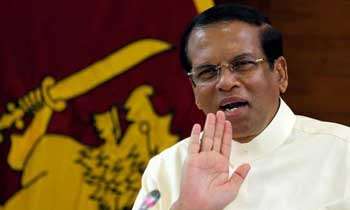
නාලක සහ මධුෂ් සමඟ අමල්ගේ සබඳතා ගැන CID යෙන් පරීක්ෂණ

February 13th, 2019

CID probes Amal’s relations with Nalaka and Madush

ETI ගනුදෙනුවේ ලයිකා මොබයිල් හෙළුව එළියට

February 13th, 2019

උපුටාගැණීම  මව්බිම

ඊ.ටී.අයි. ෆිනෑන්ස් ලිමිටඩ් ආයතනයේ පාලිත, උප පාලිත සහ ආයෝජන වත්කම් විකිණීමේදී ඇමෙරිකානු ඩොලර් මිලියන 75කට වීමට නියමිත වූ සමස්ත ගනුදෙනුවෙන් ඇමෙරිකානු ඩොලර් මිලියන 5ක් ගනුදෙනුකාර ලයිකා මොබයිල් සමාගම නොගෙවීමට දරන කූට උත්සාහයට ශ්‍රී ලංකා මහ බැංකුවේද සහාය ලැබෙන බවට බරපතළ සැකයක් මතුව තිබේ.

එම ගනුදෙනුකාර සමාගම ස්වර්ණ මහල් මූල්‍ය සේවා පෞද්ගලික සමාගමට  (Swarnamahal Financial Services Ltd) යෙදවීමට එකඟ වූ ඇමෙරිකානු ඩොලර් මිලියන 12ක එකඟතාව ගැනද ශ්‍රී ලංකා මහ බැංකුවත් අදාළ ගනුදෙනුකාර සමාගමත් නිහඬ පිළිවෙතක් අනුගමනය කරමින් සිටී.

ඊ.ටී.අයි. ෆිනෑන්ස් ලිමිටඩ් ආයතනයේ පාලිත, උප පාලිත සහ ආයෝජන වත්කම් සම්බන්ධ ගනුදෙනුව එකී ගනුදෙනුකාර සමාගම ඇමෙරිකානු ඩොලර් මිලියන 75ක එකඟතාවක් යටතේ සිදු කිරීමට තිබූ බවත්, ඉන් ඇමෙරිකානු ඩොලර් මිලියන 54ක් ගෙවා අවසන් අතර ගෙවීමට පමා වූ ඇමෙරිකානු ඩොලර් මිලියන 16ක මුදල මේ මස තුළදී ගෙවා දමන බවට එම සමාගම දන්වා ඇති බවත් ශ්‍රී ලංකා මහ බැංකුව පුවත්පත් නිවේදනයක් මඟින් පවසා තිබිණි.

මේ වනවිට ඇමෙරිකානු ඩොලර් මිලියන 54ක් ගෙවා තිබේ නම් සමස්ත ගනුදෙනුවට අනුව තවත් ඇමෙරිකානු ඩොලර් මිලියන 21කින් එම ගනුදෙනුකාර සමාගම ඉදිරි මස තුළදී ගෙවන්නේ ඩොලර් මිලියන 16ක් නම් ඉතිරි ඇමෙරිකානු ඩොලර් මිලියන 5 සම්බන්ධව ශ්‍රී ලංකා මහ බැංකුව සහ ගනුදෙනුකාර සමාගම දරන නිහඬ පිළිවෙතට හේතුව බරපතළ ප්‍රශ්නාර්ථයක් මතු කර තිබේ.

එම සමස්ත ගනුදෙනුව වන ඇමෙරිකානු ඩොලර් මිලියන 75න් ඩොලර් මිලියන 43ක් ස්වර්ණ මහල් ජුවලර්ස්, ඊ.ඒ.පී. මාධ්‍ය ජාලය සහ ඊ.ඒ.පී. චිත්‍රපට ආයතනය වෙතත් ඇමෙරිකානු ඩොලර් මිලියන 27ක් එදිරිසිංහ සමාගමේ දේපළ වෙනුවෙන් ඇමෙරිකානු ඩොලර් මිලියන 5ක් ස්වර්ණ මහල් මූල්‍ය සේවා සමාගම (ඉජ්ඉ) සඳහාත් ගෙවීමට ගිවිසුම්ගතව ඇත.

එසේම අදාළ ලංසු තැබීම අවස්ථාවේදී ඉදිරිපත් වන ගැනුම්කරු බ්ලූ සමිට් කැපිටල් මැනේජ්මන්ට් නම් සමාගම වන අතර ගනුදෙනුව සිදුවන අවස්ථාව අවසන් වෙද්දී ගනුදෙනුකාර සමාගම ලයිකා මොබයිල් සමාගම සතු පෙටිකෝ නම් සමාගම වෙත ඔවුන්ගේ කොටස් විකුණා අවසන් කර ඇති බවද වාර්තා වේ.

රිසානා බේරගන්න එදා වෑයම් නොකළ පිරිස් මධුෂ් බේරගන්න අද දඟලනවා

February 13th, 2019

ජයත් ශ්‍රී බණ්ඩාර උපුටාගැණීම  මව්බිම

‘එදා රිසානා දැරියගේ හිස ගසා දමන අවස්ථාවේ ඇයව බේරාගන්න උත්සාහ නොකළ පිරිස් අද මාකඳුරේ මධුෂ් බේරා ගන්න දැඩි උත්සාහයක නිරත වෙනවා.’ යැයි ජාතික භික්ෂු පෙරමුණ පවසයි. ඊයේ (12දා) පැවැති මාධ්‍ය හමුවකට එක් වෙමින් මේ බව පැවැසුවේ එම පෙරමුණේ ප්‍රධාන ලේකම් වකමුල්ලේ උදිත හිමියෝය.

උදිත හිමියෝ මෙසේද පැවැසූහ.

පාලකයෝ සෑම විටම බලයට පත්වෙන්නේ සදාචාරය, සංස්කෘතිය, ආගම දහම මේ සියල්ල ආරක්ෂා කරනවා කියලා. එහෙත් රට අද සම්පූර්ණයෙන්ම විකෘති වෙලා තියෙන්නේ. එක පැත්තකින් ගණිකා මඩමක් මේක. අනෙක් පැත්තෙන් සූදු තිප්පොළක්. ඒ වගේම කුඩු කේන්ද්‍රස්ථානයක්. මේ රටම සුරා සැලක් බවට පත් වෙලා තියෙනවා. තවදුරටත් වේදිකාවල පාලකයෝ කියන ධර්මද්වීපය, එහෙමත් නැතිනම් ඉන්දියන් සාගරයේ මුතු ඇටය අද වෙනකොට කුඩු ඇටයක් වෙලා තියෙන්නේ.

ජනාධිපතිතුමාගේ කටින් නිතරම කියැවෙන වචනයක් තමයි මාගේ මාතෘ භූමි කියන වචනය. මේ අයම තමයි මේක පාලනය කරලා මේක ගණිකා මඩමක්, සූදු පිටියක්, කුඩු තිත්පොළක් බවට පත් කළේ. අපේ හැම ආගමකම ශාස්තෘවරුන් දේශනා කරලා තියෙනවා මත්ද්‍රව්‍ය ජාවාරම ආදී සියලු අයහපත් ක්‍රියාවන් අපායගාමී මාර්ගයන් කියලා. හැබැයි ඒ ඔක්කොම දේශනාවන් අහද්දී අද අපේ රට මේ තත්ත්වයට පත්වෙලා තියෙනවා.

සාමාන්‍යයෙන් ලංකාවේ හඳුනාගත්ත කුඩු පාවිච්චි කරන්නන් 45,000ක් විතර ඉන්නවලු. දවසට කිලෝ 4 1/2ක් පමණ කුඩු අවශ්‍යයි කියලා වාර්ෂික වාර්තාවල දක්වලා තියෙනවා. එහෙම ගත්තොත් එහෙම සාමාන්‍යයෙන් ලංකාවට වසරකට කුඩුකිලෝ 1460ක් පමණ අවශ්‍ය වෙනවා. ඔය හඳුනාගත්ත අයට විතරයි. සාමාන්‍යයෙන් ලංකාවේ කුඩු කිලෝවක් රුපියල් ලක්ෂ 60ක් විතර වෙනවා. මාධ්‍යවල පළවන ආකාරයට බිලියන 94ක් විතර යනවා කියලා තියෙනවා වර්ෂයකට කුඩුවලට.

අද හැම ලයිට් කණුවක් මුල්ලෙම කුඩු හංගලා. මුලින්ම ලංකාවට කුඩු ගෙනාවේ විදෙස් රටවල ඉඳලා එන අයයි. එහෙම තමයි ලංකාවට මුලින් කුඩු ආවේ. හැබැයි දැන් ලංකාවට කුඩු එන ප්‍රධාන මාර්ගයක් තමයි නාවික මාර්ගය. ඒ නිසා කන්ටේනර්වල අසුරලා ටොන් ගණනින් ලංකාවට එනවා. 2016 අවුරුද්දේ ලංකාවේ අහුවෙලා තියෙන කුඩු ප්‍රමාණයන් කිලෝ 770ක්.

වාර තුනකදී තමයි මේ ප්‍රමාණය අහුවෙලා තියෙන්නේ. ඒ කියන්නේ සිමෙන්ති කොට්ට 5ක විතර ප්‍රමාණයක්. එහෙම බැලුවම අපිට තේරෙන්නේ ලංකාවේ කුඩු පාවිච්චි කරන අයට ඕනවට වඩා කුඩු ලංකාවට ගේනවා. ඒ නැවත වෙන රටවලට අපනයනය කරන්න බලාගෙන.

මාකඳුරේ මධුෂ්, වෙලේ සුදා වැනි කුඩු ජාවාරම් කාරයෝ අහුවුණාම ලංකාවේ කුඩු හිඟයක් ඇති වෙන්න ඕනි. හැබැයි එහෙම එකක් වෙන්නෙ නෑ. මහ මොළකාරයෝ අල්ලනවා. කුඩු තොග පිටින් රාජ සන්තක කරනවා. හැබැයි ඒත් ඕනි තරම් ගහන්න කුඩු තියෙනවා. ලංකාවේ මොනවා කරත් කුඩු ජාවාරම බාධාවක් නැතිව පවත්වාගෙන යනවා.

මහින්ද චින්තනයෙත් පටන් ගද්දිම තියෙන්නේ මතට තිත. වර්තමාන ජනාධිපතිගෙත් දින සීයේ ප්‍රතිපත්තියේ තියෙනවා මත්ද්‍රව්‍ය සහමුලින්ම තුරන් කරනවා කියලා. මේ හැම පාලකයෙක්ම බලයට එද්දී මේ රටේ ජනතාවගේ ජීවිත බිලි ගන්න සියලු ප්‍රශ්න දඩමීමා කර ගන්නවා. දඩමීමා කරගෙන ඔවුන් බලයට එනවා. බලයට ඇවිල්ලා ඔවුන් ඔවුන්ගේ අනුග්‍රහය ලබා දීලා ඉතා හොඳින් ඒ ජාවාරම් සියල්ල පවත්වාගෙන යනවා.

අද හමුදාපති ප්‍රකාශ කරනවා මාකඳුරේ මධුෂ් ලංකාවට ගේන්නේ නැතිව ඒ ඉන්න රටේම දඬුවම් දෙන එක වඩා හොඳයි කියලා. ලංකාවේ නීතියේ අවිනිශ්චිත භාවය තමයි ඒකෙන් අපිට තේරෙන්නේ. මාකඳුරේ මධුෂ් ලංකාවට ගෙනැල්ලා නීතියේ හිල්වලින් බේරා ගන්න දේශපාලනඥයෝ උත්සාහ කරනවා.


SHOCK CLAIM: Human DNA ‘was designed by aliens’, say scientists

February 13th, 2019

By Sean Martin Courtesy express.co.uk

HUMAN DNA was designed by ALIENS, scientists who spent 13 years working on the human genome have sensationally claimed.

A pair of scientists from Kazakhstan believe that our species was designed by a higher power, alien civilisation that either wanted to preserve a message in our DNA or simply plant life on other planets.

Maxim A. Makukov of the Fesenkov Astrophysical Institute and Vladimir I. Shcherbak from the al-Farabi Kazakh National University spent 13 years working for the Human Genome Project – a mission that hoped to map out human DNA.

Their conclusion was that humans were designed by a higher power, with a set of arithmetic patterns and ideographic symbolic language” encoded into our DNA.

 They believe that 97 per cent of non-coding sequences in human DNA is genetic code from alien life forms.

alien dna

GETTYAliens encoded our DNA, scientists have claimed

Aliens might have encoded us, the scientists state

According to their research: Our hypothesis is that a more advanced extraterrestrial civilisation was engaged in creating new life and planting it on various planets. Earth is just one of them.

What we see in our DNA is a programme consisting of two versions, a giant structured code and a simple or basic code.”

dnaGETTY

Our DNA allegedly contains a message

They state that the sudden boom in evolution experienced on Earth billions of years ago is a sign of something happening on a higher level that we are not aware of, and that mathematical code in DNA cannot explain evolution.

Mr Makulov said: Sooner or later … we have to accept the fact that all life on Earth carries the genetic code of our extraterrestrial cousins and that evolution is not what we think it is.”

alienGETTY

What we see in our DNA is a program consisting of two versions”

Writing in the journal Icarus, the pair state that a message could have been planted by aliens so that they could revisit it at a later date, although a reason why has not been established.

They state: Once fixed, the code might stay unchanged over cosmological timescales; in fact, it is the most durable construct known.

Therefore it represents an exceptionally reliable storage for an intelligent signature.

Once the genome is appropriately rewritten the new code with a signature will stay frozen in the cell and its progeny, which might then be delivered through space and time.”

Kerala Pepper consortium raise concerns over illegal imports of Vietnam Pepper

February 13th, 2019

Courtesy commodityonline.com

The coordinator of the Kerala chapter of Indian Pepper and Spice Traders, Growers , Planters Consortium said in a letter to commerce minister, that Sri Lankan minister has said that he hasn’t been able to prevent the export of 156 containers of Vietnam Pepper to India with certificate of origin from Sri Lanka as it is a racket similar to narcotics trafficking.

The Pepper traders have appealed to the commerce ministry to take steps to raise vigil to prevent the import of Pepper from Vietnam through Sri Lanka with origin of certificate from the latter, citing the recent statement by a Sri Lankan minister in media.

Sri Lanka has been cautioning Indian government since last week of January that 180 containers of about 1800 to 2000 tonnes of such Pepper have left Sri Lankan coast. This is over and above the Pepper smuggled to India from Myanmar, Bangladesh and Nepal.

The supply of Vietnam Pepper is happening by evading duty to the tune of 43% as the duty for import from Vietnam is 51% against 8% for Sri Lanka under India Sri lanka Free Trade Agreement, avoiding the minimum import price of Rs 500 per kg fixed by India for Pepper imports.

More teeth, no bite?

February 13th, 2019

Editorial Courtesy The Island

Thursday 14th February, 2019

A new law has been enacted to enable the Commission to Investigate Allegations of Bribery or Corruption (CIABOC) to use the findings of presidential commissions of inquiry (PCoIs) for prosecutorial purposes. The government kept dragging its feet on the vote on the Bill concerned, but finally buckled under pressure. Parliament passed it unanimously, in the end, because no party wanted to be seen to be partial to the corrupt. The new legislation is aimed at saving the CIABOC the trouble of reinventing the wheel or conducting fresh investigations into issues that have already been probed by PCoIs.

One, however, should not be so naïve as to expect the CIABOC to get cracking simply because the new law enables it to use the PCoI findings against the bond racketeers. It has not questioned the ruling party politicians under a cloud in keeping with the bond probe commission recommendations.

Curiously, none of the anti-corruption activists have cared to pressure the CIABOC to release the list of government ministers against whom complaints of bribery and corruption have been made, and reveal whether investigations have been conducted into them.

The yahapalana government is all out to prevent allegations against its leaders being probed. It took to thieving while purportedly trying to catch thieves and got exposed for the biggest ever financial crime—the bond scams—within the first few weeks of its formation in 2015. Now, justice is being hurried, by way of high-speed trials against Opposition politicians in view of elections.

It is only wishful thinking that the incumbent government will allow its grandees to be probed over the bond scams as the UNF does not want its chances of winning an election ruined again. For a government that has rendered the National Election Commission impotent, preventing the CIABOC from probing its big kahunas is child’s play.

The so-called civil society is partial to the incumbent government and, therefore, does not care a damn about corruption and the abuse of power, at present. The TNA and the JVP are handmaidens of the ruling UNF. The UPFA and the Joint Opposition are scared of taking on the government because its leaders’ cupboards are full of skeletons. The PRECIFAC (Presidential Commission of Inquiry to investigate and inquire into Serious Acts of Fraud, Corruption and Abuse of Power, State Resources and Privileges) report has revealed their wrongdoings; if they are prosecuted for corruption and abuse of power, some of them will have to spend the rest of their lives behind bars. So, the Opposition baulks at ratcheting up pressure on the CIABOC to institute legal action against the politicians involved in the bond scams.

Perhaps, the bond racketeers will be able to get away with their crimes easily if there occurs a change of government, for they are very close to the Opposition big guns who have a history of granting presidential pardons even to convicted murderers and drug offenders.

The only person who seems keen to bring all those involved in the bond scams to justice is President Maithripala Sirisena. He will spare no pains to inflict the maximum possible damage on the UNP in time for the next election. His war on drugs has endeared him to the people and his popularity ratings will increase further if he can see to it that legal action is instituted against those exposed by the bond probe commission. He should ensure that the recommendations in the PRECIFAC report are also fully implemented.

Fight for withdrawal of UNHRC resolution

February 13th, 2019

P.S.MAHAWATTE Colombo 5. Courtesy The Island

This relates to The Island of 7th Feb, article captioned “UK urged again to bring closure UN Resolution, Lord Naseby reminds UK govt. of US pullout from Geneva body”.

Lord Naseby further states addressing the House of Commons “My Lords, it is my privilege to introduce this debate this evening. In doing so, I declare an interest in that I started The All Party Parliamentary Group on Sri Lanka in 1975 and had the privilege of being made its Honorary President four years ago”. He continues “I have done a great deal of Research. Nearly three years ago I made a request under the Freedom of Information Act and secured the publication of Colonel Gash’s dispatches to the United Kingdom. I have 40 pages of them here and some of which have been totally redacted, and I shall quote from one this evening”. He concludes “I submit that Her Majesty’s Government should show some leadership, bring closure to the UN Resolution and in doing so make it quite clear that there were not 40,000 civilians killed- and if it helps, I will give all the evidence I have to my noble friend on the Front Bench, so that he can be totally convinced that that is indeed the case”.

In The Island of 8th February captioned “UK demands full implementation of Geneva Resolution on Lanka” by Lord Ahmad of Wimbledon and says “US pullout from Geneva body irrelevant”.

How can it be irrelevant? the US pulled out of the UNHRC and the US Ambassador Nicky Hayley condemned it as “A CESSPOOL OF POLITICAL BIAS AND AS A HYPOCRITICAL AND SELF SERVING BODY”.

article_image

In an earlier letter of 19th Jan., I suggested that “Opposition Leader Mahinda Rajapaksa, who was deprived of his effort to get a General Election, could now devote his efforts to get this damning UNHRC Resolution withdrawn by the sponsors”. He cannot get a better ally than Lord Naseby, who has enough evidence to establish that our security forces never killed 40,000 civilians.

I remember seeing in TV news during the war, that our courageous young men, attached to TV companies, taking pictures of young and old men and women carrying little children escaping from the LTTE, most of them pregnant and hardly able to walk, being assisted by our women security forces personnel to carry these little infants, and our men soldiers carrying old women and offering their own rations of water and food to these escapees!

The parliamentary opposition instead of shouting about Drug Menace, new constitutions, etc., which are well planned diversions to avoid holding elections, could use their positions and time to saving the reputation of our valiant security forces, who succeeded in destroying the most ruthless terrorists which the sponsors of this resolution warned could not be destroyed, and visited in hoards, to persuade then President Mahinda Rajapaksa to stop the war!

Why I have written about this subject several times is because as long as this damning resolution exists, it will be impossible to bring about the reconciliation with all communities, which we all communities want but is being used as the beggars wound (Hingannage thuvale vagey)!

P.S.MAHAWATTE

Colombo 5.

Failure of another New Constitution?

February 13th, 2019

By Laksiri Fernando Courtesy The Island

It is not only the ‘aekeeya/orumiththandu’ confusion and the ‘draft provisions’ for a new constitution that are questionable, but also the procedure and the process that were followed in drafting them. Under the present circumstances, there is no possibility of a single major party inaugurating a new constitution even if with minority party support. A new constitution requires a two-thirds majority in Parliament at least as the first hurdle.

There was no apparent leadership for a new constitution and no purposeful effort to build bipartisan consensus among parties or the people. If the present draft is proposed to the Parliament, it would be like the proposal to have another ‘national government’ with one MP from the SLMC participating with the UNF!

For the 1947 constitution, there were two names behind, Lord Soulbury and Ivor Jennings. For the 1972 constitution, Colvin R. de Silva clearly was the brain or the hand behind although he later excused himself from its ‘unitary’ characterization. The disastrous 1978 constitution undisputedly was the creation of J. R. Jayewardene.

article_image

Can that be said about the proposed draft or the ‘aekeeya/orumiththandu’ formulation? It is just an Expert Report of originally 10 members, four of them clearly dissenting or expressing their own views. The 10 has become reduced to six. This is apart from various political parties in the Constitutional Assembly or in the Steering Committee dissenting or disagreeing on very many matters, except on few subjects like ‘fundamental rights, freedom, language rights and directive principles of state policy.’

Failure of consensus building

Dissention or different views cannot be completely eliminated in a constitution making processes. However, those should be reduced to the minimum or to clearly identifiable matters. That should be the merit or the objective of a constitution making process. Otherwise, when a draft comes to Parliament there can be confusion or chaos.

Even with a clearly written draft in August 2000, and apparent consensus between the SLFP, and the UNP, when it was proposed in Parliament, the opposition UNP created enormous chaos. It would be extremely difficult for the UNP to get rid of this negative legacy however much they have the support from the ‘international community’ or (for some valid reasons) from the minority political parties. One reason for this unfortunate situation was the delay in formulating the draft and proposing it in Parliament at the very end of the parliamentary and presidential tenures in 2000. The same goes for the present situation.

There has been some kind of stubbornness or rather ‘pig-headedness’ on the part of at least some of the new constitution makers, whether they were political leaders or the so-called constitutional experts. However much they talk or preach to others about plurality, diversity and tolerance, they were not ready to take other people’s views at least in terms of a dialogue.

Without going into details let me quote from a letter submitted to the Chair of the Steering Committee dated 8 August 2018 by two experts of the Panel, Prof. Camena Guneratne, Professor of Legal Studies, Open University, and Prof. Kapila Perera, Vice Chancellor of the University of Moratuwa.

“At the last Steering Committee meeting held on 18th July 2018, two documents were produced by the Experts. The Second (Mapping) Document submitted in the form of separate booklets with a mapping of the reforms was submitted as it was felt that this is what required as per indications given by the Steering Committee at that meeting held on 24th May 2018. The discussion paper which is to be produced today [8 August 2018] is being submitted further to the directives given to the Panel to produce one document that could be a working paper for the Steering Committee.”

What does this mean? There had been a sudden ‘leap forward’ from May 2018 to July 2018, virtually annihilating the Mapping Document, and ‘some experts’ being asked to produce one document, an apparently a ‘draft constitution,’ now produced as ‘A Report Prepared by the Panel of Experts’ in the Constitutional Assembly website.

What has happened to the Mapping Document?

It is intriguing to note that the Mapping Document is suppressed. It is difficult to talk about the merits or faults of this document/s without knowing the contents. However for the citizens and those who research on constitutional matters this document seems to be crucially important particularly in the context of different views apparently appeared among the Panel of Experts. This suppression cannot be appreciated as ‘transparency’ in ‘good governance.’ This is also not fair for the experts who have produced this document although their letter that I have quoted above appears in Schedule II.

It seems that the Mapping Document has given a good overview of views expressed by political parties in the Steering Committee or in their written submissions. Although these are said to be incorporated as Schedule I to the said Report, it is difficult to judge whether those representations are accurate, complete and fair.

Let me quote the very last paragraph of Schedule I. It pertains to ‘State Land.’ Under EPDP, it just says, “EPDP • State Land -Dispute Resolution (Item 15) – total number in the arbitration panel is confusing.” Is this a fair, comprehensive or a clear description of the EPDP view?

There are two other important matters that the two experts have revealed in respect of the so-called ‘Report of the Expert Panel,’ aka the ‘draft constitution.’

“Firstly, in regard to the format of the discussion paper, it has been decided by a majority of the Panel that the format of the first document endorsed by six Panel members, which was submitted to the Steering Committee meeting of 18th July 2018 should be retained in drafting this discussion paper of the Panel of Experts.”

They have said to the whole world quite loudly that this document is not from all, but from six persons and the format was decided by those six or someone else. More important is what they have said about the contents as follows in two final paragraphs.

“We further note that this discussion paper and the Mapping Document are compatible/consistent to some extent as both are based on the provisions of the 1978 Constitution. However, there are also differences, mainly provisions in this discussion paper which do not appear in the Mapping document.”

“We wish to acknowledge the work of our colleagues on the Panel of Experts in preparing this discussion paper….However, we disclaim all responsibility for any specific formulations of provisions which are found in this discussion paper but which are not found in the Mapping Document of the other experts that was submitted at the Steering Committee meeting of 18th July 2018.” (My emphasis).

In the first sentences they have extremely been polite to others. However, they differ and disassociate strongly on the matters of ‘specific formulations of provisions.’

What are these formulations?

Apart from Camena Guneratne and Kapila Perera, there are two others, Prof. Austin Pulle and Ms Chamindry Saparamadu who have expressed dissent or different views as incorporated also in Schedule II. Most significant is the complete disassociation of the two academics, Guneratne and Perera, from what they have called the ‘specific formulations of provisions’ which have apparently come into the draft ‘which are not found in the Mapping Document.’

It is difficult to speculate on the exact formulations or provisions that they disagree with and ‘disclaim all responsibility.’ However, when one goes through the Report or the draft, there are abundance of them which could be considered questionable, controversial or out of line with the requirements of consensual constitution making. Let me take one formulation from the very Preamble and another more hilarious formulation from the proposed Article 1.

How do the ‘experts’ propose to inaugurate the new constitution? This is what the Preamble says:

“NOW THEREFORE, WE THE PEOPLE OF SRI LANKA celebrating our rich ethnic, religious, linguistic and cultural diversity, in the exercise of our sovereignty, hereby give ourselves, and the future generations of Sri Lankans, this CONSTITUTION.” (My emphasis).

What is wrong with this formulation? This is conceptually wrong for the situation in Sri Lanka. It is not at least ‘unity in diversity’ which is ‘celebrated’ in this declaration, but just diversity. Of course the first paragraph of the Preamble gives more agreeable formulation, but negated by the second or the last paragraph quoted above.

Why do they bring ‘ethnic, religious and cultural matters’ into the forefront, although called ‘rich’? Those who oppose a new constitution on majoritarian lines, rejecting any kind of plurality or diversity in the country will rejoice on these kind of formulations for the opposite reasons. They will brand the ‘new constitution’ as a clear effort in dividing the country on ethnic, religious and cultural lines. There is clearly a ‘divisive thinking’ behind such formulations even in my opinion.

Aekeeya/Orumiththandu Confusion

The confusion about the characterization of the state and the constitution is not an isolated matter as ‘aekeeya/orumiththandu,’ but follows from the erroneous constitution making process that we have been talking about. The following is what the draft Article 1 says in full.

“Sri Lanka (Ceylon) is a free, sovereign and independent Republic which is an aekiya rajyaya / orumiththa nadu, consisting of the institutions of the Centre and of the Provinces which shall exercise power as laid down in the Constitution. In this Article aekeeya rajyaya / orumiththa nadu means a State which is undivided and indivisible, and in which the power to amend the Constitution, or to repeal and replace the Constitution, shall remain with the Legislature and the People of Sri Lanka as provided in this Constitution.”

The article has conveniently dropped the ‘socialist’ characterization of the republic. It has also dropped the unitary characterization although its Sinhala and Tamil equivalents (aekeeya rajyaya/ orumiththa nadu) are introduced instead to create an apparent confusion. I am not competent to talk about the Tamil term, but any political science student in Sinhala medium should know that ‘Aekeeya Rajyaya’ is used in political science and law to mean ‘unitary state.’ That is also the case in the present constitution, while unitary term is retained in the English version.

Therefore why these Sinhala and Tamil terms are used in the English version/draft is not explained, other than some arguing ‘let us look beyond the words.’ These are not just words, but technical terms with definitions in constitution making. I am not a person who would simply oppose federalism, but my concern is about its practicality or rationality at present. When ‘Aekeeya Rajyaya / Orumiththa Nnadu’ are used without using ‘unitary state’ and defined as ‘consisting of the institutions of the Centre and the Provinces’ that give rise to suspicion as an effort of smuggling ‘federalism’ through the backdoor. My main criticism is for this devious manner of constitution making without being straight forward, frank and open.

Two individuals behind incidents involving Lasantha, Keith & Prageeth: Former Defence Secretary Gotabaya Rajapaksa

February 13th, 2019

Kelum Bandara Courtesy The Daily Mirror

Former Defence Secretary Gotabaya Rajapaksa said two individuals were behind the assassination of Sunday Leader Editor Lasantha Wickrematunge, the assault on journalist Keith Noyahr and the disappearance of Prageeth Ekneligoda.

In an interview with the Daily Mirror, Mr. Rajapaksa said he was not involved in any of these things including the disappearance of Ekneligoda.

We did not want to do such things. These were done purely for personal reasons by two individuals. I do not want to name them. Immediately after Lasantha’s killing, the then Opposition Leader Ranil Wickremesinghe and former MP Joseph Michael Perera categorically said in parliament that it was the work of the then army commander. After that when the army commander joined hands with them and decided to contest elections in 2010, they did not talk about it. Thereafter, they put the blame on me,” he said.

When asked why he didn’t look into these cases as the then Defence Secretary, Mr. Rajapaksa said he was concentrating fully on the war.

That is true. Under such circumstances, we cannot stop the war to devote ourselves fully on various investigations. The CID and the intelligence authorities had a task assigned to them. With bombs going on around the country and killings by terrorists happening everywhere we had to direct our resources to counter them. That was the reality.

After the then army commander sided with the other side later, we never hunted him for personal reasons. We went after him with proper charges only. I asked the CID to do proper investigations regarding these matters and they carried out such investigations with proper evidence.

If the present government is genuine, it must target people on legitimate charges. It is unjust and unfair to put the blame on anyone sans a legitimate basis. True to my heart, I know I was never involved in any of these murders.

Q: However in a recent newspaper article written by Lasantha Wickremetunga’s daughter in connection with his death anniversary, she had drawn a link between the murder and the articles carried in the newspaper regarding the MiG deal in which your name too was implicated. Your comments?

I have to tell you that whatever he (Lasantha) wrote was wrong and I went to court on that.

He also wrote even worse articles criticising the then army commander. At that time, if anyone wrote anything against the then commander, some incident took place. On the other hand what happened during the time of former President Chandrika Bandaranaike Kumaratunga? Lasantha wrote extensively against Chandrika, Mangala and others as well. Why aren’t those things brought out? Why is there reference only to this particular article?

What I did was to take the proper course of action and go to court against that article. I did the proper thing. In the history of the war, the MiG deal was the most transparent transaction. We have proven it. In short, the Air Force asked for MiG attack aircraft. That request had been made since the time of Chandrika’s Presidency. It was a genuine requirement. The selection was done by them. During purchasing, the Air Force was involved. It is not that I got involved. It is the whole process. It was one of the earliest purchases we made. I followed the exact procedure, examining financial evaluation and appointing tender boards and negotiation committees. It is not a one man operation. There were a whole lot of officials involved. The negotiation committee chairman became the auditor general later on.

The Ukrainian Government submitted proposals. A team from the Air Force visited Ukraine. They had discussions in Ukraine. Two air force commanders were involved.

If somebody says that Lasantha was targeted because of this article, then, what about other articles written by him against other people?  On one previous occasion, much before we came to power, Lasantha and his wife were attacked. Once, Mangala Samaraweera called Lasantha an unpatriotic person as well.

BRIEF ANSWERS TO THE BIG QUESTIONS: STEPHEN HAWKING’S OFFERING TO HUMANITY

February 12th, 2019

By Rohana R. Wasala

Our future is a race  between the growing power of our technology and the wisdom with which we use it. Let’s make sure that wisdom wins.-Stephen Hawking

(The following essay by me as a nontechnical reader of BRIEF ANSWERS TO THE BIG QUESTIONS and a longtime Hawking fan refers to its Hardback edition {ISBN 978-1-473-69598-6} John Murray (Publishers), Carmelite House, 50 Victoria Embankment, London EC4Y, ODZ, 2018. The copy of the book before me was printed and bound in Australia by McPhersons Printing Group. 232 pp)

Renowned theoretical physicist, cosmologist, and author  Stephen Hawking’s first popular book about space and time ‘A Brief History of Time’ was published in 1988. He was a theoretical physicist with a passionate interest in cosmology. Hawking made history with his discoveries in the field. I well remember that, in its cover story with the headline Reading God’s Mind”, the June 13, 1988 issue of the weekly Newsweek magazine described Stephen Hawking as the ‘Master of the Universe’. I was delighted to re-read that original article, written by Jerry Adler et al, on the Newsweek website on March 30, 2018, just over two weeks after the scientist’s death; it was a reproduction in memory of Stephen Hawking who had died, at the age of seventy-six, in the early hours (local time) of Wednesday, March 14, at Cambridge UK.

My interest in Stephen Hawking turned into a kind of fandom when I was able to find and read a copy of the aforementioned book at some time in the 1991-1992 period. By then the book had for years been a record-breaking bestseller, and its author of ‘wheelchair genius’ fame a brilliant star in the media world where, though, theoretical cosmological research was a nebular region as far as we ordinary people were concerned. I found, ‘A Brief History of Time’ to be a difficult book to read, as millions of other readers around the world did. Concepts like ‘sum over histories’ or ‘imaginary time’ that he introduced into the text  made little sense to me as it probably did to many others, but I managed to get some general idea about what Hawking was trying to communicate. (Hawking himself later admitted that he used these terms without adequate explanation of their meaning.  In literature I read subsequently, I found that ‘sum over histories’ refers to a mathematical technique originally developed by Richard Feynman to analyze an event in quantum mechanics, and that ‘imaginary time’ refers to time measured in ‘imaginary numbers’, which itself refers to a mathematical device.  Stephen Hawking and his friend Jim Hartle of the then {early 1980s} newly created Institute of Theoretical Physics at the University of California, Santa Barbara, used the imaginary numbers technique to calculate the square root of negative numbers. Explanations of ‘imaginary time’ and ‘sum over history’ are found, for example, in Stephen Hawking’s collection of essays ‘BLACK HOLES AND BABY UNIVERSES and Other Essays’, 1993, Bantam Book edition first published by Transworld Publishers, London, UK, in 1994, on pp 74-6 and 84-5 respectively. The fifth essay in the book under the heading ‘A Brief History of a Brief History’ between  pp 29-34 is interesting to read in this connection.) The mass appeal of the book, despite it not being an ‘easygoing’ book (Hawking’s own description) he attributed partly to people’s interest in him as a disabled person, an idea that he repeats in the introductory chapter of BRIEF ANSWERS TO THE BIG QUESTIONS about the phenomenal success of his first popular book of space and time: ‘Undoubtedly, the human-interest story of how I have managed to be a theoretical physicist and a bestselling author despite my disabilities has helped’ (p.19).

I, as a person  with an abiding interest in science and things scientific, immediately became an avid reader of his books,  essays, and journal articles, and what others have written about him and his work. Stephen Hawking: the man and the star” was the title of an article of mine published in The Island on January 14, 2000, that is, just over nineteen years ago. It was inspired by the genuine admiration I felt for him as the person who had already become the most celebrated living scientist in the world at the time. He had by then begun to be compared to Albert Einstein, who is still remembered by many as the greatest scientist of the last (i.e., 20th) century. Hawking had already been honoured by being implicitly compared to Isaac Newton (1642-1726) about whom his junior contemporary  Alexander Pope the poet wrote: ‘Nature and nature’s laws lay hid in night – God said Let Newton be” and all was light’. Hawking was appointed to the Lucasian Chair in Mathematics at Cambridge University in November 1979. Newton was the second to hold that position.  Like Newton himself (‘If I have seen further it is by standing on the shoulders of giants’), Stephen Hawking was modest about his achievements, as seen above when he attributed the popularity of his A BRIEF HISTORY OF TIME to people’s interest in the stark contradiction between his genius and his physical disabilities. Incidentally, the title of the collection of scientific writings dealing with the ideas of  five intellectual ‘giants’ who figured most prominently in the scientific revolution of the past five hundred years (Nicolaus Copernicus,   Johannes Kepler, Galileo Galilei, Isaac Newton, and Albert Einstein) compiled by Stephen Hawking ‘ON THE SHOULDERS OF GIANTS’, published by Running Press, US, in 2002, was obviously inspired by  Isaac Newton’s self effacing acknowledgement quoted above of his debt to previous scientists from whom he had learned.

Outside of the academic sphere too, Hawking managed to lead a normal life as a family man and as an ordinary citizen, that is, he managed to live as normal a life as possible in his circumstances, with human life’s inevitable highs and lows, as so touchingly delineated in the autobiographical book ‘Travelling to Infinity: My Life with Stephen’, 1999, written by Jane Hawking his college sweetheart and wife of thirty years until their official separation in 1995 and his marriage the same year to his second wife Elaine; Jane is also the mother of his three children Robert, Lucy, and Timothy. The 2014 motion picture directed by James Marsh ‘The Theory of Everything’ was based on Jane Hawking’s book ‘Travelling to Infinity’ aforementioned. Actor Edward Redmayne who portrayed Stephen Hawking in the movie writes the Foreword to BRIEF ANSWERS TO THE BIG QUESTIONS  as Eddie Redmayne. It was after having done several months’ research in preparation for the role that he went to see his iconic subject in person for the first time. Redmayne writes that he ‘was struck by his extraordinary power and his vulnerability’ on meeting the electric wheelchair-borne scientist on that occasion. He was flabbergasted by ‘this scientist of phenomenal talent, whose main communication was through a computerized voice along with a pair of exceptionally expressive eyebrows’. Redmayne also tells us what Hawking told him when he went to see him after the screening of the film. He said he had seen the film and had enjoyed it. ‘He was moved by it, but famously he also stated that he thought there should have been more physics and fewer feelings’, something ‘impossible to argue with’, writes Redmayne.

While not ignoring matters of mundane existence, Hawking was most focused as a scientist and as an acdemic.  We come across a  number of instances where he makes lighthearted comments about such less exalted things as the rising cost of living in his home country and the alleged craziness of Trump politics in America. Thus, not only was he the ‘Master of the Universe’, but he was the master of his own fate. Had it not been for his triumph over himself in his physically paralyzed state, he would not have achieved  the leading position he occupied in the field of cosmological research. At the time of his death, Hawking was the Director of Research at the Centre for Theoretical Cosmology, University of Cambridge. His daughter Lucy, in her Afterword to the book, writes: ‘My father never gave up, he never shied away from the fight. At the age of seventy-five, completely paralysed and able to move only a few facial muscles, he still got up everyday, put on a suit and went to work. He had stuff to do and was not going to let a few trivialities get in his way.’ (p.217)

Cosmological physics tends to distantiate most people who are not physicists with its esoteric equations, abstract theories, and futuristic propositions that seem (to lay persons like me, at least) too unrealistic to become implementable at any time before the human race goes extinct, but Hawking’s ability to explain his views with great lucidness and frequent flashes of humour makes reading him fun.  ‘A Brief History of Time’ of 1988 was addressed to a popular readership. Similarly, BRIEF ANSWERS TO THE BIG QUESTIONS of 2018 is meant for ordinary readers, especially the ‘interested and engaged’ young readers; it gives a clear idea of the ‘Big Questions’ that confront our contemporary world and  Hawking’s own scientifically informed forward-looking ‘Brief Answers’ to them. It is significant that while the introduction to his first popular book of science A BRIEF HISTORY OF TIME was written by the famous astronomer, cosmologist, extraterrestrial life researcher, author and science popularizer Professor of Cornell University the late Carl Sagan, the introduction to BRIEF ANSWERS TO THE BIG QUESTIONS, has been written by his friend astrophysicist and cosmologist, Nobel laureate  Professor Kip Thorne of California Institute of Technology. Both of them were longtime close friends and colleagues of Hawking.  It is as if the compilers of the latter book wanted to frame Hawking’s thirty years (1988-2018) of popular science writing as a single and singular continuum, with his theoretical launch pads as firm as ever, in his human welfare directed exploration of the Cosmos.

Hawking was unostentatiously proud about the contribution he was able to make to science, but his characteristic humility remained intact. His rare physical disability was well known to all around the world who took an interest. But what asserted itself in his life was his amazing intellect, which more than compensated for his bodily handicap caused by a form of motor neuron disease known as amyotrophic lateral sclerosis (ALS). He was diagnosed with this disease at the age of 21 in 1963. (Hawking was given only two years to live by the doctors, but he beat their prognosis by at least 53 years!)  In Chapter 9 which involves a discussion of the future progress and prospects for humanity of Artificial Intelligence (AI), Hawking writes: ‘Intelligence is central to what it means to be human. Everything that civilization has to offer is a product of human intelligence’ (p.183).

Products of human intelligence were what he had to offer to the scientific  world, and through it, to all humankind. This devastatingly disabling disease leaves the affected person almost completely paralyzed because it kills the neurons that control the voluntary muscles in the body. In Hawking’s case, it was a perfect illustration of cosmic irony: The most frustrating result of ALS for Hawking was that it took away his ability to speak and communicate his thoughts and ideas to others. In this context, more important and more remarkable than even his extraordinary intellectual abilities was, I think, his great moral courage, and his sense of fortitude that enabled him to remain mentally focused despite his physical affliction, and to make available to the world the results of his unique intellectual capacity. After reading his posthumously published last book, I feel confirmed in my belief that Hawking wanted to devote his life in science to the general welfare, including particularly world peace and the economic wellbeing, of the whole human race and was apparently least  worried about his own incurable physical condition. He was determined to popularize the study of theoretical physics  and to work on related research subjects such as artificial intelligence, particularly, among the young by demonstrating its attractions to them. He was fully aware of AI’s enormous possibilities as well as its potential dangers, abuses, and pitfalls, which he took care to warn them about.  In my opinion, Hawking’s behaviour was as close as was humanly possible to what neuroscientist Jorge Moll and co-researchers into the moral dimension of human actions categorize as ‘genuine altruism’: ‘Actions that are beneficial to others, with no direct personal benefits (material or reputation gains) and no expected reciprocation’ (as quoted in the 2010 Sam Harris book ‘THE MORAL LANDSCAPE – How Science Can Determine Human Values’, p. 122)

Stephen Hawking’s BRIEF ANSWERS TO THE BIG QUESTIONS was published about seven months after his death, but it was one of the undertakings he worked on in what he didn’t know was going to be the last year of his life.  According to Lucy Hawking, her father’s intention was to bring his contemporary writings into a single volume. The publisher says that the compilers of the book drew upon the enormous personal archive  that Stephen Hawking maintained of his responses (in the form of speeches, interviews and essays) to the ‘big questions’ about which scientists, technological entrepreneurs, senior business figures, political leaders and the general public asked him to express his ideas.

In BRIEF ANSWERS TO THE BIG QUESTIONS, Hawking expresses himself on ten ‘big’ questions. There are  eleven chapters in the book, but the opening chapter is not numbered; it stands by itself. It is self-explanatorily headlined ‘Why we must ask the big questions’.  The ten big questions form the headings of the other chapters of the book numbered from 1 to 10:  Is there a God? How did it all begin? Is there other intelligent life in the universe? Can we predict the future? What is inside a black hole? Is time travel possible? Will we survive on Earth? Should we colonise space? Will artificial intelligence outsmart us?  How do we shape the future? Hawking believes that one day we will know the answers to all these questions (through science).

His answer to the first big question is as unequivocal as it was in the 1988 ‘A Brief History of Time’, where he said that a Creator God had no choice in creating the universe. In this his final book Hawking repeats the argument that since the laws of nature are fixed God has no role to play in it. He totally rejects belief in an anthropomorphic personal God. He claims that he uses the word ‘God’ in an impersonal sense, like Einstein did, for laws of nature, so knowing the mind of God ( a phrase first used in ‘A Brief History of Time’ that was snatched by  Creator God apologists to mislead people to assume that Hawking was a theist) is knowing the laws of nature. He points out that science is answering questions that used to be the province of religion. (Please look at my casual reference to Sam Harris’s book ‘The Moral Landscape’ above relating to human morality, which used to be generally considered the exclusive domain of religion. – RRW). The answer he proposes to the second big question confirms his firm God-denial. Talking about the beginning of the universe he maintains that space and energy were invented in an event  we now call the Big Bang. Space and time also began at the Big Bang. There is no role for a Creator God. These things have been confirmed by scientific observations done since Einstein’s general theory of relativity in 1915, which unified time and space. Hawking does not rule out the possibility of intelligent life elsewhere in the universe.  His answers to the other big questions are similarly based on scientific reason.

Early in the partly biographical introductory chapter mentioned above (‘Why we must ask the big questions’ pp. 3-22) he hints at what motivated his life in science: ‘I am a scientist. And a scientist with a deep fascination with physics, cosmology, the universe and the future of humanity. I was brought up by my parents to have an unwavering curiosity and, like my father, to research and try to answer the many questions that science asks us…’ (p.3). He says that one of the great revelations of the space age (that we live in) has been the perspective it has given us humans on ourselves: ‘When we see the Earth from space, we see ourselves as a whole. We see the unity, and not the divisions. It is such a simple image with a compelling message; one planet, one human race./I want to add my voice to those who demand immediate action on the key challenges for our global community. I hope that going forward, even when I am no longer here, people with power can show creativity, courage and leadership. Let them rise to the challenge of the sustainable development goals, and act, not out of self-interest, but out of common interest. I am very aware of the preciousness of time. Seize the moment. Act now.’ (pp. 4-5) The challenges meant here are those touched on in addition to the big questions specifically dealt with such as how to feed an ever growing population, provide clean water, generate renewable energy, prevent and cure disease, and slow down global climate change. Hawking is hopeful that science and technology will offer the answers to these; but this will need a new generation who are interested and engaged and have an understanding of science. Asked  ‘What world-changing idea, small or big, would you like to see implemented by humanity?’, Hawking  answered: ‘I would like to see the development of fusion power to give an unlimited  supply of clean energy, and a switch to electric cars. Nuclear fusion would become a practical power source and would provide us with an inexhaustible supply of energy, without pollution or global warming.’ (p. 209)

Hawking accepted life with great courage: ‘I have been enormously privileged, through my work, in being able to contribute to our understanding of the universe. But it would be an empty universe indeed if it were not for the people I love, and who love me. Without them , the wonder of it all would be lost on me’ (p.21). With an implicit reference to himself as a model for inspiration, Hawking addresses the final words of the introductory chapter to young readers: ‘Be brave, be curious, be determined, overcome the odds. It can be done’ (p.22), as if they were his own children. That was the advice that his father gave him and that he gave his children.

THE PUZZLE OF NINETEENTH AMENDMENT TO THE CONSTITUTION OF SRI LANKA

February 12th, 2019

BY EDWARD THEOPHILUS

I read many articles and listen to speeches and discussions of academics and politicians in Sri Lanka regarding the constitutional reforms.  Many articles, speeches, and discussions attempted to point the figure to the 19th amendment, which was enacted on 28.04.2015, the current constitution after this amendment has created a puzzle in which the role and functions of the government as well as the laws and regulations of the country, have put into a mess.  The amendment was approved by the parliament before the general election of 2015, and it also assumed that the enactment of the amendment was animated without a referendum of people and during the presidential election in 2015, the elected candidates did not give a halcyon promise to change the constitution with a view to considering the election result as a referendum to amend the constitution.   After the approval of the 19th amendment, several cases gone to the supreme court and many citizens of the country believed that the amendment does not balance and reconcile legal political and social functions of the country.

Who was responsible for the amendment? There is no clear view about the responsible people to the amendment, but it is assumable that members of the parliament, who raised hands to pass the amendment was directly responsible to the mess and some people now ask a question what kind of role was played by the judiciary in this situation.  As the current constitution clearly states that the role of interpreting contents of the constitution is played by the Supreme Court, the court also needs taking responsibility for the 19th amendment to a certain extent. There were six members of the parliament did not involve in the approval of the amendment and others were supported without party differences.  Therefore, many members of the current parliament cannot deny the responsibility for the mistake they have done, and some members of the parliament attempt to show that they were not responsible, it is unacceptable.

A constitution of a country balances and reconciles legal, political and social functions. A procedural constitution defines the legal and political structures of public institutions and set out legal limits of government power and order to protect the democratic process and the fundamental human rights (www.quora.com).  The main part of the puzzle of the 19th amendment is whether this internationally accepted principle regarding constitution was respected by lawmakers passing the amendment. The Public in Sri Lanka have no understanding about the significant roles and they are silent on these matters.  However, it is possible to ask a question, was the19th amendment activated after the presidential election in 2015 a similar type of occurrence to MAGNA CARTA in the UK as the 19th amendment reduced the power of the president. Did president not aware of the changes affected or he was not educated by his legal advisers. The best example was the dissolution of the parliament by the president in 2018 and the judgment of the supreme court regarding the decision of the president imitated that the president did not aware of taking aware his power. After the Supreme Court decision, many educated lawyers published articles in electronic and printed media, one of the lawyers was Dr. Nihal Jayawickrama and he also questioned about the education of the president on the contents of the amendment.

If we compare the 19th amendment to MAGNA CARTA, who acted as barons may be a question or not clear reflection in the drama because at the 2015 presidential election, Mr. Sirisena was supported by UNP and NGOs and Mr. Sirisena was not aware of the policies the yahapalana regime. UNP never publicly express that the party is against the executive presidency because it was an invention of UNP and Mr. J.R. Jayewardene and Mr. R. Premadasa efficaciously used the power of executive presidency with a view to making right decisions for crisis situations.  Barons War in the UK was highly successful in reducing the power of King John.  Was the 19th amendment work like MAGNA CARTA? No, it wasn’t, the answer to the question.

Mr. Mahinda Rajapaksa also used presidential power for the benefits of the country and his decision to make 18th amendment to the constitution was criticized by many academics in the country, however, there was an environment at the global level that effective presidents should be given the opportunity to stay in the job for more than two times for the benefits of the countries. This debate was in the USA, Russia, Brazil, and other countries.

Some academics are of opinion that the hidden purpose of the 19th amendment to the constitution was to take revenge from Rajapaksa family to prevent people with the name of Rajapaksa becoming the president of Sri Lanka rather than creating active democratic administration or introducing such a democratic rule to the country.  After the 19th amendment so-called democratic lawyers expressed that the best outcome of the 19th amendment was the introduction of committee system to the country.  The operation of committees during the past several years have clearly proven that it is an inefficient system that helped to promote corruptions in the country.

From the management point of views, the committee system working in private and public sector organizations in the 1970s in Sri Lanka was not acknowledged the purpose, later found that management committees ignored the accountability in decision making as the members of the committees attempted to push the responsibility to one member to others without taking collective responsibility.  Especially in developing countries committee-based management ignores the accountability for decisions.  For example, when approving credit packages in banks has proven that the accountability for credit decisions was a serious problem and the accountability for the credit decision pushes one member to other and no one takes responsibility for the decision.  It is a truth that quality circles or committees in the Japanese management environment operate successfully despite the ineffective operations in developing countries. Many Western countries operate a committee system in public administration and they are successful.

The major committees appointed after the 19th amendment divulged that they were biased toward the government or slow in decision making or attempted to mislead people, the best examples were Election Committee, Constitutional Committee, and others.  Conceptually, the committee system shows democratic features, despite the democratic nature, more members were appointed from the government side, real professionals were not appointed, the government appointed favorites as an appreciation for supports and many problems displayed with the appointments and operations.  A Constitutional Committee appointed but it was unable to produce a draft constitution for four years and wasted lots of funds for operations.

The 19th amendment also failed to give authority to the president for dissolving the parliament in September 2018 and it was a real disappointment of people as the people of the country expected an election elect new representatives to the parliament as the image of current members already lost. The entire public sector depressed with lacking active decisions and ultimately people must suffer in the name of democracy or the sovereignty of people.

Developing a constitution is an authentic and genuine task, which needs listening to all citizens of the country.  The attempt of the government through the 19th amendment was making a constitution with patches and ad-hoc way and without communication the true intention to people. The disguise intention of the political parties of the government was to stress public that they have done the right thing to attract votes in the next election than making a constitution that balances and reconcile the country.

Sri Lanka has a history of making constitutions but all constitutions and amendments have failed and the major reason for the failure was the absence of consultation of people openly giving the content of drafted constitution to people for a constructive debate.  It is not a Machiavellian task and the drafted constitution must be allowed to debate from school level to various forums in the country for at least three years.  It is not a task of party politics and it must be a   national task beyond the party politics.


Copyright © 2026 LankaWeb.com. All Rights Reserved. Powered by Wordpress