The need for a new Constitution to put an end to anarchy and restore political stability in this country and to save this Motherland, the Sinhala Nation and the Sambuddha Sasana for posterity, as it had been done by our ancestors for millennia and to make it again the Wonder of Asia.

January 27th, 2019

 Dr Sudath Gunasekara (SLAS) Former Permanent Secretary to Mrs Sirimavo Bandarnayaka and President Mahanuwara Sinhala Bauddha Jesta Purawesiyange Sanvidhanaya 26.1.2019.

Part 1

Introduction

The whole country knows that there is no Government in this country today. In fact this had been the hard fact ever since this present Government was installed in power in Jan 2015. The situation is getting aggravated every day. Therefore the crying need to seriously address this problem as soon as possible before the country collapses completely beyond redemption. Today governance and administration in this country has completely collapsed. People have lost their faith even in the Judiciary. There is absolutely no law and order in any part of the country including the Parliament that is supposed to make laws for good governance. At present it makes laws only for the benefit of the ruling politicians. This had been the most conspicuous feature ever since 1987.

If you carefully go through the legislations made thereafter and more particularly the 19 Amendments already made to the 1987 Constitution and the 20th A in queue you will see the substance of what I say here. What more evidence is required to prove my argument other than the Act No1 of that Government which gave pension rights for politicians with 5 years “SERVICE’ violating all the provisions of the Pension Minute  for Public Servants. Also take not that under this Act politicians are qualified to full pension. Subsequently even their wives were made entitled for the pension. Doesn’t this alone clearly show the priorities our politicians have in their heads?.

Today thugs and the underworld have already taken over both the administration and governance of the country. Underworld criminals and narcotic goons operate all over and they run the country even from abroad.  Gang leader Makandure Madus is a case in point. Every day dozens of people are murdered at close range shooting by gunmen. At least ten people die every day due to reckless driving. The leader of the gang who robbed the country’s Central Bank is the Prime Minster of the country. The Governor who played the main role in this trillion robbery is kept in hiding in Singapore with the blessings of his mentor and the people who rule the country. It is said Arjuna M cannot be extradited as Singapore has not signed that law. Definitely RW should have known this trick. That is why he selected Arjun M his long time chum to do this job. In my opinion President should not have approved this appointment. What more evidence is needed to prove that total anarchy reigns all over the country even at this moment, I pen these few words.

In fact having started in Jan 2015 today it has reached its climax. Law and order has almost ceased to exist on this once blessed land. There are two laws for the one for the North and one for the South. There is utter chaos and confusion all over. In my view this is the cumulative effect of the political gambling by the British made political parties that had been in operation since 1948, the year we are supposed to have got freed from their direct rule. The Soulbury Constitution that was a ‘made in Great Britain Constitution’ is a classic British colonial fraud and conspiracy to keep this country eternally divided, fighting and confused under their remote control forever. Apparently no politician or policy maker seems to have realized the fatality of the trap the Albions have fixed us in when they left the shores of this Island in 1948.  Apart from fighting for political  survival within that ‘made in Britain’ trap  our politicians as well as the policy makers have not made any sincere and honest attempt to take this country forward as an independent, free, prosperous  and vibrant nation for the past 70 years.

The open clash between the President and the Prime Minister and the Speaker on the one hand and the Legislature and the Executive on the other, noncompliance of orders and directions given by the President of the country by certain statutory bodies, the tyranny and dictatorship of minority politics, the unprecedented wave of crimes spreading all over the country and the utter chaotic and confusing  political, economic and social  unrest overflowing like  a Tsunami all round makes one to wonder whether total nemesis has already come to our door step. The present Government is run by a UNP minority with the direct support of the TNA and JVP protected by the UNP Speaker in Parliament. The President though is said to be the President has no control or say what so ever over the undemocratic and unconstitutional Government he is heading.

What I have outlined here is an attempt to propose a modest three stepped approach to get out of this political, economic and social abyss in to which our self-seeking unpatriotic politicians have dumped us over the past 70 years and thereafter and to take this country forward as a free, prosperous and peaceful nation, where all people will live happily as one family.

Objective.

The purpose of this essay is to present an appeal to the Maha Sanga who were the guardian deities of this land for the past 2500 years and all Sinhala patriotic citizens to wake up from their deep slumber, and to give up their blind political affiliations to green, blue or red camps, join their hands together as one nation least now. There is no point in writing to papers or social media or politicians by people like us as we are nobodies for them. That is why I opine that the Maha Sngha and a top group of Patriotic citizens of very high standing now need to take the whip in to their hands and command the politicians to follow the correct path and to do the right thing to save this country, the Sinhala nation and the Sasana. There is no point in requesting them. Now you have to take the politicians by their horns and whip them on their buttocks, perhaps the way they did it in 1956.

At the very outset I must say that this is a noble mission to save a paradise like country, a proud nation and a millennia old pristine Sinhala Buddhist civilization, like no other in the world. Please remember that if we don’t rise up now as a  nation in unison, discarding all blind and narrow political, religious, ideological and  party politics and rise up as  “We Sinhalese”   we are  doomed to lose this country forever and we are h definitely heading for total annihilation, both as a county and a nation. Also note we are already brought to the brim of nemesis and total extinction by our visionless and unpatriotic politicians over the past 70 years. This is the first hurdle we have to clear in nation building, however difficult it is going to be.

When Tamil and Muslim minority intruders are at war with us, ‘de jure and de facto owners of this land’, and ask for separate States with self-determination rights in this historical Motherland of the ours, I am only putting forward  a realistic and flawless work plan to put all communities in their due places, while the majority Sinhalese will be guaranteed their  legitimate place in this country, which is already being robbed by minorities due to the fault of Sinhala politicians, particularly the UNP, so that all communities could live together amicably in peace and harmony  as one nation as they had been living before 1815, by simply accepting by all these minority communities, that this land is the motherland of the Sinhala nation and that is inalienable and non-negotiable. It is a tragedy that all our politicians divided as UNP, SLFP and JVP etc going after the minorities wooing for their vote have made us 75% a minority and the minority the majority in this country.   The Sinhalese urgently needs a leader who has the guts and the character and charisma who can unite all Sinhalese under one banner and also who can stand against this tyranny of the minority politics and restore the lost rights of the Sinhala nation. Going by the way how Tamils and Muslims vandalize millennia old Buddhist heritage sites not only in the North and East but also all over the country, putting the minorities in their place and restoring and protecting the lost heritage and the dignity of the Sinhala nation is the priority number one of any Government. As the Sinahla say goes ‘tella badinta bella tiyenta one” first of all we must save the motherland, the only place we have on earth on this planet to live. No politician should ask for power if they cannot do that. Enough, all politicians have deceived this nation for 70 long years. Isn’t it a great tragedy that there is not a   single Sinhala political leader who condemn these heinous crimes and ask the Muslim leaders to stop their ‘Boys” engaging in such barbaric and provoking crimes. Here I would like to quote the Mavanella and Kiralagala incidents.

The approach suggested here is a radical departure from all post-independence conventional Sri Lanka politics where the politicians looked after only themselves while allowing the whole country to suffer and peril. It is  completely  a new vision hither to not thought of by any politician or any other, due to either ignorance or more due to fear of losing political power (which they consider to be more important than the country or the nation), who are caught up in the political trap cunningly  laid down by the vicious British colonial plunderers, when they left the shores of this Island in 1948, pretending to giving freedom to this country,  whereby they withdrew only from direct rule while indirectly continuing to controll the destiny of the colonies and keeping the eternally dependent on the colonial West and  their white allies spread all over the world. This clearly shows that colonial depredation is not yet dead. It is still living, actively operating both covertly and overtly to keep us weaker both politically and economically as their protectorates and underdogs forever.

I am only appealing to all concerned, particularly the 30,000 odd Buddhaputras across the country led by the Mahanaayaka Theros of all Nikayasorganized as ONE fraternity together with a patriotic group of national leaders of standing to put an end to this chaotic and confusing situation to achieve the sacred objectives  stated in the heading of this article “The need for a new Constitution to put an end to anarchy and restore political stability in this country and to save this Motherland, the Sinhala Nation and the Sambuddha Sasana for posterity, as it had been done by our ancestors for millennia and to make it again the Wonder of Asia and finally to take this country at least to what it was in  1815, where all different minority ethnic groups like Tamils and Muslims accept this land as the  Motherland of the Sinhala people and resolve to live as one nation and one country, where everybody is happy and contented. That will be the only way for ethnic reconciliation.

This noble mission consist of three major steps

Step 1 Changing the present anarchic and treacherous rule and replacing it with an interim patriotic Government

Changing the present anarchic and treacherous rule and replacing it with an interim Patriotic Government under the present Constitution and restoring political stability and normalcy in Governance is the priority no1 before us. In the above backdrop the most critical issue and the top priority before the nation at hand is the need to install a patriotic Government, and a government of the people, in the first place as the people and the country badly need a                                                                                                                                                                                                                                                                                                                                                                                                                                                                                                                                                                                                                                                                             people centred Government at least to  run their day to day affairs freely, apart from taking the country forward.  A patriotic set of politicians from among those are already in Parliament, who love this country and its people than self-interest should form this Government. It should be formed within the provisions of the present Constitution. The shortest way to do it is by defeating the existing Government in Parliament.  But since the UNP has the support of the TNA and JVP this is impossible unless a chunk from the disgruntled UNP back benchers is won over. The UNP is also heavily backed by the Western countries with all their resources and their interests which are heavily guarded by the UNP Speaker in Parliament. As such the only way to form a new Government is to go Parliamentary election. There are two ways of doing it. The first and the best option is getting a resolution passed for a new election in Parliament with a 2/3 majority to circumvent the Supreme Court ruling. But again since that is also beyond imaginations the only alternative available is to launch a nationwide mass agitation movement to force the Government to resign. Once that is done and elections are held, going by the behavior of the electorate, I opine forming a new Government under the present Constitution by the true opposition will be a reality. In this regard I don’t think people have any other option than suggesting that the opposition camp led by Mahinda Rajapaksa take it over.

Step 2 The beginning of people friendly governing

Having got a new Government in place, it has to first, restore normalcy and law and order in the country. In doing so steps should be taken to limit the Parliament to 196 MPs in terms of the 1987 Constitution by abolishing the national list (29) by repealing Sec 2 and Sec 99a of the 14th Amendment to make representation in Parliament more democratic and meaningful. The Cabinet under this Government should also be limited to 30 as per 19th Amendment. Scrapping of superfluous Ministries, Departments and other government institutions like Corporations and Boards etc to reduce duplication and overlapping, cost and increase efficiency in delivery of services to people. Once this is done people will realize that a radical change in governance has dawned and good governance has begun to appear for the first time in this country.  They will begin to witness a people friendly government for the first time in modern history of this country and the hitherto prevailed government by the politicians, for the  politicians and of the politicians supported by an army of parasitic servants of the Government in power who were dubbed as public servants has ceased to exist.

Even with such changes the new Government want be able to take the country fully out of the present political Augean mess created by the deep rooted past political culture, a child of the colonial legacy, that was utterly inappropriate and therefore disastrous to our society. Therefore firstly to get out of this mess and second to bring about sustainable political stability that we need so badly to take this country to economic and social progress we need to go for a new Constitution based on our own history, traditions and values that were indigenous and appropriate to our own environment. For this we need a new Home made Constitution formulated by our own experts (not by foreign experts or even local agents of the West), setting aside all previous Constitutions that have a British paternity that was alien and inappropriate to our society.

Phase 3

The need to go for a new Constitution

The interim Government formed under phase 2 then should dissolve the Parliament and go before the people for a direct mandate for a new Constitution under a new election manifesto. The new election manifesto, unlike the ones prepared by the politicians in the past, has to be prepared by a group of local experts and get the politicians to comply with it. (A proposed draft of a people’s election manifesto is attached at the end of this essay as a guide line). The formulators of manifesto will canvas for the group who agrees to implement the manifesto in writing and swearing before the Sri Dalada Maligawa to implement the provisions of the new manifesto. It is expected that the new constitution will be ready within six months.

The newly elected government will then begin nation building under the new Constitution, as a  free, independent and sovereign State of new the  Republic of Sinhale/Sri Lanka   with a smaller Parliament (168 MPP) and a lean Cabinet (19) and with less Government institutions and less public Servants as given in the new Constitution. The Head of the new Republic should be elected by the people. It will mark a turning point in good governance and open a new chapter in this country’s political history in this country.  The new Government will go to roots and rediscover, protect and foster the native heritage and build up the nation within 10 years to be called the miracle of Asia. This new Government will be a fully pledged Government by the people, for the people and of the people replacing the present system of Government by the politicians, for the politicians and of the politicians. I hope finally it will be a model for all Asian and African countries that have been subjected to colonial depredation and establishment during the past     few                centuries.

The New Sinhale/Sri Lanka Constitution should be based on the following premises.

1 Historically this country had remained the Traditional Home land of the Sinhala Nation, at least from 543 BC up to date.

2 Since 307 BC it had been the only Sinhala Buddhist nation in the world.

3 Sinhalese Buddhists were the people who found, developed and fostered the unique Sinhakla Buddhist civilization on this Island. It was also they who protected it from all foreign devastations firstly, the Indians, more particularly, South Indians, starting in the 2nd century BC up to the 12th century AD (culminated in the barbaric Magha devastation), who razed Anuradhapura and Polonnaruwa civilizations (that ranked among the best in ancient and medieval world) to the ground and secondly, virtually destroyed it for 443 years from 1505 to 1948 by the Portugues, Dutch and British invasions. In all these wars it was the Sinhala Buddhists who had to face the brunt of the invader and die in battle in millions in defence of their Motherland. Among the long list of brutal and savages atrocities carried out by these invaders , shooting all those who could not be arrested, hanging them then and there, burning down all fields, houses and barns and slaughtering all animals of the natives to feed the soldiers of the invader could be cited as few example of the cruel crimes carried out by these invaders.

4 The name of the country ceded to British in 1815 was Sinhale as given in the Kandayn Convention of March 2. 1815. Except Taprobane and Serendib all other names over 23 like Zeylan and Ceylon simply meant the Land of the Sinhala people. Even the Tamil word EELAM means the land of the Sinhalese. This clearly shows that right throughout history it was the Sinhala imprint that has flourished on this land.

5 It was the Sinhalese Buddhists, the architects of the civilization in this country who fought against the invaders and died in millions in battle to defend their motherland in the savages and brutal 1818 and 1848 suppressions of Uva and Matale . It was they who lost all their lands in battles fighting against the enemies to defend the motherland for posterity.

6 None of the Tamils or Muslim at any time supported the native Sinhalese in these wars. Instead they took the side of the enemy and particularly the Muslims both in the Uva and Matale freedom struggles who supported the British by transporting their provisions, guns and ammunitions from the harbours to the interior and by spying against the Native Sinhalese. When Muslims were brutally murdered by Portuguese in 1665 and when those who survived ran to the King in Kandy it was the Sinhala King who saved them and settled in the Panampatuwa (these are the ungrateful people now asking for a separate State in the South East)

7 In the period of early political agitations even Tamil scholars like  extensively on the Sinhala Buddhist civilization in this country and accepted that this had been the Land of the Sinhalese from the dawn of history and they were the architects of the unique civilization in this Island nation. See what P. Arunachalam in his Sketches of Ceylon History (1906) and Ananda Coomaraswamy in his classic Medieval Sinhalese Ar (1905) wrote and comcluded about the Civilization o fthe country. I invite extreme communalists like Sambandan, Vignesvarana and Sumanthiram and even Jayampathhi Wickramaratna and Lal wijenayaka (self-appointed Costitutional experts) to read these books and find out as to where they should stand in this country. It is a tragedy and a pity too that the present day Tamil politicians dont undersatand what these greal Sri Lankans had said. Instead today they all follow a Malaysian Catholic Tamil Chelvanayagam, who had migrated to this country (around 1903) as a 4 year old boy who later became the Father of Ilankai Tamil Arsukachchi  (1947) and Grandfather of modern Tamil extremism in this country.

8 Even as late as 1965 K. Indrapala professor of History in his PhD Thesis Dravidayan settlement in Ceylon concluded that there were no Tamil settlements in the interior of this country and they were confined to a narrow coastal strip in the north and East. I am talking here on  Indrapala, who wrote  his PhD and not what he had said recently at LTTE gun point in his “The Tamils of Sri Lanka”: (300 B.C.-1200 A.D.)-

9 All minority races including Tamils and Muslims are thus only descendants of immigrants who had come to this country from time to time either as traders, invaders or illicit immigrants. There are very few who descend from those left behind by early invade. The last category are the Estate Tamils who were brought as indentured labour by British to work on their Tea and Coffee plantations after 1840, who continued as British citizens and who were left behind by the British when they left in 1948. As such none of these categories   has any legitimacy to call this their motherland unless and until they become full citizens of this country after learning the Language and history of the land and integrate with the natives. The irony is none of these people accept this country as the land of the Sinhalese. Instead they all want separate independent and self-ruling parts carved out from this Land. Some people like the LTTE and their proxies have dictated even war against the natives claiming the land of the Sinhalese for 30 years.

All these crazy people must learn the wisdom of Rev Cardinal Malcolm Ranith’s ( one of the greatest sons of Sri Lanka in modern times} latest statement where he said “Buddhism in this country is the big tree and other religions are only small branches of the big tree.’ In my opinion this is by far the best description of the Sri Lankan society made by any religious dignitary or a historian ever. The same thing could be said with regard to ethnicity as well. Accordingly I will put it as “Sinhala race in this country is the big tree and other communities are only small branches of that big tree”. Why can’t the Tamil and Muslim politicians, the treacherous NGOs, Colombian Sinhala politicians and the so-called International Community also understand this all-time reality and learn to live together without quarrelling with the Sinhala people who are the true Bhoomiputras of this land. Both Tamils and Muslim could be compared to  ‘parasitic plants on a Sinhala banyan tree’     struggling to kill it and trying to be the banyan tree.

If all these five categories could understand the wisdom of Rev Cardinal Malcolm Ranjith, the day they do so, on that day, ends the ethnic and religious clashes in this country.

I suggest the new Constitution should be based on this historical foundation.

Under the new Constitution I propose two systems of alternative Governments. This will involve two phases

Phase 1  A Government with two national political parties as  trial 1.

Phase 2 A Government without Political parties (to be followed by trial 1)

1) First trial: a system of Government with two National political parties. This is a novel model aimed at ending all ethnic strife and rivalries by bringing all communities under the ‘one nation concept”. There want be either Tamil or Muslim or even Sinhala political parties under this system

The two political parties I propose to achieve this goal are,

1) Sinhalaye Bhoomiputra Pakshaya

11) Sinhalaye Mahasammatha Paksaya

What is envisaged under this part will be two national political parties not labeled after ethnicity, language or religion as it is done today. They are based on hard facts of true history of this country that no one on earth can refute. Therefore both will be modeled on the concept of Civilization State as proposed by Martin Jaques in his ‘When China Rules the World” The civilization referred to here is the 2500 year old Sinhala Buddhist civilization that had been the bedrock of the Sinhale State. Both Parties are open to people of all ethnic groups in this country. Within this dominant civilization matrix all citizens of this State have to get identified as ONE NATION. Under this system all ethnic and religious political parties will be banned. As such all minorities will have to be a part of these two parties and there is no other option. This is done to eliminate the division of the Sri Lankan nation on ethnic grounds as it exists at present and build up one nation. It should be noted here that I have named these two political parties after taking in to consideration the past political history of this country starting from 543 BC and ending in 1815. as stated below

Elections under this system will be held for the 168 electorates and the new Government will have 18 Executive Committees as given below.

2) Second trial: A system of Government with no political parties after 5 years in office, I propose this second alternative to be tried out, if the Two party system also fails to deliver the goods as expected.

( to be continued)


ජනපතිගේ සිංගප්පූරු සැලසුම සාර්ථකයි.. අර්ජුන් මහේන්ද්‍රන් ලංකාවට ගේන්න සූදානම්..

January 27th, 2019

 lanka C news

මහ බැංකු බැඳුම්කර වංචාවේ ප්‍රධාන චුදිත වන හිටපු මහ බැංකු අධිපති අර්ජුන් මහේන්ද්‍රන් ඉදිරි දින කිහිපය ඇතුළත ශ්‍රී ලංකාවට ගෙන ඒමට සූදානම් බව පාර්ලිමේන්තු මන්ත්‍රී නිශාන්ත මුතුහෙට්ටිගම මහතා සඳහන් කරයි.

ජනාධිපති මෛත්‍රීපාල සිරිසේන මහතා පසුගිය දිනවල සිංගප්පූරුවේ සිදුකළ සංචාරයේදී එරට අගමැතිවරයා සමග මේ සම්බන්ධයෙන් සාකච්ඡාවක් පැවැත්වූ බව ද ඔහු සඳහන් කරයි.

මහේන්ද‍්‍රන්ලංකාවට ගෙන ඒම සඳහා ජනාධිපති මෛත්‍රීපාල සිරිසේන මහතා කැපවී සිටින බව ද ඔහු පවසයි.

ජනාධිපතිවරයා සමග සිංගප්පූරුවේ සිදුකළ චාරිකාව සම්බන්ධයෙන් මාධ්‍ය වෙත අදහස් පළ කරමින් ඔහු මේ බව පැවසීය.

ජනපතිගේ සිංගප්පූරු සැලසුම සාර්ථකයි.. අර්ජුන් මහේන්ද්‍රන් ලංකාවට ගේන්න සූදානම්..

Five Ambassadors to China receive Silk Road Super Ambassador Award

January 27th, 2019

By Lu Yuanzhi Source:Global Times

The ambassadors of Pakistan, Maldives, Sri Lanka, Malta and Bosnia and Herzegovina to China were conferred Silk RoadSuper Ambassador Award in Beijing on January 24. Awards were also given to those who contributed to the Belt and Roadinitiative (BRI), including former Prime Minister of Italy Massimo D’Alema.

The China-Pakistan Economic Corridor (CPEC) is regarded as the “flagship project” of the BRI. It covers wide areas, ranging from transportation to industrial zones. Pakistani Ambassador to China Masood Khalid told the Global Times before the award ceremony that Pakistan has benefited from the CPEC. “Our cooperation is very broad and is expanding, so we are happy. We are confident that as we move forward, we will see more tangible progress in our cooperation, “he said.

Maldives is one of the first countries to join the BRI. Ambassador of Maldives to China Mohamed Faisal told the Global Times before the ceremony that in the past four or five years, Maldives has received a lot of development assistance from China and in the future, “I have a very high expectation” of the BRI, the ambassador said.

“Silk Road Super Ambassador” Award Ceremony was organized by Silk Road Cities Alliance, Silk Road City Institute and Beijing Belt& Road Cooperative Community.

සිංහරාජෙ වනසන්න උඩගෙඩි දෙන දේශපාලන නරුමයො කවුද?

January 27th, 2019

කතාව හා පින්තූර ප්‍රභාත් අත්තනායක

නිරන්තර තෙත් සදාහරිත වන පියසකට තනිව පැවතිය හැකි නොවේ. එයට තදාසන්න සොබාවික පරිසර පද්ධතියේද, ලියන මගේද, කියවන ඔබගේද සහාය අවැසිමය. ඒ සහාය පිළිබඳ ගැටලුකාරී අවස්ථා එමට වුවත් ඒවා සියල්ලම නිදැල්ලේ යෑමට ඉඩදී සිංහරාජය යුනෙස්කෝව මඟින් ලෝක උරුමයක් බවට පත් කරන ලද්දේ සිංහරාජයට අනන්‍ය වූ ගති සොබාවය ලෝකයට අතිශයින්ම වැදගත් වන නිසාය. සිංහරාජයේ ඇති ජෛව විවිධත්වය පුදුම උපදවනසුලුය. මිල කළ නොහැකිය.

සිංහරාජය පවතින්නේ අවශේෂ වනාන්තර සහ ඒවා අවට ඇති රක්ෂිත වනාන්තර පද්ධතිය නිසාවෙනි. එම අවශේෂ පරිසර පද්ධතිය සිංහරාජයේ මවුපියෝ වැන්න. ඔවුන්ගෙන් තොරව තම පැවැත්ම සහතික කර ගැනීමට සිංහරාජ දියණියට නොහැකිය. අඳබාල පාරිසරික එන්ජීඕ නඩ සිංහරාජය තම පැවැත්ම සඳහා කෙළි බඩුවක් කරගෙන සිටියද සැබෑවටම හානිය සිදුවන්නේ සිංහරාජයට නොව ඇය පෝෂණය කරනා මවුපියන් වැනි වනාන්තර පද්ධතියට බව ඔවුන් දනිතත් එය නොදන්නා ලෙස හැසිරෙන්නේ එකී අවශේෂ කාරණා ඔවුන්ගේ බඩගෝස්තරය සඳහා නොසෑහෙන නිසා විය හැකිය.

මේ වන විටත් සිංහරාජයේ තනි නොතනියට ඇති අවශේෂ වනාන්තර සියල්ල පාහේ ජාවාරම්කරුවන්ගේ ග්‍රහණයට නතුව පවතී. ඒ දේශපාලන ගඩස්තරයන්ගේ සහායෙනි. එම වනාන්තර අතුරුදන් කරදීම එක දවසකින් දෙකකින් සිදුවන්නක් නොවේ. එය දිගු දුර ඇදෙන ව්‍යාපෘතියකි. ඉඩම් නිරවුල් කර පිඹුරුපත්ද සකසා සහ එම ඉඩම් කීප දෙනකු අතර හුවමාරුව මඟින් එම ඉඩම්වලට නීත්‍යනුකූලභාවය ලබා ගැනීම මෙම සට කපට ව්‍යාපෘතිවල එක් අංගයකි. එවිට රාජ්‍ය නිලධාරීන්ගෙන් සිදුව ඇති විනාශය පිළිබඳ වගවීම පමණක් ඉල්ලා සිටින විට පුරාජේරු සහිතව, ලිඛිතව අදාළ ඉඩම් මෙවන් හේතු මඟින් පෞද්ගලික අංශයට ලබා දුන් බව කියන ඔවුන්ට අත පිහදමා ගත හැකිය. නමුත් එම අත පිහදා ගැනීම පිටුපස ඇත්තේ තම දෙඅතින් සිංහරාජ ලෝක උරුමයේ මරණ දැන්වීම ඇලවීම බව ඔවුන් නොදැන සිටිනවාද?

නොදැන සිටිනවා කියා පාඨක ඔබ පිළිගනු ලබනවාද?
ආසන්නතම උදාහරණයට යොමුවීම වැදගත්. සිංහරාජයට තදාසන්න කුඩුනිරිය රක්ෂිතයට මායිම්ව ඇති වනාන්තර ඉඩමක ගස් 581,167ක් සෙන්ටිමීටර් 1.5ක දිගින් සහ තවත් සෙන්ටිමීටර් 1.5ක් වන ලෙස අෑගුල් කර එම අෑගුල අතරට රසායනික ද්‍රව්‍ය දමා කෘත්‍රිම ලෙස මරා දැමීමය.

එහි දැව පරිමාව 57.11.67 ථ3 මූල්‍ය වටිනාකම රුපියල් 9,58,925.60කි. රජයේ රස පරීක්ෂක දෙපාර්තමේන්තුවේ එල්.එස්. හතුරුසිංහ සහ පී.ජී. චන්ද්‍රසිරි යන රස පරීක්ෂක නිලධාරීන්ගේ නිගමනය වන්නේ මෙම ගස් මෙලෙස කෘත්‍රිමව මරා දැමීම සඳහා ලෝහමය ආසනික් සහ පළිබෝධ නාශක යොදාගෙන තිබෙන බවය. පළිබෝධ නාශකවල සංයුතිය අතරට කාබනික පොස්පේට්, කාබනේට් සංයෝග, කාබනික ක්ලෝරයිඩ්, පැරැක්වාඩ් සහ ග්ලයිෆෝසෙට් අඩංගුය. ප්‍රිය පාඨකය, ඔබ ඇසූ පිරූ තැන් ඇති අයෙක් නම් මෙම සංහාරය සඳහා භාවිත කර ඇත්තේ මිනිසුන් අතකින් භාවිත නොකළ යුතු අන්දමේ රසායනික සංයෝග බව හඳුනාගනු ඇත. ගස් කඳ සිදුරු කර හාරා ගන්නා ලද අෑගුල තුළට මෙම රසායනික සංයෝග ඇතුළත් කිරීම මඟින් සතියක කාලයක් තුළ සම්පූර්ණ ගසක කොළ හැලී ගස වියළී යන්නට ගෙන ඇති බවද ගස් තුළට ඇතුළත් කරන රසායනික ද්‍රව්‍ය නිසා සොබාවික දිය පහරක සිටි මත්ස්‍ය විශේෂ කීපයක් මැරී ගොස් සිටි බවද රස පරීක්ෂකයන් සිය නිගමන මඟින් පෙන්වා දී තිබේ. සදාහරිත බව නිසා පරිසරයේ ඇති වැඩි ජල වාෂ්ප ප්‍රමාණය හේතු කරගෙන රසායනික ද්‍රව්‍ය පරිසරයට එකතු වීම මඟින් ඉදිරියේදී පූර්ණය කළ නොහැකි ගැටලු මෙම සිදුවීම නිසා ඇතිවීමට ඇති ඉඩකඩ පිළිබඳවද එම රස පරීක්ෂක වාර්තා මඟින් ඉඟි ලබාදී තිබේ. මෙලෙස වන සංහාරයක් කර ගස් මරා දමා ඇත්තේ කලවාන පොලිස් බල ප්‍රදේශයේ කුරුඳුගල් ‍ෙදාර පිහිටි අක්කර 42ක ඉඩමක පිහිට ගස්කොළන්ය.

මේ පිළිබඳ ජනාධිපති විශේෂ විමර්ශන ඒකකයේ අධ්‍යක්ෂ ජනරාල් රූබන් වික්‍රමාරච්චි මහතාට ජනාධිපතිවරයාගෙන් ලැබුණු සෘජු උපදෙස් මත ජේ‍යෂ්ඨ පරීක්ෂණ නිලධාරි ඕ.පී. කරුණාදාස මහතා සහ පරීක්ෂණ නිලධාරීන් වන ඩබ්ලිව්.එල්.අයි. බොතේජු, ඊ.ජී. සුනිල් යන නිලධාරීන් පුළුල් කරුණු සොයාබැලීමක් සිදුකර ඇති අතර ඒ ඔස්සේ මතුවූ කරුණු කාරණාවල මූලික හරය වන්නේ මෙය එක් හුදෙකලා සිදුවීමක් නොවන බවත් වඩා වැදගත් කරුණ වන්නේ සිංහරාජය ආසන්නයේ ආරක්ෂිත විශේෂ වනාන්තර හෙළිපෙහෙළි කර නීත්‍යනුකූල ඉඩම් හිමිකම් පත් සකසා ඒවා නැවත සින්නක්කරමය විකුණුමක් මඟින් ආවර්ණ බලපත්‍ර ක්‍රමයට පවරා දී ජවාරම සිදුවන බවයි. ඒ සඳහා රජයේ නිලධාරීන්ගේ සහාය ලැබී නැතැයි කීම මුසාවකි. ඔවුනොවුන් තම තමන්ගේ විෂය පථයට මුවාවෙමින් ඒ තුළ සිට කළු පැහැය සුදු කර පෙන්වා දීමට උත්සාහ දරා ඇත්තේ නොසණ්ඩාල අයුරිනි. අප විස්තර සවිස්තර කර ගනිමු.

කලවාන පොලිස් වසමේ කුඩුමේරිය ග්‍රාමයේ පිහිටි කුරුඳුගල්‍ෙදාර නමින් හඳුන්වන අක්කර 42ක් පමණ වන ඉඩම සිංහරාජයට ආසන්න ඉඩමක් බැවින් එහි සිංහරාජයේ වැවෙන සිංහරාජයට ආවේණික වූ ගස්කොළන්ද පිරී තිබේ. එම ගස් සිදුරු කර එම ගස් කොළන් විනාශයට පත් වෙන බවට එම ප්‍රදේශයේ සමනල ක්‍රීඩා සමාජයේ භාණ්ඩාගාරික පොල්ගහගේ චානක සමන් කුමාර විසින් 2018.09.29 වැනි දින පී.අයි.ඩී. ඡේද 270/180 යටතේ පොලිසිය වෙත පැමිණිල්ලක් සිදුකර තිබේ.

එම පැමිණිල්ලට අනුව විමර්ශන ආරම්භ කරන කලවාන පොලිසිය සිය නිරීක්ෂණ සටහන් කරගන්නා අතර මෙම ඉඩමේ හිමිකරුවන් වශයෙන් හඳුනාගත් පුද්ගලයන් සොයා ප්‍රකාශ සටහන් කිරීමද සිදු කරයි. ඒ අනුව සුහද මාවත, හෝකන්දර, හොරණ පදිංචි අලගියාවඩු චතුර බුද්ධික කරුණාතුංග යන අය කැඳවා ප්‍රකාශයක් සටහන් කරගන්නා අතර ඔහු සඳහන් කරන්නේ එම භූමියේ අක්කර 5ක හිමිකරු තමන් බවත් එම ඉඩමේ ඇති ගස් කොළන්වලට හානියක් සිදුවී ඇතත් එම හානිය සිදුකර ඇත්තේ කවුරුන්ද යන්න තමන් නොදන්නා බවය. ඊට අමතරව අංක 43, රඹුක්කන, බණ්ඩාරගම ලිපිනයේ පදිංචි පතිරගේ ප්‍රියලාල් පෙරේරා පොලිස් ස්ථානය වෙත පැමිණ ප්‍රකාශයක් ලබාදෙමින් සඳහන් කරන්නේ තමන් චතුර බුද්ධික යන අයගේ ඉඩම සහ තවත් 7 දෙනකුට අයත් ඉඩම් අක්කර 35ක කොටසක් වගා කිරීම සඳහා භාරදී තිබූ බවත් මාසයකට පමණ ඉහතදී පුවක්පිටිය, ඇස්වත්ත දකුණ, අවිස්සාවේල්ල ලිපිනයේ පදිංචි එම්.පී. ලක්මාල් සමීර යන අයට මෙම ඉඩම් වගාව සඳහා සුදුසු මට්ටමකට පත් කිරීමට රුපියල් ලක්ෂ 5ක මුදලක පොරොන්දුව පිට තමන් විසින් ලබාදුන් බවය. ඉන්පසු එම්.පී.

ලක්මාල් සමීර එම ඉඩම සඳහා කුමක් සිදුකළාද යන්න තමන් නොදන්නා බවත් ඔහු සඳහන් කර සිටී. ඒ අනුව ලක්මාල් සමීර කැඳවා ප්‍රකාශයක් සටහන් කරගැනීමට කටයුතු කර ඇති පොලිසිය එයට අමතරව මෙම හානි සම්බන්ධයෙන් වැඩිදුර විමර්ශන කටයුතු සිදුකිරීමට උද්භිද උද්‍යාන පාලකතුමා, උද්භිද උද්‍යානය, පේරාදෙණිය, අධ්‍යක්ෂ, මධ්‍යම පරිසර අධිකාරිය වන අඩවි කාර්යාලය කලවාන, සෞඛ්‍ය වෛද්‍ය නිලධාරි – කලවාන, ප්‍රාදේශීය ලේකම්තුමිය – කලවාන වෙත වාර්තා යොමු කර තිබේ. සිය නිරීක්ෂණ මඟින් කලවාන පොලිසිය වැඩිදුරටත් සඳහන් කරන්නේ මෙම ඉඩම තුළ සිතාමතා විශාල ප්‍රමාණයේ ගණනය නොහැකි මට්ටමක පවතින වන සංහාරයක් සිදු කර ඇති බවය.

කලවාන ප්‍රාදේශීය ලේකම්වරියද මෙම සිදුවීමට අදාළ ඉඩම පිළිබඳ 2017.04.02 රත්නපුර දිස්ත්‍රික් ලේකම් කාර්යාලය දැනුවත් කරන අතර එහිදී මෙම සිදුවීමට අදාළ ඉඩම වන්නේ සිංහරාජයට මායිම්ව 198 ඩී, කුඩුමිරිය වසමට අයත් අ:ග:සි: 948 ගගලගමුව සිතියමට අනුව ලොට් අංක 922, 924, 925, 937, 938, 939 යන ඉඩම්ය. මෙම ඉඩමේ කොටසත් 2006.03.02 දින නිකුත් කර ඇති ඉඩම් නිරවුල් කිරීමේ ගැසට් නිවේදනයට අනුව පෞද්ගලික ඉඩමක් ලෙස සඳහන් කර තිබුණත් එම ඉඩම් නිරවුල් කිරීමේ ගැසට් නිවේදනයේ සිංහරාජ අධි රක්ෂිතයට මායිම්ව ඇති මෙම ඉඩම මුල් කරගෙන එවැන්නක් සිදුවූයේ කෙසේද යන්න පිළිබඳ ගැටලු පවතී. නීතියට මුවා වෙමින් සියල්ල සිදුකළ හැකි පරිසරයක් සකසා ගැනීම සඳහා දිගු කාලීන ව්‍යාපෘති සිදුකිරීම මෙකල දක්නට ලැබෙන ප්‍රබල දසුනක් වන වගද අප මෙහිදී මතකයේ තබා ගත යුත්තකි.

මෙහි ලොට් අංක 922 ඉඩම අක්කර 19කි. ලොට් අංක 924 ඉඩම අක්කර 5 පර්චස් 25කි. ලොට් අංක 925 ඉඩම අක්කර 7 පර්චස් 17කි. ලොට් අංක 937 ඉඩම අක්කර 7 පර්චස් 20කි. ලොට් අංක 938 ඉඩම අක්කර 8 පර්චස් 3කි. ලොට් අංක 939 ඉඩම අක්කර 19 රූට් 3යි පර්චස් 37කි. ඉන්පසුව සිදුව ඇත්තේ මෙම ඉඩම් කොටස්වලින් ලබාගත් කොටස් සහිත ඉඩම් ඔප්පු අංක 970 යටතේ තිබූ ඔප්පු අංක 971 යටතේ නැවත සදාහරිත ප්ලාන්ටේෂන් ලිමිටඩ් ආයතනයට විකුණා එය නැවතත් 2017.04.11 දින එම ආයතනය විසින් ඔප්පු අංක 1026,1027,1028,1029,1030,1031 සහ 1032 යටතේ කොටස් කර විකුණා දැමීමය. පසුව ලොට් අංක 922ට අදාළව පවතින ඉඩමේ අක්කර 2ක් පමණ ප්‍රමාණයේ සාමාන්‍ය ගස් ගලවා භූමිය සම්පූර්ණයෙන් එළිපෙහෙළි කර ඇති අතර ලොට් අංක 1184 දරන අක්කර 27 රූඩ් 10 පර්චස් 2ක් සහිත ඉඩම මීට ආසන්නයේ ඇති ඉඩමද එළිපෙහෙළි කර තිබේ. ලොට් අංක 185 අක්කර 394 රූඩ් 1 පර්චස් 11ක් වන යක්ගහකන්ද රක්ෂිතය ආසන්නයේ මෙම ඉඩම් සියල්ලම පිහිටා ඇති අතර මෙම ඉඩම් සියල්ල තවදුරටත් රක්ෂිතය කැලෑ ලක්ෂණ සහිත ඉඩම් බව වාර්තා කරන්නේ කලවාන ප්‍රාදේශීය ලේකම්වරිය ලෙස ජී.ඩී.ඒ. උදයකුමාරිය. ඇයගෙන් මෙම ඉඩම් වගාව සඳහා ලබාදෙන්න යැයි අදාළ ඉඩම් වසම භාර ග්‍රාම නිලධාරි තැන ඉල්ලා සිටි බව ප්‍රාදේශීය ලේකම්වරිය පිළිගනී. ඒ සමඟම ඇය කියා සිටින්නේ මෙම ඉඩම ආසන්නයේ නිරන්තර තෙත් සදාහරිත වනාන්තරයක ලක්ෂණ කුළුගන්වනු ලබන සොබාවික දියපහරක්ද ඇති බවයි.

කලවාන ප්‍රාදේශීය ලේකම්වරියට අනුව එය දියපහරක් වුවද සිංහරාජයට තදාසන්න ගම්මුන්ට අනුව එය පරම්පරා කීපයක් තිස්සේ තමුන් ප්‍රයෝජනයට ගත් බෙලිඅත්ත ‍ෙදාළය. සිංහරාජයේ නිරන්තර තෙත් සදාහරිත බව රැකගැනීම සඳහා අතිශයින්ම උපකාරී වන ජල පෝෂකයකි. බෙලිඅත්ත ‍ෙදාළ. අනාදිමත් කාලයක සිට සිංහරාජය අවට ජීවත් වන ගම්මුන් මෙම ‍ෙදාළට තදාසන්නව ඇති ඉඩම් හොරපැකටිහේන, හොරකැටියහේන, දෙහිගහහේන යන නම්වලින් හඳුන්වා ඇත්තේ ඒ නිසාය. පසුකාලීනව විවිධ දේශපාලන බඩගැස්තරයන් මෙම ඉඩම සඳහා ඉඩම් ඔප්පු ලබාදී මෙම භූමිය සඳහා හිමිකම් ප්‍රකාශනද සාදාගෙන ඇති බව හොඳින් නිරීක්ෂණය වේ.

2017 වර්ෂයේ එය සිදුවන අතර 2017.03.14 දින බලයලත් මිනින්දෝරු ආර්.ඩී. අබේකෝන් විසින් අංක 33/88 දරන අනු රේඛනයකින් ඉහත විකුණුම්කර ඔප්පුවලට අදාළව මැනුම් කර පිළියෙල කර ඇති අතර එම අනු රේඛනයන්ට අංක 1 සිට 8 දක්වා කැබලි අංක සඳහා හෙක්ටයාර් 17.0304ක්; තේරුම්ගත හැකි සිංහලෙන් පවසා සිටියොත් සිංහරාජ ජල පෝෂකයෙන් අක්කර 42 පර්චස් 1330ක් වපසරියක් සහිත ඉඩමක් සඳහා ඉහත අනුරේඛනයන් පිළියෙල කර දී තිබේ. මෙය පිළිබඳව ජනාධිපති විශේෂ විමර්ශන අංශයේ අධ්‍යක්ෂ ජනරාල් රූබන් වික්‍රමආරච්චි මහතා කලවාන පොලිසියෙන් ලිඛිත විමසුමක් සිදුකරන විටදී පොලිසිය අදාළ ඉඩම් හිමිකරුවන්ගේ සටහන් නිරීක්ෂණ ඉදිරිපත් කරනු ලබයි. කරුණු කාරණා පිළිබඳ ලිඛිත අදහස් එලෙස වුවද දීර්ඝ කාලීන කුමන්ත්‍රණ මඟින් තමන් සිදුකළ අයහපත පිළිබඳ ඔවුනොවුන්ගේ හෘද සාක්ෂිය දිනකදී විමසා සිටිනු ඇත. මෙහිදී වඩාත් වැදගත් කාරණය වන්නේ මෙම ඉඩම් සඳහා 2017.03.14 අනුරේඛන පිළියෙල කළද එම ඉඩම් ප්‍රසිද්ධ නොතාරිස් එස්.කේ.එස්.අයි. හේරත් විසින් 2014.04.11 ලියා සහතික කරන අංක 1026, 1027, 1028, 1029, 1030, 1031 හා 1032 දරන විකුණුම් කර ඔප්පු ප්‍රකාර පිළිවෙළින් ඒ.සී.බී. කරුණාතුංග, කේ.ඒ.ජේ. කස්තුරි ආරච්චි, ඩී.එල්.අයි. උදයංග, පීි.එන්. ‍ෙදාඩංගොඩ, ජේ.කේ. ඕපල්ගේ, ඩී.එන්.පී. අමරසිංහ සහ ඒ.ඩී.පී.ටී. සමරසිංහ, කේ.ඒ.ආර්. ධර්මරත්න යන පුද්ගලයන් සඳහා පෙර සඳහන් කළ ඉඩමේ නීත්‍යනුකූල හිමිකරුවන් බව ප්‍රකාශයට පත් කර එකී විකුණුම්කර ඔප්පුවල පිටපත්ද ලබාදී තිබේ. පසුව සිදුව ඇත්තේ එම නීත්‍යනුකූල හිමිකරුවන් කොළඹ ප්‍රසිද්ධ නොතාරිස් පී.එම්. එරංගා ගජනායක මහත්මිය විසින් ලියා සහතික කරන ලද අංක 1322, 1323, 1324, 1325, 1326, 1327 සහ 1328 දරන විශේෂ ඇටෝනි බලපත්‍ර ප්‍රකාරව එකී ඉඩම සම්බන්ධ කටයුතු කිරීමේ ඇටෝනි බලය පවරා දීමය.

නිර්ලජ්ජිත ලෙස සිංහරාජය හප කර දැමීම, ක්‍රියාවේ යෙදවෙන්නෙකි. එය කොන්දේසි විරහිතව පිළිගත යුතුය. ජනාධිපතිවරයා රටේ පාරිසරික ඇමැතිවරයාය; විෂය සඳහා වගකිවයුත්තාය. ජනතා පරමාධිපත්‍ය අතින් බැලූ කල ජනාධිපතිවරයාට ඉහළින් කිසිවෙක් නැත. නමුත් එකී පරමාධිපත්‍ය රැකීම ඒ වෙනුවෙන් වගකීමට දිවුරුම් දුන් නිලධාරීන් තමන්ගේ අත පල්ලේ රූරා යන්න දී ඇති රඟ මෙම සිදුවීම මඟින් තේරුම් බේරුම් කරගත හැකි වේ.

නිලධාරීන් මෙන් ගස්වලට වගවගන්තිවලට මුවා වී නූතන වන්නට නොහැකිය. එම නිසාම ගස් සදාතනිකය. අප සොබාදහම සමඟ පෑහිය යුතුමය. ඒ; සොබාදහම සඳහා වින කටින්නන් මට්ටු කිරීමත් හරිහරියට සිදු කරමිනි. සොබාදහම සමඟ මිතුරු වීමේ ඇති එක් වැදගත් වාසියක් වන්නේ සොබාදහම සැමදා පරිපූර්ණ මානසික සුවය ලබාදෙන මුත් ඒ වෙනුවෙන් පෙරළා කිසිවක් ඉල්ලා නොසිටීමය.
මතක තබා ගන්න: සොබාදහම සිංහරාජයම නොවෙතත්, නැවතත් එයම වන බව.

කතාව හා පින්තූර
ප්‍රභාත් අත්තනායක

Preservation of the Unitary State

January 27th, 2019

by Lakshman I. Keerthisinghe Courtesy Ceylon Today

A State or country that is governed constitutionally as one single unit, with one constitutionally created legislature is a Unitary State: Wiktionary. At the present time in Sri Lanka there appears to be an ongoing discussion among the citizenry about Sri Lanka being a Unitary State with some arguing that it is time that Sri Lanka became a federal State by introducing a new Constitution or necessary constitutional amendments. Of course, this would necessitate a two-third’s majority assent of all the members of Parliament and ratification at a referendum.

It is to be noted that a Unitary State is a State governed as one single unit in which the central Government is supreme and any administrative divisions exercise only powers which the central Government chooses to delegate. The great majority of States in the world have a unitary system of government. Unitary States are contrasted with federal States: In a unitary State, sub-national units are created and abolished and their powers may be broadened and narrowed, by the central Government.

Although political power in unitary States may be delegated through devolution to Local Government by statute, the central Government remains supreme; it may abrogate the acts of devolved governments or curtail their powers. The United Kingdom is an example of a unitary State.

Scotland, Wales, and Northern Ireland which, along with England are the four constituent countries of the United Kingdom, have a degree of autonomous devolved power – the Scottish Government and Scottish Parliament in Scotland, the Welsh Government and National Assembly for Wales in Wales, and the Northern Ireland Executive and Northern Ireland Assembly in Northern Ireland. But such devolved power is only delegated by Britain’s central Government, more specifically by the Parliament of the United Kingdom, which is supreme under the doctrine of Parliamentary supremacy. Further, the devolved governments cannot challenge the constitutionality of acts of Parliament, and the powers of the devolved governments can be revoked or reduced by the central Government.

Ukraine is another example of a unitary State. The Republic of Crimea within the country has a degree of autonomy and is governed by its Cabinet of Ministers and legislative Council. In the early 1990s the Republic also had a presidential post which was terminated due to separatist tendencies that intended to transfer Crimea to Russia.

Thus a unitary system is a form of government where power is focused in the central Government, although many assert that there is no particular definition for a unitary system. The unitary system is the most common type of government, and numerous states use this system of government.

Many European nations have unitary governments although some nations such as Belgium, Germany, Switzerland, Bosnia-Herzegovina, Austria and Russia do not have a unitary government. The central government in a unitary system is accountable for organising matters at the national level such as foreign affairs, national economic policy, and national defence.

The central leader or the body that makes decisions regulates all characteristics of supremacy, as there is no authority lawfully set aside for other stages of power. All regions of government are under the power of one body, so nations that have unitary systems usually have more consistent laws and policies than alliances. According to John Markley, ‘Most governments based on the Westminster system are unitary, although Canada, Australia, India and Malaysia have Federal Constitutions’ (John Markley, pars 2). Not all government decisions in Unitary States are made by the holder of power. Unitary governments also give executive power to local authorities in a process called devolution, which often is instituted to accommodate ethnic or linguistic minorities who desire greater autonomy.

Some characteristics of a unitary system are that states are not allowed to withdraw from the central government, states are not allowed to pass any legislation that appears opposing to public policy or the rules of the union government, rules created by the legislative assembly of the state are limited to the authority of the state, and rules created by legislation by the central government are valid to every state. In contrast a federal system is a system where power is separated between a central government and various local governments.

In conclusion, it is for the people of Sri Lanka to decide at a referendum whether the people prefer a federal system to the prevailing Unitary State. It is best to preserve the present unitary system as it does not lead to the separation of this small island into smaller parts. A federal system should never be surreptitiously introduced to Sri Lanka through constitutional reforms, secretively, without the consent of the Sri Lankan people by various devious methods as this may lead to chaos and utter misery for the people of our motherland as experienced in the past.

(The writer is an Attorney-at-Law with LLB, LLM, MPhil.(Colombo)-keerthisinghel@yahoo.co.uk))

New constitution is a non starter, says Mahinda

January 27th, 2019

Courtesy Adaderana

Sri Lanka’s Opposition leader Mahinda Rajapaksa has said Prime Minister Ranil Wickremesinghe’s government lacks political capability and does not have adequate support in Parliament to pass the new Constitution, which he claimed that if introduced will divide the country.

He also reiterated his demand for a fresh poll in the island nation.

The current government lacks the political capability to enact the proposed new Constitution. They have no support in parliament to pass that,” Rajapaksa told reporters on Saturday.

This is a Constitution which aims to divide the country,” he said, adding that the government has failed to deliver their promises made in elections and made it unpopular.

We want a general election,” he said.

Sri Lanka’s former strongman, who attempted to overthrow Wickremesinghe with the help of President Maithripala Sirisena last year, has been attacking the prime minister’s move to introduce a new Constitution after a report prepared by the Panel of
Experts for the Steering Committee was presented in Parliament early this month.

During a debate in the House, Rajapaksa said the effort must now be abandoned and there must be a fresh parliamentary poll.

The Rajapaksa camp claims that the report is the new draft of the Constitution and it aims to dilute the unitary state of the island nation, degrading the upmost position granted to the majority Sinhala Buddhist religion in the current Constitution.

Speaking in Jaffna on Saturday, a senior member of the Tamil National Alliance (TNA), M A Sumanthiran said that the proposed Constitution would ensure the island’s unitary character.

Misinformation was being spread by the Rajapaksa-led Opposition that the new Constitution will formulate a federal structure for Sri Lanka despite repeated explanations that the unitary state and the position of Buddhism will not be harmed,” he said.

The TNA opposed the October 26 standoff when Rajapaksa was appointed as the prime minister by Sirisena in violation of the Constitution.

They voted against Rajapaksa as the new prime minister and demanded the restoration of Ranil Wickremesinghe.

The Rajapaksa camp now alleges Wickremesinghe of relying on the TNA support to prove his majority in Parliament to continue the government.

Wickremesinghe, therefore, is under TNA’s obligation to deliver a new constitution to appease them, they alleged.

Source: News18
-Agencies

Scientists Discover Biophotons In The Brain That Could Hint Our Consciousness Is Directly Linked To Light

January 27th, 2019

Courtesy

IN BRIEF

  • The Facts:Scientists have discovered the presence of biophotons in the brain that suggest there could be a relationship between these biophotons and consciousness.
  • Reflect On:Does consciousness originate from inside the brain as modern science believes? Or does originate outside the brain? Meaning we are not simply a brain in a meat-suit, but something much greater?

Scientists found that neurons in mammalian brains were capable of producing photons of light, or Biophotons”!

The photons, strangely enough, appear within the visible spectrum. They range from near-infrared through violet, or between 200 and 1,300 nanometers.

Scientists have an exciting suspicion that our brain’s neurons might be able to communicate through light. They suspect that our brain might have optical communication channels, but they have no idea what could be communicated.

Even more exciting, they claim that if there is an optical communication happening, the Biophotons our brains produce might be affected by quantum entanglement, meaning there can be a strong link between these photons, our consciousness and possibly what many cultures and religions refer to as Spirit.

In a couple of experiments scientist discovered that rat brains can pass just one biophoton per neuron a minute, but human brains could convey more than a billion biophotons per second.

 advertisement – learn more

This raises the question, could it be possible that the more light one can produce and communicate between neurons, the more conscious they are?

If there is any correlation between biophotons, light, and consciousness it can have strong implications that there is more to light than we are aware of.

Just think for a moment. Many texts and religions dating way back, since the dawn of human civilization have reported of saints, ascended beings and enlightened individuals having shining circles around their heads.

From Ancient Greece and Ancient Rome, to teachings of Hinduism, Buddhism, Islam and Christianity, among many other religions, sacred individuals were depicted with a shining circle in the form of a circular glow around their heads.


If they were as enlightened as they are described maybe this shining circle was just a result of the higher consciousness they operated with, hence a higher frequency and production of biophotons.

Maybe these individuals produced a higher level of biophotons with stronger intensity because of their enlightenment, if there is any correlation between biophotons and consciousness.

Even the word enLIGHTenment suggests that this higher consciousness has something to do with light.

But one of the most exciting implications the discovery that our brains can produce light gives, is that maybe our consciousness and spirit are not contained within our bodies. This implication is completely overlooked by scientists.

Quantum entanglement says that 2 entangled photons react if one of the photons is affected no matter where the other photon is in The Universe without any delay.

Maybe there is a world that exists within light, and no matter where you are in The Universe photons can act as portals that enable communication between these 2 worlds. Maybe our spirit and consciousness communicate with our bodies through these biophotons. And the more light we produce the more we awaken and embody the wholeness of our consciousness.

This can explain the phenomenon of why the state of a photon is affected simply by consciously observing it, as it is proven in many quantum experiments.

Maybe our observation communicates something through our biophotons with the photon that is being observed, in a similar fashion as quantum entanglement, like light is just one unified substance that is scattered throughout our Universe and affected through each light particle.

Of course, nothing of this is even close to being a theory. But asking questions and shooting such metaphysical hypothesis might lead us closer to the truth and understanding of what consciousness is, where it comes from, and what are the mysteries that hide within light.

JAFFNA UNDER FOREIGN RULE

January 26th, 2019

KAMALIKA  PIERIS

Jaffna was a part of the Sinhala kingdom up to the 12th century .  Around    1247 or so, a Malay (Javaka) ruler, called Chandrabanu from the Buddhist kingdom of Ligor (now Nakon Sri Thammarat in Thailand)  invaded the Dambadeniya kingdom. He was defeated by Parakrama Bahu II (1236-70). There is reason to believe that Chandrabanu  did not return to Malaya but ended up in Jaffna. Chandrabanu’s coins have been  found in the north and there are place names such as Chavakaccheri in Jaffna peninsula .

Around 1258,   Jatavarman Sundara Pandya from the  neighboring Tamil kingdom  attacked Chandrabanu  and levied tribute. Then in 1263, Jatavarman Vira Pandya invaded, killed Chandrabanu and placed Chandrabanu’s son as a vassal ruler in Jaffna.  P.A.T Gunasinghe, researching into this period, said that there is little doubt that a ruler other than the Ariyachakravarti ruled in Jaffna before the last two decades of the 13th century. Gunasinghe also suggested that the Chandrabanu period could be considered a period of Buddhist rule in Jaffna.

In 1286, the Pandyas invaded again and placed the first of the ‘Ariyachakravarti’ rulers in charge in Jaffna. The first Ariyachakravarti was believed to be a leader in the Pandya king’s army. Gunasinghe pointed out that unlike most kings, the Ariyachakravarti rulers left no inscriptions. The tradition of leaving inscriptions was there at the time. There was one in Kegalle, but none in Jaffna.

The Kegalle inscription indicated that this kingdom was not an independent one but was a part of the   Pandya kingdom. Jaffna became, according to Vernon Mendis a Pandyan principality”.  The Pandya kingdom in  India  was weakened by Malik Kafur’s  Muslim invasion in 1310. Jaffna may also have been affected. In 1344, Ibn Batuta, arriving in the island, was told that Ariyachakravarti of Jaffna was an ally of a Muslim power in south India. The coins of Ariyachakravarti exhibit on one side the bull and on the other the crescent.

I think that the Pandyas were merely using Jaffna as a base from which to annex the Sinhala kingdom.  Ariyachakravarti successfully attacked Vikramabahu III (1359-74) and exacted tribute. Vickramabahu’s powerful minister, Nissanka Alagakkonara defeated Ariyachakravarti and the tribute ended. Historians are definite that the Sinhala kingdom did not go under Jaffna rule during this period. Ariyachakravarti invaded again in the reign of Buvanekabahu V (1374-1408) and was defeated.


Around 1364, the Tamil kingdom in South India was conquered by the Vijayanagara kingdom of Karnataka. Jaffna also, as a Pandya principality was made to pay tribute and when it tried to rebel, Prince Virupaksha invaded and brought Jaffna under Vijayanagara control. This is indicated in his inscription dated 1365. Even in 1507, Jaffna it appears was yet under Vijayanagara. There was a Vijayanagara invasion into the Gampola kingdom,    which apparently was repelled. There is no record of the Gampola kingdom ever coming under Vijayanagara rule.

Jaffna went under Sinhala rule for a brief period. Parakrama bahu VI (1412-1467) sent Sapumal Kumaraya to conquer the peninsula. Jaffna became once again a part of the Sinhala kingdom. G.V.P. Somaratne says there were Sinhalese in Jaffna when Sapumal entered. Sapumal kumaraya ruled in Jaffna for 14 years from 1450.  Sapumal when he became king as Buvaneka Bahu VI (1469-77) was not interested in retaining Jaffna and Jaffna reverted to its earlier state.

Jaffna was the weakest and poorest of the   political units in the island in the 16th century, said K.M. de Silva. It was defended by mercenaries from south India . C.R. de Silva said that both Vijayanagara (Karnataka) and Travancore were claiming Jaffna at this time, and it is possible that Jaffna accepted the nominal over lordship of Vijayanagara. All transactions, whether salaries or trade was in cash, said Abeysinghe..  According to a 17 century Portuguese document, its revenue was about one fourth that of Kotte.

The Portuguese wanted Jaffna only because Jaffna could be used to control the sea route between India and Sri Lanka. In 1560, they forced a treaty on Jaffna ruler Cankili I (1519-61).  P.E.Pieris says the treaty was signed in Sinhala and Portuguese. In the same year they also took over Mannar Island. Cankili was deposed by his son, Puviraja Pandaram, who was deposed by another, who was over thrown by a third.  Puviraja regained the throne in 1582. He opposed the Portuguese, so the Portuguese replaced him with Ethirimanna Cinkam (1591-1616).

Ethirimanna was succeeded by Cankili II who tilted towards the kingdom of Tanjore. Tanjore was a small, weak kingdom inside the former Tamil kingdom of South India.  In 1619, the Portuguese packed Cankili off to Goa and took over Jaffna.   The ruler of Tanjore tried to push the Portuguese out in 1620, but failed.

Unlike Sitavaka and Udarata who resisted the Portuguese fiercely, Jaffna succumbed to Portuguese rule without much opposition. Jaffna had converted readily to Catholicism  and the proportion of Catholics in Jaffna was eventually far greater than in the rest of Sri Lanka.

The Portuguese churches selected for inclusion in ‘The architecture of an island’, (1998) are from Jaffna and Mannar. They are located at Chankanai, Myladdi, Vadukoddai, Paisala and Mannar. Jaffna Catholics supported the Portuguese throughout their period of conquest. They prevented Cankili from getting aid from Tanjore. The Portuguese never had such support from Catholics in Udarata.

The Portuguese transferred the Jaffna capital from Nallur to Jaffna in 1621. It was easier to defend Jaffna than Nallur. Work on the Jaffna fort started in 1625 and was still continuing in 1637. Kayts also had a fort. Both forts were by the sea.

The Udarata king, Senerat invaded Jaffna in 1628. The Udarata army entered Jaffna unopposed and set fire to the churches there. 30 churches were destroyed  together with other external symbols of Christianity, such as crosses. The Portuguese regained Jaffna in 1629. Pieris notes that the Portuguese and Dutch never had a good word for the people of Jaffna, unlike for the Sinhalese.  D.G.B.  de Silva says Jaffna had more foreigners than locals.

Jaffna and Mannar went under the Dutch in 1658. The Dutch said that Jaffna, Mannar and Vanni had come to them as a direct conquest from Portuguese, who had taken these from the independent ruler of Jaffna. The islands     around Jaffna got Dutch names, Karaitivu was Amsterdam, and Neduntivu was Delft.

Pieris says that the Dutch missionary Baldeus created a name for Mannar, from two Tamil words signifying sand and river. Dutch got down Tamils from South India for tobacco and indigo cultivation in Jaffna.  Portuguese officers were replaced by Tamil mudaliyars.

The public have been told that there was an indigenous kingdom in Jaffna known as the ‘Kingdom of Jaffna.’ Jaffna has no historical records which confirm the existence of such a kingdom. S. Pathmanathan in his ‘Kingdom of Jaffna’ says that the local Tamil chronicles don’t give a clear account of the beginning of the kingdom or its rulers. The main historical source for this bogus ‘kingdom’ is the ‘Yalapana Vaipava Malai’ written in 1736 at the request of the Dutch governor. Pathmanathan says that this document is defective in chronology and genealogy. No specific contributions any king is recorded in it.

Of the ten kings who are said to have ruled till 1450, only 4 are known in sources other than in Yalpana Vaipava Malai.  K.M. de Silva gives a list of 17 ‘Kings of Jaffna’ in his History of Ceylon.  He is able to give dates only for the last six starting from 1478 but says even these dates are uncertain. He says it is difficult if not impossible to work out who ruled in Jaffna. That is not surprising. Because instead of turning into a ‘kingdom,’ Jaffna had became a vassal state of the Pandya kings of south India.

Jaffna went under the British in 1796, together with other Dutch possessions. The whole island came under the control of Britain with the takeover of the Udarata kingdom in 1815. In 1829, Britain set up the Colebrook-Cameron Commission to advise on the administration of the island.  The Commission recommended in 1833 that  the Island be divided into five provinces, with Colombo Galle, Jaffna, Trincomalee and Kandy as the main administration centers.

Long before that however, Jaffna was administered by a Government Agent who belonged to the British Civil Service.   The British administration made it a point not to keep a British civil servant too long in any district and the officers also had no desire to stay too long in any particular district.

But Jaffna was the exception to the rule. In the period 1829-1896, a period of 70 years, Jaffna has had  only two government agents, Percival Acland Dyke and William Twynam. Dyke was Government agent from 1829-1867 and Twynam was government agent from 1869 -1896. Dyke and Twynam both lived and died in Jaffna.  Their  careers were spent entirely in the Northern Province.

The name of Percival Acland Dyke and his period of office as the British pro- consul in northern Sri Lanka has become legendary among the Tamils in northern Ceylon,’ said Dyke’s biographer, historian Bertram Bastianpillai.

The older folk continued to recall reminiscences of Dyke  that were transmitted from generation to generation through oral tradition while the younger generation keeps gathering bits of information ·through conversations with older people. Dyke died in 1867, but his name, anecdotes about him, and tales about his administration have lingered enshrined in folk-memory although in recent years new developments have tended to eclipse these tales of old times, said Bastianpillai.

Dyke began his career as a midshipman in the British navy. He seems to have given up a naval career on arriving in Sri Lanka. From 1824 he held various administrative appointments in Jaffna, and from 1829-1867 he was Government Agent in the Northern Province. Dyke  ruled dictatorially for over   40 years in Jaffna. Such a long tenure of service in one province is unique in the history of British colonial provincial administration.

Dyke was called ‘the Rajah of the North’ said Puisne judge Joseph Grenier, who had lived in Jaffna. It is doubted, if there is or ever has been a Government Agent so thoroughly feared,  he said.   Grenier had seen respected local inhabitants slipping hastily into the wide drains in a painfully obsequious manner as the ‘Rajah’ drove through the streets of Jaffna town.

A visit to an outlying part of the province was to be dreaded,  though appreciated and long remembered.    Dyke travelled through the Vanni, on circuit, visiting districts and divisions. like an eastern potentate in pomp with a retinue of horses, bullocks, carts, palanquins, tents, luggage, carters, coolies, cooks, butlers, torches, messengers and writers.

Dyke could have risen in the service. Dyke was selected, together with Colonial Secretary, Anstruther, to make a report to the Governor on the decline in the Civil service and suggest measures for improvement. But Dyke did not want to be transferred from Jaffna. “1 was and continue to be so much attached to the Northern Province, said Dyke.

The people of Jaffna did not object to Dyke, otherwise he could not have carried on there for decades. They felt they were safe in his care, and liked him even though his actions as a disciplinarian shocked them and made them regard him with awe, said Bastianpillai.

Governor Ward (1855-60) found that ‘the civil servants who most impressed the local inhabitants as public figures were martinets such as Dyke’. He found that the inhabitants of the Northern Province were warmly grateful for the benefits they enjoyed under British rule. Governor Sir William Gregory (1872-77) referred to Dyke as ‘this unusual government agent,’ describing his tenure of service as a long and patriarchal administration.

Dyke could exercise untrammeled power within his province because of the remoteness of Jaffna from Colombo.   Distance prevented effective supervision from Colombo and Dyke could do what he liked.  It is interesting to speculate whether any other province of Sri Lanka would have tolerated such a person. It also indicates that the British were thankful to see Jaffna, so far away safely under the control of a Britisher who wanted to stay there forever.

Dyke tended to be conservative, was suspicious of innovations and seldom encouraged sudden or radical change within his province .  Dyke    did not want the introduction of village councils into the Tamil areas. It would have affected his powers.    He quarreled with the Postmaster General and the Commissioner of roads whenever their actions impinged on his authority as provincial deputy postmaster general or as chairman of the provincial and district road committees.  But his superiors tolerated him. Thomas Skinner, with whom Dyke kept fighting, said he was an efficient officer.

Dyke’s authoritarianism was tolerated for more than one reason, said Bastianpillai. Dyke devoted his remarkable abilities to the task of increasing the prosperity of his province with commendable success. He was strictly conscientious, travelling on circuit twice a year through all parts of the province, and prided himself on the tents in which he lived while working on such tours. “I have an establishment of tents and I believe I am the only Agent that has.

Dyke developed the economy of the province in regard to agriculture. He stimulated industry in regard to salt production and in addition initiated social improvements. Dyke tried hard to break the tobacco monopoly of Travancore and obtain better terms for Jaffna tobacco.

Dyke went on home leave only once, in 1860, and returned to Jaffna long before his leave expired.   He made sure that no one else could take his position in his absence. He  arranged for  J. L. Flanderka, a Burgher and Ceylonese to act for him and the authorities agreed. This was the first time that a non-Britisher functioned in a province as an acting government agent. This created an unusual precedent, appointing a Ceylonese to what was then regarded to be an exclusively European seat of authority.

Dyke died in harness during a circuit to Kopay. Dyke bequeathed his lavishly built private residence along with its well provided park, known even today as “Old Park”, to his successors in office to be occupied free of rent. The Government Agent, Jaffna, lives even today free of rent in an old-world-style mansion on the benevolence of Dyke, said Bastianpillai.

Dyke was succeeded by William Twynam. Twynam had  got stranded as a midshipman in Colombo. Dyke offered Twynam a civil service position in Jaffna and trained him to be his successor .  When Dyke died, William Twynam   took over as government agent for Northern Province from 1869 -1896.  Twynam is yet another British pro-consul of whom the Tamil inhabitants of northern Ceylon still continue to speak of said Bastianpillai. He seems to have followed Dyke’s style of administration. But he had wider interests.  Twynam  studied  marine life and  had a crustacean named after him . He was very interested in the welfare of St John’s College, Jaffna and gifted his collection of the arts and crafts of  the north to St John’s.

Twynam, on retirement, bought a house in Jaffna and lived there till he died in 1822. Leonard Woolf   sent to Jaffna as a Civil Service cadet in 1905  had met Twynam.  The new civil servants routinely paid a visit to Twynam. Twynam was ‘holding court’ when Woolf visited him. Twynam was ‘holding a kind of small durbar of chief headmen. He was still a king of underground power in Jaffna.  He was a formidable old man.’

During his tenure as GA,  a petition   was sent asking that Twynam be removed and another GA appointed. Governor Havelock (1890-6) informed Secretary of State, I think that the system of benevolent despotism which Dyke and Twynam had established in the North is admirably well suited to the Tamil of the North.”

I believe the system is popular among the natives. Twynam’s firmness, shrewdness and fearlessness are appreciated  by the natives.  Jaffna Tamils are a scheming intriguing race prompt to take advantage of weakness or vacillation. [They are] much given to slander and chicanery and suspicions of one another. They naturally respect a ruler who is not easy to deceive, cajole or frighten and  is tough. The vast majority value the security which they enjoy under this.  The Northern Province under Dyke and Twynam has been a good despotism.”

Dyke and Twynam seem to have set the pattern for the Government Agent of Jaffna. Neville Jayaweera going to Jaffna as Government Agent in 1963, found that a a ‘sternly authoritarian culture went with the job.’ He also found, to his surprise, that when the Indian High Commissioner wanted to visit Jaffna he had to  obtain permission from the GA, Jaffna.

NEOLIBERALISM VERSUS SOVEREIGNTY: THE CASE OF SRI LANKA Part 1

January 26th, 2019

Tamara Kunanayakam

Economist and International Relations Expert, Former Ambassador/Permanent Representative of Sri Lanka to the United Nations at Geneva, Former Senior International Civil Servant at the United Nations, and Ex-Chairperson/Rapporteur of  Intergovernmental Working Group on the Right to Development

INTRODUCTION

A fundamental principle of international law, incorporated in a wide range of international and regional instruments, is permanent sovereignty over the nation’s wealth and resources and all its economic activities as a basic constituent of the right of peoples to self-determination and its corollary, the duty of States to respect sovereign equality in their relations with other States. It is a recognition that there can be no political independence without economic, social and cultural independence, free from all forms of interference or pressure, direct or indirect, of whatever sort and under whatever pretext.” 1 For independence to be complete, any future attempt to restore foreign influence or domination must be prevented forever.2 This universal admission is the result of the historical struggle of colonised peoples for freedom, particularly of Africa and Asia, whose newly won independence had remained purely formal and fragile, threatened by the resolve of rich capitalist countries to standardise and rationalise the global economy to ensure their monopoly and control over foreign markets.

The ongoing neoliberal reconfiguration of the State to facilitate global expansion of capital by imposing a single model of development and transferring decision-making on all aspects of social relations to a handful of Western oligarchs is inimical to the sovereignty and independence of nation-States.

The agenda is supported by the neoconservative interests observed in modus operandi of the UN Human Rights Council (led by US neoconservatives) who promote direct, unilateral, preventive, and pre-emptive intervention, including military, in the internal affairs of sovereign States.

In examining the rapid progress of neoliberal reforms in Sri Lanka, it is essential to bear in mind this complementarity and commonality between neoliberals and neoconservatives, and their mutually reinforcing actions: their common goal is to maintain US global hegemony, and their common enemy is State sovereignty, the principle upon which the multilateral system is based;3 they both champion a shift of governance to corporate-controlled supranational institutions4 they claim are necessarily objective and apolitical, although beyond the reach of domestic accountability; they both foster elite cooperation globally through powerful, often secretive, groups;5 and, both make claims to a ‘moral universalism’ to justify external intervention, refining and propagating language best described as Orwellian doublespeak to promote their agenda.

The sovereignty of nations and peoples everywhere is at stake, and Sri Lanka is no exception. The present paper counters the neoliberal claim that the breaking down of nation-States and sovereignty is a natural phenomenon that is progressive and inevitable, and shows how its making and perpetuation is a continuing violation of national sovereignty and the inalienable rights of peoples and nations to determine their political, economic, social and cultural systems.

The paper begins by examining the making of the neoliberal global order by a conscious restructuring of the nation-State and the fostering of elite cooperation internationally to ensure its reproduction through, inter alia, think tanks. It will then examine some of neoliberalism’s basic claims and reality, and its impact on politics and society. Finally, it will examine the case of Sri Lanka and attempt to disentangle the complex web of relations that exist between and among think tanks, the ‘mother of all think tanks’ – the Mont Pelerin Society (MPS), global corporates, the US Administration, and Sri Lanka’s trans nationalised elite. The section will focus on some of the lesser known, but visible, vehicles for intervention – the Institute for Policy Studies (IPS), Advocate Institute, and Millennium Challenge Corporation (MCC). It will conclude with certain observations on fundamental principles of international law that provide a basis for alternatives to the hegemonic neoliberal model, for the restoration of sovereignty.

NEOLIBERAL RE-ENGINEERING OF STATE: A POLITICAL PROJECT

An insidious, radical and all-encompassing transformation or re-engineering of the nation-State is taking place based on a ‘market society’ and ‘market rules,’ involving the marketization of the entire scope of human relations through multiple political, economic, social and cultural processes.

It is not a natural, self-regulating, inevitable and benevolent process, but designed, implemented and reproduced, often through violent intervention, by global corporations in alliance with a section of the local elite, whose destiny and vision have become intertwined with theirs. Its name is neoliberalism, the global expression of capital dominated by finance. Its principal project is ‘globalisation’ – the integration of the world into new globalised circuits of accumulation for profit maximization by transnational capital dominated by finance through use of State power. It is associated with the US project to retain global hegemony, if necessary by unilateral military intervention. Unlike classical liberalism, it goes beyond the mere opening of markets. Its claim is global, a single model for all, imposing the ‘market logic’ to all forms of human interaction, economic as well as financial, social, political, cultural, ecological, and even psychological.

Neoliberalism cannot be separated from capitalism. Roberts describes it a new regimen of capitalism” as political response of capital to the growing militancy of the labour force,6 and Saad-Filho as ‘the mode of existence of contemporary capitalism’ 7 to curtail the power of labour. As such, it emerged in reaction to the first generalised systemic crisis of world capitalism in 1973-1974 resulting from a falling rate of profit expressed in a crisis of overproduction, a credit crisis in the US aggravated by escalating costs of its military interventions in Korea, Taiwan and Vietnam, the collapse of the Bretton Woods system, stagflation, and an impending debt crisis in the South.

Ever since, it has been imposed globally, often violently, through State intervention and patronage of US hegemony  The first neoliberal experiment, designed and implemented by Milton Friedman’s Chicago Boys, was carried out in Chile from 1973 to 1989 under the military dictatorship of General Pinochet, following the CIA-backed coup d’état and assassination of the democratically elected President Salvador Allende. It gained prominence only after the election of Margaret Thatcher in Britain and Ronald Reagan in the United States. In the Global South, it was imposed through external pressure ranging from IMF/World Bank conditionalities, unilateral threats and sanctions, financing of civil society organisations promoting neoliberal values, fomenting political unrest and regime change, foreign aggression, and military intervention.

Contrary to neoliberal claims, ‘markets’ are not places where goods and services are freely bought and sold by producers and consumers, but where large corporations dominate unhindered by regulation or countervailing social forces. They rely on a strong State to create favourable conditions for the operation of transnational capital. In fact, neoliberalism is based on the systematic use of State power to impose a hegemonic project of decomposition of the rule of capital;” 8 ‘non-intervention’ is only the ideological guise. As Gramsci understood, laissez faire too is a form of State ‘regulation’ introduced and maintained by coercive means. It is a deliberate policy, conscious of its own ends, and not the spontaneous automatic expression of economic facts.” 9 Instead of being rolled back or made to disappear, the State is reengineered to intervene on its own behalf. The State is expected to intervene heavily to deregulate (liberalise, depoliticise, privatise, outsource, flexibilise, and marketise everything) and implement fiscal and monetary austerity with a view to separating from the political realm all economic/financial and other potentially profitable activities, including social and cultural, so that vital sectors are brought under the control of transnational capital and its economic interests prioritised over the common good, insulating it from peoples’ choices, crippling trade unions, and depriving the State of capacity to act. Once deregulated, the State is expected to reregulate to protect the private property thus acquired by global corporates to shield it from popular resistance and trade union action. ‘Good Governance’ (and the associated ‘Rule of Law’) is the obscure term for a new system of law and government involving legal, political and institutional reform, putting in place instruments of social control – coercive and ideological – to maintain a stable social order’ required by global capital, thus limiting the ability of people and nation to make choices and State capacity to implement those choices and promote social justice, or even to fulfil its international human rights and labour obligations.

Implicit in the dogma of an autonomous free market as optimum for achieving human freedom and a collectivist State as a threat is the view that it is not society that determines the economic system, but the economic system that determines how society is organised,10 This notion of a mystic entity beyond human control removes decision making from the lives of ordinary people and renders them passive objects, not subjects of their own destiny. It thus permits the imposition of an alien model of society on peoples and nations usurping their inalienable right to freely determine the political, economic, social and cultural system they choose to live in.

Neoliberalism is essentially a political project designed to prevent the emergence of countervailing forces and permit transnational capital to override democratic processes, determine national economic and social priorities, and secure control over the value of what is produced by the nation, its wealth, natural resources, economic activities, workforce, and currency. On the part of the local allies, it implies abdication of State power and its duty to act on behalf of nation and people.

GLOBAL ELITE NETWORK FOR REPRODUCTION OF NEOLIBERALISM (to be continued)

1 UN Declaration on the Granting of Independence to Colonial Countries and Peoples, General Assembly resolution 1514 (XV) of 14 December 1960.

2 For a more detailed examination of the relevant principles contained in United Nations documents since 1944, see Tamara Kunanayakam, Historical analysis of the principles contained in the Declaration on the Right to Development, UN document HR/RD/1990/CONF.1, Geneva, 1990; Tamara Kunanayakam, The Declaration on the Right to Development in the context of United Nations standard-setting, Realizing the right to development : essays in commemoration of 25 years of the United Nations Declaration on the Right to Development. United Nations, 2013; and, Quel development? Quelle cooperation Internationale? Third World Centre (CETIM), Geneva, 2007.

3 Frequent attacks against sovereignty can be seen in the body of neoclassical economic theory and neoconservative philosophy that influenced the development of neoliberalism.

4 Such as the already existing World Trade Organisation, IMF/World Bank, international free trade agreements, etc.

5 For instance, the Bilderberg Group, the Trilateral Commission, the Council of Foreign Relations, and Project for the New American Century (PNAC).

6 See Michael Roberts, The Great Recession, 2009.

7 See Alfredo Saad-Filho, Crisis in neoliberalism or crisis of neoliberalism? Socialist Register, 2011. See also Ben Fine and Alfredo Saad-Filho, Thirteen Things You Need to Know About Neoliberalism, Critical Sociology, 43 (4-5), 2016 & Damien Cahill and Alfredo Saad-Filho, Introduction: Neoliberalism Since the Crisis, Critical Sociology Vol. 43 (4-5), 2017.

8 See Alfredo Saad-Filho, Crisis in neoliberalism or crisis of neoliberalism?, op.cit.

9 Antonio Gramsci, The Modern Prince” The Prison Notebooks

10 Karl Polanyi described it as a system in which ‘[i]nstead of economy being embedded in social relations, social relations are embedded in the economic system.’ See K. Polanyi, The Great Transformation: The Political and Economic Origins of Our Times. Boston: Beacon Press, 2001.

New Constitution should convert Provincial Councils to Multi-District Councils within a Centre strong Unitary Set-Up

January 26th, 2019

Mahinda Gunasekera

Federal vs Unitary:

Broadly speaking, most are fully in favour of retaining a Unitary Structure of governance as opposed to a Federal, Quasi-Federal based on the Indian model, or other multi-level structure where powers need to be devolved to the semi-autonomous units that are to be set-up for various regions within the tiny island of Sri Lanka, which is the common homeland of all her people.  Federal or quasi-federal systems have been successful to some extent where countries such as Canada, the United States of America, and India with an extensive landmass, involving the coming together of independent colonies in the first two countries, and the weaving together of disparate ethnic and linguistic groups as found in India, to form a single federal state or country.  Federal systems where limited powers have been devolved to linguistic regions in Switzerland and Belgium too would not fit into Sri Lanka’’s demography which is multi-ethnic and multi-religious in character, except for the northern province which has been ethnically cleansed of the Sinhala and Muslim communities who were driven out of the region after 1981.  Furthermore, Sri Lanka is a tiny island which cannot afford to create artificial regional barriers based on language or ethnicity that tend to divide the nation state, as her pluralistic society and territorial integrity could best be safeguarded via a locally crafted unitary system of governance that improves on the existing arrangement which is well understood by the people at all levels.

The new Constitution should be drawn up with a great deal of care after a wide ranging consultation process with members of the public, professional bodies, trade unions, religious leaders, and all concerned categories of people willing to share their input to build one that is acceptable to the vast majority of the nation’s population.  Its framework should be based on a unitary system of governance with the Centre having an overriding say in the matters of national importance while the peripheral units will cover items of regional value not in conflict with the centre. It should at the same time seek to share a greater degree of power with special interest ethnic/religious/and livelihood groups prevailing in the various areas of the country in the power structure at the Centre, so that all issues of a conflicting nature could be freely discussed and resolved in the deliberations taking place in the main body of elected representatives.

Replacement of Provincial Councils by Multi-District Councils:
It would also provide an opportunity to roll back the detrimental impact of the 13th Amendment imposed by our giant neighbour in 1987 creating Provincial Councils deemed ‘white elephants’ by most people, which have failed to deal with the local needs of the resident population.  These have only served to create an additional layer of superfluous politicians feeding on the public purse, and even challenging the unitary character of the state with the combined North and East Provincial Council declaring its independence from the rest of the country soon after its inauguration in March 1990. The solution to preventing a similar situation is not to devolve more powers to the peripheral units but to scale back the powers to fit a lesser council required to serve the day to day needs of the residents. In my opinion, the ideal unit needed to replace the Provincial Councils would be Multi-District Councils tailored to deal with the common problems affecting neighbouring districts as grouped below:

i)   Northern Multi-District Council to be formed by combining the districts of Jaffna, Killinochchi and Mannar;
ii)  North-Eastern Multi-District Council to be formed by combining the districts of Mullaitivu and Trincomalee;
iii) North-Central Multi-District Council to be formed by combining the districts of Vavuniya, Anuradhapura and Polonnaruwa;
iv) North-Western Multi-District Council to be formed by combining the districts of Puttalam and Kurunegala;
v)  Central Hill Country Multi-District Council to be formed by combining the districts of Matale, Kandy and Nuwara Eliya;
vi) South-Eastern Multi-District Council to be formed by combining the districts of Ampara, Batticaloa and Kalmunai;
vii) Megapolis Multi-District Council to be formed by combining the districts of Gampaha, Colombo and Kalutara;
viii) Kegalu-Sabaragamuwa Multi-District Council to be formed by combining the districts of Kegalle and Ratnapura;
ix)   Uva Multi-District Council to be formed by combining the districts of Badulla and Moneragala; and
x)    Southern Multi-District Council to be formed by combining the districts of Galle, Matara and Hambantota.

The members of the Multi-District Councils may be elected by a separate election for a term of up to 3 years, or picked from among local city, town and village council members who will declare their intention to serve both locally as well as at the district level when they present themselves as candidates for the local council.  Each Multi-District Council will be headed by a Multi-District Executive Chairman who may be picked directly by the voting public or by the elected councillors.  The District Secretariats established by the Central Government could be suitably modified to serve the needs of the Multi-District Councils, thereby economizing on staff usage, facilities and administrative expenses.

Some of the powers to be devolved to the Multi-District Councils amongst others to be determined by a competent authority, are listed below for your perusal:

  • Licensing of Automobile Vehicles in the district
  • General Health and Sanitation
  • Local power generation
  • Minor roads and bridges
  • Administration of District Courts, Family Courts and Local Dispute Arbitration
  • Junior Technical Colleges
  • Primary School Education
  • Special Police to handle Court duties, Traffic control and non-criminal offences
  • Welfare services
  • Sports and Cultural activities
  • Small scale industries
  • Agrarian services to localized farming communities


An Alternate Constitutional Arrangement:

The present presidential system where a large proportion of power has been vested in a single Executive President who is also the Commander of the Armed Forces could be of use during a period of internal strife, where these powers could be effectively used to combat the insurgent forces and bring about peace, order and stability in the country.  As the aim is to see beyond the era of armed conflict that has been ended, it is best to opt for a Westminster style parliament where a Prime Minister and Cabinet of Ministers would govern in consultation with the elected representatives and voting public.

In order to arrive at the goal of enhanced sharing of political power at the centre, I would recommend a blend of the Westminster model with the old Committee System that prevailed during the State Council days prior to independence, to be able to accommodate the minorities in all aspects of governance entrusted to the elected legislature.  I think that the electoral process should be revamped incorporating the following steps to achieve the desired objective:

  1.                         a) All political parties should nominate their candidate for each electorate as in the past instead of nominating a whole slate for each district.  This would eliminate the need for each                                            candidate to seek ‘preferential votes’ from the entire district at a great deal of time, effort and expense, thereby drastically reducing the total election budget needed by each candidate                                        to a manageable level. This would in addition help to reduce the tendency for elected representatives to acquire funds or other assets through corrupt and illegal means to recover                                     the large sums that they would otherwise spend to seek preferential votes district-wise at the election.

Take steps to curb political interference in public life and ensure that due process will be speedily applied in accordance with the laws of the land.

Scale down the level of politicization and resultant political rivalry which unduly pits one against the other within society, by at least allowing for the election of members of local          government bodies based on individual preferences instead of on party lines for each ward or electorate without the need to confront each other on party lines on a district basis,          as prevailing in most countries.

The leaders should lead by example, by adopting simple lifestyles and taking all necessary steps to reduce graft, corruption and waste.

  1. b) The bonus places or additional seats given to nominees in the National List to which the political parties become eligible could still be determined based on the overall voting strength           of each party.  These additional seats could preferably be reserved for enlisting competent persons who are recognized for their outstanding knowledge, technical skills or volunteer           services to the larger community.
  2.        c) The senior positions in government that may be reserved for members of the minority communities are given below:
  • Minister of Tamil Language and Culture
  • Deputy Minister of Disaster Relief and Re-Settlement
  • Deputy Minister of Community Development and Social Inequity Eradication
  • Deputy Minister of Education
  • Deputy Minister of Health Care and Nutrition
  • Deputy Minister of Local Government and District Councils
  • Deputy Minister of Justice and Law Reform
  • Deputy Minister of Plantation Industries


Achieving Peace, Harmony and Reconciliation:
It has been reported in the media that part of the reasons for drafting a new constitution was to give effect to the presence of a multi-ethnic, multi-linguistic and multi-religious society in present day Sri Lanka, and to attempt to heal the divisions and differences and bring about a greater degree of reconciliation amongst the resident populace.  Such thinking is flawed as people of different backgrounds lived in harmony in the earlier historical Kingdom of Sinhale pledging their loyalty to the state and in return receiving equal protection from the crown. The problems that we face today is due to foreign colonial powers having exploited the underlying differences in order to divide and rule the people and create hostilities between different communities thereby destroying the communal harmony and peace within the society. The solution does not lie in highlighting such differences and transforming the society into strict ethnic, cultural, linguistic and religious compartments, which will continue to pull the nation apart in different directions, but drawing strength from the past and building on the commonalities based on our shared values generating trust free of external divisive influences.

In order that the desired harmony and reconciliation may be achieved, we must refuse to recognize political parties with ethnic or religious labels, and furthermore give positive effect to the fundamental right of ‘Freedom of Movement’ where citizens are free to move to any part of the island which is their common homeland and settle in where they may engage in lawful pursuits to support themselves and their families.  This right of Freedom of Movement is currently not being upheld equally, as the internally displaced Sinhalese and Muslims are not being given equal treatment in the resettlement plans as Tamil IDPs are being given the highest priority.  While in the early 1970’s there were as much as 27,000 Sinhalese and around 75,000 Muslims living in the Northern Province, only about 17 Sinhalese families have been permitted to resettle in the Navattakulli area, with no statistics of resettled Muslims being available in the public domain. The few Sinhalese allowed to resettle too have not been provided the same level of assistance extended to the Tamil IDPs, even though they too were displaced owing to violence directed against them by extremist Tamil separatist terror groups.  The Sinhalese and Muslims of the eastern province too were attacked by the LTTE and other Tamil separatist terror groups in the 1980’s and 1990’s as they sought this region for their proposed mono-ethnic separate state of Tamil Eelam, forcing many thousands to flee the area thereby depriving themselves of their properties and livelihoods to seek safety elsewhere.  They too have a similar right to be resettled in their places of origin with similar assistance being given to Tamil IDPs.  This policy of step-motherly treatment being extended to the Sinhalese and Muslim IDPs is paving the way for Tamil mono-ethnic regions that would tend to drift towards separatism rather than reconciling with the rest in forming a united nation.

Reconciliation between people of different backgrounds could take place mainly through interaction in day to day living, by fostering the sharing of space instead of compartmentalizing of different communities to different regions.  The northern province which is predominantly Tamil following the historical events of ethnic cleansing during the time of Sankili, and subsequently encouraged by our former European colonial masters and the more recent forced evacuations of non-Tamils by Tamil forces seeking a separate state have led the region to become a mono-ethnic enclave with underlying separatist tendencies given voice to by prominent members of the Tamil community.  While the road and rail links have helped somewhat for the meeting and mixing of communities within and outside the region, more needs to be done to encourage non-Tamils to move to the region just as a large percentage Tamils have been welcomed by the Sinhalese and Muslims living elsewhere in the country. I would suggest as a policy measure, that the state formally decide to select new settlers in land development projects island-wide on the basis of National Ethnic Ratios, so that new communities will reflect the nation’s make up.  Even the private sector too should be encouraged to follow a similar policy subject to their finding the necessary skills, so that multicultural communities will come into being everywhere.  This will permit more non-Tamils to settle amongst the Tamils in the north and for more Tamils to settle in other areas leading to more interaction and shared community life that will help to establish inter-communal harmony and true reconciliation.

Retain State Protection and Foremost Place given to Buddhism:
Sri Lanka, being a civilizational state with a recorded history dating back to over 2,500 years, it is incumbent on the present generation to give due recognition to the unique heritage and culture of the people.  It must be reminded that even the last colonial ruler, namely, the British, undertook to safeguard the ‘Religion of the Budhoo’ in the treaty signed in 1815 known as the Kandyan Convention entered into between Britain to whom power had been ceded by the Chieftains of Sinhale.  The religion practiced, followed or adhered to by the vast majority of the people of the island of Sri Lanka going back to the arrival of Arahat Mahinda Thera at the invitation of Sri Lanka’s monarch, King Devanampiyatissa, over 2300 years ago, to impart the Noble Teachings of the Buddha, that which has always been held in pre-eminence by the rulers and people of the land from the earliest of times, whilst granting freedom for the belief and practice of other faiths without discrimination in private or public.  The foremost place granted to Buddhism, the harmonious way of life expounded by the Buddha, by Chapter II, Article 9, of the Second Republican Constitution should be retained without diminishing its standing, in recognition of this nation’s heritage which has been built by the tenets and values of this religious Teaching which has withstood the test of time, and even permitted other faiths to freely flourish within her terrain.

Create an Office of the Ombudsman:
In addition to the existing bodies set up by parliament such as the Human Rights Commission, it is felt that a useful role could be played by an Independent Ombudsmen who may be authorized to look into complaints of abuse by the state sector or other establishment or person, as a large segment of the people are too poor to litigate or seek  redress for wrongs done or perceived to have been done against them.  At the same time,  steps should be taken to ensure equality of all citizens before the law and grant equal protection to every citizen by re-visiting the Fundamental Rights Chapter.
Conclusion:

I have taken up mainly the contentious issues included in the draft proposals made by the Steering Committee of the Constitutional Assembly.  I strongly believe that this submission contains valuable ideas that could be incorporated in drawing up a new constitutional framework creating a workable arrangement which will help the minorities to play an important role in the day to day governance, encourage the establishment of an atmosphere of co-operation amongst competing political forces, whilst making it a home made solution that will remove the threat to the sovereignty and territorial integrity faced by the nation from armed separatist groups including what is left of the internationally designated terrorist group known as the Liberation Tigers of Tamil Eelam.  I believe that the proposed model will help the various communities to share the tasks of government and benefit equally from the fruits of the unitary state of Sri Lanka, without seeking a separate future that calls for establishing artificial provincial barriers leading to the tearing apart of the island homeland.  I have also emphasized the need for improved human rights monitoring and at the same time having an Ombudsman to befriend the needy who are too poor to seek redress through the normal channels.  Also, to build a society that is free from corruption, the lead needs to be taken at the top, and it must necessarily flow from the highest echelons by each and every person committing themselves to lead lives that are free from exploitation and misappropriation.

Mahinda Gunasekera

January 25, 2019

UNSAFE IN EXILE

January 26th, 2019

ALI SUKHANVER

The Washington Post recently published an article titled, ‘I am a journalist who fled Pakistan, but I no longer feel safe in exile’ written by Mr. Taha Siddiqui, a journalist from Pakistan. Mr. Siddiqui claims that last year in January he survived an abduction and possible assassination attempt by armed men when he was on his way to the Islamabad airport in Pakistan.

He believes the attack was orchestrated by the Pakistani army, which had been threatening him for years over his journalistic work on ‘military abuses’ in Pakistan. After that ‘assault’ he somehow managed to move to France with his wife and five-year-old son. He is still there living a life of self-imposed exile. In his article he said, The U.S. intelligence officials told me they believe that, after Jamal Khashoggi’s killing, repressive regimes such as the one in Pakistan have been emboldened to silence critics, not only at home but also abroad.” He further said, Now, after the warning I received, I once again fear for my life. Every time I leave my apartment, enter public places or simply walk on the streets in Paris, I am paranoid about being followed. Every time I stand on the subway platform, I fear that someone may push me on the tracks at the last moment.”

Whatever Mr. Siddiqui said in his write-up is no doubt very horrible if true and very pathetic if not true; pathetic in a sense that blaming one’s own motherland and putting allegations on the security forces of one’s own country is usually a very uncommon rather rare practice. But unfortunately in Pakistan such practitioners are not very uncommon. I don’t remember the name of the writer but I remember someone had once said in a write up; just start shouting against the army, against the ISI or against the religious traditions if you wish to be blessed with a ‘long-term visa’ of US, UK, France or of other prosperous countries of the same category.

Spreading hatred against the security institutions of Pakistan has ever been a very favourite activity for all those who dream of a shattered and scattered Pakistan. Such ‘well-wishers’ of Pakistan are in abundance everywhere; inside Pakistan as well as outside Pakistan. If Pakistan didn’t have a strong army and if the ISI were professionally not so competent these ‘friends of Pakistan’ would have succeeded long ago but very interesting is the fact that spite of their continuous failure, these friends of Pakistan are never willing to surrender. Just a week back, the Economist said in a report on Pakistan, Since the founding of Pakistan in 1947, the army has not just defended state ideology but defined it, in two destructive ways.

The country exists to safeguard Islam, not a tolerant, prosperous citizenry. And the army, believing the country to be surrounded by enemies, promotes a doctrine of persecution and paranoia.” The paper further said, The paranoid doctrine helps the armed forces commandeer resources. More money goes to them than on development. Worse, it has bred a habit of geopolitical blackmail: help us financially or we might add to your perils in a very dangerous part of the world. This is at the root of Pakistan’s addiction to aid, despite its prickly nationalism.” In short the Economist did all its best to fix and frame the Pakistan Army behind all problems faced by Pakistan at present.

What is false if the Pakistan Army says that Pakistan is surrounded by enemies; certainly the experts at The Economist could be asked this question. And what is wrong if Pakistan warns the world around of the dangers and perils the world will have to face in case Pakistan becomes financially weak. Certainly this all is simply a part of that blame-game which is being played since long to disrepute and to defame Pakistan.

The forces hostile to Pakistan have all rights to use all tools against Pakistan as all is fair in love and war; but what about those who claim to be Pakistanis but always stand with the enemies of Pakistan. Such unlucky ones enjoy all possible benefits of being a citizen of Pakistan but whenever they get a chance of defaming Pakistan, they waste not even a single moment. Same is the case with Taha Siddiqui who admits in his write-up, I left Pakistan, where I had a stable job, a comfortable home and a strong journalism network.” Unfortunately today he is known to the world as a person dissatisfied with his own motherland.

There is another very important question; why do we need a license to shout against the Pakistan Army and the Inter Services Intelligence in the name of freedom of expression? Do the countries like the US, UK and France also allow every Tom Dick and Harry to defame their army and the intelligence agencies? Freedom and liberty of expression is important no doubt but in the name of such liberty, no country could allow anyone to vomit venom against those who sacrifice their lives for the safety and security of the country. The fact of the matter is that Pakistan is in dire need of reshaping the rules and regulations regarding the so-called freedom of expression.

Is SL going the way of Greece as MR predicted?

January 26th, 2019

by C. A. Chandraprema Courtesy The Island

That Sri Lanka was unable to persuade the international credit markets to roll over the USD one billion sovereign bond that matured earlier this month was an ominous sign that no one should ignore. The last resort of the government was to order the three largest state owned banks to borrow the money from the international market but that, too, failed and the government was constrained to pay the debt out of the existing reserves. Last year, after accepting the position of Prime Minister at President Sirisena’s invitation, former President Mahinda Rajapaksa made an impassioned televised appeal to the people saying that fresh elections and a new government (headed by him) would be the last chance to prevent Sri Lanka from becoming another Greece. The hoped-for general election never took place and the hope-for renewal was dashed with the restoration of the UNP to power.

article_image

The failure to raise money on the international markets seems to indicate that the former president’s prediction is coming true. According to reports appearing in the financial press, the total repayment of foreign loans this year will be USD 5.9 billion with USD 2.6 billon being due just in the first three months of this year. Against this backdrop, The Sunday Island spoke to the former Central Bank Governor Ajith Nivard Cabraal about the unfolding situation.

Q.    The Central Bank Governor admitted that the three state banks had not been able to raise the one-billion-USD loan to pay off foreign debt. What are the implications of the three state banks being unable to raise that money? All of us were under the impression that the state banks were invincible and that they had a better reputation than the government that owns them.

A.    There’s no appetite for Sri Lankan paper. The state-run banks are fairly advanced banks and there would have been no worry about giving money to those banks because they are fairly liquid. But because of the government’s exposure to the credit markets, the appetite of the investors was not there even to lend to the state banks. Now, the government will have to get bilateral loans like swaps from India or loans from China in order to balance their numbers. They have serious difficulty in raising funds because people know that they are already exposed fairly strongly in forex borrowings and they have something in the region of about 35 billion USD up from about 23 billion USD at the end of President Rajapaksa’s tenure in power. So they have borrowed 50% more than the accumulated debt outstanding at the end of the Rajapaksa government and it is coming at a huge cost because the rupee has depreciated by about Rs. 54 per dollar. The government has to spend 184 rupees to buy dollars either from the market or the Central Bank. That money in turn has to be raised by the government through taxes or through further borrowing. The government is in a very unenviable position.

Q. The country gets its ratings and the various banks get their own ratings from the same credit rating agencies. If the bank is viable one would think that the international investors would not worry too much about being able to recover their money.

A. All the banks would be having ratings which will be the same or below the sovereign. No institution in a country can have a rating that is better than what the sovereign has. That is why the sovereign rating is so important. Those days I used to explain this to the banks and all the banks used to help us to maintain the ratings by doing certain things properly because they all knew that if the country rating drops, they will all suffer. Their borrowing rates will all increase if the country rating drops. So they helped us to improve the ratings by being disciplined and improving their own governance structures and helping us to maintain the currency – they knew that their rating was dependent upon the country rating.

Q. This government has been borrowing money in foreign currency to a much greater extent than the Rajapaksa government. So much so that a one billion Dollar sovereign bond now looks like small change.

A. They have been borrowing at a rate. Last week the Central Bank took on treasury bills to the tune of Rs 90 billion. That’s a case of printing money. Because there is no money to pay the salaries, no money to pay the debt. Even to buy the dollars, you have to have the rupees. So they have now become reckless. I am frightened to even think about the situation now.

Q. What about this theory that if the interest rate is right, no matter what your prospects, there will be lenders?

A. That’s not true. There is a certain elasticity with regard to the interest rates. If the borrower is fairly sound and if a good return is offered there will be lenders. But all those decisions will be on the basis that the repayment capacity of the borrower will be sound.  If there is a doubt about the borrower’s ability to repay, like what this government has now done by increasing the debt to GDP ratio, and the interest rates and so on, there is now a serious worry in the minds of investors whether this government will be able to repay. When that happens, however much you may increase interest rates, that’s not going to work because many investors will be getting wary about lending money. If there is a good chance of losing all their money they will not be interested in an additional 1% or 2%. If you hear that a borrower is indiscriminately raising interest rates in order to borrow, the lenders get a little suspicious. Already Sri Lankan bonds are trading above seven percent and close to 8%.  That’s a huge interest rate. In comparison, the US interest rate is about 2%. When that happens the investors become wary. Raising interest rates may be helpful because there are some people who take that risk. But they will do so with some trepidation. There will come a time when people will say that even at the high interest rate, they will not invest any more money in Sri Lankan bonds. That’s where the crunch occurs. Then you cannot roll over debt. That is what happened with this 1 billion Dollars. In normal circumstances, if Sri Lanka had been well managed, an investor would have subscribed to the new bonds which could have been used to retire the old bonds. What happened was that the government could not find any takers for the new bonds. The government couldn’t find takers for the state owned banks’ issue of bonds also. Then the government was constrained to repay the bond that was maturing with the resources that it already had. They used the reserves and proudly announced that the reserves were being used to retire the maturing bonds. This was an acknowledgement that they were unable to raise new money to pay the maturing bond. The Central Bank Governor was saying what is obvious to all the investors. He was only stating the fact.

Q. What would have been the change in the dynamics if a new government had been in power now? The same mountain of debt would have remained.

A. The people would have at least have known that there was a stable new government with new policies which will hold out some hope. Now there is no chance and hopelessness has set in. You saw the way the stock market reacted when Mahinda Rajapaksa became the Prime Minister. They welcomed the declaration of a general election. Now their hopes have been dashed and they think that they will be saddled with this government for the next one and a half years which means the economy will continue to deteriorate. People have been telling me how much their businesses are struggling. A fertilizer company said they had not been paid for 11 months. The government has ordered a subsidy and the difference between the actual sale price and the cost has to come from the government.  These people have already imported the fertilizer and have paid for all that. So they are on the brink. All the construction companies that have been building roads and bridges have not been paid.  The government is not able to make any payment. The decline in the stock market reflects the situation in the economy. At the end of 2014, the stock market capitalization was 3,105 billion rupees which in US dollar terms was 23.7 billion. By the end of 2015, the market capitalisation had gone down to 2938 billion Rupees which was 20.4 billion Dollars. By the end of 2016, it had further deteriorated to 2745 billion Rupees which works out to 18.2 billion USD. In 2017, there was a marginal improvement with the market capitalization increasing to 2899 billion Rupees which worked out to 19 billion USD. However at the end of 2018, it was Rs. 2839 billion which amounts to 15.5 billion USD. So the 23.7 billion USD at the time MR left office has now come down by 8.2 billion USD. One third of the entire value of our companies has been lost.

A showdown with the IMF?

When a staff team from the IMF led by Manuela Goretti visited Colombo during in mid-September 2018 to hold discussions on the fifth review of the program supported by a three-year Extended Fund Facility, the message they gave the government was clear. The IMF  knew fully well that Sri Lanka was going to enter an election year in 2019 and that there could be the provincial council elections first and the presidential elections by the end of the year and they obviously knew how fearful this government was of losing. They also knew that there was the likelihood of the government resorting to giving handouts to win elections. Yet the message they gave was clear. The team that came to Sri Lanka in September spoke of among other things ‘further fiscal consolidation’ which in IMF jargon means increasing taxes and reducing government expenditure so as to reduce the budget deficit.

To achieve that objective, they stressed that ‘the focus should remain on implementing the new Inland Revenue Act and other tax policy measures’ and spoke of the need to ‘strengthen tax compliance’. The IMF team which was in Sri Lanka for nearly two weeks, also commended the successful implementation of the fuel pricing formula and encouraged the introduction of an automatic pricing mechanism for electricity. They also spoke of how critical it was to have a ‘clear commitment to exchange rate flexibility’ which means to allow the rupee to depreciate until it finds its natural level. It need hardly be said that none of the measures recommended by the IMF will endear the government to the people during an election year. Even in their fourth review under the Extended Fund Facility programme in June 2018, they were very clear about the course of action they were recommending.

In fact, in their June 2018 fourth review report they drew attention to the fact that ‘political uncertainty in the run-up to the 2019–20 elections could slow reforms’. And they stressed that ‘sustained reform momentum is critical’. They observed that “public debt remains high and external buffers low against standard metrics, leaving the economy vulnerable to shocks, while limited export diversification and FDI suggest that the country’s growth potential has yet to be realized through structural reforms. Political uncertainty has increased following the opposition’s victory in the February 2018 local elections and two cabinet reshuffles. While the Prime Minister passed a no-confidence vote in April 01 there is an elevated risk that the political window for enacting major reforms will narrow in the run-up to the presidential and parliamentary elections scheduled for late 2019 and 2020, respectively. To secure the hard-won gains under the program and support inclusive and sustained growth, the reform momentum needs to accelerate, buttressed by strong policy frameworks and institutions”.

That seems to indicate that the IMF wants the reform programme to continue and would take a very dim view of any derailment due to political reasons. The IMF observed, “Gross public debt is projected at 83.7 percent of GDP in 2018, well-above peer emerging markets. This is in the context of sizable gross financing needs of around 18.6 percent of GDP in 2018 and international bond redemptions in 2019-22. Going forward, sustained fiscal efforts to reach an overall deficit of 3.5 percent of GDP by 2020 are expected to lower the debt ratio to 80 percent of GDP by 2020 and, under unchanged policies, to 73 percent by 2023, reducing the risk of debt distress.”

“The large and inefficient SOE sector (state owned enterprises) continues to pose substantial fiscal risks. SOEs’ financial obligations, estimated at 11 percent of GDP in 2017, consist mainly of project loans, short term bank loans linked to fuel subsidies, and aircraft lease commitments. SOEs have engaged in quasi-fiscal operations such as supplying energy at subsidized prices and funding infrastructure projects, with their debt absorbed by the government in times of difficulties. Lack of transparency, including delays in publishing audited financial statements, has raised concerns over undisclosed liabilities.”

“Staff welcomed important progress with energy pricing reforms…While energy prices reforms are fully implemented, the authorities committed to recognize the quasi-fiscal cost of fuel and electricity NCOs as central government expenditure to prevent further buildup of contingent liabilities.”

“A number of tax policy measures have been implemented to improve revenue performance.  As an initial step towards rationalizing tax incentives, the Cabinet suspended the Board of Investment Act in May 2016, annulling its capacity to grant tax exemptions and other forms of preferential treatment and instead concentrating these powers in the Ministry of Finance, which has ultimate oversight of tax policy. The VAT amendment enacted in November 2016 raised the VAT rate from 11 percent to 15 percent and broadened the VAT base by eliminating exemptions for telecommunication and private healthcare, excluding diagnostic tests, dialysis and services provided by the Outpatient Department (OPD), while the VAT continues to apply to wholesale and retail trade…Budget 2018 envisaged to broaden the VAT base further by eliminating exemptions on items including yarn, fabrics, industrial racks, electronic goods, and airplanes and parts, which are expected to yield about 0.2 percent of GDP in revenues.”

“On the personal and corporate income tax side, an important policy milestone was reached with the legislation of the Inland Revenue Act (IRA) which came into force on April 1st, 2018. The Act creates a predictable, stable, and transparent income tax system. Notable features include: removal of tax exemptions to broaden the tax base… introduction of a capital gains tax on immovable property; increased taxes on dividends and interest income; and a transparent set of investment-based tax incentives. Looking ahead to Budget 2019 and recognizing the need for about 1 percent of GDP in additional revenue, we plan to focus on our policy efforts to broaden the base of income tax and VAT and rationalize excise taxes.”(!)

Given the fact that what the IMF has in mind for Sri Lanka in 2019 and the needs of the government in an election year, some commentators have been predicting a showdown between the IMF and the SL government to take place in 2019. Given the fact that we are already finding ti difficult to raise money in the international markets, that will be the final nail in the coffin and the former president’s warning about becoming another Greece will come true. The government is in a bind. There are signs that it is only too well aware of the predicament it is in. This is probably why all talk of holding the provincial council elections have ceased. It seems to be only the Opposition that is interested in having the provincial council elections. Not holding the provincial council elections will give this government some breathing space until October this year. Thereafter they will have to device some was to avoid holding the presidential elections as well if they are to continue along the path they seem to have chosen for themselves.

Boycott UK Defense Advisor

January 26th, 2019

by Rajeewa Jayaweera Courtesy The Island

According to a recent media report, UK government (GoUK) has recently appointed a Resident Defense Advisor in Sri Lanka after an absence of ten years. The story was accompanied by a photograph of the newly appointed Colonel David Ashman with Chief of Defense Staff Admiral Ravindra Wijegunaratne taken during a courtesy call paid by the British RDA on the CDS.

His purported mission is to help the Sri Lankan military to fulfill the obligations as required by the UNHRC 30/1 Resolution originated by the US and UK and so pusillanimously co-sponsored by the Sirisena-Wickremesinghe-Samaraweera triumvirate.

It might be recalled, the last British Defense Attaché before the closure of the office and transfer to Delhi was Lt. Col. Anton Gash. He filed dozens of confidential reports between January and May 2009 giving his assessment of what he had seen during the closing stages of the Sri Lankan civil war. Against the backdrop of GoUK classifying the reports as Secret, a British member of the House of Lords, Lord Naseby, after a three years battle with the British Foreign & Commonwealth Office (FCO), managed to obtain 39 pages of the confidential reports, albeit in a highly redacted state. He had to appeal under the Freedom of Information Act 2000 (FOIA) to the Commissioner of Information (UK’s equivalent to Sri Lanka’s Right to Information Act).

Naseby, from the uncensored sections, was able to gather information which could seriously call to question issues such as 40,000 civilian deaths during the closing stages of the conflict, war crimes, firing by government forces on civilian ‘no fire zones’, genocide, crimes against humanity etc. contained in the OHCHR Investigation on Sri Lanka (OISL) Report and also relevant to the Geneva Resolution.

The FCO, in its objections filed with the Information Commission, stated; “Lt. Col. Gash was the FCO’s defense attaché at the British Commission in Colombo during the closing stages of Sri Lanka’s civil war. Many of his dispatches contain information provided directly to him by his contacts in the Sri Lankan government, the Sri Lankan Army or other military sources. His reports indicate, he had access to reports on troop movements, Sri Lankan military strategic thinking, the movements of the LTTE and assessments of casualty figures. The effective conduct of international relations depends upon the free, frank and confidential exchange of information such as this. If the UK does not respect these confidences, then its ability to protect and promote UK interests through international relations will be hampered which will not be in the public interest.

Consequently, the FCO explained that it was of the view that releasing the information redacted on the basis of section 27( l) (a) would be likely to prejudice the UK’s relationship with Sri Lanka and would negatively impact on the information that they would be willing to exchange with the UK in the future. It further stated, the disclosure of the withheld information, in this case, was not in the public interest as it would be likely to damage the bilateral relationship between the UK and Sri Lanka. This would have the effect of reducing the UK government’s ability to protect and promote UK interests through its relations with Sri Lanka.”

Naseby in his counter-arguments stated the aim of his request “was to find clarity over the events that took place at the end of the war, not to support any side or follow any agenda. If the UK government were committed to that, then to assist rather than hinder that process, the dispatches should be published in the interests of the British people, the UN, and Sri Lanka. Lt Col Gash was one of the few independent observers of what happened in the closing stages of the war, and thus his dispatches were a particularly valuable source.” He argued that it was verging on the criminal to withhold such relevant information from the investigation, particularly given that the potential allegations individuals faced included war crimes. He further argued that it may be the case that the dispatches would confirm that the Sri Lankan government took the greatest care to minimize civilian causalities.

The last SITREP report in the initial set of redacted documents given to Naseby by the FCO was dated April 01, 2009. Under pressure from Naseby, FCO released two further reports and another three upon receiving a directive from the Information Commissioner. Nevertheless, the last SITREP report was dated Sunday, April 26, 2009, at 12.32 hrs whereas GoSL declared the defeat of LTTE on May 16, LTTE conceded defeat on May 17, Prabhakaran and most of LTTE leadership eliminated on May 18, and May 19 declared by GoSL as Victory Day.

The Information Commissioner, on June 26, 2016, dismissed Naseby’s appeal for full disclosure of the Gash dispatches in an uncensored state.

GoUK, FCO, and even the Information Commissioner would have us believe, Defense Attaché Lt. Col. Anton Gash would have taken long leave between April 27 and May 19, 2009. There are no reports even informing the cessation of hostilities and the elimination of Prabhakaran.

Naseby claims that he briefed President Sirisena during his meeting in February 2015 of action he was taking which the Sri Lankan Head of State had supported with no reservation. Sri Lanka’s Foreign Minister too has stated, he intended using Naseby’s revelations as an “ace” at a future date, whatever that means! However, GoSL has so far done nothing to make use of Naseby’s revelations. Such are the type of leaders we Sri Lankans are blessed nay cursed with.

GoUK stance in this instance, to say the least, is despicable. To make use of frivolous excuses such as the need to safeguard the identity of sources who provided information on troop movements, military strategic thinking, the movements of LTTE and assessments of casualty figures which took place in 2009 and have become purely academic by 2016 is unworthy of a responsible nation.

The British High Commission in Colombo, responding to a query from The Island has stated among other things; “changing to a resident position enables us to work more closely with Sri Lanka on defense issues as a Commonwealth partner and friend; to support the Sri Lankan armed forces as they work towards modernization and reform; and help them to play a positive role in fulfilling Sri Lanka’s commitments to the UN Human Rights Council.”

Sri Lanka is aware of its partners and friends, both within and without the Commonwealth. The armed forces are also aware of who stood by them in their hour of need. Suffice to state not since the days of Prime Minister Margret Thatcher has the UK been a partner and friend to Sri Lanka.

GoUK has effectively shut down both its own investigations i.e., Iraq Historic Allegations Team (IHAT) set up to investigate allegations of abuse and torture by British soldiers in Iraq to prevent ICC intervention and Iraq Fatality Investigations (IFI) set up after the European Court of Human Rights decreed that previous investigations had breached procedural rules laid down by the European Convention on Human Rights. The UK has prevented three generations of exiled Chagossians (people of Chagos Island) from returning to their land of birth. With such a track record, Britain has no moral right to speak of Sri Lanka’s commitments to the UNHRC.

But there is a lesson to be learned from Britain’s stance on Naseby’s revelations. Sri Lankan officials and men in uniform shared certain types of information related to the conflict with the then British Defense Attaché as a gesture of goodwill (this writer does not believe any Sri Lankan officials or soldiers were in Gash’s pay even though such things are known to happen elsewhere).

Never again should a British official be taken into confidence. Boycott the new Defense Advisor. Let all government officials, our men in uniform and every citizen adopt an attitude of non-cooperation. Do not greet him. Do not meet him. Do not invite him and do not accept his invitations. If unavoidable, give him monosyllable answers and remind him of Anton Gash’s dispatches.

GoUK considers the disclosure of material and identities of Sri Lankan government and military officials will negatively impact on information they would be willing to exchange with the UK in the future and hence disclosure would not be in the public interest. That is but a lame excuse to implement its agenda for Sri Lanka and please the Tamil diaspora vote block, so important to British politicians.

Any friend of Sri Lanka would provide available material which would be helpful to counter some of the pernicious aspects of the Geneva Resolution. There are senior military officials, many who have now retired unable to obtain a visa to visit western countries due to no other reason than having commanded fighting formations during the conflict.

Sri Lanka must make every effort to prove to GoUK, their warped theory of disclosure affecting bi-lateral relations is misplaced, and in fact, non-disclosure is what will impact not only bi-lateral but even people to people relations.

Every self-respecting Sri Lankan must utilize every available avenue to communicate to GoUK, its act of non-disclosure of the unredacted version of Gash’s wartime dispatches is considered a reprehensible and unfriendly act and with resulting consequences to UK/SL bi-lateral relations.

විජේවීර ඝාතනයෙන් පස්සෙ පළමු දේශපාලන සාකච්ඡාවට සෝමවංශ නාවෙ ඇයි?

January 26th, 2019

 ධර්මන් වික්‍රමරත්න උපුටාගැණීම  මව්බි

ජනතා විමුක්ති පෙරමුණේ (ජවිපෙ) නායක රෝහණ විජේවීර 1989 නොවැම්බර් 12 උලපනේදී ආරක්ෂක හමුදා අත්අඩංගුවට පත්ව පසුදින අලුයම කොළඹදී ඝාතනයට පත්විය. විජේවීර අත්අඩංගුවට පත්වන විටද ජවිපෙ අභියෝග ගණනාවකට මුහුණ දී තිබිණි. උතුරේ බෙදුම්වාදී කැරලිකරුවන්ට පවා ඉතිහාසයේ කිසිම දිනක නොතිබුණු මර්දනයක් ආරක්ෂක අංශ විසින් ජවිපෙ කැරලිකරුවන්ට එරෙහිව මුදාහැර තිබිණි.

ආණ්ඩුවේ පොලිසිය සහ ආරක්ෂක අංශ පමණක් නොව එමඟින් මෙහෙයවනු ලැබූ අතුරු හමුදා කණ්ඩායම් 13 වන කළු බළල්ලු, ප්‍රා, උකුස්සෝ, රාජාලියෝ, කහ බළල්ලු, කොළ කොටි, රතු මකරු, මාපිලා, ගොනුස්සා, නි, කේසර සිංහයෝ, ලේ මාපිල්ලු, කළු කොටි මඟින් ජවිපෙ කැරලිකරුවන් පමණක් නොව එහි හිතවතුන් සහ එයට උදවු කළ අයද, කැරලිකරුවන්ගේ පවුල්වල සාමාජිකයන් සහ ඥාතීන් දහස් ගණනක්ද ඉවක් බවක් නොමැතිව 1989 අගෝස්තුවෙන් පසු ඝාතනය කරන ලදී. එමෙන්ම ඔසී අබේගුණසේකරගේ නායකත්වයෙන් යුත් ශ්‍රී ලංකා මහජන පක්ෂය ප්‍රමුඛ ඇතැම් වාමාංශික පක්ෂ සහ කණ්ඩායම් ආණ්ඩුවේ අනුග්‍රහයද ඇතිව පවත්වාගෙන ගිය ප්‍රා සංවිධානයද කැරලිකරුවන්ට එරෙහිව ඝාතන කණ්ඩායම්වලට එක්ව තිබිණි.

මේ අනුව ජවිපෙට එරෙහිව සියලු සතුරු බලවේග 1989 ආරම්භයේ සිට එක් කඳවුරකට එක්ව තිබිණි. එයට විෂය මූල තත්ත්වයන් නිර්මාණය කරන ලදදේද ජවිපෙ විසිනි.

කැරැල්ලට එරෙහිව 1987 රජය වෙනුවෙන් නායකත්වය ගනු ලැබුවේ ජාතික ආරක්ෂක ඇමැති ලලිත් ඇතුලත්මුදලිය. දෙවැනුව 1988දී එහි නායකත්වය ගනු ලැබුවේ ආරක්ෂක රාජ්‍ය ඇමැති රන්ජන් විජේරත්නය. අවසානයේ කැරැල්ල මර්දනය කළ 1989 ජනාධිපති ප්‍රේමදාසගේ රජය වෙනුවෙන් එහි නායකත්වය ගනු ලැබුවේ නිවාස සහ ඉදිකිරීම් ඇමැති සිරිසේන කුරේය. කැරැලිකරුවන්ට එරෙහිව සිදුකරනු ලබන ආරක්ෂක හමුදා සම්බන්ධී
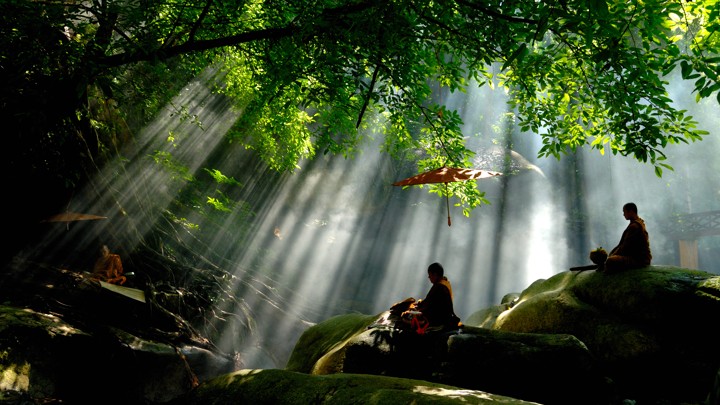
ඒ යටතේ ඒකාබද්ධ මෙහෙයුම් ඒකකය හෙවත් ඔප්ස් කම්බයින් 1989 අගෝස්තු 4 පිහිටු වූ අතර එයට ජවිපෙ ක්‍රියාත්මක වන දිස්ත්‍රික්ක 19 ආවරණය කිරීම සඳහා කණ්ඩායම් 100ක් අනුයුක්ත කෙරිණි. එම 20ක පමණ සෑම කණ්ඩායමකට යුද, නාවික, ගුවන් යන ත්‍රිවිධ හමුදා සහ පොලිසියේ නිලධාරීන් සහ සෙබළුන් අනුයුක්ත කර තිබිණි. මෙම විශේෂ කණ්ඩායම්වල නායකයන් අතර උසස්වීම් සහ වරප්‍රසාද සඳහා කැරැලිකරුවන් අත්අඩංගුවට ගැනීම, රඳවා ගැනීම, ප්‍රශ්න කිරීම, තොරතුරු ලබා ගැනීම සඳහා වධ දීම, ඇතැමුන් ‘ඉවත් කිරීම’ සිදුවූයේ තරගයට මෙනි. ඔප්ස් කම්බයින්හි අණදෙන නිලධාරියා වූයේ ආරක්ෂක අමාත්‍යාංශයේ ලේකම් මේජර් ජෙනරාල් සිරිල් රණතුංගය. එහි නායකයා හමුදා කාර්ය මණ්ඩල ප්‍රධානි මේජර් ජෙනරාල් සිසිල් වෛද්‍යරත්නය. අණදෙන නිලධාරියා වූ කර්නල් ජානක පෙරේරා යටතේ විශේෂ මෙහෙයුම් ඒකකය ක්‍රියාත්මක විය. එහි දෙවැනියා වූ කර්නල් ලක්ෂ්මන් අල්ගම යටතේ තොරතුරු විමර්ශන ඒකකය පැවැතිණි.

ඔප්ස් කම්බයින් පිහිටා තිබුණේ තර්ස්ටන් විදුහල ඉදිරිපිට තට්ටු 2ක ගොඩනැඟිල්ලකය. එහි ප්‍රධානියකු වූයේ බි්‍රගේඩියර් වජිර විජේරත්නය. යුද හමුදා පොලිසියේ මේජර් කුලසිරි උඩුගම්පලද එහි විය. කොළඹ සරසවි නීති පීඨයේ සහ මත්තේගොඩ කඳවුරේ නායකයන් වූයේ ලුතිනන්වරුන් වූ තුවාන් නිසාම් මුතාලිෆ්, සොයිසා, ඒ.එෆ්. ලෆීර්, මංජුල මනතුංග, නිහාල් සිරිශාන්ත සහ කපිතාන් පෙරේරා ඇතුළු පිරිසකි.

ජාවත්තේ සළුසල ඉදිරිපිට විදේශ රැකියා කාර්යාංශයේ ගොඩනැඟිල්ලක පිහිටි කණ්ඩායමක ප්‍රධානීන් වූයේ පාබළ හමුදාවේ කපිතාන් චන්ද්‍රසිරි, කපිතාන් සිරිවර්ධන සහ ලුතිනන් ප්‍රනාන්දුය. හමුදාපති නිවෙස අසල පිහිටි බුඩි හවුස්හි පිහිටි කණ්ඩායමේ ප්‍රධානීන් වූයේ පාබළ හමුදාවේ කාලතුවක්කු හමුදාවේ මේජර් වී.ආර්. සිල්වා, මේජර් බාලසූරිය, කපිතාන් රන්ඔළුව, ලුතිනන් කොස්තා සහ ලුතිනන් ප්‍රියන්ත රණසිංහය. තිඹිරිගස්යාය යටෝරා කඳවුරේ ප්‍රධානීන් වූයේ කාලතුවක්කු හමුදාවේ කපිතාන් කොඩිතුවක්කු සහ ලුතිනන් බස්නායකය. හෙන්රි ප්‍රේද්‍රිස් ක්‍රීඩා මණ්ඩපයේ සිටි කණ්ඩායමේ ප්‍රධානීන් වූයේ සේවා බළකායේ ලුතිනන් ඕවිටපාන සහ මාණ්ඩලික සැරයන් රත්නසූරියය. කොළඹ ප්‍රදේශයේ පමණක් තවත් මෙහෙයුම් මධ්‍යස්ථාන වනාතමුල්ලේ ඕවල් ක්‍රීඩාංගණය, මරදානේ ටි්‍රපොලි, මෝදර, වැල්ලම්පිටියේ සේදවත්ත පාසල ඇතුළු ස්ථාන කිහිපයක පැවැතිණි.

ආරක්ෂක අංශවල අතිශය දරුණු මර්දනය නිසා විනයක් සහිත අත්දැකීම් ඇති සංවිධාන ව්‍යුහයක් තුළ ගොඩනැඟුණු ජවිපෙ ක්‍රියාකාරීන් විශාල ප්‍රමාණයක් 1989 මුල්භාගය වනවිට ඝාතනයට ලක්විය. එම හිඩැස පිරවීමට ජවිපෙට බොහෝ දුරට සිදුවූයේ අත්දැකීම් විරල, පුද්ගල ඝාතනවලට සහ මංකොල්ලවලට එක්වූ විනයකට හුරු නොවූ 1986 ඉන්දු _ ලංකා ගිවිසුමින් පසු අලුතින් බඳවාගත් අය ගෙනි. ඔවුහු බොහෝ දෙනෙක් පාසල් වියේ සිටි දේශපාලන දැනුමෙන් නොමේරූ පුද්ගලයන් වීම, කැරැල්ලේ ආශ්වාදයෙන් මත් වී එයට එක්වූ අය වීම සහ ග්‍රාමීය ප්‍රදේශවල නොහික්මුණු පිරිස් ලෙස ජනයා සැලකූ පුද්ගලයන් විය. ජවිපෙ 2 වැනි කැරැල්ලේ අවසාන කාලයේ භාවිත වුණු බොහෝ ක්‍රියාමාර්ග නිසා සාමාන්‍ය ජනයාගෙන් කැරැලිකරුවන් වෙන්කර ගැනීමට ආරක්ෂක අංශවලට පහසු විය. අවසාන කාලයේ කැරැල්ල සමාජයේ පුළුල් සහභාගිත්වයකින් තොරව හුදකලා කැරලි ගැසීමක් බවට පත්ව තිබිණි.

ඒ වනවිට ජවිපෙ දේශපාලන මණ්ඩලය අතරද යම් යම් මතභේද ඇතිව තිබිණි. විජේවීර ඇතුළු එහි සුළුතරයකගේ මතය වූයේ සතුරාට මුහුණදීම සඳහා විසිර ගොස් හෝ පසුබැස නැවත සංවිධානය වෙමින් අරගල කිරීමය. එහෙත් උපතිස්ස ගමනායක, සමන් පියසිරි ප්‍රනාන්දු, ඩී.එම්. ආනන්ද, ලලිත් විජේරත්න, එච්.බී.හේරත් වැනි අයගේ අදහස වූයේ ආරක්ෂක අංශවලට ප්‍රතිප්‍රහාර එල්ල කර ආරක්ෂක අංශවලට මුහුණදීමේ ක්‍රමවේදයක් සකසා ගැනීමය. රට තුළ තිබෙන වාතාවරණය අනුව බහුතර තීරණයට එකඟවීම හැර වෙනත් විකල්පයක් රෝහණ විජේවීර ප්‍රමුඛ සුළුතර කණ්ඩායමට නොවීය.

මේ හේතුව නිසා ජවිපෙ නායකත්වය පමණක් හෝ ආරක්ෂා කර මර්දනයට මුහුණදීමේ ක්‍රමවේදයක් සකස් කරගැනීමටද ක්ෂණිකව නොහැකි විය. අර්බුදයේ ස්වභාවය විසින් නව සංවිධාන යාන්ත්‍රණයක් ජවිපෙට අවශ්‍ය වුවද 1989 ඔක්තෝබර් 28 රත්නපුරයේදී ඩී.එම්. ආනන්ද අත්අඩංගුවට ගැනීමෙන් පසු දෙසතියක් ඇතුළත හෝ වෙනස් ආරක්ෂක ක්‍රමවේදයක් වෙත හුවමාරුවීමට ජවිපෙ නායකත්වය අසමත් වූයේ එබැවිනි.

මර්දනකාරී තත්ත්වය තුළ ජවිපෙ 2 වැනි කැරැල්ල 1989 සැප්තැම්බර් අවසානයේදී යුදමය වශයෙන් විශාල පරාජයකට පත්වෙමින් තිබුණු අතර කැරැලිකරුවන් තුළද මානසික කඩා වැටීම්, භීතිය, අපේක්ෂා භංගත්වය, අවිශ්වාසය සහ සැකය මෝදුවෙමින් පැවැතිණි. විජේවීර ඝාතනය පිළිබඳ ජවිපෙ විසින් නිල ප්‍රකාශයක් සිදුකරනු ලැබුවේද සතියකට පසු 1989 නොවැම්බර් 20 වැනිදාය. ආරක්ෂක අංශ අත්අඩංගුවේ සිටියදී විජේවීර කළ ප්‍රකාශය තුළින් ඔහු දුන් පණිවුඩය වූයේ ‘සියල්ල වෙනස් කරන්න’ යන්නය. විජේවීරගේ ප්‍රකාශයේ හරය උකහාගෙන ජවිපෙ නව නායකත්වය උපාය උපක්‍රමයන් තෝරා ගත්තේ නම් පසුව මිය ගිය දහස් ගණනක් ජීවතුන් අතර සිටින්නට බොහෝ ඉඩ තිබිණි.

ජවිපෙ නායකත්වයට පත් වූ සමන් පියසිරි ප්‍රනාන්දු විසින් 1989 නොවැම්බර් 28 වැනිදා 11 දෙනකුගෙන් සමන්විත නව දේශපාලන මණ්ඩලයක් පත් කරනු ලැබීය. රත්නපුර _ හිදැල්ලන පණුකෑරපිටියේ දෙදිනක් පැවැති එම දේශපාලන මණ්ඩල රැස්වීමට ලලිත් විජේරත්න සහභාගි වූ අතර ඒ වනවිට ඝාතනයට පත් නොවී සැඟව සිටි ශාන්ත බණ්ඩාර සහ සෝමවංශ අමරසිංහගේද ලිඛිත අනුමැතිය එයට ලැබිණි. එම රැස්වීමේදී දිස්ත්‍රික්ක 19කට නව දේශපාලන ලේකම්වරුන් සහ සන්නද්ධ ලේකම්වරුන්ද, පළාත් මට්ටමින් දේශපාලන සහ යුද නායකයන්ද පත් කරනු ලැබීය. එහෙත් මධ්‍යම කාරක සභිකයන් පත්කර ගැනීම රට තුළ පැවැති සුවිශේෂී තත්ත්වය හේතුකොටගෙන මසක් ඇතුළත සිදුකිරීමට සැමගේ එකඟත්වය පළවිය.

කලින් 1986 සිට 1989 නොවැම්බර් දක්වා ජවිපෙ වැඩ කළ දිස්ත්‍රික්ක 19 බෙදා තිබුණේ කලාප 5කටය. විජේවීර ඝාතනයෙන් පසු නව දේශපාලන මණ්ඩලය විසින් දිස්ත්‍රික්ක 19 බෙදන ලද්දේ කලාප 4කටය. සෝමවංශ 1990 මාර්තු 17 රටින් පිටවීමට ප්‍රථම සමන්ගේ නායකත්වයෙන් පැවැති දේශපාලන මණ්ඩල රැස්වීම් දෙකටම සහභාගි නොවීය. එහෙත් සමන් පියසිරිගේ නායකත්වය පිළිගනිමින් ලිඛිත අනුමැතිය එවා තිබිණි. ශාන්ත බණ්ඩාර 1989 නොවැම්බර් 28 පැවැති ප්‍රථම සාකච්ඡාවට සහභාගි නොවූවද නායකත්වයට සියලු සුදුසුකම් ශාන්තට තිබුණද ජවිපෙ නායකත්වය සමන් පියසිරිට භාරදීමට අනුමැතිය පළ කළේය. ශාන්ත 1989 දෙසැම්බර් 07 දේශපාලන මණ්ඩලයේ දෙවැනි රැස්වීමට සහභාගි විය.

නව දේශපාලන මණ්ඩලයේ සභිකයන් වූ ජවිපෙ පෙරමුණු සංවිධාන භාරව කටයුතු කළ ආනන්ද ඉඩමේගම තරුණ, කාන්තා, භික්ෂු කලාප රැස්වීම් 2ක් කැඳවීමට සමත් වූ අතර මාතලේ දිස්ත්‍රික් කාන්තා ක්‍රියාකාරීන්ගේ සාකච්ඡාවකට යෑමේදී කොටුවිය. එමෙන්ම උපාලි ජයවීරද උෟව කලාපයේ කලාප මට්ටමින් රැස්වීම් 3ක් කැඳවීමට සමත් විය. ඒවා සිදුවූයේ දුෂ්කර තත්ත්වයන් යටතේ සති 6ක් තුළය. ජවිපෙ දේශපාලන මණ්ඩලය ප්‍රථම වරට 1989 නොවැම්බර් 28 රත්නපුර _ හිදැල්ලන පණුකෑරපිටියේදී පැවැති අතර කලාප දේශපාලන සහ සන්නද්ධ ලේකම්වරුන්ද දිසා ලේකම්වරුන් සහ සන්නද්ධ ලේකම්වරුන්ද එහිදී පත්විය.

ජවිපෙ දේශපාලන මණ්ඩලය දෙවැනි වරට 1989 දෙසැම්බර් 07 රත්නපුර පණුකෑරපිටියේදී රැස් වූ අතර සෝමවංශ අමරසිංහ හැර සියල්ලෝම එයට එක්වූහ. එහිදී 1989 දෙසැම්බර් 13 රට පුරා ප්‍රහාරයක් සැලසුම් කෙරිණි. ජවිපෙ තෙවැනි දේශපාලන මණ්ඩල රැස්වීම 1990 ජනවාරි 5 හෝමාගමදී පැවැත්වීමට කටයුතු සූදානම් කළද ඒ වනවිට සෝමවංශ අමරසිංහ හැර සියල්ලෝම අත්අඩංගුවට ගෙන හෝ ඝාතනයට ලක්ව තිබිණි. (ජවිපෙ 2 වැනි කැරලි සමය වූ 1986 සිට 1990 දක්වා පළවන මෙම ලිපි මාලාව පිළිබඳ විස්තර දුරකථන 011 5234384 ලබාගත හැකිය.)කරණය සහ උපදෙස් ලබාදීම 1987 සිට 1989 දක්වා සිදුවූයේ එලෙසිනි. ඊශ්‍රායලයේ මොසාඩ් සහ බි්‍රතාන්‍යයේ එම්.අයි. 6 යන විදේශ රහස් ඔත්තු සේවාවන්හි උපදේශකයන් කිහිපදෙනකුගේ සහායද කැරැල්ල මර්දනය කිරීම සඳහා 1989 මැද භාගයේ සිට ආණ්ඩුවේ දේශපාලන නායකත්වයට ලැබිණි.

ධර්මන් වික්‍රමරත්න

Governance and Psychology – 10 Republic of SriLanka Concealed Risk of Federalism – Focus on Tamil Diaspora

January 25th, 2019

Kanthar Balanathan DipEE(UK), GradCert-Rel Eng(Monash), DipBus&Adm-Finance(Massey), CEng. MIEE

Tamils both in SriLanka and Overseas are requested to read and digest this article, please. Tamil diaspora of the current generation, even their children are married to local mixed or half-caste race, are not prepared to give up their Tamil Eelam demand. People like Rudrakumaran and the Diaspora in the UK and Europe are not prepared to give up their hardcore deep-rooted mindset of Tamil Eelam. The Root Cause is the money accrued from the collection and also funds flowing from Charity organizations and/or foreign governments with the intelligent motive of their political strategical plans. Practically Tamil Diaspora leaders in Europe, UK, US, Canada, and Europe are slaves trying to siphon money by their blabbermouth about Discrimination, oppression etc.

In Australia, a refugee who came at the age of 13, who is grown up now is dishonest to a radio that even now Tamils are harassed and killed. Quote: In the said program it was mentioned that ‘still the disappearances of Tamils take place and harassment of Tamils continue’ in Sri Lanka which
is an absolute lie.”

This guy promotes multiculturalism in Australia which is detrimental on a horizon of 25 years. Refer http://nrnmind.blogspot.com/2018/08/concealed-risk-of-multiculturism.html.

It is obvious that the said refugee cum Australian citizen (hope so) who campaigns for multi-culturalism may lack in perception, intelligence, and a total misunderstanding of living in cohesion. He has no business to propagate lies. He participates in Martyr’s day an every protesting gallery, talks sociology etc. Some may infer that he may be suffering from a neurological disorder like the LTTE leader Prabakaran. He should show appreciation to Australia and shall not crawl in to disturb the peace and prosperity of the people living in Australia. Australia is a peace-loving country which provides the need for all citizens. Refugees shall not contemplate and cogitate Australia is a Refugee Social Welfare Country here to absorb all crawling refugees to Australia.

Aran Mylvaganam without going to SL is amazement how he could create such stories.  It is recommended that Aran Mylvaganam do some constructive and productive job and live in peace in Australia.

Quote; https://www.sbs.com.au/yourlanguage/korean/en/article/2019/01/14/theyre-not-refugees-dutton-says-queensland-tamil-family-will-be-deported

Persecution fears

According to Home Affairs Office statistics, the couple was two of almost 6,000 illegal maritime arrivals (I MAs) of Sri Lankan background, who were granted bridging visas between 2011 and 2013. Of the 10,600 I MAs currently having their asylum status reviewed, 10 percent are from Sri Lanka.

Aran Mylvaganam from the Tamil Refugee Council says many Tamils, an ethnic minority in Sri Lanka, have fled persecution in the war-ravaged country (Absolutely untrue and cooked up stories). He believes Priya and Nades, both Tamils, will face a bleak fate if deported.

You know the family is not doing well. They are facing irreversible damages to their health as a result of this indefinite detention. The current situation for Tamils in Sri Lanka is very bad,” Mr. Mylvaganam told SBS News.

“Disappearances are still going. Torture is still being used on Tamil people … under these circumstances, no Tamils should be sent back to Sri Lanka.

We highly appreciate Hon Minister Peter Dutton to have confirmed Australian citizens concept of returning the refugees back home to SL.

There is no reason for SriLankan to take high risk and scud into Australia. If they are patriotic they should live in SL and develop the country.

This act is considered intoxication and the outcome will be a mental disturbance of Tamil Eelam Fanatics in Australia and may engage in other activities. The social cohesion and racial synchronization in Australia will be distraught by this action.

There is another man, son of a politician from Batticaloa who voted to disfranchise one million Tamils of Indian origin in 1948, is on a multiculturalism and anti-Sinhala campaign in Australia. Such people have a mental disability to understand, analyze and maintain peace in the country they are domiciled.

I being a Tamil have observed so many Tamils in Australia, UK & USA propagate lies inventing from their chaotic neural system (brain). In my view, these people may be suffering from neurological disorder due to mental weakness and/or mindset.

Quote; Imbecilic Tamils from UK, USA, and Europe are always claiming to about Kumari Kandam” that is sunk in the Indian Ocean. Do these people do not do any work, but live on the dole. The only place that is sunk is Vrindavan near Bombay coast. I politely appeal to those imbecilic Tamils to show where the Kandam is sunk with proof. It is scientific that the plates keep moving and cause an earthquake. The earth revolves around the sun and the speed of the movement is 107,000 km per hour. https://www.youtube.com/watch?v=uLahVJNnoZ4&fbclid=IwAR2iEaejCcvAkmNhFFeA-VB6iupQRu0sq0kc4ZLtmgFQrVaJYar4r3TSezw

https://www.indy100.com/article/what-world-looked-like-300-million-years-ago-panega-maps-7710571

A few radios in Australia are only interested in keeping the Tamil Eelam active in the minds of the Diaspora Tamils. Their act is to intoxicate and brainwash the minds of the Tamils. Even Professionals and doctors have been brainwashed.

A Tamil guy’s sexual assault and conviction. This guy was a security guard with SERCO. These are the practices of Tamils overseas and in SriLanka.

https://www.abc.net.au/news/2016-09-23/former-secro-guard-accused-of-alleged-sexual-assault/7872780

What makes them lie and be at the forefront of dishonest forums: –

They have no Core Values, no vision. The only vision they have is to lie and be in the forefront so that they can be seen and praised by the Imbecilic Tamils in Australia. They lack intelligence and perception and lack of understanding. They have no professional or technical ability, very poor in the English language. A person like Aran in the Refugee Council cannot contribute to Australia, and is not an asset but may be a liability. He may be wasting Australian tax payer’s money for his ambitious work on refugees. People like him should be grateful and loyal to Australia, not become active troublemakers but troubleshooters.

What happens in SriLanka Tamil Areas; The Truth

Drug trafficking, drug dealing, drug consumption, alcohol consumption (high in Northern Province), students on alcohol, drugs, students have sex with teachers and vice versa, bribery and corruption of Council ministers, restaurants selling unhealthy meals, unprofessional unethical hospital practice, incompetent  doctors practice in private hospitals in the North, public toilets; very bad condition with no maintenance, dumping of hospital and human waste in Kallundai near liveable places, killing of people with swords, high rate of robbery, dirtiness in restaurants and eating houses, high degree of caste differentiation and high level of wastage dominates the North, No hygiene practice in eating houses; no gloves are worn while packing. These are all done by the Tamils in the North.

To be continued.

How the ban on Glyphosate helped the Army-worm caterpillar.

January 25th, 2019

Bodhi Dhanapala, Quebec. Canada

The country has been invaded by the army-worm caterpillar local known as the Senaa Dalambuwa”.  All kinds of conspiracy theories are being spun, and some of it was played out in Parliament itself. Claims that the caterpillar has been deliberately introduced”, or that it is the lack of attention at the airport customs, or that big multinationals have sent their agents with bags of worm eggs to capture the albeit tiny market for pesticides in Sri Lanka! The facts are much simpler and  patently clear.

How the Senaa caterpillar came in with blackmarket Indian products.

Tne truth is much simpler than that. I was in Sri Lanka in early 2018, when the ban on the popular herbicide glyphosate was in full force.  As I had relatives living in the North Central Province (NCP)  I visited my uncle’s village which is a rural farming community. My uncle himself runs a small grocery business where he sells everything from Chick Peas (Kadala”) to coconuts and cement. Many people grow maize while others engage in paddy farming (where work is limited to a few weeks in each season) and then they go to towns and work in many odd jobs during the rest of the year.

Smuggled Glyphosate (17-March-2017 courtesy Hiru News)

The ban on glyphosate had little effect on the paddy farmers whose need for  the herbicide is minimal and restricted to a few days in each season. However, the herbicide is crucial to the maize farmers whose product was devastated by the ban on the herbicide. Manual weeding is totally impossible given the hot climate, many serpents,  and the harsh, deep-roots weeds that develop rapidly. So many maize farmers had NO OTHER RECOURSE except to buy the black-market glyphosate that had been smuggled in from India. This glyphosate was available in plenty, and came into the country from both the Eastern sea board as well as the North-western coast. Some may have also come through Jaffna, but what I learnt was that most of  the glyphosate available came from coastal operations nearby. The black market glyphosate was what enabled many families to cultivate at least a portion of their iringu hena” (Maize plot). It was not just glyphosate that was being smuggled to Sri Lanka  from India. Many smuggled items, be it sarees, ayurvedic products” or cheap engine parts,  routinely come to our rural areas as the need has to be fulfilled.

The senaa caterpillar had ALREADY arrived in  India in 2017 and thriving there. As glyphosate is a very harmless pesticide, it has no effect what so ever on the Senaa caterpillar’s eggs. So it is a simpler matter to understand that a lot of Senaa contamination would have come to the maize growing areas by way of smuggled products from India.

If glyphosate had NOT been banned, then only approved products  from known sources would have arrived in the country. Instead, in banning the product, the short-sighted legislators opened the flood gates to questionable products. So it is not surprising that Maize was the first crop that was hit by the senaa caterpillar. Even today, glyphsoate is only allowed for tea and rubber, while maize and vegetable farmers etc.,  have to use the unsafe the black-market product. That this black market product is widely used is well known, since even an ex-minister admitted on TV that he uses black-market glyphosate on his 30-acre estate.

Using the Kohombo (Neem) pesticide to eliminate the Senaa caterpillar.

Venerable Ranatana, speaking at the Sadaham Sevena stated that he can kill these thousands of  Senaa caterpillars  using an insecticide based on  Kohomba (Azadirachta indica), a plant well known to Sri Lankans. It is  indeed painful to see a Buddhist monk talking of taking life at a Sadaham center” and engaging in agriculture, when the Vinaya forbids a monk to even run a small vegetable garden in the Temple yard. That is the work  left to  the lay supporters (Dayakays) of the temple. But then, in Sri Lanka politicized  Buddhist monks have eliminated not just thousands of caterpillars, but even assassinated prime ministers. However, the imposition of the Vinaya is a matter for Buddhist elders. Here we will examine if indeed the use of Kohomba based insecticides on a large scale is safe.

Extensive Fields tests are needed to ensure safety before products are introduced.

If the Kohomba preparation can kill the caterpillar, it can also kill every other beneficial bug that is in the soil, in plants and the environment, be they earthworms or bees. A broad-spectrum insecticide with the powers attributed to it by Ven. Rathana is an extremely dangerous substance.

The agrochemicals and insecticides sold by large licensed companies have to prove their efficiency and safety before they are approved for use in the public domain. Such tests usually need  at least five years of testing, and continued testing before the FDA or the EPA give them a license to sell to the public. Contrary tio the widespread belief that agrochemical companies are to be trusted, the bigger companies are the most trustworthy because they are the most scrutinized, and they alone have the reasearch money needed. But their products are independently tested by the US health department, or various research institutes in Diffent countires. Rothamstead in England, or MahaIlluppallama in Sri lanka, undertake such studies. Thus glyphosate, introduced in 1974, continues to be reviewed every five years. The US department of health followed the health of 90,000 farmers over a period of 25 years, and concluded that there is NO increased risk of cancer or any other  non-communicable disease resulting from its use (reports of this study were published in the interim, and a final report was published in November 2017). In Sri Lanka, it seems that glyphosate was tested at the TRI and CRI from 1997-2000 before it was released to the public from 2000 onwards. And yet the public is correct to be constantly  vigilant about these products. However, this same vigilance should be directed at so-called organic” or natural” products which are pushed by Organic-Food super market chains who make dubious claims of these foods being more healthy and better for the environment. They are in fact not so, but a rip off of the unwary consumer.

The new products touted by Ven. Rathana that he boasts can kill the caterpillar in a  mere minutes are products untested for their safety in the long run. Many powerful toxins come from nature. The products made  from Kohomba plant , the rubber plant, or Niyagala, or vaha-Kaduru, or  Aththana, are extremely toxic. A substance does not become   non-toxic to humans simply because it is natural”. We should not allow self-appointed agricultural experts” like Ven. Rathana to destroy the nations agriculture so painstakingly nurtured over decades, guided by the professionals of the tea-rubber-coconut research institutes (TRI, RRI, CRI) and those of  the department  of agriculture (DOI) which runs Gunnoruwa, Kundasale, Bathalagoda, Maha-illuppallama and many other research stations. It is these scientists who have created new hybrids to feed the rapid increase in Sri Lanka’s population, and combated the diseases that came upon our cash crops.

The agricultural political lobby group founded by Ven. Rathana was installed in the Presidential Secretariat of President Sirisena under the name of SEMA, and this touted a bio-fertilizer which was subsequently shown to be a fraud which had no fertilizer effect, but took the money of the farmer. The devastation and expense caused by SEMA, and the banning of glyphosate (which led to the near collapse of the Tea export industry) were instigated by this no-toxins in Sri Lanka” movement. Now, by unleashing a hither-to untested substance on the environment, we are allowing fools to rush  in where angles fear to tread.

Rathan Thera  banned  glyphosate claiming that it causes CKDu. It does not do so. And if you get CKDu, you do not go to Rathana thera but you go to the Kidney specialists.

For heaven’s sake, let the professionals handle the matter.

Bodhi Dhanapala, Quebec, Canada

Defence Secretary’s unusual request to the expatriate Tamils

January 25th, 2019

RANJITH SOYSA Spokesperson SPUR Victoria

According to a recent report published , the Defence Secretary , Hemasiri Fernando has invited expatriate Tamils to contact the Defence Ministry to report about the credible atrocities committed by the security forces. This is indeed a strange attempt to offer sacrifices under the delusion that Mr Hemasiri Fernando is carrying out a noble task as the majority of vocal members of the expatriate Tamil community has been highly critical of Sri Lanka’s defence forces for having stopped the Eelam drive of the LTTE at Nandikadal. Therefore. the response to the Defence Secretary’s clarion call will result in further complications with obviously biased inputs. But, it is common knowledge that there is a substantial yet many questionable and some fabricated published reports which had been submitted by the expatriate Tamils to the UNHRC and by other well -known NGOs and also to Western Governments which the Defence Secretary have ready access to. He should go through  theses reports and start to consider to separate the facts from the fiction and to take  action. if at all is the priority at present.

At the same time let me draw his attention to the  documents such as the Census details in 2008/9/10 , LLRC conclusions , GSLF Re Appraisal report to OISL prepared by Sir Desmond De Silva, Prof D.M.Crane and Sir Geoffrey Nice and other authentic reports submitted by Lord Naseby and two senior officers of the UK and US army stationed in Sri Lanka  et about the ‘atrocities committed and the responsible steps taken  by the defence forces ‘ available to the  Government and to the Ministry of Defence. Further there are detailed article by Kath Noble, Dr Delgoda- Tammita and Dr Micheal Roberts about the numbers of Tamil civilians killed  said to have killed. If the defence secretary decides to comb out the issues he will realize that the members of our defence forces have gone that extra mile to protect tens of thousands of civilian lives in overcoming the terrorist LTTE.

We are awaiting for the Defence Secretary to go hard with the task of nailing the untruths about our defence forces as we are moved to know his keenness to hear the credible atrocities from the expatriate Tamils.

RANJITH SOYSA
Spokesperson SPUR Victoria

ඔරුමිත්ත නාඩු පොලිසිය වැඩ අරඹයි

January 25th, 2019

මතුගම සෙනෙවිරුවන්

         දළදා වහන්සේ මුල්වරට වැඩම කලා යැයි ජන ප්‍රවාදගත නයාරු ලංකාතොට අසල ගුරුකන්ද රජමහ විහාරයට පසුගියදා ටී.එන්.ඒ. දේශපාලන අංශයෙන් බලහත්කාරකමක් සිදු විය. ගුරුකන්ද රජ මහ විහාරයේ වර්තමාන විහාරාධිපති කොළඹ මේධාලංකාර හිමියන් ගේ මූලිකත්වයෙන් එහි බුදු පිළිම වහන්සේ නමක් ප්‍රතිෂ්ඨාපනය වීම ඊට හේතුවයි.දුරුතු මස තෛයිපොංගල් දිනයේ දී පන්සලට කඩා වැදුණු හිටපු උතුරු පළාත් සභා මන්ත්‍රී රවිහරන් ඇතුළු සියයක පමණ කණ්ඩායමක් ස්වාමීන් වහන්සේට සහ එහි දායකයන්ට බැණ තර්ජනය කරමින් බලහත්කාරයෙන් පන්සල් භූමිය තුළ මඩුවක් අටවා පොංගල් කිරිබත් උයා පන්සල් භූමියේ කෝවිලකට අත්තිවාරම් දමන්නට උත්සාහ දරා ඇත.මෙම සිද්දියෙන් පසු එතැනට කඩා වැදුණු ටී.එන්.ඒ. සංවිධානයේ මන්ත්‍රීවරු කීප දෙනෙක්ද ආලම්පීල් කෝකිලායි පල්ලි වල පූජකයන්ද චාල්ස් නම් පූජකයාද එක්ව පන්සලට තිබෙන අයිතිය ගැන මේධාලංකාර හිමියන් ගෙන විමසා ඇති බව වාර්තා වේ. මෙම සිදු වීම අතරතුර උතුරේ ගංවතුරෙන් අනාථ වූ දෙමළ ජනතාවට සහනාධාර ලබා දීමට පැමිණි පූජ්‍ය පාහියන්ගල ආනන්ද සාගර හිමියන් ඇතුළු බෞද්ධ උපාසක උපාසික කණ්ඩායමක්ද උදෑසන ආහාර ගැනීමට මෙහි ළගා වී තිබේ.මෙම කණ්ඩායම සමග එක්ව පැමිණි මවුබිම මාධ්‍ය වේදී සපුමල් ජයසේන මහතාද එහි විය. විහාරස්ථානයේ සිදු වූ බලහත්කාරකම් ඔවුන් ඇස් පනාපිට දුටු අතර වහාම එහි අසල තිබෙන හමුදා කඳවුරේ අණදෙන නිළධාරීන් මැදිහත්ව මෙම කණ්ඩායම එතනින් ඉවත් කළ බවටද  මාධ්‍යෙව්දීන්ට ඡායාරූප ගැනීමට පවා ඉඩ නොදුන් බවටද වාර්තා වේ.

       මෙවැනි සිදු වීමක් දකුණේ සිදු වූවා නම් රජයේ මැති ඇමතිවරු බොහෝ දෙනෙකු එම සිදු වීමට එරෙහිව ප්‍රකාශ නිකුත් කිරීමට පැකිලෙන්නේ නැත. එසේම පොලිසිය වහාම මැදිහත්ව ගැටුමට මැදිහත් වූවන් අත් අඩංගුවට ගැනීමට උසාවි නියෝග ගනී. නැතිනම් තහනම් නියෝග ගැනීමට පමා නොවේ. කූරගල උද්ඝෝෂණය මාවනැල්ල උද්ඝෝෂණය අවස්ථාවලදී පොලිසිය ගත් ක්ෂණික ක්‍රියාමාර්ග රාශියක් ගැන වාර්තා ඇත. දිගන ඇති වූ ගිනි තැබීම් සහ කොලාහලයේ දී අමිත් වීරසිංහ ඇතුළු පිරිස අත් අඩංගුවට පත් වන්නේ දේශපාලන හා සිවිල් අයිතිවාසිකම් පණත යටතේ ජාතිවාදය ඇවිස්සීමේ වරදකටයි. සෑහෙන කලක් මේ පිරිසට ඇප නොමැතිව බන්ධනාගාර ගතකොට තිබූ ආකාරයද සිහිපත් වේ. එහෙත් ගුරුකන්ද රජමහා විහාරයේ ඇති වූ ජාතිවාදී ගැටුම පොලිසිය විසින් දැක තිබෙන්නේ සාමය කඩ වීමේ අවස්ථාවක් ලෙසටයි. මෙම ගැටුම සම්බන්ධව විහාරාධිපති ස්වාමීන් වහන්සේ ගෙන් කට උත්තර ලබා ගත් මුලතිව් පොලිසිය බී වාර්තාවක් ගොනුකර දෙපාර්ශවයම 29 වනදා උසාවියට  කැඳවීමට නියෝගයක් නිකුත් කර තිබේ. කෝලාහලයක් සාමය කඩ වීමක් යනු සාමාන්‍ය යෙන් සමථ මණ්ඩලයක විසඳා ගැනීමට හැකි ප්‍රශ්ණයකි. එහෙත් මුලතිව් ගුරුකන්ද විහාරයේ සිදු වූයේ එය නොවේ. බලහත්කාරයෙන් ඇතිකළ ජාතිවාදී  සහ ආගම් වාදී ගැටුමකි.මේ සම්බන්ධව නීතිඥ නුවන් බෙල්ලන්තුඩාව මහතා මුලතිව් පොලිසියේ මූලස්ථාන පොලිස් පරීක්ෂක ලලිත් හෙට්ටිආරච්චි මහතා විමසීමේ දී ඔහු පවසා ඇත්තේ සිවිල් අයිතිවාසිකම් පණත යටතේ නඩු දැමීමට නම් නීතිපති විමසිය යුතු බවයි.එහෙත් අප දන්නා පරිදි දිගන සිද්දියේ දී පොලිසිය  විසින් නීතිපති විමසා නැත.

        ජනවාරි මස 27 වන දින මෙම විහාරයේ අභිනව පිළිමවහන්සේ නිරාවරණය කරලීමේ උත්සවය යෙදී තිබුණි. එම උත්සවයට අස්ගිරි පාරශවයේ මහානායක අති පූජ්‍ය වරකාගොඩ ඥානරතන නායක හිමියන්ට ද අනූනායක අති පූජ්‍ය වෙඩරුවේ උපාලි නා හිමියන්ටද ලේඛකාධිකාරී අති පූජ්‍ය මැදගම ධම්මානන්ද නා හිමියන්ටද ඇරයුම් කර තිබුණි. දෙමළ ජාතික සන්ධානයේ  මන්ත්‍රීවරුන් ඒ අතර වහා ක්‍රියාත්මක වෙමින් ජනවාරි 29 වනදාට වන කැඳවීම අවලංගු කරමින් 24 වනදා උසාවියට කැඳවිය හැකි වන පරිදි මෝසමක් ගොනු කරගෙන තිබේ.    මෙම ක්‍රියාන්විතයේ අරමුණ වන්නට ඇත්තේ පිළිම වහන් සේ නිරාවරණය කරලීමේ උත්සවයට තහනම් නියෝග ගැනීමයි. පොලිසියද ටී.එන්.ඒ. මන්ත්‍රී වරුන්ට චෝදාන ගොනු නොකරම සාමය කඩවීමේ බී වාර්තාව ඉදිරිපත් කරන්නේ මෙවැනි තත්ත්වකට මග හදන්නටයි. මීට පෙරද මුලතිව් කුරුඳු මලේ පුරාවිද්‍යා ස්ථානයට ගිය පුරාවිද්‍යා කණ්ඩායමකට සහ සපුමල්තැන්න ආරණ්‍ය සේනාසනයේ ශාන්තබෝධි හිමියන්ට මුලතිව් පොලිසිය විසින් උසාවිය මගින් තහනම් නියෝග ගෙන තිබුණි.එම සිද්දියට ද මුල් වූයේ රවිහරන් මන්ත්‍රීවරයාමය.ඔහු ස්වාමීන් වහන්සේට බාධාකරමින් ජාතිවාදී ලෙසට හැසිරී තිබුණි. කෙසේ වෙතත් 27 වනදාට යෙදී තිබුණු පිළිම වහන්සේ නිරාවරණය කිරීමේ  උත්සවය වහා වෙනස් කොට මෙම මස විසිතුන් වන දිනට එම උත්සවය ගනිමින්  අස්ගිරි පාර්ශවයේ අනුනායක අති පූජ්‍ය ආනමඩුවේ ධම්මදස්සී නායක හිමියන් ඇතුළු ගෞරවනීය මහා සංඝරත්නය අතින්  පිළිම වහන්සේ විවෘත කරන්නට යෙදුණු බවද මෙහිදී සඳහන් කළ යුතුය..

        යෝජිත නව ව්‍යවස්ථාව සඳහා සකස්ව තිබෙන පසුගියදා පාර්ලිමේන්තුවට ඉදිරපිත් කරන ලද ව්‍යවස්ථා කොටුම්පතේ නීතිය සහ සාමය කොටසේ 254 වගන්තිය ප්‍රකාරව පළාත් බද පොලීසියක් සහ ජාතික පොලිසියක් නිර්මාණය වේ. එවිට  පළාත් නමයකට පොලිසි කොටස් නවයක්ද අග නගරයට එක් පොලිසියක්ද වශයෙන් කොටස් දහයකට කැඩෙනු ඇත. ව්‍යවස්ථා සම්පාදකයන් විසින් ඒකීය රට  ඔරුමිත්ත නාඩුවක් වශයෙන් නම්කර ඇත . පොලිසි දහයක් නිර්මාණය වන විට ඔරුමිත්තනාඩුව ට පිළි ගැනීමක් සහ නීතිමය වටිනාකමක් හිමිවේ.දැන් මුලතිවු ගුරුකන්ද විහාරයේ ඇති වූ සිද්දිය පොලිසිය මගින් කළමනාකරණය කරන්නේ රටේ මූලික නීතියට පටහැනිව පළාත් බද පොලිසීයක් ලෙසටයි. පොලිසියට අණ දෙන්නේද උපදෙස් දෙන්නේද නීතිය අතට ගෙන කටයුතු කරන්නේද දෙමළ ජාතික සන්ධානයේ මන්ත්‍රී වරුන්ය. පූජ්‍ය අගුලුගල්ලේජිනානන්ද හිමියන් විසින්කොළඹ පොලිස් මූලස්ථානයේ මේ සම්බන්ධව  ගොනුකළ පැමිණිල්ලද කොළඹ ජාතික පොලිසිය  විසින් මේ වනතුරුම විභාගයට ගෙන නොමැත.එහෙයින් ව්‍යවස්ථා ලියවිල්ල සම්මත කර ගැනීමට ද ප්‍රථම මේ ක්‍රියාත්මක වන්නේ උතුරේ පළාත් බද පොලිස් නීතිය බව පැහැදිලිව කිව හැකි වී තිබේ.

         පොලිසිය බිහි වන්නේ බ්‍රිතාන්‍ය සම්ප්‍රදාය අනුව ඔවුන්ගේ තිඹිරි ගෙයක බැවින් එහි හැඩය වටිනාකම් සහ සම්ප්‍රදායයන්  කෙරෙහි දේශීයත්වයක් අතැයි පවසන්නට නොහැකිය. පොලිස්  නම් ඉංග්‍රීසි වචනය සකස් වීමට ගැනෙන මුල් අකුරු වල වගන්ති අරුත අනුව එහි මහාර්ඝ වැදගත්කමක් තිබුණද  යටත් විජිත සමයේ සිටම පොලිසිය ක්‍රියාත්මක වූ ආකාරය දෙස බලන කල්හි එම ආයතනයේ මූලික අරමුණු වලින් ඉවත් වී දේශපාලන පක්ෂපාතීත්තවය උදෙසාම ක්‍රියාත්මක වී ඇති බව පෙන්වා දිය හැකිය. දැන් එහි ජාතික වටිනාකමද අහෝසි වී වර්ගවාදී පළාත් බද පොලිසියක් තත්ත්වයට වැටී තිබේ. යහපාලන රජයේ ව්‍යවස්ථාමය විප්ලවය මගින් අරමුණු කරගන්නේ මෙවැනි වර්ගවාදී පෙරළියක් නම් මුලු රටටම පළාත් බද පාතාලයන් ගේ පිහිට පමණක් ඉතුරු වන බව පැවසිය යුතුයි.


Constitutional reform in Sri Lanka

January 25th, 2019

By ASOKA BANDARAGE Courtesy Asian Times

Neuroscience Has a Lot To Learn from Buddhism

January 25th, 2019

A scientist and a monk compare notes on meditation, therapy, and their effects on the brain

Can training the mind make us more attentive, altruistic, and serene? Can we learn to manage our disturbing emotions in an optimal way? What are the transformations that occur in the brain when we practice meditation? In a new book titled Beyond the Self, two friends—Matthieu Ricard, who left a career as a molecular biologist to become a Buddhist monk in Nepal, and Wolf Singer, a distinguished neuroscientist—engage in an unusually well-matched conversation about meditation and the brain. Below is a condensed and edited excerpt.


Matthieu RicardAlthough one finds in the Buddhist literature many treatises on traditional sciences”—medicine, cosmology, botanic, logic, and so on—Tibetan Buddhism has not endeavored to the same extent as Western civilizations to expand its knowledge of the world through the natural sciences. Rather it has pursued an exhaustive investigation of the mind for 2,500 years and has accumulated, in an empirical way, a wealth of experiential findings over the centuries. A great number of people have dedicated their whole lives to this contemplative science.

Modern Western psychology began with William James just over a century ago. I can’t help remembering the remark made by Stephen Kosslyn, then chair of the psychology department at Harvard, at the Mind and Life meeting on Investigating the Mind,” which took place at MIT in 2003. He started his presentation by saying, I want to begin with a declaration of humility in the face of the sheer amount of data that the contemplatives are bringing to modern psychology.”

It does not suffice to ponder how the human psyche works and elaborate complex theories about it, as, for instance, Freud did. Such intellectual constructs cannot replace two millennia of direct investigation of the workings of mind through penetrating introspection conducted with trained minds that have become both stable and clear.

Wolf SingerCan you be more specific with this rather bold claim? Why should what nature gave us be fundamentally negative, requiring special mental practice for its elimination, and why should this approach be superior to conventional education or, if conflicts arise, to psychotherapy in its various forms, including psychoanalysis?

RicardWhat nature gave us is by no means entirely negative; it is just a baseline. Few people would honestly argue that there is nothing worth improving about the way they live and the way they experience the world. Some people regard their own particular weaknesses and conflicting emotions as a valuable and distinct part of their personality,” as something that contributes to the fullness of their lives. They believe that this is what makes them unique and argue that they should accept themselves as they are. But isn’t this an easy way to giving up on the idea of improving the quality of their lives, which would cost only some reasoning and effort?

 Modern conventional education does not focus on transforming the mind and cultivating basic human qualities such as lovingkindness and mindfulness. As we will see later, Buddhist contemplative science has many things in common with cognitive therapies, in particular with those using mindfulness as a foundation for remedying mental imbalance. As for psychoanalysis, it seems to encourage rumination and explore endlessly the details and intricacies of the clouds of mental confusion and self-centeredness that mask the most fundamental aspect of mind: luminous awareness.

SingerSo rumination would be the opposite of what you do during meditation?

RicardTotally opposite. It is also well known that constant rumination is one of the main symptoms of depression. What we need is to gain freedom from the mental chain reactions that rumination endlessly perpetuates. One should learn to let thoughts arise and be freed to go as soon as they arise, instead of letting them invade one’s mind. In the freshness of the present moment, the past is gone, the future is not yet born, and if one remains in pure mindfulness and freedom, potentially disturbing thoughts arise and go without leaving a trace.

 SingerWhat you have to learn then is to adopt a much more subtle approach to your internal emotional theater, to learn to identify with much higher resolution the various connotations of your feelings.

RicardThat’s right. In the beginning, it is difficult to do it as soon as an emotion arises, but if you become increasingly familiar with such an approach, it becomes quite natural. Whenever anger is just showing its face, we recognize it right away and deal with it before it becomes too strong.

RicardIt is said in the Buddhist teachings that there is no task so difficult that it cannot be broken down into a series of small, easy tasks.

SingerYour object of inquiry appears to be the mental apparatus and your analytical tool, introspection. This is an interesting self-referential approach that differs from the Western science of mind because it emphasizes the first-person perspective and collapses, in a sense, the instrument of investigation with its object. The Western approach, while using the first-person perspective for the definition of mental phenomena, clearly favors the third-person perspective for its investigation.

 I am curious to find out whether the results of analytical introspection match those obtained by cognitive neuroscience. Both approaches obviously try to develop a differentiated and realistic view of cognitive processes.

What guarantees that the introspective technique for the dissection of mental phenomena is reliable? If it is the consensus among those who consider themselves experts, how can you compare and validate subjective mental states? There is nothing another person can look at and judge as valid; the observers can only rely on the verbal testimony of subjective states.

RicardIt is the same with scientific knowledge. You first have to rely on the credible testimony of a number of scientists, but later you can train in the subject and verify the findings firsthand. This is quite similar to contemplative science. You first need to refine the telescope of your mind and the methods of investigations for years to find out for yourself what other contemplatives have found and all agreed on. The state of pure consciousness without content, which might seem puzzling at first sight, is something that all contemplatives have experienced. So it is not just some sort of Buddhist dogmatic theory. Anyone who takes the trouble to stabilize and clarify his or her mind will be able to experience it.

 Regarding cross-checking interpersonal experience, both contemplatives and the texts dealing with the various experiences a meditator might encounter are quite precise in their descriptions. When a student reports on his inner states of mind to an experienced meditation master, the descriptions are not just vague and poetic. The master will ask precise questions and the student replies, and it is quite clear that they are speaking about something that is well defined and mutually understood.

However, in the end, what really matters is the way the person gradually changes. If, over months and years, someone becomes less impatient, less prone to anger, and less torn apart by hopes and fears, then the method he or she has been using is a valid one.

 SingerHow do you do this? What are the tools?

RicardThis process requires perseverance. You need to train again and again. You can’t learn to play tennis by holding a racket for a few minutes every few months. With meditation, the effort is aimed at developing not a physical skill but an inner enrichment.

In extreme cases, you could be in a simple hermitage in which nothing changes or sitting alone always facing the same scene day after day. So the outer enrichment is almost nil, but the inner enrichment is maximal. You are training your mind all day long with little outer stimulation. Furthermore, such enrichment is not passive, but voluntary, and methodically directed. When you engage for eight or more hours a day in cultivating certain mental states that you have decided to cultivate and that you have learned to cultivate, you reprogram the brain.

SingerIn a sense, you make your brain the object of a sophisticated cognitive process that is turned inward rather than outward toward the world around you. You apply the cognitive abilities of the brain to studying its own organization and functioning, and you do so in an intentional and focused way, similar to when you attend to events in the outer world and when you organize sensory signals into coherent percepts. You assign value to certain states and you try to increase their prevalence, which probably goes along with a change in synaptic connectivity in much the same way as it occurs with learning processes resulting from interactions with the outer world.

 Let us perhaps briefly recapitulate how the human brain adapts to the environment because this developmental process can also be seen as a modification or reprogramming of brain functions. Brain development is characterized by a massive proliferation of connections and is paralleled by a shaping process through which the connections being formed are either stabilized or deleted according to functional criteria, using experience and interaction with the environment as the validation criterion. This developmental reorganization continues until the age of about 20. The early stages serve the adjustment of sensory and motor functions, and the later phases primarily involve brain systems responsible for social abilities. Once these developmental processes come to an end, the connectivity of the brain becomes fixed, and large-scale modifications are no longer possible.

RicardTo some extent.

RicardA study of people who have practiced meditation for a long time demonstrates that structural connectivity among the different areas of the brain is higher in meditators than in a control group. Hence, there must be another kind of change allowed by the brain.

SingerI have no difficulty in accepting that a learning process can change behavioral dispositions, even in adults. There is ample evidence of this from reeducation programs, where practice leads to small but incremental behavior modifications. There is also evidence for quite dramatic and sudden changes in cognition, emotional states, and coping strategies. In this case, the same mechanisms that support learning—distributed changes in the efficiency of synaptic connections—lead to drastic alterations of global brain states.

RicardYou could also change the flow of neuron activity, as when the traffic on a road increases significantly.

SingerYes. What changes with learning and training in the adult is the flow of activity. The fixed hardware of anatomical connections is rather stable after age 20, but it is still possible to route activity flexibly from A to B or from A to C by adding certain signatures to the activity that ensure that a given activation pattern is not broadcast in a diffuse way to all connected brain regions but sent only to selected target areas.

RicardSo far, the results of the studies conducted with trained meditators indicate that they have the faculty to generate clean, powerful, well-defined states of mind, and this faculty is associated with some specific brain patterns. Mental training enables one to generate those states at will and to modulate their intensity, even when confronted with disturbing circumstances, such as strong positive or negative emotional stimuli. Thus, one acquires the faculty to maintain an overall emotional balance that favors inner strength and peace.

SingerSo you have to use your cognitive abilities to identify more clearly and delineate more sharply the various emotional states, and to train your control systems, probably located in the frontal lobe, to increase or decrease selectively the activity of subsystems responsible for the generation of the various emotions.

An analogy for this process of refinement could be the improved differentiation of objects of perception, which is known to depend on learning. With just a little experience, you are able to recognize an animal as a dog. With more experience, you can sharpen your eye and become able to distinguish with greater and greater precision dogs that look similar. Likewise, mental training might allow you to sharpen your inner eye for the distinction of emotional states.

In the naïve state, you are able to distinguish good and bad feelings only in a global way. With practice, these distinctions would become increasingly refined until you could distinguish more and more nuances. The taxonomy of mental states should thus become more differentiated. If this is the case, then cultures exploiting mental training as a source of knowledge should have a richer vocabulary for mental states than cultures that are more interested in investigating phenomena of the outer world.

RicardBuddhist taxonomy describes 58 main mental events and various subdivisions thereof. It is quite true that by conducting an in-depth investigation of mental events, one becomes able to distinguish increasingly more subtle nuances.

Take anger, for instance. Often anger can have a malevolent component, but it can also be rightful indignation in the face of injustice. Anger can be a reaction that allows us to rapidly overcome an obstacle preventing us from achieving something worthwhile or remove an obstacle threatening us. However, it could also reflect a tendency to be short-tempered. If you look carefully at anger, you will see that it contains aspects of clarity, focus, and effectiveness that are not harmful in and of themselves. So if you are able to recognize those aspects that are not yet negative and let your mind remain in them, without drifting into the destructive aspects, then you will not be troubled and confused by these emotions.

Another result of cultivating mental skills is that, after a while, you will no longer need to apply contrived efforts. You can deal with the arising of mental perturbations like the eagles I see from the window of my hermitage in the Himalayas. The crows often attack them, even though they are much smaller. They dive at the eagles from above trying to hit them with their beaks. However, instead of getting alarmed and moving around to avoid the crow, the eagle simply retracts one wing at the last moment, letting the diving crow pass by, and extends its wing back out. The whole thing requires minimal effort and is perfectly efficient. Being experienced in dealing with the sudden arising of emotions in the mind works in a similar way. When you are able to preserve a clear state of awareness, you see thoughts arise; you let them pass through your mind, without trying to block or encourage them; and they vanish without creating many waves.

SingerThat reminds me of what we do when we encounter severe difficulties that require fast solutions, such as a complicated traffic situation. We immediately call on a large repertoire of escape strategies that we have learned and practiced, and then we choose among them without much reasoning, relying mainly on subconscious heuristics. Apparently, if we are not experienced with contemplative practice, we haven’t gone through the driving school for the management of emotional conflicts. Would you say this is a valid analogy?

RicardYes, complex situations become greatly simplified through training and the cultivation of effortless awareness. When you learn to ride a horse, as a beginner you are constantly preoccupied, trying not to fall at every movement the horse makes. Especially when the horse starts galloping, it puts you on high alert. But when you become an expert rider, everything becomes easier. Riders in eastern Tibet, for instance, can do all kinds of acrobatics, such as shooting arrows at a target or catching something on the ground while galloping at full speed, and they do all that with ease and a big smile on their face.

One study with meditators showed that they can maintain their attention at an optimal level for extended periods of time. When performing what is called a continuous performance task, even after 45 minutes, they did not become tense and were not distracted even for a moment. When I did this task myself, I noticed that the first few minutes were challenging and required some effort, but once I entered a state of attentional flow,” it became easier.

SingerThis resembles a general strategy that the brain applies when acquiring new skills. In the naïve state, one uses conscious control to perform a task. The task is broken down into a series of subtasks that are sequentially executed. This requires attention, takes time, and is effortful. Later, after practice, the performance becomes automatized. Usually, the execution of the skilled behavior is then accomplished by different brain structures than those involved in the initial learning and execution of the task. Once this shift has occurred, performance becomes automatic, fast, and effortless and no longer requires cognitive control. This type of learning is called procedural learning and requires practice. Such automatized skills often save you in difficult situations because you can access them quickly. They can also often cope with more variables simultaneously due to parallel processing. Conscious processing is more serialized and therefore takes more time.

Do you think you can apply the same learning strategy to your emotions by learning to pay attention to them, differentiate them, and thereby familiarize yourself with their dynamics so as to later become able to rely on automatized routines for their management in case of conflict?

RicardYou seem to be describing the meditation process. In the teachings, it says that when one begins to meditate, on compassion, for instance, one experiences a contrived, artificial form of compassion. However, by generating compassion over and over again, it becomes second nature and spontaneously arises, even in the midst of a complex and challenging situation.

SingerIt would be really interesting to look with neurobiological tools at whether you have the same shift of function that you observe in other cases where familiarization through learning and training leads to the automation of processes. In brain scans, one observes that different brain structures take over when skills that are initially acquired under the control of consciousness become automatic.

RicardThat is what a study conducted by Julie Brefczynski and Antoine Lutz at Richard Davidson’s lab seems to indicate. Brefczynski and Lutz studied the brain activity of novice, relatively experienced, and very experienced meditators when they engage in focused attention. Different patterns of activity were observed depending on the practitioners’ level of experience.

Relatively experienced meditators (with an average of 19,000 hours of practice) showed more activity in attention-related brain regions compared with novices. Paradoxically, the most experienced meditators (with an average of 44,000 hours of practice) demonstrated less activation than the ones without as much experience. These highly advanced meditators appear to acquire a level of skill that enables them to achieve a focused state of mind with less effort. These effects resemble the skill of expert musicians and athletes capable of immersing themselves in the flow” of their performances with a minimal sense of effortful control. This observation accords with other studies demonstrating that when someone has mastered a task, the cerebral structures put into play during the execution of this task are generally less active than they were when the brain was still in the learning phase.

SingerThis suggests that the neuronal codes become sparser, perhaps involving fewer but more specialized neurons, once skills become highly familiar and are executed with great expertise. To become a real expert seems to require then at least as much training as is required to become a world-class violin or piano player. With four hours of practice a day, it would take you 30 years of daily meditation to attain 44,000 hours. Remarkable!


This article has been adapted from Matthieu Ricard and Wolf Singer’s bookBeyond the Self: Conversations Between Buddhism and Neuroscience.

MATTHIEU RICARD is a Buddhist monk, an author, and the French interpreter for the Dalai Lama.
WOLF SINGER is the emeritus director of the Max Planck Institute for Brain Research in Frankfurt.

‘ගම්මානෙ මැණිකයි ඔයා’.. රෝහිත රාජපක්‍ බිරිද වෙනුවෙන් ගැයු අලුත්ම ගීතය

January 25th, 2019

හිටපු ජනාධිපති මහින්ද රාජපක්‍ෂ මහතාගේ බාල පුතු වන ඊයේ දිනයේ විවිාහ දිවියට ඇතුළු වූ රෝහිත රාජපක්‍ෂ මහතා සිය විවාහය වෙනුවෙන් අලුත්ම ගිත වීඩියෝවක් නිකුත් කර තිබේ

අගනුවර තරු හෝටලවල මෙතෙක් පැවති තරු මංගළ්‍යන් සියල්ලට සැමතින්ම අභියෝග කරමින් වීරකැටියේ වැවු තාවුල්ලක සිය මංගල උත්සවය ඉතා සරල චාම් නමුත් ගාමභීරව සංවිධානය කරන්නට රෝහිත රාජපක්‍ෂ කටයුතු කර තිබුනේ හැකි උපරිම ලෙස දේශීයත්වයට මුල් තැන දෙමිනි.

https://youtu.be/B4Crmt3d7zs

SOME OBSERVATIONS ON CASTE IN JAFFNA Part 2

January 24th, 2019

KAMALIKA PIERIS

Sooriasegaram pointed out that In spite of many obstacles and obstructions by the Tamil ruling elites we have seen slow but definite progress among the oppressed caste community in education and in being able to receive healthcare facilities. This was made possible by the welfare state, introducing free education from primary school all the way up to University and a free national health service and also laws against caste discriminatory practices. In particular, he said, the nationalization of all state funded schools.

Mass Movement for Social Justice (MMSJ)  formed by a group of leftists,  held a conference in Kokuvil, Jaffna on 15 October 2016  to mark the 50th year since the 21st October 1966   demonstration in Jaffna,  and to review the past as well as to strategise the way forward. A series of academics and activists spoke about the ongoing perpetuation of caste-based discrimination and the disregard paid to it by Tamil political parties and leaders. Speakers pointed to numerous recent examples of caste-based discrimination in respect of government administrative officials in the North-East, land disputes, marriages and entrance to temples and churches.

The MMSJ Conference looked at education. The MEP government helped to provide schools for the non-Vellala. At the request of the Maha Sabha, Mr. S.W.R.D. Bandaranaike’s Sri Lanka Freedom Party government established nearly 15 schools in the peninsula to cater to the educational needs of minority Tamils.

In the 1960s, Director of Education in Jaffna and the principals of Jaffna Central College and Parameswara College were very keen to educate children coming from oppressed castes and gave them admission. But it was still difficult for the children of minority Tamils to get admission to leading schools, like Jaffna Hindu College, and Puttur Sri Somaskanda College. The Department of Education took action against principals who flouted the regulation.

During MEP rule, more than 200 non-Vellala youth were appointed as teachers at these schools. These appointments were given to those who had three credit passes in the O level exam.  A. Amirthalingam, then an MP in Parliament, opposed this move under the pretext that it would bring down educational standards.

While students from all castes could now go to the same school, you had to look beyond that kind of superficial equality, said a speaker at the Conference.  Discriminatory practices continued in the enrolment of students at schools. I saw on a school admission form that parents had to fill to enroll their child in Grade 1 – details had been asked about the parents’ income, educational levels attained, and even whether they owned land. What has the parents’ income or education (which would knock out many of the oppressed castes’ parents), and especially their ownership of land, got to do with their child’s education?”asked one speaker.


Another participant said We know of a certain school that knocks out applicants based on their addresses – they use the addresses to perceive if a child comes from a dominant caste or not. So oppressed caste parents who want to enroll their children in that school have now learned to give fake addresses – thereby ensuring that their children are given a seat which would otherwise be denied them.”

In many schools, upper-caste teachers discriminated against students from marginalized castes. These students were not given benches or chairs. They had to sit on the floor. Even if they were given seats, they had to use the seats at the back. They were unnecessarily punished by their upper-caste teachers. The teachers insulted these children by pointing out their caste background in front of upper-caste students. The MMSJ Conference noted that the majority of jobs and positions of power were still held by Vellala caste (high caste) Tamils in Jaffna and even if students from oppressed castes were able to succeed in school, they were offered few job opportunities.

P.J.Antony was asked in 2011,   by an interviewer, have you noticed any significant changes in the caste hierarchy over time? P.J. Antony provided a bouquet of observations. Discrimination against minority-Tamil students at schools has declined. We no longer need separate schools for minority Tamils.  Minority Tamils have been able to become graduates, doctors and engineers.We rarely see caste discrimination in public sector offices these days. Barber saloons are free of caste discrimination. Some hairdressers, for instance, have customers exclusively from the Vellala community, whereas others cater to customers from the less-privileged castes.

The younger generation of the downtrodden castes thinks that there is no caste discrimination now. Similarly, people belonging to the upper castes claim that caste oppression has come to an end. But caste discrimination exists on the ground in multiple ways. at the University of Jaffna, minority-Tamil students, even if they excel in studies, are hardly appointed to positions above demonstrator. A person from an underprivileged community was not appointed to the post of Registrar at the University of Jaffna, even though he had the necessary qualifications.

Though minority Tamils are able to secure jobs in various departments and boards, they are denied promotions, though not overtly, on caste grounds. Many temples in Jaffna still remain closed to minority Tamils. When the people of Jaffna were displaced to Chavakacheri in 1995 during the Eelam war, upper-caste well-owners threw litter and excreta into wells on unused land in order to prevent displaced people belonging to non Vellala castes from using those wells. All in all, many oppressed-caste people are impoverished in many ways, concluded Antony.

Non Vellalas are angry and frustrated that there were no Tamil politicians from any political party that were willing to take a public stance against caste and address the issue.  Tamil nationalist groups and dominant Tamil political parties have not shown much interest in abolishing caste oppression, said Antony. ‘Today not a single high caste Tamil intellectual or politician talks openly about the problems of the Tamil underclass, said Jayaweera.’ Caste discrimination is never discussed in Tamil nationalist politics said Swasthika Arulingam and Aheelan Kadirgamar. ‘Human Rights Organizations never talk of the humiliating oppression of the ordinary Tamils of the north by the land owning Tamils, either.

the TNA parliamentarians , domiciled in Colombo,  are typical absentee landlords of the north, the best lands are owned by a small 15% of such upper caste Tamils,  These absentee landlords became MPs and blocked any legislation that  would benefit the non-Vellalas. The leaders of the Tamil Separatist Movement are also Vellala, they   are a landowning caste based elites. It is an ironical that they oppress a substantial section of the Tamil community while at the same time fighting to secure equal rights with the majority Sinhala community. These observations were made by Rasalingam and Sooriasegaram.

Tamil Congress, Federal Party and the TULF never supported freedom struggles of the oppressed people r in the past or present. ‘They always took the side of the oppressors’  which means the Vellala. These political parties unashamedly practiced or promoted or at best remained silent on the marginalization and oppression of the lower caste communities and prevented them from improving their life chances.

Tamil politicians have done their best to keep the Non-Vellala castes down. The Tamil strongly opposed giving the vote to low caste persons, during the Donoughmore commission. After Independence, Tamil Vellala MPs blocked any legislation that would benefit the non-Vellalas.   Federal Party campaigned against the nationalization of schools, which eliminated or at least minimised discrimination against low caste community in school admissions. Building of causeways and road that would make the depressed caste village accessible was opposed. Upgrading of village councils and Town Councils in the North were opposed.

Caste distinctions continue.  Even in the temporary shelters after the Eelam war the upper castes did not like live next to the lower castes.   Tamil youths who migrate to the Colombo also maintain caste distinctions. Lunch groups and social gatherings are exclusive. The different caste groups that constituted the minority-Tamil community do not have marital relationships with one another; they maintain their insularity. Intercaste marriage is still tabooed and the couple are ostracized. The minority Tamils who are educated and hold prestigious jobs conceal their caste identity and regard themselves as superior to the less-privileged members of the minority-Tamil community.

Representation of the non-Vellalas in local government, Provincial Councils and Parliament is almost zero in spite of the fact they represent over 40% of the population in the NP. Non-Vellalas were denied membership in local government bodies such as the village council and the town council. When a non-Vellala was elected to the Kopay Village Council in the late 1950s he was not given a chair he was asked by the other members to sit on an old mortar.

When wards were demarcated for electoral purposes, Vellala bureaucrats split the areas densely populated by minority Tamils into several segments and merged them with the different wards where the Vellalas were the majority. Minority Tamils could not become a majority in any of the wards that came under a local government body. Consequently, they could not send their representatives to the local government bodies in Jaffna.

Non-Vellala Tamils have therefore gone before the recently concluded Pubic Representation Committee on Constitutional Reforms and asked for Caste based reservations in governing bodies. Caste based reservations in governing bodies and educational institutions have been sought by some political parties, organizations and individuals in Jaffna in their submissions to the Pubic Representation Committee on Constitutional Reforms, the Committee said. This is the only province from where they came openly about the caste problem.

The EPRLF was one political party that sough such reservation citing that caste based discrimination was so acute. They said there was discrimination. They even said the depressed castes accounted for 40 per cent. ‘I asked why they did not fight back if the number were so high’ said one committee member.

They were concerned that there was no representation for them in the elected bodies and the education sector. They said the political parties were dominated by the higher caste groups today. It is difficult to get nominations from these parties. They wanted allocation of seats.” Even medical specialists came before the Committee and complained about discrimination over the caste factor.  Some members of our committee were very angry when such complaints were made. Some of our committee members took it as exaggeration,” the Committee said.

The non-Vellala castes traditionally did not own land. Thesawalamai ensured that no uppity low caste person would get piece a piece of land unless he paid the landowner and the neighbours and even then he could be chased off the land, said Rasalingam.

Today, when educated members of their community attempt to buy land, they are thwarted in various ways. Should they succeed even then in buying lands, especially in dominant Vellala areas the community around them tended to harass and marginalise them in various ways.   Upper-caste Tamils who have left the country for good are not willing to sell their land to minority Tamils, said Antony .

The government and NGOs have not done anything substantial to distribute land to the oppressed castes. Though some of them have been living on temple land for many years, they cannot become owners of that land either. In places like Vaddukoddai and Point Pedro, many are unable to build houses, even though the government is willing to provide them with financial support, as they do not possess land.

From 2016, there has been increasing agitation and a series of caste confrontations over upper caste cemeteries located within oppressed caste villages.  A problem which has been simmering for a very long time has now exploded, said an analyst.

In October 2016, in Thidatpulam, the Vellala community from Punnalaikadduvan North attempted to reassert their control over a cemetery after decades. The Thidatpulam villagers, refused to permit the use of the cemetery, where a few families had encroached and built houses over the years. The Vellalas hired sword-wielding gangs, the confrontation turned violent, and the community centre and reading room of Thidatpulam was defaced with used oil. The villagers, many of whom depend on wage labour in the landed upper caste villages, were reminded of the two young men from Thidatpulam who were murdered in 1982.

In March 2017, two villages, one upper caste and the other oppressed caste, attempted to cremate in a cemetery adjoining Kalaimathy village. There was a confrontation   which led to police action. 28 villagers were arrested and were kept in custody for over a week. Villagers launched a continual Satyagraha.

The villagers are strongly opposed to rebuilding this cemetery. they object to the unbearable smell and harmful pollution.  These Jaffna Crematoriums are open spaces with no boundary walls. There is no vegetation, trees or gardens around it. There was also a significant protest numbering to hundreds in front of the Jaffna Bus Stand on May 13, 2017. They are demanding that the Northern Provincial Council (NPC) look into the matter.  They say that local officials, the police and the Pradeshiya Sabhas, are not taking any action.

These cemeteries were not used during the Eelam wars. This attempt to start cremating in these cemeteries is seen as attempt to enforce Vellala power once again. Caste” is re-consolidating through stealth in Jaffna said an analyst. While caste is hardly discussed in public, subtle forms of caste exclusion are still seen in temples and community centres. the caste stratification of Tamils must now be acknowledged  said  Swasthika Arulingam and Aheelan Kadirgamar.  (Concluded)


The Serfdom demolished

January 24th, 2019

By : A.A.M.NIZAM – MATARA

The Muslim community in Sri Lanka prior to the formation of the people’s revolutionary government of late Prime Minister Mr. S.W.R.D.Bandaranaike in 1956 was more or less a community of serfdom depending entirely on the handouts from the rich traders/merchants, or from the landowners in the agricultural areas, or from the rich families in the fishing areas or from the owners of large herds of animal husbandry. An ordinary Muslim was voiceless and they had to dutifully oblige the master if they were to stay on their vocation and sustain their families. Due to these pathetic slavish status Muslims were forced to support and vote for the United National Party (UNP) of the elites, as dictated by their masters at times of election.

A notice calling for the formation of the Sri Lanka Freedom Party on 2nd September, 1951 was issued with the signatures of 44 eminent personalities of that time, which included persons of all religions and all races. Among the 44 signatories were 5 Muslims and 3 Tamils. The Muslim signatories were Dr. Badiuddin Mahmoud, Haji A.T.Kareem, A.M.Marker, C.A.S.Marikkar, and A.C.Marikkar.

Over 10,000 persons, a massive crowd at that time, heeded this call and converged at the Town Hall premises for the formation of the new Party. At this convention the naming of the new party as the Sri Lanka Freedom Party was proposed by the late Mr. H.Sri Nissanka and it was seconded by the late Dr. Badi-ud-din Mahmoud, who was elected as a Co-Secretary.

Education for the children of the poor Muslims at that time was mainly confined to the schools known as Government Tamil Schools most of which except in main towns had classes only upto 5th or 8th Standard. While the rich Muslims, whose children were educated in leading schools in Colombo and other places, resented the children of their servants acquiring higher education, the teachers in the so-called Government Tamil Schools, who were overwhelmingly Tamils discouraged these poor students pursuing even basic education. Elders relate that most of these teachers used to tell the students that as invariably they will be going to work in shops (or get involved in other labour related works) it would be sufficient if they learn to write something, read a few lines, and count 5 and 5 as 10. Even the far and few Muslim teachers, who belonged to the rich families and served in these schools held similar views and possessed the same attitude. The mosques were also managed by the rich families in the relevant areas.

The first major change made by the first purely Sri Lankan oriented government of 1956 as opposed to the proxy-British UNP governments for the emancipation of Muslims in Sri Lanka was to make a complete change of the teaching staff in schools where majority of students were Muslims. These schools were named as Muslim Schools and Muslim youth who possessed a minimum qualification of having passed SSC were appointed as Teachers to these schools, disregarding their age requirement. There was an acute shortage of Muslim youths with SSC passed qualifications at that time, and it is said by many that in the years of 1958, 1959 and early sixties, Muslim youth got their teaching appointments, even without submitting formal applications, along with their SSC passes, and even before attaining the required minimum age of 18 years.

Although ethnic based schools should not be encouraged and all children of an area should have the right to receive education in the school of that particular area the   establishment of Muslim Schools was a need of the era at that time in order to make a mass educational revolution in the Muslim community. This was a giant step taken by Bandaranaike government to emancipate the Muslim community and liberate them from the bondage to Mudalalis and open a new vista for Muslim children to pursue higher education. It was a well known fact that there were many villages and towns at that time without a single Muslim graduate, without a single Muslim Doctor, Lawyer, Accountant or even a middle ranking government servant.

This massive teaching employment drive initiated by the Bandaranaike government, produced at least one teacher in each Muslim family, and completely changed the changed the educationally backward Muslim society into an educated Muslim polity. It is the children of this new generation of Muslims that occupy seats of employment today in many fields including those in the professional fields and even in Foreign Missions.

It was the SLFP that legitimized the rights of Muslim girls to wear a school dress in conformity to their religious norms even in non-Muslim schools. While the pro_UNP Western countries were not permitting Muslims girls to wear Hijab in schools the SLFP led government in addition to providing school uniforms to Muslim girls studying in government schools also took action to provide Hijabs to Muslim girls annually.

The Endowment Board known as Waqf Board was created to administer the affairs of mosques thereby providing the opportunity for the commoners to participate in the affairs of administering the mosques, and making them qualified to receive government assistance. Relaying the Azan call for the five obligatory prayers using loudspeakers from mosques throughout the island was permitted.

A Special Unit known as Muslim Service was created in the then Radio Ceylon solely dedicated for the Muslims to broadcast religious and cultural programmes and enlighten the Muslims with religious knowledge, their cultural values, and educate them about the affairs of fellow Muslims in other countries. Creation of this Unit helped Muslims to listen to whole night broadcast of religious programmes on special days such as Lailathul Qadr (the blessed night in the month of Ramadan) and listen to whole day programmes on Eid and other significant days, in addition to daily night and morning programmes.

A new set of teachers known as Maulavi Teachers, similar to teachers of other religions was appointed to teach religion to Muslim students even in non-Muslim schools. Two hours permission was given  for Muslim public servants to attend Ju mma Prayers on Fridays.. Days prominent for Muslims were included in the list of Public Holidays.

In the international arena too, the SLFP governments espoused the cause of Muslims and Muslim countries. During the Suez Canal War in 1958 the late Prime Minister Mr. S.W.R.D.Bandaranaike solidly stood supporting the steps taken by President Gamal Abdul Nasser of United Arab Republic (currently Egypt), to nationalise the Suez Canal. Historical records reveal that the late Prime Minister Mr. Bandaranaike speaking at the United Nations not only vehemently condemned the invasion of Egypt by the western imperialist forces together with Isreal but also threatened even to send the armed forces of Sri Lanka to fight these Imperialists along with the Egyptian and Arab armies. Not even the Muslim countries outside the Middle East region had the courage to support President Nasser in this manner.

It was the government of late Prime Minister Mr. Bandaranaike that appointed a Muslim as Sri Lanka’s Permanent Representative to the United Nations. The UNP which fools the Muslims in every election to get their votes and provide them nothing in return is yet to appoint a Muslim to such a prestigious position.

In the olden days Labour Ministry was the insignificant Ministry in the whole Cabinet. The UNP governments always kept this Ministry reserved for Muslims as nothing could be done to serve the community through this Ministry. It was the Bandaranaike government that nullified this discrimination and appointed Mr. C.A.S.Marikkar to the prestigious position of Minister of Post and Telecommunications.

Also the Bandaranaike government has the credit of appointing for the first time a Muslim as the Speaker of Parliament. The late Mr. H.S.Ismail was appointed as the Speaker of Parliament although he was not elected to Parliament as an SLFP MP.

The second structural change in the life of Sri Lankan Muslims and enormous service to the community took place during the reign of the late Prime Minister Mrs. Sirimavo Bandaranaike, who dearly valued cordial relationships with Middle Eastern and Muslim countries all over the world. It was in gratitude to her cordial relationship that President Nasser sent several oil shipments to Sri Lanka when western countries imposed sanctions on oil supplies to Sri Lanka following the bold step taken by her to nationalise the oil companies in Sri Lanka and establish the Ceylon Petroleum Corporation. In gratitude to this friendly gesture, Mrs. Bandaranaike declared one week’s mourning on the death of President Nasser’s funeral proceedings were broadcast live through SLBC. Such a respect to President Nasser’s funeral was not accorded even in several Middle East and Muslim countries.

The late Prime Minister Mrs. Bandaranaike was the only non-Muslim world leader who severed Diplomatic relationship with Israel, for invading Arab countries and occupying their territory following the 1967 war.

When Mrs. Bandaranaike made arrangements to host the 5th Non-Aligned Summit in Sri Lanka, the UNP and its media not only condemned her decision but also slandered many Muslim leaders who were scheduled to attend. The Summit, however, provided the opportunity for the leaders and Heads of State of almost all Muslim countries to visit our motherland and obtain a first hand knowledge about the country, about the Muslims in this country, and also to interact with them. In spite of UNP’s criticism and vilification the Summit opened a new vista for Muslims and other Sri Lankans to find employment, particularly in the Middle East countries.

Thus began the era of foreign employment for Sri Lankans and it has now become the leading source of foreign exchange earning for Sri Lanka, and a means of alleviating poverty throughout the country. People who went for employment in the Middle East countries in the early phase recall that the general public in the Middle East were not aware of the existence of a country called Sri Lanka and they knew Sri Lanka only as Madam Bandaranaike country.

Under the UNP governments from 1977 to 1994 Muslims faced many hardships and the UNP Ministers and MPs numbering 11 persons were utterly powerless to do anything to help the Muslims. If it was not for the Middle East employment avenue opened up by Mrs. Bandaranaike the pathetic situation Sri Lankan Muslims would have faced is horrific even to imagine it.

During this Adarmishta period of 18 years Sri Lankan Muslims living in the North and East and in the districts of Polonnaruwa, Anuradhapura and Puttalam were continuously subjected to LTTE atrocities. Unable to withstand these atrocities when a delegation of Muslims led by Dr. Badi-ud-din Mahmoud met President J.R.Jayawardene, to request him to provide protection to Muslims, they were bluntly asked to meet the LTTE leadership and sort out their problems. Ultimately they were compelled to go to Chennai, South India, meet the LTTE leadership and negotiate an agreement under which LTTE promised to desist from harming the Muslims. This agreement however was implemented by the LTTE only in the breach.

In the Eastern Province, when the atrocities of Tamil terrorist elements against the Muslims, particularly by the LTTE continued to increase and when more than 500 houses were set on fire by the LTTE in Kalmunai, Sainthamaruthu and Maruthamunai areas within two or three days and the Muslim leaders in the then ruling party failed to press the JR Jayewardene government to act, in order to bring peace to the area,

The massacres of Muslims by the LTTE which started in the latter part of the J.R.Jayawardene government increased to a horrendous level during the Premadasa administration. In the Kattankudy massacre carried out on 3rd August 1990, Muslims who were performing Isha Prayers were sprayed with bullets and 103 Muslims got killed on the sport and 71 were injured and most of them died subsequently.  Premadasa government which was having a honeymoon with the tiger terrorists feasting them at Hilton Hotel, Colombo did not take any action against these massacres or provide adequate protection to the Muslims. Even the families and the widows of the dead were not compensated. Similar massacres continued in several places of the Eastern Province.

In October 1990 Muslims of all the five districts of the Northern Province, Mannar, Vavuniya, Jaffna, Kilinochchi and Mullaitivu, were given notice by the LTTE ordering them to leave the Northern Province within 24 hours. The UNP government of President Premadasa did not take any preventive action to protect these Muslims amounting to nearly 100,000 persons. Ultimately the LTTE forcibly chased them out from their traditional habitats where they used to live for centuries. In this world’s worst ethnic cleansing episode the victimised Muslims were not allowed to take any of their belongings except for whatever the dress they were wearing at that time. Even the ear-rings worn by women and children were forcibly removed. A father who had a child of less than one year explaining the ordeal they underwent told a newspaper that the tiger terrorists did not even allow him to take the partly used milk food packet he was carrying to feed his baby.

The UNP government of President Premadasa, in which the anti-Muslim UNP leader Mr. Ranil Wickremasinghe was a top ranking Minister, did not care to provide some decent shelters to these victimised Muslims. They were forced to put up their own cadjan  shelters in the coconut lands in places like Ismail Puram, Kalpitty, Palavi, Madurankuliya etc, in the Puttalam District, and several other areas in Kurunegala and Anuradhapura districts, and languish as refugees in their own country living in cadjan huts without any basic amenities for almost two decades.

Meditation and Psychoanalysis

January 24th, 2019

Ruwan M Jayatunge M.D. 

According to Freud meditation is a reaction formation of omnipotence to infantile helplessness. As described by Alexander (1931)   meditation is a “libidinal, narcissistic turning of the urge for knowing inward, a sort of artificial schizophrenia with complete withdrawal of libidinal interest from the outside world.  Kris (1963) viewed meditation as a transitory regressive state that is conducive to the expression of hidden memories, fear love and anger. Shafii (1973) illustrated meditation as a temporary and controlled regression to the preverbal level and meditation returns the individual to the earliest fixation points and permits re-experiencing of traumas of the separation-individuation phase on a non-verbal level.

Carl Gustav Jung was the first major psychologist to explore fully the relation between Buddhist meditation and the Western notion of the unconscious (Welwood, 1977). Jung’s fateful meeting with Richard Wilhelm in 1929 has helped to build a bridge of depth psychological understanding between the East and the West (Ma, 2005). Jung believed in the fulfillment of individual wholeness or self-realization (Moacanin, 1986). Jung spoke of active imagination and believed that it can serve as a bridge between the conscious “ego” and the unconscious. In 1939 Jung wrote …. the meditation on the syllables of the mantra leads to identification with the highest Self. Jung claimed that Eastern higher consciousness is characterized by a nebulous state of non‐intentionality (Zhu, 2009). The transcendent function (unification of archetypal opposites) which Jung described could be the end result of the meditative mind.

Psychoanalysis and meditation compensate for the other’s blind spots (Rubin, 2016).  Within psychoanalysis, meditation has traditionally been associated with a search for the resurrection of infantile ‘primary narcissism’ (Epstein, 1990).

Phenomenologically meditation is a practice that could be meant as mind focalization on objects, body feelings, emotions and thoughts (Bianco, et al., 2016). Psychoanalysis is primarily a psychology of the unconscious. Meditation may also permit deepened access to the unconscious (Bogart, 1991).  Meditation deals mainly with the training and observation of consciousness and observes the mind in great detail on a moment-to-moment level (Falkenström, 2003). The goal of psychoanalysis is to acquire self-understanding and knowledge of the sources of anxiety (Satsangi, 2013) and the goal of meditation is to go beyond the mind and to foster well-being.

For Freud free association is the fundamental rule” of psychoanalysis. According to some experts during meditation auto-catharsis- a form of free-association occurs.  The meditator observes free associated thoughts, feelings, and fantasies silently.  Meditation facilitates self-observation. Both meditation and free association involve self-observation. Self-observation refers to observations and reflections about the self in the present moment (Falkenström, 2012).

The unconscious has played an important explanatory role in transpersonal psychology (Welwood, 1977).  Freud’s topographical model is used to stress that the psychoanalytic unconscious can be understood only in relation to theories of consciousness and wishing (Opatow , 1997). The fundamental proposition of psychoanalysis is that all mental processes are in themselves unconscious (Solms ,1997). Meditation can also bring about “descendence” of consciousness, thus increasing access to the unconscious (Bogart, 1991).  The aim of Zen is, rather, the breaking-up of the very dualistic structure of consciousness-and-unconsciousness (DeMartino, 1961).

According to Freud in each individual there is a coherent organization of mental processes. Meditation uses mental processes to influence physical functioning and promote health. According to object relations theory, the major cause of psychopathology is the lack of a sense of self, caused by failures in establishing a cohesive, integrated self, resulting in an inability to feel real  correspondingly  Buddhist meditation is focused upon seeing through the illusory construction of the self (Bogart , 1991).

In 1912 Freud delineated the ideal state of mind for therapists to listen, what he called “evenly hovering” or “evenly suspended attention which is an accessible state of mind that could be similar to meditative mind (Rubin, 2009).  Meditative mind can achieve the highest level of consciousness.

Meditation is a multidimensional phenomenon and meditation can make a significant contribution to the deep transformation of personality sought in psychotherapy (Bogart, 1991). Meditation may lead to “transcendence,” the experience of going beyond one’s habitual perceptions or conceptions of self and world, culminating in peak experiences such as samadhi, satori, or enlightenment (Noble, 1987).

The main goal of psychoanalytic therapy is to bring unconscious material into consciousness and enhance the functioning of the ego. Mindfulness   is a method of using the ego to observe its own manifestations (Epstein, 1988).

Meditation promotes egolessness and dissolves ego.  The Jungian term “psychic death” is a synonym for “ego death (Ventegodt & Merrick 2003 ). Ego death is a “complete loss of subjective self-identity (Jonson, 2008). Zen meditation practice is said to lead to ego-death (Safran, 2012). According to Nichtern (2011) egolessness is not a product – it is a discovery. As described by Park (2006) meditation is learning how to die by learning to “forget” the sense of self.

The HELA DOCTRINE-A new way of engagement

January 24th, 2019

Aape Aththo – Hela Family

As we look to the future and focus on our sovereignty, peace and prosperity, we must not ignore the big picture of the world we live in. In the 21st century, the Indian Ocean will be the center stage for neocolonialists as they jostle to secure resources, trade deals and geopolitical assets to enhance their dominance.

Caught in the middle in a strategic location, is our island nation.

Professing a self-styled moral authority by preaching democracy and human rights on the one hand; and simultaneously supporting numerous corrupt, undemocratic regimes on the other hand, the neocolonialists are set to repeat their age-old tactic of ‘divide and conquer’. They will use their state run media to defame our democratically elected leaders and undermine the sovereignty of the Hela Nation. When their overt tactics fail to produce a favourable result, the neocolonialists will fly below the radar and enter into trade deals that exclude their competitors from engaging in fair trade with us.

In this new century, we need a new way of engagement. We need a new doctrine to protect and safeguard what we value (our security, sovereignty, culture, resources, economy, peace and prosperity) from the neocolonialists who have little or no respect for it.

This new way of engagement is the Hela Doctrine.

The Hela doctrine of supreme sovereignty, non-alignment and fair trade.

The first aspect of this doctrine is sovereignty. Our sovereignty is paramount to us. The doctrine of supreme sovereignty calls for a new constitution (see: www.heladiva.net) to strengthen our democracy against corruptible forces. An important aspect of our sovereignty is the re-establishment of the original identity of our island (Heladiva) and that of our people (The Hela), which was soiled and eroded by past colonialism.

The second aspect is non-alignment. Our prosperity and security cannot be achieved by exclusively aligning with EURASIA allies or NATO allies or any other. Non-alignment is the wise middle path to economic prosperity and security.

The third aspect is fair trade (not ‘free trade’). Fair trade means the equitable free movement of excess goods, services, capital and labour. If any trade causes impoverishment to any community on the island then it is an unfair trade. Fair trade also means respecting the values and the people of our nation. In this 21st century, we will choose not to trade with countries that ‘verbally bash’ our democracy or cause insult to the sovereignty of our nation. We will choose not to trade with countries that covertly or overtly work to destabilise our Hela democracy.

This is the Hela doctrine of supreme sovereignty, non-alignment and fair trade.

We now call upon our elected leaders to adopt the noble Hela doctrine of Supreme sovereignty, Non-alignment and Fair trade.

Aape Aththo – Hela Family

www.heladiva.net


Public Lecture on “The Illustrated Mahāvaṃsa: Paintings from a 12th Century Myanmar Temple”

January 24th, 2019

Royal Asiatic Society of Sri Lanka (RASSL)

Public Lecture

The Illustrated Mahāvaṃsa: Paintings from a 12th Century Myanmar Temple”

 by

Dr. Hema Goonatilake

 On

Monday 28th January 2019 at 5.00 p.m.

at the 

Gamini Dissanayake Auditorium

No. 96, Ananda Coomaraswamy Mawatha, Colombo 07

ALL ARE WELCOME

When Myanmar got her independence, the first country she wanted to have foreign relations was Sri Lanka. The reason for this friendship from Myanmar was a 1000-year-old relationship with Sri Lanka as had cultivated several other countries in South East Asia. This relationship not only introduced Buddhism from Sri Lanka to these countries but also the art of historical writings. All the Chronicles of South East Asia are modelled after the Mahāvaṃsa and incorporates parts of the Mahāvaṃsa. Consequently, heroes of the Mahāvaṃsa like Dutu Gemunu are hero figures in the region. Rajakumar the grandson of the founder of the Pagan Empire and the builder of the 12thcentury Myankabau temple painted on the temple walls major events, as recorded in the Mahāvaṃsa. The present illustrated lecture depicts these paintings and is a result of 10 years research on South East Asia by the speaker.


MAITHREE BHAVANAVA ( MEDITATION)

January 24th, 2019

Dr Sarah Obeysekera Meditator

Whole Sri Lanka should start practicing meditation like Maithree and Ranil and develop Metta and Karuna.

We see MAITHREE following principles of Buddha , foster compassion by taking opposition members to Thailand and try to show that he has no hatred and ill will.

Today we saw him accompanying SB and DJ to Singapore who hated him for dumping MR after a sumptuous  hopper breakfast .

Then again we see  that RW visiting.  Weerakatiya to be with his arch enemy ,none other than MR in his son’s matromonial ceremony who tried to send a rocket and end up in Kilimanjaro  in Tanzania to propose to his fiancee

We were wonderiing whether lack of oxygen in the air was affected his rational thinking  when he proposed ( I am joking as men get married without thinking what lies ahead)

One day Rohitha ‘s newly wedded wife may say “leave me alone ,I need space ”

Then  he can say OK ,

I will send a rocket for you to go to space!

Our farmers are lamenting about FALL ARMY WORM destroying the crop when WW claim that it is a CIA plot.

One leader is having fun in SANTOSA island and the other “not so leader” in WEERAKAIYA dancing Baila ,and we citizens are fighting with Fall Army pest and Diaspora in two fronts to save our Brigadier from going  to guillotine for a mere gesture of cutting throat ( with his index finger )  of the head of a poor Tamil freedom fighter in front  of Sri Lankan Embassy in UK.

This is not only a resplendent Island but also a country full of surprises called “SO !  SRILANKA”which is our new moto of Ministry of Tourism

Dr Sarah Obeysekera

Meditator

Ditching the Dual Citizenship

January 24th, 2019

 Somaweera Sirisinghe of Auckland, New Zealand

The issue of dual citizenship held by politicians arose recently in Australia and in Sri Lanka. In Sri Lanka an MP’s election was declared void due to the person being a citizen of another country as well. Then stories of others of same genre were coming out of the woodworks.

We have to note here that no one have been forced to obtain citizenship of another country. They seem to have obtained it on their own volition for their own benefit and then sought the advantages of the Dual Citizenship” allowed by Sri Lanka Citizenship Law. Many other Asian countries including India do not have dual citizenships.

Affected Sri Lankan politicians were seen rushing in search of solutions and some even ventured to give interpretations not only to the Sri Lanka’s law but to the laws of the other countries and reportedly some have managed to remove this debilitation.

Is it such an easy thing to do? Legal minds may differ in their opinions because there are some gray areas. Perhaps it may even require judicial interpretation or subsidiary legislation!

According Sri Lanka’s citizenship law a person ceases to be a citizen once he becomes a citizen of another country. However, the provisions for dual citizenship” allow a person who fulfills the set of requirements specified in the law to either retain or resume his Sri Lankan citizenship. Thereafter she/he is considered as a person with dual citizenship and the Sri Lankan Passport issued to her/him contains an endorsement to this effect and proceeds to name the other country of citizenship.

What happens when a person with dual citizenship causes to withdraw or relinquish his/her citizenship of the other country? Logically he may be left with one citizenship but the legal status that he has retained or resumed Sri Lankan citizenship through dual citizenship process” remains intact. Does the ditching of the citizenship of the other country legally bring him back to the pristine Sri Lanka citizenship he held previous to his foreign domicile?

“බටලන්ද හැන්සාඩ් වාර්තාවෙන් ඉවත් කළාට මිනිස්සුන්ගේ හිතින් ඉවත් කරන්න බෑ” රනිල් නැගිට යද්දි වාසු පාර්ලිමේන්තුව දෙවනත් කරයි!

January 24th, 2019

Lanka Lead News

වාසුදේව නානායක්කාර මන්ත්‍රීවරයා පාර්ලිමේන්තුවේ සිදු කළ කතාවක් දැඩි අවදානයට ලක්ව තිබේ.

පසුගිය 22 පැවැති පාර්ලිමේන්තු සැසියේදි වාසුදේව නානායක්කාර මන්ත්‍රීවරයා බටලන්ද කොමිෂන් සභාව සහ බැඳුම්කර කොමිෂන් සභාව පිළිබඳ අගමැති රනිල් වික්‍රමසිංහගෙන් ප්‍රශ්න කිරීම මෙලෙසින් කතාබහට ලක්ව තිබේ.

එහිදි මන්ත්‍රීවරයා අගමැති රනිල් වික්‍රමසිංහ අගමැතිවරයාට ප්‍රකාශ කළේ දැන් ඔබට ඉතිරිව ඇත්තේ මෙරටින් පැන යාම පමණක් වන බවයි.

ඒ අවස්ථාවේම කෙටි පිළිතුරක් ලබාදුන් අගමැති රනිල් වික්‍රමසිංහ මහතා අසුනෙන් නැගිට සභාගැබෙන් පිටව ගියබවද වාර්තාවේ.

https://youtu.be/TefQi_TNrKY

Aloysius files motion to name Nandalal Weerasinghe as suspect

January 24th, 2019

Courtesy Adaderana

A motion has been filed with the Colombo Magistrate’s Court today requesting the court to name Senior Deputy Governor of the Central Bank Nandalal Weerasinghe and former Deputy Governor Ananda Silva as suspects in the bond scam case.

The motion was filed by the attorney representing the owner of Perpetual Treasuries Limited, Mr Arjun Aloysius, who is named as the second accused of the case pertaining to the controversial Central Bank treasury bond issuance.

When the case was taken up for hearing today (24) before Colombo Chief Magistrate Lanka Jayaratne, the attorney appearing on behalf of Aloysius claimed that the Presidential Commission of Inquiry which investigated the bond issuance in its recommendation had stated that Senior Deputy Governor Nandalal Weerasinghe and retired Deputy Governor Ananda Silva are responsible for the incident.

The defence lawyer further argued that even a statement given by the Auditor general in connection with the investigation had directly implicated them both in the bond scam.

He also charged that the Criminal Investigations Department (CID) is avoiding from naming these two individuals as suspects and arresting them. He requested the court to issue directive to name them as suspects in the case.

The magistrate stated that request will have to be considered when the investigative officers are also present and therefore informed Aloysius’ lawyers to present this when the case is taken up once again on February 25.


Copyright © 2026 LankaWeb.com. All Rights Reserved. Powered by Wordpress