Constitutional legitimacy

November 23rd, 2018

By Lakshman I. Keerthisinghe Courtesy Ceylon Today

The doctrine of necessity is the basis on which extra-legal actions by State actors, which are designed to restore order, are found to be constitutional… The doctrine of necessity has since been applied in a number of Commonwealth countries, and in 2010 was invoked to justify extra-legal actions in Nigeria – Wikepedia

There appears to be a raging controversy in legal and civil society circles over the applicability of constitutional provisions dealing with the powers of the President of Sri Lanka in removal and appointment of a Prime Minister as well as prorogation and dissolution of Parliament. Article 70(1) on powers to summon, prorogue and dissolve Parliament has been referred to on the on-going arguments. Article 30(1)states that the President is the Head of State, Head of Executive and of Government and Commander-in-Chief of Armed Forces. Article 3 grants the sovereign power to the people, which is inalienable. Under Article 4(2) executive power of the people is exercised by the President who is elected by the people exercising their sovereign power of franchise.

The Cabinet of Ministers is charged with the direction and control of Government (Art. 42(1)). The President is a member and also the Head of the Cabinet (Art. 42(3)). In order to empower the President with the maximum liberty and authority, the Constitution vests in him the discretion to decide the suitability of the Prime Minister. Article 42(4) in 19th Amendment provides as follows: ‘The President shall appoint as Prime Minister the Member of Parliament, who, in the President’s opinion, is most likely to command the confidence of Parliament’. The opinion of the President cannot be questioned or tested. He is expected to evaluate prevailing conditions and decide the person in the best interest of the people and the country. President is expected to take into consideration all the circumstances and information at his hand in formulating his opinion.

Best precedent is the appointment of Ranil Wickremesinghe in January 2015, when UNP was still having only few seats in Parliament. He accepted the portfolio without any allegation of any procedural unconstitutionality.

Therefore, RW is ‘estopped’ from criticizing the same procedure as unconstitutional, from which he benefitted in 2015.

Logically there cannot be two members in Parliament who can command the confidence of Parliament simultaneously. Principles of interpretation of statutes provide that whenever any law gives power to appoint, it includes the power to remove too. This principle is embodied into section 14(f) of the Interpretation Ordinance of Sri Lanka. Therefore, it is clear that the President has lawfully appointed Mahinda Rajapaksa as the Prime Minister in terms of Article 42(4) of the Constitution read with section 14(f) of the Interpretation Ordinance.

Regarding dissolution of Parliament although the proviso to Article 70(1) of the 19th Amendment states: ‘Provided that the President shall not dissolve Parliament until the expiration of a period of not less than four years and six months from the date appointed for its first meeting, unless Parliament requests the President to do so by a resolution passed by not less than two-thirds of the whole number of Members (including those not present), voting in its favour.’ The Doctrine of Necessity may be considered at this stage. The doctrine of necessity is the basis on which extralegal actions by State actors, which are designed to restore order, are found to be Constitutional. The maxim on which the doctrine is based originated in the writings of the medieval jurist Henry de Bracton, and similar justifications for this type of extralegal action have been advanced by legal authorities, including William Blackstone.

In modern times, the doctrine was first used in a controversial 1954 judgment in which Pakistani Chief Justice Muhhamud Munir validated the extra-Constitutional use of emergency powers by Governor General Ghulam Mohammad. In his judgment, Chief Justice cited Bracton’s maxim, ‘that which is otherwise not lawful is made lawful by necessity’, thereby providing the label that would come to be attached to the judgment and the doctrine that it was establishing. The doctrine of necessity has since been applied in a number of Commonwealth countries. In a 1985 judgment, Chief Justice of the High Court of Grenada invoked the doctrine of necessity to validate legal existence of a court then trying for murder, persons engaged in a coup against former leader Maurice Bishop.

In conclusion, after considering all relevant matters brought out in the arguments before Court, Their Lordships, the Honourable Judges of the Supreme Court would deliver a suitable and appropriate judgement on the issue of dissolution of Parliament which shall be respected, accepted and adhered to by all the citizens of our motherland as the Supreme Court is the sole authority to decide on matters concerning such Constitutional provisions.

(The writer is an Attorney-at-Law with LLB, LLM, MPhil (Colombo) Fmr Lecturer Sri Lanka Law College)keerthisinghel@yahoo.co.uk

‘Digha nikaya’ and the ‘big bang’ theory

November 23rd, 2018

By Dr. Tilak S. Fernando Courtesy Ceylon Today

According to Western scientists, the most recognized theory on the beginning of the universe is said to be the ‘Big Bang’ theory, but in a latest research by Prof.  Swanda Sugunasiri, in Canada, who entered the priesthood recently as Bhikku Mihitha, states the  Buddha’s ‘Agganna’ discourse in ‘Digha Nikaya’ has a different view that goes even beyond the Big Bang theory claiming the ‘universe evolves and devolves continuously, without a beginning or an end’’.

About a century ago, a pioneer in Pali Buddhism, Dr. T.W. Rhys Davids, commented on the Didha Nikaya theory as a ‘good humoured irony’.  Many current scholars too do not seem to attach much weight to it. Prof. Richard Gombrich, an Indologist and scholar of Sanskrit, Pali, and Buddhist Studies and former Boden Professor of Sanskrit at the University of Oxford, seemed to believe it as a ‘mockery of an earlier Vedic created myth’.

Prof. Steven Collin (University of  Chicago) seemed to consider it as a ‘satire’. However, Prof. Swanda Sugunasiri, who took up robes very recently as   Bhikkhu Mihitha, maintained that by contrast, the latest research on Buddhism has established what was mentioned in Agganna discourse as historically and scientifically accurate, and the universe goes through cyclical cosmic process. Bhikkhu Mihitha maintains that the Big Bang theory of billions of years ago is, in fact the devolution of earlier evolutionary phase. This he revealed to the writer and KB, during a visit to Prof. Sugunasiri in Canada in 2014.

Unique meaning

How did the breakthrough come about? Prof. Sugunasiri (Bikku Mihitha) who goes into original Pali version has apparently managed to comprehend the unique meaning intended by the Buddha about the  new Evolutionary phase” as Abhassara Satt.

It appears that there is some conflict and disagreement between the traditional and Western Buddhist scholars in referring to the Abhassara Brahma realm as photon, but Bikku Mihitha (Prof. Sugunasiri) has viewed this in a different dimension and arrived at the perception of what the Western science referred to a primordial type of photon (elementary part of light),or in the words of Albert Einstein of ‘quantum of energy’.

According to Western science, a ‘photon’ is merely an electrical charge, but according to this Buddhist theory, it has to be interpreted as a sentient or Brahma being” (without a human shape) of the earlier evolutionary form.

Buddha referred to ‘Abhassara being’ as a human being who meditated and attained the 2nd stage of Jhana (super calm stage) and ended up at death in the Brahma World (at the end of the devolutionary phase), when everything went up in flames.

Western theory

Western science completely believes in the Big Bang theory, but according to Bhikku Mihitha’s explanation on Buddhism, the Buddha has explained about an ‘earlier evolutionary phase’, about 4.5 billion years ago, comprising humans, animals, vegetation, mountain rivers and so forth, that was burnt down with the ‘Sweltering Seven Suns’, but  sparing the Abhassara Brahmaloka.

During this phase the whole atmosphere had been filled with ‘complete darkness” and hot temperatures had later turned into ‘water,’ followed by the gradual emergence of the moon, sun and earth, thus evolving the world again. Subsequently, over long stretches of time, the earth had once again become vegetation friendly.

The Buddha has also explained about the evolutionary changes in physical nature of beings where one’s ‘skin colour and quality’ began to give rise to good-looking ones when the unattractive ones began to denigrate, thus giving rise to ‘jealousy’ and ‘ hatred.’ After a lapse of millions of years, sexuality had matured in women  (first) and men later, that led to engagement in sex. Those who disapproved such deeds had started to throw mud at others calling it ‘filth’. Then building of homes had commenced to seek some privacy that led to the creation of families and communities. When those who piled up their aswenna, from their paddy fields, looting had begun to escalate with craving, jealousy and passion, which led the society towards moral deterioration. Finally, people had united and chosen the first Great Elect (Mahasumata) to deal with the ills of society.

The following statistics covering a period from 13.5 (Big Bang) million years to 150,000 modern humans suggest the following:

Universe going through a cycle of Devolutionary and Evolutionary phase known as Samvatta and Vivatta respectively

Sentient life in the Universe prior to the existence of earth goes against the Western science view point of life began after the earth theory

With the appearance of Earth, conditions conducive to sentient life appeared Over a period of billions and thousands of years, sentient life culminated in human life and society later.

In the Buddha’s portrayal of evolution, the physical universe comes up as a backdrop to the story of how Abhassara Beings ending up as human beings. Here the Buddha had not only explained the universal flow, but had set the wheels in motion with regard to the evolution of man and his relationship with nature.

Bhikku Mihitha, referring to seven paragraphs of the ‘Agganna Sutta’ thus has looked at Buddha as the greatest scientist to improve on Western science. Big Bang theory suggests the existence of a God or Gods as the first cause, whereas the Buddha’s description about the universe is cyclic with no beginning or end. Another feature in Buddha’s discourse is about the moral dimension, which is missing in western science
Bhikku Mihitha (Professor Swanda Sugunasiri) migrated to Canada on a Fulbright Scholarship. He did actively engaged in research, primarily on Buddhism. His scholarly paper containing 87 pages, deals with ‘Devolution and Evolution’ in the ‘Agganna Sutta’ in the Canadian Journal of Buddhist Studies.

He has also authored a popular text on Abhidamma, under the title ‘ You are what You  sense’; and ‘Buddha on Mind body’ which are available from the Sri Lanka Buddhist Cultural Centre. Another breakthrough research by him was Arahant Mahinda as the Redactor of the Buddha Puja, in Sihala language, on Buddhism

tilakfernando@gmail.com

රටත් සම්බුද්ධ ශාසනයත් නැසීමේ බලවේග හා එක්වන්න එපා !!! කාරුණික අයාචනයකි !!!

November 22nd, 2018

පාලිත ආරියරත්න

විවිධ සමාජ කල්ලි, දේශපාලන  කල්ලි , නොරටුන්ගේ කල්ලි රාශියක් ලහි ලහියේ පවතින රජයට විරුද්ධව පෙළගැසී ඇති බව ඔබ දන්නෙමු.

ඔබ කිනම් පක්ෂයකට අයත්වුවත් , කුමන ආගමකට අයත්වුවත් , කුමන විදේශ් ජාතියකට අයිතිවුවත් අපට කම්  නැත. ඊට ප්‍රධානම හේතුව වන්නේ දීර්ඝ කාලිනව සම්බුදු සසුණ හා සිංහලයාගේ නිත්‍ය ජන්ම භුමිය උදුරා විදෙශ් හා නොරටුන්ගේ බලවේගයන් මත  තැබීමේ ක්‍රියා දාමයන්ගේ ඔත්තු කරුවන්  කුමන්ත්‍රණ කරුවන් ඔබයයි අප දන්නෙමු .

පසු ගිය කාලයන්හි නොයෙකුත් අකටයුතු කම්  බොදු අප වෙත එල්ලවන් විට ඔබ නිද්රා ශිලිව සිටි බව අප දුටුවෙමු නමුත් ඔබ අද මහා ජාතික වීරයන්  ලෙස හඬ නගන්නේ ජාතිය ආගම නොරැකීමේ කරුමය පලදුන් පසුවය ඔබ සැම වෙලේම ඔබගේ පවුලේ දුවා දරුවාගේ අනාගතය සුරක්ෂිත කලා මිස අපගේ  ආරක්ෂාව සුරක්ෂිත භාවය වෙනුවෙන් පෙනී නොසිටි බව දන්නෙමු .

අප මන්ත්‍රී වූ ඇමති වූ ඔබගේ පින් පඩිය ගැන අප කතා නොකෙලුමු , ඔබ යන එන යාන වහන ගැන කතා නොකෙලුමු , බොරු හෙලුරුමයක් ගැන අපි කතා නොකෙලමු ,ඔබ හොරකන් කල දැ අපි කතා නොකෙලමු , නපුන්සකයන්ගේ  වහලුන්  බවට දේශපාලනිකව අප තරුණ කොටස් මෙහයවන විට අපි කතා නොකෙලමු. ඔබ වාසි තකා පිල් මාරු කරනවිට අපි කතා නොකෙරුවෙමු ,නමුත් දේශපාලක  ඔබ …..

අප සතු (ජාතිය) සතු ගහකොළ , සතා සිවුපා ,අඹු දරු සම්පත්, විනාශ කරන විට ,රට බෙදීමේ කුමන්ත්‍රණ කරනවිට , බුද්ධාගම වෙනුවට ආගමේ වචනය යොදනවිට , ඒකීය වෙනුවට වෙන වෙන වචන යොදනකොට ,විවිධ කුඨ බුද්ධිය ඇති දේශීය (සමහර ජාතික නායකයන්) ,විදේශිය නායකයන් ලවා ජන්මයෙන්ම උරුම අපේ මේ සිංහල භුමිය විනාශ කිරීමට විවිධ ව්‍යවස්ථා  සංශෝදන උපක්‍රම වශයෙන් යොදන කොට කවදත් දේශපාලන කුහකයන් වන ඔබ සැවොම  කටවහගෙන බඩ හා හතර කොන (තමාට අයත් නිවස  හෝ ඉඩම හෝ බලය ) රැකගැනීමට අඳ ගොළු බිහිරන්සේ දේශපාලනය කරන විට මන්ත්‍රී,මැති,ඇමති, නිහඬව සිටිද්දී අප ඉදිරියට විත් පක්ෂ විපක්ෂ නායකයන් වෙත දැනුවත් කිරීමේ වැඩසටහන් දියත් කළෙමු , ඔවුන්ගෙන් ඒවාට පිළිතුරු ලබාගත්තෙමු. යම් තාක් දුරකට ප්රශ්න මැඩ පවත්වා ගතිමු.

ඒවාගේම ඔබගේම පක්ෂවල සිටින බොහෝ නායකයින් දේශපාලනිකව බිඳ වැටීමට බියෙන් පිළිතුරු ලබා නොදුන් අවස්තා ද බෝහෝමයක් අප දුටුවෙමු.

ඔබ දැන් කුමන විදිහට කිවත් කුමන විදිහට බාල් නැටුවත් හිටපු රජයේ නිල පිරිස් වූ ඔබ විසින් ජාතිය බුද්ධාගම  නැසීමේ සිද්ධීන් වලට ඇස් කන් පියාගෙන සිටීමේ කරුමේ ඔබට අද  පලදී ඇත.

ඔබට එයින් ඉතා පහසුවෙන් ගොඩ ඒමට බැරි බව අප ඔබ හට කියා සිටින්නෙමු !

ඉතින් ඔබ තව දුරටත් දේශපාලනිකව අනාත නොවීමට  දැනගත යුතු ප්රධානම

කරුණු කීපයක් ලියා තබන්නේ ඔබගේම ආරක්ෂාව උදෙසාය

ඒවා මෙසේය….

එන් ජි කල්ලි හා නොරටුන්, කළු සුද්දන් ,නපුන්සකයන් ,දේශ් විදේශ් බලයන් අප රට අතට ගැනීමේ කුමන්ත් දියත් කොට තිබේ වහා අධ්යයනය කොට රටත් සම්බුද්ධ ශාසනයත් ආරක්ෂා කරදී එම පිනෙන්ම ඔබගේ ජිවිතයද ඔබ විසින් පනමෙන් ආරක්ෂා කරන (ඔබගේ නිවසේ සිටින) දුවා දරුවාගේ අනාගතය ආරක්ෂා කර දෙන්න. පැරදුන ඔබ ඒවාට ජාතික විජාතික උගුල් වලට නොරැවෙටෙන්න , ඔබ විසින් පත්කළ ජනාධි පතිතුමන් 99.99 % ජීවිතය බේරාගතේය ඔහුව ආදර්ශයට ගෙන විවිධ ආගමික උගුල් කරුවන් ගේ නොරටුන්ගේ විදෙශ් කුමන්ත්‍රණ ඔබ මේ පිටිපස්සේ , ඔබගේ කාර්යාලයේ සිටින බව දැනගන්න ඒ අතරම ඔබගේ දුව පුතා නැගණිය මව අන්‍යාගමික කරණයට ලක්කිරීමට හා ඔලුව කා දැමිමිමට ඔබ විකුර්ති ජාතියක් ජන්මයක් නැතිශ්රීලන්කන්කාරයෙක් කිරීමට සමත් සමහර මැති ඇමතිවරුන්ගේ පියවරුන් ඔබ අසලම සිටින බව බව දැනගන්න.

අනවසර ආගමික කල්ලි දස දෙස  ඇවිද යමින් අපේ පන්සල යක්ෂ ගුහාවක් යැයි කියන බව සත්යක් බව වටහා ගන්න,

අපේ ජාතික වීරත්වය ජාතිවාදයක් යැයි හංවඩු ඝන බව දැනගන්න, ඉස්ලාමික හෝ සලාමික හෝ අනිකුත් ආගමික හෝ ජාතික රටවල් මෙහි තැනීමට හොරෙන් දර දිය අදින පුද්ගලයන් (සමහර සංඝයා වහන්සේලා ඇතුළු ) ඔබ සමග බව සිතාගන්න, ආපසු හැරී සිතන්න , රට

දැය සමය බේරාගන්න, රට ජාතිය ආගම නසන හොර  බලවේග සමග දේශපාලනිකව නිදි වැදීම නවත්වන්න.

” කෙස් ගස පවා වෙන රටවල මිනිසුන්ගේ
උස් නිදහස පිණිස සටනට සැරසෙන්නේ
හිස් මොළ තිබෙද්දිත් ඒ වග නොතකන්නේ
ඇස් ගෙඩි වලට හෙන ගහලද සිහළුන්නේ”

උපන්නේ පුතෙක්‌ වී උඹ ලක්‌ බිමට
කරන්නට නොවෙද සේවය ඇගෙ නමට
ඉතින් එ ගැන නොතකා කිසිවක්‌ නොකොට
මැරෙන්නට හිතෙන උඹ පවිටෙකි නිවට”

-එස්. මහින්ද හිමි

ඔබ සැමට තෙරුවන් සරණයි !

පාලිත ආරියරත්න

YAHAPALANA AS A PUPPET REGIME Part 5

November 22nd, 2018

KAMALIKA PIERIS

Yahapalana did not forget the ancient Sinhala kings.  A  Punyanumodana national programme was organized to transfer merit on ancient kings and their chief ministers in recognition of their great national and religious service. It was held at the Ruwanweli seya in September 2018 under the patronage of Prime Minister Ranil Wickremesinghe. It included a special ‘Kap Ruk’ pooja and an all-night pirit ceremony.

Yahapalana   also recognized Dutch rule. 15 Government institutions in the Galle Fort were asked to leave the Fort. They were Police Residence,  Police In-Service Training Institute,  Magistrate’s House,  Magistrate’s Court, All Saints’ College,  Galle Fort Post Office,  Bank of Ceylon Office in Hospital Street,  E Court’s Building,  Tea Small Holdings,  Southern Provincial Passenger Transport Authority,  Ports Authority’s official bungalow,  SIPNARA building,  Maritime Archaeological Unit,  Harbor Master’s Office and Sri Lanka Telecom.

The decision to move out the 15 institutions was taken by the Cabinet Committee on Economic Management (CCEM). The buildings vacated will be put to adaptive reuse”, different uses and functions while retaining their historic features. UNESCO National Commission said that UNESCO had never recommended removal of these institutions. Some of these are part and parcel of the living heritage of this important World Heritage Site, This was done without consulting the Department of Archaeology, the Sri Lanka National Commission for UNESCO and the Ministry of Education under whose purview these listed sites fall.

Yahapalana’s main interest was running the country. It set about this in a very unique way. Under Yahapalana the ministries had odd combinations of subjects. There was Ministry of Lands and Parliamentary Reforms, Ministry of Higher Education and Highways, Ministry of Sustainable Development and Wildlife and Ministry of Digital infrastructure and Foreign employment.   In addition, the Departments of Archaeology, National Archives,   Cultural affairs, National museums and Tower Hall Foundation were placed under the Ministry of Education. Sigiriya was under Education. However, in May 2018, these departments reverted to the Ministry of Cultural Affairs.

Yahapalana had five successive chairmen for Lanka Sathosa within a space of 34 months. The fifth also stepped down in 2017. Public servants in high positions hesitated to take decisions for fear of being summoned before the FCID (Financial Crime Investigations Division.

Yahapalana said that the Secretaries to Ministries, Heads of Departments, Chairpersons, Executive Officers and Accountants of Government Institutions should take the responsibility of paying salaries to the  workers they have employed in addition to the approved Cadre. They will also have to make the relevant statutory payments such as to Employees Provident Fund and Employees Trust Fund. There are over 7500 personnel employed in various government institutions above the Cadre positions approved by the Management Services Department of the Treasury, said Yahapalana.

There was a directive from Premier Wickremesinghe to every Minister in May 2018, giving a list of the MPs who have been assigned to coordinate development projects and programmes implemented by their ministries. Ministers must assign duties to these MPs, provide them with the required staff and arrange transport.

Whilst some Secretaries are challenging the legal validity of a Minister distributing his functions (already allocated by the President), others are questioning about how they could authorize transport, office facilities and staff which involve expenditure.  One distraught Secretary said I don’t want to end up in the FCID for abusing state funds.” The task of closely coordinating development programmes and reviewing them could be done without the perks sought. The MPs have their vehicles and staff already and they now have to review what the Minister and his Deputy do.”

However, public officers are also pampered by Yahapalana. Senior public officials including Ministry Secretaries will be getting new car permits with high duty cuts and unlimited values, in some cases at almost zero duty announced the media in March 2018. Tax concessions were also offered to higher grade public sector officials in the rank of Secretaries, Additional Secretaries and Director Generals in public, provincial and judicial services. Around 6000 officials are eligible to apply for duty slashed vehicle permits. Senior public sector executives serving in those posts for six years and over will also get this chance under the new scheme.

The new circular has not stipulated the maximum Cost, Insurance and Freight (CIF) value of the vehicle and therefore the senior public officials could import any vehicle of their choice, A maximum CIF value of the vehicle in dollar terms was indicated in all previous vehicle permits issued to senior public officials.

A tax reduction of Rs. 22 million, Rs. 16 million and Rs. 12 million will be given under the new duty slashed vehicle permit scheme of senior public provincial and judicial sector officials including retired officers in those grades, the Public Administration Ministry circular said. Under the new scheme these officials could import super luxury vehicles at almost zero duty. However senior government servants cannot afford such vehicles.

Meanwhile the Finance Ministry has also issued a separate circular to release vehicle permits for senior public officers and executive officers attached to ministries, state corporations and other statutory boards, doctors and legal officers attached to the Government service, university vice chancellors, university lecturers and executive grade officers attached to university non-academic staff. These senior public officials will get a Rs. 5 million deduction from payable duty when importing vehicles using the duty slashed permits. The Treasury stands to lose at least Rs. 65 billion in tax revenue per year due to all these duty reductions said analysts.

The Yahapalana government went out of its way to harass the general public. Pensions and allowances were delayed, reduced or withdrawn. The Samurdhi allowance of 800,000 families in the Western Province was pruned. Yakkalamulla PS coordinating committee reported that the monthly Samurdhi allowance of Rs 5000 for mothers of twins has been stopped by the Samurdhi Ministry.   Senior citizens of Seethawaka DS area had received their Rs 2000 relief allowance.

Samurdhi beneficiaries of the Ambalantota Divisional Secretariat staged a series of protests in August 2017, against the pruning of their Samurdhi allowances. They blocked the Matara-Kataragama main road, disrupting vehicular traffic. Another protest was held in front of the Suriyawewa Divisional Secretariat Office. The protesters blocked Wiharagala main road for a couple of hours.

Flood relief money was also withheld. Residents of the Diggoda division of Palindanuwara DS   who had suffered extensive property losses due to a major flood in May 2017 had not received their compensation even in November 2018. ‘We have sent numerous requests, but in vain,’ they said.

Kotikawatte Mulleriyawa Pradeshiya Sabha demonstrated at Avissawella in July 2018, saying the flood relief money due for the 2016 floods has not been received. At a flood compensation committee meeting at Galle in 2017, there were protests about the meager sum of Rs 1700 offered. the Minister was told ‘we      won’t vote UNP again. In May 2018, fishermen complained that they had not received their petrol allocation.

Those over 70 years and whose monthly income is below Rs. 3000 are given a monthly allowance of Rs 2000 through the National Secretariat for Elders (NSE) which functions under the Ministry of Social Empowerment and Welfare.  From 2017, Yahapalana deducted Rs. 100 from this. There was a protest. The   money was to set up day-care centers for the elderly and other welfare activities said the NSE. These will be centers where they can spend time in reading or mingling with other senior citizens.  The ministry planned to set up 1,074 day care centers for elders, starting in 2018.

All Island Elders Society which works with destitute elders alleged that the money was not been used for any welfare for the needy.  With nearly 300,000 elders receiving the Rs. 2,000 allowance, millions had been collected by deducting Rs. 100 monthly. The elders have to sign a paper saying they have received the full amount but are given only Rs 1,900. What happens to the Rs 100?” The Ministry said that the money was also being used to pay Samurdhi workers an allowance for delivering the money to the homes of the beneficiaries. The Society said most recipients went to the post office to collect the allowance.

The Committee on Public Enterprises (COPE) said the Rs.100 deduction has been done without the approval of the Ministry of Finance. The NSE should return the deducted amount to the beneficiaries .It was neither reasonable nor ethical”. There was Rs 6.9 million in the fixed account of the NSE and this could be converted into a welfare fund. The Prime Minister office said it was going to set up a Management Information System for the NSE to manage a data base and keep a tab on the expenditure.

On a directive from the Auditor General’s Department, the Department of Pensions has started deducting on an installment basis the commuted pension paid to the Supreme Court judges and Court of Appeal judges on their retirement. The Pensions Department was now gathering information on the retired SC and CA judges who had been paid the commuted pension in order to recover the commuted pension paid to them. The judges have protested. Constitutionally the salary payable to and the pension entitlement of a Supreme Court judge or a Court of Appeal judge cannot be reduced after his or her appointment.

Yahapalana harassed in other ways too. Consumer Affairs Authority conducted raids and inspections in the Divisional Secretariat Divisions in the districts of Galle, Matara and Hambantota. These raids and inspections were conducted on the orders of the Minister of Industries and Commerce Rishad Bathiudeen.

There were 211 raids. They were carried out on display and sale of food items unsuitable for human consumption, display and sale of expired food items, changing set prices on labels and selling them at excessive rates, selling electrical appliances without issuing warranty cards, sale of cement above set prices, non-display of price lists, hoarding essential food items and violating orders, rules and regulations of the Consumer Affairs Authority. They had collected over Rs. 610,000 in fines from errant traders.

Traffic fines were revised in an Extraordinary Gazette notification issued on January 15, 2018. Three spot fines which were included in the previous fine sheet have been removed from the new one. These include driving without a license, underage driving and employing a person who does not possess a license. These offenders will be produced before court.

There were spot fines for 33 traffic violations. Fourteen new offenses are included under the revised spot fines. The minimum Rs.20 fine has been increased to Rs.500 whereas the highest spot fine which is Rs.3, 000 will be for non-compliance with speed limit provisions. the fines have to be paid within 14 days and it would be doubled if the payment of fine is not made during the next additional 14 days.

Ceylon Motorcyclists Association, said.”During the last three years police have been following a policy of deliberately targeting the poorest segments in the society. Our organization receives dozens of complaints daily that the police are damaging their vehicles and are framing them for things that they don’t do. Often the policemen destroy helmet cameras. We received over a thousand complaints from motorcyclists in April that Police had removed their modified silencers. But there are no laws that deal with silencers. Regulations must be introduced first. The Association would file an FR case, if necessary.

Fuel prices were jacked up four times since May 2018. As a result, there were two prices for petrol in Sri Lanka. The increased price of the IOC remained unchanged, while Ceypetco price went up and down. Yahapalana said that they had a fuel pricing formula and they would raise the prices of fuel on the 10th of each month. They did to so on 10.9.18 to the fury of the public. The public said that fuel prices must stay put for at least      six month. Mangala Samaraweera said firmly that it will change every month.

A three-time fuel price increase within a short period of four months has snowballed into price hikes in a variety of goods and services. Taxi fares for a trip from Colombo Fort to the Bandaranaike International Airport, both in four-wheel vehicles and three wheeler scooters, have gone up by Rs 600., reported the media in August.

Under Yahapalana we have seen an unprecedented level of organized crime and violence, said the media. The underworld is very much active. They receive protection money they are in the narcotics trade and  they are contract killers.

Street shootings have become common. In June 2018, there was a robbery at jewellery shop in Matara. There was a shootout where the gang used modern weapons, including, for the first time in Sri Lanka, an Israeli-made Uzi submachine gun. Police suspect the powerful gun had been smuggled into the country. The two offenders taken in were form the underworld and wanted for many crimes. One was Kosgoda Taraka.

A hero’s welcome was accorded to underworld gangster Kosgoda Tharaka, when he was sent to Angunkolapalessa remand prison for killing a policeman at Matara.  A party had also been thrown as part of the welcome. Tharaka was carried on the shoulders of the inmates of Angunakolapalessa prison in a procession. According to prison sources the welcome ceremony had been organized under the instructions of Makandure Madush, who is considered the leader of the Sri Lankan underworld. He is currently hiding in Dubai. Sources said that Madush had instructed his henchmen behind bars to look after Tharaka well and attend to all his needs during his stay in prison. Kosgoda Tharaka is said to be an underworld figure wanted in connection with murders and several other crimes.

Yahapalana government is now declared to be the most corrupt government we have ever had. The main example of high corruption is of course, the two Bond scams. Here are three other instance of corruption.

The Govijana Mandiraya, at Battaramulla, which housed the Agriculture Ministry earlier, was taken over for the use of Parliament when the Sectoral Oversight Committees were formed. Therefore a building owned by D.P. Jayasinghe Tours and Transport Co. (Pvt.) Ltd was rented for the Agriculture Ministry It had the space to house the Ministry of Agriculture and it was in close proximity to Parliament as well.

The building was leased out for a period of five years starting April 2016. The entire building was to be leased out for a monthly rental of Rs.21 million plus taxes, 24 months’ rent in advance and three months’ security deposit to be paid. The Ministry has already paid Rs. 504 million as the rent for the past three years. In case, the government cancels the agreement, the owner of DPJ Tower will have to be paid Rs 456 mn for the remaining two years. This building has not been used. No explanation has been provided either. the Ministry had a bare land which was one hectare in extent at Battaramulla and a building complex could have been constructed there with the money spent on rent said critics.

In monetary terms this transaction boils down to

  • An advance of two years rent amounting to Rs 504 million, excluding taxes
  • A monthly payment of Rs. 21million for the first two years (even though a two year rent advance payment of Rs 504 million has already been made) amounting to Rs 504 million.
  • Another rent payment of Rs 252 million for the third year. Total payment for the building so far: Rent 756 million plus two year rent advance 504 million Rs. 1,260 million.
  • With the increase of 15 percent in the rent after the third year, a monthly payment of Rs. 24,150,000 which amounts to a payment of Rs. 579,600,000 for the last two years. But since the advance of the two year rent is to be deducted in these last two years of the lease, the Government will have to pay only Rs. 75 million for this period of two year.
  • The final tally for this five year lease will thus be: Rs 1,335 million.
  • And that’s without the interest earned on the two year rent of Rs 504 million paid in advance and on the 63 million security deposit.

Agrarian Services Department had authorized a private property development company to reclaim 406 acres of the Muturajawela Sanctuary, one of the most sensitive and important wetlands in the country, The private company has paid the department Rs 32 million to reclaim 65,102 perches of wetlands in Thuduwa Bopitiya and Kunjawatta gramaseva divisions. “This is illegal’. said Environmental Conservation Trust (ECT) ‘You can’t use lands that belong to a sanctuary for commercial purposes This deal was done by former officials in the department in such a secretive manner that  the current Commissioner General of the Department didn’t even know when we told him what was going on”.

Muthurajawela is an important eco-system and plays an important role in flood management in the area. In 1994 the government came up with a plan to divide the Muthurajawela into three parts. The section which was close to Colombo was declared an industrial zone and the area near the Negombo lagoon was declared a sanctuary. The section in between was declared a buffer zone to prevent interaction between the industrial area and the sanctuary.

The Government Medical Officers Association (GMOA) urged President Maithripala Sirisena and Prime Minister, Mahinda Rajapaksa to investigate irregularities at the Health Ministry during the last three years.”There was a lot of corruption at the Health Ministry on Rajitha Senaratna’s watch. There should be an investigation into this,” GMOA said. (Island 30.10.18 p 3)

Hospitals island wide came out with posters saying they do not want Rajitha back as Minister. A total of 14,000 doctors (90 percent of doctors in the public service) have signed a petition against the former Health Minister and expressed their objection towards re-appointing him even as a Cabinet Minister. They said the former Health Minister had launched a plan to join the new government and grab the Health Ministry again.

In October 2018, a Presidential Secretariat team accompanied by police officers sealed the Health Ministry, following information that some persons were attempting to remove files from the premises. A group had entered the Ministry and were rummaging through the files. Some files may have been removed from the premises by the time the tip-off was given said commentators.  The documents probably related to certain government health sector appointments and tenders to procure pharmaceuticals. ( continued)

NATIONS EXPLOITED BY THE R&AW

November 22nd, 2018

ALI SUKHANVER

In the second week of last October, various Sri Lankan newspapers published a report which claimed that Sri Lankan President Maithripala Sirisena had accused India’s external intelligence agency R&AW of attempting to assassinate him. More important is the fact that this assassination plot was unearthed just days before Ranil Wickremesinghe, the Sri Lankan Prime Minister was scheduled to visit New Delhi. Ms Srinivasan is Colombo correspondent of The Hindu. In her most recent article she has reported that Sri Lankan authorities are seeking Chinese assistance to tap evidence pertaining to the assassination plot. Unluckily just after that incident, a political crisis wrapped up the whole political scenario of Sri Lanka when President Maithripala Sirisena abruptly fired Prime Minister Ranil Wickremesinghe and appointed Rajapaksa as the new Prime Minister. Media reports say that Mr. Mahinda Rajapaksa is still sailing in the troubled waters as he had to face no-confidence motions in the Assembly last weeks. It is something very interesting to know that Mahinda Rajapaksa had been the sixth President of Sri Lanka from 19th November 2005 to 9th January 2015 and he had held RAW responsible for his defeat in 2015. Political experts on Sri Lanka affairs are of the opinion that again R&AW is behind the turmoil which Mahinda Rajapaksa is facing now. The Times of India has commented on the political turmoil in Sri Lanka very intelligently. It says that India is adopting a wait and watch stand on the ongoing political crises in Sri Lanka; however it is trying to use media front as a mean to yellow revolution by projecting that the President’s action is unconstitutional and the move to install Rajapaksa as the PM could lead to a constitutional crisis. Sri Lanka is an ‘archipelagic’ state. Archipelagic states are the states composed of groups of islands forming a state as a single unit. Sri Lanka is located between the Laccadive Sea in west and the Bay of Bengal in east, about 30 km south east of the southern coast of India. In the past, Sri Lanka had been facing a lot of serious trouble at the hands of Indian supported terrorists.

Bhutan and Nepal are also facing the same problem; the problem of Indian interference in their very personal type of matters. Be it Bhutan, Nepal or Sri Lanka, India always exploits its geographical presence by doing every kind of interference in these countries. Bhutan is a country which shares borders with China and India. The Indian state of Sikkim separates Bhutan from Nepal whereas the Indian states of West Bengal and Assam separate Bhutan from Bangladesh. It is an independent country but India doesn’t seem willing to accept its independence and always treats it as if it were an Indian colony. The people of Bhutan are continuously in a state of agony at the hands of India. In the recent elections in Bhutan, Indian interference was harshly and severely criticized by the local people. During the elections, Bhutanese media and the society gave a strong impression that India is an Elephant in the Room” and Bhutan must get rid of it.

Same is the state of affairs with Nepal which is a country landlocked by India on its southern, eastern and western borders and with China’s Autonomous Region Tibet to the north. Because of its geographical situation; Nepal has to depend large on India even for transportation of goods imported from China. India knows well this helplessness of Nepal and exploits it to the full extent. The worst example of this exploitation was observed on 23rd September 2015 when India imposed an undeclared blockade along the boundaries with Nepal. This blockade severely affected Nepal and its economy. This brutal blockade continued for many days and choked imports of not only petroleum, but also medicines and earthquake relief material. The people of Nepal could never forget that cruelty. Last year, a book was published with the title, ‘Machination of RAW in Transitional Nepal.’ The author of the book is Nepalese scholar Dr Shastra Dutta Pant. The author has provided so many details regarding RAW’s covert and overt operations against the strategically important Nepal. The R&AW wants to compel Nepal to surrender its sovereignty in favour of Indian hegemonic designs in South Asia. The author has tried to make his readers realize that through micro-management of the Nepalese affairs, the R&AW is trying to make Nepal an exclusively India dependent country. A conflict-ridden, poverty-stricken, and politically weaker Nepal is a strength for RAW in pursuit of its Great Game Plan in Nepal. The book refers to the statement of a renowned Indian journalist Ashok Raina who once said, R&AW pressurizes neighbouring countries to strike unequal bilateral treaties as in Nepal. With over 18,000 agents spread all over the world, RAW is believed to have around 12,000 agents just in the neighbouring countries, lending support to non-state actors, secessionists, and pressure groups.”

Personal Ambitions of Individuals eclipse Political Strategizing

November 22nd, 2018

R Chandrasoma

Politics in Sri Lanka today is underwritten by the epic struggle of some key individuals to secure positions of dominance in a wildly fluctuating and tumultuous political scene in which ideology and principles take a back seat. Take the classic instance of the Ex-Prime Minister now holed-up in his once- official abode known as ‘Temple Trees’. Except when this bizarre behaviour of a defeated politician is interpreted in terms of personal affront  and afflicted psychology, it makes no sense. It makes sense when we realize that RW is fighting a battle that is not merely political – it is his iconic standing  – which is assailed on all fronts – that troubles. him. There is widespread disenchantment among the ‘Kalusuddhas’ and Urban Elites that he is a proven failure as a political leader of the kind needed to galvanize the ‘Modernists’ and the ‘Westernized Bourgeois Liberals’ (WBL) against the ‘primitivisms’ of those representing the Sinhala Nationalists   He is (or was) the Great Hope of the Tamils of the North – the ‘Acoucheur’ of a New Constitution that would free Sri Lanka from those legislative impediments that side-track the Minorities.  Last – but not least – is the feeling within his own Grand Party that he is a ‘forlorn loser’ and must be replaced by a dynamic young buck  – perhaps Sajith Premadasa.

Lets reiterate the main point – politics is ‘driven’ by the ‘saga of the Individual leader’ as much as by the prevelent socio-historic forces.  One has to only recall the history of SWRDB and his  ‘socialist revolution’ to confirm this basic understanding. It is sad but true that politics is as much driven by the personal  ‘angoisse’ of the leaders as much as by policy issues. In today’s Parliament there are strategic coalitions – not parties in th eold-fashioned sense. In this light the bizzare relationship of Anura Kumara Dissanayaka of the JVP – a miniscule party that is the object of ridicule outside Parliament  – and the UMP makes sense. He is loud-mouth and useful – he is an istrument in the kind of power-play  of individuals that now dominates politics in this country.

Let us reiterate the main point – genuine politics uses the confrontation of ideological forces to advance the truth – what Marxist  Philosophers call the ‘Interaction of Opposites’ that yields the Higher Truth. This lofty thinking is mocked in our Legislature where  battle appears to be between two politcal matadors aided and abetted by their screaming side-kicks. This is politics at its worst because ideological conflicts are pushed back while the big noise of personal battles both bemuse and confuse the public.

WE PURR, AND ALSO SPUR AT THE APPROPRIATE TIME

November 22nd, 2018

RANJITH SOYSA

I, as a SPUR member wish to refer to D. Rajapakese’s concerns on purring SPUR (Island 19th Nov) . While he does not welcome” foreign interference” in Sri Lankan affairs, he obviously does not like when the protesting voice is originated by the overseas Sri Lankans. Be that as it may, among us are Sri Lankan citizens, dual citizens and others who have their parents, sisters and brother living in Sri Lanka and we do travel to Sri Lanka very often. We, in Australia encouraged by the State learn Sinhala, involve in Sinhala cultural practices and celebrate Sinhala New Year in a grand scale notwithstanding gathering  in thousands to cheer Sri Lankan cricket team. It is with pride we state that Sinhala plays, films, singers and musicians have a big audiences down under. We still consider Sri Lanka to be our second Mother Land. In short, specially, for the first generation of Sri Lankans or any other community group of migrants it is difficult to cut off their nexus to their own native land.

Let me also state that we also spur the Sri Lankan Nation at times of need. We have defended the unitary Sri Lanka and its territorial integrity at foreign fora when the FNG0 s and the separatist groups engage in destroying the image of Sri Lanka. We have presented our story of Sri Lanka to the United Nations. Within Sri Lanka we have been looking after over 200 school going children in remote, poor villages and sons and daughters of disabled soldiers  by getting sponsors to partly fund their educational needs. We are proud to say that some of them now serve Mother Lanka as surgeons, doctors, teachers including other categories, We funded the disabled soldiers garment factory at Yakkala and provided beds and other equipment to Victory military hospital in Anuradahapura and Ranaviru Sevana. We supplied over 150 artificial legs to the wounded soldiers and provided urgently needed medicine to the army hospitals. It may be interest to note that it was SPUR which send sniffer dogs to Sri Lankan army which saved the lives of civilians from bomb explosions. We took the lead in the building of 25 comfortable houses for Tsunami affected families in Madihe and sent funds to the flood affected in Aranyake and Kalutara. We also sent funds to Lady Ridgeway hospital and Cancer institute in Maharagma.

We reiterate that we consider it’s our bounden duty to purr and also spur Sri Lanka and we will remain as friends of Sri Lanka like the children for the Mother,


US meddling in Foreign Elections: Lessons for Sri Lanka

November 21st, 2018

Sri Lankan citizens cannot ignore the manner foreign envoys are seen interfering into the internal affairs of Sri Lanka. The regular visits to Temple Trees, the uncanny diplomatic statements being issued, the virtual threats of imposing sanctions & freezing aid simply because their poster boy has been democratically removed just does not tally with their chorus of good governance, rule of law, democracy first blah blah blah. It has always been about exporting democracy whether countries sought for it or not and US is alleged to have rigged elections, funded candidates & parties & even overthrown presidents.

In February 2018 an article by Scott Shane Russia isn’t the only one meddling in elections. We do it too” confirmed US interference in foreign elections. The article highlighted some poignant facts that the US interference in foreign elections was not to instill democratic traditions to these nations but to disenfranchise ‘leftist & progressive voters & political parties …. and protect the interests of the US military bases and US multinational corporations”. More American companies would mean more American interference. According to GlobalResearch contributor Bill Van Auken New York Times editorial board is operating in lockstep with the Pentagon and the CIA in the machinations of US imperialism in Latin America” therefore, do we need to take any of NYT’s articles seriously? https://www.globalresearch.ca/foreign-meddling-in-elections-yankee-imperialist-style/5631197

Here’s just a handful of these interventions:

2018 Venezuela; US declared elections illegitimate ironically even before people cast their votes. An attempt to assassinate Venezuelan President was also made via a drone attack

2014 Ukraine: After Ukranian President rejected EU offer of closer economic cooperation & pursued closer ties with Russia. US then decided to deliver ‘democracy’ via an illegal process in Kiev where US is said to have handpicked leaders of this new illegal government. The country plunged into a civil war which continues to this day.

2013 Kenya: Obama administration

2009 Lebanon: Obama administration

2009 Afghanistan: Obama administration tried to defeat Afghan President Karzai but failed.

2009 Fiji’s PM Frank Bainimarama gave Australia & New Zealand 24hours to get their high commissioners out of Fiji and recalled his own envoys from Australia & New Zealand. The reason for expelling the two foreign envoys was their meddling in Fiji’s judiciary. Incidentally, the envoys had warned a Sri Lankan judge of being banned from entering Australia if she accepts a job offer by the Fijian judiciary!

2008 Serbia: Presidential elections Western support for Boris Tadic

2005 Iraq: Sham elections. US delivered democracy to Iraq but it is in ruins. A hurried undemocratic election was held to write a new constitution. Scott Ritter, a UN official in Iraq claims US changed the results after the election.

2004 Ukraine: Orange Revolution

Ukrainians in general were against Western interference in its elections. Much of this interference came through NGOs as is seen in the case of Sri Lanka.

2000 Serbia: US helped oust Milosevic using NGO George Soros’s Open Society Institute staff.

1990 Nicaragua: CIA helped defeat ruling Sandinista-led government

1973 Chile: Deposing Allende

1964 Brazil: deposing Goulart

1954 Guatemala: Operation PBSUCCESS overthrew elected President Jacobo Arbenz to protect corporate interests of US company United Fruit Company, plan was devised by Secretary of State John Foster Dulles who arrived in Ceylon in 1956 too.

1946 Argentina: US published Blue book on Argentina’ just before elections accusing Presidential candidate Juan Peron of being a Nazi. The plan backfired Peron made the US interference his propaganda & won the election. A good tip for Sri Lanka too.

Prof. Dov Levin of Carnegie Mellon university analyzing data from 117 elections from 1946-2000, claims US has interfered in U.S. has intervened 81 times worldwide between 1946 and 2000”. Not counting covert coup d’etats such as the overthrow of Mohammed Mossadegh in Iran in 1953 or Jacobo Arbenz in Guatemala in 1954,

Prof. Levin says that US has meddled in elections of:

Americas: Chile, Argentina, Brazil, Guatemala, Peru, Bolivia, Costa Rica, Dominican Republic, Guyana, Uruguay, Panama, Nicaragua, Grenada, Jamaica, El Salvador

Africa: Somalia, Lebanon, Iran,

Europe: Italy, West Germany, Iceland, Greece, Malta, UK, Bulgaria, Czechoslovakia, Romania, Albania, Yugoslavia/Serbia, Montenegro, Ukraine, Slovakia, Russia,

Asia:Japan, Philippines, Indoensia, Laos, Malaysia, Nepal, Thailand, Haiti, Cambodia, South Vietnam, Mauritius & Sri Lanka

According to Prof Levin, UNP had sought assistance from US embassy for elections & US sent campaign advisors to help UNP & gave covert funding to UNP.

  • US help 1: May 1956 elections when UNP was facing defeat – US promised $5m to help UNP campaign. Secretary of State John Foster Dulles even arrived in then Ceylon on 11 May 1956 to meet PM Kotelawala & help install UNP in power. But SWRD won with a landslide victory.
  • US help 2: 1960 election – UNP won with slim majority but lost it in July
  • US help 3: 1965 election – US helped UNP capture 65 seats of the 151 seat parliament & form a ‘national government’ with ITAK. In 1965 SLFP won just 41 seats. The UNP victory was described as a ‘crushing victory’ and a triumph for America. Dudley Senanayake went on to compensate American oil companies Esso & Caltex & British oil company Shell which Mrs. Bandaranaike had nationalized under her government.
  • US help 4: UNP 2000 election

Prof Levin says that these election interventions come with the approvals of the highest levels in US govt and that they use US embassy staff, smear campaigns, NGOs to do the job.

Late Robert Keeley, who served as US ambassador to Greece said that the template used by US embassy staff in 1965 for UNP was used in Greece elections in 1967. However, Keeley’s book The Colonel’s Coup & the American Embassy: A diplomats view of the Breakdown of Democracy in Cold War Greece” says that Mrs B’s party won an overwhelming victory driving our clients from power most ignominiously”.

That USAID requested $3.4m to assist UNP in 2015 was revealed by Ms. Hassina Leelaratna. The funds had been requested from the Complex Crisis Fund (CCF) & was part of a $40m US funding package to ‘support governance, rule of law & economic reform in Sri Lanka”.

Enough & more examples can be given to show how US, UK & alliances have joined to oust leaders they think are a headache to their imperial goals & wish to install puppets in their place. If they too don’t toe the line, its kaput for them too – Egypts Hosni Mubarak found that out too late.

What is the lesson for Sri Lanka in all this? A good look into each of the elections that the US, CIA, UK & other western alliances have meddled in, what is clear is that they all work in tandem & to a well-coordinated plan. With mainstream media in their pockets it is easy to create the necessary hysteria projecting foreign leaders as despots megalomaniacs, dictators – these are often the favorite buzzwords used. Then they pump plenty of funding to various glorified initiatives that their local NGOs are tasked to do well ahead of any election – these are data gathering, information sourcing & quantitative research which all get collected to a central room that uses the data to decide what type of democracy to deliver. Depending on the emotional triggers & other psychological tricks at their disposal people are led to believe in a point which picks up on a bit of truth & bloats it to unbelievable heights that can generate varied types of emotions all of which will impact negatively on the candidate they oppose. To match this the Western bandwagon of diplomats, officials, UN, foreign experts, panelists will all be chirping the same idea making the locals believe and accept the lies as truth.

From what Prof Levin says Sri Lanka has been a victim of US election meddling 6 times counting 2 elections in 2015 & it should be now more than obvious that these diplomats by regular visits to Temple Trees, visiting the other members of the UNP coalition, regular meetings with the local NGO heads, media etc that we are going to see them meddling again. How can we deal with the situation? The best way to do so is for the People to rally around the candidate this foreign meddlers are against because he is the main obstacle to them realizing their plans. Iraq’s new constitution has become their undoing & we know the part US/West has played in Sri Lanka’s ‘new constitution’.

Sri Lanka must realize by understanding the chaos that the countries that the West has meddled in to ensure the same is not repeated in Sri Lanka.

West & UN tells the world to respect ‘democratic values’ & then delivers democracy via bombs. US has bombed 21 countries & invaded 22 in 20 years. If this is the type of democracy West & UN are asking of us, then we have to say ‘no thank you’.

Shenali D Waduge

https://srilankaexpress.org/us-intervention-to-help-unp 

Our Current Crisis

November 21st, 2018

by Garvin Karunaratne, 

Right or wrong, our President Sirisena has taken a step, as described by me earlier,

“If a Prime Minister appointed by the President, is not acting in the interests of the country and its people by opening up the country for foreigners and foreign countries to rule, selling family silver, neglecting the masses relegating them to the depths of  poverty, then is it not better that the President took action before the masses had their say in an open revolt. by storming the Bastile. Sri Lanka has experienced mass uprisings in 1971 and again in 1987. That bloodbath had better be avoided. ”

My mind travels back in time to a Paper I wrote in 2010 about how our Presidents have handled situations  in the past. My Paper tells it all:

President Sirisena has to my mind acted in the interests of our Motherland and stands comparison to the action taken by former Presidents.

Abuse of Power by Presidents of Sri Lanka

Abuse of Power by Presidents of Sri Lanka
Posted on September 24th, 2010 in Lanka Web

By Garvin Karunaratne, Ph.D.(Michigan State University) Former Government Agent, Matara District

Upul Jayawardena, a columnist states that the Port of Hambantota could be the armageddon for President Rajapaksa in the manner that the leasing out of oil tanks in Trincomalee to the USA in the early Eighties by President Jayawardena did cause India to train and equip the LTTE army, which led to the LTTE insurrection. He surmises that the Port of Hambantota could be a Chinese Sea base.

President Rajapaksa’s record is that he is in firm control and one need not doubt for a moment as to whether he will be taken for a ride by China or anyone else.

Indira Gandhi, the Prime Minister of India did not like Sri Lanka going over to the orbit of the USA away from the Non-Aligned path that Prime Minister Sirimavo had followed.

The moment I heard that oil tanks were to be leased out and more importantly, some ten square miles of land in Trincomalee was to be leased out to a US company for satellite reconnaissance, I knew that there would be untold trouble for Sri Lanka. While the oil tanks could have provided oil for US ships, satellite reconnaissance meant that the USA was planning to control South Asia. India could no longer remain silent.

India got down Prabhakaran and his rag tag followers and trained them in special army camps in South India. That was not all, they were provided with sophisticated weapons and sent back to destabilize Sri Lanka. India thereby created a terrorist organization that held Sri Lanka at bay for around three decades. At that time Colonel Rajapaksa of Gemunu Watch one of my confidantes in the Army said that the LTTE had weapons that were far superior to what the Army had.

The fact that India was training the LTTE cadres was not known in definite terms and the first proof was in an article by Denzil Peries the Deputy Editor of South, an International Journal. Here there was foolproof photographic evidence. Very strangely Denzil met with his death in 1985. Denzil went for work in the morning, fit as a fiddle and his brother in law, the late Cappie Kannangara, a close friend of mine arrived in Cambridge where he was to speak at a debate on the LTTE question at the University of Cambridge. By noon, Cappie received a telephone call that Denzil had died at a restaurant and hurried away and I had to take his place. Denzil Peries’ death was perhaps an assassination!

President Jayawardena caved into the might of India when under Lalith Athulathmudali, the Sri Lankan Army had cornered the LTTE to the coast of Vadamaratchi. Rajiv Gandhi wanted the Sri Lankan army to be stopped. He flew a few sorties of his fighters in battle array over the City of Colombo and frightened President Jayawardena.. Rajiv Gandhi then forced President Jayawardena to stop battling the LTTE and to accept the 13 th Amendment to the Constitution of Sri Lanka. Deputy Minister Lalith Athulathmudali resigned from his portfolio in protest.

President Jayawardena was so frightened of Rajiv Gandhi that he accepted the 13 th Amendment given by Rajiv Gandhi and got it voted in Parliament to please Rajiv Gandhi. This was clearly an abuse of power.

On can compare President Jayawardena with President Rajapaksa. When the LTTE was cornered at Vadamaratchi, why did President Jayawardena agree to stop battling the LTTE?. He had the absolute ability to tell Rajiv Gandhi to stop bullying Sri Lanka in the manner that President Rajapaksa told all the Superpowers when they wanted him to stop battling the LTTE in May 2009. But President Rajapaksa could not be moved by all the Superpowers including the USA that at first cajoled him and later even threatened him. President Jayawardena abused his power in becoming a poodle to Rajiv Gandhi and even foisting the 13 th Amendment onto the Constitution of Sri Lanka. On the contrary President Rajapaksa stood by the people of the country and maintained the sovereignty of Sri Lanka in not stopping the assault on the LTTE.

The Constitution of a country is the most sacred document and it was marred by the act of President Jayawardena to accept the 13 th Amendment from Rajiv Gandhi and to get it enacted by the Parliamentarians. That was abuse of power.

It is a well know fact that at that time President Jayawardena held undated letters of resignation from all his Members of Parliament other than the Minister of Finance, Ronnie de Mel. President Jayawardena had even incarcerated his Members of Parliament in a Five Star Hotel in the City and he would go there in person and march them to Parliament to make them vote as he pleased. That was also abuse of power.

Comparatively President Rajapaksa never had undated or dated letters of resignation from any Members of Parliament to force them to vote as he pleased.

By forcing the 13 th Amendment India wanted to bifurcate Sri Lanka, and ,with the combined Northern and Eastern Provinces, Trincomalee would be within their grasp. At first India thought of using the LTTE and once Prabhakaran reneged they thought of establishing their own civilian pro Indian force. Actually the Indian Peacekeeping Force was in the process of establishing their own force when President Premadasa wanted them out. Sri Lanka can never trust India.

The 13 th Amendment needs to be thrown into the dustbin. It is not SriLankan; it is Indian- an instance where India interfered with a sovereign country and forced its ruler to accept it. The 13 th Amendment deserves to be taken off the Statute Book.

President Jayawardena did not hold a general election in 1982. Instead he held a referendum and got the life of Parliament extended for six years. That was an abuse of power. Comparatively it is said that some Members of Parliament had approached President Rajapaksa in 2009 and had wanted him to hold a referendum instead of a General Election, but President Rajapaksa, the true democrat he was, had totally refused.

President Rajapaksa did not abuse his power in the manner that President Jayawardena had done.

President Premadasa who succeeded President Jayawardena too sacrificed the interests of Sri Lanka in providing arms and equipment to the LTTE. The then chief of the Army General Attygala as well as Minister Ranjan Wijeratne had tried to convince and stop him but had failed. A massive amount of sophisticated weaponry got into LTTE hands and that included 2000 T 56 automatics, 50,000 grenades and rocket propelled grenades. It is well known that the LTTE used this arsenal against the Sri Lankan forces. That was the time when at the Peacetalks it was agreed that the Police in the East should be handed over to the LTTE and assurances were given of safe passage. Some six hundred and seventy that handed themselves for safe keeping were gunned down. The President kept silent. Arming the enemy amounts to abuse of power.

The Peace Talks held with the LTTE during President Premadasa’s time were of a very peculiar kind, in that for every day of the Peace Talks, the LTTE had to be bribed with a million rupees to participate. That too was abuse of power.

President Premadasa is well known for his accomplishments in poverty alleviation, but these instances marr his great record. .

It is a fact that ultimately he was assassinated by the LTTE.

Prime Minister Ranil Wickremasinghe during his stint in 2001- 2004 too abused his power in selling the sovereignty of Sri Lanka to the LTTE.

The Ceasefire Agreement of 2002 with the LTTE was an Agreement that belittled the sovereignty of Sri Lanka because for the first time it accepted the LTTE as the sole authority of the lands that they had occupied by force.

The Ceasefire Agreement was said to have been drafted by Balasingham, an LTTE leader and forced on Ranil Wickremasinghe by the Norwegians. It was signed by Ranil Wickremasinghe without the knowledge of President Kumaranatunge.

It was known only to a few of his Ministers and never discussed in Parliament or in his Cabinet of Ministers before it was signed.

Dr John Gooneratne, a leading official of the Peace Secretariat had recently stated that the Government of Sri Lanka had wanted four clauses included into the Ceasefire Agreement. The four were: the Ceasefire Agreement would pave the way for a negotiated solution, prohibit the smuggling of arms ammunition and equipment, the areas under the LTTE control would be open for political activity by other political parties prevent forced conscription for children None of these facts were incorporated into the Ceasefire Agreement.

Yet Ranil Wickremasinghe signed the Agreement which was detrimental to Sri Lanka.

He was totally looking after the interests of the LTTE. Can anyone imagine a Prime Minister of Sri Lanka looking after the interests of the LTTE? Ranil Wickremasinghe did not care about sacrificing the sovereignty of Sri Lanka to the LTTE. It was a total abuse of power.

During the Ceasefire Agreement, though the Agreement stipulated that both the LTTE and the Sri Lankan areas should remain as it stood at the date of the Agreement, Ranil Wickremasinghe allowed the LTTE to infiltrate into the entirety of the Trincomalee District. Only the Port of Trincomalee, the Army and Navy Camps were government held territory. At that time a person who took ill at a Nilaveli hotel in the night had to obtain a night pass from the LTTE that controlled the roads to get medical treatment at the Trincomalee Hospital. Nilaveli is only eight miles away from Trincomalee. The Port of Trincomalee was actually surrounded by newly established LTTE Army Camps. Why did the Government not take action to stop the infiltration.

The inaction on the part of Ranil Wickremasinghe in allowing the LTTE to expand their area amounts to abuse of power.

Can anyone even imagine a Prime Minister of Sri Lanka castigating and reprimanding the Navy Chief for gunning down a LTTE gun boat. That was no other than Ranil Wickremasinghe.

It is well known that Prime Minister Ranil Wickremasinghe connived with Norway to give the LTTE sophisticated high tec broadcasting and television equipment.  Ranil Wickremasinghe also allowed the LTTE to fly in weapons via the Katunayake Airport and the weaponry was sent to the LTTE by air, without being checked.

This actually helped the LTTE to build up their arsenal.

Rail Wickremasinghe’s actions show that he is a firm supporter of the LTTE and is an agent of Superpowers like Norway who are all pro LTTE!

President Kumaranatunge had the ability to abrogate the Ceasefire Agreement but she did not take any action. That too amonunts to absue of power.

To hold the reigns of power, to live in pomp and pageantry and not to safeguard the country that one is duty bound to serve amounts to an abuse of power.

President Kumaranatunge eventually took over the Ministry of Defence under her control but did not take any action to get the land occupied by the LTTE in the Trincomalee District back to government control.

Prime Minister Ranil Wickremasinghe’s period is also noted for the instance where The Assistant Superintendent of Police at Kandy in his investigations gave away the activities of the Army Deep Penetration Unit under General Ratwatte.

This army intelligence unit and its function- deep penetration had been kept a total secret. This was thereby totally exposed and Ranil Wickremasinge allowed army secrets to become known to the LTTE. The result was that the LTTE gunned down some 43 sleuths-war heros and neither Prime Minister RanilWickremasinghe nor President Kumaranatune did take any action to stop this It was clearly abuse of power on the part of both the Prime Minister as well as the President.

President Rajapaksa when compared with all the above Presidents and Prime Minister Ranil Wickremasinghe has so far acted in the interests of the people and has safeguarded the sovereignty of the country at all times.

President Rajapaksa at the initial stages invited the LTTE for talks, made overtures for a peaceful solution but soon realized that the LTTE was not only not interested but was expanding their Area.

It all came to a head when the LTTE deprived the farmers at Mavil Aru of water for cultivation. This was the turning point and he directed the armed forces to ensure that the LTTE was ousted from the area in order to bring normalcy.

Thereafter he directed the Army to take over the LTTE Army camps that they had unauthorisedly established in the Trincomalee District. Was this an abuse of power? It was essentially a humanitarian act to relieve people- citizens of Sri Lanka from the clutches of the LTTE.

In May 2009, when the Sri Lankan Army had cornered the LTTE to the shores at Mullativu and the President had also drawn a dragnet of naval ships to surround the area, the Superpowers led by the powerful USA, told President Rajapaksa to stop battling and defeating the LTTE. It was later revealed that unknown to the Government of Sri Lanka, the Japanese under the guise of providing Tsunami Aid had even constructed an under-ground water way sufficient for a submarine to get through to the sea, but no one could escape because of the dragnet of naval vessels that guarded the shores. This was a last ditch attempt of the Superpowers to give the LTTEa new leash of life. But President Rajapaksa did not cave in. It would have been an abuse of power if he had caved in like what President Jayawardena did earlier.

Thereafter, President Rajapaksa faced the wrath of the Superpowers who were threatening to take him to the International Court of Justice for War Crimes and Genocide, in the manner that President Milesovich and Karadawich were incarcerated. The former died. in remand and today Karadawich is being charged.

Even today President Rajapaksa is being hounded by the United Nations that have initiated investigations. President Rajapaksa stands undeterred in the face of all these odds, all created by his standing firm and not sacrificing the sovereignty of Sri Lanka.

It is true that the Chinese were used to get the Port of Hambantota constructed. In the Eighties the Victoria Dam on the Mahaweli River was constructed by British companies with British Aid. Today people have even forgotten that the British were involved. It is today a national asset.

The Hambantota District was my home for close upon two years in the Fifties. It was no man’s land with very little facilities. During that period my bath was either in the sea or by night at the street tap. Groups of government staff officers hog the street taps at mid night for their bath. That was a time when during the season the air at Weerawila was full of floating cotton. Somehow we gave up planting cotton and I took over all the cotton storage for paddy. Hambantota is our cotton belt and with the development in Hambantota I am certain that Sri Lanka can be self sufficient in cotton .

President Rajapaksa stands out as a personage of firm determination, someone who can be trusted to lead Sri Lanka in the future. It is not my words that speak out: it is his actions that tell us that he can be trusted.

In his address at the United Nation’s General Assembly yesterday, he stated:

Mahinda Chintanaya- Vision for the Future, my election manifesto articulates my vision of having sound infrastructure at the national, provincial and rural levels, which is vital for the inclusive growth that will make development meaningful to the entirety of society.”

We all know that he defeated the LTTE menace from our shores and there can be no doubt that he can usher in a realm of prosperity. Sri Lanka, since achieving independence had built up a development infrastructure to serve the people. In detail the Cooperative Wholesale Establishment with its retail shops imported goods in competition with the private sector and sold the goods at cheap rates.

The Marketing Department implemented a Vegetable & Fruit Purchasing Scheme which purchased from producers at prices higher than offered by traders and sold them in the City outlets at low prices. This effectively controlled inflation because the Marketing Department kept a low margin of around 10% to 15% for transport and handling while private traders kept as much as 100%. Later equipped with Cold Storage and a Large Cannery the total produce of pineapples, Red Pumpkin and Ash Pumpkin was purchased and made into jam and juice, making Sri Lanka self sufficient. Paddy was purchased at a premium price from producers and milled at Rice Mills owned by the Government.

This entire development infrastructure was abolished and dismantled by President Jayawardena. That amounts to a crime, because the people suffered. In the case of the Cooperative Wholesale Establishment, it was dismantled by no other than Ranil Wickremasinghe, the one person that complains today that prices are too high. He is today in the realm of amnesia as he has forgotten that he himself caused it.

The task of re- building up this lost development infrastructure has fallen on the shoulders of President Rajapaksa and one can be doubly certain that he will not only rebuild the lost development infrastructure, but also ensure that anything and everything that is required for alleviating poverty, creating jobs and production will be done.

(Full details on how the people suffered due to the abolition of the development infrastructure are found in my book: How the IMF Ruined Sri Lanka and Alternative Programmes of Development , published by Godages, Colombo)

Garvin Karunaratne,

Formerly of the Administrative Service of Sri Lanka.

24/9/2010

Related Papers:

The Proven Sri Lankan Solution to the Spiralling Cost of Living: The Malady of UNP policies” in Lanka Web, 29/03/2010

National Security and Megalomaniacs (UNP) of Sri Lanka

November 21st, 2018

Kanthar Balanathan

Taking a birds-eye view of the situation in Sri Lanka, an intelligent person should be able to conclude whether Ranil Wickramasinghe (RW) is a patriotic honest person to govern as a PM of SriLanka. He contested with Chandrika and lost. RW could not win in any presidential election to become the President. Every time he wins, he is so cunning and turns out to be a cinema actor, to become the PM, and somehow, he takes control over the President and does whatever he wants to do. During the time when Chandrika was the President, RW created the historical west formulated CFA, i.e. Cease Fire Agreement. CFA was created for the West to pump in more weapons and heavy weapons into LTTE controlled areas. Sri Lankans should think as to how a terrorist group can smuggle heavy weapons into Mullivaykal area. Not only artillery but aircraft in a dismantled state. These were smuggled through in containers, in the name of Humans aid, possibly in the night. It is correct to assume that the military and Police in Sri Lanka are so dumb and corrupt not to understand and those posted for checks would have been supporters of UNP and slaves of RW.

Just imagine and think how LTTE could have transported or smuggled all these heavy weapons into the area. These were done with the aid of western Coolies/janissaries and Chandrika was so dumb not to understand this act.

In the 70s Norway started a project to manufacture Fibre Glass Boats. I and a high Officer visited this place in the name of a Technical visit. We were able to pick up some signals of terrorist support activities in Karainager. Some youths were given visas to Norway. This was an underhand work.

As PM, RW was aiding and abetting in the Treasury bond scam. AS PM, the PM is also responsible for the finance of the country and see that no irregularities occur in Banks. However, we now know that he played with Arjuna Mahendran to plunder and diplomatically rob the Central Bank. RW knows that the citizens of SL are imbecilic not to understand Economics and Finance, which made him plunder the CB.

With 41 seats in parliament, he was made the PM in 2015. Quote: HLD Mahindapala : Without being judgmental, it cannot be denied that all hell broke loose after Supreme Court issued the interim order to reverse the President’s decision to (1) appoint a new prime minister (in his opinion”, as he did when he appointed Ranil Wickremesinghe as Prime Minister when he had only 41 MPs in a House of 225) and (2) hold general elections on January 7, 2019. Ref: http://nrnmind.blogspot.com/ – The Only Way Out.

Today RW is challenging as to all what he did was correct — a big FOOL. Is he an Attorney? How long was he in politics? He should go to the cinema industry, a better place for him.

During CB’s time as PM RW was bossing CB. During MS time he was controlling and intimidating to take the upper hand and trying to show that he is the BIG BOSS and NOT MS. Educated people should know that they have to work within their limits of authority. Just because he is a politician RW should not think that he is above the LAW. RW is NOT above the Law.

RW organised an economic transformation/improvement/development conference in Colombo in 2016. He acted like an idiot not to invite and allowed to participate a local expert / Professors/ Specialists to give a speech in that conference. How the damn hell do external foreign delegates know the local situation. Professor  Ricardo Haussmann facilitated the conference. My reply to Professor Ricardo Hausmann can be read, here: http://nrnmind.blogspot.com/2016/01/28-the-January-2016-professorricardo.html.

RW attempted to bribe the politicians to support the constitutional amendments by approving cars unto 300 million rupees. Even damn laughable, irrational Vijayakala Maheswaran was to be approved several millions. Is that the correct way to govern a country? RW moved outside without the knowledge of the President MS to implement and do things which harmed the country.

The only people who appreciated the CFA was the LTTE Leader Prabakaran and the West. Prabakaran had lots of food to eat e.g. biriyani, Noodles etc, swimming pool to bathe, however, ordinary citizens of SL were suffering to have one good meal a day because of your steps to make the poor suffer.

You seem to love foreigners, especially the WEST, and the LTTE, and not your own citizens of SL.

Up to now, Arjuna Mahendran is missing in the media, and you have not made any statement or taken any steps to bring him law & order or refund the money.

New Constitution: A new constitution is not warranted during the current economic situation. Further, RW has no idea or understanding of the Tamil behaviour. CVV states that only development will occur when they are given power and rights. What rights do Tamils not have RW? Do you know the caste issues among Tamils? It is because of the Sinhala government Tamils are able to survive and breathe. Already oppressing minority low caste Tamils is worsened in the NPC. What they want is absolute power so that they can maintain their own stock in the upper position and suppress the lowers. Already the villages and towns of non-elites have been ignored, lower class people have been ignored for government jobs. DO you know that RW?

A new constitution /amendment is unwarranted now. Please get out of the PM’s official residence and allow the new cabinet to do their function.

For no reason, you shall assume that the West will come to your assistance, as they have other countries to look after and they will never ever, want to become their enemy. You should have studied from the US/North Korea affair if you were intelligent.

Only a few plunders have been outlined here, however, media has brought out all of your corrupt practice.

My Dear RW: Please know that Diasporas are not Fools but we are watching every act of yours from overseas. We are not in the 50s but in the 21st century. Know that you FOOL.

Recently you stated: People have spoken”. No, you fool its not the people, but the people’s representative. People do not know what their reps are deciding. Therefore practically, it’s not the people who have spoken. But the corrupt politicians who favour money.

Why do you think your MPs lifted and showed their අමුඩේ and brought knives into the parliament and fought? If there is to be an election now, then they need money for the corrupt election. Short notice means they have to spend their money and it will take time to earn that money after election, and further if they lose (which is definite) everything is gone. The election tone drove their mind to a psychological disorder and become psychiatric patients because of the money drain.

The Supreme Court should conclude that the President MS, took a wise decision and correct step to remove you from the PM position to save the country from National Security and Economic Collapse. That’s what CIA does. National Security

NATIONAL SECURITY IS THE UTMOST IMPORTANCE FOR A COUNTRY

NOT SAMBANTHAR/LTTE/WEST

සුද්දො බාන් දෙකකින් කුඹුරක් මැඩවූ හැටි

November 21st, 2018

මතුගම සෙනෙවිරුවන්

         සිංහල ජාතියත් සංස්කෘතියත් විනාශ වන්නට ආරම්භ වුණේ එක්දහස් අටසිය පහළොවේ  මහනුවර මගුල්මඩුව ආසන්නයේ දී සිංහල කොඩිය බිම දමා ඉංග්‍රීසි කතිර කොඩිය  උස්සාපු මොහොතේ සිටයි.  සිංහල නිලමේවරු සමග අත්සන් කළ  ගිවිසුම කඩකරලා බුද්ධ ශාසනයටත් සිරිත් විරිත් වලටත් අපහාස වන විදියට කටයුතු කරන්නට ඉංග්‍රීසීන් කටයුතු  කරන බව දැනුණෙන් ජනතාව කෝප ගැන්වුණා. සිංහල රදළයන්ට අයත්ව තිබූ නිලතල මරක්කලයන්ට දෙන්න වූයෙන් තවත් කුපිත වෙලා රහසේ කතිකා වෙලා යුද්ධ සංවිධාන කරන්නට පටන් ගත්තා මේ කැරලි ඌව වෙල්ලස්ස දිශාවෙ බලවත් ආකාරයට පැතිර යන කොට ඒවා මැඩ පවත්වන්නට එවකට ඉංග්‍රීසි ආණ්ඩුවේ තානාන්තර දරාපු ඌවේ දිශාව වන මෙනරවිල කැප්පෙටිපොළට පැවරුවා. ඒත් රටත් ජාතියත් පිළිබඳ ශාද සාක්ෂිය අවදි කර ගත් කැප්පටිපොළ 1817 වසරේ නොවැම්බර් මාසයේදී සිය සේනාංක වල තිබූ අවි ආයුධ ආපසු භාරදීලා කැරලි කරුවන් ට එකතු වුණා. මෙම සිදුවීම ඓතිහාසිකයි. එතැන් පටන් සුදු අධිරාජ්‍ය වෙවුලවන්නට සමත් යුධ තාක්ෂණයක් විදුලි වේගයෙන් පැතිරෙන්නට පටන් ගත්තා. බ්‍රිතාන්‍ය යුධ නිළධාරීන් දන්න තරමක් උපක්‍රම යොදමින් රාජ ද්‍රොහීන් ලෙස නම් කරමින් දේපළ තහනම් කරමින් වෙල්ලස්ස ගිනි තබමින් සැහැසි ක්‍රියා කළත් කැප්පෙටිපොල නවත්වන්නට බැරි වුණා.මේ විමුක්ති අරගලය වසරකට ආසන්න කාලයක් ඇදී ගියත් එන්න එන්නම සිංහල හමුදා තුළ ශක්තිය වැඩි වුණා මිසක් අඩු වුණේ නෑ. නමුත් කැප්පෙටිපොළ අතින් වැරැද්දක් වුණා. මෙතෙක් කර ගෙන පැමිණි ගරිල්ලා සටන් නවත්තලා ඔහු ඉංග්‍රීසින්ට මුහුණට මුහුණ ලා ප්‍රහර එල්ල කරන්නට පටන් ගත්තා. මේක තමන් සතු ශක්තිය පිළිබඳ කළ අධිතක්සේරුවක්. තුවක්කු කාල තුවක්කු වෙඩි බෙහෙත් ආදිය ප්‍රමාණවත් පරිදි නැතිවම කළ අනුවණ වැඩෙන් සිංහල හමුදාවට විශාල හානියක් සිදු වෙලා කැප්පෙටිපොළට පසු බසින්නට සිදු වුණා.ඔහු අසනීප වුණා. ඒ අස්සේ මරක්කල ඔත්තු කරුවන්  කැප්පෙටිපොල ගැන සෝදිසියෙන් හිටියා.මේ ඔත්තු වල ප්‍රතිඵලයක් විදියට ඉංග්‍රීසීන් සත් කෝරළේදී ඔහු අත් අඩංගුවට ගන්නවා. මේක තමයි 1817 ඓතිහාසික අරගලයේ ඛෙදවාචකයේ කතාන්තරය.

         මෙම අරගලයෙන් පස්සෙ වියරු වැටුණු ඉංග්‍රීසි ආණ්ඩුව උඩරට මුල් ගිවිසුම සංශෝධනය කරල ඔවුන්ට වාසිදායක වන ලෙස නව ආඥාවක් නිකුත් කලා.පස්සෙ කොල්බෘක් සහ කැමරන් කියන කොමසාරිස් වරු ලංකාවට ගෙනැල්ල රටේ පූර්ණ ප්‍රතිසංස්කරණයක් සඳහා වාර්තාවක් සකස් කලා.මේ නිසා තමයි මුඩු බිම් පනත් මගින් රටේ සිංහලයා සතු ඉඩකඩම් මෙන්ම විහාරසන්තක දෙපළත් ඉංග්‍රීසි ආණ්ඩුව සතු වුණේ.ඒ වගේම සිංහලයන්ට දරන්නට බැරි බදු පැනෙව්වා. මේ බදු වලට විරුද්ධව 1848 දී මාතලෙන් කැරැල්ලක් ආවත් එයත් නිහීන ලෙසට මර්දනය කලා. සිංහලයන් තමන්ගේ කුඹුරු වතු පිටි කරගෙන හුදකලාව ජීවත් වන්නට පටන් ගත්තේ එතැන් සිටයි. සුද්දන් සමග එකතුවුණු රටේ රදළ පෙලැන්තිය ධන ලෝභයෙන් කටයුතු කරද්දී වතු ආශ්‍රීත ගම්වල අසරණ වුණ සිංහල ගැමියන් ගැන සොයා බලන්නට කිසිවෙක් හිටියේ නැහැ. මේ නිසා කුඹුරු වතු පිටි පාලු වුණා. වාර්මාර්ග වැව් අමුණු නොසලකා හැරියා. ගංවතුරාවට ඒවා කැඩී බිඳී ගියා. රටේ සම්පත් ඒ කියන්නේ මුතු සහ මිනිරන් නිධි සොයා ගෙන කළ මංකොල්ලයත් මේ සමගම ඇරඹුණා. ඉංග්‍රීසීන්ට අවශ්‍ය වූයේ ධනය විතරයි. ඒවා තම මව්රටට ගෙන ගියා.ඒ අස්සේ අසරණ ගැමියන්ගෙන් නව බද්දක් අය කරන්න තීරණය කලා. ඒ කට කියන්නේ ධාන්‍ය බද්ද කියලියි.1880 ආඥා පනතකින් තමයි. මේ නීතිය පැනෙව්වේ.ධාන්‍ය බදු එකතු කිරීමේ ක්‍රියාවලියට පළාතේ ආණ්ඩු ඒජන්තට සහාය වන්නට දිස්ත්‍රික් ඒජනත්ල පත් කලා. බස්නාහිර පලාතේ කළුතර දිසිත්‍රික්කයේ සහකාර ඒජන්ත වූයේ එච්.එච්. කැමරන් කියන සුද්ද බවයි ලියැවී තිබෙන්නේ. ඔහු තමයි තමන්ගේ නිළධාරීන් ලවා ධාන්‍ය බදු එකතු කලේ.

        කළුතර දිශාව ඒ කාලෙ හැඳින්වූයේ පස්දුන් කෝරළය කියලයි. ඉද්දගොඩ පත්තුව මහ පත්තුව ගඟ බඩ පත්තුව සහ වලල්ලාවිටි පත්තුව කියල ගම් දහයේ කොටස් නම් කලේ රජ කාලෙ ඉඳලමයි. සුද්දො මහ පත්තුව පැත්තේ ධාන්‍ය බදු එකතු කරන්නට ගියේ අස්සය පිටෙන් පාරවල් තිබුණේ නෑ. කැලෑ අස්සෙන් පාලම් නැති දිය පාරවල් තරණය කරමින් ගිය මේ ගමන් අතිශයින් දුෂ්කරයි. මහ පත්තුවේ හිටිය බොහෝ දෙනා කෝට්ටේ යුගයේ නිල තානාත්තර දැරූ පවුලේ උදවියයි. වීදිය බණ්ඩාර සෙනවියා පැලදි නුවර කරන කාලෙ සපරගමුවෙන් පැමිණි රණවීර කියල ප්‍රභූ පවුලක් මේ අතර හිටියා. වාසය බදුරලිය අසල කඹුරාවලයි. ගමේ ආරච්චි රණවීර පවුලක කෙනෙක්. ඔහු වැසියන්ගෙන් බදු එකතු කලේ නැහැ. සාම්ප්‍රදායිකව ගැමියන් ගෙන් ධාන්‍ය බද්දක් අය කලේ නෑ. ආරච්චි ට සලාරිස් ගෙව්වා විතරයි. ඒක රජයට අයත් නෑ. කන්න ගණනාවක් ගංවතුරෙන් පීඩාවට පත් වෙලා බත බුලත අහිමි වෙලා අසරණ වෙලා හිටිය ගැමියන්ට ධාන්‍ය වලින් බදු ගෙවන්න  විදියක් නෑ. ගෙදර තියෙන වී ටිකෙන් තමයි පවුල නඩත්තු කලේ. මේ නිසා දිසාපති ගේ අණින් ආරච්චිව අත්අඩංගුවට ගන්න සුද්දො සිවු දෙනෙක් අස්සය පිටින් මහපත්තුවේ කඹුරාවලට පිටත් වුණා.. ගම ආක්‍රමණය කරන්නට පැමිණියාම ගම්මුන් කුපිත වුණා. සුද්දො හතර දෙනා අල්ලලා ගස් බැන්දා. මේ අතර ආරච්චිට නෑකම් කිවූ රණවීර පවුලක ඉලන්දාරියෙක් හිටියා අගෝරිස් කියලා. ඔහු දිව ගිහිල්ලා බෙලි පට්ටා වලින් වියූ කඹයක් ගෙනල්ලා සුද්දො හතර දෙනා බාන් දෙකකට ගැලැත්තුවා. හරියට හරක් බාන් දෙකක් ගලත්තනාවා වගේ . ඒ දිනවල කුඹුරු මඩ වන කාලේ. දණක් ඉඟක් පමණ එරෙන කූඹුරක් මේ අසල තිබුණා. සුද්දො බාන් දෙක ඒකට දැම්මා .කෙවිටක් අරගෙන දක්කගෙන ගියා.වගුරේ ගමන් දන් නැති සුද්දො දෙබාන එරි එරී ඇදෙන හැටි  දැක්ක කොල්ලො කුරුට්ටො හූ හඬ තියලා කෑ ගහන්නට පටන් ගත්තා. මේ සංගෙදිය ආරංචි වෙච්චචි ආරච්චි විගැහින් දුවලා ඇවති මේ සුද්දන් බේරලා කුඹුරේ බුබුලට ගෙනවුත් දිය නා ගැනීමට පහසු කම් සලසලා ආපසු පිටත් කලා කියලයි කියන්නේ.

       සුද්දන්ට දඬුවම් දුන්නු අගෝරිස් සහ ඔහු ගේ සහොදරයන් දෙදෙනෙක් ගමෙන් පැන්නා. ඒකකෙනෙක් පයියාගලට ගියා අනෙකා නෑහින්නට ගියා ඊළඟට අගෝරිස් පුහාඹුගොඩ නැවතුණා. කියලා තමයි කියන්නේ ඔවුහු එතැන් සිට රණවීර නාමය සඟවා ගෙන කඹුරාවල කන්කානම් ගේ විදියට පෙනී සිටියා.  වර්තමානය වන විට මේ පවුල් වැඩි දියණූ වෙලා ඉංග්‍රීසි ආණ්ඩුවෙන් වෙල් විදානේ පොලිස් විදානේ කම් පවා ලබලා දියුණට පත් වලා තිබෙනවා. නමුත් එදා සුද්දන්ට මතක හිටින පාඩමක් ඉගැන්වූ අගෝරිස සහ සහෝදරයන් නම් පළාතේ අයට අමතක වෙලා.

මතුගම සෙනෙවිරුවන්

YAHAPALANA AS A PUPPET REGIME Part 4

November 21st, 2018

KAMALIKA PIERIS

One of the less prominent features of Yahapalana puppet rule is its animosity to the Sinhala Buddhist culture.  This anti Buddhist attitude emerged as soon as Yahapalana came in.  It went in two directions.  One was to repress the Maha Sangha, and the other was to stop elephants from going in the Perahera. I have discussed these in ‘Yahapalana versus Maha sangha’ and ‘Perahera elephants and Yahapalana.

YAHAPALANA VERSUS MAHA SANGHA Part 1

YAHAPALANA VERSUS MAHA SANGHA Part 2

PERAHERA ELEPHANTS AND YAHAPALANA

The attack on the Dalada Perahera is continuing. Now it is the Tooth Relic not the elephants. Ratnapura District MP Susantha Punchi Nilame  had made a written complaint to the IGP about an unprintably obscene Facebook post in Sinhala which was an obvious allusion to the Tooth Relic, an object of the deepest veneration in the whole Buddhist world.

At the last Esala Perahera in Kandy, the tusker carrying the Tooth Relic casket, Nedungamuwe Raja, arrived in Kandy escorted by police and security force. Daily News of 20th August 2018 carried a photograph of this on the first page. The elephant went back also with an escort. On the other hand, there is political recognition of Buddhism.  We saw Ravi Karunanayake, a Catholic, kneeling at Asgiriya, accepting pirit nool,  and worshipping before a Buddha statue on a visit to Elle Gunawansa.

There seems to be some attempt to erase the Sinhala Buddhist culture. Ven Elle Gunawansa said at a media conference, that patriotic poems by S Mahinda, a song by Mahagama Sekera and a biographical note on the Angarika Dharmapala were removed from a Grade 8 textbook. And that Rupavahini was used to malign the Mahavamsa.

Those working in Sinhala theatre said that they had ‘fought’ to get the John De Silva Memorial Theatre for the artistes but the government would not listen. “The same has happened to the National Art Gallery, which has been now shut for months. The same fate has befallen Elphinstone Hall, Maradana. It is now obvious Ranil Wickremesinghe and R. Paskaralingam with the support of a group of businessmen are trying to convert the area belonging to the National Art Gallery and John de Silva Memorial Theatre into a theme park”, they said.

Buddhism is suppressed in all sorts of ways. In May 2018 university students and sangha demonstrated in Colombo over the removal of ‘Buddhist Philosophy’ as a subject from the University.

In 2018, the Sinhala New Year and Wesak both came in the month of April, within weeks of each other. Sinhala Buddhists laughed and accepted the situation as part of life under the crackpot Yahapalana .The Maha sangha rejected the Wesak date.

The two main monasteries Malwatte and Asgiri will proceed with Upasampada rituals, or higher ordinations, from May 29, Vesak Day to June 27, Poson Poya Day, they said. The two viharas do not accept April 29, as Vesak Day, which they claim is the work of a misguided astrologer. The Dalada Maligawa is preparing to receive the Wahal Nagayas’’ , the samaneras of the king,  for Upsampada rites only on May 29th.

Ven. Niyangoda Vijithasiri, Anunayake   of Malwatte said an age-old custom has been violated, in that Vesak Day has been declared on an adhi Poya,’’ or additional Poya day. Vesak Day had always been held in May. Other Buddhist countries including Thailand will be celebrating Vesak on May 29, and not on April 29.

A radio drama, a novel and a stage play all carrying anti Buddhist sentiments came out almost simultaneously sometime this year. They were “Budunge Rasthiyaduwa”, a novel written by K.K. Srinath and published by Upul Shantha Sannasgala, a politician associated with the Yahapalana regime. “Kanepahara”, a serial radio drama made by Malaka Devapriya, and “Mama Kelin Minihek”, a stage play directed by Asanka Sayakkara. Buddhists protested against the titles of three episodes of “Kanepahara” and that of the novel “Budunge Rasthiyaduwa” as being disrespectful to Buddhism and offensive to Buddhist sensitivities.

“Budunge Rasthiyaduwa”  is a very sacrilegious title. Although the author claimed that there was no religious contents in their work, Minister of Higher Education and Cultural Affairs Wijeyadasa Rajapakshe   asked the IGP to commence investigations and file charges under sections 290, 290A, 291A and 291B of the Penal Code against the novelist and his publisher.

The play ‘Mama Kelin Minihek’ had some anti-Buddhist dialogues. The performance certificate was revoked by the Public Performance Board and reinstated only after some of its anti-Buddhist dialogues were changed.

In August 2018, Office of National Unity & Reconciliation (ONUR)   launched several radio dramas, for reconciliation. Four dramas in the series Kane Pahara, were titled ‘Tharuwan saranai,’ ‘Nihon sepa labewa, “Nirwastram Paramam Sukhang” and ‘Funsalak’. These are irreverent parodies of Theruwan Saranai”  “Nivan Saepa Laebewa”, “Nibbanam Paramam Sukhang” and ‘pansala’.

Ven. Omalpe Sobitha,  pointed out that   the titles referred to several phrases used by Buddhists and particularly, members of the Buddhist clergy, to greet/bless others. Ven.  Sobitha said the use of phrases of the Dhamma in this manner is tantamount to ridiculing Buddhism, and is an insult to Buddhists. There is derision in choice of titles. It showed a flagrant lack of respect or regard for Buddhist cultural sensitivities on the part of ONUR.

The three titles are disrespectful imitations of three clauses which are charged with profound spiritual meaning for Buddhists. Such profane treatment of something they consider sacred is bound to be hurtful to their feelings , said Rohana Wasala.

The plays were written and produced by Film Director Malaka Dewapriya, who is also a Radio drama writer and producer for more than 10 years. He defended his play on words from Buddhist terminology, saying it was his right as an artiste to choose the title of his dramas.

One of the plays, Tharuwan Saranai”, highlights how people are seeking blessings of ‘stars’ through reality shows and other means, and drifting away from seeking the blessings of the Triple Gem, while Nihon Sepa Lebewa” is a drama about those who go to Japan (Nippon) seeking solace in foreign lands.

I think that ‘Nhon sapa labewa’ would have been a perfectly acceptable witty title, if not for the other titles. ONUR decided to change the titles, after receiving objections that that some names of the plays are offensive to Buddhists. The content remains unchanged.

What could be the connection between ONUR and the plays which have been given such outrageous titles that seem to ridicule the conspicuous Buddhist culture of the country, asked Wasala.

Wasala thinks that ONUR project is based on the wrong assumption that the single great obstacle to the establishment of national unity and reconciliation is the unnecessary ‘supremacy’ accorded to the Buddha Sasana, which according to them undermines the secular state.  The same argument is adopted by foreign meddlers in our affairs and political and religious enemies of the unitary status and the Buddhist cultural foundation of the country.

A frequent criticism that is raised by all against followers of Buddhism is that there is a glaring discrepancy between practice and precept. But the same criticism can be confidently raised against the followers of any religion. What matters is the fact that this charge is selectively applied to Sinhalese Buddhists by anti-Sinhalese Buddhist extremists, continued Wasala.

The reality is that traditional communal harmony has held among ordinary Sri Lankans despite nearly three decades of civil strife, which ended in 2009. The strongest contributory factor that made this possible was the generous, inclusive, non-violent, accommodating nature of the religious culture of the nation concluded Wasala.

The International Federation of Journalists joined the argument. These three works all came under attack in Sri Lanka for containing anti-Buddhist sentiments  at around the same time,   observed International Federation of Journalists . The Federation joins its affiliate the Free Media Movement (FMM) Sri Lanka in expressing concerns over the potential political censorship and control of freedom of expression of the three works.

The FMM believes that the censorship is taking place due to pressures exerted by extremist religious groups. The artists should not be influenced by religious beliefs and extremist religious leaders, and there should be no political meddling in the artists’ freedom of expression. Sri Lankan government should be asked to  review these cases and to respect citizens’ rights to artistic freedom. The JVP has also come out in favor of the ONUR’s “Kanepahara” drama series.

This is utter nonsense. There is no absolute freedom for writers and they cannot hide under the shield of creativity. There are specific prohibitions like Holocaust denial. There is also the unstated convention of not hurting religious sensibility.  This is a part of the ethics of journalism. In the writings under discussion, except for just one, it is the titles that have provoked comment. Titles for plays and books are not a part of the creative process. They are a part of  marketing.  They are carefully devised for impact.

The titles we are talking about were deliberately concocted to insult and provoke. To mock Buddhism in its home in Sri Lanka. These writers can get away with it in Sri Lanka. But other religions are not so tolerant. Writers in the west are careful not to arouse religious anger, because when a religion which relies on blind faith is roused, the reaction can be dangerous. Salman Rushdie is one example.

Rohana Wasala has  commented on the statement made by the International Federation of Journalists. He said the comments of the IFJ is an expression of extreme anti-Buddhist prejudice. There was nothing to get excited about. The monks only took umbrage at the titles of these plays and the novel. It must be emphasized that their objections were only to the titles, but not to them as works of art or to their content, except in the case of the stage play “Mama Kelin Minihek” in which they found certain dialogues to be anti-Buddhist and wanted them changed.

The novel “Budunge Rasthiyaduwa  and ‘Kanepahara’ are intended as a slap in the face of the Sinhalese Buddhist majority, who, ONUR promoters wrongly believe, obstruct their aims. Wasala bluntly pointed out that ONUR and SLBC that sponsored the plays are maintained by people’s tax money, the major part of it comes from Sinhalese Buddhists.

The hackneyed charge of Sinhalese Buddhist extremism is a fabrication. But it forms the main plank of relentless anti-Buddhist propaganda that is necessary to destabilize Sri Lanka so that other powers can  use the country to pursue their own ends in the region. The exaggerated media reports of alleged Buddhist extremism filed in association with the ONUR project seem to have already led to some Face Book postings that are grossly insulting to Buddhism, concluded Wasala.

The Department of State of the United States of America has issued its International Religious Freedom Report on Sri Lanka (2016).Rohana Wasala has commented on it. He says it is ‘replete with distortions of the factual situation in the country regarding religious freedom. The Report is proof of unfounded anti-Sinhalese Buddhist bias.

The Report mentions certain police arrests of ‘leaders of militant Buddhist and Islamic Organizations’ November 2016. It says nothing about the background to those arrests. Buddhist activists were reacting to an act of vandalism (apparently, the destruction by some Muslims of a Buddha statue installed by the road in a certain place in Colombo) and some incendiary speeches by the leader of an extremist Islamic organization advocating the introduction of Sharia law to Sri Lanka (both these incidents can be seen in You Tube videos.

Wasala says that the Christian and Muslim places of worship that are attacked are those with connections to fundamentalist sects. They irritate Buddhist sensitivities by their proselytizing zeal and by trying to erect new prayer-centres in predominantly Buddhist areas that are likely to disturb the normal peaceful religious co-existence that prevails.

After provoking, they adopt the role of victim. The ruse of playing the victim has now become the common strategy of religious extremists all over the world. The Western media also inverts the situation, turning the aggressor into the victim.  I would add that these Christian evangelist movements are from the American Bible Belt and they have been sent in here for political reasons.

Buddhists are the real victims, and when they react to their experience of victimization (this happens elsewhere too including Myanmar and Thailand). Even issues between fundamentalists and mainstream Christians and Muslims in areas where Christians and Muslims are concentrated in large numbers (for example, Ja-Ela in the Western province, Christians, and Mutur in the Eastern province, Muslims) are also falsely attributed to Buddhists and Buddhist organizations.

With this Report, the US is taking another aggressive step towards disturbing the religious peace that traditionally exists in our country mainly due to the tolerant accommodating attitude of the majority Sinhalese Buddhist community. Most ordinary Sri Lankans wonder whether the Americans are trying to create disharmony between the majority and minority communities for their own purposes.

Wasala then goes onto more important matters. For many years now the sangha have been raising their voices, in vain, against the three main issues that the Buddhists face, announced Wasala. Firstly, the anti-Buddhist activities of foreign-funded fundamentalist Christian and Islamist sects. They conduct aggressive unethical proselytizing campaigns among impoverished sections of the Buddhist population.

Secondly,  under the false pretext of creating space for settling war displaced Muslims, a government minister (of Muslim ethnicity) has been engaged, for years now continuing from the days of the previous Rajapaksa government, in destroying large swathes of virgin forests in the forest reserve areas of Wilpattu.

Thirdly, there is the deliberate vandalizing of Buddhist archaeological sites and other marks of the Sinhalese Buddhist cultural heritage in the North and East, and the encroachment of lands belonging to ancient Buddhist monasteries and shrines. Vandalizing of ancient Buddhist archaeological sites in these provinces, some of them over two thousand years old, is a critical issue. Wasala has not commented on Kantarodai. At Kantarodai, the few remaining Buddhist stupas have been given army security, one soldier during the day and two at night.

Civil society groups and politicians in the north and east have objected to the construction of Buddhist shrines by Buddhist groups or the military in parts of the Northern and Eastern provinces. These have become contentious symbols of perceived Buddhist Sinhalese religious and cultural imperialism.

The true background to this issue has been completely ignored. Many Sinhalese Buddhists who were earlier living in these areas were forced to leave due to ethnic cleansing by separatist terrorists. Their places of worship were either destroyed or encroached upon. These displaced Sinhalese also have to be resettled in their previous places of residence, concluded Wasala.

Fresh parliamentary elections may be the only way out of Lankan logjam

November 21st, 2018

Courtesy NewsIn.Asia

Colombo, November 21 (newsin.asia): Fresh parliamentary elections may be the only way out of the logjam Sri Lanka finds itself in at present, and for the foreseeable future.

The opposition is trying its level best to use its parliamentary majority (122 out of 225 seats) to deny funds to the government, fully knowing that if a Vote on Account is not passed, the newly installed Rajapaksa regime will not be able to pay government  servants and meet routine expenditure including foreign loan repayments.

After passing two No Confidence Motions (NCM) against the government (albeit in a highly questionable way), the opposition has declared that government has ceased to exist and that it cannot draw from the exchequer.

It has warned department secretaries that they will be liable to punitive action if they disregard a parliamentary resolution on the use of funds. The resolution may come up for discussion on November 29, according to one source.

Fresh parliamentary elections may be the only way out of Lankan logjam

The two warring parties – President Maithripala Sirisena and Prime Minister Mahinda Rajapaksa on the one hand, and ousted Prime Minister Ranil Wickremesinghe and the opposition parties on the other – appear to want to fight to the finish irrespective of the consequences to Sri Lanka.

In other words, there is a deadlock, an unprecedented logjam.

President Sirisena has said categorically that he will not appoint Wickremesinghe as Prime Minister because he has found it impossible to work with him.

But the opposition is holding on to the view that a grave injustice had been done to Wickremesinghe when he was summarily dismissed from the Premiership though he had a majority in parliament. And if anyone from the opposition is to be PM, it will have to be Wickremesinghe and Wickremesinghe only.

The opposition has passed two No Confidence Motions (NCM) against Rajapaksa on November 14 and 16, albeit controversially flouting parliamentary rules in connivance with the Speaker Karu Jayasuriya.

It has also presented a motion to the Secretary General of parliament which says that after the passing of the NCM on November 14, Rajapaksa and his council of ministers could not be deemed to be in office and that the Secretaries of their respective ministries should not draw State funds to pay the ministers’ salaries and meet their other expenses.

The six MPs who had signed the motion have warned the Secretaries to the ministries that they would be penalized as per law if they disregarded the parliamentary resolution.

A group of opposition United National Party (UNP) MPs led by former Finance Minister Ravi Karunanayake said that on November 29, parliament will discuss a resolution to deny the Prime Minister’s Secretary the right to disburse State funds.

The sacked Finance Minister Mangala Samaraweera said in a statement on Tuesday that as per Article 150 (2) of the constitution, only a legitimate Finance Minister can sign a warrant to release funding and Rajapaksa is not a legitimate Finance Minister.

Rajapaksa, the Prime Minister, is also the Finance Minister.

Since the Rajapaksa government was voted out in parliament on two No Confidence Motions, all payments of the government from January 1, 2019 are illegal and cannot be made by public servants, Samaraweera said.

Some of the critical areas which will be affected by the funds squeeze are public sector salaries, pensions, welfare payments including the Samurdhi welfare scheme and debt repayments.

Because the purported Prime Minister” Rajapaksa and his cabinet are illegitimate, all Ministry Secretaries cease to exist, and any actions taken by them are null and void and illegal, Samaraweera added.

Any actions of Ministry Secretaries will be serious violations and would be punishable under the Public Property Law and other relevant legislation, he warned.

Sri Lanka is on the brink of economic anarchy and chaos as never experienced before, he added and pointed out that in early January 2019, Sri Lanka will have to repay US$ 1 billion of loans taken in January 2014, the repayment of which is also under the purview of parliament.

Sri Lanka has hitherto never defaulted its debt obligations. The actions of 26th October have irreversibly undermined Sri Lanka’s credibility in global markets – risking our ability to service future debt as well,” Samaraweera said.

We are being pushed towards a state of economic collapse as we stumble on to a road of a Greece like situation,” he declared.

The only way to rescue Sri Lanka from this unfortunate and unnecessary crisis is for the President to recognize Ranil Wickremesinghe as Prime Minister as was the case prior to October 26,” the former Finance Minister suggested.

UNP MPs confront government MPs in parliament on 14, 2018

Stubborn Sirisena

But President Sirisena is determined not to re-appoint Wickremesinghe as Prime Minister because he considers his differences with him to be un-reconcilable, on personal, cultural and ideological grounds.

Sirisena has refused to recognize the two No Confidence Motions passed against Prime Minister Rajapaksa on the grounds that the relevant rules for passing such a motion were flouted.

He has asked for a third attempt with the rules being observed to the letter. The country is waiting with bated breath for this third attempt.

Meanwhile, Sirisena has been trying to get somebody else from the opposition to accept nomination as Prime Minister in place of Wickremesinghe and Rajapaksa. But these efforts have borne no fruit as the opposition has remained united behind Wickremesinghe on this issue.

Unable to get crossovers, MPs of the Rajapaksa-Sirisena group have been stalling parliament proceedings by unleashing violence using the alleged use of a knife by two UNP MPs as an excuse.

The government side’s idea appears to be to disrupt parliamentary proceedings till December 7 when the Supreme Court is expected to give its ruling on the constitutionality of the November 9 Presidential gazette dissolving parliament and ordering fresh elections on January 5, 2019.

Legal Arguments

President Sirisena’s side argues that Art 33 (2) C  of the constitution gives discretionary power to the President to dissolve parliament and order fresh elections and that the dissolution of parliament is perfectly constitutional.

It is argued that Art 70 (1) does not take away the discretionary power of the President vested in Art 33 (2) C. According to Art.70 (1), parliament can only request” the President to dissolve the House after passing a resolution to that effect by a two third majority.

Art 70(1) does not say that the President is bound by the parliament resolution. In other words, the President’s discretion as stated in Art 33 (2) C. remains untouched after the 19 th.Amendment of 2015.

If Art 70 I1) was indeed a fetter on Art 33(2) C, the Supreme Court in its determination on the constitutionality of the 19 th.Amendment in 2015, would have said so and called for a Referendum on the issue.

The Supreme Court had said that any provision in the 19 th.Amendment which diluted the basic structure of the Lankan constitution would have to be passed by a two thirds majority and submitted to a Referendum. The Executive Presidency is the defining principle of the constitution. Sri Lanka is not a parliamentary democracy but a Presidential one.

If Art 70 (1) was a violation of the basic Executive Presidential system, the Supreme Court would have called for a two thirds majority in parliament and followed by a Referendum. But did not. Therefore, the discretionary power of the President under Art 33 (2) C remains, it is argued.

It is further held that nobody can object to handing over the issue to the will of the people at large, because the people of Sri Lanka are the final repositories of sovereignty.

But the opposition parties argue that the 19 th. Amendment of 2015 had introduced a new clause – Art 70 (1) – which says that parliament cannot be dissolved before it has completed four and half years of its five year term unless parliament itself, by two third majority, passes a resolution seeking dissolution. Art 70 (1) is indeed a fetter on Art 33 (2) C.

If the court rules that the President has the prerogative to dissolve parliament and order fresh elections, irrespective of the conditions attached to it in another article of the constitution, Rajapaksa should be happy because it is his wish to go for an early election to tap his mass popularity.

The non-performing Wickremesinghe government has a created a huge political vacuum which Rajapaksa hopes to fill.

But on the other hand, if the court nullifies the gazette dissolving parliament and ordering fresh elections, Rajapaksa and his party will have to quit the government. This will be a big blow to the political prestige of Sirisena and Rajapaksa.

Rajapaksa, who had occupied the Lankan Presidency twice and had been a Prime Minister before, had accepted the Premiership when he was suddenly offered to him on October 26, in the hope that he will get the support of the required 113 MPs because of his growing popularity among the masses.

But the gamble failed. The Wickremesinghe-led UNF stood united and had the strong support of the TNA and JVP. Some MPs who had crossed over, crossed back to the UNF.

On November 9,  President Sirisena dissolved parliament and ordered fresh polls on January 5, 2019.

The opposition promptly filed a petition in the Supreme Court, challenging the dissolution. A three-judge bench of the court stayed the dissolution till December 7.

The government then filed a petition for the setting up of a full bench as the matter is of great constitutional importance.

No Confidence Motions

Once parliament re-assembled on November 14, the opposition moved a No Confidence Motion (NCM).But Speaker Karu Jayasuriya, circumvented the established rules and the Standing Orders and put the NCM to a voice vote amidst noise and violence.

The Speaker deemed the NCM carried. But President Sirisena rejected the result saying  that the rules had been flouted brazenly. A second motion was moved on November 16 and that too was passed in a similar way under similar circumstances. The President again rejected it.

Currently, an attempt is being made to present the NCM in the established way when parliament meets again on November 23.

No Let Up In Battle

As stated earlier, the opposition is continuing the battle to unseat Rajapaksa by attempting to block funds needed to run the government.

The opposition is also trying to rope in the international community by holding meetings with Ambassadors of various countries especially the US, EU, UK, France and Germany which had issued statements expressing concern over the President’s action.

The Tamil National Alliance (TNA) told foreign envoys that if the crisis continues, rogue elements might unleash violence against the minorities, particularly the Tamils, because Tamil and Muslim parties are backing Wickremesinghe.

In case, the Supreme Court rules against the dissolution of parliament, and no one from the opposition other than Wickremesinghe is willing to take up the Premiership, the President may have to appoint Wickremesinghe.

What he would do is the million dollar question now. Would he swallow the bitter pill and put up with Wickremesinghe till Augus 2020 when parliament’s term ends? Or will be declare a State of Emergency on the grounds that the constitution has broken down and order fresh election to parliament?

The Sri Lankan Constitution does not provide a formal definition of a State of Emergency. Instead, the conditions that may give rise to the need for emergency powers are described in the Public Security Ordinance (PSO).

The President may issue a Proclamation of a State of Emergency where, in view of the existence or imminence of a state of public emergency, he is of the opinion that it is expedient to do so, in the interests of public security and the preservation of public order or for the maintenance of supplies and services essential to the life of the community.”

(The featured picture at the top shows opposition UNP MPs presenting a resolution to block funds to Prime Minister Rajapaksa) 

JVP to move resolution calling for election after defeating political coup: Anura

November 21st, 2018

Ajith Siriwardana

The Janatha Vimukthi Peramuna (JVP) said today they would bring in a resolution to dissolve Parliament and pave way for a general election soon after defeating the current political coup.

JVP leader Anura Kumara Dissanayake said this at a rally held in Maharagama on the theme defeat dictatorial fury and win democracy”.

IMF delays Sri Lanka’s loan discussion on political crisis

November 21st, 2018

Courtesy Adaderana

Reuters – The International Monetary Fund (IMF) said on Tuesday it had delayed discussions on Sri Lanka’s next loan tranche due to the country’s political crisis.

The IMF has disbursed over $1 billion out of a $1.5 billion three-year extended fund facility (EFF) loan it agreed in 2016. The aim was to avert a financial crisis and support the economic reform agenda of the government then in power.

That government was sacked on Oct. 26 by President Maithripala Sirisena due to differences with former prime minister Ranil Wickremesinghe, who was backing social market economic policies.

Since the removal of Wickremesinghe, Sirisena has dissolved the parliament and called for a fresh election, but the Supreme Court last week ordered a suspension of that decree until it had heard petitions challenging the move as unconstitutional.

In September, the IMF said its mission had made significant progress toward reaching a staff-level agreement with the government on completing the fifth review of the EFF and discussions will continue during the annual meetings of the IMF and World Bank in October”.

On Tuesday an IMF spokesman told Reuters via email: We are monitoring the situation and remain in close contact with our technical counterparts in Sri Lanka.”

Program discussions on the 5th review of the IMF’s Extended Fund Facility are currently on hold, pending clarity on the political situation.”

After completion of the fifth review Sri Lanka would expect to receive a sixth tranche of about $250 million. The total loan was expected to have been disbursed with a seventh tranche by mid 2019.

The political crisis has hit the economy. Already the rupee currency has fallen about 1.8 percent since the crisis unfolded last month. On Monday, the rupee fell to a record low of 177.20 per dollar. Foreign investors have pulled out more than 30 billion rupees ($169.5 million) since the crisis unfolded on Oct. 26.

Moody’s also downgraded Sri Lanka on Tuesday for the first time since it started rating the country in 2010, blaming a political crisis for exacerbating already problematic finances.

Govt group’s nominees to Parliamentary Select Committee

November 21st, 2018

Courtesy Adaderana

Government group has submitted the names of 7 members to the Secretary General of the Parliament as nominees for the Parliamentary Select Committee.

The Secretary to the Leader of the House of Parliament has directed the letter containing the seven nominees to the Parliamentary Secretary General.

Accordingly, UPFA MPs Dinesh Gunawardena, S.B. Dissanayake, Nimal Siripala de Silva, Mahinda Samarasinghe, Wimal Weerawansa, Thilanga Sumathipala and Udaya Gammanpila have been nominated to the Select Committee.

Earlier today (21) the Leader of the House Dinesh Gunawardena stated that the United People’s Freedom Alliance (UPFA) would submit the finalized list of nominees to the Secretary General of the Parliament during the course of the day.

However, a crisis situation had emerged regarding the appointment of the members of the Parliament Select Committee.

This is pertaining to the issue over the political party from which the highest number of parliamentarians should be elected to the Committee.

Commenting on this regard, Leader of the House had stated that higher opportunity should be created for the incumbent government when appointing members for the Select Committee, as it holds the parliament majority at present.

Meanwhile, the Leader of the House has expressed his gratitude to Speaker Karu Jayasuriya for deciding to appoint a Parliamentary Select Committee, although delayed, to the newly formed government, in which Mahinda Rajapaksa holds the premiership as appointed by President Maithripala Sirisena.

This was mentioned in a letter addressed to the Speaker.

He has requested the Speaker to appoint the aforementioned seven nominees to the Select Committee, which consists of a total of 12 members.

If the Speaker intends to appoint more than 12 members to the committee, the Leader of the House would submit more nominations for the Select Committee, the letter further read.

Sri Lanka’s tyrant speaker puts the country in peril. – Part II

November 20th, 2018

By ; A.A.M.NIZAM – MATARA

On 16th last Friday the government Ministers and MPS extremely annoyed by demented Karuma Jayasuriyasuriyaq’s arrogance and failure to take appropriate action against the threats posed to members of Parliament by Ranjan Ramanayake and Palitha Thevarapperuma by bringing in knives to Parliament, accommodating notorious thugs and underworld operators to the parliamentary gallery, and assaults carried out in the Parliament on the previous day decided to surrounded the Speaker’s chair and even Mr. Arundika Fernando to occupy the chair thereby preventing the speaker to conduct proceedings on that day.

It was funny to the JEPPO leader and the leaders of the so-called two Muslim parties who allegedly received unlawful Umrah pilgrimage facilities from the UNP that too from Bond Scam money and who were totally silent on the previous day when government Ministers and MPs were getting assaulted by the UNP’s thug MPs came in support of the Karuma Jayasuriya and to condemn the government and MPs.   The politburo member of the JVP commenting about the attitudes of the Anura Kumara and Vijitha Herath has said that those two are acting on their own and a decision must be taken against them soon. Expressing sentiments similar to Lal Kantha JVP MP Dr Nalinda Jayatissa, who is also a member of the party’s Central Committee has that the party would not side with either Mahinda Rajapaksa or any one from the UNP  He has reiterated that they would never help the UNP form a government even if the present government was dislodged through parliamentary means Dr. Jayatissa has said that the only way out was to appoint a caretaker government and hold a free and fair election so that people could elect a party of their choice to govern the country.

The protests by the government MPs on Friday forced the Karuma Jayasuriya to arrive under the guard of more than 100 Police personnel and sit in a chair suddenly provided by Terrorist Proxy Sumanthiran and a mike also provided by him that he was taking a Voice Vote and then immediately say that the NCM against t5he Prime Minister has been passed and immediately leave the parliamentary promises fearful of confronting the government MPs.  Parliament sources have revealed that there is no record parliament meeting on that day as the speaker was speaking through a borrowed mike.

The Secretary General of Parliament has told the media that Karu Jayasuriya is acting on a despotic manner ignoring parliament procedures and advices provided by them and because of that they are in very much disappointment and he was contemplating to retire early.

They President with the good intention of resolving this this shameful problem being created by the arrogant speaker called for a party leader meeting on Sunday evening at his Secretariat and in addition to the party leaders he invited the Speaker as well.  But the arrogant speaker and the JEPPO leader who only intention was to create mayhem and destabilisation in the country which they failed to achieve in the two such attempts did not attempt the meeting.  At this meeting the President emphasized the importance of maintaining decorum in the parliament and take the NCM against the Prime Minister in the proper manner up to scheduling it in the Parliament Order Paper and then go for a body count or electronic vote in compliance with the Standing Orders and the traditional procedures of the parliament for him to accept the results.

At this APC meeting the Minister of Buddha Saasanaya and religious development Mr. Udaya Gammanpila refuted the UNP claim that they have a majority of 122 members in the Parliament and explained the UNP has only 101 members including theirs JHU, SLMC and ACMA.  He pointed out that 122 includes 21 members (15 TNA and 6 JVP) and whereas the government has 103 members (225 – 122) and this number would be further increased shortly with some disgusted members of SLMC and ACMC joining the government and for this purpose some of the Ministers would resign shortly to accommodate these new joiners.  Mr. Gammanpila also refuted UNP claims of purported Hansard records of November 14th and 16th challenging the UNP to show the said reports.  He pointed out that there was no Hansard report for 16th Friday and since it must be deemed that there was no parliament sitting on that day.

General public all over the country, members of the Maha Sanga including Maha Nayake Theros, members of the patriotic organizations, women’s organizations, Alliance of National Lawyers, Professional Assertions, Trade Unions, Farmers Associations, University Lecturers, Teachers Associations and students’ associations have demanded for the early dissolution of the government and holding of early elections.

In the meantime, former Navy Chief of Staff and Deputy Labour Minister Rear Adm. Sarath Weerasekera, who has earned a reputation of fighting terrorists and diaspora elements at UNHHRC in Geneva has filed a fundamental rights violation petition, claiming that Speaker Karu Jayasuriya and Secretary General of Parliament Dhammika Dassanayake couldn’t summon Parliament while the Supreme Court was hearing a case in respect of the dissolution of Parliament. He has asserted that the action by the respondents are arbitrary and in violation of Article 12 (1) of the Constitution of Sri Lanka. Mr. Weerasekera has requested the court to grant leave to proceed with his application, declare that the Fundamental Rights of the Petitioner protected by Article 12(1) of the Constitution have been violated by the respondents and they have no authority or power under the Constitution to summon the Parliament in the absence of any order by the court quashing the proclamation of the President. He claims that dissolving the Parliament remains un-invalidated, and plead to declare that Parliament cannot be re-summoned on the strength of the interim orders of the Supreme Court

There is a spate of articles, political comments and editorials being published in n national newspapers and social websites on this political imbroglio by veteran journalists, political party leaders, academics and other distinguished and erudite leaders.  Let us focus attention on some of these articles.

The Sunday Island political commentator veteran journalist C.A.Chandraprema claims that the  constitutional gridlock that gripped the country since October 26 showed signs of coming to an end with the President telling the UNP and their allies when they met in at the Presidential Secretariat  that they should firstly remove from the no confidence motion presented by the JVP the first clause which declared ‘unconstitutional and illegal’ the dismissal of Mr. Ranil Wickremasinghe and the appointment of former President Mahinda Rajapaksa as the Prime Minister because that was within the powers vested in the President by the Constitution and secondly, to pass the no confidence motion against the incumbent Prime Minister in accordance with the provisions of the Constitution and Standing Orders if they had the numbers in Parliament. This meeting on Nov. 15  between the UNF and the President took place in a situation where the incumbent Prime Minister Mahinda Rajapaksa had addressed Parliament that day even amidst heckling.

Since the article is a lengthy one, the highlights are given below in bullet form

  • Speaker Karu Jayasuriya suspended the Standing Orders of Parliament and then claimed to have taken a voice vote to pass the first no confidence motion.
  • Incongruously, he also refused to acknowledge that there was a new Prime Minister and Cabinet and in allocating time for MR to speak, he had referred to the latter as ‘manthreethuma’!
  • If there was no Prime Minister, who were they passing a no confidence motion against?
  • even if the UNP manages to get a proper no confidence motion passed against Mahinda Rajapaksa and even if the Supreme Court declares the dissolution of Parliament unconstitutional, and the UNP gets to remain in power for the rest of the term, the position that they find themselves in will be so unviable that they would be better off agreeing to dissolve Parliament and going in for a general election.
  • The Speaker then proceeded to send a letter to the President stating that the no confidence motion had been passed and attaching to it an old list of signatures with the date changed from 2 November to 14 November as the ‘signatures’ of those who were in favour of the no confidence motion.
  • Karu Jayasuriya is deliberately stirring the pot in order to play hero among UNPers to bag the Presidential candidacy in 2019.
  • What Karu J did next on (Friday Nov. 16), was once again to suspend the Standing Orders and in the resulting uproar, to claim that the no confidence motion had been passed by a voice vote a second time.
  • The sight of Karu Jayasuriya sitting on a chair in the well of Parliament and bellowing into a hand held microphone for Hon. M.A.Sumanthiran to present the motion to suspend the Standing Orders to start the day’s proceedings and finally claiming that a no confidence motion had been passed by voice vote in the midst of an incoherent cacophony of sound was one of the most unedifying spectacles ever seen in Parliament.
  • One of the reasons for the unrest that erupted in parliament on Friday the 16th was that the Speaker took no action against parliamentarians Palitha Thewarapperuma and Ranjan Ramanayake over the allegation that they brought knives to Parliament.
  • On previous occasions, Wimal Weerawansa and Prasanna Ranaweera were suspended from Parliament for mere verbal offences.
  • Had Thewarapperuma and Ramanayake been arrested and taken before a magistrate there would have been no need for the other side to protest on Friday.
  • When Major Ajith Prasanna was assaulted outside Temple Trees by two MPs including, Thewarapperuma, the police acted within 24 hours and the matter is no longer an issue. That is what should have happened regarding the complaints against Ramanayaka and Thewarapperuma as well.
  • One gets the distinct impression that Karu is deliberately stirring the pot to keep himself in the limelight for as long as possible obviously with a view to making himself a possible contender for the UNP’s presidential candidacy next year.
  • Karu was at the tail end of his career and if not for this crisis which has catapulted him into the limelight and given him an opportunity to play the role of a heroic champion of the UNP cause, he may have had to fade away from politics after the next Parliamentary election.
  • Karu Jayasuriya’s present actions are not designed to benefit anyone but himself. Therefore, he is so insistent on doing what is calculated to focus attention on himself rather than to solve the problem at hand.
  • If he does not get the police to take some action against Ranjan Ramanayake and Palitha Thewarapperuma at least before Parliament meets on the 19th, then we’ll know that he is looking for more trouble and more publicity.
  • In the meantime, in an unprecedented development, the Prime Minister’s Office has issued a letter to media institutions explaining what the proper procedure for presenting a no confidence motion is. This is the first time that any government has had to publish what is effectively a ‘tutorial’ on no confidence motions. According to that letter, the steps to be followed in presenting a no confidence motion has been outlined  under 8 points.
  • Though the no confidence motion against Mr. Ranil Wickremasinghe was put through all the correct motions the no confidence motion against Mahinda Rajapaksa has not adhered to any of these procedures. How does one justify this difference?
  • The JVP Parliamentarian Vijitha Herath went up to the Secretary General of Parliament and handed him a paper and went back to his seat. Then M.A.Sumanthiran moved a motion to suspend the Standing Orders of Parliament and the Speaker then proceeded to call for a vote on the no confidence motion which neither he nor the Secretary General of Parliament had even read.
  • What has happened regarding the no confidence motion against Prime Minister Rajapaksa is that the Speaker has politicized it for his personal benefit.
  • The Speaker holds that he does not recognize Prime Minister Rajapaksa and the new cabinet appointed by President Sirisena. If there is no Prime Minister, who is he passing no confidence motions against? It is not the business of the Speaker to give recognition to Prime Ministers or Cabinet Ministers. The President appoints the Prime Minister and the Cabinet and if a no confidence motion is brought against a Prime Minister so appointed, it must follow the correct procedure.
  • If the correct procedure is followed it would have taken only a few days, perhaps two weeks at most for the process to be over. But the speaker is obviously playing to the UNP gallery with a view to the presidential candidacy and that is where all the problems stem from.
  • Karu Jayasuriya has in a way painted himself into a corner by stating in Parliament that he does not recognize Mahinda Rajapaksa as Prime Minister.
  • To pass a no confidence motion against a PM he has first to be acknowledged as the duly appointed PM and then Parliament must declare that it has no confidence in the Prime Minister so appointed. But when you try to bring the politics of the street into parliament and declare that there is no Prime Minister and cabinet and then proceed to pass no confidence motions against a non-existent PM and cabinet, a gridlock naturally occurs.
  • ‘The events that took place after October 26 have undoubtedly benefitted the Joint Opposition which for the past three and a half years, had less time to speak in Parliament than the JVP even though they had nine times the number of MPs.
  • Now suddenly, the number of MPs identifying with what was known as the Joint Opposition has increased from the original 53 plus 15 to over 100 due to the reunification of the UPFA and some crossovers.
  • The TNA and JVP which had been masquerading as a part of the opposition were revealed to the public as an integral part of the UNP alliance.
  • Due to President Sirisena breaking ranks with the UNP, the yahapalana government lost its two thirds majority in Parliament which was one of the main objectives of the Joint Opposition.
  • The UNP will also no longer have access to the executive powers of the President and the latter can prevent the UNP from doing any permanent damage such as signing ill-thought-out FTAs and selling valuable government property.
  • The UNP led alliance now has less MPs than the JO led alliance. Any majority they show in parliament will be by leaning on the TNA and the JVP which will extract the maximum from the UNP for their support and even if they form a government again, they will only be able to limp along till the end of their term amidst the demands being made by both the JVP and the TNA;

The President has commended the Deputy speaker for conducting parliamentary affairs peacefully when the Parliament resumed sittings for a brief period on Monday 19th in which the Karuma Jayasuriya did not attend and has said that he would the such decorum would prevail in the future as well.

The LSSP leader Prof. Tissa Vitarana has said that Sri Lanka faces a grave political crisis and the Speaker is mainly responsible as he has acted as a UNPer with extreme partiality, violating both the Constitution and the Standing Orders of Parliament. He has warned that this situation could extend to the vast mass of the people who are living peacefully and are looking forward to an early election to change the last Government which followed policies harmful to the people and the country. Any attempt to prevent this will lead to bloodshed and open conflict. The has said that the country will be thrown into a state of chaos, opening the door to a military dictatorship (like in Thailand) or open the door to foreign intervention (like in the Middle East),


The Island editorial on Monday 19th quoting the President said that some MPs had been paid huge sums of money, ranging from Rs. 100 mn to Rs. 500 mn, following the ouster of the  UNP-led government last month to engineer crossovers. The editorial said pressure is mounting on President Sirisena to hold a referendum and ask the people whether they think a fresh parliamentary election is necessary to resolve the crisis in Parliament. The President has not responded to that call. Maybe, he is waiting for the Supreme Court verdict on the dissolution of Parliament to decide on a future course of action.

It said a referendum is not only costly but also comes with negative externalities which take a heavy toll on the society, which is already polarised. The 1982 referendum, marred by violence and large-scale rigging, is a case in point.it said. However, the President is constitutionally empowered to hold referenda on matters of national importance.

Commenting further the editorial said that Speaker Karu Jayasuriya insists that the no-confidence motion against Prime Minister Mahinda Rajapaksa was backed by 122 MPs including six JVP members. The JVP has told this newspaper it will not help either Mahinda Rajapaksa or anyone from the UNP form a government. It calls for the formation of a caretaker government and a free and fair general election so that the people will be able to elect a government of their choice. The million-dollar question is what will happen if the next Parliament also happens to be as hung as the present one. It said million-dollar question is whether the six JVP MP are willing to back anyone other than Mahinda from the UPFA so that he can head the proposed interim government. Let the JVP be urged to make its position clear on this, the editorial concluded.

Part III of this article will focus more attention on Sinhala language articles.

(To be continued)

Once Again Sun Rises with Hope for Sri Lanka – Prof. Hudson McLean

November 20th, 2018

Prof. Hudson McLean

Having read the professional scrip of HLD Mahindapala, I decided to re-enter LankaWeb.

Three years I watched the antics of Ranil W and his mob raking the Sri Lankan green fields to the bare barren earth.

Today I read the excellent prose of HLD Mahindapala, the evergreen of Sri Lankan journalism, factual, well presented, a joy to read. Thank you Sir!

Whatever said & done, the future of Mother Lanka may rest with ex-President Mahinda Rajapaksa, as the Prime Minister, and his erstwhile brother Gotabhaya, who might ditch his American citizenship, and claim the Presidential seat.

One point I wish to point out to our Lankaweb patriotic scribes, that, the future of predominant Buddhist Sri Lanka must rest with an indivisible patriotism, whether one is a Tamil Hindu, or a Muslim or a Christian Catholic.  Those who do not agree, should find pastures elsewhere.

I do hope, for the glorious Sri Lankan future, the electorate will cast their ballot with the best for the future of their net of kin.

May God Bless the Pearl of Asia!

Express Your Opinion – Read What Others Say!
The Independent Interactive Voice of Sri Lanka on the Internet.

Please visit -: http://www.lankaweb.com/

19-A fetters Parliament, not President

November 20th, 2018

By C. A. Chandraprema Courtesy The Island

By now, everyone in the country would have realized that the current political mess that the country is in, stems from the changes made or purported to be made in the Constitution, by the 19th Amendment. From the very beginning, the 19th Amendment Bill itself has been a mess. On the one hand, though it repealed and replaced Article 30 of the Constitution, the Bill sought to retain a President who was directly elected by the people and who was designated as ‘the Head of the State, the Head of the Executive and of the Government and the Commander in Chief of the Armed Forces’. The only substantial change made by the 19th A with regard to the status of the Executive President was reducing his term of office from six to five years. This fact basically doomed to failure the substantial changes that the 19A sought to make in the status of the Prime Minister.

The 19A sought to make substantial changes to the status of the Prime Minister by repealing and replacing Chapter VIII of the Constitution so as to make the Prime Minister (a) the head of the Cabinet of Ministers. (b) to confer on the PM the power to determine the number of Ministers and the Ministries and the assignment of subjects and functions to such Ministers (c) to make it mandatory for the President to appoint Ministers on the advice of the Prime Minister, and (d) to vest the PM with the power to at any time change the assignment of subjects and functions and recommend to the President changes in the composition of the Cabinet of Ministers. Had these changes been made, that would have made the PM the effective head of the government in a situation where the President not only was to continue to be elected directly by the people, but also designated as the head of the executive and the head of the government among other things just as he was before the 19A. In its Determination on the 19th Amendment, the Supreme Court held as follows:

1. The People in whom sovereignty is reposed made the President the Head of the Executive in terms of Article 30 of the Constitution and entrusted in the President, the exercise of the Executive power. If the people have conferred such power on the President, it must be either exercised by the President directly or someone who derives authority from the President. If the inalienable sovereignty of the people which they reposed on the President in trust is exercised by any other agency or instrument who do not have any authority from the President then such exercise would necessarily affect the sovereignty of the People.

2. The transfer, relinquishment or removal of a power attributed to one organ of government to another organ or body would be inconsistent with Article 3 read with Article 4 of the Constitution. Though Article 4 provides the form and manner of exercise of the sovereignty of the people, the ultimate act or decision of his executive functions must be retained by the President. So long as the President remains the Head of the Executive, the exercise of his powers remain supreme or sovereign in the executive field and others to whom to such power is given must derive the authority from the President or exercise the Executive power vested in the President as a delegate of the President.

What naturally happened on the basis of the above was that the Supreme Court struck down all the changes that were sought to be made to the status of the Prime Minister by the 19th Amendment Bill on the basis that such amendments required a referendum and we were back to square one.

Today, we hear UNP lawyers like Dr. Jayampathy Wickremaratne arguing that under the changes that the 19th Amendment made to Article 70 of the constitution, the President cannot dissolve Parliament until the lapse of four and a half years or Parliament passes a resolution by a two-thirds majority requesting the President to dissolve Parliament. On the other hand, we hear lawyers like President’s Counsel Manohara de Silva arguing that the 19th Amendment introduced a new provision to Article 33 of the Constitution in the form of Subsection (2)(c) which states that the President will have the power ‘to summon, prorogue and dissolve Parliament’ – in addition to the powers, duties and functions expressly conferred or imposed on, or assigned to the President by the Constitution or other written law, and that this new provision gave the President unfettered power to dissolve Parliament.

What really has taken place here? Was a fetter placed on the power of the President to dissolve Parliament by the changes made to Article 70(1) by the 19th Amendment? After the 19th Amendment, Article 70(1) of the Constitution, now reads as follows: “The President may by Proclamation, summon, prorogue and dissolve Parliament: Provided that the President shall not dissolve Parliament until the expiration of a period of not less than four years and six months from the date appointed for its first meeting, unless Parliament requests the President to do so by a resolution passed by not less than two-thirds of the whole number of Members (including those not present), voting in its favour”.

It should be understood that both before and after the 19th Amendment it is only the President who has the power to dissolve Parliament. There is no provision in our present Constitution for Parliament to be able to dissolve itself. Before the 19th Amendment, Article 70(1) of the Constitution had a provision saying that Parliament could request the President to dissolve Parliament through a resolution passed by a simple majority. After the 19th Amendment, Parliament can make that request from the President only through a resolution passed with a two thirds majority. Both before and after the 19th Amendment, Parliament can only ‘request’ the President to dissolve Parliament. There is, and never was any provision in the Constitution both before and after the 19th A whereby Parliament can ‘order’ the President to dissolve Parliament and which binds the President to carry out such an order. Both before and after the 19th Amendment, when the President receives a ‘request’ for dissolution from Parliament, it is entirely up to the President to decide whether he is going to accede to that request or not.

The dissolution of Parliament either at his discretion or on a request coming from Parliament itself was always a prerogative that goes with the executive power vested in the President. In the Supreme Court determination on the 19th Amendment, it was very clearly stated that ‘so long as the President remains the Head of the Executive, the exercise of his powers remains supreme or sovereign in the executive field …’ Even though Dr. Jayampathy Wickremaratne argues that the amendment made to Article 70(1) by the 19th Amendment has taken away the power of the President to dissolve Parliament before the lapse of four and a half years and vested that power in Parliament, the SC Determination on the 19th A clearly stated that ‘the transfer, relinquishment or removal of a power attributed to one organ of government to another organ or body would be inconsistent with Article 3 read with Article 4 of the Constitution.’ Therefore, such a shift of powers would need to be approved at a referendum.

In its Determination on the 19th A, the Supreme Court struck down many provisions on the grounds that they would need to be put to a referendum. However, the SC did not consider the change made to Article 70(1) as having taken away the power the President had to dissolve Parliament. The reason for this obviously was the insertion of the provision in Article 33(2) (c) upholding the unfettered power of the President to dissolve Parliament whenever he deemed fit. The fact that Article 33(2) (c) was not in any way been made contingent on Article 70 (1), shows that the latter Article was in no way meant to qualify the former. Had the proposed Article 70(1) in any way qualified Article 33(2) (c), the SC would have immediately taken note of Article 70 (1) as a provision seeking to take away an important discretionary power of the President and give it to Parliament. That would have required a referendum because ‘the transfer, of a power attributed to one organ of government to another organ would be inconsistent with Article 3 read with Article 4 of the Constitution’.

Because Article 33(2) (c) has not, in any way, been made contingent on Article 70(1) the effect that the change made to Article 70(1) has been not to fetter the President’s power to dissolve Parliament, but to impose fetters on Parliament itself, by making it necessary to have a two-thirds majority to request the President to dissolve Parliament – which before the 19th Amendment could be done with a simple majority in Parliament! It should be borne in mind that Article 70(1), after the 19th Amendment, speaks only of how Parliament can ‘request’ the President to dissolve Parliament. The actual decision to dissolve or not dissolve is still very much with the President and there is nothing that Parliament can do to force a dissolution. So we see that Articles 33(2) (c) and 70(1) are in alignment with one another when it comes to recognizing the President as the sole authority that can dissolve Parliament at his discretion.

It is important to note that even if Parliament passes a resolution by a two-thirds majority, that still does not take away the President’s discretionary power in this regard.

YAHAPALANA AS A PUPPET REGIME Part 3

November 20th, 2018

KAMALIKA PIERIS

This essay looks at five important Yahapalana activities. They are Legislation, Constitutional Council, Income tax, Land bank and Citizen Data base.

LEGISLATION

Yahapalana method of passing laws has been criticized. Important laws are passed with just a simple majority of the MPs present and voting. The Enforced Disappearances Bill was declared passed in Parliament with only 53 MPs voting in its favor.

Prime Minister presents the Bills to the Parliament with jest and banter, said Janaki Chandraratne. The Opposition, in particular, TNA and JVP are not interested in the debate and doze off in the comfy chairs, because of the inducements to support the ruling party. The Bills are then presented to a vote for the first and second readings and passed very often with 2/3 majority. The third reading is also similarly passed even though at this point, there are new amendments added to it.

Yahapalana wanted to amend socially important laws which have given protection to the citizens of the country. Yahapalana wants to scrap the relatively progressive measures introduced by previous governments, such as Philip Gunawardena’s Paddy Lands Act and Pieter Keuneman’s Rent Act howled critics.”

Yahapalana said the Rent Act, No. 7 of 1972 which limits the ownership of houses and the rent to be charged requires amendments. Paddy Lands Act, No. 1 of 1958 and the Agricultural Lands Act, No. 42 of 1973 will be amended to allow the farming of alternate crops. Shop and Office Employees Act, No. 15 of 1954 will be amended, allowing the employees flexibility in choosing their working hours,  including permitting women to work at night. In addition, reported critics, Yahapalana government brought in amendments to the Exchange Control Act, which in effect prevents any investigation into money laundering and terrorism.

Let us look at some specific laws passed by Yahapalana. A new election system was introduced by Local Government Authorities Elections (Amendment) Act No. 16 of 2017.  This Bill had been initially gazetted to correct some technical glitches in the Local Government Elections Law.  Then at the committee stage of the Bill, after the second reading had been passed, Yahapalana brought forward several totally new amendments which changed the entire electoral system.

Instead of presenting a Bill to change the system of elections and getting it examined by the Supreme Court, Yahapalana changed the entire system of local government elections by bringing amendments to a Bill at the Committee stage in Parliament, charged critics. An entirely new system of elections was brought in at committee stage, they said.  The Bill that was finally passed by Parliament was not the Bill that was gazetted and introduced in Parliament or even read the second time. It was something totally different, said Chandraprema. The Joint Opposition was not given time to read the new amendments, Yahapalana rammed the Bill through Parliament. It had the support of the UNP, SLFP (Sirisena faction), the JVP, the SLMC, ACMC and the passive participation of the TNA, said Chandraprema.

Yahapalana carried out this trick equally successfully for Provincial Council elections. There was an urgent need to change the system of elections to the Provincial Councils as well, since the Sabaragamuwa, North Central and Eastern Provincial Councils were getting dissolved in September and October 2017, observed Chandraprema. Sure enough in September 2017, just a day or two before the Councils were dissolved; the government changed the Provincial Councils elections system, by bringing in The Provincial Councils (Amd) Act No. 17 of 2017.

Once again the method in which this change was effected was by bringing sweeping committee stage amendments to a Bill that had originally been gazetted to increase women’s representation in the Provincial Councils. The Amendments moved at the Committee Stage were not there when the Bill was gazetted nor were they made available to the Members at the Second Reading stage. Members had no opportunity to study the contents of the Amendments.

Rev. Vimal Tirimanne commented on the utterly undemocratic and anti-Constitutional way in which the Provincial Council Elections Amendment Act was finally bull-dozed through the Parliament. The Bar Association of Sri Lanka too pointed out that the due Parliamentary process was not followed in passing this Act. The Act was rushed through and passed in Parliament when the Supreme Court had given a clear ruling that the extension of the terms of the Provincial Councils or a postponement of their elections would require a referendum in addition to a two thirds majority in parliament.

Yahapalana passed a heavily diluted National Audit Bill. The original bill had a provision to impose a fine of Rs. 100,000 on officials who furnish false information during audit queries. The fine has been brought down to Rs 5,000 by an amendment. The original bill contained provisions, enabling the commission to investigate special projects outsourced to private companies. “That provision has been removed. Similarly, the powers of the Auditor General as regards internal audits of statutory bodies including government corporations, boards, authorities have also been removed, said critics.

The Bill prohibited Right to Information requests on Audit inquiries. Audit officers could not divulge any information regarding their audits. It was an offence to do so. This also applied to ‘any person appointed to any office under this Act or any other person assisting any such person for the purpose of carrying out the provisions under this Act or a qualified auditor engaged by the Auditor General’. The information must placed before Parliament and prior consent be given in writing of the person or institution providing the information, in order for the information to be released.

Yahapalana got the Foreign Exchange Act No 12 of 2017 passed. There were petitions to Supreme Court against this Bill. MP Bandula Gunawardena stated in his petition  that clauses 2(2), 4, 5, 6, 7, 8, 9, 10, 11, 13, 16, 17, 18, 19, 21, 22, 24, 25, 26, 29, 30, 32 of the Bill are in violation of and inconsistent with Articles 03, 04, 12(1), 14(1)(g), 75 and 148 of the Constitution. Also that clauses 2(2), 4, 5, 6, 7, 8, 9, 10, 11, 13, 16, 17, 18, 19, 21, 22 and 24 of the Foreign Exchange Bill deprive and abrogate the power of Parliament to have full control over public finance as enshrined by Article 148 of the Constitution.

The petitioner further stated that the said Bill took away the powers of the Central Bank and the Monetary Board to supervise, regulate and control matters in relation to foreign exchange including gold, currency, payments, securities, debts and import, export, transfer and settlement of property as provided by the Exchange Control Act No.24 of 1953.The Bill empowers the Minister and the Cabinet of Ministers with the authority to regulate and control matters in relation to foreign exchange and all institutions dealing with foreign exchange,” the petitioner added.

Nagananda Kodituwakku stated in his petition that the Bill needed approval at a referendum, it violated Article 83 of the Constitution, he said. Kodituwakku also briefed the court regarding the danger in abolishing existing regulatory mechanism. He warned that Sri Lanka could be a haven for those who had been engaged in money laundering operations.

Kodituwakku said the government made a deliberate attempt to deprive interested parties of an opportunity to challenge Foreign Exchange Bill within stipulated seven days by placing it on Order Paper of Parliament on Friday April 7, 2017. Supreme Court would be on vacation during second and third weeks of April 2017. The Bill could therefore be adopted by Parliament without being challenged in the Supreme Court.

The Enforced Disappearances Protection Bill   had been presented to Parliament twice and then withdrawn due to protests from the Maha sangha and the public.  Karaka Sangha Sabhas of the Malwatte and Asgiriya Chapters had asked the government not to proceed with this legislation. The Bill w as re-presented and passed in March 2018. In the confusion surrounding the Sinhala-Muslim riots, the government rammed through the Enforced Disappearances Bill, observed Chandraprema. If not for the Sinhala-Muslim riots, this law may never have seen the light of day.

The Joint Opposition had asked for more time to debate the Bill. This had been agreed to, and the vote was not going to be taken on another day, but the Speaker had suddenly put it to the vote and declared the Bill to be passed. It has been passed in violation of the Standing Orders of Parliament.

MP Dinesh Gunawardena remarked that the Speaker had said that more time would be given to the MPs to discuss the Bill because the time allocated for the debate was not sufficient. But, the Bill was passed on the same day without any more time being given to the Joint Opposition. This is a violation of Standing Orders. MP Gajadheera wanted to participate in the debate but he was not given a chance. That was why we wanted you to postpone the debate, Gunawardena added.

In August 2016, the Office of Missing Persons Bill was bulldozed through Parliament by the UNP, the SLFP government group, the JVP and the TNA despite the objections raised by the Joint Opposition. Less than 40 minutes was allowed to debate this new law. Then a vote was taken and the Speaker declared the Bill to have been passed.  Among other matters, the Act protects members of the OMP as well as officers, servants and consultants of the OMP from Right to Information scrutiny in respect of ‘matters communicated to them in confidence’.

Yahapalana brought in the Active Liability Management Bill which said that Parliament may, from time to time, by resolution, approve to raise a sum of money which will not exceed 10% of the total outstanding debt as at the end of the preceding financial year, as a loan whether in or outside Sri Lanka, for moneys to be raised on behalf of the Government for the purposes of refinancing and pre-financing of public debts of the Government.

The Joint Opposition said that through the Bill, the government tried to remove public finance control from parliament. “We cannot let this be passed without any amendments”.  Also, the bill gave legal immunity to certain Central Bank officials and the subject Minister in charge of the Central Bank.

However, despite chaos reigning in Parliament once again, the Active Liability Management Bill was passed by the House in March 2018. The Joint Opposition group MPs left the Chamber in objection after a glitch in the voting. The Speaker continued with the Second Reading and Third Reading without the JO MPs, and the Bill was passed in the Committee Stage with a majority of 51 votes, reported the media. .

The government  presented a Bill in Parliament to amend the Judicature Act No. 2 of 1978 so as to make provision for the setting up of a permanent High Court at Bar to hear cases  relating to offences specified in the Sixth Schedule of the Act.

The Bill gives powers to the Permanent High Court at Bar to try a number of offences, including theft, dishonest misappropriation of property, criminal breach of trust by public servants, banker, merchant or agent and dishonestly receiving stolen property etc. Cheating, forgery, making a false document, making or possessing a counterfeit seal, plate etc, with intent to commit a forgery and offences of money laundering can also be directed to these separate courts. Bribery of judicial officers, Members of Parliament, Police officers, peace officers and other public officers also has been listed as an offence that can be tried in the permanent High court. Corruption, conspiracy and abetment to commit the offences under the Bribery Act are also an offence listed in the Bill.

There were a lot of objections to this Bill. One objection was that the Attorney-General and the Director General of the Commission for the Prevention of Bribery and Corruption, will have the discretion to selectively refer cases to the proposed permanent High Courts at Bar.  Prosecuting officers will thus have the power to arbitrarily select cases to be referred to this Court, while other cases of a similar nature will be sent through the normal courts system.

The President of the Bar Association of Sri Lanka U.R. de Silva petitioned the Supreme Court against this proposed amendment, in his capacity as President of the BASL . The Executive Committee of the BASL and the Bar Council, had expressed grave concern of the Bar regarding this Bill and had unanimously resolved to apply to the SC challenging its constitutional validity.

Thus the entire legal profession in the country is now opposed to this proposed amendment, observed Chandraprema. Among the arguments put forward by the BASL was that, there is no Court known as permanent High Court at Bar in law, and thus this Bill cannot be passed. The opposition to this piece of proposed legislation, designed to ‘kangaroofy’ the existing courts system, is unlike anything we have seen in recent times, Chandraprema concluded. However, the   Judicature (Amendment)” Bill was passed with amendments in Parliament in May 2018 with a majority of 67 votes.

CONSTITUTIONAL COUNCIL.

The 19th amendment to the Constitution led to the creation of a Constitutional Council. There is a Constitutional Council in France established in 1958. This is its highest constitutional authority. The Council must rule on whether proposed statutes conform with the Constitution, after they have been voted by Parliament and before they are signed into law by the President. However, the Constitutional Council of Sri Lanka has nothing to do with the Constitution. The Constitutional Council is not about the Constitution at all and the term Constitutional Council” is not an appropriate term”, observed Laksiri Fernando.

The Constitutional Council consists of Prime Minister, Speaker of Parliament; the Leader of the Opposition, one person appointed by the President, five persons appointed by the President, on the nomination of both the Prime Minister and the Leader of the Opposition and one person nominated by agreement of the majority of the Members of Parliament belonging to political parties or independent groups, other than the respective political parties or independent groups to which the Prime Minister and the Leader of the Opposition belong, and appointed by the President.

The ‘five persons’ mentioned above must reflects the pluralistic character of Sri Lankan society, including professional and social diversity and those  who are not MPs must persons of eminence and integrity who have distinguished  themselves in public or professional life and who are not members of any political party.

The main function of the Constitutional Council  is to recommend the chairman and members of the following national commissions: Election Commission,  Public Service Commission, National Police Commission, Audit Service Commission, Human Rights Commission of Sri Lanka, Commission to Investigate Allegations of Bribery or Corruption, Finance Commission, The Delimitation Commission, National Procurement Commission, University Grants Commission and Official Languages Commission.  The Council must also recommend three persons for appointment as Chairmen of these Commissions, and the President must select out of these three.

The Council must also recommend three names each for the following appointments: (a) Chief Justice and the Judges of the Supreme Court. (b) The President and the Judges of the Court of Appeal. (c) The Members of the Judicial Service Commission, other than the Chairman. The Attorney-General (b) Auditor-General(c) Inspector-General of Police (d) Parliamentary Commissioner for Administration (Ombudsman and (e) Secretary-General of Parliament. These recommendations must reflect the pluralistic character of Sri Lankan society, including gender.

The Council was appointed for three years and would continue to hold office even if Parliament was dissolved. It is not a Parliamentary committee, and is not answerable to Parliament. It does not seem answerable to anybody.

This Constitutional Council has been viewed as yet another Yahapalana trick. The Constitutional Council, which is entrusted with functions of the highest importance, including recommendation for the appointment of such key personnel as the Chief Justice, the Attorney-General, the Inspector-General of Police and Chairmen of the ‘independent’ Commissions, consists of 10 members, with the Speaker as Chairman, said G.L.Pieris.

The Prime Minister and the Leader of the Opposition, who are members ex officio, are vested with responsibility for identifying 5 other persons to be appointed members of the Constitutional Council. The Prime Minister and the Leader of the Opposition, together with their 5 nominees, therefore comprise a group of 7 persons, making up an overwhelming majority of the total membership of the Constitutional Council. This would enable the government, acting through a pliable and accommodative Constitutional Council, to appoint anybody they like, overlooking seniority for instance, concluded Pieris.

The Constitutional Council has failed to live up to public expectations. It is controlled by a group of politicians bound by a common political agenda, said Island editorial. Many thought that the appointment of the so called independent commissions would put an end to political interference.

Chandraprema   commented, Yahapalana hegemons proceeded to appoint a Constitutional Council made up only of Yahapalanites and they stuffed all the independent commissions including the Elections Commission full of Yahapalanites. The Judicial Services Commission is the only body that escaped this fate because it was made up of persons already serving in the Courts system. With the Constitutional Council dominated completely by Yahapalanites, all those appointed to high posts were also Yahapalanites and they went about this with brazen indifference as to how this arrangement looks like from the outside, concluded Chandraprema.

INCOME TAX

Yahapalana passed a new Tax Revenue Act No. 24 of 2017, which came into effect on April 1 2018. The bill was a joint product of the IMF and the Government. The Inland Revenue Department (IRD) joint Trade union Committee protested saying the new Bill has been prepared without consulting IRD officials.

There was a hidden agenda in the Bill to separate the implementation of statutes and tax administrative functions of the department, they said.  Tax administration would be politicized after the enactment of this Bill. This will affect the promotional prospects, job security and benefits of IRD employees. Taxpayers will be burdened with new taxes and the government will lose, not gain, revenue by the time officers familiarize themselves with the new law and procedures.

The new Bill   gives unprecedented powers going beyond the existing statutes, to the Finance Minister.  Minister has power to inspect tax files of individuals. He also has the power to appoint teams of tax officers, ignoring the Service Minute of the Department. Further, tax officers may no longer be required to give reasons for rejecting assessments, and the Finance Minister may increase income tax rates without Parliamentary approval. There is a circular that if you need clarification on how to pay the tax you have to pay Rs 25,000 first, added Bandula Gunawardena.

This new Tax Revenue Act was intended to tax as many persons as possible in as many ways as possible. The Tax net was widened to catch hitherto untapped bases such as informal hotel, private medical practice, large scale private tuition, buying and selling and other un-registered businesses. The   Inland Revenue department was also going to look at the incomes of those who owned cars and went on foreign vacations. Several escape routes for avoiding income tax would be closed.

All citizens above the age of 18 will be placed under scrutiny for tax liability. IRD would maintain a profile of all citizens above the age of 18 and monitor their bank transactions, purchases and payment of utility bills to determine whether they should be made liable for tax payments. For this, the IRD had linked up with about 35 state institutions, including the Motor Traffic Department, banks, the Department for the Registrar of Persons, the Credit Information Bureau and the Board of Investment.

Sri Lanka’s private sector professionals are set to lose a large portion of their take-home pay after a PAYE tax hike to 24 per cent from 16 per cent came into effect. Chief Executive Officers, Chief Financial Officers, Chief Administrative Officers, top level accountants, and senior executives as well as senior managers and technical officers, will be taxed at 24 per cent of their take-home pay following the imposition of the new PAYE tax.

The Rs. 50,000 tax free vehicle allowance which was there prior to the budget has now been made liable to PAYE. Any private sector official having a company vehicle will have to pay an additional sum of money as PAYE tax. Non cash benefits (vehicle, driver and fuel) would also be added the taxpayer’s person’s salary before calculating PAYE.

Under the old rates a person earning Rs.100, 000 and a transport allowance of Rs.50, 000 had to pay Rs. 1500 as taxes. A transport allowance of up to Rs. 50,000 for a car and petrol was tax free. Under the new tax rates, the employee deemed to be earning Rs. 150,000 will be taxed at Rs.2000 a month while a person earning Rs. 150,000 and a transport allowance of Rs. 50,000 would be taxed Rs. 5,501 a month.

All those who received services for a fee from all state agencies will have to pay 15 per cent more than what they have been paying three years ago, Until April 1 2018 the first vehicle was exempted from the tax. But now they will consider it for taxation.

The 300% deduction of expenditure incurred by any entity registered with the Tertiary and Vocational Education Commission (TVEC) for standard skills development training recognized by the TVEC, was withdrawn.”

Doctors complained at length that they were discriminated against. They were not a favored category. Even their poorly paid disturbance and availability & transport allowance taxed 100% as. .

This has deepened the anomaly we faced as medical specialists (who are SL 3 level) on our transport allowance. We are only paid Rs 35,000 as DAT allowance which is paid to cover disturbance, availability and transport all together. This is far below the transport allowance we are entitled as SL 3 officers. Furthermore, this meager allowance is also subjected to 100% PAYE tax. This is outrageous and frustrates the medical specialists as government did not revise the DAT allowance and failed to give any tax relief to both DAT allowance and extra duty payments, “said the Association of Medical Specialists.

“Recent tax act doubled the tax doctors had to pay by increasing the tax from 12 to 24%. Though this was for all professionals, specialist consultants got singled out as only their income is transparent. Changes in the new tax act to give major tax relief to Ministers and higher officials of the government showing clear double standards, the AMS said.

Irrespective of the number of vehicles used, the tax is calculated only for one vehicle, giving Ministers to have any number of vehicles, drivers and fuel without having to pay taxes for the extra vehicles. Even for the single vehicle they had to pay taxes, the value of each vehicle has been brought down by substantive amount. Earlier the value of an above 3000 cc vehicle per month was added as Rs 75,000, a driver as Rs. 20,000 and fuel as 40,000 for taxable monthly income in calculating PAYE, but this is now reduced to only Rs. 35,000 for the vehicle, 10,000 for driver and 30,000 for fuel.”Relief is also given to all other government officers who are provided an official vehicle as non-cash benefit (though most have only one vehicle) by substantially reducing the value of this facility for taxing the AMS concluded.

All pension funds, including the EPF, above a total lump sum payout of Rs. 2 million will be subjected to taxes of 5 to 10 per cent.  All other employee payments, including employee compensation, termination allowances and other imbursements will also be taxed.

Sri Lanka’s Employees Provident Fund (EPF) is now compelled to pay a staggering 28 per cent tax. This was highly unreasonable as private sector employees were solely dependent on their EPF benefits for the rest of their lives after retirement, critics said. This would result in a drastic reduction in the interest paid to the EPF beneficiaries. Earlier they were paid 10.5 percent interest by investing the EPF monies on Treasury bills and bonds. But with the new Act it had been decided to reduce the interest rate to nine percent.

The new Act slapped unprecedented taxes on artistes and their creations. Majority of artistes spend their own funds for producing films, teledramas and dramas. Returns on their investment are low and now the government plans to tax them, the artistes complained. There had been a 50 per cent tax concession for dramatists during the first year of their dramas. That, too, has been removed by the new tax law.

However, Minister of Finance Mangala Samaraweera had opened a special VAT refund counter at the Katunayake International Airport departure terminal to serve international travelers. This was for the re-payment of 15% VAT to foreign tourists on departure, for goods purchased during their stay in Sri Lanka.

IMF sources said introducing amendments to the Tax Bill is unacceptable as it was prepared through extensive collaboration with the Sri Lankan authorities over the past year and incorporates feedback from local experts. However, Yahapalana announced that several amendments would be made to withdraw taxes imposed on savings accounts of small children and local artistes. The 5 per cent withholding tax imposed on children’s bank savings accounts under the age of 18 will be removed after passing the amendment in parliament and issuing the necessary circular towards this end to all commercial banks, Yahapalana said in August 2018.

A petition was filed in the Supreme Court challenging the constitutionality of the Inland Revenue Bill, saying some of the fundamental features of the present legal regime under the Inland Revenue Act No 10 of 2006 have been omitted in the new Bill and that this is in direct contravention with Articles 3 and/or 4(c) or 4(d) or 12(1) and/or 14 (1)(a) and/ or 148 of the Constitution.

The petitioner claimed that Section 163(3) of the Inland Revenue Act No. 10 of 2006 makes it a mandatory requirement for the Commissioner General of Inland Revenue to give reasons for the rejection of a return filed by the taxpayer. This fundamental requirement has been omitted in the impugned Bill thus rendering the said Bill inconsistent with the Constitution. His petition states that the disclosure of reasons for rejection of the return is a mandatory precondition for taxpayers to determine whether an appeal should be lodged.

The new Bill has omitted some sections of the Inland Revenue Act No. 10 of 2006 (as amended) ,sections which conferred exemptions on the sources of income such as; interest gained on money lying as credits in foreign currency in any commercial bank accounts, or any interests on money lying in foreign currency in a bank account in Sri Lanka or profits and income earned in foreign currency from outside Sri Lanka, by any resident individual, resident company or any partnership of Sri Lanka from services rendered outside Sri Lanka.

The proposed Bill fails to impose time limits on the Inland Revenue Commissioner General to exercise certain powers, the petition continued. While claiming that certain clauses of the bill violate the rights of taxpayers under the Constitution, the petitioner notes that in addition to the serious prejudice to tax payers, it will have an adverse effect on the country’s tax framework by causing ambiguity and uncertainty. Some clauses of the said bill are not referable and are in violation and or in excess of the provisions of Article 15 (7) of the Constitution.”The petitioner states that he learned from media reports and information available in the public domain that the bill is based on a similar model introduced by the International Monetary Fund (IMF) in Ghana in 2015 and now the same lending institution wants it introduced in Sri Lanka.

LAND BANK

The Government will be introducing legislation establishing a land bank,   said Governor, Central Bank, Indrajit Coomaraswamy. This will address a major constraint in the business environment by identifying pre-cleared land which will be available for private investment projects. Land titling is another issue which is receiving attention. Other land-related issues under consideration include the removal of archaic laws and the need for a comprehensive review of land use/crop mix, he concluded.

Movement for Land and Agricultural Reforms (MONLAR) said that the government had been attempting to establish a ‘land bank’ since 2016 to bring all state lands, under various institutions together. ” Yahapalana is attempting to make 981,368 acres of land, under Land Reform Commission, available to investors, “Now they are finalizing this process.” MONLAR called on the public to oppose this decision to establish a land bank.

Certain other Yahapalana decisions relating to land deserve mention here. There is considerable planned takeover of lands. Villagers in and around Akurela, Ambalangoda protested against a proposed tourist zone using   50 acres of marshy land. They complained that they would get meager compensation and the Galduwa monastery too would be removed.

Uva Wellassa People Rights Protection Front staged a protest over the plan to give     62,000 acres of Uva land to a Singaporean company. The march was led by a group of bhikkus. Petitioners from Ridimaliyadde in Uva Wellassa protested against Yahapalana taking over their lands for a sugar cane farm. They signed the petition with thumbprints using their    blood. (Derana news 15.9. 18)

Farmer organizations in the Anuradhapura district, representing Mahakanadarawa, Rajangane, Padaviya, Wahalkade, Nachchaduwa, Nuwarawewa and Galenbidunawewa, wanted the conditions in relation to the Bimsaviya land alienation scheme be revised and the surveying and other fees be reduced. The majority of land being surveyed for issuing Bimsaviya ownership certificates belonged to low-income group farmer families and it was not fair to levy a sum of around Rs. 75,000 per allotment for surveying, they said.

CITIZEN DATA BANK.

In August 2017, the media reported that the Department of Registration of Persons was going   to build a central database containing comprehensive information on every citizen, containing entire family trees.  The information to be held in the database will contain full name, date of birth, NIC of father, mother, guardian, spouse and siblings, children and adopted children and their civil status,

The data base will also carry information on vehicles, phone numbers, houses and    other property owned. It will hold information on the person’s employment history, EPF and ETF  information, bank transactions, credit cards,  savings, fixed deposits, investments, Income tax file, registered businesses and directorships held, share market trading accounts, travel details, airline tickets and visits to hotels.

In addition, the heads of all public institutions are obliged to provide whatever information requested to National Registry of Persons. This will enable databases within such institutions as the Inland Revenue, Land Registry, RMV, EPF/ETF, Stock Market, Registrar of companies, to be linked to the National Registry of Persons providing a comprehensive database of citizens and their families.

The database can be accessed by the Defense Secretary and other officials without a court order, which critics warn is taking the country speedily towards a surveillance state. The regulations were issued under a law already passed in Parliament, which gives the Defence Secretary powers to examine the record of any citizen, even those who had not committed any crime, without a court order.

The regulations sought data on the person, his family, children, spouse, building an entire family tree in a central database, the media said. It will include divorce case files and email addresses. It will be a single registry with information on family structure and economic characteristics. It will contain comprehensive data, profiling every citizen, and giving virtually unrestricted access to any information concerning any citizen recorded with any public authority”.

Some of the data contained in the current paper ID also rests in various Government departments but they are held separately. No one department has a complete profile of a citizen. The registrar of births has details of births and the parents/grandparents. The land registry has details of property, the RMV has details of vehicle ownership and the Inland Revenue has details of income and tax. These records are maintained within various departments for administrative purposes only. They are never issued to outsiders except by court order.

Any person trying to extract a profile of a person would need to be armed with multiple court orders and spend a lot of time going from department to department collecting data. It is a very time consuming and cumbersome exercise which cannot be undertaken lightly and is subject to many checks and balances. Apart from the requirement for court orders, internal administrative procedures within each department will need to be followed before information is issued.

Now details are to be held in a central database that is freely and legally accessible to a wide variety of officials with no necessity of recourse to court orders. Being automated, anyone can easily build a full profile of a person and it is not difficult to imagine the extent to which this can be misused.

The potential risks with this are vast. Quite apart from unauthorized access, the data is widely accessible: to any public officer” or authority in the interests of national security or for the prevention or detection of a crime. The term public officer” could include most categories of public servants.

The term prevention or detection of a crime” is also extremely broad; no crime needs to be committed, a mere suspicion of any potential crime, however remote or improbably linked to a person is ground to access the data. The bill pays little attention to the handling of this sensitive data, once legitimately accessed.

Sri Lanka has presented regulations in parliament to create a, database on citizens which can be accessed by the defense secretary and other officials without a court order, which critics warn is taking the country speedily towards a surveillance state.

Regulations which will eventually make it possible for authorities to create an electronic ID a data base of personal and family information including biometric data was presented to parliament. The administration has not even made pretence that inclusion in the database will be voluntary. In addition to personal and family data, the law also provides for unspecified ‘other information’ to be collected and stored, making it an open-ended Pandora’s Box, critics say. An E-NIC data base is an irresistible target for hackers, both domestic and foreign, which in industry parlance is referred to as a ‘honeypot’. (Continued)

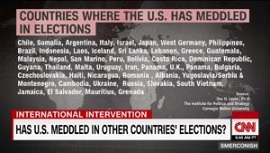
විශ්වාසභංග තුණ්ඩුවට පසු …

November 20th, 2018

ආචාර්ය වරුණ චන්ද්‍රකීර්ති

තුණ්ඩුවෙන් කඩ වහන කාලයක් තිබුණා. ඒ, මීට අවුරුදු 30 කට විතර කලින්. ඒ කාලයේ අපේ රටේ තත්ත්වය බොහෝම අස්ථාවරයි. එක පැත්තකින් කොටි සංවිධානය අවි අමෝරාගෙන උතුරු සහ නැගෙනහිර පළාත්වලට වෙලා හිටියා. අනිත් පැත්තෙන් ජනතා විමුක්ති පෙරමුණ දියත්කරපු ආයුධ සන්නද්ධ අරගලයක් දකුණු පළාත්වල ක්‍රියාත්මක වුනා. ඒ අරගලය මර්දනය කරන්න කියලා හිතාගෙන ආණ්ඩුවත් හරි හරියට මිනී මැරුවා. ඒ මදිවට සාමසාධක ලේබලයක් අලවගෙන ආපු ඉන්දියන් හමුදාව උතුරු සහ නැගෙනහිර පළාත්වල පැළපදියම්වෙලා හිටියා. ප්‍රා, කළු බළල්ලු වගේ නම් දාගත්ත සංවිධානත් අඩුවක් නැතුව ක්‍රියාත්මක වුනා. ඒ ඔක්කොම මැද්දේ එක්සත් ජාතික පක්‍ෂය ඇතුළේ බල අරගලයකුත් ක්‍රියාත්මක වෙමින් තිබුණා.

ඉතින් 1988 දෙසැම්බර් මාසයේ 19 වැනි දා පවත්වන්න නියමිත වෙච්ච ජනාධිපතිවරණය වෙනුවෙන් නාමයෝජනා භාරගත්තේ නොවැම්බර් මාසයේ 10 වැනි දා උදේ වරුවේ. රණසිංහ ප්‍රේමදාස මහත්තයාත්, සිරිමාවෝ බණ්ඩාරනායක මහත්මියත්, ඔසී අබේගුණසේකර මහත්තයාත් ඒ ජනාධිපතිවරණය වෙනුවෙන් නාමයෝජනා භාරදුන්නා. අන්තිමේ දී වලංගු ඡන්ද ප්‍රමාණයෙන් සියයට පනහ ඉක්මවලා ඡන්ද 21,810 ක් ලබාගත්ත ප්‍රේමදාස මහත්තයා ජනාධිපතිවරණයෙන් ජයග්‍රහණය කළා.

ඒක මහා කලබල කාලයක්. ඉතින් ඇඳිරි නීතිය පනවන එකත් දවල් රෑ නැතුව සිද්දවුනා. ඇඳිරි නීතිය පැනෙව්වේ ආණ්ඩුවෙන් විතරක් නෙවෙයි. ජනතා විමුක්ති පෙරමුණත් හරි හරියට ඇඳිරි නීති පැනෙව්වා. ආණ්ඩුව ඇඳිරි නීතිය පැනෙව්වේ ජනමාධ්‍ය හරහා නිවේදන නිකුත්කරලා. ජනතා විමුක්ති පෙරමුණ ඇඳිරි නීති පැනෙව්වේ පොඩි පොඩි තුණ්ඩු කෑලි බෙදලා. තුණ්ඩු කෑල්ලක් ලැබිච්ච ගමන් ම බයවෙන මිනිස්සු තමන්ගේ වෙළෙඳසල් වහලා දානවා. බස් දුවන එක නවත්තනවා. කර්මාන්ත ශාලා වහලා දානවා. ඉතින් මිනිස්සු රස්සාවලට යන එකත් නවතිනවා. ඒත් මේ වැඩේ බොහොම සාමකාමීව සිද්දවෙන්නේ නෑ. මොකද මේ තුණ්ඩු කෑල්ලෙන් කඩ වහන වැඩේට ඉඩදෙන්න පුළුවන්කමක් ආණ්ඩුවට නෑ. ඉතින් ආණ්ඩුවට සම්බන්ධ බලය ක්‍රියාත්මක කරපු පිරිස් කඩ අරින්න, බස් දුවන්න, වැඩපොළවල් අරින්න කියලා මිනිස්සුන්ට බලකරනවා. කඩ ඇරියත් වෙඩිකන්න වෙනවා. කඩ වහගෙන හිටියත් වෙඩිකන්න වෙනවා. ඉතින් ඒක මහා භයානක කාලයක්!

1988 අවුරුද්දේ මේ කලබල සිද්දවෙන කාලය වෙද්දි අපේ අනුර කුමාර දිසානායක මහත්තයා ගජ ඉලංදාරියෙක්. හරියට ම වයස අවුරුදු 20 යි. ඉපැදිලා තියෙනවා කියන්නේ 1968 අවුරුද්දේ නොවැම්බර් මාසයේ 24 වැනි දා කියලා කියනවානේ. ඉතින් ඒ වෙද්දි එතුමා ඉස්කෝලේ ගිහිල්ලා ඉවරවුනා විතරයි කියලා කියන්නත් පුළුවන්. ඉස්කෝලත් නිතර නිතර ම වහපු හින්දා ඒ වැඩේ වුනත් හරියට කරගන්න අමාරුවෙන්න ඇති. විජිත හේරත් මහත්තයා ඉපැදිලා තියෙන්නෙත් 1968 අවුරුද්දේ ම තමයි. හැබැයි එතුමා අපේ අනුර මහත්තයාට වඩා මාස කීපයකින් වැඩිමහළුයි. මොකද විජිත මහත්තයා ඉපැදිලා තියෙන්නේ මැයි මාසයේ. ඉස්කෝලේ ගමන ඉවරවෙච්ච ගමන් ම හින්දා ඔය තුණ්ඩු බෙදන වැඩවලට මේ දෙන්නා සම්බන්ධ වුනා කියලා හිතන්න අමාරුයි.

දැන් කොහොම හරි මේ මහත්තුරු දෙන්නාගේ වයසත් අවුරුදු පනහක් වෙලා. එකතුව නෙවෙයි. වෙන වෙන ම. විජිත මහත්තයා අවුරුදු 18 ක් ම පාර්ලිමේන්තු මන්ත්‍රීවරයෙක් විදිහට කටයුතු කරලා තියෙනවා. ඒ වුනාට, අනුර මහත්තයාගේ පාර්ලිමේන්තු ආයුෂ තවමත් අවුරුදු 14 යි. කොහොම වුනත්, දැන් අනුර මහත්තයා තමයි විජිත මහත්තයාගේ ලොක්කා. පක්‍ෂ නායකයා.

මේ අවුරුද්දේ තමන්ගේ ජීවිතයේ රන් ජුබිලිය සමරන විජිත මහත්තයායි, අනුර මහත්තයායි එකතුවෙලා පහුගිය නොවැම්බර් 14 වැනි දා කතානායකතුමාට යෝජනාවක් භාරදුන්නා. 15 වැනි දා තව එකක් භාරදුන්නා කියලාත් කියනවා. ඒවා අගමැතිතුමා ප්‍රමුඛ ආණ්ඩුවට විරුද්ධව ඉදිරිපත් කරපු විශ්වාසභංග යෝජනා කියලායි කියන්නේ. ඒත් ඒ ලියැවිලි දෙක විශ්වාසභංග යෝජනා විදිහට ආණ්ඩුව පිළිගන්නේ නෑ. විශ්වාසභංග යෝජනාවක් ඉදිරිපත්කරන පිළිවෙලක් තියෙනවා කියලා ආණ්ඩුව කියනවා. ඒ වැඩේ කරන්නේ මෙහෙමයි කියලා පැහැදිළි කරලා පියවර 12 ක් තියෙන ක්‍රමවේදයක් ආණ්ඩුවෙන් ප්‍රසිද්ධ කරලා. ඉතින් දැන් සමහරු කියන්නේ අනුර මහත්තයයි විජිත මහත්තයයි එකතුවෙලා තුණ්ඩුවක් දීලා ආණ්ඩුව අයින් කරන්න උත්සාහ කළා කියලා.

ඒ කතාව කොහොම වුනත් මේ ‍සෙල්ලම හින්දා පහුගිය දවස් කීපයේ ම අපේ පාර්ලිමේන්තුව ගිණිගත්තා. සමහරු පාර්ලිමේන්තුවට පිහි ගෙනාවා. ඊට පහුවදා තවත් සමහරු පාර්ලිමේන්තුවට මිරිස් කුඩු ගෙනාවා. මුන් කට්ටිය එකතුවෙලා පාර්ලිමේන්තුව ඇතුළේ අපිට හොරෙන් අඹ කනවා” කියලා මේක දැකපු සමහර මිනිස්සු කියන්න පටන්ගත්තා. ඒ කතා මොනවා වුනත්, කොහොම හරි ඇතිවෙලා තියෙන්නේ මහා අවුලක්. ජංජාලයක්!

අනුර මහත්තයායි විජිත මහත්තයායි විශ්වාසභංග යෝජනාව ඉදිරිපත් කළේ පාර්ලිමේන්තුවේ ස්ථාවර නියෝග අත්හිටුවලාලු. ඒ වැඩේ කරවලා දීලා තියෙන්නේ සුමන්තිරන් මහත්තයාලු. පාර්ලිමේන්තුවට ස්ථාවර නියෝග හඳුන්වලා දීලා තියෙන්නේ පාර්ලිමේන්තුවේ කටයුතු විනයානුකූලවත් අර්ථාන්විතවත් ක්‍රියාත්මක කිරීමේ අරමුණින් කියලා ඒ නියෝග ගැන කරන හැඳින්වීමේ ම කියලා තියෙනවා. එහෙම නම්, මොකට ද ඒවා අත්හිටුවන්නේ? ආණ්ඩුවට විරුද්ධ ඒ යෝජනාව විනයානුකූලව සහ අර්ථාන්විතව” සම්මත කරගන්න උවමනාවක් නැති ද?

කොහොම හරි විනයානුකූල සහ අර්ථාන්විත” නොවන විදිහට සම්මත කරගත්තා කියලා කියන ඒ යෝජනා පිළිගන්න බෑ කියලා ජනාධිපතිතුමා අවසාන තීන්දුවක් දීලා. විශ්වාසභංග යෝජනාවක් සම්මත කරගන්න ඕන පිළිවෙතත් පියවරෙන් පියවරට එතුමා පැහැදිළි කරලා දීලා. ඒ මොනවා කිව්වාත් ඉස්සරහට ආයෙත් විශ්වාසභංග යෝජනා ගේන්න අදහසක් නෑ කියලා එක්සත් ජාතික පෙරමුණට සම්බන්ධ මන්ත්‍රීවරු දැන් කියනවා. ඒ අය උත්සාහ කරන්නේ රජයේ අගමැතිවරයාට සහ ඇමැතිවරුන්ට අදාළ වියදම් වළක්වන යෝජනා වගයක් පාර්ලිමේන්තුවට ඉදිරිපත් කරලා ඒවා සම්මත කරවාගන්න. ඒත් ආණ්ඩුව කියන්නේ ඒ විදිහේ මුදල් යෝජනා ඉදිරිපත් කරන්න පුළුවන් ආණ්ඩු පක්‍ෂයට විතරයි කියලා. ඉතින් ඒ හින්දා, මේ ගැන දැනුම්වත් වෙන්න අවස්ථාවකුත් අපිට ඉදිරියේ දී ලැබෙයි. ඒ හින්දා මේ පළහිලව්වට කොපමණ මුදලක් සහ කාලයක් වැය වුනත්, මේ හරහා ඉගෙනගන්න ලැබෙන දේවල් ගැන හිතද්දි නම් ඇතිවෙන්නේ එක්තරා ආකාරයක සතුටක්. මොන විදිහකින් හරි යමක් කමක් ඉගෙනගන්න අවස්ථාවක් ලැබෙන එකේ වැරැද්දක් නෑනේ.

ස්ථාවර නියෝග අත්හිටුවලා මේ විදිහේ සෙල්ලම් කරපු තවත් අවස්ථා ගැන අපිට ඉතිහාසයෙන් බලාගන්න පුළුවන්. මේ ගැන තේරුම්ගන්න 19 වැනි සංශෝධනය, කතානායක කරු ජයසූරිය මහත්තයා, ඒ වගේ ම අපේ අනුර මහත්තයා සම්බන්ධ වෙච්ච ඉතිහාස කතාවක් කියන්නම්.

මේ පවතින පාර්ලිමේන්තුවට කියන්නේ අටවන පාර්ලිමේන්තුව කියලා. අටවැනි පාර්ලිමේන්තුව කියලා කිව්වා නම් තමයි වඩා නිවැරැදි. ඒත් හැන්සාඩ් වාර්තාවේ පවා තියෙන්නේ අටවන” පාර්ලිමේන්තුව කියලා. මේ කට්ටිය එකතුවෙලා අටවන දේවල් ගැන හිතලා එහෙම කියනවා වෙන්නත් පුළුවන්. මේ අටවන” පාර්ලිමේන්තුව දෙවැනි වතාවට රැස්වුනේ 2015 සැප්තැම්බර් මාසයේ 3 වැනි දා බ්‍රහස්පතින්දා. එදා උදේ 9.30 ට සභාවේ කටයුතු පටන් ඇරගෙන පැයක් විතර කාලයක් වාද විවාද කරගත්තාට පස්සේ රනිල් වික්‍රමසිංහ මහත්තයා ඉංග්‍රීසි භාෂාවෙන් සභාවට යම් කාරණයක් දැනුම් දෙනවා. ඒ කාරණාව බොහොම කෙටි එකක්. එතුමා කියනවා ආණ්ඩුක්‍රම ව්‍යවස්ථාවේ 46 (4) වගන්තිය ප්‍රකාරව එක්සත් ජාතික පක්‍ෂය ජාතික ආණ්ඩුවක් පිහිටුවාගෙන ඉන්න හින්දා කැබිනට් ඇමැතිවරු ගණන 48 ක් ඉක්මවන්නේ නැති විදිහටත් කැබිනට් නොවන රාජ්‍ය ඇමැතිවරු සහ නියෝජ්‍ය ඇමැතිවරු ගණන 45 ක් ඉක්මන්නේ නැති විදිහටත් පත්කරගන්නවා” කියලා.

මේ ප්‍රකාශය ඉදිරිපත් කළේ පාර්ලිමේන්තුවේ ස්ථාවර නියෝග අත්හුටුවලා. ඒ බව මේ ප්‍රකාශයට විරුද්ධව මුලින් ම අදහස් ඉදිරිපත්කරපු අපේ අනුර මහත්තයාගේ කතාවේ ම සඳහන් වෙලා තියෙනවා. “දැන් මේ කාරණය ශ්‍රේෂඨාධිකරණය හමුවට ගිහින් විසඳාගත යුතු ප්‍රශ්නයක්. ශ්‍රේෂ්ඨාධිකරණයෙන් මේ සඳහා අර්ථ නිරූපණයක් ගත යතුව තිබෙනවා. හැබැයි ශ්‍රේෂ්ඨාධිකරණයෙන් අර්ථ නිරූපණයක් ගන්න බැහැ. ස්ථාවර නියෝග අත්හිටුවලා. හෙට කැබිනට් මණ්ඩලය දිවුරුම් දීම වෙනුවෙන් අද ඔබතුමන්ලා මෙම යෝජනාව ගෙනැල්ලා තිබෙනවා. ඒ නිසා මෙයට ශ්‍රේෂ්ඨාධිකරණයෙන් අර්ථ නිරූපණයක් ලබාගැනීම සඳහා අපට අවස්ථාවක් නැතිව ගිහින් තිබෙනවා.”

ඒ කියන්නේ, ජාතික ආණ්ඩුවට අදාළ ඒ යෝජනාව ගැන විනයානුකූල සහ අර්ථාන්විත” විදිහට සාකච්ඡා කරලා එකඟතාවකට එන්න තිබුණු ඉඩ වළක්වලා තිබිලා තියෙනවා. කොහොම හරි ඒ වෙලාවේ කට්ටිය වාදකරන්නේ සහ” සහ හෝ” කියන වචන දෙක භාවිත කරලා තියෙන විදිහ ගැන. ජනතා විමුක්ති පෙරමුණත් දෙමළ ජාතික සන්ධානයත් ජාතික ආණ්ඩුවකට එකතු නොවන හින්දා හෝ” කියන වචනය දැම්මා කියලා රනිල් වික්‍රමසිංහ මහත්තයා තර්ක කරනවා. ඒත් මේ කාරණයට අදාළ තීරක ස්ථානයේ තියෙන්නේ හෝ” කියන වචනය නොවන බවත් එම ස්ථානයේ තියෙන්‍නේ සහ” කියන වචනය බවත් අනුර මහත්තයා පෙන්නලා දෙනවා.

මේ වැඩේට දිනේෂ් ගුණවර්ධන මහත්තයාගේ උදව්වත් අනුර මහත්තයාට ලැබිලා තියෙනවා. ඊට අමතරව, ශ්‍රී ලංකා නිදහස් පක්‍ෂය සමඟ ජාතික ආණ්ඩු ගිවිසුමක් අත්සන්කිරීමේ වලංගුභාවයත් එතුමා ප්‍රශ්නකරනවා. අනුර මහත්තයාගේ උදව්වට විමල් වීරවංශ මහත්තයාත් එකතුවෙනවා. “ගරු කථානායකතුමනි, ඒ නිසා මෙතැන ව්‍යාකූලත්වයක් තියෙනවා. ඔබතුමා අඩුම තරමින් නීතිපතිවරයාගේ උපදෙස්වත් ගන්න. එහෙම නැතිව මේ යෝජනාව මෙතැන විවාදයට ගන්න දෙන්න එපා. පාර්ලිමේන්තුව ව්‍යවස්ථාව උල්ලංඝනය කරන රඟමඬලක් බවට පත්කරන්න දෙන්න එපා” කියලා විමල් වීරවංශ මහත්තයා කියනවා. ඒ හින්දා, අපේ අනුර මහත්තයා මේ කාරණය ගැන වාදකරන්නේ ඉතා හොඳ සහයෝගයක් හැම පැත්තෙන් ම වගේ ලබාගෙන කියලාත් අපිට කියන්න පුළුවන්.

මේ තමයි 19 වැනි සංශෝධනය මුල් කරගෙන ඇතිවෙච්ච මුල් ම ආරවුල. ඒ වගේ ම, මේ තමයි අභිනවයෙන් පත් කරගත්ත කතානායක කරු ජයසූරිය මහත්තයාට මුලින් ම පැවැරිච්ච තීරණයක් ලබාදීමේ කාර්යය. මේ කාරණයේ දී කතානායක කරු ජයසූරිය මහත්තයා ලබාදුන්න තීරණය ගැන අපි හොඳින් ම දන්නවා. “පාර්ලිමේන්තුවේ වැඩිම ආසන සංඛ්‍යාවක් ලබාගන්නා ලද පිළිගත් දේශපාලන පක්‍ෂය … සහ පාර්ලිමේන්තුව පිළිගනු ලබන ඕනෑම පිළිගත් දේශපාලන පක්‍ෂයක් … සමඟ ජාතික ආණ්ඩුවක් නිර්මාණයකිරීමට හැකියාව ඇති බව මම නිගමනය කරමි” කියලා එතුමා අන්තිමේ දී තමන්ගේ තීන්දුව ලබාදෙනවා.

ඊට පස්සේ පටන්ගත්තේ ඒ යෝජනාව පිළිබඳ විවාදය. පැය පහක් විතර කතාකළත් ඒ යෝජනාව ගැන කරපු විවාදයක් නම් නෑ කියලා කියන්නත් පුළුවන්. හුඟක් මන්ත්‍රීවරු කළේ තමන්ගේ මංගල දේශනාව. අන්තිමේ දී ප්‍රශ්නය අහලා කටහඬවල් අනුව “පක්‍ෂ” මන්ත්‍රීන්ට ජය බව කතානායකතුමා විසින් ප්‍රකාශ කරනු ලැබුවා. ඒත් ඒ තීන්දුව ගැන ලක්‍ෂමන් කිරිඇල්ල මහත්තයා සෑහීමකට පත්වුනේ නෑ. ඒ හින්දා නම අනුව ඡන්දය ගැනීමකුත් කරන්න කතානායකතුමාට සිද්දවුනා.

මේ තමයි කරු ජයසූරිය මහත්තයා කතානායක විදිහට පවත්වපු මුල් ම විවාදය සහ ඡන්ද විමසීම. මේ වැඩේ සිද්දවෙලා දැනට අවුරුදු තුනකට වඩා ගතවෙලා. දැන් ආපහු හැරිලා බලද්දි අපිට පැහැදිළිවෙනවා මේ අටවන” පාර්ලිමේන්තුව වැඩ පටන් ඇරගෙන ම තියෙන්නේ 19 වැනි සංශෝධනය මුල් කරගත්ත අවුලකින්. දැන් මේ අටවන” පාර්ලිමේන්තුවේ වැඩ අවසන්වෙමින් තියෙන්නේත් 19 වැනි සංශෝධනය මුල් කරගත්ත තවත් අවුලකින්. එදා ඇතිවෙච්ච ඒ අවුල ගැන කරුණු කියන්න අපේ අනුර මහත්තයා සෑහෙන්න මහන්සි වුනා.

දැන් 19 ත්, කතානායකතුමාත්, අනුර මහත්තයාත් ආයෙත් ඉස්සරහට ඇවිල්ලා. තව අවුරුදු තුනක් ගතවුනාට පස්සේ මේ දේවල් ගැන, මේ අය ගැන අපිට මොනවා නම් කියන්න පුළුවන් වෙයි ද?

2018 නොවැම්බර් 20

THE PATHETIC SPEAKER , A HEN ON HOT GRIDDLE

November 20th, 2018

RANJITH SOYSA

Sri Lanka’s Speaker in the Parliament is attempting to create anarchy in the country by design or through extreme incompetency. Restless and clueless in his approach in handling of the Parliament affairs he continues to make a mockery of the rules governing the Parliament sessions .

A the very start he boldly said that he was not accepting the constitutionally appointed new PM which is completely outside his duties. Then he met a delegation of Western envoys who were critical of the President’s appointment exposing internationally his biased perceptions.

With colours nailed to the mast, then he presided over the session of the Parliament and suspended standing rules as per the proposition of Sumanthiran without  a vote being taken flouting the standing order 135. Then like a bull in a china-shop he forgot about or ignored the standing order 47 in his hurry to curry favour with the UNP and its allies. The standing order47  spells out the procedure regarding the introduction of motions. He breached the requirement of giving 5 day notice of the no- confidence motion which led to chaos in the House.

Subsequently, he visited the President to report the adoption the no-confidence motion, but, the President rightly pointed out the procedurally erroneous way followed in taking up the no- confidence motion by the Parliament and educated him to work within the standing orders while rejecting the Speaker’ biased version. One gets the impression that the futile yet this foolish attempt was engineered perhaps by a crafty mind of the regime changing forces.

Yet again, on 16th Friday a repeat performance was staged by not following the standing order 47 and 135 which outlines to the methods of counting. The fact that the speaker attempted to get the no-confidence motion approved for the second time clearly admits  that he in fact made mistakes in his first effort. Why is the Speaker persisting in getting under the President’s skin while doing everything to create chaos in the Parliament ?

The Speaker’s mistakes ,if done purposely should be examined carefully to grasp the bigger challenges facing the Nation and the country as same can be initial manipulations to plunge the country to extreme instability to compel the people to consider another form of government perhaps with the blessings of the foreign power.

RANJITH SOYSA

Samalan Weva archeological sites and Taliban-like activity by Eelamists.

November 20th, 2018

Chandre Dharmawardana, Canada.

Samalankulam or Smalang weva has been a place name that we had included in our list of

place-names in the North and East (scroll to Samalankulam at the website:

https://dh-web.org/place.names/index.html ).  This was made available to the public since approximately 2002 to 2006. Samalankulam had been listed in the 1982 Annual Report of the Archeological Department where it had identified remnants of Buddhist Stupas  dating back to the Anuradhapura period or earlier.

These archeological sites suffered immensely during the Eelam wars. They are under the threat of the Bulldozer ever since the  Northern Provincial Council under Mr. Wigneswaran came to power. The NPC ignored the problems of the people, and instead mounted a program of  reconstructing history and destroying any historical evidence that  they believed would run counter to their version of history. Let the archeologists and historians sort out the history. While that is being done, it is our duty to safeguard what evidence that exists on the ground today, as a legacy belonging to all Sri Lankans, irrespective of their ethnic territorial claims.

If we cannot physically act to safeguard the evidence, we can at least record it for posterity. As such I have updated our record for Samalanvewa (Samalankulam). It is given below, and I invite any readers to send  any additional information that we can include, to make the record more complete, to the email address  chandre.dharma(@)yahoo.ca

—————————————————————————————————————–

Samalankulam (Vavnimava [Vavniya] district)

SAMALANG VAEVA

This town is located between  Vannimava (Vavniya) and west of Madukanda, at nearly equal distances and hence said to have earned its name සමලං. Madukanda itself is an important historical site with links to the arrival of the Sri Dalada, while Samalang weva Vihara is said to be mentioned in the Wanni Rajavaliaya (however, according to Prof. Surawera, it is regarded as a weak historical source). Samalang weva is south of both Madukanda and Vannimava, and forms the bottom tip of an equilateral triangle, where the lake is bordered on the western side by “Uma Maheswaran Rd”.

Another etymological origin for the place name that has been proposed is that the word “Samanala” has undergone an accepted type of syllabic inversion “Samanala → “samalan(a)”. Compare also, Gam-nuwara → (Gannurawa) → Gannoruwa and in Poron-nuwara → Polonnnaruwa.

(For more about such names, and Pollonaruwa in particular, see the Island Newspaper article:

https://www.island.lk/index.php?page_cat=article-details&page=article-details&code_title=37855 )

Links to a Map  to the area of Samalang Weva  are given in the website.

Ancient Buddhist ruins, Listed in 1982 in the  Archeology Dept. annual report  (and Labeled #101 in Vanni Buddhist sites map https://dh-web.org/place.names/index.html#vanni1budu-map) are found here.

The above map is interactive and sites can be clicked to get a brief write-up on the place.

There were archeological remains of stupas from the Anuradhapura period prior to the Eelam wars, as seen in  The mound of an un-excavated Stupa at Samalankulama (Samanala veva, or samalan weva) where a link is given to an image.  Recent constructions (since 1985) of several new Pillayar Hindu Kovils as well as established Hindu Temples are found in the area. They are

(I) Samalankulam Sri Muttumarai Amman Temple (ii) Kallumalai pillaiyar kovil,

(iii) Murugan Kovil (iii) Ellampper-Murthankulam Hindu temple (iv)Asikulam

Pillayar Kovil   (v) Alladi Pillayar Kovil etc., and many more temples as one moves in the direction of

Vannimava (Vavniya) itself.

Samalankulam Sri Muttumaarai Amman Temple

The ancient Buddhist ruins (from Anuradhapura times or earlier) are neglected and are not mentioned in any guide books, as we found in our search in 2002. They were not shown in Microsoft-Encarta (now defunct) maps, nor on current Google maps. Even after the end of the Eelam wars (May 2009), no protection is afforded to the Samalang weva archeological artifacts. In fact, since the advent of the Northern Provincial Council under Chief Minister Wigneswaran, it is saddening to note that there seems to be invigorated activity designed to remove these ruins completely. This type of activity is not different to the actions of the Taliban zealots who destroyed the Bamiyan Buddha statue. Here, the removal of Buddhist artifacts is associated with a mistaken belief that it will strengthen their claims to an “exclusive Tamil Homeland”.

Note added on 19-11-2018

According to a very recent news report (e.g., Divaina, 18-11-2018), ignored by the English Language media, a group of TNA politicians had come to the Hindu Temple and provided funding, when bulldozing of the archeological site had commenced. Furthermore, archeological dept. officials who had come to inspect the site had been threatened and driven away.


A photo of the bulldozed site from at least the 5th CE, published in the Divaina Newspaper, 18-11-2018 is given here, and can be contrasted with the many flourishing Hindu temples in the area which are only a few decades old. The age of the bulldozed ruins can be gauged by a study of the bricks, and other remaining artifacts.

Chandre Dharmawardana, Canada.

Can we allow “democracy” to destroy a nation that even terrorism couldn’t?

November 20th, 2018

Keerthi Godayaya

Once again, a myriad of explanations has been emanating from all directions regarding the constitutional quagmire that has engulfed Sri Lankan politics at present. Many of these explanations are based on western democratic norms and traditions as to how important that can be to safeguard the Westminster parliamentary etiquettes.

Many are worried about the way our parliamentarians behaved in the chamber the other day, as if the parliament is a separate entity that supposed to exist alienated from the socio-political realities of the country. Their argument goes to the extent as if our parliamentarians’ supreme duty is to protect Westminster system and its etiquettes rather than the country. The most comical of this all is the fact that no other than the JVP has become the ultimate guardians of this colonial mechanism, the Westminster parliamentary system. Isn’t that funny?

People know that the JVP’s crocodile tears are nothing but a fig-leaf to cover-up Anura Kumara’s and Vijitha Herath’s personal grudge and vendetta against Wimal Weerawansa, and that is the true reason behind this outcry. They just can’ allow the policies that Wimal Weerawansa stands for to win. If Wimal Weerawansa stands for the people, then the JVP thinks people must lose. They cry wolf about the violation of democratic values of a parliamentary system today hiding their true intentions, but without knowing that they cannot trick the people. Due to their vicious personal grudge, they would destroy the entire nation at any cost rather than backing off realizing the heavy cost of their actions. It is the pathetic condition of a party that once had some credibility.

People want to know the position of the JVP about the newly proposed constitution by the former UNP regime that intended to bring provisions that could permanently end the unitary nature of the nation and create dangerous legal conditions encouraging the division of it? Do they agree with UNP with such constitutional coup d’ etat? If they do not agree with these constitutional changes, and ended up without having options to stop Ranil, what would they do? Wouldn’t they choose a revolutionary path? Oh sorry, I forgot, they are the red elephants, the current bedfellows of the “Thuppahi” affluent class of Colombo, and now they are accustomed to enjoy all parliamentary privileges and pensions that once they fought against some time back. They are the new haters of the “sadukin pelenawun.” and singing a different tune these days such as….

සාදුකින් පෙළෙනවුන් – දැන් ඉතින් හැමනියව්… 

මිහිතලේ කසලයින් සුන්වෙයව්!!!”

The enunciation of the criticism of current state of affairs is that whatever the situation, the western parliamentary etiquettes need to be upheld. We mustn’t do anything that can trigger white master’s laughter.

Hello…white master will laugh anyway. When he sees that our speaker is still wearing the blond wig that had been trashed centuries ago by the owners of it. Even though this part has been a part of the costumes of many former colonies, this has never been a part of the costume of the speaker of the USA, another former colony of Britain. Aren’t we becoming laughing stocks right there before the white gaze.

The critics are terrified, not that because white master has set-up all the traps against us through the Westminster parliamentary system, but by his mere laughter. So, these people are prescribing us to live according to a set of rules, although these ‘certain rules’ never can satisfy the yearnings of the nation, but only satisfies the whims and fancies of the former colonial masters. There has never been any other occasion other than current crisis that clearly demonstrated that the parliamentary system is nothing but a trap for Sri Lankan people.

For instance, how if the Judiciary branch of our constitution rules that the early dissolution of parliament by the president is unconstitutional? Ranil grabbed power three and a half years ago deposing Mahinda with a clear political agenda which he knew was anti Sri Lankan, ani-people and anti-unitary status of our country. He knew the new constitution that was in the pipeline will pave the definitive path for the division of the country that can never be able to undo again. Also, he knew if the executive branch had been entrusted powers to dissolve the parliament in a such critical political climate, which he expected to create due to his plotting against the nation, he will never be able to fulfil his task that was assigned for him by his colonial masters to the finish.

He knew the constitutional coup d’ etat he planned was going against the mandate he was given, therefore wished to function above the law. So, he devised a constitutional security mechanism to remain in power until he can fulfil the task of permanently dividing the country, which is what we recognize now as 19th amendment to the constitution. But since the supreme power of the 1978 constitution had entrusted upon people of Sri Lanka, at this juncture, there should have been a mechanism to stop such treacherous act of Ranil. But there was none according to the explanation of Ranil about the post 19th amendment of the constitution.

If Ranil’s explanation about the post 19th amendment constitution is valid, then what he is telling us is that he had created a constitutional safe haven for him through 19th amendment to function unobstructed to bring whatever the harm he wanted to bring to the country without being challenged by any checks and the balances in the system. Adding even more mockery to the already rigged system, the speaker also functioned as a part of this UNP regime’s rigging of the parliamentary system. Then where the people were left in this situation Ranil created? The people of Sri Lanka have been left without having any options. Isn’t this a condition worthy of a revolution? Yes, Revolution is the only answer. Let us line-up this again.

If Ranil is correct in his explanation about the constitution, then he has conspired and strategized with his Indian and western masters to divide the country through a constitutional coup d’état.

According to Ranil, in post 19th amendment constitution, there is no way to stop him via legal means.

In such political stalemate, what’s left for the people?

The answer is written on the wall, Only a bloody revolution!” 

People cannot allow Ranil to live above the law or against the will of the people of Sri Lanka. Of course, revolutions are bloody. Many will die in such events. But the history of mankind has gone through such bloody events to up hold the will of the people.

At this situation there is no relevance whatsoever of judging our parliamentarians’ behavior that has nothing to do with resolving the problem of our country. The unruly behavior was only the symptom of a larger problem. Then the question is what was the cause for this unruly behavior? Ranil’s treacherous constitutional coup d’ etat was the cause, wasn’t it? Can good behavior that satisfies the white master resolve this problem of division of the nation through a constitutional coup d’etat? No! Of course not; the gentlemanly behavior can satisfy Sudda,” but not the nation. Is it worthy to exchange the national security and the unitary state with white master’s whims and fancies or his satisfaction and approval?

By the way, gentleness of the gentlemen politics in colonial master’s country comes from the ability to exert power through influence. In other words, the gentleman in England can commit any crime in England or in their former colonies without using his own fingers but can get things done by others. So, you do not have to be emotional there; Instead, you can get anything done cold bloodedly. You can name many such gentlemanly criminals, Winston Churchill was one. But the prescribed gentleness of the politician in the colony (such as in Sri Lanka) comes with the castration of independence, obedience abiding to white rules. So, what do you value the most? Having balls to do whatever necessary to safeguard the nation or the slavish obedience seeking approval of the white master?

But whatever the answer could be, I must make one thing very clear! I have never sent my representative to the parliament to safeguard the white master’s Westminster etiquettes but only to safeguard my country at any cost. What I really want from my repetitive in the parliament is to save my nation from the unfolding constitutional coup d-etat of Ranil and the clan. And not only that, if the verdict of the supreme court goes unfavorable to the peoples will in early December, and going against the people’s determination for a snap election – to decide the fate of the nation, then definitely I want my representatives to take the ultimate political action…. the

REVOLUTION!!!!!

I CAN’T WAIT TO SEE OUR JVP COMRADES FIGHTING ALONGSIDE THE COUNTER REVOLUTIONARY FORCES OF RANIL AND THE THUPPAHI” CLAN IN SUCH EVENT OF PEOPLE’S REVOLUTION.

KEERTHI GODAYAYA

Mindfulness Meditation

November 20th, 2018

Dr Ruwan M Jayatunge 

The term mindfulness” has been used to refer to a psychological state of awareness, a practice that promotes this awareness, a mode of processing information, and a characterological trait (Brown et al., 2007; Davis & Hayes, 2011).  According to Bodhi (2000) the word mindfulness originally comes from the Pali word sati, which means having awareness, attention, and remembering   (Davis &Hayes, 2011).  Mindfulness is a psychological construct and as a form of clinical intervention. Mindfulness meditation is an open monitoring style of practice that involves ongoing, non-reactive awareness or monitoring of the present moment, of one’s phenomenological experience phrase (Burke et al., 2017).

As elucidated by Kabat-Zinn (1982) mindfulness meditation was introduced to the West in a secular and standardized clinical format about 30 years ago. The mindfulness approach is rooted in Theravada Buddhism and it was westernized by Kabat-Zinn (Moafian et al., 2017).While introducing mindfulness Kabat-Zinn modified Vipassana practice with a Zen attitude (Amihai & Kozhevnikov, 2015).

Mindfulness’ is the working principle behind the effect of all meditations (Panta, 2017). According to Edmund Gustav Albrecht Husserl mindfulness is paying attention to the experience as it presents itself without any interpretational filtering. Jon Kabat-Zinn describes mindfulness as paying attention in a particular way: on purpose, in the present moment, and non-judgmentally (Kabat-Zinn, 1995). Mindfulness is the dispassionate, moment-by-moment awareness of sensations, emotions and thoughts (Marchand, 2014). Bishop (2004) specifies that mindfulness is an umbrella term that can be understood to refer to the self-regulation of attention to one’s experiences in the present moment with curiosity, openness and acceptance.  The aim of mindfulness is to cultivate consistent and non-reactive present moment awareness or directed attention (Appel & Appel, 2009).

In a typical practice instruction, Kabat-Zinn suggests that participants sit comfortably with eyes closed and direct their attention to the physical sensations of breathing by simply noticing it, paying attention to it, and being aware of it. When thoughts, emotions, physical feelings, or external sounds occur, practitioners are instructed to accept them and allow the recognition of these stimuli to come and go without judging or getting involved. When attention has drifted off and is becoming caught up in thoughts or feelings it is advised that the practitioner notes this drift and gently brings attention back to breathing (Grecucci et al., 2015).

Mindfulness is an intrinsic and modifiable capacity of the human mind (Black & Slavich, 2016).  Being mindfulness means paying attention to current experience instead of focusing on the past or the future. It’s living here and now, being intentionally present.  It is accepting the moment without judging it. Mindfulness meditation encourages individuals to focus on their internal experiences such as bodily sensations, thoughts, and emotions (Melloni et al., 2013). It is the   non-judgmental observation of the ongoing stream of internal experiences as they arise (Hölzel et al., 2008). It is being alert and awake about the every present moment (Patil, 2009). Mindfulness understanding is a decreased attachment to the self, higher self-compassion and lower emotional reactivity to inner experience.

Mindfulness is a capacity for heightened present-moment awareness. Mindfulness meditation is an inward mental practice in which a resting but alert state of mind is maintained (Ahani et al., 2013). Mindfulness corresponds to the higher-level awareness of present-moment sensory, affective, and cognitive experiences (Desbordes et al., 2015). Shauna Shapiro, Ph.D – Professor of Psychology at Santa Clara University and internationally recognized expert in mindfulness (Personal Communication , 2018) states that mindfulness is intentionally paying attention with kindness. She further states  transformation is possible through kind attention.

Mindfulness meditation is an effective cognitive technique for the development of self-awareness (Kutz et al., 1985) and has the capacity to adopt an observing self (Birnbaum, 2005).  According to Shyam (1994) mindfulness meditation promotes self awareness. Training in mindfulness, the deliberate awareness of moment-to-moment experience with an attitude of acceptance and non-judgement, is thought to foster health benefits and adaptive coping skills with potential lifelong relevance (de Vibe et al., 2018).

The goal of mindfulness is to maintain awareness moment by moment, disengaging oneself from strong attachment to beliefs, thoughts, or emotions, thereby developing a greater sense of emotional balance and well-being (Ludwig & Kabat-Zinn, 2008). Mindfulness meditation typically focuses on several domains, including bodily sensations, states of mind, and interactions between one’s behavior and the universe (Harvey, 1990).

Mindfulness meditation is regarded as a mind-body therapy or integrative body–mind training. It has beneficial effects on brain and body (Krygier et al., 2013). This is an attention-based, regulatory and self-inquiry training regime (Lutz et al., 2008). Over the past 35 years, mindfulness meditation practices have increasingly been integrated into Western medical settings (Wilson et al., 2017). Kabat-Zinn and colleagues found that mindfulness based meditation program had sustained positive effects in reduction in pain, psychological and overall health measures (Patil, 2009).  Mindfulness meditation is a form of mental training that involves observation of the constantly changing patterns of internal and external experience moment to moment (Fulwiler et al., 2015).

Attachments and cravings lead to human suffering. According to Wijsbek (2012) suffering is not purely subjective in the sense of being entirely private. Suffering is not a symptom like pain or fear and suffering occurs when a person interprets his /her experience as a threat to his/ her integrity (Gupta et al., 2017). Mindfulness transforms suffering through changes in what the mind is processing, changes in how the mind is processing it, and changes in the view of what is being processed (Teasdale & Chaskalson, 2011).

Mindfulness is a shift in perspective associated with decreased attachment to one’s thoughts and emotions (Brown et al., 2015). Mindfulness meditation is a foundational practice for reducing psychological suffering (Kang & Whittingham, 2010). When mindful, people are sensitive to the context and the environment, they welcome novelties, they create new categories for structuring perception, and they present multiple perspectives in problem solving (Langer and Moldoveanu, 2000; Moafian et al., 2017).

The scientific interest on mindfulness meditation has significantly increased in the last two decades probably because of the positive health effects (Crescentini & Capurso, 2015). Mindfulness may promote a more participatory medicine by engaging and strengthening an individual’s internal resources for optimizing health in both prevention of and recovery from illness (Ludwig & Kabat-Zinn, 2008).  Gestalt therapy and Morita’s therapy use the techniques based on the concept of mindfulness (Marciniak et al., 2014).

Intricate neural mechanisms are associated with mindfulness meditation. Mindfulness augments brain activation and modifies neural processes. The neural processes in medial cortex, lateral frontal regions, basal ganglia and hippocampus have been observed during mindfulness meditation (Marchand, 2014).  Levine and team (2017) report that a 2‐month mindfulness meditation program resulted in increased left‐sided anterior brain electrical activation, a pattern associated with positive affect and emotion.

The beneficial clinical effects of mindfulness practices are receiving increasing support from empirical studies (Chiesa et al., 2013). Mindfulness-based approaches are increasingly employed as interventions for treating a variety of psychological, psychiatric and physical problems (Chiesa & Malinowski, 2011). Long-term practice of mindfulness leads to emotional stability by promoting acceptance of emotional states and enhanced present-moment awareness (Taylor et al., 2011). Mindfulness enhanced emotional regulation (Marchand, 2014).

Mindfulness has been shown to reduce stress, promote health, and well-being, as well as to increase compassionate behavior toward others (Laneri et al., 2017).  According to Naranjo and  Schmidt  (2012) mindfulness meditation practice is associated with slower body movements which in turn may lead to an increase in monitoring of body states and optimized re-adjustment of movement trajectory, and consequently to better motor performance.

The benefits of mindfulness are now beginning to be understood at a neurobiological level (Sarris et al., 2012). Ivanovski and Malhi (2007) state that mindfulness-based therapeutic interventions appear to be effective in the treatment of depression, anxiety, psychosis, borderline personality disorder and suicidal / self-harm behaviour. Mindfulness meditation might be of therapeutic use by inducing plasticity related network changes altering the neuronal basis of affective disorders such as depression (Yang et al., 2016). Mindfulness is associated with high levels of self-esteem and satisfaction with life (Brown & Ryan, 2003). Collins and team (2018) mindfulness protects against suicidal desire in conditions of heightened risk and adversity by enhancing one’s orientation towards a life worth living.

ජනතා විමුක්ති පෙරමුණ කොයි බටද?

November 20th, 2018

චන්ද්‍රසේන පණ්ඩිතගේ විසිනි 

අපි ජනතා විමුක්ති පෙරමුණේ මුල් යුගයේ සාමාජිකයින් වෙමු. මේ පොළොවේ නොතිබුන දෙයක් ගොඩනැංවීමට දායකවූ ඒ පරපුරේ සියලුම සහෝදර සයෝදරියන් ඉතා ගෞරවයෙන් සිහිපත් කරමින් මේ ලිපිය ලිවිම ආරම්භ කරනුයේ, මගේ ජිවිත කාලයටම එවන්වූ උත්තරීතර ගුනගරුකවූ මිනිසුන් මට හමුනොවි ඇති බව සිහිපත් කරමිනි. ගැටවර අවධියේ පසුවූ අපි සියලු දෙනාම එකට එකතුවී කල මහා මෙහෙවර සම්බන්ධව මේ රටේ කිසිම අයෙකු කිසිදු ආකාරයෙන් කිසිදු සමීක්ෂණයක් කර එහි යතාර්ථය මේ වන තෙක් හෙළි දරව් කරගෙන නැත. ජිවිතයේ එක වරක් පණක් උරුම වෙන සුන්දරම අවධිය වූ ඒ භද්‍ර යෞවනය මරණය උරුම කරගත් ඉලක්කයක් වෙත පුද කරන්නට අධිෂ්ඨාන කරගත් ඒ තරුණ පරපුර තරම් වටිනා මිනිස් පරපුරක් මේ රටේ ඊට පසුව අද වෙනතුරු බිහිව නැති බව නම් ඉතා පැහැදිලිය.

ජනතා විමුක්ති පෙරමුණ යනු අහිංසක සුන්දර මිනිසුන්ගේ නිර්මාණයක් වූ අතර, එය ගොඩනැංවීමට කල කැපකිරීම් හමුවේ ගොඩ නැගුනේ අවංක අව්‍යාජ ජනතා හිතවාදී මහා බලවේගයකි. අපට මේ මිනිසුන් මුණගැසුනේ අපද මෙවැනි මිනිසුන් සොයමින් සිටින යුගයකදීය. අප මෙවැනි මිනිසුන් සොයමින් සිටියේ අප සිටි සමාජ ක්‍රමය, අප අපේක්ෂා කරන දේ අප කිසිවෙකුටත් ලබා නොදෙන බව ප්‍රත්‍යක්ෂ වූ බැවිනි. සෑම දේශපාලන ධහරාවක් තුලම විවිධවූ අසාධාරණ කම් වලට එකම පිළියම වශයෙන් තමන්ගේම වූ තම අභිලාෂයන් වෙනුවෙන් කැපව කටයුතුකරන දේශපාලන බලවේගයක් අප සියල්ලන්ට අවැසිව තිබුණි. සතයක් අතේ නැති මිනිසුන් මහා දේශපාලන දහරාවක් ගොඩනැංවීමට ආරම්භ කර තිබුණි. මේ දහරාව ගොඩනැංවීමේ ශක්තිය වුයේ ස්වශක්තියයි. ආරම්භයේදී අපිට නායකයෙකු මුණ නොගසිනි. සහෝදරයා නායකයෙක් දෙස බලන්න එපා. බලන්න මේ දේශපාලනය තුල ඇති දර්ශනය. ඔබ මේ දර්ශනය හා එකග නම් අපිත් එක්ක එකතුවන්න. ගැටවර වියේ වූ අප ඒ දර්ශනය අවබෝධ කරගත් අතර යම් දිනයකදී අපි “මව්බිම හෝ මරණය ” අනිවාර්යෙන්ම ජය ගන්නා බව ඉලක්ක කරගෙන අමුතුම ආකාරයේ දේශපාලන ක්‍රියාවලියක් කටයුතු ආරම්භ කළෙමු. අප සියල්ලක්ම අපේ සියලුම පෞද්ගලිකත්වයන් අමතක කළෙමු. භද්‍ර යවුවනයේ උපදින ආදර සිතුවිලි යටපත් කරමින් ගොඩනංවන්නට බලාපොරොත්තුව සිටින ඒ මහා සමාජය ගොඩනැංවීම හැර වෙන අන්කිසිදු දෙයක් අපට උරුම නැති සිතමින් දිවිපරදුවට තබා මහා ව්‍යාපාරයක් ගොඩනැන්වුයෙමු.

ගොඩනැංවීමේ ක්‍රියාවලියේ තිබු ඒ ඇති සුන්දරත්වය ගොඩනැංවූ පසු අප ජිවිත වලට උරුම වුයේ නැත. ගොඩනැංවූ ඒ මහා ව්‍යාපාරය රැකගැනීම මහා අසීරු කර්තව්‍යක් විය. අභ්‍යන්තර හා බාහිර සතුරු උවදුරු මුළුමහත් ව්‍යාපාරයම සසල කරවමින් අනපේක්ෂිත අවස්ථාවකදී අනවශ්‍ය පහරදීමකට ජනතා විමුක්ති පෙරමින මෙහෙයවා ඒ වනවිට ගොඩනංවා තිබු ඒ මහා බල කදවුර දෙදරා හරින ලදී. “මව්බිම නැත්නම් මරණය” අපේක්ෂා කල ඒ අභීත සහෝදර සහෝදරියන් කිසිවෙකුට මව්බිමේ උරුමය හිමි නොවූ අතර,කොටසකට මරණය උරුම විය. තවත් කොටසකට මව්බිමත් මරණයත් දෙකම අහිමි විය. මවුබිමත් මරණයත් උරුම නොවූ පරපුරට මවුබිම දිනා ගැනීමේ සටන අත් හරිය නොහැකි කාර්යක් බවට පත්කර ඇත්තේ එදා මියගිය සහෝදර සහෝදරියන්ගේ ඒ රුධිර දහරාවන් විය. ඒ රුධිරය නිකම්ම නිකම් අමතක කර දැමිය හැකි රුධිරයක් නොව, අපත් සමග එකතුව මේ මහා ව්‍යාපාරය ගොඩනැන්වීමට දායක වූ ඒ මහා සුන්දර මිනිස් පරපුරේ රුධිරයයි. නායකත්ව සිරගතව සිටියදී නොදන්නා බලවේගයක් විසින් නිකුත් කල විදානයකට අනුව කල සටන මහා විනාශයකින් කෙළවරවූ බව ඉතිහාස ගතව ඇත.

අළු මතින් යලි නැගිට ගත ෆීනික්ස් පක්ෂියා සේ නැගී සිටි ඒ මහා බලවේගය යලි මර මරා ටයර් මත දමා පුළුස්සා දමන ලද්දේ 1988/89 යුගයේදීය. විනාශ වුවද යලි යලිත් නැගිටින්නේ, දර්ශනය පවතින විටදීය. එබැවින් 1989 පසුව සතුරන්ට මේ ව්‍යාපාරයේ දර්ශනය මරා දැමීමට අවැසි විය. එදා බලවත්වූ ශිෂ්‍ය ව්‍යාපාරය විශ්ව විද්‍යාල වලට ඇතුළුවන නවක සිසුන්ට මහා රැකවරණයක් දුන් මධ්‍යස්ථානයක් වූ අතර, එම ව්‍යාපාරය නවක සිසුන්ට නවකවදය දෙන වදකාගාරයක් තත්වයට පත් කර දේශපාලන දර්ශනය අමු අමුවේ මරණ තත්වයට පක්ෂයේ අභ්‍යන්තර සතුරන් ප්‍රභලව ආරම්භකර, පක්ෂය තම ඉලක්කයන් නොදන්නා නරුමකරණයකට බාජනය කර ඇත.  මේ වන විට මුළු පක්ෂයම, පක්ෂයේ නිර්මාතෘවරුන්ගේ ඝාතකයන්ට රැකවරණය සපයන සිකුරිටි සමාගමක් බවට පත් කර ඇත. අද අප සහෝදරවරුන් දිවිදී ගොඩනැගු ඒ ජනතා විමුක්ති පෙරමුණ නැති අතර, එදා ජනතා විමුක්ති පෙරමුණ ගොඩනැංවීමට හේතුවූ දර්ශනය මුලික වූ මාතෘ භුමිය සුරැකීමේ වගකීමේ කාර්යය අප සතුව ඇත. ඒ සදහා, වර්තමානයේ මාතෘභූමියේ ප්‍රධාන සතුරෙක්වූ නුතන ජනතා විමුක්ති පෙරමුණේ සෑම ගඩොලක්ම ගලවා ඉවත් කිරීමේ කාර්ය අප සතුව ඇත, අප එක්ව ඒ කර්ත්ව්‍යටද දායකත්වය සපයමු.

“අධිරාජ්‍යවාදයට විනාශය- ජනතා විමුක්ති පෙරමුණටද විනාශය “

Speaker way off mark on parliament costs

November 20th, 2018

By Shamindra Ferdinando Courtesy The Island

The People’s Action for Free and Fair Election (PAFFREL) Executive Director Rohana Hettiarachchi told The Island that a single parliamentary session cost Sri Lankan taxpayer a whopping Rs 25,721,413 mn and not Rs 4.6 mn to Rs 5mn as previously estimated.

The civil society activist said that the PAFFREL had recently obtained parliamentary expenses in terms of the Right to Information Law.

According to K.A. Rohanadeera, Assistant Secretary General of Parliament made available to The Island by PAFFREL, 95 sittings in 2017 had cost Rs 2,443,534,315.

When The Island pointed out that Speaker Karu Jayasuriya had estimated the cost of a single sitting at about Rs. 5 million, Hettiarachchi said obviously the accounts taken into consideration now and then were different.

Hettiarachchi said that massive expenditure the country incurred in maintaining parliament should be examined in the context of extremely poor performance of lawmakers.

Hettiarachchi said that in response to his RTI query, the parliament had acknowledged that the House didn’t maintain a record of lawmakers’ absences even on days sittings were suspended for want of a quorum, which is 20 MPs.

Govt working on vote on account

November 20th, 2018

by Shyam Nuwan Ganewatte Courtesy The Island

The government was working on a vote on account to be presented at the next Cabinet meeting, Minister of International Trade and Investment Promotion, Bandula Gunawardena yesterday told the media at the Prime Minister’s Office.

If the Supreme Court decided that the dissolution of Parliament was legal, the President would be able to spend money from the Consolidated Fund. “Even if a vote on account is not presented in November, the President can still use funds from the Consolidated Fund,” he said.

article_image

Asked how the government would be able to secure the passage of its vote on account as it lacked a majority in Parliament, the Minister said that it was the UNP which kept on saying so.

“MP Ajith Perera said his party would show that 113 MPs supported the UNP when parliament was convened on November 19, but nothing of the sort happened.”

Gunawardena added that the government would take action against UNP leader Ranil Wickremesinghe for forcibly occupying Temple Trees, the official residence of the Prime Minister.

UNP to contest under Common Candidacy at Presidential polls?

November 20th, 2018

Courtesy Adaderana

National Organizer of the United National Party (UNP) Navin Dissanayake says that UNP will contest through a common candidate at the next Presidential Election.

A group of UNP parliamentarians called on the Mahanayake of the Malwathu Chapter, Most Venerable Thibbatuwawe Sri Siddhartha Sumangala Thero today (20).

They informed the Thero on the current political situation if the country.

They have also handed over a copy of the no-confidence motion which is purported to have been approved at the parliament along with a copy of the document signed by the MPs.

Three suspects of Justice Illanchelian shooting case bailed

November 20th, 2018

Three suspects, who were remanded in connection with the shooting incident in Nallur targeting Jaffna District Court Judge M. Illanchelian, have been granted bail.

They were granted bail by Jaffna High Court Judge Annalingam Premachandran yesterday (19) under strict bail conditions.

Police Sergeant Sarath Hemachandra who was a personal protection officer to Jaffna High Court judge M. Illanchelian, died in July 2017 after being shot by an unidentified man during a failed assassination bid on the judge.

The incident occurred on 22nd July 2017 near the Nallur Kovil in Jaffna while the shooter had targeted the vehicle the judge was traveling in. The injured police officer was on the motorcycle traveling behind the vehicle of the judge. He was admitted to the Jaffna Hospital where he underwent surgery.

Justice Ilanchelian had presided in high profile rape and murder case of Sivaloganathan Vithya, a young student in Jaffna. The 18-year-old student from Pungudutivu was abducted, raped and murdered while returning from school on May 13, 2015. The incident had caused much public outrage.

When the case was taken up yesterday, the lawyers representing the defendants requested the court to release the defendants on some bail as they had been in remand for a long period of time.

Considering the request, the High Court judge ordered the 3 suspects to be bailed on a monetary bail of Rs 300,000 and personal bails worth Rs 500,000 per defendant, stated the Jaffna Police.


Copyright © 2026 LankaWeb.com. All Rights Reserved. Powered by Wordpress