No Strings Attached? How Sri Lanka Can Make the Most of Security Grants

October 20th, 2018

By Natasha Fernando Courtesy The Diplomat

Sri Lanka is a middle-income country that is strategically located in the Indian Ocean. It emerged from a three-decade civil war and is now in a post-conflict era, struggling to maintain internal political and economic stability while maintaining friendly relations with the world. But Sri Lanka’s strategic location has led to geopolitical tensions among major powers, all seeking to further their ambitions in the Indian Ocean. Sri Lanka has thus seen the construction of Chinese funded ports, Indian management of national assets such as the Mattala airport, and Japanese aid.

Throughout its long battle with the Liberation Tigers of Tamil Ealam (LTTE), the Sri Lankan government received considerable amount of military equipment by way of sales from China, Pakistan, Russia, and Israel.After the defeat of the LTTE, Sri Lanka has no conventional military threat to face, but instead has to face many nontraditional security threats such as cyberattacks, piracy, illegal fishing, marine pollution, illegal migration, trafficking, and smuggling of illegal contraband, transnational organized crime, etc. Sri Lanka as a small island state has limited resources to counter these threats and against the current economic backdrop, foreign assistance is required – and it must be handled cautiously. Sri Lanka’s ability to obtain military equipment via credit lines is limited while donations are not always given in good faith. Hence, knowing how to strategically balance the receipt of donations and grants could be useful to Sri Lanka when facing the geopolitical game.

Sri Lanka’s Military Capability and Recent Military Donations

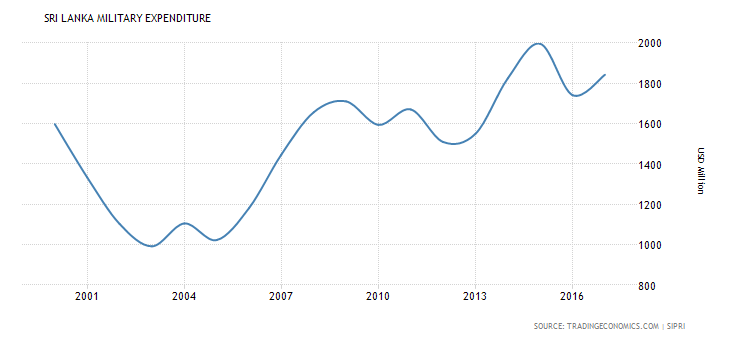
Enjoying this article? Click here to subscribe for full access. Just $5 a month.Sri Lanka’s military expenditure has seen an increase even after the end of the civil war in 2009. This is due to the need to maintain the troops and updated equipment, as well as the addition of new institutions over the years. The Sri Lanka Army, Navy, Air Force, Coast Guard, and Civil Security Department have both recurrent and capital expenditures, which even today account for the highest allocations of the budget.
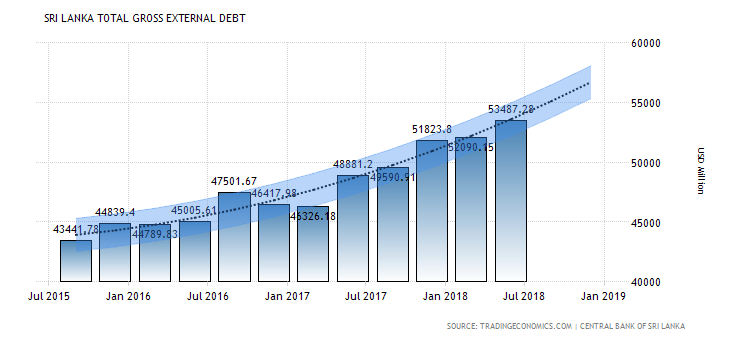
The current debt situation in the country is worse and is predicted to increase over the next years unless the government opens up new avenues for bilateral trade and more investment opportunities, allowing Sri Lanka to gain revenue by being part of global value chains. Although Sri Lanka’s vicious cycle of debt began with the previous government initiating large scale infrastructure developments, the present government’s mismanagement has resulted in the country falling even deeper into debt. As the Institute of South Asian Studies has highlighted in 2015 [the first year of the Sirisena administration], outstanding domestic debts rose by over 12 percent due to excessive government spending and foreign debt had increased by 25 percent by the end of that year.”  Against such a backdrop, Sri Lanka is unable to enter into any agreements to acquire defense equipment via credit lines — no matter how important and necessary that equipment might be.
Strategizing Donations and Grants

Against this pitiful economic backdrop, Sri Lanka has very little choice but to accept military donations. In this year alone, China gifted Sri Lanka a frigate, and Zhou Chenming, a Beijing-based military commentator has predicted that it is possible China will give [Sri Lanka] one or two more.” Also in 2018 Japan donated two coast guard patrol vessels, SLCGS Samudra Raksha and SLCGS Samaraksha to Sri Lanka. The Japan International Cooperation Agency (JICA) is also to provide a grant aid of 1.83 billion yen ($16.3 million) for the Project for the Maritime Safety Capability Improvement. Furthermore, the Australian government has provided two main engines for the Sri Lanka Navy Ship (SLNS) Mihikatha, which was a gift to Sri Lanka by Australia. Australia-Sri Lanka defense ties have been lucrative since 2013, when navy boats were donated to prevent human smuggling via maritime routes. India has also been quite active, providing both gifts of vessels as well as training for members of the Sri Lanka Coast Guard on ship handling, bridge navigation, engine room controls, and machinery.

But all these donations, gifts, and capacity building have been subject to various criticisms. These criticisms span anti-military sentiment by the Tamil diaspora and also concerns from domestic interests groups in Sri Lanka, as in the case of U.S. assistance. The Trump administration’s foreign assistance of $3.4 million was criticized for being a tool of U.S. foreign policy, with the goal of to maintaining U.S. dominance in the Indian Ocean region. The United States is also developing ties with the Sri Lanka Navy for conducting training and joint exercises. Sri Lanka must be clear-eyed: extraregional powers providing such assistance do so not entirely for charitable purposes but to also strengthen their own security and power.

Interestingly, the main donations in the maritime sphere for Sri Lanka have come from countries of the Quadrilateral Security Dialogue: the United States, Japan, Australia and India. This informal alliance has mainly been viewed as an attempt to control the rise of China. However, there are scholars who promote the idea that Quad countries should work together to promote freedom of navigation in the Indo-Pacific.

Conclusion

Countries will continue to engage in providing aid and assistance to Sri Lanka, whether their motives are pure or not, and Colombo has little choice in whether or not to accept such assistance owing to the current economic crisis. Sri Lanka should obtain donations, but with careful assessments of the benefits to the country’s security forces, as well as a careful reading into any legal agreements that might accompany even grants and donations.

Let us consider a hypothetical scenario: two countries have both expressed the intention to donate a surveillance frigate, but Country X has a condition that its engineers can engage in repairing and maintaining the surveillance equipment, and Country Y has no such condition attached. Choosing Country Y over X is a wiser choice, even if Country X is more powerful in terms of bargaining power and has better quality equipment. In this way, Sri Lanka can restrict conditions that might involve a subtle element of foreign intervention.

Having thus concluded, Sri Lanka does not have capacity to build its own weapons, ammunition, and vessels but may look into avenues that will enable them to join a value chain within a global or regional military industrial complex.

Natasha Fernando is Research Assistant at the Institute of National Security Studies, think tank of the Ministry of Defense, Sri Lanka. These opinions do not reflect the Government of Sri Lanka. Her views are independent.

Sri Lanka to recall peacekeeping commander on UN request

October 20th, 2018

Military spokesman Sumith Atapattu said that it will comply with the UN request even though it doesn’t believe Col. Kalana Amunupure is guilty of any human rights abuses in the last stages of Sri Lanka’s civil war.

“There may be allegations. But he has not done anything wrong. He has not committed any war crimes. We will appeal and send him back,” Atapattu said.

A report in The Guardian newspaper in July quoted a confidential report that claimed the Sri Lanka commander in Mali, who was not named in the report, is alleged to have committed war crimes during the civil war which ended in 2009. It said the report was produced by the South-Africa based International Truth and Justice Project, and also cited other Sri Lankans taking part in U.N. peacekeeping operations.

The Sri Lanka Army called the deployment to Mali “one more feather in its cap” when it was set to start sending the 200-strong Combat Convoy Company to serve in the U.N. peacekeeping mission last November. It said Sri Lankan troops were also participating in other U.N. peacekeeping missions including in Lebanon and South Sudan.

Both Sri Lankan government soldiers and the now-defeated Tamil Tiger rebels were accused of war crimes during the country’s 26-year civil war.

Tens of thousands of people were reported to be killed in just the final months of the fighting.

‘Handicapped sovereignty’: escalating costs of Sri Lanka’s post-war development vision

October 20th, 2018

BENJAMIN BROWNLORITTA CHAN, and KANCHANA N RUWANPURA  Courtesy opendemocracy.net

As capital elbows its way in and remakes the world according to its own designs, the need to democratise this polity is more urgent than ever.

Early in October 2018, the latest IPCC report issued a stark warning, urging ‘rapid, far-reaching and unprecedented changes in all aspects of society’ within the next twelve years to avert climate breakdown. Rising sea levels, flooding, drought, and other extreme weather events are liable to compound the effects of poverty and inequality globally. Yet in the Sri Lankan capital Colombo, local communities and civil society groups watch with trepidation as land is reclaimed from the Indian Ocean, in preparation for the construction of a new Port City.

The project is one of post-war Sri Lanka’s mega-infrastructure development plans, aiming to make Colombo a regional financial hub and world class” destination for South Asia. However, with debts of $17 billion accrued over the past decade, Sri Lanka finds itself in a position of ‘handicapped sovereignty’, owing large sums to international creditors, including the west and China. The immediate consequences of the Port City project are felt largely by coastal fishing communities. However, it also damages the country’s fragile marine environment and affects the water table due to quarrying rock from the island’s interior. Yet proponents have disregarded these impacts, promising a ‘sustainable city’ and offering bland reassurances that neglect the debt burden, ailing infrastructure and poor environmental quality already shouldered by Colombo’s citizens.

lead
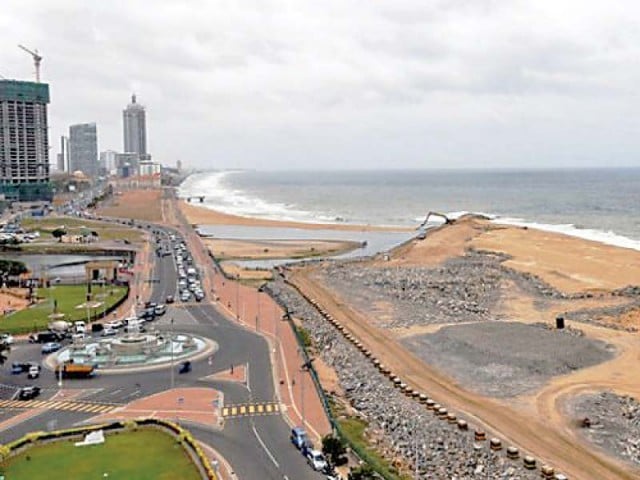
Colombo skyline from Mount Lavinia. Source: Benjamin Brown

Since the end of a violent ethnic conflict in 2009, Sri Lanka has undergone an infrastructure and construction boom, with Colombo increasingly at the epicentre of the controversial drive for new development. One of the grand ambitions under the auspices of the Ministry of Megapolis and Western Development is the flagship Port City development; a new construction atop a 269-hectare expanse of land reclaimed from the Indian Ocean. Delivered at an estimated cost of $15 billion over a 25 year period and bankrolled by China, the project represents a monumental effort to remake urban space.

Evoking comparisons with Dubai and Singapore, Port City is designed to host high-end flats, a luxury marina, parks and casinos. Proponents, including a coterie of lawyers, politicians and property developers, speak enthusiastically about attracting ‘high net worth individuals’, creating a low tax zone with its own separate legal system, and a thriving centre for ‘offshore products and services’.A coterie of lawyers, politicians and property developers, speak enthusiastically about attracting ‘high net worth individuals’, creating a low tax zone with its own separate legal system, and a thriving centre for ‘offshore products and services’.

Dreamed up by the political class and vested economic elites, the Port City project is a vision that has ignited fierce resistance from environmentalists, urban activists, and neighbouring fishing communities. Critics cast the project as an enclave for the rich, an ecological disaster already destroying the fragile marine environment. Sand mining and dredging have become major concerns, disrupting fishing grounds, damaging coral reefs and compounding the effects of coastal erosion. As the writer Amitav Ghosh  comments, “a colonial vision of the world, in which proximity to the water represents power and security, mastery and conquest, has now been incorporated into the very foundations of middle-class patterns of living across the globe.”  The allure of the ocean has ignited an insatiable desire for development and growth along the coastal fringes, irrespective of prior land use or the risks posed by climate change in such areas. Nowhere is this more obvious than Colombo, where the voracious appetite for luxury accommodation has produced a new battleground between residents, investors, politicians, and the working classes.

The People’s Movement against Port City, a loose coalition of fishing communities, religious leaders and civil society groups, has contested the project since its inception, with frequent protests, court cases and, in one instance, a hunger strike organised by the Catholic Church demanding an end to dredging near the shoreline. Many are enraged at the lack of transparency and consultation over the project and pained by ‘the rape of the country’s natural resources’ they see unfolding amid the development process. Although opposition has fractured, core grievances remain unaddressed and activists are now intent on renewing their struggle. There is palpable anger at how the current UNP government has backtracked on promises to cancel the project and dismissed calls to revisit a flawed Environmental Impact Assessment. There is the widespread perception that China’s outsized influence as Sri Lanka’s largest foreign creditor has suppressed open debate on the merits of the proposal, leading Sri Lanka to find itself in a position of ‘handicapped sovereignty’ as one long term organiser mentioned.

Peoples Movement against Port City protest at Galle Face. Source: Benjamin Brown

There is the widespread perception that China’s outsized influence as Sri Lanka’s largest foreign creditor has suppressed open debate on the merits of the proposal.

Chinese influence looms large over Sri Lanka, as one of the few countries to lend to Sri Lanka during the blighted era of former president Mahinda Rajapaksa, and Port City sits alongside other controversial infrastructure projects, such as the Hambantota Port, that succeeded in gaining funds despite accusations of cronyism, corruption and human rights abuses.

Whilst the arrival of China has been welcomed by many southern governments, still smarting from the conditionalities imposed by western creditors, its rise has stoked fears over Chinese hegemony in the Asia Pacific region. Nevertheless, a focus limited to China belies the indebtedness and aid dependency to other western donors who similarly continue to exercise soft power in the region (1).  Bluntly, the claims to national sovereignty purported by Sri Lanka’s political class are laid bare when the country’s indebtedness to both China and to western donors is fully accounted for.

Strategic location

Observers point to Sri Lanka’s strategic location in the Indian Ocean, close to the world’s fourth busiest shipping lane, as the motivation for cultivating economic ties that align with Chinese premier Xi Jinping’s vision for expanding trade routes, under his much hyped One Belt, One Road initiative.  The political vision of a unified, post-war Sri Lanka connected through an extensive road network has expanded to encapsulate plans for transport and trade corridors extending well beyond national borders. Ports, airports and roads are conceptualised as pivotal nodes to capitalise on Sri Lanka’s strategic location amid a rapidly changing geopolitical order. Such infrastructural forms signal a set of priorities that overlook the economic, social and ecological consequences of a growing indebtedness.Nevertheless, a focus limited to China belies the indebtedness and aid dependency to other western donors.

Undeniably, Colombo’s cityscape, and Sri Lanka’s development landscape more generally, are inscribed with the imprints of many competing visions. However, ambitions have rarely departed from the designs of colonial rulers or the modernising governments of the post-independence era, remaining the domain of a privileged few.

Screenshot from the Port City Colombo promotional video. Source: YouTube.The urban transformation now under way therefore heralds a critical juncture in Sri Lanka’s post-war future and offers broader points for reflection concerning the terrain of democratic struggle. In a nation marred by spiralling inequalities, ethnic strife, and ecological rupture, projects such as Port City, will remain a critical arena for social movements contesting the direction of development well into the twenty-first century. As capital elbows its way in and remakes the world according to its own designs, the need to democratise this polity is more urgent than ever.

(1) Whistleblower (2018): A post-war development disaster? Foreign aid, bi-partisan corruption and Lanka in the international bailout business.”

The Pakistan Business Council (PBC) suggests increase in exports of bikes, cement to Sri Lanka

October 20th, 2018

By Bilal Hussain  Courtesy The Express Tribune

KARACHI: The Pakistan Business Council (PBC) has drafted a report focused on the free trade agreement (FTA) with Sri Lanka and has found motorcycle and cement manufacturing as potential industries that Pakistan can increasingly rely on.

According to the PBC – a business policy advocacy platform, the purpose of the study is to analyse the performance of the FTA to date and to highlight the opportunities available to both partners to increase bilateral trade. The FTA with Sri Lanka is considered the most successful signed by Pakistan.

It is part of our continuing review of trade agreements, to identify areas in which Pakistan could improve,” PBC CEO Ehsan Malik told The Express Tribune. Moreover, Adviser to Prime Minister on Commerce Abdul Razak Dawood has also recently said that all trade agreements are up for review.

Sri Lanka is a significant part of BRI and has agreed to some projects with the Chinese government like the Matara-Kataragama Railway Project, Colombo Port City Project, Hambantota Port Development Project and Extension of South Expressway Project. PHOTO: FILE

Motorcycle and cement are the two industries where Pakistan has the potential to increase its exports to Sri Lanka.

There is a growing demand for motorcycles in Sri Lanka as the number of registered motorcycles in the country rose at an average of 9.7% over the period 2012-17. Pakistan, on the other hand, has a strong motorcycle industry with yearly production of 2.45 million units.

Focus only on boosting exports is a bad strategy

In 2017, of the 2.45 million units produced, Pakistan managed to export only 9,450 units, most of which were shipped to Bangladesh and Afghanistan.

For the motor vehicles manufactured in Pakistan, the government needs to harmonise its emission standards with those followed worldwide. This will not only make our vehicles more environment-friendly, but will also enhance our export portfolio,” the report stressed.

Meanwhile, the cement industry is among the highest contributors to the national exchequer. In 2017, Pakistan was the 12th largest exporter of cement in the world with exports of $210 million. Exports of cement were much higher in 2013, but have recently decreased due to high local demand.

However, to cope with the high demand, Pakistani cement manufacturers have already commenced projects to increase production by 5.2 million tons. These projects are expected to be completed by the end of 2018. Two major issues highlighted by the cement manufacturers as impacting their global competitiveness are high import tariffs on coal and a severe bottleneck at the port, which leads to inefficiency,” stated the report.

Nearly half of export receipts come from just six countries

The government needs to address the issues faced by exporters at the port. This can be done by increasing storage space, reducing the storage rent and giving priority to exporters over importers, it added.

Sri Lanka is also a significant part of the Belt and Road Initiative (BRI) and has agreed to some projects with the Chinese government like the Matara-Kataragama Railway Project, Colombo Port City Project, Hambantota Port Development Project and Extension of South Expressway Project.

The FTA between Pakistan and Sri Lanka came into effect in July 2005 after being signed in August 2002. Under the FTA, Sri Lanka was given immediate duty-free market access for 206 products.

Pakistan, on the other hand, received duty-free access for 102 products. Further concessions were agreed in November 2010.

Bilateral trade with Sri Lanka has mostly been in favour of Pakistan since the signing of the FTA. Pakistan’s exports more than doubled from 2005 to 2011 while imports stayed relatively constant. Pakistan enjoyed its largest trade surplus in 2011 which was worth $287 million.

Exports fell after 2011 and reached $269 million by 2017. Imports, on the other hand, rose about 60% since 2011 and reached their peak at $103 million in 2017. Pakistan’s trade surplus with Sri Lanka in 2017 was $166 million.

The study identifies 20 products which have the potential to push up Pakistan’s exports to Sri Lanka by $1.14 billion. An analysis of Sri Lanka’s tariff regime shows that amongst Pakistan’s top 20 exports to Sri Lanka, only four products receive better tariff rates than those applied to India and China.

Published in The Express Tribune, October 20th, 2018.

මෛත්‍රි-රනිල් සීතල යුද්ධය එළියට ආණ්ඩුව පුපුරයි

October 20th, 2018

දෙනගම ධම්මික රණවීර උපුටාගැණීම  මව්බිම

ශ්‍රීලනිපය සහ එජාපය අතර පැවැති සංහිඳියාව එන්න එන්නම බිඳවැටෙමින් පැවතීම නිසා ජාතික ආණ්ඩුව ශීඝ්‍රයෙන් දේශපාලන වශයෙන් බිඳවැටීමකට පත් වෙමින් ඇත.

ජාතික ආණ්ඩුව බලයට පත්වීමෙන් පසුව මහ බැංකු බැඳුම්කර ගනුදෙනු සම්බන්ධව විමර්ශනය කිරීමට ජනාධිපති විමර්ශන කොමිසමක් පත් කිරීම එහි ආරම්භක සන්ධිස්ථානය බව දේශපාලන විචාරකයන්ගේ අදහස වී තිබේ.

එම කොමිසමේ නිර්දේශ අනුව එජාපයට සම්බන්ධ බොහෝ දෙනකු පිළිබඳව විවිධ අනාවරණයන් සිදුවීම ඊට හේතුවයි. එය ජනාධිපති මෛත්‍රිපාල සිරිසේන මහතා විසින් එජාපය අපහසුතාවට පත්කිරීමේ අභිලාෂයෙන් සිදුකරන ලද්දක් බව එජාපයේ අදහස වී ඇත.

රටේ ආර්ථිකය හැසිරවීමේ අංශය එජාපය වෙත ලබාදී තිබියදීත් අගමැති රනිල් වික්‍රමසිංහ මහතාගේ ප්‍රධානත්වයෙන් පැවැති ආර්ථික කළමනාකරණ කමිටුව අහෝසි කොට ඒ වෙනුවට තමන්ගේ සභාපතිත්වයෙන් ජාතික ආර්ථික සභාව ජනාධිපති මෛත්‍රිපාල සිරිසේන මහතා විසින් පත්කිරීම දෙපාර්ශ්වයේ විරසකය ප්‍රකට වූ අවස්ථාවක් ලෙස සැලකේ.

එමෙන්ම එජාපයේ මැති ඇමැතිවරුන් ශ්‍රිලනිප මැති ඇමැතිවරුත් එකිනෙකාට චෝදනා එල්ල කර ගැනීම, විශේෂයෙන් අගමැතිවරයා සහ ජනාධිපතිවරයා විවේචනය කිරීම නතර කර ගැනීමටද දෙපාර්ශ්වයටම නොහැකි වූ අතර එම නිසාම එය ප්‍රජාතන්ත්‍රවාදයේ ලක්ෂණයක් ලෙස අර්ථකතනය කරන්නටද පක්ෂ දෙකම උත්සුක විය.

එමෙන්ම ආණ්ඩුව ක්‍රියාවට නංවන ‘ගම්පෙරළිය’ වැඩසටහන මඟින් ශ්‍රිලනිප මැති ඇමැතිවරුන්ට සංවර්ධන කාර්යයන් වෙනුවෙන් මුදල් වෙන් නොකිරීම ගැන ශ්‍රී ්‍රීලනිප මැති ඇමැතිවරු ජනාධිපතිවරයාට මැසිවිලි ඉදිරිපත් කළහ. ඒ ගැන සොයා බැලීමට ජනාධිපති මෛත්‍රිපාල සිරිසේන මහතා ද පියවර ගෙන තිබිණි. ආණ්ඩුවක් ලෙස නොව දේශපාලන පක්ෂ ලෙස තමන්ට ලකුණු දමා ගැනීමේ සීතල යුද්ධය ප්‍රකට කළ තවත් අවස්ථාවක් ලෙස එය දේශපාලන ක්‍ෂේත්‍රයේ කතාබහට ලක්විය.

එමෙන්ම පසුගිය අඟහරුවාදා (16දා) පැවැති කැබිනට් මණ්ඩල රැස්වීමේදී කොළඹ වරායේ මීටර් 400ක දිගින් යුතු සහ කන්ටේනර් 18,000ක් සහිත නැව් හැසිරවිය හැකි හෙක්ටයාර් 20කින් යුතු නැඟෙනහිර පර්යන්තය ඉන්දියාවට බදු නොදෙන බවට ජනාධිපතිවරයා කළ ප්‍රකාශය ආණ්ඩුවේ නායකයන් දෙදෙනා අතර පවතින දේශපාලන ගැටුම එළියට පිළිපන් අවස්ථාවක් ලෙස දේශපාලන විශ්ලේෂකයෝ පෙන්වා දෙති.

ජනාධිපති ඝාතන කුමන්ත්‍රණයක් නැති බවට සම කැබිනට් ප්‍රකාශක රාජිත සේනාරත්න මහතා අඟහරුවාදා (16දා) කැබිනට් තීරණ දැනුම් දීමේ මාධ්‍ය හමුවේදී පැවැසුවද ජනාධිපති උපදේශක ශිරාල් ලක්තිලක මහතා බ්‍රහස්පතින්දා (18දා) මාධ්‍ය හමුවක් පවත්වා පැවැසුවේ ඝාතන කුමන්ත්‍රණ යට ගැසීමේ කුමන්ත්‍රණයක් සිදුවන බවයි. මේ පිටුපස එජාපයේ සම්බන්ධතාවක් ඇති බවට ශ්‍රීලනිප පාර්ශ්වයේ අදහස වී තිබේ.

මේ අතර තමන් ජනාධිපතිවරයා ඝාතනය කිරීමට ‘රෝ’ (අඒඑ) ඔත්තුකරුවකු යොදවා ඇති බවට ජනාධිපතිවරයා කැබිනට් හමුවේදී සිදුකළා යැයි පවසමින් ඉන්දියාවේ ‘ද හින්දු’ පුවත්පතට තොරතුරු දුන් තැනැත්තන්ට තමන්ගේ නම් හෙළි කිරීමට තරම් ආත්ම ශක්තියක් නැතැයි වරාය හා නාවික කටයුතු අමාත්‍ය මහින්ද සමරසිංහ මහතා පසුගියදා (18දා) ප්‍රවෘත්ති සාකච්ඡාවකදී එජාප ඇමැතිවරුන් ඉලක්ක කර දෝෂාරෝපණය කළේය.

මේ අතර පසුගිය බදාදා (17දා) සන්ධ්‍යාවේ ඉන්දීය අගමති නරේන්ද්‍ර මෝදි සහ ජනාධිපති මෛත්‍රිපාල සිරිසේන මහතා දුරකථනය ඔස්සේ සාකච්ඡා කර තිබිණි. ශ්‍රී ලංකාවේ සංවර්ධන කටයුතු පිළිබඳ ඔවුන් සාකච්ඡා කළ බව ජනාධිපති මාධ්‍ය අංශය නිවේදනය කළද ඉන්දීය අගමැති කාර්යාලය නිකුත් කළ නිවේදනයේ සඳහන් වූයේ ඉන්දීය රෝ ඔත්තු සේවය තමන් ඝාතනය කිරීමට උත්සාහ කළ බවට පළවන ප්‍රවෘත්ති ශ්‍රී ලංකා ජනාධිපතිවරයා ප්‍රතික්ෂේප කළ බවයි.

එමෙන්ම ඉන්දියාවේ රෝ ඔත්තු සේවය විසින් ජනාධිපති මෛත්‍රිපාල සිරිසේන මහතා ඝාතනය කිරීමේ උත්සාහයක නිරතවන බව කියන ප්‍රකාශ සම්බන්ධයෙන් පරීක්ෂණ කිරීමට ඉන්දීය රජය තීරණය කර තිබේ. ඉන්දීය ආරක්ෂක බලධාරීන් විසින් ශ්‍රී ලංකාවේ ඉන්දීය මහකොමසාරිස් කාර්යාලය මඟින් පසුගියදා (17දා) ඒ බව දැනුම් දී ඇති බවද වාර්තා විය.

ආරක්‍ෂක අමාත්‍යාංශයේ උපදේශක කාරක සභාවේදී ද ජනාධිපති ඝාතන තැත ගැන විමල් වීරවංශ සහ වාසුදේව නානායක්කාර යන මහත්වරුන් දක්වා ඇති අතර එම සාකච්ඡාව අවසන්කර ජනාධිපතිවරයා පැමිණෙද්දී ඒ පසුපස පැමිණි රන්ජන් රාමනායක නියෝජ්‍ය ඇමැතිවරයාට හින්දු පත්‍රයට කැබිනට් මණ්ඩල රැස්වීමේ තොරතුරු දුන්නේ ඔයාලගේ නායකයා බවත්, මාවත් ඉන්දියාවත් අතර අමනාපයක් ඇති කරන්නට කළ ඒ දේ ගැන ඔවුන්ට ගිහින් කියන්නැයි පැවැසූ බවක්ද වාර්තා විය.

ජනාධිපති ඝාතන කුමන්ත්‍රණය පිළිබඳව පොලිසිය මන්දගාමීව කටයුතු කරන බවටද ශ්‍රීලනිප පාර්ශ්වය වෙතින් චෝදනා කරයි. පොලිසිය ඉලක්ක කළද චෝදනාව එල්ලවන්නේ එජාපයටයි. ලංකා බැංකුව, මහජන බැංකුව හා ආයෝජන මණ්ඩලය යන ආයතනවල සභාපතිවරුන් ඇතුළු අධ්‍යක්ෂ මණ්ඩල සාමාජිකයන්ට ඉවත්වන ලෙස ජනාධිපති මෛත්‍රිපාල සිරිසේන මහතා පසුගිය බදාදා (17දා) දැනුම් දී තිබියදී ජනාධිපතිවරයාට එසේ කිරීමට බලයක් නොමැති බව පෙන්වා දෙමින් ඔවුන් තවදුරටත් එම තනතුරුවල තබා ගැනීමට එජාපය කටයුතු කරමින් සිටී.

මෙලෙස කාලයක් තිස්සේ මෝදු වෙමින් පවතින මේ විරසකය වඩාත් තීව්‍ර ලෙස වර්ධනය වීමේ පසුබිම තුළ ආණ්ඩුව තවදුරටත් ඉදිරියට ගෙනයෑම ගැටලුකාරී වී ඇති බව දේශපාලන විචාරකයෝ පෙන්වා දෙති.

ජනාධිපතිට පාර්ලිමේන්තුව විසුරුවන්න පුළුවන්

October 20th, 2018

ඩබ්ලිව්. කේ. ප්‍රසාද් මංජු උපුටාගැණීම  මව්බිම

රට දැඩි අරාජික තත්ත්වයකට පත්ව තිබෙන අවස්ථාවක ආණ්ඩුක්‍රම ව්‍යවස්ථාවේ මූලික ව්‍යවස්ථාවේ 3, 4 වගන්ති අනුව ජනතාවගේ පරමාධිපත්‍ය බලය හිමි ජනතාවට නව ආණ්ඩුවක් පිහිටුවීමේ අවස්ථාව උදාකිරීම සඳහා ජනතා පරමාධිපත්‍යයෙන් බලයට පත්වූ රාජ්‍ය නායකයා වන ජනාධිපති මෛත්‍රිපාල සිරිසේන මහතාට පාර්ලිමේන්තුව විසුරුවා හැරීමට බලය තිබෙන බව හිටපු අගවිනිසුරු සරත් එන්. සිල්වා මහතා ‘ඉරිදා මව්බිම’ට ප්‍රකාශ කළේය.

රටේ පොදු මහජනතාවගේ පොදු යහපත සහ රටක් අරාජිකවී තිබෙන අවස්ථාවක ඊට මැදිහත්වීමේ අවශ්‍යතාව යන කරුණු දෙක උතුම්ම නීති සිද්ධාන්ත බවත් අවශ්‍ය මොහොතේදී අවශ්‍ය දේ සිදුකිරීමට උතුම්ම නීති සිද්ධාන්තවලින් හැකි නිසා පළමුව ශ්‍රී ලංකා නිදහස් පක්‍ෂය ජාතික ආණ්ඩුවෙන් ඉවත්වී දෙවැනිව අමාත්‍ය මණ්ඩලය විසුරුවා හැර තෙවැනුව පාර්ලිමේන්තුව විසුරුවා හැර පාර්ලිමේන්තු මැතිවරණයක් කැඳවීමට අවශ්‍ය පියවර ගන්නා ලෙස තමා ජනාධිපති මෛත්‍රිපාල සිරිසේන මහතාගෙන් ඉල්ලීිමක් කරන බවද හිටපු අගවිනිසුරු සරත් එන්. සිල්වා මහතා ප්‍රකාශ කළේය.

මෙවැනි අවස්ථාවකදී ජනාධිපතිතුමාගේ නියෝග ක්‍රියාත්මක කිරීමට බැඳී සිටින ස්වාධීන මැතිවරණ කොමිෂන් සභාව පාර්ලිමේන්තු මහ මැතිවරණය පැවැත්වීමට නොපමාව ක්‍රියා කළ යුතුය. පාර්ලිමේන්තුව විසුරුවා හරින විට නව පාර්ලිමේන්තුව රැස්වන දිනය ප්‍රකාශ කිරීමටද ජනාධිපතිතුමාට බලය තිබේ.

19 වැනි ආණ්ඩුක්‍රම ව්‍යවස්ථා සංශෝධනය මඟින් මෙවැනි තත්ත්වයක් ඇති වී රට අරාජික වූ විට ඊට විසඳුමක් ඉදිරිපත් නොකිරීම ඉතා බරපතළ අඩුවක් බවත්, රාජ්‍ය නායකයා වශයෙන් මූලික ව්‍යවස්ථාවේ 3, 4 වගන්ති අනුව එම හිඩැස පිරවීමට ජනාධිපතිවරයාට නීතියෙන් කිසිදු බාධාවක් නොමැති බවත් ජනතා පරමාධිපත්‍ය වෙනුවෙන් රට බේරාගැනීමට මේ අවස්ථාවේදී ජනාධිපතිතුමාට තිබෙන එකම විසඳුම පාර්ලිමේන්තුව විසුරුවා හැර පාර්ලිමේන්තු මහ මැතිවරණයක් කැඳවීම බවත් හිටපු අගවිනිසුරු සරත් එන්. සිල්වා මහතා පෙන්වා දෙයි.

2015 ජනාධිපතිවරණයේදී මෛත්‍රිපාල සිරිසේන මහතාගේ ජයග්‍රහණය වෙනුවෙන් කටයුතු කළ තමා ඇතුළු පාර්ශ්ව කිහිපයක්ම වෙනුවෙන් ජනාධිපති මෛත්‍රිපාල සිරිසේන මහතාට මෙම ඉල්ලීම් ඉදිරිපත් කරන බවද වැඩිදුරටත් අදහස් දැක්වූ හිටපු අගවිනිසුරු සරත් එන්. සිල්වා මහතා ප්‍රකාශ කළේය.

Is our democracy run by mindlessness and mediocrity?

October 19th, 2018

By DR D. CHANDRARATNA Courtesy The Island

The title of the editorial yesterday, the Terminal fracas (18, October) referred to the heated debate in the Cabinet over the sale of another state asset, the profit making eastern terminal at the Colombo port, but it subliminally suggested the terminal illness that has befallen our entire democracy.

Any democratic society assumes two things: the existence of a public, the very seat of sovereignty, and responsive leaders. By extension, that public must be articulate and knowledgeable, and the political leaders, who if not men of reason, must at least be reasonably responsible to such a knowledgeable public. Regrettably, our failed democracy suggests that neither the public nor leaders are responsive and responsible. Both seem to have lost their democratic relevance in Sri Lanka.

Today the characteristic member in the higher circles of power is an intellectual mediocrity, although sometimes a conscientious one, but nevertheless a mediocrity. Such weakness is revealed in the occasional realization that he is not up to the decisions one is called upon to confront. Public utterances are motherhood statements of piety and righteousness, but sentimental and empty rhetoric in their generality. Our leaders at the highest level are dismissive of the publics as asses, exemplified in the abbreviated, vulgarized, pre-digested and hackneyed explanations dished out to the publics on matters of the highest importance as for example, the economy, the ports, airports, trade pacts and bilateral relations. They are not masters of knowledge on any subject, but commanders of the phone call, the briefing, and just the headlines of the dailies. We also wonder where the lieutenants of power are, who have been assigned the role of knowledge, speech and media who consume so much tax payers money on globetrotting, yet incapable of delivering anything of value to the public. There is a commanding indecision on every subject where not any viable prospect pleases.

The editorial mentioned a number of items that should have commanded the highest priority for the country, but decided by men at the highest level without a panoply of reasonable discussion. The lack of intellectual appreciation by political men or their ghost administrative apparatus means a muted public mass. Such political decisions should not be taken in a country, which boasts of a robust history as a democracy. For one thing, no one has been given an electoral mandate to sell our national assets or sell our dignity for ransom. In countries such as Australia, such proposals are whetted by numerous bodies and usually a bipartisan stance is arrived at, before entering into dealings with foreign powers for these can destroy the sovereignty of the nation. These men of power wax eloquent in prepared speeches to international conferences about the strategic significance of Sri Lanka, and yet show utter callousness in the decisions they take. The manner these autocratic political men act is no different to the behaviour of the underworld elements that have no qualms about appropriating other people’s property. The leaders of any nation are only the caretakers; they have no authority to do otherwise unless electorally mandated. More than that, the leaders should be astute, one step ahead of the general public, to take important decisions in such a way, not just to be voted in or out but debated seriously in public, in the right intellectual form. The decisions taken in recent times have already landed us in hot waters, leaving room for foreign interference in our country about which we can do very little.

Our current crop of leaders is taking this nation to the doldrums. By implication and omission, by emphasis and fabrication, their communication to the public display the mindlessness and myth that commercial propaganda that beauty culture has come to exemplify in Sri Lanka. We cannot read whether these men of public affairs are dogmatic or mindless or both. What we are presented with is precisely the absence of any rational argument of any kind, inflexible or otherwise. Other than the recriminations and accusations we hear nothing of reason and argument in favour of the decisions they take to surprise us. There is no activity of value in the Parliament that holds its empty sittings at great cost. The esteemed institutions are ridiculed by the behaviour of its occupants. No argument prevails over the dogmatic views held by some, especially regarding the predatory nature of globalisation, to take just one example. The only description of these politicians is to label them crackpot realists, who see a prosperous 2025 coming, but not the 2020 disaster that is portending gloom. They have constructed a paranoid reality towards which the nation is dragged, unable and unwilling to engage with an alternative viewpoint presented to them.

The Hindu stands by its report President’s RAW claim

October 19th, 2018

Courtesy The Island

The Hindu newspaper yesterday stood by its report on President Maithripala Sirisena’s remark at the last Cabinet meeting on an alleged RAW’s plot to assassinate him.

The Sri Lankan government has so far issued three denials of the story and President Sirisena, in a telephone conversation, with Indian Prime Minister Narendra Modi also assured that he never made such a remark.

N. Ram, the Chairman of Kasturi and Sons Limited, the publisher of The Hindu and the former Editor-in-Chief of the newspaper said yesterday morning that ‘The Hindu’ told the truth when the newspaper said that President Sirisena had accused RAW of plotting to kill him.

article_image

Ram tweeted: “Another case of saying something wild and bizarre, expecting it to remain within a closed room, and then blaming the media for the furore caused. The Hindu did its job — truth-telling.”

“Our Sri Lanka Correspondent verified what she had learnt with multiple independent sources before publishing her report. Let them issue their lame denials, try to wriggle out of what was said — but we stand by our Correspondent’s meticulously fact-checked story.”

President Sirisena’s controversial statement was also followed by an intense argument with Prime Minister Ranil Wickremesinghe when the subject of development of the Colombo Port came up for discussion.

A news report by Meera Sirinivasan published by The Hindu newspaper said President Sirisena had vehemently objected to any Indian involvement in upgrading its east container terminal – a project that New Delhi has been keen to take up.

The Hindu report said: “However, Mr. Wickremesinghe is said to have countered by saying Colombo had already promised New Delhi on collaborating on the project, and it was important to rope in India at the terminal, given that about 80% of the cargo handled at the transhipment hub was meant for India. He reportedly sought a week’s time to sort out the issue, since he would be meeting Mr. Modi soon.”

PTSD in the Soviet Union

October 19th, 2018

Professor Tatyana Titarenko  Corresponding Member of the National Academy of Pedagogical Sciences of Ukraine  Head of the Laboratory of Social Psychology of the Person Institute of Social and Political Psychology

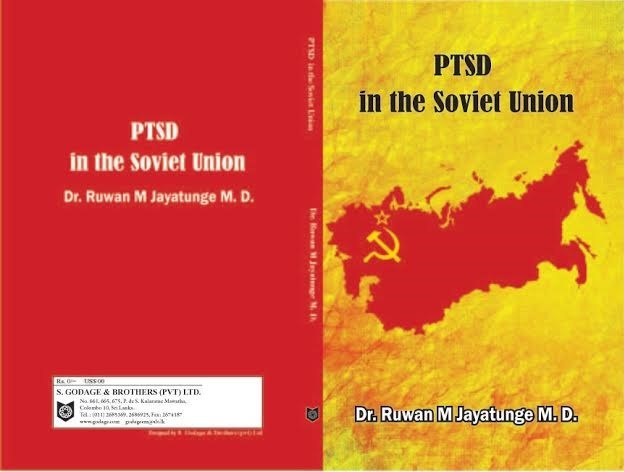
Dr.  Ruwan M . Jayatunge’s   PTSD in the USSR” amazes the reader primarily with its original design. The author, step by step, reveals the underlying psychological causes of the destructiveness of the perennial Soviet dictatorship. This is a trauma for huge masses of people conducted by the leaders of the Soviet state of a terrible social experiment, the consequences of which are palpable today.

Post-traumatic stress disorders are usually studied at the individual level. Works on collective injury sustained over many decades by residents of a huge and influential country  is virtually absent today. Therefore, the scientific novelty of the research, as well as its practical significance, are very high. It is difficult for Western Europe, the USA and other countries to understand the hypocritical and dangerous policies of today’s Russian Federation without knowing the long-term consequences of the total and multi-stage traumatization of the inhabitants of the Soviet Union.

The materials analyzed in the book will be useful not only to psychologists and psychiatrists, but also to political scientists, historians, sociologists, philosophers, as well as current politicians, deputies, heads of international organizations, journalists, etc.  The influence of mental deviations of a leader on leadership style, decision-making methods, ways to achieve goals is difficult to overestimate. Especially when it comes to the first persons of the state, on whom the fate and lives of millions of their contemporaries depend.

Dr  Ruwan M . Jayatunge manages to examine the  premises of the Soviet dictatorship, beginning in the 18th century, with the reign of Peter the Great. A wide historical panorama, a successful comparison of numerous cultural, social, economic, and psychological contexts, a deep knowledge of the classics of Russian literature – all this awakens and supports the reader’s interest in the problem.  Particular attention is drawn to chapters devoted to such sinister personalities as V.I. Lenin, F.E. Dzerzhinsky, I.V. Stalin, L.M. Kaganovich, L.P. Beria. The reader is offered a concise, balanced and accurate analysis of their role in the increase in post-traumatic stress disorders in the vast majority of the population.

I would like to wish the author to turn to the newest history of post-Soviet Russia in the new edition of the book, to show the causes and consequences of Vladimir Putin’s many years of rule, with the blessing of which many wars are waged, international terrorism is being aggravated, territories of other states are being annexed, and latent interference in referendums and elections is becoming more active conducted in other countries.

Professor Tatyana Titarenko  

Corresponding Member of the National Academy of Pedagogical Sciences of Ukraine  

Head of the Laboratory of Social Psychology of the Person Institute of Social and Political Psychology  

ජනපති ඝාතන කුමන්ත්‍රණය යට ගහන්න ඇතුළෙන්ම කුමන්ත්‍රණයක්

October 19th, 2018

නිරන්ජලා ආරියවංශ,ක්‍රිස්ටීන් ඇන්තනි උපුටාගැණීම  මව්බිම

ත්‍රස්ත විමර්ශන ඒකකයේ හිටපු ප්‍රධානි නියෝජ්‍ය පොලිස්පති නාලක සිල්වා විසින් ජනාධිපති මෛත්‍රිපාල සිරිසේන මහතා ඝාතනය කිරීමට කුමන්ත්‍රණය කළා යැයි නැඟෙන චෝදනාව යටපත් කිරීමට, රට තුළ දේශපාලනික කුමන්ත්‍රණයක් ක්‍රියාත්මක වන බව…ජනාධිපති ජේ‍යෂ්ඨ උපදේශක නීතිඥ ශිරාල් ලක්තිලක මහතා ඊයේ මාධ්‍ය හමුවක් පවත්වමින් අවධාරණය කළේය.

එය දේශපාලනික අවශ්‍යතා මත යටපත් කිරීමට ඉඩ දිය නොහැකි බවත් ඒ පිළිබඳව පුළුල් පරීක්ෂණයක් කළ යුතු බවත් ඔහු කියා සිටී.

කෙසේ වෙතත් අපරාධ පරීක්ෂණ දෙපාර්තමේන්තුව මේ පිළිබඳව නිසි ලෙස පරීක්ෂණ පවත්වන බවත් ඔහු සඳහන් කළේය.

නීතිඥ ලක්තිලක සමඟ නීතිඥ සරත් කෝන්ගහගේ කොළඹ නිපොන් හෝටලයේදී මෙම මාධ්‍ය හමුව කැඳවා තිබිණි. රජයේ ඉහළ පොලිස් නිලධාරියකු සිදු කළ බවට නැඟෙන මෙම චෝදනාවේ ‘ඝාතන කුමන්ත්‍රණයක සෙවණැලි ඇත’ යනුවෙන් නීතිඥ කෝන්ගහගේ එහිදී අවධාරණය කළේය. මෙම කුමන්ත්‍රණ චෝදනාවත් සමඟම ජනාධිපතිවරයාගේ ආරක්ෂාව තරකොට ඇති බවත් ඒ පිළිබඳව අවශ්‍ය සියලු පියවර ගෙන ඇති බවත් ඔහු පැවැසීය.

ඉන්දීය රෝ ඔත්තු සේවය තමන් ඝාතනය කිරීමට සූදානම් වන බවට ජනාධිපතිවරයා පසුගිය අඟහරුවාදා පැවැති කැබිනට් රැස්වීමේදී ප්‍රකාශ නොකළ බව එහිදී වැඩිදුරටත් පැවැසූ ලක්තිලක ‘ගෙදර ගිනි පිටට නොදිය යුතු’ යැයි අවධාරණය කළේය.

‘ගෙදර ගිනි පිටට නොදිය යුතුයි’ යනුවෙන් අදහස් කරන්නේ එදින කැබිනට් රැස්වීමේදී ජනාධිපතිවරයා රෝ ඔත්තු සේවය පිළිබඳව ප්‍රකාශ කළත් කැබිනට් මණ්ඩලයේ සාමුහික වගකීම මත ඒ බව ඉන්දීය මාධ්‍යයට ප්‍රකාශ කිරීම වරදක් යැයි ඔහු අදහස් කරන නිසාද යන්න එහිදී මාධ්‍ය විමසීය.

‘ඒක තමයි ප්‍රශ්නෙ. කැබිනට් සාමාජිකයන්ට වගකීමක් තියෙනවා. ඔවුන් එදින ජනාධිපතිවරයා ප්‍රකාශ කළ දේ විකෘති කරලයි ඉන්දීය මාධ්‍යවලට දීලා තියෙන්නේ’ යැයි ලක්තිලක මහතා පැවැසීය.

‘මේ කුමන්ත්‍රණය පිටිපස්සේ ඉන්නෙ කවුද කියලා අපි දන්නෙ නැහැ. නමුත් මේක රටේ රාජ්‍ය නායකයාගේ ජීවිතය පිළිබඳව ප්‍රශ්නයක් මේ චෝදනාව අවතක්සේරු කරලා යටපත් කරන්න දෙන්න බැහැ. මේකට සම්බන්ධ බවට චෝදනා ඇති ත්‍රස්ත විමර්ශන ඒකකයේ ප්‍රධානියාගේ වැඩ තහනම් කරන්න නීතිය හා සාමය පිළිබඳව ඇමැති පොලිස් කොමිසමට නිර්දේශ කරනවා. මේක විහිළුවක් නම් විෂය භාර ඇමැති එහෙම නිර්දේශ කරන්නෙ නැහැ. ඊළඟට රජයේ රස පරීක්ෂක පොලිස් ප්‍රධානියාගෙ කටහඬ තහවුරු කරනවා. තුන්වැනුව ඉන්දීය ජාතිකයෙක් මේ චෝදනාවට සම්බන්ධ බවට අත්අඩංගුවට ගන්නවා.

මේ නිසා මෙම කුමන්ත්‍රණය ගැන හෙළිදරව් කළ නාමල් කුමාර දුන් තොරතුරුවල විශ්වසනීයත්වය මූලික වශයෙන් පොලිසිය විමර්ශනය කරලා අධිකරණය තහවුරු කළ යුතුයි’ යැයි ලක්තිලක මහතා අවධාරණය කළේය.

බල දේශපාලනය සහ දේශපාලන ඝාතන අතර සම්බන්ධයක් ඇති බැවින් බලය හුවමාරු කර ගැනීම සඳහා ත්‍රස්තවාදය භාවිත කළ හැකි යැයි කිසිවෙක් සිතනවා නම් එය පරාජය කළ යුතු බවත් ඔහු වැඩිදුරටත් පැවැසීය.

එහිදී කරුණු පැහැදිලි කළ නීතිඥ කෝන්ගහගේ මහතා අවධාරණය කළේ ජනාධිපති ඝාතන කුමන්ත්‍රණය පිටුපස පාතාලය හෝ වෙන යම් පෞද්ගලික හෝ ව්‍යාපාරික වුවමනාවක් හෝ සම්බන්ධව ඇතිද යන්න පුළුල්ව විමර්ශනය කළ යුතු බවයි.

චීනයෙන් ලංකාවට සැර කණේ පහරක්.. [Video]

October 19th, 2018

lanka C news

ශ්‍රී ලංකාවේ මුළු විදේශ ණයවලින් චීනය වෙත ගෙවීමට ඇත්තේ 10%ක ප්‍රමාණයක් පමණක් බව චීනය අවධාරණය කරයි.

චීන විදේශ කටයුතු අමාත්‍යාංශය මාධ්‍ය ප්‍රකාශක ‘ලු කන්ග්’ මහතා මේ බව සඳහන් කළේ එරට දී පැවති මාධ්‍ය හමුවක් අමතමිනි.

චීන රජය විසින් ශ්‍රී ලංකාව ණය උගුලක සිර කර ඇතැයි පැවසෙන ප්‍රකාශ සම්පූර්ණයෙන්ම අසත්‍ය බව ද කොළඹ චීන තානාපතිවරයාද සඳහන් කර ඇති බව ඔහු කියා සිටියේය.

ලොව පුරා විවිධ රටවලට ණය ලබාදී චීනය සිය ආධිපත්‍යය ලොව පුරා පතුරුවන්නේ යයි එල්ලවන චෝදනා සම්බන්ධයෙන් පැහැදිලි කරමින් ඔහු මෙම අදහස් පළ කළේය.

ශ්‍රී ලංකාවේද ‍ආණ්ඩුවේ දේශපාලකයන් කිහිප දෙනකු මෑතදී කියා සිටියේ චීනය විසින් ශ්‍රී ලංකාව ණය උගුලක සිරකර ඇති බවයි.

Johnston threatens to sue FCID

October 18th, 2018

by Zacki Jabbar Courtesy The Island

Kurunegala District UPFA MP Johnston Fernando said yesterday that he would sue the Financial Crimes Investigation Division (FCID), for getting him remanded on what he termed a false allegation.

Johnston Fernando along with his private secretary Sakeer Mohamed and former SATHOSA Chairman Nalin Fernando, were acquitted by the Kurunegala High Court on Wednesday of a charge of misappropriating SATHOSA funds worth Rs. 5.2 million in 2013.

Fernando, addressing a press conference at the Wijerama residence of Podujana Peramuna (SLPP) leader Mahinda Rajapaksa, said that he would decide on appropriate legal action against those responsible for persecuting him after discussing the matter with his lawyers. “The FCID is a UNP office that takes orders from Ranil Wickremesinghe and Anura Kumara Dissanayake. The campaign to sling mud at political opponents began the day Mangala Samaraweera joined the UNP in 2009.

article_image

Kurunegala District MP Johnston Fernando addresses the media in Colombo yesterday. He is flanked by Podujana Peramuna (PP) leader Mahinda Rajapaksa, PP Chairman Prof. G.L.Peiris and Namal Rajapaksa MP. ( Pic. by Kamal Bogoda )

The old cases should be heard first, but hearings are being fast tracked through the Special

High Courts. The Attorney General’s Department and the IGP are playing politics. Businessman are openly accusing Ministers of demanding bribes. To cover all this, people like me are hauled up before courts on false charges. I was in remand for 74 days, but did not seek transfers to hospitals.”

SLPP Chairman Prof. G. L. Peiris said that the Kurunegala High Court had deemed that Johnston Fernando had done no wrong and acquitted and discharged him without calling for his witnesses.

The FCID, he alleged, had submitted false evidence. “They can go to jail for this. A witness was asked to give false testimony. Documents were falsified. Mr. Fernando was in remand for 74 days and is entitled to damages for the mental anguish and deprivation of physical freedom he suffered. Who will take responsibility for the civil and criminal liability ?”

Mahinda Rajapaksa said that a person who was found with a bottle of water at a meeting attended by President Maithripala Sirisena had spent one-and-a-half months in remand custody. That, he noted ,was the type of justice prevalent today.

Asked by a journalist if it was correct for him to have removed former Chief Justice Shirani Bandaranaike in an arbitrary manner, Rajapaksa claimed that due procedure had been followed.

At this stage Wimal Weerawansa, MP interjected to say that the journalist should be talking about what happens now and not three years back. Mahindananda Aluthgamage MP claimed that the removal of Mohan Peiris, from the post of Chief Justice and not Shirani Bandaranaike was questionable. But the journalist persisted, saying that the wrongs committed by the Rajapaksa government were of a far more serious nature than what happened now, which led to the press conference being terminated.

SLFP alleges some cabinet ministers plotted against Prez … relations hit new low

October 18th, 2018

By Shamindra Ferdinando Courtesy The Island

Ports and Shipping Minister and SLFP spokesman Mahinda Samarasinghe yesterday alleged a deliberate attempt by a member or some members of the Cabinet to cause unprecedented rift between President Maithripala Sirisena and India.

Samarasinghe said there was absolutely no basis for reports which quoted unidentified sources as having said that President Sirisena had accused the Research and Analysis Wing (RAW) of planning to assassinate him.

Samarasinghe said there was a determined bid to undermine Indo-Lanka relations and sabotage personal friendship between President Sirisena and Indian leader Modi.

The issue came up at weekly SLFP briefing at party office on T. B. Jayah Mawatha yesterday morning.

Samarasinghe stressed the pivotal importance of identifying those involved in the highly dangerous project as soon as possible. Acknowledging that there hadn’t been a similar treacherous initiative since the change of government in January 2015, Samarasinghe stressed the responsibility on the part of the National Unity Government to defeat the sinister moves.

Minister Samarasinghe reiterated that Sri Lanka should conduct a no holds barred inquiry. The SLFPer said so when The Island sought his views as to the responsibility on the part of India to identify those Indians involved in the project meant to sabotage Indo-Lanka relations. Samarasinghe said that Sri Lanka should take the lead in the investigation

Samarasinghe said that as soon they realised the fresh destabilization plot, President Sirisena, acted swiftly and decisively by meeting Indian High Commissioner in Colombo Taranjit Singh Sandhu on Wednesday and then calling Indian Premier Modi to reiterate Sri Lanka’s continued confidence in India.

Samarasinghe underscored Sri Lanka’s responsibility to inquire into alleged involvement of cabinet ministers in the plot when The Island urged the SLFP spokesman not to ignore the circumstances under which the media reported alleged RAW plot to assassinate President Sirisena. The Island pointed out that Deputy Inspector General (DIG) of Police Nalaka Silva, formerly in charge of the Terrorist Investigation Division (TID) had been interdicted and an Indian national staying here without a valid visa remanded under the Prevention of Terrorism Act (PTA) over their alleged involvement in a conspiracy to assassinate President Sirisena and wartime Defence Secretary Gotabhaya Rajapaksa.

Responding to another query, Samarasinghe ruled out any connection between allegations as regards RAW assassination bid created by some members of the Cabinet and President Sirisena ruling out handing over of East Terminal development of the Colombo harbour to India.

Samarasinghe denied media reports as regards Premier Wickremesinghe submitting a cabinet memorandum on East Terminal development. The media pressed Samarasinghe over the possibility of the UNP hitting back at President Sirisena following his refusal to give East Terminal to India as proposed by the PM. Samarasinghe displayed what he called the Cabinet memorandum submitted by him in his capacity as the Ports and Shipping Minister seeking approval for the Sri Lanka Ports Authority (SLPA) to develop the East Terminal.

Samarasinghe alleged that a section of the media at the behest of some unidentified UNPer had propagated the lie that India and Sri Lanka (current dispensation) had finalised a MoU on the East Terminal Development. No mention had been made to East Terminal in the MoU signed by Minister Malik Samarawickrema on behalf of Sri Lanka and President Sirisena had repeatedly declared his intention to keep East Terminal under Sri Lanka control.

Responding to media queries, Samarasinghe said that previous plans to operate East Terminal through public-private partnership had been scrapped and the government was now going ahead with moves to invest SLPA funds in the East Terminal.

“Of course India, if it wants to, can develop a new terminal. There’ll be a substantial investment in case New Delhi accepted Sri Lanka’s proposal,” he said.

රට රැක දෙනු මැන සුරිදුනි!

October 18th, 2018

චන්ද්‍රසේන පණ්ඩිතගේ විසිනි


විෂ්ණු කතරගම සුරිදුනි මෙසිරිලකට සුව සදනා

හනික බලනු මැනැ මැති අගමැතිදුන් මේ රට කරනා

යහපාලනයක් ගෙනවිත් ජනතාවට විනකරනා

පියඹා යන උන් සැමදෙන යලි මේ මත නොඑනු මැනා


මේ සැමදෙන හනි හනිකට ඇයි මේ පියඹන්නේ

රට රකිනා සුරිදුන් සැම පමණයි එය දන්නේ

රට වනසන බව දැන දැන ඇයි උන් සුරකින්නේ

රට වැසියන් උන් වැනසෙන ලෙස පතමිණි ඉන්නේ


දෙකෝටියක මේ ජනගග පිඩිතයන් කරලා

රට සතු හැම දෙයක්ම මුන් වනසන හැටි දැකලා

කියන්න මේ දුක කිසිවෙක් නැති බව ඇත දැනිලා

සුරිදුනි ඔබ වෙත පවසමි දෙනු මැන රට රැකලා


රට වනසන් උන් කිසිවෙක් යලි මේ පින්බිමට එපා

පියඹා යන අගමැති කැල යලි මේ මත තබනු එපා

සියලු දුෂ්ඨ කෙරුම් වලින් මේ රට සුරකෙතෙයි සිතා

අනුමෝදන් කරනෙමි පින් ඔබ හැම වෙත නිවන පතා

UN/Human Rights Activists where are you? TNA MP rapes 56 females & sells rape tapes for Rs.200

October 18th, 2018

All these years the fabrications & humiliations targeted against the armed forces of Sri Lanka has been many. Even the UN system has blatantly misused their status and have based on hearsay chided the armed forces & ridiculed them going so far as to quote these unproven allegations on their reports thus tarnishing the image of the national army. However, there is something called nemesis & there is also the law of karma & truth will come out one day. The Lankadeepa has brought to light a case of a TNA MP raping 56 women, taping these rapes & selling them as porn for Rs.200 each. How many more of such cases by Tamil MPs have been credited to the army over the years based on bogus allegations?


The Lankadeepa reports that TNA MP from Thunukkai in Mullaitivu district which was a LTTE den at one time, and where virtually all of its inhabitants are from poor low caste families who were plucked & turned into child soldiers by LTTE.


This MP from Mullaitivu district had raped 56 such poor girls one of which had been a married mother who having discovered husband & son had seen the nude photos committed suicide to hide her shame.


The politicization of the incident is seen in the manner police had been reluctant to even take down a complaint as it was against a TNA MP. A case of another young girl attempting to commit suicide related to the same rape-tape scenario is also highlighted in this news report. A procession against TNA starting from Duraiappah Stadium to the TNA office where effigies of TNA leader Sambanthan & Mavai Senathirajah were burnt. Please note Sambanthan is also the country’s Opposition Leader. Mavai Senathirajahs assurance was that they would get the Tamil Diaspora to send a monthly stipend for the family. But why not take legal action against the TNA MP for raping women? The letter sent to Chief Minister Wigneswaran has not had any response from him too.


This goes to show the extent to which TNA popularity has reduced and this is the political party with stalwarts like Chief Minister Wigneswaran wanting to run a separate independent state for only Tamils. How many more such innocent Tamil women would get raped, end up committing suicide & their stories hidden forever from the public domain because TNA MPs would have a carte blanche to do as they like? The scenario is seriously dangerous as the female activist who has taken pains to voice the plight of these raped women had supporters of TNA surround her house shouting at her to stop finding fault with the TNA.


With so many NGOs stationed in the north & many foreign agencies too … it is only this one single Tamil activist speaking on behalf these innocent Tamil girls being not only raped but having the raped filmed & sold as cheap porn for Rs.200.


Since we are on the subject of rape & porn we will recall the gruesome killing of a young school girl in Kayts – Vidya who was gang raped by a group of Tamils living overseas who were making a living of selling cheap porn. In fact this rapist too was helped to flee after villagers caught him & handed him to the police by a UNP MP whose supporters many allege are also raping young women in North Sri Lanka.

http://www.dailymirror.lk/article/Inaction-on-Vijayakala-s-LTTE-cravings-153180.html

http://english.gossiplankanews.com/2017/06/vidya-of-jaffna-sexually-abused-for.html


http://www.lankadeepa.lk/latest_news/ටීඑන්ඒ-ප්%E2%80%8Dරා-මන්ත්%E2%80%8Dරී-ගෑණු-56ක්-කෙළෙසලා/1-330146?fbclid=IwAR34abwh2BYOAWiJXTZDvSETOwlvQgyIixfcH7RCn3mk3ou-hOZTk9PeZvY

The lies associated on hyped rape charges against the armed forces can be seen in this following article that covers the statistics & allegations involved & readers can see how much money & propaganda had been pumped into humiliating our armed forces. https://www.onlanka.com/news/how-credible-are-stories-of-rape-in-north-sri-lanka.html


TNA is fast loosing public support. It is no different to the present government – all talk no action. TNA has since it began heading the Northern Provincial Council spent more time travelling the global telling lies instead of looking after the people of the province. The money TNA demand from the Treasury is returned most of which is unspent while the governments allocation to the North is spent on various development programs. However, every foreign envoy for some unknown reason think that after paying courtesy calls to the President & PM their next stop should be the North & visits to the Northern Chief Minister …. This is a major breach of protocol and it should be stopped. The Northern Chief Minister is just another Chief Minister and we have 9 such Chief Ministers. All should be treated equally. There is nothing that makes the Northern CM any more powerful or bigger than the others.


It is getting clearer that the North will soon reject the TNA & all of its MPs. The best that the Tamils themselves need to now do is to allow a national Tamil leader to emerge. One who will think of the country first & who will work for the welfare of the Tamils as a community living in harmony with the other communities & not in isolation or as a separate & independent entity. Agreed that any community has issues & these issues are relevant not only to the minorities but the majority too has shortcomings that politicians have never addressed. To have all these issues brought forward we need to have nation-centric leaders and not ethno-religious minority thinking leaders. We cannot have another alternative to TNA emerge in North or East Sri Lanka. Therefore, it is no better a time for Tamils to think of Tamils who have been working for their community & select these young men & women & give the baton to them instead of these old men with radical & selfish ideas who want to simply rule & enjoy power & hide their misdemeanors from public domain.


Catch this TNA MP who has raped these women. Charge him & take legal action against him according to the law of the land. Let Justice prevail.


Shenali D Waduge


The concept of reconciliation has reached paranoid proportions

October 18th, 2018

RANJITH SOYSA

The Island editorial on Learn from History (13 Oct) touched on an important issue concerning the use of children and teachers in the North to canvass the release of LTTE suspects now in custody.

As mentioned in the editorial the irony of the effort on the part of the organizers of the movement was to force the Jaffna parents and the students to  forget the reign of terror unleashed on them by the LTTE in little over 8 years ago. Here is a report from the UNICEF in 2004 on the fate of children in the North.

A UNICEF spokesman in Sri Lanka, James Elder, said child combatants bear deep psychological scars. Even those spared from combat lost precious years that cannot be replaced. “Child soldiers in Sri Lanka live in a theatre of violence and suffering,” he said.

“Many in this current conflict may be thrown into the front line at a time of fierce fighting where they can be killed or maimed. Instead of hope, fear defines their childhood. Their recruitment is intolerable. The Tigers have a long tradition of recruiting child soldiers. UNICEF has recorded more than 6000 cases of children recruited between 2003 and the end of last year”

By the year 2009 the number of children snatched by the LTTE and used as child soldiers reached 15 000. While the parents whose children were taken by force by the LTTE were traumatized and lived in the faint hope that the children will return someday, the children were brain washed by the LTTE ideologues to convert them to be blood thirsty terrorists and to be killed or maimed as they were used as cannon fodder by the LTTE.

However bad and violent the past have been to the North’s child soldiers of the LTTE in the twilight of reminiscence, the present day LTTE fronts ironically are forcing the current generation to ‘fight’ for the ”freedom of the repressors of their elder brothers and sisters! The wheel has come a full circle and the children are being dragged to put their heads to the Tiger’s mouth.

The lack of balance in assessing the concept of ‘reconciliation’ has reached paranoid proportions in the hands of crafty pro-LTTE politicians who are neither fair by the children of the North nor by the people in the North.


Indian Railways is all set to introduce a special train for Buddhist travellers across globe

October 18th, 2018
  • IRCTC to launch special train to attract international tourists from Buddhist countries like Japan, China, Thailand and Sri Lanka.
  • The first rake of the train will roll out by the end of October although the train will be functional from December.
  • The train’s route will include important Buddhist destinations like Bodh Gaya, Budh Vihar, Sarnath and Kushi Nagar.

Indian Railways are leaving no effort to attract foreign travellers. After launching the Ask Disha app for domestic and foreign travellers, Indian Railways are now targeting tourists from Japan, China, Thailand and Sri Lanka by launching a special train on the Buddhist Circuit.

The important Buddhist destinations to be connected are Bodh Gaya, Budh Vihar, Sarnath and Kushi Nagar. The ticket fare of the route is yet to be decided. As per media reports, the special express train will be managed by Indian Railways Catering and Tourists Corporation (IRCTC).

The first route of the train is expected to be decided and kicked off by the of the year. Although, IRCTC will roll out its first rake by the end of October.

Presently, the rail coaches are being manufactured in the Rail Coach Factory located at Kapurthala. The second train designed specially for international tourists, inspired by the Maharaja Express, will have 12 coaches. The first rake of the train will constitute four AC first class coaches followed by two second class coaches and one AC 3-tier coach designed specifically for staff. The first rake will also include two power car coaches, a pantry and two coaches for the dining car facility.

The train will have a very fancy outer body and top notch facilities for the travellers. Some of the facilities includes digital lockers, venetian windows, decorative lighting, touch-free taps, bio toilets with vacuum evacuation, soap dispensers, CCTV camera, anti graffiti coaching and tea/coffee vending machines.

ජනපති ඝාතන රෝ කුමන්ත‍්‍රණය මට කීවේ සමලිංගික කැබිනට් ඇමතියි..- The hindu මාධ්‍යවේදිනිය කියයි..

October 18th, 2018

Courtesy  lanka C news

ඉන්දීය රෝ ඔත්තු සේවය විසින් තමන් ඝාතනය කිරීමට කුමන්ත‍්‍රණය කරන්නේ යයි ජනාධිපති මෛත‍්‍රීපාල සිරිසේන මහතා කැබිනට් මණ්ඩලයට ප‍්‍රකාශ කල බව තමනට පැවසුයේ කැබිනට් ඇමතිවරුන් සිවු දෙනෙකු විසින්ම බව ‘ද හින්දු’ මාධ්‍යවේදිනී මීරා ශ‍්‍රීනිවාසන් පැවසීය.

ඇය මේ බව සදහන් කලේ කැබිනට් මාධ්‍ය හමුවේදී ඇමති රාජිත සේනාරත්න විසින් කරන ලද ප‍්‍රකාශයකට විරෝදය පල කරමිනි

ජනපති ඝාතන රෝ කුමන්ත‍්‍රණය මට කීවේ සමලිංගික කැබිනට් ඇමතියි..- The hindu මාධ්‍යවේදිනිය කියයි..

මේ අතර අද ජනාධිපතිවරයාගේ පාර්ශවය නියෝජනය කරමින් පැවති මාධ්‍ය හමුවකදී එම මාධයවේදිනිය කියා සිටියේ මෙම තොරතුර මුලින්ම තමනට දුන්නේ ‘රේන්බෝ කලර්’ ඇමතිවරයෙක් බවයි.

දේදුනු වර්ණය ලොව පුරා පිලිගැනෙන්නේ සමලිංගිකයන්ගේ වර්ණය ලෙසයි.

Sri Lanka reverses $300-mln China housing deal ahead of PM’s India visit

October 18th, 2018

COLOMBO, Oct 18 (Reuters) – Sri Lanka has reversed a decision to award a $300-million housing deal to China in favour of a joint venture with an Indian company, the government said, ahead of a visit by the prime minister to its South Asian neighbour.

Prime Minister Ranil Wickremesinghe will meet his counterpart Narendra Modi on Saturday in New Delhi, the Indian capital, for talks. The two countries have long-standing ties, partly because of cultural and ethnic links with Tamils, many of whom live in the island’s north and east.

In April, state-run China Railway Beijing Engineering Group Co Ltd won a tender worth more than $300 million to build 40,000 houses in Jaffna in Sri Lanka’s north, with China’s Exim bank to provide funding.

Security tightened for Sri Lankan leader amid alleged plot

October 18th, 2018

Courtesy Mail Online (UK)

COLOMBO, Sri Lanka (AP) – An official says security has been tightened for Sri Lanka’s president as police investigate an alleged plot to assassinate him.

Presidential adviser Sarath Kongahage told reporters on Thursday that precautionary measures have been taken to protect President Maithripala Sirisena. He declined to give further details.

A police informant said last month that he had a taped conversation with a senior police officer who spoke to him about a plan to assassinate Sirisena through a hired killer.

Police are investigating the claim and no arrests have been made.

Why India and Sri Lanka papered over President Sirisena’s allusion to RAW

October 18th, 2018

Courtesy NewsIn.Asia

Colombo, October 18 (newsin.asia): Realpolitik has made Sri Lanka and India paper over the rift that came about as a result of President Maithripala Sirisena’s  remark hinting that the Indian intelligence agency Research and Analysis Wing (RAW) may be  behind an alleged plot to assassinate him.

Both President Sirisena and Indian Prime Minister Narendra Modi realized soon enough that peace and understanding need to prevail between their two countries, and willingly sent out messages to each other and the world around, that the controversial remark was a misinterpretation.

Why India and Sri Lanka papered over President Sirisena’s allusion to RAW

They resolved that it will not be allowed to spoil Sri Lanka-India relations which have been cordial and on an even keen even if there are grievances and fears vis-à-vis each other.

Sri Lanka needs India to counter-balance China, whose economic hold on Sri Lanka is increasing causing concerns in some quarters. Sirisena himself told his cabinet that he is not happy with his government’s decision to hand over the Hambantota port to China on a 99 year lease with a 70% stake in it.

Sri Lanka is also apprehensive about inviting India’s hostility. If it stepped too much out of the Indian red line and impinged on New Delhi’s security and political concerns vis-à-vis China, India might destabilize Sri Lanka as it did in the 1980s with disastrous consequences for Sri Lanka.

India, on its part, would also like to have cordial relations with Sri Lanka so that Colombo addresses its national security concerns vis-à-vis China. While it is accommodative about China’s burgeoning economic presence in the island, it also wants Colombo to open its doors to Indian investment in major economic  sectors.

For all this, a stable and friendly government in Colombo is a sine qua non. And playing its part in ensuring stability and friendship, the Narendra Modi government has been bending over backwards to accommodate Colombo’s interests, anxieties and concerns.

Indian Prime Minister Narendra Modi has repeatedly stated that Indian assistance will be determined only by Sri Lanka’s wishes and priorities and that nothing will be imposed on it.

This is the reason why the Modi government has not pushed hard for the controversial Economic and Technical Cooperation Agreement (ETCA) which has been on the anvil for a number of years. Earlier, the Manmohan Singh government had dropped the even more controversial Comprehensive Economic  Partnership Agreement (CEPA) when the Rajapaksa government wanted it called off under Lankan nationalists’ pressure.

More recently, New Delhi had agreed to call off the 500 MW coal-fired power plant project in Sampur when Sirisena told Modi that the coal-fired plant would harm the environment.

New Delhi has agreed to Colombo’s proposal to run the Trincomalee oil storage facility as a joint venture even though the  original bilateral agreement had given all the 99 tanks to India.

New Delhi did not make it an issue when Sri Lanka said that it does not need Indian help to rehabilitate and develop the strategically located Palaly airport in Jaffna. Even in the case of the Eastern Terminal in Colombo India did not react angrily when Sri Lanka reneged on its original understanding to give its development to two Indian companies.

As in the case of the Mattala Airport, India has only been pursuing the East Terminal project through gentle persuasion.

The demand for an Indian presence in Colombo port, is based on a security concern created by the massive Chinese presence in the port, whose business is mostly with India. 80% of the business comprises Indian transshipment.

It was against this background that the Indian High Commissioner in Sri Lanka,Taranjit Singh Sandhu, was able to get the Sri Lankan President  issue a public statement saying that he never told the cabinet that RAW has a hand in the alleged conspiracy to assassinate him.

The President followed this up by telephoning Indian Prime Minister Modi and apprising him of his remarks in the cabinet in which RAW was not mentioned. He pledged continued support for the strengthening of India-Lanka ties.

Modi too responded in a similar vein and pledged continued support for the betterment of bilateral ties in tune with his government’s Neighborhood First” policy.

Political Compulsions

Both Modi and Sirisena are aware that the government in Colombo ,however rickety and internally divided it may be, has to survive till the end of its official term at the end of 2019.

Both are of the view that the apple cart should not be upset despite irritants in bilateral matters, serious de-stabilizing conflicts within the coalition government, and the unending differences between President Sirisena and Prime Minister Ranil Wickremesinghe.

In fact,  it was the on-going conflict between Sirisena and Wickremesinghe which precipitated the latest crisis.

It was when Sirisena was talking about the Prime Minister’s alleged lack of concern about the alleged plot to assassinate him which made Sirisena say that foreign secret services indulge in assassinations. He said that even the Indian Prime Minister might not be aware of the cloak and dagger work of secret services.

This was portrayed in the media as an insinuation against RAW.

RAW came to be suspected because the potential assassin was allegedly an Indian national from Kerala who had spoken about the alleged plot to a Sri Lankan man who had links with police intelligence.

In the coalition government, the police come under a minister from the United National Party (UNP) headed by  Wickremesinghe. Thus, a grievance against the UNP-controlled police became an Sri Lanka-India issue, threatening bilateral ties.

Sirisena-Modi Pow Wow 

Sirisena called Indian Prime Minister Narendra  Modi on the telephone on Wednesday to categorically reject reports in  sections of the media about him alluding to India’s involvement in any manner in an alleged plot to assassinate him and the former Defense Secretary of Sri Lanka Gotabhaya Rajapaksa.

The Lankan President said that the mischievous and mala-fide reports were utterly baseless and false and seemed intended to  create misunderstanding between the two leaders  as well as damage the relations  between the two friendly countries.”

He  also stated that the he regards the Indian Prime Minister as a true friend of Sri Lanka and also as a close personal friend.”

Sirisena stressed  the great value” of the mutually beneficial ties between India and Sri Lanka, and added that he remains steadfast on working with the Indian Prime Minister for further strengthening the ties.”

Modi’s Reaction

In response ,the Indian Prime Minister appreciated the prompt steps taken by the Sri Lankan President and his government  to firmly refute the malicious reports by publicly clarifying matters.”

Prime Minister Modi reiterated India’s emphasis on following the Neighborhood First policy” and the priority the Government of India and he personally attach to developing even stronger all round cooperation between the two countries.

The Issue

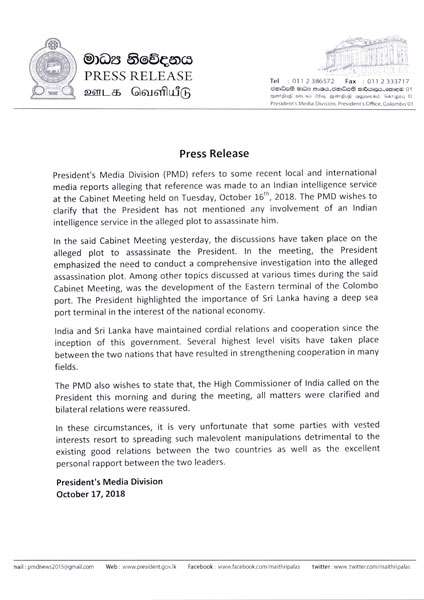
Explaining the background to the controversy, a press release from the Presidential Media Division (PMD) said that at the  cabinet meeting on Tuesday, there were  discussions  on the alleged plot to assassinate President Sirisena and former Defense Secretary Gotabhaya Rajapaksa.

The President, who chaired the meeting, emphasized the need to conduct a comprehensive investigation into the alleged assassination plot.

In these circumstances, it is very unfortunate that some parties with vested interests have resorted to spreading malevolent manipulations detrimental to the existing good relations between the two countries as well as the excellent personal rapport between the two leaders.”

India and Sri Lanka have maintained cordial relations and cooperation since the inception of this government. Several highest level visits have taken place between the two nations that have resulted in strengthening cooperation in many fields,  the press release noted.

The  High Commissioner of India Taranjit Singh Sandhu called on the President on Wednesday in which all matters were clarified and good bilateral relations were reassured,” the PMD release added.

(The featured image at the top shows Sri Lankan President Maithripala Sirisena with Indian Prime Minister Narendra Modi)

Fuel pricing formula revealed

October 18th, 2018

Courtesy Adaderana

Sri Lanka’s much-talked about Fuel Pricing Formula was revealed in detail to the media by Minister of Finance and Mass Media Mangala Samaraweera, at a press conference in Colombo today (18).

The Cabinet of Minister had granted approval for the implementation of a cost reflective formula based pricing system of auto fuels effective from May 11, 2018.

The pricing formula was constructed by a technical committee based on the following components of the supply of auto fuels:

  • Landed Cost
  • Processing Cost
  • Administrative Cost
  • Taxation

Accordingly, the Maximum Retail Price (MRP) of the auto fuels was established as follows:

MRP = V1 + V2 + V3 + V4

Where;

V1 – Landed Cost (Rs./Litre)

Which includes Singapore Platts Price per Barrel, Weighted Average Premium per Barrel, Loss due to the Evaporation and Exchange Rates (US$) / LKR applied.

V2 – Processing Cost (Rs./litre)

Which includes Local Port Charges, Transport Cost, Dealer’s Margin including losses due to evaporation to dealers and stockholding cost.

V3 – Administrative Cost (Rs./Litre)

Which includes administrative expenses including personnel cost, depreciation and other cost elements, if any.

V4 – Taxation (Rs./Litre)

Which includes Customs Import Duty, Excise Duty, Ports and Airports Development Levy and Nation Building Tax.

Note: According to the above pricing formula, Singapore Platts per Barrel and Exchange Rate are two uncontrollable variables. Other components are either controllable variables or fixed components.

Sri Lanka Fuel Pricing Formula (Sinhala & English) 18-10-2018 by Anonymous BgtZdkD8hY on Scribd


ජනපති ඝාතන රෝ කුමන්ත‍්‍රණය ගැන මා ලියූ වාර්තාව සත්‍යයි.. ඇමතිවරුන් සිවු දෙනෙකු සාක්‍ෂියි..- The Hindu මාධ්‍යවේදීනිය කියයි..

October 17th, 2018

 lanka C news

තමන් විසින් වාර්තා කරන ලද සියළු කාරණා සත්‍ය බවට තහවුරු කල හැකි යයි ද හින්දු පුවත්පතේ මාධ්‍යවේදිනී මීරා ශ‍්‍රීනිවාසන් පවසයි.

ජනාධිපති මෛත‍්‍රිපාල සිරිසේන ඝාතනය කිරීමට රෝ කුමන්ත‍්‍රණයක් පවතින්නේ යයි තමන් විසින් පල කරන ලද වාර්තාව සනාථ කර ගැනීමට තමන් කැබිනට් ඇමතිවරුන් සිවු දෙනෙකුට කතා කල බවද ඇය සදහන් කරන්නීය.

ඇය මෙම අදහස් පල කරන ලද්දේ කැබිනට් මාධ්‍ය හමුවේදී ඇමති රාජිත සේනාරත්න විසින් පල කරන ලද අදහස්වලට සිය විරෝදයද පල කරමිනි.

ජනපති ඝාතන රෝ කුමන්ත‍්‍රණය ගැන මා ලියූ වාර්තාව සත්‍යයි.. ඇමතිවරුන් සිවු දෙනෙකු සාක්‍ෂියි..- The Hindu මාධ්‍යවේදීනිය කියයි..

Lankan President phones Modi to deny he said India is involved in assassination plot

October 17th, 2018

Colombo, October 17 (newsin.asia): The President of Sri Lanka Maithripala Sirisena called Indian Prime Minister Narendra  Modi on the telephone on Wednesday, to categorically reject reports in  sections of the media about him alluding to India’s involvement in any manner in an alleged plot to assassinate him and the former Defense Secretary of Sri Lanka Gotabhaya Rajapaksa.

The Lankan President said that the mischievous and mala-fide reports were utterly baseless and false and seemed intended to  create misunderstanding between the two leaders  as well as damage the relations  between the two friendly countries.”

Lankan President phones Modi to deny he said India is involved in assassination plot

President Sirisena apprised the Indian Prime Minister of the urgent steps being taken by him personally  and the    government of Sri Lanka, to publicly reject these false reports.

In this context Sirisen also recalled his meeting with the High Commissioner of India earlier in the day.

The Lankan President also stated that the he regards the Indian Prime Minister as a true friend of Sri Lanka and also as a close personal friend.

Sirisena stressed that he greatly values” the mutually beneficial ties between India and Sri Lanka, and remains steadfast on working with the Indian Prime Minister for further strengthening the ties.”

Modi’s Reaction

The Indian Prime Minister appreciated the prompt steps taken by the Sri Lankan President and his government  to firmly refute the malicious reports by publicly clarifying matters.”

Prime Minister Modi reiterated India’s emphasis on following the Neighborhood First policy” and the priority the Government of India and he personally attach to developing even stronger all round cooperation between the two countries.

The Issue

Explaining the background to the controversy, a press release from the Presidential Media Division (PMD) said   that at the  cabinet meeting on Tuesday, there were  discussions  on the alleged plot to assassinate President Sirisena and former Defense Secretary Gotabhaya Rajapaksa.

The President, who chaired the meeting, emphasized the need to conduct a comprehensive investigation into the alleged assassination plot.

In these circumstances, it is very unfortunate that some parties with vested interests resort to spreading malevolent manipulations detrimental to the existing good relations between the two countries as well as the excellent personal rapport between the two leaders.”

India and Sri Lanka have maintained cordial relations and cooperation since the inception of this government. Several highest level visits have taken place between the two nations that have resulted in strengthening cooperation in many fields,  the press release noted.

The  High Commissioner of India Taranjit Singh Sandhu called on the President on Wednesday in which all matters were clarified and good bilateral relations were reassured,” the release added.

(The featured image at the top shows Sri Lankan President Maithripala Sirisena talking to Indian Prime Minister Narendra Modi on the phone on Oct 17,2018)

Suspect a RAW member bearing ID number RB317217/VJ: JO

October 17th, 2018

Kalathma Jayawardhane Courtesy The Daily Mirror

The Joint Opposition (JO) today said the Indian national, who claimed of a plot to assassinate President Maithripala Sirisena, former President Mahinda Rajapaksa and his family members, was identified as an India’s Research and Analysis Wing (RAW) member bearing the RAW identity card number of RB317217/VJ.

JO member MP Wimal Weerawansa told a news conference that they had investigated on this issue and had found out that the Indian national who was arrested in Sri Lanka was named Rajendra Kumar and he was working for the RAW.

https://youtu.be/lfrTxKUp4XM


He said the suspect had come to Sri Lanka before the election held in 2015 and had continued working for the RAW during his stay.

The Indian national has tried to meet me in two instances but has failed since I was not available at my residence and office at that time. Right after his arrest, the Indian High Commission announced that the arrested person was psychologically imbalanced. It is the easiest way to tackle such incidents,” he said.

Even the RAW is active in Sri Lanka but President Sirisena is still maintaining a silent policy. It is evident that the RAW and the Tamil Diaspora are engaging in some conspiracies in Sri Lanka. The situation has turned quite dangerous,” he added. 

Assassination plot: Arrested Indian is a trained RAW agent – Weerawansa

October 17th, 2018

Courtesy Ceylon Today

With an alleged conspiracy to assassinate President Maithripala Sirisena, former President Mahinda Rajapaksa, and Gotabhaya Rajapaksa unfolding, the involvement of the Indian Research and Analysis Wing (RAW), the Tamil Diaspora, and the Avaa gang in the North has come to light, MP Wimal Weerawansa said.

Addressing a Press conference held in Colombo today (17), he alleged that the members of the Avaa gang even receive training in India.

He claimed that the Indian national arrested in connection to the assassination plot, M. Thomas, was in fact a trained member of RAW who had arrived in Sri Lanka following the 2015 Election, under diplomatic immunity and a false identity. Weerawansa said the suspect’s real name was Rajitha Kumar with the RAW identification ‘RB 317217/BK’, and that the suspect had even visited his residence and office looking for him, however, the MP had at the time said he was unavailable.

Hence, upon his arrest the Indian High Commission declared that the suspect was mentally handicapped in order to absolve India from any involvement in the plot. Nonetheless, the suspect has made a statement to the Police affirming his involvement in an elaborate plot to assassinate high profile targets. There has been a deliberate involvement of Inspector General of Police, Pujith Jayasundara, in the alleged plot, however no action has been taken against him and there is an intention within the Government to send him as an ambassador,” he further said.

At the same time, the incumbent Government, while diluting the effect of the Prevention of Terrorism Act of 1978 by seeking to introduce a new Act (presently the Counter Terrorism Bill), has also approved the payment of compensation to former members of the Liberation Tigers of Tamil Eelam, he claimed.

Sri Lanka rubbishes RAW assassination plot reports (English)

October 17th, 2018


Sirisena says RAW plotting to kill him – The Hindu

October 17th, 2018

Courtesy The Island

‘Indian national must be a RAW agent trying to kill me. The Indian PM may not be aware. That is often the case. Trump may not be aware of CIA’s similar moves’

The Hindu has reported that President Maithripala Sirisena, at Tuesday’s Cabinet meeting, accused India’s Research and Analysis Wing (RAW) of plotting to assassinate him.

The Hindu report, dated Oct. 16, says President Sirisena, who was speaking at the weekly Cabinet meeting, told Ministers that the Indian intelligence agency was ‘trying to kill’ him, but that ‘Prime Minister Narendra Modi may not be aware of the plan’.

article_image

Quoting sources present at the discussion, The Hindu has said:

“We were just shocked when he said it,” a source said, requesting anonymity.

When contacted for verification, a senior officer at the President’s media unit said:

“We will verify this and revert.” However, there has been no response till the time of going to print.

Excerpts of The Hindu report:

“President Sirisena’s claim comes days before Prime Minister Ranil Wickremesinghe’s scheduled visit to New Delhi, where he will meet Modi to discuss bilateral matters, including key, India-assisted projects on the island.

“At Tuesday’s meeting, Sirisena reportedly said “the Indian national must be a RAW agent trying to kill me. The Indian PM may not be aware. That is often the case. Trump may not be aware of CIA’s similar moves.”

“The Hindu, on Tuesday evening, spoke to multiple sources in government — across political parties — who attended the meeting, and they confirmed this.

“Tuesday’s meeting also saw a heated argument between President Sirisena and Wickremesinghe, when a cabinet paper on developing the Colombo Port came up for discussion. Sources said Sirisena vehemently objected to any Indian involvement in upgrading its east container terminal – a project that New Delhi has been keen to take up.

“However, Wickremesinghe is said to have countered by saying Colombo had already promised New Delhi on collaborating on the project, and it was important to rope in India at the terminal, given that about 80% of the cargo handled at the transhipment hub was meant for India. He reportedly sought a week’s time to sort out the issue, since he would be meeting Modi soon.”

President referred to an Indian intelligence service but not RAW: President’s Advisor

October 17th, 2018

Courtesy The Daily Mirror

Clarifying the media reports that President Maithripala Sirisena was reported to have mentioned at the cabinet meeting held on Tuesday (16), about an alleged plot to assassinate him by the Indian Intelligence agency Research and Analysis Wing (RAW), Advisor and Coordinating Secretary to President Sirisena Shiral Lakthilaka said the President had never mentioned the term RAW in the above context.

Speaking to the Daily Mirror, Mr. Lakthilaka said the President had only referred to an Indian intelligence service but not RAW.

The President has spoken in general terms about secret services of attempting to assassinate leaders. The President has assured that Prime Minister of India Narendra Modi was unaware of these moves. There was no mention of RAW at all,” Lakthilaka said.

Several local and international media reported that President Sirisena, who was speaking at the weekly Cabinet meeting, had reportedly told Ministers that the Indian intelligence agency RAW was trying to kill” him.

Lankan President told cabinet Indian intelligence agency RAW was trying to kill him, says report

October 17th, 2018

By Meera Srinivasan/The Hindu

Colombo, October 16: In a move that might seriously impair Indo-Lanka relations, Sri Lankan President Maithripala Sirisena on Tuesday accused India’s Research and Analysis Wing (RAW) of plotting his assassination.

Mr. Sirisena, who was speaking at the weekly Cabinet meeting, told Ministers that the Indian intelligence agency was trying to kill” him, but that Prime Minister Narendra Modi may not be aware of the plan,” The Hindu has learnt from sources present at the discussion.

Lankan President told cabinet Indian intelligence agency RAW was trying to kill him, says report

We were just shocked when he said it,” a source said, requesting anonymity.

When contacted for verification, a senior officer at the President’s media unit said: We will verify this and revert.” However, there has been no response till the time of going to print.

Ahead of Ranil’s Visit

President Sirisena’s claim comes days before Prime Minister Ranil Wickremesinghe’s scheduled visit to New Delhi, where he will meet Mr. Modi to discuss bilateral matters, including key, India-assisted projects on the island.

However, this is not the first time a Sri Lankan leader has accused the Indian agency of interference. Following his poll defeat in 2015, former President Mahinda Rajapaksa held RAW among those responsible for the change in regime. Mr. Sirisena’s allegation, sources at the meeting said, came when he raised concerns over the government’s indifference” to an assassination plot targeting him. Reports of the said plot emerged last month when an individual named Namal Kumara, part of an anti-corruption outfit, claimed he was aware of a plan to assassinate Mr. Sirisena and former Defence Secretary Gotabaya Rajapaksa.

The CID interrogated Mr. Kumara. The police subsequently also arrested an Indian national late in September. Local media reported that the Indian, identified as M. Thomas hailing from Kerala, claimed he knew of the plot.

However, the Sri Lankan government issued an elaborate denial to the report and clarifications came from the highest level. Media Minister, Mangala Samaraweera slammed it as a disinformation campaign”, urging reporters to be responsible.

At Tuesday’s meeting, Mr. Sirisena reportedly said the Indian national must be a RAW agent trying to kill me. The Indian PM may not be aware. That is often the case. Trump may not be aware of CIA’s similar moves.”

The Hindu, on Tuesday evening, spoke to multiple sources in government — across political parties — who attended the meeting, and they confirmed this.

Tuesday’s meeting also saw a heated argument between President Sirisena and Mr. Wickremesinghe, when a cabinet paper on developing the Colombo Port came up for discussion. Sources said Mr. Sirisena vehemently objected to any Indian involvement in upgrading its east container terminal – a project that New Delhi has been keen to take up.

(The featured image at the top shows President Maithripala Sirisena)


Copyright © 2026 LankaWeb.com. All Rights Reserved. Powered by Wordpress