ධර්මද්වීපය හාල්පාරුවන්ගේ අසූචි වළක් කරලීමට ඉඩ දෙමුද?.. අනුනාහිමි හා ගෝටා වෙනුවෙන් විමල් පෙරට.. ‘හිට්ලර් මිලිටරි’ කතාව සහසුද්දෙන්ම කියා දෙයි..

June 23rd, 2018

ජාතික නිදහස් පෙරමුණේ නායක පාර්ලිමේන්තු මන්ත‍්‍රී විමල් වීරවංශ මමහතා විසින් නිකුත් කරන ලද නිවේදනයක් මෙහි දැක්වෙයි.

ධර්මද්වීපය දේශපාලන හාල්පාරුවන්ගේ දේශපාලන අසූචි වළක් බවට පත් කරලීමට ඉඩ දී බලා සිටිමු ද?

තම සමස්ත දේශපාලන සර්වාංගයෙන්ම, දේශද්‍රෝහී බව ඕජස් ගලන මංගල පින්සිරි සමරවීර අමාත්‍යවරයා, හදිසියේම නිර්මල ථේරවාදී බෞද්ධ ධර්මයේ ආරක්‍ෂාව උදෙසා නැගී සිට තිබේ. හිටපු ආරක්‍ෂක ලේකම් ගෝඨාභය රාජපක්‍ෂ මහතාගේ උපන්දිනය වෙනුවෙන් පැවැති දානමය පිංකමේ දී, එම අවස්ථාවට වැඩම කර සිටි ‘අස්ගිරි පාර්ශ්වයේ අනුනායක අතිපූජ්‍ය වෙඩරුවේ උපාලි ස්වාමීන්වහන්සේ විසින් සිදු කරන ලද ප්‍රකාශයක් හේතුකොටගෙන මංගල පින්සිරි සමරවීර අමාත්‍යවරයා සිය බුද්ධාගම රැක ගැනීමේ සටන අරඹනු ලැබ තිබේ. අමාත්‍යවරයා 2018-06-22 දාතම සහිතව තම අමාත්‍යාංශ ලිපි ශීර්ෂය යොදා ගනිමින් නිකුත් කර තිබෙන ප්‍රකාශය කියවා බැලූ විට, ඔහුගේ හදිසි බෞද්ධ ප්‍රේමය වටහා ගැනීම අසීරු නොවේ.

උක්ත ලිපිය මගින් පින්සිරි සමරවීර මහතා පෙන්වා දෙන්නේ අතිපූජ්‍ය වෙඩරුවේ උපාලි ස්වාමීන්වහන්සේ කරන ලද ප්‍රකාශයක බරපතළකම ය. ඔහුට ප්‍රශ්නය වී තිබෙන ගරුතර ස්වාමීන්වහන්සේ සිදු කළ ප්‍රකාශය මෙසේය.

ඔබතුමා ගැන සඳහන් කරන කොට හිට්ලර් හැටියටත් හඳුන්වලා තිබුණා. ඉතිං අපි මතක් කරනවා. හිට්ලර් කෙනෙක් වෙලා හරි මේ රට හදන්න කියන එක තමයි මහා සංඝරත්නය අවසාන වශයෙන් මතක් කරන්නේ. ඔබතුමා මිලිටරි පාලනයක් හරි අරගෙන ඇවිල්ලා මේක හදන්න කියලා නැවතත් මතක් කරනවා”

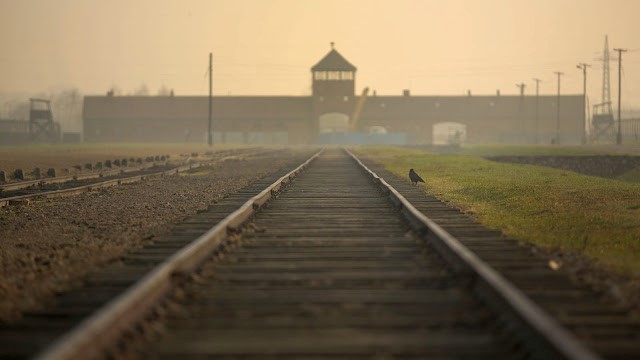
පින්සිරි සමරවීර අමාත්‍යවරයා කලබල වී ඇත්තේ මෙම ප්‍රකාශයේ සඳහන්ව ඇති හිට්ලර් කෙනෙක් වෙලා හරි මේ රට හදන්න” කියන කොටසට ය. ඔහුට අනුව එය නිර්මල බුදුදහමට පටහැනි ය. දැන් මෙරට සියලු භික්‍ෂූන්වහන්සේ බෞද්ධ ධර්මයට අනුකූල කුමක්ද, අනනුකූල කුමක්ද, යන්න විමසා දැනගත යුත්තේ පින්සිරි සමරවීර උපාසක අමාත්‍යවරයා වෙතිනි. එසේම හිට්ලර්ගේ වදකාගාරවලටත් එහා ගිය වදකාගාර පවත්වාගෙන ගිය බටලන්ද ඝාතකයා, තම නායකයා කරගත් මේ උපාසක තෙමේ දෙසන ‘බණ’ ඇසෙන විට අපට ඇති වන්නේ අරුම පුදුම ප්‍රීතියකි.

අතිපූජ්‍ය වෙඩරුවේ උපාලි ස්වාමීන්වහන්සේගේ අදාළ ප්‍රකාශය තේරුම් ගත යුත්තේ ඊට අදාළ සංදර්භය මත තබා මිස, එයින් වියුක්තව නොවේ. උන්වහන්සේ මේ සරලව පවසන්නේ, ගෙවුණු වසර 3ක කාලය තුළ පින්සිරි සමරවීරලාගේ සමරිසි” ආණ්ඩුව මේ රට ඇදවට්ටවා ඇති ප්‍රපාතයේ තරම ය. යහපාලනය” නැමැති වචනය ගණිකා ව්‍යාපාරයේ යොදවා බලයට පැමිණ සමාජ, ආර්ථික, දේශපාලන, සංස්කෘතික යන සෑම අතින්ම රට ඇදගෙන ගොස් ඇත්තේ දශක ගණනාවකින් පසුපසට ය. පින්සිරි සමරවීරලාගේ දක්‍ෂතාව හේතුකොටගෙන අද රුපියල ඇ. ඩො. 161 දක්වා බාල්දු වී ඇත. චීනයේ සිට වැඩම කරවන ලද බුදු පිළිම වහන්සේලාට මිලියන ගණනින් බදු ගහන පින්සිරිලාගේ ආණ්ඩුව, තිරිඟුපිටි සමාගම්වලට, කිරිපිටි සමාගම්වලට බදු සහන දී ඇත්තේ වසරකට රු. මිලියන 52,000කට වඩා මහා භාණ්ඩාගාරයට අහිමි වන පරිදි ය. නීතිය, කැමති අතකට නැවිය හැකි පාලකයන්ගේ අවිය වී තිබේ.

පින්සිරිලා ජිනීවා ගොස්, ඇමරිකා එක්සත් ජනපදය ශ්‍රී ලංකාවට හතුරුව ගෙන එන ලද 30/1 යෝජනාවට සම්පූර්ණ අනුග්‍රාහකත්වය දැක්වීමේ ප්‍රතිඵලයක් ලෙස අද රට බේරාගත් රණවිරුවන් ඉන්නේ හිරගෙදර ය. අද ආරක්‍ෂක හමුදාව 25%කින් කප්පාදු කිරීම අරඹා ඇත්තේ ද පින්සිරිලාගේ ජිනීවා පාවාදීමට අනුව ය. දැනට පවතින හමුදා කඳවුරු සියයක් ගැලවීමට තීරණය කර ඇත්තේ ඒ පාවාදීමට අනුවම ය. ‘මිලේනියම් සිටි’ කුප්‍රකට බුද්ධි අංශ පාවාදීමට වරදකරුවන් වූ හමුදා නිලධාරීන්ට හිඟ වැටුප් හා උසස්වීම් සමඟ විශ්‍රාම යාම සලසා දුන්නේ පින්සිරිලාගේ අාණ්ඩුවම ය. ඔඞ්ඩුසුඩාන් ප්‍රදේශයේදී පසුගියදා ක්ලේමෝ බෝම්බ, වෙනත් ආයුධ, කොටි නිල ඇඳුම් හා කොටි කොඩි සමඟ කොටි සැකකරුවන් පොලිසියට හසුවන්නේ පින්සිරිලා ලබා දී තිබෙන අපූරු යහපාලනයට පිං සිදු වන්නට ය.

බදු බර අහස උසට ය. රාජපක්‍ෂ පාලන සමයේ රටවැසියා වෙතින් අය කරන ලද මුළු බදු ප්‍රමාණයට වඩා දෙගුණයකටත් වැඩි බදු බරක් පින්සිරිලාගේ ආණ්ඩුව ජනයා මත පටවා ඇත. අද ව්‍යාපාරිකයන් මහන්සි වන්නේ ලාබය වැඩිකර ගැනීමට වඩා, සිය ව්‍යාපාරය වැසී යාමට නොදී රැක ගැනීමට ය. පින්සිරිලාගේ ආර්ථිකයේ නියම තත්වය වටහා ගැනීමට නම් බැංකුවක කළමනාකරුවකුගෙන් දිනකට අගරු වන චෙක්පත් ප්‍රමාණය කොපමණදැයි විමසා බැලිය යුතු ය. මහජනතාවගේ මුදලින් කොටි ත්‍රස්තයන්ගේ පිළිම උතුරේ හැදුව ද පොදු ජනතාවගේ සැබෑ අවශ්‍යතා ඉටු කරන සංවර්ධනයක් පෙනෙන තෙක් මානයකවත් නැත.

අනෙක් අතට පින්සිරිලාගේ ආණ්ඩුව කරන හොරකම්වල ද කෙළවරක් නැත. අර්ජුන් මහේන්ද්‍රන්ලාට නීතිය ක්‍රියාත්මක වන අපූරු අන්දම දෙස මහජනතාව බලා සිටින්නේ ඉමහත් උත්ප්‍රාසයෙන් යුතුව ය. පාතාල කල්ලි දිනපතා මිනී මරන්නේ පින්සිරිලාගේ පාලනයෙන් ලැබී තිබෙන අපූරුව දනවමින් ය. පින්සිරිලා කියන මහින්ද රාජපක්‍ෂ යුගයේ (පින්සිරිලාට අනුව කළු දශකය) රට තිබූ තැනත් අද වැටී තිබෙන තැනත් ගැන මෙරට මහජනතාවට ඇත්තේ දැඩි කනස්සල්ලකි.

අතිපූජ්‍ය වෙඩරුවේ උපාලි ස්වාමීන්වහන්සේගේ ප්‍රකාශය වෙතින් පිටවන්නේ, මුළුමහත් සමාජය තුළ දැඩිව පවතින මෙම කනස්සල්ල ය. එසේ නොවේනම්, රටට සිදු වෙමින් තිබෙන විනාශය පිළිබඳ කලකිරීම ය. මෙම කලකිරීමේ ප්‍රතිඵලය වන්නේ යකෙක් හරි කමක් නෑ දැන්නම් ” කියා හිතෙන මට්ටමට මිනිසුන් පත්වීම ය. හිට්ලර් වෙලා හරි කමක් නෑ මේ රට හදන්න!” යන ප්‍රකාශයෙන් උන්වහන්සේ පවසන්නේ ගෝඨාභය රාජපක්‍ෂ මහතාට හිට්ලර් වන්නට නොවේ. මොන විදියකින් හරි මේ වැටෙන රට හදන්නට ප්‍රමුඛත්වය ගන්න කියා ය. පින්සිරිලා ද මාධ්‍ය නිවේදන මගින් කුමක් කීවත්, සත්‍ය මෙය බව නොදන්නවා නොවේ.

අලි පැටවකු පන්සලේ ඇතිදැඩි කළ වරදට පවා භික්‍ෂූන්වහන්සේ සිරගත කළ පින්සිරිලාගේ ආණ්ඩුවට, බුද්ධාගම රැකගැනීමට සිතක් පහළවීම ද එක අතකින් සතුටට කාරණයකි. සමරිසි ජීවිතය ගැන පෙර පාසල්වල සිට පාසලේ 3 වන පන්තිය දක්වා කියා දෙන්නට රාජ්‍ය නොවන සංවිධාන ජාලය සමඟ වැඩසටහන් පවත්වාගෙන යන පින්සිරිලාගේ ආණ්ඩුවට බුද්ධාගම ගැන හිට්ලර්” කෙනෙක් නිසා හෝ ඇල්මක් ඇති වී තිබේනම් එය ද යහපතකි.

රාජපක්‍ෂලාගේ ඊනියා කළු දශකයක් ගැන කියමින්, අසත්‍ය චෝදනා කරමින් නැවත නැවතත් පච වැපිරීම පින්සිරිලාගේ ආණ්ඩුව කරන එකම රාජකාරිය ය. පසුගිය වසර 3 පුරාම සිදු කළේ එකී පච බේගල් නැවත නැවතත් වැපිරීම මිස අන් යමක් නොවේ. ඔවුනට ඉදිරියට ද කරන්නට ඇත්තේ ඒ වැඬේ පමණි. අවසන් වශයෙන් මා පින්සිරි අමාත්‍යවරයා වෙතින් ඉල්ලා සිටින්නේ ඔබට හා ඔබ පසුපස සිටින විදේශීය හාම්පුතුන්ට රාජපක්‍ෂලා කෙරෙහි ඇති වී තිබෙන වෛරය ගරුතර මහා සංඝරත්නය වෙතින් පිට නොකරන මෙන් ය. කසාවතට මේ මව්පොළොව සමඟ ඇති ඓතිහාසික බැඳීම නොදන්නා ඔබ වැන්නකු, එයින් සිදුකර ගන්නා අගතිය සුළුපටු නැත. එදා රනිල්ට බෑ!” කියූ ඔබ අද රනිල්ට පුළුවන්!” කියන විට ඔබ වැන්නකු ගැන අපට කතා කරන්නටවත් කිසිවක් ඉතිරි වී නැත. බුද්ධාගම හෝ ශාසනය ගැන හෝ වද නොවී, ඩොලරයට සාපේක්ෂව රුපියලේ ඇද වැටීම වළක්වන්නට හැකිනම් පියවර ගන්නා මෙන් ඔබ වෙතින් ඉල්ලා සිටිමි.

පින්සිරි අමාත්‍යවරයාගේ යහපත පිණිස, අවසාන වශයෙන් මම බුදුන් වහන්සේ දේශනා කරන ලද ධම්මපදයේ වන පහත සඳහන් ගාථාව ඉදිරිපත් කරමි.

අත්ථාන මේව පඨමං
පතිරූපේ නිවේශයේ
අතඥ්ඥ අනුසාසෙයිය
නිබ්චිලේ සෙයිය පණ්ඩිතෝ”

මෙහි අර්ථය මෙසේය.
අන්‍යයන්ට උපදෙස් දීමට පෙර තමා පළමුව සුදුසු තැනක පිහිටිය යුතු ය.”

විමල් වීරවංශ (පා.ම)
නායක,
ජාතික නිදහස් පෙරමුණ.

TAMIL SEPARATISM AND THE INDEPENDENCE MOVEMENT   

June 23rd, 2018

KAMALIKA PIERIS

Tamil separatism” is not a post-Independence phenomenon, as we are made to believe. Tamil separatism had emerged long before ‘Sinhala only’ (1956) and ‘standardization’ (1970) took place. Tamil separatism started in the 1920s when Sri Lanka was still under the British. Tamil separatism was a dominant political force in south India at that time. The   Justice Party, which wanted Tamil rule, was in power in the Madras Presidency of India from 1920 onwards.  This would have given strength to Tamil separatism in Ceylon.

Sandagomi Coperahewa records that the term Tamil Eelam” was used for the first time for the North- East by Ponnambalam Arunachalam in his address to the Tamil League in 1923. In this speech he spoke of the ‘desire to preserve our individuality as a people,’  (Coperahewa 2009 p 59)

When it became clear that Ceylon was moving towards independence and that the British were leaving, the Tamil leaders became alarmed. The ‘Ceylon Tamil’ and the ‘Ceylon Moor’ knew that they owed their    position to   British rule in Ceylon. They were concerned about what would happen to them in independent Ceylon. They opposed all moves towards independence. They protested before the Donoughmore Commission, (1927) the Soulbury Commission (1944) and strongly objected to the” Ministers Draft Constitution” (1944).

The 1920’s saw the beginning of Ceylon’s agitation for independence from Britain. To start with, the Ceylon National Congress wanted territorial representation in the Legislative Council elections planned for 1924. The Tamil leaders were against this. A memorandum prepared by Ponnambalam Ramanathan was sent to the Colonial Office in London in 1922. This memorandum set out the view of the minorities on future constitutional reform and included a draft scheme of constituencies with representation on an ethnic basis. Governor Manning endorsed it and praised it as a model memorandum.

But in London, the Colonial Office authorities, Viscount Milner and H. Cowell ‘were perceptive enough to raise doubts about the Tamil demands’. ‘Their demands in the joint memorandum are excessive; it would be a doubtful measure to agree to communal representation of Tamils who are a progressive and numerous class,’ they said.

‘All Ceylon Village Committee Association’ was formed in 1924, but the Northern Province had its own association the ‘North Ceylon Village committee.’  This organization lobbied the colonial government about colonization schemes, provision for irrigation and causeways, credit for tobacco and paddy farmers and solicited aid for village workers.

Recognizing Ceylon’s desire for greater independence, Britain appointed the Donoughmore Commission in 1927 to look into a new constitution for Ceylon. Alarmed Tamil leaders appeared before this Commission and lobbied for communal (ethnic) representation. Donoughmore Commission did not accept their views.

The new Donoughmore Constitution which came into effect in 1931 provided, instead for a State Council, with Executive Committees for each subject. It also gave a   vote to all citizens. The Tamil leaders heartily disliked this universal franchise vote. They count people like cattle, 20 to that side and 30 to this side. There is no way that the village headman and the labourer are going to have the same vote!” said Ponnambalam Ramanathan in 1931.

H.A.P. Sandrasagara made a significant observation in 1931. He said in 1931,’ I will make Jaffna an Ulster and I will be its Lord Carson’. This remark is revealing. Let us therefore looked at what happened in Ulster.

‘Ulster’ was the Protestant part of Northern Ireland, with Belfast as its center. In 1912, Britain planned to give ‘Home Rule’ to Ireland. Ireland was a part of Britain at the time. Instead of rejoicing, ‘Ulster’ objected, because under Home Rule, Protestant Ulster would become a minority in deeply Catholic Ireland. Unionist Ulster wanted the link with the British Empire to continue.

On ‘Ulster Day’ 28 September 1912 over five hundred thousand Unionists signed the Ulster Covenant drawn up by Irish Unionist leader Sir Edward Carson, pledging to defy Home Rule by all means possible. They prepared for war. They obtained weapons from abroad. Carson meanwhile lobbied Parliament. Parliament agreed to give partial autonomy to Ulster inside the Home Rule. The legislation was ready, but World War I intervened. Thereafter, Government of Ireland Act 1920 partitioned Ireland, creating Northern Ireland and setting up separate Home Rule Parliaments in Dublin and in Northern Ireland.

The matter did not end there.  Northern Ireland   erupted into a protracted, highly publicized Protestant –Catholic war which lasted from 1968-1998. There was severe rioting between Catholics and Protestants in Northern Ireland. This Northern Ireland conflict has been described as a thirty year bout of political violence, low intensity armed conflict and political deadlock. It included an armed insurgency. During Unionist rule, Catholics were discriminated against and Irish language and Irish history were not taught in state schools. The conflict ended with the Good Friday Agreement of 1998 which recognized both Protestant and Catholics in Northern Ireland. Northern Ireland’s future remains uncertain.

Now, back to British Ceylon. Governor Caldecott, in 1938 recommended the abolition of the State Council and replacement with the Westminster system of Cabinet government. G.G. Ponnambalam, leader of the All Ceylon Tamil Congress, and member of the State Council wrote to Governor Caldecott in 1939, saying that there were strong differences of opinion between the majority community and the minorities regarding the next constitutional change. He said that any action on the part of the British to support the ideas put forward by the Sinhalese Ministers in the State Council, would be viewed with extreme disfavor by the Tamils. He said he was writing this letter at the instance of a number of representatives of the minority communities.

A set of State Council members consisting of 2 Tamils (Ponnambalam, Dharmaratnam) 2 Indian Tamils (Natesa, Pereira) one Muslim (Kaleel) one Malay (Jayah) had also  sent a telegram to Britain asking that any future constitutional reform should safeguard minority representation in the government.

In November 1939, G.G. Ponnambalam wrote to Sir N. Stewart Sandeman, Conservative MP from Lancashire, telling him that ‘there are certain sinister moves by being made by our Sinhalese friends just now to wrest control of the country.’ Sandeman forwarded the letter to Colonial Office, stating” I am taking almost as much interest in Ceylon as I did on the question of the India Bill. My sole aim in doing so is my feeling that the minorities have to be protected more in the East even than in Europe. I have the feeling that the Sinhalese may try to exploit the fact that there is a war on (he is referring to the Second World War) in order to gain their own ends.” This shows that the Tamil Separatist Movement had started cultivating friends in UK, long before Eelam.

In 1941, Sir Mohammed Macan Markar, as leader of the Muslim minority met Governor Caldecott. He argued that if the Executive Committee system was to be abolished, then some method of ‘protecting minorities’ be devised in its place

In 1942, Britain promised to give greater self -government to Ceylon once the Second World War came to an end. Britain asked the State Council of Ceylon to prepare a draft constitution for Ceylon. The Board of Ministers of the State Council, led by D.S. Senanayake, sat down and drafted a constitution and sent it off to London. This was known as the ‘Ministers Draft Constitution ‘of 1944.

This Draft Constitution was based on the Westminster model. It included weighted representation for Tamil majority areas. In addition to the normal allocation of parliamentary seats on the basis of population, the Northern and Eastern Provinces would be allocated an additional number of seats to increase their representation, because these two provinces were sparsely populated. There would also be a   clause which would prohibit discriminatory legislation against minorities.

The Tamil leaders were not impressed. They informed London that they did not like the draft, specially the way it had been prepared. The “Draft ‘ had not been submitted to the State Council for approval.  Tamil leaders had serious ‘anxieties over the protection of their legitimate rights’ in the future constitution.

Britain decided to appoint a committee to look into the matter. The ‘minorities’ of Sri Lanka had reservations about this also. ‘Representatives of the minority Communities in State Council” had requested Ponnambalam to write to Secretary of State, in London, and inform him that they were against any Commission appointed only to consider the ‘Draft Constitution’ which had been drawn up by Ministers who belonged only to -the Sinhalese community.  Ponnambalam had been asked to point out that that the minorities constituted at least one quarter of the House, and thus claimed the right to contribute to the discussion. Secretary of State, in London had replied that the draft constitution would not be accepted until it was thoroughly examined.

Ponnambalam objected to the appointment of a Commission only to examine the draft Constitution’ of 1944.   Ponnambalam called for a commission to review the situation in Ceylon, saying that the existing constitution, which also had operated to the detriment of the minorities, should be amended.

Ponnambalam kept on writing to the British government about Tamil views and Tamil objections to the constitutional reform process.  He sent a spate of communications to Britain, complaining and criticizing. Ponnambalam was the chief, in fact, the only, personality of any significance in the arena at this time on this matter observed K. M de Silva.

Thanks to these letters, London wanted Ponnambalam’s All Ceylon Tamil Congress investigated. Colonial Office prepared a note on the ACTC which said that the Tamil Congress was a recent organization. It was neither representative of the Tamil community nor did it have deep roots in the Tamil community. It was an artificial creation of a group of Tamil politicians led by Mr. Ponnambalam, for the purpose of presenting a unified front against the Sinhalese majority community where constitutional reform was concerned.

The Tamil assumption that the Sinhalese and Tamil communities cannot work together in politics was ‘not borne out by events’, continued the note. Colonial Office decided simply to acknowledge the various communications from Ponnambalam and state that they have been referred to the Secretary of State for the Colonies.

K.M de Silva has suggested that these protests were effective, and contributed to Britain’s decision to widen the terms of reference of the Soulbury Commission,   to include a study of the minority situation. However, G.G. Ponnambalam did not impress the two Ceylon Governors he dealt with. Caldecott, Governor of Ceylon from 1937-1944, treated his letters rather coldly. Caldecott questioned one of Ponnambalam’s statements in his letter of 4.4.1944, sought clarification, and said that he did not think the matter important enough to send it by telegram, as Ponnambalam had requested. Air mail would do. However Caldecott refers to Ponnambalam as ‘redoubtable and intransigent’,

IN 1944, a Tamil doctor from South Arcot in southern India, Dr. S Ponniah wrote to the Colonial Office in Britain, emphasizing the difference between ‘Tamil Ceylon and the rest of Ceylon”. Here are quotations from his letter:

With reference to the future political reforms to be granted to Ceylon, I beg to state [that the Tamil speaking part of Ceylon (re: comparison of other minor communities with the Tamils) is a well defined territory where Tamil only is spoken. Besides, it had its own history, civilization, politics, and Kingdom for roughly about 1,500 years 1 or perhaps more. It had been and is different from the rest of all Ceylon by history, race, language, creed, culture, customs and manners, politics, civilization and the ideals of life.

Tamil Ceylon is a unit by itself. If Tamil Ceylon with Jaffna as centre is created a separate political unit by the World Protecting British Nation, the story will be different. Jaffna will play the part of a bond of union between Mother India and Daughter Lanka (Ceylon) and of a buffer political unit medium between these two countries for the happy betterment of their mutual feelings and their economic, political, and cultural progress. The best of understanding has still to be reached between these two countries and it is essential and vital that it should be reached soon as attested by war time troubles.

Some politicians will try to plaster over the differences between Tamil Ceylon and the rest of Ceylon but it is extremely difficult to make the two ends meet. The promises of these politicians are with selfish motives, short-lived and Ideologic. They are ambitious and power-loving; they want to satisfy their feelings of supremacy and to bring all Ceylon under one umbrella. If the ideas and ideals of these politicians are carried through, the Tamil people of Ceylon will be reduced to the position of ryots and serfs. Almost all the coveted high posts will be occupied by the major community as was the beginning [sic] seen during the past decade or two. All the public money will be spent to better their own lands and people. The Tamils will suffer economically and they will deteriorate and degenerate mentally and morally. The Tamil language and culture will slowly disappear, the beginning of which is seen in the Ceylon University. Whereas in India they are Tamilising sciences and are ‘beginning to teach Mathematics and Sciences in Tamil in the schools and colleges. Incidentally I may add a Jaffna University has to come into being sooner or later. » (CO/54/986/7 no 35 of 1.Sept 1944, British Documents on the End of Empire Item 223.)

In 1944, the British government in London appointed a committee led by Viscount Soulbury to go to Ceylon, study the situation, and recommend a suitable constitution for Ceylon (Sri Lanka). They were specifically asked to discuss the matter with the ‘minorities’. This Commission arrived in Ceylon in 1944. The Commissioners looked around, met the State Councilors and the leaders of the ‘minorities’ and made its recommendations in a report titled Ceylon, Report of the Commission on Constitutional reform” published in 1945.

The Tamil leaders had a series of complains to make to the Soulbury Commission regarding State Council. The Commissioners looked into each of the complaints and recorded their observations in the Report. The Tamils complained about discrimination in appointments to the public services. They stated that before 1931, arithmetic was compulsory for the General Clerical services examination. After the State Council was established in 1932, arithmetic was deleted. This was done because the Tamils were superior at mathematics. The Soulbury Commission did not agree. They found, instead that the Burghers and Tamil were over represented in the public service. The Sinhala challenge to the Tamil position was not ‘discrimination.’ It is the ‘natural effect of the spread of education and efforts made to bring other portions of the island up to the intellectual level of one portion of it.’

The Tamils also complained of discrimination in the provision of schools.  They   complained that very few of these government schools were sited in the north and east. The Commissioners thought otherwise. The Soulbury Commission rejected the statistics offered by the Tamil groups, saying that they differed greatly from the official statistics.    They pointed out that Jaffna already had a fine network of schools, provided by the Christian missions. The Soulbury Commission concluded that the discrepancies in expenditure were due to the government’s desire to ‘redeem certain localities and communities from the neglect of past years’. The Commission praised Kannangara, ‘himself a Sinhalese and Buddhist ‘for promoting schools for Muslims.

The Soulbury Commission was full of praise for the good work done in education by the State Council from 1931. They said that the Minister for education, C.W.W.Kannangara was attempting to provide government schools throughout the country. Between 1931 and 1944 there had been a remarkable expansion in the provision of Sinhala and Tamil schools. Since there was not enough money for school buildings, Buddhist temples had been asked to allow schools to be conducted in their halls. Soulbury Commission  noted  that Kannangara had succeeded, against fierce opposition to introduce a system of school meals for children. They also noted that Kannangara wished to  introduce English to all schools and develop a set of Central schools

The Tamils complained about the lack of  agricultural and irrigation development  in the northern and eastern provinces. They charged that after the State Council was set up, the money allocated to the north and east had decreased. Soulbury Commission pointed out that  the British had    concentrated mainly on restoring irrigation tanks in the north and east.   Up to 1931, nearly 50% of the total expenditure on irrigation works was for the  northern  and eastern provinces. The State Council had concentrated on developing irrigation in the Central and North Central provinces. Soulbury Commission  also noted that the population in the north and east was little more than 10% of the total  population.  But from 1931 to 1943 the expenditure for the north and east was around 19% of the  total allocation.

The Tamil complained about the Anuradhapura Preservation Ordinance, 1942. This Ordinance was enacted to preserve the historical city of Anuradhapura and  create a new town outside the zone of its archaeological remains. The Tamils complained that  there were around 10,000 Tamils and Muslims in Anuradhapura ,  and they either owned or occupied a greater proportion  of the land affected by this Ordinance.  Hennayake (2009) confirms that Anuradhapura town  had ‘always had’ a relatively large Tamil population. They were largely engaged in business and related activities.   Soulbury Commission thought that the preservation of the ancient city of Anuradhapura was  in the best interest of Ceylon as a whole. It was sensible to  safeguard the remains of an ancient city of great extent and beauty. They did not think this  specially  benefited the Sinhalese and saw no intention to discriminate against the minorities

The Tamil and Muslim traders had objected to the  all island Cooperative movement which the State Council had started. The All Ceylon Tamil Congress stated that the  Cooperative sector was intended by the  Sinhalese to cut out the trade of the Indians and Europeans. They said the Indians had an aptitude  for trade  which the Sinhalese did not possess and the  government wanted to benefit the Sinhalese at the expense of the others. Soulbury Commission declared that it  was a good thing to develop a cooperative movement as it would benefit the poor. The cooperatives they visited were well run. The charge of communal discrimination was dismissed.

The Tamil  leaders also complained about religious favoritism. The Tamil leaders had  stated that there were just 61% Buddhists in 1944 with  22% Hindus and 10% Christians.  They had combined the Ceylon and Indian Tamils together. They complained against the Buddhist Temporalities Ordinance of 1931. Under the terms of  this Ordinance the Public Trustee was expected to carry out the administration of the Buddhist temples. The Ceylon Tamils had complained  that by this nearly half a million rupees from 1931 to 1944, went from the public revenue,  year after  year as  the cost of the Public Trustees administration.  This meant that the taxpayer was  paying for the administration  of   temples which served only a section of the population. The minorities considered this to be discrimination in favor of Buddhism . Soulbury Commission agreed with this, and concluded that the Sinhala majority of the State Council had  favored their own religion.

In 1945, the Soulbury Commission produced the Soulbury Report, recommending further constitutional reform for Ceylon. The Report recommended a Prime Minister, Cabinet, and a Legislative Assembly. Its recommendations resembled the ‘Draft Constitution’ of the State Council. D.S. Senanayake, later Ceylon’s first Prime Minister, wanted to go to London, to meet the British Secretary of State to press for independence, before this Report was released .  He was invited in his capacity as Vice-Chairman of the Board of Ministers and Leader of the House. He was in London in August and September, 1945.

G.G. Ponnambalam also requested the same privilege. He sent a telegram, through the Governor, stating that the All Ceylon Tamil Congress did not like the exclusive opportunity given to D.S.Senanayake to hold discussions with the Secretary of State without any representative from the opposition. Senanayake cannot claim to speak for ‘ five out of the six communities in the Island.’ Tamils wanted an equal opportunity of discussion with Secretary of State.  Secretary of State replied that he was not prepared to issue invitations to Ponnambalam or anybody else, nor was he going to pay for their passage to come to London.  It was also decided that Secretary of State should not discuss the Soulbury Report with Ponnambalam.

Monck Mason Moore who was Governor in Ceylon (1944-1948) had to deal with Ponnambalam’s visit to London. He remarked that that he did not think that Ponnambalam had the wide backing he claimed. He recommended that the Secretary of State should not issue an invitation to Ponnambalam to come to London, as no good purpose would be served by such an arrangement. He also stated that Ponnambalam was not prepared to accept the explanation that  British  was inviting D.S. Senanayake to London only as Leader of the House, despite the fact that Moore had had two interviews with Ponnambalam.

Ponnambalam went anyway, accompanied by several other delegates from a special ‘Conference of Minorities’. He stated that they wished to be available for discussion, whether invited or not, as Senanayake could not claim to speak for them and did not enjoy their confidence. There was also another delegation from Ceylon. The Indian Mercantile Association, who wished to discuss the Indian community in Ceylon, and their mercantile interests in particular. The Secretary of  State had confidential discussions with D.S Senanayake, who said that he was expressing the views of the people of Ceylon.

G.G. Ponnambalam did finally see the Secretary of State for half an hour on 10 September 1945. There is a record of this meeting in the Colonial office document CO 54/987/1)no 62 of 11.9.1945. The contents of this minute are entertaining. Ponnambalam began by stating that he had no objection to D.S.Senanayake being consulted in his capacity as Leader of the House. Secretary of State had interrupted to point out  that that was precisely why D.S. had been invited.

Ponnambalam thereafter stated that Senanayake had ‘no mandate whatsoever to represent the views of all five groups in Ceylon, and could not be expected to put forward views held the minority groups with which he was not in sympathy. ‘ Also that the British  government  would be influenced by him and be. thus biased towards the majority Sinhalese community. He could not_ understand why British had invited ‘the one man who instigated and  led the boycott of: the Soulbury Commission in Ceylon ,” Ponnambalam maintained that Senanayake was anxious to prevent the Soulbury Commission hearing the view of the considerable minority groups in Ceylon.

At this point the listeners had inquired whether Ponnambalam represented the four minority groups. He replied that in theory he did not. He did however hold a mandate from about 1 million Tamils and thought that there was already sufficient evidence to show that his views were the views of all the minorities.

Ponnambalam had pointed out that under limited franchise which  operated between 1834 and 1931, the Sinhalese had never held more than 50 of the seats. But after universal franchise came in, the Sinhalese kept getting a majority. His listeners had inquired how Ponnambalam intended to rectify matters since he too had approved of universal franchise. Ponnambalam suggested weighted representation for minorities such as had been proposed for the Muslims in India. Secretary of State pointed out that the Muslims in India had  turned down the idea. Thereafter 5ecretary of State departed and Creech Jones who was left had a few  more words with Ponnambalam  which ‘got nowhere’. On 19 November 1945, Sidebotham commented ” Ponnambalam is still on our doorstep.  He will go back a sadder and I hope, a wiser man”.

However Ponnambalam was not that easily quelled. When the Soulbury Report was published, he had plenty to say about it. He sent  a long letter of complaint to the Colonial Office protesting against the Soulbury recommendations The main  point in this lengthy memorandum is that the minorities should have been, given special status in the Soulbury reforms. “The Tamils (Ceylon and Indian) who are more than 25 of the population maybe given such weightage as to receive one-third (33) of the seats.”. There is no indication that there was any official response to this memorandum.

In this letter he also  provided an analysis of Ceylonese society. the people of Ceylon were not a single entity. The population was heterogeneous. The social. structure  was founded  upon a communal basis and the needs of the various communities differed widely. it was , he said, a  plural society of antagonistic communities  and the principle problem of government is the protection of minorities.

Of the Minorities, the Tamils form the most important entity; they were the original habitants and rulers of the Island who established independent Kingdoms and even exercise sway over the entire Island over a long period of years. They remember With pride that the Kings of the Singalese were largely of Tamil extraction and that for quite a century till the British occupation the ruling dynasty was wholly Tamil. They Impressed their culture and policy on the Singalese and have been in the main, responsible for the political advancement of the country. In the economic sphere it was British capital and Tamil manpower that came over from South India that have contributed very largely to the development of the land in the plantation industries, Ponnambalam concluded.”

The Soulbury reforms appeared as a White paper in the State Council of Ceylon, and was passed with a generous majority, the Tamils councilors voting for it. Soon after, in a letter dated 13. November 1945, the Secretary of the All Ceylon Tamil Congress, sent a statement to Britain, explaining that they only voted to ensure independence through Dominion status. That otherwise they were against this White Paper. ACTC spoke of the need for ‘concrete proposals for safeguarding the Tamil position’ and the ‘political extinction of the Tamil community in Ceylon’   The Tamil Congress had convened a special session in Colombo to debate this matter.

In January 1946, Sivasubramaniam, Secretary of the All Ceylon Tamil Congress sent a letter to Britain criticizing the proposed constitution for Ceylon. he complained about the possibility of an ‘immutable succession of Sinhalese Buddhist Prime Ministers.’, of rule by one community, that the rule of a Singhalese oligarchy was disastrous to a people of the stature and culture of the Tamils, that an ethnic pact should have been decided on, that the Tamils  be given an effective share in  government  Further that the Tamil people ‘refuse to believe that the British government ( would) impose a constitution on  an unwilling people’ or that it would watch the political extinction of the Tamil community in Ceylon. Britain was reminded of the Arabs and Jews in Palestine, and also reminded that there were 40 million Tamils in India watching all this.  There is no indication that Britain took any notice of these observations either.

Independence was granted and Ceylon prepared for its big day. A flag was needed. The national flag of Ceylon became an issue in 1947. The obvious choice was the Sinhala flag rescued from  some hospital in Chelsea, London. S. J. V. Chelvanayagam, Member for Kankesanturai opposed the lion flag, saying it was not a national flag, it is the Sinhala flag.   K. Kanagaratnam, Member for Vadukoddai seconded it. Vanniasingham (Kopay) and K.V. Nadarajah (Bandarawela) also spoke. C. Suntheralingam said ‘hoist the lion flag and then change it afterwards.’

  1. Sri Nissanka observed that ‘we are now under a new dispensation. The lion flag is the Sinhala flag, not the national flag and other communities can’t be asked to salute it’. Others said that the lion flag was only the royal standard, not the national flag.  We need a new flag to represent the multi- ethnic character of the country, a flag for all communities, they said.  The national flag should be Lion, Nandi and crescent of the Muslims said  Chelvanayagam. This was rejected. Prime Minister referred this matter to a committee of both houses. Its Tamil members were G.G. Ponnambalam and S. Nadesan. The committee recommended that that the national flag of Ceylon should be the lion flag of the Sinhala kingdom, with vertical stripes in green saffron to represent the Tamils and Muslims.

However, the lion flag was hoisted at the Independence function. It was also flown at the opening of Parliament. Prime Minister D. S. Senanayake and other authorities had prohibited any communal flags being hoisted on Independence Day. Those who objected to the Lion flag could raise the Union Jack. All state buildings flew the Lion flag and Union Jack. But Jaffna had flown the Nandi (bull) flag and in Colombo several Tamil leaders, including Deputy Solicitor General M. Thiruchelvam flew the Nandi flag on their vehicles. H.L.D.Mahindapala also recalls that On Feb 4, 1949 M Thiruchelvam, father of Neelan Thiruchelvam, was in a car which flew the Nandi flag. This shows that the Tamil separatist movement was   already in existence and gathering momentum at the time of independence.

Tamil Separatist Movement  said  that the Sri Lankan Tamils ‘consented’ to the granting of independence in 1947, on the understanding that there would be no discrimination against the minorities. If they wished to, the Tamils could have asked for, and got independence as a separate entity. Jaffna had originally been a separate kingdom, and it was this kingdom which went under the Portuguese and Dutch.

This essay shows that that was not the case. There is no mention of the ‘Kingdom of Jaffna’ in the Tamil utterances on constitutional reform. Further, during the granting of independence, Britain was concerned about losing its control of the Indian Ocean. Britain was hardly likely to create two countries at once, when they were scared that even the one independent state would start kicking eventually and oppose Britain. The Tamil protestations against the majority Sinhalese were considered, and then dismissed.
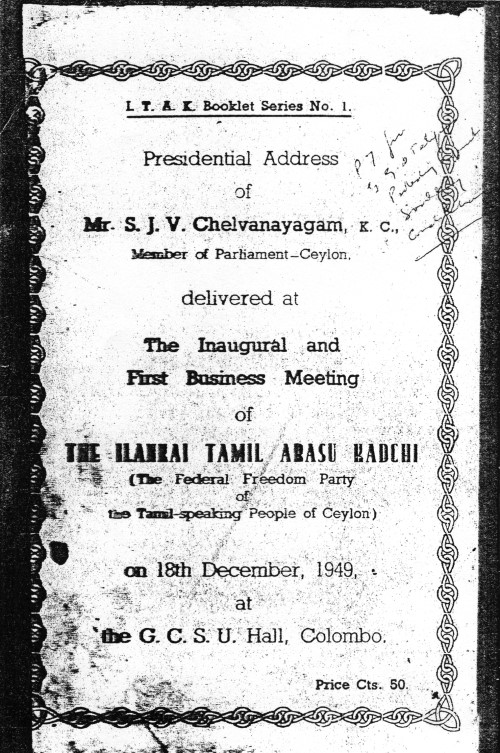
One year after Independence, S. J. V. Chelvanayakam, C. Vanniasingam, and Senator E. M. V. Naganathan founded the Illankai Tamil Arasu Kadchi. The inaugural meeting which was also the first business meeting was at the GCSU Hall in Maradana on 18 December 1949. Maradana was selected instead of Jaffna because the politically alert Tamils were in Colombo. Many were clerks in the GCSU. ITAK translated the name into English as Federal Party.” This was intended to mislead the Sinhalese. The correct translation is ‘Lanka Tamil state Party.’ This  political party was committed to a separate state, not federalism.

I am unable to find the full text of the inaugural speech by Chelvanayagam. Here are excerpts. We have met together with the common aim of creating an organization to work for the attainment of freedom for the Tamil speaking people of Ceylon. A Unitary Government with present composition of legislature and structure of executive totally unacceptable to the Tamils. In the absence of a satisfactory alternative we demand the right of self-determination for the Tamil people.”

The Tamils leaders of the 1940s were very arrogant. They looked down on the Sinhalese. According to Sebastian Rasalingam, Ponnambalam had called the Sinhalese ‘racial half breeds’ as a meeting in Nawalapitiya in 1939. When universal suffrage was granted the Tamil leaders expressed indignation at the prospect of a Sinhalese takeover of Ceylon. Chelvanayagam is reported to have said ‘Sinhalese are too small to govern the Tamils’,. Chelvanayagam later canvassed for an exclusive Tamil university in the North. When questioned as to why it had to be exclusively Tamil, he had replied because the Tamils are more intelligent than the Sinhalese.”

Pay compensation to LTTE terrorists says Minister Swaminathan !

June 23rd, 2018

P.A.Samaraweera, Brisbane

 Minister Swaminathan has presented a cabinet memo to pay compensation to LTTE terrorists and the families of the dead terrorists. According to him there are about 12,000 rehabilitated LTTE terrorists and about 30,000 from LTTE Mahaveera families. In addition to this, there will be many Tamil terrorist sympathisers who migrated to foreign countries returning for the sake of claiming compensation. 

These terrorists fought a 30 year war against a legitimate govt demanding one-third of the country for 11 per cent of the Tamil population. During this period they used suicide bombers to kill leading political figures, destroyed public property, bombed sacred Buddhist places of worship, killed Buddhist monks, civilians and members of the armed services. They bombed the Central Bank to destroy the economy. 600 innocent policemen who surrendered were killed mercilessly. Minister Swaminathan is not the least interested in the damage done to  the country by the worlds number one terrorist group, who claimed to be invincible. Based on the cabinet memo, compensation has to be paid to any members of Prabhkaran’s family  as well. According to his vision, there is no difference between the LTTE terrorists and the members of the armed services who fought them. Surprisingly, UNP MP Mujibur Rahman supports this memo. He seems to have forgotten so quickly how the LTTE terrorists massacred Muslims while praying in Mosques. And how Muslims were given only two hours to leave Jaffna. 

This compensation has to come from the taxes paid by the people. This includes members of the armed forces and the people who suffered from the atrocities of the LTTE. The irony is that these people are contributing to pay compensation to terrorists who tried to wipe them out. This is an insult to the “Rana Viruvos ” who fought the war risking their lives. 

Obviously, Minister Swaminathan is acting on the instructions of the LTTE rump and the Tamil diaspora, and presented the cabinet memo to appease them. So far the Yahapalanaya govt seems to be silent on this.  

Sri Lanka Will be Destroyed, Violated and Divided into Two Nations Under a Hitler-Like Leader

June 22nd, 2018

Dilrook Kannangara

By 1930s Germany was in utter desperation somewhat like Sri Lanka today. However, instead of overcoming its problems the right way, voters increasingly empowered the Nazi Party lead by Adolf Hitler. Within six years the country was in total ruin. US and Soviet soldiers rampaged the country in every way imaginable. Thereafter they shared the loot among themselves – the US taking West Germany and the SU taking East Germany. If Sri Lanka elects a similar character by any comparison, Sri Lanka’s fate will be no different.

There are strange elements that support a local Hitler arguing that it will lead to rapid development, promotion of national interests, renew national dignity and bring social discipline. They cannot be more wrong. Sri Lanka depends on the US and the EU for over than one half of its export income. Antagonizing these two will immediately ruin Sri Lanka’s economy and pit the people againt the leaders. These two blocks (despite their own shortcomings) stand for democracy and human rights. Even the election of a Hitler-like leader will pit them against Sri Lanka. Tamil Eelamists will support a local Hitler as they know such a despot will pave the way for the division of the island nation.

Sri Lankans are not a lazy lot. They are doing their very best under very difficult conditions. The nation, saddled deep in debt, has very limited economic potential. This can be fixed by increasing (not decreasing) tax. Increases in tax should not target the average family, but the ultra-rich tax evading cartels. However, both major political camps are their lapdogs. They are mere servants of these crooks. As such, there will be no improvement in state tax revenue and the debt crisis will only deepen. If US and EU export income is any way affected, Sri Lanka’s assets will have to be auctioned, like it or not. Over-governance is another problem. Until the economic crisis is over, local government bodies and provincial councils must be scaled down.

JR and Premadasa tried the violent approach to terrorize people and force them to work under bad economic conditions. It failed to achieve any economic improvement. Instead these policies gradually reduced the GDP growth rate until the LTTE did the nation a great favour in 1993. People received the news with jubilation. Authoritarianism has no history in Sri Lanka and it certainly has no future.

Those who still support a Hitler-like leader must look at countries like Cuba, Venezuela, North Korea, Laos, Cambodia, Yemen, Zimbabwe and Burma. They suffer stagnant economies and people grab the first opportunity to leave these hell holes. No Sri Lankan living in the island wants to end up like this.

Sri Lanka needs law and order. The law must be implemented equally to all. It can be done if there’s the political will. However, a Hitler-like leader cannot do so as he will protect his goons over others. Only a true democrat can bring about law and order and tap the freedom-driven intellectual potential of the knowledge economy.

ජාතික ආරක්ෂාවට මුවාවී ආණ්ඩුව මාධ්‍යවේදීන්ගේ ජීවිත අනතුරේ දැමීමට ගන්නා උත්සාහය වහා හකුලා ගනු!

June 22nd, 2018

වෙබ් මාධ්‍යවේදීන්ගේ ජාතික ව්‍යාපාරය  

ජාතික ආරක්ෂාවට මුවාවී ආණ්ඩුව මාධ්‍යවේදීන්ගේ  ජිව්ත අනතුරේ දැමිමට ගන්නා උත්සහය වහාම හකුලා ගන්නා ලෙස වෙබ් මාධ්‍යවේදීන්ගේ ජාතික ව්‍යාපාරය ලෙස අපි ජනපතිවරයාට,අගමැතිවරයාට මෙන්ම ආණ්ඩුවේ වගකිවයුතු පාර්ශවයන්ට දැඩි ලෙස අවධාරණය කර සිටිමු.

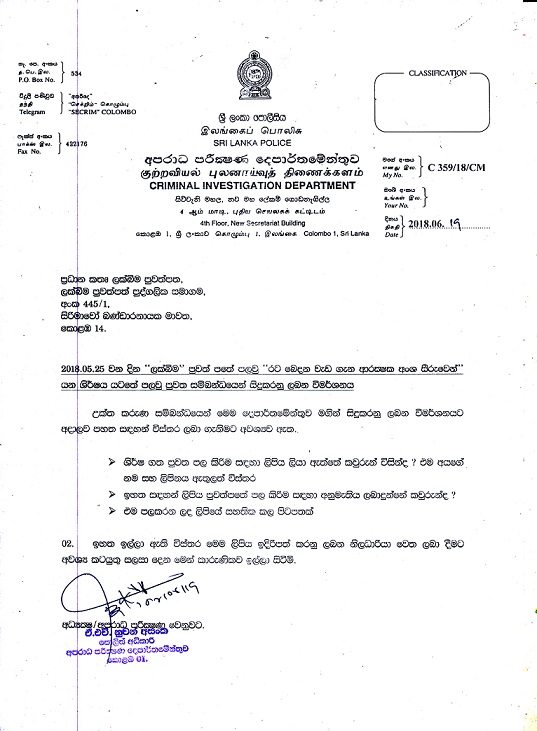
මැයි මාසයේ උතුරේ හා දකුණේ පැවැති විරු සැමරුම් පිළිබඳව ආරක්ෂක අංශ ගන්න පියවර සම්බන්ධයෙන් තොරතුරු ඇතුලත්ව 2018 මැයි මස 25 දා දිනමිණ හා ලක්බිම පුවත් පත් හි පළවු ප්‍රවෘත්ති ගැන අපරාධ පරික්ෂණ දෙපාර්තමේන්තුව පරික්ෂණයක් ආරඹා ඇති අතර ඒ හරහා එම පුවත් සංස්කරණය කල මාධ්‍යවේදීන්ගේ පෞද්ගලික තොරතුරු ලබා ගැනිම හරහා ඔවුන්ගේ ජිවිත අවදානමකට ලක්කිරීමට කටයුතු කර තිබේ.  

පසුගිය මැයි මස 25 වන දින ලක්බිම පුවත් පතේ මාධ්‍යවේදීන් වන ලසන්ත වීරකුලසුරිය,ගයත්‍රී ගිංගගආරච්චි විසින් සංස්කරණය කර ඇති  අදාළ පුවත පිළිබඳව අපරාධ පරික්ෂණ දෙපාර්තමේන්තුව හරහා පරික්ෂණයක් කිරිමට අවශ්‍ය බව දන්වමින් අපරාධ පරික්ෂණ දෙපාර්තමේන්තුව විසින් ලිපියක් යොමුකර ඇති අතර එම ලිපිය මගින්  අපරාධ පරික්ෂණ දෙපාර්තමේන්තුව  අදාළ ලිපිය පලකල මාධ්‍යවේදීන්ගේ නම්,ලිපිනය ඇතුලත් විස්තරයක්ද ඉල්ලා තිබේ.

ඊට අමතරව ලිපිය පලකිරිම සදහා අනුමැතිය ලබාදුන් අය සහ එම පලකරන ලද ලිපියේ සහතික කල පිටපතක්ද අපරාධ පරික්ෂණ දෙපාර්තමේන්තුව විසින් ඉල්ලා තිබේ. ලක්බිම පුවත් පත විසින් අදාළ ප්‍රවෘත්තිය පල කිරීමේදී එම පුවතේ අදාළ මාධ්‍යවේදින්ගේ නම් සදහන් කර තිබියදි තවදුරටත් ඔවුන්ගෙ නම් සහ පෞද්ගලික තොරතුරු අපරාධ පරික්ෂණ දෙපාර්තමේන්තුව ඉල්ලා සිටින්නේ මන්ද යන්න ගැටලුවකි.

අනිත් අතට රජයේ රහස්‍යභාවය පිළිබද කිසිදු ගැටලුවක් නොවන මෙම ප්‍රවෘත්තිය සම්බන්ධයෙන් පරික්ෂණයක් කරන්නේ කවර නිතිමය ප්‍රතිපාදන යටතේද යන්න පිළිබද ගැටලුකාරී තත්ත්වයක් මතුව ඇත. මේ සම්බන්ධයෙන් රහස් පොලිස් ආරංචි මාර්ග සදහන් කරන්නේ ආරක්ෂක මණ්ඩලයේ සාකච්ඡා වු කාරණයක් ලෙස මෙය පළ කිරිම හේතුවෙන් පරික්ෂණ සිදු කරන බවයි. එහෙත් එවැනි කාරණයක් ගැන පරික්ෂණයක් කරන බවක් අපරාධ පරික්ෂණ දෙපාර්තමේන්තුව විසින් එම පුවත් පත් දෙකට පරික්ෂණයක් කරන බව දැන්වු ලිපියේ සටහන් කර නොතිබිමද පුදුමයට කරුණකි.

රට බෙදන වැඩ ගැන ආරක්ෂක අංශ සීරුවෙන් …. ජනපති -අගමැති උපදෙස් දෙති! යනුවෙන් පලකල පුවත් හරහා රටේ ජාතික ආරක්ෂාවට සිදුවු හානිය කෙසේවෙතත් ආණ්ඩුව තුල සිටින කල්ලි කණ්ඩායම් එම පුවත පලකල මාධ්‍යවේදීන් සම්බන්ධයෙන් මේ අකාරයේ ක්‍රියාමාර්ගයක් ගැනිම හරහා කිසියම් පිරිසක් සතුටු කිරිමට උත්සහ දරණ බව නම් මනාව පැහැදිළිය. එම පිරිස සංතර්පණය කිරීම සඳහා  මෙම මාධ්‍යවේදීන්ගේ තොරතුරු අනාවරණය කිරිමට ආණ්ඩුවේ කල්ලි කණ්ඩායම් හි උත්සහය බව අපගේ මතය වේ. එය තවත් තහවුරු වන්නේ එම ප්‍රවෘත්තිය සම්බන්ධයෙන් අපරාධ පරික්ෂණ දෙපාර්තමේන්තුවට පරික්ෂණයක් කිරිමට අණ දුන්නේ කව්ද යන්න පිළිබදව තවමත් අනාවරණය නොවිම හරහාය.

ජාතිවාදය පෙන්වමින් ආණ්ඩුවේ නොහැකියාව,දුෂණ,වංචා,අපරාධ වසා ගැනිම සදහා වෙබ් අඩවි සහ සමාජ ජාලා අවහිර කිරිමට කටයුතු කල වත්මන් යහපාලන ආණ්ඩුව එහි තවත් දිගුවක් ලෙස පසුගියදා අමතක වු අතීතය මතක් කල  TNL රූපවාහිනියේ පොල්ගහවෙල ප්‍රති විකාශනාගාරය ද ගලවාගෙන ගිය අතර එය මාධ්‍යයට එරෙහි ආණ්ඩුවේ මාධ්‍ය මර්දනය සදහා නීතිය භාවිත කරන බවට හොදම සාක්ෂිය බවට මේ වන විට පත්ව තිබේ.

ඒ හේතුවෙන් මාධ්‍යවේදීන් ආරක්ෂා කරන බවට පොරොන්දු වෙමින් පැමිණි යහපාලන ආණ්ඩුව දැන් කිසිදු අපරාධයක් නොවන කාරණා සම්බන්ධයෙන් පවා මාධ්‍යවේදින්ගෙන් ප්‍රශ්න කරන්නේ කුමකට ද යන්න පිළිබදව බලධාරීන් වහාම අවධානය යොමුකල යුතු බව වෙබ් මාධ්‍යවේදීන්ගේ ජාතික ව්‍යාපාරයේ අදහසයි.

කැදවුම්කරු 

දුමිදු දිසානායක

වෙබ් මාධ්‍යවේදීන්ගේ ජාතික ව්‍යාපාරය  

සැ.යුපුවතට අදාළව රහස් පොලිසිය ලක්බිම පුවත් පතට යැවු ලිපිය සහ අදාළ පුවත මේ සමග අමුණා ඇත.  

Yahapalanaya: Comedy continues!

June 22nd, 2018

By Dr Upul Wijayawardhana Courtesy The Island

When I wrote ‘Raigamaya and Gampolaya’ just before the last local government elections (The Island, 5 February), I thought it was impossible for the state of affairs to get much worse. I am proved wrong; well, things have got worse and the comedy continues. Sorry, I should call it a tragi-comedy, with apologies to the populace that has to tighten belts, regularly, with no hope in sight, witnessing helplessly ramping corruption destroying the country, while politicians get enriched. Admittedly, no political script writer, even with an avid sense of humour, could have imagined such a farcical story as the unfolding Yahapalana saga. But, what is happening to our country is absolutely tragic.

Yahapalana mob does not care, busy feathering its own nest; the two leaders are at each other, undercutting and scheming to win the next presidential election, a post they vowed to abolish at the feet of Venerable Maduluwawe Sobitha Thero. In a way, the Venerable Thera was fortunate to depart to a better place, before his heart was fully broken by the antics of those he empowered. He is dead and gone but even death has not spared him of political manoeuvring. He would have turned 76 and definitely lived much longer had he not got involved in politics, on 29th May. To commemorate this birth anniversary, a ceremony had been held, but I simply cannot understand why this is done after someone is DEAD. Birth ends in death and, after that, if any, it is sensible to remember on the day of death; but that is another story. Our ‘great’ President gate-crashed, by his own admission, but it looks as if the ‘forgetful’ former Finance Minister was invited. “Prez lambasts UNP, warns of further revelations” was the main headline in ‘The Island of 31 May. He promised to do everything he had failed to do in the last three years and blamed the ‘other-half’ for all the failings. If you believe in an afterlife, as death would not dim the determination of a great being, Venerable Sobitha should have appeared from a ‘higher plane’ and told him, then and there, “Sirisena! Enough is enough, call off the bluff!!”

After the miserable showing in the local government elections, His Excellency planned his greatest ‘coup’; a no-confidence motion to oust the Prime Minister, he himself appointed, unconstitutionally. He was sure of success as there were enough UNPers ready to stab the aging and ‘never-winning’ leader in the back. Stage for the show-down was set, when TNA, ‘minority opposition’ declared they would abstain. Sensing danger, interested parties, including the USA and terrorist rump went into overdrive, as the fall of their man would lead to dampers on their project. ‘Bosses’ instructed TNA to vote against and everyone, including the President, got cold feet when he changed his instructions. His flock was allowed to vote as they wished, resulting in a further division of the SLFP; so, Rani survived, yet again!

Not to be outdone, the UNP taught the President a lesson by catching his Chief-of-Staff in the act of accepting a bribe. Pretty smart operation that was and wish there were many, so that the country would be rid of corruption. But the UNP is not interested in the country, any longer, but simply carries on with Dicky’s dictum: ‘Catch the corrupt only if they hurt us’.

Then comes the revelations about the millions gifted by Perpetual to (Dis) Honourable Members of Parliament who added provisos to the COPE report. Which side leaked the information, no one seems to be sure but it does not matter, as allegations are flying across the Chamber of The House, showing what a bunch of hypocrite’s rule over us. The usually sedate Speaker got up from a slumber, to plead with his colleagues not to throw mud at each other, without realising that they are simply doing what is natural to them.

An addendum is needed to my article ‘Ranil’s Watergate’ (The Island, 2 April) considering what has transpired since. The President’s attempt to bury parts of the report in the secrecy of the National Archives is a cover-up too. Surely, his secretary would not have done this without HE’s instructions and the Secretary’s claim that blacked-out portions will be sent to the Parliament on the basis of the Attorney General’s advice is nothing short of putting the honour of public servants at stake.

It is pretty obvious that the bond scams, and the cover-up by Ranil, and the subsequent cover-up of the report, by Maithri, make it the ‘Yahapalana Watergate’.

In this scenario, it is not surprising that there is a vast amount of correspondence in ‘The Island’ with various suggestions, as to how we can get out of the mess. Of course, there are repeated pleas from NGO lackeys for reinvigorating the Yahapalana project, some misquoting, may be through ignorance or even may be deliberate, from Buddhist concepts. Some go to the opposite of looking for fresh faces. It is wonderful, if it can be done but it is an impossible task. Though we mock and blame politicians, it is no easy task which needs much experience. We cannot have a distinguished personality from a different field, simply because s/he is honourable. By trying to learn on the job, much harm can be done.

Considering all this, the suggestion by Prof N A De S Amaratunga seems most practical: ‘MR must learn from past mistakes’ (The Island, 18 June). True, there are accusations of corruption; very true, MR made mistakes. Who does not? Which politician does not? Those who heap praise on Lee Kuan Yew forget, very conveniently, that he was a dictator who suppressed any opposition, mercilessly. We need a politician with a proven track record who can deliver and MR fits the bill, provided he has learned from past mistakes. The voters punished him for his mistakes and he has paid for his sins but the question is ‘Has he learned from past mistakes?’. Hope he has, for the sake of the future of our Motherland.

We are still under threat from international do-gooders. Unpatriotic politicians of ours, co-sponsored UNHRC resolutions against us, at the behest of the USA. Even when lifelines were thrown at us they disregarded. Lord Naseby’s sterling efforts were met with ridicule by our foreign ministry. After all this, what has happened? On 19th June, Nikki Hayley, the US envoy to the UN, said UNHRC was a “hypocritical” body that “makes a mockery of human rights”. In announcing the withdrawal of the USA from UNHRC she said “it was a cesspool of political bias” How true! Some of us have been telling this for a long time, Nikki!

The USA pushed us to the cesspool. Our then Foreign Minister, must be a lover of cesspools, volunteered to jump. Now the USA is running from the cesspool but we are drowning in it. Yahapalanaya pushed us there and we need someone to save us!

JO asks Sirisena why he is still in yahapalana Govt.

June 22nd, 2018

By Shamindra Ferdinando Courtesy The Island

Joint Opposition MP Shehan Semasinghe yesterday said that President Maithripala Sirisena owed an explanation as to why he continued the partnership with the UNP after having accused that party of destroying the national economy.

Semasinghe pointed out that President Sirisena had gone to the extent of claiming that only his intervention saved the state banking sector from being destroyed by the UNP.

The Anuradhapura District MP said so when The Island inquired about the ongoing efforts undertaken by a section of the SLFP to bring warring factions together.

article_image
Semasinghe

Semasinghe said that President Sirisena and the SLFP parliamentary group couldn’t absolve themselves of the responsibility for protecting those responsible for the first treasury bond scam perpetrated on Feb 27, 2015.

Could President Sirisena assure the public that dissolution of parliament in June 2015 wasn’t meant to save the UNP from the fallout of the first bond scam? Semasinghe asked. Pointing out that the decision to dissolve parliament to prevent the tabling of the COPE report on the first bond scam in parliament on June 24, 2015, Semasinghe alleged that the UNP-SLFP combine was responsible for every wrongdoing thereafter.

Had the SLFP allowed the normal COPE procedure followed by proper legal action, the far bigger second bond scam could have been averted, Semasinghe said. In fact, the SLFP’s reaction to the first bond scam was likely to have influenced the second much bigger heist, Semasinghe added. The MP pointed out that the much touted Presidential Commission was appointed only in January the following year and by the time President Sirisena received the report at the end of 2017, the disgraced former Central Bank Governor Arjuna Mahendran had already fled the country.

Semasinghe said that of the 95 lawmakers elected and appointed on the UPFA ticket at the last parliamentary polls in 2015 August 41 (39 SLFP and two CWC members) sided with President Sirisena.

Responding to another query, Semasinghe said that the electorate had rejected both the UNP and the SLFP alike at the countrywide Local Government polls last Feb. Both the SLFP and the UNP hadn’t been able to recover in spite of much publicized cosmetic cabinet changes and restructuring and various other measures even four months after massive electoral drubbing, the Anuradhapura District MP said.

Referring to a recent live interview on the programme Salakuna on Hiru, Semarasinghe said that Minister Patali Champika did not mince his words when he declared that the SLFP was no longer in a position to contest a countrywide election. Minister Champika is on record as having said that the UNP, too, would suffer the same fate in case it lost the next election, he said; adding that the Joint Opposition was in a commanding position.

The JO contested the February Local Government polls on the Sri Lanka Podujana Peramuna (SLPP) ticket.

Semasinghe alleged that the country was at a standstill thanks to waste, corruption and irregularities. Of course, there had been mistakes during the previous Rajapaksa administration. There were shortcomings and failures, the MP said. But, under the former President’s leadership, the UPFA achieved many successes, in addition to bringing the once invincible LTTE to its knees militarily.

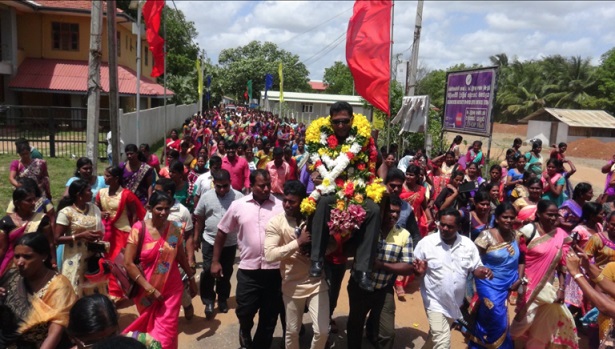
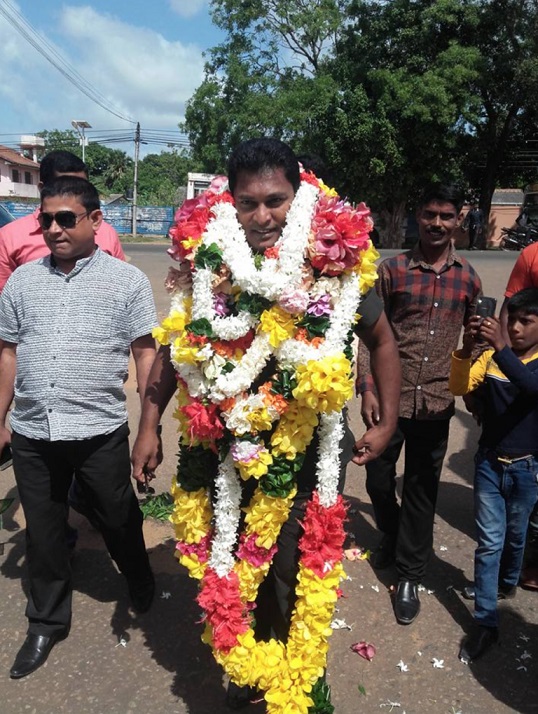
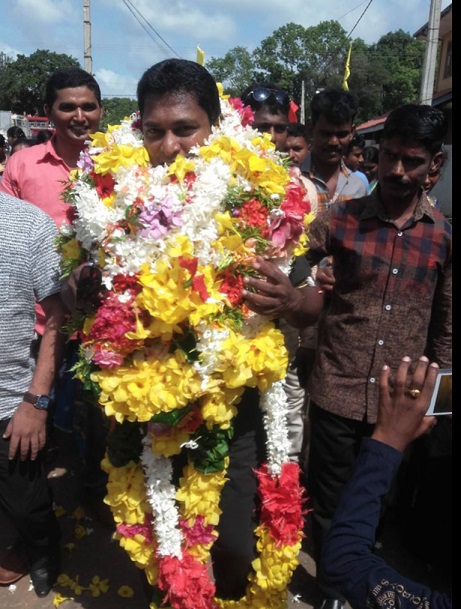
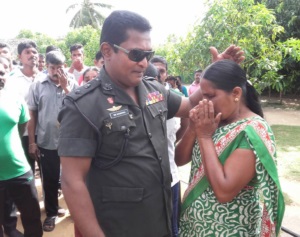
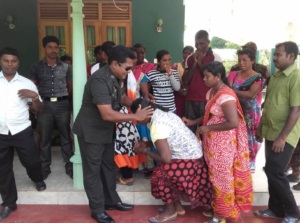
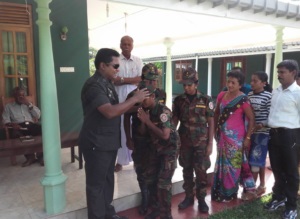
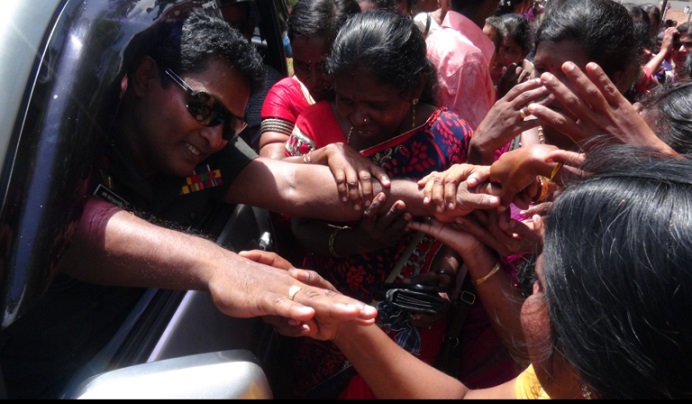
Recent images from Vishvamadu of a Lieutenant Colonel Ratnapriya Bandu felicitated by civilians proved beyond the success of post-war national reconciliation process initiated by the war winning government. The government conveniently turned a blind eye to glaring example of the military-civilian relationship, Semasinghe said. In spite of lies propagated by those interested parties hell-bent on hauling Sri Lanka before hybrid judicial mechanism, the people of the Vanni heartland had recognized government efforts, the MP said.

The MP alleged that the government wanted to find fault with the previous government and the military for defeating the LTTE.

Commenting on ongoing controversy over Rehabilitation, Resettlement and Hindu Affairs Minister D.M. Swaminathan proposing special compensation package for those who had been killed fighting successive governments, Semasinghe said the government seemed confused. Obviously, there had not been any previous instance of any government compensating under any circumstances terrorists and their families, Semasinghe said.

The MP said that the electorate would vote against the UNP and the SLFP at any election. They had been rejected in February and the same fate awaits them at Provincial Council, presidential and parliamentary polls.

යුද හමුදාවේ බලඇණි 33ක් ඉවත් කිරීම

June 22nd, 2018

අනුරුද්ධ බණ්ඩාර රණවාරණ මාධ්‍ය ලේකම් ජාතික නිදහස් පෙරමුණ

යුද හමුදාවේ බලඇණි 33ක් ඉවත් කිරීමට සහ නිලධාරි තනතුරු 938ක්, සෙසු නිලයන් 23,266ක් ඉවත් කිරීමට 2018 ජූලි මස අග වන විට කටයුතු කරන ලෙස යුද හමුදා රෙජිමේන්තු ප්‍රධානීන් හා අදාළ ඉහළ නිලධාරීන්ට නියෝග කරමින් එහි ප්‍රධාන මාණ්ඩලික, අධ්‍යක්‍ෂ ජනරාල් මේජර් ජෙනරාල් ජී.ඩී.අයි. කරුණාරත්න නිකුත් කළ 2018 ජුනි 14 දාතම සහිත ලිපිය ජාතික නිදහස් පෙරමුණේ ජාතික සංවිධායක, පාර්ලිමේන්තු මන්ත්‍රී ජයන්ත සමරවීර මහතා මාධ්‍ය වෙත ඉදිරිපත් කර සිටියේය.

එම ලිපියට අමතරව ඊට අදාළ ඇමුණුම් දෙකක්ද ඔහු මාධ්‍ය වෙත යොමුකර තිබේ. ඉන් එක් ඇමුණුමක සඳහන් වන්නේ, යුද හමුදාවේ නිත්‍ය බලඇණි සංඛ්‍යාව 112 සිට 98 දක්වා 14කිනුත් ස්වේච්ඡා බලඇණි සංඛ්‍යාව 80 සිට 61 දක්වා 19කිනුත් අඩු කළ යුතු ආකාරය ය. එසේ බලඇණි ප්‍රමාණය 33කින් අඩු වන විට යුද හමුදාවේ නිලධාරින් සංඛ්‍යාව 5793 සිට 4855 දක්වා 938කිනුත් සෙසු නිලයන් 1,33,427 සිට 1,10,161 දක්වා 23,266කිනුත් අඩු කිරීමට ද එම ඇමුණුම මගින් උපදෙස් ලබා දෙයි.

දෙවන ඇමුණුම මගින් පෙන්වා දී ඇත්තේ අහෝසි කිරීමට නියමිත බලඇණි 33ට අදාළ තොරතුරු ය. එක් බලඇණියක නිලධාරීන් 25ක් සහ සෙසු නිලයන් 650ක් සිටින අතර එක් බලඇණියක් ස්ථානගතව සිටින්නේ හමුදා කඳවුරු 04ක් හෝ 05ක් ලෙස ය. ඒ අනුව බලඇණි 33ක් අහෝසි කිරීමත් සමඟ ඒවාට අනුයුක්තව පැවැති හමුදා කඳවුරු 100-150ත් අතර ප්‍රමාණයක් ඉවත්ව යයි. එසේම එම දෙවන ඇමුණුම මගින් දක්වා ඇත්තේ නන්දිකඩාල්, වව්නියාව පෙරියනාඩු, මැණික්ෆාම්, තිත්තම් පේදුරුතුඩුව, තුනුක්කායි මල්ලාවි, මුරුක්කන්, ජීවනගර්, වැලිඔය, යාපනය, නෙල්ලිඅඩි, ඉරණමඩු, මන්නාරම, මුලතිව්, තාලෙයි මන්නාරම, තඞ්ඩුවාන්, පුනරින්, කිලිනොච්චිය, පුදුකුඩුඉරිප්පු යන ආරක්‍ෂක මර්මස්ථානවල පිහිටි බලඇණි හා ඒවාට අයත් කඳවුරු ඉවත් කළ යුතු බව ය.

මෙසේ තිබියදී හමුදා මාධ්‍ය ප්‍රකාශක, බි්‍රගේඩියර් සුමිත් අතපත්තු එම කරුණු වසන් කිරීම කනගාටුවට කරුණක් බව ද ජයන්ත සමරවීර මහතා පැවසීය.

ඔඞ්ඩුසුඩාන් ප්‍රදේශයෙන් ක්ලෝමෝ බෝම්බ ඇතුළු අවි ආයුධ හමු වී ඇති මේ මොහොතේ එම ප්‍රදේශවල ස්ථාපිතව ඇති යුද හමුදා කඳවුරු ඉවත් කිරීම යළි බෙදුම්වාදී කොටි ත්‍රස්තවාදයට උඩගෙඩි දීමක් යැයි ද ඒ මහතා පෙන්වා දුන්නේය.

අනුරුද්ධ බණ්ඩාර රණවාරණ
මාධ්‍ය ලේකම්
ජාතික නිදහස් පෙරමුණ

PTL’s alleged money trading: 10,000 cheques perused

June 22nd, 2018

Shehan Chamika Silva Courtesy The Daily Mirror

Senior Deputy Solicitor General Haripriya Jayasundara, appearing for the CID, told the Fort Magistrate’s Court yesterday that the prosecution was perusing some 10,000 cheques in expectation of uncovering the PTL’s money trading patterns, which was not an easy task by any means.

She explained this in response to President’s Counsel Kalinga Indatissa, who questioned the prosecution on the progress of the investigation during the past two weeks as the further reports filed recently had nothing to do with the main inquiry.

SDSG Jayasundara responded saying it was a complex and broad investigation in which the prosecution was checking on other potential wrongdoings committed by the suspects under the Registered Stock and Securities Ordinance.

During her submission, she said the CID had recorded another statement from a person called Amal Ravindranath who confirmed the earlier revelation of Rs.3 million worth of cheques received by an MP (Sujeewa Senasinghe) from W.M. Mendis & Companies.

Gazette issued listing 14 LTTE members

June 22nd, 2018

Courtesy The Daily Mirror

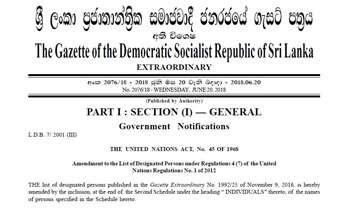
The Government has issued an extraordinary gazette on Wednesday listing 14 individuals as designated persons who have connections with the LTTE in terms of terrorism-related activities and funding and financing of terrorism, to the List of Designated Persons.

The Gazette which was issued by Defence Ministry Secretary Kapila Waidyaratne, adds amendments to the List of Designated Persons under Regulations 4 (7) of the United Nations Regulations No. 1 of 2012.

According to the Gazette, the names and designations of the 14 people are:

LTTE intelligence Leaders Nadaraja Sathyaseelan alias Seel Maran, Antonyrasa Antony Calistor alias Parathan and Jeewarathnam Jeewakumar alias Siranjeew.

Air Wing Members Velaudan Pradeepkumar alias Kaleeban, Siwarasa Surendran alias wadann, Sivagurunadan Murugadas alias Kadirawan and Thirunilakandal Naguleshwaran alias Pushpanadan.

Flying Instructor Maheshwaran Ravichandran alias Mendis alias Thirukkumaran.

International Financial Leader Sivasubramaniyam Jeyaganesh alias Ganesh alias Samraj.

Money Collector Ponnasami Paskaran alias Jeyakaran.

LTTE members Suresh Kumar Pradeepan, Kandasamy Krishnamoorthi alias Moorthi, Kamalasinham Arunakulasinham alias Kamal and Tony Jihan Murugesapillai.

The United Nations Regulations No. 01 of 2012 issued by the Foreign Affairs Minister promulgating the United Nations Security Council Resolution 1373 (2001) designating individuals and entities related to terrorism and terrorist financing in national level.

Accordingly, Institutions are obliged to have measures in place to identify and freeze funds, financial assets or economic resources of such designated persons and entities upon order by the Competent Authority.

Under the provisions of said regulations Secretary to the Ministry of Defense has been appointed as the Competent Authority for the implementation of UNSCR 1373 and its successor resolutions in Sri Lanka.

Leopard killing: Court orders to arrest suspects

June 22nd, 2018

Courtesy The Daily Mirror

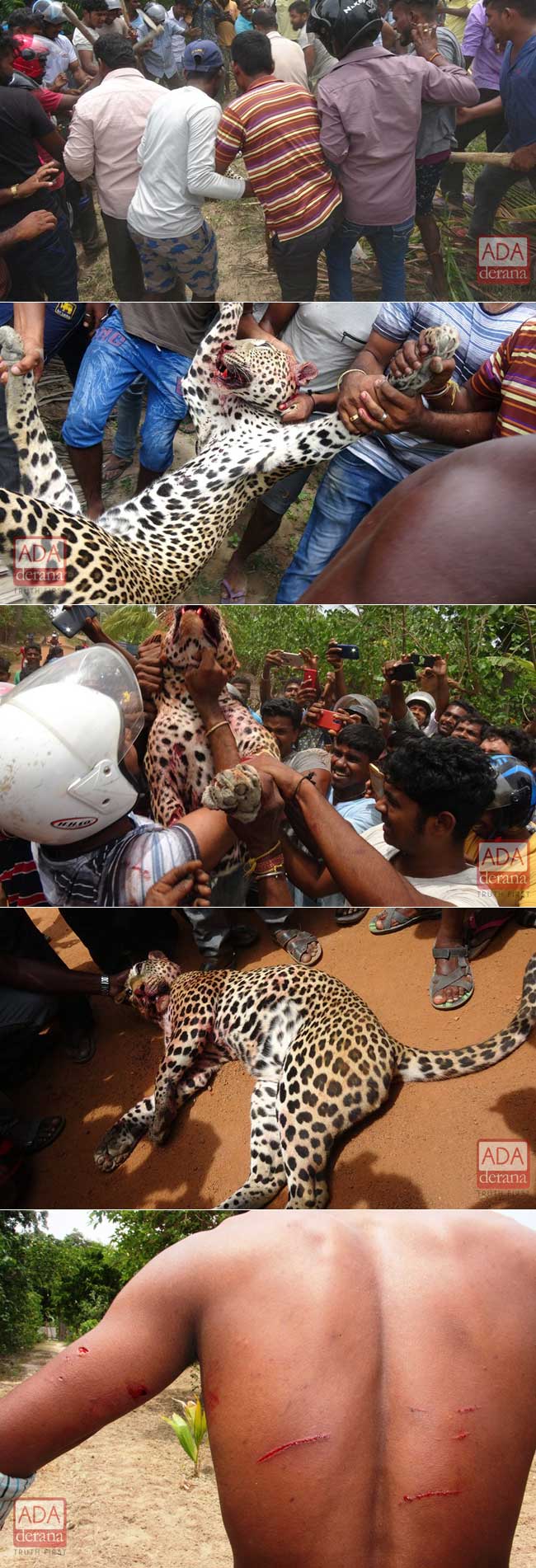
The Kilinochchi Magistrate’s Court today ordered the police to examine video clips of the incident where a leopard was brutally killed in Kilinochchi on Thursday and arrest those involved in the killing.

Special investigation against leopard killers – Kiriella

June 22nd, 2018

Courtesy Adaderana

The individuals responsible for the killing of a leopard at Ambalkulam area in Kilinochchi will be punished accordingly, says Deputy Minister of Sustainable Development, Wildlife and Regional Development Palitha Thewarapperuma.

He made these comments to the media last night (21).

The deputy minister added that the Minister of Sustainable Development, Wildlife and Regional Development Field Marshal Sarath Fonseka has approved to take the maximum legal actions to be taken against the killers.

The government is investigating the killing of the leopard that had attacked a village in the Kilinochchi area, says the Leader of the House, Minister Lakshman Kiriella.

He emphasized this today (22) responding to a query raised in the parliament regarding the incident.

Minister of Buddha Sasana Gamini Jayawickrama also pointed out that immediate legal actions need to be taken against the killing of the leopard and the responsible individuals should be arrested.

https://youtu.be/nKK84mdohoU

Gnanasara Thero granted bail

June 22nd, 2018

Courtesy Adaderana

General Secretary of the Bodu Bala Sena (BBS) organisation Ven. Galagoda Aththe Gnanasara Thero has been granted bail by the Homagama Magistrate’s Court.

He was ordered released on two personal bonds of Rs 500,000 each by the Homagama Magistrate Sudesh Ranatunga, who also barred Ven. Gnanasara Thero from leaving the country.

The magistrate ordered to notify the Immigration and Emigration Controller regarding the decision.

Ven. Gnanasara Thero was sentenced to 6 months of rigorous imprisonment on June 14, for threatening Sandya Ekneligoda, the wife of missing journalist Prageeth Eknaligoda within the Homagama court premises.

Attorneys representing the Thero filed an appeal challenging the verdict the very next day.

The appeal, which was slated to be taken up on Monday (18), had been postponed to today due to the absence of an official from the Attorney General’s Department for the hearing.

The BBS General Secretary was granted bail when the appeal was taken up for hearing today (22).

Matara jewellery theft & shootout: 3 arrested suspects in the ICU (with latest CCTV foootage) රන් මංකොල්ලයේ සියල්ල හෙළිවෙයි-අත්අඩංගුවට පත් සැකකරුවන් 3ක් ICU (නවතම CCTV දර්ශන සමඟ)

June 22nd, 2018

Sri Lanka Police said the four suspects arrested so far following the exchange of gunfire between a gang of armed robbers and police officers during a jewellery shop robbery gone awry in broad daylight in Matara, are notorious criminals connected to a number of other crimes.

Three police officers and two civilians were injured and hospitalised following the shootout outside a jewellery shop in the Matara town, between several armed men wearing helmets who were robbing the store and policemen responding to a witness phone call, at around 10.45am this morning.

One of the wounded police officers, identified as a Constable by the name of Weerasinghe Gedara Suranga Pradeep Weerasinghe (69532), succumbed to injuries while receiving treatment at the Matara Hospital’s ICU.

Acting IGP C.D. Wickramaratne has decided to posthumously promote the police officer who died in the line of duty to the rank of Sergeant.

Two motorcycles used by the suspects, one ‘Mini-Uzi’ submachine gun, eighteen 9mm bullets and a magazine sound at the scene of the incident have been taken into custody.

Following a search operation carried out in the vicinity by the police immediately after the gun battle, one of the suspects was caught in the Hunukotuwa area.

The suspect was identified as Chamara Indrajith Jayasundara, a resident of Maligathenna in Veyangoda.

He is also the main suspect in the shooting and killing of an individual and injuring four others including a pregnant woman during a musical show at Nittambuwa on April 21, 2018.

The other three suspects were arrested after they had admitted themselves into the Karapitiya Teaching Hospital with gunshot wounds.

One of them has been identified as Dharmakeerthi Tharaka Perera Wijesekara a.k.a ‘Kosgoda Tharaka’, who is a notorious criminal involved in organized crime and wanted by the police in connection with several crimes.

Police said that he is currently receiving treatment in the ICU of the Karapitiya Hospital.

Another injured suspect was identified as Dharmakeerthi Maduka Nirmal Perera Wijesekara, the brother of the aforementioned ‘Kosgoda Tharaka’, while he too is in the intensive car unit of the hospital.

The other arrested robber is an individual by the name of Irandeniya Athula Kithsiri Kumara, a resident of Dutuwewa.

In addition to this police have also taken into custody Kosgoda Tharaka’s mother, Agampodi Janaki Priyanthi Soysa, under whose name one of the motorcycles used by the suspects was registered under.

Police also discovered a locally-manufactured firearm (Galkatas) which uses 9mm bullets inside her home.

https://youtu.be/27J8wye368A

Two nabbed with LTTE uniforms, flags and claymore explosives

June 22nd, 2018

Courtesy Adaderana

Two individuals in possession of LTTE military uniforms, flags of the terrorist organization and a stock of claymore explosives have been arrested this morning (22) on the Oddusuddan road in Mullaitivu.

According to the police, the suspects were taken into custody in a sudden search carried out by the police, while the goods and the explosives were being transported in a three-wheeler.

There had been three suspects in the vehicle and one of them had managed to escape while the police was making the arrest.

The arrested suspects will be produced before the Mullaitivu Magistrate’s Court.

Oddusuddan police is conducting further investigations to uncover the reasons for transporting the said items and explosives.

ඔඩ්ඩුසුඩාන්වලදී ඇල්ලූ LTTE කොඩි බෝම්බ ආවේ කොහෙන්ද? ප්‍රදේශය පුරා සෝදිසි මෙහෙයුමක්

June 22nd, 2018

මුලතිව්- ශෂිකුමාර් උපුටාගැණීම  මව්බිම

මුලතිව් _ ඔඩ්ඩුසුඩාන් ප්‍රදේශයේදී කොටි සංවිධානයට අයත් නිල ඇඳුමක්, කොටි සංවිධානයට අයත් කොඩියක් සහ බෝම්බ ඇතුළු යුද උපකරණ තොගයක් ත්‍රිරෝද රථයකින් ප්‍රවාහනය කරමින් සිටි පිරිසක් අත්අඩංගුවට ගත් බවට ඔඩ්ඩුසුඩාන් පොලිසිය කියයි.

ඔඩ්ඩුසුඩාන් පේරාරු මංසන්ධිය ප්‍රදේශයේදී මාන්කුලම් පොලිසියට අයත් රථවාහන පොලිස් නිලධාරීන් පිරිසක් පසුගියදා (21දා) රාත්‍රියේ මුර සේවයේ යෙදී සිටියදී පැමිණි ත්‍රිරෝද රථයක් පරීක්ෂා කිරීමට යෑමේදී ත්‍රිරෝද රථය නොනවත්වා ධාවනය කොට ඇති අතර, පසුව රථවාහන පොලිස් නිලධාරීන් විසින් ත්‍රිරෝද රථය ලුහුබඳින අවස්ථාවේදී එහි සිටි එක් අයකු පලාගොස් ඇත.

ත්‍රිරෝද රථයේ රියැදුරු හා තවත් අයකු අත්අඩංගුවට ගැනීමට එහිදී රථවාහන පොලිස් නිලධාරීන් විසින් පියවර ගත් අතර මුලතිව් පුදුකුඩිඉරිප්පු දේවිපුරම් ප්‍රදේශයේදී ත්‍රිරෝද රථයේ සිට පැනගිය බවට සැක කෙරුණු පුද්ගලයා පෙරේදා (22දා) අත්අඩංගුවට ගෙන ඔඩ්ඩුසුඩාන් පොලිසිය ප්‍රශ්න කරගෙන යයි.

ත්‍රිරෝද රථය පරීක්ෂා කිරීමේදී කොටි සංවිධානය විසින් භාවිත කරන ලද නිල යුද ඇඳුමක්, කොටි සංවිධානයේ කොඩි කිහිපයක්, ක්ලේමෝ බෝම්බයක්, අත්බෝම්බයක්, ඩෙටනේටර් තොගයක්, ටී. 56 පතරොම් ඇතුළු යුද උපකරණ තොගයක් තිබී පොලිසිය අත්අඩංගුවට ගෙන තිබේ.

කෙසේ නමුත් යුද සමයේදී කොටි සංවිධානය විසින් භාවිත කරන ලද මෙම යුද උපකරණ නැවත මෙලෙස රැගෙන යෑම පිළිබඳව ආරක්ෂක අංශවල දැඩි අවධානයකට යොමුව ඇත. ප්‍රදේශයේ සිටින සියලුම පොලිස් නිලධාරීන් හා යුද හමුදා නිලධාරීන් එක්ව පෙරේදා (22දා) අලුයම සිට පුළුල් සෝදිසි මෙහෙයුමක් දියත් කොට ආරක්ෂාව තර කොට ඇත.

අති විශේෂ ගැසට් එකක් කොටි 14ට එන්න තහනම්

June 22nd, 2018

චාමර අමරසූරිය උපුටාගැණීම  මව්බිම

එල්.ටී.ටී.ඊ. ත්‍රස්ත සංවිධානයේ නායකයන් ඇතුළු එම සංවිධානයේ සාමාජිකත්වය දැරූ දැනට විදෙස් ගතව සිටින පුද්ගලයන් 14 දෙනකුට මෙරටට ඇතුළු වීම තහනම් කරමින් අති විශේෂ ගැසට් පත්‍රයක් නිකුත් කර තිබේ.

ආරක්‍ෂක අමාත්‍යාංශයේ ලේකම් ජනාධිපති නීතිඥ කපිල වෛද්‍යරත්න මහතා විසින් මෙම අති විශේෂ ගැසට් නිවේදනය නිකුත් කර ඇත.
අංක 2076/18 දරන එම අති විශේෂ ගැසට් නිවේදනයෙන් දැක්වෙන්නේ 2012 අංක 1 දරන එක්සත් ජාතීන්ගේ නියෝගවල 4 (7) වැනි නියෝගය අනුව නම් කරන ලද තැනැත්තන්ගේ ලැයිස්තුව මෙලෙස සංශෝධනය කර ඇති බවයි.

නඩරාජා සත්‍යසීලන් හෙවත් සීල්මාරන් (බුද්ධි අංශ නායක), කමලසිංහම් අරුණ කුලසිංහම් හෙවත් කමල් (එල්.ටී.ටී.ඊ. සාමාජික), ඇන්ටනී රාසා ඇන්ටනී කැලිස්ටර් හෙවත් පරදන් (බුද්ධි අංශ නායක), සිවසුබ්‍රමනියම් ජෙයගනේෂ් හෙවත් ගනේෂ් හෙවත් සාම්රාජ් (ජාත්‍යන්තර මුදල් අංශ නායක), පොන්න සාමිපාස්කරන් හෙවත් ජෙයකරන් (මුදල් එකතු කරන්නා), වෙලායුදන් ප්‍රදීප් කුමාර හෙවත් කලීබන් (ගුවන් අංශ සාමාජික), සිවරාසා සුරේන්ද්‍රන් හෙවත් වදාන් (එල්.ටී.ටී.ඊ. සාමාජික), සිවගුරුනාදන් මුරුගදාස් හෙවත් කදිරවන් (ගුවන් අංශ සාමාජික), තිරුනිලකන්දල් නගුලේෂ්වරන් හෙවත් පුෂ්පනාදන්, (ගුවන් අංශ සාමාජික), මහේෂ්වරන් රවිචන්ද්‍රන් හෙවත් මෙන්ඩිස් හෙවත් තිරුක්කුමාරන් (පියාසර උපදේශක), සුරේෂ් කුමාර් ප්‍රදීපන් (එල්.ටී.ටී.ඊ. සාමාජික), කන්දසාමි ක්‍රිෂ්ණමූර්ති හෙවත් මූර්ති (එල්.ටී.ටී.ඊ. සාමාජික), ජීවරත්නම් ජීවකුමාර් හෙවත් සිරන්ජීව් මාස්ටර් (බුද්ධි අංශ නායක), ටෝනිජිහාන්මුරුගේසපිල්ලෙයි (එල්.ටී.ටී.ඊ සාමාජික) යන තැනැත්තන් 14 දෙනාගේ නම් මෙරටට ඇතුළු වීම තහනම් කරන අයගේ නම් ලැයිස්තුවට ඇතුළත් කර තිබේ.

ත්‍රස්තවාදය හා සම්බන්ධ ක්‍රියාකාරකම්වල නියැළීම, ත්‍රස්තවාදය සඳහා මුදල් සැපයීම යන කරුණු පෙරදැරි කර ගනිමින් එම ලැයිස්තුවට මොවුන්ගේ නම් මෙලෙස ඇතුළත් කර ඇත.

මේ සම්බන්ධයෙන් ‘මව්බිම’ කළ විමසුමකදී ආරක්‍ෂක ලේකම් ජනාධිපති නීතිඥ කපිල වෛද්‍යරත්න මහතා සඳහන් කළේ බුද්ධි අංශ සහ ආරක්‍ෂක අංශවලින් ලබාදුන් තොරතුරුවලට අනුව මෙම පුද්ගලයන් 14 දෙනාගේ නම් අදාළ ලැයිස්තුවට ඇතුළත් කළ බවයි.

ත්‍රස්තවාදයට සම්බන්ධ පුද්ගලයන්ගේ නම් මෙලෙස ගැසට් කිරීමෙන් ඔවුන් පිළිබඳව විදෙස් රටවල් ආරක්‍ෂක අංශද අවදියෙන් සිටින බව ආරක්‍ෂක ලේකම්වරයා සඳහන් කළේය.

මෙම පිරිසට එරෙහිව ඉදිරියේදී විදෙස් රටවලද සහාය ලබාගෙන නෛතික ක්‍රියාමාර්ග ගන්නා බවද ආරක්‍ෂක ලේකම්වරයා පැවැසීය.
මෙම පුද්ගලයන් 14 දෙනා අතර සිටින ටෝනිජිහාන්මුරුගේසපිල්ලෙයි යන අයට 2009 සැප්තැම්බර් 04 වැනි දින ජාත්‍යන්තර පොලිසිය විසින් රතු නිවේදනයක්ද නිකුත් කර තිබේ.

ප්‍රභාකරන්ගේ ගෝලයන් 14 ලංකාවට ඇවිත් ගිහින්-මහින්ද හෙළි කරයි

June 22nd, 2018

ඩබ්ලිව්.කේ. ප්‍රසාද් මංජු උපුටාගැණීම  මව්බිම

එල්.ටී.ටී.ඊ. සංවිධානය සමඟ එක් වී කටයුතු කළ විදෙස් ගත පුද්ගලයන් මෙරටට පැමිණ කිලිනොච්චියට ගොස් ඔවුන්ට අවශ්‍ය කටයුතු සිදුකරගෙන මුදල්ද රැගෙන රටින් පිට වූ පසුව ඔවුන්ට ශ්‍රී ලංකාවට ඇතුළුවීම තහනම් කරමින් ගැසට් නිවේදනයක් නිකුත් කිරීම හාස්‍යයට කරුණක් බව හිටපු ජනාධිපති මහින්ද රාජපක්ෂ මහතා ‘ඉරිදා මව්බිම’ට ප්‍රකාශ කළේය.

ලෝකයේ බොහෝ රටවල් ත්‍රස්තවාදයට එරෙහිව කටයුතු කරමින් සිටියදී ශ්‍රී ලංකාවේ ආණ්ඩුව ත්‍රස්තවාදය සම්බන්ධයෙන් ලිහිල් ප්‍රතිපත්තියක් අනුගමනය කරන්නේ කාගේ වුවමනාවටදැයි කියා තමන් ආණ්ඩුවෙන් ප්‍රශ්න කරන බවද හිටපු ජනාධිපතිවරයා සඳහන් කළේය.

එල්.ටී.ටී.ඊ. සංවිධානයට සම්බන්ධ දැනට විදෙස්ගතව සිටින පුද්ගලයන් මෙරටට ඇතුළු වීම වැළැක්වීමට පියවර ගතයුතු අවස්ථාවේදී එසේ ක්‍රියා නොකර එම පිරිස් පැමිණ ශ්‍රී ලංකාවෙන් පිටවූ පසුව මෙවැනි ගැසට් නිවේදන නිකුත් කිරීම සිහිගන්වන්නේ අශ්වයා පැනගියාට පසුව ඉස්තාලය වැසීම වැනි ක්‍රියාවක් බවද හිටපු ජනාධිපතිවරයා පෙන්වා දුන්නේය. රටේ ජාතික ආරක්ෂාව ගැන අවදියෙන් සිටීමේදී හමුදා බුද්ධි අංශවල සේවාවන් ඉතාම වැදගත් බවත් කොටි ත්‍රස්තවාදය පරාජය කිරීමට දායක වූ හමුදා බුද්ධි අංශ නිලධාරීන් සිරගත කිරීමෙන් වත්මන් ආණ්ඩුව සිදුකර තිබෙන්නේ රටේ ජාතික ආරක්ෂාව නොසලකා හැර කොටි හිතවාදීන් සතුටු කිරීම බවද හිටපු ජනාධිපතිවරයා වැඩිදුරටත් පෙන්වා දුන්නේය.

හිට්ලර්ට පොල්පොට්ට වඩා පාඨලී චම්පික භයානකයි

June 22nd, 2018

ප්‍රගීත් සම්පත් කරුණාතිලක උපුටාගැණීම  මව්බිම

අද වන විට දේශපාලන පක්‍ෂ රටේ ප්‍රශ්න කතා කරනවා වෙනුවට තම තම පක්‍ෂවල අර්බුද ගැන විතරයි කතා කරන්නේ. ආණ්ඩුවත් තම ප්‍රශ්න ගැන කතා කරනවා. රටේ ප්‍රශ්න මඟහරිනවා. ඇත්තටම මොකක්ද මේ දේශපාලන කුණාටුව?

පොහොට්ටුවේ කිසිම අර්බුදයක් නැහැ. අර්බුද දැන් තියෙන්නේ ආණ්ඩුවේ. ආණ්ඩුව ඇතුළේ නිශ්චිත වශයෙන් තීන්දු ගන්න බැහැ. ජනාධිපති එක පැත්තකට අදිනවා. අගමැති තව පැත්තකට අදිනවා. සම්පන්දන් තව පැත්තකට අදිනවා. ෆොන්සේකලා, රාජිතලා, චම්පිකලා වෙනම ආණ්ඩු පවත්වාගෙන යනවා. ඒ නිසා ආණ්ඩුව ඇතුළේ ක්‍රීඩාවේ දැඩි අර්බුදයක් තියෙනවා. ඒ නිසා රට එක තැන පල් වෙලා. රට ආපස්සට යන්නේ. ඒ වගේම පොහොට්ටුවේ තියෙන්නේ හරවත් දේශපාලන සංවාදයක්.

ඔබතුමන්ලාගේ හරවත් සංවාදය ගැන ආණ්ඩුව දකින්නේ ප්‍රශ්න විදියට?

ඒක ඒ අයගේ ප්‍රශ්නයක්. අපි විධායක ජනාධිපති ක්‍රමය ගැන 20 වැනි සංශෝධනයට සහාය දෙනවාද නැද්ද කියලා සංවාද ඇති වුණා. ආණ්ඩුව ජ.වි.පෙ. කෙළ බේරගෙන බලාගෙන හිටියා. අපි දෙකට තුනට කැඩෙයි කියා. නමුත් අපි හරවත් සංවාදයක් කරලා හැම විකල්පයේම හොඳ නරක හඳුනාගෙන අපි ඒකමතික තීන්දුවකට ආවා. ඒක තමයි ආණ්ඩුවයි අපියි අතර වෙනස වන්නේ.

ඔය හරවත් සංවාදය 16 දෙනා ගැන නැත්තේ ඇයි?

අපි ඒ අය ගැනත් හරවත් සංවාද කරනවා. ඒ අය ගැන අපට විකල්ප මත තියෙනවා. ඒ ගැන විවාද කරනවා. හැබැයි අවසානයේ තීන්දුවක් ගත්තම 54 දෙනාම ඉන්නේ ඒ තීන්දුවේ. අපි විශ්වාසභංගයට එකම තීරණයේ හිටියා. නමුත් එ.ජා.ප.යේ සමහර අය විශ්වාස භංගයට ඡන්දය දුන්නා. සමහරු දුන්නේ නැහැ. මේකෙන් අපි පෙන්නුවා තීන්දු තීරණ ගැනීමට පෙර අපි හරවත් සංවාද කරනවා. තීන්දු ගත්තට පස්සේ අපි සියලු දෙනාම ඉන්නේ එක මතයේ. 16 දෙනා ගැනත් එහෙමයි. ඒ ගැන හරවත් සංවාදයක් තියෙනවා. ඒක පිල් බෙදීමක් නෙවෙයි. මගේ මිත්‍ර ප්‍රසන්න රණතුංග මහතා 16 ගැන ඉන්නේ එක මතයක. මම තව මතයක හැබැයි අපි පිල් දෙකක නෙවෙයි. අපි ඉන්නේ එකම මතයේ. තීන්දුව ගත්තට පස්සේ ඒ මතය එකයි.

ඉදිරි ජනාධිපතිවරණය ගැන අදහස් මතුවෙනවා. පොහොට්ටුවේ අපේක්‍ෂකයෝ 4ක් ගැන කියැවෙනවා. නමුත් එ.ජා.ප.ය ඉන්නේ එකම නායකයා මත. මේක ඔබලාට අවාසියක් නෙවෙයිද?

ඊළඟ ජනාධිපතිවරණයට රනිල් වික්‍රමසිංහ මහතා ඉදිරිපත් වෙනවා කියනවා. ඒකෙන්ම එ.ජා.ප.යේ බංකොලොත්භාවය පේනවා. වසර 20ක් යනකම්ම එ.ජා.ප.යට ඉන්නේ. රනිල් වික්‍රමසිංහ මහත්තයා විතරයි. අපේ පැත්තේ නම් 4ක් යෝජනා වෙලා තියෙනවා. ඒ ගැන හරවත් සංවාදයක් තියෙනවා. වාසුදේව මහත්තයා චමල් රාජපක්‍ෂ මහතාගේ නම යෝජනා කරනවා. මම ගෝඨාභය රාජපක්‍ෂ මහතාගේ නම යෝජනා කරනවා. තව අය බැසිල් රාජපක්‍ෂ, දිනේෂ් ගුණවර්ධන මහතාගේ නම යෝජනා කරනවා. තව මාස 16ක් තියෙනවා. අපි නම් 4ක් යෝජනා කළා. නමුත් මේ මොහොතේ හොඳයි කියන අපේක්‍ෂකයා නෙවෙයි, ඡන්ද කිව්වට වෙනස් වෙන්නත් පුළුවන්. පවතින දේශපාලන වටපිටාව අනුවයි තීන්දුව ගත යුත්තේ. එනිසා දීර්ඝ කාලයක් තිස්සේ හරවත් සංවාදයක යෙදිලා රටට හො¼ද අපේක්‍ෂකයා ඉදිරිපත් කරනවා.

ජනාධිපති කවුරු වුණත් අගමැති මහින්ද රාජපක්‍ෂ මහතා කියලනෙ කියන්නේ. 16 දෙනාගේ කණ්ඩායමත් ඒක කියනවා. මේ තරම් සහායක් දෙන්න ඒ අය එනකොට එළවන්නේ ඇයි? ආණ්ඩුවෙන් විපක්‍ෂයට එනකොට හුරේ දා පිළිගන්නවා වෙනුවට ගහන එකයි කරන්නේ. ඒ ඇයි.?

අපි මුලින්ම තේරුම් ගත යුතු දෙයක් තියෙනවා. මොකද මීළඟ ජනාධිපතිවරණය 2019 නොවැම්බර් 9ට කලින් පැවැත්වීමට කිසිම හැකියාවක් නැහැ. ඒ වගේම මීළඟ පාර්ලිමේන්තු මැතිවරණය 2020 මාර්තු 03ට කලින් පැවැත්වීමට හැකියාවක් නැහැ. ඊට කලින් පාර්ලිමේන්තුව විසුරුවා හරින්න නම් පාර්ලිමේන්තුවේ මන්ත්‍රිවරු 150ක් අත ඔසවා කැමැත්ත පළ කළ යුතුයි. ඒකාබද්ධයේ ඉන්න මන්ත්‍රිවරු 54 කැමැතියි. ඡන්දයකට යන්න. ඒ අය සැවොම දිනනවා. ගිය පාරට වඩා මනාප ගන්නවා. හැබැයි තවත් අපට 96ක් අඩුයි. පාර්ලිමේන්තුව කලින් විසුරුවන්න එ.ජා.ප.ය කැමැති නැහැ. මොකද ඒ අය 107 මන්ත්‍රි ධුර ගණන 65ට අඩු කර ගන්න කැමැති නැහැ. ඒ 65 කවුද කියලා කවුරුත් දන්නේ නැහැ. ඒ නිසා ඒ අය අවදානම ගන්නේ නැහැ. ශ්‍රී ල.නි.ප. මන්ත්‍රිවරුන් වෙනම ඉල්ලුවොත් හද්ද අසරණ වෙනවා. දෙමළ සන්ධානයේ මන්ත්‍රි ධුර ගණන 10ට අඩු වෙනවා. ජ.වි.පෙ. අඩු වැඩි වශයෙන් මේ මන්ත්‍රි ධුර ගණන ර¼දවා ගනියි. හැබැයි රුපියල් කෝටි ගාණක් වියදම් කරලා ජ.වි.පෙ. මන්ත්‍රි ධුර ගණන අඩු වැඩි කර ගන්න කැමැති වෙයිද? ඒ අනුව මේ පාර්ලිමේන්තුව විසුරුවා හැරීමට 54 ඉක්මවා යා යුතු ප්‍රායෝගික පසුබිමක් අපට නැහැ.

ඒකාබද්ධයට පාර්ලිමේන්තුව විසුරුවා හැරීමේ වාසිය ගන්න පුළුවන් කියලනේ කියන්නේ.?

පාර්ලිමේන්තු මැතිවරණයක් කියන එක දේශපාලනික වශයෙන් ප්‍රායෝගිකත්වයෙන් තොර හිතළුවක් පමණයි. ඒ නිසා ඉදිරි මාස 16ට අපට ආණ්ඩු බලය ලබා ගැනීමට වෙන ක්‍රමයකට යා යුතුයි. මොකද බහුතරය පෙන්නලා ආණ්ඩුව විසුරුවලා මැතිවරණයකින් ඒක කර ගන්න බැරි නිසා. ඒක නිසා අපි හිතන්නේ මේ ආණ්ඩුව තවත් මාස 16ක් තියෙනවද කියලා. එහෙම වුණොත් රට ඉවරයි. අගමැති ජනාධිපති ඊළඟ ඡන්දයක් ඉල්ලන්නේ නැහැ. යන යකා කොරහත් බිඳගෙන යනවා වගේ රටේ ආර්ථිකය විනාශ කරලා රට ණය උගුලක හිර කරලා, රටේ සම්පත් විකුණලා මේ ආණ්ඩුව ගෙදර යයි. එතකොට අපට භාර ගන්න වෙන්නේ අතිශයින්ම කාලකණ්ණි වූ රටක්, කඩා වැටුණු රටක්. ඒක නිසා ඉදිරි මාස 16 ඇතුළත පාර්ලිමේන්තුව ඇතුළත බල පෙරළියක් කළ යුතුයි. ඉන් පසු මහින්ද රාජපක්‍ෂ මහතා රටේ අගමැති ධුරයට ගෙන ආ යුතුයි.

ඡන්දයකට යන්න ආණ්ඩුව විසුරුවන්න බලයක් නැතිව පාර්ලිමේන්තුවේ ඔළුගෙඩි මාරු කරලා මේ දේ කරන්න පුළුවන් කියලා හිතනවද? ඒකට ජනාධිපති ආශීර්වාදයත් තිබිය යුතුයි?
ජනාධිපති ආශීර්වාදය තිබුණා නම් හොඳයි. හැබැයි 1994දී ඩී.බී. විජේතුංග ජනාධිපතිතුමා චන්ද්‍රිකා මැතිනියට අගමැතිකම දුන්නේ කැමැත්තෙන් නෙවෙයි. ඇයට පාර්ලිමේන්තු බලය තිබුණු නිසයි. 2001දී චන්ද්‍රිකා මැතිනිය රනිල් වික්‍රමසිංහ මහතාව අගමැති කළේ කැමැත්තෙන් නෙවෙයි. එතුමා පාර්ලිමේන්තු බහුතරය පෙන්නපු නිසා අගමැති කරන්න සිදුවුණා. ජනාධිපතිගේ ආශීර්වාදයත් එක්ක 113 පෙන්නුවා නම් හොඳයි. ඒ නිසා අපි උත්සාහ කරන්නේ මේ පාර්ලිමේන්තුවේ 113 හදලා රට බේරාගන්න තියෙන මඟ.

පොහොට්ටුවේ 54-113 දක්වා වැඩිකර ගත හැකිවේද?

ඒක දැවැන්ත ගමනක්. ඒ ගමනේදී අපට ලැබුණු යෝධ ශක්තිය තමයි 16 දෙනාගේ කණ්ඩායම. ඒ අය මහින්ද මහත්තයා අගමැති කරන සටනට එකතු වෙයි. මේ 16 දෙනා නිසා 54 70 වෙලා අපට එකතු කරගන්න තිබුණු ගණන අඩු වුණා. මෙහෙම වුණොත් තමයි කුඩා පක්‍ෂවලට විශ්වාසයක් ඇති වන්නේ. අපිත් පොහොට්ටුවට එකතු වුණොත් ආණ්ඩුව පෙරළන්න පුළුවන් කියලා කුඩා පක්‍ෂ ගණනාවක් දැන් අපිත් එක්ක එකතු වෙන්න කැමැත්තෙන් ඉන්නවා.

ඔබ ඔහොම කීවට 16 දෙනා දැන් අතරමං වෙලා කියලා හිතෙන්නේ නැද්ද?

16 දෙනා නැතිව මහින්ද මහත්තයා අගමැති කළ හැකියි කියලා කවුරු හරි කියනවා නම් ඒ අය ඔවුන්ගේ වැඩපිළිවෙළ කිව යුතුයි. ඒ 16 දෙනා අතහැර 113 හදන විදිය කියන්න ඕන. එහෙම නැති නම් ඔවුන් වක්‍රව කියන්නේ රනිල් වික්‍රමසිංහ තව මාස 16ක් රට කෑවට කමක් නැහැ කියලයි.

16 දෙනාට විරුද්ධ පොහොට්ටුවේ අය. එතකොට ඔබ පොහොට්ටුවේ අය විවේචනය කරනවද?

විවේචනයක් නෙවෙයි. කවුරුහරි 16 දෙනා නැතිව මහින්ද මහත්තයා අගමැති කරනවා නම් 113 හදන විදිය කියන්න ඕන. එහෙම පෙන්වන්න බැරි නම් රනිල් වික්‍රමසිංහ මහත්තයාට මාස 16ක් රට කෑමට ඉඩ දෙනවා කියන එකයි ඒ අය කරන්නේ. ඒ නිසා ඒකාබද්ධයේ කිසිම මන්ත්‍රිවරයෙක් එවැනි තැනක නැහැ. මොකද පුංචි ඡන්දයේදී ඒ අයට ප්‍රායෝගික ප්‍රශ්න ආවා ප්‍රාදේශීය දේශපාලකයන් සමඟ. මේ අය සමඟ ගැටුම් පවා ඇති වුණා. ඒ නිසා මේ අය එක්ක කතා කරලා ප්‍රශ්නය විසඳන්න ඕන. මොකද ඒ අයට පෙනෙන්නේ ප්‍රාදේශීය මට්ටමෙන් විතරයි. නමුත් රට ජාතිය ගැන හිතා වැඩ කළොත් ඔය ප්‍රශ්නය නැහැ.

බැරි වෙලා හරි මහින්ද මහත්තයා අගමැති කරන වැඩේ කරගන්න බැරි වුණොත් මාස 18ක් බලන් ඉන්න එපැයි.?

ඒක හරි. නමුත් මහින්ද මහත්තයා අගමැති කරන්න බැරි වුණොත් ආණ්ඩුවේ තුනෙන් දෙක නැති කරනවා. එතකොට අඩුම වශයෙන් රටට හානියක් වන ව්‍යවස්ථාව ගෙන එන්නේ නැහැ. අපේ පළමු ඉලක්කය මහින්ද මහත්තයා අගමැති කිරීම. ඒක බැරි වුණොත් ආණ්ඩුවෙන් වන හානිය අවම කර ගන්නවා. ආණ්ඩුවේ විෂ දළ තමයි පාර්ලිමේන්තුවේ 2/3 බලය. ඒක නිසා ෆෙඩරල් ව්‍යවස්ථාව ගේනවා. රට පාවා දෙන ජාත්‍යන්තර ගිවිසුම් ගහනවා. පාර්ලිමේන්තුවේ 2/3 බලය නැති වුණොත් ආණ්ඩුව කියන නාගයාගේ විෂ දළ කඩා ගැර¾ඩියෙක් බවට පත් කළා වගේ වෙනවා. ඒක කරන්න ලේසියි. අපිට 54යි හිටියේ. 16ත් එක්ක 70යි. තව 5ක් අපට එකතු වුණු ගමන් ආණ්ඩුවේ 2/3 ඉවරයි. ඒ පස්දෙනා අපට එන්නේ මේ 16 දෙනාට අපි සලකන විදිය බලලයි. අපි 16 දෙනාට කොනිත්තුවොත් රිදෙව්වොත් අර පස් දෙනා එන්නෙත් නැහැ. මේ 16න් කොටසක් ආණ්ඩුවට යන්නත් ඉඩ තියෙනවා. එහෙම වෙලා ෆෙඩරල් ව්‍යවස්ථාවෙන් රට කෑලි 9කට කැඩුණොත් ඒ වගකීම භාර ගන්න වෙන්නේ අපටයි.

අද වන විට ආණ්ඩු විරෝධී මත, රට ජාතිය වෙනුවෙන් කතා කරන මත ඉදිරිපත් කරන අයගේ කට වහන්න ආණ්ඩුව කටයුතු කරනවා යැයි ඔබතුමන්ලා චෝදනා කරනවා. ආණ්ඩුව කියන්නේ අද ප්‍රජාතන්ත්‍රවාදය තියෙන නිසා ඕන කෙනකුට ඕන මතයක් කියන්න පුළුවන් කියායි. මේ ගැන මොකද කියන්නේ?

අද ප්‍රජාතන්ත්‍රවාදයක් ඉටු වෙන එක සැකයි. මොකද අද අපි ඉන්නේ නීතිය නමන පොලිස්පතිවරයෙක් සහ නීතිය කොත්තු දමන නීතිපතිවරයෙක් එක්ක. මේ දෙදෙනා සුදුසුකම් අය සිටියදී දේශපාලන හිතවත්කම් මත තනතුරුවලට ආපු දෙන්නෙක්. මේ දෙදෙනා එයාලගේ අයව රැක ගන්න නීතිය නමනවා. මේ නිසා බැඳුම්කර වංචාව, ගල් අඟුරු වංචාව, ටොප් ටෙන් වංචාව කිසිවකට නඩු නැහැ. නමුත් තර්ජනය කළාය, බිය වැද්දුවාය කියා ඥානසාර හාමුදුරුවන්ට බරපතළ වැඩ සහිතව වසරක සිර දඬුවමක් ලබා දෙනවා. ඥානසාර හාමුදුරුවෝ තර්ජනයක් කළාද කියන එක ප්‍රශ්නයක්. නීතිපතිවරයාගේ අධි චෝදනාවත් මට ප්‍රශ්නයක්. මොකද තර්ජනයක් කිරීමේදී කොන්දේසි දෙකක් ඉටු විය යුතුයි. එක තමයි කළ යුත්තක් හෝ නොකළ යුත්තක් කියන කාරණාව. ඉන් පසු කළ දේ ප්‍රතිඵලයක් ඇතිවිය යුතුයි. නමුත් ඥානසාර හිමියන් කළා යැයි කියන ප්‍රකාශය හරහා තර්ජනයක් ඇති වෙලා නැහැ. එහෙම බලන කොට මේ ආණ්ඩුව තමන්ගේ කුණු වහගන්න ආණ්ඩු විරෝධී මත නිහඬ කිරීමේ උත්සාහයක නිරත වෙනවා.

එ.ජා.ප. ජනාධිපතිවරණයට එක එක අය දැන් සිහින මවනවා. ළඟදී පක්‍ෂයට එක් වූ අය පොදු අපේක්‍ෂකයා වෙන්න හදනවා. මේ හරහා පොහොට්ටුවට යම් බලපෑමක් එල්ල වෙයිද?

ඔය සිහිනයේ ඉන්නේ පාඨලී චම්පික රණවක ඇමැතිතුමා. එතුමාගේ හීනය නිසා පොහොට්ටුවට බලපෑමක් එල්ල වෙන්නේ නැහැ. පාඨලී චම්පික කියන්නේ තමන්ගේ දේශපාලන ඉතිහාසයේ ජයග්‍රහණය කරලා තියෙන්නේ මැතිවරණ දෙකයි. ඒ 2010 පාර්ලිමේන්තු මැතිවරණය සහ 2015 පාර්ලිමේන්තු මැතිවරණය. අනෙකුත් සියලු මැතිවරණවලින් අන්ත පරාජයට පත් වුණා. දෙවනුව එතුමා වෙළෙඳ දැන්වීම්වලට පමණක් රුපියල් මිලියන 140ක් වැය කරලා මනාප ලක්‍ෂයක් ලබා ගත්තේ. එ.ජා.ප. මනාප ලැයිස්තුවේ පස් වැනියා. එහෙම බලද්දී එතුමාට වඩා සුජීව සේනසිංහ, හර්ෂද සිල්වා, රවි කරුණානායක රටේ ජනාධිපති ධුරයට සුදුසුයි. එම නිසා පාඨලී චම්පික රණවක දකින්නේ හීනයක්. මහින්ද මහත්තයා ජනාධිපතිවරණයට ඒමට පෙර හම්බන්තොට දිස්ත්‍රික්කයේ පළමුවැනියා. චන්ද්‍රිකා මැතිනිය ජනාධිපතිවරණයට ඒමට පෙර ගම්පහ පළමුවැනියා. මෛත්‍රිපාල සිරිසේන මැතිතුමා ඉල්ලපු හැම ඡන්දයකම පොළොන්නරුවේ පළමුවැනියා. රටේ පළමුවැනියා වෙන්න ඉස්සර දිස්ත්‍රික්කයේ පළමුවැනියා වීම අනිවාර්ය සුදුසුකමක්. දිස්ත්‍රික්කයේ පස්වැනියා වුණ කෙනෙක් රටේ පළමුවැනියා වෙන්න උත්සාහ කරනවා නම් ඒ පාඨලී චම්පික රණවක මැතිතුමා පමණයි. මම එතුමාට අරාධනා කරනවා. රටේ එක වෙන්න කලින් දිස්ත්‍රික්කයේ එක වෙන්න කියා. එතකන් රටේ ජනතාව එතුමාට රටේ එක වෙන්න ඉඩ දෙන්නේ නැහැ.

රුපියල් මිලියන 140ක් ඡන්දයට වියදම් කිරීම ගැන එතුමාට චෝදනා තිබුණා. ඒවට ගත් ක්‍රියාමාර්ගයක් නෑ නේද?

ඔව්. ඒ වගේම පාඨලී චම්පික ඇමැතිතුමා ගැන තව දෙයක් කිව යුතුයි. එතුමා ජනාධිපතිවරණයට එනවා කීව නිසා මේක කිව යුතුයි. ලබන පාර ඡන්දයට ඉදිරිපත් වෙන්නේ ඇඩලොප් හිට්ලර් සහ පාඨලී යැයි සිතමු. හැබැයි මම ඇඩලොප් හිට්ලර් පෞද්ගලිකව ආශ්‍රය කරලා නැහැ. නමුත් පාඨලී චම්පික පෞද්ගලිකව වසර 15ක් අතිශය පෞද්ගලිකව ආශ්‍රය කළා. ඒක රටම දන්න කාරණයක්. හිට්ලර් සහ චම්පිකයි ඡන්දය ඉල්ලුවොත් එහෙම නැත්නම් පොල්පොට් සහ චම්පික ඡන්දය ඉල්ලුවොත් මගේ ඡන්දය හිට්ලර් සහ පොල්පොට්ට. හේතුව හිට්ලර් සහ පොල්පොට් හොඳ නිසා නොවෙයි. නමුත් චම්පික ඊටත් වඩා නරක නිසා. අඩුම තරමේ හිට්ලර් තමන්ගේ පෙම්වතී ඊවාට, තමන්ගේ බැල්ලියට සහ රටට ආදරේ කළා. නමුත් චම්පික ආදරේ කරන්නේ තමන්ට සහ තමන්ටම පමණයි.

ජනාධිපතිවරණයට ඉදිරිපත් වීමට සුදුස්සෙක් විය යුතුයි. ඔහුට චෝදනා තියෙන්න බැහැ. හැබැයි චම්පික රණවකට බරපතළ චෝදනා තියෙනවා. ඔහු ජනාධිපතිවරණයට තියා දේශපාලනයේවත් ඉන්න සුදුසු අයෙක්ද?

මම දුටුවා මෑතකදී ඔහු ප්‍රකාශ කරනවා ගෝඨාභය රජපක්‍ෂ මැතිතුමාට ඇවන්ගාඩ්, මිග් යානා ගනුදෙනුව සහ ඩී.ඒ. රාජපක්‍ෂ කෞතුකාගාරය ගැන නඩු තියෙනවා. ඒ නඩුවලට කිසිවක් වෙන්නේ නැහැ බලපෑම් නිසා කියලා. නමුත් එතුමාට නීතිය ගැන අවබෝධයක් නැහැ. මේ නඩු සියල්ලම නවතා තිබෙන්නේ ඉහළ අධිකරණ නියෝගයකින්. ඉහළ අධිකරණයකින් එම නියෝග දුන්නේ පොලිස්පතිවරයා සහ නීතිපතිවරයා ඉතා පක්‍ෂග්‍රාහීව බී වාර්තා සහ අධි චෝදනා කිරීමට කටයුතු කළ නිසායි. හැබැයි පාඨලී චම්පික රණවකට එරෙහිව නඩු තියෙනවා.

පැමිණිලි තියෙනවා. ප්‍රගීත් එක්නැලිගොඩ අතුරුදන් කිරීමට, ප්‍රගීත් එක්නැලිගොඩ අතුරුදන් කළේ පාඨලී චම්පික රණවක ලෙස වාර්තා කළාට ඔහු ‘මව්බිම’ පුවත්පතින් මිලියන 500ක් වන්දි ඉල්ලා නඩුවක් දැම්මා. නඩුව මැදදී මේ අය හිතුවේ ‘මව්බිම’ පුවත්පත සමථයකට එයි කියලා. නමුත් ‘මව්බිම’ පුවත්පත නඩුව සමථයකට පත් නොකර දිගටම අරගෙන ගියා. ඉතා හොඳ සාක්කිකරුවන් දැම්මා. හැබැයි පාඨලී චම්පිකගේ ඉල්ලීමකට ඔහුගේ නීතිඥ එම්.සී. ජයරත්න මහතා නඩුව සමථයකට පත් කර ගන්න කතා කළා. ඒ ‘මව්බිම’ පුවත්පතේ නීතිඥ සුගත් කල්දේරාට. ‘මව්බිම’ ඊට විරුද්ධ වුණා නඩුව දිගටම කරගෙන යන්න ඕන කියලා. එහෙම තිබියදී පාඨලී චම්පික නඩුව ඉවත් කර ගත්තා. නඩුව දාලා තිබ්බේ ප්‍රගීත් එක්නැලිගොඩ අතුරුදන් කළේ මා බවට ‘මව්බිම’ පුවත්පතේ පළ වීමෙන් මා මිනීමරුවකු බවට සමාජය තුළ මතයක් ගොඩනැඟීමෙන් මගේ කීර්ති නාමයට හානියක් සිදුවී ඇතැයි කියායි. සිදුවූ හානිය මිලියන 500ට තක්සේරු කොට කීර්ති නාමයට වූ හානියට එම මුදල ඉල්ලුවා.

දැන් නඩුව ඉවත් කරගෙන. දැන් මොකද කියන්නේ. මා එක්නැලිගොඩ අතුරුදන් කළ මිනීමරුවා ලෙස රට සිතුවාට කම් නැත කියායි. එහෙම හිතන්න පුළුවන් කාටද? සැබැවින්ම එක්නැලිගොඩව අතුරුදන් කළ පුද්ගලයාටයි. ඒ අනුව පාඨලී චම්පික රණවක ඇමැතිවරයා ඒ චෝදනාව භාර අරගෙන තියෙනවා. මොකද එක්නැලිගොඩ අතුරුදන් වීමට කියැවුණේ චම්පික රණවක ඇමැතිතුමාගේ නම. මම පෞද්ගලිකව දන්නවා එක්නැලිගොඩගේ ලිපිය කියවලා චම්පික ඇමැතිතුමා කම්පාවට පත් වුණ ආකාරය. ලිව්වේ කවුද කියා සොයා බැලුව ආකාරය. ලිව්වේ ප්‍රගීත් එක්නැලිගොඩ කියා සොයාගත් ආකාරය. ඒ ලිපිය ලියූ තැන සොයාගෙන ඒ හිමිකරුට ‍ෙදාස් පැවැරූ ආකාරය. මේ සියල්ල සිදුවුණේ මගේ ඇස් ඉදිරිපිට. ඊට පස්සේ එක්නැලිගොඩ අතුරුදන් වෙනවා. හැබැයි ඒ ගැන ඔහුගෙන් පොලිසිය ප්‍රශ්න කළේ නැහැ. මෙවැනි පිළිගැනීමක් තිබියදීත් පොලිසිය ප්‍රශ්න කරන්නේ නැත්තේ පක්‍ෂග්‍රාහීකම මිස වෙන කිසිවක් නිසා නොවේ.

ගල් අඟුරු වංචාව ගැනත් එතුමාට චෝදනා තිබුණා. ඒ ගැන අද වෙනකම් සොයා බලා නැහැ. ඇයි මෙහෙම වෙන්නේ?

මව්බිම පුවත්පතේ ගිය පුවතකට චම්පික ඇමැතිතුමා තවත් රුපියල් මිලියන 1000ක් ඉල්ලුවා. ඒ ගල් අඟුරු වංචාව සිදුකළේ චම්පික ඇමැතිතුමා යැයි සඳහන් කරමින් ජ.වි.පෙ. පාර්ලිමේන්තු මන්ත්‍රි වසන්ත සමරසිංහ මහතා කළ ප්‍රකාශය පළ කිරීම නිසා.

ඒ නඩුවත් චම්පික ඉවත් කර ගත්තා. නඩුවෙන් කියලා තිබුණේ ගල් අඟුරු වංචාවේ මහා මොළකරු ලෙස තමාව පුවත්පතින් හුවා දැක්වීම තුළ මා හොරෙකුයි යන ප්‍රතිරූපය සමාජයේ ඇති වීමෙන් මාගේ කීර්ති නාමයට හානි වූවා යැයි කියාය. නඩුව ඉල්ලා අස්කර ගැනීමෙන් අදහස් වෙන්නේ මොකක්ද? මේ රටේ ජනතාව මා හොරෙකු යැයි සිතුවාට කම් නැත කියායි. මා හොරකු යැයි සිතන්නේ කවුද? ඒ හොරු හැර වෙන කවුරුත් නොවේ. එනිසා මේ නඩු දෙක ඉවත් කර ගැනීම නිසා තමා මිනීමරුවකු මෙන්ම හොරකු බව ඇමැතිතුමාම පිළිගෙන තිබෙනවා.

මේවා ඔප්පු වී නම් ඇයි එතුමාට විරුද්ධව නඩු නොදමන්නේ?

ඒක තමයි ප්‍රශ්නය. මේ කිසිදු චෝදනාවකට නඩු දාලා නැහැ. මීට අමතරව 2015 ජනවාරි 03 ‘සිරස’ සටන වැඩසටහනින් එතුමා කිව්වේ අවි බලයෙන්, මැර බලයෙන් වර්තමාන ආණ්ඩුව පෙරළන්න එක්වන්න යැයි මම ජනතාවගෙන් ඉල්ලා සිටිනවා කිව්වා. ඒ කෙළින්ම රාජ්‍ය කුමන්ත්‍රණයකට ජනතාව පෙලඹවීමක්. ඒ ප්‍රකාශයට අද වන තුරු නඩු නැහැ. ලෙස්ටර් ජේම්ස් පීරිස් මහතාගේ ඡයාරූපයකට කේ.පී.ගේ ඡායාරූපයක් බද්ධ කරලා කූට ලේඛනයක් හදලා ජනමාධ්‍ය හමුවේ පෙන්නුවා. පස්සේ ලෙස්ටර් ජේම්ස් පීරිස් මහතාගෙන් සමාව ගත්තා. නමුත් කූට ලේඛන හැදීමේ වරදට නඩු නැහැ. ඔහු මැදිහත් වෙලා තිස්ස අත්තනායක මහතාටත් මටත් බොරු නඩු පැටලෙව්වා, කූට ලේඛන හැදුවා කියලා. ඇත්තටම කූට ලේඛන හදපු කෙනා ඒක පිළිගෙනත් නඩු නැහැ. ඒ වගේම ඔහුගේ පෞද්ගලික සහකාර සුකි නොහොත් හර්ෂ තිලකසිරිව පැහැර ගෙන ගොස් මානසික රෝහලේ නතර කරලා අසනීපයක් නැතිව සිටියදී බලහත්කාරයෙන් 7 පාරක් විදුලි සැර අල්ලනවා, කිසිම නඩුවක් නැහැ. සංදිප් ප්‍රදීප් 2016 පෙබරවාරි 29 දා අනතුරකට ලක් කරලා ඒ තරුණයාව සදාකාලික අබ්බගාතයෙන් කරනවා, කිසිම නඩුවක් නැහැ. තමන්ගේ ජේ‍යාතිෂ උපදේශක මාරසිංහව බලහත්කාරයෙන් පැහැරගෙන ගොස් අංගොඩ මානසික රෝහලේ දමා රෝගියෙක් ලෙස ප්‍රතිකාර කරනවා. කිසිම නඩුවක් නැහැ. මේ වගේ චෝදනාවලට ලක් වෙලා ඉන්න කෙනා තමයි අනිත් අයට ඇඟිල්ල දිගු කරන්නේ. මම එතුමාට කියනවා තමන්ගේ ඇහේ තියෙන පොල් පරාලය පෙනෙන්නේ නැතිව ගෝඨාගේ ඇසේ තියෙන කුණු රොඩ්ඩ දිහා බලන්නේ නැතිව තමන්ගේ ඇහේ තියෙන පොල් පරාලය ඉවත් කර ගන්න කියලා.

ඒ වගේම එතුමාට ‘මව්බිම’ පුවත්පතින් නඩු දාලා නැහැ. ඔහු ගොනු කළ නඩුවලට දීර්ඝ වශයෙන් අධිකරණයේදී හරස් ප්‍රශ්නවලට ලක් වෙන නිසායි. ඒ නිසයි නඩු දෙක ඉල්ලා අස්කර ගත්තේ. මේ නිසා ඇමැතිවරයා ගොනුකර තිබූ නඩු දෙකට අදාළව ඊට එරෙහිව ‘මව්බිම’ පුවත්පත ගොනු කළ නඩුවද ඉල්ලා අස්කර ගත්තා. දැන් චම්පික රණවක ඇමැතිවරයා කියන්නේ “මව්බිම” නඩුව ඉල්ලා අස්කර ගත්ත නිසා තමන්ද නඩුව ඉල්ලා අස්කර ගත්තා කියලයි. බොරු කරනවා මදිවාට මාධ්‍ය සංවාදවලට ඇවිත් බොරුත් කියනවා.

ප්‍රගීත් සම්පත් කරුණාතිලක

CAN SRI LANKA REDUCE ITS TAXES BY 20 PERCENT?

June 21st, 2018

BY EDWARD THEOPHILUS

Recently, Mr Mahinda Rajapaksa, former president of Sri Lanka made a controversial public statement that when he comes to power again he would reduce taxes of the country by 20% and this statement has become a highly debatable announcement among the government and opposition members. Mr Rajapaksa highlighted a concrete example in support of his communique that when he was in power some members of the opposition at that time challenged that he could not be ended the civil war creating a freely moveable environment with an ability to going to Killinochchi. In fact, the civil war ended and created a free environment, now anybody could move from one place to other and people in the South travel to North without hindrance and enjoy trips. It has also setup economically feasible atmosphere sell products of North East to the South and dynamism in the economy.

Taxes are most imperative factor that ordinary people are suppressed and if Mr Rajapaksa can redeem people from this suffering, there is no doubt that he would be the most reliable national leader ever governed the country and most probably he will be respected by generation to generation in Sri Lanka. It is worthy to analyse whether the promise of Mr Rajapaksa is workable or a mere political rhetoric.

Tax revenue has an unshakable relationship with the economy of a country like skin to a tree.  In simple words, the tax system is the source of funds for spending of the government. According to statistics given in the annual report of the Central Bank of Sri Lanka in 2017, the contribution of taxes to the government revenue in 2016 was 12.3% (Rs 1463690 Million) while the Central Bank of Sri Lanka has estimated to be 14.3% (Rs 1539000 Million) in 2018. However, the contribution rate of taxes to the government revenue in developed countries is higher than Sri Lanka and it accounts to three times of the contribution of Sri Lanka. Non-Tax revenue added to the government revenue in 2016 of Sri Lanka was 1.9% (Rs 222374 Million) which estimated that non-tax revenue in 2018 would be 1.3 % (Rs 183000 Million), this situation is shameful compared to the non-tax revenue contributes to the national budget in many other countries.

What is a tax? Webster Dictionary defines that tax is a compulsory contribution levied upon persons, property or business for the support of government, by extension, any proportionate assessment as on the members of the society.  In 1930, Chief Justice Hotham in Victoria (Australia) Supreme Court defined a tax as compulsory extraction of money by public purposes enforceable by law and not a payment for service rendered (Mathews Chicory Marketing Board (Vic) 1930 60 CLR 263). These definitions are based on the concept of justice in relation to charging taxes from public by the government.  A highly respected American Economist, H.C. Simons (1939) had broadly discussed the charging taxes from the point of view of equity and the choice of tax base.

The imposition of taxes by the government should be a proportionate exercise which imply that a tax system must be consistent with the ability to pay principle or the assessment of taxable income for payment of tax should be founded in proportionately payments, which means that when revenue of a person increases the tax payment too shall be increased.  Simons states that how tax burden should be apportioned among individuals has no doubt being the subject of discussion and controversy since the beginning of political organizations.  It is quite clear that Mr Mahinda Rajapaksa, former president of Sri Lanka concerns with this equity principle and he needs to give justice to people, who have no ability to pay taxes as the government designed.

When charging taxes on the basis of personal income, it should be based on the affordability of a person, otherwise it would lead to avoiding the payment of taxes. However, the charging taxes on goods and services or value added in production process would regard as regressive tax system, as it decrees to charge tax disregard of the capacity to pay by a person.  For example, an equal amount of tax is charged, when purchase a loaf of bread by a rich billionaire and a beggar on the road.  Mr Rajapaksa may have considered the taxation policy of the government, which was set by the outsiders (IMF consultants), who have no understanding the income structure and affordability of majority in Sri Lanka.  The proposal of Mr Rajapaksa has merit as he has an ample of experience on the society of Sri Lanka. The most important point in regard to this proposal is whether it could be practically implemented and how should be structured the idea in the environment of Sri Lanka.

Before I go to a practical analysis, it needs to consider a vital point.  Taxes are charged by the government with a view to meeting spending requirements, but it does not regard as a payment for services rendered.  The government in any country provides a massive volume of services to the community, some of these services are subject to direct charges and others are free or partly charged by the government.  In the modern world, taxation has auxiliary purposes such as allocation of resources, distribution of revenue, economic stabilisation and the distribution of power.

Although there are many reasons for the justification of taxes, people do not like to pay tax, because in terms of economics, the payment of tax is considered as a reduction of revenue or wealth of a taxpayer. Nobody like to reduce the revenue or wealth; the choice of people is to accumulate revenue or wealth.  Therefore, taxing people is an unpopular measure, but there are many people in the community, who consider the payment of taxes is an obligation and supporting to the economy.

In the modern era, international financial and economic organizations have focused on controversial issues in relation to charging taxes.  In the history, taxes were based on direct income of a family and corporate institutions, later the system (1976) changed to assess individual income. The revenue collected by the government from direct income taxes was not sufficient to meet government expenses and the taxing policy directed to reconsider charging indirect taxes, especially collecting taxes from business, which can shift the cost of taxes to customers or public, goods and services or value added tax are the best example for changes.  However, the calculation of Value Added Tax to a production process is a quite complex task as it involves the calculation of value added to a product in various stages of the process.  There are many criticism and miscalculations in the system.

An issue in modern era is how should the government balance the total tax revenue allocating a ratio for direct and indirect.  For example, this controversy remains in many countries and in Sri Lanka too this issue has become a point of debate among economists and policy planners.  The experience encountering in many countries that GST or VAT rate has been an increasing trend to expand government revenue and tax experts regard that there is no justice in goods and service or valued added tax increasing to more than 10% because it would badly impact on lower income earners and poor.  Mr Rajapaksa may be considering this point.

The volume of expenditure in Sri Lanka could be dramatically reduce if there is a government with twenty cabinet ministers and the tax could be reduced further, if the executive presidency and the 13th amendment to the constitution shall abolish under the Rajapaksa regime, however, there may be legal hindrance to such actions.  The current government cannot commit such a radical change as it has promised many commitments to the international community despite the wishes of people of the country

The following table is a summary of the fiscal operations in Sri Lanka, which clearly demonstrate that

Tax Revenue and Government Expenditure – Value in SLR Billion

  2012 2013 2014 2015 2016 2017
Tax Revenue 90.89 100.58 105.03 135.57 146.36 167.01
Non Tax Revenue 14.3 13.2 14.4 9.0 22.2 16.1
Grants 1.6 1.5 0.09 0.06 0.07 0.08
Total Revenue 106,79 115.28 119.52 144.63 168.63 183.19
Total Expenditure 155.64 166.93 179.58 299.03 233.38 257.30
Budget Gap (48.85) (51.65) (60.06) (154.4) (64.75) (74.11)


Source: Annual Report Central Bank of Sri Lanka 2017

According to statistics given in the above table, if the tax reduced by 20% and the expenditure level has no changes, the government has to face serious repercussions and the current economic structure and policies would not permit to reduce tax by 20% as the entire fiscal operations indicates that the government expenditures in the country are heavily depending on the tax revenue and the borrowing for covering for the budget gap   However, Mr Rajapaksa has several options to do it and in brief I would like to highlight them.

  • Reduction of government expenditure by microeconomic reforms in General public service, civil administration, defence, public order and safety, social services, transport and communication. Microeconomic reforms permit to save about Rs 60 billion from the government expenditure, which seems that focuses on unproductive purposes.
  • Non-tax revenue of the government should be increased to more than 15%, managing public enterprises to generate excess over the expenses. For this purpose, it is essential productivity enhancement policy in public enterprises and sharing the management responsibility and the capital structure with private sector. Certain public enterprises need to be closedown opening the way for domestic and foreign investors.
  • Initiating more economic projects related to production and service area with the support of China. New projects would generate more employment opportunities and shift employees in the government sector to new projects reducing the burden of the government.
  • The changes in political administration through reducing the representatives of parliament, provincial councils and many other public administrations by 50%. The political administration has created a mess in the country and has become a joke in the name of democracy.

Reforming current administration, changing government policies and invention of new policies permit to reduce tax and to abate the budget gap to less than 5% of GDP and improve the foreign value of Sri Lanka’s currency unit. The productivity of public sector as well as in private sector is lower in Sri Lanka and need to think about how to improve it.

These are very easy policy actions but the current government cannot give the leadership as it is acting on the advices of NGOs and foreign forces with a misguided philosophy.

Northern Tamils: Killing an innocent leopard is no way to take revenge on LTTE for losing to the Military

June 21st, 2018

Strange things are happening up North. Wiggy & TNA bellows to all foreigners landing in the North that they insist on a separate state whereby they can ‘look after’ their own people. In the midst of all those sop stories to the gullible Westerners who sees this as a gift horse for their own geopolitical agendas, an entire village of former LTTE cadres & their families are weeping for a Sri Lankan military officer who had been transferred. Not stopping there, the village is garlanding the Sri Lankan officer & carrying him on their shoulders. All this was like a knife to the TNA & the Northern Chief Minister & now to make matters worse, a non-LTTE village has just caught a leopard & killed it mercilessly and we can only take this as being a sign to the LTTEers that the Tamils are bloody angry with them for losing to the Sri Lankan military. So now the former LTTErs best friends have become the Sinhalese & the Sri Lankan Military & the Tamils enemy has become the former LTTErs… whatever will happen next?

http://www.adaderana.lk/news/48218/villagers-capture-and-kill-leopard-in-kilinochchi Please look at the video & decipher the hate in their eyes.

A wild animal is a wild animal but look at the behavior of the people!

https://youtu.be/HB-Y0Sselpw


https://www.youtube.com/watch?v=HB-Y0Sselpw (seeing the scenes of battering & hooting, the scenes of how Gaddafi was killed came to mind https://www.youtube.com/watch?v=wknw5UwClFI&bpctr=1529596301 )

https://youtu.be/wknw5UwClFI

These are all very symbolic happenings & it is slowly highlighting a much ignored & often kept hidden scenario.

We cannot ignore the caste factor in Tamil society which branches out into every sphere of society in particular the political arena. It is the high caste Tamils who masterminded the dent between Sinhalese & Tamils as a means to camouflage the caste factor which would not be taken favorable in a globalized society. It was the basis for which Tamils opposed the 1957 Social Disabilities Act where low caste Tamils were given the opportunity to attend schools which previously they had been denied. The Standardization in Education in the 1970s was also twisted to claim that the Tamil quota to universities had been reduced but conveniently ignoring that Tamil students from areas that had not been previously admitted were able to gain admission to university. Unfortunately, the Sinhala leaders or even the academia chose to remain silent and not put the facts out into the open. Many are still playing deaf, dumb & blind to these ground realities.

The armed struggle looks to have been a ploy by the Tamil high castes to use the Tamil youth to militarily gain what they were struggling to politically acquire. It is probably in realizing this that Prabakaran bumped off many a Tamil leader. It would have been a relief that Prabakaran & his key leaders perished for it quickly put the Tamil high castes back into the saddle & this is where the previous government erred in not reaching out to the non-high caste Tamils instead of placing a high caste Tamil racist at the helm as Chief Minister.

What has the TNA or its Chief Minister done for the Tamil people since 2012. Speak to the ordinary people and we do not require even translators to see the dissatisfaction on their faces. Finally, the Tamil people are beginning to realize that life under the military was far better – they were recipients of much when the military was stationed in the North. Is it any surprise that the TNA & mischief makers RAW, INGOs, NGOs & of course the foreign envoys wanted the army to be confined to barracks or out of the North completely.

Reconciliation & peaceful coexistence was meant to be limited to only power point presentations, fancy speeches delivered at 5 star hotels & nicely bound documents. People living peacefully, eating, indulging in sports, laughing & getting on with their lives were taboo for people who made a living out of conflicts & delaying solving them so that they could earn a monthly living. Hope you are getting the bigger picture now.

Anyway, back to Kilinochchi where this non-LTTE village catches a leopard & kills it. Ironically, it was once a revered animal on account of LTTE emblem being a tiger & LTTE also known as Tamil Tigers.

So what is the take way from this incident? It is obviously a message & the message was clearly seen in the statements made by the LTTE families in Vishwamadu – their own people have shunned them, the TNA politicians have not helped them & do not wish to help them, the LTTE diaspora simply want to campaign for a separate state while enjoying the LTTE illegal kitty which is getting fatter by the day on account of zero spending for arms, ammunition & maintenance of LTTE cadres. So if in 2004 LTTE annual profit was $300m just imagine what their annual profit is in 2018? No wonder they are able to buy powerful foreign politicians & foreign legal experts…..

What the former LTTErs & their families are now facing is the real wrath of the caste system that had been hereto closely kept hidden. They were good enough so long as they were confined to the jungles of Vanni, fought & died & they were prey to conversions as they were poor & a bag of rice, some provisions was nothing if that meant to give up their Hindu faith & that explains why the bulk of LTTE cadres were buried & not cremated as per Hindu custom. Ask the high castes to produce 10 names of high caste cadres that died for the cause in the front lines and they will evade answering. So these low castes were heroes & heroins so long as they did not move with the high castes & continued the ‘eelam’ cause because clothed around that ‘cause’ was plenty of avenues & openings for Tamils & that explains the 1million Tamil Diaspora though they have had to accommodate low castes too & now that these are also raising their profile economically & socially, it is nothing that the high castes are happy about.

Back in the North, these former LTTEers & their families are finding life rough, they cannot marry, they are shunned by their own, they thought they were the heroes & heroines & now they are beginning to realize that it was all a farce. Then enters the Sri Lankan Army & the charismatic Colonel Ratnapriya Bandu and it is no abracadabra to deduce what happened thereafter. Where the Tamil high caste society denied these LTTE families humanity, the Sinhalese soldiers were willing to offer unconditionally & genuinely. Send a soldier up North to contest an election today in non-high caste Tamil areas & the entire world will be shocked at the outcome!

Killing an innocent animal has shown the anger that is deep within the Tamil polity. The manner that these Tamils killed the animal is what is shocking. It showed the venom & hatred that had been kept within them coming out in the most shocking way.

It is symbolic of the hatred that they feel within at the LTTE who lost the war. ‘You are of no use to us any more’ is the message that is being relayed to the former LTTERs in the killing of this innocent animal & ironically it is the innocence within the LTTErs that the Sinhala soldier was able to tap & have one time murderers cry while carrying their one time enemy on their shoulders as a mark of respect for the humanity he showed which the Tamil people & politicians chose to deny.

While Prabakaran’s cook has been cooking for Col. Bandu the Sinhala soldier to the envy & jealousy of the TNA/LTTE Diaspora & its Chief Minister, the Tamils respond by killing Prabakaran’s pet animal! It reveals how much the Tamils now hate the LTTE for failing them.

Shenali D Waduge

The greatness of the Great Chronicle, Mahavamsa

June 21st, 2018

H, L. D. Mahindapala

And the soothsayers, when they saw the seats prepared, foretold: ‘The earth is occupied by these (bhikkus); they will be lords upon the island.’  – Mahavamsa XIV: 53.                                                                                                                    

In the opening paragraph Bhikku Mahanama, the Father of Sri Lankan history, makes it clear that he didn’t sit down to write the Mahavamsa because he had oodles of time hanging on his hands and did not know what to do with it. He declares in no uncertain terms that his mission was to write a new history from the available old histo ries (example: Atthakathas, Dipawamsa). The result was a classic text in historiography that gave meaning and purpose to the descendants of the Aryan First Settlers. Though there were pre-Aryans like the Nagas and the Yakkas the Aryan First Settlers were the pioneering makers of history in the island.  In time they came to be known as the Sinhala-Buddhists who steered their way triumphantly down the passage of time into the 21st century. The Mahavamsa says that all those (followers of Vijaya) were (also) called Sihala.” (MV – VII: 42).  (Please note that all MV quotes in this article are from Wilhelm Geiger’s translation).

With or without the Mahavamsa, the epigraphical and archaeological evidence would confirm that the Sinhala-Buddhists were the primary and the dominant makers and guardians of history. The monumental legacies left behind by the Aryan-Sihalas” confirm incontrovertibly that it was they who laid the foundations for a new civilisation. And the accepted tradition in  history is that territory belongs to those who made history with the  sole objective of making the land a fit dwelling-place for men” – the ultimate goal of humanity who have been struggling to find their feet in recorded history. From the Ten Commandments to  the UN Charter the objective of the makers of  history  was to make the land a fit dwelling place for humanity. This principle is spelt out clearly in the Mahavamsa which states that the first mission was to make our island a fit dwelling-place for men”. (MV-1:43).

In creating a new civilisation, new culture and new language the Sihalas” were conscious of the role they were playing. They were driven by a deep sense of history, protecting and defending their identity and territory from S. Indian and Western invaders. The Mahavamsa shines today as the symbol and the transmitter of that deep sense of history. Though it dealt with the past it was meant for the future. It shaped the future of the evolving a nation. No other known text has had the ideological and political impact as Bhikku Mahanama’s 37 chapters. There are 17 universities and 4,500 faculties in Sri Lankan university system”. (The Island, 19/6/18 – Devenesan Nesiah).  Which university or faculty has produced anything comparable to that of the Mahavamsa? The laboured doctoral theses of current holders of chairs in academia are gathering dust in the dark corners of university libraries where the MA and PhD theses pile up like cadavers in a mortuary, unknown, unread, unsung and unwanted.

The Mahavamsa, on the contrary, remains as live force to this day, renewing its power with each passing century. Eminent scholars have been falling over each other to analyse its contents in minute detail. There are four main translations in English, starting from that of George Turnour (1837) of the Ceylon Civil Service. Before Turnour’s translation there was a French translation done by Eugene Burnouf  (1826). Scholars also have discovered Burmese and the Cambodian translations of the Mahavamsa. Dr. Hema Goonatilake, UN adviser to Cambodia, has documented in her essays on Buddhism in South East Asia that epic scenes from the Mahavamsa have been painted on the walls of the Myinkaba Kubyank-gyi temple by the Burmese King Kyanzitta in 1113 in  honour of his dying father. (Goonatilake, 12th century paintings of Mahavamsa in Burma, Sri Lanka Puravidya Samhita, Vol 2, Archaeological Society of Sri Lanka, 2006). The Mahavamsa advanced further into Thailand, Cambodia and Laos. Dr. Goonatilake’s research has revealed the role of Sinhala monks as missionaries who had to first combat  legacies of Hinduism and Mahayana Buddhism in converting these nations to  Theravada Buddhism.  The best known translation is that of the Indologist Wilhelm Geiger. It became so popular that one of the most respected historian / archaeologist, Prof. S. Paranavitana, said: Poor Mahanama! Everyone calls his book as Geiger’s Mahavamsa!” (p.21, Mahavamsa, The Great Chronicle of Sri Lanka, edited by Dr. Ananda Guruge, Lake House publications.)

Nevertheless, the Mahavamsa has come in for criticism, and even derision, by the anti-Sinhala-Buddhist lobby, particularly in  academia, because it had focused only on the history of the  Sihala” people.  There is no doubt that the Mahavamsa has given the  Sihalas” a pre-eminent place in contemporary politics – a factor which  is resented by the mono-ethnic extremists  of the  North. It is generally accepted that  those  who dominate history also dominates politics. So it becomes an inescapable political necessity for those demanding disproportionate share of power and privileges to undermine the overarching and dominant  history. Consequently, Sinhala-Buddhist history has been the common target of the federalists/separatists. G. G. Ponnambalam, who raised the communal cry of demanding 50 % of power for 11 % of Tamils, led the anti-Sinhala-Buddhist lobby in the late 1930s by attacking the Mahavamsa and the Sinhala-Buddhist history. The rest, of course, is  history. Financed by foreign-funded NGs, some hired academics too rushed subsequently to follow the anti-Mahavamsa line initiated by Ponnambalam. Their political objective was to belittle and deride Mahavamsa as a partisan document of the Sinhala-Buddhists.

Undoubtedly, Mahavamsa focuses essentially on the Sinhala-Buddhists. But as an  objective historian Bhikku Mahanama documents the failures and the achievements of the Sinhala-Buddhists. What else could he do writing in the 5th century? What else was there for  him to write about at the time? He couldn’t write about the Tamils because they were not a part of the evolving historical events. Historians can deal only with the available material. There were no other makers of history at the time he wrote his magnum opus. The Aryan-Sihalas” were the primary makers of history until the first wave of Tamil settlers established a base in Jaffna in the 11th century. This new colonizing wave (of S. Indian migrants) set forth from the Malabar coast and must have settled down before the 11th century,” wrote Heinz Bechert. This group of  people are in the main the Mukkuvas……The second migratory wave – perhaps in the 13th and 14th centuries – brought mainly families of the Tamilian Vellala-caste, the high caste peasants (the so-called high caste sudras” from the east Tamilian region to North Ceylon.” (p.30 – Heinz Bechert,  The Ceylon Journal of Historical and Social Studies, Vol 6, January – June 1963, No. 1.). Bechert, a leading Indologist, outlines the decisive migratory waves of S. Ind of ouians that came across the Palk Strait to settle down as permanent dwellers in Jaffna. Even Tamil historians like S. Arasaratnam and K. Indrapala agree that the first Tamil settlements were in the 12th and 13th centuries.

The role of Tamils in Sri Lankan  history is put more precisely by Dr. Ananda Guruge. He wrote: : …..(L)inguistically and culturally, the Dravidian element in the Sri Lankan population had remained sporadic, intermittent and secondary. On the whole, the material evidence of its presence and impact dates from a much later period than the arrival and the entrenchment of Indo-Aryan Sinhala population in the entire island. Archaeological and epigraphical evidence, as well as the place names of proven antiquity, confirm the distribution in all parts of the Island without exception.” (p. 90 – Guruge). The extant evidence points to the fact that the Tamils did not put down their roots as permanent dwellers before the 11th century. They were all tied physically and mentally to S. India, their only homeland. Besides, they did not believe that they had a history of their own in Sri Lanka worth recording. If they did they would have certainly done so as they did in their original and only homeland in S. India.

In fact, they had no inclination to engage in such creative or scholarly endeavours as writing  history. It is the Dutch Governor, Jan Maccaras, who had to order the writing of a history of Jaffna for his guidance. This produced the so-called history of Jaffna, Yalpana Vaipava Malai, which came out of a Dutch order and not from a deep-rooted sense of history like the Mahavamsa. So, considering the  historical facts, there is no justification to blame Bhikku Mahanama for focusing only on the Sinhala-Buddhists. He is demonised as a racist historian who had deliberately downgraded the Tamils. But  this is a perverse view of  history :  if the Tamils of S. India had only settled down in and around the 11th century how could  Bhikku Mahanama write about the incidental and  inconsequential Tamils in the 6th century? Besides, there were many sojourners and  drifters in Sri Lanka from  the year dot and Tamils were among  them. Like all other  histories the Mahavamsa dealt only with  the  permanent and constructive makers of history. The Tamils played a temporary and destructive role and due place was given to the Tamil invaders and marauders. Historian Mahanama did not miss any significant details. As he stated in  his first line in he will recite the Mahavamsa of  varied content and  lacking  nothing.” (MV – 1:1). If there was any significant contribution he  would have recorded it dutifully and scrupulously as seen in the emphatic place given to Elara’s bell of justice. Other than that the Tamils did not come into the  picture until the 11th century. So how could historian Bhikku Mahanama write about a non-existent factors in the 5th century?

The anti-Sinhala-Buddhist lobby denigrates the Mahavamsa venomously because it does not substantiate their claim that the Tamils, like the Sinhala-Buddhists, were in possession” of divided Sri Lanka from the dawn of time”. (Opening line  in the Vadukoddai Resolution). They need this  historical fiction desperately to substantiate their claim to the Northern and Eastern territories, which constitute 2/3rd  of the littoral strip. Mahavamsa provides no evidence of the Demalas” (Tamils) playing any historical or significant role in laying the solid foundations of Sri Lanka, or occupying the Northern and Eastern coastline. In fact, Bhikku Mahanama makes references to the Demalas” as invaders, marauders, traders, and even gigolos in the court of Queen Anula more than the Sihalas”.  He makes only two references to the Sihalas” but makes numerous references to the Demalas” describing the destructive role they played as colonisers who were driven away by the Sihala” nation-builders.. But nowhere does he mention the Tamils as makers of the great new civilisation. They are recognised as colonial invaders, marauders and gigolos who were driven out each time they tried to occupy Sri Lankan territory. The credit for making a new civilisation goes decisively, on  historical evidence, to the Sihalas”.

ButThe By writing this history as objectively as possible, which is remarkable for a Buddhist monk and a historian of the time, he was being faithful to the events as they happened. The roles of the Demalas” and the Sihalas” are recorded without bias. If he was a partisan historian he would not have given Elara, the Tamil coloniser, the respectable place he occupies in the Mahavamsa. He does not demonise Elara the way our hack-ademics” denigrate him. The problem with the detractors of the Mahavamsa is that they are frustrated because Bhikku Mahanama did not write a history giving the pride of place to the Demalas” as makers of Sri Lankan history. In other words, they wanted him to write fiction and not history as it happened. They would have praised him to the skies if he wrote script that would help them to legitimise the mono-ethnic politics of glorifying Jaffna jingoism of the 20th century.

Historians and political scientists have been unsparingly critical of the Western imperialists who occupied Afro-Asia. But Bhikku Mahanama has been very considerate and just in dealing with Elara, the Tamil colonialist, whose primary objective would have been, like all colonial masters, to live off the Sinhala-Buddhist people. Dutugemunu is elevated to a central place in the Mahavamsa not because he defeated Elara, which was inevitable, but because he overthrew an unwanted colonial regime and restored the territorial integrity and the unity of the nation. Anti-colonial leaders who triumphed over imperialists are given a place of  honour in all histories. Bhikku Mahanama’s account  of Elara is  no  different from that of any other  historian who would reject colonialists and embrace the national leaders who fought against the foreign invaders.

Bhikku Mahanama’s stated ambition in writing the Mahavamsa, however, was humble and simple. He stated that his endeavours were to make his new text easy to read and understand unlike the faulty” old texts. But he never dreamt that his classic would reverberate down the ages, inspiring generations to look back with pride about the achievements of their ancestors. It is a book that bound and held together the descendants of the Aryan First Settlers in a shared history. It made them feel that the Aryan First Settlers did not live in vain. They left their indelible mark on sand, rock, bo-tree and land. The overall design, the integrated structure, and the easy flowing narrative, placing the secular movement of history as the central drama, within the overarching ambience of Buddhism, had stood the test of time and proved to be an invaluable historical document throwing light into the dim distant past. In short, he had succeeded in achieving the mission he set out to fulfil: write a consolidated history of the people, or as he put it, to recite the Mahavamsa, of varied content and lacking nothing.” (MV – Chapt 1: 1).

His masterpiece which bound the people together down the ages is yet to be matched by any other academic, some of whom had derided his efforts. His skill in editing the available material has proved that he had mastered the art of historiography of his  time . The interplay of Buddhist dynamics with the secular politics is handled deftly to maintain a convincing balance between the two competing forces in the evolving history.  The relevance and the accuracy of his text have been acknowledged by international scholars exploring South Asian historiography. For instance, the missing links in the history of Emperor Asoka were filled by the records in the Mahavamsa. George Turnour’s first translation into English (1837) helped the restoration of India history.

Besides Bhikku Mahanama’s commitment to revise the available narratives, which, according to him, had not been told with clarity and felicity, his ambition to take the available material and give it depth of meaning, confirm that he was imbued with a deep sense of history. His basic methodology, as stated by him, was to cut here and chop there and edit the available histories to give shape and meaning to the daring and creative journey of the Sinhala-Buddhist, as the pioneering history-makers came to be known later. He wrote: That (Mahavamsa) which was compiled by the ancient (sages) was here too long drawn out and there too closely knit; and contained many repetitions. Attend ye now to this (Mahavamsa) that is free from such faults, easy to understand and remember, arousing serene joy and emotion and handed down (to us) by tradition….” (MV 1: 2-4).

Having redacted the text expertly, he emerges in his narrative as a scholarly analyst determined to put the record straight for posterity. The Mahavamsa he produced stands, even today, as a guiding historical source that had directly influenced the course of history just not in Sri Lanka but in the Theravada movement that fanned out across the South East Asia as  well. In the forefront of this Theravada Movement were the Sinhala Buddhist monks, whom the Mahavamsa predicted would be the lords of the island.” (MV – XIV : 53). None of the subsequent historiographers in academia and elsewhere had produced a book of that magnitude. Detractors of Bhikku Mahanama had made a living, and also advanced their careers, in academia and in NGO circles by distorting the text with their perverse interpretations. But none ever attained the broad influential and over-determining heights of the Mahavamsa.

For the moment, forget the murals  of Mahavamsa painted  on the sacred temples  of Burma. Which  chapters  of any of the academic  detractors of Mahavamsa,(e.g. Professori Carlo Fonseka), have been drawn even  in the streets of Slave  Island?


සාමකාමී සහජීවනය හා සංහිදියාව යනු කුමක්ද කියා එල්. ටී. ටී. ඊ. සංවිධානයේ ගම්මානයක අය හා හමුදා නිලධාරියෙක් ලොවටම කියාපායි.

June 21st, 2018

ෂෙනාලි ඩී වඩුගේ

මෙම හමුදා නිලධාරියාගේ සමුගැනීම නිසා බොහෝ විවේචකයන් කම්පනයට පත් වී ඇති අතර ඔවුන්ට කට උත්තරද නැති වී ඇත. මෙම විස්මයජනක සිද්ධිය නිසා අපේ ගෞරවනීය ශ්‍රී ලාංකීය හමුදාවට එරෙහිව පතුරුවන ලද ව්‍යාජ චෝදනා හා ගැරහීම් සම්පූර්ණයෙන්ම පාහේ වැළලී ගොස් ඇත. ශ්‍රී ලංකා හමුදාවට එරෙහිව ˜පච˜ ප්‍රචාර ගෙනගිය චූදිතයන් අතරට විදේශීය රාජ්‍යයන් හා ඒවායේ නියෝජිතයන්, ජාත්‍යන්තර රාජ්‍ය නොවන සංවිධාන :ෂභඨධි-, රාජ්‍ය නොවන සංවිධාන :භඨධි-, එකසත් ජාතීන්ගේ මණ්ඩලය හා විශේෂයෙන්ම වත්මන් රජයට ඒකාබද්ධ දමිළ නායකත්වය හා එල්. ටී. ටී. ඊ. ගම්මානය තුළදී මෙම සිංහල හමුදා නිලධාරියා වෙනුවෙන් පවත්වන ලද සමුගැනීමේ උත්සවයේදී ඇති වූ හද කම්පා කරවන, හැඟ=ම්බර අවස්ථාවන් වල මතු වී ගෙන එන වීඩියෝ දර්ශන පැහැදිලිවම ලොවටම කියාපාන්නේ මෙම හමුදා නිලධාරියාව ඔවුන් සියලූ දෙනාගේම උපදේශකවරයා, පියා, සහෝදරයා, මඟපෙන්වන්නා හා මුළුමනින්ම පාහේ ඔවුන්ගේ නායකයා ලෙස පැහැදිලිව පිළිගෙන ඇති බව ඔප්පු වෙන බැවිනි. අපගේ විරෝදාර කර්නල් රත්නප්‍රිය බන්දු කර ඇත්තේ ප්‍රභාකරන්, පළාත් ඇමති විග්නේශ්වරන්, ශිවාජිලිංගම්, සුමන්දිරන්, සම්බන්දන් යන මන්ත්‍රීවරු හා තමිල්නාඩු දේශපාලඥයන්ට පවා කිරීමට නොහැකි වූ හෝ කිරීමට අවශ්‍ය නොවූ දෙයකි. අප ලෝකයේ දැනට පවතින ඛෙදුම්වාදී දේශපාලනය හරහා රාජ්‍යයන් ඛෙදා වෙන්කර පාලනය කිරීමේ ක්‍රමය පැතිරෙමින් ඇති යුගයක කර්නල් බන්දු වැනි ජාතීන් දෙකක් එකසත් කළ අයෙක් අවංක වීරයෙක් ලෙස පිළිගෙන ඔහුට අප ජාතියේ ප්‍රණාමය හා ගෞරවාචාරය පිරිනැමිය යුතුය. කලින් කොටි සංවිධානයේ ගම්මානයක්ව පැවති ගමක ගැමියන් අවංකව හද පතුලෙන්ම මෙම සිංහල හමුදා නිලධාරියාව වීරයෙක් ලෙස පිළි නොගෙන තිබුනා නම් මෙම නිලධාරියාට සමුදීමේ උත්සවයකදී ඔවුන් වැලපෙමින් ඔහුව ඔවුන්ගේ කර මත තබාගෙන යාම කිසිම දිනක සිදු නොවන්නකි.

පළමු ආදර්ශය : කුල බේදයන් නොමැත.

කලකදී විශ්වමඩු ˜කොටි˜ ගුහාවක් විය. විශ්වමඩුවේ ජීවත් වූ අයගෙන් විශාල පිරිසක් එල්. ටී. ටී. ඊ. භටයන් ලෙස බඳවා ගන්න ලදී. තවද මෙම ගම්මානයෙහි ජීවත් වූයේ දිළිදු භාවයෙන් පෙලෙන පහත කුල වල අයයි. ඔවුන් ඔවුන්ගේම ද්‍රවිඩ සහෝදරයන් ලෙස සැලකූ අය විසින්ම කුල හීනයන් ලෙස සලකන ලදී. කිසිම ද්‍රවිඩ දේශපාලඥයෙක් මෙම කුල හීනයන්ගේ උවමනා එපාකම් ගැන සොයා බැලීමට උනන්දු නොවූහ. ඔවුන් ප්‍රයෝජනවත් වූයේ එක දෙයකටය. එනම් සටන් කරුවන් ලෙස බඳවාගෙන ඔවුන්ගේ මළ සිරුරු ඡායාරූප ගත කොට සිංහල හමුදාවට එරෙහිව ප්‍රචාරක මාධ්‍යයන් හරහා ලොව වටා ප්‍රදර්ශනය කිරීමය. නමුත් කර්නල් රත්නප්‍රියට මොවුන් කිසි දිනක කුල හීනයන් හෝ දිළින්දන් නොවීය. මෙම කර්නල් වරයා ඔවුන්ව සාමාන්‍ය මනුෂ්‍යයන් ලෙස සැලකූ අතර ඔවුන්ද කර්නල් වරයාගේ හිත මිතුරන් බවට පත් විය. මෙම කතාවේ ඉතිරි කොටස සම්පූර්ණ කිරීමට පහත දැක්වෙන ඡායාරූප සමත් වනු ඇත. මෙම ඡායාරූප වලින් මෙතෙක් කල් කොටි සංවිධානයට ලැදි අය විසින් දියත් කර තිබූ මිත්‍යාවන් හා සත්‍යයන් සම්පූර්ණයෙන්ම නැතිභංග කර දමා ඇත.

දෙවන ආදර්ශය : සිංහල හා දමිළ ජනතාව වෙන්ව ජීවත් නොවීය යුතුය.

මේ ආකාරයෙන් කිසිම ද්‍රවිඩ ජාතික සංවිධානයේ :ඔභA- දේශපාලඥයෙකු එල්. ටී. ටී. ඊ. යෙන් හෝ ගරු බුහුමන් ලබා නැත. උතුරේ කිසිම ද්‍රවිඩ ගම්මානයක වැසියන් විසින් කවදාවත් ද්‍රවිඩ ජාතික දේශපාලඥයෙකු කරගහගෙන ගොස් නැති අතර මෙම ගැමියන් කර්නල් රත්නප්‍රියව ඔවුන්ගේ කර මතින් ඔසවාගෙන ගියා පමණක් නොව ඔවුන් සියලූ දෙනාම එම අවස්ථාවේදී අඩමින්, වැලපෙමින් සිටි බවද නිරීක්ෂණය කරන ලදී. මෙම දර්ශනයෙන් අප සියලූ දෙනාම තුස්නිම්භූතයට පත් වී සිටින්නේ මින් පෙර සිංහල හා දෙමළ ජනතාවට එකට ජීවත් වීමට නොහැකි බව සනාථ කිරීම පි‚ස ගොතා තිබූ බොහෝ මුසාවන් අපට සම්පූර්ණයෙන්ම බැහැර කිරීමට සිදු වී ඇති බැවිනි. දෙමළ ජනතාවට වෙනම අසම්මිතික ෆෙඩරල් රාජ්‍යයක් අත්‍යවශ්‍ය බව සනාථ කිරීමට පැවති වාද විවාද කිසිසේත්ම අවශ්‍ය නොවන බව මෙම අසරණ ගැමියන්ගේ ක්‍රියා කලාපයෙන් පැහැදිලිවම ඔප්පු වී ඇත. මෙසේ කොටි සංවිධානය යටතේ පැවති සම්පූර්ණ ද්‍රවිඩ ගම්මානයක්ම සිංහල හමුදාවේ නිලධාරියෙකුට ඔවුන්ගේ හද පතුලෙන්ම දැක්වූ ප්‍රණාමය අත්‍යවශ්‍යයෙන්ම මුළු ලෝකයේම, විශේෂයෙන්ම එකසත් ජාතීන්ගේ මණ්ඩලය හා අනෙකුත් ශ්‍රී ලංකාවට එරෙහි විදේශීය රාජ්‍යයන් විසින් ගොඩනගාගෙන තිබූ ඉතාමත් සාවද්‍ය මතයන් බිඳ වැටිය යුතුය.

තෙවන ආදර්ශය : කෘතීම බාධක

අදාළ දේශපාලඥයන් විසින් දිනපතාම අපේ මනසට කාවද්දන ප්‍රධාන කරුණක් වන්නේ සිංහල ජනතාවට, ද්‍රවිඩ ජනතාව හා එක්ව ජීවත්වීමට අවශ්‍ය නැති බවය. සිංහල හමුදා භටයින් ද්‍රවිඩ ජාතිකයින්ට කෘෘර මෙන්ම අධම ලෙස සලකන බවත් ඒ නිසාම සිංහල හමුදාව උතුරෙන් ඉවත් කළ යුතුය යන්න පිළිගැනීම වස් අදාළ පාර්ශවයන් විසින් අපව බුද්ධිශෝධනයකට භාජනය කොට ඇත. කරුණු මෙසේ තිබියදී කොටි සංවිධානය යටතේ පාලනය වූ ගම්මානයක සියලූම ගැමියන් සිංහල හමුදා නිලධාරියෙකුට සමුදීම සඳහා අඩමින් දොඩමින් වැළපෙමින් පෙළ ගැසී සිට, ඔවුන්ගේම සහෝදර පිරිසක් විසින් කර මත තබාගෙන එන මෙම නිලධාරියාට ආචාර කිරීමේ සිද්ධිය පැන නැගී ඇත. අප සියලූ දෙනාම දැන් ඇසිය යුතු ප්‍රශ්නයක් වන්නේ ˜සිදුවන්නේ මොන කෙන්ගෙඩියක්ද?˜ කියාය. අපට ලැබී ඇති ඡායාරෑප වලින් මෙම කතාව මොනවට පැහැදිලි වේ. මෙම සිත් කම්පා කරන සිද්ධිය තේරුම් ගැනීමට නම් අප කළ යුත්තේ මෙම ඡායාරෑප වල සිටින ස්ත්‍රී පුරුෂ සියලූදෙනාගේම ඇස් වලින් කඩා හැලෙන කදුළු තේරුම් ගැනීම තුළින්, අපගේ සිත් වලට කාවද්දා තිබූ විකෘති කරන ලද ප්‍රවෘත්ති හා සාවද්‍ය තොරතුරු සියල්ලම අප වෙත පටවා තිබුනේ සාමය පි‚ස යන ගමනට කෘතීම දේශපාලන බාධක ලෙස බව වටහා ගැනීමෙනි. මෙසේ තනි හමුදා නිලධාරියෙක් දෙමළ කොටි ත්‍රස්තවාදීන් යටතේ පැවති මුළු ගම්මානයකම වැසියන්ගේ සිත් දිනාගෙන සිටින අවස්ථාවක ඛෙදුම්වාදී ද්‍රවිඩ පක්ෂ වල සාවද්‍ය ප්‍රචාරක යන්ත්‍රයන්ගේද බලපෑමෙන් වත්මන් රජයට ද උවමනා වී ඇත්තේ මෙම ශේෂ්ඨ රණවිරුවාට කළගුණ සලකන ජනතාවගෙන් ඈත් කිරීම පි‚ස ස්ථාන මාරුවක් ලබා දීමය.

හතරවන ආදර්ශය : තුන්වන පාර්ශවයන් හා විදේශීය රාමු තුළ ඇති අදහස් ඵල රහිතය.

අපගේ ජිවන රටා වල උස් පහත් වීම් ඛෙදාහදා ගැනීමට හෝ ගෞරවනීය අනෙේ‍යාAන්‍ය සම්බන්ධතා පැවැත්වීමට හෝ සාමකාමී ජිවන රටාවක් ඇති කර ගැනීමට කෙහෙල්මල් බටහිර තාක්ෂණ විද්‍යාවන්, භාහිර පාර්ශවයන් හෝ මුදල් මත යැපෙන රාජ්‍ය නොවන සංවිධාන අපට අවශ්‍ය නැත. ලෝකය පුරා යම් හෝටලයක හෝ කොළඹ වායු සමීකරණය කරන ලද කාමරයක ශ්‍රී ලංකාව පිළිබඳ සම්මන්ත්‍රණ පවත්වන තුන්වන පාර්ශවයන් හෝ සාමකාමී සහජීවනය හා සංහිදියාව පිළිබඳ විවිධ ආකෘති හා ලිපිගොනු රැගෙන ගුවන්යානා වල ව්‍යාපාරික පන්තියෙන් පැමිණෙන එක්සත් ජාතීන්ගේ තැරැව්කරුවන් හෝ නියෝජිතයන් පැහැදිලිවම අපට අවශ්‍ය නොවන්නේ ශ්‍රී ලංකා හමුදාවේ එක් විරෝදාර නිලධාරියෙක් හා එල්. ටී. ටී. ඊ. පාලනයේ පැවති ගම්මානයක වෙසෙන සියලූම ශ්‍රී ලාංකීය ජාති හිතෛෂී වැසියන් සාමකාමී සහජීවනය යන්න කුමක්ද කියා මුළු ලොවටම පෙන්වා දී ඇති බැවිනි. මෙසේ සියලූදෙනාම අනිවාර්යයෙන්ම මතකයේ රඳවා ගත යුතු ප්‍රධානම කරුණ වන්නේ එක් ශ්‍රී ලාංකීය හමුදා නිලධාරියෙක්, දැඩි කොටි ත්‍රස්තවාදී මතයන්ගෙන් පිරි ගම්වැසියන්ගේ අදහස් හා මතවාද සම්පූර්ණයෙන්ම වෙනස් කළ බවයæ මෙවැනි විස්මයජනක සිදුවීමකට, කිසියම්ම විදේශීය මතයකට හෝ ලියවිල්ලකට උත්තර සැපයිය නොහැක. ඉහත කී ජාත්‍යන්තර සංවිධාන හෝ විදේශීය මතයන්ගෙන් තොරව අපගේ ශ්‍රී ලාංකීය යුද හමුදාව හා අදාළ ගම්මානයේ දැඩි කොටි ත්‍රස්තවාදී මතයන්ගෙන් පිරී සිටි සියලූම ගැමියන්ද එකට එකතු වී ගොඩනගාගෙන ඇති සාමකාමී සංහිදියාවේ හා සහජීවනයේ ශක්තිමත් බැම්ම, දැඩි විශ්වාසය හා සමඟිය මත ගොඩනැගීමෙන් මෙම ජාත්‍යන්තර ප්‍රජාවන් හා අනෙකුත් ශ්‍රී ලාංකීය කටයුතු වලට ඇඟිලි ගසන පාර්ශවයන් කිසිසේත්ම අවශ්‍ය නොවන බව තේරුම් ගැනීම ඔවුන්ට දැඩි කම්පනයක් ඇති කරවන්නකි. මෙම සිද්ධියෙන් පැහැදිලිව පෙන්නුම් කරන්නේ සංහිදියාව හා සහජීවනය සඳහා අපට කිසියම්ම විදේශීය මැදිහත්වීමක්, විදේශීය රාමු තුළින් විවිධ අදහස්, මුදලට කටයුතු කරන රාජ්‍ය නොවන සංවිධාන, ජාත්‍යන්තර රාජ්‍ය නොවන සංවිධාන හා විදේශීය නියෝජිතයින් අනවශ්‍ය බවත්, සංහිදියාව හා සහජීවනය පහසුවෙන්ම ඉහත සඳහන් අයගේ අදහස් හෝ ඇඟිලි ගැසීම් නොමැතිව අපට පහසුවෙන්ම ලබාගත හැකි බවත්ය.

පස්වන ආදර්ශය : දෙමළ ජාතික සංවිධානයට, ඉහළ කුල වල ද්‍රවිඩ පුරවැසියන්ට, කොටි සංවිධානයේ ජාත්‍යන්තර ඩයස් පෝරාවට අවධාරණය කෙරෙන්නේ අපේම ජනතාව නොමග යැවීමට උත්සහ නොකරන ලෙසටය.

විශ්වමඩුව යුක්ත වන්නේ 100% ක්ම පාහේ දිළිදු, කුලහීන ද්‍රවිඩ ජනතාවගෙනි. ඔවුන්ට අයත් වූ ඛේදනීය ඉරණම වූයේ කොටි සංවිධානයට බලහත්කාරයෙන් බඳවාගෙන ඉහළ පැලැන්තියේ ද්‍රවිඩ පිරිස් වලට පමණක් වාසි වන අරමුණු සඳහා තම ජීවිත පුද කිරීමය. ඔවුන් වෙනුවෙන් හඩක් නැගීමට හෝ ඔවුන්ව රැකබලා ගැනීමට කිසිවෙක් නොසිටියහ. මෙම කුලහීන ද්‍රවිඩ වැසියන් විසින් ශ්‍රී ලාංකීය හමුදාවේ නිලධාරියෙකුට මෙතරම් ඉහළ ගෞරවයකින් සැලකීම ගැන ද්‍රවිඩ ජාතික සංවිධානය, ද්‍රවිඩ කුලවතුන් හා ද්‍රවිඩ ඩයස්පෝරාව ඊර්ෂ්‍යා කරමින්ද, ලැජ්ජා වෙමින්ද සිටිනවා විය හැක. මෙම අහිංසක ජනතාව දෙමළ ජාතික සංවිධානය, දමිළ කුලවතුන් හා එල්. ටී. ටී. ඊ. ඩයස්පෝරාව වෙත යවා ඇති පැහැදිලි ප‚විඩය වන්නේ ඔවුන් තව දුරටත් මිනී මැරීමට අකමැති බවත්, සාමකාමී ජීවන රටාවක් තුළ ජිවත් වීමට කැමති බවත්ය. එය එසේම වේවාæ අප ඉදිරියට ගොස් තව තවත් විශ්වමඩු වැනි ගම්මාන ඇති කළ යුතුය. සාමකාමී සහජීවනය හා සංහිදියාව කවදාවත් ළඟා කර ගත නොහැකි බව කියමින් මුලා වී සිටින තව බොහෝ ද්‍රවිඩ ගම්මාන වල වැසියන්ට මෙම ගෞරවනීය සාමයේ ප‚විඩය ගෙන යා යුතුය. ව්‍යාජ සංහිදියා රාමු තුළ සිටිමින් අප සියලූදෙනාම තව දුරටත් වෙන්කර තැබීමට උත්සාහ කරන එම පාර්ශවයන් විසින්ම අපගේ අහිංසක ජනතාවට කොතරම් ව්‍යාජ අදහස් කවා ඇත්ද?

අප රටේ එහා මෙහා පාවෙමින් ඇති මිත්‍යා මත හා මුසාවන් සියල්ල කර්නල් රත්නප්‍රිය ඔහුගේ උපේක්ඛාව තුළින් සුනු විසුනු කර දමා ඇත.
එල්. ටී. ටී. ඊ. සංවිධානයේ දැඩි මතධාරීන් රැසක් බිහි කළ විශ්වමඩු ගම්මානයේ ජනතාව දැන් අඩා වැලපෙන්නේ ශ්‍රී ලංකා යුද හමුදාවේ එක් විරෝදාර නිලධාරියෙකුට සමුදෙන මොහොතකදීය. මෙයින් ලැඛෙන ප‚විඩය ඉතා පැහැදිලිය. සිංහල හා ද්‍රවිඩ ජනතාව අතීතයේ සියවස් ගණනාවකටම සාමයෙන් හා සංහිදියාවෙන් ජිවත් වූ පරිද්දෙන්ම ඉදිරියටත් යාමට නම් සියලූම සන්හිදියාවට බාධා ඇති කරන පාර්ශවයන්, ජාතිවාදී දෙමළ ජාතික සංවිධාන දේශපාලඥයන්, සිංහල මුස්ලිම් ජාතිවාදී දේශපාලඥයන් හා ද්‍රවිඩ කුල ක්‍රමය ඉවත් කර ජාත්‍යන්තර ද්‍රවිඩ ඩයස්පෝරාවට තව දුරටත් අප මව්බිමේ ඛෙදීම් ඇති කිරීමට තහංචි දැමිය යුතුය.


විශ්වමඩු ගම්මානයට ප්‍රධාන ඇමතිවරයෙක් පත්කර ගැනීමේ අවශ්‍යතාවයක් ඇති වුවහොත් එසේ වන්නේ අනිවාර්යයෙන්ම කර්නල් රත්නප්‍රිය මිස විග්නේශ්වරන් හෝ ද්‍රවිඩ ජාතික සංවිධානයේ කිසිවෙක් නොව.
ඛෙදුම්වාදීන්ගේ මිත්‍යාවන් විනාශ කර දමා සාමය හා සත්‍ය සංහිදියාව කුමක්ද කියා ලෝකයට පෙන්වා දුන් මෙම අභීත සිංහල හමුදා නිලධාරියාට අපගේ ගෞරවය හා ප්‍රණාමය පිරිනැමිය යුතුයæ

ෂෙනාලි ඩී වඩුගේ

ඇඹිලිපිටිය සිසු ඛේදවාචකය ; මෙතෙක් නොකියවුනු කතාව

June 21st, 2018

වෛද් රුවන් එම් ජයතුංග 

ඇඹිලිපිටිය සිසු ඛේදවාචකය පිලිබඳව බොහෝ ලිපි පලවී තිබේ. මෙම ඛේදවාචකය ඇරඹෙන්නේ 1988 භීෂණ යුගයත් සමගය​. ඇඹිලිපිටිය මධ්‍ය මහා විද්‍යාලයේ සිසු පිරිසක් හමුදා අත් අඩංගුවට පත් වන අතර ඔවුන් පසුව අතුරුදහන් වෙති. මේ දක්වා අතුරුදහන් වූ සිසුන් 48 දෙනාගේ සිරුරු හමුවී නැත. ඔවුන් ගේ සිරුරු සූරියකන්දේ වළලා තිබෙන බවට මුලින් සැක කරන ලදි. එහෙත් එය නිවැරදි නොවීය​. පසුව කියවුනේ ඔවුන් ගේ සිරුරු තේක්ක කැලේ වලලා ඇති බවය​. එයද සාවද්‍ය විය​. මෙම සිසුන් ගේ මෘත ශරීර වලට සිදු වූයේ කුමක්ද ? 

ඇඹිලිපිටිය සිසු ඛේදවාචකය පිලිබඳව මම බොහෝ කාලයක් පුරා අධ්‍යනය කලෙමි. වරක් මම තොරතුරු සෙවීම සඳහා ඇඹිලිපිටිය මධ්‍ය මහා විද්‍යාලයටද ගියෙමි. එසේම මේ සිදුවීම සම්බන්ධයෙන් බන්ධනාගාර ගතව සිටි හමුදා නිලධාරීන් කිහිප දෙනෙක් සම්මුඛ සාකච්ඡා වලට ලක් කලෙමි. මෙම ලිපිය එකී තොරතුරු අනුසාරයෙනි. 

ඇඹිලිපිටිය සිසු ඛේදවාචකය පිලිබඳ තිබෙන ජනප්‍රිය මතය වන්නේ ඇඹිලිපිටිය මධ්‍ය මහා විද්‍යාලයේ විදුහල්පති වූ දයානන්ද ලොකුගලප්පත්ති ගේ පුතා එම පාසලේ ඉගෙනුම ලැබූ පවිත‍්‍රා රන්මලී සිසුවියට ලියූ ආදර හසුනක් මුල් කරගෙන ඇතිවූ සිද්ධියක් මත විදුහල්පති  දයානන්ද ලොකුගලප්පත්ති විසින් මෙම සිසුන් සෙවන කඳවුරේ සිටි හමුදා නිලධාරීන් මාර්ගයෙන් අතුරුදහන් කල බවයි. නමුත් සත්‍ය නම් මෙම ඛේදවාචකය එම සිදුවීමටත් එහා ගිය එකක් වීමයි. 

1988 භීෂණ කාලයට වසරකට පමණ පෙර බුද්ධික කුලතුංග නම් ගුරුවරයෙක් පාසලේ ශිෂ්‍ය භට කණ්ඩායමක් ස්ථාපනය කිරීම සඳහා සිසුන් එකතු කරන්නට විය​. බුද්ධික කුලතුංග ජාතික ශිෂ්‍ය භට බළකායේ නිලධාරියෙකුද නොවීය​. ඔහුට තිබුනේ යටි අරමුණකි. බුද්ධික ජවිපෙ රහස් ක්‍රියාධරයෙකු විය​. ඔහුට පැවරී තිබුනේ  කැඩෙට් කණ්ඩායමක් ඇති කරන විලාශයෙන් පාසල් සිසුන්ට කොකු ගැසීමය​. ඉන් පසු තෝරාගත් සිසුන් හට පන්ති පහ පවත්වන ලදි. සමහක් සිසුන් හට ඔහුගේ මූලිකත්වයෙන් අවි පුහුණුවද ලබාදී තිබුනේය​. ඔහුට නියමිතව  තිබුනේ ජවිපෙ ශිෂ්‍ය සන්නද්ධ අංශයක් ඇඹිලිපිටියේ ඇති කිරීම සහ එම පාසල් සිසුන් මගින් කඩාකප්පල්කාරී ක්‍රියා සිදු කිරීමය​.

1988 භීෂණ කාලය ඇරඹෙත්ම ඇඹිලිපිටිය ගිනි ගත්තේය​. ජවිපෙ විසින් මොල ශෝධනයට ලක් කරන ලද පාසල් සිසුන් විසින් බස් රථ 15 – 20 අතර ප්‍රමාණයක් ගිනි තබා විනාශ කරන ලදි. එසේම කුට්ටිගල ග්‍රාම නිලධාරියාව මරා දැමීම මෙන්ම ඇඹිලිපිටිය මහේත්‍රාත් උසාවිය , ඇඹිලිපිටිය කඩදාසි කර්මාන්ත ශාලාව ගිනි තබා විනාශ වැනි ක්‍රියා සඳහා බුද්ධික කුලතුංග ගේ ව්‍යාජ කැඩෙට් ප්ලැටූනයේ සිසුන් විසින් සහභාගි වන ලදි. මෙම සිසුන් මෙහෙයවනු ලැබුවේ බුද්ධික කුලතුංග ඇතුළු ජවිපෙ නායකයන් විසිනි. 

ජවිපෙ ශිෂ්‍ය සන්නද්ධ අංශයේ බව සැක කොට අත් අඩංගුවට ගත් සිසුන් රඳවා තිබුනේ සෙවන කඳවුරේය​. එම කඳවුරේදී  එම සිසුන්ට වස මුසු කල මී කිරි කන්නට දී ඔවුන් මරා දැමූ බව මා විසින්  සම්මුඛ සාකච්ඡා වට ලක් කරන ලද එක් නිලධාරියෙකු මට ප්‍රකාශ කලේය​. එහෙත් මම ඒ පිලිබඳව සැක පහළ කරමි. ඔවුන්ව වෙඩි තබා ඝාතනය කල බවට සිතීමේ සාධක තිබේ. සිසුන්ව මරා දැමූ පසු ඔවුන් ගේ මෘත ශරීර පුලුස්සා අළු බුත්තල කතරගම පාරේ (ගම් උදා පාර​) කිලෝ මීටර් 10 වපසරියක විසුරුවා හරින ලදි.  මේ නිසා ඇඹිලිපිටිය නඩුවේදී ඝාතනය කරන ලද සිසුන් ගේ ඇට කැබැල්ලක් වත් ඉදිරිපත් කිරීමට හැකියාවක් නොවීය​. එම නිසා විත්තිකරුවන්ට චෝදනා ගොනු කරන ලද්දේ  පැහැරගෙන යාම සම්බන්ධයෙනි. සිසුන් අත් අඩංගුවට පත් වීමත් සමගම බුද්ධික කුලතුංග අතුරුදහන් විය​. ඔහු වර්තමානයේ වෙනත් නමකින් එක්සත් රාජධානියේ ජීවත් වන බව  කියවේ.

පිළිකා එන්නත් ටෙන්ඩරයෙන් මිලියන ගණනක පාඩුවක්.. ටෙන්ඩරය නෑයෙකුටයි.. ටෙන්ඩර් කමිටු ප‍්‍රබලයෙක් ඉල්ලා අස්වේ..

June 21st, 2018

රංජිත් විතානගේ සභාපති පාරිභෝගික අයිතීන් සුරකීමේ ජාතික ව්‍යාපාරයේ

පාරිභෝගික අයිතීන් සුරැකීමේ ජාතික ව්‍යාපාරය විසින් නිකුත් කරන ලද මාධ්‍ය නිවේදනයක් පහතින් දැක්වෙයි.

පිළිකා එන්නත් ටෙන්ඩරයෙන් මිලියන ගණනක පාඩුවක්! ටෙන්ඩරය රාජ්‍ය ඖෂධ නීතිගත සංස්ථාවේ කළමනාකාර අධ්‍යක්ෂකගේ නෑයෙකුට…

2018 මැයි විසි එක් වන දින සෞඛ්‍ය අමාත්‍යාංශයේ ලියාපදිංචි සැපයුම් කරුවන්ගෙන් පිළිකා රෝගය සදහා වන ට්‍රස්ටුසුමැබ් (Trastuzumab) නැමැති එන්නත මිලදී ගැනීම සදහා ටෙන්ඩර් කැදවා තිබුණු අතර එකම එන්නත මිලදී ගැනීම සදහා ටෙන්ඩර් තුනක් කැදවා තිබුනි.ටෙන්ඩර්පත් තුනක් මගින් මෙම එන්නත මිලදී ගැනීම සදහා සෞඛ්‍ය අමාත්‍යාංශය කටයුතු කළේ රුපියල් මිලියන100 ක් ඉක්මවන ටෙන්ඩරයක් සදහා අමාත්‍ය මණ්ඩලයේ අනුමැතිය හිමිවිය යුතු අතර ඒ සදහා වන ටෙන්ඩර් ප්‍රසම්පාදන කමිටුව පත් කරනු ලබන්නේද අමාත්‍ය මණ්ඩලය විසින් වන නිසාය. මේ අනුව පෙනී යන්නේ උක්ත ටෙන්ඩරය ටෙන්ඩර්ය ටෙන්ඩර් පත්‍ර තුනක් මගින් කැදවා තිබූම ද දූෂණයක් වන බවය.

කෙසේ වෙතත් 2006 මුදල් අමාත්‍යාංශයේ ප්‍රසම්පාදන මග පෙන්විමට අදාල අත්පොතට අනුව ටෙන්ඩර්පත් කැදවීම සදහා සහ එම ටෙන්ඩර් ඉදිරිපත් කිරීම සදහා ටෙන්ඩර්කරුවන්හට සාධාරණ කාලසීමාවක් ලබා දිය යුතු වුවද මෙම ටෙන්ඩරය සදහා ටෙන්ඩර් කැදවනු ලබන්නේ 2018 මැයි මස 21 වන දින වන අතර ටෙන්ඩර්පත් කැදවීමේ අවසාන දිනය වන්නේ 2018 මැයි මස 23 වන දිනය.

එකම එන්නතක් සදහා කැදවන ලද ටෙන්ඩර සදහා වන ටෙන්ඩර් අංක වනුයේ
LP/MSD/CPUDHS/RQ/016/18 එන්නත් 500 ක් සදහා
DHS/RP/199/2018 එන්නත් 470 ක් සදහා
DHS/RP/224/2018 එන්නත් 527 ක් සදහා

මෙම ටෙන්ඩර සදහා මිල ගණන් ඉදිරිපත් කරන ලද සමාගම් වන්නේ
01. Medimart Pharma 64,700.00
02. Slim Pharmaceuticals 93,950.00
03. Markss Healthcare 109,000.00
04. Pharmace (Pvt) Ltd. 135,900.00
05. Buar 190,000.00

පළමු අඩුම මිල ඉදිරිපත් කරන ලද සමාගම වන Medimart Pharma සමාගම මෙරටට ගෙන්වීමට නියමිත එන්නත සදහා ඇමරිකානු ආහාර හා ‌ෙඖෂධ සංගමය හා ලෝක සෞඛ්‍ය සංවිධානයේ (WHO GMP) සහතික කරන ලද ‌ෙඖෂධයක් වන අතර එය ශ්‍රී ලංකාවේ ජාතික ‌ෙඖෂධ අධිකාරියේ (National Medicines Regulatory Authority (NMRA) ලියාපදිංචි කර ඇත.

ටෙන්ඩරය පිරිනමන ලද Pharmace (Pvt) Ltd. සමාගම ගෙන්වීමට නියමිත එන්නත රුසියාවෙන් ආනයනය කිරීමට නියමිත අතර එම එන්නත පිළිබදව පිළිකා සංගමය පවා ප්‍රතික්ෂේප කරන ලද එන්නතක් බවට තහවුරු වී තිබේ.

මෙම පිළිකාව සදහා වන එන්නත සදහා වන ටෙන්ඩරය පිරිනමා ඇත්තේ හතරවන අඩුම මිල ගණන් ඉදිරිපත් කල සමාගමට එනම් එන්නතක් සදහා රුපියල් 135,900.00 ක් ඉදිරිපත් කර ඇති Pharmace (Pvt) Ltd. සමාගමට වීම පුදුමය දනවන කටයුත්තක් වුවද ඒ පිළිබදව රටේ ජනතාව පුදුම නොවිය යුත්තේ එම සමාගමේ හිමිකරු වන්නේ සෞඛ්‍ය අමාත්‍ය රාජිත සේනාරත්න මහතාගේ සමීපතම හිතවතෙකු ද වන රාජ්‍ය ‌ෙඖෂධ නීති ගත සංස්ථාවේ කළමණාකාර අධ්‍යක්ෂකවරයා වන මොහොමඩ් හසීම් මොහොමඩ් රූමි මහතාගේ මස්සිනාවන වන නිසාය.

රුපියල් 64,700.00 ගත හැකිව තිබූ එන්නත රුපියල් 135,900.00 ට මිලදී ගැනීම නිසා එක් එන්නතකින් රුපියල් 71200 ක පාඩුවක් රටට වී ඇති අතර මුලු ටෙන්ඩර් තුනෙන්ම රටට වන පාඩුව රුපියල් 108722400.00 කි.

මෙම ටෙන්ඩරය පිරිනැමූ ප්‍රසම්පාදන කමිටු සාමාජිකයින්ගේ අදහස වන්නේ අඩුම මිල ඉදිරිපත් කල Medimart Pharma සමාගමට මෙම එන්නත ගෙන ඒම සදහා පළපුරුද්දක් නොමැති බවයි. එහෙත් අදාල සමාගම මීට පෙර ‌ෙඖෂධ මෙරටට ආනයනය කර තිබුනු බව අප වෙත අනාවරණය වූ අතර එම සමාගම පුද්ගලික අංශය සදහා මේ වන විට එම එන්නත අලෙවි කරමින් සිටී.තවද එම සමාගමට මෙරටට ‌ෙඖෂධ ආනයනය කිරීමට පළපුරුදක් නොමැති නම් අදාල එන්නත සදහා ජාතික ‌ෙඖෂධ අධිකාරියේ (National Medicines Regulatory Authority (NMRA) ලියාපදිංචි කර ඇත්තේ කෙසේද? හා මෙරට පුද්ගලික අංශ සදහා උක්ත එන්නත අලෙවි කරන්නේ කෙසේද? යන්න ගැටලු සහගතය. තවද ටෙන්ඩරයේ කොන්දේසියක් ලෙස පෙර පළපුරැද්ද අනිවාර්යය බවට සදහනක් ද නැත.

මෙම ටෙන්ඩරය අඩු මිලක් ඉදිරිපත් කල සමාගමට ලබා නොදී වැඩි මිල ගණනක් ඉදිරිපත් කල සමාගමට ලබා දීම සදහා අනුමැතිය ලබා දුන් ටෙන්ඩර් කමිටුවේ සාමාජික වෛද්‍යවරයෙකු පසුව ඉල්ලා අස්වී ඇත.
.
රංජිත් විතානගේ
සභාපති
පාරිභෝගික අයිතීන් සුරකීමේ ජාතික ව්‍යාපාරයේ

ශ‍්‍රී ලංකාවේ .. නීති විරෝධීයි.. එංගලන්තයේ රැජින නීතීඥ ස්ටීවන් හාර්වී වෘත්තිමය ලෙස කියයි..

June 21st, 2018

lanka C news

මහා බ්‍රිතාන්‍යයේ ප්‍ර‍වීණ නීති විශාරදයෙකු වන රැජින නීතීඥ (Queen’s Counsel) ස්ටීවන් හාර්වී මහතා, 2018 මැයි 20 වැනිදා නිකුත් කර ඇති විශේෂ මතයෙන් පෙන්වා දී ඇත්තේ, ශ්‍රී ලංකාවේ මූල්‍ය වංචා විමර්ශන අංශය (FCID ආයතනය) පිහිටුවා ඇත්තේ නෛතික බලය ඉක්මවා යෑමෙන් නිසා, එම දෙපාර්තමේන්තුවට නීත්‍යානුකුල පැවැත්මක් නොමැති බවය.

තවද, FCID ආයතනයට කිසිදු පැමිණිල්ලක් විභාග කිරීමට බලයක් නැති බවද ඔහු ප්‍ර‍කාශ කොට ඇත. එපමණක් නොව, දේශපාලකයින් විසින් එම ආයතනයට ලබා දී ඇති පැමිණිළි විභාග කිරීම සදහා එහි නිලධාරීන් අනුගමනය කර ඇති ක්‍රියා පටිපාටියද නීති විරෝධී යයි, හාර්වී මහතා පෙන්වා දි ඇත.

ශ‍්‍රී ලංකාවේ .. නීති විරෝධීයි.. එංගලන්තයේ රැජින නීතීඥ ස්ටීවන් හාර්වී වෘත්තිමය ලෙස කියයි..

මෙම තත්ත්වය ඔස්සේ, ඉකුත් වසර 3 කට අධික කාලයක් තුළ FCID ආයතනය විසින් පවත්වාගෙන යන ලද කටයුතු සහ ඒවා මෙහෙයවනු ලැබූ පුද්ගලයන් සිදු කොට ඇති කටයුතු සම්පූර්ණයෙන්ම නීති විරෝධී ඒවා බවද, එම ක්‍රියා සදහා ඔවුන් වගකිව ඇති යුතු බවද හාර්වී මහතාගේ මතය හරහා සනාථවී ඇත.

මෙම නීතිමය මතයෙන් පලවී ඇති ආකාරයට මෙවන් නීති විරෝධී ක්‍රියාවල යෙදී ඇති සියලුම නිලධාරීන් සහ දේශපාලඥයන්ට ඉදිරියේදී දැවැන්ත නීතිමය ප්‍ර‍ශ්න සහ අර්බුධ වලට මුහුණ දෙන්නට සිදුවනු නො අනුමාන බවද, හාර්වී මහතාගේ මතය විග්‍ර‍හ කොට ඇති ශ්‍රී ලාංකික නීති විශාරදයන් පෙන්වා දී ඇත.

ඥාණසාර හිමියන්ට එක තත්පරයකට හෝ ජම්පරයක් අන්දවා නෑ.. ගෝටාබයට එරෙහි ජනාධීපතිවරණ කුමන්ත‍්‍රණය වැලිකඩ සිට ඇරඹුනා..-මවුබිම වෙනුවෙන් රණවිරුවෝ සංවිධානයේ කැදවුම්කරු අජිත් ප‍්‍රසන්න

June 21st, 2018

lanka C news

සිරගත කර සිටින ගලගොඩඅත්තේ ඥාණසාර හිමියන්ට එක තත්පරයකට හෝ ජම්පරයක් අන්දවා නැති බව මවුබිම වෙනුවෙන් රණවිරුවෝ සංවිධානයේ කැදවුම්කරු අජිත් ප‍්‍රසන්න මහතා සදහන් කරයි.

උන් වහන්සේගේ සිවරුරට අත තබලාවත් නැතැයි තමනට වාර්තා වී ඇතැයිද කොළඹදී පවත්වන ලද මාධ්‍ය හමුවනදී ඔහු කියා සිටියේය.

මීලගට පැවැත්වෙන ජනාධිපතිවරණයේදී ගෝටාභය රාජපක්‍ෂ මහතාගේ ඡුන්ද කැඩීම සදහා වන කුමන්ත‍්‍රණයේ මූලික පියවරක් ලෙස මෙම සැලසුම ක‍්‍රියාත්මක වන බවද ඔහු කියා සිටියේය.

Chandimal  Appears To Be a  Victim of Paranoia  and Bias So What Else Is New ICC?

June 21st, 2018

Top Spin By Suni

June 22nd 2018

Is the ICC overplaying their hand over the Dinesh Chandimal issue?

Along with  administrators Hathurusingha and Gurusinha,  he has been charged with a level 3 offence which the ICC and its cohorts have been notorious for doing quite regularly in recent times as they appear trigger happy and jumpy on related issues ever since Australia’s cricketers were found guilty of ball tampering.

Could they be looking for more apparently susceptible victims to justify their actions and could they have picked the wrong target this time ( just as they did in the case of Kusal Janith Perera which almost ruind his career) as they seem to have done here based on the presented evidence, the credibilities of the match referee Srinath of India with obvious conflicts of interests and inconsistencies  based on some of his past actions as well as those of the umpires involved whose decision making in certain recent matches could easily be deemed questionable?

It seems very easy for the ICC to lay down the law based on their perceptions albeit there being a darker and hidden side to some of their own policies and decision making apparatus which at the best of times appear dubious,biased , at times baseless and probably needs looking into and re-vamping towards posterity as there are many decent and credible followers who disagree with how the ICC executes some of its actions where players of smaller nations are often targetted for all the wrong reasons.

In the case of Australia, the guilty parties were caught red handed and admitted shamefacedly to their offences but in  Chandimal’s case he has remonstrated angrily and quite justifiably. Realistically there there could be no analogies drawn to the Australian case where the comparisons of sandpaper(Steve Smith, Warner and co.) deliberately used as opposed  to a toffee  wrapper found  on Chandimal one would presume innocently as well as harmlessly where the ICC appear to be making an issue out of. It truly seems a feeble excuse – one which the adjudicators were in all probabilities waiting for, to make a scapegoat of someone!!

Veritably,  the issues involving the Sri Lankans particularly Chandimal ( a player of integrity and unblemished character) which goes for the whole team and its adjudicators need to be quashed and an apology in order rather than implement a set of falsely purported offences which in all probabilities would never hold water in any legal perspective as there was simply no culpable offence on the part of Chandimal and  the Sri Lankans whatsoever.

It has all the makings of  being a misguided conclusion which could eventually turn out to be a comedy of errors .

Related exerpt from the News media.

Sri Lanka skipper Dinesh Chandimal, on Thursday (June 21), appealed against the charges laid against him on grounds of ball-tampering after the match referee Javagal Srinath arrived at the conclusion having studied the video evidence from the third day’s action of the second Test against the Windies, the ICC confirmed.

An interesting legal battle is now on the cards between the lawyers of Sri Lanka Cricket and International Cricket Council after the former has decided to contest the ICC sanctions. Following Srinath’s decision of handing the Sri Lankan skipper a one-match ban along with a fine of 100 per cent of his match fees, the ICC announced that CEO David Richardson had charged Chandimal, head coach Chandika Hathurusingha and team manager Asanka Gurusinha of a more serious Level 3 offence which relates to conduct that is contrary to the spirit of the game.

The Sri Lankans were charged for holding up play for two hours on the morning of day three after the umpires accused the Sri Lankan captain of ball tampering.

SLC officials were in discussion with the Sri Lankan side that is currently in Barbados and late Wednesday night made a decision to contest the charge. SLC sources had mentioned on Wednesday that the board will inform the decision to the ICC the following morning.

That means the ICC will have to appoint a Judicial Commissioner to hear the case and the trio of Chandimal, Hathurusingha and Gurusinha will not be suspended from the third and final day-night Test in Barbados.

A level three offence carries a penalty of a ban of two to four Test matches and if found guilty, the top brass of the Sri Lankan side will miss most part of the home series against South Africa next month.

Sri Lanka are believed to be contesting the charge on the grounds of inconsistency of application of the rule and not following proper procedure. The charge against Chandimal was laid on the morning of day three and Sri Lankan believe that he should have been charged on day two. However, officials have 18 hours to charge a player. But Sri Lankan argue that the umpires didn’t have any issues with the ball when they took it to their custody at stumps on day two.

Sri Lanka claim that they were informed about the charge ten minutes before play on day three although both teams had arrived at the venue more than two hours prior to the start of day’s play.

Match Referee Srinath also has been accused of inconsistency. The tourists claim that when they were reluctant to take the field, Srinath had assured there would be no imposition of the five penalty runs sanction or a change of change the ball. However, when they took the field, the umpires did completely the opposite holding up play again.

Sri Lanka are believed to have accused umpire Ian Gould of getting carried away after the ball tampering fiasco in South Africa early this year that saw three Australian players getting suspended.

Sri Lankan also question whether the five run penalty rule was applied on all occasions in recent times when teams were accused of ball-tampering.

බන්ධනාගාර පණත තිබෙන්නේ ව්‍යවස්ථාවට ඉහළින් ද?

June 21st, 2018

මතුගම සෙනෙවිරුවන්

සිර භාරයට නියම කරන ලද පුද්ගලයෙකු අරභයා කටයුතු කළ යුතු ආකාරය බන්ධනාගාර පණතේ සඳහන්ව තිබෙන බැවින් සිරගතව සිටින පූජ්‍ය ගලගොඩ අත්තේ ඥාණසාර හිමියන්ද එම පණතේ විධිවිධාන අනුව සිරකරු ඇඳුම ඇඟලා ගත යුතු බව අධිකරණ ඇමති තලතා අතුකෝරළ මහත්මිය කෝට්ටේ සංඝ සභාවට දන්වා යවා ඇත. ඒ අතර නීතිඥ සංගමයේ සභාපති වරයාද නිවේදනයක් නිකුත් කරමින් ප්‍රකාශ කොට ඇත්තේ දැනටමත් ස්වාමීන් වහන්සේලා  පහලොස් නමක් පමණ  සහ අන්‍යාගමික පූජකයන් කීප දෙනෙකුද බන්ධනාගාර ගතව සිටින අතර ඔවුන් සියල්ලම සිරකරුවෙකුට නියම ඇඳුම ඇද සිටින බැවින් එය ප්‍රශ්ණයක් කර නොගත යුතු බවයි.

           ශ්‍රී ලංකා ආණ්ඩුක්‍රම ව්‍යවස්ථාවේ නව වන වගන්තිය වෙන්ව තිබෙන්නේ බුද්ධ ශාසනය තිබෙන පිළි ගැනුම ප්‍රකාශ කිරීමටයි.බුද්ධ ශාසනය යන වචනය බුද්ධ ශාසන කොමිසන් වාර්තාවේ පැහැදිලිව නිර්වචනය කර ඇත.  එසේ නම් මහණ උපසම්පදාව ලැබූ භික්ෂූන් වහන්සේ නමක සම්බන්ධව රජයට තිබෙන වගකීම ඉතා වැදගත් අවස්ථාවකි. ස්වාමීන් වහන්සේලා උපසම්පදාව ලබා එය ප්‍රකශයට පත් කරන අවස්ථාවලදී මෙන්ම මහනායක හිමියන්ට අක්ත පත්‍ර පිළිගන්වන අවස්ථාවන්හිදී ජනාධිපති අගමැති මෙන්ම ඇමතිවරුද ඊට පූර්ණ අනුග්‍රය දක්වමින් කටයුතු කරන්නේ ව්‍යවසථාව අනුව මෙන්ම පෙර සිරිත ද අනුගමනය කරමිනි.මේ පෙර සිරිත නම් කුමක්ද. එය පැහැදිලිවම අනුරාධපුරයේ රජ කළ ශ්‍රේෂ්ඨ පස් වන කසුප් රජු විසින් ජේතවනය අසල ගල් පුවරුවක කොටා ව්‍යවස්ථා ගන්වා තිබෙන ආඥාවකි. එම ව්‍යවස්ථා ලිපියේ 28 29 සහ 30 යන වගන්ති වල සඳහන් පරිදි සංඝාය වහන්සේලා යම් වරදක් කර ඇති විටකදී  සංඝ සභාව රැස් කොට ඒ නඩුව විචාරා ගත යුතුය.නොබැරි අවස්ථාවකදී පමණක් නිළදරුවන් ද මැදිහත්ව සංඝයා වහන්සේ සමග එම ප්‍රශ්ණය සමථයකට පත් කරගත යුතුය..බලහත්කාරයෙන් සංඝයා වහන්සේලා ගේ ස්ථාන වලට වැදීම ඉඩ කඩම් අත්පත් කිරීම ආදිය නොකළ යුතු බව එහි පැහැදිලිව දක්වා ඇත්තේය. මේ පෙර සිරිත ඉංග්‍රීසීන් සමග ගැසූ 1815 ගිවිසුමේ පස් වන වගන්තියට ද ඇතුලත්  කොට ඇත. එසේම ඒ අනුව යමින් 1972 ජනරජ ව්‍යවස්ථාවේ පටන් වර්තමාන ව්‍යවස්ථාවටද ඇතුලත් කර තිබේ.එය අද  රජය පිළිගන්නා මූලික නීතියක්  උත්තරීතර නීතියක් බවට පත්ව ඇත.

          මෙවැනි තත්ත්වයක් යටතේ බන්ධනාගාර පණත  හෝ රජය විසින් නිකුත් කරන ලද වෙන යම් හෝ පණතක් මගින් නිකුත් කරන ආඥාවකදී භික්ෂුන් අරභයා හෝ සඝ සන්තක දේ පිලිබඳව හෝ  තීරණ ගැනීමේ දී අනුගමනය කළ යුතු වන්නේ කෙසේද යන්න පූර්වා දර්ශ සපයා තිබේ. ආණ්ඩුක්‍රම ව්‍යවස්ථාවේ නව වන වගන්තිය මගින් කියැවෙන දේ තවත් තැනකදී එනම් මූලික් අයිතිවාසිකම් නීති යටතේ පවතින ප්‍රතිපාදන වලින් යම් අන්දමකට හෑල්ලු කොට තිබුණද රජය හෝ මැති ඇමැතිවරු හෝ නිළධාරින් හෝ අනුගමනය කළ යුත්තේ මූලික නීතිය සහ පෙර සිරිතයි.එසේ නම් 1948 න් පසු පෙර සිරිතට අනුව රටට ගැලපෙන නීති පද්ධතියක් සකස් කර ගැනීමට නොහැකිව තිබෙන්නේ ඇයිද යන ප්‍රශ්ණය මතු වේ.

          නිදහසින් පසු සිංහල ජනතාව විසින් පත් කර ලැබූ නියෝජිතයන් රාශියක් මෙරට පාලනය කළහ. එමෙන්ම සිංහල උරුමය සහ ජාතික හෙළ උරුමය නියෝජනය කරමින් භික්ෂුන් වහන්සේලා සහ ගිහි නියෝජිතයන් පාර්ලිමේන්තුවට තේරී පත් වූහ.රටේ මූලික නීතිය අනුව නීති සංග්‍රහ කිරීම රෙගුලාසි පැණවීමේ ප්‍රතිපත්තිමය තීරණ ගත හැක්කේ ඔවුන්ටය. ව්‍යවස්ථාව අර්ථ නිරූපණය කිරීමේ ප්‍රතිපාදනයන්ද 125 වන වගන්තිය ප්‍රකාරව හිමිව ඇත්තේය.1948 ට පෙර සිටම මෙරට වාසය කරන මුස්ලිම් සහ දෙමළ අය වෙනුවෙන් මේ මන්ත්‍රණ සභා නියෝජිතයන් විසින් නීති අණ පණත් සම්මත කළහ. 1806 දී ආරම්භ කළ මුස්ලිම් විවාහ හා දේපළ නීතිය මේ වන විට කාති උසාවි පිහිටුවීම දක්වා විකාශනය ව තිබෙන්නේ ඒ අනුවයි. එසේම වර්තමාන බැංකු කටයුතු වලදී මුස්ලිම් ශරියා නීතිය අනුව ඉස්ලාම් බැංකු කරණයක්ද ස්ථාපිත කර තිබේ. එහෙත් මෙම ජන වර්ග කෙරෙහි රටේ මූලික නීතියක් ස්ථාපිත වී නොමැත.ලංකාවේ වැඩි පිරිසක් නියෝජනය කරන සිංහල බෞද්ධයා ආවරණ කරමින් මූලික නීතියක් ව්‍යවස්ථා ගැන්වී තිබුණද මේ මැති ඇමතිවරු රෝම ලන්දේසි නීති පොතේ පෙර සිරිත බල ගන්වා ලීමට උත්සාහයක් ගෙන නොමැති බව කණගාටුවෙන් යුතුව කිව යුතුය. පසුගිය කාලයේ පාර්ලිමේන්තුවට ඉදිරිපත් කිරීමට උත්සාහ දරණ ලද කතිකාවත් පණත මේ පෙර සිරිත අනුව සැකසූවක් නොවේ. සංඝ සංස්ථාව රෝම ලන්දේසි නීතියට යටත් කිරීම එහි මූලික අරමුණ විය. සංඝාධිකරණ පණත වුව සකස් විය යුත්තේ පෙර සිරිත ව්‍යවස්ථාව අනුව මිස වර්තමාන නීතියේ හර පද්ධතියට යටත්ව නොවේ.

        මෙවැනි තත්ත්වයක් යටතේ තලතා අතුකෝරළ මහත්මිය නගන තර්කය කුමක්දැයි නැවත විමසිය යුතුය. පූජ්‍ය ඥාණසාර හිමියන් හට  දණ්ඩ නීති සංග්‍රහයේ 346 සහ 486 වගන්ති වල දැක්වෙන සාපරාධී බිය ගැන්වීම  යන ප්‍රතිපාදන අනුව දඬුවම් දී තිබේ.මෙම දඬුවම ලබා දීමට බලවත් වුවමනාවක් රජය පැත්තෙන් තිබූ බව පැහැදිලිය.ඇපෑල අවස්ථාවේදී නීතිපති නිළධාරියෙකු නොපැමිණීමෙන් ඒ බව සනාථ වේ.  එතැනින් එහාට එම පාර්ශවය බලාපොරොත්තු වන්නේ උන්වහන්සේ ගේ සිවුරු ගලවා සංඝ සංස්ථාවට නිග්‍රහ කිරීමයි. එය දැන් සිදු වී ඇත. එය සාධාරණී කරණයට ඇමතිනිය උත්සාහ කරන්නේ සමස්ත එක්සත් ජාති පක්ෂයම එම මතයේ සිටින බැවිනි. එසේම සිංහල බෞදධයන් වෙනුවෙන් කිසිවක්ම නෙකරන නීතිඥ සංගමය සහ එහි ගරු සභාපති වරයා පූජකයන් සහ සංඝයා වහන්සේ සම කර තබයි. පූජ්‍ය පූජක පක්ෂය යනු දෙකක් බව මේ අය නොදනිති. මහණ උපසම්පදා ලද භික්ෂූන් වහන්සේ අරභයා සංඝයා වහන්සේ විසින් රැස්ව විචාරා විමසිය යුතු මෙන්ම නිවන් මාර්ගය උදෙසා තිබෙන පලිබෝධ අත්හැරීම පිලිබඳ අවවාද රාශියක් උන්වහන්සේලා අනුගමනය කරන බව  මේ අය නොදනිති. නැතහොත් ඒවා දැන ගැනීමට උනන්දුවක් නොදක්වති.නිවන් මාර්ගයට පිළිපන් භික්ෂුන් වහන්සේලා ගේ වැරදි නිවරදි කරනු ලබන්නේ ඒ සංස්ථාවේ විනය නීති වලට අනුකූලවයි. එය පුනරුත්ථාපනය කරලීමකි. හැකිතරම් නිවන් මගට පිළිපන් පුදගලයා ආරක්ෂා කිරිම එහි බලාපොරොත්තුවයි. එම නිසා නීතිය ඉදිරියට පමුණුවනු ලැබූ යම් භික්ෂූන් වහන්සේ නමකට දඬුවම් පැමිණ වීමට ප්‍රථම අදාල සංඝ සභාවට දැනුම් දීම උසාවියේ වගකීම විය යුතුය. බන්ධනාගාර ගත කළ යුත්තේද මහණ කම හළ යුත්තේ ද එම සංඝ සභාවේ තීරණයට අනුවයි. එය මේ රටේ ව්‍යවස්ථාවට මෙන්ම පෙර සිරිතටද හිස නැමීමක් වන්නේය.

      තලතා අතුකෝරළ ඇමති තුමියද නීතිඥ සංගමෙයේ සභාපති වරයාද මේ ප්‍රශ්ණය අරභාය ප්‍රකාශයක් කිරීමට ප්‍රථම බුද්ධ ශාසනයට අදාල කාරණා කාරණා ගැන මහාසංඝ රත්නය හමු වී අවවාද අනුශාසනා ලැබ ගත යුතු වන්නේ එහෙයිනි. එසේම සංඝ සංස්ථාව තමන්ගේ දේශපාලන අවශ්‍යතා සඳහා භාවිතා නොකොට භික්ෂූන් වහන්සේලා දේශපාලන අතකොළු බවට පත් නොකර බුද්ධ ශාසනය සුරක්ෂිත කොට පෝෂණය කිරීම කරට ගත යුතුය. මෙය විපක්ෂයට ද හොඳ පණිවිඩයකි. රාමසාන් සමයේ පල්ලි වලට රිංගා ගෙරි මස් අනුභව කර භික්ෂූන් වහන්සේලාට අපහාස කරන අතැමුන් හටද හොඳ පණිවිඩයකි.

මතුගම සෙනෙවිරුවන්


Auschwitz

June 21st, 2018

by Dr Ruwan M Jayatunge 

My heart cried
When my feet touched Auschwitz
Although many years have passed
It seems like yesterday

I was brought here
Along with my family
We traveled three nights in a cattle train
Fully packed and had no space to move

When my little sister asked for water
I gave my water bottle with a small loaf of bread
Then she slept on my lap
But I was awake all the time

When the train stopped
The Doors were opened
There were no welcome signs
The SS men came with guns and dogs
SS-Totenkopfverbände greeted no one

When I saw Sonder- Commanders
I could read their eyes
They moved like living dead
Gave no word or smile

It was winter and I felt cold
I took a deep breath
My inner mind whispered
You have come to the land of death

When the Commandant came
We were separated
Some went to the labor camp
And the others to the gas chamber

They gased my parents
Along with my little sister
Their ashes were scattered
All over Auschwitz

Countless nights
I lived with the memory of my family
I worked all day long
But we were under fed

Famine and cold
Fear and beatings
Humiliations and torture
Every single day
We experienced death

There was no hope
There was no salvation
Only option left was
The electrified fence

After many years
We heard rumors
The War is going to end
And the Red Army is moving towards Berlin

In the final days of the War
The Nazis were frantic
Joshua said
They might terminate us all

On the 27th January 1945
The Red Army came to Auschwitz
Many of us were walking skeletons

They gave us food
And said soon the War will be over
Many became astonished
But my feelings were numbed

On the day of the liberation
Auschwitz  survivors were parted
Many went to their homes
But I had no place to go
Because my family was no more
With Joshua I moved to Santa Barbara

Many years after the war
Again I came to Auschwitz
Not as a prisoner this time
But as a witness

This is the place they eliminated my entire family
I recalled my parents and little sister
They went through the gas chimney
Without telling me good bye

I tightly held Joshua’s hand
When I saw the remnants of the gas chamber
I felt despair
I had no tears to cry

I could hear many voices in this place
Million and half
Men women and children
Who were murdered by the Nazis

Then I clearly heard my little sister saying
Sara thank you for coming to see me

I closed my eyes
I wanted to be alone

Why did they do this to us?

Why Why ?

If I could speak to the whole world
I would say a few words
Please do not let it happen
Never again
Never again


Copyright © 2026 LankaWeb.com. All Rights Reserved. Powered by Wordpress