A Reply to Professor Ricardo Hausmann, the Expert from Harvard for Sri Lanka,

June 18th, 2018

By Garvin Karunaratne, Ph.D. Michigan State University.

Professor  Ricardo Hausmann of Harvard, Sri Lanka’s Economic Advisor, has come up with a remedy to boost economic development.

Sri Lanka can fast-track growth, diversify exports and create new jobs by reforming immigration laws to permit know-how and skills to enter the country:…To get there, Sri Lanka will need to open up for more inflow of foreign know-how the way all prosperous countries have done already. This means more FDI, more return diaspora and higher inflow of foreign workers.”(EconomyNext)

If by streamlining immigration laws growth can be brought about it will be  a simple solution.  We have seen what Singaporean experts enlisted to our Central Bank caused- they pilfered billions of funds not from a small commercial enterprise but from our Central Bank, the one economic authority that was charged with running the entire economy.. They greased the palms of Ministers and  many others including Members of Parliament to enable them to pilfer billions from the  Treasury and also to silence them.  The chief is now on the run being chased by Interpol.

Enticing expertise from abroad has enhanced corruption. Sri lanka has had  its own administrators who can easily handle all affairs if they are put in charge. Sri Lanka  was the first country to find and use high yielding varieties of paddy. That was in 1954, well before 1960 when the IRRI ( International Rice Research Institute) was established. Sri Lanka managed its economy since reaching independence in 1948 till 1977 without falling into debt. The Gal Oya Development Project, involving building a very large reservoir and developing thousands of acres was entirely done with funds belonging to Sri Lanka.

The history of development since gaining independence is revealing:

The Third World countries that achieved independence in the Twentieth Century did muster their resources and commence development activities in agriculture and industry aimed at self sufficiency mainly through import substitution and fairly succeeded. The Western Developed Economies felt the pinch of this because they could not sell their manufactures. The Superpowers had also lost the wealth  they got when these countries were colonies. The Superpowers  came to face stagflation, a combination of unemployment and inflation and manufactured products piled up due to lack of buyers.

To face this situation the Developed Countries came up  with the neo liberal economic policies propounded by Professor Milton Friedman where they developed the Structural Adjustment Programme by which the Third World countries were opened up for the manufactured products of  the Developed Countries.  People were to obtain foreign exchange very freely for foreign travel, sending their children for foreign studies etc. Import Controls were lifted and foreign exchange was freely allowed. The money was used for luxury living and debts piled up. The deficits of foreign exchange  were met with loans from the IMF. All loans were given with conditions. These conditions  were determined to enhance the economies of the Developed Imperial countries as admitted by Paul Volker, the Chairman of the Federal Reserve of the USA. In his words, As Chairman of the Federal Reserve I along with administrative colleagues, major foreign Central Banks and especially the IMF could arrange stop gap official financing and set out appropriate conditions ….. growing out of our common concern about threats to the American and the global banking system” This is quoted from the Introduction Paul Volker wrote for  Banker to the World  by W.R.Rhodes.” Thus the conditions underlying the IMF’s Structural Adjustment programme was actually to look after the Imperial Economies. It was to structure our Third World economies to contribute to bolster the Imperial Countries…..These loans at first came with generous  low interest terms and the leaders were not that concerned as loans came with grace periods of no payment. Further the policies imposed by the Structural Adjustment Programme included a high interest rate policy to locals  which made local entrepreneurs  give up manufacturing, leading to increased imports from Developed Countries. The local currencies were taken out of the control of the countries and free floated. This meant that the Markets and Banks took control over the foreign exchange that came in. Instead of the Government fixing the exchange rates, the banks fixed their own exchange rate. In actual fact it has been proved that in Sri Lanka  the foreign banks did hoard the foreign exchange they had collected and thereby  increased the value of the dollar. This did happen on 21/1/2001 when the  two State Banks had to  pay a large oil bill and they did not have sufficient foreign exchange to meet it. They went hat in hand to foreign banks when the foreign banks increased the value of the dollar from Rs 85 to the dollar to Rs. 115 to the dollar forcing the State banks to buy at the higher rate. In this case actually the foreign banks caused a devaluation of the local rupee. The Central Bank issued a statement that they controlled only the local currency. It is important to note that even the legitimate hard earned foreign exchange that comes in to a country is made a commodity that can be exploited to make profits.”

Let us look at Tanzania. In Cheryl Payer’s words, Tanzania was advised  to abolish the foreign exchange budgeting system… lift controls on imports and consequently by the end of 1978 Tanzania had only reserves  for ten days worth of imports. Then the IMF imposed its Structural Adjustment reforms. Tanzania which had a stable elf reliant economy was broken down and brought to its knees”(From Payer: Lent and Lost)

This is the record of failure caused by the IMF and the World Bank that is revealed in the case of every Third World country.

. When countries were made bankrupt in the East Asian Financial Crisis of 1997-1998, the countries were provided with further loans-  $ 43 billion to Indonesia,  $ 7.2 billion to Thailand,  $ 58 billion to South Korea. In every case the debt was rescheduled with additional conditions on the loans. The only country that came out without a hand out from the IMF was Malaysia, where Prime Minister Mahatir Muhammed brought in currency controls, import controls and saw to it that the economy became stable. He followed the opposite of the IMF’s teachings.

Unfortunately the IMF does not have any remedy to the countries that have become bankrupt.  ” The IMF’s solution  for the indebted countries  was a new strategy called HIPC-(Heavily Indebted Poor Countries’ Initiative).  by which they wrote off some debt, but in actual fact in writing off the debt the IMF compelled the countries to open their economies further, for more exploitation by investors. When the IMF forgave the debt of Ghana  the new conditionality  included forced privatization  of water services and opening up agriculture for foreign companies..Though Ghana was given a reprieve of $ 4 billion  in 2006, with additional conditionality by 2011 the foreign debt ballooned to $ 13.4 billion.”

Diversifying exports will need a long term plan to increase production, something that the IMF has more or less banned since activity in the economy by the State is taboo and classified as  interference in the economic affairs  according to  the  Structural Adjustment Programme of the IMF

Professor Hausmann advocates FDI- Foreign Direct Investment as the key to bring about development.

Perhaps it is my task to educate the learned professor  about how FDI operates in the Third World. FDI though held as developmental to the Third World, in actuality, it is a method by which some foreign multinational brings in funds and establishes a commercial venture. Countries like Sri Lanka are full of ventures like McDonalds, Pizza Hut, Subway etc. They bring in some funds which is coveted by the country because it comes as foreign exchange, a boon the country’s coffers. This is invested in buildings etc. When the venture gets going it is trading in the local currency, importing most ingredients including paper cups, paper plates etc. with the country’s foreign exchange, trading and repatriating the profits again in foreign exchange. When the entire commercial venture is looked into it is found that with the influx of a modicum of foreign exchange at the initial stage, a commercial venture is established which will annually suck out profits, in foreign exchange. .

Another type of  FDI is to bring in funds to establish a hydro electricity plant or a water purification plant, lease out land, get involved in construction and then sell the power or water  to customers, collecting profits for ever. This has happened specially,  in Bolivia and is happening again and again in Sri Lanka claiming foreign exchange  annually, all created with a small investment.

This how the USA in 2007 earned as much as $ 99.1 billion  from enterprises established overseas. All these ventures –eateries, water power and water distribution schemes are very simple devices that can be done by local entrepreneurs, but the Governments do not offer them the tax exemptions and facilities that are allowed to the FDI.

The IMF demanded that all activity by the Public Sector to enable development should cease and that the Private Sector should be adopted as the Engine of Growth.  Let me briefly illustrate how the infrastructure for development that had been built up by the countries since gaining independence was closed down under the advice of the IMF.

What was really happening in the Third World  was that countries were developing systems and ordering development, creating production both in agriculture as well as industry, creating employment for people, alleviating their poverty. The Governments controlled the process of development, created organizations that enabled development. In Indonesia, the Government created Bulog, an organization that helped paddy production and marketing. In Sri Lanka  The Department for Development of Agricultural Marketing(Marketing Department) was created. The Marketing Department implemented a Guaranteed Price Scheme for cereals in short supply, which offered a premium price for paddy and cereals in short supply aimed at enabling producers to be assured of a reasonable price. The Department also established a Cannery, canning local fruits achieving self sufficiency in all fruit produce like fruit juice, jam etc. The  local producers of fruit got a bountiful income alleviating their poverty on one hand while  the country  saved foreign exchange incurred on imports.  The Marketing Department also had a Vegetable Purchasing Scheme, purchasing from the producer and selling to the consumer keeping a very low margin of fifteen percent to cover transport costs and wastage. This was an attempt to keep inflation in check as this Scheme competed with traders who normally kept a margin of 100%.

The Bulog of Indonesia as well as the Marketing Department had to be abolished under IMF advice.

(The author worked as an Assistant Commissioner for Marketing Development and the facts above are from sheer experience and not hearsay)

It would behove of Harvard  and of Professor Hausmann  to apply their  knowledge and resources to bring an end to the ills that have befallen the  American economy. The American economy is run with a massive debt of $ 18.8 trillion and the US economy is compelled to borrow $ 1 billion daily from foreign lenders..  It is a well known fact that in 2008, the American economy went into a tail spin due to the Sub Prime Mortgage Crisis, caused due to mismanagement of loans by banks- giving loans at 125% of value  resulting in a total crash of the housing market in the USA. Homes were the bulwark investment of all Americans- they slaved and invested their incomes in their plush luxury homes equipped with swimming pools etc.,all to be decimated in values- the values dropped to very low levels even lower than the loans raised on them. This has yet defied a solution and the reasonable owners keep on paying their instalments supporting their loans while the homes are not worth half the loan. The brigands and ruffians have walked off the loans declaring themselves bankrupt. Foreclosures is the order of the day  bringing homelessness to the Middle Classes.   People now dispossessed of their homes,  now live in cars.(The Hidden Homeless: Families forced to live in cars: NewsHub:13/05/2016) It would behove of Professor Hausmann and Harvard to try to find a solution to this economic fall out that has caused untold poverty to citizens of the USA. The USA has not been able to solve this crisis created by its own bankers even in a decade..

In the case of the Third World it is a man made disaster, caused by the IMF and its protégé the World Bank by imposing a system of neoliberal economics which was intended to bring about a flow of foreign exchange from the Third World countries to the affluent countries, mostly to the USA. The IMF succeeded in this task by milking dry the Third World countries and  bringing them into debt. Debt is now the wonder armament that has created a colony of Third World countries where all their resources are sucked dry by the Imperial Countries. Now all countries have to dance to the tune of the IMF.

Professor Hausmann is requested to read  Confessions of an Economic Hitman,  by John Perkins  where he admits that he, working for a US Multinational drafted plans for projects for countries like Equador, with fudged statistics, projects designed to fail and where the incoming funds (loans)  were shunted back to the donors, mostly in  the USA, leaving the country indebted to the extent of the loan. This book documents how the development effort of sovereign countries were sabotaged.

Today the ceding control over the incoming foreign exchange, a hall mark of the  Structural Adjustment Programme  of the Seventies whereby the foreign exchange that came into the country was taken out of the control oif the Government and handed over to the Banks and the Market Forces, has taken a further turn by the development of the internet. Multinationals have commenced controlling other resources of the Third World countries like Tourism. It is held by everyone that Tourism is a foreign exchange earner. No more. Tourists bring in some foreign funds that get changed at Money Changers who do not follow the procedures followed by banks. Money collected by Money Changers do not get into the coffers of the Government. Money Changers gain high profits by trading the funds that are collected. In addition, the  hotel trade has been totally taken over by foreign Multinationals  using the internet. They handle publicity, control hotel rates and charge a commission of some 15%. The modus operandi is for the payment to be collected by the hotel in local currency but  the commission of 15%  has to be paid to the internet Multinationals in foreign exchange. Here the commission paid in foreign currency takes place in a situation where not a penny has come in. It is actually controlling the foreign exchange that comes in,  and causing a loss of foreign exchange to the country… It seems fairly likely that this inroad to control the resources of Third World countries will soon include other areas like the Sale of property. The Central Banks of the countries are at a total loss and the foreign debt of the country increases in ldeaps and bounds. It is my opinion that the only remedy left to the countries is to completely take over  control of the  foreign exchange that comes in, adopt strict currency controls and manage the economy.

It is an accepted fact that the economies of all Third World countries are bankrupt and are deep in debt, resulting in that they have to borrow to repay the debts. This scenario tends to increase the debts. By following in the footsteps lof the IMF- increasing FDI and opening up further as suggested by Professor Hausmann will only lead to aggravate the economic bankruptcy faced by the countries. Already Equador has refused to pay outstanding debts on the ground that they were odious- given for non developmental purposes.

The record of making all Third World countries bankrupt and become saddled with a massive foreign debt convinces anyone that the countries are on the wrong path.

The Third World countries  have no alternative other than to stop following the IMF’s Structural Adjustment Programme and instead follow a different path of controlling the foreign exchange that comes in, develop systems of controlling the use of incoming foreign exchange in the interests of the country, have import controls and develop the infrastructure they one had to enable development. The interests of the country comes first in the manner of President Trump   imposing a  25% surcharge on steel imports and a tax of 25% o all imports from China.

The Third World countries do have the ability and capability to achieve development, alleviate poverty and create production. This is nothing new. This was the manner in which all Third World countries were managing their economies till the IMF took over their countries in the Seventies. It is also nothing but getting back to Keynesian doctrine. Keynes advocated the use of fiscal and monetary policies to create development. In the pre Seventies Period when the countries followed Keynes,  there have been major successes  in achieving development- increases in production and alleviating poverty and following that path will bring about growth and all round development. For this they have to abandon FDI and instead embark on a massive programme of import substitution, creating jobs for the people, creating production in the process and also alleviating poverty. The Indonesian Bulog and the Marketing Department activity of Sri Lanka have to be re established along with other systems designed to increase production create employment and alleviate poverty.

In this connection the Comilla Programme of Rural Development, an attempt by the Government of Pakistan(then included Bangladesh) and the USA springs into importance. .  In the annals of development history, the only successful attempt of the West to enable development in the Third World was the Comilla Rural Development Programme of Bangladesh. The Government of Pakistan wanted to find out the best and quickest method of bringing about economic development. Pakistan(Then Bangladesh was within Pakistan) handed over this task on a platter to the United States of America in the Sixties. The USA handed this task to its foremost Land Grant University, the Michigan State University, one of the Universities that did accomplish the  yeoman task of bringing about the development of the Michigan State under the Land Grant University Programme. Half a dozen elite professors resided in the snake infested  Kotwali Thana of the Comilla District for almost a decade, well funded by the Ford Foundation and fanned out daily aided by Dr Akhter Hameed Khan to find out how development can be brought about. They identified cooperatives as the modus operandi, not cooperatives run on involving the members once a year(as done today everywhere), but cooperatives where all members had to meet every week when the  professors and officials met them, discussed and decided how production can be brought about. This was the base to plan development. The Cooperative system was bolstered with a Divisional Union of Cooperatives and all government offices were a part of it. They did away with village level workers and instead selected a farmer to function as a catalyst. The development was achieved by people’s participation- enhancing their abilities and capacities in handling development tasks, adopting new techniques of cultivation, handling creameries, tractor stations etc. This was done by following Community Development and Non Formal Education techniques. The achievement was phenomenal- doubling the production of rice, the staple crop, full employment and it created an oasis of prosperity in a country of poverty  that lasts to this day seven decades later..It is necessary to state that though this record of development was achieved under the aegis of the USA by its Ford Foundation and a leading US University, the methods adopted successfully- cooperative development, work by the public sector  was ignored by the IMF.

There are many successful development projects to talk of. Take Sri Lanka where I was a practitioner. In the Fifties and Sixties there was a Programme of Handloom and PowerLoom Textiles which enabled Sri lanka  to become self sufficient in textile manufacture. The PowerLooms were run on cooperative lines and managed by the Divisional Secretaries. Some PowerLoom Textiles were coveted purchases even in London.  In the Divisional Development Programme of Sri Lanka 1970-1977 there were many successful development projects. The Paper Making Project at Kotmale was a grest success.  In Matara District under my direction a Mechanized Cooperative Boatyard making seaworthy fishing boats was established within three months. This was the first cooperative boatmaking industry which was an acclaimed success. We also established a Crayon Factory . My Planning Officer, a chemistry honours graduate unearthed the art of making fine crayons after  three months’ experiments at a school laboratory. Thereafter the crayon manufacturing was commenced as a cooperative within  three weeks and crayons were sold islandwide. This was a great success and this project became the flagship industry of the Programme.

I can also quote success from Bangladesh where as a Consultant I succeeded in obtaining approval to establish a Youth Self Employment Programme, in the teeth of opposition because the ILO had tried and failed to establish a similar programme. The self employment activities were established by youths who were being trained in various vocations. The Vocational training institutes that came under the Ministry of Youth were also charged with guiding the youths who wished to become self employed. The Lecturers of the Training Institutes and Deputy Directors of Youth were trained in the art of establishing enterprises and youths  were guided intensively till they were commercially viable. Youth Workers became more economists and today ninety percent of the work of the Department of Youth Development is in guiding youths to be self employed.  Beginning in 1983, by 2011, two million youths were self employed. It is an on going programme today, easily the largest and most successful employment programme the world has known. It is a programme that has stood the test of time. In the first five years, this programme was denied any funding because the Treasury thought  the programme would fail with a loss. We found savings within training budgets to implement this programme.

This record of achievement convinces anyone that development can be achieved.

Over to Professor Hausmann,  it is hoped that all the king’s horses and all the kings men at Harvard can at least help the citizens of the USA in their struggle to maintain their homes, their lifetime investment.

As far as the ailing economies of the Third World are concerned it would be great if the Professor could at least understand and stop the shrewd methods used to make the Thirds World yet contribute their legitimately owned foreign exchange,   to bolster  the

economies of the USA  and the Developed World

It is upto an august body like Harvard to come to grips with why  every country including the USA  are facing bankruptcy. . A new paradigm for development has to be evolved. This is a sacred task and I feel priviledged to write calling for this to emerge to end world poverty.

(All quotes are from my book: How the IMF Sabotaged Third World Development; (Kindle/Godages) 2017

Garvin Karunaratne,

Ph.D. Michigan State University 17 th June 2018

Author of: How the IMF Sabotaged Third World Development, 2017, Kindle/Godages &  How the IMF Ruined  Sri Lanka & Alternative Programmes of Success, 2006, Godages
Have US-NATO soldiers been honored by Terrorists as Sri Lanka’s Military Officer has?

June 18th, 2018

No accolade is enough for Col. Ratnapriya or the rehabilitation locally designed & implemented under the previous government which after 9 years reaped results in the manner that one single officer was honored by an entire village of former LTTE cadres & their families by carrying him on their shoulder. These former LTTE cadres including their families were seen unabashedly crying as they bid farewell to him. The images have certainly shook the world in particular a large number of con artists who have been enjoying perks & privileges claiming to know how to enforce reconciliation for post-conflicts. Thus, the incident immediately questions every reconciliation program that is being forcibly shoved down Sri Lanka’s throat & all of the pundits who claim to be veterans at rehabilitating terrorists. In just 9 years one soldier has made an entire village of LTTErs cry – how the hell did he do it without foreign intervention, foreign templates & foreign reconciliation models?


Reconciliation in Afghanistan

In 2001 the US & NATO invaded Afghanistan and they have been in Afghanistan since. After 17 years occupying Afghanistan what is the reconciliation US & NATO troops can boast of?

Professor Amin Saikal implored policymakers in 2007 not to ‘cave into the Taliban.’ While Professor Maley believed the solution lay not in talking to the Taliban. In 2008, reconciliation principles were drawn up by the UN Assistance Mission in Afghanistan (UNAMA) and the Policy Action Group (PAG).


What have they achieved from the initial zero-sum rhetoric of ‘you are either with us or against us’ branding the Taliban as evil?


A Multi-billion dollar Program Takhim e-Solh (Strengthening Peace, commonly known as PTS) which has given dollars to Afghans to give up arms! 11,077 militants were paid to lay down their arms. With so many experts in psycho this & psycho that, so many templates that are designed by NGOs spending millions all that was eventually done was to hand over money in exchange for giving up arms & now the money is not enough but the Afghans are enjoying the dollars!


Reconciliation in Iraq

Iraq was invaded & occupied by Western troops since 2003 (15 years)


Mrs Lindborg president of the United States Institute of Peace (USIP) says reconciliation is people’s necessary “mechanism for discussing what is the divide in their community without resorting to violence.”

However, Iraq was illegally invaded. There was no weapons of mass destruction, There was no ISIS or Al Qaeda in Iraq during Saddam Hussein’s rule. The world was told Saddam was a dictator, ‘rebels’ were imported to create the dissident voice of the people & that was how Saddam was ousted & ultimately died by hanging in a kangaroo court.


What are Iraqi’s supposed to reconcile with? What if there was never any ethnic or sectarian conflict & everything was politically contrived raising ethnic/sectarian slogans. No wonder the US imposed the Shia-Sunni-Kurdish political formula since 2003 has increased sectarian rifts. If Sunnis ruled under Saddam, the West placed Shia minority to rule over Sunnis & its total chaos. How can a minority rule the majority? (we do not wish the same to happen in Sri Lanka) Why has West left out Iraq’s shattered infrastructure from reconciliation. The West has bombed Iraq to the cave age!


Reconciliation in Libya


Following a military intervention, Libya has been occupied by Western troops since 2011 and resulted in the killing of Libya’s leader M. Gaddafi ‘We came, we saw, he died’ is what former US Secretary of State Hillary Clinton said laughing.


In 2015 national reconciliation framework was launched by the UN brokered Libyan Political Agreement. However, the leaders of Libya are not chosen by the Libyans but by foreigners so how can the General National Accord set up by UN function without the buy-in of the people succeed?


In all 3 cases the template has been the same – change the existing constitution, change penal codes, change law & order mechanisms, change internal systems, place foreigners into key roles & in their absence replace with locals who will do as the foreigners pay them to do and while all these changes are taking place to the structure & foundations of a country by parties that helped create the chaos more chaos is taking place because more chaos needs to be manufactured & people kept busy until the real objectives that brought the external forces into these countries are fulfilled. So reconciliation has become a beautiful word battered on paper & by statements uttered by every foreign envoy, every UN official, every foreign paid civil society & NGO representative – simply to fool the masses. Reconciliation term has been prostituted more than its value.


The farewell by LTTE families to a military officer is poignant for many reasons


  1. It shows there is no one template or manual for reconciliation that the UN or its NGOs can plug & force upon countries or people.


  1. Human compassion has no limits, has no definition, has no strings. A soldier showed humanity & the human element in the terrorists was tapped & they reciprocated. He didn’t follow any book with step 1, 2, 3. It came from his heart & the response came from the heart of the receivers.


  1. It completely destroyed all the bogus ‘We will look after our Tamil people’ chanted by the Northern Province Chief Minister Wigneswaran, the TNA in particular the Opposition Leader Sambanthan & especially the very rich LTTE Diaspora. None of them had done anything for these families except use LTTE for their own political gain.


  1. It also brought to the surface all of the supposed NGO development programs, NGO initiatives that they highlight on their websites in appealing for funding for in reality what have they been doing with the money kind-hearted people have donated?


  1. The manner that the TNA & LTTE Diaspora as well as the UN, foreign envoys & local NGOs have digested the incident is also worthy of mention. Starting out with Sivajilingam the incident is not being appreciated but is being attacked probably because all of their lies have become exposed not only locally but internationally too. People are all asking ‘why have the TNA not looked after these people’ ‘with so much money in the LTTE kitty, why have LTTE diaspora neglected these former LTTE cadres’ ‘if a soldier can make an entire village of terrorists cry, do we need foreign NGO templates or proposals’ … these are what the people are now asking and it is a hell of a slap to all these con artists.


  1. LTTE cadres were rehabilitated according to a plan devised by the Sri Lankan Army. The soldiers & officers were well aware that rehabilitation was one thing but every terrorist needed to walk out into society. Did they have livelihood options, would Tamil society accept them… that their own people did not accept LTTE cadres & that a soldier was ready to empathize with them, help them triggered their response. The politicians, TNA, Wigneswaran, foreign NGOs, LTTE diaspora did not help them form dance troupes, music groups, sports, employment opportunities – but Col. Ratnapriya did. There was the difference and those that didn’t help are now so jealous & envious of what he achieved.


  1. When means of self-employment & jobs were given what was the NGO response – to claim that the military-run livelihood programs were exploitative! So much for constructive criticism. While all of these entities who did not help have all the time to shower criticisms & will probably try their best to stop such programs in the future, one human rights activist Shreen Saroor says it is the Government & not the Military who should be delivering – Col. Ratnapriya spent 9 years treating the LTTErs with dignity & respect.


  1. Not only did Col. Ratnapriya uplift the hearts & minds of these LTTE cadres but he in no way devalued Tamil culture. He was able to turn them to think of Sri Lanka first was seen in the manner they sang the National Anthem in Sinhalese!


What the incident seen in Vishwamadu & the reconciliation in Afghanistan, Iraq & Libya all boils down to is that there is no set model or menu. The UN & the entire NGO system need to wake up & realize they cannot give themselves means of livelihood to design fancy models & templates that are irrelevant & cannot be forcibly plugged into every country. None of these foreign modules have worked – if so the US-NATO soldiers should be getting garlands & carried by Islamic terrorists too. No Islamic terrorists have cried for any US-NATO soldier’s kindness.


These are good lessons for the Sri Lankan politicians who are made to feel anything foreign has to be applied simply because it comes with carrots of money for them & assurances that they can remain in power if they agree to implement them through their decoys.


Shenali D Waduge


රණවිරුවන් විදෙස් බලවතුන්ට පාවාදීමේ යාන්ත්‍රනය සැකසීම

June 17th, 2018

මාධ්‍ය නිවේදනය මහින්ද රාජපක්‍ෂ ශ්‍රී ලංකාවේ හිටපු ජනාධිපති

රණවිරුවන් විදෙස් බලවතුන්ට පාවාදීමේ යාන්ත්‍රනය සැකසීම

වත්මන් ආණ්ඩුව විසින් 2002 අංක 25 දරණ සාපරාධී කාරණා වලදී අන්‍යෝන්‍ය සහයෝගීතාව දැක්වීමේ පනත සංශෝධනය කිරීම සඳහා පනත් කෙටුම්පතක් පාර්ලිමේන්තුවට හඳුන්වා දී ඇත. 2002 මුල් නීතියේ අරමුණ වූයේ වෙනත් රටවල සැකකරුවන් හෝ සාක්‍ෂි කරුවන් ලංකාවේ සිටින්නේ නම් හෝ මෙරටට අවශ්‍ය එවැනි පුද්ගලයන් වෙනත් රටක සිටින්නේ නම්, ඔවුන් හඳුනා ගැනීම හා සොයා ගැනීම, එවැනි පුද්ගලයන්ට සිතාසි වැනි ලියවිලි ලැබීමට සැලැස්වීම, සාක්‍ෂි කරුවන්ගෙන් ප්‍රකාශ ලබාගැනීම, සාක්‍ෂි සෙවීම, නඩු භාණ්ඩ සඳහා සෝදිසි කිරීම හා සන්තකයට ගැනීම, සාක්‍ෂි කරුවන් උසාවියට ඉදිරිපත් කිරීම, අපරාධ තුළින් උපයාගත් ධනය සෙවීම, එවැනි දේපල අත්හිටුවීම, වැනි කාරණා වලදී විදෙස් රටවල් හා අන්‍යෝන්‍ය සහයෝගයෙන් කටයුතු කිරීමයි. එම මුල් නීතිය බලපවත්වනු ලැබුවේ, නම් කරන ලද පොදුරාජ්‍ය මණ්ඩලීය රටවල් කිහිපයකට හා මෙවැනි කටයුතු වලදී ලංකාව සමඟ සහයෝගයෙන් කටයුතු කිරීමට ගිවිසුම් ගතව සිටි රටවල් කීපයකට පමණි.

පවතින නීතිය සංශෝධනය තිරීමට ඉදිරිපත් කර තිබෙන පනත් කෙටුම්පතෙන් 2002 අංක 25 දරණ පනතේ වගන්ති ගණනාවක්ම සම්පූර්ණයෙන්ම වෙනස් කිරීම තුළින් මුල් පනතේ ස්වරෑපය සැලකිය යුතු ආකාරයට වෙනස් වෙනු ඇත. යෝජිත සංශෝධනයෙන් මේ නීතියේ බලපෑම ලංකාව අත්සන් කොට ඇති, සාපරාධී කාරණා සම්බන්ධ ජාත්‍යනත්ර සම්මුතියකට බැඳී ඇති සියලුම රටවල් දක්වා පුලුල් කෙරේ. පවතින නීතිය රාජ්‍යයන් වලට පමණක් බලපැවැත්වුවද යෝජිත සංශෝධනයෙන් එම පනතේ වපසරිය තුළට ජාත්‍යන්තර අපරාධ අධිකරණය වැනි ජාත්‍යන්තර සංවිධානද ඇතුලත් වෙයි. වෙනත් රටවලින් ලබා ගන්නා ලිඛිත සාක්‍ෂි හා වෙනත් රටවල සිටින පුද්ගලයන්ගෙන් වීඩියෝ තාක්‍ෂණය හරහා ලබා ගන්නා සාක්‍ෂිත් උසාවි විසින් පිළිගත යුතු වන ආකාරයට විධිවිධාන යෝජනා වී ඇත. පිටරටින් එන ඉල්ලීම් වලට යුහුසුලුව ප්‍රතිචාර දැක්වීමට හැකි වන ආකාරයට සාපරාධී කාරණා වලදී අන්‍යෝන්‍ය සහයෝගීතාවය දැක්වීමේ පරිපාලන යාන්ත්‍රනයද විශාල වශයෙන් පුලුල් කිරීමටද යෝජනා වී ඇත.

මේ යෝජිත සංශෝධනය වත්මන් ආණ්ඩුව විසින් මීට කලින් හැඳුන්වාදුන් නව නීති දෙක්ක සමඟ බැඳී පවතී. ඒ, අතුරුදහන් වූවන්ගේ කාර්යාල පනත හා අතුරුදහන් කරවීම් වැලැක්වීමේ ජාත්‍යන්තර ප්‍රඥප්තිය ලංකාවේ බලාත්මක කිරීම සඳහා ගෙන ආ පනතටය. අතුරුදහන් වූවන්ගේ කාර්යාලය යනු සාක්‍ෂිකරුවන්ට සිතාසි නිකුත් කොට, විභාග පවත්වා සාක්‍ෂි ලබාගත හැකි විනිශ්චය සභාවකි. එහි නිලධාරීන්ට ඕනෑම වෙලාවක සෝදිසි වරෙන්තුවක් නොමැතිව ඕනෑම පොලිස් ස්ථානයකට,  බන්ධනාගාරයකට හෝ හමුදා කඳවුරකට ඇතුලු වී ඔවුන්ට අවශ්‍ය යැයි හිතෙන ඕනෑම ලියවිල්ලක් හෝ භාණ්ඩයක් තමන් සන්තකයට ගැනීමට බලය ඇත. මෙම කාර්යාලයේ කටයුතුවලට සහයෝගය නොදෙන ඕනෑම කෙනෙකුට උසාවියට අපහාස කිරීමේ නීතිය යටතේ ඳඩුවම් පැමිණවිය හැක. සන්නද්ධ හමුදා හා බුද්ධි අංශ ඇතුලු සියලුම රජයේ ආයතන මේ කාර්යාලයේ වැඩ කටයුතු වලට සහයෝගය දැක්වීම අනිවාර්ය වන අතර රාජ්‍ය රහස් පනත අතුරුදහන් වූවන්ගේ කාර්යාලය සිදු කරන විමර්ශන වලදී බල රහිත වේ.

2018 අංක 5 දරණ පනතින් ලංකාවේ බලාත්මක කොට ඇති ඇතුරුදහන් කරවීම් වලට එරෙහි ජාත්‍යන්තර ප්‍රඥප්තිය මඟින් ඇතුරුදහන් කරවීම් සම්බන්ධයෙන් අධීකරණ බලය එම ප්‍රඥප්තියට ඇතුලු වී සිටින සියලුම රටවල් අතරේ බෙදා හැර ඇත. ඒ අනුව ලංකාවේ සිදුවූ අතුරුදහන් කරවීමක් සම්බන්ධයෙන් වෙනත් රටක නඩුවක් පවත්වාගෙන යාමට අදාල විදෙස් රටට බලය ලැබේ. අතුරුදහන් කරවීම් වලට එරෙහි ජාත්‍යන්තර ප්‍රඥප්තියේ අංක 10, 11 හා 13 වගන්ති වලට අනුව එම ප්‍රඥප්තියට ඇතුලු වී සිටින ඕනෑම රටකට ශ්‍රී ලාංකික සැකකරුවන් සිරභාරයට ගෙන එක්කෝ එම රටේම නඩු ඇසීම නැතිනම් ජාත්‍යන්තර අපරාධ අධිකරණයට බාරදීමට බලය ඇත. මෙකී ජාත්‍යන්තර ප්‍රඥප්තිය ලංකාවේ බලාත්මක කිරීම සඳහා සම්මත කරන ලද 2018 අංක 5 දරණ පනතේ 8 වන හා 21 වන වගන්ති වලට අනුව ලංකාව තුළ අතරුදහන් කරවීමකට සම්බන්ධයැයි සැක කරන පුද්ගලයන් තමන්ට බාරදෙන මෙන් එම ප්‍රඥප්තියට සම්බන්ධ විදෙස් රටකට ඉල්ලා සිටීමටද බලය ලැබේ.

මේ අනුව සාපරාධී කාරණා වලදී අන්‍යෝන්‍ය සහයෝගීතාවය දැක්වීමේ පනත සංශෝධනය කිරීමට ගෙනවිත් තිබෙන පනත් කෙටුම්පතෙන් සිදුකරන්නේ 2018 අංක 5 දරණ අතුරුදහන් කරවීම් වලට එරෙහි ජාත්‍යන්තර ප්‍රඥප්තිය ලංකාවේ බලාත්මක කිරීමට ගෙන ආ පනතේ විධිවිධාන ක්‍රියාත්මක කිරීමට උදවු දීමකි. ලංකාවේ සිදුවූවායැයි කියන අපරාධයක් සම්බන්ධයෙන් වෙනත් රටක නඩුවක් පවත්වාගෙන යාමට නම් එයට අවශ්‍ය සාක්‍ෂි යනාදිය ලංකාවෙන් ලබා ගැනීමට කුමක් හෝ යාන්ත්‍රනයක් තිබිය යුතුය. 2002 සාපරාධී කාරණාවලදී අන්‍යෝන්‍ය සහයෝගය දැක්වීමේ පනතට ගෙනවිත් තිබෙන මේ සංශෝධනවල අරමුණ වන්නේ එම යාන්ත්‍රනය සැකසීම බව සක්සුදක් සේ පැහැදිලිය. මෙය වත්මන් ආණ්ඩුවේ නවතම පාවාදීමයි. මේ ආණ්ඩුව බලයට ගෙන ඒමට උදවු දුන් විදේශීය බලවතුන්ගේ උවමනාවන් ඔවුන් ඉටු කරමින් සිටින විලාසයද ජනතාවගේ අවධානයට යොමු විය යුතුය. 2016 අගෝස්තු මාසයේදී මොවුන් අතුරුදහන් වූවන්ගේ කාර්යාල පනත පාර්ලිමේන්තුවේදී බලහත්කාරයෙන් සම්මත කර ගනු ලැබුවේ එම පනත විවාද කිරීමට විනාඩි 40 ක කාලයක්වත් නොදීය. ඒ විනාඩි 40 න්ද වැඩි කාලයක් ගත වූයේ එදින එය විවාදයට ගත යුතුද නැත්ද යන්න ගැන තර්ක විතර්ක වලටය. එය එදින විවාදයට නොගන්නා බවට ආණ්ඩුව කලින් ප්‍රතිඥා දී තිබුණි.

2018 මාර්තු මාසයේදී ආණ්ඩුව අතුරුදහන් කරවීම් වලට එරෙහි ජාත්‍යන්තර ප්‍රඥපත්තිය ලංකාවේ බලාත්මක කිරීමට අංක  5 දරණ පනත සම්මත කරගනු ලැබුවේ නුවර දිස්ත්‍රික්කයේ සිදුවූ සිංහල-මුස්ලිම් කෝලහලය නිසා ජනතාවගේ අවධානය වෙනතකට යොමුවී තිබීම ප්‍රයෝජනයට ගෙනය. මොවුන් මේ නීතිය සම්මත කරගනු ලැබුවේද ත්‍රෛනිකායික මහනාහිමිවරුන් පමණක් නොව ත්‍රෛනිකායික කාරක සංඝ සභා වලින්ද එය ඉවතලන මෙන් ආණ්ඩුවෙන් කර තිබූ ඉල්ලීම නොසලකාය. මෙම වසරේ මැයි 18 වනදා, එනම් කොටි සංවිධානයට එරෙහි යුද ජයග්‍රහනය සමරණ සංවත්සර දිනයේදීම සාපරාධී කරණා වලදී අන්‍යෝන්‍ය සහයෝගීතාවය දැක්වීමේ 2002 පනතට මෙම සංශෝධන කෙටුම්පත ගැසට් කරන ලදී. ඒ අවස්ථාවේදීද රටේ විවිධ ප්‍රදේශවල ඇති වූ ගංවතුර ආපදාව නිසා ජනතාවගේ අවධානය වෙනතකට යොමු වී තිබුණි. මේ රටේ දීර්ඝ ඉතිහාසය පුරා රටට ද්‍රෝහී වූ පිරිස් සිට ඇත. නමුත් මේ තරම් උනන්දුවෙන් හා කැපවීමෙන් පාවාදීම් කරන පාලකයන් පිරිසක් කිසිදාක මේ රටේ සිට නැත.

මහින්ද රාජපක්‍ෂ

ශ්‍රී ලංකාවේ හිටපු ජනාධිපති


Laying the groundwork to betray Sri Lankan armed forces personnel to foreign powers

June 17th, 2018

MEDIA RELEASE Mahinda Rajapaksa Former President of Sri Lanka

Laying the groundwork to betray Sri Lankan armed forces personnel to foreign powers

The government has introduced in Parliament, a Bill to amend the Mutual Assistance in Criminal Matters Act, No. 25 of 2002. The purpose of the original law was to facilitate cooperation between Sri Lanka and specified foreign countries in locating and identifying witnesses or suspects, the service of documents on such persons, the examination of witnesses, the obtaining of evidence, execution of requests for search and seizure, temporarily transferring a person in custody to appear as a witness, facilitation of the personal appearance of witnesses, the location of the proceeds of any criminal activity, and enforcing orders for the freezing of property etc. It applied only to specified Commonwealth countries and to other countries that had signed agreements with Sri Lanka to render mutual assistance in criminal matters.

The Bill to amend Act No: 25 of 2002 will repeal and replace entire sections of the original Act and substantially change its character. The proposed amendment will widen the applicability of the Act to every country that is a party to any international Convention that involves criminal matters. Though the original Act applied only to states, the proposed amendment will make it applicable to international organisations such as the International Criminal Court as well. It will also make documentary evidence and evidence obtained through video conferencing from persons resident in foreign countries admissible in judicial proceedings. The administrative machinery to respond expeditiously to requests from overseas is also to be expanded.

The proposed legislation complements two previous laws introduced by the present government – the Office of Missing Persons Act and the Act relating to the International Convention on Enforced Disappearances.  The Office of Missing Persons is a tribunal which can examine witnesses, issue summons and hold hearings. Its officers can enter without warrant at any time of day or night, any police station, prison or military installation and seize any document or object they require for investigations. Anyone who fails or refuses to cooperate with the OMP may be punished for contempt of court. Government bodies at all levels including the armed forces and intelligence services are mandatorily required to render fullest assistance to the OMP and the provisions of the Official Secrets Act will not apply to investigations carried out by this body.

The International Convention against Enforced Disappearances which has been incorporated into the law of Sri Lanka through Act No: 5 of 2018, confers jurisdiction over offences related to enforced disappearances on all the signatories to the international Convention so that an offence committed in Sri Lanka can be tried in a foreign country as if it was an offence committed in that country. Under Articles 10, 11 and 13 of the international Convention Sri Lankans can be arrested in foreign countries and either tried in the country that makes the arrest or handed over to the International Criminal Court. Under Sections 8 and 21 of Sri Lanka’s Act No: 5 of 2018, foreign states can request the extradition of persons suspected of having committed enforced disappearances in Sri Lanka to stand trial overseas.

The Bill to amend the Mutual Assistance in Criminal Matters Act, No. 25 of 2002 complements Act No: 5 of 2018 because it would not be possible to prosecute Sri Lankans in foreign courts for offences allegedly committed in Sri Lanka unless there was a mechanism to obtain evidence from Sri Lanka. The amendments proposed to the Mutual Assistance in Criminal Matters Act of 2002 are clearly aimed at assisting foreign courts in the trial of Sri Lankans for offences allegedly committed in Sri Lanka. This is the latest betrayal by the yahapalana government. The manner in which this government has been implementing the demands of their foreign patrons should also be taken note of by the public.  In August 2016, the government forcibly passed the Office of Missing Persons Bill after giving Parliament less than 40 minutes to debate it. The better part of that time was spent in arguing whether that that Bill should be taken up for debate at all because the government had pledged not to take it up on that day.

In March 2018, the government passed the Prevention of Enforced Disappearances Act No: 5 when the attention of the whole nation was focused on the Sinhala-Muslim riots that broke out in the Kandy district. They passed this law despite repeated requests from the Mahanayaka Theras and the Karaka Sangha Sabhas of all three nikayas to jettison it. On May 18 this year, on the very anniversary of the victory against the LTTE, the government gazetted the Bill to amend the Mutual Assistance in Criminal Matters Act of 2002 at a moment when the people were preoccupied with the floods that affected many parts of the country. This country has had its share of traitors in its long history, but never anyone as committed and enthusiastic in their betrayal as the present government.

Mahinda Rajapaksa

Former President of Sri Lanka

ජාතී හිතෛෂීන් ගේ සහ ජාතී හිතෛෂී සංවිධාන වෙත.

June 17th, 2018

මාධ්‍යය නිවේධනය.

ජාතී හිතෛෂීන් ගේ සහ ජාතී හිතෛෂී සංවිධාන වෙත.

මෑතක සිට ප්‍රමුඛ් දේශපාලකයින්  සහ උතුරු පලාත් සභාවේ සමාජිකයින්, සිංහලයින්ට උතුරු සහ නැගෙනහිර පලාත් තුල ජීවත්වීමේ සහ බෞධ සිද්ධස්ථාන ඉදිකිරීමේ අයිතිය ප්‍රතික්ෂේප කරමින් කරනු ලබන දෙබිඩි කතා අපට අසන්නට ලැබේ.

වත්මන් පාලනය මෙම බරපතල, අයුක්තිසගත සහ රටේ ස්තාවරයට හානිකර පිළිබඳව කිසිදු තැකීමක් දක්වන බවක් පෙනෙන්නට නැති හෙයින් ඒ පිළිබඳව ජනතාව දැනුවත් වී එම අසාධාරන ප්‍රකාශනවලට විරුද්ධව හඬ නැගීමට කාලය උදාවී ඇත.

උතුරු සහ නැගෙනහිර පලාත්වල වෙසෙන සිංහල සහ සිංහල බෞධ ජනයාගේ පැවැත්වීමට අනතුරුධායක සහ සැඟවුනු තර්ජන කිහිපයක් පහත දැක්වේ.

  1. සිංහලයින්ට මෙම ප්‍රදේශවල ජීවත්වීමේ අයිතියක් නැතිබැව් කරන ප්‍රකාශය.
  2. එම ප්‍රදේශවල ඇති බෞධ සිද්ධස්ථාන දෙමළ දේශපාලකයින්ගේ හදිසි පිරික්සීමට    භාජනය වීම.
  3. බෞධ සිද්ධස්ථාන තුල බුදු පිළිම සහ වෙහෙර ඉදිකිරීමට විරුද්ධ වීම.
  4. උතුරු සහ නැගෙනහිර පලාත්පාලන ආයතන එම පලාත් තුල වෙසෙන සිංහල ජනතාව වෙත ජාතීවාදීව කටයුතු කිරීම.
  5. උතුරු සහ නැගෙනහිර ප්‍රදේශයන්හී බුදු පිලිම ඉදි කිරීම නතර කරන ලෙස බල කිරීම.
  6. උතුරු සහ නැගෙනහිර ප්‍රදේශයන්හී සිංහල ජනතාව පදිංචි කිරීම නැවැත්වීම සඳහා විශේෂ කාර්ය්‍ය බලකායක් පත්කරන ලෙස ඉල්ලීම.

උක්ත සැඟවුනු හා විවෘත උත්සාහයන්, උතුරු සහ නැගෙනහිර දෙමළ ජනයාගේ නිජබිමයයි විශ්වාස කරන, එහෙත් බොහෝ ඉතිහාස විශේෂඥයින් ප්‍රතික්ශේපකර ඇති මිත්‍යා තුලින් මතුවී ඇත.

එබැවින් වගකිවයුතු  ජාතී හිතෛෂීන් සහ  සංවිධාන ඒකරාශිවී දිවයිනතුල ඕනෑම ජනවාර්ගිකයකට අයත් පුද්ගලයෙකුට හෝ ඔවුන්ගේ පිරිසකට ජීවත්වීමේ සහ ඔවුනොවුන් විශ්වාස කරන ඕනෑම ආගමක් ඇදහීමේ අයිතියක් තහවුරුකිරීම සඳහා හඬ නැගීමට කාලය උදාවී ඇත.

රංජිත් සොයිසා

මාධ්‍යය ප්‍රකාශක


STOP THE DOUBLE EDGED ATTEMPTS TO PROMOTE TRADITIOANL TAMIL HOMELAND MYTH

June 17th, 2018

Ranjith Soysa Media Coordinator  For Global Sri Lankan Forum

To all NATIONALIST MINDED SRI LANKAN INDIVIDUALS AND ORGANIZATIONS

STOP THE DOUBLE EDGED ATTEMPTS TO PROMOTE TRADITIOANL TAMIL HOMELAND MYTH

Of late, we continue to hear double edged speeches and actions on the part of leading Tamil politicians and Northern Provincial council members denying the right of Sinhalese to live in the Northern and Eastern provinces  and to construct Buddhist temples in these two provinces of Sri Lanka. Even though the Government has opted to turn a Nelsonian eye to such utterances which can lead to unrest, the time is indeed ripe to engage the nation on the related issues and cry a halt to this grave injustice and danger to the stability of the nation.

Some of the perilous instances of obvious and hidden threats to the Sinhalese and the Sinhala Buddhists in the North and the East are given below:

  1. The statements that the Sinhalese have no right to live in these provinces;
  2. The sudden inspections of the Buddhist temples carried out by the Tamil politicians;
  3. The objections raised to the Buddha statues and Dagoba erected at the temples;
  4. The discriminatory policies of the local government institutions in the North and the East  towards the Sinhala villages in the North and the East;
  5. The demand to stop erection of the Buddha statues in the North and the East;
  6. The request to appoint a task force of the Tamil politicians to stop the settlement of the Sinhalese in the North and the East.

Such covert and overt attempts obviously spring from the fallacious belief that the Northern and Eastern provinces of Sri Lanka are the traditional homelands of the Tamils, the myth which has been debunked by many well- known scholars. It is time that the responsible national minded individuals and organizations air their views that any individual or group of people can live in any part of the island and follow and worship his or her religion irrespective his or her ethnicity and religious beleif.

The hatemongers should be shown the door NOW.                                             

Ranjith Soysa

Media Coordinator

For Global Sri Lankan Forum

BLUE ECONOMY UNDERPERFORMING  UNDER GREEN MANAGEMENT?

June 17th, 2018

Dr Sarath Obeysekera

Blue Eyed Boys of the government ,please open your eyes and decide what you can really do to  develop Blue Economy”

I was listening to the speech made by Hon Minister during the launching ceremony of the Galle Boat Show on Thursday 10/06 2018.

Quote

Sri Lanka developing seafront infrastructure, rules for boat building, nautical tourism    Malik Sanarawickrama  During 2018 Boar Show Launching Ceremony …Economy Next 16/06 18”

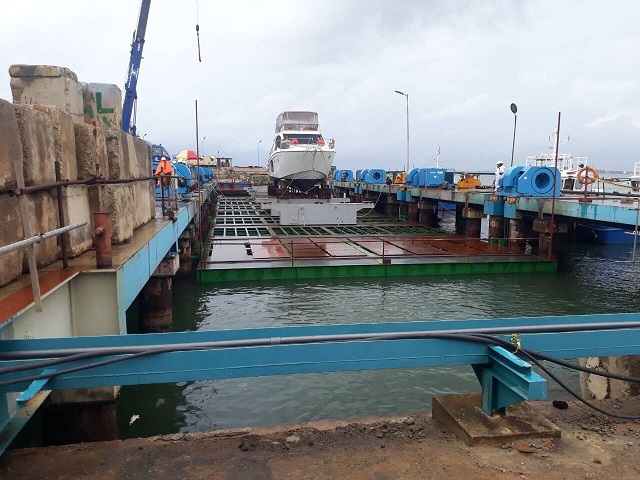
Sri Lanka is developing seafront infrastructure and regulations to promote boat building and nautical tourism, Minister of Development Strategies and International Trade Malik Samarawickrama said. The boat building industry is a billion-dollar industry and Sri Lanka should take full advantage of this emerging trend,” he told a news conference to announce the launch of the island’s boat show.Boat Show Sri Lanka 2018, which this year will also include a boating festival, will be held during 26-28 October, 2018 at the yacht marina in Galle port, for long a popular stop over for yachts and recreational sailors on the south coast.This year’s event will be organised with a novel concept by adding a boating festival to showcase the country’s capabilities in marine tourism and recreational boating, yachting and boat building for export,” Samarawickrama said.
. This event is a good example of a ‘Whole of Governemnt  approach as all government stakeholders of the sector, such as the ministries of ports and shipping, industry and commerce, tourism, and Sri Lanka Ports Authority have joined the Export Development Board and Boat Building Technology Improvement Institute Lanka (BTI) in organising the show.”


Samarawickrama said his ministry, EDB and Board of Investment were working closely with the industry on budget proposals to promote boat building and nautical tourism..
Work includes developing appropriate seafront infrastructure and regulations, and registration and standardisation covering the entire value chain of the industry, he said..
Samarawickrama said the newly developed National export Strategy has identified boat building as one of the focus sectors to be promoted in the overall strategy. The increasing worldwide, regional and local demand for boats for fishing, industrial, commercial and leisure purposes have opened up. a number of opportunities and new markets for Sri Lanka as a result of its strategic location, highly trainable workforce and labour cost advantages,” he said. 

CURRENT STATUS

There are around 5,000 superyachts (30m+) globally, 50% are American-owned • 90% based in the Mediterranean in the European summer; of which roughly 1,500 go to the Caribbean for the winter – collectively spending around $3 billion.

Average superyacht: 50m long, value $35 million, spends $5 million in annual running costs – which can be partly off-set through charter (rental) revenue from wealthy yachting tourists •

Because of the exceptionally high running costs, owners favour destinations where they can charter to mitigate costs •

To attract the superyacht fleet, destinations must allow them to ply for trade” (charter) without having to pay VAT on the yacht’s value for temporary importation, and allow crew a one-year visa.

The Mediterranean is the world’s principal yachting destination in the European summer. The Caribbean is currently the main winter destination BUT yacht owners are now looking for an alternative .Counties in ASEAN GROUP and Sri Lanka  has a real opportunity to become the new winter yachting destination…

SUPERYACHT CHARTER- GLOBAL SITUATION

Average Mediterranean charter = 12-14 weeks @ $200,000 per week • Average Caribbean charter = 6-8 weeks @ $150,000 per week • Possible $3 million in charter revenue – mitigates $5 million running costs • Easy regulations makes the Caribbean attractive to owners – no import tax, no VAT, no cross-border hassles, and no immigration issues •

Foreign-flagged superyachts will only go to destinations which allow unrestricted yacht charter and easy cruising .

ASEAN and SRI LANKA  needs to simplify & harmonise tax and immigration regulations to be competitive and attract nautical tourism.

SUPERYACHT CHARTER: ASEAN AND SRI LANKAN   SITUATION

Unfavourable and inconsistent regional regulations prevent foreign superyacht tourism and its high potential economic impact •

Superyacht Owners and Captains will not bring their yachts unless there is transparency and consistency in regulations, unless they can charter, and unless their highly-trained and experienced crew can stay with the yacht

Only 50 out of 5,000 foreign superyachts visited ASEAN in 2016/17

BENEFITS

  • Inward Investment •

Redevelopment and expansion of existing businesses and facilities to accommodate influx of yachts and their needs •

Greenfield development of industry leading facilities in refit and repair as well as destination experience tourism •

Job creation •

Developing high end well ness tourism .

Marine services and supplies •

Tourism and hospitality •

Marine Engineering, shipwright, painting, carpentry, electricians •

The experience in Europe & US is that taxation from yachting industry as it grows will more than make up for direct taxation on yacht purchase

WHY SOUTH ASIA AND ASEAN GROUP COUNTRIES?

ASEAN’s AND SRI LANKAN coral reefs are the aquatic counterpart of the region’s tropical rainforests which already anchor a growing eco-tourism industry •

Yachts lying to ASEAN countries have to pass Galle hence transit can be beneficial

Earth’s richest genetic warehouse – home to 17% of world’s flora & fauna •

Marine bio-diversity 5 times that of the Caribbean and 25 times that of the Mediterranean •

Existing system of marine parks, & marine protected areas already in place •

Archipelagic geography with massive shoreline & reef system from the Western Pacific region across to the Coral Triangle •

Cultural diversity throughout the region • Growth as luxury and culinary destinations •

WHY ASEAN GROUP AND SRI LANKA SUFFERS

  • Foreign Superyacht charter prohibited in most countries •

Import duty and other local taxation kills local boating businesses –

They cannot survive on tourism alone •

Some countries developing marine tourism on their own, but a unified regional agenda for harmonisation and simplification of regulations would yield exponentially more •

Lack of consolidated marketing to the yachting fraternity •

Marine conservation and sustainable fishing should be high priority

WHAT STEPS SRI LANKA SHOULD TAKE TO DEVELOP YAHCTING INDUSTRY

Establish and jointly promote ASEAN and SRI LANKA  as a single yachting destination •

Regional regulations should be harmonised and simplified to encourage easy cross border cruising, thus integrating ASEAN  and SRI LANKA into the global yachting economy •

International experts to be deployed aho are ready and available to advise on revision of regulations •

Redefine the luxury tourism offering of the region through a consolidated marketing plan

Develop/convert existing fishery harbours ( under Fishing Village Development Plan approved by the cabinet –brain child of previous Minister of Fisheries )

Get rid of Director Merchant Shipping holding the powers to allow or disallow yacht charter

STEPS TO BE TAKEN

Join the marketing efforts through a consolidated and cohesive  plan to the global yachting community.

Build on the GALLE  Yacht Show in 2018 to incorporate a hosting program for Owners and business leaders in the world

Make Galle Harbour as the super destination for Yacht owners

Develop Yacht Building Repair facilities in Galle Harbour

Carry out a joint promotional program with all agencies in ASEAN group and promote the Yachting Industry .

Encourage Sri Lankans to own yachts and provide parking facilities

( A local yacht owner is struggling to get the approval to sail around the island from Director Marchant Shipping for last three months due to bureaucratic bungling !) 

Make all government stake holders to meet in Galle and formulate a plan by having a conference in Galle

( Megapolis Minister  in his own crusade ,plans to develop inland Water Transportation and mulling to establish sea transportation from Puttalam to Galle, Chamber of Commerce under Industry Minister ,EDB under Minister of Strategic Development, and Tourist Board under Minister of Tourism ( all three patronised Galle Boat Show Launching Ceremony except Megapolis Minister ) ,Transport and Southern Development Ministers were absent) ,are driving the Blue Economy in different Directions .Fishery Minister is having a different program of his own Blue economy with fishermen. )

 NEED OF THE HOUR IS TO APPOINT A QUASI GOVERNMENT AUTHORITY WITH PRIVATE SECTOR PARTICIPATION  WHICH SHOULD ACT AS ONE STOP SHOP” TO AUTHORIZE ESTABLISHMENT OF YACHT MARINAS AND YACHT BUILDING /REPAIR FACILITIES RIGHT AROUND THE ISLAND AND DEVELOPMENT OF NAUTICAL TOURISM AND FISHING ADVENTURES LIKE  IN SICHELLES .

APPOINT A SINGLE MINISTER FOR BLUE ECONOMY AND ENTRUST THE ABOVE TASK .


Dr Sarath Obeysekera

බැසිල්ට බැණ වදින්නම 16 කණ්ඩායම සමුළුවක් තියයි.. ඇමතු සියල්ලෝම බැසිල්ට බැණ වදිති..

June 17th, 2018

රත්ගමඑම් .සි. ද සිල්වා

විමල්,වාසු,දිනේෂ්,ගම්මන්පිල්ලේ නුගේගොඩින් ඇතිකළ මහින්ද සුළඟ නම් වූ රැල්ල,අද මේ රටේ බලගතුම,එනම් පලවෙනි පක්ෂය බවට පත්වූ පොහොට්ටුව පක්ෂය ඇතිකරමින් පළාත් පාලන මැතිවරණයේදී ඇත්ත වශයෙන්ම කිසිකෙනෙක් බලාපොරොත්තු නොවූ විරු මට්ටමේ විශිෂ්ට ජයක් කරා මෙහෙයවූයේ බැසිල් රාජපක්ෂ බව නොරහසකි.පළාත් පාලන චන්දයේ අතිවිශිෂ්ට ජයට ප්රධාන හේතු කිහිපයක්ම බලපෑය.

1.විමල්,වාසු,දිනේෂ්,ගම්මන්පිල්ලෙලා නුගේගොඩින් ඇරඹුවා රැල්ල.
2.
මේ ආණ්ඩුවට ජනතාව දක්වන දැඩි වොරෝධය.
3.
මහින්ද රාජපක්ෂ මහත්තයට ජනතාව දක්වන ලෙන්ගතුකම.
4.
මහින්ද රාජපක්ෂ මහතාට සමකල හැකි අසහාය නායකයෙක් එතුමන් හැර අද මේ රටේ දේශපාලන ක්ෂේත්රයේ නැතිබව.
5.
ආණ්ඩු විරෝධී බලවේගය ගොඩනැගීමට බැසිල් රාජපක්ෂ මැතිතුමා ගේ මැදිහත්වීම.

මේ කරුණු 5 එකසේ වැදගත්වන අතර 2020 පොහොට්ටුවට මුහුණ දීමට ඇති DO OR DIE සටනින් ජයගැනීම සඳහා මේ කරුණු 5 ටම සම්බන්ධ පුද්ගලයින් පොහොට්ටුවතුල ඉතාම සමගියෙන් සිටීම අත්යවශ්යය.එමෙන්ම මේ මහත්වරුන් හැමදෙනාම අප විසින් හැමවිටකම ආරක්ෂා කලයුතුය,ඔවුන් වෙනුවෙන් අපි සෑමවිටම පෙනීසිටිය යුතුය.මා මේ ලිපිය කඩිමුඩියේ ලියමින් කරන්නේ එම යුතුකම සහ වගකීමයි.
බලන්න 16 කල්ලිය මාතලේදී බැසිල් රාජපක්ෂ මහත්තයට අපහාස කරන ආකාරය.ඔය 16 කල්ලියේ බොහෝමය ජනතාව ප්රතික්ෂේප කරපු වාචාලයින් බව මුළු රටම දන්නවා විතරක් නොවෙයි සඳහා සාක්කි ඕනෑතරම් අන්තර්ජාලයේ තියෙනවා.
https://youtu.be/4rHEUrULVJ0?t=4

කසිප්පුකාරයෙකුට,හොරතක්කදියෙකුට,වාචාලයෙකුටමේ ආදී ඕනෑම කෙනෙකු ඔවුන්ගේ වැරදි වැඩ අත්හැර පොහොට්ටුවට එකතු වියහැක.එහෙත් ඔවුන්ට පොහොට්ටුවේ බලකණු වලට මේ අයුරින් ප්රසිද්ධියේ පහරදීමට අප ඉඩදියයුතුද?බැසිල් රාජපක්ෂ යනු අපට අමතක කල නොහැකි පොහොට්ටුවේ තවත් එක ප්රධානම සම්පතකි.එය රැකගැනීමට අප සෑමවිටම ඇපකැප විය යුතුය.

රත්ගමඑම් .සි. සිල්වා

SRI LANKAN SOVEREIGNTY, NON NEGOTIABLE!

June 17th, 2018

by Tamara Kunanayakam

Public Lecture and Panel Discussion on Dynamic Interrelationships among Economic Policy,
International Relations And National Sovereignty Organised by Sri Lanka Association for Political Economy (SLAPE) together with the Departments of Economics and International Relations, and the Economics Students Association (ESA) of the University of Colombo Colombo, 06 June 2018

Sri Lankan sovereignty – its supremacy in domestic policy and its independence inforeign policy – is under a two-pronged attack.

At the UN Human Rights Council, the attack is led by US neoconservatives who aggressively promote direct, unilateral, preventive, and pre-emptive intervention, including military, in the internal affairs of sovereign States. Within Sri Lanka, the attack is on the economic front led by their ideological counterparts, the neoliberals, aimed at the physical takeover of the country’s wealth, natural resources and economic activities, including its public assets,
financial as well as non-financial, tangible as well as intangible (such as brand name, customer databases, customer relationships, supplier data bases, supplier relationships, experienced and trained people and the technical know-how of running the business).
The common aim of neoconservatives and neoliberals is maintaining US global hegemony by combatting the reemergence of a potential rival, which the 2018 US National Defense Strategy identified as the reemergence of long-term, strategic competition by China and Russia, not terrorism. State sovereignty – not US sovereignty – is the common enemy of both neoconservatives and neoliberals.

Full Story


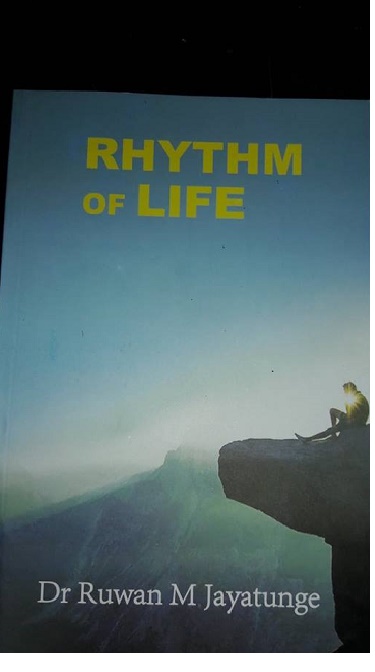
Rhythm of Life (Poetry) by Dr Ruwan M Jayatunge

June 17th, 2018


Published by Godage International Publishers

Foreword

Dr Ruwan M Jayatunge has written many books. I have read one, wish I had read more. ‘71 Karella’ was class. Obviously he had done a great service to history in Sri Lanka by placing on record all those who stood up to change the tide in the ‘71 uprising. They deserved their stories to be archived in print. Three cheers to Ruwan for writing the truth.

Now he is onto poetry. ‘Rhythm of Life’ is simple. It has loneliness, love and people, all expressed in words that do not chase Whitman or Emily Dickinson. Nor is Ruwan a Rod McKuen. He is just Ruwan, medicine man, writer and a searcher for truth in a world of abstract values. I have never met him, know him only by his words. That is enough if one cares to read deep.

‘Fiddler’ was great, ‘Monika Bay’ I love, ‘The Alien’ and ‘Street Walker’ tug at heart strings. Many poems are on a romantic platform; is he writing poetry or his own story? How would I know?

Ali Bumaye takes us to Kinshasa, Woody Allen fights Marciano and Stallone runs in Philadelphia. All this intermix with Lennon, Andy Gibb and the Gambler Rogers. This is poetry for melancholy moods to see some light. Maybe in some philosophical ways to understand life.

Capt Elmo Jayawardena

MR must learn from past mistakes

June 17th, 2018

Ex-president Mahinda Rajapaksa is undoubtedly the most popular political leader at present, and therefore has the potential of coming back to power. If people want him back in power it cannot be stopped and it should not be stopped. Let the people decide. It should not be decided by the US, China, India or any other external agent. The fact that he had been the president twice should not be a valid reason to deny the people their wish. People are concerned about what has been going on under the present regime. Economy has declined as never before, taxes are high and cost of living is climbing, corruption is rampant, foreign interference has become a threat to our sovereignty and the people can sense the perilous situation the country is in.

article_image

They cannot help comparing the previous government and the present and see that they were better off under the former. They cannot have any hope the present government could make amends and get the country out of the mess. They see government high ups making all kinds of promises but that’s all they have done for the last three years, and say they are going to solve all the problems and make this land a heaven on earth in the next one and half years. People cannot be fooled all the time. Can anybody find fault with the people if they want to bring back Mahinda Rajapaksa or somebody else with his blessings? Is there anybody in the UNP or JVP who could solve these problems which are their own making? The majority of people have faith only in Mahinda Rajapaksa. Therefore, what the intelligent people should do is not plot to defeat him, for there is no better alternative, but give him good advise to correct his past mistakes, so that if he comes back to power he will be better than what he was from 2010 to 2015.

Mahinda Rajapaksa must correct his many mistakes for the sake of the country, for if he commits the same mistakes he will be letting down all the people having faith and hope in him. He could have avoided those blunders and done even more for the country during his second term. One major error was his penchant for grandiose mega projects, to enhance his own image which is unbecoming of a good statesman. Further, such projects would not accrue benefits to the poor rural people, and would also increase the debt burden of the people. Mattala airport is a case in point. Instead it would have been sensible to spend that money to enlarge and improve the facilities at the Katunayake Airport, which would have attracted more flights and also provide better facilities for passengers. Mihin Lanka which was another of those image enhancing projects was not needed at that juncture, and proved to be a white elephant.

Another area where Mahinda could have done better was in the development of a national economy. The main industry of our people is agriculture. About 80% of the people live in the villages. If these people are to benefit, the economy must be designed to support agriculture and rural life. The government under Mahinda Rajapaksa could have done much more to develop a village based national economy, aimed at reducing the dependence on foreign loans and the depredations of unbridled capitalism. How the market forces could be controlled and managed for the benefit of poor people could have been learnt from China who was a good friend of the government. Rajapaksa lost in 2015 due to the fact that the benefits of his development projects had not reached the people and the cost of living was rising. Such mistakes should not happen in the future.

Tamils of Indian origin live among Sinhalese people in the plantations area and they are a badly neglected lot, often exploited by politicians. They don’t have satisfactory housing facilities and live in line rooms which had been the situation during the British rule. The previous government could have solved this problem with a fraction of the money it spent on mega projects. These Tamils may or may not vote for Rajapaksa, but they need to be treated as human beings. They contribute substantially to the economy of the country. Recognition of their services to the country would have enhanced Mahinda Rajapaksa’s image more than useless mega projects.

Nepotism was a common practice under Rajapaksa rule. Not that there is no nepotism now but we cannot expect anything good from this government, can we? The previous government appointed the president’s close relatives as ambassadors and chairmen of corporations and such other high posts for which they were hardly qualified. These people could sit on the destiny of others and take decisions which could have an impact on all aspects of life. They could ruin the corporation and thereby ruin the economy. Another huge disaster was the appointment of a MP to oversee the affairs of the Foreign Ministry. The appointee was too big for his breeches and was more powerful than the minister.

Mahinda Rajapaksa turned a blind eye to the corruption that was rampant around him. He did not make any attempt to rope in the bribe takers and control the commission grabbers. The word spread that his government was corrupt. His own brothers were not spared. His opponents went to town with these rumours. There is no smoke without fire, and all these scandals reflect on his leadership too. A good leader cannot afford to ignore bribery and corruption, for finally he would be tarred with the same brush. This is what happened finally, with the so called civil society making corruption their clarion call in the campaign against Rajapaksa. Even the present government which robbed its own bank call him “hora”. When the prime minister, under whose watch the Central Bank functioned when it was robbed, asks in parliament “kavuda hora?” his henchmen shout “Rajapaksa hora”! It became as dirty as that, all because Rajapaksa gave a free hand to the corrupt. Those corrupt people are still around him and could prove to be his ruination in future too.

Rajapaksa’s other weakness was he could not control his offspring, with the result that on occasions they did not do the right thing. One such instance was the motor car races held in the sacred city of Kandy, disregarding the objections of the Chief Monks. This incident left a bad taste in the mouths of most of us and would have caused a loss of votes too. President’s children must not only be well behaved but decent in appearance too. Kinky hair styles may not suit them. Compared to other political sons Rajapaksa’s were good but could have been better.

It was Rajapaksa who started jumbo cabinets. He did that to entice crossovers and enhance his majority. As a result, ministries in terms of subject and responsibility became ludicrous and ministers dime a dozen. What is worse is that this sad state of affairs continues to date on some pretext or other, though the constitution was revised to limit the size of the Cabinet. There was no need for Rajapaksa to increase his majority by hook or by crook. Jumbo cabinets are unscientific, inefficient and a burden on the tax payer. What he could have done instead was to bring in laws to prevent crossovers like in India, which would have stopped MPs threatening to cross over unless they are given what they want.

Being a popular leader commanding the respect of the people he should have had the courage to do what is good for the country, without feeling threatened by his own MPs. It is baffling why Rajapaksa had to put up with nepotism, corrupt practices and misbehaviour, etc., among his MPs and supporters. Of course he needs the support of his MPs to run the government. Obviously he did not want his government to collapse due to crossovers. But more than he needs the loyalty of his MPs, the latter need him to get the votes, Rajapaksa being the charismatic leader who could attract the voters for those MPs. This was proved beyond doubt at the recently concluded LG polls where people voted for an unheard of group at Maharagama, for the only reason they were supported by Mahinda Rajapaksa. He can afford to put his foot down and say no.

The country at this perilous moment in its history is fortunate to have a leader with Rajapaksa’s stature, proven ability, patriotic love for the country, and courage to resist imperialist pressure and above, all people’s wide acceptance and love. One hopes he has learnt his lessons for the sake of the country. Because a popular leader in power could be dangerous for they could disregard morals and forget their duty by the people, and even become dictatorial. The country needs a reformed Mahinda Rajapaksa.

N.A.DE S. AMARATUNGA

Govt. laying groundwork to betray armed forces: Former President Mahinda Rajapaksa

June 17th, 2018

 Courtesy The Daily Mirror

Former President Mahinda Rajapaksa today said the amendments proposed by the Government to the Mutual Assistance in Criminal Matters Act of 2002, were clearly aimed at assisting foreign courts in the trial of Sri Lankans for offences allegedly committed in Sri Lanka.

The Government has introduced in Parliament, a Bill to amend the Mutual Assistance in Criminal Matters Act, No. 25 of 2002. This is the latest betrayal by the yahapalana Government.

This country has had its share of traitors in its long history, but never anyone as committed and enthusiastic in their betrayal as the present Government,” he said in a statement.

Full Statement

MEDIA RELEASE

Laying the groundwork to betray Sri Lankan armed forces personnel to foreign powers

The government has introduced in Parliament, a Bill to amend the Mutual Assistance in CriminalMatters Act, No. 25 of 2002. The purpose of the original law was to facilitate cooperation between SriLanka and specified foreign countries in locating and identifying witnesses or suspects, the service ofdocuments on such persons, the examination of witnesses, the obtaining of evidence, execution ofrequests for search and seizure, temporarily transferring a person in custody to appear as a witness,facilitation of the personal appearance of witnesses, the location of the proceeds of any criminalactivity, and enforcing orders for the freezing of property etc. It applied only to specifiedCommonwealth countries and to other countries that had signed agreements with Sri Lanka to rendermutual assistance in criminal matters.
The Bill to amend Act No: 25 of 2002 will repeal and replace entire sections of the original Act andsubstantially change its character. The proposed amendment will widen the applicability of the Act toevery country that is a party to any international Convention that involves criminal matters. Though theoriginal Act applied only to states, the proposed amendment will make it applicable to internationalorganisations such as the International Criminal Court as well. It will also make documentary evidenceand evidence obtained through video conferencing from persons resident in foreign countriesadmissible in judicial proceedings. The administrative machinery to respond expeditiously to requestsfrom overseas is also to be expanded.
The proposed legislation complements two previous laws introduced by the present government – theOffice of Missing Persons Act and the Act relating to the International Convention on EnforcedDisappearances. The Office of Missing Persons is a tribunal which can examine witnesses, issuesummons and hold hearings. Its officers can enter without warrant at any time of day or night, any police station, prison or military installation and seize any document or object they require forinvestigations. Anyone who fails or refuses to cooperate with the OMP may be punished for contemptof court. Government bodies at all levels including the armed forces and intelligence services are mandatorily required to render fullest assistance to the OMP and the provisions of the Official SecretsAct will not apply to investigations carried out by this body.
The International Convention against Enforced Disappearances which has been incorporated into thelaw of Sri Lanka through Act No: 5 of 2018, confers jurisdiction over offences related to enforceddisappearances on all the signatories to the international Convention so that an offence committed inSri Lanka can be tried in a foreign country as if it was an offence committed in that country. UnderArticles 10, 11 and 13 of the international Convention Sri Lankans can be arrested in foreign countriesand either tried in the country that makes the arrest or handed over to the International Criminal Court.Under Sections 8 and 21 of Sri Lanka’s Act No: 5 of 2018, foreign states can request the extradition of persons suspected of having committed enforced disappearances in Sri Lanka to stand trial overseas.The Bill to amend the Mutual Assistance in Criminal Matters Act, No. 25 of 2002 complements Act No: 5 of 2018 because it would not be possible to prosecute Sri Lankans in foreign courts for offencesallegedly committed in Sri Lanka unless there was a mechanism to obtain evidence from SriLanka. The amendments proposed to the Mutual Assistance in Criminal Matters Act of 2002 are clearlyaimed at assisting foreign courts in the trial of Sri Lankans for offences allegedly committed in SriLanka. This is the latest betrayal by the yahapalana government. The manner in which this governmenthas been implementing the demands of their foreign patrons should also be taken note of by the public. In August 2016, the government forcibly passed the Office of Missing Persons Bill after givingParliament less than 40 minutes to debate it. The better part of that time was spent in arguing whetherthat that Bill should be taken up for debate at all because the government had pledged not to take it upon that day.
In March 2018, the government passed the Prevention of Enforced Disappearances Act No: 5 when theattention of the whole nation was focused on the Sinhala-Muslim riots that broke out in the Kandydistrict. They passed this law despite repeated requests from the Mahanayaka Theras and the KarakaSangha Sabhas of all three nikayas to jettison it. On May 18 this year, on the very anniversary of thevictory against the LTTE, the government gazetted the Bill to amend the Mutual Assistance in CriminalMatters Act of 2002 at a moment when the people were preoccupied with the floods that affected many parts of the country. This country has had its share of traitors in its long history, but never anyone ascommitted and enthusiastic in their betrayal as the present government.
 
 Mahinda Rajapaksa
 
 Former President of Sri Lanka
 

ලෝක ඉතිහාසයේ විරළ යෝජනාවක්

June 17th, 2018

පරිවර්තනය – කෝවිද ගුණසේකර  උපුටාගැණීම ලංකාදීප


2009 වසරේ නිමාව දුටු වාර්ගික යුද්ධයේ දී පරාජයට පත් කෙරුණු එල්.ටී.ටී.ඊ සංවිධානයේ හිටපු සාමාජිකයන්ට සහ ඔවුන්ගේ පවුල්වල සාමාජිකයන්ට ”ඉහළ වන්දියක්” ගෙවීමට එක්සත් ජාතික පක්ෂයේ කැබිනට් අමාත්‍යවරයකුට අවශ්‍යව තිබේ.

පුනරුත්ථාපනය, නැවත පදිංචි කිරීමේ සහ හින්දු ආගමික කටයුතු අමාත්‍ය දේවා මනෝහරන් ස්වාමිනාදන් මහතා මේ අරභයා ඉදිරිපත් කළ කැබිනට් පති‍්‍රකාව පසුගිය සදුදා පැවැති කැබිනට් මණ්ඩල හමුවේ දී අමාත්‍යවරුන්ගේ අවධානයට ලක් වූ අතර, හානියට පත්වූ සියලූම අයවලූන්ට, කිසිම ආකාරයකින් වෙනස්කමක් සිදුකිරීමකින් තොරව, මෙම වන්දිය ගෙවිය යුතුයැයි ස්වාමිනාදන් අමාත්‍යවරයා එම කැබිනට් පති‍්‍රකාවෙන් නිර්දේශ කර තිබිණ. ගෙවිය යුතු මුදල් ප‍්‍රමාණය ගැන එහි සඳහනක් නොතිබූ අතර, එය අමාත්‍යවරුන් තීරණය කළ යුතුයැයි ඔහුගේ අපේක්ෂාව විය. මේ සම්බන්ධයෙන් වැඩිදුර අධ්‍යයනයක් කිරීම සදහා අවශ්‍ය කාලය ලබාගනු වස් අවසන් තීරණයක් ගැනීම ලබන සතියට කල් තැබිණ.

මෙම යෝජනාවේ තිබෙන අර්බුදකාරී තත්ත්වය වනුයේ එයින් ඉහළ වන්දි මුදලක් ගෙවන ලෙසට නිර්දේශ කර තිබෙනුයේ ශ්‍රී ලංකාවේ වෙනම රාජ්‍යයක් ඇතිකර ගැනීම සඳහා අවි අතට ගත් පුද්ගලයින් පිරිසක් වෙනුවෙන් වීමය. එම අරමුණ සාක්ෂාත් කරගැනීම සදහා ඔවුහු ලොව එක් පාර්ශවයකින් අරමුදල් රැස්කර ගන්නා තුර අනෙක් පාර්ශවයෙන් ඉතාම දියුණු අවි ආයුධ ලබාගත්හ.

අද ඔවුන් හැදින්වෙනුයේ ලොව මෙතෙක් පහළ වූ ඉතාම භයංකර ගරිල්ලා කණ්ඩායමක් සැටියටය. දශක තුනක කාලයක දී එල්.ටී.ටී.ඊ සංවිධානය, ඊළාම් යුද්ධයේ අදියර 3ක් සනිටුහන් කරමින් ප‍්‍රචණ්ඩ හා බලවත් සංවිධානයක් ලෙස ප‍්‍රගමනය වූ ආකාරය වර්තමානයේ යුද විශේෂඥයින්ගේ අධ්‍යයනයට පවා පාත‍්‍රවී තිබෙන්නකි.

උතුරේ කි‍්‍රයාත්මක වූ අනෙක් සම මතවාදී කණ්ඩායම් හා සමානවම එල්.ටී.ටී.ඊ සංවිධානය එහි අවිගත් අරගලය ආරම්භ කළේ රජයට අයත් අවි කොල්ලකෑමෙනි. දෙවන ලෝක යුද සමයේ භාවිතයට ගැනුනු මිලිමීටර 0.303 රෝයල් එන්ෆීල්ඩ් වර්ගයේ ෂොට්ගන් වර්ගයට අයත් අවි ඔවුන්ගේ පි‍්‍රයතම අවි විය.

උතුරේ බොහෝමයක් පොලිස් ස්ථාන සංවිධානයේ ඉලක්ක බවට පත්විය. දෙවන අදියරේ දී, එල්.ටී.ටී.ඊයේ අවි ශක්තිය ඒකේ 47 රයිෆල සහ චීනයේ නිෂ්පාදිත ටී56 අවි දක්වා පුළුල් විය. මේ අතරවාරයේ ඔවුහු ඉතා ප‍්‍රාථමික මට්ටමින් පොලිසියක්, නාවික අංශයක්, හා ගුවන් අංශයක් ආරම්භ කළහ. සංවිධානය වෙනුවෙන් සටන්වැද මියයන සාමාජිකයන්ගේ නම් ලත් බෝම්බ වර්ග ගණනාවක් ද මේ සමයේ උපත ලැබීය.

උරහිස මත තබා ගැනෙන අවියකින් ගොඩබිම සිට ගුවනට එල්ල කැරෙන මිසයිල, පුළුල් හා සංවිධානාත්මක නාවික අංශයක්, එල්.ටී.ටී.ඊ අවිගත් අරගලයේ තෙවැනි අදියරේ කරළියට පැමිණියේ ඔවුන් වඩාත් ඉහළ මට්ටමින් සංවිධානය වී තිබෙන බව මනාව පෙන්වා දෙමිනි. ගුවන්පථයක් ගොඩනැගූ ඔවුන් සතුව ගුවන්යානයක් ද විය. මෙය සංකේතාත්මක දෙයක් වුවද, එය දකුණේ සැළකිය යුතු තරමේ කැළඹීමක් ඇතිකිරීමට සමත් විය.

යුද උපකරණ සහ උණ්ඩ ගෙන්වාගැනීම සදහා සයුරු ප‍්‍රවාහන ජාලයක්ද ඔවුන් පවත්වාගෙන ගිය අතර, සැළකිය යුතු කාලයක් පුරාවට එල්.ටී.ටී.ඊ ය ගොඩබිම බලය අත්පත් කරගෙන සිටියේය. වන්නියෙන් ආරම්භ වූ එය යාපනය අර්ධද්වීපය පුරාම පැතිරින. කොටින්ම කියතොත් එල්.ටී.ටී.ඊ ය පවත්වාගෙන ගියේ සමාන්තර රජයක්ය.

ජනතාව පත්කරගෙන සිටි රජයේ ආධිපත්‍ය මෙම ප‍්‍රදේශයන් මත බලනොපැවැත්වුණද, එම ප‍්‍රදේශයන්හි සේවය කරමින් සිටි රජයේ සේවකයින්ට වැටුප් සහ රෝහල් සදහා ඖෂධ, ආහාර, ආදිය නොකඩවා සැපයීමට රජයට සිදුවිය. මෙසේ සැපයෙන ඖෂධ එල්.ටී.ටී.ඊ පළමුකොටම ලබාදුන්නේ මහාවීර පවුල්වල සාමාජිකයන්ටය. සාමාන්‍ය ජනතාව සිටියේ දෙවැනි තැනය. තුවාළ ලැබූ සාමාජිකයන් උතුරට පැමිණි අවස්ථාවල ඔවුන් සදහා රජයේ රෝහල්වල වූ ගබඩාවලින් ඖෂධ ලබාගැනීමට ද එම සංවිධානය කටයුතු කළේ ය.

1991 වසරේ දී එල්.ටී.ටී.ඊ සංවිධානයේ මරාගෙන මැරෙන අංශයේ සාමාජිකාවක් ඉන්දියා අගමැති රජීව් ගාන්ධි ඉන්දියා පොළව මතදීම ඝාතනය කළාය. වසර 2කට පසු 1993 වසරේ මැයි මස 1 වැනිදා, එම අංශයේ තවත් සාමාජිකයකු ශ්‍රී ලංකා ජනපති රණසිංහ පේ‍්‍රමදාස මහතා මරාගෙන මැරෙන බෝම්බ ප‍්‍රහාරයකින් ඝාතනය කළේ ය. එල්.ටී.ටී.ඊ ය එල්ල කළ මෙවැනි ම්ලේච්ඡ ප‍්‍රහාරවලට හසුව දිවි අහිමි වූ අමාත්‍යවරුන්, හමුදා නිලධරයන්, පොලිස් නිලධරයන්, ආගමික නායකයන්, සහ සිවිල් වැසියන්, ගණනාවකි. මෙම සඳහන එල්.ටී.ටී.ඊය කළ විනාශයේ තරම ලඝු කොට දැක්වීමකි.

මුල් අවස්ථාවේ දී විවිධ අවිගත් සංවිධානයන් ප‍්‍රහාර එල්ල කළ ද, පසුව එල්.ටී.ටී.ඊ සංවිධානය ක‍්‍රමයෙන් එම සංවිධාන මතින් නැගී සිටියේ, අරමුණ වෙනුවෙන් පෙනී සිටින එකම බලවත් සංවිධානය බවට පත්වෙමිනි. හමුදා කදවුරු අත්පත් කරගනිමින්, එම කදවුරුවල වූ කාලතුවක්කු අවි, තොග ගණන් ෂෙල් උණ්ඩ සහ වෙනත් උපකරණ, තමන් සන්තකයට ගනිමින් නොනැවතුනු එල්.ටී.ටී.ඊය අනපේක්ෂිත ප‍්‍රහාර එල්ල කරමින් කොළඹ හා ශ්‍රී ලංකාවේ අනෙක් ප‍්‍රධාන නගරයන් අස්ථාවර තත්ත්වයට පත් කළේ ය. ඔවුන් කළේ යැයි මෙතෙක් අනාවරණයව ඇති, සහ අනාවරණයව නොමැති, දේ සැළකිල්ලට ගත් විට, වර්තමානයේ මෙසේ යෝජනාවත් ඉදිරිපත්ව තිබෙන්නේ ඔවුන්ට සහ ඔවුන්ගේ අනුප‍්‍රාප්තිකයන් වන පවුලේ සාමාජිකයන්ට දීමනාවක් ගෙවීමටය. ලෝකයේ තත්ත්වය සැළකූ විට මෙය ඉතාම විරල අවස්ථාවක් ලෙස සැළකිය හැකිය.

මෙසේ ඉහළ නංවන ලද වන්දියක් ගෙවීම ”සංහිදියාව ඇතිකිරීම” වෙනුවෙන් රජය ගන්නා උත්සාහය ශක්තිමත් කිරීමක් වනු ඇති බවට ස්වාමිනාදන් අමාත්‍යවරයා පෙන්වා දී ඇතත්, සංහිදියාව ඇතිකිරීම සදහා වන ප‍්‍රධාන කාරණා බොහෝමයක් මේ දක්වාම කි‍්‍රයාවට නංවා නොමැති බව සදහන් කළ යුතුය.

නව ව්‍යවස්ථාවක් හදුන්වාදෙන බව පැවැසුන ද, රජය බලයට පත්ව වසර තුනක කාලයක් ගතව ඇති වර්තමානයේ එහි කටයුතු ප‍්‍රගමනය වෙමින් පවතින්නේ ඉබි ගමනිනි. මේ අතර ජනතා විමුක්ති පෙරමුණ, ජනපතිවරයාගේ බලතල තවදුරටත් කප්පාදු කිරීම සහ අගමැතිවරයා සතු බලතල පුලූල් කිරීම, පෙරදැරි කැරගෙන සකස් කර තිබෙන 20 වැනි ව්‍යවස්ථා සංශෝධනය පසුගියදා කතානායකවරයාට භාරදුන්නේ ය.

මේ සියල්ල සිදුවෙමින් පවතින්නේ ත‍්‍රස්තයින් යුදමය වශයෙන් පරාජයට පත්කළ ආරක්ෂක අංශ සාමාජිකයන්, තමන්ට එරෙහිව එක්සත් ජාතීන්ගේ මානව හිමිකම් කවුන්සිලය සහ වෙනත් ආයතනය නගමින් සිටින යුද අපරාධ සහ මානව හිමිකම් කඩවීමේ චෝදනාවලය මුහුණදෙමින් සිටින වාතාවරණයකය. බටහිර තානාපති කාර්යාලයන් මෙම කරුණ මත පිහිටා මෙම ඇතැම් ජ්‍යෙෂ්ඨ ආරක්ෂක අංශ සාමාජිකයන්ට එම රටවලට ඇතුල්වීමට වීසා බලපත් නිකුත් කිරීම පවා ප‍්‍රතික්ෂේප කර ඇත.

මෙම චෝදනා විමර්ශනය කිරීම සදහා ඇමරිකාව ඉදිරිපත් කළ යෝජනාවලියකට වර්තමාන රජය සම අනුග‍්‍රාහයකත්වය දැක්වූ අතර, එම යෝජනාවලියෙන් යුද අපරාධ සහ මානව හිමිකම් කඩවීමේ චෝදනා විමර්ශනය කිරීම සදහා වගවීමකින් යුතු අධිකරණ යාන්ත‍්‍රණයක් ඇතිකළ යුතුව ඇතැයි ද, එම යාන්ත‍්‍රණයට පොදුරාජ්‍ය මණ්ඩලීය රටවලින් විදෙස් විනිසුරුවරුන් පත්කළ යුතුව ඇතැයි ද නිර්දේශ කර තිබේ.

ඇමරිකාව ඉදිරිපත් කළ මෙම යෝජනාවලියට එසේ සම අනුග‍්‍රාහකත්වය ලබාදීමෙන් ශ්‍රී ලංකා රජය ද, බටහිර රටවලින් නැගෙන යුද අපරාධ සහ මානව හිමිකම් කඩවීමේ චෝදනා විමර්ශනය කළ යුතුයැයි පිළිගෙන ඇත.

නමුත් මෙම යෝජනාව ඉදිරිපත් කිරීම සදහා ස්වාමිනාදන් තම පදනම ලෙස භාවිතා කර තිබෙන්නේ උගත් පාඩම් හා සංහිදියා කොමිසමේ වාර්තාවෙන් ඉදිරිපත් කර තිබෙන නිර්දේශයකි. එල්.ටී.ටී.ඊ සංවිධානය හා සම්බන්ධව සිටි පුද්ගලයින් සම්බන්ධයෙන් තීරණයක් ගත යුතුව තිබෙන බව එහි සදහන් වන අතර, ”එම සංවිධානය හා සම්බන්ධව සිටි පුද්ගලයින්ට සහ ඔවුන්ගේ පවුලේ සාමාජිකයන්ට යම්කිසි සහන මුදලක් ලැබීම සදහා සුදුස්සන් බව ප‍්‍රතිපත්තිමය වශයෙන් සැළකිය හැකි” බව එහි වැඩිදුරටත් සදහන් වේ.

හිටපු ජනපති උපදේශක සහ පසුව නීතිපති ලෙස පත් කැරුනු සී.ආර්.ද.සිල්වා මහතාගේ ප‍්‍රධානීත්වය යටතේ සාමාජිකයන් 7 දෙනෙකුගෙන් සමන්විත වූ මෙම කොමිසම පත්කිරීමට පියවර ගත්තේ හිටපු ජනපති මහින්ද රාජපක්ෂ මහතාය. ඒ 2010 මැයි මස 15 වැනිදාය.

2011 නොවැම්බර් මස 15 වැනිදා, අධ්‍යනයට පාත‍්‍ර වූ කරුණු සම්බන්ධයෙන් කොමිසම දිගු වාර්තාවක් ඉදිරිපත් කළේ ය.

කොමිසම පත්කිරීමේ අරමුණු 5ක් විය.

01. 2002 පෙබරවාරි මස 21 වැනිදා අත්සන් තැබුනු සටන්විරාම ගිවිසුම බිද වැටීමට හේතු වූ කරුණු සහ අවස්ථා සහ එතැන් සිට 2009 මැයි මස 19 වැනිදා දක්වා දිගහැරුණූ අවස්ථා විමසුමට ලක්කිරීම

02. කිසියම් පුද්ගලයකු, කණ්ඩායමක් හෝ ආයතනයක්, සෘජුව හෝ වක‍්‍රව හෝ එම තත්ත්වය ඇතිවීමට වගකිවයුතුදැයි යන්න

03. නැවත එවැනි සිදුවීමකට ඉඩනොතැබීම සදහා මෙම අවස්ථාවලින් අප උගත යුතු දේ සහ එම අවස්ථාවල ප‍්‍රතිඵල ලෙස අවධානයට ගතයුතුව තිබෙන දේ

04. මෙම සිදුවීම්වලින් අගතියට පත්ව සිටින  ඕනෑම පුද්ගලයකු හෝ එම සිදුවීම් නිසා අගතියට පත්වීමට ඉඩ තිබෙන ඔහු මත යැපෙන අයවලූන් සහ ඔහුගේ අනුප‍්‍රාප්තිකයන්, සාමාන්‍ය තත්ත්වයට පත්කිරීම සදහා යොදාගත යුතු යාන්ත‍්‍රණය හදුනාගැනීම

05. අනාගතයේ මෙවැනි තත්ත්වයක් ඇතිවීම වළැක්වීමට, ජාතීන් අතර එක්සත්භාවය සහ සංහිදියාව ප‍්‍රවර්ධනය කිරීමට, විමසුමට ලක්කර තිබෙන වෙනත්  ඕනෑම කරුණකට අදාළව නිර්දේශ ඉදිරිපත් කිරීමට හැකියාව ලැබෙන පරිදි, ගතයුතුව තිබෙන ආයතනිකමය, පරිපාලනමය සහ ව්‍යවස්ථාමය පියවරයන්

‘Waiting for Mahinda mahaththaya’

June 17th, 2018

By Vidura Prabath Munasinghe Courtesy Ceylon Today

Law and Trust Society Review May 2018 says the local government election for 337 local government bodies in Sri Lanka (except Elpitiya Pradeshiya Sabha), was held on 10 February, 2018. This election and its results captured special attention due to two main reasons:

This was the first election held under the new electoral system which was introduced to give opportunity for the community to be represented by community-based leaders on a ward basis – instead of the proportional representation system which benefited local elites and those with close connections to political parties – and thereby strengthen representative democracy in local government bodies.

The Sri Lanka Podujana Peramuna (SLPP)/Joint Opposition (JO), whose election campaign was fronted by former president Mahinda Rajapaksa, won a great majority of the local government bodies by defeating the partners of the present coalition government, i.e. the Sri Lanka Freedom Party (SLFP)/United Peoples’ Freedom Alliance (UPFA) and the United National Party (UNP)/United National Front (UNF).

The prime objective of this article is to examine the said local government election process and its result, to find out whether the main purpose of introducing a new electoral system has been achieved, i.e. strengthening representative democracy in local government bodies. As a secondary objective, the multiple implications manifested during the election campaign and in its result are identified. I focus on four research sites where controversial events took place during Mahinda Rajapaksa’s presidency. These field study locations are:

Uma Oya project affected areas: electoral wards of Makulella, Egodagama, Kirioruwa, Diganatenna, Liyangahawela and Dulgolla of the Bandarawela Pradeshiya Sabha; Bindunuwewa and Kinigama of Bandarawela Municipal Council; and Heeloya, Dowa, Ella, Balalkatuwa and Demodara of Ella Pradeshiya Sabha.

Aluthgama anti-Muslim violence affected area: electoral ward of Dharga Town in Beruwala Pradeshiya Sabha.

Paanama land-grabbing affected areas: electoral wards of Paanama West, Paanama Central, Paanama North, Paanama South and Shastrawela of Lahugala Pradeshiya Sabha.

Weliweriya-Rathupaswala contaminated drinking water affected area: electoral wards of Rathupaswala, Nedunagamuwa and Weliweriya in Gampaha Pradeshiya Sabha and Sivuralutenna of Mahara Pradeshiya Sabha.


Observations
on the Campaigns…

The Election Commission announced the date of the Local Government elections on 1 November, 2017, and the SLPP/JO, launching its election campaign led by Mahinda Rajapaksa, held its first mass scale election rally in Anuradhapura on the 17 of the same month. Thereafter, the SLPP frequently organised such massive rallies in different places. In comparison to this, smaller election rallies of the UPFA/SLFP, which were attended by President Maithripala Sirisena, commenced on 10 January, 2018 while the election rallies of the UNP/UNF, which were attended by Prime Minister Ranil Wickremesinghe, commenced on 18 January, 2018.

What was reiterated at SLPP/JO events was that this election should be turned into a referendum on the present coalition government; and thereby used as the first step towards toppling it. The main slogan which could be heard over and over again throughout their campaign was ‘Mahinda agamethi karamu’ (Let’s make Mahinda the Prime Minister”). The election propaganda of the SLPP/JO entirely took the nature of a national election. Locally important needs of the relevant local government areas were hardly ever expressed during this campaign.

The UPFA/SLFP too made national level issues as the main topic of their campaign. The President’s levelling of accusations continuously against the UNP, regarding the Bonds scam in particular, was one of the key features of its campaign. The UNP/UNF in its election rallies, accused the Ministers who have joined the coalition government representing the SLFP, of having obstructed legal actions against the crimes and corruption that had been committed during Rajapaksa’s regime.

The electronic and the print media allocated a greater proportion of their daily news bulletin to express views on these national level issues of the main political parties. Thus the atmosphere reminded people of a national and not a local government election.


Observations
from the Field

The SLPP/JO held large-scale election rallies, with the participation of Mahinda Rajapaksa, in the main cities related to all the above mentioned sites (Uma Oya; Dharga Town; Paanama; and Weliweriya. The SLPP/JO was the only party to have a mass rally in the main town related to the Uma Oya site (Bandarawela). In these rallies, Mahinda Rajapaksa and the national-level leaders of that party acted as the key speakers; and the candidates who contested in the relevant local government bodies hardly had the opportunity to speak. This situation was worse particularly in the ward of Dharga Town where the two candidates of the ward did not get any opportunity during the entire election campaign period to speak at any of the pocket meetings in the area. All those opportunities were made use of by Rohitha Abeygunawardena and Piyal Nishantha De Silva, SLPP/JO supporting Members of Parliament of the same district (Kalutara).

Compared to the other parties during their election campaign, the SLPP/JO gave minimum effort to speak to community members through house-to-house visits and pocket meetings, and to introduce their candidate in the relevant ward to the community. Their main election propaganda strategy was to promote the image of Mahinda Rajapaksa through massive rallies and poster campaigns. Even the local candidates of that party always requested people to vote for their party considering it to be a vote cast for the former President.

There are many incidents which clearly show that voters accepted this request and voted accordingly in the election. For example, people elected the candidate from SLPP for Dowa electoral ward of Ella Pradeshiya Sabha, despite him having died of a heart attack during the campaign, prior to Election Day. In certain other areas, there was competition between candidates to display who is closest to Mahinda Rajapaksa. The candidate who contested for Dulgolla ward of Bandarawela Pradeshiya Sabha under Independent Group 2 had a poster campaign using the photograph of the former president under the title ‘Mahinda Samaga’ (Together with Mahinda”). He was even able to out-poll the official candidate from the SLPP. Eventually, he won that ward defeating candidates from all the other parties including the SLPP. Meanwhile an SLPP candidate in Paanama continuously highlighted during his propaganda campaign that he is a relation of Mahinda Rajapaksa on his mother’s side. The SLPP candidate for Walatara ward in Beruwala Pradeshiya Sabha celebrated his sister’s wedding during the election campaign with the participation of Mahinda Rajapaksa and a large number of invitees from the area spending a huge amount of money.

Six out of seven local government bodies in the field sites were won by the SLPP. One female candidate from the UNP explained this situation:
The contestants of the other parties were village-level community leaders. The Pohottuwa [Bud symbol of the SLPP] presented a former president. The result is clear. How can a village leader contest against a [former] president?”

Although the UNP made considerable effort to include persons who are locally active and have a local voter base onto their candidate list, sometimes there were doubts on its genuineness. Several leaders of the ‘Movement to Protect Panampattuwa’ – who worked with great commitment in the Paanama land struggle – had been given nomination by the UNP. However, most of them had been included on the proportional representation list, rather than given opportunity to contest in the wards. This can be seen as a strategy to obtain the support of the village leaders with a community base in the area, but to get the traditional party candidate elected from the ward.

This was made clear when the UNP awarded bonus seats (allocated on the basis of total number of votes received) to the defeated candidates on the proportional list from Hulannuge and Lahugala wards; instead of village leaders from the Paanama wards (which the UNP won). The chief organizer of that area took this decision with the ulterior motive of using candidates on the proportional list of Hulannuge and Lahugala wards to organize his propaganda campaign in the forthcoming Eastern Provincial Council election campaign, later this year.

In the field research locations there were two occasions where the agreements that had been reached between parties at national level had a negative impact on providing opportunities to local leaders.

In this election, as in the August 2015 parliamentary election, the Jathika Hela Urumaya (JHU) contested jointly with the UNP/UNF. Due to this national level agreement, a member of the JHU in Paanama without a base in the community had to be given candidature on the UNP list without giving such opportunity to an active youth who is very popular in the community. For this very reason, Paanama North electoral ward, which the UNP could have easily won, was secured by only 10 votes, according to one local informant.

Meanwhile, Patali Champika Ranawaka, the Leader of the JHU, was a speaker at the UNP/UNF rally held in Beruwala. The Muslim community in Dharga town feel that he justified the involvement of the Bodu Bala Sena in the attacks targeting Muslims in 2014 (during the Rajapaksa government of which he was a prominent member). Many UNP supporters of that area were of the view that due to Ranawaka’s presence on the UNP stage, a number of (Muslim) UNP supporters abstained from voting.


SLPP Setbacks

In Bandarawela Pradeshiya Sabha (Badulla district), of the electoral wards affected by the Uma Oya project (commenced by the Mahinda Rajapaksa government), all except for Dulgolla (see above – which was anyway secured by a Rajapaksa loyalist) were won by the SLPP. Of the remainder of the wards in that Pradeshiya Sabha (that is, those not affected by the project), all except for Nayabeddawaththa were also won by the SLPP.

In the Bandarawela Municipal Council, the SLPP did not contest under its own party symbol. Instead, it fielded an independent group jointly with the SLFP and the Ceylon Workers Congress (CWC). This independent group secured all the wards in the Municipal Council. However, the SLPP was defeated in three out of five wards in the Ella Pradeshiya Sabha that are affected by the Uma Oya hydro and irrigation project i.e. Ella, Ballakatuwa and Demodara.

In Beruwela Pradeshiya Sabha (Kalutara district), the SLPP was defeated in the ward of Dharga Town that came under attack of Sinhala Buddhist extremists in 2014 (during the previous government). However, except for the wards of Welipitiya, Maggona and Malewana, the rest of the wards in Beruwala Pradeshiya Sabha were won by the SLPP.

In Lahugala Pradeshiya Sabha (Ampara district), out of the five wards in which there are people affected by the Paanama land-grab (which began during the Rajapaksa government), the SLPP was only able to secure Paanama Central ward (the UNP won three and the SLFP one). Apart from the wards in the Paanama area; the remaining six wards in Lahugala Pradeshiya Sabha (that is those not affected by the land grab) were won by the SLPP.

In Gampaha Pradeshiya Sabha (Gampaha district), the SLPP was able to secure an overwhelming victory in the wards which experienced the contaminated drinking water issue in Weliweriya (during the Rajapaksa government), as well as those in Mahara Pradeshiya Sabha, with the exception of just one ward (Enderamulla-1) in both Pradeshiya Sabhas.

Don’t need group of 16 to make Mahinda PM – Kumara Welgama

June 17th, 2018

They don’t need the group of 16 SLFP MPs to make Mahinda Rajapaksa the next Prime Minister, says MP Kumara Welgama.

Even if the 16 MPs join the Joint Opposition, they will be holding posts of SLFP, says the MP.

He points out that the majority of the group of 16 is in favor of making Maithripala Sirisena next presidential candidate.

Their campaign is futile and if they join SLPP, they should support a candidate nominated by the former President Mahinda Rajapaksa, he stated.

SLFP does not support abolishment of Executive Presidency – Mahinda Samarasinghe

June 17th, 2018

Minister Mahinda Samarasinghe says that there is a conflict within the SLPP regarding the next Presidential candidate.

The Minister made these comments at a SLFP Balamandala meeting held in Sri Jayawardenepura Kotte yesterday (16).

He said that, SLFP does not support the abolition of the Executive Presidency, and that this country needs an Executive President to protect its sovereignty.

Passengers requested to arrive at BIA four hours prior to departure

June 17th, 2018

SriLankan Airlines has urged all passengers, to arrive at the airport four hours prior to their departure time effective from Monday (June 18).

This is mainly due to a series of renovation work expected to commence shortly at the emigration counter areas at the departure terminal of the BIA,” the airline said.

Sri Lanka Sets Target Of US$200 Million In Boat And Shipping Exports By 2022

June 17th, 2018

By 

While Sri Lanka’s footprint in global boats and shipping sector is small, exports in the sector continue to surge in strong numbers, and as a result Sri Lanka is ambitiously targeting US$ 200 million boats and shipping exports by 2022, Minister of Industry and Commerce Rishad Bathiudeen says.

Global ship and boat building industry has slowed down with less and less demand Due to global economic pressures. Despite this it is interesting to note that Sri Lankan boat builders and exporters have shown resilience and even increased export revenues,” Minister Bathiudeen said addressing the launch of Boat Show Sri Lanka 2018 at Cinnamon Grand Hotel.

The pioneering web portal for Lankan boating industry at www.srilankaboating.com was also jointly unveiled on this occasion by Ministers Malik Samarawickrama, John Amaratunga and Rishad Bathiudeen with Chairperson of Exports Development Board (EDB) Indira Malwatte, and Chairman of Boat Building Technology Improvement Institute Neil Fernando.

Sri Lanka's Colombo Port. Photo Credit: Sri Lanka government.

Sri Lanka’s Colombo Port. Photo Credit: Sri Lanka government.

This Show will be the first ever marine festival in Sri Lanka organized to showcase the country’s capabilities in marine tourism recreational boating and yachting boat building and related services for export and local markets,” said Minister Bathiudeen. He added that the event is expected to provide ample opportunities to network, shop, connect and get in to know among the best of the Marine Industry of the region.

The National Export Strategy (NES) of the Export Development Board with technical assistance of the International Trade Center Geneva has included the boat and ship building sector as one of the priority sectors to be actively promoted in the export strategy. As a result the Budget 2018 allocated Rs. 100 million for the initial activities of promoting investment in the infrastructure development required for the boating industry.

Global ship and boat building industry has slowed down with less and less demand Due to global economic pressures. Despite this it is interesting to note that Sri Lankan boat builders and exporters have shown resilience and even increased export revenues. Therefore I am pleased that this event is announced in a background of new reports we receive about increasing export revenues from our Boats & Ships sector,” the Minister said.

He added that last year Sri Lanka’s Boats & Ship Exports increased by 50% to $97 million in comparison to 2016’s $65 million. Many Lankan companies are involved in making boats and ships while 11 identified companies are in exports.

The Minister thanked all the workers and companies involved in the sector for their commitment to develop Sri Lanka’s manufacturing and exports”.

Chairman of Cey-NOr Foundation B.K. Jagath Perera revealed that the government is aiming $100 million boat and ship exports in 2018. He surprised everyone when he said The 2017 total exports of $97 million does not include our re-exports of ships and boats, which is $ 157 million by such firms as China Harbour Corp.”

Sri Lanka, under its new National Export Strategy targets $200 million exports in this sector by 2022. Global boats and ship building industry, despite its slowdown, is valued $169-$170 Billion annually.

Sri Lanka is helping Japan contain an increasingly assertive China. Can it afford to?

June 17th, 2018

Given the island nations’s strategic location, Sri Lanka is courted by almost every country preoccupied with security in the Indian Ocean Region.

Reacting to an increasingly assertive China, Japanese Prime Minister Shinzo Abe has looked to expand his country’s influence in the Indo-Pacific. Trips to Pakistan, Sri Lanka, and the Maldives in January 2018 culminated in Abe and Sri Lankan President Maithripala Sirisena holding further talks in Tokyo during March, where the pair focused on issues of economic and maritime cooperation, security and regional order.

The two leaders agreed to promote the Free and Open Indo-Pacific Strategy, led by the United States and Japan, and signed a $100.4 million loan agreement to improve Sri Lanka’s healthcare services.

Sri Lanka is helping Japan contain an increasingly assertive China. Can it afford to? Sri Lanka’s President Maithripala Sirisena meets Japan’s Prime Minister Shinzo Abe in Tokyo | AFP

Japan has been one of Sri Lanka’s largest bilateral donors and thus one of its main development partners. The two countries officially established diplomatic relations in 1952, but economic ties improved after the Sri Lankan civil war ended. The volume of bilateral trade reached $971.6 million in 2016.

In view of the island’s strategic location, Sri Lanka is courted by China and other countries preoccupied with security in the Indian Ocean Region. China, Japan, and the US have consistently looked to Sri Lanka as a valuable ally and strategic bulwark against contenders. This article examines the ways Japan’s government has courted Sri Lanka as a geopolitical partner, and asks what the future has in store for Japanese-Sri Lankan diplomacy.

Interest in Sri Lanka

At the centre of the arc connecting the Persian Gulf to the Strait of Malacca, Sri Lanka is destined to play a key role in the Indian Ocean. Every year, more than 60,000 ships navigate the vital sea lanes of communication about 10 nautical miles off the Sri Lankan coast, carrying two-thirds of the world’s oil and half of all container shipments. While Japan is dependent on imports for more than 90% of the energy it consumes, increasing threats from China could put it in dire straits.

This rising Chinese influence – its military modernisation and assertiveness in the South China Sea, for example – is deteriorating Asia’s security environment.

After the Cold War, Japan focused on its relationship with the US. Yet, Japan has also been opening itself to multilateralism, becoming actively involved in the work of the United Nations. However, multilateral fatigue and the necessity to resolve common regional issues has led Japan towards minilateral security cooperation, where small-scale, transnational agreements between neighbours ensures regional order. The inauguration in June 2015 of the first ever trilateral dialogue between Australia, India and Japan is a case in point.

In this evolving strategy, Sri Lanka has emerged as a possible security partner for Japan, which is advocating a deeper cooperation between allies.

Security cooperation

Increasingly focusing on the Indian Ocean Region, the Japan Maritime Self Defense Force joined the US and Indian trilateral naval exercise Malabarand became a permanent member in 2015. The same year, Abe suggested the Sri Lanka Navy join the Malabar exercise as an observer. Symbolically significant, two Japanese ships visited Colombo port on July 20, 2017, straight after the annual Malabar naval exercise series ended. On the occasion of the Japan-Sri Lanka Summit Meeting of April 2017, Abe reaffirmed his call for cooperation and declared Japan was looking for Sri Lanka’s participation as an observer in the next Japan-India joint exercise between coast guards. Japanese expectations were met in January 2018, when Sri Lanka and the Maldives participated as observers.

Japan is also aiming to strengthen maritime security through technical projects and equipment provision. For instance, Japan provided patrol boats to the Sri Lankan Coast Guard, based on the Grant Agreement signed by the Sri Lanka government and the Japan International Cooperation Agency on June 30, 2016. Japan may also export used P-3C patrol planes to Sri Lanka. These planes are also used by Japanese allies such as the US, Australia, South Korea and New Zealand, and could facilitate information sharing.

Developing infrastructure

In April 2017, Japan announced its decision to invest in Sri Lanka’s port infrastructure, with a sum of $9.46 million being dedicated to the improvement of Trincomalee port. But it is with China in mind that regional players such as Japan and India show such interest in investing in Colombo and Trincomalee ports. Back in 2010, Sri Lanka turned to India to develop Hambantota port, but India declined the costly proposal and Sri Lanka had no choice but to turn to China. China invested billions of dollars. Struggling with debts, Sri Lanka could not afford to pay back the loan and ultimately handed over Hambantota port to China for 99 years. Chinese control over a strategically located port raises fears that it may become a Chinese military base, despite the government in Colombo assuring that we will never permit anything like that in Sri Lanka”.

Challenges ahead

Sri Lanka was an early advocate of the Chinese Belt and Road Initiative. However, seeking further foreign investments, it is also deepening its relations with other countries such as Japan, India and the US. Importantly, Sri Lanka and the US held their first Partnership Dialogue in February 2016 on the basis of shared commitment to democracy, rule of law, and shared prosperity”. These values are also those underpinning the Quadrilateral alliance, or Quad, formed by the US, Japan, India and Australia in order to contain China.

Torn between China and its Indian Big Brother”, Sri Lanka plays a delicate balancing game. Japan and Sri Lanka currently enjoy friendly relations that could allow Japan to play a stabilising role in the region. However, the emergence of minilateral networks based on shared values and/or interests could split the Indian Ocean Region into rival coalitions, with Sri Lanka caught in the middle.

The next year will see national elections in both India and in Sri Lanka, adding more uncertainties to the China-India-Japan equation. Finally, Abe’s attempts to turn Japan’s Self Defense Forces into a regular army may likewise imply regional turmoil.

Whatever these developments may mean for the future of Japanese-Sri Lankan relations, this burgeoning bilateral relationship is certain to have ramifications for the future of the Indo-Pacific.

Anne-Léonore Dardenne is a research student at Lyon Law School and International Institute of Humanitarian Law.

This article first appeared on IAPS Dialogue, the online magazine of the Institute of Asia and Pacific studies.

සුදුසු පිරිසකට රට බාර දී මේ පාලකයන් ගෙදර යා යුතුයි

June 17th, 2018

ක්‍රිෂාන් පතිරත් ජයසූරිය උපුටාගැණීම  මව්බිම

රටේ සියලු ක්ෂේත්‍රවල කඩාවැටීමක් සිදුවී ඇති නිසා වහාම රටට සුදුසු පාලකයන් පිරිසක් පත්කර ගැනීම වෙනුවෙන් ජාතික මැතිවරණයක් පැවැත්විය යුතු බවත් රට විනාශ කරන පාලකයන් වහාම ගෙදර යා යුතු බවත් පැවිදි හඬ සංවිධානයේ සභාපති මුරුත්තෙට්ටුවේ ආනන්ද හිමියෝ පවසති.

වත්මන් ආණ්ඩුවේ ජනතා විරෝධී වැඩපිළිවෙළට එරෙහිව දැවැන්ත වැඩ වර්ජන මාලාවක් දියත් කිරීමට සූදානමින් සිටින බවද උන්වහන්සේ ප්‍රකාශ කළේය.

පසුගියදා නාරාහේන්පිට අභයාරාමයේදී පැවැති ප්‍රවෘත්ති සාකච්ඡාවකට එක්වෙමින් පැවිදි හඬ සංවිධානයේ සභාපති හිමියෝ මෙසේද පැවැසූහ.

මේ ආණ්ඩුව බලයට පත් වන කොට කිව්වේ පසුගිය ආණ්ඩුව කරපු දේවල් නොකර මේ රට තුළ යහපාලනයක් ඇති කරනවා කියලා. නමුත් බලයට පත්වෙලා නොයෙක් දේවල් කිව්වාට ජනතාවගේ යහපතට කිසිවක් වෙලා නැති බව අද පේන්න තියෙනවා. රටේ ආරක්ෂාව බින්දුවට බැහැලා. ජනතාව කබලෙන් ළිපට වැටිලා මේ ආණ්ඩුවට අරමුණක් නැහැ.

මේ ආණ්ඩුවට වැඩ කරන්න බැහැ. වහාම මැතිවරණයක් පවත්වලා මේ රටට සුදුසු පාලකයන් පත්කර ගත යුතුයි.

රටේ ආරක්ෂාව සම්බන්ධයෙන් කතා කරද්දී කතරගම කිරි වෙහෙර ඉදිරිපිටදී ඒ මහ නායක හාමුදුරුවන්ට වෙඩි තියන්න පුළුවන් නම් ඒ කියන්නේ විශාල වැරැද්දක් මෙතන තිබෙනවා. කතරගම දෙයියොවත් මේ දිහා බලන්නේ නැත්තේ රටේ අපරාධ රැල්ල වැඩිවී ඇති නිසයි.

මේ රට පාලනය කළ හැකි සුදුසු පාලකයන් පිරිසකට මේ රට ලබාදිය යුතුයි.
ඉදිරි කාලයේදී අපි නිහඬව ඉන්නේ නැහැ.

අපි දැවැන්ත අරගලයක් කරනවා ඉදිරියේදී. අපි පාලකයන්ට කියන්නේ දැන් ඔබලා හිටියා ඇති. රට විනාශ කරන්න එපා. ජාතිය විනාශ කරන්න එපා. වහාම ගෙදර යන්න කියන එක මේ පැවිදි හ‍ෙ¾ඩ් හඬයි.

පැවිදි හඬ සංවිධානයේ ලේකම් ගොම්බද්දල දමිත හිමි

නීතිය අතින් ගත්තත් පරිපාලනය අතින් ගත්තත් මේ රට අද වළපල්ලට ගිහින්. මේ රටින් පැනලා ගිය පාතාල නායකයෝ අද මෙරටට ඇවිත්. හැමතැනම අද මිනීමැරුම් සිදුවෙනවා.

පූජ්‍ය පක්ෂයටත් අද මරණීය තර්ජන එල්ල වෙලා. මේ රටේ පූජ්‍ය පක්ෂයට අත තිබ්බේ නැහැ කුමන කාලයකදීවත්. එල්.ටී.ටී.ඊ. සංවිධානය පූජ්‍ය පක්ෂයට පහර දුන්නේ ඔවුන්ගේ දේශපාලන න්‍යාය ක්‍රියාත්මක කිරීමටයි. අපිට අද 88-89 කාල පරිච්ඡේදය මතක් වෙනවා. හාමුදුරුවන්ටත් අද නිදහසේ පන්සලේ ඉන්න බැරිවෙලා. හරියට නීතිය ක්‍රියාත්මක වන්නේ නැති නිසයි මේ දේවල් සිදුවෙන්නේ. ජනාධිපතිවරයාට හින්ට් ගහනවා පොලිස්පතිවරයා.

නමුත් රටේ ජනතාවගේ ආරක්ෂාව අනතුරේ. ආරක්ෂක අංශවලටත් හරියට නීතිය ක්‍රියාත්මක කරන්නට බැහැ. එවැනි ආසන්නම සිදුවීම තමයි රංගේ බණ්ඩාරගේ පුතාගේ සිදුවීම. ඔහු හිටපු පොලිස් නිලධාරියෙක්. ඔහු පසුගිය දිනක කිව්වා රටේ නීතිය භාර ඇමැතිකම ගන්න සූදානම් කියලා. අපි බෙහෙවින් ස්තුතිවන්ත වෙනවා ජනාධිපතිතුමාට ඒ ධුරය එතුමාට නොදුන් එක ගැන. එහෙම වුණා නම් මේ රටේ නීතිය නැත්තටම නැතිවෙනවා.

සෞඛ්‍ය ඇමැතිවරයා කියනවා මාධ්‍ය සාකච්ඡාවලට ඇවිත් කතරගම සිද්ධිය ගැන තමාට තවම අවබෝධයක් නැහැ කියලා. ඉතාම කනගාටුයි, රාජිත සේනාරත්න මහතා ගැන. අපි කියනවා ජනාධිපතිතුමා වගේ උදේට පත්තර ටිකවත් බලලා කරුණු කාරණා දැන ගන්න කියලා.

නාගරික මන්ත්‍රි ගලගම ධම්මරංසි හිමි

මේ රට අද යක්ෂයන්ගේ දේශයක් වෙලා. නීතියේ ආධිපත්‍ය බිඳ වැටිලා. වහාම මේ ආණ්ඩුව රටේ නීතිය හා සාමය ස්ථාපනය කළ යුතුයි.

මාව තෝරාගන්නේ නම් ජනාධිපතිවරණයට තරග කරන්න කිසිදු බාධාවක් මට නැහැ

June 17th, 2018

මහනුවර – ගයා ශ්‍රී කාරියවසම් උපුටාගැණීම  මව්බිම

විපක්ෂයෙන් ජනාධිපතිවරණට තරග කරන ජනාධිපති අපේක්ෂකයා තීරණය කරනු ලබන්නේ හිටපු ජනාධිපති මහින්ද රාජපක්ෂ මහතා බවත් අවශ්‍යතාවක් ඇති නම් ජනාධිපතිවරණයට පැමිණීමට තමාට කිසිදු බාධාවක්, ගැටලුවක් නැති බවත් ආරක්ෂක අමාත්‍යාංශයේ හිටපු ලේකම් ගෝඨාභය රාජපක්ෂ මහතා පැවැසීය.

ආරක්ෂක අමාත්‍යාංශයේ හිටපු ලේකම්වරයා අස්ගිරි පාර්ශ්වයේ මහ නාහිමි වරකාගොඩ ඤාණරතන හිමියන් බැහැ දැක ආශීර්වාද ලබා ගැනීමෙන් අනතුරුව මාධ්‍ය හමුවේ අදහස් දක්වමින් මෙසේද කීය.

‘අද මේ රටේ පාතාල ක්‍රියාකාරකම් වැඩි වී රටේ ආර්ථිකයත් සංවර්ධනයත්, ජාතික ආරක්ෂාවත් යන සියලු අංශවල කඩාවැටීමක් පිරිහීමක් තිබෙන බව විවාදයක් නැතිව ජනතාව පිළිගන්නා දෙයක්. නමුත් ඒ සියල්ලටම හේතු වුණු යම් යම් කාරණා තිබෙනවා. එහි ප්‍රධානම හේතුව වන්නේ මේ ආණ්ඩුවේ පාලනයේ දුර්වලතායි. මේ ආණ්ඩුව විශේෂයෙන්ම රාජපක්ෂවරුන්ගෙන් පළි ගන්නත්, පසුගිය ආණ්ඩුවේ සේවය කළ නිලධාරීන්ගෙන් පළි ගන්නත් කටයුතු කරනවා මිස වෙනත් දෙයක් ඒ අය කරන්නේ නැහැ. ප්‍රජාතන්ත්‍රවාදය තහවුරු කරන්න කියා පැමිණි රජය කවුද වැරැදිකාරයො, කාටද නඩු දාන්න ඕනෙ කියා සොයමින් ඉන්නවා. එය තීරණය කරන්නේ දේශපාලනඥයන් කිහිප දෙනකු එක්ව සංවිධානය කළ මණ්ඩලයක් මඟින්. අප පත්තරවල රූපවාහිනියේ දකිනවා අහවලා ළඟදීම අත්අඩංගුවට ගන්නවා කියලා ඒ අය කියනවා. අහවලා අත්අඩංගුවට ගන්නවා, අහවලා හිරේ දානවා කියලා කියනවා. එහෙම කියන්නේ දේශපාලනඥයන්. ඒ සඳහා මේ රටේ පොලිසිය, නීතිපති දෙපාර්තමේන්තුව තියෙනවා. නමුත් එහෙම කියන්නේ ඒ අයයි. අගමැතිවරයාගෙන් සමන්විත වූ මේ රටේ දේශපාලනඥයන් සහ මේ ආණ්ඩුව බලයට ගෙන එන්න ක්‍රියා කළ සමහර නීතිඥවරු අයත් මණ්ඩලයකින් මෙය සංවිධානය වී තිබෙන්නේ. ඒ අය කොහොමද තීරණය කරන්නේ මේ අය ඉදිරිපත් කරන්නේ මොන උසාවියටද කියලා.

කොහොමද මේ නඩුව අහන්න ඕනෙ කියලා ඒ අයට තීරණය කරන්න පුළුවන්ද. දැන් එවැනි වාතාවරණයක් මේ රටේ තියෙන්නේ. මේ රටේ ප්‍රජාතන්ත්‍රවාදය ස්ථාපිත කරනවා කියලා, හොරු අල්ලනවා කියලා තමන්ගේ සහ දේශපාලනඥයන්ගේ විරුද්ධවාදීන් හිරේට දැමීම නොවෙයි දූෂණය නැති කරනවා කියන්නේ. දූෂණය නැති කරනවා කියන්නේ නියම හොරුන් අල්ලන එකයි. නමුත් අප මුදල් සොරකම් කර හරි හම්බ කරලා නැහැ. නමුත් දූෂණය කළා කියා මිනී මරපු අය පැත්තක ඉන්දෙද්දී ඒ කටයුතු නිසි ලෙස නිරීක්ෂණය නොකර අසරණයන් පිටුපස එළවනවා.

මේ රටේ ත්‍රස්තවාදය පරාජය කරන කාලය තුළ හමුදා නිලධාරීන්, බුද්ධි අංශ ප්‍රධානියා, රටේ යුද හමුදාවේ දෙවැනියා බවට පත් වූ පුද්ගලයාව අද හිර කරලා තිබෙනවා. දැන් ඒ අය කියන්නේ මගේ නම කීවොත් නිදහස් කරන්න පුළුවන් කියලා. ඉතින් මේකද ප්‍රජාතන්ත්‍රවාදය තහවුරු කිරීම කියන්නේ. නීතියේ ආධිපත්‍යය තහවුරු කරනවා කියන්නේ මේවා නොවෙයිනේ. නමුත් වාසනාවකට අපට හැකි වී තිබෙනවා අධිකරණයේ සාධාරණත්වය ලබා ගන්න. නමුත් ඊට පහළ තිබූ ආයතන සියල්ල දැන් දේශපාලනීකරණය කර අවසන්.

උතුරේ සංහිඳියාව ක්‍රියාදාමය ආරම්භ කළේ මම. මේ රටේ තිබුණු ත්‍රස්තවාදී යුද්ධය අවසානයේ රජයේ හමුදාවලට භාර වුණු ත්‍රස්තවාදීන් දහතුන් දහසකට අධික පිරිසක් අපි ජාත්‍යන්තරයෙන්ම ප්‍රසාදයට ලක්වන ආකාරයේ පුනරුත්ථාපනය කිරීමේ ක්‍රමවේදයක් අනුගමනය කළා. ඊට පසුව අප ඒ අය සමාජගත කළා. එහිදී අපි දැක්කා ඒ අයට ජීවත්විය හැකි රැකියාවක් ලබාදිය යුතුයි කියලා. ඒ අනුව අප ඒ අය සිවිල් ආරක්ෂක බළකායට බඳවා ගත්තා. ඒ සඳහා මුලින්ම ගිය නිලධාරියා වන්නේ කර්නල් රත්නප්‍රිය බන්දුයි. ඔහු කළ රාජකාරිය නිසි ලෙස ඉටු කළ නිසා ඒ නිලධාරියා ගැන පිළිගැනීමක් ප්‍රසාදයක් ඇති වුණා.

මේ ආකාරයෙන් තමයි අප සංහිඳියාව ඇති කරන්න කටයුතු කළේ. ජාත්‍යන්තර හෝ අවස්ථාවාදී දෙමළ දේශපාලනඥයන් සහ විරුද්ධවාදීන් මෙය අගේ කළේ නැහැ. මේ ආකාරයට තමයි අප එදා කටයුතු කළේ.

හිරගෙදරදී ඥානසාර හිමියන්ගේ භික්ෂුභාවයට බාධා කරන්න එපා

June 17th, 2018

හම්බන්තොට – රාහුල් සමන්ත හෙට්ටිආරච්චි උපුටාගැණීම  මව්බිම

සිරගත කර සිටින ඥානසාර හිමියන් හට භික්ෂුවක ලෙස සිවුරු හැඳීමට හිරගෙදර තුළදී අවසර ලබාදී උන්වහන්සේගේ භික්ෂු භාවය ආරක්ෂා කරදෙන ලෙස ඉල්ලමින් තිස්සමහාරාම ලුණුගම්වෙහෙර ඒකාබද්ධ භික්ෂු සංවිධානයේ භික්ෂුන් වහන්සේ හා ප්‍රදේශයේ දහම්පාසල් සිසුන් ප්‍රදේශවාසීන් එක්ව ඊයේ (17දා) තිස්සහාරාමයේදී විරෝධතා පා ගමනක් සංවිධානය කර තිබිණි.

තිස්සමහාරාම මැණික් රජමහා විහාරය අබියසින් ආරම්භ කරන ලද මෙම පා ගමන සැතපුම් පහක් පමණ දුරක් ගමන් කර තිස්සමහාරාම රජමහා විහාරයට ගමන් කර තිස්සමහාරාම චෛත්‍ය අබියස සිට ඒ වෙනුවෙන් සත්‍යග්‍රහයක්ද පවත්වන ලදී.

අනේ‍යාන්‍ය සහයෝගිතාව දැක්වීමේ පනත විදෙස් බලවතුන්ට දුන් සන්තෝසමක්

June 17th, 2018

ක්‍රිෂාන් පතිරත් ජයසූරිය උපුටාගැණීම  මව්බිම

සාපරාධී කාරණාවලදී අනේ‍යාන්‍ය සහයෝගිතාව දැක්වීමේ පනත සංශෝධනය කිරීමට ගෙනැවිත් තිබෙන පනත් කෙටුම්පත ආණ්ඩුව බලයට ගෙන ඒමට උදවු කළ විදේශ බලවතුන්ගේ අවශ්‍යතා ඉටුකිරීමක් බව හිටපු ජනාධිපති මහින්ද රාජපක්ෂ මහතා විශේෂ නිවේදනයක් නිකුත් කරමින් සඳහන් කරයි.

ඔහු සිය නිවේදනයෙන් පවසන්නේ මෙය ආණ්ඩුවේ නවතම පාවාදීම බවයි.
පාර්ලිමේන්තුවට ඉදිරිපත් කර ඇති 2002 අංක 25 දරන සාපරාධී කාරණාවලදී අනේ‍යාන්‍ය සහයෝගය දැක්වීමේ පනත සංශෝධනය සඳහා රැගෙන ආ පනත් කෙටුම්පත සම්බන්ධයෙන් මෙම පුවත්පත් නිවේදනය හිටපු ජනාධිපතිවරයා විසින් නිකුත් කර තිබේ.
“රණවිරුවන් විදෙස් බලවතුන්ට පාවාදීමේ යාන්ත්‍රණය සැකසීම” යන මාතෘකාව යටතේ නිකුත් කළ එම නිවේදනය මෙසේයි.

වත්මන් ආණ්ඩුව විසින් 2002 අංක 25 දරන සාපරාධී කාරණාවලදී අනේ‍යාන්‍ය සහයෝගිතාව දැක්වීමේ පනත සංශෝධනය කිරීම සඳහා පනත් කෙටුම්පතක් පාර්ලිමේන්තුවට හඳුන්වා දී ඇත. 2002 මුල් නීතියේ අරමුණ වූයේ වෙනත් රටවල සැකකරුවන් හෝ සාක්ෂිකරුවන් ලංකාවේ සිටින්නේ නම් හෝ මෙරටට අවශ්‍ය එවැනි පුද්ගලයන් වෙනත් රටක සිටින්නේ නම් ඔවුන් හඳුනාගැනීම හා සොයාගැනීම, එවැනි පුද්ගලයන්ට සිතාසි වැනි ලියවිලි ලැබීමට සැලැස්වීම, සාක්ෂිකරුවන්ගෙන් ප්‍රකාශ ලබාගැනීම, සාක්ෂි සෙවීම, නඩු භාණ්ඩ සඳහා සෝදිසි කිරීම හා සන්තකයට ගැනීම, සාක්ෂිකරුවන් උසාවියට ඉදිරිපත් කිරීම, අපරාධ තුළින් උපයාගත් ධනය සෙවීම, එවැනි දේපළ අත්හිටුවීම වැනි කාරණාවලදී විදෙස් රටවල් හා අනේ‍යාන්‍ය සහයෝගයෙන් කටයුතු කිරීමයි. එම මුල් නීතිය බලපවත්වනු ලැබුවේ නම් කරන ලද පොදුරාජ්‍ය මණ්ඩලීය රටවල් කිහිපයකට හා මෙවැනි කටයුතුවලදී ලංකාව සමඟ සහයෝගයෙන් කටයුතු කිරීමට ගිවිසුම් ගතව සිටි රටවල් කිහිපයකට පමණි.

පවතින නීතිය සංශෝධනය කිරීමට ඉදිරිපත් කර තිබෙන පනත් කෙටුම්පතෙන් 2002 අංක 25 දරන පනතේ වගන්ති ගණනාවක්ම සම්පූර්ණයෙන්ම වෙනස් කිරීම තුළින් මුල් පනතේ ස්වරූපය සැලකිය යුතු ආකාරයට වෙනස් වනු ඇත. යෝජිත සංශෝධනයෙන් මේ නීතියේ බලපෑම ලංකාව අස්සන් කොට ඇති, සාපරාධි කාරණා සම්බන්ධ ජාත්‍යන්තර සම්මුතියකට බැඳී ඇති සියලුම රටවල් දක්වා පුළුල් කෙරේ. පවතින නීතිය රාජ්‍යයන්වලට පමණක් බලැපැවැත්වුවද යෝජිත සංශෝධනයෙන් එම පනතේ වපසරිය තුළට ජාත්‍යන්තර අපරාධ අධිකරණය වැනි ජාත්‍යන්තර සංවිධානද ඇතුළත් වෙයි. වෙනත් රටවලින් ලබා ගන්නා ලිඛිත සාක්ෂි හා වෙනත් රටවල සිටින පුද්ගලයන්ගෙන් වීඩියෝ තාක්ෂණය හරහා ලබාගන්නා සාක්ෂිත් උසාවි විසින් පිළිගත යුතු වන ආකාරයට විධිවිධාන යෝජනා වී ඇත. පිටරටින් එන ඉල්ලීම්වලට යුහුසුලුව ප්‍රතිචාර දැක්වීමට හැකි වන ආකාරයට සාපරාධී කාරණාවලදී අනේ‍යාන්‍ය සහයෝගිතාව දැක්වීමේ පරිපාලන යාන්ත්‍රණයද විශාල වශයෙන් පුළුල් කිරීමටද යෝජනා වී ඇත.

මේ යෝජිත සංශෝධනය වත්මන් ආණ්ඩුව විසින් මීට කලින් හඳුන්වාදුන් නව නීති දෙකක් සමඟ බැඳී පවතී. ඒ අතුරුදන් වූවන්ගේ කාර්යාල පනත හා අතුරුදන් කරවීම් වැළැක්වීමේ ජාත්‍යන්තර ප්‍රඥප්තිය ලංකාවේ බලාත්මක කිරීම සඳහා ගෙන ආ පනතටය. අතුරුදන් වූවන්ගේ කාර්යාලය යනු සාක්ෂිකරුවන්ට සිතාසි නිකුත් කොට, විභාග පවත්වා සාක්ෂි ලබාගත හැකි විනිශ්චය සභාවකි. එහි නිලධාරීන්ට ඕනෑම වෙලාවක සෝදිසි වරෙන්තුවක් නොමැතිව ඕනෑම පොලිස් ස්ථානයකට, බන්ධනාගාරයකට හෝ හමුදා කඳවුරකට ඇතුළු වී ඔවුන්ට අවශ්‍ය යැයි හිතෙන ඕනෑම ලියවිල්ලක් හෝ භාණ්ඩයක් තමන් සන්තකයට ගැනීමට බලය ඇත. මෙම කාර්යාලයේ කටයුතුවලට සහයෝගය නොදෙන ඕනෑම කෙනකුට උසාවියට අපහාස කිරීමේ නීතිය යටතේ දඬුවම් පැමිණවිය හැකිය. සන්නද්ධ හමුදා හා බුද්ධි අංශ ඇතුළු සියලුම රජයේ ආයතන මේ කාර්යාලයේ වැඩ කටයුතුවලට සහයෝගය දැක්වීම අනිවාර්ය වන අතර රාජ්‍ය රහස් පනත අතුරුදන් වූවන්ගේ කාර්යාලය සිදුකරන විමර්ශනවලදී බල රහිත වේ.

2018 අංක 5 දරන පනතින් ලංකාවේ බලාත්මක කොට ඇති අතුරුදන් කරවීම්වලට එරෙහි ජාත්‍යන්තර ප්‍රඥප්තිය මඟින් අතුරුදන් කරවීම සම්බන්ධයෙන් අධිකරණ බලය එම ප්‍රඥප්තියට ඇතුළු වී සිටින සියලුම රටවල් අතරේ බෙදා හැර ඇත. ඒ අනුව ලංකාවේ සිදුවූ අතුරුදන් කරවීමක් සම්බන්ධයෙන් වෙනත් රටක නඩුවක් පවත්වාගෙන යෑමට අදාළ විදෙස් රටට බලය ලැබේ. අතුරුදන් කරවීම්වලට එරෙහි ජාත්‍යන්තර ප්‍රඥප්තියේ අංක 10,11 හා 13 වගන්තිවලට අනුව එම ප්‍රඥප්තියට ඇතුළු වී සිටින ඕනෑම රටකට ශ්‍රී ලාංකික සැකකරුවන් සිර භාරයට ගෙන එක්කෝ එම රටේම නඩු ඇසීම නැතිනම් ජාත්‍යන්තර අපරාධ අධිකරණයට භාරදීමට බලය ඇත. මෙකී ජාත්‍යන්තර ප්‍රඥප්තිය ලංකාවේ බලාත්මක කිරීම සඳහා සම්මත කරන ලද 2018 අංක 5 දරන පනතේ 8 වැනි හා 21 වැනි වගන්තිවලට අනුව ලංකාව තුළ අතුරුදන් කරවීමකට සම්බන්ධ යැයි සැක කරන පුද්ගලයන් තමන්ට භාරදෙන මෙන් එම ප්‍රඥප්තියට සම්බන්ධ විදෙස් රටකට ඉල්ලා සිටීමටද බලය ලැබේ.

මේ ආණ්ඩුව බලයට ගෙන ඒමට උදවු දුන් විදේශීය බලවතුන්ගේ වුවමනාවන් ඔවුන් ඉටු කරමින් සිටින විලාසයද ජනතාවගේ අවධානයට යොමු විය යුතුය. 2016 අගෝතු මාසයේදී මොවුන් අතුරුදන් වූවන්ගේ කාර්යාල පනත පාර්ලිමේන්තුවේදී බලහත්කාරයෙන් සම්මත කර ගනු ලැබුවේ එම පනත විවාද කිරීමට විනාඩි 40ක කාලයක්වත් නොදීය. ඒ විනාඩි 40න්ද වැඩි කාලයක් ගත වූයේ එදින එය විවාදයට ගත යුතුද නැද්ද යන්න ගැන තර්ක විතර්කවලටය. එය එදින විවාදයට නොගන්නා බවට ආණ්ඩුව කලින් ප්‍රතිඥා දී තිබිණි.
2018 මාර්තු මාසයේදී ආණ්ඩුව අතුරුදන් කරවීම්වලට එරෙහි ජාත්‍යන්තර ප්‍රඥප්තිය ලංකාවේ බලාත්මක කිරීමට අංක 5 දරන පනත සම්මත කරගනු ලැබුවේ නුවර දිස්ත්‍රික්කයේ සිදුවූ සිංහල – මුස්ලිම් කෝලාහලය නිසා ජනතාවගේ අවධානය වෙනතකට යොමුවී තිබීම ප්‍රයෝජනයට ගෙනය. මොවුන් මේ නීතිය සම්මත කරගනු ලැබුවේද තෛ්‍රනිකායික මහනාහිමිවරුන් පමණක් නොව තෛ්‍රනිකායික කාරක සංඝ සභාවලින්ද එය ඉවතලන මෙන් ආණ්ඩුවෙන් කර තිබූ ඉල්ලීම් නොසලකාය. මෙම වසරේ මැයි 18 වැනිදා එනම් කොටි සංවිධානයට එරෙහි යුද ජයග්‍රහණය සමරන සංවත්සර දිනයේදීම සාපරාධී කාරණාවලදී අනේ‍යාන්‍ය සහයෝගිතාව දැක්වීමේ 2002 පනතට මෙම සංශෝධන කෙටුම්පත ගැසට් කරන ලදී. ඒ අවස්ථාවේදීද රටේ විවිධ ප්‍රදේශවල ඇතිවූ ගංවතුර ආපදාව නිසා ජනතාවගේ අවධානය වෙනතකට යොමු වී තිබිණි. මේ රටේ දීර්ඝ ඉතිහාසය පුරා රටට ද්‍රෝහී වූ පිරිස් සිට ඇත. නමුත් මේ තරම් උන්නදුවෙන් හා කැපවීමෙන් පාවාදීම් කරන පාලකයන් පිරිසක් කිසිදාක මේ රටේ සිට නැත.

When EPRLF kidnapped an American couple in 1984 & sought ransom paid to Tamil Nadu Government

June 16th, 2018

On 10 May 1984 an American couple Stanley & Mary Allen were kidnapped by EPRLF.in Jaffna. The kidnapping was timed with the visit of Snr George Bush former CIA director’s visit to New Delhi. EPRLF demanded Rs.50m in gold paid to the Tamil Nadu Government (very strange request) plus the release of 20 EPRLF cadres arrested by the Sri Lankan Government under the PTA. The kidnapping was the first of its kind in Sri Lanka.

According to Minister Lalith Athulathmudali the American couple had been taken to Tamil Nadu. The ransom note had accused the couple of being CIA agents. Mr. Allen was working for Akron-based Ruhlin company. He was project manager of a $4m fresh-water distribution system being built in Sri Lanka. Was this built, what happened to this project?

The Sri Lankan Government, ordered all foreigners to leave the Jaffna region


Appeals to release the American couple came from all quarters including threats by India’s RAW including a person letter addressed by Indira Gandhi to EPRLF Leader Padmanabha.


The deposition by K Mohandas, former Director General of Police (Intelligence) Tamil Nadu to the Commission on 2 January 1996 following the assassination of Rajiv Gandhi is interesting.

“One night I was sleeping in my house. I got a call from the US Consul General from Madras at 11 PM. He told me frantically that Mr. and Mrs. Allen, who are working as water resources experts in Jaffna had been kidnapped by militants. He wanted my assistance to rescue them. I told him how could I help him for the incident that had happened in Jaffna. He pressed that the President of the United States of America was interested. The Consul General said that a large amount of gold and six or so militants in Sri Lankan custody must be released. This must be done within 48 hours or else Mr. and Mrs. Allens would be shot dead. Then something struck me and I asked the Consul General to find out the names of the militants whom they were asking for release. Then as soon as I placed the phone down, I got a call from G. Parthasarthy from Delhi repeating the same request. I rang up MGR and took his permission to take up this matter. I immediately proceeded to office calling all my principal officers to come to the office. As soon as I reached the office, I got a call from the US Consul General revealing the names of the militants whose release the kidnappers had wanted. My officers immediately said that they were from the EPRLF. So the hunt began to find out whether there are any important EPRLF fellows in Madras. After about 24 hours, we got 3 or 4 of them sleeping in a house. There were also two women who were released. The catch was very important. Among the people we caught were one Mr. Padmanabha who was later massacred by LTTE. Then, two, Varadharaja Perumal, the subsequent Chief Minister installed by the IPKF in East Sri Lanka, and three, General Douglas, self styled, who was the chief of militant wing of the EPRLF. I asked my officers to take the three to a five star hotel. It was at about 2.00 A.M. with a lot of security, the officers started questioning. But upto 6.00 A.M. they did not budge. So I went there with two commandos with loaded revolver. I made the three fellows stand. I placed my revolver on the table and made the commandos aim with their AK-47 at them. There was silence for two minutes. I looked at them straight and said: `It is your people who have made ransom demand on Mr. Allens. I will not allow you to open your mouth. Whatever happens to Allens will happen to you three right in this room.’ After five minutes, General Douglas said that he would speak to his people in Jaffna to release Allens. I said ‘Mind you, nothing in return; no gold; no release of their comrades.’ General Douglas contacted Jaffna and got the release of Mr. and Mrs. Allens and, within four hours, Mr. and Mrs. Allens were released at the residence of Bishop of Jaffna with their eyes blindfolded. There were kidnappings and counter kidnappings within the Sri Lankan militant groups in Tamil Nadu.”

K.Mohandas, the then police chief of Tamil Nadu, who was a confidant of MGR, exposed (Douglas) Devananda as the culprit of the 1984 kidnapping drama in his 1992 book. During the Lessons Learnt and Reconciliation Commission on September 3 in 2010 Devananda apologized for the mistakes made during his militant life.


The week following the release of the American couple the EPRLF, TELO stormed the Batticoloa jail to release Reverend A. Singarayar & Nirmala Nithyanathan, a lecturer at the University of Jaffna who were to stand trial for terrorist offences. Their names were included to the list of detainees the EPRLF wanted released in exchange for the American couple. A Roman Catholic priest & a Jaffna University lecturer in prison for terrorism certainly confirms our contention of both links to terrorism in Sri Lanka.

In 1984

  • National Security Minister/Minister of Trade & Shipping, Lalith Athulathmudal
  • Foreign Minister A.C.S.Hameed
  • United States Ambassador to Colombo, John H.Reed
  • cabinet spokesman, Ananda Tissa De Alwis
  • Indian High Commissioner to Colombo, Chhatwal
  • Indian Foreign Minister Narasimha Rao
  • Parthasarathy, Chairman of the Foreign Policy Advisory Committee in New Delhi


According to T. Sabaratnam, Sri Lanka’s Foreign Minister Hameed had asked of the Indian High Commissioner Do you say the kidnappers asked Sri Lanka to hand over the prisoners and the money to the Tamil Nadu government without even mentioning the matter to someone in authority in Tamil Nadu?”

While Athulathmudali called a press conference that evening and accused India of complicity. http://www.nation.lk/2010/09/12/newsfe5.htm

1984 New York Timeshttps://www.nytimes.com/1984/05/16/world/kidnapped-us-couple-released-by-guerrilla-group-in-sri-lanka.html

1984 UPI Mike Casey’s article Religious violence between the minority Tamils and the majority Sinhalese in the former British colony of Ceylon has left more than 450 people dead in the last year.”

https://www.upi.com/Archives/1984/05/16/The-newlyweds-seized-last-week-by-Sri-Lankan-terrorists/1308453528000/

According to USA Today (15 May 1984)  U.S. policy regarding kidnapping is well known, said Kevin O’Connell of the Office for Combating Terrorism. ‘We will not pay ransom or release prisoners. We make no deals with kidnappers”


According to The Hindu (18 May 1984) titled Aim of exposing CIA achieved – EPRLF”

EPRLF said they had been watching the activities of the Allens for the past six months…..‘Although they claimed they were water resources experts, they did little on this project, and along with two other Americans, were taking photographs and making logistic studies of the Jaffna peninsula.’


Sunday Times Sri Lanka quoting extracts from N K Narayan Swami’s Inside an Elusive Mind – Prabakaran” The EPRLF, the small leftist group also trained by India, kidnapped a young American couple working on a US funded water project at Point Pedro, a coastal town in the Jaffna peninsula. They were accused of being CIA agents. The EPRLF demanded a huge ransom. The group wanted the amount deposited with the Tamil Nadu government. An outraged New Delhi came down heavily on the EPRLF, resulting in the release of the Americans.”


According to the Economist (19 May 1984)

The kidnappers were from a group that calls itself the Eelamist People’s Revolutionary Front (Eelam is the name given by separatists to their would-be Tamil state). Its secretary-general, Mr.K.Pathmanathan [sic: the correct name is Padmanabha; who was a pal of Dayan Jayatilleka whose father Mervyn de Silva, should have contributed this news report, since he was the Sri Lankan correspondent of the Economist] who is believed to have had training in Lebanon, was picked up in Delhi with five colleagues and questioned”


Some memories are good to relive to ensure mistakes are never repeated


Shenali D Waduge


Land swindle in Knuckles Range: Ministry sends auditors to inspect site

June 16th, 2018

Kalathma Jayawardhane Courtesy The Daily Mirror

The Public Enterprise and Kandy City Development Ministry has sent a team of auditors to inquire into the alleged transfer of 21,000 acres of land in the Knuckles Mountain Range to close associates of government ministers, Ministry Secretary Ravindra Hewavitharana told Daily Mirror.

He said the auditors were accompanied by officials of the Department of Forest Conservation, Grama Niladharis, Superintendents and officials of the related companies and residents of the area.

The auditors visited inspected the area on Thursday. The ministry will receive a report on their return next week. The team has reached the site with the coordination of Global Positioning System (GPS),” Mr. Hewavitharana said.

Earlier, the Movement for Land and Agriculture Reform (MONLAR) claimed that these lands which were managed by State Plantations Corporation and Elkaduwa Plantation Limited had been given to close associates and relatives of two powerful ministers.

MONLAR member and environmentalist Sajeewa Chamikara said 6,192 of the 9,675 hectares belonged to the State Plantations Corporation and 2,363 of the 3,693 hectares belonged to Elkaduwa Plantation Limited.

35 acres of Knuckles given to a company to build a hotel – Samantha Vidyarathna

June 16th, 2018

35 acres of Knuckles given to a company to build a hotel – Samantha Vidyarathna නකල්ස් සංරක්ෂණ වනාන්තරයට අයත් අක්කර 35ක් හෝටලයක් හදන්න සමාගමකට දීලා

The Guard Post Gota’s us citizenship

June 16th, 2018

By Udaya P. Gammanpila Courtesy Ceylon Today

After the 19th Amendment to the Constitution, dual citizens are barred from contesting presidential elections. Hence, government politicians who suffer from Gota-phobia, spread rumours that the US Government had rejected Gotabaya Rajapaksa’s application for renunciation of US citizenship. Some say, the US Government would sit on the application until the conclusion of the presidential election and renunciation of the citizenship would be accepted soon after.

He will then lose both citizenship and the candidacy. In the backdrop of these rumours, the true legal position and the procedure in respect of renunciation of the US citizenship is noteworthy.


Renunciation of US citizenship is not unusual among American citizens. Every year, more than 5,000 US citizens renounce citizenship for various reasons. Serving in armed forces of a foreign State engaged in hostilities against the USA, formal declaration of allegiance to a foreign State for government employment are two reasons. Most Americans have given up their citizenships because of US tax policy, although most of the countries charge taxes on people based on their residency.

However, USA charges taxes on people based on citizenship. As a result, some people who have never set foot in the USA, pay taxes to the US Government just because they have inherited US citizenship. The only choice available for them to get rid of the US tax burden is relinquishing US citizenship.

The Immigration and Nationality Act of 1952 is the governing law in respect of renunciation of citizenship. According to Section 349(a) (5) of the Act, any citizen who wishes to relinquish citizenship can do so without any restriction. However, two restrictions have been introduced by case law. Firstly, if the citizen lodges the application, being in the USA, it will definitely be rejected. That is because he would not have any right to stay in the USA soon after the renunciation as decided in Colon Vs State Department (1998).

Second passport

Secondly, if the applicant does not have any other citizenship, his application may be rejected. After losing solitary citizenship, he will not be entitled for a passport, franchise and many other benefits. In this backdrop, the first step towards renouncing US citizenship is obtaining citizenship in another country. Presentation of a second passport is crucial in relinquishing the US citizenship. Gotabaya has already met this condition being a Sri Lankan citizen.

The second step is collecting requirements mentioned in Form DS4079 to DS4083. Those are Questionnaires – Information for Determining Possible Loss of U.S. Citizenship (DS 4079), Oath of Renunciation of the Nationality of the United States (DS 4080), Statement of Understanding Concerning the Consequences and Ramifications of Relinquishment or Renunciation of U.S. Citizenship (DS 4081), Witnesses’ Attestation Renunciation/Relinquishment of Citizenship (DS 4082) and Certificate of Loss of Nationality of the United States (DS 4083).

Thirdly, the applicant should make the renunciation appointment with the US embassy. As the fourth step, he should attend the appointment with two persons to witness his signature. After briefing the applicant about the consequences of renunciation of the citizenship, the documents will be executed. Thereafter, you will be issued with DS4083, Certificate of Loss of Nationality. It is similar to an insurance cover note or a temporary driving licence. It will be later replaced with a permanent certificate issued by the Department of State.

Fifthly, the applicant shall file his final tax return to the US Government covering the period from 1 January to date of renunciation. It is a prerequisite for the permanent certificate to be issued by the State Department. Until then, DS4083 can be used as the proof for the renunciation. Usually, it takes one to six months. If the person has duly filled the tax return, has no assets or liabilities in the USA, the permanent certificate can be received within a short period of time. Gotabaya has no assets or liabilities in the USA.

Gotabaya has no pending legal suits in the USA, even if he has civil or criminal legal suits, those are not barriers to renounce citizenship as decided by US Courts. When US citizens relinquished citizenship to avoid compulsory military service in 1960s, Courts permitted them to renounce citizenship but continued their cases for evading compulsory military service. In the end, they had to serve prison terms as foreigners who were not entitled to rights enjoyed by ordinary citizens.

In the light of above, two conclusions can be arrived in respect of Gotabaya’s US citizenship. Firstly, US Government cannot prevent Gotabaya from relinquishing US citizenship as he has the citizenship of another country, i.e., Sri Lanka. Secondly, renunciation of US citizenship is unilateral and a simple action to be performed by Gotabaya. Soon after administration of the documents mentioned above, he will be entitled to the Certificate of Loss of Nationality of the USA. It is so simple and so quick. Therefore, it must be stated with great responsibility that US Citizenship would not be a bar in any manner for Gotabaya Rajapaksa to contest the forthcoming Presidential election.

SL – Singapore FTA: What has the government committed this country to?

June 16th, 2018

by C.A.Chandraprema 


There is mounting disquiet in the country over the free trade agreement that the government has signed with Singapore. What they have signed with Singapore is not an agreement that is restricted to trade in goods, but a more comprehensive arrangement that involves the trade in services as well. When this government tried to sign a similar agreement with India, they encountered stiff resistance from the public and have all but jettisoned the idea. But this FTA with Singapore which remained under the radar has now been signed. Last week we dealt with the possible implications of this FTA when it comes to the trade in services. This week we need to look at its implications with regard to the trade in goods. All Sri Lankan governments have been abysmally unsuccessful at negotiating proper trade agreements.

article_image

The Sri Lanka – India Free Trade Agreement has benefitted India but not Sri Lanka. Most of the goods that can be exported by Sri Lanka to India are blocked at that end but anything that can be exported from India to Sri Lanka readily finds its way here. What we have with India is not an FTA but a fiasco. The present government was trying to expand the FTA with India to include the trade in services, without doing anything to rectify the outstanding issues with regard to exports to India. Clearly, this is not a government that knows what it is doing and cannot be trusted to negotiate any trade agreements. Apart from the concerns regarding the trade in services in the SLSFTA, there are concerns with regard to the trade in goods as well.

SL foregoes tax revenue for no return

A paper written by two researchers at the Institute of Policy Studies states that “Custom duties on 50% of tariff lines will be eliminated immediately by Sri Lanka (approximately 3,600 tariff lines) and that this will be gradually increased to 80 % over a period of 12 years. Singapore already grants Sri Lanka tariff free access on 99% of goods”. When you look at this statement, one wonders what benefit there will be to Sri Lanka from the trade in goods with Singapore. If Singapore already gives Sri Lanka duty free access on virtually all product categories, what benefit will Sri Lanka gain by immediately eliminating tariffs on 50% of product categories and increasing this to 80% of product categories over the next 12 years? The nature of this transaction means that Sri Lanka has undertaken to do something for nothing in return. Furthermore, if Sri Lanka has tariffs in place for various product categories there will be good reasons for having imposed those tariffs. One can impose customs duties with the intention of raising revenue in which case, the revenue of the government will go down when such tariffs are eliminated.

With what is the government going to meet that shortfall in tax revenue? Besides since Singapore is a free port, once tariffs are removed on specified goods, even the goods in that category that were being purchased from other countries will be channeled duty free through Singapore after suitable value addition to satisfy rules of origin criteria, leading to the loss of even more revenue. Products for which value has been added at more than 35% in Singapore can be exported to Sri Lanka, which is not a difficult target to achieve. If the idea in having tariffs is to protect local production, that objective too would not be met by removing customs duties on imports from Singapore.

There are some safeguards in the rules of origin protocol in the SLSFTA which states that certain operations will not be considered sufficient to confer status of products originating in Singapore. This includes preserving operations to ensure that the products remain in good condition during transport and storage; breaking up and assembly of packages; washing, cleaning; removal of dust, oil, paint or other coverings; husking and partial or total milling of rice; polishing and glazing of cereals etc. Such provisions are included to ensure that goods are not channeled duty free to Sri Lanka after superficial value addition in Singapore.

The question about these safeguards however is that Sri Lanka will never be able to implement them due to the lack of a mechanism to monitor the value addition process in Singapore before the goods are shipped to Sri Lanka. Furthermore, given the establishment of Singaporean companies in Sri Lanka with Singaporean managerial staff to do the importing from Sri Lanka under the provisions of this FTA, it will become even more difficult to monitor whether the goods coming in adhere strictly to the rules of origin criteria.

What are they trying to import?

If one looks through the 300 plus pages of the Tariff Schedule for Sri Lanka which is a part of the SLSFTA, one notices some disturbing entries. Take for instance product category 10061000 – rice in the husk (paddy) for which the present Customs Import Duty is Rs.50/-per kg. The government has undertaken to reduce this to zero in 12 years. Currently, a 7.5% Ports and Airports Development Levy is being charged on paddy and this is to be reduced to zero in 10 years. Then there is product category 17029021 Sakkara (suger cane jaggery) for which a Customs import duty of Rs.10/= per kg is charged at present which will be reduced to zero in 12 years. The 7.5% Ports and Airports Development Levy on sakkara is to be reduced to zero in 10 years and the hefty cess of Rs. 250/= per kg is also to be phased out in 10 years.

One could argue that Singapore does not cultivate rice or sugarcane and that these two products will get knocked out on rules of origin criteria. However while husking and polishing rice is considered to be insufficient to qualify under the rules of origin criteria, parboiling and stockpiling isn’t. Sakkara can be refined into sugar and if sakkara finds its way completely duty free into this country, what is going to happen to our sugar cane cultivators? Then take product catrgory 23023000 flour – of wheat. The present 15% Customs Import Duty is to be phased out in six years and the 7.5% Ports and Airports Development Levy is to be reduced to zero in 10 years. When wheat flour comes to this country in that manner it will lead to an increase in wheat consumption and a reduction in rice consumption.

Clearly, someone needs to take a closer look at the SLSFTA. The present government has a tendency to forget that we are not a city state like Singapore and that we have a large rural hinterland and an agricultural sector that needs to be protected and fostered not just to provide employment but also for food security. It should also be remembered that millions or Sri Lankans are employed abroad because the local economy is unable to provide even the existing population with jobs. In such a situation what will happen if the country’s production base is further undermined?

Most people would have seen environmentalists criticizing the SLSFTA saying that the government has undertaken to import waste products into this country and that Sri Lanka is going to be turned into a garbage dump for Singapore. In looking at the Tariff Schedule for Sri Lanka, we see that with regard to product categories 38251000, 38252000 and 38253000 which apply to municipal waste, sewage sludge and clinical waste respectively; no Customs Import Duty or Cess is being charged at present, mainly because no one has been insane enough to import waste into this country. But strangely enough, Sri Lanka has agreed to phase out the 7.5% Ports and Airports Development Levy for these ‘products’ in 10 years.

Little wonder that the environmentalists are shouting from the rooftops that the government is going to allow Singapore to export its garbage to Sri Lanka. This seems all the more likelier with Singapore opening up companies in Sri Lanka as per the provisions of the SLSFTA. At least when it comes to waste products, there will be no rules of origin complications! Of course it has to be said that under the tariff schedule of Singapore, similar waste products can be exported from Sri Lanka into Singapore as well and completely duty free. However, garbage flows downhill, not uphill, so any flow that takes place will be from the richer to the poorer country.

One would think that for safety’s sake and to reassure the public the government should have slapped prohibitive duties on such ‘products’ and also blocked them with an X on the schedule so that they are taken out of the ambit of the SLSFTA.

Chapter 2 of the SLSFTA states that Sri Lanka and Singapore will progressively liberalize the trade in goods over a transitional period starting from the date of the entry into force of this Agreement. Each Party is to accord national treatment to the goods of the other Party in accordance with Article III of the GATT 1994. What Article III of GATT 1994 says is basically the following:

* Internal taxes and regulations affecting the internal sale, purchase, transportation, distribution or use of products, and quantitative regulations should not be applied so as to afford protection to domestic production.

* The products of the territory of any contracting party imported into the territory of any other contracting party shall be accorded treatment no less favourable than that accorded to like products of national origin.

* No contracting party shall maintain any internal quantitative regulation which requires that any specified proportion of any product must be supplied from domestic sources.

* Internal maximum price control measures can have effects prejudicial to the interests of imported products and contracting parties applying such measures shall take account of the interests of exporting contracting parties.

That would give an indication of the direction things will take. Article III of GATT allows the payment of subsidies exclusively to domestic producers, and subsidies effected through governmental purchases of domestic products. However, no one in his right senses is going to allow duty free imports and then give subsidies to locals producing the same goods. Three years after the date of the entry into force of the SLSFTA, or at the request of either Party, the Parties will mandatorily have to consult to consider accelerating the elimination of customs duties set out in the Schedules. What this provision essentially means is that Sri Lanka will not have even the time given in the original schedules to phase out the earmarked duties and charges but will have to seek ways and means of fast tracking things.

Non-tariff barriers prohibited

There is yet another provision in the Chapter on the trade in goods which has been criticized by certain parties as a case of allowing the importation of second hand goods from Singapore to Sri Lanka. What this provision says is that a party shall not apply a customs duty to a good, regardless of its origin, that re-enters its territory after that good has been temporarily exported from its territory to the territory of the other party for repair or alteration.

Upon the entry into force of this Agreement, the contracting parties shall not increase any existing customs duty or introduce any new customs duty, on the importation of a good originating in the other party. A Party shall not adopt or maintain any prohibition or restriction on the importation of any good of the other Party or on the exportation or sale for export of any good destined for the territory of the other Party, in accordance with Article XI of GATT.

Article XI of GATT prohibits the maintenance of non tariff barriers in the form of quotas, import or export licenses on imports and exports to the other contracting party. Some exceptions to this rule are allowed as when export prohibitions are temporarily applied to prevent critical shortages of foodstuffs or other essential products. Import restrictions are allowed on any agricultural or fisheries products for such purposes as to remove a temporary surplus of the like domestic product. Before taking any of these measures, the Party intending to take the measures shall supply the other party with all relevant information as far in advance as practicable, with a view to seeking a solution acceptable to both parties. If no agreement is reached within thirty (30) days of supplying such information, the Party intending to apply the measures under this Article may proceed to do so.

The contracting parties recognize that dumping, by which products of one country are introduced into the commerce of another country at less than the normal value of the products, is to be condemned if it causes or threatens an established industry in the territory of a contracting party. For the purposes of this Article, a product is to be considered as being introduced into the commerce of an importing country at less than its normal value, if the price of the product exported from one country to another is less than the price, when destined for consumption in the exporting country or is less than the cost of production of the product in the country of origin plus a reasonable addition for selling cost and profit.

In order to offset or prevent dumping, a contracting party may levy on any dumped product an anti-dumping duty not greater in amount than the margin of dumping in respect of such product. No contracting party shall levy any anti-dumping or countervailing duty on the importation of any product of the territory of another contracting party unless it determines that the effect of the dumping or subsidization, as the case may be, is such as to threaten an established domestic industry, or is such as to retard the establishment of a domestic industry. In exceptional circumstances, where delay might cause damage which would be difficult to repair, a contracting party may levy a countervailing duty without the prior approval of the contracting parties provided that such action shall be reported immediately to the contracting parties and that the countervailing duty shall be withdrawn promptly if the contracting parties disapprove.

The signing of trade deals that will have far reaching consequences for the ordinary people of the country should be thought out carefully. The people should be kept informed about what kind of commitments the government was getting the country into. One of the main campaign issues at the last American presidential election were the trade agreements that previous American administrations had signed. In Britain, the referendum to exit the European Union saw all three British political parties, the Conservatives, Labour and Social Democrats trounced and those favoring Brexit winning. Such agreements may seem a good idea to some but in operation they produce unforeseen consequences and then there is a public backlash.

In Sri Lanka’s case, the Sri Lanka – Singapore FTA has not been debated in Parliament, or among the public. The government has not even taken steps to make Sinhala and Tamil translations of the legal text of the agreement available to the public.

To read the legal text of the Sri Lanka – Singapore Free Trade Agreement please visit: https://ie.enterprisesg.gov.sg/~/media/IE%20Singapore/Files/FTA/Existing%20FTA/Sri%20Lanka%20Singapore%20FTA/Sri-Lanka-Legal-Text-SLSFTA

Sri Lanka needs 100,000 workers to staff new hotels

June 16th, 2018

Courtesy NewsIn.Asia

Colombo, June 16 (EconomyNext) – Sri Lankan hotels will need over 100,000 new workers with the number of star-class rooms expected to more than double in the next three years, given the new projects approved, Tourism Development Minister John Amaratunga said.

New investments in the hotel sector amounts to USD 2.8 billion in the next couple of years, he told the 39th Graduation Ceremony of the Sri Lanka Institute of Tourism and Hotel Management (SLITHM) where 90 graduates received their management diplomas.

Needless to say these investments have put a lot of pressure on SLITHM to deliver thousands of new workers at craft, supervisory and management levels. I’m happy to note that SLITHM has risen to the challenge by producing the required numbers,” he said.

Sri Lanka needs 100,000 workers to staff new hotels

The Sri Lanka Institute of Tourism & Hotel Management, previously known as the Ceylon Hotel School & School of Tourism, trains over 6000 people in different aspects of the hospitality industry each year.

Sri Lanka’s rapidly growing tourism industry will see the addition of nearly 17,000 star class rooms in the next three years,” Amaratunga said. We need over 100,000 new workers to serve in these hotels.”

The total number of SLTDA registered accommodation establishments as at 31st March 2018 was 2,131. Out of this the number of classified tourist hotels was 141 and among them, 20 were five-star hotels.

Today the total registered room inventory stands at 36,133 with classified tourist hotels in the 1 to 5 star categories having the highest inventory of 12,828 rooms,” Amaratunga said.

Amaratunga said 316 new hotel projects have been granted approval while 113 are under construction and 161 are in operation. The number of rooms for which final approval has been granted stands at 17,991,

He also spoke about the large number of hotels opening up in Colombo.

So many hotels are opening up in the city that we may actually have to consider limiting new hotels from coming up in the future. Investors will be encouraged to open hotels away from the city,” he said.

Sri Lanka Institute of Tourism and Hotel Management chairman Sunil Dissanayake said the hospitality industry estimates it needs nearly 110,000 new direct employees by 2020 to serve Sri Lanka’s growing visitor base.

Last year alone 5485 students of SLITHM joined the industry of whom 88 were graduates.

This year the planned output is 7240 of whom 90 are graduates. All of them have already found employment in the industry,” he said.

To cater to the industry manpower requirements we have expanded our reach by establishing new colleges to attract young students into the industry and train unemployed youth in rural and suburban areas.

We have launched a structured public awareness programme for career choices. This is to develop our supply chain to create interest among school leavers to join the hospitality and tourism industries,” Dissanayake said.

New Govt. has only consolidated their power via constitutional amendments – Mahinda

June 16th, 2018

Govt. has only consolidated their power via constitutional amendments – Mahinda ආණ්ඩුව සිදු කර ඇත්තේ ව්‍යවස්ථාව වෙනස් කරමින් තම බලය තහවුරු කරගැනීම පමණයි


Copyright © 2026 LankaWeb.com. All Rights Reserved. Powered by Wordpress