Sri Lanka Separatists last resort is Self-Determination: historical Tamil homeland is where Tamils evolved

April 30th, 2018

Let us first be clear that the Sinhalese majority has at no time claimed the island belonged ONLY to the Sinhalese and others were not welcome. What the Sinhalese majority does claim is the acknowledgment & due place be given to the 2600 year old civilizational history that helped build the island nation and to those that defended the nation sacrificing their lives. Giving due place to that historical identity does not impede upon any individuals right to live in any part of the island, to practice their faith or to enjoy rights & privileges equally. It was not the Sinhalese that began demanding ethno-religious demarcations or mono-ethnic self-rule but the Tamil political leadership & thereafter Tamil militants. It is against the division/separation of the island that the Sinhalese are attempting to stop. This is what everyone needs to clearly understand.

When you tell a lie, you end up having to tell another lie to cover the initial lie and then when the lies keep piling up it becomes a tedious task to separate the lies. The LTTE lying machine are now in a fix. Their lies are now catching up on them. The deceptions used to topple Syria – mainstream media lies, child actors, false documentaries, paid witnesses are now being systematically exposed and people are beginning to ask the question ‘did we too get fooled by LTTE lies about war crimes in Sri Lanka’ and it is certainly affecting even the UN who are now being legally pressed to prove they adopted legally acceptable due process against a sovereign state especially in the manner the UNHRC heads & UN officials functioned including the former UNSG.

The LTTE lying machine covered these areas

  1. Sinhalese discriminating Tamils – that has been hard to prove when examples are now being shown of all the Tamils holding portfolios in govt & private sector as well as the many CEOs and companies that are successful throughout the island. The flipside is when the Tamil caste issue is brought out highlighting how Tamils discriminate their own. These lying machines are left speechless.
  2. Colonization – another ridiculous argument given that statistics can prove that more Tamils have come to live in the South among the Sinhalese while Tamil leaders are groaning about Sinhalese coming to the North. People have the right to live where they like as per Sri Lanka’s constitution. Tamil leaders cannot scream colonization and stop that.
  3. Genocide – another fairytale. Where in the world have you heard of Tamil populace increasing when Sinhalese are supposed to be killing them to a level of ‘genocide’.
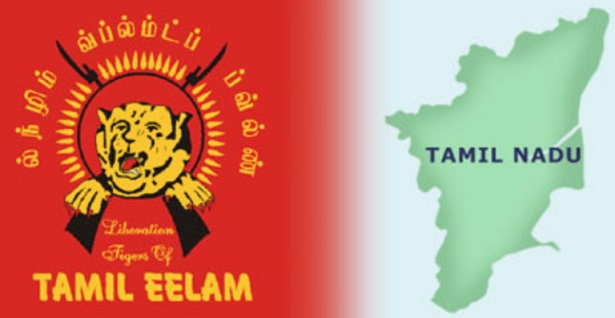
  4. Tamil homeland claim is the last resort – this is all that the LTTE/Tamil political leadership has because the West will fall for any drama so long as it ties to their agenda and it is probably why these separatists have struck a deal that would give both mutual benefit though we know in reality the West will take these LTTE separatists for a ride & end up grabbing the entire cake for themselves. Kosovo & South Sudan independence ended up nightmares for the people who thought they were getting their own mono-ethnic self-rule. We are not prepared to allow a Kosovo or South Sudan in Sri Lanka to experience what the Kosovians and South Sudan people are painfully going through. We can well imagine the scenario. Every country the West has ‘liberated’ is now worse off than they were.

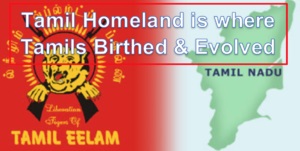
There is no argument against the fact that people have every right to stake a claim where they evolved, where they find their roots, where they as an ethnic group were born. We are taking up the issue of homeland because the Tamil leadership are using this as a political ploy. So, when we come to the question of the quest for a Tamil homeland we need to find where Tamils initially birthed which is where their roots are


So the next obvious question is – did Tamils evolve in Tamil Nadu or Sri Lanka. The answer to this is crucial to enable Tamils to acquire their Traditional Homeland and it will also help put to rest the bogus claims for Homelands in territories that are not their real homeland.

Tamil Nadu by virtue of its name means Tamil State. Of the world’s 76m Tamils, 72m live in Tamil Nadu while less than 2m Tamils live in Sri Lanka. It is the State for Tamils by Tamils. It is where they are the clear majority, where Tamil is the official language, where Tamil culture takes precedence & prominence & where ancient Tamil archaeology and artefacts are rooted. This heritage is far older than that which is found in North Sri Lanka.

Tamil Nadu is also a state that initially demanded self-determination from the British at independence when colonial British cobbled the independent princely states and coined it as India. The British did not grant Tamils their own state when they requested self-determination but they allowed a Muslim state in Pakistan while the rest of India was to remain not Hindu but Secular.

What everyone has to keep in mind is that the same ethnic group cannot claim traditional homeland in 2 different countries. At no time in history was Sri Lanka part of what is today known as India.

If all this is true, you may now wonder who are the Tamils in Sri Lanka – and we return to the question of whether Tamils in Sri Lanka find their roots to Tamil Nadu, did they arrive from Tamil Nadu or do they not have any relationship to Tamils in Tamil Nadu.

From there we arrive at another question – if they are not remotely linked to Tamil Nadu, then how can the Tamils in Sri Lanka be called Tamils, shouldn’t they be known by another name? Of course, if that was so, then they would certainly have a legal & better claim to their demands for a traditional homeland in Sri Lanka. But, if Tamils in Sri Lanka are related to the Tamils in India then the traditional homeland is nowhere else but Tamil Nadu.

When this question is raised to divert attention some smart alecs clamour to say the Veddahs are the natives of the island not the Sinhalese. Well there is no contention between the Veddahs & the Sinhalese to claim ownership of land.

Man evolved in Africa and migrated to all corners creating distinct ethno-linguistic groups. The concept of race only emerged in the 18th century invented by Europeans to suit their colonial experiment. There is no pure race. There is no pure ethnicity. But there are people with distinct characteristics.

People are classified into ethnic groups through common traditional, cultural, linguistic, ritualistic, behavioral and religious traits.

The Sinhalese whatever mixed components meets those traditional, cultural, linguistic, behavioral, religious traits that qualify as a distinct ethnic group found nowhere else but evolving in Sri Lanka and thus able to claim heritage in Sri Lanka. These are the ingredients that define & qualifies self-determination and traditional homeland status. Moreover, Sinhalese can showcase with historical evidence that they had been very much living throughout in every nook and corner of the island. If anyone is claiming ONLY they lived in some parts of the island, the Sinhalese quite rightly can with evidence challenge this & prove that Sinhalese has greater claim.

However, readers must understand that the Sinhalese are NOT claiming the island for itself but are only producing these facts to nullify the bogus claims being peddled by parties to divide & separate Sri Lanka.

Tamils as an ethnic group too have traditional, cultural, linguistic, behavioral, religious traits but the question is, are these found in Tamil Nadu or Sri Lanka? If it is Tamil Nadu, then that is where the Tamil Homeland should be, definitely not in Sri Lanka.

The same ethic group with the same ethnic traits cannot claim 2 homelands in 2 different sovereign countries using the same argument! Tamils cannot claim self-determination in both Tamil Nadu & Sri Lanka!

Sri Lanka’s Tamil leadership cannot be allowed to use false claims to create a separate mono-ethnic state using the internationally accepted arguments of self-determination through asymmetrical federalism in Sri Lanka. We are also not agreeable to a Tamil Homeland that encompasses both Tamil Nadu & Sri Lanka’s North & East either.

However, we would prefer Sri Lanka’s Tamils to live as Sri Lankan citizens in peaceful coexistence & refuse to be party to the separatist agendas peddled by TNA & LTTE Diaspora.

Shenali D Waduge

JVP proposes the 20th Amendment to get closer to TNA to get Tamil votes at future elections-this confirms why JVP holds May Day Rally in Jaffna .

April 30th, 2018

By Charles.S.Perera

The JVP’s whole political strategy to walk over UNP, SLFP and now SLPP to win the Parliamentary elections to form a government of their own is to dupe the people, by false allegations against popular political leaders, and making dangerous propositions.

For the majority of the people in Sri Lanka JVP is a party of immature political dreamers. They started a revolution which  failed no sooner they began it. Later they came into main stream politics and they were seen as young hopefuls despite their criminal beginning.

Once they had a few members who were able to think more like left wing politicians and partnered  with the President Chandrika Kumaratunga. That was the only time they were successful and  won a good number of seats in the Parliament and shared Ministries in President Chandrika Kumaratung’s government. Thereafter they lost their heads and had been in the political wilderness  leaving pro- socialist parties to seek partnership with right wing UNP. The people hate them more for it.

The JVP leaders  are very slow in learning political lessons from their past errors or even the past success. In 2015 they thought they could  make a  political come back  by becoming hunters of political criminals. It was a regular sight seeing the JVP leaders going to the Bribery Commission with  heavy files in their hands, giving interviews declaring members of the previous Rajapakse government as corrupt and thieves, before any law court had judged any one of them guilty.

They were against the popular pro-socialist Rajapaksas , and joined with the right wing UNP and claimed  the President Rajapakse’s defeat at the Presidential election partly due to their campaign against  Rajapaksas.  They began campaigning for the  2015, August General elections on the theme that both Rajapakse lead UPFA and the UNP are corrupt and formed a special JVP Committee to hunt the thieves in the Previous Government of Rajapakse, and to highlight corruption in  UNP.

The Strategy was that by proving both the UPFA and the UNP consist of corrupt politicians they-the JVP could come before the people as a corruption free clean political party and thereby win the election with massive vote to form a progressive left wing Government for the first time in Sri Lanka !!!

The people attended their election campaign meetings in large numbers and they believed they will have a landslide victory thus  chasing both Rajapakses and UNP out of politics.  But unfortunately the people thought otherwise and the JVP  managed to get only six members elected to the Parliament.

But they made a hue and cry that though they got only six seats in the Parliament they had been able to increased JVP  vote base.  But way the JVP is now going with a politically lame leader like Anura Kumara Dissanayake  it would be a surprise if the JVP would even get  six seats in Parliament next time.

JVP has missed the bus to become a popular political party. Sri Lanka poltics are based on hate campaigns, therefore it is the people who suffer unable to have an appropriate Government to make Sri Lanka great again. UNP is against the SLFP . They got Maithripala Sirisena to be their common Presidential  Candidate to come to power on his back, but they have no respect to him. Maithripala Sirisena after becoming the President became the worst enemy of the President  Mahinda Rajapakse-the most popular political leader of Sri Lanka even to-day.

UNP, JHU,TNA have enmity towards Mahinda Rajapakse and all his Associates, specially those popular politicians like Wimal Weerawansa, Udaya Gamanpila etc.  JVP leader Anura Kumara Dissanayake and the rest of them hate Wimal Weerawansa above all and next Mahinda Rajapakse not for any reason but because they are popular amoung the people and as long as they remain  popular with the people JVP has no place in the hearts of the people.

In a world where even the North Korean Leader seeks unity with South Korea there is no reason why  JVP  cannot get together even with  Mahinda Rajapakse and Wimal Weeravansa. Because if the JVP were to make a political partnership with  the SLPP, they may have a better chance to get more votes , than the bleak future one sees for JVP with their seeking the lime light for themselves in Sri Lanka’s political stage.

If their hatred towards Wimal Weerawansa is the reason for JVP to rest aloof from left wing socialist politics, they can be sure they have no political future in Sri Lanka. One need not know space science to understand that.

Further more, what good has JVP done so far to the people of Sri Lanka for them to have confidence in JVP ? Perhaps there is no family in the South who did not suffer the death of a near or distant loved one by the murderous  insurgence of the JVP. Most often those  memories remain the  measure on which the people assess a political party. It is the same with Ranil Wickramasinghe of UNP for his criminal past  of the Batalanda torture camps., and his subsequent role in dismantling the Military Safe House in the Millenium City Housing Complex.

Then since JVP’s role in the bringing into power of a divastataing Yahapalanaya, it has become a Marxist police service employed by the UNP  to hunt for  Criminals of previous Government of  the former President Mahinda Rajapakse who is the number one enemy of UNP as well. But JVP’s political criminals hunting effort  was an utter failure which they nevertheless  untiringly pursue  as they seem to have nothing else to do.

The JVP that talks a lot  has done absolutely nothing for the welfare of the country and the well being of the people. In the north the Tamils are manifesting  against the building of Buddhist temples, and Sinhala settlments. The Tamils refuse  to allow the Buddha Statues set up in the North, while they are proposing to set up statues of terrorist leaders who died in the military operation  against terrorism by  the Armed Forces.

The Tamil Provincial Councillors of the North  want the number of Soldiers in the North and East reduced.  They do not want Buddhism and History included in School curriculums in the North . The Tamils in the North  want to give the Names of terrorists leaders to roads in the North and the East. The Tamils are slowly building a Tamil Eelam in the North and the East.

But we do not see the JVP protesting against these activities of the Tamils in the North , their disfiguration of Sri Lanka, and the peril to the Sinhala Buddhist country being caused by the Tamils. The JVP stands mute when the National Anthem was allowed to be sung in Tamil. Are the JVP anti Sinhala Buddhists,  Buddhist Culture in Sri Lanka ?

JVP join hands with the Yahapalanaya Government to bring in  Bills in the Parliament which turn out to be absurd and unworkable such as the recent Local Government  elections bill. Why doesn’t JVP speak out against Yahapalanaya government’s accusations against the Army Officers and keep them in Prison without any action being taken against them or releasing them if there are no valid accusation ?  Why has JVP not spoken against the setting up of an Office of Missing Persons ?

JVP  as a Marxist Political Party has no  interest in the fact of Sri Lanka being a Sinhala Buddhist country,  and that it is their duty to defend that historic value. The Tamils and the foreign enemies of Sri Lanka want Sri Lanka a divided country, and for that the Ranil Sirisena Government was preparing a new Constitution making it a federal constitution in form so that the Tamils will have the right to form a separate Province for themselves in a merged North and East.

The  JVP has no interest in the country and its people,  but their main objective  is taking over political power to forma a JVP Government. With that interest in mind the JVP has found a new strategy as they cannot depend on a majority Sinhala Buddhist votes at elections.  Therefore  JVP is now turning towards the TNA and the Tamils hoping at a future elections to get the Tamil votes  for themselves, and  enhance their future election hopes.

The JVPs proposal for the 20th Amendment to the Constitution is  therefore their means to approach the TNA and the Tamils of the North and East  and some how win their assurance of  accepting JVP as a new political force in the south to which the TNA would support by getting the Tamils to vote for the JVP Candidates in future elections.

This the TNA and the Tamils of the North may accept as the New Constitution on which they had placed their hopes to form a Tamil only Provincial Council of the North and the East is not likely to be presented  to this  Parliament as they had hoped.  Therefore, the TNA and the Tamil have an alternative to have a powerful Tamil only Provincial Council in a merged North and East, if the Executive powers of the President were to be removed under the 20th Amendment proposed by the JVP.

This is the means the JVP is using this time to dupe the Parliament and the people. Therefore the political parties and the people should take note of this most dangerous    20th Amendment to the Constitution proposed by the JVP and reject it at the outset not allowing the JVP to even bring it to the Parliament.

This is the reason why the JVP has proposed to have their May Day Rally in Jaffna.

Police attacks women who opposed Chief prelate-විහාරාධිපති හිමියන්ට එරෙහි වූ කාන්තාවන්ට පොලීසියෙන් ප්‍රහාර

April 30th, 2018

Police Brutality

These women protest against a known predator who was not taken into custody but transferred and he comes back to the same temple! And the response is to be beaten brutally by the police & arrested??? While the monk goes free?!
President, Prime Minister, IGP are you aware??? Do you care?!

https://youtu.be/dtnDBvwijgQ

When the Sinhala Kings ruled our country

April 29th, 2018

Sudath Gunasekara

29th April 2018

12th Century Royal decree prohibiting killing King Kirthi Nissanka Malla of Polonnaruwa

Ordering by the beat of the drum that no animals should be killed within a radius of seven gaus from the city, he gave security to animals. He also gave security to the fish in the twelve great tanks, and bestowing on (the region’s people) gold and cloth and whatever other kind of wealth they wished; he commanded them not to catch birds and so gave security to birds….”

This inscription, which is engraved in an upright stone slab at Ruwanweliseya, Anuradhapura, is a transcript of a decree issued in the late12th Century by King Kirthi Nissanka Malla of Polonnaruwa. It is reflective of the high moral concern that the rulers and people of Sri Lanka showed towards animal life in ancient times.

As the Mahavamsa says those days the Kings were one with the religion and the people. They never tormented the subjects by imposing unbearable taxes and going by the Dharmasokian principles of statecraft (save purisa mama paja) they considered the subjects as their own children

King Sirisangabo said Iman saraththan pisitam sareeram dharemi lokassa hitatta meva” This body of mine with blood and flesh, I bear, for the benefit of people.

Remember those days the Kings were not elected by the people, unlike today as such in fact they were not under obligation to treat the subjects like that. They were only bound by custom, tradition and religion.

Look at the way how shabbily our politicians who rise to power on our shoulders treat us even after coming to power through our vote.

See the difference since then and now?

A little thought to ponder.

LETTER TO THE CITIZEN

April 29th, 2018

 Asoka Weerasinghe Kings Grove Crescent, Gloucester ; Ontario . Canada

29 April 2018

The Editor (Letters)

THE OTTAWA CITIZEN

Ottawa

Dear Editor (Letters)

The  moment the heavy iron rod came down on the neck of the white sitting Buddha statue decapitating it on the front lawn of the Buddhist temple, Hilda Jayewardenaramaya, on Heron Road, on the snowy night of March 16,  2018, the hurt not only lanced through the pious  and compassionate hearts of the local Buddhist community, but also the Buddhist communities across Canada, the States, England, Thailand, Vietnam, Cambodia and Japan.  Since then these foreign Buddhist communities have stretched their hands to touch and comfort us.

Although our hearts were lanced stabbing us with hurt, the spirit of Buddhist compassion was never touched.  So none of us spat an angry word toward this executioner., Yet,.we are still stymied not being able to understand the vandal’s anger to do what he did.  Why? Especially  when we are a peaceful community.

The decapitated Buddha has been restored,which cost us a pretty penny which was prohibitive for a charitable organization operating on donations.  It is now sitting on a. pedestal on the front lawn of the temple.  We  hope and pray that it won’t be vandalized again.

What was established with the unveiling of the restored Buddha statue on Sunday (29) afternoon was that  love, compassion, respect and healing transcended Federal; constituency boundaries when Nepean’s Liberal MP Chandra Arya, our neighbour, honoured us by unveiling the statue which proceeded with the consecrating Buddhist chanting.

For a better appreciation what the Buddha statue symbolizes to our Buddhist community is that it is a symbol of peace of mind, well being and calm. It does not symbolize a God that we worship. Look at its gentle closed eyes and its lips stretched into a serene smile which provides us inspiration to deepen our own practice of developing inner peace.

For the vandal who decapitated the Buddha statue in a moment of anger, let me invite him to sit with me  in Metta (loving kindness) Bhavana (development) Meditation which will help the person to Overcome,anger, resentment and hurt, and also harmonize relationships with  family members, friends, acquaintances and strangers like me.

I request most humbly, please do not hurt us, Buddhists, again in case you wish to  act as an executioner for the second time wanting to decapitate the Buddha statue, on the lawn of our Buddhist temple, Hilda Jawardenaramaya on Heron Road.

And as a Peace Offering I have a gift for you in the colour of Buddha’s saffron robe – a yellow rose symbolizing Joy and Friendship. Let’s meet.

Please accept it.

May you be well, may you be happy, ,may you be peaceful, may you be loved and may no harm come your way, ever.

Sincerely

Asoka Weerasinghe

Coordinator of Outreach Programmes

Hilda Jayewardenaramaya, Ottawa

STUPID PROPAGANDA TOOLS

April 29th, 2018

ALI SUKHANVER

Carelessness and negligence are the basic ingredients of a road accident whereas fate and luck also play an important role in occurrence of it. In the first week of this April, a US embassy vehicle ran over a motorcycle at the intersection of Margalla Road and 7th Avenue in Islamabad, the Capital of Pakistan. The vehicle was being driven by the US defence attaché Col Joseph Emanuel who simply overlooked the traffic signal and rammed into a motorbike. One man died on the spot and another was critically wounded as a result of this accident.  The CCTV clip of this accident also became viral on social media which instigated the public emotions a lot.

The officials of the two countries had to sit down and think over the solution to the problem. Later on, it was told to the media that as per Vienna Convention, diplomats cannot be detained, arrested and prosecuted by the host country for whatever crime they do. It means if a diplomat belonging to Pakistan or any other country unluckily faces the same situation in US, he would also be treated in the same way in the light of the Vienna Convention.

In other words the Vienna Convention helps in creating an air of trust, security and confidence to the diplomats of the member countries. Trust is the basic ingredient which makes relationship solid and stronger particularly when it is among the nations and among the countries. Lack of trust increases distances and generates confusions. Keeping aside the sad incident of the road-accident in Islamabad, it must be kept in mind that Pakistan and USA have such deep-rooted and time-tested relations that simple road accidents could never breach their closeness. From health facilities to the supply of clean water and from educational programs to financial assistance projects, the US has ever been a great source of help and support to Pakistan in all matters. And same has been the role of Pakistan regarding US, though not in the fields of education, clean water and financial assistance; Pakistan has been helping US in so many other ways, particularly with reference to the war against terror.

Pushing Russia beyond the Afghan lands and then maintaining law and order and starting economic activities in the war-stricken Afghanistan could have never been possible if Pakistan were not there to help and support US. If Pakistan had not provided shelter and support to millions of Afghan refugees, the situation for US in Afghanistan could have gone upside down. In short this co-operation between Pakistan and US has always run on the basis of equality rather on the basis of ‘give-n-take’. However some analysts strongly believe that in spite of, no doubt, a very deep-rooted relationship a secret rather hidden current of doubts and suspicions has ever been distorting the serene face of relationship between these two countries.

In their opinion these two countries are like two lovers who are always peeping deep into each other’s eyes but with a grain of mistrust and such an unromantic situation is always very favorite to our ‘well-wishers’ like India. India tries to extract all possible benefit whenever there is a situation of misunderstanding between Pakistan and US by exploiting the situation. It is very much true that US is losing its control in Afghanistan because of the resistance and opposition of the local people and it is also true that many of the US think tanks have suggested to the Trump administration that US must not waste more of its time and more of its resources in Afghanistan as the people of Afghanistan desire to live a life of independence and liberty.

Unluckily, India seems misguided by the notion that it has an ability of replacing US when US moves out of Afghanistan but at the same time it has very serious fears regarding Pakistan’s affiliation with the people of Afghanistan. More agonizing fact for India is that Pakistan’s affiliation with Afghanistan is not one-sided. Pakistan lives in the hearts and minds of the people of Afghanistan. So to counter this love and affection,

India is trying all its best to create misunderstandings between Pakistan and Afghanistan and certainly to malign Pakistan in the eyes of US too. The only target is to promote an air of disbelief and distrust against Pakistan by adding more fuel to the fire of doubts and suspicions with the help of various propaganda tools. There are different web-pages, dummy newspapers, twitter accounts and watsapp groups where anonymous members are busy in spreading false and baseless information rather disinformation regarding ‘Pakistan’s support to the terrorists’ active there in Afghanistan.

As far as the terrorists active in Afghanistan are concerned, they are those who once had been doing all this in Pakistan. Even then they had their headquarters in Afghanistan from where they used to sneak into Pakistan territory in guise of Afghan refugees. After Pakistan had shown strictness on the Pak-Afghan borders, the terrorists from Afghanistan lost all opportunities of doing interference and insurgency in Pakistan.

Recently an article of Abhinav Pandya was published in the Fair Observer. Abhinav Pandya is a regular contributor to India’s premier think tank on security affairs and diplomacy Vivekananda Foundation. The only job of this so-called ‘think tank’ is to defame Pakistan and to frame it in every terrorist activity in India, Afghanistan and even in Bangladesh. The article said, Pakistan’s lack of cooperation during the 2008 Mumbai attacks investigation, the discovery of Osama bin Laden’s hiding place near a military academy in Abbottabad, and the protection given to the recognized terrorists such as Hafiz Saeed (the mastermind of the Mumbai attacks) have exposed Pakistan’s complicity with terror groups beyond any reasonable doubt.” Similarly there are so many other fictitious web-pages which are knowingly or unknowingly also doing the same job.

The recent road accident in Islamabad was also exploited by various India-based web-pages but the ‘innocent brains’ behind these fake-web pages are not aware of the fact that every US diplomat is not a Raymond Davis.

මන්නාරම් සිංහළයන් ගේ ඛේදවාචකය නාරිකාඩු වලදී දුටිමි

April 29th, 2018

මතුගම සෙනෙවිරුවන්

විජය ඇතුලු පිරිස සිය ප්‍රථම ජනාවාස ඇති කර ගන්නා ලද්දේ මල්වතු ඔය ආශ්‍රිතවයි. ඒ වන විටත් මෙම ප්‍ර දේශය දියුණු නගර වලින් සමන්විත ජනාකීර්ණ ව පිහිටියේය. විල්පත්තු අභය භූමියේ ඔච්චප්පුකල්ලු ස්ථානයේ හමුවන සෙල්ලිපියක් මංගණ නගරයක් ගැන සඳහන් වෙයි. එය මල් වතු ඔය මුහුදට වැටෙන ඉම ආසන්නයේ පිහිටියායි සැලකිය හැකිය. පී වීරසිංහ මහතා සඳහන් කරන පරිදි පැරණි පර්සියන් වරු අතර මගී වරු කොටසක් වූහ. ඔවුහු මේ මාන්තොට ආසන්නයේ සැදූ නගරය මගී නගරය විය හැකි යයි පළ කරන මතය බැහැරලිය හැකි නොවේ. ඔච්චප්පු කල්ලුවේ තිබෙන තවත් සෙල් ලිපියක කණශ නම් රජ කෙනෙක් ගැන සඳහනකි. ඔහු ලංකාවේ රාජ වංශයේ ලියැවී නැති පුද්ගලයෙකි. මේ නිසා මංගණ නගරය මාන්තොට නිතරම විදේශිකයින්ට විවෘත වූ ඔවුන් ගේ වෙළෙඳ නගර බිහිවූ පළාතක් බව ප්‍රකාශ කළ යුතුය. විජය තම්බපන්ණියට ගොඩ බහින විට කුවේණිය මෙහි අධිපති කාන්තාව විය. එකල මෙම පෙදෙස වාලුකා දේශය නමින් හැඳින්වී තිබේ. අද මුරුක්කන් නමින් සිතියම් වල සඳහන් ප්‍ර දේශය මංගණ නාමයේ විකෘතියකි.

       ලංකාවේ වයඹ දිග ප්‍ර දේශය වී ගොවිතැනට ඉතාමත් සුදුසුය. නමුත් ජල සම්පාදනය එහි දුර්වල වේ . විජයගේ ආර්ය  පාර්ශවය සිය රටේ දී කෘෂිකර්මයට පුරුදු පුහුණු වූ ආකාරයට ගංගා වලින් ජලය ලබා ගෙන ගොවිතැන් කිරිම නිරන්තරයෙන්ම දුෂ්කර වූවක් විය. ඒ නිසා  ස්වදේශීය යක්ෂ ජනතාවගෙන් උදව් උපකාර හා ශිල්පීය ඥාණය ලබා ගැනීමට උත්සාහයක් ගත යුතු විය. නමුත් ආරම්භයේ දී එයට මගක් නොවීය.දේශපාලන විරසක භාවය නිසා ඔවුන් දෙපිරිස  අතර නිරන්තර ගැටුම් පැවතුණි. වසභ රජු මන්නාරම් දිස්ත්‍රික්කයේ පැරණි මංගණ නගරය ආසන්නයේ හෝ මාන්තොට ප්‍ර දේශයේ මන්ගුණු වැව බඳවන විට ඔහුට කළ හැකිව තිබුණේ විශාල වැටි දෙකක් තනවා ඒ වැටි දෙකට වැව් බැම්ම චාපයක් ලෙසට සම්බන්ධ කරලීම පමණකි. නමුත් ඒ අසලින් මල් වතු ඔය විශාල ජල කඳක් සමග ගලා ගියේය. එයින් ජලය ලබා ගැනීමේ ක්‍රමයකට යාමට හැකියාවක් එකල නොවීය

  මේ නිසා අතීතයේ දී මේ පෙදෙස තුල විශාල සිංහල ජනගහනයක් වාසය කළ බවට සාක්ෂි ඇත. ඔවුහු යෝධ වැවට  ජලට ගෙන එන ඇළ ට පහළින් විශාල කුඹුරු ප්‍රමාණයක් අස්වැද්දූහ. එසේම විශාල වැව් ප්‍රමාණයක් පෝෂණය කිරීමටද මේ ජලය යොදා ගත්හ. නමුත් දහනම වන සියවස වන විට මේ ප්‍රදේශයේ සිංහල ජනගහනය තුනී වෙමින් ඉන්දියාවේ සිට පැමිණි දෙමළ හින්දූන්ගෙන් පිරී ගියේය.1953 වර්ෂය වන විට සිංහල ජනතාව වශයෙන් මෙහි ජීවත්ව සිට ඇත්තේ දෙදහකට අඩු සංඛ්‍යාවකි. කොටි ත්‍රස්තයින් ගේ අණසකට මෙම පෙදෙස යටත් වන විට 8170 දෙනෙකු මෙහි සිට ඇත.දැන් එහි ජීවත් වන්නේ 847 දෙනෙකු පමණකි. ඉතිහාසය ගොඩනැන්වූ ජනතාවට අද අත්වී ඇති ඉරණම මෙසේය. 

       තම ඉඩම් පිලිබඳව අයිතිවාසිකම් ප්‍රාදේශීය ලේකම් වරයාට ඉදිරිපත් කළද ඔවුනට සහනයක් නොලැබුණි. නැවත පදිංචි කිරීමේ ඇමතිවරුන්ව සිටි මෙල්රෝයි ප්‍රනාන්දු හා රිෂාඩ් බද්යුදින්  යන දෙදෙනාගෙන් ද ඊට ප්‍රතිචාරයක් නොලැබුණි. අවසානයේ ඔවුන් මුරුංගන් වල සිමෙන්ති සංස්ථාවට අයත් නරිකාඩු බිම් කොටසේ තාවකාලිකව ගෙවල් කීපයක් සවි කර ගත්හ. මෙයට ප්‍රදේශයේ රජයේ නිලධාරීන් සියල්ලන්ගෙන්ම විරෝධය එල්ල වූ අතර පසුව යුධ හමුදාවේ විකුම් ලියනගේ මහතාගේ මැදිහත් වීම මත එම ප්‍රශ්ණය විසඳීමට ඉහළ නිළධාරීන් යොමු කරවන ලදහ. මෙහි ප්‍රතිඵලයක් වශයෙන් 2011 වර්ෂයේදී ආර්ථික සංවර්ධන අමාත්‍යංශය මගින් එහි ප්‍රජාශාලාවක් සෑදවීම සඳහා ප්‍රතිපාදන වෙන්කෙරුණහ.

        මන්නාරම් දිස්ත්‍රික්කය කොටි ත්‍රස්තයින්ට එදා ඉතා වැදගත් ප්‍රදේශයක් විය. ඉන්දියාවත් සමග සමීප සබඳතාවයක් පැවැත්විම පිණිස එහි කඳවුරු බැඳගත් ඔවුහු දෙමළ ජනතාව විශාල වශයෙන් එහි පදිංචි කළහ.  කොටි සමග ඉතා හිතවත්ව කටයුතු කළ එම ප්‍රදේශයේ අගරදගුරු රායප්පු ජෝශෆ් කොටින්ට අවශ්‍ය ජාත්‍යන්තර සබඳතා ශක්තිමත් කොට දුන්හ. මරදමඩු ප්‍රදේශය කොටින්ට ඉතා වැදගත් කලාපයක්  වූ අතර එහි සිටි සිංහල ජනතාව ඊට බාධකයක් බැවින් කිසිවෙකුටත් එහි රැඳී සිටීමට ඉඩ නුදුන්හ. මරද මඩුව ඔවුන් ගේ ත්‍රස්තවාදී බංකරයක් බවට පත් කරමින් ශ්‍රී ලංකා හමුදාවට ප්‍රහාර එල්ල කළහ.දැන් යුද්ධය අවසන්ය. එයනන්දිකඩාල් කලපුවේදී පරාජයට පත් කරන ලද්දේ දෙමල ජාතිවාදයට හිස එසවීමට  ඉඩ නෙතබන බවට ශපථ කරවමිනි.නමුත් යුද්ධය අවසන්ව වසර හතකට පසු අද තත්ත්වය ඊට වඩා බැරෑරුම්ය. බෝම්බ පුපුරන්නේ නැති වුවද වෙඩි හඬ ඇසෙන්නේ නැති වුවද දෙමළ ජාතිවාදය සිය අඩු පඬු දිග හරිමින් උතුරත් නැගෙනහිරත් වයඹත් වෙලා ගනිමින් තිබේ.මන්නාරමේ එදා ඉඳි කල නරිකාඩු නම් සිංහල ගම්මානයට ගිය විට එය වඩාත් පසක් වේ.

         මුරුන්ගන් මරිච්චකට්ටු කොන්ඩච්චි මඩු ආදී තැන් වල සිටි මන්නාරම් සිංහළයන් අට දහසක් පමණ අනුරාධපුරය වවුනියාව ආදී තැන් වලට විසිර ගියද යුද්ධයෙන් පසුව ඇතැමෙක් යළි සිය ගම්බිම් වලට පැමිණියහ. නමුත් ඒවා අත්පත් කර ගෙනඅ ඇති බව පෙනෙන විට ඔවුහු කම්පාවට පත් වූයේ නැත. පවුල් පණස් හයකින් නරිකාඩු ගම්මානය ඇරඹෙන්නේ එලෙසයි. එහි ජනතාවට මූලිකත්වය ගෙන කටයුතු කරන ආර්.ඒ. ගුනපාල  මහතා මේ කතාව අපට කියන්නේ යම් දුක්මුසු ස්වරයෙකිනි.

     මගේ තාත්තා මන්නාරමට පැමිණියේ  හතළිස් ගණන් වල ඒ කාලේ මන්නාරමේ වැඩි සෙනගක් හිටියේ නැහැ. තාත්තා මුරුංගන් වල වෙළෙඳ ව්‍යාපාරයක් පවත්වාගෙන ගියා.පස්සෙ අවට ඉඩම් වවාගෙන හිටියා. මඩු දේවස්ථානයට ආව ගිය පිරිස හිටියත් ස්ථීර ජනාවාස තිබුණේ අල්ප වශයෙන් මුරුන්ගන් සිමෙන්ති සංස්ථාවේ වැඩ කළ බොහෝ අය මෙහි පදිංචි වුණා. මේ ප්‍ර දේශයේ තිබෙන බහුතර බෞද්ධ නටබුන් වලින් අපි දන්නව මේ ඉඩම් අපේ බව . ඒ නිසා අපට බයක් තිබුණේ නැහැ.ඒ කාලෙ කේ.කේ කුලම් අවටත් බෞද්ධ නටබුන් තිබුණා.එහි තිබුණු වැව පස්සෙ කාලෙ අසවද්දල කුඹුරු කලෙත් අපෙ අයමයි. යෝධවැව ඇලෙන් එගොඩ මට්ටකණ්ඩල් කියන තැන් වලත් කුඹුරු කලා. තාත්තා 1962 වසරේ ඉඳල මේ ඉඩම් වලට බලපත්‍ර ඉල්ලුවත් දුන්නේ නෑ. යුද්ධ කාලේ අපි පවුල් පිටින් අවතැන් වුණා. ඉන් පස්සෙ ආපිට ආවත් ඒ ඉඩම් දෙමළ අය අල්ලගෙන තිබුණා. පස්සේ තමයි මේ නරිකාඩු වලට පදිංචියට ආවෙ. තාත්තට නුදුන් මට්ටකණ්ඩල් ඉඩම දැන් දෙමළ ජනතාව බලෙන් අස්වද්දනවා. යෝධවැව අභය භූමිය තුලත් මෙසේ අස්වද්දලා. ඒ අයට බලපත්‍රත් දීලා. දැන් ඒවට නඩු වැටිලා.මුසලි මරිච්චකට්ටි වල ඉඩම් මුස්ලිම් අයට බෙදල දීල ගෙවල් එහෙම හදල පහසුකම් දුන්නට අපිට ඒව ලැබුණෙ නෑ. බැරිම තැන මේ ළඟකදි අපි එකතු වෙලා පෝස්ටර් ගැහැව්වා. මේ ගැන කලබල වුණ දිසාපති තුමා වතුර පුරව ගන්න වතුර ටැංකි දෙකක් ගෙනවිත් දැම්මා. ඒත් වතුර ලබෙන්නෙ ඉඳ හිටයි. කොහෙම වුණත් බොන්න වතුර නැති මේ ඉඩම් වල මිනිස්සු රඳන්නේ නැහැ. අනුලා විජේසුන්දර  දොස්තර නෝනා ඇවිත් අපිට වතුර මෝටර වගයක් දුන්නා. අපි දැන් ඒවයින් ගොවිතැන් කරනවා. නමුත් බොන්න වතුර ප්‍රශ්නයට විසඳුම තියෙන්නේ වතුර පෙරනයක් ලැබුණොත් විතරයි.2011 හැදුව ප්‍රජා ශාලාවේ වහලත් හුළඟට ගිහිල්ලා. .කේ. කේ කුලම් වල කුඹුරු බෙදල දුන්නොත් ගොවිතැන් කලෑකි. මේ ගම දියුණු කරන්න නම් අපිට ඉඩම් බලපත්‍ර ලැබෙන්නට ඕන.ඒක දීම වලක්වන්නේ දෙමල නිළධාරීන්.

                මන්නාරමේ සැබෑ තත්ත්වය එසේය හතලිස් ගනන් වල නොතිබූ පල්ලි අටවමින් ජනතාවගේ ඉඩම් කොල්ල කමින් තිබීම එක පැත්තකි. නමුත් ජාතික උරුමයක් හිමි සිංහල බෞද්ධ ජනතාවට උන්හිටි තැන් නැත. නැවත පදිංචි කිරිම් අදීකාරිය සහ අමාත්‍යංහ තිබුණත් මේ කුඩම්මා ගේ සැලකිල්ල ලැබෙන්නේ උතුර පළාතේ ක්‍රියාත්මක වන දෙමල ජාතිවාදය ඔඩු දුවා ඇති බැවිනි.

මතුගම සෙනෙවිරුවන්

නොකඩවා නොනගතේ

April 29th, 2018

ජයතිලක ද සිල්වා උපුටාගැණීම ලංකාදීප

සිංහල සහ හින්දු අලුත් අවුරුද්ද නිම යි. කවුරුත් දන්නා පරිදි චාරිත්‍රානුකූල නොනගතය හෙවත් නැකැත් නැති කාලය ද නිම යි. එහෙත් වඩා පුළුල් හා සාමාන්‍ය අර්ථයකින් ගත් කල නොනගතය ලැබුවේ මෙම අලුත් අවුරුදු සමයෙහි නොවේ. එය උදා වූයේ පළාත් පාලන මැතිවරණ ප්‍රතිඵල සමඟය. එතැන් සිට සියලු දේශපාලනඥයන්ගේ සහ ඔවුන්ගේ හිතවතුන්ගේ එකම කතාව හා කාරිය වූයේ අගමැතිවරයාට එරෙහි විශ්වාසභංග යෝජනාවය. මුළු රටෙහිම අන් හැම දෙයක්ම ඇනහිටි සැටියෙක් දිස් විය. අම්පාර සහ දිගන අවාසනාවන්ත බිහිසුනු සහ අවලම් සිදුවීම් පවා මතකයෙන් ගිලිහිණි. මැති සබයෙහි එම යෝජනාව විශාල වැඩි ඡන්දයකින් පරාජය වුව නොනගතය නොකඩවා පවතී.

අබුද්දස්ස කාලේ ලබුත් තිත්ත යැ”යි කීවා ලු!ඇතැමුන් නඟන තර්කයක් වන්නේ නොනගතය උදාවූයේ වඩාත් ඉහත, එනම් යහපාලන ආණ්ඩුවෙහි මුල් දින 100 ඇවෑමෙන් බව. ඒ කෙසේ වුව කිසිවක් සිදු නොකරන සිදු නොවන ‘පුණ්‍ය කාලයෙහි’ අවසානයක් නැති සේය.
විධායක ජනාධිපති ක්‍රමයෙහි විරුද්ධවාදීන් පෙන්වා දෙන්නේ එම නිලය දැනට උසුලන උතුමාණන් විසින් ආදර්ශයෙන් පෙන්වා දී ඇත්තේ එම නිලය අහෝසි කළ ද රටට වන අසුබක්, රටට පාත්වන හෙණයක් නැති වගය. වෙනත් වචනවලින් කිවහොත්, ඔහු පොරොන්දු ඉටු කරන්නට අසමත් සහ වැඩක් කරන්නට හැකියාවක් නැත්තෙකි.
දූෂණය පිටුදැකීම, නීතියෙහි ආධිපත්‍යය සහතික කිරීම, බහුජන ජීවන තත්ත්වය සතුටුදායක මට්ටමක පවත්වා ගැනීම, ජාතිවාදය පරදා ජාතික සමගිය තහවුරු කිරීම, පරිපාලනයෙහි ඥාති සංග්‍රහය සහ දේශපාලන ඇඟිලි ගැසීම් කම්මුතුව යනාදී හැම එකකදීම ඔහු අසමත් ය. ඔහුගේ මුළු කාලයම කැප කරන ලද්දේ මිරිඟුවක් පසුපස හඹා යාමටය.
එනම්, යා දෙක නොරත රත – සමඟ පෑහීමක් නැතැ”යි කීවා සේ බෙදුණු, තවමත් බෙදෙමින් පවත්නා සහ මතුවටත් බෙදෙණු ඇති ශ්‍රී ලංකා නිදහස් පක්ෂය සමගි කරන්නට ය. ඇතැම් විට හොඳ හිතින් වැඩයට අත ගැසූ මුත් පසුව සිය පාලන සමය 2020න් ඔබ්බටත් දික් කැරැ ගැනීමෙහි ආත්මාර්ථයෙන් එයට උත්තේජනයක් ලැබුණු සේය.
නායකයෙකු තුළ වැනෙනසුළු බව, අසංගතිය, අවිචාරත්වය, පාවාදීම් සහ ද්‍රෝහිකම් දකින්නට ජනතාව කැමැති නැත. ඔවුහු එවන් නායකයන් නො ඉවසත්. වසර 2015 ජනවාරි 8 වැනි දින වෙනසක් අපේක්ෂාවෙන් ඡන්දය දුන් 62 ලක්ෂයක ජනතාව ද එසේ මැ යි. ඔවුහු ජනාධිපති සිරිසේන සහ අගමැති වික්‍රමසිංහ වෙත සිය විශ්වාසය තැබූහ.
කරුණු යෙදී ඇති සැටියෙන් අද ඒ දෙදෙනාම වෙත තබන ලද විශ්වාසය බෙහෙවින් භංගව ඇත. වඳුරු පිනුම් ගහණ දියවන්නා මාලිගයෙහි කෙසේ වුව මහජනතාව අතර නම් ඇත්තේ පෑහිය නොහැකි ඉරි තැලීමකි.හැදෙන්නට විරල අවස්ථාවක් විශ්වාසභංගයෙහි පරාජයෙන් ඔවුනට උදා වී. පළාත් පාලන මැතිවරණ පරාජයෙන් සහ විශ්වාසභංගයෙහි අත්දැකීමෙන් පවා ඔවුන් පියවි සිහියට පත්ව නැත. දෙපිල බෙදී ඇණ කොටා ගත් නායකයෝ දෙපොළම අසරණව සිටිත්. එහෙයින් ජනතාව වඩාත් අසරණ ය. 2020 මැතිවරණය හැරැ අන් කිසිවක් ඔවුන්ගේ සහ සමීප සහචරයන්ගේ හිස් කබල් තුළ නොමැති හෙයින් ඔවුහු අදත් රෝමය ගින්නෙන් දැවෙත් දී වීනා වාදනය කළවුන් මෙන් හැසිරෙත්. කා බී ජොලි කරත්. සුඛ විහරණයටම ලොල් වෙත්. සැප සුපිරි වාහන සුපිරි නවාතැන් සොයත්.
තමන්ගේ නායකයෝ බොරු නොකියතැ යි ජනතාව සිතූහ. අදත් එසේ සිතන්නෝ ඇත්තාහ. එහෙත් ඔවුන්ගේ ‘කතාව දෝලාවෙන් වුව ගමන පයින්’ බව හැම දෙනාම දනිත්. ඔවුහු නව මාවතකින් කඩිනම් ඉදිරි ගමනක් අරඹන්නට කීවතාවත් දිවුරුම් දුන්නෝ ද? හැම වතාවෙහිම එය කෙළවර වූයේ පුස්සක් බිඳීමෙනි. නිදසුනකට ඇමැති මණ්ඩලයේ සංශෝධන හෝ ආර්ථික කළමනාකරණයෙහි ‘මහා’ වෙනස්කම් දැක්විය හැකිය.
ජාතික සමගිය හා සංහිඳියාව ඇති කරන්නෙමැයි දිවුරා බලයට පත්ව තෙවසරක් ගතව ඇති අද තත්ත්වය කිමෙක් ද? 2015 ජනවාරියට වඩා භයානක මුව විතක් වෙත ජාතික සංහිඳියාව අද ලක්ව තිබේ. පෙර නොවූ විරූ පරිමානයෙන් හතු පිපෙන්නාක් මෙන් වෛවාරන්න නමින් හැඳින්වෙන ජාතිවාදී, ආගම්වාදී කල්ලි බිහි වෙයි. ඒවා නිරුපද්‍රිතව දණ්ඩන මුක්තිය සහිතව සමාජය අනතුරට ලක් කරත්හ. ඉහළ තැන්වලින් ඒවායෙහි නායකකාරකාදීන්ට  රැකවරණය ලැබෙයි.
දේශප්‍රේමිත්වයෙහි නාමයෙන් අපරාධකරුවන් රකින්නෝ දේශපාලන පොරපිටියෙහි දෙපැත්තේම වෙත්. ගරුතර මහා සංඝරත්නය අතරට ද එම ගරුසරු නැති පිළිවෙත අනු යන්නෝ වැඩම කැරැ සිටිත්.අගමැතිට එරෙහි විශ්වාසභංගය අවස්ථාවෙහි එම යෝජනාවට එරෙහිව දෙමළ ජාතික සන්ධානය ඡන්දය ප්‍රකාශ කිරීම අරබයා නැඟෙන හඬකින් අනාගත ජාතිවාදී කලහයක ගිනි පුළිඟු දිස් වෙයි. එක්සත් ජාතික පක්ෂය සමඟ දෙමළ ජාතික සන්ධානය රට පාවා දීමට” හොර ගිවිසුමක් අත්සන් කළැයි චෝදනාවකි. එම දෙපාර්ශ්වයම එය බොරුවක් බව දිවුරා කියා සිටිත්.
මෙවැනි චෝදනා මෙරට දේශපාලනයෙහි සුලබ ය. එහෙත් මෙතෙක් සාධනය කළ චෝදනාවෙක් නැත. අනෙක් අතට, ජාතික ප්‍රශ්නය අරබයා වේවා, අන් කවර ප්‍රශ්නයක් අරබයා හෝ වේවා ගන්නා ඕනෑම ගිවිසුමක් හෝ තීරණයක් හෝ මහජන අනුමැතියට යටත් ය. හැංගි හොරා වෙස්මුහුණු බැන්දත් නටන්නට වන්නේ එළිපිට යැයි කියමනක් තිබෙනවා නේද? මෙම ජාතිවාදී උද්ඝෝෂණයෙහි නායකත්වය ඒකාබද්ධ විපක්ෂය සහ එහිම අනෙක් පැත්ත වන පොහොට්ටු පක්ෂය උසුලති.
නිල ශ්‍රී ලකා නිදහස් පක්ෂයෙන් ද ඇසෙන්නේ සමාන තරංග මාලාවක සංචලනය වන අදහස් දහරක්ම ය. එහෙයින් ජාතික ප්‍රශ්නයට විසඳුමක් හෝ ව්‍යවස්ථා වෙනසක් හෝ නුදුරු කල (2020ට පෙර) බලාපොරොත්තු විය නොහේ. නොනගතය දිගටම පවතිනු ඇත. ආණ්ඩුවෙහි අවධානය යොමු වන නාභිය වනු ඇත්තේ පළාත් සභා, පාර්ලිමේන්තු සහ ජනාධිපති මැතිවරණ වෙත පමණකි. දැනටම අපේක්ෂක බලු පොර ඇරැඹෙමින් පවතී. ජනාධිපතිවරණයට පිටපට ගසන්නෝ ද වේලාසනින්ම කරලියෙහි ය. පුවත් පිපාසයෙන් පෙළෙන ජනමාධ්‍යයන්ට ද හොඳ කාලයකි.
ආර්ථිකය අර්බුදයෙන් අර්බුදයට යනු විනා ගැලැවුම් මඟක් කෙටි කාලීනව නැති සේය.  ගෙවුම් ශේෂය මෙන්ම වෙළෙඳ ශේෂය ද අවදානමෙහි ය. රුපියලේ අගය තව තවත් පහත වැටෙනු ඇත. ජීවන වියදම සුපිරි වේගයෙන් ඉහළ යනු ඇත. අමාත්‍ය චම්පික රණවක මාස 18ක හදිසි ආර්ථික සංවර්ධන වැඩපිළිවෙළක් යෝජනා කර ඇතත් පසුගිය තෙවසර අත්දැකීම අනුව නම් ඒ ගැන දැඩි බලාපොරොත්තු තබා ගන්නට නොහැකි ය. ඒ සියල්ලට පළමු කිනම් ආර්ථික සංවර්ධන උපායමාර්ගයක් අනුගමනය කරන්නේ දැයි තීරණයකට එළැඹිය යුතු වෙයි.
කුමක් කෙසේ සිදු වුව ද මෙරට දේශපාලනයෙහි කුසීත අවස්ථා නොතිබෙනු ඇත. තිරස් සහ සිරස් පිල් මාරු මෙන්ම, මතුපිට නායකත්ව වෙනස්කම් මෙන්ම, මහ පාරේ වැතිරීම් දේශපාලන විජ්ජා බඳු දිවිනසා ගැනීමෙහි ප්‍රයත්න ආදිය නොඅඩු නාටකවලින් හැම මොහොතක්ම සජීවි වනු ඇත.
ආණ්ඩුවෙන් ඉවත් වූ ඇමැතින්ගේ තනතුරු තාවකාලිකව වෙනත් ඇමැතිවරුන් කිහිප දෙනෙකුට පවරා ඇත. ස්ථිර පත්වීම් මතුවට ය. එතෙක් නොනගතේ ය.
ජයතිලක ද සිල්වා

බලවේග තුනකට ජනපති මැදිවෙයි

April 29th, 2018

පරිවර්තනය කළේ කෝවින්ද ගුණසේකර උපුටාගැණීම ලංකාදීප

ශ්‍රී ලංකාවේ දේශපාලන ක්ෂේත්‍රය පිළිබඳ අතිශය දැනුම්වත් පුද්ගලයන් පවා නොදැන සිටි කාරණයක් තිබිණ. එය නම් අගමැති සහ එක්සත් ජාතික පක්ෂ නායක රනිල් වික්‍රමසිංහ මහතා එක්සත් ජාතික පෙරමුණේ සියලුම පාර්ලිමේන්තු මන්ත්‍රීවරුන් වෙත නිකුත් කර තිබූ නියෝගයකි. අප්‍රේල් මස 9වැනි සදුදා නිකුත් කළ එම නියෝගයෙන් ඔහු උපදෙස් දී තිබුණේ තමන්ට එරෙහිව පාර්ලිමේන්තුවට ඉදිරිපත් කැරුණු විශ්වාසභංගයට සහය පළකළ ශ්‍රී ලංකා නිදහස් පක්ෂ සාමාජිකයන් 16 දෙනා විවේචනය කිරීමෙන් වළකින ලෙසය. අමාත්‍යවරු 6 දෙනෙක්, නියෝජ්‍ය කතානායකවරයා, රාජ්‍ය අමාත්‍යවරු 4 දෙනෙක් සහ නියෝජ්‍ය අමාත්‍යවරු 5 දෙනෙක්, ඒ අතර වූහ.

වික්‍රමසිංහගේ මෙම නියෝගයට හේතු වූයේ, බොහෝ දෙනා නොදැන සිටි තවත් කාරණයක් වූ එක්සත් ජාතික පක්ෂයේ ත්‍රිපුද්ගල දූත පිරිසක් හා ජනපති මෛත්‍රීපාල සිරිසේන සමග අප්‍රේල් මස 8 වන ඉරිදා පැවැති සාකච්ඡාවකි. එක්සත් ජාතික පක්ෂය නියෝජනය කරමින්, මලික් සමරවික්‍රම, මංගල සමරවීර සහ අකිල විරාජ් කාරියවසම් යන අමාත්‍යවරු මෙම සාකච්ඡාවට එක්ව සිටියහ. පක්ෂ අතර අන්තර් සම්බන්ධතාවල තත්ත්වය සහ සභාග රජය ඉදිරියට කටයුතු කළ යුතු ආකාරය සම්බන්ධයෙන් ඔවුන්ගේ අවධානය යොමුවිය. මේ අතරේම, කතාබහට ලක්ව සිටින ශ්‍රී ලංකා නිදහස් පක්ෂ සාමාජිකයන් 16 දෙනා පිළිබඳව ද අදහස් පළවිය.

එක්සත් ජාතික පක්ෂයේ ඇතැම් කොටස්වල නොරිස්සුමට ලක්ව සිටින්නේ වුව ද, ජනපති සිරිසේනගේ විශ්වාසය දිනාගැනීමට සමත්ව සිටින්නෙක් වේ නම් ඒ මලික් සමරවික්‍රමය. අප්‍රේල් මස 12 වැනිදා, බ්‍රහස්පතින්දා අගමැති වික්‍රමසිංහ සමග පැවැති සාකච්ඡාවක දී සමරවික්‍රම සමාජ බලගැන්වීමේ (සමෘද්ධි), සමාජ සුභසාධන සහ නුවර උරුමයන් පිළිබඳ අමාත්‍යවරයා ලෙස තාවකාලිකව හෝ පත්වනු දැකීමට තමා කැමැති බව, ජනපතිවරයා කියා තිබේ. ජනපතිවරයා සමග ලන්ඩන් නුවර බලා ගොස් සිටින මුදල් අමාත්‍ය මංගල සමරවීර මහතා වෙනුවට පසුගිය සතියේ මුදල් අමාත්‍යංශයේ වැඩබැලූයේ ද සමරවික්‍රමය. විශ්වාසභංගයෙන් පසුව තරගයේ වීරයා බවට පත්වීමට සමරවික්‍රම සමත්ව තිබෙන බවක් ඔහුගේ කටයුතුවලින් පෙනෙන්නට තිබේ. ඔහු අනුගමනය කළ පිළිවෙත, එක්සත් ජාතික පෙරමුණේ සියල්ලන්ගේ ඡන්දය විශ්වාසභංගයට දිනාදීමට සමත් වූ බව ද සඳහන් කළ යුතුමය.

ජනපතිවරයා හා සමග පැවැති සාකච්ඡාව ඉතා ආචාරසම්පන්න වාතාවරණයක, තමන් ඉදිරිපත් කළ කරුණුවලට ඔහුගේ පූර්ණ අවධානය යොමුවූ පසුබිමක සිදුවූ බව එක්සත් ජාතික පක්ෂ දූත කණ්ඩායම පසුව අගමැති වික්‍රමසිංහ වෙත වාර්තා කළේය. ඔවුන්ට අනුව, විශ්වාසභංගයට සහය දැක්වූ ශ්‍රී ලංකා නිදහස් පක්ෂයේ 16 දෙනා තවදුරටත් කැබිනට් මණ්ඩලයේ රැදීමට සුදුසු නොවන බවට එක්සත් ජාතික පක්ෂය ඉදිරිපත් කර තිබූ මතය සමග පවා ජනපතිවරයා එකඟත්වය පළකර තිබේ. එක්සත් ජාතික පක්ෂය එවැනි මතයක් ඉදිරිපත් කළේ, විශ්වාසභංගයට ඉදිරිපත් වූයේ අගමැතිවරයාට විරුද්ධව හෙයින් එයට සහාය දැක්වීම යනු අගමැතිවරයා සමග කටයුතු කිරීමට ඔවුන්ට නොහැකි බව ප්‍රකාශ කිරීමක් යන පදනමේ සිටය. ජනපතිවරයා තමන් ඉදිරිපත් කළ කරුණු ප්‍රකාරව කටයුතු කරනු ඇති බවට දැඩි විශ්වාසයක් පවතින බව දූත පිරිස කීවේ ය. අලුත් අවුරුද්දට පෙර පැවැති මෙම එක් රැස්වීමක ප්‍රතිඵලය, ජනපති සිරිසේන හා අගමැති වික්‍රමසිංහ යන දෙදෙනාටම අඩුම තරමේ දැනට හෝ වාසි සහගත බව පෙනෙන්නට තිබේ.

2020ට පෙර

ශ්‍රී ලංකා නිදහස් පක්ෂයේ නායකයා ද වන ජනපති සිරිසේනට මෙය ඔහුගේ උර මත තිබූ දේශපාලන බර ඉවත් වීමක් හා සමවිය. ඔහු හා එක්සත් ජාතික පක්ෂ අමාත්‍ය පිරිස සමග පසුගිය ඉරිදා පැවැති සාකච්ඡාව එක්සත් ජාතික පක්ෂය සමග නව ගමනක් යාමට ඇරඹුමක් සනිටුහන් කළ අවස්ථාවක් ලෙස සැලකිය හැකිය. ඒ අනුව ඔහු ඉදිරියේ එන ජනපතිවරණය තෙක් වන මාස 18ක කාලයේ එක්සත් ජාතික පක්ෂයේ සහ ශ්‍රී ලංකා නිදහස් පක්ෂයේ සුසංයෝගයෙන් සැදුම්ලත් සභාග රජය සමග කටයුතු කරනු ඇත. මෙහි දී සිහිපත් කළ යුත්තේ ජනපති සිරිසේන ඉදිරි මාස 18ක කාලයට අත්වැල් බැදගැනීමට යන්නේ ධූරයෙන් ඉවත් කිරීමට ඔහුම වරක් තැත් කළ අගමැතිවරයකු සමග බවය. 2015 වසරේ ජනපතිවරණ වේදිකාවේ දී, කලාවසානය දක්වාම ඔහුට සර් යැයි අමතන බවට දිව්රා සිටි අගමැතිවරයා සමග බවය. ජනපති සිරිසේන වටයක් ගොස් නැවත පැමිණ සිටින්නේ පටන් ගත් තැනටමය. එනම් එක්සත් ජාතික පක්ෂය සමගම ඉදිරියට යෑමය.

2020 ජනපති සිරිසේන හා අගමැති වික්‍රමසිංහ අතර සම්බන්ධතාවයේ අවසානය සනිටුහන් කරන වසර වනු ඇත. ඇතැම් විට ජනපතිවරණ සටනට එළැඹෙනු ඇත්තේ දෙදෙනා – එකිනෙකාට එරෙහි වීමට ද ඉඩ ඇත. තුන්වැන්නකු වනු ඇත්තේ ඒකාබද්ධ විපක්ෂය නියෝජනය කරමින් පැමිණෙන හිටපු ආරක්ෂක ලේකම් ගෝඨාභය රාජපක්ෂ මහතාය. සභාග රජය ඉදිරියටත් පවත්වාගැනීම දෙපාර්ශවයේම කැමැත්ත වුවත්, එම දෙපාර්ශවයම අතර පවතින ගැටුම් එලෙසම පැවැතීමට ඉඩ හැරීම සභාග රජයේ පැවැත්ම අතිශයින් සීමා කරනු ඇත. වත්මන් දේශපාලන යථාර්ථය – එනම් ඔහුගේ පක්ෂය රජයෙන් වෙන්වුවහොත් එම හිඩැස පිරවීමට කිසිවෙක් තමන් හට නොමැති බව ජනපති සිරිසේන අවබෝධ කරගෙන සිටී. ශ්‍රී ලංකා නිදහස් පක්ෂයේ සාමාජික පිරිසක් ද විශ්වාසභංයට සහාය දැක්වීමට ඉදිරිපත් වීම ඒකාබද්ධ විපක්ෂය පිළිගත්තේ ද මෙම කරුණ මත පිහිටාය. එහෙත් විශ්වාසභංගය පරාජයට පත්වීම ජනපතිවරයාව තවදුරටත් පක්ෂයෙන් හුදකලා වීමට සහ ඔහුගේ විශ්වසනීයත්වය පලුදුවීමට හේතුවක්ව තිබේ. එයින් ඔහුට ද පහර වැදින. මේ හමුවේ ජනපතිවරයා හට මුහුණදීමට සිදුව තිබෙන බලවේග ත්‍රිත්වයකි. රජයට එරෙහිව පෙනී සිටින ශ්‍රී ලංකා නිදහස් පක්ෂයේ ඔහුගේම පාර්ශවයේ පිරිස, ඒකාබද්ධ විපක්ෂය, සහ ප්‍රබල මට්ටමකින් නොවූව ද, එක්සත් ජාතික පක්ෂය – එම බලවේග ත්‍රිත්වයයි.

ශ්‍රී ලංකා නිදහස් පක්ෂයේ තමන් කෙරේ වන ආකල්පය හා කටයුතු හොඳින් දන්නේ වුව ද, අගමැති වික්‍රමසිංහ ඒ සියල්ල සම්බන්ධයෙන් අනුගමනය කරන්නේ කිසිවකට හවුල් නොවන සුලු පිළිවෙතකි. විවිධ ගැටලු හමුවේ දී ජනපති සිරිසේන හා එකඟත්වයෙන් වැඩකටයුතු කිරීමට පියවර ගෙන තිබෙන ඔහු සෑම අවස්ථාවකදීම ගැටුම්කාරී තත්ත්වයන් මගහැර ඇත. එවන් එක් අවස්ථාවක් ලෙස පළාත් සභාවල ධූර කාලය දිගු කිරීම සඳහා පණත් සම්පාදනයක් සිදුකිරීම සැලකිය හැකිය. මෙසේ සිදුකැරුණෙ පසුගිය වසරේ ඔක්තෝබර් මස 1 වැනිදා අවසන් වූ සහ ඉදිරියේ මැතිවරණ පැවැත්වීමට දින යෙදී තිබූ සබරගමුව, නැගෙනහිර සහ උතුරු මැද යන පළාත් සභාවල මැතිවරණ කල්දමා ගැනීමටය. එසේ නොකැරුනේ නම් පෙබරවාරි මස 10 වැනිදා ලැබූ පරාජයේ රසයම විදීමට ශ්‍රී ලංකා නිදහස් පක්ෂයට සහ ඒ තරමින්ම නොවූවත්, එක්සත් ජාතික පක්ෂයට ද හැකිවන්නට තිබිණ.

දකුණු සහ බස්නාහිර පළාත් සභා මැතිවරණ පැවැත්වීමට නියමිතව ඇත්තේ 2019 අප්‍රෙල් මාසයේදීය. ඌව පළාත් සභා මැතිවරණය එම වසරේම ඔක්තෝබර් මසය. සංශෝධනය කර තිබෙන නීති ප්‍රකාරව මෙම මැතිවරණ සියල්ලම එකම දිනයක දී පැවැත්විය යුතුය. එහෙත් වත්මන් තත්ත්වය සැලකීමේ දී පළාත් පාලන මැතිවරණයක් ඉක්මනින් පැවැත්වෙනු ඇතැයි සිතීම උගහටය. තවත් අවස්ථාවක් වූයේ ෆුට් නෝට් කල්ලිය යැයි විරුදාවලිය ලත් එක්සත් ජාතික පක්ෂ සාමාජික පිරිසක් මහ බැංකු බැදුම්කර සිදුවීම අරබයා පැවැති කෝප් කමිටු විමර්ෂණයේ වාර්තාවට තමන්ගේ මතයන් ද එකතු කරමින් ජනපති සිරිසේන විවේචනය කිරීමේ යෙදුනු විට, එසේ නොකරන ලෙස අගමැතිවරයා ඔවුන්ට උපදෙස් දුන් අවස්ථාවය.

ජනපති සිරිසේනගේ ව්‍යාපෘතියට නායකත්වය දුන්නේ අගමැතිවරයාය. එහි කටයුතු දියත් කළේ ඔහුය. එක්සත් ජාතික පක්ෂයේ අමාත්‍යවරුන් මෙන්ම පාර්ලිමේන්තු මන්ත්‍රීවරුන් පවා එම කටයුතුවලට එරෙහිව විරෝධය පලකළ ද, ඔහු තම පිළිවෙත අත්නොහැරියේ ය. අගමැතිවරයා අනුගමනය කරන්නේ දැඩි පිළිවෙතක් නොව යටත්ව සිටින සුලු පිළිවෙතකි. ශ්‍රී ලංකා නිදහස් පක්ෂයේ 16 දෙනා විවේචනය නොකරන්නැයි වික්‍රමසිංහ තම පක්ෂයේ සාමාජිකයන්ගෙන් ඉල්ලා සිටින්නේ මේ නිසාය. එහෙත් එයට යම් පදනමක් ද තිබේ. එවන් විවේචන වලින් වක්‍රව පහර එල්ල වන්නේ ජනපති සිරිසේනට බවත්, වැඩි වැඩියෙන් එසේ පහර එල්ල වන විට, දැනට වඩා වෙනස් අයුරකින් ඒවාට ප්‍රතිචාර දක්වන ලෙස පීඩනයක් අගමැතිවරයා වන තමාට එල්ල වනු ඇති බවත් ඔහු වටහාගෙන සිටී. මෙනිසා, එක්සත් ජාතික පක්ෂය මෙම අවස්ථාවේ නිහඬ පිළිවෙතක් අනුගමනය කළහොත් දැනට ඉතා දුබල තත්ත්වයක සිටින ශ්‍රී ලංකා නිදහස් පක්ෂය සමග පක්ෂයේ නායකයා ලෙස ජනපති සිරිසේනට වඩා වැඩි ජවයකින් පක්ෂ කටයුතු මෙහෙයවීමට හැකි බව, අගමැතිවරයා හදුනාගෙන සිටී. ශ්‍රී ලංකා නිදහස් පක්ෂය සමග ඉදිරි කාලය සඳහා අත්වැල් බැඳගැනීමට නම් දෙපාර්ශවය අතර විශ්වාසය ගොඩනැගීම අත්‍යාවශ්‍යය. තම පරම ප්‍රමුඛතා වෙනුවෙන්, ජනපති සිරිසේන හා එවැනි විශ්වාසයක් සහ අවබෝධයක් පවත්වාගැනීම අගමැතිවරයාගේ අවශ්‍යතාවයයි.

මෙම ප්‍රමුඛතා අතර, විශ්වාසභංගයේ දී තමා වෙනුවෙන් පෙනී සිටි පක්ෂයේ පාර්ලිමේන්තු මන්ත්‍රීවරුන්ට අමාත්‍ය විෂය පථයන් ලබා දීම, ඉහළ යන ජීවන වියදම හමුවේ ජනතාවට සහන ලබාදීම සඳහා එක්සත් ජාතික පක්ෂයේ මැදිහත්වීමෙන් සකස් කැරෙන ව්‍යාපෘති ක්‍රියාවට නැංවීම, ප්‍රධානය. ඉන්ධන මිල ඉහළ යනු ඇති බවට පෙර ලකුණු පළව තිබෙන වාතාවරණයක එවැනි කටයුත්තකට හිමිවන්නේ ඉහළ ප්‍රමුඛතාවයකි.

නව කැබිනට්ටුවක් ඇති කිරීම අරබයා ජනපතිවරයා හා අගමැතිවරයා අතර මේ දක්වාම නිල මට්ටමින් සාකච්ඡාවක් පැවැත්ව නොමැත. පොදු රාජ්‍ය මණ්ඩලීය රාජ්‍ය නායක හමුවට ලන්ඩනය බලා ගොස් සිටින ජනපතිවරයා දිවයිනට පැමිණි වහා දෙදෙන එම කටයුතු ආරම්භ කරනු ඇත.

මෙම හේතු ඇතුළු තවත් බොහෝ හේතු නිසාවෙන් සහ ජනපති සිරිසේන සමග නැවත වරක් සංවාදයක් ඇතිකරගැනීමට එක්සත් ජාතික පක්ෂයේ ත්‍රිපුද්ගල දූත පිරිස සමත්ව තිබෙන නිසාවෙන් අර්බුදයක් ඇතිකරගැනීමේ වුවමනාවක් අගමැති වික්‍රමසිංහට නොමැත. ඔහු ඉදිරියේ විහිද තිබෙන දේශපාලන යුද පෙරමුණේ කොටසක් මේ අනුව ආරක්ෂිතය. එයත් සමග 2020 මැතිවරණය ඉලක්ක කර, අනෙක් කොටස් කෙරේ අවධානය යොමු කිරීමට ඔහුට අවස්ථාව ඇත. නැවත නැවතත් කල්ගිය පක්ෂ ප්‍රතිසංස්කරණ කටයුතු සිදුකිරීම, පළාත් පාලන මැතිවරණය සහ ජනපතිවරණය සඳහා පක්ෂය සූදානම් කිරීම, පක්ෂයේ බිම් මට්ටම ශක්තිමත් කිරීම, ඒ අතර ප්‍රධානය. එක්සත් ජාතික පක්ෂයේ ප්‍රධාන තනතුරු – පක්ෂ සභාපති, මහලේකම් හා ජාතික සංවිධායක, තවමත් පවතින්නේ පුරප්පාඩුවය. එම තනතුරු සඳහා තමන් සුදුසුයැයි යෝජනා දැනටමත් ඉදිරිපත් වෙමින් පවතින බව ද දැනගන්නට තිබේ. එක්සත් ජාතික පක්ෂ ව්‍යවස්ථාවට අනුව පක්ෂයේ ඉහළ තනතුරුවලට පුද්ගලයින් නම් කිරීමේ අවසරය ඇත්තේ පක්ෂ නායකත්වයටය.

දෙදිසාවකින් වන යොමුවක්

ශ්‍රී ලංකා නිදහස් පක්ෂයේ ප්‍රතිපත්ති සම්පාදක ව්‍යුහය වන පක්ෂ මධ්‍යම කාරක සභා හමුවක් කැඳවීමට ජනපති සිරිසේන කටයුතු කළේ මෙවන් වාතාවරණයකය. අප්‍රේල් මස 9 වැනිදා ඔහුගේ නිල නිවසේ දී මෙම හමුව පැවැත්වින. එහිදී අදහස් දැක්වූ බොහෝ සාමාජිකයන් කියා සිටියේ ශ්‍රී ලංකා නිදහස් පක්ෂය සභාග රජයෙන් ඉවත්ව තනිව ගමනක යෙදිය යුතුව තිබෙන බවය. මුවින් නොකීව ද, එවැන්නක ප්‍රතිවිපාක ජනපති සිරිසේන හොඳින්ම දැන සිටියේ ය. වෙන්වුවහොත් ඔහුට සිදුවන්නේ දේශපාලන වශයෙන් තවත් අවුලෙන් අවුලට යනු ඇති රටක, රජයක් නොමැති ජනපතිවරයෙක් ලෙස කටයුතු කිරීමටය. ජාතික රජයක නොව, 2001 – 2004 කාලයේ නමට පමණක් පැවැති රජයක කටයුතු කිරීමටය. කුමන අවස්ථාවක් එළැඹිය ද, එවැන්නක් සිදුවීම ඔහු වළක්වාගත යුතුම විය.

එනිසාම දෙදිසාවකින් ගැටලුවට අත තැබීමට ඔහු සාර්ථක විය. පළමුවැන්න – අප්‍රේල් 10 වැනිදා පැවැත්වෙන කැබිනට් මණ්ඩල රැස්වීමට සහභාගී නොවන ලෙස විශ්වාසභංගයට සහාය දැක්වූ ශ්‍රී ලංකා නිදහස් පක්ෂ අමාත්‍යවරුන්ගෙන් ඔහු ඉල්ලා සිටියේ ය. එයට යහපත් ප්‍රතිචාරයක් ලැබිණ. මෙය අගමැති වික්‍රමසිංහ, විශ්වාසභංගයට සහාය දැක්වූ 16 දෙනා රජයෙන් ඉවත් කළ යුතු නොවන්නේදැයි සඳහන් කර එවා තිබූ ලිපියකට ඔවුන්ගේ ප්‍රතිචාරය විය. ඔවුන් පිරිස කැබිනට් මණ්ඩලයේ සිටියහොත් එක්සත් ජාතික පක්ෂ අමාත්‍ය කණ්ඩායම නැගිට යන්නට ඉඩ තිබූ වාතාවරණයක් මගහරවා ගැනීමට මෙසේ ජනපතිවරයාට හැකිවිය. එවැන්නක් සිදුවූයේ නම් එක්සත් ජාතික පක්ෂය හා ගැටුම් ඇතිකරගැනීමට ඔහුට සිදුවන්නට තිබිණ. දෙවැන්න – නැවත වරක් පක්ෂ මධ්‍යම කාරකසභා හමුවක් කැඳවෙන තෙක් රජයෙන් ඉවත්වීම ගැන අවසන් තීරණයක් නොගන්නා ලෙස සාමාජිකයන්ගෙන් ඉල්ලා සිටීමය. එයට ද යහපත් ප්‍රතිචාරයක් හිමිවිය.

එකඟ වූ ආකාරයට මධ්‍යම කාරකසභා හමුව එළැඹෙන 11 වැනිදා කැඳවීමට නියමිත වුව ද, ජනපතිවරයා එසේ නොකළේ ය. ඔහු එම කටයුතුවල නියැලෙනු ඇත්තේ නැවත දිවයිනට පැමිණීමෙන් පසුවදැයි යන්න ගැටලුවකි. වැඩි බර ඇත්තේ ඔහු එසේ නොකරන පැත්තටය.

අප්‍රේල් මස 10 වැනිදා පැවැති කැබිනට් රැස්වීමේ සිටි එකම ශ්‍රී ලංකා නිදහස් පක්ෂ සාමාජිකයා වූයේ ජනපති සිරිසේනය. පසුගිය සතියේ මෙම දේශපාලන තීරුවෙන් අනාවරණය කළ ආකාරයට, විශ්වාසභංගයට පක්ෂව පෙනී සිටි ශ්‍රී ලංකා නිදහස් පක්ෂ පාර්ලිමේන්තු මන්ත්‍රීවරුන් පාර්ලිමේන්තුවේ විපක්ෂයේ අසුන් ගැනීමට කටයුතු කරනු ඇති බව ඔහු එක්සත් ජාතික පක්ෂ අමාත්‍යවරුන් හමුවේ කියා සිටියේ ය. මේ සම්බන්ධයෙන් ජනපති සිරිසේන 16 දෙනාගේ අදහස් විමසීමක් ද සිදුකළේ බදාදා (11) පැජට් පාරේ ඔහුගේ නිල නිවසේ දී පැවැති රැස්වීමකදීය. කැබිනට් මණ්ඩලයෙන් ඔවුන් ඉවත් කරන ලෙස ඉල්ලා අගමැතිවරයා තමා වෙත ලිපියක් යොමුකර තිබෙන බව ද ඔහු කීවේ ය.

ඒ වන විටත් 16 දෙනාගේ කණ්ඩායම තම තමන්ගේ ඉල්ලා අස්වීමේ ලිපි භාර දී තිබිණ. එහෙත් එම ලිපි ප්‍රකාරව පියවර ගැනීමට නියමිතව තිබූයේ අප්‍රේල් 11 වැනිදා මධ්‍යම රාත්‍රියේ, එනම් 16 දෙනාගේ කණ්ඩායම ස්වකීය නායකයා හමුවීමෙන් පැය කිහිපයකට පසුව සිටය. මෙවැන්නක් සිදුවීම යනු ජනපති සිරිසේනට ඔහුගේ ශ්‍රී ලංකා නිදහස් පක්ෂ පාර්ලිමේන්තු කණ්ඩායමේ සැලකිය යුතු කොටසක් අහිමිවීමකි. ඔහුගේ රජයට පාර්ලිමේන්තුවේ තුනෙන් දෙකක බහුතරය අහිමිවීමකි.

හිටපු රාජ්‍ය ඇමැතිනී සුදර්ශනී ප්‍රනාන්දුපුල්ලේ මහත්මිය සන්ඬේ ටයිම්ස් හා මෙසේ කීවාය,
විශ්වාසභංගය පාර්ලිමේන්තුවේ විවාදයට ගැනීමෙන් පසුව එයට පක්ෂව ඡන්දය දුන් 16 දෙනාගේ කණ්ඩායම හමුවෙලා තීරණය කළා ඉල්ලා අස්වන්නට. අප්‍රේල් මස 10 වැනිදා අපි අපේ ඉල්ලා අස්වීමේ ලිපි භාරදුන්නා. කැබිනට් සංශෝධනයක් ළග එන බව කියා සිටි ජනපතිවරයාට වුවමනා වුණේ අපව තියාගන්න. එහෙත් අප එය ප්‍රතික්ෂේප කළා. ඉල්ලා අස්වන ලෙස කිසිම අවස්ථාවක ජනපතිවරයා අපට කීවේ නැහැ.

ඉල්ලා අස්වීමෙන් පසුව 16 දෙනාගේ කණ්ඩායම කොළඹ පිහිටි ඔවුනොවුන්ගේ නිවෙස්වල හමුවෙමින් සාකච්ඡා පවත්වමින් සිටී. අගමැතිවරයාට එරෙහිව විශ්වංසභංගය ඉදිරිපත් කිරීමෙහි ලා මුල් තැන ගෙන කටයුතු කළ, 16 දෙනාගේ කණ්ඩායමේ සාමාජිකයෙකු ද වන හිටපු අමාත්‍ය එස්.බී. දිසානායක මහතා සන්ඬේ ටයිම්ස් හා අදහස් දැක්වූයේ මේ අයුරිනි.

අපේ සාමාජිකයන් තුන් දෙනෙක්, චන්දිම වීරක්කොඩි, ඩිලාන් පෙරේරා සහ ලක්ෂ්මන් වසන්ත පෙරේරා, ජනපති සිරිසේනව හමුවෙන්න ලන්ඩනය බලා ගොස් තිබෙනවා. අපි වැඩි තොරතුරු දන්නේ නැහැ. නමුත් ඔවුන් යෝජිත ශ්‍රී ලංකා නිදහස් පක්ෂ ප්‍රතිව්‍යුහගතකරන වැඩපිළිවෙල ගැන සාකච්ඡා කරාවි කියා හිතනවා.
මේ සම්බන්ධයෙන් හිටපු අමාත්‍ය ජෝන් සෙනෙවිරත්න මහතා ද පැහැදිලි කිරීමක් සිදුකළේ ය. තීන්දුවක් ගැනීමක් හෝ එකගතාවයකට පැමිණීමක් හෝ සිදුනොවූව ද, කණ්ඩායමේ සාමාජිකයන් තිදෙනෙක් ලන්ඩනය බලා ගොස් සිටින බව ඔහු කීවේ ය.

පවතින තත්ත්වය සහ පක්ෂයේ ප්‍රතිව්‍යූහගත කිරීමට අදාළ කටයුතු සම්බන්ධයෙන් ජනපතිවරයාව දැනුම්වත් කිරීමට ඔවුන්ට අවශ්‍ය වුණා. ශ්‍රී ලංකා නිදහස් පක්ෂයේ මහලේකම්වරයා (අමාත්‍ය දුමින්ද දිසානායක) සහ එක්සත් ජනතා නිදහස් සන්ධානයේ මහලේකම්වරයා (අමාත්‍ය මහින්ද අමරවීර) වහාම වෙනස් විය යුතු බව අප සිතනවා. හිටපු අමාත්‍යවරයා පැවසුවේ ය.

විශ්වාසභංගය අරබයා මෙම දෙදෙනාට 16 දෙනාගේ කණ්ඩායමෙන් එල්ල වනුයේ දැඩි චෝදනාය. විශ්වාසභංගය ගෙන ඒමට මුල් තැන ගෙන කටයුතු කළ මහින්ද අමරවීර අවසානයේ ඡන්දය දීමේ අවස්ථාවට සහභාගීවීමෙන් පවා වැලකී සිටියේ ය. දිසානායකය ද එසේ කළේ ය. ජනතාව හමුවේ පරස්පර විරෝධී ප්‍රකාශ සිදුකරන්නේ යැයි ඔවුන්ට එරෙහිව නැගී තිබෙන තවත් චෝදනාවකි. දිසානායක, විශ්වාසභංගය සම්බන්ධයෙන් පැවැති සාකච්ඡාවලට පවා සහභාගී වූ බවට 16 දෙනාගේ කණ්ඩායම චෝදනා කරන්නේ ය.

16 දෙනාගේ කණ්ඩායමේ බෙදීමක්

විපක්ෂයේ අසුන් ගැනීම අරබයා 16 දෙනාගේ කණ්ඩායමේ බෙදීමක් ඇතිව තිබෙන බව දැනගනන්ට ඇත. මෙම කණ්ඩායමේ කිසියම් සාමාජික සංඛ්‍යාවක් විපක්ෂයේ අනිවාර්යයෙන්ම අසුන් ගනු ඇති වුව ද, ඇතැමෙක් දැන් ඔවුන්ගේ ස්ථාවරය වෙනස් කර ඇත. පෞද්ගලික කරුණු කාරණා සහ රජයෙන් ඉවතට පැමිණියහොත් දැනට භුක්තිවිඳින ප්‍රවාහන ඇතුලු වෙනත් වරප්‍රසාද අහිමිවීමේ අවදානම, ඔවුන්ගේ එම ස්ථාවරය වෙනස් කිරීම කෙරේ බලපා ඇති සාධකයන්ය. ලන්ඩනයේ සිටින ත්‍රිත්වය, එක් ආරංචි මාර්ගයක් සදහන් කළ ආකාරයට, පක්ෂයේ ප්‍රතිසංවිධාන කටයුතු පිළිබඳ සාකච්ඡා කිරීම සඳහා ඉක්මනින් මධ්‍යම කාරක සභා හමුවක් කැඳවන ලෙසට ජනපතිවරයාගෙන් ඉල්ලා සිටින්නේ පක්ෂයේ ප්‍රතිසංස්කරණ කටයුතු සම්බන්ධයෙන් තීරණය කිරීම සඳහා.

කෙසේ නමුත් ජනපති සිරිසේන මධ්‍යම කාරකසභා හමුවක් කැඳවීම සඳහා කඩිනමින් පියවර ගනු ඇතැයි සිතීම උගහටය. ශ්‍රී ලංකා නිදහස් පක්ෂයේ සහ එක්සත් ජනතා නිදහස් සන්ධානයේ පාලනය අතට ගැනීම මෙහි අරමුණය.
අගමැතිවරයාට එරෙහි විශ්වාසභංගයට අත්සන් කළ 16 දෙනාගේ කණ්ඩායම වන්නේ, දයාසිරි ජයසේකර, එස්.බී.දිසානායක, සුසිල් ප්‍රේමජයන්ත, අනුර ප්‍රියදර්ශන යාපා, චන්දිම වීරක්කොඩි, ඩබ්.ඩී.ජේ. සෙනෙවිරත්න, යන අමාත්‍යවරු, ලක්ෂ්මන් යාපා අබේවර්ධන, ටී.බී.ඒකනායක, ඩිලාන් පෙරේරා, සුදර්ශනී ප්‍රනාන්දුපුල්ලේ යන රාජ්‍ය අමාත්‍යවරු, අනුරාධ ජයරත්න, සුමේධා. පී. ජයසේන, සුසන්ත පුංචිනිළමේ, ලක්ෂ්මන් වසන්ත පෙරේරා, තාරනාත් බස්නායක යන නියෝජ්‍ය අමාත්‍යවරු සහ හිටපු නියෝජ්‍ය කතානායක තිලංග සුමතිපාලය.

ඉල්ලා අස්වූ අමාත්‍යවරු 6 දෙන දරමින් සිටි තනතුරු තාවකාලික පදනමක් යටතේ ශ්‍රී ලංකා නිදහස් පක්ෂයේම අමාත්‍යවරු තිදෙනෙකුට පැවරීම බ්‍රහස්පතින්දා, අප්‍රේල් මස 12 වැනිදා සිදුවිය. ඒ අනුව විද්‍යා, තාක්ෂණ හා පර්යේෂණ අමාත්‍යවරයා සහ කුසලතා සංවර්ධන සහ වෘත්තිය පුහුණු අමාත්‍යවරයා ලෙස සරත් අමුණුගම මහතා පත් කැරිණ. ඔහුට පෙර මෙම තනතුරු දරමින් සිටියේ පිළිවෙලින් සුසිල් ප්‍රේමජයන්ත සහ චන්දිම වීරක්කොඩිය. ආපදා කළමණාකරන අමාත්‍යවරයා ලෙස රංජිත් සියඹලාපිටිය මහතා පත් කැරිණ. ඔහුට පෙර එම තනතුර හෙබවූයේ අනුර ප්‍රියදර්ශන යාපාය. දයාසිරි ජයසේකර හෙබවූ ක්‍රීඩා අමාත්‍යංශය අමාත්‍ය ෆයිසර් මුස්තාපා මහතා යටතට පැවැරිණ.අමතරව, මලික් සමරවික්‍රම, සමාජ බලගැන්වීම්, සුභසාධන සහ නුවර උරුමයන් පිළිබද අමාත්‍යවරයා ලෙස දිව්රුම්දුන්නේ ය. එම තනතුර මීට පෙර හෙබවූයේ එස්.බී. දිසානායකය. කම්කරු හා වෘත්තිය සමිති සහ සබරගමුව සංවර්ධන අමාත්‍යවරයා ලෙස දිව්රුම්දුන්නේ ද ඔහුය. පෙර මෙම තනතුර දැරූවේ ජෝන් සෙනෙවිරත්නය.

අඳුරු, වැසි සහිත දිනයක් වූ අප්‍රෙල් මස 12 වැනි බ්‍රහස්පතින්දා ජනපතිවරයාගේ ප්‍රධානත්වයෙන් නව තනතුරු ප්‍රදානය කිරීම සිදුවිය. කෙටි අදහස් දැක්වීමක නිරත වූ ඔහු කියා සිටියේ මෙම පත්වීම් දින 10කට පමණක් සීමා වන බැවින්, නාම පුවරු, ලිපි ශීර්ෂ සහ හදුන්වාදීමේ පත්‍රිකා මුද්‍රණය නොකරන ලෙසය. ලන්ඩනයේ සිට පැමිණි වහා පූර්ණ කැබිනට් තනතුරු සංශෝධනයක් සිදුකරන බව ඔහු පැවසුවේය. ශ්‍රී ලංකා නිදහස් පක්ෂ අමාත්‍යවරුන් වන නිමල් සිරිපාල ද සිල්වා, මහින්ද සමරසිංහ සහ විජිත් විජයමුණි සොයිසා යන මහත්වරු මෙම අවස්ථාවට ආරාධනා ලැබ සිටියහ.

ඉදිරි සතියේ දී අවධානය යොමුකළ යුතු ප්‍රමුඛතා ගැටලු අවම වශයෙන් 4ක් වත් ජනපති සිරිසේන හමුවේ ඇත. විද්‍යාත්මක පදනමක් යටතේ සිදුකැරෙන බව පැවසෙන නව කැබිනට් මණ්ඩලයේ දිව්රුම් දීම එයින් එකකි. එක්සත් ජාතික පක්ෂය හෝ ශ්‍රී ලංකා නිදහස් පක්ෂය දරන අමාත්‍ය තනතුරු ගණනෙහි වෙනසක් නොකැරෙන වුවත්, විවිධ අමාත්‍යංශ යටතේ දැනට අවධානයට ගැනෙන එක් එක් විෂයන් අදාළ අමාත්‍යංශයකට අනුයුක්ත කිරීමට පියවර ගෙන තිබීම නිසා යම් යම් වෙනස්කම් දැකගත හැකි වනු ඇත. මෙම මස ආරම්භයේ පැවැති මාධ්‍ය හමුවක දී අදහස් දක්වමින් ජනපති සිරිසේන මෙයට ඌණ පූර්ණයක් එක් කළේ, සීනි නිශ්පාදනය අමාත්‍යංශ 3ක් යටතේ අවධානයට ගැනෙන බව පෙන්වා දෙමිනි.

ඇත්තෙන්ම, 2015 අගෝස්තු මාසයේ දී එම විෂයන් අමාත්‍යවරුන් වෙත බෙදා දුන්නේ ද ජනපති සිරිසේනමය. එය සැලකිල්ලට ගැනීමේ දී, ජනපතිවරයා දැන් විද්‍යාත්මක පදනමක් අනුව විෂයයන් බෙදීමට සැරසෙන්නේ වරදක් සිදුව තිබෙන බව නොකියා කියමිනි. සමාජ බලගැන්වීම්, සුභසාධන සහ නුවර උරුමයන් පිළිබද අමාත්‍යංශය එක්සත් ජාතික පක්ෂයට හිමිව තිබේ. අමාත්‍ය මලික් සමරවික්‍රම එම තනතුරට තාවකාලිකව පත් කර ඇත. ඒ වෙනුවට රාජ්‍ය පරිපාලන අමාත්‍යංශය ශ්‍රී ලංකා නිදහස් පක්ෂය වෙත පිළිගන්වා ඇතත්, එම පක්ෂයේ ජේ්‍යෂ්ඨයන්ගේ වැඩි අවධානය යොමුව තිබෙන්නේ දැනට එක්සත් ජාතික පක්ෂය යටතේ ඇති අධිවේගී මාර්ග අමාත්‍යංශයටය.

එය යටතේ ක්‍රියාත්මක වන ව්‍යාපෘතිවල වටිනාකම රුපියල් බිලියන ගණනකි. අමාත්‍යධූර බෙදාගැනීම සම්බන්ධයෙන් ජනපතිවරයා හා අගමැතිවරයා එක්ව සාකච්ඡා කර එකඟතාවයකට පැමිණෙනු ඇති අතර, එම කටයුතු මැයි මස 8 වැනිදාට යෙදී තිබෙන පාර්ලිමේන්තුවේ සාම්ප්‍රදායික කැඳවීමට පෙර සිදුවනු ඇතැයි අපේක්ෂිතය. පසුගිය 12 වැනිදා අති විශේෂ ගැසට් නිවේදනයක් නිකුත් කරමින් ජනපතිවරයා පාර්ලිමේන්තු සභාවාරය අවසන් කළේ ය. ඔහු එවැනි තීරණයක් ගත්තේ ඒ සම්බන්ධයෙන් එදිනම අගමැතිවරයා හා පැවැති සාකච්ඡාවකින් පසුවය.

ආර්ථිකයට අවධානය

දෙවැනි ප්‍රමුඛතාව වන්නේ, ඉතාම වැදගත්, මැයි මස 8 වැනිදා ජනපති සිරිසේන පාර්ලිමේන්තුවට ඉදිරිපත් කිරීමට නියමිත ප්‍රතිපත්ති ප්‍රකාශයයි. ජනපතිවරයා පළමු වතාවට, බහුතරයක් ඔහුගේම වන, රජයේ ආර්ථික ප්‍රතිපත්ති ප්‍රකාශයට පත්කරනු ඇත. ජනපතිවරයා මෙම ප්‍රකාශය සිදුකරනුයේ ආර්ථික කළමණාකරන කටයුතු පිළිබඳ කැබිනට් කමිටුව අහෝසි කිරීම හරහා අගමැති වික්‍රමසිංහගෙන් පවරාගත් ආර්ථික කටයුතු, ඊට වඩා උසස් මට්ටමක පිහිටවුනු ජාතික ආර්ථික කවුන්සිලයකට පවරා තිබෙන වාතාවරණයකය. ඉදිරියේ එන මාස 18ක කාලයේ රජයේ ප්‍රමුඛතා සහ ඉලක්ක ස්ථාපිත කරනු ඇති ජනපතිවරයාගේ මෙම ප්‍රකාශය කෙරේ රාජ්‍ය තාන්ත්‍රික ප්‍රජාව සහ ව්‍යාපාරික ප්‍රජාව අතර දැනටමත් දැඩි උනන්දුවක් ඇතිව තිබේ. ප්‍රතිපත්තිමය වෙනසක් සිදුවන්නේ ද යන්න දැනගැනීම ඔවුන්ගේ වුවමනාවය. මේ අරබයා ශ්‍රී ලංකා නිදහස් පක්ෂය සහ එක්සත් ජාතික පක්ෂය අතර එකඟතාවක් නොමැති කාරණයක් වනුයේ රාජ්‍ය දේපල බදු දීම හා විකිණීමය.

කෙසේවුව ද, රජයේ ආරංචි මාර්ග සඳහන් කරන ආකාරයට ගැටුම් ඇතිවීමේ සමත් ගැටලු මගහරිනු ඇති ජනපතිවරයා ඔහුගේ ප්‍රකාශයේ දී වැඩි අවධානයක් යොමු කරනු ඇත්තේ ඉහළ යන ජන ජීවන වියදම සහ රැකියා උත්පාදන කටයුතු සම්බන්ධයෙන්ය. ඉදිරියේ එන ජනපතිවරණය සැලකීමේ දී මෙම කරුණු වැදගත්ය.

තෙවැන්න වන්නේ ශ්‍රී ලංකා නිදහස් පක්ෂය හා එක්සත් ජාතික පක්ෂය සමග ඔහු කටයුතු කරනු ඇති ආකාරයයි. අවබෝධතා ගිවිසුම අලුත් කිරීම සඳහා යෝජනාවක් ඉදිරිපත්ව තිබුණ ද, පක්ෂ ආරංචි මාර්ග පවසන ආකාරයට ජනපතිවරයාගේ කැමැත්ත වන්නේ පොදු, සරල වැඩපිළිවෙලකට දෙපාර්ශවයේ එකඟතාවය ලබාගැනීමය. එසේ කටයුතු කිරීමෙන් ජනතාවට ඉක්මන් ප්‍රතිඵල ලැබෙන බව සහතික කිරීම එහි අරමුණය.

හතරවැන්න වන්නේ, ජනපතිවරයාට තවත් වැදගත් කාරණයක් වන, 16 දෙනාගේ කණ්ඩායමට ඔහු කෙසේ සැලකිය යුතුදැයි යන්නය. ගැලවීමට ඇති එකම ප්‍රායෝගික මාර්ගය වන්නේ ඔවුන් කොන්දේසි විරහිතව එක්සත් ජාතික පක්ෂයෙන් සමාව ඉල්ලා සිටීමය. මෙයට ඇතැමෙක් කැමැති වන්නට ඉඩ ඇතත්, අනෙක් අය තරයේම එරෙහි වනු ඇත. 2020 වසරට ඔවුන් බහුතරයක් නාමයෝජනා අපේක්ෂාවෙන් සිටින අතර, ප්‍රතිවාදියා වනු ඇත්තේ නිසැකයෙන්ම එක්සත් ජාතික පක්ෂයයි. මේ නිසාම, ජනපතිවරයා කුමන පියවරක් අනුගමනය කළ ද, 16 දෙනාගේ කණ්ඩායමෙන් කොටසක් විපක්ෂයේ අසුන් ගැනීම නොවැළැක්විය හැකිවනු ඇත. විපක්ෂයේ අසුන් ගැනීමට සූදානමින් සිටින්නෝ පවසන්නේ තමන් ස්වාධීනව කටයුතු කරන මුත් ශ්‍රී ලංකා නිදහස් පක්ෂ සාමාජිකයන් ලෙස පෙනී සිටින බවය.

එසේ කීව ද, ඔවුන් ඒකාබද්ධ විපක්ෂය හා ලිහිල් මට්ටමින් හෝ සම්බන්ධතාවයක් ඇති කරගැනීමට විරුද්ධ නැත. මධ්‍යම කාරකසභා හමුවක් පවත්වන ලෙස මෙම කණ්ඩායම ජනපතිවරයාගෙන් ඉල්ලා සිටින්නේ මෙම කාරණයම නිසා වන්නට ඉඩ ඇත. එනම්, පක්ෂ මධ්‍යම කාරක සභාවේ ද එක්සත් ජාතික පක්ෂ විරෝධී වාතාවරණයක් පවතින හෙයින්, පක්ෂයේ පාලනය තමන් සතු යැයි හැඟීමක් ඇතිව තිබෙන නිසා, එහි වාසිය ලබාගැනීමටය. නමුත් ඔවුන්ගේ සිතැඟි පරිදි කටයුතු සිදුවේයැයි සිතීම උගහටය.

අනෙක් පසින්, විධායක ජනපති ධූරය අහෝසි කිරීම සඳහා පාර්ලිමේන්තු සාමාජිකයන්ගේ අත්සනින් යුත් යෝජනාවලියක් ඉදිරිපත් කිරීමට ජනතා විමුක්ති පෙරමුණ කටයුතු කරමින් සිටීම හමුවේ ඒකාබද්ධ විපක්ෂයේ අර්බුදයක් ඇතිව තිබේ.මේ සම්බන්ධයෙන් අදහස් දැක්වූ ඒකාබද්ධ විපක්ෂයේ පාර්ලිමේන්තු මන්ත්‍රී බන්දුල ගුණවර්ධන මහතා කියා සිටියේ කඩිනමින් පාර්ලිමේන්තු මැතිවරණයක් පැවැත්වෙන බවට සඳහනක් ද මේ හා සමගම සම්මත කැරෙන්නේ නම්, විධායක ජනපතිධූරය අහෝසි කිරීම සඳහා සහාය දැක්වීමට සූදානම් බවය.

මෙය ඒකාබද්ධ විපක්ෂයේ ඇතැම් කණ්ඩායම් කෝප ගැන්වීමට හේතු වී ඇත. ජාතික නිදහස් පෙරමුණේ නායක විමල් වීරවංශ මහතා අදහස් දක්වමින් පැවසූයේ මේ සම්බන්ධයෙන් කිසිදු එකඟතාවක් ඇති කරගැනීම කෙරේ වන අරමුණක් දිනේෂ් ගුණවර්ධනට නොමැති බවය. ඒකාබද්ධ විපක්ෂයේ පක්ෂ නායකයින්ගේ හමුව පැවැත්වෙන තෙක් තමා බලා සිටින බවත්, එහිදී ජනතා විමුක්ති පෙරමුණට සහාය නොදෙන ලෙස තමා ඉල්ලා සිටින බවත්, වීරවංශ කීවේ ය. විධායක ජනපතිධූරය අහෝසි කිරීමේ වුවමනාවක් ජනතා විමුක්ති පෙරමුණට ඇතිව තිබෙන්නේ ළග එන ජනපතිවරණය නිසා බව ඔහු පැවසුවේය. 2015 ජනපතිවරණ සමයේ එක්සත් ජාතික පක්ෂය විධායක ජනපති ධූරය අහෝසි කිරීම වෙනුවෙන් පෙනී සිටියේ ය. එම ප්‍රතිපත්තිය අදටත් එලෙසමය.

මාධ්‍ය නිදහස

කැබිනට් තනතුරු සංශෝධනයට සහ පාර්ලිමේන්තුවේ ආර්ථික ප්‍රතිපත්ති ප්‍රකාශයට, තමන් නායකත්වය දරන පක්ෂයේම දරුණු අර්බුදයක් ඇතිව තිබෙන අවස්ථාවක අවධානය යොමුකරනු ඇති ජනපතිවරයාට, අනතුරුව ප්‍රබලම අභියෝගයන් එල්ලවනු ඇත්තේ ආර්ථිකයෙනි. ඉන්ධන හා ගෑස් මිලෙහි වැඩිවීමක් අනිවාර්යයෙන්ම භාණ්ඩ හා සේවා මිල කෙරෙහි ද බලපෑමක් ඇති කරනු ඇත. එය රජය කෙරේ ජනතාව අතර කෝපය ඇවිළවීමට හේතුවක් වනු ඇති බව අමුතුවෙන් කිව යුතු නොවේ. තත්ත්වය ජනතාවගෙන් සඟවා ගැනීමට වාරණයක ආධාරය ලබාගැනීමෙන් හෝ නොහැකිය.

මෙම කරුණු සම්බන්ධයෙන් ජනපතිවරයාගේ අවධානය දැනටමත් යොමුව තිබෙනු හඳුනාගත හැකිය. පෙර සිටි නායකයින්ට වඩා වැඩි දුරක් තමා ගොස් සිටින බව පෙන්වා දෙමින්, පසුගිය සතියේ බි්‍රතාන්‍යයේ වෙසෙන ශ්‍රී ලංකා ජනතාව අමතමින් ඔහු ඉල්ලා සිටියේ ශ්‍රී ලංකාවෙන් ලැබෙන මාධ්‍ය වාර්තාවලින් සියයට 75ක් පමණ විශ්වාස නොකරන ලෙසය. ඔහු එසේ අදහස් දැක්වූයේ සමාජ මාධ්‍ය සම්බන්ධයෙන් බවට ඇතැමෙක් පවසන විට, තවත් අය කියමින් සිටින්නේ ඔහුගේ අදහස සියලුම මාධ්‍යයන්ට අදාළ වූ බවය. ජනපතිවරයා මෙසේ අදහස් දැක්වූයේ ශ්‍රී ලංකාවේ නායකයා ලෙස ඔහුට නියමිතව තිබෙන ධුර කාලයෙන් අඩකටත් වඩා වැඩි කාලයක් ගෙවා තිබෙන අවස්ථාවකය. තමන්ට රිසි නොවන වාතාවරණයක් පවතින විට නොයෙක් දේශපාලනඥයින්, මාධ්‍ය වෙත ගිනි පුපුරු විසිකළ නොයෙක් අවස්ථාවලින් ගහන අතීතයකින් ශ්‍රී ලංකාව පොහොසත්ය. ඇතැම් අවස්ථාවල එවැනි වාතාවරණයන් නිර්මානය කර ගන්නේ ද ඔවුන්මය. බලයට පෙර හා බලය ලැබීමෙන් පසු, මාධ්‍ය වෙත ඔවුන් සලකන ආකාරයේ පැහැදිලි වෙනසක් ඇත.

බලය ලැබීමට පෙර ඔවුන්ගේ කියුම්, කෙරුම්වල වාර්තාකරණය, ඔවුන්ට අනුව ජනතාව අතර තම තමන්ගේ ප්‍රතිරූපය හා අභිමානය වර්ධනය කරදීමේ සමත්ය. එහෙත් එම කියුම්, කෙරුම්, සැබෑවටම ක්‍රියාත්මක කිරීමට යාමේ දී, එනම් බලය ලැබීමෙන් පසු, නොහැකියාවන් වාර්තා කළ විට, ඔවුන් චෝදනා නගන්නේ ද මාධ්‍යයටය. මෙය සාමාන්‍ය දෙයක් බවට කෙනෙකුට තීරණය කළ හැකි වුව ද, තත්ත්වය බරපතළ වන්නේ මාධ්‍යයන් තමන් දී තිබෙන නිදහස අයුතු ලෙස භාවිතා කරමින් සිටින්නේයැයි මෙම දේශපාලනඥයින් පවසන විටය. පළමුකොටම, මාධ්‍ය නිදහස යනු ඔවුන්ට ලබාදී තිබෙන තෑග්ගක් හෝ දීමනාවක් නොවේ. එය ප්‍රජාතන්ත්‍රවාදයේ සහ යහපාලනයේ ලක්ෂණයකි. දෙවැන්න, ඔවුන්ට එරෙහි මාධ්‍ය වාර්තාකරණයක් තිබෙන්නේ නම් ඒවා ප්‍රතික්ෂේප කිරීමට, පිළිතුරු දීමට, හෝ ඔවුන්ගේම ප්‍රචාර ගෙනයාමට, තරම් හැකියාවකින් යුත් රාජ්‍ය මාධ්‍ය යාන්ත්‍රණයක් රටේ ඇත. බොහෝ ප්‍රජාතන්ත්‍රවාදී රටවල රාජ්‍ය මාධ්‍ය නොමැත. එසේ නම් ඇයි මෙතරම් කලබල?

පරිවර්තනය කළේ

කෝවින්ද ගුණසේකර

බුදු පිළිම 1000 කට ලක්ෂ 32 ක බද්දක්

April 29th, 2018

බී .ජී. චතුරංග උපුටාගැණීම ලංකාදීප

ලංකාවේ දුෂ්කර ප්‍රදේශ වල පිහිටි පන්සල් වල වැඩ සිටින මහා සංඝරත්නය දහස් නමක් උදෙසා වෙසක් පොහොය යෙදුණු අද (29 ) චීන බෞද්ධ දූත පිරිසක්  විසින් පූජා කිරීමට සුදානම් කරන ලද  පිළිම වහනසේලාට රජය විසින් ලක්ෂ තිස් දෙකක (32,000,00 ක) බදු මුදලක් නියම කිරීම නිසා එම පිලිම බෙදා දිමට නොහැකි වීම සම්බන්ධයෙන් සංඝ සම්මේලනය ඇතුළු මහා සංඝරත්නයේ දැඩි විරෝධය එල්ල වී තිබේ. 

ඓතිහාසික මිහින්තලා රජමහා විහාරයේ විහාරාධිපති  වලවාහැංගුණවැවේ ධම්මරතන නාහිමියෝ  මෙසේ පැවසුහ. 

අද වෙසක් පෝය දවසේ චීන දේශයෙන් මගේ ඉල්ලීමකට අනුව දහසක් මහා සංඝරත්නය පිරිසක් හට දානය පූජා කරන්න සැලසුම් කරලා තිබෙන වෙලාවක, ඒ අයගෙන් මං ඉල්ලීමක් කළා අපේ අනුරාධපුර දිස්ත්‍රික්කයේ හා ලංකාව පුරා විසිරිලා ඉන්න වැඩ වෙසෙන  මහා සංඝරත්නය උදෙසා බුද්ධ ප්‍රතිමා වහන්සේලා ලබා දෙන්න කියා,  ඔවුන්  එය ලබා දෙන්නට කැමති වුණා ඉන්පසු මා එවන්න කියා සිටියා. ඒවාගේම මෙරට තිබෙන පිරිත් සූත්‍ර එරටට රැගෙන ගොස් නව තාක්ෂණය ඔස්සේ පටිගත කර කැසට් යන්ත්‍ර  අද මේ වැඩ සිටින ස්වාමීන් වහන්සේලාට බෙදා දෙන්න සූදානම් කර තිබුණා. 

ඉතින් මේ ලිපි ලේඛන ඔක්කොම අරගෙන ගිහින් කතාබහ කරලා බැලුවට පස්සේ චක්‍රලේඛයක් කියලා එකක් ඉදිරිපත් කළා, ඉතින් මේ  චක්‍රලේඛයෙන් කියන්නේ බුදු පිළිම නිදහස් කරන්න බෑ කියලා.  මේවාට ලක්ෂ තිස් දෙකක්, මිලියන තුනක් ඉල්ලුවා බදු, ඉතින් මේ චීනෙන් ආපු දූත පිරිසත් බොහොම කණගාටුවට පත් වුණා මේ වගේ අවාසනාවන්ත තත්වයක් මේ ලංකාවෙ තියෙන්නෙ කියලා.  ඒ අය මේ රටේ විතරක් නෙවේ ඉන්දියාව, භූතානය, නේපාලය  මෙවැනි ප්‍රතිමා පූජා කර තිබෙනවා. ඒ රටවල මෙවැනි භයානක තත්වයකට මුහුණ දී නොමැති බවයි එම දූත පිරිස පැවසුවේ. ඒ අයගේ හදවත් කම්පා වුණා මේ පුවත ඇහුවට පස්සේ. 

ඉතින් අද මේ ලෝකෙම වෙසක් මංගල්‍යය සමරනවා. ඒ වගේම අපේ රටේත් සමරනවා. ජනාධිපති අගමැති එක තැනකට වෙලා වෙසක් උත්සවය සමරනවා. ඉතින් මෙය හදවතට එකඟවද මේ වගේ දේවල් කරන්නේ, ලෝකය රවට්ටන්නද, ලංකාවේ මිනිස්සු රවට්ටන්නද මේවා කරන්නේ. මම කියනවා  
කතිරයෙන් දිනලා පාර්ලිමේන්තුවට යන අයගේ වාහන වලටත් මේ බද්ද ගහන්න ඕනේ කියලා, තවත් මංකොල්ල කන ඒවා බොහොම රාශියක් තිබෙනවා, ඒවාට චක්‍රලේඛන නැද්ද? හොරෙන් මංකොල්ල කෑවේ කොහොමද කියලා තමයි අපි අහන්නේ.
 වැඩමවන ලද සංඝයාවහන්සේ දහස් නමක් පමණ මෙම ස්ථානයේ වැඩසිටිනවා. උන්වහන්සේලාගේ බලවත් විරෝධය  රජයට පළකර සිටිනවා මෙවැනි අදූරදර්ශී නායකයන් රටට උවමනා නෑ.

මේ සම්බන්ධයෙන් අදහස් දැක්වූ   නුගේතැන්නේ පඤ්ඤානන්ද  නාහිමියෝ මෙසේ කීහ.

අද මේ වෙසක් දිනයේ ඓතිහාසික මිහින්තලා පුදබිම තුළ චීන දානපතියන් විසින් බෙදා  දීමට නියමිත බුද්ධ ප්‍රතිමා, සෑම විහාරස්ථානයකටම පරිත්‍යාග කිරීමට, මිහින්තලා රජමහා විහාරාධිපති අති ගෞරවනීය ධම්මරතන නායක හිමිපාණන්ගේ ප්‍රධානත්වයෙන් විධිවිධාන යොදා තිබුණා. 
ඉතින් බෞද්ධ රටක් වන මේ ශ්‍රී ලංකාදීපයේ රටේ බෞද්ධ ජනාධිපතිවරයෙක්, අගමැතිවරයෙක්, ඉන්න මේ බෞද්ධ  දීපයේ, හැම තැනම ජාතික වෙසක් උත්සවය සමරන මේ උත්තරීතර  අවස්ථාවේ දී ඒ බුද්ධ ප්‍රතිමා වහන්සේලාට ලක්ෂ 32ක පමණ බදු මුදලක්, අය කරන්න රජය තීරණය කර තිබෙනවා. ඒ නිසා අද බුද්ධ ප්‍රතිමා වහන්සේලා නිදහස් කිරීමට  හැකියාවක් ලැබී නැහැ. 

අද මෙතන   ලංකාවේ නොයෙක් ප්‍රදේශ වල පිරිවෙන්වලින්, විද්‍යායතන වලින්, පන්සල් වලින් වැඩම කළ හාමුදුරුවන් වහන්සේලා   සිටිනවා. උන් වහන්සේලා සියලු දෙනාමත්, මේ රැස්ව සිටින බෞද්ධ මහජනතාවත් අපිත් දැඩි සේ විරෝධය පලකර සිටිනවා, බෞද්ධ රටක මෙවැනි අවාසනාවන්ත සිදුවීම් සිද්ධ වෙනවා නම් එය හෙළා දැකිය යුතු කාරණයක්, මොකද  බුදු පිළිම ගෙන්නන්නේ, වෙළඳාමට නොවෙයි. බුදුන්ට වන්දනාමාන කිරීමටයි. අසරණ හාමුදුරුවරුන්ට දුප්පත් හාමුදුරුවරුන්ට පන්සල්වලට මේ වෙසක් පොහෝ දවසේ  ඒ පිළිම වහන්සේලා බෙදාදීමට තමයි චීන බෞද්ධ පිරිස සූදානම් වෙලා සිටියේ. 
ජාතික සංඝ සම්මේලනයේ සභාපති ලියන්වෙල  ශාසන රතන, හිමියයෝ මෙසේ පැවසුහ.

අද  වෙසක් පුන් පොහෝදා ලංකාවාසී ලෝකවාසී බෞද්ධ ජනතාවට ඉමහත් ආධ්‍යාත්මික  මානසික සුවක් ලබා දෙන දවසක්. අපට එක පැත්තකින් දිස්වෙන්නේ එදා  ලොව්තුරා අමාමෑණි බුදු රජාණන් වහන්සේගේ ශ්‍රී සද්ධර්මය මේ උතුම් පුණ්‍ය භූමියට වැඩමවාගෙන ආ ඓතිහාසික මිහින්තලේ ස්ථානයයි.
 ගෞරවනීය ධම්මරතන නායක ස්වාමීන්ද්‍රයන් වහන්සේගේ අනුශාසනා පරිදි මේ උතුම් පුණ්‍ය භූමිය තුළ සිදු කෙරෙන පළමු පින්කම නොවේ මෙය. 
චීන බෞද්ධ ජනතාව ඒක රාශි කරගෙන නිසි කළමනාකාරිත්වයක් ඇතිව ඉතාමත්  ආධ්‍යාත්මිකව මේ උතුම් පින්කම කරනවා මෙතැනට වැඩම කර වදාළ සිටින සියලුම ස්වාමීන් වහන්සේලා අතරින්  90% පමණ උතුරු මැද පළාතෙ දුෂ්කර ප්‍රදේශවල වැඩසිටින ස්වාමින්වහන්සේලා.

Amber Rudd resigns as home secretary

April 29th, 2018

Windrush deportation row Courtesy BBC

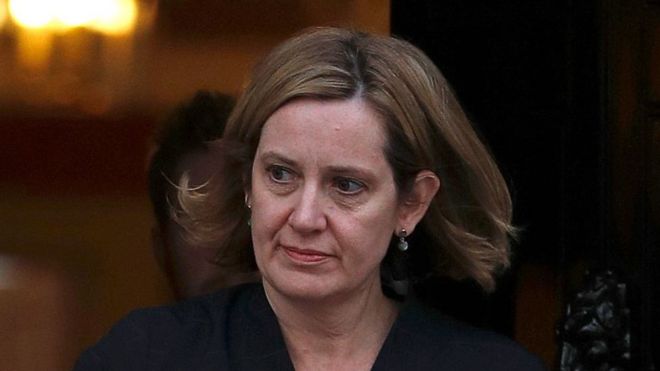
Home Secretary Amber Rudd has resigned, Downing Street has said, after claims she misled Parliament over targets for removing illegal migrants.

Ms Rudd, who was due to make a Commons statement on Monday, was under pressure to resign over the Windrush scandal.

She faced criticism over the existence of Home Office removals targets and her knowledge of them.

Shadow Home Secretary Diane Abbott, who had repeatedly urged Ms Rudd to go, said she had “done the right thing”.

On Sunday, the Guardian published a letter to Theresa May, in which Ms Rudd set out her “ambitious but deliverable” aim to deport 10% more illegal immigrants over the “next few years.”

Amber Rudd leaves 10 Downing Street

Ms Rudd telephoned the prime minister on Sunday evening to tell her of the decision amid intensifying opposition demands for her to quit.

A No 10 spokesman said: “The Prime Minister has tonight accepted the resignation of the Home Secretary.”

Ms Rudd’s successor will be announced on Monday morning.

The BBC’s political editor, Laura Kuenssberg, said Ms Rudd resigned because “however inadvertently, it seems she misled parliament” and “officials couldn’t guarantee there was nothing else that would have incriminated her still further”.

The Windrush row began when it emerged that some migrants from Commonwealth countries, who settled in the UK from the late 1940s to the 1970s, and their relatives, had been declared illegal immigrants.

Reacting to the resignation, Labour MP David Lammy said: “Amber Rudd resigned because she didn’t know what was going on in her own department and she had clearly lost the confidence of her own civil servants.

“The real issue is the hostile environment policy that caused this crisis in the first place.

“That policy must now be reviewed, and the Home Office must move quickly to compensate and grant citizenship to the Windush generation.”

Presentational grey line

How the ‘targets’ row unfolded:

  • On Wednesday Ms Rudd told MPs investigating Windrush that there were no removals targets
  • But an inspection report from December 2015 showed targets for voluntary removals did exist
  • Ms Rudd then admitted “local” targets for voluntary removals had been set
  • She told the Commons on Thursday she had not been aware of them
  • The Guardian then reported a June 2017 memo from an official, copied to Ms Rudd, that refers to targets
  • Ms Rudd said she had not seen this memo
  • On Sunday evening, the Guardian published a letter from Ms Rudd to Theresa May setting out aims to increase enforced deportations
Presentational grey line

Giving evidence to the Home Affairs Select Committee last week, Ms Rudd said there were no removals targets for illegal immigrants.

She later admitted “local” targets for voluntary removals had been set, but told the Commons on Thursday she had not been aware of them.

But the Guardian reported a June 2017 memo from an official, copied to Ms Rudd, that refers to targets.

The newspaper then published a letter, from January 2017, where Ms Rudd tells Theresa May about plans to restructure her department.

She tells Mrs May – her predecessor as home secretary – that she plans to focus on the “aim of increasing the number of enforced removals by more than 10% over the next few years, something I believe is ambitious, but deliverable”.

Ms Rudd’s aim of increasing “enforced deportations” would not have affected Windrush migrants, as they were threatened with “voluntary departure”.

The term “voluntary” describes the method of departure rather than the choice of whether or not to depart – those leaving in this way are able to approach the Home Office for financial assistance with travel costs.

http://www.bbc.co.uk/news/topics/c9vwmzw7n7lt/windrush-deportation-row


Decision to observe May Day on May 7 costs Lankan President Sirisena his party trade union

April 29th, 2018

By Meera Srinivasan/The Hindu

Colombo, April 29: The Sri Lankan Cabinet’s decision to postpone May Day events to May 7, to avoid any overlap with the celebrations around the Buddhist festival of Vesak, has understandably provoked trade unions in the island, including the Sri Lanka Nidahas Sevaka Sangamaya (the Sri Lanka Independent Workers’ Union), affiliated with President Maithripala Sirisena’s Sri Lanka Freedom Party (SLFP) for about 60 years.

The SLFP trade union broke away from the party earlier this week, and has decided to function independently.

With some 90,000 members from public enterprises, the union has grown to become the largest in the country, after the once-strong trade union in the plantation sector got divided over the years. And Sirisena has lost the union.

Decision to observe May Day on May 7 costs Lankan President Sirisena his party trade union

Nobody appears to have confronted the Maha Sangha — an influential body of monks — on its request to President Maithripala Sirisena, perhaps knowing well the political clout of the Buddhist clergy. The Colombo Municipal Council refused permission to hold May Day rallies in public parks on May 1, making it harder for dissidents to go ahead with their events.

However, at least 14 trade unions have decided to defy the government’s order and hold processions on the day that marks historic struggles and victories of the working class across the world.

Given his own leftist leanings in his student days, Mr. Sirisena would know well that by taking such a decision, he would surely antagonise independent trade unions that, despite their modest membership, feel no pressure to succumb to the whims of political parties. But that was not all.

In a historic decision, the Sri Lanka Nidahas Sevaka Sangamaya or the Sri Lanka Independent Workers’ Union, which was affiliated with Mr. Sirisena’s Sri Lanka Freedom Party (SLFP) for about 60 years, broke away from the party earlier this week, and has decided to function independently. With some 90,000 members from public enterprises, the union has grown to become the largest in the country, after the once-strong trade union in the plantation sector got divided over the years. And Mr. Sirisena has lost the union.

Noting that the Maha Sangha has a lot of power”, the union’s general secretary Leslie Devendra said, at times, trade unions had to make adjustments” in such cultural contexts and that there needed to be some give and take”.

He also accused the President and his government of taking the decision unilaterally. In 2016, President Sirisena appointed Mr. Devendra the Presidential Director General for trade union activities. Despite that, I was not consulted in this matter,” he told The Hindu, days after he resigned from the post.

In protest, his union has also decided to take out its rally on May 1.

We aligned with the SLFP because it used to be a left-of-centre party, and stood for nationalisation, prevention of privatisation and worker-friendly policies. Now, in these three years in government with the [centre-right] United National Party (UNP), the party has totally forgotten workers’ interests and rights,” Mr. Devendra said. The union was not joining any other group, he said, alluding to a new party backed by former President Mahinda Rajapaksa.

May Day was first declared a holiday in Sri Lanka in 1956 for the island’s state, banking and mercantile sectors. Senior leftists and trade unionists recall at least two attempts by past governments to postpone May Day events, in the 1980s and 1990s, but unions defied orders to that effect.

Not on the same page

All trade unions in Sri Lanka, as in any other country, do not hold the same view. Some of them are nationalist, xenophobic or ambivalent on the question of secularism. All the same, many committed union activists have, for decades, been challenging the Sri Lankan state, ensuring small but crucial victories along the way.

In alienating them, President Sirisena may have virtually lost a core constituency. We are 90,000 workers but with our families, we are 3 lakh votes,” Mr. Devendra said.

In 2017 Sri Lankan economy grew at the lowest rate in 16 years, says Central Bank

April 29th, 2018

Colombo, April 29 (The Island): Sri Lanka’s economy grew at the slowest pace in 16 years to record a  worse than expected 3.1 percent GDP expansion last year, according to the Central Bank of Sri Lanka (CBSL).

The bank had expected the economy to grow at about 5.0 percent in 2017, but a drought and floods affected agriculture and industry had dragged down overall growth.

At least 213 people were killed in the May 2017 rains that triggered over a dozen landslides and flooded 15 of the island’s 25 districts.

Adverse weather conditions and their spill over effects continued to affect economic activity and the economy surprised to the downside by recording a growth of 3.1 percent,” the bank said in its annual review of 2017.

The previous low was a negative 1.5 percent in 2001 when Tamil Tiger guerrillas launched an audacious attack on the country’s international airport and destroyed six parked aircraft, a move that crippled the tourism industry that year.

However, the industry has fully recovered since the end of the decades-long Tamil separatist war in May 2009. Construction too has expanded rapidly with a building boom across the nation of 21 million people.

Central Bank Governor Indrajit Coomaraswamy said he expected better weather this year and hoped GDP growth to reach about 5.0 percent, slightly more optimistic than the island’s international lenders.

Coomaraswamy said Sri Lanka attract a record $1.37 billion in the foreign direct investment last year and also amassed foreign reserves to an all time high of nearly $10 billion.

It was possible thanks to tighter monetary policy and fiscal reforms introduced since last year. The move stabilised the economy despite shortfalls in agriculture and industry

Sri Lanka had secured a $1.5 billion 36-month bailout from the International Monetary Fund in June 2016 following a balance of payments (BOP) crisis. The IMF has released $760 million of that loan up to the end of last year.

The BOP has improved since the bailout and last year the country recorded a surplus of $2.1 billion in its overall balance of payments after running deficits for two straight years, according to central bank figures.

Despite the surplus and record foreign exchange reserves, the local rupee had come under pressure in the past week. The US dollar which sold at 157 rupees last week had gone up to 159 on Thursday sparking fears of inflation which is currently running at 4.2 percent.

The governor said the bank would intervene if the forex market did not stabilize at a realistic level in the short term.

If they don’t, we have the firepower to deal with it,” her said referring to the banks externals reserves estimated at $9.98 billion on Thursday.

Infrastructure development in the absence of political rights is of no use to Tamils, says Wigneswaran

April 29th, 2018

By  Courtesy NewsIn.Asia

By Manjula Fernando/The Sunday Observer

Colombo, April 29: In a wide ranging interview to The Sunday Observer, C.V.Wigneswaran  Chief Minister of the Tamil-majority Northern Province of  Sri Lanka, said that without a political settlement, giving infrastructural and economic benefits to the Tamils is akin to getting around a child with toys and dolls.

The Government still continues to use the Mahaweli Authority to colonize the Northern Province with people from the South, and in every manner, the Central government tries to dominate us administratively,” the Supreme Court judge turned political leader said.

Infrastructure development in the absence of political rights is of no use to Tamils, says Wigneswaran

Excerpts:

Q : There is a sea-change in the Northern Province as far as infrastructure development is concerned. The Government has given due emphasis to the issues of the Northern people to a point that it has earned the wrath of nationalist elements in the South. There are allegations that despite these positive signs you have taken up a confrontational approach with the Government to appease the extremist elements. How would you respond?

I am glad you asked this question. The crux of our different perceptions is reflected here.

The Government no doubt is arranging for infrastructure development of the Northern Province but not after receiving our view points and preferences but in accordance with its own preferences and pursuits. By pursuits I mean the political undertones. After so much of agitation nine years after the war some lands of private individuals are no doubt being handed back, thanks to the International pressure which gave rise to such charitable inclination on the part of the Government.

The wrath of so called nationalist elements of the South which stem from wrong and false ideas instilled (pertaining to historical and social matters) into the minds of our Sinhala brethren from the time of Independence against the Tamils have had to be ignored by the government owing to International pressure.

If the government was of a positive frame of mind, having come to power with our overwhelming support, they would have returned all lands as soon as they came to power and called back the Military. But they did not do so. In fact there had not been any war related violence since May 2009, nine years ago. The lands which should have been returned soon after the war or at least soon after we took office in 2013 are being released only now. You want us to consider the return of our lands to us after a nine –year delay as a positive sign.

It is my view that there is absolutely no reason for the Military to continue to reside in the North and East since there are no so called security concerns now. In any event, security surveillance today can be undertaken within the four walls of a comfortable room. You do not need acres and acres of productive cultivable lands!

You ask me the reasons for my so called ‘confrontational’ approach to appease extremist elements. Let me explain. Firstly, every step I take is in consonance and in conformity with the spirit of the Manifesto of the TNA on which I was elevated to office in 2013. If you say my approach is confrontational and in conformity with extremist views then you are insulting the 133,000 odd people who voted for me. i)Firstly all such infrastructural development is being undertaken by the Government without giving an iota of political guarantees nor political leeway for the Tamil People. In other words you want to buy over our people with economic and infrastructure benefits without in any way granting our political rights which you snatched away from us. Therefore without a political settlement, giving infrastructural and economic benefits is akin to getting around a child with toys and dolls. (ii.)The Government still continues to use the Mahaweli Authority to colonize the Northern Province with people from the South. (iii) In every manner the Centre tries to dominate us administratively.

Therefore, my approach is in conformity with the views of a large majority of my voters. I am not taking a confrontational approach. I am warning our people that the Central Government is trying to play the Bonikka” game with us, i.e. give us some temporary benefits and withhold our basic political rights and wants.

Q : The government recently announced the release of over 600 acres of land held by the Military in the Northern Province. Are you satisfied with this gesture of goodwill?

The release of land recently is not a gesture of goodwill. It was the result of our continued engagement with the International actors and the pressure they brought on the government. If it was a gesture of goodwill it should have taken place within months of January 8 2015. Waiting for three years and giving a part of the land occupied is certainly not a gesture of goodwill.

Q : Your engagement with Geneva, other multinational agencies and foreign states are quite apparent but have you made any real efforts to engage with Sri Lanka’s Government to address the ground issues and win the real demands of the people you represent?

Of course we have! Many an epistle sent to the President as well as the Prime Minister are ignored. The real demands of our people in any event is well known to the Government. The ground issues have been brought to the notice of the Government time and again. Nothing has happened. I dare say nothing will happen! This is because the Sinhalese politicians have got it into their heads that the problems of the Tamils need to be solved with the concurrence of the views of the majority community. The problems of the Tamils are theirs. Not problems of the Sinhalese. The main problem is that the majority community has usurped our rights, our lands, our seas, our jobs and so on. How can we expect reasonable response from such usurpers?

Q : It seems the recent Local Government election has brought about a certain uncertainty to the country’s political power balance. What has been the impact on the Northern Province?

Reservations have been shown by the voters in the North and the South. In the North it was the inadequacy of performance by the TNA as well as dilution of basic political policy decisions by the TNA, especially, the ITAK. In the South lots of economic problems have come to the surface. Certain political parties pandering to the baser instincts of the Sinhalese as in the past, have harvested immediate political benefits. But this will not last long.

Q : Your relations with the TNA leaders continue to deteriorate and it reached rock bottom recently with the announcement by TNA that you will no longer be their Chief Ministerial candidate in the upcoming Provincial Council election. What has caused this rift?

I have no problems with the leaders of the TNA. I have only pointed out the inadequacy of political performance so far by the Leadership. My fears were justified by the recent election results. It is up to the Leadership to look into the mirror and decide whether what I have been saying is right or wrong. If we continue with the inadequate and watered down politics of the TNA Leadership the interests of the Tamil Community would certainly be affected negatively for all times. I want Sri Lankan Tamils to retain their individuality for all time.

Q : Was the formation of Tamil People’s Council (TPC), a result of your foreseeing this situation in advance? Do you think the TNA should change course from its moderate path?

Yes. We know that the Government would never grant our reasonable requests because they perform from an arbitrarily constructed high pedestal where they have built up wrong ideas about history and other allied subjects. It is wrong to say the TNA should change course from its moderate path. The path pursued by the leadership is not a moderate path. It is a path pandering to the politicians of other parties. Our basics have been lost sight of. I believe what the TPC has put forward in their recommendations to the Steering Committee is a moderate view.

Q : If you ever decide to go solo at a future PC election, what political parties will back you? What gives you the impression that the majority of the Northern people are with you and not the TNA?

I personally do not matter in the whole equation. There are basic demands of the TNA affecting our people reiterated over and over again in our political Manifestos which reflect the views of our people. Some of our leaders have arbitrarily sought to water down our requests, claims or demands may be for selfish reasons. I am sure the people will not forgive the TNA if they pursue such a path of pampering the Sinhala politicians forgetting the basic demands of our people.

Q : Are you seeking a common political alliance with Eelam People’s Revolutionary Liberation Front (EPRLF) Leader Suresh Premachandran and other hardliners?

When your political policies are correct and genuine all right thinking people will support you. Suresh as well as Gajendrakumar Ponnambalam have recognized the correctness and reasonableness of traditional Tamil policies. I do not think either of them are hardliners. A person who steadfastly holds on to the Eelam only concept despite the 2013 Election result may be categorized a hardliner.

Q : The SLMC is seeking to join hands with the TNA at Local Council level (in the East). How do you see this development?

The SLMC consists of Tamil speaking Muslims. Tamil speaking Muslims were spared by the Sinhala goondas earlier. Now the scenario has changed. Therefore, birds of same feather are now journeying together. The Tamil language and longtime residence together are the causes that contributed to the same feather growing. It should have happened long ago. I have always supported the idea of all minorities coming together to get their political rights. After all, the political impasse we face today is the result of wrong policies pursued by the majority community.

Those ridiculing his reforms are enemies of the UNP, says leader Wickremesinghe

April 29th, 2018

By  Courtesy NewsIn.Asia

Colombo, April 29 (newsin.asia): United National Party (UNP) leader and Sri Lankan Prime Minister Ranil Wickremesinghe has accused critics within his party of having worked to defeat it in the February 10 local bodies elections.

The elections saw the UNP trailing far behind the Sri Lanka Podujana Peramuna (SLPP) led by former President Mahinda Rajapaksa.

There are people who have criticised our re-organization, and there are those who have made light of this process. But none of them worked towards bringing our party to victory during the last local election. In fact some of them actively worked against us. Some of them had the hidden objective of destroying the Party,” Wickremesinghe said in a statement on the reforms carried out so far and the reforms he intends to carry out as a follow up.

Those ridiculing his reforms are enemies of the UNP, says leader Wickremesinghe

However, we should not worry about their agenda.  What we must instead focus on is taking the necessary action to strengthen the party with increased commitment,” he added.

Critics’ View

Wickremesinghe’s critics, in whose ranks there are about 25 MPs ,have said that the reforms are an eyewash or old wine in a new bottle” as one of them put it.

One of them, Ranjan Ramanayake, even said that Wickremesinghe should go because for everything there is an expiry date, and  Wickremesinghe  has passed that date.

There is particular resentment against the appointment of former Finance Minister Ravi Karunanayake as Assistant Secretary when he had been forced to resign from the cabinet for his alleged role in the Central Bank Bonds Scam. In fact, senior party leader Joseph Michael Perera had resigned from the Working Committee in protest against the appointment of Karunanayake.

Opportunities for Younger Leaders

On reforms to bring younger people to man important positions in the party, Wickremesinghe said: The new energy and approach that they bring will undoubtedly pave a strong way forward, together with the Deputy Leader and the Assistant Leader. With their commitment and untiring efforts, there can be no doubt that the Party will progress.”

We intend to allocate new responsibilities to the Deputy Leader in order to further strengthen our journey to victory so as to drive the process of organizing the party towards the success.”

We also intend to create new posts by appointing a Secretary and Assistant Secretary to further strengthen and organize the party. We hope to give more opportunities to young Members of Parliament to help drive forward the Party’s mission.”

Responsibilities for Each MP

Wickremesinghe said that the party is aiming to give specific responsibilities to each of the Members of Parliament and with this in mind it is developing an initial procedure.

As regards looking after the party’s supporters, the Leader said: Our supporters, who have faithfully backed the United National Party, even through the most difficult of times, must be given high priority. There remain a number of unresolved issues with our supporters that must be addressed.”

The United National Party is a party that listens its supporters and the people. We are a party that considers people’s opinions, attitudes and responses.”

Lessons Learnt From Poll Debacle

Wickremesinghe said that the UNP has learnt lessons from the debacle in the local bodies elections.

We have accurately read and identified the message given to us by the people in the last Local Government elections and we are acting to implement the necessary changes,” he said.

In order to achieve this we have made use of several Committee reports. The reports were reviewed by a committee that was elected by Members of Parliament, and following discussions, recommendations were presented at the working committee meeting held recently.”

By reorganizing the Party at the wish of the people we have demonstrated that United National Party is the only political party that is flexible and people focused,” Wickremesinghe said.

Democratic Conventions

Wickremesinghe claimed that discussion and convention have always been the means of resolving our problems.”

Where possible, we always work to come to a common agreement on any issue, whether this involves the working committee or our Members of Parliament.”

It is the proud tradition of the United National Party to respect all views, even controversial views, until a final common decision has been made. It is the duty of the true supporter to understand these traditions and to preserve them.”

Further Changes Due

The process of reform and reorganization does not end with the current changes, Wcikremesinghe said.

We have taken a policy decision to implement the suggestions mentioned in Ruwan Wijewardhane Committee report. We will take action to bring relevant constitutional amendments as well.”

Accordingly, we have planned to elevate more new faces to the level of the leadership and to bring in young blood to strengthen the party further. The group of Members of Parliament, the working committee together with the newly appointed officers will implement the above plans with the utmost commitment and effort,” Wickremesinghe assured.

Pakistan brings to Sri Lanka relics of the Buddha from a 3 rd.Century BC stupa in Taxila

April 29th, 2018

By  Courtesy NewsIn.Asia

Sri Lankan Minister for Buddha Sasana, Gamini Jayawickrema Perera along with Parliamentarians, the  High Commissioner of Pakistan Dr. Shahid Ahmad Hashmat as well as senior monks, high ranking government officials, religious scholars, received the holy relics on April 28. The Curator of Taxila Museum, brought the relics.

Pakistan brings to Sri Lanka relics of the Buddha from a 3 rd.Century BC stupa in Taxila
(High Commissioner of Pakistan, Dr. Shahid Hashmat handing over the Sacred Relics to Minister for Buddha Sasana Hon. Gamini Jayawickrama Perera)

The exposition of the relics will commence at Gangaramaya Temple and the Temple Trees on April 29. Thereafter, it will be exhibited in leading temples across the country until May 16.

Dharmarajika Stupa in Taxila

The relics will be in Colombo for a four-day exposition from April 29 to May 2. After that the Relics will be taken to Wellampitiya, Kalutara, Galle, Matara, Kurunegalla, Anuradhapura and Kandy. The relics will be brought back to Colombo on May 16.

These relics are part of a collection in Taxila (Takshila) which is kept at one of the most important archaeological sites in Asia, the Taxila Museum.

The relics were originally discovered near the Dharmarajika Stupa, the earliest and largest Buddhist complex at Taxila, which was built in the 3rd century BCE to enshrine the redistributed holy relics of the Buddha by the famous Mauryan king Asoka who was also known as Dharmaraja for his services to Buddhism.

Dharmarajika was excavated by Ghulam Qadir in 1912-16 under the direction of Sir John Marshall and also A.D. Siddiqui in 1934-36.

Buddhism owes a great deal to the ancient land of Pakistan. It was here that Buddhism reached its climax through well-organized missionaries who ultimately made it a world religion.


Sri Lanka’s currency suffers as debt trap deepens

April 29th, 2018

YUJI KURONUMA, Nikkei staff writer

China-financed infrastructure projects put country in vicious cycle.

NEW DELHI — Sri Lanka, which has loaded up on Chinese-funded infrastructure, is sinking deeper into a debt trap as its currency weakens and economic growth decelerates to its slowest pace in 16 years.

The Sri Lankan rupee has depreciated 3% against the greenback this year to 157.4628 per dollar, according to forex data that the country’s central bank tracked on Friday. It is at its weakest point ever and has softened nearly 20% since President Maithripala Sirisena took office in January 2015.

About half of Sri Lanka’s loans are denominated in foreign currency. As a result, “any further weakening of the rupee will increase the rupee value of maturing foreign exchange debt and interest payments” — driving the government’s financing needs higher, said Alex Holmes, an economist at Capital Economics.

The country is caught in a vicious cycle: Investors devalue the rupee over concern about government debt, which then increases the nation’s obligations even further.

Falling tax revenue prompts another concern as the economy grew 3.1% last year, the slowest since a contraction in 2001. In the October-December quarter, growth was also sluggish at 3.2%.

The nation of over 20 million people holds some of the highest debt levels in Asia. International Monetary Fund estimates for 2018 peg the island’s debt at 11.23 trillion rupees ($71.9 billion), or 77% of gross domestic product. The country’s debt payments are forecast to hit 14.1% of GDP this year, while revenue is only expected to equal 14.4%.

Sri Lanka floated $2.5 billion in dollar-denominated sovereign bonds this month, its largest issuance ever and close to its $2.8 billion in payment obligations from April through June.

Raising revenue in the near term will be difficult, though “the new Inland Revenue Act [which took effect in April] will improve tax revenue, exports and foreign direct investment,” said Shiran Fernando, chief economist at the Ceylon Chamber of Commerce.

The island has used debt to fund the construction of harbors, airports and roads. But Sri Lanka at present can cover its obligations only by taking on more debt, leading many to think the government will have to sell off national assets. The IMF has encouraged Sri Lanka to trim spending by state-run enterprises through reforms and reduce its debt through asset sales.

With his country’s currency having lost nearly 20% of its value against the dollar since 2015, Sri Lankan Prime Minister Ranil Wickremesinghe visits a Chinese-funded reclamation project in Colombo in January.   © Getty Images

The process has already begun. Sri Lanka sold a 99-year lease to China in December granting rights to a harbor in the southern town of Hambantota in order to write off $1.1 billion in debt.

For Beijing, which wants to establish footholds in the Indian Ocean, the financial deterioration of a maritime nation like Sri Lanka provides a golden opportunity. The lease sparked a backlash from regional rival India, since it offers China a potential harbor for its naval vessels.

“We had to make a decision to get out of this debt trap,” said Mahinda Samarasinghe, the ports and shipping minister of Sri Lanka.

But Sri Lanka has not climbed out of the trap yet. The country also is weighing whether to lease the rights to nearby Mattala Rajapaksa International Airport, which only began operations in 2013.

Both projects are officially named after previous President Mahinda Rajapaksa, a pro-Beijing politician who used Chinese money to build each. The Export-Import Bank of China, for example, funded $190 billion of the airport’s $290 billion price tag.

The airport could provide an air base for Beijing only a stone’s throw from India. New Delhi seeks to win rights to the airport as well, but China holds the stronger claim as a creditor.

China also has financed infrastructure projects in Pakistan and the Maldives. A former president of the Maldives has said the small archipelago nation is also caught in a debt trap. Beijing stands as the main creditor to both countries, whose debts equal 67% and 71% of GDP, respectively. No Chinese naval ports have been identified, but Beijing could easily obtain strategic assets through debt-equity swaps such as in Sri Lanka.

Former Chinese President Hu Jintao referred to the Strait of Malacca, where the Indian Ocean exits to the rest of Asia, as a dilemma since it serves as the lifeline through which 80% of his country’s oil imports passed.

Current President Xi Jinping and Indian Prime Minister Narendra Modi met Friday and Saturday in the central Chinese city of Wuhan. Though they sent messages of their defusing tensions, no end is in sight for the contest to dominate the Indian Ocean, which New Delhi views as its own. Sri Lanka’s asset sales to China could reignite tensions, with the country’s debt pile tipping the region’s geopolitical scales.


Lord Buddha’s sacred relics from Pakistan arrive in Sri Lanka

April 29th, 2018

Courtesy pt

COLOMBO: In order to present the richest Buddhist historical legacy to the Sri Lankan people, Pakistan has sent the most sacred relics of the Lord Buddha to Sri Lanka on Sunday for exposition in connection with the Annual Buddha Rashmi National Vesak Festival.

Sri Lankan Minister for Buddha Sasana, Gamini Jayawickrema Perera along with Parliamentarians, High Commissioner of Pakistan Dr. Shahid Ahmad Hashmat as well as Senior Monks, high ranking government officials, religious scholars, received the relics amidst hordes of devotees.

From Pakistan, Curator of Taxila Museum brought the Sacred Relics, said a press release received from Colombo.

The exposition of the most sacred relics will commence at Gangaramaya Temple and the Temple Trees on 29th May 2018.

Thereafter, it will be exhibited at famous temples across the country until May 16, 2018. The Relics will be in Colombo for a four-day exposition from 29th April to May 2. After that, the Relics will be taken to Wellampitiya, Kalutara, Galle, Matara, Kurunegalla, Anuradhapura and Kandy. Afterwards, the Relics will be brought back to Colombo on May 16, 2018.

The Sacred Relics includes two Relics of Lord Buddha. These relics are part of a collection from Taxila (Takshila) excavation in Pakistan, which is kept at one of the most important archaeological sites in Asia, the Taxila Museum.

These Relics were originally discovered near the Dharmarajika stupa, the earliest and largest Buddhist complex at Taxila, which was built in the 3rd century BCE to enshrine the redistributed relics of the Buddha by the famous Mauryan king Asoka who was also known as Dharmaraja for his services to Buddhism.

Dharmarajika was excavated by Ghulam Qadir in 1912-16 under the directions of Sir John Marshall and A.D. Siddiqui in 1934-36. The advent and development of Buddhism owe a great deal to the ancient land of Pakistan.

India to send Buddhist relics for Vesak in Sri Lanka

April 29th, 2018

Courtesy Xinhua

COLOMBO, April 26 (Xinhua) — India will send the sacred Buddhist relics to Sri Lanka for public veneration during the annual Vesak festival, a statement from the Indian High Commission in Sri Lanka said on Thursday.

Vesak is celebrated on April 29 this year in Sri Lanka to mark the birth, the enlightenment and passing away of the Buddha who founded the Buddhist religion.

The statement said the relics would be brought from Sarnath, India for the first time for public exposition on the occasion of Vesak.

The public can pay homage to these relics at “Temple Trees,” the Prime Minister’s official residence in Colombo from April 28 to May 2.

Sarnath in India is historically significant since the Buddha preached his first sermon there.

“The sacred relics of Sarnath are yet another manifestation of the shared Buddhist heritage of India and Sri Lanka. These Relics are enshrined at Mulagandhakuti Vihare at Saranth in India. A specially made casket secures these two most revered and authentic relics,” the statement said.

Until & unless TNA is cleared of links to LTTE terrorist separatism, TNA cannot demand a new constitution

April 28th, 2018

That TNA is the main opposition party & its head is the Opposition Leader is inconsequential when there are alarming links that the TNA has to the LTTE not just in the past but in the present as well. So long as these links prevail, it automatically means that the quest to fulfil their common objective remains. When that common objective is to separate Sri Lanka carving out a mono-ethnic autonomous state it is nothing but the Eelam that the LTTE fought for, the Tamil State that the ITAK promised its voters & the internal self-determination TNA assured in its election manifestos. No demands of a proscribed terrorist group can be advocated by a political party and that political party cannot make demands that aligns to the aims & objectives of the terrorists. Investigate TNA for LTTE links first.

INVESTIGATE TNA & CLEAR ITS NAME IF NOT GUILTY and only thereafter should TNA be allowed to make any demands:

TNA was an unregistered political alliance formed by LTTE on 22 October 2001 immediately before the Norwegian backed 2002 cease fire agreement & after realizing that they were losing grip over the Tamil people at the October 2000 Parliamentary elections when even Sambanthan failed to get elected from Trincomalee.

DBS Jeyraj himself describes how TNA was formed by LTTE –  dbsjeyaraj.com 

TNA declared LTTE as the ‘sole representative’ of the Tamil people in 2001.

LTTE chose TNA candidates for the 2004 General Elections

LTTE rigged the 2004 elections with 5000 LTTE volunteers” to help TNA win. TNA offices are said to have ‘employed’ LTTE cadres.

TNA which won 22 seats is said to have taken oaths in front of Prabakaran & Sambanthan selected as TNA Parliamentary group leader.

The EU Election Observer Mission Chief John Cushnahan in his 17 June 2004 report claims LTTE intended that no other rival Tamil party to the TNA would be able to claim to represent Tamil interests”

TNA MPs abused parliamentary privileges to transport LTTE cadres at security check points.

TNA MPs violated parliamentary privileges & Sri Lanka’s Constitution by carrying out LTTE propaganda & participating in pro-LTTE events even overseas.

LTTE-TNA demands virtually one & the same.

TNA is associated with TGTE which continues to be banned under UNSC 1373 as a LTTE front.

TNA MP Sridharan is linked to Nediyavan, Rudrakumaran & Vinayagam all named & banned by GOSL.

In 2008 ITAK amended its constitution & added a footnote endorsing the 1976 Vaddukoddai Resolution for separatism. ITAK is the main constituent party of the TNA.

All of TNA’s manifestos 2001, 2004, 2010, 2013 & 2015 virtually make the same demands as the LTTE.

2001 LTTE is the sole Tamil National Entity”

2003 TNA, LTTE meet on Interim Administration proposals

https://www.tamilnet.com/art.html?catid=13&artid=8981

2004 accepting LTTE’s leadership as the national leadership of Tamil Eelam”

https://www.tamilnet.com/art.html?catid=13&artid=11665

http://www.new.tamilnet.com/art.html?catid=13&artid=11482

2004 TNA leaders met LTTE leadership Mr. Sampanthan and former national list parliamentarian Mr.K.Thurairatnasingham will be leaving from Trincomalee to Killinochchi Tuesday morning to meet Mr.S.P.Thamilchelvan and other LTTE leaders regarding mapping out election strategy, TNA sources said.” www.tamilnet.com

It was during the April 2004 election that, according to the PHW, the TNA presented itself for the first time as a proxy for the Liberation Tigers of Tamil Eelam (LTTE)” (UN Refugee website) www.refworld.org

2005 LTTE-TNA conference concluded Tamil people have no interest in Sri Lanka’s Presidential Elections”

https://www.tamilnet.com/art.html?catid=13&artid=16298

After the first JVP insurrection, the Criminal Justice Commission Act was enacted in 1972 and 41 JVP leaders were brought to trial and 34 were found guilty and sentenced to jail terms, Rohana Wijeweera was sentenced to life imprisonment.

The TNA & LTTE should face similar charges.

The previous government should have put all the LTTE cadres that surrendered or were caught after the military defeat to a trial in both civilian & military court & sentenced as the JVP leaders were.

Simultaneously, the previous government should have also appointed a Commission of Inquiry to investigate every person, organization, foreign or local who had links to the LTTE & exposed their names & roles to the citizens & world. Unfortunately, some smart alecs in their inner circles advised them not to.

Playing politics with terrorists only harms the citizens. At the 1977 elections, the JVP did not campaign against the UNP. Ironical isn’t it? After UNP won with 5/6 majority, the UNP leadership immediately repealed the Criminal Justice Commission Act & all the imprisoned JVP leaders were set free. That honeymoon was short lived.

The UNP went on to ban JVP in 1983 which ended up in an armed wing within the JVP emerging. This Deshapremi Janatha Viyaparaya is said to have killed some 6000 parliamentarians, politicians, public servants, mercantile and corporation employees and plantation sector staff, academics & artists.

If JVP too needs to be investigated for these post 1983 killings then so should the other killer squads like DSS (Deshapremi Sannadda Senankaya), People’s Revolutionary Red Army (PRRA) and Black Cats who are said to be accountable for the deaths and disappearances of around 40,000. These names must all be produced to the OMP and force this office to take action on these missing & dead first. While the leaders of these entities need to be exposed & charged for murder.

We continue to say that even the JVP should face trial for its crimes and on this same logic TNA should also face investigation for its links to LTTE terror. LTTE cadres may have used the gun to kill but the LTTE comprised not only armed cadres, these people whether local or foreign who directly/indirectly covertly/overtly helped LTTE over the years need to be all exposed.

They have no right to be making demands to change the country’s constitution when it is crystal clear that their demands are linked to the demands of the LTTE. If TNA’s demands are being entertained it virtually means giving into LTTE demands. 30,000 soldiers did not sacrifice their lives for this result. The armed forces fought to safeguard the sovereignty of Sri Lanka. What LTTE failed to achieve with their guns the TNA cannot be allowed to achieve deceptively through the democratic path influencing a new constitution which external parties are piggy backing on as it advances their own geopolitical/trade agendas. A divided and unstable island, economically destroyed & a socially corrupt society is perfect for the hyenas to prey on. The puppets in power are doing an excellent job on behalf of those that helped the regime change.

TNA must be first investigated & cleared of its links to LTTE terrorism & separatism.

Shenali D Waduge

They say a picture speaks a 1000 words… well here you are – Judge for yourself.

Do you now understand why we are demanding LTTE-TNA links to be investigated & TNA & legal action taken against the TNA? These are no exaggerations or hyped up stories. These are the facts that will naturally hurt those that have been supporting separatism & terrorism.

This is the LTTE terrorist murderer Prabakaran & to his left is Sri Lanka’s present Opposition Leader

Sri Lanka’s Opposition Leader with LTTE’s Anton Balasingham

LTTE’s Tamilselvan chairing a meeting. LTTE flag on the table & oh yes Sri Lanka’s Opposition Leader just listening to orders!

Sri Lanka’s Opposition Leader is delighted to meet LTTE’s Tamilselvan

TNA MPs paying homage to LTTE ‘martyrs’ now you know why they are demanding LTTE memorials – its not for Tamils killed but for LTTE cadres killed….

And how sweet – the Opposition Leader holds the Tamil Eelam map – the same LTTE fought & failed & the same which TNA is trying to achieve for the LTTE.

Why International Red Notice. You ask Ranil to produce Mahendran immediately before the court for the following reasons.  It is as simple as that. I pose this question to the President?

April 28th, 2018

Sudath Gunasekara

28.4.2018

As I had pointed out in Lankaweb sometime back the whole country knows that,

It was Ranil Wickramasinha who brought his buddy Arjuna Mahendran to Sri Lanka and got him appointed, as preplanned, as the Governor of the Central Bank in spite of strong objections raised by the President, who is only the de jure Head of the State

It was he who invited him to come offering the Governorship of the CB

It was he who got the CB under him from the Finance Ministry to accommodate Arjun M as conspired.

It was he who took full responsibility personally for his selection and insisted that Mahendran should be appointed, when the President objected Mahendram being appointed.

When the matter was raised in Parliament it was Ranil who defended him in the House on 17th March 2017 and stood for his credentials.

It was also Ranil who introduced the new system of Bond auctions as revealed by Arjuna Mahendran before the commission in his evidence

It was also Ranil who got the President to dissolve Parliament in August 2017 a day before the Dew Gunasekara COPE Report was to be presented to Parliament and thereby avoided the Report being debated in Parliament to defend Mahendran.

(This lapse paved the way for the second Bond Scam the subject of the present debate)

He also appointed his own commission of Party lawyers and got Mahendran exonerated before the President appointed his Commission

Then he also wanted Mahendran appointed for a Second term which the President refused and got Coomaraswamy appointed

After that Ranil appointed Mahendran to another high post under his Ministry disregarding and ignoring his highly questionable role in the CB scam and also ignoring the President, probably thinking that it was he who got Mr Sirisena elected as the President, which is partly true.

When he was asked to give evidence before the Commission he got the Commission to send him a list of questions to be asked AT THE INQUIRY in advance, so that he can come prepared to answer them, perhaps designed to exonerate him.  This is like the Commissioner of Examinations sending the Question papers to a candidate and accepting his answer scripts at the examiners home and pass him with distinction. What is more he got his own Attorney General to lead his evidence, who did a shoddy job to save his master preventing Kodagoda or Dappula Livera cleverly leading evidence, that would have  turned the tides

He also got Ravi Karunanayaka the Finance Minister his confidante and Deputy Leader of the UNP to instruct all State Banks to bid at the auction at lower interest (9.5%) so that Ajun Aloysius, who was perhaps advised in advance either by Mahendran, his father-in-law, with whom he was living or jointly by Ranil and Mahendran to quote 12.5 % interest as pre-planned.

He was also responsible for increasing the 10 billion to 40 billion as Mahendran has revealed in his evidence before the Commission that increased the loss to Government

It was also he who got Sujiva Serasinha, the Author of the infamous Book on CB SCAM, and got him appointed to the COPE as a member.

It was also he who sent Mahendran to Singapore when dark clouds were gathering over the sky.

(It is beyond comprehension how and why a suspect of such a crime was allowed to leave the country by the Custom Authorities, unless there was some powerful intervention behind it). Ranil should know better than anybody else as to how he left Katunayaka Airport without any problem. Ranil knows better than any if Mahendran is arrested and grilled by the CID and by people like Dappula Livera and Kodagoda he will spill out all the beans and the entire gang of Alibaba and 40 thieves and all others who have jointly conspired, aided and abetted in different ways assigned to them by the leader, like writing books, adding foot notes and those benefitted directly or indirectly will be exposed).

In this backdrop I don’t think this man will ever come to Sri Lanka. The perpetrators must have done their homework so that he could be kept in hiding safely.

Why can’t the President or the law enforcing authorities take action against Ranil taking these commitments as evidence of serious crimes and take action accordingly? Of cause one could argue that he cannot be treated under that law as he has not duly singed a personal bond in court to that effect. But I argue as to why we can’t take his open undertaking to the President (unless of cause the President denies it most probably) on behalf of Mahendran be accepted as a verbal bond under common law. I am sure what I have said here could be converted to legal jargon to frame the charges. Why can’t the President direct the authorities to arrest Ranil under these circumstances and keep him there at least now until he produces Mahendran before the court? I am sure he should have met Mahendran in Singapore when he was there last time and if he wanted to, I am sure he could have brought Mahendran with him in the same plane and produced in courts without any problem.

Therefore the citizens of this country who are the owners of the Central Bank should demand the President to give directions to the CID at least now to arrest the Golden brain, whoever it is, that conspired, planned and executed this crime with a gang of thieves and who is also doing everything he could, under the sun to protect Mahendran his erstwhile friend for nothing but shear political and personal gain. I don’t think anybody needs to name him. The President should know it better than anybody else. So I leave it to him to decide. I do not know whether he will take the correct decision. But as responsible citizens it is our duty by the country and its people to raise these issues for public debate. If he takes the correct decision on this issue at least now I have no doubt that he will at least partially exonerated from the blunder he did by appointing Mahendran and may emerge out of the abysmal political mire in to which he has fallen, not because of anybody else’s fault, but only of his own fault and lapses and lack of far sight and leadership.  It will also open the doors for an entirely a new political culture in this country, free from corruption and misgovernment, which the people of this country have been desperately dreaming for decades.

No one on earth will believe that Ranil does not know where Mahendran is hiding. As such why can’t the law enforcing authorities get Ranil to bring and produce this man whether he on earth or in heaven.

Those of you who read this will know many more involvements and finer legal points than I do. I beg your pardon for shortcomings in this note.

PS: The background for his selection

Mahendrans are Ranil’s Family friends and strong UNP supporters. Mahendran is also said to be his school mate at Royal. He has been appointed to several posts even in 2001 when Ranil became PM. During that time he also appointed Charless Mahendran, Ajun’s farther to the UN.  While he was there he is supposed to have given some vital secret information to Ranil bypassing Chandrika, over which Chandrika got damn annoyed and dissolved the Parliament making room for the 2004 General Elections that routed Ranil’s Government and sent him to the opposition. It is in this background one has to understand as to why Ranil brought Mahendran to the Central Bank.

In this back drop, there couldn’t be the slightest doubt that Ranil should know where Mahnedran is hiding. As such I opine it is Ranils bounden duty as well as legal obligation to produce him before the CID, failing which, action has to be taken against him. This I believe is the responsibility of the President, as he is also responsible for this gang robbery as it was he who has actually appointed Mahendran as the Governor of the CB and also it was he who even though inadvertently supported Ranil in this mega robbery by failing to take the correct action at the correct time.

In this backdrop, and also as he has stood surety to Mahendran why can’t the court arrest Ranil and ask him to produce Mahendran physically before the courts and keep him where he should be until he produces his chum.

Bungling of Vesak

April 28th, 2018

C.B. PUNCHIBANDARA

Most of us were under the impression that the politicians who rush to the Mahanayakas on the slightest provocation, would have consulted them before declaring Vesak in April. But apropos your headline on April 24, even they have been taken unaware. I am more than eighty years old and cannot recall Vesak in April. As the Mahanayaka had mentioned, Poya on 29th April could have been an Adhi Bak Poya.

Sinhala New Year and Vesak are the two key celebrations for the Buddhists in the island. While the first is a national event the latter is religious. Even the poorest of the poor celebrate both as best one could. Immediately after spending for new clothes, sweet meats, and visits for the New Year, two weeks later Vesak comes, which again is a drain on the hambiliya (wallet) of the poor.

Now adding insult to injury, Buddhists are advised not to have Vesak pandals on the Vesak Day. The reason as given by the government been that the Vesak poya be devoted for religious activities. Buddhism being a very liberal religion one cannot be forced to be religious. At least if the politicians could set an example, the country would have achieved something .The only minister whom I recall observed sil on the poya day was late Mr.D.S.Gunasekera the MP for Habraduwa and was known as the Minister who observes sil.

So now we have Vesak in April. May Day on 7th May and Poson in June. I am wondering when it will be Christmas. Villagers say this is Kaliyugaya when anything can happen.

The Sugandika Fernando blitzkrieg: A word of caution

April 28th, 2018

by C.A.Chandraprema Courtesy The Island

The 56 minute vido of a speech by a young, hitherto unknown lawyer named Sugandhika Fernando exposing to the public the seamy underside of the legal profession and the judiciary took the country by storm after the New Year. This vido became a sensation overnight even though it was not taken up by any of the formal media in the country. It has gone viral on the internet because there was an appetite among the general public for something like this. The judiciary in this country is looked upon with fear and the legal profession is considered rapacious and explotative. One sees a whole syetem in operation whereby judges and lawyers gang up and work together in portraying the judiciary and the legal profession as something sacrosanct and which should never be questioned.

article_image

Of the three arms of the state, the executive, the legislature and the judiciary, the former two are subject to public scrunity and criticism whereas the judiciary is safeguarded by the legal profession as something above question. However, members of the public are only too well aware of the abuses that go on in the legal system but are too afraid to voice their critical opinions because of the power the court to invoke contempt of court laws. The Judiciary (and by association the legal profession) is the only arm of the state that can muzzle criticism of itself. If the executive arm does anything of the sort, it is called ‘repression of dissent’ but when done by the judiciary, it’s called ‘upholding the independence of the judiciary’ and is touted as a virtue.  Recently, Deputy Minister Ranjan Ramanayake made some blanket statements criticizing the legal profession and the judiciary and he is now facing a contempt of court action.

Ramanayake’s broadside was a generalized critique of the way the judiciary and the legal profession functions, without any specifics being mentioned. Some of the assertions he made may be questioned even by those sympathetic to the overall point he was trying to make. For example, he characterized as ‘rogues’ the lawyers who appear for known criminals. However there is a requirement that every suspect appearing in court has a right to be represented. It is through an adversarial presentation of arguments that the court is able to decide on the guilt or innocence of the suspect or the accused. Nobody has yet invented a better way of doing things. By characterizing as ‘rogues’ the lawyers who appear for known criminals, Ramanayake is going down the slippery slope of declaring people guilty without any due process, simply on impressions and prejudices. The rule that a person is deemed innocent until proved guilty should apply to everyone even those generally known to be professional criminals.

Unlike Ramanayake’s blanket statements, Sugandika Fernando’s critique of the judiciary and legal system was based on personal experience and replete with specific examples which is why it resonated so well with the public. The public needed what Sugandika did and I dare say the judiciary and the legal procession needed it too. Hopefully, this opening will give rise to a hundred more Sugandikas and that should be welcomed by the legal profession and the judiciary as a necessary cleansing process. While commending Attorney at Law Sugandika Fernando for the courage she displayed, we should also sound a word of caution.

A closer look at what Sugandika said

Due to the fear of the judiciary in this country, Sugandika’s fearless broadside gained a lot of attention. We have had newspapers like the Ravaya publishing articles alleging various misdeeds of judges in the past but those were focused on individuals whereas Sugandika’s indictment was of the whole judicial and legal system. What did Sugandika talk about during her 56 minute speech?

1.      An Additional District Judge arriving drunk for a session of the court during court vacation and having lime applied on his head and feet and given king coconut water to drink by lawyers and court official’s to get him into a fit state to sit on the bench.

2.      The inordinate power of the court Mudaliyar who can delay cases at his whim and fancy to harass lawyers.

3. The inappropriate camaraderie that exist between judges and the court officials serving under them.

4. Corrupt court officials releasing suspended licenses.

5.  In one instance a warrant issued by the Magistrate had been recalled by the court Arachchi.

6.In illegal sand mining cases where the fine is Rs. 50,000, the court Mudaliyar sees to it that the case is dismissed for a bribe of Rs. 30,000 thus depriving the government of revenue.

7. Lawyers give bribes to the various branches of the local police to obtain cases.

8. Lawyers routinely fraternize with the police and bribe them so as to obtain the their cooperation to win their cases.

9. In one instance, a politician who had fired twice in the air and hit someone on the head with his pistol, was granted bail by a Magistrate because a Deputy Solicitor General of the Attorney General’s Dept. had written to the courts stating that the pistol had in this instance been used not as a firearm but as a blunt instrument. Bail could not be granted by the Magistrate if the offence had come under the firearms ordinance.

10.  In an instance when one of her clients had been arrested with a firearm which had neither been fired nor used as a blunt instrument, she too had been granted relief by the AG’s Dept. under the earlier precedent.

11.  She had received death threats for challenging the police and court officials.

12.  Police officers show scant respect for young lawyers and in once instance when she went for an inquiry regarding a fraud involving Rs. 80,000, a police officer had tried to browbeat them into paying the Rs. 80,000 without any inquiry being held.

13.  Judges can harass lawyers who do not humour them by not granting relief and denying bail to clients in criminal cases or at times even by not granting divorces.

14. Lawyers obtain sexual bribes from the wives of the suspects they appear for.

15.  Female lawyers sleep with police officers to obtain cases.

16. Lawyers do not issue receipts to their clients when accepting fees so as to avoid paying income tax.

17.  Junior female lawyers are sexually harassed by senior lawyers.

18.  Senior lawyers do not pay their apprentice lawyers anything and junior lawyers get only a pittance from their seniors.

19.  Senior lawyers go with pots of curd and bottles of treacle to see bank managers to obtain notarial work.

20.  Senior lawyers accept very low fees like Rs. 50 for illicit liquor related cases where the suspects merely plead guilty and are fined so as to undercut junior lawyers and to prevent them from building up a practice.

That is essentially what Sugandika Fernando said. Looking at this in hindsight, one realizes that her expose of the underbelly of the legal profession and the judiciary though sensational, dealt only with minor issues, not major ones. Her speech was sensational only because it was about the judiciary and the legal profession which has not been criticized in that manner in public before.  Everything that was said by her is applicable not just to the judiciary or the legal profession, but to the police, the public service and any other profession or sphere that one can think of. A judge is said to have arrived drunk to court. More than two hundred years ago in 1803, one of the charges against the first US federal judge to be impeached, Judge John Pickering of the district court for New Hampshire, was that he was roaring drunk and bellowing imprecations while presiding on the bench. The charge against Judge Pickering in the articles of impeachment in the quaint language of that era went as follows:

“That whereas for the due, faithful, and impartial administration of justice, temperance and sobriety are essential qualities in the character of a judge, yet the said John Pickering, being a man of loose morals and intemperate habits, on the 11th and 12th days of November, in the year 1802, being then judge of the district court in and for the district of New Hampshire, did appear on the bench of the said court for the administration of justice in a state of total intoxication, produced by the free and intemperate use of intoxicating liquors; and did then and there frequently, in a most profane and indecent manner, invoke the name of the Supreme Being, to the evil example of all the good citizens of the United States; and was then and there guilty of other high misdemeanors, disgraceful to his own character as a judge and degrading to the honor of the United States.”

The need to deal with major infractions first

As for major and minor corruption in the judiciary the legal profession and in any other sphere, that has always been the order of the universe and we should be careful about the conclusions we arrive at when we hear exposes of such corruption. For instance, another charge against the first US judge to be impeached during the era when the Nayakkar King Rajadhi Rajasinghe was on the throne in Kandy would sound much like some of the instances of impropriety that Sugandika exposed. This was the improper release by Judge Pickering of a ship that had been seized by the US government, for the non-payment of dues. He had released the ship to its owners after refusing to hear the testimony of witnesses presented on behalf of the US government. Crooked practices and corruption are as old as mankind and anything that goes on today has been going on from the time mankind started walking upright. It is certainly true that even petty corruption like court officers expecting tips for doing their assigned work can prove to be frustrating especially when the corrupt official stonewalls until he is paid.

However, we have to see things in perspective. Sugandika Fernando’s mentor, public interest lawyer Nagananda Kodituwakku is best known for his fight over the sale of duty free vehicles by MPs. The argument being that these were given duty free to MPs, to use for their work and when these are sold to outsiders, the government has to forfeit the import duty that would otherwise have been due on those vehicles. One has to wonder whether this is not unnecessary nit picking. Many university dons and public servants also sell their duty free permits. It is true that when these people sell the permits given to them, and somebody else uses that vehicle, the state has to forego the tax income they would otherwise have got. But it is understood that these duty free permits are one of the perks enjoyed by those who are entitled to them and can hardly be considered an abuse.

The former head of the Federation of University Teachers’ Assocations (FUTA) Nirmal Ranjith Devasiri candidly told this writer that he himself had sold his permits. I would not under any circumstances fault him on that account. However I was very interested in how the Federation of University Teachers’ Assocations financed their three month strike of 2012 but never received a proper answer from Devasiri or anyone else. FUTA offered each of the striking university lecturers a payment of Rs. 50,000 during the period of the strike. Given the fact that there were over 4000 university lecturers, FUTA would need over Rs. 200 million just to make one such payment. When asked from where they got the money to offer a payment of Rs. 50,000 to each striker, FUTA said it was from ‘wellwishers’. After the strike ended, when this writer asked the then Secretary of FUTA, they said that they had not yet decided whether they were going to disclose the sources of their funding or not.

What a real corruption watchdog should be doing is not making a big issue of the sale of vehicle permits, or making an issue of a judge coming drunk for work during a court vaction or the petty thieving that court officials do, but dealing with major issues first, before looking into lesser matters. This writer cannot remember Nagananda Kodituwakku talking much about issues like the bond scam, the coal scam, the paddy scam, the central highway scam and other such matters. We did see him challenging the appointment of 10 defeated candidates on the UPFA national list which is indeed an issue that needed to be looked into and is in the league of things that should interest Mr Kodituwakku. The issue a court Mudaliyar taking bribes to release suspended driving licenses should take second place to investigating what USAID was doing by pumping money into the Sri Lanka Bar Association for various projects.

That female lawyers sleep with policemen to obtain briefs and that senior lawyers take pots of curd to bank managers to get notarial work are not as important as the scandalous conflict of interest that takes place when a judge serving on a Commission of Inquiry hand picked and appointed by the President of the present government to look into corruption of the previous government at the same time hears and delivers a seriously flawed judgment against a high official of the very government he was investigating.  Then there is the even more scandalous situation whereby the high court judge appointed to head the Commission of Inquiry into Serious Allegations of Bribery and Corruption is in no time promoted to the Appeal Court and after the report of the Commission is handed over, he is promoted over the heads of six other judges to become the President of the Court of Appeal. It is vital that anti-corruption activists should concentrate on major issues and leave minor issues for later, lest they begin to look like lunatic fringe activists. Such a perception will undermine the whole campaign against corruption.

Why criticism should be welcomed

The value of the opening provided by Sugandika should not be underestimated. There was a culture within the legal profession and the judiciary of closing ranks to deny and conceal wrongdoing even in the face of overwhelming evidence. This could be seen during the impeachment proceedings against former CJ Shirani Bandaranayake. While it is true that the Rajapaksa government decided to impeach Mrs. Bandaranakaye only after she fell out with them, the important point to note is that she fell out with the Rajapaksas only after her husband who was serving as the Chairman of the National Savings Bank was removed following agitation by the bank unions over a questionable deal involving the shares of The Finance Co. After the removal of her husband from that position, the former CJ began giving judgments such as the determination she gave on the Divineguma Bill which a reasonable person would have reason to suspect was motivated by a desire to wreak vengeance on the government for removing her husband from his position.

The husband of the Chief Justice should not have been holding a political appointment in the government and that alone should have been sufficient to disqualify her from holding the position of Chief Justice. But after her husband was removed from the Chairmanship of the NSB and court proceedings were started against him, there was an unprecedented conflict of interest where she was presiding over the judiciary as Chief Justice while a criminal action was pending against her husband in the Magistrate’s court. Yet the entire judiciary and legal profession opposed her impeachment saying it was a violation of the independence of the judiciary. Nobody in the legal profession was bothered about the serious conflict of interest that takes place when the Chief Justice as the Chairman of the Judicial Services Commission has complete and total power over the Magistrate who was hearing the case against her husband.

A judge of the higher courts can only be removed by Parliament and to oppose the will of the legislature when they take action against a judge is to say that the Judiciary stands above everything and everybody and that they are right even when they do wrong. The judiciary and the legal profession had arrogated to itself absolute power. That has now been shaken by Ranjan Ramanayake and Sugandhika Fernando. Now that some headway has been made, it should not be frittered away by focusing only on minor issues. There are three kinds of criticism of judges and the courts. One is the kind of personalized attacks on judges and members of the legal profession made by websites operated from overseas. Such attacks are designed to intimidate and blackmail judges into giving judgments the way the website desires and that kind of criticism should be rejected by the public.

Then there is the open confrontation of people like Ranjan Ramanayake and Sugandika Fernando alleging specific and non-specific wrongdoing on the part of the courts and the legal profession. These criticisms should be given a hearing and not dismissed out of hand by the judiciary and the legal profession because. in the long term these broadsides will help them to eliminate or at least reduce the circumstances in which such criticisms can be made in the future. Such activists should also concentrate on the major issues first before going on to minor matters. The best and most constructive criticism is to analyze judgments and determinations given by the courts without imputing any motives to the judges so that the public can make up their own mind. The judiciary and legal profession should actively encourage the last mentioned form of scrutiny and criticism as that will help maintain the credibility and good image of the institutions dispensing justice.

Rolling the dhamma wheel in Cuba

April 28th, 2018

History was made on April 07, 2018 on Cuban soil when 25 or so Cubans, out of a head count of 75 or so attending, came to be initiated into Buddhism in capital city Havana. Held at the Museo Nacional de BellasArtes, Edificio de Arte Cubana, Sala de Audiovisuales (Audiovisual room …..of the National Museum), this is the first known formal introduction of Buddhism to Cuba. The initiation was conducted by Bhante Mihita of Canada, in the presence of three senior Bhikkhus from Canada who graced the occasion – Venerables Wimalabuddhi and Ratanasiri (Sinhala tradition) of the Toronto Mahavihara and Ajahn Punnadhammo (Thai tradition) of the Arrow River Forest Hermitage, of Thunder Bay, Ontario. The Sangha members, seated in chairs draped in white, had made the visit to Cuba for the occasion.

article_image

Section of the crowd at the event

The initiation was part of the program of Encuentro 2018, an annual event held in Havana. It was under the title ‘Living Buddhism’, itself made up of two parts: ‘Living Buddhism I- Sangha’ and ‘Living Buddhism II – Lay’. As per the Proposal submitted from Canada, the objective of the Lay activity read as follows:

Objectives of the Program “Living Buddhism: Lay”

In Western society, the exclusive focus in relation to Buddhism is on Meditation, towards individual liberation. While liberation indeed needs to be everyone’s goal, it is an unrealistic expectation when it comes to the average ‘individual in family/community/society’. The ‘Living Buddhism – Lay’ Program is intended to introduce, to one and all, how to live a Buddhist life, in a mundane family and social living setting, bringing personal and social happiness, good health and healthy long life. The moral life encouraged and lived on a daily basis is intended to be conducive to an eventual goal of liberation, in this life or another, the moral life lived in this life being the very steps towards Nibbana.

Living the Buddhist life begins by having Trust in the Buddha, by no means through blind faith, but in a ‘reasoned trust’ – that the Dhamma brings happiness, health and long life, to the individual, family, community, society and world. The proposed Program, then, is to initiate interested participants to take Refuge in the three Gems – Buddha, Dhamma and Sangha, and undertake to live by the ‘Five Training Principles of self-discipline’ (Pancasila) – abstention from taking life, stealing, sexual misconduct, wrongful language and misconduct in liquor and drugs.

But once initiated, how does one continue to cultivate self-discipline on an ongoing basis in our busy lives? This explains the second component – Homage to the Buddha (Buddhapuja). Practicing Homage on a daily basis, individually and/or in a whole family setting, keeping us reminded of the Pancasila, is a sure-fire way of helping to keep the religious fires going, with the practical gains of happiness and a healthy long life individually, with resulting family and social cohesion and professional success – in politics, economy, academy, fine arts, media, etc. While the compassionate Buddha would want nothing less of his followers than ending one’s Dukkha ‘suffering’, the pragmatist in him also offers spiritual protection. The third component of the proposed Program, Paritta chanting, then speaks to this, when the Sangha members will chant some Suttas (Discourses), in an authentic, musical but calming, ‘Intonational Speaking’ (sarabhanna) style, in order to calmingly bring spiritual blessings to every citizen and the country at large.

Opening this Part II, the initiation comprised of Homage to the Buddha (Namaskaraya), Taking Refuge in the three Gems – Buddha, Dhamma and Sangha (Tisarana) and the Five Training Principles – (Pancasila). In a pedagogical exercise, the lines were broken down into word segments to make the repeating easy for the initiates. Prior to inviting the participants to repeat after, an explanation was given of the three-step process, as well as the meaning of the Pali words. Following the initiation, each of the new Buddhists paid obeisance to the Buddha three times, and then to each of the Sangha members. While some, including a 100-year old lady, did the five-point touch (pasangapihituva), as demonstrated, others paid homage standing.

Incense sticks and candlelight, passed along hand to hand of the newcomers, were offered to a one-foot, all white, sitting Buddha gracing a table draped in a white cloth. The Homage was followed by a small scale Buddhapuja, conducted by Ven. Wimalabuddhi, in Pali, as the new initiates, standing, clasped their palms chest high. Time constraints did not allow a Paritta chanting.

Everyone now seated in their chairs by the end of the event, the meaning of the Buddhapujawas explained, when there was a brief Question and Answer period. The initiation ended with the distribution of a few copies of books on Buddhism in Spanish translation. One was an Introduction to Buddhism, and the other a translation of the Digha Nikaya.

Asked during the Question period how they could get in touch with one or more of the Bhantes, a concensus emerged for two meetings with Bhante Mihita on Monday, April 9, at a Park (Parque Almendares), at 10 am and 5 pm.

If that gives an overview of the Pat II of the Program, Part I was a presentation by the three Venerables, speaking on the topic, “My Life as a Monk”. The objective of this Panel, as per the Proposal, read as follows:

Objectives of the Panel Presentation under “Living Buddhism: Sangha”

The Buddha, Dhamma and Sangha constitute the ‘Triple Gem’ in Buddhism. The Buddha is the first Gem, having discovered the reality of the world and helping Sentient Beings to minimize their Dukkha ‘suffering’. Dhamma ‘Teachings’ is the second ‘Gem’, as recorded in the Tripitaka ‘Three Baskets’. The Sangha, the Buddha’s Disciples, both male and female, earn the honour of being the third ‘Gem’, because

a. they are the very epitome of the ideal life as per the Buddha’s Teachings, governed as they are by a rigorous code of conduct. Living a simple life, with no personal possessions, they depend on the community for their food.

b. they also play the critical role of bringing the Dhamma to the public, and are the society’s guide to the understanding of reality, facilitating everyday happiness and good health, spiritual cultivation and eventual Liberation (Nibbana).

However, while they serve the public, their life is an extremely private one. The purpose of the Panel, then, is to provide that extremely rare opportunity to learn about the life of a monk, in the words of the Sangha members themselves. The makeup of the Panel seeks to reflect the geo-ethnocultural diversity of the Sangha membership in Theravada, the oldest Buddhist tradition of over two millennia.

The ethnocultural diversity at the event, however,was not as wide as had been expected. The Sangha complement was to be made up of two others -Ven. Buddharakkhita (Sinhala tradition) of Uganda, the first African monk, and Ven. Nandisena (Burmese tradition) of Mexico of the first and only Theravada Centre in Latin America, had made all arrangements to make the visit when unexpectedly, they had to withdraw.

As pre-planned, this part of the program included a surprise, another historic event – the ordination of a Buddhist monk, again perhaps the first on Cuban soil. From the speeches of the Sangha, the audience will have got an understanding of the life of a Buddhist monk. But how does one become a monk in the first place? The ordination was intended to provide a model for any Cuban who may, in the future, wish to be a Buddhist monk. Indeed the model for introducing the ordination was Arahant Mahinda when he came with his lay nephew Bhanduka, but ordained him on Tambapanni soil (as it was then called) after allowing King Devanampiyatissa to ascertain that indeed these were humans and there was no reason for concern. And it was to allay any concerns Cubans may have about being ordained that encouraged the inclusion of the ordination.

At the end of the process, taking the vows of a Samanera (novitiate) monk in the presence of the three elders, me, Professor Sugunasiri – the long-time Buddhist spokesman in Canada, emerged as Bhante Mihita. The ordination at 82 years of age may perhaps be counted as a case among the oldest to be initiated into the Sanghahood.

Helping critically in the total program was the Canadian couple Suren Fernando and Ramya Weligodapola who had flown in for the special occasion, bringing with them as well the one-foot or so all-white sitting Buddha statue, and some books on Buddhism in Spanish. Translation from Sinhala to Spanish was done by Lalith Rohana Samarajeeva, a Cuban resident of Sri Lankan origin and his Cuban wife. Kind support for the total program came from the Sri Lankan Ambassador A. L. Ratnapala.

While the initiation was an unpublished item of the Program, an announcement had been made the day before that the opportunity to become a Buddhist would be available the next day. This was following a presentation by me, while still a layman the day before, invited for Encuentro 2018 Program held at Theatro Mello. Titled ‘Buddha dhamma as Science in Praxis’, it sought to show how the Buddha’s discoveries of reality as they had come to be were arrived at empirically, i.e., after the fact, and not speculatively or mythologically. If that was the Science, applying them to help minimize suffering in sentient beings was the praxis.

The presentation, made in Spanish drawing upon a translated text, also gave a historical account of Prince Siddhartha leaving the household life and ending up first as an Arahant, and then as Buddha, introducing in the process, the key figures in his life – mother Mahamaya, father King Suddhodana, nursing mom Mahapajapati Gotami, wife Yasodhara and son Rahula. His principal Teachings – Four Noble Truths, Noble Eightfold Path, etc. introduced, outlined were also his Teachings on economic and social living. Explaining the second Noble Truth – the elimination of suffering, the self-discipline of the Five Training Principles (Pancasila) was shown to be the route to managing the Thirsts of sentient beings. While pointing out that it is meditation that would be the route to the total elimination of attachments and clingings (tanha and upadana), ie Nibbana, the point was stressed how, in the Buddha’s Teachings, it only comes after the practice of dana ‘generosity’ and sila ‘self-discipline’. The presentation ended by outlining 10 or more features of Cuban society compatible with the Teachings of the Buddha, such as e.g., individual freedom, gender parity, social harmony, spiritual harmony, cleanliness, a caring government offering free education, health and a basic food ration, etc. The compatibility was to be visually captured at the event by placing the Cuban flag, made up of two stripes – blue and white, with a star on a red background, beside the Buddhist flag of five colour stripes –blue, white and red, plus yellow and orange.

An associated success in introducing Buddhism to Cuban soil was planting the seed of the idea of dana ‘alms-giving’ in the Cuban mind. Understandably, tourists are a primary source of income for the Cuban economy, and the people not being so well off, offering anything free for non-locals may be something that may be too much to expect. However, the idea planted, it is with great merit to them that alms for the Sangha were offered by Cubans of different strata. Interestingly, the first to offer was a Catholic priest, followed by two professors and our interpreter. If these were personally known ones, five of the of the new initiates were to join ranks as well in offering alms to sustain the Sangha for two weeks. To repeat, I had emphasized, in my Seminars at the University of Havana in 2017 as well as in my Encuentro 2018 presentation, how meditationis not the first,as many a western teacher might put it, but the last in the series Dana, Sila, Bhavana.

The total program in 2018 being my brainchild, this was my third contribution towards helping Cubans benefit from the wisdom and the compassion of the Buddha. During the earlier two initiatives, I had had the occasion to give, by invitation, four Seminars on Buddhism at the University of Havana, in 2010 and six seminars last year (2017). But what I found to be of great interest was that the University Seminar six was on meditation, 40 participants coming dressed in white, heeding a call. Part of my 2017 visit was additionally leading eight groups in meditation, outside of the university – in a Theatre, parks, Roman Catholic Church, etc.

The following ‘Personal Reflection’, ending the Proposal, speaks to my interest in the Cuban project:

I am happy to be able to make my humble contribution towards a successful Encuentro 2018. It is my expectation that the proposed program will help the Cuban people to gain a healthy understanding of the Buddha dhamma, i.e., the Buddha’s Teachings, as well as Buddhism in practice. My confident hope and conviction is also that there may result, over time, a spiritual revolution that will help bring about a happy, healthy and contended Cuban people, towards continuing political stability, social harmony and world peace. But equally important could be an economic prosperity, not along the lines of unbridled Capitalism, but along the Principles of Buddhist Economics, promotive and supportive of a continuing social equity and social justice as in contemporary Cuban society.

However, it may be of some passing interest that it was none of these lofty ideals that first took me to Cuba in my lay family life. It was the sun, the warm waters and the rolling waves of the Varadero beach, over 10 years ago. Driving to Havana in a rented car, it was mere curiosity that took us to the University of Havana. But going around the campus of the 100 or so year old historic university, none did we meet who spoke English. And then, almost when we were leaving, somebody pointed out to a Professor who was about to get into his car to leave. Catching him in quick time, and introducing myself as a Buddhist scholar, it was to my amazement that he said that without Buddhism, we can’t understand the world! He was also to say that there were Cuban psychologists who were interested in Buddhism. Right then and there emerged my interest in introducing Buddha dhamma to Cuba. All of the initiatives as outlined above, then, can be said to have been conditioned by that chance meeting, although I would like to say that it was conditioned by some unknown force, better, kammic hand.

(Bhante Mihita is the former Prof. Suwanda H J Sugunasiri, of Toronto, Canada, author of Dhamma Aboard Evolution, (on the Aganna Sutta), Arahant Mahinda – Redactor of the Buddhapuja in Sinhala Buddhism and Triune Mind, Triune Brain. His current research is on Gandhabba, the third partner in conception. His novel, Untouchable Woman’s Odyssey (online) seeks to capture a country of Buddhist praxis in all its history back from contemporary times.)

SL records slowest growth in 16 years

April 28th, 2018

Courtesy The Island

Sri Lanka’s economy grew at the slowest pace in 16 years to record a  worse than expected 3.1 percent GDP expansion last year, according to the central bank.

The Central Bank of Sri Lanka had expected the economy to grow at about 5.0 percent in 2017, but a drought and floods affected agriculture and industry had dragged down overall growth.

At least 213 people were killed in the May 2017 rains that triggered over a dozen landslides and flooded 15 of the island’s 25 districts.

“Adverse weather conditions and their spill over effects continued to affect economic activity and the economy surprised to the downside by recording a growth of 3.1 percent,” the bank said in its annual review of 2017.

The previous low was a negative 1.5 percent in 2001 when Tamil Tiger guerrillas launched an audacious attack on the country’s international airport and destroyed six parked aircraft, a move that crippled the tourism industry that year.

However, the industry has fully recovered since the end of the decades-long Tamil separatist war in May 2009. Construction too has expanded rapidly with a building boom across the nation of 21 million people.

Central Bank Governor Indrajit Coomaraswamy said he expected better weather this year and hoped GDP growth to reach about 5.0 percent, slightly more optimistic than the island’s international lenders.

Coomaraswamy said Sri Lanka attract a record $1.37 billion in the foreign direct investment last year and also amassed foreign reserves to an all time high of nearly $10 billion.

It was possible thanks to tighter monetary policy and fiscal reforms introduced since last year. The move stabilised the economy despite shortfalls in agriculture and industry

Sri Lanka had secured a $1.5 billion 36-month bailout from the International Monetary Fund in June 2016 following a balance of payments (BOP) crisis. The IMF has released $760 million of that loan up to the end of last year.

The BOP has improved since the bailout and last year the country recorded a surplus of $2.1 billion in its overall balance of payments after running deficits for two straight years, according to central bank figures.

Despite the surplus and record foreign exchange reserves, the local rupee had come under pressure in the past week. The US dollar which sold at 157 rupees last week had gone up to 159 on Thursday sparking fears of inflation which is currently running at 4.2 percent.

The governor said the bank would intervene if the forex market did not stabilise at a realistic level in the short term.

“If they don’t, we have the firepower to deal with it,” her said referring to the banks externals reserves estimated at $9.98 billion on Thursday.

Defending the state from Anura Kumara’s anarchist attack on the executive 20A instead of T-56

April 28th, 2018


It is bad enough that the Yahapalana 2015 ‘regime change’ project planted Mr. Sampanthan as a settler in the post of Opposition Leader, a post in which he continues to be a squatter, demanding ‘internal self-determination’ and the full implementation of the Geneva resolution. Now, another de facto member of the Yahapalana 2015 regime change coalition, the JVP, is attempting to do to the Sri Lankan State and Constitution, what its serial assassin did to Vijaya Kumaratunga in February 1988: shoot it in the chest and face. In the 1980s the JVP waged a barbaric war to destroy the Sri Lankan State. Today it is trying to do the same by means of a constitutional Cold War, taking aim at the executive power. Instead of a T-56, it is using 20A.

article_image

Our generation went through two civil wars, and civil wars within civil wars—in the South and the North and East. In the 1980s we had to defend the state as the bulwark against barbarism and anarchy, against the JVP onslaught. Today we are called upon to do the same in the political, constitutional and ideological arenas.

The JVP tends to excuse its massacres of the late 1980s by saying it was fighting against Indian intervention. This is a lie. Daya Pathirana was killed before any Indian set foot on Sri Lankan soil. The JVP’s trigger issue (pun intended) was devolution. Wijeweera’s magnum opus on the Tamil Eelam problem was a report he presented to the Central Committee, worked up into a book which he published while underground. It contained (in its concluding part) a blistering critique of every single form of autonomy/devolution whatsoever, including the modest district development councils (for which the JVP had contested). So the JVP massacred people in a civil war against devolution; a war it lost.

The JVP had no real antagonism towards the Executive Presidential system, because if it did, Rohana Wijeweera would not have contested the executive presidency in December 1982, now, would he?

What’s happening now is that the JVP proposes to abolish the executive Presidency which it did not oppose and actually sought election to in 1982, and uncage the power devolved to the Northern and Eastern (and other) provinces against which it waged a Pol Pot like civil war of extermination in the late 1980s, murdering Sri Lanka’s closest approximation of Bobby Kennedy and Barack Obama, namely Vijaya Kumaratunga!

Anura Kumara Dissanayake (AKD) says the Prime Minister and President will be elected by Parliament– and the President elected by Parliament will not be an Executive President. This is not the case in South Africa which has autonomous provinces. There the President is elected by Parliament but has executive powers.

Anura Kumara forgets that devolving much more power to already semi-autonomous Provinces while there is an overarching Executive Presidency is quite different—and much safer—than such devolution once the Presidency is downsized and elected by Parliament rather than deriving its power and legitimacy from the people of the country as a whole. Let alone a generous replacement, even the present 13th Amendment without the overarching Executive Presidency, will be tantamount to federalism, or in our case, a dangerously centrifugal ethno-federalism!

AKD’s abolitionist formula eliminates any political office being elected by the whole of the country and thereby from representing the whole of the country. Instead all we shall have are representatives of parts of the country. The whole will be undermined and atomized!

Anura Kumara deliberately overlooks the fact that a Prime Minister and President elected by the Parliament will be dependent upon and the captive of the minority parties, especially the Tamil nationalist parties in that Parliament.

AKD’s formula (intentionally?) undermines economic stability and rapid growth which was JR Jayewardene’s rationale for the introduction of a nationally elected executive Presidency “free from the whims and fancies of the legislature”.

Even though AKD may not know it (and I am being charitable here because he is well-informed and literate), we must know where this dangerous nonsense came from, most recently: the insidious Singapore Principles of 2013, which were the launch-pad of the regime change project of January 2015.

The recent incarnation of the idea of abolishing the executive Presidency does not date back to the Maithripala Sirisena candidacy. His was an utterly ambiguous pledge. The recent revival of the ‘abolitionist’ slogan dates back to a conclave and a document dating from 2013, when Maithripala Sirisena was a loyal Minister of the Rajapaksa administration with no idea of breaking away and running for the country’s top post.

The abolition of the Executive Presidency is in actuality, a vital part of an agreement between Mangala Samaraweera, MA Sumanthiran, Jayampathy Wickramaratne and representatives of the Global Tamil Forum (GTF), arrived at in Singapore in 2013. TamilNet (Thursday, 22 January 2015) released the text.

“Mangala Samaraweera came as a ‘beggar’ urging Tamil support for regime change and abolition of the executive presidency. It was 2013,” said one of the participants, reflecting on the Singapore meeting.’ revealed the TamilNet report.

The new AKD proposal clearly reflects the agreed upon 10-point Singapore text, of which I reproduce the crucial line:

“The Executive Presidency shall be abolished and the form of government shall be Parliamentary.”

Quite clearly, the abolition of the Executive Presidency was a top priority for the 2013 Singaporean conclave because Sumanthiran and the GTF knew that without it, any devolution including the existing 13A, would automatically federalize the country!

AKD says that all provisions pertaining to 13A and the Provincial councils, the Governors etc. will remain as they are, vested in the Presidency. He must take us for fools. What is the earthly use in the powers remaining as they are when their repository, the executive presidency, is itself abolished? What acts as a check and balance on the 13th Amendment is the fact that the Presidency represents the sovereignty of the people as a whole since it is directly elected by the country as a whole and requires a majority of votes to occupy the post. This gives the Presidency greater legitimacy than any province. The part is subordinate to the whole. But a castrated Presidency wielding the same powers is as if an eagle were substituted by a chicken but had an eagle feather. As Fidel once said (in 1967) about the Venezuelan CP “even a chicken can stick an eagle feather in its back and call itself an eagle, but it doesn’t become one”.

I must say that unlike AKD, the young politicians of the Frontline Socialist Party (FSP), the most significant breakaway in the JVP’s history, and which is now in control of the university student movement, engage in straight talk. Duminda Navagamuwa raised the question at a media briefing as to why the JVP, “having relegated its slogan of the abolition of the Executive Presidency to the toilets of its party headquarters for several years, wishes to abolish it now?”

Whatever may be said by the anarchic ‘abolitionists’ in both Government and Opposition ranks, a social movement will and can defeat the 20A trap at a Referendum as a prelude to the launch of a powerful anti-Establishment Presidential candidacy next year; a heroic candidacy that society is hoping for and waiting for.

Which is Leads to What? Secession via 13a – Self-Determination & Asymmetrical Federalism     

April 27th, 2018

Pre-independence Tamil leaders sought a Tamil nation, post-independence Tamil armed militancy also sought a separate Tamil nation, post-LTTE defeat Tamil political leadership are continuing the same calls coated in different politically correct terms that shroud & camouflage the ultimate objective. Can everyone now understand why we are against tweaking the constitution? Why is it difficult for the political leadership of the country, the legal luminaries advising the government, the political pundits to call a spade a spade & showcase that the country will not entertain any demands until all demands, aims & objectives for secession is removed which includes the annulling of the 1976 Vaddukoddai Resolution, the ITAK 2008 confederal aims & objectives & all verbal statements made in Parliament & outside that clearly indicate separatism via camouflaged & devious means.

If anyone wonders why the majority of the citizens strike down every demand being made by LTTE diaspora, TNA, their support-bases among locals & foreigners, the reasons are simple enough to explain.

The demand of the LTTE, the demands of the TNA & the demands of Tamil politicians associated with both have all sought self-determination, separate Tamil homeland, federalism and are tied to every piece of loose terminology that can pave way to eventual secessionism. No sane government should blindly walk into these traps.

A unitary system of government, or unitary state, is a sovereign state governed as a single entity. The central government is supreme, and the administrative divisions exercise only powers that the central government has delegated to them. Subdivisional units are created and can be abolished, and their powers may be broadened and narrowed by the central government.

A Federal state is a union of states wherein all external affairs are controlled by an unified central government and powers are shared to provincial or local bodies. The federal states powers are based on what the Centre grants permission which can be removed if the centre so desires. The necessity to create federal system arose when governing directly by the centre faced logistical/administrative difficulties. Sharing powers & granting permission for areas the centre agreed to allow the federal states to handle was thus adopted. This is why Canada, USA, India are all federal states owing to their size.

A federal set for a small island nation like Sri Lanka is a ridiculous idea. Unilateral secession is impossible under a federal system. What is even more alarming is that the present bogus calls for a federal constitution is promoting asymmetrical federalism where different constituent states possess different powers (North wants more powers than the rest of the provinces) combined with ethno-religious federalism since Tamil leaders are demanding that the North & East be turned into an ONLY Tamil asymmetrical federal state that the Centre has little or no power over it.

When India forced the Indo-Lanka Accord upon Sri Lanka and forced the amendment to its constitution with the 13a – it created a provincial council system that turned Sri Lanka into a quasi-federal state. That the centre remained in control of all provinces was seen when the merged N-E province attempted to declare unilateral declaration of independence leading to the annulment of that provincial council bringing it under the direct control of the centre. Such a possibility is impossible in a confederal set up however, which is why TNA & supporters do not wish to continue with the present quasi-federal set up in Sri Lanka.

A confederal state on the other hand enables unilateral secession which is why the aims & objectives of ITAK constitution which was changed in 2008 from Samasthi to Innaipachchi is important and questions why political analysists are ignoring this. If Samasthi meant Federal in 1949 why was there a necessity to replace this word with Innaipachchi suddenly in 2008? Is it not because Innaipachchi connotes a confederal set up which is what the ITAK is now deceptively seeking?

In the case of self-determination what everyone needs to first put into context is that every terminology currently used internationally are those coined & definitions decided by colonial invaders who also decided to depart the invaded countries after creating new borders, new lines of demarcation & virtually handing rule to locals they had educated to think & continue governance without challenging the former rulers & their systems. It was these countries that illegally invaded nations/territories, ruled & plundered them that ended up deciding the fate of these created countries & whether to give or not give them ‘self-determination’ on the argument that they were or were not ready to govern themselves.

No one seems to have questioned how these people were functioning & living in their own systems of governance peacefully before these illegally invaders arrived. All of the areas known as the developing world today enjoyed civilizational heritage & were rich is natural assets & resources before these were drained out & helped build the first world! Where is the accountability for these crimes? The irony & tragedy is that these very nations are out to again destroy the very areas they plundered during colonial rule and because they hold the powers & decision-making mechanisms internationally there is no one to challenge or stop them. Those that did ended up eliminated!

Self-determination arose as a result of decolonization and that is how self-determination entered the UN Charter. Over the years to confuse & confound matters various politically correct terms have been added – right to internal self-determination & right to external self-determination. The advocators of these principles & terminologies say that seeking self-determination internal or external is only as a last resort & is not part of secessionism but doesn’t it amount to the same thing eventually? This is like pulling wool over one’s eyes expecting people to accept theories without challenging the eventual outcome.

In 1949 the ITAK was formed seeking a Tamil State as its aim & objectives.

The LTTE demands at Thimpu 1985 were reiterated by TNA in 2001.

  • To recognize Tamils of Sri Lanka as a distinct nationality
  • To recognize the identified Tamil Homeland and guarantee its territorial integrity
  • To recognize the inalienable right of self-determination of the Tamil nation.
  • To recognize the right to full citizenship and other fundamental democratic rights of all Tamils who look upon the island as their country.

The election manifesto of TNA in 2001 even demanded that the GOSL commenced negotiations with the LTTE.

‘We have also consistently asserted that any attempt to draw a distinction between the LTTE and the Tamil people was meaningless’

‘unless meaningful negotiations are held with the LTTE no just solution can be found to the Tamil national question and that such negotiations should be held immediately ONLY with the LTTE’

ITAK leader Chelvanayagam’s statement of 1975

‘I wish to announce to my people and to the country that I consider the verdict at this election as a mandate that the Tamil Eelam Nation should exercise the sovereignty already vested in the Tamil people and become free’.

 TULF 1977 election manifesto call was

‘Vote for the Tamil United Liberation Front; for the emancipation of the Tamil Nation; for the freedom of Tamil Eelam’

When TNA election manifesto writes

‘it was inevitable, that the armed struggle gained in strength and the Liberation Tigers of Tamil Eelam came to occupy a paramount position, and play a pivotal role in the struggle of the Tamil nationality to with their rights’ it clearly establishes the link to the separatist aims by both LTTE & Tamil leadership.

The TNA manifesto of 2004 declared

in order to safeguard the life and liberty of the Tamil race and to establish its birthright for self-determination, the Tamil Nation having being pushed to the unavoidable state of armed conflict, as the only way, the war not only broadened but advanced under the generalship of the Tiger’s leader Hon.Pirapaharan’

The 10th Resolution of the 2004 manifesto reads The LTTE has for the past two years put up with the violent, surly behaviour of the armed forces without impairing the conditions for peace and observing the ceasefire and acting steadfastly and firmly towards the path of peace’.

 TNA claims LTTE as the ‘authentic sole representative of the Tamil people’

 When TNA says it is ‘accepting LTTE’s leadership as the national leadership of the Tamil Eelam Tamils and the Liberation Tigers as the sole and authentic representatives of the Tamil people’

 TNA goes on to say TNA says

‘let us devote our full cooperation for the ideals of the Liberation Tigers struggle with honesty and steadfastness’

‘let us work side by side with the LTTE’.

Is it not a tragi-comedy that this same TNA is now the Main Opposition & its leader the Opposition Leader?

Immediately after the LTTE defeat notice how TNA changes its stripes.

In its 2010 manifesto unlike the previous 2001 & 2004 manifestos the TNA refers to a Tamil Kingdom and referred to its 2010 manifesto as a FEDERAL CONSTITUTION. Its 2010 manifesto referred to self-determination, Tamil Homeland.

In 2010 TNA called for the ‘abandoning of the unitary model’ and to bring in ‘shared sovereignty’ recognizing Sri Lanka as a plural society” within a ‘united and sovereign republic’ – these features are now being inserted deceptively into what is being promoted as a NEW CONSTITUTION & echoes the promises made by Jayampathy W & present Minister of Finance to the LTTE Diaspora known as the Singapore Principles – it is nothing but fulfilling the demands of these separatists.

 In its 2010 Manifesto, the TNA refers to the LTTE it as the ‘sole military outfit that fought for a separate homeland for the Tamils’

Following the 2002 Ceasefire Agreement & the ‘Oslo Communique’ which again referred to ‘internal self-determination in areas of historical habitation of the Tamil-speaking Peoples, based on a federal structure within a united Sri Lanka’.

In its 2013 election manifesto insists Tamils have right to self-determination, demanded power sharing arrangement in a MERGED Northern and Eastern province based on Federal Structure that is acceptable to Muslims & Tamils. Repeated demand for devolution of power based on SHARED SOVEREIGNTY over Land, Law and Order, Socio-Economic development including health, education, resources and FISCAL powers. These are all features of a confederation and not a federal system.

  • When TNA Chief Minister demands Northern Province to have direct foreign aid (2010 manifesto) – it is a confederal feature & not federal
  • When TNA leaders demand referendums only for the North it is a confederal feature as referendums are held only by the Centre & not the states/provinces.
  • When TNA demands police powers for the North it is a confederal feature not federal.
  • When TNA’s manifestos claim to grant language, cultural rights etc that too is a confederal feature & not federal as the Centre grants all citizens rights not states!
  • When TNA repeatedly refers to ‘UNITED’ Sri Lanka instead of ‘UNITARY” that gives away its confederal ploy as confederal states are bound only by a sense of cooperation & when that ceases they can seek separation as was seen in the US confederacy
  • When TNA manifesto of 2001 says it opposes ‘state aided Sinhala colonization of the Tamil Homeland’ this is completely against even a federal set up.

What everyone needs to understand is that beneath these ‘grievances’ promoted by well-funded propaganda there is a history of attempting to separate and that separatist quest is not confined to the Tamil armed militancy alone, it is associated with the Tamil political leadership that represents the Tamils. That quest has prevailed before independence, after independence, took a backseat to watch it come into reality through armed militancy & when that has failed, the Tamil political leadership is back in the saddle making deceptive demands & pushing them through with the power of money & lobbying exerted internally & internationally. In the absence of alternative Tamil leadership that seeks to peacefully coexist with the rest of the communities in Sri Lanka the cry now is for Tamils themselves to comprehend the damage being done & come forward to nullify the separatist quest.

Shenali D Waduge

THE “OISL REPORT”

April 27th, 2018

KAMALIKA PIERIS


The OISL Report’ is a report on Sri Lanka  prepared by a special investigation team within the UN Office of the High Commissioner for Human Rights (OHCHR). The acronym OISL means ‘OHCHR Investigation on Sri Lanka.’ The purpose of the OISL report  was to pave the way for UN resolution 30/1 on Sri Lanka in 2015.  An internal report conducted by UN staff was necessary if the UN was to push charges against Sri Lanka.

The Investigation started in 2014 and the report was submitted in 2015 in time for the review of Sri Lanka at the HRC in September 2015. The period investigated was from February 2002 to November 2011,

The investigation was based on HCR Resolution 25/1 of 2014, where the Human Rights Council requested the Office of the High Commissioner for Human Rights to undertake a comprehensive investigation into alleged serious violations and abuses of human rights and related crimes during the period covered by the LLRC, to establish the facts and circumstances of   such alleged violations and of the crimes perpetrated and, lastly, to hold perpetrators accountable.”

The request for a comprehensive investigation, it appears, was due to increasing international and national concerns about the absence of a credible national process of accountability to address the extensive atrocities, including allegations of war crimes and crimes against humanity, allegedly committed towards the end of the conflict in 2009”.

The OCHRC appointed Martti Ahtisaari, former President of Finland, Dame Silvia Cartwright, former High Court Judge of New Zealand, and Ms. Asma  Jahangir, former President of the Human Rights Commission of Pakistan were appointed  as ‘experts’ to provide a  supportive and advisory role in  the investigation. Special Procedures mandate holders of the HRC were ‘invited’ to assist and they formed a committee to liaise with OISL team. UN special rapporteurs on extrajudicial and arbitrary killing, torture, and enforced disappearances would also be consulted.

The OISL report is an internal report of the UNHRC. The investigation was conducted by a special seven member HRC staff team, who are not named. The seven consisted of three human rights investigators, one legal advisor, a senior coordinator, an administrator and a Sinhala and Tamil translator, said DBS Jeyaraj.  The investigators will travel to Sri Lanka, if access is granted, and also North America, Europe, and the Asia Pacific region to gather evidence and witness testimony, he said.

Sandra Beidas was appointed senior coordinator of the investigation team. She would be in charge of all administrative aspects of the probe on Sri Lanka. She was a senior official of the OCHRC   who had worked earlier with Amnesty International.

Beidas was head of the UNHRC office at Somalia. She  was expelled in 2011 by the Somali government .   Beidas then became head of HRC office in South Sudan. She was expelled from South Sudan also, in 2012 for allegedly conducting an unethical probe into human rights violations in the country. She was given 48 hours to leave the country . A mass petition signed by thousands, supporting Beidas was submitted to the authorities. They said her findings matched those of Amnesty International. OCHRC wanted her expulsion revoked.

Government of Sri Lanka objected to Beidas appointment for the Sri Lanka investigation. But human rights activists in Sri Lanka welcomed the decision saying Ms. Beidas was the ideal choice, possessing unimpeachable integrity, objectivity, and efficiency”

There is nothing in this Report to indicate that this team looked anew at the   issues. They do not seem to have elicited new evidence or new testimonies. They have clung to the existing reports and the evidence contained in them,

In view of the extensive documentation already available on the period covered by the OISL investigation, the team initially carried out a desk review of existing material, including Government publications, international and Sri Lankan Non-Governmental Organization (NGO)/civil society reports, the report of LLRC and other commissions, audio-visual material and satellite images, reports of the United Nations Special Procedures and treaty bodies.”

OISL reviewed publicly available written and oral statements given by Government officials to the Human Rights Council, the Human Rights Committee and other United Nations mechanisms, transcripts of Government and military officials to the LLRC, public Government reports such as the Humanitarian Operation Factual Analysis July 2006- March 2009” and Sri Lanka’s Humanitarian Effort”, as well as official Government websites. OISL also received subsequently a number of previously unpublished official documents, which it assesses to be authentic. UNOSAT provided invaluable analysis on satellite imagery.

A public call for submissions    resulted in 1,985 submissions. OISL also received a number of detailed written testimonies from ‘other credible sources.’ The team conducted face-to-face interviews, whenever this was possible, or otherwise through audio-video communication. However, the team was not given access to Sri Lanka and did not carry out direct interviews with individuals inside Sri Lanka. The alleged violations and abuses had occurred more than three years and, in some cases, up to 12 years ago, making investigation difficult.

The OISL’s witness statements and other confidential material, like the Darusman material, are also locked up as strictly confidential. Details which could reveal the identity of victims or witnesses such as names, dates and places have been omitted in many cases described in the report in order to ensure that the victims, witnesses and their families cannot be identified.

The OISL team was given extensive access to the documentation of the Sri Lanka Monitoring Mission (SLMM), which was present in Sri Lanka (2002-2007) to monitor the implementation of the 2002 Ceasefire Agreement. The SLMM did not collect human rights information, but their documentation included incidents which could be considered human rights violations or abuses, including conflict- related unlawful killings and abductions.

The OISL team latched   on to the Darusman Report, like a limpet. Darusman report was considered ineligible for UN action since it was not prepared by UN staff. That is how OISL came into being. ‘OISL’ was replacing ‘Darusman.’  OISL team met the three members of the Darusman Panel and had discussions with them.

OISL were given access to the evidence used by this Panel which is at present under the custody of the UN and kept sealed from public view for     25 years. These documents served as an important resource for identifying leads to incidents said OISL team. They could only follow up a limited number of the individual submissions held in this collection. This does not, however, lessen the value of the submissions, which will remain recorded in OISL confidential archives, said the team loyally.

The OISL repeats the Darusman findings, parrot like, in the same sensational way. During the last phases of the armed conflict, the intense shelling by the armed forces caused great suffering and loss of life among the civilian population in the Vanni. Witnesses gave harrowing descriptions to OISL of the carnage, bloodshed and psychological trauma of bombardments in which entire families were killed. Lack of food, water and medical treatment…”

OISL team complained that the greatest obstacle to OISL work was the absence of cooperation and undermining of the investigation by the government of Sri Lanka, then under Mahinda Rajapaksa. The government of Sri Lanka refused permission for the OISL team to come into Sri Lanka and totally rejected the investigation. They refused to cooperate or respond to letters from the OCHCR. Permanent Representative of Sri Lanka to the United Nations in Geneva refused to meet with OISL coordinator Beidas   or Dame Silvia Cartwright.

The government questioned the team’s objectivity, professionalism and integrity. The Government issued several press statements, called three meetings with Colombo-based diplomats, and issued two demarches through the United Nations Resident Coordinator in Colombo, accusing OHCHR of a series of grave inconsistencies and contradictions which call into question the honesty, integrity and appalling levels of unprofessionalism of the OHCHR”. These allegations centred on procedural issues.  High Commissioner for Human Rights issued a press statement urging the Government to focus on the substantive issues under investigation instead of obscuring them by the constant questioning of procedures”

The Yahapalana government which took office in January 2015 showed encouraging signs of cooperation and engagement with OHCHR, said the report. There were a number of exchanges between the High Commissioner and the Foreign Minister, Mangala Samaraweera. However, the new Government did not cooperate directly with OISL, its position on access to the country did not change, and it did not respond officially to a letter sent on 15 March reiterating a request for information.

OISL was tasked with carrying out a comprehensive investigation into human rights violations and related crimes that occurred between 2002 and 2011. To do so in such a short time, given the extent of the violations, the amount of available information, as well as the constraints to the investigation, posed enormous challenges, said the report.

OISL said that its mandate was to carry out a human rights investigation, not a criminal investigation. Therefore OISL has based its findings on the standard of reasonable grounds to believe”. Where the information gathered was sufficiently credible and corroborated there are reasonable grounds to believe” those violations, some of which may amount to crimes, did occur, concluded the Report. Critics observed that ‘reasonable grounds to believe” is considered the lowest form of proof.

Now let us look at what the OISL report is really trying to do .OISL report says it is a ‘human rights investigation’ not a criminal one, but its findings are directed towards a war crimes investigation against the Sri Lanka army. The report openly advocates hybrid special courts and foreign judges for the investigation as well.

The OISL report is not an impartial report. . The intention of the OISL report is very clear. Here are some quotations:

there are reasonable grounds to believe that gross violations of international human rights law,  and serious violations of international humanitarian law were committed  and  if established before a court of law, many of these allegations would amount,  to war crimes and/or crimes against humanity.  

On the basis of the information obtained by OISL, there are reasonable grounds to believe the Sri Lankan security forces and paramilitary groups associated with them were implicated in unlawful killings carried out in a widespread manner against civilians and other protected persons during the period covered by OISL’s report”

These patterns of conduct consisted of multiple incidents which occurred over time. They usually required considerable resources, coordination, planning, and organization, and were usually executed by a number of perpetrators within a hierarchical command structure. Such systemic acts, if established in a court of law, may constitute war crimes and crimes against humanity, and give rise to individual criminal responsibility.” This is about system crimes.

The Report went on to say that the army attacked the NFZs, though there was absolutely no reason to do so. They used powerful weapons like Multi-Barrelled Rocket Launchers which are area weapons, not designed for hitting a point target, instead of more suitable weapons. There was repeated shelling of hospitals in Vanni. Also that the government denied food; drink and medicine to those in LTTE controlled areas. Here are more quotations”

Counting or estimating the exact number of civilian casualties during the different stages of the armed conflict is impossible but on the basis of the information compiled by OISL, there is no doubt that thousands, and likely tens of thousands, lost their lives”

More than 250,000 found themselves deprived of liberty in military-run closed IDP camps for months. Once released from the IDP internment camps, they still risked further abuses, such as surveillance, detention, torture and ill-treatment and sexual violence. Former LTTE cadres and others are believed to have been secretly executed after handing themselves over to the Sri Lanka army.”

During the course of its investigation, OISL reviewed reliable information on hundreds of cases of enforced disappearances that occurred within the period of its mandate in various parts of the country, with particular prevalence in the Northern and Eastern Provinces. Furthermore, the mass detention regime after the end of hostilities also led to enforced disappearances, and relatives continue to be unaware of the whereabouts of the detainees.

OISL documented long-standing patterns of arbitrary arrest and detention by Government security forces, as well as abductions by paramilitary organizations,”

‘Detainees were held for long periods under Emergency Regulations or the PTA, usually not informed of the specific reasons for their detention, and not presented with any charges. Only in very few of the documented cases were they brought before a judge and granted the opportunity to challenge the legality of their detention. They did not have access to legal counsel, and were often held incommunicado, without access to the outside world. In some cases, even some of the limited guarantees of the PTA and Emergency Regulations were allegedly breached. 2011”

The Federation of National Organizations, in association with the Global Sri Lanka Forum, observed that there has been no proper evaluation of the facts given in OISL report. Instead, Yahapalana government and also the UN HRC had accepted and endorsed without reservation the conclusions and recommendations of the report”.

Therefore, in 2017, the Federation asked lawyer Darshan Weerasekera to provide a proper legal evaluation of the OISL report. Dharshan Weerasekera   obliged but said that the time given to him was insufficient for a full report.  However, in his ‘short report’ Weerasekera managed to rip the contents of the Report to shreds .His analysis is too detailed and too technical to be recorded here. It can be   read at  http://globalsrilankanforum.org/oisl-rebuttal  also  at   Lankaweb and Sinhalanet.

Weerasekera said that, the evidence in the OISL report is seriously flawed, characterized among other things by contradictions, omissions, lies, obfuscations and half-truths, and also lacking in any consideration of exculpatory evidence, the cumulative effect of which is that the report fails to establish its primary claim, namely, that the State (i.e. the military as well as civilian leaders who oversaw the conduct of the war, and thereby the armed forces collectively ,as contra-distinguished from individual soldiers) is responsible for war crimes and other serious crimes allegedly committed during the relevant period.

Weerasekera said that  the OISL team has failed miserably, to establish that the government of Sri Lanka was guilty of the any of the charges that the team levels against it.. He wanted the Federation of National Organizations and its affiliates to ask for official assessments of the OISL report from the government of Sri Lanka and also the UNHRC.

Weerasekera then went on to  a very, very  important issue. An issue  that should have been queried and  settled  as soon as the UNHRC  resolutions against Sri Lanka started to emerge. What is the true  scope of the UNHRC and what are its limits? Weerasekera points out that the UNHRC functions under two controlling documents, one is the UN Charter and the other is Resolution /60/251 of 2006 which created the UNHRC,

UN Charter  says the UN must always respect the sovereignty, territorial integrity and domestic jurisdiction of member state of the UN. Resolution 60/251  says there must be impartiality, objectivity, non-selectivity, constructive international dialogue and cooperation  in whatever work the UNHRC  engages in.

Weerasekera points out that when UNHRC accepted the OISL report,   and then used it to support Sri Lanka resolution A/HRC/30/L.29, without debate or discussion, it violated both the UN Charter and Resolution 60/251. This is a serious matter said Weerasekera and the UN must be asked to intervene. If there is  clear evidence that the UNHRC and the OHCHR, two subsidiary organs of the UN, are behaving in an unfair, unjust and inequitable way  towards a member state of the UN, then  it is a  very serious violation of the UN Charter and the UN  General Assembly must take action, said Weerasekera.

The Federation of National Organizations and its affiliates must now  take immediate action to inform the UN General Assembly of what has been taking place at the UNHRC and compel the UNGA to assign a Special Rapporteur to investigate the entire matter. Also, to impose a moratorium on the UNHRC from pursuing any further measures  relating to the resolution A/HRC/30/L.29, on Sri Lanka , until such investigation is complete, concluded Weerasekera. [1]


[1] A Factual Appraisal of the OISL Report:  A Rebuttal to the Allegations Against the Armed Forces

Commissioned by – The Federation of National Organizations   Sponsored by – The Global Sri Lanka Forum

Author: Dharshan Weerasekera 2017.

Sino-Indian Heart-to-Heart Discussion: What it means for South Asia

April 27th, 2018

Dr. Chulanee Attanayake Research Director of the Institute of National Security Studies Sri Lanka (INSSSL).

The media buzzed the past few days about the impending ‘informal meeting’ between China and India which was proposed to be held on April 27 and 28 in the central city of Wuhan in China. The ‘heart-to-heart chat’ between the two leaders of Asia’s largest two rising powers was explained as a new paradigm to explore avenues for corporation and to find ways of addressing contentious issues like border disputes. As the meeting has already begun as of the time this article is written, it is important to see how the new development of relations between two competing powers would affect the rest of the region, especially South Asia, where the small countries often become the pawn of the Sino-Indian chess game.

As soon as the Wuhan Moment” was announced, it drew immense international attention. China and India are the most populous nations in the world who are competing to become the next global power. They have a complicated relationship; a conflict stemming from border issues and other security concerns, a competition due to attempts of gaining power and influence in each other’s backyards, and a corporation in the international arena in addressing issues of common interest. It’s a relationship that cannot be explained through traditional international theories. The dynamics will have a huge impact on regional and international security, thus everyone is already giving several predictions on the outcome of the meeting.

For some Sino-Indian scholars, the heart-to-heart chat in Wuhan will be an ice-breaker to mend the contentious relationship, which is the result of various incidents for the past two years. Even though Prime Minister Modi and President Xi began their relationship with renewed hope after Modi assumed office in 2014, the relationship spiraled due to distrust and animosity. When China announced the plan for the China Pakistan Economic Corridor as a part of its ambitious One Belt One Road initiative, India opposed the developing of part of the corridor that runs through the disputed territory of Kashmir. As a result, Modi did not attend the OBOR Summit in June 2017. India also took the decisions to ban Indian delegates participating in the summit. In the succeeding month, the two countries had their longest military standoff in Donglong (Doklam) since 1962. The Donglong (Doklam) crisis was resolved following high-level diplomatic talks yet the scar of the wound still remains.

Nevertheless, for others the question remains if this meeting will succeed in overcoming the Sino-Indian conflict and competition. In this regard, Prof. Srikanth Kondapalli, one of the prominent Sino-Indian scholars wrote that the risk of this informal meeting is that the expectations are high, yet the actual deliverables are insignificant. As of now, there are numerous areas in which China and India have difficulties in seeing eye-to-eye, and this one-off meeting will not be able to address all the issues that are keeping the two countries from corporating.

Historical Meeting

The past few months have witnessed both Beijing and New Delhi gradually reconsidering their positions on certain issues. This is a departure from the two countries recent past, where they have battled against each other without wanting to even reconsider the positions. On India’s part, one could observe that they followed a demanding rhetoric rather than a give-and-take relationship. India was demanding Beijing’s support for its membership at the UN Security Council and Nuclear Suppliers Group, and in its efforts to get Jaish-e-Mohammed chief, Masood Azhar, declared a United Nations-designated terrorist. Meanwhile, India was simultaneously openly displaying its opposition to China’s forays into the Indian Ocean by creating the Forum for India-Pacific Cooperation and enhancing its own movement into China’s backyard, particularly to Southeast Asia. However, India has given directives to its government officials not to celebrate 60 years of Tibetan Leader Dalai Lama’s entrance to India and also have informed that it will not militarily intervene in the Maldives where they will have to collide with Chinese interests, thereby signaling a re-positioning of their stance. On the other hand, Beijing has signaled for the first time that the Indian concerns of Pakistan-borne terrorism has not gone unheard, thereby leading to China withdrawing its support for Islamabad in March this year, during the debate over a US sponsored measure to put Pakistan onto the global terrorism-financing watch-list. As a result, it is likely that Islamabad will be added to the ‘grey list’ of the Financial Action Task Force, a global body that fights terrorism financing and money laundering. These new developments showcase that both India and China are considering re-positioning their stances for the greater good of their future relationship. In the context of this backdrop, the Wuhan Moment is considered as a historical moment.

The circumstances have paved the way for Indian scholars to compare the Wuhan Meeting to that of the Gandhi-Deng meeting in 1988, thus making it a historical event. They recall how the Gandhi-Deng meeting set a new tone for the relations after the 1962 war, and predict that the Xi-Modi meeting will also set a similar new paradigm for bilateral relations for the future. The meeting is historical; not only because of its echoing of the meeting in 1962 but will also mark the first time an Indian Prime Minister has visited China thrice in just nine months. Moreover, this heart-to-heart chat, which will span two days in Wuhan, is also the longest informal meeting between the leaders of the two countries.

What would be the outcome?

According to the Indian government, the meeting expects to focus on bilateral and international matters from an over-arching and long-term perspective with the objective of enhancing mutual communication at the level of leaders”. Similarly, it was reported in Global Times, a prominent Chinese news media outlet, when the two leaders meet, they will have strategic communication on the most profound and unprecedented changes the world has seen in a century and thoroughly exchange views on the overall, long-term, stra­tegic issues of China-India relations”.

However, it is too ambitious to expect a dramatic breakthrough from the Wuhan Moment. On one hand, there are numerous bilateral issues that are in direct conflict with each other’s national interests that would be hard to solve during this strategic dialogue. Yet, both China and India’s national interest are at stake if the current trend of protectionism – showcased through the US revocation from the Trans-Pacific partnership and climate change proposals – and the current Brexit issues across the pond, continue. In addition, both India and China are defendants of globalization. With regard to this, the current spike in energy prices due to missile strikes on Syria  are influencing both economies as they are dependent on the stability of the Middle East for importation of oil With this backdrop, it looks like the two countries have finally realized that they have more to gain than to lose from cooperating with each other.

This can be said especially with regards to China, who seems to be looking at India through a new lens; now seeing a long-term perspective and opportunity by establishing closer ties with New Delhi. India’s economy is growing fast which will provide huge opportunities for future investment and markets for Chinese products. As a trade war with the US is emerging, it is wise for Beijing to diversify its trade potentials to unexplored markets like India and reduce its over-dependency on the US. Thus, China will use this strategic meeting to explore furthering its economic interest in the Indian market. Apart from that the two countries will also explore the opportunities of collaborating in the education and medicine sectors which will benefit them, as both countries have advanced in these sectors over the years. It is also expected that the two leaders will revisit the promise made by President Xi back in September 2014 to provide investment in infrastructure in India.

Impact on South Asia

There is little argument to the fact that this new development between the two Asian giants will have a great impact on the South Asian region. China has made its forays rapidly into small South Asian countries during the past decade with its lucrative investments and no-strings-attached funding policies. This move has been highly criticized by India and New Delhi has in fact openly stated its opposition. Thus, India’s backyard remains one of the sensitive topics constituting the Sino-Indian bilateral relationship.

Throughout these years, the small South Asian countries have both benefited and been harmed by the conflicting and competing relations between their two large neighbours. The small South Asian countries of Sri Lanka, Bangladesh, Nepal and Maldives are seen playing the New Delhi and Beijing cards against each other in furthering their economic interests. Especially when they require assistance on development, they have successfully used the conflicting interests of China and India to secure funding. This has brought multiple financial benefits to the small South Asian nations.

On the other hand, the competitive relationship has resulted in India increasing its pressure on domestic matters in the small South Asian countries. For instance, back in 2010, Bangladesh invited China to expand the Chittagong Port into a deep-water port to which China willingly agreed. Later the deal was broken due to Indian pressure. The same happened with Sonadia port, which as of now has meant that Dhaka has failed to build any deep-water seaport to cater to its growing container traffic. Sri Lanka saw widespread Indian opposition when China built the island nation’s second deep sea port in Hambantota. When the Sri Lankan government signed off the operational rights of the Hambantota Port to China there was similar opposition from New Delhi. Not only that, India is currently bidding for the operational rights of Sri Lanka’s second international airport in Mattala.

Given the change in bilateral relations between India and China following this ‘informal meeting’, the question arises whether the South Asian countries will now have the same room to play them against each other in securing their own interests. Yet, one can hope that this will bring a range of benefits to the region as their cooperation progresses.

This smoothening of the relationship will ease the tension between China and India. As a result, there will be less pressure for the small South Asian countries in their efforts for securing investments for development. In fact, there is possibility that both China and India could jointly invest in the small countries. This will definitely help cooperation and regional integration.

On the other hand, this new development forces the small South Asian countries to find new strategies in their approach in furthering the relationship with China and India, for playing one against the other will not succeed in the long run. As such, Sri Lanka, Bangladesh, Nepal and Maldives have to focus on leveraging their strategic significance in the region without having to balance the two major powers, and to find new ways of appealing to them.


Conclusion

It is clear that India and China have finally realized that they are stronger and better being on the same side rather than opposing each other. One meeting will not solve all the problems that have cropped up since diplomatic relations between the two nations began, yet it offers hope for better relations in the future. This new development will change the status quo of the South Asian region to a certain extent, yet, the small South Asian countries have to focus on how to reap the benefits of two giants coming together to build the new Asian century.


Dr. Chulanee Attanayake is the Research Director of the Institute of National Security Studies Sri Lanka (INSSSL). This article does not reflect the stance of INSSSL or the Government of Sri Lanka.


සම්මා සම්බුදුරජාණන් වහන්සේගේ උප්පත්තිය,  සම්බුද්ධත්වය හා පරිනිර්වාණය යන තෙමගුල සනිටුහන් කිරීම

April 27th, 2018

මහින්ද රාජපක්ෂ  ශ්‍රී ලංකාවේ හිටපු ජනාධිපති.

වෙසක් දිනය ලොවපුරා බෞද්ධ ජනතාවගේ උතුම්ම දිනයයි. ඒ, මිනිසා විඳින සසර දුකෙන් මිදෙන ඒකායන මාර්ගය පෙන්වා වදාළ අප මහා සම්මා සම්බුදුරජාණන් වහන්සේගේ උප්පත්තිය,  සම්බුද්ධත්වය හා පරිනිර්වාණය යන තෙමගුල සිදුවූ දිනය වන හෙයිනි. අපගේ ඓතිහාසික මූලාශ්‍ර වල කියවෙන පරිදි, මේ පුංචි දිවයින උන්වහන්සේගේ පා පහසින් ආශීර්වාද ලබන්නට තෙවරක්ම වාසනාවන්ත වූ අතර, ලාංකේය සංස්කෘතියේ පදනම, ශක්තිය, ජීවනාලිය වන්නේ බුදුදහමයි. අතීතයේ සිටම අප රටත් ජනතාවත් නොයෙකුත් අභියෝගයන්ට, දුෂ්කරතාවයන්ට, මුහුණ දුන්නද ඒවා හමුවේ නොසැලී සිටීමට හා  ජයග්‍රහණ ලැබීමට බුදු දහමේ ආභාශයෙන් අප ලත් ශක්තිය හේතු වූ බව නොරහසකි.

පිරිසිදු  ථෙරවාද බුදුදහම පවතින රටක් ලෙස පැවතීමට අපගේ මේ පින්බර දිවයින වාසනාවන්තය. එසේ වුවද, වර්තමානයේ දුෂ්ඨ බලවේග අතින් පෙර නොවූ විරූ අන්දමින් ශතවර්ෂ ගණනාවක් මුලුල්ලේ මේ රටේ බුදුදහම රැකගෙන ආ මහා සංඝරත්නය  අභියෝගයට, ගර්හාවට, පීඩනයට ලක්වෙමින් සිටින බවක් පෙනෙන්නට තිබීම ගැන අපි කණගාටු වෙමු. මේ වකවානුවේ බෞද්ධ අධ්‍යාපනය රැක ගැනීමට උද්ඝෝෂණ පවා අපට දැකගත හැක. මේ රටේ ඉතිහාසය පුරාම මෙවන් අභියෝභ ජයගත් ආකාරයට මේ රටේ බෞද්ධයන් හා මහා සංඝරත්නය මේ අභියෝගද ජයගනු ඇත.

විද්‍යාවේ දියුණුවත් සමග බොහෝ ඉගැන්වීම් අභියෝගයට ලක්වන නමුදු බුදු දහමේ ඇති විශේෂත්වය වන්නේ විද්‍යාවේ දියුණුවත් සමග එය තව තවත් තහවුරු වීමය. සසර දුකෙන් එතෙර වන්නේ කෙසේද යන්න පමණක් නොව එතෙක් යහපත් මිනිසෙකු ලෙස ජීවත් වන්නේ කෙසේද යන්න පිලිබදව ද බුද්ධ ධර්මය අපට මග පෙන්වා දී ඇත.

ශ්‍රී ලංකාවාසී ඔබ සියලු දෙනාටත් අපගේ මාතෘ භූමියටත් තෙරුවන් සරණයි. !

මහින්ද රාජපක්ෂ

ශ්‍රී ලංකාවේ හිටපු ජනාධිපති.


Copyright © 2026 LankaWeb.com. All Rights Reserved. Powered by Wordpress