PRESIDENT PUTIN OF RUSSIA SINGS “BLUEBERRY HILL”

March 21st, 2017

Susantha Wijesinghe.

I thought it was most appropriate to publish this link of President Putin singing “Blueberry Hill ” to coincide with  our President Sirisena’s visit to Russia, anytime now. President Putin sings it effortlessly. Very beautiful.

https://youtu.be/IV4IjHz2yIo

Full video of Vladimir Putin playing the piano and singing “Blueberry Hill”.

The Russian prime minister is used to taking to the stage, but this time it was not for one of his speeches. Vladimir Putin made his audience sit up and take note, as he sang at a charity fundraiser.

Mangala & MR cross swords over latter’s statement

March 21st, 2017

BY SHIVANTHI RANASINGHE Courtesy Ceylon Today

Foreign Minister Mangala Samaraweera crossed swords with former President Mahinda Rajapaksa over his recent statement. The latter called for politicians in Sri Lanka Freedom Party and United National Party in government to protect our country from dangerous amendments to the Constitution. Samaraweera disagrees.

Ex-President’s statement titled, ‘Constitutional and Legal Reforms to Destroy the Nation’ cautions these proposed amendments as, “firstly, punishing the armed forces for winning the war, secondly devolving more and more power to the provinces until the Central Government ceases to be relevant, thirdly, destroying the ability of the Sri Lankan State to respond adequately to a breakdown in law and order, fourthly, demoralizing and breaking the will of the majority of the population and the armed forces, and fifthly, creating as favourable space for separatism as possible. If these provisions are implemented, what we will be left with will be a fragmented Sri Lanka made up of nine federal States with a very weak Central Government which is legally prevented from responding effectively to situations of internal disorder. From that point, it will be just one step towards a separate State.”

Samaraweera, accusing the ex-president of seeking to ‘deliberately cause division in Sri Lankan society by misleading the public,’ refuses to apologize for:

1. The noble attempt to bring all Sri Lankans of all communities together;

2. Listening to all in our country, including our political opponents, and for engaging them in debate and discussion, rather than intimidating, isolating and persecuting them;

3. Restoring our country’s good name on the international stage to foster trade and prosperity for all in our country, rather than antagonizing our existing and potential partners;

4. Taking steps to combat corruption and root out the decay that has devoured precious State resources for far too long;

5. Considering a reform agenda to contribute to long term peace and stability.

Yet, the current situation does not agree with Samaraweera’s assertions.

1. Bringing all Communities together

After the war on terrorism concluded in 2009, for the first time in 30 years, all Sri Lankans and not just the northern Tamils were able to visit the North. Buddhists were able to visit the Nagadeepa Temple and the Port of Dambakola – two most important historic Buddhist sites.

The Nagadeepa Temple, in the Jaffna District, as part of the Solosmasthana, is one of the holiest Buddhist shrines in Sri Lanka.

Lord Buddha, after five years of attaining Enlightenment, visited Sri Lanka for the second time and was at this very site.

Dambakola Port, north of Jaffna, is equally important to the Buddhists. Sanghamitta Thera disembarked at this Port. With her, she brought a branch of the Bo-tree under which Lord Buddha attained Enlightenment and established the Bhikkhuni Order in Sri Lanka.

Yet, today there is opposition to Buddhist presence in Jaffna. In early 2016, the Government Agent of Jaffna ordered to immediately stop the construction of the proposed Buddha Statue at the Nagadeepa Temple. There is also an effort to remove other Buddhist symbols from the Northern Province.

Those justifying this move ask the purpose of Buddhist symbols in areas where there are no Buddhists. The root question should be why aren’t there any Buddhists in the Northern Province? However, there are Hindu kovils, Muslim mosques and Christian and Catholic Churches are all over the island. Then, why there are no Buddhist temples in the North is questionable.

1981 census shows that 19,334 Sinhalese in Northern Province that comprises the Administrative Districts Jaffna, Mullaitivu, Kilinochchi, Vavuniya and Mannar, had lived and owned land. However, overnight, they were driven off from their homes and lands, with almost nothing more than the cloths on their backs.

Yet, when in 2014, efforts were taken to settle 30 such families in Navatkuly – close to Jaffna, the US Embassy inquired why they were been resettled.

On a regular basis, media reports the lands released back to the Tamil civilians. These lands were grabbed by the Liberation Tigers of Tamil Eelam terrorists, which was then taken over by the Sri Lankan military. There is relentless pressure from the northern Tamil political entities as well as from the West-led international community to release these back to the Tamils. As no such pressure is discerned on behalf of the displaced Sinhalese or the Muslims, Samaraweera must explain the steps the incumbent government has taken to bring all communities together, especially from where they had been displaced.

Today, Buddhist temples and other symbols in the East are also being increasingly attacked. Buddhist statues are increasingly vandalized and temple lands are being encroached.

2. Giving a hearing to all political opponents

If that is indeed the case, then Samaraweera must explain on what grounds R. Sampanthan was appointed the Opposition leader.

Sampanthan is a leader of a political alliance representing only one community – Tamils from only North and East Provinces, with only 16 seats in Parliament. On the other hand, Joint Opposition is the largest opposition group with over 50 seats and representatives from all ethnicities.

If Sampanthan’s sole qualification was being Tamil, then that amounts to racism.

Another point that Samaraweera must clarify is the persecution of only JO members. Our economy suffered severe blows with the Central Bank Bond scam and the tender coal deal.

Despite the commissions that have been appointed from time to time to investigate the Bond scam, a decisive action to address the scam has not yet materialized.

3. Restoring our country’s good name on int’l stage to foster trade and prosperity

How this government set about to restore our good name is perhaps the most contentious act that they had committed. They co-signed a resolution brought against Sri Lanka. Our all-weather friends like Russia, China and Pakistan were ready to stand by us.

Yet, guided by the Obama regime players, we accepted the charges brought against us.

As such, MR explains, we have thus been recommended by the PM’s Consultation Task Force (CTF) on Reconciliation, “apologies should be rendered to the victims of regular armed conflicts,” but not from “any terrorist organization or political groupings that backed the terrorists…LTTE cemeteries should be restored… However, no proposal has been forwarded to commemorate the war heroes died fighting terrorism or the victory that was achieved by them…all LTTE detainees who have not been charged under the Prevention of Terrorism Act or other laws are to be released…members of the armed forces suspected of committing crimes are to be arrested.”

Samaraweera has not addressed these charges specifically, but has endorsed the efforts of CTF. He explains that not all their recommendations will and can be accepted. However, it is clear from events since 2015 that the disproportionate justice MR refers to is not an exaggeration. A number of high profile terrorists, including the current president’s would-be assassin, had been released.

In the same breath, key Military and Navy intelligence officers have been remanded. All this done to assure an outside world, that “as an independent, sovereign and responsible nation, “we are capable of pursuing reconciliation and accountability by national processes,” explains Samaraweera. It must be noted though that this outside world we are trying so hard to please has not been able to offer more than a pat on the back instead of solid investments and for that we have exposed our intelligence network, their workings, agents and systems.

Furthermore, when FDIs dried up, we had to go hat-in-hand to the Chinese, whom this government initially snubbed as an economic hit man. Today, the Chinese are back with more clout as evidenced by the resurrection of the Colombo Port City Project, with more terms in their favour.

4. Combat corruption, root out decay that’s devoured precious State resources
Dr. Nalaka Godahewa’s speech at the recent Rotary Club points otherwise. “Today, the government machinery has come to a standstill.

“There are no government-led projects visible. We see only opening ceremonies and signing of MoUs. Investors are leaving saying that they have been sent from pillar to post with no one taking decisions. Virtually nothing that was stated in the two election manifestos of the present government has been implemented.

“Why has this happened?

“You may notice that the government officers are no longer cooperating with their political masters.

“Several months ago a friend of mine won a government tender. Value of the tender was about Rs 80 million, well within the approval limit of the procurement committee. The Chairman of the institute had the power to award the tender to the winning bidder. My friend waited for the purchase order. It didn’t come. Finally he inquired from the CEO of the relevant institute why the tender has not been awarded. He was told that the Chairman does not want to sign the paper, so it has been sent to the Additional Secretary of the Ministry to sign. There was absolutely no need for a Rs 80 million tender to have ministry approval.

Ministry approval is required only for tenders exceeding Rs 150 million.

“The Additional Secretary also kept the document on his table for several weeks and then sent it to his boss, the Ministry Secretary to sign. The Secretary kept it for a few more months without signing. Several months later my friend was told that it would be sent for the Minister’s approval. The Minister recommended that a paper be submitted to the Cabinet for approval.

“Do you see the irony here? This is just a simple operational matter that could have been easily handled with the institute concerned. It is going up to the Cabinet because no one wants to take responsibility for a decision.

“This is the situation that the present government has created for themselves. By taking more than 2,000 public officials to FCID, Bribery Commission and Presidential Commission over the last two years they have brought fear into the minds of government officers who are no longer willing to take any initiative. What the leaders of the current government started with a political motive has backfired. No government can function when government officers take this stance.”

He also explained that the government committed harakiri by discrediting the figures of the Central Bank. Politically driven, they claimed that the figures published by the Central Bank were false, just “to show that 2014 growth was not as high as what the previous administration claimed.” Naturally, we lost investor confidence.

5. A reform agenda to contribute to long term peace and stability

For peace to be regained there must be national security, economic stability and firm leadership. Whether the country is driven by West-funded civil societies or whether the current leaders think alike as these societies is difficult to say. A case in point is the Hybrid Courts.

Both President and PM had rejected it. Samaraweera explained, it is their personal opinion as if Sirisena and Wickremesinghe are not the leaders of our country, but mere agents without actual say. M.A. Sumanthiran too revealed that the Hybrid Courts were their compromise when in fact they wanted an International Court.

The government, Samaraweera in a recent media briefing at the Foreign Ministry said, will ask for two years from the Human Rights Council to implement this resolution fully. Professor G.L. Peiris had stressed the importance of not signing this second resolution as was revealed by this newspaper. Samaraweera, he pointed out, has pledged to stand by every word of this first resolution whose paragraph six explicitly refers to Foreign and Commonwealth Judges. Thus, not inviting Foreign Judges is only for local consumption.

The one thing that the Ex-President and Samaraweera agree on is the driver of this 2015 resolution. MR explains that even after the change of the U.S. regime, this government has not tried to amend the resolution in our favour. Thus, he states, “it is not the American Government that is carrying forward the resolution against Sri Lanka, but our own government.” Samaraweera agrees; “The decision to co-sponsor resolution 30/1 was not imposed on us, and we will co-sponsor of the timeline of this resolution by two years.”

ranasingheshivanthi@gmail.com


Western encouragement of terrorism

March 21st, 2017

Rajiva Wijesinha Courtesy The Ceylon Today

Another mark of increasing age, though I suppose I should be pleased at this one, was a request to deliver a memorial lecture. The topic given to me was “The March of Folly”, which led me to look up the origin of the phrase. I knew it was the title of a book by the popular American historian Barbara Tuchman, but I had thought this was the one she wrote about the beginnings of the First World War, chronicling the headlong rush into a war that could have been avoided, and which destroyed the world its perpetrators thought to perpetuate.

In fact “The March of Folly” is a later book, based on the idea that folly is the pursuit by governments of policies contrary to their own interests. Tuchman deals with four examples of this, beginning with the decision of the Trojans to take into their city the horse left on the beach by the Greeks who had pretended to abandon their attempt to conquer Troy. She goes on to discuss the policies of the Popes who precipitated the Reformation, and then the British blunders that led to the independence of the United States. Finally, and at length, she deals with the American disaster in Vietnam.

All very interesting subjects and I should now read the book. But it gave me a focus for this new series, which will look at recent political history in the context of folly in the Tuchman sense. I will not confine myself to governments alone, since the whole picture demands looking also at what others in the political arena engage in. And the series will be different from the lecture, which will have to be tightly focused. But these articles will I hope provide some food for thought, and with luck some changes in approach – assuming, that is, that those who decide, and those who influence decision making, both read and think.

Folly of the West

I will begin however, in an area where obviously I cannot hope for influence, since I shall talk about the folly of the West in persecuting us for achieving what it pretends it desires namely the eradication of terrorism. But from the Sri Lankan perspective it is essential to consider this too, for the mess the current government is in, springs largely from its unthinking acceptance of Western mythology. Some in the government, and even perhaps the Prime Minister, have begun to realize how badly they blundered way back in 2015, but he has no idea how to reverse gear effectively, and he certainly cannot even begin to do this while Mangala Samaraweera continues to run foreign affairs and bleat helplessly in Geneva.

We need to begin with the sheer cynicism with which the West treated us in 2009. In the preceding eight years, under George Bush, the United States had been relatively positive about us, and certainly its Ambassador Bob Blake was more balanced than the spivvy British High Commissioner Dominic Chilcott, or the ineffably patronizing, also British, European Union Head of Mission, Julian Wilson.

But in 2009, Bob changed, and explained to one of my staff that he now served a different government. Sadly foreign policy running was made there by Hillary Clinton whom Barack Obama had made his Secretary of State. This was disastrous for Sri Lanka, which had been relieved when she failed to get the Democrat nomination, given that we knew that the terrorist diaspora were congratulating themselves, on having won favour with her after massive contributions to her campaign.

So she did her worst, aided and abetted by sanctimonious hypocrites like Susan Rice and Samantha Power, and the dominatrix they sent to Geneva, Eileen Donahoe. These bleeding hearts, as a leading official in the Bush Administration called them, were powerless to change factors such as Guantanamo which they had bewailed under Bush, so they turned their fire on easy targets like Sri Lanka (indeed he told me that if we just did a few things to keep them happy, they could then be diverted to an even easier target such as Djibouti).

Hillary Clinton

Why were they doing this? First of course, was the commitments Hillary Clinton had, according to the Diaspora, made to them. Second was their attempt to show genuine proponents of human rights that they were doing something. Through their rhetoric about Sri Lanka, aided and abetted by less obviously manipulative government funded entities such as Human Rights Watch, they could divert attention from their misdeeds in places such as Libya and Syria, and their support for fundamentalist terrorists in those places. Third was the feeling that Sri Lanka under Mahinda Rajapaksa was not prepared to become a cog in a US machine, yet another willing agent of the domination they wished to perpetuate.

I could understand then Mahinda’s point when I told him that a few simple measures would relieve the pressure. He told me that, whatever he did, they would hate him. Given how badly the West had behaved in Geneva, the Americans included from 2009 on, he was correct. But where he failed was in keeping India on board. Indeed, he was manipulated by his principle adviser on foreign affairs at the time – not G.L. Peiris, who was also an easily manipulated cipher – into thinking that India was the real enemy, not the West, after India sadly supported the West’s resolution of March 2012.

But that is another story. To return to what the West was up to, the sad part, the folly is that their strategy was entirely counterproductive. Whereas, given that Sri Lankans in positions of influence find their comfort zone in the West, given that the West is our most important market, Sri Lanka, if treated well, would have been a helpful ally. But this would not have entailed unthinking adherence to a Western agenda, for we would not have been hostile to others under Western duress. And this was perhaps the sticking point, for foolishly the West wants total subservience, not simply support for its own vital interests.

Authoritarians

Total domination is what – leaving aside in the oddly included Trojan Horse episode – the protagonists in Barbara Tuchman’s book wanted. But what authoritarians down the ages have failed to recognize is that, when such efforts at domination fail, the reaction is total rejection, not the general camaraderie with everyone that is the preferred, and most profitable, path for the comparatively weak.

Another fiasco as far as the rationale for Western hypocrisy went was the brilliance with which the Diaspora dumped their patrons when they failed. After putting all their eggs in the Clinton basket in 2008, they were fortunate that Obama, in his desire for wider acceptance, gave her so much authority (which we later gathered had contributed to the fiasco in Libya, where he had not initially supported the overthrow of Gaddafi). In 2016, Clinton lost and it was the Trump the Diaspora had striven to defeat who won, with no hope of the return of the harridan. But almost immediately they abandoned the fallen woman and set up Tamils for Trump, which will doubtless soon convince him that they were heart and soul behind him from the start.

This certainly happened in Britain. The terrorist Diaspora worked incredibly hard for the Labour Party, and indeed David Milliband, as Foreign Secretary, explained to the Americans who were not as bitter about Sri Lanka initially that this was for electoral considerations. But when in 2010 Labour lost, Tamils emerged as strong supporters of David Cameron (with Sri Lanka incidentally having contributed to this easy transition by having failed to appoint a new High Commissioner for months, so that the opportunity to establish good relations with the new government was squandered).

Decimation of civilians

But where I think the West shot itself most seriously in the foot was in losing the chance to understand how to deal effectively with terrorism without decimation of the civilians amidst whom terrorists operate. Any objective examination of what we did makes it clear that we took care of civilians as best possible within the context of the Tigers using them as human shields. We provided health and education facilities throughout, including transporting to hospitals in government territory those in need of medical help (all it would seem, given that we took along even more who were described by the ICRC as bystanders).

Essential food was available, as is obvious from the stocks of grain that the Tigers used to build barricades. And the hundreds of thousands who fled to government territory when we created an opportunity for this, in April 2009, when the Tigers were trying to sacrifice everyone, make it clear that the civilians had not gone willingly as was claimed. Indeed the failure of aid agencies to persuade the Tigers to allow their workers to leave with them makes clear the intransigence of the Tigers as well as the hypocrisy of those agencies that did nothing about the thousands of ordinary people the Tigers were forcibly keeping.

But perhaps I am naïve in thinking the West actually cares about civilians. Certainly the number of civilians who have suffered in the wars they have been relentlessly waging in the Middle East, the flippancy with which they admit that drones have destroyed the innocent, their continuing protection of the wicked who support them, suggest that they do not care a hoot for the values they use to undermine countries they do not like.

And yet, that too is counterproductive. As they found with so many tyrants they supported who then switched over, it is only alliances based on principles that can be relied on. And even when they can be sure that there will be no abandoning of the West, as with Israel or the fascist regime they have now installed in the Ukraine, the price they have to pay in continuing support for increasingly vicious behaviour rises all the time. Any except the most bigoted must realize that, with every excess the United States permits Israel, disenchantment with the West increases, and this will soon change even the stance of what are seen as devoted allies – whose excesses, it should be noted, the West continues to endorse.

No consolation

But, Barbara Tuchman noted, the march of folly will continue until disaster occurs. The worry now though is that that disaster will engulf others too, and those who have in no way contributed to the mess will also suffer. It will be no consolation that the perpetrators of the disaster will suffer what for them will be a minor setback.

Huge tax relief may hurt palm arrack manufacturers: SLFP YF

March 21st, 2017

 Yoshitha Perera Courtesy The Daily Mirror

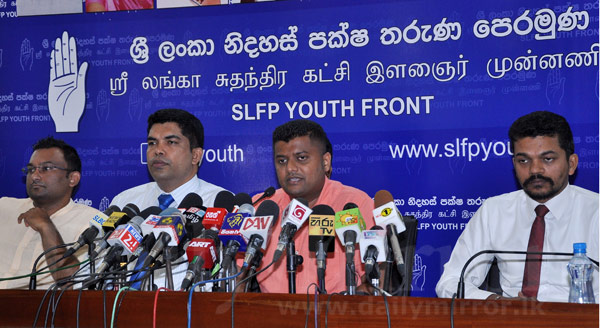
If the distillery owned by Arjun Aloysius is given a huge tax concession it would have serious repercussions on palm arrack manufactured in the Northern Province, the Sri Lanka Freedom Party Youth Front (SLFPYF) said today.

SLFP Youth Front President Shantha Bandara said the Excise Department and the Finance Ministry had permitted the construction of the distillery.

He said the Government had already increased excise duty on locally manufactured palm arrack and coconut toddy while the Finance Ministry had also given tax concessions to local distilleries.

Mr. Bandara said on the one side government spoke of an alcohol-free country while on the other side it authorised local distilleries.

The company owned by Mr. Aloysius is bound to affect the livelihood of Tamils involved in the manufacture of palm arrack and cripple the economy of the Northern Province,” he said.

According to the 2017 Budget proposals liquor manufacturing companies such as those owned by Mr. Aloysius will receive a 100 per cent tax concession for locating its distillery at Kalkudha. (Yoshitha Perera)

Pix by Nisal Baduge

– See more at: http://www.dailymirror.lk/article/Huge-tax-relief-may-hurt-palm-arrack-manufacturers-SLFP-YF-125908.html#sthash.aFklfE3J.dpuf

OISL report: Mangala accepted it sans Govt. consent: JO

March 21st, 2017

Thilanka Kanakarathna Courtesy The Daily Mirror

 Foreign Minister Mangala Samaraweera has accepted the report on the OHCHR investigation on Sri Lanka and had co-sponsored the resolution on Sri Lanka without the consent of the President and the Cabinet, the joint opposition told the UN Human Right Council (UNHRC).

JO member Sarath Weerasekara who spoke to Daily Mirror from Geneva said he told the UNHCR that Sri Lanka was involved in a non international armed conflict between the government and the LTTE and as such the armed forces could not be accused of violating the International Human Rights Law (IHL).

In an armed conflict, only International Humanitarian Laws are applicable and therefore it cannot be charged under the International Human Rights Law. When you apply IHL it is very clear that it was the LTTE and not the Sri Lankan security forces who committed war crimes,” he said.

Mr. Weerasekara is said to have tabled two reports — one carrying the views of world renown experts claiming that security forces had not committed war crimes and the other prepared by a panel of experts to show that the OHCHR report was seriously flawed with contradictions, omissions and lies.

It’s a pity that the UNHRC which looked away when the LTTE was using people as human shields and recruiting child soldiers is now levelling war crime charges on the very troops who destroyed the LTTE and protected Human Rights. It an example of double standards and hypocrisy,” he said.

On behalf of the JO, Mr. Weerasekara requested the UN General Assembly to assign a special rapporteur to investigate the matter and impose a moratorium on the UNHRC from pursuing the resolution any further till investigations were completed. ()

– See more at: http://www.dailymirror.lk/article/OISL-report-Mangala-accepted-it-sans-Govt-consent-JO-125891.html#sthash.bgFDcrJ2.dpuf

GL wants President to strike off sixth clause of resolution

March 21st, 2017

By Roosindu Peris Courtesy Adaderana

Professor G.L.Peiris stated that President Maithripala should be able to cross off the sixth operative clause in the Geneva resolution, without acting like a spineless individual.

He further added that the commissioner of the Human rights council in Sri Lanka will be presenting a report on the current situation to the council tomorrow (22), and a final decision will be made by the council on Friday ( 24), during a press conference held at the Joint Opposition Party’s economic research center.

Prime Minister Ranil Wickremesighe has stated that no measures have been taken for any form of international intervention.

– See more at: http://www.adaderana.lk/news/39743/gl-wants-president-to-strike-off-sixth-clause-of-resolution-#sthash.6vWwMErY.dpuf

ජිනීවා යෝජනාවේ විදෙස්‌ විනිසුරුවන් ගැන ඡේදය ඉවත් කර ගැනීමට තාමත් කල් ඇති – ජී. එල්. පීරිස්‌

March 21st, 2017

අනුර බාලසූරිය උපුටා ගැන්ම දිවයින

ශ්‍රී ලංකා රජයට පිටකොන්දක්‌ සහ අවංකභාවයක්‌ තිබේ නම් ජිනීවා යෝජනාවේ විදේශ විනිසුරුවන් පිළිබඳව සඳහන් වන 6 වැනි ඡේදය ඉවත් කරගැනීමට තවමත් අවස්‌ථාව ඇතැයි හිටපු විදේශ ඇමැති ශ්‍රී ලංකා පොදු ජන පෙරමුණේ සභාපති මහාචාර්ය ජී. එල්. පීරිස්‌ මහතා සඳහන් කළේය.

දෙවන වරටත් ඉදිරිපත් කෙරෙන අලුත් යෝජනාවට කිසිසේත් සම අනුග්‍රයක්‌ නොදක්‌වන ලෙසත්, එම යෝජනාව සංශෝධනය කරගැනීමට මෙම දින දෙක තුළ කඩිනම් වැඩ පිළිවෙළක්‌ දියත් කරන ලෙසත් හෙතෙම ජනාධිපතිවරයාගෙන් ඉල්ලා සිටියේය.

මානව හිමිකම් කොමසාරිස්‌වරයා ශ්‍රී ලංකාව පිළිබඳ දෙවැනි යෝජනාව මේ සතියේ ඉදිරිපත් කිරීමට නියමිතව ඇති බවත් එම යෝජනාව ලබන සිකුරාදාට පෙර සංශෝධනය කර ගැනීමට තවමත් ප්‍රමාද නැති බවත් ජී. එල්. පීරිස්‌ මහතා සඳහන් කළේය.

විදේශ විනිසුරුවන් පත්කිරීම ශ්‍රී ලංකා ආණ්‌ඩුක්‍රම ව්‍යවස්‌ථාවට සම්පූර්ණයෙන් පටහැනි නම් දැන දැනම නීතියට පටහැනි ක්‍රියාමාර්ගයක්‌ ගැනීමට ජිනීවා මානව හිමිකම් මණ්‌ඩලයට පොරොන්දු දුන්නේ කවුදැයි යන ප්‍රශ්නය පැන නගින බවත් හෙතෙම කීවේය.

මානව හිමිකම් මණ්‌ඩලය මේ සතියේදී ශ්‍රී ලංකාවට සෘජු ලෙස බලපාන ක්‍රියාමාර්ගයක්‌ අනුගමනය කරන බවත් ඒ අනුව සති අන්තයට §පෙර ශ්‍රී ලංකාව පිළිබඳව අවසන් තීරණය ගන්නා බවත් පැවසූ ජී. එල්. පීරිස්‌ මහතා මේ සතියේ සම්මත කිරීමට බලාපොරොත්තු වන අලුත් යෝජනාවෙන් විදේශ විනිසුරුවන් පිළිබඳව සඳහන් වන බවත් එයටද සම අනුග්‍රහයක්‌ දැක්‌වුවහොත් ත්‍රිවිධ හමුදාවට හා රටට අහිතකර දුර්විපාක උද්ගත විය හැකි බවත් හෙතෙම වැඩිදුරටත් පැවැසීය.

ජිනීවා මානව හිමිකම් මණ්‌ඩල යෝජනාවේ සඳහන් වන්නේ නිර්දේශ බවට මංගල සමරවීර විදේශ ඇමැතිවරයා කරන ප්‍රකාශය සම්පූර්ණයෙන් වැරදි බවත් මෙය නිර්දේශ නොව ශ්‍රී ලංකා රජය තමන්ගේ යෝජනාවක්‌ ලෙස පිළිගත් යෝජනාවක්‌ බවත් හෙතෙම වැඩිදුරටත් සඳහන් කළේය.

පුංචි බොරැල්ල ශ්‍රී විජිතාශ්‍රම බෞද්ධ මධ්‍යස්‌ථානයේ ඊයේ (21දා) පැවැති ඒකාබද්ධ විපක්‍ෂයේ ආර්ථික පර්යේෂණ ඒකකයේ මාධ්‍ය හමුවේදී මහාචාර්ය ජී. එල්. පීරිස්‌ මහතා මේ බව පැවැසීය.

Ahmadiyya delegation meets Governor of Sabaragamuwa Province.

March 21st, 2017

By A. Abdul Aziz.

 A four member delegation from the Ahmadiyya Muslim Jama’at Sri Lanka (AMJSL) met the Governor of of Sabaragamuwa Province recently,

The delegation visited Governor’s Office at Ratnapura and met Honorable Marshal Perera, Governor of the Sabaragamuwa Province. He warmly welcomed the delegation. While accepting the copy of Holy Qur’an Sinhala Translation, he remarked: I appreciate this noble task. We will extend our full support if you are all put a book stall with copies of Holy Qur’an and the books of the teachings of Prophet Muhammad (PBUH)

A religious harmony indeed! The Governor expressed his willingness to have the English Translation of the Holy Qur’an. He was also presented the book: World Crisis and the Pathway To Peace – A Compilation of Speeches and Letters by Hazrat Mirza Masroor Ahmad – the Head and the Fifth Khalifa of the World-wide Ahmadiyya Muslim Community in Islam.

The delegation then proceeded to Chief Minister’s Office at Ratnapura to present the copy of Holy Qur’an Sinhala Translation. As the Chief Minister out of the country, Mr. Palitha Wickramasinghe, Coordinative Secretary welcomed the delegation. Before accepting the copy of Holy Qur’an, he went on to wash his hands, as if he should be clean to touch this holy book. He appreciated the community for this noble task and expressed his willingness to have a separate copy for his own reading. The delegation gave him a copy as requested.

Ahmadiyya delegation visited Open University of Sabaragamuwa Province at Ratnapura, Central library of Sabaragamuwa Province, and Sabaragamuwa University at Belihuloya to present the copy of Holy Qur’an Sinhala Translation.

සරත් වීරසේකරට  ජේනීවා පන්සලෙන් කැපිල්ලක් 

March 21st, 2017

ධර්මසිරි සෙනෙවිරත්න 

ජෙනීවාවල ඇති බෞද්ධ පන්සල සිංහලයන්ටත් බෞධ්ධයන්ටත් ද්‍රෝහිවී ඇත .එජාපයටත් යහපාලනයටත් කත අදින දායකයන්ගේ මුදලට  බයවුණා. එහි චීවර ධාරීන් භික්ෂුවගේ කාර්ය භාරය හා උරුමය  අමතක කර  දේවදත්ත නිකායට එක්වී ඇති බව දන ගන්නට ඇත .සරත්  ජෙනීවා වල කතා කිරීමට නම් එහි පිළිගත් ආයතනයකක් මගින් ලියා පදිංචි විය යුතුව ඇත . මේ පන්සලේ බලවත්තු සරත්ට ඒ සඳහා ඉඩ දී නැත . යහපාලනය කල්තියා ඔවුන් බිලී බාගෙන ඇත. එකාබධ්ධයෝ මේ ගැන කලින් සංවිධානය වුයේ නැද්ද .අවශ්‍ය කටයුතු කලේ නැද්ද .නොකළේ සරත් ගැන ඉරිසියාවෙන්ද?. 19 ව්‍යවස්ථාවට එරෙහිවූ එකම දේශප්‍රේමියා සරත් වුකොට  අනික් එකාබධ්ධයෝ 19 ට පක්ෂවූ කොට දෙගොල්ලගෙ තරම තේරුම් ගත හැක . කෙසේ හෝ ලන්ඩන් බෞද්ධ විහාරය මගින් සරත් ලියා පදිංචි වී ඇත . එකාබධ්ධ්  විපක්ෂයේ මන්ද ගාමී බව සිංහලයන්ගේ කනස්සල්ල වැඩිවීමට හේතුවී ඇත.  මීට වඩා එකාබධ්ධය මේ ගැන සැලකිලිමත් විය යුතුව ඇත. වේදිකාවල වාචාල කතා කියමින් මිනිසුන් හිනස්සීමෙන් සින්හලබෞධ්ධයන්ගේ ප්‍රශන විසදෙන්නේ නැත 

                                                      දෙමල මිනිස්සු ජෙනීවාවල පැල්  බැඳගෙන වැඩ කරන බවත් තනි සරත් වීරසේකර වෙනුවට  හය දෙනෙක් පමණ රණවිරුවන්ට එරෙහිව කරුණු ඉදිරි පත් කරන බවත්  අහන්නට ලැබෙන විටසිංහල බෞධ්ධයන්ගේ හදවත් හඩා  වැලපෙන හැටි ජෙනීවා පන්සලට සම්බන්ධ ලංකාවේ පන්සල් වල හාමුදුරුවරුන්ගෙන් හෝ   ඒ චීච්රධාරීන් දන ගනිත්වා. මොකා දායකයා වුනත් භික්ෂුව කල යුත්තේ රට බේරා ගත රණ විරුවන් වෙනුවෙන් කතා කරන කෙනෙ කුට ඒ සඳහා ඉඩ සලසීමය්. ඒ පැත්ත කියන එක වැලක් වීම සාධාරණ හෝ යුක්ති යුක්ත නොවේ. රණවිරුවන් වැරදි වුනත් ඔවුන්ට තමන්ගේ කතාව කියන්නට ඉඩදිය යුතුය . විශේෂයෙන් බෞද්ධ පන්සලක් ජාතියේ මුරදෙවතාවන්ගේ ආයතනයකි .

                                                                          ගොටාභය හා අමරසේකර  වැනිය මිස එකාබධ්ධයේ අනෙක් අය සරත් ගේ ගමනගැන  උනන්දුවක් දක්වා නැති බව තැනෙක කවුදෝ කියා ඇත. එය ඇත්ත නම් එය ජාතියේම අවාසනාවකි ..

                                    කොන්ද පන ඇති එකාට කොන්ද පන නැති උන් කැමති නැද්ද?      

Sri Lanka shipping industry mystified over unopened Hambantota port proposals   News

March 21st, 2017

Dr Sarath Obeysekera  Shipyard Operator

My colleague Rohan Abeywickrama made above statement during his address in the Shippers Forum

I wrote about attitude of SLPA which always ran  by people who had vested interest have failed to mobilze local companies to resurrect the Hambantota Port and make it a profitable venture

Quote

හම්බන්තොට වරාය චීනයට පැවරීමේදී වරාය අධිකාරිය නොසලකා හැරලා News Item …….Opinion not to be ignored

SLPA has been ignored when Hambantota was entrusted (to Chinese)………….

No wonder………. Sri Lanka Ports Authority have always been of Non Progressive thinking .In the past Serendib Flower Mill, Mahaweli Cement Bagging Factory, and later Tokyo  Cement , Prima Flower Storage SGT container Terminal, CICT ,Colombo Dockyard are all private investments in the Colombo Harbour. SLPA never wanted to allocate because they were not interested to develop the Harbour.When SAGT was promoted officials as well as unions were dead against .Work force is one of the most inefficient and most of the are involved in various corruptive practice, hence they do not like anyone else coming in .

Land in the Port were allocated to private investors were done by the Government intervention .Ministers in charge of Ports always had the problem with SLPA to agree to lease lands to these private investments. SLPA hierarchy and the Bureaucratic Officials have most of the time have  been of Non Progressive thinking .Managing Director of SLPA is the Chief Executive Officer according their act.  Lately Chairmen of SLPA have been dictating terms to officials. If the Chairman is appointed by the President, he tends to take rein   into his hands and Managing Directors loses control.

Minister of Ports is the most sought after Ministries among supporting politicians to any President .Because it is one of the most lucrative Ministries which governs PORTS.MAHAPOLA .SECRETARIAT OF MERCHANT SHIPPING ETC. They even hold some clout on Ocean outside harbour and even GalleFace.

Another example is Galle Harbour which   was  to be developed for various reasons .Government is  quite willing to develop the  harbour to attract Yachts and Leisure Crafts .Government proposed to have a Yacht Repair Yard to attract more and more yachts and gradually develop the harbour for tourism .They prepared a Master Plan which is quite clear about this .Japanese funds were sourced to build an out harbour breakwater to expand water basin .Then Politicians interfere and change the plans ,They do not want Jaica of Japan  to provide funds ,They prefer Indians to come and put up a Marina .Officials claim that plan to remove Navy and Fishery Harbour etc from the harbour is short sighted .If the break water is built It will boost Galle development

This is the exact situation with Hambantota, SLPA wants to keep all the harbours under their control because they want to be almighty. If government wants to develop the country, National Economic Policy should be established and all key Ministries should come under a forward thinking authoritarian President or a Prime Minister.

I am not sure whether 1500 acres should be given to Chinese, but giving Hambantota Port to be managed   by a private company is a worthwhile move if the deal is straight forward.

Government should appoint a private sector Ex CEO to be the government representative to the Board who should have vetoing powers for certain selected decisions taken by Chinese .Chinese should not use the port for Military purposes .Port rates to be charged from shipping companies in Hambantota to be in in par with Colombo and Galle to avoid undercutting.

Other condition government should impose is as follows .In the event Chinese Company intends to sub-let part of the harbour ,Government should approve the same with conditions that shares should be allocated to the State without diluting the shares in Hambantota  Harbour .

Third condition should be that any development in outer harbour Ocean of Hambantota should not be included in the main agreement except the harbour channel .In the event ant other Chinese company like Cosco or any other investor comes in to develop a Shipyard outside harbour ,state should have a different agreement .

Any future Bunkering Operation to be handed over to another subcontractor should also be reviewed and agreed so that state can attract more revenue.

Dr Sarath Obeysekera

Shipyard Operator

Infections of the Mind – Lies that work

March 20th, 2017

R Chandrasoma

It is commonly assumed that a factual statement or a proposition of some importance is deemed true or authentic only if there is proof of its validity. In other words, a proposition – if acceptable – must rest on sound evidence.

In the world of politics this wisdom is rarely seen. To be more focused, let us see how a ‘political truth’ spreads. It is ‘propagated’ as a ‘meme’ – term first used by Richard Dawkins. A meme is an unconscious conditioning of the mind through the infective spread of a captivating idea. The truth is eclipsed by the allure of a specious idea.

Let us take a striking example from the recent political drama in our own country. That MR was a rogue, a killer of his opponents and a vast swindler of the countries resources was shaped by crafty propagandist both here and abroad. The key feature to be noticed is that this spread was as a mental infection without the reasoning and questioning that characterizes ordinary political discourse. The conquering strategy of the UNP and its associates – both in Sri Lanka and abroad – was to repeat the Great Lie ad nauseam until it became a public fixation – a political stance that few found possible to question.

Currently the land that they (the UNP and its foreign and local allies) wrested from the MR and his government is in dire distress. Their ‘response’ is to magnify the imagined villainy and to blame all on the previous regime. Thus public bankruptcy is supposedly rooted in the ‘big loans’ taken by MR.  A great harbor built by MR becomes a capital nuisance that burdens the efforts of the New Dispensation to reduce the sufferings of the poor masses.

A Land that exported rice is now importing cheap Indian grain to forestall a food shortage. Crooks abound and killing is now done by sophisticated assault rifles. Sri Lanka has become a dynamic centre for the global trade in narcotics. Killings and cruel maiming on our high road due do vehicular accidents now greatly surpasses the deaths due to such things as kidney disease and Dengue Fever.

The Yahapalanaya fraudsters are notoriously silent on these matters – for good reasons. They cannot put the blame on MR as public discipline was the forte of the previous Government. The treacherous ‘meme’ that rocketed the UNP and its hangers on to power and political glory is now rotting in the brains of the deluded masses.

Our Patriotic Leader -කොන්දක් නැති මිනිසුන් අතර දෙවියෙක්

March 20th, 2017

Dr IMRC Iriyagolle(Not a coward)

“Honour and Duty Bound With compassion and Righteousness”

We the Sinhalese are the honoured and privileged custodians of our sacred Buddhist cultural

Heritage and traditional homeland Sinhale(Sri Lanka-Eelam-The land of the Sinhalese).  We are therefore truly blessed.  Enshrined in our hearts and minds is the glorious and sacred legacy bestowed upon us by the greatest ruler of mankind, Emperor Asoka(304BC-232BC), a royal follower of Gautama Buddha, mankind’s greatest.

Buddhism addresses all the just needs of human beings.   Buddhism encompasses compassion, inner peace, righteousness, fearlessness and wisdom.

BUDDHIST SINHALE WILL NEVER BE A SECULAR STATE

The emergence of a great dedicated patriotic saviour with integrity would be a historical phenomenon in Sinhale .  We fervently hope that Rear Admiral Sarath Weerasekera would consider rescuing the failed state of Sinhale.

General George Washington(1732-1799) a formidable personality, a great military leader and

strategist rescued the Americans from British tyranny, British super power surrendered 1981

against the will of King George 111.

Dr IMRC Iriyagolle(Not a coward)

www.savethesinhalese.org

කොන්දක් නැති මිනිසුන් අතර දෙවියෙක්

ශ්රී ලංකීය අනන්යතාවය , රට ත්රස්තවාදයෙන් මුදා ගත් රණවිරුවගේ අභිමානය, අපේ රටේ ඒකීයභාවය ,ජාතික ආරක්ෂාව, වෙනුවෙන් ජිනීවා නුවර අද තනිව හඩ නගන්න කොන්දක් , කැක්කුමක්, මහා හය්යක් ඇති ඔහු ජාතියේ පියා .

ඔහු වැනි ඉතා සුලු පිරිසක් හැරුනු විට , වත්මන් ආණ්ඩුවේ , ඒකාබද්ධ විපක්ෂයේ හෝ පාර්ලිමේන්තුවේ හෝ රජයේ කිසිදු පාර්ශවයක් මේ භාරදූර කර්තව්යට ඔහුට ශක්තියක් වූයේ නැත, අඩුම තරමේ , සමස්ත ශ්රි ලාංකිකයන් වෙනුවෙන් මානව හිමිකම් කොමසාරිස් සෙයිඩ් අල් හුසේන් මහතා හට කිසිදු පැකිලීමකින් තොරව අභියෝග කරන මේ ඓතිහාසික මොහොත ගැන , කිසිදු සදහනක් වත් කිරිමට අපේ බය්යලටයි ටොය්යලටයි උවමනාවක් නැත. එහෙව් රටක ඔහු ගැන මට දැනෙන්නේ ඉමහත් ප්රීතියක්, ආඩම්බරයකට වඩා දුකක් සහ බයකි. බියත්, ලමා විය මට දැනුනු බියත් අතර වෙනසක් නැතිතරම්.

ඔහුට ජය වේවා. අපේ රටට ජය වේවා.

Dialectical Behaviour Therapy (DBT) and the Buddhist Philosophy

March 20th, 2017

Ruwan M Jayatunge M.D. 

Dialectical behavior therapy (DBT) is a modified form of cognitive behavioral therapy (CBT) that was developed in late 1970s by Marsha M. Linehan a psychology researcher at the University of Washington (Linehan, 1993).  DBT is an empirically supported treatment for suicidal individuals (Linehan et al., 2015). It can be adapted to treat borderline personality disorder patients with comorbid substance-abuse disorder (Koerner & Linehan, 2000) and depressed elderly clients with personality disorders (Lynch et al., 2003). DBT addresses deficits in emotion regulation, distress tolerance and interpersonal relationship.

The patients with borderline personality disorder have faulty schemas and splitting in the patient’s relations to others. They have frantic efforts to avoid real or imagined abandonment. Often they have pattern of unstable and intense interpersonal relationships, impulsivity, emotional instability and recurrent suicidal behavior. In addition they are impacted by chronic feelings of emptiness. Borderline personality disorder is treated with psychotherapy and medication. Dialectical Behavior Therapy and Buddhist Psychotherapy are effective in treating borderline personality disorder.

The basis for DBT is stemming from the mindfulness practice of the Buddhist teachings and the philosophy of dialectics. Mindfulness according to the Buddhism is bare attention a sort of non-judgmental, non-discursive attending to the moment-to-moment flow of consciousness (Sharf, 2015). Mindfulness meditation has three overarching purposes: knowing the mind; training the mind; and freeing the mind (Fronsdal, 2006). As described by Palmer (2002) developing the capacity for being mindful and living in the moment allows a greater potential for feeling appropriately in charge of the self.

DBT combines mindful awareness largely derived from Buddhist meditative practice. Kirmayer (2015) concluded that Mindfulness meditation and other techniques drawn from Buddhism have increasingly been integrated into forms of psycho-therapeutic intervention. Since the 1990s, mindfulness meditation has been applied to multiple mental and physical health conditions, and has received much attention in psychological research (Tang & Posner, 2013). Mindfulness has been described as a practice of learning to focus attention on moment-by moment experience with an attitude of curiosity, openness, and acceptance (Marchand, 2012)  Schmidt (2004) states that mindfulness is strongly related to compassion, and it is compassion that serves as a source for all healing intentionality. Both mindfulness and self-compassion involve promoting an attitude of curiosity and non-judgment towards one’s experiences (Raab, 2014). The core mindfulness skills (focus, compassion, curiosity, inner calm, balance, and awareness) lead to serenity.

Chafos and Economou (2014) highlighted the efficacy of mindfulness-based interventions in borderline personality disorder. They further stated that mindfulness helped to improve impulsivity, emotional irregularity and relationship instability in clients. Mindfulness shapes individuals’ personality and self-concept toward more healthy profiles (Crescentini & Capurso, 2015). Shorey and colleagues (2014) elucidate that mindfulness meditation may help to prevent relapse to substance use.

Mindfulness practices as well as the Buddhist philosophy help the patients to gain growth promotion. Buddhist doctrine and practices can be considered as a psychotherapeutic method (de Zoysa, 2011) and Buddhist psychology is increasingly informing psychotherapeutic practice in the western world (Kelly, 2008).  In Mahāsatipaṭṭhāna Sutta the Buddha described the practice of meditation in detail. The Mahāsatipaṭṭhāna Sutta or the great discourse on the establishing of awareness is considered as the discourse on the foundations of mindfulness. It is generally regarded as the canonical Buddhist text with the fullest instructions on the system of meditation unique to the Buddha’s own dispensation (Soma, 1998). Mahāsatipaṭṭhāna Sutta describes contemplation of the body, contemplation of feeling, contemplation of mind and contemplation of mind-objects.

The word dialectical” in DBT comes from its focus on providing motivation for change in behavior while simultaneously validating the client’s thoughts and feelings ( DeVylder, 2010).The ‘dialectical’ in DBT refers to the way in which it uses a broad way of thinking that emphasizes the limitations of linear ideas about causation (Palmer, 2002).  The dialectical philosophy serves as the backbone for DBT.  Dialectics is a complex concept that has its roots in philosophy and science. Dialectics involves several assumptions about the nature of reality: everything is connected to everything else, change is constant and inevitable and opposites can be integrated to form a closer approximation to the truth.  Dialectical thinking provides the ability to view issues from multiple perspectives.

The elements of dialectics are found in Buddhism.  Dialectics is an integral part of the foundation of world philosophy. The word dialectics meant, on the one hand, the search for truth by conversations, which were carried out through the formulation of questions and the methodical search for answers to them. On the other hand, dialectics means the capability of vision and reflection by means of notions of the opposite facets of nature. Dialectics represents a synthesis of the best achievements of both materialism and idealism and it is the ground for understanding of the material-ideal essence of the world.  (Shpenkov, 2013). Dialectical thought emphasizes the wholeness and inter-connectedness of the world and the potential for the reconciliation of opposites (Palmer, 2002). According to Charles H. Elliott- Clinical Psychologist dialectics are one of the important unifying concepts that reflect how the mind fundamentally understands and perceives most core concepts and ideas.The dialectical aspects of Buddhism connected with impermanence.

The idea of interdependence is central to Buddhist teaching. The interdependent arising (pratitya samutpada) describes that human life is a continuous process of change, rising and falling through interdependence with numerous other processes” (Koller, 2002). Dr. Alfred Bloom, Emeritus Professor of Religion, University of Hawai’ states that the central concept of Buddhism is generally termed Interdependent Co-arising or Dependent Co-origination. The emptiness is based in the principle of Interdependent Co-arising.

The DBT suggests that change is an inevitable and welcome part of life. Change according to Buddhism is a constant phenomenon. Change is the focal point for Buddhist insight and change is built into the nature of things, nothing is inherently fixed (Thanissaro, 2004). Everything in human life, all objects nothing lasts and everything is changing and inconstant. The Buddha described the world as an unending flux of becoming. All is changeable, continuous transformation, ceaseless mutation, and a moving stream. Everything exists from moment to moment. Everything is a recurring rotation of coming into being and then passing out of existence (Sri Dhammananda, 2003).

The Buddha taught that all compounded things are impermanent. The Doctrine of Impermanence or Annicca is an undeniable and inescapable fact of human existence.  According to Buddhism, everything is the product of the antecedent causes and therefore of dependent origination. These causes themselves are not ever lasting and static, but simply antecedent aspects of the same ceaseless becoming. Every event is the result of a concatenation of dynamic processes (Karunadasa, 1998).

The Buddhism teaches that the ultimate nature of all things is in fact just this absence (Newland, 2015).  The dialectical monism is described in Buddhism in following terms. “Form is emptiness; emptiness also is form. Emptiness is no other than form; form is no other than emptiness.”It is not a nihilistic view. Emptiness or Sunyata is the true nature of things and events. The doctrine of non-attachment relates to the concept of emptiness and impermanence. It is the knowledge of the ultimate reality of all objects, material and phenomenal.

DBT promotes non-judgmental thinking and view their environment non-judgmentally.  Practicing mindfulness helps to release judgment. Nonjudgmental attitude helps to open in to new experiences.  Some experts believe that judging causes emotional mind to increase in intensity. The Buddha believed that self-imposed suffering stemming from judgmental thought.

According to Buddhist philosophy, the identification with a static concept of ‘self’ causes psychological distress. Dis-identification from such a static self-concept results in the freedom to experience a more genuine way of being (Tang, et al., 2015). In Buddhism, the term anattā or   refers to the doctrine of “non-self”. According to the mainstream view, anatta means the denial of a permanent self-entity, both at the microcosmic and the macrocosmic levels (Karunadasa, 1994). Furthermore the  Budistic nonself-cultivating process aims to minimize or extinguish the self and avoid desires, leading to egolessness or selflessness (Shiah ,2016).

Borderline personality disorder is a hurtful label for real suffering (Kulkarni, 2015). Suffering is an inevitable component of human existence. According to Buddhism, existence is suffering (dukkha). Dukkha is an important Buddhist concept, commonly translated as “suffering”, “pain” or “unsatisfactoriness” (Huxter, 2016). The Buddhist concept of duhkha, often translated as ‘‘suffering,’’ is not simply an unpleasant feeling. Rather, it refers most deeply to a basic vulnerability to suffering and pain due to misapprehending the nature of reality (Ekman et al., 2005). The Buddha presented Noble Eight fold Path as a way to extinguish the suffering. The Noble Eight fold Path   are right views, right resolve/aspiration, right speech, right action/conduct, right livelihood, right effort right mindfulness and right concentration.

Hoffman and colleagues (1999) hypothesized that borderline patients’ behavioral patterns are thought to result from a lifelong transaction between emotional vulnerability and invalidating features of the social and familial environment. Many patients with borderline personality disorder (BPD) experience difficulties in empathizing with others and are sensitive to social exclusion (Flasbeck, Enzi & Brüne, 2017). They often become disconnected from the society. Isolation and alienation affect their wellbeing. The cultivation of disciplined reflection with mindfulness helps the patients to combat social exclusion. The deeper awareness provides to enhance sense of fulfillment and individual happiness. Buddhism is a pragmatic teaching promotes inclusion. Inclusion is spiritual and growth promotional.

Emotion regulation is essential for adaptive behavior and mental health (Kinner et al., 2017). Buddhists and psychologists alike believe that emotions strongly influence people’s thoughts, words, and actions and that, at times, they help people in their pursuit of transient pleasures and satisfaction (Ekman et al., 2005).   DBT deals with intense and labile emotions. There is a connection between mindfulness and emotion regulation. Mindfulness facilitates adaptive emotion regulation. Mindfulness improves emotion regulation by influencing people’s awareness of their emotional experiences (Hill & Updegraff, 2012).

In DBT clinician attempts to motivate the client towards change in behavior while simultaneously validating existing thoughts and feelings (DeVylder, 2010). DBT provides dialectical strategies to help clients get unstuck” from rigid ways of thinking or viewing the world. Along with non-aggression and non-attachment help the patients to view their world as a non hostile entity. In Buddhist doctrine Equanimity is promoted as a self discipline to combat rigid ways of thinking.  According to the psychologists equanimity is a state of psychological stability and composure which is undisturbed by experience of or exposure to emotions, pain, or other phenomena that may cause others to lose the balance of their mind.  In Buddhstic view Upekkha or equanimity is to have a clear-minded tranquil state of mind – not being overpowered by delusions, mental dullness or agitation. It is a steady conscious realization of reality’s transience.

According to Linehan (2000) DBT, therapists have five main tasks. They work to expand client capabilities, motivate the client to engage in new behaviors, generalize the use of the new behaviors, establish a treatment environment that reinforces progress, and maintain capable and motivated therapists.  The ultimate goal of DBT is to aid patients in their efforts to build a life worth living.

Acknowledgement;   Sheri Van Dijk MSW RSW DBT Therapist -Toronto Canada

References

Chafos, V.H., Economou, P.(2014).Beyond borderline personality disorder: the mindful brain.Soc Work. t;59(4):297-302.

Crescentini, C. , Capurso, V.(2015).Mindfulness meditation and explicit and implicit indicators of personality and self-concept changes.Front Psychol. 29;6:44.

DeVylder, J.E. (2010). Dialectical Behavior Therapy for the Treatment of Borderline Personality Disorder:  An Evaluation of the Evidence International Journal of Psychosocial Rehabilitation. Vol 15(1) 61-70.

de Zoysa, P.(2011).The use of Buddhist mindfulness meditation in psychotherapy: a case report from Sri Lanka. Transcult Psychiatry.  ;48(5):675-83.

Ekman, P., Davidson, R. J., Ricard, M., & Wallace, B. A. (2005). Buddhist and Psychological Perspectives on Emotions and Well-Being. Current Directions in Psychological Science, 14(2), 59-63.

Flasbeck, V., Enzi, B., Brüne, M. (2017).Altered Empathy for Psychological and Physical Pain in Borderline Personality Disorder.J Pers Disord. doi: 10.1521/pedi_2017_31_276.

Fronsdal,G.(2006). Mindfulness Meditation as a Buddhist Practice. Retrieved from http://www.insightmeditationcenter.org/books-articles/articles/mindfulness-meditation-as-a-buddhist-practice/

Hill, C. L. M., Updegraff, J. A. (2012). Mindfulness and Its Relationship to Emotional Regulation. Emotion, 12, 81-90.

Hoffman, P. D., Fruzzetti, A. E. and Swenson, C. R. (1999). Dialectical behavior therapy: Family skills training. Family Process, 38: 399–414.

Huxter, M. (2016). Healing the Heart and Mind with Mindfulness: Ancient Path, Present Moment. Routledge.

Karunadasa, Y.(1994).The Buddhist Doctrine of Non-Self, and the Problem of the Over-Self. Retrieved from http://www.andrew-may.com/zendynamics/nonself.htm

Karunadasa,Y. (1998).The Buddhist Doctrine of Annicca or Impermanence, and the Soul Theory  http://maithri.com/links/articles/anicca1.htm

Kelly,B.D.(2008).Buddhist psychology, psychotherapy and the brain: a critical introduction.Transcult Psychiatry. ;45(1):5-30.

Kinner, V.L. , Kuchinke, L. , Dierolf, A.M. , Merz, C.J. , Otto, T.1., Wolf, O.T. (2017).What our eyes tell us about feelings: Tracking pupillary responses during emotion regulation processes. Psychophysiology.  doi: 10.1111/psyp.12816.

Kirmayer, L.J. (2015).Mindfulness in cultural context.Transcult Psychiatry.  ;52(4):447-69.

Koerner, K. , Linehan, M.M.(2000).Research on dialectical behavior therapy for patients with borderline personality disorder. Psychiatr Clin North Am.  ;23(1):151-67.

Koller, J.  M. (2002). Asian Philosophies. Upper Saddle River, NJ: Prentice Hall.

Kulkarni,J.(2015).Borderline personality disorder is a hurtful label for real suffering – time we changed it. . Retrieved from 

http://www.monash.edu/news/opinions/borderline-personality-disorder-is-a-hurtful-label-for-real-suffering-time-we-changed-it

Linehan, M. M. (1993) Cognitive–Behavioral Treatment of Borderline Personality Disorder. New York: Guilford Press.

Linehan, M. (2000). Commentary on innovations in Dialectical Behavior Therapy. Cognitive and Behavioral Practice, 7, 478-481.

Linehan, M.M.,  Korslund, K.E. , Harned, M.S. , Gallop, R.J ., Lungu ,A. , Neacsiu, A.D. , McDavid, J. , Comtois, K.A. , Murray-Gregory, A.M. (2015).Dialectical behavior therapy for high suicide risk in individuals with borderline personality disorder: a randomized clinical trial and component analysis. JAMA Psychiatry.  ;72(5):475-82.

Lynch, T. R., Morse, J. Q., Mendelson, T., & Robins, C. J. (2003). Dialectical behavior therapy for depressed older adults. American Journal of Geriatric Psychiatry, 11, 33–45.

Marchand, W.R.(2012).Mindfulness-based stress reduction, mindfulness-based cognitive therapy, and Zen meditation for depression, anxiety, pain, and psychological distress.J Psychiatr Pract.  ;18(4):233-52.

Palmer,R.L.(2002). Dialectical behaviour therapy for borderline personality disorder. Advances in Psychiatric Treatment.  8 (1) 10-16.

Raab, K.(2014).Mindfulness, self-compassion, and empathy among health care professionals: a review of the literature.J Health Care Chaplain.  ;20(3):95-108.

Schmidt, S.(2004).Mindfulness and healing intention: concepts, practice, and research evaluation.J Altern Complement Med.  ;10 Suppl 1:S7-14.

Sharf RH.(2015).Is mindfulness Buddhist? (and why it matters).Transcult Psychiatry. ;52(4):470-84.

Shiah YJ.(2016).From Self to Nonself: The Nonself Theory.Front Psychol.  4;7:124.

Shorey RC , Brasfield H, Anderson S, Stuart GL.(2014).Differences in trait mindfulness across mental health symptoms among adults in substance use treatment. Subst Use Misuse.  ;49(5):595-600.

Shpenkov, G.P. (2013). Dialectical View of the World: The Wave Model (Selected Lectures). Volume I: Philosophical and Mathematical Background. URL: http://shpenkov.janmax.com/Vol.1.Dialectics.pdf

Soma. (1998).The Way of Mindfulness The Satipatthana Sutta and Its Commentary. Retrieved from http://www.accesstoinsight.org/lib/authors/soma/wayof.html

Sri Dhammananda, K. (2003).Everything is Changeable. Retrieved from  http://www.budsas.org/ebud/whatbudbeliev/85.htm

Tang, Y.-Y., Posner, M. I. (2013).Theory and method in mindfulness neuroscience. Soc. Cogn. Affect. Neurosci. 8, 118–120.

Tang, Y.-Y., Hölzel, B. K. & Posner, M. I. (2015).The neuroscience of mindfulness meditation. Nat. Rev. Neurosci. 16, 213–225.

Thanissaro. (2004).All About Change. Retrieved from http://www.accesstoinsight.org/lib/authors/thanissaro/change.html

මංගලගේ අවමංගල යුද්ධාපරාධ කතා

March 20th, 2017

නලින් ද සිල්වා

මංගල යුද්ධාපරාධ ගැන කතා කරලා. ඔහු කරුණු දෙකක් කියනවා. පළමුවෙන් ඔහු පිළිගන්නචා මෙරට ව්‍යවස්ථාවට අනුව  දෙමුහුන් අධිකරණ පිහිටුවන්න බැහැ කියලා. ඒත් ඔහු ව්‍යවස්ථාව සංශෝධනය කිරීම කියන එක අත්හැරලා නැහැ. සුමන්තිරන් කියන්නෙ දෙමුහුන් අධිකරණ පිහිටුවන්න ඕන ම කියලා. ආණ්ඩුව ජෙනීවාහි කල් ඉල්ලගත්තෙ කලින් යෝජනාව අනුව දෙමුහුන් අධිකරණ පිහිටුවන්නයි.  ආණ්ඩුව නව ව්‍යවස්ථාවක් ගෙනැල්ල අවශ්‍ය විධියට ජනතාවගේ පරමාධිපත්‍යය නැතිකරලා දෙමුහුන් අධිකරණ පිහිටුවන්න වෑයමක් කරාවි. බටහිරයන් මේ ආණ්ඩුව පිහිටෙවුවෙ ම ඊනියා යුද්ධාපරාධ සම්බන්ධයෙන් රාජපක්‍ෂලාට හා රණවිරුවන්ට දඬුවම් කරලා දෙමළ ජාතිවාදයට තව තවත් බලය බෙදලා සහසන්ධීය රාජ්‍යයක් ඇති කරන්න. නැතුව තරුණ තරුණියන්ට රස්සා දෙන්න නො වෙයි. දෙන්න රස්සාවල් නැහැ.

ආණ්ඩුව නව ව්‍යවස්ථාවක් සම්මත කර ගන්න ජනමත විචාරණයක් තියන්න යන බව රාජිතගෙ කතාවලින් පැහැදිලි වෙනවා. ජේ ආර්ගෙ ලාම්පු කළගෙඩි සෙල්ලම වගේ ම වචන හරඹවලින් සිංහල ජනතාව රවටලා ජනමත විචාරණයකින් නව ව්‍යවස්ථාවක් සම්පාදනය කරන්න හරි ව්‍යවස්ථාව සංශෝධනය කරන්න හරි ආණ්ඩුව සූදානම් වන බවක් පේන්න තියෙනවා. රාජිත කියන්නෙ ජනවාරි අටවැනි දා මෛත්‍රිපාල ජනාධිපති කරපු අය නව ව්‍යවස්ථාවක් ගේන බව කිවුව කියලා. ඔහු කියනවා අගෝස්තු මැතිවරණයෙන් පස්සෙ ආණ්ඩුවට එකතු වුණු මෛත්‍රිපාලගෙ කණ්ඩායම ඒක දන්නෙ නැහැ කියලා.

ඒ වුණත් රාජිතට අමතක වෙච්ච දේකුත් තියෙනවා. ඒ තමයි ජනමත විචාරණයකට තුඩු නොදෙන ව්‍යවස්ථා සංශෝධන පමණක් ගෙන ඒමට මෛත්‍රිපාල ජනාධිපතිවරණයෙ දි පොරොන්දු වුණු බව.  නව ව්‍යවස්ථාවක් සම්පාදනය කළත් ඒක ජනමත විචාරණයකට තුඩු නොදෙන එකක් විය යුතුයි. මේ පරස්පර කතා මැද්දෙ ආණ්ඩුව ව්‍යවස්ථා මණ්ඩලය මගින් පමණක් නව ව්‍යවස්ථාවක් සම්පාදනය කිරීමටත් ඉඩ තිබෙනවා. අප මේ සියල්ලට විරුද්ධව සිංහල ජනතාව ඒකරාශී කළ යුතුයි. ඒක මාධ්‍ය සංදර්ශනවලින් විතරක් කරන්න බැහැ.

මංගල කියන දෙවැනි කරුණ තමයි කමල් ගුණරත්නගෙ රණමග ඔස්සෙ නන්දිකඩාල් පොතෙන් ඊනියා යුද්ධාපරාධ ඔප්පු වෙනව කියලයි. මංගල මේ කියන්නෙ ජේ ආර්ගෙ ජනමත විචාරණය දින සිදුවුණයි කියන කතා. ඒ ජනමත විචාරණයෙ දී යාපනයෙ එක් ඡන්ද මධ්‍යස්ථානයක දි රණවිරුවකු ඝාතනය කරලා. ඒකට රණවිරුවන් කිහිප දෙනකු දක්වපු ප්‍රතිචාර ගැනයි මංගල කතා කරන්නෙ. ඒ ප්‍රතිචාර කොහොමටවත් යුද්ධාපරාධ නො වෙයි. ඒ යුද්ධයක දීවත් හමුදා මෙහෙයුමක දීවත් සිදු වුණු දේ නො වෙයි. එයින් කිසිවකු මරණයට පත් වී නැහැ. රණවිරුවන් එහි දී යම් නීති විරෝධි ක්‍රියාවක් කළා යැයි සිතමු. එවිට ඔවුන්ට විරුද්ධව රටේ නීතියට අනුව හෝ හමුදාවේ නීතියට අනුව හෝ දඬුවම් කළ හැකියි. එහෙත් එසේ දඬුවම් කළ බවක් පේන්න නැහැ. ඒ දවස්වල තිබුණෙ ජේ ආර්ගෙ ආණ්ඩුව. රණවිරුවන් වරදක් කෙළේ නම් හා ආණ්ඩුව ඒ සම්බන්ධ කිසිවක් නොකෙළේ නම් වරද කරුවා සේනාධිනායක ජේ ආර්. මංගල ඒකට විරුද්ධව ජෙනීවා යනවා ද? සැප්තැම්බරයේ දීවත් බලමු ද?

මානුෂික මෙහෙයුම්වල අවසන් දින කිහිපයෙහි දී හමුදාව යුද්ධාපරාධ කරලා නැහැ. ඒ බව පරණගම කොමිසමට ලබා දුන් විශේෂඥ වාර්තාවලින් තහවුරු වෙනවා. මෙහි දී අපට වැදගත් වන්නෙ ආණ්ඩුව හා හමුදාව පණවපු අවි රහිත කලාපය කොටි නොපිළිගත් බව හා කොටි ජනතාව මිනිස් පළිහක් ලෙස යොදා ගත් බව. කොටි එම අවි රහිත කලාප නොපිළිගත්තා පමණක් නොව ජනතවට ඔවුන්ගෙන් මිදී යෑමට ඉඩ නොදී ඒ කලාපවල සිට වෙඩි තිබ්බා. එකල මෙරට සිටි බ්ලේක් තානාපතිවරයාට පවා කොටි වරදක් කළ බව පිළිගන්න සිදු වුණා. ඒ බව ලිඛිත ව තිබෙනවා. බ්ලේක් කියා තිබෙනවා කොටි ජනතාවට හමුදාව පැත්තට යෑමට ඉඩ දුන්නා නම් මේ කිසිවක් සිදු නොවීමට තිබුණු බව. ප්‍රහාරවලින් ගැලවීමට මිනිස් පළිහක් යොදා ගැනීම නම් යුද්ධාපරාධයක්. කොටි සිදුකළ යුද්ධාපරාධ හමුදාව පිට පටවන්නේ බටහිරයන්ට ප්‍රභාකරන් බේරා ගැනීමට නොහැකි වූ නිසා. මංගල දැන් මොනවා කිවුවත් අවුරුදු තිහක් නොතිබූ ඊනියා යුද්ධාපරාධ කතා ප්‍රභාකරන් ඝාතනය කිරීමෙන් පසුව පමණක් ඇසෙන්නේ ඇයි?

ජනතා විමුක්ති පෙරමුණ ඇති කළ භීෂණ සමයේ යුද්ධාපරාධ සිදු වුණා ද යන්න සොයා බැලීමට කොමිසමක් අධිකරණයක් පිහිටුවීමට ජනතා විමුක්ති පෙරමුණවත් නොඉල්ලන්නේ එකල යුද්ධාපරාධ සිදු නොවුණු නිසා ද? ජේ ආර්ලා ප්‍රේමදාසලා බෝධිසත්වයන් ද? නැත්නම් වෙනත් හේතු තිබුණ ද? බටහිරයන් ජ වි පෙ මර්දනයට ආධාර කළා. රජයට විරුද්ධව අවි ගත් ජ වි පෙ පරාජය කිරීමට බටහිරයන් උපකාර කර රජයට විරුද්ධව අවිගත් කොටි පරාජය කිරීමට බටහිරයන් විරුද්ධ වූයේ ඇයි? දැන් අභූත යුද්ධාපරාධ චෝදනා ගෙන එන්නේ ඇය? පිළිතුර පැහැදිලියි. බටහිරයන් කොටි පිටුපස සිටියා.  ජ වි පෙ ත්‍රස්තවාදයේ දී මෙන් ම කොටි ත්‍රස්තවාදයේ දී ද මෙරට යුද්ධ තිබුණේ නැහැ. ත්‍රස්තවාදී කණ්ඩායම්වලට විරුද්ධව හමුදා මෙහෙයුම්  කෙරීම පමණයි සිදු වුණේ. එහි දී යුද්ධාපරාධ කෙරෙන්නේ නැහැ. යම් අයකු අතින් නීතිය අතට ගැනීමක් සිදු වී ඇත්නම් ඒ සඳහා කටයුතු කිරීමට රටේ නීතිය හා හමුදා නීතිය තියෙනවා. එයට වැඩි දෙයක් අවශ්‍ය නැහැ.

අපට බටහිරයන් සතුටු කිරීමට කිසිම දෙයක් කරන්න අවශ්‍ය නැහැ. සිවල් සමාජය යැපෙන්නේ බටහිරයන්ගෙන්. අප බටහිරයන් කියන නිසා කිසිම දෙයක් කළ යුතු නැහැ. මා නැවතත් කියනවා ඊනියා ජාත්‍යන්තර බලපෑමවලට අප කිසිසේත් ම යටවිය යුතු නැහැ. ජාතියක් ලෙස අප බහුතරය නැගී සිටියහොත් ඊනියා ජාත්‍යන්තරයට කළ හැකි ඉටි ගෙඩියක් නැහැ. කළ යුත්තේ සිංහල බහුතරය ඊනියා යුද්ධාපරාධ චෝදනාවලට හා ව්‍යවස්ථා සංශෝධනවලට විරුද්ධ වීමයි. අප බහුතරයක් විරුද්ධ වූ විට ඊනියා ජාත්‍යන්තරයට අපේ රටේ අභ්‍යන්තර කටයුතුවලට ඇඟිලි ගැසීමට බැහැ. අද බටහිරයන් අපේ කටයුතුවලට ඇඟිලි ගසන්නේ මේ ආණ්ඩුව නිවට වීමත් ඒ නිවට ආණ්ඩුව බටහිරයන් විසින් පත් කෙරුණු ලැබීමත් නිසා. අපට කොටි පරාජය කිරීමට හැකි වූයේ සිංහල බහුතරයක් බටහිරයන්ට කන් නොදී මහින්දගේ දේශපාලන නායකත්වය හා ගෝඨාභයගේ කළමනාකාරීත්වය හා නොසැළෙන අධිෂ්ඨානය යටතේ පෙළ ගැසීම නිසයි. අප එදා බටහිරයන් සතුටු කිරීමට ගියා නම් ඊනියා ජාත්‍යන්තරය ඉදිරියේ නිවට වුණා නම් අදත් ප්‍රභාකරන් බටහිර ආධාරයෙන් මිනී මරණවා.  මහින්ද අගමැති කර ගෝඨාභය ආරක්‍ෂක ඇමති කිරීමේ අවශ්‍යතාව එන්න එන්න වැඩිවෙනවා.

මේ ලිපිිය ද තවත් ලිපි ද කාලය වෙබ් අඩවියෙන් කියවිය හැකි ය.

https://www1.kalaya.org

නලින් ද සිල්වා

2017 මාර්තු 20

TAKING SIDES: THE REAL CHOICES BEFORE SRI LANKA

March 20th, 2017

 By Dayan Jayatilleke

Hafeel Farisz confuses what I have said about Gotabaya and Gunaratnam, both of whom are the most interesting figures I find in the Sri Lankan public arena today, because they come from two different streams of struggle of our conflicted contemporary history—two different civil wars.

  • Farisz tries to impose on me a choice between Gotabaya and Gunaratnam.

  • The choice is between the Ranil-driven status quo and President Sirisena heading a recomposed coalition 

  • Putin has blood on his hands because he saved his country from Chechen terrorism

  • This country needs to be built up to its fullest potential. 

Farisz tries to impose on me a choice between Gotabaya and Gunaratnam. I do not consider it a choice, but a sequence of different stages of socio-historical evolution. I do not believe that any society can tackle all its major problems right away. I strongly feel that Sri Lanka has many tasks and challenges that need to be tackled at different stages.
At no point did I say that I wished for Gunaratnam’s ideas to triumph.” What I present is a three dimensional picture — (a) Sri Lanka’s present crisis and possible solutions, (b) Sri Lanka’s potential as a country, a State and (c) Sri Lanka’s potential as a society.
The choice facing Sri Lanka today, by which I mean in the current situation, from the present moment up to the national elections of 2019-2020, is obviously not between Gotabaya and Gunaratnam. In real time, it is a choice between President Sirisena on the one hand, and Ranil-CBK-Mangala on the other. The issues are a new quasi-federal Constitution which fully transfers land and police powers to Provincial Councils, the Geneva Resolutions and the massive economic sellout.
In the short-term, there are two possible scenarios/outcomes. Firstly, the choice is between the Ranil-driven status quo and President Sirisena heading a recomposed coalition which may be dominated by the SLFP or a UNP minus the Wickremesinghe-CBK faction, with the JO either inducted as a coalition partner or recognised as the parliamentary opposition.

Secondly is a combination of the defeat of the present government at a Referendum — scheduled, says The Economist (London) towards the year end — combined with a strike wave generalising itself, and a backlash against anti-military Special Courts, leading to a crisis of governability and the replacement or re-composition from below or above, of the government. This is the ‘Hartal’ August 1953 scenario.
With or without either scenario, I am exceedingly-confident that the UNP government will lose the next elections as they did in 1956, 1970, 1994, 1999, 2005 and 2010. That is when The Choice comes in.
Imagine this island. Imagine a 3D holographic projection of this island. What if four teams, (A) Ranil-CBK-Mangala, (B) Gotabaya-Mahinda (I say it in that sequence because Mahinda cannot contest for the presidency), (C) the JVP and (D) the FSP were invited to present their visions as holographic projections, and we had to vote on them, knowing that we were voting for the kind of Sri Lanka we wanted now and in the foreseeable future?

I for one would vote for the Gotabaya–Mahinda vision on the modernisation-developmental front. I think Team (A) is dangerous and should be replaced forthwith and by any means necessary” as Malcolm X said. I do not believe that either the FSP (Gunaratnam) or the JVP is currently capable of taking over the responsibility of developing this country, but I do believe they may have the capacity to mature to that point after 15-20 years.    To put it more simply, I think this country needs to be built up to its fullest potential. I think that would mean adopting a basically East Asian/Chinese paradigm of State-led development and modernity. Given our non-Confucian culture, I do not think we can fully achieve that, or rather, I think we can realistically achieve only the (Mahathirian) Malaysian model within this East Asian paradigm. That is our future task, and can be realised only by a Gotabaya-led or driven administration, an administration in which he is President or pillar of a Sirisena-Gota-Mahinda troika.
Where does Gunaratnam come in? We need a strong, magnificent new ‘home’ that can last for generations, even centuries, and Gotabaya is the only one who can clear the ground, lay the foundation, design and build it. But I do envisage a possible and necessary renovation of the ‘superstructure’ for a future generation of occupants and that renovation needs, to my mind, the consciousness of a combination of the FSP and JVP, particularly in the domain and dimension of South-North brotherhood / sisterhood.

“Both Gotabaya and Gunaratnam have blood on their hands. They both fought in our civil wars. Neither has made a self-criticism of the excesses and crimes of those times. However, as Jean Paul Sartre said, one cannot make history without Dirty Hands” (the title of one of his plays), and both have evolved since then”

Both Gotabaya and Gunaratnam have blood on their hands. They both fought in our civil wars. Neither has made a self-criticism of the excesses and crimes of those times. However, as Jean Paul Sartre said, one cannot make history without Dirty Hands” (the title of one of his plays), and both have evolved since then. Of course one cannot compare the two, since Gotabaya fought in a war of national reunification and later helped save his country and restore peace. Gunaratnam fought in a civil war in which his party murdered the most humane, enlightened progressive we ever produced—Vijaya Kumaratunga! But both Gotabaya and Gunaratnam and their ideologies can contribute positively, though greatly unequally, to the future of this country.   Premadasa was responsible for rescuing his country from the JVP’s barbarism and that did mean a lot of blood, but I regard him as one of our greatest leaders. Mahinda, who presided over our victorious war effort, was even greater. Deng Hsiao Peng was responsible for the events at Tien An Mien Square, but he was one of the finest leaders China and Asia ever produced; uplifting his country from poverty in record time for any country in the world, and without the benefit of Colonialism. Putin has blood on his hands because he saved his country from Chechen terrorism and is helping Assad save his country from Al-Qaeda and ISIS. He is a great leader. Lenin, Mao and Stalin were responsible for many deaths but they were great historical icons. Although ruthless, Lee Kuan Yew was a great statesman who architectured the Singaporean miracle. Gotabaya as President or the driver of a Gotabaya-Mahinda-Sirisena combination is our best bet for a sustainable, modern Sri Lankan miracle.


  Recommended Articles

– See more at: http://www.dailymirror.lk/article/TAKING-SIDES-THE-REAL-CHOICES-BEFORE-SRI-LANKA-125875.html#sthash.25RGcAj9.dpuf

The Gotabhaya Project: a strong, modern nation

March 20th, 2017

by Dr. Dayan Jayatilleka Courtesy The Island


US-based Hafeel Farisz has written a double-barreled critique of Gotabhaya Rajapaksa and me, though as he says, I am the primary target because of the intellectual dimension or pretensions that I bring to bear. It is quite tempting for me to respond at the level of theory, but that would be a diversion. That is not what this entire matter is about.

Farisz’ critique takes place in a certain context. One aspect of that context is my formula that Gotabhaya Rajapaksa should be the Presidential candidate and Mahinda Rajapaksa the Prime Ministerial candidate of the Opposition at the national elections scheduled for end-2019/2020. But there is a broader context, and that is the ideological, or more crudely, propaganda battle that has now commenced. That battle swirls around three interconnected projects, namely the new Constitution, the new Geneva resolution and the new economic policy direction.

article_image

My advocacy of a Gotabhaya Presidential run and a “Gota plus Mahinda ticket” comes in the context of, and is proposed as an answer to, a serious and deepening crisis.

That crisis is multifaceted. There is a push for a new Constitution which will remove the executive Presidency—a factor for stability and economic growth, introduced for that purpose by JR Jayewardene—further empower the Prime Minister whose role in the massive bond scam has yet to be clarified, and transfer more power to the provinces including the Northern and Eastern Provinces. The Northern Province has only recently passed a resolution calling for re-merger and “self-determination”. Its Chief Minister’s political behavior is borderline subversive of the constitution. A new Constitution which shifts power to these entities is an exercise in dangerous lunacy.

What is still more dangerous is that a Referendum would give the restive North and East the same opportunity that the British provided Jinnah, and Mustafa Barzaniis just about to exercise in Iraqi Kurdistan—a Referendum in those particular areas, after which it can be proclaimed to the world that the Tamil people of the North and East have rejected the idea of living within a unitary state and constitution and therefore have a right to exercise self-determination!

In the meanwhile this government seeks to sell off national assets and the national space, also permitting the economic annexation of Sri Lanka by the Behemoth next door. Free trade agreements are its only doctrine and free trade is best described in Che Guevara’s words as “a free fox among free chickens!”

Thus we in Sri Lanka today face an existential crisis. Our country is being robbed from us. Our vote has been robbed from us and we have a 16 member pseudo-opposition while a 51 member Opposition formation is unrecognized as the parliamentary Opposition.

We, the vast majority of Sri Lanka’s citizens, need to take Sri Lanka back and put it back on track; on an upward trajectory to be the best place we can be. And we need the best possible team to do it. That’s where Gotabhaya and Mahinda come in. I would have said Mahinda and Gotabhaya except for the realities of the 19th amendment. This time round, Mahinda has to be the booster rocket.

What then of my earlier critique of Gotabhaya? I was the only one to criticize Gotabhaya publicly at the time, and certainly the only one to do so from within the Mahinda camp. That tells the story. My criticism of Gota was that he was taking an excessively hard, hyper-securitized line, as distinct from Mahinda’s instinctively pragmatic balancing. So it was a preference at the time, of Mahinda’s line over Gota’s. Today the choice is not one that takes place within a patriotic MR government, between MR’s and GR’s line.

Today we are back to 2005, where MR, GR, BR, NR and the JO have to fight together to save the country from the Ranil-Chandrika partnership which seeks to dismantle the state and sell out the country, rolling back the gains of the war of liberation and reunification waged by our armed forces. The only difference between today and 2005 is that due to changed Constitutional and social realities, GR will have to be the vanguard element—rather like the role of the elite Special Forces–while MR is the leading force and the JO the main force.

Gota has demonstrated his developmental vision and capacities beyond any reasonable doubt. He is not only a decorated warrior who knows how to defend his country even at the risk of his life, but he is also a man with a constructive, modernizing vision and capacity. That is a combination of qualities—fighter and builder—that this country, and indeed any country, needs and should be proud to have.

I brought in Kumara Gunaratnam for a simple, symbolic reason. I don’t believe a society can tackle all its major tasks at the same time, nor do I believe that any leader or political option can do so either. I am convinced that a Gotabhaya Presidency based on a Mahinda Prime Ministership can take Sri Lanka to the same place that an earlier leader I worked closely with, President Premadasa, wanted to take it: Mahathir Mohamed’s Malaysia. I am convinced that no one but Gotabhaya can do so.

However, in my lifetime, I would like to see Sri Lanka eventually evolving beyond that, to an unlikely cross between Cuba and Singapore; a society with a Singaporean “brain” and a Cuban “heart and soul”; a fair and just society in which ethnic and religious factors can be transcended in a new fusion, a new identity. Of those I see around me, a combination of Kumara Gunaratnam and his FSP comrades and a JVP led by Sunil Handunetti and Bimal Ratnayake (minus its pro-Ranil rightwing)seem to have the necessary consciousness. That is the task for the next generation; not ours.

However, for that to be possible, the country needs to reach a level of economic and educational advancement; of urbanization and scientific development—all of which will be within a globally competitive national capitalist framework, not a socialist-oriented one.

This historical task of building the modern material foundation of a future social democracy under a ‘next generation’ democratic left government, can only be fulfilled today and tomorrowunder the strong, patriotic, modernizing leadership of Gotabhaya, backed by Mahinda.

Geneva bungling

March 20th, 2017

Editorial The Island

A determined effort is being made in some quarters to dupe the public into believing that the 2015 UNHRC Resolution on Sri Lanka, co-sponsored by the Sirisena-Wickremesinghe regime, does not call for a hybrid war crimes tribunal. This claim, based on some perverted logic, does not stand up to scrutiny.

The aforesaid UNHRC resolution welcomes the GoSL ‘proposal to establish a judicial mechanism with a special counsel to investigate allegations of violations and abuses of human rights and violations of international humanitarian law ….’ It hastens to add that it ‘affirms the importance of participation in a Sri Lankan judicial mechanism, including the special counsel’s office, of Commonwealth and other foreign judges, defence lawyers and authorized prosecutors and investigators’.

A local judicial mechanism with foreign judges, prosecutors, defence lawyers and investigators is a hybrid tribunal in all but name! Now that the government has co-sponsored the resolution there is no way it can dissociate itself therefrom. It is lucky that its western masters have leapt to its defence, demonstrating, in the process, once again, that the UNHRC resolutions are based on the interests of strategic alliances rather than the human rights concerns of member states.

The US and its western allies have also done themselves a big favour by granting Sri Lanka two more years to fulfil its Geneva commitments. For, a turn of the screw in Geneva at this juncture will leave the pro-western yahapalana administration with no alternative but to undertake a course of action which will be its undoing. Needless to say that it will be plain political suicide for the Sirisena-Wickremesighe government, sinking in a politico-economic mire of its own making and fearing elections, to set up a war crimes tribunal, domestic or otherwise.

Given the extent of Chinese expansionism and the prospect of the Indian Ocean going the same way as the South China Sea as a result, the western powers are trying to shore up the yahapalana government, which they helped form, to retain their hold on this part of the world. Americans are now conducting joint military exercises with their Sri Lankan counterparts, accused of war crimes, in the strategically important Hambantota, which is being turned into a China town. Western powers won’t loosen their purse strings easily—in fact, they themselves are in dire financial straits—to help the Sirisena-Wickremesinghe government, but they can use their international clout to give it a brief respite in Geneva, where they use human rights as an instrument to further their geo-political interests.

The Rajapaksa government blundered by taking on the US; it thought its Medamulana tactics (read hurling abuse with patriotic outpourings thrown in for good measure) would help tackle the US. One of its big guns went so far as to stage a fast in front of the UN office in Colombo in a bid to frighten the world body into submission!

Diplomacy should be the most important attribute of those who rule a smaller nation. A pesky Rajapaksa government unnecessarily antagonised the world powers after winning the war, and its successor has mistaken bootlicking for diplomacy. It looks as if the leaders of the Sirisena-Wickremesinghe government waited at the BIA to carry the bags of visiting western diplomats. Cringe levels are palpable in diplomatic circles when the yahapalana grandees toss protocol to the wind and give bear hugs etc., to foreign dignitaries, leaving the latter red faced. Diplomacy does not consist in either kicking or licking, so to speak. It is a difficult art to be mastered. We, however, are not without veteran diplomats, who can be of some help to the unsophisticated politicians who have messed up the country’s foreign policy.

Let the Sirisena-Wickremesinghe regime, which is becoming increasingly dependent on western backing for survival, be forewarned that it ought to tread cautiously lest it should face the same fate as the man who sold his soul to the devil.

Learning from Western Australia – a response

March 20th, 2017

By Vinod Moonesinghe


Perhaps symptomatic of the extent to which the Yahapalanaya regime has failed to fulfil its promises is that its supporters among the intelligentsia are now distancing themselves from it. The latest of them appears to be Prof. Laksiri Fernando (“Western Australian Elections and Possible Lessons for Sri Lanka”, 17 March 2017).

One of the principal reasons why intellectuals such as Fernando, who were associated with the international non-governmental organisation (INGO) sector, threw themselves so heartily into the Yahapalana camp was that they had imbibed so much in the INGO discourse that they had lost the ability to perceive the wood for the trees. That, unfortunately, remains the case.

article_image

For example, Fernando equates what he refers to as the “extreme nationalism” of the extreme right of the Western political spectrum with what he describes as “the insular/extremist nationalist policies of the type of the Joint Opposition”.

Unfortunately, it seems that Fernando, a resident of Australia, is not quite au fait with the politics of his chosen domicile. Far from being nationalist, the right wing of the Australian political spectrum is the remnant of the Bunyip Aristocracy, which fought tooth and nail against separation from Britain – only achieved in 1986. Pauline Hanson, the figurehead of this so-called “nationalist movement” has spoken out again and again for retaining the alien Royal Family, as did her ideological godfather, Sir Joh Bjelke-Petersen, in his time.

The equation of anti-colonial movements with far-right racism is essential to the hegemonic discourse of the mainstream ideology of the so-called “liberal” West, the same discourse that the INGOs force-feed to our “civil society”.

This discourse equates the nationalism of the oppressed black Afro-Americans, as expressed by the Nation of Islam’s Louis Farrakhan, with the sordid racism of such White supremacist institutions of oppression as the Ku Klux Klan and likens the oppressed pan-Africanist Negritude of Frantz Fanon, George Padmore or Steve Biko with the jackbooted racism of Apartheid.

This identification is no accident: it springs from a need to tar opponents of imperialism and neo-colonialism with a “racist” brush. The Joint Opposition’s ideology does have Sinhalese-nationalist core, but it could not be characterised as “racism” – it does not seek to oppress other ethnic groups, but to build a broad nationalism.

Name calling or renaming can be an effective weapon. It was to de-legitimise Kenyan revolutionaries that the British referred to them as “Mau Mau” – which summoned up images of savage tribal “fuzzy wuzzies”. The Americans spoke of the Vietnamese National Liberation Front with the pejorative “Viet Cong”. The first Indian War of Liberation became “the Sepoy Mutiny”.

This discourse also has an automatic, universal formula: majorities oppress, minorities are oppressed. So, automatically, the Sinhalese, Buddhist majority oppresses the minorities. The Sinhalese are said to be “a majority with a minority complex”, because of this same formula.

I daresay that the Black Africans of Apartheid South Africa, and even today, have the same “majority with a minority complex”. The Palestinians must, surely, feel the same way!

Movements of liberation tend to have a nationalist component. In colonial countries where the majority was particularly and specifically oppressed, the liberation struggle tends to be fuelled by it.

Hence, nationalist, pan-Slavic feelings fuelled the Czechoslovak revolutions of 1918 to 1948; often directed against the privileged Sudeten Germans. In Algeria, anger was aimed at French colons.

The British Empire made something of an art form of privileging minorities in order to keep the majority in check. It is no secret that it was the British Foreign and Colonial Office which first induced Jews to settle in Palestine, and tried to settle them in Uganda. Indians and Cape Coloureds provided the intermediary layers between the oppressed Black African majority and the Afrikaner colons – themselves an intermediary layer who converted themselves into the Apartheid upper layer.

The British Empire used Sri Lanka as something of a test-tube in this: before settling on the Burghers, North-East Tamils and the Muslims, they experimented, with little success, with introducing classes of Chinese and Thanjavur Christian landholders into the mix.

Religion often played an important part. During the resistance struggle against Nazi occupation, Orthodox Christian Serbs provided the backbone of the Partisans led by Tito (himself a Croat). The soldiers received communion from Orthodox chaplains who accompanied the Communist-led guerrilla army.

Nationalism and Buddhism played a huge part in the struggle for independence. The strongest support for the movement came precisely from the areas in which Anagarika Dharmapala had been most popular. Reading the language in the Samasamajaya newspaper in the 1930s shows how much of a role the appeal to nationalism took in the Left upsurge. What comes out in particular is the resentment at the treatment of the Sinhalese Buddhist leaders in the aftermath of the 1915 riots. This resentment sprang from the position of the Sinhalese as an oppressed group, only the Indian Tamil population being worse oppressed.

Which brings up another point. The government of Sirimavo Bandaranaike was regularly assailed for being “anti-Tamil.” The affirmative action policies of media-wise standardisation and the district basis are referred to as “discriminatory” or “racist”, because they affected Jaffna Tamil students, who had disproportionate representation in the crucial science subjects in the universities. Yet it was Mrs B’s government which nationalised estate schools and gave Indian Tamil children a real chance of an education, and of going to university.

Similarly, the Mahinda Rajapaksa regime was accused of racism. Yet, under Rajapaksa, for the first time action was taken to make the Tamil language provisions of the constitution meaningful. For the first time, the people of the North were enabled democratically to elect a Provincial Council in which the majority of members opposed the government in office.

In Australia, says Fernando “there is a broad political culture created based on Labor policies and values… [which] is not a narrow ideology. ‘Labor’ is a ‘social trade mark’ in that sense. But there is nothing like that in Sri Lanka, although ‘SamaSamaja’ (equal society) concepts could have created such an effective ‘social trade mark.'”

One truly wonders at the lack of insight he displays into Sri Lankan society! It appears that, in common with the rest of “civil society”, he is unable to see anything beyond the urbanised bourgeoisie and its adherents – the rest of the country constitutes a savage “Baiya Land”, labelled “here be dragons” and populated by village idiots.

When the Mahajana Eksath Peramuna took office in 1956, it did create a political culture – one based on co-operation and welfare. Schools and roads were built using real voluntary labour (shramadana). The broad system of local government democracy enshrined in the Gam Sabha (village council) was supported by a system of democratic, real civil society institutions, such as death donation societies, tank councils, cultivation societies, thrift and credit societies, mahila samiti and of course, co-operative societies.

Philip Gunawardena intended the Multi-Purpose Co-operative Societies, drawing upon the Sandalankawa example, as agents of participatory democracy – a sort of rural soviet system. State institutions were supposed to fit into and supplement this system.

The 1970 government built further on this model – NM Perera’s Credit Councils, and the Employees’ Councils, were expected to do for state institutions what the MPCS system did for the village.

This broad “social trade mark” was smashed by JR Jayewardene’s 1977 regime, which abolished not only the employees’ councils, but also the village councils. “Robber barons” became, instantly, more powerful than voters. It was with JR’s relatives and political descendants that Fernando and his ilk allied in order to create “good governance” in Sri Lanka.

Probably nothing proves how far the INGO intelligentsia has distanced themselves from the grassroots polity than the extent to which they ignored the significance of the string of Joint Opposition victories at the MPCS elections. “Civil Society” did not recognise these ripples in the “broad political culture” of the Left.

Of course, Fernando and his fellow INGO intellectuals should, at least, have recognised that these were expressions of popular discontent. They faulted the Rajapaksa regime for its “despotism” and “authoritarianism” despite the fact that it held regular elections to Parliament, provincial councils and local government institutions. The current Yahapalana regime has sought consistently to delay even local government elections. However, neither Fernando nor his fellow “civil socialites” appear to find this in any way “despotic” or “authoritarian”, or even vaguely worrying.

What is going wrong in the economic policy?

article_image

By Laksiri Fernando

http://www.island.lk/index.php?page_cat=article-details&page=article-details&code_title=162223

Will Free Trade (FTAs) Lead to a ‘Powerful’ Sri Lanka? THE IMF IN SRI LANKA – Part IV

March 20th, 2017

Continued from
Will Free Trade (FTAs) Lead to a ‘Powerful’ Sri Lanka? THE IMF IN SRI LANKA – Part III

Will Free Trade (FTAs) Lead to a ‘Powerful’ Sri Lanka? THE IMF IN SRI LANKA – Part III

Caution by an Industrial Association.

The Ceylon National Chamber of Industries has commented adversely on a recent government disclosure in relation to the proposed China-Sri Lanka FTA about the reduction of the Sri Lankan negative list to 10%, from an original 40% of total tariff lines, and later reduced to 30%; and the phasing out of the CESS to zero, which was designed to protect local industries, within five years of signing the FTA. The Chamber’s claim is that at a time when the U.S. is considering a tariff/tax on imports from China, it is quite imprudent for a poor country like ours to relax safeguards for nascent local industries – even recognized as necessary by WTO. Phasing out the CESS “will sound the death knell for local industry, already burdened by high energy and labour costs, rising raw material costs, and an un-level playing field, eroding competitiveness already”.

“Removal of this protection will also prejudice the SMEs, seen already as dominating the industry sector, but are dependent on larger industries for backward/forward integration for supply sourcing of raw materials, marketing and allied services, leading to ultimate SME closure due to non-competitiveness, creating widespread unemployment, also adversely affecting the general economy;…also, bankruptcy of local industrialists who have borrowed funds by pledging their personal assets as security.” This Chamber has added that high bank interest rates, non-competitive parity rate for a floating Rupee (again on IMF insistence), labour laws affecting productivity improvements and problems relating to conflicting investment policies, have increased the opposition of majority of local industrialists to the proposed FTA. Since growth of Sri Lanka’s economy should be the end objective of any FTA, “such a policy framework should give adequate time to enable local industry to face such challenges, or a subsidy scheme should first be put in place for challenged industries to diversify into new lines, or pay-off their debts and secure their invested capital”.

SINGAPORE.

Next to Japan and China, Singapore is the City State, Sri Lanka is said to be emulating in Asia. Singapore is rushing into automation at top speed – building expertise in high tech niches such as robotics, 3D printing, biologics (making drugs from protein in cell cultures, rather than synthetic chemicals), and similar cutting edge production, to help it sustain a large, high-end manufacturing sector, employing more than 100,000, despite the exit of many labour-intensive, low-end industries to cheaper locations, potentially like Sri Lanka and elsewhere, where Singapore FDI may well invest.

Encouraged by low tax rates, and other similar incentives and subsidies, (spurned by the IMF in Sri Lanka), Singapore’s transformation from a sleepy trading post, which declared its independence only in the early-1960s, to an industrial and economic powerhouse is being proactively driven by its Government. Attractive policies and a high standard of living have induced 44% of global companies’ Asian headquarters to re-locate to Singapore.

Sri Lanka may also possibly benefit from Singapore focusing on developing a regional manufacturing supply chain, where its labour intensive work can be based in nearby countries, but not design, engineering and sophisticated manufacturing, which are done at home, often utilizing foreign expertise. So, Singapore has a target of attracting about 2,500 data analytics professionals by end-2017. Already, about one-half of South East Asia’s data centre capacity is in Singapore. (Extracted from “Singapore Targets Investment in ‘Disruptive’ Technologies). Conversely, Sri Lanka’s debilitating brain drain which really started about 1956, and accelerated in 1983, is still in full flow, showing little sign of reversing, certainly unlike India and possibly even Bangladesh, emerging ‘tiger’ economies, attracting qualified and experienced expatriates to return.

Sri Lankan trade policy concerns, similar to those with China, surround the Government’s aggressive push to finalize a bilateral free trade agreement with Singapore, which is unarguably the most highly industrialized and sophisticated manufacturing centre in South East Asia, as described earlier, starting as an independent country barely 55 years ago but following the ‘Development State’-oriented government interventionist and anti-western route to first world prosperity – articulated in this writer’s serialized essay titled “The Development Strategy of the ‘Miracle’ Economies of East Asia” (The Island, 11 February,2017).

While Sri Lanka currently has four trade agreements, Singapore has 21 bilateral and regional FTAs in force with 32 other countries, and generally imposes a zero rate of duty, on average, on all imports, and may demand reciprocal treatment from Sri Lanka, causing a revenue loss, but little gain. Singapore is now moving from a manufacturing economy to a service and investment base. Like China, Singapore is not an important export destination for Sri Lanka – with exports totaling only $ 85 million, while Singapore exported mainly refined petroleum products, electronics, chemicals, plastics, machinery and even food items to us, totaling over $900 million in 2015.

While a Sri Lanka/Singapore FTA may include liberalization of the services sector, the so-called ‘Global City’ has now turned conservative about admitting overseas workers, given the major influx of foreigners, high- as well as low-skilled, who now constitute two out of every five residents, causing a public backlash. The conclusion on the proposed FTA, of IPS trade policy analysts, whose above research the writer is indebted to, are that “Sri Lanka has little to gain…due to its minimum amount of exports and Singapore’s existing duty free access (to all imports)…Mobility of labour to Singapore should not be anticipated…”, but as mentioned earlier, a potential increase in FDI is possible (Benefits of a Potential Singapore-Sri Lanka FTA”, 20 July 2016, IPS).

Despite not entertaining yet any constructive suggestions or stakeholder comments, the concerned Ministry has decided that the proposed FTA will be entered into before end-June and will cover not only goods and services (financial, telecom and e-commerce), but also mainly investment, customs procedures, trade facilitation and economic cooperation more generally. (However, since no draft FTA has been released for industry or stakeholder review, most information results mainly from leaks, (which is a new tool of democratic governance in this country).

INDIA

The foregoing analysis shows that Sri Lanka is lagging behind the vast majority of booming Asian economies, as well as in relation to the rate of phenomenal growth and size of India’s massive economy. Sri Lanka’s experience with the already operational bilateral trading arrangements with India under an FTA, leaves much to be desired, due to discreet Indian obstructionism, already confronted by Sri Lankan exporters. These are non-tariff barriers, concealed State as well as Federal Government trade regulations, and the ‘fine print’ not obvious to simplistic-minded, domestic SME trading concerns, including “invisible” obstructionist measures, which the well-known, unique genius of the Indian bureaucracy and businessmen can be depended on to transpose, and will further continue to erode the already unbalanced, adverse historic, bilateral trade experience between Sri Lanka and the Indian import market. The latter is really a more equal challenge for American and European, even Chinese, exporters who originate from more highly industrialized and sophisticated, export-driven, better advanced economies, which have moved up the technological ladder to conquer futuristic, innovation-related obstacles and established new-age knowledge and product automation, as well as service-oriented development goals, leaving their surplus lower-end, sometimes lower quality, manufactures for export to developing countries, such as those in South Asia, and also to African countries.

Ongoing Sri Lanka/India FTA: Issues

In the context of the earlier South Asian regional FTA of 2000 failing to realize enhanced trade, and elaborating on the seven-year experience with the ongoing bilateral FTA with India, studies have concluded that “the rejection of Sri Lankan products entitled to concessions; non-acceptance of Sri Lankan standard certification; excessive time taken for product testing; complexity of and difficulties in, obtaining relevant information, and lack of efficient Indian border controls are some of the key barriers in trading with India”. Other important issues that have been likewise highlighted, which have reduced the potential utilization rate of FTA provisions to 60%, include the bulk of Sri Lankan exports to India being outside their purview; the utilization rate by Indian exporters being as low as 14%; non-tariff barriers referred to earlier, trade facilitation issues, lower prospects for vertical integration; strict quotas on Sri Lankan exports and stringent rules on product origin criteria, as pointed out in an IPS study by Dr Saman Kelegama (Executive Director of IPS), as far back as 2014. These clearly identified issues have not been corrected, as far as is known, in the aggressive political rush for a second broader ETCA.

Based on a negative list approach, the FTA in force, excludes 1180 Sri Lankan products, while excluded Indian products disproportionately amount to only 429; while in addition, India and Sri Lanka were given 3 and 8 years, respectively, to completely enforce the FTA’s zero duty provisions, recognizing the asymmetries between the two economies. In addition, both countries were required to produce ‘Proof of Origin’, requiring substantial value addition in-country, to qualify for duty exemption. Given the inclusion of an overwhelming share of imported components in most Sri Lankan manufactures, these operative caveats mean granting opportunities for subjective Indian value judgements, inhibiting FTA benefits, especially for a low-end industrial sector, as Sri Lanka has today.

Aside from a myriad other loopholes and bottlenecks experienced by Sri Lankan exporters to India, especially SMEs, IPS has identified several important FTA-related issues, at the Sri Lankan end, worth mentioning here: 1. In addition to the BOI, Ports and Customs, operations of other supporting and facilitating government agencies are not automated, e.g. the Commerce Department’s documentation, like Certificates of Origin, are still written manually; 2. Cargo from India arrives here in 24-48 hours, but notorious red tape and Indian bureaucratic delays affect arrival of needed documentation, delaying cargo clearance, especially of perishables; 3. Sometimes, delays in de-stuffing containers due to Colombo port congestion takes up to 7 days; and 4. The standard and quality requirements for imported products are set by different local organizations in India.

Likewise, issues faced by Sri Lankan exporters at the Indian end have been also identified in the same study, as follows: 1. Lack of efficient border control mechanisms in India and, of transparency and information sharing with officials, cause considerable delays in shipping and logistics, e.g. different ports demand different documentation, being not linked or automated; 2. Ignorance of Indian customs officials of FTA concessions for qualified, product categories, leading to delays and corruption; 3. Non-acceptance of standards certification by SLSI of Sri Lanka, despite reciprocal recognition of Indian certified products; 4. A major issue is excessive time taken for lab testing of perishable exports from Sri Lanka, often 5 days, with higher Indian food standard requirements than Japan or the EU; and also excessive spot testing of even garments!; 5. Complexity and difficulties in obtaining information on new regulations, especially by SME exporters, e.g. recent new food safety regulations; 6. Exporters’ need to make informal payments to oil the machine erode price competitiveness, where profit margins are slender; and 6. Absence of an Indian agency or ‘help desk’ to resolve problems like the above, where a quick response is critical due to ensuing high costs from delays, negating FTA benefits and discouraging Sri Lankan exporters. (Above points and arguments are extracted from “Facilitating Trade Between India and Sri Lanka”, IPS, March 2016).


Conclusions

The above IPS study of one year ago, includes Policy Recommendations to overcome the numerous constraints at both country ends which have been encountered in the operation of the existing FTA, but if after seven years, the experience of Sri Lankan businesses is not good, the bottom line is: Why are political leaders in Sri Lanka rushing into an expanded, new Economic and Technical Cooperation Agreement (ETCA), extending to wider economic cooperation, including labour and services, without resolving important existing trade issues with India?

Sri Lanka’s political and business community’s and professional bodies’ opposition to the proposed ETCA, which is a disguised, now abandoned Comprehensive Economic Cooperation Agreement (CEPA), has extended to the issue of allowing migrant labour and India’s unemployed millions to enter and saturate the Sri Lankan job market, to replace the large numbers of skilled and unskilled workers who have migrated to the Middle and Far East in search of more lucrative employment, thereby increasing labour costs here. Will these moves further discourage FDI in Sri Lanka, at its lowest historical ebb in 2016, due to increasing costs of imported Indian labour?

A Point of View

Meanwhile, a new but very perceptive national policy think tank ‘National Council for Sri Lanka’ has urged the Government to abandon the proposed ETCA, and stated that “it is the responsibility of the Government to conduct a comprehensive investigation of the ‘non-tax obstacles’ of both countries…Sri Lanka’s National Economic Planning Council needs to focus on the country’s total manufacturing and services’ key areas…including stabilizing the country’s manufacturing and service delivery processes…the present Government considers bilateral trade agreements as the foundation of foreign trade. Therefore, the Government continues to establish such bilateral agreements with a number of countries, including China, Singapore and India. In fact, these are outmoded instruments based on traditional development models. Therefore, instead of such bilateral agreements, the Government should focus on new mechanisms for establishing trade relations with many countries. Just as the previous regime proposed the CEPA with India, the present Government has proposed ETCA, and both of these are inequitable for Sri Lanka, and should therefore be abandoned…” (Ceylon FT, 3 March 2017).

Automation in India

Finally, India, which is globally the fastest growing economy, is also fast automating its industry, the momentum being driven by foreign robotics companies, which are cultivating the market and tapping into opportunities. Accordingly, India will have an installed base of 24,000 industrial robots by end-2017, while warehouse automation is expected to become a $ 32 Billion market by 2020 (from $ 1 Billion in 2013). ‘Robotic butlers’ are helping to pick, sort and package items in warehouses across India, while car manufacturing plants are relying on robots for speed, scale and accuracy – welding and painting cars – and buying 60% of all industrial robots made in India. Locally made robots are also cleaning radio-active components at India’s Atomic Research Centre; while an autonomous underwater vehicle is inspecting and repairing bridges, pipelines and hulls of ships.

So, robotics use and development in India is not waiting for the Government to formulate policy, but the private sector is quickly diversifying the market for automation (India’s Asian Dilemma : How Best to Grow Robotics Industry? – From Robotics Business Review). Finally, the six million dollar question arises: Can Sri Lanka compete in fair trade as an equal partner under a proposed ETCA with such an advanced, fast-automating industrialized country?

Sri Lanka : Economic Crisis – Update (as of 10 March)

Due to the convergence of many factors, including the worrisome 100 Billion Rupee level of recent exits from fixed securities; the well-known emerging markets specialist investor Templeton Funds, pulling out almost $ 1.5 Billion of its funds from the local stock market; as well as very low institutional investor (EPF, ETF, Unit Trusts and Insurance Companies) participation in equities – amounting to only 6.5% of the market’s Rs 3.1 Trillion capitalization) – mostly due to allegations of corruption and a low level of confidence in the market due partly to prolonged, unresolved, convoluted ‘bond scam’ news headlines; and absence of an enabling environment of macro-economic and political stability; also, a record high level of new money printing by CBSL – surpassing Rs 100 Billion at this time – to raise funds to pay locally raised debt, which itself has now exceeded Rs 9 Billion, contributing to attendant rising inflation, now over 5%; a low, net international foreign reserve falling to about $ 5.4 Billion, below IMF-agreed levels; continuing, loss-making Sri Lankan airline’s foreign exchange outflows; and rising cost of living due to two staples, rice and coconuts, running into supply shortages, combined with and partly due to, a prolonged and widespread drought affecting fourteen administrative districts; and with the Governor, CBSL announcing publicly late-February that “our export performance has deteriorated dramatically”, to one-half the export level reached in 2000 – high level IMF staff and management concern has been activated with reported visits by the latter to Colombo, in due course.

Do all these most unwelcome economic developments signify serious problems with unrealistic assumptions made in early-2016, when the amount of IMF assistance was evaluated, or wrong assumptions on which the IMF’s economic stabilization program itself was based, supported by a totally inadequate $ 1.5 Billion EFF commitment in mid-2016, which promised ‘take off’ of the economy of Sri Lanka in the foreseeable future? The IMF commitment of funds, was to be disbursed in small, six-monthly instalments, amounting to insignificant resource inflows, providing no foreign exchange buffer at all to the Government, which was instead saddled with numerous people-impoverishing, unpopular conditionality. These significant issues arising from the IMF’s recent role in Sri Lanka, were fully analyzed earlier by the writer’s series of articles, “Sri Lanka – Case for a $3-4.5 Billion in IMF Funding” in ‘The Island’ of 13 May 2016, followed by “Sri Lanka – Avoiding the ‘Road’ to Greece” in The Island of 13 June 2016. See also The IMF in Sri Lanka: ’Bull in a China Shop Syndrome’, 7 October 2016 and “Reliability of IMF Judgements and Program Efficacy”, The Island, 3-4 August 2016, none of which have evoked any comments from the IMF!

The developments enumerated above, and the prolonged drought referred to which has caused a serious shortage of rice, and the need to import rice once again, expending scarce foreign exchange, and also financial outlays so far amounting to Rs 82 million for drought relief and a (very difficult to administer) government pledge to provide Rs 10,000 per acre for unusable, dried-out rice fields – together contributing to greater challenges in reaching an already ambitious, IMF-agreed ‘austerity’-based, 4.6% fiscal target in 2017 (now looking more like well over 5%) – have caused Moody’s (the rating agency) to assign Sri Lanka a B1 rating with a negative outlook, prompting its analysts to comment :

“Majority of Sri Lanka’s macroeconomic indicators from inflation to interest rates and foreign exchange values to external economic outlook have worsened in recent times, mostly due to self-inflicted economic ills and partly due to legacy issues…the IMF will press the Government on certain delayed fiscal and structural reforms…the pressure would mount not just from the expenditure side but also from the revenue side…drought-caused lower agricultural output will lower economic growth…reduce exports, household consumption and incomes in affected areas, posing downside risks to GDP growth…now projected at 5% in 2017, materially lower than government’s 6% forecast…higher imports to substitute for the loss of domestic production will weigh on Sri Lanka’s current account deficit and foreign exchange reserve buffers, a key constraint to credit quality. Agricultural sector difficulties could also spill over into a multitude of socio-economic issues as the sector employs 28% of the labour force but accounts for just 10% of GDP”. (Moody’s analysis cited in Mirror Business, 3 March 2017).

Sri Lanka’s economic and net foreign reserve problems may become more aggravated with the next expected dollar rate increase by the Fed very soon, given the improving U.S. economy and no rate change in February, which will further contribute to depreciate the rupee, (given free Rupee exchange movements agreed with the IMF), and due to potential, accelerated outflows of foreigners’ fixed income investments. The Rupee will also come under more pressure from dollar demand by importers ahead of Sinhala-Tamil new year celebrations mid-April.

The western powers and their proxies (ably supported by our great neighbor, now feigning historic national intimacy), are also doing a ‘very good’ job through the usual neo-colonial agencies, of keeping our government authorities’ and public attention diverted away from the coming economic storm, and concentrated on issues relating to alleged war crimes, transitional justice, reconciliation, human rights, including allegations of torture, and therefore, need for new Constitution-making; and an ever-ready international financing agency is waiting in the wings, ready to bail-out one of (the very few remaining) client countries, periodically in BOP difficulties, with another paltry dose of just enough rescue funds to tide over another crisis, gaining an even better foot-hold here, and generating more business for itself, but with bigger and more people-impoverishing, onerous conditionality. So, the same sad saga keeps playing out time after time, until Sri Lanka adopts a very different development strategy, like the East Asian ‘miracles’, which will set our people finally free, like they did to their now liberated populations, enjoying much higher standards of living in inclusive prosperity.

Concluded

(The writer who was a member of the former C.C.S., was later a senior professional at World Bank Headquarters for over 30 years)..

රනිල් කියන බටහිරයා ළඟ මෛත්‍රි අද නිවටයකු වෙලා..

March 20th, 2017

– මව්බිම

මහින්ද රාජපක්ෂ යනු ජාතික නායකයෙක්. එතුමා කිසිම පක්ෂයකට අයිති නැහැ. මේ රටේ බෞද්ධ, ඉස්ලාම්, ක්‍රිස්තියානි, හින්දු යනාදී සියලුම ආගම් අදහන මිනිසුන්ගේ ජාතික නායකයා එතුමායි. එතුමා තරම් සියලු ආගමිකයන්ගේ පිළිගැනීමට එක සේ ලක්වූ වෙනත් කිසිදු නායකයකු මේ දිවයිනේ නැහැ.

දේශප්‍රේමී භික්ෂු පෙරමුණේ ලේකම් සහ ජාතික හිමිකම් සංවිධානයේ සභාපති බෙංගමුවේ නාලක හිමියන් මේ අදහස් ප්‍රකාශ කෙළේ පසුගියදා බෙලිඅත්ත සමුපකාර උත්සව ශාලාවේ පැවැති සම්මන්ත්‍රණයකදීය. නව ව්‍යවස්ථාව, ශ්‍රී ලංකාවේ ආර්ථිකය, එක්ටා ගිවිසුම හා රටේ අනාගතය යන මාතෘකාව යටතේ ජාතික හිමිකම් සංවිධානය හා යුරෝපීය ශ්‍රී ලාංකික සංසදය එක්ව මේ සම්මන්ත්‍රණය සංවිධානය කර තිබිණි.

තවදුරටත් අදහස් දැක්වූ උන්වහන්සේ,

වසර 30ක් තිස්සේ අපේ රටේ තිබූ බිහිසුණු ත්‍රස්තවාදය මහින්ද රාජපක්ෂ ජනාධිපතිතුමා අවසන් කළා. ඉන් පසු රටේ කිසිම තැනක බෝම්බ පිපිරුණේ නැහැ. ත්‍රස්තවාදී ක්‍රියාවකින් කිසිම පුද්ගලයකු මිය ගියේ නැහැ. මේ පිළිබඳව එතුමාට අපි සැවොම ගෞරව කළ යුතුයි.

කොටි ත්‍රස්තවාදීන්ට උඩගෙඩි දුන් බටහිර රටවල් එකතු වී එතුමාට දඬුවම් දෙන්නේ කොහොමද කියලා 2011 සිටම කුමන්ත්‍රණයක් පටන් ගත්තා. මේ සඳහා චන්ද්‍රිකා, රනිල්, මෛත්‍රි, රාජිත, රතන හිමි ඇතුළු ප්‍රබල පිරිසක් යොදා ගත්තා. එහි ප්‍රතිඵලයක් හැටියට 2015 ජනාධිපතිවරණයෙන් මහින්ද මහතා ගෙදර යැව්වා. රනිල් වික්‍රමසිංහ කියන්නේ තනිකරම බටහිරයෙක්. ඔහුගේ කතාවත්, ඇඳුමත්, පාටත් ඊට ගැළපෙනවා. මෛත්‍රිපාල සිරිසේන මහතා අද නිවටයෙක් වෙලා. රනිල්ට වුවමනා විදියට කටයුතු කරනවා. ආණ්ඩුව නව ආණ්ඩුක්‍රම ව්‍යවස්ථාවක් හදනවා. එය සම්මත වුණොත් රට ඉවරයි. බලය බෙදා හැරියොත් රටේ ඒකීයභාවය විනාශ වෙනවා.

අද බටහිර ජාතීන් ඔවුන්ට අවශ්‍ය නොවන රටවල් යටත් කර ගැනීම කෙළින්ම කරන්නේ නැහැ. ඒ වෙනුවට ඒ ඒ රටවල් යටත් කර ගැනීම සදහා තමන්ට මෙහෙය විය හැකි කණ්ඩායමක් ඒ රට තුළම හදා ගන්නවා. ලිබියාවට කළේ ඒකයි. ගඩාෆි කියන පුද්ගලයා ලිබියාවේ දැවැන්ත සංවර්ධනයක් කළ නායකයා. එය බටහිර ජාතීන්ට අභියෝගයක් වුණා. ඒ හේතුවෙන් කුමන්ත්‍රණය කරලා ගඩාෆිව මරා දැම්මා. ඇමෙරිකාවේ සී.අයි.ඒ. සංවිධානය හා ඉන්දියාවේ රෝ සංවිධානය එකතු වී මහින්ද රාජපක්ෂ මහතා ගෙදර යැව්වා. මෙම අපරාධය කරපු අපරාධකරුවන්ට මේ ආත්මයේදී දඬුවම් නොලැබුණත් අපායේදී නම් දඬුවම් ලැබෙන බව ඒකාන්තයි.


ASSET SALES AND CROWD FUNDING

March 20th, 2017

Dr Sarath Obeysekera

During my regular walk a  bird flying over Diyawanna lake whispered to me that ,cabinet intends to decide the fate of Hambantota  Project. Instead of giving a whopping 80 % of the ownership of the port to Chinese ,government ( under Yahaplana Pressure) has decided to increase our stake to  40%  ,where as 20 % will be owned by SLPA and balance 20% to treasury .This 20% will be divested to local investors in time to come with or without investment ,but at a premium .

All the critics of selling family jewels can now propose following .Rather than one big blue company acquires 20 % at a later stage, government can float the shares on a financing portal base on Crowd Funding

Crowd Funding Definition as follows

Crowdfunding is the practice of funding a project or venture by raising monetary contributions from a large number of people. Crowdfunding is a form of crowdsourcing and of alternative finance. In 2015, it was estimated that worldwide over US$34 billion was raised this way

Although the concept can also be executed through mail-order subscriptions, benefit events, and other methods, it is now often performed via Internet-mediated registries. This modern crowdfunding model is generally based on three types of actors: the project initiator who proposes the idea and/or project to be funded, individuals or groups who support the idea, and a moderating organization (the “platform”) that brings the parties together to launch the idea

Crowdfunding has been used to fund a wide range for-profit entrepreneurial ventures such as artistic and creative projects, medical expenses, travel, or community-oriented social entrepreneurship and infrastructure projects

In order to be fair to people who have back money  floating around inland revenue should clos either eyes in order to mobilize hidden money by tuition teachers ,consultants ,lawyers and of course politicians

I suggest that all the ventures government plan sell should allocate 20% of the equity to the people” by hook or crook.Hilton ,Water edge ,Hiat .Lanka Hospitals .and some plantations,.Litro Gas Coal Company ,CPPSTL etc can be sold and people will not complain ,

This is an another step into the utopia of Yahaplanaya ,perhaps ??

Dr Sarath Obeysekera

71 කැරැල්ල හා වසන්තා ද සිල්වා කනකරත්න

March 20th, 2017

71 කැරැල්ල ආරම්භයේ සිට අවසානය දක්වා පුර්ණ සමාලෝචනයක් කෘතිය​ ඇසුරෙනි – වෛද් රුවන් එම් ජයතුංග

අප්‍රේල් මහ නඩුවේ 10 වන සැකකරු වූ වසන්ත කනකරත්න අද ජීවතුන් අතර නැත. අපට ලැබුණු තොරතුරු අනුව 1971 කැරැල්ලෙන් දින කිහිපයකට පසුව ඔහුව අත්අඩංගුවට ගෙන ඇත. අත්අඩංගුවට පත්වීමෙන් පසුව වසන්ත කනකරත්න රහස් පොලිස් නිලධාරින් සමඟ යාපනය බන්ධනාගාරයටද, හැමන්හිල් බන්ධනාගාරයටද ගොස් තිබේ.

(රහස් පොලිසියේ විශේෂ විමර්‍ෂණ ඒකකයේ නිලධාරියෙකු වූ ජෙගනාදන් මහතා මෙසේ කරුණු දක්වයි : වසන්ත කනකරත්න අත්අඩංගුවට ගැනීමෙන් පසු අප ඔහුගෙන් ප්‍රශ්න කළා. ඔහු අපට යාපනයේ ප්‍රහාරයට ගිය පිරිස ගැන කිව්වා. මේ වන විට යාපනේ පොලිසියට හා බන්ධනාගාරයට පහර දුන් පිරිස රඳවලා හිටියේ හැමන්හිල්  බන්ධනාගාරයේ. ඔවුන් පොලිසියට දී තිබුනේ ව්‍යාජ නම් ගම්. මේ නිසා අපිට ඉදිරි පරීක්ෂණ කටයුතු කර ගෙන යාම අතිශයින්ම දුෂ්කර වුනා. අපි විසදුමක් සොයා ගත්තා.

අපි වසන්ත කනකරත්නට කොස්තාපල් නිල ඇඳුමක් අන්දවලා හැමන්හිල්   ගෙන ගියා. වසන්ත ඇතුළු රහස් පොලිස් නියෝජිතයන් හැමන්හිල්  බන්ධනාගාරයේ තාප්පය උඩ හිටියදී පහල ඩන්ජන් වලින් සැකකරුවන් වරින් වර ගෙන්වමින් ඔවුන්ගේ නම ඇසුවා. සැකකරුවන් කියන්නේ ව්‍යාජ නම්. උදාහරනයක් හැටියට භද්දිය ආවා. කිව්වේ ජයපාල වැනි නමක්. වසන්ත කනගරත්න අපිට කෙඳිරුවා ඔහුගෙ නියම නම එවිට අප ඔහුව උඩට ගෙන්වා ගෙන යළි ප්‍රශ්න කරනවා. එහිදි නියම නම ඔහු පිලිගන්නවා. මේ අයුරින් සියළුම සැකකරුවන්ගේ වත ගොත අපිට ලැබුනා. ඔවුන්ට වසන්තව හඳුනා ගන්න බැරි උනා. වසන්ත පොලිස් නිල ඇඳුම ඇඳ පොලිස් කැප් එක දමා තවත් පොලිස් නිලධාරීන් අතර තමයි සිටියේ. ඒ නිසා ඔහුව දැක්කත් හඳුනා ගන්නට ඉතා අපහසුයි. කිසිම අයෙක් පොලිස් නිල ඇඳුමෙන් සිටි වසන්ත කනකරත්න හඳුනා ගත්තේ නැහැ)

ඔහුට එදිරිව පැවති නඩුවේදී වසන්ත කනකරත්නට අවුරුදු 5ක බරපතල වැඩ ඇතිව ද~ුවම් නියම විය. තම සබඳතා පිළිබඳව 1971 මැයි මාසයේදී වසන්ත කනකරත්න විසින් අපරාධ පරීක්ෂණ දෙපාර්තමේන්තුවට දෙන ලද කටඋත්තරයේ මෙසේ සඳහන් වෙයි.

වසන්තා ද සිල්වා කනකරත්න ගේ ප්‍රකාශය

  1. 71 ප. ව. 08. 00යි. අ. ප. දෙ. කාර්යාලය, කොළඹ.

පෙලිස් පරීක්ෂක, පී. බී. ජී. අලුවිහාරේ, නො. 82, මුහුදු වෙරළපාරේ රත්මලානේ සැකකරු වසන්තා ද සිල්වා කනකරත්න, මා ඉදිරිපිටට පමුණුවයි. මා ඔහු ප්‍රශනකොට ඔහුගේ ප්‍රකාශය සටහන් කිරීමට පටන්ගතිමි. මා ජී. එස්. 5830 පියරත්නව ප්‍රකාශනය යතුරුලියනය කරවීමට යෙදවීමි.

නම : වසන්තා ද සිල්වා කනකරත්න

වයස : අවුරුදු 23 යි

රක්ෂව : රක්ෂා විරහිතයි, සිංහල, බෞද්ධ,

පදිංචිය : නො. 82, මුහුදුවෙරළ පාර, රත්මලාන.

පැමිණ ප්‍රකාශ කරයි.

මම ගාල්ලේ උක්කුවත්තගෙවත්ත, මාවැල්ල, ඉමදූවේ උපන්නෙක්මි. මාගේ පියා වන කනකරත්න එඩ්මන්ඩ් ද සිල්වා දැනට ජීවතුන් අතර නැත. ඔහු අධ්‍යාපන දෙපාර්තමේන්තුවේ ගොඩනැගිළි ඔවර්සියර් කෙනෙක්ව සිටියේය. මගේ මව වන ෙජ්න් නෝනා අද්දරආරච්චිගේ කොටගොඩ මා සමඟ ජීවත් වන්නීය. ඇය කොම්පඤ්ඤවීදියේ, ලූණු සංයුක්ත මණ්ඩල ප්‍රධාන කාර්යාලය අසල පිහිටා ඇති කොළඹ නගර සභා මාතෘ නිවාසයේ වින්නඹු මාතාවකි. පවුලේ වැඩිමහල් විජිතා ලක්ෂ්මි කනකරත්න අවිවාහකව අප සමඟ ජීවත් වෙයි. ඇය රක්ෂා විරහිතය. පවුලේ දෙවෙනියා සරත් චන්ද්‍රා ද සිල්වා කනකරත්න, ඔහු රක්ෂා විරහිතයි, අවිවාහකයි. ඔහු ජ්‍යෙෂAඨ පාඨශාලා සහතික විභාගය සමත්ව ඇත. ඔහු අප සමඟ ජීවත් වෙයි. පවුලේ තුන්වැන්නා මමයි. පවුලේ 4 වැන්නා ධනග සේ්න  ගුප්ත ද සිල්වා කනකරත්න. ඔහු රක්ෂා විරහිතයි. ඔහු අ.පො.ස. (සා.පෙ.) සමත්ව ඇත. ඔහුද අපි සමඟ වාසය කරයි. පවුලේ පස්වැන්නා ඉන්ද්‍රා පද්මිනී ද සිල්වා කනකරත්න. ඇය දිසානායක නමැත්තකු හා විවාහ වී සිටී. ඔහුගේ සම්පූර්ණ නම මම නොදනිමි. ඔහුගේ පියාගේ නම හේරත් දිසානායක. ඔහු වේරහැර ලංගම අභ්‍යාස විද්‍යාලයේ පුහුණු වෙද්දී අපගේ නිවිසේ මාස හතක් පමණ නැවතී සිටියේය. 1969 අගභාගයේදී ඔවුන් විවාහ විය. විවාහය දෙහිවල රෙජිස්ට්‍රාර් කාර්යාලයේ ලියාපදිංචි කරන ලදි. ඔහු දැනට කිනම් ස්ථානයක සේවය කරන්නේදැයි මම නොදනිමි.

මම කොලොන්නාවේ ටෙරන්ස් සිල්වා පාසලේ දෙවන ප්‍රමාණය දක්වා මූලික අධ්‍යාපනය ලැබුවෙමි. එකල මගේ මව වින්නඹු මාතාවක් සේ කොලොන්නාව නගරසභාවේ සේවය කළාය. ඉන්පසු මම පස්වන ප්‍රමාණය දක්වා මරදාන ඕල්කොට් විද්‍යාලයේ ඉගෙන ගතිමි. ඉන්පසු මම කොටහේනේ ප්‍රින්ස් විද්‍යාලයේ කණිෂAඨය දක්වා ඉගෙන ගතිමි. මම පෙම්බ්‍රෝක් විදුහලේ අවුරුද්දක් පමණ ඉගෙන ගතිමි. මේ වර්ෂ 1960 දීය. ඉන්පසු මා දෙහිවල මධ්‍ය මහා විද්‍යාලයේ ඉගෙන වර්ෂ 1964 ජ්‍යෙෂAඨ පාඨශාලා සහතික පත්‍ර විභාගය සමත් වීමි. මා දෙහිවල මධ්‍ය මහා විද්‍යාලයේ අවුරුදු දෙකක් පමණ ඉගෙනගෙන 1966 දී කොළඹ ඉසිපතන මහා විද්‍යාලයට උසස් පාඨශාලා සහතික පත්‍ර විභාගය සඳහා

ඉගෙන ගැනීමට ඇතුළු වුණෙමි. 1967 මා සත්ව විද්‍යාව, උද්භිද විද්‍යාව, භෞතික විද්‍යාව, සමඟ රසායන විද්‍යාව යන විෂයයන්ට ඉංග්‍රීසි මාධ්‍යයෙන් පෙනී සිටියෙමි. මා සියලූ විෂයයන්ගෙන් අසමත් වුණෙමි.

1968 මම ඉසිපතනයෙන් අස් වුණෙමි. මා පෙම්බ්‍රොක් විදුහලට යන කාලයේදී තවත් ශිෂ්‍යයින් සමඟ සෝවියට් තානාපති කාර්යාලයට, පකිස්තාන් තානාපති කාර්යාලයට, ජර්මන් තානාපති කාර්යාලයට හා ඇමෙරිකානු තානාපති කාර්යාලයට යෑමට පුරුදුව සිටියෙමි. මෙසේ ගියේ ලිපි එකතු කිරීම පිණිසය. සෝවියට් තානාපති කාර්යාලයේ ඇති ලිපි ලේඛන කියවීමෙන් කොමියුනිස්ට් පක්ෂය කෙරෙහි ලැදියාවක් මා තුළ වර්ධනය විය.

මා ඉසිපතන මහා විද්‍යාලයේ ඉගෙන ගනිද්දී නො. 101, රොස්මිඩ් පෙදෙස, කොළඹ 7 දරන ස්ථානයේ ශිෂ්‍යයින්ට රුසියන් භාෂාව ඉගෙන

ගැනීම සඳහා යැයි දැක්වෙන දැන්වීමක් ඩේලි නිව්ස් පත්‍රයෙහි පළවී තිඛෙනු මම දුටිමි. මා මෙම ස්ථානයට ගියවිට, සෙනෙවිරත්න නමැති මහත්මියක් මට ආකෘති පත්‍රයක් පිරවීමට දුන්නාය. ඒ ආකෘති පත්‍රය ලංකා සෝවියට් මිත්‍ර සංගමයේ සාමාජිකයකු වීමටය. ඇතුල්වීමේ ගාස්තුව රු. 2/} ක් හා සම්මාදම් මුදල තුන් මාසයකට රු. 7.50 ක් විය. දීමනා වශයෙන් ශත -/50 ක් ගෙවීමි. සෙනෙවිරත්න මහත්මිය මට එම ආකාති පත්‍රය පුරවා, මිත්‍ර සංගමයේ තවත් සාමාජිකයෙකු ලවා සටහන් කොට ගෙන ඒමට කීවාය. කේ.පී. සිල්වා නමැති නො. 191, කොටාරෝඩ්, ඛෙරැල්ල, zzඇත්තZZ කාර්යාලයේ රැකියාව කරන අයෙකුගේ නම ඇය යෝජනා කළාය. සෙනෙවිරත්න මහත්මියගේ උපදෙස් පරිදි ඇත්ත කාර්යාලයට ගොස් කේ. පී. සිල්වා හමුවීමි. ඔහු මගේ තොරතුරු ප්‍රශ්නකොට ආකෘති පත්‍රය සටහන් කොට දුන්නේය. මම මේ අකෘති පත්‍රය සෙනෙවිරත්න මහත්මියට දුන්නෙමි. මෙම අයදුම් පත දී තෙමසකට පසු කාර්යාලයේ පෙනී සිටින්නට යයි ලිපියකින් දන්වන ලදි. මෙය 1966 පෙබරවාරි පමණය. මා කාර්යාලයට ගිය විට සාමාජික පත සෙනෙවිරත්න මහත්මිය විසින් මට දෙන ලදි.

සාමාජික පත ලැබී දෙසතියකට පසු රුසියන් භාෂාව පිළිබඳ පාඩම් එම

ස්ථානයේදීම පටන් ගන්නා ලදි. සතියකට දින දෙකක් පංති පවත්වන ලදි. පංති පවත්වන ලද්දේ ප්‍රසිද්ධ කොමියුනිස්ට් පාක්ෂිකයෙකු වශයෙන් මා දන්නා ඔරුවල බන්දු නමැත්තෙකි. අපට රුසියන් භාෂාව පිළිබඳ පොත් හා ඉංග්‍රීසි-රුසියානු ශබ්දකෝෂයක් දුන්නේය. මා මේ පංතිවලට අවුරුදු 1 1/2 ක් පමණ සහභාගි වීමි. ඔරුවල බන්දු හැර මෙම පංති රුසියානු ජාතිකයින් වන විනික් මහත්මිය හා බත්රෝජ මහත්මිය යන දෙදෙනා විසින්ද පවත්වන ලදි. එම ස්ථානයේම කොමියුනිස්ට් ධර්මය පිළිබඳව ලියැවුණ බොහෝ පොත් ඇති පුස්තකාලයක් ද තිබිණ. අපට එවැනි පොත් ගෙදර ගෙනයෑමට ඉඩ දුනි. බොහෝ සෝවියට් චිත්‍රපටද පෙන්වන ලදි. සමහරක් චිත්‍රපටවල මාතෘකා නම් zzමවZZ විප්ලවවාදී චිත්‍රපටයක්. zzචාපෙව්ZZ යනුවෙනි. මෙම චිත්‍රපටය ගොවියෝ සෝවියට් හමුදාවට ප්‍රංශ හමුදාව පැරදවීමට සහාය වූ අයුරු පෙන්වයි. zzස්වෝන් ලේක්ZZ මුද්‍රානාට්‍ය චිත්‍රපටයක්. යුධ භටයා විප්ලවකාරී චිත්‍රපටයක්.

මා සෙනෙවිරත්න මහත්මිය දැනගත් පසු ඇයගේ ස්වාමිපුරුෂයා වෛද්‍යවරයකු බව මම දැන ගතිමි. මා රුසියන් පංතිවලට සහභාගිවන කාලයේදී 1967 පෙබරවාරි වලදී පමණ මගේ වැඩිමහල් සොහොයුරාගේ මිත්‍රයෙකු වන, රත්මලානේ, මුහුදු වෙරළ පාරේ ජීවත්වන ප්‍රේමරත්න නානායක්කාර නමැත්තෙකු මා බැලීමට මාගේ නිවසට පැමිණ මා සමඟ දුම්රිය ස්ථානය පැත්තට ගියෙමු. ප්‍රේමරත්න නානායක්කාර මා බොලිවියාවේ ඇති විප්ලවයට බැඳීමට කැමතිදැයි ඇසුවේය. කියුබානු තානාපති කාර්යාලය මගින් මට එසේ කළහැකි බවද ඔහු කීවේය. මා ඔහුට ස්ථීර වචනයක් නොදුන් නමුදු, මම එසේ කිරීමට කැමති බව ඇඟවීමි. ප්‍රේමරත්න නානායක්කාර පොළොන්නරුව විෙජ්පුර මහා විද්‍යාලයේ සේවය කළ ශිෂ්‍ය ගුරුවරයෙකි. විපුලසාර නායක ස්වාමීන් වහන්සේ විසූ රත්මලානේ පරමධම්මචේතිය පිරිවෙනේ පැවැත්වූ රුසියන් භාෂා පංතිවලට ඔහු සහභාගි වූ බව මම දනිමි. ඔහු ගුරු අභ්‍යාස විද්‍යාල විභාගයද සමත්වූ බව මම දනිමි. ප්‍රථම හමුවීමට සුමානයකට පමණ පසු ප්‍රේමරත්න නානායක්කාර මගේ නිවසට පැමිණ පරණ කැස්බෑව පාරේ දෙල්ක`ද වසන ප්‍රේමපාල නමැත්තෙකුගේ නිවසට මා කැටුව ගියේය. ඔහු ජනතා විමුක්ති පෙරමුණේ, පූර්ණකාලීන සේවකයෙකි. ඔහු වැල්ලවත්ත පේෂකර්ම මධ්‍යස්ථනයෙහි සේවය කළ අයෙකි. මම ඔහු වසන නිවස දන්නා අතරම ඔහු හොඳින් හඳුනමි.

ප්‍රේමපාලට මා හඳුන්වා දෙනු ලැබීය. ඔහු ජනතා විමුක්ති පෙරමුණ හා එහි ප්‍රතිපත්ති පිළිබඳ හැඳින්වීමේ කථාවක් කළේය. තවද ප්‍රේමපාල මට බොලිවියානු විප්ලවයට එක්වීමෙන් ප්‍රයෝජනයක් නොමැති බවත්, අපි සියලූ දෙනාම එක්වී ලංකාවේ විප්ලවයක් ඇරඹිය හැකි බවත් කීවේය. ඔහු ලංකාවේ විප්ලවය ලාංකික විප්ලවය නමින් හැඳින්වීය. ඔහු මට මෙම සංවිධානය ගැන වැඩිදුර දැනගැනීමට කැමති නම් මාගේ නිවසේ පංතියක් සංවිධානය කොට ඔහුට දන්වන ලෙස මට කීවේය. ඒ අනුව ප්‍රේමපාල හමු වී දින තුන හතරකට පසු, මාගේ ගෙදර ඕනෑම වෙලාවක පංතියක් පැවැත්විය හැකි බව ප්‍රේමරත්නට දැන්වීමි. පංතිය පැවැත්වීමට

නියම කරගත් දිනයක කෝට්ටේ ක්‍රිස්ටියන් විද්‍යාලයේ ශිෂ්‍යයකු වන මිරිහාන පාරේ විවේකාරාමයට කිට්ටුව වසන ලක්ෂAමන් නමැත්තෙකු, කලූ ලක්ෂ්මන් නමින්ද හඳුන්වනු ලබන, නුගේගොඩ පැඟිරිවත්තේ වසන වික්‍රමරත්න නොහොත් සුසිල්, ලක්ෂ්මන්ගේ නිවසට කිට්ටුව වසන සුනිල්, නුගේගොඩ විද්‍යෝදය විශ්වවිද්‍යාලයෙ පිටුපස පාරක සිටින මහත නිමල් සේ හඳුන්වන නිමල් යන අය කැටුව ප.ව. 3.30 ට පමණ මගේ නිවසට පැමිණියේය. මට සුනිල්ගේ නිවස හැර ඉහත සඳහන් සියලූ දෙනාගේම නිවාස පෙන්විය හැකිය.

ප්‍රෙමරත්න නාානයක්කාර මගේ නිවසට පැමිණියේය. ප්‍රේමපාල zzආර්ථීක අර්බුදයZZ ගැන ප. ව. 4.00 සිට ප.ව. 9.00 දක්වා අපට දේශනයක් පැවැත්වීය. මගේ මව ගෙදර සිටියේ නැත. එහෙත් මගේ සොයුරු සොයුරියන් ගෙදර සිටියෝය. එහෙත් ඔවුන් දේශනයට සහභාගි නොවූවෝය. දේශනය පැවැත්වූයේ මගේ කාමරයේය. පංතියට පැමිණ සිටි අයට කිසිදු සංග්‍රහයක් නොකරන ලදි. දේශනය පවත්වද්දී මගේ කාමරයේ දොර වසා තිබුණේය.

මාගේ ගෙදර පැවැත්වූ පළමුවන පංතියට සුමානයකට පමණ පසු එක් උදයක ප්‍රේමරත්න නානායක්කාර මගේ ගෙදරට පැමිණ ප්‍රේමපාලගේ ගෙදරට මා කැටුව ගියේය. ප්‍රේමපාලගේ නිවසින් මා බොරැල්ල, කාසල් වීදියේ, ඉඩම් සංවර්ධන දෙපාර්තමේන්තු සේවකයින්ගේ වෘත්තීය සමිති ප්‍රධාන කාර්යාලයට කැ`දවාගෙන යනු ලැබිණ. අප මෙම කාර්යාලයට පැමිණෙන විට වෙලාව පෙ. ව. 8.30 ට පමණ විය. මෙම පංතියට පුද්ගලයින් 50 ක් පමණ පැමිණ සිටියහ. පසුව මා රෝහණ විෙජ්වීර සේ දැනගන්නට ලැබුණු පුද්ගලයකු zzවාමාංශික ව්‍යාපාරයZZ ගැන අපට දේශනයක් කළේය. ඔහු ප.ව. 1.00 දක්වා කථා කළේය. සවස් වන විට සියයක් පමණ පිරිසක් එහි වූහ. පාන් හා සීනි සම්බෝල දහවල් ආහාර වශයෙන් අපට දෙන ලදි. මගේ ගෙදර පවත්වන ලද පංතියට පැමිණි සියල්ලෝම මෙම පංතියට පැමිණ ඇති බැව් මම දුටිමි. එදිනම මේ සංගමයේ සභාපති වන දනෝරිස්, මේ සංගමයේ ලේකම් සමරසේන, මේ සංගමයේ භාණ්ඩාගාරික වන ධනපාල පැමිණ සිටි බව මම දුටිමි. මෙම පංතිය සංවිධානය කිරීම සඳහාත් ආහාර දීම සඳහාත් ධනපාල කැපී පෙනෙන වැඩ කොටසක් ඉටු කලේය. මේ දේශනයේ සටහන් සමහර අය ලියනවා මම දිටිමි. එහෙත් මම සටහන් නොලීවෙමි.

zzචේ-ගුවේරාZZ ගේ ඡායාරූපය සහිත. ලිතක් විෙජ්වීර කථාකළ ස්ථානය පිටුපස ලෑලි බිත්තිය මත එල්ලා තිබුණු බව මම දුටිමි. විෙජ්වීරගේ පංතිය අවසන් වූ පසු ප්‍රේමපාල zzනිදහසZZ ගැන අප සියලූ දෙනාට පංතියක් පැවැත්වූයේය. ඔහු ප. ව. 2.00 සිට ප. ව. 6.00 දක්වා දේශනය කළේය.

දේශනයට පසු මම ප්‍රේමපාල හා ප්‍රේමරත්න කැටුව වෘත්තීය සමිති කාර්යාලය වෙතට ගියෙමි. රෝහණ විෙජ්වීරද එහි පැමිණියේය. විෙජ්වීර, ප්‍රේමපාල හා ප්‍රේමරත්න හොඳින් හඳුනන බැව් පෙනී ගියේය. මා zzවසන්තාZZ දැයි විෙජ්වීර මගෙන් ඇසුවේය. මම ඔව් යැයි පිළිතුරු දුනිමි. ජවිපෙට පූර්ණකාලීනව වැඩ කිරීමට මා කැමතිදැයි මගෙන් මගේ නිවසේදී ප්‍රේමපාල ඇසූ බව මට දැන් මතකය. මා එසේ වැඩ කිරීමට කැමති බැව් ඔහුට කීවෙමි. විෙජ්වීර මාගේ නම ඇසූ විට ප්‍රේමපාල මගේ නම පූර්ණකාලීනව වැඩ කිරීමට කැමැත්තෙකු සේ විෙජ්වීරට දී ඇති බැව් මම සිතමි. ධනපාල මෙම පංතියට පැමිණ සිටියවුන්ගේ නම්

හා ලිපිනය ලබා ගත්තේය. මෙම පංතියට ගිය අවුරුද්ද මට නිශ්චිතව මතක නැත. එය 1967 හෝ 1968 විය හැක. තණමල්විල, ජනතා විමුක්ති පෙරමුණ පැවැත්වූ කඳවුරක් ගැන ඇත්ත පත්‍රයෙහි පළවූ ලිපියක් මට මතකය. එයට මමද සහභාගි වුණෙමි. ඒ ගැන මා පසුව විස්තර කරන්නෙමි.

මා ඉඩම් සංවර්ධන දෙපාර්තමේන්තු සේවකයන්ගේ වෘත්තීය සංගමයෙන් බැහැර යාමට ප්‍රථම තමන් සඳහන් කළ දිනයක තිස්සමහාරාම විහාරය ළඟට පැමිණෙන ලෙස ධනපාල මගෙන් ඉල්ලා සිටියේය. මට නිශ්චිතවම දිනය මතක නැත. මට ප. ව. 3.30 වන විට එහි සිටින ලෙස කියන ලදි. ඒ අනුව මම පිටකොටුව බස්නැවතුම්පොලෙන් පෙ. ව. 5.00 ට කතරගමට ඇති ප්‍රථම බස්රථයෙන්ම කතරගම බලා ගියෙමි. බසයේදී මම ඉඩම් සංවර්ධන දෙපාර්තමේන්තුවේ ධනපාල හා zzනේස්ට්ල්ස්ZZ ව්‍යාපාරයේ රියැදුරෙකු සේ සේවයේ නියුක්ත රත්මලාන කනත්ත පාරේ වසන නීලමුනි නමැත්තෙකු බසයේ සිටිනවා දුටිමි. නීලමුනි ඉඩම් සංවර්ධන දෙපාර්තමේන්තුවේ විෙජ්වීර හා ප්‍රේමපාල පැවැත්වූ දේශන වලට පැමිණ සිටිය බැව් මට දැන් මතකයි. ඔහු ජනතා විමුක්ති පෙරමුණේ ප්‍රබල ආධාරකරුවෙකු බව මම දැන සිටියෙමි.

අපි බසයෙදී කථා නොකළෙමු. අපි සියලූදෙන බසයෙන් බැස තිස්සමහාරාම පංසලට ගියෙමු. වේලාව ප. ව. 3.00 ට පමණ විය. අප විහාරයට ලඟා වූ පසු ධනපාල මට හා නීලමුනිට අනික් සාමාජිකයන් එකතු කරගෙන එනතෙක් සිටින්නට යයි කීවේය. ප. ව. 8.00 ට පමණ අප 40 දෙනෙක් පමණ එක්වී තිස්ස- කොළඹ පාර දිගේ කොළඹ පැත්තට පයින් ගියෙමු. අප සැතපුමක් පමණ ගිය පසු අපට ධනපාල විසින් ගෙනෙන ලද, නොහඳුනන පුද්ගලයෙකු විසින් පදවන ලද ටේ්‍රලරයක් සහිත ට්‍රැක්ටරයක් හමුවිය. අප ට්‍රැක්ටරය හමුවූ ස්ථානයට යෑමට පෙර මගේ සහ නීලමුනිගේ සූට්කේස් ගෙන ධනපාල වේලාසනින් ගොස් තිබුණි. 40 දෙනා අතර රෝහණ විෙජ්වීරත් පැමිණ සිටි බව මට කීමට අමතක විය. කලූ ලක්ෂ්මන්, සුනිල්, සුසිල්, ටයර් සංස්ථාවේ විමලගුණේ යන අය පැමිණ සිටියහ.

අප ඇවිදින විට විෙජ්වීරද ධනපාල සමඟ ගොස් ට්‍රැක්ටර් එකේ පැමිණියේය. අප විහාරය ළඟදී හමුවූ විට ධනපාල හා විෙජ්වීර මට සහ නීලමුනිට දිග කලිසම් ඇඳ ඒම ගැන දොස් පැවරීය. ඔවුන්ගේ උපදෙස් පරිදි අපි සරොම් ඇඳ ගතිමු. මට මතක ඇති පමණින් සියලූ දෙනාම සරොම් හා කමිස ඇඳ සිටියහ. අපගේ සූට්කේස් නගරයේම පිහිටා ඇති හාල් මෝලකට ගෙන ගිය බව මම දනිමි. ධනපාල විසින් ගෙනෙනු ලැබූ ට්‍රැක්ටරයද මෙම හාල් මෝලට අයිති එකකි. ධනපාල සහ විෙජ්වීර අපට ට්‍රැක්ටරයේ ටේ්‍රලරයට නගින ලෙස නියෝග කළේය. අපි සියලූ දෙනාම එසේ කළෙමු.

අප කොළඹ පැත්තට එන අතරමගදී පාරේ ඉබ්ඛෙක් දැක එහි සිටි අපගෙන් කෙනෙක් ඌ අතට ගත්තේය. සැතපුමක් පමණ ගිය පසු ටයරයක් පිපුරුවේය. අප සියළු දෙනාම බැස ඉබ්බා එහි දමා ගියෙමු. එවේලේම එම දිසාවටම යන බස්රථයක් පැමිනියෙන් අපි සියලූ දෙන බස් රථයට නැගුනෙමු. ශ. /15 ගණනේ අපි සියලූ දෙනාම ටිකට් පත් ගතිමු. අප සැතපුම් 4 ක් පමණ ගමන් කරන්නට ඇත. මට මතක ඇති පරිදි ධනපාල විසින් බසය නතර කරන ලදි. වෙලාව ප. ව. 9.00 ට පමණ වන්නට ඇත.

අප බැස්ස ස්ථානය කැලෑ පෙදෙසකි. කොළඹ අතට දකුණු පැත්තේ කුඩා පැල්පතක් විය. මා මේ ගෙයි කිසිවකුත් නොදුටිමි. මේ පැල්පත අසල කැලෑවට යන අඩිපාරක් ඇත. මා මීට පෙර සඳහන් කරන ලද වික්‍රමරත්න නොහොත් සුසිල් පෙරමුණෙහි යුක්තව අපි සියලූදෙන මේ අඩිපාර දිගේ ගියෙමු. හාල් ගෝනියක් සුසිල් රැගෙන යනුද මම දුටිමි. කැලෑව අතරින් අප සැතපුමක් පමණ ඉදිරියට ගමන් කළෙමු. අපි මෙම ස්ථානයට ලඟාවීමට පෙර කිරිඳි ගඟින් එතෙර වීමු. අපි මෙම ගඟින් එතෙර වෙද්දී දනහිස දක්වා වතුර තිබිණ. අප ගිය ස්ථානය ප්‍රැන්සිස් නමැත්තෙකුට අයිති බව මම පසුව දැන ගතිමි. ඔහු පැන්ටිස් යයිද හඳුන්වනු ලැබේ. ඔහු අවුරදු 25 ක් පමණැති ගොවියෙකි. මෙම ස්ථානය පරණ හේනක් බවත් කුකුළන් ඇති කරන ගොවිපොලක් බවට හරවාගෙන ඇති බැව් පෙනී ගියේය. එහි කුකුල් කූඩු දෙකක් විය. එහි කුකුළන් 50 දෙනෙකු පමණ සිටියෝය.

කුකුල් කූඩු අසල ඉදිකරන ලද විශාල පැලක් විය. අප පැල තුළට යන විට එහි තවත් පුද්ගලයින් 40 ක් හෝ 50 ක් සිටින බැව් මම දුටිමි. එදින රැය අපට විවේක ගන්නා ලෙස විෙජ්වීර හා සුසිල් කීවා. ඒ වනවිටත් එහි බිම අතුරා තිබූ පොල් අතු මත සියලූදෙනා නිදා සිටියෝය. අපට කිසිම කෑම බීමක් නොදෙන ලදි. පසුදින උදෑසන සුනිල් අප පෙ. ව. 5.00 ට පමණ අවදි කළේය. අපට පොල්කටුවලට වත්කොට නිකම් තේ

දෙන ලදි. අපට 40 දෙනෙකු සමන්විත කණ්ඩායම් වශයෙන් ශාරීරික අභ්‍යාස (නාවික ශාරීරික අභ්‍යාස) දෙන ලදි. දෙන ලද ශාරීරික අභ්‍යාස කර පෙන්වන ලෙස මට කීවේය. මම අභ්‍යාස 5 ක් පමණ කර පෙන්වීමි.

උපාලි නමැත්තකු විසින් ශාරීරික අභ්‍යාස පංති මෙහෙයවන ලදි. එය පෙ. ව. 7.00 වනතුරු පැවැත්වින. මා මේ කඳවුරට යෑමෙන් පසු එහි සිටි 50 දෙනා අතුරින් කඩවත මාබෝලේ සිංහරාජ මාවතේ වසන පියතිලක හඳුනා ගත්තෙමි. මේ ගෙය මට පෙන්විය හැක. ඔහුගේ පියා වරායට ආහාර සපයන කොන්ත්‍රාත්කරුවකු බව මම දැන ගතිමි. ඔහුගේ නියම නම මම නොදනිමි.

කඩවත ගෝනහේනේ ලොකු අතුල හඳුනා ගතිමි. මම ඔහුගේ ගෙය දනිමි. ඔහුගේ නියම නම මම නොදනිමි. මම ඔහුගේ සහෝදරියන් තිදෙනා හඳුනමි. ලොකු අතුල කැකිරාව මෝටර් රිය මංකොල්ල නඩුවට සහභාගි වී බේරුන බවත් මම දනිමි. කුමානායක විෙජ්වීර සමඟ ළඟදී අම්පාරේ සිරකරන ලද නිහාල් නොහොත් නිස්සංක මට හඳුනාගත හැකිය. පොලොන්නරුවේ සුසිල් නමැත්තකු මට හඳුනාගත හැකි සමරතුංග නමැත්තකු, ඔහු කුරුණෑගල අයෙකි. රත්නපුරයේ රංජිත්, අනිත් අයගේ නම් මට මතක නැත. දුටුවොත් ඔවුන්ගෙන් සමහරෙක් හඳුනා ගත හැකිය.

ශාරීරික අභ්‍යාස අවසන් වූ පසු අපට පාන් රාත්තල් කාලක් සමග සීනි හා නිකන් තේද දෙන ලදි. පෙ. ව. 8.00 ට පමණ අපි මඩුව ඇතුළේ වික්‍රමරත්න නොහොත් සුසිල් විසින් පවත්වනු ලැබූ පංතියක් සඳහා රැස් වූයෙමු. ඔහු zzආර්ථීක අර්බුදයZZ ගැන පැය 10 ක් පමණ කථා කළේය. අතරතුරදී අපට වියලි මුවමස්, වට්ටක්කා ආදිය සහිත දවල් ආහාර දෙන ලදි. ආහාර පිසන ලද්දේ මේ පංතියට පැමිණි සමහරුන් විසිනි.

පැන්ටි්ස් පංතියට පැමිණියවුන්ගේ සුභසාධනය සඳහා මුල් තැනක් ගෙන කටයුතු කලේය. ප.ව. 6.30 සිට මධ්‍යම රාත්‍රි 12.00 දක්වා විෙජ්වීර zzමාක්ස්වාදයZZ ගැන කථා කළේය. අපි රාත්‍රියට හොදිත් සමග බත් කා නිදා ගත්තෙමු. පසුදින උදෑසන පෙ. ව. 5.00 ට අවදි වීමු. උපාලි විසින් අප සඳහා ශාරීරික අභ්‍යාස පංති පවත්වන ලදි. උයද කෑමට අපට ලැබුණේ පාන් සහ සීනිය. පෙරදින මෙන් වික්‍රමරත්න නොහොත් සුසිල් විසින් පංතිය පවත්වන ලදි. ඔහු zzනිදහසZz ගැන කථා කළේය. දහවල් ආහාරය සඳහා හොදිත් සමග බත් දෙන ලදි. සවස විෙජ්වීර zzමාක්ස්වාදයZZ ගැන කථා කළේය. අපි රෑ කෑමගෙන මධ්‍යම රාත්‍රි 12.00 ට පමණ නිදා ගත්තෙමු.

තුන්වන දිනයෙහි අපි පෙ. ව. 5.00 ට අවදි වීමු. අප කඹයක ආධාරයෙන් ගස් බඩගෑම හා කඹයක් උඩ තිරස් ආකාරයට දිගාවී ශරීරයේ පිටුපස පොලොව අතට හරවාගෙන කඹයක ආධාරයෙන් ගසින් ගසට මාරුෙවීමේ ශාරීරික අභ්‍යාසයක්ද කළෙමු. කකුල් කතිර හැඩයට දමා කඹය අත්වලින් අල්ලා ගනු ලැබේ. මේ අභ්‍යාසයද උගන්වනු ලැබුයේ උපාලි විසින්ය. අපි උදය කෑම වශයෙන් පාන් සමග සීනි ගත්තෙමු. වික්‍රමරත්න නොහොත් සුසිල් විසින් zzඉන්දියානු ව්‍යාප්තවාදයZZ ගැන පැවැත්වූ පංතියට සහභාගි වීමු. සවස් කාලයේදී විෙජ්වීර zzප්‍රතිසංස්කරණවාදයZZ ගැන කථා කළේය. අප රෑ කෑමට හොදිත් සමග බත් කෑවෙමු.

සතර වන දිනයේදී පෙ. ව. 5.00 ට පමණ අපි අවදි වී ශාරීරික අභ්‍යාස කළෙමු. ගස් බඩගෑම යනාදී අනෙක් ශාරීරික අභ්‍යාසයන්ද කළෙමු. තුවක්කු ගෙනයන සැටිද වෙඩි තැබීමට එල්ලය ගන්නා සැටිද උපාලි අපට ඉගැන්වීය. මෙය කළේ කැපූ කෝටුවල ආධාරයෙනි. මෙදින අපි උදය කෑම නොකෑවෙමු. සුසිල් නොහොත් වික්‍රමරත්න zzවාමාංශික ව්‍යාපාරයZZ ගැන දේශනය කළේය. දවල් කෑමට අපට රොටි දුන්නේය. සවස් කාලයේ විෙජ්වීර zzට්‍රොට්ස්කිවාදයZZ ගැන කථා කළේය. රෑ අපි හොදි සමග බත් කෑවෙමු. මස් නොතිබුණේය. මධ්‍යම රාත්‍රි 12.00 ට පමණ අපි නිදා ගත්තෙමු.

පස්වන දිනද අපි පෙ. ව. 5.00 ට පමණ අවදි වී ගස් බඩගෑම යනාදී ශාරීරික අභ්‍යාස කළෙමු. එහි තිබුණ තුවක්කු දෙකක් ක්‍රියා කරවීමටද අපට ඉඩ දෙන ලදි. උදයට අපි රොටි කෑවෙමු. සුසිල් ප්‍රේමරත්න නොහොත් වික්‍රමරත්න zzලංකාවෙහි විප්ලවයක් සංවිධාන කිරීමේ ක්‍රම සහ මාර්ග ගැන කථා කළේය. මෙම දේශනයේදී සුසිල් එහි තිබූ කලූ ලෑල්ලක ලංකාවේ සිතියමක් ඇඳ එහි කැලෑ හා කඳු දක්වාලීය. ගොරිල්ලා ආක්‍රමණයකට සෑහෙන පමණ කැලෑ හා ලඳු ඇති රුසියාව, චීනය හා වෙනත් විදේශ රටවල මෙන් නොව ලංකාවේ භූගෝලීය පිහිටීම එවැනි ආක්‍රමණයකට යෝග්‍ය නොවන නිසා දින කිහිපයකදී විප්ලවය අවසාන වීමට ලංකාව පුරාම එකවරම විප්ලවය ඇරඹිය යුතු යයි ඔහු ප්‍රකාශ කළේය. අපට දේශන පවත්වන වේලාවේදී  ප්‍රැන්සිස් හා උපාලි දඩයම් කිරීම සඳහා කැලෑවට ගියෝය. අපි දහවල් කෑම සඳහා මස් නොමැතිව හොදි සමග බත් කෑවෙමු. සවස් කාලයේදී විෙජ්වීර zzපොතේගුරුවාදයZZ හා zzභෞතිකවාදයZZ ගැන දේශනා කළේය.

දඩයමට ගිය ප්‍රැන්සිස් හා උපාලි සවස් කාලයේ මැරූ වඳුරන් දෙදෙනෙකු හා හාවන් දෙදෙනකු රැගෙන ආපසු ආවෝය. වඳුරු හා හා මස් උයා රෑ කෑම වශයෙන් බත් සමග කෑවෙමු. අපි මධ්‍යම රාත්‍රි 12.00 ට පමණ නිදා ගත්තෙමු. සයවන දින උදයද අපි ශාරීරික අභ්‍යාස හා වෙනත් අභ්‍යාස කළෙමු. අපි උදය සීනිද සමග පාන් කෑවෙමු. හික්කඩුවේ, බද්දේගම පාරේ සනත් නමැත්තෙකු zzලංකා ජාතික විමුක්ති ව්‍යාපාරයZz ගැන අපට දේශනා කළේය. ඔහුගේ නිවස මට පෙන්වා දිය

හැකිය. කැප්පෙටිපොල, පුරන්අප්පු යනාදීන්ගේ වීර ක්‍රියා ගැන ඔහු එම දේශනයේදී විස්තර කළේය.

අපි දවාලට එළවළු සමග බත් කෑවෙමු. සවස් කාලයේ විෙජ්වීර zzභෞතිකවාදයZZ ගැන දේශනය තවදුරටත් කරගෙන ගියේය. අපි මධ්‍යම රාත්‍රි 12.00 ට පමණ නිදා ගතිමු. සත්වන දින උදය පුරුදු පරිදි අපි ශාරීරික අභ්‍යාස හා අනෙක් අභ්‍යාස කළෙමු. සනත් zzලාංකීය ජනතාව හා එහි සමාජයZZ ගැන දේශනයක් කළේය. එහිදී රදල, ධනවාදී පන්ති

ආදී විවිධ ජනතා පංති ගැන ඔහු විස්තර කළේය. බත් හා එළවළු දවල් ආහාරය සඳහා අපි කෑවෙමු. විෙජ්වීර zzඓතිහාසික භෞතිකවාදයZZ ගැන දේශනය සවස් වරුවේ තවදුරටත් කරගෙන ගියේය. දේශනය ප. ව. 6.00 ට පමණ අවසන් විය.

රාත්‍රියේ අප කඳවුර හැරගොස් තිස්සමහාරාම නගරයට පැමිණියෙමු. අපි

තිස්සමහාරාම පන්සලේ නිදාගෙන හිමිදිරි පාන්දර නැගිට බස්රියෙන් කොළඹට ආපසු පැමිණියෙමු. ධනපාල විසින් භාර ගන්නා ලද මා ඉහත සඳහන් කළ සූට්කේස් අපි ආපසු එනවිට භාර ගතිමු. මෙම කඳවුරේදී අපට තවත් සාමාජිකයින් වැඩි වැඩියෙන් මේ ව්‍යාපාරයට බඳවා ගන්නට යයි උපදෙස් දුන්නේය. සාමාජිකයින් වැඩියෙන් බඳවා ගැනීම සඳහා යෙදූ වචනය zzකොක්ක දානවාZZ යනුයි.

අප කඳවුරේ සිටිද්දී පුද්ගලයින් 4 දෙනෙකකුගෙන් හෝ 5 දෙනෙකුගෙන් යුත් කණ්ඩායම් මුර සේවය සඳහා යොදවනු ලැබීය. පස්වන දින රාත්‍රි කඳවුර මුර සේවය සඳහා යෙදවූ එක් මුරකරුවකු විදුලි පන්දමක් යාබද හේනේ පැල්පත දෙසට දල්වා එම හේනේ ගොවියා පංතිය පවත්වන පැල්පත ලගට පැමිණියේය. ඔහු පැල්පත ලඟට පැමිණි විට විෙජ්වීර දේශනය නැවැත්වූයෙන් ධනපාල තවදුරටත් දේශනය කරගෙන යමින් එහි පැමිණි ගොවියා රැවටීමට කුකුල් පාලනය ගැන කථා කළේය.

ගල්කිස්සෙන් මෙම කඳවුරට පැමිණි නීලමුනි නමැත්තා හයවන දින රාත්‍රියෙහි ගෙදර යායුතු යයි කියා යන්ට ගියේය. මා කොළඹට ආපසු පැමිණි බස්රථය තුළ ධනපාලද, කලූ ලක්ෂ්මන්ද, නුගේගොඩ සුනිල්ද, විමලගුණේද ආපසු එනු මම දිටිමි. මේ කඳවුරට පැමිණි සියලූ දෙනාම සටහන් ලියා ගත්හ. අපට ශාරීරික අභ්‍යාස හා වෙනත් අභ්‍යාස ඉගැන්වූ උපාලි වැල්ලම්පිටියේ, වෙන්නාවත්තේ පදිංචි නාවික නිලධාරියකු බව

කඳවුරේදී මට දැනගන්නට ලැබිණ. දුටුවහොත් ඔහු මට හඳුනාගත හැක. ඔහු අවුරුදු 35 ක් පමණ වයසැති අඩි 5 අඟල් 11 ක් පමණ උසැති, තරබාරු සිරුරකින් යුත් කලූ පැහැති, තරමක් රැළි ගැසුණු හිසකෙසින් යුත් පුද්ගලයෙකි. ඔහුගේ එක කකුලක zzදනහිස් ආරක්ෂණයක්ZZ පැළඳ සිටි බව මට මතකය.

මේ දේශනයන්ට සහභාගි වූ පසු zzලංකා ලයින්ZZ නමින් හැඳින්වුණ මෙම සංවිධානය විසින් ආයුධ සන්නද්ධ විප්ලවයක් කිරීමට සැලසුම් කරන බැව් දැන මම ගතිමි. මෙම කඳවුරට පසු මම වෙන අන්කිසි තැනකට නොගියෙමි. එහෙත් මා කඳවුරේදී ලියාගත් දේශන සටහන් ආපසු බැලීමි. දිනක් වික්‍රමරත්න නොහොත් සුසිල් මගේ නිවසට පැමිණ

රත්මලානේ අමිකෝ කර්මාන්තායතනයේ සේවයේ නියුතු අත්තිඩිය පාරේ ජීවත්වන රෝලන්ඩ් ටුසෙන්ට් නමැත්තෙකුගේ නිවසට මා කැඳවා ගෙන ගියේය. රෝලන්ඩ් නමැත්තා ව්‍යාපාරයේ සාමාජිකයකු යයි වික්‍රමරත්න නොහොත් සුසිල් මා සමඟ පැවසීය. සාමාජිකයින් බඳවා ගැනීම සඳහා සම්බන්ධතාවයෙන් යුතුව වැඩ කරන ලෙස වික්‍රමරත්න නොහොත් සුසිල් අප දෙදෙනාගෙන් ඉල්ලා සිටින ලදි. රෝලන්ඩ් බර්ගර් ජාතිකයකු වූ බැවින් වැඩිපුර සාමාකජියින් බඳවා ගැනීමට ඔහුට නොහැකි විය.

1969 මුල් කාලයේදී පමණ ධනපාල මා රත්මලාන දුම්රිය සේවා වැඩපලේ මර්තේලිස් සමරසිංහ නම් කාර්මික ශිල්පියෙකුට හඳුන්වා දෙනු ලැබීය. මෙම හැඳින්වීම කරනු ලැබුයේ ධනපාල විසින් මර්තේලිස්

සමරසිංහ හමුවන මෙන් මාගෙන් ඉල්ලමින් එවුන ලිපියක මගිනි. මා මරතේලිස් සමරසිංහ හමුවූ අතර යථා කාලයේදී රත්මලානේ අංක 36/17 දරණ පැරණි දුම්රිය සේවක නිවාසයේ නිමල් අල්විස් නමැත්තාට හඳුන්වා දෙනු ලැබීය. මර්තේලිස් සමරසිංහ ආහාර ගනිමින් සිටියේ විමල් අල්විස්ගේ නිවසිනි. මර්තේලිස් සමරසිංහට ඔහු නැවතී සිටි කාමරයේ පංති සංවිධානය කිරීමට හැකි විය. ඔහු නැවතී සිටියෙ රත්මලානේ දුම්රියපල අසලය. මෙම පංතියට මර්තේලිස් සමරසිංහ, නිමල් අල්විස්, නිමල් අල්විස්ගේ නිවස ඉදිරිපිට පදිංචි, රත්මලානේ ලංකා දුම්රිය සේවයේ නියුතු කාර්මිකයෙකු වූ අමරතුංග, දුම්රිය නිවාසයක පදිංචි රැකියාවක් නොමැති කාර්මිකයෙකු වූ චන්ද්‍රදාස නමැත්තෙකුද සහභාගි වූහ.

ඔහු නිමල් අල්විස් දැනසිටි කෙනෙක්ය. නිමල් අල්විස් ද රක්ෂා නොමැති තරුණයෙක් වූ අතර ඔහුගේ පියා රත්මලානේ ල.දු.සේ වැඩපලේ සිටි කාර්මිකයෙකි. මවිසින් දේශන පැවැත්වීම සඳහා කැඳවාගෙන එනු ලැබූ ප්‍රේමපාල විසින් දේශන පවත්වනු ලැබීය. මෙම කණ්ඩායම සඳහා ප්‍රේමපාල විසින් පෙබරවාරි මාසය තුළදී පංති පහක් පවත්වනු ලැබූ බව මම දනිමි. පංති දෙකක් මර්තේලිස් සමරසිංහගේ නේවාසිකාගාරයේ පවත්වනු ලැබූ අතර තවත් පංති දෙකක් අමරසිංහ හා චන්ද්‍රදාස ගේ නේවාසිකාගාරවල පවත්වනු ලැබීය. එක් පංතියක් මගේ නිවසේදී පැවැත්විණ. මේ පුද්ගලයින් නිතර හමුව වැඩ කටයුතු ගැන ඔවුන්ට දැන්වීමට මම පුරුදුව සිටියෙමි.

1969 මැද භාගයේදී පමණ මම සාමාජිකයින්ට දේශනා පැවැත්වීම ආරම්භ කලෙමි. මට මතක ඇති පමණට මම මගේ ප්‍රථම දේශනය මගේ නිවසේදී නීලමුනි, නිමල් අල්විස්, අමරතුංග, චන්ද්‍රදාස සහ තවත් කිහිප දෙනෙකු සඳහා පැවැත්වීමි. එම කාලයේදීම හෝ එම කාලයේදී පමණ රත්මලානේ අංක 36/17 දරන පැරණි දුම්රිය සේවා නිවාසයේදී මම zzආර්ථීක අර්බුදයZZ යන දේශනයක් පැවැත්වූයෙමි. එම දේශනය සඳහා අබේවර්ධන, අමරතුංග, සිල්වා, සිරිපාල, දයානන්ද, ජයන්ත යන රත්මලාන දුම්රිය වැඩපලේ කාර්මික සේවකයෝ පැමිණ සිටියහ. අබයවර්ධන හා අමරතුංග යන දෙදෙනා විසින්ද රත්මලාන දුම්රිය සේවකයින් සමහරෙක් සඳහා ඔවුන්ගේ නේවාසිකාගාරයේ පංති පැවැත්වූ බව මම දනිමි. 1969 මුළු වර්ෂය තුළදීම නොයෙකුත් තරුණයින් සමග සාකච්ඡා කරමින් මගේ ප්‍රචාරක කටයුතු කරගෙන ගියෙමි.

1969 අගභාගයේදී පමණ ප්‍රේමරත්න නානායක්කාර, මීගමුවේ ඉහළ මාදුම්පැල්ලේ දනපාලගේ නිවසට මා කැඳවාගෙන ගියේය. පියතිලක, මහත නිමල්, වික්‍රමරත්න නොහොත් සුසිල්, විෙජ්වීර, ලොකු අතුල, මිල්ටන්, විමලගුණේ. ප්‍රේමපාල, ඔහුගේ සොයුරු සිරිපාල, තැපැල් දෙපාර්තමේන්තුවේ එස්. ඩබ්. මදනායක, කොම්පඤ්ඤ වීදියේ ස.තො.ස. හි සේවකයෙකු වූ ෙජ්මිස් ලොක්කා, පොලොන්නරුවේ සුසිල්, අම්පාරේ නිශAශංක, සෙලින්කෝ මන්දිරයේ අදායම් දෙපාර්තමේන්තුවේ නියුතුව සිට 1970 දී පමණ සේවයෙන් ඉවත්ව ගිය වත්තල අයකු බව පැවසුණ කරුණාරත්න, සිසිල්චන්ද්‍ර, ලේක්හවුස්හි ටී. ඩී. ද සිල්වා දැනට මට අමතක තවත් කිහිප දෙනෙක්ද පැමිණ සිටියහ.

එම සාකච්ඡාවේ මූලිකත්වය දැරුවේ රෝහණ විෙජ්වීර හා පියතිලක විසිනි. එතෙක් අප විසින් කරන ලද වැඩ කටයුතු පිළිබඳ සාකච්ඡාවක් සහ එක් එක් පුද්ගලයාගේ වැරදි පිළිබඳව සාකච්ඡා කෙරුණ zzආත්ම විවේචනයක්ZZ ද එහිදී සිදු විය. මෙම ව්‍යාපාරය සී.අයි.ඒ ව්‍යාපාරයක් බවට එල්ලවූ චෝදනාවට පිළිතුරක් දීම පිළිබඳවද සාකච්ඡා කෙරිණ. අපි සමහරක් එම සාකච්ඡාවේදී සටහන් ලියා ගත්තෙමු. මේ සාකච්ඡාව අවසන් වූ පසු අපි ආපසු නිවෙස් වලට පැමිණියෙමු.

රත්මලානේ, පරමධම්මචේතිය පිරිවෙනේ පූජ්‍ය විපුලසාර හිමියන්ගේ ශිෂ්‍යයෙකු වූ රත්මලානේ මුහුදු වෙරළ පාරේ, තිලකරත්නාරාමයේ පූජ්‍ය ගලේවෙල සුධම්මාලංකාර හිමි මම දනිමි. රත්මලානේ පරමධම්මචේතිය පිරිවෙනේ ගුරුවරයකු වූ සුභසිංහ හඳුනා ගැනීමට ලැබුණේ ඔහුගේ මාර්ගයෙනි. මෙම භික්ෂුවද පැවිදි වීමට මත්තෙන් සුභසිංහ නමින් හැඳින්විණ. 1971 මුල් කාලයේදී පමන මෙම භික්ෂුව සිවුරු හැර සුභසිංහ සමග දෙහිවල ප්‍රදේශයේ මෙම ව්‍යාපාරයේ කටයුතු සඳහා මුලූ

කාලයම යෙදවීය. ඔහු දැනට සිටින්නේ කොහේදැයි මම නොදනිමි. සුභසිංහ මට නිතර මුණ ගැසුණි. පූජ්‍ය ගලේවෙල සුධර්මාලංකාර හිමි සමග ඔහු හමුවීම සඳහා ඔහු සිටි ඔහුගේ නේවාසිකාරයට ගිය අවස්ථාවේදී ප්‍රථම වරට ඔහු මට හමුවිය. සුභසිංහ නැවතී සිටි නිවසේ අයිතිකරු රක්ෂණ සංස්ථාවේ සේවයේ නියුක්ත පෙරේරා නම් මහතෙකි. ඔහුට ශාන්ත තෝමස් විද්‍යාලයේ ශිෂ්‍යයෙකු වූ මහේන්ද්‍ර පුෂ්පකුමාර පෙරේරා නම් පුතෙක් විය. ඔහුද සුභසිංහ විසින් බඳවා ගනු ලැබූ අපේ සංවිධානයේ සාමාජිකයෙක් විය. ඔහු හංවැල්ලේ සහ සීදූවේ අධ්‍යාපනික කඳවුරු වලට සහභාගි වූ බව මම දනිමි. ඔහු සීදූවේ පොලිසිය විසින් අත්අඩංගුවට ගත් අය අතුරෙන් කෙනෙකි.

සුභසිංහගේ උදව්වෙන් කොළඹ මහජන බැංකුවේ සේවකයෙකු වූ ආරියපාල නමැත්තකු සහ දෙහිවල මහජන බැංකුවේ රත්නායක නමැත්තකු බඳවා ගැනීමට මට පුළුවන් විය. අම්බලන්ගොඩ මහජන බැංකුවෙන් රු. 75,000/} ක් පමණ මුදලක් සොරකම් කිරීම සම්බන්ධයෙන් පොලිසිය සොයන පුද්ගලයා මා සඳහන් කළ ආරියපාල බව මම දැන් දනිමි. දෙහිවල ශාඛාවේ සිටි රත්නායක දෙහිවලින් මාරුකර යවා ඇති බවත් මම දනිමි. කොල්ලූපිටිය තැපැල් කන්තෝරු ඉතිරි කිරීමේ බැංකුවේ සේවයේ නියුතු මෙරිල් ජයසිරි, සුභසිංහ සමග ඉතා කිට්ටුවෙන් ව්‍යාපාරය වෙනුවෙන් කටයුතු කළ බවද දනිමි. එක් අවස්ථාවකදී මෙරිල් ජයසිරි රත්මලානේ මෙඩිකල් පාරේ නිවසක නැවතී සිටි අතර, පසුව සුභසිංහ සමග ඛෙල්ලන්විල පන්සල පිටුපස නිවසක නැවතී සිටියා.

මට මෙරිල් ජයසිරි කීප වතාවකදීම මුණගැසී ඇති අතර, මම ඔහු ගැන හොඳින් දනිමි. 1970 අප්‍රියෙල් මාසයේදී පමණ දෙහිවල-ගල්කිස්ස ප්‍රදේශයේ සිතියමක් මට දුන්නේ මෙකී සුභසිංහයි. මෙම සිතියම හා වෙනත් ලියකියවිලි කීපයක්ද සමග ගල්කිස්ස පොලිසිය විසින් මා අත්අඩංගුවට ගනු ලැබීය. රජය අපේ ව්‍යාපාරයට පහර දීමට සූදානම් වන බවත්, අපද පෙරළා රජයට පහර දිය යුතු බවත් විෙජ්වීර, නිමල් සහ ප්‍රේමපාල 1970 මහා මැතිවරණය ආසන්න කාලයේදී පමණ අපට කීවා. යුද්ධායුධ, වෙඩි තැබීමේ ද්‍රව්‍ය, ඩයිනමයිට් කූරු යනාදිය බෝම්බ සෑදීමට අවශ්‍ය ද්‍රව්‍යද එකතු කිරීමටද අපට කියන ලදි. මෙම උපදෙස් පරිදි මා අමතර ඉගැන්වීම් වලින් ලබාගත් මුදල්වලට අමතරව මගේ පාස් පොතින් රු. 200/} ක් ආපසු ගත්තෙමි. එම මුදලද රැගෙන මාතලේට ගොස් රු. 130/} ක් පමණ වැයකොට ජෙලග්නයිට් කූරු 30 ක් සහ පර්කෂන් කැප් 100 ක් පමණද මුස්ලිම් කඩයකින් මිලදී ගත්තෙමි. පතරොම් ඩයිනමයිට් ආදිය විකුනන මෙම සාප්පුව මට පෙන්විය හැක. මේවා විකුණූ තැනැත්තාද මට පෙන්විය හැක. ඔහු මගෙන් මේ සඳහා අවසර පත්‍රයක් ඇත්දැයි විමසුවේ හෝ මෙම මිලදී ගැනීම් වෙනුවෙන් කුවිතාන්සියක් නිකුත් කළේ හෝ නැත. මා මාතලේට ගියේ මගේ සොයුරියගේ ස්වාමිපුරුෂයාගේ නිවස මාතලේ තිබුණ හෙයිනුත් පුපුරන ද්‍රව්‍ය විකුණන සාප්පුවක් එහි ඇති බවත් මා ඔහුගෙන් දැනගත් හෙයිනි. මම මාගේ මස්සිනාගේ මාතලේ ඇති නිවසට නොගියෙමි. මා මිලට ගත් ඩයිනමයිට් සහ පර්කෂන් කැප්ස් මා ඉහත සඳහන් කළ රොනල්ඩ් ටුසෙන්ට් හට දෙන ලදි.

ශාන්ත තෝමස් විද්‍යාලයේ ශිෂ්‍යයෙක් වූ මහේන්ද්‍ර පුෂ්පකුමාර් ගල්කිස්සේ රිඩිෆුෂන් සාප්පුව අසල පිහිටා ඇති වෙනත් සාප්පුවකින් පතරොම් ගණනක් මිලට ගෙන ඇති බැව් මම දැන සිටියෙමි. මේ පතරොම් සපයන මහේන්ද්‍ර පුෂ්පකුමාර්ගේ මිතුරෙක් මෙම සාප්පුවේ සිටියේය. මහේන්ද්‍ර පුෂ්පකුමාර් මේ පතරොම් ලබාගෙන ඒවා සුභසිංහට දුන්නේය. මහා මැතිවරණ කාලයේදී පමණ රොනල්ඩ් ටුසෙන්ට්, ඔහු සේවය කළ අමිකි කර්මාන්තායතනයෙන් ඇසිඩ් බෝතල්ද ගෙනාවා. මා

දන්නා පරිදි එකතු කළ සියලූ දේ තැබුවේ රොනල්ඩ් ටුසෙන්ට් ගේ නිවසේය.

1970 මහා මැතිවරණයට පෙර හා පසු ආණ්ඩුවට පහරදීමට අපගේ සංවිධානයේ සාමාජිකයින් ලෑස්තිව සිටියහ. එක්සත් වාමාංශික පෙරමුණ බොහෝ වැඩිපුර ඡන්ද ගණනකින් බලයට පත්වූ හෙයින් පහර දීමේ අදහස අත්හරින ලදි. අපගේ ව්‍යාපාරය විසින් ඉංගිරියේ පෙදෙසක පවත්වනු ලැබූ අධ්‍යාපන කඳවුරට රොනල්ඩ් ටුසෙන්ට් සහභාගි වූ බැව් මා සමග කීවා මට දැන් මතකය. මැතිවරණය අවසන් වූ වහාම ව්‍යාපාරය විසින් වහාම පහරදීමේ අදහස අත්හැර, සංවිධානය කිරීමේ පරමාර්ථයෙන් සාමාජිකයින්ට දේශන පැවත්වීම ආරම්භ කරන ලදි.

1970 මහා මැතිවරණයේදී මම විවියන් ගුණවර්ධන මහත්මියට වැඩ කළෙමි. ල.ස.ස. පක්ෂයේ ෙජ්මිස් කාරියවසම් නැමැති වෘත්තීය සංගමිකයා සමග ගුණවර්ධන මහත්මිය වෙනුවෙන් මම වැඩ කළෙමි. මහා මැතිවරණයට මාස 3 කට පමණ පෙර ල.ස.ස. පක්ෂයේ හිතවතකු

වන රෙක්ස් ප්‍රනාන්දු නමැත්තෙක්, මුහුදු වෙරළ පාරේ ෙජ්මිස් කාරියවසම්ගේ නිවසට මා කැටුව ගොස් ල.ස.ස.ප. තරුණ නායකයකු සේ මා බඳවා ගන්නා ලදි. මට සාමාජික පතක් දුන්නේ නැත.

1970 මහා මැතිවරණයට පෙර විෙජ්වීර අත්අඩංගුවට ගත් පසු සංවිධානය පාලනය කළ පුද්ගලයෝ නම් එෙ`ඩ්රමුල්ලේ වාසය කළ ලේක්හවුස්හි නියුතු ටී. ඩී. සිල්වා, එෙ`ඩ්රමුල්ලේ මිල්ටන්, මාබෝලේ පියතිලක, ධනපාල, ලොකු අතුල, හික්කඩුවේ සනත් සහ තවත් ටික දෙනෙක්ය. මෙම කාලයේදී අපගේ ව්‍යාපාරයේ zzඌ මහත්තයාZZ සේ හඳුන්වන උයන්ගොඩ නමැත්තකුද මෙම ව්‍යාපාරයේ නායක සාමාජිකයකු සේ මම හඳුනා ගත්තෙමි. ඔහුගේ ගම් පෙදෙස මම නොදනිමි. ඔහු පේරාදෙණිය විශ්වවිද්‍යාලයට ගොස් ඇති බැව් මම දනිමි. ඔහුගේ නැන්දා කලූබෝවිල, හතරවන කැනැල් පාරේ පදිංචිව සිටින බැව් මම දනිමි. ඇය ඔහුගේ නැන්දා කෙනෙක් බව උයන්ගොඩ විසින් මට කියන ලදි. ඔහුගේ නැන්දාට, මගේ මිත්‍රයකු වන අපගේ ව්‍යාපාරයේ සාමාජිකයකුද වන ජයන්තා වීරසිංහ නමැති පුතෙක් සිටියි. ජයන්තා වීරසිංහ ඉසිපතන මහා විද්‍යාලයේ ශිෂ්‍යයෙක්ව සිටියේය. ව්‍යාපාරයේ කටයුතු පාලනය කරමින් කොළඹ දිස්ත්‍රක්කය භාරව උයන්ගොඩ කටයුතු කළ බව මම දනිමි. විෙජ්වීර හා සිරිවර්ධන චෝදනා ලැබූ නඩුව බැලීම සඳහා නුවරඑලියට යනමෙන් අප බොහෝ දෙනෙකුගෙන් උයන්ගොඩ ඉල්ලා තිබිණ.

විෙජ්වීර නිදහස් කළ දින මම නුවරඑළියට ගියෙමි. මම එහි ගියේ ඊට පෙර දින රත්‍රී දුම්රියෙනි. වනාතමුල්ලේ ඔස්මන්, ඔහුගේ මව සීලවතී, ඩී. ඒ. ගුණසේකර, ඩී. ඒ. ගුණසේකරගේ බිරිඳ, මහත නිමල්, ප්‍රේමපාල, භද්දිය හිමි, මදනායක, විද්‍යෝදයේ ශිෂ්‍යයෙකු වූ බමුණුසිංහ, තවත් විද්‍යෝදය ශිෂ්‍යයෙකු වූ ඩැනියෙල්, ධනපාල, කම්කරු දෙපාර්තමේන්තුවේ නියුතු එෙ`ඩ්රමුල්ලේ පදිංචි ජයසේන, පියතිලක, තැපැල් දෙපාර්තමේන්තුවේ මෙරිල් ජයසිරි, දෙහිවල සුභසිංහ, හික්කඩුවේ සනත්, අම්බලන්ගොඩ සිසිල්චන්ද්‍ර, සහ රෝහණ විෙජ්වීරගේ

ආරක්ෂක භටයා මෙන් එහා මෙහා ගිය ලක්ෂ්මන් යන අය මම දුම්රියේදී දුටිමි.

ලක්ෂAමන්, සිසිල්චන්ද්‍රව හොඳින් දැන සිටියේය. මුල් කාලයේදී ලක්ෂAමන් සහ සිසිල්චන්ද්‍ර විෙජ්වීර සමග සෑම රැස්වීමකටම ඔහුගේ ආරක්ෂක භටයින් මෙන් ගියහ. සෑම රැස්වීමකටම පසු මුදල් හා ආභරණ යනාදී දීමනා එකතු කරගෙන යෑමට පුරුදුව සිටියේ ලක්ෂAමන්ය. මම ඔහු හොඳින් දන්නා අතර මට ඔහු සහ මට දැනට අමතක තවත් ටික දෙනෙකු හඳුනා ගත හැක.

පසුදින උදය අපි නුවරඑළියට ළඟාවීමු. නානුඔය දුම්රිය පළේ සිට අපි බස් රථයෙන් ගියෙමු. මට මතක හැටියට උසාවිය ශාලාව තුළ හා අවට පුද්ගලයින් 1000 ක් පමණ සිටියහ. විෙජ්වීරව එදින නිදහස් කරන ලදි. නිදහස් කළ පසු විෙජ්වීර, ලොකු අතුල, ධනපාල සහ මහනුවර කාර්මික විද්‍යාලයේ හෝ පේරාදෙනි විශ්වවිද්‍යාලයේ ශිෂ්‍යයෙකු යයි මා සිතන ලයියා නමැත්තකු සමග ගියේය. හොරණ ප්‍රදේශයේ ජවිපෙ ව්‍යාපාර වල නිරතව සිටියේ ඔහුය. මොුහුද තවත් කීප දෙනෙක්ද උසාවිය අසල පාලම ලඟ පිහිටි ලොන්ඩරියට ගියහ.

අපට නානුඔය ුදුම්රිය පොලට යන ලෙස කියන ලදි. විෙජ්වීර සහ අනිකුත් අය ලොන්ඩරියේ එහා මෙහා ගිය ආකාරයෙන් ලොන්ඩරිය භාරව සිටි තැනැත්තා ව්‍යාපාරයේ සාමාජිකයකු බව මම අවබෝධ කර ගතිමි. ප.ව. 1.00 ට පමණ විෙජ්වීර මෝටර් රථයකින් නානුඔය දුම්රිය පලට පැමිණියේය. මා ඉහත සඳහන් කළ අනෙක් අයද තවත් මෝටර්

රථයකින් පැමිණියහ. සිරගෙදර අත්දැකීම් සහ උඩරට ප්‍රශ්නයත් ගැන පැය භාගයක් පමණ විෙජ්වීර අපට කථා කළේය. නානුඔය දුම්රිය ස්ථානයේ සේවයේ නියුතු පෝටර කෙනෙකු ඔහුට මල්මාලයක් දැමුවේය. නානුඔයින් ප. ව. 2.00 ට පිටත්වන දුම්රියට අපි නැග්ගෙමු. කොළම සිට සහ ආපසු නුවරඑළියේ සිට දුම්රියේ ගමන් කළ අප බොහෝ දෙනෙකු ගමන් කළේ ප්‍රවේශපත් නොමැතිවය.

නුවරඑළියට යන ගමනේදී අපේ සාමාජිකයින් කීපදෙනෙකු දුම්රිය ආපනශාලා මැදිරියට ගොස් බලහත්කාරයෙන් ඔරේන්ජ් බාර්ලි සහ වෙනත් ද්‍රව්‍ය ගත් බව දැන් මතකයට නැගේ. මෙම සාමාජිකයෝ එහිදී කලබලයක් ඇති කළහ. පොල්ගහවෙල අසලදී දුම්රිය ආරක්ෂක නිලධාරීන් ප්‍රවේශපත් නොමැතිව ගමන් ගත් අපේ සාමාජිකයෙකු අත්අඩංගුවට ගත්හ. එහෙත් අනිකුත් එහි සිටි සාමාජිකයෝ ඔහු නිදහස් කර ගත්හ. විෙජ්වීර හා අනිකුත් අය මෝටර් රියෙන් කොළඹට පැමිණි බැව් මම දැන ගතිමි.

මම මගේ ප්‍රචාරක කටයුතු ගල්කිස්ස ප්‍රදේශයේ දිගටම කළෙමි. මගේ මතකයට අනුව පෝස්ටර් දැන්වීම් ව්‍යාපාරය අපේ සංවිධානයෙන් පටන් ගත්තේ 1970 මැයි 7 දාය. මගේ විශ්වාසය එය විෙජ්වීර නිදහස් කිරීමට බවය. මා පොලිස් අත්අඩංගුවේ පසුවූ හෙයින් එදින දැන්වීම් ඇලවීමේ ව්‍යාපාරයට මම සම්බන්ධ නොවීමි. මා 70.4.29 වන දින පොලිස් අත්අඩංගුවට ගෙන 70.4.30 වැනි දින නිදහස් කරනු ලැබීය. 70.5.1. වන දින මම ගාල්ලේ මගේ ආච්චිගේ නිවසට ගොස් 70.5.8 වන දින ආපසු පැමිණියෙමි. මා පොලිසියට භාර වූයේ එදිනය. 70.5.9 දින මා රිමාන්ඩ් භාරයට ගෙන 70.5.22 දින නිදහස් කරන ලදි.

zzඌ මහත්මයාZZ සේ හැඳුන්වූ උයන්ගොඩ පැමිණ මා ඉහත සඳහන් කළ දුම්රිය දෙපාර්තමේන්තුවේ අමරතුංග හමුවී 1970 මැයි මස 7 වැනි දිනට ප්‍රථම ලියා ප්‍රදර්ශනය කළ යුතු පෝස්ටර් දැන්වීAමේ අඩංගු විය යුතු කරුණු කියාදී තිබූ බව මම පසුව දැනගතිමි. මේ දැන්වීම් ව්‍යාපාරය පහත සඳහන් ක්‍රමයට කරන ලදි. දැන්වීම් වල අඩංගු විය යුතු දෑ පිළිබඳ ආරම්භක ස්ථානය වූයේ බොරැල්ලේ පෙලෙන්ගස්තුඩුව පාරේ 50/10 යන ස්ථානයයි. ලියුම් මගින් හෝ දිස්ත්‍රක්ක නියෝජිතයින් මගින් මේ දැන්වීම් වල අඩංගු වියයුතු කරුණු දන්වන ලදී.

දැන්වීම් වල අඩංගුවියයුතු කරුණු පිළිබ`ද පනිවිඩය. මා වෙතට ගෙන එන ලද්දේ ධනපාල, උයන්ගොඩ, මෙරිල් ජයසිරි යන අය විසිනි. සමහර අවස්ථාවන්හිදී මේ ලිපි අප හමුවන පොදු ස්ථානයට එවනු ලැබේ. ව්‍යාජ නම් වලින් පෙනී සිටින අපි එම ස්ථානයේදී හමුවී දැන්වීම් වල අඩංගු වියයුතු දෑ හා ඒවා ප්‍රදර්ශනය කළ යුතු දිනයන්ද නියම කර ගත්තෙමු. උදාහරණයක් වශයෙන් මසක දෙවන දින උදෑසනක පෙනීමට එක් වර්ගයක දැන්වීම් ඇලවීමට නියමිතව ඇත්නම් ඊට දින හතරකට පමණ ප්‍රථම එහි අඩංගු වියයුතු කරුණු ලැඛෙන අතර ඒ ප්‍රදේශයේ සාමාජිකයින් එකතුව ඒ දැන්වීම් ලියා ඒ මාසයේ පළමුවන දින මධ්‍යම රාත්‍රී 12.00 ට පසුව දැන්වීම් ඇලවීම කරනු ලැබේ.

ගල්කිස්ස දිස්ත්‍රික්කය වෙනුවෙන් දුම්රිය වැඩපොලෙහි සේවය කරන අමරතුංග, චන්ද්‍රදාස, අභයවර්ධන හා දෙහිවල නගර සභාවේ ජෝන් ද සමග මා මේ දැන්වීම් පිලියෙළ කොට ඇත. රත්මලානේ අංක 36/17 දැන පරණ දුම්රිය නිවාස නේවාසිකාගාරයේ සහ දුම්රිය සේවකයකුගේ පුතෙකු වූ විෙජ්පාල නමැත්තෙකුගේ නිවසේදී ද මේ දැන්වීම් සකස් කරන ලදි. ඔහු දුම්රිය දෙපාර්තමේන්තුවේ නිවසක පදිංචිකරුවෙකි.

මේ දැන්වීම් සඳහා කඩදාසි සාමාන්‍යයෙන් මිලදී ගත්තේ නැගෙනහිර කඩදාසි සංයුක්ත මණ්ඩලයෙනි. සමහර අවස්ථාවලදී සාමන්‍යයෙන් තීන්ත මිලයට ගෙන ඇත. රොනල්ඩ් ටුසෙන්ට් අමිකෝ කර්මාන්තායතනයෙන්ද ගෙනෙන ලදි. සුභසිංහ, කොම්පඤ්ඤවීදියේ යුනයිටඩ් මෝටර්ස් හි සේවය කරන දෙහිවල පදිංචි උපසේන යන අය දැන්වීම් පිළියෙළ කළ බවද මම දනිමි. දෙහිවල ජයවර්ධන පෙදෙසෙහි පදිංචි ටයර් සංස්ථාවේ සේවකයෙක් වූ රොහාන්ගේ නිවසේදීද, දෙහිවල ගල්වල පාරේ පදිංචි දෙහිවල නාගරික සභාවේ ඕවර්සියර් කෙනෙකු වූ සෙනවිරත්නගේ නිවසේදීද, වනාතමුල්ලේ ඔස්මන්ඩ් සිල්වාගේ නිවසේදීද දැන්වීම් සකස් කර ඇත. වනාතමුල්ලේදී දැන්වීම් පිළියෙළ කිරීමට අවශ්‍ය කඩදාසි ලේක්හවුස්හි සේවය කළ ටී. ඩී. ද සිල්වා සැපයූ බව මම දනිමි.

ලංකා ලයින් නමින් හැඳින්වූ අපගේ මේ සංවිධානය 1970 මහා මැතිවරණයට පෙර ආසන්න කාලයකදී ජනතා විමුක්ති පෙරමුණ යන නමින් හැඳින්වීමට පටන් ගති. 1970 අගෝස්තු 27 වන දින ජවිපෙ ප්‍රථම මහජන රැස්වීම පවත්වන ලදි. මමද එයට සහභාගි වුණෙමි. විද්‍යෝදය විශ්වවිද්‍යාලයේදී අපගේ පළමුවැනි දේශනය පැවැත්වූ දින හැර නුවරඑළියේදී ඔහු දුටුවාට පසු විෙජ්වීර දැක ගැනීමට අවස්ථාවක් මට නොවීය. මේ දේශනය පිළිබඳව මට දැන්වූයේ මහත නිමල්ය. මා ඉහත සඳහන් කළ සාමාජිකයන් බොහෝ දෙනෙක් සමග මම මේ දේශනයට සහභාගි වුණෙමි. ව්‍යාපාරය ස.ීඅයි.ඒ. සංවිධානයක් යයි නගා ඇති චෝදනාව සම්බන්ධයෙන් විෙජ්වීර දේශනය කළේය. විද්‍යෝදය විශ්ව විද්‍යාලයේ මහින්ද විෙජ්සේකර මේ සභාවේ මුලසුන දැරීය. මා මහින්ද විෙජ්සේකර දැනගත්තේ මේ රැස්වීමේදීය. බමුණුසිංහ, ශිෂ්‍ය සංගමයේ සභාපති ධුරයට පත්වීමට සිටි සුනිල් නමැත්තාද, පූජ්‍ය භද්දිය හා පූජ්‍ය දේවසිරි මෙම දේශනය සංවිධානය කිරීම සඳහා මූලිකව කටයුතු කළ බව මට මතකය. 70.8.27 වන දින ප්‍රසිද්ධ රැස්වීමට මම සහභාගි වීමි.

1970 නොවැම්බර් දක්වා වනාතමුල්ල, පෙලන්ගස්තුඩුව පාරේ අංක 50/10 ස්ථානයට ව්‍යාපාරයේ නොයෙකුත් කටයුතුවල නිරත වීමට නිතර මම ගියෙමි. මට බොහෝ අවස්ථාවල ඔස්මන් මුණගැසී ඇති අතර ඔහුගේ නිවසේදී සෝමසිරි කුමානායක, මට හොඳින් හඳුනා ගැනීමට හැකි, කොළඹ සංඛ්‍යා ලේඛන දෙපාර්තමේන්තුවේ පොඩි ලකී, සංවිධානයේ අනුරාධපුරයේ කටයුතු භාරව සිටීමට නියමිතව සිටි හිටපු රජයේ සේවකයෙකු වූ ප්‍රේමරත්න, ලොකු අතුල, පියතිලක, හා අනුරධපුරයේ චුක්කි නොහොත් චූල යන අයද මුණ ගැසී ඇත. මා ඔහු කීප වතාවක්ම දැක ඇති අතර මට ඔහු හොඳින් හඳුනාගත හැක. මිල්ටන්, ධනපාල, ටී. ඩී. ද සිල්වා, ඩී. ඒ. ගුණසේකර, මුද්‍රණාලයේ සිද්ධිය පිළිබඳ බොරැල්ල පොලිසියෙන් අත්අඩංගුවට ගත් අයගෙන් කෙනෙකු වූ ගුණරත්න බණ්ඩා හෙවත් පියසිරි ගුණරත්න බණඩාගේ සොහොයුරෙකු වූ නවරත්න බණඩා හා ගුණරත්න බණඩාගෙ මාමා කෙනෙකු වූ ලංගම රියැදුරෙකු වන ප්‍රානන්දු යන අයද මුණ ගැසී ඇත. ඔහු වැල්ලවත්ත පොලිස් ස්ථානයට පහරදීමට සිටි පිරිසේ දෙවැන්නා විය.

අයි. ඩී. එච්. හි පද්මබන්දු නමැත්තෙක්ද, ජයරත්න මල්ශාලාව පිටුපස විෙජ්රත්න ඔහුගේ නිවස මට පෙන්විය හැක. විෙජ්රත්නගේ මිතුරකු වූ

ජයතිලක නමැත්තෙක්ද, කොළඹ විශ්වවද්‍යාලයේ උපාධි අපේක්ෂකයකු වූ වින්සන්ට් නමැත්තෙක්ද, තැපැල් දෙපාර්තමේන්තුවේ මෙරිල් ජයසිරි, මදනායක, තැපැල් දෙපාර්තමේන්තුවේ බී. පී. ජයසේන, වනාතමුල්ලේ පොඩි විෙජ්, මහත නිමල්, කලූ ලක්ෂ්මන්, මීට ටික කලකට ප්‍රථම පිස්තොලයක් සමග බොරැල්ල පොලිසියෙන් අත්අඩංගුවට ගනු ලැබූ ලේක්හවුස් හි සේවය කළ රන්බණ්ඩා, වනාතමුල්ලේ ගුණසිරි නමැත්තෙක්, වනාතමුල්ලේ ආනන්ද අසෝක, නමැත්තෙක්ද ලංකා ඉංජිනේරු සංස්ථාවේ අත්තනායක නමැත්තෙක්ද හා ලොකු අතුලගේ

සහෝදරියන් හතර දෙනෙක්ද වූහ.

මේ අයගෙන් ටී. ඩී. ද සිල්වාගේ දුවකු වූ චන්ද්‍රාගේ නම මම දැන සිටියෙමි. තවත් දුවෙක් වූ ලොකු අතුල සමග මිතුරුව සිටි ධම්මිකා හා තව සුළු පිරිසක් දැන සිටියෙමි. විෙජ්වීර නිදහස් කිරීමෙන් පසුව විධ්‍යෝදය විශ්වවිද්‍යාලයේ පැවැත්වූ ප්‍රථම දේශනයට තැපැල් දෙපාර්තමේන්තුවේ සේවය කළ මයුරා ද සිල්වා පැමිණ සිටි බව මට දැන් මතකය. ජවිපෙ මහනුවරදී පවත්වන ලද රැස්වීමටද ඈ පැමිණ සිටිනවා මම දුටිමි. නැවත දුටුවොත් හඳුනාගත හැකි තරබාරු මහත්මියක් සමග ඈ සිටිනවා මහනුවරදී මම දැක්කෙමි. හයිඩ්පාක්හි ප්‍රසිද්ධ රැස්වීමෙන් පසු ජනතා විමුක්ති පත්‍රය සංවිධානය විසින් පළ කරන ලදි. ගල්කිස්ස, වැල්ලවත්ත, මොරටුව, හා දෙහිවල ජනතා විමුක්ති පත්‍ර නියෝජිතයා වූයේ මමයි. පටන් ගැනීමේදී පිටපත් 700 ක්පමණ මට ලැබුණි. පසුව පිටපත් 1000 ක් ලැබ මම ඒ සියල්ල අලෙවි කළෙමි. මා වෙළ\මෙන් ලැබුණු මුදල් හා දායක මුදල් ඔස්මන්ඩ් ද සිල්වාට භාර දුනිමි. එයට රිසිට් පතක් මා විසින් හෝ ඔස්මන්ඩ් විසින් නොලබන ලදි. කොළඹ බැංකු සේවකයෙක් වූ වෝල්ටර් නමැත්තෙක් මුණගැසෙනවා මට මතකය. ඔහු මට හඳුනාගත හැක. ඔහු ජපානයට ගොස් ඇති බව කියනු ලැබේ. ටේප් රැකෝඩර් ගෙන ගියේත්,රැස්වීම්වල කථා පටිගත කළේත් මේ තැනැත්තා විසිනි.

ප්‍රංශයට ගොස් ඇතැයි කියන විරාජ් නමැත්තාද මට මුණගැසී ඇත. ප්‍රංශයේ ශිෂ්‍ය කලබලවලට තමාද සහභාගි වූ බව ඔහු පොඩි ලකී සමග පවසා ඇත. මම ඔහු එක් වතාවක් පමණක් ඔස්මන්ගේ නිවසේදී දුටුවෙමි. ඉන්පසු නැවත නුදුටුවෙමි. 1970 නොවැම්බර් මස යම් දිනකදී හික්කඩුවේ දුම්රිය ස්ථානයේ සිටින ලෙස ඔස්මන්ඩ් මට කියා නියමිත දිනයක්ද දුනි. මට දිනය මතක නැත. ප. ව. 6.00 ට පමණ එහි සිටින ලෙස මට නියම කර තිබුණි. ප. ව. 4.00 ට කොටුව දුම්රිය ස්ථානයෙන්

පිටත්වන රුහුණු කුමාරි දුම්රියට මම නැගුනෙමි. ඔස්මන්ඩ්, පියතිලක, උයන්ගොඩ හෙවත් ඌ මහත්තයා, සෙනවිරත්න, මහත නිමල්, ධනපාල, අනුරාධපුරයේ ප්‍රේමරත්න නමැත්තෙක්ද, දේශීය ආදායම් දෙපාර්තමේන්තුවේ සේවය කළ කරුණාරත්න යන අය මම දුම්රියේදී දුටිමි.

කරුණාරත්න වත්තල හැඳල පාරේ පදිංචිකරුවෙකි. මා ඔහුගේ නිවසට ගොස් ඇත. මට ඒ නිවස පෙන්විය හැක. අපි හික්කඩුව දුම්රිය ස්ථානයට ප. ව. 6.00 පමණ වන විට පැමිණියෙමු. කිසිවකු අප පිළිගැනීමට සිටියේ නැත. කරුණරත්න, එහි කිසිවකු මුණ ගැසීමට පැමිණි බව අපට දැනුණි. කරුණාරත්න මුණ ගැසීමට ඒ තැනැත්තා නොපැමිණ සිටියෙන් ඔහු සමග බසයෙන් බද්දේගම පාරේ යාමට එන මෙන් අපගෙන් ඉල්වන ලදි. ශත -/15 ක ටිකට් පතකට යා හැකි දුර ප්‍රමාණයක් දක්වා ගියෙමු. දකුණු අත පැත්තෙන් තාර දැමූ පාරක් වූ අතර, එහි සැතපුම් කාලක් පමණ ගමන් කිරීමෙන් පසු තිබූ නිවසකට අපි සියලූ දෙන ගියෙමු. මේ නිවස සනත්ට හිමි බව මම දැන් දනිමි. සනත් එහි නොසිටියේය. එහෙත් ඔහුගේ බිරිඳ හා ළමයා සිටියහ.

කරුණාරත්න සනත්ගේ බිරිඳගෙන් ඔහු කොහි සිටින්නේදැයි විමසීය. මිනිත්තු 15 කට පමණ පසු තරුණයෙක් පැමිණ අපි කලින් බැස්ස ස්ථානයේ සිට සැතපුම් දෙකක් පමණ ඈත බද්දේගම පාරේ ස්ථානයකට අපව ගෙන යන ලදි. අපි මේ දුර බස්රියෙන් පැමිණියෙමු. පාරේ කුරුඳු වගාවක් වූ ස්ථානයෙන් වමට හැරී ගමන් කළෙමු. ඒ ස්ථානයේ සිට සැතපුම් දෙකක් පමණ අප ඇවිදින්නට ඇත. කුඹුරු මධ්‍යයේ විශාල පැල්පතක් විය. අපි ඒ පැල්පත තුළට ගියෙමු. විසි දෙනෙකු පමණ එහි විය. විෙජ්වීර, සනත්, මහත ලක්ෂAමන්, වික්‍රමරත්න, හෙවත් සුසිල්, පැන්ටිස් අයියා, අම්බල්ගොඩ නයනානන්ද විෙජ්කුලතිලක, අම්බලන්ගොඩ ප්‍රේමරත්න, ධනපාල පොලොන්නරුවේ සුසිල්, අම්පාරේදී විෙජ්වීර සමග සිර කරනු ලැබූ අයෙකු වන නිහාල් නොහොත් නිශAශංක, සිසිල්චන්ද්‍ර, උයන්ගොඩ හෙවත් සෙනෙවිරත්න, රත්නපුරයේ අසෝකා, බදුල්ලේ රංජිත්, ඇස් රෝහල හංදියේ විෙජ්රත්න, චුක්කි, මිල්ටන්, විද්‍යෝදය විශ්වවිද්‍යාලයේ කොතලාවල, පුත්තලමෙහි ව්‍යාපාරයේ කටයුතු කරන වනසිංහ, සුභසිංහ සහ තව මට දැන් මතක නැති තවත් අය කිහිප දෙනෙක් එහි පැමිණ සිටියහ.

එම රෑ අපි එහි යන විට පරක්කු වී තිබිණි. අපි සියලූ දෙනාම නිවසේ නිදා ගතිමු. අප ගිය ස්ථානය කටුවාවල හෝ ඊට සමාන නමකින් හඳුන්වනු ලැබීය. පසුදින උදය විෙජ්වීර අප සියලූ දෙන ඇමතීය. ප්‍රචාරක කටයුතු වල නොව සංවිධානාත්මක කටයුතු වල නිරත වීමට සූදානම් වන ලෙස ඔහු අපට කීවේය. අප බඳවා ගත් පුද්ගලයින් zzඒZZ සහ zzබීZZ (zzඒZZ කන්ඩායම – zzබීZz කණ්ඩායම) යනුවෙන් කොටස් කරන ලෙස ඔහු අපට කීවේය.

zzඒZZ කණ්ඩායමට ඇතුළත් විය යුත්තේ ඉතා ක්‍රියාකාරී සාමාජිකයන් වන අතර zzබීZZ කණ්ඩායමට ඇතුළත් විය යුත්තේ අඩු ක්‍රියාකාරී සාමාජිකයන් ය. නැවත මේ අය zzපහේ කණ්ඩායම්ZZ වලට ඛෙදන ලෙස කීය. සෑම කණ්ඩයමකටම නායකයෙකු හා ලේකම් කෙනෙකු සිටිය යුතුය. සියලූම ලේකම්වරුන් zzපහේ කණ්ඩායමZZ නම් තවත් කණ්ඩායමක් සෑදීමට නියම විය. කණ්ඩායම් පහේ නායකයන් zzපොලිස් කොමිටිZZ ලෙස හැඳින්වූ තවත් කණ්ඩායමක් සෑදීමට නියම විය. සෑම පොලිස් ප්‍රදේශයකම zzපොලිස් කොමිටිZZ පිහිටවිය යුතුය. පොලිස් කොමිටියේ කාර්යයන් වූයේ පොලිස් ස්ථානයන්ගේ තොරතුරු, ආයුධ සහ වෙඩි ඛෙහෙත් පිළිබඳ තොරතුරු, තුවක්කු අයිතිකරුවන්ගේ නම් සහ ලිපිනයන්. රජයේ උසස් නිලධාරින්ගේ නම් සහ ලිපිනයන්, මෙම ව්‍යාපාරයට විරුද්ධ පුද්ගලයින්ගේ නම් සහ ලිපිනයන් ට්‍රන්ස්ෆෝමරයන් තිඛෙන තැන්, අප ජීවත් වූ ප්‍රදේශයන් පිළිබඳ රජයේ වැදගත් ගොඩනැගිලි දක්වමින් කටු සිතියම් සකස් කිරීම යනාදියයි.

ආයුධ, වෙඩිතැබීමේ ද්‍රව්‍ය,වෙඩි ඛෙහෙත්, ඩයිනමයිට් කූරු, පතරොම්, කටුකම්බි කෑලි, බෝම්බ සෑදීමට අවශ්‍ය ද්‍රව්‍ය යනාදිය විෙජ්වීර අපට එකතු කිරීමට කීවේය. සොරකම් කිරීමෙන් හෝ මුදල් එකතු කොට එම මුදල් ලොකු අතුලට භාරදෙන ලෙසටද අපට උපදෙස් දෙනු ලැබීය. එකතු කිරීමට කිව් තුවක්කු, පතරොම් යනාදිය අපගේ ඒ ඒ ප්‍රදේශයන්හි

තැබීම සඳහාය. දිස්ත්‍රික්ක කොමිටියක් පිහිටුවන ලෙසද විෙජ්වීර අපට උපදෙස් දුන්නේය. පොලිස් කොමිටියක නායකයකු සහ ලේකම්වරයකු සිටිය යුතුය. පොලිස් කොමිටිවල ලේකම්වරුන් විසින් දිස්ත්‍රික්ක කොමිටිය පිහිටුවීමට නියමිතව තිබුණි. දිස්ත්‍රික්ක කොමිටි වර්ග දෙකකට ඛෙදිය යුතු යයි විෙජ්වීර කීවේය. සංවිධාන අංශය හා ප්‍රචාරක අංශය යනුවෙනි. විප්ලවය ආරම්භ කිරීම සඳහා ඉක්මනින් සියලූම ද්‍රව්‍යයන්ද සමග අප සංවිධානය විය යුතු බව අපට විෙජ්වීර කීවේය.

එදිනම සවස අපි සියලූ දෙන පිටත්වීමු. මම මගේ නිවසට පැමිණියෙමි. හික්කඩුවේ පැවැත් වූ උපදේශක පංතියට සහභාගි වීමට පෙර ඔස්මන්ගේ නිවසේදී පොඩි අතුල නමැත්තෙකුද හමුවූ බව මට දැන් මතකය. විප්ලවය සඳහා අවශ්‍ය තුවක්කු හා බෝම්බ භාරව සිටියේ පොඩි අතුල බව මම දනිමි. අට මසකට පමණ පෙර අතුල විසින් අත්බෝම්බයක් සකස් කරන ආකාරය පෙන්වමින් සිටින විට එය අතෙහි පිපිරී ඔහුගේ එක අතක් නැතිවූ බවද මම දනිමි. පිපිරීමෙන් පසු ඔහු ගාලූ රෝහලට ඇතුළු කළ බවද මමදනිමි. පොඩි අතුලගේ අත නැතිවූ පසු තුවක්කු සහ බෝම්බ පිළිබඳ භාරය – zzඋණ්ඩ අංශයZZ- ලොකු අතුලට පවරන ලදි.

වරක් මා ආපසු ගල්කිස්සට පැමිණ විෙජ්වීරගේ උපදෙස් පරිදි, සුබසිංහගේ උපකාර ඇතිව විිවධ කණ්ඩායම් පිහිටවූයෙමි. 1970 දෙසැම්බර් මස යම් කාලයකදී පහත දක්වන ප්‍රදේශවල විවිධ කණ්ඩායම් පිහිටුවන ලදි. මා භාරව සිටියේ වැල්ලවත්ත, දෙහිවල, ගල්කිස්ස හා මොරටුවයි. වැල්ලවත්ත සඳහා එක zzඒZZ කණ්ඩායමක් විය. දෙහිවල රොබට් පාරේ සෝමසිරි මේ කණ්ඩායමේ නායකයා විය. කණ්ඩායමේ සිටි අනෙක් අය නම් කලූබෝවිල, ගෙවල් සීයෙහි පදිංචි ඩග්ලස්, ඩග්ලස්ගේ වැඩිමහල් සොයුරු ලාල් රාජපක්ෂ, කලූබෝවිල ගෙවල් සීයෙහි වීරසිංහ සහ කලූබෝවිල මහා විද්‍යාලයේ මුරකරුවකු වූ සෝමපාල යන අය වූහ. මෙම ප්‍රදේශයේ ධර්මසේකරට තිබූ බලපෑම් හේතු කොටගෙන මෙම ප්‍රදේශයේ සිටි ආධාරකරුවන් අඩු වූ නිසා මෙම ප්‍රදේශයට නිසි zzබීZZ කණ්ඩායමක් නොවීය. මේ ධර්මසේකර ලෙස දැක්වූයේ ජී. අයි. ඩී. ධර්මසේකරයි.

පහත දැක්වෙන්නේ zzඒZZ කණ්ඩායමට ආධාර කරමින් සිටි අඩු ක්‍රියාකාරී සාමාජිකයන්ය. ඔවුන් නම්, ඇඳුම් මසන්නෙකු වූ සුමනරත්න, වැල්ලවත්ත කල්‍යාණි පාරේ විෙජ්, එම ලිපිනය ඇති තැන පදිංචි ඔහුගේ සහෝදර ජුලියන්, වැල්ලවත්ත කල්‍යානි පාරේ ආරි, වැල්ලවත්තේ ශාන්ත ලෝරන්ස් පල්ලිය ඉදිරිපිට ඇති ලොන්ඩරිය අයිතිකරුගේ පුතා

වන වැල්ලවත්තේ අමරේ යන අයය. මේ කණ්ඩායමේ අනිත් අයගේ නම් මම නොදනිමි. එහෙත් ව්‍යාපාරයේ ආරම්භයේ සිටම වැල්ලවත්ත පෙදෙසේ වැඩ කළ පුද්ගලයා මා විසින් zzඒZZ කණ්ඩායමේ සඳහන් කළ වීරසිංහ වන නිසා ඔහු මෙම කණ්ඩායමේ අනෙක් අය දන්නවා ඇත. වීරසිංහ හා රුවන්පතිරණ විෙජ්වීර කණ්ඩායමෙන් කැඩී ගොස් ධර්මසේකරගේ කණ්ඩායම සමග කටයුතු කරමින් සිටි අතර වීරසිංහ නැවතත් විෙජ්වීර කණ්ඩායමට එකතු විය.

දෙහිවල ප්‍රදේශය සඳහා වූ zzඒZZ කණ්ඩායමේ සාමාජිකයින් මෙසේය:- මේ කණ්ඩායමේ නායකයා ඉහත දැක්වූ සුබසිංහ විය. මෙම කණ්ඩායමට අයත් අනෙක් සාමාජිකයින් නම්, දෙහිවල මල්වත්ත පාරේ සරත්, දෙහිවල මල්වත්ත පාරේ නිමල්, දෙහිවල හංදියේ එදිරිසිංහ රෙදි වෙළඳසැලෙහි සේවකයෙක් වූ සෝමසිරි සහ දෙහිවල ගල්වල පාරේ ආරියපාල යන අය වෙති. දෙහිවල ප්‍රදේශයේ zzඒZZ කණ්ඩායම් දෙකක් විය. දෙවන කණ්ඩායමේ නායකයා වූයේ දෙහිවල ගල්කිස්ස නගරසභාවේ ඕවර්සියර්වරයකු වූ සෙනවිරත්නය. මෙම කණ්ඩායමේ අනෙක් අය නම්- දෙහිවල සම්පාය පාරේ ගුණරත්න, ඌෂා කර්මාන්ත

ශාලාවේ සේවකයෙක් වන දෙහිවල රොබට් පාරේ ධර්මසිරි, දෙහිවල ගල්වල පාරේ අතුල, රත්මලානේ තිලකරත්නාරාමයේ පූජ්‍ය සුධම්මාලංකාර හිමි යන අය වූහ. ඔහු සංවිධානයේ කටයුතු වලට පැමිණන විට සිවුරු හැර රංජිත් නමින් හැඳින්විණ. ඔහු දෙහිවල ධර්මරාජ මාවතේ නො. 12 දරන ස්ථානයේ පදිංචි යුනයිටඩ් මෝටර්ස් හි සේවකයකු වන උපසේන නමැත්තකුගේ ගෙදර නැවතී සිටියේය.

තුන්වන කණ්ඩායම ඉහත දැක්වූ උපසේන විසින් මෙහෙයවන ලදි. මේ කණ්ඩායමේ අනිත් අය නම් ටයර් සංස්ථාවේ ලිපිකරුවෙකු සේ සේවය කරන, දෙහිවල ජයවර්ධන පෙදෙසෙහි පදිංචි රොහාන්, රොහාන්ගේ නිවසේ නේවාසිකයෙකු වන තේ ප්‍රචාරක මණ්ඩලයේ සේවය කරන ජයන්ත, උපසේනගේ නිවස පිටුපස ධර්මරාජ මාවතේ පදිංචි නිහාල් හෙට්ටිආරච්චි යන අයයි. ඔහු සහ උපසේන නමැත්තෙකුගේ නිවසෙහි පදිංචිව සිටි කොතලාවල නමැත්තෙකු දැන්වීම් ඇලවීම සම්බන්ධයෙන් වරක් දෙහිවල පොලිසිය විසින් අත්අඩංගුවට ගන්නා ලදි. කොතලාවල

දෙහිවල පොලිසිය විසින් අත්අඩංගුවට ගනු ලැබුවේ නිහාල් හෙට්ටිආරච්චි සමගය.

zzබීZZ කණ්ඩායමේ අය පහත දැක්වෙන පරිදිය. මෙම කණ්ඩායමේ පහලොස් දෙනෙක් පමණ සිටියහ. ඔවුන් සමහරෙක් ගේ නම් මම දනිමි. සුබසිංහ ඔවුන් සියල්ලන්ගේම නම් දන්නවා ඇති. උපසේන සමග ජීවත් වන උපසේනගේ මස්සිනා කෙනෙකු වූ ජිනදාස නම් බාබර් කෙනෙක් ගල්වල පාරෙහි නිහාල්, දෙහිවල පොලිස් ස්ථානයට යාබදව ඛෙල්ලන්විල පැත්තට පිහිටා ඇති හෝටලයේ මුදල් භාරකරුවෙකු ලෙස සේවයේ නියුතු නෝමන්, නෝමන් හොඳින් හඳුනන දෙහිවලම පදිංචි සුගතදාස යන අයය.

මා ප්‍රධාන සංවිධායක ධුරය දැරූ ගල්කිස්ස පෙදෙසේ zzඒZz කණ්ඩායම් පහක් විය. දුම්රිය නිවාස ඊ 1, zzඒZZ කොටසේ හෝ zzබීZZ කොටසේ පදිංචි ලෙස්ලි පළමුවන කණ්ඩායමේ නායකයා විය. ඔහුගේ පියා රත්මලානේ වැඩපොලෙහි සේවය කරයි. රත්මලානේ පරණ දුම්රිය නිවාස අංක 36/17 නිවස ඉදිරිපස නිවසේ පදිංචි නිමල් අල්විස්, ඔහුගේ පියා රත්මලාන දුම්රිය වැඩපලේ සේවය කරයි. රත්මලානේ දුම්රිය සේවක නිවාසයේ ලෙස්ලිගේ නිවස කිට්ටුව ඇති නිවසෙහි පදිංචි විෙජ්පාල, මෑතදී ඔහු ගල්කිස්ස පොලිසිය විසින් අත්අඩංගුවට ගන්නා ලදි. රත්මලාන දුම්රිය සේවක නිවාසයේ ජයසේන, රත්මලාන දුම්රිය සේවක නිවාසයේ ජයවංශ යන අය එයට අයත් වූහ.

දෙවන කණ්ඩායමේ නායකයා වූයේ රත්මලානේ හෙට්ටියවත්තේ අංක 106 හෝ 109 යේ පදිංචි උවනී දසරදන්ය. රත්මලාන සිංගර් සමාගමේ සේවකයෙකු වන සිවනාදන් උවනිගේ සහෝදරයෙකි. රත්මලානේ දෙවට පාරෙහි පදිංචි බොරැල්ලේ රිජ්වේ ආර්යා රෝහලේ ලිපිකරුවෙකු වන සිරිදේව, රත්මලාන සිංගර් කර්මාන්තායතනයේ සේවය කරන මානවඩු – ඔහුගේ ලිපිනය නොදනිමි – ඌෂා කර්මාන්තායතනයේ සේවය කරන ගල්කිස්සේ තෙලවල පදිංචි නෙල්සන් යන අය එයට අයත් වූහ. තුන්වන කණ්ඩායමේ නායකයා වූයේ දෙහිවල ප්‍රතිබිම්බාරාම පන්සල ඉදිරිපිට පදිංචිව සිටි අමරසේනය. ඔහු දැනට පදිංචිව සිටි ස්ථානය මම නොදනිමි.

මෙම කණ්ඩායමේ අනෙක් අය නම් දෙහිවල ගල්කිස්ස නගර සභාවේ සේවකයෙකු වන ජෝන්, ඔහු පදිංචිව සිටින්නේ ගල්කිස්සේ සේල් හවුස්හිය. ගල්කිස්ස ශාන්ත තෝමස් විද්‍යාලයේ පියන් කෙනෙකු වන ජයතිලක, ශාන්ත තෝමස් විද්‍යාලයේ පියන් කෙනෙක් වන එම භූමියේම වාසය කැරන සුමනසේන, රත්මලානේ විහාර පාරේ පදිංචි රත්මලානේ කුණ්ඩන්මාල්ස් කර්මාන්ත ශාලවේ සේවකයෙක් වන ප්‍රේමසිරි යන අයයි. හතරවන කණ්ඩායමේ නායකයා වූයේ රත්මලාන මුහුදු වෙරළ පාරේ පදිංචි දෙහිවල ගල්කිස්ස නගරසභාවේ සේවකයෙකු වූ සේපාල සිල්වා නමැත්තෙකි. රත්මලාන මුහුදු වෙරළ පාරේ චන්ද්‍රපාල, මොරටුවේ රාවතාවත්තේ ඛෙහෙත් ශාලාවක කම්කරුවෙකු ලෙස සේවය කරන මුහුදු වෙරළ පාරේ පදිංචි නිහාල් නානායක්කාර, අඟ=ලානේ මුහුදු වෙරළ පාරේ පදිංචි අඟ=ලාන සමුපකාර කඩ සමිතියේ බිල් ලිපිකරුවකු ලෙස සේවය කරන පර්සි, එහි අනෙක් අය වූහ.

පස්වැනි කණ්ඩායමේ නායකයා වූයේ රත්මලාන දුම්රිය සේවක නිවාසයේ ධර්මදාසය. මොහු පෝස්ටර් දැන්වීම් ඇලවීම සම්බන්ධයෙන් ගල්කිස්ස පොලිසිය විසින් අත්අඩංගුවට ගන්නා ලදි. කණ්ඩායමේ අනෙක් අය නම් රත්මලාන දුම්රිය නිවාසයන්හි නෙල්සන්, නෙල්සන්ගේ වැඩිමහල් සොයුරු කුමාර, රත්මලාන දුම්රිය සේවක නිවාසයන්හි පදිංචි ලංකා ටයිම්ස් සමාගමේ සේවයේ නියුතු ගාමිණී, රත්මලානේ දුම්රිය සේවක නිවාසයන්හි පදිංචි රත්මලාන වීදුරු කර්මාන්ත ශාලාවේ සේවය කරන ටියුඩර් යන අයය. කණ්ඩායම් පහේ සිටින පුද්ගලයන්ට අමතරව පහත දක්වන්නන් ක්‍රියාශීලී සාමාජිකයො වූහ:- රත්මලාන දුම්රිය නිවාසයන්හි සිරිපාල, අමිකෝ කර්මාන්තශාලාවේ රොනල්ඩ් ටුසෙන්ට්, මොහු ගල්කිස්ස පොලිසිය මගින් අත්අඩංගුවට ගන්නා ලදි. රත්මලානේ හෙට්ටියවත්තේ ආනන්ද, මොහුද ගල්කිස්ස පොලිසිය මගින් අත්අඩංගුවට ගන්නා ලදි.

zzබීZZ කණ්ඩායමේ සාමාජිකයන් වූයේ ගල්කිස්ස පන්සල පාරේ ප්‍රේමසිරිගේ සහෝදරයකු වන ගුවන් තොටුපල සේවක නිවාසයන්හි පදිංචි රත්මලානේ අත්තිඩිය පාරේ ආරියදාස – ඔහුගේ පියා රත්මලාන ගුවන් තොටුපලෙහි මුරකරුවෙකි- අත්තිඩිය කවුඩාන පාරේ පිහිටි බයිසිකල් අලත්වැඩියා කිරීමේ සාප්පුව හිමි ඩග්ලස්, රත්මලාන වාරිමාර්ග සේවා නිවාසයන්හි නො. 84 බී හි පදිංචි සුමනසේන, රත්මලාන ජයසුමනාරාමයේ ධර්මසිරි යන අයය. දැනට මට නම් අමතක තවත් අය සිටියහ.

මොරටුව ප්‍රදේශයේ zzඒZZ කණ්ඩායමේ නායකයා වූයේ පානදුර කෙහෙල්වත්තේ ඛෙනඩික්ය. මොහු ගල්කිස්ස පොලසිය විසින් අත්අඩංගුවට ගන්නා ලදි. කලූබෝවිල ඡන්න, ගල්කිස්ස පොලිසිය විසින් මොහු අත්අඩංගුට ගන්නා ලදි. මා දන්නේ මේ නම් දෙක පමණි. අනෙක් අයගේ නම් සුබසිංහ දන්නවා ඇත. මෙම කණ්ඩායම්හි සියලූම සාමාජිකයන් විවිධ වේලාවන්හි විවිධ ස්ථානවලට කැඳවා තවත් සාමාජිකයන් බඳවා ගැනීමටත් ව්‍යාපාර සංවිධාන කාර්යයන්හි ක්‍රියාශීලීව නියැලීමටත් උපදෙස් දෙන ලදි.

zzඒZZ කණ්ඩායමේ සියලූම නායකයන්ගෙන් පොලිස් කොමිටිය සමන්විත විය. වැල්ලවත්ත පොලිස් ප්‍රදේශයෙහි පොලිස් කොමිටියක් නොවීය. දෙහිවල පොලිස් ප්‍රදේශය සඳහා කණ්ඩායම් තුනෙහි නායකයන් ඇතුළත් වූ පොලිස් කොමිටියක් විය. මෙම පොලිස් කොමිටියේ ලේකම් වූයේ සුබසිංහය. ගල්කිස්සේ ලේකම් වූයේ අමරසේනය. මොරටු පොලිස් ප්‍රදේශයේ ලේකම් වූයේ ඛෙනඩික්ය. දිස්ත්‍රික්ක කොමිටිය සමන්විත වූයේ සුබසිංහ, අමරසේන, ඛෙනඩික්, සෝමසිරි සහ මා යන අයගෙනි. මා සහ සුබසිංහ මේ දිස්ත්‍රික්ක කොමිටියේ නායකයෝ වීමු. දිස්ත්‍රික්ක කොමිටියට විධාන ලබාදිය යුතු නායකයා වූයේ උයන්ගොඩය.

ඔහුට පණිවුඩ යැවීමට අවශ්‍ය වූ විටක වනාතමුල්ලේ ඔස්මන්ඩ් ගේ නිවාසයෙහි පණිවුඩයක් තබා යෑම කළ යුතු විය.

යම් උපදේශයක් සඳහා අප සමග පණිවුඩයක් හුවමාරු කරගැනීමට වුවමනා වූ විට අමරතුංග හා චන්ද්‍රදාස නැවතී සිටි දුම්රිය නිවාසවලට යෑමට ඔහු පුරුදුව සිටියේය. ඇතැම් වේලාවලදී ඔහු මගේ නිවසටද ඒමට පුරුදුව සිටියේය. දිස්ත්‍රික් කමිටුව හ පොලිස් කමිටු ආරම්භ කිරීමෙන් පසු උයන්ගොඩ උපසේනගේ නිවසේ සිරිදේවගේ නිවසේ සහ මගේ නිවසේ රැස්වීම් පවත්වා ඔහු ස්වයං විවේචන සාකච්ඡා පැවැත්වීමට පුරුදුව සිටියේය. දිස්ත්‍රික් කමිටුව සංවිධායක කණ්ඩායම (සංවිධාන අංශය) හා ප්‍රචාරක කණ්ඩායම (ප්‍රචාරක අංශය) නමින් කොටස් දෙකකට ඛෙදන ලදි. සංවිධාන අංශය සුබසිංහ සෝමසිරි සහ අමරසේන යන අයගෙන් සෑදුණි. ප්‍රචාරක අංශය ඛෙනඩික් හා මාගෙන් සෑදුණි. සඳහන් කරන ලද සියලූම කණ්ඩායම් සාමාජිකයන්ට ටින්, බෝතල, ඇණ, කටුකම්බි, පැට්‍රොල්, ඩීසල්, බිඳුණු බෝතල් කටු, යකඩ කැබලි යනාදිය එකතු කිරීමට උපදෙස් දෙන ලදි.

මගේ දැනීමේ හැටියට සියලූ සාමාජිකයෝ මේ දේවල් එකතු කළෝය. පොලිස් කමිටුව මේ දේවල් එකතුකොට ආරක්ෂිත ස්ථානයන්හි තැබූහ. එකතු කරන ලද කටුකම්බි රත්මලානේ දුම්රිය නිවාසයන්හි විෙජ්පාලගේ නිවස පිටුපස සඟවා තිබූ බැව් මම දනිමි. එකතු කරන ලද ටින් රත්මලාන ගුවන් තොටුපොල අසල ආනන්දගේ නිවස අසල එළවළු කොටුවේ වළලන ලදි. ඔහුගේ පියා වෙත තිබූ අවසර පත්‍රයකින් රොහාන් පතරොම් මිලදී ගන්නා ලදි. ඔහුගේ පියාට බලපත්‍ර ලත් තුවක්කුවක් තිබුණේය. මගේ මතකයේ හැටියට මෙම බලපත්‍රයෙන් රොහාන් පතරොම් 200 ක් පමණ මිලට ගන්නා ලදි. මේ පතරොම් ජයසුමනාරාම විහාර භූමියේ පූජ්‍ය ධර්මසිරි හිමිගේ කාමරය පිටුපස වළලන ලදි.

බෝම්බ සෑදීමට පුද්ගලයින් කණ්ඩායමක් පුහුණු කරවීමටද උයන්ගොඩ මට කීවේය. මේ අනුව බෝම්බ සෑදීම සඳහා පහත සඳහන් පුද්ගලයන් මම නම් කළෙමි. උපසේන, සේපාල සිල්වා, රොහාන්, සෝමසිරි, විෙජ්පාල, රෝලන්ඩ් ටුසෙන්ට්, සහ නෙල්සන්. මේ ලැයිස්තුව දීමෙන් පසු බොරැල්ල පොලිසිය මා අත්අඩංගුවට ගෙන නිදහස් කළ පසු ක`දානේ කපිල මෝටර්ස් හි සේවය කරන ක`දානේ පදිංචිකරුවකු වන විෙජ්පාල නමැත්තෙකු සේපාල සිල්වා හමුවී ඔහු විද්‍යෝදය විශ්වවිද්‍යාලයට එක්කරගෙන ගොස් බෝම්බ සෑදීම ඉගැන්වූ බැව් මට දැනගන්නට ලැබුණි. සේපාල එතැන් සිට අනෙක් සාමාජිකයන්ගේ උදව් ඇතිව බෝම්බ සාදන ලදි. ඔවුන්ද සේපාලට උදව් දීමෙන් බෝම්බ සෑදීමට පුරුදු විය. මේවා සීමාසහිත මෝල්ඩක්ස් සමාගම විසින් හෙට්ටියවත්තේ සාදන ලද නිවාස වලදී සාදන ලදි. මෙම නිවාස වල එකල කිසිවකු පදිංචිව නොසිටියහ. මේ බෝම්බ සාදන විට මම එහි නොසිටියෙමි. රොහාන්ගේ නිවසේද බෝම්බ සාදන ලදි. සෑදූ සියලූ බෝම්බ 200 ක් පමණ විය. මේ බෝම්බ ටින්වල සාදන ලදි.

උයන්ගොඩ හිස් ටින් ලොරියකින් ගෙනවිත් සුබසිංහට ඛෙදා දෙන ලදි. රිවෝල්වර 4ක් යුද්ධ නිලධාරියාට දෙන ලදි. පොලිස් පෙදෙස් 4 තුළ යුද්ධ නිලධාරීන් 4 දෙනෙක් වූහ. ඔවුන් නම් වැල්ලවත්තට සෝමසිරිත්, දෙහිවලට උපසේනත්, ගල්කිස්සට රොනල්ඩ් ටුසෙන්ට් මොරටුවට චන්න යනුවෙනි. මේ රිවෝල්වර අප ලඟ මාස දෙකක් පමණ තිබුණි. සේපාල මට රු. 150/} කට රිවෝල්වරයක් මිලට ගෙන දුනි. මම මෙයට එකතු වූ අරමුදලෙන් ගෙවූයෙමි. නිහාල් නානායක්කාර මට තවත් රිවෝල්වරයක් මිලට ගෙන දුනි. මෙයටත් මවිසින් මුදල් ගෙවන ලදි. මම රු. 150/} ක් ගෙවූයෙමි. ඔහු මෙය මුහුදු වෙරළ පාරේ පදිංචි ධනපාල

නමැත්තෙකුගෙන් මිලදී ගත් බව පැවසුවේය. රත්මලාන දුම්රිය නිවාසයන්හි පදිංචි ජයසේන නමැත්තෙකු මගින් මම තවත් රිවෝල්වරයක් මිලට ගත්තෙමි. අනික සුබසිංහ මිලට ගෙන තිබුණේය. මම එයට මුදල් නොගෙව්වෙමි. රිවෝල්වර 4ම ධර්මසිරි හිමි ළඟ තබන ලදි. රිවෝල්වර හතරෙන් තුනක් .32 වන අතර අනෙක .38 බව මට දැන් මතකය.

අප රිවෝල්වර මිලදී ගන්නා විට පතරොම් නොතිබුණි. 1971 අප්‍රියෙල් මස 2 වන දින හෝ ඊට කිට්ටු දිනයක සුබසිංහ මාතර ගොස් .32 පතරොම් රවුම් 72 ක් මිලදී ගෙනාවේය. .38 පතරොම් රවුම් 5ක්ද විය. 1970 නොවැම්බර් හෝ දෙසැම්බර් පමණේදී තිලකරත්නාරාමයේ සුධම්මාලංකාර හිමියන් ප. ව. 6.00 ට පමණ මුණගැසෙන මෙන් දන්වා ඇබිත්තයකු අත මට පණිවිඩයක් එවන ලදි. මා පන්සලට ගියවිට කොට

කලිසමකින් හා කමිසයකින් සැරසුණු තවත් පුද්ගලයකු සුධම්මාලංකාර හිමියන් සමග විය. මා එහි යන විට ඔහු මේ තැනැත්තා සමග කථා කරමින් සිටියේය. මේ පුද්ගලයා සුධම්මාලංකාර හිමියන් විසින් මට හඳුන්වා දෙනු ලැබුයේ ගල්කිස්ස පොලිසියේ සේවයේ නියුතු කොස්තාපල් කෙනෙකු වශයෙනි ඔහුගේ නම දිසානායක යයි කීවේය. මේ කොස්තාපල්වරයා ජනතා විමුක්ති පෙරමුණට බැඳීමට කැමති බැව් ස්වාමීන් වහන්සේ පැවසුවේය. ඉන්පසු මා ඔහු සමග කතාවට වැටුණ නමුත් පළමුවෙන් ඔහු සැක කළ බැවින් ව්‍යාපාරය ගැන වැඩි යමක් මවිසින් හෙළි නොකරන ලදි.

ඔහු ටිඛෙට් විප්ලවය ගැන සාකච්ඡා කරමින් චීන විමුක්ති හමුදා ටිඛෙට් දේශයට ගොස් දලයි ලාමාගෙන් රට අල්ලා ගත් සැටිත්, දලයි ලාමා ඉන්දියාවට පැන ගිය සැටිත් සාකච්ඡා කළේය. ඔහු විප්ලවකාරී කොමියුනිස්ට් සංගමයේ විද්‍යෝදය කණ්ඩායමේ කාරක සභිකයකු බැව්ද පැවසුවේය. ජවිපෙ සත්‍ය විප්ලවකාරී පක්ෂයක් බව සොයා දැනගත් බවත්, එම අදහස් වලට ඔහු එකඟ බවත් ජවිපෙට බැඳීමට අවශ්‍ය බවත් පැවසුවේය. මා වැඩිය කථා නොකොට, එහෙත් ඔහුට සවන් දී පසුව මම ඔහු හමුවන බව කීවෙමි. ඔහු පා පැදියකින් පැමිණ සිටියේය. පැය

භාගයකින් පමණ පසු ඔහු යන්ට ගියේය.

පළමු හමුවීමට සතියකට පමණ පසු ස්වාමීන් වහන්සේ විසින් දෙන ලද පණිවිඩයක් උඩ මෙම පන්සලේදී නැවතත් මම පී. සී. දිසනායක හමුවීමි. මේ වතාවේදී ඔහු අවිශ්වාස නොකරන ලෙසටත්, ඔහුගේ නිර්මලතාවය පරීක්ෂා කිරීමට අවශ්‍ය නම් ජවිපෙ සාමාජිකයෙකු වන ක`දානේ කපිල මෝටර්ස්හි ඔහුගේ මිත්‍රයකු වන ඇලඩින් නමැත්තෙකුගෙන් විමසා බලන මෙන් ඔහු මගෙන් ඉල්ලා සිටියේය. ඔහු මෙසේ පැවසූ පසු ස්වාමීන් වහන්සේ ඉදිරිපිටදී ජ.වි. පෙරමුණේ දේශන පහම අලලා මම ඔහුට පැය දෙකක් පමණ දේශනා කළෙමි. මගේ දේශනයෙන් ඉතා සතුටට පත්වූ කොස්තාපල්වරයා ඔහුගේ සම්පූර්ණ සහයෝගය මේ ව්‍යාපාරයට දෙන බැව් පැවසුවේය.

ඇලඩින් විෙජ්වීර සමග ජවිපෙ මොරටුවේ පැවැත්වූ රැස්වීමට පැමිණි අවස්ථාවේ ඔහුට ඇලඩින් හමුවූ බැව්ද කොස්තාපල්වරයා කීවේය. ඔහු වෙඩි තැබීමේ ද්‍රව්‍ය ටිකක් රැස්කර ඇති බවත් ඒවා මට දෙන බවත් පැවසුවේය. බොරැල්ල පොලිසිය මගින් වනාතමුල්ලේදී මා අත්අඩංගුවට ගත් දිනයේදී පී. සී. දිසානායක .303 රයිෆල් පතරොම් රවුම් 10 ක් දුන් බැව් මගේ සොයුරු සරත් මට කීවේය. මගේ සොයුරු සරත් හා නිහාල් නානායක්කාර පී. සී. දිසානායක හමුවීමට පොලිස් ස්ථාන භූමිය අසලට ගියවිට මේ පතරොම් රවුම් 10ක් දුන් බැව් මගේ සහෝදරයා කීවේය. මගේ සහෝදරයා මා බැලීමට සන්ධ්‍යාවේ පැමිණි විට ඔහුවද අත්අඩංගුවට ගෙන මා සමග රිමාන්ඩ් කරන ලදි. මේ රිම්ාන්ඩ් සිර ගෙදරදී මගේ සහෝදරයා හා කථා කළ විට ඔහුට එම පතරොම් 10 පී. සී, දිසානායක දුන් බැව් මා සමග කීවේය. මට පී. සී. දසනායක තිලකරත්නාරාමය පන්සලේදී හමු වූවාට පසු හමුවී නැත. පී. සී. දිසානායක ගල්කිස්ස පොලිස් ස්ථානයේ සිතියමක් දුන් බැව් මට දැන් මතකය. මෙය සිතියමක් නොව කටු සිතියමකි. ඇත්තවශයෙන්ම මෙම කටු සිතියම සුධම්මාලංකාර හිමියන් විසින් සපයන ලද කඩදාසි කෑල්ලක පන්සලේදී මා ඉදිරිපිටදීම අඳින ලදි. මා මේ කොස්තාපල්ගේ රෙජිමේන්තු අංකය නොදනිතත්, ඔහු හඳුනාගත හැක.

1970 ඔක්තෝබරයේදී පමණ රත්මලාන වැඩපලේ සේවය කරන, කහතුඩුවේ ලයනල් ගල්කන්ද නමැත්තෙකු ඔහුගේ නෑයෙක් වූ ගල්කිස්ස පොලිසියේ කොස්තාපල් කෙනෙකු වන ජයවර්ධන නමැත්තෙකු ජවිපෙට බැඳීමට උනන්දුවක් දක්වන බැව් කීවේය. මට අවසාන වරට කොස්තාපල් දසනායක හමුවූ වේලේ ගල්කිස්ස පොලිසියේ කොස්තාපල් කෙනෙක් වන ජයවර්ධන නමැත්තෙක් මෙම ව්‍යාපාරයට බැඳීමට කැමැත්තෙන් සිටින බව කීවා මට දැන් මතකය. මාස තුනකට පමණ ඉහතදී නිහාල් නානායක්කාර චූලපද්ම හා මගේ සහෝදරයා වන සරත් පෝස්ටර් ඇලවීම උඩ අත්අඩංගුවට ගත් අවස්ථාවේදී මා ගල්කිස්ස පෙලිසියට ගිය වේලේ පොලිස් කොස්තාපල් කෙනෙකු විසින් මාවත් ප්‍රශ්න කර මගේ ප්‍රකාශයක්ද සටහන් කරගන්නා ලදි. මා ගල්කිස්ස පොලිස් ස්ථානයේ සිටියදී මට කොස්තාපල් ජයවර්ධන හා කථා කිරීමේ අවස්ථාවක් ලැබුණි. මට වැසිකිලියට යෑමට අවශ්‍ය වී එහි කැඳවාගෙන ගියේ ඔහුය. මා එක්කරගෙන යන විට ඔහු පී. සී, දසනායක විසින් පවසන ලද පී. සී, ජයවර්ධන බැව් කීවේය.

මා බැරැක්කයට ගොස් පී. සී, ජයවර්ධනගේ ඇඳ උඩ වාඩි වුණෙමි. මේ උදයේදීය, එදිනම සැන්දෑවේදී මට පොලිස් ස්ථානයට පැමිණෙන ලෙස නියෝග කොට තිබූ බැවින් පස්වරු 5.00 ට පමණ මම පොලිස් ස්ථානයට ගියෙමි. මා අනෙක් තිදෙනා සමග සිර කරන ලදි. ප. ව. 8.00 ට පමණ පී. සී, දිසානායක විත් අපට කථා කොට මාරි විස්කෝතු, මුරුක්කු සහ තේ දුන්නේය. අප අත්අඩංගුවට ගැනීමට හේතුව විමසන ලදුව, එය මම කීවෙමි. ඉන්පසු ඔහු යන්ට ගියේය. ප ව. 9.30 ට පමණ අපව නිදහස් කරන ලදි. පී. සී. දසනායක අප හමුවී අප සමග කථා කොට පාර තෙක් පැමිණ අප යනතෙක් සිටියේය. පී. සී. දිසානායක විසින් දුන් පතරොම් රවුම් 10 ක් චන්ද්‍රදාස හා අමරතුංග සිටින නේවාසිකාගාරයේ තිබී ගල්කිස්ස පොලිසිය විසින් සොයාගත් බැව් මම දැන් දනිමි. මේ සම්බන්ධයෙන් පොලිසිය විසින් චන්ද්‍රදාස අත්අඩංගුවට ගන්නා ලදි. පී. සී. දිසානායක විසින් ක`දාන කපිල මෝටර්ස්හි ඇලඩින්ගේ නම සඳහන් කළවිට, මම ඒ බව ඔස්මන් මගින් පරීක්ෂා කර බලා ඇලඩින් සංවිධානයේ සාමාජිකයෙකු බැව් දැනුම් දුනිමි.

මා ප්‍රචාරක සේවයේ යෙදුණු මුල් අවධියේදී විද්‍යෝදය  විශ්වවිද්‍යාලයේ සාමජිකයින් අතර හෝ චි මින් නමින් හැඳින්වෙන කොතලාවල හා පැපිලියානේ කෙනත් මල්දෙනියත් මේ ව්‍යාපාරයේ සාමාජිකයන් වශයෙන් හමුවීමට මට අවස්ථාව ලැබුණි. කොතලාවල, පොඩි කොතලාවල නමින්ද හැඳින්විණ. මා කොතලාවල ප්‍රේමපාලගේ නිවසේදීද, ඩී. ඒ. ගුණසේකරගේ නිවසේදීද, ඉඩම් සංවර්ධන දෙපාර්තමේන්තුවේදීද දැක තිබේ. මා කෙනත් මල්දෙනිය ප්‍රේමපාලගේ නිවසේදීද, වනාතමුල්ලේ ඔස්මන්ගේ නිවසේදීද, ඉඩම් සංවර්ධන දෙපාර්තමේන්තුවේදීද දැක තිබේ. දුටුවහොත් දෙදෙනාම මට හඳුනාගත හැක.

මෝටර් සයිකලයක් සතු වරාය කොමිෂන් සභාවේ දෙල්ගොඩ රාජා මට

හමුවූ බව දැන් මතකය. ඔහු ඔස්මන්ගේ නිවසේදී හා ජවිපෙ ප්‍රසිද්ධ රැස්වීම්වලදී මා දැක තිබේ. ඔහු රෝහණ විෙජ්වීර ලඟින් ඇසුරු කරන්නෙකි. අපගේ ව්‍යපාරයේ සිටි ජී. අයි. ඩී. ධර්මසේකර නමැත්තෙකු මම දනිමි. ඔහු පසුව ජ.වි.පෙ.න් හා ඔහුගේම විප්ලවකාරී සංවිධානයක් වූ zzමාතෘභූමි ආරක්ෂක සංගමයෙන්ද ඉවත්වූ බැව් මම දනිමි. ඔහු විද්‍යාලංකාර විශ්වවිද්‍යාලයේ උපාධිධරයෙකු වන අතර කෙමියුනිස්ට් පක්ෂයේ (මොස්කව්) සාමාජිකයෙකි.අපගේ සංවිධානයේ මුල් අවධියේ ඔහු අලව්වේ ජයකොඩි නමැත්තෙකු, පාලිත, සෝමදාස, ගුණතිලක, ගුණපාල, රත්නපුරේ පරාක්‍රම, රුවන්පතිරණ, සන්දෙල් පෙරේරා, රොසෙන්ඩාල්, බියන්විල සෑම්, මට දැන් නම් අමතක තවත් ටික දෙනෙකු සමග කොමියුනිස්ට් පක්ෂයෙන් (මොස්කව් පිල) කැඩී අපගේ සංවිධානයට බැඳුණෝය.

එක් අවස්ථාවකදී ධර්මසේකර විෙජ්වීර පමණටම ජනප්‍රිය වන බව පැහැදිලි විය. මෙය විෙජ්වීර හා ධර්මසේකර අතර අමනාපයට හේතු විය. සාමාජිකයන් විෙජ්වීරටත් ධර්මසේකරටත් ලොකු මහත්තයා යයි ඇමතූ අවස්ථාවක්ද විය. 1970 මහා මැතිවරණයට පෙර ධර්මසේකර හා

ඔහුගේ කණ්ඩායම කැඩී ගියේය. ධර්මසේකර හා ඔහුගේ කණ්ඩායම කැඩී ගියේ සංවිධානයේ සිටගෙනම ඔහුගේ තණ්ඩායමක් සාදා ගැනීමට උත්සාහ කිරීම නිසා බැව් මෙරිල් ජයසිරි විසින් මට දන්වන ලදි. ධර්මසේකර සමග කැඩී ගිය සාමාජිකයන් හැකි පමණ හමුවී අපගේ සංවිධානයට නැවතත් ගැනීමට උත්සාහ ගන්නැයිද මෙරිල් මට කීවේය. ඒ අනුව, මා ගල්කිස්සේ ධර්මධර මාවතේ වාසය කරන ධර්මසේකරගේ අනුගාමිකයකු වන ආරියදාස නමැත්තකු හමුවී මේ බිඳීයාම ගැන සාකච්ඡා කළෙමි.

ගල්කිස්ස දුම්රිය දෙපාර්තමේන්තුවේ චන්ද්‍රදාස නමැත්තකු මා කැටුව ගියේය. මා එහි ගියවිට ගල්කිස්ස පෙදෙසේ ධර්මසේකර පිල සංවිධානය භාරව කටයුතු කළ රුවන්පතිරණ එහි විය. රුවන්පතිරණ ජ.වි.පෙ. සිටිද්දීද එම පෙදෙසම භාරව කටයුතු කළේය. අප අතර ලඟදී

කැඩීයාම පිළිබඳ බහින්බස් වීමකදී රුවන්පතිරණ හා ආරියදාස අපගේ සංවිධානය සී.අයි.ඒ. සංවිධානයක් යයිද ලේක්හවුස් ආයතනයෙන් මීට මුදල් දෙන බැව්ද කියා දොස් නැගුවේය. ඔවුහු එයට කිසිම ප්‍රබල සාක්ෂියක් නොදුන්හ. මේ පිළිබඳව ධර්මසේකර සමග වැඩිදුරටත් සාකච්ඡා කිරීමට අපි ලෑස්ති බව ඔවුන්ට කීවෙමි.

ඒ අනුව එක් දිනක් ධර්මසේකර රුවන්පතිරණ, මොරටුවේ වෙලෝනාවෙහි සේවය කරන ඉන්ද්‍රජෝති මාවතේ පදිංචි පියදාස නමැත්තෙක්ද මා ඉහත සඳහන් කළ ආරියදාස නමැත්තා හා තව ටික දෙනෙක් සාකච්ඡාවක් සඳහා මාගේ ගෙදරට පැමිණියෝය. මා ඉහත සඳහන් කළ පොඩි ලකී, ධර්මසේකර හා ඔහුගේ පිලෙන් ඛෙදී අපගේ සංවිධානයට නැවත එක්වූ ජයකොඩි සහ මහත නිමල් යන අයගේ පැමිණීම බලාපොරොත්තු වුවද ගෙදර පැමිණ සිටි කිසිවෙක් මාගේ පැත්තට නොසිටියේය. ධර්මසේකර හා ඔහුගේ කණ්ඩායම මගේ ගෙදරින් ගිය වහාම ඉහත සඳහන් තිදෙනා මගේ ගෙදරට පැමිණියෝය. ඔවුන් ධර්මසේකර හා ඔහුගේ පිල ම`ග දී හමුවූ බවත්, ධර්මසේකර හා ඔහුගේ පිල සාකච්ඡාවට ඒමට බැරියයි කිව් බවත් ඔවුහු මට දන්වන ලදි.

7.3.71 ට සුමානයකට පමණ පෙර උයන්ගොඩ නොහොත් ඌ මහත්තයා නොහොත් සෙනෙවිරත්න මගේ ගෙදරට පැමිණ විෙජ්වීරගේ නායකත්වයට සනත්, ලොකු අතුල, සිසිල්චන්ද්‍ර, ටී. ඩී. ද සිල්වා, අම්බලන්ගොඩ ලක්ෂAමන් හා ධනපාල යන අයගේ ප්‍රතිවිරෝධී ව්‍යාපාරයක් ඇති බවත් අපට එම ව්‍යාපාරය ගැන අධෛර්යය නොවී සංවිධානයේ වැඩ දිගටම කරගෙන යාමටත් කීවේය. විෙජ්වීර සිසිල්චන්ද්‍රගේ සොහොයුරියත් සමග ඇති මිත්‍රකමක් නිසා ඉහත සඳහන් පුද්ගලයන් විෙජ්වීරට විරුද්ධව ව්‍යාපාරයක් ගෙනයන බවත් උයන්ගොඩ මට කීවේය. ලොකු අතුල විෙජ්වීරට විරුද්ධ බැව් උයන්ගොඩ මට කීවිට මා ඔහුට තුවක්කු යනාදිය ගැනීමට දී ඇති රු. 1000/} වහාම ගතයුතු බැව් මම ඔහුට කීවෙමි.

අතුල හමුවී මාගේ සල්ලි ආපසු ගැනීමට මම එ`ඩ්රමුල්ලේ ටී. ඩී. ද සිල්වාගේ ගෙදරට එදිනම ගියෙමි. මා එහිදී අතුල හමුවී විකිණීමට මැෂින් තුවක්කුවක් ඇති බැවින් මුදල් ආපසු වහාම අවශ්‍ය යයි මම බොරුවක් කීවෙමි. සල්ලි නැති බැව් අතුල මට කීවේය. එතනින් මා ඔස්මන්ගේ ගෙදරට ගොස් ඔස්මන් හමුවීමි. විෙජ්වීර සිසිල්චන්ද්‍රගේ සොයුරියත් සමග ඇති ප්‍රේම සම්බන්ධය ගැන උසස් සාමාජිකයන්ගේ මතභේදයක් ඇද්දැයි මම ඔස්මන්ගෙන් ඇසුවෙමි. ඔහුටත් මේ පිළිබඳව ආරංචි වූ බවත්, විෙජ්වීර සිසි්ලචන්ද්‍රගේ සොයුරියත් සමග පැන යාමට සූදානම් වී ඇති බවත්, පැනයාමට කාර් එකක් පවා සූදානම් කොට ඇති බවත්, ඔස්මන් මට කීවේය.

ඔස්මන්ගේ ගෙදරින් මා ධනපාල හමුවීමට කාසල් වීදියේ ඉඩම් සංවර්ධන දෙපාර්තමේන්තුවේ සේවක වෘත්තීය සමිති කාර්යාලයට ගිය මුත් ඔහු එහි නොසිටියේය. මම එහිදී ධනපාල පරණ මහලේකම්් ගොඩනැගිල්ලේ දෙවැනි තට්ටුවේ මහාමාර්ග දෙපාර්තමේන්තුවේ සෝමසුන්දරම් මහතා ලඟ වැඩ කරන බැව් දැන ගතිමි. මා එහි ගොස් ධනපාල හමුවීමි. විෙජ්වීරට ඇති චෝදනා පිළිබඳ මම ඔහුගෙන් ඇසුවෙමි. ඔහුත් එය සනාථ කොට විෙජ්වීර සිසිල්චන්ද්‍රගේ සොයුරියට පෙම් හසුන් 20ක් පමණ ලියා ඇති බැව් කීවේය. විෙජ්වීර විප්ලව සංවිධානය කිරීමට දැන් සේවකයන් වෙනුවට ශිෂ්‍යයන් ඉදිරියට යවන බවත් මෙය හො`දදෙයක් නොවන බවත් ඔහු මට කීවේය. විෙජ්වීර සීලචන්ද්‍රගේ සොහොයුරිය සමග පැනයාමට හදන බවත්ඔහු මට කීවේය. රටක විප්ලවයක පෙරමුණ ගත යුත්තේ වැඩ කරන ජනතාව නිසා විෙජ්වීර හා අනිකුත් අය මේ අයුරින් කරන්නේ වැරදි දෙයක් බව මටද හැඟ=ණි. ඔහු සමග සාකච්ඡා කළ පසු මම ආපසු ඔස්මන්ගේ ගෙදරට ගියෙමි. ධනපාල මට කිව් දෙය ඔස්මන්ට කීවෙමි. විප්ලවයක් ආරම්භ කිරීමට වැඩ කරන ජනතාව වෙනුවට ශිෂ්‍යයන් සංවිධානය කරන බව ඔස්මන්ඩ්ද ප්‍රකාශ කළේය. විෙජ්වීරට ඇති චෝදනා මීට සම්බන්ධ සියල්ලෝම සිටින සම්මේලනයකදී සාකච්ඡා කළ යුතු බැව් ඔස්මන් මට කීවේය.

මම ඔස්මන්ගේ ගෙදරින් ගොස් පාමංකඩ පාලම යට ගරාජයක කුඩා කාමරයක එදින රැය ගත කළෙමි. මා ඉහත සඳහන් කළ සුමනරත්න නමැති ඇඳුම් මහන්නා මේ කාමරයේ සිටියේය. පොලිසිය මා පිටුපස ඇති බැවින් ගෙදරින් පිටවී සිටීමට මට අවශ්‍ය වූ බැවින් මේ කාමරය සංවිධානය කොට දුන්නේ ඔහුය. උයන්ගොඩ විත් විෙජ්වීරට ඇති චෝදනා මට කිව් දිනයේ ඔස්මන්, ධනපාල, අතුල හා අනිකුත් අය හමුවීමට ගිය බැව් මට දැන් මතකය. එහෙත් උයන්ගොඩ හමුවීමට සතියකට පමණ උඩදී මේ චෝදනා පිළිබඳ මට දැනගන්ට ලැබුනේය. ඊලඟ දිනයේ ඔවුන් හමුවූ පසු මම ඔස්මන්ගේ ගෙදරට පෙ. ව. 9.00 ට පමණ ජනතා විමුක්ති පත්‍ර භාර ගැනීමට ගියෙමි. ඔස්මන්ගේ ගෙදරදී රෝහණ විෙජ්වීර, ඔස්මන්, ලොකු අතුල, පොඩි ලකී, චුක්කි, ඔස්මන්ඩ්ගේ මව සීලවතී, ඇස් රෝහල හංදියේ ජයරත්න මල්ශාලාව අසල වසන විෙජ්රත්න, විෙජ්රත්නගේ මිත්‍රයෙකු වන ජයතිලක යන අය මම දිටිමි.

විෙජ්වීරට ඇති චෝදනා පිළිබඳ සාකච්ඡාවක් එහිදී පැවැත්වීමට යන බව මම ඔස්මන්ගෙන් දැන ගතිමි. මම ජ.වි.පෙ. පත්‍ර පිටපත් 500 ක් පමණ භාරගෙන ආපසු ගෙදර ගියෙමි. ප. ව. 2.00 ට පමණ මම ඔස්මන් සිල්වාගේ ගෙදරට පැමිණියෙමි. මා ඉහත සඳහන් කළ අයට අමතර, සනත්, අම්බලන්ගොඩ ලක්ෂ්මන්, සිසිල්චන්ද්‍ර, ධනපාල ව්‍යාපාරයේ බදුල්ලේ කටයුතු සංවිධානය කරන අශෝක, ව්‍යාපාරයට රත්නපුරයේ කටයුතු කරන රංජිත්, ටී. ඩී. ද සිල්වා, උයන්ගොඩ, පියතිලක, දයානන්ද, ලයියා, සෝමසිරි කුමානායක, මට ගෙදර පෙන්විය හැකි එෙ`ඩ්රමුල්ලේ රාජා, මිල්ටන් හා මට අමතක තව දෙදෙනෙකු ගෙයි සිටියහ.

සම්මන්ත්‍රණය ඇතුළත කාමරයක පැවැත්විණි. මාත් ගොස් ඔවුන්ට එක් වූයෙමි. එම වේලාවේ විෙජ්වීර කථා කරමින් සිටියේය. ඔහු ඔහුට විරුද්ධව චෝදනා ගෙනහැර දැක්වූ සෑම අයෙකුම දෝෂදර්ශනයට ලක් කළේය. මට මතක ඇති පරිදි එහිදී විෙජ්වීර, අතුල, ටී. ඩී. ද සිල්වාගේ දියණිය සමග මිත්‍රයයි චෝදනා කළේය. තුවක්කු ගිනි අවි යනාදිය ගැනීමට බැංකු වලින් සොරකම් කොට අතුලට භාරදුන් රු. ලක්ෂ 1 1/2 ක් පමණ මුදල්වලට කුමක් කළේදැයි අතුලගෙන් ඇසුවේය. ජනතා විමුක්ති පෙරමුණ නා නා විධ වියදම් සඳහා එකතු කළ මුදල් අතුල හා ධනපාල භාරයේ තිබූ බැව් මම දනිමි.

සෝමසිරි කුමානායකට විරුද්ධව විෙජ්වීර ගෙනා චෝදනාව නම් zzදේශප්‍රේමීZZ නමැති පුවත්පත විකුණා ලබාගත් රු. 1000/} ක මුදලක් අයථා අන්දමින් තම ප්‍රයෝජනයට වියදම් කර ඇති බවයි. සෝමසිරි කුමානායක ලොකු අතුලගේ සොහොයුරියක් සමග යහලූකමක් ඇති බවටද, විෙජ්වීර චෝදනා නැගුවේය. මේ චෝදනාව නැගීමේදී ටී. ඩී. ද සිල්වාගේ බිරිඳ විසින් ඇයගේ දියණියක් සෝමසිරි කුමානායකට යාළු කිරීමට දැරූ තැතක් අසාර්ථක වූ බවද මෙහිදී අනාවරණය විය. මේ බලාපොරොත්තුව කඩවීමේ ප්‍රතිඵලයක් වශයෙන් ටී. ඩී. ද සිල්වා මහත්මිය zzදේශප්‍රේමීZZ පුවත්පත මුද්‍රණය කළ zzආට් ප්‍රින්ටර්ස්ZZ සමාගමේ ගාස්තුව වූ රු. 1750/} ක් සඳහා වූ ගෙවීම් පත සොරකම් කළ බවත්, එසේම කුමානායක මේ සඳහා සංවිධානයෙන් රු. 2700/} ක් ලබාගත් බවත්, එම ගාස්තුව ගෙවීම් අනුපිටපත් කුවිතාන්සියේ රු. 2750/} ක් සේ

වෙනස් කළ බවත් හෙළිවිණ. ටී. ඩී. ද සිල්වා මහත්මිය සොරකම් කළා යයි කියන අනුපිටපත් කුවිතාන්සිය මෙයයි.

ධනපාලට විරුද්ධව නැගි චෝදනාව නම් විෙජ්වීර සී.අයි.ඒ. නියෝජිතයකු යයි රහසින් පතළ කර හැරීමේ ව්‍යාපාරයක් ගෙනයෑමය. මට මතකයි, විෙජ්වීර කියනව, දේශීය ආදායම් දෙපාර්තමේන්තුවේ සනත් හා කරුණාරත්න ඔහුට තවමත් වටහා ගැනීමට බැරි බව. අම්බලන්ගොඩ ලක්ෂ්මනුත්, සනත්ගේ කොම්පැනියේ සිටිනවා යයි දොස් තැබුවේය. පොදුවේ දොස් නගමින් ඔහු තරහකරුවන් මිත්‍රකොට ඇති බවත්, එහෙත් ආනන්ද ගුණතිලක, නිහාල් ඩයස් හා ධර්මසේකර ඔහු අත්හැරියත් අනිත් අය ඔහු සමඟ සිටිනවා යයි කීවේය. සංවිධානයේ බූරුවන් සිටින බවත්, ඔවුන්ගේ පිට උඩ යෑමටත්, ඔවුන් දැක්කීමටත් ලෑස්ති පුද්ගලයින් සිටින බවත් ඔහු කීය. මෙසේ විෙජ්වීර ප. ව. 5.30 පමණ වනතෙක් පොලිස් නිලධාරීන් වගයක් නිවස වටලන තෙක්ම දිගටම චෝදනා නැගුවේය. මා හා ඔස්මන් හැර සියලූ දෙනාම පැන ගියෝය. දෙදෙනාම පොලිසියෙන් අත්අඩංගුවට ගෙන බොරැල්ල පොලිසියට ගෙන යන ලදි.

මාව සිර කළේ ඇමෙරිකානු තානාපති ාකර්යාලයට පහරදුන් දිනයේදීය. පහරදීම සිදුවූයේ 71.3.6 වන දිනදීය. ඔස්මන්ගේ නිවසේදී වූ සම්මන්ත්‍රණය ගැන බොරැල්ල පොලිසියට නොකීවෙමි. එහෙත් මා ජනතා විමුක්ති පෙරමුණ පත්‍රයේ පිටපත් ගෙනයෑමට පැමිණි බැව් මම කීවෙමි. මා 71. 3. 7 වන දින රිමාන්ඩ් භාරයට ගෙන 71.3.19 වන දින නිදහස් කරන ලදි. රිමාන්ඩ් සිරගෙදරදී අම්පාරේදී අත්අඩංගුවට ගෙන රිමාන්ඩ් කළ විෙජ්වීරද, රක්වානේදී අල්ලා රිමාන්ඩ් භාරයේ තබන ලද

මහින්ද විෙජ්සේකරද හමුවී මම කථා කළෙමි. මට ප්‍රථමයෙන් හමුවූයේ මහින්ද විෙජ්සේකරය. විෙජ්වීර රක්වානේ සාකච්ඡාවක් පැවැත්වීමට ලෑස්ති කර ඇති බවත්, විෙජ්වීර එහි යන්නට සිටි බවත්, පසුව ඔහුට හා උයන්ගොඩට එහි යෑමට සලස්වා විෙජ්වීර අම්පාරේ යෑමට සිටි බවත් කීවේය. ඔහු අත්අඩංගුවට ගත් දින රාත්‍රියෙහි පන්තිය පවත්වමින් සිටින අතර ඔහු සැකෙන් එළියට ආ විට පොලිසිය ඔහු අත්අඩංගුවට ගත් බව විෙජ්සේකර මට කීවේය. ඔහුව අත්අඩංගුවට ගන්නා ලද්දේ තවත් පුරුෂයෙකු හා ස්ත්‍රියක සමග යයි ඔහු මට කීවේය.

ඊට ටික දිනකට පසු විෙජ්වීර මට හමුවී සංවිධානයේ පූර්ණකාලීන සේවකයන් සමග අම්පාරේ සාකච්ඡාවක් පැැත්වීමට ගිය බවත් එය උදේ වරුවේ පැවැත්වූ බවත්, සවස් වරුවේ කුලසිරි බක්මීවැව නමැති අම්පාරේ වෘත්තීය සමිති කරුවෙක් බැලීමට යද්දී ඔහු අත්අඩංගුවට ගත් බව ඔහු මට කීවේය. තවත් හය දෙනෙකු සමග තමන්අත්අඩංගුවට ගත් බව ඔහු මට කීවේය. හය දෙනාගෙන් විෙජ්වීර හැර අම්පාර දිස්ත්‍රික්කයේ පූර්ණකාලීනයකු වන අම්පාරේ නිමල් නිශAශංක මම දනිමි. පොලිස් අධිකාරී ලයනල් සේනානායක මහතා, පොලිස් අධිකාරී ටිරල් ගුණතිලක මහත සහ සහකාර පොලිස් අධිකාරී කේ. එස්. ද සිල්වා මහතා ඔහුව හමුවීමට අම්පාරට හෙලිකොප්ටරයකින් පැමිණි බවත් ඔව්හු ඔහුගෙන් සිසිල්චන්ද්‍රගේ සොයුරිය සමඟ ඇති ඔහුගේ ප්‍රේම සම්බන්ධය පිළිබඳ පුවත ගැන ඇසූ බවත්, එය ඔහුගේ පෞද්ගලික කරුණක් බව, ඔහු ඔවුන්ට කී බවත්, ඔහු මට කීවේය. ඔහු කොළඹ ගෙනෙනු ලැබ රිමාන්ඩ් කළ බවත් ඔහු මට කීවේය.

මා 71.3.19 වන දින නාගරික මහේස්ත්‍රාත් උසාවියට ඉදිරිපත් කරනු ලැබ

එහිදී මා නිදහස් කරන ලදි. ඇප ගිවිසුමට මගේ මව අත්සන් කරන ලද නමුත් උසාවි ගාස්තු ඔස්මන්ගේ මව විසින් ගෙවන ලදි. උසාවියෙන් මම ඔස්මන්ගේ නිවසට ගියෙමි. එහිදී මම මගේ ඇඳුම් මාරු කොට ගෙදර ගියෙමි. පසුදින මම මීට කලින් සඳහන් කළ පාමංකඩ කාමරයට පදිංචි වීමට ගියෙමි. පොලිසිය මගහැරීමට මම එහි ගියෙමි. පොලිසියෙන් ඈත්වී සිටීමටත්, පොලිසියට අසු නොවීමටත් ඔස්මන් මට කීවේය. 20 වන දින මම මගේ නිවසේ සිටියෙමි 21 වනදා මම ඉහත කී කාමරයට ගියෙමි. සෑම රැයකම නිදා ගැනීමට පැමිණි සුමනරත්න හැර කිසිවකු මා බැලීමට පැමිණියේ නැත. 1971 මාර්තු 24 හෝ 25 පමණ සෝමසිරි සමග සුමනරත්න මා බැලීමට පැමිණියේය. මාගේ අත්අඩංගුවට ගැනීම

පිළිබඳ ඔව්හු ඇසූහ. මීට දින දෙකකට පමණ පසු සුභසිංහ සෝමසිරි සමග මා බැලීමට පැමිනියේය.

සුභසිංහ මා අත්අඩංගුවට ගැනීම ගැන විමසා මෙසේ කීවේය. ආණ්ඩුව අපගේ ව්‍යාපාරය මර්දනය කිරීමට යන හෙයින් අපට එය තවදුරටත් උසුලා සිටිය නොහැකි බැවින් වහාම ආණ්ඩුවට විරුද්ධව පහරදීමට ව්‍යාපාරයෙක් සූදානම් කළ යුතුය යයි කීවේය. මා දන්නා අනෙකුත් අය හමුවිය යුතු බවත්, එම හැඟීමම ඔවුන් වෙත පැතිරවිය යුතු බවත් ඔහු කීවේය. සුභසිංහ හමුවී දින දෙකකට පසු සෝමසිරි මා හමුවීමට විත්, මොරටුව ද සොයිසා පිට්ටනියේදී මා හමුවීමට පුද්ගලයන් හය දෙනෙක් හෝ හත් දෙනෙක් පමණ සූදානම් කර ඇති බව මට කීවේය. ඒ අනුව මම උදේ, ද සොයිසා පිට්ටනියට ගොස් පහත සඳහන් අය හමුවීමි. සේපාල සිල්වා, අමරසේන, ටයිම්ස් ඔෆ් සිලෝන් හි සේවය කරන, දුම්රිය නිවාසවල පදිංචි ගාමිණී, උවානි දසරාදන්, මා මීට ඉහතද සඳහන් කළ ජෝන්, දුම්රිය නිවාසවල ලෙස්ලි යන අයයි.

ආණ්ඩුව අපේ සාමාජිකයන් විශාල ගණනක් අත්අඩංගුවට ගනු ලබන බවත්, අපේ ව්‍යාපාරයට විරුද්ධව පහරදීමක් ආණ්ඩුව සූදානම් කරන බවත්, අප ව්‍යාපාරය ආණ්ඩුවට පහරදීමට ගිනි අවි, බෝම්බ ආදිය එකතු කිරීමට ව්‍යාප්ත ව්‍යාපාරයක් පටන් ගැනීමට තීරණය කර තිඛෙන බවත් මම ඔවුන්ට කීවෙමි. ඔවුන්ට මෙය සිතේ තබාගෙන ධෛර්යමත්ව වැඩ කළ යුතු යයි මම කීවෙමි. මා මෙය කීවාට පසු ඔවුහු බැහැර ගියෝය. මමද මාගේ කාමරයට ආපසු පැමිණියෙමි.

මෙදින සිට 1971 අප්‍රියෙල් 4 වනි දින දක්වා සාමාජිකයින් හමුවීමට ගිය බවත් මට මතක නැත. නමුත් සුමනරත්න නමැති ඇඳුම් මහන්නා සෑම රාත්‍රියකම මා මුණ ගැසීමට පුරුදුව සිටියේය. අපි අපගේ ව්‍යාපාරය ගැන සාකච්ඡා කිරීමට පුරුදුව සිටියෙමු. 1971.4.3 දින මගේ පාමංකඩ කාමරය අත්හැර පානදුර කෙසෙල්වත්තේ ඛෙනඩික්ගේ ගෙදරට ගිය බව මට දැන් මතකය. මා එහි ලඟාවූයේ ප.ව. 8.30 ට පමණය. ඛෙනඩික් ගෙදර නොසිටියේය. ඔහුගේ දෙමාපියන් එහි සිටියහ. මම ඔවුන් හොඳින් හඳුනමි. ඛෙනඩික් ගෙදර නැති බවත් එදින රාත්‍රි ගෙදර නොඑන බවත් ඔවුහු මට කීහ. මම ඛෙනඩික්ගේ ගෙදර ඉස්තෝප්පුවේ නිදා ගතිමි. ඛෙනඩික්ගේ පියා, මව සහ සොයුරියෝ මා එදින රැය එහි නිදාගත් බව දැන සිටියහ. 71.4.4 වන දින පෙ. ව. 7.00 ට පමණ ඛෙනඩික්ගේ සොොහයුරිය මා නිදා සිටි කාමරයට විත් මට තේ කෝප්පයක් දුන්නාය. පෙ. ව. 8.00 ට පමණ සුභසිංහ එහි පැමිණ ඔහු ඛෙනඩික් හමුවීමට පැමිණි බවත් සංවිධානය 5 වැනිදා විප්ලවය ආරම්භ කිරීමට තීරණය කර ඇති බවත් කීවේය. 71.4.5 වැනි දින පෙ. ව. 1.00 ට පමණ කලූබෝවිල චන්නගේ නිවසට පැමිණෙන මෙන් ඔහු මගෙන් ඉල්වීය. වැල්ලවත්තේ මගේ කාමරයට යන ලෙසත් ඔහු මට කීවේය. ඔහු ඛෙනඩික් සෙවීමට ගියේය.

පෙ. ව. 11.00 ට පමණ මම මගේ වැල්ලවත්තේ කාමරයට ගියෙමි. වැල්ලවත්තට පැමිණි පසු මම කොහේවත් නොගියෙමි. පානදුර සිට වැල්ලවත්තට එන ගමනේදී මා රත්මලානේ, තෙලවලට ගොස් ලංගම රත්මලාන ඩිපෝවට අයත් පියදාස නම් කොන්දොස්තර කෙනෙක් හමුවූ බවත් මට දැන් මතකය. පියදාස දිගු කලක සිට මම හඳුනමි. සේපාල සිල්වා විසින් මගේ නිවසේ පවත්වන ලද පංතිවලට ඔහුද සහභාගි විය.

මට පෙන්විය හැකි තෙලවල පාරේ නේවාසිකාගාරයක ඔහු නැවතී සිටියි. පියදාසටත් පහරදීමටසූදානම් වී සිටීමට කීවෙමි. එහෙත් දිනය නොකීවෙමි. පියදාස මට zරෝමර්Z අත් ඔරලෝසුවක් දී එය විකුණා මුදල් ගෙන කොටසක් ව්‍යාපාරය සඳහා ගැනීමටත් අනෙක් කොටස තමාට දෙන ලෙසත් මට කීය.

71.4.5 වන දින සුභසිංහගේ ඉල්වීම පරිදි මම චන්නගේ නිවසට ගියෙමි. පෙ. ව. 11. 20 ට පමණ චන්නගේ නිවසේදී මම පහත සඳහන් අය දුටුවෙමි. සුභසිංහ සහ රොලන්ඩ් ටුසෙන්ට් ද ටික වේලාවකට පසු චන්න, ඛෙනඩික්, උපසේන, සෝමසිරි සහ ගල්වල පාරේ ප්‍රීති සහ මා ඉහත සඳහන් කළ අමරසේන එහි පැමිණියහ. අපි සියලූ දෙනා ගෙයි ඉස්තෝප්පුවේ කාමරයට ගියෙමු. පොන්සේකා නමැති චන්නගේ මාමා ගෙයි සිටිනවා මම දුටිමි. ඔහු අපගේ සාකච්ඡාවට සහභාගි නොවූයේය. ඔහු කළ ප්‍රථම දෙය අප නවදෙනා පහත සඳහන් ආකාරයට ඛෙදීමය. වැල්ලවත්ත පොලිස් ස්ථානය සඳහා සෝමසිරි යුධ නිලධාරියා වශයෙන්, මා ප්‍රචාරක නිලධාරි වශයෙන්, දෙහිවල පොලිස් ස්ථානයට උපසේන යුධ නිලධාරි වශයෙන් සහ සුභසිංහ ප්‍රචාරක නිලධාරි වශයෙන් ය. ප්‍රචාරක නිලධාරියකු වශයෙන් සුභසිංහට සහාය දීමට ඉතිරිව සිටි ප්‍රීතිව යෙදවූ බැව් මට දැන් මතකය. ගල්කිස්සේ පොලිස් ස්ථානයට රොනල්ඩ් ටුසෙන්ට් යුද්ධ නිලධාරියකු වශයෙන්ද, අමරසේන ප්‍රචාරක නිලධාරියා වශයෙන්ද යොදන ලදි. මොරටුව පොලිස් ස්ථානයට චන්න යුද්ධ නිලධාරියා වශයෙන්ද ඛෙනඩික් ප්‍රචාරක නිලධාරියා වශයෙන්ද යොදවන ලදි.

සුභසිංහ ගෙනවිත් තිබූ . 32 පතරොම් වට 72 ක් යුධ නිලධාරි හතරදෙන අතර ඛෙදා දෙන ලදි. එක් අයෙකුට වට 18 ක් දුන්නේය. රිවෝල්වර 4 ක් පමණක් ඇති බවත්, ජයසුමනාරාමය පන්සලෙන් ඒවා ගෙන එන බවත් යුධ නිලධාරීන් සතර දෙනාට ඒවා දෙන බවත් කීවේය. එසේ කරන මෙන් සුභසිංහ අමරසේනට කීවේය. මට රිවෝල්වරයක් නොතිබුණත් සුභසිංහ .22 කේ රිවෝල්වර් පතරොම් වට 10 ක් මට දුන්නේය. සුභසිංහ තමා 5 වනදා උයද විද්‍යෝදය විශ්වවිද්‍යාලයට සාකච්ඡාවකට ගිය බවත්, එහිදී පොලිස් ස්ථානවලට පහරදීමට කණ්ඩායම් සංවිධානය කිරීම ඔහුට නියම කළ බව අපට කීවේය. අප අතර zzගෙඩියZZ යනුවෙන් හඳුන්වන විශෙAෂයෙන් සකස් කරන ලද පහරදීම සඳහා අවශ්‍ය බොම්බ සපයන බවද කී බව ඔහු කීය. 4 වනදා උදය ඛෙනඩික්ගේ ගෙදරදී සුභසිංහ මට හමුවූ විට, 5 වනදා උදයේ 5 වනදා පහරදීම පිළිබඳව වැඩිදුර සාකච්ඡා කිරීම සඳහා විද්‍යෝදය විශ්වවිද්‍යාලයට යන බැව් කීවා මට දැන් මතකය.

සෑම යුධ නිලධාරියෙක්ම zzපහේ කණ්ඩායම්ZZ සාමාජිකයන් සමග නියමිත පොලිස් ස්ථානවලට රාත්‍රි 11.25 ට පමණ ලඟා විය යුතු යයි ඔහු අපට උපදෙස් දුන්නේය. රාත්‍රි 11.29 ට පමණ සෑම ප්‍රදේශයකම ට්‍රාන්ස්ෆෝමර් වලට අලාභහානි කොට ප්‍රදේශයේ විදුලි පහන් ආලෝකය ඇනහිටවිය යුතුයයි උපදෙස් දුන්නේය. විදුලි පහන් ආලෝකය නැතිවූ වහාම යුද්ධ නිලධාරියා පොලිස් ස්ථානය දෙසට බෝම්බ විසිකරමින් හා පොලිස් ස්ථානවලට ඇතුල්වෙමින් පහර දිය යුතුයි. පොලිස් නිලධාරීන්ට පහර දීමේදී විරෝධය දක්වන නිලධාරීන් මරා දැමිය යුතුයි. අනෙක් පොලිස නිලධාරීන් අත්අඩංගුවට ගත යුතුයි. සමහර පොලිස් ස්ථානවල නිහ~ව සිටින පොලිස් නිලධාරීන් සිටින බවත් ඔවුන්ට හිරිහැර නොකළ යුතු බවත් සුභසිංහ මට කියා තිබුණේය.

නියමිත ප්‍රදේශයේ ආයුධ හා වෙඩි ද්‍රව්‍ය අල්ලා ගැනීමටත්, නීතිය හා සාමය රැකීමටත් අපට නියමිතව තිබුණි. අල්ලාගත් වහාම ටැලිෆෝන් කම්බි හා අනෙක් පණිවුඩ හුවමාරු ක්‍රම විනාශ කළ යුතු විය. ප්‍රචාරක නිලධාරියාගේ කාර්යය වූයේ ශබ්ද විකාශන යන්ත්‍රයක් ඇති ලඟම සාප්පුවට ගොස් එය බලයෙන් ලබාගෙන ඉන්පසු වාහනයක් බලයෙන් ගෙන ජනතා විමුක්ති පෙරමුණ බලය අල්ලාගෙන ඇති බැව් ප්‍රකාශ කරමින් ප්‍රදේශය වටා යෑමය. මට මතක ඇති පරිදි ශබ්ද විකාශන යන්ත්‍රය මගින් කළ යුතුව තිබූ ප්‍රචාරය පහත සඳහන් පරිදිය. zzජනතා විමුක්ති පෙරමුණ රාජ්‍ය බලය ඇල්ලූවා, කලබල වෙන්නට එපා, අධිරාජ්‍යවාදයට විනාශය, ජනතාවට විමුක්තියZZ

බලය අල්ලා ගැනීමෙන් පසු සියලූම ඇමතිවරුන් පාර්ලිමේන්තු මන්ත්‍රිවරුන් රජයේ උසස් නිලධාරීන් හා පොලිස් නිලධාරීන් අත්අඩංගුවට ගැනීම සඳහා යාමට අපට නියමිතව තිබුණි. අත්අඩංගුවට ගැනීමට විරෝධය පෑවාවූ සහ අපගේ පාලනයට විරුද්ධ වූ ඕනෑම අයෙකුව මරන්න අපට නියමව තිබුණි. බලය අල්ලා ගැනීමෙන් පසු සාමාන්‍ය පාලනය වෙනදා මෙන්ම ගෙනයා හැකිය. එහෙත් ප්‍රදේශයේ යුද්ධ නිලධාරියාගේ අනුමැතිය අනුවය. උදාහරණයක් වශයෙන් යුද්ධ නිලධාරියාට ඔහු නියම කරන මිලක් යටතේ බඩු විකිණීමට යයි සාප්පුකරුවන්ට අණකළ හැකිය. වැඩි මිලට බඩු විකිණීමට ඉඩ නොදෙනු ලැබේ. ව්‍යාපාරික අංශයේ කර්මාන්තශාලා, සාප්පු ආදිය සාමාන්‍ය වශයෙන් පත්වාගෙන යාමට හැකි නමුත් එසේ කළ හැක්කේ යුද්ධ නිලධාරියාගේ නීතිවලට අනුවය. අධිකරණයද යුද්ධ නිලධාරියා යටතේය. ඔහු විනිශ්චයකරුවන් හා අනෙක් නිලධාරීන්ද පත් කරයි. වැඩ කිරීමෙන් වැලකී සිටින ඕනෑම රජයේ නිලධාරියකු බලෙන් වැඩ කිරීමට යෙදවිය හැක.

රටේ සෑම හිරගෙයකම සිටින සිරකරුවන් මුදාහරිනු ඇත. විෙජ්වීරත් විප්ලවය ආරම්භ වූ මොහොතේම හෝ ඊට ආසන්නවම අපගේ සාමාජිකයන් කණ්ඩායමක් විසින් මුදාලනු ඇත. ව්‍යාපාරයේ නායකයකු වන විෙජ්වීර පාලනය භාරගෙන විවිධ ප්‍රදේශයන් පාලනය කිරීමට නායකයන් පත්කරනු ඇත. ව්‍යාපාරයේ සිටි ආණ්ඩුවේ නිලධාරින්ටද  සුදුසු තනතුරු දෙනු ඇත. මේ සියල්ල සුභසිංහ විසින් කියන ලදි.

සාකච්ඡාවට පසු ක`දානේ බෝම්බ සෑදීම පුහුණු කළ පුද්ගලයයි මා ඉහත සඳහන් කළ විෙජ්පාල, විද්‍යෝදයට ගොස් හමුවී බෝම්බ 50 ක් (ගෙඩි ) ගෙන ඒමට සුභසිංහ ප්‍රීති හා සෝමසිරි යන අය යැව්වේය. පස්වරු 6.00 ට සුභසිංහට වැඩිදුර සාකච්ඡාවක් සඳහා විද්‍යෝදයට යාමට ඇති බවද ඔහු මට කීවේය. අපේ ප්‍රදේශය අල්ලා ගත් පසු යුධ නිලධාරීන් දෙදෙනකු යටතේ මිනිසුන් කණ්ඩායම් දෙකක් මැද කොළඹට පැමිනිය යුතු බවද සුභසිංහ මට කීවේය. සිංහ ලකුණක් සහිත විශාල රතු කොඩියක් අප සූදානම් කළ යුතු බවත් කමිස කොලර්වල පැළඳීමට රතු තරු සූදානම් කළයුතු බවත් අපට කියන ලදි.

1971.4.4 වනදා මේ තරු ඛෙනඩික්ගේ ගෙදරදී දුටු බව මට දැන් මතකය. අප අල්ලා ගන්නා වාහන වල සිංහ ලකුණ ඇඳිය යුතු බවද අපට කියන ලදි. අපට වාහන සහ කොඩිවල මිටිය සහ දෑකැත්ත සලකුණ ඇඳීමට උපදෙස් නොදෙන ලද්දේ දැයි මගෙන් අසන ලදි. මෙම ව්‍යාපාරය කොමියුනිස්ට් ව්‍යාපාරයකි. මිටිය සහ දෑකැත්ත සලකුණ කිසිම උපදේශයක් නැතිව අනායාසයෙන්ම පැමිණේ. වම්බාහුවේ උඩ කොටසේ පළඳින ලද රතු පටියක් ඇතිව සිටින ලෙස අපට උපදෙස් ලැබිණ. මෙය අල්ලා ගැනීමට පසු පිටත යනවිට පැළඳීමට යයි කීවේය. අපට ඔවුනොවුන් හඳුනාගැනීමට අවශ්‍ය වූ විට සංඥා වචන දෙකක්ද කියා දෙන ලදි. zzපාර හරි තදබදයි නේඳZ එක් පුද්ගලයකු විසින්ද zzනියඟට ඔහොම තමයිZZ යන වචන අනික් පුද්ගලයා විසින්ද උත්තර දිය යුතු යයිද කීවේය. සාකච්ඡාව අවසන් වූයේ ප. ව. 1.00 ට පමණය.

මම චන්නගේ ගෙදරදී ඛෙනඩික් හා චන්න සමග දහවල් අහර ගත්තෙමු. අනෙක් අය යන්ට ගියෝය. දහවල් කෑමෙන් පසු ප. ව. 2.00 ට පමණ වැල්ලවත්තේ මගේ කාමරයට මම ආපසු ගියෙමි. මට උදව් කිරීම සඳහා නන්දසේන නමැත්තෙකු එවන බවත්, ඔහු ප. ව. 4.00 ට පමණ මගේ කාමරයේදී මා හමුවන බවත් ප්‍රීති චන්නගේ නිවසේදී කියනවා මට දැන් මතකය. මේ නන්දසේන කිව් පුද්ගලයා රත්මලානේ, මූලික කාර්මික පුහුණු කිරීමේ ආයතනයේ ශිෂ්‍යයෙකි. මහමැතිවරණයට පසු ප්‍රීති මාර්ගයෙන් මට ඔහු සමුවී ඇත. ප්‍රදේශයේ ශිෂ්‍යයින් බඳවා ගැනීම් භාරව කටයුතු කළේ ප්‍රීති බැවින් මට මතක පරිදි ඔහු ව්‍යාපාරයට බඳවා ගත්තේ ප්‍රීතිය. මුහුදු වෙරළ පාරේ, මගේ නිවසට නන්දසේන කිහිපවරක් පැමිණ ඇත. ඔහු විෙජ්වීරගේ ප්‍රබල සහකරුවෙකි.

ප. ව. 4.00 ට නන්දසේන පැමිණියේ නැත. මේ වේලාවට පමණ වන විට කල්‍යාණි පාරේ විෙජ්රාජ් හමුවීමට මම ගියෙමි. වැල්ලවත්ත පොලීසියෙන් උයද තමා අත්අඩංගුවට ගෙන ජනතා විමුක්ති පෙරමුණ ගැන ප්‍රශ්න කොට පසුව මුදාහැරිය බැව්ද ඔහු මට කීවේය. එම රාත්‍රියෙහිදී පොලිස් ස්ථානවලට පහරදීමට අපට නියමිතදැයි ඔහු මගෙන්

ඇසීය. මම ඔහුට කිසිවක් නොකීවෙමි. මා ඔහු හමුවීමට යද්දී .22 වෙඩි උණ්ඩ වට 10 ක් රැගෙන ගොස් කල්‍යාණි පාරේ කඩයකදී එය ඔහුට භාර දුනිමි. කඩයට යාමට පෙර ඉහත සඳහන් කළ ආරියදාස නමැත්තෙකු අපට හමුවිය. දෙහිවල රොබට් පාරේ සෝමසිරිට ඒවා භාරදෙන ලෙස උපදෙස් දෙමින් විෙජ්රාජ්ට වෙඩි උණ්ඩ 10 දුන්නේ ඔහුද ඉදිරිපිටය. මම මුලූ ක්‍රියාව ගැනම බිය වීමි. වහාම වැල්ලවත්තෙන් පිටවී ගාල්ලේ සිටින මගේ ආච්චිගේ නිවසට යාමට මම තීරණය කළෙමි. මම වැල්ලවත්තේ සිට ලූනාව දක්වා යෑමට බස්රියකට ගොඩවීමි. ලූනාවෙන් මම පානදුරයට ගියෙමි. පානදුරෙන් ගාල්ලට ගියෙමි. ගාල්ල දක්වා මම ටිකට් පතක් ගතිමි. ගාල්ලෙන් මා සුළු මුදලකට ටිකට් පතක් ගෙන අකුරැස්ස බසයට නැග අම්පාවිල දක්වා පයින් ගමන් කොට එතැන් සිට ඉමදූවේ මහවැල්ලේ උක්වත්තගේ වත්තේ මගේ ආච්චිගේ නිවස දක්වා පයන් ගමන් කෙළෙමි.

ප. ව. 9.30 ට පමණ මගේ ආච්චිගේ නිවසට ගියෙමි. මගේ ආච්චිත්, ආතාත් එහි සිටියහ. එදින රැය මම එහි නිදාගතිමි. මම 8 වන දින දක්වා එහි සිටියෙමි. 8 වන දින උදය මම හෙයියාගොඩ, මාතර මගේ මවගේ සොහොයුරියගේ නිවසට ගියෙමි. ඇයගේ නම මල්ලිකා පෙරේරා. ඇයගේ ස්වාමිපුරුෂයා ගාල්ලේ නැෂනල් හෝටලයේ කැෂියර්ය. දූවරු තිදෙනාත් පුතුන් දෙදෙනාත් සමඟ මගේ නැන්දා ගෙදර සිටියාය. කොළඹ කලබල ඇති නිසා මා එහි පැමිණි බැව් මම ඔවුන්ට කීවෙමි. මගේ නැන්දාගේ නිවසේ නැවතී සිට ගාල්ලේ මගේ ආච්චිගේ ගෙදරට 26 වැනි දින මම ආපසු ගියෙමි.

මාතර මගේ නැන්දාගේ ගෙදරට මගේ බාල සොයුරු ධනංජය මා බැලීමට 15 වන දින හෝ නුදුරු දිනක ආ බැව් මට දැන් මතකය. පොලිසිය මා ගැන සෙවිල්ලෙන් සිටින බවත් ආපසු නොඑන ලෙසත් මට මගේ සහෝදරයා කීවේය. මගේ සහෝදරයා මාතරින් පිටත්වී ගියේය. මගේ සහෝදරයා ගොස් තුන් දවසකට පසු ඛෙනඩික්, චන්න හා මා ඉහත සඳහන් කළ පානදුරේ බණ්ඩාර යන අය මා බැලීමට පැමිණියහ. මගේ සහෝදරයාගේ මාර්ගයෙන් මා නැවතී සිටි තැන ඔවුන් දැනගත් බව ඔව්හු කීවෝය.මීලඟට කළ යුත්තේ කුමක්දැයි ඔවුහු මගෙන් ඇසුවෝය. සියල්ල යථා ත්ත්වයට පැමිණෙන තුරු කෙටි කලක් ඔවුන් සැඟවී සිටිය යුතු බැව් මම ඔවුන්ට කීවෙමි.

5 වන දින සවස පොලිස් ස්ථානවලට පහර නොගසන ලෙසට පණිවුඩයක් සුභසිංහ යැවූ බවත් අපගේ පළාතේ පොලිස් ස්ථාන කිසිවකට හෝ පහර දී නැති බවත් ඛෙනඩික් මට කීවේය. රත්මලානේ දුම්රිය නිවාසවල සිරිපාල නමැත්තෙකු අත්අඩංගුවට ගෙන ඇති බවද ඔහු කීවේය. තිදෙනාම මගේ නැන්දාගේ ගෙදර නැවතී සිට පසුදින ගියෝය. ඔවුන් පිටත්ව ගොස් දින දෙකකට පසු මගේ වැඩිමහල් සොයුරු සරත් සිල්වා මා හමුවීමට පැමිණියේය. කොළඹ සිදු වූ දේ මට කියා එදිනම සවස් භාගයේදී යන්නට ගියේය. ඇත්ත වශයෙන්ම ඔහු පැමිණියේ එම නිවසෙහි සැඟවීමේ අදහසිනි. මාද එහි සිටි බැවින් ඔහු යන්නට ගියේය. 26 වන දා පමණ මගේ සීයා සමඟ මට සැඟවීමට තැනක් සොයමින් පානදුර හොරණ මාර්ගයෙන් දෙහිඕවිටට ගියෙමි.

මගේ සීයා කලින් මුරුත්තෙට්ටුව රබර් ඉඩමක වැඩ කර ඇත. මේ ස්ථානයේ විහාරයක බෞද්ධ භික්ෂුවක් ඔහු දනියි. අපි ගොස් බෞද්ධ භික්ෂුව හමුවීමු. මා ව්‍යාපාරයට සම්බන්ධ වූ බැව් ඊට පසු විස්තර කරමින් මා එහි ටික කලකට නතර කර තබාගත හැකිදැයි මගේ සීයා බෞද්ධ භික්ෂුවගෙන් ඇසීය. බෞද්ධ භික්ෂුව එම ඉල්ලීම ප්‍රතික්ෂේප කළ නමුත් අපට ආපසු ඒමට ක්‍රමයක් නුවූ බැවින් එම රාත්‍රියෙහි එහි නැවතීමට ඔහු අපට ඉඩ දුන්නේය. පසුදින උදය මම සීයා සමඟ එතනින් පිටත්වූ අතර, සීයා මඟදී වැල්ලම්පිටියෙන් බැස්සේය. මම හොරණට ගියෙමි. එතැනින් පානදුරට ගොස් එතැනින් ගාල්ලට ගියෙමි. හොරණ සිට එද්දී බසයේදී ගල්කිස්සේ, මුහුදු වෙරළ පාරේ වාසය කළාවූ ෙජ්. එල්. මොරිසන්ස් හි සේවය කරන නිමල් නමැත්තෙකු දුටුවෙමි. මම ඔහුට කථා නොකළෙමි. නිමල් දුටු පසු ඊළඟ බස් නැවතුම් පලේදී බැස වෙනත් බස්රියක නැගී පානදුරට පැමිණ එතැනින් ගාල්ලට ගියෙමි.

මා ගාල්ලට පැමිණි පසු මගේ ආච්චි මට කීවේ මගේ මව ආ බවත් මා සොයමින් ගිය බවත්ය. මගේ මව ආච්චිට කියා තිබුණේ මට මුද්‍රණාලයක රැකියාවක් සෙවූ බවත්, මට ආපසු ගෙදර යන ලෙසත්ය. 1971.3.30 වන දින පෙ. ව. 8.00 ට පමණ මා ගාල්ලෙන් පිටත්වී, කොළඹ බලා යන බස් රියකට නැගුණෙමි. මම ප්‍රවේශ පත්‍රයක් මිලදී නොගත්තෙමි. පානදුරේදී මා බැස්සේ ගල්කිස්ස පොලිසිය මඟහැරීමටයි. පානදුරේ සිට දුම්රියෙන් කොම්පඤ්ඤවීදිය දක්වා ගමන් කළෙමි.

පානදුරේදී මට ප්‍රවේශ පත්‍රයක් තිබේදැයි කොන්දොස්තර මගෙන් ඇසුවේය. මට ප්‍රවේශ පත්‍රයක් තිබුණ බැව් මම කීවෙමි. ඔහු ප්‍රවේශ පත්‍රය ඉල්ලීය. මා ළඟ ප්‍රවේශ පත්‍රයක් නුවූ බැවින් ඔහුට ප්‍රවේශ පත්‍රය පෙන්වීමට මට නොහැකි විය. ප්‍රවේශ පත්‍රය නැතිවූ බැව් මම ඔහුට කීවෙමි. මුදල් ගෙවීමට මට ප්‍රවේශ පත්‍රයක් දෙන ලෙස මම ඔහුගෙන් ඉල්ලීමි. ඔහු මට ප්‍රවේශ පත්‍රයක් නුදුන්නේය. බස්රියෙහි නාවුක සේවකයකු ගමන් කරමින් සිටියේය. බස්රිය පානදුර පොලිස් ස්ථානයට ගෙන යන ලෙස ඔහු කොන්දොස්තරට නියම කළේය. එහිදී මා අත්අඩංගුවට ගනු ලැබීය.

පොලිස් ස්ථානයෙන් මැෂින් තුවක්කුවක් හොරාගෙන ඔහුට දෙන බැව් පොලිස් කොස්තාපල් දසනායක ඔහුට දැන්වූ බැව් සුධම්මාලංකාර හිමි කියනු මට දැන් මතකය. විප්ලව දිනයේදී පොලිසියට පහරදුන් විට ඔහු තම අවි ආයුධ භාරදෙන බැව් පොලිස් කොස්තාපල් දසනායක ඔහුට කියා ඇත. කොළඹ ප්‍රදේශය ජවිපෙ විසින් පහත දැක්වෙන සේ ඛෙදා තිබුණි. (1) මැද කොළඹ – සැවෝයි සිනමා ශාලාව පාලමේ ලඟ සිට ග්‍රෑන්ඩ්පාස් දක්වා (2) දකුණු කොළඹ – සැවෝයි පාලමේ සිට මොරටුව පාලම දක්වා (3) උතුරු කොළඹ – ග්‍රෑන්ඩ්පාස් සිට මීගමුව දක්වා, නුවර පාර නමින් දක්වන තවත් ප්‍රදේශයක්ද විය. කෝට්ටේ දිස්ත්‍රික්කය සඳහා තවත් ප්‍රදේශයක් විය. මැද කොළඹ ජ.වි.පෙ. කාර්ය සංවිධානය ඔස්මන්ඩ් සිල්වා හා මරදානේ විෙජ්රත්න භාරව සිටියෝය. එම කාර්ය සඳහාම කොළඹ දකුණ භාරව සිටියේ මා හා සුභසිංහයි. උතුරු කොළඹ භාරව සිටියේ චුක්කිය. කෝට්ටේ දිස්ත්‍රික්කය කලූ ලක්ෂAමන් හා මහත නිමල් භාරව සිටියහ. අත්තනගල්ල දක්වා නුවරපාර භාරව සිටියේ කේ.

කේ. නමැත්තෙකි. මෙකී කේ. කේ. යනු කවුදැයි මම නොදනිමි.

මා දන්නා පමණින් පහත සඳහන් නායකයින් පහත ප්‍රදේශවල සංවිධානය කාර්ය භාරව කටයුතු කළේය. කලූතර ප්‍රදේශය – නයනානන්ද විෙජ්කුලතිලක, අම්බලන්ගොඩ ප්‍රදේශය – ප්‍රේමතුංග නමැති අයෙකි. ඔහු ජීවත් වන්නේ කොහිදැයි මම නොදනිමි. ගාල්ල ප්‍රදේශය කිත්සිරි නමැත්තෙකි. ඔහු ජීවත් වන්නේ කොහිදැයි මම නොදනිමි. මාතර ප්‍රදේශය මා කලින් සඳහන් කළ පැඟිරිවත්තේ සුසිල් වික්‍රමරත්නයි. හම්බන්තොට ප්‍රදේශය ඉහත හඳහන් කළ පැන්ටිස් නොහොත් ප්‍රැන්සිස්. බදුල්ල ප්‍රදේශය මා දැක ඇති, මට හඳුනාගත හැකි අසෝක. රත්නපුර ප්‍රදේශය මට හඳුනාගත හැකි රංජිත් නමැත්තෙක්. කෑගල්ලේ සරත් විෙජ්සිංහ නමැත්තෙක්. මා ඔහු දැක ඇත. ඔහු හඳුනාගත හැකියි. පුත්තලම් – හලාවත ප්‍රදේශය වනසිංහ නමැති අයෙක්. මම ඔහු දැක ඇත්තෙමි. මට ඔහු හඳුනා ගත හැකිය. අනුරාධපුර ප්‍රදේශය අම්බලන්ගොඩ ප්‍රේමරත්න නමැත්තෙක්. මට ඔහු හඳුනා ගත හැක. පොලොන්නරු ප්‍රදේශය මට හඳුනාගත හැකි සුසිල් නමැත්තෙක්. කුරුණෑගල ප්‍රදේශය ජයකොඩි හා පේරාදෙනිය විශ්වවිද්‍යාලයේ උපාධිධර සමරතුංග නමැත්තෙක්. මට ඔහු හඳුනාගත හැකියි. ධර්මසේකරගෙන් කැඩී අපගේ ව්‍යාපාරයට බැඳුණේ ජයකොඩිය. අම්පාර ප්‍රදේශය නිශAශංක නිහාල්. දුටුවොත් හඳුනාගත හැක. මට ඉහත දැක්වූ නම් පමණක් මතක ඇත.

මා දන්නා පමණින් ජ.වි.පෙ. උසස් පෙළ නායකයින් පහත දැක්වේ:- (1) රෝහණ විෙජ්වීර (2) හික්කඩුවේ සනත් (3) වත්තල පදිංචි දේශීය ආදායම් දෙපාර්තමේන්තුවේ සේවය කළ කරුණාරත්න (4) නුගේගොඩ, පැඟිරිවත්තේ සුසිල් වික්‍රමරත්න (5) ශිෂ්‍ය අංශය භාරව සිටි පියතිලක (6) මෙම ව්‍යාපාරයේ පියසිරි නමින් හඳුන්වනු ලබන ගුණරත්න බණ්ඩා හෙවත් කුලරත්න බණ්ඩා, ශිෂ්‍ය වැඩ කටයුතු වලදී පියතිලකට සහාය වෙමින් සිටියේය. ධර්මසේකර නමැත්තකු විසින් මුද්‍රණය කරන ලද පොත් සොරකම් කිරීම සම්බන්ධයෙන් මේ ගුණරත්න බණ්ඩා නමැත්තා බොරැල්ල පොලිසිය විසින් අත්අඩංගුවට ගන්නා ලදි. මට දැන් පෙන්වන

ඡායාරූපයෙන් ගුණරත්න බණ්ඩා නොහොත් කුලරත්න බණ්ඩා නොහොත් පියසිරි හඳුනාගැනීමට පිළිවන. පියතිලකට සහ පියසිරිට සහාය වෙමින් සිටි එෙ`ඩ්රමුල්ලේ රාජා යන අය අයද මම  හඳුනාගතිමි.

ධනපාල වෘත්තීය අංශය භාරව සිටියේය. මදනායක 71.2.22 ජවිපෙ විසින් හයිඩ්පාක් පිට්ටනියේ පැවැත්වූ රැස්වීමේදී කථා කළ විජයවර්ධන, ඩී. ඒ. ගුණසේකර, විමලගුණේ, ධනපාලට සහාය දුන් ටී. ඩී. ද සිල් වා, ලොකු අතුල ගිනි අවි ඛෙදා හැරීම හා එකතුව සම්බන්ධයෙන් භාරව සිටීමට පොඩි අතුලගෙන් එම කාර්යය තමා වෙත පවරා ගති. කොළඹ අංශය භාරව සිටියේ උයන්ගොඩ නොහොත් සෙනෙවිරත්න නොහොත් ඌ මහත්තයා ය. අම්බලන්ගොඩ ලක්ෂ්මන් කලක් විෙජ්වීරගේ ආරක්ෂකයා ලෙස කටයුතු කළේය. ඔස්මන් නමැත්තාගේ සහෝදරයකු වූ ලෙනාඩ් කලක් විෙජ්වීරගේ ආරක්ෂකයකු ලෙස සිටි බව මම දනිමි.

විද්‍යෝදය විශ්වවිද්‍යාල ශිෂ්‍යයින්ගේ සහයෝගය ලබාදීම සම්බන්ධයෙන් වගකිව යුත්තේ එම විශAවවිද්‍යාලයේ මහින්ද විෙජ්සේකරයි. මා දන්නා තරමට විද්‍යෝදය විශ්වවිද්‍යාල සංඝාරාමය ජාතික විමුක්ති පෙරමුණ වැඩ කටයුතු සඳහා යොදා ගන්නා ලදි. පියතිලක සහ උයන්ගොඩ යන අය විද්‍යෝදයට දිනපතාම ආ ගිය අතර ඔවුහු කිහිප අවස්ථාවකදීම එහි වාසය කළහ. විද්‍යෝදය විශAවවිද්‍යාල යුධ හමුදාව මගින් පරීක්ෂණයට භාජනය කළ අවස්ථාවේදී යුද්ධ හමුදාවේ කෙනෙකු විසින් හමුදා විශ්වවිද්‍යාල භූමිය පරීක්ෂා කිරීමට පැමිණෙන බව ජවිපෙ කෙනෙකුට දැන්වූ බව සුභසිංහ කියනු මට මතක ඇත. ආරංචිය උඩ ජ.වි.පෙ. මගින් එකතු කරන ලද බෝම්බ සහ අනෙකුත් දේ රැගෙන පියතිලක, උයන්ගොඩ හා විශ්වවිද්‍යාලයේ නැවතී සිටි අනෙකුත් අය විශ්වවිද්‍යාල භූමියෙන් පිටව ගියහ. විශ්වවිද්‍යාලය ඇතුළත සඟවා තබන ලද බෝම්බ සහ අනෙකුත් දේ ගැන මහින්ද විෙජ්සේකර හොඳින් දැන සිටියේය. මම දන්නා පරිදි මහින්ද විෙජ්සේකර හැර සෝභිත හිමි, භද්දිය හිමි, බමුණුසිංහ, ඩැනියෙල් නමැත්තෙක්, සුසිල් නමැත්තෙක් සහ මට දැන් අමතක තවත් කීප දෙනෙක් මේ ගැන දැන සිටියහ.

වනාතමුල්ලේදී මා අත්අඩංගුවට ගත් දින, විෙජ්වීරගේ ප්‍රේම සම්බන්ධය ගැන කළ සාකච්ඡාවකදී දකුණු යේමනයෙන් අවි ආයුධ ගෙන්වා ගැනීමට ව්‍යාපාරය අදහස් කරන බවත් එරට අපගේ ව්‍යාපාරයට ආධාර කිරීමට සූදානම් බවත් විෙජ්වීර ප්‍රකාශ කළ බව මට මතකය. ඔහු මේ බව කීවේ සනත්ට චෝදනා කරන අතරේය. ඔහු කීවේ ඔහු සනත්ව සම්පූර්ණයෙන්ම විශ්වාස කළ බවත් පිටරට සිටියදී යේමනය සමඟ සම්බන්ධකම් ඇතිකර ගැනීමට වගකිව යුතු විරාජ් සනත්ට හ`දුන්වා දුන්නේ ඒ නිසා බවත්ය. විෙජ්වීර විසින් කරන ලද ප්‍රකාශය හැර මා දන්නා පමණින් ජ.වි.පෙ. ට විදේශීය රටක් ආධාර නොදෙන්නේය. ජ.වි.පෙ.ට ආධාර කරන වෙනත් විදේශීය රටක් මම නොදනිමි.

අපගේ අරමුදල් වැඩිකර ගැනීමේ මාර්ගයක් වශයෙන් අපගේ ප්‍රසිද්ධ රැස්වීම්වලදී උතුරු කොරියානු තානාපති කාර්යාලයෙන් ලබාගත් පොත් විකුණන ලද බැව් මම දනිමි. බොරැල්ලේ කාසල් වීදියේ ඉඩම් සංවර්ධන දෙපාර්මේන්තු සේවක සමිති කාර්යාලයේ මෙබඳු පොත් බොහෝ ගණනක් මම දැක ඇත්තෙමි. ලංකාවේ දේශපාලඥයින් කිසිවකු අපගේ ව්‍යාපාරයට ආධාර දෙන්නේද යනු මගෙන් අසන ලදි. ගම්පහ හිටපු මන්ත්‍රි එස්. ඩී. බණ්ඩාරනායක සම්පූර්ණ සහයෝගය දෙයි. ගම්පහ එස්. ඩී. බණ්ඩාරනායක මහතාගේ නිවසේදී ප්‍රේමපාල නමැත්තා විසින් පන්ති පවත්වන බව මම දනිමි. 1970 අගෝස්තු මාසයේ පවත්වන ලද ජ.වි.පෙ. ප්‍රථම රැස්වීමෙන් මාස 6කට පසු එස්. ඩී. බණ්ඩාරනායක ඔහුගේ වොක්ස්වාගන් මෝටර් රථය අපගේ ව්‍යාපාරයට පාවිච්චි කිරීම සඳහා දෙන ලද බවද මම දනිමි. විෙජ්වීර ජ.වි.පෙ. ප්‍රතිපත්ති ගැන සාකච්ඡා කොට පහත සඳහන් දේශපාලඥයින්ගේ විශ්වාසය ජ.වි.පෙ. වෙත දිනාගැනීමට උත්සාහ කළ බැව් මම දනිමි.

හබරාදූව මන්ත්‍රී ප්‍රින්ස් ගුණසේකර, ඔහුගේ සොහොයුරු ජවිපෙ සාමාජිකයෙකු බැව් මම දනිමි. බාලාතම්පෝ, එඩ්මන්ඩ් සමරක්කොඩි යන අය. ප්‍රින්ස් ගුණසේකර, බාලා තම්පෝ, එඩ්මස්ඩ් සමරක්කොඩි සහ ආනන්ද ප්‍රේමසිංහ යන අය පොලිසිය විසින් අත්අඩංගුවට ගන්නා ලද සැකකරුවන් වෙනුවෙන් අය කිරීමක් නොමැතිව උසාවිවල පෙනී සිටියහ. ධර්මසේකර කණ්ඩායම වන zzමාතෘ භූමි ආරක්ෂක සංගමයZZ ට කිරිඇල්ල මන්ත්‍රී වාසුදේව නානායක්කාර සහයෝගය දුන් බැව් මම දනිමි. මේ කණ්ඩායමත් ආයුධ සන්නද්ධ විප්ලවය අනුගමනය කරයි. අධිනීතීඥ සරත් තිරාණගමගේ ගේ නායකත්වයෙන් යුත් කණ්ඩායමක් වන zzමහජන විප්ලවවාදී තරුණ පෙරමුණZZ ට මින්නේරිය මන්ත්‍රී රත්න දේශප්‍රිය සේනානායක, රත්නපුර මන්ත්‍රී නන්ද එල්ලාවල සහයෝගය දුන් බව මම දනිමි. මෙම කණ්ඩායමද ආයුධ සන්නද්ධ විප්ලවය අනුගමනය කරයි. රාජ්‍ය සේවා ලිපිකරු සංගමයේ හිටපු සභාපති අයි. ෙජ්. වික්‍රම ජ.වි.පෙ. ආධාරකරුවෙකු බව මම දනිමි. නව නගර ශාලාවේ පැවති විෙජ්වීරගේ දේශනා වලට සවන් දීමට මොහු කීප වතාවක්ම පැමිණ ඇත. ගල්ඔය සංවර්ධන මණ්ඩලයේ ඉංජිනේරුවකු වන නන්ද රනවීර විෙජ්වීර ලඟින් ඇසුරු කරන්නෙකු වන අතර ජ.වි.පෙ. ආධාරකරුවකුද වන බව මම දනිමි.

ලංකාවේ පවත්නා පහත සඳහන් විප්ලවවාදී කන්ඩායම් ගැනද මම දනිමි. zzපෙරදිග සුළඟZZ නම් පුවත්පතක් ප්‍රකාශ කරන නිමල් රණසිංහගේ නායකත්වයෙන් යුත් කණ්ඩායමත්, නිහාල් ඩයස් හා ආනන්ද ගුණතිලකගේ නායකත්වයෙන් යුත් zzප්‍රගති පෙරමුණZZ නමින් හඳුන්වන කණ්ඩායමත්, සුමිත් දෙවිනුවරගේ නායකත්වයෙන් යුත් කණ්ඩායමත් මවිසින් ඉහත සඳහන් කරන ලද කණ්ඩායම් සියල්ලම විප්ලවවාදී කන්ඩායම් බැව් මම දනිමි. මේ කණ්ඩායම ්අපගේ කණ්ඩායම් සමඟ සබැඳියාවක් නොමැති බැව් මම දනිමි. එහෙත් මේ කන්ඩායම් නායකයින් විෙජ්වීර සමඟ ආශ්‍රයක් තිබුණාද යන්න මම නොදනිමි.

ගල්කිස්ස පොලිසියේ ජයවර්ධන නමැති පොලිස් කොස්තාපල් කෙනෙකු ගැන මා ඉහත සඳහන් කරන ලදි. ඔහුගේ නම පියසේන බව මම දැන් දනිමි. මෙය මා දැන ගත්තේ මා ගල්කිස්ස පොලිසියට ගෙන පොලිස් කොස්තාපල්ගේ විස්තර පිලිබඳ ප්‍රශ්න කළ පසුය. මවිසින් ඔහුගේ ස්වරූප විස්තර කළ පසු දැනට අත්අඩංගුවේ පසුවන පොලිස් කොස්තාපල් පියසේන බැව් මට කියන ලදි.

බොරැල්ල පොලිසිය විසින් මා අත්අඩංගුවට ගත් ස්ථානය වන ඔස්මන්ඩ්ගේ නිවසේ පැවති සම්මන්ත්‍රණය ගැන මම මගේ ප්‍රකාශනයේදී සඳහන් කළෙමි. අතුලට විරුද්ධව ඉහත සඳහන් චෝදනාවලට අමතරව විෙජ්වීර එදින පහත සඳහන් චෝදනා අතුලට විරුද්ධව ඉදිරිපත් කළේය. බැංකු සොරකම් මගින් ලබාගත් රුපියල් ලක්ෂ එකහමාරක් පමණ මුදලකින් විෙජ්වීර අතට පත්වූයේ රු. 50,000 ක් පමණක් වන අතර ඉතිරි එක් ලක්ෂය අතුල අතෙහි තිබුණි. එම මුදල්වලට කුමක් වූයේදැයි විෙජ්වීර අතුලගෙන් ප්‍රශ්න කරන ලදි. අතුලට ගුවන්විදුලි ට්‍රාන්ස්මීටර් සකස් කිරීමටත්, ගුවන් විදුලි ට්‍රාන්ස්මීටර් වැඩ සම්බන්ධයෙන් සාමාජිකයින් පුරුදු කිරීමටත් පවරා තිබුණු නමුදු ඔහු පුරුදු කර තිබුණේ සාමාජිකයින් ඉතාම ටික දෙනෙකු බවත් සාදා තිබුණේ ට්‍රාන්ස්මීටර් ඉතා සුලූ ප්‍රමාණයකුත් යයි චෝදනා කළේය.

ඉහල මාදම්පැල්ලේ ධනපාල නමැත්තෙකුගේ නිවසේ ඇති සම්මන්ත්‍රණයක් ගැන මම කලින් සඳහන් කළෙමි. එම සම්මන්ත්‍රණයේදී අපගේ ව්‍යාපාරය සීඅයිඒ ව්‍යාපාරයක් බවට පැවති චෝදනා වලට විරුද්ධව අපි කථා කළ යුතු කරුණු ගැන අපි සාකච්ඡා කළෙමු. විෙජ්වීර විසින් සඳහන් කළ එක් කරුණක් නම් මෙම චෝදනා එල්ල කරන විට සීඅයිඒ නියෝජිතයින් වශයෙන් චෝදනා කොට 1950 ගණන්වලදී දොස්තර එස්. ඒ. වික්‍රමසිංහ සහ පීටර් කේනමන් විසින් හැරී අබේගුණවර්ධන, සෝමසිරි ද සිල්වා සහ ජෝ සිල්වා යන ඉහළ පෙළේ කොමියුනිස්ට්වාදීන් කොමියුනිස්ට් පක්ෂයෙන් පන්නා දැමීම වැනි

උදාහරණ ගැන අප සඳහන් කළ යුතු බවයි. එහෙත් අවුරුදු කීපයකට පසු මෙම අය නැවත පක්ෂට බඳවා ගන්නා ලදි. කොමියුනිස්ට් පක්ෂය මෙම සීඅයිඒ. සාමාජිකයින් නැවත බඳවා ගත්තේ නම් එම පක්ෂයද සීඅයිඒ ව්‍යාපාරයක් විය යුතුය. කිසියම් සාමාජිකයකු අපගේ ව්‍යාපාරය සීඅයිඒ ව්‍යාපාරයක් හැටියට යම්කිසි අවස්ථාවක චෝදනා නැගුවොත් ඒ සෑම අවස්ථාවකදීම ඉහත සඳහන් තර්කය සාකච්ඡා කළ යුතු විය.

මගේ ප්‍රකාශයේදී මම කපිල මෝටර්ස් ගැන සඳහන් කළෙමි. අපගේ ව්‍යාපාරය මගින් මිලට ගන්නා ලද වානේ තොප්පි කපිල මෝටර්ස් හි නැවත පාට කළ බැව් මට දැන් මතකයි. මා මෙම ව්‍යාපාරයට බඳවා ගත් ප්‍රේමරත්න නානායක්කාර ගැන මම සඳහන් කළෙමි

1968 පමණ ලංකාවේ කියුබානු තානාපති කාර්යාලය පැවති සමයේදී විමලගුණේ හා අනෙකුත් අයගේ කීම පිට විෙජ්වීර තානාපති කාර්යාලයට ගිය බවත් විෙජ්වීර තානාපති කාර්යාලයට යනවිට ප්‍රේමලාල් කුමාරසිරි තානාපති කාර්යාලයේ නිලධාරියකුට කථා කරමින් සිටිනු දක්නා ලද බවත්, මොහු කීවා දැන් මතකයි. මෙම නිලධාරියාට විෙජ්වීර ස්පාඤ්ඤ භාෂාවෙන් කථා කළ විට මෙ නිලධාරියා එය ඉතාමත් අගය කළ බවත්, සංවාදය අතරතුරේදී මෙම නිලධාරියා විසින් ප්‍රේමලාල් කුමාරසිරි ගැන විෙජ්වීරගේ අදහස් විමසන ලද බවත්, ප්‍රේමලාල් කුමාරසිරි රාත්‍රි සමාජ ශාලාවකට ආ ගිය, මත්ද්‍රව්‍යයන්ට ඇබ්බැහි වූ පුද්ගලයෙකු යයි විෙජ්වීර විසින් කියන ලද බවද, මේ ගැන එම නිලධාරියා සතුටු ව විෙජ්වීරට බීම වලින් සංග්‍රහ කරන ලද බවත්, කීවා මතකයි.

ඒලියන් නානායක්කාරගේ නෑනා කෙනෙකු වන කරුණාතිලක මහත්මිය නමැත්තියක් මුහුදු වෙරළ පාරේ වෙසෙන බව මට දැන් මතකය. විෙජ්වීර ඇය හොඳින් දන්නා බවත්, ඔහු නාවල සේනානායක මාවතේ එක් නිවසකට ආ ගිය බවත් ඇය දන්නා බැව් 1970 යම් දිනයකදී කරුණාතිලක මහත්මිය මට කීවාය. මා මෙය සඳහන් කළේ මේ පාර දිගේ ඇති නිවාස ධනවත් අයට අයත් බැවිනි. විෙජ්වීර මෙම ස්ථානයට ගියේ මන්දැයි මම නොදනිමි.

මෙම ව්‍යාපාරයට සහභාගිවූ තව ටික දෙනෙකුගේ නම් සඳහන් කිරීමට මම කැමැත්තෙමි. ඔවුන් නම්:- රත්මලාන මුහුදු වෙරළ පාරේ සිරිල්, ඔහු ගල්කිස්සේ zzඒZZ ලැයිස්තුවේ සඳහන් විය. රත්මලාන ජයසුමනාරාම පාරේ ටෙරි, ගල්කිස්ස zzඒZZ ලැයිස්තුවේ රත්මලානේ ඛෙනඩික්. ගල්කිස්ස zzඒZZ ලැයිස්තුවේ. මේ පුද්ගලයින් සිරිදේවගේ නිවසේ පැවති පන්තිවලට සහභාගි විය. 5 වනදා පෙ. ව. 9.00 ට වැල්ලවත්ත දුම්රිය ස්ථානය ලඟ මුහුදු වෙරළේදී ඔහු හමුවන්නට යයි ප්‍රීති මට 1971 අප්‍රියෙල් 3 වෙනි හෝ 4 වෙනි දින පැවසූ බැව් මට දැන් මතකය. මම තනිවම එහි ගියෙමි. ඔහු පැමිණ නොසිටියේය. ඔහු මෙය කීවේ zzශිෂ්‍ය අංශයZZ මට භාරදීම සඳහාය. 1971 අප්‍රියෙල් 5 වන දින පහරදීමට ඔවුහු මට සහාය වීමට නියමිතව තිබුණි. මෙම ස්ථානයේදී මට රත්මලානේ එස් ටී. ටී. අයි. හි නන්දසේන සහ තවත් මා නම් නොදන්නා 8 දෙනෙකු හමු විය. නැවතත් හමුවුවහොත් ඔවුන් කීප දෙනෙකු හඳුනාගත හැක. මට කීමට ඇත්තේ මෙපමණයි.

ඉහත දැක්වූයේ කැමැත්තෙන් කරන ලද ප්‍රකාශයකි. එය මා ඉදිරියේදී සටහන් කරන ලදි. එය ආපසු කියවූ විට ඔහු එය නිවැරදි යයි පිළිගන්නා ලදි. ඔහු විසින් කළ සම්පූර්ණ ප්‍රකාශය කිසිම වරදක් නොමැතිව මෙහි අඩංගු වී ඇත. දැන් වේලාව පෙ. ව. 4.00 යි. 71.5.18 වැනි දින යතුරු ලියනය කලේ සී. බී. ද සිල්වා මහත්මිය සංසන්දනය කළේ බී. ඒ. ධර්මදාස මහත්මිය

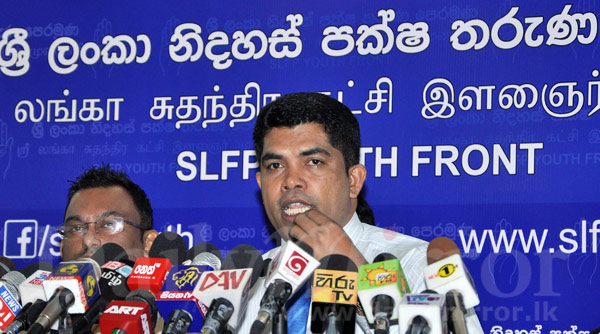
 

Visiting the Mollipotana Monk the second time.

March 19th, 2017

Garvin Karunaratne

When I visited the Mollipotana monk the first time in January 2014 the temple was desolate. It was in the morning at around ten. The  Bo Tree, the small place of worship was  all bare of human beings. The Awasa, the residence of the monks was also desolate and I dared to move in looking at every room; the doors were open. I passed four doors and as I approached the fifth, I heard someone admonishing someone. I stopped in my tracks and listened and someone was telling someone how to take care of one’s parents. It went on and on in the manner of a  broken record, telling that person again and again, changing words and changing the tone to be more pursuant and more convincing. I relived reading the Buddhist texts in my undergrad days, where our Lord Buddha was admonishing laymen.

Later when I met the monk he said that the empty rooms were the abodes of the five monks that were gunned down by the LTTE when they attacked the temple in July 1986.     .

This was what I wrote in my Paper: The Buddhist Monk  at the 96 th Milepost on the Habarana Trinco Road:LTTE massacres & Economic Emancipation: The Need of the Hour.”, published in Lanka Web on 20/1/2014

This time when I visited the monk on   13 th March he was admonishing some laymen. There were two young monks aside and a school boy., reading a book. The monk greeted us. This time what was clear  was how  the monk had  handled the children whose parents were murdered by the LTTE. Both young monks and the schoolboy had  lost their parents and the monk had taken them into the temple, fed them, clothed them and sent them to the government school.  The children brought up by the monk had studied. One of his lads scored three As at the A Levels and is a student in medicine at Jayawardenapura  today. Another lad had scored three As and is waiting for admission to a University and that too in medicine. The schoolboy had scored 184  at the fifth standard scholarship exam  and had been selected for admission to Ananda College. The monk had no funds to support the child at Ananda in Colombo so he goes to the village school.

I was amazed at the work that the monk had put in to guide them.

What was evident in this visit is the role that the monk is playing to guide the people in the community.

In both my visits I have seen the monk in sheer action just in the manner told by Lord Buddha. Chatara Bikkave charikan,  mahajana hitaya sukhaya”

Here is a monk who with all available scanty resources is trying his best to guide the Sinhala community at Mollipotana. He hopes to get some grant from the Dharmavijaya Foundation.  Grants or not, in his own way he is at work, a monk to be admired.. I hope to visit him again on my next visit.

His temple in a Border Village, where the LTTE shot dead five monks and 16    people is at culvert 172/3 on the Habarana Trincomalee Road. The postal address is  Sri AgraBodhi Vihara, 96 Pedesa, Mollipotana.

The name of the monk is  G. Dhammasena and his phone number is 0262246068. Please note that the telephones are erratic and one has to try several times to get through.

Garvin Karunaratne

18/3/2017

Unmarked police cars to watch traffic violations …….News item

March 19th, 2017

Dr Sarath Obeysekera

Action proposed by police as per above news item appeared on Sunday Paper is a good move by the police .

It is better to place few cars with dummy camera and one or two with real cameras along the busy routes like the ones shown above ( in UK)   so that drivers feel creepy when they drive .

Three wheeler drivers .motor cyclists and private bus drivers will learn to drive correctly when they know that they are being watched.

All the policemen standing along the roads can discharge their routine duties of catching criminals as they will be relieved from duties as the car will do their duty .

Paint a name on the car with Gestapo” will give even better results !


Listen to the Girls Crying for Justice

March 19th, 2017

ALI SUKHANVER

Mr. Narendra Modi, the honourable Prime Minister of India , made a speech during an election meeting in Jaunpur on the 3rd of this March. The speech was all about a minister of Uttar Pradesh, Gayatri Prajapati who is allegedly involved in a rape case. According to the media details, a look-out notice has been issued against this culprit, his passport has been confiscated and the Police are searching for him but the Samajwadi Party and the Congress are doing all their best to save him from the grip of law.

Mr. Modi very bluntly, openly and boldly condemned and criticized the behaviour of Gayatri Prajapati, the Uttar Pradesh minister. In his address to the people of Jaunpur Mr. Modi said, A daughter is seeking justice and the chief minister is shielding the gunehgaar (guilty)… what bigger blot can there be than this that in Uttar Pradesh when a buffalo goes missing, the government runs to find it. But, a girl is crying for justice and the police and chief minister are sleeping… such a government needs to be punished.’

Unfortunately  when the ‘ Magician of Words’ Mr. Modi was condemning his political opponent Samajwadi Party and the Congress, an FIR was being registered in Gujrat’s Kutch district against four BJP leaders for their alleged involvement in rape of a woman 24 year old. According to the details the woman was gang-raped allegedly by 10 people including four local BJP leaders.

The woman was allegedly forced into prostitution by the accused, who also blackmailed her after filming the rape. The victim named 10 people in the First Information Report (FIR). She also alleged that the accused lured many other girls and women into prostitution and exploited them sexually after promising them jobs in Naliya town of Kutch district. Earlier in February, a Former Delhi BJP MLA Vijay Jolly was also booked for rape after a woman alleged that he drugged and assaulted her.

The woman, a resident of south Delhi, told police that that she was drugged and sexually assaulted in Gurugram earlier this month when she visited it with Jolly.

According to a report published in the Mid-Day, the woman said she had known Jolly for some three years and that the incident happened on February 10. Jolly had been BJP’s MLA from Saket in 2003-08.  In another case of the same type, the Delhi Police filed an FIR against BJP leader Harak Singh Rawat on 30th July 2016 after a woman accused the former minister of raping her.

Police have launched an investigation into the complaint. So such allegations of involvement in rape cases are not new for the BJP leaders. Earlier on 22nd June 2016, the Indian Express published a very detailed report on the BJP leader Jayesh Patel who was allegedly involved in rape of a nursing student of Parul University in Vadodara.

66 year old Jayesh Patel is the founder-president of this privately owned Parul University in Vadodara. According to the details, the complainant accused Bhavna Patel, the rector of the women’s hostel of that university of abetting the crime. The local police registered a case against the BJP leader Jayesh Patel and Bhavna Patel who were absconding that time.

The victim said in the FIR that Jayesh raped her one night at his residence near the women’s hostel. She said that Bhavna took her to Jayesh’s house where Jayesh threatened to rusticate and fail her if she revealed the alleged crime.

Fortunately or unfortunately Mr. Modi is the leader of all such criminals. Rape is not the only crime in which the BJP leaders are allegedly involved; there are so many others also. A report published in the Hindustan Time says that twenty-four of the 78 Union ministers of the Narendra Modi cabinet have criminal cases registered against them.

The report further reveals that 14 of these ministers are involved in serious criminal cases related to murder, attempt to murder, kidnapping and crimes against women. This pathetic situation demands serious attention from the Magician of the Words, Narendra Modi.

It is true that his party has won the recent elections in Jaunpur; it is also true that the credit of winning elections in Jaunpur directly goes to Mr. Modi but it is also a bitter reality that saving Indian women from rape is also an important responsibility of Mr. Modi, particularly when the rapists belong to his own party. Mr. Modi will have to chain down these culprits who are damaging the political identity of the BJP.


අද හැමතැනම ආණ්ඩුවට කුණුහරුපෙන් බනින එක වස්දොස් යන්න හොදයි…- අගමැති

March 19th, 2017

අද වන විට ආණ්ඩුවට අන්තර්ජාලයේත් හැමතැනමත් කුණුහරුපයෙන් බනින බව අගමැති රනිල් වික‍්‍රමසිංහ මහතා පවසයි.

ගාල්ල නෙළුව ප‍්‍රදේශයේ පැවති රැස්වීමක් අමතමින් ඔහු මේ බව කියා සිටියේය.

කුණුහරුපයෙන් බනින එක වස් දොස් යන්න හොද දෙයක් බවද ඔහු එහිදී පැවසීය.

අලූත් විගණන පනතින් විගණකාධිපතිගේ බලතල විශාල ලෙස කපලා..කෝප් කමිටුවට වාර්තා දෙන්නත් බෑ..

March 19th, 2017

යසවර්ධන රුද්රිගු– Deshaya.lk

සංශෝධිත විගණන පනත මගින් විගණකාධිපති ආණ්ඩුවේ වෛරක්කාරයකු ලෙස සලකා කටයුතු කර ඇති බව පෙනෙන්නට තිබෙන නිසා තමා සංශෝධිත විගණන පනතට නිරීක්ෂණ ඉදිරිපත් කිරීමෙන් වැළකී සිටි බව විගණකාධිපති ගාමිණී විජේසිංහ පැවසුවේය.

තමාගේ නිරීක්ෂණ සඳහා එවා ඇති සංශෝධිත විගණන පනතේ අවසාන කෙටුම්පත පිළිබඳ තමා කිසිදු මතයක් ඉදිරිපත් නොකරන බව වාචිකව දැනුම් දුන්නේ යැයි ඔහු කීවේය. මුලින් කෙටුම්පත් කළ විගණන පනතට දීර්ඝ කාලයක් තිස්සේ විටින් විට සංශෝධන එක් කිරීම නිසා එය කිසිදු බලයක් නොමැති ලියැවිල්ලක් බවට පත්ව ඇතැයි ඔහු කීය. පනතේ සංශෝධන සිදුකර ඇත්තේ තවත් වෙනසක් කිරීමට ඉඩ නොලැබෙන පරිදි යැයි ඔහු සඳහන් කරයි. විගණකාධිපති දෙපාර්තමේන්තුවේ ප්‍රධානියා වශයෙන් තමා සතු ස්වාධීන බලතල පවා සංශෝධන මගින් අහිමිකර ඇති බව පවසන විගණකාධිපතිවරයා තවදුරටත් අවධාරණය කරන්නේ විගණනය කිරීමෙන් පසු විගණක මතය ඉදිරිපත් කිරීමේ බලතල පවා විගණන කොමිසමට පවරා ඇති බවයි.

කෝප් කමිටු ආදී පාර්ලිමේන්තු කමිටුවලට සහය දීමේ බලය විගණකාධිපතිගේ රාජකාරියක් ලෙස මුල් පනතේ සඳහන් කර තිබුණද, සංශෝධනය කිරීමේදී එම මුළු ඡේදයම ඉවත්කර තිබීම නිසා තම මතය එම කමිටුවලට ලබාගැනීම අහිමිකර ඇති බව ඔහු පවසයි. කැඳවීමක් ලැබුණහොත් පමණක් තමාට එම කමිටුවලට පැමිණීමට හැකිවන බවද ඔහු පෙන්වා දෙයි. මෙලෙස සංශෝධනය කර තම බලතල කප්පාදුවට ලක්කර ඇත්තේ විගණකාධිපති රාජ්‍ය අංශයේ පවතින දූෂණ, වංචා සහ අවිධිමත් ක්‍රියා නිරතුරුව හෙළිකිරීම නිසා දූෂිත නිලධාරීන්ට ඒවායේ නිරතවීම අපහසුවීම නිසා යැයි ඔහු හෙළි කළේය. මෙම විගණන පනත ගැසට් මගින් ප්‍රකාශයට පත්කළද, එයට දැඩි ලෙස විරෝධතා එල්ලවීමට ඉඩ ඇති නිසා කිසිදු විටෙක එය ක්‍රියාත්මක කළ නොහැකි වනු ඇතැයි තමා විශ්වාස කරන බව හෙතෙම පැවසීය.


Gota, Navi Pillay clash over clash over

March 19th, 2017

By Sulochana Ramiah Mohan Courtesy Ceylon Today

Former United Nations High Commissioner for Human Rights, Navi pillay told Ceylon Today, that when she met former Defence Secretary Gotabaya Rajapaksa during her visit to Sri Lanka and urged him to maintain investigations to establish where about of missing persons, he had stated, These people do not want to accept that their families are dead

She added that Rajapaksa then called her to a meeting with a Sinhalese father, who had lost his son who was serving as a soldier. “The weeping father told us of his anguish in not knowing what happened to his only son and wanted the body produced.

Gotabaya told him in no uncertain words, ‘your son is dead and you must accept that,'” Pillay said.

She added: “The authorities quite clearly know or presume death, of those missing. It would be absurd not to do so bearing in mind the context of war and the non-return of persons (allowing for a small number who may have fled to shelter or detention outside the country).” At the moment, Sri Lanka is embattled with allegations of human rights violations and facing a tough time at the 34th session of the UNHRC in Geneva. Pillay was contacted by Ceylon Today after ‘years of attempts’ to get her views on the progress seen in the island since the war came to an end in 2009.

She also said the goals of reconciliation and nation- building cannot be served without justice and accountability, and reparation for victims.

She further stated: “I would say that the primary purpose of documenting lists of the names of ‘missing’ persons is to begin and sustain investigations until justice is done.” She added it should not be an exercise on its own to shelve, or dust one’s hands off the imperative for proper investigation, prosecution and punishment of crimes.

“Where factual or witness accounts are available, and your list of individuals and groups indicate this, that should be grounds for immediate investigations, for purposes of prosecution,” Pillay added. She also said this procedure was held in Rwanda after the genocide there. “The Government of Rwanda asked the UNSC to set up the International Criminal Tribunal for Rwanda (ICTR).

“The Court relied on factual accounts by witnesses of the killings. Nobody was produced, no forensic evidence of deaths, no way of determining the numbers of persons killed or the numbers of mass graves. The Court respected the Rwandese cultural aversion to exhumations.

“The Court accepted testimony of witnesses that thousands of Tutsi were killed – because the people they knew were not around any longer.

“The Court looked at the context of conflict and war and evidence from eyewitnesses as well as observers and experts. The ICTR and the International Criminal Tribunal for the former Yugoslavia (ICTY) are precedents that fair trials and impartial justice can be rendered even though a full documentation of all missing persons, presumed killed, in the war were not available,” Pillay added.

Response from Gotabaya Rajapaksa

Former Defence Secretary Gotabaya Rajapaksa admitted that when he met Pillay, he pointed out to her a Sinhalese who did not want to accept his son’s death.

He, however, noted that Pillay had only stated one side of the entire story of the missing persons, which he revealed to her.

In his response, Rajapaksa said, “There are many events related to the missing persons and what I pointed out to her was ‘one aspect’ of it, how parents did not want to accept their families died in the war and they think they are ‘alive’.”

He said when people joined the LTTE to fight, their families were elsewhere. “They had no knowledge where these combatants were. That is the fact and when they died in the battlefield and their bodies were not recovered but buried, and parents think they are still living.”

He noted that these parents then claimed their children were in the detention camps when there were no such secret camps anywhere. “When Pillay went to meet the people in the North, she was told that their children are kept in secret camps and she was also under the same impression.

“I told Pillay, ‘no’, there aren’t anyone other than the persons taken into custody and their names are in our database and these detainees were in Galle at that time and no parents were willing to accept that other than this listed documented detainees. Others are not living. This happened during the JVP times too,” Rajapaksa explained.

His view was that some of those who went missing are now living overseas and had pointed out to Pillay an example where a missing person was found to be living in Canada.

He also noted that ‘missing persons’ is not a simple matter to probe as it is quite complicated and he added that ‘it does not mean it applies to ‘everybody’.

“One aspect of the missing persons is what I am elaborating here,” Rajapaksa said.

Talking about the people who surrendered to the military he said ‘there is no evidence’ where anyone surrendered or not. “People only came up with various stories based on rumours. They claimed that some saw surrendering or heard from others, but none saw for themselves physically surrendering. This is the reality of war. One cannot believe these claims,” Rajapaksa said. He said when the war in the North began, nearly 5,000 troupes died and said, “If a powerful army lost so many, imagine how many from the LTTE side would have perished. They did not have the fire power or a powerful army like ours.” When pointed out that there were victims who mentioned names of military officials to whom their loved ones had surrendered, Rajapaksa responded: “Can you believe they know these officers? I don’t think even the Army Commander knows his officials on the battlefield. These claims were created later, way after the war ended.

“Tamil people in remote areas cannot even identify (any) President or Prime Minister of our country. How can they point at a military officer and mention their names?” he questioned.

“In such an atmosphere, the government is about to establish an Office of the Missing Persons, which I would say, is unrealistic,” Rajapaksa said.

Western Remedies for Lanka’s Ills: Lessons From History

March 19th, 2017

By Dr Palitha Kohona (Former Ambassador and Permanent Representative of Sri Lanka to the UN) Courtesy Ceylon Today

Sri Lanka commemorated a dark day in its long and proud history earlier this month. We recalled the cession of our sovereignty to King George III of Britain following the signature of the Kandyan Convention on 2/3 March 1815 in the historic Audience Hall.

On 1 March 2017, in the same Audience Hall, President Sirisena made the much belated pronouncement to remove from the list of traitors in the government Gazette those who valiantly but vainly struggled against the troops of George III two years later to recover the sovereignty that we had lost through a combination of factors, mostly beyond our control.

Among others, a lack of awareness of the momentous developments in the contemporary world now dominated by the superpower, Britain, debilitating economic pressures, sheer exhaustion after having resisted foreign efforts to subvert our independence for over three centuries, a lack of confidence in the king, petty jealousies, a paucity of trust among the leaders, internal squabbling and, very importantly, a naive belief by some that prescriptions by external entities, essentially by European expansionist powers, would somehow be a panacea for our problems. Two years later, as Britain blithely reneged on its treaty commitments, our vain efforts to regain the country’s sovereignty, spearheaded by the Kandyan aristocracy, were ruthlessly crushed with unmitigated brutality, even though the rebellion dragged on for over one year. Hundreds were executed, thousands killed in the fighting or displaced and their possessions expropriated by the British crown. The Perfidious Albion had yet to discover human rights, war crimes and the rules of war.

History can teach us much. But those who refuse to learn from history or are dismissive of its lessons are condemned to relive history with all its attendant miseries.

Today we are witnessing events with familiar echoes to those that resulted in the cession of our sovereignty in 1815, unfolding in slow motion, including a worrying willingness to unquestioningly comply with the prescriptions of Western powers and their willing tools, such as the UN High Commissioner for Human Rights and pliant NGOs. Although in 1815, the leaders of Kandy, menacingly hemmed in by a hostile world power, had little access to developments in the external world, today this is not the case.

Compromising sovereignty

After having eliminated the brutal terrorist challenge to its sovereignty and unitary existence in 2009, Sri Lanka seems to be again drifting in the direction of compromising on the very sovereignty that it sacrificed the lives of 21,000 young men and women to defend. Worryingly, the economy is under considerable pressure, internal divisions and a lack of confidence in the government are widespread and the selfish goals of power, privilege and wealth are taking precedence over national interest.

Meanwhile, demands for compromises on the country’s right to manage its own domestic affairs and its sovereignty are becoming shrill by the day, based essentially on the UNHRC resolution of 1 October 2015 on Sri Lanka, particularly from the leadership of the Tamil minority some of whom blindly complied with the dictates of the LTTE, the NGO community and some international journalists. The names of Taylor Dilbert of the Huffington Post and Callum Macrae of Channel 4, Yasmin Sooka and the International Crisis Group come immediately to mind. Media outlets spread far and wide, from The Economist and the AFP, to the Gulf News and journals as far away as the Philippines tend to pick up these lopsided views without question generating global public opinion in the process.

Simultaneously, we observe signs of seething resentment seeping through the majority community. These two tendencies should worry the government which has mostly tended to respond sympathetically or without comment to the demands of pressure groups using the Resolution and this can only bode ill for the future of the country. As is evident from recent experiences elsewhere in the world, once the hounds of conflict are let loose, the purveyors of advice (and demands) for settling our problems will not have much to offer and will make themselves scarce. Think of South Sudan, Syria and Libya.

Prudently, President Sirisena, conscious of the growing unease in the country, has ruled out the use of foreign judges to determine cases against service personnel subjected to allegations of war crimes. He has said that he, “is not going to allow non-governmental organizations to dictate how to run (his) government.” A day after the UN HCHR criticized Sri Lanka’s “worryingly slow” progress in facing its ‘war time’ past, he emphatically stated, “I will not listen to their calls to prosecute my troops.” The Prime Minister has taken a similar position. The Foreign Minister, on the other hand, nuanced the message when he recently said in Geneva: ‘In the face of roadblocks and other obstacles in the day to day world of realpolitik, there may have to be detours from time to time, but the destination will remain the same. Our resolve to see the transitional justice process through has not diminished.’ Thus leaving serious doubts about what the President meant.

LTTE atrocities

It is nevertheless curious that the international media and the NGOs continue to noisily harp on human rights violations and war crimes allegedly committed by service personnel, while the endless massacres of villagers, bombings of sacred sites, buses, trains and busy cities, the slaughter of devotees and monks at places of pilgrimage, extensive ethnic cleansing, and the recruitment of thousands of child combatants by the LTTE are hardly mentioned. Those who collected funds for the LTTE to purchase weapons, explosives to carry out the dastardly bombings, recruit children for combat purposes and who continue to live comfortably in Western countries do not get mentioned in the think pieces, pained reports and press releases. The motives of these entities remain seriously suspect due to their lopsided campaign.

Many a commentator has asked whether it was necessary for Sri Lanka to have accepted the terms of the UNHRC resolution of 1 October 2015 and proceeded to cosponsor it with such eager enthusiasm given the largely one sided and onerous nature of some of its provisions and the distinct risk of aggravating dormant ethnic tensions within the country. Did Sri Lanka have no option but to accommodate the demands of certain countries of the West led by the US, the reasons for whose single minded targeting of Sri Lanka have never been convincingly explained, and who were egged on by the vociferous and well resourced Tamil lobby overseas and the NGOs. Was the decision, inter alia, to agree to a constitutional reform process, to reduce the number of national security forces in the North and the East, to allow mechanisms established in accordance with the Resolution to obtain assistance, including financial, from international sources, to establish an independent judicial and prosecutorial mechanism with the participation of foreign personnel, including judges, to repeal security related legislation which had served its purposes well in the past, to create mechanisms designed to investigate primarily the infractions allegedly committed by the security forces, as dictated by the Western drafters of the resolution, well considered given the implications for Sri Lanka’s sovereign right to manage its own internal affairs and its domestic ethnic harmony. The endless commentary demonizing the soldiers who rid the country of terrorism, while having an undoubted demoralizing effect (perhaps intended) is also creating widespread disenchantment of the government.

While the UNHRC adopts resolutions selectively against targeted countries, usually those that have fallen into disfavour with the West and least capable of defending themselves, these are regularly ignored, Sri Lanka proceeded to cosponsor the resolution creating at least a moral obligation to comply with it. The moral obligation so blithely accepted will hang over not only the present government but also future governments. If cosponsoring was the favoured option of the government, and in view of the sympathy that existed for the newly elected President, were all possibilities for mitigating the provisions of the resolution explored?

Global currents

It would be difficult to contend in the contemporary world that the leaders of the government were unaware of existing global currents when it agreed to cosponsor the resolution.

The effects of resolutions of the UNHRC are well known. The UNHRC or the High Commissioner have no powers of enforcement and the other target countries have highlighted this reality.

If generating goodwill in the West to replace existing sources of development finance with new ones, and attracting investments, were among the objectives for cosponsoring the resolution, that would be a case of not properly appreciating global realities. The West was in no condition to replace China as a key source of development funding and this has now become embarrassingly obvious. Many countries of the West are themselves lining up at the gates of Beijing looking for trading opportunities and investments. Furthermore, the need to keep traditional friends on side was brusquely ignored in accepting Western prescriptions (demands?), setting unmanageable precedents, and creating problems not only for the present but for future governments as well. Given that many developing countries, given their own circumstances, were traditionally inclined to sympathize with Sri Lanka, keeping them on side by adopting a more nuanced approach would have been the strategically sensible thing to do.

While one could fault the confrontational approach of the previous Rajapaksa administration, the ready willingness of the current managers of foreign relations to accommodate the dictates of the West, raises serious issues. Had a more nuanced approach been adopted, it would have been possible to exploit the opportunity presented by the departure of UK’s David Cameron and Secretary of State Clinton, to Sri Lanka’s advantage. For one, the messianic pursuit of Sri Lanka by Cameron (Cameron was under pressure from the Tamil voter bloc in the UK and Tamil contributors to the Conservative election funds) and those who served Clinton (the human rights activists in diplomatic positions appointed by Obama were hell bent on pursuing the Rajapaksas) would have ended. Not only do those who replaced the human rights warriors of the previous administrations have other more important fish to fry, they also may not have the same commitment to causes that occupied the thinking of the previous tormentors of Sri Lanka. According to reports, the US has even threatened to withdraw from the UNHRC.

The current effort to seek extra time to implement the provisions of the resolution will only strengthen the hand of those who will continue to exert pressure to have those commitments discharged to the letter and more. Note the demonstrations being staged in front of the security establishments in Mullaitivu and Iranamadu. These demands are being justified on the basis of the resolution cosponsored by Sri Lanka itself on 1 October 2015. The same demonstrators were conspicuously absent when the LTTE built those installations. In addition, seeking a time frame creates the distinct possibility of keeping alive issues that may not be foremost in the minds of the majority of Sri Lankans. With the economy posing an unprecedented challenge to the country and the government, it would have been more prudent to make that the priority of the government rather than Geneva.

Dr P .Saravanamuttu at the Military Academy

March 19th, 2017

RANJITH SOYSA

Any person with an iota of IQ would have hidden his head in utter shame seeing garlanded Dr Pakiyasothi Saravanmuttu being welcomed to the John Kothalawala Military academy as a guest of honour by the Principal of the institution.

To recognize Dr PS is simply a case of Sri Lanka military authorities leaping upon the sacred alter either through compulsion by the higher political movers or an act of putting one’s foot in it perpetrated by the military men seeking short term favours from their masters. In either scenario, it is indeed an ugly act which sticks in one’s gullet.

Dr PS career speaks volumes about his direct and indirect support of the objectives and agenda which contradicts Sri Lankan armed forces core values and issues faced during the last three decades. The most critical issue which confronted Sri Lankan armed forces was to tackle LTTE terrorism backed by the separatists. Dr PS  was firmly on the side opposite the Sri Lankan armed forces and was highly critical of the role played by them. After the war Dr PS had been riding the high horse in his numerous tasks in running down the achievements of the military to please his separatist’s bloc and paymasters. One glaring example is the his push for the foreign judges to investigate the ‘war crimes’ said to be committed by the members of the Sri Lankan armed forces. Given below is a report of Dr PS’s views which does not take into account the sovereign rights of the nation and its Parliament. I quote,

Addressing the media at the Government Information Department, Secretary to the group of activists Dr. Paikiasothy Saravanamuttu said that particular recommendation had been made in accordance with the Geneva Resolution adopted in Oct, 2015. The Executive Director of the Centre for Policy Alternatives (CPA) underscored the full participation of foreign personnel while emphasizing the pivotal importance of a proper selection process for both local and foreign judges and other personnel.”

This is how Dr PS attempted to bend the constitutional rights of the Nation to suit his narrow agenda. On another piece on Dr PK, a writer comments,

   Dr. Pakiasothy Saravanamuthy (Secretary)

Dr. Pakiasothy is the Executive Director of the CPA. CPA has since its inception been at the forefront of the advocacy of federalism as a political and constitutional idea for addressing many of the constitutional problems and anomalies that characterize the Sri Lankan State.” (www.cpalanka.org)

CPA was at the forefront of the 2002 Norwegian backed Cease Fire Agreement and recipient of Rs. 272.31 mn during the three-year period. Some of these funding sources Norwegian Embassy, Commission Des Communautes (Norway), European Commission, European Union, National Endowment for Democracy (US),

Donors to CPA include USAID, Canadian International Development Agency, EU, Ford Foundation, GTZ, National Democratic Institute, NORAD, OXFAM, Save the Children Sri Lanka, Asia Foundation, Berghof Foundation, Friedrich-Naumann-Stiftung, UNICEF, UNDP, UNHCR

He was openly critical of the GOSL banning 16 LTTE fronts under UNSC Resolution 1373 in 2014 though not calling that they be investigated to prove their links to the LTTE and thereafter have them removed if not..”

To add insult to the injury Dr PK ‘s handling of the activities and especially the administration of the vast funds donated by numerous sources to his CPA has opened many a query.

Quoting Colombo Telegraph Dr Saravanamuttu is himself accused of similar kinds of corruption – billing for un-held workshops, double billing scandals; i.e getting grants from two donors to do the same task and duplicating receipts, hotel bills and other bills to submit to donors (perhaps even submitting same bills to multiple donors), and hoodwinking donors by filing expenses under safe cost columns.” www.colombotelegraph.com
Paikiasothy Saravanamuttu & CPA Slip White-Collar Crime Under ‘Executive-Summary’ Carpet www.colombotelegraph.com….”

Whistleblowers continue to send us information that indicates that there is fraud, nepotism, favoritism, selective punishment, signature forgeries and other serious problems in the CPA.  We are in the process of investigating these allegations. We have given more than enough time to CPA to respond.  It is up to the CPA to reply and clear its name. It is European Union’s and UNESCO’S duty to compare the project proposals and the bills which the CPA and IFJ have submitted and make them public. What we have shown is how people pocket NGO money and how they cheat the donors by producing forged bills. The story is still unfolding.

We conclude this by quoting the anti-corruption activist, a retired civil servant who checked the documents against the allegations: When you first spoke to me about these allegations I couldn’t believe something like this could’ve happened under Dr Sara, but after the investigation I can say, ‘the CPA is a CESSPIT OF BILE”’.”

Above is a thumb sketch of Dr PS who was invited as a guest of honour and dully garlanded by Sri Lanka’s premier military academy.

It should be clear to any discriminating reader that Dr PS is not an astute member of the civil society nor a person who recognizes the importance of the Nation State. He is indeed a Devil’s advocate or a Devil dodger. The persons of his calibre if invited to important occasions of the armed forces let alone any other nationally significant functions will only bring disgrace and humiliation,

It is not too late to identify properly the individuals who carry fire in one hand and water in the other.

RANJITH SOYSA


Copyright © 2026 LankaWeb.com. All Rights Reserved. Powered by Wordpress