Random comments

December 11th, 2022

Sugath Kulatunga

1.     Bring narcoterrorism under Terrorism Act.

Colonial powers have used drugs and alcohol to weaken cultures and economies of countries throughout history. The use of opium to weaken China was a good example. In a more subtle way Arrack was used by the British to attack the culture of Buddhism in Ceylon. It is rumored that the British spy oily John D’Oyly supplied whisky to the last king and made him an alcoholic and masterminded the King’s downfall with a mix of vile propaganda and bribes. There is a belief that the present drug menace has deeper ramifications than simple money making. The spread of the use of the lethal drug ice into the student population and the youth threatens the present welfare and the very destiny of the future generations. This is nothing but narcoterrorism and should be tackled accordingly. The use of these toxic and addictive drugs terrorize not only the user but also his family and the community. It has become a national security issue and should be addressed with that focus. It is time that drug control be brought under terrorist control and dealt under the Terrorism Act.

2.Use of state funds on farewell parties and tamashas.

Secretary Finance has sent out a second circular warning that state funds should not be used for farewell parties etc. Why is the S/F reluctant to surcharge the offenders? In the past circulars were not advisory but were clear directions and were accompanied with penalties for non-adherence.

·        

·       3.Tax Evasion

It is reported that the government intends to open tax files on all citizens over 18 years. This is a senseless decision where the majority of the population is finding it difficult to make ends meet. Having a file in the IRD does not ensure that it is an identification of a person liable to tax. There is a mistaken notion that the information of the wealth of an individual is a private right. That should be confined if at all to the details of wealth. What the IRD should do is to publish the names of taxpayers in a given local authority. That will be an honors list. This will enable informers to bring to the notice of IRD of parties who may be liable to pay tax but not in the list. It is not difficult to identify them. Most of them would be displaying ostentatious lifestyles. Others will be money lenders, tuition merchants, professionals, mudalalis with a few lorries, owners of trawlers and mills etc. Informants should be entitled to secrecy and attractive rewards similar to that of the Department of Customs.

 4.    Human/ elephant conflict

In the Committee Stage debate on the Budget a former Minister of Wild life and a past State Minister on the subject went at each other on the construction of ditches to prevent elephants entering farm land. The moot point was on the width and depth of the ditch. It is a fact that elephants cannot leap and if the ditch is wide enough elephants will be prevented from attempting to cross it. Neither can an elephant climb a perpendicular height. What is problematic is why did the Wildlife Department not test the minimum dimensions of an elephant barrier ditch using tame animals before they launched on an expensive digging of miles long ditches.

THE ETHNIC ISSUE AND THE TEACHING OF HISTORY IN SCHOOLS Part 1

December 11th, 2022

KAMALIKA PIERIS

Ceylon history was introduced as a subject to schools during the British period. Initially, pupils were only taught European history, and, as one commentator observed, pupils left school with the notion that ‘our ancestors were barbarians’.  Ceylon history should be introduced, it was suggested, so that pupils would be in a position to admire Ceylon’s ancient civilization and develop a sense of pride and patriotism.   S.A.Pakeman, lecturer in history at University College, Colombo, had pointed out in 1922 that it would be good if some schools at least paid some attention to Asian history in their history syllabuses.  

Rev A.G. Fraser, Principal, Trinity College, Kandy, (1904-1924) was probably the first to start teaching Ceylon History in school. He had had introduced Ceylon History to Trinity, using the two books on the history of Ceylon written by L.E Blaze. F. L. Woodward, Principal of Mahinda College, Galle, (1903-1919), had included history in the school curriculum and staged plays based on Ceylon’s history.    P de S Kularatne encouraged the study of Ceylon’s history at Ananda.   He declared that history was ‘much neglected in our big schools’    and in 1920 announced that ‘Ceylon history was now progressing upwards in the school’. He thought the available history books were biased and contained inaccuracies and he encouraged the staff to take their pupils on excursions to historical places, and study history that way. 

The first text books on Ceylon history written specifically for schools were those by L.E.Blaze, (1861-1951) Founder principal of Kingswood College, Kandy. In 1900 he wrote, History of Ceylon, the first comprehensive school textbook on the history of Sri Lanka. This was the prescribed history textbook for middle school until the late 1930s (with ten editions being published in that time). In 1914 he authored The Story of Lanka, another detailed history of the island, which became the Middle School school text for history (it was re-printed six times). In 1937, Pakeman and GC Mendis wrote Our Heritage: Ceylon and world history up to 1500”. This probably replaced Blaze.

Ceylon history was an established subject in schools when I was at school in the 1950s. I studied from textbooks written by SF de Silva, the A level text book was by L.H. Horace Perera. History was also a popular subject in the university at that time.  My recall is that at this time, the choice in the university was between western history and Indian History. Ceylon history was included into both syllabuses and was compulsory.

Then in the 1970s, history was abruptly removed from the school syllabus, with no notice.  The education reforms of 1972 removed history and geography from the curriculum for secondary schools and substituted in its place a subject titled ‘social studies.’ The minister for education was Baddiudin Mahmud and the Permanent Secretary, was, I believe, Premadasa Udagama, the United Front government was in power.  The intention clearly was to remove from the minds of future generations any formal knowledge of the past. It was intended to be an erasure of the Sinhala Buddhist history of Sri Lanka.  .

 Many Buddhist institutions such as All Ceylon Buddhist congress, YMBA, Lanka Mahabodhi Samitiya and Sasana Sevaka Samitiya made representations to the authorities, protesting against this decision, but nothing happened. As result, for a period of thirty years, generations of school children grew up without knowing the history of their country.

The removal of history from the school syllabus was soundly condemned. Critics charged that this was done ‘purposely’ and ‘surreptitiously’. Its consequences were noted.  Children came out of school not knowing their own history or that of the rest of the world.  Students later complained that they were prevented from knowing the history of their country having had the ‘misfortune’ to study social studies in 1980s.

Comparisons were made with other countries. USA, Australia, and New Zealand, which had short histories, were proud of their history. In USA which has only 200 years of history, even medical students have to offer two papers in American history. Those emigrating to USA were tested on the history of the USA. Chancellor, Kelaniya University, Dr Velamitiyawe Kusaladhamma said   in 2003 that Sri Lanka is the only country where most of our leaders do not like to teach out history to the younger generation. We possess an unblemished history of more than 2500 years. USA with a history of 200 years, teaches history to its children.

There were several calls for the re-introduction of history to the school curriculum. Eksath Sinhala Maha Sabhawa had engaged in vigorous campaigns from 1999, sending appeal after appeal to President, Prime Minister and Minister of education pointing out the need to re-introducing history as a full time subject into the school curriculum. History was surreptitiously withdrawn for the school curriculum says Upali Jayasekera writing to the Island in 2002. The public should ask for its return. Newspaper editorials also endorsed the idea.

The Sri Lanka Historical Association started to negotiate with the government to get history back. The Royal Asiatic Society of Sri Lanka wrote to the National Education Commission in 2002 recommending that history be taught in school.

 In the mean time, while waiting for History to return to the schools, the intelligentsia took over the task of teaching Sri Lanka history. Buddhist organizations planned to ‘teach the chronicles like Mahavamsa’ in their Daham pasal.

Tisara Prakasakayo in 2000 launched a series of cartoon books to teach children the ancient history of Sri Lanka. They dealt with kings such as Dutugemunu, Mahasen and Dhatusena, as well as the subjects of steel technology, medicine and maritime travel. The children’s supplement ‘Funday’ issued with the Sunday Times runs a series on the chronological history of ancient and medieval Sri Lanka

The intelligentsia stated to write books on ancient and medieval history. Numerous books on the Anuradhapura and Polonnaruwa periods appeared in Sinhala. The respected historian W.I.Siriweera wrote ‘History of Sri Lanka ‘for the public (2002). In 2002 the Bandaranaike International Diplomatic Training Institute had two month course on Sri Lanka history for the public. Dr Bandu Edussuriya, a medical specialist prepared a ‘Simplified English summary of the Mahavamsa’. This sold out fast.

In 2002, the public noted with approval that the Minister for Education, Karunasena Kodituwakku, himself a historian, was   going to re-introduce history as a subject in schools, after nearly four decades of neglect.

In 2003, Ministry of Education announced that it was shortly to recommence teaching history in schools and state universities. History was to be introduced in story book from form 1- 4 grades and as a formal subject from        grade 5-13.

Sirasa news telecast on 29.4.03 announced that history was coming back from grade I to A levels. Eksath Sinhala Maha Sabhawa said they were delighted to hear this.In 2004 history came back to the school curriculum. (contd)

THE ETHNIC ISSUE: OBSERVATIONS OF JAYATISSA BANDARAGODA

December 11th, 2022

KAMALIKA PIERIS

Jayatissa Bandaragoda’s biography titled    Path of destiny: autobiography of a farmer’s son’ was published in 2011 by Godage international. One reason I wrote this autobiography was to refer to some events relating to the ethnic issue in Trincomalee and elsewhere,” said Bandaragoda. This was a key motivating factor behind my autobiography.  I thought I should place some of my personal experiences and related view points in the public domain.”

Bandaragoda’s brush with the Tamil Separatist Movement started with his appointment as Government Agent, Trincomalee.  Bandaragoda was Government agent, Trincomalee from 1978-1981.

This was not a happy period, he said.  A few days after assuming duties, he was invited, as Chief Guest to the prize giving of St Josephs College, Trincomalee. It was certainly not the usual school prize giving”, he said.  Large posters had been put up, threatening people not be part of a ceremony to receive a Sinhala chief guest and to boycott the function. There was a boycott, but the principal, Father Gnanaprakasam wanted to hold the   prize giving because   there were   a few children from the lower classes, a few parents and teachers present.  Bandaragoda made a speech gave away prizes and the ceremony concluded quickly ‘without any mishaps.’ But the incident shattered my confidence, Bandaragoda said.

During my first year of tenure as GA Trincomalee, there were a number of other unpleasant and anti national incidents as well. Independence Day celebrations were limited to Kachcheri only, due to poor attendance said Bandaragoda. Other occasions of national importance, were marred by ugly incidents such as the burning of the lion flag in a school in town. Some phosphorus had been tied to the flag and ignited as the flag went up. There was a spate of such anti national incidents in Trincomalee.  In 1980 on National Day in Trincomalee, many of the schools did not hoist the national flag.

Trincomalee was considered a hostile environment for a state administrator to work in, but Bandaragoda found that the public in Trincomalee were cooperative and appreciative.  However, ethnically charged aggressive and arrogant behavior was clearly    evident among some of the Tamil elites , he said. This domineering had the objective of relegating the Sinhalese to an inferior status, socially and economically.

The AGAs (Assistant Government Agents) at the time were Tamil. A Sinhala AGA was appointed to Kuchchaveli and the Tamil elites did not like it.  The Sansoni Commission appointed to inquire into the Tamil riots 1977 was sitting in Trincomalee when Bandaragoda arrived. He was told that Sampanthan, then MP for Trincomalee had given evidence before the Commission and had said that Tamils could not bear the sight of Sinhalese officials. 

The Urban Council of Trincomalee was dominated by the Tamil community. Documents such as building applications were only in Tamil language.  The district’s budget was allocated mostly to roads,    schools   and so on, which benefitted the Tamil community. The Urban Council was not supportive of  the Sinhalese in Trincomalee. The Sinhala public in Trincomalee complained to the Kachcheri, regarding this. Whenever some harassment occurred in Urban Council the Sinhalese rushed to the Kachcheri, recalled Bandaragoda. 

The Sinhalese in Trincomalee had    grievances. The vegetable and fish market in Trincomalee were run by Sinhalese business men who had come from south. Most of the prominent traders in the town were also Sinhalese. The authorities regularly tried to shift the markets from their current location, the Sinhalese   refused to allow it.

During his stay as GA in Trincomalee, Bandaragoda found anti-Buddhist activity going on, particularly the planned destruction of Bo trees. He observed that the newly set up places of Hindu worship, with lingam and statues, were destroyed in retaliation.

The destruction of the Kilveddi Bo tree in April 1978 took place when Bandaragoda was the GA in Trincomalee. It was believed that this Bo tree was one of the saplings planted in the country, with the Sri Maha Bodhi at Anuradhapura.  The destruction had led to a minor ethnic riot in Mutur area.

There was much agitation in the villages in Seru Nuwara AGA’s division at the time.  At Allai a Sinhala farmer was shot and killed in the area and the ‘already burning emotions erupted’.  8 persons died. The Allai irrigation scheme had been done in such a way that aSinhala settlement was adjacent to a Tamil settlement.

 A Buddhist monk, reportedly from Kurunegala was injured by gunshot in the same area.   The monk was brought to Trincomalee hospital and an attempt to smuggle his blood stained robes out of the hospital was foiled by the authorities who impounded the clothes and prevented a major communal riot in the country.

The tension was kept under control at local level in Mutur, Kilveddi, Dehiwatte, and Neelapol areas with help of navy and police, but there were still some skirmishes in the Kilveddi area.   The tension remained in Mutur and Seruwila areas, said Bandaragoda.

In 1979, Bandaragoda had been called before Victor Tennekoon Commission on District Development Councils. He had been called because of complaints made against him by the MP for Trincomalee.  While responding, Bandaragoda had spoken about the Kilveddi incident and about the mushrooming of small places of Hindu worship.   Neelan Thiruchelvam who was a member of the Commission had not liked his exposing these facts. He wanted Bandaragoda’s evidence be expunged, as ‘communally biased’.  Tennakoon had refused to do so. The Commission instead had thanked Bandaragoda for his detailed and balanced description of the situation in Trincomalee

Bandaragoda stated that the first objection to his appointment as GA Trincomalee came from the Sinhala Buddhists. After the Kilveddi incident, the second priest of Seruwila and a delegation from the area had rushed to see the President. They complained against Bandaragoda, blaming him for the Mutur incidents, saying that he had allowed AGA Sivanathan to bring in the navy to act against the interests of the Sinhalese in the area. Bandaragoda was not in Trincomalee at the time. AGA Sivanathan had acted on his own. This was explained to the delegation.

 The bhikkhu led delegation had obviously been fed the information that Bandaragoda was responsible, in order to get Bandaragoda removed from Trincomalee, using the Buddhists of Trincomalee. The gullible Buddhists had  readily fallen for this.

Some months later, in September 1978, Bandaragoda was invited to lay the foundation stone for a new stupa which Ven. Rambukkana Saddharmalankara, chief priest of Sri Bodhirajaramaya temple in China Bay was constructing.  Bandaragoda observed that this bhikkhu was later shot and killed by either the LTTE or the IPKF

Bandaragoda   had come across clandestine Tamil settlements in jungle areas in China Bay, Kucchaveli, Morawewa and Tampalagamam areas. In most of these, the people reported that a Catholic priest, an MP and his brother were helping. The one in China Bay was in the form of a religious peace haven or retreat and people settled there were all Tamils from tea estates.  This was a campaign to colonize vacant land with Tamils. This was a   well planned anti government effort, he said. 

A number of housing schemes were started in Trincomalee town at this time.MP for Trincomalee had selected state land at Love Lane,   to put up one housing scheme. Love Lane was situated in front of another existing housing scheme, Sirimapura given to Sinhala fishing families. 

Bandaragoda and others thought that it was not good to have a housing scheme for Tamils so close to Sirimapura which had been a regular place of ethnic tension. We offered alternative state land within the town limits. But they were adamant that it should be Love Lane and in a specific location.

Two senior officers of National Housing Scheme, Dunstan Jayawardene and Susil Sirivardana visited Bandaragoda and pursued the request.  They were shown the location and Bandaragoda   had explained that it could lead to great trouble later.  Ignoring my view that it was a time bomb, they pressed me to release the land and said that it had been asked for by the MP and it was a request from the Prime Minister himself and if I wished to I could refer the matter back to the Prime Minister. The Prime Minister however, he was told, ‘had been very angry’ and the land was released. Later, as anticipated, the Sirimapura housing scheme was attacked.

The Mahaweli scheme had a settlement   project in Mahadiulwewa in Seruwila electorate. The Mahadiulwewa project was historic because it was decided that settlement should reflect the ethnic ratio in the district.  This was the first time such a policy had been enunciated. A land Kachcheri was held, the selection made and the selected allottees informed. Most were landless chena cultivators, who had been living in the project area for a long time.

Then an objection was raised by MP for Trincomalee that   persons from Trincomalee electorate should also have been selected. However, the selection already made could not be altered for legal reasons.  Ponraja   of the Irrigation Department suggested that the blocking out plan could be redrawn to increase the number of allotments by reducing the area allocated to an allotment. 

Gamini Dissanayake, Minster for Mahaweli, accompanied by   NGP Panditeratne and Gamini Iriyagolle, came to investigate. Amirthalingam and Sampanthan were also present. I also participated at this unprecedented meeting, said Bandaragoda. It was agreed that applicants from Trincomalee electorate should also be interviewed and selected and the final list should reflect the district’s ethnic ratio. The plan would be redrawn to include more allotments by reducing the extent of land per allotment

Bandaragoda found that Fort Frederick was once a Buddhist monastery on which a Hindu shine had been built.  There was enough evidence in the literature to suggest that Gokanna Vihara was the dominant feature of this region. [Gokanna temple had long since disappeared] and more recently, the Bo tree that had stood on top of the hill had been cut down. The dispute had been settled by an earlier GA, MB Senanayake. I saw the concrete slab   over the spot where the Bo tree had probably been, said Bandaragoda.

Buddhist wanted to set up at their own expense, a stupa and standing Buddha statue within the    army premises of Fort Frederick.  Bandaragoda had no objection and with the support of philanthropists led by a gem merchant from Ratnapura the two shrines were completed in less than three months.

Sometime later there was a hue and cry over the loss of a Siva lingam that had been placed on a small rock within the Fort Frederick area. The spot was a bare land, a few yards away from the compound of Koneswaram temple. The leading politicians blamed the theft on Bandaragoda and President Premadasa came to check escorted by Sampanthan. At the investigation Bandaragoda had strongly denied any involvement in the matter.  Many had wondered why a Siva lingam had been placed there. They thought that this had been done to block the government using this land for some other purpose.

 Bandaragoda found that he was considered ‘anti-Tamil   by journalists and the University Teachers for Human Rights. He was blamed for many matters. In 1981 Bandaragoda was selected to be Additional Secretary to Ministry of Lands. But Amirthalingam, of TULF and Sampanthan, MP for Trincomalee objected as  the Ministry  dealt with national land policy and  Bandaragoda  was considered anti –Tamil. So he was sent as Additional Secretary, Mahaweli Ministry.

Bandaragoda‘s appointment as Additional Secretary, Mahaweli Ministry, started in 1982. Bandaragoda recalled that in 1985, I was in the field inspecting the work on the future settlement, at Mutugala area north of Welikanda. The area was to be settled by those living in Mutugala and adjoining villages, mostly Tamil and Muslim families.  A greatly agitated field officer arrived to tell me what he had just heard on radio.  He had heard on Eelam Radio that the LTTE was opposed to these settlements and that the person entrusted with this was Jayatissa Bandaragoda. Bandaragoda together with the rest, would be killed. Bandaragoda listened to the radio broadcast himself and   reported the matter to the Ministry.

 In 1985 Bandaragoda was on a field visit to Mahaweli System H when he heard the news of the LTTE attack on Anuradhapura. He had made inquires and was able to trace the carnage starting from the bus stand.  Nobody knew where the LTTE had come from but the exit route was clear, it was along the Anuradhapura- Puttalam road up to the turn off to Wilpattu National Park. LTTE  had shot and killed people at random on the way, including a beggar who was sleeping on a mat at the verandah of a small shop at Wilpattu junction.  At the Wilpattu Park bungalow we heard how all the employees were lined up with their hands tied at the back and shot one by one.

Some settler families of system H at  Nochchiyagama has been killed at the bus stand in  Anuradhapura. Three persons had entered the bus and fired shots.     We went to the funeral house of one woman who had been killed on the bus. It was one of the most pathetic scenes I had ever seen with the father and other children crying over the mother’s body and the child who escaped death still looking dazed and confused.  

In 1984 Bandaragoda was appointed Deputy Commandant for civil affairs in the Joint Services Operations in which the Commandant was the Commander of the navy.  Bandaragoda’s team of four SLAS officers travelled to all the villages in districts of Mannar, Vavuniya, and Kilinochchi to find out development  needs that could be attended to in the short term. They did not visit the fourth district Trincomalee, as they all knew the district well.

In the process of this survey we found that a large number of families of estate Tamils had been settled on state land in these districts We had prepared a map of the districts giving the ethnic composition of each grama sevaka division.

They found that in the period 1971 to 1981 about 80,000 people had been added to the population of these three districts in addition to the normal growth.  They were persons repatriated in Sirima Shastri pact. They  were presumably stopped on their way to India and taken to these areas for settlement, apparently with the knowledge of the government servants of the area. A number of NGOs were involved in providing financial and organization assistance to these settlers.

Ceylon Workers Congress had given leadership to this and had retained the full loyalty of the Tamils. Each house we visited in the new settlements had Thondaman’s photo and each house donated a rupee per month to the CWC fund. The new land cleared by the settlers was cultivated with green gram. The government did not eject them and later they were given citizenship.

Bandaragoda was also given another special assignment during this period, as Chairman of a newly formed National Settlement Advisory Board. This Board ratified the recommendation  made by the  Bandaragoda  group that had visited the four districts of Vavuniya, Mannar, Kilinochchi and Trincomalee as part of the  Joint service Operation mention  earlier.

The Board decided that it was necessary to halt the settlements [of the Tamils] in  the area. .One strategy would-be to have a buffer zone of [Sinhala settlements] along Yan Oya.  Some abandoned land which had been given to entrepreneurs on a Marginal Land Alienation Scheme, were divided into smaller units for settlement of ex-prisoners. These were the ill-fated Kent and Dollar farms that were later attacked by the LTTE. Bandaragoda‘s team had suggested that if a buffer zone was formed, adequate protection should be given. Also that those already settled in the area should not be ejected.

When the Dollar and Kent farms were attacked in 1984,  President Jayewardene   sent Bandaragoda to attend to the funeral rites of those killed. Bandaragoda wondered why those who did this project without providing security were not asked to go instead.  Anyway Bandaragoda went, and found that arrangements had been made by the Chief priest of the Padaviya temple  to bring the bodies to Padaviya School. there were        62 bodies of men women and children . Their hands had been tied at the back and each had been shot at close range on the head. Bandaragoda and others had made arrangements for coffins.  Bandaragoda  noted that there were no visitors from Colombo and no media persons to observe the event.

Lastly,  I wish to emphasize that Bandaragoda repeatedly stated  in his book  that he was not anti-Tamil. He described in detail the protection and assistance he and his wife had given to Tamils known to them, during the 1983 riots in Colombo (see p 165 and  173-177).

The allegory of the slow road

December 11th, 2022

Malinda Seneviratne

Contour makes the bends

bends make for pause

feet stop and go

and heart to footprint returns

Roads are either slow or fast depending on road conditions, weather, traffic, the condition of the particular vehicle and the urgency or lack thereof of the person at the wheel. The same road can be fast for some and slow for others. It can make for a slow grind at a certain hour and an easy pass at another.

One does plan to get from A to B, from Colombo to Kudumbigala, from Arumgam Bay to Buduruwagala, from Ampitiya to Meemure and from there to the foot of the tallest peak in the Knuckles Range, Gombaniya, from Matale to Kurunegala through Yatawatte, from Moratuwa to Bambalapitiya or Kottawa to Thimbirigasyaya. People travel for a purpose: to work, to school, to meet someone, to deliver something, to buy something or attend an event. Time is a factor — you have appointments to keep, a deadline to meet — and that can make one wish the road was faster or not really mind if the road is slow.  

Slow roads are not necessarily about the time taken to go from A to B. They are, rather, about how one understands time, companionship, conversation, the road itself and the landscapes on either side. Speed (along roads) are mind-made, perception-made and one could argue is about philosophical preferences. Sometimes urgency governs all, but sometimes urgency is a product of not knowing of the thrills, lessons and healing worth of axing time from the life equation.

One could get from Colombo to Hatton in less than four hours, depending on the time you choose to leave. It could also take you longer, say five or six hours. You could be happy about spending less time on the road because you wanted to spend more time in and around Hatton. There’s something to be gained by getting there early. There’s also something that’s lost in getting there too fast.

Way back in the early seventies, a bus would take at least three hours to get from Pitakotuwa to Kurunegala. It was just 56 miles, if I remember right. The trip was so long that it was customary for buses to break journey in Nittambuwa, just 25 miles (40 km) from Colombo. There was less traffic then, but the road was narrower and wasn’t as good as it is now. Maybe people, drivers included, were in less of a hurry too.

It took the bus almost three hours, but it took my father at least 4 and not because he was a cautious driver. He too stopped for tea. A few miles this side of Nittambuwa, opposite the Bandaranaike Samadhiya there was a small arts and crafts shop which served a really good cup of tea. That’s what he said. There were things to look at and on occasion my mother would purchase beautifully embroidered serviettes or pillow cases. My brother would check out the bamboo flutes. I don’t know if my sister remembers any of it but I can’t remember either of us being overawed or agitated.

If there was a pola somewhere along the way, he would stop. Sometimes he was stopped at railway gates. He had stories to tell. We were a literally captive audience. We weren’t in a hurry. The roads were slow. I can’t remember the specifics, but somehow I feel that the potentials of road-sloth would have taken up permanent residence in my consciousness.  

There are countless stop-points on any road, none of which are marked by stop-signs. It could be a wayside kiosk offering plain tea and roti, a vegetable or fruit stall, a bend in the road offering a breathtaking view, a hamuduruwo holding an umbrella against the rain, wind and other vicissitudes, an abandoned vehicle submitting to the elements of corrosion, a tree which like a sentinel stands watch over passing time or a strange configuration of clouds. You could stop at any of these, a few or none and no one can say if you would be wiser for the decision, whatever it may be.  

Speaking strictly for myself, I will not pass judgment on wisdom acquired or lost, but I can say with utmost conviction that I’ve had no reason to regret having made roads slow down on account of whim and fancy. Simply, these ‘stops’ are made of and for fascinating conversations, with travel companions and strangers and, if you are absolutely alone, with the world around you and with yourself.

Make no mistake, it is not only the long roads, good or bad but running through spaces vast enough for the wide-angled capture or panoramic gaze, that make for slowness or slowing down and stopping. There are even ‘stops’ between two bus stops and you can stop-capture without getting off the vehicle. There are stops at railway stations and between them too. There is a stop when a vendor cries out what’s being offered, there’s a stop in the silence between words, peals of laughter, one tear and the next, and between drops of rain.  

A stop is a two-way mirror, one face to re-examine self and the other opening to a world ready for re-definition. Slow roads have many mirrors, this I have learned.

[‘The Morning Inspection’ is the title of a column I wrote for the Daily News from 2009 to 2011, one article a day, Monday through Saturday. This is the first of a new series.]

malindadocs@gmail.com

Global Tamil Eelam Project:  Nirmala Chandrahassan’s Tamil Buddhist bricks & stones

December 11th, 2022

C. Wijeyawickrema, LL.B., Ph.D


සිංහල නම් ඇති පෙඩරල්කාරයින් හා දෙමළ නම් ඇති ක්‍රිස්තියානි ඊළම්කාරයින් සංවිධානාත්මකව කරගෙන යන ලිපි ලිවීමේ ක්‍රියාවලිය නිසා මේ පංචස්කන්ධ ගැන සිංහල ජනයාට කරුණු එලිදරව් කිරීම මෙසේ සටහන් ඉදිරිපත් කිරීමේ අරමුණ විය. මෙය ඒ සම්බන්ධ අවසාන ලිපියය. මෙම ලිපියෙන් සළකා බලන්නේ නිර්මලා නමැති වයසක කාන්තාවක් විග්නේශ්වරන්ගේ දෙමළ බෞද්ධයා ලණුව ගිලගෙන අමාරුවේ වැටෙන හැටිය. නොහොත් චෙල්වනායගම්ගේ ඊළම් නිජබිමට විග්නේශ්වරන් විසින් එකතුකල අළුත් කොටිවලිගය ගැනය.

චෙල්වා මෙන්ම විග්නේශ් විසින්ද අහිංසක පීඩිත දෙමළ ජනයාට ගෙනදුන් දුක ගැන <විග්නේශ්වරන් දමණය> යන මාතෘකාව යටතේ ලිපි පහක්ම කලකට පෙර, 2015 මුලදී ලියන ලදී.

LankaWeb – Wigneswaran Damanaya (taming the shrew!) – Part I

බැබ්‍රි මස්ජිද් හා පොලොන්නරුවේ ශිව දේවාල දෙක

මහාචාර්ය සුනිල් ආරියරත්න මැඩ්‍රාස්වල සැඟවී සීටි කාලයේදී ක්ෂේත්‍ර ගවේෂණය කර ලියූ දෙමළ බෞද්ධයා නම් ශාස්ත්‍රීය පොත චෙල්වනායගම්ගේ නිජබිම් කතාව ඔළුවෙන් හිටවන්නට යොදාගන්නට විග්නේශ්වරන් සිතුවේය. එහෙත් ගල් ගඩොල් කැබලි වලට බොරු කියන්නට නොහැකිය. උදාහරණයක් වශයෙන් ඉන්දියාවේ අයෝධ්‍යාවේ, විෂ්ණු දෙවියන්ගේ අවතාරය ලෙස සළකණ රාමාගේ උපන් බිමේ තිබූ කෝවිල කඩා ඒ බිමේ, පසුකලක ඉස්ලාම් බැබ්‍රි මස්ජිද් නම් පල්ලිය ඉදිකර ඇතැයි යන මතයට අනුව, එක් දිනක (1992/12/6) හින්දූන් පැමිණ මොස්ක් එක බිමට සමතලා කලේය. මේ ගැන ඇතිවූ නඩුවේදී සත්‍යය සෙවීම සඳහා එම භූමිය හාරා බැලීමට තීරණය විය. සිදුවූයේ කුමක්ද? මොස්ක් එක යටින් කෝවිලක් තිබූ අතර ඊට යටින් හමුවූයේ බෞද්ධ විහාරයක නටබුන්ය! පොලොන්නරුවේ ශිව දේවාල දෙක යටින් තිබුණේද බෞද්ධ විහාර නටබුන්ය. (මක්කම ගල යට තිබෙන්නේ බෞද්ධ නටබුන්ය යන මතයක් බෞද්ධ සූත්‍ර අනුව යමින් පලකර ඇතිබව (පුන්න තෙරුණ්, මකුලාරාමය, සුනාපරන්තය, තපස්සු-බල්ලුක වෙළෙන්දන්) බොහෝ අය නොදන්නා කරුණකි).

ලංකාවේ දෙමළ නිජභූමියක් තිබෙනවා යන කතාව චෙල්වනායගම් විසින් උතුරේ වෙල්ලාල කුලයේ දෙමළ දේශපාලකයින්ට හා කොළඹ වසන දෙමළ ක්‍රිස්තියානීන්ට අටවාදුන් සැබෑම කොටි වලිගයකි. කොසොවෝ ගනයේ රටක් ගැන මැලේසියාවේ සිටි දෙමළ ජනයා ගත් උත්සාහය එරට භූමිපුත්‍ර ව්‍යාපාරය මඟින් අඩපණ කලවිට චෙල්වනායගම්ලා වැනි සංක්‍රමණික දමිළයින්ට එරට හැරදා ඒමට සිදුවිය.

ලංකාවේ ට්‍රොට්ස්කිවාදී සමසමාජකාරයින්ගේ සමතැන (parity of status) නමැති කතාවෙන් ලංකාවේ ලබාගත හැකි හිඩැස තේරුම් ගත් චෙල්වනායගම් දකුණු ඉන්දියානු පල්ලිය හරහා ලංකාවට නැවත පැමිණියේය. තවද මේ මාක්ස්වාදීන් ඉන්දියන් වතු කම්කරු ජනයා වෙනුවෙන් පමණක් නොව කොළඹ  බෝරා වෙළඳුන්ගේ ආරක්ෂාවටද ඉදිරිපත්විය. ඔවුන්ට අනුව සිංහල වෙළඳුන් ගැන කතාකල  ගුණසිංහ ජාතිවාදී ප්‍රතිගාමියෙක් විය. ආරම්භයේදී මේ සියළුම ඊළම්කාරයින් සමසමාජ පක්ෂයට චන්දය දුන් අයවිය.  විග්නේශ්වරන් හොඳම නිදසුණය.

චෙල්වාගේ කාලයේ සිදුවූයේ බණ්ඩාරණායක (1957) හා ඩඩ්ලි සේනානායක (1965) රවටා, සුද්දන් විසින් කෘතිම ලෙස මායිම් කල උතුරු හා නැඟෙනහිර පලාත් දෙක ලබාගැනීමේ උත්සාහයකි. දෙමළ නිජ බිමක අයිතිකරුවන් යයි කියන කල්ලියකට ඉඩම් බලතල දෙන්නේ මොන මෝඩයාද?  ඩඩ්ලි හා ජ්‍ර විසින් ගැසූ ගිවිසුම විශ්මය ජනක අසාධාරණ රට ජාතිය පාවා දීමකි. 1976 වඩ්ඩුකෝඩ්ඩෙයි ජරමරයේදීවත් ටැමිල්නාඩ්වලට සමානම තවත් ලෝක දෙමළ නිජභූමියක් ලංකාවේද තිබෙනවායයි ශාක්ෂි ඉදිරිපත් කිරීමට ඔවුන්ට නොහැකිවිය.  ඒ සඳහා පට්ටගැසූ  එකම එක ශාක්ෂියවූයේ ක්ලෙග්-හෝන්ගේ මලබාර් ඉන්හැබිටන්ට් සම්බන්ධ මිනිට් එකය.

ක්ලෙග්-හෝන් විසින් සිය වලිගේ පාගත්  හැටි පසුකාලීන ලේඛකයින් පෙන්වාදී ඇත. ඊළම් මිථ්‍යාව  ගැන දිගින් දිගටම ලංකාවෙබ් වෙබ් අඩවිය හරහා තර්කාන්විතව කරුණු ඉදිරිපත් කරණ සේනාලි වඩුගේ සුද්දන් තුන්දෙනෙකුගේ ලේඛණ වලින් අඩුතරමින් ලංකාවේ මලබාර් නිජබිමක්වත් නොපැවතිබව නොබෝදා පෙන්වා දුන්නේය.

LankaWeb – 3 Britishers debunk Tamil Homeland myth

දෙමළ නිජභූමිකාරයින්ට මුහුණ දීමට සිදුවූ එක් අකරතැබ්බයක් නම් ඉස්ලාම් මුස්ලිම් ජනකොටසක් සිය දෙමළ නිජබිමේ සිටීමය. මේ නිසා චෙල්වනායගම් විසින් <දෙමළ ජනයා> යන්න වෙනුවට <දෙමළ කතාකරණ> ජනයාගේ නිජබිම යයි සංශෝධනයක් දැම්මේය. මැත් ප්‍රොපෙසර් සුන්දරලිංගම් විසින් පහත් කුලවල ජනායාගෙන් යාපනේ කෝවිල් අපවිත්‍රවිම (caste pollution) වලක්වන්නට යකා නටද්දී චෙල්වනායගම්ලා නිහඬව සිටියේය. ඊට හේතුව වුයේ ඔවුන්ගේ ක්‍රිස්තියානි පල්ලි වලද කුලහීන යයි සළකණ ජනයාට වාඩිවිය හැකිවූයේ බිම හෝ බංකුවල වීමය.

දෙමළ නිජබිම ඇතුලේ ඉන්දියාවේ පොන්ඩිචෙරි ක්‍රමයට අනුව කාවුන් කෑවා වැනි හිඩැස් ඇතිවීම ගැන චන්ද්‍රිකා පැකේජ් ඩීල් කාලයේදී (1995-2000) නීලන් තිරුචෙල්වම් විරුද්ධ විය. භාෂාව වෙනුවට ආගම තෝරා ගනිමින් මුස්ලිම් නායකයින් දෙමළ නිජභූමිය දෙදරවා දැම්මේය. ඔළුවිල් ප්‍රකාශණය එහි සළකුණය. අශ්‍රොෆ් ප්‍රභාකරන්ට කොකා පෙන්නුවේය. මේ නිසා ප්‍රභා මුස්ලිම් ජනයා නිජබිමෙන් නෙරපුවේය.

1977 වන විට චෙල්වා තම නිජබිම් කතාවෙන් හෙම්බත්වී සිටියේය. ඔහු සිය බොරු ගාන්ධි වෙස්මුහුණ ගලවා දැම්මේ මිනීමරුවෙකුගේ පිළිරුවට මල්මාලයක් දමාය. එසේ කර ඊළම් සටන දෙවියන්ට (God) භාර දුන්නේය. ප්‍රභාකරන් දෙමළ දෙවියා, ගැලවුම්කාරයා, විය. ඔහු තාමත් ජීවත්වනවා යයි සිතන අය පවා සිටී! එරික් සොල්හයිම්, හිලරි ක්ලින්ටන්, රොබට් බ්ලේක්, බැංකි මූන් පමණක් නොව, 2010 චන්දයේදී සරත් ෆොන්සේකා පවා තම ගැලවුම්කාරයින් (ඩුප්ලිකේට් මෝසස්ලා) සේ ඊළම්කාරයින් සැළකුවේය.

මෙසේ අන්දමන්දව සිටින TNA ඇතුළු ඊළම්කාරයින්ට උතුරේ පීඩිත දෙමළ ජනයාගේ විරෝධය ආවේ යුද හමුදා යහපත් ක්‍රියාකලාපය හරහාය. යාපනේ චේ ගුවේරා මෙන් අරුන් සිද්ධාථන් නම්  තරුණයා ඊළම්-ඉන්දියන් කුමණ්ත්‍රනයට අභියෝගයක්ව සිටී. හින්දු-බෞද්ධ මිත්‍රත්වය වැඩිවෙමින් පවතී. දකුණේ මෙන්ම උතුරේද පක්ෂ දේශපාලකයින්ගේ චන්ද පදනම දියවෙමින් පවතී.

දෙමළ බෞද්ධ නටබුන් හා දිවයින පුරා විසිරී ඇතැයි විග්නේශ් විසින් කියන ශිව ලිංග පහක් පටලවාගෙන නිර්මලා හා විග්නේශ්ලා දඟලන්නේ චෙල්වා විසින් සිය ජීවිතයේ අන්තිම කාලයේදී දෙවියන්ට භාරදුන් කාර්යය, අතීත ගල් කැබලි හරහා ඉෂ්ට කර ගත හැකියයි සිතාය. මෙහිදී පවා ඔවුන් ප්‍රදර්ශනය කරන්නේ දෙබිඩි මෝඩ හැසිරීමකි.

නිර්මලා යනු අරටු ක්‍රිස්තියානි නාගනාදන්ගේ දුවය. ක්‍රිස්තියානි චෙල්වනායගම්ගේ පුතාගේ බිරිඳය. ඇය මේ වනවිට බෝන් අගේන් ආගමේද, නැත්නම් මැරිලා ඉපදිලා දේශපාලන වාසියට කතාකරණවාද යනු සැක සහිතය. දුප්පත් දෙමළ ජනයා සිංහල ඉගෙන ගැනීම වැලැක්වූ මේ කොළඹ පවුල් සිය දරුවන්ට සිංහල ටියුෂන් ලබා දුන්නේය. රධිකා කුමාරස්වාමි මෙන් මේ නිර්මලාලාද දකුණෙන් සියළුම වරප්‍රසාද ලබාගෙන යටිහිතෙන් ඊළම් සිහින මැවූ අයය. R. පාස්කරලිංගම්, ඔහු විසින් අල්ලේ නටවමින් සිටි ප්‍රේමදාසට බෝම්බය ගැසුදා රෑම ඕස්ට්‍රේලියාවේ ඊළම් ගුලට පැනගත්තේය. යළි ආවේ රනිල් අගමැතිගේ උපදේශක ලෙසය. දැන් ඔහු නැවතත්  එරික් සොල්හයිම් සමඟ කොළඹදැයි නොදනිමි.

විග්නේශ් ගැන සිතා බලන්න. සමසමාජකාරයෙක්වූ ඔහු නඩුකාරයෙක්ව සිටියදී දෙමළ විත්තිකරුවන් ඔහු වෙනුවට සිංහල නඩුකාරයින් පැතුවේය. මොහු උතුරේ මහඇමති කරන්නට මහින්ද රාජපක්ෂ හා දයාන් ජයතිලක  සිතුවේ ඔහු  මධ්‍යස්ථ දෙමළ  මතධාරියෙක් කියා සිතාය. එහෙත් සිදුවූයේ කුමක්ද? පුද කොටම කාපි යකා කිව්වා මෙන් ඔහු දෙමළ ජෙනොසයිඩ් යෝජනා ලෝකයට බෙදා හැරියේය.

සුනිල් ආරියරත්න ගේ දෙමළ බෞද්ධයා  පොත තමන්ගේ ගැලවීම සඳහා යොදා ගැනීම සමාන කල හැක්කේ මීට පෙර භාවිතාකල ක්ලෙග්-හෝන්ගේ මිනිට් එක සමඟය.  සිරිසේන  ජනාධිපතිගේ උතුරේ ආණ්ඩුකාරයාවු (දැන් අධ්‍යාපන රාජ්‍ය ඇමති) සුරේන්  රඝුවාන්ද කලක් මේ දෙමළ බෞද්ධයා ලණුව අල්ලගෙන සිටියේය. දෙමළාට බුද්ධාගම අකැපද කියා අසන්නට තරම් ඔහු අන්ධ විය. මා සමඟ කැනඩාවේ ඉගෙන ගත් ප්‍රභාකරන්ගේ නෑයෙක්වූ තවත් ප්‍රභාකරන් කෙනෙක් 1979 දී මට කිව්වේ ඔවුන්ට යාපනේ වෙසක් නිවාඩුවක් අනවශ්‍ය බවත්, කහ සිවුරු දමාගත් හාමුදුරුවරු උතුරේ සැරි සැරීම ඔවුන්ට හිසරදයක් බවත්ය.

ශිව ලිංග පහ

ශිව ලිංග පහක් මඟින් විග්නේශ්වරන් විසින් නිජ භූමි කතාව ඔළුවෙන් හිටවා ඇත. දෙමළ බෞද්ධ නටබුන් කතාව හරහා නිර්මලාද මෙම සූත්‍රයට අසුවී ඇත. මේ අනුව:

 (1)  බුදුහාමුදුරුවන් ලංකාවට තුන් වරක් වැඩියා යන කතාවට නොදෙවෙනි වන සේ විග්නේශ්ට අනුව ශිව ලිංග පහක් ලංකාවට <වැඩමවා> ආශිර්වාද (blessed) කර ඇත. මේ අනුව මුළු දිවයිනේම මුල් අයිතිකාරයෝ ශිව ආගම ඇදහූ දමිළයින්ය. (දමිළ යන වචනය තිබෙන්නේ මහාවංශයේ පමණය, 1911 වන තුරුම ඔවුන් මලබාර් වැසියන් විය).

(2) ඉන් පසුව සිදුවූයේ බුදුහාමුදුරුවන්ගේ කාලයේදී මේ ශිව හින්දූන් බෞද්ධයින් වීමය. දෙමළ බෞද්ධ නටබුන් මේ කාලයේදී සිදුවූදේය.

(3) කුමණ හෝ හේතුවක් නිසා අශෝක අධිරාජයාගේ කාලය වනවිට ඔවුන් බුද්ධාගම අතහැර නැවත අබෞද්ධ (හින්දූ) වී ඇත.

(4)  මිහිඳු හාමුදුරුවන් පැමිණ දේවානම් පියතීසන්ව (විග්නේශ්ට අනුව) බෞද්ධ කලේය. ඉන් පසුව හින්දු ආගම මර්ධනය විය (ජෙනෝසයිඩ් ?)

කාශ්මීරයේ යුදෙව් ගම්මාන

ද්‍රවිඩ ජනයා පන්ජාබ් ප්‍රදේශයේ මොහොන්දජාරෝ-හරප්පා ශිෂ්ටාචාර වලින් දකුණට තල්ලුවූ අයයයි මතයක් පවතී. ජේසුතුමා ඉන්දියාවට ආ බවත්, අදටත් කාශ්මීර ප්‍රදේශයේ තිබෙන යුදෙව් ගම්මාන ඒ කාලයේ සිට පවතින ඒවා බවත් කියැවේ. ලංකාවේ හලාවත-පුත්තලම ප්‍රදේශයේ පෘතුගීසි කාලයේ සිට පවතින කාපිරි (අප්‍රිකාණූ) ගම්මානයක් තිබේ.

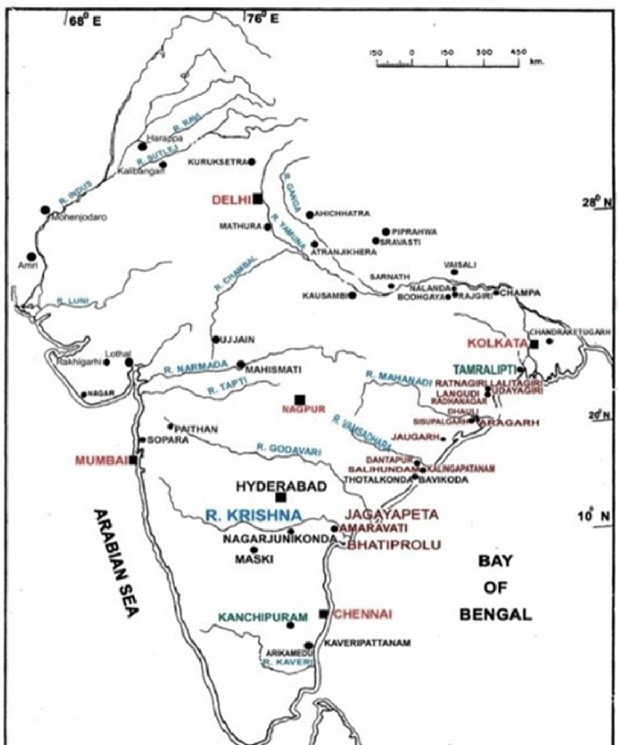
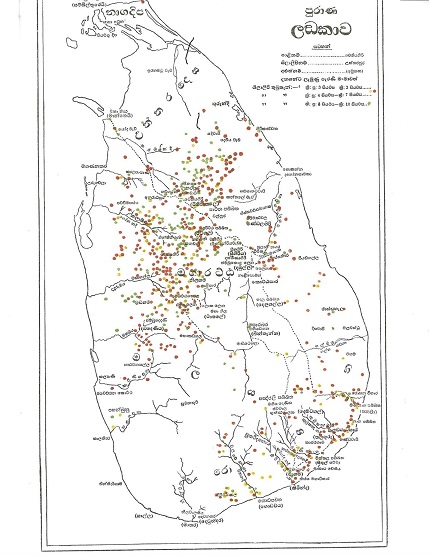
මෙසේ සංක්‍රමණය වූ ජන කොටසකට හිටි අඩියේම අළුතින් ආ ප්‍රදේශය තම නිජබිම යයි පසුකාලයක කියන්නට හැකිවන්නේ අඛණ්ඩව පැවති ඉතිහාසයක් තිබේ නම් පමණක් නොවේද? ඒ අනුව හරප්පා සිට ආ අයට ටැමිල්නාඩ් සිය නිජබිම යයි උරුමකල හැකිය. එහෙත් ටැමිල්නාඩ් වලවත්, ලංකාවේවත් එක දෙමළ බෞද්ධ ගම්මානයක්වත් ඉතිරිව නැත. ඉහතින් ඇති සිතියම් දෙකට අනුව සාංචි හෝ බුද්ධගයා වලට කිට්ටුවෙන්වත් යන වැදගත් එක විහාරයක් ඉතිරිව නැත. ටැමිල්නාඩ් වල සුනිල් ආරියරත්නට දක්නට ලැබී ඇත්තේ විසිරී ගිය සුන්බුන්ය.

ඉහත ලංකාවේ පුරාවිද්‍යා සිතියම C. W. නිකොලස් විසින් 1950 ගණන්වල පිලියෙලකල සිතියමකි. පුරාවිද්‍යා දෙපාර්තමේන්තුවේ සිටි එක දෙමළ නිලධාරියෙක්වත් මේ දෙමළ බෞද්ධ නටබුන් ගැන වාර්තාකර තිබේද? ගල් ලෙන් කටාරමක හෝ දහයක දෙමළට හුරු නමක් තිබීම දෙමළ නිජබිමකට ශාක්ෂියක්ද?

මෙම සූත්‍රය නිර්මලා විසින් පිළිගන්නවාද? DBS ජෙයරාජ්, සුමන්තිරන්, ග්ලෝබල් ඊළම් පිරිස් මේ කතාව දන්නවාද?

චෙල්වාට දෙමළ නිජබිම, දෙමළ කතාකරණ අයගේ නිජබිම යයි සංශෝධන කරන්නට වූවා මෙන්, විග්නේශ් අතීත බෞද්ධ නටබුන් සම්බන්ධයෙන් අන්ද මන්ද ප්‍රතිපත්තියක් ගෙන යයි.

(1).බුද්ධාගමට ජාතියක් නැත. ජර්මන් බෞද්ධ, ජපන් බෞද්ධ කියා දෙයක් නැත. සිංහල බෞද්ධ කියා කියන්නේ නිර්මල ථේරවාද ත්‍රිපිටකය ලොවට රැක දුන් ජාතියට මිස බෞද්ධ දර්ශණය සිංහලය යන අර්ථයෙන් නොවේ. තමන්ගේ සිංහල ලේලිලා දෙන්නා සිංහල බෞද්ධද නිකම්ම බෞද්ධද කියා දන්නේ විග්නේශ් පමණමය.

එසේ නම් අතීත දෙමළ බෞද්ධයා ගැන දුක්වන විග්නේශ් උතුරට බුදු පිලිම එපා කියා දෙමළ ජනයාට විෂ පවන්නේ ඇයි? උතුරට පොල් රා එපා කියන සටන් පාඨය තල් රා බේරා ගැනීමටය කියා අමතක කල හැකිය.

(2) දැනට පුරා විද්‍යාව විසින් බෞද්ධ යයි හඳුනාගෙන ඇති ස්ථාන හින්දු කෝවිල් යයි සටන් කරණ ව්‍යාපාරයක් විග්නේශ් ගෙන යන්නේ ඇයි? ගුරුකන්ද රජ මහා විහාරය, කුරුන්දි විහාරය, දීගවාපි උදාහරණය. කුරගල මුස්ලිම් ග්‍රහණයෙන් මුදා ගත්තා මෙන් ප්‍රශ්ණයක් මේ බෞද්ධ නටබුන් ගැන තිබෙන්නේ දෙමළ ජනයාටද විග්නේශ්ටද? කෝට්ටේ රජමහා විහාරය, නුවර දළදා මාළිගාවට අල්ලා ක්‍රිස්තියානි පල්ලි ඉදිකලා මෙන් රජරට බෞද්ධ නටබුන් වලට අල්ලා හින්දු කෝවිල් සදන්නට ඉල්ලීම දෙමළ බෞද්ධ ප්‍රතිපත්තියට එකඟ නොව කූට දේශපාලන  උපායකි.

(3), මෙම හින්දු කෝවිල් ආක්‍රමණ සැලැස්මේ පිටුපසින් මෙන්ම ඉදිරියෙන්ද ඉන්නේ කළු-සුදු ලෝගු දාගත් ක්‍රිස්තියානි හා බෝන් අගේන් පූජකයින් වීම දෙමළ බෞද්ධ ඉල්ලීමද?

ඊළම් ප්ලෑන හා ක්‍රිස්තියානි සම්බන්ධය

රට කැඩීමේ පෙඩරල් ප්ලෑන හා ක්‍රිස්තියානි පල්ලි ඊට දුන් තල්ලුව ගැන කතා කිරීම ආගම්-ජාති භේද ඇති කිරීමක්ද?

ලේක් හවුස් පත්තර මෙහිදී කල හානිය පුවත් පත් කොමිෂන් සභා වාර්තාවේද (1964) සඳහන් විය. දෙමළ බෞද්ධයා කතාව ඉස්සරහට දමා විග්නේශ්ලා හදන්නේ රට කඩා ගැනීමය. ක්‍රිස්තියානි දෙවියන් හා ශිව දෙවියන් ලවා හෝ එය වෙනවා නම් ඊළම්කාරයින්ට ප්‍රශ්ණයක් නැත. ඉස්ලාම් දෙවියන් හරහට සිටීම අනාගතයේ අර්බුදයකි. ත්‍රිකුණාමළ වරාය ඉන්දියාවට හෝ ඇමෙරිකාවට පූජාකර එය යටපත් කල හැකිය.

ලංකාවේ ඊළම් ව්‍යාපාරය, දකුණු ඉන්දියාව කැබලි කිරීමේ ලෝක ක්‍රිස්තියානි ප්‍රොජෙක්ට් එකේම දිගුවකි.  Breaking India: Western Interventions In Dravidian And Dalit Fault lines,  Rajiv Malhotra/ Aravindan Neelakandan (2012) යනු මෙම ලෝක ව්‍යාපාරය ගැන ලියා ඇති පොතය. කොළඹ ඊළම් ද්‍රවිඩයින් 1917 සිටම මැඩ්‍රාස් හින්දි-බ්‍රාහ්මණ විරෝධී සටනේ හිතවාදීන් විය. මැඩ්‍රාස් ලංකාවේ බෙදුම්වාදීන්ට සෑම විටම ක්ෂේම භූමියක් විය. චීන-ඉන්දියා යුද්ධය කාලයේ ටැමිල්නාඩ් ද්‍රවිඩ රටකැඩීමේ වැඩ තහනම් කිරීමට දුර්වල ව්‍යවස්ථා සංශෝධනයක් ගෙන ඒමට නේරුට හැකිවිය. සිදුවූයේ කුමක්ද?  DMK ( ද්‍රවිඩ මුනේත්‍ර කසාගම්) නමින් එය ලංකාවේ කඳුරට ඉන්දියන් ජනයා අතර ඩඩ්ලි සේනානායක-පෙඩරල් සභාග ආණ්ඩුකාලයේ පැතිරී ගියේය. සිංහල මිනිසුන් එය සැළකුවේ කල්ලතෝනි උවඳුරක් ලෙසය.

විග්නේශ්වරන් සමඟ මේ දෙමළ බෞද්ධයා කතාවද අභාවයට යනු ඇත. එහෙත් ඔහු ඇතිකල විෂබීජය කෙතරම් හානිකරද? පුරාවස්තු විනාශ කිරීමට මුස්ලිම් ජනයා වැඩිවැඩියෙන් පෙළඹෙන්නේ මේ විෂබීජය නිසාය. ඔවුන් ලිග්ගල්, අත්තිවාරම්, පාරවල්, වැසිකිළිගල් වශයෙන් යොදාගන්නේ දෙමළ බෞද්ධයාගේ ගල් කැබලිද  නැතිනම් බෞද්ධ නටබුන්ද? නිර්මලා විසින් මේ කාරණා තෙරුම් ගතයුතුය. එක අතකින් 13-A, ලංකාවේ  භූගෝලවිද්‍යාවට පටහැණිය. අනිත් අතට එයට පදනම්වූ නිජබිම් මාතෘකාව හිස් ප්‍රලාපයකි.

ලංකාවේ වසන දෙමළ ජනවර්ගයේ යහපත රඳා පවතින්නේ නියම බෞද්ධ ප්‍රතිපත්ති අනුව ක්‍රියාකරණ සිංහල නායකයින් තුලින් මිස කළු සුද්දන් හරහා නොවේ. සිංහල හා දෙමළ ජනයාට බෙදුම්වාදයක් නැත. එය තාමත් ගෙනයන්නේ සුමන්තිරන්, රාසමාණික්කම්, ජෙයරාජ්, ජෙහාන් පෙරේරා නිර්මලා, පාකියසෝති වැනි දෙමළ ක්‍රිස්තියානීන් හා විග්නේශ්වරන් යන සිංහල ලේලිලා දෙන්නෙක් නිසා දෙමළ ජෙනෝසයිඩ් ගැන සිතා දුක්වන පංචස්කන්ධයක්  ද විසින්ය. ඔහු යාපනේ අරුන් සිද්ධාර්ථන් නම් තරුණයා සමඟ උමන්දාවට යා යුතුය.

මොවුන්ට බෞද්ධ විසඳුම දැනගැනීමට හැකිවනු පිණිස ඊලම හා බුද්ධාගම යනුවෙන් 2017 දී ලියූ ලිපියක් ඉදිරියේදී කොපිකර එවමි.

===================

ඊලම හා බුද්ධාගම
Posted on January 16th, 2017

චන්ද්‍රසිරි විජයවික්‍රම, LL.B., Ph.D.

පිරිත්නූල් කඹ

1931 දී ඩොනමෝර් ක්‍රමය යටතේ සර්‍ව ජන චන්ද බලය ලැබුණායින් පසු සිලෝන් (සිංහලේ යන නම ඉංග්‍රීසි කාරයාට ඇහුණ හැටි) කොලනියේ ඉතිහාසය ඇල්ලේ ගුණවංශ හාමුදුරුවන් විසින්

Mud ( ilmenite sand) slinging again

December 11th, 2022

Now that two top-level people in Geological Survey and Marine Bureau ( GSMB ) are replaced by new people, the very first complaint published by the ex-chairman of the cement corporation, has landed on new bosses to handle

We should seriously look into the possibility of value addition to our own mineral resources which has been ignored in the past 

Recently we saw a large amount of mineral sand in raw form has been shipped From Trinco .

The Sad ( sand) thing is there may a politician behind all these businesses 

If the claim is true we may have to reinvestigate and stop exporting of soil from  Aluwakkaru in Puttalam.

But we have to be mindful of the fact that Foreign investors  will think twice before they decide to invest when such issues are raised after spending money for a feasibility 

Why can’t Iluka ( I call it ඉල්ලන් කා) company carry out value addition in Sri Lanka and provide some benefits to this poor country?

High Commissioner Moragoda invited to address the Economic Advisory Council to the Prime Minister of India

December 11th, 2022

Media Release  Sri Lanka High Commission in India

Sri Lanka’s High Commissioner to India Milinda Moragoda met with the Chairman of the Economic Advisory Council to the Prime Minister of India (EAC-PM) Dr. Bibek Debroy at the latter’s office in New Delhi and had an exchange of views.

The Economic Advisory Council to the Prime Minister (EAC-PM) is an independent body constituted to give advice on economic and related issues to the Government of India, specifically to the Prime Minister.

During the discussion, the Chairman of the EAC-PM briefed High Commissioner Moragoda on the mandate and the functions of the Council. High Commissioner Moragoda stressed the importance of economic integration between Sri Lanka and India, and inquired as to how the Council could assist in that process.

In response, Chairman Debroy extended an invitation to High Commissioner Moragoda to address the Council on a mutually convenient date on matters pertaining to economic integration and cooperation, which the High Commissioner accepted.

Post Covid supply chain resilience as well as trade and investment were among other issues that were discussed at the meeting.

Dr. Bibek Debroy is an internationally renowned economist and has held many high posts in the government. He is a prolific writer who has translated a number of ancient Indian classics into English, including the Bhagavad Gita. He has also served in the ‘High Level Commission on Legal Empowerment of the Poor’, an independent international organization hosted by the United Nations Development Programme from 2005-2008, of which High Commissioner Moragoda was a member.

Vladimir Pozner: How the United States Created Vladimir Putin

December 11th, 2022

YaleUniversity

Sri Lanka registers decline in crop yield, high food inflation rates following switch to organic fertilisers: Report

December 11th, 2022

Courtesy Adaderana

In order to switch to organic fertilisers, Sri Lanka yet again relied on a Chinese company, only to get deceived in the end as the organic fertilizer supplied could not pass the two rounds of the National Plant Quarantine Services (NPQS) test due to high contamination. 

Moreover, the Chinese firm also pressurized Sri Lanka for the payment of contaminated fertilizer during the island nation’s worst economic crisis, Indo Pacific Centre for Strategic Communications reported. However, the SL government’s choice to transition to organic fertilisers had a negative impact on the nation’s crop productivity, leading to one of the highest rates of food inflation in the world.

Notably, Sri Lanka was the first country to ban chemical fertilizers in April 2021. The island nation, in a bid to save USD 400 million, the then President, Gotabaya Rajapaksa prohibited the import of chemical fertilizers and decide to opt for the usage of organic fertilizers. On August 11, 2021, a Chinese business, Qingdao Seawin Biotech Group Co. Ltd., was awarded a contract for the provision of organic fertiliser.

Following receipt of the contract, Qingdao group agreed to supply 99,000 metric tonnes of organic fertiliser over the course of four shipments to Ceylon Fertilizer Company (CFC) and Colombo Commercial Fertilizers, two local purchasers in Sri Lanka, according to Indo Pacific Centre for Strategic Communications. However, the consignment received by Sri Lanka was found severely contaminated by bacteria named ‘Erwinia’.

Erwinia causes plant diseases and generally infects a huge variety of fruits, grain crops, and vegetables too. The bacteria is of Gram-negative strain and a plant-specific pathogen which degrades the plant cell wall. The most frequent etiological agent of the economically significant bacterial soft rot is Pectobacteriumcarotovorum(erwinia).

The usage of organic fertiliser has become very popular globally since it offers substantial environmental advantages over chemical fertiliser use. Organic matters such as animal manure, sewage sludge, and food waste are also used for producing organic fertilizers. But, keeping in mind the usage of excreta and other types of waste used in the formation, sanitisation is equally important.

Many large-scale animal farms with more than 10,000 pigs or 5,000 cattle have been created in China over the past few decades. As a result, a lot of animal excrement is created, which, if left untreated, is significant pollution, according to Indo Pacific Centre for Strategic Communications. In fact, in China, a sizable flock of sheep were observed wandering in circles for a period of 12 days without stopping, according to several media reports. Some scientists believe the strange behaviour may be Listeriosis, also known as the circling illness” and brought on by a bacterium.

Considering China’s propensity to keep all records of epidemics and diseases secret, it now raises concerns as to whether infected sheep corpses were used to make organic fertiliser. According to Indo Pacific Centre for Strategic Communications, additional consideration should be given to the connections between animal waste, water quality, environmental safety, human health, and risk assessment in relation to organic fertilisers.

Source: ANI

–Agencies

North Sri Lanka: Battle between Indian Tamil Hindus vs Western Tamil Christians/Catholics

December 10th, 2022

Shenali D Waduge

There is a reason why India is always stressing on India’s security interest when the issue of Sri Lanka emerges. It maybe now dawning on India, that it was foolishly roped into training Tamil militancy & allowing Tamil Nadu to be used as a logistics base. That India never trusted LTTE or Prabakaran was evident when he was kept under virtual duress in Delhi while Rajiv Gandhi the Indian PM arrived in Colombo to sign the Indo-Lanka Accord in 1987. LTTE, Prabakaran or even its ideologue Anton Balasingham were not privy to the draft of the Accord except to be told to agree to it & India paid in kind for it. A key factor that is omitted from discussion is the role of the West & its Religious units represented by the Church & NGOs in supporting LTTE & Tamil militancy/Tamil separatism. It is a topic unsavory to even the commentators on the subject as they too belong to this nexus.

It is true that the shift in political alliance by the 1978 JR Jayawardena government may have been a trigger used to encourage India to agree to commence guerilla warfare in Sri Lanka. In all probability India may have not looked at the long term repercussions. India may have also ignored that it was during this same period that LTTE opened its international headquarters in London & it was ceremoniously opened by none other than Rev. Rayappu Joseph.

If LTTE was opening an international headquarters – why did they not choose India? Why a western Christian country? 

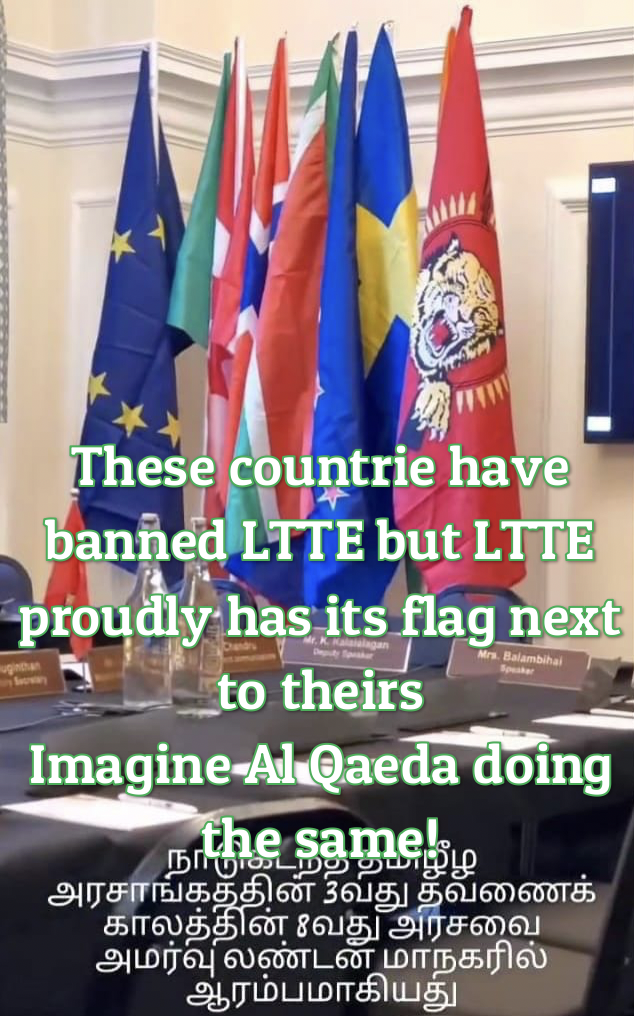
Why are all the LTTE fronts (most of whom were created after LTTE defeat) stationed and operating from Western Christian countries – Canada, US, UK, EU? Why are there no LTTE offices in India? LTTE is banned in all of these countries still, but the LTTE fronts freely operate in these countries, they openly advocate Tamil Eelam, they sell souvenirs of Tamil Eelam memorabilia, they even put up their eelam flag right next to the national flag of these countries. If LTTE is banned, it is no different to Al Qaeda being banned. Just imagine Al Qaeda putting its flag next to the national flags of US-UK-Canada & EU nations… but this is exactly what banned LTTE fronts are doing and none of these countries are doing anything about it.

How did a British foreign office worker Balasingham become the ideologue of the LTTE?

How did he marry a Christian Australian nurse who became the head trainer of child soldiers? Why is this aunty not held accountable for her crimes against children & instead is happily living in UK? 

How did so many Christian NGOs scamper to set up shop in the North & who has taken statistics of the increase in conversions of Tamil Hindus to Christianity throughout the LTTE rule? How many Hindus have become Christians/Catholics even among LTTE combatants? This question is important because the LTTE referred to its dead as Martyrs” and LTTE held memorials and had graves & tombs for its dead. Hindus don’t bury their dead, they cremate them. Moreover the major religious spokesmen of the LTTE are all Christians/Catholics – Rev Rayappu Joseph, Father Emmanuel, Father Jegath Gasper Raj, Bishop Kenneth Fernando of the NCC even visited Prabakaran

Catholic Fathers & Sisters always lead pro-LTTE protests & processions.

LTTE didn’t have any Hindu channels – LTTE had Voice of Tigers which was tied up with Radio Veritas a Catholic broadcasting station run by the Asian Catholic Bishops Conference.

LTTE didn’t have coordinating offices inside Hindu Kovils in North, instead the LTTE had an office inside St. Sebastians Church in Mallavi Vanni as well as Madhu Church.

Then there are the NGO crusadors – the National Peace Council headed by Jehan P was established by the National Christian Council which is affiliated to the World Council of Churches. Notice how most of the Christian/Catholic commentators on the subject always promote devolution/federalism – all along the Western agenda.

Most of the child soldiers” were orphans & these orphans were in orphanages run by Christians/Catholics inside dense jungles. Some 600 children had been sent to a Catholic Church located iN Walayarmadam – LTTE had arrived at this Church on 24 March 2009 and taken the children.

Has anyone made an assessment of the investments” by Western Govts & their Church-NGOs in the North & looked at their ultimate gameplan? Let us not forget the role of the Church in Rwanda debacle in 1991.

All of LTTE’s top rankers were either Christian/Catholics of Hindu converts, which leads us to wonder on whose orders LTTE leader decided to brutally eliminate his deputy Mahaththaya for being an agent of India. If India was supporting LTTE & Prabakaran, there was no reason for Mahaththaya to be killed by Prabakran. That Mahaththaya was following a different course of action to what the handlers of Prabakaran planned is perhaps the reason for his execution alongside all of Mahaththaya’s loyal combatants. Has that foreign lady who counts terrorist dead, counted how many of Mahaththaya’s men/women were hunted & slain by Prabakaran/LTTE for their loyalty to Mahaththaya. So India’s main man was eliminated by the West’s apparatus.

Has anyone looked at why LTTE would target & eliminate the entire moderate thinking Tamil Hindu leaders? Most of the Tamil loud-mouths in Parliament are Christians or Hindus who are towing an extreme line simply for their political & personal survival.

India may use strong-arm tactics with Sri Lanka & get away, but India has not been able to dictate to the West’s Christian/Catholic backed Tamil or Sinhalese groups whose loyalty are to the West. They all feign loyalty to India.

This is where India needs to take a step back & look at the scenario differently.Every overture India makes siding Tamils is inadvertently bringing advantage to the West-Tamil-Christian-Separatist agenda.

If it is not advantageous to Sri Lanka it is certainly not advantageous to India.

This is something India will have to now accept. It may have its agents all over Sri Lanka, but the agents of the West are more powerful & working to their agenda.

Look at Tamil Nadu & the Western-Christian/Catholic influence prevailing across South India even extending to Kerala where even an increase in Islamic radicalism has emerged. What were the messages given from Easter Sunday mass murders?

Many Tamil Christians/Catholics who put country first have understand the bigger picture have given enough of warnings which have not been heeded.

India has to seriously look at its game & change it considering the ground realities.

We can only remind India, that the balkanizing of India was referred to in 1998 by a US Congressmen & this is very much on the cards. If West could balkanize Soviet Union & Yugoslavia, doing same to India is a piece of cake!

India maybe majority Hindu but the Tamil Hindus in Sri Lanka have no say inspite of being a majority, they are ruled by Tamil Christians/Catholics primarily because of the support they wield from the West & its NGO/INGO & Church apparatus. Tamil Hindus are kept divided by their caste/class differences.

India is being used to push for federalism which in reality is confederalism / asymmetrical federalism via 13a & devolution. India is being used as a smokescreen to realize what the West & its foot soldiers want – to carve out a satellite new state in South Asia as part of their pivot to Asia.

India has no powerful Tamil Hindu leaders in Tamil Nadu or Sri Lanka to even articulate the dangers to the Hindu Tamils in Tamil Nadu or Sri Lanka, which is why India needs to reassess its cards & play a different game. 

The economic collapse was engineered with many agendas in mind, remember the West now dictates the economic policy of Sri Lanka. Its time India starts playing the right pawns unless it wishes to lose its influence in Tamil Nadu as well.

Shenali D Waduge

සියයට සියක්ම ආගමික අන්තවාදින් මෙල්ල කළහැකි ක්‍රම

December 10th, 2022

Ceylon Diary – SBPC Official Channel

මෙරට ආගමික අන්තවාදීන්ට තම ආගම පැතිරීමට වල්බුරු නිදහසක් නැතිබව ඔප්පුවෙන ශ්‍රේෂ්ඨාධිකරණ නියෝග හා අනිකුත් ව්‍යවස්ථාමය කරුණු.

IMF Bribes Central Bank & Media: US & India Set to Split Sri Lanka

December 10th, 2022

e-Con e-News

India’s Research & Analysis Wing (RAW) ‘spy chief’ Samant Kumar Goel slunk into Colombo to further grab strategic sectors (fuel, ports, etc) and regions (Trincomalee, Mannar, Hill Country, etc) to divide the country. His arrival accounts for the rather muted LTTE Maaveerar Naal or Great Heroes Day on 27 November (see Random Notes).

  India-allied MPs and media then raised greater clamour blaming China for the delay in the IMF’s gifts. Their IMF demand amounts to continuing the colonial import-export plantation economy. Warlord-backed Trinitian TNA MP Shanakiyan Rasamanickam is reported as calling for ‘Go Home China’ demonstrations, just like US-funded NGOs are now doing in Thailand, Malaysia, etc. (see ee Focus, Are China and Russia Imperialist?)

• The US government also summoned Foreign Minister Ali Sabry to Washington for a 3-day visit on November 30, just after ‘dual citizen’ Basil Rajapakse returned from the USA. Sabry met with US Secretary of State Anthony Blinken, also meeting US Senate Foreign Relations Committee members (see ee Sovereignty, Minister Sabry meets).

  ‘The US has been one of the prime movers of the resolution against Sri Lanka at the UN Human Rights Council in Geneva. In this backdrop, diplomatic sources say Washington would try to persuade Sri Lanka to heed the provisions of the resolution. Moreover, a UNHRC Secretariat is now probing allegations against political leaders in SL for alleged human rights violations and ‘economic crimes’.’

• US-state news outlet EconomyNext reports, ‘India sends RAW chief after lending $500mn loan’. The media downplayed the Indian government’s ‘commercial interactions’, their economic and political demands, and instead barked out the usual anti-China rhetoric. RAW’s ‘Goel comes amid indirect efforts by Wickremesinghe to meet Indian PM Narendra Modi since last month, sources said… Officials at Sri Lanka’s Foreign Ministry said they did not facilitate RAW chief’s visit…, while the cabinet spokesman swore: ’I swear that I don’t know such an intelligence chief met the president or any other government official.’

  The RAW chief also met finance minister & strategist of the SLPP Basil Rajapaksa… I think the message is related to the upcoming election’… Former president Mahinda Rajapaksa himself in 2015 said it was India and RAW who defeated him. So the RAW chief’s visit could be something more than what we hear. How can India order a sovereign nation on how and whom to deal with?’

   ‘China has also started funding underprivileged universality students in Jaffna and Eastern Universities. This has also drawn Indian concerns, university sources have told EconomyNext. Jaffna University Students’ Union last week said they are opposed to a move by the government to sign a memorandum of understanding with a Chinese agricultural university.’ (ee Sovereignty, RAW chief Samant Kumar Goel)

• Former IMF & current CIA operator Anwar Ibrahim has been narrowly ‘elected’ PM of Malaysia. This recalls 2015 Sri Lanka’s rigged Yahapalana election. The US chose Ibrahim as Chairman of the Development Committee of World Bank & International Monetary Fund (IMF) in 1998. He has been working with the US National Endowment for Democracy (NED) ever since. The US government through the NED has massively poured millions of dollars to Ibrahim’s ‘opposition party, a street front he has helped lead, and media networks promoting him across Malaysia’s information space’ (see ee Sovereignty, Malaysia’s New Prime Minister).

• ‘Politicians are known for smug moralising and fervent religiosity’, editorializes the Island. But surely, there is no sickening sanctimony more than the ’Fair and Lovely’ moneyed media, especially the English media. Politicians are an easy target, but this week more evidence arrived of the collusion between this even-more unaccountable and unelected media and those officials who work against the country’s interests

For full Story

Strengthening Systems to Support Survivors of Gender-Based Violence

December 10th, 2022

World Bank Blogs

A woman is seen in the fields in Nepal

Each year, as we mark the 16 Days of Activism Against Gender-Based Violence Campaign, we join our partners to renew our commitment and step up our actions for the prevention and elimination of gender-based violence.  

Gender-based violence is a major issue in South Asia, where a staggering two out of five women experience intimate partner violence (IPV). Only a few women seek any help or report the abuse.  

This is a pattern of gender-based violence (GBV) that we see across the Maldives, Nepal and Sri Lanka. 

In the Maldives, one in four women experience some form of violence in their lifetimes, and 60 percent do not seek support. In Nepal, 22 percent of women aged 15-49 experience physical violence since age 15, and 7 percent experience sexual violence. Sixty-six percent of these women do not seek help to stop the violence. And in Sri Lanka, one in five women experience intimate partner violence in their lifetimes and only 28 percent seek help. 

Survivors of violence often hesitate to seek help due to social and cultural beliefs that result in victim blaming.  They also often consider the violence to be normal” or not serious enough.” When survivors do seek support, they mostly opt to reach out to family and friends instead of to formal service providers. 

Survivors of gender-based violence often hesitate to seek help; for those who do, service provision is sometimes unavailable or difficult to access in rural areas or remote regions.

For those who want to seek support, service provision is sometimes unavailable or difficult to access in rural areas or remote regions. Where services are available, there are often concerns around confidentiality and the judgemental attitudes of service providers. Moreover, lesbian, bisexual women, and transgender people experience rape and intimate partner violence with even fewer support services available. 

Gender-based violence is preventable 

Research shows that attitudes and behaviors with regards to GBV can change – albeit slowly. Change requires intensive interventions, following well-tested methodologies, a deep understanding of context, and implementing partners that are experienced in social norms programming and know the country and community context well. Since social norms and beliefs that uphold violence against women and girls are resistant to change, approaches need to go beyond the household or individual level to change perceptions and attitudes at the broader community level.

Since social norms and beliefs that uphold violence against women and girls are resistant to change, approaches need to go beyond the household or individual level to change perceptions and attitudes at the broader community level.

Programs like SASA! – or Together for Girls – which work with whole communities and households to change mind-sets and question the acceptability of violence are a good example of what can help. In Bangladesh, the World Bank financed Health and Gender Support Project in Cox’s Bazar teamed up with the United Nations Population Fund (UNFPA) team on the ground, to roll out SASA! among a highly vulnerable displaced population. Currently more than 400,000 girls and women are accessing services through the project.

While social norms programming will not be feasible everywhere, a lot can still be done to address GBV by strengthening the delivery of health care and psychosocial services, social services such as shelters, protection and legal support.  It is critical for service providers to work together to support survivors in a coordinated manner.

This means putting in place effective case management – so that survivors can access the multisectoral services they need in a timely manner and are not further traumatized by having to repeat their stories multiple times. 

In recent years, the World Bank has stepped up operations that support GBV response and supported client governments to make life-saving services available to survivors of violence. 

In recent years, the World Bank has stepped up operations that support GBV response and supported client governments to make life-saving services available to survivors of violence. 

Image

GBV helpline unit in Nepal

Learning from Maldives, Nepal, and Sri Lanka

In the Maldives, the government established its first Gender Violence Prevention and Response hotline during the pandemic. COVID-19 led to a spike in domestic violence as well as social media conversations around the issue. The newly established 1421 hotline provides support to survivors to help them find the most suitable solutions and options for their particular situation. 

A network of community committees (IBAMA committees) has been established by the Government of the Maldives in partnership with UNICEF. These committees provide much needed referral and protection services in remote atolls where they are often the main (or only) port of call for both women and child survivors.  

The IBAMA committees are an example of the type of support that can be made available building on community resources and training paraprofessionals. The World Bank started its engagement on GBV in the Maldives in 2022, supporting the government to develop an integrated case management system  to help ensure access to a set of key standardized services, along with other types of assistance. 

The World Bank started its engagement on GBV in the Maldives in 2022, supporting the government to develop an integrated case management system

In Nepal, the World Bank is supporting the government to remove gaps in GBV service provision in remote parts of the country and at the municipal level . This will contribute to expanding services to end users. That will involve replicating the best practices of Nepal’s Khabar Garaun (Inform Us) 1145 helpline in selected municipalities across the country. 

The World Bank is focusing on ensuring survivor’s access to health care, psychosocial services, legal aid, and safe spaces in Nepal . Increasing awareness of the availability of the services and building capacity of municipal staff to provide quality services will be an essential building block to sustain these critical services in the long run.

The World Bank is focusing on ensuring survivor’s access to health care, psychosocial services, legal aid, and safe spaces in Nepal.

In Sri Lanka, the government and civil society organizations have played an important role in making service provision on GBV more available across the country, including in remote rural areas. The ministry of women and child affairs has a tollfree national women’s helpline which provides counselling and legal support to victims of violence. The NGO Women in Need for example runs a trilingual 24-hour hotline and digital application to provide psychosocial, legal, and shelter support for survivors. 

The organization works with the Ministry of Health to support one-stop crisis centers (Mithuru Piyasas) in state hospitals. These centers provide life-line services and are present in 30 hospitals across the country. During the COVID-19 pandemic, the World Bank supported Mithuru Piyasas to increase service provision for survivors of GBV – focusing particularly on raising awareness of available services, support domestic violence prevention efforts and building staff capacity. This year to mark 16 days of activism against GBV two CSOs launched a helpline designated to respond to complaints around cyber bullying and harassment. 

In Sri Lanka, the World Bank supported Mithuru Piyasas to increase service provision for survivors of GBV – focusing particularly on raising awareness of available services, support domestic violence prevention efforts and building staff capacity

The government is seeking to pass a new bill on gender equality and women’s empowerment in order to improve responses to GBV and address other areas to increase gender equality within the country.

There is still a lot more to be done. Survivors of GBV need better access to quality multi-sectoral services that address their physical and mental health needs,  and provide protection and safety in a confidential, comprehensive, survivor-centered, and respectful manner. 

In Maldives, Nepal, and Sri Lanka, we will continue to support the governments and development partners to help make services available to the women and girls who need it the most.

In Maldives, Nepal, and Sri Lanka, we will continue to support the governments and development partners to help make services available to the women and girls who need it the most.

Sri Lanka bans transportation of beef, mutton as bad weather kills cattle

December 10th, 2022

Courtesy Hindustan Times

President Ranil Wickremesinghe issued the orders to ensure public health safety, officials said.

Sri Lanka on Saturday suspended the transportation of beef and mutton at district and provincial levels after a large number of cattle and goats died in the last two days due to unusually cold weather in areas of north and eastern provinces.

President Ranil Wickremesinghe issued the orders to ensure public health safety, officials said.

According to the statistics by the Department of Animal Production and Health, 358 cattle and 191 goats have died in the northern province, while 444 cattle, 34 buffaloes and 65 goats died in the eastern province.

Director General of the Department of Animal Production and Health Hemali Kothalawala said that specimen of animals will be subjected to laboratory tests at the Veterinary Research Institute on Saturday and Sunday.

We are almost there with IMF bailout – CBSL Governor

December 10th, 2022

Courtesy The Island

The IMF could finalise Sri Lanka’s financing package within three weeks of the country’s main bilateral creditors formally informing the IMF that they would help Sri Lanka restructure its debt, Governor of the Central Bank, Dr. Nandalal Weerasinghe, said on Thursday appearing on a TV programme.

Dr. Weerasinghe said that Sri Lanka had already provided adequate information to the country’s main bilateral creditors and they were in a position to make an informed decision about the role they could play in making Sri Lanka’s debt sustainable.

Sri Lanka’s ability to secure an IMF package depends on the country’s ability to obtain assurances from our bilateral creditors. We have made good progress with the Paris Club, India, and China. We have had two formal meetings with all donors, and we have given all the information. We have kept providing them with information, through the IMF and our advisors, and the creditors now have sufficient information to decide on what kind of contribution they can make to restore debt sustainability,” he said.

Dr. Weerasinghe said that the next step would be getting financial assurances from all creditors, either collectively or bilaterally, based on what type of relief they would provide. Then the creditors could tell the IMF formally that they are willing to help Sri Lanka reach the debt targets that the IMF has set up, he said.

Then, we can go to the board and approve the programme we have set up. The IMF needs a maximum of three weeks to get the programme approved. We were making progress and

we were hoping for an IMF programme by December. However, there was some little delay from some of the creditors because of internal issues. If we had got the assurances in November, we were targeting the IMF board meeting which is to be held on 19 December. But we have missed that,” he said.The Central Bank Governor said that some partners have expressed willingness to support Sri Lanka. Among them are China, India, and the Paris Cub.

When they tell the IMF that they are willing to help formally, we are almost done. We are almost there in my view. Once we get that assurance, the IMF needs a maximum of two to three weeks to prepare all the board papers, circulate with the board members, go to the board and get the programme approved. For example, if we can get the creditors to write to the IMF this month, the IMF can approve this programme in January. The IMF board usually meets two to three days a week,” he said.

Responding to a question whether Sri Lanka is versed in dealing with such matters, Dr. Weerasinghe said working with the IMF is not new to the country. However, previous dealings with the IMF have not been this complex, he said.

That is we did not have a debt crisis. In the past we have gone to the IMF to address Balance of Payment crises, for financing support and also for advice on the overall macro framework. In this case, we also have to also ensure that our debt is sustainable. That is the additional complication,” he said.

THE SINHALA SCRIPT IN ANCIENT SRI LANKA

December 10th, 2022

  KAMALIKA  PIERIS

Archaeological excavations in Anuradhapura have shed new light on writing in ancient Sri Lanka. Valuable findings have emerged from the excavations in the Anuradhapura citadel site.  Thirty two pieces of broken pottery, with writing on it, were found in 1984, during excavations at the Anuradhapura citadel excavation site. The writing signified ownership. 

Researchers from Cambridge University dated these to 500-600 BC. Techniques used for the dating includedradiocarbon and thermo luminescent techniques. The dates have been accepted by foreign experts. The letters in the writings were almost identical to the Asokan script used 200 years later in India. This means that Sri Lanka had writing well before Maurya period in India. Siran Deraniyagala says this   has pushed the lower boundary of writing in Sri Lanka by at least two centuries, to the time of the Buddha. 

Excavation work on the section (strata) dated to 8th century BC, brought up five pieces of pottery (potsherds) belonging to five different vessels. These pieces had writings which were clearly parts of inscriptions.  They were in early Brahmi. These findings came from the elite area of the Anuradhapura citadel site.   Later several more pieces of pottery with similar brahmi letters were found. Since there was more that one, intrusion could be ruled out. A tile with ‘Anuradha’ scratched on it, in what seems to be prakrit letters, was found by students  at the excavation level dated to 900 BC. These further indicated that we have had a script before India. Deraniyagala commented that while India accepted these findings, some in Sri Lanka did not. He noted that researchers in Madras said that they have found a pot which has older writing, butthe writing is inside the pot and cannot be seen.

Siri Gunasinghe says that Sinhala derives from a Prakrit spoken by Sinhala colonisers. The original prakritic Sinhala can be seen in the vocabulary and grammar of the early Brahmi inscriptions This Sinhala evolved independent of Sanskrit and Maghadi.(Pali) .The words ‘aya’ and ‘maha aya’ found in the inscriptions have no parallel in India. He points out that Sanskrit was also initially a prakrit. The brahmi script of Sri Lanka evolved into the present day Sinhala script.

Nilakanta Sastri said that in south India,  the Telegu, Sanskrit and Tamil languages used the Pallava-Grantha script  P.E.E. Fernando (1949) stated that in the 8th century AD  the Sinhala script was  also influenced by the Grantha script of the Pallavas. He used as evidence six inscriptions found in Sri Lanka and the potsherds found at Arikemedu in Tamilnadu. He pointed out that these potsherds showed two letters in Sinhala brahmi, which are found only in south India, not north India. He assumed that the influence was from Tamil kingdom to Sri Lanka, and not the other way round. However he noted that by 9th century, the Pallava influence was waning and Sinhala was developing its own script. Even today, academics glibly repeat Fernando’s statement that the Sinhala script was influenced by the Pallava script.

These ideas have now been revised. There is new thinking. David Trotter said that the similarity of Malayalam and other Dravidian scripts to Sinhala show that Sinhala must have had a strong influence on the Dravidian areas of India. K.V.Raman   says that around 250 BC a distinctive southern tradition of writing arose, centred primarily on Sri Lanka and the Pandya region of the Tamil kingdom. The earliest Brahmi inscriptions in Tamilnadu are   concentrated in Pandya country, especially around Madura. There are no early epigraphs in northern Tamilnadu or to the west and south of Tiruchirappalli. Raman says that there is a credible possibility that influences from Sri Lanka had played a vital role in the spread of these inscriptions to the Pandyan territory”. He thinks that Sri Lanka probably received the Brahmi script through the sea route from Gujerat or Kalinga.

K. Indrapala says that scholars studying the pottery graffiti from various sites in Tamilnadu found unmistakable evidence of the Sinhala language in Brahmi inscriptions. Potsherds  found at Arikamedu, Alangulam, Kodumanal and Kaveripattnam in Tamilnadu,  were in Sinhala Prakrit written in the  Sinhala Brahmi script of 2nd century BC. S. Iracavely and P. Jeyakumar have independently stated that these show the influence of Sri Lankan Brahmi and Sinhalese Prakrit in the Tamil kingdom.  Irthavan Mahadevan in his monumental work on Tamil epigraphy had also drawn attention to several instances of Sinhala influence in the brahmi inscriptions of Tamilnadu. It is the Sinhala script that has influenced Tamil writing and not the other ways round.  ( concluded)

System Change: an Aragalist touch-me-not?

December 10th, 2022

Malinda Seneviratne


Such diversity! Such passion! Such innovation and creativity! Such courage and heroism! Such were and still are the encomiums floating around in mainstream and new media about the Aragalaya. Yes, there was diversity, passion, creativity, innovation and courage. These however do not necessarily constitute good, healthy, wholesome etc. For example, the LTTE, Al Qaeda, ISIS, Taliban and other such outfits had little diversity as is the case in identity based ‘struggles,’  but that all have long histories marked by creativity, innovation, passion, courage and heroism.

There was diversity and there was division. There were LGBTQ collectives (who, if probed, probably had very divergent views on things like governance systems, capitalism, the so-called ‘national question,’ elitism etc) and there were people spouting homophobic rhetoric. There were nationalists and those who equate the term with Sinhala Buddhist chauvinism. There were victims of the system and system-beneficiaries. There was the left and the right getting comfy with one another (of course the radical credentials of many self-styled leftists have long since been compromised). And there was Julie Chung playing Viceroy in the midst of a flag-waving multitude. But, clearly, they all got together.

For what? Well, even as they blared out their pet slogans, passed around leaflets and posted in social media nutshell version of particular ideologies and preferred outcomes, and ‘educated’ the ‘ill-educated’ at every turn in pitiful attempts to dislodge long-standing angst, they were in unison in the call for the resignation of Gotabaya Rajapaksa.

If anyone truly believed that getting rid of Gota would sort the country’s many ills, that’s delusion of the highest order. Nevertheless, it could be argued (and it has) that ousting him is a necessary first step in the process of putting things right. This theory is full of holes.

Systems can be represented by a single person or a collective of a few individuals, a family in this case as is argued for example. A system however is not a person (or a collective). The removal of a representative will not alter it. In this instance there was no agreement among the diverse multitude unified by a person-focused slogan and nothing else about successor or succession. Neither was there any cogent idea or even discussion about what kind of system would be desirable and how to go about installing it.

This is not surprising when outfits such as the Inter University Student Federation (IUSF) and the Frontline Socialist Party (FSP, which by the way dominates the IUSF) who formed the agitational vanguard in the main and professed to be committed to system-change failed miserably in a) coming up with even a halfway decent set of proposals for system change, and b) did not attempt to mobilise the agitators around the idea of a system-change. The second is understandable given the ideological diversity and a marked tendency to back-burn system change, never going beyond what at best could be called a peripheral slogan/demand.

Not surprisingly neither was there much of a system-change discourse emanating from the Neddas (those individuals/groups directly or indirectly benefiting from funds channeled through the National Endowment for Democracy — NED — the US outfit that took over the CIA’s country-destabilising operation), Candlelight Ladies, Rent-a-Protest Agitators, Stink Tanks, Con-Artists, Bornagainazis and other Funded Voices and other Kolombians. Indeed, for most of them the system was coterminous with Rajapaksas which again demonstrates both naïveté and duplicity.

Not all of this is captured in a survey of the Aragalaya recently carried out by the Centre for Policy Alternatives, but even this suspect outfit has (perhaps inadvertently) come upon a few startling truths about public perception related to what for some, such as the Asia Foundation, was ‘revolutionary’.    

The CPA assures that the semi-structured questionnaire administered among 1100 respondents from the four main ethnic communities (one wonders whether these were weighted to reflect real percentages) covering all 25 districts yielded reliable data.

On the one hand, a vast majority of respondents were willing to compromise on travelling and transport as well as food consumption (76.3% and 69.5%), but more than half were reluctant to agree to more taxes and almost 75% were vehemently opposed to any move that might result in a family member losing a job. This is all understandable. What’s missing here is hat some of the proposals for ‘change’ include these kinds of measures, especially those conditions currently being insisted by the IMF.

More than 80% want ‘system change’ but are clearly wary of neoliberalism. They want welfare and they also want less government. They want foreign companies to invest in Sri Lanka and they don’t want limits on earning capacity but they are not happy about privatising state-owned enterprises. They vehemently oppose greater involvement of the private sector in health and education.


Many questions have not been asked and therefore the data is not available. Here’s a list of issues that the CPA could consider if/when it conducts a follow-up survey:

1. What are the perceptions of Julie Chung’s involvement in the Aragalaya? 2. Can the IMF help the cause of changing the system? 3. Has the system changed? 3a. If ‘yes,’ in what ways specifically? 3b. If not, why not? 4. Does the replacement of a leader amount to system-change? 5. Did the institutional arrangement and the system of state processes change at all thanks to the Aragalaya? If conditions have not improved (The CPA’s income-expenditure data from the survey indicates that the situation has got worse) what really are the positives vis-a-vis ‘change’ that the Aragalaya yielded?  

While at it, the CPA (or anyone else) can ask if people know anything about the global capitalist system, whether or not it is important to develop the country’s manufacturing sector, whether or not development banks are necessary, whether or not a comprehensive plan for food and energy sovereignty and the will to implement it has to be part of a changed-system, whether beneficiaries of the system so reviled (the rich and powerful) truly wanted the structures and processes altered, and why and how the idea of system-change fizzled out the moment Ranil Wickremesinghe took control.

They could also ask what happened to the energy, creativity and courage? What happened to the agitational heroes? Who really benefited from the Aragalaya? Does Galle Face Green look prettier now if more boring? Were they right, those who said that it was a circus, all things considered and that the well-intentioned who were without political affiliation but were determined to build a new Sri Lanka were cheated?

malindadocs@gmail.com

RELATED ARTICLES

Beware the NEDdas

#Aragalayaleft?

Personalities and systems

The ‘aragalists’ and the challenge of re-mapping Sri Lanka

Notes for a Sincerity Project: The Vasalas and Brahmanas

Notes for a Sincerity Project: Elections, electors and elected 

The Aragaliss and the challenge of re-mapping Sri Lanka

Constitutional Reform: The wages of haste, sloth and expediency 

The International Community, the Opposition and the people 

Recipes for co-opting and subverting #peoplepower

#De-dollarize 

When the centre cannot hold

Vee da (වීද) hoo da (හූද) people?

ව්‍යවස්ථා සංශෝධන මාෆියාව/මේනියාව 

ජනසතු අරගලය ජනතාකරණයට ලක් වුනාද?

අරගලයේ දේශපාලන ඉතිරිය

අරගල, විප්ලව සහ දේශපාලනයේ අවලස්සන යටිපැත්ත

Ambassador Chung and xeroxable change

The Aragalaya: a postscript

Tomorrow, tomorrow and so forth…

A season of (il)legitimacies 

The brink and beyond

Spontaneity and its discontents 

ලෙයට ලෙය වෙනුවට ආලය

පුද්ගල චරිත මතුවේ, නිර්පාක්ෂික හැව ගැලැවේ, අරගලය ඉදිරියටම….

The BASL Proposals: A review

MUCH NEEDED FOREIGN RESERVES 

December 10th, 2022

By Dr Sarath Obeysekera Chairman Advisory Board for EDB to develop Marine and Offshore Industry 

Preamble

This proposal has been made with an action plan to develop NAUTICAL TOURISM with much emphasis on Entertainment Based facilities for tourists who will be tempted to visit Sri Lankan shores. This document is an outline of the idea, and a complete discussion is needed in person to elaborate in detail.

Already existing entertainment-based Casino Industry currently existing in the country can be further expanded with support from the government to attract tourists from China, Hongkong, Singapore,Europe and middle eastern countries.

Timeline 

Special Cabinet paper shall be submitted by the Minister in Charge of Investment promotion and Port city / Immigration to fast-track implementation plan.

Immediate Request for Proposal to be issued to Tour Operators to commence Operations with a view to attract Visitors for entertainment tours.

Infrastructure 

• With the newly developed Port City and the Marina, where base of the operations can be established by accommodating Leisure Crafts and Larger Cruises which can accommodate up to 500 passengers to birth and collect tourists who may arrive from the listed countries.

• Rather than waiting for fully fledged construction work to be completed, government should invite private investors to install prefabricated birthing area with all the infrastructure facilities required for tourists to wait on until check into cruisers are ready to travel.

• Food and Duty-free Alcohol outlets to be established like duty free shops in the landing area for passengers to purchase before sailing.

• Transport facilities for tourists who arrive in Sri Lanka on visas granted at arrival can be welcomed at the airport and transported via the airport highway to Port City.

• For passengers who may want to be in the city of Colombo can be accommodated in few City hotels in the vicinity of the Port City.

Regulatory Framework and other facilities 

• Sri Lanka Tourist Board shall make their officers at arrival location to receive the visitors who come to Sri Lanka to get on board the Cruisers for sailing and arrange transport from the Airport to Port City. This could be outsourced to a private sector company.

• Separate immigration counter to be made available for Port city visitors / entertainment.

• Separate area at the exit of the airport to be made available for buses for picking up the passengers to be transported to Port City. Again, this could be outsourced for private company.

• SLTDA shall market the availability of such entertainment tours using their agents and Sri Lankan Embassies abroad with emphasis that visiting Sri Lanka will help the nation to generate income to support the country during these difficult times.

• All necessary government approvals for operating such cruises shall be provided via one stop shop under BOI.

• Government shall establish licence structure and tax scheme to generate income for state coffers.

Market Survey for Cruisers and Operators

• Sri Lankan companies such as Expo Lanka, Aitken Spence, Hayley’s, Ceylon Shipping Corporation and other tour agents shall be requested to carry out a market survey to invite Cruise Operators to establish their Operations in the Port City .

• Existing Leisure Craft Operators shall also beallowed to operate from Port City Marina to receive High Net Worth visitors for short tours around the island with Destination to Trinco Sober Island for few days prior to joining the entertainment Cruises.

• Cruises shall /may sail to Maldives and return to the port city to depart.

• Alternatively Cruise operators can allow passengers to berth in Maldives on the way to Colombo?

Our Contribution

Having spent many years Abroad and in Sri Lanka in the Oil and Gas industry, Ship Building and management sector, I have exposure and a thorough knowledge of the spoken subjects. I have also represented similar idea on a couple of TV programs ( Derana – Aluth Parlimentuwa ) during the past few weeks.

I am happy to overlook and arrange a workable practical mechanism for the discussed subject, provided all red tapes are removed and given authority to manage without any interference fromministerial levels.

We are more than happy to visit for a meeting and discuss a way forward in this massive industry which can overwhelmed Sri Lanka with foreign income.

By Dr Sarath Obeysekera

Chairman Advisory Board for EDB to develop Marine and Offshore Industry 

 POLITICAL UPHEAVALS OF CHANGE

December 10th, 2022

LANKAWEB EDITORIAL

Regardless of all the political upheavals of  change which have been realistically fortuitous for Sri Lanka under the present administration,  the country is still facingunprecedented crises in many areas.

Despite all the promises made by the administration which realistically  is of a ‘pro tem’ nature and hardly a legitimately elected one exercised by the will of the people veritably, immediate actions are necessary  to resolve the political and socio-economic crises, including aggravating social unrest and severe damage to the livelihoods and well-being of all corners of society.

Distinguished members of parliament, opposition political parties, many  individuals of wisdom and civil societies have already recommend many  viable options. So far, none of them have been met or accepted effectively  by the country’s political authority which seems to have the proverbial “

 head buried in the sand – ostrich ” mentality and the President  continues his merry way ,at times in an authoritative manner which  also seems to have leanings towards strong arm tactics which is detrimental towards the well being of the Nation.

The dissenting Tamil opposition groups probably watch on with relish as they too have contributed covertly to all the negative happenings with in the country and there is a definite felt need to confront them.

Many observers watch the current state of hardships Sri Lankans are undergoing with anger, dismay and sorrow which has been brought about needlessly by the irresponsible, misguided and avaricious leadership of a previous regime who still need to be held accountable and brought to justice where the present President seems to be turning a blind eye towards this responsibility and there is speculation he is being  covertly manipulated by the very regime that has brought the country  to this state albeit with no tangible evidence to prove this allegation despite being a distinct possibility in the minds of some analysts.

 Sri Lanka in the aftermath of all she has suffered now has to  build a  prosperous and peaceful society towards posterity where people are  free from wants and fear of persecution and violence. The vulnerable  need to protected, and opportunities made available for all citizens  to fulfill their aspirations to their complete potential.

The foundation of this success will rest on the the importance placed on  public trust. Anyone in power, whether a political leader, a  high-level government official, or an industrial leader who rescinds  this concept and acts against the grain of legality and primarily the will of the people needs to be removed from power if responsible for committing any act of losing  public trust where an independent and accountable platform needs to be  set in place, based on merit, ensuring the rights of the public making  sure that the government functions according to regulations, even  when there is a semblance of political instability.Needless to say this is an aspect of governance the president needs to pay imperative attention to.

Separation of the powers of the Legislature, Executive and the Judiciary has been of prime importance which should ensure checks and balances against excesses.

Working for the well-being of the country and its citizens whilst respecting the institutions of a parliamentary democracy which should enable these branches of government to build public trust where Sri Lanka can learn much from this concept in overcoming the current crisis.

 As a country, Sri Lanka is blessed with natural resources and a work  force second to none, if given a chance. All around the world, Sri  Lankans have risen to very high levels in academia and industries, yet  opportunities are not available and industries are not fostered in Sri Lanka equitably. There is a blatant disregard for public trust  and the public voice since the public has been made powerless by weakening  governance and politicization of critical institutions.The past and  current protests in Sri Lanka are timely actions to restructure,  reform, and balance the three pillars of the political economy – the  State, Markets, and Civil Society. Observing effectively the citizens’ genuine grievances, concerns, desires  and responding to them promptly is the only way one can save the country for future generations.Not suppressing them through threats of force.

 The citizens have lost their trust in the government in a climate of  uncertainty.The President, Prime Minister and his associates in  Administration should restructure their current policies,  positions and general elections held somewhere down the road.

 Perhaps parliament should select through confidential voting two potential candidates outside the ruling parties for the future President and Prime Minister.

 It appears that what is going on in the country is a slow progress and simply a means for  an overly ambitious President to ensure his legacy despite provisions of restitution made towards some of the country’s dire needs through a proportion of timely actions which have only been met in a token manner and the people appeased only marginally.

Needs which virtually brought a once proud Nation to her knees which have to be supplemented in their entirety for the Nation to function smoothly again.

Traffic and Road Conditions in Sri Lanka

December 10th, 2022

Dr sarath obeysekera

Traffic Safety and Road Conditions

While in Sri Lanka, U.S. citizens may encounter road conditions that differ significantly from those in the United States. Vehicular traffic in Sri Lanka moves on the left (British style). Traffic in Colombo can be congested. Narrow two-lane highways, overloaded trucks, poorly driven buses, and a variety of conveyances on the road, ranging from ox carts and bicycles to new four-wheel-drive vehicles, make driving dangerous. Unexpected road blocks and one-way streets are common and may not be clearly marked. Many visitors hire cars and drivers for long trips through the country. Individuals who choose to hire three-wheeled vehicles (tuks” or three wheelers”) should use metered vehicles or negotiate prices beforehand to avoid confrontations upon arrival. If you are renting a vehicle, you should specifically request one with working seatbelts.

Above information on Country Reports web site clearly gives  a bleak picture about our discipline and maintaining law and order , on the roadways 

It gives an impression that we are a country with jungle law 

Today I listened to a lady law maker talking like a street gram vendor 

And yet boss of the country cannot do much 

Parliament is just like the law and order on the roadways 

In developed countries various allegation lead to resignation of ministers if his heads misbehave 

Yesterday the top man of a state transport was sacked by the minister and the head refuses to budge , just like the private bus driving along our roads refusing to give in right of way to others 

I also heard about two top level bosses of a state regulatory body where one was sacked  and other one was given marching orders

This shows that board of directors have some powers to convince the ministers to take action against the bosses of any organisations

Problem is that orders given by the ministers are also sometimes disregarded by the bosses of state institutions because they may be backed by other more powerful politicians who control reins of the government 

Just like the fact that we need to have disciplined three wheelers and private bus drivers , Sri Lanka should discipline politicians and the stooges running state organisations

Dr sarath obeysekera  

CBSL Governor sets record straight on export remittances and conversions

December 10th, 2022

Courtesy The Daily Mirror

  • Says wants to make it clear that based on Sept. and Oct. data, exporters are not keeping money abroad
  • Points out 25% export proceeds not converted due to dollars being utilised for local purchases
  • JAAF reiterates that its members strictly abide by CBSL laws on repatriating export income                         

Apparel industry points out, given current economic milieu, companies use a considerable portion of export proceeds to purchase raw materials, fuel and other items essential
The issues revolving around the exporters repatriating income were clarified this week by the Central Bank of Sri Lanka (CBSL) chief, who set the record straight on export remittances and conversions.

Dr. Nandalal Weerasinghe

CBSL Governor Dr. Nandalal Weerasinghe stated in an interview recently that, of the exports in September and October, the exporters have repatriated or brought 100 percent of export earnings into the banking system.


I want to make it very clear that based on the data for those two months, the exporters are not keeping money abroad,” said Dr. Weerasinghe.


Responding to the claims made by the authorities, where it was pointed out that the exporters are not bringing in their earnings to the country, which is impacting the status of the economy, the Joint Apparel Association Forum (JAAF) asserted that its membership strictly abides by the Central Bank laws on repatriating the export income, reiterating that the apparel sector brings back the entirety of its export proceeds to Sri Lanka.


In this regard, Dr. Weerasinghe went on to say that in the case of the apparel sector, the industry refers to a local value addition of 50 percent.


Accordingly, the CBSL investigations have confirmed that 25 percent of export proceedings in average have been directly converted to rupees by the exporters. The CBSL was looking into the remaining 25 percent of export proceedings.


Dr. Weerasinghe noted however that this may be due to the exporters utilising these dollars for approved local purchases. These would include the purchase of both diesel from CPC and LIOC and domestically produced raw materials which are required for the industry.


In light of the statement made by Dr. Weerasinghe, the JAAF reiterated that under the existing regulations set out by the CBSL, the exporters are permitted to make outward payments for purchases of raw materials and the remaining proceeds are converted automatically by the respective commercial banks on the seventh day of the following month.


In addition to the payments made to overseas suppliers, the growth of the local supply chain also means that the apparel companies could pay up to 25 percent of their inward foreign currency remittances to indirect exporters in Sri Lanka.


As mentioned by the governor, these additional dollar payments may not be accounted for properly, which has led to misconceptions surrounding the industry’s foreign exchange conversions,” the JAAF said in a statement.


Given the current economic milieu in the country, companies use a considerable portion of export proceeds to purchase raw materials, fuel and other items essential for seamless operations in the event of unforeseen crises.


This is aligned with a preparedness formula, which nearly all exporters have implemented, having learned lessons from crises experienced in the last three years,” elaborated the JAAF.
Further, it stressed that the industry has been a mainstay in contributing towards vital essentials for the country, including fuel, medicine and food during the worst of the financial crisis.
The JAAF members are acutely conscious of the crucial role they play in keeping the economic wheels turning. Dr. Weerasinghe also placed on record his appreciation to the apparel sector for its 
continued support.


We are confident that the companies in our membership have been abiding by the law, ensuring that the export proceeds are repatriated for the economic benefit of the country. 
The JAAF member companies have and will continue to comply with the existing regulations and will strive to complement all efforts taken by the CBSL and government in providing the much-needed assistance to all stakeholders of the economy, to redirect Sri Lanka’s economy to a path of recovery and growth,” the JAAF said.


Dr. Weerasinghe also spoke of reconciling the exports of the top 100 exporting companies to establish both the direct conversion and amounts paid in foreign currency to local suppliers. The JAAF is committed to working with the CBSL to ensure that this reconciliation is done at the earliest.


The JAAF member companies acknowledge Dr. Weerasinghe’s remarks on the need for strict foreign exchange repatriation and conversion requirements over the short term to tide over the current economic hardships.


The JAAF similarly commends Dr. Weerasinghe’s remarks on the need to periodically relax the repatriation and conversion requirements as it does not work” and move towards creating a suite of positive incentives that will encourage the voluntary repatriation and conversion in line with global standards and practices.

Tourist arrivals for first week of Dec. already cross15,000 mark

December 10th, 2022

Courtesy The Daily Mirror

  • Daily arrival average increases to 2,302
  • Russia and India rank as top two source markets for SL tourism
  • United Kingdom regains position as third largest tourist traffic generator for SL
  • Arrivals for January 1-December 7 period total 644,186
  • Influx contributed by arrival of luxury cruise Azamara

The tourist arrivals for the first seven days of December have already crossed the 15,000 mark, indicating the revival of the hard-hit sector is on track.
The provisional data from the Sri Lanka Tourism Development Authority (SLTDA) showed that for the December 1-7 period, the arrivals to the island nation totalled 16,169. This brings the total number of arrivals for the year, ending on December 7, 2022, to 644,186.


The daily arrival average for the first week of December is 2,302. In the recent weeks, with the start of the winter season, the daily arrival average for Sri Lanka tourism has been increasing.

 The top three source markets for Sri Lanka tourism witnessed a slight change for the first week of December. The Russian Federation tops the list as the largest tourist traffic generator for Sri Lanka, accounting for 21 percent of the tourist arrivals for the month so far. Ranking second is India, contributing to 18 percent of the total arrivals. Back on the third rank is the United Kingdom, which brought in 10 percent of the total number of tourists 
to the country. 


In the month of October, the United Kingdom slipped to the fourth position. Taking over as the third largest tourist traffic generator last month was Germany, which in the first week of December ranked at the fifth position.


Taking the fourth position is Australia, contributing to 6 percent of the total arrivals.


Contributing to the increased tourist arrival numbers is the arrival of the luxury cruise Azamara that called on the Colombo Port on December 4. The vessel brought in 600 passengers and 400 crew members who were on the island for three days.


Coming alive this month was also the FIFA Zone in Colombo, set up to lure football fans to Sri Lanka, between the ongoing matches at the World Cup in Qatar, Doha.
However, the Tourism Ministry and SLTDA have not shared the numbers and the success of the promotional packages that are being rolled out for the FIFA World Cup spectators.

IMF chief Georgieva cites ‘fruitful exchange’ with China on debt issues

December 10th, 2022

Courtesy Adaderana

(Reuters) – International Monetary Fund chief Kristlina Georgieva said she had a fruitful exchange” with her Chinese counterparts this week on her repeated calls for accelerating debt treatments for countries like Zambia and Sri Lanka.

Georgieva, World Bank President David Malpass and other financial leaders met in person in China’s Anhui province this week with officials from the People’s Bank of China, China’s finance ministry and its EXIM Bank and China Development Bank.

Georgieva said the discussions touched on the common framework for debt treatment set up in late 2020 by China, the United State and other Group of 20 major economies, as well as some specific cases of countries seeking debt relief.

Implementation of the common framework process has been halting, with only one country, Chad, having completed the debt treatment process, and its agreement not resulting in any actual reductions of the country’s debt.

Zambia is pushing hard to finish its debt restructuring in the first quarter of 2023.

We need to build on the momentum of the agreement on Chad’s debt treatment and accelerate and finalize the debt treatments for Zambia and Sri Lanka, which would allow for disbursements from the IMF and multilateral development banks,” Georgieva said in a statement.

Georgieva said other countries also faced mounting debt distress given tightening global financial conditions.

We talked about how we can prevent individual cases of debt distress from triggering a global debt crisis,” she said, calling again for quicker, more predictable progress on debt treatments and expansion of the framework to more countries.

Malpass, in his remarks at the meeting, said the discussions focused on the urgent need for more rapid progress on debt issues, adding, Changes in China’s positions are critical in this effort.”

He welcomed support voiced by Premier Li Keqiang for a systematic engagement on debt” during the meetings, and underscored the need for transparent disclosure of China’s loan contracts, and removal of non-disclosure and non-restructuring clauses and hidden collateral and escrow arrangements.

Greater transparency will help investors make informed decisions, build trust, and accelerate the debt reconciliation and restructuring processes,” he said.

Georgieva said she saw space for a platform for more systematic engagement on debt issues, where China can play an active role,” but gave no further details.

Source: Reuters

–Agencies

Dollar Leakage

December 8th, 2022

Sugath Kulatunga

Now, ex-Finance Minister BR has also threatened to bring in new regulations against exporters who default on repatriation of the full amount of export proceeds. Here again, the proposal is confined to exports only and confined to getting back the full amount of the export value as declared. It is not about trade mis-invoicing.  Was he as Minister of Finance not aware of this scam? The extent of this global crime was brought to the notice of the public by Global Financial Integrity (GFI) as far back as 2008. UNCTAD published a report in 2019 giving a methodology for detecting mis-invoicing. UNCTAD reports are circulated to all member states. Even if the GFI findings were not readily available the UNCTAD report would have been seen by at least the bureaucracy involved in finance and trade. It definitely would have been available in the citadel of knowledge the Central Bank.

It is encouraging that the government has at least late in the day decided to bring in new laws/regulations to stop this dollar leakage. During the last few months, the government has brought in dozens of new laws and amendments to existing ones. The government has also spent substantial time and effort to bring the 21st Amendment to the Constitution with the intention of fostering a political solution to the economic crisis. Meanwhile, the government has been soft peddling this issue and was happy to declare the country as bankrupt and begging the IMF for a paltry 3.9 billion USD and has not taken an earnest effort to stop this leak and recover as much of the lost revenue. The annual loss of revenue from trade misinvoicing only is estimated at over USD 10 billion.

This scandalous state of affairs has prevailed for a long time and some estimates indicate that the total loss over time may be more than the total foreign debt of the country. This could not have happened unless there was collusion between authorities and traders. Late Elmo de Silva in his autobiography names his previous Customs Department as one of the primary delinquents of corruption. One wonders to what extent it had spread to financial institutions and other government agencies. One might conclude that the chief delinquent is the government which has followed the maxim of the three wise monkeys.

MP Wimal Weerawansa has pointed out that legal action cannot be taken on errant traders as the legal provision enabling such action was removed in 1917 by the then Minister of Finance. If that is so the solution is to restore the previous provision which only requires a simple resolution in Parliament. If it had been done with a gazette notice a fresh gazette is all that is required.

The GREATEST LIE

December 8th, 2022

RANJITH SOYSA

Yesterday’s Island reported the Minister Bandula Gunawardana claiming that only

way to stop the crippling shortages is by selling state assets. And, he was endorsing

the remarks of Ranil Wickramasinghe who also was canvassing to sell Telcom,

Insurance Corp etc to enable to build a reserve of $3 billion!

But, according to a think tank of University of Peradeniya , the exporters of

Sri Lanka has hoarded a sum of $6.8 billion in 2022 in foreign countries!

Further, the Minister of Justice is now formulating laws to recover $53 billion

held in foreign countries by our  exporters for nearly 13 years,!

So, why not revise the Exchange Control law URGENTLY and read the law to the culprits while

compelling the doggy exporters to return at least 10% of the foreign exchange legally

due to Sri Lanka and arrange to get the balance funds within a reasonable

period. The country can then wait till mid 2023 and collect the IMF loan too, if necessary

rather than hurrying to kill the geese that lay golden eggs,

RANJITH SOYSA

Jehan Perera and Anandasangaree: Two Indian F ghosts [how can you unite by dividing?]

December 8th, 2022

C. Wijeyawickrema, LL.B., Ph.D

මේ දිනවල රටේ තිබෙන ඊළම් ප්‍රශ්ණය 2023 පෙබරවාරි 4 ට පෙර විසඳන්න බලනවා යන තදියම අතරේ, ඉන්දියන් පෙඩරල් ක්‍රමය ඒ සඳහා විසඳුම යයි NGO ඩොලර් මුදලාලි කෙනෙක්වන ජෙහාන් පෙරේරා විසින් අයිලන්ඩ් පත්‍රයට පසුගියදා ලියූ ලිපිය දැක මෙම සටහන ලිවීමට සිතුනේ ඔහුට ඉතිහාසය මතක් කර දීමටය. ඊළම් ව්‍යාපාරයට කරදෙන සිංහල නම් ඇති තුන්දෙනෙක් මට මතක්වේ. ක්‍රිස්තියානි ජෙහාන් පෙරේරා, ක්‍රිස්තියානි මාක්ස්වාදී දයාන් ජයතිලක (කලින් දයාන් සිල්වා) හා මාක්ස්වාදී නිර්මාල් දේවසිරි ඒ අයය. විග්නේෂ්වරන් පස්සේ ගොස් දයාන් පාඩමක් ඉගෙන ගෙන නැත. උතුරු පලාතේ මහඇමතිවූ වහාම  විග්නේෂ් දෙමළ ජෙනොසයිඩ් යෝජනා පාස් කරණ විට දයාන් ගල උඩ සිටිනා බළලෙක් විය. ජෙහාන් තිරණයෙන් පිටුපස සිටිමින් පාක්යශෝති මෙන් දියයටින් ගින්දර ගෙනියන්නේය.

ලන්දේසි කාලයේදී ත්‍රිකුණාමළ වරාය අයිතිවූයේ උඩරට රජුට බව ජෙහාන්ට ඉගැන්වූයේ මියගිය ගාමිණී ඊරියගොල්ල විසිනි. රටේ ඉතිහාසය හා භූගෝල විද්‍යාව  ගැන ජෙහාන්ට තිබෙන්නේ මෙවැනි අවුල් වැටහීමකි. එසේ නොවේ නම් ඉන්දියන් F ක්‍රමය ඔහු බදාගන්නේ නැත. ඉන්දියන් F ක්‍රමය ආනන්දසංගාරිගේ ගැලවුම්කරුවිය. අඩුතරමින් ඔහුගේ පුතාවත් එයට  එකඟ නොවීය. ඒ පුතා දැන් කැනඩාවේ සිට එහි මන්ත්‍රීකෙනෙක් වශයෙන් ඊළම් ව්‍යාපාරය ජයටම කරගෙන යයි.

ජෙහාන් DBS ජෙයරාජ් පාරේ යමින් පෙඩරල් යනු ඊළම් නොවේය යන සුප්‍රිම් උසාවි තීරණය ගැනද ඉහළින් කතාකරයි. නඩුකාරයින් නඩුවේ කොලය බලා එක අයෙක් දුන් දිවුරුම් පෙත්සම සළකා මෙම නිගමනයට ආවේය.  තමන් 1976 වඩ්ඩුකෝඩ්ඩෙයි ප්‍රකාශය අනුව රට කඩන්නට  තවදුරටත් ක්‍රියා නොකරණබව එම දිවුරුම් පෙත්සමය! කොසොවෝ ප්ලෑන ගැන චෙල්වනායගම් කතාකලේ 1940 ස් ගණන් වලය. මේ නිසා උසාවිය විසින් ලංකාවේ දමළ නිජභූමියක් තිබේය යන ඊළම් කතාව නොසළකා හැරීම කබරගොයා තලගොයා කිරීමේ නඩු තීන්දු දීමේ ලෝක රීතියය.

මෙම නඩුකාරයිනුත්, දෙමළ නම් ඇති ඊළම්කාරයින් හා සිංහල නම් ඇති පෙඩරල්කාරයිනුත් උත්තර දියයුතු සරල ප්‍රශ්ණය නම් How can you unite by dividing යන්නය. එකට තිබෙන රටක් දෙකකට කඩා එකට සාමයෙන් ජීවත්වන රටක් ලෝකයේ නැත. එය හරියට කැඩෙන්නට යන විවාහයක දෙන්නෙක් එක ගෙයක ඉන්නවා වෙනුවට එක ඉඩමේම ගෙවල් දෙක්කට ගොස් විවාහය පවත්වා ගත හැකියයි සිතනවා වැනිය.

වෙන්වු ප්‍රදේශ එකතුවී සාදාගත් ඇමෙරිකාවේ පවා ප්‍රාන්තවලට පෙඩරල් හමුදා යැවීමට සිදුවූ අවස්ථා එමටය. ඉන්දියාව කියා රටක් ප්‍රාන්ත එකතුකර සැදුවේය. ප්‍රාන්ත රාජ්‍ය මධ්‍යම ආණ්ඩුවේ බලයට යටත් විය. ඊට අමතරව කිසිම ප්‍රාන්ත රාජ්‍යකට සමස්ත  මධ්‍යම රජයේ බලයෙන් සියේට 5 කට වඩා ජනබලයක් හෝ භූමි ප්‍රමාණයක් හෝ නැත. ලංකාවේ නිජභූමි කතාව මීට වෙනස්ය.

මෙම පෙඩරල් කලබගෑණිය ගැන දීර්ග පර්යේෂණ ලිපියක් භූගෝලවිද්‍යා මහාචාර්ය G. H. පීරිස් විසින් ලියා ඇත. ජෙහාන් NGO කාරයෙක් නොව උපාසකයෙක් නම් ඒ ලිපිය කියවා ඊට විරුද්ධව ඇති කරුණු පෙන්වා දිය හැකිය. දයාන් ජයතිලකවද ඊට හවුල් කරගත හැකිය. ඔවුන්ට ලංකාවෙබ් වෙබ් අඩවියට ලිවිය හැකිය.0

මෙහි පහතින් ඇත්තේ 2007 දී ආනන්ද සංගාරීට මා යැවු ලිපියකි. එහි අසන ප්‍රශ්ණ හා එහි කර ඇති විග්‍රහය දැන් 2022 අගදී ජෙහාන් පෙරේරා ගෙන්ද ඇසිය ඇසිය යුතුව ඇත. එසේ නැත්නම් ජෙහාන් සංගාරිගේ අවතාරයකි

===============

Mr. Anandasangaree’s latest plea- Is it reasonable?

The Island, 2007/09/24

Mr. A is repeating his plea for a fair and just political solution within a united Sri Lanka (The Island Sept. 13). Colvin (1972 Constitution), JRJ (1987 agreement with Rajiv G plus his13th Amendment), RP (secretly arming LTTE), RP and CBK (offer of the Northern Province to Prabakaran for 10 years), Ranil W (2002 CFA agreement) and CBK (P-Toms) each perhaps, thought s/he, was presenting a fair and just solution.
By using the term conscience,” some Tamil writers (example, The Voice of Conscience,” S. Thavarajah, ‘The Island’, 5/30/2007) tried to give a moralistic bath” to fairness and justness. I do not wish to take that path or ask whether Mr. A’s plea is morally justifiable for the simple reason that what is moral is influenced by one’s religious convictions. For example, the American president and the ex-prime minister Tony Blair and a large community of Christians, worldwide, believe that God is on their side in their invasion of Iraq. Killing for self-defence is tolerated under the Judeo-Christian (legal?) tradition but not according to the Buddhist way of life.


Because of subjective (internal mind), issues inherent in terms such as fairness,” justness,” and consciousness,” I wish to ask Mr. A, an objective (external to the inner mind) question. Does his plea pass the reasonableness test?
Mr. A’s plea for a fair and just political solution is based on the thesis that the unitary label will not deliver a [much needed] political defeat for LTTE [Prabakaran] and unitary state will not be acceptable to Tamil and Muslim people.” This thesis does not have the support of verifiable/verified facts. People in Jaffna, Trincomalee or Batticaloa did not then, or do not now, oppose the term unitary. It was the Colombo-living separatist Tamil leaders who propagated an anti-unitary ploy to protect and continue the privileged status they enjoyed under colonialism. Mr. A’s alternate, thesis that only under a united label that Tamils-Muslims-Sinhalese could live together, in harmony is also redundant because Tamils and Muslims in the North and East are moving to the South to live in harmony in Sinhalese villages.
Under a vocabulary of fair, just and conscience one could hide the old F” formula which is lurking in the dark. But an application of the reasonable man/woman’s test could throw some light on why sharing of power with people (instead of creating a new set of Tamil politicians), has no connection with a constitutional label. I believe in the concept of empowerment of people at the village level proposed to the APRC by the SLFP in April 2007, which is similar to the Panchayathi Raj Institutes system implemented by India in 1976 under the Panchayathi Institutes law and wish to submit the following set of questions for Mr. A’s consideration.

1. Does he accept SJV Chelvanayagam’s ‘theory’ that there is a traditional Tamil homeland in Sri Lanka?
2. Does he reject the Pondicherry sub-model under the Indian ‘F’ model? (the late Neelan Thiruchelvam rejected it, ref. Mrs. Chandrika;s package deals 1995-2000).
3. How does he propose to handle the demands of Muslims in the East (Oluvil declaration) and the Indian Tamils in plantation areas?
4. Does he know that the idea of a separate Tamil state in Ceylon first began in 1919 just one year after Tamil leaders in India demanded a separate country for them in India?
5. Does he think that the colonial master who said, India is a myth” and promoted the idea that there are two Indias,” yet rejected GG Ponnambalam’s plan or SWRD’s federal proposal for Ceylon because they did not want to apply any more the divide-and rule policy in Ceylon?
6. Does he not think that the reason for rejecting Ponnambalam-SWRD plans by the British was realities of geography and history of Ceylon?
7. Does he deny that in 1948 there were two Ceylons? The Colombo-Ceylon of SJVC-Naganathan-DSS-JRJ-NM-Colvin-Leslie-Sir John-civil servants, and the Village Ceylon of Sinhala-Tamil speaking masses?
8. Does he deny the fact that Nehru’s language-based federal set up installed in 1956 did not help the Indian common man or woman but created a second tier of set of corrupt and exploitative politicians at the regional level?
9. Does he deny that this was exactly what has happened with the white elephant called the PCs in Sri Lanka?
10. Does he deny that the Indian F system that he marvels at is on logs (kota uda)? The use of presidential rule power has become a thing in the past and the Indian PM is depending on Tamil Nadu or other regional votes to keep his job.
11. Does he deny that no matter what happens in Sri Lanka, the Tamil Nadu factor is going to be a permanent threat” to Sri Lanka due to the shallow sea separating the two land areas?
12. Does he not know that in Tamil Nadu there are demands for two separate states within itself and Sri Lanka is an easy escape goat for Tamil politicians to divert such demands with Ravana identified as a just Tamil king who fought against the evil Rama and Seetha? Karunanidhi says Rama is a myth.
13. Does he think that Karuna was wrong in giving up claims for a homeland and demanding give us what Colombo gets?”
14. Does he deny the fact that the Tamils and Muslims are richer than the Sinhalese in Colombo or in other towns and cities in Sri Lanka?
15. Does he deny the fact that Tamils and Muslims have other lands as homelands (or source regions) whereas for the Sinhala Buddhists of only 15 millions or so Sri Lanka is the only fair and just” source region?
16. Can Mr. A deny that the problem in Sri Lanka is mismanagement by a group of Colombo people and an Indian F model will not be the solution to people’s misery?
17. Why does he not think that the solution is eradication of corruption, crime, and the dirty politician after the military solution to the terrorist acts of a small group of Tamils? Even the Hindu editorial says that terrorists must be militarily defeated (9/17/2007). This was also the story that General Petraeus told the American Congress last week.
18. Why does he think that a unitary constitution will give room for further agitation” but an F” constitution will not give room for further agitation? The history of F” is exactly the opposite of this.
19. If Mr. A is right in telling us that a unitary proposal will kill the hopes Tamils,” why is it that more and more Tamils want to come to the south and live amongst the Sinhalese?
20. Why does Mr. A not see the need to empower people at the village level? How does a Hindu village or a Muslim village affected injuriously by a unitary constitution?
21. Why does Mr. A not see the need to arrange administrative units based on ecology and not on language or religion. What is wrong with water basin-based village boundaries and district or provincial boundaries?
22. Would Mr. A, please read the following books which document how the Federal giant USA is failing in serving its people to come out of poverty and misery? Yes, poverty and misery inside the world’s super power.
(a) The Radical Center by Ted Halstead and Michael Lind (2001) – how the two political parties (Republican and Democratic) ruined the USA.
(b) Where have all the leaders gone? by Lee Iacocca (2007) – how corrupt the American political leadership has become.
(c) Assault on Reason by Albert Gore (2007) – how the experiment called the American Republic is failing so rapidly.
(d) The Genius of Impeachment: The Founders’ Cure for Royalism by John Nichols (2006) – why President Bush should be impeached for violating the U.S. Constitution.

Two non-Hindu politicians, (Manmohan Singh and Sonia Gandhi), prepared a court document denying the Rama-Seetha story. It took NM Perera thirty years (1935-1964), to visit the Dalada Maligava with a tray of jasmine flowers. Some terrorist-supporting Tamils sarcastically write that though a Christian, the late Kadirgamar’s funeral rights were conducted by Buddhist monks.” Karuna, a one-time ruthless killer is not hated by the average Sinhala woman anymore. People used to call C. A. S. Marikkar, Sinhala Marikkar.” Jeyaraj Fernandopulle has a better chance to be a second Kadirgamar. The JHU said it would vote for Bakir Markan Marker instead of Ranil or Chandrika if the three were in a presidential contest. Mr. A declined an offer by the JHU for a seat in parliament. It was a Muslim, Abdul Kalam, last Indian President, who said that the solution to world’s problems lies in Buddhism.
A Buddhist cannot discriminate against another human being (human rights?), because his/her way of life is based on the concept of impermanence (anichcha); unlike in western religions, in Buddhism life is cyclical (birth and death) and not uni-directional.

Some politicians with non-Buddhist birth wear Buddhist masks for political reasons but from Anagarika Dharmapala to Gunapala Malalasekera, no Buddhist leader preached discrimination.
Is there any lesson that Mr. A could learn from the above facts about fairness and justness. Mr. A has not shown, at least to this writer, who had lived with Tamil roommates and a lot of Tamils, that he is still not taking the Ponnambalam-Chelvanayagam path of betrayal of both the ordinary Tamil and the Sinhala. The fact that Prabakaran is all out to kill him may allow some anti-national NGOs and some foreign ambassadors to project him as a symbol of moderates” (moderation), but he, the million-rupee salaried NGO mudalalis and the so-called international community, cannot use that as an excuse to ignore the need for him to pass the reasonableness test. I hope Mr. A would prove me wrong.

යුරෝපා සංගමයේ නියෝජිතයන් අග්‍රාමාත්‍යවරයා හමුවෙයි

December 8th, 2022

අග්‍රාමාත්‍ය මාධ්‍ය අංශය

අග්‍රාමාත්‍ය දිනේෂ් ගුණවර්ධන මහතා හා යුරෝපා සංගමයේ සාමාජික රටවල තානාපතිවරුන් අතර සාකච්ඡාවක්  2022.12.08 දා අරලියගහ මන්දිරයේදී පැවැත්විණි.
රටතුළ ආර්ථික, සමාජීය සහ දේශපාලන ස්ථාවරත්වය ඇති කිරීම සඳහා රජය ගෙන ඇති පියවර සහ එහි ප්‍රතිඵල සම්බන්ධයෙන් අග්‍රාමාත්‍යවරයා තානාපතිවරුන් දැනුවත් කළේය.
මෙම සාකච්ඡාවට යුරෝපා සංගමයේ තානාපති ඩෙනිස් චිබි (Denis Chibi), ජර්මනියේ තානාපති හොල්ගර් සූබර්ට් (Holger Seubert), නෙදර්ලන්ත තානාපති බොනී හොබච් (Bonnie Horbach), ප්‍රංශ තානාපති ජීන් ෆ්‍රැන්සුවා පැක්ටෙට්  (Jean-Francois Pactet) සහ රුමේනියානු තානාපති කාර්යාල දූත මණ්ඩල ප්‍රධානි වික්ටර් ටියුඩ්ජියා (Victor Tiudjia)  සහ අග්‍රාමාත්‍ය ලේකම් අනුර දිසානායක යන මහත්ම මහත්මීහු සහභාගී වුහ.

අග්‍රාමාත්‍ය මාධ්‍ය අංශය

Gun violence and human rights in the USA: should the US concentrate on fixing the situation in its own country first rather than offering counsel or advise to others?

December 8th, 2022

Sufian siddique

The United States is regarded as the largest democracy or fully democratic nation in the world. The question of whether the United States believes it is its “right” to warn other nations of the world about kidnappings, killings, or violations of human rights may follow from this introduction. However, a number of publications claim that the state of human rights in the US is deteriorating daily. Gun violence, murder, and police brutality are all on the rise. The US public is concerned that the justice system in the “vocal” nation is failing to uphold international human rights.

A study on the state of American human rights in 2021 was released in the middle of this year by China’s State Council Information Office. In comparison to other years, the report claims that the US human rights situation has gotten worse. Due to political unrest, the government was unable to contain the corona pandemic, which resulted in millions of deaths throughout the nation. Deaths from gun violence have increased concurrently. The political rights of the American people are violated by “false democracy,” and aggressive behavior by law enforcement authorities makes life tough for immigrants and refugees in the country.

Concerning is also the nation’s escalating prejudice against ethnic minorities, particularly those of Asian heritage. Numerous observers claim that the US government’s unilateral activities have brought up fresh humanitarian problems all around the world.

Deaths from gun violence statistics

The US Centers for Disease Control and Prevention (CDC) recently revealed statistics showing that 2020 had the most gun-related fatalities of any other year. This includes a record number of gun suicides and shooting deaths.

The whole statistics relating to gun attacks in the United States will be available in 2020, according to Pew Research Center’s analysis of data gathered from a variety of sources, including the CDC, FBI, and US-based public opinion polling and research organization.

In those instances, there were 45 000 fatalities in the nation that year.

According to the CDC, there have been more gun suicides than gun deaths in the United States for years. 44 percent of gun-related fatalities in the nation in 2020 were homicides, while 24 292 were suicides (19,384). In addition, there were 611 deaths involving police enforcement that year, 535 “unintentional” gun deaths, and more than 400 deaths due to “unspecified causes”.

A total of 45,222 persons lost their lives in gun-related incidents in 2020, up 14.2% from the previous year, 25.2% from five years prior, and 43.2% from ten years prior.

In recent years, there has been an increase in gun violence in the United States. The number of fatalities was 19,384 in 2020, the most since 1968. In that year, gun deaths increased by 34% from 2019; by 49% from five years prior; and by 75% from ten years prior.

Analysis of Gun Violence Comparative

The United States has a far greater rate of gun violence than other nations, particularly wealthy nations. Several countries in Latin America experience this violence, despite the fact that the United States ranks higher than the United States in terms of it, according to a 2018 study by the University of Washington’s Institute for Health Metrics and Evaluation of 195 countries and territories.

How many people die in mass shootings each year in the US?

Giving a definitive response to this question is challenging. due to the fact that “mass shooting” or “mass gun attack” have no universal definition. Its definition can change depending on a number of factors, such as the attack’s circumstances and the number of casualties.

A mass shooting, as defined by the Federal Bureau of Investigation, or FBI, takes place when one or more people deliberately participate in the killing or attempted killing of people in a populous area. This definition states that 38 individuals (excluding the assailants) died in such occurrences in 2020.

A mass shooting is defined as an occurrence in which four or more individuals are shot, even if no one is fatally wounded, according to the US Gun Violence Archive, an online database of gun violence incidents (except the gunman). 513 individuals were killed by gun violence in 2020, according to this definition. However, they are characterized, mass shootings in the US result in more fatalities annually than all other forms of gun violence put together.

Police are “hiding.”

The first five months of this year saw more than 200 fatalities in the United States, according to various monitoring organizations. New concerns have been raised regarding the role of US police as the public is alarmed by a string of shootings.

A Washington Post analysis claims that since 2015, there have been an average of 1,000 police fatalities per year in the US. The Washington Post began compiling information on each shooting involving police officers performing their duties in the United States in 2015.

An inquiry conducted earlier in 2014 when an unarmed black man named Michael Brown was slain by the police in Ferguson, USA, revealed that half of the shootings and acts of police torture were not documented.

The number and circumstances of fatal shootings, as well as overall victimization rates, were found to have stayed largely similar over the course of that time, according to a Washington Post examination of more than five years’ worth of media coverage, social media posts, and police records.

Additionally, 1,049 persons were murdered by police shootings last year, or in 2021.

The Washington Post estimates that 1,000 individuals lose their lives on average each year in gun attacks or other comparable situations throughout the country. In police shootings, the same number of persons were killed. Black people make up the majority of victims as a percentage of the population, despite the fact that white people make up half of the victims in police shootings. The percentage of black people in the US population is around 13%. Also, men between the ages of 20 and 40 make up more than 95% of those slain by police.

Racism

On May 14 of this year, 2:30 PM local time is present. The sound of gunfire suddenly shook a supermarket in Buffalo, New York’s second-largest and most-black city. An assault gun that can fire semi-automatically was being used indiscriminately by an 18-year-old. Body armored military personnel in uniform carried out the assault. Additionally, the young man was live-streaming his heinous spree online using a camera. On that day, a local police officer described the attack’s aftermath as resembling strolling through the set of a “horror movie.” But everything was actual. It was a war zone.

In that shooting in Buffalo, 13 individuals were shot. Ten of them perished. 11 of the 13 victims shot, according to the police, were black. The FBI labeled the incident as one of “violent extremism.” Stephen Belangia, the FBI agent in charge of the Buffalo office, told the BBC that the incident was being looked into as a “hate crime” and a case of racially motivated violent extremism.

Immediately following this assault, Peyton S. Gendron, a suspected gunman, was taken into custody by the neighborhood police. He was accused of murder in the “first degree.” The investigation then turned up more newsworthy facts. The young man, according to information obtained, published a 180-page “manifesto” online in support of white nationalist views. In his venomous writings, he also called immigrants and black people “substitutes” for white people.

And as a result, a fresh debate over racism in the United States is sparked.

Recently, the far-right political philosophy in the US that whites are being “replaced” by blacks has migrated into the mainstream Republican Party politics. Additionally, a large number of US media figures are promoting this philosophy, which is then subtly affected by Republican Party talking points.

The young man who attacked Buffalo tried to use the idea that immigration is weakening white people in the United States to defend his diabolical attack. And he used a lot of racist language against black Americans in his manifesto.

The Buffalo assailant claimed to have been motivated by the 2019 attacks on two mosques in Christchurch, New Zealand, which resulted in the deaths of 51 worshipers. His assertion is consistent with the event. Brenton Tarrant, the assailant from Christchurch, was using the camera to stream the assault live online. Before the attack, he also released a manifesto of his own.

But the Christchurch slaughter had less of an impact on the Buffalo attackers than did domestic unrest.

The U.S. Gun Violence Archive reports that from January through May, there were about 200 shootings or other gun attacks nationwide. Additionally, a newly released study found that between 2019 and 2020, the overall death rate from gun attacks in the US climbed by roughly 35%.

The Buffalo Massacre, however, stands notable due to the political aspect of the attack as well as the sheer number of casualties. According to analysts, the episode must be viewed in light of the rising acceptance of racism and political violence in the US.

The independent news source Education Week in the US reports that 17 US states have lately passed legislation restricting or outlawing the teaching of “critical race theory” or of racism and sexuality, and another 12 states are considering doing the same. In addition, conversations about deleting some texts that can foster racist sentiments are ongoing.

But these group efforts have also rendered the racist and xenophobic past of the United States laughable. The country’s current poverty, unemployment, and social illiteracy have come under the spotlight as a result of discussions of America’s racial history.

A significant fraction of black Americans in the United States is violent, according to several social scientists, as a result of generations of neglect, neglect, and lack of opportunity. Many white people in the nation feel unsafe as a result. And from that uncertainty comes hatred.

In America, there is an increase in gun violence. More than 200 individuals have died in gun attacks throughout the nation up until May of this year, according to various local media. Legislators and experts demand modification of the private arms control law in this circumstance.

They claim that in the United States, gun violence has become a significant social issue that cannot be resolved.

For this, strict legislation and enforcement are required. The US administration should concentrate on fixing the situation in its own country first rather than offering counsel or advise to others.

Sufian siddique

ඇමරිකාව, චීනය, ඉන්දියාව, ජපානය, පකිස්ථානය ලෝක බලවතුන්ට එකම ඉඩම දීලා මේක විසඳන්න කියා මට කියනවා…- ජනපති

December 8th, 2022

– ජනාධිපති මාධ්‍ය අංශය

දුරදිග නොබලා ජනප්‍රිය තීන්දු තීරණ ගැනීම හේතුවෙන් අද රට බලවත් දුෂ්කරතාවකට මුහුණ දී සිටින බවත්, රටේ අනාගතය යහපත් කිරීමට නම් ජනප්‍රිය නොවන තීන්දු තීරණ ගැනීමට සිදුව තිබෙන බවත් ජනාධිපති රනිල් වික්‍රමසිංහ මහතා පැවසීය.

ජනාධිපතිවරයා මේ බව පැවසුවේ පාර්ලිමේන්තුවේ (08) අයවැය තෙවැනි වර කියැවීමේ විවාදයට එක්වෙමිනි.

රට මෙවැනි ආර්ථික අර්බුදයකට පත්වීමට වැරදි තීන්දු තීරණ ගත් පර්ශ්වයන් සහ ඒ සම්බන්ධයෙන් සොයා බැලීමට පාර්ලිමේන්තු තේරීම් කාරක සභාවක් පත් කරන ලෙස මෙහිදී මන්ත්‍රීවරු කළ ඉල්ලීමට ජනාධිපතිවරයා සිය එකඟත්වය පළ කර සිටියේය.

ඒහිදී වැඩිදුරටත් අදහස් දැක්වූ ජනාධිපතිවරයා මෙසේද පැවසීය.

‘පළමුවෙන්ම මම මහවැලි ඉඩම් පිළිබඳ ප්‍රශ්නය ගැන පැහැදිලි කරන්න ඕන. 1977 වන විට මේ රටේ ඉඩම් තිබුණේ ඉඩම් කොමසාරිස්වරයා යටතේ. අපි විශාල ඉඩම් කොටසක් දුන්නා මහවැලි අධිකාරියට, ඒ වගේම ඉඩම් කොටසක් නාගරික සංවර්ධන අධිකාරියට ලබා දුන්නා. තවත් සංස්ථා කිහිපයක් ඉඩම් ලබා ගත්තා. දැන් කොතනද ඉඩම් තිබෙන්නේ, මොකක්ද වේලා තිබෙන්නේ කියලා අපි කවුරුවත් දන්නේ නැහැ. පළමුව අපි ආණ්ඩුවට අයත් ඉඩම් ටික සොයා ගත යුතුයි.ඉන් පසුව කාටද එම ඉඩම් ලබාදී තිබෙන්නේ කියලා දැනගන්න පුළුවන්. අනවශ්‍ය ලෙස දී තිබෙනවා නම් ඒවා අහෝසි කරන්න පුළුවන්. එම කටයුතු පිළිබඳ තමයි දැන් අපි අවධානය යොමු කර තිබෙන්නේ.

ඒ නිසා ප්‍රාදේශීය ලේකම්වරයා යටතේ මේ වැඩකටයුතු කරගෙන යාමට උපදෙස් දී තිබෙනවා. නමුත් ‍ප්‍රාදේශීය ලේකම්වරයාට කැමති පරිදි ඉඩම් ලබා දිය නොහැකියි. අපි ඒ සඳහා කමිටුවක් පත්කරනවා. එමඟින් පුළුල්ව සොයා බලා නීතිවිරෝධී ආකාරයට ඉඩම් ලබාදී තිබෙනවා නම් ඒ සියලු හිමිකම් අහෝසි කරන්න පියවර ගන්නවා.

මහවැලි ඉඩම් ගැන අද විවිධ ප්‍රකාශ කරනවා. මෙම සියලු ඉඩම් තිබුණේ ඉඩම් කොමසාරිස්වරයා යටතේ. දැන් ගොඩක් ස්ථානවල ජනතාව පදිංචි කර අවසන්. සමහර ස්ථානවල තවමත් පදිංචි කිරීම් සිදු කරනවා. එම ඉඩම්වලට ගැටලුවක් නැහැ. ඒත් විශේෂයෙන් මහවැලි බී” කලාපය, සී” කලාපය සහ එච්” කලාපයේ වගේම අනුරාධපුර, පොළොන්නරුව ප්‍රදේශවල තිබෙන ඉඩම් පිළිබඳවත් සොයා බලා එම ඉඩම් විධිමත් අයුරින් ජනතාවට ලබාදීමට පියවර ගත යුතුයි.

මේ වෙනකොට මහවැලියෙනුයි, කෘෂිකර්ම දෙපාර්තමේන්තුවෙනුයි දෙකෙන්ම කෘෂිකර්ම කටයුතු කළත් අපට තවම අස්වැන්න වැඩිකර ගැනීමට හැකි වෙලා නැහැ. මේ මොහොතේ අපි බලන්නේ අස්වැන්න ඉහළ නංවා ගැනීම පිළිබඳව පමණයි. වෙනත් හේතු නැහැ. ඒ නිසා කිසිවෙකු මේ පිළිබඳ බිය වීමට අවශ්‍ය නැහැ කියලා සඳහන් කරන්න ඕනෑ.

ඒ වගේම තවත් කාරණාවක් කිව යුතුයි. රාජ්‍ය නොවන විශ්වවිද්‍යාල පිහිටුවීම පිළිබඳව අපි එදා එකඟතාවක් ඇති කර ගත්තා. ඒ අනුව දෙසැම්බර් 12, 13 දිනවල අපේ හිටපු උසස් අධ්‍යාපන ඇමතිවරු සහ අනෙක් මන්‍ත්‍රීවරු සියලුදෙනා එකතුවෙලා මේ ගැන සාකච්ඡා කරලා ලබන ජනවාරි මාසය වන විට තීරණයක් ගනිමු. ඊට පස්සේ රාජ්‍ය නොවන විශ්වවිද්‍යාල ආරම්භ කරන්න අපිට පුළුවන්.

ඒ වගේම අපි එකඟවුණා සෑම අධීක්ෂණ කමිටුවකටම තරුණයින් පස් දෙනෙක් පත් කරන්න. එම නිර්නායක ටික ලබන සතිය වන විට ඉදිරිපත් කරන්න කියලා මම ඉල්ලනවා. නැත්නම් අපේ තරුණයින් ඒකටත් මොකද වුණේ කියා අපෙන් ප්‍රශ්න කරාවි.

මම තව කාරණයක් කියන්න කැමැතියි. අපේ බලශක්ති අමාත්‍යවරයාත් ඒ පිළිබඳ සඳහන් කළා. අපිට විදුලි ගාස්තු වැඩි කරන්න සිදු වෙනවා. පසුගිය අගෝස්තු මාසයේත් විදුලි බිලේ වැඩිවීමක් සිදු වුණා. නමුත් එය ප්‍රමාණවත් නැහැ.

දැන් තවත් බිලියන 151ක අලාභයක් ලැබෙන්න නියමිතව තිබෙනවා. ඒ වගේම 2013 සිට මේ දක්වා අපේ සම්පුර්ණ අලාභය බිලියන 300යි. මේ කාලය තුළ අපි බිලියන 300ක් සෙවිය යුතුයි. ඒ එක්කම ලබන වස‍‍රේ නියඟයක් ඇති වුවහොත් අපිට වැඩිපුර රුපියල් බිලියන 420ක් අවශ්‍ය වෙනවා. සාමාන්‍ය පරිදි වර්ෂාව ලැබුණොත් රුපියල් බිලියන 352ක් අවශ්‍ය වෙනවා. වැඩි වර්ෂාවක් ලැබිලා ගංවතුර තත්ත්වයක් ඇති වුණොත් බිලියන 295ක් අවශ්‍ය වෙනවා. අපි කොහොමද මෙම මුදල් සොයා ගන්නේ. එතැනයි ගැටලුව තිබෙන්නේ.

ආණ්ඩුවට ආදායමක් නැහැ. මුදල් මුද්‍රණය කළොත් රුපියලේ අගය අඩු වෙනවා. වැට් බදු වැඩි කළොත් එතනත් ප්‍රශ්න මතු වෙනවා. තෙවනුව තිබෙන්නේ විදුලි ගාස්තුව වැඩි කිරීම. අපිට පුළුවන් විදුලි බල කප්පාදුවක් කරන්න. නමුත් මම ඒකට කැමති වුණේ නැහැ. මොකද අ.පො.ස උසස් පෙළ විභාගය තිබෙන්නේ ජනවාරී, පෙබරවාරී මාසවල නිසා. ඒ නිසා විදුලි කප්පාදුවක් කරන්න බැහැ. ඒ පිළිබඳ දෙමාපියන්ගෙන් දැඩි ඉල්ලීමක් තිබෙනවා. අපි මේ පිළිබඳ කතා කළා.

අපි කැමති නැහැ විදුලි ගාස්තු වැඩිකරන්න. අපිත් දේශලපාලනයේ ඉන්නේ. ජනතාවට තිබෙන පීඩනය අපි දන්නවා.

ඒත් මොකක්ද අපිට තිබෙන විකල්පය. අපි අසීරුවෙන් මේ ආර්ථිකය ඉදිරියට ගෙනල්ලා තිබෙනවා. දැන් චීනය සමඟත් සාකච්ඡා කරලා තිබෙනවා, එතැනින් ඊළග පියවරට යන්න අපිට පුළුවන්. එහෙත් අපිට ආදායම් පෙන්නන්න බැරි නම් අපිට පිටින් ආධාර ලැබෙන්නේ නැහැ.

ඒ නිසා කණගාටුවෙන්, අකමැත්තෙන් වුණත් අපිට මෙම තීරණ ගන්න වෙනවා. අපිට රට ගැන හිතලා වැඩ කරන්න වෙනවා. ජනප්‍රිය නොවන තීන්දු ගන්න වෙනවා. හැබැයි ඒ තීන්දු නිසා අනාගතය යහපත් වෙනවා. අපි හැමදාම ජනප්‍රිය තීන්දු ගත්ත නිසා තමයි අද මෙතන ඉන්නේ. මීට පෙර ‍මෙවන් තත්ත්වයකට මුහුණදීමට සිදු වුණේ නැහැ. 2013න් පස්සේ අපි විදුලි ගාස්තු වැඩි කළේ නැහැ. අද අපි ඉන්න තත්ත්වය පිළිබඳව අපි සියලු දෙනාම වගකිව යුතුයි. අනිත් රටවල් අසීරු තීන්දු තීරණ ගත්තා. නමුත් අපි ඒකෙන් පැනලා ගියා. දැන් අපෙන් අහනවා මොකක්ද කරන්නේ කියලා.

ශ්‍රී ලංකා විදුලිබල පනතේ සඳහන්වන අන්දමට සාමාන්‍ය ප්‍රතිපත්තිය වන්නේ විදුලි මිල ගණන් පිළිබඳ උපදේශයන් නිකුත් කළ හැක්කේ ඇමතිතුමාට බවත්, එම ප්‍රතිපත්තීන් බදු ව්‍යුහ සිද්ධාන්තයකට අනුව හෝ වෙනත් සිද්ධාන්තයකට අනුව සැකසිය හැකියි. පනතේ 30වන වගන්තියේ, 2වන උප වගන්තියට අනුව මහජන උපයෝගීතා කොමිසම එය ක්‍රියාත්මක කිරීමට බැඳි සිටිනවා. කිසිවෙකුට මෙයට පරිභාහිරව ක්‍රියාත්මක විය නොහැකියි. මහජන උපයෝගීතා කොමිසමේ කෙටුම්පත එදා සකස් කළේ මම. එහි තිබෙන බලතල කා සතුවද තිබෙන්නේ කියා මම හොඳින් දන්නවා.

මම දන්නේ නැහැ ඇයි සභාපතිතුමා ජනතාව නොමග යවන්නේ කියලා. සභාපතිතුමා කරපු ප්‍රකාශය පිළිබඳවත් මට පැමිණිලි කිහිපයක් ලැබිලා තිබෙනවා. මෙතුමා සඳහන් කරලා තිබෙනවා විදුලි බිල වැඩි කරන්න දෙන්නේ නැහැ කියලා. එතුමා තමයි ට්‍රිලියම් සමාගමේ සභාපති. ට්‍රිලියම් සමාගම තමයි වැඩියෙන් විදුලිබලය ලබා ගන්නේ.

එතුමා පිළිබඳ එක් එක් සංවිධාන විසින් ලබාදුන් ලිපි මා සතුව තිබෙනවා. ට්‍රිලියම් රෙසිඩන්ස්, ට්‍රිලියම් හැව්ලොක් රෙසිඩන්ස්, ටිලියම් රෙසිඩන්ස් කොළඹ 07, ට්‍රිලියම් රෙසිඩන්ස් මීගමුව වගේ ව්‍යාපාර රැසක් ඔහුට තිබෙනවා. ඒ කියන්නේ විදුලි බිල වැඩි වුණම එතුමාගේ වියදම් වැඩි වෙනවා. එතුමාට කරන්න තිබුණේ ඒ කොමිසමේදි කියන්න, මම ට්‍රිලියම් සමාගමේ සභාපති, මේ විදුලිබිල වැඩි වුණොත් ඒක මට බලපානවා. ඒ නිසා කරුණාකරලා මම මේ රැස්වීමට එන්නේ නැහැ කියලා. මටත් එහෙම සමාගම් තිබෙනව නම් මමත් කැමති නැහැ විදුලි බිල වැඩි කරනවට.

මම දුටුවා ඉංජි‍නේරු සංගමය කියලා තිබෙනවා විදුලි බිල වැඩිකරන්න වුවමනා නැහැ කියලා. නමුත් අපි දන්නවා එහි තිබෙන අඩුව. නොරොච්චෝලේ මෙගා වොට් 100ක සුළං විදුලි බලාගාරයක් සඳහා ඉදිරිපත් කර ඇති මිල ගණන් ඩොලර් මිලියන 321යි, හම්බන්තොට මෙගා වොට් 500ක සුළං විදුලි බලාගාරයට ඉදිරිපත් කර ඇති මිල ගණන් ඩොලර් බිලියන 1.4යි. මඩකලපුව දිස්ත්‍රික්කයේ ඇති බෆලෝ අයිලන්ඩ් බලාගාරය සඳහා ඩොලර් මිලියන 68ක් ඉදිරිපත් කර තිබෙනවා. පුත්තලමේ ඇති මෙගා වොට් 250ක සුළං විදුලි බලාගාරය සඳහා ඩොලර් මිලියන 204ක මිල ගණන් ඉදිරිපත් කර තිබෙනවා. මම පළමුවෙන්ම ඉල්ලා සිටිනවා මේවා සම්මත කර දෙන්න කියලා.

නොරොච්චෝලේ බලාගාරයට තව මාස 06කට අවශ්‍ය ගල් අඟුරු ගන්න ති‍බෙනවා. මොකද මාස 06කට නැවකට එම ප්‍රදේශයට ගමන් කළ නොහැකි තත්ත්වයක් ඇති වෙනවා. 2001 මම අගමැති ධූරයට පත් වුණම නොරොච්චෝලේ ව්‍යාපාතිය නතර කළා. ඒ මාස 06 ගැටලුව නිසා. අපේ ආණ්ඩුව පරාජය වුණාට පස්සේ ඔවුන් නැවත ඊළග ආණ්ඩුවට ගිහින් කිව්වා මේක කරමු, මෙතන තමයි හරි තැන කියලා. ඒවා කරපු අය දැන් නැහැ. විශ්‍රාම ගිහින්. ඒත් මම මේවා මතක් කරන්න කැමතියි.

අපිට 2002දී විදුලිබලය ගැන වාර්තාවක් දුන්නා. ඒ අනුව 2003 දී මේ දැන් තිබෙන කෙටුම්පතම තමයි කරු ජයසූරිය මහත්තයාත් විදුලිබල අමාත්‍යවරයා ලෙස ඉදිරිපත් කළේ. අපි 2004 පරාජය වුණාට පස්සේ එය ක්‍රියාත්මක කළේ නැහැ. ඒක ක්‍රියාත්මක නොකර, මේ අය කිව්වා 2007 පනත ගේන්න කියලා. එම පනත අනුව කිසිම විදුලි බලාගාරයක් ඇති කරලා නැහැ.

2017, 2018 අපි ඉන්දියාව සහ ජපානය සමඟ කතා කරලා එල්.එන්.ජී විදුලිබලාගාර දෙකක් ලබා ගත්තා. අපේ ආණ්ඩුව පරාජ වුණාට පස්සේ මොකක්ද මේ අය කළේ, මේ තිබෙන ගිවිසුම් අහෝසි කරන්නෙත් නැතිව ඇමරිකාවේ නිව්‍ ෆෝට්‍රස් එකට දුන්නා. ඊට පස්සේ ඒකටත් අකමැති වෙලා චීනයටයි, පකිස්ථානයටයි ලබා දුන්නා.

එකම භූමියේ ඉන්දියාව, ජපානය, ඇමරිකාව, චීනය, පකිස්ථානය ඉන්නවා. ලෝක යුද්ධයක් ඇති නොවුණ එක තමයි මෙතන නොවුන ලොකුම දේ. රුසියාව විතරයි නැත්තේ. දැන් මේක විසඳන්න කියලා මට කියනවා. ලෝකේ හැමතැනම ඉන්න බලවතුන්ට එකම ඉඩම දිලා. ඉන්දියාවයි, ජපානයයි සමඟ එල්.එන්.ජී බලාගාර දෙක හැදුව නම් අද ඒකවත් ඉතුරු වෙනවා.

රට මෙවැනි ආර්ථික අර්බුදයකට පත්වීමට වැරදි තීන්දු තීරණ ගත්තේ කවුද, ඔවුන්ට ලබාදෙන දඩුවම කුමක්දැයි මෙහිදි පාර්ලිමේන්තු මන්ත්‍රීවරු ප්‍රශ්න කළ අතර ඊට ප්‍රතිචාර දක්වමින් ජනාධිපතිවරයා සඳහන් කර සිටියේ පාර්ලිමේන්තුවේ එකඟතාව මත ඒ සඳහා තේරීම් කාරක සභාවක් පත් කළ හැකි බවයි.

– ජනාධිපති මාධ්‍ය අංශය

Sri Lanka’s most beautiful train journey

December 8th, 2022

Courtesy BBC

The Colombo to Badulla railway is so enchantingly beautiful that it’s become a bucket list adventure for many visitors.

I was woken by the long, forlorn sound of the siren. The brakes hissed and screeched as our train chugged up the hill and pulled into Radella, a station along one of the most beautiful train journeys in the world: the Colombo to Badulla railway.

“The journey is so enthralling that you don’t want to take your head out of the window,” said Dayawathie Ekanayake, who has travelled extensively by train across the island during her career as a finance consultant. “It makes you feel constantly in awe. You wonder about what comes next – is it a waterfall? A stupa-like tea garden? Or is it mist-clouded peaks? You never know. You just have to keep looking.”

Since my first journey along this route seven years ago, I have returned numerous times, eagerly jumping off the train to explore towns and hamlets flanked by tea estates. The 291km track takes in a mix of deep gorges, craggy cliffs, cascading falls, lakes and rivers from Sri Lanka’s west coast into its mountainous interior. It twists and turns through 46 tunnels, snaking past high montane canopy with bright red rhododendrons and wild ferns, a fragment of the native hill country forest cover left untouched by British colonisers. On a bright day, sun-drenched hills stretch down to the glistening southern coastline from the train window as far as the eye can see.The train journey has become an Instagram sensation in recent years (Credit: Mystockimages/Getty Images)

The train journey has become an Instagram sensation in recent years (Credit: Mystockimages/Getty Images)

This slow, 10-hour long journey might be inconvenient for the modern-day traveller, but it’s so enchantingly scenic that it’s become a bucket list adventure for many visitors.

But it’s not just the views that has travellers in awe. The train journey itself has become an Instagram sensation in recent years, with travel bloggers risking their lives to take photos of themselves hanging off the door as the train rumbles past rickety bridges (some of them have been criticised for their dramatic poses). Yet, the journey is also tied to Sri Lanka’s colonial history and gives passengers a deeper understanding of the island-nation.

A NEW TRAIN FOR TOURISTS

While the railway was originally opened for trade, only a fraction of it now transports goods. As well as daily passenger trains, a new tourist train named Ella Odyssey opened in March and stops at several key points along the route – in addition to the usual station halts – to soak in the panoramic views from the open windows and doors.

During British colonisation in the 19th Century, Sri Lanka was the third-largest coffee exporter in the world. As demand rose, it became expensive to ferry coffee on bullock carts from the central mountains to Colombo for shipment, especially with road conditions deteriorating during the monsoon months. Estates had to therefore store their coffee for long periods of time, causing the quality and value to deteriorate. So British estate owners pushed for a rail system to transport coffee. In 1867, the British completed a railway from the city of Kandy in central Sri Lanka to the coastal city of Colombo.

“The British didn’t build railways to help locals travel,” explained Sanka Abeysinghe, naturalist at the luxury boutique hotel chain Teardrop Hotels, who also conducts railway hikes for resort guests. “They designed railways to transport estate produce.”

I boarded the train in Colombo, leaving the muggy heat and low country farmlands to slowly ascend towards the rocky mountains surrounding Kandy. Cutting through rugged terrain, the train climbed 426m over a 21km stretch, passing through 12 tunnels, hugging treacherous curves along the mountains and soaring above thick tropical jungle.The cool, misty climate in Sri Lanka's hill country creates the perfect conditions for growing tea (Credit: Anton Petrus/Getty Images)

The cool, misty climate in Sri Lanka’s hill country creates the perfect conditions for growing tea (Credit: Anton Petrus/Getty Images)

After leaving Kandy, we passed fertile riverine valleys, and entered Sri Lanka’s hill country. Tea flourishes in these damp, wet highlands, so, “when tea became prominent, after the coffee rust epidemic – a fungi disease that hindered the coffee trade [in 1869] – the British wanted to extend the railways to transport tea from the mountains to Colombo,” Abeysinghe explained.

In the 1870s, the British began to expand the railway from Peradeniya, a railway junction near Kandy, extending the route to the terminal station Badulla in 1924. This 178km-long stretch involved navigating through rainy, forested mountains, steep ridges and a series of sharp twists and turns by building an impressive mix of bridges, viaducts, tunnels and embankments. It took 52 years to complete.

We pushed out of the mountains, and over the next three hours we passed small and well-kept British-era railway stations like Galboda and Watawala, which were built solely for the purpose of transporting tea from each estate. We sluggishly ascended past Hindu temples tucked in tea gardens, small housing settlements where the tea estate labourers live, and turpentine forests shrouded in swirling mist. Sometime after leaving Hatton – the gateway town to Adam’s Peak, a holy mountain for pilgrims of all faiths – we entered the Poolbank Tunnel, the longest of the 46 tunnels at more than half a kilometre in length.

“You cannot really see the light at the end of the tunnel here,” Abyesinghe said, chuckling.At Nanu Oya, visitors can tour the plantations and learn about the history of tea on the island (Credit: Saiko3p//Getty Images)

At Nanu Oya, visitors can tour the plantations and learn about the history of tea on the island (Credit: Saiko3p//Getty Images)

From here, young passengers eagerly hung from the door to see the gushing cascades of the spectacular St Clair’s Falls through tea bushes. Cold air drifted in from the open windows and rising mist cloaked the towering Great Western mountain range. Many passengers got off the train at Nanu Oya, a tea-country town where visitors can tour the plantations and learn about the history of tea on the island; but I stayed on board, climbing up to Pattipola, the highest broad gauge railway station in the world. From here, we finally left the cold central hills, travelling past dairy farms towards the sun-drenched south-eastern mountains.

After a couple of hours later, we pulled in at Ella. Over the last decade, this once-sleepy village has turned into a lively tourist hub with cafes and bars lining the streets and people posing for photos in front of the picturesque Nine Arch Bridge, a viaduct with nine arches that soars over tropical jungles of plantain trees and areca nut palms and has become one of the most photographed spots on the island.

Flanked by thick jungle and tea plantations, the bridge was designed by British engineer Harold Marwood, but according to folklore, it never would have been built were it not for local knowledge.

It’s said that during World War One, when it was difficult to source steel from Europe, British engineers had to rethink the bridge design. Since colonial rulers had little to no knowledge about local construction materials, a Sri Lankan builder chipped in to help. Locals completed the engineering marvel using only bricks, stone and cement.Nine Arch Bridge is one of the most photographed spots in Sri Lanka (Credit: Nathan Mahendra)

Nine Arch Bridge is one of the most photographed spots in Sri Lanka (Credit: Nathan Mahendra)

Looking out of the train window, I gazed at the 90m-long viaduct rising through the trees, connecting Ella to the highland town of Demodara. The British also needed a way to manage the steep incline of the terrain from here. “The climb was too abrupt to handle for the engines,” Abeysinghe said.

Again, folklore gives credit to locals who found a way to solve the problem by creating a spiralling track. As we reached Demodara Loop, the train halted at Demodara for passengers to deboard, snaked around a hillock and re-appeared from a 134m-long tunnel right beneath the station.

According to legend, local engineer DW Wimalasurendra worked at the site and thought of this spiral design after seeing a kankami (a tea estate worker who manages South Indian labourers) tying and re-tying his turban. The cutting-edge engineering allowed the train to avoid the steep climb.The spiral track at Demodara Loop is said to have been inspired by a worker tying and re-tying his turban (Credit: Pius99/Getty Images)

The spiral track at Demodara Loop is said to have been inspired by a worker tying and re-tying his turban (Credit: Pius99/Getty Images)

We were nearing the end of the journey, and the train slowly descended to the sleepy, terracotta-roofed town of Hali Ela to terminate at the city of Badulla in the lower central hills.

As we pulled into the station, I realised that despite having travelled extensively around the world, I’ve often felt happiest during this slow journey through my own country. In many ways, as the train snakes past the century-old tea bushes, British stations and settlements of tea-estate communities, it quietly reveals the story of an island to those willing to put down their phones and look for it.

Join more than three million BBC Travel fans by liking us on Facebook, or follow us on Twitter and Instagram.

If you liked this story, sign up for the weekly bbc.com features newsletter called “The Essential List”. A handpicked selection of stories from BBC Future, Culture, Worklife and Travel, delivered to your inbox every Friday.


Copyright © 2026 LankaWeb.com. All Rights Reserved. Powered by Wordpress