Citizens Right to Reject to prevent corrupt entering Parliament

October 16th, 2021

Shenali D Waduge

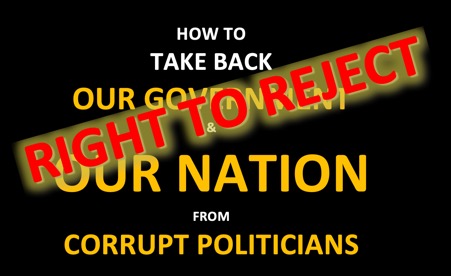
Every citizen is in unison that since 1948 Sri Lanka’s progress has been stalled and denied because of corrupt politicians and their encouragement of a corrupt system that has attracted corrupt public officials, corrupt businessmen, corrupt cronies & even corrupt citizens. As a result, Sri Lanka has never enjoyed national policies that remain intact and planned for short-medium and long term purposes that do not get changed with every change of government. Unfortunately, the voters are left with electing the lesser evil because they have hardly any choice. This is not how democracy should work if sovereignty rests with the people. The first step for politicians to enter the system is at nomination stage where individuals hand over applications to respective parties to be selected by the Party nomination selection committee. It is therefore, proposed that the people be given a RIGHT TO REJECT provision to enable citizens to petition respective Party Secretariat to not accept the nomination(s) of a particular individual(s). The Party is then bound to not accept that person’s nomination application. This would clean out the corrupt and prevent them entering Parliament.

The Right to Reject is in other words the People’s mandate but will need to be carefully worked out.

Since we are all aware of likely future elections, planning to call for nominations can be planned well in advance.

The petition minimum requirement will need to be looked into based on district or smaller constituencies and a % depending on the population can be set.

Therefore, if X wishes to contest elections via a particular party, his name will need to be published by that party and the people of the district/constituency that he is contesting can petition to reject him & citizens will need to obtain the required % of petitions to force a political party not to include the name of that person to the final nomination list to contest elections.

The Right to Reject petition must give valid reasons why citizens do not wish to have him be included into the nomination list of their party. This petition will need to be carefully drafted with criteria for who can petition and the petitioners details as well.

In this manner, the people can slowly start to filter out the corrupt politicians from entering parliament.

Overseas there is a provision known as Right to Recall any politician AFTER they enter Parliament but not too many Ministers have been removed with this provision. Once the corrupt enter a Parliament and when they are the ones that make the legislation – if they are corrupt, how can we expect them to bring in laws to prevent their corrupt ways!Therefore, the best and only option is to think of ways that the people can democratically prevent the corrupt or people with corrupt records from entering Parliament. 

Perhaps the Elections Department can have a separate office for this facility to uphold the sovereignty of the People. Hopefully, the Right to Reject option will get international acceptance as well. The corrupt and corrupted system exists not only in Sri Lanka but all over the world as well. So we need to devise checks and balances to mitigate the damage.

Shenali D Waduge

Presidential Task Force for Green Agriculture consisting mainly of entrepreneurs engaged in the organic fertilizer business- ගෝටාබය දිය කාවාගේ පුකේ හකුරු හන්ගයි

October 16th, 2021

Sri Lanka News

President Gotabaya Rajapaksa has appointed a Presidential Task Force for Green Agriculture, by virtue of the powers vested in him by Article 33 of the Constitution.

This was announced in a Gazette Extraordinary published by the Secretary to the President, P.B. Jayasundera on Friday (October 15).

The 14-member task force is chaired by the Chairman of Wild Holidays (Pvt.) Ltd. Vijith Welikala. Most of the remaining members of the panel are selected either from the non-agriculture field or from the entrepreneurs engaged in the import and supply of organic fertilizers. The 14 member task force members are as follows:

1. Lalith Senevirathna

2. S.K.B. Kasun Tharaka Amal – Director, Biogenic Green Technology Research Institute

3. Malinda Senevirathna – Director, Hector Kobbekaduwa Agrarian Research and Training Institute

4. R.B. Rasika Thusitha Kumara – Climate Smart Agriculture Co-ordinator, Vavuniya and Mannar Districts Eco Friendly Farming Training Consultant

5. Dr. B.K.J. Kavantissa – Chief Executive Officer Siyapatha” International Education and Training Institute (Pvt.) Ltd

6. Samantha Fernando – Kangara Holdings (Pvt.) Ltd.

7. Samuditha Kumarasinghe – Lanka Bio Fertilizers (Pvt.) Ltd.

8. Ajith Randunu – Green Force Agriculture (Pvt.) Ltd.

9. N.M. Khalid – Lanka Nature Power (Pvt.) Ltd.

10. Shammi Kirinde – Bio Foods (Pvt.) Ltd.

11. Ms. Nirmala Karewgoda – Hysoung ONB (Pvt.) Ltd

12. Chaminda Hettikankanamge – R.K.G. Bio Green Farm

13. Nishan de Silva – Lorance’s Liquid Fertilize

They are tasked with formulating a systematic programme for sustainable maintenance of green agriculture, identifying the organic fertilizer required for various crops and improving the quality of such fertilizer production and producing pesticides and weedicides locally.

These appointments remind the well known Sinhala parable දිය කාවාගේ පුකේ හකුරු හැන්ගුවා වාගේ (“Hiding jaggery in the backside of a cormorant”)

Further, the task force members will identify methodologies and monitoring mechanisms for importing the limited scale possible shortages with high standards on the approval of the Sri Lanka Standards Institute in meeting the requirements through local production.

Additionally, enhancing the communication in transmitting to the public the health-related socio-economic benefits to be accrued from organic food production and consumption and enlisting the active support of the Public Service in this process and broadening the organic agriculture extension services at field level are also among their tasks.

President Rajapaksa has appointed the Additional Secretary to the President, Vernon Perera as the Secretary of the said task force.

The task force has been directed to liaise with the Economic Revival and Poverty Alleviation Task Force and the Presidential Task Force for the creation of a Green Sri Lanka with sustainable solutions for climate change.

The President has instructed them to submit reports to him at least once a month.

Gazette Notification 2021-10-15 Presidential Task Force on Green Agriculture by Ada Derana on Scribd

When Pakistan praises Bangladesh!!!

October 16th, 2021

Pathik Hasan, Dhaka Bangladesh

Bangladesh got its great independence from Pakistan in 1971 through a bloody hardcore struggle. Pakistan had been exploiting Bangladesh systematically. Pakistan’s economy was built on the money of Bangladesh. However, the country under the charismatic leadership of its great founding father Bangabandhu Sheikh Mujibur Rahman got its ultimatum identity.

Bangladesh inherited a shattered economy and a completely broken infrastructure. It was described as a hopeless economic disaster by many economic experts and world leaders such as Henry Kissinger who called it a Bottomless Basket” in 1974. Nobody believed that it could survive economically as an independent country. Today the world is both surprised and delighted to see the phoenix rising from the ashes.

But the path was not so easy. A war-ravaged country saw a reality. The country had to move through economic struggle. Bangabandhu Sheikh Mujibur Rahman tried his level best to make Bangladesh as his promised ‘Golden Bengal’. But miscreants didn’t like that. They understood only their personal interest instead of greater national interest. So, it was not possible to made great ‘Golden Bengal’.

The people of Bangladesh were sufferer in the long run. Bangladesh saw political ups and downs time to time. But Bangladesh is now growing and rising. Its Premier Sheikh Hasina is trying to make Bangladesh as her father’s promised Golden Bengal’. I will give credit not only to its premier Sheikh Hasina but also the mass people of Bangladesh. The people of Bangladesh are working hard in the country and abroad. Of course, PM Sheikh Hasina has a great contribution because without an able dynamic and prudent leadership, it was not possible. The path was not smooth. PM Sheikh Hasina had to struggle to make Bangladesh as a rising super star. She is till now struggling to make Bangladesh a prosperous and developed within 2041. It is really true that Bangladesh is going to South Asian Economic miracle. Many countries and international organizations in the world are appreciating the economic rise of Bangladesh.

Even, Pakistan’s journalists are praising the economic growth of Bangladesh. Pakistan’s various media outlets are praising Bangladesh in their written reports, editorials, opinions. I will focus this issue in my write up.

Pakistan’s one of the leading daily Express Tribune’ has published an article on October 05, 2021 titled The Meteoric Rise of Bangladesh’ The article writes ‘Bangladesh has shown unexpected and very impressive economic development. The GDP growth rate surpassed Pakistan’s in 2006 and since then it has outperformed Pakistan every year and, to the surprise of leading economists, is today one of the world’s fastest growing economies. The GDP per capita of Bangladesh is close to India and exceeds that of Pakistan.’ Tribune Express is praising Bangladesh. It is one of the achievements for Bangladesh.

A Pakistani economist, former adviser to the World Bank wrote an article in another Pakistan famous daily ‘The News International’ titled ‘Aid from Bangladesh’. on May 24, 2021. In his article he said that Pakistan may seek financial assistance from Bangladesh in 2030. It is our success as Bangladeshi. A Pakistani economist is praising the economic growth of Bangladesh in the country’s topmost circulated Jang Groups’ daily newspaper.

Noted Pakistani journalist Zaigham Khan, while taking part in a telecast talk-show styled ‘Awaam’ on Capital TV on September, 2018, advised the Prime Minister of Pakistan to follow the development model of Bangladesh to ensure Pakistan’s progress and development. He requested PM Imran through the talk show to make Pakistan like Bangladesh instead of Sweden. It is pertinent to mention that PM khan promised that he would turn Pakistan into a developed country like Sweden.

A professor of University of Karachi, Moonis Ahmar wrote in his article titled How and why is Bangladesh better off than Pakistan today? in ‘Express Tribune” on March 21, 2021 that four factors that contributed to transforming Bangladesh from an international beggar” to an economically vibrant country” are: leadership, innovation, planning, and ownership.

Even, the Pakistan Today, the Pak Observer, the Frontier Post (Pakistan major English dailies) published articles lauding the economic growth of Bangladesh. They used the sentence that the country’s economy is booming under the leader ship of its premier Sheikh Hasina. Pakistan observer wrote the sentence in an article that Bangladesh is going to next South Asian Economic superstar. Pakistan Today wrote a sentence in its article that  Bangladesh has made a tremendous effort to boost its economy in the past few years.

An article published in Pakistan’s Christian Post on September 26, 2021 titled “South Asia including Pakistan can follow the ‘Economic Rise of Bangladesh Model’ also says that Pakistan must follow Bangladesh’s “Economic Rise Model” to recover its economy from huge inflation.

Pakistan’s Daily Parliament Times published an article titled South Asia including Pakistan can follow the Bangladesh’s ‘Economic Rise Model’ on September 25, 2021. The writer says in the article if Bangladesh can pay 250 million US dollars to Sri Lanka, waive the IMF’s Bangladeshi share of money from Somalia and Sudan, help Indonesia with Covid-19 medical equipment, shelter a large number of Rohingya refugees from Myanmar, Bangladesh deserves the honor to help Pakistan financially.

Pakistan’s another popular local media ‘Daily Soon Times’ published a write up ‘Pakistan can follow the ‘Economic Rise of Bangladesh Model’ on September 26, 2021. Very interesting point is that Soon Times has urged Pakistan to follow Bangladesh’s Economic Rise Model directly in its article. What a prestige for Bangladesh. Pakistani media say its government directly to follow Bangladesh. But it is a matter of sorrow that Bangladesh was the exploited colony of Pakistan. Pakistan exploited Bangladesh (then East Pakistan) hugely. But this exploited and bottom less Bangladesh is going to Asian Economic miracle today. Express Tribune also said in the first mentioned article that Bangladesh takes the position of economic bubble of Japan, South Korea, Taiwan.

Bangladesh is now ahead of Pakistan in many indexes. It is a matter of surprise truly that Pakistan is now praising Bangladesh. Although the age of Bangladesh is just 50 that that of Pakistan’s 74. If Pakistan didn’t exploit Bangladesh economically for 24 years, it would have gone ahead of more far. However, Pakistan is praising Bangladesh now that is the reality and success for Bangladesh.

මහ බැංකුව ලංකා ආර්ථිකයත් මකර කටටම තල්ලු කරයි ඔක්තෝබර් 15 (ඊයේ) පමණක් රු. බිලියන 20 ක් අච්චු ගහලා

October 16th, 2021

රජිත් කීර්ති තෙන්නකෝන් දකුණු හා මධ්‍ය පළාත් හිටපු ආණ්ඩුකාර

කඩදාසි අච්චු ගැසීමේ යන්ත්‍රයක් බවට පත්ව ඇති ශ්‍රී ලංකා මහ බැංකුව 2021 ඔක්. 15 (ඊයේ) දිනයේ තවත් රු. බිලියන 19.63 ක් හෙවත් රු. කෝටි 1963 ක් අච්චු ගසා ඇත. ආණ්ඩුවේ ආර්ථික විද්‍යා ඔස්තාර්වරුන් කුමක් පැවසුව ද, රටේ බඩු මිල රෝකට් ගත වීමට මුදල් අච්චු ගැසීම හේතුවී ඇතැයි හිටපු ආණ්ඩුකාර රජිත් කීර්ති තෙන්නකෝන් නිවේදනයක් නිකුත් කරමින් පවසයි.

2020 ජනවාරි සිට මේ දක්වා ශ්‍රී ලංකා මහ බැංකුව ආණ්ඩුව වෙනුවෙන් අච්චු ගසා ඇති මුදල  රු. කෝටි 138,768 ක් (රු. 1,387,680,000,000) කි.  ශ්‍රී ලංකා මහ බැංකුව පිහිටුවීමෙන් පසුව 2020 ජනවාරි 1 දින දක්වා අච්චු ගසා තිබූ මුදල මෙන් 20 ගුණයකට ආසන්න මුදලක් පසුගිය මාස 20 තුල අච්චු ගසා ඇත.   

අජිත් නිවාඩ් කබ්රාල් මහ බැංකු අධිපතිවරයා ලෙස පත්වීමෙන් පසුව මේ දක්වා අච්චු ගැසූ මුදල රු. කෝටි 17,804 කි. 

පසුගිය මාස 20 තුල මෙරට ඉහළම ධනපතියන්ට අඛණ්ඩව බදු සහන ලබා දී ඇති අතර, දිළිඳු සහ අන්ත දිළිඳු ජනතාව වට සීනි, පිටි වැනි අත්‍යවශ්‍ය ආහාර ද්‍රව්‍ය මත බර පටවා ඇත.

1952 න් පසුව, ඉතිහාසයේ පළමු වතාවට මහ බැංකුව සතු ශුද්ධ විදේශ වත්කම් ඝෘණ අගයක් බවට පසුගිය සතියේ දී පත්විය. මෙරට බැංකු පද්ධතියට පිටින් උන්ඩියල් ක්‍රමයට ඩොලර් හුවමාරුවන කළු  කඩ මුදල් ජාවාරම පුළුල් වී ඇත.  

2022 ජනවාරි මස ජාත්‍යන්තර ස්වරෛී බැඳුම්කර සඳහා ඩොලර් මිලියන 500 ක් ද, සංවර්ධන බැඳුම්කර සඳහා තවත් ඩොලර් මිලියන 429 ක් ද ගෙවිය යුතුව ඇත. 2022 මාර්තු මස තවත් ඩොලර් මිලියන 510 ක සංවර්ධන බැඳුම්කර මුදල් ගෙවිය යුතුව ඇත.

ශ්‍රී ලංකා මහ බැංකුව ආරම්භයේ සිට 2020 ජනවාරි දක්වා මුද්‍රණය කර තිබූ මුළු මුදල රු. බිලියන 74.74 ක් හෙවත් කෝටි 7474 කි. 2021 ඔක්තෝබර් 15 (ඊයේ) වන විට අච්චු ගසා ඇති මුළු මුදල රු. බිලියන 1,469.84 කි.

රජිත් කීර්ති තෙන්නකෝන් දකුණු හා මධ්‍ය පළාත් හිටපු ආණ්ඩුකාර

අද තරුණයා නූතනත්වය සමග නව්‍යකරණය විය යුතු බව මම විශ්වාස කරනවා.- අමාත්‍ය නාමල් රාජපක්ෂ මහතා –

October 16th, 2021

තරුණ හා ක්‍රීඩා අමාත්‍යාංශය.සංවර්ධන සම්බන්ධීකරණ හා අධීක්ෂණ අමාත්‍යාංශය.ඩිජිටල් තාක්ෂන හා ව්‍යවසාය සංවර්ධන රාජ්‍ය ආමාත්‍යාංශය.

මිනිස්බල හා රැකී රක්ෂා දෙපාර්තමේන්තුව විසින් මෙහෙය වූ  ‘‘රටට ණය නැති වැඩ කරන පරපුරක්‘‘ වෘත්තීය මාර්ගෝපදේශ සතිය නිමිත්තෙන්  පවත්වනු ලැබූ තරගාවලියේ ජාතික මට්ටමේ ජයග්‍රාහකයන් වෙත ත්‍යාග, කුසලාන හා සහතිකපත් ප්‍රදානය කිරීමේ උත්සව අවස්ථාවට එක්වෙමින් මිනිස්බල හා රැකී රක්ෂා දෙපාර්තමේන්තුවේ දී අද (15) දින තරුණ හා ක්‍රීඩා, සංවර්ධන සම්බන්ධීකරණ හා අධීක්ෂණ අමාත්‍ය සහ  ඩිජිටල් තාක්ෂණ හා ව්‍යවසාය සංවර්ධන රාජ්‍යඅමාත්‍ය නාමල් රාජපක්ෂ මහතා මේ බව පැවසීය.

සෞභාග්‍යයේ දැක්ම අනුව යමින් මිනිස් බල හා රැකීරක්ෂා දෙපාර්තමේන්තුව, තරුණ හා ක්‍රීඩා අමාත්‍යාංශය යටතේ මානව සම්පත සංවර්ධනය සඳහා ශ්‍රම බලකාය කුසලතා, නිපුණතා හා තාක්ෂණික ඥාණයෙන් පිරිපුන් මිනිස් බලයක් ලෙස සවිබල ගන්වමින් විරැකියාව අවම කර රටේ ආර්ථිකය ශක්තිමත් කිරීමට ව්‍යාපෘති රැසක් ක්‍රියාත්මක කරමින් ඒ සඳහා සක්‍රීය දායකත්වය ලබා දෙයි.

ඒ අනුව, ඉලක්කගත පිරිස් වෙත වෘත්තීය මාර්ගෝපදේශයේ වැදගත්කම හඳුන්වාදීම අරමුණු කරගනිමින් ඔක්තෝබර් මස 04 සිට ඔක්තෝබර් මස 10 වනදා දක්වා  දිවයිනපුරා ‘‘රටට ණය නැති වැඩකරන පරපුරක්‘‘ යන මැයෙන් යුතුව ඉලක්කගත වෘත්තීය මාර්ගෝපදේශ සතිය තරුණ හා ක්‍රීඩා අමාත්‍යාංශය යටතේ මිනිස් බල හා රැකී රක්ෂා දෙපාර්තමේන්තුව විසින් ක්‍රියාත්මක කරනු ලැබීය.

ඊට සමගාමීව පාසල් දරුවන් අතර සිංහල, දමිළ මාධ්‍යයන්ගෙන් චිත්‍ර, කථික, ගද්‍ය රචනා හා ප්‍රශ්න විචාරත්මක තරගාවලියක් සහ වැඩිහිටියන් සඳහා ගද්‍ය රචනා තරගයක් ද පැවැත්විණි.  

උත්සව අවස්ථාව අමතමින් අමාත්‍යවරයා මෙසේ ද කීය.

‘‘අද තරුණයා නූතනත්වය සමග නව්‍යකරණය විය යුතු බව මම විශ්වාස කරනවා. මෙම නූතනත්වය හා නව්‍යකරණය කරා යන ගමනේදී අපේ රටේ තරුණයාගේ අනාගතය ගොඩනගා ගන්නේ කෙසේද, අනාගතය සැළසුම්කරගත යුත්තේ කෙසේද යන කාරණා පිළිබදව අපි වැඩි අවධානයක් යොමු කළා.

ඉතිහාසයේ තුළ ඒ සඳහා අවධානයක් යොමු නොවීම නිසා නොයෙක් අවස්ථාවල විරැකියා ප්‍රශ්නය, රැකියා වෙළඳපොළට සරිළන ශ්‍රමිකයින් නොමැතිකම, රට තුළ ව්‍යවසායකයින් අඩු වීම, පවතින ව්‍යවසායකයින්ට වෙළඳපොළ නොමැතිවීම වැනි විවිධ අභියෝගවලට මුහුණපාන්න සිදු වී තිබෙනවා.

ගමේ එක දරුවෙක් දොස්තර කෙනෙක් වුණාම ගමේ හැමෝම උත්සහා කරන්නේ තමන්ගේ දරුවා දොස්තර කෙනෙක් කරන්න. එක ළමයෙක් ක්‍රිකට් ගහලා ජාතික කණ්ඩායමට තේරුණොත් මුලු ගම ම ක්‍රිකට් ගහන්න ගන්නවා. මේ ක්‍රමය වෙනස් කර එක් එක් පුද්ගලයාගේ දක්ෂතාවය මත තීන්දු තීරණ ගැනීමට අවශ්‍ය පරිසරය නිර්මාණය කරන්න අවශ්‍යයි.

මීට පෙර බොහෝදුරට මිනිස් බල හා රැකීරක්ෂා දෙපාර්තමේන්තුවෙන් සිදු වුණේ තරුණයන්ව රැකියාගත කිරීම සදහා සම්බන්ධීකරණ කටයුතු සිදුකිරීමයි. මම අමාත්‍යාංශය භාර ගත්තාට පසු මෙම ක්‍රමවේදය වෙනස් කර මේ ආයතනයෙන් උපරිම ප්‍රයෝජන ගන්න අපි තීන්දු කළා. මෙම දෙපාර්තමේන්තුවට අනුබද්ධ නිළධාරියෙක් සෑම ප්‍රාදේශීය ලේකම් කොට්ඨාශයකට ම ඉන්නවා.

දරුවන්ට, පාසල් අවධියේ සිට ජීවිතය ගොඩනගා ගන්නේ කෙසේද තම තමන්ගේ හැකියාවන් මොනවාද ඒ තුළ තමාට ගොඩනගා ගත හැකි අනාගතය කුමක්ද කියන කාරණය පිළිබදවත් අදහසක්, බලාපොරොත්තුවක් ලබා දිය යුතුයි.

එලෙස පැවැත්වූ එක් වැඩසටහනක ජයග්‍රහණ ලැබූ සියලු දෙනා අද ඇගයීමට ලක් වුණා. ඔවුන්ට සුබ පැතුම් එක් කරන ගමන් අධ්‍යක්ෂතුමියටත් ස්තූතිවන්ත වෙනවා මේ සදහා තමාගේ කාර්‍යමණ්ඩලය සමගින් උපරිමයෙන් කටයුතු කිරීම සම්බන්ධව. ඒ හරහා අපේ ඉලක්කයන් වෙත යන්න මෙම ආයතනය හැඩ ගැසී තිබෙනවා.

එක් කණ්ඩායමක් ලෙස මේ සියලු වැඩ කටයුතු සාර්ථක කරගන්න නොයෙක් ක්ෂේත්‍රයන් වල 40,000 කට වැඩි පිරිසක් සම්බන්ධ වුණා. කොවිඩ් 19 වසංගත තත්ත්වය නිසා නව තාක්ෂණය උපයෝගී කර‍ගෙන මෙම වැඩසටහන ක්‍රියාත්මක වුණා. මේ සදහා කැපවූ සියලුදෙනාට මම ස්තූතිවන්න වෙනවා.

මේ ආයතනය හරහා ඉදිරියේදී වැදගත් වැඩසටහන් රාශියක් දියත් කිරීමට බලාපොරොත්තු වෙනවා. තරුණ හා ක්‍රීඩා අමාත්‍යාංශය, අධ්‍යාපන අමාත්‍යාංශය, ක්‍රීඩා සංවර්ධන දෙපාර්තමේන්තුව, යෞවන සමාජ ව්‍යාපාරය, යොවුන් පාර්ලිමේන්තුව, තරුණ සේවා සභාව, යොවුන් සේනාංකය වැනි මේ සියලුම ආයතන එකට එකතු කරගෙන මේ ගමන අපි ඉදිරියට යා යුතු බව මා දැඩි සේ විස්වාශ කරනවා.

අපේ රටේ දැනට රැකියා ප්‍රශ්නය 28% පමණ ඉක්මවා ගිහින් තිබෙන බව දැනට ලැබී තිබෙන සංඛ්‍යා ලේඛනවලින් වාර්තාවෙනවා. මෙය ඉදිරි අවුරුදු තුන, හතර තුළ 12% කටවත් අවම කරගැනීමට හැකිවුණොත් 2030 වසර වනවිට 5% ක වැනි අඩු මට්ටමකට ගෙනියන්න පුලුවන් වෙයි කියා අපි විස්වාශ කරනවා.

එවැනි ඉලක්කයන් වෙත යාමට අපි වැඩ කටයුතු සිදු කරගෙන යනවා. ඒ සදහා සැවොම කැපවෙමු. දෙපාර්තමේන්තුවක් ලෙස ඔබ සියලුදෙනාගේ වැඩ කටයුතු අපි අගය කරනවා‘‘ යැයි අමාත්‍යවරයා වැඩි දුරටත් පැවසීය.

මෙම අවස්ථාවට තරුණ හා ක්‍රීඩා අමාත්‍යාංශ ලේකම් අනුරාධ විජේකෝන් මහතා, මිනිස් බල හා රැකී රක්ෂා දෙපාර්තමේන්තුවේ අධ්‍යක්ෂ ජනරාල් අනූෂා ගෝකුල ප්‍රනාන්දු මහත්මිය ඇතුළු දෙපාර්තමේන්තුවේ නිලධාරි මහත්ම මහත්මීහු පිරිසක් සහභාගි වූහ.

මාධ්‍ය ඒකකය,

තරුණ හා ක්‍රීඩා අමාත්‍යාංශය.සංවර්ධන සම්බන්ධීකරණ හා අධීක්ෂණ අමාත්‍යාංශය.ඩිජිටල් තාක්ෂන හා ව්‍යවසාය සංවර්ධන රාජ්‍ය ආමාත්‍යාංශය.

නිපුණතාවයෙන් හෙබි, ක්ෂේත්‍රයේ පළපුරුද්දක් තිබෙන තරුණ තරුණියන් දේශීය හා විදේශීය පිළිගැනීමකට යොමු කරන වැඩපිළිවෙළක් නිර්මාණය කර තිබෙනවා.- අමාත්‍ය නාමල් රාජපක්ෂ මහතා-

October 16th, 2021

තරුණ හා ක්‍රීඩා අමාත්‍යාංශය.සංවර්ධන සම්බන්ධීකරණ හා අධීක්ෂණ අමාත්‍යාංශය.ඩිජිටල් තාක්ෂන හා ව්‍යවසාය සංවර්ධන රාජ්‍ය ආමාත්‍යාංශය.

ජාතික වෘත්තීය සුදුසුකම් සඳහා වන NVQ – RPL සහතික ප්‍රදානය කිරීමේ උත්සව අවස්ථාවට එක්වෙමින් හම්බන්තොට ශ්‍රැන්ගිලා හෝටලයේ දී ඊයේ (14) දින තරුණ හා ක්‍රීඩා, සංවර්ධන සම්බන්ධීකරණ හා අධීක්ෂණ අමාත්‍ය සහ  ඩිජිටල් තාක්ෂණ හා ව්‍යවසාය සංවර්ධන රාජ්‍ය අමාත්‍ය නාමල් රාජපක්ෂ මහතා මේ බව පැවසීය.

සෞභාග්‍යයේ දැක්ම ප්‍රතිපත්ති ප්‍රකාශයේ ප්‍රධානතම අංගයක් ලෙස නිපුණතාවයෙන් හෙබි ශ්‍රම බලකායක් බිහි කිරීමේ වත්මන් රජයේ සංවර්ධන වැඩපිළිවෙළ අනුව දිවයිනපුරා විසිර සිටින විවිධ ක්ෂේත්‍රයන්හි නියුතු වෘත්තිකයන්ගේ සුදුසුකම් පෙර  ඇගයීමට ලක්කර ජාතික වෘත්තීය සුදුසුකම් (NVQ) 03 වන මට්ටමේ සහතිකයක් ලබාදී ඔවුන් සවිබල ගැන්වීම ජාතික ආධුනිකත්ව සහ කාර්මික පුහුණු කිරීමේ අධිකාරිය, මහජන උපයෝගීතා කොමිෂන් සභාව, තෘතියික හා වෘත්තීය අධ්‍යාපන කොමිෂන් සභාව එක්ව සිදුකරනු ලබයි.

හම්බන්තොට දිස්ත්‍රික්කය කේන්ද්‍රකරගනිමින් ආරම්භ කර ඇති කර්මාන්ත සඳහා අවශ්‍ය නිපුණ  ශිල්පීන් පුහුණු කිරීමේ කාර්යභාරය ජාතික ආධුන්කත්ව හා කාර්මික පුහුණු කිරීම් අධිකාරිය විසින් සිදු කරනු ලබයි.  

ඒ අනුව, විදුලි කාර්මික ශිල්පීන්ගේ NVQ – RPL අවසන් ඇගයීම් පරීක්ෂණ කටයුතු නිරීක්ෂණය, NVQ – RPL සහතික ප්‍රදානය හා  නව ආයෝජන කර්මාන්ත සඳහා අවශ්‍ය නිපුණ ශිල්පීන් බිහි කිරීමේ වැඩසටහන යටතේ පුහුණුව ලැබූ හම්බන්තොට දිස්ත්‍රික්ක්යේ තරුණ තරුණියන්ට පුහුණු පත්වීම් ලිපි ලබාදීම යන අවස්ථාවන් සඳහා  අමාත්‍යවරයා සහභාගී විය.‍

දිවයිනපුරා විසිරි සිටින විදුලි කාර්මික ශිල්පීන්ට NVQ – RPL සහතික පත්‍ර ලබාදීමේ දීප ව්‍යාප්ත වැඩසටහනේ හම්බන්තොට දිස්ත්‍රික් අයදුම්කරුවන් වෙනුවෙන් බෙලිඅත්ත කාර්මික විද්‍යාල පරිශ්‍රයේ නයිටා ආයතනය (NAITA) මගින් ස්ථාපිත කර ඇති ජංගම ඇගයීම් මධ්‍යස්ථානයේ පැවැත් වූ පෙර දැනුම ඇගයීමේ අවසන් පරීක්ෂණ කටයුතු අමාත්‍යවරයාගේ නිරීක්ෂණයට ලක්විය.

නිපුණතා සංවර්ධන, වෘත්තීය අධ්‍යාපන, පර්යේෂණ හා නව නිපැයුම් රාජ්‍ය අමාත්‍යාංශයේ මෙහෙයවීමෙන් 2020 වර්ෂයේ ක්‍රියාත්මක කරන ලද කාන්තාවන් සවිබල ගැන්වීමේ ව්‍යාපෘතිය යටතේ මනාලියන් හැඩගැන්වීමේ ශිල්පීන් 1300ක් පමණ ඇගයීමට ලක් කර ඇති අතර ඔවුන්ට (NVQ) සහතික පිරිනැමීම සංකේතවත් කරමින් ශිල්පීන් 50 දෙනෙකුට NVQ – RPL සහතික පිරිනැමීම ද අමාත්‍ය නාමල් රාජපක්ෂ මහතාගේ ප්‍රධානත්වයෙන් සිදුවිය.

හම්බන්තොට වරාය කේන්ද්‍ර කරගනිමින් ඉඳිවෙමින් පවතින කර්මාන්ත පුරයේ කර්මාන්ත සඳහා අවශ්‍ය පුහුණු ශ්‍රමිකයන් බිහි කිරීමේ අරමුණෙන් නයිටා ආයතනය (NAITA) තරුණ තරුණියන්ට ආධුනිකත්ව පුහුණුව ලබාදීමේ වැඩසටහන මේ වන විට ආරම්භ කර ඇත.

ඒ අනුව, මිරිජ්ජවිල ආයෝජන කලාපයේ පිහිටි ONYX ආයතනයේ ඉඳිකිරීම් ක්ෂේත්‍රය සම්බන්ධ පුහුණුව ලබාදීමට කටයුතු සම්පාදනය කර තිබෙන අතර හම්බන්තොට යොවුන් සේනාංකයේ පුහුණුව ලැබූ තරුණ තරුණියන් 50 දෙනෙකුට පුහුණු පත්වීම් ලිපි ලබාදීම වෙනුවෙන් හම්බන්තොට මිරිජ්ජවිල කර්මාන්පුරයේ ONYX සිමෙන්ති නිෂ්පාදන කර්මාන්ත ආයතනයේ පැවති උත්සව අවස්ථාවට ද අමාත්‍ය නාමල් රාජපක්ෂ මහතා සහභාගි විය.

හම්බන්තොට ශ්‍රැන්ගිලා හෝටලයේ පැවති සහතික ප්‍රාදානෝත්සවයේ දී අමාත්‍යවරයා මෙසේ ද කීය.

‘‘තරුණ හා ක්‍රීඩා අමාත්‍යාංශය විදියට අපිට තිබෙන විශාලම අභියෝගය වනුයේ මේ රටේ තරුණ පරම්පරාව වෘත්තීය නිපුණත්වයෙන් හෙබි පිරිසක් බවට පත් කිරීමයි.    

දේශීය හා විදේශීය රැකියා වෙළඳපොළට සරිලන ආකාරයේ දක්ෂ තරුණ තරුණියන් අපේ රටේ නිර්මාණය කළ යුතුයි.  මේ අභියෝගය ජයගන්න නම් තරුණ අමාත්‍යාංශය, නිපුණතා අමාත්‍යාංශය හා අධ්‍යාපන අමාත්‍යාංශය ඉතා ම සමීපව කටයුතු කළ යුතුයි.

සීතා අරඹේපොල අමාත්‍යතුමියගේ නායකත්වයෙන් නිපුණතාවය සපිරි වෘත්තීය පුහුණුව කියන කාරණය අද රට තුළ මනා සැළසුමක් සහිතව ක්‍රියාත්මක කරගෙන යනවා.

රටේ තරුණ තරුණියන්,  වැඩිහිටියන් නිපුණතාව වෙත රැගෙන එනවා වගේම, නිපුණතාවයෙන් හෙබි, ක්ෂේත්‍රයේ පළපුරුද්දක් තිබෙන පිරිස් දේශීය හා විදේශීය පිළිගැනීමකට යොමු කරන වැඩ පිළිවෙලක් අද නිර්මාණය කර තිබෙනවා.

ජීවිතයේ ලැබූ අත්දැකීමක්, වෘත්තීය පුහුණුවක් ඔස්සේ ඉහළට එන විට අපි බොහෝ දෙනෙකුට මුහුණපාන්න සිදුවන අපහසුතාවය වනුයේ ඒ සඳහා සහතිකයක් තිබෙනවාද කියන කාරණය.

අධිරාජ්‍යවාදීන් අපිට නිදහස දීලා ගියත් මානසික නිදහස දීලා ගියේ නැති නිසා ඒ පිළිබදව සමාජයේ කතිකාවතක් ගොඩනැගී තිබෙනවා.

එය ප්‍රායෝගිකව සිදු වෙනවාද නැද්ද කියන කාරණය කෙසේ වෙතත් බොහෝ අවස්ථාවල අපි දකිනවා ක්ෂේත්‍රයේ ඉන්න ඔබ වැනි වෘත්තීය පළපුරුද්ද ඇති අය සහතික පත්‍රයක් නොතිබුණත් ලෝකයේ තරගකාරී වැඩසටහන්  වලින් ජයග්‍රහණය කළ හැකි  ප්‍රායෝගික අත්දැකීම් සහිත අය බව.

තරුණ අමාත්‍යාංශය තරුණයන්ව නගා සිටුවීමට කටයුතු සිදු කරනවා වගේම නිපුණතා අමාත්‍යාංශය ක්ෂේත්‍රයේ ප්‍රමුඛයන්ට පිළිගත් සහතික ලබාදෙන්න අවශ්‍ය පරිසරය නිර්මාණය කරමින් සිටිනවා.

මෙය ඉතාමත් අනාගතවාදී සහ දේශීය මෙන්ම විදේශීය වශයෙන් ශ්‍රී ලාංකේය නාමය ඉදිරියට රැගෙන යා හැකි වැඩසටහනක්.

අද මෙම වැඩසටහනට සම්බන්ධ වී සිටින ඔබ සැම, ඔබට අදාළ ක්ෂේත්‍රයේ වෘත්තීමය ප්‍රවීණයන්. ඔබ NVQ තලයට පැමිණීම තුළ මේ රටේ බොහෝ ක්ෂේත්‍රවල නියුතුවූවන්ට හොද පණිවිඩයක් ලැබෙනවා.

ඔබ සියලුදෙනා ක්ෂේත්‍රයේ කීර්තිමත් නමක් දිනාගත් වෘත්තීය කාර්‍යබහුලත්වයක සිටිනා මොහොතක පවා ඔබේ කාලය වැය කොට ඒ නිපුණතාවය ලබාගන්න වෙහෙසෙනවා කියන කාරණය මේ රටේ අනෙක් ක්ෂේත්‍රයන්ට වගේම අලුතින් වෘත්තීය හා කාර්මික පුහුණුව ලබා ගෙන මෙම NVQ තලයන්ට එන්න ඉන්න තරුණයින්ට ඉතාමත් හොද පණිවිඩයක්.

අතිගරු ජනාධිපති ගෝඨාභය රාජපක්ෂ මැතිතුමාගේ ‍සෞභාග්‍යයේ දැක්ම ප්‍රතිපත්ති ප්‍රකාශනයත් සමග අපි නිරන්තරයෙන් උත්සහා කරන්නේ නිපුණතාවයෙන් පිරි තරුණ පිරිසක් බිහි කරන්න. ඉදිරියේ ශ්‍රී ලංකාව තුළ ඇරඹෙන කර්මාන්ත ශාලා සදහා නිපුණතාවයෙන් හෙබි තරුණ තරුණයින් බිහි කරන වැඩසටහන අපි ආරම්භ කර තිබෙනවා. දේශීය රැකියා මෙන්ම විදේශීය වශයෙන් ද රැකියා වෙළදපොළ නිර්මාණය වෙනවා.

විදේශ රැකියාවක් ලබා ගැනීමට ගමේ ඉන්න තරුණයාට සහතිකයක් ඉදිරිපත් කරන්න සිදු වෙනවා. අපි මේ හරහා උත්සහා කරන්නේ ඒ අවහිරතාව නැති කර අපේ රටේ තරුණයින්ට දේශීයව හෝ විදේශීයව රැකියාවක් ලබා ගත හැකි අවකාශය නිර්මාණය කිරීමටයි.

ව්‍යවසායකත්වය පිළිබදව අපි විශාල අවධානයක් යොමු කර තිබෙනවා. ලබන වසරේ අය වැය යෝජනා වලින්, ගම්වලට වෙන් වෙන ප්‍රතිලාභ වලින් අවමය 40% ක් වෙන් වෙන්නේ මේ රටේ ව්‍යවසායකත්වය සංවර්ධනය කරන්න. දරුවෙක් ව්‍යවසායකයෙක් බවට පරිවර්තනය කරන්න නම් ව්‍යවසායකත්ව මානසිකත්වයට අපි ඒ දරුවා රැගෙන යා යුතුයි.

ඉතිහාසයේ අපි දැක්කේ ව්‍යවසායකයෙක් කිවුවාම සැලෝන් එකක් දා ගන්න බඩු ටිකක් දෙනවා. හැබැයි එතනින් එහාට දෙයක් නැහැ. අඹ පැළ 50 ක් ලැබුණොත් පවුල් 50 කට ඒක බෙදලා දෙනවා. කුකුල්ලු 10 දෙනෙක් ගෙවල් 10කට බෙදපු අවස්ථාත් තිබුණා. මැතිවරණයට මනාප ලබා ගන්න ඒක හොදයි. අද ඒ ක්‍රමවේදය වෙනස් කර ගමේ සැබෑ ව්‍යවසායකයා නිර්මාණය කිරීමේ වැඩපිළිවෙළ අපි ආරම්භ කර තිබෙනවා.

අද ව්‍යවසායකයෙක් හැදුවොත් නොබෝ දිනකින් ඒ ව්‍යවසායකයා ව්‍යාපාරිකයෙක් බවට පත්වෙනවා. ඊළඟ පරම්පරාවේ දී ඒ ව්‍යාපාරිකයා ආයෝජකයෙක් බවට පරිවර්තනයවෙනවා කියන කාරණය අපි විස්වාස කරනවා.

ව්‍යවසායකයා ආයෝජකයෙක් බවට පරිවර්තනය කිරීමේ ගමන තුළ ක්ෂේත්‍රයේ පළපුරුදු අය වශයෙන් ඔබේ දැනුම, පළපුරුද්ද හා ඔබ ලබා තිබෙන අත්දැකීම් ඊළඟ පරම්පරාවට ලබාදීමේ විශාල කාර්‍යභාරයක් ඔබට හිමිව තිබෙනවා.

අපට අවශ්‍ය වනුයේ අද ව්‍යවසායකත්වයෙන් තම ගමන ආරම්භ කරන තරුණයා 2030 වර්ෂය වෙනකොට ආයෝජකයෙක් බවට පත් කරන්නයි. ඔහු දේශීය හෝ විදේශීය සමාගම්වල ආයෝජනය කරන ආයෝජකයෙක් විය යුතුයි.

මේ වැඩපිළිවෙළ සාර්ථක කරගන්න නිපුණතා සංවර්ධන අමාත්‍යාංශයට, ජාතික අධුනිකත්ව හා කාර්මික පුහුණු කිරීමේ අධිකාරිය (NAITA) විශාල වැඩ කොටසක් තිබෙනවා. මේ රටේ අනාගත භාරකරුවන් ලෙස අපි හඳුන්වන නිපුණතාවයෙන් යුතු පිරිස පෙළ ගස්සවන්න ඔබේ ආයතනවලට විශාල වගකීමක් තිබෙනවා.

මේ යන ගමන තුළ ඔබ, සුවිශාල කාර්‍යභාරයක් ඉටු කරන අය වගේම ඉතාමත් ආදර්ශවත් ලෙස හොඳ ආරම්භයක් ලබා දුන් පිරිසක්.

මෙම පණිවිඩය, ඔබට ඊළඟ පරම්පරාවටත් රැගෙන යන්න අවශ්‍ය ශක්තිය ධෛර්යය ලැබේවා කියා ප්‍රාර්ථනා කරනවා, ඔබ සියලුදෙනාට සුබ අනාගතයක් ප්‍රාර්ථනා කරන අතර මා විස්වාශ කරන බෞද්ධ ධර්මයට අනුව සියලුදෙනාටම තෙරුවන් සරණ පතනවා‘‘ යැයි අමාත්‍යවරයා පැවසීය.

මෙම අවස්ථාවට රාජ්‍ය අමාත්‍ය සීතා අරඹේපොල මහත්මිය,  ජාතික ආධුනිකත්ව සහ කාර්මික පුහුණු කිරීමේ අධිකාරියේ සභාපති තරංග නලින් ගම්ලත් මහතා, හම්බන්තොට දිස්ත්‍රික්  ලේකම් එච්.සුමනසේකර මහතා, ඇතුළු පිරිසක් සහභාගි වූහ.

මාධ්‍ය ඒකකය,

තරුණ හා ක්‍රීඩා අමාත්‍යාංශය.සංවර්ධන සම්බන්ධීකරණ හා අධීක්ෂණ අමාත්‍යාංශය.ඩිජිටල් තාක්ෂන හා ව්‍යවසාය සංවර්ධන රාජ්‍ය ආමාත්‍යාංශය.

දෘශ්‍යාබාධිත පුද්ගලයන්ගේ නිර්මාණ ඇතුළත් “කඩතුරාව” අග්‍රාමාත්‍යතුමාට පිළිගන්වයි

October 16th, 2021

අග්‍රාමාත්‍ය මාධ්‍ය අංශය

ජාත්‍යන්තර සුදු සැරයටි දින සැමරුමට සමඟාමීව දෘශ්‍යාබාධිත පුද්ගලයන්ගේ නිර්මාණ ඇතුළත් කඩතුරාව” නිර්මාණ ග්‍රන්ථය එළිදැක්වීම අද (15) දින පෙරවරුවේ අග්‍රාමාත්‍ය මහින්ද රාජපක්ෂ මහතාගේ ප්‍රධානත්වයෙන් අරලියගහ මන්දිරයේ දී පැවැත්විණි.

දෘශ්‍යාබාධිත පුනරුත්ථාපන භාර අරමුදලේ ප්‍රකාශනයක් ලෙස එළිදකින මෙම ග්‍රන්ථය ප්‍රාථමික සෞඛ්‍ය සේවා වසංගත රෝග හා කොවිඩ් රෝග පාලන කටයුතු රාජ්‍ය අමාත්‍ය විශේෂඥ වෛද්‍ය සුදර්ශනී ප්‍රනාන්දුපුල්ලේ මහත්මිය විසින් අග්‍රාමාත්‍යතුමාට පිළිගන්වනු ලැබුවාය.

ජාත්‍යන්තර සුදු සැරයටි දිනය නිමිත්තෙන් දෘශ්‍යාබාධිත පුද්ගලයන්ගේ සහභාගීත්වයෙන් වෙනදාට පැවැත්වෙන සුදු සැරයටි පා ගමන හා සැමරුම් දින උත්සවය කොවිඩ්-19 වසංගත තත්ත්වය හේතුවෙන් මෙවර සංවිධානය කර නොමැත.

ඒ වෙනුවෙන් දෘශ්‍යාබාධිත නිර්මාණකරුවන්ගේ දීප ව්‍යාප්ත කෙටිකතා සහ පද්‍ය රචනා තරගයක් පවත්වා ඉන් තෝරාගත් නිර්මාණ  ඇතුළත් කරමින් කඩතුරාව” නමින් නිර්මාණ ග්‍රන්ථයක් මෙසේ ප්‍රකාශයට පත් කර ඇත.

ජාත්‍යන්තර සුදු සැරයටි දිනය සංකේතවත් කරමින් අග්‍රාමාත්‍යතුමා මෙහි දී දෘශ්‍යාබාධිත උපාධිධාරී මණ්ඩලයේ සභාපති සුගත් වසන්ත ද සිල්වා මහතාට සුදු සැරයටියක් පිරිනැමුවේය.

මෙම අවස්ථාවට ප්‍රාථමික සෞඛ්‍ය සේවා වසංගත රෝග හා කොවිඩ් රෝග පාලන කටයුතු රාජ්‍ය අමාත්‍ය විශේෂඥ වෛද්‍ය සුදර්ශනී ප්‍රනාන්දුපුල්ලේ, අග්‍රාමාත්‍ය අතිරේක ලේකම් නීතිඥ චමින්ද කුලරත්න, ප්‍රාථමික සෞඛ්‍ය සේවා වසංගත රෝග හා කොවිඩ් රෝග පාලන කටයුතු රාජ්‍ය අමාත්‍යාංශයේ ලේකම් සුනේත්‍රා ගුණවර්ධන,සමාජ සේවා දෙපාර්තමේන්තුවේ අධ්‍යක්ෂ චන්දන රණවීර ආරච්චි මහත්ම මහත්මීහු සහ අන්ධ ජන සේවා මණ්ඩලය සහ දෘශ්‍යාබාධිත පුද්ගලයන්ගේ සංගම් නියෝජනය කරන එහි නියෝජිතයෝ එක්ව සිටියහ.

Language, education and national unity

October 16th, 2021

Courtesy NewsIn.Asia

Colombo, October 16: University of Vavuniya Vice-Chancellor Dr. T. Mangaleswaran was one of the speakers at the Trilingual Knowledge series organised by Sri Lankan originated entity Universal Heritage Inspire in introducing the inaugural sessions linked to its Lankan knowledge brand, ThriBhasha.

ThriBhasha is a Sri Lankan literacy-focused entity promoting knowledge and arts in all three official languages of Sri Lanka; Sinhala, Tamil and English and approaching language as an intangible cultural heritage.

In September ThriBhasha held its online soft launch on Sri Lanka’s first virtual book-fair platform which was separately organised by Read Plus, a group of Lankan publishers, a consortium of 15 leading publishing houses.

Dr. Mangaleswaran emphasised how a correctly understood in-country-patriotism based education is a core central factor in creating national unity is solidarity within citizens of a nation, with close adherence to law and order as in the manner of the ancient Sinhala civilisation which did not oppress any persons based on ethnicity or religion.

He stressed that national unity makes a country strong and prosperous (rich). He showed how a strong nation has policies and aims shaped to make people happy and content, working together for the prosperity of the motherland of Lanka.

He stressed on the point that it is this factor that would safeguard Sri Lanka from strategic moves by other countries to oppose, interfere or attack it.

Last week we carried the first segment of the talk by Dr. Mangaleswaran delivered at the online launch of ThriBhasha of Universal Heritage Inspire. (See https://www.ft.lk/harmony_page/Education-and-literacy-for-national-unity/10523-723784)

Dr.T.Mangaleswaran, Vice-Chancellor, University of Vavuniya

Below is Dr.Mangaleswaran’s speech:

Dear Mr. Arun Dias Bandaranaike, Ms. Frances Bulathsinghala, Professor Kamal Waleboda, Prof. Nimal de Silva, Mr. Nuwan Priyadharshana, Mr. Mahadeva Subothan, Mr. Dinesh Kulatunga and all participants. Wish you all a very good morning.

I wish ThriBasha’s initiatives to support especially self-published authors in remote areas of Sri Lanka by promoting their books, fiction as well as non-fiction, across the island and organising translation facilitated readings and interactions between writers using Sinhala, Tamil and English for their communication.

At this juncture, I appreciate the Founder of ThriBasha, Frances Bulathsinghala, and her team as well as for all the intellectuals and artistes supporting this attempt to build the Sri Lanka through literacy and education. I especially appreciate the focus of ThriBhasha in promoting language as an intangible cultural heritage.

Issues concerning schoolchildren in the north of Sri Lanka

In several areas in the north of Sri Lanka, school education faces numerous challenges such as non-enrollment, premature dropping out from school and high absenteeism because of family poverty and accentuated by other vulnerabilities.

Poor health and disabilities also were found to prevent children from obtaining a full cycle of basic education. The inability of very low income families to spend on clothing, stationery, private coaching and books, kept children back from school to look after younger siblings, often forcing them to seek employment to support the family and to assist parents’ activities such as farming, fishing and small businesses. It is these factors that have emerged as determinants of the non-participation of students in education.

The absence of a conducive home environment and lack of study space along with needed facilities are also barriers linked to poverty. Among other barriers which impact negatively on the school attendance of children and their performance are the lack of parental encouragement for children to attend school regularly, migration of mothers for temporary employment overseas, fathers’ alcoholism, negligence of children, and consequent emotional distress suffered by children.

In the case of barriers from the supply side, lack of provision for education for children with disabilities, relatively lower level of facilities and services for institutionalised children (including a total lack of access for children in orphanage/detention), disparities in basic facilities, services, teacher availability and quality among provinces, districts and sectors have been highlighted in the research conducted by me concerning education in the north of Sri Lanka.

Deprivation and marginalisation linked to factors such as residence in remote locations lacking transport and other basic facilities and lack of access to schools with good educational facilities were seen to result in non-enrolment and drop out (UNICEF, 2013).

The way forward

It is indisputable that education and literacy fosters unity and promotes national wellbeing in all facets. The following suggestions are therefore made in an attempt to chart the way forward.

Accountability in education

Fair educational policies in states

History must be taught in a way that does not offend the sensibilities of any community

Values and citizenship education

Entrepreneurial and Experiential Education

Reduce dropout rates and low attendance in schools

A more interactive and proactive way of teaching and learning should be encouraged in all the schools and university courses so that the good policies/concepts/ideology introduced towards promoting national unity could be fully reflected via practices.

Break language barriers between people in order to bridge them through communication. It is important for many reasons including local economic/entrepreneurial, to promote a trilingual education system, providing education in the official languages of Sri Lanka; Sinhala, Tamil and English.

Students should be educated to respect the customs and traditions of each other.

Interactions between students from all parts of the country should be promoted. This could be done through extra-curricular activities such as organising cultural festivals and organising field trips where students from the north can visit schools in the south and vice versa.

Promotion of cultural studies and peace and conflict studies (catered to the Sri Lankan context in an indigenous manner) as a linked subject at secondary and tertiary levels where students will be given transfer scholarships to different areas of the country to experience and study about culture and traditions of a particular region.

National unity can be truly achieved through education integration to resonate with the identity of the nation and with this there will be harmony, happiness and prosperity in our country.

I thank Universal Heritage Inspire and ThriBhasha for inviting me speak on education and literacy for national unity and for approaching language as an intangible cultural heritage

Sinhala Wedakam traditional medicine treatment centre for COVID-19

October 16th, 2021

By Surya Vishwa/DailyFT-Harmony Page Courtesy NewsIn.Asia

Colombo, October 16: Fulfilling a long-awaited need in this pandemic backdrop, the Sinhala Weda Uruma Baraya, a collective of Sri Lankan professionals and traditional physicians promoting Deshiya Chikitsa (Sinhala Wedakama) as part of Sri Lankan Ayurveda, has commenced a pioneering residential ‘weda gedera’ for COVID-19. Engineer Harsha Kumar Suriyaarachchi is the founder of the Sinhala Weda Uruma Baraya.

The treatment centre is located within the Heritage Eco Resort which is a four-star hotel situated down Jayanthi Mawatha, Peliyagoda, Kelaniya. The treatment centre is now named the Lak Suwa Sahana Maha Weda Gedera; a place of peace, healing and provides in diverse ways knowledge of how our ancients lived well and happy. This unique weda gedera which has all the luxury of a modern hotel uses the expertise of an island-wide panel of over 25 male and female traditional medical practitioners. 

This pioneering initiative in Sri Lanka – the Lak Suwa Sahana Maha Weda Gedera in Kelaniya, has already cured two aged patients whose relatives had transferred from the Western hospital, based on their choice.

These two COVID-19-afflicted persons aged 90 and 95 years respectively were among the first patients transferred by their family members from the Intensive Care Unit (ICU) of the allopathy medicine system. It is significant that one of the close relatives of the 90-year-old patient is a Western science based medical doctor who is aware of the limitations of this medical system and the ancient science of Sinhala Wedakama/Sri Lankan Ayurveda and thereby took the decision to admit the said patient to this traditional medicine-based system.

The initiative by the Sinhala Weda Uruma Baraya to set up a traditional medicine-based centre within this pandemic and vaccine hysteria comes amidst the notable gap in national policy to mainstream our traditional health systems for COVID-19.

Among the board of directors of this initiative is Lasantha Prasad Lokupitiya, a veteran environmentalist and business personality who is part of the Sinhala Weda Uruma Baraya.

This is the endeavour of a few Sri Lankan professionals who have joined hands

to start the residential treatment centre dedicated to the medical science of the land; Sinhala Wedakama that is part of Sri Lankan Ayurveda,” says Lokupitiya.

We have located this Weda Gedera in a four-star hotel which has all comforts and the full rate we are charging per day is inclusive of a patient specific traditional diet based on recommendations by the wedamahattayas/weda nonas on our Sri Lankan Ayurveda medical panel. We are now planning a separate totally free traditional medicine based pandemic treatment facility which will be akin to a government hospital ward currently followed for COVID.

Eng. Harsha Kumar Suriyaarachchi meanwhile emphasises that those who have contracted the COVID virus will be treated not as patients but as guests receiving an opportunity to rejuvenate themselves and rid themselves of all ailments, not just this particular virus.

He further explains that traditional physicians of Sri Lanka do not mystify this flu mimicking virus and see it as a semprathrishaya that weakens the immune system. He emphasises that based on so many case studies in the past two years that traditional physicians of Sri Lanka can handle any complication arising out of this disease.

The Sinhala Weda Uruma Baraya functions on the premise that those who come to get this residential treatment should be those who have faith in the medical heritage of Sri Lanka and not those who doubt it.

If they want Western kind of treatment or technology connected with it, they can go to Western medicine-based hospitals,” he states.

Among the indigenous medical experts who make up the team of physicians affiliated with the Residential Treatment Centre in Kelaniya include Indigenous Sinhala Wedakam/Sri Lankan Ayurveda Doctor Swarnachandra Hulangamuwa having more than 40 years of registered practice and with wide scale experience of treating patients who are often regarded as incurable. She and her son practice the Hulangamuwa tradition indigenous medical treatments. She and her son Indigenous Doctor Tharanga Hulangamuwa who have treated scores of patients of COVID19 prevention and cure, play a major role at this COVID-19 treatment centre.

Among the other Sinhala Wedakam/Lankan Ayurveda experts affiliated with the Lak Suwa Sahana Maha Weda Gedera includes but is not limited to Veteran Sri Lankan Ayurveda Doctor D.D. Hettiarachchi of Ganemulla who was among the first to research and develop COVID-19 specific medications exported to Italy last March to treat primarily Sri Lankan patients is among the expert indigenous medical panel of the Lak Suwa Sahana Maha Weda Gedera.

Sinhala Wedakam based researcher carrying the lineage family based wedakam knowledge, Doctor Lakman Embuldeniya who has developed the world’s first oral vaccine as in how ancient Ayurveda inspired Western Science doctors is among the expert panel. He has so far provided his oral vaccine to garment factories and has been approached by eight Western countries for obtaining it for controlling this COVID-19 pandemic in those countries.

Also specifically affiliated with the residential medical facility treating COVID19 patients is indigenous medical practitioner Priyantha Dharmawansa Weda Mahattaya linked to the Nilakadi weda paramparawa and practices all the traditional practices of Deshiya Chikitsa (Sri Lankan Ayurveda). He has been practicing for over 30 years the family based inherited medical science of Sinhala Wedakam.

Indigenous medical practitioner and Sri Lankan Ayurveda Doctor Sampath Kalutharage who has to date treated over 30,000 COVID-19 patients and cured them within an average of 3 days is also part of the expert panel. He holds the knowledge of an inherited medical lineage and has trained under veteran Sinhala traditional medical practitioners and holds formal qualifications in Ayurveda from the Malawena Ayurveda Vidyalaya. His mother is a weda nona specialising in ancient Deshiya Chikitsa treatment for diseases of children. 

Indigenous medical practitioner Ayurveda Doctor Seewali Bandara is yet another veteran expert in Sri Lankan Ayurveda treating and advising on the treatment of patients at the Kelaniya residential facility as required.  He hails from the upcountry based Bandara weda paramparawaa and has received formal qualification of Rasa Wedakama in India. He is often called upon by those in foreign countries for carrying out treatments for ailments allopathy cannot cure. He has developed specific treatments for COVID-19 complications and for acute pneumonia. To date he has cured large number of COVID patients.

Among the female Indigenous/Sri Lankan Ayurveda experts that treat patients at the residential medical facility is Doctor Dulari Mataraarachchi Wedamahathmiya who hails from the Kevitiyagala Jayasinghe wedaparapura from the father’s side and from the Kalumada lineage of indigenous physicians. Her formal Ayurveda qualification is from the Malawena Ayurveda Waidya Vidyalaya. This wedamahathmiya treats patients for all general ailments and specialises in Kadun Bindun wedakama and the Shara wedakama.

Indigenous/Sri Lankan Ayurveda Doctor Mataraarachchi Wedamahathmiya has developed a specific wattoru based syrup for fever that could be used even for COVID like conditions (named as the Shri Wimala Una Peniya and also a peyawa (Jarabanga peyawa) that has so far succeeded in curing many early COVID19 specific symptoms.

All the Sinhala Wedakam/Sri Lankan Ayurveda medical experts use the ancient Nadi wedakama to identify diseases. All the doctors practice Buddhist meditation in their personal lives and as part of their medical tradition and are of a calm and kind disposition which is a major pre-requisite in Sinhala Wedakama and Ayurveda in general as authentically practiced.

In addition to the doctors practicing Sinhala Wedakama (Deshiya Chikitsa) as part of Sri Lankan Ayurveda there are MBBS qualified doctors of the Western medical tradition who are equally qualified in the Nadi Wedakama and deep Buddhistic meditation which they use for heightening their awareness in healing. These doctors are affiliated with the Hela Suwaya traditional medicine facility which focuses significantly on pure earth-based food as medicine where Dharmika Govithena/Govithenata Aushada ancient farming concepts are used for cultivating thousands of acres in Sri Lanka to provide poison-free food.

All the food obtained and provided to the guests recovering from the COVID virus at the Kelaniya residential weda gedera cum hotel, is fully organic/nature based. Ancient medicinal heirloom rice such as Kaluheeneti, Pachaperumal and Kuruluthuda and many other varieties are used for main meals as well as lunu kendha (traditional Lankan broth). Only food suitable for the specific health condition and which will not aggravate the symptoms will be provided.

(Surya Vishwa writes on subject matters pertaining to humanism. nature, comparative spirituality, integrated knowledge and intangible cultural heritage. She has for the past year, every week consistently written in the Lankan English language print media on the importance of Sri Lankan policy makers prioritising indigenous medicine of Sri Lanka to be used for controlling the current COVID-19 pandemic.)

Govt. rules out talks with banned diaspora

October 16th, 2021

Courtesy The Daily Mirror

The Government has ruled out talks with banned Tamil diaspora groups but will instead look at engaging with others.

President Gotabaya Rajapaksa had told UN Secretary General Antonio Guterres during his recent visit to the UN that internal issues of Sri Lanka should be resolved through an internal mechanism of the country and that the Tamil Diaspora would be invited for discussions in this regard.

However, in an interview with Daily Mirror, Foreign Minister, Professor G. L. Peiris, insisted that there will not be any direct talks with banned diaspora groups like the Global Tamil Forum.

The Global Tamil Forum (GTF), British Tamil Forum (BTF), Canadian Tamil Congress (CTC), Australian Tamil Congress (ATC), National Council of Canadian Tamil, Tamil Youth Organisation and the World Tamil Coordinating Committee are among those proscribed by the Ministry of Defence.

We can’t speak to organisations that have been banned by the Sri Lankan government. That is not possible because that would be a violation of our law. But there are other shades of opinion. So, it’s useful to engage with them,” he said.

The Minister said the government is having discussions with several groups and individuals as part of the reconciliation process.

It is always good to get feedback and we are now having extensive discussions with people right across the spectrum. And I think that is enriching the processes of reconciliation that we have embarked upon,” he said. Professor G. L. Peiris said that President Gotabaya Rajapaksa will meet the Tamil National Alliance on his return from COP26, which he will attend at the invitation of the British Prime Minister.

So be it the NGO community or the foreign diaspora or the parliamentary opposition in Sri Lanka. We want to engage with all of them and that is very much the way forward,” the Foreign Minister said.(EASWARAN RUTNAM)

රෑට යූරියා දමා උදේට පේ්න්න කොම්පොස්ට් දමා කාබනික වගාව සාර්ථකයි කියන්න රත හිමි උපදෙස් දීලා..

October 16th, 2021

උපුටා ගැන්ම ලංකා සී නිව්ස්

කාබනික පොහොර යොදමින් ගොවිතැන් කිරීමෙන් හෙක්ටයාරයකට කිලෝ 2000-2500 පමණ අස්වැන්න පහල බැස ගිය බව ගොවීහු චෝදනා කරති.

රසායනික පොහොර යොදා ගොවිතැන් කිරීමේදී හෙක්ටයාරයකට කිලෝ පන්දහසක් පමණ ලබා ගත හැකි වූ බවද රසායනික පොහොර ඉල්ලමිනි විරෝධතාවය යෙදෙන ගොවි ජනතාව කියා සිටියහ.

මාදුරැඔය කලාපයේ ගොවිතැන් කටයුතු කරන්න පිරිස් විසින් මෙම විරෝධතාවයන් පවත්වන ලදී.

එහිදී ඔවුන් තව දුරටත් කියා සිටියේ අතුරලියේ රතන හිමියන්ගේ මූලිකත්වයෙන් කාබනික ගොවිතැන පටන් ගත්තේ තම ගොවි ජනපදයෙන් බවයි.

එහි දී රාත්‍රියට යූරියා පොහොර යොමු පෙරවරුවේ කොම්පෝස්ට් පොහොර යොදමින් සාර්ථකයි කියා පෙන්නූ බවද සඳහන් කළහ.

එසේ කරමින් කාබනික ගොවිතැන සාර්ථක බව රටට පෙන්වීමට උත්සාහ කළ බව ද එක් ගොවියකු එහිදී කියා සිටියේය.

Athuraliye Rathana Thero expelled from party, OPPP tells election chief

October 16th, 2021

Courtesy Adaderana

Venerable Athuraliye Rathana Thero, member of Our Power of People Party (OPPP), has been expelled from the party.

Election Commission Chairman, Nimal G. Punchihewa said he was informed of the matter in writing by OPPP’s General Secretary.

Rathana Thero was appointed by the ‘Ape Jana Bala Pakshaya’, also known as Our Power of People Party (OPPP) on December 18 last year to fill its National List parliamentary seat which was left vacant for several months following a long-drawn dispute within the party.

OPPP had received a total of 67,758 votes (0.58%) at the General Election in August 2019 and despite failing to win any seats in the districts it contested, the party did manage to receive one National List seat. Former JHU MP Ven. Athuraliye Rathana Thero, Bodu Bala Sena (BBS) general secretary Ven. Galagoda Aththe Gnanasara Thero and Ven. Pahiyangala Ananda Sagara Thero were among the Buddhist monks who had contested the parliamentary election under the flag symbol of the party.

On January 05, Rathana Thero was sworn in as a Member of Parliament before Speaker Mahinda Yapa Abeywardena.

Rathana Thero, who was first elected to the Parliament in 2004 from Kalutara District as a representative of Jathika Hela Urumaya (JHU), is serving as a lawmaker for the fourth time, under Article 99A of the Constitution.

Contesting under United People’s Freedom Alliance (UPFA), he was elected to Parliament for the second time in 2010 from Gampaha District.

Rathana Thero represented the Parliament for the third time after he was appointed as a National List MP of the United National Party (UNP) in 2015.

23 more COVID deaths confirmed today

October 16th, 2021

Courtesy Adaderana

The Epidemiology Unit of the Ministry of Health says 649 more people were tested positive for the novel coronavirus so far today (October 16).

This brings the total number of confirmed cases of COVID-19 reported in the country to 531,070.

Reportedly, more than 25,000 virus-infected patients are undergoing treatment at the moment at hospitals, treatment centres, and undergoing home-based care. 

The total number of coronavirus recoveries reached 492,305 after 347 more patients in total were discharged from medical care earlier today.

In the meantime, the total number of people, who died of COVID-19 infection in Sri Lanka, moved up as 23 more fatalities were confirmed by the Director-General of Health Services on Friday (October 15).

The new development has pushed the official death toll from the virus outbreak in the country to 13,472.

The latest victims include 17 males and 06 females, the Department of Government Information said.

Daily COVID cases count at 649 today

October 16th, 2021

Courtesy Adaderana

The Epidemiology Unit of the Health Ministry says 161 more people were tested positive for COVID-19 in Sri Lanka, moving the daily total of new cases to 649.

This brings the total number of confirmed cases of coronavirus reported in the country to 531,070.

As many as 492,305 recoveries and 13,472 deaths have been confirmed in Sri Lanka since the outbreak of the pandemic.

More than 25,000 active cases in total are currently under medical care, official figures showed.

SkyRocketing Prices of Veg and Fruit: Is there a Remedy?

October 15th, 2021

by Garvin Karunaratne

Sky rocketing prices of vegetables and fruit has happened to be the order of the day. Once we did have a method to control inflation by ensuring that traders cannot keep a fat margin. That was the system built up by Sri Lankan administrators RH Basset and BLW Fernando Commissioners of the Department for Development of Agricultural Marketing.  This system was worked in a perfect manner from the Fifties till the late Seventies, when  we bowed to the IMF and abandoned it.

I enclose a Paper written by me a few years ago which details the system which was  unique to Sri Lanka. Opening more Economic Centers do not provide an answer to inflation.  Perhaps this paper may offer some ideas.

Controlling Inflation: How once we did it

Inflation- Rising Prices is a major concern today. Sri Lanka had built up the infrastructure to control inflation. What we are seeing today-unbridled inflation, has been caused because we  did away with the infrastructure we had.

For the marketing of essential commodities, in my own words:

The Department for the Development  of Agricultural Marketing”¦ ensured that prices of all essential commodities were indirectly controlled and the traders were compelled to offer fair prices to the producers and the retail shop keepers were compelled to sell at fair prices to consumers.  This is a system that I have never seen elsewhere in the world’ ¦The motto of the Department was to pay the highest possible price to the producer and sell at the lowest possible price  to the consumer.( From: How the IMF Ruined Sri Lanka,”¦ (Godages)

 I was involved with the entire System because I was appointed Assistant Commissioner for the Development of Agricultural Marketing in 1955, and worked in the Ratnapura, Hambantota, Anuradhapura  Districts as well as was in charge of the Tripoli Market, the Headquarters of the Vegetable Marketing Scheme for a year in 1957.

 This System involved a Network of Retail Shops(Fair Price Shops) in every major city and a Vegetable  and Fruit Marketing Scheme involving purchasing, selling and processing   vegetables and fruits, a Scheme  that covered the entire island.

The entire island was covered by Assistant Commissioners in the Provinces and Marketing Officers posted in producer areas, who had to +report the availability of produce, prices at the Fairs, and guide producers to plant varieties in demand.

 A Network of Retail Shops(Fair Price Shops)

In order to enable the availability of essential food the Marketing Department established a large number of shops in the cities and these shops were well stocked with essential food like dhall, sugar, flour, onions and vegetables. These were sold at rock bottom prices, where no profit margin was kept. The intention was to unofficially control the retail prices offered by private traders. When a well stocked shop was selling goods at a low price the private retailers too had to sell at similar prices otherwise they will have no sales because the consumers will all go to the Marketing Department shops and the private shop keepers will have to close down. Assistant Commissioners had to ensure  that the Departmental shops were well stocked.

An incident comes to mind. I was then in charge of the Southern Province with my office at Ambalantota. In the Red Onion season we got wagon loads of red onions from Jaffna and we were required to sell at whole sale prices to traders and also to sell at our shops. One day  I had just inspected our shop at Galle and also visited a number of private traders’ shops to ensure that they did sell red onions at reasonable prices. I returned to Ambalantota. The next morning in office I got a telegram from Head Office. It read, Member of Parliament Dahanayake reports that there is a shortage of red onions in Galle. Inspect and report at once”. Those were the days when we had no mobile phones and it was very difficult to get long distance calls. . I got into my car and reached Galle by  around four. I went straight to our shop and found it well stocked with red onions. I checked the books for sales. I visited a number of private shops and found them well stocked selling at a slight higher price than our price. That was how it ought to be. Armed with these details I went to Mr Dahanayake’s residence. He was not in and I waited for him. I knew him well. It was late in the night about ten that he came home and inquired what brought me there. I brandished the telegram and said that I had been in Galle the earlier day and found that red onions were available in our shop and that there was no shortage. He  looked hard at me for a few minutes and said, Garvin, You know a man came to meet me and said that there was a shortage of red onions and to satisfy him I sent a telegram to the Minister” I quipped, ” But sir, there is no shortage and there never was” ” That I know but to keep that man happy I had to send a telegram.”  He added,” That is politics, Garvin. We have to keep our supporters happy. Don’t you worry, next time when I go to Colombo I will meet the Minister and tell him that there is no problem here with the Marketing Department”  That was all. I reported this meeting to our Commissioner and never heard again. Presumably Mr Dahanayake had phoned the Minister.  We Assistant Commissioners had to have a dragnet over all essential supplies and that included not only our shops but all private shops. It was an indirect control of prices and availability.

Again, once at the District Coordination Committee at Anuradhapura it was reported that the few traders were fleecing the colonists at Padaviya by charging high prices. I was the Assistant Commissioner at Anuradhapura and said that we will open a shop at Padaviya. I got covering approval from the Commissioner and in a few days time opened a Shop at Padaviya, to serve the colonists. Our Shops effectively controlled the cost of living. The private traders had to cut their profits as otherwise they would be  out of business. That scheme worked well.

The Vegetable and Fruit Marketing Scheme

The Marketing Department established Vegetable and Fruit Packing Sheds(actually purchasing units) in all producing areas. The name given was packing sheds and they were in many places in temporary buildings mostly made with timber. Even some Assistant Commissioners had their offices in these temporary buildings in 1955.

The entire Vegetable Marketing Scheme was administered from Tripoli Market, based in the largest hangar in the Colombo Goodshed.  One part of the Scheme was to purchase vegetables and fruits from producers who brought their produce to our Vegetable Packing Sheds. They were paid immediate cash. The Department was equipped with lorries that were sent to the chief  Producer Fairs in the producer areas. Thus there were mobile purchasing uints at all major fairs like Embilipitiya, Colombage Ara,  Bandarawela, Welimada, Kekitrawa to mention just a few. These Purchasing Units comprised Marketing Officers and a staff of purchasing officers and labourers. The produce brought in was weighed and accepted from producers and they were paid cash immediately. The Assistant Commissioners of the Districts were required to visit all major fairs to ensure that the purchases were made regularly. When I worked in the Districts on most days my day commenced at four to get to the Fairs by six in the morning. Vegetables were purchased and packed and dispatched to Triploi by evening either by wagons(by trains) or by special lorry.

At Triploi Market, the Assistant Commissioner  had a Marketing Officer at the Colombo Wholesale Market. His task was to report the prices at which the wholesale traders sold the produce to the retail traders and to report on the availability of produce. In the Districts, the Assistant Commissioners and the Marketing Officers had to report the prices at which private traders purchased vegetables and fruit.  Generally there was a wide gap between the prices at which the traders purchased goods and the prices at which the Wholesale Traders sold to the retail traders in Colombo. Based on these prices, the Assistant Commissioner at Tripoli Market decided the purchasing prices at which goods were to be purchased at the Fairs. This price was always above the prices offered by the traders who bought goods at the Fairs. This helped the producers and the traders at the Fairs too had to offer a similar price because otherwise the producers will not sell to them.

On a daily basis Tripoli Market received around twenty wagon loads of vegetables and a similar number of lorries bringing in produce. These were checked and had to be in our Retail shops by ten in the morning.  Tripoli Market was a hive of activity from early morning.  Then the Railways ran a very efficient service and brought in produce in time.  For instance curd from Ridiyagama Farm in Hambantota was sent by lorry to Matara and came by night mail train to Tripoli. This was an item in high demand. The retail price we fixed for Ridiyagama Curd effectively controlled the prices of curd in private shops in Colombo.

The Assistant Commissioner at Triploi Market kept a very low margin to cover up cost of transport and handling and fixed a low price for sales to the consumers through the network of Shops. Generally the Marketing Department kept a margin of around 10 to 15% above the purchase price while the private trader at the Fair  kept a margin to 40 to 50% and the Whoelsale Traders too kept around 40% and further the retail trader too kept around 40%.  Thus while the private trader generally kept a margin of 100% or 120% over the purchasing price at the Fair, the Marketing Department kept a margin of 10% to 15%.  The establishment of Special Vegetable Depots at Dambulla  etc in recent years, actually created another middleman, keeping a margin of profit.

The working of the Marketing Department  meant that the private traders at the Fairs and the Wholesale Traders as well as the Retail Traders in the cities had to be satisfied with a low margin.

The Marketing Department in the Fifties was headed by BLW Fernando, a Chartered Accountant and he would not allow any Assistant Commissioner to keep a higher margin than 15%. That was a rule to be followed. Every month all Assistant Commissioners had to attend a Conference where the Profit and Loss calculations were closely studied and the Commissioner would chastise all Assistant Commissioners that  had a profit of over 10% or incurred a loss.  We were expected to cover up, not to incur a loss or  to get a large profit.

This was the key method by which the prices of vegetables and fruits were kept in check. The Scheme has thus a dual aim- of offering the producer a fair price as well as offering the consumer a low price.  At times it was like walking on a rope but we got used to walk on it.

The Retail Shops had to be well stocked and full of goods otherwise the wrath of the Commissioner had to be faced.

A few years ago on one of my visits I found tomatoes being sold at forty rupees a kilo by a producer on the Mahiyangana Road, when the retail price in Colombo was around rupees eighty to one hundred, a margin of over hundred percent. This could not happen while the Marketing Department was at work. The Assistant Commissioners  were eternally traveling as they had to visit Fairs, inspect purchasing at the Fairs and the Vegetable Purchasing Depots, contact producers and offer advice on items on demand. Generally our traveling allowances exceeded our salaries.

Tripoli Marker had cold rooms where the excess produce could be stored.

This Vegetable Marketing & Fruit Marketingh Scheme  was very successful in ensuring that consumers in cities obtained vegetables and fruits at cheap rates. The Cost of Living was kept in check.

 The Canning Factory

Local producers got a boost with the establishment of the Canning Factory in 1955. At that time Sri Lanka imported fruit juice and fruit from Australia and the task of the Canning factory was to produce fruit juice, jam an-d jellies. The Vegetable Purchasing Centers sent goods to the Canning Factory. At the initial stages in canning fruit juice many problems were faced and it took over a year to surmount them and get down to production for all Sri Lanka’s requirements. The Marketing Department offered  floor prices for pineapples, red pumpkin and ash pumpkin and producers benefited immensely. Floor prices meant that the Department will purchase everything offered at that price. Pineapple was tinned and even an export trade was built up. Assistant Commissioner Oswald Tilekeratne spread his wings abroad very often. Red Pumpkin was turned into Golden Melon Jam and Ash Pumpkin was turned into Silver Melon jam. The Factory activity made Sri Lanka self sufficient in fruit juice, jam and many other processed food within a few years.

The Marketing Department was called upon to attend to many tasks.

Once Sri Lanka was not self sufficient in eggs. The Marketing Department offered a floor price for eggs and Triploi Market collected eggs from the Negombo-Nattandiya area till Sri Lanka was self sufficient in egg production. Once Self sufficiency was  reached the scheme was disbanded.

It was found that during the Kataragama Season, the restaurants charged high prices for meals.  This the Government combatted by running a large restaurant. Officers who have the ability were posted from various units and they provided quality meals. The Menu included thosa, kiribath, string hoppers, pittu, rice and curry and the restaurant was kept open till late. When I covered the Southern Province I was in charge of this restaurant for two years and was held responsible for providing good quality meals at a cheap rate.  This was the method by which the cost of living of the pilgrims was controlled.

With the abolition of the Marketing Department, and the privatization of the canning factory all this achievement was lost. That was the way in which the IMF crippled the development of the Third World and created a situation where we had to import from the Developed Countries.

Once the tomatoes producers at Hanguranketa made pandals of tomatoes in order to highlight their plight of not being able to sell their tomatoes. This could not have happened while the Marketing Department was functioning. To start with the Assistant Commissioner would be held responsible. If that happened when I was in charge of The Triploi Market I would have sent a few lorries and the entire stock of tomatoes would have been purchased within a few hours and it would have been turned into Tomatoe Sauce and Juice at the Factory. Today Spain produces tomatoe sause, tomatoe juice, tomato paste and sun dried tomatoes for most countries in Europe. With a Tomatoe belt in Hanguranketa we cannot produce tomato sauce even for our requirements. Our climate had enabled a variety of crops. There is a mango belt from Anuradhapura to Matale. Even today if action is taken to pluck mangoes and process it, we can be self sufficient in all fruit juice within six months. The Chena cultivators will find sales for their Red Pumpkin,Ash Pumpkin and Melon. There is an Avacado belt from Peradeniya to Gampola and avacado juice can easily be made. The country will benefit by avoiding the millions spent on imports.

Following the liberalization free market economics of the IMF we  created a market for tomatoe sauce from the USA, and fruit juice from as far as Canada and Oregan in the USA.  Our producers have stopped producing large quantities for fear of being unable to sell and we have unemployment and our farmers have low incomes. The Colombo Supermarkets are full of Heinz Tomatoes sauce from the USA and fruit juice and jam from Australia. The IMF did its work right to cripple development in our countries and for us to buy goods from the Developed Countries.  That was the Structural Adjustment Programme in action. (For more details: How the IMF Sabotaged Third World Development: Kindle & Godages)

මුදල් වෙන් වූ සංවර්ධන ව්‍යාපෘති වසර අවසන් වීමට පෙර නිම කරන්නැයි අග්‍රාමාත්‍යතුමාගෙන් උපදෙස්

October 15th, 2021

අග්‍රාමාත්‍ය මාධ්‍ය අංශය

සංවර්ධන ව්‍යාපෘති සඳහා වෙන් කළ මුදල් ආපසු මහා භාණ්ඩාගාරයට යැවීම වෙනුවට වසර අවසන් වීමට පෙර අදාළ සංවර්ධන ව්‍යාපෘති අවසන් කරන්නැයි අග්‍රාමාත්‍ය මහින්ද රාජපක්ෂ මහතා නාගරික සංවර්ධන හා නිවාස අමාත්‍යාංශයේ නිලධාරීන්ට අද (15) දින උපදෙස් දුන්නේය.

නාගරික සංවර්ධන, අපද්‍රවය බැහැරලීම හා ප්‍රජා පවිත්‍රතා කටයුතු රාජ්‍ය අමාත්‍යාංශයේ තෙවැනි කාර්තුව සඳහා ප්‍රගති සමාලෝචන රැස්වීම අරලියගහ මන්දිරයේ පැවති අවස්ථාවේ විෂය භාර අමාත්‍යවරයා වශයෙන් අග්‍රාමාත්‍යතුමා මේ බව සඳහන් කළේය.

මහා භාණ්ඩාගාරයේ මුදල් ඉතිරිවන පරිදි ආයෝජන මගින් නිවාස ව්‍යාපෘති ක්‍රියාත්මක කිරීමට මේ වනවිට අවධානය යොමු කර ඇතැයි ප්‍රගති සමාලෝචනයේ දී අදහස් දක්වමින් නාගරික සංවර්ධන හා නිවාස අමාත්‍යාංශයේ ලේකම් සිරිනිමල් පෙරේරා මහතා පෙන්වා දුන්නේය.

පසුගිය ජූලි මාසයේ ආරම්භ කළ සියක් නගර සංවර්ධන ව්‍යාපෘතිය මේ වනවිට ඉතා සාර්ථකව ක්‍රියාත්මක බව සඳහන් කළ සිරිනිමල් පෙරේරා මහතා මේ වසරේ දෙසැම්බර් 31 වැනිදා‌ට පෙර අදාළ සංවර්ධන ව්‍යාපෘති බොහොමයක් අවසන් කිරීමට අපේක්ෂා කරන බව කියා සිටියේය.

මෙහි දී අදහස් පළ කළ නාගරික සංවර්ධන අධිකාරියේ සභාපති විශ්‍රාමික මේජර් ජෙනරාල් උදය නානායක්කාර මහතා 2024 වසර අවසන් වනවිට නව නිවාස 60,000ක් ඉඳිකිරීමේ සැළැස්මක් ඇති බව හෙළි කළේය.

ඒ අනුව අඩු අදායම් ලාභීන් වෙනුවෙන් නිවාස 40,000ක් සහ මධ්‍යම පාන්තික සහ අනෙකුත් පාන්තිකයන් වෙනුවෙන් නිවාස 20,000ක් ඉඳි කිරීමට නියමිත බව හෙතම සඳහන් කළේය. සියක් නගර ව්‍යාපෘතියට සමඟාමීව ඒ ඒක් නගරයක නිවාස 100 බැගින් නිවාස 10,000ක් ද ඉඳිවන බව උදය නානායක්කාර මහතා පැවසීය.

කොළඹට පමණක් නොව ග්‍රාමීය ප්‍රදේශවලට ද මෙම නිවාස ව්‍යාපෘති ගෙනයන්න” යැයි අග්‍රාමාත්‍ය මහින්ද රාජපක්ෂ මහතා මෙහි දී නිලධාරීන්ට උපදෙස් දුන්නේය.

මධ්‍යම පාන්තික නිවාස 3000ක් කොළඹ නගරයේ ද තවත් 2000ක් කොළඹින් බැහැරව ද ඉදි කිරීමට සැළසුම් කර ඇති බව මෙහි දී අනාවරණය විය.

දීප ව්‍යාප්තව ක්‍රියාත්මකවන ඇවිදින මංතීරු ඉදිකිරීමට සමඟාමීව එම මංතීරු ආශ්‍රිතව ග්‍රාමීය නිෂ්පාදන අලෙවි කිරීමේ වෙළඳ සැල් ස්ථාපිත කිරීමට කටයුතු කරන බව නාගරික සංවර්ධන අධිකාරියේ අධ්‍යක්ෂ ජනරාල් ප්‍රසාද් රණවීර මහතා පැවසීය.

කොළඹ අගනගර නාගරික ව්‍යාපෘතිය සහ උපාය මාර්ගික නාගරික සංවර්ධන ව්‍යාපෘති පිළිබඳව ද මෙහි දී සාකච්ඡාවට ලක්විය.

ප්‍රගති සමාලෝචනය අවසානයේ දී අමාත්‍යංශයේ එක් එක් ආයතනවල ක්‍රියාත්මක විය යුතු මූල්‍ය සැළැස්ම සහ මානව සම්පත් කළමනාකරණ ආකෘති අග්‍රාමාත්‍යතුමා අතින් ආයතන ප්‍රධානීන් වෙත පිරිනැමුවේය.

මෙම අවස්ථාවට නාගරික සංවර්ධන, අපද්‍රව්‍ය බැහැරලීම හා ප්‍රජා පවිත්‍රතා කටයුතු රාජ්‍ය අමාත්‍ය ආචාර්ය නාලක ගොඩහේවා, පාර්ලිමේන්තු මන්ත්‍රී සහන් ප්‍රදීප්, අග්‍රාමාත්‍ය ලේකම් ගාමිණී සෙනරත්, අග්‍රාමාත්‍ය කාර්ය මණ්ඩල ප්‍රධානී යෝෂිත රාජපක්ෂ, නාගරික සංවර්ධන හා නිවාස අමාත්‍යාංශයේ ලේකම් සිරිනිමල් පෙරේරා, අග්‍රාමාත්‍ය අතිරේක ලේකම් නීතිඥ චමින්ද කුලරත්න, නාගරික සංවර්ධන අධිකාරියේ සභාපති විශ්‍රාමික මේජර් ජෙනරාල් උදය නානායක්කාර මහතා, නාගරික සංවර්ධන අධිකාරියේ අධ්‍යක්ෂ ජනරාල් ප්‍රසාද් රණවීර මහත්වරු ඇතුළු අමාත්‍යාංශ ආයතන ප්‍රධානීහු එක්ව සිටියහ.

දෘශ්‍යාබාධිත පුද්ගලයන්ගේ නිර්මාණ ඇතුළත් “කඩතුරාව” අග්‍රාමාත්‍යතුමාට පිළිගන්වයි

October 15th, 2021

අග්‍රාමාත්‍ය මාධ්‍ය අංශය

ජාත්‍යන්තර සුදු සැරයටි දින සැමරුමට සමඟාමීව දෘශ්‍යාබාධිත පුද්ගලයන්ගේ නිර්මාණ ඇතුළත් කඩතුරාව” නිර්මාණ ග්‍රන්ථය එළිදැක්වීම අද (15) දින පෙරවරුවේ අග්‍රාමාත්‍ය මහින්ද රාජපක්ෂ මහතාගේ ප්‍රධානත්වයෙන් අරලියගහ මන්දිරයේ දී පැවැත්විණි.

දෘශ්‍යාබාධිත පුනරුත්ථාපන භාර අරමුදලේ ප්‍රකාශනයක් ලෙස එළිදකින මෙම ග්‍රන්ථය ප්‍රාථමික සෞඛ්‍ය සේවා වසංගත රෝග හා කොවිඩ් රෝග පාලන කටයුතු රාජ්‍ය අමාත්‍ය විශේෂඥ වෛද්‍ය සුදර්ශනී ප්‍රනාන්දුපුල්ලේ මහත්මිය විසින් අග්‍රාමාත්‍යතුමාට පිළිගන්වනු ලැබුවාය.

ජාත්‍යන්තර සුදු සැරයටි දිනය නිමිත්තෙන් දෘශ්‍යාබාධිත පුද්ගලයන්ගේ සහභාගීත්වයෙන් වෙනදාට පැවැත්වෙන සුදු සැරයටි පා ගමන හා සැමරුම් දින උත්සවය කොවිඩ්-19 වසංගත තත්ත්වය හේතුවෙන් මෙවර සංවිධානය කර නොමැත.

ඒ වෙනුවෙන් දෘශ්‍යාබාධිත නිර්මාණකරුවන්ගේ දීප ව්‍යාප්ත කෙටිකතා සහ පද්‍ය රචනා තරගයක් පවත්වා ඉන් තෝරාගත් නිර්මාණ  ඇතුළත් කරමින් කඩතුරාව” නමින් නිර්මාණ ග්‍රන්ථයක් මෙසේ ප්‍රකාශයට පත් කර ඇත.

ජාත්‍යන්තර සුදු සැරයටි දිනය සංකේතවත් කරමින් අග්‍රාමාත්‍යතුමා මෙහි දී දෘශ්‍යාබාධිත උපාධිධාරී මණ්ඩලයේ සභාපති සුගත් වසන්ත ද සිල්වා මහතාට සුදු සැරයටියක් පිරිනැමුවේය.

මෙම අවස්ථාවට ප්‍රාථමික සෞඛ්‍ය සේවා වසංගත රෝග හා කොවිඩ් රෝග පාලන කටයුතු රාජ්‍ය අමාත්‍ය විශේෂඥ වෛද්‍ය සුදර්ශනී ප්‍රනාන්දුපුල්ලේ, අග්‍රාමාත්‍ය අතිරේක ලේකම් නීතිඥ චමින්ද කුලරත්න, ප්‍රාථමික සෞඛ්‍ය සේවා වසංගත රෝග හා කොවිඩ් රෝග පාලන කටයුතු රාජ්‍ය අමාත්‍යාංශයේ ලේකම් සුනේත්‍රා ගුණවර්ධන,සමාජ සේවා දෙපාර්තමේන්තුවේ අධ්‍යක්ෂ චන්දන රණවීර ආරච්චි මහත්ම මහත්මීහු සහ අන්ධ ජන සේවා මණ්ඩලය සහ දෘශ්‍යාබාධිත පුද්ගලයන්ගේ සංගම් නියෝජනය කරන එහි නියෝජිතයෝ එක්ව සිටියහ.

Sri Lanka imports chemical fertiliser despite ban

October 15th, 2021

Courtesy MailOnline

Farmers in Sri Lanka have warned that a ban on chemical fertiliser could worsen food shortages

Farmers in Sri Lanka have warned that a ban on chemical fertiliser could worsen food shortages

Sri Lanka’s government breached its own ban on chemical fertilisers by importing potassium chloride this week, scientists said Friday, after outraged farmers warned the regulations could worsen food shortages.

The government imposed the ban in May as part of a drive to make Sri Lanka the world’s first 100 percent organic farming nation.

But the policy sparked anger among farmers, who have warned that Sri Lanka — already in the grip of food shortages caused by a currency crisis — now faces crop failure.

The agricultural ministry said only that it had begun to distribute 30,000 tonnes of “organic potassium chloride” that arrived from Lithuania on Wednesday, but it did not comment on claims by scientists that the cargo violated the government ban.

“This consignment of potassium chloride is not organic fertiliser,” said S.D.M. Chinthaka, professor of chemistry at the state Sri Jayewardenepura University.

“Very clearly, the government has violated its own ban on chemical fertiliser,” he told AFP.

Media reports quoted other experts also saying the government had breached its ban in importing the fertiliser.

Farmers have staged daily protests demanding fertiliser for their crops.

Anger grew last month when the government rejected 96,000 tonnes of organic fertiliser from China citing quality issues.

The government had offered subsidies to farmers to produce their own compost, but this failed to meet demand.

Sri Lankan President Gotabaya Rajapaksa promised to subsidise foreign fertiliser when he came to power in 2019, but later reversed policy, arguing that agrochemicals were poisoning people.

His administration has denied that the ban on chemical fertiliser, herbicides and pesticides is motivated by a foreign exchange shortage, instead claiming it is part of a push for healthier agriculture.

Farmers of rice, the country’s staple along with tea, have warned crop yields could be halved without chemicals.

COVID: 20 new deaths recorded in Sri Lanka

October 15th, 2021

Courtesy Adaderana

The total number of people, who died of COVID-19 infection in Sri Lanka, moved up as 20 more fatalities were confirmed by the Director-General of Health Services on Thursday (October 14).

The new development has pushed the official death toll from the virus outbreak in the country to 13,449.

The latest victims include 11 males and 09 females, the Department of Government Information said.

According to official data, 14 deaths were reported among elderly people aged above 60 years. In addition, 05 people aged between 30-59 years and one female below the age of 30 have also succumbed to the virus infection.

COVID caseload moves up with 498 new infections

October 15th, 2021

Courtesy Adaderana

The Epidemiology Unit of the Ministry of Health says 498 more people were tested positive for the novel coronavirus so far today (October 15).

This brings the total number of confirmed cases of COVID-19 reported in the country to 530,253.

Reportedly, more than 24,800 virus-infected patients are undergoing treatment at the moment at hospitals, treatment centres, and undergoing home-based care. 

The total number of coronavirus recoveries reached 491,958 after 354 more patients in total were discharged from medical care earlier today.

No more Mr Rice Guy-A rush to farm organically has plunged Sri Lanka’s economy into crisis

October 15th, 2021

Courtesy The Economist

The ruling Rajapaksas have strong ideas and expect everyone to adopt them

Staring glumly at his paddy field in the depths of rural Sri Lanka, B. R. Weeraratne sighs. The regular incursions of greedy elephants have been bad enough. But the government’s outright ban on agrochemicals will, he fears, slash his yields of nadu and samba, two of the most popular varieties of rice. Though the 56-year-old likes the idea of organic farming in principle, he thinks the soil, the plants and the farmers all need time to learn it.” It should be phased in. Otherwise farmers like him may be flung into destitution.Listen to this story

But Gotabaya Rajapaksa, Sri Lanka’s president, is adamant. The former army officer was elected in 2019 largely on his reputation for ruthless dynamism. In 2009, as secretary of defence under his brother Mahinda, then the president, he brutally ended a long civil war against Tamil rebels. As urban-development secretary he beautified” cities by kicking thousands of people out of slums. As president he has taken a military approach to tackling covid-19 by bringing in the army alongside medical staff. More than 70% of over-11s have been double-jabbed.

Mr Rajapaksa’s military approach to turning Sri Lanka into the world’s first fully organic producer of food overnight looks less encouraging. For sure, his manifesto (Vistas of Prosperity and Splendour”) did promise a revolution in fertiliser use. But it was to have taken ten years. So it was a shock to Mr Weeraratne when a total ban was announced earlier this year. No more agrochemical imports are to be allowed after stocks run out. The Planters’ Association predicts a drop in tea production and export revenue by around 25% in the next six months and thereafter by nearly a half. Sri Lanka is the world’s fourth-largest grower of tea, exporting $1.24bn of the stuff last year, or 1.5% of gdp.

More than 90% of Sri Lanka’s farmers use chemical fertiliser and 85% of them expect crop losses in the coming season, according to Verité Research, a local think-tank; nearly two-thirds broadly back Mr Rajapaksa’s policy but 80% of those say they need at least a year to adjust.

Meanwhile people still need to eat. Inflation is hovering near 6% and food prices are up more than 11%. Rising global commodity prices, declining foreign reserves and ceilings on domestic retail prices have been causing shortages of essentials such as sugar and milk powder. On August 31st the president declared a state of emergency and appointed an army officer to regulate the market, among other things by confiscating stockpiles.

As foodstuffs began to run out, on September 29th he lifted the ceiling on the price of rice, which promptly jumped 17-32%, depending on the variety. Price controls on milk powder, sugar, wheat flour and domestic cooking gas were lifted on October 8th. The government has also, at last, allowed some more imports. Yet its preferred solution for shrinking a trade deficit that has grown to 42% of gdp has been to curb imports, such as fertiliser.

Foreign reserves, at just $2.6bn or enough for six weeks of imports, are shrinking. Between now and July the government must pay $7bn to service its foreign debts. With short-term liabilities so far outweighing reserves, notes Deshal de Mel, an economist at Verité, and Sri Lanka’s credit rating cut to junk by the main agencies, borrowing in global capital markets is all but impossible. Basil Rajapaksa, the finance minister (another brother of the president), admits the situation is bleak. Covid, he says, has contributed to a loss of $8.6bn in revenue. Earnings from tourism, usually $3bn-4bn a year, have collapsed. Remittances from Sri Lankans abroad have fallen 35% compared with a year ago.

Most independent economists reckon that an imf-backed restructuring programme is the least bad way out. But the government would find it hard to accept conditions that undermine the country’s much-vaunted sovereignty—and above all would squeeze voters such as Mr Weeraratne, who are already disenchanted. Like the country’s crops, the Rajapaksas are, to put it mildly, in need of a pick-me-up.

බලධාරීන් පටලවාගත් පොටෑසියම් ක්ලෝරයිඩ්…

October 15th, 2021

වී වගාවෙන් ඉවත් වෙන ගොවියෝ – මහින්දානන්ද අදත් ගුටිකයි

October 15th, 2021

Hiru News

”කාබනික කියා රසායනික පොහොර ගෙනත් ගොවීන් අන්දන්න ගිය” ආණ්ඩුවට වෙච්ච දේ

October 15th, 2021

කුමුදු ජයවර්ධන, තාරක සම්මාන්  මව්බිම දැන්


රජය විසින් මෙවර මහ කන්නය සඳහා ආනයනය කරන ලද පොටෑසියම් ක්ලෝරයිඩ් (KCl) පොහොර ඛනිජමය සම්භවයක් ඇති කාබනික පොහොර බවට කෘෂිකර්ම අධ්‍යක්ෂ ජනරාල්වරයා සහතික කර තිබේ.

සිය ෆේස්බුක් ගිණුමේ සටහනක් තබමින් කෘෂිකර්ම අමාත්‍ය මහින්දානන්ද අලුත්ගමගේ මහතා මේ බව සඳහන් කර ඇත.

කෙසේ වෙතත්, රසායන විද්‍යාව සම්බන්ධ ආචාර්යවරුන්, ගුරුවරුන් මෙන් ම සමාජ මාධ්‍ය පරිශීලකයින් මේ පිළිබඳව අදහස් දක්වමින් සඳහන් කර තිබුණේ, පොටෑසියම් ක්ලෝරයිඩ් යනු අකාබනික ඛණිජයක් බව ය.

ඒ අනුව, මේ සම්බන්ධයෙන් පැහැදිලි කර ගැනීම සඳහා කාබනික පොහොර ආනයනය පිළිබඳව අදහස් පළ කළ ආචාර්ය අජන්තා පෙරේරා මහත්මියගෙන් mawbima.lk වෙබ් අඩවිය විමසීමක් කළේ ය.

එහිදී ඇය පෙන්වා දුන්නේ, ඊයේ (ඔක්. 13) මෙරටට රැගෙන ආ පොහොර, රසායනික ද්‍රව්‍ය එකතු කරන ලද පොහොර බව ය.

“මම දකින විදියට මේ අය අර N, P, K කියන තුන මේ ගොල්ලෝ ඇත්ත වශයෙන් ම අමුතුවෙන් ම එකතු කරලා තියෙනවා මේ දේට. ඇත්තට ම මේක සම්පූර්ණ බොරුවක් මේ කියන්නේ. ඒ කියන්නේ ඒ අයට උවමනාව තියෙනවා පෙන්නන ඒ ගොල්ලෝ තවදුරටත් කාබනික පොහොර තමා මේ භාවිත කරන්න එවලා තියෙන්නේ.”

ආචාර්ය අජන්තා පෙරේරා මහත්මිය සමග කළ සම්පූර්ණ සාකච්ඡාව හෙට බලාපොරොත්තු වන්න.

 කුමුදු ජයවර්ධන, තාරක සම්මාන් 2021-10-14 19:02:00 | Updated 4 hours agoSHARE

YouTube channel “Panshu” launched by the Walpola Rahula Institute; A fertile environment for critical thinking

October 14th, 2021

By Raj Gonsalkorale

The lesson for all is the need for nurturing critical thinking and to question information and its veracity. In explaining the thinking behind naming the new YouTube channel as Panshu, Ven Galkande Dhammananda said that the philosophy of the WRI has always had a positive outlook and it has focused on what could be done to have better outcomes, even over time, rather than just being disappointed with existing outcomes.

Social media today has linked millions of people with facts, fiction, and outright fake news. It has influenced the change of governments, the election of Presidents, Royalty being found out and disgraced, scandals of every description doing the rounds faster than lightning, and instant messaging becoming integral to the life of millions. Most do not ascertain the veracity of the information that is circulating, which can easily be done in most cases by doing a quick internet search, but simply and irresponsibly, have become fodder for social media giants in the market who have reaped millions of dollars as a consequence.

It is debatable whether instant information dissemination has made the world a better place for human beings and whether their quality of life has improved. The following statistics present a considerably bleak world.

  • The world poverty rates (The World Bank says that in 2020, About 9.2% of the world, or 689 million people, lived in extreme poverty on less than $1.90 a day),
  • The number of refugees (according to the UNHCR’s latest report for 2020, “some 79.5 million people had been forced from their homes due to persecution, conflict, and human rights violations.” That number includes 29.6 million refugees, 4.2 million asylum seekers, as well as 45.7 million internally displaced people (IDPs).
  • Access to safe drinking water (WHO, in its 2019 report estimated that 2.2 billion people need access to safely managed drinking water, including 884 million currently without basic drinking water services)
  • Number without basic food requirements (Action Against Hunger states that about 690 million people globally are undernourished)
  • Access to basic health services (according to the World Bank and WHO, at least half of the world’s population cannot obtain essential health services, according to a new report published in 2017)
  • State of the world’s environment (The UN says that If current trends continue and the world fails to enact solutions that improve current patterns of production and consumption, if we fail to use natural resources sustainably, then the state of the world’s environment will continue to decline. It is essential that we understand the pace of environmental change that is upon us and that we start to work with nature instead of against it to tackle the array of environmental threats that face us) https://www.un.org/sustainabledevelopment/blog/2016/05/rate-of-environmental-damage-increasing-across-planet-but-still-time-to-reverse-worstimpacts/#:~:text=Across%20the%20world%2C%20climate%20change,Sustainable%20Development%2C%20the%20reports%20state.

That is the reality of the world that is interconnected before one can blink an eye lid!  As of January 2021 it has been reported that there were 4.66 billion active internet users worldwide – 59.5 percent of the global population. Of this total, 92.6 percent (4.32 billion) accessed the internet via mobile devices.

The power of the internet has given enormous mind changing powers to social media giants, but as mentioned at the outset here, it is highly debateable whether this power has been harnessed to improve the quality of life for people and whether instant messaging has, in effect, brought people closer to one another.

99 Key Internet Statistics • 2023 Data (supplygem.com)

A discussion on this topic could very well be both esoteric and fruitless; understood and appreciated by a few, and of not much consequence to many. It is this statement that has relevance to the effort of Venerable Galkande Dhammananda and the Walpola Rahula Institute, in introducing a fundamental tenant of what Buddha had taught more than 2500 years ago.

In the inaugural program of the rebranded WRI YouTube channel Panshu”, Ven Dhammananda makes an enthralling presentation based on the Chulla Haththi Padopama Sutta which hopefully will leave viewers contemplating how well an ancient truism has been contextualised to a modern setting for its relevance today.

It is said that of many Suttas diversely found in the Buddhist text, Arahat Mahinda chose Chulla Haththi Padopama Sutta as the first discourse seed to feed Buddhist philosophy into King Devanampiyatissa (http://dailynews.lk/2021/06/24/features/252307/intellectual-discourse-led-new-social-foundation)

It is highly relevant that today, in the age of a world so instantly linked to one another, to relive what the Buddha himself extolled, and later Ven Mahinda presented to the people of Sri Lanka during his visit more than 2000 years ago, and now, what Ven Dhammananda presents to the contemporary world.

The following is adopted from Venerable Dhammananda’s presentation on this inaugural Panshu program and begins with the question whether Buddhism provides a guide to evaluate a situation before arriving at better decisions after critical inquiry. The answer is: yes, it does.

Quote Before we introduce the Buddhist model of decision making, let us familiarise ourselves with two general decision-making models that exist in society – the Pilotika model and the Janussoniya model. One day, Pilotika and Janussoniya met on the streets. Hearing from Pilotika that he is returning from an audience with Buddha, Janussoniya inquires whether Buddha is a noble person. Pilotika replies in the affirmative. Janussoniya then questions how Pilotika decided that Buddha is noble. Pilotika’s answer is quite important. He says: I decided that Buddha is noble because I saw expert debaters coming to debate with Buddha, having prepared extensively. However, upon a brief conversation, they gave up their prepared debating points, agreed with Buddha, and even became followers of Buddha. Having seen this, I decided that Buddha is noble. Having heard Pilotika’s answer, Janussoniya gets down from the chariot, asks where Budda stayed and salutes in the direction of Buddha, praising his nobleness.

Many of us make decisions following these two models. Pilotika’s decision of Buddha’s nobleness was not a result of consideration of Buddha’s discourse. It was simply a decision inspired by those Pilotika deemed to be important members of society.

When an actor or actress you like promotes a particular soap to become beautiful, or a sportsperson promotes a specific type of milk to make you stronger, some people believe that to be the utmost truth. This kind of thinking follows the Pilotika model.  Janussoniya model involves much less evaluation than even the Pilotika model. People following the Janussoniya model make decisions purely based on someone’s word. They would listen to the news telecast at night or someone’s recital of newspaper headlines in the morning and accepts that with no critical evaluation.

Going back to the original story, after this incidence, Janussoniya meets Buddha and describes his conversation with Pilotika. This is when Buddha rejects both Pilotika and Janussoniya models and describes the proper way of arriving at a conclusion or making critically evaluated decisions – in the form of a story:

A person entering a jungle observes a large footprint of an elephant. Having seen the sheer size of the impression, he decides that the print belongs to the ‘King Elephant’ of the jungle. However, Buddha suggests that he should look for further signs as other elephants can also have large footprints. Then the person observes broken branches, high above in the canopy – suggesting the elephant’s height and the reach of its trunk. However, still, this is not enough proof for a conclusion. There could be other elephants as tall. Then he observes mud streaks on branches higher up, again suggesting strong evidence of a tall elephant. Yet, there could be other tall elephants. Search further. Next, he observes damages on tree trunks made by elephant tusks. These damages suggest the height, size of the tusks and the strength of the elephant. Although this is even more substantial proof, yet it’s not sufficient proof to draw a final conclusion. Lastly, he sees with his own eyes the ‘King Elephant’ grazing the fields. Having seen with his own eyes, having confirmed what he has seen, only then can he conclude – teaches Buddha.

This model demonstrates to us that you shouldn’t come to a conclusion just by mere sight or mere word. You should collect further proof; you should examine further. Finally, only after coming to a concrete understanding after critical evaluation should you arrive at a final conclusion.

Practically, we may not be able to achieve a concrete understanding of everything in the world. We may need to stop at the footprint stage, broken branches stage, mud streak stage or the tusk damage stage. If we are in one of these stages, then our statements cannot be conclusive. Then it is essential to be aware that our understanding is incomplete” Unquote

Venerable Dhammananda concludes thus You may now see that, in the ‘Buddha’ model of decision making, there is zero room for blind faith; that critical evaluation is held in high regard. Now, let us reflect. Do you belong to the Pilotika model, Janussoniya model or the Buddha model?”

The lesson for all is the need for nurturing critical thinking and to question information and its veracity. In explaining the thinking behind naming the new YouTube channel as Panshu, Ven Dhammanandasaid that the philosophy of the WRI has always had a positive outlook and it has focused on what could be done to have better outcomes, even over time, rather than just being disappointed with existing outcomes.

He said that on the one hand, Panshu may be considered as being basically all the elements of soil that graces the Earth’s surface and the final repository of everything that is material irrespective of who one is and their wealth. Ignorance of this fact, and being blinded by perceptions, unable to come to terms with reality and look at life more objectively, critically and with unconditional love to others, have left many disappointed and dissatisfied with what they currently have around them.

On the other hand, one could look at Panshu or soil, as being a fertile environment to grow new thinking, new ideas, and an avenue for renewal of ethical and moral values, so that outcomes, even if it takes time for fruition, will yield a more loving, compassionate, ethical and moral world. Ven Dhammananda said the WRI, through Panshu, will be providing opportunities for experiencing, questioning, and discussing and engaging in critical thinking through a variety of programs that are being designed as a pathway for a better future. We reap what we sow, so, it is important to sow correct thinking so that we can reap a better future without just complaining about the present” he said.

The first program on Panshu may be accessed via https://www.youtube.com/watch?v=x9zc7JpA3cs

කොවිඩ්-19 වැළඳී නිවසේ ප්‍රතිකාර ලබන රජයේ සේවකයන්ටත් අග්‍රහාර රක්ෂණ වන්දි දෙන්න – අග්‍රාමාත්‍ය මහින්ද රාජපක්ෂ මහතා

October 14th, 2021

අග්‍රාමාත්‍ය මාධ්‍ය අංශය

කොවිඩ්-19 වසංගතයෙන් රෝගාතුරව නිවසේ ප්‍රතිකාර ලබන රාජ්‍ය සේවකයන්ටත් අග්‍රහාර රක්ෂණ අරමුදලෙන් වන්දි ලබා දීමේ ක්‍රමවේදයක් සකස් කරන්නැයි අග්‍රාමාත්‍ය මහින්ද රාජපක්ෂ මහතා ඊයේ(13) පස්වරුවේ අදාළ නිලධාරීන්ට උපදෙස් දුන්නේය.

ශ්‍රී ලංකා පොදුජන පෙරමුණේ වෘත්තිය සමිති සහ ඒකාබද්ධ වෘත්තිය සමිති නියෝජිතයන් සමඟ අරලියගහ මන්දිරයේ පැවති සාකච්ඡාව අතරතුර අග්‍රාමාත්‍යතුමා මේ බව දැනුම් දුන්නේය.

මෙයට පෙර රාජ්‍ය සේවකයන් කොවිඩ්-19 වැළඳී ජීවිත අහිමිවීම හා රෝහල්ගතව ප්‍රතිකාර ගැනීමේ දී අග්‍රහාර රක්ෂණ වන්දි ගෙවීමේ ක්‍රමය 2021 අය-වැය යෝජනා මගින් ක්‍රියාත්මක කිරීමට එවකට මුදල් අමාත්‍යවරයා වශයෙන් අග්‍රාමාත්‍යතුමා පියවර ගෙන තිබිණි.

වෘත්තිය සමිති මෙහි දී රාජ්‍ය සේවය කාර්යක්‍ෂම කිරීමේ අවශ්‍යතාව සම්බන්ධයෙන් අග්‍රාමාත්‍යතුමා හමුවේ කරුණු ඉදිරිපත් කළේය.

රාජ්‍ය ආයතනවල ක්‍රියාකාරීත්වයට ආයතන මට්ටමෙන් උසස් නිලධාරින් සහ සේවකයන් අතර  පවතින ගැටලු බලපා ඇති අකාරය ද මෙහි දී පැහැදිලි කෙරිණි.

රාජ්‍ය සේවාව තුළ කාර්යක්‍ෂමතාව සහ ඵලදායිතාව වර්ධනය කළ යුතු බව පෙන්වා දුන් අග්‍රාමාත්‍යතුමා, ඒ සඳහා වගකිව යුතු නිලධාරින්ගේ ක්‍රියාත්මක වීම අවශ්‍ය බව පෙන්වා දුන්නේය.

ඒ සඳහා රාජ්‍ය සේවකයන්ගේ දේශීය සහ විදේශීය පුහුණු අවස්ථා ඉහළ දැමිය යුතු බව ද අග්‍රාමාත්‍යතුමා ප්‍රකාශ කළේය.

2016 වර්ෂයෙන් පසු රාජ්‍ය සේවයට එක්වූ සේවකයන්ට පසුගිය යහපාලන රජය අහිමි කළ විශ්‍රාම වැටුප යළි ලබා ගැනීම සම්බන්ධයෙන් වෘත්තිය සමිති නියෝජිතයෝ මෙහි දී අදහස් පළ කළහ.

මේ පිළිබඳව සොයා බලන්නැයි අග්‍රාමාත්‍යතුමා ඒ මොහොතේ දී ම රාජ්‍ය පරිපාලන අමාත්‍යාංශයේ ලේකම්වරයාට දැනුම් දුන්නේය. ජිවන වියදම ඉහළ යෑමට සාපේක්ෂව විශ්‍රාම වැටුප් ඉහළ දැමීම සම්බන්ධයෙන් ද මෙහි දී සාකච්ඡා කෙරිණි.

දුම්රිය දෙපාර්තමේන්තුවේ මිලදී ගැනීම්වල පවතින ඇතැම් අකටයුතුකම් සම්බන්ධයෙන් ද මෙහි දී වෘත්තිය සමිති නියෝජිතයෝ අග්‍රාමාත්‍යතුමා දැනුවත් කළහ.

කොවිඩ් වසංගතය හේතුවෙන් රටේ ආර්ථිකයට බලපෑම් එල්ල වී ඇති මෙවැනි කාලවකවානුවක රාජ්‍ය ආයතන තුළ වියදම් සීමා කර ගැනීම සම්බන්ධයෙන් දැනටමත් දැනුවත් කර ඇතැයි සිහිපත් කළ අග්‍රාමාත්‍යතුමා, දුම්රිය දෙපාර්තමේන්තුව තුළ පවතින අකටයුතුකම් පිළිබඳ සොයා බලන බව සඳහන් කළේය.

මෙම අවස්ථාවට අමාත්‍යවරුන්වන ගාමිණී ලොකුගේ, නිමල් සිරිපාල ද සිල්වා, රාජ්‍ය සේවා පළාත් සභා හා පළාත් පාලන අමාත්‍යාංශයේ ලේකම් ජේ.ජේ රත්නසිරි, කම්කරු අමාත්‍යාංශයේ ලේකම් එම්.පී.ඩී.යූ.කේ මාපා පතිරණ, අග්‍රාමාත්‍ය අතිරේක ලේකම් නීතිඥ චමින්ද කුලරත්න, සෞඛ්‍ය අමාත්‍යාංශයේ අතිරේක ලේකම් කුමාරි අත්තනායක, ජාතික අය වැය දෙපාර්තමේන්තුවේ අධ්‍යක්ෂ ජනරාල් ජූඩ් නිලුක්ෂාන්, මහත්ම මහත්මීහු සහ ප්‍රගතිශීලී වෘත්තිය සමිති ජාතික මධ්‍යස්ථානය, ශ්‍රී ලංකා නිදහස් පක්ෂ වෘත්තිය සංගම් හා වෘත්තිය සමිති ඒකාබද්ධ බල මණ්ඩලයේ නියෝජිතයෝ පිරිසක් එක්වූහ.

රේගුවෙන් විනාශ කරන්නට නියමිතව තිබූ කසල තේ තොගයක් කාබනික පොහොර වලට මිශ්‍ර කරන්නට ගෙනැවිත් එප්පාවලදී උණුසුම් තත්වයක්

October 14th, 2021

තිසර සමල් – අනුරාධපුර

රේගුවෙන් විනාශ කරන්නට නියමිතව තිබූ කසල තේ තොගයක්  කාබනික පොහොර වලට මිශ්‍ර කරන්නට ගෙනැවිත් එප්පාවලදී උණුසුම් තත්වයක්….

කාබනික පොහොර නිශ්පාදනය සඳහා කලවම් කිරීමට ගෙන ආ බවට පැවසෙන කසල තේ තොග වල ඇසුරුම් එප්පාවල ඇඳගල ප්‍රදේශයේ රජයේ වී ගබඩා වල ගිණි තැබීමට හේතුවෙන් අවට ප්‍රදේශවාසීන් හා එම ස්ථානයේ සිටි පිරිස අතර උණුසුම් තත්වයක් ඊයේ (13) මධ්‍යම රාත්‍රියේ ඇති විය.

ඉඩම් ප්‍රථිසංස්කරණ කොමිෂන් සභාව මගින් නිෂ්පාදනය කරන කාබනික පොහොර සඳහා කලවම් කිරීමට බව පවසා ඊයේ (13) රාත්‍රියේ  එප්පාවල ඇඳගල ප්‍රදේශයේ රජයේ වී ගබඩා වෙත කන්ටේනර් දෙකකින් රේගුව මගින් අත්අඩංගුවට ගෙන විනාශ කිරීමට නියමිතව තිබූ කසල තේ තොග ගෙනවිත් ගබඩාව අසලම ඒවායේ ඇසුරුම් ඉවත් කර එම කාඩ්බෝඩ් ඇසුරුම් වලට (පෙට්ටි) හා පොලිතීන් කවර වලට එම පරිශ්‍රයේම  ගිණි තැබීම හේතුවෙන් අවට නිවෙස් වෙත දුම් ගැසීමෙන් බාධා සිදු වන බව පවසා ප්‍රදේශවාසීන් එම ස්ථානයට පැමිණ විරෝධය දැක්වීය.

ප්‍රදේශවාසීන්ගේ දැනුම් දීම මත අදාළ ස්ථානය වෙත එප්පාවල පොලිස් ස්ථානයේ නිළධාරීන්ද පැමිණියහ. පොලිස් නිළධාරීන් සමඟ ගබඩා පරිශ්‍රය  වෙත ගම්වාසීන්ද ඇතුළු වූ අතර, එම වී ගබඩා පරිශ්‍රය තුළ කසල තේ ගෙන ආ කන්ටේනර් දෙකක්, රේගු නිළධාරීන් පැමිණි වෑන් රථයක් ඇතුළු  රජ්‍යය ලාංඡන  සහිත කැබ් රථ  කීපයක්ද දැක ගත හැකි විය.

කන්ටේනර් පෙට්ටි දෙක  තුළ ඇති ඇසුරුම් කළ කසල තේ වල ඇසුරුම් ඉවත් කර  කසල තේ ගබඩා දෙකක් තුළ බිමට හලන අයුරු දැක ගත හැකි වූ අතර, ඉවත් කරන කසල තේ වල  ඇසුරුම් වූ කාඩ්බෝඩ් පෙට්ටි හා පොලිතීන් ගබඩා පරිශ්‍රයේ ස්ථාන දෙකක ගිණි තබන අයුරුද දැක ගත හැකි විය.

එප්පාවල පොලිස් ස්ථාන නිළධාරීන් අදාළ ස්ථානයේ සිටි පිරිසගෙන විමසා සිටියේ එහි කුමක්ද සිදු වන්නේ යන්නයි.

එවිට පැමිණි නිළධාරියකු කියා සිටියේ මම ඉඩම් ප්‍රතිසංස්කරණ කොමිෂන් සභාවේ, අපි කොම්පෝට් හදනවානේ, ඒකට ගෙනාපුවා මේ යනුවෙනි.

එවිට පොලීසිය අදාළ ස්ථානයේ කසල තේ ගබඩා කිරීමට ලබා දුන් අවසර පත්‍රය ඔහුගෙන් විමසා සිටි අතර, එවැනි අවසර පතක් ඉදිරිපත් කිරීමට අදාළ නිළධාරියාට නොහැකි විය.

අනතුරුව අදාළ ස්ථානයේ සිටි රේගු නිළධාරීන්ගෙන්ද මේ සම්බන්ධයෙන් පොලීසිය විමසීමක් කළ අතර,

රේගු නිළධාරීන් කියා සිටියේ,   අපි ගෙනාපු පෙට්ටි තමා මේ පුච්චන්නේ, තේ කොළ මේ ගබඩාවේ තැන්පත් කරනවා.

මෙතන මොනවා හරි කරන්න ඔයාලට දුන්න අවසර පත්‍රය මට දෙන්න, එච්චරයි මට අවශය යැයි පොලීසිය පැවසු විට ,  ඉඩම් කොමිෂන් සභාවේ නිළධාරියා සතුව එවැනි  අවසර පතක් නොමැති බවද පැවසූ අතර, මේ පෙට්ටි දාලා යන්න බෑ, පිටට යවන්න බෑ ඒ නිසා තමයි ගිණි තියන්නේ යැයි පැවසීය.

අනතුරුව රේගු නිළධාරීන් විසින් අදාළ කසල තේ තොගය නිදහස් කිරීම සම්බන්ධ ලිපියක් පොලීසිය වෙත ඉදිරිපත් කරනු ලැබීය.එම ලිපිය පොලීසිය විසින් පරික්ෂා කළ අතර, කසල තේ බහාලුම් 44 ක් එප්පාවල ඇතුළු  ස්ථාන 08 ක් වෙත යොමු කිරීම සම්බන්ධයෙන් එහි සඳහන්වී තිබිණි.

අනතුරුව ගම්වාසීන් කියා සිටියේ මෙතන ගිණි තියන්න බෑනේ මේවා, අවට ගෙවල් වල පොඩි ළමයි ඉන්නවා, ගෙවල් වල ඉන්න බෑ දුම යැයි පැවසීය.

රේගු නිළධාරීන් කියා සිටියේ, අපි කස්ටම් එකේ, අපිට වැඩක් නෑ මේ කසල තේ, එස්.එම් චන්ද්‍රසේන මහත්තයා හරහා මේ ගොල්ල ඉල්ලලා තියෙනවා, කොම්පෝස්ට් හදන්න මේවා.

ඉඩම් කොමිෂන් සභාවේ යැයි පැවසූ නිළධාරියා කියා සිටියේ, අපි මේවා ගෙනාවේ කාබනික පොහොර හදන්න, මේවාගේ පොටෑසියම් වැඩියි.ගබඩා කරලා අපි මේවා කොම්පෝස්ට් වලට මිශ්‍ර කරන්න අරන් යනවා.රේගුවෙන් මේවා ටික නිදහස් කරලා යන්නයි ආවේ.

ගම්වාසීන් අවට පරික්ෂා කළ අතර, රේගු නිළධාරීන් පැමිණ  වාහන තුළ මෙන්ම අවට මත්පැන්, බයිට් ඇතුළු දෑ දැක ගත හැකි විය.

අනතුරුව ගම්වාසීන් හමුවට පැමිණි රේගු නිළධාරීන් කියා සිටියේ, අපිටත් මේක ප්‍රශ්නයක් අපි මේ ටැංකි දෙක සීල් කරලා අරන් යනවා කොළඹට යනුවෙනි.

එවිට ගම්වාසීන් කියා සිටියේ මේකේ එක එක දේවල් ගිණි තියන්න මේක සොහොන් පිටියක් නෙමෙයිනේ, අපිව දැනුම්වත් කරලාත් නෑ, යනුවෙනි.

එවිට ඉඩම් අමාත්‍යංශයේ යැයි පැවසූ නිළධාරියා පැමිණ කියා සිටියේ මේවා පුච්චන එක නේ ගැටලුවක් වෙලා තියෙන්නේ, ඒ නිසා අපි මේවා පුච්චන එක නවත්වන්නම්, අපි මේ රටට කාබනික පොහොර හදන්නනේ මේවා කරන්නේ  යැයි පැවසීය.

එවිට ගම්වැසියකු කියා සිටියේ කාබනික පොහොර හැදුවා කියලා අපිට වැඩක් නෑ, එවිට ඉඩම් අමාත්‍යංශයේ නිළධාරින් කියා සිටියේ අපිටත් වැඩක් නෑ, අපි ගන්නෙත් නෑ මේ පොහොර, අපි මේවා අපි හදන කාබනික පොහොර තියෙනවා නේ, මේවායේ පොටෑසියම් වැඩියි මේවා කළවම් කරලා කාබනික පොහොර හදන්න හදන්නේ.නැත්නම් මේ කසල තේ ගිණි දානවානේ, මේවායේ පොටෑසියම් වැඩියි කියලා සහතික කරපු ලියවිලි තිබේදැයි විමසු විට එවැනි ලියවිලක් ඒ අවස්ථාවේ තමා සතුව නොමැති බවද, එස්.එම් චන්ද්‍රසේන ඇමතිතුමා කියලා තමයි අපි මේවා ගෙනාවේ, අපේ වරායේ නතර කරලා තිබ්බා විදේශ රටකින් ප්‍රතික්ෂේප කරපු කසල කන්ටේනර් 40  ක් තියෙනවා අපි දෙකක් නිදහස් කර ගත්තා, මේවා ඔක්කොම පුච්චන්න තමයි නියෝග කරලා තිබ්බේ, නමුත් ඉඩම් අමාත්‍යංශයේන් මේවා නිදහස් කර ගත්තා ,  යැයි ඉඩම් අමාත්‍යංශ නිළධාරීන් පැවසීය.

අනතුරුව එම ස්ථානයේ කසල තේ ඇසුරුම් ඉවත් කළ කම්කරුවන්ද පැමිණ තමන්ට ගම්වාසීන්ගෙන් තර්ජනයක් විය හැකි බැවින් පොලිස් ආරක්ෂාව ලබා දිය යුතුයැයිද, නොඑසේනම් රාජකාරී කරන්නේ නැති බවද පැවසීය.

අනතුරුව එම ස්ථානයේ උණුසුම් තත්වයක්ද  ඇති විය. කොම්පෝස්ට් කියලා මුං කසල තේ දෙන්න හදන්නේ, පොලීසිය මැදිහත් වී අදාළ තත්වය සමතයකට පත් කළ අතර, ගම්වාසීන් එම ස්ථානයෙන් ඉවත් කිරීමට කටයුතු කරනු ලැබීය.අනතුරුව පොලීසියද එම ස්ථානයෙන් පිටව ගිය අයුරු දැක ගත හැකි විය.

විශ්මිත කෘෂි ඇමති මහින්දානන්ද අලුත්ගමගේ අගමැති කරමු!.

October 14th, 2021

රජිත් කීර්ති තෙන්නකෝන්

එදා මෙදා තුර කෘෂිකර්ම ඇමතිවරු අතර විශිෂ්ඨතමයා මහින්දානන්ද අලුත්ගමගේ ම ය. එවැන්නෙකු  අගමැති, ජනපති ධූරයන්ට පත් නොකර කෘෂිකර්ම අමාත්‍ය ධූරයේ තවදුරටත් තබා ගැනීම අපරාධයකි. අගතියකි.  අකටයුත්තකි.  

නිදහස් ලංකාවේ කෘෂිකර්මයට වැඩිම අවධානය දුන්නා යැයි කියන ඩී.එස්.සේනානායක අගමැතිතුමා,  කාකි සූට් එක දාගෙන අම්පාරේ, පොළොන්නරුවේ ජනපද,  වගා බිම් හදපු ජාතියේ පියා ය.   

ඩඩ්ලි සේනානායක කෘෂිකර්ම උපාධිධාරියෙක් විතරක් නෙවෙයි, අසීමිතව ගොවිතැනට ආදරය කළ කාර්යාලයට වඩා ගොවි බිමේ හිටපු වැඩකාරයෙක්.  ඩඩ්ලි නැත්තම් ලංකාවේ අල වගාවක් නෑ. ඩඩ්ලි හදපු වාරිමාර්ග ලැයිස්තුව එතුමාගේ මහත්මා ගුණයට වැඩිය දිගයි.  

සර් ජෝන් කොතලාවල ගොවියෙක් නෙවෙයි, දොඩම්ගස්ලන්දේ කාඹුල්වානාඔය ජලාශය හදපු මිනිහා. වාරිමාර්ග නිලධාරීන් ඒකට ‘සර් ජෝන් කොතලාවල ජලාශය‘ නම දාලා බෝඩ් එකක් ගැහුවා. සර් ජෝන් ඒක දැක්කේ විවෘත කරන්න යන කොට.  මහජන මුදල්වලින් හදපු ජලාශයට මගේ නම දාන්න පිස්සුද? මම යන්න ඉස්සර වෙලා, ඔය බෝඩ් එක ගලවනවා යැයි කියලා කෑගහපු අගමැතිවරයා. කෘෂිකර්මයේ දියුණුවට අවශ්‍ය පහසුකම්වලට ප්‍රමුඛත්වය දුන්න, තමන්ගේ නිවස ආණ්ඩුවට දුන්න අගමැති.   

1956 කෘෂිකර්ම ඇමති පිලිප් ගුණවර්ධන – රහංගල කාෂිකර්ම පර්යේෂණායතනය පවරගත්ත එකම ඇති. අද පැෂන්ෆෘට්, නාරං ඇතුළු පළතුරු, එළවළු දුසිමක් විතර රහංගල නිෂ්පාදන. කෘෂිකර්ම දෙපාර්තමේන්තුවේ ස්ථිර හය හැදුවේ පිලිප් ගේ දැනුමෙන්. දැක්මෙන්.

ඊලඟ කෘෂිකර්ම ඇමති සී.පී. ද සිල්වා ට අදත් කියන්නේ මින්නේරිය දෙයියෝ කියලා.  ඩී.එස්. සේනානායක පරාක්‍රම සමුද්‍රය හදනකොට පොළොන්නරුවේ දිසාපති.

1965 කෘෂි ඇමති එම්.ඩී.බණ්ඩා දක්ෂයෙක් විතරක් නෙවෙයි කුඹුරට බැහැලා වැඩ කරපු ගොවියෙක්. උතුරට දකුණට එක සමානව කෘෂි සම්පත් බෙදුවේ ඇමති බණ්ඩා.  

1965 කෘෂිකර්ම නියෝජ්‍ය ඇමති කැප්ටන් සී.පී.ජේ.සෙනවිරත්න  – ගොවි හමුදාව හැදුවා. බදුල්ල කචේචේරියේ හිටපු දිස්ත්‍රික් ඉඩම් නිලධාරි  (DLO) සුසිල් සිරිවර්ධන එතැනින් නිදහස් කරගෙන මහියංගනයට අරගෙන ගිහින් අද වගේ යන්ත්‍ර සුත්‍ර නැති කාලයේ වාරි ඇළවල් කැපුව. රටටම ඒක පුළුල් කරපු නියෝජ්‍ය ඇමති. (1970 ආණ්ඩුව ගොවි හමුදාව විසිරුවා හැරියාම ඒ අය  71 කැරැල්ලට ගියා)  

හෙක්ටර් කොබ්බෑකඩුව – කාෂිකර්ම හා ඉඩම් ඇමති තමයි ඉඩම් ප්‍රතිසංස්කරණ කොමිෂන් සභාව හැදුවේ. ලංකාවේ ඉඩම් නැති ගොවියන්ට ඉඩම් ලැබුණේ හෙක්ටර් කොබ්බෑකඩුවට පිංසිදුවන්නටයි. ඒ කෘෂිකර්ම ඇමති කොබ්බෑකඩුව ගැන නිබන්ධනයක් ලියන්න පුළුවන්. 

මෛත්‍රීපාල සේනානායක වාරිමාර්ග ඇමති – මහවැලිය පොල්ගොල්ලෙන් උතුරට හරවන්න පටන්ගත්ත ඇමති.  1977 දී ගාමිණී දිසානායක වාරි ඇමති වෙන කොට අලුත් තරුණ ඇමතිවරයා එක්ක අමාත්‍යාංශයට ගිහින් මට දුන්න සහාය මේ තරුණයාට දෙන්න කිව්ව නිහතමානී අති විශිෂ්ඨයා. රටේ ඊලඟ අගමැති කියලා තමයි හැමෝම කිව්වේ.

ඊ.එල්. සේනානායක කෘෂිකර්ම ඇමති ගැන කියනකොට මතක්වෙන්නේ අර ඓතිහාසික වප් මඟුල.

ගාමිණී ජයසූරිය ගැන කියනකොට ඇමතිකමට වැඩිය හෘර්ද සාක්ෂිය වැදගත් කියලා පෙන්නපු බඊලඟ අගමැති වෙන්න තරම් සුදුසුකම් තිබ්බ දේශපාලනඥයා.

කෘෂිකර්ම රාජ්‍ය ඇමති විජේරත්න බණ්ඩා – කෘෂි රක්ෂණ හා ගොවි විශ්‍රාම වැටුප හැදුවා විතරක් නෙවෙයි ලංකාවට එළවළු – පළතුරු බෙදන දඹුල්ල ආර්ථික මධ්‍යස්ථානයේ සැලසුම්කරු.

ගාමිණී දිසානායක මහවැලිය හදලා රට අස්වද්දලා, මහවැලි සංස්කෘතියක් හදලා, ක්‍රීඩා පිට්ටනි, සමාගම් හදලා අවසානයේ වැවිලි කර්මාන්තයෙන් ලංකාවට ලෝකය දිනන්න පාර කපපු ඇමති.

ඇමති ලලිත් ඇතුලත්මුදලි – එදා තිබුණු සුළු අපනයන දෙපාර්තමේන්තුව වෙනුවට නවීන වෙළඳ යුගයට ගැලපෙන විදිහට ‘අපනයන කෘෂිකර්ම දෙපාර්තමේන්තුව‘ හදලා අමුද්‍රව්‍ය පිටරට යැවීම වෙනුවට නිමි භාණ්ඩ නිෂ්පාදනයට  (Value Addition) ලංකාවේ කෘෂි ව්‍යාපාරය ගොඩ නගන්න පියවර තැබූ බිය නැති ප්‍රාඥයා.

මේ සියල්ලටම එක පොදු සාධකයක් තියෙනවා. ඒ හැමෝම හිටියේ ඊලඟ අගමැති ධූරය, ජනාධිපති ධූරය පාමුල. අගමැති – ජනපති පුටුවට පහල පඩියේ හිටපු අය. ඩී.එස්. ගෙන් පස්සේ ඩඩ්ලි. ඩඩ්ලි ගෙන් පස්සේ සර් ජෝන්.  සී.පී. ද සිල්වා ගේ අගමැති කතාව එජපයෙන් නැවතුණු හැටි ප්‍රකටයි. ෆීලික්ස් ඩයස් බලය ඇල්ලුවේ නැතිනම්  මෛත්‍රීපාල සේනානායක තමයි ඒ ආණ්ඩුවේ දෙවැනියා.  (අනුර – මෛත්‍රී කැරැල්ල මතයනේද?) කොබ්බෑකඩුව 1982  ජනාධිපති අපේක්ෂක වුණා.  ගාමිණී ජයසූරිය, ඊ.එල්., ප්‍රේමදාස එක්ක අගමැතිකමට සටන් කරපු අය.  ලලිත් – ගාමිණී ලංකාවේ ඔටුණු පළදින්න බැරි වුණු රාජ්‍ය නායකයෝ.   

වත්මන් කෘෂිිකර්ම ඇමති මහින්දානන්ද අලුත්ගමගේ මේ හැමදෙනා වගේම අගමැති ධූරයට සුදානම්. ආසන්නයි.

හැබැයි ඒ සියල්ලටම වඩා විශිෂ්ඨයි.

කලින් හිටපු හැම කෘෂිකර්ම-වාරි-වැවිලි ඇමතිවරු, වැඩ කළේ ලංකාවට විතරයි.

මහින්දානන්ද ලෝක කෘෂිකර්මයේ දැවැන්තම පිම්ම තබා තියෙනවා.  

මහින්දානන්ද කෘෂිකර්ම ඇමතිතුමා ‘කාබනික පොටෑසියම් ක්ලෝරයිඩ්‘ සොයාගෙන තියෙනවා. ලංකාවට ගෙනල්ලා ලෝකයට හදුන්වාදීලා තියෙනවා.  ලංකා කෘෂිකර්මයේ විතරක් නෙවෙයි ලෝක කෘෂිකර්මයේ නව පිටුවක් පෙරළලා තියෙනවා. ලෝකයම බෑ කියද්දී, ලංකාව කාබනික කරලා, ලෝකයම කාබනික කෘෂිකර්මාන්තයේ දොරටුවට ගෙනල්ලා තියෙනවා. (රසායන විද්‍යාවට අනුව බෑ කියන අය අද සිංහල, English, Tamil   පත්තර  බලන්න. විද්‍යුත් මාධ්‍ය අහන්න. ඒ හැම එකකම ‘පොටෑසියම් ක්ලෝරයිඩ් කාබනික පොහොර‘ තියෙනවා.

ලංකාවට ශාක හා සත්ව නිරෝධායන පනතින් ගැලවිලා ඇපල්-මිදි ගෙඩියක් ගේන්න බෑ. හැබැයි, මහාචාර්ය කෘෂිකර්ම ලේකම් උදිත් ජයසිංහ එක්ක එකතුවෙලා කිසිම රසායනාගාර පරීක්ෂාවක් නැතිව ‘කාබනික‘ ගෙනල්ලා බෙදලත් ඉවරයි. රටේ ඩොලර් ආර්ථිකයට බරක් නැතිව, ‘බෝට්ටුවෙන් බඩු වලින්‘ ලංකාවේ මහ කන්නය ගොඩ දාලා ඉවරයි.  වසංගතයට පස්සේ සාගතය එනවා වගේ කථා කිය කිය ඉන්න ඇමතිවරු අතර කෘෂිකර්ම ඇමති විශ්වකර්මයෙක්. ප්‍රායෝගික මනුස්සයෙක්.  ලංකාවටම හරියන ටිප් – ටොප් දේශපාලනඥයෙක්.

හෙට නෙවෙයි, අදම අගමැති කරන්න වටිනවා. නොබෙල් තෑග්ග දෙන්න වටිනවා.

මහින්දානන්ද අගමැති කරනු!  රසායන විද්‍යාව පිළිබඳ නොබෙල් ත්‍යාගය ලබා දෙනු!!!

බොල් පිළිම කුඩු කරමු!!!! මහින්දානන්ද නමින් ගල් පිළිම නෙළමු!!!

රජිත් කීර්ති තෙන්නකෝන්

Biden administration announces plans for massive expansion of wind farms off US coasts

October 14th, 2021

By Ella Nilsen, CNN

Wind turbines tower over the water off the shores of Block Island, Rhode Island. The Biden administration is planning a large expansion of wind power off US coasts.

Wind turbines tower over the water off the shores of Block Island, Rhode Island. The Biden administration is planning a large expansion of wind power off US coasts.

(CNN)The Biden administration is planning to aggressively expand offshore wind energy capacity in the United States, potentially holding as many as seven new offshore lease sales by 2025.The move was announced Wednesday by US Interior Secretary Deb Haaland and first reported by The New York Times.Haaland said the Bureau of Ocean Energy Management is exploring leasing sales along the Atlantic and Pacific coasts, in the Gulf of Maine, the New York Bight, the central Atlantic and Gulf of Mexico, as well as off the Carolinas, California and Oregon.

More than 30 countries have joined pledge to slash climate-warming methane emissions by 30%

“The Interior Department is laying out an ambitious roadmap as we advance the Administration’s plans to confront climate change, create good-paying jobs, and accelerate the nation’s transition to a cleaner energy future,” Haaland said in a statement. “We have big goals to achieve a clean energy economy and Interior is meeting the moment.”The administration in March announced a coordinated effort to bolster offshore wind energy projects in the United States in order to jump-start a “clean energy revolution.”As part of that initiative, which spans multiple government agencies, the Departments of the Interior, Energy and Commerce committed to a shared goal of generating 30 gigawatts of offshore wind in the US by 2030. The Interior Department estimates that reaching that goal would create nearly 80,000 jobs.Enter your email to sign up for the CNN Meanwhile in America Newsletter.

Want to understand American politics?We’ve got you.Sign Me UpNo ThanksBy subscribing you agree to ourprivacy policy.The Interior Department has already started lease sales for some of the areas Haaland mentioned on Wednesday.The administration in June announced a competitive lease sale for offshore wind in the New York Bight — an area of shallow water between New York and New Jersey — that it estimated could generate 7 gigawatts of energy, enough to power more than 2.6 million homes.In May, the administration approved the 800-megawatt Vineyard Wind project, located 12 nautical miles off the shore of Martha’s Vineyard. Later that month, it announced the California coastline would be opened to wind power for the first time.

India-Lanka joint working group on tourism discusses revival of travel

October 14th, 2021

Courtesy NewsIn.Asia

Colombo, October 14: The third meeting of the India-Sri Lanka Joint Working Group (JWG) on Tourism was held on Thursday in the virtual mode. The meeting was co-chaired by S. Hettiarachchi, Secretary, Ministry of Tourism from the Sri Lankan side and Rakesh Kumar Verma, Joint Secretary (Tourism) in the Ministry of Tourism from the Indian side.

Given the importance of tourism cooperation between the two countries, the High Commissioner of India to Sri Lanka, Gopal Baglay, also addressed the meeting and shared his views on the deep cultural and people-to-people ties between India and Sri Lanka.

The High Commissioner expressed happiness that this meeting was scheduled at a time when both countries had started opening up for international tourists.

Noting that almost two-thirds of the tourist arrivals in Sri Lanka in the month of September 2021 were from India, the High Commissioner mentioned that the easing of the Covid-19 situation in both India and Sri Lanka and the tourism promotion activities undertaken by the Government of Sri Lanka have helped resume large-scale tourist arrivals in Sri Lanka from India.

In their opening remarks, the leaders of both two delegations underscored the importance of tourism cooperation between the two countries, which flows from an Inter-Governmental bilateral MoU signed in January 2004. They conveyed the interest of their respective governments in further promoting tourism in various sectors.

In this connection, the importance of increasing air and sea connectivity; development of relevant infrastructure and greater collaboration and interaction between tourism stakeholders of both sides was also underlined.

Other issues discussed during the meeting included, inter-alia, facilitation of the movement of tourists between the two countries; ways to further enhance cooperation in religious tourism through the development of Buddhist and Ramayana circuits in India and Sri Lanka respectively; the promotion of Kushinagar in India as a Buddhist travel destination; and increase wellness tourism, adventure sports tourism, MICE tourism, film & entertainment tourism etc.

Both sides decided to facilitate cooperation between tourism stakeholders like hoteliers, travel agents, and tour operators by holding fairs, exhibitions, promotional activities and organizing exchange visits.

In this regard, both sides underscored the importance of recent decisions taken by the two governments to boost two-way tourism viz., establishment of an air travel bubble between the two countries in April 2021; removing India from the list of travel-restricted countries by Sri Lanka and the resumption of the issuance of tourist visas by the Government of India from November 2021.

The 2nd JWG Meeting on Tourism was held in Colombo in June 2016. The 3rd JWG meeting, comes in the wake of a successful visit by the Foreign Secretary of India to Sri Lanka earlier this month. That has heralded enhanced bilateral exchanges, as both countries come out of COVID-related restrictive travel.

These interactions include the ongoing visit of the Chief of Army Staff of India to Sri Lanka. These visits signify the importance attached by both sides to enhancing bilateral cooperation in line with the vision and commitment of the leaderships of the two countries. 

Today’s meeting of the JWG on Tourism will impart further momentum to the strong people-to-people and cultural ties between India and Sri Lanka.


Copyright © 2026 LankaWeb.com. All Rights Reserved. Powered by Wordpress