Daily coronavirus case tally moves to 1,515

July 10th, 2021

Courtesy Adaderana

The Epidemiology Unit of the Health Ministry reports that another 596 persons have tested positive for COVID-19 in Sri Lanka, moving the daily total of new cases to 1,515.

This brings the total number of confirmed cases of coronavirus reported in the country to 273,031.

As many as 242,839 recoveries and 3,467 deaths have been confirmed in Sri Lanka since the outbreak of the pandemic.

The Epidemiology Unit’s data showed that 26,758 active cases are currently under medical care.

Relief should be provided by international financial institutions’ – Ajith Nivard Cabraal

July 10th, 2021

Courtesy Hiru News

Ajith Nivard Cabraal, State Minister of Finance, Capital Markets and State Enterprise Reforms, stated that a grace period of at least one year should be provided for the repayment of loans obtained from international financial institutions.

He was addressing an online economic conference organized by Bangladesh.

It was held yesterday via Zoom technology.

Dayasiri Jayasekara’s message to SLPP (Video)

July 10th, 2021

Courtesy Hiru News

State Minister Dayasiri Jayasekara stated that it is the duty of the Sri Lanka Podujana Peramuna (SLPP) to work together with his party.

Meanwhile, State Minister Dilum Amunugama stated that even if the SLFP leaves, it will not affect the composition of the government.

More views were expressed today (10) regarding the crisis between the two parties.

Wrong verdict rectified – Parrt IV

July 10th, 2021

By : A.A.M.NIZAM – ,MATARA

UNP demands an explanation from the President.

The United National Party (UNP) which made the judicial system Court system a mockery during its 4 ½ years rule from January 8th 2015 and caused the people to lose all trust and confidence in the verdicts of court cases and inhibited the people going for litigations called on the President to explain the decision to pardon the former MP Duminda Silva, who had been convicted of murder and sentenced to death in 2016 along with two others over the murder of former Parliamentarian Bharatha Lakshman Premachandra in 2011.

Issuing a press release, the pratfallen UNP having only 2% of popularity in the country urged the President not to overrule the Judiciary through the unbridled use of the Presidential pardon”, pointing out that the former MP was convicted for great public interest the press release itself implying that it was a manipulated conviction. It said that The President must explain his decision to include the former Parliamentarian in his list of Presidential pardons issued and stressed that the public has a right to know why the President chose to issue this particular pardon.

It asked What were the criteria used in determining those who were eligible for the Presidential pardon?”

Hilariously, and thinking that the people of this country have forgotten all their misdeeds, perhaps using the slain Prabhakaran’s criteria that Sinhalese have short memories and they will forget anything in one week, the press release stated that the UNP remains committed to the continued independence of the Judiciary in the country.

Presidential pardon for Duminda Silva grave threat to democratic rule, judicial independence: SJB 

While the imbecile, visionless and nincompoop leader of the shameless jabbering Bandits (SJB) Sajith Premadasa remained tongue-tight about the pardoning of Duminda Silva, the group’s General Secretary Ranjith Madduna Bandara has called on the President to stop abusing powers vested in him and withdraw the order. He has said that the Presidential pardon had challenged the independence of the rule of law and democratic governance.

MP Ranjith Maddumabandara issuing a statement has questioned whether due process was followed when granting a special Presidential pardon to Silva who was on death row. 

The SJB condemned the abuse of power with disgust,” the statement said. 

It seems that the President is in the view that he is the Government. His conduct makes it clear that he is in the view that Parliament and Judiciary should function according to his whims and fancies. This is a grave threat to democratic rule in a country,” the statement has stated.

 Madduma Bandara has called on the President not to further abuse the powers vested in him, whilst cautioning that the controversial decision will set only dangerous precedence that will damage the country. We therefore insist that the President should withdraw this order and protect rule of law and its independence as well as the respect of judges of the courts,” the SJB has urged.

This staunch partner of the Born Again” who was a prominent member of J.R. and Premadasa governments seems to be suffering from acute amnesia and has forgotten J.R.Jayawardene’s pardoning of the rapist Gonawala Sunil Sunil and the subsequent reward given to him as an all island JP, and Premadasa’s pardoning  of Manohari Daniels, who was convicted of aiding and abetting the LTTE to carry out a bomb attack opposite Zahira College, Maradana in 1987 that killed forty innocent persons. Daniels was pardoned at a time when the Premadasa government was having ‘peace talks’ with the LTTE, as a gesture of goodwill in what was a bid to ensure the talks succeeded


Such a reversal of a punishment order determined by a High Court Trial-at-Bar also confirmed by a five-judge Bench of the Supreme Court including the Chief Justice, in such a manner by applying the power of the Executive poses a question about the good governance in the country,” the statement of this nirvanic pipe dreamer said. 


This nirvanic pipe dreamer alleged that there was an organized approach to spring the political confidant from death row.


Meanwhile, the notorious former Justice Minister Tal.ata Atukorale of the destructive Sirisena/Ranil government who’ was a gobbledegook and who messed up matters in that government and held clandestine meetings with Rajitha and Champika to plan on joint opposition members to be taken into custody by Ranil’s Gestapo, FCID, has said that it was clear that collecting signatures of the Members of Parliament requesting a pardon for Duminda Silva was an act of clearing ground for this blatant decision.”

She may have been on a stupor when 115 MPs including several SJB MPs signed this appeal.


She has said it was up to those remaining professional Police officers and civil servants to remember that Sri Lanka was not a monarchy, to ignore coercion by the Executive and to place the lives of these upstanding judges and Police officers before whatever threats or inducements may be offered to them for looking the other way.

A report published by Ceylon Today on 19th January  2020 said the Duminda was convicted on circumstantial evidence and the driver’s affidavit reveals all.

The report said that the exposure of the Ranjan Ramanayake voice recordings has thrown a cloud over the judiciary and people have started to question the veracity of their judgments. The confidence instilled in the judiciary by the trusting public was shattered and caused massive damage to the respect and confidence directed to such bodies that have been appointed to implement and maintain law and order in the country.


The Duminda Silva case was one that drew the highest attention in the past five years. Duminda Silva was condemned to death for the murder of Bharatha Lakshman Premachandra.


Shani Abesekara dialogue

Featured on the Ramanayake tapes was a telephone call between one of the three Judges on the panel that delivered the verdict over Duminda, which aroused the suspicion and cemented arguments that everything about the verdict was not above board.


The recordings of the Director of the CID, Senior Superintendent of Police Shani Abesekara who led the investigations over the case gave a clear indication that there was something fishy on how the investigations had been conducted.


The Colombo Crime Division (CCD) raided the official residence of MP Ranjan Ramanayake and took the devices that had been instrumental in saving the recordings of about 121,000 secret telephone conversations between Ranjan Ramanayake and many others. The recordings have been directed to the Government Analyst to verify the voices of the callers.


The contentious telephone conversation between the Judge, with Ramanayake borders on a promotion for the Judge. This happens to be the Judge who was on the panel that delivered the verdict and passed the death sentence on Duminda.


Judge Shiran Gunarathna acquitted all 13 accused

What is curious about the Duminda case is that the most senior and experienced Judge of the three-member bench, High Court Judge Shiran Gunarathna had written in detail a separate judgment and acquitted all 13 accused from all 17 charges of the indictment on the basis that no charge had been proven beyond suspicion by the prosecution. However, High Court Judge Padmini N. Ranawaka Gunathilaka delivered a separate judgment and found all accused guilty of the crime and sentenced them to death.


Padmini Ranawaka

Now what is amusing is that Padmini Ranawaka has also been caught on tape lasciviously conversing with Ramanayake during which she doesn’t hesitate to say that she had completed several cases including the case of Duminda Silva and seeks the MP’s support to get a promotion as a Judge of the Appellate Court. In another telephone call Padmini refers to how Ramanayake influenced the Judge.


Abesekara assures Ramanayake in the taped conversation between them prior to the passing of the final judgment in the Duminda case that Duminda Silva would be found guilty and sentenced.


Excerpts:
Abesekara: Sir, I will worship you, please don’t open your mouth regarding the verdict of the case. Otherwise, it will be a big problem. Now the case is at a very good stage.

Ramanayake: Really?

Abesekara: Your call to the Madam can backfire. Anyway, we shall balance it. Please don’t tell what you know, Sir.

Ramanayake: Alright! Is the case alright now.

Abesekara: Yes. But please don’t call Ranawaka Madam again. It will be a big problem for all of us.

Ramanayake: Is there anyone else with you?

Abesekara: No.

Ramanayake: I called and told, ‘Madam, I am not influencing. The entire country is looking at the judgment related to Duminda Silva on 9th’.

Then she asked, ‘Yes Ranjan, what is it?’ I then told, ‘Madam, the entire country knows about this daylight murder. You are one of the greatest Judges whom I know.’

She then hung up saying, ‘People are coming and I will call you later.’

Abesekara: Alright, but if you call again those two will also agree to the verdict of the other one. Sir, I will wash your pots and pans at home for six months. 

Please don’t reveal a single word about this. All of us will be hanged if you do so.


The case was examined during the period of 12 October, 2011 to 14 July, 2016 and the judgment was scheduled to be delivered on  8 September, 2016.


Padmini Ranawaka verdict

On the morning of that day, justice Padmini Ranawaka read the most important part of her verdict and stated that the 1st accused Anura Thushara de Mel, 3rd accused Chaminda Ravi Jayanath, 7th accused Sarath, 10th accused Janaka Bandara Galagoda and 11th accused Duminda Silva has been proved guilty. She sentenced all five of them to be executed by hanging until death on a date decided by the President.


Meanwhile, the Chairman of the panel, Justice Shiran Gunarathna ruled all 13 accused would be acquitted from all 17 indictments against them by the Attorney General. He acquitted all of them. However, Justice M.C.B. Morayes endorsed Justice Ranawaka’s verdict and thus her verdict was enforced.


The counsels who appeared on behalf of Duminda Silva stated in Court that they would not admit the verdict on the grounds that it was based on the evidence produced in the Court and said they would appeal against the verdict in a Higher Court.


A five-member panel of Supreme Court Judges including Chief Justice Priyasad Dep, Buwaneka Aluvihare, Priyantha Jayawardana, Nalin Perera and Vijith K. Malalgoda considered the appeal.


The preliminary objection and the demand by Deputy Solicitor General Thusith Mudalige to reject the appeal without being considered was dismissed. After four days of preliminary proceedings, the appeal was heard for 14 days from morning to evening.


Deputy Solicitor General Thusith Mudalige admission


President’s Counsels Anil Silva, Anuja Premarathna and Anura Meddegoda appearing for the accused inquired about the stand of the Deputy Solicitor General Thusith Mudalige of the Attorney General’s Department and the latter admitted the following facts.


1. On 8 October 2011, while the local government election was underway, the vehicles belonged to Duminda Silva and Bharatha Lakshman Premachandra, both of them engaged in election activities met at Himutana by chance. Both of them climbed down the vehicles and engaged in a heated argument. Duminda Silva kept his hand on Bharatha Lakshman’s neck and pushed him. Then, as he was returning to his vehicle, Bharatha’s bodyguard Gamini shot at Duminda’s head two times.


2. Duminda Silva fell down unconscious and his bodyguards took him to the vehicle and drove to the hospital.


3. After he was taken away, an exchange of firing took place. No other shooting sans the shot fired on him occurred by the time he was there.


4. Out of the 126 witnesses produced from the defence and the prosecution, no evidence sans Bharatha Lakshman Premachandra’s daughter Hirunika’s and others loyal to Premachandra’s family said that Bharatha Lakshman Premachandra was shot before Duminda Silva was shot.

5. No shooting could take place other than the heated argument unless Bharatha Lakshman’s bodyguard Gamini fired his gun.

6. Thus, an ordinary incident that could end as a heated argument ultimately developed into an attempt of murder by Premachandra’s party by shooting at Duminda Silva’s head and ended as a serious crime of multi murders.

7. Bharatha Lakshman’s party first shot for the first time.

8. Duminda Silva was the first victim of the firing.

9. Duminda Silva was unconscious and taken away from the scene like a dead body.

10. Duminda Silva did not hold a firearm.

11. Duminda Silva did not commit the act of firing a firearm.

12. Duminda Silva was unconscious after sustaining injuries in his head due to the shooting that took place targeting the rear of his head no sooner he turned his back after the argument with Bharatha Lakshman and he was not responsible for any of the incidents that took place after that because he was unconscious.

13. None of the witnesses of the prosecution among the 126 witnesses said that Duminda Silva had attempted to murder Bharatha Lakshman Premachandra, or tried to harm or threatened him.

14. The only witness, who said that Bharatha was shot before Duminda Silva was shot, was the 27th witness Sanjiva Prasad who lives for a long time in the same house as Bharatha Lakshman Premachandra and is a very close friend of his and the family. He has received a lot of assistance from Premachandra’s family.

15. Sanjiva Prasad was a close associate of Bharatha Lakshman Premachandra and accompanied him everywhere. He however, did not make a statement in the magisterial inquiry or the Police investigation until six days after the incident had happened.

16. Six days after the incident a Police officer came to Hirunika Premachandra’s house, after she had made a request and recorded the statement from Sanjiva Prasad.


Defence points 62 omissions


The Defence Counsels pointed out 62 omissions and contradictions in the verdict of Justice Padmini Ranawaka before the five-member bench of the Supreme Court.


The defence questioned on what grounds the Judge had accepted the 27th witnesses’ evidence as reliable in the context that he had made three contradictory statements on three separate occasions.


The President’s Counsels Anuja Premarathna and Anura Meddegoda further questioned the way the Judge had accepted the evidence of the 12th witness as reliable without granting the benefit of the doubt to the defence in the context that the witness himself had stated that he was influenced by the Director of CID Shani Abesekara to become a witness of the prosecution. The witness further said that the facts mentioned by Police about arresting him were totally false.


President’s Counsel Anuja Premarathna stated in Supreme Court that he had read the verdict 100 times to understand the basis of verbal or written evidence, circumstantial evidence or scientific evidence on which the Judge based her judgment and he would like to emphasise that he was unable to find any such basis.


We include a translation of the affidavit produced by Liyanage Saman Shantha Perera, the driver of Bharatha Lakshman Premachandra, an eyewitness who can be believed as the most reliable evidence produced before the Court.


Quote from the driver’s affidavit


I, Liyanage Saman Shantha Perera of No. 444, Himbutana Lane, Himbutana, Mulleriyawa state truly, honestly and respectfully as a Buddhist that,


I am the deponent of this statement.


I joined as the driver of Bharatha Lakshman Premachandra in 1999. From 1999 to 2004, I worked attached to the Ministry of Parliamentary Affairs. After that, I was attached to the Road Development Authority. After that, I was attached to the Prime Minister’s Office first and then to the President’s Office. I worked as Premachandra’s driver until 08-10-2011.


During this time, I was very close to Premachandra and his family.


On 08-10-2011, I reported to work as usual and drove the vehicle numbered as KL 4219. We arrived in Angoda area for the lunch and a Land Cruiser vehicle and a car followed us in our fleet. Premachandra’s friend Mohammed Naushad travelled in that car.


While driving, I received a call on my mobile phone and I gave it to Premachandra to answer. The caller was the Chairman of the Kotikawatta-Mulleriyawa Pradeshiya Sabha Prasanna Gunasinghe Solangaarachchi. After taking the call, Bharatha Lakshman got very angry. He said he would like to kill Duminda Silva and asked me to drive to Himbutana junction.


Near the library next to Himbutana Lane, a fleet of vehicles arrived in from opposite the Angoda side. Premachandra asked me to stop the vehicle and got down from the vehicle taking the revolver hidden under the carpet of the vehicle. Duminda Silva also got down from his vehicle and a large number of people who were in the vehicles in the fleet also got down.


The two officials of the Ministerial Security Division (MSD) who were with Premachandra also got down with their firearms, there were people there whose names I was not aware of.


I also got down from the vehicle and stayed near it. As Premachandra walked ahead, I heard him and Duminda Silva exchanging filthy words and quarrelling. 

Damitha Jayathilaka grabbed the MSD officer Sergeant Gamini’s revolver and fired at Duminda. I saw Duminda being shot and falling. Then, Premachandra ran towards the vehicle he came travelling in. I heard more rounds of firing and lowered myself covering myself with the door of the vehicle. After Duminda was shot, I did not see who fired and who was shot. I saw Duminda Silva fall first.


MSD officer Priyantha took Premachandra to our vehicle. I saw Premachandra was bleeding on one side of his head. I saw that MSD officer Gamini and Damitha who came in our vehicle and the driver of the rear vehicle Hashim had been shot.


Along with the others, we admitted Premachandra to the IDH hospital. 

Premachandra was immediately transferred to the National Hospital and I heard that he had succumbed to injuries.


Initially I said that Duminda fired first and asked others also to fire. But I state now that the incident took place in a different way. I made such a statement because of the continuous pressure put on me to say that I saw Duminda Silva had fired first and I was also very closely connected to them.


They recorded various statements from me and asked me to sign them. Some were video recorded. I now understand that they were trying to cover the truth and manipulate them for inapt benefits.


Therefore, I make this statement to tell the truth with honest purposes. I further state that I make this statement without any influence, threat or promise for benefits.


I have instructed that this statement be given to a counsel appearing for Duminda Silva incase any party commits any harm to my life.


This affidavit was written by Liyanage Samanhantha Perera on 5 September, 2012.


Another Ramanayake secret voice recording of a telephone discussion reported in the Media divulges that two powerful Ministers threatened Chief Justice Priyasad Dep to deliver a unanimous verdict of the five-member panel of Judges of the Supreme Court. The report further said that a strongman of the past regime had assigned three Ministers for this task. However, one Minister backed out and the other two proceeded accordingly.


The Ramanayake tapes have exposed 14 more Judges in addition to Padmini Ranawaka. In this backdrop, the death penalty imposed on Duminda Silva has now been subjected not only to suspicion but also to questioning whether it is a low-standard judiciary process or an actual political manipulation.

To be continued……………………..

Coronavirus: 551 fresh cases move daily count to 1,515

July 9th, 2021

Courtesy Adaderana

The Health Ministry says 551 more people were tested positive for COVID-19 today (July 09) as the daily count of positive cases reached 1,515.

According to the Government Information Department, all new cases reported today have been associated with the New Year cluster, which has recorded a total of 263,636 virus infections since mid-April this year.

The new development has brought Sri Lanka’s confirmed coronavirus cases tally to 271,461.

Official data showed that as many as 241,035 patients who were infected with the virus have regained health so far. Meanwhile, the death toll now stands at 3,434.

More than 27,000 are currently under medical care at selected hospitals and treatment centres across the country.

COVID: 43 new victims take death toll to 3,434

July 9th, 2021

Courtesy Adaderana

Sri Lanka has registered 43 more COVID-19 related fatalities confirmed by the Director General of Health Services on Thursday (July 08).

The new development has pushed the official death toll due to the virus in Sri Lanka to 3,434.

According to the data released by the Department of Government Information, the latest victims confirmed today include 30 females and 13 males.

Fourteen of the victims are aged between 30-59 years and the remaining 29 are aged 60 and above.

God “should not save the Queen”

July 8th, 2021

Shenali D Waduge

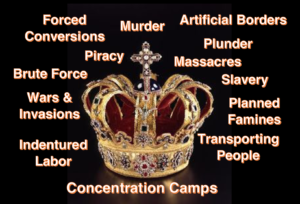
It is in the name of the Queen that horrendous crimes have been committed and continue to be. As Jamaica orders the Queen to pay billions in slavery reparations committed during British imperial rule. God cannot save the Queen for every atrocity committed in her name by the British Empire. Reparation request involves Jamaica’s National Council of Reparation & its Cultural Minister and Jamaica’s Attorney General will be filing the petition. Between 1640 and 1807, about 70% of all Africans were transported as slaves to the Americas. When the Caribbean Reparations Commission has presented its case why is Asia lagging behind? God certainly cannot and should not save the Queen and instead should be morally held culpable for crimes against humanity spanning decades.

Doctrine of Discovery: 

It was in 1493 that Pope Alexander VI issued a papal bull (decree) Inter Caetera” authorizing Spain & Portugal to colonize the Americas & convert & enslave the natives. The Papal Bull were ‘directives from Almighty God’ and it was using this power that native lands were stolen & its people murdered. Ironically, the papal bulls have not been revoked and remain valid to this day. It does question modern western hegemony and invasions as a continuation of this decree.

Medieval Europe was controlled by Kings/Queens & Popes politically & spiritually.

A clear separation came in 1536 when England broke ties with the Roman Catholic Church via British Parliament Act ‘Extinguishing the Authority of the Bishop of Rome”. This Act was due to the Roman Catholic Church not sanctioning the marriage between Henry VIII and Catherine Aragon though the King later decided to marry Anne Boleyn. Henry VIII became supreme Head of the Church of England. In 1533 Henry VIII married Anne Boleyn and Elizabeth I was born. The rest of the history is a separate topic.

It was King Henry VII who commissioned John Cabot to lead a voyage in 1497 – five years after the Europeans claimed to have ‘discovered’ America though people were very much living in these lands.

It was during the reign of Queen Elizabeth I that slave-raiding began. Ironically, England’s first oversea colony was in the 16thcentury in Ireland after settling it with Protestants from England. It was also in the name of the Queen that Britain transported prisoners and convicts to all its colonies round the world most often as first settlers.

In the name of the Queen between 1815 and 1914 Britain’s Empire included 10million square miles (26million square km) & some 400million people. It was in the name of the Queen that Britain occupied all but 22 countries of the world.

It was in the name of the Queen that Britain declared itself Pax Britannica (policeman of the world)

It was also under Queen Elizabeth 1 that Humphrey Gilbert (Walter Raleighs half-brother) was granted a patent for ‘discovery & overseas exploration” in 1578. This was nothing but the Queen sanctioning ‘piracy’.  Colonies were established in North America (1607 in Jamestown) and the Caribbean in the name of the Queen. Plantations & slave labour were also established in the name of the Queen. Fur trade was incorporated by royal charter in 1670 in the name of King Charles II.

In the name of the Queen by 1807, Britain had transported a third of all slaves across the Atlantic. In the name of the Queen 3.5million Africans were plucked out of their homes & dumped in America. In the name of the Queen Holy Wars were fought even among Europeans.

It was after the Battle of Plassey in 1757 that the British East India Company took control over Bengal. It was in the name of the Queen that the British fought the French for 7 years in India (1756-1763)

It was in the name of the Queen that the Thirteen Colonies in US and Britain fought over taxes resulting in US declaring independence in 1776 and American independence obtained in 1783 (Peace of Paris) It was in the name of the Queen that tensions escalated between Britain & S resulting in trade wars.

It was in the name of the Queen that Britain claimed Australia & New Zealand, declaring the indigenous Australians (Aborigines) & Maoris of New Zealand were too uncivilized to require treaties. In the name of the Queen, Britain took deliberate possession of land & culture and attempted to annihilate the natives.

It was in the name of the Queen that Britain made profits from Opium in China resulting in Opium Wars (how Britain seized Hong Kong)

It was in the name of the Queen that Britain dealt to suppress revolt against Britain in the colonies by people angered by the manner they were being treated in their own homelands.

It was in the name of Queen Victoria that the British Raj was established in 1858 and she ruled over the Jewel in the Crown”. It was in the name of the Queen that millions of Indians saw their deaths from calculated famines. It was in the name of the Queen that the Amritsar Massacre took place.  https://www.dw.com/en/the-jallianwala-massacre-when-british-troops-killed-hundreds-of-unarmed-indians/a-48313295

https://theconversation.com/1918-flu-pandemic-killed-12-million-indians-and-british-overlords-indifference-strengthened-the-anti-colonial-movement-133605

It was in the name of the Queen that artificial countries were created, artificial borders became the foundation of future wars and disputes.

It was in the name of the Queen that Britain took part in the Scramble for Africa dividing Africa between European nations to plunder.

It was in the name of the Queen that Britain acquired the Cape Colony in 1806 and kept the Boers (Afrikaners – descendants of the Dutch) in the world’s first concentration camps.

It was in the name of the Queen that Britain declared war with Germany.

It was in the name of the Queen that the 1917 Balfour Declaration resulted in a home for the Jewish people in Palestine. Similarly, it was in the name of the Queen that an Islamic state (Pakistan) was created out of ‘India’ which preaching ‘multiculturalism’.

It was also in the name of the Queen that national leaders that challenge imperial hegemony like Patrice Lumumba and Aung Sang were brutally assassinated. It was also in the name of the Queen that the British funded/armed/trained various insurgents/rebels and even terrorists.

It was in the name of the Queen that British troops were sent to recapture Falkland Islands from Argentina in 1982.

It is in the name of the Queen that Britain continues to keep troops in 42 countries (145 overseas military bases) It is also in the name of the Queen that Britain retains sovereignty over 14 territories still.

It is in the name of the Queen a British joins police service. ‘I will well & truly serve the Queen in the office of constable’

It is in the name of the Queen that all judicial cases in UK are adjudicated The Queen versus …” What if the Queen commits a crime – even if she does she cannot be questioned by policy or require to testify in a court!

Yes, it was in the name of the Queen that the Bloody Sunday Massacre in Ireland took place.

It was in the name of the Queen that the British Foreign Office in 2012 admitted to deliberately destroying thousands of records documenting atrocities committed by the Queens Army and that the remaining were being kept hidden from public/media.

https://www.thedailystar.net/news-detail-230767

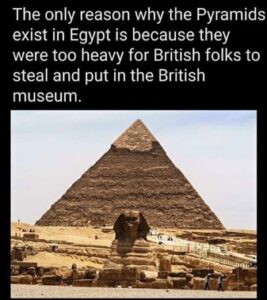
It is in the name of the Queen that the British plundered and pilfered the wealth of natives from across the globe. The British Museum is home to stolen artifacts and cultural treasures from which the British continue to make money as a tourist attraction.

https://kottke.org/20/08/the-british-museum-is-full-of-stolen-artifacts

https://www.smithsonianmag.com/history/true-story-koh-i-noor-diamondand-why-british-wont-give-it-back-180964660/

This is just a handful of crimes that have been committed by UK in the name of the Queen/King while singing God Save the Queen/King”.

How can any God condone such acts committed over centuries with no acknowledge, apology or compensation?

Shenali D Waduge

ERASING THE EELAM VICTORY Part 21 B

July 8th, 2021

KAMALIKA PIERIS

The Tamil Separatist Movement appears to have started its   Genocide charge in 2014. 28 Members of the Northern Provincial Council and 5 members of the Eastern Provincial Council sent a joint letter on 17th August 2014, to United Nations High Commissioner for Human Rights, Navi Pillay.

The letter said, The Tamil people strongly believe that they have been, and continue to be subject to Genocide by Sri Lanka. The Tamils were massacred in groups, their temples and churches were bombed, and their iconic Jaffna Public library was burnt down in 1981 with its collection of largest and oldest priceless irreplaceable Tamil manuscripts. Systematic Sinhalese settlements and demographic changes with the intent to destroy the Tamil Nation are taking place. We request the OHCHR investigative team to look into the pattern of all the atrocities against the Tamil people and to determine if Genocide has taken place”.

P. G. Ravindra Nirosha of Nugegoda wrote to the Court of Appeal saying that the IGP and the Attorney General has failed to enforce provisions of the Penal Code against the 28 members of the Northern Provincial Council and five members of the Eastern Provincial Council who had written to the United Nations Commissioner on Human Rights, that the Sinhalese are committing genocide against the Tamils and that Sinhalese settlements are being set up in Tamil areas.

The petitioner had requested the Court of Appeal to issue a mandatory order on the IGP and the Attorney General, to take action under Provision 120 of the Penal Code. The respondents included IGP, Attorney General, K.  Shivajilingam, a member of the Northern Provincial Council and 32 others.

 The public of Sri Lanka must be thankful to Ravindra Nirosh for coming forward in this manner, said Shenali Waduge. TNA and LTTE propaganda machine have escaped the law till now. Ravindra Nirosha has issued a Writ of Mandamus against authorities demanding that they take action using Section 120 of the Penal Code.

In February 2015, Northern Provincial Council unanimously passed a resolution saying that there has been continuous genocide of Tamils in Sri Lanka since 1948, and that the UN must investigate and submit a report at the next session of the UN Human Rights Council and refer its findings to the International Criminal Court for further action. The Resolution was tabled by Chief Minister Justice CV Wigneswaran, and adopted by the Council unanimously.

This is a lengthy Resolution of 5241 words. It is a rambling, sometimes nonsensical statement, more like a lament than a Resolution. It is based on material from Human Rights Watch. One source cited is the film maker Callum MacRae. This Resolution has examined the five activities that qualify as Genocide and have made claims for three of them.  Excerpts from the Resolution are given in Appendix 1.

In 2016, ‘Tamils for Obama’ and ‘American Tamil Forum’ two major Tamil Diaspora groups, in the USA, alleged that around 70,000 Tamils were killed in the six months of 2009 and that this could amount to Genocide.  

In 2019 a Private Member’s Bill (Bill no104) titled An Act to Proclaim Tamil Genocide Education Week was placed before Ontario Legislative Assembly, Canada   by Vijay Thanigasalam, MP for Scarborough-Rouge Park. Vijay Thanigasalam is a LTTE supporter.  The move had been facilitated by the Committee on Regulations and Private Bills coming under the purview of Logan Kanapathi also of the Progressive Conservative Party of Ontario. The Bill claimed that 146,679 were killed in the final days of the Eelam War that civilians were starved and Tamil children were forcibly taken away from their homes.

The progress of this Bill was closely watched by the anti-Eelamists in Canada. . Several Sri Lankan organizations strongly opposed the Bill. Submissions were made in writing to the Standing Committee on regulations and Private Bills. 

The Bill stalled at the second reading, Chandre Dharmawardene said. Only 59 supported it. 66 either refrained from voting or said ‘No.’ The Bill was then referred back to the relevant committee for want of required support.  In the meantime anti-Sri Lanka resolutions were passed in Brampton, Pickering and Toronto Municipal Councils, though the matter was outside local politics.

On May 6, 2021   Ontario Legislative Assembly, Canada, voted in favor of the Bill. It was carried through without a vote taking advantage of the Covid-19 pandemic which had restricted the participation of the majority of members. Vijay Thanigasalam declared the passage of the Bill ‘a historic event for Tamil people in Ontario and across the world.  Ontario is the first government worldwide to pass such a law.

The newly passed Tamil Genocide Education Week Act establishes a week each year, May 11 to 18, during which Ontarians are encouraged to educate themselves about, and to maintain their awareness of, the Tamil genocide and other genocides that have occurred in world history. However, the Bill would not become law until Ontario Lieutenant Governor General gave her consent on behalf of the Canadian Government.

Analysts saw this Ontario move as very   significant. This Bill is an attempt to legitimize the claim that a Tamil Genocide happened in Sri Lanka. Such projects intended to legitimize war crimes accusations, should be nipped in the bud they said.

It would be a serious mistake, on Sri Lanka’s part, to consider the genocide rap as a project of the Ontario Legislative Assembly instead of a Canadian move. The Canadian move is severely inimical to Sri Lanka. The Ontario project would further strengthen the Geneva-led campaign meant to weaken Sri Lanka, said Shamindra Ferdinando. The Geneva onslaught will take a new turn with this Genocide charge.

Sri Lanka acted promptly. The Sri Lanka High Commission in Ottawa protested. Foreign Minister Dinesh Gunawardena   conveyed Sri Lanka’s deep concern over the adoption of Private Member Bill 104 on ‘Tamil Genocide Education Week’ by the Ontario Legislative Assembly on 06 May 2021 to Canadian High Commissioner David McKinnon.

Anti Eelamists in Canada also responded. Dr. Neville Hewage[1]    went to Supreme Court against the Act. He said that Ontario Legislative Assembly did not have the jurisdiction to pass Bill 104 and the facts presented in Bill 104 were completely false.

Mahinda Gunasekera sent an open letter to. Prime Minister, Ministers, Premier of Ontario, Members of the Federal Parliament/ Ontario Legislature and GTA Mayors on the matter [2]He pointed out that Eelam war IV was a civil war not a genocidal one and its was initiated by the LTTE not the government, that the UN has not declared the Eelam war to be genocidal and that Ontario Provincial Legislature does not have the authority to determine Genocide

The Ontario Centre for Policy Research organized a webinar on LTTE Terrorism and Alleged Tamil Genocide in June 2020 to discuss the Ontario Bill. The panel consisted of Neville Hewage, Sarath Chandrasekera and Chandre Dharmawardana.

On June 3 2021, those who opposed Eelam issued a joint statement. We are pleased to announce that the following Sri Lankan-Canadian organizations have joined as a united front to fight a Superior court case against the Ontario law on Tamil Genocide Education Week. Sri Lankan Canadian Action Coalition (SLCAC) Canadian Sri Lankan Center for Social Harmony (CSLCSH) Sri Lanka United National Association of Canada (SLUNA) Sri Lanka Canada Association of Brampton (SLCAB). A 12-member steering committee will address aspects of the proceedings and fundraising campaigns, we hope to draw attention to the misinformation contained in the Act, and see that Tamil Genocide Education Week Act is repealed, they said.

 Canada has this image internationally of a great defender of human rights violations, the protector of human rights throughout the world, but in its own backyard it has ’ violated the rights of   the indigenous inhabitants, said critics. Canada’s ugly record of Genocide is described in Appendix. 2

Appendix 1.

The Resolution said that Sri Lanka’s genocide against Tamils began with the island’s independence. This Council is of opinion that during the period extending from 1948, successive Sri Lankan governments have perpetrated genocide against Tamils. Extensive evidence demonstrates that acts have been committed that constitute four of the five enumerated genocidal acts in the Genocide Convention:

A series of anti-Tamil pogroms, fueled in part by fabricated rumors about Tamil violence against Sinhalese, began with the passage of the Sinhala Only Act, or the Official Language Act, in 1956 In Gal Oya, from June 11–16, Sinhalese mobs, who were galvanized by false rumors about Tamil-initiated violence, killed around 150 Tamils, injured about 100 more, and destroyed many Tamil-owned properties

 \In May 1958, Buddhist monks and other Sinhala nationalists organized anti-Tamil pogroms throughout Sri Lanka from May 22–27 estimates indicate that 300 Tamils were killed, over 1,000 were injured, and 200 women were raped

.From August 12–20, 1977, Tamils were attacked on the train from Jaffna to Colombo, through the country from Anuradhapura to Colombo, and in the Hill Country. About 300 Tamils were killed, over 1,000 were injured, and 25,000 were displaced.

The most horrific anti-Tamil pogroms, known as Black July,” occurred July 23–30, 1983, and involved state-sponsored Sinhalese mobs attacking Tamils and destroying their properties across the country, beginning in Colombo.. Over 3,000 Tamils were killed, 500 women were raped, 8,000 homes and 5,000 businesses were destroyed, and about 500,000 Tamils fled the country.

The Vanni genocide of 2008-09 had previously been rehearsed in the Eastern Province. On 28 August 2006, the Sri Lankan military began a multi-pronged offensive against the LTTE- administered region stretching from Sampoor to Vaharai. According to UN estimates, 60–100,000 Tamil civilians were killed over the course of the 27-year-long war.

The Sri Lankan government intentionally corralled Tamils into the so-called No Fire Zones in 2009, in a calculated and deliberate attempt to destroy as many Tamils as possible. .

At the end of January 2009, government forces were killing approximately thirty-three Tamil people each day, with these casualties increasing to 116 people per day by April 2009. According to the Permanent People’s Tribunal on Sri Lanka, this toll surged, with an average of 1,000 civilians killed each day until May 19, 2009.”

 In a submission to the Lessons Learnt and Reconciliation Commission, the Bishop of the Mannar Catholic Diocese, Rt. Rev. Dr. Rayappu Joseph, stated that according to the Government Secretariats, the population in the Vanni region in early October 2008 was 429,059. However, only 282,380 people emerged from the Vanni into government-controlled areas, according to UN OCHA 2009 statistics. Thus, over 146,679 people in the Vanni are not accounted for after the 2009 atrocities.

The obligation to prevent and punish genocide under the Genocide Convention is not a matter of political choice or calculation, but one of binding customary international law. This Council urges OCHRC to comprehensively investigate and report on the charge of genocide in its submission to the UN Human Rights Council in March 2015.

 The UN Security Council should refer the situation in Sri Lanka to the International Criminal Court for prosecutions based on war crimes, crimes against humanity, and genocide. Alternatively or concurrently, domestic courts in countries that may exercise universal jurisdiction over the alleged events and perpetrators, including but not limited to the United States, should prosecute these crimes.

The case of genocide in Sri Lanka is unique among genocides in history because it occurred over several decades and under different governments before intensifying into a no- holds-barred war for nearly three decades and culminating in the mass atrocities of 2009.

It is accordingly vital that Sri Lanka’s historic violations against Tamils, in addition to the 2009 attacks, are addressed through an international mechanism in order to combat Sri Lanka’s institutionalized impunity.

This international intervention, coupled with action to promote the respect of human rights, is necessary to ensure a sustainable future for self-determination, peace, and justice, in Sri Lanka and for the Tamil people.  (End of Resolution.)

Appendix 2.

Canada has its own ugly record of Genocide. Canada destroyed the indigenous people of Canada. There was forced sterilization. Canada created a special school system for the indigenous children, the Resident or Industrial School system run by the Federal Government and the Church. Residential Schools were part of a policy to eliminate Aboriginal people as distinct peoples and to assimilate them into the Canadian mainstream against their will.”

This school system removed children from parents, who were not permitted to visit their children. They in fact never saw their children again. The result was children, who lacked family love, and parental guidance.

Over 70% of children were tortured, sexually abused by school teachers, priests, and nuns. When they left school after 10 years, their level of knowledge and education was at the level of a Grade 2 child. They did not receive higher education or skills. They often resorted to larceny, drug and alcohol addiction, ending up as urban poor.

Five generations of children went through this school system. Between 1890-1970 over 100,000 children were forced to attend 139 resident schools. The Truth and Reconciliation Commission of Canada in 2015 released its final report, documenting the tragic experience of at least 150,000 residential school students.

Canada’s genocide was camouflaged as state policy and it was carried out with state patronage and blessings.  In 2008 Prime Minister of Canada, Steven Harper, apologized to the indigenous people. (Continued)


ERASING THE EELAM VICTORY Part 21 A

July 8th, 2021

KAMALIKA PIERIS

The word genocide” was first coined by Polish lawyer Raphäel Lemkin in 1944 for the killing of Jews in World War II. Genocide was first recognized as a crime under international law in 1946 by the United Nations General Assembly (A/RES/96-I). It was codified as an independent crime in the  UN Convention on the Prevention and Punishment of the Crime of Genocide 1948. Sri Lanka    signed the Convention in 1950. .The International Criminal Court (est. 2002) which is specifically mandated to judge crimes of Genocide uses the definition given in the UN Convention.

The international legal definition of the crime of Genocide is found in Articles II and III of the 1948 Convention. There must be a proven intent on the part of perpetrators to physically destroy a national, ethnical, racial or religious group. Also action must be taken to carry out the intent. A crime must include elements, intent and action, to be called “genocide.” If the government is to be blamed, it must be a part of state policy.

The four groups which need to be protected from Genocide   as stated in the UN Convention were, a ‘national’ group meaning a set of individuals whose identity is defined by a common country of nationality or national origin. An ‘ethnical’ group is a set of individuals whose identity is defined by common cultural traditions, language or heritage. A ‘racial’ group means a set of individuals whose identity is defined by physical characteristics. And lastly, a ‘religious’ group is a set of individuals whose identity is defined by common religious creeds, beliefs, doctrines, practices, or rituals.

The victims of genocide must be deliberately targeted.  The target of destruction must be the group, not individuals. Genocide can also be committed against a part of the group, as long as that part is identifiable”, such as within a geographically limited area and substantial.” The part targeted must be significant enough to have an impact on the group as a whole.”

The tribunals appointed to investigate Genocide in Rwanda and Yugoslavia   used these criteria. Genocide was declared in Rwanda, where there was a mass slaughter of more than 800,000 ethnic Tutsi between April and July 1994. But not in Bosnia or Serbia.

In the case of Bosnia, the Court held that deporting a group to make an area ‘ethnically homogeneous’ is not genocide. Deportation or displacement, even if done by force, does not mean destroying that group, the Tribunal said.  It was the same in Croatia. . The deporting of the Serb population in Krajina by Croatian leaders did not mean destroying the group.

The Rohingya issue in Myanmar is another high profile Genocide trial. Myanmar is being tried simultaneously by three separate tribunals, ICJ, ICC and Argentina. Gambia   reported Myanmar to the International Court of Justice for violating the Genocide Convention.  The ICJ is now hearing the case. In 2019, Aung San Suu Kyi appeared before the ICJ, where she defended the Burmese military against allegations of genocide.

The UN sent a fact-finding mission to Burma In 2018, to examine the Rohingya issue. This mission urged the UN Security Council to report Myanmar’s’ top military officials to International Criminal Court on the charge of Genocide. The UN Mission however stated that the standard of proof used was lower than that required in criminal proceedings”.  The ICC duly opened an investigation on Myanmar, for crimes against humanity in its dealings with the Rohingya.

Thirdly a universal jurisdiction case was filed in Argentina by the Burmese Rohingya Organization of UK.  Argentina then started a case against Myanmar’s head of state, Aung Sang Suu Kyi using universal jurisdiction.

Myanmar   told the UN General Assembly that it had no right to interfere in the internal matters of a country. Myanmar is carrying out its own investigation on the 2017 events through its Independent Commission of Enquiry.

 Myanmar appeared before International Court of Justice in December 2019. Myanmar said that expelling a group was not Genocide. There must be firm proof of Genocide. It is not enough to say that an action looks like Genocide. It must be proved to be Genocide and nothing else. Genocide must bethe only inference that could reasonably be drawn from the acts in question.

The standard for proving genocide is now quite high, and very challenging, observed Myanmar. Even evidence of mass atrocity is not enough today to meet the strict legal definition of genocide.

Now to the situation in Sri Lanka .The Tamil Separatist Movement   stated that the Eelam war IV was Genocide of the Tamil people. Ceylon Tamils were living in the north for centuries, they said. It was their homeland.  The Sri Lanka army came there, without reason and started killing innocent Tamils’ with the deliberate intention of carrying out Genocide. This is nonsense. The Eelam War IV was a civil war started by the Tamils themselves. The Sri Lanka army had a legitimate right to be there and to engage in military action.

There is/are no ‘Tamil people’ or ‘Tamil nation’ or ‘Tamil homeland’ in Sri Lanka.  The Ceylon Tamil”   is descended from    the   low caste, landless agriculture laborers who were initially brought in to Sri Lanka by the Dutch in the 18th century to work on the tobacco plantations in the north. The Tesawalamai was drawn up by a Dutch administrator, Claas Isaaks in 1707 and the Yalapana Vaipaya Malai was written in 1736, at the request of the Dutch governor.

The British followed the Dutch policy and more Tamil laborers came in to the north. Tamil immigrants were also brought in by the British to populate the Eastern province. This was deliberate. It was to replace the Sinhala villagers who were allowed to die. These newly arrived Tamils of the north and east, were given the label ‘Ceylon Tamil’ in the Census which started in 1871.  The ‘Ceylon Tamil’ is a bogus race invented by the British.  The concept of ‘Race’ is itself bogus                                 

The notion of a ‘Tamil nation’ and ‘Tamil homeland’ are    inventions of the Tamil Separatist Movement. They can be dated to the post independence period.  Tamil ‘nation’ has been taken from the utterances of Lenin. It is used to justify the civil war.

 The term ‘Tamil homeland ‘was used by the Tamil Separatist Movement to mean ancestral land or the place where a cultural, racial identity had been forged. The notion of a Tamil homeland    got publicity through the Union of Regions” proposal of January 1996.

The concept was promptly squashed. Historians showed that there was no historical basis for a Tamil homeland in Sri Lanka. The public laughed at the very idea. They wanted to know, is there any other ethnic group that has two homelands, one in Tamilnadu and the other in Sri Lanka.

The government of Sri Lanka has consistently denied that it engaged in genocide. Sri Lanka said that it has rescued 295,000 hostages and rehabilitated 12,000 former LTTE cadres.

Sri Lanka government has   also challenged the use of the word Genocide for the Eelam war. The term has specific legal connotations, and the United Nations, which has codified the concept of ‘genocide’, has never used it in relation to the Sri Lankan conflict, nor has the term been used by any of the UN’s subsidiary bodies, including the UN Human Rights Council, Sri Lanka said.

The Paranagama Commission stated firmly that after many months of investigation and after consulting top legal experts, it had concluded that there is no     evidence to support the charge of Genocide. The Paranagama commission rejected the suggestion that civilians were targeted by the SLA as part of an alleged genocidal plan.

The Paranagama Commission also pointed out that the term ‘genocide’ is a legal concept with a very precise and definite meaning and scope of application. The International Court of Justice rejected claims of genocide by both Croatia and Serbia making it plain that the crime is only made out if it is proved that the perpetrators acted with specific intent to destroy physically the group concerned

Analysts pointed out something else in this Genocide claim.  If 40,000 were killed at Nandikadal in the last weeks of Eelam War IV, where are the bodies? If genocide of 40,000 occurred in the last weeks of Eelam IV, mass graves of 40,000 killed must emerge.  In every country where there have been “system crimes” invariably mass graves have been found.

It’s been ten years since the end of the war, but no mass graves have been found.Even the Northern Provincial Council under Wigneswaran, which charged the government with genocide, has not succeeded in finding mass graves. The Mannar mass grave, which was excavated with great expectations contained skeletons that have been carbon dated to the Portuguese era. 

Analysts observed that it would not have been possible to conceal the piles of skeletons or mountains of ashes of 40,000 bodies in an area like Nandikadal, which is not heavily forested. Also,   if the skeletons existed, then they would have been found during the mine clearing operations. (Continued in A2)

මී මැස්සෝ හා පන් ගොයියෝ

July 8th, 2021

චන්ද්‍රසේන පණ්ඩිතගේ විසිනි.

ලෝකය කොතරම් සුන්දර තැනක්ද? නමුත් මේ ලෝකයේ සැබැ සුන්දරත්වය අත්විදිමට හැම දෙනාටම වරම් තියෙනවා නම් කොපමණ හොඳද?  සිතුවිලි කන්දරාවක්  පහලවේ. ඒ මී මැසි රජ දහන තුලදිය. මී මැසි රජ දහනේ සංචාරය, එම රජ දහනට ඇතුළු වූ මෙහොතේ සිටම නවතාවයකින් පිරුනක් විය. තම රජ දහනට ඇතුළු වූ මේ නවකයා කවරෙක්දැයි කිසිවෙකුටත් බැලීමට කිසිඳු උවමනාවක් නොවිණ. මහා වැඩ කන්දරාවක නියළුන පිරිස, තමනට උරුම කාර්යයෙන් බැහැරව කිසිම දෙයක් සම්බන්ධව තම අවධානය යොමුකරන බවක් නොපෙනේ. මෙච්චරට මේ සත්වයින්ට තිබෙන කාර්යයභාරය කුමක්ද?අමුත්තා තුල  ගැටළුවක් මතු කලේය.  තමන් ගේ රජ දහනට ඇතුළු වු මේ අමුත්තා දෙස නිකමටවත් බැලීමට එකද මී මැස්සෙක්වත් උත්සහ නොකලේ මේ එන අමුත්තා ඔවුනගේ හතුරෙක් නොව, ඔවුන් වෙනුවෙන්ද වෙහෙසෙන  මිතුරෙකු බව, ඔවුන්ව දැනුවත් කර තිබුණ බැවින්ය. මී මැසි රාජධානියේ ව්‍යුහය ‍කොතරම් අපූරුද, ‍මෙහි සැලැසුම මෙය විය යුතුයයි තිරණය ක‍ලේ කවුද? එම සැලසුම මී මැස්සා‍ට කිරිමට හුරු කරවනලද්‍ දේ කව‍රෙකු විසින්ද? මේ ගොඩනැංවිමේ තාක්ෂණය මී මැස්සාට පලමුව හඳුන්වා දුන්නේ කවරෙක්ද? මෙම තාක්ෂණය මී මැස්සාගෙන් මීමැස්සාට සම් ප්‍රේෂණය කරන අධ්‍යාපන ක්‍රමවේදය කවරේද? අමුත්තාගේ සිත තුල කිසිදා නැති ආකාරයේ ප්‍රශ්න කන්දරාවකින් වෙලී පවතී. නෑ ඕක ඉබේම එනවා යන පිලිතුර සැබෑ පිලිතුරක් නොවන බව අමුත්තා ඉතා හොඳින් දනී. එහෙම නම් ඇයි මිනිසුන්ට එහෙම කිසිම දෙයක් ඉබේටම එන්නේ නැත්තේ? අමුත්තා තව තවත් සිතයි.මිනිසාට වඩා හොඳ අධ්‍යාපන ක්‍රම වේදයක් මී මැසි රාජ්‍යය සතුව පවතිනවා අමුත්තාගේ තීරණයයි. මම අංශක 90ක කෝණයක් නිර්මානය කරන්න තියොඩලයිට් එකක් අරගෙන වෙහෙසී කරන කාර්යය හා සසඳන විට මේ කුඩා මී මැස්සා කිසිඳු තාක්ෂණික මෙවලමක් නැතිව, අංශක 120 කෝණ නිර්මාණය කරමින් ගොඩනංවන සඬස්‍රාකාර කුටි වලින් පිරුණ රාජ්‍යය සම්බන්ධව මීට වඩා හැදෑරිය යුතු බව අමුත්තාම සිතා ගනී.

ආයබෝවන්! බර කල්පනාවක වගේ

අමුත්තා පිලිගනිමින් මී මැස්සියක විචාලාය.

ආයබෝවන්!  මම බැලුවේ මේ රාජ්‍යෙය් ඇති ක්‍රමාණුකූලභාවය සම්බන්ධවයි. ඇත්තටම විශිෂ්ඨයි, ශ්‍රේෂඨයි. මට කියන්න වචන ඇත්තේම නැහැ.

ස්තුථියි. රැජින ඔබ එනතුරු රැදී සිටිනවා. අපි යමු.

අමුත්තා රැජින වෙත යන ගමන මල්පැණි ගබඩා, මී පැණි ගබඩා, මල් රොන් ගබඩා, පසු කරමින් ගමන් ගනී. පැණියෙන් පිරුණ දේශයක්, මේ කුඩා සතුන් මේවා රැස්කරන්නේ කිසිවෙකුටත් කරදරයක් හිංසාවක් කරමින්  නම් නොවේ. අමුත්තා තුල තමන් සම්බන්ධව සියුම් ලැජ්ජාවක් හට ගනී. මම නියෝජනය කරන සමාජය මේ සතුන් එක්රැස්කරන දේ කොල්ල කන්නේ කොතරම් පහත් ආකාරයටද? තවත් ප්‍රශ්නයක් කරදර කරයි. රැජිනගේ සුහඳශීලී පිලිගැනුම අමුත්තා තුල නව ප්‍රබෝධයක් ඇති කලේය.

ආයුබෝවන්! ඔබේ පැමිණීම අපට කල විශාල ගෞරවයක් ලෙස පිලිගන්නවා. සතුට පිරි ඇගේ දෑස් විශාල කථාන්තරයක් කීමට සැරසේ .

ආයුබෝවන්! මහා රැජිණියෙණි, මගේ ජීවිතයේ දුටු අපූරුම පුරවරය ඔබගේ රාජ්‍යයයි මට හැඟෙනවා. මම බොහෝමයක් දේ දුටුවා සමහර දේවල් ඔබ වැනි කුඩා සත්ව පරපුරක් කරන්නේ කෙසේදැයි මට විශ්වාස කරන්නත් බැහැ.

මාගේ පලමු ප්‍රශ්නයෙන්ම ඈ මුවඟට නැඟුනේ හාස්‍ය යෙන් පිරි සිනාවකි. ඇය මද වේලාවකට පසුව කථා කලාය.

පුදුම වන්න ඔබ දුටුවේ මොනවාද? ඇය අමුත්තාගෙන් විචාලාය.

මහා රැජිණියෙණි, මෙතරම් කුඩා ජීවියෙක්, මෙවන්වූ අපූරු රාජධාණියක් ගොඩනැංවීමම මහත්වූ ඓශ්වර්යක් ලෙස මට දැනෙනවා. විශේෂයෙන්ම,සඬස්‍රාකාර කුටි සමමිතිකව ගොඩනැංවීම, ඒවා විශිෂ්ඨ ලෙස පරිපාලනය කිරීම මට අදහා ගන්න බැහැ.

ඇත්තටම ඔබ පුදුම වෙන්නේ; පුදුම වෙන්න ඕනි දෙයකට නම් නොවේ. ඇයි ඔබ අහන්නේ නැත්තේ  මුළු ලෝකයේ ජීවීන්ගෙන්  80% කඩා අවශ්‍ය කරන ආහාර මේ කුඩා ජීවියා නිශ්පාදනය කරන්නේ කොහොමද? කියලා, මුළු මහත් ලෝකයේ ජනගහණයෙන් 80% කට වඩා ජනතාවට අපි කන්න දෙන්නේ කොහොමදැයි? කියල ප්‍රශ්න කලා නම් මම වඩාත් සතුටු වෙනවා. ඔබට නිකමටවත් හිතිල නැහැ, ඒ කාර්යය කරන්නේ මේ කුඩා සතා බව.

අමුත්තාට මී මැසි රැජීනගේ ප්‍රකාශයේ සැබෑ අරුත එකවරම නොතේරුණි.

ඔබතුමියගේ කථාව පැහැදිලි කලා නම් මම අගය කරනවා.

ඔව් මම දන්නවා මිනිස්සු හිතන විදිය. ආහාර නිශ්පාදනය සඳහා ඔබලාට අවශ්‍යයයි සිතන්නේ, ඉඩම, බීජ, ජලය, පොහොර, වල් නාශක, කෘමි නාශක හා ගොවියා යන කරුණු විතරයි. ඔබලා ගෙන් හුඟ දෙනෙක් හිතාගෙන ඉන්නෙත් ඒ විදියට, ඒ උනාට ඒ සාධක වලට අමතරව බඹරා, දෙබරා, කණ මැස්සා මී මැස්සා වැනි පරාගණය සඳහාම පුහුණුවූ හමුදාව නැතිව ඔබලාට කිසිම පලදාවක් ලබාගන්න නම් බැහැ. මේ පරාගණ හමුදාව තමයි මුළු ලොවටම ආහාර සපයන්නේ. ආහාර නිශ්පාදනය කරන්නේ පරාගණ හමුදාවයි. ඒ කාර්යය කිරීම සඳහා අපි දිවා රෑ වෙහෙසෙනවා. වැඩකරන මැස්සියන්ට දිනපතා උපදෙස් දෙනවා. ඉදිරිකාල වලදී මේ කාර්යයන් ඉටු කිරීම සඳහා අනාගත මී මැසි පරම්පරාව ගොඩනංවනවා. අපිට විශාලම ප්‍රශ්නය තියෙන්නේ මේ ලෝකයේ බුද්ධිමත්ම සතා කියන මිනිසාගෙන් ඇතිවෙන බාධකයි. බලන්න අද වෙනකොට රට පුරාම ඔබලාගේ මිනිස්සු මොනවාද කරන්නේ, විෂ පොහොරයි, විෂ වල් නාශකයි, අපිව මරන්න කෘමි නාශකයි  ඉල්ලමින් කිසිම වැඩක් නොකර මහා පාරේ රස්තියාදු ගහනවා මේ යටත් කන්න දෙන්න අපිට වැඩ කරන්න සිද්ධ වෙලයි තියෙන්නේ ! කොච්චර අසාධාරනයක්ද?

අමුත්තාට මීට මොහොතකට පෙර ඔහු කෙරෙහි ඔහු තුලවූ අභිමානය ගරා වැටෙන්න විය.ඔහු මහා අපහසු තාවයකට පත්විය. මෙවැනි කාර්යයක් සිදුවෙන බව අප දැනගෙන හිටියත් ගොවියට වඩා කෘමියා ඉහල ඉන්න බවක් නම් විශ්වාස කලේම නැහැ. ඇත්තනේ ලෝකයේ තියෙන මහා වනාන්තර පද්ධතිය තුල සිටින මහා ජීවි පරපුරට අවශ්‍ය කරන ආහාර වලින් කොටසක් සපයන්නේ ගොවියා නොව මේ කුඩා කෘමියා බව අමුත්තාට වැටහිණි. ගොවියාලේ මූලිකත්වයෙන් කරන වගාවන්වලදීද මේ කෘමියා කරන පරාගණ කාර්ය අත්‍යවශ බව අමුත්තාට වැටහිණි.

ඔව් මට ඔබතුමිය කියන කාරණාව මනාව වැටහෙනවා

ඔබට පරාගණය යනු පොතට සීමාවූ කුඩා විෂයක් පමණයි. නමුත් අපට පරාගණය යනු මුළු පෘතුවියේ අඛණ්ඩව ගලායන ජීවී ප්‍රජාවගේ උරුමයන් රැක දෙන මහා ක්‍රියාවලියයි. මේ ක්‍රියාවලියෙන් මිදීමට අපිට හිමි කමක් උරුමව නැහැ.අපි අපේ සතුරන්ටත් මිතුරන්ටත් එකසේ අවශ්‍යකරන ආහාර නිශ්පාදනය කරන්නෝ වෙමු.

ඔබතුමිය පරාගණ කාර්ය සම්බන්ධව කථා කරන විට මිනිසා යන නාමය ඇසෙන විට කථා කරන්නේ සතුරෙක්ගේ නමක් ඇසුනාක් මෙනි. ඒ ඇයි?

අපිට කථා කරන්න ගොඩාක් කරුණු තියෙනවා. මේ සංවාදය අපි සතුරු ලෙසින් කථා කිරීමෙන් කිසිඳු පලක් නැහැ. නමුත් මිනිසාගේ ක්‍රියාකාරකම් රාශියක් අපට මහා වේදනාවක් ගෙන දෙනවා. ඔබලා ඉටු කරන මොනම කාර්යකටත් වඩා වටිනවා ආහාර නිශ්පාදනය කිරීමේ ක්‍රියාවලිය. ඒ මහා කාර්ය කරන්නේ කෘමි ප්‍රජාව,:වැඩිපුර අඝ්‍රණය කලොත් තමන්ටත් මරණය උරුම කරන අති පුබල කාමි නාශක කිසිඳු පදනමකින් තොරව විසුරුවා හැරීම හේතුවෙන්, පරාගණය කිරීමට සිටින හමුදාව මරා දමන්නේ මිනිසා බව ඔබේ මිනිසුන්ට වටහා දෙන්න.. මේ පරම්පරාව අඛණ්ඩව පවත්වා ගැනීම සඳහා රැජිනක් වශයෙන් මට පැවරී ඇති කාර්යයන් අතර, දිනකට බිත්තර 700කට ආසන්න ප්‍රමාණයක්  දැමීමට අමතරව මෙහි පරිපාලනයත් ඉටුකරනවා. මී වදයක් පිරෙන්න මී පැණි හොයන්න මී මැස්සෝ ගමන් කරන දුර ප්‍රමාණය කිලෝ මීටර 80,000කට වැඩි බව මිනිසුන්ට අවබෝධ කරල දෙන්න. මේ මී වදය පුරවන්න පැණි නිශ්පාදනය කරන්න මල් මිලියන දෙකක් තරම් ප්‍රමාණයක් අතර සැරි සරන මහා කාරියක්. මේ වනවිට මෙතරම් මල් ප්‍රමාණයක් සොයා ගැනීමත් මහා දුෂ්කර කාර්යයක් බවට පත්වෙලා. එදා මෙන් නොව අද හැම මිනිහෙක්ම වවන්නේ මල් පිපෙන ගස් නොව, මල් නැති කොල හා කඳ අලංකාර වූ ගස් පමනක් වීමත් මහා අර්බූදයක් වෙලා. ඒ නිසා සමාජය මල් වලින් බරිත වූ සමාජයක් කරන්න කියන්න. එවිට සමනලයින් මී මැසිසන් කන මැස්සන් ගෙන් පිරුණ සමාජයක් නිර්මාණය වේවි. මිනිසුන්ට මී මැස්සන්ට ආදරය කරන්න කියන්න. මී මැස්සන්ව ඇති කරන්න කියන්න. මී මැස්සා හා සහජීවනයෙන් ජීවත්වෙන්න කියන්න. කාබනික පොහොර මෙන්ම මී මැස්සන් සඳහා වූ කලාප වගාවන් අසලම ගොඩනංවන්න කියන්න. ආහාර අතින් සංවර්ධනය කිරීම එවන් තත්වයන් යටතේ අපට පහසුවෙන් කල හැකි වේවි.

ඇගේ ඉල්ලීම තුලවූයේ කාරුණිකභාවය කැටිවූ තද ස්වරයකි. ඇය වැඩකරන්නේ මුදලට නොවන බැවින් රට සංවර්ධනය කිරීම ඇයගේ එකම අභිලාශය බවට පත්ව ඇත.මිල ස්ථාවරව පවත්වා ගැනීම සඳහා මිනිසා පලදාව විනාශ කරන්නෙක් බව ඇය දන්නේ නම් මට මෙතරම් වටිනා රජධානියක් තුලට අතුළු වීමටවත් අවසර නොලැබීමට ඉඩ තිබිණැයි අමුත්තාට සිතිණි. මී මැසි රැජිණිය ගෙන් සමුගත් අමුත්තා මහත් සිතුවිලි රාශියක් අතරේ තෙරපෙමින් ඉදිරියටම ඇදිණ.
සෑම මී මැස්‍සකුටම සම නිපුනතාවයන් නිරිමාණය කරන ලද නිර්මාන කරුවා. අපට උරුම කර ඇත්තේ කොච්චර සුන්දර නිර්මාණයන්ද? හැමටම සඩාස්‍රාකාර සමාන කුටි, හැමදෙන ඒකාකාරව කරන වෙහෙසීම අපට කියාපාන්නේ මිනිසා කථා කරන සමාජවාදයද? නැත්නම් උත්තර නිර්මිතියද?

මී මැසි රාජධානියෙන් එලියට බට අමුත්තාට ඇසුන කන පිනවන මියුරු ගී නාදයට අනුව මුළු ලොව උයනක් බවට පත් කරවිය යුතු බව අවබෝධ වී කිබිණ. නමුත් ඒ මියුරු ගී නාදය පරයමින්  බෝඩ් උස්සාගත් කාඩ්බෝඩ් ගොයියෝ

“අපට පොහොර දියව්!”
“අපට් කෘමි නාශක දියව් ”  යනුවෙන් මොරදුන්හ.

අමුත්තාට මී මැසි රැජින මේ ගොයියන්ට වඩා කොතරම් ප්‍රබුද්ධාදැයි සිතිණි.

චන්ද්‍රසේන පණ්ඩිතගේ විසිනි..

වරාය නගරයේ නිර්මාණය වන සෑම අංශයකම රැකියා අවස්ථාවන් සඳහා වෘත්තීය පුහුණු ක්ෂේත්‍රයේ නියුතු දරුවන් නූතනතාක්ෂණයෙන් සන්නද්ධ කර ඊට යොමු කරනවා -රාජ්‍ය අමාත්‍ය සීතා අරඹේපොල –

July 8th, 2021

නිපුණතා සංවර්ධන වෘත්තීය අධ්‍යාපන පර්යේෂණ හා නව නිපැයුම් රාජ්‍ය අමාත්‍යාංශය

වරාය නගරය සක්‍රීයව ඉදිකිරීම ආරම්භවීමත් සමග එහි අවශ්‍යතාවයට ගැලපෙන පරිදි පියවරෙන් පියවර  පුහුණු වෘත්තීකයින් එයට සම්බන්ධ කරන අයුරු පිළිබද සාකච්ඡාවක්  ඊයේ (07) දින නිපුණතා සංවර්ධන වෘත්තීය අධ්‍යාපන පර්යේෂණ හා නව නිපැයුම් රාජ්‍ය අමාත්‍ය සීතා අරඹේපොල මහත්මිය සහ කොළඹ වරාය නගර ආර්ථික කොමිසමේ ව්‍යාපෘතිය භාර නිළධාරීන් අතර නිපුණතා පියසේදී පවත්වන ලදී.

මෙහිදී  වැඩිදුරටත්  අදහස් දක්වමින් අමාත්‍යවරිය ප්‍රකාශ කර සිටියේ  වෘත්තීය පුහුණු  ක්ෂේත්‍රය නවීන ලෝකයට ගැලපෙන පරිදි ඉතා ඉක්මණින් යාවත්කාලීන කල යුතු බවත්, එමගින් වරාය නගරයේ එක් එක් පියවර වලදී ඊට අවශ්‍ය පුහුණු ශ්‍රමිකයින් නියමිත පරිදි ලබා දිය හැකි බවත්ය. විශාල රැකියා ප්‍රමාණයක් එක වර උත්පාදනය වන බැවින් ඊට සරිලන පරිදි පුහුණු ශ්‍රමිකයින් නුතන තාක්ෂණයෙන් සවිබල ගැන්වීමට  වෘත්තීය පුහුණු ආයතන වෙත එක් එක්  වගකීම් වෙන් වශයෙන් පැවරීමද මෙහිදී අමාත්‍යවරිය විසින් සිදු කරන ලදී. එමෙන්ම NVQ සහතික ලබා රැකියා වියුක්තියෙන් පෙලෙන තරුණ ප්‍රජාව සම්බන්ධයෙන් විශේෂ අවධානය යොමුවන ලදී. එම තරුණ පිරිස් නැවත රැස් කර  ඔවුණට වරාය නගරයේ නූතන තාක්ෂණයට  ගැලපෙන පරිදි දැණුම යාවත්කාලින කර හැකි ඉක්මනින් එම පිරිස  වරාය නගරයේ අවශ්‍යතාවයන් සඳහා යොමු කරන ලෙසද උපදෙස් ලබා දෙන ලදී. එමෙන්ම එම පිරිස් වල භාෂා දැනුම හා තොරතුරු තාක්ෂණ දැනුම (IT) වරාය නගරයට ගැලපෙන පරිදි යාවත්කාලින කිරීම සඳහා ද මෙහිදී අවධානය යොමු විය.

 පළමුවෙන් පටන් ගන්නා ඉදිකිරීම් ක්ෂේත්‍රයේ අවශ්‍යතා වෙනුවෙන් අවශ්‍ය ඉදිකිරීම්, විදුළි , ජලනල, වායුසමීකරණ, දැනුම ඇති කණ්ඩායම්  හැකි ඉක්මණින් සුදානම් කරණ ලෙස මෙහිදී සියලු නිළධාරීන්ට අමාත්‍යවරිය විසින් උපදෙස් ලබා දෙන ලදී.

මෙම අවස්ථාවට කොළඹ වරාය නගර ආර්ථික කොමිසමේ සාමාජීක ආචාර්ය පියත්බන්ධු වික්‍රම මහතා ඇතුඵ එහි නිළධාරීන්, අමාත්‍යාංශ ලේකම් දීපා ලියනගේ මහත්මීය ඇතුඵ අමාත්‍යංශයේ වෘත්තීය අධ්‍යාපන අංශයේ නිළධාරීන් සහභාගී වුහ.

මාධ්‍ය ඒකකය

නිපුණතා සංවර්ධන වෘත්තීය අධ්‍යාපන පර්යේෂණ හා නව නිපැයුම් රාජ්‍ය අමාත්‍යාංශය

UNESCAP and Sri Lankan Authorities held National consultation workshop on Sustainable Freight Transport strategy in Sri Lanka

July 8th, 2021

Embassy and Permanent Mission of Sri Lanka Bangkok, Thailand

A national consultation workshop on a strategy for sustainable freight transport in Sri Lanka was virtually held by the United Nations Economic and Social Commission for Asia and the Pacific (UNESCAP), Embassy and the Permanent Mission of Sri Lanka in Bangkok and the Ministry of Transport of Sri Lanka, on 5th July 2021.

Making opening remarks at the workshop, the Chief of the Transport Connectivity and Logistics Section of the Transport Division of UNESCAP, Azhar Jaimurzina assured that UNESCAP would render necessary technical assistance in implementing the strategy for sustainable freight transport in Sri Lanka in order to maximize the positive externalities of freight transport.

In her opening remarks, Ambassador and Permanent Representative of Sri Lanka in Thailand C.A. Chaminda I. Colonne appreciated the efforts taken by the UNESCAP in conducting the assessment on sustainable freight transport in Sri Lanka and developing the national strategy.

Secretary Monty Ranatunge of the Ministry of Transport of Sri Lanka welcomed the initiative of the UNESCAP to organize the national consultation on sustainable freight transport. He further appreciated the draft of the strategy prepared by the UNESCAP for consultations. He concurred with strategic thrust areas identified in the strategy and highlighted need for increasing the role of railway transport by undertaking restructuring of railways in Sri Lanka.

The UNESCAP Economic Affairs Officer Sandeep Jain elaborated on the strategy. Explaining on the rationale for strategy on sustainable freight transport he stated that it would help Sri Lanka to provide coherence to sustainable freight transport measures that are currently fragmented and scattered. The strategy would help implement Sri Lanka’s international obligations particularly- the United Nations Sustainable Development Goals.

The draft strategy has identified seven focus areas that include increasing role of railway transport, improving intermodal freight transport, transforming Sri Lanka into a global maritime hub, building resilience of transport to climate change impacts, enhancing sustainability of road transport, addressing urban freight transport challenges, and expanding role of women in transport sector in Sri Lanka.

It also identified five enablers that would help implement strategy including strengthening of governance for sustainable freight transport, building capacity of transport policy makers, promoting transformative transport technologies, encouraging private sector participation, and diversifying funding source for sustainable freight transport.

The workshop also included a representative from the Ministry of Oceans and Fishing of Republic of Korea who shared the experience of port policies and how Sri Lanka could learn from them. The representatives of Asian Institute of Transport Development (AITD) also shared their views on challenges faced by Sri Lanka railways and how to boost the role of railway transport in Sri Lanka. The President of the Infrastructure Economic Centre based in Moscow explained how understanding of freight flows post pandemic would become important component for appropriate planning and investments in transport infrastructure in Sri Lanka.

The workshop agreed that the draft strategy would be finalized soon after consultations with relevant stakeholders and then after government endorsement/adoption would be taken up for implementation.

Secretary D. Mataraarachchi of the State Ministry of Warehouse Facilities, Container Yards, Port Supply Facilities and Boat and Shipping Industry Development and other senior officials from Ministry of Highways, Ministry of Ports and Shipping, Sri Lanka Ports Authority and Sri Lanka Railway also joined the discussions. Prof. Lalith Edirisinghe from the CINEC Maritime Campus, Sri Lanka shared the views representing the non-government sector. First Secretary and Deputy Permanent Representative Saritha Ranatunga also joined from the Embassy. 

Embassy and Permanent Mission of Sri Lanka Bangkok,
Thailand

07th July 2021

ක්‍රීඩාව ගොඩනැගීමේ මූලික අඩිතාලම පාසල් හා ග්‍රාම නිළධාරී කොට්ඨාශ මට්ටමින් ලබාගන්නවා. – අමාත්‍ය නාමල් රාජපක්ෂ මහතා –

July 8th, 2021

තරුණ හා ක්‍රීඩා අමාත්‍යංශය, ඩිජිටල් තාක්ෂණ හා ව්‍යවසාය සංවර්ධන රාජ්‍ය අමාත්‍යාංශය

ක්‍රීඩාව ගොඩනැගීමේ මූලික අඩිතාලම ගතයුත්තේ පාසල්  හා ග්‍රාම නිළධාරී කොට්ඨාශ මට්ටමින්  බවත් ඒ සඳහා අධ්‍යාපන අමාත්‍යාංශය සමග ඉතා සමීපව කටයුතු කර නැවත වතාවක් පාසල් ක්‍රීඩාව ආරම්භ කරන බවත්  ඊයේ (07) දින අමාත්‍ය නාමල් රාජපක්ෂ මහතාගේ ප්‍රධානත්වයෙන් දෙහිවල ප්‍රදේශයේ පැවති අත්‍යවශ්‍ය ආහාර ද්‍රව්‍ය බෙදාදීමේ අවස්ථාවේදී මාධ්‍යවේදීන් නැඟූ ප්‍රශ්නයකයට පිළිතුරු ලබාදෙමින් අමාත්‍යවරයා පැවසීය.

එහිදී අමාත්‍යවරයා මෙසේද කීය.

පැහැදිලිව කියන්න අවශ්‍යයි ක්‍රීඩකයින්ගේ විනය සම්බන්ධව අපි විශේෂයෙන් සැලකිලිමත් වෙනවා. ක්‍රීඩා සංගම්වලටත් අපි දැනුවත් කරලා තිබෙනවා කිසිසේත් විනය කඩ කිරීම් වලට සමාව දෙන්න පුලුවන් කමක් නැහැ කියලා. විනය ප්‍රධානකොට ගෙන ක්‍රීඩාව සංවර්ධනය කිරීමේ වැඩපිළිවෙල අපි හදන්න අවශ්‍යයයි.

අම්මා කෙනෙක් දරුවෙක් ක්‍රීඩාවට එවන්නේ බලාපොරොත්තුවක් ඇතිව. අම්මා තාත්තා විශ්වාස කරනවා දරුවා ක්‍රීඩකයෙක් බවට පත් වෙනකොට ඒ දරුවාගේ විනයත් හැදෙයි කියලා.

සමාජයේ ගෞරවය ආරක්ෂා කරගෙන කටයුතු කරයි කියන විශ්වාසේ ඔවුන්ට තිබෙනවා. ඒ දේවල් ආරක්ෂා කරගෙන අපි ඉස්සරහට යන්න ඕනේ.

මේ වෙනකොට අපි මහේල ජයවර්ධන මහතා ප්‍රමුඛ ක්‍රීඩා කවුන්සිලය එකතුවෙලා ඉහළ දක්ෂතා සහිත ක්‍රීඩකයින්ගෙන් සපිරි සංචිතය සමග ගිවිසුම්ගත වෙලා තිබෙනවා. ක්‍රීඩකයින් 60 කට වැඩි ප්‍රමාණයක් මෙම ගිවිසුම හරහා අප සමග සම්බන්ධ වී තිබෙනවා. ඔවුන් සදහා සාධාරණ ගෙවීමක් අපි කරනවා.

ඉදිරියේදී කනිෂ්ඨ සංචිතය ගිවිසුම්ගත කිරීමේ වැඩපිළිවෙල ක්‍රියාත්මකයි. ක්‍රීඩාව දියුණු වෙන කොට ජාත්‍යන්තර ජයග්‍රහණ කරා ක්‍රීඩක ක්‍රීඩිකාවෝ යොමු වන විට ඔවුන්ගේ ආදායම් මට්ටම ඉහළ යනවා. එය ක්‍රීඩා ආර්ථිකයේ කොටසක්.

ක්‍රීඩා ආර්ථිකය ගොඩ නගන්න නම් දක්ෂ ක්‍රීඩක ක්‍රීඩිකාවන් ගොඩ නගන්න අවශ්‍යයයි. අපි පළාත් මට්ටමින් ජයග්‍රහණය කළාම ඇති, ජාතික මට්ටමින් ජයග්‍රහණය කළාම ඇති කියන මානසිකත්වයෙන් මිදිලා ජාත්‍යන්තර ජයග්‍රහණ කරා අපේ ක්‍රීඩකයෝ අපි අරගෙන යන්න ඕනේ.

ක්‍රීඩකයා ක්‍රීඩා කරන කාල සීමාව තුළ තමන්ගේ විනය ආරක්ෂා කරගෙන ආදර්ශමත් ක්‍රීඩකයෙක් බවට පත් වුවහොත් ඔහුට අනාගතය ගොඩනගා ගත හැකි සැළැස්ම අපි හදනවා.

පසුගිය වසර ගණනාව පුරා අපි දැක්කේ නැහැ එවැනි වැඩ පිළිවෙලක්.  ක්‍රීඩක ක්‍රීඩිකාවන් රට වෙනුවෙන් තරග කරලා ජයග්‍රහණ ලබා ගෙන ක්‍රීඩාවෙන් සමු ගත්තාම ඔවුන්ව රැක බලා ගන්න වැඩසටහනක් තිබුණේ නැහැ.

අපි ජාතික ක්‍රීඩා විද්‍යා ආයතනය සම්බන්ධ කරගෙන ක්‍රීඩකයින්ගේ වෘත්තීය නිපුණතාවය හා ක්‍රීඩකයාගේ ව්‍යවසායකත්වය වැඩි දියුණු කරන්න මේ සියලුම පැතිකඩවල් ආවරණය කරන්න සැළසුම හදලා තියෙන්නේ. අනාගතයේදී ක්‍රීඩකයින්ට හොද අධ්‍යාපනයක් වගේම ව්‍යවසායකයන් ලෙස රට තුළ කටයුතු කිරීමේ අවස්ථාව උදා කර දෙන වැඩ පිළිවෙළ මේ වන විටත් ආරම්භ කරලා තිබෙනවා.

වර්තමානයේ දෙමව්පියන් දරුවන්ව ක්‍රීඩාවට යොමු කරන්නේ නැහැ ඔවුන්ගේ අනාගතය අදුරු වෙයි කියලා. වර්තමානයේ ක්‍රීඩාවට යොමු වන දරුවන්ගේ අනාගතය මොන වගේ වෙයිද කියලා.

අපි දෙමව්පියන්ගෙන් ආදරයෙන් ඉල්ලන්නේ තමන්ගේ දරුවා ක්‍රීඩාවට යොමු කරන්න.

විශේෂයෙන්ම ක්‍රීඩාවට යොමුවීම තුළ කායික හා මානසික සුවය දරුවාට ලැබෙනවා. කොවිඩ් 19 වසංගතය නිසා ගෙවල්වලට හිරවෙලා ඉන්න දරුවන්ට ගෙදර සිට ව්‍යායාම කරවන්න, තනිවම ව්‍යයාම කරන්න, ශරීර සුවතා කටයුතු සදහා යෙදෙන්න සෞඛ්‍ය අමාත්‍යාංශය මගින් අවසර ලබා දී තිබෙනවා. තනි තනිව සිදු කරන ක්‍රීඩා සදහා පුහුණුවීම් කරන්න අවසර ලබා දීලා තිබෙනවා.

එවිට මානසික සුවය, කායික සුවය සමග සෞඛ්‍යසම්පන්න දරුවෙක් බිහිවෙනවා වගේම අපිට හැකියාව ලැබෙනවා ඒ තුළ ජාත්‍යන්තරය ජය ගත හැකි ක්‍රීඩකයන් බිහි කරන්න.

නිරෝගී සම්පන්න දරුවෙක් බිහි කළොත් පමණයි ලොවක් දිනාගන්න ක්‍රීඩකයෙක් අපිට හදන්න පුලුවන්.

අද ක්‍රීඩාව වෙනදාට වඩා වෙනස්.  ක්‍රීඩා කරන පසුබිම හාත්පසින්ම වෙනස්. අද ක්‍රීඩා ආර්ථිකය රටේ ගොඩ නැගෙනවා. ඒ තුළ තමන් වෘත්තීමය ක්‍රීඩකයෙක් බවට පත් වෙනවා පමණක් නොවෙයි මේ සැළැස්ම තුළ ඔබේ දරුවාට පුලුවන් වෘත්තීය පුහුණුව, කාර්මික පුහුණුව, නිපුණතා සංවර්ධනය හරහා ඉදිරියට යන්න.

ක්‍රීඩකයින්ට ව්‍යවසායකයින්වීමේ අවස්ථාව තිබෙනවා. තමන්ගේ පාසල් අධ්‍යාපනය නොකඩවා කරගෙන යන්න පුලුවන්.

ලෝකය ජයගත් ප්‍රවීණ වෘත්තීමය ක්‍රීඩකයින් ඉන්නවා ක්‍රීඩාවට අමතරව තමන්ගේම ව්‍යාපාර, වෘත්තීන් කරගෙන ආර්ථික අතින් ද ශක්තිමත් වුණ. මේවා ආදර්ශයට ගන්න ඕනේ.

ක්‍රීඩාවට යොමු වන දරුවන්ගේ අනාගතය ජයගැනීමට අවශ්‍ය සැළසුම අපි හදලා ක්‍රියාත්මක කරගෙන යනවා. අපි කළ යුත්තේ දෙමාපියන් සමග එකතුවෙලා දරුවන්ව ක්‍රීඩාව සදහා යොමු කිරීමයි.

ක්‍රීඩාව ගොඩ නගන්න අවශ්‍ය මූලික අඩිතාලම ගත යුත්තේ පාසල් මට්ටමින් හා ග්‍රාම නිළධාරී කොට්ඨාශ මට්ටමින්. අධ්‍යාපන අමාත්‍යාංශය සමග ඉතා සමීපව කටයුතු කරලා නැවත වතාවක් පාසල් ක්‍රීඩාව ආරම්භ කරන්න කටයුතු කරනවා.

ලබන වසරේ ජනවාරි මස සිට ග්‍රාම නිළධාරී කොට්ඨාශ හරහා ගමේ ග්‍රාම නිළධාරී හා සෙසු රාජ්‍ය නිළධාරීන් සම්බන්ධ කර ගනිමින් ක්‍රීඩාවට දක්ෂ තරුණ පිරිස් හදුනා ගැනීමේ ක්‍රියාවලිය ආරම්භ කරනවා. කොට්ඨාශ, දිස්ත්‍රික්ක, පළාත් සංචිත හරහා ජාතික දක්වා තරුණ දක්ෂ ක්‍රීඩක ක්‍රීඩිකාවන් ඉදිරියට ගෙන ඒමේ දීර්ඝකාලීන සැළැස්ම  ක්‍රියාත්මක කරන බවත් අමාත්‍යවරයා පැවසීය.

මාධ්‍ය ඒකකය,

තරුණ හා ක්‍රීඩා අමාත්‍යංශය, ඩිජිටල් තාක්ෂණ හා ව්‍යවසාය සංවර්ධන රාජ්‍ය අමාත්‍යාංශය

පාර්ලිමේන්තු මන්ත්‍රී නීතිඥ සාගර කාරියවසම් මහතා අග්‍රාමාත්‍යතුමා අතින් ආණ්ඩු පක්ෂයේ නියෝජ්‍ය සංවිධායක ධුරය ලබයි

July 8th, 2021

අග්‍රාමාත්‍ය මාධ්‍ය අංශය

පාර්ලිමේන්තුවේ ආණ්ඩු පක්ෂයේ නියෝජ්‍ය සංවිධායක ධුරයට පත් ශ්‍රී ලංකා පොදු ජන පෙරමුණේ මහ ලේකම් පාර්ලිමේන්තු මන්ත්‍රී නීතිඥ සාගර කාරියවසම් මහතා ඊට අදාළ පත්වීම් ලිපිය ගරු අග්‍රාමාත්‍ය මහින්ද රාජපක්ෂ මහතා අතින් අද (08) දින පාර්ලිමේන්තුවේ දී ලබා ගත්තේය.

පාර්ලිමේන්තුවේ පිහිටි අග්‍රාමාත්‍ය කාර්යාලයේ දී මෙම පත්වීම් ප්‍රදානය සිදුවිය.

මෙයට පෙර ජයන්ත කැටගොඩ මහතා පාර්ලිමේන්තුවේ ආණ්ඩු පක්ෂයේ නියෝජ්‍ය සංවිධායක ධුරය හෙබවූ අතර ඒ මහතා පාර්ලිමේන්තු මන්ත්‍රී ධුරයෙන් ඉල්ලා අස්වීමෙන් පුරප්පාඩුවන එම ධුරය සඳහා මෙසේ නීතිඥ සාගර කාරියවසම් මහතා පත් කර තිබේ.

පත්වීම් ලිපිය ලැබූ නීතිඥ සාගර කාරියවසම් මහතා ඊට සුළු වේලාවකට පසුව සිය ධුරයේ වැඩ භාරගත්තේය.

මෙම අවස්ථාවට ආණ්ඩු පක්ෂයේ ප්‍රධාන සංවිධායක අමාත්‍ය ජොන්ස්ටන් ප්‍රනාන්දු මහතා, ආණ්ඩු පක්ෂයේ ප්‍රධාන සංවිධායක ලේකම් නීතිඥ චමින්ද කුලරත්න මහත්වරු ඇතුළු පිරිසක් එක්ව සිටියහ.

Sixteen people, including Joseph Stalin referred to a special quarantine center

July 8th, 2021

Courtesy Hiru News

Sixteen people, including Joseph Stalin of the Ceylon Teachers Union, who were arrested and released on bail on charges of violating quarantine laws, have been referred to a special quarantine center.

Basil Rajapaksa sworn in as Cabinet Minister of Finance

July 8th, 2021

Courtesy Adaderana

UPDATE: Sri Lanka Podujana Peramuna (SLPP) Founder Basil Rajapaksa has assumed his new duties at the Ministry of Finance.


The founder of Sri Lanka Podujana Peramuna (SLPP) Basil Rajapaksa has taken oaths as the Cabinet Minister of Finance this morning (July 08).

The Elections Commission yesterday (July 07) gazette Rajapaksa’s name for the SLPP MP seat left vacant with the resignation of former MP Jayantha Ketagoda.

With the revision of the scope of functions of ministries, Prime Minister Mahinda Rajapaksa took oaths as the Minister of Economic Policies and Implementation of Plans.

Accordingly, Basil Rajapaksa was sworn in as the Minister of Finance.

He took oaths before President Gotabaya Rajapaksa at the Presidential Secretariat.

Minister Namal Rajapaksa, Secretary to the President, P B Jayasundara, Senior Advisor, Lalith  Weeratunga, Secretary to the Prime Minister, Gamini Senarath, and Mrs. Pushpa Rajapaksa were also present during the swearing-in ceremony.

Basil Rajapaksa spearheaded a number of government initiatives in the wake of the Covid-19 pandemic and played a major role as a member of the Committee to Combat COVID 19. He is also the Head of the Presidential Task Force on Economic Revival and Poverty Alleviation and the Presidential Task  Force on Creating a Green Sri Lanka with Sustainable Solutions to Climate Change.

Daily coronavirus case tally moves to 1,223

July 8th, 2021

Courtesy Adaderana

The Epidemiology Unit of the Health Ministry reports that another 381 persons have tested positive for COVID-19 in Sri Lanka, moving the daily total of new cases to 1,223.

This brings the total number of confirmed cases of coronavirus reported in the country to 269,946.

As many as 239,584 recoveries and 3,391 deaths have been confirmed in Sri Lanka since the outbreak of the pandemic.

The Epidemiology Unit’s data showed that 27,011 active cases are currently under medical care.

Sri Lanka confirms 40 new COVID deaths

July 8th, 2021

Courtesy Adaderana

The Director-General of Health Services has confirmed 40 more COVID-19 related fatalities that have occurred yesterday (July 07).

The new development has pushed the official death toll due to the virus in Sri Lanka to 3,391.

According to the data released by the Department of Government Information, the new victims confirmed today include 11 females and 29 males.

Twelve of the victims are between 30-59 years and the remaining 28 are aged 60 and above.

Two State Ministry Portfolios reshuffled

July 8th, 2021

Courtesy Adaderana

Two State Ministry Portfolios were reshuffled and accordingly, two State Ministers were sworn in before President Gotabaya Rajapaksa at the Presidential Secretariat this afternoon (July 08).

Shasheendra Rajapaksa was sworn in as the State Minister of Organic Fertilizer Production, Supply, and Regulation and the Paddy and Grains, Organic Food, Vegetables, Fruits, Chillies, Onion, and Potato Cultivation Promotion, Seed Production and Advanced Technology for Agriculture.

With the reshuffle of the ministerial portfolios, Senior Prof. Mohan De Silva was sworn in as the State Minister of Coast Conservation and Low-Lying Lands Development.

Secretary to the President P. B. Jayasundera was also present at the occasion.

Basil says sometimes a father has to do some unpleasant things

July 8th, 2021

Courtesy Adaderana

Sri Lanka’s newly appointed Finance Minister Basil Rajapaksa says that the priority of his ministry, the government as well himself is the needs of the country’s people. 

Speaking to reporters after officially assuming duties at the Finance Ministry today (8), he said that they need the support of the working people especially the farmers, fishermen, labourers, public servants and professionals.

He also urged all the public representatives from parliamentarians to the members of local government bodies to support their efforts. This is a big difficult task. Let’s accept the challenge. Let’s all work together.” 

The priority of our ministry, our government as well as myself is the needs of the general people. Their priority is our priority. We know all those priorities. We have an understanding what the problem is.” 

He stated that the President, the Prime Minister and everyone in the government have understanding as to what the issues are, and that however sometimes some unpleasant things will have to be done, like a father has to do.”

Even so, we believe we are doing these things for the people with honesty. Support that.” 

දියසෙන්ට රැවටුන අපි කවන්තිස්සට නොරැවවෙයිද – සුදත්ත තිලක්සිරි

July 8th, 2021

Sudaa Creation

Duets Of Madhuba & Dilip Kumar Superhit Songs | Superhit Hindi Purane Gaano Ka Collection

July 8th, 2021

Captain Music

In Memoriam Dilip Kumar (December 11, 1922 – July 7, 2021)

July 7th, 2021

By Rohana R. Wasala

Dilip Kumar died today, July 7, 2021. The following is a marginally updated version of a review I wrote of the legendary actor’s autobiography  Dilip Kumar – The Substance and the Shadow” immediately after its publication in 2014. The review was published in The Island Satmag supplement on October 04, 2014 under the heading: <‘Dilip Kumar – The Substance and the Shadow’: the life story of a living legend by Rohana R. Wasala>, still accessible in The Island archives.

 ‘DILIP KUMAR – The Substance and the Shadow’ (2014) published by Hay House India  is the autobiography of  legendary Hindi cinema actor Dilip Kumar (born Yusuf Khan) who died today July 7, 2021 at the age of 98. The book entered the Amazon best seller list within two weeks of its publication. Award winning film journalist Udayatara Nayar, a close friend of Dilip Kumar and his wife actress Saira Banu, has put into book form the actor’s life story as related to her by him. It is an authentic account of his long journey in life from his unremarkable childhood as the fourth in a large family of twelve children (six boys and six girls) to dizzying heights of achievement and fame as a film actor. 

As Udayatara says in her introduction to the book, the idea of writing the biography was conceived in 2004. One warm afternoon in Mumbai’s midsummer that year, she was helping Saira to arrange the books in the bookshelf in her bedroom. This bookshelf contained a good stock of books of fiction and works of poetry in English and Urdu. Dilip is known to be an avid reader. Picking up a book written by an author who claimed to have known him better than any one else, Dilip told Saira, This is supposed to be my biography and it is full of distortions and misinformation”. Saira seized the opportunity to repeat her frequent suggestion to her husband that he write his own biography as India’s first ever superstar and one of the world’s greatest actors”. All right, I will narrate my story”, Dilip said in reply, It has to be compiled by someone who is enlightened and ready to put in the hard work that goes into anything I do and it should be someone who knows us really well”. Then Saira said, pointing to Udayatara, She is right here”. That’s how Ms Nayar was assigned the exacting task of compiling Dilip Kumar’s autobiography. 

The assignment was a rare opportunity for Udayatara to realize a lifelong dream. Dilip Kumar was an extremely private person who was not always comfortable talking about himself and his unequalled achievements”. It was an achievement for her to be invited to write his biography. She thought it was a dream come true. Her introduction concludes with a retrospective reference to some encouraging words about her that Dilip Sahab” spoke to S.S. Pillai, editor of the cinema magazine ‘Screen’, after she wrote a long analytical article about him early in her career as a film journalist. (I discovered from the Wikipedia, that S.S. Pillai was Udaya Tara’s paternal uncle, though she doesn’t mention this fact in the book.)  Dilip had said to him: Groom her, make her work hard and she will go places. She has the potential to become a biographer someday”. After nearly half a century of her association with the star couple, Udayatara believes that his words have proved prophetic.

The book comprises twenty-five chapters plus a separate section for ‘Reminiscences’ which accounts for about a quarter of the volume in length. There are forty-three ‘Reminiscences’ which are from a wide range of admirers including such idols of the film world as Amitabh Bacchan, Dharmendra, Amir Khan, Nimmi, Waheeda Rehman, Lata Mangeshkar, Vyjayanthimala and Sharmila Tagore, and Dilip’s nephews and nieces, and their children, and even from his longtime personal dhobi (washer -man) Pyarelal, who all express genuinely felt admiration of the iconic personality of Dilip.  

Dilip dedicated the book to Amma and Aghagi”. What strikes the reader in the opening chapters is his great love for and strong attachment to  his mother, Ayesha Begum, and his awe and admiration of his father Mohammad Sarwar Khan who, apparently, with his impressive physique was a commanding presence in his childhood and youth. But he was a loving kindhearted man. He writes on p. 169: I loved Amma deeply. She was the fountainhead of all the merits and virtues we – her children – possessed. She dealt with all the exigencies of life with a quiet poise and calmness of mind”. But it was the authoritarian matriarch, his paternal grandmother, he calls ‘Dadi’, who ruled the large household in his childhood. She doted on him, adored him, in spite of the fact that he was not a single grandson, but just one of six. Dilip was exceptionally good-looking as a child. 

(On reading these first few pages, I found what looked like a certain obsessive preoccupation with his own looks, and began to suspect that he was as narcissistic as his friend Dev Anand obviously was  in his self-written autobiography ‘Romancing with Life’. But reading on convinced me that I was mistaken in my conjecture. His attractive physical features were undeniably there, and it is a fact he humbly mentions; it was a gift of nature that was an asset in his profession. Apart from mere good looks, there definitely was enough ‘substance’ in Yusuf Khan that justified the larger than life celluloid ‘shadow’ by which Dilip Kumar was known to the world.) 

‘Dadi’ treated him as an extraordinary child because the night (11th of wintry December) that Ayesha’s handsome son Yousuf arrived” it was freezing cold, but on the same night there was a huge fire in the Kissa Khwani Bazaar (in Peshawar), his birth place, that gutted the goldsmiths’ workshops. On top of this, one day a wandering fakir who came to their house seeking alms, fixed his eyes on the cherubic Yusuf and told the old woman that he was born for unparalleled achievements and great fame, and that he would be handsome even in his old age, and that he should be protected from the world’s evil eye; for this he recommended that he be disfigured with black soot! So the superstitious grandmother shaved Yusuf’s head and defaced him with soot as recommended by the fakir before he was sent to school. Yusuf had to endure being made fun of by his schoolmates. It took some time and great persuasion by other elders including his Amma to save the little Yusuf from this daily humiliation that was brought on him by his doting but domineering Dadi.

Dilip’s Amma was a beautiful woman according to him; she was fair, frail and petite. She was very kind and loving. She did all the cooking for the large family and looked after all their needs in spite of there being servants. But towards the end of her life she suffered from severe attacks of asthma. Little Yusuf used to trail his mother all the time, sometimes unknown to her. There is the story of how, once while stalking his mother thus, he accidentally got shut up in a room alone with the corpse of a murdered neighbour.  

From Peshawar in the North Western Frontier Province Mohammad Sarwar Khan moved to the hilly station of Deolali (180 km from Mumbai in Maharashtra) with his large young family in the mid 1930’s (This was pre-partition India) because the prospects for his business were better there. As the children were growing up Mohammad Sarwar was able to provide for the family with ease, but later life became difficult. It seems that of the boys only Yusuf proved to be of some help to the parents. Dilip had a good school education at Deolali and in Bombay. After leaving school, he found employment in an army canteen in Pune, where he earned some extra money through a sandwich business. It was by accident that he was spotted by Devika Rani, an actress and wife of Himanshu Rai, owner of the film company Bombay Talkies, who introduced him to the industry. 

But his survival and success in the industry were not left to chance. Perfection, ceaseless hard work, and commitment to his profession have been characteristic of Dilip Kumar since the beginning. He is the most conscientious, most socially conscious, most professional cine artiste I have read about. Readers of ‘The Substance and the Shadow’, I am sure, will make a similar assessment of him as an entertainer par excellence who is acutely aware of a moral responsibility to the society. And he had been socially engaged all along, despite his having had to contend with a certain amount of  prejudice, which was not unusual in a large country like India. By being equally celebrated in his native India and in the neighbouring country Pakistan, he was a symbol of Indo-Pak solidarity: he was the superstar that both countries jointly claimed. The major portion of the book deals with the professional side of the actor’s life. 

Dilip Kumar’s private life was much less glamorous than his professional life. Though he was the fourth child in the family, he had to assume the role of a single parent for his siblings after the death of his mother and father. He provided them with the means to obtain their education in India and abroad as they wanted. He married off the sisters. He himself put off his marriage because of his desire to see all his sisters settled before him. Many people raised their eye brows when he married Saira Banu in 1966 who was half his age (he was 44, and she only 22). But when we read the details of the story, it strikes us as natural as it is interesting.

It appeared that they were born for each other. For many fans of Dilip and Saira, their marriage was something they never looked forward to. The celebrated Madhubala-Dilip romance was still fresh in their minds. When we read the special chapter on Madhubala (Chapter 13, p. 166-171), we understand why they had to break up; both lovers emerge as innocent victims of Madhubala’s despotic as well as mercenary father Ataullah’s scheming. It is clear that Saira looked at that past of Dilip’s life with understanding and kindness. Soon after their marriage in 1966, Dilip got a call from Madhubala for an urgent meeting with her at her home. By that time she was ill and bed-ridden. He told Saira about this. Saira at once insisted that he should go to see her because it had to be something that distressed her. So Dilip went to Madhubala’s house. It was some personal problem she wanted him to advise her on. He said she seemed satisfied with what he said in response. She looked frail and weak. She managed her magnificent, impish smile” with an effort. Madhubala was happy to see Dilip. She said, Our prince has got his princess, I am very happy!” (p.261). I think that this was a reference to Mughal-e-Azam”, the 1960 film, which was Madhubala’s and its director K. Asif’s magnum opus. Dilip and Madhubala played the lead roles, the former as prince Salim, son of king Akbar the Great, and Madhubala as Anarkali, the beautiful court dancer that the young royal heir apparent fell in love with;  the incompatible love affair between the two was fiercely opposed by the king. The adamant prince Salim even went to war with his father over this. In the end, however, the romance fails, and Anarkali is exiled, leaving Salim to be reconciled with his father. The real affair between Madhubala and Dilip was similarly intense and similarly tragic. When the sick Madhubala told Dilip Our prince has got his princess, I am very happy!”, she must have been thinking of her failed romantic involvement with the latter.

Apart from Madhubala’s unquestioning submission to her father’s wishes all the time which had an adverse impact on her professional reputation but also on her health needlessly”, he had observed a certain fickleness in her romantic alliances: she certainly would have been drawn to other colleagues in the profession” (p.168). This is something confirmed by Nimmi in her ‘Reminiscences’ (p.413-416). Nimmi,( who is familiar to us Sri Lankans as playing the female lead in the Hindi film ‘Angulimala’ (1960) against Bharat Bhushan the hero), co-starred with Dilip and Madhubala in ‘Amar’ (1954). She says that their break-up was imminent by the end of shooting of ‘Amar’; her suspicion was that Dilip probably came to know about Premnath and Madhubala being more than just friendly co-stars.

Incidentally, Nimmi, in her reminiscences, talks about the premiere of Aan in Ceylon (Sri Lanka) which she attended with Dilip, presumably in 1952. They were co-stars in Aan (1952) which she says was India’s first Technicolor film. The Lankan premiere of the film was one of the biggest according to her. Massive crowds lined the streets from the airport to the hotel where they were accommodated. They were all Dilip Kumar fans; there was mass hysteria, Nimmi remembers. The crowds broke all cordons at the airport and even ignored security restrictions at the hotel to see him. Nimmi says she had never seen anything so maddening.  (I have never heard or read about Dilip and Nimmi’s visit to Sri Lanka in 1952 anywhere else.)

There may not be such Dilip fans in Sri Lanka today. But this autobiography of  his will prove a useful as well as enthralling read for all cinema enthusiasts including particularly young actors and ordinary cinema-goers. Dilip Kumar is an iconic figure that we too have a right to claim as belonging to us too and to be inspired by because of our historical, linguistic, religious and cultural ties with India.

ඇමරිකානු ගත් කතුවර අර්නස්ට් හෙමිංවේ

July 7th, 2021

වෛද්‍ය රුවන් එම් ජයතුංග 

ඇමරිකානු මාධ්‍යවේදියෙකු, නවකතාකරුවෙකු, කෙටිකතා රචකයෙකු වන අර්නස්ට් හෙමිංවේ ගේ නිර්මාණ 20 වන සියවසේ ප්‍රබන්ධ කෙරෙහි ප්‍රබල බලපෑමක් ඇති කළ අතර පසුකාලීන පරම්පරාවන්ගේ ප්‍රසාදය දිනා ගත්තේය.  ඔහුගේ කෘති පළමුවන ලෝක සංග්‍රාමය, ස්පාඤ්ඤය සිවිල් යුද්ධය සහ දෙවන ලෝක යුද්ධය පිළිබඳ ඔහුගේ පුළුල් අත්දැකීම් වලින්  සමන්විතය. හෙමිංවේ 1954 දී සාහිත්‍ය සඳහා නොබෙල් ත්‍යාගය දිනා ගත්තේය. ඔහුගේ බොහෝ කෘති ඇමරිකානු සාහිත්‍යයේ සම්භාව්‍ය ලෙස සැලකේ. 

 අර්නස්ට් මිලර් හෙමිංවේ  1899 ජූලි 21 දින චිකාගෝහි උප නගරයක් වන ඉලිනොයිස් හි ඕක් පාක් හි උපත ලැබීය. ඔහුගේ පියා වෛද්‍යවරයකු වූ අතර ඔහුගේ මව පියානෝ ගුරුවරියකි.  හෙමිංවේ 1913 සිට 1917 දක්වා ඕක් පාක් සහ රිවර් ෆොරස්ට් උසස් පාසලට ඇතුළත් විය.  පාසැල් අධ්‍යාපනයෙන් පසු ඔහු  කැන්සාස් නගරයේ පුවත්පත් කාර්යාලයක සේවය කලේය.   එක්සත් ජනපදය පළමු ලෝක යුද්ධයට අවතීර්ණ වීමෙන් පසු ඔහු ඉතාලි හමුදාවේ ස්වේච්ඡා ගිලන්රථ ඒකකයකට බැඳුණි. ඉතාලි පෙරමුණට පැමිණි විගස ඔහු යුද්ධයේ කුරිරුකම් දුටුවේය. ඔහුගේ රාජකාරියේ පළමු දිනයේදී මිලාන් අසල පතොරම් කම්හලක් පුපුරා ගිය අතර හෙමිංවේට මිනිස් දේහය රැගෙන යාමට සිදු විය. යුද්දයේදී ඔහු තුවාල ලැබීය. තුවාල ලැබීමෙන් පසු ඔහු ඇමරිකානු රතු කුරුස සංවිධානය විසින් පවත්වාගෙන යනු ලබන මිලාන් රෝහලක ප්‍රතිකාර ලැබුවේය. නැවත එක්සත් ජනපදයට පැමිණීමෙන් පසු හෙමිංවේ කැනේඩියානු සහ ඇමරිකානු පුවත්පත්වල වාර්තාකරුවෙකු බවට පත් වූ අතර ග්‍රීක විප්ලවය වැනි සිදුවීම් ආවරණය කිරීම සඳහා  යුරෝපයට යවන ලදි.

ඔහුගේ ජීවිතය වික්‍රමාන්විත එකක් වූ අතර ඔහු ගොන් පොර, දඩයම් කිරීම සහ මසුන් ඇල්ලීම පිළිබඳ ප්‍රවීනතාව ලබා ගත්තේය. ස්වාධීනත්වය, අත්දැකීම්, විශ්වාසය, ශක්තිය, ධෛර්‍යය සහ දක්‍ෂතාව ඔහු තුල සහජයන්ම තිබුනේය. සාහිත්‍ය කෙරෙහි ඔහු තුල තිබූ ඇල්ම වැඩි වෙත්ම ඔහුට ලේඛකයෙකු වීමට අවශ්‍ය විය. හෙමිංවේට නවකතාකරුවෙකු වන ෂර්වුඩ් ඇන්ඩර්සන් මුණ ගැසුණි. ෂර්වුඩ් ඇන්ඩර්සන්, හෙමිංවේගේ කෙටිකතා කියවා ඔහුව දිරිමත් කලේය. 1921දී ඔහු කවියෙකු වූ එස්රා එස්රා පවුන්ඩ්  සහ  නූතනවාදී ලේඛිකා ගර්ට්රූඩ් ස්ටයින්  හමුවීම සඳහා පැරීසියට ගියේය. පැරිසියේ ඔහු විදේශීය වාර්තාකරුවෙකු ලෙස සේවය කළේය. ඔහුට පැරිසියේ රැඳී සිටි ඇමරිකානු ලේඛකයින් හා කලාකරුවන්  වූ  එෆ්. ස්කොට් ෆිට්ස්ජෙරල්ඩ්,  ටී. එලියට් සහ ජෝන් ඩොස් පැසෝස් මුණ ගැසුනු අතර ඔවුන් නිතරම හමුවී සාහිත්‍ය පිළිබඳව සාකච්ඡා කළහ. මෙය ඇමරිකානු විදේශ කවයේ ආරම්භය විය.  

1923 දී හෙමිංවේගේ කවි සහ කථා කිහිපයක් ඇමරිකානු සාහිත්‍ය සඟරා දෙකක කාව්‍ය හා ද ලිට්ල් රිවීව් හි ප්‍රකාශයට පත් කරන ලදී. හෙමිංවේ ඇමරිකානු සාහිත්‍යයට පිවිසියේ In Our Time (1925) නම් කෙටිකතා සංග්‍රහය ප්‍රකාශයට පත් කිරීමෙනි. එය අර්නස්ට් හෙමිංවේගේ පළමු කෙටිකතා එකතුවයි. පළමුවන ලෝක සංග්‍රාමය පිළිබඳ පොතක්  ලෙස මෙම කෙටිකතා සංග්‍රහය නිවැරදිව විස්තර කළ හැකි වුවද, එය ආරම්භ වන්නේ යුද්ධයට බොහෝ කලකට පෙර ය. මෙම කෙටිකතා අතර “ඉන්දියානු කඳවුර” “ඉතාලියේ “විප්ලවවාදියා” සොල්දාදුවෙකුගේ නිවස”  යන කෙටිකතා ජනප්‍රිය විය.  ඩී. එච්. ලෝරන්ස්  මෙම කෙටිකතා එකතුව හැඳින්වූයේ  “කොටස් නවකතාවක්” ලෙසටය. එහි පුනරාවර්තනය වන ප්‍රධාන චරිතය වන නික් ඇඩම්ස් මිචිගන්හි  ජීවත් වන යෞවනයෙකි. ඔහු තරුණ වියට එලැඹුනු පසු යුද සේවය සඳහා යයි. නික් ඇඩම්ස් හරහා කතුවරයා අනෙකුත් චරිත සමග සම්බන්ධවෙයි. එසේම යුද්ධයේ භීෂණය පිළිබඳ පවසයි. නික් යළිත් තම මවු රටට එන්නේ යුද ආතතියට ලක්වූ සොල්දාදුවෙකු ලෙසටය. කතුවරයා පළවන ලෝක යුද්ධයේ  පර්යන්ත සිදුවීම් සමඟ බැඳී ඇති අලාභය, මරණය, ශෝකය, වෙන්වීම සහ දුරස් වීම යන තේමාවන්  සාකච්ඡා කරයි.    

ඔහුගේ කෙටිකතාවල  පෞරුෂත්වය හා පිරිමි විෂයයන් රළු පුරුෂාධිපත්‍යය සහ වීරත්වය පිළිබඳ සාකච්ඡා කරයි. කතුවරයා පුරුෂත්වයේ ප්‍රතිරූපය ගොඩනැගීම  අවධාරණය කරන අතර, ඒ අනුව ඇමරිකානු වීරයාගේ නිරූපණය ප්‍රක්ෂේපණය තුළ පවතී.  කේත වීරයා සෑම විටම ශක්තිය සොයා ගන්නා අතර ඔහු අත්විඳිය හැකි දුෂ්කරතා නොසලකා සටනක යෙදීමට පෙළඹේ. ඔහු තම කරදර සමඟ ජීවත් වන්නේ කෙසේද යන්න ඉගෙන ගනී.  කේත වීරයා” ශාරීරිකව හා / හෝ චිත්තවේගීය ලෙස කම්පනයට හා තුවාල ලැබුවද, ඔහු සැමවිටම ජය ගනී. හෙමිංවේ නිර්මාණය කල වීරයා සුදු ඇන්ග්ලෝ සැක්සන් රෙපරමාදු චරිතයකි. ඔහු තුල ඇන්ග්ලෝ සැක්සන් රෙපරමාදු සාරධර්ම ඇත.   කේත වීරයා වන නික් ඇඩම්ස් යනු හෙමිංවේගේ අර්ධ ස්වයං චරිතාපදාන චරිතය වන අතර එය හෙමිංවේගේ අත්දැකීම් සහ නිරීක්ෂණ පිළිබිඹු කරයි.

ඔහුගේ පළමු නවකතාව වන  “The Sun Also Rises”  1926 දී ප්‍රකාශයට පත් කරන ලදී. එය මුල් කාලීන  නූතනවාදී නවකතාවකි. නවකතාව සඳහා පදනම වූයේ 1925 දී හෙමිංවේ ස්පාඤ්ඤයට ගිය ගමනයි. මෙම නවකතාවේ ආදරය හා මරණය යන තේමාවන්, සොබාදහමේ පුනර්ජීවනය කිරීමේ බලය සහ පුරුෂභාවය පිළිබඳ සංකල්පය විමර්ශනය කරයි. අහිමි වූ පරම්පරාවේ ව්‍යාකූලත්වය, පැවැත්මේ කලකිරීමේ ලක්ෂණ එහි බහුලය. මෙහිදී අහිමි වූ පරම්පරාව” යන්නෙන් අදහස් කරන්නේ පළමුවන ලෝක යුද්ධයෙන් පසු පැරීසියේ වාසය කළ විදේශගත ඇමරිකානු ලේඛකයින් ය. වෙනස්වන ලෝකයකට හැඩගැසීමට ඔවුන්ට නොහැකි විය. මේ කාලයේදී ජේම්ස් ජොයිස් විසින් රචිත යුලිසිස් කෘතිය ඇමරිකාවේ තහනම් කරන ලදි.  මේ නිසා බොහෝ ඇමරිකානු ලේඛකයින් එක්සත් ජනපදය සමඟ කලකිරීමට පත් වූ අතර ඔවුන් නිදහස සොයා පැරීසියට පැමිණියහ.

නවකතාවේ ප්‍රධාන චරිත වන ජේක් (ජේක් පළමුවන ලෝක සංග්‍රාමයේ  සටන් කල සොල්දාදුවෙකි),  බ්‍රිතාන්‍ය කාන්තාවක වූ බ්‍රෙට් සහ ඔවුන්ගේ මිතුරන් මානසිකව, චිත්තවේගීයව හා සදාචාරාත්මකව එකිනෙකාට අහිමිවී තිබෙන බව කතුවරයා සනිටුහන් කරයි. . . ඔවුන්ගේ ජීවිතවලට අර්ථවත් පදනම් නොමැති අතර  ඔවුන් මත්පැන් භාවිතා කරන්නේ ඔවුන්ගේ අභ්‍යන්තර ජීවිතය හා යුද්ධය සමඟ ඔවුන් ඇසුරු කරන අප්‍රසන්න හැඟීම් වලින් ඈත් වීමට ය. ඇතැම් විචාරකයෝ මෙම නවකතාව අහිමි වූ පරම්පරාවේ අරමුණු රහිත ජීවන රටාව නිරූපණය කිරීම හා අවසානයේ හෙළා දැකීම සඳහා බරපතල සාහිත්‍ය ප්‍රයත්නයක් ලෙස සලකති.

ස්පාඤ්ඤ ගොන් පොර පිලිබඳව කතුවරයා විස්තර කරයි. පෙඩ්‍රෝ රොමේරෝ  දක්‍ෂ ගොන් පොර  සටන්කරුවෙකි. ගොන් පොරයේදී රොමේරෝ ඉතා දක්ෂ ලෙස සටන් කරයි. වීථියේදී මිනිසෙකු මරණයට පත් කළ ගොනෙකු මරා දමා ඔහු සමූහයා විස්මයට පත් කරයි. රොමේරෝ නිරූපණය කරන්නේ ස්වයං සහතිකය, නිර්භීතකම, නිපුණතාවය සහ අවංකකම මත පදනම් වූ පරිපූර්ණ පුරුෂ අනන්‍යතාවයකි. ගොන් පොර යනු පුරුෂභාවය ප්‍රකාශ කරන සංකේතයකි. තවද ගොන් පොර  යනු යුද්ධය පිලිබඳ සංකේතයක් වන අතර එය රුධිරය , වේදනාව සහ මරණය හරහා නිරූපණය වෙයි. පළමුවන ලෝක සංග්‍රාමයේ පරම්පරාවේ කලකිරීම හා කෝපය දෙස  තියුණු ලෙස බැලූ මෙම නවකතාව සදාචාරාත්මක බංකොලොත්භාවය, අධ්‍යාත්මික නිරුද්ධිය, යථාර්ථවාදී නොවන ආදරය සහ අතුරුදහන් වන මිත්‍යාවන්ගේ යුගය පිලිබඳ පවසයි. අහිමි වූ පරම්පරාව නැති වී ගිය නමුත් පොළොව සදහටම පවතිනු ඇත. එක් පරම්පරාවක් පහව යයි, තවත් පරම්පරාවක් පැමිණේ, නමුත් පොළොව සදහටම පවතිනු ඇත. සූර්‍යයාද නැඟී බැස යයි. 

 වැග්නර්-මාටින් පවසන පරිදි The Sun Also Rises”  දුරාචාර ලෝකයක අඛණ්ඩතාව සොයන ප්‍රධාන චරිතයක් පිළිබඳ සදාචාරාත්මක කතාවක් ලෙස කියවිය හැක. හෙමිංවේ,  යුගයේ කෝපය ග්‍රහණය කර බ්‍රෙට් සහ ජේක්ගේ ආදර කතාව පවසයි. ජේක් ලිංගික ආබාධයකට ලක්ව සිටී. පුරුෂභාවය නොමැතිකම පිළිබඳව ඔහුගේ ආත්ම-වෛරය කතුවරයා පෙන්වා දෙයි. ඔහුගේ තුවාලය සංකේතවත් කරන්නේ වයස්ගතවීම, කලකිරීම සහ සමස්ත පරම්පරාවකටම දැනෙන  ඉච්චා භංගත්වය ය.  ජේක් කතාවේ සදාචාරාත්මක කේන්ද්‍රය බවට පත්වේ. කතුවරයා නවකතාව තුලින් බෙලහීන හා බල රහිත ඇමරිකානු වීරයෙකු නිර්මාණය කළේය.  එසේම බ්‍රෙට්  හරහා  20 වන සියවසේ ඇමරිකානු සාහිත්‍යයේ වඩාත් සිත් ඇදගන්නා කාන්තාවක් නිර්මාණය කලේය. විචාරකයින් ඇයව විවිධාකාරයෙන් විස්තර කරන්නේ සංකීර්ණ, ව්‍යාකූල සහ ප්‍රබුද්ධ ලෙසට ය. ජේක් සහ බ්‍රෙට් අතර ඇති සම්බන්ධය විනාශකාරී වන අතර ඔවුන්ගේ ආදරය සම්පූර්ණ කළ නොහැක. 

රොබට් කෝන් ගේ නිෂේධාත්මක නිරූපණය හෙමිංවේට එරෙහිව යුදෙව් විරෝධය පිළිබඳ චෝදනා  එල්ලවී තිබේ. නවකතාවේ දී කෝන්  යුදෙව්වෙකු නිසා ඔහු අප්‍රසන්න හා ආකර්ශනීය නොවන බව පෙන්නුම් කරයි. පැරණි, පොහොසත් යුදෙව් පවුලක උපත ලැබූ කෝන්ට වරප්‍රසාදිත  ළමා වියක් තිබුණි. නමුත් ප්‍රින්ස්ටන් විශ්ව විද්‍යාලයේදී යුදෙව්වෙකු  වීම නිසා  ඔහුට තමන් පිටස්තරයෙකු ලෙස හැඟී ගියේය.  ඔහු බොක්සිං ක්‍රීඩාව හැදෑරුවේ ඔහුගේ පහත් හැඟීම් වලට ප්‍රතිචාර වශයෙනි. නවකතාව පුරාම කෝන්ගේ යුදෙව්භාවය කෙරෙහි දක්වන නිෂේධාත්මකභාවය පිළිබඳ  බොහෝ උදාහරණ තිබේ. 

පුරුෂාධිපත්‍යයේ සාරාංශය ලෙස නිරූපණය කෙරෙන නවකතාවේ පිරිමින් වන්නේ පේද්‍රෝ, මයික් සහ බිල් ය. ජේක් බාන්ස් ද එක්තරා ආකාරයක වීරයෙකි. ජේක් බාන්ස් වැනි හෙමිංවේ වීරයන් යුද තුවාල පමණක් නොව, තමන් ආදරය කරන අය අහිමි වීමේ වේදනාවද දැඩි ලෙස පිළිගනී. ඔවුන් මහා යුද්ධයෙන් පසු යුරෝපය බවට පත්ව ඇති මුඩු බිමෙහි  ක්ලමථයෙන් යුතුව හැසිරෙති. එහෙත් ඔවුන් ගේ අහිංසකත්වය තවමත් දූෂිත වී නොමැත. හෙමිංවේට අනුව, මිනිසුන් දූෂිත වන්නේ ඔවුන් අවිනිශ්චිත තත්වයන්ගෙන් පීඩාවට පත්වන නිසා පමණක් නොව, අනෙක් පුද්ගලයින්ගේ බලපෑම යටතේ ය. පළමුවන ලෝක සංග්‍රාමයේ අවුල්සහගත සමූල ඝාතනය  තුළ  සදාචාරාත්මක හා දේශපාලන සාරධර්මවලින් පිරි මුළු ලෝකයක්ම සුනුවිසුනු විය.  නවකතාව හරහා  කතුවරයා පැරණි සාරධර්ම තවදුරටත් ක්‍රියාත්මක නොවන හා මිනිස් ස්වභාවයේ මූලික කොටස්  තිබිය යුතු ලෝකය නැවත ඇගයිමකට ලක් කරයි. ඔහුගේ චරිත පශ්චාත්-යුද කාලීන විදේශ පරම්පරාව නිරූපණය කරයි. හෙමිංවේගේ පළමු නවකතාව අහිමි  පරම්පරාවට කටහඞක්  ලබා දුන්නේය. එසේම එය  පළමුවන ලෝක සංග්‍රාමය හා මහා අවපාතය අතර කාල පරිච්ඡේදය මනාව ග්‍රහණය කර ගත් අතර චරිත සමූහයක් අමරණීය කළේය.  එසේම නවකතාව අහිමිවූ පරම්පරාවේ පශ්චාත් යුධ කලකිරීමේ සාක්ෂිය බවට පත්විය.

1929 දී ප්‍රකාශයට පත් කරන ලද A Farewell to Arms ඇමරිකානු සොල්දාදුවෙකු වන ෆ්‍රෙඩ්රික් හෙන්රි සහ බ්‍රිතාන්‍ය හෙදියක් වන කැතරින් බාර්ක්ලි අතර ඇති ප්‍රේම සම්බන්ධය විස්තර කරයි. එය පළමුවන ලෝක සංග්‍රාමය සම්බන්ධව වඩාත් යථාර්ථවාදී නවකතාවක් වන අතර එය 20 වන සියවසේ ඇමරිකානු සාහිත්‍යයේ සම්භාව්‍යයක් ලෙස සැලකේ.

පළමුවන ලෝක සංග්‍රාමයේදී (1914-18) ඉතාලි ගිලන් රථ සේවයේ වැඩ කරමින් සිටියදී ඇමරිකානු ලුතිනන් ෆ්‍රෙඩ්රික් හෙන්රි හට බ්‍රිතාන්‍ය හෙදියක් වන කැතරින් බාර්ක්ලි හමුවෙයි. ෆ්‍රෙඩ්රික් හෙන්රිට  කැතරින් බාර්ක්ලි මුණගැසෙන්නේ ඉතාලි ගම්මානයක ගොර්සියා නම් ස්ථානයේ ය.යුද්ධයෙන් මියගිය ඇගේ පෙම්වතාගේ මරණය ගැන ඇය තවමත් ශෝක වන්නීය.  ඔවුන්ගේ පළමු හමුවීමේදී  යුද්ධයෙන් මියගිය ඇගේ පෙම්වතාගේ දුක්ඛිත කථාව ඇය ඔහුට පවසයි.  ඔහු සුවය ලබන විට ඇය ඔහු  කෙරෙහි නැඹුරු  වන අතර මෙම කාලය තුළ ඔවුන්ගේ සම්බන්ධතාවය ගැඹුරු වේ. ඔහු ඇය සමඟ ආදරයෙන් බැඳී ඇති බව හෙන්රි පිළිගනී.  ඇයගේ ආදරය ඔහුට යුද්ධයේ භීෂණයෙන් මිදීමට ඇති අවශ්‍යතාව පෙන්නුම් කරයි.  එහෙත් ෆෙඩ්රික් හෙන්රිට නැවත පෙරමුණට යාමට සිදු වේ. ඔහු පිටත්ව යාමට පෙර කැතරින් ඔහුට පවසන්නේ ඇය  ගැබ්ගෙන ඇති බවයි. යුද්ධයේ ක්‍රෑරත්වය දකින ඔහු තමා තවදුරටත් ඉතාලි හමුදාව වෙනුවෙන් සටන් නොකරන බවත් යුද්ධයට සහභාගී නොවන බවත් තීරණය කිරීමෙන් පසු නැවත මිලාන් බලා පිටත් වේ. මිලාන් වෙත ළඟා වූ ඔහු කැතරින් ස්ට්‍රේසා බලා පිටත්ව ගොස් ඇති බව දැන ගනී. ඔහු ඇයව සොයාගෙන යයි.  ඉතාලි බලධාරීන් විසින් ෆ්‍රෙඩ්රික් හෙන්රි අත්අඩංගුවට ගැනීම වළක්වා ගැනීම සඳහා  ඔහු රහසින් පිටත් වෙයි.  ෆ්‍රෙඩ්රික් හෙන්රි සහ කැතරින් යළිත් එක් වෙන අතර  ඔවුන් ස්විට්සර්ලන්තයට පලා යති. එහෙත් ඔවුන් ගේ ආදර කතාව බිඳ වැටී යන්නේ ඛේදයකිනි. දරු ප්‍රසූතියේදී කැතරින් මිය යන අතර ෆ්‍රෙඩ්රික් හෙන්රි තනිවෙයි.  ප්‍රචණ්ඩකාරී යුගයක මිනිසා මූලික වශයෙන් අසරණ වී ඇති බව හෙමිංවේ පවසයි.

ෆ්‍රෙඩ්රික් හෙන්රි තමා සටන් කරන යුද්ධයට එකඟ නොවේ. එහි හේතුව තාර්කික කිරීම ඔහුට අවුල් සහගත හා දුරාචාරයකි. ඔහු කෙසේ හෝ සටන් කරයි, මන්ද හමුදාව ඔහුගේ ජීවිතයේ යම් ආකාරයක විනයක් ඇති  කොට තිබෙන නිසාය.  කැතරින් සමග සම්බන්ධතාවය ඔහුගේ ජීවිතයට යම් පිළිවෙලක් හා වටිනාකමක් ගෙන එයි. කැතරින් සමඟ ඇති සම්බන්ධය තුළින් ෆ්‍රෙඩ්රික් සෙමෙන් ඔහුගේ අභ්‍යන්තර ශක්තිය සොයා ගනී. ඔහුගේ ජීවිතයේ මෙම නව පිළිවෙල හා සසඳන විට, ෆ්‍රෙඩ්රික් හෙන්රි ඉතාලි හමුදාව දකින්නේ විනය සහ පාලනය  ගිලිහී ඇති සම්පූර්ණ අවුල් සහගත ජාලාවක් ලෙසටය. මෙතරම් අවුල් සහගත දෙයක කොටසක් ලෙස ඔහුට තවදුරටත් සිටිය නොහැකි අතර ඔහු ඉතාලි හමුදාව අතහැර යයි. නවකතාව පුරාම ෆ්‍රෙඩ්රික් හෙන්රි විදේශීය භාෂාව, ඉතාලි සිරිත් විරිත් සහ නුහුරු භූමිය සමඟ පොරබදමින් සිටී.  ෆ්‍රෙඩ්රික් හෙන්රි ගේ  සහ කැතරින් බාර්ක්ලි ගේ සියලු අර්බුද ඇතිවන්නේ මිනිසා විසින් ක්‍රියාත්මක කරන ලද බලවේගයන් නිසාවෙනි.  යුද්ධය සහ මරණය සොබාදහමට හා ජීවිතයට පටහැනි බව කතුවරයා අවධාරණය කරයි.

මෙම නවකතාව අවසානයේ ෆ්‍රෙඩ්රික් හෙන්රි තේරුම් ගන්නේ ඔහුට තම ජීවිතය වෙනත් පුද්ගලයෙකු හෝ වෙනත් දෙයක් මත පදනම් කර ගත නොහැකි බවයි. මන්දයත් අවසානයේදී ඔවුන් ඔහුව අත්හැර  බලාපොරොත්තු සුන් කරනු ඇත. ලෝකයට මුහුණ දීමට අවශ්‍ය පිළිවෙල හා සාරධර්ම තමා තුළින්ම පැමිණිය යුතු බව ඔහු තේරුම් ගනී. ඔවුන්ගේ ප්‍රේමණීය දරුවා බිහි කරමින් කැතරින් මිය යන විට ඔවුන්ගේ සම්බන්ධය අවසන් වන අතර, තමා මත යැපීමට නොහැකි බව ෆ්‍රෙඩ්රික් තේරුම් ගනී.  කැතරින් සහ දරුවා මිය යන විට ෆ්‍රෙඩ්රික් හෙන්රි පාළුව හුදකලාව ගොනු කරගෙන වැස්සේ පියමං කරයි.  නවකතාවේ අවසානය  අහිමි  පරම්පරාවේ කලකිරීමේ අත්දැකීම්  සංකේතවත් කරයි. එසේම පශ්චාත් යුධ සමයේ බලාපොරොත්තු සුන්වීම සනිටුහන් කරයි.

  A Farewell to Arms නවකතාව ආදරය හා යුද්ධයේ සංයෝජනයකි. යුද්ධයෙන් විනාශ වූ ඉතාලියේ අඳුරු පසුබිම ආදර කතාවේ ඛේදවාචකය තවත් තීව්‍ර කරයි. නවකතාව පුරාම හෙමිංවේ අවධාරණය කරන තේමාව වන්නේ අවුල් සහගත ලෝකයක පිළිවෙල සෙවීමයි. මෙම නවකතාවේදී හෙමිංවේ විසින් යුද්ධය පිළිබඳ යථාර්ථවාදී හා අවිධිමත් වාර්තාවක් සපයයි. නවකතාව රචනා කිරීමේදී  ඔහු ඉතාලි පෙරමුණේ ප්‍රචණ්ඩත්වය විදහා දැක්වීය. යුද්ධ කාලවලදී සොල්දාදුවන් ගේ කතා විලාශය හෙමිංවේ තාත්විකව  ප්‍රතිනිර්මාණය කළේය.   ෆ්‍රෙඩ්රික් හෙන්රි ගේ චරිත නිරූපණයෙන් පිළිබිඹු වන්නේ පළමුවන ලෝක සංග්‍රාමයේදී සාමාජිකයන් වූ අහිමි වූ  පරම්පරාවේ ව්‍යාධි ය.  එය පශ්චාත් යුධ සමයේ බලාපොරොත්තු සුන්වීම සනිටුහන් කරයි. 

හෙමිංවේගේ නවකතාවෙන් පෙන්නුම් කරන්නේ දහනව වන ශතවර්ෂයේ සිට ඉදිරියට ගෙන එන ලද සම්ප්‍රදායන් සහ ආයතන කෙරෙහි ඇති පක්ෂපාතීත්වයේ අභාවයයි. එය බොහෝ විට පුද්ගලවාදය” ලෙස හඳුන්වනු ලැබේ. උග්‍ර පෞද්ගලික අර්ථයක් වර්ධනය කර ගැනීමෙන් ඔවුන් සමාජයේ සැක සහිත තත්වයන්ට මුහුණ දෙයි. යම් අවස්ථාවක දී, මෙම යුද්ධය ආදර හැඟීමක් නොවන බව ෆ්‍රෙඩ්රික් හෙන්රි දැනගෙන ඇති අතර, එය නිසැකවම ඔහු පෞද්ගලිකව සැලකිල්ලක් නොදක්වයි. මෙම නවකතාවේ යුද්ධය උත්කර්ෂයට නැංවෙන්නේ නැත. ඒ වෙනුවට ගිලන් රථ රියදුරුගේ දෘෂ්ටි කෝණයෙන් එය ඉතා සැබෑ හා භයානක ආකාරයකින් ඉදිරිපත් කෙරේ. සමහර අවස්ථාවන්හිදී, යුද්ධය පාලක පන්ති සඳහා වූ ක්‍රීඩාවක් ලෙස සමච්චලයට ලක් වේ. යුද්ධයේ විචල්‍යතාවයන් පිළිබඳ ඔහුගේ ආරම්භය, තමා සමඟ වෙනම සාමයක්” ඇති කර ගැනීමට තරම් දක්ෂ, හොඳින් හැඩගැසුණු පුද්ගලයෙකු බවට ඔහුව හැඩගස්වයි.

එරික් මරියා රිමාකේ ගේ අති විශිෂ්ට කෘතියක් වන “බටහිර පෙරමුණ නිසලය” කෘතිය සහ හෙමිංවේගේ A Farewell to Arms නවකතාව පළ වන්නේ එකම වසරේදීය. හෙමිංවේගේ මෙන් රිමාර්ක්ගේ චරිත ද යුද්ධය ගැන කලකිරී ඇත.එරික් මරියා රිමාකේ ගේ  කතාව සාමූහික ඛේදවාචකයක් වන විට හෙමිංවේගේ කතාව පෞද්ගලික ඛේදවාචකයකි. හෙන්රි පවසන පරිදි, ඔහු ජීවත් වන්නේ කැතරින්ගේ මරණයෙන් පසුව වුවද, ඔහුගේ ඛේදනීය කතාව අවසන් වී ඇත. යුද්ධය  ඛේදවාචකයක් නිර්මාණය කරයි . එහිදී, පුද්ගලයෙකුට තම ජීවිතයේ ආදරයෙන් සලකන සෑම දෙයකින්ම සමු ගැනීමට සිදුවේ. එය යුද්ධය මධ්‍යයේ පවතින තනිකම, තනිකම වටා කැරකෙන අතර, එමඟින් කෙනෙකුට ප්‍රේමයේ සහනයක් සොයාගත නොහැකි බව සහතික කරයි.  මෙම නවකතා දෙක පළමු ලෝක යුද්ධයේ මානව ඛේදවාචකයන් ගැන කතා කරයි. 

 A Farewell to Arms නවකතාව 1948 වන තෙක් ඉතාලියේ ප්‍රකාශයට පත් කිරීමට නොහැකි වූයේ ෆැසිස්ට් තන්ත්‍රය එය සන්නද්ධ හමුදාවන්ගේ ගෞරවයට අහිතකර යැයි සැලකූ හෙයිනි. හෙමිංවේ නිරූපණය කළේ ඉතාලියානුවන් යුද්ධය ගැන කලකිරී සිටින බවය. ඔවුන් පසුබැසීමේදී පවා ඔහු ඔවුන්ව අවුල් සහගත, බියගුලු හා අකාර්යක්ෂමය. කපොරෙටෝ හි පසුබැසීමේදී ඉතාලි සොල්දාදුවන්ගේ බියගුලුකම සහ හිංසාවන් නිරූපණය කළ නිසා ඉතාලියේ ෆැසිස්ට් රජය මෙම පොත තහනම් කළේය.

අර්නස්ට් හෙමිංවේ ගේ පොත් නට්සීන් තහනම් කල අතර ඔහුගේ පොත් 1933 දී බර්ලිනයේදී ගිනිබත් කරන ලදී.  1933 මැයි 10 වන දින රාත්‍රියේදී 40,000 ක පමණ පිරිසක් බර්ලිනයේ මිට්ටේ දිස්ත්‍රික්කයේ ඔපර්න් ප්ලාට්ස්   වෙත රැස් වූහ. අමාත්‍ය ජෝශප් ගොබෙල්ස්, පොත් 25,000 කට වඩා වැඩි ප්‍රමාණයක් දූෂිත යැයි කියූ අතර ඔවුන් යුදෙව් බුද්ධිමතුන් ගේ මෙන්ම යුදෙව් නොවන ලේඛකයන් ගේ පොත් ද ගින්නට විසි කළහ. ඊට ජර්මානු සහ විදේශීය කතුවරුන් 75 කට වැඩි පිරිසකගේ කෘති ඇතුළත් විය. නට්සීන් විසින් ගිනිබත් කල පොත් අතර අර්නස්ට් හෙමිංවේ ගේ කෘතීන් ද විය.

හෙමිංවේ ගේ  Green Hills of Africa (1935) යනු අප්‍රිකානු භූ දර්ශනය, කාන්තාරය සහ සංස්කෘතිය පිළිබඳ මනාව ලියා ඇති, පද රචනයකි. එය ඔහුගේ 1933 අප්‍රිකානු සංචාරයේ ස්වයං චරිතාපදාන විස්තරයක් ලෙසටද සැලකේ. එහි කෙන්යාව සහ ටැන්ගානිකා වෙත  ගිය සෆාරි පිලිබඳව සඳහන් වෙයි. කතුවරයා නම් ගම් වෙනස් කර පුද්ගලයන් කිහිප දෙනෙකු මත පදනම් වූ සංයුක්ත චරිත නිර්මාණය කළේය.  

 1937 දී හෙමිංවේ ස්පාඤ්ඤ සිවිල් යුද්ධය ආවරණය කිරීම සඳහා පිටත්ව ගියේය.  හෙමිංවේගේ ජීවිතයේ ප්‍රධාන දේශපාලන උත්ප්‍රේරකය වූයේ  ස්පාඤ්ඤ සිවිල් යුද්ධයයි.    ස්පාඤ්ඤ සිවිල් යුද්ධය ෆැසිස්ට්වාදයේ හා කොමියුනිස්ට්වාදයේ බලවේග එකිනෙකාට එරෙහිව සටන් වැදි බැවින් එය දෙවන ලෝක යුද්ධය සඳහා පරීක්ෂණ භූමියකට” සමාන කර ඇත.  ප්‍රජාතන්ත්‍රවාදී රටවල ස්වේච්ඡා සේවකයන් බොහෝ දෙනෙක් ස්ව කැමැත්තෙන්  ෆ්‍රැන්කෝගේ ෆැසිස්ට් හමුදාවට එරෙහිව පක්ෂපාතීවාදීන් වෙනුවෙන් සටන් කළහ. ෆැසිස්ට් රාජාණ්ඩුවාදීන්ට ජර්මනියේ සහ ඉතාලියේ සහාය තිබුණි. මෙම කුරිරු යුද්ධය වසර තුනකට ආසන්න කාලයක් (1936 ජූලි සිට 1939 මාර්තු දක්වා) පැවතුණි. එමගින් අවම වශයෙන් මිනිසුන්  මිලියන එකහමාරක් පමණ ජීවිතක්‍ෂයට පත් වූහ. හෙමිංවේ යළිත් වරක් යුද්ධයේ භයංකර තත්වය දුටුවේය. මෙම අත්දැකීම් ඔහුගේ පසුකාලීන කෘති වලට බලපෑවේය.

හෙමිංවේ   ස්පාඤ්ඤ සිවිල් යුද්ධය අතරතුර ඔහුගේ අත්දැකීම් For Whom the Bell Tolls (1940) හරහා හෙළි කරයි.  හෙමිංවේ  ට අවශ්‍ය වූයේ  ස්පාඤ්ඤ  සිවිල් යුද්ධයේදී පක්‍ෂපාතීවාදීන්ගේ උත්තම සහ පරාර්ථකාමී අභිප්‍රායන්  නවකතාවෙන් හෙළි කිරීමටයි. නවකතාවේ  ආඛ්‍යානය ඉදිරිපත් කරන්නේ සර්ව දෘෂ්ටි කෝණයකින් වන අතර එය චරිත අතර අඛණ්ඩව ඉදිරියට හා පසුපසට මාරු වේ.  නවකතාවේ ප්‍රධාන චරිතය සිවිල් යුද්ධ සමයේ රිපබ්ලිකන් ගරිල්ලා ඒකකයකට අනුයුක්ත ජාත්‍යන්තර බළකායේ තරුණ ඇමරිකානු ස්වේච්ඡා භටයෙකු වන රොබට් ජෝඩ්න් ය.  නවකතාව මූලික වශයෙන් කියනු ලබන්නේ ප්‍රධාන චරිතය වන රොබට් ජෝඩ්න් ගේ සිතුවිලි හා අත්දැකීම් හරහාය.

පාලමක් පුපුරවා හැරීමේ භයානක හා දුෂ්කර කාර්යය රිපබ්ලිකන් විධානය විසින් රොබට් ජෝඩ්න්ට පවරා ඇත. ගරිල්ලා කණ්ඩායමේ  නායකයා  වන පැබ්ලෝට යුද්ධයේ දුෂ්කරතා කෙරෙහි වූ දැඩි කැපවීම නැති ඇති අතර ඔහු තම  අශ්වයන් සමඟ සාමකාමීව ජීවත් වීමට සිහින දකියි. ෆැසිස්ට් සොල්දාදුවන් විසින් දූෂණය කරන ලද මාරියා නම් තරුණිය සමඟ ජෝඩ්න් පෙමෙන් බැඳෙයි. ඔවුන් පාලම විනාශ කරති. එහෙත් සටනේදී ඔවුන්ගේ සහෝදරවරුන් කිහිප දෙනෙකු අහිමි වන අතර  ජෝඩ්න් තුවාල ලබයි. තම සටන් සගයන්ට පළා යාම සඳහා අවකාශ සලසමින්  ඔහු වීරයෙකු සේ මරණයට මුහුණ දෙයි. රොබට් ජෝඩ්න්  තම යුතුකම හා ගෞරවය සහිත ජීවිතයක් යනු කුමක්දැයි තමාටම නිර්වචනය කර ගනියි.

මරණය නවකතාවේ මූලික තේමාවකි. තවද නවකතාව දේශපාලන දෘෂ්ටිවාදය සහ ආගම්වාදයේ ස්වභාවය ගවේෂණය කරයි. නවකතාව පක්ෂපාතීත්වය ,ධෛර්යය, ආදරය හා පරාජය සහ පරමාදර්ශයක ඛේදනීය මරණය ගැන පවසන අතර හෙමිංවේ යුද්ධයේ භයානක මුහුණුවර හා  ම්ලේච්ඡත්වය  හෙළි කරයි. නවකතාව යුද සාහිත්‍යයේ ප්‍රමුඛතම සම්භාව්‍යයන්ගෙන් එකකි.

1941 දී එක්සත් ජනපදය දෙවන ලෝක සංග්‍රාමයට අවතීර්ණ වන විට, හෙමිංවේ වාර්තාකරුවෙකු ලෙස සේවය කළ අතර, ඇමරිකානු හමුදා ඔමාහා වෙරළට ගොඩ බසින විට හෙමිංවේ ඔවුන් සමඟ ගියේය. හෙමිංවේ යුද්ධයේ ප්‍රධාන අවස්ථා කිහිපයකට සහභාගී විය. ඔහු යුරෝපයේ ලේවැකි සටන් කිහිපයක් දුටුවේය.  මෙම අත්දැකීම් හරහා දෙවන ලෝක යුද්ධය පාදක කර ගනිමින් ඔහු Across the River and Into the Trees  නවකතාව ලිවීය.  හෙමිංවේගේ නවකතාව ආරම්භ වන්නේ 50 හැවිරිදි එක්සත් ජනපද හමුදා නිලධාරියෙකු වන කර්නල් රිචඩ් කැන්ට්වෙල් දෙවන ලෝක යුද්ධය අවසන් වන විට ඉතාලියේ ට්‍රයිස්ටේහි තාරාවන් දඩයම් කරන අවස්ථාව පිලිබඳව පැවසීමෙනි. මෙම නවකතාවේදී හෙමිංවේ ජෙනරාල් තෝමස් ජේ (ස්ටෝන්වෝල්) ජැක්සන්ගේ ප්‍රකාශයන් උපුටා දක්වයි.

නවකතාව විස්තර කරන්නේ අතීතාවර්ජනයන් මගිනි. රිචඩ් කැන්ට්වෙල් පළමුවන ලෝක සංග්‍රාමයේදී ඉතාලියේ යුද සේවයේ නිරත විය. ලෝක යුද්ධ දෙකෙහිම ඔහුගේ අත්දැකීම් කතුවරයා පවසයි. බොහෝ යුද අත්දැකීම් ඇති   රිචඩ් කැන්ට්වෙල්ට හෘද රෝගී තත්වයක් තිබේ. කර්නල් කැන්ට්වෙල් , 18 හැවිරිදි වැනීසියානු තරුණියක වන රෙනාටා සමඟ ඇති ආදර සම්බන්ධයක් පවත්වයි. කර්නල්ගේ යුධ කාලීන මතකයන් බොහෝමයක් හෙළි වන්නේ ඔහු තම අත්දැකීම්  රෙනාටාට පවසන විටදීය. දින තුනක් වැනීසියේ රෙනාටා සමග ගත කිරීමෙන් පසු  කැන්ට්වෙල් සිය මරණය ගැන පූර්ව නිගමනය කරමින් ස්ටෝන්වෝල් ජැක්සන්ගේ අවසාන වචන උපුටා දක්වයි.  වැනීසියෙන් පිටත්ව යන විට ඔහුට මාරාන්තික හෘදයාබාධයක් ඇති වෙයි. ඔහු හෘද ආබාධයෙන්  මිය යන අතර රෙනාටා සමඟ ඇති ඔහුගේ සම්බන්ධතාවය තාරුණ්‍යය හෝ අමරණීයභාවය සෙවීමේ මාධ්‍යයක් ලෙස අර්ථ දැක්විය හැකිය.  යුද්ධයෙන් පසු සොල්දාදුවා සහ ලේවැකි විසිවන සියවස මධ්‍යයේ ප්‍රේමයේ ක්‍රියාකාරිත්වය කතුවරයා ගවේශනය කරයි. මරණය මධ්‍යයේ වූවද කර්නල් ඔහුගේ අවසානය කාරුණිකව හා වීරත්වයෙන් සපුරා ගැනීමට කැපී පෙනෙන උත්සාහයක්  දැරූ බව කතුවරයා පවසයි. මෙම කථාව කැන්ට්වෙල් සහ රෙනාටාගේ ආදර කාලය එකට පවසන අතර රණශූරයෙකු තම ජීවිතයේ අවසානය කරා ළඟා වන ආකාරය පිළිබඳ ශෝකජනක චිත්‍රයක් මවයි.

අර්නස්ට් හෙමිංවේ විසින්  කියුබාවේදී ලියා 1952 දී ප්‍රකාශයට පත් කරන ලද කෙටි නවකතාව වන The Old Man and the Sea  සඳහා ඔහුට පුලිට්සර් ත්‍යාගය  හිමි වූ අතර

එය ඔහුගේ අවසාන ප්‍රබන්ධ කෘතිය විය. මහල්ලා සහ මුහුද ,යෝධ මාර්ලින් මත්සයෙකු අල්ලා ගැනීම සඳහා අසීරු වෑයමක යෙදෙන කියුබානු ධීවරයෙකු වන මහළු සන්තියාගෝ  පිළිබඳව කතාවට කේන්ද්‍රගත වේ.  තම මුළු ජීවිතයම මුහුදේ ගත කළ සහ ඔහුගේ ජීවිතය වෙනුවෙන් අරගල කළ මිනිසෙකුගේ සිතුවිලි හා දර්ශනවාදයෙන් නවකතාව පිරී ඇත. කතාවේ ප්‍රධාන තේමාව වීරත්වයයි. දින 84 ක් තුළ මසුන් අල්ලා නොගත් ධීවරයෙකු ලෙස සන්තියාගෝ පරාජයට එරෙහිව සටන් කරයි. වෙහෙස හා වේදනාව නොතකා ඔහු යෝධ මත්සයා සමඟ පොරබදයි. යෝධ මත්සයා අල්ලා ගැනීමෙන් පසු ඔහු බලාපොරොත්තු රහිතව මෝරුන් සමඟ සටන් කරයි. තත්වය දුෂ්කර වූ විට සහ බලාපොරොත්තු සුන්වීමේ තර්ජනයට ලක් වූ සෑම අවස්ථාවකදීම, ඔහු පරාජයට එරෙහි විරුද්ධත්වය උත්තේජනය කිරීම සඳහා විවිධ උපක්‍රම භාවිතා කරයි. සන්තියාගෝට අන්තරායන් ඉදිරියේ අසීමිත විභවයන් ඇත. ඔහුට මත්සයා ගෙදර ගෙන ඒම ඇත්තෙන්ම වැදගත් නොවේ; වැදගත් දෙය නම් ඔහු සටන ජය ගැනීම සහ අරගලයෙන් පසු ඔහු වීරයෙකු වීමයි. ගෞරවනීය ධීවරයෙකු ලෙස ඔහුගේ ජයග්‍රහණය සහ නැවත ඉපදීම සංකේතවත් කරයි.

සන්තියාගෝ සංකේතවත් කරන්නේ සෑම මිනිසෙකුගේම පැවැත්ම සඳහා  කරන සටනයි. සන්තියාගෝ ගේ අරගලය හරහා, කතුවරයා පැහැදිලි කරන්නේ මරණයෙන් බේරීම ප්‍රධාන කරුණක් නොවන බවයි. මිනිසෙකු විනාශ කළ හැකි නමුත් පරාජය කළ නොහැක” යන වචන සන්තියාගෝ දකින්නේ මාර්ලින් මත්සයා සමඟ ඇති වූ ගැටුමේ අවසානයට ආසන්නවය. එනම්, නොවැළැක්විය හැකි දේ ජය ගැනීම මිනිසෙකු නිර්වචනය නොකරයි. ඒ වෙනුවට, ඔහු නිර්වචනය කරන්නේ නොවැළැක්විය හැකි දේට එරෙහි ඔහුගේ අරගලයයි. මුහුද යනු සොබාදහමේ ප්‍රතිමූර්තියකි. සන්තියාගෝ සහ අනෙකුත් ධීවරයින් තමන් එහි කොටසක් ලෙස දකින අතර මෙම පෝෂණය හා විභව උවදුරට ගරු කරයි, මන්ද මුහුද යනු  කෙනෙකුට පාලනය කළ නොහැකි බලවේගයකි. 

සන්තියාගෝ සිය අරගලය තුළින් පෙන්නුම් කරන්නේ ජයග්‍රහණය සඳහා දුෂ්කරතා සහ දුක් වේදනා විඳදරාගැනීමට මිනිස් ආත්මයට ඇති හැකියාවයි. මුහුද පිළිබඳ ඔහුගේ ගැඹුරු ප්‍රේමය හා දැනුම, එහි කුරිරුකම සහ ප්‍රතිලාභය නිසා ඔහුට ජය ගැනීමට ඉඩ සලසයි. ”  කතුවරයා පරාජය ඉදිරියේ ධෛර්යයේ සම්භාව්‍ය තේමාව වන අති නවීන ප්‍රවේශයකින් සිහිපත් කරයි.  මෙම අතිවිශිෂ්ට නවකතාව සාහිත්‍ය ලෝකය තුළ ඔහුගේ බලය හා පැවැත්ම තහවුරු කළ අතර 1954 දී සාහිත්‍ය සඳහා නොබෙල් ත්‍යාගය දිනා ගැනීමට විශාල කාර්යභාරයක් ඉටු කළේය.

නවකතාවේ තේමාව වන්නේ මිනිසා සහ සොබාදහම අතර සම්බන්ධතාවයයි. ආරම්භයේ දී සන්තියාගෝ නිරූපණය කරනු ලැබුවේ ජීවිතයේ පරාජයට පත් වූ සහ කාලයත් සමඟ ශක්තිය අහිමි වූ මිනිසෙකු ලෙස ය. ඔහු ශක්තිය හා ඇදැහිල්ලේ සංලක්ෂිත සැබෑ වීරයා බව අපට පෙනී යයි.මෙම සටන තුළ මිනිස් ශක්තිය හා මනුෂ්‍යත්වය ඇති විය.  ඔහු වෙහෙසට පත්වන විට පවා සන්තියාගෝ මාර්ලින් මත්සයාට ගෞරවයෙන් සලකන්නේ මත්සයා අභියෝගාත්මක ප්‍රතිවාදියෙකු වන බැවිනි. ඔහුගේ ප්‍රධාන ඉලක්කය වූයේ තමන් තවමත් සටන් කිරීමට ශක්තිමත් බව පෙන්වීමයි. සන්තියාගෝ අවසානය දක්වා සටන් කළ ශක්තිමත් වීරයෙකි. මාළුවාගේ වේදනාව සහ මරණය ගැන ඔහුට කණගාටු විය. ඔහුට මාළුවා අහිමි වුවද ඔහු සදාචාරාත්මක ජයග්‍රාහකයා විය. ඔහුගේ අධ්‍යාත්මික ශක්තිය, මනුෂ්‍යත්වය සහ ධෛර්යය මෙම නවකතාවේ පදනමයි. මිනිසෙකු කිසි විටෙකත් පරාජය කළ නොහැකිය. පරාජයන් හමුවේ ධෛර්යය පිළිබඳ කාලානුරූපී තේමාවන්  මෙන්ම  වයස්ගත වීම, මරණය සහ මිනිස් ආත්මය පිළිබඳව ඔහුගේ නවකතාව හෙළි කරයි.  

අර්නස්ට් හෙමිංවේ ඔහුගේම ජීවිත කාලය තුළ පුරාවෘත්තයක් විය. එක් අතකින්, ඔහු තමන් විසින්ම සාදන ලද පුරාවෘත්තයකි. ඔහු තම ප්‍රබන්ධ වීරයන්ට ලබා දුන් සියලු මානුෂීය ගුණාංගවල සංයුක්තයක් වීමට වෙහෙස මහන්සි විය. ඔහු යුද්ධය, ආදරය, අහිමි වීම වැනි තේමාවන් කෙරෙහි අවධානය යොමු කළේය.  සොබාදහමේ මවගෙන් සොයාගත් නොනවතින සාමය සහ සන්සුන් භාවය ඔහුගේ ජීවිත කාලය පුරාම පැවතුන අතර ඔහුගේ බොහෝ කෘතිවලින් එය මනාව පැහැදිලි වේ.

 සමහරක් විචාරකයන්ට අනුව හෙමිංවේ පුරුෂාධිපත්‍යය, ප්‍රචණ්ඩත්වය සහ මරණය ගැන උමතු වූ ලේඛකයෙකි. එහෙත් ඔහු ලියුවේ තමා විසින් අත් දුටු සත්‍ය ය. ඔහු ලෝකය හා මානව ස්වභාවය පිළිබඳ දැඩි නිරීක්‍ෂකයෙකු විය. ඔහුගේ කථා සජීවී අත්දැකීම් වලින් ඉස්මතු වූයේය. ඔහුගේ බොහෝ ලේඛනවල අර්ධ-ස්වයං චරිතාපදාන ගුණාංගයක් ඇති අතර, එමඟින් බොහෝ විචාරකයින්ට ඔහුගේ පෞරුෂත්වය සහ ඔහුගේ කලාව අතර සැසඳීම් කිරීමට ඉඩ ලබා දී ඇත. ලේඛකයාගේ කාර්යය වන්නේ සත්‍යය පැවසීමයි,” අර්නස්ට් හෙමිංවේ වරක් පැවසීය.  හෙමිංවේ කැපවී සිටියේ “විශේෂයෙන්” යුද්ධය සහ ඔහුගේ කාලය කෙරෙහි එහි බලපෑම ඇතුළු සියලු මාතෘකා  ලිවීමට ය. හෙමිංවේව ඔහුගේ කලාවෙන් වෙන් කිරීම බොහෝ විට දුෂ්කර ය. ඔහුගේ සාහිත්‍ය ජයග්‍රහණ ඇතැම් විට ඔහුගේ මිථ්‍යා පෞරුෂයෙන් යටපත් වී තිබේ. බොහෝ නවකතාකරුවන්ට වඩා හෙමිංවේ සෑම විටම ඔහුගේ වීරයා සමඟ සමීපව සම්බන්ධ වී ඇති බව සත්‍යයකි. 1954 ඔක්තෝම්බර් මාසයේදී හෙමිංවේට සාහිත්‍ය සඳහා නොබෙල් ත්‍යාගය හිමි විය. 

1954 වසරේ අප්‍රිකාවේදී  හෙමිංවේ ගුවන් යානා අණතුරකට මුහුණ දුන්නේය. ගුවන් අණතුරෙන් ඔහු බරපතල තුවාල ලැබීය.  සමහර ඇමරිකානු පුවත්පත් ඔහුගේ අවමංගල්‍යය පවා ප්‍රකාශයට පත් කළේය. මොලයට සිදුවූ තුවාල නිසා ඔහු Traumatic Brain Injury තත්වයෙන් පීඩා වින්දේය. එසේම මධුලෝලිතාව නිසාද ඔහුගේ මානසික සෞඛ්‍ය පිරිහෙන්නට විය. තවද එෆ්.බී.අයි ආයතනය නිතරම ඒජන්තයන් ඔහු පසුපස එවමින් ඔහුව දැඩි පීඩාවට ලක් කලේය. වරක් ඔහු තම ජීවිතය කෆ්කා ගේ නවකතා වල එන බියකරු සිහිනයක් ලෙස හැඳින්වීය.  ජීවිතයේ අවසාන භාගයේ දී, හෙමිංවේ තුල මනෝ ව්‍යාධියේ රෝග ලක්ෂණ  වර්ධනය විය. මේ නිසා 1961 ජූලි 2 වන දින පාන්දර හෙමිංවේ තම හිසට වෙඩි තබාගෙන සියදිවි නසා ගත්තේය. ටෙක්සාස් හි හූස්ටන්හි බේලර් වෛද්‍ය විද්‍යාලයේ මනෝ චිකිත්සක හා චර්යාත්මක විද්‍යා අධ්‍යයනාංශයේ උපදේශක ක්‍රිස්ටෝපර් ඩී මාටින්  පවසන අන්දමට  බයිපෝල (ද්වි ධ්‍රැව ) අක්‍රමිකතාව, මත්පැන් මත යැපීම, මොළයට තුවාල සිදු වීම,  මානසික අවපීඩනය සහ විශාදය ඔහුව සිය දිවි නසා ගැනීම සඳහා යොමු කල බව පවසයි.

අර්නස්ට් හෙමිංවේ ගේ ජීවිතය ඛේදවාචකයකින් නිම වූවද ඔහු විසින් ලෝක සාහිත්‍යයේ තබන ලද පිය සටහන් ගැඹුරුය. ෆ්‍රෙඩ්‍රික් ජේ. හොෆ්මන්, හෙමිංවේ  සරලත්වයේ සෞන්දර්‍යය” ලෙස හැඳින්වීය. හෙමිංවේගේ ගද්‍ය ශෛලිය විසිවන සියවසේ ඇමරිකානු සහ බ්‍රිතාන්‍ය ප්‍රබන්ධ කෙරෙහි ප්‍රබල බලපෑමක් ඇති කළේය. ලතින් ඇමරිකානු සාහිත්‍යයෙහි, හෙමිංවේගේ බලපෑම   නොබෙල් ත්‍යාගලාභී ගේබ්‍රියෙල් ගාර්ෂියා මාකේස්ගේ කෘති වලින් දැකිය හැකිය. ජෝන් ඩබ්ලිව්. ඇල්ඩ්‍රිජ් ඔහු පිලිබඳව මෙසේ ලිවීය “අර්නස්ට් හෙමිංවේ යනු විසිවන සියවසේ බයිරන් සාමිවරයා ය”. 

Works Cited

Baker, C.(1972). Hemingway: The Writer as Artist. Fourth edition, Princeton University Press: Princeton. 

Dearborn, M. V.(2017). “Ernest Hemingway: A Biography.” New York, Alfred A. Knopf. 

Hemingway, Ernest. The Sun Also Rises. 1926. New York: Charles Scribner’s Sons, 2006  

Josephs, A.(1994). For Whom the Bell Tolls: Ernest Hemingway’s Undiscovered Country. Twayne: New York.

Phillips, L. W .(1986). Ernest Hemingway on Writing. Grafton Books: London.

Plath, J.(1996). Remembering Ernest Hemingway. Key West, FL: Ketch & Yawl Press.

Reynolds, M.S. (1999).Hemingway: The Final Years. W.W. Norton: New York.

Speech by Honorable Prime Minister Mahinda Rajapaksha at the Virtual Conference Commemorating the 100th Anniversary of the Communist Party of China

July 7th, 2021

Prime Minister’s Media Unit

General Secretary of the Central Committee of the Communist Party of China and President of the People’s Republic of China His Excellency Xi Jinping Distinguished Leaders

Ayubowan!

I wish to express my warmest felicitations together with the people of my country on the occasion of the 100-year anniversary of the Communist Party of China.

The honor of this historical relationship China has had with us is also included in this felicitation.

China has been a historical friend. And, based on our long-standing cooperation, we must acknowledge that China is one of our most sincere friends.

To celebrate both the 100-year anniversary of the Communist Party of China as well as the long-standing diplomatic relations between China and Sri Lanka, we have taken steps to issue a commemorative coin.

President Xi Jinping,

It has now been 72 years since the CPC converted China into a Red China.

Sri Lanka established Diplomatic Relations with the Chinese Government back in 1957.

However, the leftist parties of our country have had relations with the CPC even before that. The Communist Party of Sri Lanka, in particular, has had relations with the Communist Party of  China since the 1940s. I am pleased to say that we have been able to maintain good relations with the CPC because Sri Lankans also value equality and brotherhood.

The Communist Party of China is currently the world’s largest political party, which has delivered a very important message to the world on foreign relations for the past 70 years

Your Excellency,

I am aware that it was the foreign policy positions of the CPC that elevated China on the global stage. However, China has never tried to impose its own political views on the world.

China has also never felt the need to manipulate the affairs of other countries. China has helped the other countries, keeping them at the same level, which is a very important matter for a country’s independence as well as its sovereignty. Therefore, countries never hesitated to deal with China, because they were allowed to maintain their independence. It is the same for Sri Lanka. That is why most doors of the world were opened to China. This policy is very important for the progress of China, internationally. It has now become clear that China will lead the rise of  Asia in the century ahead.

Dividing the world into two camps is not important anymore. China did a historic service to relieve Asian and African countries from the hardships faced due to this division. It was China that helped the world, which was facing difficulties due to the division of the world into two camps. At that time, Zhou Enlai brought the idea of non-aligned nations to the world, for world relief. That non-aligned policy is still a relief to the world today.

The Belt and Road Initiative is the present policy of China, which is not something alien to us.

During ancient times, Sri Lanka was located at a point on the Silk Road connected with China.

Like the Buddhist monk Fa-Hien Thero, many merchants and business people had dealings with our country while they were traveling to and from China.

China is traveling along this Silk Road today with many lessons for the world. The open economy has spread throughout the world, changing the very structure of many countries.

However, China accepted the world reality of the open economy in a way that was suitable to China. Therefore, China did not accept the open economy as something that divides the country into classes and weakens the country. Instead, China has successfully eradicated the poverty of 900 million people under its open economic policy and set a great example to the world by the way it adopted the open economy. I am confident that, China will bring back the economic strength that Asia had five hundred years ago through this Silk Road.

Your Excellency,

China always believed that improving infrastructure will provide new ways and new strengths for the people. Therefore, we have constantly invited China to help develop the infrastructure of our country. China has also pledged to become a carbon-neutral country by 2060. Therefore,

countries on the Silk Road, which make use of the investments from China, will also have to

work with a similar objective, not only to make countries carbon neutral but also for countries

around the Indian Ocean to be free of pollution.

I must also express my gratitude to China for the development and generous donations of the

Sinopharm vaccine. The CPC set an example to the world by producing the vaccine and sharing it with the world. The motto of the World Health Organization in the face of this epidemic was that everyone should be vaccinated, whether rich or poor. In this context, it is further admirable that China has given approval for the production of the Sinopharm vaccine in countries like ours. During a global pandemic such as this, decisions initiated by the CPC will be respected as those taken for the benefit of humanity.

Your Excellency,

Both your country and mine are Buddhist. We Buddhists will always pray for the world in the face of a very critical pandemic menacing the world.

May all creatures be healed!

May they be devoid of suffering!

May they stay healthy!

අපේ රටේ උරුමය විනාශ කරන්න කිසිවෙකුටත් ඉඩ තබන්නෙ නැහැ – ගරු අග්‍රාමාත්‍ය මහින්ද රාජපක්ෂ මහතා

July 7th, 2021

අග්‍රාමාත්‍ය මාධ්‍ය අංශය

අපේ රටේ උරුමය විනාශ කරන්න කිසිවෙකුටත් ඉඩ තබන්නේ නැති බව ගරු අග්‍රාමාත්‍ය මහින්ද රාජපක්ෂ මහතා අද (07) දින අවධාරණය කළේය.

131වැනි ජාතික පුරාවිද්‍යා සැමරුම් උළෙලට එක්වෙමින් අග්‍රාමාත්‍ය මහින්ද රාජපක්ෂ මහතා අරලියගහ මන්දිරයේ දී මේ බව සඳහන් කළේය.

අතිගරු ජනාධිපති ගෝඨාභය රාජපක්ෂ සහ ගරු අග්‍රාමාත්‍ය මහින්ද රාජපක්ෂ මහත්වරුන්ගේ ප්‍රධානත්වයෙන් පැවති මෙම ජාතික උත්සවයේ දී සෝමාවතිය සහ රිදී විහාරය පුරාවිද්‍යා පර්යේෂණ මධ්‍යස්ථාන ලෙස නම් කිරීම විශේෂත්වයකි.

අතිගරු ජනාධිපතිතුමා විසින් සෝමාවතිය රජ මහ විහාරාධිපති පහමුණේ ශ්‍රී සුමංගල නාහිමියන්ට හා රිදී විහාරයේ විහාරාධිපති තිබ්බටුවාවේ බුද්ධරක්ඛිත නාහිමියන්ට ඊට අදාළ සන්නස් පත්‍රය ප්‍රදානය කරන ලදි.

පුරාවිද්‍යා දෙපාර්තමේන්තුවේ නව වෙබ් අඩවිය www.archaeology.gov.lk අන්තර්ජාලයට එක් කිරීම ද මෙහි දී සිදුවිය.

ජාතික උරුම, ප්‍රාසාංග කලා හා ග්‍රාමීය කලා ශිල්පී ප්‍රවර්ධන කටයුතු රාජ්‍ය අමාත්‍ය විදුර වික්‍රමනායක, පුරාවිද්‍යා අධ්‍යක්‍ෂ ජනරාල් මහාචාර්ය අනුර මනතුංග මහත්වරු මෙහි දී පුරාවිද්‍යා දෙපාර්තමේන්තුවේ නව ප්‍රකාශන ග්‍රන්ථ 14ක් අතිගරු ජනාධිපතිතුමාට සහ ගරු අග්‍රාමාත්‍යතුමාට පිළිගැන්වූහ.

පරම්පරා හතරක් පුරාවිද්‍යා දෙපාර්තමේන්තුවට කළ සේවය වෙනුවෙන් අග්‍රාමාත්‍ය මහින්ද රාජපක්ෂ මහතාගේ සුරතින් සීගිරිය තල්කොටේ අලුත්ගෙදර පරපුර වෙත සම්මාන හා සහතික පත්‍ර ප්‍රදානය කෙරිණි.

අතිගරු ජනාධිපති ගෝඨාභය රාජපක්ෂ මහතා විසින් අභිනව පුරාවිද්‍යා සොයා ගැනීම් ඇගයීමට ලක්කරමින් මැටි පුවරු ද්විත්වයක් බුදුගල පුරාවිද්‍යා ස්ථානයෙන් සොයාගත් නිමල් කරුණාතිලක මහතාට සහ මෙතෙක් නොදැන සිටි ආදි කාලීන ලෙන් චිත්‍ර සමූහයක් සෙයාගත් ඕ.ආර් ජයතිලක මහතා සහ තනුජා දර්ශනී අමරතුංග මහත්මියට සම්මාන සහ සහතික පත්‍ර ප්‍රදානය කරන ලදි.

අතිගරු ජනාධිපතිතුමාට සහ ගරු අග්‍රාමාත්‍යතුමාට මෙහි දී සිහිවටන තිලිණ ප්‍රදානය කෙරුණු අතර දර්ශනී ජයවර්ධන මහත්මිය විසින් සිතුවම් දෙකක් ද ප්‍රදානය කළාය.

සෝමාවතිය රජ මහ විහාරාධිපති පහමුණේ ශ්‍රී සුමංගල නාහිමියන් සහ රිදී විහාරයේ විහාරාධිපති තිබ්බටුවාවේ බුද්ධරක්ඛිත නාහිමියන් ඇතුළු මහා සංඝරත්නය මෙහි වැඩම කළ වදාළහ.

131වැනි ජාතික පුරාවිද්‍යා සැමරුම් උළෙල අමතා ගරු අග්‍රාමාත්‍ය මහින්ද රාජපක්ෂ මහතා කළ සම්පූර්ණ කතාව මෙසේය.

අපේ හාමුදුරුවනේ,

අපේ ජාතිය ගැන අපි බොහොම ආඩම්බරයි. ඒ අතීත උරුමය ගැන අපි නිතර කතා කරනවා. අපිට ලෝකය හමුවේ පෞඩ ජාතියක් ලෙස නැගී සිටීමට හැකිවූනේ ඒ අතීත උරුමය අද දක්වා ආරක්ෂා වන නිසයි කියලයි මම විශ්වාස කරන්නේ.

පුරාවිද්‍යා දෙපාර්තමේන්තුව තමයි අපේ රටේ ඒ අතීත උරුමය මතුකරලා ඒවා සංරක්ෂණය කරලා ආරක්ෂා කරන්නෙ. ඔවුන් ඒ සඳහා විවිධ කැප කිරීම් කරනවා. ඒ වගේම ඒ අතීත උරුමය සංරක්ෂණය කරන ගමන් ඒවා ගැන ජනතාව දැනුවත් කරනවා.

එදා මේ දෙපාර්තමේන්තුව ආරම්භ වුණේ 1890 වසරේ අද වගේ දවසක දි. ඒ අනුව මේ දෙපාර්තමේන්තුවට අදට වසර 131ක් වෙනවා.

මේ දීර්ඝ කාලය තුළ පුරාවිද්‍යා දෙපාර්තමේන්තුව ඉටු කළ කාර්යය භාරය මෙතැකැයි කියා අවසන් කරන්න බැහැ. නමුත් එය රට වෙනුවෙන් ඉටු කළ විශිෂ්ට කාර්යය භාරයක් බව මම මේ මොහොතේ සිහිපත් කරන්න ඕනේ.

මිත්‍රවරුනි,

එදා  බෙල් මහත්තයා අපේ අතීත උරුමයන් මතුකර ගන්න  අනුරාධපුරයේ  මුල්ම  කැණිම සිදු කරලා ආරම්භයක් ගත්ත පුරා විද්‍යා කැණීම් අදටත් අඛණ්ඩව ක්‍රියාත්මක වෙනවා. ඔබ අනුරාධපුරයට ගියාම, පොළොන්නරුවට ගියාම නැත්නම් වෙනත් ඕනෑම පුරාවිද්‍යා සංරක්ෂිත ස්ථානයකට ගියාම මේ තත්ත්වය පිළිබඳ අත්දැකීමක් අත්විඳින්න පුළුවන්.

ලෝකයේ අන් කිසිඳු ජාතියකට නැති අතීත පෞඩත්වයක්, ඒ වගේම අභිමානයක් අපට තිබෙන බව මේ තැන්වලට ගියාම නිරායාසයෙන් හිතට දැනෙනවා. ඒ පෞඩත්වය විඳපු අයෙක් කවදාවත් මේ රටට දක්වන ආදරය මොහොතකට හරි අඩුකරන්නෙ නැති බව අපි දන්නවා.

දඹදෙණිය, යාපහුව වගේ තැනකට ගියත් මේ තත්ත්වයමයි. මේ හැම තැනම අද අපට දකින්න ආරක්ෂාවෙලා තිබෙන්නෙ මේ දෙපාර්තමේන්තුව කලින් කලට කළ සේවාව.

ඔවුන් අතීතය පර්යේෂණ කරමින් වර්තමානයේ අපේ ජනතාවට ඒ උරුමය සොයා දෙනවා පමණක් නෙවෙයි, අනාගතයට ඒ උරුමය රැක දෙන්නත් විශාල මෙහෙයක් ඉටු කරනවා.

මිත්‍රවරුනි,

අපි දන්නවා මුළු ලෝකයම කොවිඩ් වසංගතයට බිලිවෙලා තියෙන වෙලාවක්. ඒ අභියෝගය ජයගන්න ජාතියක් ලෙස අප මේ මොහොතේ වෙහෙසෙමින් සිටිනවා. රට හමුවේ කුමන අභියෝගය පැමිණයත් එවන් අභියෝග  ජයගන්නත් අපේ ඒ අතීත මුතුන් මිත්තන් දායාද කළ  උරුමය අපට ශක්තියක්.

අද මේ වගේ වසංගත තත්ත්වයක් නොමැති නම් වසරකට ලක්ෂ සංඛ්‍යාත සංචාරකයින් පිරිසක් අපේ රටේ සුන්දරත්වය වගේම අපේ අතීත උරුමය නරඹන්න ලංකාවට එනවා අපිට විශ්වාසයි.

සීගිරියට  සහ දඹුල්ලට ඒ අතර තිබෙන්නෙ සුවිශේෂි වටිනාකමක්. එදා බෙල් මහත්මයා කැළෑවෙන් වැසී තිබුණු සීගිරිය සොයාගෙන එහි පුරාවිද්‍යා වටිනාකම හොයන්න ගත්තා. සෙනරත් පරණවිතාන මහත්මයා සීගිරිය සංරක්ෂණය කරා විතරක් නෙමෙයි සීගිරි ගී කියවීමට දහස්වරක් සීගිරිය  තරණයා කළා කියලා අපි අහලා තියෙනවා.

එදා පුරාවිද්‍යා දෙපාර්තමේන්තුව වැඩ පටන් අරන් අවුරුදු 07 කින් ඇරඹුණු සීගිරියේ කැණීම් අදටත් නිමවෙලා නැහැ. සීගිරිය අද ලෝක උරුමයක් බවට පමණක් නෙමෙයි ලෝකයේ පුදුම නිර්මාණයක් බවටත් පත්වෙලා තිබෙනවා. ඒ සියල්ල පුරාවිද්‍යා දෙපාර්තමේන්තුව නිසයි.

හාමුදුරුවනේ,

අපි දන්නවා කොවිඩ් වසංගත තත්ත්වය හමුවේ පවා පුරා විද්‍යා නිලධාරීන් සිය රාජකාරි ඉටුකරනවා. ඔවුන් කවදාවත් සිය සේවය පැහැර හැරියෙ නැහැ. ඒ අය වැඩ කරන්නෙ රට රකිනවා වගේ වගකීමෙන් කියලා අපේ විදුර වික්‍රමනායක රාජ්‍ය ඇමතිතුමා අපිට කිව්වා. අපේ අමාත්‍යංශයේ ලේකම්තුමත් නිතර ඇවිත් ඒ අයගෙ අවශ්‍යතාවන් ගැන මට නිතර මතක් කරනවා. ඒ දේවල් අපි ඉටු කරනවා.

ඒ නිසා වෙහෙස නොබලා අනාගත පරපුර වෙනුවෙන් පුරාවිද්‍යා ස්ථාන රැකගනිමින් අලුත් දැනුම ලෝකය හමුවේ තබන ඒ සියලු දෙනාට අපගේ ප්‍රණාමය පුදකරනවා.

අතීත මානවයා සම්බන්ධයෙන් ඉතා මෑතක කළ අනාවරණයක් පවා විදෙස් පුරාවිද්‍යාඥයන් ඇතුළු මුළු ලෝකයේම අවධානය දිනා ගන්නවා අපි දැක්කා.

හාමුදුරුවනේ,

නැගෙනහිර පළාත කියන්නේ  පුරාවිද්‍යාත්මක ස්ථාන රාශියක්  පිහිටා ඇති භූමියක්. සේරුවාවිල, මුහුදු මහා විහාරය, ගිරිගඩුසෑය, ලංකාපටුන, කෝනේෂ්වරන් වගේ ඓතිහාසික ස්ථාන රැසක් එහි තිබෙනවා.

හැබැයි විවිධ හේතූන් නිසා ඒ ස්ථාන කාලයක් පුරාවට තර්ජනයන්ට ලක්වෙමින් තියෙනවා . සමහර කාලවල මේ රට පාලනය කළ අයත් මේවා විනාශ වෙන්න දීලා බලාගෙන හිටියා. ඒ අය ඇහුවා පුරාවිද්‍යා ස්ථානවලින් මොනවා කරන්න ද කියලා අහපු යුගයක් තිබුණා. කවුරු හිටියත් මොකද ඇහුවා. ස්මාරක උඩ කොන්ක්‍රීට් දාලා බැමි බැන්දා කිව්වත් ඇස් පියන් හිටියා. ඒවා ගැන අමුතුවෙන් කියන්න උවමනා නැහැ. 

හැබැයි ජනතාවට මේවා කවදාවත් අමතක වෙන්නෙ නැහැ කියලා මම විශ්වාස කරනවා.

මේ දේවල් අපේ රටේ උරුම. ඒවා විනාශ කරන්න කාටවත් ඉඩදෙන්න බැහැ. ඉඩ තියන්නෙත් නැහැ.

මිත්‍රවරුනි,

අපේ ජනාධිපතිතුමත්, පුරාවිද්‍යා ස්ථාන ආරක්ෂා කරගන්න දිවා රෑ වෙහෙසෙන නායකයෙක්. එතුමා ඒ ස්ථානවලට ගිහිල්ලා, ඒ තැන් විනාශ වෙන එක වළක්වන්න පියවර ගත්තා. ඒ වෙනුවෙන් ජනාධිපති කාර්ය සාධන බලකායක් පවා අද පිහිටුවලා තිබෙනවා.

ඒ අනුව තමයි මුහුදු මහා විහාරය වගේ රැකගත යුතු භූමිය අද මේ තරමින්වත් ආරක්ෂා වෙලා තියෙන්නේ. එම ‌ ඓතිහාසික ස්ථාන ජාතික උරුමයන්. ඒක එක ජාතියකට එක ආගමකට උරුමවෙච්ච දේවල් නෙමෙයි. මේ රටේ උරුමය.

ඒ නිසා මේ තැන් ආරක්ෂා කරද්දි ජාති ආගම් ජනවර්ග කියලා බෙදීම් ඇතිකර ගත යුතු නැහැ. පුරාවිද්‍යා ස්ථාන විනාශ කරන්න කවුරුහරි පියවර ගන්නවා නම් ඒ අයට එරෙහිව දඬුවම් දිය යුතුයි. ඒ දඬුවම් ප්‍රමාණවත් නැත්නම් ඉදිරියේ දී ඒ පනත් සංශෝධනය කිරීමට අපට හැකියාව තිබෙනවා.

මිත්‍රවරුනි,

යුනෙස්කෝව නම් කරපු ලෝක උරුමයන් 890 න් ස්ථාන 7ක්ම අපේ රටේ උරුමයන්.සීගිරිය, අනුරාධපුර, පොළොන්නරුව, මහනුවර, දඹුල්ල, ගාලු කොටුව යන පුරාවිදයාත්මක ස්ථාන හයක්ම ඊට ඇතුළත්. සිංහරාජය තමයි හත්වැන්න.

මේ උරුමය ආරක්ෂා කරන සියලු දෙනා ආරක්ෂා කරන්නෙ අපේ මාතෘ භූමියේ අභිමානය සහ පෞඩත්වය. ඔවුන් යුද්ධයට ගිය රණවිරුවන් මෙන් මේ රට අනාගත පරපුරට අපගේ උරුමය ආරක්ෂා කර දෙන්න වෙහෙසෙනවා.

අද වනවිට පුරාවිද්‍යා විෂය දියුණු තාක්ෂණික ක්‍රම මත පදනම් වෙමින්  මානව සංවර්ධිත විද්‍යාත්මක විෂයක් බවට පත්වෙලා. ඒ නිසා අතීතයෙන් උරුම වූ දැනුම් සම්භාරය වර්තමාන ප්‍රයෝජනයට ගැනීම අත්‍යවශ්‍යයි. ඒ වගේම ගෝලීය පුරවැසියන් ලෙස සමෘද්ධිමත් වීමට අවශ්‍ය දැනුම කුසලතාව මේ විෂය තුළ අන්තර්ගතවෙනවා.

අවසානයේ ශ්‍රී ලංකාවේ උරුමය පිළිබඳ අවබෝධය ඇති අනාගත පරපුරක් නිර්මාණය කිරීමේ වගකීම තිබෙන්නෙ අප සතුවයි. ඒ සඳහා ඔබ සියලු දෙනා එක්ව ඉටු කරන විශිෂ්ට කාර්යය භාරයට රජයක් ලෙස අපගේ සෑම සහයෝගයක්ම ලබා දෙන බව විශ්වාසයෙන් යුතුව ප්‍රකාශ කරනවා.

ඔබ සැමට සුබ අනාගතයක් වේවා ! යැයි අග්‍රාමාත්‍යතුමා පැවසීය.

මෙම අවස්ථාවට ජාතික උරුම, ප්‍රාසාංග කලා හා ග්‍රාමීය කලා ශිල්පී ප්‍රවර්ධන කටයුතු රාජ්‍ය අමාත්‍ය විදුර වික්‍රමනායක, අග්‍රාමාත්‍ය ලේකම් ගාමිණි සෙනරත්, බුද්ධශාසන, ආගමික හා සංස්කෘතික කටයුතු අමාත්‍යංශයේ ලේකම් මහාචාර්ය කපිල ගුණවර්ධන, පුරාවිද්‍යා අධ්‍යක්ෂ ජනරාල් මහාචාර්ය අනුර මනතුංග මහත්වරු සහ  රාජ්‍ය අමාත්‍යංශයේ ලේකම් කේ.ඒ.ඩී.ආර් නිශාන්ති මෙනවිය ඇතුළු පුරාවිද්‍යා දෙපාර්තමේන්තුවේ නිලධාරී මහත්ම මහත්මීහු පිරිසක් එක්ව සිටියහ.

චීන කොමියුනිට්ස් පක්‍ෂයේ 100 වන සංවත්සරය වෙනුවෙන් ගරු අග්‍රාමාත්‍ය මහින්ද රාජපක්ෂ මහතා Virtual සමුළුවේ දි පැවැත්වූ කතාව

July 7th, 2021

අග්‍රාමාත්‍ය මාධ්‍ය අංශය

චීන කොමියුනිස්ට් පක්‍ෂයේ මධ්‍යම කාරක සභාවේ මහ ලේකම් සහ මහජන චීනයේ ජනාධිපති ෂී-ජින්-පින් මැතිතුමනි,

සම්භාවනීය අමුත්තනි,

ආයුබෝවන්,

චීන කොමියුනිස්ට් පක්ෂයට වසර  සීයක් සම්පූර්ණ වන මේ මොහොතේ මගේත් අපේ රටේ ජනතාවගේත් උණුසුම් සුබ පැතුම් මම පිරිනමනවා.

ඓතිහාසිකව චීනය අප සමඟ පැවැත්වූ සම්බන්ධතා වෙනුවෙන් පිරිනැමෙන ගෞරවයත් ඒ සුභ පැතුම් තුළ තිබෙන බව මම කියන්න ඕනෑ. චීනය අපේ ඓතිහාසිකම මිත්‍රයෙක්. ඒ දීර්ඝ ඉතිහාසයේ චීනය අපත් සමඟ කටයුතු කරලා තිබෙන ආකාරය අනුව චීනය අපට ඉන්න ඉතාම අව්‍යාජ මිත්‍රයා බව පිළිගන්න ඕනෑ.

චීන කොමියුනිට්ස් පක්‍ෂයට වසර 100ක් පිරීම නිමිත්තෙන් සහ චීනයත් ශ්‍රී ලංකාවත් අතර දිරීඝ කාලීන රාජ්‍යතාන්ත්‍රික සබඳතා අගය කිරීම වෙනුවෙන් සමරු කාසියක් නිකුත් කිරීමට අපි කටයුතු කරලා තියෙනවා.

ෂී -ජින්-පින් ජනාධිපතිතුමනි,

චීන කොමියුනිස්ට් පක්ෂය චීනය රතු චීනයක් බවට පත් කරලා දැන් වසර 72 ක් සම්පූර්ණ වෙනවා.

අපි  චීන රජයත් සමඟ රාජ්‍ය තාන්ත්‍රික සබඳතා ඇති කර ගත්තේ 1957 තරම් ඈත කාලයේදී. එහෙත් චීනය ස්වාධීන චීනයක් බවට පත් කළ චීන කොමියුනිස්ට් පක්ෂයත් සමඟ ඊටත් පෙර අපේ රටේ වාමාංශික ව්‍යාපාර සබඳතා පවත්වලා තියෙනවා. විශේෂයෙන් ශ්‍රී ලංකාවේ කොමියුනිස්ට් පක්ෂය 1940 දශකයේ ඉඳන්ම චීනයේ කොමියුනිස්ට් පක්ෂය සමඟ සබඳතා පැවැත්වූවා.

 චීන කොමියුනිස්ට් පක්ෂය සමඟ සබඳතා පවත්වන්න පුළුවන් වුණේ සමානාත්මතාව, සහෝදරත්වය පිළිබඳ අදහසට ගරු කරන ජනතාවක් ලංකාවේ වෙසෙන නිසා බව මම ඉතා සතුටින් කියන්න ඕනේ.

දැන් චීන කොමියුනිස්ට් පක්ෂය තමයි ලෝකෙ තියෙන දැවැන්තම දේශපාලන පක්ෂය. ඒ දේශපාලන පක්ෂයේ විදේශ සබඳතා පිලිබඳ ප්‍රතිපත්තිය මත වසර 70ක් ලෝකයට ඉතාම වැදගත් පණිවිඩයක් ලබා දී තිබෙන  බව මම කියන්න ඕනේ.

ජනාධිපතිතුමනි,

චීනය ගෝලීය වේදිකාවට ඔසවා තැබුවේ චීන කොමියුනිස්ට් පක්ෂයේ විදේශ ප්‍රතිපත්ති ස්ථාවරය බව මම දනිමි. කෙසේ වෙතත්, චීනය කිසි විටෙකත් තමන්ගේ දේශපාලන අදහස් ලෝකය මත පැටවීමට උත්සාහ කර නැත.

ඒ වාගේම වෙනත් රටවල කටයුතු තමන්ට නියාමනය කරන්න අවශ්‍යතාවයක් තියෙනවාය කියන හැඟීම චීනයට කවදාවත් තිබුණෙ නැහැ. චීනය වෙනත් රටවල්වලට උපකාර කළේ තමන්ගේ සමතැනේ තියාගෙන. මේ කාරණය රටක ස්වාධීනත්වයටත් පරමාධිපත්‍යයටත් ඉතාම වැදගත්. ඒ රටවල්වලට තමන්ගෙ ස්වාධීනත්වය තියාගෙන කටයුතු කරන්න ඉඩ දීම නිසාම චීනය සමඟ ගණුදෙනු කරන්න ලෝකයේ රටවල් කිසිසේත් පැකිලුණේ නැහැ. ලංකාවත් එහෙමයි.

ඒ නිසාම තමයි චීනයට  ලෝකයේ බොහෝ දොරටු විවර වුණේ. ඒ පිළිවෙත ජාත්‍යන්තර  වශයෙන් චීනයේ ඉදිරි ගමනට ඉතාම වැදගත් වෙනවා. ඒ ඉදිරි සියවසේ ආසියාවේ නැගිටීමට චීනය මුල් වෙන බව දැන් යථාර්ථයක් වෙලා ඉවරයි.

ලෝකය කඳවුරු දෙපිලකට බෙදීම තවදුරටත් වැදගත් නැහැ. මේ බෙදීම නිසා ආසියානු අප්‍රිකානු රටවල් මුහුණ දී තිබූ දුෂ්කරතාවලින් මුදා ගන්න විශාල ඓතිහාසික මෙහෙවරක් චීනය කළා. ලෝකය කඳවුරු දෙකකට බෙදීම නිසා අපහසුතාවලට මුහුණ දීපු ලෝකයට උදව් කළේ චීනයයි. එදා චෞ එන්ලායි නොබැඳි ජාතීන් පිළිබඳ අදහස ලෝකයට දුන්නේ ලෝක සහනය වෙනුවෙන්. එදාට වාගේම අදටත් ඒ නොබැඳි ප්‍රතිපත්තිය ලෝකයට සහනයක්.

චීනයේ වර්ථමාන ප්‍රතිපත්තිය වන්නේ Belt and road Initiative. චීනයේ මෙම එක මාවත එක තීරය අපට ආගන්තුක දෙයක් නොවෙයි. මොකද ඉතිහාසයේ අපි හිටියේ චීනය හා සම්බන්ධ වූ සේද මාවතේ එක් තැනක. පාහියන් භික්ෂුව වගේම බොහෝ වෙළෙඳුන් ව්‍යාපාරික ජනතාව චීනයේ සිට යන එනකොට අපේ රටත් සමඟ ගනුදෙනු කළා.

ඒ වගේම තමයි අද චීනය මේ සේද මාවතේ ගමන් කරන්නේ ලෝකයට බොහෝ දේවල් උගන්වන්න පුළුවන් රටක් විදිහට. විවෘත ආර්ථිකය ලෝකය පුරා පැතිර ගියේ ලෝකයේ බොහෝ රටවල්වල ආකෘතීන් පවා වෙනස් කරමින්. නමුත් චීනය විවෘත ආර්ථිකය කියන ලෝක යථාර්ථය බාරගත්තෙ  චීනයටම  ගැළපෙන විදිහට.  ඒ නිසා විවෘත ආර්ථිකය චීනය භාරගත්තේ රටේ පන්ති භේදය ඇති කරන රට දුර්වල කරන දෙයක් බවට පත් කරගෙන නොවේ. චීනය විවෘත ආර්ථික ප්‍රතිපත්තිය යටතේ චීනයේ හිටපු මිලියන නවසීයක ජනතාවකගේ  දුප්පත්කම තුරන් කරලා තිබෙනවා. විවෘත ආර්ථිකය භාර ගත්ත විදිහෙන් චීන කොමියුනිස්ට් පක්ෂය විශාල ආදර්ශයක් ලෝකයට දීලා  තියෙනවා. මීට වසර පන්සීයකට කලින් ආසියාවට තිබුණු ආර්ථික ශක්තිය මේ සේද මාවත ඔස්සේ යළිත් චීනය ආසියාවට ලබා දෙන බව මට විශ්වාසයි.

ජනාධිපතිතුමනි,

යටිතල පහසුකම් දියුණු කිරීමෙන් ජනතාවට නව මාවත් පෑදෙන බව ජනතාවගේ ශක්තීන් මතුවන බව  චීනය නිරන්තරයෙන් විශ්වාස කළා. ඒ නිසා අපි නිරන්තරයෙන් චීනයට ආරාධනා කර සිටියා අපේ රටේ යටිතල පහසුකම් දියුණු කිරීම සඳහා. ඒ වගේම චීනය Carbon Neutral රටක් බවට 2060 වර්ෂයේ දී පත්කරන බවට සැලසුම් කොට තිබෙනවා. එබැවින් චීනයෙන් කෙරෙන ආයෝජන වලින් ප්‍රයෝජන ගන්නා සේද මාවතේ රටවල්ද ඒ හා සමාන අරමුණක් ඇතිව කටයුතු කිරීම ඉතා වැදගත් වෙනවා. Carbon Neutral රටක් කිරීම පමණක් නෙවෙයි ඉන්දියන් සාගරය දූෂණයෙන් තොර තැනක් බවට පත් කර ගැනීමේ වගකීම අද ඒ දෙපස තිබෙන සියලු රටවල් වල වගකීමක්.

ඒ වගේම සිනොෆාර්ම් එන්නත නිපදවලා එය ලෝකයට නොමසුරුව පරිත්‍යාග කිරීම පිළිබඳව චීනයට මාගේ කෘතඥතාව පළ කළ යුතුය. එය ලෝකයත් සමග බෙදා ගැනීමේදී කොමියුනිස්ට් පක්ෂය ලෝකයට ආදර්ශයක් ලබා දුන්න බව මම කියන්න ඕන. මේ වසංගතය හමුවේ ලෝක සෞඛ්‍ය සංවිධානයට තිබුණු ආදර්ශ පාඨය තමයි ඇති නැති පරතරයන් තොරව සියලු දෙනා වෙත එන්නත ලබා දිය යුතුයි කියන එක. ඒ විතරක් නෙවෙයි චීනය සොයා ගත්ත එන්නත අපි වාගේ රටවලටත් නිෂ්පාදනය කරන්න අවශ්‍ය අවසර ලබා දීලා තිබෙනවා. මේ වාගේ ලෝක වසංගතයකදී චීන කොමියුනිස්ට් පක්ෂය මුල්වෙලා ගත් තීන්දු මානව යහපත වෙනුවෙන් ගත් තීන්දු ලෙස විශාල ගෞරවයක් ඒ සඳහා හිමිවෙනවා.

ජනාධිපතිතුමනි,

ඔබගේ රටත්, මාගේ දේශයත් බෞද්ධ. ලෝකයේ ඉතා තීරණාත්මක වසංගතයක් හමුවේ බෞද්ධ අපට ලොව වෙනුවෙන් හැමදාම ප්‍රාර්ථනාවක් තිබෙනවා.

සියළු සත්වයෝ සුවපත් වෙත්වා!

දුකින් මිදෙත්වා!

නීරෝගි වෙත්වා!

විදුලි හා ජලනල ක්ෂේත්‍රයේ සිටින වෘත්තීය ශීල්පීන්ට NVQ සහතිකය නොමිලේ

July 7th, 2021

නිපුණතා සංවර්ධන, වෘත්තිය අධ්‍යාපන, පර්යේෂණ හා නව නිපැයුම් රාජ්‍ය අමාත්‍යාංශය

                දිවයින පුරා විසිරී සිටින විදුලි ශිල්පීන් 40,000 කට සහ ජලනල කාර්මික ශිල්පීන් 10,000 කට පෙර දැනුම ඇගයීමේ ක්‍රමය යටතේ (RPL) ජාතික වෘත්තිය සුදුසුකම් සහතිකය (NVQ) ලබාදීමට කටයුතු සලසාලමින් ජාතික ආධුනිකත්ව සහ කාර්මික පුහුණු කිරීම් අධිකාරිය,  මහජන උපයෝගිතා කොමිසම සහ තෘතීයික හා වෘත්තිය අධ්‍යාපන කොමිසම හා එක්ව වෘත්තිය හැකියාවන් සහතික කිරීම උදෙසා ත්‍රිපාර්ශ්වික අවබෝධතා ගිවිසුමක් ඊයේ  දින (06) අත්සන් කෙරිණි.
               නිපුණතා සංවර්ධන, වෘත්තිය අධ්‍යාපන, පර්යේෂණ හා නව නිපැයුම් රාජ්‍ය අමාත්‍ය විශේෂඥ  වෛද්‍ය ගරු සීතා අරඹේපොළ මැතිණියගේ ප්‍රධානත්වයෙන් අත්සන් කෙරුණු මෙම අවබෝධතා ගිවිසුම මගින්  අයදුම් කරන ශිල්පීන් හට දැනුම ලබාදීම (gap filling) සහ  ඇගයීම් කටයුතු  ජාතික ආධුනිකත්ව සහ කාර්මික පුහුණු කිරීම් අධිකාරිය මඟිනුත්, RPL පරීක්ෂණ සඳහා අවශ්‍ය උපකරණ සැපයීම මහජන උපයෝගිතා කොමිසම මඟිනුත්  NVQ සහතික නිකුත් කිරීම  තෘතීයික හා වෘත්තිය අධ්‍යාපන කොමිසම මඟිනුත් සිදුකිරීමට සැලසුම් කර ඇත.
 මෙහිදි වෘත්තීය සුදුසුකම ලබාදීම පමණක් නොව ශිල්පින්ට අවශ්‍ය කරන නව තාක්ෂණය හා මුසුවු දැනුම ලබා දෙමින් වඩා ගුණාත්මක ශිල්පියෙකු බවට පත් කරමින් ඉදිකිරිම් ක්ෂ්‍රේත්‍රයේ සංවර්ධනයද ඉල්ලක කෙරේ.
  මෙම අවස්ථාවට නිපුණතා සංවර්ධන, වෘත්තිය අධ්‍යාපන, පර්යේෂණ හා නව නිපැයුම් රාජ්‍ය අමාත්‍යාංශ ලේකම් දීපා ලීයනගේ මහත්මීය, තෘතීයික හා වෘත්තිය අධ්‍යාපන කොමිසම් සභාවේ සභාපති උදෙනී වික්‍රමසිංහ මහතා, මහජන උපයෝගීතා කොමිසමේ සමාජීක චතුරිකා විජේසිංහ මහත්මිය සහ ජාතික ආධුනිකත්ව හා කාර්මික පුහුණු කිරිමේ අධිකාරියේ සභාපති නලින් ගම්ලත් මහතා ඇතුඵ පිරිසක් සහභාගී විය. 
මාධ්‍ය ඒකකය
නිපුණතා සංවර්ධන, වෘත්තිය අධ්‍යාපන, පර්යේෂණ හා නව නිපැයුම් රාජ්‍ය අමාත්‍යාංශය

A COBBLER SHOULD STICK TO HIS LAST

July 7th, 2021

RANJITH SOYSA

Of late, a few foreign diplomats have attempted to test the Sri Lanka’s response when they almost acted to interfere in purely Sri Lankan domestic issues. They should simply limit themselves to be guided by the Vienna Convention on diplomatic relations, The article 41.1 of the Convention is very specific how the diplomats should conduct themselves.

Article 41 1.

Without prejudice to their privileges and immunities, it is the duty of all persons enjoying such privileges and immunities to respect the laws and regulations of the receiving State. They also have a duty not to interfere in the internal affairs of that State.

2.All official business with the receiving State entrusted to the mission by the sending State shall be conducted with or through the Ministry for Foreign Affairs of the receiving State or such other ministry as may be agreed.

3.The premises of the mission must not be used in any manner incompatible with the functions of the mission as laid down in the present Convention or by other rules of general international law or by any special agreements in force between the  sending and the receiving State

Basically , the US ambassador in publishing her comments on Sri Lanka’s internal issue and the Indian High Commissioner in conducting discussions with the TNA on domestic administration issues of Sri Lanka have transgressed the Vienna Convention openly.

We have once upon a time dealt with the former British High Commissioner in the past when he breached the convention. Sri Lankans  await. our Ministry of Foreign Affairs, at lease to issue a courteous warning to those who challenge the norms to remind  them of the limits within which they are expected to operate and when they opt to  breach the accepted practices.

RANJITH SOYSA

In pursuit of a multi-ethnic Sri Lankan singularity

July 7th, 2021

By Kusum Wijetilleke Courtesy The Island

The mainstream media’s obsession with the re-entry to Parliament of Ranil Wickremesinghe (RW) betrays an unsophisticated effort at constructing a narrative of an ineffective Opposition Party. What these contributions are actually alluding to is that RW’s seat signals a weakness in the Opposition. A missing X-factor, if you prefer; something the returning former PM is meant to solve. On the face of it, the proposition seems ridiculous, but is nonetheless still being propagated.

History suggests that RW never seemed to understand the aspirations of the rural masses that his UNP so callously abandoned. Perhaps he never appreciated the electorate’s genuine concern for the future of the country’s unitary structure and what it represents in the collective consciousness of the Sinhala-Buddhist working class and working poor. The gravitational centre of RW’s political capital, amongst the elites of Colombo and minority parties, consistently alienated large swathes of the majority.

Intellectuals of all stripes did their utmost to paint RW’s aspirations for, and interpretations of, the 13th Amendment as guaranteeing the unitary state. Actions speak louder than words and try as he did, RW was never able to convince the masses of his integrity on this critical issue. Every time RW repeated his desire to work within the 13th Amendment, preserving a unitary state whilst further devolving powers; the only thing the electorate heard was a call for a federal state”, a model that has always been a poisoned chalice. The word ‘Federal’ is simplified for the base by RW’s opponents, pointing correctly to the fact that it weakens the centre. A Centre which must represent the majority and is seen by it as a guard-rail to prevent the national train from terminating at a station in Chennai.

From Neo-Liberalism to Social Democracy

As the decades ticked by, while RW remained rooted to his ideals, the electorate was moving past the politics of devolution. Their minds seemingly solidified around the project of a unified centre as opposed to the devolved structure which Nationalists fear would embolden reactionary, separatist elements within minority parties.

Those paying attention noticed the lack of upward social mobility amongst their classes and the dilapidation of their neighbourhoods and villages. They woke up to the reality that political structures aside, their children’s lives and those of their grand-children’s would be indistinguishable from their own. They saw in RW and the UNP, the same playbook from decades past, the same internationalist considerations and pandering to elitist liberal voting blocks of Colombo’s plush suburbs. They continuously chose the alternative, whether it was the top-down neo-liberalism of Chandrika Bandaranaike Kumaratunga, the nationalist state-capitalism of Mahinda Rajapaksa or the ethno-majoritarian militarization of Gotabaya Rajapaksa.

The more vital project to build a multi-ethnic consciousness; a Sri Lankan singularity, was lost in RW’s confused maze of constitutional devolution. RW, struck by the realisation that he could not win this debate at home, went abroad to preach to and from British and European choirs.

The former PM has still not understood that the holy grail of a trans-cultural Sri Lankan consciousness is unviable if the majority remains so deeply insecure.

What does all this say about the current position and future direction of the SJB as the main Opposition Party? To the relief of many, the SJB has steered clear of some aspects of the UNP playbook. Sajith Premadasa (SP) is widely seen as to the left of RW, more in the tradition of D.S. Senanayake’s agrarianism and commitment to welfare.

On economic policy, the SJB seems to have the broad strokes of the Keynesian New Deal and Sajith Premadasa even alluded to this, specifically name-checking FDR (Franklin D. Roosevelt) at a campaign event in Bataramulla during the Presidential campaign of 2019. Some of the ‘ideologues’ within the SJB, specifically MP Eran Wickramaratne and Dr. Dayan Jayatilleka, could be associated with the economic policies of social democracy.

The Sri Lankan economy with its laundry list of structural weaknesses and a history of madness and mismanagement, requires its own list of solutions. Yet, more pressing for the SJB will be to stake its position on the national issue and this, one suspects, is where RW’s attempted intervention is targeted at.

Populism of the Progressive Centre

The former PM thrives in a circular firing squad of his own making; part of his modus operandi for decades. Whilst he astutely dodges fire, his colleagues take pot-shots at one another, leading to an inevitable truce carefully negotiated by RW himself. The SJB should refuse this bait. Whatever ideological differences exist within its major factions, they are far removed from the ‘Ranilism’ of the UNP and the confused Right-Wing Authoritarianism of the SLPP.

The challenge for the SJB is to cast aside the ghost of the UNP’s failed project of political devolution and embarrassing capitulations to even the mildest international pressure.

How? Many commentators have opined that the SJB must occupy the ‘progressive centre’ which might sound like an oxymoron at first, but upon further investigation appears apt. Progressive in policy but never stretching itself too far from the true centre of the polity (https://www.colombotelegraph.com/index.php/why-sajiths-sjb-ranils-unp-are-quite-distinct-and-sajiths-is-the-already-existing-progressive-center/).

Herein lies an opportunity to move beyond the politics of decades past and re-position the consensus. The Easter Attacks created a seismic shift in the political landscape. The emergence of Islamism and the possibility that it was homegrown came as a shock to many, not least within Sri Lanka’s diverse Muslim community. There was a collective gasp from Sri Lankans of varying backgrounds as news trickled down in the aftermath of the Easter Attacks of an alleged Sharia” University in Batticaloa (https://www.sundaytimes.lk/190505/news/mystery-shrouds-batticaloas-shariah-campus-348098.html).

This brought even sharper focus on the ‘Arabization’ and ‘balkanization’ of the Eastern Province which has now been etched into the psyche of the majority, feeding their fears of cultural invasion and oppression by foreign interference. It seems the Easter Attacks were the result of too much religious freedom, or at the very least, lax regulation in the teaching of religious doctrine. Zahran and his cohorts were able to freely preach Wahabi/ Salafist Islamism under the guise of religious expression, to corrupt and manipulate a mass of Sri Lankans with theocratic nonsense. Did increased autonomy produce the conditions that led to the Easter attacks? (https://colombogazette.com/2020/07/05/pm-warns-against-becoming-prisoners-of-circumstances).

The psychological impact aside; the aforementioned balkanization led to tangible devastation on that fateful Easter Sunday. Queue the soul searching driven by post-Easter SLPP ethno-nationalist rhetoric which reinvigorated nativist elements within the country providing them with a glimpse of their worst fears. The innate insecurity of the majority is perfectly encapsulated by S.W.R.D. Bandaranaike in the 1950s: …the fears of the Sinhalese, I do not think can be brushed aside as completely frivolous. I believe there are a not inconsiderable number of Tamils in this country out of a population of 8 million. Then there are 40-50 million Tamil people in the adjoining country. What about all this Tamil literature, Tamil teachers, even films, papers and magazines? … I do not think there is an unjustified fear of the inexorable shrinking of the Sinhala language. It is a fear that cannot be brushed aside” (The Politics and Poetics of Authenticity- Harshana Rambukwella).

A Premadasa New Deal and Marshall Plan

The SJB must ensure it does not honour the UNP’s tradition of demonizing voters of the Government, casting them as racists or nativists. One is reminded of Hillary Clintons basket of deplorables” or Barack Obama’s clinging to guns and religion”. The opposition voter is not the villain of the piece; address their anxieties and take seriously the values they hold dear.

Dr. Dayan Jayatilleka has already made the ‘progressive case’ for the SJB and Mr. Sajith Premadasa. Far from being an ideological, utopian framework, progressivism can only thrive within the boundaries of populism. (https://www.colombotelegraph.com/index.php/why-sajiths-sjb-ranils-unp-are-quite-distinct-and-sajiths-is-the-already-existing-progressive-center/).

There is also a dependable anti-provincial-council consensus shared by the majoritarian segment of the electorate. Factions within the SLPP openly discuss the abolition of provincial councils. These are political instincts of the right that the emergent new left of Sri Lanka must urgently acquire. (https://island.lk/gevindu-insists-on-abolishing-provincial-councils-under-new-constitution/).

The SJB may not yet be sufficiently self-confident, but should it seek to prove its progressive credentials, it may opt to do so by challenging moderate Tamil politicians to take Federalism off the negotiating table once and for all. Presenting a proposition to either reform or recalibrate the Provincial Council system.

Yes there are contentions surrounding executive powers granted to the Councils, but any meaningful de-politicization of this PC system, bringing it in line with the national objectives of the centre, will reassure the insecure majority that their guard rails are in place. If Provincial Councils do not fall in line with national objectives, Sri Lanka will never find a singular purposeful path to advanced statehood and a modern economy. Thus, without reaching advanced statehood, all attempts at a devolved structure of governance will remain at least several decades in the future.

The emergence of a younger generation of politicians rising up the ranks of the TNA and affiliated parties should provide fresh impetus. Youth that is unburdened with the heavy baggage of the 13th Amendment, unlike their forefathers.

P.K. Balachandran makes this point, referring to results from the General Election; The polls in the Northern Province showed that Tamil extremism is on the wane, although some pro-LTTE radicals like Gajendrakumar Ponnambalam and C. V. Wigneswaran won. The bulk of the seats was won by the moderate Tamil National Alliance (TNA) fighting under the Ilankai Tamil Arasu Katchi’s House” symbol. The elections in the North also showed that the Tamils now want economic development, besides federalism. This is seen in the success of the pro-government EPDP (2 seats) and the SLFP (1 seat)” (http://dbsjeyaraj.com/dbsj/archives/69846).

A Grand Bargain

What might the SJB provide in return to the Indo-US axis, the nationalist elements and the Jaffna centric elites of the TNA and beyond? Power (money) and purpose (development).

The SJB could announce a ‘Marshall Plan’ for the Northern and Eastern Provinces. A program of development planned and implemented by the people of those provinces through their elected representatives and appointed councilors. This would complement the New Deal” aspirations alluded to by the Opposition Leader.

Such a project will dilute foreign claims of systemic oppression of these provinces. It could counter the Buddhist clergy with the allocation of funds from this Marshall Plan towards restoring the Stupas of these provinces or any other purpose deemed necessary to tame the Asgiriya Chapter.

Perhaps a long over-due ‘National Day of Mourning’ to mark the anti-Tamil pogroms of past decades and an admission of the failures of the State to protect its people. Why not a program of targeted reparations towards those that lost loved ones and livelihoods to those pogroms, failing which, a simple, earnest national apology? Now, would that not be progressive? Part of the funding for this Marshall Plan, however small, must come from the annual defense budget. A symbolic gesture of goodwill.

The SJB must seek to alienate not just the reactionary elements of the SLPP but also the separatist elements within minority parties if it is to truly occupy a progressive centre. The ultimate goal is to neutralize the narrative and blunt the tools of the UNHRC and allied multi-lateral machinations, truly exposing their imperialist double standards.

Any number of possibilities emerge when RW is absent from the negotiating table. The SJB has every opportunity to bury the ghosts of neo-liberalism, ushering in a progressive, populist and above all, patriotic pursuit of multi-ethnic plurality, led by a Premadasa.


Copyright © 2026 LankaWeb.com. All Rights Reserved. Powered by Wordpress