Korean Ambassador Describes Sri Lanka as “One of the Safest Countries,” Invites Korean Investors to Sri Lanka – Oct. 23, 2020

October 23rd, 2020

Prime Minister’s Media Unit

Calling on Prime Minister Mahinda Rajapaksa at Temple Trees this evening, Ambassador of the Republic of Korea Woonjin Jeong called Sri Lanka one of the safest countries,” and said he is actively encouraging Korean investors to explore opportunities in Sri Lanka.

Several decades ago, Korea was one of the largest investors in Sri Lanka. Currently, there are more than 115 Korean companies operating in the country, and total trade between the two countries stood at US$ 327 million last year. Both countries are keen on increasing that number.

Ambassador Jeong also congratulated the Prime Minister on the victory in the recently-held General Election and said it was trust and confidence” that resulted in the mandate the Government received. He also commended the Government on its handling of the pandemic and said the Korean Government would be providing tangible support to Sri Lanka in coping with the COVID-19 crisis.

The two delegations discussed a number of priorities for further cooperation between Sri Lanka and Korea that included FDIs, exports, tourism and migrant workers.

Prime Minister Rajapaksa recalled the phone call with Korean Prime Minister Chung Sye-kyun earlier this week and renewed his invitation for the Korean Prime Minister to make his first ever visit to Sri Lanka.

Noting that the Korean Prime Minister is keen on visiting Sri Lanka, Ambassador Jeong said, We are and will always be close friends.”

එක්සත් ජාතීන්ගේ ගෝලීය තිරසර සංවර්ධන ඉලක්ක සාක්ෂාත් කරගැනීමට ශ්‍රි ලංකාව කැපවන බවට අග්‍රාමාත්‍යතුමා සහතිකවෙයි

October 23rd, 2020

අග්‍රාමාත්‍ය මාධ්‍ය අංශය

දෙදහස් තිහ වසරවනවිට ගෝලීය තිරසර සංවර්ධන ඉලක්ක සාක්ෂාත් කර ගැනීම උදෙසා ශ්‍රි ලංකාව කැපවන බව ගරු අග්‍රාමාත්‍ය මහින්ද රාජපක්ෂ මැතිතුමා අද 2020.10.23 දින පැවැසීය.

අන්තර්ජාල වීඩියෝ තාක්ෂණය ඔස්සේ එක්සත් ජාතීන්ගේ 75 වැනි සංවත්සර දින සැමරුමට එක්වෙමින් අග්‍රාමාත්‍ය මහින්ද රාජපක්ෂ මැතිතුමා මේ බව අවධාරණය කළේය.

අනාගතය උදෙසා හරිත හා තිරසර පරිසරයක් නිර්මාණය කිරීමේ අවශ්‍යතාව පෙන්වා දුන් අග්‍රාමාත්‍යතුමා විවිධ බලපෑම් සහ දූෂණයට ලක්වූ අපගේ පරිසර පද්ධති ප්‍රතිස්ථාපනය කිරීම උදෙසා ක්‍රියාකාරී මට්ටමෙන් සාමූහිකව මැදිහත්වන්නැයි ලෝක නායකයන්ගෙන් මෙහිදී ඉල්ලා සිටියේය.

අග්‍රාමාත්‍ය මහින්ද රාජපක්ෂ මැතිතුමා කළ සම්පූර්ණ කතාව මෙසේය.

එක්සත් ජාතීන්ගේ සංවිධානයේ 75 වැනි සැමරුම් උත්සවයට එක්වීම සඳහා ආරාධනා කිරීම පිළිබදව එක්සත් ජාතීන්ගේ සංවිධානයට මාගේ ස්තුතිය පුදකරන්න කැමැතියි.

මෙම ඓතිහාසික අවස්ථාවේදී ශ්‍රි ලංකාව සමඟ එක්සත් ජාතීන්ගේ සංවිධානය වසර 65ක් පුරා පැවතෙන දිගුකාලීන සබදතාව සිහිපත් කළ යුතුයි.

කොවිඩ්- 19 වසංගත තත්ත්වය මෙම වැදගත් දිනයේදී ඔබව එක්සත් ජාතීන්ගේ සංවිධාන මූලස්ථානයේදී මුණගැසීම වළක්වා තිබෙනවා. කෙසේ වෙතත්, තාක්‍ෂණික දියුණුව අපව මුලුමනින්ම පාහේ එකට එක්කර තිබීම ගැන සතුටුයි.

කොරෝනා වයිරසයට එරෙහිව සටන් කිරීම සඳහා ශ්‍රී ලංකාවට දැක්වූ සහයෝගයට එක්සත් ජාතීන්ගේ සංවිධානයට ස්තූති කිරීමට මම මෙය අවස්ථාවක් කර ගන්නවා.

ලොව හමුවේ අභියෝගයක්වී තිබෙන මෙම පෙර නොවූ විරූ ගෝලීය සෞඛ්‍ය අර්බුධය මගහරවා ගැනීම සඳහා අන් කවරදාටත් වඩා අප සාමූහිකව කටයුතු කිරීම ඉතා වැදගත්වෙනවා.

මීට අවුරුදු හැත්තෑපහකට පෙර ගෝලීය සංවිධානයක් ලෙස එක්සත් ජාතීන්ගේ සංවිධානය බිහිවූයේ ජාත්‍යන්තර සාමය සහ ආරක්ෂාව, ආර්ථික හා සමාජ සංවර්ධනය ඇතුළත් ජාත්‍යන්තර සහයෝගීතාව අරමුණු කරගෙනයි.

අපට සහ අපේ දරුවන්ට වඩා හොඳ ලෝකයක් නිර්මාණය කිරීමට එක්සත් ජාතීන්ගේ ප්‍රඥප්තියට ඇති හැකියාව පිළිබඳව අපට විශ්වාසයක් තිබෙනවා. එමෙන්ම අද වැනි ඉතා අභියෝගාත්මක කාල වකවානුවක ලෝක නායකයන් එක් වේදිකාවකට ගෙනඒමට එක්සත් ජාතීන්ගේ සංවිධානය උපකාරී වී තිබෙනවා.ඒ නිසා සමාජික රටවල් ලෙස මේ වගකිවයුතු මොහොතේ එක්සත් ජාතීන්ගේ සංවිධානයට අපගේ සහයෝගය දැක්විය යුතුයැයි මම විශ්වාස කරනවා. එමෙන්ම දිනෙන් දින වෙනස්වන ලෝකයට අදාළවන පරිදි එක්සත් ජාතීන්ගේ සංවිධානය හැඩගැසිය යුතුයි.

දශක තුනක දීර්ඝකාලීන යුද්ධයකින් ජයගත් ශ්‍රී ලංකාව මේ වනවිට තිරසර ඉලක්ක සාක්ෂාත්කරගැනීමට යොමුවෙමින් පරිවර්තනීය සංවර්ධන මාවතක ගමන් කරමින් සිටිනවා.

නමුත් කොවිඩ්-19 වසංගතය හමුවේ අප සියලු දෙනා නැවත අපගේ ආර්ථික, සමාජයීය සහ ජාලගත ජාත්‍යන්තර සබඳතා නැවත ගොඩනගා ගැනීමට විසඳුම් සොයමින් සිටිනවා.

2030 වසරවනවිට හරිතවත් සහ වඩා තිරසර අනාගතයක් නිර්මාණය කරගැනීම වෙනුවෙන් තිරසර සංවර්ධන ඉලක්ක ජයගැනීමට අවශ්‍ය කැපවීම අප රජයක් ලෙස භාරගෙන තිබෙනවා.

සෞඛ්‍ය, අධ්‍යාපන, පරිසර, කෘෂිකර්ම සහ ආහාර සුරක්ෂිතතාව වෙනුවෙන් එක්සත් ජාතීන්ගේ සංවිධානය ලබාදෙන පුළුල් සහයෝගය මේ මොහොතේ මා අගය කරන අතර අපගේ රටවල පරිසර පද්ධතිය යථා තත්ත්වයට පත්කර ගැනීමට අවශ්‍ය සාමූහික කැපවීමෙන් කටයුතු කරන්නැයි මා ලෝක නායකයන්ගෙන් ඉල්ලා සිටිනවා.

පාස්කු දින ඉරිදා ත්‍රස්ත ප්‍රහාරයෙන් අනතුරුවත් කොවිඩ් වසංගත තත්ත්වයට මුහුණදෙන අතරතුරේදීත්  එක්සත් ජාතීන්ගේ සංවිධානය සමඟ එක්ව විශේෂයෙන් දැයේ දරුවන් සමඟ කටයුතු කිරීමට අවස්ථාව ලැබීම මා භාග්‍යක් කොට සලකනවා. එහිදී අපගේ දරුවන්ගේ ඔරොත්තුදීමේ හැකියාව පුදුම සහගතයි.

දරුවන්ගේ අයිතිවාසිකම් සහ ආරක්ෂාවට අමතරව ගැහැණු ළමයින්, කාන්තාවන්, වැඩිහිටියන් සහ විශේෂ අවශ්‍යතා සහිත පුද්ගලයන් මුහුණදෙන අභියෝගයන්ට පිළියම් සෙවීම සඳහා එක්සත් ජාතීන්ගේ සංවිධානය සහ එම සංවිධානයේ මෙරට නේවාසික නියෝජිත සමඟ ඉදිරියේදී සමීපව කටයුතු කිරීමට මා බලාපොරොත්තුවෙනවා.

එක්සත් ජාතීන්ගේ ඓතිහාසික හැත්තෑපස්වන සැමරුම් දිනය වෙනුවෙන් සමස්ත එක්සත් ජාතීන්ටම මාගේ සුබ පැතුම් එක්කරන අතර සමීප සහයෝගීතාව වර්ධනයවන අයුරින් අඛන්ඩව ඉදිරියේදීත් කටයුතු කිරීමට බලාපොරොත්තුවන බව සිහිපත් කරමි.

ශ්‍රී ලංකාවේ කොරියානු තානාපතිවරයා අරලියගහ මන්දිරයේදී අග්‍රාමාත්‍ය මහින්ද රාජපක්ෂ මැතිතුමා හමුවෙයි

October 23rd, 2020

අග්‍රාමාත්‍ය මාධ්‍ය අංශය

මෙරට කොරියානු තානාපති වුන්ජින් ජියොන්ග් මහතා සහ ගරු අග්‍රාමාත්‍ය මහින්ද රාජපක්ෂ මැතිතුමා අතර හමුවක් අද 2020.10.23 දින අරලියගහ මන්දිරයේදී පැවැත්විණි.

මෙම හමුවේදී ශ්‍රී ලංකාව ආරක්ෂිත රටක්” ලෙස පැවසූ කොරියානු තානාපති වුන්ජින් ජියොන්ග් මහතා ශ්‍රී ලංකාවේ ආයෝජනය කිරීමට ඉදිරිපත්වන්නැයි කොරියානු ආයෝජකයන්ට ආරාධනා කළේය.

දශක කිහිපයකට පෙර කොරියාව මෙරට විශාලතම ආයෝජකයෙකි. මේ වන විට කොරියානු සමාගම් 115 කට වැඩි ප්‍රමාණයක් රට තුළ ක්‍රියාත්මක වන අතර දෙරට අතර සමස්ත වෙළඳාම පසුගිය වසරේදී ඇමරිකානු ඩොලර් මිලියන 327 ක් ඉක්මවිය. මෙම වෙළඳාම තවත් ඉහළ දැමීම සඳහා රටවල් දෙකම උනන්දුවෙයි.

පසුගිය මහ මැතිවරණයෙන් ලැබූ ජයග්‍රහණය පිළිබඳව මෙම හමුවේදී තානාපති ජියොන්ග් මහතා අග්‍රාමාත්‍ය මහින්ද රාජපක්ෂ මැතිතුමාට සුබ පැතුම් එක් කළ අතර රජයට ලැබුණු ජනවරමට හේතු වූයේ විශ්වාසනීය බැඳීම බව සඳහන් කළේය.

කොවිඩ් – 19 වසංගතය පාලනය කිරීම පිළිබඳව රජයට ප්‍රශංසා කළ තානාපති වුන්ජින් ජියොන්ග් මහතා, කොවිඩ්-19 අර්බුදයට සාර්ථකව මුහුණ දීම සඳහා කොරියානු රජය ශ්‍රී ලංකාවට නිරත්තර සහයෝගය ලබා දෙන බව පැවසීය.

ශ්‍රී ලංකාව සහ කොරියාව අතර ඉදිරියේදී ද්විපාර්ශවීය සහයෝගීතාව  වර්ධනයකරගත හැකි එෆ්.ඩී.අයි., අපනයන, සංචාරක සහ සංක්‍රමණික සේවකයන් පිළිබඳව මෙහිදී සාකච්ඡාවට ලක්විය.

කොරියානු අග්‍රාමාත්‍ය චුන්ග් සයි-කියුන් මැතිතුමා සමඟ කළ දුරකථන ඇමතුම සිහිපත් කළ අග්‍රාමාත්‍ය මහින්ද රාජපක්ෂ මැතිතුමා කොරියානු අග්‍රාමාත්‍යවරයාට ප්‍රථම වරට ශ්‍රී ලංකාවේ සංචාරය කරන ලෙස කළ ආරාධනය තානාපති වුන්ජින් ජියොන්ග් මහතා සමග නැවත සිහිපත් කළේය.

කොරියානු අග්‍රාමාත්‍යවරයා ශ්‍රී ලංකාවට පැමිණීමට උනන්දුවක් දක්වන බව සඳහන් කළ තානාපති ජියොන්ග් මහතා, අපි සැමවිටම සමීප මිතුරන් වන්නෙමු.”යැයි මෙම හමුවේදී විශ්වාසය පළ කළේය.

A compelling life story, lost in the fog of illogic

October 23rd, 2020

Andrew Fidel Fernando Courtesy The Hindu

Critics have cast Murali as a ‘generic’ Sri Lankan Tamil to inflame their biases, but his story is more deeply layered

Occasionally, Muttiah Muralitharan has spoken of the anti-Tamil pogrom in 1977 when Sinhalese mobs ran a blade 12 inches across his father’s back, then burned down the family’s biscuit factory on the outskirts of the hill capital of Kandy, Sri Lanka.

In recent years, this harrowing story has been recounted at political events in support of Sri Lanka’s President Gotabaya Rajapaksa, and his Sri Lanka Podujana Peramuna (SLPP or People’s Front). The suggestion from Murali is that if he can forgive this heinous act of racial violence and go on to become one of Sri Lanka’s most celebrated figures, forgiveness should be beyond no one. This is glib, of course. For many Sri Lankan Tamils who suffered the appalling privations of war for decades, and were not insulated by the kind of wealth and status Murali enjoyed from his youth, forgiveness could not — and perhaps should not — come so easy.

Also read | Writer of Muralitharan biopic: ‘There are shades of grey in 800′

But is Murali any more guilty of simplistic reasoning than those who have spearheaded the backlash against his biopic, 800? Across social media, Murali has been flamed as a traitor to the Tamil cause”; accused of sidling up to the Sinhalese to perform the role of the Tamil mascot through whom southerners lived out delusions of their own benevolence. That Murali’s forays into political conversation have ranged from naive to calamitous is plain. (It is a view held even by some of his closest confidants.) But the suggestion that he should uncritically attach himself to the Tamil cause” requires investigation.

Many layers to history

There is layered history here. Thanks largely to its position along one of the planet’s busiest maritime routes, the island is a place of near-unfathomable ethnic, religious and historical complexity. Waves of migrants have arrived over several millennia, some from North and East India, from the Malabar coast, the Arabian gulf, and from Java, each group forming a unique relationship with the state. Tamils, likewise, had come in waves, for over 2,500 years, and Malayaha (hill country) Tamils, from among whom Murali hails, were among the last to make landfall, lured over by the British to live and labour in hill-country plantations in almost uniformly abysmal conditions, for little pay. More than 150 years into life on the island, Malayaha Tamils remain among the nation’s most impoverished ethnic groups, with most estate workers earning less than 800 rupees (about ₹320 Indian) a day. The community’s health care and education outcomes continue to desperately trail national averages.

The ‘Tamil cause’

More to the point, there has been no substantial political movement from Malayaha Tamils to join the separatist struggle that was produced in the north and east. For Tamils in the hills, economic concerns have long outstripped appetites for self-determination, and still do. Many also feel condescended to by northern Tamils, for their lower caste status, the recency of their arrival, and their use of a more common Tamil than the classical iteration of the language heard in Jaffna. If Murali is betraying the Tamil cause”, which Tamil cause, exactly? Higher wages for plantation workers was not among the LTTE’s primary demands. Minorities are not always political monoliths.

Also read | In Sri Lanka, a people living off borrowed money

Although Murali himself grew up in relative wealth, his father and uncle having sold biscuits out of the back of a car to build the business up in the 1960s, it can be no surprise that it is poverty that Murali has concerned himself with in his considerable charitable works. Though at the peak of his cricketing career at the time, Murali had been a key figure in securing the resources to build more than 1,000 homes for tsunami victims after the 2004 disaster. In the years since he has supported significant humanitarian operations across the island. Perhaps this is tangential, but it is certainly not irrelevant. Murali has helped transform more lives through his goodwill than arguably any living cricketer. Many of those who have had his support are Tamils, particularly in the aftermath of the tsunami, when he personally organised and delivered a convoy of lorries filled with supplies to the north.

Perhaps we should not be surprised that in casting Murali as a generic Sri Lankan Tamil, with no mention of his particular community, his harshest critics have stumbled into the same mire of illogic that inflamed the Sinhalese who attacked central hill-country Tamils over separatist agitations in the north and east. Nationalism, of any stripe, makes no concession to complexity. It smelts nuance down to a razor tip, for it has use only for weapons. Only a poster announcing the film was seen, but Indian actor Vijay Sethupathi has been forced to withdraw from the project. Somehow, Murali had not been so toxic when he played for Chennai Super Kings between 2008 and 2010 — years in which the war whipped up to its furious conclusion.

Editorial | Heckler’s veto: On Vijay Sethupathi’s withdrawal from Muralitharan biopic 800

Gripping script

If the film is canned following Sethupathi’s exit, one of sport’s most compelling stories will go untold on screen. Beyond his monumental cricketing exploits, Murali had also been strung up in a career-long tussle over his bowling action, which served as a flashpoint between the sport’s grudging western powers and South Asia’s burgeoning administrative heft. His politics have long been viewed as problematic, but who is to say 800 would not have enriched itself with such contentions? The latest novel from the film’s co-writer, Shehan Karunatilaka, is a searing critique of wartime Sri Lanka. Sethupathi’s track record suggests he possessed the depth and range to honestly and sensitively draw out the conflicts in Murali’s story. Lost on detractors was the notion there can be more than one kind of biopic. Just as there can be more than one kind of Sri Lankan Tamil.

Andrew Fidel Fernando is a writer for ESPNcricinfo, and the author of Upon a Sleepless Isle, an award-winning book on Sri Lanka

Sri Lanka borrowing from cash-king China a post-pandemic reality India must accept

October 23rd, 2020

Hassan M Kamal Courtesy First Post

All New Delhi can hope for is that next time the Chines comes to collect, Sri Lanka doesn’t give up another portion of its sovereign territory, further strengthening the Chinese in India’s backyard

Sri Lanka borrowing from cash-king China a post-pandemic reality India must accept

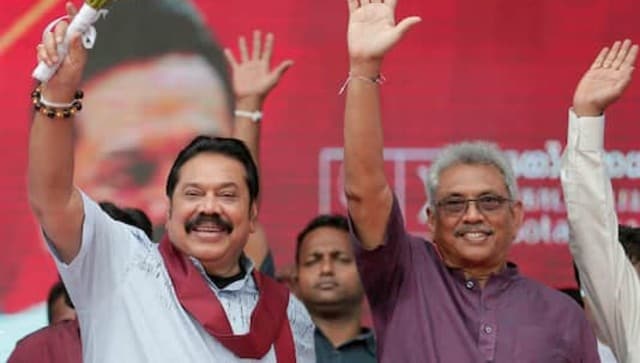
File image of Sri Lankan prime minister Mahinda Rajapaksa and president Gotabaya Rajapaksa. Reuters

India’s fears of Sri Lanka, under President Gotabaya Rajapaksa, dipping further into Chinese debt seems to be proving true earlier than thought with the country seeking an additional grant of $700 million from the China Development Bank.

While this is part of a syndicated $1.2 billion loan, Colombo’s decision to continue borrowing from the Chinese amid a heightened tension between India and China and despite Sri Lanka’s commitment to put “India first”, shows that the island nation’s financial status makes it a somewhat unreliable partner in India’s plans.

Sri Lanka’s decision to seek financial assistance from China is also one of the realities post-COVID-19 that the world has no option but to accept.

Just like every other developing economy of the world, Sri Lanka has been hit hard by the COVID-19 pandemic. According to reports, the coronavirus has not only reversed “more than five years’ worth of progress in improving welfare” in the country, it would push 8.9 lakh more people to poverty.

The World Bank and the IMF have forecast a GDP contraction up to almost seven percent. Last month, the Moody’s downgraded Lanka’s sovereign credit rating by two notches, pushing the country further down in the very high credit risk” category, saying the South Asian nation would be hard-pressed to secure funding to service its huge foreign debt.

According to a Reuters report, Sri Lanka had debt payments amounting to $3.2 billion between July and December 2020. Going by these figures, and the Central Bank of Sri Lanka’s recent announcement of the country paid $1 billion international sovereign bond (ISB) earlier this month, it still leaves the country with a debt of $2.2 billion to be paid by the end of the year. And, even if Sri Lanka, somehow manages to pay that debt by end of 2020, the country will have a daunting $4.5 billion loan to pay next year around July.

As per a Nikkei Asia report, the ultra nationalist government in power in Sri Lanka desperately needs cash to service over $15 billion owed to foreign creditors, while its overall foreign debt is even higher at $50.8 billion. Meanwhile, after the September payout, its foreign reserves have shrunk to $6.4 billion.

As Ajith Nivard Cabraal, a state minister, recently said to The Hindu in an interview, Sri Lanka needs cash and the Chinese have it.

“In different times in world history, different countries have been the ones who have had the most amount of cash. And now it happens to be China, so China will naturally invest all over the world. I think we should all respect that,” said Cabral also a former governor of the Central Bank of Sri Lanka.

The $700 million that Sri Lanka is seeking from the China Development Bank is part of a syndicated $1.2 loan, of which it has already received $500 million earlier this year.

According to Cabraal, Sri Lanka is exploring several options to repay its debt include additional loans from China, currency swap facilities with India and China, and Samurai and Panda bonds.

While the Samurai bonds are Japanese Yen-denominated bonds sold by a non-Japanese issuer in Japan, Panda bonds are Chinese renminbi-denominated bond sold by a non-Chinese company in China. Most recently Indonesia had raised $930 million in Samurai bonds to help the government cover the fiscal deficit and fund the coronavirus pandemic response.

Note that neither the IMF nor the World Bank features in Sri Lanka’s plans to repay its huge debt.

The Rajapaksas are known to be pro-China — it was during the second term of Mahinda Rajapaksa, the elder brother of current president Gotabaya Rajapaksa, that “Colombo allowed China to freely spread itself out in Sri Lanka”, including allowing a Chinese military submarine and a PLA warship to dock in the Colombo harbour ignoring India’s concerns — according the Nikkei Asia, a major reason for the Rajapaksa’s going to China and not the IMF or World Bank, is because both the IMF and the World are seen as having “imperial and colonial” trappings.

Even though local analysts say that IMF may be the best option for the debt-ridden country and could put the country on a sustainable path and make its bonds a bit attractive, the global lender’s poor track record is hard to ignore.

“Part of Sri Lanka’s political tradition views the IMF with suspicion, and going to it is presented as having a negative outcome,” Nishan De Mel, executive director of Verite Research, a Colombo think tank, told Nikkei Asia.

And that’s why soon after the Rajapaksa government came to power in 2019, it abruptly ended discussions on a $1.2 billion loan from the IMF started by the previous Maithripala Sirisena-led govt.

According to an AIDData.org database of China’s investments made with a diplomatic investment, as of 2017, China has invested $12.88 billion in Sri Lanka, the second highest in the Indian Ocean Region after Pakistan ($38.87 billion). Bangladesh follows closely with $10.51 billion assistance.

Another reason, Sri Lanka may be choosing to borrow from China rather than the IMF or World Bank is the western lenders reluctance in financing infrastructure projects. According to a Brookings report, earlier 70 percent of World Bank financing used to got to economic infrastructure, that figures now stands at around 30 percent.

The Chinese creditors currently account for 10% of Sri Lanka’s total foreign debt of $50.8 billion, and most of their investments are in large infrastructure projects over the last few decades.

The fact is that given the current political environment and the post-Pandemic realities, Sri Lanka borrowing from the Chinese is a reality India will have to accept. All New Delhi can hope for is that next time the Chines comes to collect, Sri Lanka doesn’t give up another portion of its sovereign territory, further strengthening the Chinese in India’s backyard.

Fighting Deforestation in Sri Lanka

October 23rd, 2020

By Savithri Sellapperumage Courtesy The Diplomat

Can Sri Lanka live up to President Gotabaya Rajapaksa’s environmental commitments? 

Fighting Deforestation in Sri Lanka
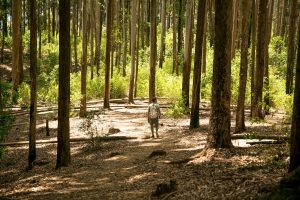
Credit: Photo by Egle Sidaraviciute on Unsplash

The focus on Sri Lanka’s deforestation and the conservation of forests this year can be traced back to widespread discussions about deforestation in Wilpattu  National Park back in 2019. Deforestation in Wanathawillu, Anawilundawa and Sinharaja has been the recent focus of discussion. However, reports of more deforestation and illegal commercial or developmental projects have been reported from many parts of the country. Since then, the topic has become affiliated with politics and certain political figures. The blame game has advanced amid the lack of political authority.

The forest cover of Sri Lanka in 2019 was reported to be 16.5 percent, down from 29.7 percent in 2017. According to Dr. Ravindra Kariyawasam, in 1882, the country’s forest density was around 82 percent. Between 1990 and 2000, Sri Lanka lost an average of 26,800 hectares of forest per year, which amounts to an average annual deforestation rate of 1.14 percent. In total, between 1990 and 2005 alone, Sri Lanka lost 17.7 percent of its forest cover.

Controversial Legal Moves

Recently, environmentalists have taken issue with the Sri Lankan cabinet’s recently announced plan to revoke Circular No. 5/2001, which protests the country’s Other State Forests (OSFs), and transfer jurisdiction for these protected areas from the Forest Department  to the authorities at the divisional and district levels. Amid the public uproar, further discussions are to be held, with the cabinet instructed to form a committee to investigate the potential negative impacts of the move, and to gather feedback.

According to RMCM Herath, Sri Lanka’s land commissioner general, the circular will not be revoked immediately. It will happen step by step. The Forest Department, the Wildlife Conservation Department, the Land Commissioner’s Department, the Land Policy and Planning Department, the Land Survey Department, the Land Reforms Commission and other relevant authorities will together consider the best way forward.”

While the formation of a committee is exemplary, the step by step” approach to revoking the measure makes it urgent for environmentalists and other stakeholders to analytically observe the committee’s recommendations and decisions. The circular safeguards around 500,000 hectares of OSFs that are not otherwise protected. As these forests are used by animals, especially elephants, as migratory corridors, their segregation into agricultural lands might lead to increased elephant-human conflict, thus again adversely affecting the economy and livelihoods of communities living in the area.

Also sparking debate were provisions made under the Extraordinary Gazette 2192/36 of September 10, in which the government planned to issue legal documents confirming ownership to eligible claimants who have occupied state lands, for agricultural or any development activity, without possessing formal documents. Coupled with the attempts to revoke Circular No. 5/2001, the protection of OSFs appears to be in danger. On a positive note, the Extraordinary Gazette allowing persons to occupy state lands has been cancelled amid complaints that the gazette promoted people to illegally take over lands, hoping for the granting of official land deeds. However, the damage caused to forest patches during the few days the Gazette was in force has not yet been calculated.

The Politics of Forest Protection

The current government has committed to increase Sri Lanka’s national forest cover by 30 percent during its term in office. Under the Vistas of Splendor” plan, President Gotabaya Rajapaksa has emphasized the need for a sustainable environmental policy and emphasized the need for sustainable development.

The ongoing deforestation in Sri Lanka needs to be tackled and mitigated if the country is to reach the 30 percent target. Given such a goal, news of the deforestation of protected areas is a nightmare for conservationists and environmentalists. The construction of the Neluwa-Lankagama-Deniyaya Road, along with deforestation in Anawilundawa in order to establish a prawn farm, caught the attention of social media and several interest groups. Furthermore, the involvement of a few newly elected parliamentarians was reported, creating an uproar from the public. Investigations are underway.

The issue has caught the president’s attentions as well, and Rajapaksa reiterated that development has to take place without harm to the environment. However, the diffusion of the president’s aims and vision to the relevant political authorities and bureaucratic authorities seems questionable, amid incidents of deforestation and increased human activity. Development projects within forest areas have failed to produce environmental assessments, and make little effort to steer clear of illegal intrusion.

Election promises, a lack of political authority and a lack of sustainable strategies have led to the blind advancement of unsustainable development projects. This needs to be evaluated and altered accordingly, through a process in which each point of authority will be held responsible from the political level to the bureaucratic level.

The Need to Promote Sustainable Development

Rajapaksa, addressing members of the Viyathmaga network of professionals and academics last month, once again emphasized the importance of a development that safeguards the environment. He underscored the necessity of sound policies to support that vision. To that end, we can incorporate Professor Mohan Munasinghe’s theory of Sustainomics, where sustainable development requires balanced and integrated analysis from three main perspectives: social, economic and environmental. In pursuing economic growth, equal attention should be paid to the social and environment aspects as well. If any of these three pillars is given unequal attention, development will be asymmetrical.

Sri Lanka needs sound policies in which present resources can be used to their maximum extent rather than clearing forests to open up new land. For example, the need for more agricultural land is a fallacy, Hemantha Withanage, executive director of the Centre for Environmental Justice (CEJ), insists. The country has no shortage of farmland. It doesn’t take a genius to see there is so much that is fit for farming that is not being used properly,” he said in a recent interview. Withanage further explained that the majority of farmers are no longer engaged in chena cultivation (also known as shifting agriculture), because it hasn’t proved to be profitable.

They have no transport systems, storage or sales,” Withanage said. What’s the point giving them more land with no systems to deal with the harvest? What we lack isn’t land. We lack infrastructure.”

Public Responsibility

Civic awareness, knowledge and progressive attitudes are all imperative for combating climate change. Global leaders have come together to control rising global heat and even the children in many countries have spoken up, actively participating in the fight against climate change. Some of the irrational arguments and statements of citizens that have been popularized recently in Sri Lanka’s mainstream media suggest an attitudinal gap as well as of a lack of knowledge about the significance of forest conservation and management. In search of economic prosperity, the majority of Sri Lankans seem willing to give a green light to the over-utilization of environmental resources.

However, Rajapaksa has repeatedly affirmed Sri Lanka’s commitment to eco-responsibility. The ancient governance of Sri Lanka was built on the concept that the ruler is never the owner of the land; he is merely its caretaker on behalf of his countrymen and all living beings,” Rajapaksa told the Plenary of the United Nations Summit on Biodiversity on September 30. His pledge to act as a trustee of the planet and its resources for future generations comes at a vital time, as climate action and sustainability needs to be the foundation of governance across nations.

Reflecting the president’s pledge, Sri Lanka must aspire to align its development framework with sustainability goals, while simultaneously encouraging civic sentiments that are supportive of environmental conservation.

Savithri Sellapperumage is an Associate Research Fellow at the Institute of National Security Studies Sri Lanka (INSSSL), a national think tank under the Ministry of Defense. The opinion expressed is her own and not necessarily reflective of the institute.

Beijing slams Washington for forcing Sri Lanka to pick a side as US-China relations worsen

October 23rd, 2020

Courtesy RT

Beijing slams Washington for forcing Sri Lanka to pick a side as US-China relations worsen

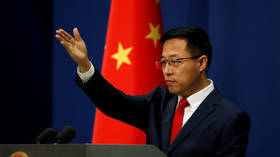
Chinese Foreign Ministry spokesman Zhao Lijian, Beijing, China (FILE PHOTO) © REUTERS/Carlos Garcia Rawlins

As the US demands Sri Lanka make a choice over its economic allegiances, the Chinese foreign ministry has warned that Washington’s attempt to bully nations into cutting their ties with Beijing won’t succeed.

Speaking on Friday, Foreign Ministry Spokesperson Zhao Lijian told reporters that American efforts to disrupt Chinese relations with other countries will not be successful, adding that the US is pressuring nations into picking sides.

Zhao’s statement comes a day after the US State Department’s Bureau of South and Central Asian Affairs official, Dean Thompson, urged Sri Lanka to make difficult but necessary choices” in securing its economic independence.

We encourage Sri Lanka to review the options we offer for transparent and sustainable economic development in contrast to discriminatory and opaque practices,” Thompson said.

His comments come a week before US Secretary of State Mike Pompeo visits Sri Lanka, India, the Maldives, and Indonesia. It is likely the main objective of the visit is to amass support against China and its influence in the region.

The US and Pompeo have maintained a tough stance on China’s role in the developing world, contending that China’s debt diplomacy” often leaves poorer nations burdened with debt it cannot afford to service.

Earlier this month, a high-profile Chinese delegation flew to Colombo to meet Sri Lankan President Gotabaya Rajapaksa and Prime Minister Mahinda Rajapaksa, as Beijing is seeking to deepen its economic ties in the region, including through cooperation to battle the impact of Covid-19. Following the visit, Sri Lanka asked China for a $700 million syndicated loan, in addition to the $500 million already received from Beijing, aimed at helping Colombo cope during the pandemic.

China accuses the US of undermining regional stability. Last week, as the US Navy destroyer USS Barry sailed through the Taiwan Strait, it protested at Washington’s interference. The US claimed the vessel was in routine transit.”  ALSO ON RT.COMChina to make ‘necessary response’ after US approves $1.8bn arms sale to Taiwan

The spiraling war of words between China and the US has escalated in recent months in relation to Washington’s sale of arms to Taiwan and ramped-up US military operations in the South and East China Seas. In addition, the US has attempted to build a NATO-like alliance with regional powers, leading the Chinese to slam Washington’s old-fashioned Cold War mentality.”

China says US bullying countries to pick sides

October 23rd, 2020

Courtesy Aljazeera

Beijing says Washington acting with ‘Cold War mentality’ after US official urges Sri Lanka to make ‘difficult but necessary choices’.

The latest trade of barbs comes before US Secretary of State Mike Pompeo's visit to Sri Lanka next week [AP]
The latest trade of barbs comes before US Secretary of State Mike Pompeo’s visit to Sri Lanka next week [AP]

China says the United States is bullying other countries to pick sides over their ties to Beijing after a senior Washington official called on Sri Lanka to make difficult but necessary choices” in an apparent reference at China deepening its influence over the South Asian country.

In a news conference on Friday, Chinese foreign ministry spokesman Zhao Lijian said such efforts by the US administration against Beijing would not succeed, dismissing the comments as showing a Cold War mentality”.KEEP READINGPompeo in Japan to boost ties with Asian allies to counter ChinaSri Lanka Parliament votes to strengthen presidential powerWhy Sri Lanka jailed a Muslim lawyer without charge for 6 months

The US is urging Sri Lanka to make the difficult but necessary choices” to secure its economic independence for long-term prosperity instead of choosing opaque practices, Dean Thompson, principal deputy assistant secretary at State Department’s Bureau of South and Central Asian Affairs, said on Thursday.

We encourage Sri Lanka to review the options we offer for transparent and sustainable economic development in contrast to discriminatory and opaque practices,” said Thompson.

Pompeo to visit Sri Lanka

US Secretary of State Mike Pompeo will visit Sri Lanka next week as part of a wider trip that includes India, Maldives and Indonesia with the main goal expected to be garnering support in countering China.

Pompeo’s trip comes a week before the November 3 US election in which President Donald Trump has made being tough on China a key part of his campaign to secure a second term.

Trump has blamed China for mishandling the spread of the coronavirus which has killed 221,000 people in the US and more than 1.1 million globally.

Pompeo and other senior US officials have kept harsh rhetoric on China, dismissing Beijing’s investments across the globe as debt diplomacy” alleging that it leaves poorer nations saddled with too much debt.

In a telephonic briefing with reporters, without explicitly naming China, US officials warned the Sri Lankan government about who they team up with for their economic partnerships.

China has been making increasing inroads into South Asia with its Belt and Road Initiative, aimed at financing critical infrastructure in dozens of countries across the world.

In 2017, Sri Lanka signed over control of a Chinese-financed port and land around it to Beijing after incurring heavy losses, to the alarm of the US and regional power, India.

Sri Lanka’s Changing Relationship to Chinese Loans

October 23rd, 2020

By Umesh Moramudali Courtesy The Diplomat

Both the share and the type of loans from China are changing as Sri Lanka wrestles with persistent balance of payment issues.

The recent visit of Yang Jiechi, a Chinese Communist Party (CCP) Politburo member and previously China’s foreign minister, to Sri Lanka sparked interest among many. To begin with, Sri Lanka’s opposition raised concerns about the visit of the Chinese delegation amid a global pandemic and the delegation not being subject to usual quarantine practices. These concerns were followed by the widely speculated Chinese debt trap narrative in light of the discussions held between Sri Lankan leaders and the Chinese delegation. Those discussions were largely about economic corporation between two countries – and of course the Chinese loans and investments.

Subsequent to these discussions, China provided 600 million renminbi ($90 billion, or 16.5 billion Sri Lankan rupees) in grant assistance in an agreement signed by Wang Xiaotao, chairman of the China International Development Cooperation Agency (CIDCA). Local newspapers reported that during the visit of the Chinese delegation, there were discussions about obtaining a $500 million syndicated loan from China Development Bank (CDB).

A unique feature of a syndicated loan, or Foreign Currency Term Financing Facility (FTFF) as it is also known, is that the loan is not attached to a project, thus the Sri Lankan government has the liberty to use the loan money at their will. This is contrary to project loans, in which loan money should be strictly used only for project purposes. Hence, a project loan does not provide a way out from a balance of payment crisis in the short term. Often, when Sri Lanka has faced balance of payment (BOP) issues, they seek the support of the IMF, which provided short-term loans to strengthen foreign reserves, thereby assisting Sri Lanka to manage immediate BOP issues.

This scenario of seeking China’s financial support can be seen as an indication of shifting debt dynamics between Sri Lanka and China. It doesn’t mean that Sri Lanka would stop borrowing from China or significantly reduce obtaining Chinese loans, but it does indicate a change of the nature of Chinese loans obtained by Sri Lanka.

Prior to 2015, almost all Chinese loans were project loans, the majority of which were obtained from Chinese EXIM Bank for heavy infrastructure construction projects. These include Hambantota port, Colombo-Katunayake Expressway, and Mattala Airport. The money obtained through these project loans was not permitted to be used for other purposes. The government does not really have financial autonomy pertaining to these project loans (or, for that matter, any project loan obtained from the World Bank, Asian Development Bank, or Japan International Cooperation Agency). These loans therefore do not provide much support to overcome BOP crises, which have been a persistent issue faced by Sri Lanka.

In that context, Sri Lanka was compelled to focus beyond project loans and look at loan instruments that would assist them in managing BOP crises and short-term public finance issues encountered by the government. Syndicated loans were identified as a potential loan instrument (type of loan) that would assist the government with these short-term concerns as these type of loans have no restrictions in terms of spending. In addition, such loans are often provided at one go as opposed to several disbursements over a period of years, and give financial autonomy to the government, thus assisting the government to manage budget deficits as well as strengthen foreign reserves.

This is quite similar to the international sovereign bonds (ISBs) issued by Sri Lanka, through which dollar-denominated loans are obtained from international capital markets. ISBs provide this financial autonomy at the expense of high interest rates and short repayment periods. To put it in simple terms, the Sri Lankan government faces no restrictions on how it spends money lent through sovereign bonds. The government has freedom to use the money to carry out any project they would like.

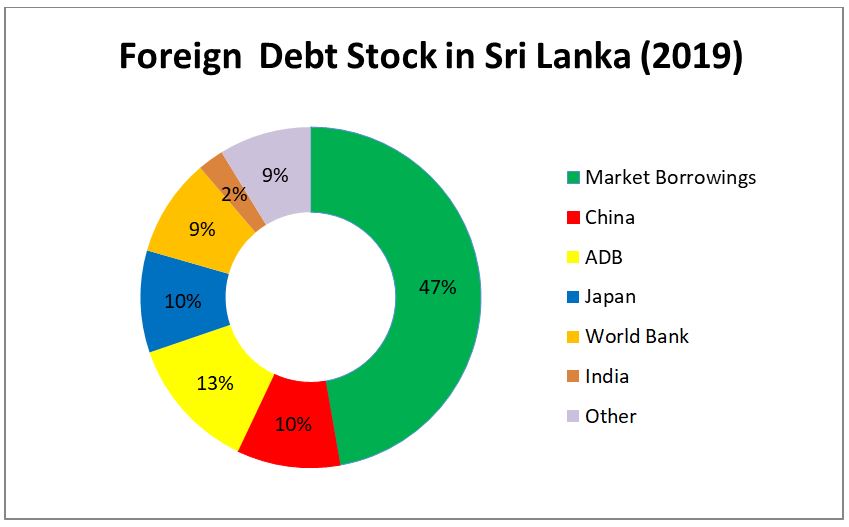
This financial autonomy, and the reduction of concessionary loans provided to Sri Lanka after its upgrade to middle income status, made ISBs a widely adopted method by successive Sri Lankan governments to obtain foreign loans. Sri Lanka issued its first ISB in 2007 and, as of the end of 2019, approximately 47 percent of its total foreign loans are ISBs. The short-term maturity structure of ISBs and the requirement to repay the principal payment at once put pressure on the BOP status of the country, as ISB maturities cause massive foreign currency outflows.ADVERTISEMENT

Data from the External Resource Department, Sri Lanka.

Against this backdrop, Sri Lanka started to look at alternative methods of foreign financing in order to reduce the pressure on its BOP. Obtaining a Foreign Currency Term Facility (syndicated loan) was one option. In 2018, the then Sri Lankan government obtained a $1 billion syndicated loan from China Development Bank. This loan was obtained at the USD LIBOR 6 month interest rate (a global benchmark), plus a margin of 2.56 percent per annum and a payback period of eight years (with a grace period of three years).

This loan was upsized in March 2020 and another $500 million syndicated loan was obtained from the CDB, including an extension of the payback period to 10 years. The interest rate too is an improvement over 2018, with the USD LIBOR 6 month rate in 2020 being less than that of 2018.

Future Public Debt Dynamics of Sri Lanka

The potential change in the approach to Chinese debt comes down to Sri Lankan economy’s chronic structural weaknesses, such as low exports and low tax revenue. Weak performances in the external sector, largely led by poor export performances and failure to attract sufficient foreign direct investment, have led the economy to suffer from persistent BOP issues. Tackling these issues require massive amounts of foreign financing each year.

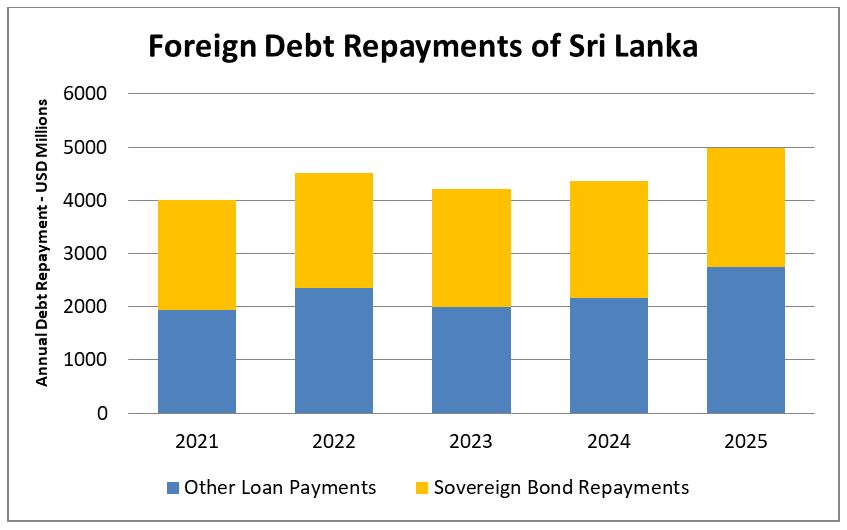
This development is likely to result in a few outcomes. In the next three years, sovereign bond repayments amount to $6.3 billion. In light of this, the Sri Lankan government might obtain more syndicated loans from China to bridge its foreign financing gap and manage foreign reserves, thereby tackling its BOP challenges.

Data from the External Resource Department, Sri Lanka.

In that context, it is possible that syndicated loans from China will be used as an alternative to raising money through issuing sovereign bonds. This will allow the government to diversify its debt portfolio and reduce the reliance on sovereign bonds. Within the next five years sovereign bond the Sri Lankan government is likely to use Chinese syndicated loans or such loans obtained from other lenders to finance a portion of large debt repayments instead of entirely relying on sovereign bonds. With the potential high interest to be paid on sovereign bonds due to the downgraded country ratings, syndicated loans would be an attractive alternative to the government.

It is also clear that the Sri Lankan government sees syndicated loans from China as an alternative to IMF loans to tackle BOP issues. The loan said to be negotiated during the visit of the Chinese delegation in October would assist the country to manage foreign reserves in the short term, thereby allowing it to avoid seeking the support of the IMF.

This potential scenario is likely to result in an increase in the Chinese portion of Sri Lanka’s foreign debt, with a potential reduction of the share of sovereign bonds. By the end of 2019, only 10 percent of Sri Lanka’s total foreign debt is owed to China while 47 percent of foreign debts are sovereign bonds.  Such a shift will also significantly change the composition of Sri Lanka’s Chinese debt. By the end of 2019, nearly 85 percent of the Chinese loans were export credits, most of which were obtained from EXIM Bank of China. If Sri Lanka obtains the latest syndicated loan from China, that will increase the syndicated loan portion up to more than 25 percent of total Chinese debt. This figure is likely to increase given the possibilities of obtaining more syndicated loans in the future.ADVERTISEMENT

On a macro level, Sri Lanka’s foreign debt stock will rise. Given the low tax revenue, coupled with the restricted lending capacity of banks due to the loans provided for businesses during COVID-19 pandemic, the government will be compelled to borrow from foreign sources. Increasing reliance on foreign debt is also possible due to the significant reduction of export earnings, including the earnings from tourism, which also reduces foreign currency inflows. This will put more pressure on Sri Lanka’s ability to settle foreign debt payments, resulting in borrowing from foreign sources due to the dearth of foreign currency (dollar) inflows.

As a result, the foreign public debt stock of the country is likely to become larger than the domestic debt stock. Currently Sri Lanka’s foreign debt amounts to 42.6 percent of the GDP while the domestic debt stock amounts to 44.1 percent. Consistent issuing of sovereign bonds in order to finance foreign debt repayments (including previous sovereign bond maturities) had substantially increased the foreign debt stock in the recent past. In 2012, when the first sovereign bond maturity was due, Sri Lanka’s foreign debt stock amounted to 31.7 percent of the GDP; by the end of 2019, it had risen to 42.6 percent. Massive sovereign bond repayments in the upcoming years may result in foreign debt stock surpassing the domestic debt stock. It is likely that some Sri Lanka’s future sovereign bond repayments will be financed by Chinese loans, without relying on issuing still more sovereign bonds.

Umesh Moramudali is an economic researcher focusing on public debt dynamics and economic development in Sri Lanka. He is a Chevening scholar and holds an M.Sc in Economics from the University of Warwick. The opinions and analysis presented here are the author’s alone and by no means reflect the views of the institutions that the author is affiliated with.

SJB MP Diana pledges to continue supporting President

October 23rd, 2020

Courtesy The Daily Mirror

Samagi Jana Balawegaya (SJB) MP Diana Gamage yesterday said she would continue to support President Gotabaya Rajapaksa to build the nation.

Speaking during an adjournment debate in the House, she said she decided to support President Gotabaya as she felt he is capable of building the nation.

During his tenure as the Defence Secretary he did a lot of work. Thousands use walking tracks built by him,” she said.

She said the country does not need a President without powers. We need a powerful President. Why should we spend funds and hold a presidential election and tie the President’s hands and throw him into a river expecting him to swim? He will not be able to swim when his hands are tied,” she added.

I would have voted in favour of the 20th Amendment even if Sajith Premadasa was the President of this country.” (Yohan Perera and Ajith Siriwardana)

Covid-19 cases confirmed in Sri Lanka cross 7,000 mark

October 23rd, 2020

Courtesy Adaderana

Sri Lanka saw the highest daily record in Covid-19 cases today while the total number of confirmed infections surpassed the grim milestone of 7,000.

As per the statistics of the Health Ministry, the confirmed cases count now stands at 7,153.

The Department of Government Information said a total of 866 infections have been registered today:

  • Galle fisheries harbour – 05
  • Beruwala fisheries harbour – 20
  • Peliyagoda Fish Market – 535
  • Quarantine centres – 48
  • Close contacts of Minuwangoda and Peliyagoda clusters – 257
  • Arrival from South Korea under quarantine – 01

Thereby, positive cases reported from Minuwangoda and Peliyagoda clusters escalated to 3,682.

With the new development, the number of active cases currently under medical care has accelerated to 3,495.

Recoveries from Covid-19 meanwhile hiked to 3,644 earlier today after 83 patients were discharged from hospitals upon returning to health.

The country saw the second-highest daily total on the 6th of October, with 739 infections from the Minuwangoda cluster.

Sri Lanka confirmed 865 Covid-19 cases today; highest daily record so far

October 23rd, 2020

Courtesy Adaderana

Sri Lanka recorded the highest daily count of Covid-19 cases today (23) as 256 more persons were tested positive for the virus.

Reports revealed that 39 of these fresh cases are connected to the Peliyagoda Fish Market and the remaining 217 are contacts of Minuwangoda and Peliyagoda clusters.

Thereby, positive cases reported from the two clusters escalated to 3,682.

A total of 865 infections have been registered so far within the day, according to the National Operation Centre for Prevention of COVID 19 Outbreak (NOCPCO).

The country saw the second-highest daily total on the 6th of October, with 739 infections from the Minuwangoda cluster.

Korean Ambassador calls Sri Lanka “one of the safest countries”

October 23rd, 2020

Courtesy Adaderana

Calling on Prime Minister Mahinda Rajapaksa at Temple Trees this evening (23), Ambassador of the Republic of Korea Woonjin Jeong called Sri Lanka one of the safest countries,” and said he is actively encouraging Korean investors to explore opportunities in Sri Lanka.

In a press release, the Prime Minister’s Office said Korea was one of the largest investors in Sri Lanka some decades back. Currently, there are more than 115 Korean companies operating in the country, and total trade between the two countries stood at US$ 327 million last year. Both countries are keen on increasing that number, the statement read further.

Ambassador Jeong also congratulated PM Rajapaksa on the victory in the recently-held General Election and said it was trust and confidence” that resulted in the mandate the Government received. 

He also commended the Government on its handling of the pandemic and said the Korean Government would be providing tangible support to Sri Lanka in coping with the COVID-19 crisis.

The two delegations have discussed a number of priorities for further cooperation between Sri Lanka and Korea that included FDIs, exports, tourism and migrant workers.

PM Rajapaksa recalled the phone call with Korean Prime Minister Chung Sye-Kyun earlier this week and renewed his invitation for the Korean Prime Minister to make his first-ever visit to Sri Lanka.

Noting that the Korean Prime Minister is keen on visiting Sri Lanka, Ambassador Jeong said, We are and will always be close friends.”

SJB MPs call for sacking of members who supported 20A

October 23rd, 2020

Courtesy Adaderana

A group of parliamentarians of Samagi Jana Balawegaya (SJB) have called for the suspension of membership of Sri Lanka Muslim Congress (SLMC) and All Ceylon Makkal Congress (ACMC) members who voted in favour of the 20th Amendment to the Constitution.

In a letter directed to SJB’s General Secretary MP Ranjith Madduma Bandara today (23), 22 party members expressed dissent over the conduct of SLMC and ACMC members who supported the constitutional amendment during the vote in Parliament yesterday.

Meanwhile, they conveyed their appreciation to the leaders of the two affiliated parties, MP Rishad Bathiudeen and MP Rauff Hakeem, for standing by the SJB’s unanimous decision to vote against the 20th Amendment.

Further, they recalled the decision taken at the SJB’s recent parliamentary group’s meeting to oust the members who oppose the party’s decision to vote against the draft bill, regardless of their position.

They also requested the party’s General Secretary to make an apt decision on these MPs, if the ACMC and SLMC leaders do not take actions to strip them of their membership.

The letter was signed by MPs Harin Fernando, Nalin Bandara, Hector Appuhamy, Sujith Perera, Niroshan Perera, Mayantha Dissanayake, Mujibur Rahuman, Kins Nelson, Roshini Wijeratne, J.C. Alawathuwala, Ashoka Abeysinghe, Buddhika Pathirana, Chaminda Wijesiri, Hesha Withanage, S.M. Marikkar, Dilip Wedaarachchi, Harsha de Silva, Manusha Nanayakkara, Imran Maharoot, Thushara Indunil, Eran Wickramaratne and Harshana Rajakaruna.

The SJB members who voted in favour of the constitutional amendment were: MPs Diana Gamage, Nazeer Ahamed, MP A.A.S.M. Raheem, Faizal Caseem, H.M.M. Harees, M.S. Thowfeek, Arvind Kumar and Ishak Rahman.

MP Ranjith Madduma Bandara, speaking to media last night, vowed to take disciplinary action against SJB’s assistant secretary, National List MP Diana Gamage.

AG orders police to launch criminal investigation into 1987 Aranthalawa massacre

October 23rd, 2020

Courtesy Adaderana

The Attorney General has directed the Acting IGP to record statement of the victim of the LTTE attacks on Buddhist monks in the 1987 Aranthalawa massacre.

Attorney General Dappula de Livera has also instructed police to commence criminal investigations and submit a progress report within two weeks, the AG’s coordinating officer said. 

The Aranthalawa Massacre took place on June 2, 1987, when a bus carrying several Buddhist monks and a few unarmed civilians was ambushed by 20 armed LTTE cadres near the village of Nuwaragalatenna.

LTTE cadres brutally massacred 33 Buddhist monks, most of them small Samanera monks, and four civilians. Three monks escaped the massacre sustaining critical injuries.

In June this year, Venerable Andaulpatha Buddhasara Thero who sustained critical injuries in the attack filed a Fundamental Rights (FR) petition before the Supreme Court seeking legal action and prosecution of living ex-LTTE members who were involved in the incident.

Sri Lanka Foreign Ministry- Wakey Wakey, ghost of Prabakaran arisen in UK

October 22nd, 2020

When the heroic armed forces of Sri Lanka eliminated the ground force of the LTTE including its top brass, they succeeded in ending 3 decades of terror and gave the 20mllion populace an elusive peace sans bombs, suicide missions and assassinations. The LTTE was vanquished in May 2009. That heroism did not come without sacrifice. Almost 30,000 brave men sacrificed their lives and an equal number remain injured for life. With the end of terror reign by LTTE, the baton was passed on to the Sri Lanka Foreign Ministry. Much was expected from the diplomatic corps of Sri Lanka. Did they accept their role with the same vigor as that of our brave soldiers? Did the Foreign Ministry heads comprehend the magnitude of their task and did they have a strategy and plan to execute no different to that launched to end LTTE?  With the end of LTTE, all of the 32 countries that banned LTTE continued to ban LTTE knowing that the LTTE fronts were operating from their shores. It was left to the Sri Lanka Foreign Ministry to exert pressures through the diplomatic channels. UK was where LTTE opened its first international head quarters in 1978 just 2 years after the Vaddukoddai Resolution declaring Tamil demand for a separate state. It was natural that inspite of 32 nations continuing to ban LTTE, the UK where LTTE fronts operate with impunity would want to become the 1stcountry to delist LTTE on account of the lobbying by LTTE fronts. But, what has the Sri Lanka Foreign Ministry done to counter the false propaganda by LTTE fronts since LTTE defeat?

The TGTE, a self-declared government without land” in December 2018 filed an appeal against the proscription of the LTTE. Ironically, all of the LTTE fronts since LTTE demise took on the slogan that they had nothing to do with LTTE.

Of course, there was that handsome LTTE kitty everyone wanted to get their dirty hands on! According to Jane’s Intelligence in 2004 the annual profits of LTTE was $300m – imagine how big that illegal international revenues would have become sans expenses to maintain a ground terror force with arms, ammunition, combatant salaries etc. So, their aim was to somehow keep the momentum for an Eelam going so that the kitty would be kept alive and the annual profits would get disbursed amongst a handful running the LTTE fronts. How many of the combatants that fought for LTTE had the fortune to be looked after by the LTTE kitty. Ask some of these poverty-stricken ex-combatants and they will share a story of anger and remorse. Why have these versions, not been taken up by the Sri Lanka Foreign Ministry and relayed to the diplomatic channels?

Why was the topic of the child soldier not used by the Sri Lanka Foreign Ministry to showcase the innocent lives that LTTE destroyed? These children were kidnapped from their homes. These children belonged to low caste and poor Tamil homes. Their parents were too scared to even log a complaint against the loss of their child. How many of these children ended up buried forever? These were excellent topics for the Sri Lanka Foreign Ministry to use to negate the fake propaganda & publicity of the LTTE fronts? Why was the Sri Lanka Foreign Ministry so lethargic?

Inept attitude of the Sri Lanka Foreign Ministry heads has resulted in the western agents hunting for means to throttle Sri Lanka diplomatically and corner Sri Lanka to once again use the tool of the LTTE as a pressure point. The LTTE fronts that operate from all of the key western states hob-nobbing with the foreign parliamentarians and even hierarchy of the UN are on the ball and their creativity is such that they are 24×7 devising ways and means to corner Sri Lanka. It was left for the Sri Lanka Foreign Ministry, to not only keep abreast of these developments in each country but more importantly devise counter measures and counter strategies to meet these head on.

Sri Lanka has diplomatic missions in all of the nations that these LTTE fronts operate. The Ministry should have devised a plan and strategy to deal with the onslaughts from the bitter experience learnt by the bogus Geneva Resolutions. We should have nurtured more Lord Naseby’s. The amount of time & energy spent by Lord Naseby to defend Sri Lanka should make Sri Lanka’s Foreign Ministry hierarchy ashamed.

Britain’s Proscribed Organizations Appeal Commission in its 2ndjudgement in 20 years (1stappeal in 2001), has declared that it finds the British Home Office Decision to keep LTTE banned, is flawed. A British court has ruled that they see no reason in continuing the ban on the LTTE but has left room to appeal that the decision is flawed. This gap is now open for the Sri Lanka Foreign Ministry to react and act. The decision does highlight the hypocrisy of the British Government claiming on the one hand to be partner in the war on terrorism but dining with the terrorists.

For starters can the British Appeal Commission accept appeals from another proscribed organization? TGTE remains banned as a LTTE front under UNSC 1373 since April 2014 and was not lifted even in 2015 when the GoSL arbitrarily lifted a handful of LTTE fronts on a goodwill gesture. If so, did the Appeals Commission check on the TGTE when accepting its appeal in 2018? Was Sri Lanka’s Foreign Ministry aware of this appeal & keeping a tab on the proceedings? https://www.business-standard.com/article/pti-stories/ltte-ban-faces-legal-challenge-in-uk-119052201438_1.html

Ironically, the 1stdecision by the Appeal Commission also removing de-proscription was rejected by the UK Secretary of State https://www.judiciary.uk/wp-content/uploads/2014/11/PC022006-PMOI-FINAL-JUDGMENT.pdf

While India, US, EU annually continue to extend the ban on the LTTE – UK also continued to ban LTTE. Both US and India are regularly releasing data that LTTE’s international network is alive. Recently, the LTTE gang warfare in France highlighted the extent of violence between LTTE rival groups on foreign shores. This same scenario can be seen in Canada. These are excellent opportunities for the Sri Lanka Foreign Ministry to use diplomatically. Sri Lanka has failed to highlight how LTTE diaspora is hoodwinking the citizens of the countries they are living in – engaging in credit card scams, manipulating the welfare and charity systems, money laundering, human smuggling, bringing LTTE terrorists as asylum seekers and refugees. Little does the UK citizens know that LTTE conducts contract killings. Killing of Indian Prime Minister Rajiv Gandhi on Indian soil is one of the best examples that can showcase this.

The People of Sri Lanka are truly disappointed in the hierarchy of the Sri Lankan Foreign Ministry for taking a laid-down approach to defending the nation from the bogus campaigns by the LTTE fronts.

Full verdict can be found at:

http://srilankancanadian.ca/wp-content/uploads/2020/10/POAC-OPEN-Judgment-21.10..pdf

Shenal D Waduge

20th Amendment to the Constitution passed with amendments

October 22nd, 2020

Courtesy Adaderana

The Third Reading of the 20th Amendment to the Constitution has been passed with amendment with a two-thirds majority.

A total of 156 voted in favour of the constitutional amendment while 65 MPs voted against.

The Second Reading of the 20th Amendment was also passed in Parliament with a two-thirds majority, this evening.

A total of 213 Member of Parliament were present during the Second Reading with 156 voting in favour of the constitutional amendment and 65 voting against it. 

SJB MPs Dayana Gamage, Ishaq Rahuman, M. Raheem, Ahamed Nasir, Mohomed Harris, Faisal Qasim, Aravind Kumar and M.S. Thowfeek have voted in favour of the draft bill in the second reading.

Former President and current SLPP parliamentarian Maithripala Sirisena was absent during the vote. 

The Second Reading vote was followed by the Committee Stage Discussions with the final vote taking place afterwards. 


The draft bill of the 20th Amendment to the Constitution was tabled in Parliament on the 22nd of September after receiving the approval of Cabinet of Ministers.

Committees were appointed by several parties including the Prime Minister, Samagi Jana Balawegaya, Sri Lanka Freedom Party, the Bar Association of Sri Lanka, to study the proposed amendment.

Subsequently, 39 petitions in total were lodged against the draft bill, citing the Attorney General as the respondent.

The petitions were put forward by Election Commission member Professor Ratnajeevan Hoole, Samagi Jana Balawegaya (SJB), UNP General Secretary Akila Viraj Kariyawasam, UNP Deputy Leader Ruwan Wijewardene, Samagi Jana Balawegaya (SJB) Youth Wing Chairman Mayantha Dissanayake and Attorney-at-Law P. Liyanaarachchi of the Sirilaka Janatha Peramuna, Transparency International Sri Lanka (TISL), former Governor and Executive Director of the Campaign for Free and Fair Elections (CaFFE) Ranjith Keerthi Tennakoon, human rights activist Abdul Zanoon and many others.

The Supreme Court then concluded the consideration of petitions filed challenging the draft bill on October 05. Five days later, its secret decision on the constitutionality of the draft bill of was referred to the Speaker of Parliament. The decision was then presented to the House on October 20.

As per the decision of the Supreme Court, the draft bill is in accordance with Article 82 (1) of the Constitution and that it has to be approved with a special majority according to Article 82 (5) of the Constitution.

The Supreme Court stated that the draft bill must be approved by the People at a public referendum as per Article 83 of the Constitution, since Articles 3, 5, 14, and 22 of the Bill, as they stand, are not in accordance with Article 3 of the Constitution which is to be read with the Article 4 of the Constitution.

However, the court had concluded that the non-compliance of Articles 3 and 14 can be removed in accordance with the proposed Committee Amendments and the non-compliance of Article 5 may be removed by making amendments as provided in the decision of the Supreme Court.

Opening the two-day debate yesterday, Minister of Justice Ali Sabry stated that the government has made amendments to the draft constitutional amendment considering the concerns raised by the public, despite having being given the go-ahead from the Supreme Court

He noted that it will be amended to limit the Cabinet of Ministers to 30 portfolios with another 40 non-Cabinet portfolios, and the Emergency Bills will be limited to cases of national disaster or events affecting national security, among other amendments.

He further said that the two articles determined inconsistent with the Constitution will also be amended as per the order of the Supreme Court.

However, more amendments to the current draft bill will be added during the Second Reading of the Bill, Sabry said.

Delivering his speech to the House, Prime Minister Mahinda Rajapaksa had said the 20th Amendment to the Constitution is brought into force to remove the 19th Amendment which turned the country into anarchy.

The government has also decided to add several amendments to the draft constitutional amendment during the committee stage in Parliament.

The Committee Stage of the proposed amendment commenced post the two-day debate which commenced last morning (21). The debate lasted until 7.30 pm for the second consecutive day today.

Following the Committee Stage, the legislators voted on the draft bill of the proposed 20th Amendment to the Constitution.

මහජන නියෝජිතයින් සහ රාජ්‍යය අතර අභිලාශ ඝට්ඨනය Conflict of Interest වත්මන් අර්බුදයට බලපානා හැටි.

October 22nd, 2020

විජය උඳුපිටිය

මහජන නියෝජිතයින්, රාජ්‍ය නිලධාරීන් සහ රජය අතර පමණක් නොව සමාගමක අධ්‍යක්ෂ වරැන්, සේවකයින් සහ සමාගම් අතරත්, සංවිධානයක නිලධාරීන් සහ සංවිධානය අතරත් අභිලාශ ඝට්ටනයන් තිබිය හැක.  සංක්ෂිප්තව පවසන්නේ නම් මහජනයාට සේවා සපයන ආයතන සහ එකී ආයතන මෙහෙයවන නිලධාරීන් අතර තම පෞද්ගලික අභිලාෂයන් සහ ආයතනීය අභිලාෂයන් අතර ගැටුම් වලට අභිලාශ ඝට්ටනය යැයි  කිව හැක.

දූෂණය අභිලාශ ගැටුමේ  ආවේණික ලක්ෂණයක් වේ.  මේ  ලිපියෙන් මූලිකවම සාකච්ඡා කෙරෙන්නේ මහජන නියෝජිතයින්ගේ සහ රජයේ අභිලාෂයන් අතර ගැටුමත්, ඒ හේතුවෙන් ශ්‍රීලංකා වේ දියුණුව ඇනහිට සමාජ සහ දේශපාලනික ප්‍රශ්න ඔඩු දිවීමට පාදක හේතූන්ය.  වර්තමාන ආරක්ෂක තත්වයට බලපා ඇත්තේ ද මෙම අභිලාශ ගැටුමි ය.  වනාතවිල්ලුවේදී අල්ලාගත් ත්‍රස්තවාදීන් නිදහස් කිරීමට අතපෙවූ ඉහල දේශපාලනඥයා කවුදැයි තවමත් අපට හෙලි නොකලත් එම දේශපාලනඥයාගේ අභිලාෂයන් හා රටේ ආරක්ෂාව අතර ඇතිවූ අභිලාශ ගැටුමේ ප්‍රතිපලය ජීවිත 290 අහිමිවීමය.  අභිලාශ ගැටුම්හි භයානකත්වය එතරම්ම බිහිසුණුය.  වියට්නාමයෙන් ගම්මිරිස් ගෙන්වා නැවත ඉන්දියාවට ප්‍රති අපනයනයට අවසර ලබාදුන් දේශපාලනඥයාද තම පෞද්ගලික අභිලාෂය නිසා අපේ සමස්ථ ගම්මිරිස් ගොවීන් අමාරැවේ දැමීම තරමටම අභිලාශ ගැටුම බිහිසුණුය. 

වියට්නාමයෙන් කුරැඳු ගෙන්වා ලංකා කුරැඳු ලෙස මැඩගස්කරයට අපනයනය කල මෙම කණ්ඩායමට හිතවත් දේශපාලකයන් ද කර ඇත්තේ ශතවර්ෂ 5 කටත් වඩා පැරණි අපේ කුරැඳු කර්මාන්තය සාහසික ලෙස විනාශ කිරීමට නොවේද ?  මෙය අන්තවාදී ආර්ථික ත්‍රස්තවාදයයි. 

ලංකාවේ පොදු දේපොල සහ වස්තුව  මහජන නියෝජිතයින් විසින් ගජරාමෙට කොල්ල කෑම ඇරඹුනේ 1977 න් පසුව ය.  1972 දී ඉඩම් ප්‍රතිසංස්කරණ කොමිසමට වතු ඉඩම් පවරාගනු ලැබූවේ එම ඉඩම් රජයේ නිලධාරීන්ට හෝ මහජන නියෝජිතයින්ට ඛෙදාගත නොහැකි ලෙස නීති පනවමින් වුවත් ජේ.ආර්. ගේ කොල්ලකාරී රජය ඉ.ප්‍ර.කො පනත 1986 අංක 14 පනතින් වෙනස් කර විදේශිකයන්ට පමණක් ඉ.ප්‍ර.කො වතු ලබාගැනීමට නොහැකිවන ලෙස කටයුතු කරමින් තමන්ට වතු කොල්ලකෑම සඳහා නීත්‍යානුකූල පදනමක් සකසා ගත්තා.   ඒ අනුව ජේ.ආර් තමාගේ කනාටු පොල්වත්තකට සරැසාර පොල්වත්තක් ද මාරැකරගත්තා.

එකලාව හෝ අන් අය සමග දේපොල හිමි කරගැනීමට හා රජයන් විසින් හිතුවක්කාරී ලෙස කිසිවෙකුගේ දේපල අහිමි නොකලයුතු බවට

1948 දී එක්සත් ජාතීන්ගේ මානව හිමිකම් පිළිබඳ විශ්ව ප්‍රකාශනයෙන් ප්‍රකාශයට පත්කොට තිබියදීත්, 1972 බලයට ආ සමගි පෙරමුණු රජය මහජනයාගෙන් උදුරාගත් සරැසාර වතු 1977 රජය සහ රජයේ ප්‍රබල නිලධාරීන් පොරකකා කොල්ලකා ඇති බව 1977 පසු ඉඩම් ප්‍රතිසංස්කරණ කොමිසම ස්වකීය වතු අන්සතු කල ආකාරය සොයා බලා වාර්තා කිරීමට පත්කල කේ.පී.ටී විජේසේන, එස්.කේ.පී. බඹරැන්ද සහ ඩබ්ලිව්. කේ. කේ. ච..ලලතතක දකුමාරසිරි යන අයගෙන් සැදුම්ලත් කොමිසමේ 1990 ඔක්තෝබර් 20 දාතම වාර්තාවේ සවිස්තරාත්මකව දක්වා ඇත.

1977 රජය ඉඩම් ප්‍රතිසංස්කරණ කොමිෂන් සභාව සතු වතු කොල්ලකෑ දුෂ්ඨ ආකාරය පිළිබඳ පැහැදිලි සාක්ෂි එම කොමිෂන් සභාව විසින් සිය වාර්තාවේ දක්වා ඇතත් එම වාර්තා ලේඛනාගාර තුළ සැගවී ගොස් ඇත.  එහි දැක්වෙන එක් ගනුදෙනුවක් කොමිසම ඉස්මතුකර දක්වා ඇත්තේ මියගිය, 1977 දී සැලසුම් ක්‍රියාත්මක කිරීමේ අමාත්‍යාංශයේ හිටපු ලේකම් ආචාර්ය වික්‍රම වීරසූරිය විසින් ඔහුගේ පුත්‍ර සේනක වීරසූරිය නමින් මීරිගම ආසනයේ හුළුගම වත්තෙන් අක්කර 100 ක් ලබාගැනීමේ ගනුදෙනුවයි.  යුරෝපියන් ඕවර්සීස් බැංකුවේ අංක 357/17507 චෙක්පතින් රැ. 1,265,411 මුදලක් අක්කර 100 සඳහා ගෙවන විට සේනක වීරසූරියගේ වයස අවුරැදු 17 මාස 10 දින 18 වූ බව කොමිෂන් වාර්තාවේ සඳහන් වේ.  මීරිගම හුළුගම වත්ත වැනි සරැසාර වත්තක් ආචාර්ය වික්‍රම වීරසූරිය ලබාගෙන ඇත්තේ අක්කරය රැ. 12654 වැනි තුට්ටු දෙකේ මුදලකටය.  iමෙම අක්කර 100න් 50 ක් ලියා ඇත්තේ එවකට දැව සංස්ථා සභාපතිගේ බිරිය වන ඈන් ජයතුංග නමට වුවද අංක 325 දරණ ඔප්පුව දෙදෙනාම නමින් වූ සාංගමික ඔප්පුවකි.  ඉතිහාසයේ යම් දිනක, ශත වර්ෂයක් ඉක්මවූවද මෙම අයතා ගනුදෙනු අවලංගු කල හැකි බැවින් මෙම දේපල මිල දී ගන්නන් අදටත් ප්‍රවේශම් විය යුතුuවේ.

1972 ජනරජ ව්‍යවස්ථාවෙන් බිහිකල ජාතික රාජ්‍ය සභාව අවිචාරවත් ලෙස මහජන නියෝජිතයින්ට දූෂණයේ දොරටු පලල්ව විවර කර තැබීම ලඝු කොට සැලකිය හැකි කාරණයක් නොවන බව රාජිත සේනාරත්නට එරෙහිව 1998 දී පැවති ඡන්ද පෙත්සම් නඩු වාර්තාවේ සහ ගාල්ලේ ඇල්බට් සිල්වාට එරෙහි 1978 දී පැවති ඡන්ද පෙත්සම් නඩු වාර්තාවේද විනිසුරුවන් සඳහන් කරමින් එකී තීන්දු දෙකෙන්ම අභිලාශ ඝට්ඨනය (Confluct of Interest) පිලිබඳ අධිකරණය විසින් අලිඛිත නීතියක් ප්‍රකාශයට පත්කොට ඇත.  මෙම නඩු දෙකම පවරනු ලැබුවේ එකී මහජන නියෝජිතයන් දෙදෙනා තේරී පත්වූ අවස්ථාවේ ඔවුන් දෙදෙනාම විසින් රජය සමග සැපයුම් ගිවිසුම් වලට ඇතුලත්ව තිබීම නිසා ය. 

තමා ගිවිසුම් ගත රජයේ සැපයුම් කරැවෙකු බව රාජිත සේනාරත්න මැතිසභයට තේරී පත්වන විට හොඳින් දැන සිට ඇත.  ඒ වනවිට සෞඛ්‍ය  දෙපාර්තමේන්තුවට, නාවික හමුදාවට, ගුවන් හමුදාවට සහ රාජ්‍ය ඖෂධ සංස්ථාවට දන්ත ශෛල්‍ය උපකරණ සැපයීමේ කොන්ත්‍රාත් 8 කට රාජිත සේනාරත්න අත්සන් කොට තිබුනා.  එවැනි ගිවිසුම් අත්සන් කොට තිබියදී මහජන නියෝජිතයකු ලෙස මැති සබයට පැමිණ කටයුතු කිරීම සදාචාර නොවන බව රාජිත සේනාරත්න නොදැන නොසිටි බව වඩාත් තහවුරැ වන්නේ රජයට ඔහු විසින් ඉදිරිපත් කල එක් සැපයුම් ඉන්වොයිසියක සිය අත්සන තබමින් ඊට යටින් M.P. යනුවෙන් සඳහන් කිරීමෙනි. නොඑසේ නම් 1978 ව්‍යවස්ථාවේ 91(e) වගන්තිය යටතේ මන්ත්‍රීවරයකුට තහනම් කොට ඇති කොන්ත්‍රාත් මොනවාද යන්න නිර්වචනය කිරීමට පාර්ලිමේන්තුව අසමත් වූ නිසා, මන්ත්‍රී වරැනට රජය සමග කොන්ත්‍රාත් කිරීමට තහනමක් නැතැයි රාජිත සේනාරත්න සිතූ නිසා ද?  

රජය සමග ගිවිසුම් වලට එළැඹ තිබීම මැතිවරණයකට ඉදිරිපත් වී ජයග්‍රහණය කිරීමට හෝ පාර්ලිමේන්තුවේ අසුන් ගැනීමට හෝ අසුන්ගෙන ඡන්දය පාවිච්චි කිරීමට නුසුදුසු කමක් ලෙස 1972 ව්‍යවස්ථාවේ 70(1)(d) වගන්තියෙන් ද, 1978 ව්‍යවස්ථාවේ 91(1)(e) වගන්තියෙන් ද දක්වා ඇත.

මහජන නියෝජිතයින්ට තහනම් කොන්ත්‍රාත් මොනවාදැයි පාර්ලිමේන්තුව විසින් අර්ථ දක්වා නීති පැනවිය යුතු වුවද 1972 සිට මේ දක්වා වසර 47 ඉක්ම යනතුරැම ඒ සම්බන්ධ නීති පැනවීමට පාර්ලිමේන්තුව අසමත්වී ඇත.  එය අසමත් වීමකටත් වඩා හිතාමතා මහජන වස්තුව සාමූහිකව මංකොල්ල කෑමට මහජන නියෝජිතයින් විසින් දූෂණයේ දොරටු විවෘත ව තබාගනිමින් ලිඛිත සහ අලිඛිත නීතීන් සාහසික ලෙස යටපත් කිරීමක් ලෙස සැලකීම වඩාත් නිවැරදි වන්නේය.

සෝල්බරි ව්‍යවස්ථාව යටතේ පනවා ඇති නීතීන් මේ සම්බන්ධව තවමත් ප්‍රාණවත්ව පවත්නා නීතීන් ය.  1972 සහ 1978 ව්‍යවස්ථාවල අභිලාශ ඝට්ඨනයට දඩුුවම් ලබාදිය හැකි නීති සම්පාදනය කොට නොමැති නිසා සෝල්බරි ව්‍යවස්ථාවේ ප්‍රතිපාදන අවලංගු නැතැයි සැලකූ අධිකරණය රාජිතටත් ඇල්බට් සිල්වාටත් දඩුවම් පැමිණ වූයේ සෝල්බරි ව්‍යවස්ථාව යටතේ ය.  ඒ අර්ථයෙන් අපට තවමත් බුද්ධිමත් හා නිර්මල අධිකරණයක් හිමිව ඇති බවට සතුටුවීමට ප්‍රමාණවත් අවකාශයක් ඉතිරිව ඇත.  කුණු වූ වරකා ගෙඩියක අතරින් පතර හොඳ මදුලුද ඇති සේ අධිකරණයේ ද බහුතරයක් හොඳ හා ගෞරවනීය විනිසුරන් ද නැතිවා ම නොවේ.  මේ විනිසුරුවන්ගේ ගෞරවනීයත්වය, බුද්ධිය හා උගත්කම කියාපාමින් ඔවුන් විසින් නිර්මාණ කල අලිඛිත නීතීන් සහ ඔවුන්ගේ තීන්දු ලේඛණාගාර තුල සැගව ඇත.

මන්ත්‍රීවරුන් රජය සමග කොන්ත්‍රාත් වලට එළැඹීම සදාචාර විරෝධී බව රාජත සේනාරත්න නොසිතූ වා යැයි සිතිය නොහැක්කේ ඔහු කොමියුනිස්ට් පක්ෂ සම්භවයක් ඇති අයෙකු ද වන නිසා ය.

ගාල්ලේ ඇල්බට් සිල්වා නම් 1977  මැතිවරණයට නාම යෝජනා භාරදීමට මාස කිහිපයකට පෙර සිටම ඔහු රජය සමග ඇතුළත්ව සිටි ගිවිසුම් අවලංගු කලයුතු බවට  හොඳින්ම දැන සිටි බව නඩු විභාගයේදී හෙළිවුණා.   ඇල්බට් සිල්වා සහ රක්ෂණ සංස්ථාව අතර තිබූ ගිවිසුම මැතිවරණයට පෙරම ඇල්බට් සිල්වා විසින් අවලංගු කරනු ලැබූව ද, ඛණිජ තෙල් සංස්ථාව සමග තිබූ ඉන්ධනහල් ගිවිසුම නාමයෝජනා දීමට පෙර අවලංගු කරගැනීමට ඇල්බට් සිල්වා කරන ලද උත්සාහය නිසාම, රජය සමග මන්ත්‍රීවරුන් ට නීතියෙන්ම කොන්ත්‍රාත් කල නොහැකි බව ඇල්බට් සිල්වා හොඳින්ම දැනසිටි බව තහවුරැ වෙයි.  තෙල් සංස්ථා ගිවිසුම අවලංගු කිරීමට සංස්ථාවට මාස 3 ක කාලයක් අවශ්‍ය වීම එම ගිවිසුම නාමයෝජනා දිනට පෙර අවලංගු කරගැනීමට ඇල්බට් සිල්වාට නොහැකි වූ හේතුවයි.  මැතිවරණයට පෙර තෙල් සංස්ථා ගිවිසුම සිය බිරිඳ නමට මාරැ කරවා ගැනීමට  කල උත්සාහය අසාර්ථක වීමෙන් පසු ඒක පාර්ශිකව ඇල්බට් සිල්වා ගිවිසුම අවලංගු කල ද, තෙල් සංස්ථා ව එය ප්‍රතික්ෂේප කිරීම යන පසුබිම යටතේ ඇල්බට් සිල්වා කල දැගලීම ඇල්බට් සිල්වා මන්ත්‍රීවරයකු වීමට තමන් නුසුදුසු බව හොඳින් දැනසිටි බව මනාව තහවුරැ කරන්නක්.

ඇල්බට් සිල්වා ඡන්ද පෙත්සමෙන් පරාද වුවද, නාමයෝජනා දීමට පෙර තෙල් සංස්ථා ගිවිසුම අවලංගු කරවාගැනීමට දැරෑ උත්සාහයන් නිසාම ඔහු මහත්මා දේශපාලකයෙකුය යන්න බැලූ බැල්මට පෙනී යයි. 

රජය සමග කොන්ත්‍රාත් වලට එළඹීම මන්ත්‍රීවරුන්ට සදාචාර සහ නීත්‍යානුකූල  නොවන බව ඇල්බට් සිල්වා දැන සිටීමත් රාජිත සේනාරත්න එය සදාචාර නොවන බව දැන දැනත් නොදන්නා සේ සිටීමත්, රාජිත සේනාරත්නගේ පාර්ලිමේන්තු අසුන බේරාගැනීමට නීතීඥ චොක්සි පනතේ පැති සටහන් (Side Notes) ගෙනහැර දක්වමින් පිදුරැ ගස් තර්කවල එල්ලීමට දරා ඇති උත්සාහයන් වසර 21 ට පසුව නඩු වාර්තා පිරික්සීමේදී හාස්‍යජනකව නිරීක්ෂණය කල හැක.

රාජිත සේනාරත්න ඉන්වොයිසියේ තම අත්සනට යටින් M.P යනුවෙන් යෙදීමෙන්ම දේශපාලන සදාචාරය ගැන වැරදි ආදර්ශයක් සපයා ඇත.

මේ සම්බන්ධව අපට තිබුණු, ජනජීවිතයේ අවංකත්වය හා නිර්මල බව ආරක්ෂා කිරීමේ ශක්තිමත් සම්ප්‍රදායන් 1972 ව්‍යවස්ථාවෙන් තොග පිටින් බැහැර කිරීම සිතා ගැනීමට අපහසු තරම් කාරණයක් බව විනිසුරැවන් ඊබට් සිල්වා නඩුවේදී 1978 දී සඳහන් කරමින් නැවත එම  කාරණයම දශක දෙකකට පසු 1998 වසරේ දී රාජිත සේනාරත්නට විරුද්ධ ව පැවති නඩුවේදී ද සඳහන් කිරීමට සිදුවීමම අපේ සදාචාරාත්මක බව  ඓතිහාසික සෝදාපාලුවකට ලක්ව ඇති බවත් ඒ ගැන අප තවමත් නිහඩ බවත් පෙන්නුම් කරයි.  

වසර 47 කට පසුව විනිසුරුවන් සඳහන් කර ඇති දූෂණයේ දොරටු තවමත් විවෘතව ඇත්තේ මෙම නඩු තීන්දු වල නිර්දේශයන් ලේඛණාගාර වාර්තා තුල සැගව ගොස් ඇති නිසාය.  ඒවා ගැන නැවත තර්ක කිරීම අපේ ප්‍රඥාවට පැවරෙන ගෞරවනීය වගකීමකි.  1978 සහ 1998 දී වාර්තා කොට ඇති මෙම නඩු තීන්දු රටේ අලිඛිත නීතිය බවට පත්ව ඇති බව පාලකයින් නොදන්නවා නොව කෛරාටික කමට නොදන්නවා සේ සිටිමින් මහජන වස්තුව කොල්ලකෑමට යොදාගත් ඔවුන්ගේ දුෂ්ඨ උපායකි.

1978 දී ඇල්බට් සිල්වාට නඩුවෙන් ආසනය අහිමි වූ වහාම ජේ. ආර්. ජයවර්ධන විසින් ඔහු කඹුරැපිටිය ආසනයට පත් කිරීමත්, රාජිත සේනාරත්න 1998 දී නඩුවෙන් පරාද වූ පසු ජාතික ලැයිස්තුවෙන් රනිල් වික්‍රමසිංහ විසින් රාජිතව නැවත මැති සභයට පත් කිරීමත් පරම්පරාගතව සංක්‍රමණය වන විකෘති ජානවල ආභාෂය නිසා ජාතියකට දායාද කල පිලිකුල් දනවන පූර්වාදර්ශයන් වන්නේ යැයි කිව හැක.  ස්වකීය මන්ත්‍රී භාවය උසාවියෙන් අවසන් කල සැනින් ඔවුන් නැවත මැති සභයට පත්කිරීම උසාවියට කරනලද අපහාසයක් ද වන්නේය.  උගත් විනිසුරුවන්ගේ බුද්ධියට තක්කඩියන් විසින් එල්ල කල පහරකි.

වසර 47 කට පසුව මෙම නඩු තීන්දුවල උගත් විනිසුරුවන් දක්වා ඇති කාරණා වර්තමානයේ වැඩි වටිනාකමක් ගෙනදෙන්නේ වත්මන් දේශපාලනය පොදු වස්තුව කොල්ලකෑමට දූෂණය ආවේනික අංගයක් බවට පත්කොටගෙන ඇති නිසා ය.

අභිලාශ ඝට්ඨනය (Confluct of Interest) ඉතා සියුම් ලෙස සලකා බැලිය යුතු දේශපාලන යථාර්ථය කි. 

අභිලාශ ඝට්ඨනය ඇති වන්නේ හුදෙක්ම මහජන නියෝජිතයන් සහ රජය සමග ඇතිකරගන්නා ගිවිසුම් වලින්ම පමනක් නොවේ.  සෘජු ගිවිසුමක් නොතිබුනද, තම පවුලේ ඥාතීන් සමග සහ හෝ තම හිවත් මිතුරන්ට පවත්නා ව්‍යාපාරික අභිලාෂයන් ද අභිලාශ ඝට්ඨනයට හේතු වෙයි.  සෘජු රාජ්‍ය ගිවිසුමක් නොමැතිව අභිලාශ ඝට්ටනයට ලක්ව ඇත්තේ ස්වකීය පුද්ගලික ව්‍යාපාරය අධ්‍යාපන සේවා සැපයීම කරගත් මෙරට විශ්ව විද්‍යාල අධ්‍යාපනය භාර රාජ්‍ය ඇමති මොහාන්ලාල් ග්‍රේරැ ය.  

අභිලාශ ඝට්ඨනය හෙලිදරව් නොකිරීම නිසා එංගලන්ත පාර්ලිමේන්තු මන්ත්‍රී ඉයන් පාස්ලිට විරැද්ධව මහජනයා පෙත්සමකින් කල ඉල්ලීමකින් ඔහු පාර්ලිමේන්තුවෙන් ඉවත්කිරීම සඳහා ජනමතවිචාරනයක් පැවැත්වීමට කටයුතු කලේ ඉයන් පාස්ලි 2013 වසරේ ශ්‍රීලංකා රජයෙන් නිවාඩුවක් ගතකිරීමට පවුම් 50,000 ක සත්කාරකත්වයක් ලබාගෙන ඒ බව එංගලන්ත පාර්ලිමේන්තුවෙි අභිලාශ ලේඛණයේ සටහන් නොකල නිසා ය. ඉයන් පාස්ලි ලංකාණ්ඩුව වෙනුවෙන් යුධ අපරාධ සම්බන්ධ එක්සත් ජාතීන්ගේ රැස්වීමකදී ලංකාව රැකවල් කිරීමට පොරොන්දුවීම වෙනුවෙන් මෙම සත්කාරකත්වය ලබාගෙන ඇත.  අන්‍යාකාරයකින් මෙය තම කැමැත්ත සහ ඡන්දය අලෙවි කිරීමකි.   ජනමත විචාරනයෙන් ඉයන් පාස්ලි පරාජය නොවුනේ පෙත්සම් සංවිධායකයන්ගේ ඒ සඳහා වූ ප්‍රචාරනය ප්‍රමාණවත් නොවීම නිසා ය.  නමුත් ඔහුගේ ඒ නොහොබිනා චර්යාවට දඩුවමක් ලෙස ඔහුට දින 30ක පාර්ලිමේන්තු තහනමක් පනවන ලදී. 

එංගලන්ත පාර්ලිමේන්තු සම්ප්‍රදායන් අනුව සමාගම් අධ්‍යක්ෂ දූර දැරීමද, පොදු සමාගම්වල 1% හෝ වටිනාකමින් පවුම් 25000 කොටස් හිමිකම් ද අභිලාශ ලේඛණයට ප්‍රකාශ කලයුතු වෙනත් බොහෝ අභිලාෂයන් අතර වෙයි.  එම අභිලාශ රෙගුලාසි අතිශයින්ම සංකීර්ණ මෙන්ම මහජන නියෝජිතයින් රටේ පොදු අභිලාෂයන් උදෙසා මෙහෙයවීමට ඔවුන්ව බැඳ තබන හා රටක මහජන වස්තුව කොල්ලකෑම සීමා කරන පවුරක් බඳු ය.

දේශපාලනඥයින් සහ රජය කටයුතු කලයුතු වන්නේ ජාතික අභිලාෂයන් වෙනුවෙනි.  බොහෝ විට දේශපාලනඥයන් ඉදිරි මැතිවරණයකදී ජයග්‍රහනය කිරීමට ඇති අභිලාෂයත්, තම පක්ෂය හෝ නායකයා දිනවීමට ඇති අභිලාෂයත්, තමන්ගේ ඡන්ද කොට්ඨාසය දියුණු කිරීමේ පටු අභිලාෂය න් ද, තමන් අයත් ආගමට අයත් දේ දියුණු කිරීමට, තමන් අයත් සංස්කෘතික කණ්ඩායමක් වෙනුවෙන් කටයුතු කිරීමට ඇති අභිලාෂයන් ද ජාතික අභිලාෂයන් හා පුද්ගලික අභිලාෂයන් අතර ගැටුමට පාදක වෙයි.

මත්තල ගුවන් තොටුපොළ ද,  හම්බන්තොට වරාය ද, හම්බන්තොට සිසාරා විහිදෙන අනවශ්‍ය මහා මාර්ගද මගේ ගමට යමක් කිරීමේ පටු අභිලාෂයෙන් මිස රටට යමක් යන අභිලාෂයෙන් කල දේවල් ද ? 

බිලියන 3.5 මාර්ග කොන්ත්‍රාත්තුවක් ලබාගැනීමට තම සමාගමේ නම වෙනස්කොට එම සමාගමේ අධ්‍යක්ෂ මණ්ලයෙන් ද ඉවත් වූ බලගතු කැබිනට් ඇමති වරයෙක් එම සමාගමේ ස්වකීය අනුප්‍රාප්තිකයා ලෙස තම පුත්‍රයා පත්කොට එම කොන්ත්‍රාත්තුව කැබිනට්ටුවේ සාකච්ඡාවට පැමිණි විට තමාගේ පුත්‍රයා එම ටෙන්ඩරය ඉල්ලා ඇති බැවින් තමා එම අවස්ථාවේ කැබිනට් රැස්වීමෙන් ඉවත්ව ගිය බව පැවසීමෙන් අපේ කැබිනට් අමාත්‍ය වරැන් මහජනතාව ගොනාට අන්දවා ඇති බව අපට නොවැටහෙනවා නොවේ.

රාවුෆ් හකීම් 2011 දී අධිකරණ ඇමති වරයා වීමට පෙර නීති විද්‍යාලයට ඇතුල් වූ මුස්ලිම් ශිෂ්‍ය සංඛ්‍යාව වසරකට 10 ත්15 ත් අතර විය.  හිටි හැටියේ මුස්ලිම් ශිෂ්‍යයින් 78 ක් රාවුෆ් අධිකරණ ඇමති කාලයේ එකවර නීති විද්‍යාලයට ඇතුල්වීම මුස්ලිම් ව්‍යාප්තවාදයට කවුරැන් විසින් හෝ සහායවීමේ සැගවුනු අභිලාශ ඝට්ඨනයේ පැහැදිලි සාක්ෂියකි.  රජය මේ බව දැන දැනත් එය නිවැරදි කිරීමට එවර පැවති නීති විද්‍යාල විභාගය අවලංගු නොකලේ ද රජයට එමගින් මුස්ලිම් සහාය නොලැබේ යැයි සිතීමේ අභිලාශ ඝට්ඨනය නිසා ය. මෙය අභිලාශ ඝට්ඨනයේ දෙපැත්ත කැපෙන අවස්ථාවකි.  දූෂිත ලෙස නීති වෘත්තීයට ඇතුල් වූ මේ 78 දෙනාගෙන් කී දෙනෙක් අද විනිශ්චයාශනාරෑඩව ඉන්නවා ද ?  ඒ 78 දෙනා තෝරාගත් මුස්ලිම් අන්තවාදීන් හෝ ව්‍යාප්තවාදීන් හෝ ඒ සඳහා සහාය දෙන්නන් හෝ අනුකම්පා කරන්න් නොවේය කියා අපට සැක පහල කල නොහැක.  මේ අය විනිසුරුවන් ලෙස අන්තවාදී බොම්බකරැවන්ට ඇප ලබාදෙන තත්වයක් දක්වා අභිලාශ ඝට්ඨනය ව්‍යාප්ත වියහැක.  අභිලාශ  ගැටුමට අයත් වන්නේ ටෙන්ඩර්, කොන්ත්‍රාත් හෝ මූල්‍ය වාසීන් පමනක් නොවේ ලිංගික මූලාශ්‍රයන්, සමරිසි විකෘති මානසිකත්වයන් ද රාජ්‍ය පාලන ව්‍යුහය තුල අදිසි ලෙස හොල්මං කරනු දක්නට හැක.

මහජන නියෝජිතයින්ගේ ආගමික, පෞද්ගලික, ව්‍යාපාරික, සංස්කෘතික, ප්‍රාදේශික පටු අභිලාෂයන් හා රාජ්‍යයේ පොදු අභිලාෂයන් සමග ඝට්ටනයවීම රාජ්‍යයේ අසමත් බවට හේතුවන විෂම චක්‍රයක් බවට පත්ව ඇත.  මේ බවට ආසන්නම සාක්ෂිය නම්, මුස්ලිම් අන්තවාදය හා ව්‍යාප්තවාදය පරාජය කිරීමට පාස්කු බෝම්බයෙන් ලද මේ අවස්ථාව ප්‍රශස්ත ලෙස යොදාගැනීමට මුස්ලිම් ඡන්ද ලබාගැනීමට නොහැකි වේය යන බිය නිසා ඇතිව ඇති අභිලාශ ඝට්ඨනයයි.

තමන් බාහු බලයෙන් උපයා ගත්තුදෙයින් යැපෙන දහමයි ලොව පොහො සත්තු
අනුන් ධනය නිකමට හිමිකර ගත්තු
දනන් විනා කවුරැද ලොව පුහු සත්තු

   – පැළෑනේ ශ්‍රී වජිරඥාණ හිමි –

විජය උඳුපිටිය 2019.05.17

සංහිදියාව හා හිකාබය

October 22nd, 2020

විජය උඳුපිටිය

පාස්කු බොම්බයත් සමග ඉස්ලාම් අන්තවාදය පමණක් නොව ලිබරල් අන්තවාදය ගැනද සංවාද කලයුතුයැයි මම අදහස් කරමි.  කිසියම් ජන කොට්ඨාසයක සංස්කෘතිය හෝ ඇඳුම් ආයිත්තම් වලට ප්‍රමාණය ඉක්මවා ඉවසා සිටීමද ප්‍රජාතන්ත්‍රවාදී අන්තවාදය නොහොත් ලිබරල් අන්තවාදය යැයි කිව යුතුය.  ඒ ගැන කථා කරන්නාට “ජාති වාදියා” යැයි කීමට පෙර දෙවරක් සිතා බැලිය යුතුය.

අපේ පාරවල්වල ප්‍රථම වරට හිකාබය දුටුවේ වසර 2000 න් පසුව හෝ ඊට ආසන්න කාලයක සිටය.  1980 ගනන්වල අපි ඉස්ලාම් ආගම ගැන දැන සිටියේ කාන්තාවන් 4 ක් විවාහ කරගත හැකි සරල දහමක් ලෙස පමණි.  1956 දී මගේ පංතියේ සිටි ෆාරැක් ට “පාරැවේ පුවක්” යනුවෙන් සරදම් කලා මිස ඔහු කවර ආගමක දැයි එදා අපි දැන නොසිටියෙමු.   ෆාරැක් යනු මුස්ලිම් නමක් බව දැනගත්තේ වසර 20 කට පමණ පසුවයි. එක පාසැලක අකුරැ කල අපට මනුස්සකම හැර වෙනත් වෙනසක් නොපෙනුනි.

මා සමග ත්‍රිකුණාමලයේ 1972 දී සේවය කල මහරැෆ් අපි දැනුවත්ව පල්ලි ගියේවත් මුස්ලිම් තොප්පිය දැම්මේවත් නැත.   අරක්කු පානය කලයුත්තේ කෑමෙන් පසුව මිස කෑමට පෙර නොවේය කියා ගල් අරක්කු බොන හැටි මට කියා දුන්නේ කින්නියා වේ ජීවත් වූ මහරැෆ් ය.  මහරැෆ් ගේ බිරිය සරල මොට්ටැක්කිලියක් මිස හිකාබයක් පැළඳ සිටියේ නැත.  මහරැෆ් අප සමග එකට කෑම කෑවා මිස හලාල් කියා දෙයක් දැන සිටියාවත් ද කියා මට සැක ය.  ශරීයා නීතියක් හෝ ශරියා බැංකු හෝ ශරියා ඉන්ෂුවරන්ස් ගැන 1972 වකවානුවේ අහලාවත් නොතිබුනි.

පලා වර්ග ආහාරයට සොයාගත නොහැකි අරාබි කාන්තාරයේ ආහාරයට සතුන් මරාගෙන කෑ යුතු ය.  ආහාර හිඟ කමින්  සතුන්ගේ මළ කුණු අනුභවය නිසා ගිලන් වූ අය මළ කුණු අනුභවයෙන් මුදාගැන්මට හලාල් ක්‍රමය ආගමික නායකයින් උපයෝගී කරගත්තා. නීති සම්පාදනයට පාර්ලිමේන්තු නොතිබූ නිසා හලාල් දෙවියන්ගෙන් ලද නියෝග ලෙස දෙවියන් ලවා බලාත්මක කරවමින්  වනචාරී මිනිසුන් අවනත කරගැනීමට ආගමික නායකයින් ට හැකි උනා. 

දෙවැනි ලෝක යුද්ධයෙන් පසු ඊශ්‍රායලය ට ලොව පුරා යුදෙව්වන් රැගෙන ආවා.  යේමන යුදෙව්වන් රැගෙන ඉහල අහසේ පියාසර කරන යානයක් තුල සීතල නිසා ගිනි තැපීමට යුදෙව්වන් යානය මැද්දේ ගිනි මැලයක් පත්තු කලා.  වහා එය නිවා දමන ලෙස ගුවන් සේවිකාව කීවත් එයට නූගත් යුදෙව්වන් කීකරු උනේ නෑ.  කිසිදිනක ශබ්ද විකාශන දැක නොතිබූ මේ යුදෙව්වන් අමතා “This is your Almighty speaking.  I command you to Extinguish the fire.”  යනුවෙන් ශබ්ද විකාශනයෙන් පැවසූ පමණි න් දෙවියන් වහන්සේ තමන් අමතනවායැයි බියටපත් යුදෙව්වන් ගිනිමැලය වහා නිවා දැමූහ. (උපුටාගැනීම Freedom By Midnight කෘතියෙන්)  මිනිසුන් එදා දෙවියන් යැයි කී පමණින් කීකරැ වූ ආකාරය එසේය.  අද මිනිසුන් කීකරැ කරවීමට හලාල්, හිකාබ් හෝ ෂරියා අවශ්‍ය නොවේ.  ඒ සඳහා නීති පනවන පිලිගත් ක්‍රම වේදයන් මානව සමාජය සතුව ඇත.  නීති පද්ධති ක්‍රියාවට නංවා ගැනීමට අවශ්‍ය අනාගමික ව්‍යුහාත්මක ප්‍රතිශංස්කරණ පමනක් අද අපට අවශ්‍යයි.

මට අසුවල් ආගමේ ඉපදෙන්නට උවමනායැයි උපතට පෙර දෙවියන්ගෙන් ඉල්ලුම් පතක් අනුමත කරවා ගෙන උපන් කවුරැවත් නැත.  උපතෙන් පසුවයි අපි කුමන ජාතියකට අයත්දැයි දැනගන්නේ.  ඉන්පසුව ආගම්වලට වෙන් කල පාසැල්වලට ගොස් තමන්ගේ ආගමට පමනක් භක්තිමත් වීමෙන් මානව වර්ගයා ජන්මාන්තර වෛරක්කාරයින් කරන්නේ අප විසින්මයි.

1881 දි මුස්ලිම් ජනගහනය 1,97,800 ක් වූ අතර එය මුලු ජනගහනයෙන් 7.17% ප්‍රතිශතයක් විය.  2012 දී එම ජනගහනය 19,67,523 නොහොත් 9.66% කි.  මෙතරම් සුළු ජන කොටසක් 90.34% ක් වූ අන් ජනගහනයට ශරියා නීතියෙන් ද, හලාල් පැටවීමෙන්ද, හිකාබය තුල සැඟවීමෙන් ද කරන්නා වූ බලපෑම සංස්කෘතික වශයෙන් බිහිසුණුය.  නිහඬ අහිංසක ඉතිරි ජනයා ප්‍රකෝප කරවන සුලුය.

2018 පෙබවාරි 20 දින රාත්‍රී තැපැල් දුම්රිය ත්‍රිකුණාමලය දුම්රිය ස්ථානයෙන් සැතපුමක් පමණ කොළඹ දෙසට ඇදී යද්දී හිකාබයකින් වසාගත් කිසියම් ප්‍රාණවත් වස්තුවක් චලනය වෙමින් පැමිණ එක්වරම දුම්රියපාර මැද හිටගන්නවා රියැදුරැ ට දර්ශනය විය.  එම ප්‍රාණවත් වස්තුව හිකාබය පැළඳි මුස්ලිම් කාන්තාවකි. සියදිවි හානිකරගත් ඇය පිලිබඳ රාජකාරී ඉටුකිරීමටත් පෙර කඩු සහ මුගුරැ රැගත් කණ්ඩායමක් දුම්රියට ගිනි තබව් කියමින් දුම්රියට පහරදීමටත් රියැදුරු මරා දැමීමටත් දුම්රිය එන්ජිමට ගොඩ වූවා.  දුම්රියට ගල් ගසමින් එන්ජිමට ගොඩ වූ ඔවුහු කඩු වලින් පහර දී වීදුරැ බිඳ රියැදුරු කුටියට ඇතුල් වීමට නිමේෂයකට පෙර අනතුර වටහාගත් රියැදුරු දුම්රිය ධාවනය වහා ආරම්භ කලා. එන්ජින් රියැදුරැ මරා දැමීමට කල උත්සාහය වැලකුනේ වැරදි පැත්තෙන් එන්ජිමට ගොඩ වූ නිසාය.  වේගයෙන් ධාවනය වූ දුම්රිය නවත්වා ගැනීමට පාර මැදට ස්කූටි සයිකලයක් පෙරලා දැමූවද භීතියට පත් රියැදුරැ එයද යට කරමින් චීන වරාය දක්වා පැමිණ පොලිසියට පැමිණිලි කලත් අද දක්වා ම ඒ ගැන නීතිමය දෙයක් හරි හැටි සිදු වී නැත.  දුම්රියට පහරදුන් කණ්ඩායම් නායක මියගිය කාන්තාවගේ පුරැෂයා තවමත් අත් අඩංගුවට  ගෙන නැත. ඒ රියැදුරු ත්‍රිකුණාමලය දුම්රිය ධාවනයෙන් දැනට ද ඉවත් ව ඇත. (මිය ගිය අයගේ ස්වාමි පුරැෂයා සිය බිරිඳට තවමත් පණ තියෙනවාද කියා පිරික්සා බැලුවේ මෘතදේහයට පයින් පහර දීමෙන් බව දුම්රිය රියැදුරු මා සමග පැවසීය.) මියගිය අය වෙනුවෙන් ඇහැට ඇහක් ගැනීමට පැමිණි අන්තවාදීන් වූ මේ කලහකරැවෝ ඒ පලාතේ හෙල්මට් නීතිය කඩමින් යතුරැ පැදිවල යන අයයි.  මෙම සිද්ධිය මාධ්‍ය යෙන් වසන් වූයේ ඇයි. 

මෙරට මුස්ලිම් වරැන් වසර දහස් ගනනකට පෙර සිටම වාසය කලාය යන්න සංඛාලේඛන මිත්‍යාවකි.  1659 නොවැම්බර් 19 වැනි දින කොට්ටියාර් හිදී රොබට් නොක්ස් ග්‍රහනයට ගන්නා විටත් ඒ පලාතේ මූවර් හෝ මහම්මදිකයන් කිසිවෙකු සිට නැත.  නොක්ස් ග්‍රහනයට ගන්නා විට මුවර් බෝට්ටුවක් මුස්ලිම් නැවියන් 40 දෙනෙක් සමග අත් අඩංගුවේ පසු වූ බව ද දැක්වෙයි. නොක්ස් සේරැවාවිල විහාරය ගැන හෝ මහවැලි ගඟ ගැන කොට්ටියාර් සිට මහනුවර දක්වා ගමනේදී කිසිවක් සඳහන් නොකරයි.  කින්නියා, කොට්ටියාර් මහවැලි ඩෙල්ටාවේ පිහිටා ඇත.  ඒ පලාතට මූතූර් කියා කී බවක් ද නොක්ස් නොකියයි. කින්නියා නමින් ගමක් ගැනද නොකියැවෙයි.  මහනුවර දක්වා ගමනේදී ගංගාවක් තරණය නොවන ලෙස නොක්ස් රැගෙන එන්නට ඇත්තේ මහවැලි ගඟට බටහිරට වන්නට විය යුතු ය.  මහවැලි නිම්නය හරහා ආවානම් නොක්ස්ට රටින් පැනයාම පහසුවන්නට තිබුණා.  මේ ගමනේදි නොක්ස් මහම්මදිකයන් ගැන කිසිවක් නොකියයි.  නොක්ස් සිය කෘතියේ XIII පරිච්ඡේදයේ දිවයිනේ වෙසෙන අන්‍ය ජාතිකයින් ගැන විස්තර කරද්දී පෘතුගීසීන්, ලන්දේසින්, මලබාර් වරැන් සහ වැද්දන් ගැන සඳහන් කරන්නේ එකල මහම්මදිකයන් නොවැදගත්,  සංඛ්‍යාවෙන් අඩු කොටසක් නිසා වන්නට ඇත.  සිය කෘතියේ IV කොටසේ  දිවයිනේ ආගම් ගැන හා අන් පරිච්ඡේදයන්හි ඇදහිලි ගැන කියද්දී පවා මුස්ලිම් ආගම ගැන නොක්ස් කිසිදු සඳහනක් නොකරයි.  මුවර් වරැන් ලන්දේසි නැවි වලට උඩ රට සිට ගවයන් මතින් භාණ්ඩ ප්‍රවාහනය කල අය බවත්, ඔවුන් ඉඩම් අයිතිකරැවන් නොවූ බවත් සඳහන් ය.

තෙවැනි ඇසකින් අපේ ඉතිහාසය ලියා තැබූ නොක්ස් ගේ සමබර වාර්තා ව බැහැර කල නොහැක. නොක්ස්ට අප ගැන සාවද්‍ය දෙයක් ලියන්නට චේතනාවක් තිබුණා විය නොහැක.

1881 මුස්ලිම් ජනගහනයත් අදට වසර 222 කට පෙර නොක්ස් කියන දේ ත් විශ්ලේෂණය කලවිට මෙරට සැලකිය යුතු මුස්ලිම් ජනගහනයක් වසර 1000 පෙර සිට ඇති බවට පැහැදිලි සාධක නොපෙනේ.  එහෙන් මෙහෙන් මුස්ලිම් වරැ කිහිප දෙනෙක් ඉන්නට ඇතත් එය ජන කොට්ඨාසයක් ලෙස සැලකිය නොහැක.   50 ට 50 ක් සිංහල ලේ කලවම්ව ඇති මුස්ලිම් වරැන් වැඩි දෙනෙක් සිංහල භාෂාව උච්චාරණයේදී ඔවුහු සිංහල නොවන බව හඳුනා ගත හැක.  ඔවුහු වසර දහස් ගනනක සිට මෙරට පැවතෙන අය නම් එසේ වීම ජානමය වශයෙන් විය නොහැක.  කබීර් හෂිම්, බාකීර් මාකර්, හකීම්, මුසම්මිල් වැනි අය සිංහල උච්චාරණයේදී මුස්ලිම් බව හඳුනාගත නොහැක්කේ ඔවුන් මෙරට වසර දහස් ගනනක සිට පැවතෙන්නන් වීම නිසා විය යුතුය.  ඇතැම් විට ඔවුහු මෙරට ශ්‍රී පාදය වන්දනාවේ පැමිණි වැදගත් පරම්පරාවලට අයත් මහම්මදිකයන් විය යුතුය. ඔවුන් ජාතිවාදී  බවින් අඩු බවක් ද දක්වයි.  වසර දහස් ගනනකට පෙර මහම්මදිකයන් කිහිප දෙනෙක් සිට ඇතත් සංඛාලේඛන වලට ඇතුලත්වීමට තරම්  වැදගත් ප්‍රමාණයක් සිටින්නට නැතැයි විශ්වාස කිරීම සාධාරණය. මහම්මදිකයන් වසර දහස් ගනනක සිට මෙහි වෙසෙනවාය යන මිත්‍යාව අපි බැහැර කල යුතුය.  සංඛාලේඛන ගතවිය යුතු තරමට මෙරට මහම්මදිකයන් පැවත එන්නේ වසර 250 ටත් වඩා අඩු කාලයක සිට යැයි විශ්වාස කිරීම වඩාත් මධ්‍යස්ථය හා සංඛ්‍යා ගෝචරය.

අරාබියේ හිකාබය ඇන්ඳේ වැලි කුණාටුවලින් මුහුණු සහ ඇස් වසාගැනීමට මිස ආගමික අදහසින් නොවේ.  හිකාබය කලු පාට වූයේ කාන්තාරයේ ඇවිදින විට ඈතට පැහැදිලිව දැක ගැනීමට අවශ්‍ය නිසා මිස ආගමකින් නියම කල නිසා නොවෙයි.  එකල පමනක් නොව අද ද අරාබිකරයේ මහල්ලන් කුඩා ළමයින් විවාහ කරගන්නා සංස්කෘතියක් ති⁣බේ.  මහල්ලෙකු තම බිරිය ලෙස ළමයෙකු සමග මහමග යද්දී සදාචාර නොවන අස්වාභාවික බවක් පෙන්නුම් කරන බැවින් වැලි කුණාටුවට පළඳින හිකාබයෙන් තම ළමා බිරිය වසා ගැනීමටත්,  පහසුවෙන් හොර ගමන් යාමටත් හිකාබය හොඳ ආයිත්තමක් වෙන්නට ඇත.  පිරිමින්ට පවා හොර අඹුවගේ නිවසට දහවල් කාලයේ වුව රිංගන්නට එකල නොව මෙකල පවා හිකාබය මෙවලමක් වූයේ මේ විකාර රෑපී හිකාබය ඇතුලේ ඉන්නේ ගැහැණියක්ද, පිරිමියෙක් ද, හොරෙක්ද, ත්‍රස්තවාදියෙක්ද යන්න දැක බලාගත නොහැකි වීමත්, හිකාබය උස්සා පරීක්ෂා කිරීම නොහොබිනා නිසාත් ය.

බෙල්ජියම 2015 සිට පැනවූ මුහුණු ආවරණ තහනම 2017 ජූලි 11 දින යුරෝපා මානව හිමිකම් උසාවියෙන් තහවුරැ කලා.  මෙම නීතිය පැනවූවේ ඉස්ලාම් බුර්කාව කියා නොව පොදුවේ හඳුනාගැනීමට අවහිරවන  මුහුණු ආවරණ පැළඳීම තහනම් යනුවෙනි.

ඕස්ට්‍රියානු පාර්ලිමේන්තුව 2017 දී මුස්ලිම් මුහුණු ආවරණ තහනම් කලා.  බල්ගේරියාව 2016 දී ඉස්ලාමීය මුහුණු ආවරණ ප්‍රසිද්ධ ස්ථානවල පැළඳීම තහනම් කල අතර, කොසොවෝ රාජ්‍යය 2009 දී ද, ඩෙන්මාර්කය 2017 දී හඳුනාගැනීමට බාධාවන මුහුණු ආවරණ පැළදීම ද, එම වරදට පළමු වර ඩොලර් 156 ක් ද නැවත කලහොත් ඩොලර් 1560 දඩයක් ද පනවා ඇත. ජර්මනිය 2017 වසරේ සිය රාජ්‍ය සේවකයින්ට සහ සොල්දාදුවන් ට මුහුණ ආවරණ පැළඳීම ද, ලැට්වියාව 2016 දී ද, 2012 දී නෙදර්ලන්තය ද නිකාබය තහනම් කලා. හඳුනා ගැනීම අපහසුවන පලඳනා තහනම නෝර්වේ රාජ්‍ය 2017 දී සම්මත කලා. සේවාස්ථ කාන්තාවන් ට බුර්කාව හෝ නිකාබ තහනම 2018 දී ඇල්ජිරියාව පැනවූවා. මැලේසියානු සුප්‍රිම් උසාවිය එරට රාජ්‍ය ආයතන තුල නිකාබය තහනමට විරැද්ධ නඩු විභාගයකදී තීන්දු කලේ ඉස්ලාම් දහම කාන්තාවගේ මුහුණ වසාගැනීම අනීවාර්ය කොට නොමැති බැවින් නිකාබ තහනම ආගමිකව නිදහසට අදාල නොමැති බවයි.  මොරොක්කෝව 2017 දී බුර්කාව නිපදවීමත්, ගබඩා කර තබාගැනීමත්, වෙළඳාමත් තහනම් කලා. 93% මෙරොක්කෝවේ ජනතාව මුස්ලිම් වන වා ද හැර ඉස්ලාමය එහි ව්‍යවස්ථාගත රාජ්‍ය ආගමද වන්නේය.

2015 ජූලි 12 දින බුර්කාව පැළඳි කාන්තාවන් දෙදෙනෙකු බෝම්බයක් පුපුරුවා ගැනීමෙන් 13 දෙනෙකු මිය යාම නිසා කැමරෑන් රාජ්‍ය ය බුර්කාව තහනම් කලා.

කොංගෝව, ගැබෝන්, චීනය යන රටවල්ද බුර්කාව තහනම් කලා.

ස්විට්සර්ලන්ත ආණ්ඩුක්‍රම ව්‍යවස්ථාවේ 72.3 වගන්තියේ මුස්ලිම් පල්ලිවල ශබ්ද විකාශන කුලුණු (Minerats) ඉදිකිරීම තහනම් බව සඳහන්ව ඇත.  ස්විස් සුප්‍රිම් උසාවියෙන් මෙම තහනම ආගමික නිදහසට පටහැනි බවට ආඥාවක් නිකුත් නරනු ලැබූවද එරට ජනතා පරමාධිපත්‍යය ඇත්තේ ජනතාවට බැවින් සුප්‍රිම් උසාවි තීරණයට අවනත නොවුනු ස්විස් ජනතාව පෙත්සමකට අත්සන් 100,000 ලබාගෙන ජනමත විචාරනයකට රජයට නියෝග කර 2009 නොවැම්බර් 29 දින පැවැති ජන මත විචාරණයකින් ආණ්ඩුක්‍රම ව්‍යවස්ථාව ජනතාව විසින් ම වෙනස් කොට මෙම ආගමික කුඵණු තහනම ව්‍යවස්ථා ගත කලා.

ස්විට්සර්ලන්ත ප්‍රජාතන්ත්‍රවාදය අනුව ජනතාව ස්වකීය පරමාධිපත්‍යය බලය පාවිච්චිකර නිතර නිතර ජනමතවිචාරන පවත්වා රජයේ තීරණ වෙනස් කරනවා පමනක් නොවෙයි ඇතැම්විට සුප්‍රිම් උසාවි ආඥාාවන්ට පවා බලපෑම් කරනවා.  ස්විට්සර්ලන්ත ජනමතවිචාරන සංස්කෘතිය 13 වැනි සිය වස දක්වා ඈතට වි⁣හිදෙන අතර එරටේ ලිබරල් අන්තවාදය, අන්තවාදී ප්‍රජාතන්ත්‍රවාදය හෝ අන්තවාදී ආගමෝන් මාදයක් ද නැත.  සෘජු ප්‍රජාතන්ත්‍රවාදය (Direct Democracy) ස්විට්සර්ලන්තයේt හරයයි.

මානව හිමිකම්, ආගමික නිදහස, මූලික අයිතිවාසිකම්, සංස්කෘතික  වපසරියට හසු නොවන ලෙස බුර්කාව අනියම් අයුරින් තහනමට කටයුතු කර ඇත්තේ “හඳුනාගැනීමට අපහසු වන ලෙස මුහුණු ආවරණ පැළඳීම තහනම්” යනුවෙන් සඳහන් කිරීමෙනි.  එවිට ආගමොන්මාදයෙන් ගිලන්ව ඇති අයටද, ලිබරල් අන්තවාදීන් ටද අසතුටු විය නොහැක.

ඇස් දෙක මුහුනේ පිහිටා ඇත්තේ ආරක්ෂා වට ය.  ඊට යටින් මුඛය පිහිටා ඇත්තේ කටට දමා ගන්නා යමක් හඳුනා ගැනීමට ත්,  කථා කිරීමටත්, සුහදතා සහ මනුස්සකම පෙන්වීමට සිනා සීමටත් ය.  සිනාසීමට හැක්කේ මිනිසාටම පමණි.  කථා කල හැක්කේද මිනිසාට පමණි.  දෙවියන් වහන්සේ මිනිසාට පමනක් සිනහව දී ඇත්තේ මානව සබඳතා හා මිත්‍රත්වයත් එමගින් සාමයත් උදාවට මිස සිනහව හිකාබයෙන් වසාගැනීමට නොවේ.  හිකාබයෙන් හැංඟී “සලාම් අ⁣ලෛකුම්” කිව්වත් වැඩක් නැත.  මේ බව සියලු මුස්ලිම් වරැනටත් වඩා “අන්ත අසරණ භාවයට පත් මෙරට සුලු ජනතාව” යැයි ජනප්‍රිය විශේෂන පද පාවිච්චි කරන මෙරට ලිබරල් අන්තවාදීන් ද සුපිරි ප්‍රජාතන්ත්‍රවාදී න් ද කල්පනා කලයුතු ය. 

විජය උඳුපිටිය

Protect, Preserve and Prosper – Man and The Sacred Environment and National Heritage.

October 22nd, 2020

Dr . IMRC Iriyagolle A Buddhist Sinhalese

The Great Sinhala race in their wisdom embraced Buddhism, the path to salvation. Lord Sidhartha Gauthama Buddha (5C-4C) was and is the greatest reformer and revolutionary known to mankind. The Great Buddhist Kings and Leaders of Sri Lanka protected and preserved not only the Buddhist civilization but also the natural national heritage . This is a reflection of the attitude, lives of the Sinhalese that encompasses fundamental principles of Buddhism. A Nation living in harmony with nature with respect for all life forms.

Message to The government and private entrepreneurs Death comes to all, the rich, the poor, the powerful, the traitors and patriots and how and when depends on their destiny. Natural justice will prevail for Crimes committed against man, beast and the environment. The Sacred environment must be protected. Legal or illegal activities of constructions, destructions because of ignorance, negligence or both must be stopped.

These criminals for they are criminals can in the process of ‘deforestation’ destroy the the ecosystems, rain forests(lungs of the planet) that absorb carbon dioxide detrimental to the wellbeing of live forms, animal and human.

THE SACRED SINHARAJA A BIOSPHERE RESERVE AND WORLD HERITAGE SITE(UNESCO) IS A FEW VIRGIN FOREST LEFT IN THE WORLD NOW BEING DESTROYED IS A CRIMINAL OFFENCE THE DESTRUCTORS WILL BE PUNISHED BY NATURE THIS BIRTH OR NEXT

Some of the Dangerous and harmful effects of deforestation.
Increase harmful green house gases such as carbon dioxide harmful to live forms.
Death of plant and animal species due to loss of habitat.
Soil erosion
Homelands of indigenous peoples destroyed
Global warming
Decline of rain fall
Increase and re-emergence of in tropical diseases: Malaria, snailborne schistosomiasis.

In Sri Lanka leopards, wild elephants, rare butterflies and birds are victims deforestation. The government and every individual living in and out of Sri Lanka should consider it their sacred duty to protect, preserve and nurture our sacred Buddhist Civilization, Our country, Our Great Race, Animal sanctuaries and habitats. Legislation isnecessary to protect man, beast and habitt.

Dr . IMRC Iriyagolle A Buddhist Sinhalese

වර්තමානයේ කොවිඞ්-19 වසංගතය කටුනායක ආයෝජන ප‍්‍රවර්ධන කලාපය ඇතුළු අනෙකුත් ප‍්‍රදේශවල පැතිරීම නිසා පැන නැගී ඇති සේවක ගැටළු පිළිබඳව සාකච්ඡුා කිරීමට අවස්ථාවක් ලබා දෙන ලෙස කරනු ලබන ඉල්ලීම

October 22nd, 2020

නිදහස් වෙළඳ කලාප සහ පොදු සේවා සේවක සංගමය

අතින් භාරදීම.
2020 ඔක්තෝබර් මස 22 වන දින.
මහින්ද රාජපක්‍ෂ මැතිතුමා
ගරු අග‍්‍රාමාත්‍ය,
අරලියගහ මන්දිරය,
කොළඹ 03.
ගරු අග‍්‍රාමාත්‍යතුමනි,
වර්තමානයේ කොවිඞ්-19 වසංගතය කටුනායක ආයෝජන ප‍්‍රවර්ධන කලාපය ඇතුළු අනෙකුත් ප‍්‍රදේශවල පැතිරීම නිසා පැන නැගී ඇති සේවක ගැටළු පිළිබඳව සාකච්ඡුා කිරීමට අවස්ථාවක් ලබා දෙන ලෙස කරනු ලබන ඉල්ලීම
2020 ඔක්තෝබර් මස ආරම්භයේදී මිනුවන්ගොඩ බ‍්‍රැන්ඩික්ස් කර්මාන්තශාලාවෙන් පටන් ගෙන මේ වන විට ගම්පහ දිස්ත‍්‍රික්කය තුල, විශේෂයෙන්ම කටුනායක ආයෝජන ප‍්‍රවර්ධන කලාපයේ පැතිරීම හේතුවෙන් කර්මාන්තශාලා හතරක් (4* ක් තාවකාලිකව වසාදමා ඇති අතර අනෙකුත් කර්මාන්තශාලා සීමිත සේවක සංඛ්‍යාවකගෙන් නිෂ්පාදනයන් පවත්වාගෙන යමින් සිටී. මෙසේ වසා දමා ඇති කර්මාන්තශාලාවල සේවකයින් අති බහුතරයක් එහි අවට පිහිටි නේවාසිකාගාරවල පදිංචිව සේවයට වාර්ථා කරන අය වන අතර වසා දමා නැති කර්මාන්තශාලාවල ද නේවාසිකාගාරවල පදිංචිව ඉන්නා සේවකයින් සේවයට නොකැඳවන නිසා ඔවුන්ට ද එම නේවාසිකාගාරවල රැුදී සිටීමට සිදුව ඇත.
එ් අනුව එම සේවක සේවිකාවන් සේවයේ යෙදී සිටි අවස්ථාවලදී එම ආයතන මගින් එම සේවක සේවිකාවන්ට උදෑසන ආහාරය අය කිරීමකින් තොරව ද, දිවා ආහාරය සහනදායී මුදලට ද ලබා දී තිබූ අතර මේ වන විට නේවාසිකාගාරවල රැුදී සිටින මෙම සේවක සේවිකාවන්ට එ්වා නොලැබෙන තත්ත්වයකට පත්ව ඇත.
එසේම මේ වන විට ඔවුනගේ ඔක්තෝබර් මස වැටුප ලැබී නැති බැවින් භාණ්ඩ මිලදී ගැනීමට ද හැකියාවක් නැති අතර ඇඳිරිනීතිය ක‍්‍රියාත්මකවීම නිසා කඩසාප්පු වසාදමා ඇති බැවින් මුදල් තිබුණ ද බඩු බාහිරාදිය ලබා ගැනීමට නොහැකි තත්ත්වයක් උද්ගතව ඇත. මෙම තත්ත්වය යටතේ කිසිදු සහනයක් නොලැබී ඉතා අසරණ තත්ත්වයකට මෙම සේවක සේවිකාවන් පත්වී ඇති බව පෙන්වා දෙනු කැමැත්තෙමුු.
තවද, කොවිඞ්-19 වසංගතය පැතිරයාම වැළැක්වීම සඳහා ඡුක්‍ඍ පරීක්‍ෂණ සිදුකිරීම ද ක‍්‍රමවත්ව සිදු නොවන බව පෙනී යන අතර සමහර කර්මාන්තශාලා තෝරාගත් සේවක සේවිකාවන් ඡුක්‍ඍ පරීක්‍ෂණවලට ලක්කර ඇතත් එ්වායේ වාර්ථා ලබා ගැනීමට සතියකට වැඩි කාලයක් ගතවන බවත්, එතෙක් ඡුක්‍ඍ පරීක්‍ෂණවලට ලක්වූ සේවක සේවිකාවන්ට ද කර්මාන්තශාලාවල සේවයට පැමිණීමට සිදුවී ඇති බවත්, නේවාසිකාගාරවල නැවතී සිටීමට ද සිදුවී ඇති බවත්, ඔවුන්ගෙන් කිසිවකු හෝ ආසාධිතයින් බව පරීක්‍ෂණ වාර්ථාවලින් සොයා ගන්නා විට එ් අතරතුර ඔවුන් රෝග වාහකයන් බවට පත්වී ඇති නිසා නේවාසිකාගාරවල සියළුම අය නිරෝධායනයට ලක් කිරීමට සිදුව ඇති බවත් පෙන්වාදීමට කැමැත්තෙමු.
මෙම තත්ත්වය නිසා මෙම ඡුක්‍ඍ . පරීක්‍ෂණ පැවැත්වීම සඳහා කටුනායක ආයෝජන ප‍්‍රවර්ධන කලාපයේ නිෂ්පාදකයින්ගේ සංගමය විසින් ඔවුන් විසින් වියදම් දරමින් ඡුක්‍ඍ. පරීක්‍ෂණ සිදු කිරීමේ එ්කකයක් කටුනායක ආයෝජන ප‍්‍රවර්ධන කලාපයේ ස්ථානය කිරීමට සෞඛ්‍ය අමාත්‍යංශයෙන් අවසර ඉල්ලා ඇතත් මෙතෙක් එ් සඳහා අවසර ලබා දී නැති බව ද දැන ගන්නට ලැබී ඇත.
එසේම එම ප‍්‍රදේශයේ නේවාසිකව සේවය කරනු ලබන මෙම සේවක සේවිකාවන් එම ප‍්‍රදේශයේ පදිංචිකරුවන් නොවන බැවින් ආණ්ඩුව විසින් ගම්පහ දිස්ත‍්‍රික්කයේ පදිංචිකරුවන්ට ගෙවීමට සැළසුම් කර ඇති රුපියල් පන්දහසේ රු. 5,000/=* සහන දීමනාව ද මෙම සේවක සේවිකාවන්ට නොලැබෙන බව ද අපට දැනගන්නට ලැබී ඇත.
ඉහත කී තත්ත්වයන් එකී සේවක සේවිකාවන්ගේ සෞඛ්‍ය තත්ත්වයටත්, ඔවුනගේ එදිනෙදා ජීවනෝපායන්ටත් බරපතල අභියෝගයක්ව ඇති බැවින් මේ පිළිබඳව සාකච්ඡුා කිරීම සඳහා පහත නම් සඳහන් වෘත්තීය සමිතිවලට ඔබ හමුවීමට අවස්ථාවක් ලබා දෙන ලෙස ඔබගෙන් ඉල්ලා සිටීමට අදහස් කළ බැවින් ඔබ හමුවී එවැනි සාකච්චාවක් කිරීමට අවස්ථාවක් ලබා දෙන මෙන් ගෞරවයෙන් ඉල්ලා සිටින්නෙමු.
ස්තූතියි.
මෙයට විශ්වාසී

නිදහස් වෙළඳ කලාප සහ පොදු සේවා සේවක සංගමය
නිදහස් සේවක සංගමය
ලංකා වෙළෙඳ කාර්මික සහ පොදු කම්කරු සංගමය,
එක්සත් කම්කරු සම්මේලනය
සී ෆෙයාරස් යුනියන්

වෙනුවෙන්

ඇන්ටන් මාකස්
සම ලේකම්
නිදහස් වෙළඳ කලාප සහ
පොදු සේවා සේවක සංගමය
පිටපත් :-

  1. නිමල් සිරිපාල ද සිල්වා මැතිතුමා, ගරු කම්කරු අමාත්‍ය
  2. සභාපති ආයෝජන මණ්ඩලය
  3. පවිත‍්‍රා වන්නිආරච්චි මැතිතුමිය, ගරු සෞඛ්‍ය අමාත්‍ය

කෝව්ඩ්- 19 #Covid – 19 වසංගත තත්වය උග‍්‍ර වෙමින් තිබියදී රාජ්‍ය සේවයේ සංවර්ධන නිලධාරීන් ඇතුලූ රාජ්‍ය සේවකයින් සම්බන්ධයෙන් සෞඛ්‍යාරක්ෂිත විධිවිධාන විධිමත්ව කි‍්‍රයාත්මක නොවීම බරපතළ තත්වයකි

October 22nd, 2020

ජනමාධ්‍ය නිවේදනයයි.සංවර්ධන නිලධාරී සේවා සංගමය.

ගරු රාජ්‍ය සේවා ,පළාත් සභා හා පළාත් පාලන අමාත්‍ය,
ජනක බණ්ඩාර තෙන්නකෝන් මැතිතුමා,
රාජ්‍ය සේවා ,පළාත් සභා හා පළාත් පාලන අමාත්‍යංශය,
නිදහස් චතුරස‍්‍රය, කොළඹ – 07.

ලේකම්,
ජේ.ජේ.රත්නසිරි මහත්මා,
රාජ්‍ය සේවා ,පළාත් සභා හා පළාත් පාලන අමාත්‍යංශය,

ගරු අමාත්‍යතුමනි/ලේකම්තුමනි,

#කෝව්ඩ්- 19 #Covid – 19 වසංගත තත්වය උග‍්‍ර වෙමින් තිබියදී රාජ්‍ය සේවයේ සංවර්ධන නිලධාරීන් ඇතුලූ රාජ්‍ය සේවකයින් සම්බන්ධයෙන් සෞඛ්‍යාරක්ෂිත විධිවිධාන විධිමත්ව කි‍්‍රයාත්මක නොවීම බරපතළ තත්වයකි.

#කෝව්ඩ්- 19 #Covid – 19 වසංගත තත්වයක් රට පුරා ව්‍යාප්ත වෙමින් තිබියදි රාජ්‍ය සේවයේ සේවකයින් ඇතුලූ නිලධාරීන් සම්බන්ධයෙන් අනුගමනය කරන නොසැලකිලිමත්භාවය හේතුවෙන් සමස්ත රාජ්‍ය සේවකයින්ම අවධානම් තත්වයකට මුහුණ දීමට සිදු වන බව පළමුව පෙන්වා දෙන්නෙමු.

සෞඛ්‍ය අමාත්‍යංශයට අයත් ආයතන, පළාත් සෞඛ්‍ය ආයතන, දිස්ත‍්‍රික් ලේකම්/ප‍්‍රාදේශීය ලේකම් කාර්යාල සේවා, ගොවිජන සේවා දෙපාර්තමේන්තුවට අයත් ගොවිජන සේවා මධ්‍යස්ථාන ඇතුලූ ආයතන, ධීවර දෙපාර්තමේන්තුවට අයත් ආයතන ඇතුලූ ආයතන වල සේවාවන් අත්‍යවශ්‍ය සේවාවක් ලෙස ක‍්‍රියාත්මක වන මොහොතක එම ආයතන වල සේවයේ යෙදෙන සංවර්ධන නිලධාරීන් ඇතුලූ රාජ්‍ය සේවකයින් #කොරෝනා රෝග වෛරසයේ ආශ‍්‍රීතයින් වීමේ අවධානමක් පවතින බව වැඩිදුරටත් පෙන්වා දෙන්නෙමු.

#කෝව්ඩ්- 19 #Covid – 19 වෛරසය ව්‍යාප්තිය දෙවන රැල්ල මතුවෙමින් පසු පසුගිය 05 වන දා සිට රජය රාජ්‍ය සේවයේ ක‍්‍රමවේදයන් පිළිබඳ යම් යම් නිවේදනයන් විවිධ ක‍්‍රමවේදයන් අනුගමනය කරන බවට ප‍්‍රකාශ නිකුත් කළ ද, ඔක්තෝම්බර් 05 වන දා සිට මෙම අවධානම් තත්වය යටතේ රාජකාරි කරන සංවර්ධන නිලධාරීන් ඇතුලූ රාජ්‍ය සේවකයින්ට අවම වශයෙන් දෑත් පිරිසිදු කර ගැනීමේ විෂබීජ නාශක දියර, ප‍්‍රමාණවත් මුඛ ආවරණ පවා ලබා දී නොමැති බව පෙන්වා දෙන්නෙමු. පළමුව දැඩි අවධානමක් මතු වු ගම්පහ දිස්ත‍්‍රික්කයේ ඇතැම්
ප‍්‍රාදේශීය ලේකම් කාර්යාල වල සංවර්ධන නිලධාරින්ට මේ දක්වා ලැබි ඇත්තේ එකම එක මුඛ ආවරණයක් පමණි.

මේ වන විට කොළඹ, ගම්පහ, කළුතර, කුරුණෑගල දිස්ත‍්‍රික්ක වල පොලිස් බල ප‍්‍රදේශ ගණනාවක නිරෝධායන ඇඳිරි නීතීය ක‍්‍රියාත්මක වන වටපිටාවක රාජ්‍ය සේවයේ යෙදෙන සංවර්ධන නිලධාරීන් ඇතුලූ පිරිස් සඳහා රජය විධිමත් සෞඛ්‍යාරක්ෂිත වැඩ පිළිවෙලක් හා විශේෂ සහන ක‍්‍රියාත්මක කළ යුතු යැයි ඉල්ලා සිටිමු.

2. ඇඳිරි නීතීය පනවා ඇති දිස්ත‍්‍රික්ක වල හා රටේ වෙනත් ප‍්‍රදේශ වල පවතින රාජය ආයතන වල සේවයේ යෙදෙන සංවර්ධන නිලධාරීන්, රාජ්‍ය සේවකයින් හා එම ඇඳිරි නීතීය පනවා ඇති ප‍්‍රදේශ වල පදිංචිව සිටින සංවර්ධන නිලධාරීන් හා රාජ්‍ය සේවකයින් සේවයට පැමිණීමේදී පොදු ප‍්‍රවාහන පහසුකම් වල පවතින අවධානම් තත්වය සැලකිල්ලට ගෙන අවශ්‍ය පරිදි රාජකාරි නිවාඩු ලබා දීම.

3. ආයතන වලට කැඳවිය යුතු අවම ප‍්‍රමාණය කැඳවීම හා සේවක සංඛ්‍යාව දින අනුව වෙන් කර පැමිණීම සතියේ දින කීපයකට පමණක් සීමා කිරීම.

උදා:- ගොවිජන සංවර්ධන දෙපාර්තමේන්තුවේ දිස්ත‍්‍රික් කාර්යාල වලට හා ගොවිජන සේවා මධ්‍යස්ථාන වෙත සංවර්ධන නිලධාරීන් දෛනිකව අඛණ්ඩව කැඳවීම් සිදුවන අතර ගොවීන් සමුහ වශයෙන් තම අවශ්‍යතා වෙනුවෙන් එම ආයතන වෙත නිරන්තරයෙන් පැමිණීම.

4. #කෝව්ඩ්- 19 #Covid – 19 වසංගත තත්වය යටතේ සේවයේ යොදවන සංවර්ධන නිලධාරීන් සඳහා ලබා දිය යුතු අවම සෞඛ්‍යාරක්ෂිත උපකරණ හා විෂබීජනාශක දියර හා මුඛ ආවරණ ලබා දීමට ආණ්ඩුව කඩිනම් වැඩ පිළිවෙලක් ක‍්‍රියාත්මක කිරීම.

වසම් මට්ටමින් මේ මොහොතේ රාජකාරි වල යෙදෙන සංවර්ධන නිලධාරීන් ඇතුලූ නිලධාරීන් සෘජුවම ගෘහ ආශ‍්‍රීත ජනතාවගේ සෞඛ්‍ය උපදෙස් අනුව තොරතුරු රැස් කිරීම ඇතුලූ වෙනත් රාජකාරි වල නිරත වෙමින් සිටි.

උද්ගතව ඇති අවධානම් තත්වය යටතේ ඉහත සඳහන් ඉල්ලීම් හා යෝජනා ක‍්‍රියාත්මක කිරීමට කඩිනමින් මැදිහත්වන මෙන් ආණ්ඩුවෙන් හා රජයේ වගකිව යුතු බලධාරීන්ගෙන් ඉල්ලා සිටිමු.

ස්තූතියි.

මෙයට,
චන්දන සූරියආරච්චි
ප‍්‍රධාන ලේකම්,
සංවර්ධන නිලධාරී සේවා සංගමය.

පිටපත්:-
01. ගරු ජනාධිපතිතුමා (අ.ක.ස/දැ.ගැ.පි)
02. ගරු අග‍්‍රාමාත්‍යතුමා (අ.ක.ස/දැ.ගැ.පි)
03. ගරු සෞඛ්‍ය අමාත්‍යතුමිය (අ.ක.ස/දැ.ගැ.පි)
04. එකාබද්ධ සේවා අධ්‍යක්‍ෂ ජනරාල් (අ.ක.ස/දැ.ගැ.පි)
05. සෞඛ්‍ය සේවා අධ්‍යක්‍ෂ ජනරාල් (වැ.බ* (අ.ක.ස/දැ.ගැ.පි)
06. සභාපති, යුධ හමුදාපති ලූතිනන් ජනරාල් ශවේන්ද්‍ර සිල්වා මහතා (අ.ක.ස/දැ.ගැ.පි)
(#කොරෝනා මර්ධන ජාතික මධ්‍යස්ථානය)
07. සියලූම දිස්ත‍්‍රික් ලේකම්වරුන් (අ.ක.ස/දැ.ගැ.පි)
08. ගොවිජන සංවර්ධන කොමසාරිස් ජනරාල් (අ.ක.ස/දැ.ගැ.පි)

කොරෝනා පැතිරීමේ නීතිරීති හා දුම්රිය සේවකයින් සඳහා සෞඛ්‍ය ආරක්‍ෂක වැඩපිළිවෙලක් අනුගමනය කිරීම.

October 22nd, 2020

ජනමාධ්‍ය නිවේදනයයි.සමස්ත ලංකා දුම්රිය සේවකයින්ගේ පොදු සේවක සංගමය.

දුම්රිය සාමාන්‍යධිකාරී,

කොරෝනා පැතිරීමේ නීතිරීති හා දුම්රිය සේවකයින් සඳහා සෞඛ්‍ය ආරක්‍ෂක වැඩපිළිවෙලක් අනුගමනය කිරීම.

#කොරෝනා වෛරසය (#කෝවිඩ්-19 #Covid- 19) පැතිරීම නිසා ගම්පහ දිස්ත‍්‍රික්කය ඇතුළු ප‍්‍රදේශ ගණනාවක් වසා දමා ඇත. එසේ වුවද, වෛරසය පැතිරීම හා සමාජගත වීම වේගවත් වී ඇත. දුම්රිය මූලස්ථානය ඇතුළු දුම්රිය දෙපාර්තමේන්තුවේ සේවා ස්ථාන කිහිපයකින්ම #කොරෝනා ආසාධිත සේවකයින් මේ වන විටත් රෝහල්ගත කර හෝ නිරෝධායන ආයතන වල රඳවා ඇත.

මේ තත්වය හමුවේ #කොරෝනා වෛරසය මැඩලීම සඳහා වන නීති-රීති ඇතුලත් 2197/25 හා 2020. 10. 15 දිනැතිව ගැසට් නිවේදනයක් ද නිකුත්කර ඇත. පුද්ගලයන් මෙන්ම ආයතනයක් ලෙස අනුගමනය කළ යුතු නීති-රීති පද්ධතියක් එහි ඇතුලත් වී තිබුණද, දුම්රිය දෙපාර්තමේන්තුව ඒ පිළිබඳව අවධානයකින් කටයුතු නොකිරීම නිසා, දුම්රිය සේවකයින්ට මෙන්ම මගී ජනතාවට #කොරෝනා ආසාධනය වීමේ ඉඩකඩක් ඇති බැවින්, ඉක්මනින්ම ආපධාවකට පත්වීමට හැකියාව ඇත. විශේෂයෙන්ම දුම්රිය මාර්ග නඩත්තු කරන සේවකයින් සඳහා ප‍්‍රමාණවත් තරම් සෞඛ්‍ය ආරක්‍ෂක භාණ්ඩ (මාර්ස්, සැනිටයිසර්, ග්ලවුස්, සබන් සහ අනිකුත් පහසුකම්) නොසැපයීම නිසා එම සේවකයින් නිරන්තරයෙන්ම ආපධාවට පත්වී ඇත. දුම්රිය මාර්ග නඩත්තු කිරීමේ දී, මගීන්ගේ මළ මුත‍්‍රා පවා අතපත ගෑමට මෙම සේවකයින්ට සිදුවන අතර, බොහෝ විට කණ්ඩායම් ලෙස රාජකාරී කිරීමට සිදුවී ඇති බැවින් නියමිත ක‍්‍රමවේදයන් අනුගමනය කිරීමේ අපහසුතාවයද පවතී.

පවතින තත්වය මත දුම්රිය ධාවන ගමන් වාර ප‍්‍රමාණයද අඩුකර ඇති අතර, ප‍්‍රධාන දුම්රිය මාර්ගයේ රාගම සිට අලව්ව දක්වාත්, හලාවත මාර්ගයේ රාගම සිට මීගමුව දක්වාත් පැයට කි.මී. 40 වේග සීමා පනවා ඇත. රටේ පවතින තත්වය අනුව වෛරසය පැතිරීමේ අවධානම පවතින අතර, එසේ වුවහොත් දුම්රිය මාර්ග නඩත්තු කටයුතු සිදු කිරීමට නොහැකි වනු ඇත. මාර්ග සේවකයින්ට පමණක් නොව, දුම්රිය ස්ථාන කාර්ය මණ්ඩලය ඇතුළු අනිකුත් සියළු දුම්රිය සේවකයින්ටද මේ තත්වය අදාල වන බැවින්, අදාල ගැසට් නිවේදනය අනුව කටයුතු කර දුම්රිය මාර්ග සේවකයින් ඇතුළු සියළුම දුම්රිය සේවකයින් වෙනුවෙන් නියමිත සෞඛ්‍ය ආරක්‍ෂක වැඩපිළිවෙල කඩිනමින් ක‍්‍රියාත්මක කිරීමට කටයුතු කරන ලෙස ගෞරවයෙන් යුතුව ඉල්ලා සිටිමු.

ස්තූතියි.

එස්.පී.විතානගේ
ප‍්‍රධාන ලේකම්,
සමස්ත ලංකා දුම්රිය සේවකයින්ගේ පොදු සේවක සංගමය.

‘සමාජ ආරක්ෂණය සඳහා ඇති අවශ්‍යතාව අන් කවරදාටත් වඩා දැනෙමින් පවතී’ – එක්සත් ජාතීන්ගේ ආසියානු හා පැසිෆික් ආර්ථික හා සමාජ කොමිසමේ (UNESCAP) 6 වැනි සමාජ සංවර්ධන කමිටුවේදී (CSD) ශ්‍රී ලංකාව පවසයි.

October 22nd, 2020

UNESCAP හි ශ්‍රී ලංකා නිත්‍ය දූත මණ්ඩලය හා තානාපති කාර්යාලය බැංකොක්, තායිලන්තය

පවතින COVID-19 වසංගත තත්ත්වය සමාජ ආරක්ෂණය අන්කවරදාකටත් වඩා අවශ්‍ය බව ඔප්පු කර ඇතැයි බැංකොක්හි එක්සත් ජාතීන්ගේ සම්මන්ත්‍රණ මධ්‍යස්ථානයේදී 2020 ඔක්තෝබර් 20 හා 21 දිනයන්හි පැවැති එක්සත් ජාතීන්ගේ ආසියානු හා පැසිෆික් ආර්ථික හා සමාජ කොමිසමේ (UNESCAP) 6 වැනි සමාජ සංවර්ධන කමිටුවේ (CSD) සභාපතිත්වයට ඒකමතිකව පත්වූ UNESCAP හි ශ්‍රී ලංකා නිත්‍ය නියෝජිත, තානාපතිනි සමන්තා කේ. ජයසූරිය මහත්මිය සැසිවාරය ආරම්භ කරමින්පැවැසුවාය.

කමිටුවේ මූලික තේමාව සමාජ ආරක්ෂණය වූ අතර තවදුරටත් සමුළුව අමතමින්, කලාපීය රටවල් වසංගත තත්ත්වයෙන් ඇතිවන සමාජ ආර්ථික බිඳවැටීම්වලට ප්‍රතිචාර දැක්වීමට සහ ඒවායින් ආරක්ෂා වීමට සැළසුම් සහගත ක්‍රමවේදයන් අනුගමනය කර තිබුණද, අප COVID-19 වසංගත තත්ත්වය හමුවේ නොදන්නා සහ අවිනිශ්චිත වාතාවරණයන් කරා තවදුරටත් පියමන් කරන බැවින් ඊට මුහුණදීමේ ප්‍රධාන මෙවලමක් ලෙස, සමාජ ආරක්ෂණය ශක්තිමත් කිරීමේ ක්‍රම ඇති කිරීමට සමාජ සංවර්ධන කමිටුවට අවස්ථාවක් ලබාදිය හැකි බව තානාපතිනි ජයසූරිය මහත්මිය සිහිපත් කළාය.

ආසියා පැසිෆික් කලාපයේ සමාජ ආරක්ෂණය සඳහා කලාපීය සහයෝගීතාව ශක්තිමත් කිරීම වෙනුවෙන් ක්‍රියාකාරී සැළැස්මසහ ජනගහනය හා සංවර්ධනය පිළිබඳ ජාත්‍යන්තර සමුළුවේ සහ ජනගහනය හා සංවර්ධනය පිළිබඳ ආසියා පැසිෆික් අමාත්‍ය ප්‍රකාශයේ අන්තර්ගත කැපවීම් ක්‍රියාවට නැංවීමේ ප්‍රගතිය අධීක්ෂණය සඳහා වන ආසියා පැසිෆික් දර්ශක රාමුවයන ප්‍රධාන ලේඛණ දෙක කමිටුව විසින් අනුමත කරන ලදි.

න්‍යාය පත්‍රයේ අංක 2 යටතේ අදහස් දක්වමින්, සහකාර නිත්‍ය නියෝජිත සරිතා රණතුංග ශ්‍රී ලංකාව සෞඛ්‍ය සේවා හා අධ්‍යාපනය සඳහා සැමට ප්‍රවේශය ලබාදෙමින්ද ජ්‍යෙෂ්ඨ පුරවැසියන්, විශේෂ අවශ්‍යතා සහිත හා අවදානමට ලක්විය හැකි කාණ්ඩයන් සඳහා සමාජ ප්‍රතිලාභ ලබාදීම මඟින්ද, පුරවැසියන්ට සමාජ ආරක්ෂණය හා සුභසාධනය සහතික කරමින්, සුවිශේෂී ප්‍රගතියක් අත්පත් කරගෙන ඇති බව අවධාරණය කළාය. COVID-19 වසංගත කාලයේදී අවදානමට ලක්වූ මිලියන 6කට අධික පවුල්වල සුභසාධනය සඳහා සහ COVID-19 සෞඛ්‍ය හා සමාජ ආරක්ෂණ අරමුදල පිහිටවීම ඇතුළුව COVID-19 පැතිරීම පාලනය සඳහා ශ්‍රී ලංකා රජය විසින් ගනුලැබූ ක්‍රියාමාර්ග පිළිබඳවද ඇය සඳහන් කළාය. සමාජ ආරක්ෂණය සඳහා වන ක්‍රියාකාරී සැලැස්ම ක්‍රියාවට නැංවීමේ අවශ්‍යතාව සහ ඊට ප්‍රයෝජනවත් මෙවලම් ලෙස  අනෙකුත් සාමාජික රටවලින් ඉගෙනීමට සහ අත්දැකීම් හුවමාරු කරගැනීමට ගතික කලාපීය වේදිකාවක් නිර්මාණය කිරීමේ වැදගත්කමද ශ්‍රී ලංකාව විසින් අවධාරණය කරන ලදී.

සමෘද්ධි, ගෘහ ආර්ථික, ක්ෂුද්‍ර මූල්‍ය, ස්වයං රැකියා සහ ව්‍යාපාර සංවර්ධන රාජ්‍ය අමාත්‍යංශයේ අධ්‍යක්ෂ (සැලසුම්) එම්.රාමමූර්ති මහතා සහ ශ්‍රී ලංකා ධරණීය සංවර්ධන කවුන්සිලයේ සහකාර අධ්‍යක්ෂ, නදීකා අමරසිංහ යන නිලධාරීහු කොළඹ සිට අන්තර්ජාලය ඔස්සේ සමුළුවට සම්බන්ධ වූහ. සාමාජික රටවල්, ජාත්‍යන්තර සංවිධාන හා සිවිල් සමාජ සංවිධාන නියෝජනය කරමින් බැංකොක්හි එක්සත් ජාතීන්ගේ සම්මන්ත්‍රණ මධ්‍යස්ථානයේදී මෙන්ම අන්තර්ජාලය ඔස්සේද නියොජිත පිරිස් සමුළුවට සහභාගී විය.

UNESCAP හි ශ්‍රී ලංකා නිත්‍ය දූත මණ්ඩලය හා තානාපති කාර්යාලය

බැංකොක්, තායිලන්තය

2020 ඔක්තෝබර් 21

‘Need for social protection has never been greater’ Sri Lanka tells the UNESCAP Committee on Social Development (CSD)

October 22nd, 2020

The Embassy of the Democratic Socialist Republic of Sri Lanka in Bangkok, Thailand and the Permanent Mission of Sri Lanka to the UNESCAP

Upon been elected as the Chair by acclamation, and opening the sixth session of the Committee on Social Development (CSD) of the United Nations Economic and Social Commission for Asia and the Pacific (UNESCAP), which was held at the United Nations Conference Centre in Bangkok from 20 to 21 October 2020, H.E. (Mrs.) Samantha K. Jayasuriya, Ambassador and the Permanent Representative of Sri Lanka to the UNESCAP, told the UN CSD that the ongoing COVID 19 pandemic proved the need for social protection than ever before.

The focused theme of the Committee was on social protection, and further addressing the forum, Ambassador Jayasuriya reminded that despite the fact that, governments from across the region has taken concerted measures to address and cushion the socio-economic fallout from the pandemic, as we continue to tread unknown and uncertain grounds in the context of COVID 19, the Committee on Social Development can provide an opportunity to forge ways to strengthen social protection as a key instrument for building resilience.

The Committee endorsed the two priority documents; namely; the ‘Action Plan to strengthen the regional cooperation on social protection in Asia and the Pacific’ and the ‘Asia Pacific indicator framework for monitoring progress towards the implementation of the International Conference on Population and Development (ICPD), and the commitments contained in the Asian and Pacific Ministerial Declaration on Population and Development’.

Making an intervention under agenda item 02, Ms. Saritha Ranatunga, Assistant Permanent Representative, highlighted the significant progress achieved by Sri Lanka in guaranteeing social protection and welfare of the citizens by providing universal access to health care and education as well as social benefits for the elderly citizens, differently abled and other vulnerable groups. She also highlighted the steadfast resilient actions taken by the Government of Sri Lanka for the welfare of over six million vulnerable families during the COVID 19 pandemic, and other mitigation activities to control the spread of COVID 19, including the setting up of the ‘COVID – 19 Healthcare and Social Security Fund’. Sri Lanka emphasized on the importance of realization of the action plan on social protection, and creating a dynamic regional platform for peer learning, and to share experience, as useful tools.

Mr. M. Ramamoorthy, Director (Planning) of the State Ministry of Samurdhi, House Hold Economy, Microfinance, Self Employment and Business Development and Ms. Nadeeka Amarasinghe, Assistant Director of the Sustainable Development Council, Sri Lanka joined the forum from Colombo via online. Participants representing Member States, International Organization and Civil Society Organizations attended the meeting in person at the UNCC, Bangkok, as well as via video conferencing.

Embassy and the Permanent Mission of Sri Lanka to the UNESCAP

Bangkok

21 October 2020

පැල්පත් නිවාස 3000ක් වෙනුවට අග්‍රාමාත්‍යතුමාගේ උපදෙසින් හැටන් ප්‍රදේශයට නව නිවාස ව්‍යාපෘතියක්

October 22nd, 2020

අග්‍රාමාත්‍ය මාධ්‍ය අංශය

සෞභාග්‍යයේ දැක්ම යටතේ මෙරට ප්‍රධාන සහසම්බන්ධිත නගර සංචාරකයින් සඳහා ප්‍රවර්ධනය කිරීමේ වැඩසටහනට සමගාමීව නුවරඑළිය දිස්ත්‍රික්කයේ සංවර්ධන කටයුතු පිළිබඳ සාකච්ඡා කිරීමේ හමුවක් ඊයේ 2020.10.21 දින ගරු අග්‍රාමාත්‍යතුමාගේ ප්‍රධානත්වයෙන් පාර්ලිමේන්තුවේදී පැවැත්විණි.

මෙම හමුවේදී නුවරඑළිය නගරය හා ඒ අවට ප්‍රදේශය දේශීය හා විදේශීය සංචාරකයින්ට සුදුසු සංචාරක පුරවරයක් බවට පත් කිරීම පිළිබඳව අග්‍රාමාත්‍යතුමාගේ අවධානය යොමු විය.

නුවරඑළිය නගරය ආශ්‍රිතව දෙස් විදෙස් සංචාරකයින්ගේ ආකර්ශනය දිනා ගත් ග්‍රෙගරි වැව හා තුරඟ තරග පිටිය ආශ්‍රිත ප්‍රදේශය සංවර්ධනය කිරීම සඳහා අග්‍රමාත්‍යතුමා මෙහිදී උපදෙස් ලබා දුන්නේය.

ඒ යටතේ නුවරඑළිය නගරය උපරිම සංවර්ධනයක් කරා රැගෙන ඒම, තුරඟ තරග නැවත ආරම්භ කරමින් නගරය ආශ්‍රිතව පවත්නා උද්‍යානවල ගුණාත්මක භාවය ඉහළ නැංවීම, නුවර එළිය නගරය තුළ ක්‍රීඩා පහසුකම් වර්ධනය කිරීම, ප්‍රදේශයට ආවේනික සංවේදී පරිසර කලාප ආරක්ෂා කිරීම, කේබල් කාර් ව්‍යාපෘතිය සහ තේමා උද්‍යානයේ කටයුතු ආරම්භ කරමින් සංචාරක පහසුකම් උපරිම තත්ත්වයක් යටතේ සංවර්ධනය කිරීමට අග්‍රමාත්‍යතුමා මෙහිදී අදාළ අංශ දැනුවත් කළේය.

නුවරඑළිය නගරය ආශ්‍රිත මාර්ග සංවර්ධන වැඩකටයුතු අවසන් අදියරේ ඇති බව පෙන්වා දුන් අග්‍රාමාත්‍යතුමා රාජ්‍ය අමාත්‍ය ජීවන් තොණ්ඩමන් මහතාගේ ඉල්ලීමකට අනුව හැටන් නගරයේ පිහිටා ඇති 3000කට අධික පැල්පත් නිවාස ඉන් ඉවත් කර එම පැල්පත්වාසීන්ට නිවාස ලබාදීමේ ව්‍යාපෘතියක් ක්‍රියාත්මක කිරීම පිළිබඳව අවධානය යොමු වී ඇති බව පැවසීය.

හැටන් නගර සංවර්ධන කටයුතු පිළිබඳව මෙහිදී විශේෂ අවධානයත් යොමු වූ අතර හැටන් සිට තලවකැලේ, ශ්‍රීපාදය දක්වා වූ ප්‍රදේශය සංචාරක පහසුකම් වැඩි දියුණු කරමින් සංවර්ධන කිරීමට ද අග්‍රාමාත්‍යතුමා උපදෙස් දුන්නේය.

මේ යටතේ කාසල්රී ජලාශය ආශ්‍රිත ප්‍රදේශය ද සංචාරකයින් සඳහා වැඩිදියුණු කරමින්, කොටගල ආශ්‍රිත තෙත් බිම් සංරක්ෂණය කඩිනම් කිරීමට ද නියමිතය.

මෙම අවස්ථාව සඳහා අමාත්‍ය සී.බී රත්නායක, රාජ්‍ය අමාත්‍ය ජීවන් තොණ්ඩමන්, පාර්ලිමේන්තු මන්ත්‍රීවරුන් වන එස්.බී.දිසානායක, නිමල් පියතිස්ස, එම්. රමේෂ්වරන්, නාගරික සංවර්ධන හා නිවාස අමාත්‍යංශ ලේකම් සිරිනිමල් පෙරේරා හා  නාගරික සංවර්ධන අධිකාරියේ අධ්‍යක්ෂ ජනරාල් ප්‍රසාද් රණවීර, නියෝජ්‍ය අධ්‍යක්ෂක (නුවරඑළිය දිස්ත්‍රික්) රංජිත් බණ්ඩාර මහත්වරු ඇතුළු පිරිසක් එක්ව සිටියහ.

U.S. urges Sri Lanka to make ‘difficult’ choices over China ties

October 22nd, 2020

Courtesy Reuters

WASHINGTON (Reuters) – The United States is urging Sri Lanka to make difficult but necessary choices” to secure its economic independence instead of choosing opaque practises, a senior State Department official said on Thursday, in an apparent reference at China deepening its influence over the South Asian country.

U.S. Secretary of State Mike Pompeo will visit Sri Lanka next week as part of a wider trip that includes India, Maldives and Indonesia with the main goal expected to be garnering support in countering China.

Pompeo’s trip comes a week before the Nov. 3 U.S. election in which President Donald Trump has made being tough on China a key part of his campaign to secure a second term. He has blamed China for mishandling the spread of the coronavirus which has killed 221,000 people in America and over 1.1 million globally.

Pompeo and other senior U.S. officials have kept a harsh rhetoric on China, dismissing Beijing’s investments across the globe as debt diplomacy” alleging that it leaves poorer nations saddled with too much debt.

In a telephonic briefing with reporters, without explicitly naming China U.S. officials warned the Sri Lankan government about who they team up with for their economic partnerships.

We encourage Sri Lanka to review the options we offer for transparent and sustainable economic development in contrast to discriminatory and opaque practises,” said Dean Thompson, principal deputy assistant secretary at State Department’s Bureau of South and Central Asian Affairs.

We urge Sri Lanka to make difficult but necessary decisions to secure its economic independence for long-term prosperity,” Thompson said.

China has been making increasing inroads into South Asia with its Belt and Road Initiative, aimed at financing critical infrastructure in dozens of countries across the world.

In 2017, Sri Lanka signed over control of a Chinese-financed port and land around it to Beijing after incurring heavy losses, to the alarm of the United States and regional power India.

Sri Lankan fishing boat with six crew held in Indian waters: Coast Guard

October 22nd, 2020

Courtesy  The New Indian Express

It has also impounded the fishing boat, the Coast Guard said, adding the crew were being brought to Karaikal harbour, near Nagapattinam in Tamil Nadu.

fishing boat

CHENNAI: Six Sri Lankan fishermen were detained by the Coast Guard while fishing in Indian territorial waters, the maritime agency said on Thursday.

It has also impounded the fishing boat, the Coast Guard said, adding the crew were being brought to Karaikal harbour, near Nagapattinam in Tamil Nadu.

VideoCopy video urlPlay / PauseMute / UnmuteReport a problemLanguageMox PlayerADVERTISEMENT

“@IndiaCoastGuard has apprehended one Sri Lankan fishing boat with 6 crew, who were illegally fishing in Indian waters and are being brought to Karaikal harbour for investigation by security agencies,” the Defence PRO Chennai said in a tweet.

Sri Lanka’s President Wins Bid to Regain Sweeping Powers

October 22nd, 2020

Anusha Ondaatjie and Asantha Sirimanne, Courtesy  Bloomberg News

(Bloomberg) — Sri Lankan President Gotabaya Rajapaksa succeeded in a bid to restore sweeping executive powers to his office after his government won a super majority vote to amend the constitution.

After two days of debate in parliament, Rajapaksa’s supporters clinched 156 of 225 votes in the legislature in favor of changes that would concentrate authority in the hands of the president at the cost of the prime minister and the parliament, potentially putting at risk judicial independence and the law-making process.

The 20th amendment can be considered a constitutional adjustment that undermines and lets down the sovereignty of the people,” said independent political analyst Victor Ivan. Adopting the amendments, which can be considered dictatorial, is not a solution to the real crisis facing the country.”

Sri Lanka’s economy posted its first contraction in almost two decades in the first quarter and the outlook for growth is clouded by a resurgence in Covid-19 infections. Moody’s Investors Service in September cut Sri Lanka’s credit score deeper into junk, citing risks from the coronavirus-induced shock to the economy.

Rajapaksa — who had run a minority government after winning a November presidential poll and appointed his brother and former strongman Mahinda Rajapaksa as the prime minister — secured a landslide victory at the Aug. 5 parliamentary election. The brothers ruling Sri Lanka also had the support of minority parties and others to get the super majority needed to pass the constitutional amendments in parliament.

The changes include replacing the Constitutional Council with a weakened Parliamentary Council made up of only legislators and no civil society members. The executive would also appoint members to the Election Commission, the Human Rights Commission and five other bodies.

Sri Lanka’s top court this week ruled that four clauses among the amendments, including those involving the immunity of the president and dissolution of parliament, were either inconsistent with the constitution or require referendum. The court ruling has to be incorporated in the final bill.

Sri Lanka’s newly-elected government has also appointed a committee of senior lawyers to draft a new constitution.

When power is centralized in one individual, there are limited opportunities for checking it,” said Bhavani Fonseka, senior researcher at the Center for Policy Alternatives — among some 40 petitioners against the amendments. It impacts the legislature, it impacts the judiciary and institutions.”

If this is a precursor, one worries what is in store in a new constitution.”

Employers fail to control COVID, but Sri Lankan army rounds up workers instead

October 22nd, 2020

Courtesy PEOPLE’S WORLD

Employers fail to control COVID, but Sri Lankan army rounds up workers instead

Sri Lankan army soldiers at a check point during a curfew imposed to stop the spread of the coronavirus in Colombo, Sri Lanka, May 1, 2020. In a town near the capital, soldiers from the army raided garment workers’ dorms in the middle of the night and forced them into quarantine centers after their employer failed to control a COVID outbreak. | Eranga Jayawardena / AP

Garment workers in Sri Lanka were herded off into quarantine by the army in the middle of the night following a rapid increase of infections at their factory. Unions say that this could have been avoided by forming the recommended health committees.

According to reports, on Oct. 19, the total number of COVID-19 cases in the town of Minuwangoda increased to 2,122, including more than a thousand workers at Brandix Apparel Ltd., their close contacts, and family members.

This cluster accounts for nearly half the total number of COVID-19 cases in Sri Lanka and has received national attention.

Unions say that the army, which handles COVID quarantine centers, entered garment workers’ boarding rooms at night without prior notice, forcing them to immediately move to quarantine centers.

Anton Marcus, of the Free Trade Zone and General Services Employees union, says:

Had the factories formed health committees as decided by the tripartite [workers, employers, government] taskforce, the health problems would have been identified earlier and this crisis could have been avoided. It is imperative that health committees are immediately formed in every garment factory.

Garment workers line up for COVID screening recently in the town of Minuwangoda, Sri Lanka. | CC

The forceful quarantine measures must stop and workers need to be treated with dignity. We appeal to the government to provide job security for the workers, income assurance, as well as health and safety while ensuring that the crisis does not damage the industry as well.”

Workers were given no time to prepare or to gather their belongings. They were taken together, without following any safety processes like social distancing, to distant quarantine centers. They were given no opportunity to let family members of anyone else know what was happening.

The fact that the quarantine center lacked safety measures, basic sanitary facilities, health staff, and access to good food meant an increased possibility of infection among the quarantined workers. Family members of the quarantined workers did not get any information; not even local government officials offered any details.

Apoorva Kaiwar, IndustriALL regional secretary, said:

We are deeply concerned over the harsh quarantine measures and their impact on workers and their families. The government of Sri Lanka should follow established international norms to control the pandemic while respecting patients’ rights. The government and employer should note that most of the patients of the Minuwangoda Brandix cluster are women workers and ensure appropriate health safety measures are provided to them.”

Various reports suggest that company officials insisted on maintaining production to achieve set targets and failed to stop the developing health crisis among the workers.


Copyright © 2026 LankaWeb.com. All Rights Reserved. Powered by Wordpress