Dr. Daya Hewapathirane
About 9 million or an estimated 40% of the population of Sri Lanka consume alcohol and 99% of them are males. Those consuming alcohol daily amount to more than 4 million. The alcohol market includes pure alcohol such as hard liquor mainly arrack and beer and illicit liquor or kasippu. Illicit alcohol accounts for most of the alcohol consumed in the country. Studies done in 2013 reveal that illicit alcohol or kasippu accounts for as much as 65% of the total volume of alcohol consumed in Sri Lanka.
Considering
only those who consume only pure alcohol, the per capita consumption amounts to
14.9 litres per annum.
Males (age 15+) –
18.9 liters
Females (age 15+) –
6.7 litres
Both sexes
(age 15+) – 14.9 litres
The
annual per capita consumption of alcohol, both pure and illicit, by males of Sri Lanka has been estimated to
be a staggering 16.2 liters. This incidentally, is the highest per capita
alcohol use among the SAARC countries (India, Pakistan, Bangladesh, Nepal,
Nepal, Bhutan, Maldives, Afghanistan). Alcohol
dependence and abuse is a major health and social problem in the island often
destroying our countrymen in the prime of their lives. About 23,000 alcohol
related deaths occur annually in Sri Lanka or about 65 people die daily due to
alcohol abuse. Sri Lanka spends about Rs. 247 million per day
on hard liquors. The total expenditure for patients with alcohol related health
problems amounts to about Rs. 145 billion, which is affecting the country’s
economy substantially. The leading cause of death among Sri Lankan males
between the ages of 25 to 45 is alcohol related diseases. It is reported that
about 48% of about 4000 of suicide deaths in Sri Lanka are directly related to
alcohol abuse. NATA reports that the government spends an enormous amount of Rs.140
billion annually on treatment of patients suffering diseases owing to alcohol
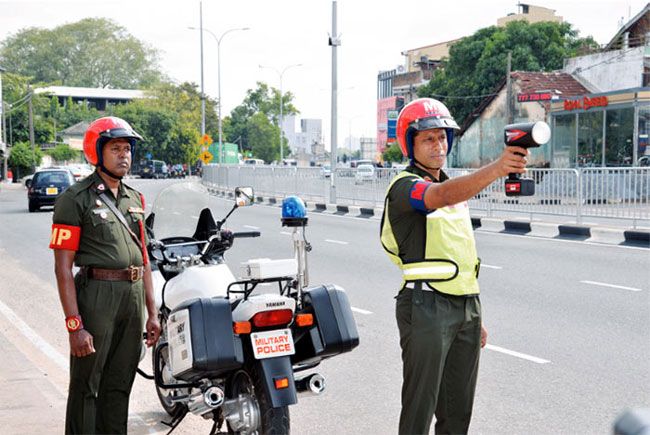
consumption. Drunk driving is a major cause of road traffic accidents and related deaths and
injuries.
A
MALE PROBLEM
Alcohol
abuse is an increasingly serious problem among a very large segment of the male
population of Sri Lanka. This is not only having the effect of severely
undermining their health and wellbeing, but also having increasingly harmful
effects on the welfare and overall advancement of the country. The quality,
competency, vitality and capability of the nation’s human resources are
determining factors in overall development and prosperity of a nation. As the
dominant component of the nation’s human resources, the male population of Sri
Lanka is threatened with an increasingly serious alcohol abuse problem which
calls for immediate attention on the part of the government.
The 2016 Global School-based
Student Health Survey based on adolescent students of Sri Lanka revealed that
the prevalence of alcohol consumption besides smoking and other illegal substance abuse is an
increasingly serious problem among male adolescents in the country. Studies have revealed that adolescents and young
adults among males are highly vulnerable to the onset and continuation of the
habit of alcohol use. Urbanization, westernization, and the availability and
affordability appear to contribute to the upward trend in the sale of alcohol.
The National Authority on Tobacco and Alcohol (NATA)
reports that alcohol consumption in Sri Lanka is associated with a huge
expenditure for the drinking public. A small village with around 300 families
spends an average of Rs. 400,000 (USA $2,446) per month on alcohol and tobacco.
This menace is one of the primary reasons for the perpetuation of poverty in
the island. The economic
consequences of expenditure on alcohol can be significant at household level.
Besides money spent on alcohol, a heavy drinker also faces other adverse
economic effects. These include low wages (because of missed work and reduced
efficiency on the job), lost employment opportunities, increased medical
expenses for illness and accidents, legal cost of drink-related offences, and
decreased eligibility for loans. The opportunity cost of expenditure on alcohol
is most severe for the lower income category as well. The negative economic
consequences on households, inevitably exerts a substantial burden on the
national economy.
Research
has revealed that habitual drinkers among the Tamil Estate community spend a staggering 40% of
their income on alcohol. Alcoholism is a serious problem among the Tamil
plantation community. Statistics from Sri Lanka Sumithrayo which is a
government assisted charity, reveal that in the Tamil plantation community, one
in every 10 school-going children drop out from school due to alcohol
consumption in their respective homes. Also, for every alcohol consuming
person, at least 10 other persons in the family including extended family
members get adversely affected. It has been reported that Sri Lanka’s tea
production is on the decline because of increasing alcohol consumption among
the Tamil plantation community.
INCREASED
CONSUMPTION IN RECENT DECADES
According to WHO studies,
alcohol consumption in Sri Lanka shows a significant increase in recent
decades, especially since the 1980s and most prominently from 2005 to 2016. In most low and middle-income countries, economic
development is known to be a key factor associated with increased alcohol
consumption. Sri Lanka’s economy picked up soon after the cessation of the
armed conflict against Tamil terrorists, in 2009, and achieved middle-income
country status in January 2010. The tourism industry, one of the country’s main
income sources, started to flourish at the end of the armed conflict. During
this period, most likely due to rising incomes, globalization effects, and
making alcohol more available and affordable to people, Sri Lanka experienced highly increased alcohol
consumption. The so-called open economy”
introduced to the country in 1978, led to the serious socio-economic
problems including the widespread proliferation
of alcohol use and the aggravation of alcohol abuse in the country. Open economy
resulted in increased relations and interactions with foreign countries, increased
foreign investments within Sri Lanka and increased involvement of foreigners in
Sri Lanka in various capacities, increased international travel and overseas
employment of Sri Lankans and most importantly, the significant expansion of
the tourism industry – all leading to increased importation of foreign liquor and
the expansion of local alcohol production and the expansion of the local alcohol
market, the opening of the so-called wine stores” or liquor bars across the
country, most often with the patronage of politicians.
EXPANSION DURING THE
POST-CONFLICT PERIOD
During the post-conflict period, Sri
Lanka’s alcohol industry expanded and there was increased availability of
alcohol. Arrack and beer are the popular drinks of Sri Lanka and these are
largely produced by two companies – The Distilleries Company of Sri Lanka
(DCSL) is the leading arrack producer whereas the Lion Brewery (Ceylon) PLC, is the market leader of the beer
industry. Both companies have seen
market expansion since the end of the armed conflict. DCSL’s net profit
increased from 2682 million Sri Lankan Rupees in 2009 to 6873 million Rupees by
2013, an increment of 156% (Distilleries Company of Sri Lanka PLC, 2014). Lion
Brewery’s rapid market expansion increased its net profit from 88 million
Rupees in 2009, to 1046 million Rupees by 2013, almost a 12-fold increment
within 4 years (Lion Brewery (Ceylon) PLC).
Rapid
socio-economic development, expansion of the alcohol industry, weak law
enforcement and lack of alcohol control strategies during the post-conflict
period brought about a rapid increase in alcohol consumption among Sri Lankans.
Weak law enforcement and lack of alcohol control strategies were among other reasons for this rapid increase
in consumption during the post-armed conflict period in Sri Lanka. Although the
Sri Lankan government from 2005 to early
2015 developed an alcohol control strategy and a new alcohol control Act, they
continued to provide licences for new liquor sales outlets and registered more
alcohol producers. Conversely, intensive raids on illicit alcohol brewers
carried out by the Excise Department and Police Department in 2010 may have
forced people to consume legally produced alcohol products which would have
made a positive contribution towards the increment of recorded alcohol sales.
ILLICIT
LIQUOR
Illicitly distilled liquor production and
sales, especially kasippu, is widespread and is consumed mostly by those with
low income. It was reported in the media that in 2015, the Sri Lanka Excise and
Police Departments detected as many as 97,000 illicit liquor dens or
hide-outs. Controlling this menace has
been severely hampered owing to the political patronage received by illicit
liquor barons coupled with bribery and corruption on the part of Government
agencies tasked with prevention and detection of this menace.
The difficulty in controlling the production,
sales and consumption of illicit alcohol in Sri Lanka has been attributed to
corruption in the enforcement agencies besides undue political interference.
Those in the legal trade of pure alcohol argue that controls only serve to
increase the consumption of illicit alcohol. Police involvement in connection
with illicit liquor dens was mostly in connection with the range of crimes
associated with these places. Illicit liquor is tied up with gambling dens and
many other nefarious activities. Many acts of violence are committed at or in
the vicinity of illicit dens. Media reports indicate that Illicit liquor barons
are known to have close connections with the underworld. It has also been
reported that crimes, including abduction, assault, robbery and murder have
become a part of the process in auctions to win tenders for arrack taverns. In
this situation, only thugs and illicit liquor barons have been in a position to
take arrack taverns on rent. Illicit liquor barons have amassed enormous
wealth and have become powerful and highly influential among politicians. They
have been able to obtain large-scale contracts in many government projects
across the country. A phenomenon observed in arrack business is the entry of unscrupulous
business magnates into this business. They promote the sale of adulterated
arrack, and often use the same push to pedal narcotics as well. This mafia is
said to go all-out to sabotage any moves to combat its activities. This
explains the huge amount of illicitly bottled arrack that finds its way to
arrack taverns. Arrack business has always been big business and continues to
get bigger and bigger.
ALCOHOL USE BECOMING A NATIONAL
PASTIME
In recent decades,
consuming alcohol has become a widespread national pastime in Sri Lanka. It is distressing
to note that it has become a practice that is widely and socially accepted. In
Sri Lanka, both in urban and rural settings, most events, including funerals, some
religious and cultural events are made into occasions to drink. In addition to
recreation and fun with friends, alcohol consumption has become a panacea for
everything – for joy and sorrow, for insomnia, for
energy or laziness, for tiredness, for heat or cold, for courage
or fear, or sometimes for no reason at all!
For some people, consuming alcohol with others ‘for fun’, in
social groups generates social ties and connections. To serve and consume
alcohol is expected in certain settings, especially at popular events such as
weddings, Birthday parties, New Year
celebrations etc. In fact, alcohol has become a necessary component in most household
parties. In some quarters, social status is communicated and judged by the
abundant amounts of expensive liquor served at social events.
SPIRITUAL VALUES
Alcoholism has led
to a marked deterioration of moral and spiritual values and standards in Sri
Lanka. It is a disgrace in a nation which claims to be founded on Buddhist
principles. Refraining from alcohol and other intoxicants is the fifth precept
of Buddhism and unfortunately, most Buddhist males appear to be ignoring
this basic precept. The use of alcohol blunts the shame and moral dread
and thus leads almost inevitably to a breach of the other precepts.
One addicted to liquor will have little hesitation to lie or steal, will lose
all sense of sexual decency and may easily be provoked even to murder.
Alcoholism is indeed a costly burden on our entire society. To indulge in
intoxicating drinks is to deteriorate through all stages of morality,
concentration and wisdom.
There is no evidence
of alcohol consumption in Sri Lanka, prior to the arrival of European colonial
powers. It was the Portuguese, Dutch and British that introduced and promoted
alcohol consumption in Sri Lanka. In the late eighteenth century, it was the
British who issued liquor licenses to open-up taverns all over the
country. They increased state coffers by tax collections and promoted the
drinking habit widely via the “Toddy act “of 1912.
MOTIVES FOR
ALCOHOL USE AND ABUSE
Comprehensive
studies have not been done on reasons and motives for alcohol use and abuse
among people in Sri Lanka. It is possible that males, and different age groups
develop different motivations towards alcohol use. These motivations may be
influenced by varied factors, including genetic, environmental and cultural factors. Genes that influence the metabolism of alcohol also
influence the risk of alcoholism, as can a family history of alcoholism. Culture plays a significant role in motivating
or de-motivating people toward various behaviors. Proper understanding of
motives that direct people, especially young people to drink would help public
health and education authorities to formulate effective public health policies
and develop cost-effective measures to curb the alcohol problem.
Prominent among the varied domains of drinking
motives are personal enjoyment, social pressure, and tension or anxiety
reduction. The personal enjoyment motive perhaps is associated with heavy
drinking whereas social pressure may be associated with lighter drinking
patterns. Some say that drinks help them to relax, forget their worries and
helps them to cheer up and feel good. Some young males in Sri Lanka appear to
drink in order to become more prominent among peers and sometimes, especially
in social gatherings, to attract the attention of others, especially females. To
some, alcohol use symbolizes manhood, and thus, drinking behaviors are
occasionally used to dominate others. Tension-reduction motivations appear to
be an important social-cognitive factor in drinking behavior of many young Sri
Lankan males. Such motives are often
related to solitary and excessive drinking. Among some members of the younger
generation, in addition to the access to and availability of alcohol, the
media, especially television and movies which glamorize alcohol use, appear to
have a strong influence in shaping of
alcohol motives among the young. In-depth research is required to better
understand the diverse psycho-social-cultural and environmental factors
associated with alcohol use behavior among the younger generation of Sri
Lankans.
Consumption of
alcohol over a period of time leads to physical and psychological dependence
and the development of tolerance. It is also addictive and psycho active like
heroin. It is most worrisome to see that the country’s younger generation
being drawn into this despicable
practice. As far as the adolescents are concerned, increased autonomy during
this period in life, willingness to experiment, and peer influence/pressure
create an environment encouraging high-risk decisions which influence
adolescents’ health, such as substance abuse and smoking. Seeking higher levels of sensation
during the developmental stage among males compared to greater inhibitory
control among females is evident. Thus, males are more likely to experiment
with risky behaviors, and this could be one reason for the higher risk among
males. Use of alcohol and tobacco by parents and seeing on television and
media, popular movie stars, entertainers and sports celebrities consuming
alcohol has increased the risk of alcohol consumption and smoking among the
younger generation.
A research investigation in
selected rural and sub-urban settings in Sri Lanka has revealed that there
is a special group of males with a problematic drinking practice, who drink
heavily in solitude on a daily basis. They often have the tendency to display
embarrassing behavior in public, using unacceptable language, sometimes
resorting to violent and anti-social behavior creating problems for others. Consumption
of alcohol, specially binge drinking is associated with the development of
“Dutch courage”. This leads many alcoholics to engage in violent
behaviour and commit crimes that they would never had attempted in a sober
state. Media often reports of tragic stories especially from rural and
sub-urban areas where husbands come home drunk and physically harass and abuse
their wives and children. Also, driving under the influence of alcohol often
results in fatal road accidents. Some drunk drivers are overconfident and resort
to reckless driving and excessive speed. Some suffer from fatigue and
drowsiness under the influence of alcohol, and make wrong judgements leading to
serious accidents.
HEALTH CONSEQUENCES OF ALCOHOL ABUSE
Medically, alcoholism is considered
both a physical and mental illness. Alcohol use can affect all parts of the
body, but it particularly affects the brain, heart, liver, pancreas and immune system and result in
varied health ailments. Someone with a parent or sibling with alcoholism is
three to four times more likely to become an alcoholic themselves. The
magnitude of the increasingly severe problem of alcohol is reflected in the
rising incidence of hospital admissions due to alcohol related diseases.
Consumption of alcohol over a period results in fatty changes of the liver
which later transforms to cirrhosis with liver cell degeneration, and
accumulation of fluid in the abdomen followed by degeneration of the brain. Sri
Lanka has the second highest incidence of cirrhosis in the world.
The Centre for Disease Control and
Prevention (CDC) identifies 54 acute and chronic conditions associated with
alcohol. Alcohol consumption causes degeneration of the
heart muscle, and heart failure causing alcoholic cardiomyopathy. High blood
pressure and increased cholesterol are also consequences of high consumptions.
Also, acute and chronic gastritis and formation of gastric ulcers, and acute
and chronic pancreatitis with endless abdominal pain and immense suffering are
consequences of regular boozing. In addition, there is progressive degeneration
of the brain leading to deterioration of intellectual functions social
behaviour resulting in dementia.
The negative consequences of alcohol on people
other than the drinker include injuries and deaths from road traffic accidents,
harm from interpersonal violence, aggression and crime, harm to families that
include psychological distress, pain and suffering from domestic violence,
marital separation and divorce, child and household neglect, poverty, and, harm
to the developing foetus. Apart from an
unhealthy population with reduced productivity hindering the development of the
country, a considerable proportion of national health expenditure must be spent
to treat alcohol related diseases.
ECONOMIC IMPACT OF ALCOHOL
CONSUMPTION
There is a paucity
of published studies on the economic impact of alcohol and its related
conditions in Sri Lanka, although there have been recent publications of social
costs of alcohol use such as poverty. In 2015, a study was conducted by the
National Authority on Tobacco and Alcohol, Sri Lanka Medical Association,
Country office of the World Health Organization (WHO), and Health Intervention
and Technology Assessment Programme, Thailand as part of the WHO SEARO
initiative on introducing and capacity building on Health technology
Assessments among South East Asian countries. The objective of the study was to
estimate the economic costs of alcohol in Sri Lanka for the year 2015. In this study, among the overall direct
health care costs included government
expenditure and out-of-pocket private expenditures for outpatient and inpatient
visits as well as clinic visits. The frequency of clinic visits per year and
the cost borne by the government providing such services for each person were
taken as the direct costs for outpatient care. Although the Centre for
Disease Control and Prevention (CDC) has identified 54 acute and chronic
disease conditions attributable to alcohol consumption, the 2015 study focused
on 8 types of cancers and 19 noncommunicable diseases owing to the sparsity of
data on the others. The
costs of inpatient care considered the accommodation costs and the costs of
pharmaceuticals, investigations, surgery and the costs of intensive care
specific for each disease condition. The out of pocket expenses consists of the
costs borne by the family of the patent during the hospital admission and
clinic visits. The direct healthcare
costs of alcohol-related cancers, which consist of the costs of inpatient care,
outpatient care and private expenses were USD 25.67 million, which was 36% of
the overall costs of alcohol-related cancers. The inpatient care costs
contributed more than half (USD 14.96 million) of the direct cost. Private
expenses were USD 9.98 million, which was nearly 40% of the direct cost.
Both morbidity and mortality were considered for
calculating the indirect costs. The
absenteeism cost was the lost income of the patients and the carers due to
treatment seeking, hospitalization and recuperation at home following
hospitalization. The indirect costs—the
costs of absenteeism and premature mortality—consisted of 64% (USD 46.47
million) of the cost of alcohol-related cancers in 2015. The cost of premature
mortality was USD 26.83 million, which was of 58% of the indirect cost. The
cost of absenteeism was USD 19.64 million.
Overall, the costs of cancers of the upper aerodigestive tract (lip, oral
cavity and pharynx and oesophagus) was UDS 61.14 million, which accounted for
85% of the total cost of alcohol related cancers.
In the 2015 study, direct and
indirect economic costs of alcohol related noncommunicable diseases and other
conditions including different forms
injuries, drowning and homicides were taken into consideration. Road injury
costs was the most significant contributor to the total economic costs of
alcohol related conditions other than cancer. It was USD 251 million, which was
30.8% of the overall cost of these conditions. Alcoholic liver disease,
alcoholic gastritis and duodenitis, self-harm, alcohol use disorders and
alcohol associated lower respiratory tract infections were the other
significant contributors to this cost. The
proportion of direct cost of ischemic heart disease and alcoholic gastritis and
duodenitis were considerably high compared to their indirect cost component.
This demonstrates the high economic burden imposed on the health care system by
these conditions. The indirect cost of alcoholic liver disease was considerably
high depicting the nature of high premature mortality with the condition.
TOTAL ECONOMIC COST
OF ALCOHOL CONSUMPTION
The total economic
cost of alcohol in Sri Lanka was USD 885.85 million in 2015. USD 388.35 million
(44%) consisted of direct costs, while USD 497.49 (56%) consisted of indirect
costs. The loss of productivity due to premature mortality, USD 388.86 million,
was the highest cost category, accounting for 44% of the overall cost. The next
highest cost was the inpatient care cost of USD 293.75 million, which was one
third of the total cost. When specific disease conditions are considered,
the economic costs of the cancers of the lip, oral cavity, pharynx and
oesophagus amounted to USD 61.14 million. It reflects the fact that Sri Lanka
has one of the highest incidences of cancers of the lip, oral cavity and
pharynx. They are commonest cancers
among Sri Lankan males. Alcohol related cancers of the liver and colon cost USD
1.63 and 2.65 million. Therefore, addressing alcohol use should be a major
aspect of prevention of cancers in Sri Lanka. Road injuries accounted for USD
251.28 million, which was 28.5% of the total cost. Preventing such injuries
need cooperation of many sectors other than health. This underlies the
importance of multi-sectoral involvement in addressing alcohol related harm.
Spending on purchasing alcohol, absenteeism and private
expenses due to alcohol related conditions can exacerbate and perpetuate
poverty. The impact of alcohol on poverty occurs through many mechanisms and is
seen even in high income counties. In a study conducted in Sri Lanka examining
the link between alcohol and poverty, some men revealed that their alcohol
expenditure was greater than their income. Another study showed that the two
lowest income categories spent more than 40% of their income on concurrent use
of tobacco and alcohol. Therefore, alcohol use and its consequences should be a
major dimension in developing and implementing policies for alleviation of
poverty in Sri Lanka.
Sri Lanka provides free healthcare to all its
citizens. People have the choice of seeking treatment in the government or the
private sector for health services. The state sector is by far the largest
provider of health services. The direct costs of in-patient care for alcohol
related conditions, excluding private out of pocket expenditure amounts to
about 40% of the recurrent health expenditure of the state health sector in
2015. This is a substantial cost, which
underlies the importance and the priority required for effective initiatives to
prevent or minimize alcohol abuse in the country. In 2015, the government excise tax revenue from
alcohol was less than the estimated total economic cost of alcohol to the
government. In 2015, alcohol related conditions imposed a significant
economic burden to Sri Lanka, with indirect costs (56% of total) exceeding the
direct costs (44%).
Several types of costs were not included in the
estimations. These include the opportunity costs of spending on purchasing
alcohol products, costs of disease prevention and screening programmes, out of
pocket expenditure by patients seeking services of the private sector,
transport costs borne by the patient, enforcement and judicial costs and cost
of property damage and insurance. Spending on drugs and devices which sometimes
need to be purchased by the patients while obtaining treatment from the state
sector was also not included in the estimate of out of pocket expenditure.
The economic cost of presenteeism (reduction in
productivity despite working) due to alcohol related illness which has been
taken into consideration in some studies was also not calculated. Furthermore,
intangible costs of the effects of alcohol were not included in the analysis.
Studies show that intangible cost may account for 20% to 27% of the total cost
of alcohol. Recently, a study in Scotland found that the intangible cost
accounted for 78% or the largest component of the total cost of alcohol use.
The intangible costs in this study included costs of pain, grief and suffering
to the casualty, relatives and friends, and, for fatal casualties, the
intrinsic loss of enjoyment of life, excepting consumption of goods and
services”. The costs of alcohol related violence, suicides too were not
included.
SAVING THE YOUNGER GENERATION
Targeting
adolescents and young adults is regarded as an important step to reduce the
harm of alcohol abuse. Increasing the age at which alcohol can be purchased,
the banning or restricting advertising of alcohol can be among alternative ways
of reducing the harm of alcohol dependence and abuse. Credible, evidence
based educational
campaigns in the mass media about the consequences of alcohol abuse cane be
useful. Guidelines should be made
available for parents to prevent alcohol abuse amongst adolescents.
Our young people should be
informed that too much alcohol affects the central nervous system and how the
brain functions. They should know that it affects perception, thinking, and
coordination. It impairs judgment, reduces inhibitions, and increases aggression.
Those who abuse alcohol are more likely than others to engage in high risk,
thoughtless, or violent behaviors. Anyone who have developed alcohol related
problem should be strongly encouraged to seek treatment.
An
NGO titled Alcohol and Drug Information Centre (ADIC) in Sri Lanka, was
established in 1990 and obtained Approved Charity Status in 1992. ADIC drawing funds
from many international and local sources, works for the reduction in demand
for alcohol, tobacco and other drugs in Sri Lanka. It believes that through
scientific and evidence-based research and investigations, and a participatory
approach involving the community and all stakeholders, it is possible to make
people realize that whatever drug, at whatever level is an impediment to human
happiness. ADIC advocates for effective policy formulation for alcohol, tobacco
and other drugs control. Its annual alcohol industry profile reports provide
trend analysis of the Sri Lankan situation of alcohol consumption, sales,
revenue and the industry in general.
A
comprehensive approach is required in the development of well conceived,
realistic short and long-term plans and programs to manage the problem, with
the active involvement of the community at large, and all stakeholders connected
with the problem. Such plans and programs should be based on in-depth research
pertaining to alcohol use and abuse,
related motives and varied consequences. Enforcement of
existing policies and formulation of new alcohol control strategies in Sri
Lanka are vital. Saving the younger generation from alcohol abuse should be a
high priority consideration in planning against alcohol abuse. Overall
consequences of alcohol abuse, in particular its serious harm to the physical
and mental development of the younger generation, should be a necessary
component in school curriculum on social studies.
Future research
should focus on identifying the individual-level characteristics of drinkers,
their average volume of total
consumption, patterns of drinking such as binge drinking and alcohol use
disorders among drinkers in the rural, semi urban and urban settings, and in places
where alcohol related problems have shown an increasing trend in recent years.
Problems encountered in implementing control strategies and alternative ways to
resolve them are important considerations. Such information will facilitate the
development of realistic plans initially aimed at minimizing the problem and
eventually to contain this increasing serious national problem.
Dr.
Daya Hewapathirane