ERASING THE EELAM VICTORY Part 11 B

January 13th, 2020

KAMALIKA PIERIS

The government of Sri Lanka retained the military bases in north and east after the Eelam war ended. This   did not please those who resented the Eelam victory. Sri Lanka does not need such a big army, such a big military now that the war is over, pro-Eelamists said.

UNHRC in Geneva demanded a ‘less intrusive and intimidating military presence’ in North and East. United Nations High Commissioner for Human Rights, Zeid bin Ra’ad al Hussein visited in 2017, and he also said that the size of the military forces in the North and the East could be reduced to a level that is less intrusive and intimidating.

Wikipedia said that there were 14 (sic) divisions in the North and East coming under six operational headquarters and 2 independent Divisions and several independent Brigades. Jaffna Security Forces Headquarters had  3 division, Wanni had 5 divisions, Kilinochchi had  3  division, Mullaitivu had 4 divisions.There are also two large naval commands9 and at least two significant units/bases of the air force, added Ceylon Telegraph.

A population roughly half the size of Colombo district or equivalent to a medium sized Indian city is effectively under the control of the staggering number of 15 army divisions in addition to other military units and forces. There is 1 security personnel for nearly every 10 civilians, concluded Ceylon Telegraph.

There is continued military occupation in the north – some 120,000 soldiers across the country, a force bigger than the entire British army, in a country with a population of some 20 million people, said Channel 4 News.

However, according to Major General Haturusinge, there had been around 26,000     army personnel in Jaffna peninsula in November 2009. By   July 2013, the    strength   had been reduced to 13,200   and the soldiers were largely confined to High Security Zones. The High Security Zones had also shrunk in size. Earlier, they had around 13,680 acres, in 2013 it was 6183 acres.

Those who objected to the presence of the military spoke of it as ‘militarization’. Friday Forum  spoke of the ‘extraordinary militarization of our state over so many decades’.    Friday Forum  said many senior administrators and officials such as governors were selected from the military. There is also the large allocation to defense in the budget.

The heavy militarization of the province, designed to protect against the renewal of militancy is deepening the alienation and anger of the northern Tamils, said Gamini Keerawella. The continued presence of the military in places that they did not occupy before the war concerns me,” said another. They are on lands that belong to the people.” The army occupies as much as 60,000 acres of civilian land just in the Mullaitivu district, with massive camps that encroach on the daily lives of civilians, said Gary Anandasangaree.

 We want demilitarization said Vigneswaran, The army is in full control of the area. Tamil People’s Council demands that the occupying forces immediately leave the north and east and civilian administration  be provided for the  north and east.

Interested parties are using the continued existence of a large military to manufacture claims about the ‘militarization ‘of the country, Gotabaya Rajapaksa said in 2012. Foreign governments visit and ask for demilitarization of the north and east. That is  a matter for Sri Lanka alone. The foreign agencies always wanted to reduce the military in North and East. It  was   in the Ceasefire Agreement too.

It’s up to the military and the leaders to decide what should be the strength of the army, according to the threat perception that we have , continued  President Gotabaya in 2019. The numbers in the army would have gone down by now, since the government did not recruit soldiers at the same pace, in the last 10 years. Normal attrition would  also have taken place.

Sri Lanka  needs to sustain a robust military power. The present need, in 2019, is for intelligence and the intelligence cadres need to be increased. We may put more investment on training of intelligence gathering, and mechanisms of intelligence gathering. We have to change according to the threat, concluded President Gotabaya .

The Tamil Separatist Movement thought otherwise. The Tamil Separatist Movement  said it wants the army completely out of the north, replaced by an enhanced police presence. The army should withdraw from checkpoints and be replaced by the police.  Police must take up the challenge of ensuring the people’s security as a civilian force, said Jehan Perera. If the government wishes to obtain the gratitude of the Tamils for ending the war and restoring peace, they should restore normal civilian traffic through Omanthai. The Omanthai checkpoint should have gone long ago. So should the military form the north,  said  pro-Eelamists. 

However, outside of the larger towns the police are in fact conspicuous by their absence, at least in the Vanni. I did not spot any significant police presence, not a single police station but just one police outpost, in two days of journeying through parts of the rural heartland of the Vanni earlier this year but instead saw large army camps, ranging from divisional and brigade headquarters, to medium and small camps and numerous army outposts and checkpoints, said a journalist in 2012.

After the victory, the army  engaged in community service. They did so with great enthusiasm. The security forces in the Vanni were very busy, reported observers, making roads, building schools and community centres, organising medical camps, community events and gatherings. Security forces repaired furniture in schools and   donated blood. They  renovated Bakmeewewa and Werabanda wewa. 

These activities were welcomed. But other activities were not. Here are two examples. Civil Defence Force  had taken most of the pre-schools in the Kilinochchi and Mullaitivu districts” under its preview.  CDF started training pre-school teachers  and paid the salaries of the staff in those schools”  

By 2018, there were 261 pre-schools funder the CDF and over 58,146 children. The pre-school teachers, who got less than Rs. 3,000 monthly before, are now getting a salary of Rs. 32,000.  School principals now say that the education standard of grade one students has improved as they are given a good pre-school education in the CDF run pre-schools The CDF is conducting tuition and extra classes for children in grade one to 10, reported the CDF.

The Tamil Separatist Movement did not  agree. Wigneswaran complained to the EU HR inspection team that the Sri Lanka army was running hundreds of schools in north including 344 primary schools.

The TNA charged that “The army logo has been printed on the school uniforms of kindergarten children in the Kilinochchi and Mullaitivu districts attending pre-schools maintained by the Civil Defence Force. Even kindergarten children are paraded as army children while other children wear normal dress. A fee is charged from the parents for the uniforms of the students studying in those schools and the army logo is printed on those uniforms. Why cannot the Education Ministry maintain preschools in those areas like the way it does in other districts. When asked whether they could  produce evidence that the army logo was printed on the school uniforms, TNA said ‘yes’?”

JVP said that in Kilinochchi there is no electricity in its 52 schools and there is a semi -military administration. Cannot hold even a drama competition in school without getting permission from the military administration.

The  second complaint was that Army maintains hair dressing saloons in Mullaitivu. While other saloons charge 100 rupees per a haircut the army saloons charge only Rs. 35. Their saloons are open on Sundays and on public holidays. How can the saloon owners and barbers in the area compete with them? They lose business. Why are the war hit areas still compelled to live under such conditions, asked the Tamil Separatist Movement .”

Friday Forum observed that in addition to the extensive land held by the military, its inroad into the local economy and widespread surveillance apparatuses  troubled the local population. The military had gone into branches of government which should be under civil administration, observed Gamini Keerawella.

The military is  used to maintain civil law and order. It is  also carrying out  policing functions, he said.  Security forces intervened in the day to day civilian administration, the Tamil Separatist Movement  complained.   Very little, happens without the  permission of the army, reported Colombo Telegraph.  The public object to the militarization and the surveillance, Tamil People’s Council said.

Under the veneer of benevolence, not to mention the cultivated grace and charm exuded by the senior officers, is the constant exercise of their absolute power, said  BBC reporter Charles Haviland.At checkpoints and outposts, vehicles  slow down, even without a hint of a signal  he added.

Security forces are entitled to keep an eye on meetings but the psychological climate is such that even this information gathering can create unease in a population that continues to live in the memory of the war that has     so cruelly shattered their lives, said Jehan Perera.

Former LTTE cadres  complained in 2019  to US human rights activist Cristina James that they are under constant surveillance by the military though they have undergone rehabilitation. People were still suspicious of them due to the military constantly watching their movements. They said they had also complained to the United Nations Human Rights Council (UNHRC) about  this.  They also claimed that military interference has hampered their political activity.

The military presence in the north becomes militarization,  not only because of its overwhelming presence and its imprint on the everyday life of people but also because the military is  engaged in other activities, said critics.

The military has infiltrated into non-military spheres.It has infiltrated trade, city planning and local administration. It is engaged in agricultural and commercial activities. However, discussions with senior army officials as well as the other ranks in Vanni show that they really do take their development mission” seriously, reported a researcher.

The military is doing everything” agreed the Army Commander in an interview in 2013. They are running cafes, building roads, bridges, houses and stadium, the engineering services do tanks and canal renovation.  Certain battalions have taken over and are cultivating government agricultural land. We have established our own farms.   Is this militarization? It is not, said the Army Commander. We are saving the government money in terms of labour costs.

Here are some of the army’s commercial activities. Army runs a tile factory and brick factory. Tile factory was a joint venture with Ceylon Ceramic Corporation. Army had been asked to fill in due to shortage of labour.

Army took over the Kankasanturai rest house, and in 2010 turned it into Thal Sevana, a resort-type hotel owned and managed by the Army.  In 2019, TNA was trying to stop the army from acquiring lands adjacent to ‘Thal Sevana’ for further expansion.  (Continued)

Over 50,000 unemployed graduates to be given jobs by March – Dullas

January 13th, 2020

Courtesy Ada Derana

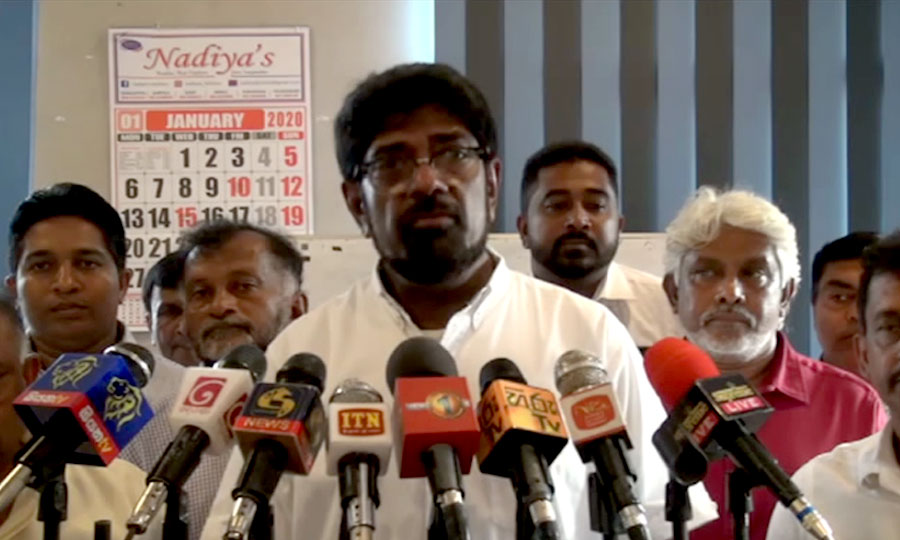
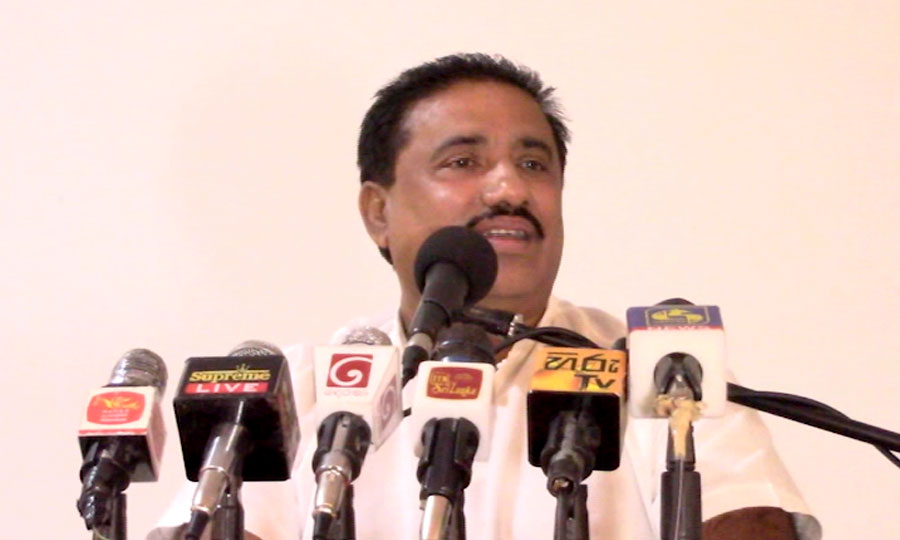
Employment opportunities will be provided for over 50,000 unemployment graduates by 1st of March this year, says Minister of Education and Minister of Sports & Youth Affairs Dullas Alahapperuma.

He made this statement during a press conference held at the head office of Sri Lanka Podujana Peramuna (SLPP) today (13).

Back in 2012, former President Mahinda Rajapaksa took a decision to provide employment opportunities to all graduates.

However, the previous government had appointed a limited number of graduates as development officers under a strict criterion, says the Minister.

He further stated that President Gotabaya Rajapaksa has given instructions to give job opportunities for unemployed graduates regardless of the type of their degrees, age, political affiliations and any other divisions.

As per the existing statistics, there are nearly 50,000 unemployed graduates, the Minister added.

World Bank forecasts Sri Lanka’s growth at 3.3% in 2020

January 13th, 2020

Courtesy Ada Derana

The World Bank has forecast Sri Lanka’s economic growth for 2020 at 3.3 percent, the bank said in a statement on Monday.

In its latest report of World Bank’s January 2020 Global Economic Prospects,” the World Bank said for 2021 and 2022, it maintains the same forecast of 3.7 percent of economic growth in Sri Lanka.

The report further said growth in the region is expected to rise to 5.5 percent in 2020, assuming a modest rebound in domestic demand and economic activity benefiting from policy accommodation in India and Sri Lanka, as well as improved business confidence and support from infrastructure investments in Afghanistan, Bangladesh and Pakistan.

The report also said global economic growth is forecast to edge up to 2.5 percent in 2020 as investment and trade gradually recover from last year’s significant weakness but downward risks persist.

Sri Lanka’s new government headed by President Gotabaya Rajapaksa said recently that one of its targets include achieving a 6.5-percent economic growth per annum from 2020 and a GDP growth of 6,500 U.S. dollars per capita.

HC issues notices on Rajitha, Rumy, two others

January 13th, 2020

Yoshitha Perera Courtesy The Daily Mirror

The Colombo High Court (CHC) today issued notices on former Minister Dr Rajitha Senaratne, former SPC Chairman Dr Rumy Mohammed and two other individuals who had participated at the ‘white van’ press conference to appear on January 17 considering the revision application filed by the Attorney General (AG). 

The Revision Application was filed by the AG against the Colombo Chief Magistrate’s order on granting bail to former Minister Senaratne was fixed for support on January 17 before the Colombo High Court. 

SINHALE JATHIKA SANVIDHANAYA CLAIMS FORMER PROVINCIAL GOVERNOR AZAD SALLEY INFLUENCED THE POLICE IN MAWANELLA BUDDHA STATUE VANDALISM INCIDENT

January 13th, 2020

Courtesy Hiru News

The Sinhale Jathika Organization stated that the former governor of the Western Province Azad Salley, should be arrested immediately, for his influence on the investigations regarding the vandalizing of Budda Statues in Mawanella.

The president of the organization, Dan Priyasad made this statement after making a complaint to the Police Headquarters.

Priyasad further added apart from Azad Salley, there are several others like Rishard Baidudeen, Rauf Hakeem, and M.L.A.M Hizbullah, who have accusations levelled against them; however they are yet to be brought to justice.

He also added that this government was elected because people believe in the president and hoped that correct decisions will be taken by the president to ensure law and order is maintained.

RANJANGATE SCANDAL – සජිත් පේ‍්‍රමදාස ද්වි ලිංගිකයෙක්.. සජිත්ගේ රෙද්ද කඩමින් රන්ජන්ගේ හඬපටයක්..

January 13th, 2020

උපුටා ගැන්ම ලංකාසීනිවුස්

විපක්ෂ නායක සජිත් ප්‍රේමදාස මහතා ද්වි ලිංගිකයෙකු බව එම පක්ෂ පාර්ලිමේන්තු මන්ත්‍රී රන්ජන් රාමනායක මහතා සඳහන් කරයි.

ජනාධිපතිවරණ කාලසීමාව තුලදී ඔහු විසින් ලබාගත් දුරකථන ඇමතුමකදී මේ බව සඳහන් කර ඇත.

රංගන ශිල්පිනී ජානකී විජේරත්න සමග සිදු වූ දුරකථන සංවාදයක දී රන්ජන් රාමනායක මහතා මේ බව සඳහන් කර තිබේ.

සජිත් ප්‍රේමදාස මහතා විසින් ඉදිකරන ලද නිවාස ගැනද දැඩි විවේචනයක් කරන රන්ජන් රාමනායක මහතා නිවාස ඉදි කරනවාට වඩා ප්‍රසිද්ධියට වියදම් කරන ලද මුදල වැඩි බවද සඳහන් කරයි.

නිවාසවල වියදමට වඩා තොරණ සඳහා වියදම් කර ඇතැයිද රාමනායක එහිදී කියයි.

RANJANGATE SCANDAL – රන්ජන්ට එරෙහි ගිහාන් පිලපිටියගේ පැමිණිල්ල ගැන විමර්ශන සිදු කර නෑ-අජිත් ප්‍රසන්න

January 13th, 2020

උපුටා ගැන්ම  අද දෙරණ

රංජන් රාමනායක මහතා විසින් කොළඹ හිටපු ප්‍රධාන මහේස්ත්‍රාත් ගිහාන් පිලපිටිය මහතාට බලපෑම් කිරීම සම්බන්ධයෙන් ඔහු 2015 වසරේදි අධිකරණ සේවා කොමිසමට පැමිණිලි කර ඇතත් ඒ පිළිබදව නිසි විමර්ශනයක් සිදුකර නැතැයි මව්බිම වෙනුවෙන් රණවිරුවෝ සංවිධානයේ කැඳවුම්කරු විශ්‍රාමික මේජර් නීතීඥ අජිත් ප්‍රසන්න මහතා අද අනාවරණ කළේය.

ඒ කොළඹදී පැවැත්වු මාධ්‍ය හමුවකදීයි.

පාර්ලිමේන්තු මන්ත්‍රී රන්ජන් රාමනායක මහතා සහ කොළඹ හිටපු ප්‍රධාන මහේස්ත්‍රාත් ගිහාන් පිලපිටිය මහතා අතර සිදුවූ බව පැවසෙන දුරකතන සංවාදයක් ඇතුළත් හඬපටයක් පසුගිය 08වනදා මාධ්‍ය වෙත නිකුත් විය.

කෙසේ වෙතත් අද පැවති මාධ්‍ය හමුවේදී නීතීඥ අජිත් ප්‍රසන්න මහතා ප්‍රකාශ කළේ එම සංවාදයේ දී ගිහාන් පිලපිටිය මහතා තැතිගැන්මකින් යුක්තව කථා කරන බවයි.

එසේම එහිදී රන්ජන් රාමනායක මහතා විසින් ගිහාන් පිලපිටියගෙන් කළ ඉල්ලීම ද ඉටු නොවු බවත් ඔහු පැවසීය.

කෙසේ වෙතත් ගිහාන් පිලපිටිය මහතාට බලපෑම් කිරීම සම්බන්ධයෙන් ඔහු 2015 වසරේදි අධිකරණ සේවා කොමිසමට ලිඛිතව සිදු කළ පැමිණිල්ලට අනුව කටයුතු නොකළේ ඇයිදැයි අධිකරණ සේවා කොමසම කරුණු දැක්විය යුතු බව අජිත් ප්‍රසන්න මහතා පැවසීය.

RANJANGATE SCANDAL – Ranjan’s phone call with a judicial interpreter revealed

January 13th, 2020

Courtesy Ada Derana

RANJANGATE SCANDAL – රන්ජන්ගේ හඬ පට තුළින් නීතියේ විශ්වාසය බිද වැටී ඇති බව මැදගොඩ අභයතිස්ස හිමි කියයි

January 13th, 2020

උපුටා ගැන්ම හිරු නිව්ස්

නීතිය ඉදිරියේ හෝ සාධාරණත්වයක් ලැබෙනු ඇති බවට මෙරට ජනතාවට තිබූ විශ්වාසය රන්ජන් රාමනායක මන්ත්‍රීවරයාගේ හඬ පටත් සමඟ අහිමි වී ගොස් ඇති බව මහාචාර්ය පූජ්‍ය මැදගොඩ අභයතිස්ස හිමියන් ප්‍රකාශ කළා.

ඒ, කුරුණෑගල ප්‍රදේශයේ අද පැවති මාධ්‍ය හමුවකට එක්වෙමින්.

RANJANGATE SCANDAL – පසුගිය රජයේ නීතිය ක්‍රියාත්මක වූ ආකාරය හඬ පට තුළින් පිළිබිඹු වන බව මල්වතු පාර්ශවයේ අනුනායක හිමි කියයි

January 13th, 2020

උපුටා ගැන්ම හිරු නිව්ස්

පසුගිය රජය සමයේ නීතිය ක්‍රියාත්මක වූ ආකාරය හා අමාත්‍යවරුන් කටයුතු කළ ආකාරය රන්ජන් රාමනායකගේ හඬ පට තුළින් මනාව පිළිබිඹු වන බව මල්වතු පාර්ශවයේ අනුනායක පූජ්‍ය දිඹුල්කුඹුරේ විමලධම්ම නාහිමියන් පවසනවා.

උන්වහන්සේ මේ බව අවධාරණය කළේ විපක්ෂයේ ප්‍රධාන සංවිධායක, පාර්ලිමේන්තු මන්ත්‍රී ගයන්ත කරුණාතිලක, උන්වහන්සේ බැහැ දැකීම සඳහා අද පැමිණි අවස්ථාවේදියි.

RANJANGATE SCANDAL – රස පරීක්ෂක වාර්තාවෙන් පසු රංජන්ගේ හඬපට ගැන නීතිමය ක්‍රියාමාර්ග ගන්නා බව CCDය කියයි

January 13th, 2020

උපුටා ගැන්ම හිරු නිව්ස්

රස පරීක්ෂක වාර්තාව ලැබුණූ පසු හඬ පට සම්බන්ධයෙන් ඉදිරි නීතිමය ක්‍රියාමාර්ග ගන්නා බව කොළඹ අපරාධ කොට්ඨාසය පවසනවා.

පාර්ලිමේන්තු මන්ත්‍රී රංජන් රාමනායක මහතාගේ නිවසින් සොයා ගත් සංයුක්ත තැටි හා දෘඪ තැටි මේ වන විට රජයේ රස පරීක්ෂක දෙපාර්තමේන්තුව වෙත යොමු කර තිබෙනවා.

එක්සත් ජාතික පක්ෂ පාර්ලිමේන්තු මන්ත්‍රී රන්ංන් රාමනායකගේ මාදිවෙල පිහිටි මන්ත්‍රී නිල නිවස බස්නාහිර දකුණ අපරාධ කොට්ඨාසයේ නිලධාරීන් විසින් පරීක්ෂාවට ලක් කළේ පසුගිය 04 වනදායි.

එහිදී නීතිවිරෝධි ගිනි අවියක්, ජීව උණ්ඩ, දුරකතන සංවාද ඇතුලත් සංයුක්ත තැටි සහ දෘඪ තැටි කිහිපයක් පොලිසිය සොයා ගත්තා.

ඒ අනුව අත්අඩංගුවට ගැණුනු රංජන් රාමනායක මන්ත්‍රීවරයා පසුදින අධිකරණය හමුවට ඉදිරිපත් කිරීමෙන් පසු ඇප මත මුදා හැරුණා.

මන්ත්‍රීවරයාගේ නිවසේ තිබී හමුවූ හඬ පට සම්බන්ධයෙන් විමර්ශනය කිරීම කොළඹ අපාරාධ කොට්ඨාසය වෙත පවරනු ලැබුවා.

පොලිසිය භාරයට ගැණුනු භාණ්ඩ පසුගිය 9 වනදා රජයේ රස පරීක්ෂක දෙපාර්තමේන්තුව වෙත යොමු කර ඇත්තේ ඒ අනුවයි.

ඒ සම්බන්ධයෙන් වන වාර්තාව මේ සතිය තුල ලැබෙනු ඇතැයි කොළඹ අපරාධ කොට්ඨාසයේ ප්‍රකාශකයෙක් හිරු ප්‍රවෘත්ති වෙත සඳහන් කළා.

මේ අතර රජයේ රස පරීක්ෂක දෙපාර්තමේන්තුව පැවසුවේ අධිකරණය නියෝගයක් ලබා දුනහොත් පාර්ලිමේන්තු මන්ත්‍රී රංජන් රාමනායකද කටහඬ පරීක්ෂාවක් සඳහා සිය දෙපාර්තමේන්තුව වෙත කැඳවීමට සූදානම් බවයි.

අදාල හඬපට සම්බන්ධයෙන් පසුගිය බදාදා ගංගොඩවිල මහේස්ත්‍රාත්වරයාට කරුණු වාර්තා කළ කොළඹ අපරාධ කොට්ඨාසය, අපරාධ පරීක්ෂණ දෙපාර්තමේන්තුවේ හිටපු අධ්‍යක්ෂ ජ්‍යෙෂ්ඨ පොලිස් අධිකාරී ශානි අබේසේකර මහතාට එරෙහිව විදෙස් ගමන් තහනමක්ද ලබා ගත්තා.

RANJANGATE SCANDAL – රන්ජන් නඩු කටයුත්තක් මඟහැර සිටීමට ගන්නා උත්සාහයක හඬ පටයක් එළියට

January 13th, 2020

උපුටා ගැන්ම හිරු නිව්ස්

රන්ජන් රාමනායක මන්ත්‍රීවරයාට එරෙහිව මහනුවර මහේස්ත්‍රාත් අධිකරණයේ පවතින නඩු කටයුත්තක් මඟහැර සිටීමට එම අධිකරණයේ තෝල්ක මුදලිවරයාගෙන් උපදෙස් ලබාගන්නා හඩපටයක් පිළිබද පැමිණිල්ලක් සිංහලේ සංවිධානය අද අධිකරණ සේවා කොමිසන් සභාව වෙත ඉදිරිපත් කළා.

ඔවුන් පවසන්නේ එම තෝල්ක මුදලිවරයා මත්පැන් බෝතල් භාගයක් වෙනුවෙන් රන්ජන් රාමනායක මහතාට අධිකරණය මඟහැර සිටීමට අදාල උපදෙස් ලබාදී ඇති බවයි

සිංහලේ සංවිධානය මීට පෙර අවස්ථා කිහිපයකදී අධිකරණ සේවා කොමිෂන් සභාව වෙත සිදුකරන ලද පැමිණිලිවල ප්‍රගතිය සොයා බැලීම සදහා මෙන්ම තවත් පැමිණිල්ලක් ඉදිරිපත් කිරීම සදහා අද එම කොමිෂන් සභාව වෙත පැමිණියා.

මෙහිදී අධිකරණ සේවා කොමිෂන් සභාව පිළිබදවද අදහස් පලවුණා

RANJANGATE SCANDAL – මව්බිම වෙනුවෙන් රණවිරුවෝ සංවිධානයෙන් රන්ජන් ගැන හෙළිදරව්වක්- රංජන් රාමනායක ගිහාන් පිලපිටිය විනිසුරුවරයාට සිදුකළ මරණ තර්ජන

January 13th, 2020

උපුටා ගැන්ම හිරු නිව්ස්

වත්මන් ඇඹිලිපිටිය මහාධිකරණ විනිසුරු ගිහාන් පිලපිටිය මහතා කොළඹ ප්‍රධාන මහේස්ත්‍රාත්වරයාව කටයුතු කළ සමයේ රංජන් රාමනායක මන්ත්‍රීවරයා ඔහුට සිදුකළ තර්ජන සම්බන්ධයෙන් මව්බිම වෙනුවෙන් රණවිරුවෝ සංවිධානය අද හෙළිදරව්වක් සිදුකළා.

එහිදී අනාවරණය කෙරුණේ ගිහාන් පිලපිටිය විනිසුරුවරයාට මරණ තර්ජන ද එල්ල කර ඇති බවයි.

RANJANGATE SCANDAL – රංජන්ගේ ආන්දෝලනාත්මක හඬ පට ගැන අදත් විවිධ අදහස්

January 13th, 2020

උපුටා ගැන්ම හිරු නිව්ස්

රංජන් රාමනායක මන්ත්‍රීවරයා සතුව තිබූ ආන්දෝලනාත්මක හඬ පට සම්බන්ධයෙන් අදත් විවිධ පාර්ශ්ව අදහස් පළ කළා.

RANJANGATE SCANDAL – Ranjan Calls Janaki Wijerathna රන්ජන්,ජානකි විජේරත්න සමග කල දුරකථන සංවාදය..

January 13th, 2020
https://youtu.be/PjPvEFYpmsk

RANJANGATE SCANDAL – මගේ නඩුව ඉක්මනට ඉවරකරගන්න ඕනේ – රන්ජන්ගේ නවතම හඩපටය

January 13th, 2020

Courtesy Gossip TV

https://youtu.be/MId-ITDBaoQ

RANJANGATE SCANDAL – රන්ජන්ගෙ කතා කිරිම හරි, පටිගත කිරිම පමණයි වැරදි – එජාපය පවසයි

January 13th, 2020

උපුටා ගැන්ම Lanka Mag

පාර්ලිමේන්තු මන්ත්‍රී රන්ජන් රාමනායක මහතාගේ ආන්දෝලනාත්මක හඬ පට සම්බන්ධයෙන් ජනතා නියෝජිතයින් පළ කළ අදහස් කිහිපයක්…

පාර්ලිමේන්තු මන්ත්‍රී මුජිබර් රහුමාන් මහතා…

මම පිළිගන්න දේ තමයි මන්ත්‍රීවරයෙක් වුණාම රජයේ නිලධාරීන්, සමාජයේ ඉන්න ඕනෙම කෙනෙක් එක්ක කතා බහ කරන්න අවශ්‍යතාවයන් තියෙනවා. නමුත් මෙතුමා ඒවා පටිගත කිරීම හා පටිගත කරපු ඒවා එළියට ඒම තමයි සමාජය තුළ මේක අර්බුදයක් බවට පත්වෙලා තියෙන්නේ. රන්ජන් රාමනායක ඒවා පටිගත කරපු එක හරීයි කියන එක මම පිළිගන්නේ නැහැ. ඒක වැරදි දෙයක්. මං හිතන්නේ පක්ෂය පැත්තෙන් රන්ජන් රාමනායක මන්ත්‍රීතුමා ඒ සම්බන්ධව සාකච්ජාවල් යනවා. මේ වෙනකොට යම් කමිටුවකුත් පත්කරලා තියෙනවා යැයි මුජිබර් රහුමාන් මහතා පැවසීය.

රාජ්‍ය අමාත්‍ය කෙහෙළිය රඹුක්වැල්ල මහතා….

Keheliya px 900 12 01 20

හෙට දවසේ සමහර විට රන්ජන් රාමනායක කියන චරිතය එක්සත් ජාතික පක්ෂය කියයි විනය පරික්ෂණයක් තියලා ඔහු ඉවත් කරනවා කියලා. ඒ ඉවත් කරනවා කියන වැඩපිළිවෙළ හරහාම ඔවුන් පෙන්නුම් කරන්න හදන්නේ මේක සම්පුර්ණයෙන්ම රන්ජන් රාමනායකගේ වැඩපිළිවෙළක්. බැලු-බැල්මට ඒක එහෙම දැක්කට මේක රන්ජන් රාමනායකගේ වැඩපිළිවෙළක් නෙමෙයි. යහපාලන රජයේ එවකට තිබ්බ මොකද ඔහු නිරන්තරයෙන් කියනවා මම දැන් අගමැතිතුමත් එක්ක කතා කළා. ජනාධිපතිතුමා හෙට හම්බවෙනවා. කියන්නම් ඔයාගේ ෆොමේෂන් එක ගැන. ක්‍ෂෙත්‍රයේ ඉන්න අයට පණිවුඩයක් දෙනවා අගමැති, ජනාධිපති සහ මුලු කැබිනට් මණ්ඩලයම මං කියන විධියට තමයි හැසිරෙන්නේ. එහෙම නැත්නම් මාව පාවිච්චි කරලා තියෙනවා ඔබතුමාලගේ සම්බන්ධීකරණ නිලධාරියෙක් හැටියට. රටේ නීතිය නමන්න, අධිකරණ තීන්දුවට බලපෑම් කරන්න, මාව පත්කරලා තියෙනවා නිල වශයෙන් නූනත්, නොනිල වශයෙන් කියන පණිවිඩය තමයි දෙන්නේ යැයි කෙහෙළිය රඹුක්වැල්ල මහතා පැවසීය.

රාජ්‍ය අමාත්‍ය රෝහිත අබේගුණවර්ධන මහතා….

Rohitha px 900 12 01 20

තමුන්නාන්සේලා දැන් පේනවා පහුගිය රජය කොපමණ විධියට අධිකරණය දූෂණය කරලද කියලා. දැන් ජනතාවට හිතෙයි ඔලුව නමනවද, නැද්ද කියලා හිතනවා මේක දිහා බැලුවට පස්සේ යැයි අබේගුණවර්ධන මහතා පැවසීය.

PROPOSED CONSTITUTIONAL AMENDMENTS 21ST AND 22ND AND THE RIGHTS OF SMALL POLITICAL PARTIES

January 12th, 2020

BY EDWARD THEOPHILUS

I read variety of opinions on the proposed amendments of 21st and 22nd to the constitution by Mr. Wejedasa Rajapaksa in weekend newspapers of 12.01.2020. The editorials of some newspapers, politicians, and analysts in newspapers have expressed views on the proposed amendments and the vital matters regard to the proposed amendments are district votes cut off point, the executive power of the president and the power of parliament. Ordinary people of the country may have not read the comments published, but they are very vital issues for the country.

The 15th amendment to the constitution changed the District Votes Cut Off point, most probably amendment was based on opinions of influential people or political strategists, to 5% from 12.5%.  The original constitutional reforms in 1978 introduced the Executive Presidential System, and a new election system which was aimed at giving proportionate representation to parliament and what was the underhand had elements of the changes were not clear to ordinary people of the country, but I heard many people were talking that the underhand elements of the proportionate representation were UNP to be in power forever and ever, and the future elected parliaments to limit the power to a less than two-third majority, which reflect the inability to amend the constitution.  I felt that the opinions of rural people were accurate to a certain extent and the operational pattern of the constitution clearly reflected the positively working the underhand elements as poor people in rural area thought.

The district election votes cut off point has been a vital concept since the 1988 general election and the concept based on the change had positive aspects at the time it was introduced. The main positive point was giving an opportunity to represent in parliament by small parties especially JVP and LTTE which took weapons in hand with an intention to achieve their aims.  However, the aims of both JVP and LTTE were not the aim of the entire nation and minor parties represented a small pace of population. According to the conditions of the constitution of Sri Lanka individuals and groups of people have rights that are not giving accede to deprive others’ rights to have own opinions. The experience in respect of the behavior of Marxist and Communist parties demonstrated that the prime strategy of them was to bereave the opinions of other political parties and insisting these Marxist and communist parties show that they have the right only for them.  I observed this situation when I was studying at university. There was not deviating objectives of elements of LTTE and JVP and all were in the same boat. However, someone can point out that JVP had not an aim to divide the country or to create a separate state challenging the unitary status of the country.

When I was studying at the university, I observed that ideas of small parties were extremely vicious and there is no point giving them an opportunity to destroy our society in the name of democracy or the rights of people.  Therefore, I believe, going back to the original proportionate representation with a district cut off point at 12.5% is the right amendment in a situation where people are struggling to become a developed nation. The system of working proportionate representation in Sri Lanka seems that it is a challenge to the sovereignty of people as the system included appointing representative without direct going to votes to gain the authority from public. People observed bullshits of opinions of small parties, which were established with vicious elements or intensions to show that they respect the rights of religions, racial intentions, and caste dictions, which support to divide society than uniting people as human being. What is the use of allowing such political parties work in society if they have intension destroy or take harmful action?  

Because of the diversity in society, it is not a right to destroy the right of others and the proposed amendment 22nd focuses to give justice to everybody without deviating based on various elements.  Democracy is a misunderstood concept in Sri Lanka.  We can clearly see in the Western countries, although they highly respect democracy they do not allow political parties based on different elements. Small groups can join with major parties and if they are democratic and objectives of them reflect the justice, the policies of them could include in major parties if minor parties can make a difference.

The proposed amendment of 21st to the constitution focuses on strengthening the power of the executive president. The editor of Sunday Times attempted to show that the proposed amendment of 22nd to the constitution by Mr. Wejedasa Rajapaksa is an attempt to strengthening the hands of the executive at the expense of parliament to revert pre-2015 era. The truth is that people clearly saw that in the absence of executive power by the president Sri Lanka suffered, and the parliament of Sri Lanka showed that it is an institution with self-centred people and the case of Mr. Ranjan Ramanayake showed that members of parliament go beyond the limits of authority and attempted to influenced the judiciary , which is an independent institute as believed by people. The actions of the executive president are approved by people than the dirty behaviour of the representative of parliament.

People of Sri Lanka had the experience they were under Kings and Queens, who exercised executive power from the beginning of Sri Lanka state before Christ to the early 1930s. People are used to executive power the president than a parliament democracy, which represents members, who have intentions with contradictory opinions, purposes and intentions, and the executive power of the parliament has destroyed the expectations of people. The directly elected president by votes of people is the preferred nature of executive power in Sri Lanka. The 19th amendment to the constitution killed the expectation of people and people responded with opposition to the 19th amendment in the presidential election in 2019.

The idea of poorly drafting the 19th amendment is a proof that it is wrong action of parliament or misleading public to give the authority to a prime minister who unable to win the consent of people to be the executive president.                

Playing poodle to the IMF is not the way ahead

January 12th, 2020

By Garvin Karunaratne

It is heartening to note that our new Governor of the Central Bank had understood that the IMF’s neoliberal economics that we have closely  followed from 1978, has miserably failed.(Sri Lanka’s new chief flays Neo Liberalism”: Economy Next 28/12/19)

Following the IMF since 1978- for over four decades, has made us become a heavily indebted country, a situation from which there is no return. My two books, How the IMF Ruined Sri Lanka and Alternative Programmes of Success(2006: Godages) and  How the IMF Sabotaged Third World Development(Godages & Kindle:2017)  which happen to be the only books that are critical of the IMF’s teachings that also provide details of how salvation can be reached may be of service. In fact my guru, Professor George Axinn, Professor of International Development at Michigan State University  in his introduction to my 2006 book: How the IMF Ruined Sri Lanka wrote: “It is hoped that this timely book  will enable international organizations  to arrest the trend of failures.”

In detail, in the late Seventies, the IMF took on the new role of prescribing the  path to be taken by the Third World countries to run their economies. This was the Structural Adjustment Program the IMF  imposed on  every country that sought financial help. In the Early Seventies  the Oil Sheiks increased the price of oil threefold and many countries had to flock to the IMF for help. The IMF laid down conditions that the countries had to follow if they are to get financial assistance and following the neoliberal policies was insisted on.

. The IMF was the institution established  by the United Nations to help and guide all countries in  financial matters and no one questioned what the IMF did.

Since gaining independence  the Third World Countries had to manage their finances. The incoming foreign exchange,  mainly from exports, was carefully handled and spent with great care, for essential goods and items that were required for national development. I speak through sheer experience. I was once in charge of allocating foreign exchange for small industrialists in Sri Lanka. We registered them after inspection where we carefully looked into what they produced, whether it was required for our country.  In case their production required any item imported- raw material or machinery, an allocation of foreign exchange was allowed. Anyone could apply for foreign exchange for travel or imports. Each case was looked into in detail by the Controller of Exchange of the Central Bank. No allocation of foreign exchange was made for foreign studies, unless the study could not be done in the country or the study was required for national development. A budget deficit was not heard of. A small deficit in any year had to be covered in the next year. It was a strictly controlled situation because the country had to manage with the foreign exchange it had. We had no other option whatsoever.

Countries had  two budgets, a Foreign Exchange Budget and a Local Currency Budget. The foreign exchange  budget had to manage all our foreign expenditure, within the incoming foreign exchange while the Local Currency Budget was managed with tax collection supplemented by printed local currency,

The IMF Model- the Structural Adjustment Programme, liberalized the use of foreign exchange. The IMF  prescribed that  the countries should  allow anyone any amount of foreign exchange  for everything-for luxury travel, for importing anything, for foreign studies and advised the countries to raise funds by privatizing State assets and also by borrowing foreign exchange if the country could not meet the demand. The IMF initially, gave loans at low interest and even gave periods of grace, when no repayment was charged. This helped the countries, and the leaders did not care about borrowing because they may  not be in charge when the loans have to be repaid.

Even a small commercial entrepreneur,  a sweets peddler on the street, will know that this Model of extravagant spending, without matching the expenses to what is available is a guaranteed recipe for disaster, but the IMF bluffed its way through, by retaining the likes of erudite professionals like Stiglitz and Sachs, with whom no one could ever argue and win.

The IMF laid down various conditions that had to be followed.

The conditions laid down were carefully decided to help the Developed Countries. Paul Volker tells us of how the conditionality was decided. 

As Chairman of the Federal Reserve ,  along with administrative colleagues, major foreign Central Banks and especially the IMF, could arrange stop gap  official financing and set out appropriate conditions  for the heavily indebted borrower countries (determined) out of our common concern about threats  to the American  and the global banking system”(From Banker to the World)

The funds obtained on loan were actually used to pay the debts and because the debts were to the IMF and financial institutions of the Developed Countries. Thus the foreign exchange that came in was shunted back  with profits (the interest), back to the Developed Countries.  However the country’s books recorded the loan as a debt and this is the how the foreign debt has ballooned.

Imports were not to be controlled.

The incoming foreign exchange was to be collected by the banks and to be used for imports and payments. The Government provided a list of items which should not be imported. The banks were to decide the exchange rate at which they would buy and sell the foreign exchange that came into the country. It was no longer to be controlled by the Government. It was supposed to be done by the process of supply and demand, but because the relaxed use of foreign exchange  caused a great demand, when the supply was inadequate, the local currency was inevitably devalued. Devaluation meant that all exports were discounted to the amount of the devaluation. In 1978 Sri Lanka devalued the Rupee by 101%. (Rs. 15.70 to Rs. 31.50)  This devaluation meant that our exports were sold at half price  while we had to pay double-101% more for imports.

A High interest rate was imposed. This meant that entrepreneurs in the country had to obtain loans at  high interest rates. In Sri Lanka, when this Neo Liberal- Free Trade Model was  enforced, the bank loan rate was raised to  25%. The local entrepreneurs could not compete with the imports that came in without paying tariffs or paying low tariffs. The result was that local entrepreneurs gave up  their businesses. Instead they found easy money by depositing the money in Fixed Deposits. Imports took the place of local production and this increased the debt of the country. This was advantageous to the Developed Countries because they found buyers for their manufactures.

The Private Sector was enthroned as the engine of growth and the Public Sector  activities were constrained. The problem is that the aim of the Private Sector is to gain the maximum profit while the aim of the Public Sector is the development of the Country.

The commercial infrastructure that the country had built to enable development had to be abolished. This included the  guaranteed price scheme for paddy,  loan schemes to spur production and these had to be abolished. In Sri Lanka this also included the Marketing Department that offered high prices for vegetables and fruits and simultaneously conducted sales at fair prices to consumers through a network of small shops to avoid inflation. The aim of the Marketing Department was to break even and therefore kept a margin of around 15% to cover cost of transport and wastage, while the Private Sector traders kept a margin of 100%. This Scheme helped the producer because a price higher than what was paid by traders was offered to producers. Simultaneously the produce was sold at cheap rates to consumers in cities,  at Fair Price Shops. This effectively controlled inflation.  The Marketing Department also ran a Cannery that purchased stocks of fruits and produced jam, food preparations  and juice, making the country self sufficient thereby saving foreign exchange spent for imports.  There was the Cooperative Wholesale Establishment that purchased essential items abroad and sold keeping a low margin to avoid importers charging high prices.

The Small Industries Department imported cotton yarn for distribution to textile makers. It also  guided handloomers to get into production. It  provided expertise for cooperative powerlooms to make fabric. The Department had a Research Unit at Velona to help the powerlooms. Thus Sri Lanka had a developed textile industry. We were self sufficient in producing all our textiles.

This entire commercial infrastructure necessary for national development was abolished at the instance of the IMF on the grounds that the Public Sector should not deal with commerce. This was inimical for development.

The IMF recommends that countries should obtain Foreign investment. Currently the Third World Countries  are bending backwards to entice foreigners to invest in Sri Lanka..  Investors come in search of profits. One area of Foreign Investment is Water.  Opening up water services for investors mean that foreign companies come in  establish water storage and purification systems and sell water to the people. They(foreign companies) collect profits for ever. This is the process set up by the IMF  for capital(foreign exchange ) to flow back from the Third World  to the Developed Countries.  Water services and purification systems are simple well known devices that can be easily set up by local entrepreneurs, but the locals are not provided with inducements  like tax haven periods and loans at reasonable interest to get into business. What has happened when foreign investors invest in water is that the local resource of water too has been converted to foreign exchange to flow from Third World countries to the Developed Countries!

Third World countries have enticed McDonalds,  Pizza Hut and such Multinationals to come in. They bring in a small sum of foreign exchange initially to establish their business. They  get into local trading in the local currency, but take away the profits in foreign currency for ever without paying any taxes. It amounts to a net loss of our foreign reserves.

Foreign companies getting into trading in local Rupees – like Uber etc. also amounts to a net loss of our foreign exchange as though they calculate profits in Rupees they take away their profits in foreign currency. One of the latest inroads is hotel bookings by foreign companies over the internet. Hotel bookings done insist on payment in Rupees to the hotelier, but the internet companies gets fifteen percent of the payment paid to them in foreign currency. Again this goes from our reserves. It is sad that our Central Bank fails to even understand how our foreign reserves are being robbed by these foreign investors.

Overall all  the economies of the Third World got restructured by the IMF’s Structural Adjustment Programme and foreign exchange flowed from the Third World Countries to the Developed Countries.

Tremendous  funds  were sent out of the Third World countries to the Developed Countries. The debt service alone flowing from Developing Countries to the Developed Countries amounts to $ 600 billion annually. This amounts to five times the Aid budget. The WTO’s  Agreement on Intellectual Property (TRIPS)  collects $ 60 billion annually. (Jackson Hickel: ‘Aid in Reverse: How Poor Countries develop Rich Countries’, in Global Policy(newleftproject.org)

Thus as far as Third World countries are concerned foreign investment bore a negative result.

On the whole every aspect of the IMF’s Structural Adjustment Programme  caused poverty in Third World countries  and created a situation where foreign exchange flowed from the Third World back to the IMF and the Developed Countries.

Milton Friedman  of the Chicago School of Economics, the author of the Free Trade- Liberalization Neoliberal Model of the IMF died recently having taken all Third World countries and even some European countries to their graves.

All these countries have followed the Neo Liberal –Free Trade Model. This Model also brought riches in billions  from the Third World to the Developed Countries.

Yet the IMF holds on to this Neo liberal-Free Trade Model, like flogging a dead horse. It is upto the IMF to understand their mistake and provide a growth strategy. The single strategy used by the IMF is to impose Austerity, which only brings about more poverty in the country. The rich are supported as their life style and mode of living- purchase of luxury cars and luxury items, travel, sending their offspring for foreign education and holidays all create a flow of foreign exchange from the Third World countries to the Developed Countries.

This is not a Model for Development; instead it is a Model designed to make the Third World countries indebted , create the flow of foreign exchange from the Third World  countries to the Developed Countries, in short to make the Third World countries ‘colonies’ of the Developed Countries.

Isn’t it sad that the IMF despite its failures over the past four decades has failed to find an algorithm to bring about growth and prosperity. My book: How the IMF Sabotaged Third World Development(Kindle) documents this story of how the Third World countries were gradually brought under the IMF  control. Their Model of Development actually enriched the Developed Countries at the cost of Third World Countries.

As far as economic development  is concerned, the IMF Model of Development is not functioning in the interests of the Third World countries. Already the ruler of Ecuador has decided not to pay up  the loans, because the loans were non developmental.

It is upto our leaders to ensure that loans are obtained for development purposes only and not used to provide for luxury living, the import of luxury cars and luxury travel all for  the rich.

It is not surprising that the neoliberal policies imposed on Sri Lanka by the IMF has resulted in our having accumulated a foreign debt of some $ 55 to 60 billion, a debt to service which our country has to pay $ 4.8 billion in 2020.

The solution

In view of the fact that foreign direct investment has today a negative effect on our foreign resources, the only option available to the Government is to insist that where the profit comes from trading in the local currency, the profit cannot be taken away in foreign currency. In the days before the IMF introduced its Structural Adjustment Programme, the USA had to collect payments for the supply of food under the PL 480 in local currency. . Then the USA offered  this money to US agribusiness firms at below market interest.(Wessel & Hantman: Trading the Future) The Government has to understand the basic fact that  foreign investment brings a negative result to our own foreign reserves in case the investors trade in the local currency.

The only path available to the Government is to follow import substitution, where we ourselves produce what we import and stop imports. We save the foreign exchange spent for imports and also find incomes for workers in the process. This has to be done on a massive scale. Our country has a great deal of experience in handling import substitution type of  industries. We hand a Marketing Department Cannery that was able to make Sri Lanka self sufficient in all food preparations, fruit juice and jam. It would be of interest to note that self sufficiency was achieved within three years-1955 to 1958. Once we produced around fifty percent of our Paper requirements. During the Divisional Development Councils Programme of Mrs Bandaranayake in 1971-1977 we established  many successful industries. There was a Paper Making Industry established in Kotmale, a Mechanised Boat Making Industry was established at Matara.  The Crayon Factory established in Morawaka is well known for its success. The art of making Crayons was unearthed at the Rahula College Science Lab at Matara after  three month long experiments under my personal direction. A crayon is a sophisticated product and if we could have produced crayons and successfully marketed it, which we did achieve, we can be dead certain of being able to spearhead a programme of import substitution.

That to me is the only method of economic development available to us.

Over to our new leaders. Hope the message in this Paper reaches our leaders.

Garvin Karunaratne

Former G.A. Matara

Author of How the IMF Ruined Sri Lanka & Alternative Programmes of Success(Godages) 2006 & How the IMF Sabotaged Third World Development(Kindle & Godages)2017

13/01/2020

ERASING THE EELAM VICTORY Part 11 A

January 12th, 2020

KAMALIKA PIERIS

The Tamil Separatist Movement complained that the military did not leave the North after the Eelam war ended in 2009. In the whole country there are only 20 army divisions. Of this 10 are in the north and east, the Tamil Separatist Movement complained. The security forces continue to remain in the north and east in large numbers, observed Jehan Perera in 2016.  Wigneswaran said he saw no reason why there should be a 150,000 strong military still stationed in the north 7 years after the war ended.  He said that the Sri Lanka army was an overbearing presence in the north.

The army will not be withdrawn from Northern Province. The Northern Province is a part of Sri Lanka, nobody can question the military presence there, said the government firmly.  The government has every right to set up military establishments in any part of its territory. It has a legitimate right to decide where it keeps its forces. A sovereign state has the right to station its army in any place it chooses.

Forces must be positioned in strategic locations said Gotabaya Rajapaksa, Defence secretary.  In Sri Lanka army camps are situated in all parts of the country. If all the Provincial Councils ask me to remove the army then where am I to keep the army, asked President Mahinda Rajapaksa. US forces are stationed in Japan, Korea, and all over the world and nobody questions that.

 Defence secretary, Gotabaya Rajapaksa stated in 2012 that Sri Lanka is still under threat. The LTTE rump and pro LTTE organizations are trying to achieve separatism. They want to create another armed struggle here. There is ample evidence that they are constantly trying to contact groups in Sri Lanka and urge them to regroup militarily. There are 2400 once captured terrorists living in the north. The government has to be vigilant. There was the possibility of the war returning, the government said in 2014.

There was evidence to support this claim. In April 2014, the army killed three wanted persons, Sundaralingam Kajeepan alias Thevihan, Selvanayagam Kajeepan alias Gopi, and probably Navaratnam Navaneethan alias Appan. They were killed following a confrontation at Vedivachchikallu, south of Nedunkerni.  Thevihan had been involved in the LTTE air attacks on the Anuradhapura air base in October 2007 and the Kolonnawa Petroleum Storage facility also in 2007. 

This was the largest man hunt for LTTE cadres, launched in the Northern Province since the conclusion of the conflict in May 2009.  It has been launched in the wake of Gopi shooting at a police officer on Match 13 at Dharmapuram, a one-time LTTE stronghold.  Government saw this as an attempt to revive the LTTE. Gopi and Thevian had lived abroad. They seem to have been funded by the Europe-based LTTE groups. They were working under instruction form Nediyawan and Vinayagam. They were preparing the ground for another armed campaign.  The people in the area had helped the army with information. Authorities detained 60 persons, including 10 women in connection with their alleged involvement in the new terrorism project.

The military did not retreat from the north after winning the Eelam war in 2009. Instead, permanent military bases, were set up, to protect strategically important areas of the north and east.

The government started redeploying its naval and air assets to thwart any future attempt to open up illegal sea routes. The navy and air force will reposition their assets in support of ground deployment in coastal areas, the government announced in 2010. In Jaffna we have taken over some lands close to Port and airports, they said in 2013.

 Navy has shifted its north western HQ from Puttalam to Mullikulam to exercise naval command and control of Udappuwa to Arippu. The purpose was to ensure that north eastern seas couldn’t be use for illegal activities.

Cantonments were planned for key locations in the north, east and north western coast. Sri Lanka Navy established a cantonment camp at Mollikulam in the coastal areas. This would be the first of a series of satellite camps along the coastal belt form Karuwalakuda to Pukkulam with a 29 km extension into the Wilpattu national park.A road will be constructed to run parallel to this. LTTE had used their bases along the north western coast to bring in supplies from India across the Gulf of Manner. These camps will prevent this, said the government.

 However, civil society” opposed the reopening of the old Mannar road (Puttalam- Marichchikaddi.  The media observed that the Civil society” opposed decisions of the government that would deny the LTTE an opportunity to make a comeback.

Government would not demobilize the army or reduce military presence in the Northern Province under any circumstances, though the west was pushing for this, the government said in 2014. Army camps in the north will not be removed under any circumstances. Military bases which could hold the strategically important areas of the north and east needed to be carefully maintained.

There is no war one now, but war preparedness is necessary and the armed forces must remain as they are. There is a need for continued military vigilance and the majority of the citizens are more than happy about the continued existence of a strong military,   said Defence secretary, Gotabaya Rajapaksa.

The Tamil Separatist Movement thought otherwise. TULF had wanted the military camps removed in toto. As early as 2010 TULF objected to the opening of an army camp at Mullaitivu.  Also building permanent houses for the army. The government should forthwith stop opening any more new camps in Vanni, close down the one already opened and also abandon the idea of constructing permanent houses in the North and the East for the use of the Army, said TULF

In a peaceful situation, so much of Army Camps are not at all necessary and all Camps other than those that were in existence before the war, should be closed down immediately, without causing humiliation to the people who think that they are fighting a holy war” concluded the TULF.

Gamini Keerawella in 2013 made a plea for ht ere removal of the army from the north. A heavy and visible military       presence in every nook and corner of the north is counter productive for peace, he said. Sri Lanka cannot afford to consider a section of its own citizenry a security threat  

Having won the war,  the government seems to be doing its best to make the people in the north feel newly oppressed. That is not the way to win reconciliation. It is  a prescription for renewed rebellion, continued Keerawella.

The heavy militarization of the province, ostensibly designed to protect against the renewal of militancy is in fact deepening the alienation and anger of the northern Tamils, said Keerawella.

The continued presence of the army in Jaffna has created a serious concern internally and internationally. The claim of the government  that it is not possible  to reduce the military presence because of the threat of a re emergent LTTE reflects that is has not moved  from the earlier conflict mind frame, concluded Keerawella. Any emergence  of the LTTE has  to be checked in the political sphere.

Then in 2015 the Yahapalana government came into power. The Tamil Separatist Movement wanted the military camps removed completely. But even under Yahapalana the armed forces did not agree to give up all military bases. The government   refused to remove the High security Zone around the Palaly camp.   Lands that came under Jaffna and Palaly high security zone could not be released either. Sri Lanka should not succumb to western pressure meant to weaken military strength. They want to reduce the strength of the armed force there to make it ineffective,   said analysts.

The United Nations Special Rapporteur on the promotion of Truth, Justice, Reparation and Guarantees of non-recurrence, Pablo de Greiff  who visited in 2017  also wanted the military presence reduced. He suggested that there should be a comprehensive mapping of land occupied by the military and the  land recently released. The government   should devisee strategy with deadlines for release  of land and plans for compensation of those areas that will not be returned. The Armed Forces should only retain land that is strictly necessary for security purposes .Decisions to retain land should not be made only by the military, it should not be within the sole purview of the military.

However, there was one very successful removal of a vital army camp. The entire Sampur naval base was removed by  President Sirisena. The 400 plus sailors who were there were sent to Boossa navy camp in Galle.    818 acres in Sampur   given to internally displaced persons   on the argument that 825 displaced families were living in Sampur in temporary shelters.  Tamil leaders attended the ceremony in verti and wearing garlands.

President Mahinda Rajapaksa had declared Sampur to be an industrial zone.  Lands in Sampur were given to the BOI for investments projects. The Sampur navy camp areas had been given to Sri Lanka Gateway Industries President Sirisena revoked this agreement. Gateway appealed. They stated that there was a master plan of the project included the development of the deepwater jetty bulk commodities terminal, power generation plants, sugar industries, fertilizer industries,  transshipping coal and thermal coal, iron ore industries, oil and petrochemical industry car manufacturing assembling plant and a host of other industries which would generate much employment. It was a cabinet approved project with the highest FDI ever in Sri Lanka history.    They were granted interim relief. The decision could be not over turned. A presidential order by gazette cannot be challenged as per article 35 of the constitution.

In 2017 TNA demanded   that the Navy base at Silawathura be removed and land released to civilians.   Also that navy vacate its camp at Mullikulam and give the land back to civilians there. The military said ‘no’. It would not remove the Navy camps at Silawathura and Mullikulam as they were needed for curbing arms, drug and human smuggling operations.  Mullikulam  army camp is on state land and need not be moved.

 TNA also wanted Navy base at Musali in Mannar removed. The military said no, again. The location of this Navy base was strategically important for the national security.  “It is an important location in terms of preventing illegal migration and illegal transportation of goods therefore the base will remain. However of the 34 acres, 6 would be released to owners.  So far 66 persons have claimed ownership of the land. Out of this number, 38 persons are dead. Government has given alternative lands of 20 perches each to 12 persons and four houses have been constructed. In Valikamam North too there were some lands that the military needed for national security reasons. In 2019, the navy was trying to acquire 163 acres of land belonging to KKS Cement Factory  and TNA was trying to prevent  this.

The Tamil Separatist Movement did  not like this. Since Yahapalana was   in power,  the  Tamil Separatist Movement became bold. In  February 2016,  probably encouraged by the regime change of 2015, residents of Parevipachchan in Kilinochchi forcibly entered the   Kilinochchi army camp in their area demanding that it vacate ‘forcibly occupied lands’. A tense situation arose as a result.

In April 2016,  R. Sampanthan with several TNA MPs and a group of NGO representatives had forcibly entered an army camp of Gajaba regiment in Kilinochchi .He had stated that the army camp should be removed and lands given back to the people. TNA defended Sampanthan’s action. He had only been there to inspect the houses in an area which was ‘unlawfully ‘occupied by the army, TNA said. 

Then In August 2016 when officials of the Mullaitivu Survey department went to mark the boundaries of a plot to be acquired by the navy they were turned back by residents. The Navy responded. Navy  had taken over the   670 acres in 2009 and were finalizing the transfer. Half was private owned, half was state  owned, with land given out on permits to people for settlement. Navy planned to pay compensation.

In February 2019,Tamil  civilians engaged in protest opposite an army base in Mullaitivu asking troops to leave the area. Photograph showed them holding up placards in all three languages.

In April 2019 Surveyors tasked with surveying the Mandaitivu navy camp, Jaffna, had to return as a group of protestors led by former Northern Provincial Councilor M.K. Sivajilingam obstructed their work. The government has decided to expand the camp and the surveyors had  arrived there to do their work. .The protesters blocked the vehicle in which the surveyors arrived and turned them back. .Sivajilingam vowed that the people would not allow the expansion of the navy camp.

With the change of President, from Sirisena to Gotabaya Rajapaksa , the military  once again stood firm. The government is not going to remove or relocate any military camp according to anybody’s whims, Defence Secretary Major General Kamal Gunaratne said in December 2019. Military camps are necessary to ensure the security of the general public. They do not harm  citizens living near it,  but provide service to its surrounding communities. Those who oppose Eelam agreed. The military should remain in strength in the North they said. 

There is still a need for vigilance in the North, said the military. There was evidence  for this. In June 2018 police in Nedunkerni stopped a three-wheeler scooter headed from Oddusuddan to Puthukudiyiruppu. A check on the three-wheeler revealed a locally manufactured bomb with 15 kilos of C-4 explosives. Police said the quantity was enough to destroy a car or van loaded with passengers. Among the other 24 items discovered were 31 detonators, 21 of them prepared for use, 52 other detonators, 120 rounds of T-56 assault rifle ammunition, a Grenade (Tamil Gundu), two pairs of binoculars, six remote control devices, LTTE camouflage trousers, shirts, caps, General Purpose Machine Gun ammunition, pages of July 9 2017 the Sunday Times with which the detonators were wrapped, different credit cards, mobile phones, insurance certificates, rubber stamps and writing pads. There were also SIM cards from two different mobile phone operators and envelopes containing cash. A list of arms and ammunition had been written in the back page of a calendar. The findings have become the subject of a Terrorism Investigation Division (TID) inquiry. Whether an attempt is being made to unearth buried or hidden military and related items for new operational purposes.

If they could not get the camps removed completely, then the Tamil Separatist Movement wanted the lands used by the camps to be reduced. The denial of land will  make them remove troops from north and east, observed Shamindra Ferdinando

  In 2018 Minister Swaminathan sought Cabinet approval to instruct the Army Commander, the Surveyor General and the Jaffna District Secretary, to take necessary steps to identify lands which can be released to their owners from Palaly Cantonment area in order to resettle, those in welfare centres and close down all welfare camps.”

At the insistence of the  Tamil separatist movement   the military  had already handed over lands during the Mahinda Rajapaksa government .400 acres out of the high security 1000 acres in Palali had been distributed. Military camps in Kayts were to be moved in 2015  to acquire land to distribute among owners.

In 2014, Sri Lanka   Air Force returned more than 240 acres of paddy land to 37 families in Keppapilavu, a village in Mullaitivu district. These lands are part of the 1200 acres of land used by the military in the area. There were conditions attached  to the transfer. The recipients  had to sign that in a future civil war, the lands would be willingly given back to the Air Force. If not they would be taken back anyway. Also owners cannot put up permanent fences or plant big trees such as coconut. One at least of the owners had refused to sign such a document saying that this was her dowry..

During Yahapalana rule more military occupied lands were handed over. In2016  it was reported that  President Sirisena has handed back 700 acres from HSZ to original owners. Earlier over 2000 acres were released with the government promising to release more land without compromising security.

In January 2019 the army  released1201.88 acres, including state and private land. They included 972 acres of state land in Kilinochchi and 120 acres of state land in Mullaitivu, where the Army had been running farms. Lands belonging to the Nachchikuda, Vellankulam and Udayarkattu Army farms were also released. 

They also released 46.11 acres of state land in Jaffna and the Vanni and 63.77 acres of private land in Jaffna and the Vanni. 139.56 acres of state land and 10.59 acres of private land, used by 57 Division and 3 Gajaba Regiment troops were released  in  Oddusuddan.

President  Sirisena stated that 88% of land held by the army when his Government assumed office had been released but this was not enough for those supporting Eelam.

The fact remains even 9 years after the conclusion of the war both agricultural land and residential lands yet continue to be in the possession of the armed forces. One glaring instance was Keppapilavu in Mullaitivu district. Where 75 acres of private land owned and possessed by local people for generations and centuries was yet held by the army. This matter has been discussed with both the President and army high-ups several times. For there to be reconciliation and national integration all land belonging to the people which are now in the possession of the armed forces should be released without any further delay, said the Tamil Separatist Movement  in 2018.

The government has released most of the land that was taken over by the military to be high security zones during the war. But there still remain significant parcels of land that have not been returned as they are considered to be of long term strategic value, observed Jehan Perera in 2019.  ( Continued)

අධිකරණ පාතාලය මැඩලන්නේ කෙසේද?

January 12th, 2020

චන්‍ද්‍රසේන පණ්ඩිතගේ විසිනි.

රන්ජන් රාමනායකගේ හඬපට රාජ්‍ය කලම්බා, මෙරට ජනතාවට බලකරමින් කියා සිටින්නේ, තව දුරටත් මෙරට අධිකරණය සම්බන්ධව කිසිදු විශ්වාසයක් නොතබන ලෙසයි. විධායකය, ව්‍යාවස්තාධායකය හා අධිකරණයෙන් රාජ්‍ය නිර්මාණය වන්නේ නම්, කිසිදු විශ්වාසයක් තැබිය නොහැකි පාදඩ අධිකරණයක් සමග තවදුරටත් මේ රාජ්‍යට පැවතිය නොහැක. අධිකරණය පාදඩකරණයට ලක්වී ඇත්නම් කලයුත්තේ අධිකරණය විසුරුවා හැර නව අධිකරණයක් ස්ථාපිත කිරීමයි. නමුත් එය කිරීමට කිසිදු නීතිමය ප්‍රතිපාදනයක් නොමැත. එසේනම් කලයුත්තේ කුමක්ද? මේ පාදඩ අධිකරණය සමග ඉදිරියට යනවාද යන ගැටලුව රට හමුවේ ඇත. එසේ නොවිය යුතු අතරම එසේ වීමටද ඉඩදිය නොහැක.

දැන් අප ඉදිරියේ ඇත්තේ මෙරට පරමාධිපත්‍ය බලය ඇත්තේ ජනතාවටද නැත්නම් අධිකරණයටද යන ප්‍රශ්නයයි. ඇත්ත වශයෙන්ම, සියල්ලන්ම දන්නා පරිදි මෙරට පරමාධිපත්‍ය බලය හොබවනුයේ ජනතාවයි. මේ අවස්ථාවේදී අතිගරු ජනාධිපතිතුමා විසින් කල යුත්තේ, අධිකරණය සම්බන්ධව පැන නැගී ඇති සියලුම කරුණු ජනතාවට ඉදිරිපත්කර අධිකරණයේ සම්පුර්ණ ප්‍රතිසංස්කරණයක් සඳහා ජනතා වරම් ලබා ගැනීමට ජනමත විචාරණයකට යාමයි. එම ජනවරමින්පසු සුපිරිසිදු අධිකරණ පද්ධතියක් සියලු නීති විශාරදයින්ගේ මුලිකත්වයෙන් ගොඩනැංවීම සිදුකල යුතුය. මේ ක්‍රම වේදයට එහා ගිට කිසිදු ක්‍රමවේදයකින් ඇතිවී තිබෙන තත්වයට පිළියම් කල නොහැක.

ඔටුවාගේ මරණ සහතිකය

January 12th, 2020

ආචාර්ය වරුණ චන්ද්‍රකීර්ති

මේ කතාව පටන් ගන්නේ හැරීගෙන්. හැරී තමයි ඕස්ට්‍රේලියාවට සංක්‍රමණය වෙච්ච මුල් ම ඔටුවා. හැරීට ඕස්ට්‍රේලියාවට සංක්‍රමණය වෙන්න පොට පෑදුණේ කොන්රාඩ් මෝල්තෙ-බ්‍රැන් (Conrad Malte-Brun) කියන භූ ගවේෂකයා කරපු යෝජනාවක් හින්දා. 1822 අවුරුද්දේ මෝල්තෙ-බ්‍රැන් පුංචි යෝජනාවක් කළා. ඒ යෝජනාවෙන් කියැවුණේ ඕස්ට්‍රේලියාව ඇතුළේ අලුත් බිම් හොයාගන්න” ගවේෂණ වැඩවලට එක එක විදිහේ සත්තුන්ගෙන් උදව් ලබාගන්න පුළුවන් කියලා. ඉතින් කාන්තාර හරහා යන්න ඔටුවෝ යොදාගන්න පුළුවන් කියන යෝජනාවත් ඒ අතර තිබුණා. ඒත් ඕස්ට්‍රේලියාවේ ඔටුවෝ හිටියේ නෑ.

එහෙම නම් මොකක් ද කරන්න පුළුවන්? කරන්න පුළුවන් වැඩේ තමයි ඔටුවන්ව ආනයනය කරන එක. ඉතින් 1840 ඔක්තෝබර් 12 වැනි දා මුල් ම ඔටු නැව ඇඩිලේඩ් වරායට සේන්දු වුනා. ඒ නැව පිටත් වෙලා තිබුණේ උතුරු අප්‍රිකාවේ මොරොක්කෝව කිට්ටුව තියෙන කෙනරි දූපත්වලින්. කිලෝ මීටර් විසි දාහක් විතර දුර ගෙවලා ආපු මේ නැව් ගම‍න ඉවර වුනේ මැරිච්ච ඔටුවෝ පස් දෙනෙක් සහ පණ තියෙන එක ඔටුවෙක් ඕස්ට්‍රේලියාවට භාර දීලා. මැරිච්ච එවුන්ට නම් දාලා තිබුණා ද කියන එක නම් දන්නේ නෑ. ඒත් පණපිටින් හිටිය එකාට නම් නමක් ලැබුණා. ඒ නම තමයි හැරී.

හැරීගේ ඉරණම භාරවෙච්ච පුද්ගලයා ඉපැදුණේ මෝල්තෙ-බ්‍රැන් ඔටු යෝජනාව ඉදිරිපත් කරපු 1822 අවුරුද්දේ පාස්කු ඉරිදා (මාර්තු 22 වැනි දා). දැන් පාවිච්චි කරන දින දර්ශනයේ හැටියට පාස්කු ඉරිදා තීරණය වෙන්නේ මාර්තු 22 වැනි දා සහ අප්‍රේල් 25 වැනි දා අතර දවසක. හැරීගේ ඉරණම්කාරයාගේ නම ජෝන් අයින්ස්වර්ත් හොරොක්ස් (John Ainsworth Horrocks). ඒ කියන්නේ හැරී ඕස්ට්‍රේලියාවට සංක්‍රමණය වෙද්දි හොරොක්ස්ගේ වයස අවුරුදු 18 යි.

හොරොක්ස්ගේ තාත්තා සල්ලි හම්බ කළේ දකුණු ඕස්ට්‍රේලියාවේ අලුත් ජනපද හදලා. ඒක, ඒ කාලේ හුඟක් අය කරපු බිස්නස් එකක්. පුළුවන් විදිහට ගම්මාන, පුංචි නගර හැදුවා ම අලුතින් සංක්‍රමණය වෙන අයට පදිංචි වෙන්න තැනක් හොයා ගන්න එක අමාරු නෑ. ඉල්ලුමට සැපයුමනේ. ඉතින් තාත්තා කරපු ව්‍යාපාරයට ම පුතාලත් සම්බන්ධ වුනා. ඒ අයත් තමන්ට පුළුවන් විදිහට ගම්මාන, පුංචි නගර හදන්න පටන් ගත්තා. 1842 දී හොරොක්ස් තාත්තා පරලොව ගියාට පස්සේ පුතාලා එංගලන්තයට ගියා. ඒත් එංගලන්තේ ඉන්න තරම් ආර්ථික හයියක් මේ අයට තිබුණේ නෑ. ඉතින් 1844 වෙද්දි හැරීගේ ඉරණම්කාර හැරොක්ස් පුතා ආපහු ඕස්ට්‍රේලියාවට ආවා.

අලුත් වාසභූමි හදන්න නම් ඒවාට ගැලපෙන, වතුර වගේ මූලික අවශ්‍යතා සපයා ගන්න පුළුවන් තැන් හොයා ගන්න ඕන. ඕස්ට්‍රේලියාව මහ ලොකු රටක් වුනාට හැම තැන ම ජීවත්වෙන්න බෑනේ. ඉතින් මිනිස් වාසයට ගැලපෙන තැන් හොයන එක ලොකු වැඩක්. 1846 දී මේ වගේ හොඳ කෘෂිකාර්මික බිමක් හොයන වැඩකට හොරොක්ස් පුතා මුල පිරුවා. ඔහුත් එක්ක මේ වැඩේට හය දෙනෙක්ගේ මිනිස් කණ්ඩායමක් එකතුවෙලා හිටියා. මේ කණ්ඩායමට සම්බන්ධ වෙච්ච තව කෙනෙක් හිටියා. ඒ තමයි, හැරී!

සැප්තැම්බර් 1 වැනි දා වෙද්දි මේ දේශ ගවේෂක” කණ්ඩායම ගිල් (Gill) කියන විල (දැන් ඒ විලට කියන්නේ, Dutton කියලාලු) ළඟට සම්ප්‍රාප්ත වුනා. ඒ අය යන්න බලාපොරාත්තු වෙච්ච තැනට තව වැඩි දුරක් තිබුණේ නෑ. කණ්ඩායම මේ විල ළඟ නැවතුනාට පස්සේ හොරොක්ස් තමන්ගේ තුවක්කුවට උණ්ඩ පුරවන්න පටන් ගත්තා. හැරී (ඒ කියන්නේ – අපේ කතා නායක ඔටුවා) හිටියේ ඒ ළඟ ම බිම ඉඳගෙන. සත්තු කියන ජාතිය ටිකක් නළියනවානේ. මැස්සෝ, කෝඳුරුවෝ වහද්දි පවා ඇඟ පත ටිකක් හොළවන්න වෙනවා. ඉතින් හැරීටත් ඒ පුරුද්ද තිබුණා. මෙහෙම ඇඟ පත ටිකක් හොළවද්දි හැරී පිටේ බැඳලා තිබුණු බඩු පොට්ටනිය හොරොක්ස්ගේ තුවක්කුවේ වැදුණා. ඒ එක්කම තුවක්කුව පත්තු වුනා. වෙඩිල්ල වැදුණේ හොරොක්ස්ටමයි. ඒ වෙඩි පාර හොරොක්ස්කේ දකුණු අතේ මැදගිල්ල ගලවාගෙන ගිහිල්ලා කටට වැදුණා. දත් පේළියකුත් ගැලවුණා.

ගමන අතරමග නවත්තපු කණ්ඩායම තුවාල වෙච්ච හොරොක්ස්වත් ඇරගෙන ආපහු ගෙදර ආවා. ඒ තුවාලවලින් ම සැප්තැම්බර් 23 වැනි දා හොරොක්ස් මියගියා. මැරෙන්න කලින් හොරොක්ස් තමන්ගේ අවසාන ඉල්ලීම ඉදිරිපත් කළා. හැරීට වෙඩි තියලා මරන්න කියන එක තමයි ඒ ඉල්ලීම. ඉතින් ඕස්ට්‍රේලියාවට සංක්‍රමණය වෙච්ච මුල් ම ඔටුවා – හැරී; වෙඩි කාලා පරලොව ගියා.

අපේ කතා නායක හැරීව පරලොව යවපු 1846 අවුරුද්ද වෙද්දි ඕස්ට්‍රේලියාවේ ජනගහනය ලක්‍ෂ තුනකටත් අඩුයි. 1851 අවුරුද්ද වෙද්දි ඕස්ට්‍රේලියාව සමහර තැන්වලින් රත්තරන් හොයාගන්න පුළුවන් වුනා. ඒත් එක්කම හතර වටින් ම එක එක මිනිස්සු ඕස්ට්‍රේලියාවට එන්න පටන් ගත්තා. ඉතින් 1859 වෙද්දි ඕස්ට්‍රේලියාවේ ජනගහනය ලක්‍ෂ 11 ක් කිට්ටු වෙන්න වැඩිවෙලා තිබුණා.

මෙහෙම ජනගහනය වැඩි වෙද්දි ඔටු සංක්‍රමණයකුත් වෙන්න ඕන. ඒත් 1859 වෙද්දිත් ඕස්ට්‍රේලියාවේ හිටියේ ඔටුවෝ හත් දෙනයි. ඒ හත් දෙනා සහ හැරී අතර නෑදෑකමක් තියෙන්න විදිහක් නෑ. ඒකට කමක් නෑ.

කොහොම හරි දවසින් දවස වැඩි වෙන වැඩ ටික කරගන්න තරම් ඔටුවෝ හිටියේ නැති එක ඕස්ට්‍රේලියාවට ලොකු ප්‍රශ්නයක් වෙලා තිබුණා. ඒ හින්දා යහමින් ඔටුවෝ ගෙන්න ගන්න ඕන කියන තීරණයට ඒ අය ආවා. හැබැයි ඔටුවෝ විතරක් ගෙනැල්ලාත් වැඩක් නෑ. ඔටුවන්ගෙන් වැඩ ගන්න නම් ඔටුගොව්වොත් ගේන්න ඕන. ඉතින් ඔටුවන් සහ ඔටුගොව්වන් ආනයනය කරන වැඩේ ජෝර්ජ් ජේම්ස් ලැන්ඩෙල්ස් (George James Landells) කියන පුද්ගලයාට පැවරුවා. ලැන්ඩෙල්ස් මුල් වෙලා ගෙනාපු මුල් ම ඔටු නැව 1860 ජුනි 9 වැනි දා මෙල්බර්න් වරායට සේන්දු වුනා. නැව පිටත්වෙලා තිබුණේ කරච්චියෙන්. ඒ නැවෙන් ඔටුවෝ 24 කුත් ඔටුගොව්වෝ 8 දෙනෙකුත් ඕස්ට්‍රේලියාවට සම්ප්‍රාප්ත වුනා.

හැබැයි මේ බිස්නස් එක වැඩි කාලයක් කරන්න ලැන්ඩෙල්ස්ට බැරි වුනා. සිදුවෙච්ච අකටයුත්තක් හින්දා 1860 ඔක්තෝබර් මාසයේ දී මනුස්සයා රස්සාවෙන් අස්වුනා. 1866 දී සැමුවෙල් ස්ටකී (Samuel Stuckey) කියන පුද්ගලයා කරච්චියෙන් ඔටුවෝ සීයකට වැඩි ගණනකුත් ඔටුගොව්වෝ 31 දෙනකුත් ඕස්ට්‍රේලියාවට ගෙනාවා. ඒ වෙද්දි මේ ඔටු සෙල්ලම නැගලා ගිහිල්ලා තිබුණේ. ඉතින් ඒ දශකය ඉවර වෙන්න කලින් ඔටුගොව්වෝ තුන්දාහක් විතර ඕස්ට්‍රේලියාවට ආනයනය කළා. මේ තරම් ඔටුගොව්වෝ පිරිසක් ගේන්න නම් ගෙනැල්ලා තියෙන ඔටුවෝ ප්‍රමාණය ගැනත් අපිට හිතාගන්න පුළුවන්. මේ ඔටුවෝ ඇරගෙන ආවේ ඇෆ්ගනිස්ථානයෙන් සහ ඉන්දියානු උපමහාද්වීපයේ තියෙන රාජස්ථානය වගේ අනෙකුත් ප්‍රදේශවලින්. මේ විදිහට ගෙනාපු ඔටුගොව්වෝ බලුකිස්ථාන, කාශ්මීර, සින්ද්, පන්ජාබ්, ඇෆ්ගනිස්ථාන, ඊජිප්තු, තුර්කි ප්‍රදේශවල අය වුනත් ඒ හැමෝට ම කිව්වේ ඇෆ්ගන්නු” කියලා. කටට පහසුවට වචනය කොට කරලා ඒ මිනිස්සුන්ට ගන්නු” (Ghans) කියලා කියන්නත් කට්ටිය පුරුදු වුනා.

කල් යද්දි මේ ගන්නු” ඔටු බිස්නස් එකටත් සෙට් වුනා. මේ ඔක්කොම කතා කියන්න ඉඩක් නෑ. කොහොම හරි ඕස්ට්‍රේලියාවේ ඔටු ගහනයත්, ඇෆ්ගන්” ජනගහනයත් ඉහළ යන්න පටන් ඇරගෙන තිබුණා. රට පුරා ම ඇතිවෙලා තිබුණු රත්තරන් හෙවිල්ලටත් මේ කට්ටිය සම්බන්ධ වෙන්න පටන් ගත්තා. මේ විදිහට පිටස්තරයෝ” කරන වැඩ ගැන ඕස්ට්‍රේලියාවේ අයිතිකාරයන්ට” ඇති වුනේ ලොකු කනස්සලක්. ඉතින් 1895 පනවපු නීතියක් මාර්ගයෙන් රත්තරන් හෙවීම ඇෆ්ගන්නුන්ට තහනම් කළා.

1852 ඉඳලා චීන සංක්‍රමණිකයොත් රත්තරන් හෙවිල්ලට බැහලා තිබුණා. ඒ අයව පාලනය කරන්න නීති 1855 ඉඳලා ම පැනෙව්වා. කොහොම වුනත් 1877 වෙද්දි ක්වීන්ස්ලන්තයේ හිටිය රන් කනින්නෝ අතරින් දහ අට දාහක් ම චීන්නු. වැඩට දක්‍ෂ හින්දා චීන්නුව බඳවා ගන්න අනිත් මිනිස්සුත් කැමැති වුනා. වැඩ කරන්න දුන්නාට රත්තරන් දෙන්න බෑනේ. ඉතින් යුරෝපීය නොවන අය රටට ඇතුළුවෙන එක නවත්තන්න ඕන කියලා 1900 විතර වෙද්දි ඕස්ට්‍රේලියාව තීරණය කළා. ඒ වෙද්දි ඕස්ට්‍රේලියාවේ ජනගහනය ලක්‍ෂ 38 කට කිට්ටුයි.

මේ අවශ්‍යතාව” සළකලා පිටස්තර” අය පිටු දකින ප්‍රතිපත්තියකට යොමු වෙන්න ඕස්ට්‍රේලියානු ආණ්ඩුව තීරණය කළා. 1901 අවුරුද්දේ ඉඳලා අවුරුදු 75 කට ආසන්න කාලයක් (ඒ කියන්නේ, 1975 වෙන කල් ම) යම් යම් ආකාරවලින් ක්‍රියාත්මක කරපු සුදු ඕස්ට්‍රේලියානු ප්‍රතිපත්තිය” බලාත්මක වුනේ ඒ තීරණය උඩ. යුරෝපීය සම්භවයක් නැති අය ඕස්ට්‍රේලියාවට ඇතුළු වෙන එක ඒ විදිහට නැවැත්තුවා. එංගලන්තේ හිටිය ජෝෂප් චැම්බර්ලේන් (Joseph Chamberlain) වගේ මහා ප්‍රාඥයෝ පවා මේ පාලනය අනිවාර්යයෙන් ම කළ යුතු සාධාරණ වැඩක් විදිහට සැළකුවා.

එතුමා ඒ ගැන මේ විදිහට කියලා තියෙනවා.

පිටස්තර සංස්කෘතීන්ට අයත්, පිටස්තර ආගම් අදහන, පිටස්තර සිරිත් විරිත් අනුගමනය කරන මිනිස්සුන්ගෙන් අපේ ජනපද ආරක්‍ෂා කරගැනීමේ අධිෂ්ඨානය අපිට තියෙන්න ඕන. ඒක ඒ බිම්වල ඉන්න ජනතාවගේ අයිතියක්.”

මේ විදිහට පාලනය කරපු කාලය තුළ ඕස්ට්‍රේලියාවේ ජනගහනය කෝටියකට වැඩි ප්‍රමාණයකින් (ඒ කියන්නේ එක් කෝටි තිස් නව ලක්‍ෂයක් දක්වා) වැඩි වුනා. සුදු ඕස්ට්‍රේලියාව” තහවුරු කරගත්තේ මේ විදිහට.

එතකොට ඔටුවෝ?

1901 පනවපු නීතියත් එක්ක ඇෆ්ගන්නුන්ට ගෙවල්වලට” යන්න සිද්දවුනා. ඉතින් ඒ ඔටුගොව්වෝ ආපහු යන්න ගියේ තමන්ගේ ඔටුවන්ව කැලෑවලට මුදා හැරලා. මේ වෙද්දි කෝච්චි දුවන්නත් පටන් ඇරගෙන තිබුණු හින්දා ඔටුවෝ නැති වෙච්ච එක ගැන ලොකු කම්පාවක් සුදු ඕස්ට්‍රේලියානුවන්ට” තිබුණේ නෑ.

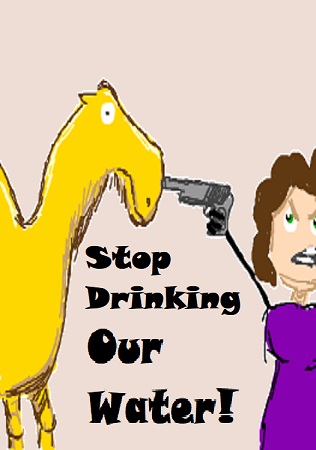
ඒත් මේ නීති විරෝධී සංක්‍රමණිකයෝ – ඒ කියන්නේ කැලෑ වැදිච්ච ඔටුවෝ; සුදු මහත්තුරුන්ගේ වතුර බොනවා. එහෙම කරන්න ඉඩ දෙන්නේ කොහොම ද? ඉතින් දැන් ජල සම්පත ආරක්‍ෂා කරන අලුත් මෙහෙයුමක් ආරම්භ කරලා. අනවසරයෙන් ඇති දැඩි වෙච්ච ඔටුවෝ දහ දාහකට හැරීගේ ඉරණම නියම කරලා.

(මේ කතාව ඉවර කරන්න කලින් තවත් ඔටුවෙක් ගැන කියන්න ඕන. ඒ ඔටුවා හිටියේ අපේ කැම්පස් එකේ. අපිත් එක්ක එකට ඉගෙන ගත්තේ. තමන්ට ඔටුවා” කියන නම දාගත්තේ ඒ ඔටුවා ම තමයි. දැන් අවුරුදු දහයකට පහළොවකට විතර කලින් ඒ ඔටුවාත් තමන්ගේ පවුල පිටින් ම ඕස්ට්‍රේලියාවට සංක්‍රමණය වුනා. ඒත් ගිය පමාවෙන් ඒ ඔටුවා ආපහු ලංකාවට ආවා. තමන්ට බොන්න විතරක් නෙවෙයි නාන්නත් එක්ක ලංකාවේ වතුර තියෙන බව ඒ ඔටුවා දැන ගෙන හිටියා).

PATIENCE AND MINDFULNESS

January 12th, 2020

Dr. Daya Hewapathirane

Patience means the ability to endure and tolerate difficult situations in life and to maintain calmness in the face of life’s hardships, frustrations, adversity and suffering. It means the capacity to endure varied vicissitudes of life without being impetuous and hasty. Also, it means the   capacity to accept or tolerate delay, difficulty, or annoyance without getting angry or upset. Patience is essential to daily life and can be a key to a happy one. Patient people enjoy better mental and physical health. They tend to experience less of negative emotions, because they can cope better with upsetting or stressful situations. Studies reveal that people with patience tend to be more content with their lives and less depressed. Patience helps to protect us from the damaging health effects brought about by stress.

People who exhibit impatience and irritability tend to have more health complaints. Frequent and excessive impatience, result in increased blood pressure, bringing  about the release of stress-related hormones such as adrenaline, cortisol and leading to increases risk of heart disease. Stress hormones cause stimulation of platelets which may build up and clog arteries, raising the risk of heart attack. Stress hormones also cause the release of fat from the fat cells into the bloodstream which also causes clogging arteries. In addition, it causes many more unhealthy effects including weight gain and high blood sugar. Frequent and excessive impatience can also result in mental disorders such as anxiety and depression. In addition to harmful health effects, impatience has the potential to ruin relationships one has with his/her friends, family or any other people. People tend to avoid impatient people because they are afraid that they might experience negative feelings in dealing with impatient people. Nothing worthwhile can be gained by being impatient in your life.

In general, patient people have always made progress toward their life’s goals and are satisfied with what they have been able to achieve. In relationships patience becomes a form of kindness. Facing annoying people with equanimity is an important type of patience. Patient people tend to be more cooperative, more empathic, more equitable, more accommodative, and more forgiving. Patience enables individuals to tolerate flaws in others, therefore displaying more mercy, forgiveness, compassion and generosity. Patience involves emphatically assuming some personal discomfort to alleviate the suffering of those around us. Patient people are better friends and neighbors. Patience is one the noblest of spiritual qualities. It is the capacity to face  difficulty when it comes, with a spirit of tolerance, endurance, forbearance, strength and dignity, rather than fear, annoyance, resentment, anxiety and avoidance. No one likes to be oppressed or defeated, yet if we can endure oppression and defeat with strength, without being cranky, we are ennobled by it. Patience makes this possible. 

Religious leaders and philosophers have long praised the virtue of patience. The Buddha considered patience to be one of the mental states that an awakened person has perfected. Patience is an act of compassion toward oneself. It gives rise to equanimity or a sublime state of mind which leads to inner peace and well-being. With such as calm state of mind it is easier to ride life’s ups and downs without being tossed about like a boat in a storm. Patience enables one to be better able to focus on, or to be attentive to, or to be mindful of, whatever situation one finds oneself in, or one is confronted with. In other words, patience helps one to sustain one’s mindfulness. Conversely, being mindful or attentive helps one to develop and sustain overall patience.  Mindful living leads to a more fulfilling and grounded life, being able to understand oneself better. Individuals with more mindfulness or attentiveness have greater resilience, thereby increasing their life satisfaction. Mindful people can better cope with difficult thoughts and emotions without becoming overwhelmed or shutting down emotionally. Mindfulness promotes well-being, also promotes self-compassion, which leads to higher levels of happiness. Increased resilience clearly plays a major role in this beneficial equation.

MINDFULNESS

Mindfulness or sati” is an important part of the Buddhist spiritual tradition.  Mindfulness or sati” is the seventh element of the Noble Eightfold Path which encapsulates the principal teachings of the Buddha. Here, mindfulness involves the detached observation of what is happening within us and around us in the present moment without  reacting to it. In the practice of mindfulness meditation, the mind is trained to remain focused on the present moment and to accept one’s thoughts and responses without judgment. It is a mental mode of being engaged in the present moment without evaluating or emotionally reacting to it. Regular mindfulness practice helps to enhance and strengthen the brains ability to pay attention. It helps to increase one’s attention span, memory power, clear and focused thinking. Mindfulness helps us to respond with greater clarity and with a kind heart to whatever situation we find ourselves. Mindfulness weakens the negative or unwholesome state of mind that causes suffering and confusion and strengthens a wholesome state of mind that lead to happiness. It can help us develop a penetrating awareness that open the mind to full awakening.

Jon Kabat-Zinn founded the first Mindfulness-Based Stress Reduction (MBSR) program in 1979 and is largely credited with introducing mindfulness to the West. Since then, substantial research has demonstrated that mindfulness really does improve our mental and physical health. Today, the “Mindfulness Movement” is growing in popularity, with hospitals, schools, prisons, the military, and many workplaces using this life-changing practice. People from all walks of life are turning to mindfulness as a way to bring openheartedness and well-being to modern life. In today’s fast-paced society, we can turn to mindfulness as way to not just cope, but really thrive in all aspects of our lives. Mindfulness has been clinically proven to reduce stress, promote feelings of wellbeing, and improve mental and physical health. It’s a powerfully transformative quality that helps us develop greater presence and calmness, reduced emotional reactivity, and greater emotional stability. In short, mindfulness puts us back in charge of our own lives.

In mindfulness meditation, one learns and trains oneself to observe thoughts and emotions patiently, without getting carried away by them. Mindfulness is a way of learning to relate directly to whatever is happening in your life, a way of taking charge of your life, a way of consciously and systematically working with your own stress, pain, illness, and the challenges and demands of everyday life. Mindfulness meditation therefore, can be exceptionally powerful in helping us cultivate a new relationship to impatience and stress and opening the door to a life of greater balance, ease, endurance, tolerance, fortitude and joy.

Dr. Daya HewapathiraneDaya.hewapathirane@gmail.com

RANJANGATE SCANDAL – රන්ජන්-ජානකී හඬපටයක් එලියට.. අසභ්‍ය කතා තොගයයි.. බුදුන් වහන්සේට, සුද්දෝදන රජුට, මහාමායා යශෝධරා දේවිටත් කුණුහරුපෙන් අමතති..

January 12th, 2020

උපුටා ගැන්ම ලංකාසීනිවුස්

එක්සත් ජාතික පක්ෂ පාර්ලිමේන්තු මන්ත්‍රී රන්ජන් රාමනායක මහතා සහ රංගන ශිල්පිනියක් වන ජානකී විජේරත්න අතර වන දුරකථන සංවාදයක් සමාජ ජාලා වෙත මුදාහැර ඇත.

බුදුන්වහන්සේටත් මහාමායා දේවියට, සුද්දෝදන රජුට, යසෝදරා දේවියට ඇතුළු එම පිරිවරට ඉතා අශෝභන ලෙස අසභ්‍ය වචන යොදමින් එහිදී විවේචන ඉදිරිප්ත කරයි.

RANJANGATE SCANDAL – ‘මං දෙන තීන්දුව ඊට අන්තයි.. ඔක්කොම හෙල්ලිලා ඉන්නෙ..’ සිල් රෙදි නඩුව හා දිවිනැගුම නඩුව ගැන රන්ජන් හා විනිසුරු අතර සංවාදයේ හඬ පටය මෙන්න..

January 12th, 2020

උපුටා ගැන්ම ලංකාසීනිවුස්

එක්සත් ජාතික පක්ෂ පාර්ලිමේන්තු මන්ත්‍රී රන්ජන් රාමනායක මහතා සහ මහාධිකරණ විනිසුරු පද්මිණී රණවක අතර සිදු වූ තවත් දුරකතන සංවාදයක් අද මාධ්‍ය වෙත නිකුත්විය.

හිටපු ජනාධිපති ලේකම් ලලිත් වීරතුංග හා විදුලි සංදේශ නියාමන කොමිසමේ හිටපු සභාපති අනූෂ පැල්පිට සම්බන්ධයෙන් පැවති සිල් රෙදි නඩුව මෙන්ම තවත් නඩු කිහිපයක් සම්බන්ධයෙන් මෙහිදී සාකච්ඡා කරයි.

බැසිල් රාජපක්ෂ මහතාට එරෙහිව ක්‍රියාත්මක වූ දිවිනැගුම නඩුව හා උදය ගම්මන්පිල මහතාට එරෙහිව පැවති තවත් නඩුවක් සම්බන්ධයෙන් විශ්‍රාමික විනිසුරුවරිය අදහස් පළ කරමින් කියා සිටින්නේ තමන්ගෙන් එම නඩු ඉවත් කිරීම ගැන කණගාටු වන බවයි.

තමන් එම නඩු දෙකට තමන් තීන්දු දෙන්නේ නම් ඊටත් අන්ත වන බවද ඇය සඳහන් කරන්නීය.

සිල් රෙදි නඩුවේ තීන්දුව ‘ඔක්කොම හෙල්ලිලා ඉන්න’ බවද ඇය එහිදී සඳහන් කරයි.

Significance of President Gotabaya’s in-a-row meetings with Wells, Lavrov and Wang Yi

January 12th, 2020

By Shivanthi Ranasinghe Courtesy NewsIn.Asia

The meetings give the Lankan President an opportunity re-affirm close ties with Russia and China and find common ground with the US.

Significance of President Gotabaya’s in-a-row meetings with Wells, Lavrov and Wang Yi

Colombo, January 13 (newsin.asia): The upcoming week promises to be an unusually interesting one for Sri Lankan President Gotabaya Rajapaksa. On January 14, he will be separately meeting two Foreign Ministers, Sergey Lavrov of Russia and Wang Yi China, and the US Assistant Secretary of State, Alice Wells.

With the UNHRC March session around the corner, the challenge before the new President will be to convince the US to be on the same page as Russia and China on the so-called war crimes” issue, which is to come up at the February-March session.

Though the US has left the UNHRC, it still wields much influence among the members. However, with President Rajapaksa’s focal point being cross regional and cross ethnic economic development and poverty elevation in Sri Lanka, he may find common ground with Alice Wells. After all, the US is committed to the very same goals, though it will seek some assurances on human rights and reconciliation mechanisms. It remains to be seen how far Gotabaya Rajapaksa will go along that line.

When discussing relations between Sri Lanka and US, the general view is that during the Mahinda Rajapaksa Administration (2005-2014), the two countries had parted ways over the issue of human rights and alleged war crimes. And that the relationship was reset by the Yahapalana” government led by the pro-West Prime Minister Ranil Wickremesinghe. While there is some truth in this, it should be remembered that relations deteriorated only in the latter part of Mahinda Rajapaksa’s nine year rule. Till then, relations were very good and progressive especially in regard to the question of eradicating terrorism in Sri Lanka.

Interestingly, the trust and confidence Sri Lankans had in the US eroded during the Yahapalana government, though it was in popular conception, a pro-West or pro-American government. During the four and half years of the Yahapalana government, Sri Lankans changed their perception about the US to think of the latter as an invader” and not as a friend”.

One of the main factors which dislodged the Yahapalana government in such a short time was the apprehension people began to have of the US’ role in shaping its policies. Though US Ambassador Alaina Teplitz tried to reach out to the Sri Lankan people and assure goodwill, she failed because people felt that the pro-US Yahapalana Government was not representing the interests of Sri Lanka.

Irrespective of the stance any government may take, at the end of the day, it is the people’s perception which counts. Hence, whilst the progressive steps taken by the former Rajapaksa Administration to address the social and economic gap created by thirty years of terrorism may have been seen as inadequate by the West, the people of Sri Lanka felt otherwise.

Even during the Mahinda Rajapaksa Administration, foreign judges and subject experts were invited to ascertain the conduct of the war during the final phase. This did not draw any protests from the people of Sri Lanka as they felt that the process was balanced and fair. In contrast, the Geneva Resolution 30/1 of 2015 was, and is still seen, as the greatest betrayal of the country since 1815, when Sri Lanka was handed over to the British on a platter.

Therefore, to address the concerns of the West, the incumbent Gotabaya Administration needs to be sensitive to the feelings of the Lankan masses. In turn, the West needs to trust the new Administration to do right by its own people. The US, who President Gotabaya had always viewed as a friend, can be a great influencer in this regard in the councils of the world, like the UNHRC.

President Gotabaya’s economic policies hope to bring development right across the country. He will redress the grievances of people not only in the Tamil-speaking North and the East, but also in the other provinces. The US can take the lead among Western nations to invest in Sri Lanka and partner in its progress.

Welcoming Sergey Lavrov Back

President Rajapaksa will have the pleasant task of welcoming Russian Foreign Minister Sergey Lavrov who started his diplomatic career in 1972 at the Soviet Embassy in Colombo and had even learnt Sinhala. Relations with the then USSR commenced in December 1956. Since then, the two countries have enjoyed a very solid friendship. Bilateral relations had concentrated mostly on economic and technical cooperation.

Through the years the Soviets had assisted Sri Lanka in numerous ways including building a steel mill with a production capacity of 50,000 tons per year, a tire plant and a construction materials plant. Currently, 17 percent of Sri Lanka’s tea exports account for 30 percent of Russia’s tea market. Sri Lanka is also a favorite tourist destination for Russians and with each year recording a significant increase in arrivals from Russia.

During the 30- year terrorist era, Russia continued to believe in and support Sri Lanka. Russia had provided battlefield training to the Sri Lanka Army and had helped equip the Sri Lankan military with MiG-27 and Mi-17 fighter planes; T-54-55 battle tanks and BTR-80 APCs and a Gepard-class frigate.

In the UN, Russia has always stood by Sri Lanka. In 2009, during the final stages of the war against terrorism, European nations, along with Canada and Mexico, brought a ceasefire resolution against the Sri Lankan military, but it was vetoed by Russia and China. The war crimes resolutions against Sri Lanka that were repeatedly tabled by Western nations continued to be opposed by both Russia and China. In turn, Sri Lanka acknowledged that Russia’s concerns over the Ukrainian crisis were justifiable.

With technology transfer and economic development being the paramount objectives of President Gotabaya, the meeting with the Russian Foreign Minister can be expected to be very fruitful in economic terms.

Strong Sino-Lankan Bond

Sri Lanka was one of the first countries to recognize the People’s Republic of China. This was done in January 1950 and diplomatic relations where established within seven years.

In recent years, resistance to China’s rise as a world power had unfortunately affected Sri Lanka. There has been a sinister attempt to create a division between the two historically friendly nations. However this vicious campaign based on blatant falsehoods, has not upset the Sino-Lankan apple cart. It attests to the strength of the bilateral ties.

The world, led by the West, has been making a huge song and dance about Sri Lanka’s getting into a debt trap” because of China-funded projects, particularly the US$ 1.1 billion Hambantota Port project.

But the fact is that China never coerced Sri Lanka to hand over the strategic asset. Some of the Yahapalana government’s financial decisions, such as increasing public sector salaries by Rs. 10,000 ended up costing the government US$ 1.1 billion a year. Taxes were reduced on commodities such as fuel. Reduction of income also contributed to putting the country in the red. Government therefore felt constrained to request China to take over the port in a debt-equity swap. But this was deliberately misinterpreted as a distress sale to a creditor, by those who wanted to portray China as an economic hit man and Sri Lanka an innocent victim.

Be that as it may, it has to be admitted that Sri Lankans are most unhappy that the Hambantota port, a strategic asset, is no longer in their control though it is Sino-Lankan joint venture. As such, the new President is under tremendous pressure to regain the port.

However, to keep China investments coming in, and also to mollify China, which had done a lot for Sri Lanka, President Gotabaya has assured China (and other countries) that their investments in Sri Lanka are secure and a change in government will not harm their investments.

Gotabaya Rajapaksa’s Administration has said that it will honor the commercial aspects of the Hambantota lease agreement. But as China too has agreed, a strategic asset such as a port, should be under the country’s sovereignty. Security aspects, including border control, should be the responsibility of Sri Lanka and Sri Lanka alone.

China has no objection to this line as it has always shown confidence in Sri Lanka’s ability to resolve its internal issues. Likewise, Sri Lanka will respect China’s position with regard to the agitations in Hong Kong and Xinjiang as well as other matters that are essentially China’s internal affairs.

When President Gotabaya meets with Foreign Minister Wang Yi, they will have much to discuss. As in the past, much of the discussions will be on increasing Chinese investments in the Hambantota Economic Zone and the Colombo Port City.

Brigadier who led the bloodied IPKF push at Jaffna, and never regretted it

January 12th, 2020

Written by Man Aman Singh Chhina  courtesy The Indian Express

The name of the town of Jaffna has resonated for long in the Indian Army, particularly among the units that fought to capture it from the Liberation Tigers of Tamil Eelam (LTTE) in October 1987 as part of the Indian Peace Keeping Force (IPKF).

India news, punjab news, chandigarh news, Brigadier Manjit Singh, IPKF, LTTE, indian express news

Brigadier Manjit Singh

Brig Manjit Singh, decorated with the nation’s second highest gallantry award, Mahavir Chakra, for his personal bravery during the dash to link up with Jaffna during Operation Pawan in Sri Lanka, passed away after a brief illness. He was 78.

The name of the town of Jaffna has resonated for long in the Indian Army, particularly among the units that fought to capture it from the Liberation Tigers of Tamil Eelam (LTTE) in October 1987 as part of the Indian Peace Keeping Force (IPKF). A stronghold of the LTTE, the battle to wrest Jaffna exacted a high toll on the units of 41 Infantry Brigade, which was commanded by Brig Singh.

Brig Singh’s push towards Jaffna later came in for criticism from his former subordinates as well former divisional commander who did not appreciate the hard handed methods employed by him in command of his brigade. He ended up sacking his Deputy Commander, Brigade Major, OC Brigade Signal Company and two battalion commanding officers.

However, he never regretted his decisions and had scathing comments to make about performance of several officers under his command. An outspoken officer, Brig Singh’s brusque manner tolerated few mistakes.

An alumnus of Khalsa College, Amritsar, Brig Singh had originally been commissioned in the Mahar Regiment. However, years later he was shifted to Jammu and Kashmir Light Infantry (JAK LI), an order which he bitterly resented at the time. True to his nature he had had a ‘run in’ with the then Colonel of the Mahar Regiment, Lt Gen KV Krishna Rao, who was at the time GOC-in-C Western Command and later the Army Chief.

The citation for his award of MVC details in brief the courage shown by him in battle for Jaffna.

It reads, Brigadier Manjit Singh while commanding an Infantry Brigade as part of the Indian Peace Keeping Force, was tasked to establish a link-up with Jaffna Fort, along Western Pincer in the face of all-out efforts by the militants to thwart their advance. Brigadier Manjit Singh himself assumed charge of the leading elements. He broke through the desperate cordon of the militants and successfully established a link-up with PARA Commandos operating from Jaffna Fort. His leadership and demonstration of personal valour motivated his command to push back the enemy. Throughout the operation, Brigadier Manjit Singh displayed conspicuous courage and valiant leadership”.

Brig BK Unnikrishnan of the Corps of Signals, who was commanding a sub unit in Jaffna fort during the battle, has described the moment when Brig Singh reached the fort fighting through LTTE strongpoints. The account below gives an idea of how pitched the battle was:

The Brigade had faced very stiff opposition on its way; it was stalled at many places initially and had to stop the advance mid-way due to ambushes and heavy fire. It suffered heavy casualties. However Manjit took a bold decision to move forward with a small group comprising his GSO 3 and two infantry companies. It was a daring move and despite interference from the LTTE, Manjit managed to reach the Fort at night with a few dead bodies and several injured soldiers. Lt Col TPS Brar, CO, 1 MLI received him and took him to the Ops Room. I was present there along with Maj Shankar Murthy, my 2IC. Manjit and I had known each other very well but I found him dazed and unable to respond to my words. His combat dress was full of blood and he was in a terrible state of mind”.

In a statement to LA Times, who’s correspondent visited Jaffna after its capture, Brig Singh said of LTTE, They were stopping us at every place. Every time they checked us, we lost a lot of men. When we tried to move our vehicles, we were hit with land mines.”

In several accounts written by veterans of IPKF, Brig Singh has been criticised for his style of command. It was said that he was close to the then Chief of Army Staff, Gen K Sundarji, who was also originally from the Mahar Regiment and that he had managed to get the command of 41 Brigade due to this proximity.

Brig Singh, on other hand, had told this correspondent some years ago that he had been personally chosen by the Chief because he wanted results on ground. He said he did not regret any action of his and that he did what was the need of the hour.

After being passed over for promotion to the rank of Major General, the mercurial tempered Brig Singh did not stay on in the Army and took premature retirement. After spending many years in USA, he finally settled to his farm in Rahon, near Nawahshahar, where he gradually faded away.

Brig Manjit has presented his Mahavir Chakra to the JAK LI battalion that he commanded.

RANJANGATE SCANDAL – Another phone recording of Ranjan and Justice Padmini Ranawaka revealed

January 12th, 2020

Courtesy Ada Derana

An audio recording of another conversation between parliamentarian Ranjan Ramanayake and justice Padmini Ranawaka was released to the public today (12).

The audio clip was released at a press conference held by retired Major Attorney at Law Ajith Prasanna.

The recording contains a conversation between the MP and the judge on the verdict on the case of ’Sil Cloth’ distribution campaign against former Secretary to the President Lalith Weeratunga and former Director-General of the Telecommunications Regulatory Commission (TRC) Anusha Palpita.

RANJANGATE SCANDAL – දුමින්ද සිල්වා සම්බන්ධයෙන් වූ අධිකරණ ක්‍රියාවලියට බලපෑම් එල්ල වීමේ සිද්ධියට හිටපු ජනපති සහ හිටපු අගමැති වගකිව යුතුයි – සිංහල රාවය

January 12th, 2020

උපුටා ගැන්ම හිරු නිව්ස්

හිටපු පාර්ලිමේන්තු මන්ත්‍රී දුමින්ද සිල්වා සම්බන්ධයෙන් වූ අධිකරණ ක්‍රියාවලියට බලපෑම් එල්ල වීමේ සිද්ධියට හිටපු ජනාධිපතිවරයා සහ හිටපු අගමැතිවරයා වගකිව යුතු බව නව සිංහල රාවය සංවිධානය පවසනවා.

එහි මහලේකම් පූජ්‍ය මාගල්කන්දේ සුදත්ත හිමියන් කළුතර ප්‍රදේශයේ අද (12) පැවති මාධ්‍ය හමුවකට එක්වෙමින් මේ බව කියා සිටියා.

මෙහිදී පූජ්‍ය මාගල්කන්දේ සුදත්ත හිමියන් චෝදනා කළේ පාස්කු ප්‍රහාරයට පෙර පොලිස් විශේෂ කාර්ය බලකා බුද්ධි අංශ අකර්මන්‍ය කිරීම සම්බන්ධයෙන් එහි අණ දෙන නිලධාරී, ජ්‍යෙෂ්ඨ නියෝජ්‍ය පොලිස්පති එම්.ආර්. ලතීෆ් වගකිව යුතු බවයි.

RANJANGATE SCANDAL – රන්ජන් ගැන තීරණයක් ගන්නා බව මුජිබර් කියයි

January 12th, 2020

උපුටා ගැන්ම හිරු නිව්ස්

පාර්ලිමේන්තු මන්ත්‍රී රන්ජන් රාමනායකගේ ක්‍රියා කලාපය සම්බන්ධයෙන් පක්ෂයක් ලෙස ඉදිරියේදී තීරණයක් ගන්නා බව එක්සත් ජාතික පක්ෂ පාර්ලිමේන්තු මන්ත්‍රී මුජිබර් රහුමාන් පවසනවා.

කොළඹ අද (12) පැවති මාධ්‍ය හමුවකට එක්වෙමිනුයි ඔහු මේ බව කියා සිටියේ.


Copyright © 2026 LankaWeb.com. All Rights Reserved. Powered by Wordpress