Swiss Embassy staffer case: The Bar Association of Sri Lanka(BASL) condemns Swiss Govt.’s statement

January 4th, 2020

Courtesy The Daily Mirror

Referring to the statement issued by the Government of Switzerland on judicial proceedings pending in court involving an employee of the Swiss Embassy, the Bar Association of Sri Lanka (BASL) said yesterday, it creates a wrong and misconceived impression about the role of the judiciary in Sri Lanka and the concept of due process” as referred to in the statement.

It said the averment referred to an incident which is alleged to have taken place on November 25, 2019 and in respect of which a court case is currently pending in the Magistrates Court of Colombo.

The statement issued by the BASL notes,

“Hence, in our capacity as the largest professional body of the members in the Legal profession, we believe that it is our duty to set the record straight in this instance.

“In this regard, we would invite the attention of the Swiss Government and the Swiss Embassy in Sri Lanka and any other individual or institution which views the incident on the same footing as the makers of the above statement, to the following matters:

1. The alleged incident of abduction is claimed to have taken place on the 25th of November 2019, 9 days after the recently concluded presidential election in Sri Lanka.

2. However, according to the reports filed in Court, no complaint was made to the Police regarding the alleged abduction of the employee of the Swiss Embassy until the 27th of November 2019.

3. It is an elementary fact that under any criminal justice system, spontaneity and consistency of a complaint is considered to be extremely vital in the assessment of the credibility of such a statement.

4. When such a complaint is made, it is imperative that the legal enforcement mechanism requires the launch of an immediate investigation. The proceedings in the Magistrates Court reflect that this requirement has been satisfied by the investigators.

5. The record bears out that, for several days, the Swiss Embassy took up the position that the employee concerned was unwell and could not make out a testimony. The word testimony” is generally referred to evidence given in a court of Law under oath and is not referred to an instance where a person has to make a statement to the police or the investigating authorities at the stage of investigations and interrogation. To this extent, this term has been wrongly used.

6. The sequence of events would reflect that investigations have taken its normal pace. No ad hoc arrests have been made. The employee concerned was permitted to be free without being called upon to make a statement, for the purpose of the judicial proceedings, for a considerable period of time. She has been permitted legal representation at the CID. Embassy officials were permitted to be present as observers at the point of recording her statement. All material emanating from the investigations and the surfacing evidence had been placed before Court.

7. In these circumstances, the BASL is of the view that the investigations in this case, have proceeded as expected by the law and on the basis of the normal legal norms accepted domestically and internationally.

The statement issued by the Swiss Government is a basic and a bare statement. Even though the statement makes an allegation of due process” not being followed, the issuer of the statement has failed to identify, even a single ground that has not been followed by the law enforcement officers in this instance.

Due process” is a concept which can be traced back to the Magna Carta of 1215. The essential requirements of the due process” laid down states that no person shall be arrested or produced or harassed without proper evidence or material or a charge.

8. In fact, a few weeks ago when a reference was made regarding the right of certain members of the legal profession to appear in this case on behalf of the Swiss Embassy, the BASL immediately issued a statement confirming that every person who is aggrieved or is a party to a court proceeding has a right of representation under our law.

The matter is before court and whenever a matter is sub judice, it is wrong and incorrect for statements to be made in respect of such matter before court. The statement issued by the Swiss Government dated 30th December 2019 violates this basic rule.

“Also, it is relevant to note that none of the lawyers representing the Swiss Embassy have gone down on record regarding the failure to observe “due process” as alleged in the statement.

“In these circumstances, the Bar Association of Sri Lanka strongly condemns the statement issued by the Swiss Government where it is alleged that the due process” has not been followed. We request the makers of this statement to immediately disclose the areas of due process” that have not been followed in this instance. Without mentioning such specific instances, to issue a general statement, as has been done in this instance, amounts to a serious undermining of the judiciary and the other law enforcement agencies in Sri Lanka which are more than equipped to follow the accepted norms.

“We request the Embassy to refrain from making such baseless statements and if there is any concern that they have, to bring it before the relevant forum without making ad hoc and inconsistent statements which undermines our legal system and the judiciary.

“Furthermore, being a responsible nation as claimed, the Government of Switzerland should be mindful of Article 41 of the Vienna Convention which clearly states that all persons enjoying such privileges and immunities have an equal duty to respect the Laws and Regulations of the receiving state, in this instance; Sri Lanka. It is further illustrated in Article 41 that there should not be any interference in the internal affairs of the state.

“It is best if the Government of Switzerland makes an attempt to understand their role in making comments about the judicial system and the law enforcement system of a separate, independent and a sovereign state.

“We strongly condemn the statement issued by the Swiss Embassy, as we see it as an attempt to undermine our core values in the judicial system which we have followed and treasured for more that 2 centuries.”

මැතිවරණ ක්‍රමය වෙනස් විය යුතුයි – දිඹුල්කුඹුරේ විමලධම්ම හිමි

January 4th, 2020

උපුටා ගැන්ම හිරු නිව්ස්

19 වන ව්‍යවස්ථා සංශෝධනය සහ වත්මන් මැතිවරණ ක්‍රමය වෙනසකට ලක් කළ යුතු බව සියම් නිකායේ මල්වතු පාර්ශ්වයේ අනුනායක පුජ්‍ය දිඹුල්කුඹුරේ විමලධම්ම හිමියන් පවසනවා.

අද (04) පෙරවරුවේ මහනුවරදී මාධ්‍ය වෙත අදහස් දක්වමින් උන්වහන්සේ සඳහන් කළේ ජනාධිපතිවරයා ඊයේ පාර්ලිමේන්තුවේදී සඳහන් කළ පරිදි මැතිවරණ ක්‍රමයද වෙනස් විය යුතු බවයි.

Tablet PCs containing Tripitaka presented to Maha Sangha

January 4th, 2020

Courtesy Ada Derana

‘Vibhajjavada Dhamma Sangayana’ organized for the continued sustenance of the Buddhism and the donation of Tripitaka Dhamma scripts to 5,000 monks was held at the Sugathadasa Indoor Stadium today (04).

The concluding ceremony of the event took place under the patronage of President Gotabaya Rajapaksa and Prime Minister Mahinda Rajapaksa this evening.

This Dhamma Sangayana was organized by Labunoruwakanda Aranya Senasanaya under the guidance of Dharmacharya Ven. Mankadawala Sudassana Thero of Labunoruwakanda Aranya in Anuradhapura and Sasanadhipathi Shashrapathi Rajakeeya Panditha Ven. Kothmale Kumara Kassapa Thero.

The event included orations and open discussion fora with the participation of erudite Maha Sanga to discuss ways and means to preserve the original teachings of the Buddha.

The meritorious act of donating Tripitaka and ‘Atta Katha’ in digital form to 5,000 clergies was also held today. The President and the Prime Minister donated tablet PCs containing the Tripitaka to Maha Sanga.

The 10-year Vibhajjavadee Plan” for the upliftment of Buddhism and the proposal to set up Theravada Dhamma Script Donation Fund” to provide Tripitaka Dhamma texts to temples around the country free of charge were also presented to the President and the Prime Minister.

The Maha Sangha including the Maha Nayaka Theros of the Tri-Chapters and Anu Nayaka Theros, former President Maithripala Sirisena, Speaker of Parliament Karu Jayasuriya, Ministers and parliamentarians attended the event.

Ranil is brains behind Central Bank bond scam – Ajith Nivard

January 4th, 2020

Courtesy Ada Derana

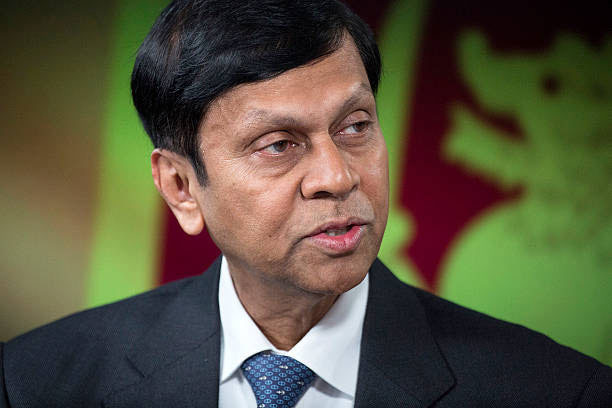
Former Prime Minister Ranil Wickremesinghe is the brains behind Central Bank bond scam, claims the former CBSL Governor Ajith Nivard Cabraal.

He stated this addressing the media following event held to launch the book penned by him on Central Bank bond scam.

Mr. Cabraal said the former Premier was the person who abetted the concealment of the truth about this large-scale embezzlement.

Speaking on his book, the former CBSL governor said he has elaborated on how the bond scammers kept the truth hidden for five long years.

Responding to questions by media persons, Mr. Cabraal said accurate results cannot be expected from the forensic audit on the bond scam, conducted by the Central Bank who is named as a defendant in the case, adding that it should have been carried out under the supervision of the Auditor General.

MP Ranjan Ramanayake arrested

January 4th, 2020

Courtesy Hiru News 

UNP MP Ranjan Ramanayake arrested by police after searching his Madiwela house, for possessing an illegle weapon and Pornographic materials.

EELAM WAR SERIES 7. LTTE ‘FIGHTS’ THE ARMY

January 3rd, 2020

KAMALIKA PIERIS

The LTTE  knew that it could not face the Sri Lanka army in regular conflict.  They were not a trained army. On the two occasions when the state army was allowed to fight them properly, they were soundly defeated.( Vadamarachchi,1987 and  Eelam war IV 2009). Clashes with the LTTE had shown the Sri Lanka army  that the LTTE did not know how to fight. At Muhamalai, LTTE had come in a large group, attacking not tactically but from where they could . At Vakarai, a strong LTTE base, they had fled in disarray.  Even the volunteer forces have been able to defeat the LTTE. When LTTE attacked Weli Oya , volunteers under the direction of Brigadier Janaka Perera returned fire. LTTE dropped their weapons and ran.  LTTE lost almost 300 cadres. The army only lost two.  LTTE had not known how to oppose the large scale assault at Puthumathalan in 2009. The army later found Tamil translations of English language books on war strategy among the documents buried by the LTTE . This showed that even at that time, they were still learning  how to fight. 

The media had however, drilled into the minds of the public  the notion that the LTTE was invincible and the Sri Lanka army could not beat the LTTE. ‘Taraki’ said LTTE was the most ferocious and resilient fighting force in the world. Sri Lanka army cannot hope to match it. D.B.S. Jeyaraj said LTTE would deal a knockout blow to the army.This was contested by sceptics who said that the LTTE ‘invincibility’ was an invention of pro-Eelamists. LTTE was only a paper tiger   hyped up by the western media as ‘ferocious and unbeatable’.

LTTE fighting power came from its powerful weapons, sent regularly from overseas.  When ‘Diyakawa’ intercepted a LTTE vessel in 1984, the LTTE were carrying 303 rifles, Diyakawa only had semi automatic weapons.  The LTTE was never short of ammunition for its big guns whereas the military was always short of ammunition and spares.

LTTE knew that they could not defeat the Sri Lanka army in straight battle. So they tried other tactics. Their favorite method was to get the war stopped if the Sri Lanka army was winning and they were losing. They succeeded in this at Vadamarachchi in 1987and hoped for this in Eelam War IV as well. LTTE   also wanted the army kept as far away from the north as possible. When the Saliyapura army base in Anuradhapura was set up LTTE frantically agitated for its removal.

They also agitated to get the army units in the north to leave.  They succeeded in getting the army to vacate two strategic bases,  Valvettiturai and Point Pedro. Further, they said that the sight of airplanes fitted with guns upset the Tamils living in the north and got the guns removed from Air Force planes.  Each time the Air Force went into battle, it had   first to get permission to mount the guns.

The LTTE fought a cowardly, contemptible war. They blasted Kalmadulukulam tank to drown advancing troops from Vishvamadu. The troops consisted of almost 50 battalions of Sri Lanka Light Infantry, Sinha, Gemunu watch, Gajaba, and Vijayabahu.  They blew up Nethali Aru Bridge. At Dharmapuram, they tried to blow up a bridge near Pulathi aru.   At the end of Eelam War IV, LTTE cadres disguised as civilians had approached troops at Karayamullivaikkal on the banks of Nanthikadal lagoon on May 18, 2009. They were not allowed in and when the army fired in the air about 200 LTTE including the ones in civilian attire opened fire. A heavily armed LTTE group had been hiding in a nearby islet. 

LTTE used human shields, suicide bombers, and religious places to prevent the army from attacking them and also trap the army into committing war crimes. Machinery for making claymore mines was located close to orphanages. Air Force couldn’t bomb without harming civilians.  When Air Force attacked Sencholai LTTE alleged that they had hit an orphanage. Sencholai was a training camp containing child soldiers. LTTE fired from places close to hospitals.  The army could not fire back. It is prohibited to direct an attack at an area which shelters the sick and wounded.

LTTE    targeted the armed forces when they were off duty. This was despicable. A truck laden with explosives went into the army base in Nelliady, Jaffna, killing over 50 soldiers who were watching television.  A group of off duty navy personnel  were attacked at a transit point, Digampathana, killing 103   and wounding over 150. The navy vowed to hit back.    ‘Pride of South’, a private vessel taking 1300 military personnel to base was attacked. LTTE killed one soldier and injured two other soldiers in the no fire zone in a 12 hour humanitarian pause.  Buses transporting army personnel were bombed in Colombo on two occasions   suicide bombers hit Sri Lanka Army Headquarters, killing 16.  LTTE killed police as well. A truck carrying Sri Lanka Police Special Task Force personnel were bombed in Ratmalana. A suicide bomber rammed into a bus in Colombo, carrying a police riot squad, killing 11 police officers. .

LTTE did not want to meet the army in battle, so they erected barriers to keep them out. LTTE knew their territory well and used this to construct fortifications that created difficulties for the army. As the terrain and scenario changed so did their fortifications. In May 2009, LTTE hid behind defenses consisting of deep ditches and strong bunds. One complex of fortifications was 800 meters deep and 8 kilometers wide.As they retreated, LTTE cut the ditches, so that lagoon water would flow in. These bunds and ditches posed a massive challenge to the army and hindered operations.  The soldiers had not anticipated them  and had to struggle to demolish them. There was an earth bund from Jaffna lagoon to Kilinochchiand another built across a 12 kilometer stretch from Kilaly to Nagarkovil via Muhamalai. Army took four attempts to clear it, with the loss of about 500 officers and men and hundreds injured.  ( continued)

The Ugly Dragon

January 3rd, 2020

Orpheus Perera

Tips, Bribery and Commissions.

Tips:-

Tipping is something people do, to say thank you for a good service. Sometimes I give tips to waiters even if the service is not satisfactory. But advice the recipient(Normally waiters of hotels and restaurants.). I do so as a favour to the poor guys.

In countries such as Australia, United Kingdom and even Sri Lanka, giving tips is decided by the service recipient. But in the USA it is a way of life. Speciality in the hospitality Industry the staff is poorly paid and they depend lot on the tips. Standard rate of tipping in the USA is 15% of the billing amount. If you occupy a room in a hotel, if you don’t leave $2 on the bed, the house keeping staff will not, do a good job. They may not even change the bed sheets unless you have left the hotel. Tour Guides and drivers keep a bucket near the exit of the bus and ask the tourist to tip them generously. This is all Okay, poor people need to survive in a Capitalist society.

Bribery:-

This is one of the ugliest faces of modern Sri Lanka. It is hard to find the origin of bribing. It may have been there since the dawn of the so called civilisation. Though there are no proofs people believe even 1000 years ago foreign invaders have bribes Sinhalese feudalistic to get their help to capture the country. There were some proofs that British did that to conquer the country without having to wage war against the locals.

The proof of bribery been given and taken in the USA from the time European settlers settled, is they have told the world that they practice this, by displaying them in all their Movies.

First case of Bribery by a Government minister was exposed only in 1960’s. The minister in question was a popular guy who, introduced a secured future for all the workers of the country, who are not employed by the government(Who received the old age pension). The minister had to resign from his post, from the legislature council and from the party.

We often hear of public servants at all levels taking bribes. But the reports or the gossips never mention of people trying to give bribes. I suggest that the people who offer bribes are the people who should be given harsher punishments than those who take bribes. If nobody gives bribes, the public servants will eventually will have to do their duty to general public who seek the service. I trust that during the next 5 years the public service will become more efficient and clean.

Commissions:-

I could not trace back the origin of the commissions. All I could find was the definition of commission is what is paid to salesmen for making a sale. This is a contract of employment where the salesman’s salary is set at a low level and a commission, a percentage of the value of the sale he/she makes.

I have no doubt, that the origin of the big ugly dragons of commissions were not brain child of Sri Lankan politicians. In my opinion, these ugly dragons are created by Multinational Giants to beat the competitors, when forwarding tenders for big contracts. Irony is, now it is a well known fact, even Chinese companies(Public) offer commissions to win contracts. China who emerged to become a world power within the last 70 years under socialist system. I have no idea whether it was a part of Chairman Mao Zedong’s plan for the future.

Ugly Dragon

Commissions are actually another form of massive bribes. It is a common knowledge that this has been widely practices since 1977, with the open market system competition. It may have been there in smaller scales prior to this. Incidentally there was a humerus story(among the Mahavelly Engineers) connecting Then minister who is one of the most efficient ministers of Sri Lanka and an unnamed minister(Roads and Public Works?) of Pakistan. I would put this gossip to a side as a story made up by disgruntled Engineers, who wanted to give it as a reason to leave the country. But this commissions that are included in the cost of work or services has to be borne

by the unborn children of the country. It is a massive lost to government coffers and need to be stopped.

Well, same forces that lead the country to victory against the mighty Tigers should be able to save the country from this ugly Dragon – Commissions.

Orpheus Perera

President Gotabaya Rajapaksa wants constitution amended

January 3rd, 2020

Courtesy The Island

* Vows to defend unitary status
* Wants to restore dignity of parliament
* Continuing social, economic and political crisis pointed out
* National security occupies foremost place
* Corporate sector urged to pass on to consumers part of tax  concessions
* Short and long term solutions to generate power, espeically renewables

President Gotabaya Rajapaksa yesterday said that amending the constitution was a sine qua non of ensuring security, sovereignty, stability and integrity of the country.

Delivering his government’s policy statement at the inauguration of the Fourth Session of the Eighth Parliament, the President said the existing constitution had given “rise to many problems at the present time because of its inherent ambiguities and confusions.”

“In order to safeguard the security, sovereignty, stability and integrity of our country, it is essential that changes be made to the existing constitution,” the President said.

He said that reforms would be introduced to the Constitution to “establish a strong executive, legislature and independent judiciary that can ensure the sovereignty of the people.”

Full text of the President’s policy statement: “I have this opportunity to address you as the Head of State of the Democratic Socialist Republic of Sri Lanka consequent to the historic victory granted to me by the people of this country on the 16th of November.

I express my gratitude to all citizens, institutions and all political parties who were committed to a peaceful, free and fair election.

Irrespective of the political party you, the Honourable members in this august Assembly belong to, together all of us have as our prime responsibility to work for the betterment of the people of this country.

I have served this nation as an Army Officer for twenty years and as Secretary of Defence for nearly another ten years.

Even though I was not actively engaged in politics, I have experienced what service to the people is, from an early age.

My father’s elder brother, D. M. Rajapaksa, began his political journey in the State Council in 1936, representing the Hambantota electorate. After his demise in 1945, the people of Hambantota elected my father, D. A. Rajapaksa, to the State Council. Later, he was elected through the popular vote as a Member of the country’s first Parliament.

From that time until now, many members of the Rajapaksa family, hailing from the rural village of Medamulana in Giruvapaththuwa, Ruhuna, have served as elected public representatives. There have not only been Members of Parliament, Deputy Ministers, Cabinet Ministers, a Deputy Speaker of Parliament, a Speaker of Parliament, a Leader of the Opposition and a Prime Minister, but also two Presidents elected to office by the people, who reposed their trust in us.

From the first day the honourable D. M. Rajapaksa, known as the Lion of Ruhuna, appeared in the State Council, he wore a maroon coloured shawl.

What he symbolized through this maroon shawl were the millet grown by farmers of Giruvapaththuwa.

Following D.M. Rajapaksa, my father D.A. Rajapaksa and each member of the Rajapaksa family who was elected to Parliament wore the maroon shawl.

Even though I do not wear this shawl, I stand for the same profound philosophy of constant dedication to the poor that is symbolized by the maroon shawl.

It is this same philosophy that is embodied in the Policy Statement I presented during my Presidential election campaign.

Honourable Speaker, I now take this opportunity to table the “Visions of Prosperity and Splendour” Policy Statement.

The people of this country gave me a clear mandate at the Presidential election held on 16th November 2019. That mandate was granted because of the trust the people had in me. I, together with my Government, stand committed to honour the trust of the people and implement the programme of developing a prosperous nation that we promised to them.

The people who elected me to office desired a profound change in the political culture of this country. They rejected political agendas founded on race. The majority of the people proved that it is no longer possible for anyone to manipulate and control the politics of this country by playing the role of king maker.

I invite the politicians concerned to understand this reality. I call upon all to join together in the national undertaking to develop this country, and to reject the politics based on petty agendas that have sown division in our society in the past.

We must always respect the aspirations of the majority of the people. It is only then that the sovereignty of the people will be safeguarded.

In accordance with our Constitution, I pledge that during my term of office, I will always defend the unitary status of our country, and protect and nurture the Buddha Sasana whilst safeguarding the right of all citizens to practice a religion of their choice.

I remember my father being at this Parliament, during my childhood. I often used to watch Parliamentary proceedings from the public gallery. The Parliament we had then was exemplary. The discourse that took place in it was of great importance. The debates were replete with logic and rich arguments. Schoolchildren and adults were eager to come to Parliament to listen to those debates. Members of Parliament always behaved in a way that upheld the dignity of the Parliament and the office they held. The people then had great respect for the Parliament. They respected people’s representatives. Unfortunately, latterly, that respect gradually waned.

This Parliament should once again become an exemplary institution where the real issues of the people are discussed, where matters concerned with national policy are subjected to debate, and where the responsibilities of the legislature are duly fulfilled. The responsibility of ensuring that the Parliament once again becomes an institution winning the respect of the people lies with the Members who are in this House.

There is a social, economic and political crisis in the country today. Even after 70 years of Independence, we cannot be satisfied with the country’s development. We all have a responsibility to change this situation. We must be prepared to make the sacrifices required for this.

The primary responsibility of a people’s representative is service to the people. We should all remember that the offices we hold are not privileges, but responsibilities.

To develop the country, the right vision and plans are needed. The Policy statement,”Vistas of Prosperity and Splendour”, placed before the people at the Presidential Election by me contains a national programme that was crafted during a period of nearly four years by incorporating my vision with the ideas and recommendations of national organisations such as Viyathmaga, the findings of the “Conversation with the Village” programme conducted by the Sri Lanka Podujana Peramuna, the discussions held with other political parties, and the ideas contributed by the general public.

In accordance with that programme, we have already taken several steps including the easing of taxes that were unduly burdening the public, introducing a high degree of transparency and efficiency to the government administration, and curtailing unnecessary government expenditure.

In our policy, National Security occupies the foremost place.

We have already taken steps to strengthen the national security apparatus. Talented officers have been given appropriate responsibilities again. We have taken steps to ensure proper coordination between the Armed Forces and the Police, who are collectively responsible for maintaining national security. The network of national intelligence agencies has been reorganized and strengthened.

We will take all necessary steps to make our motherland a safe country free of terrorism, extremism, underworld activities, theft and robbery, extortionists, the drug menace, disruptors of public order, and the abuse of women and children.

Our primary purpose is to create a productive citizen, a happy family, a disciplined society and a prosperous nation.

The Government must take the initiative to make every healthy citizen of employable age a useful and productive citizen. What we need is for all of them to contribute to the nation’s economy.

We must ensure that the benefits of development reach every group of people. We must employ modern methodologies and indicators to gauge whether the needs of the people are truly being met, and whether they are happy. It is no longer necessary to wait for elections to find out how people feel about the work programme of the Government.

We need everyone’s support for our efforts to reduce the cost of living of the people. The corporate sector must ensure that some percentage of the benefits of the tax concessions recently provided to them are passed onto the public as well. Accordingly, we expect a reduction in the price of all goods and services on which taxes have been reduced.

Eliminating poverty is a priority of our Government. We must understand the causes of poverty and find solutions to eliminate such causes. We will be able to alleviate poverty by finding practical approaches to issues such as the lack of proper education or skills, the lack of land for cultivation, or the lack of capital for self-employment.

We have made plans to find employment opportunities for 100,000 young men and women from low income families within the next month. My government is prepared to present practical solutions to resolve unemployment, with the public sector and the private sector working together.

One of our main themes during the last election was the development of a virtuous, law abiding and disciplined society. The public has given us a mandate for this purpose.

Ours is a country with an ancient history, and a society nurtured by Buddhist teachings and the teachings of other world faiths. We must always safeguard our culture and our values.

  Our target is to make Sri Lanka a developed country. It must be a sovereign, independent nation. Also, it must be a safe, and a peaceful country. Sri Lanka will be a prosperous nation only when all of these are achieved.

We have introduced a people-centric economic policy through the

“Vistas of Prosperity and Splendour” manifesto.

Its main aims are to ensure economic stability for all citizens, provide equal opportunities to all who seek to improve themselves, to establish a clean and efficient state sector that is committed to public service, and to protect and empower local entrepreneurs.

In order to successfully establish a people-centric economy it is important that every official from the highest to the lowest level of government becomes aware of our vision and aims. That will enable them to perform their duties more productively.

We must also implement a special programme to combat corruption and fraud. Legal action must be taken promptly against all who engage in corrupt practices, irrespective of their status.

Today, most countries have employed technology as a means of enhancing the efficiency of the state sector. Through this, it will also   be possible to provide equal opportunities for all. As such, we will pay special attention to increasing the use of technology in government institutions.

We must plan for the future, based on the geographic location, natural resources and human resources of our country.

Sri Lanka has been an international trading hub for merchants from Greece, Rome, Arabia, China and various other nations for thousands of years. One of the main reasons for Sri Lanka’s renowned standing was our country’s unique location in the ocean connecting the east and west. We can benefit from this advantage in the same way today.

During the period from 2005 to 2014, the government of President Mahinda Rajapaksa planned to develop Sri Lanka into the commercial hub of South Asia.

The Mattala Airport was built adjacent to the Hambantota Port with the aim of establishing an industrial city in the south.

The decision to develop the Colombo Port City was taken with the aim of making Sri Lanka a hub for finance and commerce in Asia. We must carry forward these projects that were designed to achieve long term objectives.

If we work according to a proper plan, we will be able to encourage international businesses to locate themselves in Sri Lanka and supply goods and services to regional neigbouring countries. To encourage such investors, we must be prepared to swiftly provide all the facilities they require within Sri Lanka.

For economic development to occur, it is important that we accelerate improvements to the road network, including the expressways, so that travel from any one part of the country to another in a few hours becomes possible. The development of the train service is an integral part of this programme. We can also help alleviate the grave problem of heavy road congestion through an efficient and comfortable train service.

Urbanisation brings both good and bad results to a country. We need a restructuring programme to ensure that the benefits of development reach every region of the country. This will help us reduce congestion, pollution and the cost of living. People dispersed throughout Sri Lanka should have access to facilities for education and healthcare, and opportunities for employment, within their own area. The development of the roads and rail network together with the provision of high-speed internet and telecommunication facilities throughout the country is essential for this.

The cost of electricity is an important factor in economic development. It particularly affects the attracting of investors to the industry sector.  We need short-term and long-term solutions to generate power at a reasonable price. In looking at long term solutions, our principle is to pay special attention to the use of eco-friendly renewable energy sources such as solar, wind and hydro-power. 

Although our country is rich in gem and mineral resources, relevant value-added industries have not yet developed to international standards. Each year, the country is deprived of significant foreign exchange earnings through the export of these natural resources without value addition. We should establish a world class marketplace in which gems from not only Sri Lanka but even from African nations can be sold after value addition.

While we should provide new technological facilities for conducting oceanic and geological surveys, we must provide special incentives to encourage investments in industries that will provide value addition to Sri Lanka’s mineral resources.

We will not allow various laws, permits and restrictions to impose unnecessary and unfair limitations on some of Sri Lanka’s traditional livelihoods, including the gem industry, tile industry, brick industry, carpentry and handicrafts.

When planning for the future, more attention than at present must be given to the agriculture, plantation and fisheries sectors. As a country that possesses a large oceanic economic zone in temperate waters, we can develop these industries much further.

We need to increase earnings from agricultural produce such as spices, fruits, vegetables, grains, meat and fish, for which there is export potential.

 One third of the country’s population is engaged in agriculture, plantation industries and the fisheries sector. We must raise their standard of living.

There is a need for new technology-based approaches that can develop these industries beyond traditional farming methods.

Encouraging the production of food free of pesticides and chemicals, by increasing the use of organic fertilizer for agriculture is part of our policy. We must prepare plans to encourage Sri Lanka’s entire agriculture sector to shift to using only organic fertilizer within the next decade. Increasing domestic production of organic fertilizer should be included in these plans.

The problems that had been caused to growers of export-oriented crops through the allowing of unlimited reexports were addressed by the new Government soon after its assumption of office. Instructions have already been issued to completely stop the reexport of agricultural products.

More attention has to be paid to the ocean economy. We will introduce a systematic programme to improve the fisheries sector through the introduction of new technologies and equipment. Existing harbours will be improved and new harbours developed to cater to the requirements of multi day vessels that engage in deep water fishing.

Introducing new technologies to further develop the inland fisheries sector is also part of our plan. Protecting the natural environment for our future generations is one of our fundamental responsibilities. We will pay special attention to environmental protection in the formulation and implementation of government policies.

We hope to make Sri Lanka one of the world’s leading nations in achieving the United Nations’ Sustainable Development Goals.

Our most valuable resource as a nation is our future generation. As such, we have identified the development of our human capital as one of the primary responsibilities of the government.

We have to pay special attention to ensuring that our future generation will become productive citizens by nurturing them with the required knowledge, skills and abilities. The opportunities young people have to pursue higher education and technical education should be broadened. The infrastructure facilities needed for this must be developed within a short time frame. The number of students entering tertiary education can be increased through more effective utilization of the capacities of state universities and other higher educational institutions.

  Some of the courses taught in universities today are not in consonance with market requirements. In the near future, we intend to introduce short-term courses to equip our university students to meet the needs    of the modern job market, which they can opt to attend whilst pursuing their current courses of study. Universities and other higher education institutions should be given more freedom in the enrollment of students and in the restructuring of their syllabi to meet the needs of the marketplace.

Institutions in the country that currently teach diploma level programmes must be gradually enhanced to the level of degree awarding institutions. As a preliminary step, we look forward to upgrading teacher training schools and nursing schools to degree awarding level. The shortage of trained graduate teachers continues to be a problem in the education sector. Further, by upgrading the existing 3-year diploma programme in Nursing into a 4-year degree, and by improving the English knowledge of nurses, we will create opportunities for them to even seek work abroad by providing services that meet international quality standards.

Colleges which provide technical and industrial training need to be strengthened to cater to more students who have studied up to the Ordinary Level examinations but not progressed beyond the Advanced Level examinations. The funding and facilities provided to these institutions need to be increased. This will not only enable us to create a workforce that has received vocational training in line with global standards, but also enable such trained personnel to seek high wage employment in the fast-evolving marketplace both here and abroad.

Many young people are currently deprived of employment opportunities due to their lack of proficiency in English. We will introduce a special programme to improve the facilities provided for English education in all schools, and to recruit the required teaching staff.

We intend to entrust our foreign Missions with special responsibilities to seek new employment opportunities for our youth. We can enhance Sri Lanka’s image in the global job market and earn more foreign income by sending trained and qualified workers in all fields to work abroad, instead of untrained workers.

The education sector can be a significant foreign exchange earner. A large number of Sri Lankan students presently study at higher educational institutes in Asia. Instead of sending our students abroad for higher education at a high cost, we should introduce a programme to attract foreign students to Sri Lanka. We must prepare short term and long term programmes to improve the global ranking of our universities.

Sri Lanka is still referred to as a developing country even after 70 years of our achieving independence. We must identify the opportunities that would allow us to move away from this situation and to become a developed country.

With a population of over 5 billion, Asia is undergoing an economic boom and the center of gravity of the global economy is moving towards it.

The fastest growing middle class with high purchasing power is in this region.

That is why we must encourage our local entrepreneurs to seek new markets in Asia.

The 21st Century is known as the Knowledge-centric Century.

New technologies such as Artificial Intelligence, biotechnology, robotics, 3D printing, and the Internet of Things, amongst others, are continually changing the world.

Most developing nations have grasped this reality. They are spending substantially to attract technology centric investments.

We must pay attention to this in the formulation of our investment policies. We must understand what type of investments we need to spur future economic development. We must provide special incentives and concessions to encourage investors who are capable of introducing new technologies to the country.

It is also very important to direct our youth to learn these new technologies and undertake research relevant to them. We must assist our education system to speedily prepare to facilitate this change without delay. We must also take steps to promote English education as well as Information Technology usage amongst our youth.

It is important to understand that we have market opportunities beyond technology heavy sectors.      

One sector we can very swiftly develop is the tourism industry. This sector, which earned 4.4 billion US Dollars  in 2018, has space to grow to one that can earn revenue in excess of     10 billion US dollars within the next few years. We will introduce a systematic programme to achieve this.

For  us  to  reap  the  full  benefits  of  democracy,  the government administration must function in an exemplary way.

As we noted in our  Policy  Statement,  we  will  appoint  persons  with subject knowledge and suitable qualifications to discharge their responsibilities to govern state institutions efficiently and profitably. After the formation of the new Government, we established a committee to evaluate and recommend suitable persons for the governance of state institutions.

We saw the rapid development of the Sri Lankan economy during the 2005 to 2014 period. Infrastructure such as the road network, housing, electricity, water, and communications and spheres such as garbage management and urban beautification all saw rapid development. We can recreate this momentum by establishing a skillful administration.

The success of a democracy rests upon the Constitution. The 1978 Constitution, which has since been amended on 19 occasions, has  given rise to many problems at the present time because of its inherent ambiguities and confusions.

In order to safeguard the security, sovereignty, stability and integrity of our country, it is essential that changes be made to the existing constitution.

Whilst preserving the positive characteristics of the proportional representation system, electoral reforms are needed to ensure the stability of the Parliament and to ensure the direct representation of the people.

Even though elections can be won through numbers, an unstable Parliament that cannot take clear decisions and remains constantly under the influence of extremism is not one that suits the country.

We can solve this problem through constitutional reforms that will establish a strong executive, legislature and an independent judiciary that can ensure the sovereignty of the people.

Our country’s unique position has resulted in considerable attention being given towards Sri Lanka in global geopolitics in recent times.

We follow a neutral foreign policy.

We must strive to maintain friendly relations with every country.

However, we can never give up our independence.

We must establish an honourable governance that will allow this country to maintain its sovereignty, security, national pride, and deal with all nations on equal terms, without demonstrating weakness in our diplomatic or trading relationships.

We will never allow other countries to take over our economically

significant geographic regions or physical resources.

  It is my aspiration to ensure that the Sri Lankan people will become a proud people with a global standing.

  We can overcome all the obstacles in our path to reaching that goal if we unite as a nation.

  I love my country. I am proud of my country. I have a vision for my country.

  I invite all of you to join and work with me to achieve the responsibility that has been assigned through history to our present generation.

Thank you.

May the blessings of the Noble Triple Gem be with you.

TOP TEN complaints are being investigated – State Minister Keheliya

January 3rd, 2020

Courtesy  Hiru News

TOP+TEN+complaints+are+being+investigated+-+State+Minister+Keheliya

State Minister for Investment Promotion Keheliya Rambukwella states that investigations into the Top Ten complaints regarding corruption made against the previous government are being carried out properly.

He was speaking to the media after an inspection tour of the Avissawella Industrial Park yesterday.

Constitutional reform is essential to assure sovereignty and stability in the country, President says in his policy statement

January 3rd, 2020

Courtesy Hiru News

lts-The 4thsession of the 8th parliament was inaugurated under the patronage of President Gotabaya Rajapaksa this morning.

The significance of the inauguration of the 8thparliament is that the traditional pomp and pageantry including a guard of honor and motorcades displayed in the past were conspicuously absent this time.

According to the parliament traditions, President Rajapaksa who arrived at the House Chamber was seated in the Speaker’s chair to commence his policy statement.

Later, the Parliament Secretary General read out one notice to prorogue parliament and another notice with regard to its inauguration.

Thereafter, President Gotabaya Rajapaksa commenced his policy statement thereby inaugurating the 4th session of the 8th parliament.

UNHRC Resolutions on Sri Lanka: How countries have voted

January 3rd, 2020

Sri Lanka suffered 30 years of terrorism by LTTE banned 32 countries even 10 years after Sri Lanka eliminated LTTE militarily. Sri Lanka saw nothing beyond diplomatic statements condemning ‘alleged LTTE attacks’ by the so-called international community for every suicide, bombing, assassination and mayhem caused by LTTE. However, it was only post-LTTE defeat that the international community began demanding answers for civilians killed, how the defeat of LTTE was conducted etc… when LTTE was killing unarmed civilians in villages, towns on passenger buses, trains etc there were no resolutions on Sri Lanka. This is indeed strange. In May 2009 Sri Lanka had a favorable resolution which ended up in 3 successive anti-SL Resolutions but a series of procedural fallacies and illegalities need to be highlighted in the manner UNHRC and former UNSG have conducted affairs on Sri Lanka.  

In 2009 immediately after the conflict ended, Germany called for accountability from Sri Lanka. 3 million Germans died after war ended (2m were women and children 1m were prisoners of war) – British historian Giles MacDonogh in ‘After the Reich: The Brutal History of the Allied Occupation”. However, Sri Lanka managed to counter support and produce a Resolution favorable to Sri Lanka with 29 countries supporting Sri Lanka, 12 countries voting against the pro-Sri Lanka resolution and 6 countries abstaining.

2009 voting in favor of Sri Lanka (29 countries)

Angola, Azerbaijan, Bahrain, Bangladesh, Bolivia (Plurinational State of), Brazil, Burkina Faso, Cameroon, China, Cuba, Djibouti, Egypt, Ghana, India, Indonesia, Jordan, Madagascar, Malaysia, Nicaragua, Nigeria, Pakistan, Philippines, Qatar, Russian Federation, Saudi Arabia, Senegal, South Africa, Uruguay, Zambia;

2009 voting against Sri Lanka (12 countries)

Bosnia and Herzegovina, Canada, Chile, France, Germany, Italy, Mexico, Netherlands, Slovakia, Slovenia, Switzerland, United Kingdom of Great Britain and Northern Ireland;

2009 abstaining from voting (6 countries)

Argentina, Gabon, Japan, Mauritius, Republic of Korea, Ukraine.

Since 2012 – Sri Lanka has seen 3 successive Resolutions against Sri Lanka leading to an investigation by the UNHRC on Sri Lanka (OISL)

2012 voting for Anti Sri Lanka Resolution (24 countries)

Austria, Belgium, Benin, Cameroon, Chile, Costa Rica, Czech Republic, Guatemala, Hungary, India, Italy, Libya, Mauritius, Mexico, Nigeria, Norway, Peru, Poland, Republic of Moldova, Romania, Spain, Switzerland, United States of America, Uruguay

2012 voting against Anti Sri Lanka Resolution (15 countries)

Bangladesh, China, Congo, Cuba, Ecuador, Indonesia, Kuwait, Maldives, Mauritania, Philippines, Qatar, Russian Federation, Saudi Arabia, Thailand, Uganda

2012 Abstaining from voting for Anti Sri Lanka Resolution (8 countries)

Angola, Botswana, Burkina Faso, Djibouti, Jordan, Kyrgyzstan, Malaysia, Senegal

2013 voting for Anti Sri Lanka Resolution (24 countries)

Argentina, Austria, Benin, Brazil, Chile, Costa Rica, Côte d’Ivoire, Czech Republic, Estonia, Germany, Guatemala, India, Ireland, Italy, Libya, Montenegro, Peru, Poland, Republic of Korea, Republic of Moldova, Romania, Sierra Leone, Spain, Switzerland, United States of America

2013 voting against Anti Sri Lanka Resolution (13 countries)

Congo, Ecuador, Indonesia, Kuwait, Maldives, Mauritania, Pakistan, Philippines, Qatar, Thailand, Uganda, United Arab Emirates, Venezuela (Bolivarian Republic of)

2013 Abstaining from voting for Anti Sri Lanka Resolution (8 countries)

Angola, Botswana, Burkina Faso, Ethiopia, Japan, Kazakhstan, Kenya, Malaysia]

2014 voting for Anti Sri Lanka Resolution (23 countries)

Argentina, Austria, Benin, Botswana, Brazil, Chile, Costa Rica, Côte d’Ivoire, Czech Republic, Estonia, France, Germany, Ireland, Italy, Mexico, Montenegro, Peru, Republic of Korea, Romania, Sierra Leone, the former Yugoslav Republic of Macedonia, United Kingdom of Great Britain and Northern Ireland, United States of America

2014 voting against Anti Sri Lanka Resolution (12 countries)

Algeria, China, Congo, Cuba, Kenya, Maldives, Pakistan, Russian Federation, Saudi Arabia, United Arab Emirates, Venezuela (Bolivarian Republic of), Viet Nam

2014 Abstaining from voting for Anti Sri Lanka Resolution (12 countries)

Burkina Faso, Ethiopia, Gabon, India, Indonesia, Japan, Kazakhstan, Kuwait, Morocco, Namibia, Philippines, South Africa

(Ironically 2014 vote places the against and abstain number more than the countries voting in favor of it – how did UNHRC pass this Resolution?)

Our Appreciations to countries

  1. China
  2. Russia
  3. Cuba
  4. Vietnam
  5. Thailand
  6. Bangladesh
  7. Maldives
  8. Pakistan
  9. Azerbaijan
  10. Madagascar
  11. Nicaragua
  12. Venezuela
  13. Bolivia
  14. Egypt
  15. Algeria
  16. Bahrain
  17. Qatar
  18. Saudi Arabia
  19. UAE
  20. Mauritiana
  21. Ecuador
  22. Ghana
  23. Congo
  24. Uganda
  25. Zambia

Why did Cameroon that voted in favor of Sri Lanka in 2009 vote against Sri Lanka in 2012?

Why did Indonesia & Philippines who voted in favor of Sri Lanka in 2009, 2012, 2013 abstain in 2014?

Why did Senegal that voted favorably for Sri Lanka in 2009 abstain in 2012?

Why did Malaysia & Angola who voted favorably for Sri Lanka in 2009 abstain from voting in 2012 & 2013?

Why did South Africa who voted favorably for Sri Lanka in 2009 abstain from voting in 2014?

Why did Burkina Faso who voted favorably for Sri Lanka in 2009 abstain from voting in 2012, 2013, 2014?

Why did Djibouti & Jordan that voted favorably for Sri Lanka in 2009 abstain from voting in 2012?

Kenya abstained from voting in 2013 but voted against the 2014 Resolution.

Pattern in voting

US drafted the 2012, 2013, 2014 Resolutions against Sri Lanka

Italy & Chile have voted against Sri Lanka in all 4 Resolutions (2009, 2012, 2013, 2014)

Mexico & Switzerland have voted against Sri Lanka in 2009, 2012, 2013,

Germany has voted against Sri Lanka in 2009, 2013, 2014

France & UK has voted against Sri Lanka in 2009, 2014

Bosnia, Canada, Netherlands, Slovakia, Slovenia voted against Sri Lanka in 2009

Austria, Benin, Costa Rica, Czech Republic, Peru, Romania, US voted against Sri Lanka in 2012, 2013, 2014

Why did Chile, Libya, Poland, Moldova & Spain vote against Sri Lanka in 2012 & 2013?

Why did Belgium, Guatemala, Hungary, Norway vote against Sri Lanka in 2012?

Why did India that voted in favor of Sri Lanka in 2009, vote against Sri Lanka in 2012 & 2013 but abstain from voting in 2014?

Why did Kuwait who voted against Sri Lanka in 2012, 2013 abstain from voting in 2014?

Why did Mauritius that abstained from voting in 2009 vote against Sri Lanka in 2012?

Why did Cameroon, Nigeria, Uruguay who voted favorably for Sri Lanka in 2009 vote against Sri Lanka in 2012?

Why did Ivory Coast, Estonia, Ireland, Montenegro & Sierra Leone vote against Sri Lanka in 2013 & 2014?

Why did Brazil that voted in favor of Sri Lanka in 2009 vote against Sri Lanka in 2013, 2014?

Why did Argentina that abstained from voting in favor of Sri Lanka in 2009 vote against Sri Lanka in 2013 & 2014?

Why did Korea that abstained in 2009 vote against Sri Lanka in 2013?

Why did Poland, Moldova, Spain vote against Sri Lanka in 2012 & 2013?

Why did Botswana that abstained in 2012 & 2013 vote against Sri Lanka in 2014?

Why did Macedonia vote against Sri Lanka in 2014?

Why did Ethiopia abstain from voting in 2013 & 2014?

Why did Gabon abstain from voting in 2009 and 2014?

Why has Japan abstained from voting in 2009, 2013 & 2014?

Why did Kazakhstan abstain from voting in 2013 & 2014?

Why did Kyrgyzstan abstain from voting in 2012?

Why did Morocco, Namibia abstain from voting in 2014?

Why did Ukraine abstain from voting in 2009?

What can we make out of these voting patterns?

1. The 25 countries on this list that have voted favorably on behalf of Sri Lanka in an international arena must be applauded & appreciated. They must always have a special place for their support. Special mention must be made of China, Russia, & Pakistan who have given eloquent speeches on behalf of Sri Lanka.

2. Countries that have voted against Sri Lanka – Italy & Chile (vote against SL in all 4 Resolutions), Austria, Belgium, Benin, Bosnia, Canada, Chile, Costa Rica, Czech Republic, Estonia, France, Germany, Guatemala, Hungary, Ivory Coast, Ireland, Libya, Macedonia, Montenegro, Mexico, Moldova, Netherlands, Norway, Peru, Poland, Romania, Spain, Sierra Leone, Switzerland, Slovakia, Slovenia, UK, US

3. Countries that have voted favorably for Sri Lanka in 2009 but voted against Sri Lanka – Cameroon, Nigeria, Uruguay, Brazil (why did Sri Lanka lose their vote?)

4. Countries that have voted favourably for Sri Lanka in 2009 but abstained voting – India voted favorably in 2009, voted against Sri Lanka in 2012 & 2013 & abstained in 2014 (What prompted India to change?

5. Countries that have abstained voting in 2009 but voted against Sri Lanka – Mauritius, Argentina, Korea, Botswana (why did these countries make a drastic decision?)

6. Countries that voted against Sri Lanka but have changed stand in final 2014 Resolution – Kuwait (has Sri Lanka only won over 1 country?)

7. Countries that have abstained from voting – Ethiopia, Gabon, Kazakhstan, Kyrgyzstan, Morocco, Namibia, Ukraine & Japan (why can’t Sri Lanka convert these countries – it is very strange to note Japan’s stand)

34 countries have been voting against Sri Lanka while 25 countries have voted favorably for Sri Lanka. Some countries that abstained initially went on to either vote against Sri Lanka or vote in favor of Sri Lanka.

How many of these countries know the exact background to Sri Lanka’s conflict. Has the Foreign Ministry and diplomatic corps briefed their counterparts and appraised them of what Sri Lanka endured for 30 years and how Sri Lanka took the decision to defeat LTTE and how Sri Lanka carried out a military-cum-humanitarian rescue operation. Did Sri Lanka’s diplomats explain and give opportunity for these countries to ask their questions and relieve their doubts. Or is the UNHRC voting system some kind of rigged voting where powerful countries decide to draft resolutions and then call their satellite states and demand they get their representatives to vote against targeted countries. Is this how UNHRC voting takes place?

As far as we know Sri Lanka suffered 30 years of gruesome terror – doesn’t the victims of LTTE terror deserve some peace and relief from the mayhem and killings suffered as a result of LTTE killings? Why is the world asking questions on how LTTE was defeated when for 30 years the world did not bother about how LTTE was killing innocent people.

Shenali D Waduge

ජාතිවාදීන් තව දුරටත් රජුන් තනන්නන් නොවේ.. මා කුරහන් සාටකයේ දර්ශණය ඇති ගිරුවාපත්තුවේ රාජපක්‍ෂවයෙක්..- ජනපති පාර්ලිමේන්තුව අමතයි..

January 3rd, 2020

ජනාධිපති මාධ්‍ය ඒකකය

ජාතිවාදීන් තව දුරටත් රජුන් තනන්නන් නොවේ.. මා කුරහන් සාටකයේ දර්ශණය ඇති ගිරුවාපත්තුවේ රාජපක්‍ෂවයෙක්..- ජනපති පාර්ලිමේන්තුව අමතයි..

ගරු කථානායකතුමනි
ගරු අගමැතිතුමනි
ගරු විපක්ෂනායකතුමනි
ගරු ඇමතිවරුනි, ගරු රාජ්‍ය ඇමතිවරුනි
ගරු මන්ත‍්‍රීවරුනි

ශ‍්‍රී ලංකා ප‍්‍රජාතාන්ත‍්‍රික සමාජවාදී ජනරජයේ රාජ්‍ය නායකයා ලෙස ඔබ ඇමතීමේ අවස්ථාව මට ලැබී තිබෙන්නේ නොවැම්බර් 16 දා මේ රටේ ජනතාව ලබා දුන් ඵෙතිහාසික ජයග‍්‍රහණය නිසයි.

සාමකාමී හා සාධාරණ මැතිවරණයක් වෙනුවෙන් කැපවූ සියලූම පුරවැසියන්ටත්, ආයතනවලටත්, සියලූම දේශපාලන පක්ෂවලටත් මා මේ අවස්ථාවේ මගේ කෘතවේදීත්වය ප‍්‍රකාශ කරනවා.

මේ උත්තරීතර සභාවේ අසුන්ගෙන සිටින ඔබ කුමන පක්ෂයකට අයිති වුනත් අප සියලුදෙනාගේම මූලික වගකීම වන්නේ මේ රටේ ජනතාවගේ සුබසෙත වෙනුවෙන් ක‍්‍රියා කිරීමයි.

මා වසර විස්සක් මේ රටේ හමුදා නිලධාරියෙකු ලෙසත්, වසර 10 කට ආසන්න කාලයක් මේ රටේ ආරක්ෂක ලේකම්වරයා වශයෙනුත් සේවය කළා.

මා ක‍්‍රියාකාරී දේශපාලනයේ යෙදුනේ නැති වුනත් ජනතා සේවය කුමක්ද යන්න මා කුඩා කාලයේ සිටම අත්දැක තිබෙනවා.

මගේ පියාගේ වැඩිමහල් සොහොයුරා, ඩී.එම්. රාජපක්ෂ මැතිතුමා තමන්ගේ දේශපාලන
ගමන ආරම්භ කලේ 1936 දී රාජ්‍ය මන්ත‍්‍රණ සභාවේ හම්බන්තොට ආසනය නියෝජනය කරමින්. 1945 දී සිදුවූ ඔහුගේ අභාවයෙන් පසු හම්බන්තොට ජනතාව මගේ පියා, ඩී.ඒ. රාජපක්ෂ මැතිතුමාව රාජ්‍ය මන්ත‍්‍රණ සභාවට තෝරා ගත්තා. ඉන්පසු ඔහු
ලංකාවේ පළමුවන පාර්ලිමේන්තුවටත්, මහජන ඡන්දයෙන් තේරී පත්වුණා.

එතැන් පටන් මේ වනතුරු රුහුණේ ගිරුවාපත්තුවේ පිටිසර ගම්මානයක් වූ මැදමුලන මූලාශ‍්‍ර කරගත් පරම්පරා තුනක රාජපක්ෂවරු ඡන්දයෙන් පත්වූ මහජන නියෝජිතයන් ලෙස සේවය කොට තිබෙනවා. මේ කාලය තුළ මන්ත‍්‍රීවරු, නියෝජ්‍ය ඇමතිවරු, කැබිනට් ඇමතිවරු, නියෝජ්‍ය කථානායකවරයෙක්, කථානායකවරයෙක්, විරුද්ධ පක්ෂ නායකයෙක්, අගමැතිවරයෙක් පමණක් නොවෙයි ජනාධිපතිවරු දෙදෙනෙක්ම අප ගැන විශ්වාසය තැබූ මේ රටේ පොදු මහජනතාව විසින් තෝරා පත් කරගෙන තිබෙනවා.

එදා රුහුණේ සිංහයා වශයෙන් හැඳින්වුණු ඩී.එම්. රාජපක්ෂ මැතිතුමා පාර්ලිමේන්තුවට පැමිණි මුල් දිනයේ සිටම කුරහන් පැහැය ඇති සාටකයක් පැළඳ සිටියා.එම සාටකයෙන් එතුමා සංකේතවත් කලේ ගිරුවාපත්තුවේ කුරක්කන් ගොවියන්වයි. ඩී.එම්. රාජපක්ෂ මැතිතුමාගෙන් පසු මගේ පියා ඩී.ඒ. රාජපක්ෂ මැතිතුමාත් එතුමාගෙන් පසු පාර්ලිමේන්තුව නියෝජනය කළ රාජපක්ෂ පවුලේ අනෙකුත් සාමාජිකයන් සියලූදෙනාමත් මේ කුරහන් පාට සාටකය පැළඳ සිටියා.

මා ඒ සාටකය අඳින්නේ නැති වුවත් මා නියෝජනය කරන්නේත් මේ රටේ පීඩිත ජනතාව වෙනුවෙන් සැමවිටම කැපවූ, කුරහන් සාටකයෙන් සංකේතවත් කරනා ගැඹුරු දර්ශනයමයි.

එම දර්ශනය ජනාධිපතිවරණය සඳහා මා ඉදිරිපත් කළ ප‍්‍රතිපත්ති ප‍්‍රකාශනය තුළත් අන්තර්ගතව තිබෙනවා.

ගරු කථානායකතුමනි, මා මේ අවස්ථාවේදී සෞභාග්‍යයේ දැක්ම” ප‍්‍රතිපත්ති ප‍්‍රකාශනය සභාගත කරනවා.

2019 නොවැම්බර් 16 දා පැවති ඡන්දයෙන් මේ රටේ ජනතාව මට ඉතා පැහැදිලි ජනවරමක් ලබා දුන්නා. ඒ ජනවරම ලබා දුන්නේ මා ගැන මහත් විශ්වාසයෙන්. ඒ විශ්වාසය කිසි අයුරකින් කඩ නොකොට, ජනතාවට අප පොරොන්දු වූ ආකාරයටම සෞභාග්‍යමත් දේශයක් ගොඩනැගීමේ වැඩපිළිවෙල ක‍්‍රියාත්මක කිරීමට මාත් මගේ රජයත් ඇප කැප වෙනවා.

මට ඡන්දය දුන් ජනතාවට අවශ්‍ය වුනේ මේ රටේ දේශපාලනික සංස්කෘතියේ ප‍්‍රබල වෙනසක් කරන්නටයි. විශේෂයෙන්ම ජාතිවාදය මත පදනම් වූ දේශපාලන න්‍යාය පත‍්‍ර ජනතාව ප‍්‍රතික්ෂේප කළා. තවදුරටත් රජුන් තනන්නන්ගේ භූමිකාව රඟපාමින් රටේ දේශපාලනය හසුරවන්නට කිසිවෙකුට ඉඩ නොතබන බව බහුතර ජනතාව ඔප්පු කළා.

මා ආරාධනා කරනවා අදාළ දේශපාලනඥයින්ට මේ යථාර්ථය තේරුම් ගන්න කියා. පසුගිය කාලයේ පටු දේශපාලන අරමුණු මුල් කරගෙන කළ දේශපාලනය දැන්වත් පසෙකලා ජාතීන් අතර බේද වපුරනවා වෙනුවට එකට එක්වී ජාතිය ගොඩනැගීමේ කර්තව්‍යය සඳහා එකතුවන ලෙස මා ඉල්ලා සිටිනවා. බහුතර ජනතාවගේ අපේක්ෂාවන්ට අපි හැමවිටම ගරු කළ යුතුයි. ජනතා පරමාධිපත්‍යය සුරකින්නට පුළුවන් වන්නේ එවිටයි.

අපේ රටේ උත්තරීතර ව්‍යවස්ථාවට අනුව මගේ ධුර කාලය තුළ රටේ ඒකීය බව ආරක්ෂා කරන බවත්, බුද්ධශාසනය සුරක්ෂිත කොට පෝෂණය කරන බවත්, එසේම
ඕනෑම පුරවැසියෙකුට තමන් අභිමත ආගමක් ඇදහීමේ නිදහස සැමවිටම සුරකින බවත් මෙහිදී ප‍්‍රකාශ කරන්නට කැමතියි.

මට මතකයි මා කුඩා කාලේ මගේ පියා පාර්ලිමේන්තුව නියෝජනය කරනවා. මම බොහෝ විට පාර්ලිමේන්තු මහජන ගැලරියේ සිට පාර්ලිමේන්තු ක‍්‍රියාකාරකම් නරඹලා
තිබෙනවා. අතීතයේ අප දුටු පාර්ලිමේන්තුව ඉතාමත් ආදර්ශමත් ස්ථානයක්. මෙහි ඉතා වැදගත් හරබර දේශන පැවැත්වුණා. ඉතා තර්කානුකූල වාද විවාද සිදුවුණා. ඒවාට ඇහුම්කන් දීමට පාසැල් දරුවන් මෙන්ම වැඩිහිටි ජනතාව ආශාවෙන් පාර්ලිමේන්තුවට ඇදී ආවා. පාර්ලිමේන්තුවේ උත්තරීතරභාවය රැකගන්නට මන්ත‍්‍රීවරුන් හැමවිටම උත්සාහ කළා. ජනතාව එදා පාර්ලිමේන්තුවට ගරු කළා. මහජන නියෝජිතයන්ට ගරු කළා. නමුත් පසුකාලීනව මේ ගෞරවය ක‍්‍රමක‍්‍රමයෙන් හීන වී
ගියා.

මෙම පාර්ලිමේන්තුව යළිත් වතාවක් ජනතාවගේ සැබෑ ගැටලූ සාකච්ඡා කෙරෙන, ජාතික ප‍්‍රතිපත්ති සංවාදයට ලක් කරන, ව්‍යවස්ථාදායකයේ වගකීම නිසිලෙස ඉටු කරන, ආදර්ශමත් ස්ථානයක් බවට පත් විය යුතුයි. පාර්ලිමේන්තුව ජනතාවගේ ගෞරවය දිනාගත් ස්ථානයක් බවට පත් කිරීමේ මූලික වගකීම තිබෙන්නේ මෙහි සිටින මහජන නියෝජිතයන් අතයි.

අද මේ රටේ සමාජ, ආර්ථික හා දේශපාලන අර්බුදයක් තිබෙනවා. නිදහසින් වසර 70 කට පසුවත් අපේ රටේ සංවර්ධනය ගැන අපට සෑහීමකට පත් වන්නට බැහැ. මේ
තත්ත්වය වෙනස් කරන්නට අප සියලූදෙනාටම වගකීමක් තිබෙනවා. ඒ වෙනුවෙන් අවශ්‍ය කැපවීම් කරන්නට අපි සූදානම් විය යුතුයි.
මහජන නියෝජිතයෙකුගේ මූලික වගකීම ජනතා සේවයයි. අපට ලැබී ඇති තනතුරු වරප‍්‍රසාදයන් නොව වගකීම් බව අප සියලූදෙනාම මතක තබා ගත යුතුයි.

රටක් දියුණු කරන්නට නිවැරදි දැක්මක් හා සැලසුම් අවශ්‍යයි. ජනාධිපතිවරණයේදී රටේ ජනතාවට හඳුන්වා දුන් සෞභාග්‍යයේ දැක්ම” ප‍්‍රතිපත්ති මාලාව වසර 4 කට ආසන්න කාලයක් වියත්මග වැනි ජාතික සංවිධාන හරහාත්, ශ‍්‍රී ලංකා පොදුජන පෙරමුණ විසින් සංවිධානය කළ ” ගම සමග පිළිසඳරක්” වැඩසටහන හරහාත්, අනෙක් දේශපාලන පක්ෂ සමග කළ සංවාද හරහාත්, ජනතාවගේ අදහස් ලබා ගනිමින්, මගේ දැක්මත් එයට එක් කොට සකස් කළ ජාතික වැඩපිළිවෙලක්.

ඒ සැලැස්මට අනුව ජනතාවට බරක් වී තිබූ බදු බර ලිහිල් කිරීම, විනිවිදභාවයෙන් හා කාර්යක්ෂමතාවයෙන් ඉහළ පරිපාලන ක‍්‍රමවේදයකට මුලපිරීම, අනවශ්‍ය රාජ්‍ය වියදම් කපාහැරීම වැනි පියවර රැසක් අපි මේ වනවිටත් ගෙන තිබෙනවා. අපේ ප‍්‍රතිපත්තීන් අතර ජාතික ආරක්ෂාවට ඉහළම ප‍්‍රමුඛත්වයක් හිමිවෙනවා.

ජාතික ආරක්ෂක යාන්ත‍්‍රණය නැවතත් ශක්තිමත් කරන්නට අවශ්‍ය පියවර අපි දැනටමත්
ගෙන තිබෙනවා. දක්ෂ නිලධාරීන්ට නැවතත් වගකීම් භාර දී තිබෙනවා. ජාතික ආරක්ෂාවට වගකියන ත‍්‍රිවිධ හමුදාව හා පොලීසිය අතර මනා සම්බන්ධීකරණයක් ඇති කරන්නට අප පියවර ගෙන තිබෙනවා. ජාතික බුද්ධි අංශ ජාලය ප‍්‍රතිසංවිධානය කොට ශක්තිමත් කොට තිබෙනවා.

අපේ මව්බිම ත‍්‍රස්තවාදයෙන්, අන්තවාදයෙන්, පාතාල ක‍්‍රියාකාරකම්වලින්, සොර බියෙන්, කප්පම්කරුවන්ගෙන්, මත්ද්‍රව්‍ය උවදුරින්, සාමාන්‍ය ජන ජීවිතය කඩාකප්පල් කරන්නන්ගෙන්, කාන්තා හා ළමා හිංසනයෙන් තොර සුරක්ෂිත රටක් කරන්නට අවශ්‍ය සියලූ පියවර ගන්නට කටයුතු කරනවා.

අපේ මූලික අරමුණ ඵලදායී පුරවැසියෙක්, සතුටින් ජීවත්වන පවුලක්, විනයගරුක සමාජයක් හා සෞභාග්‍යමත් දේශයක් ඇති කරලීමයි.

මේ රටේ ජීවත්වන, වැඩ කළහැකි වයසේ සිටින, සෑම නිරෝගී පුරවැසියෙකුම සමාජයට වැඩදායී, ඵලදායී පුරවැසියෙක් කිරීමට රජය මූලිකත්වය ගත යුතුයි. අපට අවශ්‍ය ඔවුන් සියලූදෙනාගේම දායකත්වය මේ රටේ ආර්ථිකයට ලබා ගැනීමටයි.

සංවර්ධන ක‍්‍රියාවල ප‍්‍රතිලාභ රටේ ජනතාවගේ සෑම කොටසකටම බෙදී යන බවට අපි වගබලා ගත යුතුයි. එමෙන්ම රටේ ජනතාවගේ අවශ්‍යතාවන් සැබවින්ම ඉටුවෙනවාද, ඔවුන් සතුටින් සිටිනවාද යන්න සොයා බැලීමට නවීන ක‍්‍රමවේදයක් හා දර්ශක භාවිත කළ යුතුයි. ආණ්ඩුවේ වැඩපිළිවෙල ගැන ජනතාවගේ ප‍්‍රතිචාරය සොයා බැලීමට ඡන්දයක් එනතුරු බලා සිටින්නට අවශ්‍ය නැහැ.

ජනතාවගේ ජීවන බර අඩු කිරීමට අප ගන්නා උත්සාහයට සියලූදෙනාගේම සහාය අපට අවශ්‍යයි. පසුගිය දිනවල අපි ව්‍යාපාරික ක්ෂේත‍්‍රයට ලබා දුන් බදු සහනවලින් යම් ප‍්‍රතිශතයක් ඔවුන් විසින් ජනතාවට ලබා දිය යුතුයි. ඒ අනුව බදු අඩු කළ සෑම භාණ්ඩයකම හා සේවාවකම යම් මිල අඩුවීමක් අපි බලාපොරොත්තු වෙනවා.

දුප්පත්කම නැති කිරීම අපේ රජයේ ප‍්‍රමුඛතාවක් ලෙස සලසනවා. ඒ සඳහා අපි ජනතාව දුප්පත් වීමට හේතු වටහාගෙන ඒවාට විසඳුම් සැපයිය යුතුයි. නිසි අධ්‍යාපනයක් හෝ නිපුණත්වයක් නැතිකම, වගා කිරීමට ඉඩමක් නැතිකම, ස්වයංරැකියාවක් ආරම්භ කරන්නට ප‍්‍රාග්ධනයක් නැතිකම වැනි ගැටලුවලට විසඳුම් ලබාදීමෙන් දුප්පත්කම නැති කිරීමට ප‍්‍රායෝගික ප‍්‍රවේශයක් ලබා ගත හැකියි.
ඉදිරි මාසය තුළ මේ රටේ ආදායම් අඩු පවුල්වල තරුණ තරුණියන් ලක්ෂයකට රැකියා
ලබාදීමට අපි සැලසුම් සකස් කොට තිබෙනවා. රාජ්‍ය අංශයත්, පෞද්ගලික අංශයත් එක් කරගෙන රැකියා වියුක්තියට ප‍්‍රායෝගික විසඳුම් ඉදිරිපත් කිරීමට මගේ රජය සූදානම්.

ගුණගරුක, නීතිගරුක, විනයගරුක සමාජයක් ගොඩ නගමු යන්න පසුගිය මැතිවරණයේදී අපේ තේමාවක් වුණා. ජනතාව ඒ සඳහා අපට වරමක් ලබා දී තිබෙනවා.

අප ඉතා පැරණි ඉතිහාසයක් ඇති, බෞද්ධ දර්ශනය මෙන්ම තවත් ලොව පිළිගත් ආගම් කීපයකම ඉගැන්වීම්වලින් පෝෂණය වූ සමාජයක් සිටින රටක්. අපේ සාරධර්ම හා සංස්කෘතීන් අප හැමවිටම ආරක්ෂා කළ යුතුයි.

අපේ ඉලක්කය ලංකාව සංවර්ධිත රටක් බවට පත් කිරීමයි. එය ස්වෛරී, නිදහස් රටක් විය යුතුයි. එමෙන්ම එය සුරක්ෂිත සාමකාමී රටක් විය යුතුයි. ලංකාව සැබවින්ම සෞභාග්‍යමත් දේශයක් වන්නේ මේ සියලූ අංග සම්පූර්ණ වූ විටයි.

සෞභාග්‍යයේ දැක්ම” තුළින් අප හඳුන්වා දෙන්නේ ජනතා කේන්ද්‍රීය ආර්ථික ප‍්‍රතිපත්තියක්.

සෑම පුරවැසියෙකුටම පිළිගතහැකි මට්ටමේ ආර්ථික ස්ථාවරත්වයක් සහතික කිරීම, දියුණු වීමට උත්සාහ ගන්නා සෑම අයෙකුටම සම අවස්ථා ලබාදීම, ජනතා සේවය වෙනුවෙන් කැපවූ පිරිසිදු, කාර්යක්ෂම රාජ්‍ය සේවයක් තහවුරු කිරීම හා දේශීය ව්‍යවසායකයන් ආරක්ෂා කොට ඔවුන් සවිබල ගැන්වීම එහි ප‍්‍රධාන අරමුණුයි.

ජනතා කේන්ද්‍රීය ආර්ථිකයක් සාර්ථකව ස්ථාපිත කිරීමට නම් රජයේ ඉහළම නිලධාරියා සිට පහළම නිලධාරියා දක්වා රට සංවර්ධනය පිළිබඳව අපේ දැක්ම හා අරමුණු ගැන දැනුවත් විය යුතුයි. එවිට ඔවුන්ගේ රාජකාරී වඩාත් ඵලදායී ලෙස ඉටුකරන්නට පුළුවන්.

දූෂණය හා වංචාව පිටු දැකීමට විශේෂ වැඩපිළිවෙලකුත් අපට ක‍්‍රියාත්මක කරන්නට සිදුවෙනවා. දූෂණ ක‍්‍රියාවල යෙදෙන්නන්ට එරෙහිව තරාතිරම නොතකා අප නීතිය කඩිනමින් ක‍්‍රියාත්මක කරනවා.

අද බොහෝ රටවල් රාජ්‍ය අංශයේ කාර්යක්ෂමතාවය ඉහළ දැමීමට තාක්ෂණය විසඳුමක් ලෙස යොදාගෙන තිබෙනවා. ඒ හරහා සැමට සමාන අවස්ථා ලබා දෙන්නටත් පුළුවන්. ඒ නිසා රාජ්‍ය ආයතන තුළ තාක්ෂණය භාවිතය ප‍්‍රචලිත කිරීමට විශේෂ අවධානයක් යොමු කරනවා.
අප අනාගතය සැලසුම් කළයුත්තේ අපේ රටේ භූගෝලීය පිහිටීම, භෞතික සම්පත් හා මානව සම්පත පාදක කරගෙනයි.

මීට වසර දහස් ගණනකට පෙර ලංකාව ග‍්‍රීක, රෝම, අරාබි, චීන ඇතුළු විවිධ ජාතික වෙළෙන්දන් පැමිණෙන ජාත්‍යන්තර වෙළෙඳ මධ්‍යස්ථානයක්ව තිබුණා. ලංකාව එසේ ලොව සුපතල වන්නට ප‍්‍රධාන හේතුව වූයේ පෙර අපරදිග යා කරන මුහුදු මාර්ගයේ ඉතා සුවිශේෂී තැනක අපේ රට පිහිටා තිබීමයි. අදත් අපට ඒ වාසිය ඒ ආකාරයෙන්ම
ලබාගත හැකියි.

2005 – 2014 කාලයේ මහින්ද රාජපක්ෂ ජනාධිපතිතුමාගේ රජය, ලංකාව දකුණු ආසියාවේ ආර්ථික කේන්ද්‍රස්ථානය ලෙස දියුණු කරන්නට සැලසුම් කළා.

මත්තල ගුවන් තොටුපල හා හම්බන්තොට වරාය තෝරා ගනු ලැබුවේ දකුණේ විශාල කාර්මික නගරයක් ගොඩනැගීමේ අරමුණ ඇතිවයි.

කොළඹ වරාය නගරය ගොඩනගන්නට තීරණය කලේ ලංකාව ආසියාව තුළ මුල්‍ය හා වාණිජ කේන්ද්‍රස්ථානයක් බවට පත් කිරීම සඳහායි. දීර්ඝකාලීන අරමුණු ඇතුව සැලසුම් කළ ඒ ව්‍යාපෘති අපි ඉදිරියට ගෙන යා යුතුයි.

අප නිවැරදි සැලැස්මකට අනුව කටයුතු කළහොත්, කලාපීය අසල්වැසි රටවලට භාණ්ඩ හා සේවා සපයන විවිධ ජාත්‍යන්තර ව්‍යාපාර ලංකාවේ ස්ථානගත කරවා ගන්නට පුළුවන්. ඒ සඳහා ආයෝජකයන් දිරිගැන්වීම සඳහාත්, එම ආයෝජකයන්ට ලංකාව
තුළ අවශ්‍ය පහසුකම් සියල්ල කඩිනමින් සැපයීම සඳහාත් අප සූදානම්ව සිටිය යුතුයි.

අධිවේගී මාර්ග පද්ධතිය මෙන්ම මහාමාර්ග පද්ධතිය දියුණු කිරීමේ වැඩකටයුතු වේගවත් කොට රටේ ඕනැම තැනක සිට තවත් තැනකට පැය කිහිපයක් ඇතුලත ගමන් කළහැකි වාතාවරණයක් ඇති කිරීම ආර්ථික සංවර්ධනයට ඉතා වැදගත් වෙනවා. දුම්රිය සේවාව වැඩිදියුණු කිරීමත් මේ වැඩපිළිවෙලේ අවශ්‍යතම අංගයක්. කාර්යක්ෂම හා සුවපහසු දුම්රිය සේවාවක් මගින් අද බරපතල ගැටළුවක්ව පවතින මාර්ග තදබදයටත් විසඳුම් සොයන්නට පුළුවන්.

නාගරීකරණය රටකට යහපත් මෙන්ම අයහපත් ප‍්‍රතිඵල ගෙන දෙනවා. සංවර්ධනය රටේ සෑම ප‍්‍රදේශයකටම බෙදීයාම සහතික කිරීම සඳහා අපට ප‍්‍රතිනාගරීකරණ වැඩපිළවෙලක් අවශ්‍ය වෙනවා. නාගරික තදබදය අඩු කිරීමට, පරිසර දූෂණය අඩු කිරීමට මෙන්ම ජීවන වියදම අඩු කිරීමට මේ හරහා අපට පහසු වෙනවා. ලංකාව පුරා විසිරී සිටින ජනතාවට තම අධ්‍යාපන කටයුතු, සෞඛ්‍ය සේවා හා රැකියා සඳහා තම ප‍්‍රදේශය තුළම අවශ්‍ය පහසුකම් තිබිය යුතුයි. මාර්ග හා දුම්රිය මාර්ග පද්ධතියේ

දියුණුව මෙන්ම රට පුරා අධිවේගී අන්තර්ජාල පහසුකම් හා සන්නිවේදන පහසුකම්
ලබාදීමත් මේ සඳහා වැදගත් වෙනවා.

ආර්ථික සංවර්ධන ක‍්‍රියාවලියේදී විදුලි මිල වැදගත් සාධකයක්. විශේෂයෙන්ම කාර්මික ක්ෂේත‍්‍ර සඳහා ආයෝජකයන් ගෙන්වා ගැනීමේදී මෙය බලපානවා. සාධාරණ මිලකට බලශක්තිය නිෂ්පාදනය කිරීම සඳහා අපට කෙටිකාලීන මෙන්ම දීර්ඝකාලීන විසඳුම් අවශ්‍යයි. දීර්ඝකාලීන විසඳුම් සෙවීමේදී සූර්ය බලය, සුලං බලය, ජල විදුලිය වැනි පරිසර හිතකාමී පුනර්ජනනීය බලශක්ති ප‍්‍රභවයන් ගැන විශේෂ අවධානය යොමු කිරීම අපේ ප‍්‍රතිපත්තිය වෙනවා.

අපේ රට මැණික් හා ඛනිජ සම්පත්වලින් පොහොසත් රටක් වූවාට අගය වැඩිකිරීමේ කර්මාන්ත තවමත් ජාත්‍යන්තර මට්ටමට දියුණු වී නැහැ. අගය වැඩි කිරීමෙන් තොරව මේ ස්වාභාවික සම්පත් අපනයනය කිරීමෙන් රටට ලබා ගතහැකි විශාල විදේශ විනිමයක් වාර්ෂිකව අහිමි වෙනවා. ලංකාවේ පමණක් නොව අප‍්‍රිකානු කලාපීය රටවලින් පවා ගෙනෙනා මැණික් අගය වැඩිකොට අලෙවි කළ හැකි ජාත්‍යන්තර මට්ටමේ මැණික් වෙළෙඳ සංකීර්ණයක් ලංකාවේ පිහිටුවීමට අපි කටයුතු කළ යුතුයි.

සාගර හා භූ විද්‍යා සමීක්ෂණ සඳහා නවීන තාක්ෂණ පහසුකම් ලබා දිය යුතු අතර
ලංකාවේ ඛනිජ සම්පත්වලට අගය එකතු කිරීමේ කර්මාන්ත සඳහා වූ ආයෝජන වලට විශේෂ සහන සලසා ඒවා දිරිමත් කළ යුතුයි.

විවිධ නීතිරීති, බලපත‍්‍ර, තහංචි මගින් ශ‍්‍රී ලංකාවේ සාම්ප‍්‍රදායික ජීවනෝපායන් වූ මැණික් කර්මාන්තය, උළු කර්මාන්තය, ගඩොල් කර්මාන්තය, වඩු කර්මාන්තය, හස්ත කර්මාන්ත වැනි ක්ෂේත‍්‍ර සඳහා අනවශ්‍ය හා අසාධාරණ සීමාවන් පනවමින් රටේ සංවර්ධනයට බාධා කිරීමට අපි ඉඩ දෙන්නේ නැහැ.

අනාගතය සැලසුම් කරන විට කෘෂිකර්මාන්තය, වැවිලි කර්මාන්තය හා ධීවර කර්මාන්තය සම්බන්ධයෙන් දැනට තිබෙනවාට වඩා විශේෂ අවධානයක් යොමු විය යුතුයි. හොඳ දේශගුණයක් තිබෙන විශාල මුහුදු ආර්ථික කලාපයකට හිමිකම් තිබෙන රටක් වශයෙන් අපට මේ කර්මාන්ත මීට වඩා බොහෝ දියුණු කරන්නට පුළුවන්.

කුළුබඩු, පළතුරු, එළවළු, ධාන්‍ය, මස් සහ මාළු වැනි අපනයනය කළ හැකි කෘෂි නිෂ්පාදන රැසක් තිබියදී, මෙයට වඩා අපනයන ආදායමක් අප ලබා ගතයුතුයි.
රටේ ජනතාවගෙන් 1/3 ක් ජීවත් වන්නේ කෘෂිකර්මාන්තය හා වැවිලි කර්මාන්තය හා ධීවර කර්මාන්තය මතයි. අපි මේ ජනතාවගේ ජීවන මට්ටම ඉහළ නැංවිය යුතුයි.

මෙම කර්මාන්ත දියුණු කිරීම සඳහා සාම්ප‍්‍රදායික වගා ක‍්‍රමවලින් ඔබ්බට ගිය තාක්ෂණය මුල් කරගත් නව ප‍්‍රවේශයක් අවශ්‍යව තිබෙනවා.

එමෙන්ම වස විසෙන් තොර ආහාර නිෂ්පාදනය අරමුණු කොට කෘෂිකර්මාන්තය සඳහා කාබනික පොහොර භාවිතය ප‍්‍රචලිත කිරීමත්, අපේ ප‍්‍රතිපත්තියේ කොටසක්. ඉදිරි දශකය තුළ ශ‍්‍රී ලංකාවේ කෘෂිකර්මාන්තය මුළුමනින්ම කාබනික පොහොර භාවිතයට යොමු කිරීම සඳහා අවශ්‍ය කරන සැලසුම් අපි සකස් කළ යුතුයි. දේශීයව කාබනික පොහොර නිෂ්පාදනය වර්ධනය කිරීමේ වැඩපිළිවෙලකුත් මෙයට අයත් වෙනවා.

කෘෂි නිෂ්පාදන සීමාවකින් තොරව ප‍්‍රතිඅපනයනයට ඉඩදී තිබීම නිසා සුළු අපනයන භෝග වගාකරුවන්ට ඇති වී තිබුණු ගැටලූ විසඳන්නට අපි නව රජය පත්වූ වහාම ක‍්‍රියා කළා. කෘෂි නිෂ්පාදන ප‍්‍රතිඅපනයනය සම්පූර්ණයෙන්ම නතර කිරීමට මේ වනවිට නියෝග දී තිබෙනවා.

සාගර ආර්ථිකය සම්බන්ධයෙනුත් මීට වඩා අවධානයක් යොමු විය යුතුයි. ධීවර කර්මාන්තය දියුණු කිරීම සඳහා අවශ්‍ය කරන නව තාක්ෂණය හා යන්ත්‍රෝපකරණ ලබාදීම සඳහා ක‍්‍රමවත් වැඩපිළිවෙලක් අපි හඳුන්වා දෙනවා. ගැඹුරු මුහුදේ ධීවර කර්මාන්තයේ යෙදෙන බහුදින යාත‍්‍රාවලට අවශ්‍ය පහසුකම් සැපයීම සඳහා සියලූම ධීවර වරායන් නවීකරණය කරන අතර, අවශ්‍යතාවයන්ට අනුව අලූතින් වරායවල් ඉදිකිරීමටත් කටයුතු කරනවා.

මිරිදිය මත්ස්‍ය කර්මාන්තය දියුණු කිරීම සඳහා නව තාක්ෂණය හඳුන්වාදීමත් අපේ සැලැස්මේ කොටසක්. අනාගත පරපුර වෙනුවෙන් පරිසරය සුරැකීම අපේ මූලික වගකීමක්. රාජ්‍ය ප‍්‍රතිපත්ති සකස් කිරීමේදී හා ක‍්‍රියාත්මක කිරීමේදී පරිසර ආරක්ෂණය
ගැන අපි විශේෂයෙන්ම සැලකිලිමත් වෙනවා.

එක්සත් ජාතීන්ගේ තිරසාර සංවර්ධන අරමුණු ඉටුකිරීමේ දී ලෝකයේ ඉදිරියෙන්ම සිටින රටක් බවට ලංකාව පත්කිරීමට අප බලාපොරොත්තු වෙනවා.

රටක් වශයෙන් අපට ඇති වටිනාම සම්පත අපේ අනාගත පරපුරයි. ඒ නිසා මානව සම්පත් සංවර්ධනය, අපේ රජයේ මූලික වගකීමක් ලෙස අපි හඳුනාගෙන තිබෙනවා.

රටේ අනාගත පරපුර ඵලදායී පුරවැසියන් කරන්නට අවශ්‍ය දැනුමින් ඔවුන් පෝෂණය කරන්නට, ඔවුන්ගේ කුසලතා හා නිපුණතා වර්ධනයට විශේෂ අවධානයක් යොමු කරන්නට අපට සිදුවෙනවා. තරුණ තරුණියන්ට අධ්‍යාපන ක්ෂේත‍්‍රය තුළ අතරමං වීමට ඉඩ නොදී ඔවුන්ට උසස් අධ්‍යාපනයට හා තාක්ෂණික අධ්‍යාපනයට ඇති අවස්ථා පුළුල් කළ යුතුයි. මේ සඳහා අවශ්‍ය කරන යටිතල පහසුකම් ඉතා කෙටි කාලයක් තුළ ගොඩනැගිය යුතුයි. රජයේ විශ්වවිද්‍යාලවල හා රජයේ විවිධ උසස් අධ්‍යාපන ආයතනවල ඇති ධාරිතාවන් කාර්යක්ෂමව ප‍්‍රයෝජනයට ගැනීම තුළින්, විශ්ව විද්‍යාලවලට ඇතුලත් කර ගන්නා ශිෂ්‍යයන් සංඛ්‍යාව වැඩි කළ යුතුයි.

අද විශ්වවිද්‍යාලවල උගන්වන සමහර පාඨමාලා රැකියා වෙළෙඳපොලට ගැලපෙන්නේ නැහැ. වර්තමාන රැකියා වෙළෙඳපොල අවශ්‍යතාවන් සඳහා අපේ විශ්වවිද්‍යාල ශිෂ්‍යයන් පුහුණු කිරීම සඳහා දැනට හදාරන පාඨමාලාවලට අමතරව ඔවුන්ට ස්වේච්ඡාවෙන් සහභාගි විය හැකි කෙටිකාලීන අමතර පාඨමාලා හඳුන්වාදීමට අපි බලාපොරොත්තු වෙනවා. සිසුන් ඇතුලත් කිරීමේදී මෙන්ම වෙළෙඳපොල අවශ්‍යතා ඉලක්ක කරගෙන පාඨමාලා ප‍්‍රතිසංස්කරණය කිරීමේදී විශ්වවිද්‍යාල හා අනෙකුත් උසස් අධ්‍යාපන ආයතනවලට වැඩි නිදහසක් ලබා දිය යුතුයි.

රටේ දැනට තිබෙන ඩිප්ලෝමා මට්ටමේ පාඨමාලා හදාරන ආයතන ක‍්‍රමයෙන් උපාධි පිරිනමන මට්ටමට උසස් කිරීම අවශ්‍යයි. මේ සඳහා ආරම්භයක් ලෙස අපේ ගුරු පුහුණු පාසල් හා හෙදි පුහුණු පාසල් උපාධි මට්ටමට ගෙන එන්නට අපි බලාපොරොත්තු වෙනවා. පුහුණු උපාධිධාරී ගුරු හිඟය දැනටමත් අධ්‍යාපන ක්ෂේත‍්‍රය තුළ ගැටලූවක්. ඒ වගේම හෙදියන් සඳහා දැනට ලබාදෙන වසර 3 ක ඩිප්ලෝමාව වසර 4 ක උපාධියක් දක්වා උසස් කිරීමෙන් ද, ඔවුන්ගේ ඉංග‍්‍රීසි දැනුම වර්ධනය කිරීමට ක‍්‍රියා කිරීමෙන් ද, ඔවුන්ට ජාත්‍යන්තර ප‍්‍රමිතීන්ට අනුව විදේශ රටවල්වල පවා සේවය කිරීමටත් ඉඩ සැලසෙනවා.

උසස් පෙළ අසමත්වන සහ සාමාන්‍ය පෙළ දක්වා ඉගෙනගත් ශිෂ්‍යයන්ට තාක්ෂණික සහ කාර්මික අංශයේ දැනුම වැඩි කිරීම සඳහා, කාර්මික සහ තාක්ෂණික විද්‍යාල පද්ධතිය ශක්තිමත් කළ යුතුයි. එම ආයතන සඳහා ලබා දෙන ප‍්‍රතිපාදන හා පහසුකම් වැඩි කළයුතුයි. මේ හරහා ජාත්‍යන්තර මට්ටමේ වෘත්තීය පුහුණුවක් ලද ශ‍්‍රම බලකායක් ඇති කළ හැකි අතර, දේශීය මෙන්ම විදේශීය රැකියා වෙළෙඳපොල තුළ ඉහළ වේතනයක් ලබ‍ෙ ගතහැකි රැකියා අවස්ථා අපේ තරුණ තරුණියන්ට ලබා දිය හැකියි.

රැකියා ක්ෂේත‍්‍රය තුළ ඉංග‍්‍රීසි දැනුම මදිකම බොහෝ තරුණ තරුණියන්ට අවස්ථාවන් අහිමි කරවනවා. මේ නිසා ලංකාවේ සෑම පාසලකම ඉංග‍්‍රීසි භාෂාව ඉගැන්වීමේ පහසුකම් දියුණු කිරීමටත් ඒ සඳහා අවශ්‍ය ගුරුවරුන් අනුයුක්ත කිරීමටත් විශේෂ ක‍්‍රමවේදයක් අපි හඳුන්වා දෙනවා.

අලුත් රැකියා අවස්ථා තරුණ තරුණියන් සඳහා සොයා දීමට අපේ විදේශ තානාපති අංශවලට විශේෂ වගකීම් පවරන්නට අපි බලාපොරොත්තු වෙනවා. නුපුහුණු සේවකයන් විශාල වශයෙන් පිටරට යවනවා වෙනුවට සෑම ක්ෂේත‍්‍රයකම පුහුණු සේවකයන් පිටරට යැවීමෙන් අපේ රටට ලැබෙන විදේශ විනිමය වැඩි කර ගන්නවා මෙන්ම ජාත්‍යන්තර
රැකියා වෙළෙඳපොල තුළ අපේ රටේ ප‍්‍රතිරූපයත් වර්ධනය කර ගත හැකියි.

අධ්‍යාපන ක්ෂේත‍්‍රය රටකට හොඳ විදේශ විනිමය උපයා ගත හැකි මාර්ගයක්. ශ‍්‍රී ලාංකික දරුවන්ද විශාල ප‍්‍රමාණයක් අද ආසියාතික උසස් අධ්‍යාපනික ආයතනවල ඉගෙනුම ලබනවා. අධ්‍යාපනය සඳහා අපේ දරුවන් විශාල වියදමක් දරා පිටරට යවනවා වෙනුවට විදේශීය ශිෂ්‍යයනුත් ලංකාවට ආකර්ෂණය කර ගැනීමේ වැඩපිළිවෙලක් අපි සකස් කළ යුතුයි. සියලූම විශ්වවිද්‍යාල ජාත්‍යන්තර වශයෙන් තම ශ්‍රේණිගත කිරීම් වලින් ඉහලට පැමිණීම සඳහා කෙටිකාලීන හා දීර්ඝකාලීන සැලසුම් සකස් කළ යුතුයි.

නිදහසින් වසර 70 කට පසුවත් අපව හඳුන්වනු ලබන්නේ දියුණු වෙමින් පවතින රටක් ලෙසයි. අපට මේ තත්ත්වයෙන් මිදී සැබවින්ම දියුණු රටක් වීමට නම් අපි ඒ සඳහා ඇති අවස්ථා හඳුනා ගතයුතුයි.

බිලියන 5 කට වැඩි ජනතාවක් වාසය කරන ආසියාව තුළ අද විශාල ආර්ථික පිබිදීමක් ඇතිවී ලෝක ආර්ථිකයේ බල කේන්ද්‍රය ආසියාව දෙසට නැඹුරු වෙමින් පවතිනවා.

මුදල් වැය කිරීමේ හැකියාව ඇති මධ්‍යම පන්තියේ ප‍්‍රජාව සීඝ‍්‍රයෙන්ම වර්ධනය වන්නේ මේ කලාපය තුළයි.

ඒ නිසා අපේ දේශීය ව්‍යවසායකයන් ආසියානු කලාපය තුළ නව වෙළෙඳපොලවල් සොයා යාමට දිරිගන්වනවා.

21 වන සියවස හඳුන්වනු ලබන්නේ දැනුම කේන්ද්‍රික ශතවර්ෂයක් ලෙසයි.

කෘතිම බුද්ධිය(Artificial Intelligence), ජෛව තාක්ෂණය(Biotechnology) රොබෝ විද්‍යාව(Robotics), 3D මුද්‍රණය, IOT උපාංග.(Internet of Things), වැනි අතිනවීන තාක්ෂණයන් ලෝකය වෙනස් කරමින් තිබෙනවා.

ලෝකයේ දියුණුවන රටවල් රැසක් මේ යථාර්ථය වටහාගෙන තිබෙනවා. තාක්ෂණික කේන්ද්‍රීය ආයෝජන සඳහා ඔවුන් විශාල මුදලක් වැය කරනවා.

අපේ ආයෝජන ප‍්‍රතිපත්තිය කළමනාකරණයේදීත් අපි මේ ගැන අවධානය යොමු කළයුතුයි. රටේ අනාගත සංවර්ධනය සඳහා අපට අවශ්‍ය කුමන ආකාරයේ ආයෝජනද යන්න අපි වටහා ගත යුතුයි. ඒ අනුව රටට නව තාක්ෂණයන් හඳුන්වාදෙන ආයෝජකයන්ට විශේෂ පහසුකම් හා සහන ලබාදී ඔවුන්ව දිරිමත් කරන්නට අපි කටයුතු කරනවා.

අපේ තරුණ පරපුර නව තාක්ෂණයන් හැදෑරීමට හා ඒවාට අදාළ පර්යේෂණ කිරීමට යොමු කරවීමත් ඉතාමත්ම වැදගත්. ඒ සඳහා ප‍්‍රමාද නොවී කඩිනමින් සුදානම් වීමට අපේ අධ්‍යාපන ක්ෂේත‍්‍රයට සහාය දිය යුතුයි. ඒ වගේම තරුණ පරපුර තුළ ඉංග‍්‍රීසි අධ්‍යාපනය හා තොරතුරු තාක්ෂණය භාවිතය ප‍්‍රවර්ධනය කිරීමට අප පියවර ගත යුතුයි.

අපට වෙළෙඳපොල අවස්ථා තිබෙන්නේ තාක්ෂණික ක්ෂේත‍්‍රවල පමණක් නොවන බවත් මෙහිදී වටහා ගත යුතුයි. අනාගතයේ අපට පහසුවෙන්ම දියුණු කළ හැකි තවත් ක්ෂේත‍්‍රයක් වන්නේ සංචාරක කර්මාන්තයයි. 2018 වසරේදී ඇමෙරිකානු ඩොලර් බිලියන 4.4 ක පමණ ආදායමක් ඉපැයූ සංචාරක කර්මාන්තයට තව වසර කිහිපයක් තුළ ඇමරිකානු ඩොලර් බිලියන 10 ක පමණ ආදායමක් ගෙනෙනා කර්මාන්තයක් බවට පත් වන්නට අවකාශය තිබෙනවා. ඒ සඳහා ඉතා ක‍්‍රමවත් වැඩපිළිවෙලක් අපි හඳුන්වා දෙනවා.

ප‍්‍රජාතන්ත‍්‍රවාදයේ උපරිම ප‍්‍රයෝජන ලබාගැනීමට නම් රාජ්‍ය පරිපාලනයත් නිසියාකාරව ක‍්‍රියාත්මක විය යුතුයි.

රාජ්‍ය ආයතන ලාභදායී හා කාර්යක්ෂම ලෙස පාලනය කිරීම සඳහා ඉහළ තනතුරුවලට සුදුස්සන් තෝරා ගැනීමේදී අදාළ ක්ෂේත‍්‍රය පිළිබඳව දැනුමක් හා වගකීම දැරීම සඳහා සුදුසුකම් ඇති අය පත් කරන බවට අපි ප‍්‍රතිපත්ති ප‍්‍රකාශනයේ සඳහන් කළා. මේ අනුව නව රජය පිහිටවූ පසු රාජ්‍ය ආයතන පාලනය සඳහා සුදුස්සන් නිර්දේශ කිරීමට අප කමිටුවක් පිහිටුවා තිබෙනවා.

2004 – 2014 කාලය තුළ අපි ලංකාවේ ආර්ථිකයේ වේගවත් සංවර්ධනයක් සිදුවන ආකාරය දුටුවා. මාර්ග පද්ධතිය, නිවාස, විදුලිය, ජලය, සන්නිවේදන පහසුකම් වැනි යටිතල පහසුකම්වලත් කසළ කළමනාකරණය, නගර අලංකරණය වැනි ක්ෂේත‍්‍රවලත් විශාල දියුණුවක් සිදුවුණා. දක්ෂ පරිපාලනයක් ස්ථාපිත කිරීම මගින් අපට මේ තත්ත්වය යළිත් උදාකරගන්නට පුළුවන්.

ගරු කථානායකතුමනි,

ප‍්‍රජාතන්ත‍්‍රවාදී රාජ්‍යයක සාර්ථකත්වය රඳා පවතින පදනම වන්නේ ආණ්ඩුක‍්‍රම ව්‍යවස්ථාවයි. 1978 සිට 19 වතාවක් සංශෝධනය වී ඇති අපේ ආණ්ඩුක‍්‍රම ව්‍යවස්ථාව තුළ ඇති අවිනිශ්චිතභාවය හා ව්‍යාකුලත්වය නිසා වර්තමානයේ ගැටලූ රැසක් නිර්මාණය වී තිබෙනවා.

අපේ රටේ සුරක්ෂිතතාවය, ස්වෛරීභාවය, ස්ථාවරභාවය හා ඒකීයභාවය ආරක්ෂා කර ගැනීමට නම් දැනට පවතින ආණ්ඩුක‍්‍රම ව්‍යවස්ථාවේ යම් වෙනස්කම් සිදුවිය යුතුමයි.

සමානුපාතික ඡන්ද ක‍්‍රමය තුළ ඇති සාධනීය ලක්ෂණ රැකගන්නා අතරම පාර්ලිමේන්තුවේ ස්ථාවරභාවයද, ජනතාවගේ ඍජු නියෝජනයද තහවුරු කිරීම සඳහා වර්තමාන මැතිවරණ ක‍්‍රමයේ වෙනස්කම් අවශ්‍ය වෙනවා. ඉලක්කම්වලින් මැතිවරණ ජයග‍්‍රහණ වාර්තා කළහැකි වුවද, පැහැදිලි තීන්දු තීරණ ගත නොහැකි, අන්තවාදයේ බලපෑමට නිරන්තරයෙන් යටපත් වන, අස්ථාවර පාර්ලිමේන්තුවක් රටකට සුදුසු නැහැ.

ජනතා පරමාධිපත්‍යය තහවුරු වන ප‍්‍රබල විධායකයක්, ව්‍යවස්ථාදායකයක් සහ ස්වාධීන අධිකරණයක් ස්ථාපිත කිරීම ව්‍යවස්ථා වෙනසක් තුළින්ම විසඳා ගත යුතුයි.

අපේ රටේ සුවිශේෂී පිහිටීම නිසා ලෝක භූ දේශපාලනය තුල විශේෂ අවධානයක් මේ වනවිට ලංකාව දෙසට යොමු වී තිබෙනවා.

අප මධ්‍යස්ත විදේශ ප‍්‍රතිපත්තියක් අනුගමනය කරනවා.

ජනාධිපති ගෝටාභය රාජපක්‍ෂ මහතා විසින් අද දිනයේ 08 වැනි පාර්ලිමේන්තු සැසිවාරය ආරම්භයේදී ඉදිරිපත් කරන ලද සිය ප‍්‍රතිපත්ති ප‍්‍රකාශණය මෙහි දැක්වෙයි.

අප සෑම රටක් සමගම මිතුරුදම් පවත්වා ගැනීමට උත්සාහ කළ යුතුයි. නමුත් කිසිම විටක අපට අපේ ස්වාධීනත්වය පාවා දෙන්නට බැහැ.

රාජ්‍යතාන්ත‍්‍රික සබඳතාවලදී හෝ, ජාත්‍යන්තර වෙළෙඳ ගනුදෙනුවලදී කිසිදු විදේශ රටක් හමුවේ දනින් නොවැටෙන, රටේ ස්වෛරීත්වය හැමවිටම ආරක්ෂා කරන, ඕනෑම රටක් සමග සම තත්ත්වයෙන් ගනුදෙනු කරන, දේශීය අභිමානය සුරකින, ගෞරවාන්විත පාලනයක් අපි ස්ථාපිත කරනවා.

විශේෂයෙන්ම ආර්ථික වැදගත්කමක් තියෙන අපේ භූ ප‍්‍රදේශ හෝ භෞතික සම්පත්, කිසිවිටකත් වෙනත් රටවල් සතු නොකිරීම අපේ ප‍්‍රතිපත්තියයි. ශ‍්‍රී ලාංකීය ජාතිය ජාත්‍යන්තර වශයෙන් පිළිගැනීමක් ඇති අභිමානවත් ජාතියක් බවට පත් කිරීම මගේ අභිලාෂයයි. ඒ අරමුණ කරා යන ගමනේදී ජාතියක් ලෙස එක්ව ක‍්‍රියා කිරීමෙන් අප හමුවේ ඇති සියලූ අභියෝග ජයගන්නට පුළුවන්.

මම මගේ රටට ආදරය කරනවා. මම මගේ රට ගැන ආඩම්බර වෙනවා. මට මගේ රට ගැන දැක්මක් තිබෙනවා.

ඉතිහාසය විසින් වත්මන් පරපුර මත පවරා ඇති ඵෙතිහාසික වගකීම බාරගන්නට මා සමග එක්වන මෙන් ඔබ සියලූදෙනාගෙන්ම ඉල්ලා සිටිනවා.

ඔබ සියලූ දෙනාටම ස්තුතියි. තෙරුවන් සරණයි.

– ජනාධිපති මාධ්‍ය ඒකකය

President’s full statement in Parliament

January 3rd, 2020

Ada Derana

President Gotabaya Rajapaksa says that it is essential that changes be made to the existing constitution in order to safeguard the security, sovereignty, stability and integrity of the country.

He made this observation while delivering his Policy Statement following the ceremonial inauguration of the fourth session of the eighth Parliament on Friday (03).

Addressing the MPs present in the House, the President said that irrespective of the political party the members in this august Assembly belong to, together they all have a prime responsibility to work for the betterment of the people of the country.

Rajapaksa said that he has served this nation as an Army Officer for twenty years, and as Secretary of Defence for nearly another ten years.

Even though I was not actively engaged in politics, I have experienced what service to the people is, from an early age,” he said.

He also said that even though he does not wear ‘the maroon shawl’, he stand for the same profound philosophy of constant dedication to the poor that is symbolized by the shawl.

It is this same philosophy that is embodied in the Policy Statement I presented during my Presidential election campaign.

He then tabled the Visions of Prosperity and Splendour” Policy Statement.

The President said that the people who elected him to office desired a profound change in the political culture of this country. They rejected political agendas founded on race. The majority of the people proved that it is no longer possible for anyone to manipulate and control the politics of this country by playing the role of king maker.”

He invited the politicians concerned to understand this reality. I call upon all to join together in the national undertaking to develop this country, and to reject the politics based on petty agendas that have sown division in our society in the past.”

He said there is a social, economic and political crisis in the country today and that even after 70 years of Independence, we cannot be satisfied with the country’s development.” 

He said they all have a responsibility to change this situation and that they must be prepared to make the sacrifices required for this.

The primary responsibility of a people’s representative is service to the people. We should all remember that the offices we hold are not privileges, but responsibilities,” Rajapaksa pointed out.

He stated that the right vision and plans are needed to develop the country and that the Policy statement, Vistas of Prosperity and Splendour”, placed before the people at the Presidential Election by him contains a national programme that was crafted during a period of nearly four years by incorporating his vision with the ideas and recommendations of national organisations such as Viyathmaga, the findings of the Conversation with the Village” programme conducted by the Sri Lanka Podujana Peramuna, the discussions held with other political parties, and the ideas contributed by the general public.

He stated that in their policy, National Security occupies the foremost place while eliminating poverty is a priority of  the new Government.

We have made plans to find employment opportunities for 100,000 young men and women from low income families within the next month.” He said his government is prepared to present practical solutions to resolve unemployment, with the public sector and the private sector working together.

President Rajapaksa said that success of a democracy rests upon the Constitution. The 1978 Constitution, which has since been amended on 19 occasions, has given rise to many problems at the present time because of its inherent ambiguities and confusions.”

In order to safeguard the security, sovereignty, stability and integrity of our country, it is essential that changes be made to the existing constitution,” he said.

He stated that whilst preserving the positive characteristics of the proportional representation system, electoral reforms are needed to ensure the stability of the Parliament and to ensure the direct representation of the people.

He added that even though elections can be won through numbers, an unstable Parliament that cannot take clear decisions and remains constantly under the influence of extremism is not one that suits the country.

We can solve this problem through constitutional reforms that will establish a strong executive, legislature and an independent judiciary that can ensure the sovereignty of the people.”

Full Statement by President Gotabaya Rajapaksa:

President Gotabaya Rajapaksa’s Policy Statement (English) by Ada Derana on Scribd

EELAM WAR SERIES 6. SOME OBSERVATIONS ON THE EELAM WAR

January 3rd, 2020

KAMALIKA PIERIS

Sri Lanka’s armed forces were praised and admired long before the Eelam victory of 2009. The US Pacific Command team which evaluated the Sri Lanka army in 2002 said the soldiers were well motivated and were confident as a team.  They were well trained, knew their weapons, and were proficient in the skills expected of them. ‘Maneuvers in close proximity to automatic weapons fire were rapid,’ they noted. Soldiers had a good understanding of LTTE warfare and knew how to defeat the LTTE. They had maintained a fighting spirit amidst tremendous hardships and it was this spirit that had prevented more drastic defeats.  The army would have succeeded better if the entire system were committed to that end, they concluded. 

The deputy head of the Naval Monitoring team of the SLMM, Lars Bleymann was on board Pearl Cruiser II” when it was attacked by the LTTE in 2006. He wrote to the Navy high command   thanking the navy, from the bottom of his heart, for saving his life. He said that the officer in charge and his crew behaved in exemplary manner. The OIC was calm, collected, never wavered, and never lost coolness.   His crew carried out his orders. They are a credit to the navy and the Sri Lanka Navy is in very good shape, he said.

On another occasion, the head of the International Committee of Red Cross had written to Rajiva Wijesinha ‘Your men either at sea or on land, carried out their tasks in an exemplary manner. Whether it be to protect the state and its citizens or the care of the sick and wounded they displayed a strict discipline and respect for rules of engagement and at the same time a very respectful and kind attitude to help those in need.’

Geneva Convention (Additional Protocol II, 1977) is the only regulation that is of any use to a government engaged in civil war. This Protocol supports the right of governments to preserve national unity, protect territory, and maintain law and order in a civil war situation. This Protocol prohibits others from meddling in the war or interfering with any actions the government chooses to take on the matter.  Sri Lanka has not signed this Protocol and therefore cannot make use of these valuable clauses.  When asked why Sri Lanka did not do so, officials have no answer.  Observers ask, was it deliberate? The present trumped up ‘war crimes’ charges are due to this omission.  The Ottawa landmine treaty prohibits the use production and stockpiling of anti personnel mines. We have not signed that either.

 The armed forces faced many obstacles when fighting this war, including sabotage. When the government negotiated to buy RM 70 multiple rocket launchers from Czechoslovakia, there was an attempt to scuttle the deal and the Czech manufacturers had to retain lawyers to proceed with the sale. The purchase was made but the plane carrying the launchers vanished after leaving Czechoslovakia. It was found in a former soviet republic. Sri Lanka made representation and the plane was allowed to take off. When the plane arrived in Sri Lanka, the Czech technicians in Colombo found that wires had been cut in both machines. They repaired the launchers with the help of SLAF technicians. The second aircraft carrying two more launchers was intercepted by fighter aircraft of a Middle Eastern country and forced to land in a military airport. It was held there for three weeks. An East European country had to make representation on behalf of Sri Lanka to secure the aircraft’s release. These rocket launchers were urgently needed by the army. LTTE fighting strength came primarily from their rocket launchers.

Some sections of the media helped the LTTE by publicizing arms purchases.  Specifications of the newly acquired fire finding equipment were published. Sensitive combat information was made public.  Navy said they could have targeted another LTTE vessel in addition to the ones they hit in 2003 if the media had not announced navy operations in advance. They charged that they could have destroyed at least four more LTTE ships in 2003 and 2006 if the media had not published sensitive information.

Military experts from UK, USA and India, three countries which opposed the war, were given an inside look at our armed forces. US Pacific Command invited by Prime Minister Ranil Wickramasinghe,  carried out a comprehensive study of the armed forces, to see whether the government could defeat the LTTE.  They assured, in their top secret report that this would not happen. The army did not have the necessary equipment.  Air force    did not have a comprehensive air operational plan  and lacked the equipment needed for surveillance and reconnaissance. They should acquire cluster bombs. US Central Intelligence Agency (CIA) was invited to advise on Sri Lanka’s intelligence. They  used this to sit in on intelligence briefings.  Lt Gen Nambiar and Vice Admiral Jacob (India) were invited to advice on Jaffna high security zone and a special sea route for LTTE. ( 2003) General Rose (UK) came to advise on military reform.

When it became clear that the government was going to win the war, the western powers wanted President Rajapakse to stop the war. When Kilinochchi fell in January 2009 USA, UK, Norway and France followed by India and Japan tried to force this. These countries were trying to save the badly cornered LTTE. The pressure exerted on President Rajapakse was enormous. Representatives of UN, UNDP, ICRC together with the ambassadors for USA, India and European Union met the Foreign Minister. USA threatened to withhold the promised 9 million loan unless a ceasefire was declared and foreign intervention was allowed. UN Secretary General Ban Ki Moon sent his chief of staff, Nambiar to meet the President. UN wanted an immediate ceasefire.  USA wanted a meeting between the UN representative and Prabhakaran as well.

In the first three Eelam wars, Sri Lanka succumbed to international pressure   and the military offensive was stopped when the army was about to win.  The Rajapakse government refused to do this. President Rajapakse firmly stated that he was not going to stop the war. They were going to fight to the finish.  Nothing short of unconditional surrender could save the LTTE.  The UN was not needed. LTTE could contact the President through the International Committee of the Red Cross (ICRC).

USA had also wanted President Rajapakse to offer a general amnesty to the LTTE. This coincided with the unilateral ceasefire declared by the LTTE when they found they were losing. President Rajapakse refused. The government could not offer an amnesty, he said. Even if the top leaders surrendered the government would go ahead with legal proceedings against them for crimes committed. It was also too late for the LTTE to negotiate a deal with the government.   President said that he would not accept Prabhakaran as party to any future settlement. Nothing could be more ridiculous than allowing LTTE to take part in negotiations when it had lost it fighting capability.

About two months before the final battle at Nanthikadal lagoon, USA had offered to evacuate the top LTTE leaders and their families. There were secret negotiations to take away Prabhakaran, Sea tiger wing leader, Soosai, intelligence wing leader Pottu Amman and their families, numbering over 100.  US wanted them to surrender to a third party. Sri Lanka insisted that LTTE must surrender to Sri Lanka and not to a third party.  Weerawansa said the west had asked Prabhakaran to lay down arms to a third party because if he was arrested he would tell the government how the west had helped him with the war. ( continued)

IT IS TIME SINHALESE PEOPLE SHOULD TAKE FULL CONTROL OF THE POLITICAL DEMOCRATIC PROCESS IN SRI LANKA.

January 3rd, 2020

By Noor Nizam, Peace and Political Activist, Political Communication Researcher, SLFP/SLPP Stalwart and Convener – The Muslim Voice”.

Posted on January 2nd., 2020.
POLITICAL PARTIES BASED ON COMMUNITY, RELIGION AND COMMUNAL BASIS HAS TO BE BANNED IN SRI LANKA BY THE MAJORITY SINHALESE COMMUNITY AND NATIONALIST SINHALA FORCES IMMEDIATELY UNDER ANY NEW CONSTITUTION TO BE PRESENTED IN PARLIAMENT. FOR THIS –  ALL SINHALA FORCES, INCLUDING THE MAHA SANGHA, THE SLFP, UNP (those who love the maathruboomiya”), JVP AND OTHER PATRIOTIC POLITICAL PARTIES INCLUDING THE SLPP/JO SHOULD GIVE THEIR FULLEST SUPPORT TO MAKE THIS HAPPEN. SEVENTY TWO PERCENTAGE (74% ) SINHALA MP’s (voters) CAN EASILY DO THIS. MINORITY REPRESENTATION SHOULD ONLY BE IN THE NATIONAL PARTIES BY MEMBERSHIP AND BY BEING ELECTED FOR OFFICE IN THOSE PARTIES.

THIS IS THE ONLY WAY VOTE BANK CREATION BY MINORITY COMMUNITY POLITICAL LEADERS (THE MUSLIMS AND TAMILS) WHO TRADE THE VOTE BANK FOR SELFISH PERSONAL BENEFITS, FORGOING THE REAL BENEFITS FOR WHICH THE MINORITY GROUPS, ESPECIALLY THE MUSLIM VOTERS CAN BE SURE TO REAP THE TRUE BENEFITS OF THEIR POLITICAL ASPIRATIONS AND INSPIRATIONS, BE MADE POSSIBLE / A REALITY. A good example is the confession made by Rauf Hakeem when Rauf Hakeem admitted that he took money from Mahinda Rajapaksa, then President, to vote in favour of the 18th., Amendment Bill to the constitution on September 8th., 2010. One of the SLMC stalwarts, Segu Dawood exposed this incident and Rauf Hakeem admitted it in public. Browse this web link and learn how this political leader (MP. Rauf Hakeem) got money to vote for the 18th., Amendment in parliament on 8th., September 2010.

http://www.jaffnamuslim.com/2016/07/blog-post_144.html  (for Muslim tamil readers).

In 1994, when the SLMC found an opportunity, supported by R. Premadasa to reduce the cut-off point in proportional representation from 12.5 to 5 per cent, in return NOT to field a Muslim candidate as a Presidential candidate, to stop the Muslims voting Premadasa, the SLMC joined the UNP. (Rishad Bathiudeen) and theAtthaullah, regional Eastern province Muslim party), began to adopt THIS POLITICAL TRADING OF THE MUSLIM VOTES” and making DEALS” that was of NO BENEFIT, BUT DETRIMENTAL TO THE MUSLIM FACTOR” which were supported by the All Ceylon Jamiyathul Ulema and so-called Muslim Civil Society groups, whose leadership also were given a SHARE” of these SPOILS and BENEFITS”, became the NORM” of the SLMC, ACMC, NATIONAL CONGRES, ACJU, THE NATIONAL SHOORA COUNCIL and the MUSLIM COUNCIL OF SRI LANKA, in the equation of Minority politics in Sri Lanka since 1994/1980. As a result of these deceptions, the Muslims in Sri Lanka do NOT have a voice – a POLITICAL VOICE” for that purpose. The Muslims did not benefit to resolve their economical, employment, development, land education and fundamental rights issues by VOTING the SLMC, ACMC or THE NATIONAL CONGRESS. The Muslims became POLITICAL ORPHANS” in Sri Lanka at last. Today this has become a MENACE and a SICKNESS in the democratic political process of our country. Not only has it affected the Sri Lanka Muslims, but also PRALALYSED THE DEMOCRATIC RIGHT OF THE MAJORITY SINHALA COMMUNITY WHICH IS 72% OF THE NATION TO MAKE ANY DECECIVE POLITICAL CONCLUSSION BENEFICAL TO THEIR AND OUR MAATHRUBOOMIYA” OR TO AMEND / ADJUST THE CONSTITUTION TO THEIR NEEDS FOR THE BENEFIT OF THE NATION AND OUR MAATHRUBOOMIYA”. The present constitutional conflict in parliament is a result of this POLITICAL PLIGHT”.  

With the media uncovering the corruption and deception of the Muslim political leaders in recent times and exposing these DECEPTIVE AND HOODWINKING” Muslim politicians and their operating beneficial gangs, the Muslim political culture has begun to change. Today this VOTE BANK TRADING BY MINORITY MUSLIM AND TAMIL POLITICAL PARTY LEADERS” has become a MENACE and a SICKNESS in the democratic political process of our country. THIS HAS TO STOP FORTHWITH FOR A HEALTHY POLITICAL PROCESS TO TAKE PLACE IN OUR COUNTRY and the RIGHT for the voters to decide what their communities should do and the majority who are SINHALA VOTERS to decide what is best for the country they should do.

As for the Muslim Minority Community, the fact remains NOW, they do NOT wish to be represented by these “MUNAAFIKK and DECEPTIVE MUSLIM POLITICIANS”. THE SLMC AND ACMC MP’S SHOULD ALSO ACT ON THEIR OWN NOW and decide to support the new government, Insha Allah. We Muslims should set an example like our predecessors who TRUSTED” the majority community in the wake of the British trying to delay giving us independence in 1948. The role of Dr. T B Jayah becomes paramount at this moment to recollect, because had he, or the Muslim community, sided with the British at that time, granting of Independence to Ceylon would have been postponed. It is only because the minorities agreed that there was a United Front of Sinhalese, Tamils, Muslims asking for Independence. But one man was against it. That was G G Ponnambalam who tried to extract his pound of flesh. He said I will sign on the dotted line only if you agree to Fifty Fifty”. That is 50% of the seats for the Sinhalese and 50% for the minorities. Only if you agree to that, he told D S Senanayake, will I support the call for independence. It was at this point that Jayah rejected the ‘fifty fifty’ formula. He said he preferred to work in trust, to work in faith and goodwill with the majority community. Thereby T.B.Jayah totally undercut G G Ponnambalam’s fifty fifty” cry. That was the death knell of Fifty Fifty”. If Jayah joined the fifty fifty” cry at that time, Independence would have been postponed. One has to remember that even the word Sinhala was erased from the political lexicon. S W R D Bandaranaike ditched the idea of the Sinhala Maha Saba and he first joined the UNP and later set up the Sri Lanka Freedom Party which too did not have racial connotations. Everybody felt that communal parties were counter-productive. It is time up that a NEW POLITICAL FORCE” that will be honest and sincere that will produce CLEAN” and diligent Muslim Politicians to stand up and defend the Muslim Community politically and otherwise, especially from among the YOUTH has to RISE”, and this NEW POLITICAL FORCE” has to support the new government formed under President Gotabaya Rajapaksa and PM Mahinda Rajapaksa and the majority Sinhalese citizens notwithstanding the fact that the Tamils of the North and East and the Upcountry Tamils and all minorities should be equally respected, politically, for a better Sri Lanka, God willing, Insha Allah. Muslims should decide to vote in support of Gotabaya Rajapaksa, the New President of Sri Lanka and PM Mahinda Rajapaksa and the SLPP/SLFP Alliance in April 2020 wholeheartedly, and be part of the VICTORY OF THE SRI LANKANS in helping to form a 2/3 majority government by those who love our MAATHRUBOOMIYA”, Insha Allah.                                                                            

Ensuring the primordial Sinhala Buddhist Identity in National Identity Cards and Passports

January 3rd, 2020

by Senaka Weeraratna

The primordial national identities of the overwhelming majority of people (75%) in Sri Lanka are Sinhala and Buddhism. These two historical identities are rooted in the national identity of the people whose ancestors, being Sinhala Buddhists, built the unique Buddhist civilization over a period in excess of 2000 years in the country that is now called Sri Lanka. It was called ‘Sinhale’ or ‘Thun Sinhale’ or ‘Sinhaladweepa’ in the pre-colonial period i.e. before the Portuguese landed on the island in 1505.

In 1815, the so called Kandyan Convention was identified and named as the ‘Ingrisy – Sinhale Givisuma’ by the high contracting parties. In other words, it was a Treaty between the Kandyan Kingdom officially known as ‘Sinhale’ and the Imperial British Government then steadfastly engaged in conquering and seizing the entirety of the island. It is still a valid Treaty document and continues to be a part of the Laws of Sri Lanka and a popular term of reference in public discussions.  

In the foolish and servile rush to embrace a so – called secularism at the behest of mostly western countries (that in effect practice pseudo – secularism) and foreign funded NGOs, let us not impulsively and unwisely dispense with our primordial Sinhala Buddhist identity in order to project an artificial secular identity (Sri Lankan) that has neither roots to the soil of the country nor been shaped either by history, common values, heritage or destiny.

Jathiya and Jathikathwaya

We, the Sinhala Buddhists, have every right to maintain and be proud of our national Sinhala Buddhist identity (Jathiya) together with our nationality (Jathikathwaya) – ‘Sri Lankan’.  The veneration and high regard for the Sinhala Buddhist identity does not imply contempt for other races. They too have a right to exist and be part of the national fabric. However, since races constitute the core of nations as manifested by nature, the very respect for nationhood demands due respect for those who have built the nation for a period in excess of 2000 years and the unique Buddhist civilization of this country. Sinhala Buddhists tower over everyone else in this respect. This fact must not be ignored or overlooked. It must be entrenched in the national consciousness, school curricula and public discourse. It must not be allowed to be challenged and must always remain non – negotiable as an article of faith.

If the descendants of those who had embraced the religions introduced to Sri Lanka by foreign intruders after 1505, mostly for selfish reasons and mercenary gain and in turn were forced to give up their loyalty to ‘ Rata, Jathiya and Agama’, are unhappy with the Sinhala Buddhist identity of the vast majority of the people, that is their problem. They have no right to insist on those have remained loyal to their ethnic and religious origins, to give up their primordial identities in order to secure a land free of conflict. This is a false argument. Conflict arises when history is distorted and perverted to accommodate a false narrative that satisfies the imperial agenda of foreign countries that continue to harbor neo – colonial designs over Sri Lanka.    History must not be allowed to be distorted to remove the credit due to the founding fathers of this nation i.e. the Sinhalese.

National Identity Cards and Passports    

One way of ensuring that the primordial national identity of the Sinhala Buddhist people continue to prevail and not be obliterated to satisfy the demands of foreign funded NGOs and fellow travelers, is to provide space(s) in public documents e.g. applications that require to be submitted to obtain the National Identity Card (NIC) and / or Passport, for declarations on the following basis:

National ………….

Nationality ……………

Religion ………………….

A Sinhala Buddhist would submit as follows:

National:   Sinhala

Nationality:  Sri Lankan

Religion:   Buddhism

Nation building is important not only to Sri Lanka but to all countries that are facing tension and ethnic conflict due to the entry of waves of immigrants and forced displacement of indigenous people e.g. Kandyan Sinhala peasantry, engineered by the colonial powers to achieve economic goals.

The claims of the autochthonous people that built this unique Buddhist civilization in an island territory that was called ‘ Sinhale’ for over two thousand years until that name was bastardized or corrupted ( to be known as ‘Ceylon’ ) with the entry of the Portuguese in 1505, cannot be placed on the same or equal footing as that of latter day arrivals in terms of allocation of credit for contribution to the making of a nation.

That would be tantamount to a great injustice. Through deliberate misrepresentation and distortion of history to solve a so – called ethnic problem, Sinhala Buddhists are now being called to make sacrifices to accommodate the unfair claims of latter day arrivals for equal communal status and recognition, that no other country in the world so far has done or would do.

Buddhism denied Official Recognition

Look at the examples of Australia, USA, Canada, New Zealand – what have they done to accommodate minorities? For example, all these countries including almost all Islamic countries, deny recognition to Buddhism as an Official Religion. Only two European countries have so far given official recognition to Buddhism, namely Russia and Austria.

Do any of these countries have national anthems sung in two languages?

Donald Trump in his inaugural address placed an emphasis on Patriotism. He called for a National Day of Patriotism. To remember those who had fought to keep the country intact and protect national values.

In Sri Lanka, we have not only failed to remember our freedom fighters since 1505, but are now in the process of erasing these names from school text books in a surreptitious manner to create a void in their minds for manipulation by NGO funded educators.

No country allows children in their formative years in primary and secondary schools to be taught all religions. This would only confuse young children. Where there is a need for certainty of one religion confusion would start with muddled idea of all four religions. It would result in conflict in homes with small children arguing over the pros and cons of religions. Yet, local newspaper editorials keep on harping on this theme despite its potential damage to children in their formative years.  

Missionary education was never secular. It was a curse. It was a tool of colonialism to barter education for religion conversion and strengthen hegemonic colonial rule.     

The forging of a modern day national identity i.e. Sri Lankan, should not be at the expense of discarding altogether the primordial national identity i.e. Sinhala Buddhist.

The venerated Sinhala Buddhist identity of more than 15 million people of Sri Lanka should not be allowed to be thrown overboard to resolve a problem created mainly by European colonial rulers using Divide and Rule policies in their colonies. What is happening today in Myanmar, a legacy of British colonial rule, is a foretaste of what may happen in regional countries including Sri Lanka, another victim of nearly 500 year colonialism, in the future?  

Patriotism and Nationalism are themes that must be given high priority by the new Government under President Gotabhaya Rajapakse, in the wake of a huge collapse of confidence in Reconciliation and Multi-culturalism, after the Easter Sunday Terrorist attack last year.

Senaka Weeraratna

EQUALITY of UN MEMBERS: Difference in APPLICABILITY: Sri Lanka & Israel examples

January 3rd, 2020

This is not to question whether Israel is right or wrong or whether Sri Lanka is right or wrong but to question whether UN is treating all Members EQUALLY as the UN Charter is mandated to do. The principles of equality and non-discrimination are part of the foundations of rule of law. Every country that is a member nation of the United Nations is given equal rights, representation, importance, and respect. The mandate of the UN is to ensure the same. But how true is this in practice is a question. These are discrepancies that cannot be ignored and brings to focus the question of big and small nations, powerful and rich nations versus poor, less powerful & developing nations. It totally creates an imbalance and disproportionality in treatment of UN Member nations by the UN system and it is time this imbalance and inconsistency & discrimination is addressed by UN – there is no point in carrying a crusade against discrimination etc when Members of the UN are treated differently by the Members.

Israel has been condemned 124 times in the UNGA and 47 times by the UNHRC and US has vetoed 43 Resolutions condemning Israel at the UNSC. While UN Resolutions are generally non-binding UNSC Resolutions are but the power of the veto used by US ensures Israel is protected.  

The same US that called UNHRC a ‘cesspool of bias’ and departed is drafting successive UNHRC Resolutions against Sri Lanka and demanding actions by Sri Lanka for the very same proposals that US uses veto power in favor of Israel.

Confounding matters further is the manner UN has created Regional Groups in 1961. This has enabled the formation of en bloc groups of nations that by their strength of power exerted politically, diplomatically, economically etc lobby against less powerful nations lacking powerful lobby groups. The EU bloc and the majority Muslim bloc of nations represented via OIC is a case in point.

Interestingly as per Regional Group division, on a geographical basis Israel must belong to the Asia-Pacific Group but the Arab and Muslim nations blocked Israel from joining resulting in Israel being admitted to the Western European & Other Group (WEOG) in 2000 as a temporary member. It was only in 2004 that Israel became a permanent member of the WEOG but that too only in WEOG’s NY headquarters while remaining observer in other UN Offices. However Israel became a full member of WEOG in Geneva in 2013.

Despite the power of OIC nations and its numerous boycotts and sanctions against Israel, the powerful backing of the US gives Israel all the necessary global protections. US gives Israel around $3billion in aid annually.

It was using the power of en bloc lobbying that spurred OIC to use member Gambia to file against Myanmar on genocide in the ICJ. When Gambia was given $92.5million by Saudi – it immediately raised question whether it was reward for filing case against Myanmar!  

Inspite of countless and piling resolutions against Israel, boycotts and sanctions by Muslim majority nations, Israel takes a don’t care attitude of these actions by UN. In fact, Israel does not beat about the bush in its responses to UN/UNHRC resolutions either. But then Israel can afford to as it has the powerful backing of powerful nations.  

In 2018 UNHRC Commission of Inquiry Report took Israel to task over Israel’s reaction  

https://www.foxnews.com/world/israel-condemns-un-report-on-gaza-protests-says-human-rights-council-blinded-by-hatred

Reponse by Israel’s ambassador to UN Danny Danon to UNHRC Report:

The countries of the world should consider their membership in the Human Rights Council, which supports a murderous terrorist organization….”

This council is blinded by hatred of Israel and the Israel Defense Forces, and wastes its resources and time in political attacks and spreading lies.”

………The report ignores the only truth: that IDF soldiers acted morally to protect Israeli citizens while Hamas sent children to the fence and used them as human shields.”

The UNHRC Report was also rejected & condemned by Israel’s Foreign Minister Yisrael Katz claiming report to be based on distorted data free of fact-checking:

The Human Rights Council’s Theatre of the Absurd has once again produced a report that is hostile, mendacious and biased against Israel.”

US departed from the UNHRC in June 2018 with UN ambassador Nikki Haley calling the UNHRC a protector of human rights abusers, and a cesspool of political bias.”

Anne Herzberg, NGO Monitor’s Legal Advisor and UN Liasion, told Fox News that the council had issued yet another absurd report whitewashing Hamas terrorism while condemning Israel for protecting its citizens. It is laughable that the UN treats cross-border violence as the same as a domestic policing situation.”


Herzberg continued:

None of this is surprising given the UN relied overwhelmingly on information provided by Hamas and terror-linked NGOs, and uncritically adopted their false claims. The Commission itself had no military or legal expertise, and was completely unqualified to author this report.”

Don’t these statements echo some of the same sentiments majority in Sri Lanka voice against the UNHRC?

Resolutions against Israel in UN General Assembly:

Of the 27 UNGA Resolutions in 2017 – 21 have been against Israel

Of the 26 UNGA Resolutions in 2016 – 20 have been against Israel

Of the 23 UNGA Resolutions in 2015 – 20 have been against Israel

Of the 23 UNGA Resolutions in 2014 – 20 have been against Israel

Of the 25 UNGA Resolutions in 2013 – 21 have been against Israel

Of the 26 UNGA Resolutions in 2012 – 22 have been against Israel

From 2012 to 2017 – 150 UNGA Resolutions have been passed out of which 124 Resolutions have condemned Israel.

Resolutions against Israel by UN Human Rights Council (47 member states):

UNHRC was created in 2006. From June 2006 to June 2016 (10 years) UNHRC adopted 135 resolutions criticizing countries.

68 out of the 135 UNHRC Resolutions have been against Israel.

45 of the Resolutions against Israel have been from 2006 to 2013.

2016 – 5 out of 12 country-specific resolutions against Israel

2015 – 5 out of 14 country-specific resolutions against Israel

2014 – 6 out of 14 country-specific resolutions against Israel

2013 – 6 out of 15 country-specific resolutions against Israel

2012 – 5 out of 16 country-specific resolutions against Israel

2011 – 6 out of 15 country-specific resolutions against Israel

2010 – 8 out of 11 country-specific resolutions against Israel

Jun2008 – Dec2009 – 8 out of 14 country-specific resolutions against Israel

Jun2007 – May2008 – 10 out of 15 country-specific resolutions against Israel

Jun2006 – May2007 – 9 out of 9 country-specific resolutions against Israel

https://unwatch.org/un-israel-key-statistics/

Resolutions against Israel by UNESCO:

All of UNESCO’s 10 Resolutions have been against Israel.

In 2013 UNESCO adopted a resolution against Syria.


The crux of the argument is that UN simply takes pride in recording resolutions against Israel some of which it may consider to use as precedents against other countries who cannot afford to take the ‘don’t care attitude’ Israel adopts against UN Resolutions. But, if UN system deems it functions on the merit of equality – how can some countries be treated differently to others? This is so unfair and completely negates all of UN’s high and mighty claims of treating all Members Equally.

Can all countries adopt the same stand that Israel adopts?

If Sri Lanka cannot adopt the same attitude that Israel adopts – then there is something seriously wrong with the UN system and the international system of governance too.

Where does the buck stop?

Shenali D Waduge

දැනුම ඒකරාශී කිරීමට ඉදිරියේ දී විද්‍යාත්මක සමුළුවක් පවත්වා එම තොරතුරු රජයට යොමු කරනවා. – රාජ්‍ය අමාත්‍ය තිලංග සුමතිපාල.

January 2nd, 2020

ප්‍රවෘත්ති නිවේදනය තාක්ෂණ හා නවෝත්පාදන රාජ්‍ය අමාත්‍යාංශය.

දැනුම ඒකරාශී  කිරීමට ඉදිරියේ දී විද්‍යාත්මක සමුළුවක් පවත්වා එම තොරතුරු රජයට යොමු කරන බව තාක්ෂණ හා නවෝත්පාදන  රාජ්‍ය අමාත්‍ය තිලංග සුමතිපාල පැවසීය. අද දින (02)  මහා සංඝරත්නයේ සෙත් පිරිත් සජ්ඣායනය මධ්‍යයේ 2020 නව වසරේ රාජකාරි ආරම්භ කරමින් ඔහු මේ බව ප්‍රකාශ කළේ ය. මෙහි දී අමාත්‍යවරයා මෙසේ ද පැවසීය.

තාක්ෂණ හා නවෝත්පාදන අමාත්‍යංශයේ වගවීම තිබෙන්නේ හෙට දවස වෙනුවෙන්. අපේ රටේ දරුවන්ට ඉදිරියේදී මීට වඩා දියුණු රටක් උරුම කර දීම අපේ යුතුකමක් වෙනවා. විද්‍යාත්මක පදනමක් හා අත්දැකීම් තුළින් තාක්ෂණය ගොඩනැගෙනවා. ඒ තුළින් සමාජයක් රටක් සංවර්ධනයට ඉඩ සැලසෙනවා. ඒ නිසා රටේ සංවර්ධනය වෙනුවෙන් විශ්වාසයක් ඇති වැඩපිළිවෙළක් තුළින් රජයට තාක්ෂණික උපදේශයක් අපේ අමාත්‍යාංශය ලබා දිය යුතුයි.  ඒ සඳහා ඉක්මනින්ම විද්‍යාත්මක සමුළුවක් පැවැත්වීමට අපි සූදානම් වෙනවා. ඒ තුළින් දැනටමත් නිර්මාණය කර ඇති ජාතික පර්යේෂණ හා සංවර්ධන රාමුව පිළිබඳව නැවත කතිකාවක් සිදුකරමින්, එහි සඳහන් තාක්ෂණික අංශ තුළ අපි දැන් සිටින තත්ත්වය පිළිබඳවත්  ලෝකයට ගැළපෙන ලෙස ඉදිරියේ දී යා යුතු ඉලක්ක පිළිබඳවත් අවධානය යොමු කරමින් කෙටි කාලීන, මධ්‍ය කාලීන හා දිගු කාලීන සැලසුම් සකස් කිරීමට කටයුතු කරනවා. ”

මෙම අවස්ථාවට අමාත්‍යාංශ ලේකම් චින්තක ලොකුහෙට්ටි මහතා ඇතුළු අමාත්‍යාංශයේ හා අනුබද්ධ ආයතන වල ප්‍රධානීන් ඇතුළු පිරිසක් එක්ව සිටියහ.

මාධ්‍ය ඒකකය

තාක්ෂණ හා නවෝත්පාදන රාජ්‍ය අමාත්‍යාංශය.

රාජිතට අයෙත් වැඩ වරදී – තවත් මගඩියක් එලියට

January 2nd, 2020

උපුටා ගැන්ම  මව්බිම

රාජ්‍ය ඔෟෂධ නීතිගත සංස්ථාව විසින් ඉකුත් ඔක්තෝබර් මාසයේදී පිළිකා නාශක එක් බෙහෙත් කුප්පියකට රුපියල් 6,500ක් බැගින් වැඩිපුර මුදල් ගෙවා මිලදී ගැනීමේ ක්‍රියාවලියක් පිළිබඳව වූ පෙත්සමක් විමසුමට ලක්කළ අභියාචනාධිකරණය වහාම එකී මිලදී ගැනීමේ ක්‍රියාවලිය අත්හිටුවන ලෙසටච රාජ්‍ය ඔෟෂධ නීතිගත සංස්ථාවට නියෝග කළේය.

අතුරු තහනම් ආඥාවක් මඟින් ඉහත කී නියෝගය නිකුත් කරන ලද්දේ ඉහත රිට් පෙත්සම විමසුමට ලක්කළ අභියාචනාධිකරණයේ සභාපති විනිසුරු යසන්ත කෝදාගොඩ මහතාගේ ප්‍රධානත්වයෙන් හා විනිසුරු අර්ජුන ඔබේසේකර මහතාගේ සහභාගිත්වයෙන් වූ ද්විපුද්ගල විනිශ්චය මණ්ඩලය විසිනිි. 

හිටපු සෞඛ්‍ය අමාත්‍ය රාජිත සේනාරත්න, රාජ්‍ය ඔෟෂධ නීතිගත සංස්ථාව, අමාත්‍යාශ  ලේකම් වසන්ත පෙරේරා, ජාතික ඔෟෂධ නියාමන අධිකාරිය හා ඉහත සඳහන් ඔෟෂධයේ සැපයුම්කරු වන සීිමාසහිත ෆාර්මේස් (පෞද්ගලික) සමාගම වගඋත්තරකරුවන් කරමින් මෙම රිට් පෙත්සම ගොනු කරනු ලැබ ඇත්තේ සීමාසහිත මාර්ක්ස් හෙල්ත් කෙයා” නමැති සමාගමක් විසිනි.

අතුරු තහනම් නියෝගය නිකුත් කරමින් අභියාචනාධිකරණ සභාපති විනිසුරු යසන්ත කෝදාගොඩ මහතා ප්‍රකාශ කර සිටියේ, මෙම පෙත්සම ඉතාමත්ම හදිසි කරුණක් සේ සලකා ඉක්මනින්ම විභාග කොට අවසන් කර තීන්දුව ලබාදීමට තමන් පියවර ගන්නා බවය. 

මෙම පිළිකා නාශක ඔෟෂධය වන ‘බිවෙයිෂුමැබ්’ (ඕඡ්ඍඒඡ්ධ්ඛඋර්ඒඕ) එක් කුප්පියක් රුපියල් 28,500ක් බැගින් සැපයීමට තම සමාගම ටෙන්ඩර් පතක් ඉදිරිපත් කරන ලද බවත්, එහෙත් එය ප්‍රතික්ෂේප කරමින් රුපියල් 35,000ක් බැගින් වගඋත්තරකාර සමාගමෙන් එකී ඔෟෂධය මිලදීගැනීමට ඇමැතිවරයා ප්‍රමුඛ වගඋත්තරකරුවන් ක්‍රියාකළ බවත් පෙත්සම් පාර්ශ්වය අධිකරණයට පැමිණිලි කර ඇත.

තවද මේ මාස කීපය ඇතුළත බෙහෙත් කුප්පි 1848ක් එක් වරකදීත් තවත් කුප්පි 2127ක් තවත් වරකදීත් අධික මිලට මිලදීගෙන ඇති බවත් එමඟින් රුපියල් 2,58,37,500ක මුදලක් (දෙකෝටි පනස් අට ලක්ෂ, තිස් හත්දහස් පන්සියයක්) රාජ්‍ය මුදල් නිකරුණේ වැය කොට ඇති බවද ඔවුහු පෙන්වා දෙති. 

මෙම පෙත්සම සම්බන්ධයෙන් යම් විරෝධතාවන් ඇතොත් ඒවා ජනවාරි මස 31 වැනි දිනට පෙර අධිකරණය හමුවේ ගොනුු කරන ලෙසට වගඋත්තර පාර්ශ්වයන්ට නියෝග කෙරිණි.

ජනාධිපති නීතිඥ චන්දන ජයසුන්දර මහතා, නීතිඥ පුලස්ති රූපසිංහ හා නීතිඥ චින්තක ප්‍රනාන්දු සමඟ පෙත්සම්කරු වෙනුවෙන් පෙනී සිටියේය.

Swiss Chocolate Roll

January 2nd, 2020

A Patabendige Colombo Courtesy The Island

January 2, 2020, 7:17 pm

article_image

They are not selling Swiss Rolls down Gregory’s Road anymore. Not after having to eat two of them, one ‘original’ and the other that makes the Swiss look like donkeys or ‘proper nanas’ in Colombo. The Swiss, like their cheese and chocolates, haven’t looked good ever since their hoarding of Jewish gold surfaced after WW2. This included the gold teeth of 6 million Death Camp inmates in WW2. In Colombo they have produced circus clowns.

There is an Ambassador no less trying to hoodwink, if not bully, a sovereign state into accepting a ‘complaint’ that went viral as it meant to, but has now boomeranged. The complaint was that one of the Embassy ‘make in SL’ versions had undergone all manner of harm, less murder, in day light in the middle of the city. It took 48 hours to make the complaint. Was the delay with the female? What was she up to this time and who was her adviser?

The Ambassador then decided he would lodge the complaint on behalf of a SL citizen. In late 2018, the Ambassador became an intermediary in a parliamentary standoff supposedly as a neutral. He may have believed his efforts were appreciated. It was therefore not to the Police but curiously and ingeniously to the Prime Minister of SL. What did he expect to happen? Did he think because of the rapport he had built up with the parliamentary protagonists during the musical chairs of 2018 that the administration of law and justice could be short circuited on an old boy basis?

The Ambassador was not satisfied with making extravagant and ludicrous charges. His own aberrations were shocking. This was made clear to him. The charges were based entirely on the ‘make in SLs’ recipe for asylum (mental or physical or both), bonus (Christmas) or mercenary ambitions. He got down an air ambulance possibly thinking that the SL government would panic and give in, as it did some time ago. He made out that a ‘traumatized’ woman in need of medical attention should not be seen by her own doctors but needed Swiss ‘doctors’ 8,000 kms away.

He had to bow down to national law. She had to go to the CID. Close protection comfort too sensitive and even frightening to TV viewers was given as she was escorted by the Swiss to the CID. At first, there was this matron. Then there was a man who wrapped his arms round her. It was very painful, reminiscent of Jews going to where the Swiss must know. This charade, the Ambassador’s contribution to local teledrama, continues, despite everyone having seen her face splashed on TV and the newspapers. Goofy.

The Swiss were unmasked. They had recruited this woman whose antecedents were obviously unchecked.

The Swiss government knowing that it had been made to look infantile, puerile and really silly called Mock to plan damage control. Still labouring it is now trying to twist SL’s hand. It has sent its former Ambassador to intercede as the present one had messed up. It gratuitously asked SL to conduct her inquiries expeditiously according to ‘international norms’. Norms it did not adhere to when taking the LTTE of its terrorist watch. Pretty rich too coming from the only country that still hoards gold, cash and jewelry belonging to Jews that were sent to the gas chambers by Hitler. Apparently, the Jewish claimants couldn’t produce death certificates from Death Camps! The Swiss did not return anything for over 55 years after WW2 despite the world demanding it. That is ‘international norms’ for them. Heil! Heil!

In WW2, a few thousand German Swiss mainly from Bern and Zurich fought for Germany in the Wermacht and the horrible SS. The Swiss have had a reputation as mercenaries- criminals who kill for money. Did they with de Meuron’s regiment, formerly of the Dutch East India Company then, help the British East India Company to begin plundering SL in 1802? Who remembers?

The Swiss must know that inquiries into a litany of lies manufactured, labeled DPL, and bundled into the CID, cannot be concluded until the whole truth is out. Is that what excites and troubles Switzerland, which is blowing alternately hot (threatening) and cold (embracing) on the issue, hoping it will be forgotten? No Embassy has ever before trespassed as much in the SL state’s affairs.

Nowhere else in the world is a criminal plaint lodged with the Prime Minister! The Ambassador now babbles about how investigations should be done. Did he not know that the inquiry had to be done by the police and not by him and his gullible, arrogant, excitable and strutting staff? He should get off his high horse and settle for a donkey.

This was an affront to SL. A false flag. The truth needs no embellishment. The Ambassador must now vamoose with his wretched staff. This madness with mischievous intent cannot ever be allowed to happen again. The Ambassador tried first to bully. When that failed he pretended to be conciliatory. He should not be allowed to spit on the people and the nation in which he is a guest and get away with it. Not only because no one in SL will ever ask a guest, and not only God as in Switzerland, to pay for a glass of milk. The Swiss national anthem nevertheless states ‘That God dwelleth in this land.’ Why did Mock then come to ‘dwelleth’ in SL and test God too?

A Patabendige
Colombo

Potential of Hambantota Port to be Maritime Hub In Indian Ocean

January 2nd, 2020

By Captain Chandra Godakanda Arachchi, Gladstone LNG, Australia (Member of the Company of Master Mariners) Courtesy The Island

January 2, 2020, 6:13 pm

article_image

It’s just over two years since China Merchant’s Port Holding Company (CMPHC) leased Port of Hambantota for 99 years. China Merchant Port Holding owning eighty five per cent of the company whilst SLPA holding the remaining share of fifteen per cent. The Hambantota port under CMPHC has made significant strides during the past couple of years in terms of port utilisation in imports, vehicle transhipments to various other ports, ship repairs etc though local exports yet to get off the ground. It appears that CMPHC is planning different phases of port development quite rightly. With a few ships calling Hambantota now steadily, the Port intends to commence bunkering services early this year. It might be pleasing for the locals to witness Hambantota taking carefully measured steps for the business with CMPHC slowly establishing its credentials as a long-term player in the area which might see locals having their fair share of the pie in the business.

The Port of Colombo has come a long way from being a break bulk port until early 1980s, then starting its container loading and unloading of ships at QEQ (present SAGT) without any suitable equipment. It is a remarkable achievement when SLPA celebrated 7 million TEUS throughput in 2018 thanks to brave decisions taken by SLPA to develop South port. It is interesting to note that the Port of Colombo took off as a transhipment hub at a time when India was somewhat a closed economy. However much water has flowed under the bridge since then with Indian economy is entirely different, today. Colombo’s strategic location played a big part in achieving what has been achieved. Even today majority of Colombo’s transhipment business come from Indian cargo, but there is a risk looming in the horizon upon changes to ‘cabotage’ laws [which pertain to the right to operate sea, air, or other transport services within a particular territory], in India, which allows global mainliners to call Indian ports direct which were typically feeder ports from Colombo. Risk is in addition to changing shipping dynamics in the Indian Ocean in terms of emergence of regional ports other than Indian ports such as Djibouti and Gwadar. Therefore it is imperative that change its course from transhipment port to number one maritime hub in the Indian Ocean. However Colombo is restricted of further expansion beyond South port seaward or North also unavailability of suitable land closer to the port of for additional industries and services essential for a maritime hub.

Let’s see what’s might be required for Maritime hub in the Indian Ocean

* Transhipment hub for containers (Colombo might run out of capacity in the future)

* Modern Refinery, Maritime hub for oil and gas, LNG, sufficient storage capacity for different products

* LNG power generation including boil off gas as fuel gas from LNG tanks (associated with LNG imports)

* Logistic hub connecting Indian coast East and West, Bangladesh, Myanmar, Pakistan, the Maldives and other islands, East African coast, Middle East, West coast Australia and rest of the world

* Flag of opportunity for ship registration, marina and Yacht registration (Merchant shipping act needs reviewing asap)

* Closer to maritime silk route

* Bunkering including offshore bunkering (need to streamline process to simple operation, not treating bunker barges as international trading ships)

* LNG bunkering

* Offshore supplies and crew changes (need to get rid of red tapes to peace time operation)

* Dry docking and heavy lifting capacity

* Safe anchorage throughout the year for various operations (SW monsoon is not ideal for Colombo)

* Reliable, fast safe boat service day and night

* International airport within a reasonable distance

* Selection of star hotels

* Suitable training centres for service personnel

* Most importantly no red tapes, no unnecessary holding or delays and professionalism from all stakeholders and operators

Colombo, being an established transhipment port, possesses many of aforementioned attributes, but major drawbacks are a modern refinery and storage tanks for transhipping, handling and exporting crude oil and products, LNG bunkering facilities. There isn’t any suitable land available even for building aforesaid facilities closer to the Colombo Port. Another aspect is container handling capacity. Colombo runs the risk of capacity running out even during current slow growth time in maritime transport in the region and, therefore, it is very much likely to run out of space when maritime transport really picks up in the future in the Asian region. It may not be possible to build another port north of the South port for a container terminal similar to the South port due environmental and various other operational reasons. Unless Colombo is determined to become the maritime hub in the Indian Ocean transhipment business too might drift away to the emerging maritime hub. The SLPA has been performing very well during the past three decades mainly with the transhipment business cash flow, royalties from CICT and SAGT etc, but in case the threat looming in the horizon (changes to Cabotage laws in India and emerging ports) becomes a reality, the SLPA might be struggling, also with extremely excessive employee numbers. The SLPA surely can utilise modern technology (example – Satellite technology for automated straddles for container loading on truck loading etc to minimise manpower) and divert manpower elsewhere.

In the meantime, the Port of Hambantota is in the process of transforming the business with the CMPHC—its two companies—got plans to develop the harbour in different phases yet with a minimum number of employees. There is no doubt the Port of Hambantota will receive overflow of transhipment business from Colombo, given that the CNPHC quite rightly commenced developing the harbour, knowingly that Hambantota was not in a position to travel much distance with the current facilities. Eventually Hambantota might extend the port outward seaward similar to South port though very much in a big way, for a planned maritime hub. Hambantota is better suited for safe anchorages throughout the year as the port is somewhat sheltered from both South West and North West monsoons. Hambantota, being closer to Maritime Silk Route than Colombo, is certainly an advantage for the ships as they can save time, money and fuel. Another advantage Hambantota posses is the extent of land available for development contracted to them—some 15,000 acres. In fact, the CMPHC has the capacity to embark on building infrastructure required for a maritime hub slowly but surely. Should it be challenged in future, perhaps Colombo shouldn’t be able to hold Hambantota from developing as it might not be within rules of fair competition and equal opportunity (remains to be seen). Removing of unnecessary obstacles should help CMPHC to develop not only the port to its potential but the whole District by setting up industries, which will generate lot of job opportunities for all walks of life for the locals and others alike. The Hambantota District, upon port development, is likely have all the facilities including top national and international schools, quality hospitals and all other needs including top quality recreational facilities. The Port of Hambantota has all that is required to be the Maritime Hub of the Indian Ocean within the next couple of decades.

Three x-ray machines left unused for five years at Apeksha Hospital

January 2nd, 2020

Jayantha Samarakoon Courtesy The Daily Mirror

Health Minister Pavithra Wanniarachchi has found that three imported x-ray machines placed at the Apeksha Hospital at Maharagama had not been even opened for the past five years, hospital sources said.

The minister who was on an inspection tour to the hospital on January 1 had inquired as to why the three machines, which were imported at a cost of Rs.1,200 million, had been left idling.

The hospital management has said that the machines were imported in 2014 by the Mahinda Rajapaksa Government and therefore, the use of machines had been suspended.

A Hospital Director has said that a transformer was needed to put the machines in operation. He has informed the Minister that the previous government has failed to approve Rs.3.1 million to purchase the transformer.

Accordingly, the minister has taken steps to allocate the sum of Rs.3.1 million then and there and had instructed to operationalize the three machines before April for the benefit of the patients.

The Hospital Director has said there were two functioning x-ray machines already at the hospital but only 60 patients could receive their service on a daily basis.

It is learnt that with the operationalization of the new three machines, about 150 patients could be examined daily.

Apeksha Hospital Director Dr. Wasantha Dissanayake and the staff were present at the occasion. 

President refuses guard of honour

January 2nd, 2020

Dayasili Liyanage Courtesy The Daily Mirror

President Gotabaya Rajapaksa has directed parliament authorities not to hold the guard of honour at today’s ceremonial opening of the Parliament.

It is traditional to hold the ceremonial guard of honour for the President at the ceremonial opening of the Parliament session.

It is reported that the rehearsals for the session have been cancelled on the directive of the President and he has instructed the authorities to hold the ceremony in a simple manner.

The President has also asked that no horse-riding groups be used for the event.

Govt. will not blindly sign MCC: State Finance Minister

January 2nd, 2020

Courtesy The Daily Mirror

The government will not sign the MCC agreement as it is but will see the possibility of signing it if the four member expert committee recommends amendments to ensure the agreement does not pose any threat to the national security and the economy, State Minister of Finance Shehan Semasinghe said.

Minister Semasinghe added that under no circumstances, the government would agree to the politically motivated conditions contained in the draft of the MCC agreement despite the fact that the previous government accepted it in to at the tail end of its tenure.

Addressing a hurriedly convened news briefing at the Finance Ministry, Minister Semasinghe said the SLPP never said that a government led by President Gotabaya Rajapaksa would never sign the MCC.

Not President Rajapaksa, Prime Minister Mahinda Rajapaksa or any other top leader of the SLPP said that we are fully opposed to the MCC. What they said was that we would not sign it with the current conditions and wanted to revisit it. The SLPP or the government’s policy is to revisit not only the MCC but ACSA and SOFA agreements also before taking a decision on the three agreements,” Minister Semasinghe stressed.

Commenting on the agreement signed by the government to lease out a plot of land with the extent three acres at the Galle face to Perennial Realities for US$ 250 million, Minister Semasinghe said it was not a sell out in anyway as the UNP led opposition tries to make out but a leasing of the land.

The negotiations were initiated by the yahapalana government in 2014 but failed whe various issued cropped up. We signed the lease agreement on extremely beneficial terms and US$ 250 million is a direct foreign investment,” he added.

Minister Semasinghe emphasized that President Rajapaksa or Prime Minister Mahinda Rajapaksa would not have agreed to the leasing of the land if it is detrimental to the national interests. Besides, the US4 250 million is extremely necessary to improve Sri Lanka’s asset base.

Stage is set for a wave of growth in Sri Lanka – Cabraal

January 2nd, 2020

Courtesy Ada Derana

The Sri Lankan government’s aim to kickstart its economy in 2020 will be eased with the fruition of major infrastructure projects, Ajith Nivard Cabraal, senior advisor on economic affairs to Prime Minister Mahinda Rajapaksa, said on Thursday.

Stage is set for a wave of growth in Sri Lanka - Cabraal

In an interview with Xinhua, the former Sri Lankan central bank governor, said that 2020 will be a year of opportunity for the country as well as domestic and international investors as many long-gestating infrastructure projects will be nearing completion.

We have a great opportunity because our transport and telecommunications infrastructure are at a very high level. Our workers are well educated and our business laws are up to international standards,” Cabraal said.

I think the stage is set for a wave of growth in Sri Lanka and we are excited for investors to make use of this opportunity,” he added.

Cabraal said that formulating the legislative framework for investment in Port City Colombo, whose 269 hectares of land reclaimed from the sea was gazetted as part of the District of Colombo in late 2019, would be a vital policy priority this year.

He added that a cabinet-approved working committee appointed to review and accelerate the joint-venture between China Harbor Engineering Corporation and Sri Lanka Ports Authority has been instructed to deliver results as soon as possible to provide clarity for investors.

We are very keen for the basic legal structures around land ownership and alienation to be set in place as soon as possible so that investors can start coming in,” said Cabraal.

Cabraal also said that Hambantota Port, which reported 60 percent growth in shipment volumes in 2019, is one of the most important and strategic assets for the country and that the government is keen for the port to play a leading role in the economy in 2020.

The potential in Hambantota has always been extremely high and this needs to be recognized and worked towards so that the port can be a driving force in the future of the Sri Lankan economy.”

Operated by Hambantota International Ports Group, a joint venture between China Merchants Port Holdings and Sri Lanka Ports Authority, the port is expected to see further growth this year with the further development of bunkering facilities and a 15,000-acre industrial zone.

Cabraal said that infrastructure investments under the China-proposed Belt and Road Initiative have created great opportunities for developing countries.

He added that there were opportunities for Chinese companies to further invest in hospitality, healthcare, sports, outsourcing to make use of Sri Lanka’s location, climate and labor capacity.

Sri Lanka is open for business. We hope that through partnerships Chinese businesses can come to Sri Lanka so that local businesses will prosper too.”

Cabraal said that he was optimistic about Sri Lanka’s potential to meet an ambitious growth target of 6 percent in 2020.

The most important priority for the government in 2020 is to kickstart economic growth. That will help bring the rest of the country’s macroeconomic fundamentals to normal levels,” said Cabraal.

Source: Xinhua

-Agencies

Ravi on biggest lesson UNP can learn from Rajapaksas

January 2nd, 2020

Courtesy Ada Derana

Parliamentarian Ravi Karunanayake says a strong United National Party (UNP) that can score a people’s victory in 2020 will be formed soon.

Ravi on biggest lesson UNP can learn from Rajapaksas

Speaking to media joining an event organized to clean schools in Colombo North and Bloemendhal area for the new school term, the former Minister pointed out that there are various rumors of crises within the UNP.

However, if such crises or issues exist, they shouldn’t be something that is discussed anywhere and everywhere, he added.

Stating that issues cannot be resolved alone, Karunanayake says that this issue should be resolved internally and by discussing it with all members of the party.

Karunanayake said, This is the biggest lesson we could learn from the Rajapaksas. They planned towards their victory since the day they lost. We should make an example of it.”

He says that the main reason behind the UNP’s defeat is the selfish acts of several people within the party.

He further said that they will work to take the party towards victory by correcting this situation.

Gammanpila reports to Presidential commission probing Easter Sunday attack

January 2nd, 2020

Courtesy Hiru News

The Leader of Pivituru Hela Urumaya, Udaya Gammanpila testified before the Presidential Commission probing the Easter Sunday attacks this morning.

He appeared before the commission for the first time.

Earlier, Colombo Arch Bishop, His Eminence Malcolm Cardinal Ranjith also appeared before the Commission on December 6

RUMI MOHAMED’S BAIL APPLICATION REJECTED

January 2nd, 2020

Courtesy Hiru News 

Colombo Chief Magistrate Lanka Jayarathna rejected a motion which was filed by the lawyers of remanded former SPC chairman Rumi Mohamed to make submissions intending to obtain bail today.

The Magistrate informed Mohamed’s lawyers to make such submissions when the suspect is produced before Court on January 6th.

Rumi Mohamed is in remand in connection with paying 2 million rupees to the two suspects, who are also in remand in connection with the so-called white van media conference.

Meanwhile, MP Rajitha Senarathna who was remanded in connection with the white van media conference and received bail later is still staying at Lanka Hospital in Narahenpita.

Two days after the arrest warrants were issued on MP Senarathna in connection with the white van media conference, he admitted himself to the ICU and, the Magistrate observed him in hospital.

Later, he was remanded until December 30th.

Later, prison officials visited Lanka Hospital to escort the MP either to the prison hospital or the Colombo National hospital after the prison doctor recommended to do so.

However, Lanka hospital authorities did not allow prison officials to remove the MP.

Meanwhile, MP Rajitha Senarathna was granted bail on December 26 and, he was transferred to a General Ward yesterday.

MPs Ravi Karunanayake,  Rauff Hakeem and former general secretary of the UNP Tissa Attanayake visited Senarathna at Lanka Hospital today.

In addition, addressing a media conference held in Colombo today, SLPP MP Piyal Nishantha stated that it is a cause for concern that the lawyer appearing on behalf of MP Rajitha Senerathne has stated that his client has no faith in government hospitals, even though the MP served as the former minister of Health for 4 and half years and continuously publicized receiving numerous awards as one of the best health ministers of the world.

The SLPP MP further added that the MP’s supporters were responsible for bringing low quality medicine and medical equipment to the country

PROJECT DIRECTOR ASSURES MORAGAHAKANDA LEAK WOULD DO NO HARM

January 2nd, 2020

Courtesy Hiru News

Project director of the Moragahakanda Multi-Purpose Project DB Wijerathna says that nobody wants to create any fear about the reported leak in the dam.

Earlier, the HIRU CIA program revealed a water leak in the upper area of the main dam of the reservoir.

The workers and the security guards had informed about the water leak as the reservoir reached maximum capacity following heavy rains in the last few weeks.

PROJECT+DIRECTOR+ASSURES+MORAGAHAKANDA+LEAK+WOULD+DO+NO+HARM

The main dam has been built by merging 25-meter cement cubic blocks and the ongoing investigations reveal that the leak is reported between two such blocks.

Meanwhile, the National Organizer of the All Ceylon Farmers Federation, Namal Karunarathna says that the reported water leak in the dam should not be taken for granted.

He says a report from an international experts group should be called in this regard.

පාඨලී චම්පික අත්අඩංගුවට ගත යුතුයි – මව්බිම වෙනුවෙන් රණවිරුවෝ සංවිධානය

January 2nd, 2020

උපුටා ගැන්ම හිරු නිව්ස්

මාධ්‍යවේදී ප්‍රගීත් එක්නැලිගොඩ අතුරුදන්වීම සම්බන්ධයෙන් පාර්ලිමේන්තු මන්ත්‍රී පාඨලී චම්පික රණවක අත්අඩංගුවට ගත යුතු බව මව්බිම වෙනුවෙන් රණවිරුවෝ සංවිධානය පවසනවා.

ඒ කොළඹ අපරාධ කොට්ඨාශය හමුවේ ප්‍රකාශයක් ලබාදීමෙන් අනතුරුව අද මාධ්‍ය වෙත අදහස් දක්වමින්.

එම සංවිධානයේ කැඳවුම්කරු විශ්‍රාමික මේජර් අජිත් ප්‍රසන්න එහි කැඳවා තිබුණේ ප්‍රගීත් එක්නැලිගොඩ අතුරුදන්වීමේ සිද්ධිය සම්බන්ධයෙන් පොලිස් මූලස්ථානයට කළ පැමිණිල්ලකට අදාළවයි.


Copyright © 2026 LankaWeb.com. All Rights Reserved. Powered by Wordpress