JUSTICE DENIED: THE REALITY OF THE INTERNATIONAL CRIMINAL COURT (ICC)

December 1st, 2019

Dr David Hoile Courtesy: Africa Research Centre

shows how the ICC has ignored all European or Western human rights abuses in conflicts such as those in Afghanistan and Iraq or human rights abuses by Western client states.

The Africa Research Centre published Justice Denied: The Reality of the International Criminal Court, a 610-page study of the International Criminal Court by Dr David Hoile in 2014.

http://www.africaresearchcentre….

The study has 27 chapters: The International Criminal Court; A European Court; The Court and the Security Council; The United States and the Court; The Court and Non-Governmental Organisations; A Glaring Democratic Deficit; Judges elected by vote-trading; The Office of the Prosecutor; Avoiding the Crime of Aggression; Granting immunity, entrenching impunity; The European Guantánamo Bay?; Inaction over Iraq; An Afghan casestudy; The International Criminal Court and Africa; The fiction of self-referral”; The fiction of deterrence; The fiction of a victims’ court; The Court and Uganda; The Democratic Republic of the Congo; The Court and the Central African Republic; The Court and Sudan; The Court and Kenya; The Court and the Ivory Coast; The Court and Libya; The Court and Mali; European Double Standards; A Way Forward; as well as a videography, bibliography and 2,075 footnotes.

Justice Denied: The Reality of the International Criminal Court finds the ICC, established in 2002 by the Rome Statute, to be unfit for purpose. The ICC’s claims to international jurisdiction and judicial independence are institutionally flawed and the Court’s reputation has been irretrievably damaged by its racism, blatant double-standards, hypocrisy, corruption and serious judicial irregularities.

The study demonstrates that while the ICC presents itself as the world’s court this is not the case. Its members represent just over one quarter of the world’s population: China, Russia, the United States, India, Pakistan and Indonesia are just some of the many countries that have remained outside of the Court’s jurisdiction. The author points out that a court is only as credible as its independence. Far from being an independent and impartial court, the ICC’s own statute grants special prosecutorial” rights of referral and deferral to the Security Council – by default its five permanent members (three of which are not even ICC members).

Political interference in the legal process was thus made part of the Court’s founding terms of reference. The Court is also inextricably tied to the European Union which provides over 60 percent of its funding. The EU is additionally guilty of blatant political and economic blackmail in tying aid for developing countries to ICC membership. The expression, He who pays the piper calls the tune”, could not be more appropriate.

Justice Denied: The Reality of the International Criminal Court shows how the ICC has ignored all European or Western human rights abuses in conflicts such as those in Afghanistan and Iraq or human rights abuses by Western client states. As one example, in Afghanistan, an ICC member state, alleged war crimes by ICC member states such as the slaughter of 120 civilians in Kunduz in September 2009, directed by a German army colonel in flagrant violation of NATO standing orders, have been ignored by the ICC and the German state. Rather than prosecuting the colonel, Berlin promoted him to general. Instead of impartially enforcing the Rome Statute, the Europeans have chosen to focus the Court exclusively on Africa.

The ICC is self- evidently a racist court, in that it treats one race of people differently to all others. Despite having received almost 9,000 formal complaints about alleged crimes in at least 139 countries, the ICC has chosen to indict 36 black Africans in eight African countries. Given Africa’s previous traumatic experience with the very same colonial powers that now in effect direct the ICC, this is an alarming déjà vu for those who live on the continent. The ICC has emerged very much as an instrument of European foreign policy and its actions are increasingly being seen as recolonisation by spurious legal diktat.

The book also documents how the United States, on the other hand, has forcefully pointed out that the ICC is a kangaroo court, a travesty of justice open to political influence and that no American citizen will ever come before it while at the same time demanding that black Africans appear before the ICC when it suits American foreign policy.

Justice Denied: The Reality of the International Criminal Court shows how the Court’s proceedings thus far have often been questionable where not simply farcical. Its judges – some of whom have never been lawyers, let alone judges – are the result of grubbily corrupt vote-trading amongst member states. Far from securing the best legal minds in the world this produces mediocrity. At least one elected judge” had neither law degree nor legal experience but her country had contributed handsomely to the ICC budget.

The Court has produced witnesses who recanted their testimony the moment they got into the witness box, admitting that they were coached by non-governmental organisations as to what false statements to make. Dozens of other witnesses” have similarly disavowed their evidence”. And then there has also been the ICC chief prosecutor who was not only seemingly unaware of the legal concept of presumption of innocence but also threatened to criminalise third-parties who might argue a presumption of innocence on the part of those indicted – and as yet unconvicted – by the Court. A clearer case of Alice in Wonderland justice, along the lines of sentence first, verdict afterwards”, is difficult to find.

There have been numerous prosecutorial decisions which should have ended any fair trial because they would have compromised the integrity of any legal process. The ICC’s first trial proceeded erratically because of crass prosecutorial misconduct and judicial decisions to add new charges half-way through proceedings, a move that was subsequently overturned. Simply put, the Court and the prosecutor have been making things up as they go along. The ICC claims to be economical” and to bring swift justice”, yet it has consumed more than a billion Euros and still has not even fully completed its first case, the deeply flawed trial of Thomas Lubanga. Despite being held in ICC custody since 2006, as of May 2014 the appeal stage of Lubanga’s case had not yet been concluded.

The ICC claims to be victim-centred yet Human Rights Watch has publicly criticised the ICC’s ambivalence towards victim communities. The ICC claims to be fighting impunity, yet it has granted de jure immunity to the United States and afforded de facto immunity and impunity to NATO member states and several serial abusers of human rights who happen to be friends of the European Union and United States.

Justice Denied: The Reality of the International Criminal Court also shows that far from deterring conflict, as it claims, the ICC’s double-standards and autistic legal blundering in Africa has derailed delicate peace processes across the continent – thereby prolonging devastating civil wars. The court is responsible for the death, injury and displacement of many thousands of Africans. The ICC’s involvement in Uganda, for example, destroyed peace talks in that country, intensifying the conflict which then spread into three neighbouring countries. The study concludes that the ICC is an inept, corrupt, political court that does not have Africa’s welfare at heart, only the furtherance of Western, and especially European, foreign policy and its own bureaucratic imperative – to exist, to employ more Europeans and North Americans and where possible to continue to increase its budget – all at the expense of African lives.

Dr David Hoile

About the Author Dr David Hoile is an African scholar and public affairs consultant specialising in African affairs. He is the author of The International Criminal Court: Europe’s Guantánamo Bay? (2010), Darfur: The Road to Peace (2008), Images of Sudan: Case Studies in Propaganda and Misinformation (2003), Farce Majeure: The Clinton Administration’s Sudan Policy 1993-2000 (2000), Mozambique, Resistance and Freedom: A Case for Reassessment (1994), and Mozambique: A Nation in Crisis (1989). He is also the editor of Mozambique: 1962-1993 – A Political Chronology (1994) and The Search for Peace in the Sudan: A Chronology of the Sudanese Peace Process 1989- 2001 (2002). He has commented on public policy issues on CNN, BBC News 24 and TV News, BBC radio, France 24, Al-Jazeera English and Arabic, Chinese Central TV, Press TV, Al-Arabiya and the Islam Channel. The author can be contacted by email at justicedenied2014@gmail.com.

Courtesy: Africa Research Centre

GOTABAYA RAJAPAKSA, SEVENTH PRESIDENT OF SRI LANKA Part 4

December 1st, 2019

KAMALIKA PIERIS

Revised 2. 12.19

The Presidential election of 2019 was a landmark election. It was the first time that a Presidential candidate had won on a Sinhala vote alone. There hadn’t been a previous instance of a Sri Lankan leader declaring that his victory at national election was due to the votes of the Sinhala majority, said observers.

I knew that it was possible to emerge victorious with the sole backing of the Sinhala community,”  said President Gotabaya after the election. I knew from the beginning that the majority Sinhala community would be the decisive factor in this victory.”

It was observed, however, that earlier, at the 2010   Presidential election Mahinda Rajapaksa had also   shown that it was possible to win on the strength of the Sinhala majority vote.  In the 2010 election Sarath Fonseka got the Tamil and Muslim votes, but Mahinda Rajapaksa defeated Sarath Fonseka by over 1.8 million votes.

The popular notion is that President Gotabaya won exclusively with a Sinhala Buddhist vote. That is not correct. The election was won jointly, by the Sinhala Buddhists and Sinhala Catholics.  The entire Catholic coastal belt (except for Negombo and Wattala) voted overwhelmingly for Gotabaya, pointed out Fr Vimal Tirimanne.

The support of the Sinhala Catholics definitely helped to give Gotabaya   a good majority. It must also be emphasized that Catholic politicians, such as Sudarshani Fernandopulle, worked hard to ensure his victory. They appeared on the election platform with him. This election has shown, therefore that a combination of Sinhala Buddhist   and Sinhala Catholic votes can win an election comfortably.

Until 2019, it was held that that a candidate could not win the Presidency without the Tamil and Muslim vote. At a conference in Cologne, In November2005 the Tamil delegates had told Kusal Perera  ‘We decide the results, not the south. The minorities held the Sinhalese in contempt, observed Chandraprema. The minorities knew they could always win against the divided Sinhalese. The 2015 Presidential election confirmed this. President Sirisena lost in the Sinhala districts. He won because of     the overwhelming majorities received from the north and east.  Maitripala Sirisena won because the majority of the minority and a minority of the majority voted for him, said critics.

Gotabaya Rajapaksa’s election has challenged the notion that a candidate could not win the Presidency without the Tamil and Muslim vote. The myth that no candidate could win without the support of the Tamil and Muslim political parties, has been exploded, said analysts.  

The 2019 Presidential election showed that a presidential election could be comfortably won without support of minorities   provided the Sinhalese voted in a single group. Up to now, there was no strong united Sinhala vote. The Sinhala vote was divided between the SLFP, UNP, JVP and left parties.  This time, the Sinhala voter rallied round Gotabaya Rajapaksa, magnificently   and voted for the Pohottuwa. The Tamil Separatist Movement can no longer dictate at elections, said analysts.

There was a sizeable ‘minority’ vote going to Sajit Premadasa in 2019 too. The TNA, SLMC (Sri Lanka Muslim Congress) and the ACMC (All Ceylon Makkal Congress) delivered the entire northern and   almost all eastern polling divisions to Sajith Premadasa. The South infuriated by the   alleged UNP-TNA deal, voted heavily against Sajith Premadasa. The Sinhala vote was so large that the significant gains in Jaffna, Vanni, Batticaloa, Trincomalee and Digamadulla electoral districts were wiped out in the final count.

The minorities could always pull off another 2015 style coup in the next election by ganging up behind a Sinhala leader who was willing to do their bidding, but that would then lead to another 2019 type of election, observed Chandraprema. After 2015, voters will now always be vigilant at every election.

Tamil and Muslim voters have been voting for their candidates and for Tamil separatism at every election. No criticism has been made about a ‘communal vote’ then .But after the 2019 elections, where Sinhalese voted en masse, critics complained about a ‘communal vote’.

The recent presidential election is a clear indication of the fact that voting has taken place based on communal lines, said Jayatissa de Costa. Especially after 1977 it is very evident that Sri Lankans cast their vote based on ethnicity and this must be stopped. Sri Lanka’s voting trend based on ethnic lines is not a good thing for the country as a whole, he concluded.

Those supporting the   Tamil Separatist Movement have made strong comments about the 2019 election. In what many have noted to be a disturbing trend, the North and East voted overwhelmingly for Premadasa, they said. That was expected, but what was not expected was the scale of his victory in these districts, they continued.

Premadasa polled over 80 per cent of the vote in the Jaffna and Vanni districts and over 70 per cent in the Trincomalee and Batticaloa districts and over 60 per cent in Digamadulla. Its magnitude has been an eye-opener they said.

The Tamils vote in 2019 was ‘worse’ than in 2015, they continued. In 2015 Mahinda Rajapaksa, in 2015, received 20% of the Northern vote, 26% of the Eastern ballot, and 24% from the N&E vote. Maitripala Sirisena, who received 72% in 2019. Gotabaya Rajapaksa received only 8% of the Northern vote, 24% of the Eastern ballot, and 18% of the total N&E vote.

The low scores for Gotabaya Rajapaksa compared to Mahinda Rajapaksa are not surprising. Gotabaya Rajapaksa has been depicted for the last few years as the person who unleashed the army on the ‘innocent Tamil people’.  Mahinda Rajapaksa on the other hand, went around saying that the war was not against the Tamil people.

 The voting pattern is not as bad as it looks. The North and east had the lowest voter turnout. Voter turn out in Jaffna was 68.43%, in Vanni 76.59%, Puttalam 76.53%, and Trincomalee 78.75%.  In contrast, Hambantota had 87.40 % voting. The population density in the North is also low.

There is also the question of the so called powerful Tamil Diaspora living abroad, who, we are told were very active against Sri Lanka in the west. They did not come to vote at this very critical election.  That is because such a grouping does not exist. The majority of the Tamils in the west   do not wish to get entangled in the Tamil politics of Sri Lanka. They are not interested and they avoid the separatist groups. The Tamil separatist organizations in the west are hired groups. They are of poor quality. The Tamil representatives appearing at the Human Rights Council, Geneva are proof of this. They look and behave like thugs.

 The Tamil vote for the defeated Sajith Premadasa has been interpreted as a great victory for Tamil Separatism. The Tamil National Alliance requested the people to vote for Sajith Premadasa and for his symbol the Swan, said Leader of the Tamil National Alliance R. Sampanthan  .Accepting our request and rejecting the call to boycott or to vote for a Tamil candidate and by voting for Sajith Premadasa the Tamil people have sent a clear message to the leaders of our country and to the international community, that the Tamil people are firm in achieving their rights, within a united, undivided,  indivisible country.

On behalf of the Tamil National Alliance, I wish to take this opportunity to thank the Tamil people who followed our advice and voted for Sajith Premadasa and his symbol of the swan. I also urge that this unity must be preserved and continued said Sampanthan.

Sampanthan urged President Gotabaya to “respect the very substantial democratic verdict of the Tamil people of the North and East.”The people belonging to all Administrative and Electoral districts in the North and the East have very largely voted for Sajith Premadasa who in his Election Manifesto outlined certain features pertaining to the resolution of the longstanding national question.

                       Presidential election 2019

The above map of the 2019 Presidential election shows significant new trends. It shows that there is a strong separatist movement along the coast line. But there are significant breaks in this. In Puttalam electoral district, Chilaw, Wennappuwa, Naththandiya and Anamaduwa were won by Gotabaya. Wennappuwa electorate extends to the sea.

 On the opposite side, on the eastern shore,  Gotabaya Rajapaksa won Seruwila due to the Sinhala population there. Sainthamarathu   also voted  for Gotabaya. Seruwila and Sainthamarathu extend to the sea.   It is now possible to recommend that the Eastern Province be eliminated. The three Eastern divisions should be absorbed into the North Central Province and Uva Province.

NOTE In this series, I have used ‘President Gotabaya’  where relevant,  ‘Gotabaya’ and ‘Gotabaya Rajapaksa’ for events before Gotabaya  Rajapaksa became president. Former President Mahinda Rajapaksa is referred to as ‘Mahinda Rajapaksa’ throughout. (Concluded)

Is Gotabaya taking an unnecessary security risk?

December 1st, 2019

By Shivanthi Ranasinghe Courtesy Ceylon Today

It has been two weeks since Gotabaya Rajapaksa was elected to Office. As hoped by those who voted for him, steps could be seen to be taken to change the prevailing political culture. 

One of GR’s first directives to State institutions was to replace the usual gallery of photos that consist of the Head of State and the subject Minister with only the State emblem. 

Road signs are to include only the name of the road and not any names of the politicians. He went on to appoint the smallest Cabinet since 1956. 

His entire government is a 51% reduction from the previous Yahapalana Government.

 That is, from 108 ministers, deputy and state ministers, the number has come down to 53. His words to his ministers were to treat the appointment as a responsibility and not a privilege.


Appointing Board members to State Institutions is no longer the prerogative of the minister, for the names need to be approved by a central committee. His entourage on his first visit to India consisted less than 10 members and not a single family member accompanied him.

 Colombo is visibly getting cleaner. These are obviously very simple tweaks, but the perception created has been very positive.


However, not everyone is impressed with his decision to reduce his vehicle convoy from over ten plus an ambulance to just two vehicles. For so long, VIP transfers, where the escorts push fellow travellers out of the way, even in heavy traffic, had annoyed commuters to no end. 

Yet, when GR chose to sit in traffic with the rest of his citizens, people were not amused. Most feel he is taking an unnecessary risk.


Many feel that persons like the former President Maithripala Sirisena or Ranil Wickremesinghe did not have a security threat to warrant the kind of security detail or vehicle convoy that the VIP transfers of the previous governments did. 

Had Sajith Premadasa become the President, he too would not have had a security threat is the opinion of many. The reason being, these politicians are much in alignment with the Western agenda – wittingly or otherwise.


GR on the other hand is expected to go against the very grain of this Western agenda. He has proven himself to be a man of iron clad will and not one who could be browbeaten into agreeing to anything out of line.

 US State Secretary Mike Pompeo expressly stated that US expects any future Government of Sri Lanka in power too to honour all agreements entered into with the US.


Despite this statement, GR has unequivocally pronounced that he will review all agreements entered by the Yahapalana Government, including the controversial MCCC. He went to the extent of giving a written assurance that he will not proceed with the MCCC in its current standing.


In that context, his decision to reduce his security detail has not been well taken. Unlike any other Presidential Election, this one garnered a lot of attention from voters as many felt the sovereignty of the country was about to be compromised. 

Sri Lankan expatriates came in large numbers, as never before, to cast their vote. 

Even monks in meditation monestries came out to vote. GR’s supporters thus do not see him as just the President of the country, but the man who had come to save the country. 

It has been repeatedly said during the presidential campaign that if he failed to secure the presidency, the country would not get another opportunity to stand up for itself.


The Easter Sunday Massacres were a cruel emphasis of a country that was fast peddling backwards. Yet, it was not the point that people decided that GR would be the better alternative to the Yahapalana Government.

 People’s discontent was visible as far back as in early 2018. It was then, when the much delayed Local Government elections were finally held that all partners of the Yahapalana Government got its warning that marching orders are not far behind.


Apparently, the UNP had had a review as to analyse reasons for their failure. However, for reasons best known to them, they decided not to heed the facts and take the necessary corrective measures. 

Mangala Samaraweera, who was an absolutely heartless Finance Minister, particularly seemed hell-bent on continuing to humiliate the Sinhalese and especially the Buddhists.

 On the whole, he seemed to have placed a very low value on human life for he thought USD 480 million that was promised with the MCCC justified the tragedy.


Taken as a package, the Yahapalana Government strives to create a weak centralised government whilst making the provinces very powerful entities.

 In effect, they were trying to discount the years of misery and terror people put up with to safeguard the unitary status of the country. 

It became apparent to people that the Yahapalana Government was trying to give the separatists what was not possible through terrorism by tweaking the Constitution.


The fact that the Yahapalana Government could not prove any of their allegations against the Rajapaksa Administration also proved that the allegations did not have any basis.

 Instead, these were fabrications designed to splinter the trust people had in that political leadership became clear. The Yahapalana Government also could not prove the allegations against the military – especially against the military intelligence.


It was in such a background that Professor Thenuwara promised to deal with the ‘ranawirugaaya’ after the Yahapalana presidential candidate secures the presidency. This sinister promise vaporised any doubt one may have had of the stand the Yahapalana Government had of our war heroes and of our National Security.

 Before, people were uncomfortable with the countless arrests and detentions of our military, not to mention the summing of military leaders to be questioned for hours by the CID. Afterwards, people became positively angry. Fear of losing our country was the root of that fear.


Therefore, to those who voted for GR, he is not just the holder of a position, but the hero who had once more come to save the country from extremists and separatists. 

In his hands people have placed the future of their children. The stakes he is thus holding are too great for him to take a chance.


In that sense, whether GR should worry his citizens is questionable. Being a pragmatic man, he may not identify a justification to warrant a large vehicle convoy or to zoom past through the traffic. Yet, people are worried and it might be a good idea for him to assuage that worry.


On the other hand, his clear message is that Colombo is safe. This may be just the message that people really need to believe for the country is yet to fully recover from the Easter Sunday Massacres. People are still not sure whether the coast is really clear of extremists.

 His confidence will help people get their lives back on track, which is essential if to attract investors and kick-start the economy.
This however, must be really pushing the intelligence units to the limit.

 Especially after five years of being treated as Cinderella, whether the intelligence units overnight can outperform any mischief maker is the question. Therefore as citizens, we could also try to do our part.

 One thing we should avoid is taking pictures of him in traffic and posting in social media. The other thing would be to keep our own eyes and ears sharp and help the authorities to protect our President.


ranasingheshivanthi@gmail.com

Will drop 19A if we get 2/3 majority, President tells foreign media

December 1st, 2019

Courtesy Adaderana

President Gotabaya Rajapaksa says he will revoke the 19th Amendment to the Constitution if he receives a two-thirds parliamentary majority on it.

The President mentioned this in an interview done with the ‘The Hindu’ during his official tour of India, his first trip as the President.

When asked if he planned to move to a more parliamentary system as envisaged by the 19th Amendment passed by his predecessor, the President said that while the transfer of powers was to be discussed”, the 19th Amendment itself had proved to be a failure”, and should be scrapped.

He said: The 19th amendment (passed in 2015) is a failure and if we get 2/3rds majority in parliament we will drop it from the constitution.”

Speaking on terrorism, the President said that IS [Islamic State] is a global threat and that India and other countries have more information on this threat than Sri Lanka.

President Rajapaksa stated that he hoped for more cooperation with India on national security issues, particularly on terrorism.  As a part of his government’s focus on security issues, the President said that he was reversing the Sirisena government’s moves to curtail the powers of the military.

When the journalist inquired President Rajapaksa whether he promises devolution of the 13th amendment on rights for the Tamil majority areas, the President stated while the 13th amendment is part of the constitution and is functional he cannot implement some areas of it such as control of police powers.

However, President Rajapaksa said he is willing to discuss alternatives to this.

Further, promising to be ‘frank’ and ‘upfront’ to avoid the misunderstandings of the past between New Delhi and Colombo, President Rajapaksa said that India and other countries in the region must invest more in Sri Lanka if they want to provide an alternative to Chinese investment. 

He also assured India that on the ‘main issues’ of Sri Lankan ties with China and Pakistan, there would be no problem ‘that creates suspicions amongst Indian authorities’.


Full text of the interview

How do you hope to take India-Sri Lanka ties to a higher level”, as you said here in New Delhi, and what are the priority areas?

Even during [former President] Mahinda Rajapaksa’s time we had very close relations with New Delhi, and then at the end (2014-15), it suddenly went down. And even if with the Sirisena government, they started with a very good relationship, but it ended with a lot of frustration. I would like to be consistent. I am usually very frank, so I hope to tell New Delhi honestly if I can’t do something; and if I can, then do it soon and not drag out commitments. We were successful during the previous government because we had a separate mechanism, the Troika (a 3-man coordination team) with New Delhi. We needed that mechanism because the conflict was on, and we were able to solve sensitive problems because of the close links.

Will you bring in the same mechanism for coordination again?

Well, at that time there was a necessity because of the conflict, but now I don’t think it is necessary, as we can work through the Foreign Ministries. If we are upfront and work genuinely, we will not have issues. I think the main issues India could have with us would be on [our relations] with China or Pakistan, but if we don’t do anything that creates suspicions amongst Indian authorities, there will not be any problem.

On development cooperation with Delhi, for which PM Modi announced an additional $400 million, will you honor the MoU signed by former PM Ranil Wickremesinghe on projects like the Trincomalee oil farms and Port development projects?

There are certain projects where we have to change certain modalities, and we discussed it during this visit. I haven’t studied all the projects in detail yet, but I will promise that we will expedite all the projects that are important to Sri Lanka.

You have said publicly you will renegotiate the Hambantota port agreement with China, which India was concerned about. Along with that is the future of Mattala airport, which India has shown an interest in. Now that you are in power, what will you do?

I believe that the Sri Lankan government must have control of all strategically important projects like Hambantota. After all, these are not like a hotel or a terminal, but to give control of a port or an airport or our harbors is different. With our control, they can do anything, but these 99-year lease agreements [that the previous government signed] will have an impact on our future. The next generation will curse our generation for giving away precious assets otherwise. That is why our party protested these decisions.

But the reason the lease had to be given was because of the debts incurred by the government of President Mahinda Rajapaksa…

No, that is wrong. It is also wrong to say there was a debt trap. In fact, during our time the ports authority paid back the first installment [to Chinese banks]. The Sirisena government, on the other hand, got more money as loans and just spent it. If they were worried about the debts piling up why didn’t they first service the debt, rather than give away sovereignty?

India has also had issues with Sri Lanka’s defense cooperation China in the past, especially over the docking of Chinese submarines, when you were Defence Secretary. In 2017, you said, India had a bee in its bonnet” on the issue. Will you be more sensitive to those concerns this time around as President?

We were sensitive to too, but the submarine issue was a simple issue overlooked by officials at the time. Warships were visiting Sri Lanka regularly, and all ships that were part of the naval piracy task force for the Arabian Sea, including Russian ships had docked there. When the Chinese asked for the submarines to be docked, officials considered it a normal port call and approved it. Former NSA Shiv Shankar Menon has written in his book that Gotabaya gave his word that he would not do anything counter to India, and he kept his word”, so I was genuinely sensitive.

You mentioned India’s suspicions of the past, those include differences over China, and the Tamil issue, but also your allegation that Indian agencies conspired for regime change against your brother. Can your government turn the page on these past suspicions?

I am sure [we can turn the page]. We did hear about agencies conspiring, including the US, for regime change. Some of their suspicions were due to our ties with China, but that was a misunderstanding. We had a purely commercial agreement with China. I want to tell India, Japan, Singapore and Australia, and other countries to also come and invest in us. They should tell their companies to invest in Sri Lanka and help us grow, because if they do not, then not only Sri Lanka, but countries all over Asia will have the same [problem]. The Chinese will take the Belt and Road Initiative all over unless other countries provide an alternative.

What kind of cooperation on terrorism do you foresee now with India?

The threat in Sri Lanka has now changed: unlike the LTTE which was a specific threat to Sri Lanka, IS [Islamic State] is a global threat posed by terrorists across the world. India and other countries have more information on this threat than us. The previous government didn’t give much priority to security and intelligence issues. During our time, military intelligence was always the most important organization, but the last government took their [oversight] away from the military. We have now reversed that. We also hope to upgrade our intelligence as it was earlier geared towards only LTTE threats, not the IS, and we need help from India and others on this as well as on technological cooperation.

Your focus on national security also raises fears about human rights violations of the past, about disappearances and the White Vans”, as well as worries about violence against journalists in particular. Will you give assurances that those will not return?

Those are bogus allegations, and certainly, nothing of the sort was done by me. Post-2009, we had tried to study the allegations, but it is difficult. We were not responsible, and even though we did ask the CID (Criminal Investigation Department) to investigate the charges, but they didn’t have any evidence. If it was easy, why didn’t the [Sirisena] government pursue these charges? The fact is we were strict about journalists during the war, but not in peacetime. Remember, MR’s government didn’t start the war, we finished the war. Why aren’t previous Presidents being asked about these allegations?

Last week, after Dr. Jaishankar’s visit to Colombo the Indian government issued a statement urging justice and equality for Tamils. What is your reaction?

My approach, as I told the Foreign Minister, is that it is more important to give the [Tamils] development, and better living. In terms of freedoms, and political rights there are already provisions in the constitution. But I am clear that we have to find ways to directly benefit people there through jobs, and promoting fisheries and agriculture. We can discuss political issues, but for 70 odd years, successive leaders have promised one single thing: devolution, devolution, devolution. But ultimately nothing happened. I also believe that you can’t do anything against the wishes and feelings of the majority community. Anyone who is promising something against the majority’s will is untrue. No Sinhala will say, don’t develop the area, or don’t give jobs, but political issues are different. I would say, judge me by my record on development [of North & East] after five years.

Are you promising talks on devolution or the 13th amendment on rights for the Tamil majority areas?

Look, the 13th amendment is part of the constitution and is functional, except for some areas like control of police powers, which we can’t implement. I am willing to discuss alternatives to that.

In the past as defense secretary, you led Sri Lankan forces to victory, but amidst allegations of human rights abuse, and you were accused of declining to take forward the internationally-mandated truth and reconciliation process. What would you like your legacy to be at the end of five years?

Those allegations are wrong. In peacetimes, my engagement was even more than during the war to try and work on these issues. I did demining, I worked on resettlement and rehabilitation and development, and I got all militia to disarm. Without me, there would not have been provincial council elections, which our government conducted for the first time in the North and the East. We ensured the elections were free and fair; we didn’t try to manipulate them or bring in a candidate of our choice. The international community did not recognize these things, even the Tamil politicians did not recognize these things which led to a [better situation in the North & East].

Your elder brother Mahinda is now Prime Minister, while another brother Chamal is a minister. How will the relationship with your brothers work now, and will there be a transfer of power towards a more parliamentary system as under the 19th amendment?

The 19th amendment (passed in 2015) is a failure and if we get 2/3rds majority in parliament we will drop it from the constitution. The only way you can even make the 19th amendment work is with two brothers (laughs) [at the top]. For a country to be governed successfully, you need stability.  This was not the case during the Sirisena-Wickremesinghe government, where they were fighting all the time and there was no development. Without stability, investors won’t come.

Is it true you are called the Terminator in the family?

(Laughs)  That is not true. I am the most innocent person in our family, since my childhood. When I joined the army, my family said Mahinda should have joined the army, and I should have joined politics.

President returned to island after concluding India visit

December 1st, 2019

 Hiru News

President Gotabaya Rajapaksa returned to the island last night after concluding his visit to India.

Beyond rehabilitation: Terrorists get a second chance, while their victims get none

November 30th, 2019

By Graham Dockery, RT

Beyond rehabilitation: Terrorists get a second chance, while their victims get none

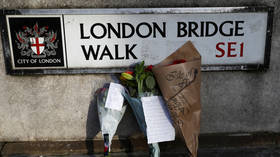
London Bridge attacker Usman Khan was a convicted terrorist and, in the eyes of the law, a threat to the UK.” So why was he released from prison early and paraded as an example of successful rehabilitation?

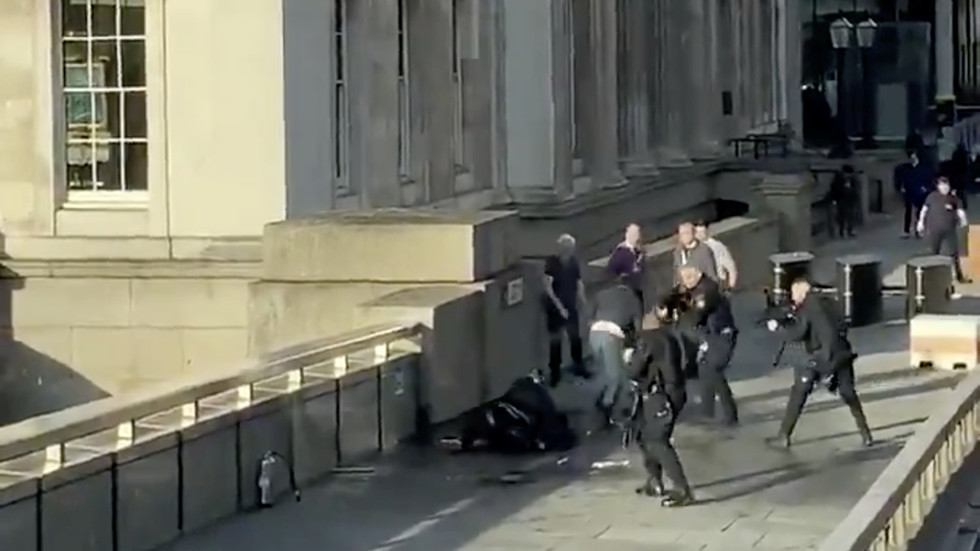
28-year-old Usman Khan stabbed two people to death and injured three others on Friday, before he was wrestled to the ground by members of the public and shot dead at point-blank range by police on London Bridge. Khan was wearing a fake suicide vest, and the incident is being treated as a terrorist attack by investigators.

ALSO ON RT.COMWATCH moment London Bridge stabbing suspect shot by police

Khan was not the archetypal US-style lone-wolf attacker, the kind who one day snaps and opens up on the public with an AR-15. Instead, he was a hate preacher and hardened terrorist who should never have been allowed back on the streets.

Together with a band of jihadists from London, Cardiff and Stoke-on-Trent, Khan was sentenced in 2012 to an indeterminate stretch in prison for his role in a plot to bomb the London Stock Exchange. He had also preached radical Islam on the streets of Stoke,  planned to establish a terrorist training camp on family land in Kashmir, considered executing smaller attacks before the stock exchange hit and, though he was only 19 at the time of his arrest, was considered a serious jihadi.”

In his sentencing remarks, Mr. Justice Wilkie said that the group were involved in a serious, long-term venture in terrorism.” Wilkie noted that these offenders would remain, even after a lengthy term of imprisonment, of such a significant risk that the public could not be adequately protected by their being managed on licence in the community.”

Police officers aim at Khan, on London Bridge, November 29, 2019 in this still image obtained from a social media video © Hand Luggage Only via Reuters

Yet just a year later, Khan’s sentence was fixed to 16 years behind bars. He served only seven of these years and was automatically released on licence (parole) in 2018, exactly as Judge Wilkie had warned against.

In a bitter twist of irony, Khan attended a ‘Learning Together’ conference in the hours leading up to his attack. Organized by academics from the University of Cambridge, the conference gave criminology students a chance to meet and chat with convicts, to learn more about  stigma, marginalisation and the role of intergroup contact in reducing prejudice.” Khan had reportedly been invited to the conference by organisers.

Breaking stigmas and fighting marginalization is the kind of thing that event organizers Amy Ludlow and Ruth Armstrong tweeted excitedly about in the run-up to Friday’s conference. However, they have both since locked their Twitter accounts. 

Khan’s rampage began during a storytelling and creative writing workshop, and among his victims was Jack Merritt, a 25-year-old course coordinator. The man’s father described his son as a beautiful spirit who always took the side of the underdog,” while an associate hailed his “deep commitment to prisoner education and rehabilitation.”

ALSO ON RT.COMLondon Bridge hero grabbed 5ft NARWHAL TUSK off wall to confront terrorist (PHOTOS, VIDEOS)

Softening the punitive edges of the criminal justice system has been the goal of certain criminologists and commenters around the world for centuries. In the run-up to next month’s general election, advocacy organizations have even written to political leaders warning them not to stigmatize criminals by calling them names, and arguing for shorter sentences and second chances” for offenders.

Society did not fail Khan and his co-conspirators. The band of jihadists chose to marginalize themselves, and willingly embraced their stigmatic identity as terrorists. Organizations like the Prison Reform Trust may wring their hands and fret over the social injustice of calling a criminal a criminal, but extremists willing to wipe out scores of innocent lives with high explosives are motivated by pathological hatred, and likely don’t give a toss what they’re called.

They’re also, in Khan’s case at least, proof that some criminals cannot be rehabilitated. Unlike a robber who, given the right opportunities, can be turned away from robbing, Khan viewed ordinary Britons as kuffars” and dogs,” and was bent on waging holy war against the country that gave his family a home, and him a shot at life in the civilized world.

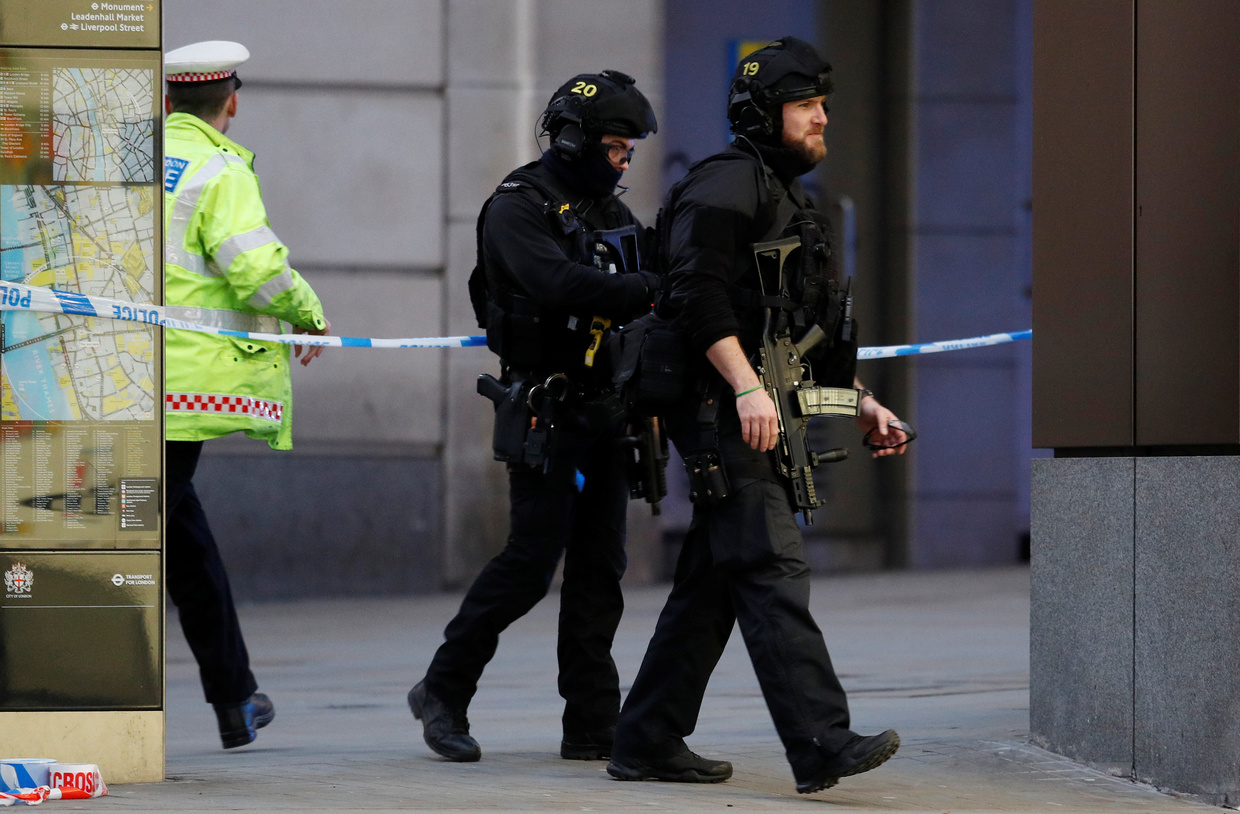
Police officers walk near the site of the London Bridge attack © Reuters / Peter Nicholls

And there’s more like him out there. Of the nine conspirators who were jailed in 2012, five are rumored to be out on parole, including Mo Chowdhury, referred to by Judge Wilkie as the lynchpin of the group.” Tracking those down and reassuring the public they aren’t a threat should be the first order of business for the British government now that the failure with Khan has been made so tragically obvious.

Speaking before an emergency meeting on Friday night, Prime Minister Boris Johnson called it a mistake to allow serious and violent criminals to come out of prison early,” and vowed to enforce appropriate sentences for dangerous criminals.”

For those stabbed to death in cold blood on Friday and for their families, Johnson’s words came too late. For policymakers and law enforcement officials, the difficult but necessary questions that must now be asked are: is it fair to treat irreconcilable terrorists like ‘ordinary decent criminals’? And how can someone who fundamentally hates your civilization possibly be rehabilitated by its institutions?

Air ambulance to move embassy employee, govt insists on immigration formalities Swiss mystery takes a new turn;

November 30th, 2019

by Shamindra Ferdinando Courtesy The Island

Having accused the government of interrogating a female local employee of the Swiss embassy in Colombo last Monday (Nov 25) in the wake of top CID detective, Chief Inspector Nishantha De Silva, his wife and three children taking refuge in Switzerland, the Swiss government has sought approval to move the embassy employee along with her family to Switzerland, authoritative sources told The Sunday Island.

The CI and his family left the country last Sunday (Nov 24) having stayed at a luxury hotel on the previous day, sources said.

Citing rapid deterioration of her health after she was interrogated in a car by unidentified persons, Switzerland requested that alleged victim be allowed to be moved out in an air ambulance, sources said.

The Sunday Island learns that President Gotabaya Rajapaksa, on a two-day state visit to New Delhi had been apprised of the developments as Switzerland sought to bring the contentious matter to an end by moving the alleged victim out of the country.

In a brief statement issued on Friday, Nov 29, the Swiss embassy in Colombo claimed that its employee wasn’t in a condition due to testify due to deterioration of her health.

Highly placed government sources said that the embassy owed an explanation as to why the local employee was in such a bad health condition. Did the embassy imply she was tortured during the interrogation? ministerial sources asked, pointing out the diplomatic mission alleged the employee was seriously threatened at length by unidentified men who forced her to disclose embassy-related information.

Responding to a query, sources said that the government didn’t object to Switzerland accommodating the alleged victim, her family or even extended relatives in an asylum program though they should follow proper immigration procedures. Having demanded an investigation into alleged abduction, the Swiss embassy couldn’t expect to move the employee without her being subjected to immigration formalities.

Sources asked whether if the employee was in such a bad condition which required Switzerland to deploy an air ambulance the government should know whether she was currently receiving medical treatment in a state or private hospital.

In spite of Sri Lanka seeking access to the alleged victim, the Swiss embassy is yet to accede to that request, sources said yesterday afternoon.

Referring to Swiss embassy statement that a formal complaint had been lodged immediately after the incident and the embassy was fully cooperating with law enforcement authorities, government officials pointed out the police were yet to receive a complaint, five days after the incident.

Sources said that Swiss Ambassador in Colombo brought the alleged incident to the notice of Prime Minister Mahinda Rajapaksa on Wednesday, Nov 27, at his Wijerama Mawatha residence. One-time External Affairs Minister and Premier Rajapaksa’s foreign affairs advisor Prof. G.L. Peiris, acting IGP and the senior officer in charge of the CID had been present, sources said, adding that the identity of the alleged victim was not revealed.

Responding to another query, sources said that Switzerland could swiftly move the embassy employee out once immigration formalities were completed. The embassy couldn’t be allowed to skip immigration formalities under any circumstances especially against the backdrop of very serious claim that she was in such bad shape that the police could not record a statement, sources said.

Ministerial sources said that the incident caused a severe headache for the new government. Sources pointed out that President Gotabaya Rajapaksa left for New Delhi amidst the crisis caused by Swiss accusations as regards abduction of an embassy employee. Sources acknowledged that the latest accusations had to be examined against spate of high profile long standing allegations pertaining to ‘white van’ abductions, disappearances and extra judicial killings.

Sources said that with Geneva Human Rights sessions scheduled for March 2020, fresh accusations could place the new government in an extremely delicate situation with Western powers demanding the full implementation of the accountability resolution the previous government co-sponsored in Oct 2015.

Sources said that Norwegians were among those who secretly moved out Sri Lankans, including LTTE cadres over the years. Sources recalled how Rajapaksa administration sought an explanation from former Norwegian Ambassador in Colombo Hilde Haraldstad regarding clandestine moving of Sri Lankans via the BIA.

Foreign Ministry issued two statements last Thursday, Nov 28, regarding the alleged abduction.

Sources said that though the government declared that it directed the CID to investigate, the premier agency was yet to receive the required support from Swiss embassy. Sources said that the Swiss turned down police request to reveal the identity of the victim following the Swiss representations to the Premier Rajapaksa.

Meanwhile, the government was yet to seek clarification from Switzerland embassy as regards the CID Inspector receiving privilege status on the basis of accusation his life was at risk in Sri Lanka. The statement issued by the Switzerland embassy on Friday categorically denied ever receiving a request from Sri Lanka to extradite De Silva.

Well informed sources said that a senior navy officer who gave evidence against Chief of Defence Staff (CDS) Admiral Ravi Wijegunaratne, too, reached Switzerland.

President’s Counsel Manohara De Silva yesterday told The Sunday Island that the government machinery seemed struggling to cope up with unprecedented accusations regarding abduction of embassy employee. During the war though successive governments knew the LTTE remained in touch with some persons working for foreign missions they were not at least questioned, De Silva said. The latest incident underscored the pivotal importance of having a mechanism capable of swiftly responding to accusations, De Silva said. According to him, the Swiss move revealed significant shortcomings in the relevant government machinery meant to counter accusations.

ERASING THE EELAM VICTORY Part 5

November 30th, 2019

KAMALIKA PIERIS

Tamil Separatist Movement complained that the land taken over by the armed forces in the Northern Province were not given back once the Eelam war IV ended in 2009. When the war ended in 2009, altogether 82,555 acres of lands in the North and East were held by the military, of which 30,300 acres were private lands, reported the media. Only 5.2 % of the lands seized had been given back to their rightful owners since 2009, Tamil Separatist Movement complained.

Once Yahapalana government came to power the Tamil separatists were able to put pressure on the President to get their lands back. In January 2018 Yahapalana announced that it had released a total of 55,510.58 acres of private and state land in Jaffna, Kilinochchi, Mullaitivu, Mannar and Vavuniya. 

In August 2018 The President said that 88 per cent of land used for security purposes, had already been released. Only 12% remaining lands have to be released. In November 2018 Yahapalana said that the releasing of the lands occupied by the Security Forces in the North and East is in its final stage. In 2019, the Government has released about 80 percent of state lands and around 90 percent of private lands held by the military in the Northern and Eastern Provinces.

Yahapalana reported, in greater detail, that the lands which were held under the Security Forces Jaffna in 2009, was released gradually spread over 20 stages. Most of these lands were held in the high-security zone. In stage one, 370.65 acres were released to the public on October 28, 2010. In Stage two 1952.13 acres was released on November 27, 2010. In stage three, 1971.9 acres was released on May 9, 2011.

Under stage four, 345.94 acres was released on October 6, 2011. Under stage five, 617.76 acres was released on November 29, 2011 in the Thondamannaru area. Under stage six, around 1,000 acres was released on two occasions on March 23, 2015 and April 10, 2015. Then under stage seven, 18.04 acres was released on November 12, 2015.

Under stage eight, 712.98 acres was released on January 15, 2016 while under stage nine, on March 10, 2016, 0.67 acres was released. Under stage ten, 6.73 acres was released on March 2, 2016. Under stage eleven, 214.18 acres was released on June 25, 2016. Under stage 12, 499.49 acres was released on October 31, 2016 and another two acres was released under stage 13 on January 14, 2017. Under stage 14, on April 7, 2017, the military released another 33 acres

Under stage 15 another 54 acres of land was released on July 03, 2017. Under stage 16 the military released 29 acres on November 30, 2017 and another 683 acres was released under stage 17 on April 13, 2018 and two more acres on February 2018. On May 28, 2018, the military released another 0.25 acres and again on June 4, 2018, 36.6 acres was released. In total, 8550.32 acres have been released up to July 2018.

All private lands that were non essential for the national security have been released, said the Army Commander Lt. General Shavendra Silva in 2019. However,  he released further150.15 acres, in Kilinochchi belonging to the State and private owners.

Statistics are also given according to army divisions. The 51 Division in 2009 had occupied in total 2,692.60 acres of land and since 2009 they have so far released 2,512.16 acres to their rightful owners currently occupying 180.53 acres as at May 20, 2018.

The 52 Division in 2009 had occupied in total 10,839.83 acres of land and since 2009 they have so far released 10,665.37 to their rightful owners, currently occupying 174.46 acres as at May 20, 2018. The 55 Division in 2009 had occupied in total 1,821.17 acres of land and since 2009 they have so far released 1,303.00 acres to their rightful owners, currently occupying 518.17 acres as at May 20, 2018. (Daily News 10.7.18 p 11)

The total amount of land occupied by the Army in the Palaly Cantonment area is 2082.66 acres. The total land area occupied by the Army in other areas is 873.16 acres . The Sri Lanka Navy currently occupies 636 acres while the Sri Lanka Air Force occupies 996.74 acres. The total area utilised by the security forces is 4627.11 acres. (Daily News 10.7.18 p 11)

The lands released included  23-hectare land in the Mundirrippu Forest Reservation . 35 acres of land in Urani, 21.84 acres, belonging to 17 land owners in Seeniyamottai village area. The Ottapulam-Vasavilan road, Point Pedro to Kankesanturai road, Ponnaleivithi Road, which runs through Parthithurai, Jaffna to Myliddy,  road connecting Vattappalai and Puthukudiyirippu  and  the main road that runs between Kankesanturai and Point Pedro  were opened to the public.

The  Tamil Separatist Movement  specially targeted  the Palali cantonment near  Kankesanturai where  the military had occupied 10632.98 acres In the Palali Army Cantonment area in 2009.

1,473 petitioners from Achchuveli, Jaffna had complained to the Court of Appeal In May 2013, that 6,381 acres of land, which belonged to them, is to be acquired by the state for the use of security forces in Palali. The petitioners said they had been displaced from their villages during the war. When they wanted to return, they had been prevented by the Army.

 Notices of acquisition had been pasted on trees on those lands. The notices were under land acquisition Act Section 2 and dated April 27, 2013.The petitioners requested the Court to restrain the Minister of Lands from effecting this mala-fide acquisition. An amended petition was submitted later, K. Kaneg Ishwaran PC, appeared with M.A. Sumanthiran, for the petitioners. The bench comprised Justice S. Sriskandarajah, the President of the Court of appeal.

Security forces said in 2016 that the army had occupied 27,250 acres of which 21,134 have been given back. It was not possible to give all the lands back due to security reasons. The lands now  come under the Jaffna and Palaly high security zone. There will be no more releasing of land from Palaly cantonment. Security forces said  in 2016.

But  in 2017, 29 acres including the buildings belonging to St. Mary’s Church and Roman Catholic Tamil Mixed School, located inside the Palaly Army Cantonment, were handed over . In 2018 a further   683 acres which was held under the Palaly Army camp area, were released. This was the biggest chunk of land released to the Jaffna public on a single day.

Attention then turned to Valigamam North. Valigamam North was classified as a High Security Zone.  Sampanthan said  in 2017 that civilians were evicted from several thousands of acres of land in Valigamam North in order to protect the Palaly Air Base from artillery fire almost 25 years ago. But even after the fighting had ended in 2009, only a fraction of that land had been returned for civilian resettlement,  he said.

After Yahapalana took office, many areas in Valikamam were returned to their  owners. The army returned 28.8 acres of land to its owners in Valigamam North In 2017. These lands, belonging to 400 families, were held by the security forces since 1990.  However, some of the owners found only empty grounds. Houses had been bulldozed and wells filled up, reported the media. A further extent of land encompassing 4.4 acres in the Valikamam North hitherto used by the Army for service requirements, was released in 2018.

Another area which got much attention was Myliddy. Myliddy is near the high security zones of Palaly airport and Kankesanthurai harbour   and is home to vital military installations, including ammuniion dumps.

Myliddy was one of the first areas of land to be taken over by the military .It has also been one of the last areas to be handed back to its civilian owners. The Army  needed Mailady and the area shouldn’t be vacated under any circumstances, said Sarath Weerasekera, retired Navy Chief of Staff .

The owners of the Myliddy lands  believed that the military did not intend to return this land to them at all as the lands  were  near to the high security zones of the airport and harbor. Jehan Perera recounted that in 2012,  three years after the war had ended,  at Myliddy bulldozers entered the land and completely flattened all remaining buildings, which in any event had become dilapidated due to being vacant for close to three decades. The people had returned to theirhomes to find nothing remaining, not even the boundaries that separated their properties

In 2016,Tamil politicians were making a determined bid to compel the Army to vacate Mailady in the Jaffna peninsula. Tamil National Alliance politicians are demanding Mailady for resettlement in spite of the Army repeatedly offering alternative housing, observed critics. Those who had been displaced aren’t allowed by Tamil politicians to settle elsewhere because  the TNA wanted somehow to evict the Army from Mailady,  they said.   

500 acres of Myliddy in Jaffna, which was a long-term request of people, were released in April 2018.  In 2019  on Maha Sivarathri Day  Army released a further  19.72 acres in Myladdy north and east within the Palaly Army Cantonment and a section adjoining it. A small section of 0.25 acres of the released land in Myliddy belongs to the state while the remainder is owned by private owners, reported the media

Urani Primary School, occupied for over 27 years by the military for security reasons, was returned to the school community in 2017. In 2018  a block of 2.75 acres, belonging to the Kalaimagal Vidyalayam, Myliddy North was returned.

A  big fuss was made over the  land taken over  at Kepapilavu.  Sri Lanka army’s 59th division had its   Headquarters at Kepapilavu in Mullaitivu , in a camp that spanned over a thousand acres,  using up much of the residential land, ‘believed to be legally owned’ by private individuals who hold legal documentation, complained Tamil Separatist Movement .

The army had displaced the villagers of Kepapilavu, said Tamil Separatist Movement .  An additional 54 families  had been displaced by the Air Force. These were their private lands or lands with permits. The villagers are in Seeniyamottai close to Nandikathal. They are in very infertile area and are suffering. The military is treating them badly, said Tamil Separatist Movement  in 2013.

Shenali Waduge had gone to Kepapilavu, in 2013. The villagers looked happy, after living for 30 years in cadjan huts.  The 125 families are now in Kepapilavu model village, bordering Seeniyamottai. They have 40 perches of land for each family, six months of dry rations, 12 roofing sheets per family, 8 cement bags, kitchen ware, plastic mats, grant of 25,000 and eventually a brick house of 550 sq feet. Also 100 bicycles gifted and overseas visitors donating goodies, she said.

After Yahapalana, things improved for the owners of lands in Kepapilavu. In 2017 another 133.34 acres in Kepapilavu was released to 68 land owners together with newly-built or completely renovated 28 houses. At the time the Army acquired those lands, there were only 8 buildings and one foundation in the location.

But the matter was not over.  In 2017 it was reported, that families in Mullikulam and Keppapulavu, were protesting for the return of lands held by the Navy and Air Force. In small tents set up right at the entrance of the camps, these families took turns to sit in for 24 hours calling for the return of their land, said Groundviews. It was only after months, and after continued media coverage, that the state began partially releasing land.

A group of Keppapilavu residents also staged a protest opposite the Mullaitivu Security Force Headquarters on December 31, 2018 demanding that their lands be released to them as promised by the government. 55 families were demanding for the return of their lands some of them had legal documentation proving their ownership, while some do not hold such ownership documents, reported the media. The protestors said that this would be their last warning and if their lands are not released prior to January 25, they would forcibly take possession of their lands.

It was reported in 2019 that around 2014, the majority of these families had consented to accepting compensation for their lands and around 270 houses had been built for them. However, around nine  families had not agreed to accept compensation and had wanted their lands returned to them.Subsequently, the rest of the families who had earlier agreed to give up their lands and accept the compensation by the government,  had changed their minds and are demanding that their lands be returned to them, said Tamil Separatist Movement .

President Sirisena said people have the right to decide whether they want to resettle in their original lands or in alternative lands and instructed the release of these lands.  However, it was said that only some of those demanding for the lands possess legal documentation to prove ownership to these lands. In 2019 the army had reported to the President that they were working towards an amicable solution”, in consultation with civilians, regarding the lands occupied by the army in the Keppapilavu area in the Mullaitivu District. (Continued)

සිංහල චන්දයෙන් දෙමළ ඊළමක් ලබාගැනීම!

November 30th, 2019

චන්ද්‍රසිරි විජයවික්‍රම, LL.B,.Ph.D.

උතුරේ දෙමළ ජනයා චන්දය දුන්නේ සිංහල බෞද්ධ සජිත්ට යයි කියන කටින්ම, සිංහල බෞද්ධ චන්ද වලින් පමණක් ගෝඨාභය දිනීම අශුභ කරුණක් යයි සුමන්තිරන් ප්‍රකාශ කිරීම යහපාලන දෙමළ බොරුකාරයින් වැටී සිටිනා ඔල්මාද ස්‌වභාවය, අන්දමන්දවීම එලිකරන්නේය. යහපාලන සිංහල බොරුකාරයින්ද ඉන්නේ මෙම ඩිලූෂන් මනසේ බව පේන්නේ ඔවුන්ද දැන් ඉතිපිසෝ ගාථාව මතක්‌වී, අළුතින් නැවත බුද්ද්ධාගම වැළඳගැනීමට යන නිසාය. රෝසි සේනානායකලා, මිසිස් චන්ද්‍රිකාලා, ලංකාවේ බෞද්ධ පදනම නැතිකල යුතුයයි ක්‍රියාකරද්දී, රන්ජන් රාමනායකලා, මංගල සමරවීරලා සිවුරට නිගාකරද්දී, ලංකාව සිංහල බෞද්ධ රටක් නොවේයයි කියද්දී නිහඬව සිටි, 2015 සිටම සිවුරු දඩයමේ ගිය යූ‌එන්‌පී කාරයෝ මේ වනවිට ගලේ පැහැරූ බළලුන් වී සිටී. ඉදිරි පාර්ලිමේන්තු මැතිවරණයේදී වෙන්නට යන කෲර සෝදාපාළුව දැන්තියාම ඔවුන්ගේ මනස් අවුල් කරණවාසේ පෙනේ.

ගෑණු-පිරිමි සිංහල අගමැතිලාගේ, ජනාධිපතිලාගේ ලංකා ඉතිහාසය හා භූගෝල ‌විද්‍යාව නොදන්නාකම හා ඔවුන් ලෝභ-ද්වේශ-මෝහයෙන් පිරි, බොහෝසෙයින් හිරි-ඔත්තප්ප නැති පංචස්කන්‌ධ වීමත් නිසා, ඉංග්‍රීසීන්ගේ බෙදාපාලනය කිරීමේ උපක්‍රමයේ ප්‍රතිඵලයක් වශයෙන් 1921/23 කාලයේ පොන්නම්බලම් අරුණාචලම් ආරම්භකල ටැමිලක්කම් දෙමළ රාජ්‍ය ව්‍යාපාරය නිසි ආකාරයට බෞද්ධ රාජ්‍ය පාලන සංකල්ප මඟින් දමණය කර ගැනීමේ හැකියාවක් ඔවුන්ට නොවීය. ඔවුන් ධර්‌මපාලතුමාට හිරිහැර කර රටින් එලවා ගත්තේද මේ නිසාය. උදාහරණයක් වශයෙන් 1957 දී බණ්ඩාරනායක හා 1965 දී ඩඩ්ලි විසින් දෙමළ නිජභූමියක් යයි චෙල්වනාගම් කියන ප්‍රදේශයකට ඉඩම් බලතල දීමට එකඟවීම කෙළවරවූයේ 1987 දී 13 සංශොධනය මඟින් ජේ‌ආර් යටතේ ලංකාවේ පෙඩරල් රාජ්‍යයක් බිහිවීමෙනි.

මෝඩ සිංහලයින් මෙන් නොව චෙල්වනායගම් ක්‍රියාකලේ රේල්පාරේ නොනැවතී හෙමින් දුවන කෝච්චියක් සේය. උතුරේ දෙමළ නිජබිමක් තිබේ යන ඔහුගේ මිථ්‍යාවට විරුද්ධව කට අරින්නට කිසිදු සිංහල දේශපාලකයෙක්ට ශක්තියක් නොවීය. අනිත් අතට, දැන් ටිකක්, පසුව ගොඩක් යන ඔහුගේ න්‍යාය (ලිට්ල් නව්, මෝ ලේටර්) දැන දැනම, දෙමළ මන්ත්‍රීන්ගේ චන්ද පෙරේත කමින් අන්‌ධව, සිංහල නායකයින් විසින් වරින් වර ගිලගත් ඇමක් විය. මේ පිළිඹඳ ඉතිහාස කතාව මීට පෙර ලියා ඇති අවස්ථා බොහෝය. මිසිස් චන්ද්‍රිකා 1994-2000 කාලයේදී පැකේජ් ඩීල් මඟින් රට කැබලිකර දෙමළ නිජබිම සාදාදීමට නීලන් තිරුචෙල්වම් හා ජයම්පති වික්‍රමරත්න නම් මාක්ස්වාදියා යොදවා රහස් ප්ලෑනක් සැදුවේය. 2009 මැයි 19 දාට පසුදා යුද ආඥාවක් මගින් 13 සංශොධනය අහෝසි කිරීමට ඉඩක් තිබුණේය. ඒ වෙනුවට 2013 දී දෙමළ මධ්‍යස්ථ මතධාරියෙක් යැයි සැළකූ විග්නේශ්වරන්ව කරට ගෙන ලෝකයේ නොම්මර එකේ ඉල්ලාගෙන කෑමක් විඳගත්තේය. සිංහල නායකයින් අල්ලේ නැටවීමට මේ අළුත් කොටි වල්ගයට හැකිවිය. ඕනෑම නරක දෙයක වුනත් හොඳක් තිබිය හැකියැයි කියනවා මෙන් විග්නේශ්වරන් රටට ඔප්පු කලේ බෙදුම්වාදය නමැති පිළිකාව බිලි පිදේණිදී සමනය කල නොහැකි බවය. දෙමළෙන් ජාතික ගීය ගැයීම ඊළම් කාරයින් දකින්නේ තවත් එක් ජයග්‍රහණයක් සේ මිස සංහිඳියා අත්වැලක් ලෙස නොවේ. මේ නිසා සංහිඳියාකාරයින්ගේ වැඩ නිසා යම් පමණකින් හෝ තිබෙන සංහිඳියාවත් මකබෑවී ගියේය. වැඩ බකල් කර චන්ද්‍රිකා නැවතත් ලන්ඩන් බලා පලාගියේය!

ඇමෙරිකන් තානාපතිනියවද සහභාගි කරවාගෙන, මාදුළුවාවේ සෝභිත හිමියන්ව රවටාගෙන, සිරිසේන මහතාව ඉත්තෙක් කරගෙන 2014 අග කරන ලද මහින්ද රාජපක්‍ෂ රෙජිමය පෙරලීම සිංහලයා විසින් කල ඉඟුරුදී මිරිස් ගැනීමක් විය. මහින්ද රාජපක්‍ෂ ආණ්ඩුවේ අඩුපාඩු වලට දුන් දඬුවම බඩ සුද්දවෙන්නට දුන් බෙහෙතෙන් ලෙඩා මළා වැනිවිය. එහෙත් මේ වෙනස සුමන්තිරන් ඇතුළු දෙමළ ඊළම්කාරයින්ට, ප්‍රභාකරන් මඟින් යුදකර ලබාගත නොහැකිවූ ඊළම, චන්දයෙන් ලබාගැනීමේ උපාය මාර්‌ගයේ හිනිපෙත්ත විය. රට කැබලි කිරීමට රනිල්-චන්ද්‍රිකා-මංගල සමරවීර-ජයම්පති වික්‍රමරත්න-ලාල් විජේනායක හා එකතුව සුමන්තිරන් විසින් බොරු නාඩගමක් නටා අන්තිමට 2018 දී ඉදිරිපත් කලේ රට කැබලි කිරීමේ 1994-2000 චන්ද්‍රිකාගේ පරණ ප්ලෑනමය. යහපාලන හිරකාරයෙකුවූ ජනාධිපති විසින් 2018 ඔක්තෝබර් 26 දින පුපුරවන ලද යහපාලන අත්බෝම්බය නිසා මෙම කූඨ ප්ලෑන කොට උඩ ගියේය. 2019 අප්‍රියෙල් 21 පාස්කු ප්‍රහාරය මෙම කූඨ ප්ලෑනට සම්බන්‌ධද යන්න මෙතෙක් තහවුරුවී නැත. කෙසේ වෙතත් නීතියෙන් පැවැත්‌විය යුතුවූ ජනාධිපතිවරණය කල්දමන්නට හේතුවන තරමේ කලබගෑනියක් රටේ ඇති නොවීය.

සිංහලයා පරද්දන්නට සජිත්ට චන්දය දෙන්නයි සුමන්තිරන් ප්‍රසිද්ධියේ සිංහලයින්ගෙන්ම ඉල්ලා සිටියේ, මෝඩ සිංහලයින් විසින් මළායයි සිතුවත්, වැළලී පමණක් පවතින රට බෙදන ව්‍යවස්ථා ජරමරය යලි ගොඩගන්නටය. සජිත් නමැති විහාර 1200 ක් රට පුරා හදන්නට ප්‍රතිඥාදුන් සිංහල බෞද්ධයාට චන්දය දීමෙන් දෙමළ ජනයා ජාතිවාදීන් නොවන බව රටට ඔප්පුවුනා යන සුමන්තිරන්ගේ මෙම ඉල්ලීම හරියට 1861-65 ඇමෙරිකන් සිවිල් යුද්ධයේ අගභාගයේදී වහල් ක්‍රමය රැකගන්නට ඔවුන්ගේ ඒ වනවිට පැරදෙමින් පවතින යුදහමුදාවට බැඳෙන ලෙස දකුණේ වහල් හිමියන් ඔවුන්ගේ වහළුන්ට කල ඉල්ලීම වැනි විය. සුමන්තිරන්ගේ මේ කතා අනුව බලනවිට මීට පෙර දෙමළ ජනයා සරත් ෆොන්සේකාට චන්දය දුන්නේ ඔහු ප්‍රභාකරන්ව විනාශකල බව අමතක කර විය යුතුය.

සුමන්තිරන් මෙවැනි විකාර කතා කියන්නේ ඔවුන්ගේ කූඨ සැලස්ම මෙවර චන්දයෙන් ව්‍යවර්‌ථව ගිය නිසා එය රෙපයාර් කරගන්නට සිතාය. එහෙත් මේ පාර ඔවුන්ට සිදුවූයේ නයාට ගසා පොල්ල වරද්දාගත්තා වැනි කොටුවීමක්‌ය. මෙම ලිපියේ අරමුණ මේ අබ්බැද්දිය පෙන්වා දීමය. 13 සංශොධනයෙන් ලැබුණ පෙඩරල් පදනමෙන් පසු ඊළග පිම්ම පනින්නට සූදානමක් වශයෙන් ප්ලෑන් ඒ (ප්‍රභාකරන්) වලට අමතරව ප්ලෑන් බී එකක් වශයෙන් දෙමළ නායකයින් කලේ ලංකාවේ චන්ද සිතියමේ ඊළම් නිජබිම හා සෙසු ප්‍රදේශ අතර ඇති බෙදීම ඉස්මතුකර ලොවට පෙන්නීමය. 2004 ජනාධිපති චන්දයේදී සිට 2016 පලාත් පාලන චන්දය දක්‌වාම මේ බෙදුම් රේඛාව දිස්විය. මේ නිසා 2019 චන්දය සඳහා ඔවුන්ගේ උපායවූයේ දමිළ සිසුන් ලවා කිසිසේත් ලබාගත නොහැකිබව දන්නා ඉල්ලීම් 13 ක් ඉදිරිපත් කරවීමය. ඒ මඟින් වෙනදා මෙන් දෙමළ චන්ද තොගපිටින් ඔවුන්ට ලබාගෙන චන්ද සිතියම ජාත්‍යන්තරයට පෙන්‌වීමටය. එහෙත් මෙවර සිතියමින් දෙමළ-මුස්ලිම් චන්ද නැතිව සිංහලයාට ආණ්ඩුවක් හදන්න බෑ යන මිථ්‍යාව බිඳ වැටී ගොස් ඇත. සිංහලයා සමඟ මිස සිංහලයා නැතිව තවදුරටත් ගමනක් නැතිබව විචක්‍ෂණ බුද්ධිය ඇති බටහිර ඊළම් සපෝටර්ලාට අවබෝධවෙනු නිසැකය. සිංහලීකරණය යනු විග්නේශ්වරන්ලාගේ ප්‍රෝඩාවක් බව පැහැදිලි වනු ඇත.

ශිෂ්‍ය ඉල්ලීම් 13, සුමන්තිරන් මූලිකව සැදූ 2018 යහපාලන ව්‍යවස්ථා මගඩියට එහා ගිය එකකි. එහත් මේ ඉල්ලීම් හරියට රත්‌වූ පිහියකින් බටර් කපනවා මෙන් ගෝඨාභය විසින් ප්‍රතික්‍ෂේප කරාවියයි ඔවුන් නොසිතූ බව නිසැකය. ඔවුන් සිතුවේ ගෝඨාභය තවත් එක මෝඩ සිංහල අළුත් දේශපාලකයෙක්‌ය කියා විය යුතුය. නමුත් සජිත් ඔවුන්ගේ ලණුව කෑවේ වංක ලෙස තම චන්ද ප්‍රකාශණයට ඉල්ලීම් 13 හා 2018 ව්‍යවස්ථා මරාළය ඈඳාගැනීමෙනි. සිංහලයා රැවටීමත්, දෙමළා රැවටීමත් යන එක ගලෙන් කුරුල්ලන් දෙන්නෙක්ම මරාගැනීම සජිත් තොත්ත බබාගේ අරමුණ විය. දැන් මෙම සුමන්තිරන්-සජිත් ප්ලෑන දෙපක්‍ෂයටම පාරා වලල්ලක් වී ඇත. සජිත්ලාට එන පාර්ලිමේන්තු චන්දයේදීත්, සුමන්තිරන්ලාට උපායක් වශයෙන් චන්ද නිජබිම් සිතියම පවිච්චි කිරීමේදීත් බලවත් අර්බුදයක් හටගෙන තිබේ.

යහපාලන සංහිඳියාවෙන් බෞතීස්ම‌ව දැන් යන එන මං නැතිව සිටිනා චම්පික රණවක නම් මේ සිතියමේ දකින්නේ අනාගත ලොකු අවුලක අඳුරු සෙවනැලිය. යම් ආකාරයක සිංහල-දෙමළ ජාතිවාදී කෝලාහලයක් චම්පිකටත්, සජිත්ටත්, සුමන්තිරන්ටත් ඇති එකම ගැලවීමය.
එහෙත් මේ සිතියම යටින් ඇති පාර්ලිමේන්තු ආසන මට්ටමේ චන්ද සංඛ්‍යා විමසා බලනවිට ඉන් එලිවන්නේ ලංකාවේ දෙමළ බෙදුම්වාදයේ මළගම ලංවී ඇතිබවය. දෙමළ බෙදුම්වාදීන්ගේ ඉල්ලීම් කෙළින්ම ප්‍රතික්‍ෂේපකල ගොඨාභයට, උතුරේ දෙමළ ජනයා ආසන මට්ටමින් දී ඇති චන්ද සංඛ්‍යාව, දෙමළ හා මුස්ලිම් චන්ද නැතිව තනිකර සිංහල චන්ද වලින් සිංහලයෙකුට ජනාධිපති වීමට පුළුවන් යන කරුණ සමඟ බලනවිට එය රටට ඉතාමත් හිතකරය.

මේ සමඟ ඇති සංඛ්‍යා සටහණේ මුල් කොලමෙන් පෙන්වන්නේ දෙමළ නිජබිම යයි කියනා චන්ද කොට්ඨාශවල ගෝඨාභයට ලැබුණු චන්ද සංඛ්‍යාවය. දෙවැන්න කොට්ඨාශයේ නරක්‌වූ (ප්‍රතික්‍ෂේපවුණ) චන්ද සංඛ්‍යාවය. තුන්වැන්න චන්දය පාවිච්චි නොකල අයගේ සංඛ්‍යාවය. ප්‍රජාතන්ත්‍රවාදය යනු පුදුමාකාරයේ බිබික්කමකි. ඇමෙරිකාවේ, ලක්‍ෂ 395 ක් සිටිනා කැලිෆෝර්නියා ජනපදයටත්, ලක්‍ෂ 7 ක් සිටිනා උතුරු ඩැකෝටාවටත් ඇත්තේ සෙනේට් සභිකයින් දෙන්නෙක් බැගින් පමණය. නඩුකාරයින් චන්දය ඉල්ලා තේරෙන්නේද ඇමෙරිකාවේය. ලංකාවේ දෙමළ පක්‍ෂයට හා මුස්ලිම් පක්‍ෂ වලට ලැබෙන මුළු ආසන සංඛ්‍යාව ඔවුන්ගේ මුළු ජන සංඛ්‍යාව හා සසඳනවිට ප්‍රජාතන්ත්‍ර විරෝධීය. මේ අනුව සිතනවිට යම් දෙමළ මන්ත්‍රී ආසනයක දිණන මන්ත්‍රීට ලැබෙන චන්ද සංඛ්‍යාව, ඉහත සඳහන් දෙවන හා තුන්වන කොලම් සමඟ සසඳන විට පෙනීයන්නේ ටී‌එන්‌ඒ‌කාරයින්ට චන්දය නොදුන් විශාල පිරිස් ඒ ඒ චන්ද කොට්ඨාශවල සිටිනා බවය. රාජාලියා හා හංසයා අතර වෙනස පවා නොතේරුණු දෙමළ ජනයා ආරියවංශ දිසානායකට, සිවාජිලිංගම්ට වඩා චන්දය දී ඇත. හිස්බුල්ලාට වූ දේත්, අනුර කුමාර අතරමංවීමත් හොඳ පාඩම්‌ය. මේ අනුව යමින් වෙනදා මෙන් නොව මෙවර සිදුවිය යුත්තේ මේ එක් එක් දෙමළ චන්ද කොට්ඨාශවල ඉන්නා ගෝඨාභයට චන්දය දුන් දහස් ගණන් දමිළ ජනයා එකතුකර ඒ චන්ද කොට්ඨාශවල දෙමළ-සිංහල මිත්‍රත්‌ව සංවිධාන පිහිටුවා සෙසු දෙමළ ජනයාට සත්‍යය කියාදී කොළඹ සිට ඔවුන් රවටන සුමන්තිරන්ලා වැන්නන්ගෙන් ඔවුන් ගලවා ගැනීමය. 1931 ඩොනමෝර් ආණ්ඩුක්‍රම කාලයේ සිටම සිදුවූයේ යාපනේ කුලහීනයයි සළකණ ජනයා පාගා කොන්කර දැමීමය. අත්‍යාවශ්‍ය පාරක් (කෝස්වේ) දැමීමට යාමේදී පවා ඉන් කුලහීනයින්ට උපකාරයක් වෙන නිසා වෙල්ලාලයෝ ඊට විරුද්ධවිය. මා සමඟ කැනඩාවේ ඉගෙනගත් ප්‍රභාකරන්ගේ ඥාති සහෝදරයෙක් (ඔහුගේ නමත් ප්‍රභාකරන්) මට කිව්වේ පෙඩරල් පාටි සෙන්ට්‍රල් කමිටි එක තරුණ ප්‍රභාකරන්ව කොන් කිරීම ඔහුගේ වෙල්ලාල වෛරයට මුල් හේතුවවූ බවය. කොළඹ සිට සිමෙන්ති සංස්ථාවේ නිලධාරියෙක් වශයෙන් වරින් වර කන්කසන්තුරේ කම්හලට ගිය විට එහි කම්කරුවන් මට (එසේ ගිය අනිත් සිංහලයින්ටත්) දැක්‌වූයේ ඉතාමත් සුහද ලැදි භාවයකි. සුද්දන් විසින් දෙමළ ජනයාට වැඩි සැලකිල්ලක් දැක්‌වූයේද මේ ගතිගුණය නිසාම වියයුතුය. කර්‌නල් රත්නප්‍රිය බන්‌දුට දෙමළ ජනයා දක්‌වන ආදරය හදපත්ලෙන්ම නැඟෙන්නක් මිස, බොහෝවිට සිංහලයින් පෙන්වන ආකාරයේ ව්‍යාජ බැඳීමක් නොවේ.

දෙමළ මාධ්‍යයෙන් පේරාදෙණියේ සරසවියට 1963 දී ආ සිසුවෙකුට දෙන්නෙක් වෙනුවට තනියෙන් කාමරයක ඉන්නට සිදුවූයේ ඔහු කුලහීනයයි අනිත් දෙමළ සිසුන් ඔහුව කොන් කල නිසාය. ශාලාධිපතිවූයේ දෙමළ මහාචාර්යවරයෙකි! 1957 දී බණ්ඩාරනායක මහතා මොවුන්ට සාධාරණයක් කිරීමට ප්‍රිවෙන්ෂන් ඔෆ් සෝසියල් ඩිසැබිලිටීස් නම් නීතියක් ගෙනාවේය. ඒ මැත් ප්‍රොෆෙසර් සුන්දරලිංගම් හින්දු කෝවිල් හරිජනයාගෙන් කිලිටිවීම වැලක්‌වීමට සටන් කල කාලයේය. මේ හරි ජනයා දෙමළට හරවා ගත් ආදි සිංහල ජනයා කියාද මතයක් ඇත.

දෙමළ-සිංහල මිත්‍රත්වයක් දැනටමත් බිම් මට්ටමෙන් හටගනිමින් පවතී. බොදු බල සේනාව හා ලංකා හින්දු සම්මේලනය එක් උදාහරණයකි. මෑතදී ඇතිවූ ගුරුකන්ද විහාර ආදාහන අවුලේදී හින්දු සම්මේලනය ඉදිරිපත්‌වුනේ, කෝවිලක් තිබුණත් නැතත් ආදාහනයක් නිසා එය කිලිටි වනවා යන තර්‌කය වැරදි ආගමික අදහසක් බව පෙන්‌වා දෙමිනි. රතන හාමුදුරුවන් උපවාස කලවිට මඩකලපුවේ දෙමළ මන්ත්‍රීවරයෙක්ද ඊට සහයෝගය දෙමින් උපවාස කලේය. නැඟෙනහිර පලාතේ දෙමළ ප්‍රාදේශීය ලේකම් කාර්‌යාලයක් ඉල්ලා පැවති අර්බුදය විසඳීමට ඥානසාර හිමියන්ගේ මැදිහත්‌වීම දෙමළ ජනයා අගය කලේය. නාගානන්දගේ මැදිහත්‌වීම නිසා ප්‍රසිද්ධියට පත්‌වූ අරුන් ආවා කල්ලිය පිළිඹඳ සත්‍යය එලිකලේය. දෙමළ බෙදුම්වාදය යනු යම් කොළඹ වසන දමිළ නායකයින් යයි කියාගන්නා අතලොස්සකගේ ජීවනෝපායයක්‌ය යන කරුණ උතුරේ දෙමළ තරුණයින් විසින් වටහා ගනිමින් සිටින බවට හොඳම උදාහරණය අරුන් ය. කඳුල වැඩසටහනේ බ්‍රදර් චාල්ස් බෙදුම්වාදයට විරුද්ධව යාපනේත්, ලන්ඩන්වලත් කතා කරමින් සිංහල-දෙමළ සංහිඳියාව ගොඩනඟමින් සිටී. මඩකලපුවේ අරුන් තම්බිමුත්තු කලක සිටම දෙමළ බෙදුම්වාදයට විරුද්ධව පෙනී සිටියේය.

මේ සියල්ලටම වඩා වැදගත් භූමිකාව වන්නේ හාමුදුරුවරු දෙමළ ජනයා අතරට යාමට ගත් තීරණයය. උතුරේ හරි ජනයා තබා ඉන්දියාවේ ඩලිත් ජනයා බුද්ධාගමට හැරවීමටවත් ලංකාවේ හාමුදුරුවරු මැදිහත් නොවීය. අම්බෙඩ්කාර් එය කලාට පසුවවත් අන්‍යාගමීකරණය හාමුදුරුවරුන්ට අකැපය. පෙඩරල්කාරයින් කහ සිවුරට බයවූයේ මාක්ස්වාදීන් ඊට බයවූ අන්දමටමය. මේ නිසාම හමුදුරුවරු කලේ ඔවුන් සඳහා ඉල්ලීමක් තිබූ ජර්‌මණිය, ප්‍රංශය, ඇමෙරිකාව, ජපානය යන රටවලට යාමය. රතන හා ඥානසාර හාමුදුරුවරු මෙම අළුත් සමාජ සේවා ක්‍රමයේ (දෙමළ ජනයා බුද්ධාගමට හැරවීමට නොව), දෙමළ ජනයාට අතහිත දීමේ මූලිකත්‌වය ගෙන ඇති සේ පෙනේ. ‌එක අතකින් චන්ද්‍රිකාත්, අනිත් පැත්තෙන් මනෝ ගනේෂනුත් කරගෙන ගිය සංහිඳියා නම් බොරු මුදල් නාස්තිය වෙනුවට ඒවා විසුරුවා හැර දැනටමත් මතුවෙමින් පවතින මේ සිංහල-දෙමළ බැඳීමට උපකාර කිරීමට ජනාධිපති ගෝඨාභය අවධානය යොමු කරතැයි සිතමු.

1840 ස් ගණන් වල වලානේ සිරි සිද්ධාර්‍ථ නාහිමියන් පානදුරේ සිට රත්මලානට ගොස් පරම ධම්ම චේතිය පිරිවෙන ආරම්භකලේ සටන් බිමේ පෙරමුණට (කොළඹට) යායුතුයයි කියමින්‌ය. උන්වහන්සේගේ ගෝලයෝ විද්‍යෝදය-විද්‍යාලංකාර මහ පිරිවෙන් දෙක පිහිටුවේය. දශකයකින් දෙකකින් ලංකාවෙන් බුද්ධාගම නැතිවී යනවායයි ජේම්ස් ද අල්විස් අනාවැකි පලකලේ මේ කාලයේය. අන්තිමේදී 1873 දී පානදුරා වාදයෙන් ලංකාවේ බුද්ධාගම සුරැකුණේය. සියළු සත්‌වයෝ (මිනිසුන් පමණක් නොව) නිදුක් වෙත්‌වා යයි කියන එකම ආගම බුදු දහම නොවේද? මතවාදයෙන් බෙදුම්වාදය හා ශාරියාවාදය පරාද කිරීමේ කාර්යය කිරිමේ දැණුම, දැකුම, අධිෂ්ඨානය හා වටිනා කාලය ඇත්තේ සිල්වත්, විනයධර, භික්‍ෂූන්ටය. එය ඔවුන්ට භාරදීම සිංහල දෙමළ පාසැල්වල ඉගැන්‌වීම, මුත්තයියා මුරලිතරන්‌ව උතුරේ ආණ්ඩුකාරයා ලෙස පත්කිරීම වැනිම ඥානාන්‌විත ක්‍රියාවකි.

cwije77@outlook.com

Assault on Sinhalese loses over 100000 votes for Labour

November 30th, 2019

Ivan Amarasinghe Northampton

Mr Corbyn,

You and your Deputy Leader’s unwarranted and intentional defamation of the Sri Lankan State and the Sinhala people as some kind of monsters intent on genocide of the Tamil people has cost your party over 100000 votes in the UK; and quite rightly so.

We can only take so much of your false allegations and intentional politically motivated spin doctoring done to appease the LTTE diaspora. The Sinhala people have now communicated on the social media and decided that we can no longer vote for a Party which tells blatant lies about us and our roots.

I need not write a lengthy letter of facts and figures as you and your party henchmen  know all that but willingly apportion blame on the innocent Sinhala people.

Why you would tell lies for Tamil votes is something the Labour Party will repent henceforth. I used to be a Polling Agent for the LabourParty since 1978. But enough is enough. All my family and friends have no choice but to vote against those who spread lies and empower themselves through false slanders of innocent Asian people.

Ivan Amarasinghe

Northampton

Germany is closing all its nuclear power plants. Now it must find a place to bury the deadly waste for 1 million years

November 30th, 2019

By Sheena McKenzie, CNN

(CNN)When it comes to the big questions plaguing the world’s scientists, they don’t get much larger than this.Where do you safely bury more than 28,000 cubic meters — roughly six Big Ben clock towers — of deadly radioactive waste for the next million years?This is the “wicked problem” facing Germany as it closes all of its nuclear power plants in the coming years, according to Professor Miranda Schreurs, part of the team searching for a storage site.Experts are now hunting for somewhere to bury almost 2,000 containers of high-level radioactive waste. The site must be beyond rock-solid, with no groundwater or earthquakes that could cause a leakage.The technological challenges — of transporting the lethal waste, finding a material to encase it, and even communicating its existence to future humans — are huge.But the most pressing challenge today might simply be finding a community willing to have a nuclear dumping ground in their backyard.

Searching for a nuclear graveyard

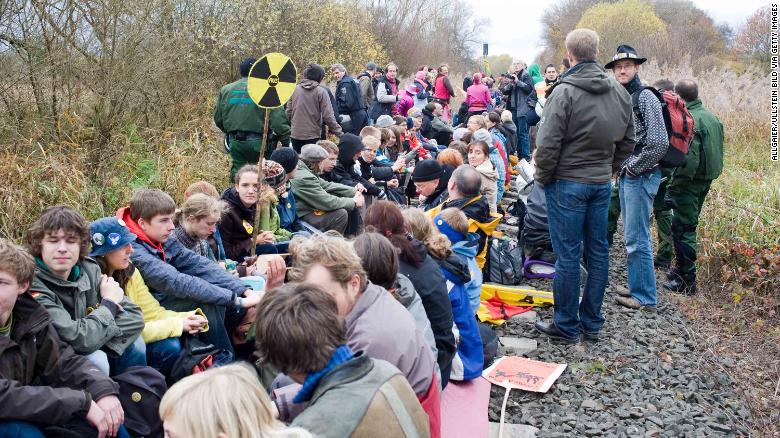
Germany decided to phase out all its nuclear power plants in the wake of the Fukushima disaster in 2011, amid increasing safety concerns.The seven power stations still in operation today are due to close by 2022.With their closure comes a new challenge — finding a permanent nuclear graveyard by the government’s 2031 deadline.Germany’s Ministry for Economic Affairs and Energy says it aims to find a final repository for highly radioactive waste “which offers the best possible safety and security for a period of a million years.”The country was a “blank map” of potential sites, it added.Currently, high-level radioactive waste is stored in temporary facilities, usually near the power plant it came from.But these facilities were “only designed to hold the waste for a few decades,” said Schreurs, chair of environmental and climate policy at the Technical University of Munich, and part of the national committee assisting the search for a high-level radioactive waste site.As the name suggests, high-level radioactive waste is the most lethal of its kind. It includes the spent fuel rods from nuclear power plants. “If you opened up a canister with those fuel rods in it, you would more or less instantly die,” said Schreurs.These rods are “so incredibly hot, it’s very hard to transport them safely,” said Schreurs. So for now they’re being stored in containers where they can first cool down over several decades, she added.There are dozens of these temporary storage sites dotted across Germany. The search is now on for a permanent home at least 1 kilometer underground.

Between a rock and a hard place

The location will need to be geologically “very very stable,” said Schreurs. “It can’t have earthquakes, it can’t have any signs of water flow, it can’t be very porous rock.”Finland, which has four nuclear power plants and plans to build more in the future, is a world leader in this field. Work is well underway on its own final repository for high-level waste — buried deep in granite bedrock.Germany’s problem is “it doesn’t have a whole lot of granite,” said Schreurs. Instead, it has to work with the ground it’s got — burying the waste in things like rock salt, clay rock and crystalline granite.Next year the team hope to have identified potential storage sites in Germany (there are no plans to export the waste). It’s a mission that stretches beyond our lifetimes — the storage facility will finally be sealed sometime between the years 2130 and 2170.Communications experts are already working on how to tell future generations thousands of years from now — when language will be completely different — not to disturb the site.Schreurs likened it to past explorers entering the pyramids of Egypt — “we need to find a way to tell them ‘curiosity is not good here.'”

People power

For now, nobody wants a nuclear dumping ground on their doorstep.Schreurs admitted public mistrust was a challenge, given Germany’s recent history of disastrous storage sites.Former salt mines at Asse and Morsleben, eastern Germany, that were used for low- and medium-level nuclear waste in the 1960s and 1970s, must now be closed in multibillion-dollar operations after failing to meet today’s safety standards.The fears around high-level waste are even greater.

Protesters block railway tracks outside Gorleben in 2010.

Protesters block railway tracks outside Gorleben in 2010.For more than 40 years, residents in the village of Gorleben, Lower Saxony, have fought tooth-and-nail to keep a permanent high-level waste repository off their turf.The site was first proposed in 1977 in what critics say was a political choice. Gorleben is situated in what was then a sparsely populated area of West Germany, close to the East German border, and with a high unemployment rate that politicians argued would benefit from a nuclear facility.Over the decades, there have been countless demonstrations against the proposal. Protesters have blocked railway tracks to stop what they described as “Chernobyl on wheels” — containers of radioactive waste headed for Gorleben’s temporary storage facility.An exploratory mine was eventually constructed in Gorleben, but it was never used for nuclear waste. And in the face of huge public opposition, the government in recent years decided to start afresh its national search for a dumping ground.”If we did not build this big, strong and long-lasting resistance, I think the salt mine would already be used,” said Kerstin Rudek, 51, who grew up in Gorleben and has been campaigning against a permanent nuclear repository for the last 35 years.That doesn’t mean she and other activists plan on quitting their campaign anytime soon. “They haven’t canceled out Gorleben completely, so we are very suspicious it might still be chosen,” said Rudek.With more than 400 nuclear power plants around the world, many nearing the end of their operating lifetimes, the issue of waste storage will only become more urgent, said Schreurs.Germany is in the unique position of knowing exactly how much waste it will be dealing with. Knowing where to put it is the challenge.

ශානි අබේසේකර ගැන තවත් හෙළිදරුව්වක්

November 30th, 2019

Modi pledges India’s full assistance in taking Sri Lanka in path of rapid developmentv (English)

November 30th, 2019

Courtesy Ada Derana

‘We don’t want to do anything to jeopardise the security of India’

November 30th, 2019

Courtesy The Hindustan Times

President Rajapaksa, when you spoke briefly to the cameras after taking the Guard of Honour at Rashtrapati Bhavan on Friday, you said your expectations from your first official visit to India were very high. You are about to leave now. Were they fulfilled?

The entire experience was very good, especially the one-on-one discussion with Prime Minister Narendra Modi. I am very happy with the outcome. There were a lot of misunderstandings on both sides during the end of my brother Mahinda Rajapaksa’s presidency. Now, we have to put those behind and move forward. And with PM Modi, I think it is possible. I came to know that he is a very practical person, so he will understand our needs. We genuinely want to strengthen our relationship.

I have always said that we don’t want to do anything which will jeopardise the security of India or, act against the concerns of India in any way. We also want to be a neutral country and not get involved in world power rivalries. We are small, so we don’t want to get in the middle. But strategically, of course the Indian Ocean has become very important. And geographically, Sri Lanka is especially positioned at a very crucial location because of sea lanes which pass close to it. We have always have said that the Indian Ocean must be a zone of peace. We will do whatever we can to keep it that way.

When PM Modi meets world leaders, there’s a lot of talk of chemistry,”: the rapport he seems to enjoy with some of them. Did you sense that too when you met him ? People draw parallels between you and your brother and Mr Modi and his administration, you know. They say that you share a zero tolerance approach” to tackling terrorism. Is that an accurate perception?

Most definitely. But that commonality is not only on security but on matters pertaining to development too. PM Modi has done a lot for India and we appreciate his approach. Chemistry”-wise too – yes, (laughs) it worked well.

Islamist terrorism is not new to India. But the Easter Day suicide attacks in Sri Lanka, in which 259 people were killed were certainly the first of their kind in your country. Sri Lanka’s Muslim community is small and very peaceful. There were no such instances of radicalisation until April this year. India is already the target of Islamist terrorists nurtured by its north-western neighbour, but also of sleeper cells supported by them in other countries surrounding India. W hat assurances can you offer India that Sri Lanka will not become a launching pad for such attacks?

Islamist terrorism has become a global issue. It is not specific to India or Sri Lanka. Every country is threatened. The only way to tackle it is to be very conscious of it. Our government has to be aware and give it top priority, especially on the intelligence side. You must have your own intelligence within the country. But at the same time and because the nature of the beast is global, you need to have intelligence-sharing with your neighbours and others. You also need to develop your technical capability for intelligence-gathering. It is important to work with others because today, a lot of technology is needed to monitor cyberspace, phone conversations etc.

We were very good at countering terrorism wreaked by the Liberation Tigers of Tamil Eelam (LTTE) because over the years, our intelligence agencies knew their whole background, history, modus operandi, their leaders and their whereabouts. Unfortunately, this Islamist terrorism is a new threat for us, so we have to develop the capacity and the capability to tackle it. And no, we will definitely not tolerate any terrorism of any kind at all in our country.

Your determination to end the 30-year-long bloody civil war against the LTTE, which killed 120,000 people, came under very sharp global criticism – and even sanctions – for alleged human rights violations. Still, your country then saw 10 years of peace. So what happened in April this year to shatter it? What made Sri Lankans so complacent ? Surely something went wrong within your society itself that allowed this seed of terrorism to take root?

Look, Islamist terrorism is not specific to Sri Lanka, it’s all over the world. We have a Muslim community. Many members of that community and others from Sri Lanka go to the Middle East to work there. Remember, anybody can be motivated or radicalised just by sitting at home. Because as far as fundamentalism is concerned, the preaching, the sermons — they are all there on the Internet. Perhaps our previous government did not pay attention or give much priority. That is why the attacks could take place. But our intelligence agencies certainly have the capacity to immediately develop their skills, and that is what we have to do now.

In his brief press statement on Friday, PM Modi expressed the hope that the 13th Amendment to the Sri Lankan Constitution, which was based on the Indo-Sri Lanka accord signed by former Indian Prime Minister Rajiv Gandhi, is adhered to. It envisages maximum devolution to the Northern and Eastern Provinces of Sri Lanka, where Sri Lankan Tamils are in the majority. That Amendment is dated 1987. Much water has flown under the bridge since then. Does it need revitalization in keeping with the ground realities in those provinces today ? Or, can it be implemented exactly the way it was conceived?

The 13th amendment of our Constitution has certain areas which we can’t implement as they are, so we need certain changes. But why have we always been trying to approach the so-called Tamil question” from only one angle? Our Tamil politicians have been speaking of devolution and other models since Sri Lanka’s independence. But even they must realize that they were not taking into consideration the development of those provinces, addressing the problems of the people there — and those are employment, education, issues with fisheries, agriculture, etc. One has to move forward. These are issues that I want to tackle while discussing the overall framework. Otherwise, one gets nowhere. Now, our previous government was even drafting constitutions and such things. But you have to understand, without the consent of the majority, you can’t give solutions. If you come out with certain things that are suspicious to the majority community, they cannot be implemented. That is a reality. If you ask anyone in our government whether we must give our Tamil citizens the same opportunities, the right environment — whether in religious matters or otherwise — to live in dignity, nobody will disagree with you. That is no problem. But unfortunately, Tamil political leaders have been harping only on the one thing since independence and they are getting nowhere. So they have to be realistic. To them I say: go to the people of the area, look after their livelihoods, develop these areas, address their issues, work with them. I am willing to do so.

And what would you say to Tamil Nadu leader Mr Vaiko and several others who were protesting in New Delhi against your arrival here?

I don’t have anything to say. They are not really looking out for the people in those areas of our country. Our people of Northern and Eastern Sri Lanka want to live peacefully and they want us, their government, to address their issues. So, Mr Vaiko and the other leaders, too, should address these issues realistically. They should help, rather than place roadblocks.

Security analysts express concerns over China’s growing commercial but also strategic presence in your country. Recently, you said that you will re-examine the 99-year lease on Sri Lanka’s China-built Hambantota port, that your previous government granted to China in a bid to work off your country’s huge external debt. Is it really still possible to renegotiate that lease?

I think it is possible. Remember, our party – today in government – objected to that 99-year lease. We protested against it. Nationally and strategically, this is a very important asset, not some land being given for a hotel or something ! Such assets must be under the control of the government. We should not think only of the present, we also have to think of future generations. They will curse us if we give our important assets away to other countries! That is why we are not happy. We want to discuss it and come up with a good solution.

Kidnapped Swiss embassy worker in Sri Lanka still unfit for questioning

November 30th, 2019

Courtesy Swissinfo

The employee of the Swiss embassy in Sri Lanka who was temporarily abducted and threatened by unknown men on Monday is still unavailable for questioning. 

The woman’s state of health has deteriorated, the Swiss embassy in Colombo said on Friday. She is therefore currently not in a position to make a statement. The embassy did not provide details on the woman’s state of health. 

The local embassy employee was reportedly dragged into a car and threatened by unknown menexternal link in a street in Colombo, the Sri Lankan capital, on Monday. After about two hours she was released. 

According to media reports, the kidnapped woman was ordered to disclose mobile phone data of Sri Lankan citizens who had recently applied for asylum in Switzerland. 

On Wednesday, the Swiss foreign ministry confirmed the incident and told swissinfo.ch in a written statement that the woman was threatened in order to force her to disclose embassy-related information”. The ministry has not said what the perpetrators were looking for. 

Switzerland promptly reported the incident to the Sri Lankan authorities and is demanding an immediate and complete investigation into the circumstances surrounding the incident,” wrote ministry spokesman Pierre-Alain Eltschinger. 

The Sri Lankan Ministry of Foreign Affairs said in a statementexternal link published on Thursday that Sri Lanka had launched an immediate investigation”.

තම දරුවන් දෙදෙනා පාසලේදී දේශපාලන පළිගැනීම්වලට ලක්වන බවට පියෙකුගෙන් චෝදනාවක් –

November 30th, 2019

උපුටා ගැන්ම හිරු නිව්ස්

හෙම්මාතගම, මඩුල්බෝව මුස්ලිම් මහා විද්‍යාලයේ ඉගෙනුම ලබන තම දරුවන් දෙදෙනා පාසල තුළදී දේශපාලන පළිගැනීම්වලට ලක්වන බවට එම දරුවන්ගේ පියා චෝදනා කරනවා.

ඔහු පවසන්නේ බලධාරීන් දැනුවත් කර තිබුණද මෙතෙක් ඊට නිසි විසඳුමක් නොලැබුණු බවයි.

දරුවන් සිව් දෙනෙකුගෙන් යුත් මෙම නිවස පිහිටා තිබෙන්නේ හෙම්මාතගම, දෙල්ගහදෙණිය ගම්මානයේයි.

මේ වන විටත් දරුවන් දෙදෙනෙකු හෙම්මාතගමල මඩුල්බෝවල මුස්ලිම් විද්‍යාලයේ සිය අධ්‍යාපන කටයුතු සිදුකරන අතර ඔවුන් ක්‍රීඩා කටයුතු සඳහා ද දක්ෂතා දැක්වුවන් බව දැරියන්ගේ පියා පවසනවා.

කෙසේ වෙතත් ඔහු පෙන්වා දෙන්නේ මෙවර ජනාධිපතිවරණයේදී පොදුජන පෙරමුණට සහය දක්වමින් දේශපාලන කටයුතුවල නිරතවීම හේතුවෙන් තම දරුවන්ට පාසල් කාලය තුළදී පාසලේ ගුරුවරුන්ගෙන් සහ ප්‍රදේශයේ දේශපාලනඥයින්ගෙන් බලපෑම් සිදුවන බවයි.

එම්.ආර්.එම් අසාම් නැමැති මෙම පියා මුස්ලිම් ජාතිකයෙක් වන අතර මොහු තම දරුවන් පෝෂණය කරනු ලබන්නේ කුලී වැඩ කරමින්.

රටට හිතකර නායකයින් බිහිකර ගැනීමට මහා සංඝරත්නය ඉදිරියේදීත් කැපවිය යුතුයි – කුඹුක්කන්වෙල රේවත හිමි

November 30th, 2019

උපුටා ගැන්ම හිරු නිව්ස්

වර්තමානයේ මෙන් රටට හිතකර නායකයින් ඉදිරියේදීත් බිහිකර ගැනීමට මහා සංඝරත්නය කැපවිය යුතු බව කැලණිය විශ්වවිද්‍යාලයේ ජ්‍යෙෂ්ඨ කථිකාචාර්ය පූජ්‍ය කුඹුක්කන්වෙල රේවත හිමියන් පවසනවා.

පුලතිසිපුර ඒකාබද්ධ භික්ෂු පෙරමුණේ පොළොන්නරු දිස්ත්‍රික් සංඝ සමුළුව අමතමින් උන්වහන්සේ මේ බව සඳහන් කළා.

සාවද්‍ය සාක්ෂි රැස් කරමින් රණවිරුවන් සිරගත කළ සියලූදෙනාට නීතිය ක්‍රියාත්මක කළ යුතු බව සුදත්ත හිමියන් කියයි

November 30th, 2019

උපුටා ගැන්ම හිරු නිව්ස්

සාවද්‍ය සාක්ෂි රැස් කරමින් රණවිරුවන් සිරගත කළ හිටපු අපරාධ පරීක්ෂණ දෙපාර්තමේන්තුවේ නිලධාරින් මෙන්ම, පසුගිය රජයේ සිට ඊට උපදෙස් ලබා දුන් දේශපාලනඥයින්ට ද නීතිය ක්‍රියාත්මක කළ යුතු බව නව සිංහල රාවය සංවිධානය පවසනවා.

කොළඹ අද පැවති මාධ්‍ය හමුවකට එක්වෙමින් එහි මහලේකම් පූජ්‍ය මාගල්කන්දේ සුදත්ත හිමියන් මේ බව කියා සිටියා.

මේ අතර, හිරු මාධ්‍ය ජාලයට එරෙහිව සිදුකළ මඩ ප්‍රචාර සම්බන්ධයෙන් මෙතෙක් නීතිය ක්‍රියාත්මක නොවීම පිලිබඳව ද අද කැඳවා තිබූ මාධ්‍ය හමුවලදී අදහස් පළ වුණා.  

ඒ සම්බන්ධයෙන් අදහස් දැක්වූ නව සිංහල රාවය සංවිධානයේ මහලේකම් පූජ්‍ය මාගල්කන්දේ සුදත්ත හිමියන් කියා සිටියේ මසක් ගතව ඇතත්, විමර්ශන නිසි පරිදි සිදුව නොමැති බවයි.

එමෙන්ම, මඩකලපුව මංගලාරාමාධිපති පූජ්‍ය අම්පිටියේ සුමනරතන හිමියන් ප්‍රකාශ කළේ සාක්ෂි සහිතව හිරු මාධ්‍ය ජාලය විසින් පැමිණිලි සිදුකළත් මෙතෙක් නීතිය ඉටු වී නොමැති බවයි.

Several former ministers to be probed over alleged financial fraud

November 30th, 2019

Courtesy The Daily Mirror

Several ministers in the former UNF government will be probed for alleged financial irregularities which include charging bribes from investors to execute projects in the country, a top government source told the Daily Mirror.

Some of the former ministers who will be probed are senior members from the UNP and its alliance partners.

The government has denied it is on a witch hunt or on a path of political revenge by conducting such probes but said the new interim government had received information on alleged financial irregularities committed by several former ministers.

New State Minister of Investment Promotion, Keheliya Rambukwella, when contacted confirmed that investigations would be launched against the former government over financial irregularities and said the AGs department would be consulted in each case.

The Minister said the commission reports on the bond scam would also be reviewed.

“The law will be followed in every case. The CID will conduct the necessary investigations and the AG’s department will be consulted,” Minister Rambukwella said.

Cabinet Spokesperson, Bandula Gunawardena also told a cabinet briefing last Thursday that the new government would probe allegations of financial irregularities that had taken place at national and international levels during the previous regime. (Jamila Husain)

Will be frank with New Delhi to avoid misunderstandings: Gotabaya

November 30th, 2019

Courtesy The Daily Mirror

Promising to be frank” and upfront” to avoid the misunderstandings of the past between New Delhi and Colombo, Sri Lankan President Gotabaya Rajapaksa says India and other countries in the region must invest more in Sri Lanka if they want to provide an alternative to Chinese investment. He also suggested closer coordination between the two countries and assured India that on the main issues” of Sri Lankan ties with China and Pakistan, there would be no problem that creates suspicions amongst Indian authorities”.

In an exclusive interview to The Hindu here during his first visit as President abroad, Mr. Gotabaya said it was necessary to build a consistent relationship with India, and to be clear about which projects in Sri Lanka were viable and which were not, including those in the April 2017 MoU signed by former Prime Minister Ranil Wickremesinghe on port and oil farm projects in Trincomalee. On November 29, India announced an additional $400 million for development projects in Sri Lanka. Mr. Gotabaya said he hopes to discuss the projects further with Prime Minister Narendra Modi, whom he has invited to Colombo as the first State guest during his tenure. 

I think the main issues India could have with us would be on [our relations] with China or Pakistan, but if we don’t do anything that creates suspicions amongst Indian authorities, there will not be any problem.”

On the issue of rights for Tamil-majority areas, Mr. Gotabaya said he intends to focus on development of the region, not political issues as the previous push for devolution, devolution, devolution” has not changed the situation there. Full devolution of powers as promised by the 13th Amendment to the Constitution in 1987 could not be implemented against the wishes and feeling of the majority [Sinhala] community.” He added: No Sinhala will say, don’t develop the area, or don’t give jobs, but political issues are different.”

Mr. Gotabaya said he hoped for more cooperation with India on national security issues, particularly on the threat from the Islamic State that was behind the Easter Sunday attacks. As a part of his government’s focus on security issues, he was reversing the Sirisena government’s moves to curtail the powers of the military.

 Mr. Gotabaya is now in the unusual position of being President, while his elder brother and former President Mahinda is now the Prime Minister, and his other brother Chamal is a Minister. Asked if he planned to move to a more parliamentary system as envisaged by the 19th Amendment passed by his predecessor, he said that while the transfer of powers was to be discussed”, the 19th Amendment itself had proved to be a failure”, and should be scrapped.


Full text of the interview

‘Need more coordination between Delhi, Colombo’
How do you hope to take India-Sri Lanka ties to a higher level”, as you said here in New Delhi, and what are the priority areas?
Even during [former President] Mahinda Rajapaksa’s time we had very close relations with New Delhi, and then at the end (2014-15), it suddenly went down. And even if with the Sirisena government, they started with a very good relationship, but it ended with a lot of frustration. I would like to be consistent. I am usually very frank, so I hope to tell New Delhi honestly if I can’t do something; and if I can, then do it soon and not drag out commitments. We were successful during the previous government because we had a separate mechanism, the Troika (a 3-man coordination team) with New Delhi. We needed that mechanism because the conflict was on, and we were able to solve sensitive problems because of the close links.

Will you bring in the same mechanism for coordination again?
Well, at that time there was a necessity because of the conflict, but now I don’t think it is necessary, as we can work through the Foreign Ministries. If we are upfront, and work genuinely, we will not have issues. I think the main issues India could have with us would be on [our relations] with China or Pakistan, but if we don’t do anything that creates suspicions amongst Indian authorities, there will not be any problem.

On development cooperation with Delhi, for which PM Modi announced an additional $400 million, will you honour the MoU signed by former PM Ranil Wickremesinghe on projects like the Trincomalee oil farms and Port development projects?
There are certain projects where we have to change certain modalities, and we discussed it during this visit. I haven’t studied all the projects in detail yet, but I will promise that we will expedite all projects that are important to Sri Lanka.

You have said publicly you will renegotiate the Hambantota port agreement with China, which India was concerned about. Along with that is the future of Mattala airport, which India has shown an interest in. Now that you are in power, what will you do?
I believe that the Sri Lankan government must have control of all strategically important projects like Hambantota. After all, these are not like hotel or a terminal, but to give control of a port or an airport or our harbours is different. With our control they can do anything, but these 99-year lease agreements [that the previous government signed] will have an impact on our future. The next generation will curse our generation for giving away precious assets otherwise. That is why our party protested these decisions.

But the reason the lease had to be given was because of the debts incurred by the government of President Mahinda Rajapaksa…
No, that is wrong. It is also wrong to say there was a debt trap. In fact during our time the ports authority paid back the first installment [to Chinese banks]. The Sirisena government, on the other hand, got more money as loans and just spent it. If they were worried about the debts piling up why didn’t they first service the debt, rather than give away sovereignty?

India has also had issues with Sri Lanka’s defence cooperation China in the past, especially over the docking of Chinese submarines, when you were Defence Secretary. In 2017, you said, India had a bee in its bonnet” on the issue. Will you be more sensitive to those concerns this time around as President?
We were sensitive then too, but the submarine issue was a simple issue overlooked by officials at the time. Warships were visiting Sri Lanka regularly, and all ships that were part of the naval piracy task force for the Arabian Sea, including Russian ships had docked there. When the Chinese asked for the submarines to be docked, officials considered it a normal port call and approved it. Former NSA Shiv Shankar Menon has written in his book that Gotabaya gave his word that he would not do anything counter to India, and he kept his word”, so I was genuinely sensitive.

You mentioned India’s suspicions of the past, those include differences over China, and the Tamil issue, but also your allegation that Indian agencies conspired for regime change against your brother. Can your government turn the page on these past suspicions?
I am sure [we can turn the page]. We did hear about agencies conspiring, including the US, for regime change. Some of their suspicions were due to our ties with China, but that was a misunderstanding. We had a purely commercial agreement with China. I want to tell India, Japan, Singapore and Australia and other countries to also come and invest in us. They should tell their companies to invest in Sri Lanka and help us grow, because if they do not, then not only Sri Lanka, but countries all over Asia will have the same [problem]. The Chinese will take the Belt and Road Initiative all over unless other countries provide an alternative.

What kind of cooperation on terrorism do you foresee now with India?
The threat in Sri Lanka has now changed: unlike the LTTE which was a specific threat to Sri Lanka, IS [Islamic State] is a global threat posed by terrorists across the world. India and other countries have more information on this threat than us. The previous government didn’t give much priority to security and intelligence issues. During our time, the military intelligence was always the most important organisation, but the last government took their [oversight] away from the military. We have now reversed that. We also hope to upgrade our intelligence as it was earlier geared towards only LTTE threats, not the IS, and we need help from India and others on this as well as on technological cooperation.

Your focus on national security also raises fears about human rights violations of the past, about disappearances and the White Vans”, as well as worries about violence against journalists in particular. Will you give assurances that those will not return?
Those are bogus allegations, and certainly nothing of the sort was done by me. Post-2009, we had tried to study the allegations, but it is difficult. We were not responsible, and even though we did ask the CID (Criminal Investigation Department) to investigate the charges, but they didn’t have any evidence. If it was easy, why didn’t the [Sirisena] government pursue these charges? The fact is we were strict about journalists during the war, but not in peacetime. Remember, MR’s government didn’t start the war, we finished the war. Why aren’t previous Presidents being asked about these allegations?

Last week, after Dr. Jaishankar’s visit to Colombo the Indian government issued a statement urging justice and equality for Tamils. What is your reaction?
My approach, as I told the Foreign Minister, is that it is more important to give the [Tamils] development, and a better living. In terms of freedoms, and political rights there are already provisions in the constitution. But I am clear that we have to find ways to directly benefit people there through jobs, and promoting fisheries and agriculture. We can discuss political issues, but for 70 odd years, successive leaders have promised one single thing: devolution, devolution, devolution. But ultimately nothing happened. I also believe that you can’t do anything against the wishes and feeling of the majority community. Anyone who is promising something against the majority’s will is untrue. No Sinhala will say, don’t develop the area, or don’t give jobs, but political issues are different. I would say, judge me by my record on development [of North & East] after five years.

Are you promising talks on devolution or the 13th amendment on rights for the Tamil majority areas?
Look, the 13th amendment is part of the constitution and is functional, except for some areas like control of police powers, which we can’t implement. I am willing to discuss alternatives to that.

In the past as defence secretary, you led Sri Lankan forces to victory, but amidst allegations of human rights abuse, and you were accused of declining to take forward the internationally-mandated truth and reconciliation process. What would you like your legacy to be at the end of five years?
Those allegations are wrong. In peacetimes, my engagement was even more than during the war to try and work on these issues. I did demining, I worked on resettlement and rehabilitation and development, and I got all militia to disarm. Without me there would not have been provincial council elections, which our government conducted for the first time in the North and the East. We ensured the elections were free and fair; we didn’t try to manipulate them, or bring in a candidate of our choice. The international community did not recognise these things, even the Tamil politicians did not recognise these things which led to a [better situation in the North & East].

Your elder brother Mahinda is now Prime Minister, while another brother Chamal is minister. How will the relationship with your brothers work now, and will there be a transfer of power towards a more parliamentary system as under the 19th amendment?
The 19th amendment (passed in 2015) is a failure and if we get 2/3rds majority in parliament we will drop it from the constitution. The only way you can even make the 19th amendment work is with two brothers (laughs) [at the top]. For a country to be governed successfully, you need stability.  This was not the case during the Sirisena-Wickremsinghe government, where they were fighting all the time and there was no development. Without stability, investors won’t come.

Is it true you are called the Terminator in the family?
(Laughs)  That is not true. I am the most innocent person in our family, since my childhood. When I joined the army, my family said Mahinda should have joined the army, and I should have joined politics. 

Hambantota Port deal: Renegotiation only by mutual consent – Official

November 30th, 2019

By Sulochana Ramiah MohanCourtesy Ceylon Today

China Merchants Port Holdings Company Ltd. which owns an 85 per cent stake in Hambantota Port – given to them on a 99-year lease agreement, has said the port deal was between two sovereign countries and renegotiating it can only be done through mutual consent.

A senior official of the Hambantota International Port Group Ltd. (HIPG), who wished to remain anonymous, said that only a commercial agreement can be revisited and renegotiated, but not an agreement signed between two sovereign countries. 

He said that can only be possible if there is mutual consent and understanding.

Last week, in a television interview with an India Security Expert, President Gotabaya Rajapaksa said it was unfortunate that the previous Government gave the Hambantota International Port to the Chinese on a 99-year lease and that he would renegotiate it. Reportedly the Chinese are confused and are wondering what the outcome will be.

It is said there will be huge sum to be repaid to the Chinese even if there is a mutual consent to reduce the 99-year lease contract.  

When the Colombo Port City project was halted in 2015 right after Maithripala Sirisena and Ranil Wickremesinghe administration was formed, the China Communication Construction Company, which handled the project’s land reclamation, claimed USD 143 million in compensation for delaying the USD 1.4 billion project.

 In the end the previous Government gave the Chinese additional acreage of the reclaimed land as compensation.

The official said he cannot comment further on the President’s opinion but stressed that they have seen reports and the interview and are waiting for a full official statement in the coming days.

The Sri Lanka Ports Authority, which owns only a 15 per cent stake in HIPG, identified restructuring the Hambantota Port and transforming it to become a commercially-viable national asset.

President Rajapaksa told the interviewee, Nitin Gokhale, “Even though China is a good friend of ours and we need their assistance to develop. I’m not afraid to say that it  was a mistake”.

The President went on to say that he will ask the Chinese to renegotiate and come up with a better deal to assist his Government.

He noted that Sri Lanka’s relationship with China, during former President Mahinda Rajapaksa’s tenure, was purely commercial, adding that geopolitical analysts have over exaggerated the relationship.  

“Even Hambantota Harbour, they tried to show was part of the ‘String of Pearls’ circling India. But in our scheme of things it was not so. 

The requirement was ours, we understood that we should have never given control of the port to China. So that was a mistake… Today people are not happy about the deal. We can think of one year, two years, five years, we have to think of the future; what will happen,” he said.

He said that giving a small land for investment is different to giving an installation of strategic importance such as a harbour, “To develop a hotel or a commercial property is not a problem, that’s not an issue.

 Given away a strategically and economically important harbour is not acceptable; that we should have control over. We have to renegotiate. 

Giving a terminal for an operation is a different thing, giving some location to build a hotel is different, but not the control of a very important place; it is not acceptable.”

However, he pointed that he is willing to deal with China as well, “India is working closely with China. I know Indian investment goes to China and Chinese investment comes to China.

 Similarly, we want investments and help, but we will not do anything that would get us involved in military and geopolitical rivalry.

 I also want to mention that world powers like India, Singapore, Japan, Australia and the like, are afraid of Chinese involvement, and that’s the reality. 

We are a small country and we want foreign investment to improve our economy. So I invite India, Singapore, Japan and Australia to come and invest here; don’t just allow only China to invest.”

Internationalization of domestic issues, a major challenge to the new Lankan President

November 30th, 2019

By P.K.Balachandran Courtesy NewsIn.Asia

Colombo, November 29 (SAM): Sri Lanka’s new President, Gotabaya Rajapaksa, faces formidable domestic and international challenges like any other leader. But a point to be noted is that his domestic problems, whether economic or political, also have a foreign dimension. The foreign dimension complicates the domestic issue.

Internationalization of domestic issues has been a feature of Sri Lankan politics since the early 1980s. It has retarded the country’s economic and social growth by needlessly extending the life of conflicts. It has raised the level of conflicts and made the intractable. It has invited economic sanctions to the detriment of the country, especially the common man.

The non-performing Sirisena-Wickremesinghe government has bequeathed Gotabaya a sluggish economy with a growth rate of 3.2%. There had been a lack of investment in the public and private sectors. Tax compliance has always been poor and only 3% of the population pays direct taxes. There is the loan repayment burden with the total external debt being US$ 55.4 billion. The country’s export basket is limited. The market is also limited to Europe and the US. That makes Sri Lanka very vulnerable to threats of sanctions by the West for alleged human rights violations. The European Union had withdrawn GSP-Plus concessions for some years.

Gotabaya had proved that he is an excellent administrator when he was Defense Secretary and Urban Development Secretary during the Rajapaksa years (2005-2014). At that time Sri Lanka saw much economic development. Gotabaya has a clear economic recovery plan which he will implement with his habitual ruthlessness.

But he has the Tamil-Sinhala and now the Sinhala-Muslim issues also to face, which have doggedly defied solution. These issues came up in the Presidential election and sure enough the Sinhalese voted en masse for Gotabaya and the Tamils and Muslims voted en masse for his rival Sajith Premadasa.

To Gotabaya’s discomfiture, the ethnic voting pattern is being cynically used by rivals, opinion leaders, civil society activists, international and international agencies like Fitch Ratings to predict doom and demoralize Gotabaya. But the tough as nails President is expected not to be perturbed by these.

While Gotabaya can take on the challenge on the domestic front given the massiveness of his mandate, the challenge from overseas mounted by the US and Europe is not so easy to meet.

Foreign powers are aided and abetted by the Sri Lankan comprador class. Sri Lankan political leaders have the habit of approaching foreign embassies for help to solve the country’s political problems. Getting foreigners to intervene in internecine conflicts has been an age old tradition. But interventions by White nations (Portugal, Holland, England and now the US) have been the most injurious to the polity and economy of Sri Lanka.

The minority Tamils were the first to internationalize their issue which was to secure regional autonomy or independence. The Sinhalese, with no sponsor outside the shores of their island home, could not cope with it. So they resorted to guile. They would sign on the dotted line when intimidated by a foreign power, but draw upon their native ingenuity to dodge implementation of the agreements they had signed.

But the end result has not been entirely pleasant. Sri Lanka has suffered loss of credibility and trust both in the domestic and international spheres. Non-implementation of agreements solemnly entered into had also resulted in problems not being solved. The Tamil issue, raised in 1948, is still simmering with the Tamil National Alliance (TNA) determined to take it to the UN Human Rights Council (UNHRC) with renewed vigor and call for help from India and the West.

And the West will do its best to name and shame Sri Lanka in the UNHRC. Since 2009, the West has used the UNHRC to name and shame Sri Lanka brazenly using one-sided and unconfirmed evidence of human rights violations in combat. A series of resolutions was passed, some in collaboration with the pro-West government Ranil Wickremesinghe government. These resolutions concretized international interference by demanding the establishment of mechanisms to address alleged war crimes. A judicial mechanism with the participation of foreign judges and attorneys, and with powers to hand down sentences was among the expectations. Then, there was the demand for the abolition of the Prevention of Terrorism Act (PTA).

The judicial mechanism with foreign judges and attorneys would violate the Sri Lankan law. Abolition of the PTA was too much to ask form a State which had just then come out of a 30 year war against terrorism and was just about resuming economic development.

Though the then pro-West government signed on the dotted line, it did not implement the drastic measures mandated by the UNHRC because it would have been politically suicidal to do so, and would have exacerbated the ethnic conflict instead of mitigating it.

However, the West continued to support the Wickremesinghe regime because the alternative was worse – a Rajapaksa family-led government which had refused to call off the war upon the demand of the Western powers, resisted UNHRC intervention, and sought China’s help to develop the war-ravaged economy.

China’s Entry

Chinas entry during the Presidency of Mahinda Rajapaksa (2005-2014) to build a new port at Hambantota lying along the West-East Sea lane raised the hackles in the West. The Hambantota port was thought to be part of China’s String of Pearls” to encircle the Free World. In a step which shocked the West, the pro-West Wickremesinghe government gave Hambantota port to China on a 99 year lease. This deal only strengthened the fear that China will sooner or later make Hambantota port a Chinese naval base with sway over the Western Indian Ocean.

To contain China, the US stepped up defense cooperation with the Wickremesinghe government. It proposed that Sri Lanka enter into a Status of Forces Agreement (SOFA) with it. SOFA was meant to give the US military, seamless access to Sri Lanka’s ports. It would entitle US personnel to extraordinary freedoms in violation of the Sri Lankan constitution.

To sweeten the bitter pill, the US pushed for Sri Lanka’s acceptance of a US$ 480 million grant given by the Millennium Challenge Corporation (MCC) for the digitalization of land records and improvement of transport.

As expected, both SOFA and MCC came in for flak from nationalists in the majority Sinhala community. Even the MCC pact was seen as a Trojan horse to change the egalitarian landholding pattern for the purpose of making land available to Western investors with the connivance of a pro-West regime.

After Gotabaya was swept to power in mid-November, the US assumed a belligerent stance. Secretary of State Mike Pompeo said that the US wants to work with Sri Lanka in deepening good governance and promoting justice, reconciliation and human rights,” areas which are considered a no-go” zone for foreign powers.

According to the Voice of America, Pompeo wanted Gotabaya to also carry out security forces reforms. This would entail putting on trial security forces personnel for alleged war crimes, which will be a very unpopular among the majority Sinhalese. President Gotabaya has already declared that he would release arrested soldiers. The arrest of soldiers has greatly demoralized the forces, he told the Indian defense journal Bharat Shakti.”

Alice Welles, Assistant Secretary of State for South Asia, declared that the MCC pact will be signed soon”, but Sri Lanka’s new Foreign Minister, Dinesh Gunawardena, said that the pact will have to be examined again in view of the vehement opposition to it.”

Gunawardena further said that Sri Lanka will revisit the UNHRC resolutions against it as some of its clauses undermine Sri Lanka’s independence and sovereignty. Sri Lanka would also move away from the West and towards the non-aligned countries, he added. All this is bound to exacerbate tension with the West and the US.

However, relations with India will be on an even keel as Gotabaya has publicly stated that his government will do nothing that will harm India’s security interests. He also welcomed Indian investments in education, especially technical education.

Like the US, India has also sought steps towards ethnic reconciliation. But unlike the US, India will not put pressure whether in the UNHRC or outside.

However, an informal proposal to abolish the elected Provincial Councils made by some Gotabaya loyalists (on the grounds that the Provincial Councils have been White Elephants) could sour relations with India, given the fact that these councils were brought about by the India-Sri Lanka Accord of 1987.

But India is unlikely to make a fuss about it if the Lankan government accommodates the Tamils in an acceptable way. In 2006, India did not object when the Lankan Supreme Court annulled the unification of the Northern and Eastern Provinces which was mandated by the Accord.

India’s main concerns are security vis-à-vis China and investment opportunities in Sri Lanka and economic integration with it. The ethnic issue is marginal in India’s present scheme. New Delhi is also more worldly wise now, and is content with having friendly relations with the government of the day.

As regards China, it will remain the single largest investor and funder of infrastructure projects in Sri Lanka because its pockets are deep. But China has no option but to agree to the scaling down of the lease period in respect of the Hambantota port from the current 99 years.

Our people do not like this. Strategic national assets like ports should be in Sri Lanka’s hands,” Gotabaya told Bharat Shakti”.

China appears to be unhappy with Gotabaya’s categorical assurance to India on the latter’s security and also his statement on renegotiating the Hambantota lease period.

China did not congratulate Gotabayaon his victory immediately and President Xi Jinping in his delayed message reminded that Sri Lanka is part of the BRI. Xi hoped that Sino-Lankan relations will be based on mutual trust” and docking development visions within the framework of the Belt and Road Initiative.” He also said that a new chapter of China-Sri Lanka Strategic Cooperative Partnership,” should be opened.

But as in the case of other countries in which China’s investments had to be renegotiated, China will eventually agree to renegotiate the Hambantota lease period.

China says agreement over Hambantota port was an “equal footed” one

November 30th, 2019

Courtesy NewsIn.Asia

China says agreement over Hambantota port was an “equal footed” one

Colombo, Nov 30 (IANS): Days after Sri Lanka’s new President Gotabaya Rajapaksa called the Hambantota Port lease agreement with China a mistake” and said it should be renegotiated, China in a statement said the cooperation between the two countries was based on equal-footed consultation and win-win spirit”.

Responding to an email query by the Daily Mirror, the Chinese Foreign Ministry said, Our cooperation, including the project of Hambantota Port, is based on equal-footed consultation and win-win spirit. It aims to help Sri Lanka to leverage the country’s own advantage for better development.

China would like to work with Sri Lanka to build the Hambantota Port into a new shipping hub in the Indian Ocean, which will further boost local economic and social development.”

A spokesperson from the Chinese Embassy in Colombo, Luo Chong, told the Daily Mirror that the Hambantota Port was totally owned and controlled” by Sri Lanka and any approvals and decisions regarding the port were to be taken by the Sri Lankan side.

It is a joint venture and any approvals, including calling of ships at the Hambantota Port, is entirely Sri Lanka’s decision,” Luo said, the newspaper reported.

President Rajapaksa, in his first interview since taking office, said that while he remained committed to close ties with both China and India, he would re-negotiate the Hambantota Port lease agreement with China, terming it a mistake” and calling on the Chinese company to be open to the move.

We were never to give control of the port to China; that was a mistake,” President Rajapaksa said, pointing out the decision was made by the previous administration.

The previous government gave it on a 99-year lease, and even though China is a good friend of ours and we need their assistance for development, I am not afraid to say that was a mistake.”

The President stated he would request the Chinese to renegotiate the joint venture and come with a better deal to assist Sri Lanka.

In July 2017, the Sri Lanka Ports Authority entered into a partnership with China Merchants Port Holdings (CM Port) to develop and manage the port.

Former Prime Minister Ranil Wickremesinghe in 2017 agreed to lease the port for 99 years to a venture led by China Merchants Port Holdings Co. in return for $1.1 billion.

Indian Finance Minister says 12 global companies want to shift to India from China

November 30th, 2019

Courtesy NewsIn.Asia

Indian Finance Minister says 12 global companies want to shift to India from China

Mumbai, December 1 (PTI): India’s Finance minister Nirmala Sitharaman on Saturday said about 12 global companies have evinced interest to shift their base from China to India, taking advantage of the competitive tax rate of 15 per cent announced recently.

In the biggest reduction in 28 years, the government in September reduced corporate tax rate by almost 10 percentage points in a bid to give a boost to the sagging economy.

Base corporate tax for existing companies has been reduced to 22 per cent from 30 per cent, and for new manufacturing firms incorporated after October 1, 2019 and starting operation before March 31, 2023, it was slashed to 15 per cent from 25 per cent.

I had said that I will form a task group, which will look into those companies which want to get out of China, and in the meanwhile I announced the corporate tax cut. There were many companies which were showing interest and wanting to come back.

So, this task force has already started contacting many of these companies. The last count, I came to know was about 12 of them have already been spoken to, their minds understood, their expectation listed out so that the government can come up with a concrete offer for them to shift from where they are now, so that the ecosystems can get built here, new industries can come,” she said.

The minister said the word that was given for bringing newer industries, which are moving out of China, is actively moving forward.

And I am sure, I will be able to report some progress on that,” she added.

With regard to the investment of Rs 100 lakh crore in the next 5 years, she said the task force will come out with a list of 10 major infrastructure projects by December 15 and that investment in these projects would be front-loaded.

We made sure that a set of officers were looking into pipeline that can be readied, so that once the fund is ready and it will be front-loaded…that task is near completion,” Sitharaman said.

Before December 15, she said the government will be able to announce the front-loading of at least a 10 major projects.

The finance ministry in September set up a task force headed by Economic Affairs Secretary to prepare a road map for the national infrastructure pipeline” from 2019-20 to 2024-25 under a Rs 100 lakh crore infra plan. The task force expected to cover greenfield and brownfield projects costing above Rs 100 crore each.

The finance minister also listed some of the measures taken by the government to boost consumption and liquidity in the system since August this year.

Talking about the GDP growth rates, she expressed hope that the next numbers should be better.

India’s growth falling to a more than six-year low of 4.5 per cent in the second quarter of 2019-20 is sub-optimal and below the potential of the economy, the industry pointed out.

During the loan outreach programme in October, public sector banks have disbursed more than Rs 2.5 lakh crore, the finance minister said while outlining various measures taken by the government to revive economy.

They (banks) reached out to 400 districts, literally the hinterland where the money went. And as a result, now I can see somewhat that kind of spend has helped in somewhat reviving the consumer spirits and purchases have gone up and I also hope that it will lead to improvement in tax collections,” she said.

She, however, said the progress on partial guarantee scheme is not very satisfactory.

I’d like to draw your attention to the partial guarantee scheme which we brought in, so that all the pooled assets could be bought over by the banks and for which the government would give the partial guarantee with a minor haircut… A lot more is going to be done on that and I admit that things have been a bit slow,” she said at the Ecnomic Times Award event here.

To ensure transparency in the taxation, Sitharaman said that faceless assessment has been introduced in direct tax, and indirect tax too will have this system soon.

And the last word on GST. The systems are really being worked on so that it becomes as simple as we claim it to be. We would further like to simplify it,” she said.

As regards the rationalisation of the taxation, she said, We are having a good conversation with all the states and want to make sure that those essential items may be put to the lowest if not exempt, but for the rest of them, we are trying to rationalize”.

Swiss embassy provides information to the CID

November 30th, 2019

Courtesy Hiru News

The Swiss Embassy in Colombo has provided information to the CID regarding the alleged abduction incident involving one of their staff members.

The police media spokesperson office stated that the embassy provided the information following a request made by the CID.

The Swiss Embassy in Colombo has issued a statement regarding the alleged threatening incident involving one of their staff members.

The Embassy said that she had been forced to reveal certain embassy related information and also states that a complaint has been lodged.

Meanwhile, The Human Rights Commission of Sri Lanka in a letter addressed to the acting IGP states that the commission is deeply concerned about the incident and urgently calls on to conduct a thorough and impartial investigation into the incident.

Police Media Spokespersons office said that although the victim had said that it was those from the CID who had detained her, it may have been an attempt by the suspects to mislead the victim and the investigations.

The foreign Ministry also said that an investigation was underway.

CID and Colombo Crimes Division commences investigation in to the incident where a Swiss Embassy Official was threatened

November 30th, 2019

Courtesy Hiru News

The CID and Colombo Crimes Division has commenced an investigation into the incident where a female employee of the Swiss Embassy in Colombo had been detained and questioned.

Police Media Spokesperson SSP Ruwan Gunasekara said that although the victim had said that it was those from the CID who had detained her, it may have been an attempt by the suspects to mislead the victim and the investigations.

The foreign Ministry also said that an investigation was underway.

This incident took place after a former CID officer who was accused of carrying out biased investigations, had fled to Switzerland.

හයේ පංතිය සමත්ව හෝටල්වල පිඟන් හේදූ විමලවීර දිසානායක මන්ත්‍රීතුමා අද දින වනජීවි සම්පත් රාජ්‍ය ඇමති දූරයේ දිව්රුම් දෙනු ලැබූහ…

November 30th, 2019

මේ ඔහුගේ ජීවිතකතාව ගැන ලියු ලිපියකි…

Image may contain: 2 people, people standing and flower

පොඩි නෝනා සහ තිස්‌ස දිසානයක යුවළගේ දරු සයදෙනකුගෙන් යුත් කැදැල්ලේ උපන් විමලවීර දිසානායක නම් කොලු පැටියාගේ අනාගතය කුමන ආකාරයෙන් දැයි ඔවුන්ට සිතාගන්නට නොහැකි වුණා. ඒ දිළිඳුකම මේ පවුලේ වටා වෙලී තිබුණු නිසා. පුංචි දිසානායක අකුරු ඉගෙන ගන්නට ගියේ කෑගල්ලේ මාදෙයියාව කණිෂ්ඨ විද්‍යාලයටයි. ළමයි ලස්‌සනට සපත්තු දාලා අලුතෙන් ඇඳුම් ඇඳගෙන එන දිහා මේ පුංචි කොලුපැටියා ආශාවෙන් බලා සිටියා. පරණවෙලා කිහිප තැනක්‌ ඉරිලා ගිය කලිසම් කොටයෙයි කමිස පොඩියෙයි අම්මා ඉදිකට්‌ටෙන් නුලක්‌ ඇදලා දීලා තිබ්බා. සුදු කමිස පොඩිය දුඹරු පාට කහට පැල්ලමෙන් රටා වැටිලා තිබ්බා.

සපත්තු තියා පරණ රබර් සෙරෙප්පු කැබලි දෙකක්‌වත් දාන්න තිබුණේ නැහැ. ගිණියම් අව් රශ්මියට යකඩයක්‌සේ පාර රත්ව තිබුණත් මෙම සියුමැලි කකුල්වලට කුඩා කලසිටම ඒ තද රශ්මිය හොඳට හුරු වුණා. පියාගේ අභාවයත් සමඟ ම මේ පවුලට ජීවත්වීම ඉතා අසීරු කරුණක්‌ වුණා. උදේට කහට කෝප්පයකින් කුස පුරාවාගෙන පාසල් යැම මේ පවුලේ දරුපැටවුන් සාමන්‍ය දෙයක්‌වෙලයි තිබ්බේ. කුස ඇතුලේ පනුවෝ පිනුම් ගහනවා. සමහර වෙලාවට ආප්පයකින් රොටි කැබැල්ලක්‌ කාලා වතුර කෝප්පයකින් කුසපොත්ත පුරවා ගන්නවා. පොත්පත් පවා හරි හමන් විදිහට තිබ්බේ නැහැ.

උදේට සීනි බෝතලේ පතුලේ තිබෙන සීනි ඇට ටික ගන්න පොඩි නංගි හැන්දැත් අරන් ඔට්‌ටු වෙන ආකාරය දිහා දිසානායක මහත් දුකෙන් මෙන් බලා සිටියා. අම්මේ මම ආයෙත් ඉස්‌කෝලේ යන්නේ නැහැ. අනේ එපා පුතේ උඹ ඉස්‌කෝලේ දිගටම පලයන් කියන්ට දිගින් දිගටම සිතුනත් පොඩි නෝනට තම පුතාට එහෙම කියන්න හැකියාවක්‌ තිබුණේ නැහැ. ඒ අගහිඟකම් හතර වටින් වටකොට සිටි නිසා.

අන්තිමට හයේ පන්තියෙන් දිසානායකගේ පාසල් ගමන අවසන් වුණා. මේ පුංචි කොලු පැටියාගේ කකුල් දෙක ගෙවනකම් කුලියක්‌ හොය හොය හැමතැනකම ඇවිද්දා. හරක්‌ට තණකොළ කපලා දුන්නා. තවත් තැනක නිවසක්‌ හදන්න සිමෙන්ති අනලා අත්උදව් දුන්නා. ඒ ගෙය තිබ්බේ කන්දක්‌ උඩට වෙන්න. පුංචි අත් දෙකෙන් බදාම අනලා කන්ද මුදුනට අරන් ගියා. ටවුමෙන් ටවුමට ගියා මොකක්‌හරි පුංචි වැඩක්‌ පළක්‌ හොයා හොයා. හෝටල්වල පිඟන් හේදුවා. අත්වල කරගැට පිපිරිලා ලේ ගලනකම් දර පැලුවා. හුස්‌මක්‌ කටක්‌ ගන්නේ නැතිව පුදුම දුකක්‌ වින්දේ මේ පවුලේ අය ජීවත් කරවන්න.

මේ ආකාරයෙන් හෝටල්වල වැඩ කරලා රෑ වැඩ මුරය නිමාවෙලා නිදාගන්නේ 11 ට දොළහට. ඒත් නිදාගන්න ගිsගින් අතට හසුවෙන පත්තර පිටුවල තිබෙන මරණ දැන්වීමේ සිට තිබෙන සෑම දෙයක්‌ම කියවන එක පුරුද්දක්‌ වෙලා තිබ්බා. පුංචි සංදියේ ඉඳන් කියවන එක මොහුගේ පුරුද්දක්‌ වෙලා තිබුණා. ඒක නිසා කිසි විටෙකත් ඔහු කියවීම අත්හැරියේ නැහැ.

අන්තිමේදී කෑගල්ල අත්හැරලා මේ දරු පවුලම අම්පාරේ නිව්ගුණ ප්‍රදේශයට ආවා පදිංචියට. ඒ කාලේ හිඟුරාණ සීනි සමාගම ආරම්භ කරලා තිබ්බ නිසා බොහෝ දෙනකුට කරන්න කුලි වැඩ තිබ්බා. පස්‌සේ අම්මාත් එක්‌ක දිසානායකත් උක්‌ගස්‌වලට පස්‌ දාන්න උදළුගාන්න පටන් ගත්තා.

උක්‌ ගසේ මුවහත් කොළ දැලිපිහිය වගේ මොවුන්ගේ අතපය කපා දැමුවා. එසේ කැපී ගිය තැන්වලින් පුංචි පුංචි ලේ බිඳු ගැලුවා. උක්‌ගස්‌ වල තිබෙන බූවා දැවටිලා අතපයට දැඩි වේදනාවක්‌ දැනුණා. මේ සියල්ලටම වඩා කුසගින්න බලවත් නිසා සියලු දුක උහුලාගෙන දිගින් දිගටම උක්‌ වගාවේ වැඩ කරලා රුපියල් ශත හොයා වෙහෙසෙන්නට වුණා.

අන්තිමේදී වයස අවුරුදු 16 ක්‌ වෙද්දි හිගුරාණ සීනි සමාගමේ කම්කරුවකු ලෙසින් රැකියාවට එකතු වෙනවා. සමහර දවස්‌වලට නිව්ගුණ ඉඳන් දීඝවාපියට යනකම් කිලෝමීටර් 15 ක්‌ විතර උදැල්ලත් කරේ තියන් දිසානායකට පයින් යන්න වෙනවා. මේ සියල්ල මැද මේ තරුණයා තමන්ට ලැබෙන හැම විවේකයෙදිම කරන්නේ කියවන එක. අතට හසුවෙන හැම පත්තරයක තිබෙන මරණ දැන්වීමේ සිට සෑම දෙයක්‌ම දිගින් දිගටම කියවන එක පුරුද්දක්‌ වෙලා තිබුණේ. මෙහමයද්දී ඩීමන් ආනන්දගේ ශත 75 නවකතාවේ සිට මහාවංශය දක්‌වා පොත්පත්
රැසක්‌ කියවා අවසන්.

දැන්නම් ඔඵවට බරක්‌ දැනෙනවා කියා දිනක්‌ ඔහුට සිතුණා. ඒක නිසා මේ පාර සාමන්‍ය පෙළ විභාගය ලියන්න ඕන කියා සිතා එයට සුදානම් වන්නට වුණා. සාමන්‍ය පෙළ විභාගයට මාස තුනයි තියෙන්නේ. විෂය නිර්දේශය සොයා ගෙන ඊට අදාළ පොත් පත් බොහෝම අපහසුවෙන් පුස්‌තකාල වලින් සොයා ගත්තා. දැන් උක්‌ගස්‌ පාත්ති අස්‌සේ උදළුගාන ගමන් ලැබෙන මද විවේකයේදී දිසානායක කරන්නේ පොත් පාඩම් කරන එක. සමහර දවස්‌වල රෑට උක්‌ වගාවන් මුර කරන්නත් සිද්දවෙනවා. ඒ දවස්‌වල ඔහු කුප්පි ලාම්පුවක්‌ තියාගෙන දිගින් දිගටම පොත් කියනවා. මේ විදිහට මාස තුනක්‌ මහන්සි වෙලා පොත්පත් කියවන්නට වුණා.

අන්තිමේදී විභාගයට පෙනී සිටියා. ප්‍රතිඵල ආවා. සම්මාන හතරක්‌ එක්‌ක විෂයන් හතක්‌ සමත්වෙලා තිබ්බා. එත් අංක ගණිතය පේල් වෙලා තිබ්බා. නැවතත් ඔහු අංක ගණිතයට ඉදිරිපත් වෙන්න සුදානම් වෙනවා. ඒ නිසා විභාගයට මාසයක්‌ තියෙද්දී රැකියාවෙන් නිවාඩු දමා කෑගල්ලේ මිතුරකුගේ මවක්‌ සොයා යනවා. ඇය ගුරුවරියක්‌ නොවුණත් අංක ගණිතය හොඳින් කියා දෙනවා. අන්තිමේදී දිසානායක සම්මාන සමාර්ථයක්‌ සමඟ ගණිතය සමත් වෙනවා.

එදා පටන් රැකියාවන්වලට අයෑදුම්පත් දානවා. ඒත් වැඩක්‌ වුණේ නැහැ. අවසානයේ අම්පාරේ සිටි ප්‍රබල එජාප ඇමැතිවරයෙක්‌ ළඟට ගිහින් රැකියාවක්‌ ඉල්ලා සිටියා. තමුසේ ශ්‍රී ලංකාකාරයෙක්‌ තමුසෙට රැකියාවක්‌ දෙන්නේ බැහැ යනුවෙන් ඔහු ගෝරනාඩු කරනවා.

හරි යන්නේ නැහැ. උසස්‌ පෙළත් කොහොම හරි ලියන්න ඕන කියා සිතු මේ උත්සාවන්ත තරුණයා ඉතා අපහසුවෙන් රුපියල් 35 ක්‌ ඒ සඳහා සොයා ගන්නවා. විභාගයට තියෙන්නේ මාස තුනයි. කොහෙම හරි විෂය නිර්දේශය හොයා ගන්නවා. ඊට පස්‌සේ ඒ සඳහා අවශ්‍ය පොත්පත් හොයාගන්න වෙහෙසෙනවා. දේශපාලන විද්‍යාව, සිංහල, ආර්ථික විද්‍යාව සහ බෞද්ධ ශිෂ්ඨාචාරය මේ සඳහා තෝරගන්නවා. අවසානයේදී පාඩම් කරන්න පටන් ගන්නවා. නිදිවරාගෙන පාඩම් කරනවා. පෙර මෙන් ගිණියම් අව් කූටකේ උක්‌ගස්‌ අතර සිට පොත් පාඩම් කරනවා. තමන්ට නියමිත උක්‌ වගාවේ වැඩ කොටස ඉක්‌මනින් අවසන් කර පැත්තකට වෙලා පොත් කියවනවා. මේ අකාරයෙන් බොහෝ මහන්සිවෙලා පාඩම් කළා. විභාගයට මුහුණ දුන්නා.

අන්තිමේදී විභාගයේ ප්‍රතිඵල එනකම් පවුලේ උදවිය මෙන්ම මිතුරන් ද මඟ බලාගෙන හිටියා. ඔන්න ප්‍රතිඵල ආවා. කාගෙත් බලාපොරොත්තු ඉහළ දමමින් දිසානායක ලංකාවේ ඕනෑම සරසවියකට ඇතුළත්වීමට හැකිසේ උසස්‌ පෙළ විභාගය ඉහළින් සමත්ව තිබුණා. වසර ගණනාවක්‌ ගුරුවරුන් රැසකගෙන් ක්‍රමානුකුලව ඉගෙනගෙන විභාගය යන්තමින් හෝ සමත් නොවන බොහෝ දෙනෙකු සිටිනවා. නමුත් දිසානායක මේ හපන්කම කළේ මාස තුනක්‌ කිසිම ගුරුවරයෙක්‌ නොමැතිව තනියෙන් පාඩම් කරලා.

ඔහු අන්තිමේදී විශ්වවිද්‍යාලයට ඇතුළුවීම සඳහා අයෑදුම්පත්‍රයක්‌ යොමු කළා. ඒ අණුව කොළඹ විශ්වවිද්‍යාලයට ඇතුළත්වීම සදහා ලිපියක්‌ ලැබුණා. ඔහු ඒ සඳහා සුදානම් වුනා. නමුත් ඊට සතියකින් පසු ලැබුණු තවත් ලිපියකින් ඔහුගේ හිතේ තිබුණ බලාපෙරොත්තු බිඳ වැටුණා. ඒ වසර පහක පාසල් තොරතුරු ඉල්ලා එවා තිබූ ලිපියයි. හයෙන් පස්‌සේ පාසල් නොගිය මේ තරුණා කෙසේ නම් පාසල් තෙරතුරු ලබා දෙන්නද?. දැන් ඔහුට සරසවි සිහිනය බිඳ වැටෙන්නට වුණා. ඒ නිසා මේ පිළිබඳ එවකට විශ්වවිද්‍යාල ප්‍රතිපාදන කොමිසන් සභාවේ ස්‌ටැන්ලි කල්පගේ මහතාට තම දුක්‌ගැනවිල්ල පෞද්ගලික අභියාචනාවක්‌ මගින් දැනුqම් දෙන්නට වුණා. මේ උත්සාහවන්ත තරුණයාගේ අභියාචනාව දුටු ස්‌ටැන්ලි කල්පගේ මහතා දැඩි අනුකම්පාවක්‌ ඇතිවුණා. එම වැකිය එම වසරට පමණක්‌ තාවකාලිකව අත්හිටුවා කොළඹ විශ්වවිද්‍යාලේ අභ්‍යන්තර ශිෂ්‍යයෙක්‌ වශයෙන් මෙම තරුණයා බඳවා ගත්තා.

ඒ සමයේ ශිෂ්‍ය අරගල වලින් විශ්වවිද්‍යාල වැසී යන්නට වුණා. 1987 සිට 90 දක්‌වා වසර තුනක්‌ මේ අරගල නිසා වසා දැමුවා. ඒ කාලයේ පණ බේරා ගන්නට දැඩි වෙහෙසක්‌ ගන්නට දිසානායකට සිදුවුණා. උක්‌ගස්‌ අස්‌සේ දක්‌ෂ කම්කරුවෙක්‌ වෙලා හිටිය දිසානායක දැන් විශ්වවිද්‍යාලයෙත් කැපී පෙණෙන චරිතයක්‌ වුණා. ඒ නිසා ඔහු ශිෂ්‍ය සංගමයේ ලේකම් ධුරයටත් විටෙක මෙම තරුණයා පත්වුණා.

ඒ කාලේ විශ්වවිද්‍යාල විභාගවලින් අසමත් වුණොත් මහපොළ ශිෂ්‍යාධාර ගෙවීම් නතර කරනවා. ඒ නිසා මම විශ්වවිද්‍යාල ප්‍රතිපාදන කොමිසන් සභාව සමගින් සාකච්ජා කරලා අසමත් අයට එම මුදල් නැවත ලබා දෙන්නත් නොගෙවු හිඟ මුදල් නැවත ගෙවන්නත් කටයුතු සකස්‌ කරගත්තා. ඊට අමරතරව පුස්‌තකාල ගැටලු, ආපනශාල ගැටලු, ආහාර ගැටලු විසඳන්න මම කටයුතු කළා. ඒවා කළේ කවුද කියලා අද සිසුන් දන්නේ නැති වුණත් ඒවා භුක්‌ති විඳිනවා දැක්‌කම මට සතුටක්‌ ඇතිවෙනවා යෑයි වීමලවීර දිසානායකයන් සිය අතීතය ආවර්ජනය කරමින් ඉරිදා ‘දිවයින’ත් සමඟ දොඩමළු වුණා.

කොළඹ විශ්වවිද්‍යාලයේ වසර 07ක දිගු කාලයකින් පිටවෙන්නේ ගෞරව උපාධිධාරියකු ලෙසයි. ඉන් පසුව අම්පාර වීරගොඩ සමූපකාර සමිතියේ සාමන්‍යාධිකාරිවරයා බවට පත්වන දිසානයන්ගේ ජීවිතයේ අලුත් ගමනක්‌ ඉන්පසු ආරම්භ වෙනවා. හයේ පන්තියෙන් පාසලට අයුබෝවන් කියූ දිසානායක නැවත පාසලට පිවිසෙනවා. ඒ අම්පාර ඩී. එස්‌. සේනානායක ජාතික පාසලේ දේශපාලන විද්‍යා ගුරුවරයෙක්‌ ලෙසින් 1993 වසරේදියිs. කඩා වැටුණු ගුරු සංවිධාන පණගන්වා ගුරු සටනට පණ පොවමින් ඔහු ගුරුවරුන්ට ජයග්‍රහණයන් රැසක්‌ දිනා දෙන්නට සමත් වෙනවා.

දමන ප්‍රාදේශීය සභාවට 94 වසරරේදී තරග වදිමින් එහි විපක්‌ෂ නායකවරයා බවට ද පත්වෙනවා. 98 වසරේදී පේරාදෙණිය විශ්වවිද්‍යාලයෙන් පශ්චාත් උපාධි අධාHdපන ඩිප්ලෝමාවද සාර්ථකව නිම කළේ හයේ පන්තියෙන් පාසලට ආයුබොවන් කියූ විමලවීර දිසානායක නම් මෙම අපූරු චරිතයයි.

2000 වසරේ පැවති මහා මැතිවරණයෙන් පොදුජන එක්‌සත් පෙරමුණෙන් දිගාමඩුල්ලේ අපෙක්‌ෂකු ලෙස ඔහු ඉදිරිපත් වෙනවා. ඒ මොහොතේ ඔහු අත තිබුණේ රුපියල් 300 ත් පමණයි. නමුත් හිත මිතුරන්ගේ ආධාර උපකාරය මත අම්පාරේ දේශපාලන පතාක යෝධයන් පරදා ජයගෙන පාර්ලිමේන්තුවට යැමට තරම් ඔහු වාසනාවන්තයකු වෙනවා.

නැවතත් 2008 වසරෙදී වැඩිම මනාපයෙන් නැඟෙනහිර පළාත් සභාවට තේරීපත්වනවා. එහිදී නැඟෙනහිර පළාත් සභාවේ අධ්‍යාපන, ඉඩම්, ප්‍රවාහන සහ සංස්‌කෘතික ආමාත්‍ය ධුරයද ලැබුණේ ඔහුටයි. යුද්ධයෙන් වැනසී ගිය නැඟෙනහිර අධ්‍යාපනයේ සුක්‌කානම හිමිවූයේ එදා උක්‌ගස්‌ අතර පස්‌දැමූ කොණ්‌ඩේ පොකුටු කම්කරුවාය. එදා මාදෙයියාව විදුහලෙන් හයෙන් ඉවත්ව හෝaටල්වල දර පලා පිඟන් හේදූ කොලු ගැටයාය.

එතැන් සිට යුද්ධයෙන් විනාශවූ නැඟෙනහිර පාසල් නැවත ගොඩනඟන්නට වුණා. වැසී ගිය පාසල් නැවත ආරම්භ කරන්නට වුණා. සිසු දරුවන්ගේ මොළගෙඩි කා නොදමන යහපත් අධ්‍යාපනයක්‌ ගොඩනංවන්නට යහපත් අධ්‍යපනය නම් වැඩසටහන ආරම්භ කරන්නට වුණා. පළාත් අතරින් අවසාන තැනට තිබුණ නැඟෙනහිර පළාතේ අධ්‍යාපනය ඉදිරියට ගෙන එන්නට කටුයුතු කළා. 2013 වසරේදී නැඟෙනහිර පළාත් සභාවට තේරීපත්ව එම අවස්‌ථාවේ පෙර ලැබූ ඇමතිකම් ගොන්න හිමි කර ගැනීමට සමත්කම් දක්‌වන්නේ ද දිසානායකයන්ය.

කිසිදා බස්‌ රථයක්‌ ධාවනය නොවුන අති දුෂ්කර ගම්මාන
රැසකට මාර්ග සකසා ප්‍රවාහන පහසුකම් ලබාදුන්නා. කුප්පි ලාම්පු ඵළියෙන් රැය පහන් කළ ජනයාට අන්ධකාරය දුරුකරන්නට විදුලිය ලබා දුන්නා. අධ්‍යාපනය පමණක්‌ නොව සෞඛ්‍ය ඇතුළු සෑම අංශයකින්ම ජනයාට කළ හැකි උපරිම සහය දුන්නේ දිනකට පැය 18 ක්‌ පමණ වැඩ කරමින්. අසරණ ජනයාගේ දුක වේදනාව දුටු සෑම මොහෙතේම සාක්‌කුවේ තිබෙන මුදල පරිත්‍යාග කරන්නට තරම් නිර්ලෝභී වුණා. අකුරු කරන්නට පොත් පත් නැති දරවන්ට තම වැටුපෙන් නිතර දෙවෙලේ පොත් පත් අරන් දුන්නා. අතීතයේ තමන් පොත්පත් නැතිව පාසල් යැමට නොහැකිව දුක්‌ විඳි අයුරු නිරන්තරයන්ම මතකයට නැගුණා. ඇමතිකමේ බලය උපයෝගී කොට නොගෙන කිසි කලෙක මුදලක්‌ උපයන්නට නොගිය මේ අපුරු මිනිසා දේශපාලන මඩ ගොහොරුවේ උඩුගම් බලා පිහිනන්ට වුණා. ඒ නිසා කිසි කලෙක ඇතැම් දේශපාලකයන් මෙන් මුදලට
රැකියා විකුණන්න ගියේ නැහැ. ඉඩම් ඇමැති වුණත් ඉඩකඩම් ගන්න ගියේ නැහැ. සමහර මැති ඇමැතිවරුන් වෙනුවෙන් වැව් තාවුල්ලක, වෙරළ තීරවල්වල හෝටල් හදන්න ගියේ නැහැ.

විමලවීර දිසානායකයන් රුපියල් ශතවලට තම දේශපාලන ආත්මය පාවා නොදුන් මේ සොඳුරු මිනිසා වත්මන් පාර්ලිමේන්තු මන්ත්‍රිවරයෙක්‌. පාර්ලිමේන්තුව රස ගන්වමින් අපුරු කතා කියන්නෙක්‌. සාහිත්‍ය කරුණු ගෙන එමින් උපහාසත්මක කතා මවන්නෙක්‌ බවට පත්වෙලා සිටින්නේ. ඇමැතිකම් තනතුරු පසුපස නොගොස්‌ රනිල් සජිත් ආණ්ඩුව පලවා හැරීමට දීගාමඩුල්ල දිස්ත්‍රික්කයේ නායකත්වය ගෙන කටයුතු කලහ.
මේ උත්සහවන්තයා අද දින රාජ්‍ය ඇමතිදූරයේ දිව්රුම් දෙන්නේ දිගාමඩුලු ජනතාවට නව බලාපොරොත්තුවක් සමගිනි…

මේ ආකාරයෙන් හයේ පන්තියෙන් පාසල් ගමනට ආයුබෝවන් කියා උපාධි පිට උපාධි ලබාගෙන ජීවිතය ජයගෙන පාර්ලිමේන්තුවට ආ මන්ත්‍රිවරයෙක්‌ අපිට හමුවන්නෙත් නැහැ. ටියුෂන් කියා කියා රැල්ලට හසුවෙලා දුවන සෑම දෙනාටම මේ ජීවිත කතාව කදිම ආදර්ශයක්‌ දෙනවා. ගුණසේකර ගුණසෝමයන් විසින් මේ අපුරු ජීවිත කතාව තුළින් අකලට ආ ඉස්‌කොලේ නමින් අපූරු නවකතවක්‌ නිර්මාණය කළා. එය දෙමව්පියන් විසින් තම දරුවන්ට කියවන්නට ලබා දියයුතුම පොතක්‌. බිරිඳ ජයන්ති සමගින් සුපුන් උදාර දිසානායක සහ අංජන දිසානායක යන පුතුන් දෙදෙනාද වීමලවීර දිසානායකයන්ගේ වැඩකටයුතුවලට දක්‌වන්නේ මහත් සහයෝගයක්‌.

කිළිටි ඇඳුමක්‌ ඇඳන් පාවහන් නැතිව පාසල් දරුවන් පාසල් යනවා දකිද්දී මට තාමත් හිතෙන්නේ ඒ තවත් විමලවීර දිසානායක කෙනෙක්‌ කියලයි සිය ජීවිත කතාව අපත් සමඟ පැවසු ඒ උත්සාහවන්ත සොඳුරු මිනිසා සිය අව්‍යජ සිනහව මුවට නගා සිටිමින් පවසා සිටියා.

විමලවීර දිසානයක නම් වූ හඳවතේ මිනිසාට හඳවතින්ම සුභ පතමි !!

Copied from Hemantha Srilal’s post 

What is the Swiss Embassy Colombo trying to hide?

November 29th, 2019

There are 2 scenarios connected to Swiss Embassy Colombo. First is the asylum given by the embassy to a senior police officer along with his family & secondly is the alleged ‘temporary kidnapping’ of a local staff. How interconnected are the two? While we know the first to be true the second raises 2 questions – who did it or was it ‘staged’ to cover up the asylum? If the Swiss embassy wishes to get to the bottom of the alleged abduction, why are they denying Sri Lankan authorities access to its employee – is it likely she too will be sent to Swiss for ‘safety’ and thus case gets closed leaving media another ‘white van’ type of psycho operation using ‘temporary kidnapping’?

On Monday 25th November 2019 a Swiss embassy staffer is supposed to have been questioned on the street in broad day light for 2 hours.

This was the day after policeman Nishantha Silva & his entire family (wife & 3 children) left for Switzerland on asylum (how did they get air tickets/visa etc on a Sunday when we all know how strict visa procedure of Swiss embassy is requiring 14 days to process visa)

It is for the CID to explain to the Govt how its member left the country without informing or getting permission from them!

  • Was she questioned on the street (Gregory’s Rd where Swiss embassy is located)
  • Was she actually taken in a vehicle (white van or car)
  • Was she actually ‘missing’ for ‘2 hours’

Or did none of the above actually happen

  • Is this why Swiss authorities do not want to give access to her as questioning will expose all.
  • Why are Swiss authorities denying Sri Lankan authorities to get a statement from the alleged victim?
  • How can Swiss authorities expect a speedy conclusion to this incident if they are hiding the main evidence – the victim?

This is very strange coming from countries preaching to the world about transparency, accountability, following rules & procedures….!!!

While the Swiss embassy is not allowing the supposed ‘victim’ to be questioned – its authorities are going to town demanding perpetrators be brought to book and even issuing diplomatic demarche to Sri Lanka’s ambassador accredited to Switzerland.

This is strange behavior for a foreign embassy! Why did it take 2 days for the Swiss mission to report the incident to Sri Lanka’s Foreign Ministry? The supposed abduction was on 25th Nov (Mon) Swiss authorities informed Sri Lanka’s Foreign Ministry only on 27th Nov (Wed)

The Swiss Foreign Ministry spokesman does not say she had been taken in any ‘white van’ – that was spice added by a handful of notorious international media outlets.

The Swiss Foreign Ministry spokesman also did not say she was questioned about the police officer Nishantha Silva & his asylum though he did say she was questioned on ‘embassy-related information’ – it was the same notorious international media who claimed her phone was unlocked and abductors took information on asylum seekers and those helping asylum seekers – what fertile imagination of these writers!

Let’s call a spade a spade.

This whole drama was connected to Sri Lanka’s Presidential elections.

The ‘temporary kidnapping’ came days before the new President left on his first official visit to India. The ‘temporary kidnapping’ enabled international media to go to town weaving negative stories discrediting & tarnishing the image of the President – bringing back white van stories as part of a scare tactic used.

Can those parroting white van abductions produce cases filed in the courts related to such?

The temporary kidnapping has tactfully diverted attention away from the Swiss embassy giving asylum to CI Nishantha

The Sri Lankan authorities must soon disclose whether such a ‘temporary kidnapping’ actually took place, if it did who was responsible – if it didn’t who was responsible for weaving a lie.

The Sri Lankan authorities must also take action to extradite CI Nishantha and question the Swiss embassy on what grounds they gave asylum to him & family.

The said police officer was involved in a number of high-profile cases during previous government that the international community supported to bring to power.

The foreign missions had been regularly interfering in Sri Lanka’s internal affairs and administration since 2015. We saw how embassy staff were even sitting inside Supreme court complex listening to cases filed against the dissolution of Parliament in 2018. They were seen in and out of Temple Trees giving instructions to the former PM Ranil who refused to leave inspite of being removed as PM.

Did this police officer throughout investigations pass on sensitive and confidential information to foreign embassy officials?

Will these be used in UN/UNHRC against Sri Lanka’s government in the future

If UNHRC and other international reports reveal sensitive details, we can conclude that this police officer & his family was given asylum not for political victimization threats but because while working for the state he was passing on confidential information to foreign embassies.

Ironically the very day of the ‘temporary abduction’ MP Wijeyadasa Rajapakse revealed he had personally informed then President Sirisena of CI Nishantha Silva’s underhand activities” which included attempting to arrest wartime Navy Commander Karannagoda and Admira Wijegunaratne on unsubstantiated charges in 2018.

The President had summoned CID Deputy Ravi Seneviratne who arrived with J C Weliamuna (who was not invited) to ensure Seneviratne did not incriminate the Wickremasinghe govt. Weliamuna was sent as High Commissioner to Australia thereafter.

http://www.island.lk/index.php?page_cat=article-details&page=article-details&code_title=214424

MP Wijedasa had also suggested that SL’s foreign ministry should extradite Nishantha from Switzerland.

According Shamindra Ferdinando writing to the Island a Navy officer who provided a statement implicating Chief of Defense Staff Admiral Ravi Wijegunaratne went to Switzerland ahead of Nishantha Silva.

Then we have disclosure by another police officer who says he was told to implicate the Rajapakse’s in the death of Thajudeen and he & his family would be given asylum in Canada. https://www.facebook.com/VoteMahinda/videos/559884671469187/ (a must listen)

CI Nishantha Silva, his wife & 3 children could not have all gone to Switzerland WITHOUT the assistance of the highest authorities in the Swiss embassy – why did they help an entire family to get asylum in Switzerland? Why did the Swiss also facilitate the asylum of a Naval officer who incriminated Admiral Wijegunaratne? When high ranking military officers are denied visas how can entire families of junior policemen be given visas and asylum in record time & to travel on a Sunday too!

Foreign embassies giving asylum for falsely implicating the Rajapakse’s and senior military officials is really not done and is an insult to the diplomatic service & its protocols.

So what are these foreign missions operating in Sri Lanka really up to?

All this cannot be covered up by attempting to sling mud at Sri Lanka by the Swiss authorities demanding action but not cooperating!

Shenali D Waduge

A Tribute to Basil Rajapaksa.

November 29th, 2019

By Charles.S.Perera

On the 16 November 2019, the most disastrous, and the worst of all political regime Sri Lanka had ever seen, which every Sinhala should pray never to see again,  The Yahapalanaya led by Ranil Wickramasinghe as the Prime Minister, was at last driven away by an overwhelming majority of Sinhala votes. It was a triumph for the unity of the Sinhala.

It proved once again that it is the Sinhala who stands up to defend the country whenever it is in danger. The mass of the Sinhala people may be divided,  but to defend the country against its enemies they will shed their differences to unite as one.

Today  Venerable Elle Gunavansa Maha Thero made a resounding speech to flaunt the greatness of the yellow robe for this surge of the Sinhala Buddhist revival against the enemies of Sri Lanka-the UNP  led by Ranil Wickramasinghe. Today he said that the Sinhala have shown that they haven’t got to appeal to either the Muslim politicians nor to the Tamils to join them to form a government.  Many other voices are being raised to hail the victory and at the same time take the credit for the 6.9 million of Sinhala votes that elected a dependable Sinhala leader to lead the country and to bring back what remains of Sri Lanka after it had been hit by the UNP led political tsunami.

After the 8th January 2015, the Sinhala people were misled to vote for  for a political change to defeat President Mahinda Rajapakse,  who had wrenched Sri Lanka from the grip of terrorism, developed the country,  brought peace and security, and put it back on the path to progress and development. Mahinda Rajapakse by far the greatest political leader the country saw after independence,  and his supportive political leaders were abandoned and left to suffer all ignominies. President Mahinda Rajapakse thereafter handed over the leadership of SLFP to Maithripala Sirisena who was responsible for the aftermath of 8th January 2015.

There was hope that President Mahinda Rajapakse may yet be able to form a government after the General Elections held in August 2015. But President Maithripala Sirisena who turned out to be his bitter enemy swore to stop him from becoming the Prime Minister even if he were to be elected with a majority from what remained of the UPFA.

In the end, President Mahinda Rajapakse and the UPFA  Parliamentary Group was refused  even  to be the Parliamentary opposition by the Speaker of the Parliament Karu Jayasuriya- a blind follower of the UNP leader Ranil Wickramasinghe, with a subordinate mindset, without the ability  to take a decision of his own

Karu Jayasuriya  who brought disrespect to the Office of Speaker of the Parliament ( is even today despite  the defeat of the UNP and the triumph of Gotabhaya Rajapakse  as the President, occupies the  seat of the Speaker, like a mongrel  not eating the straw yet sits on it without  allowing the cattle to consume it ),  recognised  the Tamil National Alliance  with only 16 MPs as the official Parliamentary Opposition and made Sampanthan the leader of the Opposition, leaving out the group of 54 parliamentarians led by Mahinda Rajapakse.

President Mahinda Rajapakse and his Group of Parliamentarians sat in the Parliament as the joint Opposition. They were denied every right in the Parliament with TNA, JVP, and UNF taking over the control of it.  JVP along with the UNP  initiated accusations and filing charges against  Mahinda Rajapakse, members of his government, his Supporters and even his family members for bribery and corruption. A new  Police Force- the FCID  was set up under  Ranil Wickramasinghe the Prime Minister, which began a period of arresting, imprisoning, and harassing in every way possible the members of the Joint Opposition and their friends and families.

It was when the country and the former President Mahinda Rajapakse, his brother Gotabhaya Rajapakse and all his supporters, his family members were helplessly facing the sudden unexpected tyranny of a vengeful  Sirisena –Ranil  Government,  that  Basil Rajapakse,  Mahinda Rajapakse’s youngest brother came into the scene.  He was the brain that sustained and gave hope to Rajapaksas and the Joint Opposition.  He was the organizer, the brain behind the solution to rescues the Joint Opposition from the wreckage. He worked behind the scene without seeking to outshine his elder brothers.

Sri Lanka Podujana Peramuna was the result of Basil Rajapakse‘s genius. He launched it in 2016 as a political refugee to the shipwrecked” Joint Opposition. It came at a time when there was a genuine grievance of the people calling for a new political party to replace SLFP, which by joining with the UNP to form a Yahapalanaya Government, had breached the very foundation on which SWRD Bandaranaike broke away from the UNP to form a political party of the people. 

The popular demand of the people who had by then realized that they had made a mistake on the 8th January 2015 in voting Maithripala Sirisena to be the President for a change, was now calling out for a new political party led by Mahinda Rajapakse.

Basil Rajapakse is meticulous, organized, and visionary and knew how exactly he could organize a political party to defy the SLFP and the UNP, now grouped together as the Yahapalanaya.   The first challenge came in February,2018, when the Yahapalanaya under political pressure called for local government elections, which it had kept on postponing under one pretext or another, being aware of the unpopularity of the Yahapalanaya Government with already accumulated  scandals, accusations of theft, bribery, and corruption, the arrogance of the President and the Prime Minister,. One of the Ministers even dared to sponsor in Geneva -UNURC, a resolution brought by the USA against Sri Lanka’s own Armed Forces.

The Yahapalanaya Government faced the local government election using to the maximum its state machinery, spreading false accusations against the Joint Opposition

Basil Rajapakse with an unbelievable faith in himself, organized the local elections campaign, presenting candidates from  Sri Lanka Podujana Peramuna, and brought a resounding victory. It was unbelievable that a political party-  Sri Lanka Podujana Peramun in just two years after it was launched,  became so popular and lead the local election results by  40 percent of votes, while the UNP the oldest political party got 29 percent of the votes and the SLFP  only 12 percent of the votes.

That was the organizing genius of Basil Rajapakse. Sri Lanka Podujana Peramuna had the Lotus Bud- an appropriate symbol of identity.  It caught the admiration of the people who drowned it in a deluge of mass popularity. At the  Presidential elections of 2019, the Presidential candidate Gotabaya Rajapaksa won with the Lotus Bud symbol. It was far better than it would have been in the Presidential Candidate was to have been represented by the symbol of a Chair as it was proposed by the SLFP, which was trying a come back after the loss of its popularity at the Local Government polls. 

Perhaps it is better than the Lotus Bud popularly called the Pohottuva, be the electoral symbol for all future elections contested by the Sri Lanka Podujana Peramuna and its allied Parties in a common font. 

The victory of Gotabaya Rajapaksha we hail today was the contribution of the genius of Basil Rajapakse.  The Lotus Bud –- Pohottuva of Basil Rajapakse has not only made it possible to vanquish a detested enemy- the UNP and its allied political partners,  but also brought hope and expectations with a a new President who has already won the hearts of all , even perhaps some of the Tamils and the Muslims who did not vote for him.

After the defeat, of President  Mahinda Rajapakse on 8 January 2015,  Basil Rajapakse who left to America, was scandalized and the defeat of Mahinda Rajapakse has also attributed him.   JVP  had filed charges against him for misappropriation of public funds.  Basil Rajapakse, therefore, returned to Sri Lanka to face charges and the enemies. The Yahapalanaya filed charges against him for the distribution of roofing sheets, and GI Pipes for local bodies.  Those were cases like all others, brought to harass and bring disrepute to the Rajapakses, his then Ministers, supporters, and the families.

The founder of Sri Lanka Podujana Reramuna  Basil Rajapakse is responsible for saving Sri Lanka from falling into to the clutches of  Tamil politicians who were preparing a Federal Constitution which was likely to have been accepted and passed in Parliament by Ranil Wickramasinha the Leader of the UNP, JVP and the Yahapalanaya group of political parties.  Therefore we owe to Basil Rajapakse our gratitude for having saved Sri Lanka from that sinister end.

Therefore we pay this tribute to this humble man Basil Rajapakse who remains behind the scene, to keep the boats of political progress sail in safety in untroubled waters of political stability.

A Perfume Making Industry at Anuradhapura and Kandy

November 29th, 2019

By Garvin Karunaratne

It is an opportune moment to highlight the fact that Sri Lanka can do better by having its own industries, instead of depending on imports. We have to create employment for our youth and also save foreign exchange by making things we import. 

I have many a time, while offering flowers at Ruwanweliseya, felt that the flowers offered can be turned into perfumes.  I have trailed behind lorryloads of flowers in Southern France taking flowers to their distilleries.

I enclose a paper I wrote on a perfume industry for Sri Lanka. I wrote this after I came across a small scale distillery at Corris in Wales. Today it is with great difficulty that we dispose of the flowers at the places of worship in Anuradhapura and Kandy.

This is something that can be done within a month or two,  considering the speed with which I worked as the Government Agent at Matara in establishing the Boatyard at Matara done within three months and the Crayon Factory at Morawaka done in three and a half months- of which it took three months to find the recipe to make crayons.  A Government Agent is a petty official compared to the powers of a Ministry Secretary. If a Ministry Secretary gets going on establishing industries he can be faster than a Government Agent who has little resources and men.

I enclose my Paper on a Perfume Industry in the hope that our leaders in our new Government will have a read of it and will consider a move.

Garvin Karunaratne

Garvin Karunaratne

former G.A. Matara 29/11/2019

Building up Our Industries and Creating Employment-  Perfume Making

By Garvin Karunaratne

On my recent travel to Snowdonia in Wales, I happened to visit the Corris Industrial Unit.  What was most interesting was a Mini Distillery using many ingredients, including an array of spices, turning out special alcoholic drinks

I kept wondering  what I could have done if I had known this mini Distillery equipment when I was the Government Agent at Matara, in 1971,  when we were charged with creating employment for our youth.  Those were the days of the Divisional Development Councils Programme for which Dr N.M.Perera, the Minister for Finance had high hopes of developing employment for the youth.

Once I was traveling in  North India and I was charged with the task of buying some perfumes from Sugandhika in Lucknow. From Lucknow we were due to proceed to Sravasti on pilgrimage and I told our driver to take us to Sugandhika. It was a small sales outlet selling a special variety of perfumes, doted on by Indian damsels. What was most interesting was that the perfumes were all made in India itself. After buying some perfumes, I approached the staff and requested that I may be allowed to see their distillery- where the flowers will be distilled into perfumes. Out came an answer that defied me. Theirs was a mini distillery, portable which was taken to the places where flowers were available and at that time the flowers were not in bloom. India has developed its perfume making industries on a grand scale.

At Corris in Machynlleth,  in Wales, I saw the two mini Distillery machines functioning in one large room. Of course they were not making perfumes which would have required more space. But that distillation equipment could have been utilized to make perfumes. It is called the DYFI Distillery, led by Pete Cameron (dyfidistillery.com- telephone 01654761551.)

I quote from a Report I wrote for the Chief Minister of the Central Province, Hon Mr P.C.Imbulana back in 1993, A Programme for Self Employment Creation & Poverty Alleviation in the Central Province of Sri Lanka”

A Perfume making Industry can only be established in the Central Province  as this is the ideal climate area for planting flowers. In my stay of an year at Nuwara Eliya I got a good income from flowers that grew wild in my garden. After an identification of small scale machinery and a study of its feasibility the plans drawn for local production can also include flowers  to be processed into perfumes. This can be established immediately  with the flowers offered at Dalada Maligawa”( From  How the IMF Ruined Sri Lanka and  Alternative programs of Success, (Godages). My Report was accepted by the Chief Minister who immediately commenced implementing it at two Divisional Secretary areas, but the Programme was shelved with the United National Party losing the General Election.

My find of the machinery for a small scale distillery at Corris in Wales is significant and holds a great deal of hope to establish a perfume industry in Sri Lanka. If I had known of this machinery when I was the Government Agent at Matara I would have commenced a perfume making industry based on the flowers offered at the Matara Bodhi . I could  have found employment for easily twenty youths. The plan is extremely feasible and I would urge the Government to take immediate steps to get going with establishing  perfume industries.  in Kandy, with the flowers offered at the Dalada Maligawa (can easily find employment for fifty or more), at Anuradhapura with flowers offered at Sri Maba Bodhiya and Ruwanveliueya-( this can find employment for thirty or more).

Once the perfumes are made the second step will be to encourage people to plant flowers and for a collection arrangement to be made.

On my world wide travel since leaving the Administrative Service in 1973 I have trailed behind lorry loads of sugar cane and manioc  in India and Thailand, lorry loads of flowers in Southern France.  Flowers are collected and transported to perfume making factories. France has developed a massive perfume making industry.

It beats me why we cannot establish a perfume making industry with the flowers offered at various temples. It was just the other day that a Pichha mal ceremony was done at the Sri Maha Bodhiya at Anuradhapura.

Often one hears that people are caught trying to take away Sandlewood and Walapatta from Sri Lanka.

It needs to be emphatically stated that a perfume making industry cannot be established in a piecemeal manner, with a stray perfume-making unit being established. There is an essential infrastructure necessary. Firstly the Government must seriously take steps to curtail the import of perfumes by charging a high tax on all imports but this has to be done after good quality perfumes are made locally. If Sugandhika can establish a perfume industry in Lucknow without a permanent distillery, working on a makeshift temporary factory and develop a worldwide trade we can easily achieve it at two places, in Kandy and Anuradhapura because flowers are available in plenty.

Secondly, the Government must establish a unit to attend to research and guide the factories that make perfumes in the Districts. My mind travels back to my days when I served in Kegalla in 1968 and 1969 and Matara in 1971 and 1973. The Government Agent was held in charge of the Powerlooms in the area and if I remember right there were five Powerlooms in each District and this offered employment to hundreds of youths, This was possible because the Small Industries Department had a Research and Helping Unit at Velona, at Moratuwa to provide the necessary expertise to the Powerlooms all over the island. With one masterstroke, the IMF dictate of making us follow the Structural Adjustment Programme in 1977 abolished all public sector efforts at employment creation. And with that one decision out went Velona and our Powerlooms. And sad to say with that a country that was self-sufficient with fabric and textile manufacture became a  country that imported all textiles. No one, then realized that the IMF was playing the sinister role of making all our Third World Countries indebted so that the countries to which we are indebted can call the shots and dictate to us.

Making perfumes is a far easier industry than the Crayon Factory that we established in Deniyaya in 1971. We did not know how to make crayons, but the craze in me to establish a manufacturing industry from scratch made me direct the Planning staff to conduct experiments. This commenced initially in my Residency and when we required sophisticated equipment we took over the science laboratory at Rahula College from around six P.M. to midnight when our scientists, the Planning Officer in the katcheri, Vetus Fernando, aided by the science teachers at Rahula, did a myriad of experiments for close upon two months till we finalized the art of making crayons. It was easily comparable in quality to Crayola Crayons. The only difference was that each crayon was handmade, like most industries in China. The Minister of Industries Mr. Subasinghe was surprised when I showed him a crayon and readily agreed to preside over the sales commencing the ceremony.  Mr. T.B.Illangaratne the Minister for Trade too was mesmerized by its quality and authorized an allocation of foreign exchange to enable the industry to import essential colouring. He gave that allocation from the funds earmarked for the import of crayons. He had the capacity to understand that  our making crayons meant that we can immediately reduce imports- saving valuable foreign exchange.  It was a great industry run by the Morawaka Cooperatives under the leadership of Sumanapala Dahanayake, the Member of Parliament who was also the President of the Cooperative Union. This Crayon Industry became the flagship industry of the Divisional Development Councils Programme and the crayons were sold islandwide till 1977, the day when the IMF took control of our country and dictated us to abolish national planning, stop all public sector run industries, abolish the infrastructure already established for development, allow all imports and allow the free use of foreign exchange and dictated us to live on loans, which has paved the path for our country to become indebted.  Making the Third World countries indebted was the method by which the Third World countries were subjugated. This is the sad story unfolded in my book: How the IMF Ruined Sri Lanka.

The history of establishing the Crayon Industry has been highlighted to show the difficulty of establishing an industry. The other day I was searching to buy a step ladder at Nawala and found that we make only a small percentage of step ladders. The rest is imported from Thailand and China. A country that cannot make its own step ladders can never establish its own perfume industry. At times I think I am wasting my time writing these ideas of mine.

If we could have successfully established the Crayon Industry I do not see how we can go wrong with establishing a perfume making industry.

We only need some foreign exchange to pay for the mini distillery equipment, which can easily be recouped from the sales that will be generated within the very first year.

Leaving development in the hands of the Private Sector, the recommendation of the IMF means that we will never develop our industries.  The Private Sector’s aim is to make a fast buck like venturing on establishing Supermarkets. It is the public sector that has to take on the difficult task of establishing an import substitution type of industries. Let this fact be engrained into the thinking of our leaders. It is my finding that the aim of the IMF is not the development of our countries. Instead, their task is to restructure our economies to contribute to the economies of the developed countries. It is our Third World economies that run the Developed Economies by sending our foreign exchange to them in various forms like imports, funds for university education- many Universities in the UK depend on the funds charged from foreign students.  Most of our experts do not have the capacity to understand how the IMF  ruined our economies.

Let me hope that the ideas in this paper will be read by people of worth, those who have the authority to do something to build up our lost industries and create employment for our own youth.

Garvin Karunaratne

Former Government Agent, Matara District

27 th August 2016


Copyright © 2026 LankaWeb.com. All Rights Reserved. Powered by Wordpress