BUDGET AND COW MILK

April 6th, 2019

Dr Sarath Obeysekera

Being predominantly a agricultural nation, it is a worthy cause initiated by the government of  to develop agriculture at home garden level  as well as in National Level, due to the fact that Industrial Revolution Initiated by Previous Regimes have miserably failed.

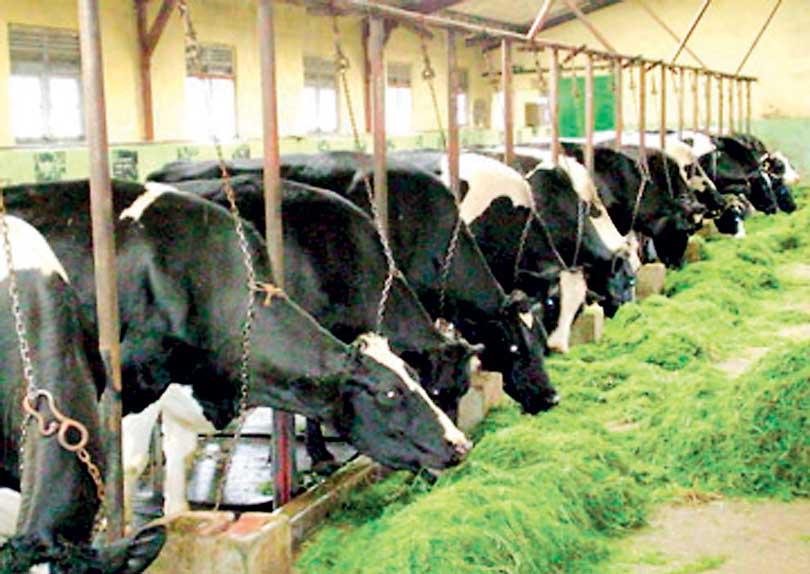
I read the budget proposals with a keen interest and noted a worthy cause initiated by the government to import 20,000 cows to Sri Lanka to enhance milk production, which I think is timely action.

Few questions is still remaining to be answered?

  • In order to provide milk, cows require a stud bull to make them productive to have calves ,hence are we importing foreign bulls or trying to manage with Local Stud bulls  ??( we have plenty in some selected Pradesheeya Sabha’s !!)
  • Cows from Australia and New Zealand have been imported to Sri Lanka ,but their milking yield has been low due to stress emanated from the high heat in Sri Lanka ,unless they all are placed in Nuwaraeliya
  • If they have to be kept so far away we require milk chilling facilities as milk extracted nee cooling within 2-3 hours and transport.
  • These cows cannot survive long in dry zones to give optimum milk output of 20-30  litres like in those countries  due to heat stress
  • Chillers with Solar power ice making facilities are also required  and they are quite expensive.
  • Government shall consider bringing Buffaloes ( though we have many in various Pradesheeya Sabhas!!) who can provide milk with high fat content and the buffaloes have more endurance to survive.
  • Pakistan and India is self-sufficient in Milk despite the hot climate as they use many chillers using diesel power operated ice making plant and the cows from these countries have more endurance and able to withstand the excessive heat.
  • COWS TO BE IMPORTED SHOULD BE FROM INDIA OR PAKISTAN IF SRI LANKA IS SERIOUSLY CONTEMPLATING DEVLOP DAIRY INDUSTRY
  • I AM SURE WORLD BANK OR ASEAN DEVELOPMENT BANK CAN PROVIDE FUNDING FOR ABOVE
  • THERE MAY BE AGENTS IN THE COW-BUSINESS WHO MAY BE EITHER PURSUING THE SUPPLY OF COWS FROM AUSTRALIA TO MILK” AND MAKE  FEW MILLION DOLLARS WHICH  H E PRESIDENT SHOULD BE AWARE OF .

Dr Sarath Obeysekera

Last month’s foreign debt repayment costs $ 813M

April 6th, 2019

PANEETHA AMERESEKERE Courtesy Ceylon Today

Government of Sri Lanka’s (GoSL’s) foreign debt payments cost the country’s foreign reserves US$ 813.26 million last month (March) alone, latest official data showed.

Additionally, this month (April), at least one foreign debt amounting to $ 500 million which also matures has to be repaid. This is a $ 500 million sovereign bond (SB) raised in April 2014 and of a five year tenure borrowed during the last year of the Mahinda Rajapaksa regime.

Last month, Sri Lanka raised $ 2.4 billion by selling SBs. Consequently, the country’s foreign reserves, last month over February; increased by $ 1,586.74 million to $ 7,621.90 million. An increase of $ 2,400 million ($ 2.4 billion), equivalent to the sum raised by selling SBs was not possible, because of last month’s $ 813.26 million foreign repayment.

Australian dairy cattle imports end in a disaster

April 6th, 2019

Courtesy The Island

The Australian Broadcasting Corporation (ABC) has last week run a news documentary presented as an “exclusive” with investigative reporting from its South Asia Correspondent about Australian cattle exported to Sri Lanka dying and being malnourished.

The report said that about 500 Australian and New Zealand dairy cows, shipped to Sri Lanka, under an AUD 100 million loan underwritten by the Australian government had died. Vivid visuals of dying, dead and malnourished cows were part of the documentary.

This subject got an airing in Parliament last week during the committee stage discussion on the budget. “Angry Sri Lankan farmers have told the ABC the ‘high yielding, pregnant dairy cows’ they were promised were over-priced, unhealthy and infertile and 10 percent of the 5,000 cattle imported so far had died and many were diseased.

However, a spokesman for West Australian live export company responsible for the animals said that only a ‘handful’ of 68 farmers selected to receive the cattle had problems attributed to their ignoring herd management advice that had been given.

He claimed that the animals were checked be veterinarians both at the Australian and Sri Lanka ends and alleged bad management practices.

A further 15,000 cattle are due under the scheme and there is pressure that it be stopped. However, under terms of the agreement covering the deal it must be concluded some reports said.

One dairy farmer who had been affected had reportedly committed suicide.

Amal Suriyage, owner of a dairy farm at Lammermoor Estate, Hapugastenne, had said that he lost about 160 cows and 180 calves at his dairy farm. He said that he would have to cull the remaining 40 animals as some had a highly contagious disease.

He was quoted in the program saying “What I have now are carcasses of those dead cows and calves. I think I have a cemetery, not a farm anymore.”

Suriyage who has gone to PRECIFAC, the sitting Presidential Commission on Fraud and Abuse of State Power, alleged that he had been threatened.

The deal to bring the 20,000 cows was entered into by the previous regime but implementer by the current incumbents.

Novelist arrested over gay plot line about bhikkus

April 6th, 2019

Courtesy The Island

(Colombo, AFP) – A Sri Lankan novelist has been arrested for writing about homosexuality in the Buddhist clergy and charged with violating international human rights law, officials said Tuesday, outraging free speech advocates.

Shakthika Sathkumara, 33, was arrested in Polgahawela on Monday and remanded in custody for nine days after monks complained about his writing.

The short story contained indirect references to homosexuality among the clergy, who hold considerable sway in the Buddhist-majority nation of 21 million.

The story was published on Sathkumara’s Facebook page and in local Sinhalese language publications.

“A group of monks complained that the reference to homosexual activities among the clergy insulted Buddhism,” a police spokesman said.

Buddhist monks are expected to be celibate. Homosexuality is also outlawed in Sri Lanka under an 1883 colonial-era law, but it is rarely enforced.

The police spokesman said the monks who complained refused to settle the matter out of court and insisted on Sathkumara being prosecuted.

He was taken before a local magistrate who charged him with inciting “religious hatred” under the United Nation’s international human rights treaty, to which Sri Lanka is a signatory.

Local activists decried what they called abuse of the International Covenant on Civil and Political Rights to clamp down on free speech.

“The police have abused their powers and carried out an arbitrary arrest,” the Free Media Movement, a local watchdog, said in a statement.

“We condemn this action of the police.”

THE REIGN OF MAHINDA RAJAPAKSE (Part 5)

April 5th, 2019

KAMALIKA PIERIS

C.A .Chandraprema writing on the Joint Opposition May Day rally of   2017 observed that ‘crowds at meetings have always been a way of judging which way the political winds are blowing. Those above their mid-fifties and above remember the 1977 May Day held in Maradana which at that time had been considered the mother of all political meetings. But at that time, the roads in Maradana were not even as wide as they are today.    (Island 4.5.17)

Chandraprema  said that ‘back in 2016 when I arrived at the May Day rally of the Joint Opposition in Kirulapone at around 5.00 p.m. and told friends over the phone that the crowd there was much bigger than the UNP and JVP rallies both put together, none of them believed me.’

 I had arrived at the Joint Opposition rally after having observed the other two rallies from about 4.00 in the afternoon when the rallies are usually at their peak. To say that an opposition grouping had drawn a bigger crowd than the UNP and JVP put together was at that time considered to be an extravagant statement. This was especially so because the drone footage of that meeting did not show what I had seen.

I arrived at that rally from the side of the Kirulapone police station but was never able to push through the crowd to observe how far it extended towards the Nugegoda end. Nor was I able to see how far the crowd extended towards Narahenpita along Baseline Road. At Kirulapone, the majority of the participants went away without having got even a glimpse of the stage. The crowd, that got stuck on Baseline Road, never got to look even in the direction in which the stage was situated and the crowd was so dense that it was an exhausting effort to push one’s way through it.

The crowd at the Joint Opposition rally held in Nugegoda in January 2017 was much larger than the crowd that attended the first ‘Mahinda sulanga’ rally in Nugegoda in February 2015. The fact that there was such a turnout despite overcast skies the whole day and torrential rains in many parts of the country was telling. The large crowd at Nugegoda proved the unpopularity of the present government.

Unlike at previous such meetings that this writer has observed, this was an uncommunicative and almost unfriendly crowd. Attempts to engage people in conversation elicited only grunts and monosyllables. Everybody wanted to listen to the speeches that were being made even though nothing new was being said.

At previous meetings, people did not look as though they had come to listen to speeches but to express solidarity with a cause. But this time, in January 2017, people were very serious, with hardly a smile on their faces. They were listening to the speeches as if their lives depended on it. A request to raise their hands and cheer elicited a single minded response even from the fringes of the crowd on the Nawala and Pagoda Roads with people lustily bellowing their allegiance to the cause. Each person seemed to be bound to the stage, not to his fellows around him.  

The Galle Face rally of May 2017 however is in a class of its own. Though I usually observe all the major rallies being held in Colombo, this year, there was no need to do that. Whatever happened at Galle Face would be the defining event,  observed Chandraprema.

The Yahapalana government underestimated the Joint Opposition and gave them Galle Face green thinking they would never be able to fill it. The government even went to the extent of dictating where the stage should be constructed so as to increase the embarrassment of the Joint Opposition when they were not able to muster sufficient crowds. But with the UNP, SLFP and JVP all actively openly opposing the Galle Face rally, the Joint Opposition managed to outdo everyone else.

The day before May Day, I took a drive along Galle Face to see whether the Joint Opposition would be able to fill it with crowds and my own assessment was that they may not be able to do it. This was on the assumption that Galle Face green meant only the ‘green’ part of it without the broad tarred walkway towards the sea side or the Galle Road.

But what we saw on May Day 2017 was a phenomenon that no one has ever seen in this country. The Galle Face green, the broad walkway on the seaside and the main road were just one sea of heads from the Galle Face Hotel to the Bandaranaike statue on the other side of the esplanade and beyond. There were people lining the road up to the roundabout near the Kingsbury and Galadari hotels.

This was not a crowd that had been transported there to put on a show. Every one of those people there were die hard supporters of Mahinda Rajapaksa. They were motivated and enthusiastic. They had come in private coaches and smaller vehicles since state run buses were not hired to SLPP. Buses may have been deployed, but no bus service can transport a crowd of that size. There was a continuous arrival of people from both ends of Galle Face.

The fact that two elderly participants died in the crush at Galle Face green was significant. If anybody was to get crushed or suffocated, that should have been at the Kirulapone rally in 2016, where the crowd was so dense that one could not even push through it. Galle Face on the other hand is a wide open space. The fact that anyone can get crushed in such a place is a clear indication of how dense the crowd was at its peak.

Thinking that there would be no crowd in Fort because the entrance to the Galle Face meeting was supposed to be from the Kollupitiya side, I went to Fort and got stuck in the middle of a river of people near the Fort YMBA, all marching purposefully to enter Galle Face through Lotus Road. The number of people that passed my vehicle near the YMBA would by itself have sufficed for a separate May Day rally. It is quite clear that tens of thousands of people at that meeting had come there entirely on their own.

When I was walking down Lotus Road on my way to observe the rally at around 5.00 pm, thousands of people were leaving the meeting. Usually people start leaving such meetings at around 6.00 pm. This time they would have started leaving earlier because everything began earlier. Usually the peak of a rally would be around 5.00 pm to 6.00 pm. This time the peak of the Galle Face rally would have been around 4.00 pm to 4.30 pm. By the time Wimal Weerawansa and Mahinda Rajapaksa made their speeches, large numbers of exhausted people had left. The intolerable heat would have been an additional reason for people to start leaving early.

According to Surveyor General, the Galle Face Green (together with the adjacent roads) is 18 acres in extent. The Campbell Park, (where the United National Party (UNP) held its rally) was only 3.5 acres and the Municipal playground in Getambe (where the pro-Maithripala Sirisena SLFP rally was held) was only 2.5 acres, The extents itself give one an idea of the numbers each venue could hold, said an analyst.

Government intelligence agencies estimated the crowd at Galle Face Green to be well over 100,000 perhaps equaling the crowds that had gathered during the visit to Sri Lanka by Pope Francis in January 2015. During that visit, the 40 foot wide Galle Face Centre Road (from the Galle Face Hotel roundabout end to near the Kingsbury Hotel) was blocked for use by the pontiff’s motorcade. However, during the ‘JO’ rally, crowds jam-packed the roads too. (Sunday Times 7.5.17)

The UNP rally in Campbell Park, according to intelligence assessments, came a second with an estimated turnout of 45,000 whilst at Getambe the turnout was around 40,000.  The estimated figures show that the crowds at Galle Face Green had surpassed both the UNP and the pro-Maithripala SLFP crowds put together.

That the large turnout at the Galle Face Green on May Day has come as a wakeup call to the Government is not in doubt, said analysts.   There is also little doubt, judging by their reactions, that both the SLFP and the UNP are shaken by the developments. The reactions of Ministers and MPs of both sides underscore this.

The news of substantial crowds at Galle Face Green had jolted Government leaders. This is how a senior Sri Lanka Freedom Party (SLFP) Minister, who did not wish to be identified for obvious reasons, described it: The turnout at the ‘JO’ rally was unexpectedly good and shows there is anti-Government feeling in the country. We have to accept that. This is food for thought. We should not underestimate what took place. The fact that they were able to muster a vast crowd and have a good media strategy makes them a force to reckon with. It is time we get our act together and stop criticizing each other.

Prime Minister Ranil Wickremasinghe had ordered the police to provide security to Mahinda Rajapaksa during the rally.  However, President Sirisena ordered the withdrawal of 42 Police officers, including an Assistant Superintendent, from Mahinda Rajapaksa‘s personal protection group as news trickled in of the massive gathering. The Director of the Ministerial Security Division (MSD) sent a letter withdrawing these Police officers. 

The letter came past 5 p.m. on Tuesday asking them to withdraw before 9 pm,” Mahinda Rajapaksa said. He did not wish to make public comments on matters relating to his personal security. However, he said, I cannot understand how threat perceptions against me have reduced immediately after the May Day. Orders also went out to   state investigation units to proceed with Court action against members of the Rajapaksa family in cases where probes have been concluded. 

In the near two and half years of the Government’s existence, former President Mahinda Rajapaksa had not made a significant impact against the Government on any major issue, except for some utterances  at public events, said the Sunday Times analyst. Therefore it is clear that Rajapaksa and his group have been benefiting and earning bonus points from the Government’s misdeeds, inactions, the spiraling cost of living and even allegations of widespread corruption.  The May Day rally showed that this has snowballed in Mahinda Rajapaksa‘s favor and bolstered his political position.

It is not just the large crowds at the Galle Face Green that was cause for worry for Government leaders. Some took comfort in the perception that they would not all translate into votes at an election. However, as the SLFP minister conceded, it demonstrated the anti-Government feeling in the country” or in other words the Sirisena-Wickremesinghe alliance had become unpopular.

The turnout showed that the Sri Lanka Podujana Party (SLPP) had come to stay and now has a substantial following. The Sri Lanka Podujana Party which they formed to contest future elections is just a year old, yet they have already broken all records as a crowd puller not once but on multiple occasions in different locations, Galle Face being the most impressive show of strength yet. The entire political future of this country is being determined by a political force that has taken shape outside the main political parties in the country, concluded Chandraprema. Clearly the SLFP organizations are cracking countrywide into two groups, the larger one now supporting Rajapaksa and the relatively smaller group backing Sirisena. The Sirisena-led SLFP is being pushed to a lower ranking.  (Continued)

වසර 08 ක් ගත වූ 2011 මැයි 30 වන දින කටුනායක පොලිස් ප‍්‍රහාරය මූලික අයිතිවාසිකම් කඩ කිරීමක් ’ ශ්‍රේෂ්ඨාධිකරණය තීරණය කරයි. වින්දිතයින්ට වන්දි රජයෙන් ගෙවිය යුතුයි.

April 5th, 2019

මාධ්‍ය නිවේදනය.නිදහස් වෙළ`ද කලාප සහ පොදු සේවා සේවක සංගමය

2019 අපේ‍්‍රල් මස 05 වන දින

ප‍්‍රවෘත්ති අධ්‍යක්‍ෂ/කතෘ,
සිය`ඵම විද්්‍යුත් මාධ්‍ය ආයතන හා පුවත් පත් වෙත,
ප‍්‍රවෘත්ති අධ්‍යක්‍ෂකතුමනි/ප‍්‍රධාන ප‍්‍රවෘත්ති කතෘතුමනි,

‘වසර 08 ක් ගත වූ 2011 මැයි 30 වන දින කටුනායක පොලිස් ප‍්‍රහාරය මූලික අයිතිවාසිකම් කඩ කිරීමක් ’ ශ්‍රේෂ්ඨාධිකරණය තීරණය කරයි.
වින්දිතයින්ට වන්දි රජයෙන් ගෙවිය යුතුයි.

පසුගිය ආණ්ඩුව විසින් 2011 වසරේ දී ගෙන ඒමට උත්සාහ කළ පුද්ගලික අංශයේ සේවකයින් ස`දහා වූ ඊනියා විශ‍්‍රාම වැටුප් ක‍්‍රමය පුද්ගලික අංශයේ සේවකයින්ගේ සේවක අර්ථසාධක අරමුදල මංකොල්ල කෑමට කරන ලද සැලසුමක් ලෙස අප සංගමය ඇතුළු අනෙකුත් වෘත්තීය සමිති තීන්දු කළ බැව් මාධ්‍ය ද දන්නා කරුණකි.

යෝජිත එම විශ‍්‍රාම වැටුප් ක‍්‍රමය ප‍්‍රතික්‍ෂෙප කරමින් ඊට විරුද්ධව දියත් කළ උද්ඝෝෂණ ව්‍යාපාරයේ උච්චතම අවස්ථාව වූයේ අප සංගමය නායකත්වය දුන් 2011 මැයි මස 24 වන දින කටුනායක නිදහස් වෙළද කලාපයේ 40,000 ට අධික සේවක සේවිකාවන් පිරිසකගේ ඉතාම සටන්කාමී, සාර්ථක විරෝධය විය. එම විරෝධතාවය ඉදිරියේ ඔවුන් ගෙන ආ විශ‍්‍රාම වැටුප් යෝජනාව නිල වශයෙන් ආණ්ඩුව ඉල්ලා අස් කර ගන්නා ලදී. එනමුත් එදින කටුනායක නිදහස් වෙළද කලාපයේ සේවක උද්ඝෝෂණයෙන් උරණ වූ ප‍්‍රදේශයේ දේශපාලනඥයින් කිහිප දෙනෙකු සේවකයින්ගෙන් පළිගැනීම සදහා 2011 මැයි 30 වන දින ඉතා ප‍්‍රකෝපකාරී කි‍්‍රයාවන් සංවිධානය කළහ. ඒ සමග ඉතා අමානුෂික පොලිස් ප‍්‍රහාර එල්ල කරන ලදී. එම පොලිස් ප‍්‍රහාරයට කටුනායක නිදහස් වෙළද කලාපයේ සේවක සේවිකාවන් විශාල පිරිසක් ගොදුරු වී රෝහල්ගත කරන ලද අතර එම වෙඩි ප‍්‍රහාරයට මැදි වූ රොෂේන් චානක නමැති තරුණ සේවකයා මිය ගියේය.

පසුගිය ආණ්ඩුවේ මෙම මැර ප‍්‍රහාරය සම්බන්‍ධයෙන් රට පුරා මෙන්ම ලොව පුරා ද විරෝධතා මතු විය. එම විරෝධතා මගහරවා ගැනීම ස`දහා හිටපු ජනාධිපති මහින්ද රාජපක්‍ෂ විසින් විශ‍්‍රාමලත් විනිසුරු මහානාම තිලකරත්න මහතාගේ මූලිකත්වයෙන් ඒක පුද්ගල ජනාධිපති කොමිසමක් පත් කළේය. එම කොමිසමේ නිර්දේශ ද සමග 2011 ජූලි මස 15 වන දින කොමිසම් වාර්තාව හිටපු ජනාධිපති වෙත භාර දෙනු ලැබුණි. එහෙත් එම ජනාධිපති කොමිසම් වාර්තාව පසුගිය ආණ්ඩුව අනෙක් සියළු වාර්තා මෙන් ප‍්‍රසිද්ධ නොකළේය. 2015 ජනවාරියේ බලයට පත් වත්මන් ජනාධිපති හා යහපාලන ආණ්ඩුව යටතේ ද එම කොමිසම් වාර්තාව ප‍්‍රසිද්ධියට පත් නොකළේය. එම කොමිසමේ නිල නොවන වාර්තාවක් අප සංගමයට ලැබී තිබූ හෙයින් එහි වූ කරුණු හුවා දක්වමින් ද අපි එම කොමිසම් වාර්තාව ප‍්‍රකාශයට පත් කරන මෙන් ජනාධිපතිගෙන් කිහිපවර ඉල්ලා
සිටියෙමු. තොරතුරු දැනගැනීමේ පනත යටතේ අප සංගමය 2017 මැයි මස 02 වන දින දරණ ලිපිය මගින් එම කොමිසම් වාර්තාවේ පිටපතක් ඉල්ලා සිටි අතර එය ලබා නොදෙන්නේ නම් අප සංගමය සතුව පවතින වාර්තාව ප‍්‍රසිද්ධ කරන බවට අප දන්වා සිටියෙමු. එම වාර්තාවේ පිටපතක් ඉන් පසුව නිල වශයෙන් අප සංගමය වෙත එවා තිබුණි.

තව ද 2011 මැයි මස 30 වන දින ඇති වූ එම පොලිස් ප‍්‍රහාරය නිසා විවිධ ශාරීරික ආබාධයන්ට ලක්වූ සේවකයින් 13 දෙනෙකු වෙනුවෙන් අප සංගමයේ මූලිකත්වයෙන් මූලික අයිතිවාසිකම් නඩු 13 ක් උපරිමාධිකරණයේ ගොනු කර තිබණි.

මෙම ජනාධිපති කොමිසමේ වාර්තාව එම නඩුවේ සාක්‍ෂියක් ලෙස ද අපගේ නීතිඥ මහත්වරුන් ඉදිරිපත් කර තිබුණි.

2011 වසරේ ශ්‍රේෂ්ඨාධිකරණයේ පවරන ලද මෙම නඩු විභාග කිරීමෙන් පසු 2019 අපේ‍්‍රල් 05 වන අද දින එම නඩු 13 අංක ීක්‍ත්‍ඍ 265/2011 සිට ීක්‍ත්‍ඍ 274/2011 දක්වා ද ීක්‍ත්‍ඍ 346/2011 සිට ීක්‍ත්‍ඍ 348/2011 දක්වා යන නඩු අංක නඩුවලට අදාල නියෝග නිකුත් කරමින් 2011 මැයි 30 වන දින පොලිස් ප‍්‍රහාරය නිසා එම සේවකයින්ගේ මූලික අයිතිවාසිකම් උල්ලංඝණය කිරීමක් සිදු කර ඇති බවට තීරණය කළ බව ප‍්‍රකාශ කළ ශ්‍රේෂ්ඨාධිකරණය එම වින්දිතයින් ස`දහා වන්දි ගෙවිය යුතු බවට ද එකී වන්දි මුදල් රජය විසින් ගෙවිය යුතු බවට ද නියෝග කරන ලදී.

මෙම නඩු සදහා ජ්‍යෙෂ්ඨ නීතිඥ ජේ.සී. වැලිඅමුණ මහතා ප‍්‍රමුඛ ජ්‍යෙෂ්ඨ නීතිඥයින් 13 දෙනෙකු කිසිදු අය කිරීමකින් තොරව පෙනී සිටින ලදී. ඕනෑම ආණ්ඩුවක් ගනු ලබන ජනතා විරෝධී කි‍්‍රයාවන්ට එරෙහිව විරෝධය පෑම ආණ්ඩුක‍්‍රම ව්‍යවස්ථාව යටතේ අප රටේ පුරවැසියාට හිමි මූලික අයිතියක් වුව ද එවැනි විරෝධයන් මර්දනය කිරීමට පොලීසිය කටයුතු කරන ආකාරය දිනපතා සිදුවන සාමාන්‍ය සිද්ධියක් බවට පත්වී ඇති මෙම වකවානුවේ ශ්‍රේෂ්ඨාධිකරණය ලබා දුන් මෙම නියෝගය අප රටේ කම්කරු පන්තිය මෙන්ම ජනතාව ලැබූ ජයග‍්‍රහණයක් ලෙස නිදහස් වෙළද කලාප සහ පොදු සේවා සේවක සංගමය සළකන්නෙමු.

ඇන්ටන් මාකස්
 සමලේකම්

නිදහස් වෙළ`ද කලාප සහ
පොදු සේවා සේවක සංගමය

මේ අයවැය හුදු ලියවිල්ලක් මිස ඉදිරි දශකය සදහා කළ ආයෝජනයක් ලෙස අපි දකින්නේ නැහැ.

April 5th, 2019

අද දින (05) පැවැති මාධ්‍ය හමුවට සහභාගි වූ නියෝජිතයින් පාර්ලිමේන්තු මන්ත්‍රී රංජිත් සොයිසා මහතා පාර්ලිමේන්තු මන්ත්‍රී දිලුම් අමුණුගම මහතා

පාර්ලිමේන්තු මන්ත්‍රී රංජිත් සොයිසා මහතා

මාසයක් පුරා සාකච්ඡාවට ලක්වුනු 2019 සදහා වූ අයවැය ලේඛණයට ඡන්දය විමසීමට නියමිතව තියෙනවා. රටේ ආර්ථික දේශපාලන තත්ත්වයත් සමග මේ අයවැය හුදු ලියවිල්ලක් මිස ඉදිරි දශකය සදහා කළ ආයෝජනයක් ලෙස අපි දකින්නේ නැහැ. රට මුහුණ දී සිටින සමාජ ආර්ථික ප්‍රශ්නවලට මේ අයවැයෙන් කිසිදු සහනයක් ලැබෙන්නේ නැහැ. ඒ වගේම අයවැය ඉදිරිපත් කළ දිනයේ සිට මේ දක්වා ආණ්ඩුව පැත්තෙන් අයවැය සම්බන්ධයෙන් උනන්දුවක් දක්වන බව පේන්නේ නැහැ. අපි ආන්ඩු පක්ෂයේ ඉදලා තියෙනවා. ඒ කාලේ අයවැය ගැන තිබුනේ පුදුම උනන්දුවක්. රටේ ජනතාව හිටියේ පුදුම උනන්දුවකින්. අද ඒ දේවල් පේන්නේ නැහැ. අයවැය ගැන වැඩිම උනන්දුවකින් බලාගෙන හිටිය පිරිස වුනේ විපක්ෂය. එහි ප්‍රතිඵලයක් නිසා පසුගිය සතියේ අපිට වැයශීර්ෂ දෙකක් පරාජය කරන්න පුලුවන් වුනා. අඩුම තරමේ ශ්‍රේෂ්ඨාධිකරණයට, රටට  තමන්ට බහුතර බලයක් තිබෙන බව ඔප්පු කරපු ආණ්ඩු පක්ෂයට තමන්ගේ අමාත්‍යංශ දෙකක වැය ශීර්ෂ පරාජය වීමෙන් ගලවා ගැනීමේ හැකියාවක් තිබුනේ නැහැ. ඒ පරාජය වීමට පසු දින ලක්ෂ්මන් කිරිඇල්ල ඇවිත් කියනවා මේක පරාජය වුනාට ප්‍රශ්නයක් නැහැ. රුපියල් 360ක් අඩුවෙනවා විතරයි කිව්වා. ඊට පහුවෙනිදා අගමැතිවරයා කියනවා සේවකයින් ලක්ෂ තුනකට වැටුප් ගෙවීමේ හැකියාවක් නැහැ. පළාත් පාලන ආයතන සියයට 90ට වැටුප් ගෙවා ගන්න විදියක් නැහැ. මේක පොහොට්ටුවේ අය හිතා මතාම කරපු දෙයක් කියලා. ඔව්. අපි මේක හිතාමතාම තමයි කලේ. සැලසුම්සහගතවයි කලේ. ජනතාවගේ ප්‍රජාතන්ත්‍රවාදයට බාධා කරමින් මැතිවරණ කල් දැමීමට එරෙහිව කරපු උද්ඝෝෂණයේ එක පියවරක් විදියට, උද්ධච්චකාරි, ද්වේශ සහගත හැගීම් ප්‍රකාශ කරන චම්පික රණවකට අනතුරු ඇගවිමටත් තමයි අපි මේ දේ කලේ. අද දවසේ මේ වැය ශීර්ෂ දෙකටත් සමස්ත අයවැයටත් නැවත ඡන්දය විමසීමක් සිදුවෙනවා. විපක්ෂ නායක මහින්ද රාජපක්ෂ මැතිතුමාගේ ප්‍රධානත්වයෙන් විපක්ෂයේ කණ්ඩායම විදියට අපි තීන්දුවක් ගත්තා. රටේ දේපල විකුණන, කිසිම හරයක් නැති, ජාතිය විජාතික කරන මේ ආන්ඩුවට එරෙහිව ඔවුන්ගේ අයවැය පරාජය කරන්න අපේ ඡන්දය ප්‍රකාශ කරනවා. ඒ සදහා විපක්ෂයේ අනෙකුත් කණ්ඩායම්වල සහායත් අවශයයි. ජනතා විමුක්ති පෙරමුණ අයවැයට විරුද්ධව ඡන්දය ප්‍රකාශ කරන බව කියලා තියෙනවා. ඒ වගේම එක්සත් ජනතා නිදහස් සන්ධානයේ මන්ත්‍රීවරුන් අද දවසේ අයවැයට විරුද්ද ඔබේ ඡන්දය ප්‍රකාශ කරන්න. මේ සදහා ජනාධිපති මෛත්‍රීපාල සිරිසේන මහතාත්, විපක්ෂ නායක මහින්ද රාජපක්ෂ මහතාත් සහභාගිත්වයෙන් සන්ධාන මන්ත්‍රීවරුන්ගේ සාකච්ඡාවක් පැවැත්වුනා. එතැනදි ජනාධිපතිතුමා ප්‍රකාශ කලේ අද දවල් 12ට ඡන්දය සම්බන්ධයෙන් එක්සත් ජනතා නිදහස් සන්ධාන මන්ත්‍රීවරුන් ගන්න තීන්දුව ප්‍රකාශයට පත්කරනවා කියලා. අපි බලාපොරොත්තු වෙනවා මේ අයවැයට එරෙහිව ඡන්දය ප්‍රකාශ කරයි කියලා. යම් ආකාරයකින් අයවැය දෙවන වර කියවීමේදී සිදුවූ ආකාරයට ඡන්දය ප්‍රකාශ නොකිරිම හෝ අයවැයට පක්ෂය ඡන්දය ප්‍රකාශ කිරීමක් සිදුවුවහොත් එය ශ්‍රීලනීප මන්ත්‍රීවරුන්ගේ ඉදිරි අනාගතයට බරපතල ලෙස බලපාන සාධයකයක් බවට පත්වෙනවා. ජන්දය දීමෙන් හෝ නොදීමෙන් අයවැය දිනවන්න සහාය දැක්වූවොත් ඒක මේ රටේ ජනතාවට කරන අසාධාරණයක්. අද මේ රටේ ජනතාවට කන්න නැහැ. සිංහල අලුත් අවුරුද්ද එනවා. ඒ වුනාට අද බලන්න නගරවල කඩසාප්පු සියල්ල වේලිලා. කිසිම වෙලදාමක් නැහැ. මිනිස්සුන්ට විදුලිය නැහැ. වතුර නැහැ. අද කොළඹ නගරයත් එක්ක මුලු රටේම ජනතාව කරවෙලා පිච්චිලා ඉන්නේ. දවල් දවසේ වැඩක් කරගන්න බැහැ. රාත්‍රී කාලයේ කෑමක් හදාගන්න ඇදුමක් මැද ගන්න විදියක් නැහැ. සාමාන්‍ය ජන ජිවිතය සම්පූර්ණයෙන් කඩා වැටිලා. මේ වෙද්දි විදුලිය දෙන්න කිසිම වැඩපිළීවෙලක් ආන්ඩුවට නැහැ. ජනතාවට එපා වුනා තිත්ත වුනු මේ ආන්ඩුව වෙනුවෙන් සෘජුව හෝ වක්‍රව සහාය දීමක් ශ්‍රීලනීප මන්ත්‍රීවරුන් අතින් සිදුවුනොත් ඒක ඛේදවාචකයක් වෙනවා. විපක්ෂ නායක මහින්ද රාජපක්ෂ මහතාගේ නායකත්වයෙන් මේ ආන්ඩුව පෙරළීමට ගත හැකි සෑම පියවරක්ම අපි ගන්නවා.මේ සැබෑ වුවමනාවට අවශ්‍යතාවයක් තිබේ නම් අද දවසේ අයවැයට එරෙහිව ඡන්දය ප්‍රකාශ කරන්න කියලා අපි ඉල්ලා සිටිනවා. මේ වෙද්දි සමහර මන්ත්‍රීවරු ප්‍රකාශ කරලා තියෙනවා පක්ෂය මොන තින්දුව ගත්තත් ඔවුන් අයවැයට එරෙහිව ඡන්දය ප්‍රකාශ කරන බව. අයවැයට ඡන්දය දුන්නොත් හෝ ඡන්දය නොදී පළා යාමෙන් මේ රටේ ප්‍රගතිශීලී, ආන්ඩු විරෝධී , එජාප විරෝධී ජනතාවගෙන් නම් කිසිම සහනයක් ලැබෙන්නේ නැහැ.

පාර්ලිමේන්තු මන්ත්‍රී දිලුම් අමුණුගම මහතා

තව දින කිහිපයකින් සිංහල හින්දු අලුත් අවුරුද්ද උදා වුනත් ජනතාව ඉන්නේ එදා වේල ගැටගසා ගන්න බැරිව. දරුවන්ට රෙදි කෑල්ලක් ගන්න, නෑගම් යන්න, විනෝද ගමනක් යන්න බැරි තත්ත්වයට අද මේ රටේ ජනතාව පත්වෙලා ඉන්නවා. මේක සම්පූර්ණයෙන්ම රජය වගකිව යුතු තත්ත්වයක්. පොලොන්නරුවේ වී කිලෝව රුපියල් 25යි. වී දාන මල්ල රුපියල් 55යි. වී කිලෝ දෙකක් විකුණන්න වෙනවා වි මල්ල ගන්න.2015 වි මිල තිබුනේ රුපියල් 35ට. හාල් කිලෝව තිබුනේ රුපියල් 60ට. අද වීකිලෝව රුපියල් 25යි. හාල් කිලෝව රුපියල් 100ට වැඩියි. වි ගොවියාට අස්වැන්න අරන් ජිවත් වෙන්නත් බැහැ. ගොවියෝ නොවෙන අයට ලාබෙට හාල් අරන් කාලා බිලා ඉන්න විදියක් නැහැ.

සුලු අපනයන බෝගවලින් මහනුවර ප්‍රදේශයේ ජනතාව ජිවත් වෙනවා. අද ගම්මිරිස් මිල ඉතාම පහත වැටිමක් වෙලා තියෙනවා. එදා කිලෝව 800ක් විතර වුන ගම්මිරිස් අද රුපියල් 300ට බැහැලා.කරාබු මිලත් ඒ වගේමයි. මම දන්නේ නැහැ මේ ආන්ඩුව කොහොමද කරන්නේ කියලා. අද රබර් කිරි මැලේසියාවෙන් ගෙන්වීම නිසා රබර් කර්මාන්තය පහත වැටෙමින් තිබෙනවා. බදු පිට බදු පනවලා ලයිසන් ගන්න ගියාම බද්දක් තියෙනවා. ඊට වැඩියි කාබන් බද්ද. අයෙත් දුම් සහතිකයකුත් ගන්න වෙනවා. මේ ඇමතිතුමා තව ටික දවසකින් රෝදවලට හුලං ගහනවා කියලා හුලං බද්දකුත් පනවයිද කියලා කියන්න බැහැ. මේ වගේ ජනතාව පීඩාවට පත්කරලා. තමන්ගේ දරුවාට ඇදුමක් ගන්න බැරි තත්ත්වයට ගොවියා පත්වෙලා. විනෝද ගමනක් නෑගමනක් යන්න බැරි තැනට ජනතාව පත්වෙලා. මේ අයවැය පරාජය කිරීමටඅපි සෑම උත්සාහයක්ම ගන්නවා. අපේ මන්ත්‍රීවරු වැය ශීර්ෂ දෙකක් පරාජය කළා. ශ්‍රී ලංකා නිදහස් පක්ෂය අද මොනවගේ තීන්දුවක් ගනියිද කියන්න අපි දන්නේ නැහැ. මොන දේ කළත් වෙන්නේ විහිලු සැපයිමයි. එක දවසකට විරුද්ධව ඡන්දය දෙනවා. තව දවසට පක්ෂව ඡන්දය දෙනවා. ආයෙත් පැනලා යනවා. මේ ප්‍රතිපත්ති මොනවාද කියලා අපිට තේරෙන්නේ නැහැ. කෙසේ වෙතත් මේ රජය ගෙදර යා යුතුයි කියන තැනයි ජනතාව ඉන්නේ. බලහත්කාරයෙන් තමි රැදී ඉන්නේ. මෙවැනි වියලි කාලගුණික තත්ත්වයන් මීට පෙරත් තිබුණා. හැබැයි හැම තිස්සෙම බැන්නේ රාජපක්ෂ ණය රාජපක්ෂ ණය කියලයි. ඉහළ කොත්මලේ, නොරොච්චෝලේ තියෙනවා ඔය ගත්ත ණය. අද මේවා හදලා නොතිබුණානම් වෙන්නේ කලුවරේම ඉන්නයි.

ඊයේ පෙරේදා අසන්දිමිත්තා කියලා චිත්‍රපටයක් සම්මානයට පාත්‍රවුනා. අපි දැක්කා විදුලි බල ඇමැතිතුමාට සමාජ ජාලා වල විසන්දි මුත්තා කියලා දාලා තියෙනවා. මේවිසන්දි මුත්තලා එක්ක රට ඉදිරියට ගෙනියන්න බැරි නිසා විසන්දි මුත්තලා ටික විසන්දි කරලාම දාන්න මැතිවරණයක් ලබා දෙන්න කියලයි අපි කියන්නේ

මාධ්‍ය – අයවැයෙන් ජනතාවට ණය දෙන්න සූදාම් වෙනවා.

දිලුම් අමුණුගම – ඔව්. ජනතාව තවත් ණය කරන එක ගැන ජනතාව තින්දුවක් ගනියි. තාම එක ණයක් දීපු තැනක් පෙන්වන්න. එහෙම තැනක් නැහැ. වික්‍රමසිංහ මහත්තයා එන්ටර්ප්‍රයිස් එන්ටප්‍රයිස් කියලා කෑ ගහනවා.නමුත් කරාබුවලට, ගම්මිරිස්වලට, රබර්වලට, හාල්වලට කිසිම ප්‍රයිස් එකක් නැහැ. බදුවලට විතරයි ප්‍රයිස් තියෙන්නේ. ඒක තමයි එතුමාගේ ප්‍රයිස් එක.

රංජිත් සොයිසා – දේශීයව රට ඇතුලේ තියෙන මුදල් ටික ණය විදියට දුන්නා කියලා රටේ ආර්ථිකය කොයි විදියටද ප්‍රසාරණය වෙන්නේ කියන්න වෙනවා. අනිත් එක මේකෙන් දේශීය රාජ්‍ය බැංකු ටික කඩා වැටීමේ අවධානමක් තියෙනවා. මේවා ජනතාවගේ මුදල්.

මාධ්‍ය – ඔය කියන විදියට ණය දෙන්න බැංකු සූදානම්ද

රංජිත් සොයිසා –  මේ අය කියන විදියට බැංකු ණය දීලා නැහැ. බැංකුවල නිර්ණායක අනුව ඇප තියාගෙන තමයි ණය දේනනේ. බැංකුවල තියෙන්නේ ජනතාවගේ මුදල්. මේ අය කියන විදියට අඥාන වෙලා බැංකු වැඩ කරන්නේ නැහැ.

දිලුම් අමුණුගම – පොලියෙන් එක කොටසක් ආන්ඩුව බැංකුවට දෙන බවයි කියන්නේ. පහුගිය අවුරුද්දේ පොලිය බැංකුවලට ගෙවන්නේ නැතිව බිලියන ගාණක් තියෙනවා. එහෙම වෙලා මේ අවුරුද්දේ ණය දෙයි කියලා හිතන්න බැහැ. ණය අරන් මොනවාද කරන්න පුලුවන්. ණය අරන් ණය කාරයෙක් වෙලා  කාලා බීලා බෙල්ලේ වැල දාගන්න එක තමයි කරන්න වෙන්නේ. අද කොන්ඩේ කපන මිනිහාට කොන්ඩේ කපන්න විදුලිය නැහැ. රෙදි හොදන ලොන්ඩරියකට වැඩ කරගන්න විදියක් නැහැ. සරවිස්ටේෂන්වල වාහනක හොදගන්න බැහැ. දවසේ පැය ගාණක් අක්‍රිය වෙලයි තියනේනේ. මිට වඩා පායන කාලවල් තිබුණා. මේවාට පෙර සූදානමක් තියෙන්න වෙනවා. මහින්ද රාජපක්ෂ මහතා රට භාරගන්න අවස්ථාවේ විදුලිය තිබුනේ ජනතාවගෙන් සියයට 70ටයි. මහින්ද මහත්තයා ජනතාවගෙන් සියයට 95ටම විදුලිය දෙන්න අවශ්‍ය පියවර ගත්තා. දැන් අලුත් සම්බන්ධතාවයක් දෙනවා තියා දීලා තියෙන සම්බන්ධතාවයන් ටිකවත් පවත්වා ගෙන යන්නේ නැහැ. කරන්නේ වෙන වැඩනේ. දිවුරුම් දෙනවා. ඒවගේ කරන්න තියෙන දේවල් නොකර වෙනවෙන දේ කරපුවාම මෙහෙම තමයි වෙන්නේ.

මාධ්‍ය – මාධ්‍ය වාර්තා කරනවා කොළඹටත් විදුලිය කැපීමේ සූදානමක් තියෙන බව. ඇැතිවරයාකියනවා අවුරුද්දෙදි කලුවරේ තියෙන්නේම නැහැ කිව්වා.

දිලුම් අමුණුගම – ඔය කතාවෙන්ම පේනවා නේ මේ අයගේ ප්‍රතිපත්තිය. කොළඹ විතරක් අදුරේ නොතිබුනොත් ඇතිද. එතකොට ගම. කොළඹට කිරි ගමට කැකිරි පුතිපත්තියක් . කොළඹ එලියේ තියෙද්දි ගම අදුරේ. කොළඹ එන්ටර්ප්‍රයිස් තියෙනවා. ගම වී විකුණ ගන්න බැහැ.

මාධ්‍ය – අවුරුද්දට කපන්නෙම නැහැ කිව්වා.

රංජිත් සොයිසා – මේ අය ජෙරේටර් නැවක් ඇණවුම් කරලාතියෙනවා. ඒ කියන්නේ මේ අය පායන කොටම මේක කරලා කියලා නොයෙකුත් කතන්දර තියෙනවා. අවුරුද්දට කොමිස් එකක් හොයා ගන්න  හදන බව පේනවා. නිලධාරීන්ට හොදටයි. මල්ල කරේ.

මාධ්‍ය – ලංකාවේ හදන තැන්වලින් විදුලිය නොගෙන ඇයි මේ නැව් වලින් ගන්නේ.

රංජිත් සොයිසා – ප්‍රමාණවත් නැහැ කියන මතයේ ඉන්නවා ඇති. තුර්කියෙන් නැවක් ගෙන්වලා විදුලිය දෙන්න ප්ලෑන් කරන වෙලේ කාලගුණ විද්‍යා දෙපාර්තමේන්තුවෙන් දත්ත අරන් විදුලිය අඛණ්ඩව දෙන්න පියවරක් ගන්න තිබුණා.

දිලුම් අමුණුගම- රබර්කිරිත් පිටරටින් ගෙන්වන කාලයක්. ලංකාවේ මිනිස්සු වතුරයි විදුලියයි විතරයි ලංකාවේ කියලා දෙයක් පාවිච්චි කලේ. විදුලියත් තුර්කියෙන් ගෙනත් විතුරත් ගෙනාවනාම් සියයට සියයක් විදේශ රටවල් මත යැපෙන්නේ.ඒ සම්මානයත් ලැබෙයි. අපි දැක්කානේ පහුගිය කාලයේ ස්වාමින් වහන්සේලාට සලකපු අයට එහෙම සම්මාන ලැබෙන හැටි. මේ අයටත් සියලු දේ රටින් ගෙන්වන තත්ත්වයට පත්කිරීමේ සම්මානය හමුවෙයි.

රංජිත් සොයිසා – අපි යෝජනාව කරනවා ශ්‍රි මුඛ මදුර භාෂීනී සම්මානය ලක්ෂ්මන් කිරිඇල්ල ඇමැතිවරයාට දෙන්න කියලා.

මාධ්‍ය –  හදිසි මිලදි ගැනීම් වලට පනතේ අවසර තියෙනවා.

දිලුම් අමුනුගම –  පනතේ වගන්ති තියෙන්නේ හදිසි අවස්ථා සදහානේ. නිත්‍යානුකූල නොවන දෙයක් වෙනවා කියලා අපි චෝදනා කරන්නේ නැහැ. ඒ වගේම රවී කරුණානායක මහත්තයා ආපු මාස කිහිපයේ නෙවෙයි මේක වුනෙත් නැහැ. ජනාධිපතිවරයාගේ සිට මේ කැබිනට් මණ්ඩලයේ හිටපු සහ ඉන්න සියලු දෙනා මේ රටට අත්වෙලා තියෙන තත්ත්වයට වගකිවයුතුයි.බැරිනම් ගෙදර යායුතුය්. නැත්නම් මැතිවරණයකින් ගෙදර යැවීමට ජනතාව සූදානමින් සිටින බව වටහා ගත යුතුයි.

මාධ්‍ය – හදිසි මිලදී ගැනීමේ යටතේ නැවෙන් විදුලිය මිලදි ගන්න කොට වාසි තියෙනවාද

දිලුම් අමුණූගම – මොනවා හරි වෙනවා. හදිසි මිලදී ගැනීම්වලින් වාසි තියෙන නිසානේ පෙර සූදානමක් නැතිව හදිසි මිලදිගැනීම් කරන්න වෙනකල් බලන් ඉන්නේ. පස්සේ මේ දේවල් එළියට එයි.

රංජිත් සොයිසා – නිති විරෝධී මත් ද්‍රව්‍ය අත් අඩංගුවට ගැනීම් වෙනවා. ඒ සදහා නවින තාක්ෂණය උපයෝගි කරගත්තේ නැහැ කියලා ජනාධීපතිතුමා ප්‍රකාශ කරලා තියෙනවා. දැන් මත්ද්‍රව්‍ය වැටලිම් අපකරණ හදසි මිලදී ගැනීම් යටතේ මිලදි ගන්න සූදානම් වෙන බවට අපි ලග ලිපි ලේඛණ තියෙනවා. රුපියල් බිලියන ගානක් වැය කරමින් මේ හදිසි මිලදිගැනිම් කිරිම පිටුපස්සේ දේශපාලන හස්තයක් ක්‍රියාත්මක වෙනවා.

 මාධ්‍ය – මේ අය රටට වැඩක් කරනවා වෙනුවට හදිසි මිලදි ගැනෟම් කරමින් සිටිනවා කියලාද කියන්නේ.

රංජිත් සොයිසා- තව හය මාසේනේ තියෙන්නේ. දැන් ඉන්නේ ගෙදර යන ගමන්. මේ කරන්නේ ගෙදර යන ගමන් කීයක් හරි සාක්කුවට දාගන්න එකයි

මාධ්‍ය -අයවැය සම්බන්ධයෙන් ශ්‍රිලනිපයේ තීන්දුවත් එක්ක ඉදිරියේ ගොඩනැගෙන සන්ධානයට මොනවගේ බලපෑමක්ද වෙන්නේ.

දිලුම් අමුණුගම – එදා පැනලා ගියා. අද මොනවා කරයිද දන්නේ නැහැ. සන්ධානගතවිම කෙසේවෙතත් අවුරුද්දට නැවත ගම්වලට යාමේ ප්‍රශ්නයක් ශ්‍රිලනිප මන්ත්‍රීවරුන්ට ඇතිවෙලා තියෙනවා මේ පැනලා යාම නිසා. විරුද්ධ නම් විරුද්දයි. පක්ෂ නම් පක්ෂයි. හැංගෙන්න පැනලා යන්න දෙයක් නැහැනේ. අවුරැද්දට ගෙදර යාමේ එකම හැකියාව ලැබෙන්නේ අයවැයට විරුද්දව ජන්දය භාවිතා කිරිමයි.

මාධ්‍ය – ශ්‍රීලනිපයේ මොනවගේ අයද සැක කියලා කියන්න පුලුවන්ද

දිලුම් අමුණුගම – එහෙම නම් කියන්න වුවමනාවක් නැහැ. අපි හොයන්න කලඹල වෙන්නෙත් නැහැ. වැඩි හරියක් ඇවිත් තියෙන්නේ ලයිස්තුවෙන්. ඡන්දෙන් ආපු අය නම් ටිකක් කළඹල විය යුතුයි. ඒ අයට දිස්ත්‍රික්කයෙන් ඡන්ද ලැබිලා තියෙන නිසා.

මාධ්‍ය -ජනතාවට නම් මේ අය ගැන දැන ගන්න අවශ්‍යයි.

දිලුම් අමුණුගම – අද රෑ අටේ ප්‍රවෘත්ති විකාශය යද්දි ජනතාවට දැන ගන්න ලැබෙයි.

මාධ්‍ය – අපි බැලුවේ දෙක තුනවෙද්දි මේ අය යනවා කියලා කියන්නයි.

දිලුම් අමුණුගම – ගිය වතාවේ පහ වෙනකලුත් හිටියානේ. හය වෙද්දිනේ නැතිවුනේ. ඒ නිසා දැන්ම කිව්වාට වැඩක් නැහැ.

ALAN KEENAN OF INTERNATIONAL CRISIS GROUP CAUGHT LYING

April 5th, 2019

A NOTE from Retd Brigadier Hiran N. Halangode (of Gemunu Watch)

Michael   [Alan Keenan’s recent press release] is a typical tale of the sort of stories peddled in the Northern and Eastern Provinces of Sri Lanka. The socio-economic conditions prevailing in the neighbouring districts of Uva and the North Central Provinces are very similar.  These INGOs spread unfavourable messages about the country when the government is bending backwards to Reconcile. It is the Tamil politicians and INGOs that spread distorted versions of the state of the country in those regions without doing any productive work themselves. I have attached a website reference http://www.cimicjaffna.com/Cimicnews_2019_04_04.php to show you what the Army is doing in the North to bring about  resettlement, rehabilitation and reconciliation.

Where is the Tamil Diaspora in this effort for the past 10 years!!!

Please tell the truth to the world we have suffered for over 30 years due to death, destruction, terror and conflict brought about by Tamil terrorists in Sri Lanka. Where were the Keenan’s and his ilk then, probably enjoying the good life in the UK, now belittling the efforts of a country striving to maintain peace and harmony.

I am sad the government doesn’t give publicity to the truth — thereby allowing the Keenan’s and their ilk to spread discord, disunity and polarisation of the communities in the country to the rest of the world. Sadly he too has visited the military in the North and met the Army officials on the 03rd of April 2019 as shown below.

ශ්‍රේෂ්ඨාධිකරණයෙන් තවත් ඓතිහාසික තීන්දුවක්

April 5th, 2019

Dr. Sarath Obeysekera

චුන්නාකම් ප්‍රදේශයේ භූගත ජලයට හානි වි ඇති හෙයින් එම ප්‍රදේශයේ ජනතාව රුපියල් ලක්ෂ 200ක වන්දියක් ගෙවන ලෙස චුන්නාකම් විදුලි බලාගාර පාලනාධිකාරියට ශ්‍රේෂ්ඨාධිකරණය නියෝග කළේය.

ඒ පාරිසරික ක්‍රියාකාරිකයෙකු වන ආචාර්ය රවින්ද්‍ර කාරියවසම් මහතා ගොනු කළ පෙත්සමක තීන්දුව ප්‍රකාශ කරමිනි. 

එම විදුලි බලාගාරය හේතුවෙන් භූගත ජලයට තෙල් හා ග්‍රීස් මිශ්‍රණය වී ඇති හෙයින් ප්‍ර දේශවාසීන් 500ක් වෙනුවෙන් උපරිමය රැපියල් 40000ක් දක්වා මෙම වන්දි මුදල ගෙවන ලෙසට ශ්‍රේෂ්ඨාධිකරණය නියෝග කර තිබේ.

I whole heartedly agree with the ruling of the Supreme Court

Big companies should practice social and corporate responsibility when they execute such projects

In this subsidiary of a large company there have been various corruptive practices and the heads have left with no punishment

Twenty million Rs penalty should be paid by the directors of the company

When any company decides to invest in a rural area local people ,clergy, politicians should have been consulted

Management has failed in their duty 

This may lead to snowballing effect like the one in Rathupaswela  where the blue chip company got way with no sizable penalty 

Only few youngsters gave their life

There may be punitive action by the people who are affected and companies should be weary about it 

Admirable feature in this land mark case ox that all the judges were Sinhalese

God bless our judiciary

Dr Sarath obeysekera

Sri Lanka’s national air carrier to kick off 5-year strategic business plan

April 5th, 2019

Source: Xinhua| Editor: Shi Yinglun Courtesy Xinhua

COLOMBO, April 5 (Xinhua) — Sri Lanka’s national air carrier, Sri Lankan Airlines, on Friday said it had formulated a five-year strategic business plan to transform the island country into a strategic hub for air travel and air cargo in the Asia-Africa-Middle East region.

The plan will be implemented this year and will be carried out till 2024.

Vipula Gunatilleka, CEO of Sri Lankan Airlines said that it was important for the airline to have a sound strategy plan and a clear vision for it to become a financial viable entity.

A key aspect of the Strategic Business Plan includes developing a route network to match customer demand and market opportunities, including new destinations in Europe, Africa, the Middle East, South Asia, the Far East and Australia.

The airline will also focus on selecting a fleet that is cost effective and best matches the requirements of the route network, adopting best practices to improve productivity and growing online sales to reach a wider market in a more cost effective manner.

Digital transformation and technology adoption to transform processes across the Airline have also been identified as top priorities.

Sri Lankan Airlines has in recent years been facing high debts and has been searching for an international investor to run the carrier on a private public partnership.

In 2017, Prime Minister Ranil Wickremesinghe had said the airline had recorded a massive debt of 3.25 billion U.S. dollars and the government 

Asian Infrastructure Investment Bank puts $320m towards projects in Sri Lanka and Laos

April 5th, 2019

By GCR Staff Courtesy  Global Construction Review

The Asian Infrastructure Investment Bank (AIIB) has announced funding for projects worth $280m in Sri Lanka and $40m in Laos.

In the case of Sri Lanka, $200m will go towards low-income housing in Colombo. Some 5,500 homes will be given to people living in dilapidated housing with poor sewerage and garbage management.

DJ Pandian, the AIIB’s vice president, said: Smarter urban planning will also enable the city to attract more foreign investment and increase its potential as an economic hub for the country.”

An further $80m investment will be used to reduce the risk of landslides and fund a review of regulatory systems intended to prevent them.

In Laos, a $40m loan will be used to improve a 58km section of National Road 13, which it is hoped will benefit 471 villages and 11 districts in the province of Vientiane. 

Pandian said of this project: This investment will improve one of the most vital transport routes in the country. The updates to the road will enable quicker and safer transportation of goods and people, which will promote socio-economic development within the country and improve connectivity with its neighbours.”

Sri Lanka dairy scheme blamed for cow deaths unlikely to send more from NZ

April 5th, 2019

Esther Taunton Courtesy Stuff

The Australian company behind a live export programme which allegedly left hundreds of cattle dead says it is unlikely to ship any more animals from New Zealand under the scheme.

The Australian company behind a live export programme which allegedly left hundreds of cattle dead says it is unlikely to ship any more animals from New Zealand under the scheme.

Animal export company Wellard is contracted to deliver 20,000 dairy cows to Sri Lanka under a programme set up to improve the country’s fresh milk supply. 

It has so far shipped 2000 cattle from New Zealand and a further 3000 from Australia. About 500 of the 5000 animals are reported to have died

Six cattle from New Zealand died on the voyage to Sri Lanka, data from the Ministry for Primary Industries (MPI) shows.

A spokesperson for the Western Australian company said it was unlikely any more cattle would be sent from New Zealand under the programme.

“Any future consignments of cattle, which will only occur after changes have been made to the programme, are likely to be from Australia,” a spokesperson for the company said.

It would not confirm which farm in New Zealand supplied the cows, but the shipment reportedly left from Napier.

Although the scheme was backed by the Australian government, MPI said it had no direct involvement.

There had been no shipments of cattle to Sri Lanka since 2017 and no further applications for exports there had been made, a spokesperson said.

Of the eight live sheep and cattle shipments in 2017 the Sri Lanka voyage had the highest number of deaths proportional to the number of stock being transported.

Live cattle shipments in 2017 led to 19 deaths.

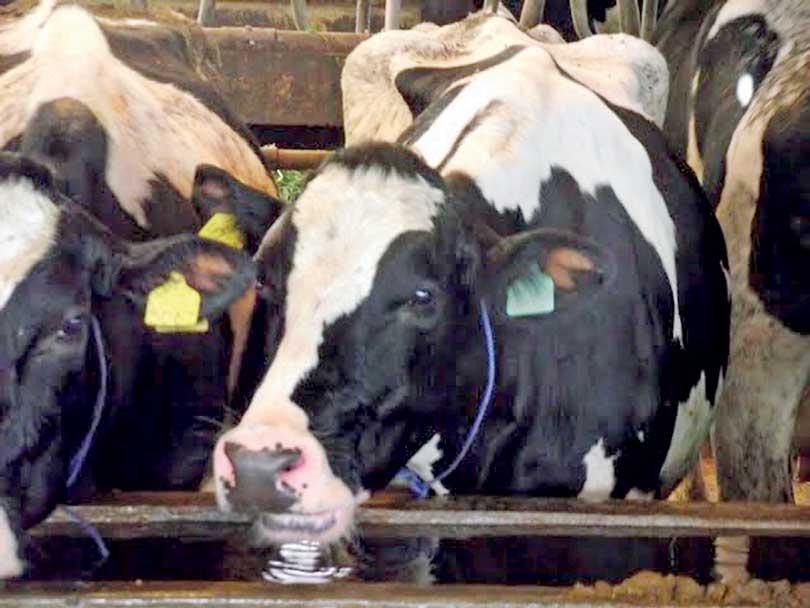
Cattle exported from New Zealand and Australia to Sri Lanka are being housed in horrific conditions, a programme broadcast in Australia alleges.
ABCCattle exported from New Zealand and Australia to Sri Lanka are being housed in horrific conditions, a programme broadcast in Australia alleges.

“This shipment was subject to all of our usual export approval procedures. Our verification services inspectors were involved in our usual role ensuring animal welfare requirements were met before and during transport.

“We are of course very concerned to hear of any animals in poor conditions, and it’s even more worrying to hear of people living in poor conditions and struggling to care for animals that are their livelihood.”

However, the ministry had no jurisdiction to address either of those issues outside New Zealand beyond its role in ensuring export requirements for animal welfare were met before and during export.

In a tweet on Thursday, Minister of Agriculture Damien O’Connor said he had instructed MPI to conduct a “thorough review” of all proposed live exports from New Zealand to ensure animal welfare obligations would be met.

But animal welfare group Safe said it was time O’Connor stopped “sitting on his hands” and put a stop to live exports of breeding animals.

“O’Connor has a choice. He can choose whether New Zealand continues to export vulnerable cows into such appalling conditions,” Safe ambassador Hans Kriek said

“Wellard is planning to export a further 15,000 cows, but O’Connor can choose to protect New Zealand’s reputation and refuse to export any more cows.”

In 2018 there were four live cattle shipments, all to China, with eight fatalities.

New Zealand’s largest company Fonterra contracts a number of Sri Lankan farmers to supply it with milk, although there is no suggestion these farmers are involved in animal maltreatment.

Wellard said it would check with its Sri Lanka representative as to whether any of the exported cows ended up on Fonterra supply farms.

New Zealand cows sent to Sri Lanka diseased, dying, failing to produce milk – report

April 5th, 2019

Dan Satherley Courtesy Newshub

Sri Lankan farmers are reportedly suicidal after going broke in a dairy deal with Australia and New Zealand that’s turned sour.

Out of 5000 imported cattle so far, hundreds have died and the rest have turned out “overpriced, unhealthy and infertile”, according to report by Australia’s ABC News. 

One Sri Lankan farmer who bought 200 cattle told ABC they were in a poor condition on arrival.

“My staff said it looks like they have not come from Australia. Looks like they come from Ethiopia,” said Amal Suriyage.

He lost 160 of the cows he bought and another 180 calves, and the rest will have to be culled because they’ve got Mycoplasma bovis.

“I think I have a cemetery, not a farm anymore.”

Others are reportedly suicidal after mortgaging their homes to buy cattle, which are producing less than promised and costing twice as much to feed. 

Animal rights groups are now calling for the deal, reportedly sanctioned by the previous New Zealand Government, to be called off and live exports to be ended.

“Live export corporations are sending animals to far-flung countries where untold horrors could await them. The horrific images from ABC today prove that,” said Hans Kriek of New Zealand’s SAFE. 

“Once a cow leaves New Zealand shores, we have no idea what happens to her. The European Union is ahead of New Zealand on this. They voted in February to end the live export of animals to countries that fall below their animal welfare standards. We need to follow their lead. 

“Our reputation is at risk if the Government allows animals to be exported into such appalling conditions.”

The cows were shipped by Australian company Wellard, which told ABC the scheme was a success, and the “handful” of farmers having problems were ignoring advice on how to run their farms.

“They were all passed fit for purpose, and in terms of the pregnancy issue, all the dairy heifers were signed off as pregnant when they went onto the ship,” said executive chairman John Klepec. 

“What happens post-delivery of the cattle is subject to the farm management. Poor farm management practices will produce poor outcomes.”

Another 15,000 cows are expected to be shipped over in the next 12 months, despite critics saying the climate in Sri Lanka is unsuitable.

“It’s been, from what we can see, a fairly unmitigated disaster from a human and animal welfare perspective,” Animals Australia spokesman Tim Vasudeva told ABC.

“We do have formal frameworks for the export of cattle for slaughter, but not for dairy and breeder cattle – so basically that means those welfare protections just aren’t there.”

Local group the Ceylon Cattle Farmers Association wants farmers to be reimbursed for their losses and the scheme halted.

Meanwhile, the Ministry for Primary Industries (MPI) told RNZ that the New Zealand shipment was subject to all usual export approval procedures.

In a statement, it said: “All exporters are expected to meet high standards to receive an Animal Welfare Exports Certificate. An MPI veterinarian will only issue the certificate if all requirements for the welfare of the animals have been met.

“These requirements include the health status of animals before departure, meet requirements around water, food, space, and facilities during the voyage and having suitably experienced stockmen and/or veterinarians on board.

“They must also have medicines and equipment for treating any animals that become unwell during the journey.”

The statement said MPI does not have jurisdiction after the animals arrived at their destination.

It said there have been no repeat shipments of cattle to Sri Lanka after controversy surrounding the fate of 2000 cows shipped there in 2017, and there had been no applications for any subsequent shipments.

Fonterra has confirmed that it was not involved in the deal, a spokesperson saying it does not export cows to Sri Lanka. 

“Our focus is working with local small-scale farmers in Sri Lanka who have herd sizes of 5-15 cows to ensure they can produce high quality milk from healthy, well cared for cows,” they said.

Ways for Sri Lanka to fix its healthcare

April 5th, 2019

SUBMITTED BY DEEPIKA ATTYGALLE Courtesy The World Bank

Ways for Sri Lanka to fix its healthcare

Nurses in Sri Lanka. Photo: World Bank

Today on World Health Day, we can say with confidence that Sri Lanka’s healthcare system has delivered on many of its promises.

This year’s focus on universal health care is a timely reminder that Sri Lanka is still reaping the benefits of far-thinking health policies implemented as early as the 1800s.  

Many of these measures were designed to address what were then considered the key challenges of previous centuries, such as high maternal and child mortality rates and infectious diseases that claimed the health and lives of thousands.
 
Successes in lowering maternal and child mortality rates and introducing effective vaccination programs have made Sri Lanka’s low-cost model one worth emulating in the rest of South Asia.  
 
Sri Lanka’s healthcare faces new challenges
 
However, we can no longer afford to rest on our laurels. Our policies and systems must now evolve to address the country’s urgent concerns.
 
The island must also now contend with a worrying rise in non-communicable diseases such as cardiovascular diseases (CVD), ischemic heart disease and stroke, cancers, diabetes, and respiratory conditions such as asthma.
 
Fertility decline and increasing longevity have resulted in a demographic transition in Sri Lanka and this is taking place while the country is aspiring to become an upper middle-income country. 

Population projections show that the proportion of Sri Lankans above the age of 60 years will increase from 14 percent in 2017 to 22 percent by the year 2037.
 
With such a rapidly aging population in Sri Lanka, it is imperative for policymakers to ensure that social and economic institutions in the country are ready to face the health challenges and social consequences ahead.
 
In response, Sri Lanka is undertaking an ambitious agenda that will strengthen and expand primary healthcare services from the ground up. Documented in Re-Organizing Primary Healthcare in Sri Lanka, preserving our progress preparing our future”   this approach is backed by strong evidence.

The report captures the findings of wide-ranging conversations among hundreds of stakeholders from every level of the country’s healthcare system.

Facilitated by the Ministry of Health, Nutrition and Indigenous Medicine, and supported by the World Bank, the report makes a case for why, and how, Sri Lanka must re-imagine its primary healthcare systems in order to attain the goals of universal healthcare. 

Ways for Sri Lanka to fix its healthcare
Photo: World Bank

Why focus on primary healthcare?
 
In theory, any Sri Lankan can find a healthcare service provider within 5km – 10km of wherever they are.

Yet, in practice, gaps in the quality of investigative services, a shortage of qualified personnel and some medications mean that people pass by such primary health care institutions and seek help at larger, tertiary care institutions instead.
 
This is not ideal – in fact, as the Director General of Health Services, Dr. Anil Jasinghe notes, 70‐80% of all care should be delivered at the primary care level, with 10‐15% of care provided at the secondary level and only the most advanced cases treated at the tertiary level.
 
This is of particular concern when it comes to treating non-communicable disease (NCDs) – in an aging population, NCDs can impede new progress and even reverse the gains made.
 
As we pursue the vision of reliable and affordable universal healthcare for all, a re-haul of our primary healthcare system becomes essential.
 
Ways to improve Sri Lanka’s healthcare 
 
We have identified three general areas for action: re-organizing primary health care to meet Sri Lanka’s future needs; using data and information to improve people-centered service provision and strengthening the health sector.
 
Tackling these challenges will require a complex and ambitious plan, with many moving parts. For instance, we could integrate prevention and treatment of service delivery for NCDs, including developing Healthy Life Centres and locating community-based NCD screening in Primary Medical Care Institutions (PMCIs).

Another focus should be on improving the efficiency and reliability of supply chain management systems for pharmaceuticals and medical supplies.  
 
We will also have to continue to invest in and expand the country’s capacity of human resources for health, ensuring all providers have the skills, time and supplies necessary to provide quality, people-centered primary health care to Sri Lankans throughout their lives.
 
These are only some of the measures that are being discussed, but they all hold the potential to save lives and improve the experiences of Sri Lankans in the moments when they are most vulnerable and in need of help.
 
On January 23, 2019, the Government of Sri Lanka and the World Bank signed a $200 million loan agreement to help increase the use and quality of Sri Lanka’s primary healthcare services.

 By rising to the challenge today, Sri Lanka can ensure it remains a model of how to provide healthcare for all its citizens in a way that is effective, affordable, accessible and above all, humane.

US$280 million funding for Sri Lanka

April 5th, 2019

Andy Brown Courtesy International Construction

Colombo

Colombo is the largest city in Sri Lanka

The Asian Infrastructure Investment Bank (AIIB) has announced funding of US$280 million for two projects in Sri Lanka.

The money is for two projects – US$200 million for improving housing conditions for low-income communities in Colombo by constructing affordable housing and redeveloping land and US$80 million to reduce the risk and damage from landslides.

Colombo is the largest city in Sri Lanka. The US$200 million project will support the construction of about 5,500 housing units and other related infrastructure.

Providing affording housing will improve the quality of life for those in need in Colombo,” said AIIB vice president and chief investment officer, D.J. Pandian.

Smarter urban planning will also enable the city to attract more foreign investment and increase its potential as an economic hub for the country.”

The investment to reduce landslide risk will support the design and construction of mitigation or protection measures where landslides have already occurred or are at risk of occurring.

The investment will also support the review and strengthening of the policy and regulatory systems for landslide management at the local and national level.

The AIIB began operation in 2016 and is located in Beijing, China. The bank invests in sustainable infrastructure projects in Asia.

Tory MEP linked to water pollution scandal in Sri Lanka

April 5th, 2019

Courtesy Morning Star (UK)

Nirj Deva (left) at the European Parliament

THE owners of a power station in Sri Lanka linked to a Tory MEP have been fined tens of thousands of pounds by the country’s supreme court for polluting local water supplies.

Nirj Deva, Conservative MEP for South East England, was a director of Northern Power Station’s parent company MTD Walkers plc for six years from February 2012 to August 2018.

His declarations of financial interests filed at the European Parliament show that at times he received up to €5,000 (about £4,300) a month from the firm.

On Thursday, Sri Lanka’s supreme court ordered Northern Power to pay 20 million rupees (about £87,000) in compensation within the next three months.

The power plant, which uses diesel and heavy fuel oil, is based in Chunnakam on the island’s Jaffna peninsula.

The judges said the penalty was designed to offset at least a part of the substantial loss, harm and damage caused to the residents of the Chunnakam area by the contamination of groundwater.”

The judges found that much of the pollution took place between 2008 and 2012.

This was before Mr Deva joined the parent company, and the power station then took steps to reduce pollution.

The judges noted that by October 2012, the station had installed Oil Traps, Gravity Oil Separators and a Sludge Tank which were designed to remove oil content from wastewater prior to
wastewater being discharged into the surrounding environs.”

However, they said the station still had shortcomings in the waste management system” as late as July 2015.

The flaws were exacerbated during periods of rain” when runoff could bypass the plant’s waste management system and directly enter the storm water drains which were then discharged onto adjacent lands.”

The petition before the supreme court was brought by Ravindra Gunawardena Kariyawasam, chairman of the Centre for Environment and Nature Studies.

The pay-out will go to at least 500 local residents although judges said a larger number of people may have been affected.

They said: This is an appropriate case to apply the ‘Polluter Pays’ principle.”

Mr Deva and MTD Walkers are not named in the judgment and there is no suggestion that Mr Deva is personally responsible for any pollution.

Mr Deva said in a statement: I had no knowledge of this matter.

I resigned from the company some time ago as I was dissatisfied with the way it was being run by the Malaysian owners. Ninety-five per cent of the company is owned by a Malaysian family, who dominate the board of directors.

As an independent director I sadly found it impossible to assert my 40 years of knowledge of good governance in business practice upon the company. And therefore I resigned.

There have been erroneous claims that I own this company, these are totally wrong.”

Duty free vehicles – Public servants can open LCs after June 1

April 5th, 2019

Ajith Siriwardana and Yohan Perera Courtesy The Daily Mirror

Public servants who were inconvenienced by the suspension of duty free vehicle imports will be allowed to open Letters of Credits (LCs) after June 1, 2019, Finance Minister Mangala Samaraweera said today.

He told parliament that the issuance of vehicle permits were suspended as a practical measure to protect our foreign reserves.

The minister said this in response to a question asked by JVP leader Anura Kumara Dissanayake some months ago.

He said those who had obtained vehicle permits before December 31, 2018 were allowed to open LCs after May 1 and added that permit holders would be able to open LCs after June 1 except for retired permit holders.

“Those who obtained permits before September 30, 2018 will be allowed to open LCs after June 1, 2019 and those who obtained permits before November 30, 2018 will be allowed to open LCs after July 1, 2019. Those who obtained permits before February 28, 2018 will get the opportunity to open LCs after August 1, 2019,” the minister said.

He said the others who will get their permits before July 30, 2019 will be allowed to open LCs after September 1, 2019, while others are issued with permits at any day, will be able to open LCs after October 1, 2019. (

Impossible to hold PC polls in Aug: Election Commissioner tells Speaker

April 5th, 2019

Yohan Perera and Ajith Siriwardana Courtesy The Daily Mirror

The Election Commissioner has informed Speaker that it will not be possible to hold the provincial council elections this year as the changes to the Provincial Council Elections Amendment Act has not been made on time, UPFA MP Dallas Alahaperuma told Parliament today.

He said the letter sent by the Commissioner states that the PC polls could have been held in August this year only if the amendments were carried out by April 5. The MP said the presidential elections will have to be declared by October 5 while nominations and nominations fixed for October 21. He said therefore, it was not possible to hold the PC polls because the presidential elections cannot be postponed.

Parliament will not be convened until May this year. Therefore we urge that the House should be convened for a special sitting so that the necessary amendments could be approved as soon as possible,” the MP said.

Chief Opposition Whip Mahinda Amaraweera also urged that the amendments be approved soon. The SLFP has been blamed for delaying the polls. However it is possible to hold the polls under the previous system. We call for a special session to approve the amendments to the PC Amendment Act so that polls could be held,” he said.

House Leader Lakshman Kiriella said UNP is not favour of delaying the polls. ‘”We are ready for polls at any time. We proposed that the polls be held under the previous system but others wanted it held under the new system. However, an amendment has to be approved for that as well,” he said.

JVP MP Bimal Ratnayake said the polls should be held as soon as possible because he party members were keen to be elected to the PCs.

He said the rich and the corrupt could be elected under the PR system and urged for a new electoral system.

Speaker Karu Jayasuriya said the party leaders discussed the issue recently and Ministers Rauff Hakeem and Mano Ganesan had wanted to meet President with regard to the local government elections and wanted time. ()

Budget 2019 passed in Parliament

April 5th, 2019

Courtesy Adaderana

The third reading of the Budget 2019 was passed in parliament with amendments a short while ago.

The Budget proposal was passed with a majority of 45 votes as 119 MPs voted in favor and 74 voted against the Budget.

The United National Front (UNF) and the Tamil National Alliance (TNA) voted in favor of the Budget.

Janatha Vimukthi Peramuna (JVP) and the Joint Opposition voted against the budget.

However, the United People’s Freedom Alliance (UPFA) MPs abstained from voting.

The Budget 2019 was presented to the Parliament on the 5th of March by Minister of Finance Mangala Samaraweera and the Second Reading Debate of the Budget 2019 commenced the following day. The House passed the second reading of the budget with 119 votes in favor and 76 against on the 12th of March.

The third reading of the debate also known as the Committee Stage Debate commenced from 13th March.

The Appropriation Bill for the year 2019 was tabled at the parliament on the 05th of February.

This year’s Budget proposal is considered significant as it was tabled during an election year.

The Budget was initially expected to be presented in November 2018 but was postponed due to the constitutional crisis which occurred in the country on 26 October when President Maithripala Sirisena sacked sitting Prime Minister Ranil Wickremesinghe and appointed Mahinda Rajapaksa instead.

A Vote on Account was passed following the reinstatement of Wickremesinghe while the Budget 2019 is expected to cover the last eight months of this year.

MONEY LAUNDERING, TERRORISM AND DESPERATE FOR INVESTMENT IN SRI LANKA

April 4th, 2019

BY EDWARD THEOPHILUS

The yahapalana regime initiated with the 2015 presidential election had undisclosed motives and a deformed face in its operation to the country and the pattern of its operation showed that it was associated with highly dishonest elements. At the outset, Mr. Maithrepala Sirisena didn’t know about the president of the party (Swan Party – Shaleela Munasinghe) he was supposed to contest in 2015 and later the president of the swan party was arrested for a cybercrime and cheating a bank in Taiwan. Several Chief Buddhist monks, clergies in other religions such as Christianity and Hinduism, university academics, trade union leaders and NGO personnel associated with so-called Good governance movement without knowing the true picture of the movement, which was using fabricated information with a view to defeating the Rajapaksa regime which has been comparatively performing a better work for the country than previous regimes. 

The mainly associated political party with the yahapalana movement was the United National Party and several minor parties such as Jatika Helaurumaya, Janatha Vimukthi Peramuna, Tamil National Alliance, Muslim Congress and other small Marxist parties also supported to the alliance. Minor Parties associated with the movement may have due to hidden objectives, but they did not disclose such objectives to the public. Did international supports, especially from Western democratic countries to the yahapalana movement extend with a clear understanding of the hidden motives of the movement, was an unresolved question so far, however, India supported to the movement was not because of a pure reason for re-establishing good governance in Sri Lanka, but it also appeared that a disguised reason of India was to oppose Chinese relations and investments in Sri Lanka.

It could also assume that Marxist political parties and trade unions, which had a strong abominate with UNP and Western capitalist countries to associate with the yahapalana movement was no other reason than gaining monetary benefits from the large financial benefits offered from the Obama regime to re-establish democracy in the world. The yahapalana movement under the leadership of Rev. Sobitha may had an honest intention and unexpected death of Rev Sobitha began to unfold hidden elements. At present it seems that the supporters of the yahapala movement atrocious to talk about the support and the role played during the yahapalana administration. 

In fact, People had a doubt about the unholy alliance and now many unknown facts are emerging.  My aim of this article is to consider investment-related factors to discuss, there may have been developing many political objectives, they are not my major points.

The environment of Sri Lanka is quite vulnerable to money laundering and terrorism.  Internationally, many major countries such as the USA, European Union, China, Russia, Japan, Korea, and others have a reasonable suspicion that Sri Lanka could be used to money laundering and terrorist activities as the attitudes of its people and political parties have a greediness for money and such a situation could be used to money laundering in the name of investment.  Especially Sri Lanka has a good environment to use for Islamic terrorism and money laundering as the country desperate for attracting investment.  For example, a reason decision of the government to lay foundation stone for an oil refinery in Mirriggavila, Hambantota had many questions and newspapers reported that certain ministers of the government, who were responsible for the investment were running overseas to make sure whether the proposed investment was a scam or an act for money laundering eye washing of Sri Lankans.  During the LTTE war, Sri Lanka was subject to directly using for terrorism and after the elimination of terrorist war, money laundering in the name of investment made possible as the country wanted more investments to fix war damages and finding effective solutions for economic hardships incurred resulting massive war spending.

It is assumable that the yahapalana movement had secret underhand elements of money laundering, terrorism and other disguise purposes with the members of associated political parties. The leaders of such political parties may have unknown the hidden elements as the priority of the leaders of political parties was winning election obtaining the support of whoever was willing to extend.  The nature of money laundering and terrorism is disguisedly working for achieving objectives and the nature of Sri Lanka at that time was to focus on purely defeating the Rajapaksa regime and without a common work program. They formed an ad hoc union and people of the country disappointed about the movement as they were concerned on many outstanding economic, social and cultural issues that were not discussed in a program to defeat the Rajapaksa regime.

Money laundering defines (internet) as “the process of making a large amount of money generated by a criminal activity such as drug trafficking or terrorist funding appears to have come from a legitimate source.  Money from criminal activity is considered dirty and the process launders it to make it look clean.  Money laundering is itself a crime.”  

The Colombo Port City was initiated in the last period of the Rajapaksa regime and it had an original plan to develop the city to attract investment and provide a considerable volume of employment. I published several articles on this project as it was fundamentally changing the economic and investment pattern of Sri Lanka.  During 2015 the presidential and general elections Mr. Ranil Wickramasinghe and the Yahapalana contributors badly criticized the project and promised to stop the project should they come to power.  The main argument was that the project would be subjected to environmental damage and create problems to poor fishing community in North Colombo and Negombo areas 

The original project did not focus on creating a financial service center with a view to attracting black or money earns from criminal activities and China as an experienced country of detecting money laundering, the Port City Development Project had potential to attract legitimate investments and had a trust of Sri Lanka’s government to protect the country from illegal dealings.  However, the Yahapalana regime, despite the promises given during elections in 2015 did not stop as stated, however, the project was changed to a financial city and the purpose of changing the project was questionable. The change in the purpose of the project created several issues in the country.  As the project initiated by the Rajapaksa regime, the land area was a part of Sri Lanka except the portion given to China and the land was subject to the law of the country in which money laundering is illegal.  The dishonest elements of the Yahapalanaya changed the original project converting to a financial city, most probably with an intention to use it for money laundering purposes.

Now land reclamation using outside soil has already completed and the government has a role to make legal reforms of the country to change the existing applicable law in the area to open for investment activities and existing law of the country concerns on inward remittances and outward remittances.  To attract foreign investment for financial services, it should allow money coming from outside and transfer to outside.  In this process, there will be opportunity to money laundering and recently media reported that the government wants to change the exchange legislation, why the government desperate for such legal reforms. The relaxation of existing legal conditions should be based on the foreign exchange reserves of the country and when Sri Lanka has an environment that the monetary unit of the country has a trend to radically depreciated against hard currencies of overseas, why the government wants to relax current exchange regulations?

The political parties associated with the Yahapalanaya was silent on the changes of the project and the current experience in Sri Lanka in relation to drug business clearly show that Sri Lanka needs an authoritative government leader who can take firm decisions to prevent and control different faces of investments for money laundering.  No sooner the presidential election completed in 2015, dishonest elements of the yahapalanaya emerged and commenced with the Central Bank Bond Scam and the regime was reluctant to take legal against the criminal elements of the party heavyweights. In October 2018, the president had to change the government as the prime minister of the government has not taken appropriate action to eliminate corrupt practices of the government and supposed to authorize the new constitution which possibly allows the disunity of the country, which might support illegal criminal activity such as money laundering as the constitutional reforms focus creating more powerful provincial governments which cannot be controlled by the central government.

The hidden elements of constitutional reforms did not broadly debate as the committee to the constitutional reforms failed to submit a draft constitution and if the draft was submitted, people would have opportunity to debate potential problems in the future in relat1ion to money laundering and terrorism with the new constitution.  Therefore, the writing of new constitution is not an overnight job, it needs considering many aspects and it might take more than three years to consolidate broad spectrum of views.  

The other area of the investment policy of the yahapalana regime is the hidden potential of its association with terrorism.  Sri Lanka eliminated open terrorism of LTTE movement in 2009, however, ISIS terrorism is working around the world, which shows different faces that may be in the form of a formal religion or another type of human services that are quite difficult to identify. After 2009, there were small-scale conflicts in the country in various places such as Beruwala, Kandy and the culprits of the conflicts have an association with yahapalana advocates is general opinion of people and so-called potential investors might indirectly or directly support to terrorist elements.

Generally, terrorism defines in the broad sense that “the use of intentional violence as a mean to create terror among masses of people or fear to achieve a religious or political aim.  It is used in this regard primarily to refer to violence during the peace time or in a war against non-combatants”.  As people of Sri Lanka was fully aware LTTE terrorism created terror among masses of people and now the face of terrorism appears that it has different techniques and religious aims. There was some information that certain people of Sri Lanka associated with international terror groups and this means that terrorism can associate with investment in Sri Lanka. Although the investors have no intention to create terror among masses of people in Sri Lanka, there may be camouflaged aims with investments.  When the country desperate for foreign direct investment it would be a greensward for terrorism focused investors.

The above discussion showed that money laundering and terrorism are variables that need to be a part of investment analysis.  Traditionally investment analysis focus on very conservative variables, which are analysed on either manipulated data or estimate based past recorded data.  The worksheet of analysis generates results for human decision making and there are many hidden points that are ignored or purposely disregarded or deliberately in cold-shoulder with the influences of various incentives to analyser or due to the political influences. Politicians in the government of Sri Lanka are audacious as they want statistics that shows evidence that they bought foreign investment.  The general attitudes of people are that when foreign direct investment comes, economic development and growth process would be stimulated to provide more employment opportunities.

Sometimes ago I had reviewed credit decisions and analysis in a major government bank in Sri Lanka and found that analysts used a weak process and inappropriate techniques for credit analysis.  The vicious aspect of the analysis was bribery and political influences which prevented generating accurate outcomes from the analysis and generated highly unprofitable and contrite results to the bank.  When it considers the investment analysis from that point of views, it can be assumed that investment analysis in Sri Lanka is not a reliable and does not consider essentially required points in the analysis process.

Traditionally investment analysis considers location and investors financial strength and economic aspects in which direct or indirect economic benefits such as employment opportunities, foreign exchange earning and impact to national income etc limited points are discussed since information provided by the investors provide limited area of information or information requested by investment analysts.  Allowing for foreign investment on the outcome of such a narrow analysis could not be detected hidden aims of money laundering motives and terrorism aspects of the proposed investment.  

Investment analysis in Sri Lanka must be in a broader analytical framework, which includes an intelligence analysis that consider the money laundering, terrorism, domestic and international politics, attitudes toward the investment of surrounding countries and other vital factors.  Some of the factors in an intelligence analysis might not quantitatively evaluate and in such a situation qualitive analysis would be useful for decision making. 

Sri Lanka needs a good investment analysis process with acceptable policies and transparency.  The current investment process seems a quite close process as the government wants to gain political advantages out of the investment.

CANDIDATES FOR THE NEXT PRESIDENTIAL ELECTION

April 4th, 2019

BY EDWARD THEOPHILUS

According to political analysts and journalists, several candidates have named as potential aspirants for the next presidential election in Sri Lanka, which will be scheduled to hold ending 2019. The major shortcoming of such ad-hoc naming is that not a single journalist names a woman candidate and it seems that although political parties promote equality between men and women, not a single political party has promoted a female candidate for the leadership. SLFP had women leaders but UNP never had a female leader. The prospective leader of UNP (Ruwan Wijewardane) is not only male but also a strong right-wing character with capitalist ideology, however, he would be the best choice to attract the supports of Buddhists as nearly 76% of total votes of Sri Lanka consists of Sinhala Buddhists. Primarily, it should be noted that the determinants of the next presidential election are Sinhala Buddhists no other group. 

It is a widely spread secret that UNP has two choices, Mr. Karu Jayasoorya, and Mr. Sajith Premadasa, there are some hints that UNP might finally agree to continue Mr. Maithreepala Sirisena with high risk when looking at the past events. All people are risky personnel to the future leadership of UNP and Mr. Ranil Wickramasinghe associated with the right-wing group may have a plan to eliminate Mr. Sajith Premadasa and Mr. Navin Dissanayake from leadership ambitions after the next presidential election and open a freeway for Mr. Ruwan Wijewardane to UNP Leadership.  Although executive authority has been the wish of Mr. Ranil Wickramasinghe since 1978, the presidential position was not interested due to several reasons and the major reason was his inability to face an island-wide presidential election with conservative ideology in a society where radically promoting socialist views against feudalism. If he wanted it, he could have taken it after Mr. J.R. Jayewardene, but he was not keen on it or opted to be as he may have done a self-assessment on his abilities. There may have been a plan of the family to work a different way with a secret strategy.

Mr. Karu Jayasuriya is an old man, who has no capability to lead the country and proved that he is good for a henchman job of Western forces than an executive presidentship after incidents in October 2018 and another significant problem with his candidature is that he will be risking the plan of Mr. Wickramasinghe family for the leadership of Mr. Ruwan Wijewardane. If Mr. Karu Jayasuriya becomes the president it will be the end of hopes of Mr. Wijewardane as Mr. Karu Jayasuriya’s son in law, Mr. Navin Dissanayake would be the choice to the leadership of UNP. On this background, Mr. Wickramasinghe would not prefer to select him as the presidential candidate of UNP.

Mr. Sajith Premadasa has serious weaknesses.  The major weakness is, he is attempting to use his father’s credibility as his work than showing his abilities and demonstrating his work and skills. Who would regard Mr. Sajith Premadasa as a good policy man in the modern electronic era for building few houses like matches boxes? If he wants to be the hero of poor people, he should fundamentally work to eliminate poverty and the policy process would support to society without poor.  Did he do such a vigorous policy action?  Mr. Ranasinghe Premadasa had a humble beginning and excellent experience working with Mr. Gunasinghe and understood how to work with poor and attract popularity.  As a Deputy Minister in Dudley Senanayake government in 1965 showed colors and actively participated in the 1977 election campaign, he attracted excellent popularity to become president after Mr. J.R. Jayewardene.  During his childhood, Mr. Sajith Premadasa misused the resources of the London branch of Bank of Ceylon and his mother and his sister have so corrupt past.  They are highly negative points for attracting votes. Mr. Sajith Premadasa cannot just become Mr. Ranasinghe Premadasa Sr, just taking over his father’s work to his name.

According to news reports his own work has tremendous faults. He is working in Hambantota living a luxury life in Colombo and there are jokes about his behavior and work, if a supporter is tall, he would be suitable for a security job and if the supporter is shorter, he would be a laborer.  It reflects the stupid attitudes and thinking pattern of Mr. Sajith Premadasa as he doesn’t understand how to determine the knowledge, skills, experience, and qualities of the person considering for employment.   He has no understanding of foreign policy and relations (may be expecting to use the service of Dr. Dayan Jayatilake) and he has not expressed how he is going to reconcile the relations between India and China. This is a significant criterion for attracting votes.

Mr. Sajith Premadasa is also a threat to the dream of Wickramasinghe – Wijewardane family regarding the leadership of UNP.  If Mr. Sajith Premadasa becomes the president of Sri Lanka it would be the end of the future of Mr. Ruwan Wijewardane, like Senior Premadasa id in the past, Sajith will eliminate all roots of Wickramasinghe – Wijewardane family. Based on points discussed above neither Mr. Karu Jayasuriya not Mr. Sajith Premadasa would not gain the blessing of Mr. Wickramasinghe to be UNP candidate for the next presidential election. Most probably, the preference of UNP would be to Mr. Sirisena with UNP and SLFP coalition.

Some people believe that Current president Mr. Sirisena would be a candidate. It is highly unlikely due to several reasons. After winning in 2015, he publicly stated that he will not contest the next presidential election and if he breaks the promise, people would like to vote for him. It would be a major point in the election campaign.  He cannot attract votes from minority communities and religions as he broke the promises given originally to them. The work of controlling illicit drug is a part of the duty of the forces and the president has taken the job into his has and shows that he attempts to get a credit of the role.  Sri Lanka has fundamental economic, political, social and cultural issues and how he is going solve such problems, his nature id pushing the problems to educated people and bureaucrats, however, people expect how he is going to give leadership.  He also cannot get the support of SLPP and he will be subject to lose from a large sum of votes than the defeat Mr. Rajapaksa in 2015.

The unconfirmed reports in Sri Lanka state that Mr. Kumar Sangakkara would be a candidate, despite he denial as he has been a popular Cricket player in the country and some corrupt politicians and TNA groups promote him purely advantage of them.  Mr. Sangakkara cannot be compared to Mr. Imran Khan due to several reasons, Mr. Imran Khan showed his totalitarian attitudes as a cricket captain and he is a character that possible to go to own targets and Pakistan Military preferred him as a leader and Mr. Imran Khan has been in Pakistan controversial politics for a long period. His dictatorship attitudes were criticized in Australia when he was playing for the World Cup.  Has Mr. Sangakkara such attitudes and would people of Sri Lanka be agreed with a person, who has dictatorship attitudes and helpful corrupt people? What is his plan political, economic, social and cultural plan?  He might be an ideal candidate for henchman duties of Western countries.

Mr. Sangakkara has not been gained experience in Civil or Military duty in Sri Lanka and what are his attitudes toward the economy, political and social issues. Does he agree with a new constitution and federalism betraying majority voters (76%) in the country for less than 12% of Tamil votes?  Can he give leadership for cabinet minister like crabs? These are issues in relation to the candidature of Mr. Kumar Sangakkara.    

Mr. Gotabaya Rajapaksa has popular support from SLPP, SLFP, UNP and Minor parties.  He also has strong support from Sinhala Buddhists and Sinhala Christians.  He has experience as  Military personnel and Civil administrator.  He also has experience in international politics and he contributed to the Rajapaksa regime as a policy man and his attitudes toward the economy, politics, culture, and religion are appreciated by people of Sri Lanka.

However, what is his policy toward the current issues in the country?  He has already expressed his views on modernization.  However, he needs to show his qualities as a public figure. The candidature of Mr. Gotabaya Rajapaksa is no threat to Mr. Wickremasinghe’s plan for the leadership of UNP.  

විදුලි කප්පාදුව සම්බන්ධයෙන් වගකීම රජය භාරගත යුතුයි

April 4th, 2019

ශ්‍රී ලංකා මානව හිමිකම් කේන්ද්‍රයේ වැඩබලන විධායක අධ්‍යක්ෂිකා සුරංගී ආරියවංශ

පවතින විදුලි කප්පාදුව සම්බන්ධයෙන් සම්පූර්ණ වගකීම රජය භාරගත යුතු බව ශ්‍රී ලංකා මානව හිමිකම් කේන්ද්‍රය අවධාරණය කරයි. එහි අධ්‍යක්ෂිකා සුරංගී ආරියවංශ මහත්මිය පෙන්වා දුන්නේ විදුලි කප්පාදුව නිසා ජන ජීවිතය බරපතල අන්දමින් අඩාල වී ඇති බවයි.

මහා පරිමාණ කර්මාන්ත කරුවන් සහ ඇතැම් ආයතන විදුලි ජනන යන්ත්‍ර ආධාරයෙන් විදුලිය සපයා ගත්තද කුඩා පරිමාණ කර්මාන්ත කරුවන් සහ ආයතන හිමිකරුවන් මෙන්ම සාමාන්‍ය ජනතාව මෙම තත්වය නිසා බරපතල අපහසුතාවකට පත්ව ඇති බව ඇය සඳහන් කළාය.

දිවයිනේ  විදුලි ජනන යන්ත්‍ර නොමැති පාසැල් බොහොමයක් පවතින බවද එම පැසැල් වල අධ්‍යයන කටයුතු මෙන්ම සිවිල් ජන ජීවිතයට බලපාන කටයුතු රැසක්  මේ වනවිට අඩාල වී ඇති බව සඳහන් කළ සුරංගී ආරියවංශ මහත්මිය පෙන්වා දුන්නේ  වැසි රහිත තත්වයකට මුහුණ දීමට රජය අපොහොසත් වීම කණගාටුවට කරුණක් බවයි.

ඉදිරි කාලයේ වැසි පවතීන්නේද නැද්ද යන්න පිළිබඳ අනාවැකි පළකිරීමේ  හැකියාව  කාළගුණ විද්‍යා දෙපාර්තමේන්තුව  සතුව තිබියදීත් මෙම වැසි රහිත තත්වය විදුලි බල හා බලශක්ති අමාත්‍යංශය නොදැන සිටීම බරපතල තත්වයක් බවද ඇය සඳහන් කළාය. ජනතාවගේ බදු මුදලින් යැපෙන ආණ්ඩුව ජනතා අවශ්‍යතා සපුරාලීමට අපොහොසත් බව මෙයින් මැනවින් පැහැදිලි වන බවද ශ්‍රී ලංකා මානව හිමිකම් කේන්ද්‍රයේ වැඩ බලන විධායක අධ්‍යක්ෂවරිය අවධාරණය කළාය.   මෙම විදුලි කප්පාදුව සහ සාමාන්‍ය ජනතාවට ඉන් සිදුවන බලපෑම, ආර්ථික හානිය ආදී සියලු කාරණා සම්බන්ධයෙන් වන  වගකීම  විදුලි බල හා බලශක්ති අමාත්‍යංශය විසින් භාරගත යුතු බව ආරියවංශ මහත්මිය පෙන්වා දුන්නාය.

April insurgency – a little known story

April 4th, 2019

Janaka Perera

April 5, 2019 marks the 48th Anniversary of the JVP insurgency of 1971 the first ever armed uprising against the Sri Lankan State since the British departed our shores.  It was one of two Southern insurgencies within a span of less than two decades. Both led two generations of youth and many others to their graves.

Following is a story of April ’71 which exposes how these so-called liberation struggles drove men to mercilessly kill even their friends and colleagues.

Towards the end of March, 1971, the Trincomalee Naval Base received a letter from the Peradeniya University requesting to arrange a football match between university students and navy personnel on the naval base grounds on April 5. The letter also requested the Navy to arrange for the university team to spend the night at the base, since it was difficult for them to return to Peradeniya the same day after the match. The university team was scheduled to arrive in Trincomalee by bus.

However since there were signs of trouble in the country the Naval Authorities were discussing whether they should accede to the request from the university. The Government had already declared an island-wide emergency following an armed attack on the American Embassy, Colombo, causing the death of a police officer. Naval personnel had also been deployed to guard the Trincomalee and Kantale police stations. Moreover the Peradeniya University at that time was suspected to be a hotbed of JVP activity.

Eventually the Navy decided it was not safe to allow a football match between the navy and university teams on April 5.  Accordingly the university authorities were informed that the naval base grounds could not be given for the match on the scheduled date.

If the match was held as planned one of the navy men who would have participated was Able Seaman H.M. Tillekeratne, one of the navy’s best football players. He had also been selected as an all-island hockey champion.  A strong well-built man, Tillekeratne was serving at the navy’s Elara Camp in Karainagar at the time.

He was in the habit of regularly travelling between the Elara Camp and the Trinco Naval Base.  The reason was that he was conducting political classes for some navy personnel.  Tillekeratne was the ‘Coordinating Officer’ between the Navy and the JVP which was planning to appoint him as North-East commander if they seized power.     

All this was happening before the Navy received the letter from the Peradeniya University.

On April 4, the date on which the Navy decided not to have the football match, Tillekeratne was on duty at the Elara Camp.  In the early hours of the following day, began the JVP insurrection with an attack on the Wellawaya Police Station, killing a policeman at his desk.  Fighting then commenced country-wide with attacks on 92 police stations, heralding the end of a phase in Sri Lankan politics.

By this time the CID had got wind of Tillekeratne’s strong connection with the rebels.

Within 48 hours of the JVP uprising and the government declaring an island-wide curfew the then Superintendent of Police Jaffna, Ramachandra Sunderalingam received a message from Colombo of a suspected  move by Tillekeratne to put sleeping tablets into the water filters at the Elara Camp’s officers mess.

Sunderalingam in turn confidentially informed the camp commander that Tillekeratne was wanted on ‘special duty’ (actually a CID interrogation) in Colombo.  Following this information Tillekeratne was ordered to take meals for the navy personnel guarding the Chunnakam power station and thereafter proceed to Palaly airport for the flight to Colombo.  He knew the game was up.  There was no question he would be arrested as soon as he arrived in Colombo.

He decided to act fast.

After spending a sleepless night Tillekeratne headed for Chunnakam in a navy jeep the following morning (April 7). He was unarmed since the naval authorities did not allow him to carry weapons after coming under a cloud of suspicion. The jeep was driven by another person.  

What happened next was like a scene from a gangster movie.

Upon reaching the power station Tillekeratne got off the jeep, instructing the driver to keep the engine running.  Tillekeratne then walked nonchalantly towards the power station which was guarded by a detachment from the Elara Camp. They knew him well.

When he entered the power station the naval guards who had completed their duty the previous night were relaxing. They had kept their submachine guns aside. Suddenly Tillekeratne picked up one of the guns ordered the other navy men to raise their hands.

All obeyed Tillekeratne, except Petty Officers Cecil Gunasekera, N.J.T. Costa and another. Since the three men were his close friends they thought he was joking. He then repeated his order. This is my last warning. Are you putting up your hands or not?”  But three men ignored him.

Then Tillekeratne opened fire, killing two of them – Gunasekera and Costa – on the spot.  Seriously injured were several others, among them a Navy PT instructor, T.M.N. Abdul who was crippled for life as a result.  He was the father of five children. His mother had fallen ill and died following the shock she had on hearing her son’s cruel fate.

According to Abdul, whom this writer met eight years later in 1979, Tillekeratne had shot him because he wanted to ‘settle’ a score. Abdul was the man earlier detailed to escort him to Colombo for the CID interrogation.

Following the shooting Tillekeratne, according to Abdul, had forced two other navy men at gun point to load the jeep with all the weapons and ammunition he had seized from his colleagues and accompany him in the vehicle.  Tillekeratne’s aim was to join the insurgents waging guerilla war against the State to usher in ‘socialism’.

At the time of the shooting Sunderalingam SP was at his office. It was just two days after the JVP’s failed attempt to rescue their leader Rohana Wijeweera from the Jaffna Prison. When the telephone rang at the SP’s office it was to inform him of the shooting incident at the Chunnakam Power Station. Sunderalingam realized that even a moment’s delay would give the wanted man the chance to escape.

Suspecting that he would try to flee Jaffna, the SP promptly telephoned ASP Mendis manning the Elephant Pass Police check point to be on the alert for the jeep carrying Tillekeratne.  As soon as the message was received the policemen at the check point along with army personnel waited for the vehicle to appear. A short while later they saw the jeep at a distance. They waited until it came close and then ordered the driver to stop. Their guns were aimed at the jeep.  At first it appeared the vehicle was going to slow down. Suddenly Tillekeratne tried to grab the submachine gun on his seat. But those manning the check point were faster. Their shots killed Tillekeratne and the driver on the spot. 

Everything happened within a matter of three minutes, according to Sunderalingam.

After Tillekeratne’s death, police searched his personal belongings and found secret documents and several bottles of sleeping tablets which were to be put into the water filters of the Elara Camp’s officers’ mess.  His plan was to seize all weapons and ammunition from camp’s magazine, before joining his JVP comrades after making naval officers unconscious.

Wars and insurrections bring out the best and worst in humans. Those ‘intellectuals’ who condemn only the State’s counter-terrorism should better keep in mind the saying: When you sow the wind you reap the whirl wind.”

Why a White Christian Isn’t Called a Terrorist

April 4th, 2019

By Kalinga Seneviratne 

SYDNEY (IDN) – After a White Australian of Christian background Brenton Tarrant gunned down 50 Muslims praying at a Christchurch mosque on a Friday, it took the New Zealand Prime Minister Jacinda Ardern more than a day to call it a terrorist” act, and when she did so, the mainstream media in Australia and New Zealand quoted Tarrant’s mother as describing him an angelic boy”.


Photo: Governor-General of New Zealand, Dame Patsy Reddy, lays flowers for the victims of the Christchurch mosque shootings at Hagley Park on 19 March 2019. CC BY-SA 4.0

Photo: Governor-General of New Zealand, Dame Patsy Reddy, lays flowers for the victims of the Christchurch mosque shootings at Hagley Park on 19 March 2019. CC BY-SA 4.0

Social media users across the world have condemned the Western tabloids’ attempts to humanize the killer, while ignoring those Muslims killed – many of whom had fled such terrorism in their own countries to find refuge in New Zealand. If the killer had a Muslim background, headlines across the world would scream Islamic Terrorism Strikes ‘Peaceful’ New Zealand’ and would have described the killer as an evil” person and a product of a violent religious culture.

This thinking was reflected in a statement released by Australian senator Fraser Anning from Queensland following the Christchurch massacre. He blamed the New Zealand immigration program that allowed Muslim fanatics to migrate” who promote a violent ideology” as the cause of the attack.

He was condemned widely in Australia for spreading such hate speech. But his diatribes distracted attention from the violent nature of Christian identity politics, which the Western media prefer to call far-right”, white supremist” or Neo-Nazi” violence.

They never call it Christian Terrorism” even though using violence to spread or defend Christianity has a long history from the crusades of the 11th to 13th centuries, European colonial conquests and to contemporary violence against Muslim communities in Western countries.

Four days after the Christchurch massacre, Australia’s only high-profile Muslim media identity Waleed Aly said on the popular TV Show he hosts ‘The Project’ that he was gutted, scared, overcome with utter hopelessness — but not shocked by extremists’ violence.

He added that some eight years ago the then Shadow Minister for Immigration had suggested at a party room meeting that the opposition should use community concerns that Muslims fail to integrate to Australian society as political strategy. Though he did not name the person, he was referring to the current Prime Minister Scott Morrison, who threatened to sue him for defamation but later withdrew the threat.

Needless to say, similar strategies have been used by mainstream politicians and political parties in the West – the most notable are U.S. President Donald Trump and French opposition figure Marine Le Pen – to drum up political support from their Christian bases. The media tend to use the word race” rather than religion to discuss such issues, even though the word Muslim” refers to a religion rather than a particular race.

Germany hosts the second largest community of Muslims in Europe numbering around 5 million and last year there have been over 570 attacks on Muslims, but, these attackers are always described as ‘far-right” or neo-Nazis” not Christian extremists”.

In June 2018, when nine French men and a woman were charged in a Paris Court for planning to attack veiled women, imams, mosques and halal grocery stores across France, the New York Times (NYT) said the group claimed they were fighting an Islamic peril” but nowhere in the report was the word Christian used, instead they were described as a small right-wing vigilante group”.

In 2005, the popular American Christian televangelist Pat Robertson publicly called on the U.S. government to kill Venezuelan President Hugo Chavez. He was quoted in NYT as saying it’s a whole lot cheaper than starting a war. And I don’t think any oil shipments will stop”. Though the newspaper did quote Venezuelan Vice-President Jose Rangel as saying that it is sheer hypocrisy for a nation supposedly fighting terrorism to let a Christian preacher make such a terrorist statement, NYT did not label Robertson as a Christian Terrorist”.

But, in 2013, Time magazine ran a cover story on ‘The Face of Buddhist terror” in Asia referring to how militant monks are fuelling anti-Muslim riots in Asia. But, when Christian evangelical preachers do the same it is not ‘Christian Terror’. Even the Burmese army that attacked Rohingyas were called a Buddhist Army” but NATO jets pounding so-called Islamic terror camps” in Afghanistan, Pakistan or Iraq are not called Christian Armies”. Applying the same logic as for Myanmar it can be said so.

Leave aside the crusades and European colonialism that destroyed the Inca civilization of South America, in the post-war era we have had a whole chain of Christian terror groups that have killed people and bombed communities. There was the Irish Republican Army that almost assassinated British Prime Minister Margaret Thatcher in 1984. In the 1970s and 1980s they terrorized the UK with bombings and assassinations but they were never called  Catholic Terrorists” just merely IRA.

Between 1987 and 2004, the Lord’s Resistance Army (LRA) was involved in a terror campaign to create a Christian state in Uganda ruled according to the Ten Commandments. They killed thousands of people in the process and were described as one of the most ruthless terror groups in the world – even the U.S. State Department declaring them a terrorist organization. In 2005, LRA leaders were charged by the International Criminal Courts for crimes against humanity and war crimes. But, the western media never called them Christian Terrorists” just referred to them as LRA.

There is the infamous Oklahoma City bombing of 1995, which killed 168 people and two white Americans were ultimately convicted for the bombing. The media described them as belonging to a religious cult” or when it became obvious this was Christian they said both were radicalized by a Davidian religious sect” near Waco, Texas – a state well-known as a base of Evangelical Christianity movement that propelled both George W Bush and Donald Trump to the White House.

In China, when two Christian cult members were sentenced to death for murdering a woman at a McDonald’s restaurant, media reporting across Asia referred to them simply as members of a Chinese cult” even though it was stated in the reports that they belong to an underground ‘Church of the All Mighty God” that believes its founder is a reincarnation of Jesus Christ.

In the 1980s when the campaign for a separate Khalistan state for Sikhs in India intensified leading to the blowing up of an Air India flight flying between Montreal and London, and the assassination of Indian Prime Minister Indira Gandhi in 1984, these actions were described as Sikh Terrorism” by the western media, even though Sikh militants would like to call themselves the Khalistan Liberation Army”.

In north-east India there is a long simmering terror campaign in Nagaland to create a separate Christian state that has killed over 200,000 people, where the late American Christian evangelist Billy Graham has attracted pop-star status. Nowhere do we hear about Christian terrorists” in Nagaland, but, we hear a lot about the Hindu Saffron Armies”.

When I raised the question of why Turrant is not labeled a ‘Christian Terrorist’ when even his manifesto released on social media had references to threats facing Christianity, a Christian friend of mine in Sydney said: He is not a Christian. Because if one were to hold extreme Christian views, he would be handing out food to the poor.” Well one could make the same argument about the Muslims, Buddhists and the Hindus.

Perhaps the best strategy for the media, at least in Asia, would be to take religion out of reporting terrorism and investigate and analyse more mindfully the socio-economic issues that give rise to such conflicts. If that could be done, different religious movements could come together to help solves the pressing economic, social and environmental problems threatening human civilization, as the core values of all the major religions would entice them to do so. [IDN-InDepthNews – 01 April 2019]

Future development of Sri Lanka on district basis

April 4th, 2019

The proposal to establish provincial councils was, apart from JRJs debacle to stay in power with the help of Indians, primarily to solve the problem of people coming to Colombo to get work done which later translated to sharing POWER.

Establishing a PC in Western province had no relevance on this basis. Further provinces close to Colombo and a province like central province had no relevance either.  Added to a financial burden, the low bred lowly educated members of PCs did a greater damage to the fabric of the landscape with illegal nefarious activities such as illegal projects of cutting down forests for re-settlements, building hotels etc. by-passing all established norms of ethical rules and environmental regulations.

What needs to be done is to keep North, East, North Central and Uva provincial councils, which are furthest from Colombo and dissolve the rest.   Future development of the country should be based on 25 districts basis and every district should have major institutions like hospitals, universities, transport hubs, agricultural centers, power distribution etc. etc. named after the specific district. e.g. there will be 25 universities in Sri Lanka once this strategy is undertaken, minimally.   Some districts do have already these institutions and needs to be improved. 

We need to shed tribalism, especially Majority – Minority labelling  and development based on tribalism on ethnic grounds MUST end and call for separation and dissolving of power must end. Our primary goal should be development of Sri Lanka based on one identity as SRI LANKAN.

සබරගමු සරසවි සිසුන්ට පොලීසිය එල්ලකළ අමානුෂික ප‍්‍රහාරය දැඩිව හෙලා දකිමු

April 4th, 2019

උපාධිධාරී ජාතික මධ්‍යස්ථානය. National Center ‌for Graduate

සබරගමුව විශ්ව විද්යාලයේ සිසුන් භාෂා හා සමාජ විද්යා පීඨවලට සිසුන් බඳවා ගැනීමේ දී සිදුකරන කප්පාදුව නවත්වන ලෙස ආණ්ඩුවට බලකරමින් ඊයේ (03) දින සිදුකරනු ලැබූ සාමාකාමී හා නිරායුධ විරෝධතාවයට රී ලංකා පොලීසිය එල්ල කළ ම්ලේච්ඡ හා අමානුෂික රහාරය දැඩි පිළිකුළෙන් යුතුව හෙලා දකිමු.

මෙවැනි අමානුෂික හා සාහසික ප‍්‍රහාරයන් දියත් කිරීමට පොලීසිය භාරව කටයුතු කරන ගරු ජනාධිපති මෛත‍්‍රීපාල සිරිසේන මහතා නියෝග ක‌ෙලේද නැතිනම් එජාප ආණ්ඩුවේ ප‍්‍රධානීන්ගේ උවමනාව මත දියත්කළ ප‍්‍රහාරයක්ද යන්න පැහැදිලි නැත. නමුත් අවසානයේ කුමන පන්නයේ ආණ්ඩු හා නායකයින් රට පාලනය කළත් සිසුන් ඇතුළු පොදු ජනතාවට මර්දනය හා මෙවැනි ප‍්‍රහාර එල්ල කිරීමේ අඩුවක් හෝ වෙනසක් නොමැති බව ඉතා පැහැදිලිය.

වත්මන් ආණ්ඩුව හා ජනාධිපතිවරයා බලයට පැමිණියේ ප‍්‍රජාතන්ත‍්‍රවාදයත් යහපාලනයත් ස්ථාපිත කරන බවට ජනවරමක් ලබාගෙනය. නමුත් පොරොන්දු සමාජ ධර්මයන් ක‍්‍රියාවට නංවනවා වෙනුවට දිගින් දිගටම සිදුවනුයේ ප‍්‍රජාතන්ත‍්‍රවාදය, පුද්ගල නිදහස අභියොගයට ලක්කරමින් සිදුකරන ක‍්‍රියාවන්ය.

රට පුරාත්, ලෝකය පුරාත් මානව හිමිකම් හා ප‍්‍රජාතන්ත‍්‍රවාදය ඉහලින් කථාකරන මොහොතක ලංකාවේ පාලකයින් හා පොලීසිය මේ ආකාරයෙන් අහිංසක විශ්ව විද්‍යාල සිසුන් තමන්ගේ ගැටළුවලට දීර්ඝ කාලයක් තිස්සේ විසඳුමක් නොමැතිකම නිසාම පාරට බැස සාමාකාමීව නිරායුධව විරෝධතාවයන් දක්වද්දී අමානුෂික ලෙස පහර දී මර්ධනය කිරීමට උත්සහ දැරීම ප‍්‍රජාතන්ත‍්‍රවාදය බරපතල අනතුරකට ලක්කිරීමකි. ජනතාවගේ ප‍්‍රශ්න වර්ධනය වෙද්දී පාලකයින්ට ඒ සඳහා විසඳුමක් නොමැතිකම නිසාම ඔවුන් තෝරාගන්නේ මර්ධනයේ පාරයි. ඒ සඳහා පවතින නීති ප‍්‍රමාණවත් නොවන තැන නීති පවා සකස් කරගන්නා පාලකයින් මේ වන විට ආණ්ඩු විරෝධී  ඕනෑම පොදුජන ක‍්‍රියාකාරිත්වයක් මර්ධනය කිරීමට හැකිවන පරිදි ප‍්‍රතිත‍්‍රස්ත පනත නීතිගත කරගැනීමට උත්සහ දරනුයේ ද විසඳුම් ලබාදීමට වඩා මර්ධනය ආණ්ඩුවට පහසු යැයි තීරණය කර ඇති නිසාවෙනි. ආණ්ඩුවට එරෙහිව මතුවන  ඕනෑම ජනතා විරෝධයක් දැඩිව මර්ධනය කිරීමට විවිධ අණපනත් ගෙනඒමට උත්සහ කිරීම තුල ප‍්‍රජාතන්ත‍්‍රවාදය මරණාසන්න වීමට නියමිතව ඇතියි යන්න තේරුම් ගන්නවා හැර වෙනත් මාවතක් නොමැති බව ආණ්ඩුව පෙන්වමින් සිටී.

ආණ්ඩුවකට රට පාලනය කිරීමේ දී උගතුන් බුද්ධිමතුන් හැමදාමත් ප‍්‍රශ්නයක් වී ඇති බව පැහැදිලිය. පසුගිය 03 වන දින සරසවි සිසු සිසුවියන්ට පොලීසිය අතින් පයින් පහර දෙමින් නැවත නැවත පහර දෙමින් මාරාන්තික ප‍්‍රහාරයක් දියත් කළේ එවැනි උගතුන් බුද්ධිමතුන් සදාකාලිකව ආබාධිතව තැබීමට බව එම දර්ශන පෙළ තුලින් ලෝකයට අනාවරණය වේ.

විශ්ව විද්‍යාල සිසුන්ගේ අධය්‍යාපන හා සුභසාධන ප‍්‍රශ්න විසඳීම සඳහා පාලකයින් වහා පියවර ගතයුතුය. රටේ අධ්‍යාපනයේ ඉහලම අවස්ථාව හිමිකර ගනිමින් විශ්ව විද්‍යාල තුලට ප‍්‍රවේශ වන සිසුන්ට නිදහසේ තම අධ්‍යාපන කටයුතු කරගෙන යාමට අවශ්‍ය යටිතල පහසුකම් හා භෞතික සම්පත් ප‍්‍රමාණවත්ව ලබාදීම ආණ්ඩුවක වගකීම වනු ඇත. සිසුන් මේ දක්වාම වීදි බැස අරගල සිදුකර ඇත්තේ ආණ්ඩු බලය ඉල්ලා හෝ මැති ඇමතිකම් ඉල්ලා හෝ නොවන බව පැහැදිලිය. නිදහස් අධ්‍යාපන කප්පාදුවට එරෙහිව, මහපොළ ශිෂ්‍යාධාර කප්පාදුවට එරෙහිව, ගොඩනැගිලි පහසුකම් ලබානොදීමට එරෙහිව, නේවාසික, පුස්කතාල, පරිගණක පහසුකම් ප‍්‍රමාණවත් නොවීමට එරෙහිව බව පැහැදිලිය. එවැනි සාධාරණ ඉල්ලීම් සඳහා සිසුන් පාරට බසින විට පොලීසිය යොදවා සිසුන්ගේ ඔළු පලනවා වෙනුවට, අතපය කඩනවා වෙනුවට, ආණ්ඩුව කළයුතුව ඇත්තේ සිසුන් පාරට බසින තත්වයට පරිසරය නිර්මාණය කිරීම වැළැක්වීමයි. එසේ සිදුනොවන්නේ නම් පාලකයින් එහි වගකීම භාරගතයුතු බවත් අවධාරණය කරමු.

එමෙන්ම මෙවැනි අමානුෂික ප‍්‍රහාරයන් ඇතුළු ප‍්‍රජාත්නත‍්‍ර විරෝධි මර්ධනයන් පරාජයට පත්කිරීමට සියළු ප‍්‍රජාතන්ත‍්‍රවාදී ප‍්‍රගිතිශීලී බලවේග පෙරමුණ ගතයුතු බවත් අපි වැඩිදුරටත් අවධාරණය කරමු.

ස්තූතියි.

මෙයට,

චන්දන සූරියආරච්චි

කැඳවුම්කරු

විදුලි බල අවශ්‍යතාවය පිළිබදව විදුලි බල ඉංඩිනේරුවන් පෙන්වා දුන්නත් ආන්ඩුව කිසිදු පියවරක් ගත්තේ නැතිව ඉදලා දැන් තමන්ට කැමැති පුද්ගලයින්ගෙන් විදුලිය මිලදි ගැනීම සැලසුම්සහගතව කරපු දෙයක්

April 4th, 2019

ශ්‍රී ලංකා පොදුජන පෙරමුණ මාධ්‍ය හමුව

පාර්ලිමේන්තු මන්ත්‍රී රමේෂ් පතිරණ මහතා

මේ වන විට ලංකාවේ ඇති වෙලා තියෙන ජල විදුලි අර්බුදය හේතුවෙන් රටේ සමස්ත ජනතාවටම ප්‍රශ්න ඇති වෙලා. පහුගිය කාල සීමාවේ ජාතික විදුලි පද්ධතියට අලුතෙන් විදුලි ඒකක එකතු කිරීමේ ක්‍රමවේදයකට ආණ්ඩුව පිවිසියේ නැහැ.දැනට ජාතික අවශ්‍යතාවය ලෙස පවතින දෛනික මෙගා වොට් 2700ක පමණ අවශ්‍යතාවය ජල විදුලිය නිපදවීමට නොහැකිවීම නිසා අර්බුදයකට පත්වෙලා. ලංකාවේ දැනට ජලවිදුලිය ඇතුලුව නිපදවෙන්නේ මෙගාවොට් 4000 පමණ ප්‍රමාණයක්. වර්තමානයේ වියළ කාලගුණ තත්ත්වය නිසා ජල විදුලි අත්පාදනය අඩුවීමෙන් විදුලි ජනනය මෙගා වොට් 2500 පමණ ප්‍රමාණයකට අඩු වෙලා තියෙන්නේ.

විදුලි බල ඉල්ලුම වාර්ෂිකව සියයට හයක් හතක් වැනි ප්‍රමාණයකින් වැඩිවන බව විදුලි බල මණ්ඩලය පුරෝකතනය කර තිබුණත් අපි විශ්වාසකරනවා වාර්ෂීක විදුලි බල ඉල්ලුම ඊට වඩා වැඩියි කියලා. දැන් කාර්යබහුල අවස්ථාවල මෙගාවොට් 750කට වැඩි විදුලි ඉල්ලුමක් මේ රටේ පවතිනවා. මේ විදුලි සැපයුම වෙනුවෙන් ආන්ඩුව සාධණීය මැදිහත්වීමක් නොකිරීමේ වගකීම වත්මන් විදුලුබල ඇමැතිවරයා රජය මෙන්ම මිට පෙර සිටි විදුලි බල ඇමැතිවරයාත් භාරගන්න වෙනවා. අපි 2013නොරොච්චෝලේ විදුලි බලාගාරය ස්ථාපනය කරලා මෙගාවොට් 900 විදුලි ධාරිතාවක් විදුලි බල පද්ධතියට එක් කිරිමට පියවර ගත්තාට පසුව විදුලි බල නිෂ්පාදනය එකතැන පල්වෙමින් තිබෙනව.

විදුලි බල අවශ්‍යතාවය පිළිබදව විදුලි බල ඉංඩිනේරුවන් පෙන්වා දුන්නත් ආන්ඩුව කිසිදු පියවරක් ගත්තේ නැතිව ඉදලා දැන් හදිසි මිලදී ගැනීම් හරහා මෙගාවොට් 100ක් මිලදි ගන්න උත්සාහ දරමින් සිටිනවා. බොරදියේ මාලුබෑමේ තත්ත්වයක් ඇතිවෙලා තියෙන්නේ. දැන් තමන්ට කැමැති පුද්ගලයින්ගෙන් විදුලිය මිලදි ගැනීමේ හැකියාව ආන්ඩුවට ලැබෙනවා. මේක සැලසුම්සහගතව කරපු දෙයක් කියලා අපි විශ්වාස කරනවා.

සාම්පූර් බලාගාරය ඉදිකලේ නැහැ. එල්. එන්. ජී. බලාගාරයේ ගැටලුව විසදන්න ආන්ඩුව පියවර ගත්තේ නැහැ. ඒ හරහා විශාල අර්බුදයක් ඇති වෙලා තියෙන්නේ. අදට නිෂ්පාදනය කිරීමට යෝජිත මෙගාවොට් 350ට අමතරව එළැඹෙන වර්ෂයේ තවත් මෙගාවොට් 350ක් පමණ ලංකාවට අවශ්‍ය වෙනවා. මේ රට පෙලන  විදුලිබල සැපයීම අඩාලවීම හේතුවෙන් අපි ආන්ඩුවට යෝජනා කරනවා  එල්. එන්.ජී බලාගාරයේ ටෙන්ඩරය අදාල චීන සමාගමට හෝ ලබාදීලා අනෙක් ටෙන්ඩරයේ පාර්ශ්වකරුවා වන ලක්දනව් සමාගමටත් එම ප්‍රමාණයේම විදුලි බලාගාරයක් හදන්න පහසුකම් සපයන්න කියලා.

සාමාන්‍ය ටෙන්ඩර් පටිපාටිය යටතේ මේ කටයුත්ත කළයුතු වුවත් මේක ජාතික අර්බුදයක් වෙලා තියෙන්නේ. මේ ජාතික අරුබ්දය විසදාගන්න අපිත් දේශපාලන පක්ෂ භේදයකින් තොරව කටයුතු කළ යුතුයි. නැත්නම් අපේ ආන්ඩුවක් පැමිණීමෙන් පසුවත් මේ අරුබුදය විසදා ගන්න බැරි වෙනවා. මෙවැනි බලාගාරයක් හදන්න වසර දෙකහමාරක පමණ කාලයක් ගත වෙනවා. නමුත් ආන්ඩුව භාරගන්න අපිට මේ තත්ත්වය කළමණාකරණය කරගන්න අපහසුවෙනවා.

අද විදුලි බලය නොමැතිවීම හරහා රට අරාජිකයි. මේ දිනවල කොළඹ හා තදාසන්න ප්‍රදේශවලට ජල කප්පදුවක් සිදුවෙනවා. කොළඹ අවට ප්‍රදේශවල සමස්ත ප්‍රජාවටම ජන ජිවිතය පවත්වා ගෙනයාමට බාධාවක් වුනා. ජල සම්පාදනයේ අලුත් වැඩියාව පමණක් නෙවේ. අඹතලේ ප්‍රදේශවලට විදුලි විසන්දිවිමක් වුනාම ඔවුන්ගේ පොම්පාගාර සියල්ල අක්‍රීය වෙනවා. බත්තරමුල්ල ඇතුලු ප්‍රදේශවල තියෙන පීඩන පොම්ප සියල්ල මේ නිසා අකර්මන්‍ය වෙනවා.

ජල සම්පාදන මණ්ඩලය සමග විදුලිබල මණ්ඩලය අවබෝධයකින් කටයුතු කරනවා නම් රටේ ජල සම්පාදනයට බාධා නොවන අකාරයකින් විදුලි කප්පාදුකිරීම කරන්න හැකියාව තියෙනවා. පොම්ප ක්‍රියාකරන ස්ථානවල විදුලිය අත්හිටුවීම වලැක්වීමේ පියවරක් ගන්න තිබුණා. එවැනි සම්බන්ධීකරණයක් නැති නිසා සියලු පොම්පාගාරවල ජල පොම්ප අක්‍රීය වෙනවා. ඒවායේ ජල පීඩනය  යථා තත්ත්වයට පත්වීමත් සමග නැවත විදුලිය අක්‍රීයවීමක් සිද්ධ වෙනවා. ගිය සෙනසුරාදා සිට පැවැතුනු ජල කප්පාදුවෙන් පස්සේ ඊයේ රෑ ඉදලයි කොළඹ ජනතාවට හරියට ජලය ලැබෙන්න ගත්තේ. මේ කෙන් දරුවා පාසල් යවන්න, රාජකාරිවලට යවන්න බැරි වුනා.

ඒ වගේම ජල සම්පාදන මණ්ඩලය සතුව මෙවැනි හදිසි අවශ්‍යතා කළමණාකරණය කිරීමේ පහසුකම් නැති බව අපිට අවබෝධ වුනා. ඔවුන් සතුව ප්‍රමාණවත් බවුසර් තිබුනේ නැහැ. හදිසි අවස්ථාවල පොම්ප සක්‍රීය කරන්න ජෙනරේටර් තිබුණා. ඒවා අක්‍රීය වෙලා තිබුනේ. ඔවුන්ට හදිසි ජෙනරේටර් මිලදී ගෙන තත්ත්වය යථා තත්ත්වයට පත්කරන්න හැකියාවක් තිබුනේ නැහැ. මේ නිසා විදුලිය වගේම ජලයත් නැති වෙලා ජන ජිවිත අඩාල වුනා.  රෝහල්වලට විශාල බලපෑමක් වුනා. ශල්‍යකර්ම කිරීම නතර කරන්න වුනා. ඔසුසල්වල ඔසුතොග නැවත භාවිතා කිරීම අපහසුයි. අඛණ්ඩ උෂ්ණත්වයකින් පවත්වා ගෙන යා යුතු එන්නත් වර්ග තිබෙනවා. සුපර් මාර්කට්වල සිට සෑම ව්‍යවසායයෙක්ටම තමන්ගේ භාණ්ඩ කල්තියා ගැනීමේ ක්‍රමවේද සොයාගන්න සිදුවුනා. සමහරක්විට භාවිතයට නුසුදුසු ආහාර වර්ග පාරිබෝගික ජනතාව අතරට එන්න පුලුවන්. මේ වැනි ජාතික අරුබ්දයකට ආණ්ඩුව සාධනීය මැදිහත්වීමක් නොකරන බව පේනවා. මේ රට ගොඩනැගීමේ ශක්තිය ආන්ඩුවට නැති බව විශ්වාසයි.

ඒනිසා තීරණාත්මක මැතිවරණයකදී ජනාතව නිවැරදි තින්දුවක් ගනියි. මීට වසර 15ට පෙරයි මේ වගේ විදුලි කප්පාදුවක් වුනේ. ඒ කියන්නේ රට ආපස්සටයි ගමන් කරමින් තිබෙන්නේ. හෙට (05) පාර්ලිමේන්තුවේ තීරණාත්මක දවසක්.

අයවැය තුන්වැනිවර කියැවීමේ ඡන්ද විමසීම පැවැත්වෙනවා. ඒකාබද්ධ විපක්ෂයේ අපි සියලුදෙනා අයවැයට විරුද්ධව ඡන්දය ප්‍රකාශ කරනවා. ශ්‍රීලනීප අපේ සහෝදරවරු ඔවුන්ගේ ගැටලුව නිරාකරණය කරගෙන ඇති කියලා අපි විශ්වාසකරනවා. අයවැය තුන්වැනි වර කියැවීමේදී මේ අසාර්ථක අයවැයටත් අදූරදර්ශී පාලනයටත් එරෙහිව ඡන්දය දෙයි කියලා අපි විශ්වාස කරනවා.

පාර්ලිමේන්තු මන්ත්‍රී ඩී. වී. චානක මහතා

මේ ආන්ඩුව අවුරුදු 4ට ආසන්න කාලය තුල රටෙ සියලුම අංශ විනාශ කරලා ඉවරයි. විවිධ පක්ෂවලින් රට පාලනය කරලා තිබුණත් මේ විදියට රට අගාධයකට ගිය කසිම ආන්ඩුවක් මේ රටේ තිබුලා නැහැ. මේ ආන්ඩුවට සැලැස්මක්, වැඩපිළිවෙලක් නැහැ. හෙට දකින්නේ නැහැ. මිට කලින් තෙල් නැව එනකල් අපිට බලාගෙන ඉන්න වුනා. අද දකුණූ ආසියාවේ පැය 24ම විදුලිය දෙන්න බැරි එකම රට ලංකාවයි. ජනතාවට කියනවා දවල්ට පැය තුනක් සහ රෑට පැයක් විදුලිය කප්පාදු කරනවා කියලා. ඒක අමූලික බොරුවක්. සමහර ප්‍රදේශවලට පැය 6ක් 8ක් විතර විදුලිය කප්පාදු කරනවා. අද රටේ ආර්ථකයට මේක සෑහෙන්න බලපාලා තිබෙනවා. හැම රටකම වාර්ෂීකව විදුලි ඉල්ලුම වැඩිවෙනවා. නමුත් මේ ආන්ඩුවට කිසිම බලාගාරයක් හදාගන්න බැරිවුනා. හම්බන්තොට තිබුන මෙගාවොට් තුනක් විදුලිය නිපදවපු සුළං බලාගාරයත් අද ගලවලා දාලා. වරාය චිනයට දෙන අවස්ථාවේ ඒ සම්බන්ධයෙන් ගිවිසුමකට ආවානම් මේ විදුලි කප්පාදුන විනාඩි පහකින් හෝ අඩු කරන්න තිබුණා.

2014 වෙද්දි හම්බන්තොට කර්මාන්තපුරයට එල්. එන්. ජී බලාගාරයක් එනවා. එනර් වර්ල්ඩ් ඉන්ටර්නැෂනල් කියන බලාගාරයෙන් මෙගාවොට් 1200ක් සැපයීමේ හැකියාව තියෙන බලාගාරයක් ආවේ. 2016 වෙද්දි මොගාවොට් 300ක්,2018 වෙද්දි තව 300ක් 2020 වෙද්දි ඉතිරි 600ත් විදියට විදුලි ධාරිතාව සපයන්නයි මේ බලාගාරය ආවේ. නමුත් මේ ආන්ඩුවට කොමිෂ් මුදල ලැබෙන්නේ නැති වුනාම ඒ සමාගම හරවලා යැව්වා. මේ අය බලාපොරොත්තු වුනේ බ්‍රිතාන්‍ය සමාගම එක්ක ගිවිසුම් ගත වෙන්න. ඒ සමාගමෙන් එක විදුලි ඒකකයක් මිලදී ගන්න නියමිතව තිබුනේ රුපියල් 10.50කට. මේ බලාගාරය හැදුවේ නැති නිසා අද පැය ගණන් විදුලිය කපනවා. මේ වෙද්දි පාවෙනබලාගාර දෙකක් ලංකාවට ඇවිත් තියෙනවා. අපිට මේවායින් විදුලිය ගන්න වෙන්නේ රුපියල් 30 ගානේ. 10.50ට ගන්න ඒකකය 30ට ගන්න වීම නිසා වසරකට රුපියල් කෝටි 4200ක් පාඩු වෙනවා. 2016 වර්ෂයේ සිට අද වෙනකල් වුනු පාඩුව කෝටි 12000ක්. මේක මහ බැංකුවේ වංචාවට ආසන්න පාඩුවක්. එදා මේ එල්. එන්. ජි බලාගාරය ඉදිකරලා තිබුණා නම් අද විදුලි කප්පාදුවකුත් නැහැ. ජනතාවට මීට වඩා සහන මිලකට විදුලිය දෙන්නත් තිබුණා. ඒ සම්බන්ධයෙන් මේ ආන්ඩුව කටයුතු කලේ නැතිව අද වෙද්දි සියලු වැරදි රවි කරුණානයක ඇමැතිවරයා පිටදාන්න අත්සාහ කරනවා.

පහුගිය කාලයේ හැම දේකටම කතා කරපු අජිත් පී. පෙරේරා කොහෙද කියලා දැනගන්න අපි කැමැතියි. එතුමා කිව්වේ ලංකාවට විතරක් නෙවෙයි වැඩි වෙන විදුලිය අපි ඉන්දියාවට දෙනවා කියලයි. සූර්ය බල ශක්තිය ගැන කතා කළා. න්‍යෂ්ඨික බලාගාර ගැන කතා කළා. පුනර්ජනනීය බලශක්තිය ගැන කතා කළා. ද කෝ මේ අජිත් පි. පෙරේරා. පුලුවන්නම් අපිට මේ නියෝජ්‍ය ඇමැතිතුමාව හොයලා දෙන්න.

අයවැය සම්මත කිරීමට නියමිතව තිබුනා. නමුත් අයවැයක් ගැන කිසිම හැගීමක් රටේ නැහැ. ගිය අයවැයෙන් මුදල් අමාත්‍යංශයෙන්ම සියයට 80ක මුදලක් ආපස්සට යනවා. මේ මාස අටකට තියෙන අයවැයෙන් සියයට 90ක් ආපස්සට යන බව නම් විශ්වාසයි. මේ අයැවැය අනිවාර්යයෙන්ම පරාජය කළ යුතුයි. මේ අයවැය ජය ගැනීම ආන්ඩුවට ප්‍රශ්නයක්. මේ වෙද්දි ඡන්දය ගන්න විවිධ සාකච්ඡා තියෙනවා. වරප්‍රසාද, මුදල් ලබා දෙන්න අත්සාහ කරනවා. බැරිම නන් අයවැයට සහභාගි නොවී ඉන්න හරි වරප්‍රසාද දෙන්න හදනවා. ඒ නිසා ඔබගේ මන්ත්‍රීවරයා කටයුතු කරන ආකාරය සම්බන්ධයෙන් අවබෝධයෙන් ඉන්න.

මලික් සමරවික්‍රම ඇමැතිවරයාගේ වැය ශිර්ෂයට ඡන්දය දෙන්න නොපැමිණි මන්ත්‍රීවරුන්ට විනය පරික්ෂණ ආරම්භ කර තිබෙනවාලු. එහෙම නම් අපි පරාජය කරපු වැය ශීර්ෂ දෙක සම්බන්ධයෙන් මෙවැනි පියවරක් ගත්තේ නැත්තේ ඒ වැය ශිර්ෂ දෙක පරාජය කරන්න ආණ්ඩුවෙනුත් උදව් කරපු නිසාද. මේක තමයි අද ආන්ඩුවේ තත්ත්වය. එජාපයේ මන්ත්‍රීවරුන්ට තමන්ගේ ඡන්ද අයිතිය පෙන්වන්න ක්‍රමවේදයක් නැහැ. ඒ පිපිරීම වැඩිකල් යන්න පෙර එලියට එනවා. සමහර විට අයවැය ඡන්දයේදී එළියට එන්නත් පුලුවන්. අපි නම් අනිවාර්යයෙන්ම මේ අයවැයට විරුද්ධව ඡන්දය දෙනවා.

මාධ්‍ය – අයවැය පරාජය වුනොත් ආන්ඩුව විසුරුවා හැරීමේ යෝජනාවක් පාර්ලිමේන්තුවට ගේන්න සූදානමක් තියෙන බව කියනවා.

රමේෂ් පතිරණ – එවැනි යෝජනාවක් සදහා පාර්ලිමේන්තුවේ තුනෙන් දෙකක බහුතරයක් අවශ්‍යයි. අයවැය පරාජයට පත්වුනොත් අලුත් ආන්ඩුවකට ආරාධනා කරන්න ජනාධිපතිවරයාට අවස්ථාව තියෙනවා. එහෙම දෙයක් වුනොත් ඒ අවස්ථාවේදී ඒ සම්බන්ධයෙන් සලකා බලනවා.

මාධ්‍ය – අයවැය පරාජය කිරීමේ හැකියාවක් සංඛ්‍යාත්මකව තියෙනවාද.

රමේෂ් පතිරණ – දැනට ඒකාබද්ධ විපක්ෂයේ අපි සියලු දෙනා, ශ්‍රී ලංකා නිදහස් පක්ෂය නියෝජනය කරන මන්ත්‍රීවරු සහ ජනතා විමුක්ති පෙරමුනේ මන්ත්‍රීවරු ඔක්කොම 101ක්. දෙමළ ජාතික සන්ධානය එක්සත් ජාතික පක්ෂය හා අනෙකුත් සහාය දක්වන මුස්ලිහම් කොංග්‍රසය වැනි පක්ෂ එකතු වීමේදී ආන්ඩුවේ පිරිස බලාගන්න පුලුවන්. පරාජය වුනු වැයශීර්ෂ දෙකට ආන්ඩුවේ මන්ත්‍රීවරු හිතාමතා සහභාගි නොවුනු බවත් අපිට වාර්තා වුනා. ඒ වගේම අපිත් සමහර මන්ත්‍රීවරු සමග සාකච්ඡා කරනවා. අපි අත්සාහ කරනවා.

 මාධ්‍ය – ඒකියන්නේ එක්සත් ජාතික පක්ෂයේ මන්ත්‍රීවරුන්ගේ සහාය මේ සදහා අවශ්‍ය වෙනවා .

රමේෂ් පතිරණ – සංඛ්‍යාත්මකව අවශ්‍ය වෙනවා. එජනිස විදියට 95යි. ජවිපේ 6යි. කිහිප දෙනෙක් එකතු වුනොත් පරාජ කරන්න පුලුවන්.

මාධ්‍ය -නමුත් ශ්‍රිලනිපයේ ඉන්න කිහිප දෙනෙක් දැනුත් ඉන්නේ එජාපයේ වගෙයි පේනනේ.

රමේෂී පතිරණ – ඇත්තෙන්ම එවැනි ජුගුප්සාජක තත්ත්වයක් තියෙනවා.ඒ පැත්තේ ඉන්නවා වගේ ඉදලා තීරණාත්මක අවස්ථාවක අපිට සහයෝගය දෙන් ඉඩ තියෙන අයත් ඉන්නවා.

මාධ්‍ය – රාජිත සේනාරත්න ඇමැතිවරයා කියනවා ඉදිරියේ හැදෙන පුලුල් සංවිධානයට ශ්‍රිලනීපයේ කෙනෙක්ගේ නායකත්වයෙක් පිරිසක් එජාපය වේදිකාවට එන බව. බැලුවම ඒක ඇත්ත වගෙත් පේනවා.

රමේෂ් පතිරණ – එතුමා එවැනි දේශපාලන ප්‍රකාශ කොහොමත් කරනවා. පසුගිය ඔක්තෝම්බර් ආන්ඩුවට එකතු වෙන්න හිටපු ප්‍රබල ඇමැතිවරු හිටියා. නම නරක් වුනු අය අරන් ආන්ඩුවක් හදන්න අපිත් අකමැති වුනා. එන්න අහපු අහපු හැම කෙනාම අරගන්න අකමැති වුන නිසයි අපිට 113 හදා ගන්න බැරිවුනේ. අපිත් කැමැති නැහැ එන හැම කෙනාවම ලංකර ගන්න. දේශපාලන වශයෙන් අපිටත් සමහර දේශපාලන නම් ලං කර ගන්න අපිටත් පිළිකුලක් තියෙනවා.

මාධ්‍ය – අයවැය සම්බන්ධයෙන් ශ්‍රීලනිප හා පොදුජන පෙරමුණ අතර සාකච්ඡාවක් තියෙනවා කියලා මාධ්‍ය වාර්තා කරනවා.

රමේෂ් පතිරණ – ශ්‍රීලනිප හා පොදුජන පෙරමුණ අතර සාකච්ඡා අඛණ්ඩව පවතිනවා. අපි විශ්වාස කරනවා ශ්‍රිලනිප මන්ත්‍රීවරු අයවැයට විරුද්ධ වෙයි කියලා.

මාධ්‍ය – අයවැය පරාජය කරගන්න බැරිවුනොත් මොකද කරන්නේ.

රමේෂ් පතිරණ – 2019 අපි හදුනාගෙන තියෙන්නේ විජයග්‍රහණයේ වසර විදියටයි. කවුරු එකග නොවුනත් නැතත් කල් තබන්න බැරි මැතිවරණයක් වෙන්නේ ජනාධීපතිවරණය. පළාත් සභා මැතිවරණය කල් තියාගන්න පුලුවන්. අපක්‍රම භාවිතා කරලා මහ මැතිවරණ්‍ය කල් තියාගන්නත් පුලුවන්. හැබැයි ජනාධීපතිවරණය සම්බන්ධයෙන් එවැනි පියවරක් ගන්න බැහැ. මේ වසරේ ඔක්තෝම්බර් මාසයේ අට වෙනිදායින් පස්සේ කැදවිය යුතුයි. ඒ නිසා අනිවාර්යයෙන්ම මැතිවරණයක් පැවැත්විය යුතුයි. බලය ලබාගැනීමේ කෙටි මාර්ග නැහැ. අපි මැතිවරණයට සුදානම් වෙනවා.

මාධ්‍ය – 202 ජනාධීපතිවරණ අපේක්ෂකයා අනිවර්යයෙන්ම ශ්‍රීලනිප විය යුතුයි කියලා මහලේකම්වරයා කියනවා.

රමේෂ් පතිරණ – ඔවුන් අවසන් මෙහොත දක්වා මෛත්‍රීපාල සිරිසේන ජනාධීපතිවරයාට අපේක්ෂකත්වය දිනාගන්න උත්සාහ කරනවා. මේ වෙනතුරු මෛත්‍රීපාල සිරිසේන ජනාධීපතිවරයා මැතිවරණයට ඉදිරිපත් වෙන බව ප්‍රකාශ කරලා නැහැ. ඒ පක්ෂයේ නියෝජිත මහත්වරුන්ගේ පැත්ත අනුව සාධාරණයි. බලය සමගයි ජනතාව රැදී සටින්නේ. රදවාගැනීම පිණිසත් සත්‍ය ලෙසම නාමයෝජනා ලබා ගැනීමේ උත්සාහයතක් තියෙන්නේ. හැබැයි මහ පොලොවේ සත්‍ය නම් අපි ශ්‍රීලංකා පොදුජන පෙරමුණ විදියට අපේක්ෂකයෙක් ඉදිරිපත් කරනවා. එජාපයෙනුත් අපේක්ෂකයෙක් ඉදිරිපත් වෙයි. තුන්වැනි අපේක්ෂකයෙක්ට ඉඩ නැති බව ඉතිහාසය පෙන්වා දිලා තියෙනවා. තුන්වැනි අපේක්ෂකයෙක් විදියට ඇවිත් වැඩිම ඡන්ද ප්‍රමාණ්‍යක් අරන් තියෙන්නේ නන්දන ගුණතිලක මහත්තයා. ඒ ඡන්ද තුන්ලක්ෂ පනස්පන්දහසක්. ඊට පසුව රෝහන විජේනවීර මහතා දෙලක්ෂ අසූතුන්දහසක් අරන් තියෙනවා. නන්දන ගුණතිලක මහතා එතරම් ඡන්ද ගත්තේ පක්ෂය හොද තැනක සිටින අවස්ථාවකයි. නැවත වතාවක් බලයට පත් කරන්නේ රටේ ආර්ථික අර්බුදයක් ඇති කරපු ආන්ඩුවද රට නිදහස් කරලා සැම අංශයකම ප්‍රවර්ධනයක් ඇති කරපු පැත්තේ කෙනෙක්ද කියලා මේ රටේ ජනතාව තීරණය කරයි.

මාධ්‍ය – අගමැතියවරයා එල්ත එන්. ජී බලාගාරය හම්බන්තොටින් ත්‍රිකුණාමලයට යවනවා.

ඩි. වි. චානක – මේ ආන්ඩුවට ලැබෙන කමිෂන් එක විතරයි අදාලයිත සමහර සමාගම් රටවල් කොමිෂන් දෙන්නේ නැහැ.

රමේෂ් පතිරණ – මේ ආන්ඩුවට විදුලි අර්බුදය සම්බන්ධයෙන් තියෙන්නේ වැසිදෙවියන් යැදීම විතරයි. වැහි නැති හෙණ පහත් වෙයිද කියන්න බැහැ. සැබෑ අර්බුදය හමුවේ බොරදියේ මාලු බාමින් පුද්ගලික හිතවතුන්ගෙන් මිලදි ගන්නයි සූදානම.

මාධ්‍ය – රජයේ ඉඩම් නොවටිනා මුදලකට අර්ජුන ඇලෝසියස්ට ලබාදීම ගැන ඔබලා දැනුම්වත්ද

අර්ජුන ඇලෝසියස් ට රජයේ ඉඩම් නොවටිනා මුදලකට දිම සම්බන්ධයෙන් අපි පරීක්ෂණයක් පවා ඉල්ලා තියෙනවා.අපි ඉදිරියේදී මේ සම්බන්ධයෙන් වැඩිතොරතුරු ලබා දෙනවා. 

Rural people fallen prey to illegal loan schemes: Opposition Leader Mahinda Rajapaksa

April 4th, 2019

Ajith Siriwardana and Yohan Perera Courtesy The Daily Mirror

While claiming that people in rural areas had fallen prey to illegal loan schemes including micro-financing organisations, Opposition Leader Mahinda Rajapaksa today urged the government to take steps to ban such organisations and to waive off loans obtained by the people from such organisations.

He told parliament that it was important to introduce a micro-finance service at ground level to strengthen the rural economy.

Raising a question under Standing Orders 23/2, he said people including farmers and fisherfolk had mortgaged their property to these organisations and added that they had faced difficulty repaying the loans obtained by them as a result of not getting expected crop due to the prevailing drought.

He said even though the government promised through budget proposals to waive off overdue loans obtained by these innocent people, no step had been taken in that regard so far claiming that the organisations which had lent those loans cannot be identified.

THE TRAGIC TALE OF IMPORTED DAIRY COWS

April 4th, 2019

Tharindu Jayewardene and Bingun Menaka Gamage Courtesy The Daily Mirror

  • As the first stage of the project to import of dairy cows, 500 and 1500 dairy cows had been imported in 2012
  • The estimated cost of this project was 73.95 million US dollars
  • The talk of importing 20,000 dairy cows came to the surface again in 2017
  • Many dairy cows had contracted the disease called ‘mastitis’

Sometime ago people had the habit of leveling allegations against certain authorities that they were involved in doing ‘ Harak weda’ (things unbecoming of them). This story is about such an act which is unbecoming of humans. Their modus operandi has brought ill fate not only for the Government, but to local investors and a large number of dairy farmers. 


It seems that the discussion about the import of dairy cows with the private sector began in 2006, according to old cabinet papers and other documents. The development of local milk production was mentioned in the Government policies in 2006. 


The ministers who were in charge of this subject during previous governments had presented Cabinet Papers from 2007 to 2017 saying that they had done so with the aim of increasing milk production. Among those ministers were the former President Mahinda Rajapaksa, former ministers such as C.B. Ratnayaka, Basil Rajapaksa and Thondaman. During these times, newspaper advertisements were also published with regard to the import of dairy cows. In the year 2007, tenders were called for the selection of a contractor for the import of dairy cows. 
However, as the first stage of the project to import of dairy cows, 500 and 1500 dairy cows had been imported in 2012 (March) and 2013 (January) respectively. Those cows had been allocated for three dairy farms, namely Bopaththalawa, Menikpalama and Dayagama. These farms belonged to the National Livestock Development Board. During the second stage, 2495 dairy cows had been imported in 2015 and handed over to NLDB Ridiyagama farm, situated in Hambantota. Dairy cows had been given to Hambantota, a place where the climate is unsuitable to rare diary cows. This decision was also taken without conducting a feasibility study. According to the observations of the Auditor General, the Cabinet Papers presented between 2007 to 2015 were contrary to each other. As a result of these projects, the Government was compelled to sustain a loss and the officials concerned had to face chaotic situations on several occasions. 


Under these circumstances the approval had been given on January 13, 2004 for the Cabinet Paper presented for the import of 20,000 dairy cows and their distribution among the farmers within two years as the third stage of the project. It has been stated in that Cabinet Paper that the discussion had been initiated for obtaining loans from a bank in The Netherlands and the approval had been sought for signing that agreement with the bank concerned by the former President Mahinda Rajapaksa. According to the Cabinet Paper presented on June 5, 2014 , the estimated cost of this project was 73.95 million US dollars. 


However, this project was stopped on the way as a result of a change of Government in 2015. The present Government came to power in 2015 on the promise that legal steps would be taken against the corruptions and malpractices that took place during the Rajapaksa regime. This project was recommenced despite the fact that some people were of the opinion that the project of importing dairy cows would be stopped halfway, in a bid to find fault with it. 


Cabinet approval 


The talk of importing 20,000 dairy cows came to the surface again in 2017. In March 2017, the Ministry of Rural Economic Development presented a Cabinet Paper for the import of 20,000 dairy cows. The observations of the Finance Minister were taken onto consideration and at the end of April 2017, it received Cabinet approval. There was an agreement for the import of 5000 cows with a private company and the balance 15,000 on the success of the animals. As the first stage of that project, there were plans to import 2000 cows. 


Despite the fact that the contract for the import of cows should be handed over to a contactor found through a genuine tender procedure, what happened was contrary to it. By neglecting the procumbent guidelines in 2007, that is about 10 years ago, the ministry took steps to award the contract to the contractor without calling for tenders. According to the cabinet paper presented on June 5, 2014 regarding the project of importing 20,000 cows, the cows have to be kept in isolated places for a quarantine period of one month under the supervision of a veterinary surgeon. The Cabinet decision was to hand over the second generation of the cows to the farmers without giving the imported animals direct to the farms while keeping them in the government farms. Two newspaper advertisements were published relating to this programme to enable those who are willing to obtain dairy cows to send their applications. Rural Economic Development Ministry published advertisements in January 8, 2017 in English and Tamil languages and January 15, 2017 using the Sinhala language. It had been mentioned in those advertisements that the entrepreneurs who are willing to obtain more than 10 cows should give their proposals with their applications. There was no clear description about the selection of the beneficiaries of the project or the procedure and it has not been included in the advertisements whether the cows were being given free of charge or on subsidy; and there was no mention of the procedure to be followed when sending applications. 


On some of the ministry documents, it has been mentioned that the applicants can register and that 1106 applications had been received. However, it has been proved that 1823 applications had been received according to an audit conducted in this regard. It goes to prove that no proper procedure was followed regarding the receiving of applications. There had been problems regarding the selection of suitable bidders from among the applications. It has been revealed through the ministry sources that those who requested less than 10 cows and the applications sent outside their expected districts had been ignored when it came to selecting the suitable bidders. 


Accordingly, 2500 dairy cows had been imported outside the accepted tender procedure and in May 14, 2017 only 1994 dairy cows were imported. There is no mention of what happened to the balance six cows. Some say that these animals had died in transit. Arrangements had been made to distribute 1911 animals on this day among selected applicants. It had been done violating stipulated conditions. The balance 83 animals had been distributed in June 13, 2017 and July 28, 2017 respectively after keeping them in Menikpalama Farm. The total expenditure incurred in bringing a dairy cow up to the farm with the cost of importing one cow including immunization and the expenses for diagnosing diseases comes to Rs. 520,228.00. Out of this expenditure, Rs.200,000 has been charged from the dairy farmers and the balance was incurred by the Government. Accordingly, the basic expenditure for 1994 dairy cows was about Rs.1030 million. 


Humorous stories


There are many humorous stories regarding the distribution of dairy cows project. One factor is that there was no proper supervision regarding the farms where dairy cows were kept after being imported at a huge cost. It was proved at the time when a group of auditors from the Department of the Auditor General paid a visit to carry out an audit of the farms in October 18, 2017. When the auditors went to a place where 20 cows were said to be housed as mentioned in the list, there was no farm in that address. That was the place where Gannoruwa Veterinary Research Institute was established. 


Many dairy cows had contracted the disease called ‘mastitis’ when they were handed over to the farms. Due to the lapse of failing to take suitable steps to deal with the condition of these animals, when imported to the country, this disease had spread among the other animals. Even though the Government claimed that 15 litres of milk could be obtained per day from a cow, the cows didn’t even produce even a drop of milk. The reason was that their condition was unhealthy. The nipples of a large number of cows given to the farms were dead or inactive. 
These cows are said to have been imported during pregnancy, but they were not pregnant and their fetuses had died due to diarrhea. 


Successful experienced farmers became indebted; owing millions in rupees to others. Several dairy farmers were so much in debt that they had to see their houses being foreclosed. 
The Government did not learn a lesson from it. The ministry set their foot forward and imported 3024 cows during the third stage. The problem grew out of proportion as a result. 


(Courtesy Daily Lankadeepa)

SLPP Chairman, Professor G.L. Peiris issues an ultimatum to SLFP

April 4th, 2019

RANMINI GUNASEKARA Courtesy Adaderana

he Sri Lanka Podujana Peramuna (SLPP) yesterday (1) told the Sri Lanka Freedom Party (SLFP) to take a stand at the final vote of the Budget this week, if they wished to form an alliance with the SLPP in the future.

This was stated by SLPP Chairman, Professor G.L. Peiris at a press conference held at the SLPP headquarters in Battaramulla.

Our third round of talks, to form a joint coalition with the SLFP, will be held just five days after the final vote on the 2019 Budget. The whole point of these talks is to form a massive coalition against the United National Party (UNP). However, the SLFP abstained from voting against the Budget last time, and this has created an atmosphere of mistrust between us. We hope that the SLFP will try to rectify this error by taking a stance this time around. They can either join with us to vote against the Budget, or side with the UNP,” suggested Prof. Peiris.


Copyright © 2026 LankaWeb.com. All Rights Reserved. Powered by Wordpress