වඩිගාගමනය

March 15th, 2019

ආචාර්ය වරුණ චන්ද්‍රකීර්ති

වඩිගාගමනය ගැන කතාව කියන්නම්. දෙමළ භාෂාව කතාකළාට වඩිගයෝ කියලා කියන්නේ දෙමළ ජනවර්ගයක් නෙවෙයි. ඒ අය වැඩිපුර නෑදෑකම් කිව්වේ ආන්ද්‍රා ප්‍රදේශයේ ඉන්න තෙළිඟු මිනිස්සුන්ට. ඒත් කාලයක් තිස්සේ මධුරෙයි නගරයේ ජීවත්වෙච්ච හින්දා ඒ අය කතාකළේ දෙමළ. ඉස්සර විදිහට කියනවා නම් මධුරාපුරය කියලා කියන්නේ පාණ්ඩ්‍ය රටේ අගනුවර. ඒක දෙමළ මිනිස්සු හිටපු රටක්. ඊට අමතර ව තවත් රටක දෙමළ මිනිස්සු හිටියා. ඒකට කිව්වේ චෝළ කියලා. මේ රටවල් දෙක ම තිබුණේ එකකට එකක් මායිම්වෙලා. නැගෙනහිර පැත්තට වෙන්න තිබුණේ චෝළ රට. බටහිර පැත්තට වෙන්න තිබුණේ පාණ්ඩ්‍ය රට. දැන් තමිළ්නාඩුව කියලා ප්‍රාන්තයක් හදලා තියෙන්නේ ඒ රටවල් දෙකට ම අයිති බිම් එකතුකරලා. තමිළ්නාඩු කියන වචනයේ තේරුමත් දෙමළ රට” කියන එකනේ.

හැබැයි චෝළ රටත් පාණ්ඩ්‍ය රටත් සැරෙන් සැරේට පාලනය කළේ වෙන වෙන වංශවලට අයිති මිනිස්සු. දෙමළ මිනිස්සුන්ට කවදාවත් ම තමන් ගේ කියලා රාජ වංශයක් හදාගන්න බැරිවුනා. ඉතින් මේ කියන කාලයේ මධුරාවේ බලය අල්ලගෙන හිටියේ වඩිගයෝ. ඒ අයට කිව්වේ මධුරෙයි නායක්ලා කියලා. ඉතින් ඒ වඩිග රජ පරම්පරාවට අයිති අයට පුළුවන් වුනා අපේ සිංහල රජ ගෙදරටත් රිංගන්න. මේක වුනේ කොහොම ද? මේ අය අපේ රටට ආවේ කොහොම ද? ඉතින් මේ ප්‍රශ්නයට උත්තරයක් හොයාගන්න පුළුවන් වෙන විදිහට මුලින් ම අපි වඩිගාගමනය පිළිබඳ කතාව කියවමු.

අපේ රටේ බිහිවෙච්ච මහා වීරයෙක් තමයි පළමුවැනි විමලධර්මසූරිය රජතුමා. රජවෙන්න කලින් එතුමා ව හැඳින්වුනේ කොනප්පුබණ්ඩාර කියලා. එතුමා රජ පවුලකින් පැවැත ආපු කෙනෙක් නෙවෙයි. ඉතින් එහෙම කෙනෙක්ට රජකම උරුමවුනේ කොහොම ද? රජකමේ උරුමය පිළිබඳ ප්‍රශ්නය එතුමා විසඳගත්තේ කුසුමාසන දේවිය එක්ක විවාහවෙලා. අපි හැමෝ ම දන්න විදිහට කියනවා නම් දෝන කැතරිනා එක්ක විවාහවෙලා. එතුමිය අයිතිවුනේ සිංහල සිංහාසනයට උරුමකම් කියපු සේනාසම්මත වික්‍රමබාහු ගේ පරම්පරාවට. ඇත්තෙන් ම එතුමිය කන්ද උඩරට රැජින බවටත් පත්වුනා. ඒ, ක්‍රිස්තු වර්ෂ 1581 දී. ඒකට උදව්කළේ පරංගි. ඒත් සීතාවක රාජසිංහ රජ්ජුරුවන්ට පුළුවන් වුනා ඒ රැජින ව එළවලා පරංගීන් ගේ සැලසුම් පරාජයට පත්කරන්න. ඒත් පස්සේ කාලෙක ඒ කුසුමාසන දේවිය කන්ද උඩරටට ආපහු ආවා. ඒ වතාවේ එතුමිය ආවේ කොනප්පු බණ්ඩාරත් එක්ක. ඉතින් කොනප්පු බණ්ඩාරට පුළුවන් වුනා පළමුවැනි විමලධර්මසූරිය කියන නමින් කන්ද උඩරට රජවෙන්න. ඒ වගේ ම, කුසුමාසන දේවියත් එක්ක විවාහවෙලා හිටපු හින්දා ඔහුට පුළුවන් වුනා කන්ද උඩරට රාජ්‍යයේ නීත්‍යානුකූල හිමිකාරයා බවට පත්වෙන්නත්.

පළමුවැනි විමලධර්මසූරිය රජතුමාට පස්සේ බලයට ආවේ සෙනරත් රජ්ජුරුවෝ. එතුමා රජවෙන්න කලින් මහණවෙලා හිටියේ. විමලධර්මසූරිය රජතුමා ගේ සහෝදරයෙක් එහෙමත් නැතිනම් මස්සිනා කෙනෙක් කිව්වාට එතුමාටත් රජකමට උරුමයක් තිබුණේ නෑ. ඉතින් සෙනරත් රජ්ජුරුවොත් කුසුමාසන දේවීය එක්ක ම විවාහවෙලා සිංහාසනයේ අයිතිය තහවුරු කරගත්තා. ඊට පස්සේ එතුමාට ඕනවුනා තමන් ගේ පුතාලා ගේ රජ උරුමය තව තවත් තහවුරුකරන්න. ඉතින් එතුමා තීරණය කළා තමන් ගේ පුතාලට මුධුරාපුරයෙන් මනමාලියෝ ගෙනැවිත් දෙන්න. ඉතින් මෙන්න මේ විදිහට තමයි වඩිගයෝ අපේ රජ මාළිගාවට මුලින් ම ඇතුල්වෙන්න පටන්ගත්තේ. සෙනරත් රජ්ජුරුවන්ට පස්සේ ඔහු ගේ පුතා – ඒ කියන්නේ මහා අස්ථාන කුමාරයා; දෙවැනි රාජසිංහ කියන නමින් රජවුනා. එතුමා අපිට හිටිය ඉතාමත් ශ්‍රේෂඨ රජකෙනෙක්. අවුරුදු පනහකටත් වැඩි කාලයක් කන්ද උඩරට රජකිරීමෙන් ම ඒ බව පැහැදිළියි. පරංගින්ට විරුද්ධ ව කරපු යුද්ධවලට විජයනගර් අධිරාජ්‍යයෙන් පවා උදව් ලබාගන්න එතුමා කටයුතු කළා. මේ වැඩවලටත් එතුමා ගේ වඩිග නෑදෑයෝ එතුමාට උදව්කරන්න ඇති.

ඉතින් මොන මොන ක්‍රමයෙන් හරි මහනුවරට වඩිග සනුහරේ ඇදිලා එන්න පටන්ගත්තා. රජ මාළිගාවේ සම්බන්ධකම් හින්දා ඒ අය විශාල බලයකුත් අත්පත් කරගත්තා. දෙවැනි රාජසිංහට පස්සේ රජවුනේ දෙවැනි විමලධර්මසූරිය. වඩිග අම්මා කෙනෙක් ගේ පුතෙක් වෙච්ච නිසා එතුමාට වඩිගයොත් එක්ක තිබ්බ සම්බන්ධකම් තවත් වැඩියි. ඉතින් රජ සැප විඳින්න මහනුවරට එන වඩිගයෝ ගණන දවසින් දවස ම වැඩිවුනා. දෙවැනි විමලධර්මසූරිය රජ්ජුරුවෝ මිය පරලොව ගියාට පස්සේ – ඒ කියන්නේ ක්‍රිස්තු වර්ෂ 1707 දී; එතුමා ගේ පුතා ශ්‍රී වීර පරාක්‍රම නරේන්ද්‍රසිංහ කියන නමින් රජකමට පත්වුනා. ඒ තමයි අපිට හිටපු අන්තිම සිංහල රජ්ජුරුවෝ. හැබැයි අපි දන්නවා එතුමා ගේ අම්මාත් වඩිග. ඒ විතරක් නෙවෙයි එතුමා ගේ ආච්චි අම්මාත් වඩිග. ඉතින් ඔහු ගේ කාලය වෙද්දී වඩිගයන්ට මහනුවර තිබුණු බලයේ තරම අපිට හිතාගන්න පුළුවන්.

ශ්‍රී වීර පරාක්‍රම නරේන්ද්‍රසිංහ රජ්ජුරුවෝ බොහොම සෙල්ලක්කාර පුද්ගලයෙක් බවටත් කතාවක් තියෙනවා. එතුමා බොහොම උගත් ශ්‍රද්ධාවත් කෙනෙක් බවටත් කතාවක් තියෙනවා. මේ විදිහේ එකකට එකක් විරුද්ධ කතා දෙකක් හැදීමෙන් පැහැදිළිවෙන්නේ ඒ කාලයේ අපේ මිනිස්සු අතර තිබුණු බෙදීමේ තරම. රාජ සභාවෙත් මේ බෙදීම බොහොම බරපතල විදිහට තිබුණා. සිංහල රදළ ප්‍රධානියෝ තමන් ගේ බලය වර්ධනය කරගෙන තිබුණා. රජ්ජුරුවෝ වැලිවිට සරණංකර සංඝරාජ හිමියන්ටත් තමන් ගේ වඩිග නෑදෑයන්ටත් වැඩි වැඩියෙන් ළංවෙන්න පටන්ගත්තා. බුරුමයෙන් උපසම්පදාව ගෙන්නලා දෙන්නත් මහන්සිවුනා. ඒත් ඒක සාර්ථක වුනේ නෑ. ඒත් ඒ වගේ වැඩ හින්දා සරණංකර හාමුදුරුවොත් එතුමාටත් එතුමා එක්ක හිටපු අයටත් වැඩි මනාපයක් පෙන්නුවා. නරේන්ද්‍රසිංහ රජ්ජුරුවන් ගේ අග බිසවට දරුවෝ හිටියේ නෑ. ඉතින් එතුමා මිය පරලොව ගියාට පස්සේ රජකමේ උරුමය පිළිබඳ ප්‍රශ්නයක් මතුවුනා. නරේන්ද්‍රසිංහ රජතුමා ගේ යකඩ දෝලියට නම් දරුවෙක් හිටියා. ඒ තමයි උනම්බුවේ බණ්ඩාර.

රාජ සභාවේ හිටපු අදිකාරම්ලා ඇමැතිලා සෑහෙන ප්‍රමාණයකට උවමනා වුනා උනම්බුවේ බණ්ඩාරට රජකම පවරන්න. ඒත් ඇතිවෙලා තිබුණු බෙදීම් හින්දා සරණංකර හාමුදුරුවෝ ඒකට වැඩි කැමැත්තක් පෙන්නුවේ නෑ. උන්වහන්සේ වැඩියෙන් කැමැතිවුනේ ඉතිරිවෙලා තිබුණු අනිත් විකල්පයට. ඒ තමයි, මිය පරලොව ගිය නරේන්ද්‍රසිංහ රජ්ජුරුවන් ගේ මස්සිනා. ඒ කියන්නේ අග බිසව ගේ සහෝදරයා. මේක වඩිග සම්ප්‍රදායටත් එකඟයි. ඒ සම්ප්‍රදායේ හැටියට රජකම දෙන්න ඕන මිය පරලොව ගිය රජ්ජුරුවන් ගේ බිසව ගේ සහෝදරයාට. ඉතින් ක්‍රිස්තු වර්ෂ 1739 දී පළමු වතාවට වඩිගයෙක් අපේ රජ්ජුරුවෝ බවට පත්වුනා. ඒ තමයි ශ්‍රී විජය රාජසිංහ රජතුමා.

මේ වෙද්දි තවත් දෙයක් වෙලා තිබුණා. ඒ තමයි ක්‍රිස්තු වර්ෂ 1736 දී සිද්දවෙච්ච මධුරාපුර වඩිග පාලනයේ බිඳවැටීම. මූගල් අධිරාජ්‍යයේ ඒජන්තයෙක් වෙච්ච චන්දා සහීබ් කියන මුස්ලිම් පාලකයාට මධුරාපුරය අයිතිවුනා. ඉතින් මධුරාවේ හිටපු වඩිගයන්ට රජ සැප ලබාගන්න පුළුවන් තැනකට ඉතිරිවෙලා තිබුණේ මහනුවර විතරයි. තමන් ගේ ම එකෙක් මහනුවර රජවුනා ම වඩිගයන්ට කොච්චර නම් අස්වැසිල්ලක් ලැබෙන්න ඇති ද?

ශ්‍රී විජය රාජසිංහ රජ්ජුරුවන්ටත් රට බිසවක් කැන්දගෙන එන්න උවමනා වුනා. ඉතින් මධුරාවේ බලය පරිහිලා හිටිය වඩිගයන්ට එල්ලෙන්න වැලකුත් හම්බවුනා. ඒ වෙද්දි මධුරාවේ වඩිගයන්ට සම්බන්ධ බංගතිරුමාල් ගේ පවුල පදිංචිවෙලා හිටියේ දකුණට වෙන්න තිබුණු ශිවගංගා කියන ප්‍රදේශයේ. ශ්‍රී විජය රාජසිංහ රජ්ජුරුවන් ගේ නියෝජිතයෝ බංගතිරුමාල් ව හොයාගෙන ගියා. ඒ නියෝජිතයන්ට මුලින් ම මුණගැහුණේ රාම ක්‍රිෂ්ණප්පා කියන වඩිගයාත් නාරන්නප්පා කියන වඩිගයාත්. මේ නාරන්නප්පා කියන වඩියාට වැඩිවියට පත්වෙච්ච දුවෙක් හිටියා. ඉතින් ඒ අය එකඟවුනා නාරන්නප්පා ගේ දුව ශ්‍රී විජය රාජසිංහ රජ්ජුරුවන්ට විවාහකරලා දෙන්න. ඉතින් ඒ මනමාලියත් එක්ක ඒ පවුල්වල අයත් ලංකාවට ආවා. ඒ අය ගේ නෑදෑ හැතිකරයත් ඒ පස්සෙන් එන්න පටන්ගත්තා.

ශ්‍රී විජය රාජසිංහ රජ්ජුරුවන් ගේ මාමණ්ඩිය බවට පත්වෙච්ච නාරන්නප්පාට පුතාලා දෙන්නෙකුත් හිටියා. ඒ එක පුතෙක්ට ඒ වෙද්දි – ඒ කියන්නේ ක්‍රිස්තු වර්ෂ 1740 වෙද්දි; වයස අවුරුදු 5 කට 6 කට වැඩි නෑ. අනිත් පුතා අත දරුවෙක්. මේ කියන කතාවට ඒ පුතාලා දෙන්නත් වැදගත්. මොකද ඒ දෙන්නා ම පස්සේ කාලෙක අපේ රජවරු බවට පත්වුනා. ඒ අය ගැන පස්සේ කියන්නම්.

මේ වෙද්දි රජ මාළිගාවේ කතාකරන භාෂාවත් දෙමළ බවට පත්වෙලා ඉවරයි. ශ්‍රී විජය රාජසිංහ රජතුමා ගේ මව් භාෂාවත් දෙමළනේ. මේක හරියට අපේ නායකයෝ දැන් ඉංග්‍රීසි කතාකරනවා වගේ තමයි. අපේ රට අවුරුදු 150 කට වැඩි කාලයක් ඉංග්‍රීසි යටත්විජිතයක් වෙච්ච හින්දා අපේ ලොකු පවුල්වල මිනිස්සු ඉංග්‍රීසි කතාකරන්න පටන්ගත්තා. එතැනින් නවතින්නේ නැතුව තමන් ගේ දරුවන්ට ඉංග්‍රීසි නම් දෙන්නත් පටන්ගත්තා. ඒ විදිහටනේ අපිට දොන් ස්ටීවන් සේනානායකලා, සොලමන් වෙස්ට් රිච්වේ ඩයස් බණ්ඩාරනායකලා, ජූනියස් රිචඩ් ජයවර්ධනලා වගේ නායකයෝ ලැබුණේ. මේක නායක පවුල්වල එවුන්ට විතරක් බෝවෙච්ච ලෙඩකුත් නෙවෙයි. දැන් දැන් අපේ ගම්වල එවුන්ගෙනුත් සෑහෙන ප්‍රමාණයක් ඉංග්‍රීසියෙන් අත්සන්කරනවානේ. ගුඩ් මෝර්නිං” ගුඩ් නයිට්” කියන චාරිත්‍රත් අපි පිළිපදිනවානේ. ඉතින් ඒ දේවල් එක්ක සංසන්දනය කරලා බැලුවා ම අපිට ම තේරුම්ගන්න පුළුවන් වඩිග බලපෑම හින්දා අපේ රාජ සභාවට ආ ගිය අය දෙමළ කතාකරන්න පුරුදුවෙච්ච විදිහ.

ශ්‍රී විජය රාජසිංහ රජතුමා මිය පරලොව ගියාට පස්සේ රජකමට පත්වුනේ අර කලින් කියපු නාරන්නප්පා ගේ ලොකු පුතා. වඩිග සම්ප්‍රදායේ හැටියට රජකම දෙන්න ඕන මිය පරලොව ගිය රජතුමා ගේ මස්සිනාටනේ. ඉතින් බොහොම සම්ප්‍රදායානුකූල ව ඒ වැඩේ සිද්දවුනා. ඒ පුත්‍රයා කීර්ති ශ්‍රී රාජසිංහ කියන නමින් රජකමට පත්වුනා. කීර්ති ශ්‍රී රාජසංහ රජතුමා අපේ බෞද්ධ සම්ප්‍රදාය හොඳින් හඳුනාගෙන වැඩකරපු කෙනෙක්. වඩිගයෙක් වුනාට එතුමා කෙරෙහි අපේ ලොකු ගෞරවයක් තියෙන්නෙත් ඒ හින්දා. පරංගින් ගේ ලන්දේසින් ගේ බලපෑම් හින්දා, ඒ වගේ ම ඉවරයක් නැති ව ඇතිවෙච්ච යුද්ධ කෝලාහල හින්දා පිරිහිච්ච අපේ ශාසන කටයුතු නැවත පුබුදුවන්නත් එතුමා අතහිත දුන්නා. නැතිවෙච්ච උපසම්පදාව සියම් රටෙන් ගෙනැල්ලා නැවත ඇති කළෙත් එතුමා ගේ කාලයේ දී. මහනුවර දළදා පෙරැහැර බොහොම උත්සවශ්‍රීයෙන් පවත්වන්නත් එතුමා කටයුතු කළා. ඉතා ම හොඳ බෞද්ධයෙක් විදිහට එතුමා කටයුතු කළ බවට අපිට සැකයක් නෑ. ඉතින් එතුමා කළ ඒ දේවල් අපි අමතකකරන්න හොඳ නෑ. ඉතින් එතුමාට පුළුවන් වුනා ඉතාමත් ශක්තිමත් විදිහට අවුරුදු තිස්පහක විතර කාලයක් කන්ද උඩරට රජකම් කරන්න.

රජතුමා ශක්තිමත් වුනා ම එතුමා ගේ සනුහරේත් ශක්තිමත් වෙනවා. ඒක ඉතින් වළක්වන්න පුළුවන් දෙයක් නෙවෙයි. මහනුවර රජ මාළිගාවත් මාළිගාව අවට වීදිත් වඩිගයන්ගෙන් පිරෙන්න පටන්ගත්තා කියන කාරණාව මේ කරුණුත් එක්ක තේරුම්ගන්න පුළුවන්. දෙමළ භාෂාවට අමතර ව වඩිගයෝ පිළිපැදපු හින්දු ආගමික චාරිත්‍රත් අපේ සංස්කෘතියට කාන්දුවෙන්න පටන්ගත්තා. ඒ එක්කම අපේ සිංහල බෞද්ධ චාරිත්‍ර යටයන්න පටන්ගත්තා. ඉතින් මේ සිද්දවෙමින් තිබුණ දේවල් ගැන අපේ මිනිස්සුන් ගේ කැමැත්තක් තිබුණේ නෑ. අපේ මිනිස්සු අතරින් ඒ සංකර වැඩවලට විරෝධයක් මතුවෙන එක ස්වභාවිකයි. ඉතින් ඒ විරෝධය විවිධ විදිහට අපේ මිනිස්සු ප්‍රකාශකරන්න පටන්ගත්තා.

වඩිග වසංගතයට විරුද්ධ ව අපේ මිනිස්සු අතර ඇතිවෙච්ච විරෝධය විවිධාකාර කුමන්ත්‍රණ විදිහටත් එළියට ආවා. එක වතාවක් අපේ මිනිස්සු හාමුදුරුවරුත් එක්ක එකතුවෙලා කීර්ති ශ්‍රී රාජසිංහ රජ්ජුරුවන් ව බොරු වලක වට්ටවලා මරලා දාන්න උත්සාහ කළා. ඒත් හුලංගමුවේ බුද්ධරක්ඛිත හාමුදුරුවොත් ගල‍ගොඩ දිසාවේත් ගෝපාල මුදියන්සේ කියන මුස්ලිම් පුද්ගලයාත් රජ්ජුරුවන්ට ඒ ගැන ඔත්තුවක් දුන්නා. ඉතින් රජ්ජුරුවෝ ඒ උගුලට අහුවුනේ නෑ. අන්තිමට සිද්දවුනේ සංඝරාජ හාමුදුරුවන්වත් තිබ්බොටුවාවේ හාමුදුරුවන්වත් මහනුවරින් ඈත ප්‍රදේශවලට පිටුවහල් කරපු එක. සමරක්කොඩි මහ අදිකාරමත් මැටිහන්පොළ නිලමේතුමාවත් මොළදණ්ඩේ නිලමේතුමාත් ඇතුළු සිංහල නායකයෝ සෑහෙන ප්‍රමාණයක් මරලා දාපු එක.

මොන විදිහට මර්දනය කළත් සිංහල නායකයෝ තමන්ට පුළු පුළුවන් තරමින් මේ වඩිග වසංගතය දුරින් දුරු කරන්න උපක්‍රම යෙදුවා. බුද්ධ ශාසනයේ සුරක්‍ෂිත බව වෙනුවෙන් කැපවෙලා හිටපු කීර්ති ශ්‍රී රාජසිංහ රජ්ජුරුවන්ට අපේ මිනිස්සුන් ගේ ලොකු විරෝධයක් තිබුණේ නෑ. ඒත් කොච්චර හොඳ කළත් ඉවරයක් නැතුව පැතිරෙන වඩිග වසංගතය හින්දා මිනිස්සු අසහනයෙන් අසහනයට පත්වුනා. අන්තිමට අපේ මිනිස්සු බලාපොරොත්තුවක් ඇති කරගත්තේ රාජාධි රාජසිංහ රජ්ජුරුවෝ බලයට ආවාට පස්සේ.

රාජාධි රාජසිංහ කියලා සිංහාසනයට ආවේ ක්‍රිස්තු වර්ෂ 1740 අවුරුද්දේ දී අපේ රටට ආපු නාරනප්පා ගේ බාල පුත්‍රයා. ඒ පුතා ලංකාවට ආවේ අත දරුවෙක් විදිහට. ඒත් අවුරුදු 40 කට කිට්ටු කාලයක් තමන් ගේ අයියා රජකම කරපු හින්දා රාජාධි රාජසිංහ රජතුමා ඔටුන්න පැළැඳගනිද්දි තරමක් වයසට ගිහිල්ලා මැදි වයසේ පුද්ගලයෙක් බවට පත්වෙලා හිටියේ. රාජාධි රාජසිංහ කියලා කියන්නේ එතුමා ගේ වැඩි මහළු සහෝදරයා තරම් බලවත් පුද්ගලයෙක් නෙවෙයි. ඉතින් ක්‍රිස්තු වර්ෂ 1882 අවුරුද්දේ සිංහාසනයට ආපු රාජාධි රාජසිංහ රජතුමා අවුරුදු 16 ක් ම රජකම් කළත් ඔහුට විරුද්ධ ව යම් ප්‍රමාණයකින් හරි සංවිධානය වෙන්න අපේ සිංහල නායකයන්ට පුළුවන් වුනා.

ක්‍රිස්තු වර්ෂ 1898 දී රාජාධි රාජසිංහ රජ්ජුරුවෝ මරණයට පත්වුනේ මහා අභිරහස් විදිහකට කියලා කියනවා. අශ්වයෙක් පිටේ නැගලා උද්‍යානයට ගිය ඔහු ගේ ඇඟේ අත්තක් වැදිලා තියෙනවා. ඔහු අසු පිටේ යද්දි ගසක අත්තක හැප්පුනා කියලා තමයි කියන්නේ. ඒත් උගුලක් විදිහට ඇදලා බැඳලා බිබිච්ච අත්තක රැහැන කැපුවා ම ගැස්සිලා ඇවිල්ලා එතුමා ගේ ඇඟේ වැදිච්ච බවකුත් කියනවා. කොහොම හරි රාජාධි රාජසිංහ රජතුමා පරලොව ගියා. ඊට පස්සේ වඩිග සම්ප්‍රදායේ හැටියට ඔටුන්න හිමිවෙන්න තිබුණේ මුත්තුසාමි කියන වඩිගයාට.

ඒත් පිළිමතලව්වේ මහ අදිකාරම ඇතුළු සිංහල නායකයෝ වඩිග වසංගතය අවසන් කරනවා කියන අධිෂ්ථානයෙන් වෙන වැඩක් කළා. ඒ තමයි මුත්තුසාමි කියන වඩිගයා වෙනුවට ඊට වඩා ලාබාල වයසක හිටපු කන්නසාමි කියන වඩිගයාට අපේ සිංහාසනය බාරදෙන එක. ඉතින් කන්නසාමි කියන වඩිගයාට ශ්‍රී වික්‍රම රාජසිංහ කියන නමින් ඔටුණු පැළැන්දුවා. රජකමට පත්වෙද්දි කන්නසාමි ගේ වයස අවුරුදු 18 යි. ඉතින් පිළිමතලව්වේ ඇතුළු සිංහල නායකයෝ හිතුවේ මොකක් හරි උපක්‍රමයක් යොදලා ශ්‍රී වික්‍රම රාජසිංහ ව බලයෙන් පන්නලා ඇතිවෙලා තිබුණු වඩිග වසංගතය රටින් දුරින් දුරුකරලා දාන්න.

ඉතින් මුල් කාලයේ දී පිළිමතලව්වේ මහ අදිකාරම් ප්‍රධාන සිංහල නායකයන්ට ඇහුම්කන්දීපු රජතුමාට අවුරුදු කීපයක් ගතවෙද්දී අනතුරක ඉව වැටෙන්න පටන්ගත්තා. ඒ වෙද්දී ඉංග්‍රීසිනුත් කොළඹට ඇවිල්ලා. සිංහල නායකයෝ ඉංග්‍රීසින් එක්කත් සම්බන්ධකම් පවත්වන්න පටන් ඇරන් තිබුණේ. මේ හැම දෙයක් ගැන ම කල්පනා කරපු ශ්‍රී වික්‍රම රාජසිංහ රජතුමා කලබලවුනා. ඉතින් එතුමා මහා වියරුවකින් වගේ හැසිරෙන්න පටන්ගත්තා. ක්‍රිස්තු වර්ෂ 1812 අවුරුද්දේ දී ඔහු පිළිමතලව්වේ මහ අදිකාරම්වත් තවත් ලොකු ලොකු සිංහල නායකයෝ ගණනාවකුත් වැරැදිවලට පටලවලා මරලා දැම්මා.

ඊට පස්සේ මහ අදිකාරම් තනතුරට පත්කළේ ඇහැළේපොල ව. එතුමා ගැන විස්තර වෙනම කතා කරන එක වටිනවා. ඒත් මේ කතාව ඉවරකරන්න කලින් ඇහැළේපොල වාර්ණනාව” පොතේ තියෙන කවි කිහිපයක් කියවන එක වැදගත්. ඒ කාලයේ ඇතිවෙලා තිබුණු වඩිග වසංගතය මොන තරම් දරුණු ද කියන එක මේ තෝරාගත් කවි කීපයෙන් වුනත් හොඳින් ම පැහැදිළිවෙනවා. පාඨකයන්ට පුළුවන් ඇහැළේපොල වර්ණනාව” හොයාගෙන කියවන්න.

වසින් සකරජ එක් දහස් සත්සියෙ විසිවන වස                            පෙ මා

මෙවන් සිරිලක සතුන් පෙර කළ පවක් පලදෙන                       විලස මා

නපුන් සකදිටු අරිටු මිසදිටු දෙමළෙක්                                        රජව මා

යසුන් වවමැයි කියා සිරිලක නැසී මෙලෙසින් දින                          හැ මා


පොරණ නිරිඳුන් වවා සුමඟුල් ගෙයක් ලෙසටම තිබූ ‍                සිරිල ක

කරන කම හැම තබා අකමින් මිනීමැරුට සැදී නොව                    සැ ක

පුරන සුචරිත අරව්වාවෙල අදිකරණ මැති සමඟ එම                      ව ක

දෙරණ පරසිඳු දෙනගමුවේ මැති එවක මරවා රැගෙන          දනෙන ක


එතැන් සිට ලක මිනීමැරුමට පටන්ගෙන විලසට                        සො රා

ඔවුන් සන්තක මුදල් ගම්බිම් මරාලෙට ගෙන                         වැඩි ක රා

බුදුන් දෙවියන් සතුව තිබූ ගම් රැගෙන එහි දෙමළුන්                     පු රා

ලෙවන් සිත් බිය ගන්වමින් පත් ලෙසින් අංගුලිමල්                      සො රා


නුවර තැන තැන පිහිටමින් තිබූ බෝදි කොටවා ඉවත්                 කරවා

පතර වම එම ආරච්චාවෙල මැතිඳු තිබූ පින් පිණිස                      කරවා

ළකර බණ සාලාව බිඳුවා මුනිඳු පතිමා බිදැර                                අ රවා

කවර කලවත් නුදුට නොම ඇසු රදළවරුනුන් ජෝඩු                    කරවා


වියරු වෙස් ගති යකුන් වැනි කිසි ගුණක් නැති මිසදිටු                රැග ත්

නපුරු ගුණ ඇති වඩීග රාසිය නැයනැයි පවසා                             මහ ත්

අතුරු නොව සියදාස් ගණනක් රාසිකරගෙන ලෙස                     සම ත්

මිතුරු සිංහල සෙනඟ නොතකා ඔවුන් හට කරමින්                    විප ත්


කුමා රුප්පේ පටන් බුවැලිකඩට තනවා ගෙවල්                               රා සී

තමා නැවත වඩිග දෙමළුන් සලස්වා ඉන්නා                                වීලා සී

සමා ගම කළ දෙමළ රාසිය ඒ දළඳා වීදියට                                     පෑ සී

නිමා වක් නැති සැවුල් එළුවන් කැපූව දිවි කරමින්                        මුලා සී


දහස් සුවහස් සිටින එම දෙමළුන්ට ආයත්තමට                     දෙන්න ට

නිදොස් වන සොඳ මුලෑදෑනින් ගමදෙටුන් අල්වා ගෙනැත්               සි ට

දහස් හැට හැත්තෑ බැගින් වද බෙරගසා හැර ඉන්ට                   උල්පි ට

සතොස් කර උන්නේ පිළී රන් මුදල් රැස්කර දෙමින්                 වරිගෙ ට‍


වැවක් බඳි මැයි කොටුගොඩැල්ලේ සියක් බඹයක් විතර              උසටම

වැඩක් නැතිකර ගෙවතු ගහකොළ කොටා වනසා ගෙවල් සහ     හැම

නොයෙක් රටවල දිසාවල මහ සෙනඟ රැස්කරවා ගමින්                 ගම

යමෙක් ලෙස රැක ඉඳන බැමිවටා පස් අද්දවන ලෙසට කර            පෙම


කඩින් කඩ සිටුවමින් සෙබළුන් මුගුරු පොලු දී                       රැකව ලේ

ගමන් බඩ දනවටත් යා හැකි නොදී කරමින්                           කලබ ලේ

නිතින් දිවරෑ උරිස්වල අලු වැටෙන තුරු දුක් දී                                 බ ලේ

සයින් පීඩිත දනන් විදි දුක් කියනු කවුරු ද                              මිහිත ලේ


නිමල් මුනිඳුගේ දකුණු දළඳා‍ සමිඳු වැඩසිටි හැම                            දී නේ

දෙමල් පායට උසින් මහ පත්තිරිප්පුවකුත්                             තනම් නේ

සියල් ඇඳපුටු තබා එහි ඉඳ ගැනු සහ                                  දවසරිමි නේ

විපුල් කරගති එයින්වන වැඩ ඔහුට ප‍රලොව                       ගිය තැ නේ


වඩිග හැත්තට කන්ට වම්බටු කෙසෙල් පොල් හදනා                 මෙ නේ

සමග තල්වතු තොහැර ගඟදිග හාරගම දක්වා                         ගෙ නේ

එළඟ එගොඩින් තිබුණු පල්ලේකැලේ වනසා                      කොටමි නේ

සෙනඟ හට කළ කේඩු මගෙ එක මුවෙන් වනමිද             කෙලෙසි නේ


ආචාර්ය වරුණ චන්ද්‍රකීර්ති


සියලුම කාරණා නිහඩව අහගෙන ඉදලා බැදුම්කර සිද්ධිය හැන්සාඩ් කරන අවස්ථාවේදී පමණක් ඒ් විදියට විරෝධයක් පළකලේ ඇයි.

March 15th, 2019

ශ්‍රී ලංකා පොදුජන පෙරමුන අද දින පැවැති මාධ්‍ය හමුව

අද දින (15) පැවැති මාධ්‍ය හමුවට සහභාගි වූ කථිකයින් 

  • පාර්ලිමේන්තු මන්ත්‍රී සෙහාන් සේමසිංහ මහතා
  • පාර්ලිමේන්තු මන්ත්‍රී ඉන්දික අනුරුද්ධ මහතා

පාර්ලිමේන්තු මන්ත්‍රී සෙහාන් සේමසිංහ මහතා 

රටේ ආර්ථිකය, ප්‍රතිපත්ති සම්පාදනය සම්බන්ධයෙන් වූ අගමැතිවරයාගේ වැය ශීර්ෂයේ විවාදය පැවත්වුනා. ඒ සාකච්ඡාවේදී අගමැතිවරයාගේ කතාව තුලත්, රනිල් වික්‍රමසිංහ මහතාගේ පැරණි පාර්ලිමේන්තු කතාවලත් තිබුනේ දිගින් දිගටම මහින්ද රාජපක්ෂ මහතාගේ ආන්ඩුව විවේචනය කිරිමයි. ඒතුමා කියන ආකාරයට වර්තමාන අවුරුදු හතරක කාලය අපේ රට සීඝ්‍රව ඉදිරියට ගිහින්. නමුත් සංඛයා ලේඛණ වල ආර්ථිකය කඩා වැටීම පෙන්වනවා. ඒ් වගේම ඒතුමාගේ කතාව හා හැසිරීමෙන් පේන්නේ බැදුම්කර සිද්ධිය අපේ රටට විශාල හානියක් වූ බවයි. වාසුදේව නානායක්කාර මහතා පාර්ලිමේන්තුවේදි අගමැතිවරයාට සෘජුව ප්‍රශෟන 20ක් විතර යොමුකළා. අගමැතිවරයා ඒ් ප්‍රශ්න සාවදානව අසාගෙන සිටියා. හිටපු මහ බැංකු අධීපති අජිත් නිවාඩි කබ්රාල් මහතා බැදුම්කරය සම්බන්ධයෙන් ජනාධිපති කොමිෂමට ඉදිරිපත් කළ ලේඛණයක් හැන්සාඩ් කරද්දි සාවදානව හිටපු අගමැතිවරයා නැගිට්ටා. නැගිටලා ඒ් වාර්තාව හැන්සාඩ් කිරිමට ඒරෙහිව දැඩි විරෝධයක් දැක්වූවා. සියලුම කාරණා නිහඩව අහගෙන ඉදලා බැදුම්කර සිද්ධිය හැන්සාඩ් කරන අවස්ථාවේදී පමණක් ඒ් විදියට විරෝධයක් පළකලේ ඇයි. අජිත් නිවාඩ් කබ්රාල් මහතාට ඒරෙහි චෝදනාවක් තියෙනවා කියමින් අගමැතිවරයා විරෝධතාවය දැක්වූවත් අපි නම් චෝදනාවක් ගැන දන්නේ නැහැ. නමුත් මේක වංචාවක් ගැන දුන්න වාර්තාවක්. ඒ් වාර්තාව හැන්සාඩ්ගත කිරිමට විරුද්ධ වෙන්නේ අජිත් නිවාඩ් කබ්රාල් මහතාට චෝදනාවක් තිබෙන නිසානම් බැදුම්කර චෝදනාව ඒල්ල වන රනිල් වික්‍රමසිංහ මහතාට අගමැති පුටුවේ වාඩිවෙලා ඒ් සම්බන්ධයෙන් ප්‍රශ්න කිරීමට සදාචාරාත්මක අයිතියක් තියෙනවාද.මේ විදියට තමයි රට දිගින් දිගටම ගෙනියන්නේ. බැදුම්කර වංචාවට චෝදනා ලැබූ මහමොලකරු සැලසුම්කළ ආකාරය, බිලියනයක් බැදුම්කර නිකුත් කරන්න ගිහින් ඒ්ක බිලියන 10ක් දක්වා ඉහළ නංවපු අය, මහ බැංකුවේ රැස්විම් තියපු අය චෝදනා ලබපු අයගේ වාර්තාව හැන්සාඩ්ගත කිරීම වැරදියි කියනවා.අගමැතිතුමා කෙතෙක් දුරට බැදුම්කර සිද්ධියෙන් අපහසුතාවයට පත්වෙලාද කියලා මේකෙන්ම පේනවා. 

අගමැතිතුමා නිතරම ණය උගුලක් ගැන කියනවා. අගමැතිතුමාගේ ආණ්ඩුව දිගින් දිගටම අසාමාන්‍ය විදියට දෛනිකව ණය ගැනීම නිසා අපේ රට අද ණය උගුලක හිරවෙලා සිටිනවා. මහින්ද රාජපක්ෂ මහතා 2005 බලයට ඒද්දි රුපියල් මිලියන 2222ක ණය බර, රටේ දල දේශිය  නිෂ්පාදනයට සාපේක්ෂව සියයට 90.6යි. මහින්ද රාජපක්ෂ මහතා තුල වැඩපිළීවෙලක් තිබුණා. රට ගමන් කළ යුතු ක්‍රමය ගැන, ලෝකය ඉදිරියේ රට ස්ථානගත කරන්නේ ‌කොතනද කියන දේ ගැන අවබෝධයක් තිබුණා. ඒ් අනුව 2010 වෙද්දි දළ දේශීය නිෂ්පාදනයෙන් ණය ප්‍රමාණය සියයට 71.6ට අඩු වුනා.2014 වන විට දළ දේශිය නිෂ්පාදනයෙන් ණය ප්‍රමාණය 71.6ට අඩු වුනා. 2014 වෙද්දි සම්පූර්ණ ණය ප්‍රමාණය රුපියල් බිලියන 7391ක් වුනා.ඒ් කියන්නේ දළ දේශීය නිෂ්පාදනයෙන් සියයට 71.3යි.  2018 වෙද්දි ට්‍රිලියන 12000ක් දක්වා ණය අරගෙන ගිහින්. දළ දේශීය නිෂ්පාදනයෙන් සියයට 91ක්. ඒ් අගමැතිතුමා කියනවා මේ රට ණය උගුලක හිර කලේ මහින්ද රාජපක්ෂ ආණ්ඩුව කියනවා. මේ විදියට අත්තනෝමතික විදියට, අසාධාරණ ලෙස තමන්ට හිතවත් අය හා තමන්ගේ පක්ෂය පෝෂණය කරන්න රටේ ආර්තිකය පිළීබද දැක්මක් නැති කණ්ඩායමක් ණය අරගෙන තමයි අපේ රට ණය උගුලක හිරවුනේ. 1993 අවුරුද්ද වෙනකල් මේ රට පාලනය කලේ එක්සත් ජාතික පක්ෂය. ඒ් කාලයේ ණය බර දළ දේශීය නිෂ්පාදනයෙන් සියයට 91ක් වුනා. ඒය සියයට සියය ඉක්මවු අවස්ථා තිබුණා. 103 ක් වුනු අවස්ථා තිබුණා. රටේ ප්‍රශ්න විසදමින් ජනතාවට බරක් නොදෙමින් රට ලෝකය ඉදිරියේ ශක්තිමත් රටක් බවට පත් කරන්න අවශ්‍ය වැඩපිීලවෙලක් අපේ ආණ්ඩුව දියත් කළා. 

ඒ් නිසා මේ බොරුව දිගින් දිගටම සමාජ ගත කිරිම නතර කරන්න කියලා අපි රනිල් වික්‍රමසිංහ අගමැතිවරයාගෙන් ඉල්ලා සිටිනවා රජයක් විසින් මහ බැංකුව හොරකම් කළා කියන අපකිර්තිය වහ ගන්න මහින්ද රාජපක්ෂ මහතාට අපවාද කිරීම නතර කරන්න. සියයට 7ක ආර්ථ වර්ධන වේගයක් තිබුණු රටක් සියයට 3ක ආර්ථික වර්ධනයක් දක්වා පහළ වැටිලා තියෙන්නේ ඇයි.  ආසියාවේ වේගයෙන්ම ඉදිරියට ආර්ථිකය අද අවසාන තැනට වැටිලා. ඒ්කට වගකියන්නේ කවුද. මේ වගේ මහ බැංකුව නිකුත් කරන සංඛ්‍යාලේඛණ අප සතුව තිබියදි ජනතාවට බොරු කියන්න ඒපා. බොරු කියලා කියලා බොරුව අගමැතිවරයාගේ සාමාන්‍ය තත්ත්වයක් බවට පත්වෙලා. අද පාර්ලිමේන්තුව හැල්ලු වෙලා. අගමැති ඇතුළු කිසිදු ඇමැතිවරයෙක් වගකීමෙන් පාර්ලිමේන්තුවේ නිවැරදි සත්‍ය තොරතුරු ප්‍රකාශ කරන්නේ නැහැ. මේ නිසා තමයි පාර්ලිමේන්තුව හෑල්ලු වෙලා තියෙන්නේ. 

රටට විරුද්ධව මානව හිමිකම් සම්බන්ධයෙන් චෝදනාවක් ඒල්ල වෙද්දි ශ්‍රී ලංකාවේ රජය ඒ් උල්ලංඝනය සනාථ කරන්න ඇමරිකාව ඒක්ක සම අනුග්‍රහයෙන් යෝජනා ගේනවා. ඇමරිකාව ඉවත් වුනත් ලංකාව කලේ ඇමරිකාව වෙනුවට බ්‍රිතාන්‍යත් ඒක්ක සම අනුග්‍රාහකත්වය සම්බන්ධ යෝජනාවේ කාලය දිගු කළා. රජය මේ විදියට කටයුතු කිරීම අපි හෙළා දකිනවා. 

කිරිඇල්ල ඇමැතුමා ඒක්සත් ජාතීන්ගේ සංවිධානය අපරටේ බලය බෙදීම පදනම් කරගෙන නව ආන්ඩුක්‍රම ව්‍යවස්ථාවක් හදුන්වා දීමට පියවර ගත්තොත් මානව හිමිකම් කමුටුව අපිට විරුද්ධව ලිහිල් ප්‍රතිපත්තියකට යන්න සූදානම් බව කිව්ව. ඔහුගෙන් ඒ් බව නැවත ප්‍රශ්න කළාම ඒය සනාථ කළා. ඒක්සත් ජාතීන්ගේ සංවිධානය මේවිදියට හැදි දෙකකින් බෙදන්න බැහැ. රජය වගකිම් විරහිතව කටයුතු කිරීම ගැනත් අපි කණගාටු වෙනවා. මේ

 අය වැය ඉදිරිපත් කළාට පස්සේ රජයේ හැසිරීමෙන් ඔවුන්ගේ තත්ත්වය තේරුම් ගන්න. දෙවන වර ඡන්ද විමසිම දක්වා ආන්ඩුව නිහඩව හිටියා. දෙවන වර ඡන්ද විමසීම සුමන්දිරන්ගේ සහයෝගයෙන් සම්මත වුනාට පස්සේ  05 වැනිදා මධ්‍යම රාත්‍රියේ සිටම තෙල් මිල වැඩිකළා. තෙල් මිල වැඩිකරන්න පාර්ලිමේන්තුවේ ඡන්ද විමසීම අවසන් වෙනකල් හිටියේ. මේක තමයි රජයේ මානසිකත්වය. ඊට අමතරව මේ අයවැය ජනතාවගේ ජිවන වියදම පහත හෙළන්න දුන්න සහන මොනවාද. ගොවියාගේ රාජ්‍ය සේවකයාගේ ප්‍රශ්න විසදුවද. ණය මත යැපුම් ආර්ථීකයක මානසිකත්වයෙන් රටක් කටයුතු කරද්දි ඊට වඩා දෙයක් අපිට බලාපොරොත්තු වෙන්න බැහැ. රනිල් වික්‍රමසිහ මහතාට කොන්දේසි විරහිතව සහාය දීමෙන් දෙමල ජනතාවට මොනවාද ලැබුනේ. මහින්ද රාජපක්ෂ රජය සමයේ ලැබුනු රැකවරණය ,ඔවුන්ගේ ජිවන තත්ත්වය ගොඩනගන්න ලැබුණු සහායවත් දැන් ලැබෙන්නේ නැහැ. සුමන්දිරන් මන්ත්‍රීවරයා පුද්ගලික න්‍යාය පත්‍රයක් මුල් කරගෙන රනිල් වික්‍රමසිංහ මහතාගේ කඩා වැටෙන අසාර්ථක ආන්ඩුවක් ආරක්ෂා කිරිමයි. මෙය රටේ සමස්ත ජනතාවට සාධාරණයක් ඉටු කිරිමක්ද. අවම  වශයෙන් දෙමළ ජනතාවට සාධාරණයක් ඉටු කිරීමද. මේ අතුරේ වගේම දකුනේ ජනතාව මුලා කරන්නේ බලය රැක ගැනිම පිණීසයි. 

පාර්ලිමේන්තු මන්ත්‍රී ඉන්දික අනුරුද්ධ මහතා 

අපි පාර්ලිමේන්තුවේ අභාග්‍ය සම්පන්නම කාලයයි මේ ගත කරන්නේ. ජනතාව හැමදේටම පාර්ලිමේන්තු මන්ත්‍රීවරු චෝදනාවට ලක්කරනවා. ආණෟඩුව මොනවාද ජනතාවට දෙන සහනය කියලා අහන ගමන් 225 දෙනාටම චෝදනා රකනවා ඇයි මේ අණ පනත් වලට විරුද්ධව කටයුතු කරන්නේ නැත්තේ කියලා අහනවා. පසුපෙල මන්ත්‍රීවරු කිව්වේ ජනාධිපති වැය ශීර්ෂය පරාජය කරන බවයි. ලොරි ටෝක් දුන්නාට ඒදා දවසේ මේ අයගේ කොදු කැඩුනු හැටි මම සජීවීව දැක්කා. ඒ් උදවියගේ පැත්තෙයි මාව අසුන් ගන්වලා තිබුනේ. අපි අයවැයට විරුද්ධවයි ඡන්දය දුන්නේ.අපි දන්නවා ඒජාපයේ ගේන්නේ සාපකාරී අයවැය බව. දැන් ඉන්න ජනාධීපතිතුමා අපිව ගෙන්වලා අපිව වාඩි කරලා ඡන්දෙ දෙනවාද ඇහුවමත් අපි කිව්වේ ඡන්දය දෙන්නේ නැති බවයි. මෙනාවද මේ වෙනකල් ගෙනාපු අයවැය වලින් වුනේ. දැන් 3.3ට ආර්ථික සංවර්ධනය වැටිලා. රටට ජනතාවට සෙතක් වෙලාද. ඒජාප පසුපෙල මන්ත්‍රීවරු ගෙනාපු රජගනය මොකක්ද. අගමැති කතාකරලා ඡන්දේ දෙන්න ලැහැස්ති වෙන්න කිව්වාම හරි සර් කියලා පැත්තකට වුනා. 

චමින්ද විජේසිරි මන්ත්‍රීවරයා ඡන්දයක් ඉල්ලුවා. ඒ් වුනාට ප්‍රජාතන්තුවාදයේ පියා වුනු කතානායකතුමාට චමින්ද විජේසිරි ඡන්දය ඉල්ලනවා ඇහුනේ නැහැ. පාර්ලිමේන්තුවේ ඡන්දයක් ඉල්ලන්න මන්ත්‍රිවරයෙක්ට අයිතයක් තියෙනවා. කතානායකවරයා අත්තරයක් දෙන්නේ නැහැ. අගමැතිවරයායි සභානායකවරයායි සම්මතයි කියනවා. ඇයි මේ විදියට කොලොප්පම් කරන්නේ . ජනතා මුදල්නේද මේ නාස්ති කරන්නේ. මේ උදවිය ලක්ෂ දෙකේ දීමනාව අවුරුදු තුනක් කැත නැතිව ගත්තානේ. ජනතාව වෙනුවෙන් වැඩ කරනවා නම් වැඩකට නැති ප්‍රකාශ කරලා ඊට  පස්සේ ඡන්දේ දෙනවා. ඡන්දෙට කලින් ජනාධිපතිවරයාට කොදු කැඩෙන්න ගැස්සුවා. වැය ශීර්ෂයට කොළඹ පුත්තලම් පොලොන්නරු දිස්ත්‍රික් මන්ත්‍රීවරු ජනාධිපතිවරයාට පහර දුන්නා. ඒ්ක කලෙත් පක්ෂ නායකයෝ. සමහරු ඇවිත් කතිකයා කතා කරලා ඉවර වුනාම අහනවා අර ටිකත් කිව්වා නෝද කියලා. මම මේ හැමදෙයක්ම අහගෙන හිටියේ. ඒ් නිසා ජනාධිපතිවරයා ඒක තැනක, අගමැතිවරයා ඒක තැනක, ආන්ඩුව තව තැනක තියාගෙන ආන්ඩුවක් ගෙනියන්න බැහැ. අපි ආන්ඩුව පටන් ගත්ත දවසේ ඉදන්ම මේ ගැන කිව්වා. මේ සම්මුතිවාදී ආන්ඩු ගහගත්තේ ජනතාව කොල්ලකාලා. රාජ්‍ය දේපල මංකොල්ල කාලා. ඒකටයි 19 වැනි සංශෝධනයෙන් ආන්ඩුව වසර හතරහාමාරක් යනකල් විසුරුවන්න බැහැ කියලා යෝජනාවක් සම්මත කර ගත්තේ . මාධ්‍යවේදීන්ව රැවැට්ටුවා.ජනතාව රැවටුවා. අයවැය ගෙනත් තියෙන්නේ හොදම කුපාඩියෙක්ගේ දරුවෙක්. මේක රට ජාතිය ඔසවනවා වෙනුවට ජාත්‍යන්තරය සනසන්න ගෙනාපු අයවැයක්. ගහනාවට හදපු බදු ප්‍රතිපත්තිය අපිට ගෙනාවේ. රක්ෂණ සංස්ථාව, ශ්‍රී ලංකන් ගුවන් සේවය කඩාවැටිලා. අපේ කාලයේ මේවා දියුණු වුනා. එදා මිලියන 20000ට කඩා වැටුනා කියලා චෝදනා කරපු ගුවන් සේවය අද 49000ට ගිහින් .පරිප්පු ටිකෙන්,ගම්මිරිස් ඇටෙන්, රටට ආයෝජනයක් මොනවා හරි එනවා නම් ඒ හැමදේකින්ම මංකොල්ල කන්න බලන් ඉන්නේ. තව මාස කිහිපයක් තියෙන ආන්ඩුවෙන් අවුරුදු ගානකට මංකොල්ල කන්න තමයි බලන්නේ. අපි ටොප් 10 කියලා කරපු චෝදනා කිසිවක් සම්බන්ධයෙන් පියවර අරන් නැහැ. අපි තවත් චෝදනා ටිකක් අල්ලස් කොමිෂමට ඉදිරිපත් කරන්න සූදානම්. සියල්ලේ සාක්ෂි එක්ක අපි ලබා දුන්න හොරකම් 10න් එකක් හෙළීකරගන්න කොමිෂමට බැරි වුනා. මේ වෙද්දි කිසිදු පුද්ගලෙයක්ගෙන් කට අත්තර අරන් නැහැ. අපිට කොමිෂන් සබා ගැන විශෟවාසයක් නැහැ. රටේ නිතිය ගැන අපි විශ්වාසය තියාගෙන ඉන්නවා. වැඩපිළීවෙලවල් හොදයි. සුරක්ෂා රක්ෂණය හොදයි. නමුත් දෙන්නේ නැහැ. ආන්ඩුවේ ප්‍රතිපත්තිමය යෝජනා හොදයි. ගෙයක් හදාගන්න ණයක් දෙන යෝජනාව හොදයි. තරුණයෙක්ට 30000ක් හොයි ගන්න රැකියාවක් දෙන්නේ නැතිව ණයක් දෙන්න ගියාට ණය ලැබෙයිද. බැංකු දොරවහගෙන ඉන්නේ. ශාඛා සමිති සභාපති, ආසන සංවිධායක ණය දෙන්න කියලා ලියුම් එවනවා. මේ තරම් කාලයක් රටේ ඉඩම් විකිණීමේ අයිතියක් තිබුනේ නැහැ. දැන් ඔප්පු දෙන්නේ ඉඩම් ටික විකුණන්න හදනවා. අයවැය සුන්දර නම් සාර්ථකයි ම් කඩිනමින් පළාත් සභා මැතිවරණයට යන්න. අපි බලමු කවුද ජයගන්නේ කියලා. මේ වෙද්දි අලෙවි කරමින් ඉන්නේ උතුරු නැගෙනහිර තරුණයින්ගේ ජිවිත. අපි බෙල්ලේ සයනයිඩ් කරල ඉවත් කළාම දැන් වහ කුප්පි එල්ලමින් ඉන්නවා. කුලියාපිටියෙන්, කුරුණෑගලින් පාසල් කම්කරුවෝ උතුරට යවද්දි දෙමළ සන්ධානයේ මන්ථ්‍රීවරු මෙහෙට වෙලා වරප්‍රසාද භුක්ති විදිනවා. මේ අයවැයට දෙමළ ජාතික සන්ධනාය ඡන්දේ දුන්නේ ඇයි කියලා අපිට පුදුමයි. උතුරේ නව නායයකත්වයක් ගොඩ නැගුනාම දෙමළ ජාතික සන්ධානයට මේවාට වන්දි ගෙවන්න වෙනවා. 

මාධ්‍ය – සන්ධනායක් හදන්න සාකච්ඡා පවතිනවා. නමුත් අයවැයට ඡන්දේ දෙන කොට එකතුවක් නැහැනේ. එහෙම එකට ඉන්න බැරුව මේකරන්නේ බොරැවක්නේ. 

සෙහාන් සේමසිංහ – එකතු වීමේ අවශ්‍යතාවය ජනතාවටතියෙනවා. ජනතාව සූදානම් එජාපය පරාජය කරන්න. පුලුල් එක්සත් ජාතික පක්ෂ විරෝධී සන්ධානයක් හදන්න සාකච්ඡා ඇරඹුවත් සමාජයේ ඒ ගැන සැකයක් තියෙනවා. ඡන්ද විමසීම වෙලාවේ ශ්‍රීලනිපය ඡන්දය නොදීම හරහා බරපතල වරදක් කළා. රටට හානිකර ප්‍රතිපත්ති ගෙනියන එජාප රජය පරාජය කරන්න අපි එක න්‍යාය පත්‍රයක ගමන් කරන්න අවශ්‍යයි. මේ සන්ධානය ගොඩනැගීමේදී ජනතාවට විශ්වාසවන්ත විදියට කටයුතු කිරිමයි අවශ්‍ය වෙන්නේ කියලා අපි ශ්‍රීලනිප මන්ත්‍රීවරුන්ට කියන්න සූදානම්. 

Fantasyland of the crooked

March 15th, 2019

By Lucien Rajakarunanayake  Courtesy The Island

Columnist Kusal Perera of the Daily Mirror has today (15) described many of the latest Budget proposals, especially on education, as fantasies — imaginary or improbable things. He has got it right. But such fantasy is now the stuff of all aspects of governance and certainly goes beyond supposed scholarships abroad for Educational Excellence at the GCE A Level or toilets for unsanitary schools.

article_image

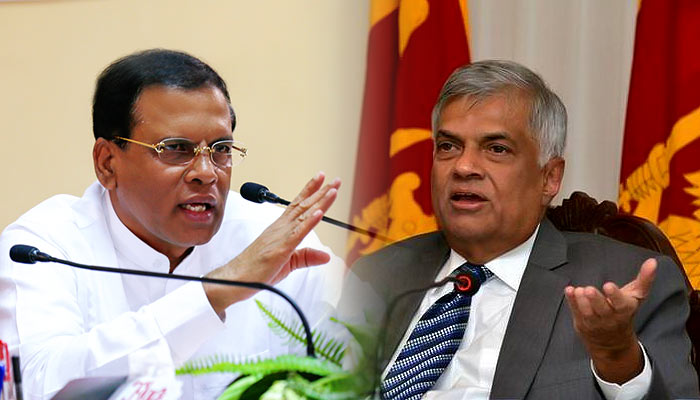
What we see today in governance is both farce and fantasy.President Sirisena has taken a step back from his ‘naadagam’ move of sending his own delegation to the UNHRC Sessions in Geneva. He must have heard the drumbeat of diplomacy in his ears, to have the Foreign Minister lead the official, government delegation. The real farce here is the unity of thinking among the Presidential and Prime Ministerial teams on the controversial UNHCR Resolution. What both Maithripala and Ranil will seek is to extend the term of the Resolution by two more years. Sirisena has to give into the realities of governance and diplomacy, whatever fanciful thinking he may have of kicking away the political basin he was elected from more than four years ago.

The spread of fantasy is the stuff of politics and governance today. Didn’t we hear and read Mahinda Rajapaksa say only last week how the Mangala Budget 2019 would be defeated in parliament? What happened? He placed too much faith in the ‘naadagam’ politics of Sirisena. The pro-Sirisena SLFP team kept away, and the Budget was passed with a good majority. Mahinda’s ‘pohottuva’ team could not come anywhere near it.

Another piece of fantasy we are fed today is about the presidential candidacy for Sirisena, under an SLFP-SLPP alliance. The talks between the two parties are progressing, but the Rajapaksas have not even hinted about a non-Rajapaksa candidate for the presidency. Sirisena will have to do plenty of ‘naadagam’ performance if he faces the election, for which he will need much better drummers than the recent provincial governors appointed. Their drum beats in several provinces go beyond a ‘naadagama’ to a ‘vikaara netuma’- or a dance of madness.

The leading light or gloom in the coming presidential candidacy, none other than Gotabhaya Rajapaksa, is certainly engaged in a different ‘naadagama’ — ‘adhikarana naadagama’ – judicial theatrics. There seems to be no court he will avoid from the Magistrates to the Supreme, in his performances against being charged with fraud, corruption, and misuse of public funds, when he was Secretary/ Defence under the Rajapaksa Family Regime.

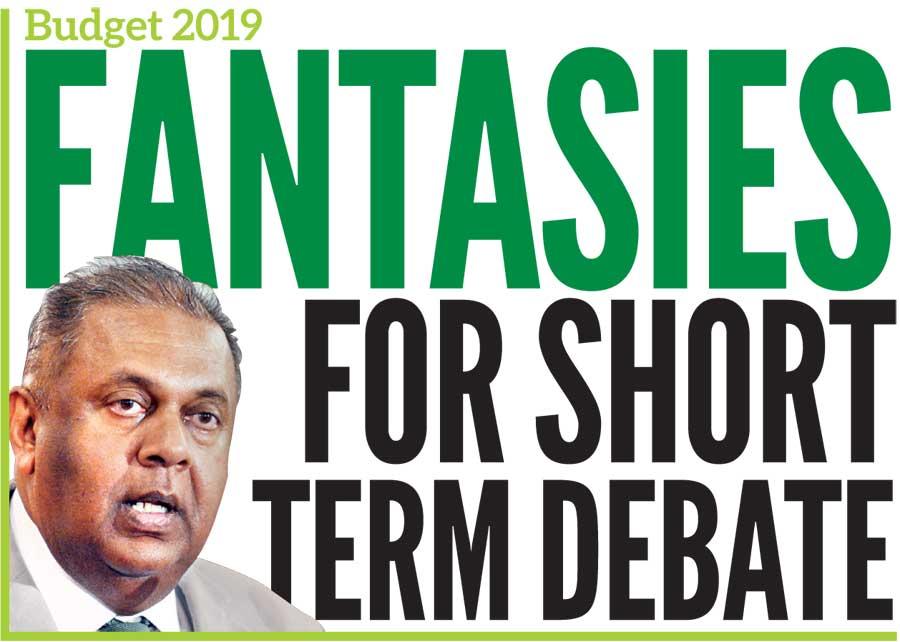
Budget 2019: Fantasies for short term debate

March 15th, 2019

By Kusal Perera  Courtesy The Daily Mirror

What is a collection of fantasies called?
Fantasy is defined in the Oxford English Dictionary as ….Imagining impossible or improbable things”.
But what is a ‘collection’ of such imaginations called? Here in Sri Lanka it simply is a Budget.
The latest budget for 2019 now debated in Parliament proposes to give full scholarships to fourteen (14) students who come on top at the Advanced Level examination this year.
All island firsts in all five streams and the first in all nine Provinces are offered scholarships to Harvard, MIT, Oxford, Cambridge etc.Next year the numbers will be increased to 28 scholarships, the Parliament was told.

The only condition is, they will have to return to serve the country for 10 years,” said Finance Minister Mangala Samaraweera.
The first lie in this is, for such excellent achievements, all these universities offer international scholarships and the SL Government does not have to fund them.
Apart from the fact that this would in no way help improve the quality of education in Sri Lanka, it also proves, this Government knows little about our education.


How would they choose the all-island top five students for this Scholarship for Educational Excellence (SEE)?
Would they be the top five in Sinhala medium? Aren’t their firsts in Tamil and English medium as well?
There is an all-island first in every stream in all three media of education and therefore the number would be 15 (fifteen). To say the first from the nine Provinces are also eligible for SEE, proves neither the Minister nor his advisors know that in all nine provinces students sit for the same A/L exam which is a national exam.
Therefore, in every province, there is a first in each stream and in all three media of education.
It would be 135 firsts from all nine provinces.

At every A/L exam there is always a total of 150 firsts.
This in a way shows the dominant Sinhala mindset, that decides everything Sinhala as National.
Most of the people forget that national education in Sri Lanka is provided in three media.
What do these miscalculations in a Sinhala mindset say?
It says the government is not serious. It doesn’t don’t have to, for the budget is about rattling out fantasies.
Rattling out what people want to believe as good for them.
The SEE was one such fantasy on education, middle-class spoke well about. One Sinhala FB post liked and shared by hundreds, introduced it as unseen side of the budget concluding by saying, the best in the budget.

None ever wondered why old American and British universities were used to market the proposal.
Those who drafted the proposal are way behind time.
Those universities do have very rich histories. But what these advisors here do not know is, there are many competing universities in our neighbourhood that now stand as equally or even more recognised than those Ivy League universities and are certainly very modern.
The Indian Institutes of Technology (IIT), the Nanyang Technological University in Singapore and the prestigious Chinese Tsinghua University are ranked among the best in the world.
A study compiled by PitchBook Data, US-based private equity and VC Research firm says:
IITs are ranked fourth (just ahead of Harvard) in a new ranking of the top 50 universities that have produced venture capital (VC), -backed founders.”
And the study that sifted data and information over a period of five years from 2009 to 2014 goes on to say why IIT products are in demand.

They have one of the toughest entrance-exams in the world and possess a close alumni network. Their top tech talent has been emigrating to the US for over three decades, they have a globally recognised brand name, and their students are entrepreneurial and risk-takers.”
All other proposals on education are no better. The budget allocation for education and higher education totalled at Rs.344 billion for 2019 says, Envisaged education reforms will help nurture the analytical and creative skills required to thrive in the modern economy”.
What these education reforms” are and who formulated and decided them is unknown.
We need far-reaching Reforms in education no doubt, but not a few bamboo sticks for a broken barbed wire fence to lift it from here and there. We need a White Paper on reforms for social discourse before they are tabled in Parliament.
These reforms the 2019 Budget is talking of are perhaps foreign-funded projects and would not have the rural poor within delivery range.
Those reforms apart, the budget proposals say,
Rs.16 billion is allocated to upgrade overall school facilities including laboratories, libraries, classrooms and sanitation facilities.”
For most urban children, a water bottle has become an integral and important inclusion with the heavily loaded school bag. Schools don’t have drinking water. In the vast majority of rural schools, water is a major issue.

“The first lie in this is, for such excellent achievements, all these universities offer international scholarships and the Sri Lanka Government does not have to fund them”

So are toilet facilities.
Before allocations were decided the most important necessity was to have estimated the required toilets and washrooms for each school with children and teachers counted and separately for girls and boys in mixed schools”. Wonder if the most important aspect with such facilities, a system for good and clean maintenance had ever been thought of. Mere talking of upgrading” only proves the Rs.16 billion allocation if available, would be decided by the school Principal and the politician in how the money would be spent.
It was the same in the year 2018. Most have forgotten those proposals. There was a proposal to establish high end technical colleges with assistance from Germany and Switzerland.
Another above the cloud proposal was to introduce subjects like genetics, robotics and nanotechnology to the school curriculum to prepare students for jobs in the future.
Rs.750 million was allocated for the Smart Class RoomProject. They remain failed projects to date.
Introducing genetics, robotics and nanotechnology is out of reach for even most Colombo schools.
These highbrow subjects cannot be introduced to the school curriculum on budget allocations alone. They need carefully prepared syllabi and at least 200-300 trained teachers on the subject to begin even a pilot project.

Smart Class Rooms are also for popular city schools.
For schools that can afford to gather resources. This would further discriminate children in rest of the urban and rural schools leaving over 60 per cent of pupils from over 9,000 Types 1C, 02 and 03 schools” aliens in a heavily city-oriented school system that caters to the middle class.
Another Rs.1.25 billion was allocated to establish medical faculties in Wayamba, Sabaragamuwa and Moratuwa universities. Special health insurance was proposed for university students. Vidhya Peeta (National Colleges of Education) students were provided with an increased stipend from Rs.3,500 to Rs. 5,000 per month. The status of these 2018 budget proposals is not discussed with 2019 budget proposals.
Nor does the present 2019 budget say, how those 2018 proposals would continue this year. They go without explanations.
This is one major reason the populist demand by FUTA for an annual allocation of 06 per cent of GDP for education, is irrelevant to date. In Colombo and probably in economically large cities like Kandy, Galle, Matara and Kurunegala the norm though not the rule is, Past Pupils decide and bring in funds for what they decide for the school; a playground, a tech lab, a swimming pool or a multi-storeyed building with classrooms for more intake at Grade I. Rural
schools depend on State allocations. How State funds are channelled to schools have no priorities and accepted criteria.
Very often around 4,000 Type 03 schools” get overlooked. Allocations depend on how politically influential the Principal is and what interest the governing party local politician has in the school.

Politicians don’t go for the construction of toilets and no Principal proposes toilets for the school.
There is no glamour in declaring open a toilet as declaring open a playground, a laboratory or a two-storey building with a big engraved stone slab to unveil.
Yet, another serious issue with allocations is inefficiency and corruption in the State.
State institutes have no capacity to utilise allocations efficiently and within timeframes. There are instances where the second quarter allocation is not even asked for and often allocations stop with the third quarter.
If the Finance Minister can provide a breakdown of monies utilised from 2018 budgetary allocations, it would show how (in)efficient the State is.
That leaves all 2019 proposals as fantasies.
There is Rs.100 million for continual professional development for teachers. With what resources available is a mega question. Another Rs.500 million for Tamil teacher training.
Again, the same issue; resources for such training. Another Rs.1.1 billion for early childhood development with no indications of who is responsible and what plans there are to handle them efficiently and effectively. For universities, an allocation of Rs.25 billion for upgrading and improving facilities necessary.

There are many such proposals and the worst out of them is to have the military for petty skills development. No democratic government would use a battle-hardened military for civilian activities.
In fact, the LLRC concluded this country needs immediate de-militarisation for better and more space for civil life.
This proposal denies opportunities for civilians to develop and employ themselves in these trades and disciplines while allowing the military to decide what their impact in civil society should be.
That is what the budget 2019 is for parents, teachers and students. Fantasies for short term debate. With the approval of the budget comes the end to these fantasies.
And the urban, in particular, would move on, looking for possible presidential candidates.

Are some Sri Lankans suffering from an inferiority complex

March 15th, 2019

By Dr. Tilak S Fernando Courtesy Ceylon Today

When any language is considered in a broad generalisation, the structure of words pertaining to every society, is used to express and communicate one’s opinion to another and it varies from society to society, and culture to culture. In such a backdrop, every nation tends to adapt one’s mother tongue to befit individual customs and their own culture.

Thought process

Humans interact through a thought process from the brain, which transforms into either verbal or written forms. Language is the most powerful tool to preserve and develop palpable and tangible heritage of a society. Even animals, are believed to use  body language, sound and smell for communication purposes. According to modern scientists, plants too are capable of communicating through an extensive and complex network of sending red alerts of warnings against  any possible outcome or plagues, so that every plant will be able at least to build a certain natural defence system for self survival.

According to new trends within  developing societies, each nation has chosen its own language as its official language, especially in multi-cultural societies. The United Nations adopts six languages, English, French, Spanish Russian, Chinese and Arabic  as the ‘official languages’ used on official written documentation.
S.W.R.D.Bandaranaike

In1956, when the late Mr. S.W.R.D Bandaranaike returned from Oxford University, UK, somewhat disappointed with the English, he was once quoted as addressing some of his colleagues thus:

The thing I must do is to apologise to you for speaking to you in English. Owing to my long absence from my country, I am not sufficiently fluent in Sinhalese to be able to address you in Sinhala. That is a fault that can be easily remedied. What is more important is that my heart should be sound, and I can assure you my heart is Sinhalese to the core”

True to his words, he managed to enact the Sinhala Only Bill in Parliament in 1956. However,  Sinhala and Tamil languages both became official languages of the country in 1978. This meant the English language, which had been in use  from  colonial rule started to diminish in usage drastically, although it was used as a third language to communicate, particularly in commerce.

English is considered as an international language where the majority of businesses are carried out. In  Sri Lanka those who were fluent in English  prior to  1956 were considered as an elite group until the Sinhala Only Bill gave English language a sledgehammer blow, the effects of which were felt up to  three to four generations in schools, government  service and universities alike.

Social impact

The social impact was even more serious than education. Those who could not speak English were in a way compelled to wear sarongs while those conversant  in English embraced  western suits, collar and tie  and  identified by society as ‘gentlemen’ (mahattayas).

After  the late S.W.R.D. Bandaranaike returned  to ‘Ceylon’ from the UK and entered politics, he decided to shelve western outfits and adopted  the traditional  dress, which consists of a sarong (sarama in Sinhala) with   long long-sleeved shirt.

This obviously  blended with his craving for Sinhala. Such ‘ pseudo political gimmicks’,  helped towards a gradual social metamorphosis of society where people  of all classes began to let tradition slip away, and men folk of all classes, and even females started to adorn trousers! Some politicians somehow began to emulate S.W.R.D. Bandaranaike, and up to date   politicians (except a handful) attend Parliament wearing this traditional white dress of outward purity and hiding behind all kinds of sins of  egocentrism  within!

The gap between the English  and Sinhala language, which started losing ground in education became a quandary where  a particular generation  of youth who  had to adopt Sinhala and  mastered the language became unemployable in the private sector due to their lack of English knowledge. Those who were educated to University level in the Sinhala Medium excelled  in Sinhala and transformed the once simple Sinhala language into a cutting-edge style with high-flown and grand sounding words where  even the pronunciation of some words went beyond  the average Sri Lankan’s head. Today, there are many such words in the Sinhala language used in official documents where it simply sounds  Greek to those  fluent in Sinhala  three to four decades ago !

Difference

Unlike in the English language, there is a variation in written and spoken Sinhala. The beauty of any language should be to write simple and should be easily understood by the  majority rather than trying to impress the  world with ‘glorified’ high flown words and phrases, which tend to go above the average person’s head. It is regrettable, even today, in some of the TV channels and Radio stations how adulterated Sinhala is used where if one listens carefully its a mixture – Singlish – a mixture of Sinhala and English,where the  whole language tends to lose its demeanour.

When two Sri Lankans happen to casually meet will they jaw jaw in Sinhala, English or’ Singlish’? This is where the attitude problem crops up ! People are being conditioned to feel inferior if one is not able to carry out a dialogue in English fluently.

Even those who have studied the English language and are quite capable of conducting a dialogue in English  may feel shy to speak in English thinking they might slip up and  avoid becoming a laughing  stock in public! After all, English is a foreign language and no one should feel embarrassed even if one were to make a mistake. In such a backdrop why should anyone be shy or feel inferior about it? This is the kind of false notion some of our Sri Lankan folk are conditioned to believe  in our society, even in the 21st Century .

A common feature among Sri Lankans is when one speaks in Sinhala the other tends to reply in English!  Maybe the person  replying in English maybe thinking it is far below his/her  dignity to reply in Sinhala! This happens in every strata of Sri Lankan society, especially with the Colombo crowd. Do they really suffer from a deep inferiority complex, one might wonder!

False values

There are so many false values still in existence in Sri Lankan society, where people seem to think if one does not wear a tie or wears casual slippers and walks into an office, it is not a ‘done thing’!  Perhaps people have been conditioned to believe that by wearing a tie and shoes makes a person above others and a gentleman. Should it be so ? There is absolutely no need to suffer, especially in the present extremely hot weather, to suffocate oneself in the blistering heat  wearing long-sleeved shirts with strangulating tie knots and  socks with shoes.  One should wear what is comfortable and not to be judged  by others.

In the cold climes, of course,  it becomes a compulsion to cover oneself  from head to toe, so that one will  not suffer from intense cold which could  penetrate through ones clothes and into one’s bones.

Therefore,  men have to wear ‘long Johns’ (flannel underwear up to waist level ), while women  wear ‘tights’ as a fashion. Then comes the trousers or skirts, tie or scarves to cover the neck area, and special  rubber sole shoes or boots to avoid slipping on ice,   and of course wearing  gloves to prevent fingers  from frostbite and extreme bracing winds during winter months.
The standard convention for human beings should be to dress decently, so that the person who adorns clothes may feel comfortable with whatever one puts on and not to please or impress others.

tilakfernando@gmail.com

THE TAMIL LANGUAGE IN SRI LANKA Part 13

March 14th, 2019

KAMALIKA PIERIS

Tamil reached the position of a national language through an artificial route, not a natural one. Sri Lanka has not adopted the Tamil language spontaneously. Tamil became a national language overnight through the efforts of the Tamil Separatist Movement. From the 1940s onwards, the Tamil politicians wanted to get Tamil recognized on par with Sinhala. The strategy of the Tamil Separatist Movement, whether for language or land, was to ‘get it into the statutes’. It took time, but eventually Tamil language entered the statutes as a national language.

Raja Collure, then Chairman, Official Language Commission, said that Neelan Tiruchelvam was the force behind bringing the Tamil language legislation to Parliament. B.  Shanthakumar explained In his critical role in the drafting of constitutional reform proposals particularly during the People’s Alliance government from 1994 onwards and culminating posthumously in the draft Constitution Bill of 2000, Dr. Tiruchelvam was conscious of entrenching parity of status for Tamil.  The role and functions of an Official Languages Commission, inspired by its Canadian equivalent, was first urged by Dr. Tiruchelvam in a joint seminar with the Official Languages Department in 1989.”  (Language rights in Sri Lanka LST 2008)

Once Tamil became a national language, the Tamil lobby   drew attention to Tamil .Tamil is the mother tongue of one in every four Sri Lankans. It is the first language of three ethnic minority communities: Tamils living in or originating from the Northern and Eastern provinces; Tamils who originated from India in the 19th and early 20th century now described as Up-Country Tamils; and Muslims.

While Tamil is predominantly used in the North and East, the majority of Tamil speakers (61%) live in other regions of the island; including in urban centers such as Colombo and Kandy and districts such as Nuwara Eliya and Puttalam where their proportion in the local population is considerably higher than the national average, said Shanthakumar. But the different groups, namely, Northern, Eastern, Up country, Urban Tamils and the Tamil speaking Muslims all speak Tamil in totally different ways, said Bishop Shantha Francis.

Analysts observed that the UN Human Rights instruments give the minorities a very limited cultural right to language. This right is limited to their right to speak and study in their mother tongue within their ‘respective territory’ which means – reservations. Therefore the Tamil minority in Sri Lanka were in no position to dictate as to what language they were to be governed in. Therefore they fell back on the moral concept of ‘parity’.

Nadesan, in 1955 described ‘parity status’ as equality of status for the two languages throughout the island, specifically in administration and law courts. He advocated a bilingual policy where all transferable public officers should know both languages.  Tamil must be the main language in areas which were geographically Tamil speaking, but that all public officers must be compulsorily bi-lingual so that they can serve in all parts of the Island and administer Tamil in the Tamil language.

The Tamil language lobby became language confident, once Tamil became a state language. ‘The Tamil community has the right to live with dignity peacefully without discrimination and pursue their interests,’ the Tamil language lobby declared. ‘Tamils are in the majority in north and east. They can decide as they wish.’  They are a regional majority too.

Tamil language rights are now firmly entrenched in the constitution and they cannot be taken away easily, said the Tamil lobby, triumphantly. Thanks to the 13th Amendment of 1987 and 16th Amendment in 1988 Sri Lanka now has all the constitutional provision needed to ensure the use of the Tamil language. The government must now enact legislation for the implementation of these provisions.

Language rights of Tamil speaking people must be recognized and respected, the   Tamil lobby declared. What was objectionable was the fact that only one of the native languages was made the official language while relegating the other to an inferior status and denying the minority linguistic community of its language rights, babbled the Tamil lobby. Sinhala speakers are now probably over 75% and Tamil speakers less than 25%, but the law in respect of Tamil has changed.

The Tamil language lobby decided that they now had coercive power, regarding their language.

They became aggressive over their ‘language rights.’ In 1999 Arumugam Thondaman MP for Nuwara Eliya had a fight with the Dickoya Hospital DMO because he, Thondaman had spoken in Tamil and the doctor had not been able to answer in Tamil. The doctor had been threatened. Central Province doctors went on strike.

  1. Vijayasingham complained that when 4 new stamps were issued in October 1998, the invitation was in Sinhala and English and the announcements were in Sinhala only. (Island 24.12.98 p 9). Balasuntheram said that in places like Salu sala, Osu Sala, operating in cosmopolitan areas like Colombo, ‘shopping must be made easier for the less educated, innocent Tamils by staff conversing with them in Tamil”. (Island 7.5.98 P 9)

‘Arul’ complained that the plaque at the statue of Christy Perera in Kotahena is in Sinhala only. it should be in Tamil, English, Malay and Malayalee as well. (Sunday Observer. 20.12.98 p 35). Viewers want films to be subtitled in Tamil as well as Sinhala.  Tamil are demanding that all bus stands, road signs, railway stations, hospitals and even cricket commentaries be in Tamil  reported the media in 2003.

The Tamil lobby ignored these trivialities. They concentrated on the big picture. In 2007 the Foundation for Coexistence launched a movement to demand the full implementation of the official language policy. The Foundation placed large advertisements calling for the official language policy to be practiced and carried out in schools, hospitals, police state and any public institution, ‘Language equality is essential for a peaceful country and a just society’ the Foundation said.

The Tamil lobby carried out surveys and held seminars and published the findings.  The publications included A.  Theva Rajan’s ‘Tamil as official language” (ICES, Colombo 1995) Language rights in Sri Lanka: enforcing Tamil as an official language” (   Law and Society Trust, 2008) and Devanesan Nesiah’s Tamil language rights in Sri Lanka” (Centre for Policy Alternatives 2012) Law and Society Trust stated that it engaged in regular research and advocacy on language in its regular publications, LST Review and the annual State of Human Rights” report.

A.Theva Rajan’s book ‘Tamil as official language” (ICES, Colombo 1995) provides a very compact description of the position as seen by the Tamil community. Theva Rajan’s study was done in response to complaints as to the non-implementation of Tamil as an official language in various spheres. He examines the problem in great detail from 1956 to 1995. He examines the legislation of the period 1956 to 1966 and illustrates that during this time there was a ‘plurality of directives which offered a variety of shelters for those resistant to the official use of Tamil’ (p48)

He argues that the Tamil language provisions in the 1972 and 1978 constitutions were never enforced. . He has done a ten year study of the ‘Ministry of Tamil Language’ from 1978-1988, showing the inaction of the Ministry'(p124). He concludes that the main weakness has been poor implementation of policy.  He lists in the appendixes numerous concrete examples of the lack of support for the use of Tamil.

The International Centre for Ethnic Studies, in association with the Ministry of Justice held a seminar in 1998 on the implementation of the language policy. Here are some of the things they wanted. There should be a group of multilingual clerks and administrators, centrally recruited. There should be sufficient budget allocation for a multilingual public administration. The officers responsible for the non-implementation of the language policy should be identified and charged. The participants wanted greater sensitivity to language issues. They wanted a cadre of language monitors, set up by the Official Language Department, for vigilance.

The Tamil lobby took a ‘Rights approach’. Tamil speakers living anywhere in Sri Lanka have the right, of communicating with any government office or officer in their own language and of receiving communications in that language.

The Tamil speakers are becoming conscious of their rights and have started to demand that the government services are provided in their own language, said Selvakumaran in 2008. They now   complain of a lack of sensitivity towards their language needs.

The public must be made aware of the right of every person to transact business with any government office in any part of the Island in Sinhala, Tamil or English, and of the obligation on the part of the offices and officers concerned to provide such services including replying letters in the language used by the writer and issuing any extract or translation, the Tamil lobby said.

In 2008, a survey showed that 66.5 percent of respondents were unaware of the Official Languages policy and 71.6 percent were unaware of the Official Languages Commission. This is despite government claims to have conducted through the Official Languages Department island-wide public advocacy programmes between 1994 and 2000 to educate public servants and the general public on the language law, using poster campaigns, distribution of handouts and brochures, seminars, workshops, book exhibitions, public meetings and publication of newspaper articles.

Centre for Policy Alternatives, headed by Pakiasothy Saravanamuttu  had, filed over 1000 complaints on language rights with Human Rights Commission of Sri Lanka (HRCSL) and the law courts by 2017. They included language equality in legislation, National Identity Cards (NICs), pharmaceuticals, currency notes, signboards on buses and railway announcements.  We had to lodge complaints even to ensure destination boards on buses are displayed in all three languages,” CPA said.

The CPA had filed a Fundamental rights petition in Supreme Court seeking an order directing health authorities to ensure that all labels on medicines are in Sinhala and Tamil. The lack of this was infringement of petitioner’s language rights as in article 18 of the Constitution.  A fundamental rights petition was also filed saying that over 100 laws and gazettes had still to be translated from English to Sinhala. More than 200 (sic) of them haven’t yet been translated into Tamil, CPA said.

The Tamil language lobby was very watchful and very critical as to the implementation of Tamil.  An enormous gap exists between the constitutional provisions and their application, complained the Tamil lobby. There is a widespread failure to implement Tamil as an official language. Parity of language is still not achieved. Language policy implementation has moved at a snail’s pace. Tamil language rights have been recognized very grudgingly and incrementally, the lobby complained.

There were some positive aspects, certainly. Government servants have to acquire language skill within five years. Tamil was a mandatory second language in schools for Sinhala speakers and public notices were now displayed in all three languages. Some government offices had a ‘Language relief counter’   and in   some departments Heads of Department were designated as Chief Language Implementation Officers and their Deputies as Language Implementation Officers. Despite all this, there is very little benefit to Tamil speakers declared the Tamil lobby.

While Tamil is predominantly used in the North and East, the majority of Tamil speakers live in other regions of the island, including urban centers such as Colombo and Kandy. However, outside of the Northern and Eastern provinces (and imperfectly even there), Tamil speakers continue to be discriminated against  when they go to government departments, police stations, courts, public transport and health service. This is due to non-compliance with the official languages law. This is denial of equality said the Tamil lobby.

Even where the administration divisions are officially bilingual, Tamil speakers are no better off than before, there is the same lack of facilities. The Tamil are in the same boat, whether they come from these bilingual areas or mono-lingual Sinhala divisions.  In both, Tamil face the problems of inability to communicate and transact official business in Tamil, the inability to obtain copies or extracts from official records in Tamil and inability to obtain official translations in Tamil of documents issued to them.

There were several reasons for this, said the lobby. Firstly, the absence of political will, hostility or disinterest on the part of the bureaucracy. This has hindered the enforcement of Tamil as an official language.  Secondly there is no compelling reason for Sinhala-speakers to become proficient in a minority language which is of no importance to political, economic and social power. Thirdly, the legal frame work is in place but the human resources are lacking. Therefore enforcing language rights in Sri Lanka is a complex task, admitted the Tamil lobby.

The Tamil lobby had a wide range of demands and remedies. Here is a selection. To start with there should be better awareness of language obligations, on the part of the government officers. All induction courses and some of the training courses should incorporate modules relating to the language policy of the state, creating awareness of relevant provisions of the Constitution.

The language arrangements in government department was not satisfactory. Even officers who had passed Tamil proficiency examinations and drawn incentive allowances appeared to be mostly unable to work in Tamil, particularly in relation to correspondence the lobby complained. Sinhala government servants tend to acquire paper qualifications in Tamil without actually using them. This must be stopped.

Interpreters and translators from Tamil into Sinhala and vice versa were in short supply. Therefore the lobby wanted more Tamils in the government service. There was a gross under- representation of Tamil speakers within government employment outside of the North, they said.

Convert all monolingual and bilingual name and direction boards into trilingual name and direction boards. The cost of doing this will be minimal and it is unlikely that any additional resources will need to be allocated for this exercise, said the Lobby. .  Withdraw all forms in the Department that are not trilingual, destroy them and have the forms printed by the Government Printer in all three languages on the same paper. The Government Printer should be asked to give top priority to this work.

The lobby also wanted greater surveillance. They wanted ‘language auditors’ . The Law and Society Trust,    had a non-governmental Language Rights Monitor to inspect public institutions for their compliance with the official languages policy, receive complaints from members of the public alleging violation of their rights, and to initiate investigations and remedial action with the relevant state authorities.

The Tamil lobby  wanted to punish, it had a punitive streak. Official Language Commission Act must be amended so that legal action could be taken against all violators of language policy, said the lobby. The Commission should report any lethargic attitude in any Ministry or Department to the President and the President must take action, they said.

The Tamil language lobby knows that the position of the Tamil language in Sri Lanka is neither rosy nor secure. Unlike the passions unleashed in the ‘Sinhala Only’ movement, the present rise of Tamil has been received with calmness by the Sinhala public, observed Shanthakumar. Thanks to Sinhala Only, the Sinhala community is now over-represented in public sector employment and the Sinhala language is the lingua franca of administration and politics. That has reduced earlier insecurities, Shanthakumar observed. However, ‘It is difficult to see how decades of Sinhala majoritarianism could be reversed through policy papers, government circulars, even legal reform and constitutional change’, admitted Shanthakumar.

The fortunes of the Tamil language in Sri Lanka are rising and falling simultaneously, with the help of the Tamils themselves. The Sinhala community has accepted the arrival of Tamil very placidly. School children, are learning Tamil readily.  Tamil is a compulsory subject in Sinhala medium schools. Tamil teaching tutories have sprung up in the South. Translators’ Courses have commenced in the private sector.   Tamil classes are conducted in the Open University. In 2008 it was reported that Kelaniya University and Peradeniya University also had Tamil classes.

Some say they do not see why they should learn Tamil when it is not of any real or substantial help to them. But the general attitude is ‘let us learn Tamil’ .The reason is ominous. ‘We must know what the Tamils are saying’.

On the other hand, there is a voluntary abandonment of Tamil by the Tamil public. Selvakumaran observed in 2008 that there is a general reluctance on the part of Tamils and Tamil speaking people to use their own language for communication and transaction of business with government institutions. It is felt that the use of Tamil in communicating with these offices will result in bias against them and would also lead to delays in getting their work done. They are willing to get someone else to write or transact business for them.

The Official Language Commission also stated that Tamil speakers when possible will write official communications in Sinhala, fearing that use of Tamil will delay or deny them a response. This has reduced the pressure on public officers to provide a bilingual service.

In November 2018, a Tamil customer at the NSB branch Kollupitiya,  in my presence, refused the Tamil  form and readily signed the Sinhala document which gave his wife access to his locker, saying ‘all three documents will be the same’

Tamil government officers are also turning away from Tamil. In the Nuwara Eliya District, there are sufficient Tamil officers, but ‘there seems to be some reluctance on the part of these officers to function in Tamil’. Many members of the public who were interviewed expressed the view that there have been many instances where police officers who are Tamil speaking did not want to speak in Tamil, reported Selvakumaran in 2008.  (Continued)

30 Questions for UNSG & UN Human Rights Council regarding Sri Lanka

March 14th, 2019

  1. UN Secretary General Ban Ki Moon commissioned 3 members (Ban Ki Moon Panel of Experts) selected personally by him to submit a personal report on the ‘final months’ of Sri Lanka’s conflict. This report was not commissioned by the UNGA or UNSC. This report was never tabled at the UNGA, UNSC or even UNHRC. This report was actually leaked to the public. How can the UNHRC head quote from this leaked personal report & how can 3 successive UNHRC resolutions be based on a personally mandated leaked report?
  2. How can a personally commissioned report (Darusman Report) become the basis for successive resolutions against Sri Lanka when it was never officially tabled for Sri Lanka to officially respond to it?
  3. How legal are these UNHRC Resolutions, OISL investigations & ever demand & recommendations given that the Darusman Report is the basis for every action being taken against Sri Lanka? What is the platform within the UN system that Sri Lanka can seek answers for these legally questionable acts? UNSG’s actions are illegal under UN Charter Article 2(7), 99 and 100
  4. Article 97, 98 & 99 of the UN Charter covers the role of the UNSG but UNSG can only use Article 99 (Commission report) if there is a threat to international peace & security. UNSG commissioned his personal panel more than a year after Sri Lanka’s conflict ended & there was no threat to international peace & security, if so UNSG was bound by Article 97,98 & 99 to bring that to the attention of the UNSC & seek approval to commission reports on Sri Lanka. These are legal questions for UNHRC to now answer. Isn’t this why the Darusman Report was leaked instead of placing it officially for Sri Lanka to respond to? What UNSG did constitutes an ‘ultra vires’ to the UN Charter & the spirit of goodwill among UN member states. UNSG is violating Article 2(7) REPEATEDLY by meddling in affairs that fall ‘within the domestic jurisdiction of members’.
  5. When a UNHRC head demands a sovereign country to change its constitution & openly denigrates Sri Lanka’s judicial system & judges is the UNHRC head not violating Article 2.7 of the UN Charter? Article 2(7): Nothing contained in the present Charter shall authorize the United Nations to intervene in matters which are essentially within the domestic jurisdiction of any state or shall require the Members to submit such matters to settlement under the present Charter;  http://www.un.org/en/sections/un-charter/chapter-i/ Not stopping there the UNHRC head has also asked Sri Lanka to delist LTTE fronts, praising constitutional amendments that were promoted by western governments (19a), praising that Sri Lanka is holding a Remembrance Day’ instead of ‘Victory Day’ while UNHRC is silent about UK & Allies celebrating Victory Day since 1945, demanding the repealing of the terrorism prevention act, commenting on ‘white vans’ when no one can even give a list of the missing or their names or even numbers that warrant it to be regarded as a national issue. UNHRC reports are full of passing comments of ‘some groups’ with sensationalized allegations sans details or evidence.
  6. On 21 July 2007 LTTE closed the Mavil Aru sluice gates denying water to some 30,000 farmers in East Sri Lanka – did UNHRC force LTTE to return the supply of water as denying water is a war crime? What did UNHRC do against the LTTE for its actions?
  7. Immediately after closing the Mavil Aru sluice gates LTTE began attacking several villages in the East forcing the Govt to order its troops to counter-attack & defend the lives of the civilians. Did UNHRC prevent LTTE carnage? Did UNHRC take action against the LTTE for these acts of terror?
  8. LTTE began attacking villages since mid-1980s killing innocent men, women, children babies & even pregnant women. What did UN system do to stop LTTE carnage throughout 30 years? Were these not civilians that LTTE were killing? Give us evidence of how UNHRC or UN system has assisted the victims of LTTE terror? Not once has any UNHRC head visited victims of LTTE terror attacks.
  9. What has the UN / UNHRC / International Community done about LTTE fronts that have been providing material support & engaged in propaganda on behalf of the LTTE raising funds that purchased the arms & ammunition for LTTE to fight & controls the LTTE international kitty from illegal & legal business ventures?
  10. It is because the LTTE engaged in acts of terror that Sri Lanka’s Government deployed its troops to safeguard the lives of civilians and protect the country’s public property that LTTE was targeting. The list of airports, trains, passenger buses, buildings, banks that LTTE attacked are many. What did UN/UNHRC do to stop these LTTE acts of terror?
  11. UNHRC that is today quoting 24×7 on ‘civilians’ must explain why UN did not go after LTTE for targeting and killing civilians throughout 1980s, 1990s, 2000 up to 2009? Were these civilian lives not important? How many innocent farmers, villagers, people going to work, school children were killed by LTTE? Why have they been neglected by UN and their deaths simply subject to an official statement recirculated with every attack.
  12. The UN/UNHRC that has become overactive since the fall of the LTTE has never shown the same enthusiasm to go after LTTE as it is doing questioning how the Sri Lanka Army engaged itself in the final months of the conflict. We want to know why?
  13. The UN that speaks so highly about human rights & rights of the child – did you stop LTTE forcible kidnap & recruitment of children turned into child soldiers? This was happening openly since 1980s. These children were initially trained by Adele Balasingham who now lives in UK where LTTE still remains banned. Adele Balasingham even instructed these children to bite the cyanide capsule & commit suicide in the event they may face capture by the armed forces. Teaching children to kill and training to commit suicide are two crimes that the UN system is well aware of and her own books are evidence enough of her crime. What has the UN & UK done about her crimes against children & their human rights?
  14. Allegations of war crimes against Sri Lankan Forces is determined based on evidence of killing. The alleged 40,000, 100,000, 150,000 has no basis without names of the dead or at least skeletons of the dead. We are into the 10th year since the end of the conflict and apart from recirculating allegations there are no list of 40,000 names & there are no skeletons in the area where the conflict ended because 3 days after the conflict ended Ban Ki Moon travelled by helicopter over the year and he & all others travelling with him should have seen newly dug graves – 40,000 is no small number to dig graves for & hide full bodies. Without details of dead or their skeletons how can an army be accused of war crimes is the question UNHRC must answer. OISL investigation should have had 40,000 dead names but no such list has been sent. Presidential Commission on Missing Persons too has a list of less than 20,000 which includes 5000 missing soldiers & missing covering period after 1983.
  15. The UNHRC list of war crimes allegations against Sri Lanka include: killing of civilians, shelling hospitals & humanitarian objects, denial of humanitarian assistance, human rights violations suffered by victims & survivors, human rights violations outside conflict zone including media & other critics (last point is outside of the conflict subject) Throughout the conflict the Government of Sri Lanka set up a Consultative Committee on Humanitarian Assistance (CCHA) which met twice a month with foreign envoys, select NGO heads, Sri Lankan Officials, Armed Forces officials. This was the best place to ask direct questions and get direct answers. Meeting minutes has not seen any of the questions asked after the conflict been asked at these bi-weekly meetings.
  16. Though LTTE is not signatory to any international conventions, the laws of war is applicable to LTTE therefore it is LTTE who is at fault for using hospitals to store its military equipment and firing from these sites. LTTE is at fault for firing from among civilians not forgetting that LTTE also had a civilian armed force.
  17. The Government transported 534,227 metric tons of food and medicines to the conflict which the ICRC has not disputed. Therefore, the allegation that the GOSL did not supply adequate supplies of food is totally uncalled for.
  18. Why has UNHRC ignored the SL Govt census by Tamil teachers in Feb/Mar 2012 placing war dead at 7432 including LTTE killed in combat. Of the 2600 missing 1600 had been with LTTE
  19. Why has the UNHRC ignored the population survey by Tamil Teachers of the North in July 2011 covering migration, deaths, untraceable persons from 2005-2009 giving 7896 dead including LTTE and 1102 dead from natural illness & sickness. Assuming 5000 to be LTTE dead, a 30 year old conflict ending with less than 3000 collateral damage deaths is commendable. US war on terror since 9/11 has killed over 1million people!
  20. Why has the UNHRC ignored the UN Country Report 2009 giving estimated deaths between August 2008-May 13 2009 as 7721 (which is close to the 7934 deaths given by the Census Dept of SL)
  21. Why has the UNHRC ignored the aerial photos of the conflict zone by the American Association for the Advancement of Science clearly negating the allegation of 40,000 dead
  22. How can UNHRC ignore embedded Indian journalist Murali Reddy & instead accept versions of 3rd party / 4th parties living overseas? Murali was present in the conflict zone upto 19th May 2009? His reports give detailed accounts & he also claims that ICRC suspended operations on 15 May 2009 (4 days before LTTE was defeated) satisfied that the majority of civilians were in safety & only the LTTE & military were engaged in final combat. His reports cites speaking to civilians none of whom claimed military was killing them. His reports however confirm that LTTE were firing at civilians trying to escape LTTE as well as LTTE denying water & food to civilians who were not family members of LTTE.
  23. How can UNHRC ignore David Gray Reuters reporter who toured the battlefield in April 2009 – his report details Sri Lankan forces sharing their own food rations with the civilians.
  24. On what grounds is the UNHRC promoting a Truth & Reconciliation Commission for Sri Lanka similar to that of South Africa when the 2 countries cannot be compared? South Africa faced an apartheid problem when invader whites subjugated the black inhabitants. Sri Lanka faced a terrorist problem.
  25. Why has UN/UNHRC not appreciated what Sri Lanka has achieved since ending 30 years of terror in just 3 years & within 3 years a magnanimous program launched that covered resettling 295,873 IDPs (while there are still 27.5m IDPs worldwide & over 62m refugees). From 2009-2012 Sri Lanka completed 5000sq.km of demining, rehabilitated & reintegrated 11,989 LTTE combatants that surrendered, 594 child combatants given education, offered vocational training and given a presidential pardon, restoring irrigation infrastructure, canals, tanks, reviving agriculture & farming, restoring over 1000 schools and healthcare facilities, renovated and even built kovils.
  26. UN/UNHRC or any other body cannot frame charges of war crimes against Sri Lankan troops without answering these fundamental questions
  • Does the UN know how many civilians did not take part in hostilities?
  • Does the UN know how many civilians took part in one or two acts of hostilities making distinction further complicated?
  • Does the UN know how many civilians volunteered to take part in hostilities?
  • Does the UN know how many civilians may have died while taking part in hostilities?
  • Does the UN know how many of LTTE’s CIVILIAN ARMED FORCE died during hostilities?
  • Does the UN know how many will admit and own up to being a civilian but took part in hostilities during the last phase?
  • Can the UN rely on these civilian accounts if all those saved claim they did not take part in hostilities and thus provide them the package of witness protection for no reason?
  • How many LTTErs fought in civilian clothing (pl note all 11,989 combatants who surrendered to the Sri Lanka military were wearing civilian clothing)
  • How many LTTE combatants died in combat wearing civilian clothing?
  • How many LTTE combatants killed were in uniform?
  1. UNHRC has no grounds to establish any courts without answering above questions as well as proving that 40,000 were killed. With no names so far even after 10 years what is the case that the UNHRC has against the Sri Lankan troops? OISL does not have 40,000 names, Presidential Commission on Missing Persons (covering 1983-2009 period) as of 16th June 2016 has only 19,006 civilian missing of which 5000 are soldiers. There are no police entries for 40,000 missing the most basic requirement to even investigate a case of missing. Would Sri Lanka save 295,873 Tamils and accept 11,989 LTTE combatants but kill 40,000, 70,000, 100,000 or 125,000? The numbers just don’t make sense.
  2. Questioning those that made the allegation figures to prove their claims. All of the below must be asked to produce evidence to their allegations. They simply cannot throw numbers & expect to put a national army in prison without evidence or proof.
  • Based on what evidence is Robert Blake, former US envoy quoting 40,000 dead at the US Congressional Hearing
  • How is Siobhain McDonagh (UK Labor MP) declaring 100,000 dead and 40,000 as civilians.
  • How did Charles Petrie reviewing the UNSG’s report come up with 70,000 dead
  • How did The Times of London come up with 20,000 dead
  • How did Amnesty International quote 40,000 dead
  • How did Bishop of Mannar, Rayappu Joseph claim 147,000 as missing but did not log a single name with the Presidential Commission or the OISL investigators
  • How did Alan Keenan Project Director of International Crisis Group Sri Lanka come up with civilians killed between 40,000-147,000
  • How did UK Guardian quote 40,000 dead
  1. UNHRC please answer – How many more Thayaparaja’s are classified as ‘refugees’ ‘asylum seekers’ ‘dead’ ‘missing’ ‘killed’ but actually living overseas – On 5 May 2014 Dhanushkodi police in Tamil Nadu arrested some Tamil refugees one of whom was K Thayaparaja who was listed as being tortured & killed by Sri Lankan Security Forces on 13 September 2009 a story confirmed by the University Teachers of Human Rights report (Special Report No34/Dec 13, 2009) which claims he was tortured in Avissawella by Sri Lankan Army and shot on 13th September 2009 and died while being taken to Kalubowila hospital. His death was mentioned in the Australian Government Refugee Review Tribunal in 2010. How is it that a man supposed to have been killed in 2009 is alive in 2014? How many more people included in these international reports as ‘MISSING’ or ‘KILLED’ by the Sri Lankan Security Forces are actually alive as in the case of K Tharayaparaja has revealed.
  2. UNHRC – Name 1 Tribunal that has delivered justice to the victims? While UNHRC must first name who the victims are we would like to first ask the high & mighty UN from all of the international courts/hybrid tribunals held how many have been success stories for the victims? The ICC set up in 2002 spent 10 years & completed 1 trial spending $900m where all investigations were against Africa. The Chief Judge in the ICC case against Kenyan President was not even a lawyer. The Chief Prosecutor was accused of withholding information on Lubanga the Congolese military leader. ICC has never taken up West’s illegal military interventions, war crimes, use of illegal weapons, arming rebel movements & terror groups globally.

The Tribunal against former Yugoslavia in 1993 took 23 years spent $2b and has been accused of selective bias in the indictments and completely omitting NATO crimes from investigations. Serbian leader was exonerated eventually but he died before the verdict in prison. Allegations of war crimes exceeding 100,000 eventually resulted in just 2788 dead bodies and that ended the ‘mass genocide’ story.

Yugoslavia tribunal was established to deter future crimes – indictments in Bosnia didn’t prevent atrocities in Kosovo, indictments for Kosovo didn’t stop atrocities in Sudan nor Libya nor Syria.

Rwanda Tribunal in 1994 again excluded foreign involvement including the UN from investigation & spent 20 years, £1 billion taking 8 years to find 2 arrested in 1999 as not guilty in 2011 citing ‘errors’ in initial judgement. So much for greatness of foreign judges!  95 indictees cost £11 million each.

Cambodia hybrid Tribunal in 2006 took 8 years spent $200m but only 5 indictments and 1 conviction for alleged killing of 1.7m by Khmer Rouge in mid 1970s by Pol Pot! US, UK complicity in these crimes were never taken.

Sierra Leone Special Court 2002 had a 65hectacre court complex, costing $1,066,300 to the taxpayer (who live on $30 a day), prosecution lawyers were mostly from US or US influenced countries and no local judges. Court spent $23m on every defendant but only 22 have been indicted.

Special Court for Lebanon 2007 tried suspects in absentia. 4 years of investigation cost $325m with 49% of court funded by Lebanese govt where poverty rate is over 60% and money wasted on the court could have easily be spent on the people.

Special Hybrid Court East Timor for crimes committed between 1975-1999. 75% of the people indicted remain at large. Only 1 person is in prison. There was no sovereign East Timor when the Tribunal was created. East Timor became independent in May 2002. UN ended Mission in 2005. Relationship between Indonesia & East Timor can be compared to Sri Lanka & India.

East Timor, Cambodia & Sierra Leone, Kosovo were hybrid courts – combining international & national element. Hybrid tribunals were set up to cover crimes committed prior to establishment of ICC. Hybrid courts do not have direct authoritative backing of the UNSC and will apply domestic & international law & international & domestic lawyers which is probably career prospects for some local lawyers in Sri Lanka.

The answers to the 30 questions posed clearly establishes UNHRC has no case against Sri Lanka or its National Army and looking at the controversial courts that UN has held the wastage of money & years as well as the biased judgements justifies our refusal to agree to such for Sri Lanka while any Truth & Reconciliation cannot omit role of India, role of West, role of UN & INGOS/NGOs and their local stooges, role of the Church, LTTE Tamil Diaspora and a plethora of others who had operating from behind the scenes in what is far more than a terrorist problem in Sri Lanka.

Shenali D Waduge

Exploring quantum mechanics and confirming the true meaning of Buddhism–Mr. Zhiyu: the change of birth and death of electronic mechanics, echoing the scriptures of the Diamond Sutra

March 14th, 2019

Courtesy Buddhistdoor

On the 9th of March, Fo Guang Shan Jin Guangming Temple held a lucky lecture on the eight-pass fasting and human Buddhism, and invited the Master of the Faculty of the Faculty of Buddhism and the Ministry of Education to teach “quantum mechanics and emptiness.” Despite the continuous rain and cold weather, the scene attracted nearly 350 people to listen to the scientific perspective of the Dharma and explore the truth of the universe.

Master of Knowledge, Faculty of Public Affairs, Fo Guang Shan Jungle College (Photo: International Fo Guanghui World Federation)

Growing up in a Buddhist family, he has a Master of Science in Systems Science and Mathematics from the University of Washington, USA. He has verified the true meaning of the Dharma from the perspective of quantum mechanics and talked about the truth. “Newton found gravity under the apple tree because of the apple falling, but the Buddha under the Bodhi tree realized the law.” The Master Yu said that the Buddha had said that the earthly beings had the wisdom and virtue, but because of the desire to be persistent It is proved that while participating in the eight-level fast and practicing six degrees, washing the mind, you can get as deep as wisdom.

“The wave-particle two-phase of quantum mechanics can be said to be empty and unique in Buddhism. It is expressed mathematically.” Masters use the changing things of the world to describe the “law of energy immortality”, and the flow of mind energy, Corresponding to the “Heart Sutra”, “the law of the air is not born,” and understands this emptiness so that he does not cling to it. In the sea, “a drop of water” becomes a vapor, a cloud, and finally becomes a raindrop. The law of “mass energy exchange” is explained. The essence of water is unchanged. Because of the background of time and space, the quality constantly changes, showing a different state.

Diamonds and graphite are also composed of carbon molecules. However, because of the different combinations of chemical elements, different elements are produced under different karma. Therefore, because of the empty space, different “yes” can be created, so lay down. Perseverance, return to the original face, create the air is wonderful.

The Master said that all matter has wave-particle two-phase, the change of electron mechanics and the “Diamond Sutra” “all the law, such as the dream bubble, such as the dew is like electricity” echoes, science can not understand the phenomenon, and Human consciousness is the main part of the universe. The “uncertainty principle” proves that “the three realms are ideal, and the law is universal.”

Fo Guang Shan Master Hsing Yun mountains promote Humanistic Buddhism, we encourage the achievements of “Pure Land”; abbot of Fo Guang Shan heart Paul Monk said: “The heart is our world, the beauty in life, communicated to more people.”

Know Jade Master stressed Science and Buddhism complement each other; to explore the truth of the universe, to confuse the heart, to obtain free liberation, to rationally pursue the truth behind all phenomena, to control materials, and to seek life progress. According to the master, with confidence, suspicion, enlightenment, and unintentionality into the Dharma, “unintentional” means “empty and omnipotent.” There is no attachment, no difference.

All roads lead to Rome. From the perspectives of philosophy, science, literature, medicine, etc., only the existing phenomena can be observed. The Buddha has already enlightened the truth 2,600 years ago. Therefore, the Buddhist outlook on life can guide humanity. Peace brings happiness and happiness.

The Jinguangming Temple deputy lived with the fruit mage, and the positive energy generated by the pendulum resonance experiment encouraged everyone to return to the positive energy environment. As a result, it always corresponds to the Dharma, and the happiness grows in joy.

Saga of a Child Genius – Bertram Elibank Devepurarathna

March 14th, 2019

Senaka Weeraratna

This is a story of a child genius who shone brilliantly at Royal College, Colombo when the school was located at St. Sebastian Hill, Hulftsdorp.

A Royal College Magazine of that period devotes 3-4 pages to his invention and heaps praise on him.

Bertram Elibank Devepurarathna was the inventor of a mechanism that improved the Reversing Gear in Steam Engines and his patent was registered in London in 1910. He was again successful in registering a Patent in London in 1913 in respect to a device that improved the valve mechanism for internal combustion Engines.

His name was always on the lips of the late Judge of the World Court, Christie Weeramantry, as Bertram Devepurarathna’s sister Enid later became Christie Weeramantry’s mother, and wife of Gregory Weeramantry (father of Lucien, Christie and Douglas).

Christie Weeramantry during the time he was a Professor of Law at Monash University had no clue of the whereabouts of his maternal uncle. He mentions this in his autobiography.

Fortunately, Thiru Arumugam, an Engineer has done the hard research and published an article recently in a Magazine called ‘ The Sri Lankan ‘ based in Australia.

Bertram had his residence at No. 1, Hulftsdorp street (not far from Royal College at San Sebastian Hill). His father was David Devapuraratna, leading Proctor and prominent member of the Royal Asiatic Society of Ceylon, who had the means to educate his son in England.

Bertram Devepurarathna after completing his studies at Royal College had left for England for further studies in Mechanical Engineering in Glasgow in 1912. He was able to register his second patent in 1913. It is said that during the war he was flying a test plane and that it crashed and he was seriously injured. It was then decided to send him back to Colombo to convalesce in a warm climate.

After completing his studies in 1917 ( he had graduated as an Engineer by this time) he had embarked on a ship ‘ P & O Nyanza’ to return to Ceylon.

On the way the ship, within 25 miles off the shores of England, was attacked by a German Submarine and badly damaged.

Both Bertram Devepurarathna and another gentleman from Ceylon called Walter de Silva, were seriously injured and died in Hospital after they were taken back to England in the badly damaged ship.

Available records reveal that Bertram Devepurarathna had died in 1918, when he was 23 years old, and ashes interred in a British cemetery.

I must thank Hugh Karunanayake currently resident in Melbourne for sending me this article written by Thiru Arumugam, pursuant to an inquiry by me about Bertram Devepurarathna, having read a substantial account on him (3-4 pages) published in an old Royal College (pre – First World War) magazine.

Senaka Weeraratna

අයවැය දෙවැනිවර කියැවීමේදී විපක්සයේ බහුතර ඡන්දයෙන් පරාජය කරන්න එකගතාවයකට ආවා, නමුත් එජනිස මහලේකම්වරයා ඇතුලු කණ්ඩායම ඡන්දය ප්‍රකාශ නොකර පාර්ලිමේන්තුවෙන් ඉවත් වුනා.

March 14th, 2019

ශ්‍රී ලංකා පොදුජන පෙරමුන අද දින පැවැති මාධ්‍ය හමුව

පාර්ලිමේන්තු මන්ත්‍රී රන්ජිත් සොයිසා

ජනාධිපති වැය ශීර්ෂය ඡන්දය ප්‍රකාශ කිරීමේදී මන්ත්‍රීවරුන් කියපු විදියට යමක් වෙයිද කියලා අපි බලන් හිටියා. ඒ වගේම පෙරේදා අයවැය දෙවෙනිවර කියැවීමේ  ඡන්ද විමසීමේදී අපි බලාපොරොත්තු වුනා යම් ආකාරයකින් තර්ජනයක් ආන්ඩුවට එල්ල කරන්න හැකිවෙයි කියලා.  නමුත් අයවැය සදහා ඡන්දය විමසීමේදී  ශ්‍රී ලංකා නිදහස් පක්ෂයේ මන්ත්‍රීවරු ගත්ත තීරණය ගැන විපක්ෂය ලෙස අපි කණගාටු වෙනවා. දවස් 11ට මහින්ද රාජපක්ෂ විපක්ෂ නායකතුමාගේ ප්‍රධානත්වයෙන් සාකච්ඡාවක් පැවැත්වුනා. අයවැය දෙවැනිවර කියැවීමේදී විපක්සයේ බහුතර ඡන්දයෙන් පරාජය කරන්න ඒ වෙලාවේදී සියලු දෙනා එකගතාවයකට ආවා. ඒ වගේම ආන්ඩුවේ පැත්තෙන් ජනාධිපතිවරයාගේ වැය ශීර්ෂය පරාජය කරන්න උත්සාහ කලොත් ඒ උත්සාහය පරාජය කරන්නත් අපි තිරණය කළා. කණ්ඩායමක් ලෙස ඒ ස්ථාවරයට අපි එකග වෙලා සභා ගැබට ගියා. අවසානයේ ඡන්දය ප්‍රකාශ කිරීමේදි අපි නොසිතූ දෙයක් සිද්ධවුනා. එජනිස මහලේකම්වරයා ඇතුලු කණ්ඩායම ඡන්දය ප්‍රකාශ නොකර පාර්ලිමේන්තුවෙන් ඉවත් වුනා. ඒක අපි බලාපොරොත්තු නොවුනු තත්ත්වයක්. එවැනි තත්ත්වයකත් අපි ඡන්ද 76ක් අයවැයට එරෙහිව ප්‍රකාශ කරන්නත් තුනෙන් දෙකේ බහුතරයෙන් අයවැය සම්මත කර ගත්තා කියන අභිමානය නැති කරන්නත් අපිට හැකි වුනා.

ඊයේ දවසේ ජනාධිපති වැය ශීර්ෂය වගේම ආන්ඩුවේ කැබිනට් ඇමැතිවරු අට දෙනෙක්ගේ වැය ශීර්ෂ පරාජය කරන්න පියවර ගන්න බව එජාප පසුපෙල මන්ත්‍රීවරු කාලයක් තිස්සේ කිව්වා. ඒ අය කිව්වා මිසක් අපි ඒක විශ්වාස කලේ නැහැ. අපි දන්නවා එජාපයේ ඒ වගේ කෂේරුකාවක් තියෙන මන්ත්‍රීවරු නැති බව. ඊයේ ජනාධිපති වැය ශීර්ෂයට ඡන්දය ප්‍රකාශ කිරීමේදී වැය ශීර්ෂය හොදයි කියලා කට්ටියම ඡන්දය දුන්නා. අප විපක්ෂය නියෝජනය කළ නිසා අපිට ගැටලුවක් ඇති වුනේ නැහැ.  මලික් සමරවික්‍රම, කබීර් හසිම්,  වගේ අයගේ වැය ශීර්ෂවලට වෙන දේත් අපි බලන් ඉන්නවා. ඒ විදිහට ඉතාම හොද දේශපාලන රංගනයක් ඊයේ අවසන් වුනා. මේ දේශපාලන රංගනයේ තිර පිටපත හා අධ්‍යක්ෂණය රනිල් වික්‍රමසිංහ මහතාගේ බව අපි දන්නවා.

දැන් නම් අපිට සැකයක් තියෙනවා ඇතැම් අයගේ ක්‍රියාමාර්ගත් එක්ක තුන්වැනිවර කියැවීමේදී අය වැය පරාජය කරන්න පුලුවන් වෙයිද කියලා. ඒ කෙසේ වෙතත් 2015 සිට සැබෑ විපක්ෂයේ භූමිකාව විපක්ෂ නායක මහින්ද රාජපක්ෂ මහතාගේ ප්‍රධානත්වයෙන් පාර්ලිමේන්තුවේ ක්‍රියාවට නංවන මන්ත්‍රීවරුන් විදියට අපි අයවැයට දැඩි විරෝධයක් ප්‍රකාශ කරන්න බලාපොරොත්තු වෙනවා. මේ අයවැය තනිකරම නිස්සාර පුස්සක් බව හෙළිදරව් වෙලා තියෙන්නේ.

මංගල සමරවිර මුදල් ඇමැතිවරයා පාර්ලිමේන්තුවේදි කියනවා පොහොසත් බබාලාට දැන්ම ඉදලා බදු ගෙවන්න පුරුදු කරනවාලු. ලක්ෂ 12ක් පොතේ තිබුනොත් ඒකට පොලිය රුපියල් 5000ට වැඩිවෙන නිසා පොහොසත් බබෙක් වෙනවාද. ලක්ෂ 12 තැන්පතුවක් බැංකුවේ තියෙනවා නම් පොහොසත් දරුවෙක් වෙනවාද. දරුවාගේ ආතා, කිරිඅම්මා, නැන්දා මාමා වගේ නෑයෝ දරුවෙක්ගේ උපන්දිනයට කියක් හරි පොතට දාලා දෙන එක සිරිතක්. ලක්ෂ 12ක් කියන්නේ මහ ලොකු ගානක් කියලා මංගල සමරවිර ඇමැතිතුමා හිතාගෙන ඉන්නේ. දැන් පොලියෙනුත් පොලිය කපන බව ඔප්පු වෙලා තියෙන්නේ. අපි අහන්නේ මේ රටේ ප්‍රධානපෙලේ කෝටිපති ව්‍යාපාරිකයින්ට නීත්‍යාණ්‍ුකූල නොවන ආකාරයට මොන තරම් බදු සහන පසුගිය කාලයේ මේ යහපාලන ආන්ඩුව දුන්නාද. ඇලෝසියස් ගේ මෙන්ඩිස් සමාගමට, ප්‍රාඩෝ ගෙන්වන අයට, ගම්මරිස් මුහුද මැදදි පටවන අයට බදු සහන දීලා පුංචි නොදරු කිරි සප්පයාගේ සිට මිනිස්සුන්ගෙන් බදු පිට බදු ගහන අයවැයක්. මේක තමයි අපි දකින අයවැයේ ස්වරූපය.

මේක මැතිවරණ වර්ෂයක්. අපිට කැමැති වෙලාවක මැතිවරණයකට මුහුණ විපක්ෂය ලෙස අපිට හැකියාව තියෙනවා.මේ වෙද්දි ශ්‍රිලනිපය හා පොදුජන පෙරමුණ අතර නිල සාකච්ඡා ඇති වෙලා තියෙනවා සන්දානයක් ඇති කිරීමට.පවතින එජාප ආන්ඩුව ලැබෙන පළවෙනි මොහොතේම පරාජය කිරිමට පුලුල් සන්ධානයක අවශ්‍යතාවය අපි පිළිගන්නවා. දේශප්‍රෙමී සන්ධානයක් රටට අවශ්‍යයි. රට විකුණන ප්‍රතිපත්තියට එරෙහි එජාපයේ කවුරු හෝ ඉන්නවා නම් සන්දානයට එන්න කියලා අපි ආරාධනා කරනවා. මේ සන්ධානය පිරිසිදු එකක් විය යුතුයි. මහ බැංකු හොරු මිට ඇතුළත් විය යුතු නැහැ. බැදුම්කර සිද්ධිය හරහා යම් යම් දේ ලබා ගත්ත පිරිස් එකතු කර ගන්නේ නැහැ. විවිධ ආකාරයෙනක් දීමනා ගත්ත අය මේ සන්ධානයට ඇතුලත් වුනොත් රටේ ජනතාව තුළ මේ සන්ධානය ගැන විශ්වාසයක් නැති වෙයි. මේක ශුද්ධ වු සන්ධානයක් විය යුතුයි. විනය හා නිතිය තදින් ක්‍රියාත්මක වෙන සංවරශිලි රටක් අපි බිහි කරන්න අවශයයි.

පාර්ලිමේන්තු මන්ත්‍රී දිලුම් අමුණුගම මහතා

ඊයේ පාර්ලිමේන්තුවේ කෙරුණ කතාවලින් ඒ අයම පත්කරපු ජනාධිපතිවරයාව දැඩිව විවේඡනය කරනවා අපි බලන් හිටියා. ජනාධිපති වැය ශිර්ෂය පරාජය කරන බව පම්පෝරි ගැහුවා. අවසානයේ සියලු දෙනා වැය ශීර්ෂයට පක්ෂව ඡන්දය දුන්නා. මේ සංදර්ශන පෙහොට්ටුවට ඡන්දය දෙන අය බලන්නේ නැහැ. මේ රවටන්නේ එජාපයේ පාක්ෂිකයින්. එජාප පාක්ෂිකයින් රැවටිලා රැවටිලා තවත් රැවටෙන්න එපා කියලා අපි ඉල්ලා සිටිනවා. ගැලරියට කතා කරලා අතයටින් සහාය දෙන එකයි වෙන්නේ.මේකත තමයි එජාපයේ ඉදිරිපෙල පසුපෙල කවුරුත් කරන්නේ.  අපි සන්ධානයට යන්න සාකච්ඡා පැවැත්වෙනව. නමුත් මට පොඩි බයක් තියෙනවා.  ඒ සන්ධානය මැතිවරණයකට ගිහින් අයවැය ඡන්දයට වුනුදේම වෙන්න ඉඩ තියෙනවා. විශ්වාසය තියන්න බැරි මිනිස්සු එක්ක සන්ධාන ගහපුවාම එහෙම සැකයක් ඇති වෙනවා. අයවැයට එරෙහිව ඡන්දය දෙන්න එකග වෙලා ඉදලා අවසානයේ ශ්‍රිලනිප කණ්ඩායම පැනලා ගිහින් හැංගිලා හිටියා.අවසනායේ අපිත් එක්ක සන්ධාන ගහලා අපේ අපේක්ෂකයා දිනන කොට ,  ගිය වතාවේ දින්නත් අගමැති කම දෙන්නේ නැහැ කිව්වා වගේ දෙයක් වෙයිද දන්නේ නැති නිසා ඒ බව ඇති වෙනවා. සන්දනායක් හදන කොට මේ සියල්ල පිළීබද අවධානය යොමු කළ යුතුයි. විශ්වාස කරන්න බැරි පුචද්ගලයෝ එක්ක සන්ධාන ගහලා අවධානමකට වැටෙන්න අවශ්‍ය නැහැ. ජනතාව ඉන්නේ අපිත් එක්ක. අපිටත් ටිකක් කල් යද්දි අමතක වෙනවානේ.  ඒ නිසා  නැවතත් අතීතය මතක් කරලා දෙනගමන් පැනලා ගියපු  ශ්‍රී ලංකා නිදහස් පක්ෂයේ මන්ත්‍රීවරුන්ට බොහොම ස්තූතියි. නැවත අපිට සන්ධානයක් හදද්දි දෙවරක්කල්පනා කරන්න. අමාරුවේ වැටෙද්දි පැනලා දුවන අය එක්කයි අපි සන්ධාන ගහන්නේ කියන කාරණය දැන් අපිට සැලකිල්ලට ගන්න පුලුවන්.

ජනාධිපති වැය ශීර්ෂය යටතේ කොමිෂන් සභා වැය ශීර්ෂ ගැන සාකච්ඡා වුනා. ඉතිහාසයේ වැය සදහා යොදා ගන්නේ රාජ්‍ය ව්‍යාපාර. ස්කාගාර,කැලනි ටයර්, වානේ සංස්ථාව, එයාර් ලංකා වගේ දේවල් තිබුණා රාජ්‍ය ආදායම ලැබෙන. අද වැය ශිර්ෂවලට වැය කරන්නෙ ජනතාවගෙන්. අද වෙද්දි ජනතාවගේ  ඉහට උඩින් බදු නග්ගලා තියෙනවා. ඩියුටි පී වාහන 225 යන අය අහිංසක අයට ගන්න තියෙන වැගන් ආර් එකේ බදු ලක්ෂ 35ක් දක්වා වැඩි කරනවා. අපිට ඉනධනවලට කීය වුනත් කමක් නැහැ ලීටර් ගානට සල්ලි ගෙවනවා. අපි දින 51 තුන්වතාවක් තෙල් මිල අඩු කළා. මේ දින කිහිපයට මේ ආන්ඩුව තුන්වරක් තෙල් මිල වැඩි කළා. පාර්ලිමේන්තුවේ 225ට ඒක ප්‍රශ්නයක් නෙවෙයි. අපිය පත්කරන්න ඡන්දය දෙන ජනතාවට පෙට්‍රල් ගහගන්න විදියක් නැහැ. හොද නැහැ කියමින් අරක්කු සිගරැට් මිල වැඩි කරනවා. හොද නැත්නම් තහනම් කළා නම් හරි. සිගරැට්ටුවක් බොන කොට රැපියල් 60ක බදු බොන්න වෙනවා. අරක්කු බෝතලයක් බොද්දි 1000 බදු බොනවා. මේ විදියට ගියොත් බදු බිලා වෙනම ලෙඩක් හැදෙන්න ඉඩ තියෙනවා. වාහනයක් නිෂ්පාදනය කරන ජපානයේ කොම්පැනියකටවත් ලංකාවේ වගේ ආදායමක් ලැබෙන්නේ නැහැ. කාබන් බද්ද වගේ දෙයක් අයකරනවා නම් ඒ අය කරන මුදල් කාබන් නිශේදනය කිරීමේ ව්‍යාපෘතියක් තියෙන්න අවශ්‍යයි. අපි මංගල සමරවීර ඇමැතිතුමාගෙන් අහනවා එතුමා යෝජනා කරන කාබන් නිශේදනය කිරීමේ ව්‍යාපෘතිය මොකක්ද කියලා. අලුත් වාහනවලට කාබන් බද්ද අඩුයි. අලුත් වාහනයෙන් කොළඹ  වටේ රවුම් 100 දුවන මිනිහාට කාබන් බද්ද අඩුයි. 7 ශ්‍රී වගේ කාරයක් වෙසක් පෝයට විතරක් එළියට අරන් වෙසක් බලන්න යන දුප්පත් මිනිහාට කාබන් බද්ද වැඩියි. අවුරුද්ද පරණ නිසා. කාබන් බද්දෙත් ධනවතාට බදු අඩුයි. දුප්පතාට බද්ද වැඩියි. ත්‍රිරෝද රියදුරන් රජයේ රැකියා ඉල්ලන්නේ නැහැ. පාඩුවේ ජිවත් වෙනවා. විශාල ජනතාවක් ප්‍රවාහනය කරනවා. ඔවුන්ගෙනුත් මේ කාබන් බද්ද අයවෙනවා. මැතිවරණ කොමිෂම තියෙනවා. සභාපති ඉන්නවා. නිලධාරින් ඉන්නවා. සේවකයෝ නඩත්තු වෙනවා. වාහන තියෙනවා. මැතිවරණ නැහැ. පොලිස් කොමිෂම තියෙනවා. හරියාකාරයව උසස්විම් නැහැ. පොලිස් නිලධාරීන්ට ශ්‍රීලනීප මන්ත්‍රීවරු පිටිපස්සේ යන්න වෙලා. අල්ලස් කොමිෂම තියෙනවා. අපි පැමිණිලි සෑහෙන ප්‍රමාණයක් කරලා තියෙනවා. මේවා ගැන විභාගයක් නැහැ.හොදම දේ  විමේ වහලා දාලා වියදම් අඩු කරලා ජනතාවට ජීවත් වෙන්න පහසුකම් සලසන එකයි. ඒ අයගේ නහයට උඩින් වතුර යන්නත් දැන් ළගයි.

පාර්ලිමේන්තු මන්ත්‍රී තාරක බාලසුරිය මහතා

මොන මාධ්‍ය සංදර්ශනයක් ආන්ඩු පක්ෂයේ මන්ත්‍රීවරු ඉදිරිපත් කළත් ලංකාවේ මුල්‍ය අර්බුදය උග්‍ර වෙලා. ඒෂියා  මිල දර්ශකයේ 7.6    අඩුවෙලා. මේ වගේ දේවල් නිසා අයවැයේ සමහර යෝජනා දැනටම විහිලු වෙලා ඉවරයි. එන්ටර්ප්‍රයිස් ශ්‍රී ලංකා වලින් මිලියන 300ක් හැම පළාත්පාලන ආයතනයකටම වෙන් කරලාලු. ජනාධිපතිතූමා කියනවා මොරගහකන්ද ව්‍යාපෘතියට බිලියන 6ක් ගෙවන්න තියෙනවා තවම මුදල් වෙන් කරලා නැහැලු. ව්‍යාපෘති කරපු අයට තවම මුදල් වෙන් වෙලා නැහැ. මේ විදියට එන්ටර්පුයිස් ශ්‍රි ලංකා පටන් අරන් ගමේ ඉන්න පොඩි ව්‍යාපාරිකයාත් අමාරුවේ දාන්නයි මේ කට්ටිය උත්සාහ කරන්නේ. මෑතකදි රජය ණයක් ගත්තේ 7.85 පොලියට.අවුරුදු 5 බැදුම්කරයකට 6.85 පොලියකටත්, අවුරුදු 10ක බැදුම්කරයකට 7.85ට පොලී අනුපාතයකටත් තමයි මේවා ගන්නේ. අපි අනිත් රටවල් එක්ක බලද්දි තායිලන්තය 2.51යි. වියට්නාමය 4.78, ග්‍රීසිය 3.85යි. මැලේසියාව 3.87යි. අපි ඩොලර් ගෙවද්දි පොලිය විතරක් නෙවෙයි ගෙවන්නේ. රුපියල බාල්දු වුනු මුදලත් ගෙවන්න වෙනවා. උදාහරණයක් විදියට මේ අවුරුද්දේ රුපියල සියයට 26කින් බාල්දු වෙලා. ඩොලර් වලට ගෙවද්දි 8.5ට අමතරව තව රුපියල් 26කුත් හොයා ගන්න වෙනවා. මේ ව්‍යාපෘති කිසිවක් සාර්ථක වෙන්නේ නැහැ.. එහෙමනම් කෝහොමද මේ ආන්ඩුව පවත්වා ගෙන යන්නේ.

මේ මුල්‍ය අර්බුදය විසදන්න නම් ආයෝජකයින් තුල විශ්වාසයක් ඇති කළ යුතුයිත මේ ආන්ඩුව කෙරෙහි නම් ආයොජකයින්ට කිසිම විශ්වාසයක් නැහැ. මෙහෙම ගියොත් වෙන්නේ ආර්ථකය කඩා වැටීමයි. එන අවුරුද්දේ මොකක්ද වෙන්නේ. අයවැයෙන් ණය ගෙවන්න තියෙන මුදල් ප්‍රමාණය වැඩි වෙනවා. මේ ණය අර්බුදයේ අපි දැනටමත් ඉන්නවා. මේ නිසා අපි පුලුවන් ඉක්මනට ණය අර්බුදයෙන් මිදෙන්න ජාතික ප්‍රතිපත්තියකට යන්න වෙනවා. එජාප මන්ත්‍රීවරු මාධ්‍ය සංදර්ශන නොකර රටට ආදායම් ලබා ගන්න පුලුවන් විදි පෙන්වා දෙන්න අවශයයි. අයවැයෙ ආදායම් ලබා ගන්න පුලුවන් එක යෝජනාවක් තියෙනවාද. කෙටිකාලිනව මුදල් සොයා ගැනීමේ ක්‍රමවේද සොයා ගන්න වෙනවා බදු වලට අමතරව.ආර්ථික විද්‍යාවේ කියනවා බදු ගන්න ප්‍රමාණය වැඩි වුනාම රජයට මුදල් ලැබෙන ප්‍රමාණය අඩු වෙනවා. සියයට 100ක් බදු ගත්තොත් කවුරුත් බදු ගෙවන්නේ නැහැ.සියයට 0 බදු තිබුණත් මුදලක් ලැබෙන්නේ නැහැ. දැන් සීමාව ඉක්මවලා තියෙන්නේ. හැකි ඉක්මනින් මැතිවරණයකට ගිහින් විශ්වාසයක් ගොඩ නගා ගැනීමේ අවශ්‍යතාවයක් දැන් ඇති වෙලා තියෙනවා.

ප්‍රශ්න – ශ්‍රී ලංකා නිදහස් පක්ෂය රැවටිමක්ද කරන්නේ

රන්ජිත් සොයිසා – ශ්‍රී ලංකා නිදහස් පක්සය රවටමින් ඉන්නවා නෙවෙයි. ඇතැම් පුද්ගලයෝ අවස්ථාවට උචිත ආකාරයෙන් කටයුතු කරන්න යාම නිසා ඇති වුනු තත්ත්වයක් තියෙනවා. අපි තවමත් විශ්වාස කරනවා මේ ආන්ඩුව පලවා හැරීමට පොදු සන්ධානයක් අවශ්‍ය බව. ඒ වෙනුවෙන් අපි කැප කිරිම් කරමින් සිටිනවා. හොද අවබෝධයකින් යුක්තව අපි කටයුතු කරන්නේ.හිතා මතා රටත් ජනතාවත් අමාරුවේ දමන ක්‍රියාමාර්ගවලට අවතිර්ණ වෙන්නේ නැහැ.

ප්‍රශ්න – ජනාධිපතිතුමාගේ වැය ශීර්ෂය පිළිබද ඡන්ද විමසිමක් ආවානම් ඔබලා ඡන්දය දෙනවාද

රන්ජිත් සොයිසා – ආවේ නැහැනේ.

තාරක බාලසූරිය – කණ්ඩායම් රැස්වීමේදි සහයෝගයක් දෙන්න අවශ්‍ය බවයි සාකච්ඡා වුනේ.

රන්ජිත් සොයිසා- දෙවැනිවර ඡන්දය පරාජය කරන්නත්, ජනාධීපතිවරයාගේ වැය ශීර්ෂය සදහා බෙදීමක් ආවොත් ඒ සදහා සහාය පලකිරීමක් කරන්නත්  විපක්ෂ නායකතුමා දැන්ම්දීලා තිබුණා. අවාසනාවට එහෙම දෙයක් ආවේ නැහැ.

මාධ්‍ය – මේ විදියට ශ්‍රීලනිපය කටයුතු කරද්දි සාකච්ඡා සාර්ථක වෙයි කියලා බලාපොරොත්තු වෙන්න පුලුවන්ද

දිලුම් අමුණුගම – එල්. ටී. ටී. ඊ එකත් එක්කත් සාකච්ඡා නම් තිබුනේ. සාකච්ඡා සාර්ථක වෙන්නත් අසාර්ථක වෙන්නත් පුලුවන්. ශ්‍රීලනිපය පිටි පස්සේ යාමේ අවශ්‍යතාවයක් අපිට නැහැ. බහුතර ජනතාව අපිත් එක්ක ඉන්න නිසා මැතිවරණ දිනන්න නම් ඒ අයට අපි පස්සේ ඒමේ අවශ්‍යතාවයක් තියෙනවා. මේ දේවල් සැලකිල්ලට ගනියි සාකච්ඡා පවත්වන අය. ඒ නිසයි මම කිව්වේ සාකච්චා කරන අයට ඉතිහාසය මතක් කර ගන්න මේක හොද අවස්ථාවක්

මාධ්‍ය – සාකච්ඡාවලට සම්බන්ධ වෙන නියෝජිතයින්ට මේ සිද්ධි සම්බන්ධයෙන් දැනුම්දීලාද තියෙන්නේ.

දිලුම් අමුණුගම – එතුමන්ලාව දැන්ම්වත් කරන්න දෙයක් නැහැනේ. එතුමන්ලා පාර්ලිමේන්තුවේ හිටියානේ මේ අවස්ථාවේදී. සියලු දෙනා අයවැයට විරුද්ධව ඡන්දෙ දෙන්න පාර්ලිමේන්තු ඇවිත් පැනලි ගිය බව දැක්කනේ. අපි කියන්න අවශ්‍යයි මන්ත්‍රීවරු කිහිප දෙනෙක් අපිත් එක්ක එකතු වෙලා ඡන්දය පාවිච්චි කළා. කොන්ද තියෙන අයත් ඒ අතරේ ඉන්නවා.

මාධ්‍ය – ජනතාව පෙලන බදු ගැන කතා කරනවා. මහින්ද රාජපක්ෂ සමයේත් ඒ විදියට බදු වැඩි කළා. ඇයි මේ තරම් ජනතාව ගැන කැක්කුමක් දැන්.

දිලුම් අමුණුගම – බඩු අඩුකිරීම් වැඩි කිරීම් ඒ කාලෙත් වුනා. ඒ කාලේ වැඩි නොකළ යුතු දෙයක් අපි වැඩි කළා නම් ඒක වැරදිලි. අදත් කිරිපිටි තව රැපියල් 60කින් වැඩි වෙන්න තියෙනවා. බදු නැතිව රටකට දුවන්න බැරි බව අපි පිළිගන්නවා.දුප්පත් ජනතාවට බලපාන සියලු කාරණාවලට බදු ගහනවා. ජනතාවට ජිවත් වෙන එකෙන් වැඩක් නැති තත්ත්වයක් ඇති වෙනවා. ජනතාව යන්ත්‍රසූත්‍ර වගේ වෙනවා. අපි බදු ගත්තේ නැහැ කියන්නේ නැහැ. දුප්පත් ජනතාවට සාධාරණයක් වෙන්න අවශ්‍යයි.

රංජිත් සොයිසා – බදු සරල විය යුතුයි. වාහන වලට දුම් වියෝනය කරන බද්දකුත් අය කරනවා. කාබන් බද්දකුත් අය කරනවා. කිසිම රටකට බදු නැතිව දුවන්න බැහැ. ණය ගන්නේනැතිව රටක් ගෙනියන්න බැහැ. අපි බලයට පත්වුනත් මේ දේවල් කරනවා. මහින්ද රාජපක්ෂ ජනාධිපතිවරයාගේ සමයේ කිව්වේ මේ බදු සරල විය යුතු බවයි. සමහර බදු අපි අත හැරලා දැම්මා.

තාරක බාලසුරිය – අපි කතා කරන්නේ සමස්ත බදු ප්‍රතිපත්තිය ගැන.ඒ කාලේ ආර්ථික වර්ධන වේගයක් තිබුණා.  අද තියෙන්නේ 3.3 ආර්ථක වර්ධනයක්. රටේ මුදල් නැහැ. ඒ වගේ අවස්ථාවක හැම ක්සේත්‍රයකින්ම බදු ගහලා ජනතාව අමාරැවේ දැමිම ගැනයි අපි කතා කරන්නේ.

මාධ්‍ය – ශ්‍රිලනීප එක්ක සම්මුතියක් තවම නැද්ද

රංජිත් සොයිසා – තවම සම්මුතියක් නැහැ. සම්මුතියක් සදහා උත්සාහ කරනවා.

මාධ්‍ය – දයාසිරි ජයසේකර උත්සාහ කරනවා ශ්‍රීලනිපයෙන් අපේක්ෂකයෙක් ගේන්න.

රන්ජිත් සොයිසා – ඒක සාධාරණයිනේ.එතුමා ශ්‍රිලනීප අපෙක්ෂකයෙක් විය යුතුයි කියලා. ජනතාව කියන්නේ පොහොට්ටුව ලකුණින් පොහොට්ටුවේ කෙනෙක් ජනාධිපති කරන්න කියලා. ඒ ප්‍රකාශයේ ගැටලුවක් නැහැ. දැන් සාකච්ඡා පැවැත්වෙනවා. සම්මුතියකට ආවම ප්‍රශ්නය විසදෙනවා. බහුතර මතය ජය ගනියි.

ප්‍රශ්නය – අයවැයේදි ඇයි මේ වගේ සම්මුතියකට එලැඹුනේ නැත්තේ

රන්ජිත් සොයිසා – ඒක හෘද සාක්ෂිය පිළිබද ප්‍රශ්නයක්

දිලුම් අමුණුගම – සම්මුතියකට එළැඹිලා පැයකට කළින් පැනලා ගියා. ඒක තමයි ඇත්ත කතාව. අර සම්මුතිය ගැනත් බලන්න වෙයි සාකච්ඡා කරද්දි. ඡන්දෙට පැයකට කලින් පැනලා ගියොත් අමාරැවේ වැටෙනවා.

තාරක බාලසූරිය – ශ්‍රීලනිපයේ සමහර අය තුන්වැනි බලවේගයක් විදියට කටයුතු කලොත් ඒ අයට හැමදාම කැබිනෙට්ටුවේ ඉන්න පුලුවන් කියලා විශ්වාස කරනවා. ඒක තමයි යථාර්ථය. ඒ අය දේශපාලන ඉතිහාසය දිහා බැලුවාම ආන්ඩුවක් පෙරලන්න යද්දි බහුතරයක් ජනතාව කේන්ද්‍ර වුනේ ශක්තිමත් බලවේගයත් එක්ක. 1989 මහජන එක්සත් පෙරමුනෙන් මන්ත්‍රීවරු තුන් දෙනෙක් හිටියා. 94දි එක්කෙනෙක්වත් ආවේ නැහැ. එජාපය පරාජය කරන්න නම් පොදු ජන පෙරමුණට ඡන්දය දෙන්න අවශ්‍යයි කියලා ජනතාව තිරණය කරපු නිසයි එහෙම වුනේ.මේ අය තුන්වෙනි බලවෙග්යක් වෙනවා කිව්වාට රටේ අවශ්‍යතාවය තියෙන්නේ තියෙන්නේ ඒ අය තුන්වෙනි බලවේගය වෙන එක නෙවෙයි. මේ ආන්ඩුව පුලුවන් ඉක්මනින් ගෙදර යැවිමයි

ආණ්ඩුව ප්‍රජාතන්ත්‍රවාදය උගසට තබා බලය තර කර ගැනීමේ උත්සාහයක නිරත වෙනවා

March 14th, 2019

කැෆේ සංවිධානයේ වැඩබලන විධායක අධ්‍යක්ෂ අහමඩ් මනාස් මකීන්   මාධ්‍ය නිවේදනය

ප්‍රජාතන්ත්‍රවාදය විකුණා බලය ලබාගැනීම වෙනුවට මැතිවරණය පවත්වා නියම  ප්‍රජාතන්ත්‍රවාදය ආරක්ෂා කිරීමට කටයුතු කරන්නැයි නිදහස් හා සාධාරණ මැතිවරණයක් සඳහා වන ජනතා ව්‍යාපාරය ඉල්ලයි. එහි වැඩබලන විධායක අධ්‍යක්ෂ අහමඩ් මනාස් මකීන් මහතා පසුගියදා කොළඹ පැවති වැඩ මුළුවකදී මේ බව අවධාරණය කළේය.

වත්මන් ජනාධිපතිවරයා සහ අගමැතිවරයා ජනතාවගේ ප්‍රජාතන්ත්‍රවාදය ආරක්ෂා කරදීම වෙනුවට  තම බලය තර කර ගැනීමේ අරමුණ ඇතිව කටයුතු කරන බව පැහැදිලි වන්නේ යැයි ද හෙතෙම පැවසීය.  ජනාධිපතිවරයා   මැයි 31 වන දිනට පෙර පළත් සභා  මැතිවරණය පැවැත්විය යුතු බව අවධාරණය කරමින්  ඒ පිළිබඳව කැබිනට් මණ්ඩලයෛන් උපදෙස් විමසමින් කල් මරමින් සිටින බවත්, අගමැති වරයා සිය බලය තර කරගැනීම සඳහා ප්‍රජාතන්ත්‍රවාදී පෙරමුණක සිහින දකිමින් සිටින බවත්  ඒ මහතා මෙහිදී වැඩිදුරටත් පැවැසීය.  

ජනාධිපති වරයා පවසන ආකාරයට මැයි 31 වන දින  පළාත් සභා මැතිවරණය පවත්වන්නේ නම් ඊට  දින 56 කට  පමණ පෙර එනම් අප්‍රේල් මාසයේ දෙවන සතිය තුළ නාම යෝජනා කැඳවිය යුතු  බව අවධාරණය කළ මනාස් මකීන් මහතා වැඩිදුරටත් කියා සිටියේ සියලුම පළාත් සභා මැතිවරණ එකවර පවත්වන්නේ නම් ක්‍රියාත්මක පළාත් සභා විසිරුවා හැරීම ආදී කටයුතු රැසක් ඇති බවයි. නමුත් එ සම්බන්ධයෙන් කිසිදු ආකාරයක සූදානමක් පවතින බවට පිළිගත හැකි සාක්ෂි නොමැති බව සඳහන් කළ හෙතෙම කියා සිටියේ පළාත් සභා මැතිවරණය පවත්වන බව අඟවා ජනතාව මුළා කොට තමන්ට වාසිදායක වන අවස්ථාව බලා මැතිවරණය ප්‍රකාශයට පත් කිරීමට රජය සැරසෙන බවයි.

මීට පෙර පැවැත්වූ පළත් පාලන  මැතිවරණය ද රජයේ වුවමනාවට වඩා ජනතා ඉල්ලීම් නිසා පැවැත්වූ එකක් බව අවධාරණය කළ කැෆේ සංවිධානයේ වැඩ බලන විධායක අධ්‍යක්ෂ අහමඩ්  මනාස් මකීන්  මහතා කියා සිටියේ  නිදහස් හා සාධාරණ මැතිවරණ  පැවැත්වීමට අවශ්‍ය මූලික පසුබිම සකස්  කර ජනතා පරමාධිපත්‍යය ආරක්ෂා කිරීමට සියලු පාර්ශව කටයුතු කළ යුතු බවයි.


මාධ්‍ය ඒකකය

කැෆේ සංවිධානය

Facilitating terrorism through the Constitution and the law The Constitutional Madhouse – Part 7

March 14th, 2019

Courtesy The Island

We are living through an era when there is growing unease in the country due to the rise of anti-social gangs in the North. They may still be at an incipient stage, but networks are being built and a lifestyle is evolving. One never knows what it will develop into, given the fact that there are thousands of unemployed youth in the North, who are averse to local work and dream of migrating overseas. Then there is the rise of the drug related underworld in the South. On top of all this, comes the problem of extremists who have graduated from smashing Buddha statues to actually trying to kill detractors within their own community. Their hideouts and weapons have been detected. In such a situation, one may think that the public security laws that we have should not only be protected but even strengthened where necessary.

Concerning the matter of public security, the proposed draft Constitution has the following general provisions. The President may, on the advice of the Prime Minister, declare a state of emergency where there is a clear and present danger to public security or maintenance of supplies and services essential to the life of the community. The declaration of emergency shall state the basis on which such a state of emergency was declared. The Governor of a Province, on the advice of the Chief Minister, may advise the Prime Minister that a situation warranting a declaration of a state of emergency has arisen within such Province. Upon the declaration of a state of emergency, the President may on the advice of the Prime Minister promulgate such Emergency Regulations on any matters as are necessary to address the situation giving rise to the state of emergency.

article_image

Where the Emergency Regulations vest special powers or functions in the Police, Provincial Police officers shall, for the purpose of the exercise of such powers and functions, be under the control of the National Police. Where the danger arises only in one or more provinces, the declaration of emergency will be applicable only within that Province. Where a situation has arisen in which a provincial administration is promoting armed rebellion or insurrection or engaging in a violation of the Constitution which constitutes a danger to the territorial integrity and sovereignty of the Republic, the President may on the advice of the Prime Minister assume all or any of the functions of the Governor, Chief Minister and the Board of Ministers in the Province and where necessary even dissolve the Provincial Council. So far, so good. The above mentioned provisions in the draft Constitution appear robust enough for the purpose.

Stay orders in an emergency

It is what comes after this that poses a problem. Under the provisions of the draft Constitution the declaration of Emergency will be subject not only to Parliamentary approval as at present but also to judicial review. What this means is that under the proposed new Constitution, the declaration of emergency will be subject to the whole panoply of court procedures. A case will be filed and a stay order requested on the declaration of emergency. Dates will be given for the hearing. All kinds of objections will be raised and each objection will have a separate hearing. In the meantime, the terrorists will be killing all whom they please. If this proposed Constitution had been in place in 1971, the JVP would have captured power before the government got around to imposing a state of Emergency on the country. Even after running the gauntlet within the courts system to get the declaration of emergency upheld, the government will not have a free run. Such a declaration of Emergency will be valid only for one month at a time. If the declaration of Emergency is to be continuously in force for a period in excess of three months or a period of more than 90 days within a 180 day period, that will have to be approved by a two-thirds majority in Parliament.

So, we see that the proposed draft Constitution seeks to make it virtually impossible to declare or maintain a state of emergency in the country. The ushering in of the new Constitution is to be combined with the repeal of the Prevention of Terrorism Act of 1979 and its replacement with a new counter terrorism law. If a government manages to run the gauntlet of court procedure and parliamentary approval by a two-thirds majority in order to maintain a state of Emergency, the next hurdle it will have to clear is the proposed counter terrorism law. The counter terrorism law that is to replace the PTA is actually not designed to ‘counter’ terrorism but to facilitate it. It seeks to provide terrorist suspects with a degree of safety and comfort not available to suspects being tried under the ordinary criminal law. For example, the punishment for the offence of terrorism is restricted to a maximum of 20 years in prison. It is only if deaths have taken place as the result of a certain act that a life sentence can be handed down. Whereas the ordinary law of the land prescribes the death penalty even for the murder of a single person, any act of mass murder by a terrorist will attract only a life sentence at most.

Aiding and abetting in an act of mass murder by terrorist will attract only a sentence of 15 years and a fine! Under the ordinary law even helping a person to commit suicide attracts the death sentence. Under the proposed counter terrorism law, there is a category of offences called “terrorism related offences”, which include the following: a) committing the death of a specified person. b) committing the death of any person in the course of committing a terrorism related offence c) attempting to cause the death of a specified person. d) committing the abduction or wrongful confinement of a specified person. e) taking a specified person or a member of his family or a person of importance to such person hostage f) committing criminal intimidation of any person.

The list includes 36 other offences including killing witnesses, robbery, destroying state property, digital data theft, recruiting people to a terrorist movement. Many people would be hard put to figure out how these terrorism ‘related’ offences differ from terrorism per se. But these ‘terrorism related offences’ carry an even lighter sentence of a maximum of 15 years, a fine and confiscation of property. In the case of a terrorism related offence, too, a life sentence can be handed down only if death occurs as a result of that act. One gets the impression that this category of offences called terrorism related offences has been created only to hand down lighter sentences to terrorist suspects. As for deaths occurring as a result of a certain act, this needs to be proved in court and if the prosecution is unable to prove that a certain person died due to a terrorist attack then the terrorist gets a light sentence.

Many terrorist leaders would be charged with aiding and abetting in the commission of a terrorism related offence and this carries only a sentence of 10 years and a fine whereas under the ordinary law aiding and abetting carries the same penalty as the offence itself. Knowing of the commission of a terrorist or terrorist related offence and failing to inform the authorities carries a sentence of three years imprisonment plus a fine.

When the arrest of terrorism suspects takes place under the proposed counter- terrorism law, at the time of arrest, the person arrested has to be informed of the identity of the person carrying out the arrest and the reason for the arrest. Any person arrested by the armed forces or the coast guard has to be handed over to the Officer in Charge of the nearest police station within 24 hours. The only exception is if the person arrested outside the territorial waters or on a plane or ship and then, too, he has to be handed over to the police as soon as it is practically possible. If the armed forces or coast guard makes and arrest, they have to immediately inform the police of the arrest.

Following the arrest of a person and when he is handed over to the police, the latter will make note of any injuries on the persons arrested and he will be examined by a judicial medical officer or a forensic medical specialist. When female terrorist suspects are arrested as far as possible the arrest is to be carried out by female officers. The law also stipulates that “every practicable measure shall be taken to protect such persons from physical harm.” When a person is arrested, in addition to issuing an acknowledgement to a person nominated by the arrestee, the arrest has also to be notified to the Sri Lanka Human Rights Commission within 24 hours. The IGP has to maintain a central register and database of those arrested under the counter- terrorism law. All suspects arrested have to presented before a Magistrate within 72 hours. Detention orders on suspects may be issued by a DIG on an application by the OIC of a police station and will be valid for 30 days. The HRC has to be informed within 72 hours of a detention order being issued. Any Magistrate or officer of the HRC can visit any detention facility at any time and interview detainees without advance notice.

Terrorism a safer career than crime

The maximum number of detention orders that can be issued in respect of one person is six. Detention beyond 90 days will only be with the approval of a Magistrate on the basis of a confidential report which has to be filed before the Magistrate by the police giving reasons as to why further detention is necessary. The decision of the Magistrate in this regard can be challenged in the High Court and the latter is obliged to dispose of the appeal within three weeks. If a detention order has been issued, the Magistrate will direct that the suspect be detained in accordance with the detention order. If not, the Magistrate will remand the suspect if the police make the request. However, to remand a suspect, the Magistrate has to be convinced that the request is reasonable. What this means is that the Magistrate has the discretion to refuse a request to remand a suspect under the proposed law and to personally see the suspect and inquire into his wellbeing and welfare. Such interviews will be held in private in the absence of any police officer investigating the offence.

The Magistrate can direct the suspect to a forensic medical examination and if evidence of torture is found, he may direct the police to detain the suspect in a different place. In such an event, police officers who previously had access to the suspect will no longer have access to him. No person can be held in remand for longer than one year unless criminal proceedings have been initiated against him. If a suspect is to remain in remand beyond one year, the high court will have to issue an order sanctioning it on an application made by the Attorney General. The extension of the period of remand in that manner should not exceed another year and after that bail will be mandatory. After indictment if the High Court cannot conclude the case within two years, the accused will have to be granted bail unless the delay is caused by the accused himself or his lawyer. All detainees on detention orders have to be presented before a Magistrate once every 30 days and the magistrate has to inquire into the welfare of the suspect. In addition to all those relief measures, there is also to be a Board of Review chaired by the relevant Ministry Secretary and two other persons appointed by the Minister in charge of the subject. Any detainee can appeal against his detention to this Board of Review and the latter has to hand down a decision within two weeks. The decision of the Board of review can then be challenged in court if the suspect so wishes.

After the recording of the first statement by police following an arrest, the arrestee will have access to a lawyer after 48 hours. From pages 25 to 40 of the proposed draft law, there are some strict sounding provisions about the formation of a specialized counter terrorism unit in the police force, the manner in which this unit is to function and the powers it will exercise. However, the obvious intention of such window dressing is to camouflage the laxity and indeed the solicitude this proposed law displays towards terrorists. The proposed counter terrorism law has an inbuilt amnesty mechanism through provisions for the suspension or deferment of indictment at the discretion of the Attorney General. If death or grievous bodily injury has not been caused by the terrorist act, and if the security of the state has not been affected seriously, or serious harm to property has not been caused, the AG can defer the indictment for not less than five years and not more than 10 years or even to withdraw the indictment altogether after taking into account the views of the IGP, the views of the victims and the representations made by the accused.

The AG can impose conditions such as a public expression of remorse before a Magistrate, the provision or reparations to the victims as directed by the AG, voluntary participation in a programme of rehabilitation, social service or community services and a pledge to refrain from committing similar acts in the future. A confession made to a police officer will be valid only if the person who made the confession is presented for a medical examination both before and after the statement is given. The burden of proof will be on the prosecution to prove that such statement was made voluntarily. We see from the above that the purpose of the proposed counter terrorism law is to give more protection and lighter sentences to terrorists than ordinary criminals committing the same crimes.

JVP exposes ‘rape film industry’ in the North

March 14th, 2019

By Saman Indrajith  Courtesy The Island

Women and children in the Northern Province were being exposed to a sinister racket of producing rape films sponsored by members of the same community who were resident abroad, JVP MP Bimal Rathnayake, yesterday, told parliament.

Participating in the Committee Stage Debate of the Appropriation Bill 2019 on the Ministry of National Policies, Economic Affairs, Resettlement and Rehabilitation, Northern Province Development, Vocational Training and Skills Development and Youth Affairs, MP Ratnayake said that there was now a ‘rape film industry’ in the area.

article_image

“This is a tragedy. I think you all can remember the rape and murder of a school girl in Punguduthivu. That was not just a rape. The rapists filmed the brutal incident and they got paid for that similar to what is happening in the Northern Province and it is an open secret now. The real tragedy is that the racket is sponsored by the members of their own community who live abroad and return to the country, occasionally. They pay maniacs to rape women and children and to film those savage incidents. Then they sell those video tapes for large amounts of money.”

MP Ratnayake said the government’s definition of a ‘war widow’ was erroneous.

“It is recorded that in the North there are 90,000 widows and 38,000 of them are in Jaffna. When I consulted a women’s activist in the area she said that at least 50,000 of them are below 40 years of age. They are undergoing great hardships and sexual harassment daily. During the years of the bloody war men and women got married when they were very young, many of them were just teens to avoid being conscripted by the LTTE.

“Now, the government says that a war widow is a person who has lost her husband during the war and is entitled to state assistance. It could be a militant or other person. Let me point out the errors in this definition. Some of these widows got married during war; they did not have time to sign papers. Therefore, they did not have government documents to prove that they were married. The same goes for divorcees.”

These definitions should be changed because the actual female headed households in the North might increase by more than 30,000, Rathnayake added.

Furthermore, alcoholism, sexual abuse, domestic violence and poverty were high in the North, he said.

“This is because the government did not have a plan to address social and psychological issues of the people living in war torn areas. At least from now on the government should set up a special task force and pay extra attention to social and psychological problems of these people.”

Opposition leader Mahinda Rajapaksa urges Govt. to withdraw from proposed resolution at the 40th session of the United Nations Human Rights Council (UNHRC) in Geneva.

March 14th, 2019

Ajith Siriwardana and Yohan Perera Courtesy The Daily Mirror

Opposition leader Mahinda Rajapaksa today urged the government to withdraw from the proposed resolution co-sponsored by Sri Lanka to be presented at the 40th session of the United Nations Human Rights Council (UNHRC) in Geneva.

He told parliament that the government should consider the true information and observations revealed by Lord Naseby of the British parliament and withdraw from it.

He said even United States of America had withdrawn from the UNHRC claiming that it was politicised.

Raising a question under 23/2 in parliament, he said the government should immediately mediate to stop the foreign intervention in domestic affairs which undermines the judicial system in Sri Lanka through the proposed resolution.

He said, based on the co-sponsored resolution in 2015, several laws detrimental to the sovereignty, national security, fundamental human rights of Sri Lankans and the security forces of Sri Lanka were being drafted in parliament hiding behind human rights.

He said it is reported that the resolution of the human right commissioner to be presented at the 40th session has proposed to set up a hybrid court in Sri Lanka on human rights violations, set up a UNHRC office in Sri Lanka and to continue the subject of human rights in Sri Lanka in the UNHRC agenda.

He said it is obvious that the stance of the President and the government headed by the Prime Minister was contradictory on this resolution and added that this clearly proves the narrow political objectives of the government on this resolution co-sponsored in 2015 against the advice of the officers with diplomatic experience.

Mr Rajapaksa said the proposed current resolution co-sponsored by Sri Lanka would be a continuation of the resolution 30/1 co-sponsored in 2015 which was based on inaccurate information such as the Darusman report.

Poverty and Unemployment

March 14th, 2019

By Ananda Ariyarathne Courtesy Ceylon Today

National Prosperity is the reflection of the ultimate capacity that is maintained by a Government providing the best possible environment for the sustenance of life. A Government is the power house that should generate the energy required in turning the environment to be sustaining life with ease. When a Government finds it difficult to solve at least the most crucial problems, it is from there, the deterioration starts extending its effect radiating in all the directions causing stagnation and ultimate collapse of the systems. Poverty is the inability to acquire what sustains life. That inability is the direct result of not having the purchasing power to acquire whatever is needed and that in turn is the direct result of not being meaningfully employed.

Inability to acquire essentials

When a household becomes helpless due to the absence of revenue generating avenues and that is a clear indication of the failure of a Government in assessing the human resources as well as the other national resources in a sensible and in an ‘objective oriented’ manner.

That is what happens when our Planning Principles are not ‘Objective Oriented’. My mentioning that our Planning Principles are not ‘Objective Oriented’ I might provoke many who are traditional and are trying to find answers to clearly specific objectives through very simple and general approaches. For example let us take a simple family in a ‘shanty environment’ where  in some places, family members take turns, even in their daily chores as the space available is so limited.

Let us see how they spend a day. The traditional English term – The Bread Winners’ shall no longer be applicable as the bread won by one shall not be sufficient for the family and that prompts others also to be engaged in ‘winning bread’ and such an environment prompts ‘cut-throat competition’ even at home.

Misled youth

As a result the children of such a family would not be interested in education, as it is beyond their reach on one hand and on the other hand the time they spend after school is not conducive with rigours of survival. The male children are trained to follow their elders and those elders know only their traditional occupations like providing labour as and when the need arises to man a variety of fields ranging from going for regular opportunities in the nearby factories, road works, or in divisions of municipalities and so forth; while, some opt to make some money selling fish vegetable and fruits; at locations where people mingle. Some who may be bolder than others may opt to distilling or selling illicit brews for the toilers who cannot afford the officially produced and sold, only at selected places. The latest and the most lucrative opportunity is in ‘drug-pushing’ which gives the takers a more challenging and a thrilling way to make a living with fast moving motor bikes and cars on one hand, and on the other thrilling night life and drinking and sex orgies with groups of daredevils with quick tempers who have access to all types of guns and blades that are linked to heroes in the world of cinema.

The glamour exhibited by those gun-toting drug pushers who would not need permanent places to rest, at night, would have the capacity to support their families and the skirmishes with the Police would not deter them.

Those who live the most comfortable lives are those who live off drugs and cannabis – pushing and illicit liquor selling; the rest lead very uncomfortable lives suffering and grumbling. The females have the least possible opportunities while the most decent opportunities they get may be in garment manufacturing units close to their homes. Out of them, most of the good looking females get entangled in love affairs which would take them away from their homes and some get stranded during these adventurous opportunities to end up as well known prostitutes, who would get enough income; but not for long.

Of the younger generation the boys and girls who attend schools end up somewhere as their fates may direct.

Now, let us see whether Government could find solutions or not. What are the avenues available to improve the living conditions of those? There are NGOs bragging about their training programmes to train young girls to sew. Some promote better toilets and have no answers to disposing sewerage.

It has become a jungle where only the fittest can survive. While the old and the unemployed are burdens on the Government, those who survive resorting to nefarious activities are not burdens that way but can a Government be happy about the fates of those human resources?  Of all of them how many can be considered as leading really prosperous lives?

No income and inability to acquire

All the grown ups are expected to fend for themselves, as wage earners in a family they help their families only for a very limited period, as their wish is to escape from their ‘Shanty Environment’.

In a family where the parents are too old, sickly and unemployed, when and if the grownups leave, younger siblings and the old parents who would be lost in a world where they have no hopes.

Where will such persons get the ability to acquire their daily needs? They have no means to meet their daily minimum needs because they have no means or revenues. How can there be any revenue if the persons have not been employed or had been holding pensionable jobs? No jobs, means no revenue.

Jobs are created by the planners who assess the resources and organise activities. It may not necessarily be direct Government provided employment opportunities but opportunities facilitated by the Government and private sector entrepreneurs. What is important is the commitment to direct. Let us take for example a ‘Food Processing’ facility. Such a processing plant can turn out products based on the locally available vegetable fruits, fish and so forth, and the households can be guided to produce certain products maintaining the standards and a monitoring facility can ensure hygienically produced pickles, jams and cordials and marketed through a marketing arm planned and activated through Government officials who are paid to do a job.

Employment does not have to be Government only. It can be initiated by the private sector also and can be self-employment too. By ensuring some kind of employment, the ‘revenue factor’ can be established. Once, that is in place and the employee gets assured of a sum of revenue periodically, allowing him or her to plan life.

However, it becomes clear that the employment becomes possible only if the resources are planned well. Just as an example. Let us take the shoe manufacturing industry. Due to the high management costs the in-house production of shoes has become very complicated and too costly. But if ‘Shoe Uppers’ can be out sourced then the factory can fix the cost and that way profitability can be achieved. For the workers who would be completing shoe uppers in their small domestic units, the costs can be kept low all the time. As the worker can be more flexible operating at home, the output targets also can be achieved.

It is only one example of the possibilities for main factories to outsource their production. Related to the same product the shoe manufacturing how many cottage industries and workshop industries can be organised as small production units to manufacture hand-tooled shoes and boots. Those are rare products with very high potential to earn revenue.

But, who has to take that initiative, This is where the Governments in Sri Lanka have always failed. It is a matter of setting standards, finalising organisational approaches and some mechanism to coordinate and monitor. Artisans can be organised into cooperatives and the coordination and financial control can always be made through Government mediation. It is a condition that shall never emerge naturally. It will need some guidance initially and with the progress achieved employment shall become more regularised while the revenues also shall be streamlined and made into some self-propelled activities which need only monitoring and supervision by some authorities of the Government or the private sector.

Lack of resource planning  

Employment is the engagement by a human to do a certain activity according to accepted norms and guidelines. The person representing the human factor contributes his or her skills and knowledge to convert some physical item into something which has a commercial value. That means it needs some material as inputs and processes as preparation of human skills development.

That indicates that the most crucial aspect is the identification of the resources which can be identified as the factors of production, too. Once it is in place, then, there is entrepreneurship which is undoubtedly another human skill.

It can be done in two ways. One is to decide on the availability of resources and the other is to determine what has to be done. Then mark what are the available resources at the place marked as factors that are in favour. That reduces the burden to identify what items have to be sourced from outside. Having done that, the attention can be given to the available human resources.

The available human resources are the people in the area and they are the beneficiaries who would get the benefits. That means the revenue that they get through employment. Who would make it possible?

It is the Government. The attention is on the population and the Government has the ways and means to identify the opportunities. By identifying the resources the Government has to plan how to use these in planning activities, for the people who would end up as the employees. Is not that what we wish to do?

We assess the resources and then determine the possible activity and that way launch the activity so that the people shall be benefited. It depends totally on the capabilities of the officials of the Government sector. If the bureaucrats are not creative that is where it shall collapse as the resources will remain hidden and not utilised if those bureaucrats are inactive.

Professional ignorance

Resource planning shall never become an activity if the bureaucrats are professionally ignorant. Professional ignorance is a condition that can be there due to the inferior calibre of personnel in authority, or due to other factors that affect negatively.

Mangala in Retreat: Budget 2019

March 14th, 2019

By sumanasiri liyanage Courtesy Ceylon Today

Presenting his first budget in November 2017, Mangala Samaraweera behaved like a bull in a china shop informing that he would amend the laws that were enacted by the previous governments in order to protect the lower rung of the society for the satisfaction of the greed and needs of the local and foreign bourgeoisie. When the Budget 2018 was presented to Parliament, academics trained in conventional economics appeared to have found their saviour in Mangala Samaraweera, well-known for his anti-populist thinking.

They praised him as someone who could complete without any reservation the neo-liberal mission first introduced in 1977 and implemented by different regimes since then although with some hesitation. I am certain that he has disappointed these conventional economic gurus when the Budget 2019 was delivered. Samaraweera was even forced to put some of the IMF conditionalities like restructuring State-owned enterprises (SOEs), under the carpet. IMF appears to have thought that as far as its politics is concerned, one step back” from its economic logic and general loan conditions is imperative at this conjuncture in order to keep the present regime in power.

A day before the budget, almost all the newspapers published a photograph showing Minister Samaraweera with the Treasury Secretary in his Gorakana retreat. How do we explain Mangala’s retreat from his first budget? This may be attributed to three factors. First, his budget proposals that included an amendment of laws that affect peasants and workers, restructuring in the form of sales of shares of the State banks, tax reforms met so much opposition from the trade unions and peasant organisations.

The measures that were taken in association with the budget like mila sutra” (price formula) for gas price and the Singapore-Sri Lanka Free Trade Agreement were also subjected to constant resistance. Secondly, Samaraweera has failed miserably as the Minister of Finance. The rate of growth of the economy for 2018 was 3 per cent and that was the lowest after the Katunayaka debacle. Sri Lanka rupee has depreciated against all the major currencies. Rate of inflation in spite of Central Bank’s emphasis on inflation control has risen, though marginally. Although the blame should go to the entire Cabinet, the responsibility of the Finance Minister cannot be forgotten. Thirdly, 2019 and 2020 are election years. The pressure may have come from his colleagues of United National Front that the budget should offer some goodies to delude the masses.

Ignorance in Budget-making

Minister Samaraweera is not only in full retreat, he has shown his ignorance about public finance. The Government i.e., Ministries and Departments prepare their annual estimates for the Ministry of Finance and the Ministry gets the revenue estimates on the basis of existing taxes and other revenues. Hence, we knew in advance that the total revenue is Rs 2,390 billion while the total estimated expenditure was Rs 4,550 billion.

So the pre-budget budget deficit was Rs 2160 billion. The task of the Finance Minister is to announce her or his proposals how this deficit be financed. The way in which she or he proposes to finance the deficit will reflect the policies of the Government. It is necessary to pinpoint two issues. First, there is an issue of correctness of the data issued by government agencies. MP Sumanthiran, the chairperson of the Government Finance Committee of Parliament has revealed that at different times different data was submitted by the Treasury. He also informed that usually expenditure was underestimated and the revenue overestimated.

Although the revenue target was 15.6 of GDP in 2018 the actual revenue was 14 per cent of GDP. Similarly, we can see a difference in data given by the IMF and the World Bank. So we can see clearly, data has been manipulated in order to show a positive outcome. Secondly, take the new proposals that were painted as with radical welfare implications. Rs 4 billion is allocated to provide sanitary facilities for one million people. This type of expenditure should be included not in the budget speech but in the expenditure estimates of the relevant ministry. The non-inclusion of such expenditure in the budgetary estimate shows poor planning at Ministry level. Another example is so-called Home Sweet Home loan to young people at a 6 per cent interest. What is the objective of this loan? What does the Government try to achieve? To encourage young people to marry?

Or is there an issue of population growth so that young people should be encouraged to marry and have a home? None of them is needed as such issues have not reached a problem level. What are the fiscal or economic implications? One may also ask a question as to how much these young couples have to pay at the end of the month as loan instalment and interest. My back of the envelope calculation says it is close to Rs 75,000 per month. That may explain why only two young MPs of the Opposition have so far expressed their interest in this loan facility.

 For a Debt Economy

Mangala’s Budget if approved by Parliament would have two serious repercussions on the economy. First, it is a budget that forces people of all walks of life depend more and more on various types of debt. So far indebtedness has forced 170 people to commit suicide. At the International women’s day in three places in the country women have campaigned against so-called micro credit which was once painted as the panacea for all the ailments of the poor people. It has eventually turned into a debt trap foreclosing the future of indebted families. The Budget 2019 proposed to continue this dangerous trend covering almost the entire population from young business people to students seeking education in higher educational institutions.

Secondly, it may be incorrect and unrealistic for people to think that Minister Samaraweera has dropped his proposals included in budget 2018.

In extending EFF, the IMF expressed the need of privatising SOEs in multiple forms. The trade unions in the State banks must realise that the proposal was put in the back burner. Similarly, price formulas will surface once again. Depicting as a measure that would liberate women, the budget went back to its previous theme of flexibilisation of the labour market by proposing amendment of labour laws allowing part-time, flexi hours etc.

Hence, Budget 2019 is still a dangerous document.

E-mail: sumane_l@yahoo.com

Sri Lanka to purchase cranes from China to handle larger container ships

March 14th, 2019

Colombo, March 14 (newsin.asia) – The state owned Sri Lanka Ports Authority, on Thursday said that it would purchase three ship-to-shore gantry cranes from China for its deep water terminal at the Colombo Port in order to handle bigger container ships this year.

 The Government Information Department said that the cabinet of ministers, had this week approved a proposal by Minister of Ports, Shipping and Southern Development, Sagala Ratnayaka to buy the cranes for the Jaya Container Terminal from China’s Shanghai Zhenhua Heavy Industries Company Limited.
Sri Lanka, very interesting spot for the maritime industry, says Norway
Shanghai Zhenhua Heavy Industries Company Limited, known as ZPMC, is the world’s largest container handling equipment manufacturer.
Sri Lanka’s Port of Colombo, last year, was ranked the world’s top port with the highest container growth.
It consists of the Jaya Container Terminal of the Sri Lanka Ports Authority, South Asia Gateway Terminal of the John Keells Holdings and Colombo International Container Terminal of China’s CM Ports.

Lanka averts danger of having two teams with clashing agendas at UNHRC

March 13th, 2019

The government on Wednesday announced the formation of a joint delegation representing both the political rivals, namely, President Maithripala Sirisena and Prime Minister Ranil Wickremesinghe.

The Ministry of Foreign Affairs said that the Sri Lankan delegation will comprise: Tilak Marapana, Minister of Foreign Affairs (Leader of Delegation); Dr. Sarath Amunugama, Member of Parliament; Dr. Suren Raghavan, Governor of the Northern Province; Ravinatha Aryasinha, Foreign Secretary and A. Nerin Pulle, Deputy Solicitor General.

Lanka averts danger of having two teams with clashing agendas at UNHRC

While Marapana and the officials represent the Prime Minister, Dr.Sarath Amunugama an opposition MP, and Dr.Suren Raghavan, represent the President.

Presumably, there is now consensus between the President and Prime Minister on what to say at the world forum.

The UNHRC will consider the Report of the Office of the High Commissioner for Human Rights (OHCHR) on ‘Promoting reconciliation, accountability and human rights in Sri Lanka’ on March 20. But the draft resolution on Sri Lanka on the same theme, which Sri Lanka has signed up to co-sponsor, is scheduled to be taken up on March 21

Earlier, there were to be two delegations; one representing Prime Minister Ranil Wickremesinghe and his cabinet, and another representing President Maithripala Sirisena.

There was confusion as to which delegation will have official status.

In the agreed division of labor in the government, the Prime Minister is in charge of foreign policy, and the Foreign Minister is from his United National Party (UNP). But the President has been claiming that as Executive President and the Head of Government, he is the ultimate authority on all subjects including foreign policy.

The President’s delegation was to consist of opposition MPs Sarath Amunugama and Mahinda Samarasinghe and the non-partisan Governor of the Tamil-speaking Northern Province, Dr.Suren Raghavan. And the Prime Minister’s delegation was to consist of officials headed by Foreign Minister Tilak Marapana.

Conflicting Agendas

These two delegations had contradictory agendas. The Prime Minister’s delegation was to reflect the view that war crimes might have had taken place and that alleged cases had to be investigated and the culprits brought to book through a special judicial mechanism. It was to ask for a two year extension to implement the original resolution of 2015. And the resolution to passed on March 21, was to be co-sponsored by Sri Lanka as was the case in 2015.

The President’s delegation, on the other hand, was to argue that there is no need for a resolution because the Sri Lankan armed forces had not committed war crimes. It was to appeal to the UNHRC not to open old wounds and hamper the on-going process of reconciliation between the Sinhalese majority and the Tamil minority.

It was also to state that Sri Lanka cannot agree to a judicial mechanism with judges drawn from the Commonwealth and other countries as demanded by the UNHRC.

If two separate delegations had appeared with contradictory agendas, reflecting the domestic tug-of-war between President Sirisena and Prime Minister Wickremesinghe ,Sri Lanka would have become the laughing stock of the world.

The washing of domestic dirty linen abroad would have weakened Sri Lanka in the eyes of the world and given a handle to forces which want to bow-beat and dominate Sri Lanka.

High Commissioner’ s Tough Stance

The present UN Human Rights High Commissioner, Michelle Bachelet Jeria, a former President of Chile, appears to be a tough official. In her report to the Council, she encouraged Member States to prosecute Sri Lankans suspected of crimes against humanity, war crimes or other gross violations of HR in accordance with universal jurisdiction principles.

Jeria said that some form of international investigation and prosecution are needed to ensure that those most responsible for the most serious crimes are prosecuted.

Claims that a domestic specialized process could suffice have not been accompanied by any serious attempt to establish one. No effort has been made to build the capacity required to conduct investigations, including forensic ones, or prosecutorial strategies, despite the repeated recommendations of the Special Rapporteur on truth, justice, reparations and guarantees of non-recurrence,” the High Commissioner said.

The GoSL (Govt of Sri Lanka) has not announced any plan to create a special judicial mechanism, despite the commitment it implicitly undertook when it co-sponsored HRC Resolution 30/1 and the recommendations contained therein.”

It has indeed denied the need for such a mechanism, particularly with respect to the involvement of foreign judges, despite abundant evidence that the ordinary criminal justice system is unable to deal with the nature of allegations and the complexity of crimes,” she said in her report.

Jeria noted that both the President and the Prime Minister of Sri Lanka have made statements denying the need of foreign assistance in this matter.

She has proposed that Sri Lanka invites the Office of the High Commissioner of Human Rights (OHCHR) to establish a full-fledged country office to monitor the situation of HR in Sri Lanka, to advise on the implementation of the recommendations made by the High Commissioner, the HRC and other HR mechanisms, and to provide technical assistance”.

With regard to legislation and justice, the High Commissioner has recommended that the government of Sri Lanka, among other things, adopt legislation establishing a hybrid court to investigate allegations of violations and abuses of international HR law and violations of international humanitarian law.

The High Commissioner has also recommended that the situation of human rights in Sri Lanka should remain firmly on the agenda” of the HRC owing to a lack of progress.

(The featured imageat the top shows President Maithripala Sirisena and Prime Minister Ranil Wickremesinghe)

In conversation with Nishi Uggalle: Child genius places herself behind Einstein and Hawking

March 13th, 2019

By Kamanthi Wickremasinghe Courtesy The Daily Mirror

It would be a nerve-wrecking experience for a 12-year-old to answer degree-level questions within seconds on a reality TV show. But it was a piece of cake for Nishi Uggalle, now 13, who was adjudged Child Genius 2019 at the recently concluded Channel 4’s Child Genius contest. Born to Sri Lankan parents, Neelanga Uggalle and Shiromi Jayasinghe, Nishi from Audenshaw, Greater Manchester, calls herself a ‘geek’ and spends her spare time reading philosophy and solving complicated maths questions. Nishi stunned audiences as she fired off a series of correct answers in seconds without using a calculator. On the final day of the competition she had already scored 16 points while three children, who were at 12 points each, had to go through a series of tie-breakers before they joined Nishi in the final. Nishi achieved the highest possible score of 162, topping Albert Einstein and her idol Stephen Hawking who have only scored 160.
“Yes, there are places and cultures where females don’t have the same level of freedom and respect that they deserve. My message to them would be to believe in themselves and to work towards gaining the rights they deserve. “


Nishi (middle) with parents Shiromi (left) and Neelanga (right)

Following her triumphant win, Nishi has already achieved celebrity-status at her alma mater, Altrincham Grammar School for Girls. Nishi’s greatest inspiration is Stephen Hawking and by age 10 she had already completed reading Hawking’s ‘A Brief History of Time’. Following in his footsteps, she aspires to be a theoretical physicist and plans to research on ‘black holes’ which was also her special subject at Child Genius. Her acceptance speech was applauded by a wider community as she spoke to all females out there. After all, her attempt was to prove that even girls could be equally good at maths and physics as boys. And she definitely walked the talk.
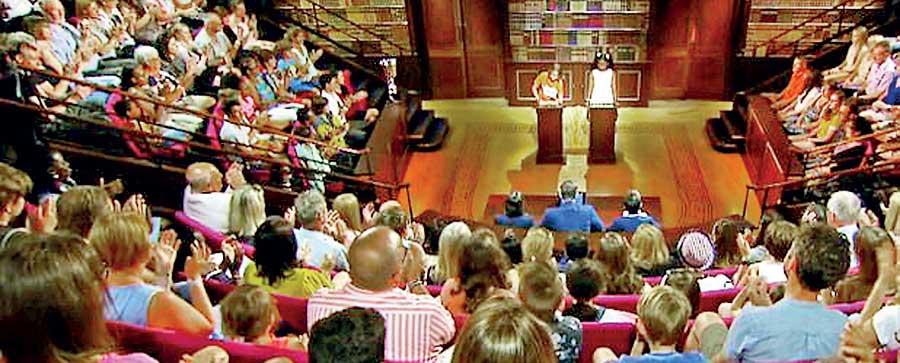
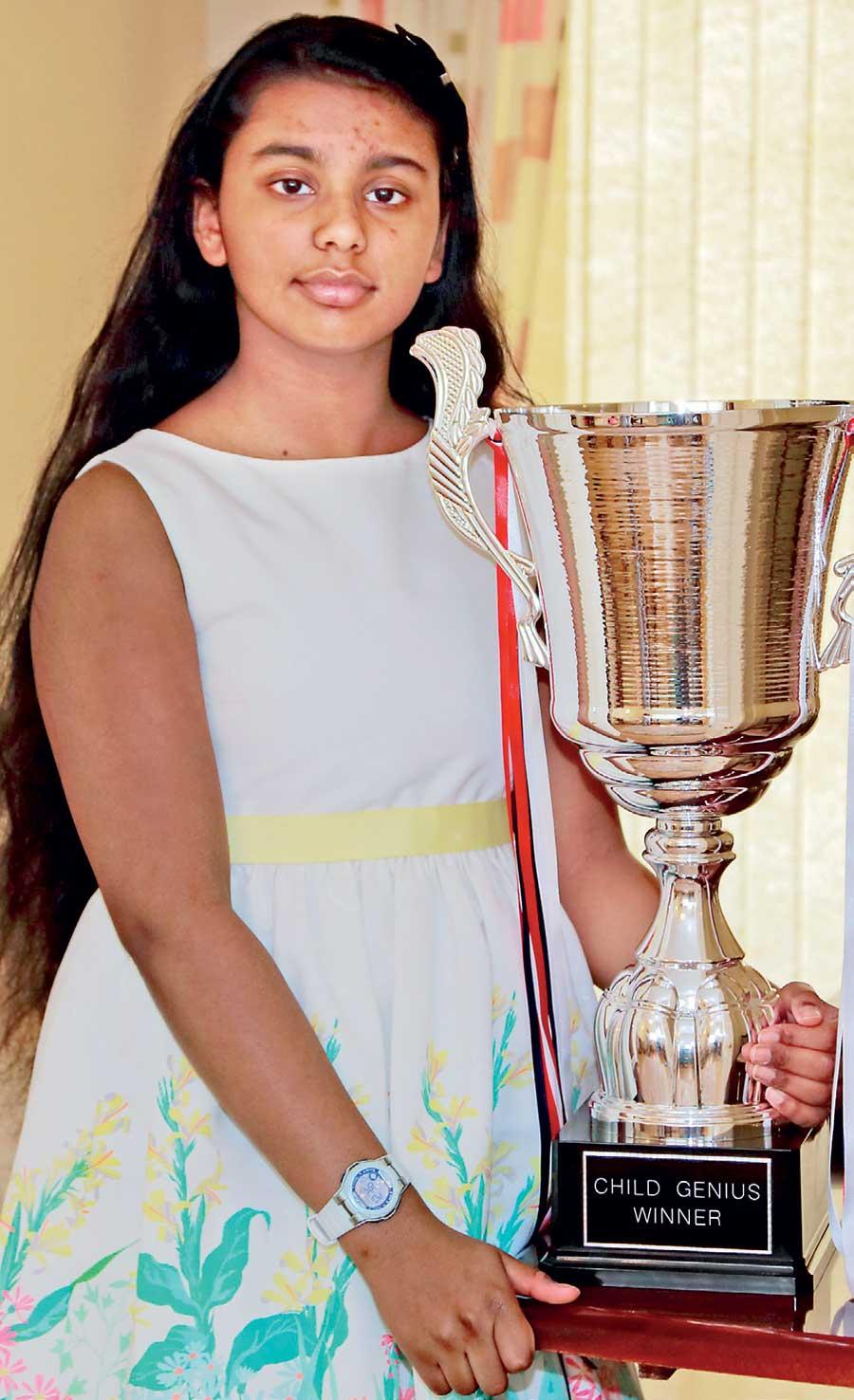
Being a Sri Lankan made me have a multi-cultural and international outlook,” said Nishi in an exclusive interview with the Daily Mirror.
Excerpts:

How do you feel about winning the coveted Child Genius title, now that your name is read alongside those of Albert Einstein and Stephen Hawking?

I feel that it’s a great achievement, as it’s the highest academic competition that a child could take part in within the UK. It’s a once-in-a -lifetime opportunity, and it made it even more special that I’m the first Sri Lankan child to be selected into the top 20, and then to go on and win, which is an unbreakable record.
Apart from being a massive fan of both these scientists, I am not fond of being compared intellectually with these great icons as they are my idols, and for me they will always sit above me.

  • Being a Sri Lankan made me have a multi-cultural and international outlook

  • I am not fond of being compared intellectually with these great icons as they are my idols

  • I was very excited to enter the final, because all the hard work and effort to reach that point had paid off

  •  I can speak to them about anything and I can improve myself with their knowledge and experience

  • I prefer to study/do activities in my own time, so that I can choose what I am doing and do them at my own pace. However, I do take part in a few lunchtime clubs

What thoughts were going in your mind when you reached the final part of the competition?

I was very excited to enter the final, because all the hard work and effort to reach that point had paid off. However, during the actual final, I was completely focused on the task at hand.

You were always engaged in advanced reading or mathematical exercises. What is the most satisfying part about doing these exercises? 

Reading fills you with knowledge, so even reading a single page leaves you with a little more knowledge than you started with. Maths is different, because when you get the right answer it’s very satisfying when your method works out.

Your parents claim that they have never pushed you to study. In your opinion why should parents give that freedom to children to explore themselves?

I know parents always try to do what is best for their children and I can understand some parents having to push their children because they refuse to do anything. But when children are willingly studying, pushing might have a negative impact, so it’s best for the children and parents to work together, like my parents and I.

Nishi at the competition. – Pic courtesy Daily Mail

Tell us about the support extended by them.

They are always there to support me in any and every form I need. I can speak to them about anything and I can improve myself with their knowledge and experience.

Extra curricular activities are seen as a must in school life. Why didn’t you show an interest in them? If at all you liked such an activity, what would it be and why? 

I prefer to study/do activities in my own time, so that I can choose what I am doing and do them at my own pace. However, I do take part in a few lunchtime clubs, such as STEM club and Coding club.

Didn’t you feel you were at a disadvantage when you were promoted to higher grades than peers of your age?

Not at all, I never felt I had a disadvantage academically, however in height, definitely.

” After all, her attempt was to prove that even girls could be equally good at maths and physics as boys. And she definitely walked the talk”

How have your Lankan roots helped you to be who you are today?

I don’t think I can differentiate who I am from being a Sri Lankan. However, it led me to become bilingual from when I could first talk and to have a multi-cultural and international outlook.

In your acceptance speech you said that you wanted to prove that even girls could do physics or maths. But not every female has the freedom to be who she wants to be. What is your message to them?

Yes, there are places and cultures where females don’t have the same level of freedom and respect that they deserve. My message to them would be to believe in themselves and to work towards gaining the rights they deserve. The best tool for that would be to educate themselves.

You aspire to be a theoretical physicist like your idol Stephen Hawking. Have you thought of any discovery you want to get your hands on? If yes, what is it and why?

Something I would like to discover is ‘what is inside a black hole?’, because currently our science and technology are not capable of this, and I think it would be something interesting to develop in the future.

Nishi posing with the trophy

EINSTEEN Child Genius Nishi Uggalle, 13, on why she’s proud to be a science and physics-loving geek for girls everywhere

March 13th, 2019

By Kate Jackson Courtesy The Sun (UK)

Last weekend Channel 4 viewers watched in awe as the teen with a higher IQ than Einstein was crowned Child Genius 2019

ON her tenth birthday, Nishi Uggalle raced into her parents’ bedroom to see if her dream could finally come true.

She pleaded: Can I take the Mensa IQ test now?”

An unusual request from such a young girl perhaps, but then Nishi is far from usual.

Demonstrating incredible drive, Nishi spends her spare time reading philosophy and carrying out complicated maths questions . . . ‘for fun’
Parents Neelanga and his wife Shiromi, insist they’re not the pushy ones – they have to drag Nishi away from her books

Six months later, when she became eligible to take the high IQ society’s test, she achieved the highest possible score of 162 — topping brainbox Albert Einstein’s 160.

Out of the hundreds of children who applied for Channel 4’s annual hunt for bright youngsters, 19 were chosen to compete in the series presented by Richard Osman.

Displaying an astonishing level of general knowledge, Nishi, from Audenshaw, Greater Manchester, answered questions that would stump most adults to take the title.

Nishi’s parents often tell her to leave her books to come and watch TV with them
The universe fascinates Nishi

She said: I was really nervous but I just had to ignore my emotions and focus on the questions. I really wanted to show girls that they can achieve anything they want to.

Since then, the 13-year-old has acquired a celebrity-like status at Altrincham Grammar School for Girls. She said: It’s been crazy. After the show’s maths episode, people I didn’t even know in older years were saying ‘Well done’ to me.

I’ve had people asking me for my autograph. Some asked me to sign their hands.”

‘I LIKE TO CHALLENGE MYSELF’

Nishi, who hopes to be a theoretical physicist at Cambridge, like her idol Stephen Hawking
At the weekend, Nishi’s parents take her to the Peak District to help her get away from her books for a breath of fresh air

Her dad Neelanga calls her a human calculator” and likens her to Sheldon Cooper, the idiosyncratic genius in the American sitcom The Big Bang Theory. After Nishi won Child Genius, Neelanga jokingly asked the testers if they could give her some more questions because she had been so happy during the competition”.

Nishi said: I am a bit like Sheldon. I am the person who actually reads the Terms and Conditions of things and I’m quite possessive about my spot in the lounge, like he is.”

The image of a child genius is often a kid who is dragged from tutor to tutor by insistent parents, being forced into Mandarin lessons and chess club.

I am a geek. I’m proud to be one. Some of the most successful people in the world are geeks, like Bill Gates

Yet Sri Lankan-born Neelanga and his wife Shiromi, insist they’re not the pushy ones. Mum Shiromi, 45, an accountant, said: We’re the ones telling her to put her books down. We have to say, ‘You’ve spent enough time on your homework, come and watch TV with us’.

At the weekend we like to go out to the Peak District, to go cycling or hiking as a family. Nishi tries to sneak a physics book in the car and I have to tell her to stop reading and look outside instead.”

Nishi, who hopes to be a theoretical physicist at Cambridge, like her idol Stephen Hawking, doesn’t do any formal extracurricular activities, nor does she attend a private school.

Nishi was able to read at three, although she initially hid her talent from her father, fearing he would no longer read her a bedtime story
Out and about like any ‘normal’ child

But demonstrating incredible drive, she spends her spare time reading philosophy and carrying out complicated maths questions . . . for fun”.

She also builds remote-control Lego robots, without instructions, and is teaching herself how to play piano.

To top it all, she’s also a sickeningly talented artist.

You’re a geek, there’s no doubt about that,” teases dad Neelanga, 46, who works in IT security at Barclays bank. Nishi agrees: I am a geek. I’m proud to be one. It used to be a derogatory term but I think it’s a positive now. Some of the most successful people in the world were geeks, like Bill Gates.”

Three years ago, Nishi was captivated by the film The Theory Of Everything, about the life of the late Professor Hawking.

She said: Afterwards I borrowed A Brief History Of Time from the library, and really enjoyed it. I’ve read about ten of his books now.

It was a close final, but Nishi came out on top
She stunned audiences with her feminist victory speech

Professor Hawking’s determination was incredible. To present quite controversial ideas in physics at the time, and to achieve what he did, all with his illness too, is incredible. I find questions about the universe and black holes fascinating.

I’d love to follow a similar path to Professor Hawking.”

In the evenings Nishi spends around an hour and a half on her homework. She tries not to go over two hours”, before relaxing with one of the many brainiac books on her shelf. She said: I’ll read a physics book or I’ll do some A-level calculus. Sometimes, in school, I find the maths quite easy so I like to challenge myself.

You have to push yourself otherwise you get bored of things.” The only subjects that don’t come easily are dance and drama.

By the time she should have been in Year Four at school, Nishi had been fast-tracked to Year Six
Lego and books were easy for Nishi as a toddler

But Nishi was a high achiever right from the start. Mum Shiromi said: When Nishi was just 18 months old we made a home video of her going through an A-B-C book saying ‘A for apple, B for bear’, and so on. She couldn’t say some of the words properly, of course, but we realised she would use the same word again and again for the same thing so we knew she wasn’t just babbling.”

An only child, Nishi was able to read at three, although she initially hid her talent from her father, fearing he would no longer read her a bedtime story if he knew she could do it herself.

At Poplar Street Primary School, Nishi’s abilities were quickly noticed. Within two weeks she was put on the Gifted and Talented programme for exceptional pupils, despite only turning four the previous month.

Six months later, having sped through the reading levels for her age, she was moved to Year One. By the time she should have been in Year Four, she was in Year Six, and despite being three years younger than the oldest pupils in her class, she was beating them to top marks in weekly maths quizzes.

HARD WORK ETHIC

With her proud parents
When asked who was responsible for applying to Child Genius, Nishi’s mum rolls her eyes, nods towards her daughter and says: ‘Who do you think?’

Socially, Nishi never had a problem fitting in and has stayed pals with the ones she made in each year group. She said: I’ve always been able to make friends when I’ve moved class or school.

The older girls were really good, they mothered me a bit and even the boys were really caring.” Having reached Year Six ahead of time, Nishi then attended a private primary school as a stop-gap for a couple of years before secondary school. She earned her place at Altrincham Grammar — a school outside her catchment area — by being one of the top ten scorers in the 11-plus entrance exam.

When asked who was responsible for applying to Child Genius, Nishi’s mum rolls her eyes, nods towards her daughter and says: Who do you think?”

While her parents may not push their daughter to excel, there is no doubt their work ethic underlies Nishi’s success.

Neelanga and Shiromi grew up five miles apart in Padukka,  Sri Lanka, but didn’t meet until they started working. Both came from middle- class backgrounds, with parents in teaching, business and the civil service, and both studied at good schools in the capital, Colombo. Neelanga gained an IT qualification and joined the British Council. Then, in 2001, he and Shiromi moved to Manchester on a promotion.

https://www.thesun.co.uk/tvandshowbiz/8578283/child-genius-nishi-uggalle-proud-geek/

Sports – an important means of empowering people and bridging divides within societies – Ambassador Azeez tells the Human Rights Council

March 13th, 2019

Permanent Mission of Sri Lanka to the United Nation Geneva

Addressing the UN Human Rights Council (HRC) as the Chair of the 2018 HRC Social Forum, today, Sri Lanka’s Permanent Representative in Geneva Ambassador A.L.A. Azeez stressed that the Forum provided a platform for a vibrant multi-stakeholder dialogue. He said it brought together governments, intergovernmental organisations, sports bodies, academia and the private sector, to address how best sports could be promoted as a means of empowering people while bridging divides among different segments of society.

Sports, like diplomacy, has the potential to bring all actors beyond the immediate theatre of competition. They both encourage camaraderie and solidarity, to achieve shared objectives’ stated Ambassador Azeez, stressing further ‘win-win’ in sports, as in diplomacy, is to remain engaged, to build and maintain momentum and to reach the finish-line of pursuit”. He added this pursuit should continue unfazed in the face of expressions of hate by any fringe elements and misinformation targeting professionals in both disciplines”.

The report of the 2018 HRC Social Forum on ‘Sports and Human Rights’ chaired by Sri Lanka placed emphasis on bilateral and other forms of cooperation as well as inclusive approach to physical education, physical activities and sports, based on human rights values. It further stated that sports and new technologies should embed human rights by design.

Decision-making bodies in sports and other critical areas of human activity should ensure diversity, including by promoting gender equality,” Ambassador Azeez added.

Speaking in its national capacity at the General Debate, following the presentation of the Report on Social Forum by Ambassador Azeez, the delegation of Sri Lanka highlighted the power of sports and that of sports idols, in creating attitudinal changes not only among fans but within the society as a whole.  Ms. Shashika Somaratne, Minister Counsellor of the Permanent Mission of Sri Lanka made these remarks under Agenda Item 5 on ‘Human Rights Bodies and Mechanisms’.

Referring to the contribution of sports in empowering women and girls as well as differently abled, Sri Lanka called upon the stakeholders to take every effort to eradicate discrimination in the field of sports. It should be an avenue to achieve the highest attainable mental and physical health for all”, it was stressed. Speaking further, Minister Counsellor Somaratne also highlighted the potential of sports in national and international efforts to eliminate the menace of drugs.

Concluding the intervention, the delegation of Sri Lanka underlined the importance of   endeavours towards the realization of the 2030 Agenda for sustainable development being underpinned by the spirit and ideals of sports.

–          Statement by the Chair-Rapporteur of the 2018 Social Forum

–          Statement by Sri Lanka at the General Debate under Agenda Item 5

Permanent Mission of Sri Lanka to the United Nation

Geneva

George Galloway on Venezuela (subtitulos en Español)

March 13th, 2019

George Galloway live-streamed this address on 31 January 2019. Hereby the subtitled version. Contact George Galloway on Twitter @georgegalloway or by email: info@georgegalloway.com George Galloway transmitió en vivo esta dirección el 31 de enero de 2019. Por la presente, la versión subtitulada. Póngase en contacto con George Galloway en Twitter @georgegalloway o por correo electrónico: info@georgegalloway.com

The history as to what and who caused the genocidal campaigns in SRI LANKA

March 13th, 2019

Professor Nishan Chaminda Wijesinha

During the Riots of 1915 (May 28 to June 5, 1915) the British governor came down with a heavy hand on the Sinhalese community. The governor declared Martial Law on (June 2 to August 30, 1915). And ordered the police and the army to arrest and imprison several prominent Sinhalese leaders. Among those imprisoned were D.S. Senanayake, D.R. Wijewardena, Dr. Cassius Pereira, E.T. De Silva, F.R. Dias Bandaranaike, H. Amarasuriya, A.H. Molamure and others. It was reported that other leaders were shot without trial. It was then Sir Ramanathan who came to the rescue of the Sinhalese community.

He and Sir James Peiris led the campaign for a Royal Commission of Inquiry (for the vindication of the reputations of those who had been falsely accused). He traveled to England under great threat to his life (as World War I was on) and argued the case of the imprisoned Sinhalese. So articulate were his arguments that he succeeded in having the governor transferred and the head of Military recalled from Ceylon. He eventually managed to get all the leaders released from prison.

When he came back to Ceylon victoriously, there were thousands to welcome him. Sir John Kotalawala and A.C. Seneviratne, a prominent businessman then, said that the Sinhalese are in debt to Sir Ponnambalam Ramanathan a debt that could never be repaid. They insisted that his horse carriage be drawn by Sinhalese. Sir Ramanathan was driven through the streets of Colombo to his residence at Ward Place.

Some of the top families, of Sinhalese aristocracy, had no qualms about drawing his carriage through the streets of Colombo virtually carrying him on their backs. Sinhala leaders took turns to pull the carriage

But on the declaration of independence the debt that could never be repaid” phraseology was thrown off cunningly and cruelly by D. S. Senanayake who was sworn-in as the first Sri Lankan prime minister, when he disallowed Minority Party Representative Sir Ramanathan to be the Administrative General of the Maritime Northern Province which was and still is under the Thesawalamai Law. 

D.S. Senanayake was also the founder of the United National Party (UNP); and in 1983 the worst ever genocidal riots were also a result of his party; with the Army and the Police being kept on hold by the then President J.R. Jayawardena; until the carnage was ripened to the core with the looting and burning down to ash alive the Tamil People, their establishments and homes

Now Ranil Wickramasinghe being the head of the UNP as well as the government has called in for the Land Bank in their budget for 2019, which will bring all State hold lands under the disposal of this said Bank; which will worsen the status core of the Tamil People.

අපි පළාත් පැලන මැතිවරණයට ගියේ පක්ෂයට අවුරුද්දක් පිරී පක්ෂයට ප්‍රතිපත්තියක් හෝ අනාගත වැඩපිළිවෙලක් ඉදිරිපත් කරන්න හැකියාවක් තිබුනේ නැති අවස්ථාවක

March 13th, 2019

ශ්‍රී ලංකා පොදුජන පෙරමුණේ බැසිල් රාජපක්ෂ මහතා

ශ්‍රී ලංකා පොදුජන පෙරමුණ ගොඩනැගුනේ ගම් මට්ටමින්. අපි පළාත් පැලන මැතිවරණයට ගියේ පක්ෂයට අවුරුද්දක් පිරුණ අවස්ථාවක. ඒ වෙද්දි අපේ පක්ෂයට ප්‍රතිපත්තියක් හෝ අනාගත වැඩපිළිවෙලක් ඉදිරිපත් කරන්න හැකියාවක් තිබුනේ නැහැ. අපි ජනතාවට පොරොන්දු වුනා නැවත ජනතාව ඉදිරියට එන්නේ පක්ෂයේ ප්‍රතිපත්ති මාලාව හා අනාගතයේ පිහිටුවන රජයේ වැඩපිළිවෙලකුත් සමගයි කියලා. මෙය සකස් කළ යුත්තේ දේශපාලනඥයෝ හෝ පක්ෂයේ නායකයින් විසින් නෙවෙයි, ජනතාව අතරින් මේ වැඩපිළීවෙල සකස් කළ යුතු බව අපි තිරණය කළා. ජනමුල ප්‍රතිපත්ති සම්පාදනයක් සදහා පක්ෂය පහසුකම් සපයන්නෙක් පමණක් විය යුතුයි කියලා අපි එකගතාවයට ආවා. වෘත්තීයවේදීන්, වෘත්තීය සමිති, විශ්ව විද්‍යාල ආචාර්යවරුන් , ව්‍යාපාරික ප්‍රජාව මේ ප්‍රතිපත්ති මාලාව සම්පාදනය කරන්න එකතු කරගැනීමට අපි තීරණය කළා.

අපිට ගම් 36000ක් තියෙනවා. ජනශූන්‍ය ගම්මාන අතහැරියාම ග්‍රාම නිලධාරී වසම් 14000ටම ගිහින් ගම් 25000ජනතාව මුණ ගැහෙනවා. ඒ සදහා ගම සමග පිළිසදරක් කියලා වැඩපිළිවෙලක් සකස් කළා. එය සම්ප්‍රධායෙන් ටිකක් බැහැර වුනු වැඩපිළිවෙලක්.අපේ පක්ෂයේ ක්‍රියාකාරිකයින්ට පමණක් සීමා නොවී පක්ෂය පහසුකම් සපයන්නෙක් විදියට සිටිමින් පක්ෂභේදයෙන් තොරව ජනතා අදහස් ලබා ගැනීමයි අපේ බලාපොරොත්තුව.

අපි ජනතාව එක්ක වැව් අමුණු පවා බලන්න ගියා. ගම ඇතුලේ ජනතාවට තියෙන ප්‍රශ්න සම්බන්ධයෙන් විමසීමක් මෙහිදි සිද්ධ වෙනවා. මෙහිදී ගමේ ජනතාව අතරින් මාර්ග සංවර්ධනය, ජල පහසුකම්, විදුලිය , පොදු පහසුකම් , ඇල වේලි අමුණු ඉදිකිරීම් හා ප්‍රතිසංස්කරණය කිරිම් වගේම ගමේ ආර්ථිකය දියුණු කළ හැකි ආකාරය සම්බන්ධයෙන් අදහස් ඉදිරිපත් වුනා.ගමේ ආවේණික කර්මාන්ත වැඩිදියුණු කිරීම වගේම නව කර්මාන්ත ඇති කිරීම මගින් නව රැකියා උත්පාදනයකිරිම ගැනත් ජනතාවඅතරින් අදහස් ඉදිරිපත් වුනා.ඒ විතරක් නෙවෙයි. ගමේ සංවර්ධනයට බාධාවක් වී ඇති ගංවතුර ගැලීම්, නායයෑම්, වැනි විපත්වලට විසදුමක් ලබාගැනීම, ගමේ පිහිටීමේ භූ විෂමතා අනුව පරිපාලන වහයෙන් මුහුණපෑමට සිදුව ඇති ගැටලු මෙන්ම යම් යම් පුද්ගලයින්ගෙන් සිදුවන බැධා සම්බන්ධයෙනුත් ජනතාව අදහස් දක්වමින් තිබෙනවා.  

මේ විදියට අපි හැම ගමකටම ගිහින් ආකෘති පත් තුනක් පුරවනවා. පළවැනි ආකෘති පත්‍රය ගමේ සමාජයිය ආර්ථික භූගෝලීය පසුබිම, ජාතික අදහස් වගේම ගමේ දේශපාලන පසුබිම් වාර්තාවකුත් ගන්නවා. මේ විදියට ජනතා අදහස් ගන්න අතරේ රටේ වෘත්තීය සමිති නායකයින්, විද්වතුන්, පුද්ගලික අංශයේ අයගෙන් විශේෂඥ කමිටු පිහිටුවලා අදහස් ගන්නවා.

ඉතිහාසයේ අපේ ගම  පදනම්ව පැවැති සමාජීයය තත්ත්වයත් ආර්ථික තත්ත්වයත් බ්‍රිතාන්‍යය යුගයේ සිට වෙනස් වුනා. වෙල්ලස්ස කැරැල්ලෙන් පස්සේ අපේ ආර්ථිකය විනාශ කළා. ඊට පස්සේ ඩි.එස් සේනානයක කාලයේ ජනපද,බණ්ඩාරනායක මහත්තයාගේ කාලයේ ජනපද පුලුල් කිරීම, ගම්උදාව, අපේ ගම නැගුම, මේ ආණ්ඩුවේ ගම්පෙරළිය වගේ දේවල් සිදුවුනා. අපි ගම දියුණු කිරීමටත් ජනතාවගේ අදහස් ගන්නවා වගේම ඉඩම් ප්‍රශ්නය විසදන්න අවශයයි. වැවිලි කර්මාන්ත ක්ෂේත්‍රය ප්‍රශ්නත් විසදන්න තියෙනවා. මේ සියල්ල සම්බන්ධයෙන් විශේෂඥ අදහස් ගන්නවා.මේ ප්‍රතිපත්තිය සැකසීමේදී අපේ පක්ෂය පහසුකම් සපයන්නා විදියට කටයුතු කරනවා වගේම පසුව අපේ ජනාධිපතිවරයෙක් හා රජයක් පිහිටුවීමෙන් පස්සේ එය ක්‍රියාත්මක කිරීමට අපේ පක්ෂය දේශපාලන නායකත්වය දෙනවා. බොහෝ මැතිවරණ ප්‍රකාශන ජනතාවට ඉදිරිපත් කළාට ආන්ඩු බිහිවීමෙන් පස්සේ මැතිවරණ ප්‍රකාශන ක්‍රියාත්මක වුනේ නැහැ. ඒ අතින් මහින්ද චින්තන වැඩපිළීවෙල සම්බන්ධයෙන් ආඩම්බර විය හැකියි. සහෝදර පක්ෂ එක්ක එකතු වෙලයි ඒක හැදුවේ. මැතිවරණයෙන් පස්සේ රටේ ප්‍රතිපත්ති මාලාව ලෙස සලකලා මහින්ද චින්තනය ක්‍රියාත්මක කළා. අපිට සමහරක් ක්‍රියාත්මක කරන්න බැරිවුනා. නමුත් ප්‍රතිශතයක් ලෙස අපි වැඩි කොටසක් ක්‍රියාත්මක කළා.

මේ සම්බන්ධයෙන් ජනතාව දැනුවත් කර මේ ක්‍රියාවලියට ජනතාව සම්බන්ධ කර ගැනීම අවශ්‍යයි. අපි පළවෙනි අධියර විදියට පළාත් පාලන හා පළාත් සභා මන්ත්‍රීවරු දැනුවත් කළා. ඊට පස්සේ අපේ වෘත්තීය සමිති අනු සංවිධාන දැනුම්වත් කළා. දෙවැනි වටය මේ මාසයේ 16,17,23,24,30,31 දිනවල යාපනය හා මඩකලපුව හැර දිවයිනේ සෙසු දිස්ත්‍රික්ක 20 පුරා පළාත් පාලන ආයතන 286ක අපේ ක්‍රියාකාරීන් දැනුම්වත් කරනවා. ඒකියන්නේ ග්‍රාම සේවා වසම් 12468 අපේ ක්‍රියාකාරිකයින් දැනුම්වත් කරන්න රැස්විම් 511ක් කරනවා. පළවෙනි සති අන්තයේ රැස්විම් 126ක්, දෙවැනි සති අන්තයේ රැස්විම් 195ක්, අවසන් සතියේ තවත් රැස්වීම් 134ක් පැවැත්වෙනවා. තවම දින නියම නොවුනු ස්ථාන 16කුත් තියෙනවා. අපේ ක්‍රියාදරයින් වගේම ග්‍රාමිය නායකයින් , පූජ්‍ය පක්ෂය, ගමේ ග්‍රාම නිලධාරී, කෘෂි පර්යේෂණ නිලධාරී වගේ නිලධාරින්වත් සහභාගි කර ගන්නවා.

පුද්ගලික අංශය , වෘත්තීය අංශ, වෘත්තීයවේදීන් වැනි සියලු කොටස් මෙයට සහභාගි කර ගැනීමට අවශ්‍යයි. සිවිල් සමාජයේ විවිධ විෂයන් ගැන, පරිසරය, සත්ව ආදී ක්ෂේත්‍ර ගැන විශේෂයෙන් අවධානය යොමු විය යුතු අංශ ගැන අවධානය යොමු කරන අංශවලටත් අපි එක්ක එකතු වෙන්න කියලා ආරාධනා කරනවා.

මාධ්‍ය  – අයවැයට පක්ෂව ඒකාබද්ධ විපක්ෂය ඡන්දය දුන්නා. නමුත් ශ්‍රීලනීපය ඡන්දය නොදී ඉවත් වෙලා හිටියා. ශ්‍රීලනීපය හා පොදුජන පෙරමුණ එකමුත් බවයි ජනතාව හිතන්නේ. මෙතනදි සිද්ධ වුනේ පරස්පර සිද්ධියක් නේද

බැසිල් රාජපක්ෂ  – ඡන්දය නොදී හිටිය අයගෙන් මේ සම්බන්ධයෙන් අහන්න  අවශ්‍යයි. මතවාදීව එකතු විම තුළිනුයි  සමගියක් ඇති වෙන්නේ.

මාධ්‍ය – තවම එවැනි එකතු විමක් සම්බන්ධයෙන් සාකච්ඡා වෙන්නේ නැද්ද

බැසිල් රාජපක්ෂ – ශ්‍රී ලංකා පොදුජන පෙරමුණ හා ශ්‍රී ලංකා නිදහස් පක්ෂය නිල වශයෙන් 14 වැනිදා සාකච්ඡා අරඹනවා. ඒ සාකච්ඡා අරඹන්නේ විවෘත මනසකින්.

මාධ්‍ය  – මේ වැඩසටහන ඇයි උතුරු නැගෙනහිර ප්‍රදේශවලට ව්‍යාප්ත නොවන්නේ.

බැසිල් රාජපක්ෂ – උතුරු නැගෙනහිරට වැඩපිීලවෙල ගෙනියන්න හරිම කැමැතියි. එයයි විය යුත්තේත්. අපි අරඹන්න සතුටුයි. නමුත් අපි ඇත්ත පිලිගන්න අවශ්‍යයි. අපේ පක්ෂය රට පුරාම ව්‍යාප්ත කරන්න හිතුවත් පසුගිය මැතිවරණය බැලුවම ඒ ප්‍රදේශවලින් අපේ පක්ෂයට නිසි නියෝජනයක් ලැබිලා නැහැ. මේ විදියට වැඩපිළීවෙල ආරම්භ කරලා  ඉදිරියට ගෙන යනවා. මේ වෙද්දි මඩකලපුවට වැඩපිළීවෙල ගෙන ගිහින් තියෙනවා. ඉදිරි මාස තුනේදී උතුරු නැගෙනහිර ජනතාවගේ අදහස් ගන්නත් අපි බලාපොරොත්තු වෙනවා. මෙතෙක් පැවැති සියලු ආන්ඩුවලට ඒ ජනතාවගේ අදහස් ලබා ගන්න හැකි වුනේ නැහැ. අපේ පක්ෂය හැම වෙලාවෙම වැඩිදෙනෙක්ට සේවය කරනවා වෙනුවට හැම දෙනෙක්ටම සේවය කරන්නයි බලාපොරොත්තු වෙන්නේ.

මාධ්‍ය – මේ වැඩපිළිවෙලෙන් බලාපොරොත්තු වන ඉලක්කය මොකක්ද

බැසිල් රාජපක්ෂ – මේ රටට , ජනතාවගෙන් හදපු ජනතාවගේ ප්‍රතිපත්ති මාලාවක් සකසා ගැනීමයි.

මාධ්‍ය – මොනතරම් කාලයකින්ද මේ වැඩපිීලවෙල අවසන් වෙන්නේ.

බැසිල් රාජපක්ෂ  –  ඡන්දයක් ඉක්මනින් එන නිසා ජුනි මාසය වෙද්දි මෙය සකසන්න අපි බලාපොරොත්තු වෙනවා. අපි ඡන්දයකට ජනතාව ඉදිරියට යන්නේ ප්‍රතිපත්තියත් එක්කයි. මැතිවරණ ප්‍රකාශයක් එළි දක්වන්නේ නම් මැතිවරණයකදියි. නමුත් අපේ ප්‍රතිපත්ති මාලාව රටේ ජාතික ප්‍රතිපත්තියක් විදියට පත්කර ගැනීමයි අවශ්‍ය.

මාධ්‍ය – ඉකිමනින් ඡන්දයක් එන බව ඔබ කිව්වාත මොන මැතිවරණයද එන්නේ

බැසිල් රාජපක්ෂ – නිත්‍යාණුකූලව නම් පළාත් සභා මැතිවරණය එන්න අවශ්‍යයි. මේ වෙද්දි පළාත් සභා පවත්වන කාලය පසුවෙලා තියෙන්නේ. දෙසැම්බර් වෙන්න කලින් අනිවාර්යයෙන් ජනාධිපතිවරණය තියන්න වෙනවා. ඔක්තෝම්බර් 05 වෙද්දි මැතිවරණය ප්‍රකාශයට පත්කරන්න වෙනවා. ඒ අනුව පළාත් සභා මැතිවරණයට පස්සේ නීත්‍යාණුකූලව තියන්න තියෙන්නේ ජනාධීපතිවරණය. ඊළගට ශ්‍රේෂ්ඨාධිකරණ තින්දුව අනුව අනිවාර්යයෙන්ම තුනෙන් දෙකේ යෝජනාවක් සම්මත නොවුනොත් අන්තිමට එන්නේ පාර්ලිමේන්තු මැතිවරනයයි.නිත්‍යාණුකූලව පළාත් සභා මැතිවරණය තියන්න තිබුණත් මේ අය තියයි කියලා හිතන්නේ නැහැ. ජනතාවගේ පරමාධිපත්‍ය අයිතිය අධීකරණය හරහා හරි ලබා ගන්න අපි උත්සාහ කරනවා. අපි හිතනවා අලුත් ජනවරමකින් පත්වෙන අපේ අලුත් ජනාධිපතිවරයා ජනතාව ඉදිරියට ජනමත විමසුම් කිහිපයක් ගෙන යයි කියලා. අපි අලුතින් පත්වෙන ජනාධිපතිවරයාගෙන් ආන්ඩුක්‍රම ව්‍යවස්ථාව සැකසීම සදහා ඉල්ලීම් කිහිපයක් කරනවා. රටට ගැලපෙන ඡන්ද ක්‍රමය, පාලන ක්‍රමය, එය විධායක ජනාධීපතික්‍රමයක්ද, පාර්ලිමේන්තු විධායක ක්‍රමයක්ද, බලය බෙදීමේ කේන්ද්‍රය ගමද, දිස්ත්‍රික්කයද පළාතද වැනි ප්‍රශ්න ජනතාවට දීලා පසුව ආන්ඩු ක්‍රම ව්‍යවස්ථාවක් හැදීම සුදුසුබවයි අපි හිතන්නේ.

මාධ්‍ය – අනෙක් පක්ෂවලින් ලැබෙන්නේ මොන වගේ සහායක්ද

බැසිල් රාජපක්ෂ – අපි මේ වැඩපිළීවෙල කරන්නේ පක්ෂ විදියට නෙවෙයි. අපි පහසුකාරකයෙක් විදියටයි කටයුතු කරන්නේ. ගම සමග පිළිසදරක් වැඩපිළීවෙලට සියලු පක්ෂවලට ආරාධනා කරනවා. අපිත් එක්ක ඉන්න අනෙක් සහෝදර පක්ෂ සෑහෙන්න පැරණියි. ඒ පක්ෂවලට හදපු ප්‍රතිපත්ති තියෙනවා.

මාධ්‍ය – ආන්ඩුක්‍රම ව්‍යවස්ථා සංශෝධනයක් වියයුතු බව ඔබ හිතනවා

බැසිල් රාජපක්ෂ – ජනවරමක් තියෙන පක්ෂයකින් විය යුතුයි.

මාධ්‍ය – වත්මන් ආන්ඩුවත් ව්‍යවස්ථා සංශෝධනය සදහා සුදානම් වුනා.

බැසිල් රාජපක්ෂ -අපි කියන්නේ ජනතාවගෙන් මුලින් අහන්න අවශ්‍යයි කියලයි. ඒ ක්‍රියාවලිය ආරම්භයේ සිටම දෙපැත්තේම ජනතාව මුලාකිරීමයි වුනේ. බිත්තර නොදා කෑ ගහන කිකිළියොත් ඉන්නවානේ. ඒ වගේ කෙකර ගෑවා විතරයි.

මාධ්‍ය – එජාපය තමන්ගේ නායකයා ජනාධිපතිවරණයට එවනබව මේ වෙද්දි ප්‍රකාශ කරලා තියෙනවා. ඔබතුමන්ලාගෙන් කවුද

බැසිල් රාජපක්ෂ – අපි පක්ෂයක්  විදියට තින්දු කලේ මහින්ද රාජපක්ෂ මහතාවයි. අපිට එතුමාව පත්කර ගන්න තිබුණා නම් හොදයි. එතුමාට නිතියෙන් බාධාවක් තිබුනොත් එතුමා හොද කෙනෙක් පත්කරයි.

මාධ්‍ය – මේ වෙද්දි රාජපක්ෂවරයෙක්ගේ නාමයක් යෝජනාවෙන්නේ නැති බවට රාවයක් තියෙනවා.

බැසිල් රාජපක්ෂ – ඒත් ප්‍රශ්නයක් නැහැ. රාජපක්ෂවරු තින්දු කලොත් ඒ රාජපක්ෂ කවුද කියන එකත් එතුමා තින්දු කරලා තියෙන්නේ. රාජපක්ෂ නොවන කෙනෙක් දැම්මොත් එතුමා කියන කෙනෙක් වෙනුවෙන් අපි වැඩ කරනවා.

මාධ්‍ය – රාජපක්ෂ නොවන කෙනෙක් නම් කවුද සුදුසු

බැසිල් රාජපක්ෂ – ඒක මට තොරන්න බැහැනේ. ඒක මහින්ද රාජපක්ෂ ජනාධීපතිතුමා කරයි.

මාධ්‍ය – වත්මන් ජනාධිපතිතුමාට නැවත අපෙක්ෂකත්වයට එන්න බාධාවක් නැහැ නේද

බැසිල් රාජපක්ෂ – අපේ පක්ෂයේ සාමාජිකත්වය ලේසියෙන් ගන්න බැහැ. පළවෙනි වටයේ සාමාජිකත්වය බොහොම ලේසියෙන් දුන්නා. දැන් ලේසි නැහැ. අරම්භක සාමාජික පෝරමය දැන්දෙන්නේ නැහැ. දැන් දෙන්නෙක්වත් නිර්දේශ කරන්න වෙනවා. එහෙම දෙන්නෙතක් සොයා ගන්න පුලුවන් කමක් නැහැ.

මාධ්‍ය – පහුගිය කාලයේ ඔබගේ නමත් යෝජනා වුනා.

බැසිල් රාජපක්ෂ – මගේ නම කවදාවත්යෝජනා වුනේ නැහැ. නාමයොජනා පත්‍රයේ අපේක්ෂකයාගේ කැමැත්ත දෙනවා කියලා අත්සන් කරන්න තැනක් තියෙනවා.

මාධ්‍ය – ‌මේ වෙද්දි ගොඩනැගෙමින් තිබෙන සංධානය වත්මන් ජනාධිපතිවරයාව යෝජනා කලොත්

බැසිල් රාජපක්ෂ -මහින්ද රාජපක්ෂ ජනාධිපතිතුමා කිව්වොත් හා කියලා අපිට ප්‍රශ්නයක් නැහැ. අපි බලන්න අවශ්‍ය වෙන්නේ ජනතාව කියන දෙයයි. අවසානයේ අපි යන්නේ ඡන්දයකට නිසා දිනන්න පුලුවන් කෙනෙක් දාන්නත් වෙනවා.

මාධ්‍ය – ගම සමග පිළීසදරක් වැඩසටහනේදි මීළග ජනාධිපතිවරයා ගැනත් සාකච්ඡා වෙනාවද

බැසිල් රාජපක්ෂ – නැහැ. ඒක පක්ෂය සාකච්ඡා කරලා මහින්ද රාජපක්ෂ ජනාධිපතිතුමා තමයි සුදුස්සා. එතුමාට එන්න බැරි නම් සුදුසු කෙනො එතුමාම තීරණය කරයි. තව සහෝදර පක්ෂ තියෙනවා. අපි පළාත් පාලන මැතිවරනයට ඉල්ලුවෙත් සන්ධානයෙන්. නිල වශයෙන් පක්ෂ 29ක් අපිත් එක්ක හිටියා. විශෞෂයෙන් ලංකා සමසමාජ පක්ෂය, මහජන එක්සත් පෙරමුණ, ප්‍රජාතන්තුවාදි වාමාංශික පෙරමුණ, ශ්‍රී ලංකාවේ කොමියුනිස්ට් පක්ෂය, මහජන එක්සත් පෙරමුණ, ජාතික නිදහස් පෙරමුණ වගේපක්ෂත් එක්කයි අපි ඉල්ලුවේ. ඒවායේ නගරාධිපතිවරු පවා ඉන්නවා. නමුත් පොහොට්ටුවෙන් ඉල්ලුවේ.

මාධ්‍ය – සන්ධානය ගොඩනැගීමට පැවැති සාකච්ඡා සදහා ඔබතුමා සහභාගි වෙනවා අපි දැක්කේ නැහැ.

බැසිල් රාජපක්ෂ – අපේ පක්ෂය නිල වශයෙන් සාකච්ඡා අරඹන්නේ 14 වැනිදා.අපේ පරමාදර්ශී නායකයාට සාමාජිකත්වය ගන්න බැරි වුනත් දේශපාලන වශයෙන් අපි එක්ක වැඩ කරනවා. පාර්ලිමේන්තුවේ අපේ මන්ත්‍රීවරු නැහැ. නමුත් අපිට අදව් කරනවා.

මාධ්‍ය –

බැසිල් රාජපක්ෂ – තින්දුව අරන් ජාතික සම්මේලනයට දාලා අපේ පක්ෂයේ ව්‍යවස්ථාව අනුව කටයුතු කළ යුතුයි. මුල් බීජය ඇති වෙන්නේ එතුමාගෙන්.

මාධ්‍ය – දිගින් දිගටම මහින්ද රාජපක්ෂ මහතා ගන්න තින්දුවට එකග බවයි ඔබලා කියන්නේ

බැසිල් රාජපක්ෂ – ඔව්. ජනතාව එතුමාවයි නායකත්වයට අවශ්‍ය බව කියන්නේ. මැතිණියගේ ප්‍රජා අයිතිය අහෝසිකරලයි ජේ. ආර් ජයවර්ධන මහතා ජනාධිපතිවරණයට මුහුණ දුන්නේ. රේසි එකේ අනික් තරගකරුවා ඉවත් කරලා. ඒ නිසා අපි පිහිටුවන ආන්ඩුවක් පිහිටුවන්නේ මහින්ද රාජපක්ෂ ජනාධිපතිතුමගේ නායකත්වයෙන්.ජනතාවගේ බලාපොරොත්තුව ඒකයි.

මාධ්‍ය – ඔබතුමා ඉදිරියේදි පාර්ලිමේන්තුවට එනවාද

බැසිල් රාජපක්ෂ – එන්න විදියක් නැහැනේ. 19න් මාව එළියට දැම්මානේ. 19 කියන එක ගලෙන් හතරදෙනෙක්ට ගැහුවා.

මාධ්‍ය – 2019 ජනාධිපතිවරණයෙන් ඔබ පාර්ශවය ජයගන්න නම් ශ්‍රලනිප හා පොහොට්ටුව එකතු වෙන්න අවශ්‍යද.

බැසිල් රාජපක්ෂ – මැතිවරණයකට යද්දි කිසිවෙක් දිනන් බැරි බව කියන්නේ නැහැ. ස්වාධිනයි කියපු ආයතනයක් සහ පොලීසිය කරපු සමික්ෂණයකින් පළාත් පාලන මැතිවරණයට පෙර කිව්වේ අපි දිනන් ආයතන 40ක් බවයි. ඒ වගේ ඡන්දයකියන දේ ජනතාව අතේ තියෙන්නේ. නමුත් අපි දිනන කොට්ඨාශ ගණනත් මම දින තුනකට පෙර කිව්වා. ඒ වගේ අපි විශෟවාසයෙන් කියනවා ජනතාව අපි කෙරෙහි විශ්වාසය තියයි කියලා

මාධ්‍ය – ජනාධිපතිවරණය තනිවම දිනන්න පුලුවන්ද

බැසිල් රාජපක්ෂ – දැන්ම කියන්න හොද නැහැ

මාධ්‍ය – ජනාධිපතිවරණය  නොසලකා හැරලාද ඉන්නේ

බැසිල් රාජපක්ෂ- නැහැ. නැහැ. මේක තමයි ප්‍රධාන මැතිවරණය. මේක අපි අනිවාර්යයෙන්ම දිනනවා.

මාධ්‍ය – දෙපැත්තේ අය කරන ප්‍රකාශ දිහා බැලුවාම එන්න එන්න විරසක වෙන බවයි පේන්නේ

බැසිල් රාජපක්ෂ – අපි ඈත් වෙලා වෙන වෙනමදින්නා. දැන් එන්න එන්න ළං වේගෙන යනවා වගේ මට පේන්නේ.

මාධ්‍ය – තදින් ප්‍රහාර එල්ල කරන බවක්නේ පේන්නේ.

බැසිල් රාජපක්ෂ – දැන් කපු මහත්තරු ඇවිත් කේන්දර බලලා වැඩේ යනවා. හිටපු ගමන් දෑවැද්ද මදි කියලා පොඩි පොඩි ප්‍රශ්න වෙනවා. ඒවගේ දෙයක් තමයි වුනේ

මාධ්‍ය – සතියකට කලින් ඇමරිකන් තානාපතිවරිය උතුරට ගිහින් පළාලි ගුවන් තොටුපල ගැන සමික්ෂණය කරලා සංවර්ධනය වෙන්න තියෙන සිතියම් පවා පරීක්ෂා කළා. එහෙම කරන්න ඒ අයට අයිතියක් තියෙනවාද

බැසිල් රාජපක්ෂ – මේක අද ඊයේ වුනු දෙයක් නෙවෙයි. මහින්ද ජනාධිපතිතුමා බලයට එද්දි ගිවිසුම් රාශියක් තිබුණා. සටන් විරාම ගිවිසුම කිලිනොච්චිය අල්ල ගන්නකල් අවසන් කරන්න බැරිවුනා. ඒකාලේ සටන් විරාම නිරීක්ෂණ කණ්ඩායම් හිටියා. සම සභාපතිවරු හිටියා. ඔවුන්ගෙන් අහන්නේ නැතිව මොකුත් කරන්න බැරුව ගියා. රතු කුරුසේ අය හිටියා. උසාවියටවත් නැති බලතල තිබුණා. පුද්ගලික ගෙයක් වුනත් පරික්ෂා කරන්න හැකියාව තිබුණා. හමුදා කදවුරුවලට ඇතුල් වෙලා පරික්ෂා කරපු අවස්ථාත් තිබුනා. ඒ හැමදේකින්ම නිදහස් කරගෙනයි 2015 රට භාර දුන්නේ. දැන් නයෙක් දාගෙන කෑවෝ කෑවෝ කියනවා.

President drops plan to send separate delegation to Geneva Marapana takes over, Mahinda Samarasinghe opts out

March 13th, 2019

Courtesy The Island

President Maithripala Sirisena will not be sending a separate delegation to represent him at the United Nations Human Rights Council (UNHRC) sessions in Geneva, UPFA MP Mahinda Samarasinghe told Parliament yesterday.

Speaking during the committee stage debate on the Budget, MP Samarasinghe said that following discussions held yesterday President Sirisena had agreed that the government’s delegation to Geneva would be led by Foreign Minister Tilak Marapana.

UPFA MP Dr Sarath Amunugama, who is currently sitting in the Opposition, would also be included in the official delegation. “He will go as President Sirisena’s special representative,” Samarasinghe added.

article_image

The five member government delegation also included Northern Province Governor Dr Suren Raghavan, the MP said.

Samarasinghe said that the President had planned to send his own delegation as the government had initially not named an official government delegation and tasked the country’s mission in Geneva with articulating the government’s stance at the sessions.

 MP Samarasinghe, who was initially due to be part of the delegation, said he had withdrawn as he told President Sirisena that it was important to send a single delegation to represent the country.
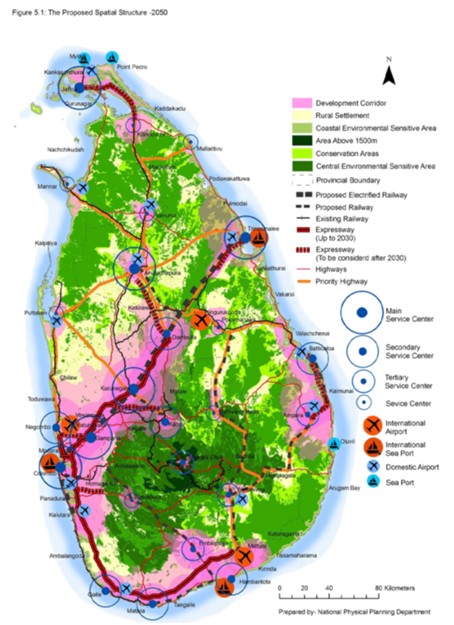
While there would be no change in the government’s stance on co-sponsoring the resolution submitted by the ‘core group’ led by Britain, MP Samarasinghe said the speech Foreign Minister Marapana would  deliver at the UNHRC sessions in Geneva, on March 21, would be a joint text that conveys a “unified stand.” Accordingly, Dr Amunugama would also make the draft as the President’s special representative, Samarasinghe added.

The draft of the Foreign Minister’s speech would be submitted both President Sirisena and Prime Minister Ranil Wickremesinghe for approval, he said. “You can’t do this by sidelining the President,” MP Samarasinghe stressed.

Earlier, TNA MP M. A. Sumanthiran asked whether President Maithripala Sirisena was empowered to send a delegation to the UNHRC sessions in Geneva to represent him.

MP Sumanthiran queried whether such a delegation was indeed being sent and questioned the legality of the “unofficial” delegation comprising two Opposition MPs and the Governor of the Northern Province. He asked whether the government could allocate funds for the delegation’s visit. He insisted that Parliament reject allocating funds for such a delegation.

Rise-up Sri Lanka Rise-up! Destroy the Enemy Utterly as It Pivots to Mother Lanka (Part 2)

March 12th, 2019

By ‘Che’

In Part 1, it was discussed why America is today, Sri Lanka’s Enemy Number ONE.

The Map above, printed by courtesy of ‘Millennium Challenge Corporation’ (MCC), is how America perceives Sri Lanka in 2050, a Colony of the United States; Sri Lanka is America’s Military hub in the Indian Ocean which the Americans describe as the Indo-Pacific Ocean.

America demanded, and Wickramasinghe agreed to give, a 200-mile-long Corridor of Land from Trincomalee to Colombo comprising 1.2 Million Acres of mineral-rich land under the guise of Ranawaka’s ‘Megapolis’ development; the Americans have indicated that the lease value they are prepared to give is a ridiculously low Rs. 24/= per month per acre. Teplitz believes she is generous and that Sri Lankans must perforce be grateful.

Wickramasinghe agreed.

This Corridor, under American law and jurisdiction for 200 years, automatically divides the Island into two, the North and the South.  

Anuradhapura and Kurunegala will be in the North.

In pursuance of a major American foreign policy change, enunciated in 2012, America pivots to Sri Lanka to take over the country; the Americans demanded that we annul: The Land laws that prevent foreigners owning land (including State Land), the law that limits ownership by an individual to 50-acres, the prevailing practice that frowns on State lands being sold outright to individuals.

Wickramasinghe agreed and allowed the CIA-styled MCC to draft two new Land Laws for Sri Lanka that accommodate the American demands.

With two electric fences running the length of the Corridor from Trincomalee to Colombo – the world’s first electric border wall – effectively restricting movement between the North and the South, and with the dividing Corridor under American control, Eelam would be a fait accompli.

A new Constitution is not needed to establish Eelam; the New Constitution would supplement Eelam created by the Wickramasinghe-Ranawaka-MCC American Corridor  

This Corridor would be America’s ‘Line of Control’ ensuring Sri Lanka and ‘Eelam’ are kept permanently apart.

It has been argued that the moment the Corridor is given the Americans, the call by the Eelamists for a Federal State would become increasingly strident, only to be followed by a Unilateral Declaration of Independence (UDI).

With the Americans strategically placed in-between Sri Lanka North and Sri Lanka South, Sri Lanka in these circumstances will not be in any position to intervene in the ‘North’; indeed, to put it vulgarly, there is jack s..t Sri Lanka can do in these circumstances.

The Americans will be playing the same role they are playing on the ‘Line of Control’ on the 38th parallel in the Korean peninsula.  

If the MCC Agreement is signed, the island of Sri Lanka by 2050 would be divided into two (with provision to splinter it further), Eelam would be established and the entire Island would be an American Military hub from which America acquires the potential to control the sea lanes between the Arabian Sea and the South China Sea and the control of the littoral States in the Bay of Bengal.

The Enemy is very confident in taking over our country; the Enemy has drawn up a Map of Sri Lanka in 2050 as envisaged by him; every effort is being made to lay hands on the Map for 2100, drawn by him, in which Sri Lanka reportedly has been sliced into two by a Canal dredged between Trincomalee and Colombo.

In Part 1, the people of Sri Lanka were exhorted to rise-up as one, throw the MCC Agreement into the dustbin and drive out the accursed Enemy from our shores.

It is pertinent that on 28th October 2018, Sirisena in a televised address to the Nation made reference to the two Land Bills drafted in the US – Viz the ‘State Land Bank’ Bill and the ‘Land (Special Provisions) Bill – which had been presented to the Cabinet a few days before.

Sirisena said that he had strongly protested against the two Bills at the Cabinet meeting and postponed signing the Cabinet papers. He adduced that these two Bills were the main reasons for sacking Wickramasinghe from his portfolio as Prime Minister.

In his address to the Nation, Sirisena summed up the situation, All the lands of our Motherland could be bought outright by foreigners without any difficulty. These Bills adversely affect the Land Rights of the Country and must be blocked”

Sirisena was full of sound and fury. Wickramasinghe was booted out; the Americans suspended their operations; Alaina Teplitz ran wild, like a bat out of hell, bemoaning the fact that Sri Lanka was losing out on America’s ‘generous-investment’ of ‘Rs. 24/= a month’; the MCC team fled, including Nilan Fernando the gofer coordinating MCC activities in Sri Lanka.

But having made a ‘two-minute’ reference (vide the Sirisena video) to the two disastrous Land Bills, Sirisena made no reference to them thereafter.

He also said something pertinent in that speech; he said that he was ‘postponing’ signing the Cabinet papers pertaining to the two Bills.

Critics ask, Why ‘postpone’ signing the Cabinet papers? Do the two Bills become less damaging with time? Does it mean that Sirisena, in time, would sign those ‘Cabinet Papers’ of his own volition? Does Sirisena not have the authority to refrain from signing the ‘Papers’? Does Sirisena NOT have the political will to resist ‘outside’ pressure?”

But what happened thereafter is a tragedy. With Sirisena  remaining strangely silent on the grave perils threatening Sri Lanka, the real issue facing the country was blurred; hardly anyone as at today is aware of the contents of the two disastrous Land Bills which Sirisena made reference to and were his reasons for sacking Wickramasinghe; nobody talks about those Land Bills or about the Agreement between Wickramasinghe and the MCC or about the American Map of Sri Lanka in 2050 or about the Electric fence between the North and the South when Japan installs the electrified railway line from Trincomalee to Colombo.

Incidentally, America’s leading Foreign policy think-tank, ‘Council on Foreign Relations’, in a geopolitical analysis states, The anchor of the U.S. security alliance in Asia, is Japan”

But with Sirisena dissolving Parliament, Sri Lanka was ‘Born Again’; there was a political coup de maître in which the opinion of 15 Million people was legally replaced with the opinion of a handful of persons; some powers of the President written into the Constitution were rescinded.


Nilan Fernando

Within 56-days Wickramasinghe made a come-back. Nilan Fernando, the American dogsbody, who fled the country, has come back with several members of his MCC team and with members of the ‘Global Land Alliance’ to which organisation the MCC has outsourced work; five Policy papers are being prepared by ‘Global Land Alliance’ which would enable the MCC to recover their total investment for 200 years, in 5 years!

The ‘Global Land Alliance’ is headed by a team comprising Victor Endo, Barnes Grenville and Cynthia Berning.

Victor Endo

Barnes Grenville

Cynthia Berning

The American team includes two local ‘academics’ from the University of Moratuwa Rangajeewa Ratnayake and Suresh Shanaka.

The others include, Sander, Childress, McDermott, Roberge, Stanfield, Caron and Corcoran,

Proclaiming the return of the MCC was ‘Born Again’ Wickramaratne; he prophesised the resurrection of the MCC and said that the ascension of the MCC in Sri Lanka, which should have been in November last year, will now take place very soon.

Nilan Fernando  describes himself as an expert on politics and development in the Asia-Pacific region and a seasoned manager who has led country teams for Mercy Corps and The Asia Foundation in Myanmar, Sri Lanka, Indonesia, Timor Leste, and Bangladesh during periods of momentous change.

In a geopolitically barren environment where many are blissfully unaware that the Enemy is at our door and that the Enemy is America, it may perhaps seem justified if some people were to challenge the veracity of what has been said in this article.

How could public opinion then be best mobilised to awaken the people to rise-up and fight the Enemy while simultaneously establishing all that is stated herein ?

/contd

Commonwealth Nations must seek apology and reparations from Britain

March 12th, 2019
The architects of international laws, charters, treaties etc are those that first flouted them. No camaraderie should take place by former colonies until and unless Britain admits to its horrific crimes in all of the colonies. Other than Australia, Canada & New Zealand (forming white rule exterminating the indigenous) all other former colonies belong to the Third World, grappling to come out of their poverty and conflicts suffered as a result of colonial divide & rule policies. The 16 Commonwealth Values are good for paper when the main perpetrator is omitted from the dock.
How can Africa, Latin America, Asia & Asia Pacific forget that they were once slaves under British rule?
Britain that demands Truth & Reconciliation Commissions must first be asked to set up one that would look into every colonial crime committed.
How can Britain demand Accountability & Justice presently completely ignoring the historical injustices and grievances Britain has committed upon Commonwealth member states? Are these former nations bribed into forgiving and forgetting simply because Britain now accepts these former colonies as a ‘family’ of commonwealth nations. If forgive & forget can be applied to British atrocities why is Britain not applying this same forgive & forget for present crimes that which Britain is alleging on other nations?
We must applaud Gambia for taking a bold stand. Out of the 54 Commonwealth Member states, Gambia opted to quit the Commonwealth declaring that it no longer wishes to be a ‘member of any neo-colonial institution’. Zimbabwe left the Commonwealth in 2003.
Myanmar opted not to become a member of the Commonwealth at independence in 1948.
The Gambian President speaking at the UNGA in New York declared that African national would no longer be ‘hoodwinked’ into taking lectures from the same western nations that colonized and ‘plundered’ Africa in colonial times. Today, after fighting for our freedom and liberating our continent, we are being prescribed a religion – democracy, human rights, and good governance by descendants of the same colonial powers”.
16 Core Values of the Commonwealth Charter that the Commonwealth Ministerial Action Group CANNOT IGNORE OR OMIT
1. DEMOCRACY:
No democracy can erase the VALUES that existed prior to conquest in countries that Britain illegally occupied. Some of these countries had rich civilizations far before Britain was ever civilized. These civilizations had their legal, social value systems which though far different from the liberal West cannot be devalued as being inferior simply because these are not agreeable to western liberal norms. Values cannot be ONLY British Christian Values. Heritage cultures & values need to be accepted and that is true Democracy.
2. HUMAN RIGHTS:
Every time Human Rights covenants, international laws come into practice they conveniently OMITS to apply the laws to the countries responsible for centuries of horrendous crimes upon nations they invaded. Human rights cannot have a time bar simply because the architects demand omission by commission. The most horrific crimes in history have been committed during colonial rule – these cannot be even compared with the crimes taking place post 1945. Every former colony led their own peaceful lives before Western conquerors descended to ‘civilize’ them. No Commonwealth Charter can boast of inclusivity when it excludes investigating the crimes by the West upon the Brown, Black, Yellow races.
3. INTERNATIONAL PEACE & SECURITY
How can Britain promote International Peace & Security when it has taken part in the illegal invasion of Iraq, Afghanistan, Libya & now Syria? Are these not neo-colonial initiatives to grab resources that could not be drained during colonial rule? How many of today’s terrorists are armed, trained & financed by Britain & other powerful western countries? On what grounds is Britain competent to decide who a ‘dictator’ or who a ‘terrorist’ is?
4. TOLERANCE
The West loves to dabble with fancy names but for these to have any weight they must be sincere. Britain, Spain, Portugal, Netherlands, France, Belgium, Germany all arrived in Asia, Africa, Americas with the gun in one hand and the Bible in the other. They murdered with the gun & converted with the Bible. The plan was to Christianize nations & Christianized the natives. Islamic invasions did the exact same. The aim of both was to expand their horizons and increase their flocks.
5. FREEDOM OF EXPRESSION
Where do you really find freedom of expression? Where is free flow of information? The media is paid to write what the owners want written, journalists are paid employees with little freedom to write what they feel, politicians are often influenced by big corporates – the unethical methods adopted are unbelievable. Even whistleblowers are today targets for exposing wrongs, even inside the UN
6. SEPARATION OF POWERS
Britain gave independence to countries it colonized. However, there is a legal question unanswered. Can an invader nation give ‘independence’ when it ruled illegally? Something for international lawyers to think about. Britain, that speaks of the integrity of the Legislature, Executive & Judiciary must explain why inspite of banning LTTE in 2001 for its acts of terror Britain has allowed LTTE international office to be used in London and watched UK Parliamentarians attend pro-LTTE events. LTTE fronts openly operate in the UK too.
7. RULE OF LAW
All former colonies had their own legal systems. There were no courts, no lawyers, no prisons then. Today, international laws that have been created by former colonies & powerful Western countries have more courts, more laws, more lawyers, more prisons & prisoners as well as more crimes and violations too.
8. GOOD GOVERNANCE
Britain as head of the Commonwealth cannot simply claim to uphold transparency & accountability without accounting for Britain’s own crimes. These are no small crimes either. There are only 22 countries that Britain did not occupy during colonial rule. All of the countries Britain rule, there was no good governance. Land was unfairly confiscated, people were murdered mercilessly, their villages were burnt to the ground, their livelihoods were destroyed, elephants were killed as a sport, they transported people to all corners of the world, they artificially divided territories and land & created new countries with new borders, families and tribes were split up & Britain pretends to be the human rights champion knowing it has committed all these crimes.
9. SUSTAINABLE DEVELOPMENT
Before Britain invaded lands, the natives had their own economic systems, they even traded with foreign nations. Sri Lanka was known as the Granary of the East. We built ships for the Chinese Emperor, we had our own food and not one item of food needed to be imported. There was nothing called ‘poverty’. Poverty came as a result of the new capitalist system as a result of draining the former colonies of their resources & wealth and devising international trade laws to tax, loan systems to entrap nations to paying eternal interest and be in debt with no hope of coming out unless they bartered whatever they had left and even that would not suffice to pay off the loans/debt that former colonies are today saddled with.
10. PROTECTING THE ENVIRONMENT
Today, Britain speaks about protecting the environment, this is the same country that applied Scorched Earth Policy and destroyed crops and livelihoods of natives as a means of subjugating them. Not stopping there, in the recent past Britain has been part of bombing campaigns that have shown no remorse in bombing Yugoslavia, Iraq, Afghanistan, Libya, Syria joining US and NATO or selling bombs to countries that Britain knew was to bomb Yemen. Has Britain bothered about the devastation these bombs have caused to the environment and the physical conditions of the natives as well as to the US, UK & NATO soldiers sent to these bombed nations?
11. ACCESS TO HEALTH, EDUCATION, FOOD & SHELTER
According to Stockholm International Peace Research Institute (SIPRI) military expenditure was $1.7 trillion in 2015. SIPRI said military expenditure amounted to 2.3% of global gross domestic product – and 10% of this would be enough to fund UN global goals. According to Borgen Project $30b per year is needed to end world hunger. US spends $737b per year on defence!
12. GENDER EQUALITY
Most of the ancient civilizations gave a special place to the female. It was with the male dominated Christian society that role of women became sidelined. The world’s first female PM was from Sri Lanka in 1960. Women in Canada were regarded as ‘persons’ only in 1929 but all Canadian women could vote only in 1960.
13. YOUNG PEOPLE in the COMMONWEALTH
The future lies in developing the younger generation equipped with sound values, education system that takes pride in the history & heritage of the country, the indigenous heroes and a system that helps natives identify the enemy conquerors & what they had done to the country. The West regularly speaks of coming to terms with the truth for any closure of the past, using this same logic, no nation can close its past without opening it up to reveal and release the truth and Britain cannot and should not stop these disclosures.
14. RECOGNITION OF THE NEEDS OF SMALL STATES
Britain is dutibound to help every state that it conquered, plundered and murdered but not taking on a similar role of the past conqueror. Britain can and should in no manner coerce countries as it did in the past. When Britain does, it only shows that Britain has not learnt lessons from the past & Britain’s hegemonic superior attitude still persists. The only difference is that Britain is shrouding its intent using a plethora of in vogue terms and phrases.
15. RECOGNITION OF THE NEEDS OF VULNERABLE STATES
If any nation is today vulnerable it is because they had been raped by former colonial rulers. These western invaders divided & disturbed the equilibrium that existed. The natives simple lives were turned up-side down and replaced with a new system that they were forced to follow. Many are made to believe that Britain improved education & the educated. In reality, only a handful of elite were developed to function as Britain’s brown sahibs to whose hands power was vested with the confidence that these elite would help Britain continue to exert Western influence through them. The few locals who challenged this status quo were conveniently removed – Myanmar’s Aung San and Congo’s Patrice Lumumba are two classic examples.
16. ROLE OF CIVIL SOCIETY
How many ‘civil society’ organizations actually function placing country first instead of the objectives for which their foreign funding sources task of them? NGOs claim to be non-governmental, but how many of these are given foreign funding? How many have helped regime change, character assassination of national leaders etc? How ethical have their conduct been?
Why are member nations simply enjoying being accepted into the Commonwealth WITHOUT seeking justice for historical crimes Britain has committed? Nations of the Commonwealth are duty-bound to seek answers from Britain especially when Britain is not shy to point fingers at Commonwealth Member Nations.
Let the leaders of these Commonwealth Nations wake up to reality that they are no longer colonies of Britain. When Britain can chastise Commonwealth Member states, the Member states must jolly well take out the riot list on Britain. What if Member Nations decide to walk out of the Commonwealth, what could Britain do?
Indian former diplomat is eloquently giving speeches & publishing books on Britain’s crimes in British India and none of his statistics are worth a penny if India does not lead the demand for accountability & reparations from Britain just like the Caribbean nations are now doing.
What are Commonwealth Nations actually getting from being members of the Commonwealth against an united decision to exit the Commonwealth if until & unless Britain does not account for its crimes, apologize & make reparations for each of its former colonies. If Britain can make a hue & cry over incidents that do not even come close to the atrocities Britain committed upon its former colonies, these former colonies must jolly well take Britain to the dock too.
Shenali D Waduge

The Buddha’s ‘Anatta’ doctrine and mathematical thinking

March 12th, 2019

Bodhi  Dhanapala,  Quebec, Canada.

The Island newspaper has published several accounts of the Anatta doctrine by a number of writers, including Dr. Carlo Fonseka, an ex-Marxist free thinker who has an excellent  grasp of  Buddhism, as well as Dr. Upul Wijayawardena, an ex-cardiac surgeon with a deep critical mind. The learned Bhanthe Dhammika from Australia has supplied the authoritative account. Interestingly, one aspect of these comments with a diversity of backgrounds is the lack of use of  even a modicum of mathematical language – the supreme language needed for the exploration of subtle concepts.

So,  when Leo Fernando, who I believe is an old-timer Cambridge mathematician,  wrote a comment (25 February – Island) saying that he too “fails to understand the Anatta doctrine”, I could not help feeling surprised, because, in my opinion,  the answer to the question  is found in elementary mathematics, known to everybody but rarely reflected upon.

The Buddha, in his Anatta doctrine denied the existence of any unchanging entity whatsoever in any aspect of reality or  in a manifestation of what we call a “Person”. This is contrary to the usual  Hindu or Abrahamic doctrine that there is an unchanging essential characteristic,identifiable as the SOUL or “Aathma” of an individual, uniquely associated with the person.

In fact in Prof. Dharmawardana’s book on “A Physicists view of Matter and Mind” (World Scientific, 2024)   he states that the word “Athma” is  the source of the name “Adam”, while “Jeeva” is said to be the source of the name “Eve”. In the Christian doctrine, a soul is given to a person by divine intervention at the moment of his conception. This doctrine troubled St. Augustine enormously because, how can Providence acquiesce to giving a soul to children resulting from sinful fornication out of wedlock?

According to the Buddha, a person is an ever evolving sequence of Nama (N) and Roopa (R)  held together by a process of “clinging” caused by “Thanha” or “desire to persist”.  Nama are mental processes, while Roopa are physical processes. They cohere together to make a living being. So, a person at the time T1 is just (N1+R1 at T1).  At a later time this becomes a modified set of Nama and Roopa at time T2, i.e., (N2+R2 at T2). There is nothing which has remained unchanged.  But the new state “originates” from the earlier state by causal laws. There is no room for miracles or prayer!

The time evolution from the moment labeled T1 to the next moment labeled T2 is said to be determined by physical laws as well as Karmic factors  (“habits”) associated with that person, who is the composite sum of Nama and Roopa at any given moment.  Although there is no identifiable permanent entity, the time evolution occurs directly by the sequence ofNama and Roopa. The time evolution can be written down as a transformation “matrix” or “operator” that takes as input the state N1+R1 at time T1, and outputs the state  N2+R2 at time T2, immediately afterwards.This type of relationship is used all the time in mathematics, and it is called a functional relationship. Simple relationships that connect the situation at time T1 with the time T2 are called “Markovian”.

The Buddhist picture is more complex and Non-Markovian, involving so-called karmic links  into the deep past. Karmic action is old habits acting on you, and making you do things that depend on your past practices. Thus, if you have been a habitual liar or  killer, lying and killing become ingrained modes of action in your life. If you practiced compassion, that becomes ingrained as your life style. Life is of course, simply the time evolution of a set of Nama and Roopa temporarily identified as “YOU” by you and your associates. It is this temporary identification  that makes you come to the DELUSION  that there is a “permanent  self” or specific “soul” identifying you. It is the attempt to “satisfy”the desires of this “I” that leads to “Dhukka”. The word  “Dhukka”  is often translated as “suffering”, although it is only partially appropriate.

So, we can go from one instant to another, where a set of  Nama and Roopa (N+R) are evolving, and we recognize this set as some person “we know”, who may be a family member. If we stay together we hardly notice the changes. But there is no permanent unchanging aspect of any of us that we can discern. In fact, if we had seen some one at an early age, we may not recognize that person if we only see that “person” only after a lapse of say,  40 years. There is no permanent person. Finally, when a so-called  person’s  “Nama+Roopa” decay due to biological aging, the association collapses and there is physical death.

The N+R association breaks down just as a  soap bubble grows and finally breaks down after some time. But Buddhism says that just as the breakdown of the soap bubble may spawn a tiny new bubble, the collapse of N+R spawns a NEW Nama+Roopa, which is a NEW grouping of N and R.  This is a new “being” who will mature and then decay. This is the “cycle of rebirth as explained by the Buddha”. It requires no permanent soul, but only  the existence of a PROCESS, or “becoming”. Similar concepts are found in Henri Bergson’s philosophy where there is an ever changing “elan vital” which plays the role of Nama +Roopa of the Buddhist  picture.

I have discussed the Buddhist doctrine of rebirth and Anatta in my blog (http://this-life-buddhism.blogspot.com/2011/08/early-buddhist-sermons-are-independent.html?spref=tw)

The first sermon of the Buddha explains how “Naama” and “Roopa” evolve in time in the doctrine of the “Patichcha  Samuthpada”. At each moment, even in “this life”  there is a set of “Nama” and “Roopa” which persists for a short interval of time, and then it dies and a new set of “Naama” and “Roopa” appears and persists for some time, and so on. That is, “rebirth” is happening all the time, just as the cells of our body die and gets regenerated after persisting for a day. A female egg persists for one menstrual cycle, but it is not permanent although long-lived compared to most other cells of our bodies. We are dying and being born all the time,and that is SAMSARA, which exists even without invoking a “next birth”.   In fact, a careful perusal of the First Sermon shows that the Buddha  limits himself to just that in his first sermon, and never mentions traditional “rebirth” anywhere in it.

When the Buddha says “ayam anthima jatha  natthi daani punabbbavo”, the Buddha is referring to the end of the birth (“jathi”) of “Thanha”, and hence the traditional translation (into English etc.) as “this is my last existence, now there is no rebirth” is surely incorrect. For more details, please read  my blog referred to above.

2018 ඉදිරිපත් කරපු හරිත අයවැයෙන් සියයට 30ක් යෝජනා ක්‍රියාත්මක කලේ නැහැ

March 12th, 2019

ශ්‍රී ලංකා පොදුජන පෙරමුන අද දින පැවැති මාධ්‍ය හමුව

අද (12) දින පැවැති මාධ්‍ය හමුවට සහභාගි වූ නියෝජිතයින් පාර්ලිමේන්තු මන්ත්‍රී ලක්ෂ්මන් අබේවර්ධන මහතා පාර්ලිමේන්තු මන්ත්‍රී අනුර යාපා පාර්ලිමේන්තු මන්ත්‍රී එස්. එම්. චන්ද්‍රසේන මහතා

පාර්ලිමේන්තු මන්ත්‍රී ලක්ෂ්මන් යාපා  අබේවර්ධන මහතා

මේ රජයට මැතිවරණ අයවැයක්වත් ඉදිරිපත් කර ගන්න බැරි වුනා. 2018 ඉදිරිපත් කරපු හරිත අයවැයෙන් සියයට 30ක් යෝජනා ක්‍රියාත්මක කලේ නැහැ. 2018 වසරේ අද්ධමනය වැඩි වෙලා ජනතාව පීඩනයට ලක්වුනා. 2019 අයවැය එන්ටර්ප්‍රයිස් අයවැයක් ලෙස සදහන් කරලා තියෙනවා. මේ අයවැයෙන් මිනිස්සුන්ට නොදැනෙන ලෙස 38 වැනි පිටුවේ 205 යටතේ 2005 සිට මෙතෙක් වැඩිනොකළ සියලු බදු වැඩිකරන්න තීන්දු කරලා. මේ බදු වර්ග මොනවාද කියලා සදහන් කරන්න කිව්වාම උත්තර දුන්නේ ඒවා ගැසට් පත්‍රයක් මගින් පසුව ප්‍රකාශ කරන බවයි. ඒ කියන්නේ ආන්ඩුවේ අයකිරිම් සිට සියලු දේ මිල වැඩිවෙනවා. සමෘද්ධිය ලක්ෂ හයකට වැඩි කරන්න ප්‍රාදේශිය ලේකම් කොට්ඨාශ මගින් කමිටු දාලා පරික්ෂණ කරලා ඒවා නැවත ප්‍රාදේශීය ලේකම්ට එවලා සමෘද්ධි කොමසාරිස්ට යවලා ඔය ටික කරන කොට මේ ආන්ඩුව බලයේ නැහැ. ඔක්තෝම්බර් මාසය වෙද්දි ජනාධිපතිවරණය

ප්‍රකාශයට පත්කළාම කීසිම සහනාදාරයක් ක්‍රියාත්මක කරන්න බැහැ. ඒ නිසා මේක අසාර්ථක අයවැයක්. මධ්‍යම අධීවේගය වසර හතරහාමාරක් හදාගන්න බැරි ආන්ඩුව රුවන්පුර අධීවේගී මාර්ගයක් ගැන කතා කරනවා.ඒ එක්කම රන් මාවත කියලා මිලියන 10000ක් වෙන් කරලා තියෙනවා. ලංකාවේ ප්‍රධාන කොන්ත්‍රාත් සමාගම් පහම මහාමාර්ග අධිකාරියේ මුදල් නොගෙවිම නිසා කඩාවැටිලා තියෙන්නේ. ඒවාට බිලියන ගානක් මුදල් ගෙවන්න තියෙනවා. එහෙම නම් රන්මාවතේ වැඩටිකකරන්නේ කොහොමද. මේ අයවැයේ තියෙන යෝජනා ක්‍රියාත්මක කරන්න පුලුවන් තත්ත්වයක් නැහැ. මේ අයවැය ඉදිරිපත් කරද්දි ජනතාවට සහන කිහිපයක් හෝ ලබාදෙයි කියලා අපි හිතුවේ. රජයේ සේවකයින්ට වැඩිකරපු 2500ක්‍රියාත්මක වෙන්නේ ජුලි මාසේ 01 වැනිදා ඉදලයි. නමුත් බදු ක්‍රියාත්මක වෙන්නේ මාර්තු ඉදන්. පුද්ගලික අංශයට කිසිම පඩි වැඩිවීමක් නැහැ. 2500 වැඩිවෙද්දි බදු මුදල්වලට රජයේ සේවකයෝ 5000ක් වැය කරලා ඉවරයි. මුදල් ඇමැතිතුමා මැතිවරණයක් ගැනත් කියලා තියෙනවා. ඒ කියන්නේ මේ යෝජනා ක්‍රියාත්මක වෙන්නේ නැත්නම් මහ මැතිවරණයකට යන්නයි.

ජිනිවා මානව හිමිකම් කොමිෂම ඉදිරියට ගිහින් 30.1ට සමඅනුග්‍රහය දැක්වීමේ ප්‍රතිඵලය අද අපි විදිනවා. ශවේන්ද්‍ර සිල්වා මාණ්ඩලික ප්‍රධානි විදියට පත්කරද්දි ජිනීවා කොමිෂමේ මහ කොමසාරිස්වරිය අහනවා එයාව කොහොමද පත්කරන්නේ කියලා. රටේ අභ්‍යන්තර පත්කිරීමකට ඇගිල්ල දිගු කරනවා. ජිනීවා මානව හිමිකම් කොමිෂමට කලින් වසන්ත කරන්නාගොඩ අත් අඩංගුවට ගන්න හැදුවා. එතුමා උසාවි ගිහින් අත් අඩංගුවට ගැනීම නතර කර ගත්තේ. ඒකට උපක්‍රම විදියට නාවික හමුදා කදවුරේදි අතුරුදන් වූවා කියලා අපරාධ පරික්ෂණයේ ක්‍රිෂාන්ත සිල්වා ජිනීවා නිලධාරීන් එක්ක ඇටකටු අරන් ගිහින් පෙන්වූවා. අන්තමට කාබන් පරික්ෂණ වාර්තාවෙන් ඒවා සත්තුන්ගේ ඇටකටු කියලා කිව්වා. මන්නාරමේ මිනීවල හාරලා ඇටකටු ගෙන ගියාම ඇමරිකාවේ කරපු පරික්ෂණවලින් ඒකත් ප්‍රතික්ෂේප වුනා.

ජිනීවා සමුලුව ආසන්නයේ මේ කතන්දර ගෙනත් අපිට පීඩනයක් කරන්න බලන්නේ. ජනාධිපතිතුමා කොමිෂමට තුන් දෙනෙක් යවනවා. අගමැතියි විදේශ කටයුතු අමාත්‍යංශයයි එක ප්‍රකාශයක් කරනවා. ඒක ජනාධිපතිතුමා පිළීගන්නේ නැහැ. ආන්ඩුව හිරවෙලා. වසර දෙකහමාරක් කල් ඉල්ලනවා. දින 52ක් තුල නිති සම්මත කරන්න බැරිවුන නිසයි කල් ඉල්ලන්නේ කියලා ලිපියකින් දන්වලා තියෙනවා. ජිනිවා යෝජනාවලට එකගයි කියලා ජනතාවට කියන්න බැහැ. ජන්දයකින් පස්සේ ආන්ඩුවක් හදාගෙන කැමැති විදියට වැඩ කරන්නයි ඒ අය සුදානම් වෙන්නේ. ජාත්‍යන්තරය සනස සනස අවුරුදු දෙකහමාරක් මැතිවරණයකට යන තෙක් මේක ගෙනියන්නයි ආන්ඩුව මේ උත්සාහ කරන්නේ. දෙමල ජාතික සන්ධානය මන්නාරම් ඇටකටු වෙනත් තැනකින් නැවත පරික්ෂා කරන්න අවශ්‍ය බව කියද්දි මහ කොමසාරිස්වරිය කියනවා හයිබ්‍රිඩ් අධිකරණයක් ගේන්න අවශ්‍යයිලු. පාර්ලිමේන්තුවේදි කිරිඇල්ල මහත්තයා කිව්වා මහින්ද රාජපක්ෂ මහත්තයා කියන්න දෙයක් නැහැ. අපිත් හයිබ්‍රිඩ් අධිකරණයට විරුද්ධයි කියලා. අද කොමසාරිස්වරිය කියනවා හයිබ්‍රිඩ් අධිකරණයක් අවශ්‍යයි කියලා. අද න්‍යාය පත්‍රකිහියක් ක්‍රියාත්මක වෙනවා. මානව හිමිකම් කොමිෂමේ සාකච්ඡාවලට රජය අනියම් ආකාරයෙන් සහාය දැක්වීම නිසා ජනාධිපතිතුමා ට නියෝජතයින් තුන්දෙනෙක් යවන්න වෙලා තියෙනවා. ඇමරිකාව මානව හිමිකම් කොමිෂමෙන් ඉවත් වෙලා තියෙද්දිත් අපි බ්‍රිතාන්‍යයත් එක්ක එකතුවෙලා වැඩකරන බවයි විදේශ කටයුතු අමාත්‍යංශය කියන්නේ. ජාත්‍යන්තරය සනසනවා මිස රටේ මිනිස්සුන්‌ගේ ප්‍රශ්න විසදන්නේ නැති මේ ආන්ඩුව වහාම ගෙදර යන්න අවශයයි. රටේ ආර්ථිකය කඩා වැටීම ආදි මේ දේ නිසා රට තියෙන්නේ අර්බුදයකට මැදිවෙලා.මේ අරුබ්දය ගැන ජනතාව කල්පනාවෙන් ඉන්න අවශ්‍යයි. ඡන්ද විමසීමකට යන්න විවිධ දේ දෙන්න වෙලා. කල්මුනේට වෙනම දිසාපති කාර්යාලයක් ඉල්ලනවා. මේ ප්‍රශ්න ටික විසදුවේ නැත්නම් තවත් ඉල්ලීම් තියෙනවා කියනවා.මේ වගේ අවිනිශ්චිත තත්ත්වයක්තියෙන නිසයි මුදල් ඇමැතිතුමා මහ මැතිවරණයක් කලින් එන්න ඉඩතියෙනවා කියන්නේ. මිනිස්සුන්ගේ පීඩනය ඒ ආකාරයෙන්මයි. අද වෙද්දි කරුංකා ගම්මිරිස් වලට සහතිකය නොදීම නිසා කන්ටේනර් 138ක් වරායේ හිරවෙලා.නිත්‍යාණුකූලව යවන අයටවත් තමන්ගේ නිෂෟපාදනය යවා ගන්න බැරි වෙලා තියෙන්නේ. රාජ්‍ය ආදායම අනුව මේ අය කොහොම කටයුතු කරයිද් කියලා හිතා ගන්නවත් බැහැ. අයැවැය පරතරය පියවන්න විතරක් රුපියල් බිලියන 2409ක් අවශ්‍යයි. අසාර්ථක ආන්ඩුවක අසාර්ථක අයවැයක් නිමවෙමින් පවතින්නේ.  

පාර්ලිමේන්තු මන්ත්‍රී අනුර ප්‍රියදර්ශන යාපා මහතා

පසුගිය රජය ගත්ත ණය නිසා රට ණය උගුලක හිරවෙලා තියෙන බවට මිථ්‍යා මතයක් මේ රජය වපුරවලා තිබෙනවා. ඒක සම්පූර්ණ අසත්‍යයකි. 2005දි මහින්ද රාජපක්ෂ මහතා ජනාධිපතිවෙද්දි ණය වශයෙන් තිබුනේ රුපියල් බිලියන 2222යි. එතුමා 2009 යුද්ධය කරලා, පාරවල් හදලා, ගුවන්තොටුපළවල් හදලා කෘෂිකර්මාන්තයට සේවයක් කරලා අවසානයේ රුපියල් බිලියන 7000යි ණය තිබුනේ. ඒ කියන්නේ මහින්ද රාජපක්ෂ සමයේ ණය බර වැඩිවුනේ රුපියල් බිලියන 5000කින් විතරයි. මේ ආන්ඩුවේ අයවැය ඉදිරිපත් කරන මොහොත වෙද්දි රුපියල් බිලියන 12000ක් වෙලා ණය බර. ඒ කියන්න්නේ මේ ආන්ඩුව බලයට පත්වුනාට පස්සේ රුපියල් බිලියන 7000කින් ණය බර වැඩිවෙලා. 2018 වසරේ විතරක් ඩොලර් බිලියන දෙකහමාරක ණය අරන් තියෙන්නේ සියයට හයහමාර, හතහමාර පොලියට අරන්. දැන් සියයට හතහමාරයි අටහමාරයි අතර පොලියකට අලුතෙන් ණය ගන්න සූදානම් වෙනවා. ප්‍රධන දේ එජාපයේ අමනෝඥ ක්‍රියාවලිය හා ආර්ථික හැසිරවීමේ ක්‍රමවේදය. ග්‍රාමිය වශයෙන් දුප්පත්කම වැඩිවෙලා.

ලියාපදිංචි සියලු කොමිපැණිවලින් රුපියල් 30000බැගිනුත්, අනෙක් කොම්පැනිවලින් රුපියල් ලක්ෂ පහලවකුත් , අනෙකුත් සමාගම් වලින් රුපියල් දෙලක්ෂ පනස්දහසක් බැගිනුත් අය කරන්න අදහස් කරලා තියෙනවා. ඒ අනුව කොමිපැනිවලට පනවලා තියෙන නව බද්දෙන් විතරක් රුපියල් බිලියන 4600ක් විතර අලුත් මුදලක් ලැබෙනවා. වාර්ෂාක අලුත් කිරීමේ බද්දට අමතරවයි මේ බද්ද අය කරන්නේ. මේ නිසා කර්මාන්ත කඩා වැටෙන්න ගන්නවා. බැංකු ව්‍යාපාර ප්‍රශ්නවලට මුහුණපාලා. ආර්ථකය යහපත් වෙයි කියලා විශ්වාස කරන්න නම් බැහැ.

පාර්ලිමේන්තු මන්ත්‍රී එස්. එම්. චන්ද්‍රසේන මහතා

ජනාධීපතිතුමා කෝටි 100 වි මිලදි ගන්න අනුමත වුන බව කිව්වා. මේ වෙද්දි මාස දෙකක් විතර වෙනවා. මේ පාර අස්වැන්න බලපුවාම මම නියෝජනය කරන ආසනයේ වි අස්වැන්න මිලදී ගැනීමටත් මේ කෝටි 100 මදි. ඒ කෝටි 100 වි ටිකවත් වී අලෙවි මණ්ඩලයට ගන්න බැරි වෙන්න හේතුව නාඩු කිලෝව 38ක් හා සම්බා කිලෝව 41ක් වීම. අපි ගණන් හැදුවාම සම්බා කිලෝවක් නිෂ්පාදනය කරන්නම රුපියල් 42ක් යනවා. ඒ කියන්නේ 41ට දුන්නාම රුපියලක් පාඩුයි. ඒ වගේම නාඩු කිලෝවක් නිෂ්පාදනය කරන්න 40ක් පමණ වැය වෙනවා. මේ නිසා වි අලෙවි මණ්ඩලය වී මිලදී ගන්නා ස්ථානවලට ගොවීන් යන්නේ නැහැ. තඹුත්තේගම වී අලෙවි මණ්ඩලයේ ගබඩාවට තවම ගොවින් පස්දෙනෙක් වී ගෙනත් නැහැ. පුද්ගලික වෙලෙදපොලේ මේ වෙද්දි රු. 28,29,30යි. හාල් නම් 110යි.120යි. මේ රටේ වී මිලදි ගන්න පුද්ගලික වෙලෙන්දෝ හතරපස්දෙනෙක් ඉන්නේ. මේ අය රු.30ට වි ටික ගබඩා කරලා මාස දෙකක් යද්දි හාල්  එළියට දානවා රුපියල් 100යි 120යි. මාස හයක් විතර මහන්සි වෙලා ගොවීන්ට රුපියල් 30යි. මාස දෙකක් ගබඩා කරපු වෙලෙන්දා රුපියල් 60ක් ලගාභ ගන්නවා. ආන්ඩුව මේකට මැදිහත් වෙන්නෙත් නැහැ. මැදිහත් වෙන්න විදියකුත් නැහැ. මේ වෙද්දි වි අස්වැන්නෙන් සියයට 70ක් වෙලෙද පොලට ඇවිත් අවසන්.

ශ්‍රී ලංකා පොදුජන පෙරමුනේ කෘෂිකාර්මික ප්‍රතිපත්තිය අපි හදාගන්නවා. වි අතිරික්තයි කියලා අපිට දැනුන වෙලාවට වි අලෙවි මණ්ඩලය හරහා සියයට 30ක් අස්වැන්න මිලදි ගන්න අපි පියවර ගන්නවා. ගොවියා ආරක්ෂා කරන්න අපි එවැනි වැඩපිළීවෙලක් ක්‍රියාත්මක කරනවා. එක අවස්ථාවක සාමාන්‍ය වෙලෙදපොලේ අර්තාපල් 75ක් වෙලා අස්වැන්න අඩු නිසා මිල 35ට බැස්සා. අපිට මහින්ද රාජපක්ෂ මහතා උපදෙස් දුන්නා මේ ටික ගන්න කියලා. බැසිල් රාජපක්ෂ මහතා ආර්ථික කටයුතු අමාත්‍යංශයෙන් මුදල් දිලා ගොවිජන දෙපාර්තමේන්තුවේ ගබඩාවල ගබඩා කළා. සමෘද්ධාලාභීන්ට අපි මේවා බෙදා හැරියා. මේවා කියලා මේකටත් නඩුවක් වැටෙයිද දන්නේ නැහැ. බැසිල් රාජපක්ෂ මහතා වැසිකිලි ආධාර විදියට රුපියල් 6000ක් දුන්නා කියලා උසාවි යනවා. අයවැයෙන් වැසිකිලිවලට රුපියල් 40000ක් දෙන්න යනවා. බැසිල් රාජපක්ෂ මහත්තයා උසාවියෙන් වැරදිකරු වුනොත් මංගල සමරවිර මහත්තයාටත් උසාවි යන්න වෙනවා. වැසිකිලි යන්න කන්න දීලා ඉන්න අවශයයි. ඒ වගේ වැසිකිලිවැඩ තමයි මේ ආණෟඩුවේ තියෙන්නේ. සිරිකොත කචල් එක අපි දන්නවානේ. පසුපෙල මන්ත්‍රීවරු ජනාධිපතිගේ වැය ශීර්ෂය පරාජය කරනවාලු. එතනම පිල් දෙකයි. මේ වගේ පිල් කිහිපයක් තියෙනවා එජාපය ඇතුලේ. දැන් පිට කෝට්ටේ හන්දියේ තියෙන සිරිකොත ගමට අරන්ගියා.  පාර්ලිමේන්තු මන්ත්‍රිවරු මෙහෙ ගහගත්තා. අපි දැක්කා කලුතරට ගියාට පස්සේ කලුතරත් ගහගත්තා. සිරිකොත ගමට ගිහින් සිරිතොක කචල් එකත් ගමට අරන් ගිය එක තමයි එජාපේ මේ දවස්වල දේශපාලන කටයුත්ත වෙලා තියෙන්නේ. අගෝස්තු මාසේ 31 වෙද්දි ගම්පෙරලිය අවසන් කරන්න කියලා චක්‍රලේඛණයක් යවලා. තවම අයවැය සම්මත වුනේවත්නැහැ. සල්ලි ගිහින්ලත් නැහැ. අයවැය පරාජය කරන්න අපි බලාපොරොත්තු වෙනවා. අපි හිතනවා පුලුවන් වෙයි කියලා. මාස හතරකින් ඇස්තමේන්තුවක්වත් හදාගන්න බැරිව මොන ගම්පෙරලියද. රට හරි පෙරලගන්න තිබුනා ගෙවුනු අවුරුදු හතරේ. පාර්ලිමේන්තු මන්ත්‍රීවරු සියලු දෙනාගෙන් අපි ඉල්ලා සිටිනවා මේ අයවැය පරාජය කරන්න කියලා. නැත්නම් මේ රට ඉදිරියට ගෙනියන්න බැහැග ජනතාව මත බර පටවන්නේ නැතිව මේ ආන්ඩුව ගෙදර යවමු. මහජන මතයට අවස්ථාවක් දීලා ආණ්ඩුවක් හදමු.

ප්‍රශ්න – අලුතින් ආන්ඩුව ණයක් ගන්න සූදානම් වෙන බව කියනවා. ඒ සම්බන්ධයෙන් දැනුවත්ද

අනුර ප්‍රියදර්ශන යාපා – ඩොලර් බිලියන දෙකහමාරක බැදුම්කර නිකුත් කරන්න සූදානම් වෙන්නේ. ගිය වසරේත් ගත්තා. දැනට තියෙන තත්ත්වය අනුව පොලිය  සියයට අටහමාරක් විතර වෙයි. ණය බර වැඩිවෙලා පොලිය ගෙවීෆම් ප්‍රමානයත් වැඩිවෙනවා. රුපියල අවප්‍රමාණ වීමේ බරත් එකතු වෙනවා. ණය අරන ්ණය ගෙවීමහැර උපක්‍රමයක් ආන්ඩුවට නැහැ.

ප්‍රශ්න – රජයේ ආදායම ණය වාරික හා පොලියට සමානයි. බොන්ඩ් නිකුත් කරන්න වෙනවා. ඒ සදහා තමයි ජාත්‍යන්තර මූල්‍ය අරමුදලෙන් කල් ඉල්ලුවේ. ඩොලර් බිලියන 1.5ක් ගෙවන්න සිදුවුනා නම් ආයේ ගන්න බැරිවෙනවා. කල්ගත්ත නිසා බැදුම්කර නිකුත් කරන්න පුලුවන්. මේක සාර්ථක ක්‍රමයක් නෙවෙයි. මේ වෙද්දි ණය බර සියයට 83ක් වැඩි වෙලා. ඒ කාලේ ණය ගත්තේ රාජ්‍ය ආදායම වැඩිකරගන්න අතරේ. මේ අයවැයෙන් කෘෂිකර්මයට කිසිම දෙයක් වෙන් කරලා නැහැ.නිශ්පාදන ක්සේත්‍රය කඩන්වැටිලා. ආදායම් නැති ණය උගුලක අසුවෙලා ඉන්නේ.

අනුර ප්‍රියදර්ශන – ණය දෙන ආයතන ශ්‍රේණිගත කිරීම්වල පහලට ගියාම වැඩි පොලියට ණය ගන්න වෙන්නේ. අනෙක් පැත්තෙන් මේ අය නොයෙකුත් බදු පනවනවා. වාහනවලට සුඛෝපභෝගි බද්දක් පනවලා. ඒ කියන්නේ ලක්ෂ 35ට වැඩි සියලු වාහන මේ අය සුඛෝපභෝගී වාහන කියලා නම් කරලා තියෙන්නේ. මේකෙන් මිලියන 48000ක් හොයන්න හිතුවාට මේ තත්ත්වය යටතේ ශත 48000ක් හොයන්න බැහැ. අපේ සංචිත බරපතල ලෙස පහල වැටිලා. මාස තුනකට සරිලන සංචිත පමණයි තියෙන්නේ. ඩොලර් බැරලය 103 සිට 55ට බැස්සා. ඒ කාලේ ආර්ථිකය දියුණු කර ගන්න තිබුණා. ඒ ලාභය කොයි පැත්තට ගියාද දන්නේ නැහැ.

ලක්ෂ්මන් යාපා – හැරී ජයවර්ධන මහතා බදු ගැන සහ ආර්ථකය ගැන පැහැදිලි කිරීමක්කළා. ඒ අනුව සියලු දේ කඩා වැටිලා. රන් මාවතක් ගේන්න හැදුවට කොන්තාත් කරුවන්ට බිලියන 7ක් ගෙවන්න වෙනවා.

ප්‍රශ්න – නලින් බණ්ඩාර මන්ත්‍රීවරයා කියනවා ඩොලර් බිලියන 5ක ආයෝජනයක් හම්බන්තොටට ඇවිත් කියලා.

අනුර ප්‍රියදර්ශන යාපා-  අපි නම් දන්නේ නැහැ.කියන්න පුලුවන්. ආයෝජන මණ්ඩලය එකම ආයෝජනයක්වත් අනුමත කරලා නැහැ.

ලක්ෂම්න යාපා අබේවර්ධන – වොක්ස් වැගන් එක කුරුණෑගල ඉවරකරලා දැන් බිංගිරියට ගිහින්. කැබිනට් තීරණ ගන්න පුලුවන්. අත්සන් කරපු ගිවිසුම් මොනවාද.2015ට කලින් ඇවිත් අත්සන් කරපුවා ඇරෙන්න ලොකු ආයෝජනයක් ඇවිත් තියෙනවාද

අනුර ප්‍රියදර්ශන යාපා- ජර්මන් තානාපතිවරයා කිව්වා ලංකාව ආයෝජනයට සුදුසු නැතිබව. බංගලාදේශය විශිෂ්ඨ ලෙස ආයෝජන ගන්නවා. සාර්ථක ගමනක් යනවා. මිනිස්සු සතුටෙන් ඉන්නවා. විරුද්ධ පක්ෂය පරාදයිමැතිවරනයෙන්. අපි ඉන්නේ ඇප්ගිනිස්ථානයට උඩින්. 6.8ක තිබුණ වර්ධන වේගය දැන් 3.1ක් වෙලා. රජයක් කරනවා නකම් ආර්ථිකය ගැන වගකිමක් දරන්න අවශයයි.අදායමට වඩා වියදම වැඩියි නම් කන්න විදියක් නැත්නම් ආර්ථකය හරි යන්නේ කොහොමද

ප්‍රශ්න – මහ මැතිවරණයකින් පස්සේ මේ තත්ත්වය වෙනස් කරන්න පුලුවන්ද

අනුර ප්‍රියදර්ශන යාපා. – ඔව්. පුලුවන්. රජයකට විශ්වාසයක් තියෙන්න අවශ්‍යයි. මේ රජය බදුක්‍රමය වසරින් වසර වෙනස් කරනවා. ආර්ථකයක් හසුරුවන්න පුලුවන් වෙන්නේ විශ්වාසභාවයයි, ස්ථාවරභාවයයි විනයයි මගින්. මේ තුන හදපු ගමන් ඉතිරි ටික ඉබේම හැදෙනවා.

ප්‍රශ්න – අයවැය පරාජය කරන්න පුලුවන්ද

අනුර ප්‍රියදර්ශන යාපා – මේ ආන්ඩුවට පරාජය වීම කෙසේ වෙතත් බහුතරය නැහැ. ආන්ඩුව රැදෙන්නේ දෙමල සන්ධානයේ ඡන්ද මත. මාවෛයි සේනාධිරාජා ඡන්දේ නෙදෙන කතාවක් කිව්වා. ඒකේ සත්‍ය තත්ත්වය කොහොමද කියලා කියන්න දන්නේ නැහැ. අයවැය පරාජයට වඩා මේ රටේ ආර්ථකයට වෙලා තියෙන හානිය එක්ක මහ මැතිවරණයකින් රට ඇතුලේ නැවතත් සාමාන්‍ය තත්ත්වය හදන්න කියලයි අපි ඉල්ලන්නේ.

එස්. එම්.චන්ද්‍රසේන – අයවැය පරාජය වුනොත් ආන්ඩුව අස්වෙන්න අවශයයි. ජනාධීපතිට පුලුවන් අලුත් අගමැතිවරයෙක් පත් කරන්න. ඒ පත්කරන්නේ අපේ කෙනෙක්නේ. අපි ආන්ඩු හද හදා ඉන්නේ නැහැ. අයවැය පරාජය වුනොත් ගිය කට්ටිය එයි. ආන්ඩුව විසුරවන්න 150ක් හදා ගන්න වෙනවානේ. ආන්ඩු හදනවා වෙනුවට ආන්ඩු නැති වුන අය  මැතිවරණයකට එකල වෙයි.

ප්‍රශ්න – ජනාධීපතිවරණයකට කලින්  මහ මැතිවරණයකට සුදානම් වෙන්න කියලා ඉගියක්ද මේ. අගමැතිවරාත් කියනවා ගමට ගිහින් ගමසූදානම් කරන්න කියලා.

ලක්ෂ්මන් යාපා අබේවර්ධන – අවුරුදු හතරහමාරක්ගමට ගියේ නැති අය දැන්ද ගමට යන්නේ. ගමට යන්න බැහැ දැන්. ගමේ මිනිස්සුන්ගේ ආර්ථිකය වැටිලා. ගමේ පාක්ෂෟකයෝ ප්‍රබොධමත් කරන්න බැහැ. පරාද වුනොත් ක්‍රම කිහිපයක් තියෙනවා. එවෙලාවේ සාකච්ඡා කරලා තින්දුවක් ගන්නවා. ආන්ඩුවට දවසින් දවස ඡන්ද නැති වෙනවා.

අනුර ප්‍රියදර්ශන යාපා – විශ්වාසයක් පලුදු වුනාට පස්සේ ආර්ථිකය ඇණ හිටිණවා. දැන් ඒක වෙලා තියෙන්නේ. පර්ලිමේන්තුවේ අයවැය පිළීබද ප්‍රශ්නයක් නෙවෙයි. මේක දිනපතා තියෙන ප්‍රශ්නයක්.

ප්‍රශ්න – ශ්‍රී ලංකා නිදහස්පක්ෂයේ ලේකම්වරයා දැඩි අභියෝගයක් කරමින් සිටිනවා නේද

අනුර ප්‍රියදර්ශන යාපා–  ශීලනිපයේ මමත් ලේකම්වරයා ලෙස වැඩ කළා. අපි පුලුල් සමගියක් උදෙසා අපේ වචන ප්‍රවේශමෙන් පාවිච්චි කළා. ශ්‍රීලනිප සභාපතිකම මෛත්‍රීපාල ජනාධිපතිවරයාට ලැබුනාටපස්සේ මැතිවරණයේදී මහින්ද රාජපක්ෂ මහතාත් මෛත්‍රිපාල සිරිසේන මහතාත් එකතු කරලා ඡන්දෙට යන්න අපිට පුලුවන් වුනා. අපි ඒක කලේ සංයමයෙන්. සංයමයෙන් වැඩ කිරීම ලේකම්වරයෙක්ගේ යුතුකමක්. මේ කණෟඩායම් දෙක එකතු කිරීමේ වැඩ පිළීවෙලට හැමෝගෙම සහාය අවශයයි.තර්ජනය කරලා එකතු කරන්න බැහැ. මම ලේකම්වරයෙක් විදියට උපදෙසක් දෙනවා සංයමයෙන් කටයුතු කරන්න කියලා. පළාත් පාසල මැතිවරණයට ගියාම අපි බොහොම මහන්සිවෙලා සියයට 15ක් විතර පක්ෂයට ඡන්ද ගත්තේ. තවමත් පක්ෂේ ඡන්ද ප්‍රතිශතය ඒ ටික තමයි. ඒ ගාන තියාගෙනතර්ජනයකරනවාට වඩා එකතුවෙලා යන්න සංයමයෙන් සාකච්චාවෙන් කටයුතු කිරීමයි කරන්න තියෙන්නේ

එස්. එම්. චන්ද්‍රසේන – හිටපු ලේකම් ලක්ෂ්මන් රෝහන පියදාස මහතා සංයමයෙන්කටයුතු කරපු හැටි අපි දැක්කා. එතුමා බොහෝම හොදට වැඩේ කළා. සාමදානය සමගිය ඇති කරන්න පසුබිම යෙදීමයි එතනින් යනකල් කලේ. එතුමාව ආදර්ශයට ගත්තා නම් හරි.

Sri Lanka Trade and Tourism Promotion in North Sweden

March 12th, 2019

Embassy of Sri Lanka Sweden

The Embassy of Sri Lanka in Stockholm together with the Sweden-Sri Lanka Business Council organized two events in Luleå on 03 and 04 March to promote Sri Lanka tourism and investment opportunities.  Luleå is the capital of Norrbotten County, which is home to many companies engaging in high tech research and manufacturing industries.

On 03 March, the first flight of the charter flight operator TUI departed for Sri Lanka with 250 passengers. The TUI charter flight operator arranges majority of travel groups from Sweden to Sri Lanka. Ambassador of Sri Lanka in Sweden Sudantha Ganegama Arachchi was at the Luleå airport to greet the passengers and crew members. He was accompanied by the Mayor of Luleå to the tarmac to see off the TUI charter flight.

The County Governor, Björn O. Nilsson hosted a dinner reception for the Ambassador. During the conversation, the Governor shared his interest to develop collaboration relating to advanced research between the institutions in the region and relevant Sri Lankan agencies. While appreciating the Governor’s interest, Ambassador Ganegama Arachchi agreed to explore the possibilities of such collaborations for mutual benefit.

At a breakfast meeting held on 04 March, Ambassador Ganegama Arachchi presented the investment opportunities in Sri Lanka to the members of the Norrbotten Chamber of Commerce. The Ambassador highlighted how Swedish companies could play an important role in the ongoing development projects in the country. Commercial Secretary of the Embassy Yasoji Gunawardana made a presentation on the business opportunities available in Sri Lanka as well as the importance of Sri Lanka as a travel destination. Secretary-General of the Sweden-Sri Lanka Business Council Leif Ohlson facilitated the organization of these two events.


Copyright © 2026 LankaWeb.com. All Rights Reserved. Powered by Wordpress