NO CONFIDENCE MOTION  VIS-A-VIS JOINT OPPOSITION STRATEGY

March 29th, 2018

By M D P DISSANAYAKE

The No Confidence Motion primarily has two purposes.  Firstly to unseat the Prime Minister.  Secondly to form the next government.

UNSEATING THE PRIME MINISTER:

RW is a fighter.  He became Prime Minister three times, but on two occasions, including the current tenure, he got into hot water.  First time he lost his job.  This time around he is on the knife edge. He is a shrewd, intelligent, cruel, unpatriotic leader.  His masters are always  foreign leaders.  He is not a Buddhist in real sense.  He is not a Sinhalese.  He is not a Sri Lankan.  To solve severe economic problems, he offers simple solutions.  Last time as Prime Minister, he promised to give free ALERICS ICE CREAM to children.  Most recently he promised  WIFI.  If RW continue as PM for another five years, more than half of Sri Lanka will be dominated by Muslims and Tamils.   Therefore, Joint Opposition must be respected for its hardwork on bringing NCM immediately after winning local elections, to bring the PM to the guillotine.

JOINT OPPOSITION STRATEGY:

Unseating RW is not the end of the disastrous political period for Sri Lanka.  JO has already promised to support the appointment of a SLFP Prime Minister, but refrain from taking cabinet positions. The public need to know whether JO has entered into an Agreement with the President for extending the support for a SLFP candidate, until next General or Presidential Elections and full disclosure of terms and conditions of the Agreement.  The JO must use its influence  at this stage and offer only conditional support, within an agreed framework.  These should include:

  1. Immediate suspension of any attempts to change the Constitution.  This should be left alone for a future Mahinda Rajapakse lead regime;
  2. Immediate release of Ranaviruwo, who had been  under arrest;

iii.                Removal of Sarath Fonseka   and Jayampathi Wickremaratne as  National List Members;

  1. Removal of Sambandan as Leader of Opposition by recognising Joint Opposition as a Recognised Political Party  in the Parliament;
  2. Suspension of receipt of any further payments from China for the sale  of Hambantota projects;
  3. Nullify any agreements with United Nations  on the formation of  Hybrid Court.

It is imperative to involve President Sirisena to initiate this action, following a passage of a Special Resolution in the Parliament.  It is not necessary to keep this matter pending for future MR government.

If  Joint Opposition cannot obtain  an Agreement on these matters ( and any other major issues), it is a far better solution to pass a Resolution to amend the Constitution to call for dissolution of the Parliament.

Above all, the Joint Opposition MUST NOT TRUST MAITHREEPALA SIRISENA.

While Termites Split the House Mosquitoes Feast on and Attack Householders

March 29th, 2018

Dilrook Kannangara

(The foregoing has no resemblance to any country or persons. Any similarity is only coincidental.)

A house stands along busy east-west Indian Ocean Drive. Its occupants have lived there as long as they can remember. They have no other first or second home. However, they are not the only living beings in the house. The house next door, towards the northern side, is infested with termites and they have spread to this house as well. The closer northern part of the house has been colonized by termites eating away its wooden structures. Householders fumigated part of it exterminating the more aggressive termites. It costed them an arm and a leg! It even resulted in complaints from neighbors for the use of harsh chemicals. Inhabitants of the house to the north suffer from asthma and particularly allergic to anti-termite medicine. A neighborhood clash was narrowly averted. However, there are still more termites. Some larger termites managed to fly away during fumigation only to return when the dust settled. There is nothing much to salvage in that part. It is advisable to forget about that part and save the rest before the whole house is lost to termites.

Then there are mosquitoes. Unlike termites they don’t want a part of the house; they don’t want to split the house. In fact, they have nothing against the structure of the house. They are after its human inhabitants. Day and night, they harass and harangue its inhabitants and suck their life blood. No law applies to them as they seem to have their own laws. They don’t sleep when inhabitants sleep but keep pestering them. As a token of appreciation, they leave their dirty germs to infect the inhabitants after draining their blood. No amount of negotiating works as harassing mosquitoes keep singing in the ears of householders. If only householders could take out a court order against sound pollution! Though mosquito breeding grounds were cleared, they keep breeding; breeding like mosquitoes.

Householders are divided on what to do. Well off householders escaped to greener pastures but most are still stuck in it. Some want a permanent resolution but another round of fumigation is prohibitively expensive and even dangerous to householders. A global extermination of termites and mosquitoes is foolish and impractical. In reality they far outnumber the householders. Some others want to come to some understanding with termites and mosquitoes. Only problem is the language barrier. Even if communication is established how can a termite not eat wood and a mosquito not suck blood!

Attracted by the success of resident termites and mosquitoes, more and more termites and mosquitoes from the neighborhood colonize the house. A number of householders have suggested to split away the termite infested part as it cannot be salvaged and use harsh methods to prevent their spread. Once all wood is chewed away they will die a natural death or fly away to any hell of their choice. Though mosquitoes cannot be removed totally, sufficient repellents will keep them away from the house. They have plenty of room in the garden and elsewhere to roam and moan. But there are powerful voices that want the entire house back to how it was in olden days. Little that they realize their well-intended desires actually help the termites infest the entire house leaving them nothing. Abuse of mosquito repellents cause the insects to adapt to a more extremist variety. Therefore, it has to be used carefully. Inability to consider practicalities is the biggest problem facing householders. They must let go part of their house in order to allow termites eat their way to their own termination. If blood is deprived, mosquitoes will also die a natural death particularly given their astronomically high breeding rate and the massive volume of flesh needed to sustain them. Will the householders come to reality and take tough decisions to save what is left or will they lose it all trying to save the entirety?

NAVY SINKS KP,S SHIP WITH BULLET PROOF VEHCILES USED BY EX PRESIDENTS

March 29th, 2018

Dr Sarath Obeysekera

When I read above news item I remembered the story about the Buller Proof Vehicle of President of Ranasinghe Premadasa ,
After the bombing of Parliament by JVP ,where Minister Athulathmudali got hurt cabinet has decided to bomb and bullet proofing of the room in Senate House where cabinet Meeting was held .

I was working in a leading Engineering Company having experience in Armour Proof Steel ,was asked to Bullet and Bomb Proof the room .
We selected a steel plate of very high hardness which can with stand bullets and effect of a bomb form a Swedish supplier after visiting their mill
Steel plates were installed on the floor and sides and windows were covered with bullet proof glass ,because Police Unit was having clear view of the inside of the cabinet room .( They did not trust even the police at that time !)

Once it was done a Land Rover car Imported by Minister Montague JaywIckrame but later used by the president Premadasa was sent to our company for bullet proofing.
Heavy steel plates were installed on doors and also bullet proof window screens and made the bullet proof .A plate was placed on car floor to minimize effect of a bomb explosion.
Ironically same Land Rover was driven with President and Babu in the car on the day of the fatal May Day Rally.

I personally saw then in the car near Dimo Show room and note RP waving to his supporters,

They returned back to Galawala Junction and somewhat intrepid president (badly advised by his own DIG Gunasinghe who was his body guard who perished during the bomb) has got down from the Bomb Proof car and waved his last white handkerchief!

I was standing at about 100 me distance watching the horror.

Same Land Rover has met the Waterloo” in Deep Sea and I felt very sad


Indian Ocean geopolitics and its impact on Sri Lanka

March 29th, 2018

I write to express my appreciation to Prof. Gamini Keerawella (Prof. Emeritus, University of Peradeniya), for publishing excerpts of a keynote address titled “Indian Ocean: Maritime Security” delivered by him at the Bandaranaike Center for International Studies (The Island, March 16-17, 2018). His address was not only scholarly and erudite but is also of great significance to Sri Lanka, in light of the ongoing Great Powerplay currently taking place in the Indian Ocean.

The topic is of particular interest for two reasons that have been of concern to me.. The first was addressed in an article by me titled “Sri Lanka and great power relations” (The Island September 27, 2016). It dealt with the need “for Sri Lanka to prepare itself” to face the inevitable consequences arising from the geopolitical interplay of great powers in the pursuit of their respective self-interests in the Indian Ocean. The second was that at a recent meeting when the question was asked as to what should be the greatest concern for Sri Lanka, my response was how a small country like Sri Lanka could survive in a big pond such as the Indian Ocean in the midst of geopolitical interests of great powers.

article_image

Indian Ocean

This concern is addressed by Prof. Keerawella when he states: “As history has taught us many a time, when a political power comes forward to dominate the Indian Ocean unilaterally, Sri Lanka’s sovereignty and independent action is highly curtailed. It must be noted China’s blue water naval entry into the Indian Ocean and the diplomatic overtures to the Indian Ocean littoral has enhanced Sri Lanka’s strategic significance before India and the United States. In order to make use of the opportunities presented in this context, Sri Lanka needs handle the situation with sharp diplomatic skills with a clear strategic plan and vision. We should be conscious of the opportunities as well as the pitfalls”.

Similar concerns were expressed in my article of September 27, 2016 when it stated: “What is interesting about this confluence of forces is that both Japan and Singapore have been longstanding strategic partners of the United States. On the other hand, India is new to the relationship but one that is growing in strength under the Modi administration. The Logistics Exchange Memorandum of Agreement that the US and India recently signed attests to this emerging relationship. Consequently, as far as Sri Lanka is concerned, no Government in Sri Lanka would know at any time whether the four powers (US, India, Japan and Singapore) are acting individually or in collusion. What impact their individual actions or their joint collaborations would have on Sri Lanka would be of little or no concern to them”.

“Since all of them are converging on Sri Lanka, not for the benefit of Sri Lanka but solely for what is best for each of them individually or collectively, how Sri Lanka handles these great power relations is a matter of deep concern because the games that Great Powers play leave in their wake the unintended consequences that countries such Iraq, Libya and Afghanistan are now facing, and Sri Lanka would have to prepare itself to face in the near future. In addition, if Sri Lanka hopes to emerge unscathed by the interplay of these five powers in and around Sri Lanka, it is not only being delusional but also reflects a failure to acknowledge its limitations”.

“The recently signed Logistics Exchange Memorandum of Agreement between the US and India is a significant symbol of the “defining partnership” between the two countries. This Agreement is essentially to increase strategic and regional cooperation, to deepen military-to-military exchanges, and to expand collaboration on defence technology and innovation. It allows for supplies and services between the two countries’ armed forces. This includes food, water, fuel, spare parts, transportation communication and medical services (Washington Post, Aug.31. 2016). Although the agreement does not obligate either party to carry out joint exercises or for the establishment of bases, the fact remains that joint exercises are being carried out by the US and Indian navies in the South China seas. This is to be expected because curbing China is in the interests of both the US and India”.

Sri Lanka, too, signed an Acquisition and Cross Service Agreement with the US in 2007, with the provision for extension for a further ten years in 2017. Such infrastructural arrangements coupled with the engagement of countries such as the US, India, Japan and Singapore in Sri Lanka are to curb Chinese influence in Sri Lanka and in the Indian Ocean arising from its One Belt One Road strategy.

However, at this point in time there are differences between the interests of these major powers. Unlike the US with its super power status and India as the regional power, the engagement of Japan and Singapore in Sri Lanka’s economic development has more to do with their role as strategic frontline partners of the US. However, in the case of India and the US their interests go beyond the economic to include the shaping of political outcomes within Sri Lanka. Although China, on the other hand, is currently focused on a strong presence through economic activity in Sri Lanka it could at any time extend its influence to even the political in pursuit of its One Belt One Road strategy.

LESSON from the MALDIVES

Commenting on developments in the Maldives, Dr. David Brewster of the Australian National University stated: “In the last few days we have seen growing strategic rivalry between major powers such as China and India as they expand their roles in the region. We are now also seeing new players competing to build their own areas of influence and blocs in the Indian Ocean and this could be another concern for India…India is particularly alarmed by the growing Chinese presence in the region and is responding…Experts believe that the Maldives is just another front for the Chinese. The small island nation has become a significant target for Beijing’s ambitious economic expansion. Its international Airport, the major road connecting it to the capital and other projects fall under “One Belt, One Road” (The Island, February 24, 2018).

Great power rivalries end up in creating internal political rivalries. These rivalries are invariably between the agents of the great powers. The result is political instability arising from political regimes that are installed to carry out the dictates of their great power backers. The current political situation in the Maldives is a case in point, with President Abdulla Yameen cracking down on the opposition in order to consolidate power.

Since Sri Lanka too has its share of sympathisers of great powers, how Sri Lanka could avoid similar potential pitfalls is the burning question.

US involvement in Sri Lanka’s internal affairs even to the extent of shaping the structure of the State, the role it plays in the direction of the stand taken by the UN Human Rights Council and about potential bilateral training between the US and Sri Lanka in a Pacific Partnership along with foreign militaries, is no secret. All of this is possible because of the current regime in Sri Lanka. How Sri Lanka extricates itself from this entrapment is compounded by the several and varied interests and ensuing rivalries of the great powers involved in the Indian Ocean.

A STRATEGY for SRI LANKA

Commenting on the impact on Sri Lanka from developments in the Indian Ocean the Sri Lanka’s Prime Minister is reported to have stated at the annual convocation of the Bandaranaike Center for International Studies: ‘…two important factors that shape the foreign policy of Sri Lanka and the role it can play in the region are the strategic location and the political relations the country has with the key players in the region India, China and Japan’ (Daily News, March 23, 2018) . Quoting the PM the report also states: “While we have good relations with these countries, we also need to understand the nature of rivalry and we should never get caught into that rivalry…as far as we maintain the neutrality and maintain friendship, there is no problem”.

Judging from the pathetic manner in which Sri Lanka has handled the charges of human rights and humanitarian law violations in the course of bring closure to the armed conflict backed up by resolution after resolution by the UNHRC, it is highly unlikely that Sri Lanka could remain unscathed in an environment of great power rivalries. The very fact that every effort is being made for Sri Lanka to be governed under a political arrangement shaped by the US is testimony to this doubt. Furthermore, the engagement with the US is such that Sri Lanka has already lost its ability to stay neutral.

The option for Sri Lanka is either to stay out of the fray of the rivalries of great powers and accept the fallout, or to be mindful of the opportunities that inevitably would be presented by the rivalry among the great power and use it for the benefit of Sri Lanka. For the latter strategy to succeed there has to be inter-party political consensus at least in regard this aspect of foreign relations.

CONCLUSION

Preoccupation with parochial issues has distracted Sri Lanka from focusing on vital issues of survival in an environment where great powers are increasingly becoming engaged in the Indian Ocean to varying degrees in the pursuit of their interests. While staying neutral and friendly with all these major players is in the best interests of Sri Lanka, achieving it requires diplomatic skills of an order that thus far have not materialized as evidenced by the mishandling of accountability issues associated with the armed conflict when Sri Lanka co-sponsored the UNHRC Resolution 30/1 .

The inability to develop a coherent strategy for survival requires political stability of an order that does not currently exist in Sri Lanka, considering the prevailing inter-party and intra-party rivalries that is compounded by the division of executive power between the President and the Prime Minister under the 19th Amendment. Under the circumstances, whatever policies that are likely to emerge would not be based of serious strategic planning, but on ad hoc statements made off the cuff to the detriment of Sri Lanka’s long term national interests.

Judging from current developments where Sri Lanka’s assets are either being sold or leased, and Sri Lankans are to be governed under structural arrangements formed and forged externally, the fate of Sri Lanka appears to be no different to the fate of the citizens of Melos at the hands of the Athenian Admiral, because Sri Lanka has lost its dignity and neutrality that it enjoyed when it was non-aligned. It could be argued that notions of non-alignment are passé in today’s world. Notwithstanding the need for global connectivity, Sri Lanka should as an absolute minimum seriously endeavour to self-determine a form and structure of government that best suits the human development of its citizens.

On economic issues on the other hand, arrangements negotiated and reached should not be restricted to a select few. Instead, it should be open and transparent with inputs from those conversant with geopolitical developments being factored in, instead of leaving it in the hands of deal makers. For instance, had Sri Lanka been aware that a harbor at Hambantota would serve Chinese interests far more than it would Sri Lanka in its pursuit of One Belt One Road strategy, Sri Lanka could have negotiated a better deal, even to the extent of building it free of cost. Conceptually, it should be to take advantage of the opportunities presented by great power activities in the Indian Ocean to benefit Sri Lanka. For instance, since all such activities are of greater significance and interest to these players than to Sri Lanka, the stand Sri Lanka should take is for costs to be borne by the players and for them to operate over a mutually agreed period of time without compromising the ownership of the asset at any time. However, while such a strategy would serve Sri Lanka’s interests best, the current inhibited mindset in place is not astute enough to deal with these international challenges.

If Sri Lanka is to have good relations with countries and remain neutral, she has to be extra vigilant not only of developments in the Indian Ocean but also political developments in the countries that have interests in the Indian Ocean. In short, the wisdom of the words that eternal vigilance is the price of liberty is indisputable, particularly when it comes to the survival of a strategically positioned small country such as Sri Lanka.

How Iraq War destabilized the world and why the neocons aren’t finished yet

March 29th, 2018

Rania Khalek is an American journalist, writer and political commentator based in the Middle East

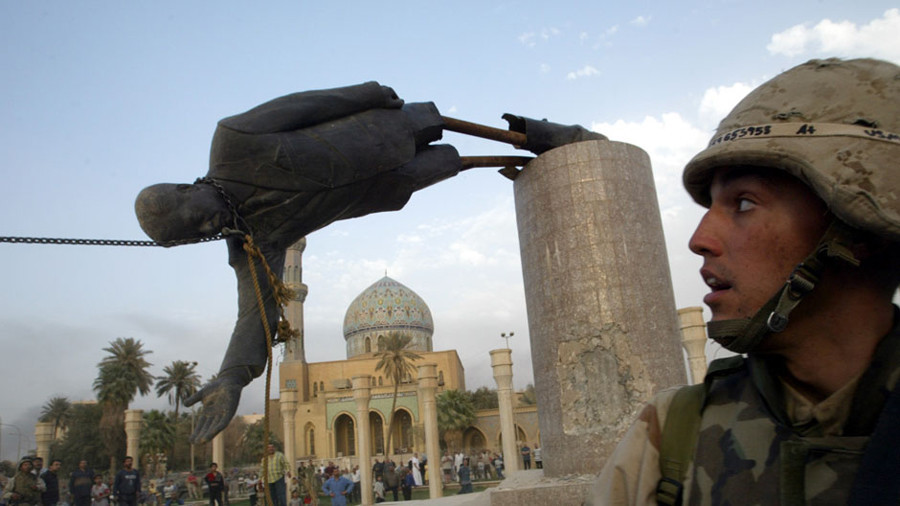
The Iraq War architects have been thoroughly rehabilitated and are planning their next adventure, even as the catastrophic ramifications of their crimes continue to reverberate around the world.

Last week marked the 15th anniversary of the American invasion of Iraq in 2003. April 9 will be the 15th anniversary of the fall of Baghdad. The consequences of these events are still playing out today, from Mali to Niger, to the Philippines. Iraq has never recovered and is only beginning to emerge from the trauma, while American officials plan the next military adventure.

Writing in the New York Times, Iraqi novelist Sinan Antoon observedThe invasion of Iraq is often spoken of in the United States as a ‘blunder,’ or even a ‘colossal mistake.’ It was a crime. Those who perpetrated it are still at large. Some of them have even been rehabilitated thanks to the horrors of Trumpism and a mostly amnesiac citizenry.”

How Iraq War destabilized the world and why the neocons aren't finished yet

The rehabilitation of the neocons

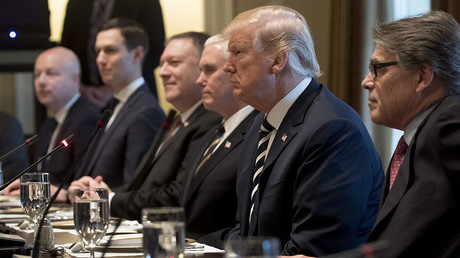
Indeed, the rise of Trump has provided the cabal of Iraq War architects with a rebranding opportunity. After their utter failure in Iraq, these people were largely disgraced and no longer taken seriously outside of right-wing circles. But Trumpism, and the desire of liberals to oust the current president, has led to an anti-Trump coalition which includes at its helm many of the instrumental figures behind the Iraq invasion. The list includes David axis of evil” Frum, former speechwriter to President George W. Bush and now a senior editor at the Atlantic, as well as neoconservative think tanker Bill Kristol, and George W. Bush, who is now celebrated as a pragmatic leader – even by nostalgic Democrats who contrast him with Trump.

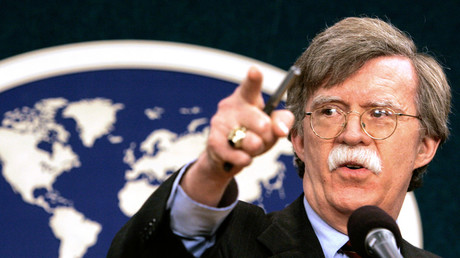
Trump’s victory in the Republican primary on a seemingly isolationist platform, which was obviously a facade, sent many of these neoconservatives running toward Hillary Clinton, the Democratic nominee. Those who lined up behind Clinton have since been embraced by the Democratic establishment, while the more extreme neoconservative hawks who stuck by the Republican Party have effectively inserted themselves into the Trump administration. The most recent and terrifying of these is John Bolton, former US ambassador to the UN. Bolton played a key role in politicizing the intelligence that was used to mislead the public about weapons of mass destruction in Iraq. And now he is Trump’s national security advisor.

Bolton is a neoconservative extremist who has never seen a country he didn’t want to bomb. On the top of his hit list is Iran and North Korea, though Bolton has expended most of his energy agitating for the US to bomb Iran, which he seeks to hand over to the Mujahedin E Khalq (MEK), a cultish group of Iranian exiles that has received backing from Israeli intelligence and was formerly classified as a terrorist organization by the United States.

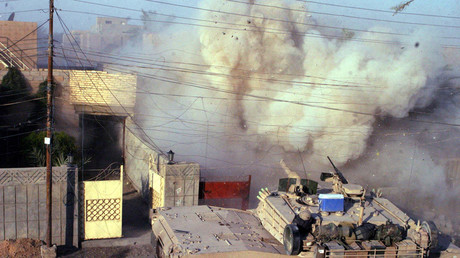
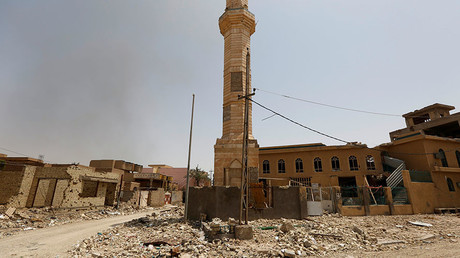
In light of the Iraq war anniversary and the recent appointment of Bolton, it’s a good time to survey the damage that neocons such as Bolton caused in Iraq. The war left an estimated 1 million Iraqis dead, 4.5 million displaced, 5 million orphaned, some 2 million widowed, and caused birth defects and cancer rates in some Iraqi cities that are significantly worse than those seen in the aftermath of the atomic bombings of Hiroshima and Nagasaki in Japan at the end of the Second World War.

But the destruction reaches far beyond just Iraq.

The new Jihad

The irony is that Trump’s rise to the presidency is in many ways the fault of the Iraq War architects. Their policies in Iraq, which were recycled in Libya and Syria, led to the rise of Islamic State and the refugee crisis that fueled right-wing populists such as Trump and his counterparts in Europe. The war in Iraq revived a jihadist movement that was dead after the first few months of the war on Afghanistan, opening the floodgates to jihadists and their supporters from around the world.

When the US dismantled the Iraqi state in 2003, instead of replacing it with a functioning government it punished Sunni areas and installed a sectarian Shiite regime comprised of exiles with no popular support in the country. The US essentially created a new category known as the Sunni Arab and, where the state collapsed, it was Al-Qaeda who would fight on their behalf. The inflammation of sectarian fears and lack of security resulted in a power vacuum that opened the floodgates to Al-Qaeda in Iraq and ignited a gruesome civil war. AQI eventually morphed into the Islamic State of Iraq. Before morphing into ISIS, ISI established an Al-Qaeda offshoot in Syria called Jabhat al-Nusra, the strongest and most disciplined armed opposition group in the country.

ISIS and Al-Qaeda  groups cultivate and thrive off of stateless zones as well as a Sunni Arab victimhood narrative, which started with the execution of Saddam Hussein and has been propagated throughout the region by popular gulf-funded religious figures and media outlets such as Al Jazeera Arabic.

Beheadings became a hallmark of the Al Qaeda branch in Iraq under Abu Musab al-Zarqawi who, unlike Osama bin Laden began to focus on fighting the near enemy — the Arab dictatorships, secular people and minorities — as opposed to the far enemy of the infidel west. We would later see these beheadings in ISIS propaganda videos aimed at terrifying the west. There was a theory in the past in bin Laden’s era that you should fight the far enemy, the west, before the near enemy. But under this new and evolved Al Qaeda, whether in Iraq or Yemen or Mali, we saw local franchises focused on slaughtering their fellow countrymen, with particular genocidal hatred for Shias.

The American occupation of an Arab country fueled this Salafi jihadist movement on a global scale. The occupation led to sympathy for this Iraqi jihad throughout the Muslim world, which meant foreign fighters coming in and a huge amount of funding from the gulf.

This global war on terror framework was also implemented by the US in countries such as Somalia and Yemen and across North Africa as well.

The Iraq War gave us Donald Trump

In spite of America’s criminal disaster in Iraq, Barack Obama continued to implement regime change policies in both Libya and Syria by funding and arming right-wing insurgencies made up of none other than Al-Qaeda affiliates, the very ideology the US was supposedly fighting in its global war on terror. Like in Iraq, US intervention led to the rise of a failed state in Libya and in much of Syria.

In Syria, these failed state zones were then filled by thousands of foreign fighters coming in from the Turkish border, which the US tolerated as a means to put pressure on the Syrian regime, hoping the regime would offer concessions, which of course it never did. ISIS eventually took over many of these failed state areas and began kidnapping westerners and the group made millions of dollars in ransom money as a result.

The massive refugee flows which resulted from the US encouraging war and regime change in the Middle East led to the destabilization of much of Europe and to some extent, the rise of Donald Trump, who campaigned on the fear-mongering of ISIS, refugees and Muslims. You can trace all these and other terrible consequences to the US decision to encourage war and state collapse rather than to prioritize stability and order in the Middle East. It all started with the Iraq War.

The gift that keeps on giving

The ramifications of the Iraq War are still playing out today, having inspired Salafi jihadist movements from the Philippinesto Mali and even Niger, where US soldiers were recently killed by jihadists.

Moreover, the war in Iraq, according to the very people who architected it, has strengthened Iran in the region. That isn’t necessarily a bad thing given that Iran and its partners, such as Hezbollah and the Iraqi Popular Mobilization Forces (PMF), were crucial to defeating ISIS in Iraq, Syria and Lebanon. But a strengthened Iran is a nightmare for the US as it threatens American, Saudi and Israeli hegemony in the region. So, the Iraq war planners are using the strong position of Iran – created by neoconservative policies – to push for a war with Iran. They’ve also expanded their hit list to include Russia, who they’re still hoping to escalate against in Syria.

With Bolton as Trump’s national security advisor, a war with Iran is now much more likely. For the war industry and the neocons who lobby for it, the Iraq war they started is the gift that keeps on giving.

The statements, views and opinions expressed in this column are solely those of the author and do not necessarily represent those of RT.

In northern Sumatra, there are a lot of descendants of Sinhalese transmigrated by the Dutch there to work in plantations

March 29th, 2018

Alvin Trisnadi Courtesy:  QUORA

Actually Sri Lanka /Ceylon was once part of Dutch dominion in Asia. It was seized by VOC from the Portuguese, and the Dutch ruled for over a century (1640–1796) until replaced by the British.

In northern Sumatra, there are a lot of descendants of Sinhalese transmigrated by the Dutch there to work in plantations. The Dutch also used Ceylon to exile insurgents from Indonesia like Amangkurat V/ Sunan Kuning.

Have the Dutch ever been tried before an International Military Tribunal for having committed crimes against humanity in Dutch colonies such as Indonesia and Ceylon?

https://www.quora.com/Have-the-Dutch-ever-been-tried-before-an-International-Military-Tribunal-for-having-committed-crimes-against-humanity-in-Dutch-colonies-such-as-Indonesia-and-Ceylon

Was there prejudice in appointing a Dutch academic to the panel of judges of the Tokyo War Crimes instead of an Indonesian, given that Japan invaded and occupied Indonesia but never the Netherlands?


Why were Asians reduced to a nominal minority on the panel of Judges at the Tokyo War Crimes Trial, whose composition was overwhelmingly European (8 out of 11), and conducted in respect to ‘war of aggression’ waged more or less within Asia?


What would have been the verdicts if the Defendants in the Nuremberg and Tokyo War Crimes Trials were tried before a panel of neutral judges drawn from countries that had not waged war against the Axis powers?


පළාත් පාලන ආයතනයන් හි බලය පිහිටුවීම – අගමැතිට එරෙහි විශ්වාස භංගය, අල්ලස හා වරප්‍ර‍සාද ලංකා දේශපාලනය අස්ථාවර කළා   

March 29th, 2018

මාධ්‍ය ඒකකය/කැෆේ සංවිධානය

ජාතික දේශපාලනයේ අස්ථාවරභාවය විසින් පළාත් පාලන ආයතනයන් හි ඉහළ තනතුරු සදහා පත් කිරීම් වියවුලක් බවට පත් වී ඇතැයි කැෆේ සංවිධානයේ විධායක අධ්‍යක්ෂ කීර්ති තෙන්නකෝන් මහතා නිවේදනයක් නිකුත් කරමින් පවසයි. 

පලාත් පාලන ආයතන 340 ක ඡන්ද විමසීමපැවති අතර, එයින් පළාත් පාලන ආයතන 170 කම එක් දේශපාලන පක්ෂයකට සභාවේ 50% කට වැඩි සභික සංඛ්‍යාවක් හිමි වී තිබේ.  ස්ථාවර බලයක් සහිතව කාගේ වත් උපකාරයක් නොමැතිව පාලන ආයතන 157 ක බලය ශ්‍රී ලංකා පොදුජන පෙරමුණ (පොහොට්ටුවට) හිමි විය. (ස්වාධීන හා සහාය ලැබූ පක්ෂ ජයගත් බණ්ඩාරවෙල නගර සභාව, මහරගම නගරමහියංගනය, බේරුවල හා තිරප්පනේ ප්‍රා. සභාව ද ඇතුළත්ය)  එක්සත් ජාතික පක්ෂයට කොළඹ හා වැලිගම බලය හිමි වූ අතර ද්‍ර‍විඩ ජාතික සන්ධානයට ඉතිරි පළාත් පාලන ආයතන 11 හි 50% ඉක්මවූ බහුතර බලයක් ඇත. 

සභාපති, උපසභාපති, නගරධිපති වැනි තනතුරු සදහා පත් කර ගැනීමේ දී සභිකයින් අතර ඡන්ද විමසීමක් අවශ්‍ය වන පලාත් පාලන ආයතන 170 කි.  එයින් ද, 79 ක වැඩිම ඡන්ද සංඛ්‍යාව පොහොට්ටුවට හිමිවී තිබේ. එජාපයට 40 ක් ලැබී ඇත. බහුතර බලයක් නැති පළාත් පාලන ආයතන රැසක සභාපති/උපසභාපති තනතුරු පොහොට්ටුව හා ශ්‍රීලනිප එක් වී ලබාගෙන ඇත. 

අගමැතිවරයාට එරෙහිව එල්ල වී ඇති විශ්වාස භංගය හේතුවෙන් එජාපයේ හා ශ්‍රීලනිප යේ ඇතිවී තිබෙන අභ්‍යන්තර ගැටුම් මෙම දේශපාලන අස්ථාවරත්වයට මුලිකම හේතුව වී ඇත.  ඉහළ දේශපාලන නායකත්වය විසින් ලබා දෙන උපදෙස් පිළිපැදීමට පක්ෂයෙන් තේරී පත් වූ පිරිස් විසින් පැහැර හැර ඇති අතර තමන් කැමති පුද්ගලයින්ට අල්ලසට හෝ වෙනත් වරප්‍ර‍සාද හේතුවෙන් සහාය ලබාදීමට සභිකයින් පෙළඹීම අවසනාවන්ත තත්වයක් බව කැෆේ සංවිධානය නිකුත් කළ නිවේදනයේ දැක්වේ.

මාධ්‍ය ඒකකය/කැෆේ සංවිධානය

2018 මාර්තු 29

පළාත් පාලන අවුල සරළ සිංහලෙන්

ඡන්දය තිබූ පලාත් පාලන ආයතන 340 කි.  මේ වන විට පොහොට්ටුව 157 ක්, එජාපය 2 ක්, ද්‍ර‍විඩජාතික සන්ධානය11 ක් තනිව බලය ලබා ඇත. (එකතුව 170)

ඉතිරියෙන් 79 ක් පොහොට්ටුව ද, 40 ක එජාපයට වැඩි ඡන්ද ඇත.  නමුත්, දැන් දැන් එජාපයේ  ශ්‍රීලමුකො, රිෂාඩ්, මනෝ-දිගම්බරම් පතුරු  ගැලවෙමින් ඇත.  ශ්‍රීලනිප පොහොට්ටුවට එක්වෙමින් ඇත.  එජාපයට  පළාත් පාලන ආයතන 21 ක බලය පහසුවෙන්ම පිහිටවිය හැකිව තිබුණි.  නමුත්, එය 12 හෝ ඒ ආසන්නට පහත වැටිය හැකි බව පැහැදිලිය. 

අර්බුදය විශ්වාස භංගය නිසා එජාපයේ මන්ත්‍රීවරුන් පොහොට්ටුව, ශ්‍රීලනිප වෙත යාමය.  ශ්‍රීලනිප රනිල් නිසා එජාපය සමග සන්ධාන නොසැදීම ය.  වැදගත්මක කරුණ පොහොට්ටුව හා ශ්‍රීලනිප එක් වන්නේ නම් පළාත් පාලන ආයතන 290 ක ට වැඩි සංඛ්‍යාවක බලය ඔවුන්ට හිමිවීමය.

කීර්ති තෙන්නකෝන්

The great betrayal of Theravada Buddhism?

March 29th, 2018

By Prof. M. M. J. Marasinghe B.A. (Hon.) (Cey.); Ph.D.(B’ham);D.Litt.(Hons.(Kelaniya) Former Professor and Head, department of Pali and Buddhist Studies; Vice Chancellor,(1987- 1993, University of Kalaniya Courtesy  The Island

Buddhism was introduced into this Island during the reign of King Devanampiya tissa in the third century B.C. by the mission of Venerable Thera Mahinda. The Mahindian mission brought the Theravada form of the teaching as approved by the Third Buddhist Council which was held at Pataliputra under the patronage of Emperor Asoka. This meant that the Pali canonical texts served both as the source material and the reference books of the Sri Lankan Buddhist tradition. It, In other words, meant that the Sri Lankan Buddhist tradition derived its authority to act and to understand the teaching of the Buddha in accordance with the declaration of the authority of the Dhamma and the Vinaya as explained in the Maháparinibbána Sutta of the Dìgha Nikáya(D.11.123). Any transgression of the authority of ther Dhamma and Vinaya makes the relevant action, interpretation or adoption of ritual, wrong and illegal.

After introducing Buddhism to Sri Lanka, Venerable Mahinda took meaningful steps to see that the study of the Pali canonical texts and the practice of the Dhamma were given equal emphasis. The historical remains of infra-structure facilities provided for both types of disciples go to prove that the demand for both types of training did exist even through difficult social and political conditions faced by the country down to about the early part of the tenth century of the Christian era.

Another important observation which must be made here is the absence up to this time of any evidence of ritual activities of worship and offering (pújá) in connection with Buddhism. The construction of Pagodas enshrining the relics of the Buddha and the planting of the Bodhi did not generate the adoption of Hindu theistic type of worship and prayer. According to historical evidence, it is the adoption of offering food and garments to statues of the Buddha by King Sena 111 which opened the sluice gates for capitulation into Hindu theistic worship with all its attendant ritualism uncontrolled.

Up to this point in Sri Lankan history, the Buddha to the Theravadins was a human being, born into this world as other humans. He left household life, early in his life and attained Buddhahood after six long years of severe ascetic practices. He lived an extremely simple life, walked bare-footed and followed the age old ascetic practice of going round for his only meal of the day, if he did not have an invitation. He passed away at eighty years under a sála tree in a park at Kusinara, lying on his folded upper robe which normally served as his bed and seat throughout his life as the Buddha. This, very briefly, is a mere glance at the wonderful genius who had been glorified by the later writers who had neither deep nor clear understanding of the great man or of the unique Dhamma he gave to the world.

This Theravada Buddha, still preserved in the Pali canonical texts, is vastly different from the glorified Buddhas of the Pali commentaries of Buddhaghosa. It was as the result of the fruition of his merit, accumulated through innumerable eons of life in saísára that the Buddha attained Enlightenment in this life. In spite of Buddhaghosa’s insistence on the indispensability of merit, the Buddha has never referred to, either accumulation of merit or past merit as a factor for Buddhahood or the attainment of nibbana. It must be noted here that the theory of accumulation of merit and the theory that merit can be donated to other parties are both alien to the Buddha’s teaching.

It may be noted here that the Rájagiriyas and the Siddhatthikas ( two Indian Schools of Buddhism) proposed that merit can be donated at the Third Buddhist Council ,but it was rejected by the Council as unacceptable according to the Buddha’s teachings. It is not clear how and on what grounds that it came to be accepted by post canonical Sri Lankan Buddhism again, going against this decision of the third Buddhist Council . Statues of the Buddha came to be made, according to tradition by the first century B.C., under the influence of the Gandhara School of art. Thuparama was the first Cetiya built to enshrine the relics of the Buddha received from the Emperor Asoka. When the Mahácetiya was completed, it too enshrined a second receipt of the Buddha’s relics. The Bodhi was planted at Anuradhapura when it was brought by Theri Saqnghamitta. All these did not mean to the Sri Lankan Theravadins of the period, the growth of ritual worship of the theistic type, covering each and every item. Instead, these objects of veneration served as objects of recollection of the Buddha and his attainments.

From the time of the third century introduction of Buddhism to Sri Lanka, Hinduism as well as most other Indian religions known in India had their presence in this Island. Brahmins were held in high esteem in the Sinhala society. Pandukabhaya was educated by a Brahmin teacher The Brahmin advisor of King Devanampiyatissa was a member of the Royal delegation sent by Devanaqmpiyatissa to Emperor Asoka .

There is no evidence that either Hinduism or any other of the Indian religions present did have any serious impact to derail the Theravada Buddhist teaching from its two principal paths of training, the practice of the Dhamma by following the path of gradual training culminating in the attainment of nibbana producing many arahats and the study of the Pali canonical texts contributing to produce indigenous expertise of the Dhamma and the texts.

Not only did Venerable Mahinda establish the two principal paths of training for the firm foundation of the teaching in the Island, the meditative and the literary, he also provided Sinhala commentaries to explain the difficult Pali texts of the Dhamma and the Vinaya to help the native Sinhala readers of the texts. It is not at all clear why these Sinhala commentaries had to be translated into Pali.

An innocent explanation may be that it was intended to keep the interpretation of the texts in the hands of the bhikkhu Saígha who at the time were the only learners and the interpreters of the Pali texts. But even this explanation seems untenable when it is realized that the original Sinhala commentaries were burnt immediately after the Pali Commentaries were completed.

A careful examination of the contents of some commentaries of Buddhaghosa written in Pali shows that they have a rich content of stories and anecdotes not strictly falling within the function of a commentarial explanation of the original texts. For example, Buddhaghosa’s commentary on the Kalinga Bodhi Jataka has an additional story of Venerable Ananda requesting the Buddha to leave some object to which his followers in Savatthi could pay their respects whenever he was away on his (dhamma cáriká) visits to other areas. Buddha accordingly, approves the planting of a seedling from the Sri Maha Bodhi of Buddhagaya at the entrance to the monastery at Savatthi.

The story raises several questions. First, the story of an Anandabodhi is out of context here as it is not found in the original Kalingabodhi Jataka Pali which Buddhaghosa was commenting on. Second, the statement that people went to see the Buddha carrying flowers and incense and being disappointed when they found that the Buddha was not there, is itself wrong because the Buddha as the human teacher was not an object of worship and offering when he was living. The word pújá, it must be noted, does not occur in the Pali canonical texts in the sense of a religious offering. The transition from veneration to worship and offering has taken several centuries after the time of the Buddha to be adopted by the Buddhists as the result of a theistic invasion, as it seems. The interpolation of stories like that of the Anandabodhi is evidence of the mechanism of introducing hitherto unaccepted rites and ritual into Buddhism. It also seems to tell us why they burned the original Sinhala commentaries of Venerable Mahinda, not to allow the secret leak out.

It is Buddhaghosa who claims in his commentary on the Ratana Sutta that it was first chanted by the Buddha to heal the city of Vesali of the devastating epidemic and affliction by non-humans. It must be noted here that Buddhaghosa’s claim of an epidemic is not supported by any other literary or historical source. Further, the Vajjian tribal oligarchy was an exemplary tribal state, too strong for the neighbouring Magadhan Emperor to wage war as clearly stated in the Maháparinibbána Sutta of the Dìigha NBikáya. Thus, the story of an epidemic is another of Buddhaghosa’s fairy tales used to make new rites and rituals acceptable by giving them religious sanction.

The acceptance that there are non-human beings ( amanussá) and that they are a threat to man are both most probably Sri Lankan in origin. It is during the age of post-canonical Buddhism that both these had been smuggled into the Buddhist texts and the new rites and ritual structure. Not only the word amanussá( non-human), but the different non-human types discussed in the lately tinkered ??áná?iya and the Mahásamaya discourses are not supported by the other canonical texts which deal with the composition of the world of beings. According to Buddhaqghosa, the Ratana Sutta, which was the first blessing ritual approved by the Buddha goes against the Buddha’s own teaching in the Sámaññaphala Sutta of the Dìgha Nikáya which declares all blessing rites and ritual as animal sciences (tiraccháana vijjá).The ritual has been smuggled into the Buddhist ritual structure through the commentarial story. An idea of the importance attached to the story and the importance of the function it was expected to serve can be gained when it is realized that it has been repeated in three commentaries.

Buddhaghosa, coming from south India was selected to translate the Sinhala Commentaries into Pali because of his expert knowledge of the Pali language. It is not clear how he managed to translate the Sinhala explanations of the texts without an equally deep knowledge of Sinhala. Nothing is said about how or whether he acquired such knowledge. On the other hand, if he was writing his own commentaries he could have done so, without bothering himself of the Sinhala commentaries because what was expected of him was the harmonization of the new ritual structure as sanctioned by the Buddha himself. And it is quite clear this exactly was what Buddhaghosa did and did so masterfully.

The hard work of Buddhaghosa and the Mahavihara fraternity culminated in the formulation of a new ritual structure with attractive advantages to keep both the lay followers and the members of the Samgha happy and contended. As a result, when we pass from the canonical Pali texts to the post-canonical Pali texts and the Pali commentaries we come into a totally new teaching different from the original.

The most important of these changes are those effected in the concept of the gods. Instead of gods who are merely a class of worldly beings, in the new Buddhaghosa religion, they have many functions to perform. They accept merit (punya) donated by people and provide them protection. Later on, they become the protectors and guardians of the Buddha and his teaching. It is important to note here that all these gods who were assigned these responsibilities were the South Indian Hindu gods who were in active service as Hindu gods in India, as they are now.

Nibbana, which is the goal of religious endeavour in Buddhism is to be attained through the threefold scheme of training of siìla (morality), Samádhi(concentration) and paññá(wisdom).But in the new Buddhism, nibbana cannot be attained as and when one wants to attain it. It is attainable only as the fruition of merit accumulated throughout the cycle of births in saísára.The Bodhisattva attained his Buddhahood in this life as the result of the fruition of his merit accumulated throughout the innumerable eons of life he spent in saísára( cycle of existences). It must be noted here that the Buddha has never referred to the need of the fruition of merit for one’s nibbana.

Throughout the Pali canonical texts, giving is praised as the means to cleanse one of craving for worldly possessions because craving is one of the biggest obstacles to balanced mental development. This has undergone change in the new Buddhism to giving what one wishes to have back in abundance as his possessions in future lives in saísára. The bhikkhu who is recommended as the field of merit to receive the offerings as items of dána functions as the custodian who credits the giver’s account.

Pagodas which enshrine the relics of the Buddha, statues of the Buddha constructed to remind the followers of the Buddha’s attainments and the Bodhi planted to remind them of his attainment of Buddhahood after years of exertion are now converted into objects of sanctity, each possessing the power to respond to request and also generate merit each time an offering is made to or is worshipped .

The transition from respectful recollection to the acceptance that each of such objects did possess the power to answer requests and also generate merit which ultimately will result in nibbana upon accumulation to required level is in total disagreement with the Buddha’s teaching. Merit is neither essential nor indispensable for the attainment of nibbana according to the canonical teachings. Merit becomes relevant as a stage of development prior to kusala and is replaced by kusala qualities upon progress on the path of spiritual development.

Merit (punya) according to Pali canonical Buddhism, is not a religious or a spiritual acquisition which is an end in itself. Living according to the dhamma and living righteously is described as following the path of merit. It leads to the next stage in the path of gradual training which is the development of kusala qualities. This in turn leads on to the development of concentration which leads on to the final attainment of nibbana .It may also be noted here that it is Buddhaghyosa who has given a new importance to punya by introducing ten meritorious actions which are not found in the Pali canonical texts. The ten meritorious actions are for the first time found in Buddhaghosa’s commentary on the Dhammasangani. It is Buddhaghosa who uses patti for merit for the first time and the concept of donation or transfer of merit also for the first time, not supported by canonical Buddehism It may also be recalled here that the idea of donation of merit was rejected by the Third Buddhist Counci when it was raised by two Indian Schools of Buddhism.

Thus, all aspects of the new ritual Buddhism which changed the Theravada Buddhism into a system of worship, offering and prayer, like any other theistic religion, has been very carefully planned and smuggled into practice with several bonus packages for the operators. At the base of all rituals was the donation of merit to the gods with a request for their protection. It must be noted here that the gods whose protection was prayed for were not the gods like Sakka, but South Indian gods like Vishnu, Natha, Pattini,etc. who were entrusted with these duties in addition to their home duties of serving their Hindu followers .The composition of the offering for each god was so made to make the mediator between god and man enriched with sufficient economic and other benefits which they did not enjoy under the earlier form of canonical Buddhism.

Furthering Community Self-Interests and Undermining National Interests: The Primary Objective of the Tamil and Muslim Non-Indigenous Settler Communities of Sri Lanka

March 29th, 2018

Dr. Daya Hewapathirane

HISTORY OF THE TAMIL COMMUNITY OF SRI LANKA   

Tamils and Muslims living in Sri Lanka, amount to a total of about 24% of the country’s total population. They are descendants of groups of individuals, exclusively males, who initially arrived in this island at different times in the past for various purposes, and later settled down among the Sinhala people who were inhabitants of the island for over 2500 years. The Tamils came from southern India and observe the cultural traditions of their homeland- Tamilnadu where the Tamil culture and Tamil language originated. Initially Tamils came to the island as invaders and mercenaries and later, especially in the 19th century and thereafter, the British brought Tamils from South India to Sri Lanka to work as labourers in British-owned commercial plantations. This was the time when our country was under the British invaders. Most of this Tamil labour community stayed behind and were accorded citizenship in later years after the country attained political independence. Tamils in general, therefore are settler communities in the island.

Since the 3rd century BCE, there were seventeen Tamil-speaking Dravidian invasions of the Sinhala kingdom when Anuradhapura and Polonnaruwa were the Sinhala royal capitals. These invasions were associated with extreme forms of violence and destruction. During a good part of the past four decades, Tamil terrorists of the LTTE, took away from the indigenous Sinhala majority, what they valued and cherished most as a nation – their freedom and peaceful life. During this time, most Tamils living within and outside Sri Lanka were openly or discreetly supportive of terrorism and separatism propagated by the racist LTTE terrorists under Prabakaran, their ruthless leader. The large majority of Sri Lankan Tamils living overseas, were helping, both directly and indirectly, often using deceitful means to the Tamil terror movement in Sri Lanka thereby promoting gruesome, hideous, and horrifying terrorist activities against the nation, its Sinhala leaders, Bhikkhus, military and police personnel. They helped bomb and destroy reputed historically significant Buddhist monuments and sites in our country, and other public property of value and acted to disrepute and undermine the legitimately elected government of our country.

The nation is eternally grateful to the Ranaviru Sinhala sons and daughters for eradicating Tamil terrorism, the treacherous racist extremist menace, in the year 2009. Sinhala leaders at the time realized the fundamental importance of preserving the territorial integrity and sovereignty of their motherland and that there can be no compromise with terrorists and their cohorts both local and foreign. Thousands of true sons of the soil sacrificed their precious lives while serving in the military forces and the nation is grateful forever for the sacrifices they made to bring peace to the island.

Both during the conflict and thereafter, our heroic military personnel who were making untold sacrifices to protect our people and the territorial integrity of our country were subject to extreme forms of indignity, insult, and disgrace by the Tamils, especially those living overseas, both during the period of conflict and thereafter, using deceitful and dishonest accusations. Also, our illustrious national culture and our Buddhist Sangha community responsible for nurturing, promoting, and uplifting our outstanding national culture for some two thousand three hundred years, were subject to debase and disrespect by these treacherous Tamil racists and extremists. Buying over and using the international media and other means, these overseas racist Tamil extremists were involved openly in a widespread campaign, using the basest forms of falsehoods and blatant lies of unimaginable proportions, to demean, discredit and destroy the good image of our country.  They continue to propagate extreme forms of deceitful and divisive propaganda against Sri Lanka and resort to deliberate misinterpretation and distortion of historic facts pertaining to our motherland. These actions display the treachery, deceit, and gruesome anti-national attitudes of these extremist elements.

THE BEST OF BOTH WORLDS  

It is noteworthy, that throughout the period of conflict and thereafter, more than half the Tamil population of Sri Lanka were living in predominantly Sinhala areas, among the Sinhala people without any harassment.  Since the end of the conflict in 2009, the number living in Sinhala areas of the south have shown a striking increase. Most of them are either businesspeople or professionals, some working for the government and others lucratively self-employed. The Sinhala people of the south have been their growing clientele and patrons. Most Tamil businesses are primarily dependent on the Sinhala market for their survival. In other words, they earn their living using Sinhala hospitality and Sinhala clients. However, despite this accommodative spirit of the Sinhala people, what is clear is the fact that the Tamil employers rarely employ Sinhala employees in their establishments.

Some of the largest wholesale and retail businesses in Colombo are owned and operated by Tamils. Most jewelry establishments, travel agencies, telecommunications outlets are owned and operated by them. The rich Tamils in Colombo and other urban areas in Sinhala areas are owners of high-valued property including land, houses, vehicles, and other luxuries. They are constantly involved international travel.  They have their religious and cultural organizations, their ‘kovils’ and related activities with no restrictions placed on them by the Sinhala community. The ‘thoosa kade’ and other the Sinhala community heavily patronizes the Tamil food outlets.  In addition, they have their Tamil newspapers, magazines, videos, music audios, films and are free to intermingle with others in Sinhala neighborhoods without being harassed.

The average Sinhala person has nothing against anyone who wishes to shed extremist feelings and joining them to build a nation that is peaceful and prosperous, a nation which shuns extremism and terrorism. The Sinhala people want all other communities to join them, just the way how minority communities are expected to do in other countries of the world, especially Canada, Australia, USA, and UK.  The Sinhala people want others who live among them to help build the country as one nation, a nation founded on the noble principles of non-violence, tolerance, compassion, where peaceful co-habitation has been the cornerstone from historic times.

HISTORY OF THE MUSLIM COMMUNITY OF SRI LANKA  

The Muslim community in Sri Lanka is a small non-indigenous minority settler community amounting at present, to about 9% of the island’s total population. They are the descendants of small groups of individuals, exclusively males, who came to the island initially in the 15th century and thereafter, basically as traders. In Sri Lanka, as everywhere they went, the Portuguese made a special point of ruthlessly persecuting Muslims, their business rivals and as a consequence, many Muslims fled the western littoral which had passed under Portuguese control and settled in the north and east of the island. The Dutch were no different during their period of occupation of the coastal areas. During the Portuguese period, Muslims had to seek refuge in interior areas among the Sinhala people. Sinhala kings such as Senerath and Rajasinghe-II, provided safety and shelter to Muslims in the Sinhala kingdom among the Sinhala people. Large numbers of Muslims were settled in the hill country and in Eastern Sri Lanka, saving them from harassment by the Europeans and providing opportunities for them to improve their livelihoods and practice their religion.

SPECIAL PRIVILEDGES AND OPPORTUNITIES 

After the country attained political independence, the Muslim community continued to benefit from various forms of special opportunities privileges made available to them by the Sinhala-led governments. Not only were they given opportunities to improve their commercial activities but were accorded important Ministerial and professional positions in the government. Also, although forming a small segment of the nation’s population Muslims were accorded special privileges, such as Muslim religious holidays being declared as public holidays in our country, the representation of Muslims in the national flag of the country and permitting Muslims to establish mosques and exclusively Muslim institutions such as madrasas anywhere in the island. This is although no Muslim country permits even the display of a Buddha image, let alone building Vihares.

Muslims are well known to be running successful businesses in predominantly Sinhala majority areas with the Sinhala people as their customers. They are involved in wealth generating employment connected with tourism and travel. The per capita income of the Muslim community is far higher than that of the Sinhala majority community. A good part of buildings and land in most urban areas in the country, especially in predominantly Sinhala areas are owned today by Muslims.  In Mosque activities such as prayers using load speakers in predominantly non-Muslim neighborhoods, the Muslims are causing a great amount of discomfort and irritation to non-Muslims. The Sinhala people have been overly tolerant about this unhealthy situation.

No comparable minority in any major country in the world have been given such preposterous benefits, which are not rights but ridiculously high privileges enjoyed by the Muslims and Tamil settler minorities. Since the privileges of one person can only be had at the expense of the rights of another, this shows that, in fact, it is the indigenous Sinhala who account for about 75% of the population, who are discriminated against in Sri Lanka.

Whenever Muslims held or hold ministerial positions, they made sure that members of their community were accorded preferential treatment in employment, education, housing, business development, industry, and commerce etc. That accounts for the large number of Muslim employees in Ministries and related public agencies such as Education, the Ports Authority, Justice, Foreign Affairs, postal, etc., which had/have prominent Muslim Ministers. At present, five important cabinet ministers and three deputy ministers are Muslims.

The highly important Ministry of Education in Sri Lanka was held by Muslims Ministers for many years under different governments. During this time, Muslim children and youth were given preferential treatment in education and admission to universities.  Also, it was during this time that several well- equipped exclusively Muslim schools were established.  After securing so much from the country, and from the majority Sinhala community who had all along provided them with hospitality and generosity, it is disappointing to see many Muslim leaders and Muslim people of today, especially those associated with the Eastern and Northwestern provinces having the audacity and ingratitude to claim autonomy for the lands that they are occupying.

FURTHERING COMMUNITY SELF INTERESTS                                                   

There was much media attention in recent months, to the undue exploitation and destruction of the country’s natural resources by Muslims under the direct initiative of a Muslim minister. This involves the illegal clearance of a part of the Wilpattu National Wildlife Sanctuary for a housing scheme exclusively for Muslims. Similar illegal and anti-national actions on the part of Muslims have been reported most recently in the Yan Oya valley, Thiriyaya and Pulmuddai national forest conservation and in Kalpitiya. These are instances of encroachment and illegal development of exclusively Muslim housing schemes, with funds from Muslim countries and Muslim INGO’s operating in this country. Muslim leaders and community leaders in general, appear to show a greater interest in furthering the interests of the Muslim community rather than the welfare of the public in general. It is a well-known fact that Muslim establishments refrain from hiring non-Muslims for responsible positions in their establishments where the main clients are Sinhala people.  Also, the media has highlighted several allegations of various covert practices by Muslims to increase their population at the expense of the Sinhala population. The direct involvement of Muslims in the illicit drug trade has often been reported in the media.

ENCROACHMENT OF HISTORICALLY IMPORTANT BUDDHIST SITES                            

There is clear evidence of disregard and disrespect for the Buddhist cultural heritage of the country. During the past two decades, Muslims have illegally and forcibly encroached upon land that rightfully belongs to Buddhist temples on the eastern and southeast coast, THE Pottuvil region. It was not long ago that Islamic fundamentalists and armed Muslim extremists were inciting violence against legitimate Buddhist activities in the East – Pottuvil region.  Muslims were forcibly encroaching upon land that rightfully belongs to Buddhist temples on the southeast coast. In addition, Muslim encroachment of Kuragala archeological site near Balangoda which is one of the oldest Buddhist historic sites of Sri Lanka has led to serious confrontations in recent years. Also, in more recent years sites in the Northwest have been deceitfully encroached upon by the Muslim community, and archeological remains and ancient Buddhist monuments in these areas have been destroyed. It was not long ago that the exclusively Muslim, racist political party – the Sri Lanka Muslim Congress and several Muslim civil society groups opposed the construction of Buddha’s statues on the southeast coastal areas which have long been places inhabited predominantly by Buddhists.

THREAT TO THE NATIONAL UNITY AND CULTURE                                                      

From their attitude and actions, it is noticeable in recent years, that the Muslim community in the country has posed a threat to national unity and territorial integrity of the country. They have resorted to actions that undermine the national cultural heritage and to the way of life of other communities, and in a covert manner to democratic principles and rule of law of the country, especially with the adoption by them of the Sharia law. These Sharia rules of Islam appear to govern politics, marriage, and the day-to-day lives of its followers. Islam is associated with a political ideology where the church and state are not separate. Under the circumstances, one cannot expect Muslims to develop a sense of patriotism and national pride in a predominantly non-Muslim country such as Sri Lanka. In recent years, it is well evident that most Muslims do not appear to be interested in integrating with other communities, perhaps because assimilation is not permitted under the Islamic Shariah law. They rarely if at all participate in national events. They do not participate in the singing of the National Anthem in public events. They do not observe the traditional way of greeting by placing both hands together in the form of worship. Muslim children are taught not to worship their teachers which is a common practice among other non-Muslim school children.

There are schools that operate with government assistance, where not only the Principal and academic staff, but all students are Muslim. Some of these schools have been elevated as National Schools enjoying special privileges. Muslims have established many private International schools in several towns, where the student population and majority of staff are almost entirely Muslim. The most threatening of all is the recent establishment, with heavy Saudi Arabian assistance of the so-called Madrasas or Islamic schools, like those found in Muslim countries such as Saudi Arabia and Pakistan. Here,  the curriculum is focused on the teaching of the Koran and Shariah law. Saudi Arabian sources have funded the establishment of most of these Madrasas. Here, the younger generation of Muslims are being strongly exposed to the Saudi Arabian fundamentalist Wahhabi form of Islam imported from Saudi Arabia. Scholarships are awarded to Muslim youth of these schools to continue their Wahhabi Islamic studies in Saudi Arabia and other Muslim countries such as Pakistan, where Wahhabism predominates. This type of exclusive Islamic education and indoctrination is having a well-evident divisive effect in our nation and is beginning to disrupt national efforts to bring about overall unity and togetherness among communities that have made Sri Lanka their home. Their new male and female attire displays the desire of Muslims to look different and to be exclusive and separate from the nation’s mainstream. This polarization tendency and divisive spirit of the Islamic community is self-imposed. It is not because they feel marginalized. The Koran forbids Muslims to closely associate non-Muslims.

The long-term implications of these extremist trends are highly undesirable for the maintenance of peace and stability in the country. What is well evident from the several Muslim instigated, disruptive, illegal and often violent incidents that occurred in some places in the country in recent times, is how these extremist trends are impinging upon the traditional cultural base and integrity of this country, in particular on the wholesome Sinhala norms and principles upon which this nation is built, and also on the rule of law of this country. One should not overlook the fact and take for granted the long-standing opportunity for peaceful cohabitation of different communities, provided by the traditional cultural foundation established by the Sinhala people of this nation.

“HALAL” PRACTICE AND ANIMAL WELFARE                                                           

There has been much discussion in recent times about the deceitful and exploitative nature of the “halal’ business venture of Muslims. Halal is a most repulsive and horrendous practice that involves extreme form of abuse and cruelty towards animals?  It is a gruesome method where animals are tied down and their throats slashed, letting their blood ooze out slowly from the animal’s body and making animals die on their blood, a slow, lingering, and agonizing death.  What is most horrendous is that this torturous practice takes place while the animals are desperately struggling for their lives. It is a well evident fact that these animals are conscious of what is happening to them. This is a most sickening and inhuman way of killing animals. It is a practice that should not be tolerated in any civilized society.

In a society such as ours where Buddhists predominate, and where non-violence       towards all living beings is a fundamental tenet, criminal practices of this nature cannot and should not be tolerated under any circumstances.  Animal welfare has been a tenet of the rulers of our nation from very early times, from the 3rd century BCE.  It was at this time that the world’s first bird and animal sanctuary was established in Sri Lanka. From ancient times, the principle of animal welfare prevailed in our country until the arrival of European colonial powers, starting with the ruthless Portuguese invaders, at the beginning of the 16trh century. Besides hunting animals as a sport, the slaughtering of animals as a vocation started with the entry of Christianity and Islam to Sri Lanka.

CONFORMING TO NATIONAL CULTURAL NORMS AND VALUES

The non-indigenous settler communities such as the Tamils and Muslims are expected to conform to the norms and values of the Hela Nation to which they belong today. They may have brought various ethnic, cultural, and religious customs, traditions, traits and values from their original nation and homelands where their cultures evolved and consolidated. They are free to maintain these cultural norms if they do not conflict with the norms and practices of the Sinhala Nation of which they are now a part. Once the non-indigenous persons become a part of the Sinhala Nation it not only becomes their national obligation, but more importantly, it is to their advantage to become a part of the nation by learning and understanding the norms of the Sinhala nation where they now belong, and where they have been accepted as non-indigenous nationals by the indigenous Sinhala people. When a foreigner or a person not indigenous to a country migrates into the country, and decides to make it his home, it is incumbent on that person to learn about the history, norms and traits of the new country and its people. The new immigrant is expected to acknowledge, subscribe to, and integrate into the new nation of which he now is a part. The same applies to all descendants of non-indigenous immigrants, who may have been born and raised in the new nation

NATIONAL RIGHTS AND INDIVIDUAL RIGHTS

Indigenous Sinhala nationals or the Sinhala people are the founders of the Sinhala or Hela Nation, and are entitled to special national rights. Important in this regard is the promotion, protection and preservation of their culture, language, social system, and values that characterize their Sinhala Nation.  Sinhala should be restored as the sole national and official language of the country.  Promotion and preservation of the Sinhala Buddhist culture as the national culture, should receive priority attention. It should be made a mandatory subject in the school curriculum.  The national anthem of the country is sung in the Sinhala language. The minority communities are not entitled to such special privileges, because the Sinhala nation was founded by the Sinhala people and is the legitimate home of the Sinhala people. Sinhala is not the home of other cultures and languages. These cultures and languages did not originate or evolve in this land unlike the case with the Sinhala culture and Sinhala language. Therefore, the cultures and languages of minority communities cannot and are not entitled legitimately to be accorded national or official recognition at par with the Sinhala culture and language. However, these communities are free to observe and preserve their cultural activities and their languages within their communities. As far as ordinary human rights are concerned, members of minority settler communities are entitled to the same human rights as those enjoyed by members of the mainstream Sinhala community.

As a nation with a historic cultural tradition that extends to over 2200 years, where the founding principles have been freedom, compassion, tolerance and accommodation of people of all faiths and ethnicities, it is necessary that the true patriots of Sinhale, the Sinhala nation, get to the forefront, mobilize themselves and  take legitimate actions to protect and uphold these wholesome cultural traditions, and thereby reinforce the Sinhala nation  – Sinhale.  All citizens of the country who subscribe to the Sinhale Nation and respect the cultural norms and values that characterize this nation, will find acceptance as members of the Sinhale nation, irrespective of their ethnic and religious affiliations and differences. The Sinhale Nation incorporates the tremendous cultural wealth of the Sinhala people recognized the world over for its richness and uniqueness. This should be preserved and promoted for posterity. Those who undermine the nation’s cultural heritage, sovereignty and territorial integrity are enemies of the nation and should be confronted and subdued forthwith, for the welfare of the nation.

STRENGTHEN AND REVITALIZE THE SINHALA NATION

For the patriotic and caring nationals of this island, especially those of the Sinhala community, irrespective of their religious affiliations, there is one moral law that stands above everything else, and that is to do everything possible to strengthen their Sinhala Nation, their only nation, and to curb the efforts of anti-national elements both local and foreign, engaged  in violating and undermining Sinhala Buddhist national interests. It was  such an attitude that enabled our valiant Sinhala soldiers to wipe out anti-national, separatist Tamil terrorists who were hell-bent on destroying the integrity of this nation.

The present generation of Sinhala nationals has a moral obligation to protect, preserve and promote the greatest of their inheritance, their unique nation, for the survival of their Buddhist cultural heritage and for the benefit of future generations. Concerned Sinhala nationals will under no circumstances allow the sovereignty, the distinct territorial integrity and the all-pervasive Sinhala Buddhist cultural character of the island be subject to any form of disarray or disintegration. They will not permit any force, internal or external, ethnic, or religious, to subjugate or undermine the integrity of the Sinhala Buddhist culture of this island nation.

Sinhala history is replete with valor and courage in battles against overly superior forces. The struggle against extremism and the looming division of this Sinhala island nation of ours demands our full national strength. Let all Sinhala nationalists rise to the occasion, forgetting for a moment their ‘other’ differences, and swear allegiance to the unity of this country by giving unswerving support to those commendable organizations that have emerged in recent times to save the nation from undesirable elements. The renewed loyalty that is fast emerging among the Sinhala nationals, particularly among the contemporary youth, is most encouraging.

VIOLATION OF SOVEREIGNTY AND NATIONAL INTEGRITY 

Sinhala nationals should not tolerate any individual or community who, whilst living in the Sinhala Nation and considering it their home, deliberately misusing such a privilege by scheming, and adopting extreme means or contributing to such actions, in violation of the sovereignty and territorial integrity of this only nation of ours. This includes both direct and indirect efforts on the part of these extremist elements living among us, with ridiculously unfounded claims to carve out ethnic and religious enclaves within our country, merely because some of them had lived in specific places for extended periods of time. These individuals and communities with self-serving attitudes and objectives should be considered as traitors or enemies of our nation and should be dealt with accordingly. There is no place in our nation for such traitors, double crossers, renegades, turncoats, collaborators of enemies, criminals and terrorists, conspirators, connivers, schemers and emissaries, spies, secret agents, undercover agents, and double agents of the enemies of this Sinhala Buddhist Nation.

BUDDHIST MONKS, SINHALA SCHOLORS AND PATRIOTS

Most of present day monks are better educated, better exposed to the outside world, and possess a broader outlook. Despite all the challenges of recent decades, our monks continue to receive attention and respect of our people and continue to closely interact with people. Our Sinhala scholars and professionals, especially the influential professionals in education and higher education, including our lay Buddhist leaders, living within and outside Sri Lanka, have stayed too long in the background, often times being indifferent to the sad plight of their nation.  It is time they came to the forefront and initiated action, jointly with our monks, to counter more effectively the negative forces harming Sinhala culture and Buddhism, besides the territorial integrity of the country. They owe it to their children and the future generations of Sri Lankans. Buddhist cultural pursuits should be strongly encouraged and receive increased patronage and assistance. The mass media should be used to the utmost in the accomplishment of these pursuits. Actions emanating from whatever source, that have the effect of undermining the national cultural heritage should be fully exposed and legitimate action initiated to control such action.

In recent times, several movements and organizations have sprung up under the initiative of some concerned Bhikkhus and members of the Sinhala community across the country, with an increasingly large following of the nation’s youth. Their objective have been to highlight and draw attention to the vital and pressing need for necessary action to restore, protect and uphold the legitimate national rights and privileges of the Sinhala people, to preserve the territorial integrity of Sri Lanka and also, to protect the traditionally and constitutionally accorded foremost place to Buddhism, which in recent times appear to be subject to threats and challenges from both local and foreign sources. There is evidence of attempts both direct and indirect, overt, and covert, to undermine these legitimate rights and privileges by extremist elements, especially within the minority Muslim and Tamil communities, evidently with the involvement of unpatriotic and uncaring politicians with their own vested interests and ulterior motives.  

Dr. Daya Hewapathirane

daya.hewapathirane@gmail.com

Why should all countries except Muslim-majority countries be multi-cultural, multi-ethnic or multi-faith

March 28th, 2018

If there are international laws, international standards & application of international laws & standards equally to all, then one ethnic group cannot claim to be exclusive from its application where they are a majority but demand & enjoy these standards where they are a minority. Multiculturalism became a liberal fad that is fast losing its sheen – the citizens of the West are now openly opposing it in view of its lack of reciprocity. Multiculturalism cannot be a one-way street, if there is no reciprocation, no government for whatever reason can be allowed to implement such when it has adverse & irreversible outcomes. Parent culture cannot be bartered by politicians!


There are some basic facts that need to be reminded. People have lived together first as tribes, then with migration as multiple tribes & with the advent of sea/air travel people came to live in mixed communities. This set up has existed in harmony even with altercations at times without any term being allocated to them. Migration with globalization meant skilled & non-skilled workers entering nations under various immigration scheme and host governments were compelled to accommodate their cultures & identities whilst they lived & worked in these countries. With time and increase in these populations they came to be a powerful force exerting power & influence over MPs & Government in a relationship that resulted in dishing out demands for votes & other personal benefits thus causing creases to the heritage culture that existed. Heritage citizens were told to be accommodating, programs were relayed to emotionally make them accept foreign cultures & with time the foreign cultures began dominating the heritage culture and that was when the problem started.

https://www.youtube.com/watch?v=-jmG47NtOvs

https://www.youtube.com/watch?v=a8qQ2o5TXoc

https://www.youtube.com/watch?v=gzGRsn1xEjA – where are all the English people?

https://www.youtube.com/watch?v=pgRwjNJrw4U – Multiculturalism or British Identity?


Ask the British and listen to what they have to say!

https://www.telegraph.co.uk/news/uknews/immigration/9075849/Multiculturalism-has-left-Britain-with-a-toxic-legacy.html (please read this article to understand better)

There were no Islamic lands or Christian lands. The expansion came with conquest, colonialism, conversion & the sword. As a result of conquest, colonialism & conversion identities of countries were hijacked, destroyed & replaced.  Buddhism, in contrast though starting in Nepal ended up as far as Persia on one end & Malaysia on the other without a single forced conversion, sword or conquest.

However, every country has an unique history prior to invader rule, an identity that a country is entitled to protect while also guaranteeing the individual rights of people who live in that country. The confusion has come when freedoms & rights are being used to force later day cultures & identities to overrule & dictate to the older culture. This is where education, political leaders & civil society must not overstep their mark to barter for various agendas. A citizen of a country therefore is bound to put his country first and in so doing respect the parent culture and history that built the civilization.

An issue regarding identity of heritage cultures is the effect & impact of colonial rule where the invader policy was to eliminate or dilute the culture of the invaded country & force a colonial foreign culture upon the citizens. This is what happened to the indigenous natives of present day Canada, America, Australia, New Zealand. Their cultures & identities were stolen & replaced and today it is all but forgotten.

Part of the education system introduced by the colonial occupiers were designed specifically for this exercise which is why at time of independence the colonial masters were happy to depart because they knew they had successively nurtured and cloned a set of brown sahibs who would think like the white man, act like the white man & follow the orders of the white man even in the future. These brown sahibs were to be the white man’s local servants – a commodity that still exists & thrives. This is one reason why we insist that history must be taught & made aware to all in particular the history prior to colonial rule. We can understand why there are efforts & ploys to ensure that the history is kept hidden from the people by foreign forces & their local agents simply because they do not want to have people proud of their history to want to protect & defend it. The ploy to remove the history from education syllabus is to nurture a future generation that is clueless about their country & do not mind becoming the dumping yard for every corrupt culture the West has tried, tested & failed and there are locals proud to import these headache.

There are a lot of things that we can be grateful for the West in particular the manner that globalization has helped people connect electronically. The world is certainly full of good & bad and everything certainly does have its pros & cons. However, we have to identify that there are imbalances – We have a world where 8 people own what 50% of the world combined own. Some countries may be rich but there are enough of poor in them, similarly some countries are poor but these countries have more than a fair share of billionaires. USA has 2.2m prisoners, close to 600,000 are homeless & over 43million live on food stamps.

Countries that first implemented multiculturalism are finding that it has created more division than unity or integration. What it has also done is to uproot the heritage identity that existed in a country. In all probability this is the game plan. This is also why we are cautious & are openly presenting the arguments & apprehensions. When a more aggressive & dominant faith with demands for their own food, own laws, own dress, own banks etc take prominence by virtue of the power they wield using their bloc nations & petro dollars the meeker more compassionate faiths are pushed to the background and end up appeasing and be subjugated.

Maldives was formerly a Buddhist nation, the Buddhist civilians & Buddhist monks all faced virtual extinction. How? what happened to them? See how Samanala Kanda today has become joint-custodians of other faiths when it was only Buddhists that worshipped it even before other religions were first formed. Similarly, every Buddhist heritage site is being encircled & these are not unfounded fears. Kuragala, Muhudumaha vihara, Dambulla are all sites that have numerous challenges facing their future.

In Sri Lanka, no one can claim that Sri Lanka is not a Buddhist country. For 2600 years this nation was built on a Buddhist heritage where the rule of kings followed the ‘Ten Royal Virtues’ Dasa Raja Dhamma. Buddhism is ahead of Christianity & Islam by more than a 1000 years. When the Christian colonials arrived their aim was to destroy Buddhism as was the objective of the South Indian invaders. However, Buddhism has stood the test of time though it has been an effort to preserve, protect & foster it. Non-Buddhist faiths use billions through their institutionalized religions to expand & promote their faith while also converting. These challenges cannot be ignored or left without attention especially when they are linked politically too with backing of bloc countries like the EU & OIC.

When there are Christian/Catholic schools whose policy is to take only students of these faiths (except instances where policy is sacrificed for large & handsome donations), it is the same for Islamic schools too, why should Buddhist schools be turned into multicultural – once Buddhism is removed invariably the demands of other faiths take prominence & Buddhism gets pushed to the background.

When Article 9 of the Sri Lankan Constitution demands that the government in power must protect & foster Buddhism it necessarily means that the handful of state schools that are Buddhist must remain to promote, foster that Buddhist identity. However, inspite of this the Buddhist schools do respect other faiths & hold various events of other faiths but do the Islamic schools hold a Buddhist Day, we think not. When Sinhalese are accommodative of Muslim dislike for pork is that reciprocated by not serving beef (please note there are Buddhists who eat beef/pork & drink as well as Muslims who eat pork & drink) Prayers rooms are arranged for Muslims but in Muslim majority nations or even towns where Muslims are the majority are non-Muslim prayer rooms accommodated? Where there is no reciprocity there cannot be demands for equality especially to remove the heritage culture & heritage ethos of a country.

As in all cases money takes over logic & rational thinking & action. Even in the West the ordinary citizens are angered because their politicians are bartering their heritage space for money & other perks. It is the same scenario in Sri Lanka where the headless Parliament do not have the brains to understand the ramifications of the cabinet papers they are signing without reading or understanding a word on the paper. In all probability these are drafted by some NGOs & pushed for approvals in exchange for some remuneration.

No community will object if leaders learn to clearly spell out that there exists a heritage culture & identity & that has to be respected by all citizens while statistically presenting how others individually enjoy freedom to practice their cultures & faiths. The problem is that the politicians are playing people against each other & in so doing they are damaging cordial relations among communities. Every minority is aware of what they enjoy in Sri Lanka, many know that they enjoy far more rights than they would as a minority in any other country. But, everyone has learnt to play politics & it has become fashionable to claim one is discriminated as there are plenty of people prepared to be referees. This falsely promoted discrimination, racism, hate etc has become a major business venture & everyone wants to get a piece of the pie.

In Sri Lanka, anyone claiming that their faiths are discriminated must explain how churches, kovils, mosques are increasing islandwide and show where & what discriminations they suffer!

Multiculturalism cannot be applicable to some but completely omitted for others!


Shenali D Waduge

SLFP proposes ‘broader national’ govt. without Ranil as Premier

March 28th, 2018

The SLFP yesterday proposed a broader coalition sans UNP leader and PM Wickremesinghe to implement President Maithripala Sirisena’s 2015 mandate.

Addressing a packed SLFP auditorium at T. B. Jayah Mawatha, Social Empowerment, Welfare and Kandyan Heritage Minister S. B. Dissanayake said the no-confidence motion (NCM) moved by the Joint Opposition (JO) against PM Wickremesinghe would give Parliament an opportunity to replace the PM.

The NCM handed over to Speaker Karu Jayasuriya on March 23 holds the PM Wickremesinghe responsible for Treasury bond scams in 2015 and 2016.

article_image

Having complained to the Commission to Investigate Allegations of Bribery or Corruption (CIABOC) against treasury bond scams and then supported investigations undertaken by the Committee on Public Enterprises (CoPE) into the fraud, the SLFP couldn’t refrain from voting for the NCM, Dissanayake said.

UPFA National List MP and Deputy Speaker Tilanga Sumathipala endorsed Dissanayake’s stand. The absence of SLFP General Secretary Duminda Dissanayake and UPFA General Secretary Mahinda Amaraweera, however, raised many eyebrows.

Dissanayake stressed that PM Wickremesinghe’s complicity in treasury bond scams couldn’t be ignored. The minister also referred to the Presidential Commission of Inquiry report on the treasury bond scams while recollecting Wickremesinghe demanding the appointment of Singaporean Arjuna Mahendran as the Governor of the Central Bank in January 2015.

The SLFP Treasurer declared that the NCM was aimed at an individual and certainly not the President and the government.

The Island sought an explanation as to the culpability on the part of the top SLFP leadership in the far bigger second treasury bond scam.

Dissanayake said that as the main coalition partner, the UNP had enjoyed overriding power and couldn’t be reined in. Dissanayaka admitted that the SLFP lacked the strength to take remedial measures. The National List MP said so when The Island pointed out that President Sirisena had saved those responsible for 2015 bond scam by preventing the presentation of the COPE report on the CB heist by dissolving Parliament, then re-appointing Ravi Karunanayake as the finance minister in the run-up to 2016 scam. The Presidential Commission was set up in January 2016.

Fielding a query from the electronic media, Dissanayake said that it would be the UNP’s prerogative to name Wickremesinghe’s successor. Dissanayake and Sumathipala refused to be drawn on the possibility of Law and Order Minister Ranjith Maddumabandara succeeding Wickremesinghe. The SLFP had no recommendation or proposal regarding who should be Wickremesinghe’s successor, they said.

Dissanayake said that they were hopeful of a consensus on the NCM against Wickremesinghe. They, however, declined to confirm whether President Maithripala Sirisena had officially endorsed the move against Wickremesinghe. Sirisena’s parliamentary group consists of 44 members.

Dissanayake said that the SLFP understood that far reaching changes were expected by the people and major political parties.

Sumathipala said that the vote on the NCM would take place on April 4 after 9 pm. Asked whether it was likely to be a secret vote, Sumathipala said that had to be decided by Parliament by way of a vote.

Dissanayake stressed that the SLFP didn’t want to topple the government. Referring to the debilitating setback suffered by coalition partners at the Feb 10 local government polls, Dissanayake said that the SLFP didn’t want to topple the government. The Feb. 10 result had compelled them to explore the ways and means of effecting changes, he said, pointing out that though a large section of the UNP desired critical changes, they had failed to achieve that objective.

UNP crisis, SLFP choices & Sri Lanka’s endless political karmic cycle

March 28th, 2018

By Dr. DAYAN JAYATILLEKA Courtesy  The Island

A great liberal of the Kennedy era and top intellectual of the JFK administration, Arthur Schlesinger famously wrote that the US was doomed to fail in Vietnam because US policy in Vietnam was trapped in an eight sided box. Similarly UNP is trapped in a many sided box and has trapped the Yahapalana government in there with it.

(1) Its leader Ranil Wickremesinghe has not led it to victory for almost 25 years.

(2) He will not leave the leadership.

(3) A Leadership Council under him will only devolve defeat on select others and discredit them by having them share the blame for the inevitable defeats at the PC and Presidential polls.

(4) Ranil cannot be ousted because of the UNP Constitution introduced by him in 1994, which overturned the much more democratic one and concentrated decision-making in an entity largely packed with his nominees.

article_image

(5) The UNP reformists have been unable to restore the older, democratic and broad-based party Constitution.

(6) The most obvious successors to Wickremesinghe prefer to wait until his total crash in 2020 rather than imitate the great Ranasinghe Premadasa who accepted the UNP leadership in 1988 even while describing his legacy rightly as a “torch burning at both ends”, and had planned to launch a breakaway presidential candidacy (as Sirisena Cooray confirms) had he not been nominated by the party.

(7) UNP front rankers are unable or unwilling to form a “Pohottuwa” equivalent, following in the footsteps of DS Senanayake who formed the UNP, leaving behind the iconic Ceylon National Congress, R. Premadasa who formed the Puravesi Peramuna when the UNP had lost the election of 1970 and the party was deadlocked, Rukman Senanayaka who formed the ELJP, and Lalith Athulathmudali and Gamani Dissanaike who formed the DUNF in 1991.

(8) By blocking the only meaningful, moderate reform IN the Yahapalana model that is possible, the UNP has made the radical nationalist replacement OF the Yahapalana government inevitable.

The motion of no-confidence in the Prime Minister will reveal important secrets.

First, it will reveal to the whole country, the political stances, moral values and ethical standards, i.e. the true character, of those who vote one way or another.

Second, it will provide an accurate indication of the political future and electoral fortunes of these parliamentarians. The way they vote on April 4th will be a crucial determinant in how people will vote for them at all elections up to 2020.

Third, it will reveal the direction in which the country will go for many years to come. If the no-confidence motion wins, the country will have a government consisting of the moderate SLFP and liberal nationalist or pragmatic populist UNP dissidents, backed by the Joint Opposition’s formidable phalanx of MPs critically supporting it through a policy dubbed “responsive cooperation” while not holding office. This is the best possible formula for stability and the containment of extremism.

If however, the numbers fall short and the motion is not carried, it will be either the JO and most of the SLFP constituting an enlarged opposition confronting a diminished government, probably of the UNP and TNA, or a JO remaining in opposition while the SLFP is stuck in a political limbo, a never-never land, in which it withers away into electoral marginality rather like the LSSP in 1977. Right now, the SLFP still has a bargaining chip, but the longer it remains with Ranil’s UNP, that bargaining chip dissolves like a lozenge. Right now, the JO-SLPP cannot get more than 102 seats in parliament and the SLFP will get 30, were the results of the local government election be translated into parliamentary terms, but at the very next election that is likely to change, with the JO-SLPP growing as the SLFP and UNP shrink.

If the moderate SLFP does not ally with it on April 4th and beyond, the JO-SLPP will have no choice but to go it alone, until it is able to launch its own Presidential candidate later next year. Though the JO-SLPP may, on current form, require SLFP support to form a government, it must be remembered that the next parliamentary election is to be held AFTER, not before the Presidential election, and once the government loses as it is likely to, the parliamentary election will take place with a JO-SLPP backed candidate having won the Presidential election, compensating for the possible loss of minority votes by generating a Pan-Sinhala tectonic shift of UNP/urban middle class voters.

The UNP is about to fall into a classic trap. Nobody is pushing them into it. They are themselves ready to take a running leap right into the trap.

The UNP has made the same fatal error that Prabhakaran and the LTTE did. Instead of bunching up in 2008-9, the LTTE could have decentralized and dispersed into the jungles as guerrilla columns to fight an unconventional war. They chose, for reasons of pride, to remain as large units and fight a semi-conventional war, defending territory and their ‘Maximum Leader’ Prabhakaran. Eventually they trapped themselves in Nandikadal and provided a “target rich environment”. The UNP is doing the same and operating as an electorally diminishing separate state. The UNP MPs are concentrating themselves in static defense of a nationally unpopular leader and a socially illegitimate cause.

The more the UNP MPs identify themselves with the most unpopular, unelectable leader the UNP has ever produced, and the more the numbers of UNP MPs who identify themselves with him, the easier a target they make at an election. The masses will not vote for them because they supported their leader. That would happen if their leader were popular at the grassroots—as President Premadasa was during the impeachment. The masses will punish them for standing with a leader who is ruining the country and the UNP itself. Their political war has already begun to be lost, with the Local Government elections, and Nandikadal will come either with the Provincial Council elections or the Presidential election of next year.

The electorate will not reward UNP MPs who stand with the PM on this issue, the bond scam. The UNP voters will punish them for not dumping him and liberating the UNP from this deadweight. In fact any UNP MP who votes for Ranil at the no-confidence motion is going to be tainted in the public imagination as someone who has benefited from the bond scam money!

What of the SLFP? Remember the joke about the hen and the pig who passed a café with a board which advertised ham and eggs? The hen said I’m hungry and I’ll bet you are too, so let’s go in and have some breakfast. To which the pig replied, no you go ahead, and I’ll stay back because in my case it would involve a total commitment. The same goes for the no-confidence motion, the UNP and the SLFP.

If the UNP stays loyal to Ranil, nothing changes for the UNP except that it will sink to 20% at the upcoming elections, be crushingly defeated and make a slow recovery under a new leader who will in all probability be Sajith Premadasa. It faces collapse, not extinction.

On the other hand, everything is at stake for the SLFP. The economy has recorded its lowest growth in 16 years. The SLFP is down to its lowest vote ever. If the SLFP stays with Ranil’s UNP, its vote base will shift almost entirely to Mahinda Rajapaksa and its remaining vote will almost certainly drop below double digits. So for the SLFP it is a crisis of survival with the price of remaining with Ranil’s UNP being electoral extinction.

The SLFP is not suicidal except for a handful of Chandrikaistas whose political careers are coming to an end and those who think they can secure UNP nomination and win—which may not prove a safe bet as they will not be the first choice of either the UNP voters or the UNP’s incoming leadership.

The SLFP has to choose in full public view, between supporting the PM’s conduct in the bond scam and opposing it. And it has to do this before its prime audience—the SLFP voters.

If the SLFP doesn’t rebel conspicuously against Ranil on April 4th, who will come for its celebration next month, on May 1st, or rather, who will remain there without melting away to join Mahinda’s crowd on that day?

The secret of the SLFP’s present decline, is that it has pandered to Chandrika while the SLFP voters including in Attanagalla, regard Mahinda’s politics as closer to those of SWRD and Sirimavo Bandaranaike than Chandrika’s openly pro-Ranil, pro-UNP line is. The Rajapaksa policies are felt to be on par more of a continuum with Bandaranaike policies, than Chandrika’s are. She has lost the battle for her parents’ ideological heritage and political space, to Mahinda. The SLFP voters like their blue a dark one, the one that they recall, not the pale blue, turquoise or aquamarine that adorns the SLFP platforms today.

The greater the Ranil-led UNP’s dependence on the TNA at the no confidence vote, the greater the social and electoral backlash against the UNP-TNA bloc (as in 1955-56 and 1965-1970) and the greater the likelihood of a majoritarian nationalist agenda driving the Mahinda Rajapaksa succession for the presidential candidacy, and the inevitable post-Yahapalana successor administration late next year. In Sri Lanka’s endless political karmic cycle, minoritarianism gives birth to majoritarianism and majoritarianism follows minoritarianism “like the wheel, the oxcart”.

JO alleges MPs offered Rs. 100 mn each to vote against no-faith motion

March 28th, 2018

Members of parliament have been offered as much as Rs. 100 mn each to oppose the no-confidence motion (NCM) moved against Prime Minister and UNP leader Ranil Wickremesinghe, Joint Opposition (JO) heavyweight MP Dallas Alahapperuma alleges.

Matara District MP Alahapperuma said so at a public meeting at Verona, organized by the Sri Lanka Pojujana Peramuna (SLPP) in Italy over the last weekend.

article_image

Parliament is scheduled to debate and vote on NCM on April 4. The JO handed over NCM signed by 55 members, including four of President Maithripala Sirisena’s group to Speaker Karu Jayasuriya on March 21.

Declaring that a section of the UNP MPs would certainly vote for the NCM, Alahapperuma said that those who had realised that they would never be able to contest a general election successfully were likely to accept the bribe.

Among those present at the meeting were former UPFA Deputy Minister Rear Admiral Sarath Weerasekera, Convenor of the Patriotic National Forum Dr Nalaka Godahewa and Chairman of the Global Sri Lanka Forum (GSLF) Wasantha Keerthiratne

The JO Chief Organiser said that whatever the outcome of the NCM, the Sirisena-Wickremesinghe coalition would certainly lose its two-thirds majority in Parliament. The government group consists of 107 (106 UNP + 1 SLMC) and 44 SLFPers.

Four SLFPers have signed the NCM.

Secretary General of Parliament W. B. D. Dassanayake said that a simple majority out of those present in parliament at the time of the voting was sufficient to adopt a NCM.

Dassanayake said so when The Island asked him whether 113 votes were required to pass NCM against PM Wickremesinghe. Parliament comprises 225 members. The official explained had there been only 20 members at the time the vote was taken, simple majority meant 11.

Former State Minister Prof. Rajiva Wijesinha yesterday said that parliament as well as the Commission to Investigate Allegations of Bribery or Corruption (CIABOC) should be seriously concerned about the possibility in an attempt to bribe members of parliament.

Prof. Wijesinha said that he had made two complaints to the CIABOC about attempts to bribe members of parliament. The CIABOC had questioned him on both allegations and he had named all those involved, he added.

In response to our query, Prof. Wijesinha has sent us the following statement: “The first was in 2015 when I reported that a top UNPer (name withheld), on Christmas Day 2014, told me and my sister that he had to go to see the leader of a minority party (name withheld) who was demanding money to support Maithripala Sirisena for the presidency. The second was when I reported that Nahil Wijesuriya had told me that, when he supported the UNP in 2001 at a senior UNPer’s request, the Rs 60 million he gave, in the form of two cheques into the hands of the top UNPer, was used to bribe MPs to cross over to bring down Chandrika Bandaranaike Kumaratunga’s government.

“Bribing MPs is nothing new, the father of a top UNPer (names withheld) would describe how he had bribed MPs in 1964 to bring down Mrs Bandaranaike´s government. I do not think this is confined to one side or the other, but given the massive resources the UNP has at its disposal now after the bond scam, they have more money though less political support.

The commission questioned me on both allegations and also questioned Nahil Wijesuriya regarding the second, though not the witnesses in front of whom he spoke.”

Prof. Wijesinha said that Parliament couldn’t ignore allegations against its members in respect of financial fraud. The academic said that the CIABOC should take tangible measures to inquire into accusations against members without further delay.

We have no National Policy to combat bribery and corruption right now

March 28th, 2018

By Sandun Jayasekara Courtesy The Daily Miorror

The Dailymirror discussed bribery and corruption, its prevention and prosecution of suspects with the Director General of the Commission to Investigate Allegations of Bribery or Corruption (CIABOC), Sarath Jayamanne PC.


Excerpts:
 Q The public, the media and politicians charge more often than not that the CIABOC has failed to bring before the law those big time perpetrators like politicians and top officials in the public sector who had allegedly engaged in bribery and corruption. What do you have to say on this allegation? 
The CIABOC solely and entirely investigate, establish a case and file charges against suspects of bribery or corruption on the availability of evidence. I agree that there is some merit in the public perception that the CIABOC has not brought big fish and only small or middle level public officials and politicians before the law. What I want to emphasize is that almost all big time perpetrators or suspects of bribery or corruption do it in an extremely professional way. Whether he or she is a top politician or senior and influential public official they take bribes, commissions, immovable or movable assets or gratuities using technology. Their transactions don’t leave any trail and lucre ill-amassed using IT are in many instances not found in Sri Lanka. They are usually changed hands as foreign bank accounts, foreign assets or shares in foreign companies.

In 2017, there were a record conviction of 57 which was the highest in a year. The CIABOC also deploys sleuths at sensitive state institutions prone to bribe taking. In the recent past we have been able to arrest a number of school principals and top level police officers red handed and even persecuted a couple of top most former and incumbent officials of the judiciary.


Besides, when our sleuths make inquiries on those ill gotten wealth, they have to confront various laws, regulations and secrecy laws of the respective countries and banks. All top level suspects are professionals and they know how to do it without leaving a clue for us to inquire and catch them. In short, in many cases it is a professional job. They don’t do it in a rest room, wash room, on the roadside or in their office. It is normally a big job involving big money and assets. Also in a transaction carried out using IT, you don’t find names or the identity of the giver or taker. They are nameless and they have only a number. So, this is the situation not only in Sri Lanka but in any other country. After a regime change , politicians and top officials clear their desks, files and computers erasing any sign of grey spots in their tenure.


 Q Does that mean you need more legal teeth, human resources and logistical support to do a better job?
Yes indeed. The CIABOC Act No 19 of 1994 is obsolete and archaic and has not been amended for the last 28 years. Therefore, we have confronted many a hitch in our work at the CIABOC.
The amendments to the CIABOC Act is the first priority and we have in place a ‘National Action Plan’ to combat bribery and corruption in Sri Lanka which will look into amending laws on bribery or corruption in addition to introducing a corruption prevention scheme. Sadly we have no National Policy to combat bribery and corruption right now. A 50-member team will be appointed to formulate a plan with special attention given to prevention programmes.

Amendments to the bribery laws which has received the cabinet nod include allowing bribery cases to be filed in High Court instead of the Magistrate Courts to fast track cases and to allow CIABOC to direct serious cases to High Court where they can arrange a 3-Judge Bench to hear such cases on a daily basis. The CIABOC will also bring in laws to allow to use evidence from Presidential Commissions to investigate into corruption or investigate their findings further. I personally believe that the CIABOC must be given more power to work independently.

Other hindrance faced by the CIABOC is that it has no power to recruit its own officers directly and investigations, raids and analysis are done by Police officers obtained from the Department of Police (DOP) and they are under the command of the IGP. They are controlled by the DoP and can be assigned for special duties outside the CIABOC. Therefore, it is obvious that the CIABOC is dependent on sources outside of its purview and disciplinary control. This is one of the incapacitating factors affecting the CIABOC.


We must put more emphasis to create a culture that grows in the minds of people that bribery and corruption is a crime, a disease and social evil that goes against all civilized and democratic norms of a country


However, we are in the process of recruiting 200 officers with the cabinet approval for the CIABOC and they would be given a thorough training by local and foreign experts with the assistance of the UNDP and the World Bank. I have also sent our officials for training in Hong Kong and I paid a visit to Bhutan recently with a team of officials where bribery and corruption is non-existent.

There are certain grey areas of the CIABOC Act that one can get confused as to who could prosecute a suspect under one of the Sections of the Act. These provisions have to be amended.

However, I am sad to note that though I have overtaken almost all the hurdles thrown to me from the government agencies to secure a land to construct a spacious and decent building with modern facilities but the Urban Development Authority (UDA) blocks it for no obvious reason.


The most corrupt countries in the world according to the index are Somalia, South Sudan, Syria, Afghanistan and Yemen among 180 countries with scores above 175. Sri Lanka is at not so satisfactory 91


 Q Why politicians and public officials solicit bribes to perform a legitimate duty?
I think this is where we must put more emphasis to create a culture that grows in the minds of people that bribery and corruption is a crime, a disease and social evil that goes against all civilized and democratic norms of a country. They must realize that it is a social stigma and compromises the dignity of the giver and taker of the bribe. That is why we need national policy on prevention of Bribery and Corruption and students must be taught on the evil effects of it.

In Bhutan, one of the prominent South Asian countries where bribery and corruption is unheard of, politicians and public officials do not accept even a gift from any one. If they cannot refuse a gift, they accept it, fill a form with all information pertaining to the gift and place the gift in a vault, showcase or cupboard as a public property.


 Q Two former Parliamentarians were fined Rs.1,000 each for their failure to declare their assets making the entire process of fighting corruption a joke. Your comments on this… 
We are in the process of amending the law and various proposals on this matter are being reviewed. One of the proposals was to increase the fine to Rs.100,000 from the current Rs.1,000 and also the prison term from current one year. I believe that with the approval of the amendments to the CIABOC Act No.19 of 1994 in Parliament in near future all these issues debilitating the CIABOC will be addressed.


 Q Bribery and corruption are deep rooted in developing the so-called third world countries. Do financial crimes have a link to poverty?
Yes and no. I cannot vouch for the presumption that developed or rich countries have fully eradicated bribery or corruptions because we more often than not watch, read and hear stories of bribery and corruption those countries. But I can safely say that in many developed countries this evil acts are not entrenched in the society, in the public or governance and most importantly people in those countries are feared of giving and taking bribes. It is simply a stigma in the society.

If you make a search on the recently released Corruption Perception Index of 2017 by the Transparency International, you will see that the top ten countries with highest marks for the prevention of bribery and corruption in the developed countries with top most ranking of 1st place among 180 countries is held by New Zealand while almost all the Scandinavian countries like Denmark, Finland, Norway and Sweden coming to first five rankings. Other rich countries like Switzerland, Canada, Luxembourg, Netherlands and Britain ranking in the first 10. The richest country in the world, US is on 16 and best in Asia in corruption busting is Singapore at 6th and in South Asia Bhutan at 26.

The most corrupt countries in the world according to the index are Somalia, South Sudan, Syria, Afghanistan and Yemen among 180 countries with scores above 175. Sri Lanka is at a not-so-satisfactory score of 91.

Officials and politicians in poor or low income countries are usually prone to solicit and accept bribes. People in those countries compel to Greece the palm of officials and politicians to get done an official function. It is no secret that politicians expect a gratuity when jobs are given, a fat commission to approve a project or a tender and officials solicit a ‘santhosam’ [gratification] to give a transfer, admit a pupil to school, approve a payment or release a cheque. In courts to put a case on the top of the files, in prisons to give extra time to a prisoner to chat with family member or even to supply drugs.
The system needs a complete overhaul. People must be taught from the kindergarten level to say a firm ‘No’ to bribe taking and giving. It must be embedded in our blood, make it a national policy and a habit in the society like in those countries where this evil has been fully eradicated.


 Q What are the measures taken by the CIABOC to control bribery and corruption in the country?
The most effective tool to fend off, discourage or create a fear psychosis among the people resorting to give bribe and politicians and officials to soliciting and accepting bribes is to give wide publicity to convictions for bribery and corruption. In addition we have instructed state institutions to create an environment in their respective institutions that bribing is not necessary for the public to give gratuities to get an official and lawful service from officials. The CIABOC conducts awareness programmes regularly at state institutions to educate public officials to repercussions of taking bribes.

In 2017, there were a record conviction of 57 which was the highest in a year. The CIABOC also deploys sleuths at sensitive state institutions prone to bribe taking. In the recent past we have been able to arrest a number of school principals and top level police officers red handed and even persecuted a couple of top most former and incumbent officials of the judiciary. These are in addition to new amendments to be introduced to the CIABOC Act and new legislations.

The CIABOC is to introduce a new and simple form to declare assets and establish a data base with newest available technology to scrutinize, categorize and preserve assets declaration by opticians and public officials. A public officer will have to submit online his or her assets declaration even after one year of retirement. In many instances, public officials used to explain unusual amassing of assets or assets beyond his or her means as winning a sweet jackpot, from a close relative or from a relative living overseas etc. The new form of assets declaration has addressed this weakness.


 Q What is the biggest drawback you have confronted in the fight against bribery and corruption?
Lack of human resources and other logistical infrastructure mainly. The CIABOC as I said earlier needs concrete evidence to establish a water tight case against a suspect. It is counter productive to file charges against a suspect with not so strong evidence. A big majority of complaints or petitions we get are anonymous. Those who send petitions to the CIABOC on corruptions and illegal assets don’t come foreword in many instances to give evidence.


 Q I have heard you say that a legal arm like CIABOC does not exist in countries where bribery and corruption are unheard of. Can you further explain this?
Yes, in New Zealand, Scandinavian countries, EU nations and Canada where bribery and corruption have almost been eradicated, the maladies do not exist.

pix by Nisal Baduge

Judicature (Amendment) Bill is nothing but political vendetta

March 28th, 2018

By Kelum Bandara Courtesy The Daily Mirror

Sri Lanka Podujana Peramuna (SLPP) Chairman Prof. G.L. Peiris, in an interview with Daily Mirror, discusses the implications of the Judicature (Amendment) Bill. Prof. Peiris shared the following:-


  • Similar offences charged against different people must be tried upon the same system
  • New Bill is against the principles of equality
  • Criminal law must apply to everyone alike
  • Bill drafted to bring MR, family and political leaders before the tribunal

Q The government says the purpose of this Bill is to cleanse politics of corruption in this country. Then why do you oppose to it?
The Judicature (Amendment) Bill has nothing to do with catching thieves. It is a canard. This has nothing do with eradication of bribery and corruption from our society. The objective of this legislation is entirely different. It is nothing but political vendetta. The idea is simply to silence the political opponents who cannot be defeated at elections. The results of the local government elections, held on February 10, indicates very clearly what the public opinion is. The government , or President Maithripala Sirisena’s Sri Lanka Freedom Party (SLFP), are fully aware that they cannot face an election with Sri Lanka Podujana Peramuna (SLPP) or come anywhere near victory. Their determination, as a result, is to eliminate these people from the political stage and throw them up in jail. That is the long and broad target.

Q But, there are instances where special tribunals have been set up in the past. Why do you object to them this time?
This country has a very unfortunate history with regard to special courts and special tribunals. We recall the dismal events connected to late Prime Minister Sirimavo Bandaranaike. We can recall the insults that were hurled at her. She was called ‘Bindumathi’. The Ministers in the JR Jayewardene government said she would be dragged on the road in chains. She was convicted for offences which has no existence in the law. She went to the regular courts. She got relief. What happened? The JR government enacted legislation in Parliament to reverse the decisions of the court that gave her relief. Late Justice Wimalaratne, an illustrious judge in this country who gave her relief, was hauled before Parliament. The judge himself was tried before Parliament. The present Prime Minister was a member of the committee of Parliament appointed to try the Supreme Court Judges, Justice Wimalaratne, Justice Colin Thome and others.

That was the behaviour of the UNP in the past. In this case, this Bill has been presented. We have challenged it in the Supreme Court. The oral argument has been concluded. The written submissions were filed on March 24. The decision is to be communicated to the President and the Speaker next week.

The basic purpose of the legislation is to set up a permanent High Court at bar to conduct trials at bar. Trials at bar are nothing new in this country. That is very much a law in the established courts. With regard to the trial at bar, the procedure is for the Attorney General to make an application to the Chief Justice for the constitution of trial at bar. It is for the Chief Justice and the Chief Justice alone to decide whether the circumstances warrant the establishment of a trial at bar. That requires the application of judicial might. The head of the judiciary is entrusted with that responsibility. Nobody else can make that decision. The whole concept of permanent trial at bar is anomalous and contrary to the principles of law.

Q Why do you say so?
Trial at bar is a special institution. It is brought into place when the special circumstances require it. It is for the Chief Justice to decide whether the facts of a particular case justified the creation of a trial at bar. So far, the trial at bars had been established in respect of cases such as gruesome murders, sexual abuses, followed by Vidya’s gang rape and murder case in recent times. What is totally obnoxious is the effort to take away that discretion from the Chief Justice and to vest it in the executive.

If the proposed legislation is passed, then the Minister is given the power to establish these benches or these special courts. The Bill says there is no limit to the number of courts to be established. He can establish any number of these special courts. It is for the Minister to decide where this particular court sits. All of that is in the hands of the Minister. It is for the Attorney General or the Director General of Bribery Corruption and to decide what cases to be prosecuted before these special courts. That itself is contrary to principles. The Director General of Bribery Corruption is not even appointed by the Constitutional Council. It is an executive appointment, entirely in the hands of the political executive.

The country is fully aware of the top ten initiatives headed by MP Mahindananda Aluthgamage. The most serious allegations were made against the Cabinet Ministers of the present government. Facts and figures were presented. Very strong evidence was presented before the Bribery and Corruption Commission. But, nothing whatever happened.

Look at the serious allegations made by Deputy Minister Ranjan Ramanayake! There was the situation involving COPE. The COPE members, while they were investigating Perpetual Treasuries, made hundreds of telephone calls to its owner Arjun Aloysius. The Ministers of the cabinet admitted that they met Arjun Aloysius face to face. It transpired that Perpetual Treasuries had 22 bank accounts, but they purchased Mendis Distilleries. It was the account of Mendis Distilleries that was used to pay bribes. There is reason to believe that. That was the allegation that was made from within the government. It was alleged that Rs.1,200 million was spent out of that bank account. Some of these withdrawals took place during the time when the COPE members were either meeting Perpetual Treasuries or having telephone communications with them. All the money has been taken out of that account. The Bribery and Corruption Commission has a duty to investigate this matter. Parliamentarian Ramanayake said the Central Bank fraud was nothing compared with other frauds which are currently taking place. He referred to a situation involving Sri Lanka Cricket.

Isn’t that a paramount duty of the Bribery Commission to investigate these matters? What is the Commission doing about it?

Our complaint is basically  that this legislation involves procedures which are highly selective. It is the Director General of Bribery and Corruption to identify the people to be prosecuted or the cases to be brought before this special tribunal. A sacred principle of our law is equality. The criminal law must apply to everyone alike. Similar offences charged against different people must be tried upon the same system. Suppose the persons A and B are charged for the same offence, but A is tried by the regular court and B by the specially created court! That is discrimination. That is contrary to the principle of equality enshrined in Article 12 of the Constitution.

The offences on which this trial at bar can be constituted are set out in the sixth schedule. That covers a very wide range of offences. Again, whether a particular offence or offender should be tried before a regular High Court or special High Court depends entirely on the whims and fancies of the Director General of Bribery and Corruption.

That strike at the very root of the system of criminal justice that prevails in this country. What we are saying is that this is not what it pretends to be. There is pretense to clean up politics of this country. On the contrary, what is sought to be done is to introduce corruption into judiciary. That would be a great pity because that will destroy an institution which the public of Sri Lanka up to this time had great confidence. Our judges and courts have been held in the highest esteem all over the world. Now what is sought to be done is to introduce politicization.

Q But, those who lobby for this Bill say there is a backlog of cases for 17 years. The country needs to dispense with these cases. What is your view on this?
There are people who have been languishing in jail for 10 or 12 years. There are 11000 people in remand custody. There are thousands of people who have been denied bail. Why is this bill not concerned with these people then?

When you use the High Court judges for these special courts, the regular functions of High Courts will suffer. If a man has to suffer in remand custody for ten years, he will now have to languish in custody for 15 years.

This law is not applicable to serious offices such as murders, kidnapping, rape etc. If the idea is to create the backlog, we have to clear it with regard to the most serious offences. Why is no attention paid to that at all?

The only intention of those who drafted this Bill is to bring the Rajapaksa family and the leaders of the political parties opposed to them before this special tribunal.

Q Don’t’ you see the need for any special mechanism to deal with corruption?
We are not objecting to those mechanisms. They must be entirely within the control of judiciary. Trial-at-Bar is also a special mechanism. We are not objecting to Trial-at-Bar as long as it is in the hands of the Chief Justice.

President takes away CB from PM and gazettes under FM

March 28th, 2018

Courtesy The Daily Mirror

In an Extraordinary Gazette issued today, President Maithripala Sirisena moved two key institutions; the Central Bank and the Securities and Exchange Commission (SEC); which were under the National Policies and Economic Affairs Ministry headed by the Prime Minister, back to the Finance Ministry.

The Gazette Notice, which bears No: 2064/26 said the two institutions would be immediately placed under the Minister of Finance and Mass Media.

“Formulation of monetary policies and macroeconomic management in coordination with the Central Bank of Sri Lanka and monitoring revenue collection and expenditure would be carried out by the Finance Ministry,” the notice said.

Meanwhile, a number of items including the Monetary Law Act, Public Utilities Commission, Exchange Control Act, Securities and Exchange Commission, National Youth Council, Youth Corps Act, Children and Young Persons Ordinance and the National Insurance Trust Fund Act had been omitted from the Prime Minister’s Ministry.

The Monetary Law Act and the Securities and Exchange Commission had been placed under the Finance Ministry.

Glaring omission of US brokered 2010 TNA-SF ‘pact’ ‘Sri Lanka: The New Country’

March 28th, 2018


Veteran Indian journalist Padma Rao Sundarji’s ‘Sri Lanka: The New Country,’ authored during the tail end of war-winning President Mahinda Rajapaksa’s second term, expertly dealt with Sri Lanka’s conflict that was brought to a successful conclusion, in May 2009. Rao, who had been to the northern part of Sri Lanka, at the time the Liberation Tigers of Tamil Eelam (LTTE) was in control, as well as during the post-war period, discussed the conflict, certainly without bias. By and large, Rao addressed conflict and post-war issues, fairly, and much more objectively than some Sri Lankan commentators.

Rao hadn’t been reluctant to blame New Delhi for arming, training and assisting the LTTE with its leader Velupillai Prabhakaran receiving the privileged treatment as a state guest of India in the ’80s. Rao asserted that New Delhi intervened in Sri Lanka because of growing relationship between the US and Sri Lanka against the backdrop of India’s close partnership with the then Soviet Union.

article_image

One-time Indian High Commissioner in Colombo (1985-1989), Foreign Secretary (1991-1994) and National Security Advisor (2004-2005) J.N. Dixit, in his memoirs ‘Makers of India’s Foreign Policy: Raja Ram Mohun Roy to Yashwant Sinha,’ in 2004, over a decade before Rao’s declaration, stated that New Delhi’s strategy in respect of Sri Lanka should be examined taking into consideration the then regional and international environment between 1980-1984. Dixit alleged that the US and Pakistan exploited Tamil terrorism to create, what he called, a politico-strategic pressure point against India. Dixit suffered a fatal heart attack, in January 2005.

It would be pertinent to mention that Rao finalized ‘Sri Lanka: The New Country’ in January, 2015, as Sri Lanka brought Rajapaksa’s reign to an end with substantial outside inputs.

India has been widely accused of facilitating the US-spearheaded project to thwart Rajapaksa securing a third term.

Dixit on Indian intervention

Let me reproduce verbatim Dixit’s comment on Indian intervention during Indira Gandhi’s tenure as the Prime Minister of India: “The two foreign policy decisions on which she could be faulted are: her ambiguous response to the Russian intrusion into Afghanistan and her giving active support to Sri Lankan Tamil militants. Whatever the criticisms about these decisions, it cannot be denied that she took them on the basis of her assessments about India’s national interests. Her logic was that she could not openly alienate the former Soviet Union when India was so dependent on that country for defence supplies and technologies. Similarly, she couldn’t afford the emergence of Tamil separatism in India by refusing to support the aspirations of Sri Lankan Tamils. These aspirations were legitimate in the context of nearly fifty years of Sinhalese discrimination against Sri Lankan Tamils.”

‘Sri Lanka: The New Country’ was launched in New Delhi, in April 2015, with the distinguished presence of former Indian High Commissioner in Colombo Nirupama Rao (2004-2006) followed by he Colombo launch, in July 2015. The then Foreign Minister Mangala Samaraweera had been among those present at the Colombo event that took place two months before the Sirisena-Wickremesinghe government, at the behest of the US, co-sponsored Geneva Resolution 30/1 in spite of it being severely inimical to Sri Lanka. The Yahapalana leaders co-sponsored Geneva Resolution 30/1 just over a week after the outgoing Sri Lanka Permanent Representative in Geneva, Ambassador Ravinatha Aryasinha, strongly objected to the wording at an informal discussion there.

Strangely, Sri Lankan politicians and officialdom never bothered to examine Dixit’s work, or that of Rao, an internationally recognized journalist whose contribution could have been efficiently used to counter those propagating lies. Rao is perhaps one of the few fearless scribes at the top in our part of the world to take on the powerful Western media. She had done that much to the appreciation of the vast majority of Sri Lankans. Rao commented on Western media double standards in respect of war and post-conflict reportage.

Rao was the South Asia bureau chief of German news magazine Der Spiegel. She has also worked with ARD German Television Network in New York, Zweites Deutsches Fernsehen, Geo magazine and Deutsche Presse-Agentur. Her work has appeared in the New York Times and the Herald Tribune. She lives in New Delhi and freelances for German, Swiss and Austrian dailies.

Obviously, Rao, like Lord Naseby, must have been shocked at the way the Sirisena-Wickremesinghe had neglected its responsibility to defend Sri Lanka at the recently concluded 37 Sessions of the Geneva-based United Nations Human Rights Council (UNHRC).

The writer felt the urgent need to peruse Rao’s work in the wake of her exclusive with Lord Naseby outside the British parliament last year following the Conservative politician’s dramatic revelations and assertions on the basis of wartime British High Commission dispatches from Colombo. But Naseby’s bombshell, in Oct. 2017, couldn’t move the yahapalana (good governance) administration at the Geneva sessions. Having defended Sri Lanka in the House of Lords, Lord Naseby went to the extent of personally bringing relevant dispatches to the attention of Geneva though Sri Lanka conveniently refrained from at least referring to the latest developments. Sri Lanka’s Permanent Representative there, Ambassador Aryasinha, and leader of the ministerial delegation Foreign Minister Tilak Marapana, PC, were silent on the Naseby issue. Those who had believed President Maithripala Sirisena would intervene on Sri Lanka’s behalf to ensure that UNHRC was appraised of the latest developments were quite disappointed and angry.

The yahapalana government has indicated that it will never, under any circumstances, seek a review of Geneva Resolutions 30/1 or 34/1 though Lord Naseby showed the way. Sri Lanka refrained from taking up the issue for obvious reasons. Instead, the Sri Lankan delegation reiterated commitment to fully implementing the Geneva Resolution 30/1. The state managed media painted a rosy picture though Sri Lanka essentially acknowledged its culpability.

Rao, at the time she had concluded ‘Sri Lanka: The New Country,’ wouldn’t have, under any circumstances, envisaged Colombo accepting responsibility for war crimes it never committed during Eelam war IV. Rao explicitly discussed the entire gamut of issues and key events such as media briefing given by Velupillai Prabhakaran to over 150 journalists in Kilinochchi. Rao recalled how the LTTE applied ‘whites-first’ policy in taking questions from those gathered there resulting in a section of the Indian scribes loudly complaining to British citizen of Sri Lankan origin Anton Balasingham, who was seated next to Prabhakaran. Rao’s work provided readers an opportunity to know the origins of India-sponsored terrorism, the growth of LTTE, conventional military challenge, failed peace efforts, successful war against the LTTE, post-war developments and Maihripala Sirisena’s emergence as Mahinda Rajapaksa’s successor.

A forgotten TNA project

However, Rao has completely missed the Illankai Tamil Arasu Kadchi (ITAK) led Tamil National Alliance (TNA) role in the first US managed project in 2009-2010 to thwart Mahinda Rajapaksa from securing a second presidential term, at the 2010 January polls. In spite of her close watch over Sri Lankan affairs, the Indian, obviously, had been completely in the dark in respect of the abortive operation in 2009-2010 to help war-winning Army Chief, General Sarath Fonseka, beat Mahinda Rajapaksa. The Janatha Vikukthi Peramuna (JVP) as well as the Sri Lanka Muslim Congress (SLMC), too, had been involved in the anti-Rajapaksa project, on both occasions.

In spite of calling Fonseka a ‘war criminal,’ in January 2010, the US Embassy, in Colombo, worked overtime to arrange a coalition to ensure his victory over Rajapaksa at the January 2010 polls. The US played a critically important role in forming the coalition under the ‘swan’ symbol. Thanks to Wiki Leaks, confidential US diplomatic cables that dealt with US efforts to form a political grouping capable of defeating Rajapaksa, is in the public domain. Maithripala Sirisena, too, contested the 2015 presidential poll, under the same symbol. Last year, the leader of the ‘swan’ party, Shalila Munasinghe, was arrested, along with Janaka Nammuni , son of retired Maj. Gen. Jaliya Nammuni, one-time Chief of Staff, SLA, over defrauding USD 2.1 mn from a Taiwanese bank, last Oct. Nammuni held dual British and Sri Lankan citizenship while Munasinghe carried a British passport.

Sri Lanka certainly could have benefited from the exposure of confidential US diplomatic cables, originating from Colombo. Unfortunately, successive administrations never bothered to examine those cables, thereby lost chance to exploit them. The US guaranteed the TNA support to Fonseka. Although, the US-led plan went awry, in January 2010, an almost identical project succeeded in January 2015 to oust President Rajapaksa. It would be pertinent to keep in mind that the then staunch Rajapaksa loyalist Maithripala Sirisena had held the defence portfolio at a crucial stage of the final battle (May 2009 third week) on the Vanni east front where unsubstantiated accusations were made in respect of battlefield executions.

In January 2010, Tamils voted for Fonseka amidst widespread wild allegations that the armed forces had massacred over 40,000 civilians on the Vanni east front and substantial number of LTTE cadres too executed. Whatever the TNA leadership said, northern Tamils wouldn’t have voted for Gen. Fonseka if they really resented him and held him accountable for civilian deaths.

Had the Tamil community really felt conquered and overwhelmed by the military presence, in the Northern Province, they wouldn’t have exercised their franchise in support of General Fonseka. All northern and eastern districts overwhelmingly voted for Gen Fonseka and Maithripala Sirisena at the 2010 and 2015 presidential polls.

It would be important to keep in mind that UNP leader Ranil Wickremesinghe led the coalition against Rajapaksa, both at the 2010 and then at the 2015 presidential polls, he didn’t contest. Rao clearly missed that the TNA played a leading role in the 2010 operation to bring Rajapaksa’s reign to an end. Rao’s assertion that twice president Chandrika Bandaranaike Kumaratunga returned from retirement to prop ‘the new coalition’ behind Maithripala Sirisena, too, is inaccurate. Kumaratunga backed Gen Fonseka’s presidential bid.

None of those whom Rao had spoken to in Colombo, including Wickremesinghe and TNA MP M.A. Sumanthiran, in the run-up to the January 8, 2015 presidential poll, obviously didn’t tell her about the TNA role in the 2010 project. Even after Rao had pointed out to Sumanthiran, two days before the presidential polls, that the ‘TNA’s astounding support for Sirisena found his party on the same side as Sinhalese nationalist parties JVP and JHU, the TNA spokesman didn’t bother to tell her their role in Gen. Fonseka’s bid. The author could have missed it. That could have happened to any writer but Sri Lankans couldn’t be excused for failing to mention the TNA-SF project. Surprisingly, Rajapaksas’s side, too, remained silent. That is obviously negligence.

Neelakandan’s response

The writer sought an explanation from top lawyer, the late Kandiah Neelakandan, President of the All Ceylon Hindu Congress, during a ceremony in Vavuniya, in the run up to the January 2010 presidential poll, how he felt about Tamils having to choose between Gen Fonseka and President Rajapaksa whose political leadership made Sri Lanka’s victory possible. President Rajapaksa was there to personally release some rehabilitated LTTE cadres, and top ACHC representatives were among those invited to participate at the event. Neelakandan acknowledged the paradox of the situation. Then Minister Milinda Moragoda played a pivotal role in securing the support of the ACHC in a bid to dispel fears among the Tamil community that those who had surrendered and were captured, on the Vanni front, were to be executed.

The TNA has always played down its involvement in Gen. Fonseka’s campaign. Having had accused the Rajapaksa administration of atrocities and deliberate killings, on the Vanni east front, the TNA voted for the General, who conducted the actual war and was called a war criminal by the then US Ambassador to Sri Lanka Patricia Butenis.

Rao’s anecdotal narrative received superb reviews with Vinod Metha, Editorial Chairman, Outlook Group, India asserting, “Padma Rao Sundarji’s superb account of post-conflict Sri Lanka is written with impeccable objectivity. This is, I believe, the first independent attempt to tell the story largely from ‘other’ side…Must read.”

Obviously, those Sri Lankans who had been in touch with Rao were determined to keep TNA’s shocking relationship with Gen. Fonseka under wraps. In fact, the writer, on numerous occasions, including on electronic media, underscored the pivotal importance of examining the 2010 electoral agreement against the backdrop of the TNA still pursuing war crimes inquiry. While Sri Lanka meekly again reiterated its commitment to Resolution 30/1 in Geneva, TNA heavyweight Sumanthiran was in the US to secure continued UN, US and Norwegian backing to pressure Sri Lanka. Sumanthiran was accompanied by senior representatives of the Global Tamil Forum (GTF) as well as several other Diaspora organizations. Many an eyebrow was raised in June 2016 when Sumanthiran revealed in Washington about having a tripartite agreement involving the US, Sri Lanka and the TNA for the full implementation of the 2015 Geneva Resolution. Sumanthiran went to the extent of declaring that the agreement specifically settled the contentious issue of foreign judges in hybrid war crimes court.

Attorney-at-law Sumanthiran told American ‘Congressional Caucus for Ethnic and Religious Freedom in Sri Lanka’, in Washington, that the government of Sri Lanka, the TNA and the US had been involved in the negotiations leading to the agreement. The declaration was made in the presence of Sri Lanka’s Ambassador in Washington, Prasad Kariyawasam. The Island reported the Washington meet in its June 28, 2016 edition. The story was headlined ‘Constitution no bar to foreign judges in war crimes court – TNA’

In fact, the TNA statement was meant to pressure the government, and to remind the Yahapalana leadership that it wouldn’t give up, or dilute arrangement, over foreign judges.

TNA-Sarath agreement

Sampanthan, on January 6, 2010, in parliament, pledged his support for Fonseka. Sampanthan declared that the decision following consultations with candidates, Mahinda Rajapaksa and Fonseka. The TNA chief asserted that Rajapaksa’s re-election wouldn’t be in the best interests of the country, nor the Tamil community. The TNA made its surprising announcement with the knowledge of the US Embassy, in Colombo, soon after the grouping reached an agreement with Fonseka. Like the tripartite agreement worked out to pave the way for hybrid war crimes court, the US arranged the TNA-Fonseka pact, titled ‘Immediate Relief Measures for War Affected Persons and Areas or Peace’

I. Restoration of Civil Administration and Normalcy

1. Full restoration of all institutions of Civil Administration from the Office of Grama Sevaka upwards – free from Military, Police and Political interference. 2. Committees for each District headed by the respective District Secretary (GA) and comprising: – Nominee of the President -Divisional Secretaries -Other Officials (Representatives of such Officials) -Members of Parliament/Their Representatives -Representatives of Local Authorities -Judicial Officers -Security Forces/Commanders/Officers North/East -DIG — Police /Officers -Civil Society Representatives To prepare Plan of Action for immediate implementation within one month Monthly Reports on progress to be submitted to the President, Cabinet and Parliament. A dedicated Secretariat to be established under the President to monitor progress and ensure implementation. 3. The immediate measures stated herein to be implemented through Presidential Orders, including appointing Presidential Task Forces therefor. 4. Security Forces to be stationed at strategic locations only, taking into consideration national security. High Security Zones to be dismantled in keeping with the COLOMBO 00000017 003.4 OF 005 re-location of the Security Forces. 5. Free movement of all persons to be guaranteed without being impeded by Security and Police personnel. 6. Police to be manned, as far as practicable, by Officers who are conversant in Tamil.

II. Prohibition of ‘para-military cadres’ and armed groups (self-styled ‘War Lords’)

1. All ‘para-military cadres’ and armed groups to be disarmed forthwith. 2. Areas of civilian activity to be free of weapons. 3. Except the Security Forces and Police, only persons with permits under the Firearms Ordinance would be entitled to possess firearms.

III. Re-settlement and rehabilitation of internally displaced persons

1. De-mining of areas to be speedily concluded through De-Mining Units. 2. Displaced persons to be returned to their original homes, and where homes have been destroyed alternative accommodation to be provided, with financial support to establish themselves and develop livelihoods. 3. Social infrastructure requirements, such as provision of essential Foods, Medical Centers, Hospitals, Schools, Transport etc to be provided.

IV. Land and Agriculture

1. Restoration of possession of private land and buildings, now occupied by Security Forces/Police/ Government Agencies, to those lawfully entitled to such land and buildings. 2. Committees referred to in 1.2 above to arrange for such restoration. 3. Committees to submit a Scheme to the Government for payment of compensation for damage caused to buildings. 4. a. Eviction of persons legitimately entitled to State Land from such Lands; b. Other instances of deprivation of legitimate title holders of State Lands; and c. Unlawful occupation of State Lands to be reviewed and the position regularized on lawful and just basis. 5. Indiscriminate alienation of State Lands to be terminated. Allocations thus far made to be reviewed and cancelled, where such allocation -has not been transparent, or -lacked equal opportunity to all concerned, or -lacked proper consultation with the elected Representatives of the areas concerned, or -are unwarranted, or -has been on a corrupt basis. 6. Relief packages for full cultivation of lands. 7. A special law to be enacted to decide on disputes, as to ownership and succession of lands.

V. Fisheries

1. Full restoration of fishing rights. 2. Joint Committees to be set up of Representatives of those engaged in the fishing industry and the Navy to ensure security.

VI. Trade and Commerce

1. All barriers in respect of transport of passengers, goods, agricultural and fisheries produce to be eliminated forthwith. 2. No payments (‘Kappang’) to be levied by anyone. Stringent action to be taken against those who do so.

VII. Transport

1. Trains service to be restored, without delay, within the Jaffna peninsula, i.e. Elephant Pass to Point Pedro. 2. All impediments for shipping and air transport to be removed, with effective facilities which would ensure a reduction of costs and shipping and air transport. 3. Establishment of a new rail line, with private sector participation, from Point Pedro to Trincomalee.

VIII. Special Relief Packages

1. For dependents of all persons who have lost their lives during the war, including military and police personnel, and civilians. 2. For persons disabled as a result of the war.

IX. Persons in Detention

1. Release of all persons in detention, within a period of one month against whom there is no evidence, and on the basis that such detention would not be a stigma or setback for their future. 2. Rehabilitation of those persons, who had been engaged in war activities, on the basis of a general amnesty.

X. [State of Emergency]

As an overall measure affecting all Sri Lankans, the State of Emergency presently in force and the Regulations made thereunder to be terminated, since it affects the liberties and fundamental rights of all People, in accordance with my Pledges.

YAHAPALANA AND THE ECONOMY Part 6

March 27th, 2018

KAMALIKA PIERIS

REVISED 26.3.2018  and  25.10.18

‘We will revitalize the manufacturing sector by introducing a clearly defined industrialization strategy,’ said Prime Minister Ranil Wickremesinghe in his budget speech in 2017. ‘We must encourage the entrepreneurs to diversify our exports. Other middle-income countries such as Thailand and Vietnam are exporting a more diversified range of high-value products such as automobile parts, machinery and electronics. They are leaving us behind. We will have to catch up to our competitors. We have to change all these things if we are to strengthen the economy and to create more jobs.’

Here are three instances of how Yahapalana is encouraging local industry. A leading Indian non-leather footwear manufacturing company Veekesy Slippers Lanka Pvt Ltd, a subsidiary of Indian footwear conglomerate VKC Group India has set up a factory in Ethukala, Negombo as a Board of Investment (BOI) approved project.  VKC is India’s largest PU (polyurethane) footwear manufacturer. Its daily production is 400,000 pairs.

Veekesy has been allowed to enter the local market without any restriction thanks to the minimum investment requirements needed to qualify for such projects. The Indian company has got approval under Section 16 of the Board of Investment rules allow projects with a minimum USD 250,000 investment. This can be either 100 per cent foreign investment or a joint venture investment with a local collaboration.

This section permits investors’ unlimited access to the local market sales. Foreigners have to remit a minimum of $1 million if they are to undertake trading activity With this very minimum requirement the Indian company has received the opportunity to enter the local market without any restriction, .

The Footwear and Leather Product Manufacturers Association of Sri Lanka has protested to President Sirisena. The local footwear industry feels threatened. They complained that  the BOI has approved this Indian footwear manufacturing project, while the Export Development Board says it is helping local footwear manufacturers attain international standards and enter the highly competitive global market,

Veekesy is a major player in the Indian footwear industry with a capacity of manufacturing more than 150,000 pairs a day said the Association. Veekesy will have a clear edge over Sri Lankan producers in terms of procurement of raw material, machinery, moulds, etc and in addition they will enjoy a huge bargaining power due to the cost advantage associated with their massive output. Other Indian manufactures may follow suit and fields such as local manufacturing and marketing of dairy products, confectioneries, ready-made garments and a range of consumer goods may be adversely affected, they said.

Chairman of Veekesy, Abdul Razak, spoke to Business Times. He was eager to clear the doubts of local footwear manufacturers about his company’s entry into local market. Veekey’s intention is to supply better quality, non-leather footwear to local consumers at reasonable prices. It has no intention of ruining other manufacturers. His company’s production will be very minimal and it cannot hurt the local industry. He met several local footwear manufactures during his stay in the island and they were pleased to welcome his company.

General Manager of the company Fahad Farook noted that they will start production of slippers at the factory initially and consider turning out shoes in the latter stages. . Veekesy Slippers Lanka has adhered to all BOI requirements and received necessary approvals for the Indian venture; he said adding that they have no intension of ousting the local companies. We are willing to discuss any issues with the association at a one-to-one meeting as Veekesy is also in the same business,” he said.

Veekesy will be starting production at its local factory once the all BOI requirements and other approvals were done. The company has invested US$269,581 on the project. It will manufacture non-leather footwear, mainly synthetic and polyurethane slippers for the local market with some restrictions imposed by the BOI. Most of the raw material will be obtained from local companies and the project will provide 250 direct and 250 indirect employment for Sri Lankans. The company is willing to share their technical knowhow and even train Sri Lankan manufacturers and workers to improve the industry said Razak. The company will operate under the normal laws of the country and will ‘only remit their profits to India’.

According to the BOI letter of approval dated 25-09-2017,  Veekesy  should confine its production capacity to 2.1 million pairs per annum and submit the production and local sales details quarterly to the monitoring and investments departments of the BOI. If the company wishes to expand the production capacity then it should submit the relevant proposal along with a substantial percentage of export plan of the company’s total proposed production capacity for the prior approval of the BOI. It would then also have to pay the customs duty, PAL, VAT, NBT any applicable CESS and any other levies. The income generated from local sales is also taxable under the Inland Revenue Act.

Veekesy’s market research showed that Sri Lanka‘s footwear market ‘is virgin and unsaturated.’ The country’s total production capacity is in the range of 20 – 30 million pairs per year. The local industry includes 10 large export companies, 30 medium scale companies and about 3000 small scale manufacturers and at present it employs about 40,000 people directly and indirectly. It produces 75 per cent of all shoes sold in the island. About 95 per cent of the local shoes are made from synthetic materials or rubber. The remaining 25 per cent of shoes sold in Sri Lanka are imported. This amounts to 10 million pairs per year, concluded Veekesy.

This will help to kill the entire local footwear industry which has survived in Sri Lanka during good and bad periods, said the Footwear association. It is a threat to the very survival of local companies accustomed to trade in protected market. Leading footwear manufacturers like DSI and Bata who provide subcontracts to local manufacturers to supply their needs, say local manufacturers, specially SME companies which supply to them  will be seriously affected.

There were 10 large exporters, 30 medium-scale operations and 3,000 small-scale manufacturers employing around 40,000. The local manufacturers produced a range of products including canvas shoes, rubber boots, sandals, sports shoes and leather shoes. Additionally, accessories like wallets, bags, purses and key tags were also manufactured. Local companies fear the negative impact on the market from the new entrant.

DSI spokesman said that BOI had failed to discuss the matter with the local footwear industry. The BOI had gone beyond its jurisdiction in approving the Indian company. Why is the BOI getting involved in the local market, this is the job of the Ministry of Industries. The BOI should be looking at much larger investments from overseas — at least above Rs 200 million investment,’’ the Indian company was not bringing in any new technology nor was it manufacturing branded shoes for the local market. If they are into Adidas and Puma we can understand,’’ he said.

Former BOI chairman Upul Jayasuriya during whose tenure the approval was sought by Veekesy Company, said that in a letter dated July 7, 2017 he had given approval for 10% local manufacturing and 90% exports. When he resigned the new BOI chairman, Dumindra Ratnayaka, has issued the company a fresh letter. The BOI in a statement said the decision to grant approval was taken following a directive from President Sirisena who chaired a meeting on September 11 attended by all stakeholders in the industry. The statement said that BOI had not contravened any law applicable to the subject.

The Footwear and Leather Products Manufacturers’ Association wrote to the President in November 2017 urging that the approval be withdrawn as it would adversely affect local shoe manufacturers. The Footwear Manufacturers Association said the Indian business would be detrimental to Sri Lanka’s industry. Indians did not allow Sri Lankan industries to set up factories there. They are very protective of their industries. Several of our industrialists who wanted to set up shop in India have failed. Shoe manufacturers had also met former President Mahinda Rajapaksa to secure his support in a bid to stall the entry of the Indian company.

On Dec 2017, Sri Lankan shoe manufacturers and trade unions were informed that they have lost the battle to prevent Veekesy from entering the domestic market here. The Prime Minister had explained that it was difficult to reverse the decision and that such a move would have a negative impact on foreign investment. Cabinet Committee on Economic Management (CCEM)   said the same.

The matter came up in Parliament. MP Gunawardena asked on what basis the said company had been given approval to manufacture shoes in Sri Lanka whereas the local manufacturers could meet the demand for footwear in the country.”There are around 350,000 shoe manufacturers in Sri Lanka and they meet demand for shoes in the local market. In a situation like this, why did the government approve setting up this company?

Minister Samarawickrama said that according to the current law anyone who invested USD 250,000 in the country could establish a factory.”We import approximately three million shoes annually. The Indian Company which Gunawardena mentioned is only allowed to make two million of pairs of shoes. Therefore, local manufacturers will not be affected by it. But discussions were underway to amend laws that allowed foreigners to invest USD 250,000 and set up factories which threatened the local manufacturers.

The local footwear manufacturers continued to complain. What is the rationale in granting approval to a company that has technology that is no better than the street cobbler, importing all the raw material, providing an abysmally low number of employment opportunities to Sri Lankans and investing only US$ 250,000,”  they asked..

The Indian footwear manufacturer will produce around two million pairs providing work to around 200 people whereas around 250,000 people are benefitted by around 150 small and medium local footwear manufacturers in Sri Lanka. the footwear industry in Sri Lanka employs over 350,000 workers including SME sector and cobblers.

The proposed investment of US $ 250,000 which is equal to Rs. 40 million, is not enough even to erect a basic building to launch this project. Hence, they plan to have this project in a rented building. All the machinery to be imported are second hand with old technology. The technology that this proposed factory will use has been used by the SME sector for over five years.

In a letter to the Minister of Finance, the Association stated that the Indian footwear company, VKC Sri Lanka, is a sister company of the Indian parent company and therefore, it will be difficult to monitor the transfer price mechanism adopted by this company to avoid normal Customs duties and levies.. Many Indian workers may be employed in this proposed factory under the guise of shoe technicians, thereby draining the foreign exchange earned by other exports.

The population of Sri Lanka is 21 million and of this, may be about 80% use footwear. The VKC factory has been granted permission to make 2.1 million pairs per annum. This covers 10% of the population The local footwear market is saturated and on top of it, stock lots from China makes matters worse,”  the Asocaion said.

Yahapalana government banned the production of    polythene items   with effect from September 1. 2017. The gazette notification specifically referred to lunch sheets, food containers, plastic cups, plates, spoons and forks but did not ban shopping bags. Polythene Producers and Recyclers Association stated that there are around 1,000 polythene manufacturers in the country with 300,000 workers directly and indirectly involved in the industry. If we add the number of dependents, around one million people depend on this industry, the Association said.

The Association stated that they are perfectly capable of producing bio-degradable polythene and plastic products  that would disintegrate within one year and thereafter, completely decay within five years, without causing any environmental pollution. That is because they are doing so already. There are local biodegradable plastic producers who presently export their products to several countries including Australia, New Zealand, Canada and the Maldives, but they are not permitted here. They are blocked by a mafia of businessmen and officials.  The remaining producers could change over to this technology within a short period using the existing machinery. These products could be marketed at the same prices prevailing in the market today, since the cost would continue to be low.

The Association charged that certain state officials who are in league with a group of businessmen are blocking their plans to produce environment friendly, degradable polythene which would perish in six months. This mafia is now planning to import an alternative to polythene bags for the market with the help of a multi-national company. Their plan is to bring in a very expensive type known as bio-starch. One kilo of this costs around Rs. 750 currently and we have information that they are planning to sell a lunch sheet and a bag produced by new technology at Rs. 7-8 and Rs. 10-12 respectively.

Items produced by this method would certainly disintegrate, but it would produce methane gas thereafter. Moreover, industrialists would have to purchase completely new machinery to change over to this production and the products would also be more costly in the market. For instance, a lunch sheet would cost nearly Rs. 7 to Rs 8. Our products is low cost environment friendly bio-degradable here. But the mafia will not allow us to sell it here, stressed the Association.

The government has appointed a committee of 16 experts to prepare a national policy and an action plan as regards the use of polythene, plastic and bio-degradable plastic. This committee does not have a single member representing our interests, said the Association. An agent connected to an England-based company exporting plastic raw materials to Sri Lanka has been appointed to represent us. That company is planning to introduce bio-starch plastic here. We intend to take up this issue with the President, said the Association. We wish to inform him that the polythene mafia is blocking a cheaper and more environment friendly alternative to non-biodegradable plastic.

The Central Environment Authority (CEA) will start raids on the polythene industry to ensure compliance on its manufacture, as per government specifications it was announced in December 2017. Initially, the raids will be on large scale manufacturers of polythene, to implement the gazette notification of September 2017.The directive was for all polythene manufacturers to produce Low Density Polyethylene (LDPE) bags of 20-microns or above gauge, and also to refrain from the manufacture of lunch sheets that are posing serious problems in their disposal.

We will start with the big manufacturers and scale down to medium and small industries,” he said. Industries failing to meet requirements will be charged under the 23W of National Environmental Act No. 47 of 1980 gazette notification 1466/5, and shut down. Violators will be fined Rs.10,000 or, 2 years imprisonment or, both, as the case requires. Two weeks prior to the gazette notification, the CEA had called on all the industries to register for the National Environment Protection Licences that would facilitate the future activities of the industry.

Initially, the raids will only be on polyethylene bags of less than 20 microns and on polythene lunch sheets. With time, other products including polystyrene and rigifoam will be checked. Prohibition of burning polythene and plastic in the open will also be in force.

There are plans to discourage industries from manufacturing LDPE products as they are non bio-degradable. In the relevant gazette notification, Polythene includes high and low density and polypropylene. The Polythene Manufacturing & Recyclers Association (PMRA), which has around 100 registered members, said the manufacturers are ready for the change. The industries have made the necessary changes to the machines and are also planning on the production of compostable lunch sheets. He said the CEA had given time till year end to finish the old stock. We have a little more left and should be rid of it during this month,” he said. An estimated 1,000 industries are into polythene manufacture.

One of Sri Lanka’s largest polythene foil manufacturing plants, Polygen Poly Recycle Pvt. Ltd will open in Bundalama, Chilaw today. The company has invested over Rs. 150 million for this project built on a 6 acre land. Chairman of the company,  Warnakula said that they have being involved in the manufacture of polythene foil for both the agri and construction industry for the past 15 years.

However with the demands increasing we have now decided to construct a new factory and also diversified to the manufacture of Agri Pipes used for watering purposes of the Agricultural sector.”He said that they have also received orders from both China and India to export Polythene ‘tablets’ and this is also one reason for them to invest in the new factory.

Warnakula said that they purchase used polythene waste from all over Sri Lanka and then bail them in their colleting yard in Wattala. Subsequently they are transported to our new factory where the waste would be converted to black polythene foils used to make garbage bags and under cover to lay concrete. This polythene is also used in Agri plant nurseries.

The Chairman said that they currently use around 100 tons of polythene waste per month and produce around 70 tons of foil for the local market. Now we will be able to increase our production to 200 tons per month and we also have raw material to support our operations.

He said that he was disappointed about the decision by the government to ban SDB polyphone bags as they were in a position to recycle them. He also disclosed that over 50% of used polythene is made to perish to the ground and the government must come out with factories similar to his to put this waste in to practical use .Warnakula said that they will reinvest a further Rs 40 million to build a separate factory in the same premises to manufacture polythene agri water pipes

The Yahapalana government is also planning to ban the local manufacture of asbestos. In accordance with a Cabinet decision on September 16, 2016, a committee was appointed to study and recommend substitute materials the industry could produce instead. The factories that are already manufacturing asbestos roofing sheets would be asked to convert to non-asbestos products using these recommendations. The Fibre Cement Products Manufacturers Association (FCPMA) says there are four factories manufacturing asbestos in Sri Lanka. The industry provides around 200,000 jobs and contributes 3 per cent to the GDP. An asbestos ban would cause a loss of around Rs. 3 billion with many Sri Lankans losing their job,

The Association said that no good reason has been given for such a ban. The ban was based on ‘one person’s decision’. The reference was clearly to President Sirisena, said the media. One reason given was that 55 countries have banned asbestos. The Association replied that more than 150 countries still use asbestos roofing material. The ban in those 55 countries was due to the use of harmful ‘friable’ asbestos.  Instead for the last 70 years, the local industry has been using Chrysotile to manufacture asbestos sheets. Chrysotile has no reported health hazards.

In January 2018, Asbestos sheet manufactures asked for a clear message from the government on whether the ban on the manufacturers and use of asbestos sheet was still in force. Due to reasons best known to the government and political developments between Russia and Sri Lanka the government said that the ‘ban’ was temporarily lifted,” said Coordinator of the Fibre Cement Products Manufacturers Association, Anton Edema.

He claimed that without a proper study being done legislation was passed to ban the manufacture of Asbestos from January 1, 2018. However an alternative solution was not provided for the roofing needs of the people. He  said that sheet manufactures and over 200,000 people who are direct and indirect benefited from the Asbestos industry is now in a quandary with regard to this ban.

Edema said the industry needs huge investments and the maintenance of machinery too is very expensive. Hence the manufactures too want a ‘clear’ policy from the government with regard to this ban. We are asking the government to do a proper study once again and come up with clear solution.

Edema said that Asbestos is being used in Sri Lanka for over 70 years and first they were imported from England. Later Sri Ramco started manufacturing them locally and today there are four leading players. Over 3,000 employees are involved in the manufacturing process and none of them have developed cancer or any other health related disease so far. End users too have not had any health hazards. Today over 60% of local roofing needs are met by Asbestos and use of it saves wood and also construction cost and is also a preferred housing option for poor and middle class. It is also fire resistant. Edima said that there are six types of Asbestos sheets used in the world. Some types are banned.

Sri Lanka’s retail traders are voicing their anger over foreigners setting up retail shops here, as they see the space once exclusively available to them is being increasingly occupied by whom they call ‘invaders’. They were from Japan, China and India. They had opened retail shops that sell gifts, shoes, grocery, floor tiles and other items. If this trend continued, the local businesses would have to close shops We can accept if it is a giant retail trade or flagship company. This could uplift retailing standards. But in this case, foreign businesses do not bring any new expertise, knowledge or technology but only replicating businesses that are already here Instead foreign retail traders were investing small amounts of money and making big profits,

The uneven playing field created under the BOI Act is posing a big threat to us they complained., foreign retail companies had several advantages such as obtaining loans at low interest rates — as low as 2 percent — from their countries of origin, Foreigners pay the same tax and duty that we pay and earn bigger profits than us   and take away all the profits to their country.

The local retail industry had been neglected for the last 60 years, they said. Sri Lankan traders obtained loans at interest rates as high as 15 percent. But Sri Lankan industries on the other hand reinvest their profits in the country itself. Some 60 percent of the products sold in his retail shop, said one trader, were made by small and medium Sri Lankan companies. We sell several local products, including cane products from Wevelgama and wooden items from Matara.

The local retailers had met President Sirisena and asked for the repeal of the provision of the relevant law that permits foreigners to enter the local retail market with Board of Investment (BOI) status. But with no success. The process was so easy that foreigners from China, India and Japan set up shops in Sri Lanka just as we open bulath kades (betel leaf shops). Can Sri Lankans open retail shops in other countries?” they asked. The government should have specific criteria for foreigners to come here. China and India had tough regulations to protect the local sector and discourage the entry of foreigners into the retail market. Assistant Company Registrar said the foreigner-owned retail businesses were legal.

Although the Gazette Extraordinary No.1232/14 of 19th April 2002 of Controller of Exchange requires foreign companies to remit a minimum of US$ 5 million, two Indian entrepreneurs have opened a service company by investing a meager Rs. one million rupees reported the media. This is because there is a loophole in the law with regard to the service sector.

The company which is to start business from its Nawala office soon will issue medical certificates to Sri Lankans migrating to Qatar to take up jobs. This sector has been hitherto exclusively handled by local medical centers. In terms of the registration, the company is also allowed to expand its operation enabling it to lease, establish, maintain, operate, run, manage or administer hospitals, medicare, health care, radiology and radiotherapy, nuclear medicine, diagnostic, health aids and research centers and to provide medical relief to the public in all branches of medical schemes.

The Association of Private Hospitals and Nursing Homes said that the setting up of foreigners-owned medical centers would adversely impact the local health care businesses which are sufficiently equipped to provide the same service when permitting such health centers, the Government should ascertain whether the service provider conforms to local guidelines. We have to check whether the laboratories are accredited and safety regulations are followed in conducting the tests,” he said.

The dominance of foreign construction companies in Sri Lanka’s construction industry may bring about the collapse of local construction companies within years, the local contractors said. Chinese and Indian construction companies were taking over mega projects while the Sri Lankan companies watched helplessly. Already Chinese companies were handling about 40 percent of construction projects.

Chief Executive Officer (CEO) of the Association of Major Contractors of Sri Lanka said foreign companies undertaking construction contracts had a big advantage over local companies. The foreign companies were being supported by their governments and had a competitive edge in a fierce bidding market. They also had the advantage of not paying taxes in Sri Lanka. Their workers’ salaries were paid in their own countries. As a result, the foreign workers did not spend much here, except on their food.

The CEO warned that in the near future the foreign companies would move into smaller construction projects, even residential projects. This would lead to a crisis, where local companies would be wiped out within five years. Earlier, Chinese construction companies only went in for international bidding for projects through donor agencies. However when they saw the opportunities available here during the previous regime, they started negotiating unsolicited proposals by influencing governments.

Yahapalana has not been fair when awarding tenders. When awarding contracts a new practice of combining several minor projects into a major one was being adopted. When it became a mega project, local companies did not qualify to bid on the basis of available expertise and human resources. The Chinese companies on the other hand with their expanded work force and expertise bid 30 perecent lower than the local companies and snatched up mega construction projects. In recent times they had stealthily crept into the private sector and taken up major projects including the redevelopment of the clothing mall ‘Odel’ in Colombo 7 and the building of the Pearl Hotel at Bambalapitiya, he said. The Sri Lankan construction industry was also capable of undertaking such mega projects,

The Board of Investment allows foreign companies to bring down 25 percent of the workforce but in mega projects funded by them, the entire work force is brought from overseas. Some local industries are granted sub contracts where the locals get jobs. Local companies can find the expertise to build mega projects but persuading labor to come and work for them has become a huge challenge.

The foreign exchange control Act No. 12 of 2017 allows certain industries to have only 40 percent foreign shareholding with 60 percent for Sri Lankan stakeholders. But, the Act is silent on the construction industry. Foreign construction companies are using this loophole to set up companies which are virtually 100 percent foreign owned. Some foreign companies have invested a pittance of US$ 200,000.

About 27 regulations and rules drafted more than 18 months ago are still to be gazetted and are gathering dust at the Legal Draftsman’s Office,” The proposed regulations were to impose restrictions on foreign national participation in the construction industry. All foreign companies would also have to register with CIDA. The regulations would set a limit of 40 percent on jobs for foreigners in the industry. The CIDA accepted that it had been complacent and had failed in its duty by delaying the gazetting of regulations or proposing new legislation. (Continued)

Restore Fertilizers and lift the ban on the pesticides: Glyphosate and Paraquat.

March 27th, 2018

By Chandre Dharnawardana, Canada.

Paraquate was an excellent  herbicide which was banned by a previous government mainly because farmers who went bankrupt due to  government rice policies used paraquat  to commit  suicide! Gyphosate was the other popular herbicide  banned in 2015, ensuring that the farmer and even the wealthy tea planter should commit suicide. Pethiyagoda, a long-time doyen of the tea industry has resigned, possibly in total disgust. At last, the minster of agriculture, finally sensing disaster and bowing to scientific evidence on the safety of glyphoate has presented a cabinet paper to lift the ban on glyphosate. Paraquat too should be immediately re-approved with its availability restricted  to technically proficient companies who can be hired by individuals desiring to use paraquat.

As a Professor of Chemistry and University President  who in a small way  pioneered environmental science and food technology in the 1970s at the J’pura university, and as a supporter of scientific agriculture, I wish the Minister success in re-approving not only glyphosate, but paraquat as well.

The tea industry has been loosing some 6 billion per annum, while its multiplier effect drives the loss   since 2015 close to 30 billion. Carefully crafted propaganda claiming a Kapra Beetle” further hurt the industry. Meanwhile, the  eco-pundits who got asbestos banned point to the tea monoculture and its soil, and call for closing the estates. Other  eco-pundits and masters of the Toxin-Free Nation claim that paddy is ecological unsustainable, using up water and eroding the soil and push to convert the paddy fields into natural” wet lands and marshes.  Rice and flour are  increasingly imported  by the government, while  downgrading  its fertilizer subsidy schemes. Farmers are told  to make their own organic fertilizer” or buy the  bio-film” sponsored by the Presidential secretariat, but now alleged to be a scam.

The farmer has to control weeds and pests. Glyphosate was banned at the behest of the JHU politicians who abandoned Rajapaksa. Venerable Ratana and followers and  God-Natha psychics had already committed the Rajapaksa government to  ban Glyphosate. The herbicide has a safe track record of over four  decades in all advanced farming countries, with some countries using almost a thousand times Sri Lanka’s  annual usage per hectare of agrochemicals and pesticides (world-bank data).  Nevertheless, large amounts of fake research” news against these pesticides reside in the internet.  Individuals selling their products claiming to detoxify” and rejuvenate” clients  sell  alternative diets  to save the earth, save the environment, and fight agro-business”. Even the GMOA has fallen for this, and some medics  are undoubtedly avid readers of questionable Internet Gurus” like Dr. Mercola or Dr. Stephanie Seneff. The latter has spun theories proving the toxicity of glyphosate”  and sells a program that guarantees a life span of 110 years (free of glyphosate!) if you adhere to it, for a fee.

Dr. Mercola spread the claim that CKDu is caused by a glyphosate-arsenic-hardwater complex that was hypothesized  by Dr. Jayasumana and  authored (in a little-known pay and publish  journal”) jointly with a medium” claiming psychic powers linking her to God Natha.  This substance imagined in 2014 has not been found by any one including Dr. Jayasumana who busies himself in electioneering.  But many militants of the  GMOA believe that Dr. Jayasumana and associates have proved” that CKDu in the Rajarata is caused by this imagined glyphosate complex, although the WHO team who studied CKDu patients found no evidence for glyphosate in their biopsies. Even though glyphosate is absent from the arena of the crime, they still want it banned as a precaution” !

The force that propelled  the ban is the public fear of chemicals” that has been cleverly fanned  by the local elite who  ape the elite of California and Europe. The poor suffer their hunger while the rich search for clean food”. Surely  you cannot go wrong by eating clean food”. This simple motherhood and apple pie” statement is linked to the claim that natural” food, unaffected by chemicals” must be clean. This is then equated to organic food”, while organic food” is  a movement initiated by the proto-Nazi  Dr Rudolf Steiner who talked of a  spiritual and biodynamic” foundation for food.  Steiner founded Anthroposophy”, a sort of mystical hodge-podge  claiming that  the human race is evolving” through the different races, with black people  at childhood”, Asians degenerate” and white Europeans the most civilized. He envisaged a world where the population was limited to an elite with the lebensraum and resources to grow natural biodynamic food”  called  organic food”. This movement linked nicely with the misguided Eugenics movement in pre-Nazi  Europe and became a successful  bio-foods” business.

In countries like Sri Lanka,  the elite internationalist” upper classes (who unconsciously equate themselves with the white masters of colonial times) and the nationalists resonate together on organic food”.  Nationalists claim that  traditional agriculture” made Sri Lanka  the granary of the East” and identify with organic food”.  Multinational food businesses with supermarket chains like Whole Foods” capitalize on the public belief in  organic food”. That only  about 2% of the world’s food supply is organic”, and the  impossibility of bridging the remaining 98% are ignored. The  enormous success of insecticides like DDT in saving human lives, and in opening up previously inhabitable regions for habitation have been turned topsy-turvy by emphasizing  the dangers of excessive use.  The clarion call of Rachel Carson’s Silent Spring” was  weaponized by the organic food movement, with baseless attacks on the Green Revolution which saved India from mass famine, in the nick of time. A Rudolf Steiner could lament that if not for the green revolution the world would have two billion fewer brown-skins.  Although industrial fertilizers and Urea came into being in the early part of the 20th century, these activists consider it  a Western plot” to use up the excess Nitrogen explosives of the 2nd world war!

These attacks of the elitist white supremacists found strange bedfellows with the anti-establishment left in attacking  giant agro-business. As many of these are based in USA and Europe, the attack on industrial agriculture” became a part of the cold war.  Fake news snippets against glyphosate are routinely posted by Russian agencies when ever Glyphosate comes for review by the EU parliament. Such news gets circulated on the internet by unsuspecting natural foods” zealots. Even today, when Glyphosate was mentioned in the Sri Lankan parliament, Mr. Dinesh Gunawardena, a scion of Sri Lanka’s Communist party unhesitatingly linked it with American capitalism, while Ven. Ratana claimed that a man from America” has come to Sri Lanka to agitate against the glyphosate ban imposed by Sri Lanka in 2015. Ironically, President Sirisena’s victory is also allegedly a triumph of American machinations in the murky waters of Sri Lankan politics!

Given this political backdrop, the ban on glyphosate was effectively based on pseudo-science and political propaganda. Venerable Ratana became a credulous victim of the God Natha  group and  campaigned that  fertilizers were laced with arsenic and cadmium. They took samples abroad for analysis but did not do elementary arithmetic to estimate how the toxins” get diluted in the soil.  Yellow-robed   demonstrators at the Fort railway station  took the message to the country. A canard claimed that  glyphosate sold to third-world countries” are substandard”. Prophets of doom came on television falsely claiming affiliations with the London University, UK and predicted Sri Lanka’s toxification from cadmium due to agrochemical use. Gunadasa Amarasekra, Ven. Ben Nalaka  and other  nationalists needed no facts or evidence” to support banning pesticides and calling for  compost instead of  fertilizers laced with toxins”.  Peer-reviewed science is lame against such forces.

In reality, the fertilizer standards of  Sri Lanka are at least an order of magnitude stiffer  than those of most countries. Repeated analyses of the soil, water and food  show that Lankan rice is quite safe to eat, and that the waters of Rajarata rivers and tanks are safe to drink.   The latest study was  by the J’pura University Professor Kamani Wanigasuriya and  the University of North Carolina. Those who get CKDu drink water stagnating in their private wells. Laboratory mice fed such water also get kidney disease. However,  in the short term it is politically hip to attack Monsanto, claim a land  full of toxins, demand   closing unsustainable”  tea and paddy plantations, get to  import rice,  tea, etc.,   and  collect  the commissions

ON THE OMP- GSLF AUSTRALIA

March 27th, 2018

RANJITH SOYSA SPOKESPERSON- GSLF AUSTRALIA

The Editor,
Daily Mirror

23/03/2018

Dear Sir,

ON THE OMP- GSLF AUSTRALIA

We refer to the response of the Chairman, OMP, Saliya Pieris (in the Daily Mirror of 19th., March) rejecting our stand on the OMP and we write  to REITERATE the points covered in our memo, ‘the IMPRUDENT OMP…,’

First, let us handle his evasive reference to our organization “calling itself Global Sri Lanka Forum”.To dispel his misplaced belief , we wish to inform Saliya Peiris that our organization is a registered, fully functional and active outfit which is holding high the banner of a sovereign and unitary Sri Lanka and is much older than the OMP which was created recently  “as the first element of transnational justice response ..” as dictated by the OHCHR .which is at variance with the undertaking given by the President of Sri Lanka when he promised that he will not implement such steps which undermines the sovereignty of Sri Lanka.

We are of the view that the OMP was a direct result of the OHCHR  resolution which was related to the ‘alleged crimes’ committed by  Sri Lanka and its security forces and the focus was directed at  issues only pertaining to Tamil people in the North and the East during the war against the terrorists.  The OMP bill clearly states its main objective as follows’

  1. Unless the context otherwise requires, in this Act – missing person”

means a person whose fate or whereabouts are reasonably believed to

 be unknown and which person is reasonably believed to be unaccounted

for and missing:- (i) in the course of, consequent to, or in connection with

 the conflict which took place in the Northern and Eastern Provinces or its aftermath..

We wish to question Saliya Peiris as to why only the Northern and Eastern provinces are specified in his OMP whereas the war spread to other provinces too with LTTE bomb explosions etc and especially, the North Central Province in which massacres of unarmed civilians took place in  more than 10 villages. Isn’t it clear that the OMP will concentrate its functions as per the directive of the OHCHR?

The OMP also refutes our claim that it is a quasi-judicial body. We give below an extract from the OMP legislation to clarify our comments.

Office on Missing Persons (Establishment, 9 Administration and Discharge of Functions) 5 15 10 20 25 30(ii) incidents in which there is substantial evidence already available; or (iii) such incidents that are, in the opinion of the OMP, of public importance. (c) to take all necessary steps to investigate cases of missing persons, including but not limited to the following: (i) to procure and receive statements, written or oral, and to examine persons as witnesses, including through the use of video conferencing facilities;(ii) to summon any person present or residing in Sri Lanka to be present before the OMP to provide a statement or produce any document or other thing in his possession; (iii) to admit, notwithstanding anything contained to the contrary in the Evidence Ordinance, any statement or material, whether written or oral, which might be inadmissible in civil or criminal proceedings; (iv) to establish a process to accept confidential information or information in camera, if required, to help ensure personal security for victims and witnesses; (v) to establish a process to accept information on the condition of confidentiality. (d) to apply to the appropriate Magistrate’s Court having territorial jurisdiction, for an order of Court to carry out an excavation and/or exhumation of suspected grave sites, and to act as an observer at such excavation or exhumation

Thus, the OMP definitely is a quasi-judicial tribunal. which can summon and examine witnesses … hold hearings and further, its members can enter without warrant any police station, army camp or prison, which can have far reaching effects on the national security as the whole project is  driven by the corrosive,llegitimate OHCHR  resolution which is being questioned by the GSLF and other patriotic organizations who value the sovereignty of Sri Lanka.

Then comes our reference tothe  Devil’s emissary” among the commissioners and Saliya P has opted not to accept our accusation. We refer specifically to the appointment of Nimalka Fernando as a commissioner of this quasi-judicial organization appointed look into “the missing persons” as a result of the war against Tamil Terrorists. In that context,.the accused party will be mainly the armed forces of Sri Lanka who liberated in excess of 20 million Sri Lankans from the yoke of the murderous LTTE. It is a well-known fact that Nimalka Fernando worked closely with the LTTE rump who still are promoting separatism and had been an avid critic of the armed forces who are to be investigated by the OMP.  I give below an extract of a report filed from Geneva which was published in the Daily News” news paper.

Pakiasothy, Sunila and Nimalka working with LTTE rump

Raju Jegathesean in Geneva

Pakiasothy Sarawanamuttu, Sunila Abeysekara and Nimalka Fernando continue to work with the LTTE terrorist rump and betray Sri Lanka in Geneva.

On Friday, at the anti-Sri Lankan Human Rights Watch event in Geneva, Pakiasothy, issued a statement saying that there was a culture of impunity in |Sri Lanka.,Nimalka Fernando, another dollar-hungry NGO activist who also lives in Sri Lanka, described Sri Lanka as a hell hole in Asia. Apart from the fee-paid prejudiced NGO activists who else with basic IQ of the comparative studies of the countries in the world, can label Sri Lanka a hell hole” in Asia?

Following from IPS

IPS : Is there racism in your country?

NF: Yes, racism is based on ethnic origin in Sri Lanka. The Sinhala extremist forces inside the government have embarked on a campaign to spread hate speech against the Tamil leadership fighting for self-rule and democratic rights (in northern Sri Lanka) for several decades. (The Sinhalese are the largest ethnic group in the country).

IPS: How would you describe the overall situation?

NF: Sri Lanka is a classic example of a failed nation state. A country that could not handle its post-colonial politics to secure a multi-racial, multi-cultural and multi-religious political ethos and power-sharing.

IPS: And the consequences?

NF: We have been engaged in ethnic conflict resulting in a war dragging on for more than two decades. Thousands of lives have been lost including the disappeared. The largest losses have been faced by the Tamil community. Millions are displaced both within and outside the country. The war thrives on to annihilate a community.”

From an Interview of NF with Ground Views

… Now it is not military unhappy with me”, it’s military that is ruling. And I think it is much more serious than Chandrika’s time. Chandrika was at least able to deal with the navy commander at that time who she felt was not following  government polices. Now the government policy with regard to land is dictated by the military. The government policy with regards to resettling and demographic changes is handled by the defense ministry. The urbanization, cleaning up Colombo is handled by militarization. So it is a complex thing. ”

Nimalka Fernando’s generalized attacks exclusively on the Sinhalese, the government’s  war effort against the terrorists and her absurd comments on annihilating a community including millions of displaced, go beyond any doubt to prove that she is a biased person wearing  coloured glasses, helping to deliver a  racist solution to the issue of Missing Persons. How can she under-estimate the victory of the forces over the Tamil Tiger Terrorists, the most brutal terrorist organization in the world? Further, she cannot appreciate the efforts of the armed forces in rescuing more than 250,000 Tamil civilians from the LTTE., managing the IDPs, reconstructing the infra structure facilities and the efficient  role played by the armed forces in the  rehabilitation of the war-affected areas.

In conclusion, we wish to stress that the so called domestic mechanism is controlled tightly by foreigners and the FNGOs. It will grant relief to a section of the population considered affected by the OHCHR and will function as a Kangaroo Court to try and victimize our soldiers who made sacrifices beyond one’s imagination in defeating the Tamil Tigers and saved the country.

Thank you for publishing our earlier article. This entire effort at punishing our security forces by servile traitors whose life-mission has been to please their Western masters, will go down in history as a plan hatched in hell by the Devil incarnate.

Thank you again,

RANJITH SOYSA
SPOKESPERSON- GSLF AUSTRALIA

DO WE EVER LEARAN ?

March 27th, 2018

By Dr. Tilak S. Fernando Courtesy Ceylon Today

Politicians in this land have done it in the past, they are repeating the same at present, and they will continue to do the same in the future too! There has been a lot of hue and cry, about the presence of foreign workers in Sri Lanka, in connection with the Chinese projects that are taking place in this country, from road building to harbour development among other things.

Recently, a group of schoolchildren accompanied by their teachers went on an educational tour to the Magampura Port, but denied entry, by the current Chinese Management; who have taken over the port on a lease from the Yahapalanaya regime. This appeared to be one of the most recent, disgusting and despicable scenes Sri Lankan TV viewers had to stomach, when the security guard was seen lamenting to the TV cameraman saying: ‘what can we do, we have to follow orders from the Chinese’!

Prior to this incident too, a hullabaloo erupted when the Chinese declined to hoist the Sri Lankan National flag, or rather removed it after hoisting the National flag after the inauguration ceremony of the Chinese-built port terminal, during the Mahinda Rajapaksa regime, leaving only the Chinese flag to fly.

Discrimination

Why were the foreigners allowed to dictate terms, to the natives of this land, especially to a batch of schoolchildren, as mentioned above, who were accompanied by the teaching staff and were on an educational tour? The public will naturally point an accusing finger at the idiotic politicians in this land, who had taken brainless and spineless decisions and acting the fool all the time.

Authorities in this country say the influx of foreign manual workers, swamping this little island, is due to acute shortage of labour in Sri Lanka! In April 2017, Megapolis and Western Development Minister Patali Champika Ranawaka was quoted as saying, 200,000 foreigners were working in Sri Lanka with or without work permits” ( from India, Bangladesh, Maldives and China). Although the minister suggested that the government should adopt sterner immigration regulations to curb the invasion of such foreign workers, it appears, like anything else, that the grandiloquence has been confined to meaningless waffling only, by politicians. The Board of Investment statistics have placed the figure of 8,000 applications they had received seeking work permits (visas). Press reports revealed that some of these manual workers, who were already in this country, had to put up with extremely rough working conditions, and also of having to work on long 12-hour shifts, compulsorily seven days a week, without any leave entitlements whatsoever.

Survival

Naturally any immigrant worker would be eager to earn to maximum capacity. Towards this end, he will tolerate any arduous working condition to satisfy his employer and to earn his money. It is the same with Sri Lankan workers working abroad, who have to stoop to menial levels and persecution, especially the housemaids, who work hard in tears and sweat for their mere survival in order to remit money to their families back home. Foreign worker contributions in terms of foreign exchange to the country have reached a prime peak, currently, equivalent to commodities such as tea, rubber and coconut, which were the chief commodities  once before, that earned the foreign exchange.

The labour shortage, as some government ministers portray, is due to the non-existence of a proper labour policy. This has given rise to the ‘three-wheeler culture’, where anyone who is able to obtain a driving licence is tempted to buy a three-wheeler, on a lease, to earn a living. Recently State Minister Palitha Range Bandara disclosed about a plan to be introduced where a minimum age level for driving a three-wheeler to be imposed and restricting to mature drivers of 40 years of age. This is due to the fact, that millions of three wheelers in this country contribute towards a larger percentage of road accidents and deaths!

Three-wheeler drivers are quite complacent with their income, where they could service their lease instalments out of their income, while enjoying the freedom to work at their own thrall. Had there been an effective labour policy, then, there would not have been so many road accidents and deaths involving three wheelers. Instead, if  the government had created many technicians and craftsmen out of accelerated youth training programmes, which would automatically have curbed foreigners swamping the country and Sri Lankan mothers seeking menial jobs in foreign countries for their family’s sheer survival. The horror struck quite recently about a Sri Lankan mother being, shot to death by a Saudi Arabian employer’s son. This incident, like any other appears to have been forgotten, by everyone, except the bereaved family, like any other trivial incident in life! Many mothers do leave their families and seek foreign jobs, perhaps without the knowledge of what lies ahead of them, but purely as no other alternative to support their families financially, and the fact that they cannot find suitable comparative employment with attractive salaries. This is the price many mothers of Sri Lanka are having to pay doing ‘slavery’ to foreigners, thanks to our insincere political leaders.

 Foreign Staff at Apollo Hospital

When a world famous Indian group of hospitals opened their branch in Colombo, it was evidently clear that the government only concentrated on the foreign investment factor, otherwise, would any sensible Minister of Health have sanctioned employing 200 Indian nurses, who were unable to communicate with the local patients, either in Sinhala or English? The motivation behind employing all Indian nurses, according to an Indian Director and Cardiologist at the time, was that they could not find a single Sri Lankan nurse, and that all the applicants were retired nurses from government hospitals.

Surely, wouldn’t the retired nurses from government hospitals, with bags of experience be better than any Indians, who could not converse in English or Sinhala?  Neville Fernando Teaching Hospital, prior to its takeover by the ‘government,’ did not make any discrimination on that basis and absorbed many retired nurses from government hospitals. Obviously, their policy worked to the hospital’s advantage; regrettably, many had to leave their jobs when it became a government-controlled hospital with the government’s retirement policy affecting them to the disadvantage of the suffering patients!

The Indian private hospital hoped to set up their own training courses for nurses at a charge of Rs 10,000 per annum, whereas the Sri Lankan Government Institute provided free training. When their exorbitant hospital charges were criticised, an Indian director was quoted as saying that it was akin to ‘Chennai charges’! Pandemonium erupted after three by-pass patients died, out of the first 100 operations, when 30 Indian specialists worked at this hospital initially. The hospital became subject to further criticism when a gall-bladder patient underwent surgery for an appendectomy! Excuses given by the Indians at the time was, that their CEO was Indian, and even after three advertisements in the local press, to appoint a local medical director was unsuccessful

Hospital Laundry by Indians

The latest move by the Yahapalanaya Administration is said to be, to outsource the laundry service of local hospitals to an Indian company for a sum of US$7.5 million, denying job opportunities for hundreds of Sri Lankans, even prior to the signing of the ETCA agreement.

However, the Minister of Health, Nutrition and Indigenous Medicine, has said, The project for laundering clothes was based on modern technology to kill germs of discarded clothes by patients and the staff during surgical procedures in Western Province hospitals.” He was quoted as saying that the latest project bore no relevance at all to the proposed Economic and Technology Partnership Agreement (ETCA) with India’.

The crux of the matter is that we live in a world of modern technology where Sri Lankans have proven their mettle and ability stand equal to any international genii. The two Sri Lankan inventors who developed the path breaking remotely operated underwater vehicle, along with the high pixel video camera fixed to the ROV that relayed continuous video to the ground, exposed in a Sunday National paper, clearly proves Sri Lankans talent and ability without having to depend on foreign brains. After all, how did the Western province hospitals manage to kill germs in discarded clothes by patients and the staff during surgical procedures all these years? What a load of codswallop?

tilakfernando@gmail.com

නව විෂයමාලා සංශෝධනය යටතේ උ/පෙළ ජීව විද්‍යා විෂය සම්බන්ධ මතුව පවතින ගැටළු සම්බන්ධව පවත්වන ලද මාධ්‍ය හමුවේදී පළවූ අදහස්

March 27th, 2018

ජනමාධ්‍ය නිවේදනයයි ලංකා ගුරුසේවා සංගමය.

අද දින (2018.03.27.) මරදාන ඞීන්ස් පාරේ පිහිටි සමාජ හා සාමයික කේන්ද්‍රයේදී (CSRලංකා ගුරුසේවා සංගමය හා අ.පො.ස. උ/පෙළ ජීව විද්‍යාව හදාරන සිසුන්ගේ දෙමව්පියන් ද එක්ව මෙම මාධ්‍ය හමුව පවත්වන ලදි. 
මෙහිදී ලංකා ගුරුසේවා සංගමයේ ප‍්‍රධාන ලේකම් මහින්ද ජයසිංහ සහෝදරයා විසින් ජීවවිද්‍යා විෂයේ නව සංශෝධන විෂය මාලාව හඳුන්වාදීම, ඒ සඳහා ගුරුවරුන් පුහුණු කිරීම ගුරුවරුන්ට අවශ්‍ය නව විෂය නිර්දේශය ලබාදීම, ගුරු මාර්ගෝපදේශ පොත් ලබාදීම සහ සියලූ කරුණුවලදී අධ්‍යාපන අමාත්‍යාංශය වගකීම් විරහිතව කටයුතු කර ඇති බව පෙන්වා දෙන ලදි.
 
නව විෂය සංශෝධන අනුව 2017 වර්ෂයේ සිට ඉගැන්වීම් කටයුතු කළයුතු බවත්, එම සංශෝධන අනුව පළමුවරට 2019 දී විභාගය පැවැත්වෙන බවත් පෙන්වා දුන් අතර එසේ වුවද විෂය සංශෝධන කි‍්‍රයාත්මක කර මේ වනවිට වසරක් ගතවුවද අදාළ විෂය නිර්දේශය, ගුරුමාර්ගෝපදේශ අත්පොත ගුරුවරුන් අතට පත්කිරීමට අමාත්‍යාංශය කටයුතු කර නැති බව පෙන්වා දෙන ලදි. මේනිසා ජීව විද්‍යාව උගන්වන ගුරුවරුන් සිසුන් ඉදිරියේ මහත් අසරණභාවයකට පත්ව සිටිති. විෂය කරුණු පිළිබඳ නිශ්චිතභාවයකින් ඉගැන්වීම් සිදුකිරීමට ගුරුවරුන්ට නොහැකිවී තිබේ. ඉගැන්වීමේදී ගුරුවරුන් පරිශීලනය කළ යුත්තේ කුමන මාර්ගෝපදේශ දැයි හෝ මූලාශ‍්‍ර දැයි පිළිබඳ නිවැරදි උපදෙස් විධිමත් පුහුණු වැඩමුළුවක් හරහා සිදුවිය යුතු වුවද එය මෙතෙක් සිදුවී නොමැත.
 
නව සංශෝධිත විශය මාලාව අනුව ඉගැන්වීම් කටයුතු කි‍්‍රයාත්මක වී වසරක් ගෙවුන ද ජීව විද්‍යාව විශයට අදාළව ඉහත අඩුපාඩු බරපතළව පැවතීම හේතුවෙන් විෂය හදාරන සිසු දරුවන් දැඩි මානසික පීඩනයකින් පසුවන බව ඔවුනගේ දෙමව්පියන් සාක්‍ෂි දරති. 
ජීව විද්‍යා නව විෂය මාලාව අනුව සැකසී තිබෙන විෂය ඒකක 10 ඉගැන්වීම සඳහා කාලච්ඡේද 600 ක් වෙන් කර ඇති අතර එමගින් විෂය නිර්දේශ වැඩිබරක් සහිත එකක් බව පැහැදිළිය. එසේ තිබියදීත් ගෙවුනු වසර තුළ සිසුන්ට ප‍්‍රමාණවත් ඉගෙනුම් ඉගැන්වීම් කි‍්‍රයාවලියකට අවතීර්ණ වීමට නොහැකිවීම හේතුවෙන් අවසන් කළ නොහැකි යථාර්තයක් මතුව තිබේ. 
සිසු දරුවන්ගේ මානසිකතත්වය බිඳ දමමින් දෙමව්පියන් හා ගුරුවරුන් අසරණ කරමින් අධ්‍යාපන අමාත්‍යාංශය සිදුකරනු ලබන මෙම අත්තනෝමතික කි‍්‍රයාව හෙලා දකින බවත්, එයට දැඩි විරෝධය පල කරන බවත් ප‍්‍රකාශ කළ මහින්ද ජයසිංහ මහතා වහාම මසක් ඇතුළත මෙම තත්වය සමනය කළ යුතු බවත්, සිසු දරුවන්ට හා ගුරුවරුන්ට සාධාරණ පිළිතුරක් ලබාදිය යුතු බවත් අවධාරණය කරන ලදි. නොඑසේ නම් සංගමය ද මැදිහත්ව ඊට එරෙහිව ඉදිරි කි‍්‍රයාමාර්ග වලට අවතීර්ණ වන බවද ප‍්‍රකාශ කරන ලදි. 
මෙහිදී දෙමව්පියන් ද අදහස් දක්වමින් කියා සිටියේ ආණ්ඩුව මීට මැදිහත්වී නිවැරදි විසඳුමක් ලබා නොදෙන්නේ නම් මීට එකතු කරගත හැකි සියලූ කණ්ඩායම් එකතු කරගනිමින් දරුවන්ට සිදුකරන පීඩනය, අසාධාරණය සම්බන්ධව ඉදිරි කි‍්‍රයාමාර්ගවලට එලැබෙන බවයි.
ස්තූතියි.
 
මෙයට
මහින්ද ජයසිංහ
ප‍්‍රධාන ලේකම්
ලංකා ගුරුසේවා සංගමය.

Speaker addresses the IPU Assembly in Geneva

March 27th, 2018

Permanent Mission of Sri Lanka Geneva

Speaker Karu Jayasuriya has welcomed the opportunity for Sri Lanka to host the South Asian Speakers’ Summit on Achieving the SDGs from11 – 12 Jul 2018 in Colombo. The Speaker, who is presently in Geneva to participate in the 138th Assembly of the Inter-Parliamentary Union (IPU) at a meeting with the President of the IPU, Senator Hon. Gabriela Cuevas Barron from Mexico invited the President to attend this event as the guest of honour.

The Sri Lanka delegation to the IPU Assembly comprised of the Minister of Law and Order R.M.Ranjith Madduma Bandara, the State Minister of Provincial Councils and Local Government, Sriyani Wijewickrama, Members of Parliament E. Saravanapavan, Kanchana Wijesekera, and Secretary-General of Parliament Mr. Dhammika Dasanayake. Ambassador Ravinatha Aryasinha, Permanent Representative to the UN in Geneva, Mrs. Samantha Jayasuriya, Deputy Permanent Representative and Ms. Dulmini Dahanayake, Second Secretary of the Permanent Mission were associated with the delegation.
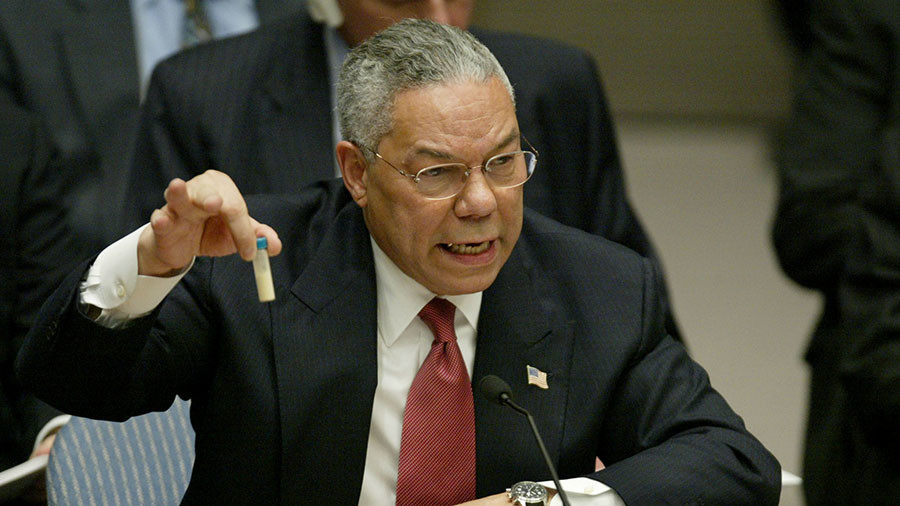
During the meeting with Madam Gabriela, the Speaker expressed his appreciation to the IPU for its efforts to encourage Parliaments to take a lead role in implementing the 2030 Agenda in achieving SDGs.  The Speaker also informed that Sri Lanka was the first country to establish a Select Committee of Parliament to oversee the Government agenda in achieving the SDGs.  The Speaker said it is important to share experiences among the countries in the region in implementation of the SDGs.

Addressing the IPU General Debate under the theme ‘Strengthening the global regime for migrants and refugees: the need for evidence-based policy solutions’ on 25 March 2018, the Speaker stressed the importance of strengthening global efforts to respond effectively to the growing global phenomenon of large movements of refugees and migrants. He emphasized the necessity for strong political will and a human rights approach to address the plethora of problems faced by the migrants and refugees. Referring to the International Convention on the Protection of the Rights of All Migrant Workers and Members of their Families, he expressed concerns on its ineffectiveness and inadequate ratifications. The Speaker identified human trafficking as one of the problems that Sri Lanka is facing.

The Speaker and the cross party delegation also held a bilateral discussion with the delegation of Viet Nam. Madam Nguyen Thi Kim Ngan, Chairperson of the National Assembly of Viet Nam who led the delegation expressed their interest in increasing the trade volume between Sri Lanka and Viet Nam from 2M USD to 1B USD in the coming years. In this connection both delegations emphasized the importance of having bilateral corporation in the areas of IT, Digital Infrastructure, Renewable Energy, Tourism, Aviation, Agriculture, Fisheries etc. The Speaker flagged the importance of the two Parliaments working towards enhancing parliamentary diplomacy. The parliamentary delegation of Viet Nam stated that they would be looking forward to welcoming the Speaker during his upcoming visit to Viet Nam in April 2018. The Speaker also invited Madam Nguyen Thi Kim Ngan to visit Sri Lanka again.

Permanent Mission of Sri Lanka

Geneva

27 March 2018

සිංහල භාෂාවෙන් ඉදිරිපත් කර තිබූ පෙත්සම බාරගෙන ඉදිරි නඩුකටයුතු සිදුකරන ලෙස ශ්‍රේෂ්ඨාධිකරණය විසින් අභියාචනාධිකරණයට නියෝග කරයි…!

March 27th, 2018

Sri Lankan News

කොළඹ මහාධිකරණ විනිසුරු ගිහාන් කුලතුංග විසින් විභාග කරනු ලබන නඩුවක් සාධාරණව සහ අපක්ෂාතීව විභාග නොකරන හෙයින් 1978 අංක 2 දරන අධිකරණ සංවිධාන පනතේ විධිවිධාන යටතේ වෙනත් මහාධිකරණයකට නඩුව මාරුකර ගැනීම සදහා පෙත්සමක් 2018.03.05 දින අභියාචනාධිකරණයට ගොනුකර තිබුණි. එකී පෙත්සමේ කරුණු අභියාචනාධිකරණයේ දී 2018.03.08 දින කරුණු තහවුරු කිරීමට සූදානම් වූ අවස්ථාවේ සිංහල භාෂාවෙන් එකී පෙත්සම ඉදිරිපත් කර තිබූ හෙයින් අභියාචනාධිකරණයේ සභාපති විනිසුරුවන ප්‍රීති පද්මන් සුරසේන සහ ශිරාන් ගුණරත්න විනිසුරුවරු ඒ සදහා අවසර නොදී නඩුව 2018 ජූලි මාසයට කල් දමා ඇත.

සිංහල භාෂාවෙන් ඉදිරිපත් කර තිබූ හෙයින් පෙත්සමේ කරුණු තහවුරු කිරීමට අවස්ථාව නොලැබීම සම්බන්ධව නීතීඥ අරුණ ලක්සිරි උණවටුන මහතා මගින් ශ්‍රේෂ්ඨාධිකරණයට ඉදිරිපත් කර තිබූ පෙත්සමක් 2018.03.12 දින සළකා බැලූ අගවිනිසුරු ප්‍රියසාත් ඩෙප්, බුවනෙක අලුවිහාර සහ ප්‍රියන්ත ජයවර්ධන යන ශ්‍රේෂ්ඨාධිකරණ විනිසුරුවරු විසින් කොළඹ මහාධිකරණ විනිසුරු ගිහාන් කුලතුංග විසින් විභාග කරනු ලබන එකී නඩුව 2018.03.26 දින දක්වා අත්හිටුවන ලදී.

නැවත එකී නඩුව 2018.03.26 දින ඊවා වනසුන්දර, එන්.ටී. බී. දෙහිදෙනිය සහ මුර්දු ප්‍රනාන්දු  ශ්‍රේෂ්ඨාධිකරණ විනිසුරුවරුන් ඉදිරියේ කැදවූ අවස්ථාවේ සිංහල භාෂාවෙන් පෙත්සම ඉදිරිපත් කිරීම හේතුවෙන් අභියාචනාධිකරණය විසින් සිදුකර ඇති වෙනස්කම් සම්බන්ධව පෙත්සම්කරුගේ නීතීඥ අරුණ ලක්සිරි දීර්ඝ ලෙස ශ්‍රේෂ්ඨාධිකරණයට කරුණු ඉදිරිපත් කරන ලදී.

පෙත්සම්කරු වෙනුවෙන් නීතීඥවරයා ශ්‍රේෂ්ඨාධිකරණය අමතමින් සිංහල භාෂාවෙන් පෙත්සම් සහ දිව්රුම් ප්‍රකාශ ඉදිරිපත් කර තිබූ හෙයින් අභියාචනාධිකරණයේදී 2018.03.08දින කරුණු තහවුරු කිරීම සදහා අවස්ථාව නොලැබුණ බවත් සිංහල භාෂාවෙන් පෙත්සම ඉදිරිපත් කළ හැකිද යන්න සළකා බැලීමට  මාස ගණනාවක් නඩුව කල් දැමීම මගින් ආණ්ඩුක්‍රම ව්‍යවස්ථාවේ 24.2 ව්‍යවස්ථාව බරපතල ලෙස උල්ලංඝනය කිරීමක් බවත් Coomaraswamy V. Shanmugaratna Iyar And Another නඩුවේ තීරණය නොසළකා සිටීමක් බවත් උපරිමාධිකරණවල අධිකරණ භාවිතය නොසළකා සිටීමක් බවත් පෙන්වා දෙන ලදී.

සිය සේවාදායකයා අභියාචනාධිකරණයේ සහන පතා පැමිණි කාරණය පසෙක තබා සහ ඒ සම්බන්ධව කරණු තහවුරු කිරීමට අවස්ථාව නොදී අභියාචනාධිකරණයට සිංහල භාෂාවෙන් පෙත්සම් ඉදිරිපත් කළ හැකිද? යන්න සම්බන්ධව කරුණු විමසා අදාල නියෝගය එනම් සිංහල භාෂාවෙන් පෙත්සම් ඉදිරිපත් කළ හැකිද? යන්න සම්බන්ධ තීරණය කිරීමට මාස ගණනාවක් පසුව එන ඉදිරි දිනයක් ලබා දෙන බව කියා නඩුව කල් දැමීමෙන් බලවත් අයුක්තියක් අභියාචනාධිකරණය විසින් සිය සේවාදායකයාට සිදු කර ඇති බවත් පෙන්වා දෙනු ලැබීය. තවද සිංහල භාෂාවෙන් අභියාචනාධිකරණයේ නඩු පැවරීමට පුරවැසියන්ට ඇති අයිතිය වැළක්වීමක් / අහිමිකිරිමක් මෙමගින් සිදු කර ඇති බවත් සිංහල භාෂාවෙන් පෙත්සම් ඉදිරිපත් කිරීමට බාධා කර ඇති බවත් එය ආණ්ඩුක්‍රම ව්‍යවස්ථාව මගින් ආරක්ෂා කර ඇති භාෂා අයිතිවාසිකම් සීමා කිරීමක් සහ අහිමි කිරීමක් බවත් වැඩිදුරටත් නීතීඥවරයා ශ්‍රේෂ්ඨාධිකරණයට පෙන්වා දෙන ලදී.

එකී කරුණුවලට සවන් දීමෙන් පසු මහාධිකරණ නඩුවේ සියලු නඩු කටයුතු ශේෂ්ඨාධිකරණ නඩුව අවසන් වන තෙක් අත්හිටවීමට සහ සිංහල භාෂාවෙන් අභියාචනාධිකරණයට ඉදිරිපත් කළ පෙත්සමට අදාල නඩුකටයුතු ඉදිරියට පවත්වාගෙන යන ලෙස නියෝග කරමින් එකී නියෝග කොළඹ මහාධිකරණයේ රෙජිස්ට්‍රාර්වරයාට සහ අභියාචනාධිකරණයේ රෙජිස්ට්‍රාර්වරයාට දැනුම් දෙන ලෙසත්  ශ්‍රේෂ්ඨාධිකරණය විසින් නියෝග කර ඇත.

Death of US dollar? China launches petro-yuan to challenge greenback’s dominance

March 27th, 2018

Trading of the new oil futures contracts for September settlement started on the Shanghai International Energy Exchange at 440.20 yuan ($69.70) per barrel, reports Chinese daily the South China Morning Post. Some 18,540 lots have reportedly been sold and purchased so far.

Death of US dollar? China launches petro-yuan to challenge greenback’s dominance

 The long-awaited step evoked a surge in global prices for oil with Brent Crude soaring to $71 a barrel for the first time since 2015. US crude benchmark West Texas Intermediate (WTI) reached the highest level in three years at $66.55 per barrel, before retreating to $65.53.

Experts see China’s yuan-dominated contracts as historic as the new futures symbolize the first time that foreign investors can access a Chinese commodity market. The launch ends years of setbacks and delays since the country’s first attempt at listing the securities in 1993.

At the same time, the petro-yuan launch is seen as a blow to the US dollar that has been weakening in recent months. The US dollar is the predominant settlement currency for oil futures contracts. On Monday, the greenback slipped to a 16-month low against the Japanese yen, but remained steady against a basket of six major currencies.

Chinese authorities have reportedly accelerated the launch amid growing crude imports. Last year, the country outpaced the US as the world’s number one importer of oil. Thus, the contracts may not only help to win some control over pricing from the major international benchmarks, but also promote the use of Chinese currency in global trade.

The greenback will get weaker, as soon as other nations have a real credible alternative to it, Ann Lee, Adjunct Professor of Economics and Finance at New York University and author of the book ‘What the US Can Learn From China’, told RT.

It is more of a game changer for the US. As soon as other nations have a real credible alternative to the US dollar, they can dump dollars and switch to the yuan which can spark a dollar crisis. If that happens, not only will there be inflation from the tariffs, but also from the flood of dollars,” said Lee.

The West’s ‘guilty until proven innocent’ mantra is wrecking lives & international relations

March 27th, 2018

Robert Bridge  Courtesy RT

Imagine the following scenario: You are a star football player at the local high school, with a number of college teams hoping to recruit you. There is even talk of a NFL career down the road. Then, overnight, your life takes an unexpected turn for the worse. The police show up at your house with a warrant for your arrest; the charges: kidnapping and rape. The only evidence is your word against the accuser’s. After spending six years behind bars, the court decides you were wrongly accused.

That is the incredible story of Brian Banks, 26, who was released early from prison in 2012 after his accuser, Wanetta Gibson, admitted that she had fabricated injurious claims against the young man.

The West's ‘guilty until proven innocent’ mantra is wrecking lives & international relations
Colin Powell holds up a vial that he described as one that could contain anthrax, during his presentation on Iraq to the U.N. Security Council, Feb. 5, 2003. © Ray Stubblebine / Reuters

Many other innocent people, however, who have been falsely accused in the West for some crime they did not commit, are not as fortunate as Brian Banks. Just this week, for example, Ross Bullock was released from his private hell” – and not due to an accuser with a guilty conscience, but by committing suicide.

After a ‘year of torment’… Bullock hanged himself in the garage of the family home, leaving a note revealing he had ‘hit rock bottom’ and that with his death ‘I’m free from this living hell,’” the Daily Mail reported.

There is a temptation to explain away such tragic cases as isolated anomalies in an otherwise sound-functioning legal system. After all, mistakes are going to happen regardless of the safeguards. At the same time, however, there is an irresistible urge among humans to believe those people who claim to have been victimized – even when the evidence suggests otherwise. Perhaps this is due to the powerful emotional element that works to galvanize the victim’s story. Or it could be due to the belief that nobody would intentionally and unjustly condemn another human being. But who can really say what is inside another person’s heart? Moreover, it can’t be denied that every time we attempt to hunt down and punish another people, tribe, sex, religion, etc. for some alleged crimes against victims, there is a real tendency among Westerners to get carried away with moralistic zeal to the point of fanaticism.

A case in point is last year’s scandal that rocked the entertainment industry as the movie mogul Harvey Weinstein was accused of sexually assaulting numerous women over the span of a 30-year career. Eventually, over 80 females, emboldened by the courage displayed by their peers, drove Weinstein straight out of Hollywood and into the rogue’s gallery of sexual predators. Few could deny this was a positive thing.

But then something strange began to happen that has been dubbed the ‘Weinstein effect.’ Powered by the social media #MeToo movement, women from all walks of life began to publicly accuse men for all sorts of sexual violations, some from decades ago. Certainly, many of the claims were legitimate. However, in many cases they were not. Yet the mainstream media, which has taken great delight in providing breathless details of every new accusation, has shown little interest in pursuing those stories of men who went on to suffer divorce, ruined reputations, and the loss of jobs without so much as a fair hearing in a court of law.

As far as the mainstream media is concerned, and to be fair they don’t seem that concerned, the victim’s story is the only story that matters. Indeed, it was almost as if the victim had become judge, jury and executioner. This is, in reality, just one step from mob rule, and woe to anyone who questions the motives of the movement, as French star Catherine Deneuve discovered.

The (female) writer, D.C. McAllister, described the poisonous environment of suspicion” that has beset relations between men and women.

While women’s willingness to hold men accountable for criminal sexual behavior is to be applauded, the scorched-earth approach we are seeing today is destructive because it undermines trust,” McAllister wrote in The Federalist. When anything from a naive touch during a photo shoot to an innocent attempt at a kiss is compared to rape and sexual abuse, we are not healing society but infecting relationships with the poison of distrust.”

In other words, neither men nor women have gained anything from this otherwise-well-intended campaign against sexual improprieties. However, this is not the first time the West has allowed raw emotions to knock the train of progress right off the tracks. History books are replete with examples of Western campaigns rising out of sheer mass hysteria. But at least in those wild times there was still some semblance of justice, complete with trials and investigations. Now compare that with our ‘modern’ times, when all it took for the United States to win approval for an illicit attack on Iraq was for Colin Powell to shake a vial of faux anthrax in front of the UN General Assembly.

With these historical hiccups in mind, it is possible to argue that the West has truly forgotten the lessons of history because they are certainly repeating them today.
By way of example, consider where the great bulk of US troops are encamped today – in and around the Middle East – and then ask yourself how they got there. The answer is by hook and by crook, and not a little public manipulation and chicanery. That is because, in our insatiable desire to defend victims – the good guys, we are told – we are allowing ourselves to ignore crucial evidence while placing blind faith in what we are being told is the truth. Clearly that has not been the case to date.

From the accusations that Iraq was harboring weapons of mass destruction to launch against innocent people, to the current claims that the Syrian government of Bashar Assad is using chemical weapons against his own people, the West is gambling that claims based on zero evidence will always work to fulfill ulterior motives. So far, the ploy seems to be working with the gullible public, but sooner or later truth will catch up, indeed, as truth usually does.

Just this month, for example, an assassination attempt was made against Sergei Skripal – a former double agent who had moved to Salisbury, England following a spy-swap in 2010. Any guesses as to who the British authorities have ruled – without a trial, evidence or motivating factor – is the main culprit? Yes, Russia. Yet, even the usually loyal British press has started expressing reservations over the dubious claims.

This should come as no surprise since the UK, a member of the Organization for the Prohibition of Chemical Weapons (OPCW), has staunchly refused to provide samples of the alleged nerve agent to Russia for analysis. Why would it do that? Would anyone be surprised if this investigation goes the same way it did for all those Russian athletes who were, unjustly, banned from the Winter Olympic Games this year?

Or perhaps the same way it went following the 2016 US presidential elections, when Russia was accused of meddling on behalf of Donald Trump – zero evidence to back up the slanderous accusations, which are responsible for putting US-Russia relations into a free fall.

In conclusion, the unsightly spectacle of Western capitals backtracking on legal precedent – from domestic cases to international – makes it all the more clear why it is so anxious to win back the media mountaintops – it has no evidence whatsoever to support the reasons behind its increasingly illicit behavior. It is therefore incumbent upon them to own the narrative, as well as the justice system. How long this democratic charade can last is anybody’s guess.

@Robert_Bridge

The statements, views and opinions expressed in this column are solely those of the author and do not necessarily represent those of RT.

Afgan war casualties

March 27th, 2018

SATP – SOUTH ASIA INTELLIGENCE REVIEW wrote:

AFGHANISTAN

447 militant ‘commanders’ killed, 10844 militants injured and 2068 arrested in operations conducted by ANDSF in ‘Afghan solar year 1396’, says MoD Afghanistan: Ministry of Defense (MoD) Afghanistan Spokesman Brigadier General Dawlat Waziri said that 447 militant ‘commanders’ were killed, 10844 militants were injured and 2068 were arrested in operations conducted by Afghan National Defense and Security Forces (ANDSF) in ‘Afghan solar year 1396 (March 2017 to March 2018)’. 447 ‘commanders’ included 375 Taliban militants and 72 Islamic State (IS) militants. Bakhtar News , Marh 21, 2018.

4000 militants killed by ASF in ‘Afghan solar year 1396’ in Northern Afghanistan, states Commander of 209 Shaheen Army Corps General Amanullah Mubeen: Commander of 209 Shaheen Army Corps General Amanullah Mubeen stated that 4000 militants (affiliation not specified) were killed, another 2500 were injured and 200 militants were arrested in 84 operations conducted by Afghan Security Forces (ASF) in ‘Afghan solar year 1396 (March 2017 to March 2018)’ in the Northern Provinces of Afghanistan. 500 heavy and light weapons and dozens vehicles belonging to militants, 800 round of different type of mines were recovered, and several insecure areas were cleared from militants, Mubeen added. Bakhtar News , March 22, 2018.

The Central Bank should be brought under the Finance Ministry

March 27th, 2018

Rajith Keerthi Tennakoon Executive Director/CaFFE Executive Director/CHR-Sri Lanka

The Central Bank should be brought under the Finance Ministry

The Central Bank should be brought under the Finance Ministry immoderately given Prime Minister Ranil Wickremesinghe’s involvement in the Treasury Bond scam, executive director for Campaign for Free and Fair Elections (CaFFE) and Centre for Human Rights (CHR) Rajith Keerthi Tennakoon said.

He added that although the Presidential Commission Report on the Treasury Bond scam was publicized several months ago and that the President should have taken away the control of Central Bank away from the Prime Minister. Without such a step being taken initiatives against the Treasury Bond scam is only a media show.

“The Treasury Bond scam happened because the Central Bank was taken away from the Finance Ministry. If a massive fraud takes place in a government institution, the Minister in charge is responsible. However Ranil Wickremesinghe still controls the Central Bank. Thus the President needs to take the Central Bank away from the PM,”he said .

Tennakoon added that the Tamil National Alliance (TNA) is playing a main role in protecting those involved in the Treasury Bond scam. The TNA has ensured that the debate on the Treasury Bond scam was not taken up in parliament by insisting on a Tamil translation. “We must respect the national language policy. But using that policy to protect crooks in deplorable,”he said.

Rajith Keerthi Tennakoon
Executive Director/CaFFE
Executive Director/CHR-Sri Lanka

“හොරුන් රකින්න එපා”- කීර්ති තෙන්නකෝන්  ද්‍රවිඩ ජාතික සන්ධානයට කියයි.

March 27th, 2018

මාධ්‍ය ඒකකය කැෆේ සංවිධානය

ද්‍රවිඩ ජාතික සන්ධානය හොරුන් රකින්නට ඉදිරිපත් නොවී විපක්ෂයේ භූමිකාව ඉටු කළ යුතු බව ශ්‍රී ලංකා මානව හිමිකම් කේන්ද්‍රය පෙන්වා දෙයි. එහි විධායක අධ්‍යක්ෂ කීර්ති තෙන්නකෝන් මහතා මාධ්‍ය වෙත අදහස් දක්වමින් පෙන්වා දුන්නේ බැඳුම්කර මගඩිය සම්බන්ධයෙන් ද්‍රවිඩ ජාතික සන්ධානයේ  ක්‍රියා පිළිවෙත තුළින් ඔවුන් හොරුන් රකින්නට කටයුතු කරමින් සිටින බව තහවුරු වන බවයි.

එහිදී මාධ්‍ය වෙත අදහස් දැක්වූ කීර්ති තෙන්නකෝන් මහතා

රනිල් වික්‍රමසිංහ මහතාට ද්‍රවිඩ ජාතික සන්ධානයේ මිතුරන්  ඉන්න බව මේ බැඳුම්කර කොමිසන් සභාව තුළදීද බැඳුම්කර මගඩිය සම්බන්ධයෙන් පාර්ලිමේන්තු විවාදයේදීත් දක්නට ලැබුණා.  ද්‍රවිඩ ජාතික සන්ධානයේ සුමන්තිරන් මන්ත්‍රීවරයා බැඳුම්කර කොමිසමට ගිහිල්ලා කරුණු දැක්වීමේ ක්‍රියාවලිය තුළ  අපි දැක්කා කාටද මේකේ වාසි සිදුවෙලා තිබුණේ  කියලා. වර්තමානයේදී ශ්‍රී  ලංකා පාර්ලිමේන්තුවේ නිල විපක්ෂය බවට ද්‍රවිඩ ජාතික සන්ධානය පත්වෙලා තියෙනවා. ඔවුන් මෙම රටට වගකිව යුතුයි.ඔවුන් විපක්ෂයේ භූමිකාව රටටට අදාල ලෙස ඉටුකරන්නට හැකියාව ඇති කණ්ඩායමක් බව ක්‍රියාවෙන් ඔප්පු කළ යුතුයි. උතුරු නැගෙනහිර ප්‍රාදේශිය පාලනයෙන් ඔබ්බට ගිය ජාතික විපක්ෂයක කාර්යභාරය මේ ද්‍රවිඩ ජාතික සන්ධානය ඉෂ්ට කරනවාද කියන ප්‍රශ්නය හොරු රකින්නට ඔවුන් ඉදිරිපත්වීම සහ මැදිහත්වීම තුළින්  පෙනී යනවා.  ද්‍රවිඩ භාෂා පිටපත නොමැතිව බැඳුම්කර විවාදය පැවැත්විය නොහැකි බවට ඉදිරිපත් කළ විරෝධතාව වැනි විවිධ උපක්‍රම භාවිත කරමින් මෙම විවාදය පැවැත්වීම වැලැක්වීමට ද්‍රවිඩ ජාතික සන්ධානය කටයතු කිරීම තුළ  හොරුන්ට හැර වෙනත් කිසිදු පුද්ගලයෙකුට වාසියක් වෙන්නේ නෑ. බැඳුම්කර  වංචාව හෝ වේවා පසුගිය මහින්ද රාජපක්ෂ සමයේ සිදුවූ වංචා පිළිබඳව හෝ වේවා පාර්ලිමේන්තු විවාදයක් පැවැත්වීමේ පාර්ලිමේන්තුවේ ව්‍යාවස්ථාදායකයේ භූමිකාව අකර්මන්‍ය කරවීමට ද්‍රවිඩ ජාතික සන්ධානය කටයුතු කරලා  තියෙනවා. එහි ඉතාමත්ම අවාසනාවන්ත තත්වය ද්‍රවිඩ ජාතික සන්ධානය උතුරු නැගෙනහිර ප්‍රාදේශිය දේශපාලන පක්ෂක සීමාවෙන් ඔබ්බට ගිහිං ජාතික අභිලාෂයන් ඉදිරියට ගන්නා ආයතනයක් විදිහට  විපක්ෂයේ භූමිකාව  එළිදැක්විය යුතුව තිබෙනවා.” යනුවෙන් පැවසීය.

මාධ්‍ය ඒකකය

කැෆේ සංවිධානය

Islamism on the rise in SL

March 27th, 2018

Jayantha

The Government must take immediate action to close all the Madrassas. It is by setting up madrassas that Saudi Arabia infiltrates Wahabbism into other countries.  See what happened to Pakistan. Begum Bhutto permitted Saudi Arabia to send Wahabbi preachers and build madrassas in return for foreign exchange.  It took only ten years for these madrassas to turn out fanatics who began calling themselves the Taliban.  These infiltrated Afghanistan and also all Pakistani government establishments.  Pakistan too had peaceful Muslims before Wahabbism took over.

I know this because I was there during peaceful times.

Sri Lanka did not have any Wahabbi clerics five years ago. Then Saudi Arabia began sending these clerics and apparently has begun funding Wahabbi Madrassas.  From zero madrassas five years ago, today there are 759 ! How did this happen?  The same way that a Wahabbi community was established in the Wilpattu wildlife reserve against all existing laws.  By the Muslim politicians sitting in Parliament.  I remember reading about the setting up of a Muslim University in Kattankudi about five years ago, and the opposition to it by some Buddhist priests.  Now it seems its happened.  How can this be? Are there Buddhist or Christian universities?

Action must be taken immediately to close the Muslim University and close (destroy) all the madrassas.  If not, within another fibv years, they will spell the end of Sri Lanka, the same way it happened in Pakistan.

Action must also be taken to:

  •     Remove all Wahabbi influence from among the Muslims and to make the muslims revert to the peaceful form of Islam they observed before.
  •     Expel all Wahabbi clerics from the country.
  •     Force the Muslims to revise the Quoran, removing all fundamental and inflammatory verses.
  •     Forbid the wearing of special Islamic attire such as the Hijab, permitting the wearing of only what muslims wore twenty years ago.

Jayantha


Copyright © 2026 LankaWeb.com. All Rights Reserved. Powered by Wordpress