Can countries with blood soaked hands frame bogus charges of war crimes against Sri Lanka

March 26th, 2018

Whatever countries of the West preach, their record speaks volumes and should be nothing they or their citizens can be proud about. The question is, knowing that these countries of the West have lied, created false reports, false flag stories/campaigns, secretly trained & dispatched ‘rebels’ to stir trouble to justify their interference….can these countries be allowed to use the same formula and destroy Asia after destroying Africa, South America, Middle East & parts of Eastern Europe?

There is a basis to reject the US-sponsored resolutions against Sri Lanka. The US has produced manuals which are replicated in different countries. They proudly produce films showing off their ability to destabilize nations. Can such a country be a genuine friend? Can such a country be trusted? Can such a country who uses the hall of the UN to promote its plans using the terminology & Charters of the UN be allowed to ruin yet another country? Anyone defending the US, please produce a single country that the US has helped develop & prosper after militarily intervening in their internal affairs!

The CIA has been the key agent used in destabilizing operations worldwide. When anyone is termed a CIA agent, it is because CIA recruits influential intellectuals & charismatic personalities, the agency is also famed for threats, kidnappings, torture, enforced disappearances & even assassinations. Declassified CIA documents provide evidence. CIA has been associated with uprisings, military rebellions, economic chaos and even able to cause scarcity of food & water.

US bombing of countries

  • Only country to use atomic bomb twice against Japan
  • America dropped 26,171 bombs in 2016 – Afghanistan, Libya, Yemen, Somalia, Pakistan, Syria & Iraq. In 2015, the U.S. dropped 22,110 bombs in Iraq and Syria.

Regime Change / overthrowing democratically elected leaders & replacing with US-friendly puppets

  • Hawaii 1893 – overthrowing Queen Lili’uokalani & annexed Hawaii to US by 1898.
  • Syria 1949 – overthrowing democratically elected al-Quwatli centred around the construction of the Trans-Arabian Pipeline which the President-elect opposed, thus the reason for his ouster & approved by the junta leader US supported (these are all lessons for Sri Lanka)
  • Iran 1953: overthrowing democratically elected PM Mosaddegh with the help of UK (Operation Boot/TPAJAX Project). US turned Iran to an authoritarian state.
  • US regime change for Syria meant funding Syrian Opposition Groups to help topple President Assad though internationally denying involvement in any regime change. From 2013, US provided training, weapons, cash to Syrian Islamic & secular rebels.
  • USAID’s twitter campaign (ZunZuneo,”) in Cuba
  • In Paraguay, Obama administration staged a ‘soft coup’ to get rid of the democratically elected leader Fernando Lugo simply because he upheld land rights of the peasants!
  • When Brazil’s Goulart attempted reforms to combat illiteracy, transfer profits by multinational companies, reform tax laws & redistribute lands what did US do? It carried out a military coup helped by then US envoy in Brazil, helping transport arms secretly!

Aiding secession

Panama 1903 – seceded from Colombia helped by US (the secession was helped by a private company that wanted to control the Panama Canal – this is relevant to the issue of Trincomalee Harbour)

US was key player in Kosovo liberation & independence

US also helped South Sudan independence


Military interventions / Invasions & Occupations

  • Cuba 1898 – (1898 to 1902), 1906-1909, 1912, 1917-1922
  • Peurto Rico 1898 – sea & land attack
  • Philippines 1899
  • China 1898-1901 (Boxer Rebellion) US & 8 countries (Japan, Russia, Britain, France, Germany, Italy, Austria-Hungary) with 20,000 troops defeated Chinese army & captured Beijing
  • China 1946-1949 – US helped Chinese Nationalist Party (KMT) against the Chinese communist party forces as well as sending US troops. KMT had been given $4.43billion!
  • Honduras – 1903, 1907, 1911, 1912, 1919, 1924, 1925 – (Banana Wars) to defend US corporate interests (United Fruit Company/Standard Fruit Company)
  • Nicaragua – 1912-1933
  • Mexico 1914 – Veracruz city occupied for 6 months)
  • Haiti 1915-1934 –US banks requests US Govt intervention. US installed a new government, dictated how Haiti’s new constitution was to be and cancelled the previous ban on foreign ownership of land (notice the identical changes happening in Sri Lanka)
  • Dominican Republic 1916-1924
  • Russia invaded in 1918 – by US & Japan
  • South Korea 1945-1950 – After People’s Republic of Korea declared itself independent in August 1945, US sent forces to Korea & established the US Army Military Government in Korea to govern Korea South
  • Greece 1946-1949 – on request of Britain
  • US militarily invaded Grenada in 1983 to get rid of the government that the Reagan Govt opposed. All that the UNGA did was to call the invasion a flagrant violation of international law’ and US vetoes a UNSC Resolution. So what good is a UN?
  • In 1989, US invaded Panama and deposed leader Noriega.
  • Use of all necessary means” adopted by US & Coalition forces against Iraq in 1991 known as the Gulf War. Saddam claimed he invaded Kuwait upon approval of US.
  • US assisted Haiti’s military to oust elected leader Aristide. The coup leader Cedras & Francois received military training in US.
  • Iraq invasion & occupation 1998 based on fake news & false allegations
  • Libya military intervention by US & coalition in 2011. US & British troops fired over 110 cruise missiles.

Interfering in foreign elections

  • Italy – 1948-1970s: CIA acknowledges giving $1m to Italian parties for the 1948 election (same scenario in Sri Lanka). CIA had also published forged letters/radio broadcasts, books, articles to discredit leaders. $65m had been spent to help elect politicians (the well-funded campaigns that brought about regime change in 2015 in Sri Lanka)
  • A 2016 study by Dov Levin claims US intervened in 81 foreign elections between 1945 & 2000. Levin says 60 different independent countries have been the targets of such interventions,”
  • 1950s Japan – according to former US envoy Douglas MacArthur II, US sent secret funding for Japan’s Liberal Democratic Party
  • 1952 Iran – US state department declassified documents reveal US plot to undermine Mosaddegh wherein multiple methods were adopted by CIA (bribing media, civil society, false propaganda, false flags)
  • 1964 Chilean – US funded candidate Montalva against Salvador Allende as well as funding to tarnish Allende’s reputation (methodology probably applied in Sri Lanka too).
  • 1970 Chilean – Church Committee report claimed CIA supported kidnapping of Chilean Army Commander Gen. Schneider who died of wounds.
  • 1996 Russia – Boris Yeltsin is said to have received assistance from US media & PR experts. There was wide speculations of election rigging too (isn’t this the case in Sri Lanka’s recent elections)
  • 2002 Bolivian – US envoy warned Bolivians against voting for Evo Morales but the move backfired.

US support for dictators/Opposition Groups/assisting military coups

  • Nicaragua – US supported groups rebelling against President Zelaya who was opposed to foreigners taking Nicaragua’s natural resources.
  • Any democratically elected leader attempting to bring land & economic reforms to benefit the citizens will not go far as Brazil experienced in 1961-1964 when US Govt insisted Brazil impose a program of economic austerity refusal meant US would cut off aid and if that is not adhered to, it is ouster & installation of a military pro-US head.
  • CIA working in tow with Indonesia army in 1965 to oust President Sukarno & replace with Gen. Suharto.
  • US helped lead military coup using Gen. Banzer & toppled President Torres of Bolivia (1970s) another US-propped dictator. Under US-propped dictators the calls for freedom of speech, torture, disappearances never made it to any international forum or calls for action. Torres was assassinated in 1976.
  • The US that talks on ‘war on terror’ is silent about how It secretly provided weapons & funding to the Mujahideen of Afghanistan in the 1970s to overthrow the Afghan government.
  • Similarly the US has also been accused of secretly arming, training & funding the Contras in Nicaragua. CIA is accused of distributing ‘terror manual’ instructing how to blow up public buildings, assassinate judges, create martyrs, blackmail ordinary citizens (Psychological Operations in Guerilla War) – good for Sri Lankans to read this book & see how many have been enforced in Sri Lanka!
  • CIA recruitment of Ayad Allawi head of Iraqi National Accord who opposed Saddam Hussein of Iraq & began a sabotage campaign including bombing against the government. Allawi was installed as PM of the Iraq Interim Governing Council in 2003. Has the US tapped military personnel in Sri Lanka?
  • in Venezuela, US is said to have spent$90 million funding opposition groups against late Hugo Chavez.

Interfering in internal affairs of sovereign countries

  • 1903, 1904, 1914 – Dominican Republic military interventions by US installing its personnel to key positions in government & controlling Dominican Army & Police (Is this not what is now happening in Sri Lanka)
  • 1941 – Panama using US contacts developed in Panama National Guard which US trained to orchestrate a coup against the Govt when the Govt refused US over 130 new military installations inside & outside the Panama Canal Zone (has Sri Lanka’s leaders considered the possibilities that their ‘friend’ could be our ‘worst enemy’?)
  • 1955-1960 – Laos – US Govt funded military budget & even paid salaries of the Laos Army. US also set up an office to field its civilian personnel with military experience. US also sent commando units in civilian attire to train the Royal Lao Army.
  • US pressuring the Fatah faction of the Palestinian leadership to topple the Hamas government of PM Haniyeh whom people elected in 2006. Since Fatah faction had the blessings of the US the whole world was quiet when Fatah kidnapped, tortured civilians and even set fire to the university of Gaza!

Failed coups & lessons for Sri Lanka

  • 1957 Syria – coup attempt to assassinate key Syrian officials & blame on Syria government as pretext to invade by Iraqi & Jordanian troops. The operation failed when Syrian military officers who were paid to stage coup revealed the plot to Syrian intelligence. US denied & US media accused Syria of being a satellite of USSR.
  • Overthrowing democratically elected leaders like Guatemalan President Arbenz & installing US-friendly puppets became a model US to be used across the world
  • Countries wishing to charter their own independent foreign policy not militarily committed to any side will end up like Indonesia in 1957-1959 when US staged a coup with rebel Indonesian military officers resulting in bombing of commercial shipping to frighten foreign merchant ships & weakened Indonesia’s economy. Of course US denied any involvement
  • 1959 Iraq – US intelligence in collusion with Egyptian intelligence attempted to assassinate PM Qasim & recruited Saddam Hussein. Qasim ended up only wounded. Saddam Hussein an one-time US asset was eventually killed by US.
  • 1961 Cuba – US training of Cuban exiles to invade Cuba to overthrow the Govt is another CIA-mastered tactic. The Bay of Pigs invasion of April 1961 failed.
  • The US & its intelligence have been infamous for assassinations, economic warfare, embargoes, sabotage, working hand in glove with all types of mafia, diplomatic isolation, psychological operations that use multiple modes of media to turn people against their elected government and these are factors that every country dealing with the US need to take serious stock of.

Sanctions against countries

  • US influenced sanctions on Iraq through UNSC in 1991 Resolution 687.
  • Oil embargo imposed on Syria in 2011 as well as Libya ahead of the military interventions.

State sponsored terrorism

  • 1981-1991 US provided weapons, training, financial & logistics support to Contra rebels in Nicargua.
  • US provided training, arms & funds to Cuban exiles
  • US assistance to the Kosovo Liberation Army ahead of Kosovo independence after the war KLA became Kosovo Protection Corps which worked with NATO to patrol the province! Many of the KLA leaders are now political leaders of independent Kosovo – it is a replica of the scenario unfolding regarding LTTE & TNA & their quest for self determination helped by US & EU too.
  • US is also alleged to have direct links to ISIS, Al Qaeda & numerous other linked terror groups.

The US record against sovereign nations speaks volumes of why Sri Lanka’s leaders & even officials need to be well read & aware when dealing with American envoys & realize that what we see is certainly not what we are going to get.


Shenali D Waduge
Ethnic clashes in Sri Lanka and how to overcome them?

March 26th, 2018

Dr Sudath Gunasekara, Retired Permanent Secretary. (SLAS)

26.3.2018.

In this article I propose to present an overall view point on the above subject. The nature and evolution of ethnicity and nation  in Sri Lanka, the origin, history and the nature of the present day ethnic clashes in Sri Lanka, their root causes and the way out for a permanent solution, to make this country a peaceful, prosperous and a strong nation in the modern world.

Part 1 

Introduction

This part will serve as a brief introduction to the subject I propose to discuss in the following pages.  I have identified 12 main    causative factors as responsible for this unfortunate situation. Part 11 will briefly touch on each of these 12 factors and in Part 111 I propose to make my recommendations to overcome this unfortunate situation and to make this country a peaceful, prosperous and a strong nation free from ethnic clashes in the modern world.

An overall glimpse of the accurate historical background of the evolution of this Island nation and the Sinhale Kingdom is considered a necessary prerequisite to put the ethnic problem in this country in its real perspective.

A land of one ethnic group and one nation

There are two distinct versions of the evolution of the history of nationhood in this country namely the Vijayan version and the Hela version. According to the Vijayan version, as expounded by Mahanama Thera, the author of Mahavamsa, the history of the Sinhala Nation begins in 543 BC with the arrival of a north Indian Aryan Prince called Vijaya who married a local Yaksha tribe Princess Kuvanna, with whose assistance he vanquished the natives and established the Sinhala nation. As he is supposed to have killed his Lion father (Sinhaya Lalanaya kala nisa) the nation he found was called Sinhala. His mythical father also was known as Sinhabahu, probably a man with the might and strong arms of a lion.

The Hela School of thought, on the other hand maintains that this country was originally inhabited by four tribes namely, Yaksha, Raksha, Deva and Naga and the land was called Heladiva (the Island of Hela people descending from the sun God). The four tribes were named as Sivhela, the four tribes of the Island of Siv Hela, which later became Sinhala.  These four tribes had a common national and cultural tradition and history. They were a community of people of common decent, history and language forming a State or inhabiting common territory. As such they were an ethnic group as well as a nation of four tribes with a common history.

The author of Mahavamsa has called this country Lanka, probably going by the name given to it by the Indian Purana, Mahabharata and Ramayanaya written long before the compilation of Mahawansa.  According to the Hela version this country was known as Seehale long before Vijaya arrived and the people of this land were known as Sinhala long before the advent of Vijaya who landed in 543. In this backdrop Vijaya could be rightly called the first historical Indian invader after Rama who is supposed to have invaded the Island to rescue Seeta during the time of Ravana. Rama never settled down here where as Vijaya permanently settled down on this soil and founded anew Kingdom. After 116 years of the advent of Vjijaya, Pandukahhaya of the Yaksha tribe who ascended the throne in 437 BC after ten years restored the Sivehela tradition absorbing the people who came with Vijaya and consolidated the sovereignty of the Sivhela nation.  Even the Mahavamsa confirm this episode as follows.

Satavassabhisitto so- Gama siima nivesayi

Lankadeepamhi               sakale-Lankindo-Pandukhabhayo

(Ten years after ascending the throne King Pandukabhaya, the ruler of Lanka, established the village boundaries          all                over       the         Island    of            Lanka)

Ever since, this country had only one ethnic group called Sinhala and one nation called Sinhala. Thereafter there had been successive South Indian invasion starting in the in the 2nd century BC with Sena Guttika and Elara and the last one in the 12th century by Kalingha Magha

All these invasions were short lived and they were defeated by the naïve Sinhala Kings and the status quo was restored again and again. But with the Magha invasion the glorious Rajarata Sinhala Buddhist civilization was shifted to the South West leaving the entire Rajarata and Ruhunurata lowlands to be invaded by the jungle tide. With the collapse of the Polonnaruwa, the Capital of the Kingdom got shifted first to Yapahuwa and thereafter to Kurunegala Dambadeniya, Gampola, Kotte and finallysttled down in  Senkadagalapura nuwara in 1492 and remained there until 1815. During this long period, although there were few sporadic Tamil settlements along the Northern and Eastern coastal belts the whole country remained as one country and one nation under one King, the King of the Sinhale. All the inhabitants were ruled by one King and two or three sub kingdoms together were called the Sinhale Kingdom.

Thus prior to the advent of Portuguese in 1505 and even up to 1815 this country was one country called Sinhale or Lanka although from 1505 to 1815 the major parts of the narrow coastal belts were successively under the three colonial powers. It was only in 1815 the whole Island was ceded by Convention to the British. The country that was ceded in 1815 to British was SInhale, meaning the land of the Sinhala people which the British called Ceylon (see the Kandyan Convention of March 2 1815). And the nation of this country continued to be the Sinhala Nation.

That was the irrefutable historical fact, from the inception of recorded history, beginning in 543, with the legendary arrival of Vijaya, or even before, going up to 12,000 BC, as the latest archaeological evidence have proved. (See Raj Somadeva).


The country that was handed over to the British in 1815 was Sinhale and that was never restored

The territory thus ceded to British in 1815 included the whole of the Island of Ceylon with all its territorial waters including the Maldive Islands. This Convention was signed by Brown Wrigg on behalf of the King of England and 10 Adikaram and Dissavas, attended by Mohottalas, Korales and Headmen on behalf of the inhabitants of Sinhale in the presence of the people of Sinhale. The fact that there is no reference to any Tamil Chief or man representing a Tamil province in that assembly clearly proves that the whole country was under the Sinhalese at that time as well. The convention further says all claims and title of the Malabar race (Tamils) to the dominion of the Kandyan Provinces (the Sinhale Kingdom) are abolished and extinguished”   What more proof is needed to prove that Tamils thereafter did not have any claim to any part of the country. Furthermore it was this very Sinhale that was returned to the people in 1948, although the recipient leaders of the so-called Independence on behalf of the nation failed even to restore the original name of the country, Sinhale that was handed over to British in 1815.

History of ethnic clashes in Sri Lanka

The 1915 Sinhala Muslim Strife was the first recorded ethnic clash in this country. There were hardly any records of such inter-ethnic clashes before, although there were a sizable number of both Tamils and Muslims living among the Sinhalese. This was partly because neither the Tamils nor the Muslims tried to emerge as separate nations or ethnic communities till then. Also all citizens then were subjected to one law and all communities stood up as one nation. Up to 1815 it was the Sinhala law and from 1815 to 1948 it was the English law that governed everyone. There were no separate Tamil and Muslim laws as at present. The whole problem began to emerge after Independence. As I see it we did not have a clear and visionary perception of political independence, the type of the independent and sovereign State, a Sri Lankan nation or a political, economic social and cultural plan as to how a vibrant, strong and united nation should be built after gaining Independence. In other word we did not have a blue print of our future plans as a new nation like what countries like India had. It appears that our leaders were complacent with a simply replacing the white men with a set of brown men only with the same English system of Government. This I see as a major lacuna in the pre independent politics of Sri Lanka.

The word Muslim like Buddhist or Hindu is the term used to describe the adherents of Islam. They are not considered as a nation anywhere in the world other than in Sri Lanka. As such Muslims are called a nation only in this country. The 1915 Sinhala Muslim clash was actually a creation of the then British Government partly due to a misunderstanding by the British that it was a riot against the Empire. It was therefore brutally suppressed by the British colonial authorities. The major riot started in the city of Kandy in the night of 28 May 1915 near the Castle Street Mosque between the Indian Moors and the Sinhala Buddhist when the Indian Moors (Muslims) protested against a Buddhist procession passing the Mosque site and spread to neighbouring villages on 30 May and thereafter to all the Provinces. The rulers thought that the riots were pre-planned and seditious; some believed that there was a German link and the riots were the start of an uprising against British rule. Martial law was declared on June 2, 1915, and hundreds of Sinhalese peasants were shot down throughout the country. Even persons who couldn’t answer a challenge due to language differences of the Europeans and Punjabis soldiers were shot. In the villages who slept in the verandahs were also shot on the account that martial law dictated that all sleep indoors. Almost all Sinhala leaders like F R Senanayake, D.S. Senanayake D B Jayatilaka, were arrested on charges of treason.  There is no record of any Muslim leader being arrested. This incident recorded the highest number of Sinhalese killed and the most extensive damage caused to their properties after the 1848 massacres, beside its barbaric brutality on the native Sinhalese by the British. It is to be noted that the 1915 riots were started both at Gampola and Kandy by the Indian Moors.

There were no ethnic clashes thereafter until clashes between Sinhalese and Tamils surfaced again after Independence, mainly due to a wave of communal politics deployed by the Tamil politicians like Chelvanayagam. Trifle issues such as parity for Tamil language, anti-Sinhala riots by Tamils in the North connected with the famous tar smearing campaign on Sri number plates on vehicles and thereafter more serious issues like claiming Federal status for the North and East and thereafter separatism, self- determination and finally EELAM after 1980 that ended up in 2009 with the defeat of LTTE and killing its leader Prabhjakaran by the Armed Forces after 30 long years of destruction and brutal murder by the LTTE, although the EELAM dream is still simmering underground by communal politicians.

Ethnic clashes and conflicts between the Sinhalese and Muslims however have been less frequent until the SLMC was formed at a meeting held at Kattankudy in 1981 By Ashraff who has gone down in history as man who started extremist Muslim ethno-religious activities in this country. He was followed by people like Hakeem. Rishard Badurdeen, Asad Sali and many others. Ever since they have been carrying out a subversive program mostly underground, centered in the Friday gatherings at their mosques under the pretext of praying whereas they were secretly planning their political, economic, social, and demographic and land grabbing expansion strategies. Meanwhile they started an aggressive political agenda demanding separate laws and courts, rights pertaining to marriage, customs, habits and values,  food,  marriage rights, separate administrative regions, special quotas of representation. Mosque began to mushroom all over the country even for five families while they carried out a programme of vandalizing ancient Buddhist sites in the east in areas like Digamadulla and  Mullative. Buldzing the Digamadulla Dagaba site was a classic case. At the same time they began a progamme of claiming ancient Buddhist site s like Kuragala  as ancient Muslim sites.  Over and above all these they started an aggressive radicalization programme where they wanted to dress separately, eat separately, pray separately to look as if they live in Arabia with full Arabian life style completely forgetting the are only a set of immigrants minority came here for trade and commerce living in someone else’s country belonging to a Sinhala majority country whose country it had been for the past 2600 years, as a result of this invasion soddenly we saw women clad in black covering the full body in berka with only eyes visible parading the streets of towns like day ghosts disturbing the whole Sri Lanka social landscape. Meanwhile the Muslim with petrodollars coming from the Arab world they invaded the economy in unprecedented scale, whole sale retail trade including imports and exports, purchasing in bulk, with monopoly in spice trade, Banking, public service increasing population, land grab specially in towns and roadsides, purchase of property with exorbitant prices and meanwhile demanding separate Provinces

Actually during pre-colonial days the Arab Muslims/Moors who comprised the majority Muslim in Sri have shown signs of integration with the Sinhalese even by their males taking the ge names of the Sinhalese. But since Independence following the footsteps of the communal Tamils they also emerged as a communal extremist group. With people like Ashroff, Hakeem and Badurdeen and Asad Sali the situation has aggravated of late. As such ethnic agitations leading to communal strife and disaster like in Aluthgama and now in Teldeniya have become black marks in our society. They have also become an incurable cancer and they seriously affect the development and progress of this nation. Today among many other social problems this has emerged as a major issue in the body politics in this country. It has assumed the role of a dead weight round the neck that has almost grounded the forward march of the nation. As such, the crying need, to find a permanent solution to this national disaster. But it appears that the authorities have no permanent solution to this social canker.

None of the political parties or a single Party leader has a clear cut plan to overcome this situation. The Tamil and Muslim Politicians hanging on to extremes, agitate for privileges not even the Sinhalese the majority have. They want separate laws, Separate courts, separate schools, like Muslim School and Madrasas, separate territories, separate language and religious rights, separate dresses and even separate food. It appears that all these minorities have completely forgotten that this is the land of the Sinhalese who sill constitute 75% of the total population, and they are only minorities living in someone else’s historical homeland. They should not try to behave and act like the majority and they also should also not try to deprive the majority of their birth rights. In short they should begin to behave just like minorities like the minorities do in any other country.  It is this fast emerging communal religious identity and aspirations on the part of the Tamils and Muslims which has paused a serious threat to the native Sinhalese and their culture that appears to pause a major threat that has led to tensions.

All the Sinhala leaders of the National Political Parties on the other hand compete to satisfy the un-satisfiable demands of the minorities to gain power and remain in power without considering the national interest at all without trying to understand the root cause and attempting to treat them. The major political parties like the SLFP, UNP and JVP think they can solve this problem only by giving all what the minorities ask.  In fact there is a terrific completion among these parties to yield to the demands of the minorities. This has now come to stay as the main reason as to why we can’t have a stable Government that could take the country forward to the expected goals of political stability, and economic and social prosperity.

As such the ethnic problem in this country is much more complicated than many of us think.  It needs a deep and objective study by a Committee of patriotic scholars who knows the true history of this country and above all who love this country. But care should be taken not to include any politicians in this Committee as people have ceased to have any faith in them going by their appalling records in the post Independent period. They need to find out the deeply entrenched causes which are responsible for this situation and make recommendation without compromising the facts and substance of the history of this Island nation. Elimination of the root cause or the causes and their removal is the only way to overcome this national disaster as arguably if the causes are removed then the effect will never arise thereafter. Approach adopted to arrest the present strife by this government is not different from what the colonial Government did in 1915.

The way how the Government is trying to solve the current Sinhala Muslim problem is a good example of its usual groping in the dark. Unfortunately the way the Government adopted to crush the present clashes is not different from the methods resorted to by the Colonial Government in 1915. The only difference in the 1915 was that it was a foreign government and colonial British who cracked down on Sinhalese whereas today the same thing was done by the very Government elected by the people of the country. In 1915 British killed Sinhalese suspecting them to be rebels rising against the British Empire. Today their own Government put in power by them crush their own people calling it an anti-government riot against the Yahapalanaya regime. But in both incidents those who were punished and victimized by arresting and beating and remanding were the native Sinhalese who rose against injustice caused both by Muslims and the State. In sum both in 1915 and 2018 it is the native Sinhalese who were subjected to brutal suppression. This shows even 70 years after independence we still don’t have a Government of our own. It still acts like a proxy of the British colonial empire and their allies. All our politicians at least by now should begin to think and act like the representatives of the people of this country.

Causative factors of ethnic clashes.    

I see 12 main deeply entrenched causative factors responsible for this unfortunate situation.

They are

1 The sad legacies of colonial policies of 443 years of divide and rule, particularly those left behind by the British, still active on this soil and Colonial tools of governance like a) the Parliament. b) Political Parties c) legal systems, d) Administrative machinery and E) Interference by them, individually and jointly in the internal matters of this country

2 Absence of visionary and patriotic Statesmen of stature, character and love for the country who are deeply committed to nation building and who have a deep understanding of the Islands history, statecraft, laws and customs and traditions, culture, ethos and values and who put the country and the people before self and who can take the country forward with the modern world without compromising the spirit and substance of endogenity and who will never betray the country neither for personal gain nor for fear of even losing one’s own life

(3 Absence of strong national leaders, patriotic national political and civil movements and institutions who/that can stand above politicians and exert control over their actions that goes against national interest

4 Absence of a strong Constitution including a National Code of non-negotiable National policies on matters like the State, form of Government, the national and Official  language of the State, place of Buddhism, the Law of the country, rights and duties of each individual and each community by the country, protection of the environment

5 Non-participation of educated, astute and charismatic men of character well versed in the country’s history etc as given in 2 above.

6 Presence of foreign funded NGOO manned by their subversive agents with their own agendas seriously inimical to national interest freely operating without any government control

7 Absence of a pragmatic and consistent Foreign policy committed to the best interest of the country and lack of an apolitical machinery of efficient professional Foreign Service of the highest level that could stand in par with any International Foreign Service and could muster the optimum support to the country in all fields such as political, economic, strategic and cultural.

8 Unnecessary interference in the internal matters of this country by the so-called International Community and their agencies acting with bias based on self- interest at the instigation of Tamil voters living in their countries( who call themselves Tamil Diaspora) and above all the Indian interfere with our local affairs in everything and the failure on the part of the Government of this country to stand against this type of uncalled for interferences and bullying by every Dick, Tom and Harry as a strong Government.

( In case of India from regime change, training LTTE terrorists and providing them with all logistics to fight against the Government of this country, military involvements, building ports, roads and house building to providing Ambulances to hospitals and even laundering hospital linen, entertaining and encouraging Tamils in this country to work against domestic policy and instigating even for separation in pursuance of its own interest and encouraging Tamilnadu politicians to meddle with Sri Lankan matters when more than 60 % of her people don’t have even lavatory facilities. All these things are done with the ulterior motive of destabilizing this country to protect and enhance herown interest, strategic, geopolitical, economic and social.

9 Reluctance, refusal and failure on the part of Tamil and Muslim communities (especially their politicians) to comprehend the ground realities of the Sri Lankan society and their pursuing a conflicting course of action, having over- estimated their strength without realizing that ultimately they will be the main losers.

10 The self- seeking Tamil and Muslim communal politicians who don’t see beyond their nose tips and doing everything only for their communities completely forgetting that they are also  responsible citizens of Sri Lanka and not citizens of either India or the Arab World and that they cannot behave like Indians or Arabs any longer if they want to earn their living here and live here, not realizing that they have to fall in line with the Sinhala majority, whose Traditional Homeland  this is, if they ever dream to enjoy the unique benefits of this blessed country, as its citizens or otherwise they have to make up their minds to go back to their own native countries from where they have come.

11Prevailing political instability and anarchy in the country that has caused lethargy and ineffectiveness of the whole government machinery and inefficiency and inability of the present Government to govern and the lack of a comprehensive National State policy on any subject that comes within the purview of Governance.

12 Never ending Inter-party political rivalry and competition between the two main national Political Parties the SLFP and UNP and the absence of a third alternative that can win over the people to form a Government, with a difference

(to be continued with Part 11)

Water and environment

March 26th, 2018

Sarath Wijesnghe former Ambassador to UAE and Israel 

Water and Environment 

Water and environment are synonymous due to the close connection to each other in the human nature where environment will not flourish without water as the main ingredient of the process of environment thereby it our duty to protect and foster both equally for the existence of the living beings. Today wanton damage and destruction to the environment and water pollution is taking place faster to the extent Sri Lanka has reached the 4th position of the nation fast destroying the forest due to naturel and man named disasters and destructions taking place at an alarming rate in the world and mostly in Sri Lanka. Forest density of 49% in 1020 has come down to 26% in 2005 due to the deforestation at the rate of 8000 HA per year still continuing with the patronage of corrupt politicians with the destruction of water resources and ancestral water canals distributed the water through the agricultural network for irrigation. Fragmentation of lands, unplanned development and construction of houses with no land or vision for political ends, deforestation for illicit timber, illegal CHEN”A cultivation in place of providing land to the poor with a planned development process, sand mining, are some contributory factors for the acceleration of the deforestation and drying of water resources and the ground water which is already polluted with industrial waste. Water is a most precious natural liquid essential for life without which human could not live more than three days, where 50-75% of the body consists of. 91% earth surface is water out of which 97.5 is in the ocean and 2.5 in lakes surface and on the ground for the animal kingdom to survive to indicate how important water is to the human and existence of the living including the animal kingdom.

Water day (22/3/2018) and U N Conventions to protect water

Water day was declared by the United Nations Organization with the Resolution 64/292 dated 28th July 2010 declaring water as a human right when one billion world citizens have no access to water where in some countries 3-4 miles have to walk for a bucket of water mainly in Africa. Same situation exist in some remote areas of Sri Lanka which is little known to the press. Many nations have taken constructive measures in protection of environment, preservation of water resources and provide quality and healthy water at a reasonable price to every consumer. Priority is given to the water management to avoid waste, provide quality water, distribution of water to the citizen for agriculture, industry and other needs with no hindrance and continues supply. UN subsidiary bodies are assisting the developing countries with their limited resources mainly by advice directions and guidance to the respective governments. Water day like the consumer day will be a day the water consumers are guided and advised to the use of waste the most precious consumer item in lfe. Many states celebrate this day with educational and practical celebrations through government and private institutions in the promotion of the value and saving water and use it carefully and intelligently without health hazards and avoid water pollutions and environmental disasters and destructions. Sri Lankan government appear not to initiate such events yet and it is a good idea for the line ministry to initiate such educative events at least from next year!, for the benefit if the citizen.

Environment disasters and deforestation on the rise

It is the duty of the governance and the citizen to initiate and take steps to protect, preserve, and maintain the environment for the benefit of the citizen health and long term safety of the eco system. Unfortunately the illegal soil mining and large scale deforestation with the encouragement and assistance by the corrupt politicians the environmental disasters and deforestation is rampant and in a uncontrolled situation with adverse results on the climatic conditions leading to droughts and natural and manmade disasters.

Water is in abundance in Sri Lanka though there is cry for water in many areas

Water is in abundance in Sri Lanka historically famous for water management and collection on reservoirs for agriculture from the 103 rivers spring from the hill country penetrating all the sides with the network of water used for agriculture aiming at self-sufficiency on paddy and many other crops, which is used for development, irrigation, safe supply for drinking water, hydro power, industries, tourism and various purposes with limited measures of control and management. The ancient mechanism of preserving water in tanks, and small waves in villages, saving and managing water system has amused the modern scientists who tend to follow the ancient methods and structure with the limited funds and assistance from the governance due to lack of funds, vision and the will due to no vision or a visionary for directions.

Cause of the Water disasters and way out for water management  

Waste of water from the supply from the Water and drainage board is 40% and the other waste on overflowing and flowing to the sea is not calculated. Though the rainfall is of highest density with frequent monsoons and wet weather, no arrangements have been made to preserve as has been practices by the ancestors, made large and small tanks countrywide with the network of water drainage for agriculture with the declaration/motto of King Parakramabahue” that not a drop of water should be allowed to reach sea unused” making Sri Lanka the granary of the east. In Sri Lanka what is lacking is proper waste management and it is useful for us to use the methods adopted by countries with less water in their development process managing the available resources to elevate themselves high in the world community. Let us take Israel, and UAE as examples the countries with least  rain fall deserted nations with limited water yet self-sufficient and leader sin agriculture and industry with waste carefully managed by desalination( water extracted from sea) recycling from sewage, collection of rain water and preserve underground, and manage to use the water careful to the optimum. Sri Lanka has 132 rivers but Israel i/3 of Sri Lanka has only the Galaly River they have exploited to sell water to the neighbors while freely consuming water comfortably. Israelis are world class agriculturists exporting agriculture products and flows to the world using the minim quantity of waste from drip irrigation in which 95% of agriculture is technology! Main source of water is from desalination for which they have invested billions 60 years ago with a vision led by a visionary now followed by dedicated leaders and scientists working round the clock with modern innovations on water related experiments and conservation of water resources. Israel are parties to the international conventions and entered into friendly agreement  to share water with the neighbor” Jorden” setting aside the enmities for the sake of water for the citizen of both counters. UAE and Israel though countries with differences the Israel technology is used in UAE and many Middle Eastern countries on desalination n and purification of water and matters we have to take  into serious consideration. Therefore only way out for us is to seek assistance from friendly nations for technical assistance on proper and scientific process of water management, with stringent rules to preserve the environment from the politicians who are mainly responsible for the destruction! (Reading materials –water lifeline next to air 20/10/2013 – Lanka web-Is drinking water from Kelani” river safe Lanka Guardian 21/8/2015 – author could be contacted on sarath7@hotmail.co.uk)

Aussie Cricket Under a Cloud and Shamed

March 26th, 2018

Top Spin By Suni

26th March 2018
What a shame!
The golden Era of Australian cricket of the Bradmans, Grimmets, Ponsfords, Hassets, O’ Reilly’s, Lindwalls, Millers, Harveys, Davidsons ad infinitum in a long line up of gentlemen Aussie players
over the years have been shamed and stained by some of their 21st century counterparts who have shocked the world by their behaviour and attitude towards the”Gentlemen’s Game” while transforming it intoone of inti midation, sledging, taunting and now cheating not to mention the occassional chucking by some of their quicks which go unnoticed by the adjudicators but quite visible to the naked eye if one was observant enough !!~. This has been going on for years now with impunity and finally the cookie has crumbled in mind blowing precision through the actions of  tactless, unscrupulous and apparently apathetic individuals with huge ramifications!
In retrospect one has to also remember the antics of the Chappels and other Aussie cricketers whose antics at times were contemptible and sounders of things to come!!
Even the Muttiah Muralidaran intimidation  going back some years by Umpire Darryl Hair bears testimony to the dubiousness of Aussie cricket today.  was later found out to have been motivated  by what Hair later admitted to were “orders from the top!” simply to quell Murali’s phenomenal success as a bowler and to boost Shane Warne’s chances of reaching the pinnacle  which he did not – although he is referred to by some as” the greatest spinner” when the blatant truth that the title rightfully belongs to Murali on statistics alone stands out .
Besides that, Warne was caught using a banned substance of performance enhancement as the ICC once again made little or nothing of it other than a token response here the man got away lightly.
I personally feel some of  the Aussie players are a bunch of arrogant, misguided yokels with no respect for the game or its noble traits.There are a few gentlemen of course but their images have been surely tainted by the miscreants caught.
To further emphasize the double standards of the ICC: In the current series Australia vs South Africa – Young Pagiso Rabada  of South Africa was obviously coerced into aggravation in the incident he was involved in and banned for two matches –  a travesty of justice as he appears to be a gentle and mild
mannered person albeit an intense cricketer.
It thereby portrays ICC bigotry for a relatively mild offence. Where others have virtually got away with ‘murder’ in a manner of speaking. The dubious ones like Smith, Warner et al have all resigned now but there are some others who whether inadvertently or not have also become a party to this ignominy. The need to become noticed as the best  regardless of principles and Rules which is what the present Australian Test team in South Africa has done and has been portrayed through this conspiracy involving the senior members of the Aussie squad- there surely are others who need to be sought out and exposed and punished.Those presently named are  Skipper Steve Smith, David Warner and

and Cameron Bancroft where the Cricket World has been shaken and Australia shamed as a cricketing nation.

විශ්වාස භංග යෝජනාව හා ජනතාව.

March 26th, 2018

චන්ද්‍රසේන පණ්ඩිතගේ විසිනි

මේ රටේ ඉතා පැහැදිලිවම දක්නට ඇත්තේ “ජනතාව” නම්වූ මහා ජනසමුහයක් ඇති බවයි. එම ජන සමුහයට මෙරට පරමාධිපත්‍ය උරුම වන අතර, මේ රටේ රජය සෑම විටකදීම ජනතා විශ්වාසය මත පදනම්ව ගලා යන්නක් විය යුතුය.ජනතාවගේ රජය මෙහෙය වීමේ කාර්යය සදහා ආණ්ඩුවක් පත්කර ගන්නා අතර, ඒ ආණ්ඩුව ජනතාවගේ විශ්වාසය පලුදු නොවන ආකාරයට කටයුතු කල යුතුය. නමුත් පවතින මේ යහපාලන රජය මෙරට ජනතාවගේ විශ්වාසය පලුදු කර ඇති බව මෙරට ජනතාව පසුගිය පළාත් පාලන මැතිවරණයේදී ඉතා පැහැදිලිව ප්‍රකාශ කර ඇත. ඒ අනුව මේ රජයට එරෙහි විශ්වාස භංගය මෙරට පරමාධිපත්‍ය දරන මහජනතාව විසින් අනුමත කරන ලද්දේ පසුගිය පෙබරවාරි මස 10 වෙනිදාය. මේ වනවිට මෙරට ජනතාව මේ රජයට එරෙහිව තම විශ්වාස භංගත්වය මෙරට මැතිවරණ සිතියම මත ඉතා පැහැදිලිව සනිටුහන් කර හමාරය.

මේ අතර මේ රජයට එරෙහිව විශ්වාස භංග යෝජනාවක්, පාර්ලිමේන්තුවට ඒකාබද්ධ විපක්ෂය විසින්ද ඉදිරිපත්කර ඇත. මේ ඉදිරිපත්කර ඇති විශ්වාස භංගයෙන් අසන්නේ, පාර්ලිමෙන්තුවේ සිටින 225 දෙනාගේ විශ්වාසය මේ ආණ්ඩුවට තිබෙනවාද යන ප්‍රශ්නයයි. මේ සිදුවීම, සිදුවන්නේ මුළු රටේම ජනතාව මේ රජය සම්බන්ධව කිසිදු විශ්වාසයක් නැති බව ඉතා පැහැදිලිවම ප්‍රකාශ කර ඇති තත්වයක් තුළදීයි. එබැවින් මේ විශ්වාස භංග යෝජනාව, ජනතා පරමාධිපත්‍ය විසින් ලබාදී ඇති තීන්දුව අභියෝගයට ලක්කරන විශ්වාස භංග යෝජනාවක් බව මෙරට ජනතාවට ඉතා පැහැදිලිව දක්නට ඇත. යම් හෙයකින් මේ 225 ගෙන් බහුතරය අගමැතිවරයාට පක්ෂව මේ ඉදිරිපත්කර ඇති විශ්වාස භංග යෝජනාව පරාජයට පත් කළහොත් ඒ තීන්දුව තුලින්, පළුදුව ඇති මෙරට ජන මානසිකත්ව, රජයට පක්ෂපාතිභාවයකට යලි කිසිදා පරිවර්තනය කල නොහැක. එබැවින් මුළුමහත් රජයම මේ මහජන විරෝධය වටහාගෙන වහා ඉල්ලා අස්වී, මෙරට ජනතාව අපේක්ෂා කරන මහා මැතිවරණයක් පැවැත්විය යුතුව තිබේ.

මේ එළබෙන අප්‍රේල් මස 4 වෙනිදා සාකච්චා කරන්නේ, මෙරට ජනතාව විසින් ඉතා පැහැදිලිව තමනට කිසිදු විශ්වාසයක් නැති බව සනිටුහන් කරන ලද පාර්ලිමේන්තුවක් තුලදී, ගිය මහා මැතිවරණයේදී ජනතා පා පහරින් එළවා දමන ලද “අප්පොච්චි මලෝ” වැනි ජනතා භක්ෂක පරපෝෂිතයින්ගේ මේ රජයට ඇති කැමැත්ත හා අකමැත්ත මිස මෙරට සැබෑ පරමාධිපත්යේ මතය නොවේ. අපි නැවත නැවතත් මේ රජයට කියා සිටින්නේ, මෙරට ජනතාවට ගනු දෙනුව ඇත්තේ, අගමැතිතුමා සමග පමණක් නොව මුළු මහත් ආණ්ඩුව සමගම බැවින්, තව තවත් ජනතා විරෝධය උත්සන්න නොකර වහාම ඉල්ලා අස්වෙන ලෙසයි.

මෙරට රණවිරුවන්ගේ හා දේශප්‍රේමීන්ගේ ජන සටන දිනේවා!
යහපාලන රජය භංගවේවා!

Repercussions arising out of Sudath Chandrasekera’s resignation letter

March 26th, 2018

Vajiragnana Warnakulasuriya

When one reads or listens to the TV audio of the letter I read into it deeper than it meets the eye of the readers! Before I talk of that just a preamble to this sort of master schemes in the West as refresher.

It has been an undeclared political secret that from time to time political assassinations have been committed or staged when a particular person, a group or even a country is found a threat for the political survival! For instance in the recent history Lee Harvey Oswald was a scapegoat to assassinate President J.F.Kennedy, as the story was heard repeatedly, Princess Diana too was killed creating a make believe accident. These are just two talked about eliminations for some to satisfy a would be unpleasant environment.

However those who have been entrusted to execute these cruel acts by the masterminds were helpless as they may have been trapped to that situation only known to them. Unable to extricate from the situation they carry out these killings reluctantly employing unsuspecting schemes such that gullible masses will never believe they have hatched a hideous plan to get the work done! These nerve gas killings too that happened in the U.K blaming that as the work of  Russians may not be really the culprits as World is made to believe, if ever the truth comes out some day,   those who perpetrated the killings have already gained their objectives that’s  all that matters for them!

However there comes a time for those who did these horrible things unwillingly to confess the atrocities to the World either prior to death or at deathbed as they have to  clear their conscience!

Now the topic this letter of resignation!

I believe this has been the time for Ranil Wickremasinhe’s personal secretary to come clean! Now the question is what made him to do this at this moment? The answer lies on this video clip of the contents in the letter of resignation by Mr. Sudath Chandrasekera.

https://www.facebook.com/groups/1053445104715590/permalink/1781838935209533/

Having read all five papers one must divert the attention to pages 6 & 7. He clearly rubs what most believed wears the “clean man” adage a deadly blow, he has been the real shadow executioner!

This guy reveals the reader that he knows Ranil’s intentions inside out more than anyone else in the party being with him for last 33years even more than Ranil’s first cousin Rajiva Wijesinha who condemns him at every time he commits a major damage to the country exposing him of his cunning schemes! He is so vocal to say these things don’t happen accidentally they are well planned.

In these two pages Sudath admits he has inherited the “title murderer” for Batalsnda massacre, murderer of Gamini Athukolale and for killing of Rienzi Algama in front of the Srikotha, all these killings made me the “scapegoat or the cat’s paw” for his dirty works! For that I earned the title the “red lipped boy” or the “boy lover” of him!

However since of late he relegated me to menial or insignificant errands and ignored me. Now I am frustrated and completely lost confidence in him! This left me no option except to render my resignation!

This is the story he told us so far, what I started questioning is why is he making these serious allegations now? Now knowing his use by day has expired with Ranil did he have a hand in canvassing for votes against him at the forthcoming no confidence motion? Did Ranil come to know his activities? If so he knows his fate is sealed, then he has to act swiftly, so he designs the letter so meticulously and hands it over to the party secretary and exposes it to the media too, by this action he protects his life being the only option available to save himself from extinction! If as he expects any unpredicted fatal accident be falls on him the first suspect would be his former boss! That’s my only explanation derived to make a plausible sense to the contents of this letter at present!

Vajiragnana Warnakulasuriya

‘Don’t take the words of the British for granted’ – Russia’s UK envoy on Skripal case

March 26th, 2018
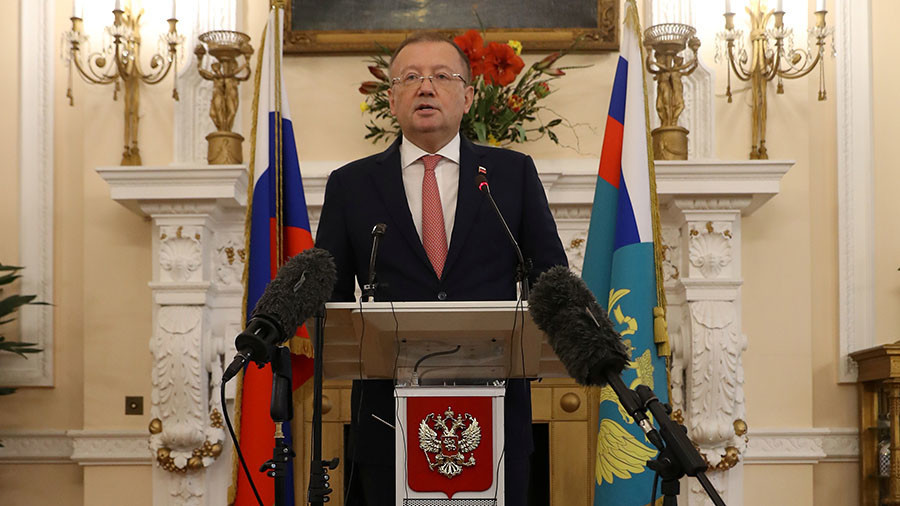
When it comes to allegations against Russia, the UK government cannot be trusted, so other nations would be wise to demand proof, Russia’s ambassador in London said, commenting on the Skripal poisoning saga.

Don’t take the words of the British for granted,” Alexander Yakovenko told journalists during a press conference at the Russian Embassy when asked what his advice to European nations would be on the unfolding UK-Russian conflict. I am quoting Ronald Reagan: trust but verify.”

‘Don’t take the words of the British for granted’ – Russia's UK envoy on Skripal case

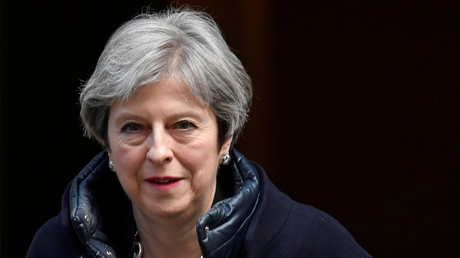
The ambassador spoke to the media on Thursday to denounce what he called a hysterical anti-Russian campaign” conducted by the British government and media outlets over the poisoning of former Russian double agent Sergei Skripal and two other people, his daughter Yulia and a police officer, in Salisbury. Prime Minister Theresa May accused the Kremlin of ordering a chemical weapon attack against the man and has been rallying Britain’s allies against Moscow.

Yakovenko accused Britain of fanning up anti-Russian sentiment at home and in other nations by deliberately misrepresenting facts about the case in a way that points the finger at Russia. At the same time, Britain has been stonewalling Russia’s attempts to engage with the probe through the proper channel – the Organization for the Prohibition of the Chemical Weapons (OPCW), he said. The British side is deliberately ignoring our requests and avoids contact with the embassy.”

The Russian ambassador said OPCW inspectors have finally arrived in Britain to do their part in the investigation of the incident. While Russia does not know the scope of their mandate, Yakovenko said Moscow hopes they will be able to provide answers which Russia has failed to receive from Britain.

How that was possible that the British authorities managed to designate the nerve agent use as so-called Novichok [A-234] and its origin so quickly? Could it mean that it’s ‘highly likely’ that the British authorities already had this nerve agent in their chemical laboratory in Porton Down, which is the largest secret military facility in the UK that has been dealing with chemical weapons? Is it a coincidence that this chemical weapons facility is only eight miles away from the site of the incident? How did doctors decide what antidotes to administer to the victims?” he asked.

He added that Russian experts familiar with chemical weapons were puzzled” by the speed in identifying the toxic compound. This contradicts statements by Scotland Yard that the investigation of the Skripal case would take weeks or even months, the ambassador said.

Think your friends would be interested? Share this story!

Sri Lanka’s re-developed Eastern airport set to boost tourism into former war ravaged areas

March 26th, 2018

Colombo, March 26 (newsin.asia) – Sri Lanka’s Transport Ministry, on Monday said a newly re-developed airport in Batticaloa, in eastern Sri Lanka, will boost tourism into the region and pave way for more flights to land there.

The government information department said the Batticaloa Airport which was re-developed as a domestic airport was opened by Transport Minister Nimal Siripala De Silva on Sunday to help promote the influx of tourists into the East by providing safer and expeditious travel instead of long hours on the road.

The airport was re-developed at a cost of Rs.1.4 billion. Currently Sri Lanka’s private domestic airline ‘Cinnamon Air’ operates flights, twice daily to Batticaloa and a few more airlines, Sakura Air and Southern Air have indicated willingness to commence scheduled flights to Batticaloa, the Transport Ministry said.

Sri Lanka’s re-developed Eastern airport set to boost tourism into former war ravaged areas

The Ministry further said that as the government has understood the need of having scheduled air services between domestic airports for sustained promotion of internal air transport, any airline which commences scheduled flights to Batticaloa airport would be given free landing and parking for a period of three months from its date of opening.

Air Traffic Control at the Batticaloaairport would be provided by trained and licensed personnel in accordance with international standards.

Minister De Silva said the government will also start building an aviation school in Batticaloa before the year end and encourages establishment of flying schools and related industries centering the airport in order to uplift the living and social conditions of the area.

Batticaloa Airport was first opened 60 years ago in November 1958.

https://newsin.asia/sri-lankas-re-developed-eastern-airport-set-to-boost-tourism-into-former-war-ravaged-areas/

Colombo Port beats Jebel Ali in UAE and Savanah in US to rank 13th best connected Port

March 26th, 2018

Colombo had scored 28.6 points in the Drewry Connectivity Index in 2017, with 59 mainline services calling each week. Under South Asia, Colombo Port was ranked the best connected.

Colombo Port had been ranked ahead of the Savannah Port in the US with 53 calls and Jebel Ali in the UAE with 52 calls.

Colombo was just behind Antwerp in Belgium with 61 calls.

Colombo Port beats Jebel Ali in UAE and Savanah in US to rank 13th best connected Port

Overall, Shanghai was the best connected Port with 172 mainline calls a week and a score of 100 points, followed by Ningbo with 163 calls and 94.8 points.

Singapore was third with 158 mainline calls and a score of 91.9 points.

Based on a Llyod’s ranking in 2016, Colombo was ranked the 25th busiest port in the world in terms of volumes.

The Sri Lanka Ports Authority announced last week that Colombo Port expects to handle 7.0 million containers in 2018, up 12.9 percent from the 6.2 million twenty-foot equivalent units (TEU) handled in 2017 through a joint marketing by the state run Jaya Container Terminal,  the South Asia Gateway Terminal of the John Keells Holdings and Colombo International Container Terminal (CICT) of China’s CM Ports.

Ports Minister, Mahinda Samarasingha, said the three companies had inked a historic deal and this would lead to Colombo emerging as one of the best connected ports in the world.

Although the three terminals compete separately and individually, now they can work on a collaborative mission to operate vessels calling at the Port of Colombo,” Samarasingha said.

Under the collaboration deal, waiting time for all container vessels arriving at the Colombo Port will be minimized by allowing vessel to be accommodated at the earliest available terminal in addition to collaborative promotion of the port.

Samarasingha said that it was commendable to witness the Colombo Port had achieved great feats through public-private collaboration.

Colombo’s Port City calls for name change, offers Rs.100,000 to winner

March 26th, 2018

Presently known as ‘Port City Colombo’, the Megapolis Development Ministry, together with the Urban Development Authority and CHEC have called on all those with a creative mind to come up with a suitable and attractive name for the project. In return, the winner, will be awarded Rs.100,000 along with having their names entered in the history books.

This futuristic city will open several new opportunities for all Sri Lankans, so it is only fair that all of you get to name it. And when this city re-writes history books as South Asia’s modern wonder, imagine how rewarding it will be for you,” the advertisement read.

Colombo’s Port City calls for name change, offers Rs.100,000 to winner

The advertisement further suggests to name this city, with a maximum of three words, the name can be in English or Sinhala or a combination and participants must provide a brief explanation for the suggested name.

Further the advertisement says a three member committee will be evaluating entries and the winner will be selected on April 30.

The winner will be awarded Rs.100,000 (US 640 dollars) and a lifetime to get into the history books of South Asia,” the advertisement read.

Applicants can suggest as many names as they wish and send their entries under registered post to the ‘Secretary, the Ministry of Megapolis and Western Development, 17th and 18th floors, Suhurupaya, Sri Subuthi Road, Battaramulla, 10120, or email nameportcity@chec.lk.

‘Name for Port City Colombo’ must be written on the top left hand corner of the envelope. Deadline for entry submissions is April 2.

Port City Colombo is a brand new city development built as an extension of the Central Business District of Sri Lanka’s commercial capital, Colombo. Spanning 269 hectares of reclaimed land from the sea, Port City Colombo will be South Asia’s premiere residential, retail and business destination, offering unmatched planned city living along the Indian Ocean. The development will comprise of 5 different precincts including the Financial District, Central Park Living, Island Living, The Marina and the International Island.

When completed, Port City Colombo will have over 5.6 million square meters of built space. Its lifestyle and business offerings will include world-class facilities and spaces in Healthcare, Education, Entertainment, Hotels and Restaurants, Retail and Office with an Integrated Resort and a Marina.

So far 72 percent of land has bee reclaimed while the government said total land reclamation will be completed by late 2018.

Throttling senior citizens

March 25th, 2018

Editorial Courtesy The Island


Monday 26th March, 2018

Parliament has approved a huge increase in the Supreme Court (SC) judges’ pensionable allowances. Interestingly, there was no division in the House when a proposal to that effect was taken up. It was a very rare moment of unity. We thought the government was so broke that it couldn’t increase the salaries of any category of public officials; it is desperate to draw more loans to keep the economy afloat with the help of the newly passed Active Liability Management (ALM) Act. The SC deemed the ALM bill consistent with the Constitution.

Nobody will begrudge learned judges a pay hike. But, there are many other state employees who are struggling to keep the wolf from the door. Needless to say the same is true of all ordinary citizens. The government is trying to keep the inflation rate down not by taking steps to tackle the causes thereof, but by manipulating official statistics. Prices of essentials have gone through the roof. Milk powder prices have been jacked up by Rs. 80 per kilo. A fuel price hike is in the pipeline and that will send the general price level further up.

that the MPs’ hearts don’t melt for ordinary workers? University non-academic workers have been on a strike for nearly one month, demanding what the government promised them. All universities have been crippled as a result, but the yahapalana worthies don’t care a damn about the crisis in the higher education sector. They are busy helping set up private universities.

One sees no difference between the yahapalana government and a druggie or kudu karaya, who is troubled by withdrawal symptoms, where its desperation for funds is concerned. Kudu karayas spare none––not even their old parents; they throttle elderly people to rob money. The government is doing likewise. It has increased the withholding tax on the interest income from senior citizens’ deposits from 2.5% to 5%. In a bid to give this savage act a human face it has exempted the interest income up to Rs. 1.5 million per annum from the tax increase. The worst affected will be the senior citizens who rose to executive grades in the private sector through sheer hard work and saved for retirement while paying income tax during their productive years; they have also paid taxes on their EPF withdrawals. They have deposited their savings with banks or other financial institutions and are living on the interest income in their twilight years; now, they will be made to pay taxes to the government till they go the way of all flesh! The same goes for all other retired professionals.

A government has to collect taxes. But, it must not resort to extortion in the name of taxation. Exacting money from captive senior citizens who are dependent on interest income is worse than extortion.

Shame on the self-righteous yahapalana leaders who have stooped so low as to rob the elderly! They are in the current pecuniary difficulties because they have failed to get their act together on the economic front. They offered the public sector workers a huge election bribe to the tune of Rs. 10,000 each a month in the form of a pay hike to win the presidential election in 2015. They had to make good on that promise in view of the general election that followed a few months later. They were banking on economic assistance from the foreign governments which backed the 2015 regime change to give the economy a turbo boost, only to be disappointed. They have had to settle for ‘gloveless’ handshakes and photo opportunities! They didn’t care to curtail criminal waste of public funds and corruption. Instead, they and their cronies got involved in mega corrupt deals. The Treasury bond scams have cost the state coffers dear.

The government ought to adopt frugality and curtail its wasteful expenditure drastically instead of burdening the public, especially the senior citizens, with more taxes. It mustn’t make the public bear the cost of its bungling.

සාධාරණව ලොව දෙස බලමු

March 25th, 2018

තේජා ගොඩකන්දෙආරච්චි

මේ දිනවල යහපාලන රජයට තිබෙන ප්‍රශ්න ගොඩට පාසල්වල විෂය ධාරාවට ‘සමලිංගික අධ්‍යාපනය’ ගැන උගන්වන්නට යනවාය කියමින් තවත් අලුත්ම ප්‍රශ්නයක් එකතු වී තිබේ. සති කිහිපයකට පෙර අම්පාරේදී ‘සිංගල් කොත්තුවක් දමන්න’ කියා පැවසූ දේ ‘සිංහල කොත්තුවක්’ යනුවෙන්ද, මස් හොදි උකු බවට පත්කරන්නට, සාමාන්‍යයෙන් පොල්කිරි වෙනුවට ඕනෑම කඩයක යොදාගන්නා කෝන් ෆ්ලවර් (Corn Flour) දිය නොවූ ගුලියක් ‘වඳ පෙත්තක්’ ලෙසද වටහා ගත් කතාවේම තවත් පිටපතක් ලෙස මෙය දැකිය හැක.
වැටහෙන පරිදි Equal Gender Rights යන පදය යමෙකු විසින් පරිවර්තනය කර තිබෙන්නේ ‘සම-ලිංගික අයිතිය’ වශයෙනි. ඒ තුල මෙම මාතෘකාව අද සමාජ මාධ්‍ය ජාලාවන්හි පතුරු ගසන්නේ ‘සමලිංගික අයිතිය’ (Homosexual Rights) යනුවෙන් වැරදි අර්ථකථනයක් සමගය.
වරක් මා අර්ධකාලීනව සේවයකල කාන්තා සංවිධානයක් මගින්  ත්‍රෙෙමාසිකව නිකුත් කරන පුවත් සන්දේශයකද මෙවැනි වරදක් සිදුව තිබිනි. සාමාන්‍යයෙන් ගතවූ කාලය තුල එම ආයතනය මගින් ඉටුකරන වැඩ කොටසේ ප්‍රගතිය, එම සඟරාවේ ඇතුලත් වේ. සඟරාව සම්පාදනය වනුයේ ඉංග්‍රීසි භාෂාවෙනි. ස්වභාෂාවෙන් කටයුතු සිදුවන ප්‍රජාව වෙතටද මෙම සඟරාව බෙදාහරින නිසා එය සිංහල සහ දෙමළ භාෂාවන්ටද පරිවර්තනය කරනු ලැබේ. මේ කියන සමයේ එම පරිවර්තන කාර්යය භාරදී තිබුනේ භාෂා ත්‍රිත්වයම පිලිබඳව නිපුණත්වයක් ඇති බවට නමක් දිනූ දෙමළ ජාතිකයෙකුටය. ඉතින් දවසක් මාත්, මගේ යෙහෙළියකුත්, එම ආයතනය වෙනුවෙන් අප විසින් සැළසුම්කරනු ලබන පුහුණු වැඩසටහනක් පිලිබඳව සාකච්ඡා කිරීමට එහි ගියෙමු. වෙලාව එනතුරු සාකච්ඡාවට යොදාගත් කාමරයේ අසුන්ගෙන සිටි අපට, එදිනම මුද්‍රණයකර ගෙනැවිත් තිබූ සඟරා තොගය මේසය මත තිබෙනු දක්නට හැකිවිය. මගේ යෙහෙළිය නිකමට මෙන් සිංහල භාෂාවෙන් තිබූ සඟරාවක් අතට ගෙන කියවන්නට වූවාය. හදිසියේ පිපිරී ආ සිනාවෙන් යුතුව ඈ විසින් මට දැක්වූ දේ දුටු මමද පුදුම වීමි. මෙම ආයතනය මගින් මේ කාලය තුල ‘ලිංගික කුපිත කරවීමේ වැඩසටහන්’ — ක් පවත්වා ඇතිබව එහි සඳහන් වී තිබිනි. මේ Gender Sensitization යන වචනය පරිවර්තනය වී තිබුන අයුරුය.
නොඅනුමානවම තමන්ගේ පළමුබස නොවන භාෂාවක ඇති සියුම් තැන් ගැන අවබෝධයක් නොවූ පරිවර්තකයා ශබ්ද කෝෂයක් ආධාර කරගැනීම තුල මේ වරද සිදුවන්නට ඇත. තම මව්බස පිලිබඳ අනවබෝධයෙන් යුතු, ඉංග්‍රීසියෙන් වැඩකරන එම ආයතන ප්‍රධානීන් මෙන්ම, සඟරාවේ කතෘටද මෙහි වගකීමෙන් කොටසක් පැවරේ. සඟරා තොගය බෙදා හැරීමට පළමුව දුටු හෙයින් එම වරද ජනතාව අතරට යාමෙන් වැලකිනි. ඉන්පසු එම සඟරාවේ සිංහල පරිවර්තනය, භාෂා නිපුණත්වයෙන් යුතු සිංහල පුද්ගලයෙකුටම දීමට කටයුතු කරනු ලැබීය. එදා මගේ යෙහෙළිය එම වරද අල්වාගත් නිසා මිස, ඊට පෙර ප්‍රකාශයට පත්කල සඟරාවල මොන මොන හරුප තිබුනාදැයි මා දන්නා එකක් නැත. එමෙන්ම භාෂාවක් තව භාෂාවකට පරිවර්තනය කරනු ලැබීම මෙන්ම, භාෂාවක් නිවැරදිව වටහා ගැනීමද නිපුණත්වයට අදාල වේ.
නමුත් මෙහිදී කරුණු කිහිපයක් මතක තබාගත යුතුය. ක්ෂේත්‍රයේ කිසිම කෙනෙකුගෙන් මෙවන් වැරදි පිලිබඳව මීට පෙර පැමිනිල්ලක් ලැබෙන්නට නැතිව ඇත්තේ, මෙම සඟරාව තමන් අතට පත්වුවද, මෙය කියවන්නට කිසිවෙකු උනන්දුවක් නොවන්නට ඇති නිසා වන්නටත් ඇති. මන්ද ඒ වනවිටත් Gender Sensitization හෙවත් ස්ත්‍රී පුරුෂ සමාජභාවීය සංවේදිතා වැඩසටහන් එම ආයතනය මගින් පවත්වන්නට වී වසර කිහිපයක් ගතව තිබිනි. ඒ අනුව, රාජ්‍ය නොවන අංශය මගින් Equal Gender Rights  හෙවත් ස්ත්‍රී පුරුෂ සමාජභාවීය සමානත්වය පිලිබඳ වැඩසටහන් පවත්වන්නට වූයේ 90 දශකයේ මුල් භාගයේ සිට වුවද එය ජනතාව අතරට ගොස් තිබුන ප්‍රමානය සිතාගත හැකිය. එබැවින් අද වනවිට සමාජය තුල මෙවන් වැරදි වැටහීම් ඇතිවීම සම්බන්ධව එක අතකට පුදුමවිය යුතුත් නැත. ස්ත්‍රී පුරුෂ සමාජභාවය යන වචන පේලිය නයාට අඳුකොල මෙන් වූ කාන්තා පුවත්පත් කතෘ තුමන්ලා එකලද සිටියහ.
මේ ‘ස්ත්‍රී පුරුෂ සමාජභාවය’ යනු කුමක්ද? ස්ත්‍රියක් සහ පුරුෂයෙකු අතර සමාජමය වශයෙන් දකින වෙනස කියා එය හැඳින්විය හැකිය. කාලයට සහ ඒ ඒ සමාජයට අනුව මෙම වෙනස පදනම් වේ. එය අපි ස්ත්‍රී පුරුෂ සමාජභාවයෙහි සමාජමය ගොඩනැගීම (Social Construction of Gender)  වශයෙන් හඳුන්වමු.  ගැහැණුකම සහ පිරිමිකම සම්බන්ධව සමාජය තුල පැලපදියම්වී අැති ස්ථිකයන් නිර්මාණය වනුයේ ස්ත්‍රියක් සහ පුරුෂයෙකු අතර සමාජයක් තුල ගොඩනැගෙන ආකල්ප තුලිනි. ඊලඟට එම ස්තිථිකයන් මත පදනම්ව කාන්තාවන් සහ පිරිමින් වෙත වෙනස් වූ භූමිකාවන් සහ වගකීම් පැවරේ. කාන්තාව හෝ පිරිමියා යන පදය සම්බන්ධව අනන්‍යතාවයක් සහ පිලිගැනීමක් සමාජය තුල ඇතිවන්නේ මෙම භූමිකාවන් සහ වගකීම් පදනම් කරගෙනය. ඒ තුල අසාධාරණයක් සිදුවන්නේ එක් පාර්ශ්වයකට පනමක් නොවේ. කෙනෙකුට තම ස්ත්‍රී පුරුෂ භාවය අනුව සමාජයෙන් පැවරෙන එම භූමිකාව සහ වගකීම් ඉටු කිරීමට නොහැකි නම් එම තැනැත්තා හෝ තැනැත්තිය දෙස නිතැතින්ම සමාජයේ වපරැස යොමුවේ.
ස්ත්‍රී සහ පුරුෂ යන දෙවර්ගයේම ශරීර තුල ඊස්ට්‍රජන් සහ ටෙස්ටස්ටෙරෝන් යන හෝමෝන දෙවර්ගයම නිපදවුනත්, ක්‍රොමසෝම මත සැදුනු ස්ත්‍රීත්වය හා පුරුෂත්වය අනුව ශරීරය තුල රැඳෙන එම ප්‍රමානයන් වෙනස් වේ. ඒ අනුව ස්ත්‍රී සහ පුරුෂ ගතිලක්ෂණ එම පුද්ගලයා වෙතින් විදහා දැක්වේ. කෙනෙකු තුල මෙසේ ගැහැණු හෝ පිරිමි බව ඉස්මතු වුවත්, අවස්ථාවට අනුව ඔහුට හෝ ඇයට තමා තුල සැඟව ඇති ස්ත්‍රී ගති ලක්ෂණ හෝ පුරුෂ ගති ලක්ෂණ එලිපිට පෙන්වීමට ජීව විද්‍යාත්මකව බාධාවක් නැත. සැබැවින්ම බාධා ඇතිවන්නේ සමාජයෙනි. අප ස්ත්‍රී පුරුෂ සමාජ භාවය ලෙස හඳුන්වන්වනුයේ මෙම තත්වයයි.
80 දශකයේ අගභාගයේදී රටේ සිදුවූ සිවිල් අරගලයේ ප්‍රතිඵලයක් ලෙස වැන්දඹු වූ, කාන්තාවන් බොහෝ පිරිසක් සමග වැඩකටයුතු කිරීමට, 2000 වසරේදී මට අවස්ථාව ලැබිනි. ඔවුන් අතර, ඉතාම තරුණ වයසෙන්ම සැමියා මරාදමන ලද හෝ අතුරුදහන් වූ කාන්තාවෝ රැසක් සිටියහ. ඒ අය අතරින් ‘සාමා’ කියූ කතාව මට තවමත් මතකය. ‘එයා මරල දමනකොට මට යන්තම් 23 යි. මගේ පුතාට අවුරුදු එකහමාරයි. එයා ඒ වෙනකන් මම කඩේටවත් තනියම යැව්වෙ නැහැ. ඒත් මොනව කරන්නද? මම කොහොමහරි පුතාවත් බලාගෙන මේ තරම් දුරට එන්න දහිරිය වඩවගත්ත. ආපු කරදර එමටයි. දන්නවනේ තරුණ ගෑණියෙක් තනි වුනාම’. ඇයට තම පුතා හදාගෙන ජීවත් වීමේදී ආර්ථික වශයෙන් මුහුණ දෙන්නට වූ අභියෝග හැරුනවිට සමාජීය වශයෙන් පැමිනි බාධාවන්ද නිමක් නැති වූයේ ‘ගැහැණියක දුර්වලය’ යන සමාජ ආකල්පය නිසාය. සමාජය, වඩා සවිස්තරාත්මකව කියන්නේ නම් අවස්ථාවාදීන් බලාපොරොත්තු වන්නට ඇත්තේ මේ ගැහැණියට තවෙකෙකු නැතිව පැවැත්මක් නැතැයි කියාය. නමුත් තමා තුල සැඟව තිබූ පුරුෂ ගති, එනම් ටෙස්ටස්ටෙරොන් හෝමාේනය නිසා ඇතිවන ප්‍රචණ්ඩකාරීබව, ධෛර්යසම්පන්න බව ආදී ගති ලක්ෂණ මෙතැනදී පෙරට පැමිණ ඇයට තම ජීවිතය ගොඩනගා ගන්නට උපකාරී විය. ඒ වන විට වයස 13 ට ආසන්නව සිටි ඇගේ පුතා හැකි අයුරින් තම මවට දිරියක් වෙමින් වැඩෙමින් සිටි අතර ‘පුතා ඉලන්දාරියෙකු වී, රැකියාවක් සොයාගන්නකම්’ ඈ බලා සිටින්නේ යලි තම ගැහැණුබව අත්කරගෙන ඒ තුල ගිමන් හැරීමේ වුවමනාව ඇයට ඇති නිසා බව පෙනෙයි. දරුවා දුවෙක් නොවී පුතෙකු වුන එක හොඳ බවද ඈ පවසයි. එතැනද ස්ත්‍රීපුරුෂ සමාජභාවීය කතිකාවක් ඇත. දුවෙක් නම් පරිස්සම් කරන්නට වුවමනාය. සුදුසු අයෙකුට විවාහ කරදෙන තුරු නිවනක් නැත. මේ කතාව තුල සමාජය තුල ස්ත්‍රියකගේ සහ පුරුෂයෙකුගේ ප්‍රතිරූපයන් සමාජය තුල නිර්මාණය වන ආකාරය පැහැදිලිව පෙනේ. මෙවන් උදාහරණ ඕනෑ තරම් සොයාගත හැකි අතර මෙහි ප්‍රතිවිරුද්ධ පැත්තද පෙන්වා දිය හැක. එනම් බිරිඳ මියගිය හෝ මැද පෙරදිග ගියවිට තම දරුවන් වෙනුවෙන් මවගේ භූමිකාව ඉටු කරන පිරිමි සිටිති. නමුත් මාධ්‍ය මගින් වාර්තා වුනොත් වාර්තා වන්නේ තම බිරිඳ එවන මුදලින් පිස්සු නටන හෝ වෙනත් අපචාරයන්හි යෙදෙන පිරිමින්ගේ තොරතුරුය. මේ අනුව බිරිඳ මැද පෙරදිග ගිය පවුලක පිරිමියා සම්බන්ධවද මෙවන් අහිතකර ආකල්ප සමාජය තුල පවතී.
සමාජය තුල ගැහැණිය සහ පිරිමියා සම්බන්ධව නිර්මාණය වූ මෙවැනි ස්ථිතිකයන් තිබෙන අතර එය හානිදායක වන්නේ ඒවා තක්සේරු කරන ආකාරය නිසාය. මම ඔබට උදාහරණයක් කියන්නම්. මෑතකදී මුහුණු පොතේ ප්‍රචාරය වුන කියමනකි. ‘කෙල්ලො කලිසම් ඇන්දම ලස්සන වුනාට කොල්ලො චීත්ත ඇන්දම අන්තිමයි’ මේ අප සමාජය තුල ගැහැණුකමට සහ පිරිමි කමට දෙන වටිනාකම්ය. අර සාමාගේ කතාවේදී සමාජය ඈව ‘පිරිමියෙක් වගේ’ කියමින් අගයකල නමුදු ඒ දේම විරුද්ධ අතට වුනා නම්, ‘අපෝ ඒ යකා ගෑණියෙක් වගේ’ කියා පහත හෙලන්නට නොපැකිලෙනු ඇත. එමෙන්ම ගැහැණු, පිරිමි සම්බන්ධව පවතින ආකල්ප තුල පරිස්සම් කල යුතුය කියා සිතන්නේ ගැහැණු ළමයාය. ශ්‍රී ලංකාවේ සිදුවන ළමා අපචාර අතරින් 60% ක් පමන සිදුවන්නේ පිරිමි ළමුන්හට බව ඔබ දන්නවාද? මේවායින් වාර්තාවන ප්‍රමානය අල්පය.
මෙම ස්ත්‍රී පුරුෂ සමාජභාවීය වෙනස්කම් නිසා සමාජ ජීවිතය, අධ්‍යාපනය වෘත්තීය අධ්‍යාපනය, රැකියාවන් තබා නීතිය තුල පවා මේ දෙපිරිසට වෙනස්කොට සැලකීම දක්නට ලැබේ. අප විසින් සමාජය තුල ස්ත්‍රී පුරුෂ සමාජභාවීය සමානාත්මතාවය ස්ථාපිත කලයුත්තේ එබැවිනි. 52% ක් වන කාන්තාවන් සමාජයේ යම් යම් ක්ෂේත්‍රවලින් ඈත්කර තැබීම රටක ඉදිරි ගමනට හිතකර නැත. කාන්තාව  ‘ලතාවක් සේ වෙලී සියොලඟ’ පිරමියා වෙතින් රැකවරණය පැතීම හොඳයි, නියම ගැහැණුකම එයයි කියා කෙනෙකුට සිතෙන්නට පුලුවනි. නමුත් අවාසනාවකට බොහෝවිට සිදුවන්නේ ගැහැණුකමේ ස්ථිතිකයන් ගැහැණියටම සාපයක් වීමයි. සමානාත්මතාවය තුල ගැහැණු, පිරිමි දෙවර්ගය මතම සමාජය විසින් පටවා ඇති බර ලිහිල් වනු ඇත.
ඉස්සර අප ඉගෙනගත් පෙලපොත්වල සාමා අම්මාට ගෙදර වැඩට උදව් වෙයි. බෝනික්කන් සමග සෙල්ලම් කරයි. අමර ගස් නගියි. සරුංගල් යවයි. බයිසිකල් පදී. විනෝද ගමනක් යන්නට වෑන් රිය පැමිනිකල අමර සහ තාත්තා ඉදිරි අසුනට ගොඩවන අතර අම්මා, සාමා සමග රියේ පසුපස අසුනට ගොඩවේ. වෘත්තීය අධ්‍යාපන විෂය යටතේ ගැහැණු ඉස්කෝලවලට ලැබෙන විෂය පරාසය, පිරිමි පාසලට වඩා  වෙනස්ය. ඉපදුන විගස රෝස සහ නිල් පාටවලින් සායම්කර, සම්ප්‍රදායික කෙළි සෙල්ලම්වලට යොමු කරමින්, ආකල්පමය වෙනස්කම් දකිමින් හැදී වැඩී සමාජ ගතවන ගැහැණු හා පිරිමි දරුවන්ගේ පෞරුෂ වෙනසක් පැවතීම සාමාන්‍යය. එබැවින් මෙවන් ආකල්ප පිටුදකින අධ්‍යාපන ක්‍රමයක් නවීන ලෝකයට වැදගත්ය. එකිනෙකාට ගරුත්වයක් ඇතිව සලකන ගැහැණුන් සහ පිරිමින් සිටින සමාජයක් සැබැවින්ම සුන්දරය.
සමලිංගිකත්වය ගැන කතා කරන්නේනම්, එයද මනුෂ්‍යයාට පමනක් නොව සමහර සත්ව වර්ග අතර පවා දැකිය හැකි සාමාන්‍ය තත්වයකි. මෙය හෝමෝනයන්ගේ අසමතුලිත බව තුල ස්වභාවිකව ඇතිවන නැඹුරුතාවයක් බැවින් සමලිංගිකයන් හෙලාදැකීම අනුචිතය. පෘතුගීසි සහ ලන්දේසි පාලන කාලයන්හි බලපෑමද සහිතව 1885 ජනවාරි 1 දා නීතිගත කෙරුනු පනතක් මගින් සමලිංගිකත්වය ශ්‍රී ලංකාව තුල දඬුවම් ලැබියහැකි වරදක් බවට පත්ව ඇත. මෙම නීති පැනවූ ඉංග්‍රීසි ජාතිකයන්ගේ මව්බිමේ සහ වෙනත් රටවල අද වනවිට එම නීති ලිහිල් වී, සමලිංගික විවාහයන් නීත්‍යානුකූල කර තිබේ. අප රටේ තවමත් එම නීති එලෙසම පවතින අතර සමලිංගිකයන් අරභයා සිදුකරන ගැරහුම් නිමක් නැත. නමුත් යහපත් සමාජයක සමලිංගිකයන් මෙන්ම සංක්‍රාන්ති ලිංගිකයන් දෙසද සාමාන්‍ය ඇසකින් බලන්නට පුරුදු විය යුතුය. ඔවුන්ද මානව සංහතියේම කොටසකි. මානව හිමිකම් මේ පිරිස්වලටද අදාලය.
ස්වභාව ධර්මයේ තීරණයක් වන ස්ත්‍රී පුරුෂ භාවයට, සමාන තැනක් මිස වටිනාකම් දෙකක් ස්වභාව ධර්මය විසින් ලබාදී නැත. නවීන ලෝකයේ සමලිංගිකත්වයද එබඳුමය. මේවාට වටිනාකම් ලබාදී තරාදිවල දමන්නේ සමාජයක් තුලින්ම බව අප වටහාගත යුතුය. මෙම අදහස නිවැරදිව සමාජ ගතකරන්නේ නම් ඉන් අවැඩක් සිදු නොවනු ඇත.

POLITICAL UNREST IN MALDIVES

March 25th, 2018

ALI SUKHANVER

Situated in the Arabian Sea, Maldives is considered one of the most beautiful island countries comprising of almost twenty six islands. With respect to its area and population, it is ranked as the smallest Asian country. The total land of Maldives is 298 km and the population is about 428000. Geographically Maldives is a ‘dispersed’ country with reference to its land and its population. Malé, the capital of Maldives is known as the ‘King’s Island’ for its central location. Another interesting fact about Maldives is that it is the country which has the highest divorce rate all over the world. According to a report prepared and issued by the UN, the divorce rate in Maldives is10.97 divorces per 1,000 inhabitants per year. After Maldives comes Belarus with 4.63 and then United States with 4.34. Tourism is the basic source of income for the country and for the people. According to a report Maldives hosted 1.2 million visitors last year, including over 30,000 Americans. Overall, Maldives is a peaceful country with no security or terrorist’s threats though there had been some incidents of religious extremism in the past. At present this paradise on the earth Maldives is facing some serious issues rather crisis of political nature.  According to the details provided by the media the crisis started when President Abdulla Yameen decided to disobey the Supreme Court’s orders to release 9 political prisoners and reinstate 12 parliament members. The court’s decision might give the opposition control of the chamber and potentially pave the way for Yameen’s impeachment; feared the President Abdullah Yameen. To avoid the apprehended situation, the President declared a state of emergency and ordered the arrest of two judges of the Supreme Court of the Maldives, including Chief Justice of the Maldives Abdulla Saeed and Justice Ali Hameed Mohamed and former President Maumoon Abdul Gayoom on 5th February 2018. This decision of President Abdullah Yameen gave birth to a situation of protest but at a very small level. It is being expected that things would be soon back to the normal.

Though this conflict or crisis is simply an internal power struggle between the Supreme Court and the government of the Maldives but the slave of its hegemonic desires India is trying to exploit the situation and searching ways for intervention and intrusion into the affairs of the Maldives. Almost thirty years back India had launched Operation Cactus on the night of 3rd November 1988, foiled an attempted coup and reinstalled the government of the then-president Maumoon Abdul Gayoom. The same story is being repeated now with the help of Maumoon Abdul Gayoom who is the leader of the Maldivian Democratic Party (MDP). This party has inclination towards India and after the arrest of Maumoon Abdul Gayoom it has given an SOS call to India and asked it to intervene militarily and to end the crisis, as India did 30 years ago. Experts say that Indian attempt of interference in the Maldives affairs would simply create a war-like situation between China and India and the Maldives would be a battlefield if the situation gets out of control.

It is a very old desire of India to keep Maldives and other countries of the same status under her total command and control by installing a pro India government there. The Global Times said in a recent editorial, India has a strong desire to control all South Asian countries. It regards the region as its backyard. New Delhi is particularly sensitive to any endeavor by small South Asian states toward independence and autonomy, especially ties with other major powers. All small South Asian nations want to extricate themselves from India’s excessive leverage.” Particularly in case of the Maldives, India has some very alarming type of fears and apprehensions with reference to the increasing Sino-Maldivian closeness. On request of the Maldivian government, China has consented on doing co-operation in construction of a port in Northern Atoll. Moreover last year on 8th December, 2017 a Free Trade Agreement (FTA) was also signed between the Maldives and China during Maldivian President Abdulla Yameen’s four-day visit to Beijing. By signing this agreement, the Maldives became the second South Asian country after Pakistan to sign an FTA with China. This deal also proved a ‘stunning blow’ for India. Earlier in August 2017, the Maldives permitted three Chinese warships to visit the country though India had expressed its strong resentment over the decision. Same is the approach of India towards the countries like Nepal, Sri Lanka, Bhutan and Myanmar and even towards Bangladesh. A recent report on Indian hegemonic designs in the South Asian region says, India, despite having friendly ties with Pro-India Bangladeshi government lead by Awami League, is exerting pressure to resolve Teesta river dispute on Indian terms.” India must review its hegemonic approach towards its neighbouring countries for the peace and prosperity of the South-Asia.

India has to come out of this ‘China phobia’ with regard to its relationship with Sri Lanka: Gotabaya Rajapaksa

March 25th, 2018

By Arun Janardhanan/The  Indian Express

At the peak of the war against the LTTE, then Defense Secretary Gotabaya Rajapaksa was the most feared and powerful man in Sri Lanka. The UN Human Rights Council had asked Sri Lanka to probe war crimes in which Gotabaya was accused. Nearly a decade later, the 68-year-old is being talked about as a possible Presidential candidate, with brother Mahinda Rajapaksa not able to contest again due to the constitution’s upper limit of two terms.

In his first interview since 2010, Gotabaya spoke about the geopolitical situation in the region, the changing character of Indian diplomacy, the meaning of peace, and his own role in the war:

India helped Sri Lanka during the war, but there is a feeling that Colombo is betraying India by moving closer to China.

If you read Shivshankar Menon’s book (Choices — Inside the making of India’s foreign policy), the former Indian National Security Adviser has categorically said that Sri Lanka had given India assurance and shown that it was concerned about any threats to Indian security concerns. Our government never allowed Sri Lankan soil to be used by any foreign country against India. Diplomacy is an art of reciprocity, it is about engagement, conversations and mutual trust. In diplomatic relationships, you cannot replace empowered diplomats with intelligence officers.  India has to come out of this ‘China phobia’ with regard to its relationship with Sri Lanka.

But will India’s concerns lead to a change in your approach?

We had a very good understanding with the Congress government in India, especially its bureaucrats. We were able to get their fullest support in defeating the LTTE. But the new government, especially the bureaucrats of the  Narendra Modi government, look at Sri Lanka in a different way… Without understanding it properly, without knowing the real facts on reports about submarines being docked at a Sri Lankan port… even the Indian media played it up. Bureaucrats should have (talked to us).

There are concerns here too, such as among Sri Lankan patriots about India working against the interests of Sri Lanka. For example, it is a known thing that (Indira) Gandhi supported and trained the LTTE in India. That created a huge anti-India feeling… Sri Lankans feel there is unnecessary influence by Indian governments in its internal affairs.

That was seen at the time of change in the last government too (in which Mahinda was defeated, and Maithripala Sirisena became President)… The Indian government has to be more concerned about this and study the situation, rather than act in haste.

Are you in touch with India?

No, they don’t talk to us (laughs). That’s the other problem. During our time, it was normal for diplomats to meet opposition leaders here. Not only diplomats but even visitors from India would meet opposition leaders. But now, even the Indian High Commission is frightened to meet us. I don’t understand why. I don’t know why the Sri Lankan government is also worried about them meeting us.

A decade after the war, do you think ‘peace’ is at hand?

The war lasted 30 years. I consider the post-war developments in Sri Lanka a bigger victory than defeating the LTTE. But that has not been recognized by international organizations as well as the international community. Within a short period of 2009 to 2014, we achieved a lot. Not only infrastructure development, but political achievements too.

In 1988, the provincial system was introduced, elections held in the north after the war (2013) were not mere polls but free and fair elections.

There were many friendly groups who fell out of favor with the LTTE, like the EPDP (Eelam People’s Democratic Party), Karuna (Amman, former LTTE commander)… Before the elections, we disarmed them. We could have conducted the polls without disarming them. If we allowed that, the Tamil National Alliance wouldn’t have come to power. That means Mahinda Rajapaksa would have remained President. But we ensured a fair election process. We knew we were going to be defeated, still we gave them a chance to select their own people…

By the end of 2013, about 90 per cent of houses and land had been released to the people. Massive development works such as roads, railway, electricity projects were completed. We also rehabilitated almost all the terrorists who surrendered…

You have to understand that peace doesn’t come overnight after three decades’ long war. There are people who were brainwashed ideologically. I won’t say wounds are healing now, as I don’t know what has happened in the last three years. But I strongly believe that what is important is economic freedom for people, before talking about political freedom. Political freedom is necessary, but what they are talking about is devolution and all that. That is secondary. What people needed was food, employment and basic necessities to rebuild their lives… But Tamil politicians put their political interests above these essential needs of people.

Are these going to be major priorities if you come back to power?

Yes. We will continue to do what we were doing… To give them opportunities, to make them feel they are equal, like the rest of the country.

Tell me about your two brothers (Mahinda and Basil, who served as advisor to Mahinda when he was president). How often do you talk to each other? What is the secret behind this relatively tussle-free relationship in power?

We always work as a team (laughs). We think about the country. (But) we rarely talk (laughs again). During the war, we used to interact more often.

This unity comes from our (earlier) days. Unity is strength, that is what our father (D A Rajapaksa, the founding member of the Sri Lanka Freedom Party) taught us… It is the basic principle for all countries as well. If you divide with ethnicities and religion and all that, outsiders and foreign powers can influence your country. Our aim must be to forget other things and unite.

Many believe that you have blood on your hands. That as Defense Secretary during the war, you defeated the LTTE but were also behind the killing of thousands of civilians. What do you say to these charges? And how did war affect you personally, did you have sleepless nights?

I know I haven’t done anything wrong, I know I have done the correct thing. My conscience says that. When you ask about civilian killings, you must understand that war is not a rosy thing, whether it is in Sri Lanka or Afghanistan or India or Pakistan or Iraq. War is not a good thing, it is not a nice thing. But in Sri Lanka, I didn’t create the war, I ended the war. Ending the war was much better than what it was. Our country is a better place without the LTTE. Today, the President of Sri Lanka can go to Jaffna and speak there… Today it (Jaffna) is a free country.

It is not only soldiers but innocent people too died due to terrorism. Bombs do not understand who is enemy and who is friend, or if it is a civilian or military van. So I do not regret. I used to sleep every day during the war too.

Were there any last-minute negotiations with the LTTE before the end of the war? Did LTTE leader Prabhakaran reach out?

I didn’t believe in negotiations with the LTTE, I still believe it would have been a waste of time. Prabhakaran was not a wise (enough) man to call me, but look at KP (LTTE No. 2 Selvarasa Pathmanathan, widely known as Kumaran Pathmanathan or KP). When he was brought to Colombo from a foreign country, he was shivering, he thought it was his final moment… He is living very happily still because we were willing to understand his past and mistakes, and we allowed him to lead a normal life. The rehabilitation of KP was a great thing. We still believe in that.

(The featured image at the top shows Sri Lanka’s former Defense Secretary Gotabaya Rajapaksa) 

Will JVP get naked on April 4th?

March 25th, 2018

Lionel Rajapakse

Ending the Balagiri Doshaya”, No Confidence Motion (NCM) against the PM Ranil Wickramasinghe has handed over to the speaker by Joint Opposition. Credit should go to the MP Udaya Gammanpila for his tireless efforts to make this NCM a reality. According to Mr. Gammanpila’s own words, this is a Win Win” motion, irrespective of the outcome (Dinuwath Dinum, Peradunath Dinum”).

According to the news reports, this NCM contains 14 allegations against the PM Ranil Wickramasinghe and 13 out of 14 allegations are based on the Central Bank bond scam. These include allegations such as paving the way for the bond scam by removing the Central Bank from the finance ministry and placing it under the PM, appointing Arjun Maheandran who is a non- citizen of Sri Lanka for the position of Governor of the Central Bank, protecting Arjun Mahendran, misleading parliament, excreting pressure on COPE members etc, etc. When look at these allegations, even a kid in grade ten can understand that a person like Ranil Wickramasinghe is not suitable for the position of the PM in Sri Lanka. Because of this NCM, a golden opportunity has arisen for the true representatives of the people of Sri Lanka to chase this cunning PM away from the premiership. Also, it will be a great opportunity for the electorate to understand the true colour of their representatives.

Most of the credit for fighting to the end for bringing the bond scam to the public domain should go to the COPE chairman, JVP member MP Sunil Handunnetthi. However, the recent comments from the JVP leader MP Anura Kumara Dissanayake about the NCM were not very impressive. Knowingly Rajapakse supporters are behind the NCM, Anura Kumara wanted to see the inclusion of inability of the PM to make Rajapakses guilty for the so-called frauds happened during the previous administration as an allegation in the NCM. This reminds the Sinhala saying Nokerena wedakamata konduru thel hath pattayak ona kiyanawa wage”.

Yahapalana government had more than two years to find out the frauds (if there were any) done by Rajapakses. Yahapalanaya rulers tried their best and even with the assistance of their international big brothers, they found nothing except the Sil Redi case against a couple of poor public servants.  If stealing the public money took place, that was not only during the Rajapakse administration, it would have happened during the era of J R Jayewardene and even beyond. So, there is no point of demanding to add a clause to find out about the possible frauds which happened only during the Rajapakse regime for the current NCM.  It is ridiculous to ask for a pound of flesh” to vote for this no confidence motion which is based on the Central Bank bond scam already proved in front of a Presidential commission.

PM Ranil Wickramasinghe tried his best to put the investigations of the Central Bank bond scam under the carpet. Luckily, this was prevented by the COPE, chaired by the JVP member MP Sunil Handunnetthi. So, if the JVP is going to vote against or abstain from voting for this NCM, it will be recorded in the history as the worst betrayal by JVP under the leadership of MP Anura Kumara Dissanayake.

April is a very important month for the JVP. It is the month of remembrance for them. This historical no confidence motion against PM Ranil Wickramasinghe will be debated and voted on April 4th. If the JVP is going to vote against or abstain from voting for this motion, Anura Kumara and his clan should celebrate their next Ilmaha Samaruwa” naked. Hope, it will not happen.

Lionel Rajapakse

YAHAPALANA ELECTIONS AND ‘REGIME CHANGE’ Part 7

March 25th, 2018

KAMALIKA PIERIS

Here is the statement made by Mahinda Rajapaksa on the JVP, issued just before the Local government elections of February 2018 (Island 22.1.18 p 1)

The JVP and TNA are working hand in glove with government and the voting public should understand that the counry has been left with an incompetent yahapalana government and an equally incompetent yahapalana opposition, former President Mahinda Rajapaksa says in a statement.

.Calling upon the people to reject both the yahapalana government and the yahapalana Opposition, Rajapaksa has said: There is a yahapalana government as well as a yahapalana opposition in this country. After the August 2015 parliamentary election, the UNP Speaker refused to recognize the Joint Opposition which had over 50 MPs as a part of the opposition, and gave the opposition leadership to the TNA which had 16 MPs. The JVP which had six MPs was given the position of chief opposition whip. Hence, we now have a situation in this country where the Joint Opposition which votes against the budget every year and opposes the government both inside and outside parliament, is not considered by the UNP Speaker to be a part of the opposition, while the TNA which always votes with the government at the budget and cooperates with them both inside and outside parliament is considered to be the main opposition party.

The TNA and the JVP were included in the all-powerful National Executive Council which was formed over and above the Cabinet to run the country immediately after the 2015 presidential election. When an Anti-Corruption Committee was formed under the leadership of the Prime Minister for the purpose of persecuting and jailing members of the previous government, the JVP and TNA were once again given prominent roles in this set up. For example, the Urgent Response Unit of this Anti-Corruption Committee was placed under the personal supervision of JVP leader Anura Kumara Dissanayake. In the first days of the yahapalana government, JVP cadres took over the functions of the police and raided various government and private premises searching for evidence of wrongdoing by the previous government. .

When this operation was formalized in the form of the FCID, the leaders of the JVP and TNA continued to function in the Anti-Corruption Committee which controlled the new police unit. While masquerading as opposition political parties, the JVP and the TNA have supported every anti-democratic action taken by this government in the past three years. In August 2017, they helped the government pass a new local government elections law in contravention of the Constitution and the standing orders of parliament. A whole new elections system was introduced as committee stage amendments to a Bill that had been introduced in Parliament to correct some technical errors in the then local government elections law. For the first time in parliamentary history, the Bill that was passed at the third reading in Parliament was not the Bill that was debated at the second reading. .

It was the JVP that praised and defended the new local government electoral system before the public. In September 2017, the JVP once again helped the government to postpone the Provincial Council elections by providing the two thirds majority required to get a Bill passed in parliament to change the provincial council elections system. In this instance too, committee stage amendments were brought to a Bill that had originally been meant to increase female representation in the provincial councils. Just days ago, when the yahapalana President tried to get his term extended from five to six years, neither the JVP nor the TNA made representations in the Supreme Court against it thus showing where their loyalties lay. It should be borne in mind that the yahapalana President was elected to power on JVP and TNA votes. .

Since 1971, the aim of the JVP has been to destroy the state and the country and to create the confusion that will enable them to seize political power. In 1971, they tried to overthrow by force of arms a government that had taken office just nine months earlier, reportedly resulting in the deaths of 10,000 youths. Though the JVP caused the deaths of an estimated 60,000 people in 1987-89 in an insurgency against the introduction of the present provincial councils system, today, they show no opposition the proposed new constitution which will divide Sri Lanka into nine semi-independent federal units. It may be the case that they feel that the anarchy resulting from the breakup of the country will be their ticket to power. .

In their failed bids to seize power in 1971 and 1987-89 through armed rebellion, the JVP banned elections and murdered voters who went to the polling booth. They killed hundreds of minor government officials such as grama sevakas to disrupt the functioning of the government. They killed hundreds of transport workers in an effort to disrupt the transport system. They killed policemen in a bid to bring law enforcement to a halt. They attacked army camps in the South to collect weapons for their campaign of terror when the entire Army had been mobilized for the Vadamarachchi operation to dislodge the LTTE from the Jaffna peninsula in 1987. They killed members of the armed forces and police in their bid to capture power and even went beyond the LTTE by murdering family members of armed forces personnel as well. .

During the JVP’s second insurrection in 1987-89, its main leaders were not hiding in the jungles like most leaders of guerilla movements but living a comfortable life disguised as a prosperous planters and businessmen with the money and gold looted from banks and money extorted from businesses. Yet today, JVP parliamentarians stand before the people as the most incorrupt, innocent politicians ever to be born in this country. The TNA for its part supported the terrorism of the LTTE until the latter was destroyed by my government. .

Organisations like the TNA and the JVP may excel at talking but are failures in administration. In 2004-2005 the JVP held four powerful portfolios in the Chandrika Kumaratunga government one of which was the Agriculture, Land, Irrigation and Livestock ministry run by Anura Kumara Dissanayake with Bimal Ratnayake as his deputy. It was Minister Dissanayake who presented to the Cabinet paper No: 05/0036/039/002 dated 4 January 2005 to initiate the Uma Oya project. My government later implemented this project which had been under discussion by various governments for more than fifty years. .

At the end of December 2014 just days before my government was voted out of power, water began seeping into a tunnel being constructed as part of the Uma Oya project. The incompetent government that assumed power after me, failed to take remedial steps in time and the water seepage increased and caused a depletion of ground water in the entire area resulting in damage to buildings and crops. When problems arose in the Uma Oya project the JVP dived under their beds and while concealing from the public their own role in initiating the Uma Oya project, they tried to lay the blame for everything on  my government saying that all these problems had been caused by my attempt to divert up-country water resources to the south. .

If the JVP is unable to stand by and defend or even acknowledge the role they played in the only large scale development project ever initiated by a JVP minister, and they dive under their beds at the slightest sign trouble, how are they to carry out any kind of development work? When tunnels are being constructed, the ground water above it naturally seeps into the passageway. This has to be controlled by sealing the tunnel as the drilling proceeds. The Uma Oya contractors have now brought down the necessary equipment and the water seepage has been contained. In implementing development projects, problems do emerge and they have to be solved – that is what administrators are supposed to do. The JVP does not have what it takes to deliver results. This is why over 70,000 young people lost their lives in the JVP’s armed insurgency misadventures. One cannot expect failed rebels to become effective administrators. .

In 2002, the JVP won the Tissamaharama Pradeshiya Sabha after they linked up with the Chandrika Kumaratunga government in 2001. They won the Tissamaharama PS again when they were supporting my government in 2006. But after they stopped working with us in 2011, they lost the Tissamaharama PS and went down to third place. Political parties like the JVP and the TNA are parties of agitators and can never be successful administrators. The JVP’s administration of their four ministries in 2004-2005 was similar to the TNA’s administration of the Northern Provincial Council. The voting public should understand that what we have in this country is an incompetent yahapalana government and an equally incompetent yahapalana opposition – both of which should be rejected by the people.

UNHRC, WESTERN ALLIES, INDIA AND TAMIL DIASPORA TO DECIDE NEXT PRIME MINISTER

March 25th, 2018

By M D P DISSANAYAKE

If the numbers fail to add up in his favour, the most likely scenario will be that Mr Ranil Wickremasinghe may step down as PM prior to voting.   Even if he survives the no confidence motion, it is seen as a short term relief for the ageing Prime Minister.

Those power blocks who initiated the regime change are looking at alternative personalities in the political arena, who will carry out their destructive agenda.  RW was the best choice, with a puppet President. They would love to have Sambandan as the next Prime Minister.

They need to find a Sinhala Buddhist politician who will push forward:

  1. Changes to the Constitution
  2. Formation of Hybrid Court
  3. Legalise  smelly same Sex Marriage
  4. Demote the rightful place of Buddhism

Lets examine the possible names:

  1. Mr Mangala Samaraweera
  2. Mr Ruwan Wijewardene
  3. Mr Sajith Premadasa or
  4. QUEEN OF THIEVES, CHAURA REJINA, BANDIT QUEEN?

In this short list, the choice for Western Allies, UNHRC, INDIA and Tamil Diaspora    will be obvious.    It will be  a win-win situation for them, far better than Prime Minister Ranil Wickremasinghe.

 සීමා නිර්ණයට මුවා වී පැතිරෙන ආණ්ඩුවේ ජාතිවාදය

March 25th, 2018

මතුගම සෙනෙවිරුවන්

ලංකාවට සර්ව ජන චන්ද බලය ක්‍රියාත්මක කරලීමට නීතිමය තත්වයන් සහතික වූ පසු විවිධ අවස්ථාවලදී  මැතිවරණ කොට්ඨාශ වල සීමාවන් සළකුණු කිරීම සිදු කර තිබේ.එයට පෙර බ්‍රිතාන්‍යයන් සිය පරිපාලන පහසුව පිණිස දිස්ත්‍රික්ක ක්‍රමයත් උප දිසාපති ක්‍රමයත් ඇති කර සීමාවන්ද සලකුණ කළහ. පළාත් සභා පිළිබඳ පණත 1987 දී සම්මත කර තිබුණද එම මැතිවරණ ක්‍රමය ආරම්භයේ සිටම සමානුපාතික පදනමින් ක්‍රියාත්මක වූ බැවින් කොට්ඨාශ නිර්ණයක් සිදු වූ යේ නැත. 2018 පැවති පළාත් පාලන මැතිවරණයට අදාළව කේවල ක්‍රමයට සහ සමානුපාතික නියෝජනයට සරිලන ලෙස මැතිවරණ සංශෝධනයක් සිදු විය. ඒ අනුව 2014 වර්ෂයේදී ජයලත් රවි දිසානායක මහතාගේ ප්‍රධානත්වයෙන් කමිටුවක් පත් කර සීමා නිර්ණ කටයුතු ආරම්භ කරන ලද අතර පසුව එම වාර්තාවද වෙනස් කොට නව කොට්ඨාශ ක්‍රමය ගැසට් පත්‍රයෙන් ප්‍රකාශයට පත් කර නීති ගත කරන ලදී.පළාත් පාලන මැතිවරණය පවත්වන ලද්දේ ඒ අනුවයි. ඉන්පසු 2017 සැප්තැම්බර් මස පළාත් සභා සංශොධන පණත  පාර්ලිමේන්තුවට ඉදිරිපත් කරන ලදී.  ඒ අනුව පළාත් සභා මැතිවරණයද කොට්ඨාශ ක්‍රමයට සහ සමානුපාතික ක්‍රමයට සිදු කරනු ලැබේ යැයි ප්‍රකාශයට පත් විය.

         මෙම තත්ත්වය උදා වීමට පෙර ඌව සපරගමුව සහ නැගෙනහිර පළාත් සභාවල ධූර කාලය අවසන් විය. එවිට එම මැතිවරණය පැවැත්වීම රජයේ වගකීම විය. එහෙත් ජනතා අප්‍රසාදය තුළ මැතිවරණයකට යෑම ප්‍රශ්ණයක් බවට පත් විය. රජයට අවශ්‍ය වූයේ කෙසේ හෝ මැතිවරණය කල් දමා ගැනීමයි. එම නිසා සියළුම පළාත් සභා එකම දිනයකදී පැවැත්විය යුතු බවට සංශෝධනයක් ඉදිරිපත් විය. පෙර සඳහන් කරන ලද්දේ එම සංශෝධන පණතයි. ජූලි මාසයේ මුල් වරට ඉදිරිපත් කර තිබූ අංක 195 පණතෙහි වූයේ වගන්ති දෙකක් පමණකි. එහි අංකය වෙනස් කරමින් මෙම පළත් සභා සංශෝධන පණත පාර්ලිමේන්තුවට ඉදිරිපත් විය. එහිදී  ඒ කාබද්ධ විපක්ෂයේ මන්ත්‍රීවරු හතලිස් තුන් දෙනෙකු එයට විරද්ධව චන්දය භාවිත කල අතරඑ.ජා.ප.ය ජ.වි.පේ.  දෙමළ ජාතික සන්ධානය හෙළ උරුමය ඇතුළු සියළු දෙන එකතුව 154 දෙනෙකු පක්ෂව චන්දය භාවිතා කළහ.

        2017 අංක 17 යනුවෙන් සඳහන් මෙම පණතෙහි මූලික අර්ථය නම් පළාත් සභා සියල්ල එකවර පැවැත්වීම වුවද එය යටතේ සීමා නිර්ණ කෙමිසමක් පත් කිරීමට බලය ලබා දෙන ලදී. සුදුසු කම් ලත් පුද්ගලයන් එම කොමිසමේ සාමාජිකයන් ලෙසට පත් කිරීම කළහැකි විය. කොමිසමේ බලතල තෙවැදෑරුම් වෙයි. පළමුව සඳහන් වන්නේ යම් කොට්ඨාශයක් තීරණය කිරීමේ දී සැලකිල්ලට ගත යුතු ප්‍රධාන කාරණයයි. එම පණතේ හතරවන වගන්තියේ පළමු ඡේදයේ එය මෙසේ සඳහන්ව තිබේ.යම් පරිපාලන දිස්ත්‍රික්කයක ජීවත් වන වැඩිතර ජනගහනය තුළ ජන වාර්ගික ආගමික  කණ්ඩායමක් විද්‍යාමාන වේ නම් ඔවුහු එක්සත්ව ගෞරවනීය ලෙසට වෙන්ව සලකා බැලීමට කැමැත්තක් ඇත්නම් එම කණ්ඩායමට ගැලපෙන සීමා නිර්ණයක් කළ යුතුය. දෙවැන්න නම් කොට්ඨාශයට යෝග්‍ය පරිදි ජනගහනය සංවිධානය කිරීමයි. තෙවැන්න නම් භුගෝලීය සහ සමාජ විද්‍යාත්මක පසුබිම සලකා බලා කොට්ඨාශ නිර්ණය කිරීමයි.

       නව කොට්ඨාශ නිර්ණයේ දී අතීතයේදී සලකා බලා ඇත්තේ ඉහත සඳහන් යෝජනා අතර තෙවැන්න ප්‍රමුඛත්වයට ගනිමිනි. එයට හේතුව ලංකාව තුළ එවැනි භූගෝලීය තත්ත්වයන් මනාව විද්‍යාමන වන බැවිනි.පැරණි පරිපාලන බෙදීම් වන කෝරළ පත්තු සහ රට යන සීමාවන් තුළ මෙම භූගෝලීය විෂමතා හඳුනාගන්නට හැකි විය. එහිදී එම ප්‍ර දේශයේ ජීවත් වන ජන ගහනය ප්‍රමුඛතාවට නොගැනේ.නමුත් ජීවත් වන ජනගහනයට සාපේක්ෂකව ජනතා නියෝජිතයන් ගණන තීරණය කිරීමට අවස්ථාවක් ලැබේ. විසිවන සියවසේ ඇති කළ  මුල් මැතිවරණ සීමා නිර්ණ සඳහා මෙම තර්කයන්  මැනවින් යොදා ගත්හ. නමුත් වර්තමාන පළත් සභා සීමා නිර්ණයේදී ප්‍රථම වරට ජාතිවාදීව සහ ගෝත්‍රවාදීව සීමා නිර්ණයට සහ ජනගහනයේ බෙදීමට ප්‍රමුඛතාවය හිමිව තිබේ. ජ.වි.පෙ.එ.ජා.ප.දෙමළ ජාතික සන්ධානය සහ මුස්ලිම් කොන්ග්‍රසය ඇරුණු කොට මෙවැනි තත්ත්වයක් මෙරට ජීවත්වන බහුතර ජනතාව හෝ අනෙක් පාර්ලමේන්තු මන්ත්‍රී වරු ඉල්ලා නොසිටියහ. යම් ජන වර්ගයක් විශාල වශයෙන් වෙනම ඒකරාශි වී සිටී නම් එම ප්‍ර දේශය තුළ බහුආසනයක් ඇති කිරීමේ සම්ප්‍රදාය අතීතයේ සිටම පැවතියහ.නමුත් 2017 පළාත් සභා පණත යටතේ මෙවැනි යෝජනාවක් ඇතුල් කරන්නට ඇත්තේ ජන වාර්ගික වශයෙන් රට බෙදා වෙන්කිරීමට යහපාලන ආණ්ඩුවේ තිබෙන කැමැත්ත මතය. විශේෂයෙන්ම අගමැතිවරයාගේ තනි කැමැත්ත මතය. ඒ බැව් තහවුරු කරන තවත් වගන්තියක් මෙම පනතේ ඇත. එනම් එහි දොලොස්වන වගන්තිය ප්‍රකාරව සීමා නිර්ණ වාර්තාව යම් හෙයකින් පාර්ලිමේන්තුව තුළ සම්මත නොවුණහොත් විවිධ ජන වර්ග නියෝජනය කරන සාමාජිකයන් පස්දෙනෙකුගෙන් යුක්ත සමාලෝචන කොමිසමක් පත් කිරීමට අගමැතිවරයාට බලය දී තිබේ. එහි ප්‍රධානියා වන්නේ ද අගමැතිවරයාම වෙයි. එවිට සීමා නිර්ණ වාර්තාව නැවත සමාලෝචනය කිරීමෙන් යළි ඉහතකී ජනවාර්ගික බෙදීම යලි ඇති කරලීමට රජයට හැකියාව ලැබේ.මෙම තත්ත්වය ගොඩනැගීමට පසුබිම් වූ ප්‍රධානතම එකඟතාවය නම් සිංගප්පූරු ගිවිසුමයි.එම ගිවිසුම විශාල මුදල් කුට්ටි මත තීරණය වූවක් විය.

       මෙම සීමා නිර්ණ වාර්තාව සකස් කරලීමට පත් කර ඇත්තේ කවුරුද කියා මෙහිදී විමසා බැලිය යුතුය. එහි සභාපතිවරයා වන්නේ හිටපු මිනුම්දෝරු අධිකාරිවරයෙකු වන කේ.තවලිංගම් මහතාය. ඊළඟ ප්‍රධාන සාමාජිකාව අගමැතිවරයාගේ ඥාති වරියක වන අනිලා ඩයස් බණ්ඩාරනායක මහත්මියයි. තෙවැන්නා මහාචාර්ය හිස්බුල්ලා මහතාය. මේ තිදෙනාගෙන් දෙදෙනෙකු සෘජුවම කොටි බෙදුම්වාදය සඳහා දායකත්වය සැපයූවන්ය. තෙවැන්නා මුස්ලිම් අන්තවාදය පෝෂණය කරන ඇමතිවරයෙකුට උපදෙස් දෙනේනෙකි. ඔවුන් විසින් සකස් කරන ලද වාර්තාව  මෙම 22 දින පාර්ලිමෙන්තුවේ විවාදයටද ගැනීමටද නියමිත නමුත් මෙතෙක් එම වාර්තාව අන්තර්ජාලයෙහි පළ කර නොමැත..  ඒ නිසා මෙම වාර්තාවට විරෝධතා ඇතිවීම වුවමනාවෙන් වළක්වා තිබේ.

     මෙම වාර්තාවේ සඳහන් පරිදි කලුතර දිස්ත්‍රික්කයේ ආසන බෙදී යෑම ගැන සඳහන් කිරීමෙන් ආණ්ඩුවේ ජාතිවාදය සහ අන්තවාදය පැහැදිලි කරගත හැකිය. පළාත් සභා මන්ත්‍රී වරුන් එකොළොස් දෙනෙකුට සරිලන ලෙස මෙම සීමා නිර්ණය කළ යුතු වූ අතර අපගේ යෝජනාව වූයේ විශාල ආසනයක් වන අගලවත්ත  සහ  මතුගම දෙකට බෙදමින් තවත් ආසන දෙකක් නිර්මාණය කරන ලෙසටය. එහිදී භුගෝලීය වශයෙන් තිබෙන බාධක උදාහරණයක් වශයෙන් ගංගා ඇළදොළ ආදිය  සලැකිල්ලට ගනිමින් එය කළ යුතු බවට යෝජනා කළද සීමා නිර්ණ කොමිසම හිතුවක්කාර ලෙසට අගලවත්ත ආසනය සම්පූර්ණයෙන් ඉවත් කර කිසිම විද්‍යාත්මක හේතුවක් නොමැතිව වාද්දුව සහ මදුරාවල සහ වලල්ලාවිට නමින් ආසන තුනක් නිර්මාණය කර තිබේ. එසේම දොඩන්ගොඩ ප්‍රදේශීය ලේකම් කාර්යාලීය බල සීමාවේ තිබූ වසම් හතලිස් පහෙන් කීපයක් කඩා මතුගමට එක්කර බේරුවල ප්‍ර දේශීය ලේකම් කොට්ඨාශයෙන් සිංහල බහුතරය එනම් වසම් තිස්පහක් එක් කර වසම් හැට පහක් වන ලෙස දොඩන්ගොඩ නමින් ආසනයක් ඇති කර තිබේ.  දොඩන්ගොඩට ඉතාමත් සමීප තෙබුවන වඩුගම ආදී වසම් සියල්ල මතුගම කලාපයට එක් කර තිබෙන බව මෙහිදී සැලකිල්ලට ගත යුතුය.. මෙම සීමා නිර්ණය පරිදි බේරුවල යනු මුස්ලිම් චන්ද බහුතරයකින් ජයගත හැති ජාතිවාදී ආසනයක් බවට පත් කර තිබේ.බේරුවල සිටි බහුතර සිංහලයන් ඉවත් කර  මුස්ලිම් ජනගහනය ඉස්මතු කරවීම ඊට හේතුවයි.මීට අමතරව මහනුවර දිස්ත්‍රක්කයේ අකුරණ සහ පූජාපිටිය ආසන්නයේ පවතින සිංහල ජනගහනය පවතින වසම් වලට මුස්ලිම් බහුතරය එක් කරමින් තවත් ජාතිවාදී සීමා නිර්ණයක් කර තිබේ.නමුත් සිංහල ජනගහනය තිස්හයදාහකට අධිකව සිටින අඹගමුව ප්‍රා දේශීය ලේකම් බෙල පෙදෙසට ආසනයක් නොදී එම සිංහල ජනගහනය බහුතර දෙමල ජනගහනයක් සිටින මස් කෙළියට ඈඳා කර තිබෙන ජාතිවාදී විගඩමෙන් ගම්‍ය වන්නේ මෙම කොමිසමට සිංහල ජනතාවගෙන් පළි ගැනීමට තිබෙන ආශාවයි.

           මෙම කොමිසම කලුතර දිසත්‍රික් ලේකම් කාර්යාලයට පැමිණි දිනය මහජන නියෝජිතයන්ට වසන්ව පැවති ඇතර සාක්ෂි දීම සුලු වශයෙන් සිදුවිය. එහි සාක්ෂි දීමට පැමිණි පළාත් සභා මන්ත්‍රී පූජ්‍ය තෙබුවන පියනන්ද හිමියන් සෘජුවම පනහට පණහේ ප්‍රතිශතයට විරොධය පෑ අතර  උන්වහන්සේ ගේ නාමය පවා වාර්තාවෙන් ඉවත් කර තිබේ. මේ ආකාරයෙන් බලන කල්හි ඉකාමත් ජාතිවාදී ලෙස පළාත් සභා සීමා නිරණ වාර්තාව සකස් කර තිබෙන බව පෙනේ.ජනතා විමුක්ති පෙරමුන මෙම පණත සම්මත කරලීමට සුවිශේෂී දායකත්වයක් සැපයූහ. ඒ මගින් ඔවුන්ගේද ජාතිවාදී ගෝත්‍රවාදී දේශපාලනය ඉස්මතු වූ බව පැවසිය යුතුය. මෙම ක්‍රමය මැතිවරණයක් පැවැත්වුවහොත් රටේ බෙදීම තවත උග්‍ර වන අතර පළාත් පාළන මැතිවරණයේ දී උදගත වූ තත්ත්වය දෙගුණ තෙගූණ වී බලවත් දෙශපාලන අර්බුදයක් බවට පත් වීමට ඉඩකඩ තිබේ.එම නිසා පණහට පණහේ ප්‍රතිශතය මෙන්ම ජාතිවාදී ලෙස සීමා නිර්ණය කළ හැකි වගන්ති සංශෝධනය කිරීමට මන්ත්‍රීවරුන්ට නුවණ පශළ විය යුතුය.විධායක ජනපති ක්‍රමය අහෝසි කරලීමට වඩා මෙම අර්බුද සමනය කර ගැනීම රටක් වශයෙන් අප සැමට සුභ දායක වෙයි.

මතුගම සෙනෙවිරුවන්

ආණ්‌ඩුවට අල්ලන්න බැරි උදයංග ‘දිවයින’ට හසුවෙයි

March 24th, 2018

සාකච්ඡා කළේ – මනෝඡ් අබයදීර උපුටා ගැන්ම දිවයින

අවුරුදු උත්සවවල සිටිනා සැඟවුණු අමුත්තා මෙන් වත්මන් ආණ්‌ඩුව පන්නපන්නා සොයන සැඟවුණු අමුත්තා ඔහුය. පොලිසිය විසින් මාංචු කුට්‌ටම් රැගෙන ඩුබායි යන විට, පොලිසියට වෙට්‌ටු දමා ඔහු පැන ගොස්‌ය. රතු වරෙන්තුව කොළ කෑල්ලක්‌ බවට පත්කර, ඔහු යුක්‌රේනයේ සිය නිවසට වී කාලය ගත කරයි. පවුලේ අය සමඟ ලෝකය වටේ සවාරි යයි. ඒ උදයංග වීරතුංගය. ආණ්‌ඩුවේ සමහරු උදේ ඇඳෙන් නැගිට ජනේලයෙන් එබී බලන්නේ උදයංග කුදලාගෙන ලංකාවට ගෙනැවිත් ඇද්ද කියාය. ආණ්‌ඩුවේ ඒ දුර හීනය ‘දිවයින ඉරිදා සංග්‍රහය’ට හීනයක්‌ නොවීය. යම් අයකු මාධ්‍ය සාකච්ඡාවක්‌ සඳහා යොමු කර ගැනීමට පත්තර භාෂාවෙන් කියන්නේ ‘අල්ලා ගන්නවා’ කියාය. ආණ්‌ඩුවට අල්ලන්න බැරි වූ උදයංග අපි අල්ලා ගත්තෙමු. මේ අප විසින් ඔහුගෙන් කරන ලද ප්‍රශ්න කිරීමයි.

udayanga
 
 ප්‍රශ්නය – උදයංග වීරතුංග කියන්නේ කවුද…? මේ ප්‍රශ්නයට ඔබේ පිළිතුර කුමක්‌ද…?
 
 පිළිතුර – උදයංග වීරතුංග චරිතයට අද බොහෝ දේවල් එකතු කරලා තියෙනවා. මම උපන්නේ මැදමුලනේ… මම මුලින්ම පාසල් ගියේ, මැදමුලන මධ්‍ය මහා විද්‍යාලයට. ඊට පස්‌සේ මම කොළඹ නාලන්දා විද්‍යාලයට ඇතුල් වුණා. පාසල් කාලයෙන් පස්‌සේ, වසරක කාලයක්‌ නාරාහේන්පිට, මැනුම්පති දෙපාර්තමේන්තුවේ මම සේවය කළා. ඊට පස්‌සේ මම ශිෂ්‍යත්වයක්‌ ලැබිලා, 1985 දී සෝවියට්‌ දේශයට පැමිණියා. එදා ඉදන් මම වසර තිස්‌ තුනකට ආසන්න කාලයක්‌ පදිංචිවෙලා ඉන්නේ විදේශගතව. 
 
 ප්‍රශ්නය – ඔබේ දෙමව්පියන් පිළිබඳව හැඳින්වීමක්‌ කළොත්…?
 
 පිළිතුර – මගේ අම්මාගේ නම නන්දා සමරසිංහ දිසානායක. තාත්තා, විල්මට්‌ වීරතුංග… මගේ තාත්තාගේ ගම මාතර. මගේ අම්මා, පාලටුවේ… මගේ අම්මයි හිටපු ජනාධිපති මහින්ද රාජපක්‌ෂ මහතාගේ අම්මයි එක කුසේ උපන් සහෝදරියන්… ඒක නිසා තමයි අපේ අම්මා මැදමුලනට පදිංචියට ගියේ… 
 
 ප්‍රශ්නය – සෝවියට්‌ දේශයේ ඔබේ ජීවිතය ගැන කතා කළොත්…
 
 පිළිතුර – මගේ අධ්‍යාපන කටයුතු සඳහා සෝවියට්‌ දේශයේ බලධාරීන් එදා මට ලබා දුන්නේ, යුක්‌රේනයේ කිව් නගරයයි. ඒ අනුව මම එම පළාතට පැමිණියා. එදා සිට මම කිහිප තැනක අධ්‍යාපනය ලැබුවා. අධ්‍යාපන කටයුතු කරන අතරේම මම ව්‍යාපාරික කටයුතු සඳහාත් යොමු වුණා. ඒ 1991 – 1993 කාලය. මේ කාලයේදී සෝවියට්‌ දේශයේ රටවල්, වෙන් වන්නට පටන් ගත්තේ. පෙරස්‌ත්‍රොයිකා වැඩපිළිවෙළෙන් පස්‌සේ, සෝවියට්‌ සමාජවාදී ජනරජය වෙනස්‌ වෙලා, එහෙ ජීවත්වන විදේශිකයන්ට සහ සෝවියට්‌ දේශයේ වැසියන්ට වෙළෙඳ ව්‍යාපාර ආරම්භ කිරීම සඳහා අවසර ලැබුණා. ඒ එක්‌කම මම වෙළෙඳ ව්‍යාපාර ආරම්භ කළා. මගේ අධ්‍යාපනයෙන් පස්‌සේ මම යළිත් ලංකාවට එන්නේ නැතුව, ව්‍යාපාර කටයුතු කරගෙන ගියා. 
 
 ප්‍රශ්නය – ඔබ සෝවියට්‌ දේශයට පැමිණියේ ශිෂ්‍යයකු ලෙස. මේ කාලය වන විට ඔබට එම රටේ පුරවැසිභාවය ලැබී තිබුණාද…? 
 
 පිළිතුර – නැහැ… මේ කාලය වන විට මට යුක්‌රේනයේ ස්‌ථිර විසා ලැබී තිබුණා. එවැනි විසා පතක්‌ සාමාන්‍යයෙන් ලැබෙන්නේ, ඒ රටේ කෙනෙක්‌ව විවාහ කරගත් විටයි. එවැනි දෙයක්‌ නොමැතිවම මට විසා ලැබුණා. මම එතකොට තනිකඩයෙක්‌… කිව් නගරයේ නගරාධිපති විසින්, මම ඒ නගරයට අවශ්‍ය කෙනෙක්‌ ලෙස නම් කරලා, මම කැමති නම් මට එහි වීසා ලබාදෙන ලෙස ඉල්ලීමක්‌ කරලා තිබුණා. 1991 වන විටත්, ඒ රටේ පරිපාලනය සමග මට තිබුණු සම්බන්ධය කොයිතරම් ද කියන එකයි, මම ඒකෙන් කියන්න හදන්නේ… එසේ විසා ලැබුණු ආසියාවේ එකම පුද්ගලයා මම. අදටත් මම ඒ විසා එක තමයි පාවිච්චි කරන්නේ…
 
 ප්‍රශ්නය – මේ වන විට ඔබ ව්‍යාපාරිකයකු ලෙස කටයුතු කරමින් සිටියා…?
 
 පිළිතුර – ඔව්… එදා සෝවියට්‌ දේශයේ පෙරෙස්‌ත්‍රොයිකා වැඩපිළිවෙළ නිසා අපට ඒ රටේ මුල්ම පුද්ගලික ව්‍යාපාරිකයන් වීමට හැකි වුණා. එවැනි අවස්‌ථාවක්‌ යළිත් ලැබෙන්නේ නැහැ. වසර හැත්තෑවක පමණ කාලයක්‌ පුරා, සෝවියට්‌ දේශයේ ජනතාවට තමන්ගේ ව්‍යාපාරයක්‌ කියන අදහස තිබුණේ නැහැ. ඒ විතරක්‌ නෙමෙයි, ඒ අයට ජාත්‍යන්තරය සමග සම්බන්ධකම් තිබුණේ නැහැ. මේ නිසා බටහිර සමග සම්බන්ධ වෙලා ව්‍යාපාර පටන් ගැනීමේ හොඳ හැකියාවක්‌, ලංකාවෙන් එහෙට ගිහිල්ලා හිටපු අයට තිබුණා. මේ අවස්‌ථාව ගොඩක්‌ ලාංකිකයන් ප්‍රයෝජනයට ගත්තා. මම තේ, සංචාරක, ආදී ව්‍යාපාර පටන් ගත්තා. මම ගෙවල් දොරවල් ගත්තා… කඩ සාප්පු ගත්තා. රෙස්‌ටුරන්ට්‌ දැම්මා… පළවැනි වතාවට යුක්‌රේනයේ සිට සෘජු ගුවන් ගමනකින් එහේ සංචාරකයෝ ලංකාවට ගෙනාවේ මම. ඒ එක්‌දහස්‌ නවසිය අනූ ගණන් වල… ඒ ගුවන් යානය සංචාරකයන් එකසිය හැත්තෑවක්‌ පමණ රැගෙන කොළඹට ආවා. ඒ ගුවන් යානය දවස්‌ ගණනක්‌ කටුනායක තියාගෙන, ආයෙත් ඒ අය අරගෙන මම ගියා… එදා මට දැනුණේ පුදුම සන්තෝෂයක්‌… මගේ රට ඒ අයට පෙන්වන්න මට පුළුවන් වුණා. පස්‌සේ කාලයක ඒ ෆ්ලයිට්‌ එක, ශ්‍රී ලංකාව මිලදී ගත්තා… ඒ විතරක්‌ නෙමෙයි, ඒ වර්ගයේ ගුවන් යානා හතරක්‌ මිලදී ගන්නට මට පහසුකම් ලබා දීමට හැකි වුණා. ඒක මම කළේ ව්‍යාපාරයක්‌ විදිහට නෙමෙයි. මට ඒවායෙන් කිසිම මුදලක්‌ ලැබුණේ නැහැ. මට තිබුණු සම්බන්ධකම් සමග මගේ රටට අවශ්‍ය දේවල්, ලබා දීමෙන් මම විශාල තෘප්තියක්‌ ලැබුවා. මුදල කියන යම් තරමකට මිනිසුන්ට ජීවත් වෙන්න අවශ්‍යයි. ඒ වුණාට, අපි හැමදේම, හැමවෙලේම මුදල් ගැන හිතන්නේ නැහැ. මුදලින් හැම දේම දකින, මනින අයට අපිව තේරුම් ගන්න අමාරුයි. 
 
 ප්‍රශ්නය – ව්‍යාපාරිකයෙක්‌ වුණු ඔබ තානාපතිවරයෙක්‌ වුණේ කොහොමද…?
 
 පිළිතුර -1991 වසරෙන් පසුව තමයි, සෝවියට්‌ දේශය වෙන්වන්නේ… ඒ වෙලාවේ අපේ තානාපති කාර්යාලය තිබුණේ, මොස්‌කව් නුවර. 1958 පෙබරවාරි 18 වැනිදා තමයි, ඒක ආරම්භ කළේ. එදා පළවැනි තානාපතිතුමා විදිහට මහාචාර්ය ගුණපාල මලලසේකර මහතාව, එස්‌. ඩබ්ලිව්. ආර්. ඩී. බණ්‌ඩාරනායක අගමැතිතුමාගේ ආණ්‌ඩුව විසින් පත් කර එව්වා… සෝවියට්‌ දේශය කැඩිලා වෙන්වෙලා, ගියාට පසුවත් අපි ඒ සියලු රටවල් සඳහා පාවිච්චි කළේ, මොස්‌කව් නුවර තානාපති කාර්යාලය. ඒ හැම කැඩිලා ගිය රටක්‌ම වෙන වෙනම රටවල් වුණත්, අපි ඒ රටවල් සඳහා පාවිච්චි කළේ එක තානාපති කාර්යාලයක්‌ විතරයි. අපේ එක තානාපති ඒ රටවලට ගිහිල්ලා, අක්‌තපත්‍ර දීලා, ඒ සියලු රටවල් සමඟ මොස්‌කව්වල ඉදන් වැඩ කළා. මේ විදිහට වැඩ කරගෙන යැම අපහසු වෙනකොට, ඒ ඒ රටවලට ගරු කොන්සල්වරු පත්කරන්න ශ්‍රී ලංකා රජයට සිදු වුණා. විශේෂයෙන්ම අනූ ගණන් වල, ලංකාවේ ත්‍රිවිධ හමුදාවන් යුක්‌රේන හමුදා සමග සම්බන්ධතා ඇතිකරගෙන තිබුණා. 1991 වසරේදී, ඩින් අයියා කියන, මටත් වඩා වසර පහකට පෙර යුක්‌රේන්වලට පැමිණි කෙනක්‌ සහ මා කැදවා, තානාපති කාර්යාලය විසින් අපෙන් ඉල්ලීමක්‌ කළා, මේ හමුදාවන්ට අවශ්‍ය සේවාවන් සලසා දෙන ලෙස. ඒ කාලයේ යුක්‌රේනය ආදී රටවල ශ්‍රී ලාංකිකයන් ලෙස හිටියේ ශිෂ්‍යයෝ… ඔවුන් සතුව වෙනත් පිරිසකට පහසුකම් සැලසීමේ හයියක්‌ තිබුණේ, නැහැ.

මම ඒ වෙනකොට වාහනයක්‌ තිබුණු කෙනෙක්‌. ඒ රටවල විදේශිකයන්ට වාහන ගන්න බැහැ. මුළු සෝවියට්‌ දේශයෙන්ම, ශිෂ්‍යයෙක්‌ ලෙස නිල වශයෙන් වාහනයක්‌ ගත්ත විදේශිකයා මම… ඒ වාහනය ලියාපදිංචි කිරීමත් ප්‍රශ්නයක්‌ වුණා. විදේශීය ශිෂ්‍යයෙක්‌ තමන්ගේ නමට වාහනයක්‌ ගත්ත පළවැනි අවස්‌ථාව තමයි ඒ… ඒ විදිහේ අවස්‌ථාවකට එහේ පොලීසිය මුහුණ දීලා තිබ්බේ නැති නිසා මගේ වාහනය ලියාපදිංචි කළේ, තානාපති කාර්යාල සඳහා ලබා දෙන ක්‍රමවේදය අනුවයි. ඒ නිසා ශ්‍රී ලංකාවෙන් එවැනි කණ්‌ඩායම් ආවාහම වාහනයක්‌ තිබ්බ කෙනෙක්‌ හැටියට, පහසුකම් සලසන්න මට හැකියාව ලැබුණා. අනෙක්‌ එක තමයි, භාෂා ප්‍රශ්නය. මම ඒ කාලයේ කටයුතු කළේ, බොහෝ වෙලාවට අපේ වියදමෙන්… අපිට ඒ සඳහා කිසිම දීමනාවක්‌ ලැබුණේ නැහැ… නමුත් අපි ඒ කටයුතු ඉතා සතුටින් ඉටු කළා. අපේ රටේ පිරිසකට කෑම ටිකක්‌ දීලා, සංග්‍රහ කරලා, ගමනක්‌ බිමනක්‌ එක්‌කන් ගිහිල්ලා අපි විශාල සතුටක්‌ ලැබුවා. මෙහෙම යනකොට එන එන හැම දූත පිරිසක්‌ සමගම මම සම්බන්ධ වීම අනිවාර්යය කටයුත්තක්‌ වුණා. මමත් ඉතාම සතුටින් ඒවා ඉෂ්ට කළා. විශේෂයෙන්ම හමුදාවේ අය සමග මට සම්බන්ධ වෙන්න පුළුවන් වුණා. විශේෂයෙන්ම ගුවන් හමුදාවේ අය තමයි වැඩිපුර ආවේ… ඒ අය රාශියක්‌ මගේ මිත්‍රයෝ වුණා. ඒ එක්‌කම මම ඒ හැම දේටම යන නිසා යුක්‌රේන් අයත් මාත් සමඟ හොඳ සම්බන්ධකමක්‌ ගොඩනඟා ගත්තා. මේ කාලයේදී විදේශ අමාත්‍ය ලක්‍ෂමන් කදිරගාමර් මහතා මට ලංකාවට එන්න කියලා, මාව සම්මුඛ පරීක්‌ෂණයට භාජනය කරලා, යුක්‌රේනයේ ගරු කවුන්සිල් තනතුරට මාව පත් කළා. ඒ තනතුරට වීසා එකක්‌වත් ලබා දීමේ හැකියාවක්‌ නැහැ. වැටුපක්‌ නැහැ. යම් දූත පිරිසක්‌ ආ විට තමන්ගේ මුදලින් ඒ දේවල් කළ යුතු වෙනවා. ඒක මා ඉතාම සතුටින් කළා. එදා ඉඳන්, තානාපති තනතුර මට ලැබෙනකම් මම ඒ තනතුරේ වැඩ කළා. 
 
 ප්‍රශ්නය – 2006 පෙබරවාරියේදී සිංගප්පූරුවේ ඩී. එස්‌. එලයන්ස්‌ අධිපති ටී. එස්‌. ලී මහතා හමුවීමට ගොස්‌ ඔහු මාර්ගයෙන් යුක්‌රේනයේ යුක්‌රේන්මාෂ් සමාගම සමඟ මිග් යානා ගනුදෙනුව සඳහා අතරමැදි කටයුතු කළ බවට ඔබට චෝදනා එල්ල වුණා. සති අන්ත ඉංග්‍රීසි පුවත් පත් මගීන් ඔබට මේ චෝදනාව එල්ල වන්නේ මිග් ගනුදෙනුව පිළිබඳව කතා බහ වන මුල් අවස්‌ථාවේදී… කවුද මේ ටී.එස්‌.ලී.කියන පුද්ගලයා…
 
 පිළිතුර – අපේ පිරිස්‌ සෝවියට්‌ දේශයට එන්න පටන් ගත්තේ 1991 ඉඳලා… එදා සිට ලාංකික දූත පිරිස්‌ සමග, හැම විටම ආවේ, සිංගප්පුරු දූත පිරිස්‌… ඔවුන් ආවේ, අතර මැදියන් ලෙස කටයුතු කිරීම සඳහායි. එවැනි කිසිම කෙනෙක්‌ එක්‌ක මම ගනුදෙනු කරලා නැහැ… සිංගප්පුරුවෙන් යුක්‌රේනයට ආපු පිරිස්‌ එක්‌ක මගේ සම්බන්ධතාවය තිබ්බේ, අනික්‌ ශ්‍රී ලාංකික දූත පිරිසට තිබ්බ සම්බන්ධතාවයම තමයි. ඊට වඩා මගේ සම්බන්ධතාවය තිබ්බේ යුක්‌රේන් අයත් සමග…
 
 ප්‍රශ්නය – ඔබ සහ යුක්‌රේන්මාෂ් කියන සමාගම අතර තිබ්බ සම්බන්ධය කුමක්‌ද…?
 
 පිළිතුර – පැරණි සෝවියට්‌ දේශයට අයත් යුධ ආයුධ නිෂ්පාදනය කරන ප්‍රධාන රටවල් වන්නේ රුසියාව, යුක්‌රේන්, කසකස්‌ථාන්, බෙලොරසියා කියන රටවල්… ඒ හැම රටක්‌ම, යුද ආයුධ විකිණීමේ ක්‍රම වේදයක්‌ ඇති කර තිබෙනවා. ආරක්‌ෂක අමාත්‍යාංශය යටතේ, අවි විකිණීම සඳහා සෙමි ගව්රන්ට්‌මන්ට්‌ ආයතනයක්‌ පිහිටුවනවා. ඒ සඳහා යුක්‌රේනයේදී තවත් ආයතන පහක්‌, මව් ආයතනය යටතේ පිහිටවා තිබුණා. ඒ ආයතන පහ බෙදාගෙන තිබුණේ, එක එක රටවල් සහ ප්‍රාන්ත සඳහා වෙළෙඳාම් කිරීමට. යුක්‌රේනය රටක්‌ ලෙස වෙන් වුණ විට, මේ මව් ආයතනයේ ප්‍රධානියා වුණේ, මාලේෆ් මහතා. ඔහු මා හොඳින් හඳුනන කෙනෙක්‌. ඔහු පසු කාලයකදී හදිස්‌සි අනතුරකින් මිය ගියා. ලංකාව සමඟ වැඩ කරන්න යුක්‌රේන්මාෂ් එක වෙන් කළේ, මාලේෆ් මහතා. එදා ඉඳලා ලංකාව යුද උපකරණ මිලදී ගත්තේ යුක්‌රේන්මාෂ් සමාගම මගින්. මුල් කාලයේදී ලංකාව භාණ්‌ඩ ගත්තේ, සිංගප්පූරු සමාගම් අතරමැදියන් කර ගනිමින්. ඇන්ටොනෝෆ් ගුවන් යානා අටක්‌ මුලින්ම ලංකාව, යුක්‌රේන්මාෂ් වලින් ගත්තා. ඒ අට ගත්තෙත් සිංගප්පූරු ජාතිකයන් හරහා. එදා ලංකාවේ නියෝජිතයා විදිහට වැඩ කළේ, දයා වෙත්තසිංහ. එදා ඉඳන් මේ බඩු ගත්ත හැම වෙලාවකම අපේ නියෝජිතයන්ට පහසුකම් සැලසීම සඳහා, අපි ගියා. ඒ වෙලාවල් වල හිටිය සිංගප්පුරු අය අපිත් අඳුර ගත්තා… ඒ වුණාට නම් කියලා, මතක තියා ගන්න තරම් සම්බන්ධයක්‌ අපිට තිබුණේ නැහැ… ඒ අය එක්‌කගෙන යන විට අපිට යුක්‌රේන්මාෂ් එකේ අය හඳුනාගන්න ලැබුණා… පසුවත් ඒ අය හමුවුණා… ඊට එහා ගිය ගනුදෙනු කරන සම්බන්ධයක්‌ අපිට තිබුණේ නැහැ…
 
 ප්‍රශ්නය – කොමිස්‌ මුදල් ලබා ගන්නා තැරව්කාර සමාගමක්‌ ඔබට තිබුණාද…? එසේ නැත්නම් එවැනි තැරව්කාර සේවයක්‌ සඳහා හෝ අතරමැදි කටයුතු සඳහා ඔබ නියෝජිතයකු ලෙස කටයුතු කළාද…? 
 
 පිළිතුර – එවැනි කිසිම කර්තව්‍යයක මම යෙදිලා නැහැ කියන එක, මම ඉතාම පැහැදිලිව කියන්න කැමතියි… ඒ ව්‍යාපාරය කළේ, යුක්‌රේන්මාෂ් ප්‍රධානියා, ලංකාවේ නියෝජිත පිරිස සහ අතරමැදි ආයතන. මම ඒ කිසිවක්‌ සමග වැඩ කළේ නැහැ. මිල මුදල් ගැනවත්, ඒ ගිවිසුම් ගැනවත් අපි දන්නේ නැහැ… අපි කළේ අපේ නියෝජිතයන්ට අවශ්‍ය දේවල් කර ගැනීම සඳහා පහසුකම් සැලසීම පමණයි. අපේ හමුදා නිලධාරීන් ආවත් ඒ කිසිවෙක්‌ ගණන් ගැන කතා කළා, අපි දැක්‌කේ නැහැ. ඒ අය කතා කළේ ඒවායේ තාක්‌ෂණික පැත්ත ගැන විතරයි. පරිවර්තන දේවල් කරපු නිසා මම ඒ ගැන දන්නවා. මට කොමිස්‌ ගන්න ආයතන තිබුණේ නැහැ. එවැනි සමාගමක්‌ සමග මම කවදාවත් වැඩ කළෙත් නැහැ. මම එවැනි කිසිම ගනුදෙනුවක්‌ කළෙත් නැහැ. මගේ ව්‍යාපාර මම කරගෙන ගියා… ඔය වැනි ව්‍යාපාර සමග මම සම්බන්ධ වුණේ නැහැ… 
 
 ප්‍රශ්නය – ඔබේ බැංකු ගිණුමේ කොපමණ මුදලක්‌ තිබෙනවාද…?
 
 පිළිතුර – දැන් ඒක ඉතාම ප්‍රසිද්ධයි… ඩොලර් මිලියන එකහමාරක්‌ මගේ ගිණුම්වල තිබෙනවා කියා මාධ්‍යවල පළවුණා…මම තරමට තමන්ගේ ගිණුම්වල තිබෙන තත්ත්වය කියපු කෙනෙක්‌ නැතුව ඇති… 2015 අප්‍රේල් 29 ඉඳන්, මට අදාළ සියලු ගිණුම් නතර කරලා තියෙනවා. ඒවා කළේ, උසාවි නියෝගයක්‌වත් නැතුව. 2017 ජනවාරි හයවෙනිදා, උසාවි නියෝගයක්‌ අරගෙන ඒ ගිණුම් අක්‍රිය කළා. මට අදාළ දේපළ විකිණීම තහනම් කරමින් නියෝගයක්‌ පනවලා තිබෙනවා. මගේ නිවස මම හදන්න පටන් ගත්තේ 1991 වසරේදී. ඒවාට පවා තහංචි පනවන තැනට ආණ්‌ඩුව පත්වෙලා තිබෙනවා. 
 
 ප්‍රශ්නය – පොලිස්‌ මූල්‍ය අපරාධ කොට්‌ඨාසය මිග් ගනුදෙනුව සම්බන්ධයෙන් මුලින්ම මහෙස්‌ත්‍රාත් උසාවියට කරුණු දක්‌වනු ලැබුවේ 2015 මාර්තු 26 වැනිදා අංක 639/15 දරන බී වාර්තාවෙන්. ඒ අවස්‌ථාවේදී අවධානයට යොමු වී තිබුණේ 2006 දී ඉංගී්‍රසි පුවත්පත් දෙකක්‌ විසින් ගෙනහැර දක්‌වා තිබිණු ප්‍රහාරක යානා වල මිල වෙනස්‌වීම පිළිබඳ සහ ගෙවීම් තුන්වැනි පාර්ශ්වයකට කර තිබීම යන කාරණා දෙකය. 2016 සැප්තැම්බර් 26 වැනිදා මූල්‍ය අපරාධ කොට්‌ඨාසය වාර්තා කර සිටියේ, මිග් 27 යානා 4 ක්‌ මිලදී ගැනීමටත් තවත් මිග් යානා 4 ක්‌ අලුත්වැඩියා කිරීමටත් 2006 දී ඇතිකර ගන්නා ලද ගිවිසුම අත්සන් කර තිබුණේ ස්‌ථාන දෙකකදී බවත් එයට යුක්‌රේන්මාෂ් හා බෙලිමීෂා හෝල්ඩිංග්ස්‌ යන පාර්ශ්වකරුවන් රුසියාවේ ශ්‍රී ලංකා තානාපති උදයංග වීරතුංගගේ නිල නිවසේදී අත්සන් තැබූ බවත් ඉන්පසු තානාපතිවරයා විසින් එම ගිවිසුම කොළඹට ගෙනවිත් ගුවන් හමුදාපතිවරයාගේ අත්සන ලබාගත් බවත් ය. මිග් චෝදනාව නෛතික ආකාරයෙන් කරළියට බසින්නේ මෙතැනින්… ඔබ මේ සඳහා දෙන පිළිතුර කුමක්‌ද…?
 
 පිළිතුර – ගිවිසුම ලංකාවට ගෙනහල්ලා, ගුවන් හමුදාපතිගේ අත්සන ලබා ගෙන ගෙනිච්චා කියන චෝදනාවට මම මුලින්ම පිළිතුරු දෙන්නම්… ඒ අයගේම බී වාර්තාවවල සඳහන් වෙන්නේ, ගුවන් හමුදාව ලිපි ගණනක්‌ හුවමාරු කරලා, මෙම ගිවිසුම අත්සන් කළා කියලා. ඇත්තටම ගුවන් හමුදාව විසින් යුක්‌රේන්මාෂ් සමඟ ලිපි ගණනාවකින් සාකච්ඡා කරලා, අදාළ දළ ගිවිසුම අවසන් කළා. ඊට පසුව එදා හිටපු ගුවන් හමුදාපතිතුමා, යුක්‌රේන්මාෂ් ආයතනයට වගකීමේ ලිපියක්‌ ලබා දෙනවා. එහි සඳහන් වන්නේ මේ ගිවිසුම අත්සන් කිරීම සඳහා කැබිනට්‌ අනුමැතිය වැනි ක්‍රියා පටිපාටින් අනුගමනය කරන්න තිබෙන නිසා එය අත්සන් තැබීම තව ටික කාලයකට ප්‍රමාද වෙනවා. අපේ රටේ යුද්ධයක්‌ තිබෙන නිසා, මෙම ගිවිසුම අත්සන් කළාට පසු ගුවන් යානා අලුත්වැඩියාව පටන් ගත්තොත්, තවත් කාලයක්‌ ගතවෙන නිසා, මේ ගුවන් යානා අලුත්වැඩියාව ආරම්භ කරන්න කියලා. ඒ සඳහා ලබාදෙන වගකීමේ සහතිකයක්‌ ලෙසයි, අර ලිපිය ගුවන් හමුදාපතිවරයා යවන්නේ… මේ අලුත්වැඩියා කටයුතු සිද්ධ වන්නේ අපේ නිලධාරීන්ගේ ඇස්‌ පනා පිට. ඔවුන් බලා සිටියදීම තමයි අලුත්වැඩියා කටයුතු සිදුකරන්නේ. මේ සඳහා ගුවන් හමුදා පිරිස්‌ යවන්නේ, මේ ගිවිසුම අත්සන් කරන්න කලින්… ගිවිසුම අත්සන් කරන්න කලින් අපේ නියෝජිතයෝ එහේ ගිහිල්ලා හිටියා නම්, ගිවිසුම අත්සන් තබන තෙක්‌ වගකීමේ ලිපියක්‌ දීලා තිබුණා නම්, මේ වන විට යුක්‌රේන් නියෝජිතයෝ ලංකාවට කිහිපවාරයක්‌ම ඇවිල්ලා තිබුණා. ගිවිසුම හදන්නේ, ගුවන් හමුදාව, ඒක ප්‍රින්ට්‌ කරන්නේ ගුවන් හමුදාව… ඒ සියල්ලෙන්ම පෙනෙන්නේ, මේ ගිවිසුම හැදුවේ, ගුවන් හමුදාව කියන එකයි… එහෙනම් මම මොන ගිවිසුමක්‌ හදලා අරගෙන එන්නද…? ඊට පස්‌සේ කියනවා, ඒක ගුවන් හමුදාපති ලවා අත්සන් කරවාගෙන අයෙත් අරගෙන ගියේ මමය කියලා… ඒක මත්තේ තමයි, මම සැකකාරයෙක්‌ වෙන්නේ… ඒ කාලය තුළ මම හිටියේ තානාපතිවරයා ලෙස. මම ඒ කාලයේ රාජ්‍යතාන්ත්‍රික ගුවන් ගමන් බලපත්‍රයකින් ආවා නම්, ඒ දින ටික, කටුනායක ගුවන්තොටුපළේ දත්තවල තිබිය යුතුයි. ඒ කාලයේ, මම එහෙම ආවා නම්, ආගමන විගමන දෙපාර්තමේන්තුවෙන්, ඒ තොරතුරු ගන්න පුළුවන්… ඔය කාලයේදී අවම වශයෙන් මම රටටවත් එන්නේ නැතුව, කොහොමද මම ගිවිසුමක්‌ ගෙනෙහල්ලා, අත්සන් කරගෙන ගියා කියන්නේ… 
 
 ප්‍රශ්නය – ගිවිසුම ස්‌ථාන දෙකකදී අත්සන් කළ බවට එල්ල වෙන චෝදනාව… 
 
 පිළිතුර – ඒක මම පිළිගන්නවා… ඒක සාමාන්‍ය දෙයක්‌… යුක්‌රේන් පැත්තේ අය තානාපති කාර්යාලයට ඇවිල්ලා ඒක අත්සන් කළා… තානාපති කාර්යාලයක්‌ තිබෙන්නේ එවැනි කටයුතු කිරීම සඳහායි… මේ ගිවිසුම පමණක්‌ නොවෙයි, එවැනි බොහෝ ගිවිසුම් තානාපති කාර්යාලවල අත්සන් තබා තිබෙනවා. ඒ ගිවිසුම ලංකාවට එව්වා… ඒකට ගුවන් හමුදාපති අත්සන් තබලා, එහෙට යෑව්වා… ඒවාට මගේ කිසිම සම්බන්ධයක්‌ නැහැ… 
 
 ප්‍රශ්නය – මේ ලියවිල්ල කූට ලේඛනයක්‌ බව තහවුරු කිරීමට යුක්‌රේන්මාෂ් සමාගමේ අධ්‍යක්‍ෂ ඩී. ඒ. පෙරුගුඩොව් මේ ගිවිසුමට තබා ඇති අත්සනත් ඔහු ශ්‍රී ලංකා රජය සමඟ හුවමාරු කරගෙන තිබුණු වෙනත් ලිපිවල තිබූ අත්සනත් අතර වෙනසක්‌ ඇති බවද මූල්‍ය අපරාධ කොට්‌ඨාසය වාර්තා කර තිබෙනවා. මේ ගිවිසුමේ ඩී. ඒ. පෙරුගුඩොව්ගේ අත්සන් වෙනත් ලිපිවල ඇති ඔහුගේ අත්සනට වඩා වෙනස්‌ බවට චෝදනාවක්‌ ඉදිරිපත්ව තිබෙනවා. මේ සාක්‌ෂි මත පදනම්ව උදයංග වීරතුංග දණ්‌ඩ නීති සංග්‍රහයේ 454 හා 457 යන වගන්තිවලට අදාළ කූට ලේඛන සැකසීමක්‌ කර තිබෙන බව මූල්‍ය අපරාධ කොට්‌ඨාසය අධිකරණයට වාර්තා කළා. පෙරුගුඩොව්ගේ අත්සන ව්‍යාජ අත්සනක්‌ වූයේ කොහොමද…? 
 
 පිළිතුර – මේ ගිවිසුමට පෙරුගුඩොව් මහතා අත්සන් තබලා නැහැ… එදා එම ලියවිල්ලට අත්සන් කළේ ඩී. ඒ. පෙරුගුඩොව් නොවේ. ඔහු වෙනුවෙන් යුක්‌රේන්මාෂ් සමාගමේ නියෝජ්‍ය අධ්‍යක්‍ෂ වූ ගෙනාඩි ස්‌ටුඩෙනිකින් මහතා තමයි අත්සන් කළේ… ඒ සඳහා නිල බලයෙන් ඔහුට අයිතියක්‌ ඇති… මෙතැනදී තවත් වැදගත් දෙයක්‌ තිබෙනවා… යුක්‌රේන්මාෂ් නියෝජ්‍ය අධ්‍යක්‍ෂ මේ ගනුදෙනුව ගැන සාකච්ඡා කිරීමට ලංකාවට පැමිණියා. ඒ පමණක්‌ නොව ශ්‍රී ලංකා ගුවන් හමුදාවේ රොෂාන් ගුණතිලක හා ගුවන් යානා ඉංජිනේරු අංශයේ ප්‍රධානී ඊ. ජී. අයි. පී. ද සිල්වා වැනි නිලධාරීන් යුක්‌රේනයට ගිය විට ඔවුන්ව යුක්‌රේන්මාෂ් සමාගම වෙනුවෙන් පිළිගෙන තිබුණේත් මේ ස්‌ටුඩෙනික්‌ මහතායි. මිග් 27 යානා හතර සහ අලුත්වැඩියා කරන ලද මිග් යානා හතර ලංකාවට බාර දීමේදී එකල ගුවන් කොමදෝරු ඊ. ජී. අයි. පී. ද සිල්වා සමඟ ‘භාර දීමේ සහතික’වලට යුක්‌රේන්මාෂ් සමාගම වෙනුවෙන් අත්සන් තිබ්බෙත් මේ ස්‌ටුඩෙනික්‌මයි. ඒ මහතා විසින් මේ සම්බන්ධව යුක්‌රේන් නීතිපතිවරයා වෙත කට උත්තරයක්‌ ලබා දෙනවා. ඒ කට උත්තරයේදී, ඔහු කියන්නේ, මේ ගිවිසුම අත්සන් කළේ, මම කියන එකයි. මේ පරීක්‌ෂණය සඳහා ලංකාවේ පොලිස්‌ නිලධාරීන්, යුක්‌රේනයට එනවා… ඒ කිසිම අවස්‌ථාවක මගෙන් කට උත්තරයක්‌ ගන්නේ නැහැ… ස්‌ටුඩෙනික්‌ මහතාගෙන් මේ ගිවිසුමට අත්සන් තැබීම පිළිබඳව කට උත්තරයක්‌ ගන්නේ නැහැ… රියෑදුරන්ගෙන් පවා කට උත්තර ගන්නවා… ඕනෑම කෙනාගෙන් කට උත්තර ගන්නේ නැහැ. යුක්‌රේන්මාෂ් එකේ ඉන්න රියෑදුරන්ගේ කට උත්තරය ඔවුන්ට වැදගත් ස්‌ටුඩෙනිකින්ගේ කට උත්තරයට වඩා… එයින් පෙනෙනවා, මේ කරන්නේ අපරාධ පරීක්‌ෂණයක්‌ ද දේශපාලන පළිගැනීමක්‌ සඳහා කරන ප්‍රබන්ධයක්‌ ද කියන එක…
 
 ප්‍රශ්නය – 2006 මිග් ගනුදෙනුව සම්බන්ධයෙන් ගෙවීම් කර ඇත්තේ යුක්‌රේන්මාෂ් කියන රාජ්‍ය සමාගමට නොව බෙලිමීසා හෝල්ඩිංග්ස්‌ නමැති තුන්වැනි පාර්ශ්වයකටයි. බෙලිමීෂා හෝල්ඩිංග්ස්‌ සමාගම විසින් එම මුදල් යුක්‌රේන්මාෂ් සමාගමට ලබාදී නැති බවත් එමනිසා උදයංග වීරතුංග කූට ලේඛනයක්‌ සකසා රජයෙන් මුදල් වංචා කර ඇති බවත්, මෙය දණ්‌ඩ නීති සංග්‍රහයේ 400 සහ 459 වගන්ති යටතේ අපරාධයක්‌ බවත් ව්‍යාජ ලේඛන යොදාගෙන රජයේ මුදල් වංචා කිරීම සම්බන්ධයෙන් 1982 අංක 12 දරන රාජ්‍ය දේපළ සම්බන්ධ අක්‍රමිකතා පිළිබඳ පනතේ 5 වැනි වගන්තිය යටතේ ද උදයංග වීරතුංග සම්බන්ධයෙන් විමර්ශනයක්‌ කෙරෙන බවත් මූල්‍ය අපරාධ කොට්‌ඨාසය පවසා තිබෙනවා. ශ්‍රී ලංකා රජය සහ යුක්‌රේන රජය අතර අත්සන් තබන ලද ගිවිසුමක්‌ සඳහා තෙවන පාර්ශවයක්‌ වෙත මුදල් ගෙවන්නේ ඇයි…?
 
 පිළිතුර – බෙලිමීෂා හෝල්ඩිංග්ස්‌ සමාගම කියන්නේ ණය සේවා සපයන ආයතනයක්‌… යුක්‌රේන්මාෂ් කියන්නේ රාජ්‍ය සමාගමක්‌… ගිවිසුම අත්සන් කරලා තියන්නේ යුක්‌රේනයේ රාජ්‍ය ආයතනයක්‌ සමඟ. මේ ගැන සාකච්ඡා කරලා තියෙන්නේ අතරමැදියෝ මාර්ගයෙන් නෙමෙයි… ඊට කලින් සිද්ධ වුණේ, අතරමැදියෝ හරහා යුක්‌රේන්මාෂ් එක්‌ක කතා කරපු එකයි. මේ ගනුදෙනුවේදී වැඩ කළේ ශ්‍රී ලංකා ගුවන් හමුදාව සහ යුක්‌රේන්මාෂ්… යුක්‌රේන් නීතිය අනුව ණයට බඩු දෙන්න බැරි නිසා, අපේ ඉල්ලීම මත, අතරමැදි සමාගමක්‌ හෙවත් ආයෝජන සමාගමක්‌ ලෙස බෙලිමිෂා ආයතනය එක්‌වෙලා තියෙන්නේ… අපි බඩු ඉල්ලන්නේ ණයට නම්, යුක්‌රේනයේ නීතිය අනුව ණයට බඩු දෙන්න බැරි නම් මොකද කරන්නේ… ඒ සඳහා ණය පහසුකම් සපයන ආයතනයක්‌ ඕනේ… ඒක තමයි බෙලිමිෂා ආයතනය… ඒක යෝජනා කරන්නේ යුක්‌රේන්මාෂ්… බෙලිමිෂා ආයතනයට මුදල් යවන්න කියන එක යෝජනා කරන්නේ යුක්‌රේන්මාෂ්… අපි බඩු ගන්නවා නම්, සල්ලි ගෙවන්න ඕනේ, බඩු ගන්න කෙනාට හෝ එයා කියන කෙනෙකුට… ඒ අනුව තමයි ආයෝජන සමාගමට මුදල් ගෙව්වේ… ඒක ගිවිසුමේ තියෙනවා…. ගිවිසුමට අනුව තමයි, බෙලිමිෂා ආයතනයට මුදල් ගෙව්වේ… නමුත් ගනුදෙනුව සිදුවුණේ, බෙලිමිෂා ආයතනය සමඟ නෙමෙයි, යුක්‌රේන්මාෂ් සමඟ….එතැන තියෙන වැරැද්ද මොකද්ද…? මීට කලින් යුක්‌රේන්මාෂ් වලින් අපි බඩු ගත්තාට ඒ ගනුදෙනු ගැන කතා කළේ අතරමැදි ආයතන සමග… මෙතැනදී එහෙම නොවී කෙලින්ම යුක්‌රේන්මාෂ් එක්‌ක තමයි ගනුදෙනු කළේ… ආණ්‌ඩු දෙකක්‌ අතර ගනුදෙනුවක්‌ සහ අතිශයින්ම විනිවිදභාවයෙන් එම කටයුතු සිදුවී තිබෙනවා. 
 
 ලබන සතියේ 
 
  * ඔබ රුසියානු ඔත්තු කරුවෙක්‌ද…?
 
  * ඩුබායි වලින් පැන ගත්තේ කොහොමද…?
 
  * යුක්‌රේනයට ඔබ සොයා ආ පොලිස්‌ නිලධාරීන් සිටි හෝටලයේ වෙනත් මේසයක්‌ මත ඔබ කෑම කමින් සිටියාද…?
 
  * මේ ආණ්‌ඩුව පෙරළන්න රුසියානු ආණ්‌ඩුව සමග එක්‌ව කුමන්ත්‍රණ කරනවාද…?
 
  * ජනාධිපති පුටින්ගේ කාමරයේ දොර ඇරගෙන ඕනෑම වෙලාවක යන්න පුළුවන්ද…?
 
 උදයංග පිළිතුරු දෙයි. 

සියල්ල මහසෝනාට බැරකළ හැකිද?

March 24th, 2018

 චතුර පමුණුව  උපුටා ගැන්ම දිවයින

 බුරුමයේ මෙන්ම ශ්‍රී ලංකාවේ බෞද්ධ ක්‍රියාකාරකම් ගැන ජාත්‍යන්තර මාධ්‍ය වඩාත් උනන්දු වෙයි. මහනුවර ගැටුම ගැන විග්‍රහයක යෙදෙන යංස්‌ටවුන් විශ්වවිද්‍යාලයේ මයිකල් ජෙරිසන් ප්‍රකාශ කරන්නේ බුද්ධාගම අනතුරක පවතින බවට ථෙරවාදී බෞද්ධයන් අතර මතයක්‌ පවතින බවයි. එනිසාම ශ්‍රී ලංකාවෙත්, බුරුමයෙත්, තායිලන්තයෙත් මේ ගැන පොදු මතයක්‌ ගොඩනැඟී ඇති බව ජෙරිසන් කියති. 2001 දී බාමියන් බුදු පිළිම විනාශ කිරීමත් සමඟ මේ මතය තදින් පැතිරෙන්නට වූ බව හෙතෙම සඳහන් කරයි. මැලේසියාවේ මෙන්ම ඉන්දුනීසියාවේ පැවති අතීත බෞද්ධ රාජ්‍යයන් විනාශ වී යැම නිසා ථෙරවාදී බෞද්ධයන් අතර බිය හටගෙන ඇති බව ආගමික කටයුතු ගැන විශ්ලේෂකයකු වන ජෙරිසන් කියයි.

mahason
 
ජෙරිසන් ථෙරවාදීන්ගේ ප්‍රශ්න කවර කෝණයකින් දකින්නේ ද යන්න තර්ක කිරීමට නොහැකි ය. නමුත් ලංකාව, බුරුමය මෙන්ම තායිලන්තයේ බෞද්ධයන් අතර තම ආගම අනතුරක යන හැඟීම ප්‍රබලව පවතින බව හෙතෙම වඩා හොඳින් අවබෝධ කරගෙන සිටී. එය විටින් විට පුපුරා යයි. ලොව පුරාම ඉස්‌ලාම් විරෝධය තදින් පැතිර තිබේ. ලංකාවේදී මෙන්ම බුරුමයේදීත් මුස්‌ලිම් විරෝධය පුපුරා ගියේ එක්‌ අවස්‌ථාවකදී පමණක්‌ නොවේ.
 
 බෞද්ධයන් අතර පැනනඟින මේ අවිශ්වාසය ගැන අවධානය යොමු නොකර සංහිඳියාව ගැන පාඩම් කියාදීමට සමහරු උත්සාහ දරති. දිගන ප්‍රදේශයේ සුන්බුන් ඉවත් කිරීමට මහා සංඝරත්නය පවා එක්‌ව සිටිනු දක්‌නට ලැබීය. එය යහපත් දෙයකි. නමුත් සියලු වැරදි “මහසෝනා” පිට පටවා ගැලවිය හැකිද? දශක කිහිපයක්‌ තිස්‌සේ ගොඩනැඟෙන අවිශ්වාසය දුරුකළ හැක්‌කේ කෙසේද? ලංකාව පුරා වේගයෙන් පැතිර යන වහාබ්වාදය මේ සියලු ප්‍රශ්නවලට හේතුව බව වටහාගන්නේ කවරකුද? එය මහසෝනාට වඩා සිය ගුණයකින් භයානක ය.
 
 ශ්‍රී ලංකාවේ හා බුරුමයේ තරම් ප්‍රබලව නොවුව ද තායිලන්තයේ ද මුස්‌ලිම් විරෝධය වේගයෙන් ව්‍යාප්ත වෙමින් පවතී. තායිලන්තයේ දකුණු දිග යාල, පත්තානි වැනි ප්‍රදේශවල බෞද්ධ භික්‌ෂුන් පිඬු සිඟා වඩින්නේ හමුදා ආරක්‌ෂාව යටතේ ය. විටින් විට මුස්‌ලිම් අන්තවාදීහු බෞද්ධයන්ට ප්‍රහාර එල්ල කරති. තායිලන්තයේ තරුණ ජනප්‍රිය හිමිනමක්‌ වූ මහ අපිචාන් හිමියන් සිය ෙෆ්ස්‌බුක්‌ ගිණුම හරහා ප්‍රකාශ කර සිටියේ භික්‌ෂුවකට ප්‍රහාර එල්ල වුවහොත් මුස්‌ලිම් පල්ලි ගිනිතබා වනසන ලෙසයි. මෙය බෙහෙවින් ආන්දෝලනාත්මක ප්‍රකාශයක්‌ විය. කෙසේ නමුත් උන්වහන්සේ පසුව මහණකමින් ඉවත් විය. තමන්ගේ සංස්‌කෘතිය අහිමි වීමේ අවදානම ගැන බෞද්ධයන් දැඩි කලබලයට පත්ව ඇති බව නෝර්වීජියානු දේවධර්ම විද්‍යාලයේ ඉස්‌ලින් ෆ්‍රයිඩෙක්‌ලුක්‌ස්‌ ප්‍රකාශ කරති. මොහු බුරුමයේ හා ශ්‍රී ලංකාවේ බුද්ධාගමේ ආරක්‌ෂාව වෙනුවෙන් පිහිටුවා ඇති බෞද්ධ ආරක්‌ෂක සංවිධාන ගැන විශේෂ නිබන්ධනයක්‌ ද එළිදක්‌වා ඇත.
 
 බටහිර මාධ්‍ය මහනුවර සිද්ධිය ගැන උලුප්පමින් බෞද්ධයන්ට නිග්‍රහ කරද්දී බුරුමයේ එක්‌ වැදගත් සිද්ධියක්‌ සිදුව ඇත. එනම් විරාතු හිමියන්ට එරෙහිව එරට රජය පැනවූ වසරක ධර්ම දේශනා තහනම ඉකුත්ව යන බවයි. ඒ අනුව උන්වහන්සේගේ මංගල ධර්ම දේශනය හා පිළිගැනීමේ උත්සවය දකුණු ඔක්‌කපාල නගරයේ විහාරස්‌ථානයකදී පැවැත්විණි. එහිදී උන්වහන්සේ පැවසුවේ සමහර මාධ්‍යවේදීන්ට අවශ්‍ය මාව පොලිස්‌ අත්අඩංගුවට යවන්නයි. 2012 රතීන් ප්‍රාන්තයේ ඇතිවූ ගැටුම්වලටත්, 2013 මෙයිකිටිලාහි ඇතිවූ ගැටුම්වලටත් මගේ දේශන බලපෑවේ නෑ. මගේ දේශන නිසා ගැටුම් ඇතිවෙනවා නම් ඇයි මම ඉන්න මැන්ඩලේ නගරයේ ගැටුම් නැත්තේ යනුවෙන් ප්‍රකාශ කර තිබිණි.
 
 කවරක්‌ නමුත් විරාතු හිමියන්ට එරෙහිව ද එක්‌ ප්‍රකට භික්‌ෂුවක්‌ අදහස්‌ දක්‌වා ඇති බව ඇමෙරිකානු හඬ වෙබ් අඩවියේ දක්‌වා තිබේ. ඉකුත් පෙබරවාරි 25 වැනිදා මාධ්‍ය හමුවක්‌ කැඳවමින් අශින් ඉසිරියානු භික්‌ෂුව ප්‍රකාශ කර තිබුණේ මහා සංඝරත්නය විරාතු හිමියන් තනි කළ යුතු බවයි. විරාතු හිමියන් සමාජයේ ප්‍රචණ්‌ඩත්වය ඇතිකරන බව ඉසිරියානු භික්‌ෂුව පවසයි. කෙසේ නමුත් මේ පුවත්පත් සාකච්ඡාව පවත්වන ස්‌ථානයට පැමිණි විරාතු හිමියන්ගේ ආධාරකරුවෝ මේ වැඩසටහනට දැඩි විරෝධය පළ කළහ. බුරුම බෞද්ධ ජනතාව විරාතු හිමියන් ප්‍රතික්‌ෂේප කිරීමට සූදානම් නැත. බුද්ධ ධම්ම පරහිත පදනම එනම් මා බාතා සංවිධානයේ ප්‍රධාන හිමිනමක්‌ වන අශින් තා පර්තා හිමියන් සඳහන් කරන්නේ ඉසිරියානු හිමියන් කවර පදනමක්‌ යටතේ විරාතු හිමියන්ට චෝදනා නඟන්නේ ද යනුවෙනි. විරාතු හිමියන් බුද්ධ දේශනාව අනුගමනය නොකරන්නේ යෑයි චෝදනාව ඉදිරිපත් කිරීමට ඉසිරියානු හිමියන්ට ඇති විශේෂ හැකියාව කුමක්‌ දැයි ප්‍රශ්න කරති. බුරුමයේද අන්තර් ආගමික සංවිධාන බිහිව ඇත. ඒ සංවිධාන නම් විරාතු හිමියන්ට එරෙහිව ඉදිරිපත් කරන විරෝධතා ගැන සතුටු වෙති.
 
 බුරුමයේ මෙන්ම ලංකාවේද අන්තර් ආගමික කල්ලි බෞද්ධයන්ට නිග්‍රහ කරති. එහෙත් ඔවුන් රට පුරා පැතිර යන වහාබ්වාදය ගැන කතා කිරීමට මැලිවෙති. මහනුවර සිද්ධියේ සියලු වරද පැටවීමට උත්සාහ කරන්නේ මහසෝන් බළකායට ය. නමුත් එම සංවිධානය පිහිටුවා ගනු ලැබුවේ බෞද්ධයන්ගේ ආරක්‌ෂාව වෙනුවෙනි. මුස්‌ලිම් ව්‍යාප්තිය පිළිබඳ ජනතාව දැනුවත් කිරීමේ අරමුණින් මහසෝන් බළකා මූලස්‌ථානයෙන් පොලිසිය අපරාධ භාණ්‌ඩ ලෙස රැගෙන ගොස්‌ ඇත්තේ දහම් පාසල් දරුවන්ට බෙදාදීමට තිබූ පොත්පත් බව මහසෝන් බළකායේ නිර්මාතෘගේ බිරිය වන ජයංගනී සිතුම් කුමාරි මහත්මිය ප්‍රකාශ කර තිබිණි. මහසෝනා ගැන පරීක්‌ෂණ පවත්වන පොලිසිය නැගෙනහිර ආරියම්පත් ප්‍රදේශයේ අයිසිස්‌ පෝස්‌ටරය ඇලවූවන් ගැන සොයාබලන්නේද? මහනුවර කලබලය අවස්‌ථාවේ නුවර පල්ලි කිහිපයක තිබියදී ආයුධ හසු වූ බවට ප්‍රචාරය විය. මේවා ගැන පරීක්‌ෂණ පවත්වන්නේද? සියලු අපරාධ බෞද්ධයන් පිට පටවා මේවා යටපත් කළ හැකි වන්නේ නැත. මහසෝන් කල්ලිය යම් වැරැද්දක්‌ කර ඇත් ද යන්න ගැන සොයා බැලිය යුතු සේම සිංහල සමාජය තුළ කැකෑරෙන අවිශ්වාස ගැනත් අවධානය යොමු කිරීම වැදගත් ය. එසේ නොවන්නේ නම් මේ කාල බෝම්බය තවත් යම් දවසක යළිත් පුපුරා යනු ඇත.
 
 මහසෝනා කල්ලිය මේ මර්දනයත් සමඟ ඉතිහාසයට එක්‌වුවහොත් ඊට පසුව තවත් නමකින් විවිධ සංවිධාන බිහිවිය හැක. මන්ද ඒ බෞද්ධ සමාජය තුළ පවතින සැකය දුරු වී නොමැති නිසා ය. එම සැකය හා අවිශ්වාසය ලංකාවට ද බුරුමයට ද තායිලන්තයට ද පොදු ය. මෙය ථෙරවාදීන්ගේ ප්‍රශ්නයකි. එය සියලු දෙනා හොඳින් වටහාගත යුතුය.
 
 
 චතුර පමුණුව

MoD gave Cambridge Analytica parent company top secret defence files, MP demands probe

March 24th, 2018

The chair of the Commons home affairs committee has now called for an investigation into CA’s activities after it was revealed that SCL was granted ‘List X’ status by the Ministry of Defence until 2013 – which allowed access to secret defence documents. List X contractors have to abide by tough rules to ensure secret documents stay secure. CA is being investigated by the information commissioner over a huge leak of Facebook data allegedly used to influence the 2016 US presidential election.

Labour MP Yvette Cooper, chair of the committee, argued that SCL/CA’s access to the list had implications for democracy,” and questioned whether the information [was] being used in an illegitimate way.”

Given the mounting concerns about Cambridge Analytica’s disregard for proper standards, particularly on information and data protection, we ought to know what the government contracts were with Cambridge Analytica or SCL and what access to information they had,” Cooper said.

SCL was hired by the MoD for two projects in human and social influence” work. ‘Project Duco,’ as the assignment was dubbed, analysed how people would interact with certain types of government messaging. The team included psychologists and analysts working to assess how target audience analysis” could be utilised by the UK government.

Over the course of the project in 2014, it’s understood that MoD officials raised issues with SCL’s data management. They noted concerns over rudimentary security mechanisms in place (eg a locked cabinet).” The report stated: It is not thought that they have the capability to handle any electronic material above unclassified not considered the secure dissemination of documents.” Despite this, the MoD has since insisted that there was no recorded data breaches by SCL during the time it was contracted.

According to a heavily redacted document released under freedom of information rules, SCL was paid £150,000 for the 2014 project. The company was also paid £40,000 for work carried out in 2010-11.

READ MORE: Cambridge Analytica’s London offices sealed off over ‘suspect package’

Although the MoD has worked with the embattled data firm in years past, it no longer has any links to the SCL group. An MoD spokesman said: We have no current relationship or contracts with the SCL Group, which includes Cambridge Analytica. As such, the company has no access to any classified information.”

Cambridge Analytica has been under fire this week after a whistleblower detailed how the company had paid an academic to harvest the data of 50 million Facebook users to build profiles of American voters before the 2016 US election.

Channel 4 News also ran an expose that caught CA executives on camera explaining the illegal methods used by the company to assist their clients – including the entrapment of rival political candidates in fake bribery stings and hiring of Ukrainian women” to go on holidays.”

In one recording, the company’s CEO Alexander Nix can be seen telling undercover reporters: It sounds a dreadful thing to say, but these are things that don’t necessarily need to be true as long as they’re believed.” Nix has since been suspended while the Information Commissioner is still seeking a warrant to raid the office. An application for a warrant to search Cambridge Analytica’s London offices was postponed until Friday.

Think your friends would be interested? Share this story!

කුහුබියෝ

March 24th, 2018

චන්ද්‍රසේන පණ්ඩිතගේ විසිනි 

කලාව යනු මහා බලගතු ආයුධයකි. ඒ ආයුධය මනාව බාවිතා කරන අය, තරාතිරම කුමක් වුවද අනිවාර්යෙන්ම ජයග්‍රාහනය ලබා ගනී. මේ දිනවල සමාජයේ කතා බහට ලක්වූ, “කුහුබියෝ” ටෙලි නාට්‍ය, මේ සමාජය තුල මහා පෙරලියක ආරම්භය සනිටුහන් කොට, එහි අවසන් කොටසද සමාජ ගතකර ඇත. මෙම ටෙලි නාට්‍ය විශේෂිත නාට්‍යයක් වන අතර, මෙවන් නාට්‍යයන් නිර්මාණය කල හැකි මිනිසුන් සමාජයකට උරුම වන්නේ ඉතා කලාතුරකිනි. ඉතා කලාතුරකින් රටකට ජාතියකට ලැබෙන මෙවන් කලාකාමින් පිරිස මේ කෘතිය නිර්මාණය කිරීමේ අරමුණ කුමක්ද? ඔවුන්ගේ ඉලක්කය කුමක්දැයි අපි නොදන්නෙමු. නමුත් සමාජයේ අල්පතරයක් මිනිසුන් අවබෝධකරගෙන සිටින සමාජ යතාර්ථය, මේ කළා නිර්මාණය විසින් ඉතා කෙටි කාලයක් තුලදී, මෙරට ලක්ෂ සංඛ්‍යාත ප්‍රේක්ෂක ජනතාවට අවබෝධ කරදීමට සමත් විය. ඒ සිදුකල කාර්යය සමකල හැකි තත්වයන් රාශියක් ලෝක ඉතිහාසය තුලදී දක්නට තිබුනද, ලංකා ඉතිහාසය තුල  එවන් විශේෂිත කලා නිර්මාණයක් දක්නට නොතිබීම නිසා මේ නිර්මාණය ජනතාවට දිදුලන මානික්‍යක් ලෙස දිස්ව ජන මනස තුල මහා පරිවර්තනයක් සිදු කරන විප්ලවීය නිර්මානයක තත්වයක් පත්ව තිබේ. මෙය රුසියානු විප්ලවයට පෙර ලියෝ ටෝල්ස්ටෝයි, මක්ස්කිම් ගෝර්කිලා, විසින්, රුසියානු ජන සමාජයට ඉදිරිපත් කල කෘතීන් එදා සමාජය තුල ඒ මිනිසුන්ගේ මනස තුල සිදුකල කාර්යට සමාන කාර්යයක් සිදු කරනු ඇති බව අපේ විශ්වාසයයි. මේ නිර්මාණය මෙරට ජනතාවට “බලන් කඩතුරා හැර දෑසෙන් ” යයි හඩගා ඉතා සුක්ෂමව කරුණු ඉදිරිපත් කල මහා  සමාජ මෙහෙවරක් සිදුකිරීමේ හැකියාවක් ඇති උසස නිර්මාණයකි. අප හැම විටෙකම වටිනා යමක් ඉදිරිපත් කල ක්ෂණයකින්ම එහි ඇති භයානක තත්වය සම්බන්ධව නොසොයා, එය වැලද ගැනීමට පොර බදන ජන කොට්ඨාශයක් බව මෙනෙහි කරමින්ම, මෙය නිර්මාණය කිරීමට දායකත්වය සැපයු සෑම සියලු දෙනාටම අපේ උපහාරය පුද කරන්නෙමු.

කුහුබියෝ නාට්‍ය නිමව, කුහුබියෝ නාට්‍ය නිර්මාණය කළවුන්ගේ අරමුණද සර්ව සම්පුර්ණව ඇත. එනම් ජනතාව එය වැළදගෙන ඇත. දැන් එය වැලද ගත් ජනතාව විසින් මේ නාට්‍ය ඔවුනට පෙන්වා දෙන දර්ශනය මත පිහිටා මේ නාට්‍ය නිර්මාණය දෙස බලන විට, මේ එන්නේ පැනී තැවරූ විෂ ගුලියක් ලෙසද දැකිය හැක. එසේ සිතුවද කම් නැත. එසේ සිතන්නේ නම් මේ නාට්‍ය විසින් ජනතාවට ලබාදෙන සැබෑ පණිවුඩය සමාජගත වි ඇතැයි අපට සතුටු විය හැක. මේ තුලින් සමාජ යතාර්ථය අවබෝධ කරගත් පරපුරක් නිර්මාණය වීම හෝ ගොඩනැංවීම තරම් වටිනා පින්කමක් තවත් ඇතැයි අපි නම් දකින්නෙම නැත. එය සැබෑ ලෙසම සිදු වන්නේ නම්, එය ලක්මාතාව ලද විශාලතම ජයග්‍රහණයක්ද වේ. මෙම නාට්‍ය රටට හා ජනතාවට දෙන වටිනාම පණිවුඩය වන්නේ, ඔබේ ආරක්ෂාව වෙනුවෙන් පෙනී සිටින, ඉදිරිපත්වෙන සියල්ලන්ගෙන්ම ප්‍රවේශම් වන්න යන පණිවුඩයයි. මේ අනුව,

1. එක්සත් ජාතික පක්ෂය මේ වනවිට බලය රැකගැනීම සදහා ජාතිබේද හා ආගම් බේද වපුරන පක්ෂයක් ලෙසත්.
2. ශ්‍රී ලංකා නිදහස් පක්ෂය, මේ වනවිට ශ්‍රී ලංකාවේ නිදහස විනාශ කරන පක්ෂයක් ලෙසත්.
3. ජනතා විමුක්ති පෙරමුණ මේ වනවිට ජනතාවගේ විමුක්තියට එරෙහිව සෑම සියලු දෙයක්ම සිදුකරන පක්ෂයක් ලෙසත්.
සිතීමට ජනතාවට ඉඩ සලසයි. මේ පවතින වර්තමානයේ යථාර්ථයද එයයි. මෙතනින් පටන්ගෙන අප පියවරින් පියවර ඉතිහාසය තුලින් ගමන් කිරීම ආරම්භ කලවිට අපිට මුණ ගැසෙන්නේ අපුරු දේශපාලන මාවතක් බව අපට දක්නට හැකිය. එදා අපට විසදාගත නොහැකිවූ බොහෝ ප්‍රශ්න වලට පිළිතුරු කුමක්දැයි නිවැරදිව හදුනා ගැනීමට, මෙම නාට්‍ය ජනතාවට උපකාරිවී ඇත.

වර්තමානය රජකරවන්නේ යහපාලනය නම්වූ අපුරු ගේම් කාරයන්ගේ රාජ්‍යකි. ඒ ගේම් කාරයෝ තම ප්‍රධාන සතුරු කදවුර සේ සලකන්නේ එක පවුලකි. එනම් මහින්ද රාජපක්ෂ ප්‍රමුඛ පවුල් සංසදයයි. එයට ප්‍රධාන හේතුව ලෙස සැලකිය හැක්කේ, මේ පවුල ගේම් කාරයන්ට තේරෙන භාෂාවෙන්ම ගේම දීමට සමත් ජාතියේ බල කේන්ද්‍රය බවට පරිවර්තනයව පවත්නා පවුලක් බව, එම පවුලටත් වඩා හොදින් යහපාලන ගේම් කාරයෝ හදුනාගෙන සිටින බැවිනි. යහපාලනයේ පෙර ගමන් කරුවන් විසින් බොරුව ඉතා නිර්මානශිලිව කළමනාකරණය කර, බලය ලබාගත ආකාරය තරම්වූ දේශපාලන සුනාමියක් ඉතිහාසයේ කිසිදු තැනක අපට නම් හමුවන්නේ නැත. මේ සිදුවීම මනාව තේරුම් ගෙන සිටින ජනතාවට මිනිස් මනස තුල බොරුව රජකරවන ආකාරය මනෝවිද්‍යාත්මකව සිදුකරන්නේ කොහොමදැයි තේරුම් කරදීම ඉතා පහසු තත්වයකට පත්ව තිබේ. චන්ද්‍රිකා කවුද, රනිල් කවුද, සිරිසේන කවුද? මොවුන් කාගේ ඕන එපා කම් අනුවද වැඩ කරන්නේ යන පැනය සම්බන්ධව හිතන්නට බල කරන විද්‍යාත්මක පදනම මේ නාට්‍ය සමාජ ගත කර ඇත.

එදා පවතී මහින්ද රාජපක්ෂයන්ගේ රජය බිද වැට්ටවීමට සතුරාගේ බලමුළු රජය තුලට වැදී ක්‍රියා කල ආකාරය දන්නා වර්තමානයට මෙම නාට්‍ය විසින් හඩගා කියන්නේ  පොහොට්ටුව තුලද එම සතුරු බලමුළු වලින් පෙරටත් වඩා ප්‍රබලව සිටින බවත්, වඩාත් ප්‍රවේසම් විය යුත්තේ ඔවුන්ගෙන් බවත්ය. මෙවන් ප්‍රගතිශීලි ජනහිතකාමී සංඥාවන් රාශියක් නිකුත් කරමින් ජනහදවත් තුලන කා වැඩි මේ නාට්‍ය සතුරාගේ අවශ්‍යතාවය මත නිර්මාණය කරන ලද බුද්ධිමත් ජනතාව සමාජයෙන් වෙන්කර හදුනා ගැනීමට නිර්මාණය කරන ලද කලාත්මක පෙරනයක් විය නොහැකිද? සැබවින්ම විය හැකිය. එබැවින් ආලෝකය දකින පලගටියන්සේ මෙම නිර්මාණයද වලද ගැනීමට ඉක්මන් නොවෙනසේ මෙම නාට්‍ය අපට උගන්වයි. “ධර්මිෂ්ඨ රාජ්‍ය” තුල “පවන” නම් වූ කලා නිර්මාණය ජන සමාජයට සිදුකල විනාශයට සමානවූ විනාශයක් “යහපාලනය” නම්වූ මෙම රජය තුල, රාජ්‍ය අනුග්‍රහය ඇතිව නිර්මාණය වූ මෙම නාට්‍ය තුලින්ද සිදුවිය හැකි බව මෙම නාට්‍ය ජනතාවට ඉතා පැහැදිලිවම පෙන්වා දෙන බැවින් එම පණිවුඩය මත පිහිටා කටයුතු කරන ලෙස එම නාට්‍ය ජනතාවට හඩගා කියා සිටි. 

අපි යලි යලිත් ඉතා ගෞරව පුර්වකව මෙම නාට්‍ය නිර්මානශිලින්ට අපේ ආචාරය පුද කරන්නෙමු.

Will sacrificing RW help the UNP?

March 24th, 2018

by C.A. Chandraprema Courtesy The Island

The no confidence motion against Prime Minister Ranil Wickremesinghe has taken the political centrestage. In normal circumstances, this no confidence motion need not have been taken seriously at all. The UNP has 106 MPs and their allies the TNA has 17 and that alone would have sufficed to render the no confidence motion redundant even before it was taken up for debate. But this no confidence motion was not presented in parliament under normal circumstances. The Joint Opposition which submitted the motion has only 52 MPs. The SLFP group in the government which may support it, another 44, bringing the total number of those who may vote for the motion to a maximum of 96. It is certain that not all in the SLFP group will vote for this no confidence motion even if President Sirisena asks them to vote for it. There is a very strong possibility that up to ten SLFP members may vote against the no confidence motion.

Going by those numbers, this motion should be dead in the water from the moment it was handed in but it is not. The reason why it has become a major issue is the ever increasing possibility of a revolt within the UNP itself. This revolt is not necessarily due to the due to the inherent merits of the no confidence motion but due to a long standing need within the UNP to get rid of their leader. The Joint Opposition realising that this is the most effective sales pitch for the no confidence motion, has been plumbing that line for all they are worth. Some of the posts that appeared during the past few days on facebook pages sympathetic to the JO went as follows:

“This is not against the government. It’s against Ranil.”

“If you keep Ranil on as leader you will have to field an outsider as presidential candidate again. Are you going to remove Ranil and have a proper UNP candidate contesting the presidency the next time at least? The choice is yours!”

“Ranil has been your leader since 1994 and you have been defeated 30 times. He used Sirisena and managed to win once, but then Sirisena used and deceived you. If you don’t get rid of Ranil at least this time, your party will have no future until he dies”.

“Are you going to have Ranil as the party leader until he dies or are you going to get rid of him while you have the chance to do so? It’s up to the UNP to decide”.

“Even though you thought Ranil was a master brain (molaya), you now realize he is just a potato (alaya) incapable of doing anything. He has destroyed the economy, the country and your party as well and created a situation where people retch at the mention of the UNP. At least now shall we see whether he can be removed, and the party leadership given to some capable person?”

These are the kind of posts that should have appeared on the facebook page of a UNP dissident like Maithri Gunaratne, but they all appeared in well known pro-SLPP facebook pages. The JO is not going on the inherent merits of the no confidence motion even though it does have inherent merits. The motion concentrates mainly on various aspects of the bond scam and the Prime Minister’s role in making it possible and the attempts he made to sweep the whole thing under the carpet after the scam took place. The failure to take prompt action to prevent the Sinhala Muslim clashes in Kandy while being the Law and Order Minister has also been tagged on to the no confidence motion. What the Joint Opposition has done is to give the UNP members of parliament the tantalizing and virtually irresistible prospect of being able to get rid of Ranil. If he loses the premiership, he will not be able to remain as party leader. By ousting Ranil, the UNP need not give up what they have because some other candidate from the UNP can be appointed prime minister and they can continue to be a partner in the government. So on the face of it, the UNP appears to have nothing to lose and everything to gain by backing the no confidence motion against their own leader.

Staring into a political black hole

Today, when any member of the UNP thinks about the future, all that he can see will be absolute darkness. The UNP was soundly defeated at the local government elections even though no government in power has lost a local government election. So when it comes to the provincial council elections, what is certain is defeat once again. Thereafter the presidential elections will be held towards the end of 2019 and there is no prospect of any UNP candidate winning that either. In fact the UNP would be hard put to find a suitable candidate to even field at the 2019 presidentail election. If they field RW, he would have lost even before the contest.

If they were to field someone else at the 2019 presidentail elections while RW remains the leader of the party and Prime Minister, once again the UNP candidate will be seriously hobbled and have no prospect of winning. In fact if the candidate is not the leader of the party one can expect the incumbent leader to do his damnest to defeat his own candidate because a victory for the presidential candidate means that RW would lose his job as leader of the UNP. Back in 1982, when the SLFP fielded Hector Kobbekaduwa, the Bandaranaike family was openly hostile to the thought of a Kobbekaduwa victory. So the UNP cannot field someone else as their candidate either.

Someone could argue however, that if the UNP changes its leader now and appoints a new Prime Minister, the renewal in the party may give the UNP at least a fighting chance at the forthcoming provincial council elections and the presidential elections next year. Thus the temptation to use this opportunity to evict Ranil Wickremasinghe will be very strong indeed. After the defeat of the ruling coalition at the recent local government elections, it was the SLFP that first said that they cannot continue with Ranil Wickremesinghe as the Prime Minister. They were in fact mooting the possibility of moving a no confidence motion against Ranil and appointing an SLFP Prime Minister with the support of the Joint Opposition. Later, the refrain was taken up by some members of the UNP itself, with Palitha Range Bandara and Wasantha Senanayake hinting that they may support a no confidence motion against the Prime Minister. There is a large constituency in the UNP which regards this no-confidence motion as an opportunity to get rid of Ranil.

Given the fact that the no confidence motion is being moved by the enemy one would think that members of the UNP would be diffident about availing themselves of this opportunity to get rid of RW. How will the UNP rank and file react to the idea of UNP parliamentarians voting for a no confidence motion brought against their own leader? However, given the fact that there have been many internal rebellions within the UNP and all of them have failed to get rid of RW, this latest opportunity that has opened up may be too tantalizing to resist. Furthermore, since the UNP rank and file are also not happy with RW, they may not mind if their MPs vote for the no confidence motion for the purpose of getting rid of RW. The desire to be rid of Ranil Wickremesinghe is much greater within the UNP than outside it. If RW is ousted from the premiership through this no confidence motion, he will not be able to retain control of the UNP any longer.

The foreign dimension

However, it will be a mistake to take into account only the local factors in relation to the politics of the present government. One must not forget that foreign parties had much to do with bringing this sgovernment into power and they will want to protect their investment. One of the biggest strengths that RW has is the fact that the foreign powers that brought this government into power need him much more than any other leader in the coalition government. The whole yahapalana project will be different without Ranil.

It is his single minded willingness to submit to foreign diktat that makes RW such a valuable ally to the foreign powers. He is not following foreign diktat reluctantly, simply for the sake of power. He is in fact even more convinced than the foreign powers themselves that that foreigners are always right and that Sri Lanka should be governed the way the foreign powers want. Ranil Wickremesinghe is the most willing client that any foreign patron could hope for, and they are not going to allow him to be ousted if they can help it. The constitutional reform process to devolve power to nine semi independent provincial units, the UNHRC resolution 30/1 whereby Sri Lanka has undertaken to institute war crimes tribunals with foreign judges, the proposed ETCA with India, the 99 year lease of the Hambantota harbor are all associated with Ranil Wickremasinghe and his immediate cabal of friends including Mangala Samaraweera.

The foreign powers know that dissesnsion that takes place within political parties is often if not always based on someone not getting what he wants. Maithriapala Sirisena turned his back on Mahinda Rajapaksa because he was not given the premiership. Except in rare instances when a particular position is being aimed at for the sake of prestige, the reason why people are interested in positions is mostly to make money or to establish oneself politically using the resources and the employment generating capacity of the position concerned. Hence the foreign powers know that if the right amount of money is thrown around, it may be possible to retain the support of digrantled elements within the UNP. From what we have heard being said inside and outside parliament, such an operation is already in progress.

What will the Joint Opposition gain?

Conventional wisdom would indicate that it is disadvantageous for the JO to get rid of Ranil Wickremesinghe at this point in time and the best option for them would be to allow RW to remain until the presidential elections next year so that the SLPP would be able to harvest the resentment created among the general public. By getting rid of RW, they will be helping to rid the UNP of its biggest liability and thereby they will be freeing and rejuvenating the UNP and making it stronger, not weaker. A new leader, regardless of who he is, will do better than RW in that job and a change in leadership may see many of those who left the UNP due to differences with RW rallying around the party again and that would make things tougher for the SLPP at the next presidential elections. Furthermore, the UNP will get the bulk of the minority vote as well and a rejuvenated UNP may be a formidable enemy indeed.

Even though that is the conventional view, there is also the well founded view that the UNP is far too gone today for even a change of leadership to be able to rejuvenate it. Furthermore, there is the feeling that if RW is kept on till the presidential elections next year, and a change of leadership in the UNP takes only after if it is defeated, then the next government will face a new and rejuvenated UNP under a new leader. It will be better for the SLPP if the UNP starts off again with yet another defeated leader. If RW is ousted now, the next leader will be taking over a major mess and he too will not be able to turn back the tide. In fact, it is unlikely that a new leader will even want to take over at this point in time. What we may see will most probably be a stop-gap leader who will take the consequences of the mess that RW created and disappear into obscurity in the event that the UNP is defeated at the next presidential election.

Thereafter the next leader who takes over will have a difficult time trying to convince the party rank and file that he did not dive under the bed during the crisis. Anyone trying to build up his leadership credentials should have the courage to take on the leadership of the party at its worst moment, when the party is down and out in the immediate aftermath of Ranil’s ouster (if it takes place). It is only then that he will be able to claim that he took on the challenge head on without ducking for cover and thinking about himself rather than the party. If the UNP gets rid of Ranil by supporting the no confidence motion, what they will need after that will be a willing Don Quixote to tilt at the Rajapaksa windmill. Anyone who refuses to play Don Quixote and sends someone else to the frontlines, will not be able to claim that he took on the challenge when the party needed him.

But if he takes on the challenge and loses, then he too will begin his tenure as a loser. So the potential successors to RW will be on the horns of a major dilemma due to this no confidence motion. Rather than allowing a new leader of the UNP to make fresh start after an electoral defeat, there is a clear long term political advantage to the SLPP in forcing change upon the UNP and then making them fail even after the change. The potential leaders who could replace RW are undoubtedly aware of this, which is why we do not see any of them saying anything against RW at this moment. The best option for any potential successor would be to allow RW to continue as the party leader and prime minister until the next presidential and parliamentary elections and after RW leads the UNP into another debacle and calls it a day, to come in as a new leader.

So to the question whether getting rid of Ranil will help the UNP at this stage, the answer is that it may not. In fact the greater likelihood is that getting rid of Ranil at this stage will queer the pitch for his successor as well and plunge the UNP into yet another crisis. After the multiple disasters of the past two and a half decades, anyone who succeeds RW will have to come in as a fresh face, with no record of defeat or disaster to his name.

Sudath Chandrasekera’s resignation

It would be an understament to say that Sudath Chandrasekera’s widely circulated letter of resignation has sent shockwaves through the UNP. There is no one in the UNP who does not know Sudath. He had been a member of Wickremesinghe’s personal entourage from the mid-1980s. The fact that he chose this moment to decamp and to make public the reasons for his decision is significant. No doubt there is an element of abandoning a sinking ship in all this, but what Sudath has said in his letter finds resonance within the UNP from top to bottom. Coming from someone who has been a member of RW’s inner circle for more than three decades, it confirms the impressions that many people had formed independently. Sudath has spoken of the manner in which RW tended to go into a world of his own whenever he had power and that all problems emanated from this propensity. Sudath has also said that RW did not know the meaning of the word gratitude and that he showed even a glimmer of it only when he was down and desperate.

Sudath has also articulated several grievances which are heard quite often in the UNP such as not being able to do anything for the UNP activists he organized to ensure the victory of the party. One case he has mentioned in particular is the kurundu polu clash that took place in Matara in 2014 which he has admitted to jointly organizing with Mangala Samaraweera to stop the march that was started from Devundara to Colombo by Maithri Gunaratne and Shiral Laktilleke demanding that RW resign from the party leadership. Sudath had said that if that march had been allowed to reach Colombo, Ranil would not now be sitting in the PM’s chair. Sudath had stated that RW never summoned and thanked the 86 individuals who have been charged by the police for involvement in that clash and that nothing had been done for any of them either and that they were now reduced to selling their jewellery and property to meet the costs of litigation.

In fact, from the time this government came into power, political activists in the Matara district had been keeping a close watch on those who had participated in the kurundu polu clash to see whether they had got employment or other benefits because that would be a sign that something was available for them also to be able to stake their claims. Hence the fact that the kurundu polu hamudawa had got nothing from this government, was known to this writer independently. Ranil Wickremesinghe never took politics seriously. For him, politics and all that went on in the name of politics was one huge ‘gon paat’. His contempt for the hoi polloi was barely disguised. He reveled at pitting one candidate for a position against another and watching them fight like cats and dogs for the crumbs that fall from his table. Today, the chickens are coming home to roost and a no confidence motion which in normal circumstances would not have had a snowflake’s chance in hell of succeeding, has assumed the proportions of a career endangering challenge

It is not a difficult deed to send this govt.home – Former President (English)

March 24th, 2018

It is not a difficult deed to send this govt.home – Former President (English)

“I believe India will look at things differently now,” says Mahinda Rajapaksa

March 24th, 2018

By Arun Janardhanan Courtesy Newsin.Asia

Chennai, March 24: In an interview to The Indian Express, former Sri Lankan President Mahinda Rajapaksa, who is on a come back track following his stunning success in the local bodies elections last month, has said that India will look at him more favorably than it did when he was in power.

Three years after he was swept out of office, Mahinda Rajapaksa, Sri Lanka’s former President, thinks he is in with a chance to return to power. Last month, the Sri Lanka Podujana Peramuna (SLPP), the party loyal to him, made a stunning comeback with a massive win in local body polls. And early this month, Rajapaksa’s rival and successor President Maithripala Sirisena had to declare a state of emergency for more than a week after Buddhist-Muslim clashes left the island-nation reeling.

“I believe India will look at things differently now,” says Mahinda Rajapaksa

Although elections are not due in Sri Lanka until 2020, these developments have prompted Rajapaksa to press for early elections.

In the interview Rajapaksa spoke on the possibility of his return to power, his role in the next presidential polls, the economic crisis in Sri Lanka, the Chinese debt trap and of course, his relations with India.

Excerpts from the interview:

You had a massive victory in the local body polls. What does this mean for the party loyal to you?

It is quite clear that people of Sri Lanka want to see us return to power. They want to see an end to the chaos that has reigned in this country since January 2015.

Have you started talks with potential allies? Are new political equations emerging? How do you hope to reassure your critics such as civil society and human rights groups?

We have been approached by some ministers and MPs from the ruling coalition. Some crossovers may take place in future. You referred to civil society groups and human rights groups. In Sri Lanka, most of these so-called civil society groups are not real civil society groups but NGOs funded by Western nations. Such groups support only those who promote the agenda of their paymasters. In India, I believe things are very different.

It has been nearly a decade since the war ended. Has peace returned?

After the war was brought to an end, we concentrated on rebuilding affected areas with roads, schools, hospitals, irrigation works etc, restored civil administration and re-established democratic institutions. Our aim was, and will be, to have a united Sri Lanka where members of all communities have equal rights and equal opportunities and are assured personal safety.

What is left for the country’s Tamils? What is the status of rehabilitation and the reconciliation effort?

Sri Lanka is a textbook case of how a problem arose in the 1950s due to a series of misunderstandings and deliberate misrepresentations in a situation where there had been no problem earlier. This was started by opportunistic politicians who saw communal politics as an effortless way to win and retain popular support. In time, this escalated into a war that shook not just Sri Lanka but also India and the whole world. Unfortunately, even after the war, certain foreign powers and interest groups operating from overseas have not allowed things to stabilise in this country. Today, the biggest obstacle to reconciliation between the various communities living in this country is interference by overseas-based interest groups and various foreign powers.

How do you look at the recent communal tensions in Kandy?

In my view, the disturbances in Kandy were a natural outgrowth of a project that was started in 2012 to defeat my government. People were taken overseas by foreign governments, and some were granted multiple re-entry visas to powerful countries. Various organisations sprang up overnight and unknown people suddenly became public figures. This tension between the Sinhala and Muslim people was deliberately created 2012 onward. The mistake that we made was that we tried to do damage-control instead of dealing with it head-on. Muslims voted en masse against my government, thinking that we were behind these organisations. But by now, most Muslims in this country have realised that the people responsible for all these incidents, in 2012 through 2014 to this day, are all in the present government, and not with us. What is necessary here is for the Muslims to observe the manner in which they were manipulated and used for a political project in January 2015. The incidents that we saw taking place last year and this year is due to an attempt by the same parties to use the Muslim community to further their political agenda yet again.

You were in Delhi when Narendra Modi became Prime Minister. How do you look at India given that elections are due next year?

When Prime Minister Modi was in Sri Lanka last year, I met him at the Indian High Commissioner’s residence in Colombo. The year 2019 will be an election year in India as well as in Sri Lanka. We got on well with the Congress government and I believe Shivshankar Menon, India’s former Foreign Secretary and National Security Adviser, made appreciative comments in his memoirs about the relationship that existed between our countries at that time. Prime Minister Modi was elected to power in 2014 and we did not have enough time to get to know each other better before I was voted out. Our aim will be to have cordial relations with both Congress as well as BJP-led governments.

What is your reaction to observations on Sri Lanka moving closer to China, Chinese interests in the Indian Ocean region and the huge investments being made in Sri Lanka, Maldives and Pakistan?

There was no question of betraying India. Sri Lanka has had close relations with the People’s Republic of China since it was founded. The relationship that my government had with China was purely economic. Some of the key projects that China did… like the Hambantota Port was first offered to India but was declined and it was then handed over to China. When my government was in power, there was never any move to lease the entire Hambantota free port along with its precinct of 5000 acres to a private company. My government had made plans to lease only the container terminal the same way the terminals in the Colombo harbor have been leased to private companies. But the free port and its 5000 acres would have remained under the Sri Lanka Ports Authority. I must say that China also never asked us to lease the free port to them. This idea of leasing the entire Hambantota free port to a private party came up only after the change of government in January 2015.

How do you look at relations between Sri Lanka and China, and India’s complicated relations with Pakistan and China?

Sri Lanka has always had close relations with India, China and Pakistan and these friendships will continue in the future as well. Pakistan is a valued friend which has helped us at crucial moments during the war and on the diplomatic front. Likewise China is a valued friend with whom we have had many economic dealings. It has helped us on the economic front. Even though the present government of India may have had reservations about my government in 2014, I believe they will look at things differently now.

Since the 19th amendment of the Sri Lankan Constitution doesn’t allow you to contest in the presidential poll for the third time, where do you place yourself in the next presidential poll?

My role in the next presidential election will be the same as the role I played in the recent local government election. I will lead the campaign on behalf of the candidate chosen by the Joint Opposition and the SLPP.

You have issued statements on a failing economic situation. Is Sri Lanka facing an economic crisis?

What I was trying to show was that even though there was this talk of huge debts incurred by my government for infrastructure projects, the loans taken for those projects was actually quite small when compared with the foreign currency borrowings of the present government. Sri Lanka was never in any kind of Chinese debt trap during my tenure in office even though some sections of the Western media portrayed it as such. Today’s debt crisis has been brought about by the present government.

After the recent riots, you said a coalition comprising Sinhalese, Tamils and Muslim leaders like the post-independence government should be ideal for Sri Lanka. What is your message to minorities in the country?

My message to the Tamil people of Sri Lanka is that they should not be influenced by the propaganda of overseas-based organisations and various other interested parties. The Tamil people of Sri Lanka should realize that there are Tamil communities living in India, Malaysia, Singapore, South Africa and many other countries and they all lead normal lives. However, in Sri Lanka we see that the Tamil people are being deliberately denied a normal life by forces that want to use them to carve out an independent Tamil state. Even after the war ended, this attempt has not ceased because foreign parties are keeping alive the hope of incremental progression towards a separate state.

Where do you place your two brothers in your political and personal life?

Ours has always been a very united family. Gotabaya and Basil came from overseas to help me in my presidential election campaign in 2005 and on my request, they both stayed back to help me administer the country. I did not get them involved in my government simply because they were my brothers, but because they had abilities that the country could use. I think they both proved themselves in the tasks they undertook. But both have made their mark. After I lost power in January 2015, both have faced persecution by this government. We have never had any falling out among ourselves.

Slave Island in Colombo is where the colonial and the modern coexist

March 24th, 2018

Slave Island in Colombo is where the colonial and the modern coexist

It is the Justice Akbar Mawatha, stretching from Kompannavidiya Railway Station on the one side to the confluence of Malay Street and Church Street on the other.

A changing landscape and a fast-altering public-space have transformed the architectural character of  this road, and highlights the need to understand the many things wrought by the passage of time.

On this road stands a landmark – the Cave building. Though in a dilapidated condition at present, a close study of this building and the history and oral traditions surrounding it, reveal much about the socio-economic life of the people residing here during British rule, especially the coffee trade.

As one end of the road ends with the railway station, and the other end at the mouth of Malay Street- which stretches next to the Defense Services College marked by its high walls.

Even an exceptionally warm afternoon will not reduce the traffic and noise which are characteristic of Justice Akbar Mawatha. Still referred to with by its Dutch colonial name the Slave Island”  the road occupies a central location and today stands as an important representation of history with the old and the new existing cheek by jowl. But modernity is taking over the life and landscape of Slave Island with elan. New constructions stand tall as several older ones are getting reduced to rubble.

On the right pavement, stands the Cave building. Famous as one of the oldest buildings in the area, the building is named after Henry W. Cave, the British officer who was instrumental in starting the railways in Ceylon in 1865.

Cave building

With Britain officially declaring the abolition of slavery in 1833, the Dutch colonial terminology Slave Island” was not preferred by the successor British colonial administration. The Twentieth Century Impressions of Ceylon (1st published in 1907) edited by Arnold Wright says: South-eastwards from the Fort boundary and bordering the lake on the western side lies the quarter of the city known as the Slave Island. This ugly un-British appellation perpetuates the memory of the days when under Dutch rule, household slavery prevailed, and the native menials were confined at night to this part of the city….all such relics of those ‘good old days’ have along ago disappeared from the neighborhood, only the name of the district remaining to preserve from well-merited oblivion the memories of a benighted past…..”

The book further says that Slave Island is now both a residential and business quarter” and mentions an immediate need to replenish the area with ‘better buildings and commercial constructions, wider roads, erection of better type of dwellings for the lower classes and the provision for proper drainage.”

Thus, Slave Island saw massive reconstruction under British rule. This was coupled with the introduction of the railways and the construction of the railway station on the same road. Cave building bore testimony to many of these changes. Local lore helps us  reconstruct the history of the place.

The backyard of the massive building was used to dry coffee. Coffee beans were brought by the British from the Central Highlands to Colombo port for export by the railway. Coffee trade gave the road its name- Kompannavidiya or Company Road.

Castle Hotel is a 200 year old building still used, but it is not exactly on Sir Akbar Mawatha

The two-storied Cave building is massive and stretches all along Justice Akbar Mawatha. Today it houses different commercial enterprises.Several eateries coexist  commercial ventures of different types including Ceylon Dry Cleaners started in 1934. The architecture of the massive building resembles the many colonial structures across South Asia which were built to suit similar climatic conditions.

Built with commercial activities in mind, the main focus was on facilitating air-flow in an age when there was no air-conditioning to keep the rooms cool. The windows had shutters, which were closed at night, but the windows were left open during the day to allow sufficient air-flow into the rooms. All the vents are angled away from the rooms- so that even if there is a cloud-burst, rain water will not enter the buildings.

Cave building’s windows are in a dilapidated condition though restructured several times. But the vents remain. Often in British commercial complexes, the houses of the merchants used to be on the second floor. Possibly the top floor also housed merchants once upon a time.

Following similar colonial buildings around South Asia, the entrances of the shops were  built about two yards away. This enabled a protective colonnade to be included in the design. This provided cover to customers during heavy rains and the summer heat.

At present, the entrances of the shops on the ground floor of Cave building leaves little space for pedestrians as modern doors are fitted at the entrance-line. However the architecture inside is colonial.

The 1878 Kompannavidiya Railway Station, also known as Slave Island Railway Station, is located 1.78 km away from Colombo Fort. Ceylon Cold Stores and old warehouses are in its immediate exterior. With the typical cast-iron corrugated roofs of the British colonial era, the Kompannavidiya railway station is a quaint structure. The wide verandah at the entrance allowed airflow to give a cooling effect.

(The featured image at the top is that of the Kompannavidiya Railway Station, a quaint little railway station of the colonial era) 

Author Dr. Lopamudra Maitra BajpaI is a visual anthropologist, specialising in history, intangible cultural heritages and popular culture.


How secular is the West?

March 23rd, 2018

Of late there have been quite a number of know-it-all ‘academics’ ‘political analysts’ dollar earning civil society coming forward promoting the displacement of Buddhism enshrined in Article 9 to be replaced with a ‘secular’ constitution in Sri Lanka. They love to quote extensively how West is secular. If readers were wiser they would look for themselves & discover that a majority of Western nations are not in the least secular though they publicly profess to be so. What also needs to be reiterated that some of these professing to be secular countries have a history of less than 300 years having stolen lands from the indigenous & created a country on Christian ideology. Are those professing ‘secular’ tag for Sri Lanka ignorant of ground realities or are they simply carrying out an agenda on behalf of nations who wish to completely abolish the historical, cultural ethno-religious identity of non-Christian countries.


Britain

  • The British monarch is not only the Head of State but also the head of the Anglican church,
  • Queen is Supreme Governor of the Church of England and ‘Defender of the Faith’
  • The National Anthem of Britain starts with ‘God save the Queen’
  • The Head of State CANNOT marry a Roman Catholic
  • The place of Church of England has been secured since 1707 Treaty of the Union – Church of England was founded in 1534, quite a long time before Scotland, England and Ireland came to share the same monarch in 1603
  • Celebration of 5th November/Guy Fawkes night
  • Senior Anglican bishops sit in the upper chamber of the Parliament by right
  • Legal traditions also enable the right of Church of England bishops to attend the House of Lords.
  • The Royal Coat of Arms used by the monarch contains Latin phrases meaning “God and my right” and “Shamed be he who thinks ill of it”.
  • When taking oaths, the monarch places hand on Bible and pledges solemn oath to God
  • In a 1649 case, an English court declared that ‘the law of England is the law of God’ and ‘the law of God is the law of England.’
  • Former British PM David Cameron said ‘we are still a Christian country’,

US

  • “In God We Trust” is the official motto of the United States of America
  • “In God We Trust” first appeared on the two-cent piece in 1864 and has appeared on paper currency since 1957. President Dwight Eisenhower on July 30, 1956, declared “In God We Trust” must appear on American currency.
  • The Declaration of Independence refers to God
  • Preamble to US Constitution – In the name of the most holy and undivided Trinity”
  • United States Code contained 68 mentions of “God.” 46 of these references were in shipping and environmental codes
  • United States coins shall have the inscription ‘In God We Trust.’
  • “An individual, except the President, elected or appointed to an office of honor or profit in the civil service or uniformed services, shall take the following oath, ‘I, …So help me God.'”
  • “Each person enlisting in an armed force shall take the following oath:
  • “…So help me God.'”
  • “Each person enlisting in the National Guard shall sign an enlistment contract and subscribe to the following oath:
  • ‘…So help me God.”
  • Boy Scouts oath of allegiance to God and country…”
  • “Each justice or judge of the United States shall take the following oath or affirm before performing the duties of his office: ‘I, _______, do solemnly swear (or affirm),…So help me God.'”
  • I will support the Constitution of the United States, and that I will conduct myself, as an attorney and counselor of this Court, uprightly and according to law. So help me God.'”
  • The applicant shall be admitted either (A) upon oral motion by a members of the bar of this court or of the Supreme Court of the United States, before a judge of this court who will administer the following oath: ‘I, ______, do solemnly swear (or affirm)…so help me God.'”
  • “The President shall issue each year a proclamation designating the first Thursday in May as a National Day of Prayer on which the people of the United States may turn to God in prayer and meditation at churches, in groups, and as individuals.”
  • “The Pledge of Allegiance to the Flag: ‘I pledge allegiance to the Flag of the United States of America, and to the Republic for which it stands, one Nation under God, indivisible, with liberty and justice for all.’, should be rendered by standing at attention facing the flag with the right hand over the heart.” [First effective without phrase “under God” as of June 22, 1942.
  • If US is Secular why is only Christmas a Federal holiday?


Where the Constitutions of countries mention God

Australia

  • Christian ideology penetrates both the legal and governmental customs
  • The Constitution of Australia Bill was passed by the Imperial (British) Parliament on 5 July 1900. Sir John Downer, declared: ‘The Commonwealth of Australia will be, from its first stage, a Christian Commonwealth’.
  • Sir Henry Parkes, known as ‘the Father of Australia’s Federation’, believed that Christianity comprised an ‘essential part’ of Australia’s common law. Sir Henry stated: ‘We are pre- eminently a Christian people—as our laws, our whole system of jurisprudence, our Constitution… are based upon and interwoven with our Christian belief.’
  • Religion is still taught in Australia’s public schools, and the Bible is still present in every court of the land. Furthermore, prayers are conducted prior to opening proceedings at both state and federal Parliaments.
  • Speaker concludes the opening proceedings with this prayer: Almighty God, we humbly beseech Thee to vouchsafe Thy blessing upon this Parliament. Direct and prosper our deliberations to the advancement of Thy glory, and the true welfare of the people of Australia.
  • “Whereas the people of New South Wales, Victoria, South Australia, Queensland, and Tasmania, humbly relying on the blessing of Almighty God, have agreed to unite in one indissoluble Federal Commonwealth under the Crown … Be it therefore enacted … as follows:”

Ireland

  • Irish constitution preamble has an invocation to God & Jesus

Canada

  • preamble to the Canadian Charter of Rights and Freedoms also mentions God Whereas Canada is founded upon principles that recognize the supremacy of God and the rule of law
  • Royal Anthem of Canada remains ‘God Save the Queen’
  • Christian holidays are generally state holidays.

Germany

  • The Preamble to the Basic Law of the Federal Republic of Germany begins with the words: Aware of its responsibility before God and humankind…”
  • On a legal level, the German constitution and state-level constitutions all include references to man’s responsibilities before God
  • “Conscious of their responsibility before God and man, (…) the German people, in the exercise of their constituent power, have adopted this Basic Law.”
  • Church Tax is collected by the State – 8% of adult income tax
  • A person’s religion is recorded on his birth certificate. Upon entering school, the child’s church affiliation is declared so he can attend the appropriate religion class — Lutheran or Catholic.
  • In both the German Basic Law and the regional constitutions, God is called upon in the swearing-in of the respective governments. The official oath of the members of government ends with the affirmation So help me God!”.
  • German political party is referred to as Christian Democrats

Norway

  • “Verdigrunnlaget forblir vår kristne og humanistiske arv.” – “Our values remain from our Christian and humanist heritage…”

Brazil

  • “We, the representatives of the Brazilian People, … promulgate, under the protection of God, this CONSTITUTION OF THE FEDERATIVE REPUBLIC OF BRAZIL.”

Switzerland

  • “In the name of Almighty God! The Swiss People and the Cantons (…) adopt the following Constitution”

These are the countries insisting Sri Lanka remove the place of Buddhism from its constitution. Some of these countries have hardly 300 years of history, most of these countries were created after stealing lands from the indigenous and we have a history of over 2600 years!

Co-existing with the notion of secular state is the notion of neutrality. Is neutrality possible? No person is not without bias of some form or the other. No one can be 100% neutral.

Those peddling for the secular tag are in fact using the secular slogan to promote concepts that non-secular states would find taboo…for example special status for homosexuality, gay marriage etc…while no one is stopped from being homosexual, non-secular states does not advocate open display of homosexuality but it is nothing homosexuals need to complain about since they enjoy homosexual lives privately.


No one can plug terms & concepts and expect people to comply with them. No new theories can be dropped from the sky and enforced legally forcing citizens that have been carrying centuries old customs and cultures to forget or erase. What is unfair & uncouth is that elements promoting secular changes are adopting multipronged programs to destroy cultures and value systems of countries and using the podium of media to run well-funded campaigns to claim that a country does not have any meaningful values to protect & foster and therefore the proposed secular programs should be adopted.

Therefore when groups land promoting new faiths, trying to ruin lives of children as young as 3 claiming to educate them on ‘homosexualty & lesbian’ rights, parents in Sri Lanka should not only worry but gather to refuse to allow their children to be subject to these brainwashing experiments.

Then at another end you find countries that have been more than accommodative are now up in arms against multiculturalism claiming that every rights & freedoms are being misused and abused and immigrants are not assimilating to society while they are creating ghetto areas where whites are now shunned from and have to retreat to more peaceful areas. This has given rise to fundamental Christian groups and in large measure contributed to Brexit.

We must be intelligent enough to realize that these experiments have done countries no good and a nation needs to remain linked to its ancient past, history, heritage culture, values etc. Anyone wanting to adopt foreign cultures may as well go and live in countries where those cultures are part of that countries heritage, they have no right to force them upon citizens who wish to remain tied to their roots.


Shenali D Waduge

The forged UN Report The Number died far exceeds the number who ever lived!

March 23rd, 2018

By Palitha M Senanayake

The Report of the UN Panel of Experts, or the Darusman report, as it is popularly known continued to create its share of controversy at the recent UNHRC sessions when Yasmin Sooka, a member of this ‘Panel of experts’ tried to maintain that the actual number of civilians who perished at the last stage of the Sri Lanka conflict, that ended in May 2009, is in excess of 150,000 persons even though the UN report listed the number as a mere 40,000.

That statement alone by a ‘member in earnest’ of the Experts Panel cast an aspersion on the ‘numbers game’ the report makers are toying with, in order to conjure up their allegations at the SL forces.  The question is, if it is 150,000 why state 40,000 in the report and what about the 110, 000 persons that are not accounted for?  This is a serious situation and could any forum, leave alone an International body, entertain a report that is so flawed in its quintessence of the very number that was killed? This is not just a case of ‘give or take a thousand’ but give or take a hundred and ten thousand!!

Does this member of the Panel of Experts think that the report could just quote ‘a figure’ when what is at stake, on the one hand, is the sanctity of human lives and, on the other, the reputation of a professional and trained army that has negotiated one of the most complex humanitarian operation in the history of terrorist warfare. Ms Sooka could be making her own contribution towards that adage of Mark Twain ‘Lies, Damn Lies and Statistics!’

The real issue this Panel is now confronted with is that they have to look askance for some credible evidence in the wake of new developments on the number that is said to have been caught during the cross-fire.  Apart from the fact that the report lacks focus and in its worth in credibility, the partisan and unprofessional nature of the report could be plain to any student of world conflicts situations and purposeful laws on International War crimes. To add insult to injury Ms Yasmin Sooka has now taken over the twin roles of being the ‘opinion raiser’ and the ‘executioner’ both, when she pursued SL military offices in diplomatic postings and now at the UNHRC.  Thus, it is apparent that the interests of the members of this Panel of experts is not limited to expressing just their considered opinions.

It was in February this year that Lord Naseby, a member of the British House of Lords questioned the numbers mentioned in the UN Panel of Expert’s report stating that the ‘numbers do not add up’ when compared with the reports of The British military attaché and the US Ambassador’s report on the last stages of the conflict.  He also quoted data from the UN situation report and from expressed opinions of the University Teachers of Human Rights Jaffna, a professional body of conflict event monitors for the past 30 years. The number killed during the last stages, in all those reports hover around 7000 to 8,000 and that include the LTTE cadres in civilian attire. Thus, it was the BBC that first suggested in its news bulletin in February this year that the numbers in the UN report could well be ‘forged’.

However, the real challenge to these statistics stated in the report emanates from the fact that there had not been that many persons born and living, and now reported dead in those areas as per the official report of the Sri Lanka’s Department of Census and Statistics. Enumeration of Vital Events – 2011 (EVE 2011) is a special enumeration conducted by the department covering the entire Northern Province with the view of providing the Government of Sri Lanka with information on vital events that were not collated for 30 years in the province since the Census of Population and Housing (CPH) – 1981. The Department usually conduct its census every 10 years and similarly these censuses due in 1991 and in 2001 could not be performed due to the unstable conditions that prevailed in those provinces.  However, the primary data registers, as of necessity, had been maintained by the respective administrative officers and hence the data on vital events such as births, marriages and deaths were available for compilation.

Thus, in order to bring these two provinces in line with the rest of the country, the Department of Census & Statistics initiated a census survey mechanism in 2011 in the North and the East provinces. The EVE 2011 covered the two provinces and the information so collected was presented at Province, District, Divisional Secretariat Division, Grama Niladhari Division and Local Government Authority levels. A team of DCS technical officers provided the Training, supervision and guidance to the field enumerators. The on-field enumeration was carried out by Government school teachers of the northern province with the assistance and authority of relevant Grama Niladhari officers of the area. The EVE 2011 is a total enumeration based on Usual Residence of the respondent population and the importance of this survey compilation is that these data available at Divisional Secretariat offices were verified on a house to house basis by school teachers (Tamil) in the respective areas in collaboration with the records of the Grama Niladhari (Tamil) of each area.

The number of enumerators to be appointed at DS/AGA level was determined by the number of census blocks created for each district in the Northern Province for the Census of Population and Housing 2011. Government School Teachers attached to the Northern Province were enrolled through the Zonal Directors of Education and appointed as field enumerators. The enumerators were attached to a DS (AGA) division at his or her convenience and the coordination between the enumerators and the DS (AGA) offices were maintained through the relevant Grama Niladhari (GN) of the GN division in which the enumerator’s assigned census blocks were located. This is how the Department conduct its census surveys normally in its country-wide operations, and the data so originated is then collated to district, provincial and finally at national level. These primary data sheets are available with the department and thus any person needing verification could do so even today. Accordingly, the total population of the Northern province in 2011, including Vanni is as follows,

                                              Population             

Northern Province   total         997,754

Jaffna district                           567,229

Mannar district                           95,430

Vavuniya district                      164,852

Mullaithivu district                     66,526

Kilinochchi district                    103,717

What is noticeable here is that the Mullaithivu district that is at the centre of this controversy has a total population of only 66,526.

                                         Re-settled population       

Northern Province total              388517

Jaffna district                              158747

Mannar district                             34229

Vavuniya district                          40722

Mullaithivu district                       58114

Kilinochchi district                       96705

The above settlements are not necessarily through the IDP registers maintained by the Government but on information provided by residents on the basis of their status. Accordingly, a total of 195,541 persons claimed resettlement in the Mullaithivu. Kilinochchi and Vavuniya districts after the conflict.

What is of greater relevance now is the number of deaths and missing persons furnished by the residents to the enumerating officers and the GN

                                           Deaths (2005 – 2009)         Deaths – 2009

Northern Province total                    22,329                       11172

Jaffna district                                    10,884                         3677

Mannar district                                  1,427                          608

Vavuniya district                               2,857                        1542

Mullaithivu district                            2,716                        2019

Kilinochchi district                            4,445                        3326

This shows that the total number of persons who have died in the Northern province during the whole year of 2009, as per the information provided from each household, is 11,172 persons. The above figures show that in the Northern province 2,790 persons die during the natural course of events every year and when that number is taken out from the 11,172 deaths reported for the year 2009, the number that may have died due to the conflict could be determined as 8,382.

Then we come to the missing population numbers which had taken place either due to enlistment/conscription by the LTTE, or due to just un-traceability.

Untraceable population (2005 – 2009) Untraceable population (2009)

Northern Province total                              4,156                                     2635

Jaffna district                                              1,359                                       651

Mannar district                                              335                                       164

Vavuniya district                                           603                                       378

Mullaithivu district                                        635                                       488

Kilinochchi district                                      1224                                       954

(Source; Department of Census & Statistics report EVE – 2011)

We may add the number of missing persons as claimed by the household (but not confirmed as dead) during 2009 and the total number we reach, as probable casualties of the cross fire then is 11,017.

Therefore, the above being the number of persons who were born, lived and died in the Northern province according to the household information provided by presently living persons, collected by offices in the area and then verified by the administration offices of the area, the credibility of same is beyond question. The question now is from where did Yasmin Sooka got her 150,000 and what is the basis of the UN Panel of Expert’s report’s official declaration of 40,000 deaths? Did they kill more persons than those who ever inhabited the area, and if so, why?

It is a fact that the Tamil diaspora had been behind this war in Sri Lanka that caused so much deaths and destruction in this small country for a period of 34 years and it is their propaganda and influence that sustained this conflict for so long. Therefore, it is the duty of the Sri Lanka government to question the UN about the scale and extent of this Tamil Diaspora influence, ideologically and fiduciary, on Yasmin Sooka and her coteries of experts in the preparation of this questionable report.

The USA with THE STAFF IN THEIR HANDS

March 23rd, 2018

RANJITH SOYSA

The USA has issued yet another ‘order’ that Sri Lanka should implement all conditions covered in the UNHRC resolution 30/1 moved against Sri Lanka’s successful war effort to defeat Tamil Tiger Terrorists .
One has to assume that the USA , the world wealthiest and the most powerful nation naturally is interested in protecting the human rights and taking punitive action against all crimes committed against humanity. Is it a fair assumption based on accurate facts? Or, is it only facade behind which many deals are done and selective actions  promoted by the USA in the name of the human rights? Is it that the USA and her allies -vote banks- in the United Nations, the UNHRC and in other international bodies make their moves in a discriminatory pattern targeting some countries and extending a nelsonian eye to many other obvious perpetrators of human rights abuses?

In keeping with the rules of the Human Rights Game, unfortunately, the international organizations such as UNHRC can be proved to collude with the narrow objectives of the nations which call the tune. If not, Sri Lanka does not warrant to be mangled with the strictures of the UNHRC resolution including the unjust and possible punishment
of the members of theour armed forces.

The following extract from an article by Lenora Forestel and Brain Wilson in Global Research magazine summarizes  ‘The holier than thou’ , the USA  record in the area of human rights.

“Since the Geneva Convention, a number of other significant international treaties addressing war and human rights have been drafted, but the United States has rejected almost all of them. Among the treaties that the United States has refused to sign are the International Convention on Civil and Political Rights (1966); the Convention on Economic, Social and Cultural Rights (1966); the Convention on the Elimination of all forms of Racial Discrimination (1966), and the American Convention on Human Rights (1965).

The United States has been particularly reluctant to sign treaties addressing the laws of war”. It has refused to sign The Declaration on the Prohibition of the Use of Thermo-Nuclear Weapons (1961); The Resolution on the Non-Use of Force in International Relations and Permanent Ban on the Use of Nuclear Weapons (1972); The Resolution on the Definition of Aggression (1974); Protocols Additional to the 1949 Geneva Convention (1977); and the Declaration on the Prohibition of Chemical Weapons(1989).1

Equally disturbing was the U.S. refusal to sign the Convention on Rights of the Child, introduced into the United Nations General assembly  on November 20, 1989 and subsequently ratified by 191 countries. The first use of atomic weapons against human beings occurred

on August 6-9 1945, when the United States incinerated the Japanese cities of Hiroshima and Nagasaki during World War II, killing an estimated 110,000 Japanese citizens and injuring another 130,000. By 1950 another 230,000 died from injuries and radiation. Earlier in 1945 two fire bombing raids on Tokyo killed 140,000 citizens and injured a million more. ” Since the world war 11 the USA had bombed nearly 23 nations.(now it is well over 27 countries)

The invasion of Iraq, Afganiztan, armed interference in Libya, Syria and well known massacres in Azzizabad and Kandahar in Afganiztan and the killings in Aby Gharib are few of the recent incidents in which the USA should investigate and offer satisfactory answers , if the UNHRC is interested.

We can never expect the UNHRC to have the  guts or any need to raise queries and pass repeated resolutions on the acts commissioned by the USA as the country  is beyond its reach!

So, we have to conclude that there are definitely double standards to measure the importance of Human Rights.

You can fool all the people all the time, if the advertising is right and the budget is big enough”

RANJITH SOYSA

Tamara’s words of wisdom

March 23rd, 2018

It was heartening to read Tamara Kulanayagam’s highly perceptive observations on this issue. We are beholden to her for the courage she has displayed in voicing her thoughts. ‘The island’ too could share it for giving it publicity. I understand that she is rather disheartened with the way the present government is handling the issue at Geneva, but I have not lost hope. Sarath Weerasekera and I have already forwarded our objections as to the way the High Commissioner is handling the matter.

Her in depth analysis of the causes, Tamara relating it to the 1983 Black July, and her conclusions are all encapsulated in her concluding passage which reads as follows-“My conclusion is that anti-Muslim attacks serve only Washington’s agenda, propping up its allies in a tottering yahapalana government, silencing the opposition within and outside government, dividing the people, shifting their attention away from the real issues and advancing Washington’s objective of turning Sri Lanka into a vassal state that can be utilized in its strategy of containing and rolling back China.”This is certainly the naked truth that most have failed to realize.

article_image

Tamara

These observations of hers have emboldened me to reproduce some observations I had made way back in 1986 in an essay written in Sinhala contained in the booklet-Ganaduru Madiyama. That was the time our liberal intellectuals were desperately offering their solutions to the so-called ‘ethnic problem’. There were so many discussions and seminars, one of those highly acclaimed intellectuals invited me to participate in one of those discussions. It was the deliberations at that discussion that provoked me to write that essay. Not being a political analyst or even a student of political Science but a mere writer of fiction I did not mind displaying my colossal ignorance on this issue. I fancied the role of the little child who said that the emperor was naked.

This is what I wrote in that essay.” There cannot be a greater act of self-deception than accepting Tiger Terrorism as a language problem or a problem related to ethnicity. This act of deception was the result of a well thought out plan introduced and propagated by Western Imperialists and their henchmen here. Their intention was to conceal their objective, conceal the truth and convince us that there was an ethnic problem which could be resolved through Federalism-by dividing the country in the name of Justice and Fair play to the minority Tamils and Muslims of the North and East. All other causes were ignored. Many a liberal intellectual bought it. Little did they realize the conspiracy behind it .Even if there was no conspiracy was there a rational basis for such a proposition? “By now it should be obvious that there is nothing, but a well-planned conspiracy of the Western powers to get a foothold in this country by dividing it up to achieve their so called geopolitical ambitions.

We need to avert this tragic fate awaiting our country. It does not matter, who offers a solution, how, or why as long as we are all aware of the bigger picture within which we all have to operate.

Gunadasa Amarasekera


Copyright © 2026 LankaWeb.com. All Rights Reserved. Powered by Wordpress