Belt and Road Initiative will attract more FDI into Sri Lanka: Experts

July 27th, 2017

Xinhua | 

COLOMBO — Sri Lanka’s participation in China-proposed Belt and Road Initiative will boost the country’s economy and help it attract more foreign direct investment (FDI), participants of the “Sri Lanka Economic Summit 2017” have said.

Speaking at the gathering here on Wednesday, Jim McCabe, chief executive officer of Standard Chartered Bank, Sri Lanka said the Belt and Road Initiative would strengthen the country’s competitiveness and improve its growth and development.

Proposed by China in 2013, the Belt and Road Initiative refers to the Silk Road Economic Belt and the 21st Century Maritime Silk Road, aiming at building a trade and infrastructure network connecting Asia with Europe and Africa along the ancient trade routes of Silk Road.

“The Belt and Road Initiative will help Sri Lanka get the FDIs it needs. The OBOR has many positives for the island country,” McCabe said.

Wen Zha, associate professor from China Foreign Affairs University speaking at the summit, said the Belt and Road Initiative will cover more than 4 billion people and it would increase connectivity in the region.

She said the initiative was open to all the countries and Sri Lanka would be an important part of the initiative due to its geographical location in the Indian Ocean region.

“Sri Lanka can link its own development plan to China’s initiative in order to achieve a win-win situation,” Wen said.

However, participants also said at the summit that Sri Lanka must do more to be better involved in the initiative in order to reap benefits.

“Language is a barrier between the two and Sri Lanka must take steps to learn the Chinese language,” Group Managing Director of Sunshine Holdings PLC Vish Govindasamy said.

The two-day annual summit, which ended on Wednesday, organized by the Ceylon Chamber of Commerce, attracted over 40 sectoral experts, industry practitioners, government officials and ministers taking part to discuss ways of strengthening the island’s economy.

China Buys Up Strategic Sri Lankan Seaport As The Maritime Silk Road Sails On

July 27th, 2017

February 10, 2015, a Sri Lankan official looks at cars standing at the port facility at Hambantota. From a multi-million dollar airport ignored by airlines to a lavish cricket stadium rejected by players, Sri Lanka’s new government is mulling the future of a string of white elephants. LAKRUWAN WANNIARACHCHI/AFP/Getty Images

A deal between China and Sri Lanka over the Hambantota deep sea port may be done — finally. After nearly a year-long showdown that brought China and India into the ring and sparked tensions and even outright violence between the various facets of Sri Lanka’s political spectrum, the toboggle may now be over . . . at least on paper.

According to a July 25th press release from China Merchants Port Holdings Co., the state-owned port operator will agree to pay $1.12 billion for an 85% share of the Hambantota port for 99 years, a portion of which is to be put towards a 58% cut of a new company called the Hambantota International Port Services Company (HIPS), and the remaining $146.342 million put into a bank account to cover operational expenses.

However, according to a document that a Reuters reporter claims to have seen, the ownership breakdown for the Hambantota International Port Services Company was 50.7% / 49.3%, with Sri Lanka getting the controlling interest, and China Merchants agreeing to drop its share of the port to 65% after ten years.

More on Forbes: Sri Lanka’s China Enclave: Set To Boom Or Bust?

But whatever is the case, full control of commercial operations and development at Hambantota is going to China, along with a provision which prevents any third party country from coming in and presenting competing offers or developing another port within 100 kilometers. Or basically what China was after all along.

The biggest compromise in the deal, if it can be called that, was the setting up of the Hambantota International Port Services Company, which is to be responsible for port security. One of the biggest fears expressed by members of Sri Lanka’s government, citizenry, and India — not to mention the United States and Japan — was that China could potentially use Hambantota for naval purposes. Reputedly, this new company will give Sri Lanka 100% responsibility” over security matters and the right to inspect ships entering the port.

The allure of Hambantota to China is its location: right smack in the middle of the energy supply lines between the Middle East and East Asia; a logically positioned node in Xi Jinping’s signature 21st Century Maritime Silk Road — an emerging network of new and enhanced seaports stretching from the coast of China to Africa, Europe, and beyond. Like so, Hambantota has interests to China that extend far beyond the economic capacity of the port itself, as it is a key building block of the country’s long-term foreign policy vision — which seems to make all the problems that have arose during its initial stages of development worth it.

What have these problems been? As I wrote for Forbes:

Developing the Hambantota region started as a dream of former president Mahinda Rajapaksa, and has become emblematic of his highly-controversial reign and a highly polarizing topic within Sri Lanka. The vision was to build a number two city that would grow up around an emerging deep sea port in an under-developed, jungle area that’s best known for its pristine beaches and wildlife preserves.

The Hambantota dream hasn’t quite worked out as designed… Without an accompanying industrial zone or other local businesses to drive demand, Hambantota’s deep sea port struggled to attract ships and cargo volumes, Mattala International Airport became known as the world’s emptiest because of the region’s inability to attract passengers, newly paved, multi-lane highways provided thoroughfares for a severe lack of vehicles, the new cricket stadium was deficient of matches, and the conference center sat empty except for the odd local wedding. All the while, this loss-making infrastructure continued consuming massive amounts of national revenue to operate and maintain.

Far from becoming the catalyst that would propel growth in Sri Lanka’s lagging southern region, Hambantota has so far contributed to a monumental debt trap that’s rattled the country to its financial core and prompted a recent IMF bailout. Nearly all of the infrastructure built in Hambantota was done with Chinese money, bringing Sri Lanka’s debt to the up and coming superpower to the east to over $8 billion.

Last July, in a move towards remedying this squalid state of affairs, Sri Lanka’s Prime Minister Ranil Wickremesinghe proposed to China’s Ambassador Yi Xianliang a debt-for-equity swap that would see the Hambantota port and the Mattala airport go to Chinese companies in exchange for $1.2 billion of debt relief. At first, China said no way, but later started listening, and eventually decided that it was a good idea.

This was a move that didn’t go over well for many in Sri Lanka. Farmers in the Hambantota area began protesting because they feared their land would be taken to build the proposed 15,000 acre industrial zone next to the port; politicians began objecting to the apparent sacrifice of sovereignty that would come from selling China a key piece of infrastructure; India began chirping about how China is wrapping them up in a ‘String of Pearls’ by developing ports around their maritime periphery; and the issue very publicly polarized the populous. All of this caused the transfer of the Hambantota port to be delayed, with Sri Lanka’s finance minister Ravi Karunanayake trying to calm everyone by stating, I assure you that we are not, and cannot, sell the port.”

Not a true statement, as it turned out.

The sale of Hambantota to China Merchants — a deal which, according to Reuters, happened within weeks of President Maithripala Sirisena booting the Hambantota-sale-opposing ports minister out of his cabinet in exchange for someone a little more open to the idea — is set to be finalized by Sri Lanka’s parliament tomorrow.

I’m the author of Ghost Cities of China. Traveling since ’99. Currently on the New Silk Road. Read my other articles on Forbes here.


Sri Lanka’s LTTE removed from European Union’s terror blacklist

July 27th, 2017

Courtesy The Indian Express 

BRUSSELS: The European Union’s top court on Wednesday annulled a court ruling to remove the Hamas militant group from the EU terror blacklist. The court, however, removed Sri Lanka’s Liberation Tigers of Tamil Eelam (LTTE) from the 28-member bloc’s terror list, BBC reported.

The Court of Justice of the European Union (CJEU) ruled on an appeal lodged by the Council of the EU after the European General Court (EGC) decided to scrap Palestinian Islamist group’s retention on the terror list in 2014.

The Luxembourg-based CJEU overturned the judgment and said “the council may maintain a person or an entity on the list if it concludes that there is an ongoing risk of that person or entity being involved in the terrorist activities that justified their initial listing”.

LTTE Chief V Prabhakaran
Related Article

“Only the initial entry of a person or entity on the list must be based on a national decision by a competent authority,” it added.

Hamas, whose political wing governs the Gaza Strip Palestinian territory, denounced the ruling and said its leaders were preparing an official response.

Despite the EGC ruling, Hamas had been retained on the blacklist in anticipation of an appeal and to facilitate the freezing of assets should the decision be overturned.

In a parallel ruling, the CJEU upheld the EGC’s decision to remove the LTTE, who fought in the Sri Lankan Civil War (1983-2009), from the terror list.

The council had challenged this ruling, too, but the judges at the CJEU ruled that it had brought insufficient evidence to suggest that the LTTE intended to continue its terror activities, considering its heavy military defeat.

The EU’s terrorist list was drawn up after the September 11, 2001 attacks on the US. The list was last updated in January and now included 13 individuals and 22 organisations.

MK Stalin welcomes EU lifting ban on LTTE

July 27th, 2017

Courtesy The  Deccan Chronicle

Chennai: DMK Working President M K Stalin on Wednesday welcomed European Union lifting the ban on LTTE and asked the Sri Lankan Government to ensure meaningful share” of power to Eelam Tamils.

In a statement, Mr Stalin said it is a moment of elation as EU’s highest court has removed LTTE from this list and that the DMK view the decision as an important turning point in the long struggle to secure the rights of Eelam Tamils.

The Government of Sri Lanka which has systematically interfered and undermined investigations about the human rights abuses orchestrated by the Sri Lankan Army on Eelam Tamils, should understand the intent of EU’s highest court act of lifting ban on LTTE and work towards ensuring meaningful share of power to Eelam Tamils, equal rights on par with Sinhala majority and create an ecosystem for Tamils to rebuild and live their life with self-respect,” the Opposition Leader said.

He also asked the Sri Lankan Government to expedite actions regarding identifying the Tamils who vanished during the war, to return the land parcels belonging to Tamils which are presently occupied by Sri Lankan Army and to cooperate with an independent, international investigation regarding the human rights abuses.

He also asked the Union Government to exert enough pressure” on the Government of Sri Lanka to safeguard and deliver the rights demanded by Eelam Tamils, which they rightfully deserve.

I urge the Central Government to initiate proactive actions towards structuring a political solution and emphasise the fact that India does have a role to play in ensuring the just treatment of Eelam Tamils in Sri Lanka,” he said.

I urge the Central Government to initiate proactive actions towards structuring a political solution and emphasise the fact that India does have a role to play in ensuring the just treatment of Eelam Tamils in Sri Lanka,” he said.

Sri Lanka limits China’s role to pacify India

July 27th, 2017

Courtesy The Asian Age

Beijing has the potential to exploit the situation and steamroller its way in dealing with Colombo through a mix of carrot and stick.

The Chinese-built southern Sri Lankan port of Hambantota, strategically located on the world’s busiest sea lanes in the Indian Ocean, has woken up the somnambulists in India as the military standoff with China at Doklam gains greater salience.

Therefore, there was not a little relief felt here when last Tuesday Colombo officially decided to revise its agreement with China on the management of the port in a direction that would leave the overall port security matters to Colombo, permitting the Chinese a major say only in commercial operations.

This was in response to concerns raised not just by India but also Japan and the US that the Chinese-built major port facility might be put to military use by Beijing. The terms of revision are not yet public. But it has been reported that the Hambantota project will be divided into two parts — in the part dealing with commercial operations China will have 85 per cent stakes, and on the side concerned with security uses of the port, Colombo will have 50.7 per cent of the stakes.

 India and China flags (Photo: PTI/File)
India and China flags (Photo: PTI/File

No pragmatist can afford to derive too great a sense of relief from an arrangement of this nature, which, really speaking, appears to be in the nature of a placebo — meant to calm nerves without being the real medicine. Sri Lanka has a debt crisis as well as a balance of payments crisis on its hands. Beijing has the potential to exploit the situation and steamroller its way in dealing with Colombo through a mix of carrot and stick.

China has built a port in Djibouti on the Horn of Africa, and is at various stages of completion of port facilities in Gwadar on Pakistan’s Makran coast, Hambantota, Bangladesh and Myanmar. This network potentially serves its maritime silk road” concept as well as docking stations — string of pearls” — for ships of war. There was much negative excitement in India when a Chinese submarine docked in Colombo back in 2014. Fortunately, Indian concerns were noted by Sri Lanka and the Chinese also made appropriate noises, as the game was just starting and Beijing had no wish then to make a big splash.

But a strategic planner is duty-bound to look only at the availability of strategic assets and capabilities and not empty statements of nations. And the outlook from the Indian perspective will need much fixing.

This can take various forms — the building of effective alliances as well as investing in infrastructure in friendly countries. In the latter respect, it has to be conceded that in India what we know best is to repent at leisure. The Hambantota port, which the Chinese built at an estimated cost of $1.5 billion, had been first offered to India by the Sri Lankans, but we found ourselves to be lethargic.

Qatar Airways boosts Colombo service

July 27th, 2017

The Peninsula

Qatar Airways has announced it will introduce a fourth daily non-stop service from Doha to Colombo from  August 1, 2017. In addition two of the four daily flights will be serviced by the B777-300ER aircraft to accommodate the increased travel demand to and from Sri Lanka.
The increased frequency will boost overall capacity to and from Colombo by 3,136 seats weekly, a 20 percent increase from current weekly capacity.
Qatar Airways Group Chief Executive Akbar Al Baker, said: We are delighted to be able to cater to the buoyant leisure and business travel demand by increasing our frequency and capacity to Colombo, the gateway to Sri Lanka and one of the most vibrant cities in South Asia. Besides our acclaimed inflight service, our passengers can now also enjoy our modern B777 aircraft when they travel with us on our non-stop service to Doha and onward to destinations in Europe, Americas and the Middle East. The additional frequency will provide passengers with even greater flexibility and convenience when planning their next trip with Qatar Airways.”
Sri Lanka’s Minister of Tourism Development the Hon. John Amaratunga said: Tourism is expected to be one of Sri Lanka’s major growth engines as we seek to further strengthen our economy. Sri Lanka, Asia’s leading destination for 2017, has a wealth of places waiting for travellers to discover. With the support of major carriers like Qatar Airways which has invested additional capacity, we are confident that Sri Lanka can achieve the target of 2.5 million tourists this year.”
The Qatar Airways Boeing 777-300ER features 24 Business Class seats and 388 seats in Economy Class. Besides a spacious environment throughout the entire aircraft, passengers across both cabins can enjoy up to 3,000 entertainment options throughout their journey with Qatar Airways extensive Oryx One collections.
Business Class passengers can relax in their comfortable, fully-flat beds with 78 inches of seat pitch. The on-demand à la carte menu service, luxurious Bric’s amenity kits coupled with Qatar Airways cabin crew’s renowned Arabian hospitality will ensure passengers arrive at their destination feeling refreshed and energised.
Qatar Airways has received a number of accolades this year, including Airline of the Year by the prestigious 2017 Skytrax World Airline Awards, which was held at the Paris Air Show. This is the fourth time that Qatar Airways has been given this global recognition as the world’s best airline. In addition to being voted Best Airline by travellers from around the world, Qatar’s national carrier also won a raft of other major awards at the ceremony, including Best Airline in the Middle East, World’s Best Business Class and World’s Best First Class Airline Lounge. Now in its twentieth year of operations, Qatar Airways has a modern fleet of 200 aircraft flying to business and leisure destinations across six continents.

A ‘STATE BEHIND A STATE’ EXPLAINED

July 26th, 2017

Sugath Samarasinghe

(I sent the attached article as a reply to an article on this subject by a Prof. Fernando, to the Island newspaper. But it was not published)

This is an attempt to explain the question raised by Prof. Laksiri Fernando in his article titled Is there a Sangha State behind the state” that appeared in ‘The Island’ of 10th July. The straight answer is, yes, there is. It has been here in this country for the last 2300 years, other than during the last 400 years, when it did not go away but was made to take back seat, for survival. The Professor is right when he says, It has reappeared after a long slumber”.  This is how it derives its legitimacy and justification to exist and continue in this country.  This ‘state behind the state’ was revived in 1972 under the Republican Constitution. In fact even prior to that, immediately following the so called ‘silent revolution’ in 1956, SWRD who ushered the ape Aanduwa” took his Cabinet of Ministers to the Kelani Viharaya for their swearing in before the Buddha and Sangha.

This tradition commenced the day that Ven. arahant Mahinda Thero told King Devanam Piya Tissa something to the effect O great king, birds of the air and the beasts have as equal a right to live and any part of the land as thou; the land belongs to the people and all living beings ; thou art only the guardian of it.” . This is  2 millennia ago before the West ever dreamt of any idea of Fundamental Rights. This thought was based on the universal concept of Metta. From that day onwards the Sangha had been the guiding light to the kings in their political thought and governance, through Buddhist thinking, in this country. From it flowed the fundamental ideal political philosophy of Dasaraja dharma which evolved the most stringent concept of Chakkvatthi Raja whose required qualities have been described in the Buddhist texts. It is this thought that Emperor Asoka of India through his Asokan Edicts, tried to live up to that Buddhist ideal of kingship. It is thought that many Sinhala Kings at least of the Anuradhapura Period that ran into 1500 years, tried to emulate this idea. One is reminded of King Buddhadasa the great physician king who introduced to the world, the idea of hospital system for organized cure of the diseased and accordingly built many hospitals in countrywide the remnants of some are still extant. In fact under the tradition of Sangha admonition there developed the idea of ‘Dharmista’ governance that was adopted by the subsequent kings. That is why the Buddhist monks chant at the end of Pirith chantings Raja bhavathu dhammiko” May the kings become dharmistha”, the most extreme case being that of  Sirisangabo who offered not only his kingship but also his head tooon a platter, to satisfy the ambition of his contender. Thus, this country which was then internationally known as Seehaladweepa also came to be known alternatively as Dhammadeepa.  In fact it is with this ‘Dharmista governance‘idea that President JRJ deluded the people of this country in 1977, fraudulently saying that he would re-usher that ideal state! And, after 2000 years too people fell for it! People fell for it again in 2015 this time, for the same product differently brand named as Yahapalanaya. Why? Because the idea is embedded in their ethos deep within.

Anyhow the Sangha continued to be advisors to the Kings right through. They were reported to have been advising the kings on Dhamma and Artha. The Dhamma here did not confine itself to Buddha Dhamma alone. Dhamma also meant here the ways of the world. Artha was statecraft politics and economics. Their advice was called ‘Anusana’ and not like Papal edicts issued from the ‘Buddhist Church’ as such. However it is not always that the kings listened to the admonitions of the Sangha. There have been several such known  instances in our history. The great king Mahasen who was tutored by a Mahayana Bhikkhu in his youth, turned against the Mahavihara Bhikkhu fraternity, killed them and drove away the others, burnt all their Buddhist texts, as he supported the Mahayana Bhikkhus of Abhayagirivihara. Then, king Rajasinghe I became incensed with the Sangha when they told him that there was escape for him from the sinful Kamma of patricide, he drove away the Sangha from Sitawaka and embraced Hinduism. Quite recently it was that JRJ who was incensed at the chief monk of the Getambe Temple who disapproved some of his actions, got a  barbed wire fence erected round the temple to the consternation of the people!

Then also the Sangha intervened in the bitter feud between the two brothers Dutugemunu and Tissa who fought each other, and saved Tissa who sought refuge at Dematamal viharaya. The important thing here is that the Sangha never took sides. On the other hand, the Sangha accompanied Dutugemeunu when he marched on Elara to capture Anuradhapura. And before setting out on his campaign Dutugemunu declared that his endeavor was not due to his ambition for kingship but to restore Buddha sasana to its pristine glory. Again, it is reported that at least one of his generals entered the sasana as a monk after the war was over. When the king was later assailed by a great guilt that he had to kill so many people in his war effort, the Sangha tried hard to console him. He was however lucky that the UNHRC was then not in place at that time to take him before an international court! These ideas nevertheless illustrate how the Sangha and the politics of this country was intertwined like gahata pottha wage” as they say in Sinhala, to mean inextricable ‘like the bark and the tree’.

On the other hand, when the Sangha hit bad times the kings came to their rescue. Because serving the Sangha meant serving the sasana. Thus in the time of Parakramabahu III of Dambadeniya when the Sangha hit the rock bottom, at their request the king helped them to rescue themselves to promulgate what was called Dambadeni Kathikawatha, for the Sangha to abide by. Similarly when the Sangha was found to have deteriorated in the seventeen hundreds under Portuguese and Dutch assault, Ven. Saranankara Thero requested King Keerthi Sri Rajasinghe for assistance to bring back higher ordination from Siam (present Thailand). He saw to it that it was done with the assistance of the Dutch Governor. This much maligned Siyiam Nikaya does not give higher ordination to members of the so called low castes, is known to be practiced on the injunction of the king as such members were found to be uncomfortable when the king worshiped them. So the tradition continues whether we like it or not. This indicates that the king had lower his crown to the Sangha  However the good outcome of this discrimination is that the outraged Southern monks proceeded to Burma (Myanmar) and brought higher ordination for themselves from Ramanna and Amarapura leading to the establishment of these two Nikayas in the mid-18th century. The Bhikkhus of these two Nikayas turned out to be aggressive in ushering the religious and cultural awakening among the Sinhalese Buddhists who were demoralized and demotivated under the Western and Christian cultural and political assault after the fall of the Sinhala kingdom since 1815, when it came to a point that the Buddhists were looked down upon as ‘natives’ and were ashamed to claim that they were Buddhists. The growth of these two new Nikayas eventually led to the emerging of the two significant centers of Buddhist learning, Vidyodaya and Vidyalankara Pirivenas which awakened the Buddhist monks to new learning re-enhancing their confidence to reclaim their political role to lead the country towards independence movement. It was these Pirivenas that produced erudite monk like Ven. Dr. Walpola Rahula who wrote a book named Bhikshuwakage Urumaya – redefining the role of the Bhikkhu to reclaim their place in the socio-political arena and the need to return to their original role as the ‘shadow government’ at a time when the English educated middle class thought the place of the Buddhist Monks was in their temples, peacefully practicing their religion. It is the remnants of this kind of thinking among them that question whether is a ‘state behind the state’ in this country.

The institution of the Sangha, evolved through the centuries to further crystalize the Sinhala political thought to the development of ideas such as that a person who would aspire to be king in this country should be a Buddhist. This is like it is a constitutional requirement in Norway that whoever becomes king in that country should be a Christian. This idea continued throughout history until the last kings who were Wadugas. Though they by birth were Hindus had to embrace Buddhism to become king. We do not need to go that far. After Universal Franchise, most political leaders whose parents had become Christians to get to positions of influence under the Colonial rulers had to revert to Buddhism  like J.R. Jayawardene and S.W.R.D. Bandaranayake who aspired to come to the political top, after Independence. In fact, Keerthisri Rajasinghe who experienced a lot of hostility from the people for the fact that he was not Sinhalese despite being Buddhist, had to do a lot promoting Buddhism, in order to win over the people’s support politically.

Then, after the Sacred Tooth Relic of the Buddha was brought to this country from Kalinga, the idea developed further over the years that whoever who had the right to become king in this country should have under his possession the Sacred Tooth Relic. This was considered the right to kingship. When under threat of a foreign attack especially since Portuguese times, the first thing that the king did was to hide away was the Tooth Relic the symbol of kingship. They always had a contingency plan in place for this eventuality and a code name for this secret operation. Thus, our last king Sri Wickrama Rajasinghe too, no sooner than he heard that the British were approaching Mahanuwara to capture him, had the Tooth Relic dispatched secretly to Kithulpe Dalada Gaman Maligawa to be under the eye of a trusted Buddhist monk. After capturing the king, the British launched a protracted operation to trace the Dalalda to complete their conquest.

In the Buddhist literature the Buddhist society is composed of 4 elements viz., Bhikkhu, Bhikkhuni, Upasaka, and Upasika. (Bhikkhus, Bhikkhunis, Laymen and Laywomen). They are dependent on each other for their survival and progress, in fact for the very survival of Buddha sasana. For instance Buddhism disappeared in India despite being the Buddha’s homeland because this social organization collapsed there. The same thing is now happening in Bangladesh. So when any component of this organization is threatened, the other component/s have to do their utmost to protect. This time the monkhood, the Sangha, has come forward because they think that a grave threat has emerged. For, if the unitary existence of the country is threatened, the Buddhist community is threatened. And when the Community is threatened, the very existence of the Sangha is threatened. When that happens, the entire Buddhist social structure would collapse. Then the support base of the Sangha would disappear. When that happens, the Buddha sasana will disappear from this country as it happened in India. This is why the alarm bells are ringing like temple bell, the Gantharas. May be this is what Ven. Galaboda Atthe does in his own way.

This is the self-evolved reciprocity concept on which the Sinhala Buddhist (Sinhala Buddhagama) revolves. It is the same in the case of Thai Buddhism and Burmese Buddhism. In fact, these three cultures too are mutually supportive as explained above. For instance Buddhist meditative feature had disappeared from Sri Lanka during the hard times of 400 years of colonialism. This technique was brought back here in the Buddha Jayanthi year in 1956, as a special gift from Myanmar after the last Buddha Jaynthi Convention there. The cultural features of Sinhala Buddhism is described by Prof. J.B. Dissanayake for the benefit of the modern generation and the future in a book titled ‘Sinhala Buddhagama’.

When the Kandyan Kingdom was finally ceded to the British, by the Kandyan chiefs and the Sangha, there was apprehension that this system may be endangered. This is why the Sangha insisted that a clause in the Kandyan Convention be inserted before they placed their signatures, to the effect that the new rulers should undertake to ensure the continued protection of the Buddha Sasana and the administrative systems of the Kandyan Provinces which would ensure their continuance. This provision was not contained in the Soulbury Constitution drawn by Dr. Ivor Jennings which was enjoined to the then compliant local leaders. However, since the republican constitutions of 1972 and 1978, this provision was brought back as Article 9 which in effect enabled resumption of the status quo which in effect recognized the right of the Sangha to advise the governments as done over the centuries. This may be the reason why all heads of state and those appointed to highest positions of the government make it a point to pay homage at the Sri Maha Bodhi at Anuradhapura and visit the Mahanuwara first to worship at the Dalada Maligawa like the kings of old and to obtain blessings of the Sangha at the Malwatte and Asgiriya Chapters. This is because the Sinhala people always looked up to the Sangha as the Guardian Gods of the nation and religion. They were expected by the unwritten constitution of this country like in England, that it was the duty of the Guardian Gods to intervene in the face of a threat to the nation. It may be recalled that when the ‘Eelam war IV’ was being fought by the soldiers of the Nation the monks chanted continuous Pirith on the Maluwa of the Ruwanveli Seya day and night, seeking Buddha’s blessing for all people involved in the war effort. It may be the same situation now that a grave danger to the nation has emerged by way of safety of the unitary character of the state and the traditional prime status accorded to Buddhism over the centuries is apprehended that the Asgiriya Monks had decided to voice their concern to those involved in running the state. It is because of their above mentioned legitimacy by written and unwritten law that their voice made such waves countrywide, that made people like Prof. Fernando raise the question, Is there a ‘Sangha State’ behind the state?”

One couldn’t blame the Professor’s ignorance because the Sangha was forced to be in hibernation during the British times who introduced to us a written constitution drafted by them when in fact we already had a centuries old tried and tested unwritten constitution in this country, like in their own country. Even during their period of hibernation, the Buddhist monks were always behind the resistance to the colonial rule and were behind the two main Rebellions of 1818 and 1848 and also other movements throughout the 19th century. A high point of their campaign was that of the revivalist endeavour of Ven. Migettuwatte Gunanada Thero who defeated the Christian Priests in the Great Panadura Debate that really sparked off the Buddhist National revival that continues to date and future, judging by the current happenings. Then when the status of Buddhism was threatened during the time of Ms. Chandrika Kumaratunga, a Buddhist Monks’ front came up to challenge the then government. They succeeded in their effort, but when the monks realized that their direct participation in the legislature was not their role, they withdrew to their temples to continue with their religious pursuits and the conventional role of the Buddhist monks and now re-appeared in the form of the Asgiriya monks’ intervention. There may be much critism on the conduct of the monks and questions are asked on their Sila itself. In a corrupt society where all norms of decency is undermined one could not expect Bhikkhus who come from the same corrupt environment to be different. Yet the wonder is that we still have among them a significant number who are silwath and are seriously engaged in the practice of Buddhist norms, leading the people on the religious path.

Prof. Fernando states in his final paragraph that I am almost a Buddhist in my thinking but not a Sinhala Buddhist” etc. Being almost a Buddhist” will not help him to gain the full benefit of being a follower of the Buddhist path. He appears to be not a Sinhala Buddhist but an intellectual Buddhist at the most. Prof. Nalin de Silva describes such types as ‘Olcott Buddhists’. This kind of intellectual Buddhists, mostly read and try to understand Buddhism in English language which is written to fit the Western way of thinking. They find it difficult to grasp the spirit of Buddha’s  teachings. Buddhism could not be grasped through intellect alone but through developing insight. He needs to cultivate Saddha” for that. The problem of the likes of Prof. Fernando is that they look upon what they think is Buddhism with some intellectual conceit. He would take to it only if it measures upto his self-conceived expectation. If it doesn’t he would look down upon the Dhamma and its followers. One needs a lot of humility to be able to access the Dhamma.


Another significant aspect of this matter is that it was the late Ven. Maduluwawe Sobhitha Tehra who conceived the idea of re-brand Marketing ‘Yahapalanaya’ and led the political campaign which toppled the Rajapakse regime. When a strong support mobilized behind the monk’s leadership, the Sinhala Buddhists did not question his right to do so instead of confining himself to the practice of Dhamma and meditation, because they recognized that he was exercising his role as ‘a state behind a state’. But isn’t it strange that at that time the likes of Prof. Fernando did not raise the question whether a concept of ‘state behind a state’ was functioning here instead of the Sangha confining itself to the temples? Thus isn’t this sheer hypocrisy?

Underworld Lords and Narcotic Kings rule the country – Prasanna Ranatunga.

July 26th, 2017

(Translated by : A.A.M.NIZAM – MATARA)

The convenor of the Joint Opposition and the Gampaha district Parliamentarian Mr. Prasanna Ranaatunga said that those who are looking out for a split in the joint opposition will face the same fate as the fox that went after the goat expecting THAT to fall down.

Addressing a gathering in the Divulapitiya area, he said that no one will be capable to halt the forward march of the joint opposition which is consolidating the growing confidence being gained from the people day by day.

Speaking further Mr. Ranatunga said that today’s biggest dream of those in the government is to find a division in the joint opposition.  They go to sleep in the night with the prayer to see a division in the joint opposition when they get up in the following morning.  But that dream is a dream that will never become a reality. The joint opposition is the true opposition that is represented by the common people of this country.  More than 90% of the representatives of the Local Government Institutions and the majority of representatives in the Provincial Councils are supporting the joint opposition. In addition to this the support of many political parties in the parliament and the support of the majority of the people of this country are with the joint opposition. This foreign slavish government is getting despised by the people day by day and on the contrary the popularity of the joint opposition is getting swelled day by day.  This cannot be stopped by anyone.

The biggest headache of the government is the fact of the joint opposition getting strengthened. I saw in the papers that some people when they realise that their dreams of joint opposition getting divided do not become a reality they get news items such as ‘the joint opposition gets divided’ published to get a temporary pleasure.

Their objective of doing such things is to show it to their leaders and get more and more perks and privileges.  But the people of this country cannot be fooled by such lies.  The people of the country now believe that it is only the joint opposition that can save this country from this coalition government.

Those who look forward with their mouths open for a division in the joint opposition do not see the divisions taking place within their side itself.  By now the government has got shattered completely. The behaviour of the government is just like a naked man laughing at a person wearing a loin cloth.

The government which has got sunk up to its neck is laughing at the joint opposition.  The people are fed up with the ‘fox dramas’ of this government.  This yahapalana government is a good example of the fact that although the power was obtained through lies that power cannot be sustained through lies. The leaders of the government who also look out for a division in the joint opposition will face the same fate as the fox that went after the goat expecting THAT to fall down.

During the time of the previous government what was much talked by the then opposition was about white vans.  The government which assumed power by misleading the people on the help of white van episodes has now introduced yahapalana white vans” to the country.  We ask on what yahapalana fundamentals that attempts to abduct student leaders in the broad day light by white vans come under.

In the past Sathosa was used to provide essential items to the people at concessionary prices.  Under the yahapaalana government Sathosa is now being used to distribute narcotics to the whole country. The containers that go to Sathosa now contain narcotics instead of sugar.  Today this government has become a government of narcotic kings.

Underworld Lords and Narcotic Kings have become the central players of this government.  The former Defence Secretary Mr. Gotabhaya Rajapaksa completely eradicated the underworld and narcotic peddling activities.   What this government did immediately after coming to power was getting down the underworld gang leaders and narcotic peddlers who fled the country then fearful of Mr. Gotabhaya.

Now the government is compelled to endure the results of these things. Whatever the lightening that strikes that are not at all mindful for the Ministers who associate underworld gang leaders and narcotic kings.  What we feel sad about is that it is the innocent people who have been compelled to experience the adversities of these activities.

Good governance, human rights, democracy, media freedom are mere slogans used by this government to come to power.  Since a group of our own people got misled by these slogans it resulted in this country dipping into a deep abyss.

There is no dementia than thinking of building a yahapalana with the United National Party.  It is just like observance of ‘Sil’ by the tiger. The tiger will not forget the taste of blood even if it observes ‘Sil’. The UNP is also like that.  It was because of that we did not join for that marriage.

It is not a coalition government that is required for this country.  What is requires is a strong government steered by a leader with a firm backbone.  There still is such a leader among us in this country.  That is only Mr. Mahinda Rajapaksa.  We do not puppet leaders.  It is for this purpose that the joint opposition has embarked on this journey.

Meanwhile, the Minuwangoda electorate SLFP High Command is to be dissolved and all are to join the Sri Lanka Podujana Freedom Party (SLPFP)

The transformation of the Minuwangoda electorate SLFP High Command as the Sri Lanka Podujana Freedom Party High Command will take place on the 29th Saturday at the Reggie Ranatunga grounds in Minuwangoda under the leadership of the former Minister Mr. Basil Rajapaksa.

The Secretary to the Minuwangoda SLFP High Command the former Chairman of the Minuwangoda Pradeshiya Sabha Mr. Kumara Arangala said that they do not have any more faith on the Darley Road SLFP President and they have decided to continue their political activities by joining the Sri Lanka Podujana Freedom Party and get transformed theselves as the Sri Lanka Podujana Freedom Party High Command and to get involved in future political activities under their electorate leader Mr. Prasanna Ranatunga.

The SLFP High Command of the Minuwangoda electorate was established by the former Minuwangoda MP Mr. Reggie Ranatung when he was the SLFP organiser for the Minuwangoda electorate.   After his demise Mr. Prasanna Ranatunga, who was the Chief Minister of the Western Province became its Chairman.

After 8th January 2015 when Maithripala Sirisena acquired the Chairmanship of the SLFP, Mr. Prasanna Ranatunga who was a staunch supporter of the former President Mr. Mahinda Raapaksa was removed from the post of SLFP organiser for the Minuwangoda electorate and the person who was appointed as the new organiser was not accepted by the SLFP High Command of the Minuwangoda electorate and they continued to involve in political activities with Mr. Prasanna Ranatunga.

Mr. Arangala said that accordingly that around 250 organisations consisting SLFP branches, Youth Fronts, Women’s Fronts, Farmers’ Fronts will join the Sri Lanka Podujana Freedom Party as its branch organisations.

The SLFP High Command of the Minuwangoda electorate is the first such organisation that unanimously decided to join the joint opposition formed under the leadership of the former President Mr. Mahinda Raapaksa. (niz)

දේශීය බීජ සංගම් අහෝසියි බීජ අයිතිය බංගලිදේශයට

July 26th, 2017

මතුගම සෙනෙවිරුවන්

            පාරම්පරික බීජ කටුගෙට දමා දෙමුහුන් නව බීජ සමග අත්වැල් බැඳගත් රාජ්‍ය කෘෂිකර්ම ප්‍රතිපත්තිය වෙළෙඳ පළ ආර්ථිකය වෙනුවෙන් යලි සකස් වන්නට ආරම්භ වූයේ අසූව දශකයෙන් අනතුරුවය. විවෘත ආර්ථිකය යටතේ රජයේ බිත්තර වී ගොවිපළ වල් පෞද්ගලික අංශයට විකුණා දැමූ පසු බහුජාතික සමාගම් විසින් බීජ ඒකාධිකාරය තමන් සතු කර ගත්හ.කෘෂිකර්ම ක්ෂේත්‍රයේ ප්‍රවීණයන් සහ දේශපාලනඥයන් වරින් වර මේ සමාගම් සමග ඇති කර ගත් ගිවිසුම් නිසා දේශීය බීජ අයිතිය පවා අන්සතු කරලිය හැකි බීජ පණත් පාර්ලිමේන්තුවට ඉදිරිපත් විය. පසුගිය කාලයේ දිවි නැගුම හරහා මෙම බහුජාතික සමාගම් අත්කර ගත් ප්‍රගතිය ඉතා විශාලය. කෘෂිකර්ම දෙපාර්තමේන්තුව වැනි පලපුරදු ආයතනයක් තුළින් ඉටු කරගත හැකි ඵලදායී ජනතා මෙහෙවර පසෙකට කර මෙම බහුජාතික සමාගම් මත යැපීමට උත්සාහ කිරීම තුළින් රටේ සෑබෑ උරුමයක් වූ බීජ අයිතිය අන්සතු වෙමින් ඇත. මෙහි නවතම පියවර වන්නේ මහඉළුක් පල්ලම ගොවිපළ සතු ඉඩම් අක්කර තුන්සීයක් බංගලිදේශ සමාගමකට පවරා දෙමුහුන් බීජ නිෂ්පාදනයට පෙළඹවීමයි.මෙම ගිවිසුම හොර රහසේම පසුගියදා අත්සන් කර ඇත.

          මෙම කර්යයේ එක් පාර්ශවයක් වන්නේ කෘෂිකර්ම දෙපාර්තමේන්තුවයි.  මෙම නව ගිවිසුම අත්සන් කර ඇත්තේ මෙම රාජ්‍ය ආයතනය සහ බංගලි දේශයේ ලාල් ටීර් බීජ සමාගමයි.මේ දෙපිරිස අතර ඇති වන එකඟතාවය යටතේ පහත සඳහන් පරිදි රජයේ කෘෂීකර්ම ප්‍රතිපත්තිය තුළ බීජ නිෂ්පාදනය කෙරෙන පරිදි ගිවිස ගෙන ඇත.

  • අත්තිවාරම් බීජ නිෂ්පාදනය සහ පවත්වාගෙන යෑම
  • එළවුළු බීජ නිෂ්පාදනය පිණිස නව දෙමුහුන් තාක්ෂණය යොදා ගැනීම.
  • එළවුලු බීජ සංවර්ධනය දෙමුන් කරණය එම සංරක්ෂිත ප්‍රභේදයන් පවත්වා ගෙන යෑම ගබඩා කර ගැනීම පර්යේෂණ ආදී සියලු කටයුතු බංගලි දේශ සමාගම සතු වේ. මෙහිදී තුන්වන පාර්ශවයකට කිසිම මැදිහත් වීමක් කළ නොහැකි වන ලෙසටද ගිවිසුම සකස් කර තිබේ.

මෙම කටයුත්ත සඳහා රජයෙන් ඉඩම් අක්කර තුන්සීයක් පමණ ලබා දීමට දැනට එකඟ වී ඇතැයි දැන ගන්නට ඇත. මේ සඳහා යොදා ගනු ඇත්තේ මහ ඉළුක් පල්ලම ගොවිපලේ ඉඩම් බව ද දැන ගන්නට ඇත.එසේම වැඩ පිළිවෙලේ සාර්ථකත්වය මත තවත් ඉඩම් ලබා දීම රජයේ පාර්ශවයේ එකඟතාවයයි.

          මෙහිදී මතු වන ප්‍රශ්ණය නම් උක්ත ඉලක්ක ලඟා කර ගැනීමට දැනට කෘෂිකර්ම දෙපාර්තමේන්තුව සතුව ශක්‍යතාවයක් නොමැතිද යන්නයි. රජයේ මුදල් වියදම් කොට වාර්ෂිකව පුහුණු කරනු ලබන කෘෂිකර්ම නිළධාරීන් සිටින රටක ඒ සඳහා භූමිය වශාල වශයෙන් යොදා තිබෙන රටක විදේශීය සමාගමකට සියලු පර්යේෂණ කටයුතු සහ බීජ නිෂ්පාදනය භාර දීම කෙතරම් දුරට ආහාර සුරක්ෂිතතාවය පැත්තෙන් සාධාරණද යන්න අප සලකා බැලිය යුතුය. එසේම මේ වන විට දේශීය බීජ සංගම් 19000 ක් පමණ රට පුරා සාර්ථකව ක්‍රියාත්මක වෙමින් තිබේ.බීජ නිෂිපාදනයට එම සංගම් තුළද විශේෂ ශක්‍යතාවයක් ඇත. පසුගිය රජය කාලයේ ද  පැල්වෙහෙර ගොවිපළ සතුව තිබූ විශාල ඉඩම් ප්‍රමාණයක් පුද්ගලික සමාගමකට බදු දී තිබුණි. එම ක්‍රියාවට එරෙහිව යහපාලන ඇමතිවරයෙකු වන වසන්ත අලුවිහාරේ මහතාගේ පොරොන්දුව වූයේ නව රජය බලයට පත් වූ පසු එම ගිවිසුම අවලංගු කරන බවයි. නමුත් එසේ සිදුව නොමැත.එසේ නම් මෙම බදු දීම් හරහා රජය බලාපොරෙත්තු වන්නේ කුමක්ද යන්න පිළිබඳ විමසීමක් කළ යුතුය.

        2001 වසරේ දී රජය ශාක බෝ කරන්නන්ගේ අයිතිවාසිකම් පණත නමින් කෙටුම්පතක් සකස් කළහ.මෙයට සාභාගි වූයේ කෘෂිකර්ම දෙපාර්තමේන්තුව සහ බුද්ධිමයදේපළ කාර්යංශයයි. මෙම පණතෙහි පසුබිම ඇති වන්නේ ලෝක වෙළෙඳ සංවිධානය මගින් රටවල් අතර පවතින වෙළෙඳාම දියුණු කරවීමේ අරමුණින් ඇති කළ ගිවිසුම්ය. වානිජ වටිනාකමක් ඇති  බුද්ධිමය දේපළ  සඳහා රැකවරණ ලබා දීමේ අරමුණින් එහිදී එක් එක් රටවල්  ස්වකීය වපසරිය තුළ නීති කෙටුම්පත් ඇති කිරීමට ගිවිස ගෙන ඇත. ශ්‍රී ලංකාව මෙතනදී තෝර ගෙන තිබෙන්නේ නව ශාක ප්‍රභේද සඳහා බුද්ධිමය දේපළ ලබා දීමේ නීති කෙටුම්පත් ඇති කරලීමටයි.ඒ අනුව 2001 වර්ෂයේ සකස් කළ මූලික ලියවිල්ල පණතක් ලෙස වර්ධනයව තවමත් සම්මත කර ගෙන නොමැත. ඊට හේතුව වරින් වර ගොවීන් ගෙන් ගොවි සංවිධාන වලින් මීට එල්ල වූ විරෝධතාවයයි. නමුත් කිසිවිටක් මෙම අදහස කෘෂිකර්ම ක්ෂෙත්‍රයේ බල ධාරින් විසින් ඉවත් කර ගත්තේ නැත. දැන් යළිත් එම අදහස මතුව එන්නේ මෙලස විදෙශීය සමාගම් වලට ඉඩම් බදු දීමෙන් පසු කෘෂිකර්ම දෙපාර්තමේන්තුවත් එම සමාගම් අතරත් ඒකාබද්ධ ගිවිසුම් වලට යෑමෙන් අවශ්‍ය පසුබිම සකස් කරවීමටයි. එවිට අවශ්‍යතාව පැණ නැගී නීති කෙටුම් පත පාර්ලිමෙන්තුවට දමා සම්මත කර ගැනීමට පහසු වේ.

      මෙම පණත කෙටුම්පතේ ඇති වගන්ති තිහෙන් ගම්‍ය වන කාරණා කීපයක් මෙලෙසය. එහිදී ශාක බෝකරන්නා යනු යම් ශාක ප්‍රභේදයක් අභිජනනය කරන වැඩි දියුණු කරන හෝ අනාවරණය කරන පුද්ගලයාය. මෙතෙක් එම කාර්යය කරන ලද්දේ රජයේ කෘෂිකර්ම දෙපාර්තමේන්තුවයි. ඔවුහු ජනතා සුභ සිද්දිය සඳහා එය කළහ. සේවවාක් ලෙසට පවත්වා ගෙන ගියහ. නමුත් වෙළෙඳාම මූලික කර ගත් සමාගමක ඉලකක්කය එය නොවේ .විශේෂයෙන් දෙමුහුන් බීජ යනු වෙනස් ප්‍රභේද දෙකක් අතර අන්තරාභිජනනයෙන් ඇති වන බීජයි. මේවා එම ප්‍රභේද දෙකේම යහපත් ලක්ෂණ හා විශේෂයෙන් වැඩි දියුණු කරලීමෙන් වැඩි අස්වනු ලබා ගැනීමට වගා කෙරේ. එහිදී දෙවනි වර වගාවෙන් ලබා ගන්නා බීජ වලින් පළමු අස්වැන්න නොලැබී යයි. එම තත්ත්වය තුළ ගොවියා නිරන්තරයෙන් බීජ ලබා ගැනීමට පෙළඹේ. කෘෂිකර්ම දෙපාර්තමේන්තුවේ වගකීම වන්නේ ගොවියාද ආරක්ෂා කර ගනිමින් මෙලෙස  අත්තිවාරම් බීජ සහ පැලෑටි රෝපණ ද්‍රව්‍ය සැපයීම් සේවය සැලසීමයි. සීතඑළිය අර්තපල් ගොවිපළ තුළින් මෙම සේවය ඉහළින්ම ඉටු කරන බව කවුරුත් දනී.නමුත් සමාගම් බලන්නේ තමන්ගේ ලාභය තර කර ගැනීමටයි. එහිදී ඔවුහු එම ලාභය පවත්වාගෙන යෑමට ඒකාධිකාරි අයිතිවාසිකම් මාලාවක් අනුගමනය කරති.යම් කිසි සුළු වෙනස් කමක් ඇත්තා වූ පැලෑටියක් හෝ බීජයක් අභිනනය කරන්නා වූ එම සමාගමට මෙම පණතින් ආරක්ෂාව ලබා දේ.ඇතැම් විට දේශීය පාරම්පරික බීජයක සුලු වෙනසකමක් ඇති කොට අභාජනනය කළ විටද බෝකරන්නාට බුද්ධිමය දේපළ අයිතිය හිමිය. එවිට පාරම්පරික බීජය පවා වතා කරන්නට අවසර ගත යුතු වේ.මේ අන්දමින්  ගොවියාට හිමි වන වරප්‍රසාද එකින් එක අහිමි කරන්නට මෙම පණත මගින් පසුබිම සැලසේ. එහි වාසි අත්වන්නේ ශාක බෝකරන්නා වන සමාගම් වලටයි.

      මෙවැනි තත්ත්වයක් යටතේ කෘෂීකර්ම දෙපාර්තමේන්තුව සතු ගොවිපළවල් යොදා ගෙන වානිජ පරමාර්ථයෙන් බීජ අභිජනනය නව පැලෑටි සකස් කිරීම ආදී කාර්ය කිරීමේදී අනාගතයේදී රජය විසින් කරන මැදිහත් වීම ඉතාමත් අවම වනු ඇත.පණත සම්මත කිරීමෙන් පසු ඒ පිළිබඳව ප්‍රශ්ණ කිරීමටද නොහැක වනු ඇත. එවිට නිසැකයෙන්ම ගොවියා බහුජාතික සමාගම් වල වහලෙකු බවට පත් වීම නොවැලැකවිය හැකිය.එසේම විදේශ වලින් ගෙන්වන ඇතැම් මව් බීජ වෛරස ආසාදිත වූ ඒවා නම් කෘෂිකර්ම දෙපාර්තමේන්තුව මෙන් යහපත් නිරෝධායන පිළිවෙත් අනුගමනය කිරීමක් සමාගම් වලින් බලාපොරොත්තු විය නොහැකිය.එම රෝග කාරක මෙරට මුල් බැස ගැනීමෙන් දේශීය බීජ සම්පත පවා අනතුරට ලක් වනු නිසැක වේ. අධික ලෙස කෘෂිරසායන භාවිතය දැනට අඩු කර ඇතත් ඉදිරියේදී එම බාධක පවා ඉවත් කරලීමට මෙම ගිවිසුම් නිසා රජයට සිදු වනු ඇත. එම තත්ත්වය තුළ බංගලි බීජ සමාගමක් සමග අත්සන් කරගත් මේ  ගිවිසුම මගින් රටේ බීජ උරුමය සදා කාලික ලෙසට අන්සතු වීම වැලැක්විය නොහැකි වනු ඇත.ගොවි පුතෙකු වශයෙන් රටේ  ඉහළම පුටුවට පැමිණි ජනපතිවරයාගේ බංගලිදේශ ගමනන් පසු ඇතිවූ මෙම ගිවිසුම මගින් ගොවි අයිතිවාසිකම් ද සහමුලින් වැළලී යන්නට ඉඩ හසර සැලසෙනු ඇත.

මතුගම සෙනෙවිරුවන්

All moves ready to punish those who gave political and military leadership to the War.  The Act has already been signed. – Former President Mr. Mahinda Raapaksa

July 26th, 2017

Mahinda Rajapaksa Former President of Sri Lanka (Translated by A.A.M.NIZAM – MATARA)

The former President Mr. Mahinda Rajapaksa said that under the Act for the establishment of the Office of the Missing Persons which was signed recently by the President foreign countries have been empowered to request to hand over anyone who is suspected of making a person missing in Sri Lanka.

Given below is the translation of the text of an open letter written by Mr. Mahinda Rajapaksa to the Most en. Mahanayake Therroes and the Maha Sangha.

An open letter respectfully written to the Maha Sangha including the Most Venerable Mahanayake Theroes.

Establishing new Institutions and enacting new Laws empowering central authority to foreign powers for hunting war heroes,

A few days ago the President signed the Act empowering the Office of Missing Persons and declared that it was a progressive step taken for reconciliation.  It was by force disregarding the objections of the joint opposition that this Act got enacted unitedly by the UNP, the SLFP group in the government, the JVP, and the Tamil National Alliance. They did not spend even 40 minutes to debate this Bill.

The special attention of the Most Ven, Maha Sangha should be focused on the following conditions of the Missing Persons Office Act Ni, 14 of 2016 as amended by the Missing Persons Office (Revised) Act No, 9 of 2017 which has been empowered andlegalized by the signature of the President.

  1. Although the Institution that will be established under this Law will be termed as an Office, under Clause No, 12 of this Act this will be an Institution similar to a Court of Law empowered to accept and investigate complaints, obtain evidence from witnesses, summon people and issue orders, and for holding enquiries.
  2. Clause 21 of the Act has empowered this Office to obtain financial assistance from any local or forein source. Accordingly this Office can obtain funds from any foreign government, International non-Government organisations, and even from non-proscribed Tamil diaspora Tiger Terrorist organisations.
  3. Under Clause 12(B)iii.the Missig Persons Office has been empowered to accept as evidence any statement or document even contravening all rules and conditions of the Evidence Ordinance. Due to non consideration of the Evidence Ordinance a suspect summoned by this Institition will not even have the just protection available for an accused under an ordinary criminal case.
  4. In accordance with Clause 12(E) of this Act all Government Institutions, including Security Forces and Intelligence Units are obliged to provide all information and documents requested by the Missing Persons Office even violating the State Secrecy Act.
  5. As per Clause No, 15 of this Act, even the Supreme Court has no power to order to submit to a Court of Law information provided to the Missing Persons Office under the promise of the protection of rights. Similarly the Right to Informatin Act does not become applicable in respect of the Missing Persns Office.
  6. Clause No. 25 of the Act has given the liberty of making it incapable to file a civil or criminal case against an act of officers of the Missing Persons Office, any lapse by them or on any report published by them. Any act being done by the Missing Persons Office cannot be challenged unless by a case filed in the Supreeme Court under Article Nos.126 and 140 of the constitution. However it becomes meaningless to go to the Supreme Court since Missing Persons Office is empowered under Clause No, 15 of the Act not to divulge information even to the Supreme Court.

Infirmation received by the Missing Persons Office can be directed under Clause No. 14(1)(A) to the Law implementation or prosecution institutions.  The Missing Persons Office is one of the many imstitutions the yahyapalana government has agreed to establish to invesrigate about the past under United Nation’s Human Rights Council proposal No. 30/1 of 14th October 2015.   It is clear that the objective of this Office is to provide information to other institutions.  Recently the present government presented a draft Bill to the Parliaament to empower in Sri Lanka the International Convention against making persons missing.  Under this proposed Law foreign countries can request Sri Lanka to handover to them any person suspected of having connection to making any person missing in Sri Lanka.  Accordingly they can present such a Sri Lankan person brought to their country on suspicion of a crime committed in Sri Lanka to a Court in their country or to an International Tribunal.

The government had to postpone the debate on the draft Bill brought forward to empower in Sri Lanka the International Convention against making persons missing due to objections raised by Maha Sangha and the public. But the Ministers of the government have said that the postponement is only temporary and the draf Bill will be taken up for debate in the Parliament in the future.  Accordingly we can see that these new Laws being brought by the yahyapalana government have a coincidence to each other. The foreign countries have a right to request to handover a person against whom an allegation has been made by the Missing Persons Office which is sustained with foreign funds, under the provisions of the international Convention.  Accordingly the foreign country that gets down a Sri Lankan suspect to their country can file a case against him in that country or to hand him over to an International Tribunal.

After it became necessary to postpone the draft Bill to empower in Sri Lanka the International Convention against making persons missing the UNP as well as the SLFP Ministers in order to justify that Bill said that this is a Law that will be applicable only to the future and not for the past. This is a totally incorrect statement.  If the draft Bill brought in to empower in Sri Lanka the International Convention against making persons missing was approved in the Parliament it would automatically become effective retrospectively under the article 13(6) of our constitution.  It is very clear that there is a great enthusiasm among the yahapalana political parties such as the UNP, the SLFP group in the government, the Tamil National Alliance and the Janatha Vimukthi Peramuna to punish our armed forces and the political authorities who gave leadership to the War.

Under these new Laws the yahapalaana government and draft Bills that have been presented to the Parliament, the foreign authorities have been entrusted with a central task for hunting our war heroes through the Sri Lankan Laws itself.  I believe that the attention of the Maha Sangha including the Most Venerable Tri-Nikaya Mahanayake Theroes will get focussed on this great betrayal being carried out under the name of establishing reconciliation.

Mahinda Rajapaksa

Former President of Sri Lanka

ජනපති අත්සනින් රණවිරුවන් දංගෙඩියට දක්කන පනත ස්ථිරයි – මහා අනතුර තේරුම් ගන්නයි මහින්ද මහාසංඝරත්නයෙන් ඉල්ලයි.

July 26th, 2017

මහින්ද රාජපක්‍ෂ ශ්‍රී ලංකාවේ හිටපු ජනාධිපති

 ජනාධිපතිවරයා විසින් මෑතකදී අත්සන් තබන ලද අතුරුදහන් වූවන්ගේ කාර්යාල පනත යටතේ ඇති යෝජිත නීතිය යටතේ ලංකාව තුළ පුද්ගලයෙකු අතුරුදහන් කරවීමකට සම්බන්ධ යැයි සැක කරන ඕනෑම අයෙක් තමන්ට භාර දෙන මෙන් විදේශීය රටවලට ඉල්ලා සිටීමට බලය ඇති බව හිටපු ජනාධිපති මහින්ද රාජපක්‍ෂ මහතා පවසයි.

ඒ මහතා විසින් මේ බව සදහන් කරමින් මහනාහිමිවරුන් ඇතුළු මහා සංඝරත්නය වෙත යොමු කර ඇති ලිපිය මෙසේය.
අතිපූජනීය මහනාහිමිවරුන් ඇතුළු මහා සංඝරත්නය වෙත ගෞරවපූර්වකව ලියන විවෘත ලිපියක්
රණවිරු දඩයම සම්බන්ධයෙන් විදෙස් බලවතුන්ට කේන්ද්‍රීය කාර්යභාර්යක් පැවරීම සඳහා නව නීති හා ආයතන ස්ථාපිත කිරීම

මීට දින කිහිපයකට පෙර ජනාධිපතිවරයා අතුරුදහන් වූවන්ගේ කාර්යාල පනත බලාත්මක කිරීමට අත්සන් තබා එය සංහිඳියාව වෙනුවෙන් ගත් ඉදිරි පියවරක් ලෙස හැඳින්වූයේය. 2016 අගෝස්තු මාසයේදී මේ අතුරුදහන් වූවන්ගේ කාර්යාල පනත ඒකාබද්ධ විපක්‍ෂයේ විරෝධයද නොතකා එජාපයත්, ආණ්ඩුවේ ශ්‍රිලනිප කණ්ඩායමත්, ජනතා විමුක්ති පෙරමුණත්, දෙමළ ජාතික සන්ධානයත් එකතු වී පාර්ලිමේන්තුවේ සම්මත කරගනු ලැබුවේ බලහත්කාරයෙනි. මේ පනත විවාද කිරීමට විනාඩි 40 ක කාලයක්වත් ඔවුන් මිඩංගු කළේ නැත. දැන් ජනාධිපතිවරයාගේ අත්සනින් බලාත්මක කර ඇති 2017 අංක 9 දරණ අතුරුදහන් වූවන්ගේ කාර්යාල (සංශෝධන) පනතින් සංශෝධනය වූ 2016 අංක 14 දරණ අතුරුදහන් වූවන්ගේ කාර්යාල පනතේ පහත දැක්වෙන විධිවිධාන කෙරෙහි ගරුතර මහා සංඝරත්නයේ සුවිශේෂ අවධානය යොමුවිය යුතු යැයි මම විශ්වාස කරමි.

  1. මෙකී නීතිය යටතේ පිහිටුවන ආයතනය ‘කාර්යාලයක්’ ලෙස හැඳින්වුවද, අදාල පනතේ 12 වන වගන්තියට අනුව මෙය පැමිණිලි පිලිගෙන විමර්ශන පවත්වන, සාක්‍ෂි කරුවන්ගෙන් කටඋත්තර ලබා ගන්න, තමන් ඉදිරියට පුද්ගලයන් කැඳවමින් නියෝග නිකුත් කරන, හා විභාග පවත්වන උසාවියකට සමාන ආයතනයක් බව පැහැදිලිය. මේ කාර්යාලයේ නිලධාරීන්ට දිවා රෑ ඕනෑම වෙලාවක, ඕනෑම පොලිස් ස්ථානයකට, හමුදා කඳවුරකට හෝ බන්ධානාගාරයකට ඇතුලුවීමටත්, ඔවුන්ට අවශ්‍ය ලියවිලි හෝ වෙනත් දේවල් තම භාරයට ගැනීමටත් බලය පවරා ඇත. කවුරුන් හෝ අතුරුදහන් වූවන්ගේ කාර්යාලයට සහයෝගය නොදී සිටියහොත් එය අභියාචනාධිකරණයට කරන ලද අපහාසයක් සේ සලකා දඩුවම් කළ හැකිය. 
  2. ඕනෑම දේශීය හෝ විදේශීය මූලාශ්‍ර‍කින් අතුරුදහන් වූවන්ගේ කාර්යාලයට මුදල් ප්‍ර‍තිපාදන ලබා ගැනීමට පනතේ 21 වන වගන්තියෙන් බලය පවරා ඇත. ඒ අනුව මෙකී කාර්යාලයට විදේශීය ආණ්ඩුවකින්, ජාත්‍යන්තර රාජ්‍ය නොවන සංවිධානයකින් හෝ තහනම් නොකරන ලද දෙමළ කොටි ඩයස්පෝරා සංවිධානයකින් වුවද මුදල් ලබාගත හැක. 
  3. සාක්‍ෂි ආඥාපනතේ සියලු විධි විධාන වලට පටහැනිව වුවත් ඕනෑම ප්‍ර‍කාශයක් හෝ භාණ්ඩයක් සාක්‍ෂි හැටියට පිළිගැනීමට පනතේ 12(ඇ)(iii) වගන්තිය යටතේ අතුරුදහන් වූවන්ගේ කාර්යාලයට බලය පවරා ඇත. සාක්‍ෂි ආඥාපනත නොසලකා හැරීම නිසා මේ ආයතනය ඉදිරියට කැඳවන සැකකරුවන්ට අපේ රටේ සාමාන්‍ය අපරාධ නඩුවකදී වුවත් චූදිතයෙකුට තිබෙන සාධාරාණ ආරක්‍ෂාව නොලැබෙනු ඇත. 
  4. මෙම පනතේ 12 (ඉ) වගන්තියට අනුව රාජ්‍ය රහස් පනත උල්ලංඝනය කරමින් වුවත් අතුරුදහන් වූවන්ගේ කාර්යාලයෙන් ඉල්ලා සිටින සියලු තොරතුරු සහ ලියවිලි ඔවුන්ට ලබා දීමට සන්නද්ධ හමුදා හා බුද්ධි අංශ ඇතුලුව සියළුම රජයේ ආයතන බැඳී සිටී. 
  5. පනතේ 15 වන වගන්තියට අනුව අතුරුදහන් වූවන්ගේ කාර්යාලයට රහස්‍ය භාවය රැකීමේ පොරොන්දුව මත ලැබෙන තොරතුරු උසාවියට ඉදිරිපත් කරන මෙන් නියෝග කිරීමට ශ්‍රේෂ්ඨාධිකරණයටවත් බලය නැත. එමෙන්ම තොරතුරු දැනගැනීමේ පනත මේ අතුරුදහන් වූවන්ගේ කාර්යාලය සම්බන්ධයෙන් බලපවත්වන්නේ නැත. 
  6. අතුරුදහන් වූවන්ගේ කාර්යාලයේ නිලධාරීන්ගේ ක්‍රියාවක් හෝ පැහැර හැරීමක් හෝ ඔවුන් පලකරන වාර්ථාවක් සම්බන්ධයෙන් සිවිල් හා අපරාධ නඩු පැවරිය නොහැකි ආකාරයට පනතේ 25 වන වගනත්තිය යටතේ සම්පූර්ණ මුක්ත භාවය ලබාදී ඇත. අතුරුදහන් වූවන්ගේ කාර්යාලය කරන කිසිවක් ආණ්ඩුක්‍ර‍ම ව්‍යවස්ථාවේ 126 හා 140 යන වගන්ති යටතේ ශ්‍රේෂ්ඨාධිකරණයේ පවරණ නඩුවකින් මිස වෙනත් කිසිදු උසාවියක අභියෝගයට ලක් කල නොහැක. නමුත් පනතේ 15 වන වගත්නියට අනුව ශ්‍රේෂ්ඨාධිකරණයට වුවත් තොරතුරු හෙළි නොකර සිටීමට අතුරුදහන් වූවන්ගේ කාර්යාලයට ඇති බලය නිසා, මෙම කාර්යාලයේ කටයුතු වලට එරෙහිව ශ්‍රේෂ්ඨාධිකරණයට යෑමෙන්වත් පලක් නැත.

අතුරුදහන් වූවන්ගේ කාර්යාලය විසින් සොයාගන්නා තොරතුරු එම පනතේ 13(1)(එ) වගන්තිය යටතේ අදාල නීතිය ක්‍රියාත්මක කිරීමේ, නැතිනම් පරිචෝදක ආයතනය වෙත යොමු කල හැක. 2015 ඔක්තෝබර් 14 දින, අංක 30/1 දරණ එක්සත් ජාතීන්ගේ මානව හිමිකම් කවුන්සිලයේ යෝජනාවට අනුව මෙකී අතුරුදහන් වූවන්ගේ කාර්යාලය ‘යටගියාව ගැන සෙවීමට’ යහපාලන ආණ්ඩුව විසින් පිහිටුවීමට එකඟ වී ඇති ආයතන කීපයකින් එකක් පමණි. මෙහි පරමාර්ථය වන්නේ, වෙනත් ආයනතන වලට තොරතුරු ලබා දීම බව පැහැදිලිය. මෑතකදී වත්මන් ආණ්ඩුව අතුරුදහන් කරවීම් වලට එරෙහි ජාත්‍යන්තර ප්‍ර‍ඥප්තිය ලංකාවේ බලාත්මක කිරීමට පනත් කෙටුම්පතක් පාර්ලිමේන්තුවට ඉදිරිපත් කරන ලදී. මේ යෝජිත නීතිය යටතේ ලංකාව තුළ පුද්ගලයෙකු අතුරුදහන් කරවීමකට සම්බන්ධ යැයි සැක කරන ඕනෑම අයෙක් තමන්ට භාර දෙන මෙන් විදේශීය රටවලට ඉල්ලා සිටීමට බලය ලැබේ. ඒ ආකාරයට ලංකාවේ කරන ලදැයි කියන අපරාධයක් සඳහා තමන්ගේ රටට ගෙන්වා ගන්නා ශ්‍රී ලාංකික සැකකරුවකු ඒ විදේශීය රටේ උසාවියකට ඉදිරිපත් කිරීම හෝ ජාත්‍යන්තර අපරාධ අධිකරණයකට භාරදීම ඔවුන්ට කළ හැක.

මහා සංඝරත්නයත්, මහ ජනතාවත් අතුරුදහන් කරවීම් වලට එරෙහි ජාත්‍යන්තර ප්‍ර‍ඥප්තිය ලංකාවේ බලාත්මක කිරීමට ගෙන ආ පනත් කෙටුම්පතට දැක්වූ විරෝධය නිසා ඒ පිළිබඳ පාර්ලිමේන්තු විවාදය කල් දැමීමට ආණ්ඩුවට සිදු විය. නමුත් මේ කල්දැමීම තාවකාලික බවත් නුදුරු අනාගතයේදී ඔවුන් මේ පනත් කෙටුම්පත පාර්ලිමේන්තුවේදී විවාදයට ගන්නා බවත් ආණ්ඩුවේ ඇමතිවරුන් පවසා ඇත. මේ අනුව අපට පෙනී යන්නේ යහපාලන ආණ්ඩුවෙන් මේ ගෙන එන නව‍ නීති එකිනෙකට සම්බන්ධ බවයි. විදෙස් රටවල මුදල් වලින් නඩත්තු වෙන අතුරුදහන් වූවන්ගේ කාර්යාලය යම් පුද්ගලයෙකුට එරෙහිව වාර්තාවක් පල කරමින් චෝදනාවක් කළ පසු, එකී චෝදනාව මත පදනම්ව අතුරුදහන් කරවීම් වලට එරෙහි ජාත්‍යන්තර ප්‍ර‍ඥප්තියේ විධිවිධාන යටතේ එම සැකකරු තමාට භාරදෙන මෙන් ඉල්ලා සිටීමට විදේශීය රටවලට බලය ලැබේ. මේ ආකාරයට ලාංකික සැකකරුවෙකු තමාගේ රටට ගෙන්වා ගන්නා විදේශීය රටට එම පුද්ගලයාට එරෙහිව තමාගේ රටේ නඩු පැවරීම හෝ ඔහුව ජාත්‍යන්තර අපරාධ අධිකරණයකට භාරදීම හෝ කළ හැක.

අතුරුදහන් කරවීම් වලට එරෙහි ජාත්‍යන්තර ප්‍ර‍ඥප්තිය ලංකාවේ බලාත්මක කිරීමට ගෙන එන ලද පනත් කෙටුම්පත පිළිබඳ විවාදය කල්දැමීමට සිදු වූ පසු එජාපයේ මෙන්ම ශ්‍රිලනිපයේ ඇමතිවරුන්ද එම පනත් කෙටුම්පත සාධාරණීකරනය කිරීම සඳහා පවසා සිටියේ එය අනාගතයට මිස අතීතයට බලපාන නීතියක් නොවන බවයි. මෙය සම්පූර්ණයෙන්ම සාවද්‍ය ප්‍ර‍කාශයකි. අතුරුදහන් කරවීම් වලට එරෙහි ජාත්‍යන්තර ප්‍ර‍ඥප්තියේ විධිවිධාන ලංකාවේ බලාත්මක කිරීමට ගෙන එන ලද පනත් කෙටුම්පත පාර්ලිමේන්තුවේදී සම්මත කරනු ලැබුවේ නම්, එය අපේ ව්‍යවස්ථාවේ 13(6) වගන්තියේ විධිවිධාන වලට අනුව ස්වයංක්‍රීයවම අතීතයටද බලපානු ඇත. අපගේ සන්නද්ධ හමුදා වලට සහ යුද්ධයට නායකත්වය දුන් දේශපාලන බලධාරීන්ට දඩුවම් කිරීමට එජාපය, ආණ්ඩුවේ ශ්‍රිලනිප කණ්ඩායම, දෙමළ ජාතික සංධානය හා ජනතා විමුක්ති පෙරමුණ යන යහපාලන දේශපාලන පක්‍ෂ තුළ විශාල උනන්දුවක් තිබෙන බව පැහැදිලිය.

යහපාලන ආන්ඩුවේ මේ නව නීති හා පාර්ලිමේන්තුවට ඉදිරිපත් කර ඇති නීති කෙටුම්පත් යටතේ රණවිරු දඩයම සම්බන්ධයෙන් ලංකාවේ නීතිය යටතේම විදෙස් බලවතුන්ට කේන්ද්‍රීය කාර්යභාර්යක් පවරා ඇත. සංහිඳියාව ඇතිකරනවා යැයි කියමින් කරන මේ මහා පාවාදීම් කෙරෙහි අතිපූජනීය ත්‍රෛනිකායික මහානායක හිමිවරුන් ඇතුලු මහා සංඝරත්නයේ නිසි අවධානය යොමු වෙනු ඇතැයි මම විශ්වාස කරමි.

මහින්ද රාජපක්‍ෂ
ශ්‍රී ලංකාවේ හිටපු ජනාධිපති

HEALTH, EDUCATION AND YAHAPALANA Part 1

July 26th, 2017

KAMALIKA  PIERIS

Sri Lanka has a literate, educated, strong minded public. That is because of its ‘free health  and education’. These two sectors therefore need to be weakened and the country’s spirit broken, if the West is to bring the island under control. In 2014  it was observed,’ If we have this same stability for the next five years then it will be difficult to achieve this, but a weaker Sri Lanka is easy to dominate.    Yahapalana was therefore instructed to hit these two services as fast as possible.

The budget allocation for education was reduced drastically from Rs. 185.98 billion in 2016 to Rs Rs.76.94 billion in 2017.  This was a 58% reduction compared to the previous year, said critics.  The budget has been reduced from 2.7% in 2016 to 2% in 2017. Western Province Council complained that its education allocation for 2017 was cut from Rs 1,092 million to Rs 183 million. Development projects for schools in Gampaha, Kalutara and Colombo have come to a halt. ‘We believe that this had been deliberately done. Finance ministry has not responded to our letters’. Ceylon Teachers Services Union  observed that  instead of strengthening public education, Yahapalana  is encouraging setting up of private institutions.

The Ceylon Teachers Services Union  observed that  Yahapalana  government was trying to scuttle free education.  Circular no 17 of 2016  amended  the previous circular of 2013  and allowed schools to solicit donations from parents when admitting their children to Grade  One. The Union objected to this. Yahapalana  government also issued a circular authorizing the collection of funds from parents. Parents were allowed to make payments for school projects. Parents  now had an additional burden,  finding money for various  school projects.

Over a hundred students studying at Kingwood College, Kandy were barred from sitting for the term test owing to their failure to pay the  full fees for  the school development committee. They were  ordered to stay away from the examination hall.  The  parents  complained and the Kandy Zonal Education Director ordered the principal to allow the affected  students to sit for the term test. The  Director had pointed out that there is no connection between the term test and the non-payment of school development committee fees.

Under President Mahinda  Rajapakse, the  government had    provided  free school uniform material. Yahapalana stopped this and  gave vouchers to purchase material from shops, instead. A press advertisement  showed children in ethnic symbols, pottu and scarf, praising the school uniform voucher system (Sunday Times 13.11.16 p 17).  A school principal who issued material instead of uniform vouchers was interdicted.

Parents, teachers and principals  had  many complaints about this voucher system. Parents complained that the cloth provided by the voucher was not sufficient even for one uniform,  also that  the quality of the material is poor. The better quality available for purchase in the shops is not covered by the  voucher, they  added.

To get this  400 rupee voucher we have to spend two day away from work,  we lose two days wages, they said. In addition the Principal and teacher must sign each voucher. The parent must also sign in the  presence of the class teacher. Then  lists have to be prepared.  Earlier it took just two teachers to bring  the uniform material into the school. Now parents need to lose two workdays and travel to and fro to get it done.

In 2006,  the ‘gray cloth’ used for the uniforms  was imported and local enterprises dyed it,  critics said. This created new jobs and saved us money.  In 2007 government imported thread and the  local textile industries produce the cloth. That year, 10% of the total requirement was  met. By 2013   the local industry met 100% of the requirements.  Only 40% of the cost went on imports. In 2014, 1100 million  of 1800 million worth of uniform material was  from Sri Lanka. This provided jobs for 3000 people, too.  The  Rajapaksa government called for offers from domestic textile producers every January. In  January  2015 however,  this exclusively domestic enterprise was opened to foreign participation.

Yahapalana government has made certain positive changes in the secondary school system. The government  made 13 years of school education compulsory. An E-learning class room programme, ‘Cloud Smart Classroom’, was initiated at Jayawardenapura Kotte Boys School, Pitakotte  as a pilot project.

But several  other changes were opposed. Ceylon Teachers Services Union opposed the creation of additional grade 1 classes in Colombo saying that village  schools will be further neglected. Ministry  decided that printed text books should   be replaced by tablets. These will help teaching. But critics observed that since the number of ‘A level’ students (250,000) exceed that given in the budget (175,000) all pupils will not get free tablets.

The Education Ministry issued plastic Geography text books for Grade Seven. The paper textbooks cannot be used for  more than one year, the plastic books could be used for five years, explained the Ministry.  This was a health hazard announced the GMOA. No, it was not, said the Ministry. The GMOA claims are false and baseless. No complaints have been received by the Ministry except for the GMOA. It was also pointed out  that  the curriculum would have changed  within the five years.

One way of weakening education is by removing good teachers from the good   schools. Teachers serving ten years in the same national school will be transferred, announced Yahapalana . Teachers in leading schools in Kandy and Colombo were  among the first to be transferred.  There  was a mass transfer of teachers from schools in Kandy. The best teachers of Dharmaraja and Mahamaya were transferred out. Dharmaraja and Mahamaya are the two leading Buddhist  schools in Kandy.

Royal College, Colombo was also affected. Royal is the premier government boys school in the country. There was a  major ‘purge’ of senior masters at Royal. Eight members of the senior staff, including two Deputy Principals, two senior Games Masters/Assistant Principals, a Section Head and a senior most teacher at the Primary section  were either transferred or interdicted.

Royal College  principal , who had held office for eleven years was unceremoniously removed,  and various allegations leveled against him. Most of the longstanding teachers have been transferred out for flimsy reasons, said the media. Good teachers who remain are being harassed by a few non-performers, while the authorities look the other way. Teachers are frustrated and de-motivated.

Many of those transferred were teachers  appointed to sit on the admissions panels or assist in finalizing the 2017 Grade 1 entrants. They were reportedly held accountable for being unable to detect the fraudulent documents (i.e. registered deeds, extracts from the Land Registry, lease agreements drawn up by lawyers and voters lists certified by the Elections Commissioner) submitted by some applicants. Other   reasons given for the transfers or removal from important posts were that these teachers had done ten years of service,   that they were obstructing school administration, among other charges.

This purge of senior teachers at Royal raises concerns as to the real reason for the unplanned terminations. These teachers have played a major role in managing this institution and  contributed to the outstanding success of Royal students in the last many years in studies, sports, community projects and other extra-curricular activities, said the media. Changes like this are ‘the catalyst for the slow death of the school.’

It is  a remarkable coincidence that these varied number of reasons all happened in a very short period of time, said the media. The real and eminent danger to Royal College now is that all these vacancies will be filled by powerful people in the ministry with obvious animosity and malice towards Royal, sending unsuitable people to the school for their own purposes and agendas.

The Grade One admission interview panel at Royal,   included a representative of the Royal College Old Boys Union. But  In 2016, the Education Ministry amended the circular  and past pupils were left out of the panel. The Ministry soon reversed the decision due to the public outcry against it. However, Old boys are now opting out of entering their children to Royal due to the prevailing atmosphere and the admissions for 2017 saw a 25 percent drop in the Old Boys category applications from the previous year, noted the media.

School teachers and Principals play an important role in the delivery of education . One way of weakening  the education sector was by harassing them. Yahapalana  is doing this very well. Teachers can no longer have their children admitted to schools close to where they are teaching. Teachers recruited in 2015  were given their letters of appointment  in 2017  with the word ‘pensionable’  missing.

Ceylon Teachers Union threatened to strike if the government did not grant promotions to the   7000  (or    5000 , figure varies) principals in national and provincial schools in keeping with the Principals Service Minute. Principals have not been given their promotions in the last two years. The promotions were due in 2015.

Education Ministry had awarded 3856 appointment letters for those who had passed the competitive exam of recruitment to  Class 3 of the  Principals service. But they have not been given appointments.  Instead Yahapalana appear to be ready to grant appointment to the acting principals instead,  complained  teachers in 2016. These persons  did not even sit the exams.  They are political appointees. The teacher trade unions supporting the government were silent.   A cabinet committee is  studying the issue, but they need more information said Yahapalana. Cabinet had wanted information on the acting principals in schools  from the Provincial directors.

Yahapalana explained the matter in this way. In  2016, the government had, granted promotions to 4,000 Principals following exams, but only 500 of them have been able to assume duties. The rest have not been able to assume duties. There is a dispute with the Provincial Chief Ministers over the acceptance of the  remaining newly promoted 3,500 Principals. The Chief Ministers have refused to accept the promotions and continue to allow Acting Principals to perform the duties. The appointments have already been made and these Principals now cannot return to teaching and therefore, their  time is wasted. We will resort to trade union action if the problem is not resolved,”  said the teachers in July 2017.

Yahapalana government is delaying to pay the salary arrears of principals and teachers. 35,000 teachers working in 350 national schools have not received their salary arrears  due to them on promotion.  Under the  service minute of 2014, national school teachers were due for arrears from July 2008, but government is only going to pay from 2011. This too is being delayed, teachers complained in 2016. The  authorities said that they were still awaiting funds from the Ministry. Payments  are now  done by zonal offices, causing further confusion and delay in payments.  Repeated request are unheeded and  teachers threatened to strike.

Yahapalana has also hit Higher Education. Earlier all students who passed the  ‘A level’ were able to apply for an  external degree without restrictions. Yahapalana government  issued circular  no 13 of 2016 which said  that the number of external students enrolled must not exceed twice   the number enrolled as internal students.  Yahapalana gave the flimsy excuse that all those who pass will then demand jobs. This is incorrect. Most are already employed.   Also only a small proportion of those who register actually complete the degree.

The University Grants Commission  complied with this circular. Now those who registered cannot continue and cannot  recover their money.  The  worst affected are outstation students, said the media.   Some 14,000 who had applied at Kelaniya were affected. Yahapalana excuse was that  Kelaniya was finding it difficult to cope with the numbers.  They should try to enter Open University, said Yahapalana . But  charges for Open University were more than for external degree. Some of those  whose applications for external degree was rejected on the basis of the UGC circular have gone to   Supreme Court  asking that this circular be squashed.

Catholic Bishops Conference has urged government not to reduce the student intake for external degrees.  It is a mistake to distribute the external degree progamme among all universities as  some universities do not  teach all the disciplines, the Bishops said.   Also restriction by district is ‘beyond comprehension.’ Limits placed on external degrees will mostly affect the poor students not the rich.

This circular is a gross harassment to students who aspire to higher studies, the Bishops continued. The government should open up more possibilities for youth to follow external degrees. The freedom for education is something precious that student in Sri Lanka have enjoyed from the time of independence,.  Any move to restrict that will be seen as a grave injustice toward the right to education, which determines the quality of life also the future of the nation. There is enormous wisdom in the long standing traditions of education in Sri Lanka which should not be changed.

Yahapalana has some sunny plans for the Health sector. Hospitals will be grouped into clusters, teaching hospital, general hospital,, provincial, base and peripheral unit. There will be a Family doctor for each     family. He will have data on the health of the family. Each doctor will serve 500 persons. The Health Ministry will make it compulsory for all patients seeking medical treatment at state hospitals to produce their medical reports issued by the Healthy Life Centers (HLC), at present there are 842 Healthy Life Centers countrywide for men and women and another 946 Suwanari centers for women. Sri Lanka will build the world’s first hospital for Thalassemia patients.

In reality Yahapalana  is  squeezing the Health services. Health Ministry  budget allocation was reduced from Rs 175 billion in 2016 to Rs 160 billion in 2017. Capital expenditure  was reduced from Rs 60 billion to Rs 40 billion. There is VAT on health services. This is quite unjustified and unconscionable specially when done to get a few million rupees, said  C.R. de Silva. GMOA   said that abrupt structure changes have been carried out in the health services since 2015 and these will totally destruct the system in five or ten years.

All Ceylon Nurses’ Union looked at  the 2017 budget proposals relating to the health sector and said that the government is gradually moving the health sector towards privatization.  There will be paying wards connected  to the private sector in the state  hospitals. Private medical laboratories  would be allowed to function within hospital premises. These will increase the presence of the private sector in the free health system.

The free health service is  to be phased out and an insurance based service put in place. The Education Ministry   has decided that all school children aged 5-19,     including international school children,   would  be provided with  a free health insurance policy worth Rs 2 lakhs per annum.  This sum will be divided between indoor and outpatient treatment and will be for specified illnesses and treatments only. Hospitalization payment will be one lakh per event per student.

The scheme will be sponsored by the Finance Ministry    and executed by Sri Lanka Insurance   starting 2018. The Ministry will also negotiate with insurance companies   for further benefits for identified surgeries, but parents will have to pay the insurance. Critics objected to paying billions to insurance companies on behalf of children. They angrily observed that this will affect the free health service   and will also help to increase insurance penetration in the country.

GMOA declared that the proposed health insurance scheme will  lead to  an insurance based health care system. This  system  has failed even in developed countries. Other countries are giving up the system.  Our country which has a highly acclaimed, time tested and cost effective health care system is doing the opposite, they said.

GMOA further said, this will enable insurance companies to make money while destroying the government health service of the country. The insurance companies will ask the children to get all sorts of tests done. Sri Lanka’s free health service has set an excellent example for the world by providing free healthcare for the children

Yahapalana  has introduced an Indian ambulance service, running parallel to the government ambulance service. GVK Emergency Management and Research Institute (GVK EMRI) , a private Indian  concern has been allowed to set up an ambulance service  for the western and southern provinces,  with plans to extend this to the rest of the country. GVK will have the power to recruit personnel and will work with the private sector as well as    government.

The project is funded by an  Indian government  grant of USD 7.55 million. Indian government will provide the capital  for ambulances and pay staff for the first year.  Yahapalana  government will help by letting GVK import their vehicles and  medical equipment  duty free and provide space to set up their rapid response centers and provide work visas for the Indian manager and trainers.

The proposal was  put to  the Cabinet  by Prime Minister Ranil  Wickremasinghe  it. It is very unusual for a  Prime Minister to put forward cabinet papers relating to a matter like an ambulance service said the Joint Opposition.    The proposal did not go through the Health Ministry  observed GMOA.

This Indian ambulance service has started operations in Hambantota, Matara and Galle, with a command centre in Rajagiriya.  There  are 88 fully equipped ambulances.  20 more ambulances are expected, provided free of charge. This ambulance service  is a ‘high class emergency ambulance service’  with state of the art medical equipment. The ambulances contain the world’s most advanced equipment.

The emergency medical technicians have been trained at GVK EMRI in Hyderabad. 50 emergency response officers have been trained to run the command centre, to answer calls  and so on. The company is not under any compulsion to hire Sri Lankans said the Joint Opposition.  But Minister Harsha de Silva said that the 500  employees  are mainly Sri Lankan. There are three to four Indian specialists consultants helping the operation.

GMOA was  highly critical of this Indian funded pre-hospital care ambulance service. It could endanger lives not save them, said GMOA. In  the government health  service even junior doctors were not allowed to handle a cardiac monitor and defibrillator. Only qualified and expert doctors do this, but in this ambulance service, paramedicals were doing so. There is no information on who trained the staff and whether they are registered with the Health Ministry in India, observed GMOA. GVK   is an NGO.   ‘It is a serious thing to hand  an ambulance service to an NGO.’ This has led to structural changes in the government  health service as well.

Under Yahapalana the government health service is a mess.   Yahapalana has not shown any interest or readiness to combat the prevailing Dengue epidemic. In March 2017 it was reported that in  just 10 weeks dengue had rocketed past  19,400 cases in the Western Province.  The all island statistics for Dengue reported on 24. July 2017 was 103,144 cases and 292 deaths.

The service is failing in other areas too. The media reported in  August 2016 that heart surgery at  the National Hospital, Colombo had reduced since the two theatres and the ICU have been shut down for repairs. It was to be repaired within two weeks or so, but would be delayed till December. Only one theatre was working. Patients have been there for months, some from far flung areas. All beds were occupied and  patients were also  placed on the  floor.

Bandaragama government hospital  had no eye surgeon in February 2017.Eye surgeries were done there earlier. Oncologists refuse to use a new controversial Russian cancer drug imported by the Health Department . It was for the  aggravated stage of the illness  when patients will in any case die.  Health   authorities said this drug was a big saving compared to other drugs. Government Nursing officers Association complained  that  the tender for Specialist nurses Training Facility has not been awarded though the money had been allocated.

There were 44 Eye Care units in the country  but there was a severe shortage of the  phaco machines needed for cataract surgery. The hospitals had only 22 phaco- machines  62 more machines were needed.  The cataract operations in state hospitals had been done with the use of phaco machines loaned by the private sector. The private sector had provided this to strengthen and expedite the number of cataract operations the free health service was able to perform annually.

But due to a statement made by Minister of Health the private sector withdrew some of the machines it had lent. There was a severe shortage of phaco machines  in hospitals  and doctors had halted surgery.  This resulted in some hospitals with eye care units being unable to perform any cataract surgeries. the National Eye Hospital usually  performed 80 to 100 cataract surgeries per day. Now however, the number had dropped to 23.

There was another complication. The statement by the Minister of Health had been about taking legal action  against doctors and hospitals  if they  performed surgeries with lenses from the private sector. Government  eye doctors could  operate only on patients who get free lenses from  the Health Ministry Vision 2020 programme.. Doctors point out that even if the Health Ministry was able to supply the needed lenses for the cataract surgeries the 44 hospitals with eye care units would not be able to perform the operations without the Phaco machines. Steps should also be taken to analyze the circulars which had been issued regarding the provision of lenses in government hospitals, they said.

Yahapalana has angered the doctors. In 2016,  Yahapalana  cut their vehicle permit, and did not grant schools to  doctors’ children  when  doctors were transferred or returned from abroad. Their children were also denied admission to Grade One. Yahapalana said it had sent Report to Education Ministry in connection with Grade One school admission of doctors’ children, but doctors rejected this..Doctors said  all children had not got schools. Only     20 out of 138 children had got schools. GMOA threatened trade union action.

In January  2017, GMOA said  the Doctors Transfer List for 2017 was  still not ready. The list should have been published  last December. The Ministry  said the GMOA was preventing the transfers. GMOA said this was nonsense. The GMOA has  participated in the transfer process for years and it is only this year that GMOA had clashed like this with the Health ministry. By now the doctors would have been in their new stations. Directors who  implemented the orders of the Public Service Commission and Health Ministry and sent doctors on transfer are now in  difficulty  since they do not get the next set of doctors. Some state hospital face closure due to this. Ministry said the real reason is the shortage of new doctors.

(to be continued)

Ranil Wickramasinghe’s ‘Pie in the Sky’ Economics

July 26th, 2017

R Chandrasoma

According to the wide-eyed prognostication of Mr Ranil Wickramasinghe, we in Sri Lanka are in a most fortunate position to secure that economic take-off that politicians of all stripes had dreamed of in Post-Independence Sri Lanka. His starting premise is that the ‘Centre of Gravity’ of global commerce and economic activity will shift to Asia in the decades ahead and that Sri Lanka – geo-politically wedged between the two Asian Giants, China and India, will have all the benefits of competitive patronage in the ongoing economic tussle between the Asian Giants. More specifically, both India and China will make economic and political overtures that go beyond those merely motivated by commercial gain – the chief of which will be the willingness to use our territory as a base for ventures that would turn our poor country into a ‘Megalopolis’  of the kind seen in such places as Singapore and Dubai. That Sri Lanka is a biodiversity hot-spot and the locus of an ancient and distinctive civilization – in contrast to such human sink-holes as Singapore and Dubai – does not seem to perturb Mr RW who, presumably, sees jobs, factories and tall buildings as the key indicators of civilization. A Naturalist might rightly ask – is pristine Sri Lanka with its forests, mountains and glades, its rich wild-life and the ancient civilization to be sacrificed to assuage the commercial greed that finds allure and attraction in the enslavement of the many to satisfy the yearnings of a dominant capitalist class? In RW’s thinking, the chef existential problem for a human being is the securement of a well-paid job – and the unavailability of well-paid jobs for young people in Sri Lanka is the daunting political challenge that we (supposedly) face in this day and age.

Is all this true? In the days of ancient glory, did we buy and sell to keep body and soul harmoniously together? Must foreigners and foreign capital – and, above all, foreign models of facing the existential threats that we encounter at this troubled moment in our history, be our sole route to felicity? Global trade has made winners and losers – a few have flourished and are held up as wonderful illustrations of the success of this economic model. – The dismal truth is that this destructive model– of forced dependence on hot-house traders and manufacturers  that necessarily  battened in the misery of the majority – is a freakish perversion  of the good life as classically understood.  Like Africa, South Asia will be a region of conflict and misery if Western-style Capitalism  – and its philosophy of pampering a consumerist greed that fattens the purses of the rich  – be the ruling paradigm. This seeming ‘grand felicity’ of the ruling elite makes the world lose worth as a green habitat for life while the enslaved masses toil to secure the wherewithal to survive in a world bereft of greenery and natural beauty. When the engine of growth is powered by an insatiable consumerist greed, nature withers and the new life in all its artificiality becomes the doleful norm .There are other ways of living nobly and it is the task of philosophers to show us the way. There is an important caveat – one must be wary of both Politicians and Priests – deceit is part of their professional ethos.

MODERN DAY SINHALAYA IN SRI LANKA

July 26th, 2017

By M D P DISSANAYAKE

Majority of Sinhalese in Sri Lanka in today’s society are quite funny.  If you go through the Media, the impression is that Sri Lanka is almost finished.

But lets look at the behaviour of Sinhalese. None of the topics that are being currently debated have  grass root  reaction. Sinhalese  go merrily with their days work, looking after themselves and families and solve their problems.

They are divorced from the so-called problems of the country.   Lets examine few burning issues and reactions of Sinhalese:

  1. New Constitution:  Many Sinhalese say that is only a sheet of paper, who cares, (apita moko”);
  2. Maha Sanga disagreement over new Constitution:  Most of them never heard of such a thing, they simply say: we don’t know” (apita wedak neha);

iii.            Bond Scam: Sinhalese say: They are all the same”

  1. Delay in holding elections:  Sinhalese say when an election is held, we just vote for someone who help us ( apita wedak thiyena kenekuta chandaya denawa”;
  2. SAITM Issue: Sinhalese don’t care about this matter;
  3. DENGUE:  This is the only issue Sinhalese are serious about at the moment. There is a growing commitment at the lowest level of the society, to carry out proper housekeeping. Numerous deaths  and serious illnesses at most villages have forced parents, friends, children to take ownership of this matter on voluntary basis;

vii.         COST OF LIVING: Sinhalese spend less money on food, but spend more money for educating children, buying land, renovating house or building three storey homes.

STRANGE SINHALA BUDDHISTS:

DANSALS:

In the past, the Dansals were conducted mainly during Wesak and Poson Poya Days.  But today, in almost every poya day, you will find Dansals, providing cool drinks, rice and curry.  For rice and curry, the queues are generally longer than 1 km.  Dansals are well illuminated plus Sunil Perera’s  type of thuppahi bailas take the prominence.

PIRITH CHANTING:

This has become a style nowadays. Pirith Chanting is not organised now for death anniversaries or 3 months after death, but for any occasion including wedding anniversaries, birthdays etc.   Once again, there is a growing business for those providing Tarpaulin Sheds, Lighting.  It is like an Exhibition, with 3 wheelers waiting outside.

BUDDHIST TEMPLES:

Almost every Buddhist Temple will now have a Hathara Maha Devela” complex for God Vishnu, God Saman, God Katharagama and God Ganesh. Each complex is built by a particular person/family in memory of beloved ones, their names and photos displayed prominently. ( These complexes look like Vevrukannala Vihara in Matara District, with huge photos of dead persons attached to Wall Painting. The entire temple looks like a Cemetry). Vast volume of Joss Sticks are burned by devotees at the complex, making it extremely difficult to breath;

ALCOHOL:

Those who organise Dansals, celebrate their achievements with Gal, Pol, Mendis Special.   Whilst Dansal is still  in progress, you find the drunkards fight among themselves, with their sarongs falling down, providing a moment to laugh whilst waiting in the rice and curry queue.

In one of these incidents, a 3 wheel driver who got beaten went home with his family. He pretended as he was sleeping, later at night he drank further, carried a knife and got into his 3 wheeler to teach a lesson to those who attacked him in front of Dansala”.  On the way, he was run over by another vehicle almost at mid-night and killed in a drain instantly.


UNP-SLFP government a mess

July 26th, 2017

By Methmalie Dissanayake Courtesy Ceylon Today

The new government came to power on the promise to introduce a new Constitution. However, the National Freedom Front (NFF), a constituent partner in the Joint Opposition, has been vehemently critical about this move.

Here, in an interview with Ceylon Today, NFF Kurunegala Organizer Kelum Jayasumana discusses the NFF’s opposition to the proposed new Constitution and several other issues.

Excerpts:

? The National Freedom Front (NFF) is conducting a series of seminars against the government. What is the response you get from the people?

A: We are receiving many favourable responses. The largest number of ‘war hero families’ live in the Kurunegala District. So I know how they feel about this government’s shameless which-hunt of their children who served the country during the war.

They are absolutely frustrated and live in fear as they don’t know what will happen to their children in the future.

Moreover, even retired Army soldiers have been taken into custody. The people, who were once celebrated as heroes that saved the country, are now being dragged to Courts like common criminals. So the ‘war hero families’ are worried because during the war the soldiers had to take some safety measures when fighting with terrorists. They did not take such measures for fun or out of anger with the Tamil people. The things that happen during a war do not happen in ordinary society.

This government is also well aware of it. But, they just hunt war heroes to satisfy certain foreign forces and the Tamil Diaspora.

We have also noticed during these seminars that even the ones who supported the government in 2015, are highly frustrated with the path this government has taken today.

? But, the government says this is a well-planned conspiracy by the NFF and the Joint Opposition (JO) to discredit the government. Can you comment?

A: We don’t need to discredit this government. They are discrediting themselves these days.

Our main concern is the way this government treats our security forces. Don’t get me wrong, the NFF is not against the right to grieve the missing children in the North. We know that every parent values their children. But, it was the LTTE that made them suffer like this. It was the terrorists who kidnapped and conscripted children, not our security forces. They were the ones who placed bombs in buses and public places and killed thousands of innocent people and soldiers.

But, this government, while going easy on the people who support terrorism, hunt our security forces. So tell me, will the citizenry accept what the government is doing?

Apart from that, the UNP ministers and the Prime Minister who are in power today, did not value the efforts of our security forces in 2002-2004. Even during the final stage of the war, they mocked our soldiers. They said that Thoppigala was just a jungle and the security forces acted without sense. People remember Ravi Karunanayake saying the forces were actually going to Pamankada when they were about to capture Alimankada (Elephant Pass).

Now, this government is even sealing offering boxes (pin keta) in temples. When the Asgiriya Chapter gives a red light to the government, they start exerting revenge from the temples connected to Asgiriya Chapter.

So it is not the JO and the NFF that discredit them, but they do it themselves.

But, we as a responsible opposition always do our part by creating awareness among the citizenry about the misdeeds of the government.

? There is a heated discussion between the NFF and the government regarding the constitutional reforms. What is the current status of this debate?

A: Even though the government keeps saying that they have no hidden agenda, we are not stupid enough to trust them.

This is the same Ranil Wickremesinghe who was the Prime Minister in 2002. We still remember how he signed the Ceasefire Agreement between the Sri Lankan Government and the LTTE.

The day the government signed that agreement, Speaker of Parliament W.J.M. Lokubandara was asked whether there was such an agreement. At that moment, the government MPs told the Opposition that they did not know about such an agreement and it will not be signed in the near future. Later, the media revealed that the Ceasefire Agreement was signed by both the government and the LTTE. This is how Wickremesinghe works; this is how he behaves, secretly and without considering the majority. We have so many similar experiences about him. So how can we trust the assurances of Wickremesinghe?

He does not have real power given by the people. He did not have the majority in Parliament and the UNP and the SLFP together formed a ‘messy’ government. The citizenry did not give him power to change the Constitution in this way.

President Maithripala Sirisena promised during the election campaign that reforms which can be passed by Parliament will be introduced to the Constitution. But, what Wickremesinghe does is completely different from this. He wants to change the Constitution completely and divide this united country which we safeguarded after so many sacrifices, to fulfil the desires of a few groups.

And let us see what Wickremesinghe intends to do. Is he trying to save the country from the dengue epidemic? Is he trying to save foreign currency reserves? Is he trying to start new long-term development projects? Is he trying to attract investors to the country?

Is he trying to save the country from the cultural landslide which we face right now? No. He does not have any plan regarding crucial factors. Since the very beginning he only wanted to change the Constitution and devolve power. He does not see anything beyond that.

MP M.A. Sumanthiran implied their intention very clearly during a recent media briefing. He said the TNA does not need fancy words.

He said they only desire devolution of power and federal government.

The unitary nature of the Constitution rests on the Executive President and his power to dissolve Provincial Councils through the Governors. If the executive presidency is abolished, a Governor’s power is curtailed and the Concurrent List is done away with, the unitary State will be finished. Then the government will not be able to take any decision concerning the Provincial Council without the consent of its members.

This government is trying to neglect the majority in order to please separatists. We remember what former MP Tissa Attanayaka said about the UNP and the TNA signing a secret agreement. We think the government thinks that by fulfilling the needs of the TNA, India and the Tamil Diaspora, they can collect some funds to Sri Lanka. Even though the government is saying they have a huge international support, everyone can see they have no such thing. So they try to make money by selling the country and pleasing separatists.

Furthermore, you can see that everyone who supported a federal government such as Mangala Samaraweera, Dilan Perera and former President Chandrika Kumaratunga are now in the same group. How can we trust people like them who are trying to do any good to the country by passing a new Constitution?

? Even though the JO does not agree with the idea of introducing a new Constitution, we can see some members of the JO remaining in the Constitutional Reform Committees. Recently, a group of intellectuals also criticized that and urged the JO members to resign. What is your comment?

A: Well, the NFF firmly believes that the country does not need a new Constitution right now. We have so many problems in the country which should be immediately solved rather than wasting time on passing a new Constitution. Even the Mahanayaka Theras are of the same opinion.

But, you know that the JO consists of several parties who have different political ideologies. There are several parties which follow left-wing politics like the Communist Party and Lanka Sama Samaja Party. Furthermore, senior politicians like Vasudeva Nanayakkara still believes in Marxist theories like the right to self determination.

But, I can say that as a whole, the JO stands against passing a new Constitution at the moment.

? The government recently shut down the Anti Corruption Commission (ACC). This was a surprise move for many as the government had talked highly about the institution. What is your opinion regarding that?

A: Before this government came to power they cheated people saying that they will catch ‘thieves’ in former government in an instant. Now two and half years have passed but they are now struggling to find details about the ‘thieves’ they mentioned on the political stage.

Therefore, the people who voted for them have come to the realization that this government cheated them without shame to gain power. They cannot misguide the people anymore. That is why they shut down the ACC because they know the ACC cannot go on like this anymore.

? You are an active figure in social media. Social media played a role in both presidential and general elections in 2015. After two years, what are the differences you see in the behaviour of social media users?

A: As you said, social media played a crucial role during both elections we faced in 2015. But what I see now is everyone, even the people who supported this government and the President, is rapidly turning against them. It is because they now know the truth about this so-called government and that it cannot do anything for the sake of the general public.

People are suffering due to natural disasters like landslides and drought, as well as economic decline. There is no economic growth in the country now. This government does not have any vision and a plan to solve these problems. Social media users are well aware of such facts. That is what I see in social media.

? Do you believe that there is a chance to topple this government in the near future?

A: This government, if they conduct Provincial Council and local government elections at the proper time, will be able to gauge what people think of it. Actually, I think the government is already aware of the people’s sentiments. That is why they keep postponing elections and act against democracy. I think in the near future, people will take to the roads to demand democracy which this government is trying to take away from them.

තෙල් සේවකයන්ට මැරයින්, කුඩුකාරයින් විසින් පොලු මුගුරුවලින් පන්න පන්නා පහර දුන් වීඩියෝව මෙන්න..[Video]

July 26th, 2017

ඉල්ලීම් තුනක් මුල් කර ගනිමින් වර්ජනයේ නිතර වුණු ඛණිජ තෙල් සංස්ථාවේ නිරායුධ සේවකයින්ට පොලු මුගුරු සහිත මැරයින් කණ්ඩායමක් විසින් මහ පාරේ එලව එලවා පහර දුන් ආකාරය රූපවාහිනී නාලිකා විසින් විකාශණය කරනු ලැබීය.

https://youtu.be/RDa8DF60RgU

යාපනේ මහාධිකරණ විනිසුරු පොලිස් මාධ්‍ය ප‍්‍රකාශකට නීතිය කියා දෙයි.. වෙඩි තැබුවේ තමන්ටම බව කියයි..

July 26th, 2017

 lanka C news

යාපනය නල්ලූර් කෝවිල ඉදිරිපිටදී පොලිස් නිලධාරියෙකු වෙඩි වැදී මිය ගියේ තමන් ඉලක්ක කරගෙන තැබූ වෙඩිල්ලකට බව යාපනය මහාදිකරණ විනිසුරු ඉලංචේලියන් මහතා පවසයි.

පොලිස් මාධ්‍ය ප‍්‍රකාශකවරයා වගකීම් සහගතව ප‍්‍රකාශ නිකුත් කල යුතු බවත් කිසිවෙකු මෙම සිදුවීමට අතපොවන්නේ නම් එය අධිකරණයට අපහාස කිරීමක් බවත් ඔහු සදහන් කරයි.

https://youtu.be/TRuP-LX0U0A

Joint Opposition says SLFPers in govt also responsible for biggest scam

July 26th, 2017

by Shamindra Ferdinando Courtesy The Island

The Joint Opposition yesterday alleged that President Maithripala Sirisena and the SLFP group in the UNP-led government couldn’t absolve themselves of the responsibility for unprecedented Central Bank bond scams in Feb 2015 and March 2016.

Addressing the media at Punchi Borella, former External Affairs Minister Prof. G.L. Peiris and MP Bandula Gunawardena pointed out that President Sirisena had appointed a three-member Commission of Inquiry (CoI) in January 2017, ten months after the second scam, to probe the worst financial fraud ever to have taken place in the country.

Prof. Peiris emphasized that the second scam was definitely bigger than the Feb 2015 robbery.

Had President Sirisena acted swiftly, the second larger fraud could have been averted, the former law professor said.

The CoI comprises Supreme Court Judges Kankani Tantri Chitrasiri, Prasanna Sujeewa Jayawardena and retired deputy Auditor General Velupillai Kandasamy.

Prof. Peiris said the shocking revelation regarding the then Finance Minister Ravi Karunanayake and those investigated for bond scams before the CoI was evidence of what the internationally recognised legal scholar called the scale of the operation.

The former External

Affairs Minister was referring to Walt and Row Associates on behalf of Arjun Joseph Aloysius paying rental amounting to Rs 11.6 mn for a 4,000-square-foot luxury apartment at Monarch Residencies, situated at Colombo 03 occupied by the then Finance Minister Ravi Karunanayake. The agreement has covered period of six months from Feb 12, 2016 to Aug 11, 2016 and the amount included refundable two months’ advance.

Responding to a query, Prof. Peiris alleged that President Sirisena had dissolved parliament in late June 2015 to pave the way for early parliamentary polls. Early dissolution was meant to thwart the then Chairman of Committee on Public Enterprises (CoPE) Dew Gunasekera presenting a damning report on Feb 2015 scam to parliament, he alleged.

MP Bandula Gunawardena said the government certainly owed the country an explanation regarding inordinate delay in inquiring into disclosures made by the JO in and outside parliament. Gunawardena said that JO MP Mahindananda Aluthgamage had some time back revealed that Aloysius paid the lease of the Karunanayakes’ penthouse. Gunawardena also questioned the circumstances under which the Global Transportation and Logistics Pvt Ltd had bought the penthouse for Rs 165 mn on behalf of Karunanayakes eight months after the original agreement.

Gunawardena said that in spite of the JO making representations to international lending agencies, they didn’t take tangible measures. The JO spokesman accused them of ignoring their concerns.

President Maithripala Sirisena has extended the Presidential Commission of Inquiry (CoI) by three more moths. The CoI was to lapse on July 27, 2017, a senior government official told The Island.

A senior spokesperson for the CoI said that sittings had to be cancelled as Foreign Minister Ravi Karunanayake was the only witness scheduled to appear before the CoI yesterday.

EU court keeps Hamas on terrorist list, but removes Tamil Tigers

July 26th, 2017

Courtesy newsin.asia

Luxembourg, July 26 (Reuters/newsin.asia): The European Union’s top court kept Palestinian Islamist movement Hamas on the EU terrorism blacklist on Wednesday and removed Sri Lankan separatist rebels, the Tamil Tigers.

However, the EU said in a press release later that the ban on the Tamil Tigers stays as the judgment did not take into account later developments in the EU regulations and had only taken into account the law prevailing between 2011 and 2015.

Judges at the European Court of Justice (ECJ) overruled the General Court’s view of 2014 that the Council of the European Union, the 28-nation grouping, had insufficient evidence to maintain asset freezes and travel bans on Hamas.

The lower court had found that the listing was based on media and internet reports rather than decisions by a competent authority”. But the ECJ said such decisions were not required for groups to stay on the list, only for their initial listing.

The Council may maintain a person or an entity on the list if it concludes that there is an ongoing risk of that person or entity being involved in the terrorist activities that justified their initial listing,” the ECJ said. The EU needed to rely on more recent material than used in its initial decision, it said.

It said the General Court should now examine the facts and arguments it did not consider in its 2014 ruling.

In a parallel case, the top court did rule that the Liberation Tigers of Tamil Eelam (LTTE) of Sri Lanka, the Tamil Tigers, should be removed from the EU’s terrorism list.

The court said that EU had not produced any evidence to show that there was a risk of the Tamil Tigers carrying out attacks after its military defeat in 2009.

The Court of Justice therefore confirms the annulment of the continued freezing of the LTTE’s funds,” it said.

The EU terrorism list, created after the Sept. 11 attacks in 2001 and last updated in January, includes 13 individuals and 22 organizations, such as the Communist Party of the Philippines and Peru’s Maoist-inspired rebel group, Shining Path.

Hamas has been listed since 2003, its military wing since 2001. LTTE was added to the list in 2006.


Black July and Guilt Complex of Imbecile Sinhalese

July 26th, 2017

By Anil Perera

Thirty four years ago, some criminal elements among Sinhalese carried out indiscriminate attacks on Tamils after some Sinhalese soldiers were killed by the LTTE in Jaffna. Majority of Sinhalese condemned this dastardly act and protected their Tamil neighbours. There was never a recurrence of such madness in the last thirty four years, even when the LTTE went on rampage killing innocent men, women and children in Sinhalese villages in North & East Sri Lanka and other parts of the country.

Yet, even after thirty four years, some imbecile elements among Sinhalese blame the entire Sinhalese nation for what happened in 1983 July. They forget that they too are Sinhalese and if all Sinhalese are to accept the guilt for what happened in 1983, then they themselves should be guilty. We need not be guilty about what a small section of our population did thirty four years ago. It is like holding ourselves responsible for rapes, murders, drug trafficking and embezzlement carried out by some Sinhalese. In any society there are black sheep. We condemn them; we feel sorry for the victims; but the perpetrators had nothing to do with us.

The same people who blame Sinhalese for the incidents of July 1983, do not utter a word about the LTTE atrocities against our own people from 1983 to 2009. For twenty six long years, the LTTE butchers brutally hacked Sinhalese infants, children, women and unarmed men to death just because they were Sinhalese. Entire villages were wiped out; people were lined up and shot. Yet there are some Sinhalese idiots defend the LTTE. They do not cry for hundreds of Sinhalese and Muslim children killed by the LTTE, but they cry for the son of the butcher who ordered the killings. If Sinhalese are to be collectively responsible for Black July, on the same logic, Tamils are to be collectively responsible for LTTE massacres.

For our people it is not just Black July, but also Black January, Black February etc. to Black December. There is not a single month when innocent Sinhalese were not butchered by LTTE terrorists. Do Tamils accept guilt for this? No, except for a handful of them. Not even the people who funded LTTE admit their guilt; they still defend the LTTE and even deny these massacres.

Some people claim that Sinhalese should apologise to Tamils for Black July. Yes, we should apologise, not just to Tamils, but to the entire world for belonging to a nation which has a high number of such imbecile people, who would stoop down to such a low level to condemn their own people for something they are certainly not guilty of. We should be ashamed to belong to the same nation, if they call themselves Sinhalese.

‘බැදුම්කර මගඩිය කරන්න මට කිවුවේ අගමැති රනිල්…’- අර්ජුන් මහේන්ද‍්‍රන් සාක්‍ෂි දෙයි…

July 26th, 2017

 lanka C news

මහ බැංකු බැඳුම්කර ගනුදෙනුව පිළිබඳ සෙවීමේ ජනාධිපති කොමිසම හමුවේ හෙළිදරව් වූ මොනාක් නිවාස සංකීර්ණයේ නිවසක් අල්ලස් වශයෙන් ගැනීමේ සිදුවීමට සම්බන්ධ විදේශ අමාත්‍ය රවී කරුණානායක මහතා තුළ අංශූමාත්‍රයක හෝ ශිෂ්ට සම්පන්න බවක් තිබේ නම් ඔහු වහා ඉල්ලා අස් විය යුතු බව ජාතික නිදහස් පෙරමුණ පෙන්වා දෙයි.

ජාතික නිදහස් පෙරමුණේ නියෝජ්‍ය නායක, පාර්ලිමේන්තු මන්ත්‍රී, කෝප් කමිටු සාමාජික වීරකුමාර දිසානායක මහතා පිටකෝට්ටේ පිහිටි එහි ප්‍රධාන කාර්යාලයේදී පැවැති විශේෂ මාධ්‍ය හමුවකදී මෙසේ පෙන්වා දුන්නේය.

එහිදී වැඩිදුරටත් අදහස් දැක්වූ වීරකුමාර දිසානායක මහතා මෙසේ ද සඳහන් කළේය.

‘බැදුම්කර මගඩිය කරන්න මට කිවුවේ අගමැති රනිල්…’- අර්ජුන් මහේන්ද‍්‍රන් සාක්‍ෂි දෙයි…

මෙම මාධ්‍ය හමුව කැඳවූයේ මහ බැංකු බැඳුම්කර වංචාව පිළිබඳ පරීක්‍ෂණ සිදු කළ පාර්ලිමේන්තුවේ කෝප් කමිටු දෙකේම සාමාජිකත්වය දැරූ මන්ත්‍රිවරයකු ලෙසයි. ඒ වගේම බැඳුම්කර වංචාව පිළිබඳ සෙවීමට පත් කළ ජනාධිපති කොමිසම හමුවේ ද මා සාක්‍ෂි දීමට අවස්ථාවක් ලබා ගෙන අදාළ කරුණු ඉදිරිපත් කිරීම සිදු කළා. ඒ සෑම මොහොතකදීම අප දැරූ ස්ථාවරය තමයි, මහ බැංකු බැඳුම්කර ගනුදෙනුව කියන්නේ මෙරට සිදු වූ බරපතළම මූල්‍ය වංචාව බව. ඒ වගේම අපි සෑම විටම කෝප් කමිටුවලදීත්, ජනාධිපති කොමිසම හමුවේත් රට හමුවේත් පෙන්වා දුන්නේ ‘මෙම බරපතළ මූල්‍ය වංචාව හිටපු මහ බංකු අධිපති අර්ජුන මහේන්ද්‍රන්ට සහ ඔහුගේ බෑණා වන අර්ජුන ඇලෝසියස්ට තනිව සිදු කරන්න බැහැ’ කියන එකයි. මෙවැනි බරපතළ මූල්‍ය වංචාවක් සිදු කිරීමට නම් පැහැදිලිව යහපාලන ආණ්ඩුවේ සහයෝගය ලැබිය යුතුයි. එදා කෝප් කමිටුව ඉදිරියට කැඳවූ මහ බැංකු අධිපති අර්ජුන මහේන්ද්‍රන් පැවසුවා, ‘මට මේ බැඳුම්කර ගනුදෙනුව සඳහා උපදෙස් දුන්නේ අගමැති රනිල් වික්‍රමසිංහ මහතායි’ කියලා. කෙසේ නමුත් කෝප් කමිටුවේ සීමාකම් නිසා ඊට අදාළ ඇතැම් වැදගත් සාක්ෂි ලබා ගැනීමට හැකි වුණේ නැහැ.

‘හිරිකිත – පිළිකුල් සහගත – නින්දිත වැඩක්’

පසුව මේ සම්බන්ධයෙන් පත් කළ ජනාධිපති කොමිසම, පරීක්‍ෂණ ඉදිරියට ගෙන යමින් තිබෙනවා. එහි කටයුතු ජනමාධ්‍ය මගින් රටේ ජනතාවට දැන ගැනීමට ලැබෙමින් තිබෙනවා. කොමිසම හමුවේ ලබා දුන් සාක්‍ෂියක් පිළිබඳව විද්යුත් මාධ්‍ය සහ පුවත්පත්වලින් දැන ගැනීමට ලැබුණා. හිරිකිත, පිළිකුල් සහගත, නින්දිත ක්‍රියාවක් ගැන තමයි අපට එමගින් අහන්න, දකින්න ලැබුණේ. එය ඇසූ මට ‘මේ රට මේ තරම් අවාසනාවන්තද?’ කියා සිතුණා. ඒ අනුව යහපාලනය පිළිබඳ පැණි බේරෙන තර්ක ඉදිරිපත් කරපු, මූල්‍ය කළමනාකරණය ගැන මහා විචක්‍ෂණභාවයකින් කථා කරපු හිටපු මුදල් ඇමති රවී කරුණානායක ඇතුළු එතුමාගේ පවුලේ සාමාජිකයන්ට බැඳුම්කර වංචාවේ ‘සුපිරි පුත්‍රයා’ වූ අර්ජුන ඇලෝසියස්ගෙන් මහා ත්‍යාගයක් පිරිනැමී ඇත.

මේ විදියට තෑගි දෙන්න අර්ජුන ඇලෝසියස් සහ රවී කරුණානායක අතර තිබෙන සහසම්බන්ධය කුමක්ද? නෑදෑකමක්ද, හිතවත්කමක්ද? ගෝල්ෆේස් හෝටලය ඉදිරිපිට තිබෙන මොනාක් සුපිරි නිවාස සංකීර්ණයේ නිවාස ඒකක 02ක් මිලියන 165කට රවී කරුණානායකට අරන් දීමට අර්ජුන ඇලෝසියස්ට තිබෙන උවමනාව කුමක්ද? මුලින් මාස 06කට කල්බදු පදනමින් මේ අතිසුඛෝපභෝගී නිවාස ඒකක දෙක අරන් දෙන්න අර්ජුන ඇලෝසියස් වැය කළ මුදල රුපියල් මිලියන 7.3ක් බවත් ඉහත ඉහත සාක්‍ෂියේදී හෙළි වුණා. ඒ අනුව රවී කරුණානායක පවුල වෙනුවෙන් තැගී දෙන්න අර්ජුන ඇලෝසියස් වැය කර ඇති මුදල රුපියල මිලියන 172.3ක්. අර්ජුන ඇලෝසියස්ගෙන් මේ වගේ තෑග්ගක් ගැනීමට තිබෙන සම්බන්ධය රවී කරුණානායක ඇමතිවරයා වහාම රටට කිව යුතුයි.

‘බැඳුම්කර වංචාව ඒකාබද්ධ මෙහෙයුමක ප්‍රතිඵලයක් බව ඔප්පු වුණා’

කෝප් කමිටු දෙකක් විසින්ම මහ බැංකු බැඳුම්කර ගනුදෙනුවේදී මහා පරිමාණ මූල්‍ය වංචාවක් සිදුව ඇති බව තම පරික්‍ෂණවලින් සොයා ගත්තා. නමුත් මේ ආණ්ඩුවේ අගමැතිවරයා ඇතුළු පිරිස් බොහෝ සුරංගනා කතා කියමින් ඒවා වැහුවා. මේ මිලියන 172ක ගනුදෙනුව මේ හොරකමේ එක් පුංචි කොටසක්. තව තවත් මේ හොරකම පිළිබඳව සොයා ගෙන ගියාම මේ හොරකමේ විශාලත්වය ඔබට පෙනේවි. මේ බැඳුම්කර හොරකම රනිල් වික්‍රමසිංහ – රවී කරුණානායක – අර්ජුන මහේන්ද්‍රන් – අර්ජුන ඇලෝසියස් යන අයගේ ඒකාබද්ධ මෙහෙයුමක් මගින් සිදු කළ එකක්. කෝප් කමිටුව හමුවේ එදා අර්ජුන මහේන්ද්‍රන් කීවා ‘මට අගමැතිතුමා තමයි මේ ගනුදෙනුවට උපදෙස් දුන්නේ’ කියා. දැන් අගමැතිවරයාට තමන් නිවැරදි නම් කියන්න පුළුවන් ‘මම නොවෙයි මේ හොරකම කළේ රවී කරුණානායක’ කියලා. රවී කරුණානායකටත් ඒ විදියට තමන් නිවැරදි නම් කියන්න පුළුවන් ‘මම නොවෙයි මේ හොරකම කළේ අගමැතිවරයා’ කියලා. ඒ ප්‍රකාශ කරන්න දැන් වෙලාව ඇවිල්ලා තිබෙනවා. දැන්වත් අගමැති සහ මුදල් ඇමති තමන් කළ දේ රටට කියා පුළුවන් නම් රට හමුවේ නිවැරදිභාවය ඔප්පු කළ යුතුයි.

හොරකම්, ජඩකම් හොයන්න ආපු යහපාලකයන්ගේ යහපාලන හොරකම්, යහපාලන ජඩකම් දැන් කරුණු සහිතව එළියට එමින් තිබෙනවා. ඒ නිසා අපි කියනවා ‘ඇඟේ සෛලයක හෝ ශිෂ්ට සම්පන්න භාවයක් තියෙනවා නම් රවී කරුණානායක තමන් දරන සියලු තනතුරුවලින් ඉල්ලා අස්විය යුතුයි’ කියා. ඒ වගේම ජනාධිපති, අගමැති, අමාත්‍ය මණ්ඩලය මේ සම්බන්ධයෙන් වහාම රට හමුවේ ප්‍රකාශයක් කළ යුතුයි.

අල්ලස් ගැනීමත් – දීමත් නීතිය ඉදිරියේ වරදක්. ඒ නිසා කොමිසමේ කටයුතු තවම අවසන්ව නොමැති වුවත් මේ අයට විරුද්ධව නීතිය ක්‍රියාත්මක කළ යුතුයි. දැන් අපට කියන්න ‘අගමැතිවරයාගේ පොකට් එකට මුදල් ඇමති ගැහුවාද? නැතිනම් අගමැති සහ මුදල් ඇමති එකතු වෙලා ජනතාවගේ පොකට් එකට ගැහුවාද? කියලා. මේක එක සිද්ධියක් විතරයි. තව ඒවා තිබෙනවා. නමුත් මේ ආකාරයෙන් රට ඉදිරියේ හෙළිදරව් වූ මේ සිදුවීම සම්බන්ධයෙන් නීතිය ක්‍රියාවේ යොදවන්න බැරිනම් මේ ආණ්ඩුව ඉල්ලා අස්විය යුතුයි”

අනුරුද්ධ බණ්ඩාර රණවාරණ
මාධ්‍ය ලේකම්
ජාතික නිදහස් පෙරමුණ

The bond drama

July 26th, 2017

Editorial Courtesy The Island


President Maithripala Sirisena has extended the term of the presidential commission of inquiry probing bond scams. Investigations have taken a dramatic turn and several key witnesses have not testified yet. The commission, therefore, needs some more time to complete its work, but care has to be taken to prevent the probe from dragging on indefinitely.

A campaign against corruption, in this country, is as arduous as a war on terror. Perhaps, it is more difficult than a military campaign. But, for the ongoing presidential probe the public would have been kept in the dark as regards the nexus between the bond racketeers and politicians; they would have had to settle for what the second COPE (Committee on Public Enterprises) report says of the bond scams. President Sirisena can rest assured that all right-thinking Sri Lankans will rally behind him if he succeeds in ensuring that the bond racketeers are brought to justice and the massive losses they have caused to the state coffers and the Employees’ Provident Fund (EPF) are fully recovered. Now that he has talked the talk—very eloquently at that—he has to walk the walk.

The strength of the bond racketeers, protected by powerful, corrupt politicians pretending to be paragons of virtue, shouldn’t be underestimated. They wield tremendous political power and have huge slush funds at their disposal. Therefore, the need for keeping a close eye on their political manoeuvring cannot be overemphasised. They may be licking their wounds and looking beleaguered, but the possibility of a devastating Parthian shot cannot be ruled out; they won’t go down without a fight. It may be recalled that a dispute over the appointment of the Central Bank (CB) Governor last year almost brought down the so-called unity government with the UNP going flat out to have the then Governor Arjuna Mahendran, under a cloud, reappointed. President Sirisena stood his ground and the UNP fell in line, but succeeded in having another person of its choice appointed CB Governor.

It has been reported that a high-ranking CB officer, backing the bond racketeers, has removed a whole slew of files from the CB in spite of objections from the bank security personnel. He may be desperately trying to cover his tracks by obliterating vital evidence. Who authorised the removal of those files? A thorough investigation is called for. There may be an all-out attempt to derail the bond investigations because their findings are sure to destroy some government top guns’ political future.

Strangely, trade unions, whose leaders claim to be ready even to lay down their lives for the sake of the working class, have chosen to ignore the colossal loss the Employees’ Provident Fund (EPF) has suffered due to the bond scams. The lid has been blown off mega pump-and-dump operations which caused the workers’ superannuation fund to haemorrhage a huge amount of funds. But, the silence of the trade unions is deafening. Have their leaders been bought off?

All those desirous of having the bond racketeers hauled up before courts must not be complacent; it is a mistake for them to leave that uphill task entirely to the intrepid Central Bank officials and the equally courageous and brilliant Attorney General’s Department counsel who are unmasking the bond racketeers and springing surprises for the corrupt undesirables in the garb of politicians. The public must pledge solidarity with the indomitable state officials on a noble mission.

The Joint Opposition (JO) leaders must be ashamed of themselves for soft-pedaling bond scams and trying to cover their nudity with the SAITM issue. They stand accused of political horse-trading with the UNP, which controls the state outfits probing corruption charges against them and their kith and kin. If they think they can regain lost ground by bellowing rhetoric and holding rallies they are mistaken. Their single-issue agenda aimed at ousting President Sirisena won’t be appealing to the people faced with a plethora of burning issues which have gone unaddressed.

Of what use is an oppositional force which ignores the biggest ever financial racket in the country?

Arjun Aloysius: The James Bond of bond business

July 26th, 2017

Just three days after last year’s presidential election, someone predicted the Perpetual Treasuries Ltd (PTL) bond issue on an online website for stock market investors.

The man wrote on Sri Lanka Equity Forum:Perpetual Treasuries owned by Free Lanka Capital Holdings owners will mostly get a large amount of business volumes of Treasury Bills and Treasury Bonds business in new ‘Yahapalana Government’ of Maithripala-Ranil Regime since new Governor of Central Bank is tipped to be Free Lanka Capital’s driving force Arjun Aloysius’s father-in-law Arjuna Mahendran who is also the top Economic Advisor of Ranil Wickramasinghe [sic] since old times.”  



The new Cabinet had not even been sworn in. The prognosis for the new President and his Government was excellent. They had campaigned on a platform of good governance, meritocracy, transparency and freedom from corruption. There was every confidence that appointments to key positions would reflect those principles. Any suggestion of the sort ‘Business Basil’ made on Equity Forum seemed unwarranted, premature and wholly speculative.

But he was proved right at the Central Bank bond auction of late February 2015. The Government was not two months old when the storm broke. The allegation is that PTL benefited at the auction from a combination of insider information and a late decision to issue an unprecedented volume of bonds.

For those of us who knew how Perpetual did business, it didn’t come as a total shock,” said one investment management source. They were connected with pumping up stocks and dumping them at high prices on the Employees’ Provident Fund, which appeared to be a willing participant in this scheme. What shook us was that the new Government had also allowed what had happened at the bond auction.”

This article was researched over a period of several weeks. Many of those approached for information ran scared. One said that the subject was a time bomb” and that he wanted nothing to do with it. Some laughed when asked about Perpetual’s business practices.

Those who agreed to be interviewed asked to remain anonymous. Every one of them maintained that 33-year-old Mr Aloysius was well-connected, both with the previous administration and the incumbent Government. Finance Minister Ravi Karunanayake’s name came up frequently, although he himself denied any special relationship” with the young man.

The Sunday Times messaged Arjuna Mahendran with an offer to interview his son-in-law. He replied that it was unlikely Mr Aloysius would agree. A note sent again this week went unanswered. We also wrote to Mr Aloysius at an email address provided by his secretary. An employee replied that he will do his best to meet our request for an interview once he had spoken with Mr Aloysius.

Arjun is a dealmaker,” said an investment analyst. He gets things done by using contacts, forging alliances, or by other means. This is a man who was smart enough to install Ajith Nivard Cabraal’s sister in one of his companies while he (Cabraal) was Governor of the Central Bank.”

Siromi Wickramasinghe was a director of Perpetual Capital Holdings Ltd (PCHL), which is Perpetual Treasuries’ owning company, from December 2013-March 2015. It was alleged that PTL had gained undue advantage from this connection. In defence, Mrs Wickramasinghe said she had never been a director of Perpetual Treasuries Ltd or been involved in any transaction or bid made by that specific company.

Mr Aloysius’s camp also resorts to technicalities whenever the issue of conflict-of-interest is raised. He wasn’t a director of PTL when the controversial bond auction took place, it claims. This is true. He resigned on January 16, 2015, a week before Mr Mahendran was appointed CBSL Governor. But he has retained other positions in the Group and clearly his influence. Any separation of interests is only on paper.

Investment banker Arjuna Mahendran is the son of Charlie Mahendran, a retired Foreign Service diplomat who had joined the United National Party after returning from his last posting as Ambassador to China. When Ranil Wickremesinghe became Premier in 2001, the senior Mahendran went to New York as Sri Lanka’s Permanent Representative to the United Nations.

Arjuna, the son, was simultaneously made Chairman of the Board of Investment (BOI). And again, in January 2015, he was appointed CBSL Governor eleven days after the Sirsena-Wickremesinghe Cabinet was installed. The most well-intentioned warnings about glaring conflict of interest were ignored.

The wedding of Anjali Mahendran and Arjun Aloysius had taken place in 2012, one year before PTL was licensed as a primary dealer. The bride was Hindu; the groom’s family, staunchly Catholic. They even had the Borella All Saints church repainted in white at their cost for the marriage ceremony which was conducted by Joseph Spiteri, Apostolic Nuncio to Sri Lanka.

Arjun is the grandson of Kattar Aloysius, who started out as a dry fish exporter and ended up as one of the country’s most successful businessman. He founded the Free Lanka Group and was a significant shareholder in several companies at the time of his death in 2013. There is a website dedicated to the extended Kattar family which hails from South India. It shows that Kattar Aloysius, whom they call the patriarch, was much loved and respected.

The senior Aloysius was close to Ranasinghe Premadasa. However, a clear distinction must be drawn here between Kattar Aloysius and Aloysius Mudalali” whose real name was Samerasekara Mahamalika Aarachige (S M A) Aloysius and who had much deeper connections, including political, with Mr Premadasa. There was no business or family tie between Kattar Aloysius and Aloysius Mudalali.

A member of the late President’s administration said he (the administrator) first came to know the businessman in 1977, when Mr Premadasa became Prime Minister. Mr Aloysius had good public relations skills, was a great networker and would often assist Mr Premadasa for free, such as helping with food at certain functions or renovating a favourite bungalow in Yala.  

He got up each morning at 4.30 and attended church,” this official said. He wouldn’t start the day without a swim. I liked him because he was religious, honest and likeable.”

The administrator felt the senior Aloysius would have been devastated at the recent turn of events. He also said the old man, towards the end of his life, had expressed disappointment about the direction in which some aspects of his business were being driven. His son Geoffrey Aloysius is Arjun’s father and remains a director of PTL. His other son, Godfrey, was also a director but resigned four weeks before the bond scandal.

The Kattar website (kept alive by various relatives scattered around the world, particularly Canada) records special moments in the lives of the extended family. It provides a window into a deeply devout and united Catholic clan that starts and ends every special occasion with prayer. Several of its members are Catholic priests and nuns. They meet frequently at Christenings, birthdays, memorials, funerals and weddings.

But the page that once published the photographs of Arjun and Anjali’s marriage has been removed. And they are notably absent from the site. In fact, neither Arjun nor Anjali have notable internet footprints. That latter’s Instagram account is private. Even photographs that were once available via a simple Google search are no longer to be seen.

This reticence has helped create an aura of secrecy around Mr Arjun Aloysius. Even at the height of the controversial pump-and-dump market operation in 2011-2012, neither he nor his company were openly identified by the regulator as being part of the well-connected stock market mafia”. Those it did name were prominent businessmen with public personas. Many had granted interviews, given speeches, attended functions, appeared on television and are widely documented on the internet.

By contrast, Mr Aloysius, then still in his twenties, has remained well under the radar. In 2012, he was selected to be a member of the Global Shapers Colombo Hub. At 27, he presented a glowing bio-data and appeared to be a young entrepreneur from Colombo who was doing really well, that understood the market as well as the business environment”.

He was to have attended the World Economic Forum with nine other young Sri Lankans. But this didn’t happen. He came for the first day, didn’t contribute and didn’t participate,” said someone closely associated with the event. He attended two meetings, said he didn’t want to be part of it and left. But he did have an amazing profile and was an emerging millionaire.”

He might write a cracker CV–we have not seen it–but Mr Aloysius played up in school. He was compelled to leave one international school prematurely because the principal found him a difficult prospect. He then had to quit the next international school he was enrolled in because that principal, too, thought him incorrigible”. He gained just two passes at the London GCE O/Levels in maths and English.

A close friend of his, when asked about Mr Aloysius, said he was a bit naughty in school at times, but so was I”. He called him ambitious, intelligent, a hard and diligent worker and not a thief”. I know that there are many people who have said stuff about him or who didn’t quite appreciate the way he went about things,” he said. But I think that as long as we act within the confines of the law, we should admire those who challenge the status quo and go about things in a different way.”

I think it’s important to always have a moral compass when we go about things,” he continued.” But people are in business for profit not for charity. So we have to see it in that way too.”

We know from the letters of demand Mr Aloysius recently sent two media companies that he holds a bachelor’s degree in business from the ‘Bond University’ in Australia (and, no, the irony was not lost on anyone). Online discussion boards about Australian universities say Bond, while it has greatly improved its reputation in recent years, had once been called the rich kid university”.

Mr Aloysius’s results at Bond are not known. In any case, academic achievement is not necessarily a fair parameter. At 21, he was made consultant to the Free Lanka Group. At 28, he was CEO of Perpetual Asset Management–as PCHL is still officially known–and Deputy Chairman of W M Mendis and Company as well as a board member of Housing Development Finance Corporation (HDFC).

Mr Aloysius had entered both Mendis and HDFC boards by virtue of Perpetual Capital acquiring large stakes in each. In May 2011, he became a director of HDFC as Perpetual was among the top five shareholders of the bank in which the National Housing Development Authority held the controlling stake. (Siromi Wickramasinghe was Chairperson at the time). The same year, Perpetual bought the controlling interest of Mendis for a reported one billion rupees or more.

Market sources say it was his grandfather that facilitated Mr Aloysius’s entry into the stock market, by either giving him some shares or access to the sale proceeds of those shares. It started out well. But Perpetual soon edged into murky territory. It started targeting a complicit EPF as a dumping ground for inflated shares.

Perpetual Capital and Perpetual Asset Management quietly joined a tiny posse that was helping to pump up the value of certain shares and unload them on to the EPF. Two of these were Ceylon Grain Elevators (GRAN) and Lanka Orix Leasing Company (LOLC). There was a sort of an insider ring being created with certain people within the EPF and the Central Bank,” said an authoritative source, strictly on condition of anonymity.

Harsha de Silva, then an opposition legislator, was among the first to point out that the EPF was investing in non-blue chip companies in a questionable manner. For instance, Perpetual acquired shares of GRAN for around 50-80 rupees each at the end of 2010. On March 3-4 the following year, EPF bought five million of these shares from Perpetual at Rs 205. The price then fell dramatically to original levels, slaying everyone else that had put money into GRAN after having observed it rise (artificially) in value.

Among those affected in a similar manner were some friends of Mr Aloysius. After helping to inflate orpump up” the prices, they lost millions when the share prices plummeted following his sales.

Some of these shares were taken up to 500% to sell to EPF,” said one stockbroker. Then the price crashed back to the original level.” Perpetual was playing this game in the stock market,” said another. Only when that bubble burst did they shift their attention to the bond market.”

Perpetual Asset Management employed a similar strategy to sell shares of LOLC to EPF and Bank of Ceylon. A study of historic stock market data, including daily price sheets and trading information, reveals much of the above. One stockbroker estimated that Perpetual made Rs 700-800 million profit from each or about Rs 1.5 billion from both.

Also in 2011, Perpetual Capital acquired a large stake in Lanka Ashok Leyland held by an investor named Saliya Perera. This longstanding shareholder had bought 27.8 percent of the company over a period of time. But he was in debt to a private bank.

Perpetual arranged with the bank to repossess a section of Mr Perera’s bloc. The bank force-sold around 12 percent of Saliya’s stake to Perpetual at a massive discount,” a stockbroker said. The share was trading at Rs. 3000 when Perpetual lapped it up at Rs. 1000, causing shockwaves in the industry.

The sale was carried out ostensibly to settle Mr Perera’s dues. But he confided to a friend that the bank had disposed of far more than necessary.

He said he was not someone who got angry,” his confidant told the Sunday Times. He also said greed was Satan and that those responsible will have to answer to God. He was taking deep breaths. He was sad about losing something he had collected for so many years.” Days later, Mr Perera—a bubbly, self-made man”—died of a heart attack. He was in his early 50s.

By now, Perpetual had substantial stakes in HDFC, Central Finance, Lanka Ashok Leyland, Bairaha Farms, LOLC, DIMO and CIC Holdings. As reported above, it also took control of liquor manufacturer W M Mendis and Co.

Those acquainted with Mr Arjun Aloysius say he spoke freely about how Perpetual had engineered the Leyland and Mendis acquisitions. But analysts also observe that he could have earned substantially more on the stock exchange had he sold Perpetual’s stakes in some companies when the respective share prices were peaking. Why, they ask, does he hold on to certain portfolios and divest of them when the market is down?

Looking at the numbers, this is how Perpetual Capital made losses on Bairaha which it sold in stages up to mid-2015,”said an investor who studies trends. I’m not entirely convinced that they are smart investors who do their research well.”

They made headlines in March 2011 with a 1.5 billion rupee stake in Central Finance (CFIN) under Perpetual Capital along with around 800 million rupees under Thurston Investments which is also theirs,” this investor said. They could have sold CFIN for double the money in May 2011, just a few months later. But, like with Bairaha, they chose to hold on.”

They had opportunity to sell CFIN for a decent profit until October that year and could have made at least 20 percent after August 2014,” he continued. Now it’s down again with little hope, it seems, of recovering.”

Perpetual made a lot of its money by establishing connections—one way or the other—and flogging certain shares at high prices. If you have connections, you can sell to anyone,” the investor said. You don’t need half a brain to do that. These are deals. If you know someone who knows someone, you can make it happen.”

The well-documented Central Bank bond issue gave Perpetual another windfall. In August 2016, the Group started buying National Development Bank (NDB) shares using two margin trading accounts: Waldock Mackenzie/Perpetual and Union Bank/Perpetual. They first collected small quantities, then expanded volumes gradually. The two main companies that hold NDB shares are Perpetual Equities and Perpetual Treasuries.

Recently, Union Bank/Perpetual Equities unloaded around 3.9 million NDB shares to Perpetual Equities through a private transfer. Then, Perpetual Equities sold 1.2 million of these shares to Perpetual Treasuries. Ultimately, they are unloading shares to Perpetual Treasuries,” an authoritative source said. The motive is not too clear. However, there is nothing illegal from the point of view of the capital market.”

Incidentally, Perpetual’s recent investment in NDB is already down by ten percent. They typically have a ‘deal’ portfolio that they flip to the EPF at multiples of the market price,” said a senior stockbroking source. And they have a separate strategic portfolio.”

Perpetual is now expanding still further. There is speculation that it wants to buy a stock brokerage (Religare Capital Markets has been mentioned). It is eyeing a television station. Journalists are already being recruited for a national newspaper project.

It is also open secret that Mr Aloysius has been helping to keep afloat a newspaper house which has been in financial difficulties for months on end. He even has an in-house representative, a General Manager named Mahesh Senanayake, who told editorial staff that his task was to protect his investor’s interests.

The money, around Rs 1 million a month, comes in via Perpetual Group advertisements. Employees recently went unpaid for two months after the money failed to come in. Around this time, stories related to the Committee on Public Enterprise’s (COPE) report on the bond issue were published. Some members of the Sinhala language edition went public on websites demanding Mr Aloysius to remunerate the staff. A million was invested again last month.

There is no sign of any action being taken against anyone regarding the 2015 bond scam. The consensus was that Mr Aloysius’s connections–through his father-in-law and of his own making–are too strong. One source related how he had hired a limousine for an influential Government minister in London last year, during an investment road show.

The minister wanted to eat Chinese food but the restaurant at the hotel wasn’t that great,” he narrated. So, Arjun Aloysius took the minister out to dinner in his limousine to China Town. That’s just the tip of the iceberg. He nurtures his relationships and was frequently seen with him during last year’s campaign for the parliamentary election.”

He has covered his bases, whatever the party,” agreed a senior political source. He is confident enough.”

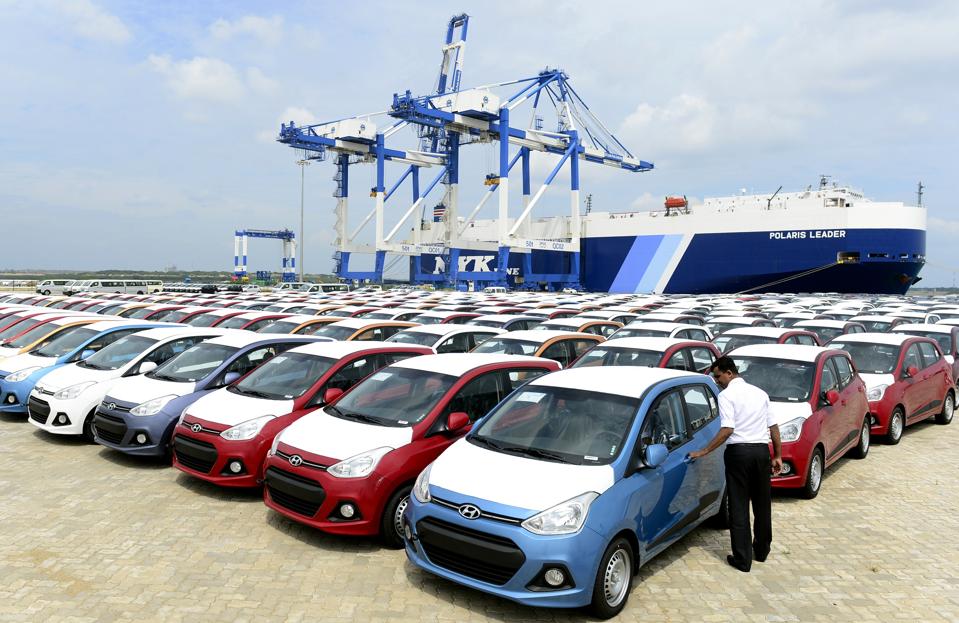
Sri Lanka’s Cabinet “clears port deal” after security concerns addressed

July 26th, 2017

Courtesy The Business Times

Sri Lanka’s cabinet cleared a revised agreement for its Chinese-built southern port of Hambantota on Tuesday, the government said, after terms of the first pact sparked widespread public anger in the island nation.

The port, close to the world’s busiest shipping lanes, has been mired in controversy ever since state-run China Merchants Port Holdings , which built it for US$ 1.5 billion, signed an agreement taking an 80 percent stake.

Under the new deal, which Reuters has examined, the Sri Lankan government has sought to limit China’s role to running commercial operations at the port while it has oversight of broader security.

Chinese control of Hambantota, which is part of its modern-day “Silk Route” across Asia and beyond, as well as a plan to acquire 15,000 acres (23 sq miles) to develop an industrial zone next door, had raised fears that it could also be used for Chinese naval vessels.

Sri Lankans demonstrated in the streets at the time, fearing loss of their land, while politicians said such large-scale transfer of land to the Chinese impinged on the country’s sovereignty.

Details of the new agreement have not yet been made public. But according to parts of the document seen by Reuters, two companies are being set up to split the operations of the port and allay concerns, in India mainly but also in Japan and the United States, that it won’t be used for military purposes.

China Merchants Port Holdings will take an 85 percent stake in Hambantota International Port Group that will run the port and its terminals, with the rest held by Sri Lanka Ports Authority. The company’s capital will be $794 million.

A second firm, Hambantota International Port Group Services Co, with capital of $606 million, will be set up to oversee security operations, with the Sri Lankans holding a 50.7 percent stake and the Chinese 49.3 percent, according to the document.

Ports Minister Mahinda Samarasinghe said that several foreign missions had sought clarification from Colombo about whether the Chinese navy would be using Hambantota port as it steps up its presence in the Indian Ocean.

We told China that we can’t allow the port for military use and that 100 percent responsibility of security matters should be with the Sri Lankan government.”

China has been building ports in Pakistan, Sri Lanka and Bangladesh and smaller island nations in what military officials call a “String of Pearls” in the Indian Ocean, or a network of friendly ports where its warships can refuel.

Reducing Stake

China Merchants Port Holdings also agreed to reduce its stake in the Sri Lankan joint venture running the commercial operations of the port to 65 percent after 10 years, the document says.

“The cabinet approved the deal and now it needs parliament approval. We will send it for approval this week,” cabinet spokesman Dayasiri Jayasekera said.

He didn’t provide details. A Chinese embassy spokesman said it had no comment to make on the deal. A source close to the Chinese Embassy in Colombo said both sides had reached a compromise and that Sri Lanka’s concerns had been addressed.

“They emphasized that they wanted to maintain balanced relations with other countries. But the deal is still beneficial for China in terms of revenue,” the source said.

The latest agreement relates to the port while the pact for the industrial zone will be handled separately, Sri Lankan officials said.

The revised deal comes weeks after President Maithripala Sirisena reshuffled his cabinet, naming Samarasinghe to the ports ministry after his predecessor had strongly opposed a majority equity stake for the Chinese firm and raised a red flag over possible military use.

Two Sri Lankan sources familiar with the deal said the Sri Lankan Ports Authority would have the right to inspect ships entering Hambantota.

“Sri Lanka will have control over port activities including security, which various parties have raised concerns over earlier,” one source told Reuters. “The agreement clearly says no military ships will be allowed in the port.”

New Delhi in 2014 was alarmed when a Chinese submarine docked in Colombo, where another Chinese firm is building a $1.4 billion port city on reclaimed land.

India has long considered Sri Lanka, just off its southern coast, as within its sphere of influence and sought to push back against China’s expanding maritime presence. In May, Sri Lanka turned down a Chinese request to dock a submarine.

භීෂණයට අත වනන්නෝ

July 26th, 2017

නලින් ද සිල්වා

යාපනයේ සිසුවියකු වූ විද්‍යාගේ ඝාතනය පිළිබඳ නඩුව විභාග කරන  මහාධිකරණ විනිසුරුගේ ආරක්‍ෂක නිලධාරියකු වෙඩි වැදී මිය ගිහින්. තවත් ආරක්‍ෂක නිලධාරියකු වෙඩි වැදී රෝහලේ. මේ පිළිබඳ විවිධ කතා ජනමාධ්‍යයේ කියැවෙනවා.  පොලිසිය කියන දේ විශ්වාස කිරීම අපහසුයි. මාර්ගය අවහිරවීමක් නිසා ඇති වූ ආරවුලක් හේතුකොටගෙන  පොලිස් ආරක්‍ෂක නිලධාරියා මියගිය බවයි පොලීසිය කියන්නේ. එහෙත් වාර්තා වී ඇති අන්දමට විනිසුරුතුමා කියන්නේ තමාට තැබූ වෙඩිල්ලකින් නිලධාරියා මිය ගිය බවයි.

පොලිසිය වෛද්‍ය පීඨ ශිෂ්‍ය නායකයකු වූ රයන් ජයලත් අත්අඩංගුවට ගැනීම ගැනත් සංගත නොවන කතා කියනවා.  මෙහි දී වෛද්‍යවරුන් කියන කතාවත් පොලීසිය කියන කතාවත් විශ්වාස කළ යුතු නැහැ. රයන් පැහැර ගෙන යෑමට මහදවල් වෛද්‍ය නිලධාරීන්ගේ සංගම් කාර්යාලය ඉදිරීිපිටට දෙනෝ දාහක් මැද පොලීසිය පැමිණේවි යැයි හිතන්න බැහැ. එහෙත් පොලීසියට අත්අඩංගුවට ගැනීමට වුවත් මෙයට වඩා වෙනස් අයුරකින් ක්‍රියාකරන්න තිබුණා. ආණ්ඩුව කළේ අත්අඩංගුවට ගැනීමක්වත් පැහැර ගැනීමක්වත් නොව වැඩ වර්ජනයකට කැඳවා ගැනීමක්,  භීෂණයකට අතවැනීමක්. භීෂණයට අත වැනීම ගැන වෛද්‍යවරුන්, ජනමාධ්‍ය, පෙරටුගාමීන් හා ජ වි පෙරමුණත් වගකිව යුතුයි. සයිටම් ප්‍රශ්නය විසඳා අවසානයි. සයිටම් අහෝසි කිරීම එකම විසඳුම වන්නේ වෛද්‍යවරුන්ට, කාලෝට, පෙරටුගාමීන්ට, ජ වි පෙරමුණට හා ආණ්ඩුව පෙරළීමට තම මාධ්‍ය හා සේවකයන් යොදා ගන්නා මාධ්‍ය ලොක්කන්ට පමණයි. මේ මාධ්‍ය ලොක්කන් තම මාධ්‍ය ආණ්ඩුවට විරුද්ධව මෙයෙවන ගමන් රනිල්ට මධුවිත වක්කරනවා. සයිටම් නැත්නම් වෙනත් අයිටම් මගින් ආණ්ඩුව භීෂණයක් දියත් කරනවා. පෙරටුගාමීන් හා ජ වි පෙ එයට ආධාර කරනවා. වෛද්‍යවරුන් හා ජනමාධ්‍ය පෙරටුගාමීන් පසුපස යනවා. වෛද්‍යවරුන් සමහරකුට ඇතැම් මාධ්‍ය ලොක්කන්ට මෙන් ම දේශපාලන අරමුණු තිබෙනවා. අපට ගේම් කාරයන් කීවත් මාධ්‍ය ලොක්කන්  තමයි නියම ගේම් කාරයන්.

යාපනයේ සිද්ධ වන්නේ වෙනම ම දෙයක් නො වෙයි. කොළඹ සිදුවන දෙයමයි. එහෙත් පිටපත තරමක් වෙනස්. ආණ්ඩුව ඊනියා සංහිඳියාවක් ගැන කතා කරමින් ත්‍රස්තවාදයට හිස එසවීමට ආධාර කරනවා. විිද්‍යා ඝාතනය ගැන අප අධිකරණයට බලපාන දෙයක් කියන්නේ නැහැ. එහෙත් මේ ස්විස් කුමාර් කවුද? විනිසුරුවරයාට වෙඩි තැබීමට තැත්කළ ත්‍රස්තවාදියා හුදෙක් බීමතින් සිටියකු ද? ඔහු හා ස්විස් කුමාර් අතර සම්බන්ධයක් තිබේ ද? ඔහු කොටියකු බව ඔහුගේ සහෝදරයකු කියනවා. අද දේශපාලනඥයන් නැවත කොටි සංවිධානයක් බිහි කිරීමට උත්සාහ කරනවා. ආණ්ඩුවට පැවැත්මට හා  නව ව්‍යවස්ථාවක් සම්පාදනය කර සහසන්ධීය රාජ්‍යයක් පිහිටුවීමට ත්‍රස්තවාදය හා භීෂණය අවශ්‍යයි.

විනිසුරුැවරයා දෙමළ, ආරක්‍ෂක නිලධාරියා සිංහල. සාමාන්‍යයෙන් විනිසුරුවරයකු හැසිරෙන ආකාරයට නො වෙයි මේ විනිසුරු හැසිරී තිබෙන්නේ. ඔහු තම ආරක්‍ෂක නිලධාරියාගේ බිරීයට පහත් වී නමස්කාර කර තිබෙනවා. අනෙක් නිලධාරියා හමුවීමට රෝහලට ගොස් හැඟුම්බර ව ක්‍රියා කර තිබෙනවා. ඇතැම් පඬියන් ඔහුට චෝදනා කිරීමට ඉඩ තිබෙනවා විනිසුරු නිලයේ ගෞරවය නොරැකි බව කියමින්. ලංකාවේ තරම් පඬියන් වෙනත් රටක නැතුව ඇති. ආණ්ඩුව ඇති කිරීමට තැත් කරන්නේ යැයි කියන ඊනියා සංහිඳියාව වෙනත් අයුරකින් රටේ ම තිබෙනවා. විනිසුරුවරයා කොටි බලවත් කාලයේ සිට ම රැක බලාගෙන ඇත්තේ මියගිය ආරක්‍ෂක නිලධාරියා. සාමාන්‍ය දෙමළ ජනයා ත්‍රස්තවාදීන් නො වෙයි. ඇතැමුන් ත්‍රස්තවාදීන් බව ඇත්ත. ඒත් ඒ කිහිප දෙනයි. ඒ කිහිප දෙනා අතර දේශපාලනඥයන් ඉන්නවා. ඔවුන් බලය සඳහා දෙමළ ජනයා කුපිත කරන කතා කියනවා. ආණ්ඩුවත් උතුරේ දේශපාලනඥයනුත් සංහිඳියාවක් ගැන කියමින් තිබෙන දැන හැඳිනීම් මිනිස්කම් නැති කරන්න උත්සාහ කරනවා.

බොරු වැඩවර්ජන, වෙඩි තැබීම් ආදිය අවසානයේ දී සේවය කරන්නේ ආණ්ඩුවටයි. ඇතැම් විට ආණ්ඩුවේ නියෝජිතයන් මේ වෘත්තීය සමිතිවල ඉන්නත් පුළුවන්. මේ සියල්ල  විද්‍යුත් මාධ්‍යයෙහි ඊනියා රියැලිටි ෂෝ වගේ. රියැලිටි ෂෝවලටත් පිටපතක් තියෙනවා. ඒත් අප හිතන්නේ කිසිම පුහුණුවක් නැතිව ඒ විකාශය කෙරෙන බවයි. අද දේශපාලනය ඊනියා රියැලිටි ෂෝ එකක් වගේ.

අපේ රටවල ප්‍රශ්නය කසිකබල් සමාජයීය විද්‍යාඥයන් කියන ආකාරයට පශ්චාත් යටත්විජිත රාජ්‍යයක් ගොඩ නගා ගැනීමට නොහැකි වීම නො වෙයි. මේ බොහොමයක් සමාජයීය විද්‍යාඥයන් දොස්තරලා ආදීන් දන්නේ දෙන දෙයක් පාඩම් කර ගෙන විභාගවල ලකුණු ගැනීම පමණයි. ඔවුන් නිර්මාණය කළ එක සංකල්පයක් ප්‍රවාදයක් තියෙනවා ද? ඔවුන් දන්නේ පශ්චාත් යටත්විජිත රාජ්‍යය, පශ්චාත් නූතනත්වය වැනි බටහිර පට්ට ගහන සංකල්ප පඬියන් මෙන් පුනරුච්චාරණය කිරීම පමණයි. එක පඬියකු නිවන ගැන කතා කරන්නේ තියෙන දෙයක් ලෙස සලකමිනුයි. එය තියෙන්නේ නිව්ටෝනීය අවකාශයේ ද, අයින්ස්ටයිනීය අවකාශ කාලයේ ද එයිනුත් පිටත ද කියලා කිව්ව නම් හොඳයි.

මෙරට එක් ප්‍රශ්නයක් නම් බටහිර බොරු ප්‍රජාතන්ත්‍රවාදය බලය ලබා ගැනීමට හා රැක ගැනීමට බටහිරයන් මෙන් සියුම් ව යොදා ගැනීමට බැරි වීම. මෙරට දේශපාලනඥයන් බටහිර බොරු ප්‍රජාතන්ත්‍රවාදය යොදා ගන්නේ ගොරහැඩිව. ඔවුන් මොනවා කළත් හෙළිදරව් වෙනවා. දේශපාලනඥයන්ට ම හරියන පොලිස් මාධ්‍ය ප්‍රකාශලාත් ඉන්නවා. මෙරට තවත් ප්‍රශ්නයක් නම් අප අපේ පැරණි දැනුම බල්ලට දැමීම. පඬියන් එය සලකන්නේ මිථ්‍යා ලෙස. ඒ බටහිරයන් ඔවුන්ට කියා ඇති ආකාරයට. අප ආධ්‍යාත්මික බලය ගැන කතා කරන විට ඔවුන් හිනහවෙනවා. අපට මෝඩයන් නාකි මැන්ටල කියනවා. දෙවියන් පෙන්නන්න කියනවා. මා ඒ අභියෝගය පිළිගෙන තිබෙනවා. එහෙත් එයට පළමු පඬියන් ගුරුත්වාකර්ෂණ බලයක් තිබෙන බව පෙන්වන්න ඕන. මා ඔවුන්ට අවකාශ කාල වක්‍රතාව පෙන්නන්න කියන්නේ නැහැ. ඔවුන්ට එය තේරෙන්නේ නැහැ.

අප බටහිර දැනුම මුළුමනින් ම ප්‍රතික්‍ෂෙප කරන්නේ නැහැ. අපට එය අවශෝෂණය කර ගැනීමට තේරෙන්නේ නැහැ. පඬියන් නිකම් ම ගිරවා දමා පශ්චාත් යටත්විජිත  රාජ්‍ය ගැන දොඩවනවා. එවැනි පඬියන් පොල්පිත්තකින් කපා ගන්න පුළුවන්. මේ පොල්පිති පඬියන් දොස්තරලා ආණ්ඩුවේ භිෂණ උගුලට වේගයෙන් ඇදී යන්නේ එයට අත වනමින්.


නලින් ද සිල්වා

2017 ජූලි 25

ට්‍රාන්සිල්වේනියා ලක්‍ෂ 6 ඉක්මවයි

July 26th, 2017

වෛද් රුවන් එම් ජයතුංග

ට්‍රාන්සිල්වේනියා බ්ලොගය කියවූ ප්‍රමාණය මේ වන විට ලක්‍ෂ 6ක් ද ඉක්මවා තිබේ. 2014 වසරේ ඇරඹි මෙම ට්‍රාන්සිල්වේනියා බ්ලොගයේ මේ වන විට පෝස්ටු 870 කි. ට්‍රාන්සිල්වේනියා බ්ලොගය ඇරඹීමට අත හිත දුන්  දිවංගත විචා තුමා (මේජර් ගුණරත්න ) මෙන්ම නන් අයුරින් දිරිමත් කල හිතවතුන්ටද මාගේ ස්තූතිය මේ අවස්ථාවේදී  පිරිනමමි.

ට්රාන්සිල්වේනියා බ්ලොගය සඳහා ලින්කුව මෙතනින් 

https://transyl2014.blogspot.ca/2017/07/blog-post_24.html

NEPAL IS BECOMING A DANGER-LAND

July 26th, 2017

ALI SUKHANVER

On 5th of December 2011 ,the Delhi police crime branch claimed to arrest two fresh recruits of the Pakistani spy agency, including a woman, from the New Delhi railway station. According to the claim they were arrested when they arrived at New Delhi railway station with a plan to kill the chief minister of Gujrat. But a news-story about the same couple narrated in Nepalese newspapers negated the claim of Delhi police and the legal documents of the arrested couple also supported the story narrated by the Nepalese newspapers.

According to the details Mr. Imran Yousaf Chippa, son of Mohammad Yousaf and Sofia Kanwal were married in October 2011 in Karachi, Pakistan. They went to Nepal for their honey moon on 17 November 2011 with the return ticket of 24 November.

On the departure day as the two were going to Katmandu air port in a taxi, a Suzuki gypsy jeep cut them off and four unknown persons from the jeep asked their identity. As they saw their Pakistani passports they forcefully pushed them into the jeep and their hands were chained and their eyes were blindfolded with a cloth. Almost after twenty days the Delhi police claimed they were arrested on their arrival at Delhi railway station.

Later it was revealed that the unknown persons in the jeep were the agents of RAW working in Nepal. It is a daylight fact that RAW is more active in Nepal than Nepal’s own security agencies.

Now in 2017, the same story has been repeated in Nepal but this time the abducted Pakistani was a retired officer of the Pakistan Army. Col (R) Zahir Habib, after his retirement from Pakistan Army in 2014, started applying for some job through emails in different international companies. Indian intelligence agencies picked up his bio data from there and hatched a conspiracy to trap him by offering a UN affiliated job in Nepal. Col. Habib reached Nepal to meet Mark Thomson, a senior Recruiter of ‘Stratsolutions.biz’ on 6th April 2017. Since then there is no news of the whereabouts of Col(R) Zahir Habib.

In spite of the repeated requests of the missing Pakistan’s family nothing has yet been done by the government of Nepal for the rescue of the missing Pakistani. Recently his wife wrote another letter to UNHRCP regarding mysterious disappearance of her husband from Lumbini, a border town of Nepal where he was called for a job interview.

In the beginning lines of her letter she says, I am once again writing to the Office of the High Commissioner for Human Rights with the hope that Humanity is still alive and I along with my children am not living in a lawless world with no justice and no compassion. I have learnt that there are very convincing indications of involvement of Indian nationals in my husband’s  mysterious disappearance from  Nepal and evidences collected so far strongly suggest incident as a premeditated kidnap plot.” Though the helpless government of Nepal remained silent on the issue but some of the Nepalese journalists have raised their voices against abduction of Col (R) Zahir Habib in very bitter tones. Swaviman Nepal is an esteemed magazine of Nepal.

It said in a report, India is using Nepalese territory for leveling its scores with its opponents. Uncontrolled abductions of foreigners from Nepalese territory by Indian intelligence suggest that Nepal is no more a safe tourist resort and anybody could be abducted or killed by Indian sleuths.” Indian interference in Nepal has become a continuous basis of conflict between the government of Nepal and the people of Nepal.

The people of Nepal are of opinion that Indian interference in their internal as well as in foreign affairs is depriving Nepal of its own identity and sovereignty. It is because of Indian interference in Nepal that the whole social, political and economic set up of Nepal is heading towards a catastrophic ending. Indian interference in Nepal has become a serious threat to the law and order situation in the country too.

The hidden agents of R&AW are always there to damage Nepal’s repute at international level. The government of Nepal never seems willing to give these agents a hard time or to take them to task for their mischievous activities; disappearance of a retired officer of Pakistan Army from Nepal is also one of such heinous activities. This slavish behavior of the government of Nepal and of the politicians there and the helplessness of the security forces of Nepal must be alarming and eye-opening to the people of Nepal.

If no one in Nepal tried to put a check on the increasing interference and influence of India, this country of beautiful people and wonderful mountains would become an Indian colony. Keeping the neighbouring countries under pressure, particularly the countries weaker in strength and resources, has been an old practice of India. Bangladesh, Nepal, Bhutan and Sri Lanka are the worst example in this regard.

Sri Lanka is very fortunate that it has a nation blessed with marvelous will and determination. It is simply because of this determination and courage that the people of Sri Lanka did not let India succeed in its heinous plans of making Sri Lanka an Indian colony. The people of Nepal also need the same courage and determination as the Sri Lankan’s have.

එජාපයේ 77 පරම්පරාව අවසන්ය.  මේ 77 දරුවන්ට කාලය යි. 

July 26th, 2017

රජිත් කීර්ති තෙන්නකෝන්

’77 විප්ලවය‘ නැතිනම් සංවෘත්ත ආර්ථිකයික් ‘විවෘත ආර්ථිකයට‘ ලංකාව මාරුවී වසර 40 ක් ගතවී ඇත.  රනිල් වික්‍ර‍මසිංහ මහතා ගේ දේශපාලන ජීවිතයට ද වසර 40 කි. 

77 විප්ලවයෙන් පසු වසර 40 න් මුල් වසර 17 ක් එජාපය බලයේ සිටියේ ය.  ඉතිරි වසර 22 යි මාස 6 එජාපය සිටියේ විපක්ෂයේ ය. නැතිනම් අර්ථ විපක්ෂයේ ය.  එනම් පූර්ණ විධායක ජනාධිපති ක්‍ර‍මයක් ඇති රටක, රාජ්‍ය නායක බලය නැතිවය.  ලංකාවේ මාධ්‍ය සහ ප්‍ර‍චාරකපට බහුතරයක් ජූලි 22 දකින්නේ 77 විප්ලවයේ දිනය ලෙස පමණී.  77 පාර්ලිමේන්තුවේ සිට  රනිල් වික්‍ර‍මසිංහ පමණක් නොව  කටුගම්පොල මන්ත්‍රී ගාමිණී ජයවික්‍ර‍ම පෙරේරා ගේ පාර්ලිමේන්තු දිවියට ද වසර 40 කි.  එතකොට ගාමිණී ජයවික්‍ර‍ම පෙරේරා කේක් කපන්නේ නැත්තේ?  ඔහු ටික කලක් වයඹ පලාත් සභාවේ ප්‍ර‍ධාන ඇමති වී පාර්ලිමේන්තුවේ නොසිටි නිසා විය හැකිය. 

සැබවින්ම රනිල් වික්‍ර‍මසිංහ එජාපය 1946 සිට 1977 දක්වා පැමිණි ගමන් මග වෙනස් කල එකම නායකයා ය.  එජාපයේ ‘සම්ප්‍ර‍දාය‘ වෙනස් කළ පුද්ගලයා ය.  එජාපයට ආවේනික පක්ෂ අනන්‍යතාව වෙනස් කළ පුද්ගලයා ය.

එජාපටය 77 මහා මැතිවරණයේ දී අති මහත් බලයක් ලබන්නට හේතු කිහිපයකි.   සංවෘත ආර්ථිකය විසින් ඇති කළ පීඩාව, මර්ධනය, මැතිවරණ කල් දැමීම හා ජේ.ආර්. ගේ සංවිධාන ශක්තිය ඒ අතර ප්‍ර‍මුඛ ය. 

එදා එජාපයේ තැනක් ලබන්නට ශිෂ්‍ය, තරුණ සමිති, වෘත්තීය සමිති, එජාප සමිති සමාගම්වල, ගම් සභාවේ හෝ තෙම්පරාදු විය යුතුව තිබුණි.  පක්ෂයට වැඩ කළ යුතුව තිබුණි.  අඩියෙන් අඩිය පඩි පෙළේ ඉහළට නැගිය යුතුව තිබුණි.  77  මැතිවරණයෙන් ජයගත් කිහිපදෙනෙකු හැර අති බහුතරයකට ඒ පොදු ලක්ෂණය තිබුණි. නමුත්,  රනිල් වික්‍ර‍මසිංහ මහතා 77 බියගමට එන්නේ එයට හාත්පසින් වෙනස් පරිසරයකිනි. ඒ  පවුලේ දේශපාලන නියෝජිතයා ලෙසිනි.  එවකට තරුණ පෙරමුණේ සභාපතිවරයා වූ ජිනදාස නියතපාල මහතා කියා ඇති පරිදි මැතිවරණයට තරග කරන්නට තරුණ පෙරමුණේ සාමාජික කාඩ්පත පස්ස දොරෙන් රනිල්ට දෙන්නට නියතපාලට සිදු විය. එජාපය නම ලැබුණේ ද, හැදුවේ ද, නැතිකළේ ද මාමා-බෑනා සංයෝගයන් ය.  

1977 සිට 1994 දක්වා එජාප පාලනයේ වික්‍ර‍මසිංහ සලකුණ ගැන බොහෝ සුරංගනා කථා ලියැවී ඇත.  ජනාධිපතිවරණ දෙකකට ඉදිරිපත් වූ ලංකාවේ ප්‍ර‍මුඛම පක්ෂයේ නායකයෙකු ගැන එවැනි කථා ලියැවීම පුදුමයක් නොවේ.  අධ්‍යාපනය, තරුණ කටයුතු, යොවුන් පුරය එජාපයේ වැඩසටහන්වල පස්වන – හයවන තැන් හි වූවේය.  නමුත්, බටලන්ද වදකාගාරය ඇතුළු මර්ධනය නම් එසේ නොවේමය.

ප්‍රේමදාස, ලලිත්, ගාමිණී ඝාතනයෙන් පසුව 1994 අවසානයේ එජාප නායකත්වය පත්වන රනිල්, එදා මෙදා වසර 22 යි මාස 6 ක් පක්ෂයේ නායකයා ය.  ඔහු එජාප නායකත්වය පාර කැපී තිබූ එකම තරගයේ දී විපක්ෂ නායක ධූරයට ගාමිණී දිසානායකට පරාජය විය.   දේශපාලන කුමන්ත්‍ර‍ණ දෙකකින් අවස්ථා දෙකක දී වසර දෙක බැගින් ඔහු රටේ අගමැතිවරයා වී ඇත. ජනාධිපතිවරණ දෙකක්, මහා මැතිවරණ, පළාත් සභා, පළාත් පාලන මැතිවරණ 31 ක් පරාජය වී ඇත. පරාජය නියත බැවින් අවස්ථා දෙකක දී පොදු අපේක්ෂකයින් මතින් ජනාධිපතිවරණ මගහැර ඇත.


පක්ෂයේ අනන්‍යතාව නැතිවීම

එජාපය රටේ අංක එකේ ධනපති පක්ෂයයි.  ධනපති පක්ෂයක ස්වභාවය කුමන පසුබිමක හෝ වේවා දක්ෂයාට තැන දීම ය.  දක්ෂ කලමනාකරුවාට, කථිකයාට, නීතිඥයාට, වෘත්තිකයාට, ව්‍යාපාරිකයාට, ව්‍යවසායකයාට, ‘ජාතික අනන්‍යතාව‘ රැක ගනිමින් තැන දීම ය.  එජාපයට පසුගිය වසර 22 තුල අලුතෙන් එවැන්නන් කොපමණ පිරිසක් එක් වී ඇති ද යන්න වෙනම ලිපියක් ලිවිය හැකි කරුණකි.  නමුත්, මේ කාලය තුල එජාප පාර්ලිමේන්තු මන්ත්‍රීවරු 42 ක් එජාපය හැර ගියේය. නායකයාගේ එහෙයියන් ඉතිරිවී නායකත්වයට තර්ජනයක් විය හැකි සැවොම පක්ෂය හැර ගියේය.

පක්ෂයට ඇති ශක්තිය පක්ෂ ව්‍යුහය, වෘත්තීය සමිති, ශිෂ්‍ය, තරුණ, කාන්තා සමිති ය.  නව නායකයින් හැදෙන්නේ එතැනිනි.  එජාපය අද නැත්තේ ද, ඒ පක්ෂ ව්‍යුහය යි.  ජනාධිපතිවරණය දුවවන්නට, පෝස්ටර් ගැසීම ජනාධිපතිවරණ දෙකක දී ජ.වි.පෙ. විසින් සිදු කිරීම නිසා එය දැනුනේ නැත.  මනාප ක්‍ර‍මයට දුවන අපේකෂකයින් නිසා එහි අඩුව දැන්නෙන්නේ ප්‍ර‍තිඑල නිකුත් වන විට පමණී.  සෑම මැතිවරණයකින්ම ‘නායකයාගෙන් තොර පැවැත්මක් නැති‘ පිරිසක් ඉදිරියට ගැනීමට ඔහු සමත් විය.  ඒ පිරිසටද,  ‘කොන්දේසි විරහිතව නායකයා රැකීම හැර‘ වෙනත් වගකීමක් තමන්ගේ ධූර කාලයේ දී කරන්නට වන්නේ ද නැත. වත්මන් එජාපය පක්ෂ යාන්ත්‍ර‍ණයක් නොමැති රාජ්‍ය නොවන සංවිධාන ජාලයකින් ජන මතය හදා මැතිවරණ දිනනන්ට නොව දේශපාලන කුමන්ත්‍ර‍ණ වලින් බලයේ රැදී සිටින්නට වෙර දරණ ‘කල්ලිය‘ කි.

රට පුරා හැම තැනම පක්ෂයේ බල කේන්ද්‍ර‍ බවට පත් වූ එජාප පවුල් සිටියේය.   මාතලේ අලුවිහාරේ පවුල, වැලිමඩ සමරවීර, පුංචිනිලමේ, මැතිව් එවැනි පවුල් වෙති.  මේ පවුල් එජාප බලකේන්ද්‍රයෙන් ඉවතට ගියේ 77 විප්ලවයේ අවසාන වසර  22 තුලය.   රටක් දිනන්නට දිස්ත්‍රික්කයක් දිනිය යුතුය. දිස්ත්‍රික්කයේ ඉහළින්ම දිනන උදවිය රට ද, පක්ෂය ද දිනිය හැකි බැවින් දෝ පුත්තලම, මාතලේ වැනි දිස්ත්‍රික්ක වලට 2015 ජනවාරි විප්ලවයෙන් පසුව කැබිනට් ඇමතිකමක් හෝ ලැබුණේ නැත.  කැබිනට් ඇමතිකමක් දීමේ නිර්ණායක බඩයි, උසයි වුවත් වැලිමඩ සමරවීරලාට – මාතලේ අළුවිහාරේලාට ඇමතිකම් ලැබිය යුතුය.   හැම දිස්ත්‍රික්කයකම ජයප්‍රියම පුද්ගලයාගේ බලය කැපීම 77 විප්ලවයේ අවසාන සමයේ තවත් සුවිශේෂත්වයකි.   මොණරාගල රංජිත් මද්දුම බණ්ඩාර, මාතර බුද්ධික පතිරණ, පුත්තලම රංග බණ්ඩාර එවැනි උදාහරණ වෙති.


සුළු පක්ෂ දුරස්ථවීම

අතීතයේ එජාපය‘ජාතික‘ පක්ෂයක් විය.    හැම ජාතියකම, වර්ගයකම උදවිය එජාපයේ එදා සිටියේය.  අද එජාපයේ ද්‍ර‍විඩ නායකයා ‘ස්වාමිනාදන්‘ ය.  මුස්ලිම් නායකයා ‘මරික්කාර්‘ ය.  ජන පදනමක් ඇති ඉම්තියාස් බාකිර් මාකර් වැන්නවුන්ට අවම වශයෙන් නාම යෝජනා හෝ ලැබෙන්නේ නැත.  ඒ අඩුව කාලයෙන් කාලයට පුරවන්නේ ‘හකීම්-මනෝ-රිෂාක්-දිගම්බරම් ය. නැතිනම් තොන්ඩමන් ය.  එජාපයේ ‘ජාතික‘ ස්වරූපය වියැකීයාම තුල රටතුල සිංහල බෞද්ධ අන්තවාදය ව්‍යාප්ත විය.  ඒ මැතිවරණයට පිටපතින් ආනයනය කරන සුළුජාතික පක්ෂවල ජාතිකවාදී ව්‍යාපාරයන්ට එරෙහිවය.  අනෙක් අතට එජාපයට පාර්ලිමේන්තුවේ හිමිවන මන්ත්‍රී ධූර සංඛ්‍යාවෙන් ලොකු පංගුවක් මේ කුඩා ජාතික පක්ෂ වෙත වෙන්වන්නේය.  එජාපයට 1999 සිටම වුනේ මැතිවරණයේ දී ඉලක්කම් ලියවුණාට පාර්ලිමේන්තුව තුල පක්ෂයට හිමි වූ මන්ත්‍රී ධුර සංඛ්‍යාව ක්‍ර‍මයෙන් අඩුවෙමින් පක්ෂයේ ශුද්ධ බලය බිම් මට්ටමේ දී අඩුවීම ය.

77 විප්ලවයේ අවසන් වසර 22 ½ තුල එජාපය දිගින් දිගටම සිදු කළේ දේශපාලන වරද්දාගැනීම්ය.    ඉන් පලමුවැන්න, සුළු ජාතිකයින් ට පක්ෂයේ අවස්ථා අහිමි කිරීම හා එහි ප්‍ර‍තිඑලයක් ලෙස ජාතිය පදනම් කොට ගත් දේශපාලන පක්ෂ මැතිවරණයක දී පමණක් සන්ධාන ගත කරවා ගැනීමය.  දෙවැන්න,  2004 වසරේ දී ශ්‍රීලනිපයේ සිංහල-බෞද්ධ ඡන්ද පදනමට කඩන්නට යැයි කියා මලික් සමරවික්‍ර‍ම හරහා සිහළ උරුමයට, පසුව හෙළ උරුමයට සහාය දීමය.  එජාපයට එහි ජාතික අනන්‍යතාව මුළුමනින්ම නැති විය.  දැන් සුළු ජාතිකයින් හැලී ගොසිනි.  සිංහල බෞද්ධ නායකයින් ද ගැලවී ගොසිනි. 

අද එජාපයේ අර්බුදය පක්ෂයට නායකයින් හෝ විකල්ප නායකයින් නැතිවීමය. 

එජාපය පාර්ලිමේන්තුවේ බහුතරය ලබා ගත් අවස්ථා දෙකේ දීම එය විපක්ෂයට ‘සැපතක්‘ ද එජාප පාක්ෂිකයින්ට ‘විපතක්‘ ද විය.  2002 දී ඉතා ඉක්මනින් නැවත බලයට පැමිණීමට ශ්‍රීලනිප බල කදවුරට ඒ අනුව අවස්ථාව ලැබුණි.  එය එජාපය පාක්ෂිකයින්ට නොසලකමින් සිදු කළ ‘දිවි නසා ගත්තේය‘.   මහපොළොවට සම්බන්ධ නැති ‘රාජකීය සමාජයක්‘ ව්‍යාපාර කරන්නට ගොස් එජාපය නැත්තටම නැති කළේය.  2015 දී,  විපක්ෂයට සැපතක් වෙමින් ‘දුෂිතයින් සමග ඩීල් දමමින් ඔවුන් රැකගෙන දැන් ඔවුන්ගේ පාට් බලමින් නෝංජල් වන්නේය.  රාජකීය සමාජය බැදුම්කර, විදේශ ආයෝජන, මුදල් ඇතුළු සියළු අපකීර්තිමත් ගණුදෙනු හා ඩීල් පෙරදැරිව පක්ෂ පදනම විනාශයට තල්ලු කරන්නේය. බැදුම්කරය විසින් අද එජාප නායකයා ද, උපනායකයා දුෂිතයින් ලෙස හංවඩු වැදී විනාශ කොට ඇත්තේය. 

ඒ සියල්ලටම වඩා අද ගමේ-නගරයේ තම ශක්තියෙන්-ධෛර්යයෙන් නැගී සිටී බිම් මට්ටමේ නායකයින්ට පලාත් පාලන මන්ත්‍රී  ධූරයත් අහිමිව තිබේ. තමන්ගේ සමාජ වටිනාකම අහෝසි කරන දේශපාලන පක්ෂයට  කිසිදු යමක්-කමක් ඇති, හැකියාවක් ඇති ධනේෂ්වර නායකයෙකු පෙම් බදින්නේ නැත. නාම යෝජනා ලබාගන්නට එන්නේ ද නැත.  එහි ප්‍ර‍තිඑලයක් ලෙස මැතිවරණයකට මුහුණදීමට බැරි තැනකට එජාපය  වසර දෙකක් තුළ බිද වැටී ඇත.  අඩපණවී, දුර්වල වී ඇත.

අවස්ථා දෙකක දී ශ්‍රීලනිපයේ මහ ලේකම්වරු (එස්.බී. දිසානායක හා මෛත්‍රීපාල සිරිසේන)  පක්ෂ මාරුකොට පැමිණ එජාප නායකයාව වසර දෙක බැගින් අගමැති පුටුවේ වාඩි කර ඇත.  ඒ දෙවරම, කෙටිකලකින්ම තමන්ට අගමැති ධූරය ලබාදුන් පාර්ශව සමග ඔහු ගැටුම් ඇති කොට ගත්තේය.   එයටත් වඩා ලංකාවේ විශාලතම පක්ෂය යැයි ව්‍යවහාරයට කියන නමුත්, මැතිවරණයට සති කිහිපයකට පෙර පිටතින් පැමිණෙන පුද්ගලයෙකු තම නායකයාට වඩා පාක්ෂිකයින් අවස්ථා තුනක දී (2010 දී සරත් ෆොන්සේකා ද ඇතුළුව) ආකර්ශනීය වී ඇත. එජාප පාක්ෂිකයින්ගේ විශ්වාසය, කැමැත්ත දිනා ඇත.   

77 විප්ලවයේ හතලිස්වැනි සැමරුම එජාපය නායකයා ද, පක්ෂය ද පසු කළේ එවැනි පසුබිමක ය.  හතලින් වසකින් පළමු වසර 17 ශ්‍රී විභුතිය මත, පරාජිත වසර 22 ½ ක කැළල වසා ගැනීමට ය.

හතලිස් වස් පිරෙන දා, උත්සවාකාරයෙන් සමරන්නට තරම් වැදගත් කමක් ඇතිනම් ඒ අනාගතය සදහා වන දැක්මක්, බලාපොරොත්තුවක් සහිතව විය යුතුය.  නමුත්, වසර හතලිහක් තුල පළමු වසර 17 ½  එක දිගට බලය රැක ගැනීමට, එතැන් පටන් වසර 22 ½ පරාජය වැලද ගැනීමටත් සිදුව ඇති පක්ෂයකට පැවතිය හැක්කේ අනාගතය පිළිබද ප්‍ර‍ශ්ණයක් පමණී. 

එජාප පාක්ෂිකයින්ට නම් එක දිගට වසර 22 ½ පරාජයට පත් වූ, 2015 දී රාජකීයන් දුසිම් කිහිපයකට බලය ලබා දුන් මේ අගමැති ආණ්ඩුවෙන් වැඩක් නැත.  එජාපයේ පාර්ලිමේන්තු, පළාත් සභා මන්ත්‍රීවරුන් බහුතරයකට ද එසේමය.  පළාත් සභා තුනක් කල් දමන්නට යන විට එජාප පළාත් සභා මන්ත්‍රීවරුන් තමන්ට බලය කෙසේ වෙතත් තියෙන මන්ත්‍රීපට්ටම ද නැති බව බව දනී.  නමුත්, රංජන් රාමනායකට මෙන් එළියට ඇවිත් තවම ඒ දේ කියන්නට ශක්තියක් නැත.  ඔවුන් අතරින් බහුතරයක් බලාගෙන ඉන්නේ තවත් වරක් කවුරුන් හෝ පිටින් පැමිණ තමන්ට බලය අරගෙන දේවි යැයි මිස, මේ නායකයා සමග 2020 තරගයට යන්නට නොවේ.  රාජපක්ෂ යුගයේ බිම බලාගෙන සිටි මෛත්‍රීපාල මහ ලේකම්තුමා අවසානයේ රාජපක්ෂ ලා පරාජය කළේය. 

77 විප්ලවයේ ජයග්‍ර‍හණ අවසන් වූයේ 1994 දී ය.  පරාජය අවුරුදු 22 ½ ක් ඇදී යමින් තිබේ.  ’77 පරම්පරාව අවසන් ය.  මේ 77 විප්ලවයේ දරුවන්ගේ කාලය යි.

රජිත් කීර්ති තෙන්නකෝන්

A response to a request from the Chairman of the Election Commission.  Introduction of talented female representation in Politics and Political Parties.  

July 26th, 2017

V.Anandasangaree  Secretary General -TULF

Lack of talented female persons in Politics and in Political Parties is a great set back in Sri Lankan Politics that had compelled the government authorities to find a remedy for this short coming. In this connection the Election Commission has requested the various Political Parties to provide 25% of the vacancies in the Central Committee and to reserve another 20% for female officers in the Party.  I can recollect from memory at least half a century back two ladies who had held office as Chairwomen of Delft and Pandatharipu Village Councils Mrs. Kodiveliyar and Mrs.Perly Athanasiyar respectively. But there had been many who held membership in various Village Councils. These days it is hard to find one person active in local Politics. Although the reasons for this short comings cannot be spelt out, there had been reasonable grounds for the women showing reluctance to come to politics. The Chairman of Election Commission has informed us of the need to bring in women into Politics.

The TULF’s political activities virtually came to an end with the 2004 General Election at which it was virtually routed by threat and intimidation. The TULF still has not raised its head in Politics. With various developments taken place around us, the TULF believes that it can do well in politics with the substantial number of talented women joining us. The TULF is now determined to face all elections that come on its way. It will adopt a new pattern that was very much in demand at the 2004 election but failed due to some self interested personalities. The TULF will call upon all Political Parties to come under one banner with the common symbol and a common policy. This was the proposal of most of the Tamil Organizations and Tamil Political Parties to unite under one banner in spite of any difference of opinion or animosity the various Political Parties may have among themselves. This was exactly what everyone wanted. Even the LTTE wanted to unify the Tamil Community. If it had been adopted at the 2004 General Election the war would have come to an end in 2004 itself with a satisfactory solution also found for the ethnic problem and several thousands of lives would have been saved and billion rupees worth of property would not have been destroy. Above all almost all those who died during that period will still be living. In future at all elections the TULF will adopt this policy for which we will need several educated and talented women to be nominated as candidates.

One need not have the fear anymore that the TNA was a creation of the LTTE. The TNA was actually created by the TULF. It is a myth that it is managed by the Liberation Tigers. The TULF will base its manifesto on the grounds that all several interest groups in the North and East should be brought under one Tamil National umbrella.

The TULF strongly urges all those who had been our members and supporters in the past to rejoin or join our party which is holding its annual general meeting on the 06th August 2017 followed by its annual convention the next day.  

V.Anandasangaree  Secretary General -TULF

උමා ඔය වැලිමඩ හා හාළිඇල විනාශ කළ බව දැන්වත් පිළිගන්න  – මානව හිමිකම් කේන්ද්‍ර‍ය පරිසර ලේකම්තුමාට කියයි.වැලිමඩ හාලිඇළට තවමත් රුපියලක් වන්දි නෑ.

July 26th, 2017

කීර්ති තෙන්නකෝන් 

උමා ඔය හේතුවෙන් ගොවිතැන් විනාශ වූ වැලිමඩ/හාලිඇළ ප්‍රාදේශීය ලේකම් කොට්ඨාශවල ජනතාව වෙත වන්දි ලබාදෙන ලෙස ඉල්ලමින් ශ්‍රී ලංකා මානව හිමිකම් කේන්ද්‍ර‍ය පරිසර හා මහවැලි සංවර්ධන අමාත්‍යාංශයේ ලේකම්වරයා වෙත ඉල්ලීමක් කළේය.

බණ්ඩාරවෙල සහ ඇල්ල ප්‍රාදේශීය ලේකම් කොට්ඨාශයන් හි වගා හානි සිදු වූ ගොවීන් හා ඉඩම් හිමියන් හට වගා හානි වන්දි  ගෙවා ඇති නමුත් එය වැලිමඩ සහ හාලි ඇළ ප්‍රාදේශීය ලේකම් කොට්ඨාශය මේ දක්වා ක්‍රියාත්මක නොවන එම මානව හිමිකම් කේන්ද්‍ර‍ය පවසයි.

බණ්ඩාරවෙල හා ඇල්ල ව්‍යසනය උමා ඔය හේතුවෙන් සිදු වූ බව රජයේ නිලධාරීන් තහවුරු කොට ගෙන ඇති නමුත්, වැලිමඩ (සහ හාලිඇල සහ වෙනත් කළාප) හානිය සිදුව ඇත්තේ උමා ඔය හේතුවෙන් බව අදාළ රජයේ පාර්ශව විසින් මේ දක්වාම තහවුරු කර, නිර්දේශ හා සහතික කිරීම් සිදු කොට නොමැත.

ශ්‍රී ලංකා මානව හිමිකම් කේන්ද්‍රයේ විධායක අධ්‍යක්ෂවරයා පවසන්නේ, උමා ඔය පළමු විනාශය සිදු වූයේ පුහුල්පොල, දික්කාපිටිය ප්‍රදේශයටත් හාලිඇළ පනංගල ප්‍රදේශයටත් සිදු වූ ව්‍යසනයට උමා ඔය හේතු වූ බව රටම දන්නා කරුණක් බවයි.  වැලිමඩ දික්උල්පත, වැවතැන්න හා  එළමල්ලන්ද වැව් මේ වන විට සම්පූර්ණයෙන්ම සිදී ගොස් ඇත.  හාලි ඇල පනංගල වැව ද වගාවන් සදහා තවදුරටත් ජලය ලබා දිය නොහැකි මට්ටමට පත්ව ඇත. ප්‍රදේශයේ ජල උල්පත්, ජලාශ, දිය ඇලි, දිය කදුරු 3150 කට වැඩි ප්‍ර‍මාණයක් උමා ඔය විනාශයට ගොදුරු වී ඇත.

ලියන්ගහවෙල ඇති වූ දැවැන්ත නාය යාම උමා ඔය ඉදිකිරීම් නිසා ඇතිවීවූවක් නොවන බව රජයේ නිලධාරීන්ගේ වාර්තා දක්වයි.  නමුත්, උමග හා නාය ගිය ස්ථානය අතර දුර කි.මි. 1.2 කි.  උමගට කි.මි. 2.5 ට වඩා දුරින් ඇති ස්ථානවලට ද මෙහි බලපෑම සිදුවන බව දැන් විද්‍යාත්මකව තහවුරු වී ඇත.

වැලිමඩ සශ්‍රීකම බිම් කොටස මුළුමනින්ම පිට්ටනියක් බවට පත්ව ඇත්තේ උමා ඔය ව්‍යවසනය නිසා බව නැවත නැවත කිව යුතු නැත.  එය ඇසට පෙනෙන, ව්‍යවහාරික බුද්ධියට දැනෙන දෙයකි.  එය විද්‍යාත්මකව තහවුරු කර ගැනීමට, අර්ථ ගන්වා ගැනීමට සමත් රාජ්‍ය නිලධාරීන් අප සතුව ඇතැයි විශ්වාස කළ හැකිය.

වැලිමඩ, දික්කාපිටිය, පුහුල්පොල, පනංගල ලංකාවේ වැඩිම ආදායමක් උපයන ගොවි බිම් ය.  වර්ග අඩි 479,160 ක ජල ධාරිතාවක් ඇති දික්උල්පත වැවේ වත්මන් ජල ධාරිතාව වර්ග අඩි 12,000 කට අඩුය. ඒ ද තැන තැන මඩ කඩිති මෙනි.  කුඹුරු අක්කර 99 ක් අස්වද්දන්නට වතුර ද, තවත් අක්කර 72 ක එලවළු වගා කරන්නට වගා බිම් 228 කට කෘෂි ජලය ද, දික්උල්පත වැවෙන් ලැබුණි.   උමා ඔය ව්‍යාපෘතිය විසින් විනාශ කරන්නට පෙර වසරකට වී කිලෝ 235,620 ක් ද, එක් කන්නයකට අර්තාපල් කිලෝ 891,000 ක සාමාන්‍ය අස්වැන්නක් ද ලැබුණි. කත්කාලි, ගෝවා, බෝංචි, නොකොල්, ඇතුළු උඩරට එලළුලු සදහා සරු බිමක් හැමදාම දික්උල්පත වැව විසින් පමණක් සාදා තිබුණි. අනෙකුත් ස්ථාන සම්බන්ධයෙන් ද කෘෂිකර්ම දෙපාර්තමේන්තුව වැනි රාජ්‍ය ආයතන මගින් තහවුරු කළ දත්ත ලබා දිය හැකි බව ද තෙන්නකෝන් මහතා ගේ අත්සනින් යොමු කළ ලිපියේ සදහන් වේ.


Copyright © 2026 LankaWeb.com. All Rights Reserved. Powered by Wordpress