A Whitewash for Failed Politics

July 13th, 2017

By Ananda Ariyarathne Courtesy  Ceylon Today

‘Organized Chaos’ is the most appropriate definition of the Sri Lankan Political Scene. Chaos is a condition that develops with the absence of objective oriented processes, be it cultural, economic, or political. Culturally, we see a future generation growing into a self centred and therefore selfish one, causing the destruction of the principle of mutual respect and that in turn creates a social creature craving only to grab things totally disregarding the age old ethics that discipline us.

The wrong values instilled in the members of the generation make them feel overconfident about competence and freedom. This is the mentality that works even for the politicians who have become a shameless breed of scatterbrains who come up with policies that ruin the economy and create an unsustainable system with cancerous tendencies. Rational thinking no longer exists.

Where did our Politicians fail?

Are politicians genuinely worried about the problems of the people? This is the reason why politicians need to be accountable to the general public. The only respectable exit for the Tamil extremist politicians is to show that they have not given up. It is alright if it is the most genuine answer. This will be the worst constitutional experiment, if implemented.
The first challenge all of them had was to be futuristic. As they did not have a clear vision, there could not have been any futuristic vision. They bragged being far ahead when Singapore started trying to get the grip. We were contented. What was there to correct? The answer was nothing, because our fellows never made mistakes. The Korean Boom brought in more foreign exchange, but their happiness was short lived, and labour unrest created a crisis. For them, development meant rice cultivation and bragging about the ancient kings. The country was saved with a timely solution like the Rice–Rubber Pact. The feeling that the Sinhalese majority had been abandoned resulted in the plan to mobilize the majority against the United National Party (UNP) Government.

A ‘stalwart’ like S.W.R.D. Bandaranaike identified the formula – The Mobilization of the following forces – Buddhist Monks, Native Medicine Men (Ayurvedic Physicians), Teachers, Farmers who were more or less tenant farmers. The workers and the UNP were reduced to 8 seats in the Parliament. That was the beginning of the end for Sri Lanka as it started the rift between the Sinhala majority and the minorities. Although the Tamil politicians tried to start movements towards separatism, they could not get a foothold. What S.W.R.D. Bandaranaike did started a series of developments that should not have occurred in the first place. The nationalization brought in exemplary results in the economic sphere, but as they were not linked and anchored properly, their strength also became short-lived. Finally, all the nationalized services became the employment providers, and they in turn ended up as dumping grounds for party supporters. The Language Policy resulted in widespread inefficiency in Public Administration resulting in inferior managerial skills resulting in blunders like what they did in the education and higher education sectors. The degradation in Public Services resulted in smart thinking officials who at least had the capacity to maintain things. The aimless development plans did not address the issues and therefore did not produce the expected outcome. The large numbers of Arts Graduates passing out of the four main campuses meant that there were a huge number of graduates, but no suitable jobs. The Prime Minister and other ministers who led them could not plan according to the needs of the country. The situation became grave with the inevitable radicalism in a situation like that and the Janatha Vimukthi Peramuna (JVP) came into being from among the youth of the Sinhalese majority. Although the insurrection was suppressed,the key issues were not sorted out.

During the same period, politically, very patriotic sounding actions were taken. It was during that period that the Second Constitution was created. The patriotic fervour that pushed the political leadership forward did well and clarified the country’s sovereignty, but there could not have been any special changes to minorities’ aspirations. In the meantime, the suffering of the people became worse, although some positive steps were taken. Around this time, the Nationalistic Economic Policy used a strategy to earn foreign exchange and conserve foreign exchange reserves through stringent ‘Import Substitution’ and ‘Export Promotion.’ Dr. N.M. Perera laid the foundation for the enhancement of local productivity on one hand and Foreign Exchange Conservation on the other hand through a simple but unique system. That could be considered as the only ‘silver lining’ in the cloud, but this did not last for long thanks to insiders like Anura Bandaranaike and Felix Dias Bandaranaike who hated people like Dr. N.M. Perera and they somehow managed to get rid of the leftist ministers who were engaging in meaningful projects.

Changing the Trend

The headstrong politics earned enough frustration among the voters everywhere, and that tendency of ‘Rejection Syndrome’ that is inseparable, set in. The government was punished as a result. The landslide victory of the United National Party (UNP) was one of the turning points in Sri Lankan political history. Although it was never mentioned by those who came to power, they took over a country which was very strong in terms of its foreign exchange position. Restriction free imports were permitted with the new Open Economic Policy and mega investments were prioritised, which provided employment to many. Export oriented ready-made garment factories were a good example, but the unprofessional approaches by politicians like Ranasinghe Premadasa meant that glorified racketeers lead the scenes. Those projects looked legitimate but the truth was they were only motivated by ‘quota sales.’ Export promoters made money by selling ‘export permits’ and the economy became more and more open, but no effort was made to monitor efficiency.

The Ignored Aspects

While such developments were taking place, what did our politicians do? Starting from the very inception of Sri Lankan administration of our own future, the cost of living continued to rise and even a student in the fifth grade would be able to add things up and understand what was going on. The population grew, but there was a lack of houses. Even at this moment in time, we do not have a plan. For how long can you claim that land is available, but houses cannot be built? It is hilarious to see our ministers declaring open housing schemes with small houses, which are not capable of accommodating the entire family.

Population growth creates other issues like education and health related issues. The South Asian Institute of Technology and Medicine (SAITM) crisis is a good example and it clearly shows that the government has no strategic plan to deal with such issues. On one hand it is an investment problem while on the other hand it is a matter linked to standards. Some ‘smart’ politicians claim that it should be shuttered, while others claim that SAITM should be allowed to carry on with its operations unhindered. What is really wrong is the ‘reality.’ The reason why public health has fallen into this plight is because there is an absence of a vision. Money is not the solution to every problem out there, but anything without a vision has no direction. In short, we do not have a strategic plan for our nation. Those are the main problems this nation is plagued with plus the politicians who are incompetent. This is the beginning of the end.

Impact of an Unwanted Constitution

We are already a confused nation. We do not know what our priorities are. It becomes worse when individuals cannot identify the issues that are plaguing society. Very recently, there was a report of a Former Secretary of Defence meeting a key Buddhist religious personality. One point he had mentioned is very logical. The Former President should not be going around the country and pointing out everybody’s shortcomings. He had the chance to serve the nation and it is due to his own mistakes that the country is facing such a disastrous situation now. Instead of criticising, he should make him aware of the looming dangers and assure him that he is willing to support him at any given time. Can and will the President reject such help? It is clear that the former President is trying to come back to power.
The issues have been forgotten

The most important priority at the moment is supporting the current President and helping him to save this country, because this is our country after all. It has become a battle of wits. When opposed, anyone’s reaction is to defend and that is why the President is compelled to ignore.

It is clear that the common opposition does not have a strategy to save the country. Instead, they are busy yelling. In the middle of this commotion, the determined and dedicated effort in promoting the illogical constitution continues. How many of our politicians are aware of this reality? Aren’t we in a nationally chaotic situation? History is the best educator a society can have and the most important things can be decided as the main objective has to be not to repeat mistakes. Unlike in the good old days, everything is clear now. That is why the mistakes become the best teachers. Now start taking each malady we have in our society, we will see very clearly that everything had happened due to the absence of ‘futuristic’ thinking. The worst is that we not only ignore the past mistakes, but also boldly and brazenly plan to make the mistakes we have already committed. Isn’t this planning for ‘chaos’?

Ignoring Buddhist Teachings and Principles

Sinhalese being around 75-78% cannot be ignored in finding solutions. By forcing Sinhalese to accept the conditions dictated by outside forces, a solution cannot be found. It is a very sensitive issue to drag Buddhism and the Scared Tooth Relic into politics, but unfortunately this is the reality. The best approach is to avoid the topic in the first place. There is a lot the government can learn from Buddhism and there is a lot that people from other faiths can learn from Buddhism as well. Buddhism promotes coexistence, but what do our politicians do? Instead of reducing the tension, they make very dangerous remarks calling for retaliatory action. Although the criterion for identifying the ruler changed over the years, it continued to remain as the symbol of sovereignty and even the British did not discard that as an absurdity. Even after Sri Lanka was granted independence, the importance did not fade away. It was as if the Tooth Relic became the symbol of authority. Is there anything wrong with that? Could a society just forget the presence of such a force? It was more straightforward before independence as Sinhalese Buddhists did not have time to create divisions in society. This explains the importance that Buddhism plays in Sri Lankan politics. It has become such a symbiotic relationship between Buddhism and the Scared Tooth Relic and then the Sinhalese and Buddhism. The Sinhalese culture is so much intertwined with Buddhism and the Tooth Relic; it becomes a very sensitive area psychologically. The British maintained what they took over and it was a country with a very large Sinhalese community. It was no different when the British granted independence. Although the government under the first independent constitution did not have any special reason to be selective, the place Buddhism had in practice was there and it never bothered the minorities, as there was no need for the communities to feel suspicious about each other. The United National Party (UNP) which formed the first government just continued feeling confident that they were doing the right thing, and there was no need for them to become futuristic, as the going was good, but the feeling of wellbeing was short lived.

Yahapalanaya unmasked

July 13th, 2017

Island Editorial Courtesy The Island

Many organisations that rallied behind the Sirisena-Wickremesinghe coalition, enabling it to dislodge the Rajapaksa government more than two years ago, expected the new dispensation to bring about a radical change. But, what they have got by way of yahapalanaya or good governance is like the curate’s egg. They are in the same predicament as Mr. Jones in the famous Punch cartoon. They are reluctant to tell the truth; instead they claim that part of yahapalanaya is excellent!

The Cabinet has decided against extending the term of the Anti-corruption Committee Secretariat (ACCS) under the Prime Minister’s Office. Some yahapalana big guns have sought to justify the abolition of this outfit by claiming that it did not serve the intended purpose. If so, the FCID (Financial Crimes Investigation Division) must also be done away with immediately. For, it has not taken any action against those responsible for the biggest ever financial fraud in this country—the Central Bank bond scam, which will enter the Guinness book as the most probed racket in the world. The only purpose the FCID has served, in our book, is to help the government target its political rivals who are struggling to make a comeback.

True, the Rajapaksa government was full of crooks who amassed a great deal of ill-gotten wealth. They must be thoroughly investigated as a national priority and brought to justice without further delay. Let the newly built Angunakolapalessa prison be their home for the rest of their lives if they are found guilty, of course, after fair trials. But, it doesn’t make any sense to maintain a financial crimes investigative outfit with public funds if it does not probe huge frauds and instances of corruption under the present government.

The JVP has told the media that the anti-corruption outfit under the PM’s Office has been done away with because it started probing several ministers allegedly involved in corrupt deals amounting to over ten billion rupees. The JVP has made no revelation. It has only repeated what the media has been saying all these months. That the present administration is full of corrupt ministers and their political masters are shielding them while condemning the prominent members of the previous regime for corruption is only too well known. JVP Propaganda Secretary Vijitha Herath, MP has listed several instances of corruption under the present adminstration. Besides, State Minister Lakshman Yapa Abeywardena has confirmed that the Agriculture Ministry has paid as much as Rs. 22.5 million a month as rent for a building without occupying it.

Co-Cabinet Spokesman and Health Minister Dr. Rajitha Senaratne has gone on record as saying the government has spent Rs. 65 million on the ACCS without gaining anything in return. Will he explain how funds were spent? If that outfit has really failed, then the person/s responsible for reviewing its progress must be held answerable. Above all, this being the fate of an outfit supervised by the PM’s Office, how can anyone expect other institutions under the purview of lesser ones in the yahapalana government to be efficient?

The JVP was one of the architects of the yahapalana government. Having joined forces with the SLFP dissidents and the UNP to topple the Rajapaksa government, the JVP became part of the National Executive Council of the yahapalana administration after the Jan. 2015 regime change. Now that it is convinced that the yahapalana government is corrupt to the core what does it propose to do? What is needed is action. Words are of little use in combating corruption. Unless the JVP translates its rhetoric into action it will be seen to be running with the hare and hunting with the hounds.

The Joint Opposition (JO) is maniacally focused on attacking President Maithripala Sirisena while behaving like the three proverbial monkeys as regards allegations against the UNP. The TNA is preoccupied with devolution and the UNHRC call for a war crimes probe. It is blind to all other issues. The JVP ‘floats like a bee and stings like a butterfly’ as regards allegations against the UNP-led government; the same goes for the self-important civil society worthies. Their bark is worse than their bite. The country, the JO says, is without a government. It is also without an Opposition.

Justice Minister, UN official in heated argument Special Rapportuer Emmerson, QC to brief media today

July 13th, 2017

By Shamindra Ferdinando Courtesy The Island

Justice Minister Dr. Wijeyadasa Rajapakse, PC, had a heated argument with visiting UN Special Rapporteur on Human Rights and Counter Terrorism Ben Emmerson, QC, over UN intervention here as regards promotion and protection of human rights.

Sri Lanka in December 2015 extended a standing invitation to the UN Special Procedures Mandate Holders.

article_image

Wijeyadasa
Emmerson

Emmerson began a five-day official visit here on July 10 to gather first-hand information about what the UN described as post-war initiatives in the area of counter-terrorism and assess how they affect the people.

Minister Rajapaksa strongly questioned the UN official resulting in an unprecedented fiery argument early this week, well informed sources said, adding that the meeting took place at the Justice Ministry.

Sources said Emmerson had been somewhat taken aback by Dr. Rajapakse’s outburst though the UN knew of his opposition to UN intervention here. Emmerson warned Minister Rajapakse that he would publicly announce the latter’s refusal to cooperate with the UN. The minister said that he was free to call media briefings.

Emmerson will discuss the situation at a media briefing at UN building at 202 Bauddhaloka Mawatha, Colombo 7 today at 3.00 pm. Sources said that reference would certainly be made to recent ‘clash’ with the Justice Minister.

Sources said that Minister Rajapakse had called the UN stand here unfair and unacceptable. Emmerson reported the incident to the UN.

A senior Foreign Ministry official yesterday confirmed the incident at the Justice Ministry.

A UN statement issued from Geneva before Emmerson’s arrival here quoted top British lawyer as having said, “I will seek to provide assistance in the discussion of the country’s counter-terrorism policy and legal framework as well as in the preparation and drafting of relevant legislative acts, with a view to ensuring that measures taken by the Government are in compliance with international human rights law.”

Minister Rajapakse recently called for reviewing Sri Lanka’s decision to repeal the Prevention of Terrorism Act (PTA) in the wake of those who had been demanding abolition of the legislation having to adopt draconian measures to counter terrorism. Sri Lanka has repeatedly assured the international community that the PTA would be repealed to pave the way for Anti-Terrorism Law conforming to international norms.

Emmerson also had high-level meetings with representatives of the Government, including the ministries responsible for foreign affairs, law and order, Southern development, justice, defence, finance, media, prison reforms, rehabilitation, resettlement and Hindu religious affairs.

The Special Rapporteur met law enforcement officials, members of parliament, members of specialised police departments, the National Police Commission and the Human Rights Commission.

Emmerson interviewed persons suspected or convicted of terrorist crimes now in detention.

Emmerson was the former senior counsel for the Independent Inquiry into child abuse headed by Prof. Alexis Jay. Emmerson quit the Independent Inquiry late last year following an allegation of sexual assault in a lift against him. However, Emmerson was fully cleared by his law chambers, Matrix following an independent inquiry into the allegations of sexual assault and sexual harassment.

Sources said that Emmerson had also met representatives of the international community, lawyers, academics, and representatives of non-governmental organisations.

The Special Rapporteur will present a comprehensive report with his findings and recommendations to the UN Human Rights Council in March 2018.

Government sources said that the recent flare-up took place in the wake of Minister Rajapakse rejecting controversial report prepared by Ms. Mónica Pinto, the former Special Rapporteur on the independence of judges and lawyers following her visit to Sri Lanka and presented to Geneva Council by her successor, Diego García-Sayán. The report reiterated call for foreign judges and other experts in accountability mechanisms set up in accordance with Geneva Resolution co-sponsored by Sri Lanka in Oct 2015.

In addition to Pinto, the Working Group on Enforced and Involuntary Disappearances, the Special Rapporteur on Minority Issues, the Special Rapporteur on Torture, and the SR on the promotion of truth, justice, reparations and guarantees of non-recurrence visited Sri Lanka.

The Special Rapporteur on the Promotion and Protection of the Right to Freedom of Opinion and Expression, the Special Rapporteur on the promotion of truth, justice, reparation and guarantees of non-recurrence, and the Working Group on Arbitrary Detention are expected to visit Sri Lanka.

Do not trust TNA: ITAK endorsed Vaddukoddai Resolution on ‘Separatism’ in 2008

July 12th, 2017

Shenali D Waduge

The Maha Sangha has rejected the new constitution in toto. It is a blow to the TNA and the Government that has made assurances to bring a new constitution to those that brought them to power. The Sri Lankan populace inclusive of the Tamil polity need to be aware that so long as TNA/ITAK politically exist, they will never allow the 2 communities to live in peace. The reason for this is that the racism and alienation grafted into a psyche of political will in the form of the 1976 Vaddukoddai Resolution was endorsed by the ITAK in 2008 thus fermenting very clearly that it sought far more than an already ‘federal’ system and was developing the legal argument to plead such influencing the international channels.

A case was filed in 2014 challenging ITAK to produce the English translation of its Constitution.

SC/SPL/03/2014. The Court was compelled to order ITAK to produce the English translation of its constitution giving ITAK’s aims & objectives. The Government Translator was tasked to translate the ITAK constitution into English.

https://www.lankaweb.com/news/items/2017/07/11/the-secret-that-the-tna-doesnt-want-exposed/ (Dharshan Weerasekera)

Its importance comes in the results of that English translation. The ITAK constitution filed in the Elections Commission is in Tamil (ideally the Election Commissioner must demand parties to translate their constitutions into all 3 languages)

ITAK was formed in 1949 by SJV Chelvanayagam. In Tamil it was called Illangai Tamil Arasu Kadchi (direct translation of the 4 Tamil words meant Tamil State Party while it called itself the Federal Party in English.

ITAK amended its original constitution in 2008 (after the LTTE was defeated in the East by SL Military and before the defeat of the LTTE in the North)

Two important factors have emerged from that translation.

  1. If the 1949 ITAK constitution envisaged a federal solution the Tamil word used was ‘Shamasthi’. If so, why did ITAK replace ‘Shamasthi’ with ‘innaipatchchi’ in 2008? If Shamasthi meant federal what does Innaipatchchi mean? We can conclude that innaipatchchi does not mean federal but confederal and that explains why ITAK/TNA leaders inclusive of the NPC Chief Minister are making demands that align with a confederal system. http://www.onlanka.com/news/itak-stop-fooling-sri-lanka-is-your-constitution-federal-or-confederal.html
  2. The next important aspect is that in 2008 ITAK not only amended its constitution but ITAK included a clause that completely endorse the 1976 Vaddukoddai Resolution. In so doing, ITAK & TNA virtually officially puts to paper that its aims & objectives are for a separate state and nothing less. This is why no one should entertain TNA or ITAK for any consultations or compromise because its goal and objective is very clear. Anyone going for discussions with TNA / ITAK will only be agreeing to compromise their stand while ITAK/TNA principle will remain the same and unchanged!.

Clause 17 (D) of the 1949 ITAK Constitution amended in 2008 declares:

The General Committee of the Illangai Tamil Arasu Kadchi decided on 24.04.2008 and 03.08.2008 to approve all resolutions and actions taken by the Tamil United Liberation Front (TULF) and the Illankai Tamil Arasu Kadchi from 14th May 1976”.

To understand the ramifications of this endorsement by ITAK it is crucial to know the contents of the 1976 Vaddukoddai Resolution and place it in context of what ITAK endorsed via its amended constitution in 2008.

The 1976 Vaddukoddai Resolution http://www.sangam.org/FB_HIST_DOCS/vaddukod.htm

‘This convention resolves that restoration and reconstitution of the Free, Sovereign, Secular, Socialist State of TAMIL EELAM based on the right of self-determination inherent to every nation has become inevitable in order to safeguard the very existence of the Tamil nation in this Country….And this convention calls upon the Tamil Nation in general and the Tamil youth in particular to come forward to throw themselves fully into the sacred fight for freedom and to flinch not till the goal of a sovereign socialist state of TAMIL EELAM is reached’

Following the demise of the LTTE ground force, LTTE diaspora quickly converged and held referendums. These were all based on the Vaddukoddai Resolution.

Starting the process of writing the Constitution of Tamil Eelam, based on the principles enunciated in 1976 Vaddukottai Resolution, Interim Self-Governing Proposal (ISGA), and the Tamil Eelam Freedom Charter and involving Tamils all around the world” – TGTE Dec 2015

The endorsement is important as it came at a time when the LTTE’s political wing the TNA knew that it could no longer depend on the military arm to illegally gain territory. What ITAK probably next decided upon was to internationalize the demand to separatism through the amended aims & objectives of the constitution.

By endorsing 1976 Vaddukoddai Resolution through ITAK’s amended Constitution of 2008, ITAK is reconfirming its separatist objectives. The aim of Vaddukoddai Resolution was to establish a free, sovereign, secular, socialist state of Tamil Eelam”. ITAK unanimously upheld this in 2008. This nullifies all TNA’s verbal claims of wanting to live in a ‘united’ Sri Lanka. ‘

When Vaddukoddai Resolution declares that Tamil Eelam State is to consist of people living in the North & East provinces, and given equal citizenship in the said State to all Tamil speaking people living in other parts of the island and other parts of the world – by endorsement ITAK/TNA is echoing the same demands.   recognition of the right of self determination of the Tamil nation” – LTTE demand at Thimpu Talks in 1985 / recognition of the Tamils of Ceylon as a nation” – LTTE demand at Thimpu Talks 1985

When Vaddukoddai Resolution declares that the Tamil Eelam constitution is to be a secular state – by endorsement ITAK/TNA is echoing the same demands in the new constitution too.

When Vaddukoddai Resolution declares that Tamil will be the language of N & E provinces in their ‘Tamil Eelam’ and Sinhalese minorities living in Tamil Eelam can study in Sinhalese – – by endorsement ITAK/TNA is echoing the same demands but questions on what grounds the TNA currently is demanding equal language status when under their autonomous rule only Tamil language will be State language!

This Government is committing hara kiri by allowing TNA/ITAK that has officially endorsed separatism to dictate what should be included into the new constitution. The irony is that Sambanthan is the Leader of the Opposition!

The TNA alliance was formed by LTTE in 2001. Its election manifestos of 2001, 2004, 2010 and 2013 openly and unashamedly declared LTTE as the sole representative of the Tamils. Even Anandasangaree in a letter to PM Modi in 2014 confirmed TNA as a LTTE proxy. http://www.mfa.gov.lk/index.php/en/news-from-other-media/5352-mr-modi-tna-is-a-lttes-proxy-anandasangaree-

Furthermore, Tamil organizations got together and resolved on May 14, 1976 to establish a sovereign independent Tamil Eelam based on our inalienable right to selfdetermination.” – TNA manifesto 2004

Tamil People are entitled to the right of self determination” – TNA manifesto 2010

ITAK and the other Tamil parties came together under a banner called Tamil United Liberation Front (TULF), and in 1976 passed a resolution calling for a restoration of our lost sovereignty in the background of the continued denial of the right of the Tamil People to self determination” – TNA manifesto 2010

‘Our expectation for a solution to the ethnic problem of the sovereignty of the Tamil people is based on a political structure OUTSIDE that of a UNITARY GOVERNMENT, in a UNITED SRI LANKA in which Tamil people have all the powers of government needed to live with self-respect and self sufficiency’ – Sambanthan at ITAK convention 2014

‘Tamil United Liberation Front, of which our party was a member took the historical decision to establish the separate government of Tamil Eelam in 1976’ – Sambanthan at ITAK convention 2014

‘meaningful devolution should go beyond the 13th Amendment to the Constitution passed in 1987’ – Sambanthan ITAK Convention 2014

In 2014 ITAK Resolution put forward 15 demands – https://www.colombotelegraph.com/index.php/full-text-of-the-itak-15-resolutions-including-merger-of-the-north-and-east-provinces/

our right to determine our destiny to ensure self-government in the Tamil Speaking North-East of the country within a united and undivided Sri Lanka.” – TNA manifesto 2015

Devolution of power on the basis of shared sovereignty shall be over land, law and order, enforcement of the law so as to ensure the safety and security of the Tamil People, socio-economic development including inter-alia health, education, higher and vocational education, agriculture, fisheries, industries, livestock development, cultural affairs, mustering of resources, both domestic and foreign and fiscal powers.” – TNA manifesto 2015 (basically means running a separate state)

What is important is that Tamils did not ask a separate state in 1948. They did so on December 18, 1949 when S. J. V. Chelvanayakam launched his Ilankai Tamil Arasu Kachci at the GCSU Hall in Maradana (not even in Jaffna)

Chelvanayagam’s daughter married AJ Wilson who drafted the 1978 Constitution.

The Vaddukoddai Resolution urged youth to take up arms, it put to paper the political goals of a handful of elite and high caste Tamil leaders and worst of all it created a cult of hate among Tamils against non-Tamils. If any peace to be achieved at all the entirety of the Vaddukoddai Resolution should be annulled and Tamils must shun all individuals and groups connected to LTTE/TNA/ITAK separatism.

We cannot stop or waste time nullifying TNA/ITAK stories and myths craftily generated to establish their lies but what the international community must remember and be mindful is that when Sinhalese claim right to the entirety of every inch of land throughout the island of Sri Lanka, the international community and in particular international law DOES NOT give any right to decide who should be given claim to the land right!

TNA is planning to visit the Maha Sangha in a quest to strike a deal but the Maha Sangha should remind TNA that the Maha Sangha has already delivered its verdict to the Government and the TNA should sort out issues with the Government and not the Maha Sangha. The Maha Sangha does not have to afford any explanation or excuses for their decision to the TNA nor does the Maha Sangha need to listen to or make compromises to the TNA/ITAK.

Shenali D Waduge

President’s Mahinda phobia

July 12th, 2017

S. Akurugoda

President Maithripala Sirisena, as per a news item appeared in The Island dated  10 July 2017, while virtually declaring a three-month deadline for his UNP-led coalition government to prosecute those responsible for murders such as Lasantha Wickrematunga and Wasim Thajudeen murders and mega corruption cases, has told his cabinet that cases would have been completed in three months if he controlled the law and order ministry, as well as the attorney general’s department.

He also alarmed the possible consequences he and his family will have to face,  if the Rajapaksa regime is back,  saying, “If the Rajapaksa regime is back, there will be no problem for UNP ministers, but the first people to be persecuted will be me and my family”

(http://www.island.lk/index.php?page_cat=article-details&page=article-details&code_title=167946)

The  biggest corruption case is the well known Treasury Bond Scam  and the entire country is aware who are the people involved, who are protecting them and for whose survival, although the President or his UNP-led government has failed to take actions either through the normal law enforcing institutions or through the FCID despite there are overwhelming evidence against the culprits.

FICD (Financial Crimes Investigation Division), as the name implies, specially formed by the current regime to investigate serious financial frauds and has utmost powers to arrest anyone without getting approval from Attorney General  or DIG of the unit. The suspect can be remanded by a magistrate Court until further hearing.  When we think about the end results of various Investigation Commissions appointed, since independence, it is not difficult to predict the outcome of the current Presidential Commission investigating the Bond Scam too.

Regarding the murders, there should not be mercy to anyone responsible.  Anyone can easily pinpoint another, possibly due to political or personal reasons, but murderers should be identified  based on clear evidences. In the case of Lasantha Wickremathunga, we remember how Ranil Wickramasinghe, then  Leader of the Opposition and his followers pinpointed former army commander Sarath Fonseka  (SF), those days, although the very same people are now pinpointing in a different direction.  President and his UNP-led government,   promoted  SF to field marshal level and brought to Parliament through backdoor and appointed him as a Minister.  It is a well-known fact that the current rulers tried their best, since they came to power, to link the Thajudeen case to Rajapaksa’s and failed.

Apart from Lasantha Wickremathunga and Thajudeen cases there are thousands of unresolved murders since independence, especially, during the infamous ‘Bheesana Samaya’ under JRJ and Premadasa regimes. Unfortunately, people accused of such murders such as infamous  ‘Batalanda’ massacre  are set free and holding key positions  of the current regime even today.

Other than the alleged murders, and corruption cases, we have heard the stories (and still on record) of Mr Sirisena telling us about Rajapaksa’s Lamborghinis’ and ‘Golden Horses’ during his presidential campaign. The members of the current UNP-led coalition also told voters many more  lucrative stories under a ‘Yahapalanaya‘ government  during the presidential and parliamentary elections.

It is not only the future of the Mr Sirisena and his family, the future of the entire country and its people depends on what the country’s President  is doing. Thus, it is time for Mr Sirisena to realise that the ordinary masses of the country too are concerned about their future and will act for their survival. As per the most recent dire warning given by the Asgiriya Chapter prelates, the rulers should take responsibility if the country faces unrest in the future.

It is clear beyond any doubt that the Sirisena-Ranil administration has failed in all aspects including the foremost publicized economic, political and ethnic reconciliation process.

Apart from the above mentioned Treasury Bond Scam, absolutely pathetic economic policy, uncontrollable inflation, a rotten capital market, appointing people rejected by the people to Parliament, appointing a fake Opposition Leader,  inefficient bloated ministries, arresting and discrediting the war heroes and doing whatever possible ( including constitutional changes) to please those who were behind the regime change, suppressing the freedom of expression and harassing opponents in many ways, selling important assets that threaten national security, not taking adequate measures to handle health issues , natural disasters while spending billions on the comfort of the ruling corrupt politicians and legislators, civil/union unrests, not holding elections etc have been the highlights of the worst  ruling we have seen since independence.

The best way to test the future of the Sirisena-Ranil administration is to hold local government elections without further delay.

CAVE TEMPLES ,BUDDHIST MONKS ,CATHOLIC  CHURCHES AND MOSQUES

July 12th, 2017

Dr Sarath Obeysekera 

I read with intrigue about the income generates in Damubulle Cave Temple by charging exorbitant amounts from Foreigners. It seems that temple care takers have been also running TV stations .Income generated by the temple should be used for betterment of Buddhist Temples and the poor people in the world .Unfortunately the monks in charge of these temples  have been collecting and stashing the donations  .When you go to the cave temple one or two caretakers loiter around and foreigners keep touching and some times leaning against statues ,posing for photos and nobody strictly  follow the rules .

Even though I am a Buddhist I have visited Kochikade Church in Colombo and Indigolle church in Gampaha where you could see many Buddhist and none Buddhist visitors patronize in large numbers They do not charge entry fees ,but there is a sizeable collection of donations collected in the tills .

Quote

According to a Vatican report, in 2007, donations amounted to $79,837,843. In  2006, it was $101,900,192. The United States was the biggest donor,  giving some 28% of the total, followed by Italy, Germany, Spain, France,  Ireland, Brazil and South Korea. In 2008, donations totaled $75.8  million, $82,529,417 in 2009, $67,704,416.41 in 2010 and $69,711,722.76  in 2011. These monies are used to fund the mission of the Vatican and its work throughout the world among the needy.

Unquote

I asked a Catholic friend of mine about the way they manage the collections ,and I was told that every church in the world has to keep strict accounts and inform Vatican about the income. Vatican decides where the money should go for propagation of religion or building more churches .

Quote from

Although Sri Lanka is a secular state, the new Constitution re-emphasises that Buddhism is the state religion and belief in the concept of Buddhist supremacy remains widespread.Buddhist monks, who are influential in the villages, are the main source of persecution for Christians. Services and prayer meetings have been stopped and church buildings attacked by mobs, often led by Buddhist monks. Pastors are most vulnerable. Pressure is also felt by believers from Buddhist, Muslim or Hindu backgrounds who are seen as traitors and consequently subjected to physical and verbal assaults.”

Unquote

There was another paper advertisement in where London Muslim Collective asking for Sakat ^ for various services in  Muslims in other  countries Rohingya  muslims in Burma who have been persecuted  by Buddhist was one sector they watred to help  in addition to sending money to Palestine

Quote

Muslim Aid on the ground:

  • Building 5,000 homes in addition to 300 homes built earlier this year
  • Rebuilt and refurbished 6 schools
  • Built two health clinics in Sittwe
  • Providing education to over 8700 children every year

The people of Myanmar desperately need your help!”

Unquote

Should our Buddhist monks can think of using the income to be used for a society where they are needed where Buddhists are persecuted ?

They try to meddle in politics and completely forgot about their mission as preached by Buddha ?

Dr Sarath Obeysekera

Railway Museum (Guarantee) Limited සමාගම අහෝසි කරන ලෙස ඉල්ලීම

July 12th, 2017

දුම්රිය සේවාවේ උන්නතිය වෙනුවෙන් එස්. පී. විතානගේ

ගරු ප‍්‍රවාහන හා සිවිල් ගුවන් සේවා අමාත්‍ය,නිමල් සිරිපාල ද සිල්වා මැතිතුමා,
ප‍්‍රවාහන හා සිවිල් ගුවන් සේවා අමාත්‍යාංශය.

Railway Museum (Guarantee) Limited සමාගම අහෝසි කරන ලෙස ඉල්ලීම

දුම්රිය දෙපාර්තමේන්තුව තුල කෞතුකාගාරයක් ඉදිකිරීමේ මුවාවෙන් Railway Museum ( Guarantee ) Ltd. නමින් සමාගමක්, මේ වන විටත් ලියාපදිංචි කර ඇත. 2007 අංක 07 දරන සමාගම් ලියාපදිංචි කිරීමේ ආඥ පනත යටතේ මෙම සමාගම ලියා පදිංචි කර ඇති අතර, එහි ලියාපදිංචි අංකය: ඨඛ 2409 වේ. 09 දෙනෙකුගෙන් යුත් අධ්‍යක්‍ෂ මණ්ඩලයක් පත්කර ගෙන ඇති අතර, එහි ප‍්‍රධානියා මහජන බැංකුවේ වත්මන් සභාපති හේමසිරි ප‍්‍රනාන්දු මහතාය. මෙම සමාගම නමින් මහජන බැංකුවේ ගිණුමක් විවෘත කර ඇති අතර, රුපියල් කෝටි 05 ක ආරම්භක ප‍්‍රාග්ධනයක් එම ගිණුමේ තැන්පත් කර ඇත.

සමාගමක් යනු ව්‍යාපාරික ආයතනයකි. ලාභ ලැබීමේ පෞද්ගලික පරමාර්ථයක් සහිතව සමාගමක් ආරම්භ කිරීමට හැකියාව තිබුණද, රාජ්‍ය ආයතනයක් වන දුම්රිය දෙපාර්තමේන්තුව තුල ලාභ ලැබීමේ අරමුණක් සහිතව එවැනි සමාගමක් ලියාපදිංචි කිරීම, දුම්රිය ආඥා පනතටත්, දුම්රිය ව්‍යවස්ථා සංග‍්‍රහයටත් සම්පූර්ණයෙන්ම පටහැනි බව පෙන්වා දෙමු.

දුම්රිය දෙපාර්තමේන්තුවේ මේ වන විට කෞතුකාගාර තුනක් ඇත. අවශ්‍ය වන්නේ නම් එම කෞතුකාගාර තව දුරටත් ජාත්‍යන්තර මට්ටමට වුවද වැඩි දියුණු කිරීමේ බාදාවක් නැත. එසේ තිබිය දී කෞතුකාගාරයක් ඉදිකිරීම වෙනුවෙන් ම සමාගමක් ලියාපදිංචි කිරීම තුල දැවැන්ත ජාවාරමක් පවතින බව ඉතාමත් පැහැදිලිය.

දුම්රිය දෙපාර්තමේන්තුව තුල කෞතුකාගාරයක් ඉදිකිරීම සඳහා මුදල් ප‍්‍රදානය කරනු ලබන්නේ, මහජන බැංකුව, මර්චාන්ට් බැංකුව හා පීපල්ස් ලීසිං සමාගම යන ආයතන ති‍්‍රත්වය විසිනි. එම මුදල රුපියල් මිලියන 300 කි (කෝටි 30 ). එසේ නම්, එම මුදල එක එල්ලේ ලබාදිය යුත්තේ දුම්රිය දෙපාර්තමේන්තුවටය. එම මුදල දුම්රිය දෙපාර්තමේන්තුවට ලබා නොදී, පෞද්ගලික සමාගමක ගිණුමක තැන්පත් කර ඇත. කෞතුකාගාරයක් ඉදිකිරීමේ මුවාවෙන් මහජන බැංකුවෙන් මුදල් ප‍්‍රදානයක් ලබාගෙන, දුම්රිය දෙපාර්තමේන්තුවේ ඉඩම් හා ගොඩනැගිලි ඒ සඳහා යොදා ගනිමින් පෞද්ගලික ධනය රුපියලක් හෝ වැය නොකර, මහා දැවැන්ත ජාවාරමක් කිරීමේ යම් අරමුණක් මේ සඳහා සම්බන්ධවී සිටින පුද්ගලයන්ට තිබෙන බව ඉතා පැහැදිලිය.

දුම්රිය දෙපාර්තමේන්තුවට විධිමත් කෞතුකාගාරයක අවශ්‍යතාවය අප කිසි විටකවත් බැහැර නොකරමු. එහෙත්, දුම්රිය දෙපාර්තමේන්තුවේ අභිවෘද්ධිය වෙනුවෙන් මේ මොහොතේ කෞතුකාගාරයකට වඩා අවශ්‍යවන්නේ මැදිරි නිෂ්පාදනය කරන නවීන තාක්‍ෂණයෙන් යුත් කර්මාන්ත ශාලාවකි. එවැනි කර්මාන්ත ශාලාවක අවශ්‍යතාව අප මීට පෙර ද ඔබතුමාගේ අවධානයට ලක්කර ඇත. එහෙත් ඒ පිළිබඳව ඔබතුමාගේ අවධානය යොමු නොකිරීම ගැන කණගාටු වෙමු.

ගරු ඇමති තුමනි,

මේ කරුණු පිලිබඳව ඔබ තුමාගේ දැඩි අවධානය යොමුකර, කඩිනම් තීන්දුවක් ගතයුතු බව අවධාරණය කර සිටිමු. කෞතුකාගාරයක් ඉදිකිරීමේ මුවාවෙන් එන ජාවාරම් සමාගම වහාම අවලංගු කිරීමටත්, තිබෙන කෞතුකාගාර පද්ධතිය විධිමත් පරිදි පවත්වාගෙන යාමට වැඩ පිලිවෙලක් සකසන ලෙසත්, කෞතුකාගාර සමාගම විසින් සිදුකරන දුම්රිය ඉඩම් හා ගොඩනැගිලි පවරා ගැනීම වහාම නතර කරන ලෙසත්, මේ සඳහා කඩිනම් කි‍්‍රයාමාර්ගයක් ගන්නා ලෙසත් ගෞරවයෙන් ඉල්ලා සිටිමු.

මේ සම්බන්ධයෙන් ඔබතුමා ගනු ලබන කි‍්‍රයාමාර්ගය පිලිබඳව අප සන්ධානය දැනුවත් කරන මෙන් කාරුණිකව ඉල්ලා සිටිමු.

ස්තූතියි.


මෙයට,

දුම්රිය සේවාවේ උන්නතිය වෙනුවෙන්

එස්. පී. විතානගේ

සම කැඳවුම්කරු


CABINET SHUTS DOWN THE ‘FRAUD’ COMMITTEE

July 12th, 2017

By Denagama Dammika Ranaweera Courtesy Ceylon Today

The Cabinet of Ministers yesterday decided to close down the Anti-Corruption Committee Secretariat. At the meeting, Prime Minister Ranil Wickremesinghe presented to the Cabinet a summary of the activities carried out to date by the Anti-Corruption Committee Secretariat that was set up after the Presidential Election in January 2015 on a recommendation to the Cabinet by Prime Minister Ranil Wickremesinghe himself.

It was intended to be a high-powered committee that met weekly to review progress in anti-corruption probes.

Yesterday’s decision comes in the wake of harsh criticism by President Maithripala Sirisena of the Anti-Corruption Committee Secretariat at last week’s Cabinet meeting. Cabinet Spokesman Minister Rajitha Senaratne then told journalists that the Cabinet will discuss the matter further at yesterday’s Cabinet meeting.

He added that the Secretariat was only investigating minor fraud allegations and that very many SLFP MPs feel that it is deliberately targeting its members over trivial matters. “Although the monthly expenditure for the upkeep of the Anti-Corruption Committee Secretariat is Rs 12 million, it only has six investigators and one consultant investigator but has five directors and five consultants.

We promised the people that we will punish financial criminals but we have done nothing. People are losing faith,” he said.

Removing pants, the Sri Lanka Cricket (SLC) way

July 12th, 2017

Editorial Courtesy The Island

It looks as though Sri Lanka Cricket (SLC) were hell bent on promoting some other ball game by making the Sri Lankan public fed up with cricket. Else, by now, the SLC would have given itself a radical shake-up and gone hell for leather to arrest the rapid deterioration of the standards of cricket. National cricketers who resemble walking jewellery shops with glittering necks and wrists and indulge in a vulgar display of opulence should share the blame for this situation with the SLC panjandrums. As former World-Cup winning skipper Arjuna Ranatunge has said the rot in Sri Lankan cricket set in, the day cricketers started playing for money. One cannot but agree with him. Today’s comment, however, is not on the poor performance of either the SLC or the national squad.

Disturbing news has come from Suriyawewa that ground boys attached to the Rajapaksa cricket stadium were ordered, the other day, to remove their trousers before being paid. We hasten to elaborate this statement before some of our readers, blessed with fertile minds, rush to the wrong conclusions. The boys were told in no uncertain terms that they had to return their pants given by the SLC with its logo printed thereon if they were to be paid a meagre Rs. 1,000 per day for the recently concluded Sri Lanka-Zimbabwe ODI series. It’s simply not cricket! Newspapers have reported that most of them were without spare trousers, but all of them chose to do as they were told for fear of having to forfeit their hard-earned paltry wages in case of noncompliance. A media report has even claimed that scantily dressed minus trousers, some of the hapless souls had to wait till nightfall to return home! Ironically, the ground workers were stripped of their trousers in this despicable manner after the SLC heavyweights, known for their sartorial elegance and overdressed in expensive three-piece suits in the scorching heat of Hambantota, had left the stadium.

The question is why the SLC officials stooped so low as to remove the trousers of the ground boys who had worn them for six long days continuously. The SLC has earned notoriety for its profligacy and corruption. It also stands accused of lavishing funds on its officials and their cronies. We have written extensively on the SLC’s malpractices and extravagance in these columns and our sports pages, and don’t want to repeat ourselves. The SLC wouldn’t have got the Suriyawewa workers to return the trousers by way of a cost-cutting exercise. We believe those enthusiastic lads who are ever ready to spring into action at the first sign of rain to cover the pitches besides performing other chores deserve the trousers with SLC logos as a token of appreciation besides a considerable wage hike.

One may argue that the SLC makes it a point to collect the trousers given to daily paid workers after matches lest they with its logo on them should be worn elsewhere in such a manner that its image gets sullied. But, no one can damage the SLC’s image; it has long been ruined by those at its helm! On the other hand, garments with the SLC logo are freely available even at village fairs and anyone can buy and wear them wherever he wants. The same goes for the jerseys of renowned sports teams, both local and foreign. Manchester United T-shirts popular among football fans the world over are ubiquitous in this country. There is absolutely no way sports governing bodies can put an end to the practice of garments with their logs being worn in this manner.

Moreover, given the kind of reputation the SLC has it is doubtful whether anyone in his proper senses will ever want to sport trousers with its logo on them. Who wants to be mistaken for a crook?

ඒකාබද්ධ විපක්‍ෂය සංඝයා වහන්සේට විරුද්ධ ද?

July 12th, 2017

නලින් ද සිල්වා  

ඒකාබද්ධ විපක්‍ෂයට තීරණයක් ගන්න බැරුව. වෙන මොකකටවත් නොවෙයි අර ව්‍යවස්ථා මණ්ඩලයේ මෙහෙයුම් කමිටුවෙන් අයින් වෙනව ද නැද්ද කියන එක ගැන. ඒ මෙහෙයුම් කමිටුවෙන් අයින් වෙන්න අකමැති පක්‍ෂත් ඒකාබද්ධ විපක්‍ෂයෙ තියෙනවා. ඒ පක්‍ෂ මොනව ද කියල මා දන්නෙ නැහැ. ඒත් එසේ අකමැති වීම රටට කරන ද්‍රෝහිවීමක් ලෙසයි සලකන්න වෙන්නෙ. මෙහෙයුම් කමිටුවෙන් හා අනුකාරක කමිටු හයෙන් පමණක් නො වෙයි ව්‍යස්ථා සම්පාදන ක්‍රියාවලියෙන් ම ඉවත් විය යුතුය කියලා මා කියන්නෙ බොහෝ කලක ඉඳලා. අප ඒ ගැන සම්මන්ත්‍රණ මාධ්‍ය සාකච්ඡා පැවැත්තුවත් ඒ ගැන ප්‍රචාරයක් නොදීමට ජනමාධ්‍ය වගබලාගත්ත.

ඊයේ බුද්ධාගමට ප්‍රමුඛස්ථානය දිය යුතු ය යන ලිපිය පළ වූවාට පසු එක් අයකු අසා තිබුණා ඒ ලිපි ජනමාධ්‍යයෙහි පළ නොවන්නේ ඇයි කියලා. ඒකට දෙන්න පුළුවන් උත්තරයක් තමයි ඒ ලිපි හා එහි අඩංගු අදහස් ජනමාධ්‍යට වැදගත් නොවීම කියන එක. මටත් හිතන්න වෙන්නෙ එහෙමයි. මා මේ ලිපි දැන් ලියන්නෙ කාටවත් උගන්වන්න නො වෙයි. මට අවශ්‍ය ප්‍රමාණයටත් වඩා මූසිලයන් ඉන්නවා. මේ ලිපි ලිවීමේ එක් අරමුණක් තමයි මගේ අදහස් තවත් නිරවුල් කර ගැනීම.

සෑම අදහසක් ම ටික කලක් යන විට සමාජයේ යම් පිරිසක් වැළඳ ගන්නවා. අදහස්වල අයිතියක් ලංකාවේ නැහැ. අදහසක නිර්මාතෘ කවුද යන්න ලංකාවේ එතරම් වැදගත් නැහැ. අද බොහෝ දෙනා ඒකාබද්ධ විපක්‍ෂය මෙහෙයුම් කමිටුවෙන් ඉවත් විය යුතු යැයි කියනවා. එය හොඳයි. මා නම් කලකට ඉහත කිව්වේත් දැන් කියන්නේත් ඒකාබද්ධ විපක්‍ෂය මෙහෙයුම් කමිටුවෙන් පමණක් නොවෙයි මුළු මහත් ව්‍යවස්ථා මණ්ඩලයෙන් ම අස්විය යුතු ය කියා.

ඒකාබද්ධ විපක්‍ෂය (හා එහි පූර්වගාමින්) 2009 නන්දිකඩාල් ජයග්‍රහණයෙන් පසු වැරදි රාශියක් කර තිබෙනවා. 2010 මැතිවරණ ජයග්‍රහණවලින් පස්සෙ දහතුන්වැනි ව්‍යවස්ථා සංශෝධනය ඉවත් නොකිරීම ප්‍රධානයි. එයටත් අමාත්‍ය මණ්ඩලයේ ප්‍රශ්න තිබූ බව කියනවා. කොහොමටත් 2010 ජයග්‍රහණයෙන් පස්සෙ සංධානය ජාතිකත්ව මත එතරම් ගණන් ගත්තේ නැහැ. 2015 පරාජයට එය ප්‍රධාන හේතුවක්. ඒ මිස මුස්ලිම් ඡන්ද නැතිවීමක් නො වෙයි. 2015න් පස්සෙ තව තවත් වැරදි කළා. ශ්‍රී ල නි ප සභාපතිත්වය මෛත්‍රිපාලට භාර දීම, දහනවවැනි ව්‍යවස්ථා සංශෝධනයට පක්‍ෂ වීම හා ව්‍යවස්ථා සම්පාදන මණ්ඩලයක් පිහිටුවීම පක්‍ෂ වීම ඉන් ප්‍රධානයි.

2015 ජනාධිපතිවරණයෙන් නව ව්‍යවස්ථාවක් ඇති කිරීමට ජනවරමක් ලැබී තිබුණෙ නැහැ. එහෙත් සංධානය අදාළ යෝජනාවට ඒකමතික ව පක්‍ෂ වුණා. ඒ අවස්ථාවෙ එයට විරුද්ධ වෙන්න තිබුණා. ඒ විරුද්ධ වීම යුක්තියුක්ත කරන්න පුළුවන්කම තිබුණා. එහෙත් සංධානය එසේ කළේ නැහැ. ඒ යෝජනාව සම්මත වූයේ 2015 අගෝස්තු මැතිවරණයට කලින්. ඒක පිටුපස හිටියෙ රනිල් චන්ද්‍රිකා සුමන්තිරන් ජයම්පති වික්‍රමරත්න ලාල් විජේනායක වැනි සිංහල බෞද්ධ විරෝධීන්. ඒ යෝජනාවට පක්‍ෂ වීමේ රඟ ඉදිරියේ දී තවත් දැක ගනීමට හැකි වේවි.

රනිල් හා පිරිස සූදානම් වන්නේ අසම්මත ක්‍රමයකින් නව ව්‍යවස්ථාවක් සම්මත කර ගැනීමට. ඒකෙ මුල් පියවර වුණෙ ව්‍යවස්ථා මණ්ඩලය පිහිටුවීම. ඒකාබද්ධ විපක්‍ෂය ඒ කටයුතුවලට සහභාගි වුණා. මෙහෙයුම් කමිටුවට හා අනුකාකරක කමිටුවලට නියෝජිතයන් පත් කළා. මේ සියල්ලෙන් ඉවත් වීමට මා කළ යෝජනාවට මුල දී කිසිම සහයෝගයක් ලැබුණේ නැහැ. ජනමාධ්‍ය එයට ප්‍රචාරයක් නොදීම නිසා කවුරුන්වත් ඒ ගැන දැනගත්තේ නැහැ.  පසුව කිහිප දෙනකු එයට පක්‍ෂවීමෙන් පසු ඒ පිරිස මහින්ද රාජපක්‍ෂ හමුවුණා. එහි ප්‍රතිඵලයක් ලෙස ඒකාබද්ධ විපක්‍ෂය අනුකාරක කමිටු හයෙන් ඉවත් වුණා. මා මේ කරුණු කියන්නේ ලකුණු දමා ගැනීමට නො වෙයි. පරලොව යෑමට මෙවැනි ලකුණු අවශ්‍ය නැහැ. ඒත් ජනතාව දැන් මා කිසිවක් කරන්නේ නැහැ කියන විට මගේ සසර ගමන තරමක් දික් වෙනවා.

ඒකාබද්ධ විපක්‍ෂය මේ සමස්ත ක්‍රියාවලියෙන් ම ඉවත් විය යුතුයි. එහි ව්‍යවස්ථා මණ්ඩලයේ කටයුතුවලට සහභාගි වීමෙන් ඒකාබද්ධ විපක්‍ෂය නව ව්‍යවස්ථාවක් සම්පාදනය කිරීමට ආධාර කරනවා. අවසානයේ දී රනිල්ගේ අසම්මත ක්‍රියාවලියට වලංගුභාවයක් ලබා දෙනවා. මෛත්‍රිපාලත් මේ කරුණ ගැන අවධානය යොමු කරන්නේ නම් හොඳයි. මෛත්‍රිපාලගේ කණ්ඩායමත් ව්‍යවස්ථා මණ්ඩලයේ කටයුතුවලින් ඉවත් වුවහොත් රනිල් තනි වෙනවා. ඔහුට බටහිරයන්ගේ සරණයි. මහා සංඝයා වහන්සේ ප්‍රකාශ කරන්නේත් නව ව්‍යවස්ථාවක් අවශ්‍ය නැති බවයි. එසේ නම් මෛත්‍රිපාල හා මහින්ද නව ව්‍යවස්ථාවක් සම්පාදනය කිරීමේ ක්‍රියාවලියට සහභාගි වන්නේ කෙසේ ද?

මහා සංඝායා වහන්සේගේ බලය මනින්නේ ඔළු ගෙඩි ගණනින් නොවන බව මතක් කර දිය යුතුයි. උන්වහන්සේ වෙන ම රාජ්‍යයක් ද කියලා ලක්සිරි ප්‍රනාන්දු කියන පරණ ට්‍රොට්ස්කිවාදියාත් වියන්ගොඩත් වෙන වෙන වචනවලින් අහනවා. ඔවුන්ටත්  ඔළුගෙඩි ගණන් කරන සමහර ජාතිකවාදීන්ටත් කියන්න තියෙන්නෙ බටහිර ප්‍රජාතන්ත්‍රවාදය මෙරට ඒ අයුරින් ම ක්‍රියාත්මක නොවිය යුතු බවයි. සත්තකින්ම භික්‍ෂූන් වහන්සේ වෙන ම රාජ්‍යයක් කෙසේ වෙතත් රාජ්‍යයේ රජු (පාර්ලිමේන්තුව හා ජනාධිපති) හා සමාන බලයක්. එය සිංහල බෞද්ධ රාජ්‍යයේ අංගයක්. අප බටහිර ක්‍රිස්තියානි ප්‍රජාතන්ත්‍රවාදය අනුගමනය කළ යුතු යැයි කියන්නේ යටත්විජිතවාදීන්.

ඒකාබද්ධ විපක්‍ෂයේ සමහරුන් ව්‍යවස්ථා සම්පාදන ක්‍රියාවලියට සහභාගි වීම යුක්තියුක්ත කරන්නේ තොරතුරු ලබා ගැනීමට කියමින්. මෙය ඉතාමත් බොළඳ හා ද්‍රෝහි කියමනක්. මේ පඬියන්ට තොරතුරු ලබා ගැනීමට ඒ ක්‍රියාවලියට සහභාගි විය යුතු ම ද? ඔවුන් අමාත්‍ය මණ්ඩලයේ සිදුවන දේ දැනගන්නේ ඒ රැස්වීම්වලට සහභාගි වීමෙන් ද? ඒකාබද්ධ විපක්‍ෂයේ ඇතැමුන් බොරු සමාජවාදීන් වී දොස්තරලා සමග සයිටම් විරෝධි වී පැකේජ්වාදී අවස්ථාවාදී  කාලෝ වෙනුවෙන් පෙනී සිටීම පැත්තකට දමා නව ව්‍යවස්ථාවක් සම්පාදනය කිරීමේ ක්‍රියාවලියෙන් ඉවත් නොවීම තරමක ප්‍රශ්නයක්.    


නලින් ද සිල්වා  

2017 ජූලි 10

නෙවිල් ජයවීර සමග මා පැවැත්වූ ගුවන් විදුලි සම්මුඛ් සාකච්චාව 1987 දී

July 12th, 2017

සාකච්චාව මෙහෙය වූ පාලිත පෙරේරා විසිනි.

————————————————————————————————————

එකල ගුවන් විදුලි සංස්ථාවේ වැඩ සටහන්වල තත්වයන්ට හා වැඩ සටහන් නිලධාරීන්හට වුර්තිය තත්වයක් (Professionalism) ළඟා කර දුන්  පුද්ගලයා ලෙස නෙවිල් ජයවීර මහතා අපට හොඳින් මතකයට නැගේ.

වසර 42 කට ( 1925 – 1967 ) ආසන්න කාලයක් රජයේ දෙපාර්තමේන්තුවක්ව පැවැතී ලංකාවේ ගුවන් විදුලි සේවය, 1967 දී සංස්ථාවක් බවට පත් කිරීමේ භාරදූර තීක්ෂණ මෙහෙවර ඉටු කෙරූනේ ඔහු අතිනි. එපමණක් නොව ශ්‍රී ලංකා ගුවන් විදුලි සංස්ථාවේ ප්‍රථම සභාපති හා අධ්‍යක්ෂ ජනරාල්වරයා වුයේද ජයවිර මහතාය. 1970 තෙක් සංස්ථා සභාපතිවරයා ලෙස සේවය කල හෙතෙම, 1970 දී බලයට පත්වූ රජය විසින් වව්නියාවේ දිසාපතිවරයා ලෙස මාරු කර යවනු ලැබිය.

1953 දී පේරාදෙණිය විශ්ව විද්‍යාලයෙන් දර්ශන විද්‍යා උපාධිය ලබා, එහිම දර්ශන විෂය පිළිබඳ කථිකාචාර්යවරයකු ලෙස සේවය කොට, 1955 දී ලංකා සිවිල් සේවයට බැඳුනු ජයවීර මහතා, බදුල්ලේ, යාපානයේ, ත්‍රිකුණාමලයේ හා අවසානයේ වව්නියාවේ රජයේ දිසාපතිවරයා ලෙස රාජකාරි ඉටු කොට 1977 දී, කල් පිරීමටත් පෙර රජයේ සේවයෙන් විශ්‍රාම ගත්තේය. ලංකා සිවිල් සේවයේ විශිෂ්ටතම පරිපාලන නිලධාරියකුගේ සේවය එසේ අකාලයේ නිමාවට පත් විය.

ඉන් පසු බ්‍රිතාන්‍යයේ පදිංචියට ගිය ජයවීර මහතා , බිබිසිය, ලෝක ක්‍රිස්තියානි සන්නිවේදන ආයතනය ඇතුළු ලෝක ආයතන රාශියකට ජන මාධ්‍ය විශේසඥයකු ලෙස සිය ඥානය ලබා දුන්නේය. අවසානයේ 1994 දී සියලු කටයුතු වලින් විශ්‍රාම ගත් නෙවිල් ජයවීර මහතා,  දැන් සිය බිරිඳ ට්‍රික්ෂි සමග බ්‍රිතාන්‍යයේ කෙන්ට් ප්‍රාන්තයේ ගම්බද පලාතක ජිවිතයේ සැදෑ සුවය විදිමින් සිටි.

ශ්‍රී ලංකාවේ හා ලෝකයේ ජන මාධ්‍ය භාවිතය අරබයා මීට වසර 30 කට ඉහත 1987 දී, ජයවීර මහතා දැක්වූ අදහස් හා මතවාද අදටත් කාලෝචිතය. මෙහි පහත දැක් වෙන්නේ,  ශ්‍රී ලංකා ගුවන් විදුලි සංස්ථාවේ ස්වදේශීය සේවය ඔස්සේ ප්‍රචාරය කරන ලද එම සම්පුර්ණ සාකච්චාවයි

———————————————————————————————————

පාලිත

නෙවිල් ජයවීර මහතාණෙනි, මම හිතන්නේ අපි මුණ ගැසෙන්නේ අවුරුදු 17කට පස්සෙයි. ඒ කියන්නේ 1970 දී මගේ අධ්‍යක්ෂ ජනරාල්වරයා ලෙසට ඔබ සමුගත්තාට පසුව අවුරුදු 17කට පස්සෙයි. ගුවන් විදුලි දෙපාර්තමේන්තුව සංස්ථාවක් බවට පරිවර්තනය කිරීමේදී මුලිකව කටයුතු කලෙත් ඔබයි, ඒ 1967 දී. දැන් ඔබ ලන්ඩන් නුවර සිට ලංකාවට පැමිණ තිබෙනවා, මේ අන්තර් ජාතික සන්නිවේදන සම්මන්ත්‍රණයේ දේශනයක් පැවැත්වීමට. එහිදී ඔබ විග්‍රහ කළා ප්‍රවුර්ති කලාවේදියා  කියන්නේ කවුද කියලා. අපේ වුර්තියට අදාළ අපට තවත් ප්‍රශ්නයක් තියෙනවා, එනම්, බටහිර රටවලින් තුන්වැනි ලෝකයේ රටවලට තොරතුරු සැපයීමේදී අසමබරතාවයක් අපට පෙනෙන්න තියෙන බව. ඒ වගේම තුන්වැනි ලෝකයේ රටවල්ද තමන්ගේ ප්‍රවුර්ති ඉදිරිපත් කිරීමේදීත් මේ අසමබරතාවය පෙන්නුම් කර තියෙනවා. මේ ගැන මොනවද කියන්න තියෙන්නේ ? 

ජයවීර මහතා –

පළමුවෙන්ම මම කැමතියි ඒ ප්‍රශ්නය කොටස් කරනවා නම්. පළමුවෙන් අපි සලකා බලමු ජාතියන්තර අංශයෙන් අසමබරතාවයක් තියෙනවද නැද්ද යන  කාරණය. බොහෝ දෙනෙක් පිළිගත්ත සත්‍යයක් තමා, ජාතියන්තර රටාවේ එහෙම සමබරතාවයක් නැති බව. මේකට නොයෙකුත් හේතු තියෙනවා.ඇතැම් අය එම සමබරතාවය තීරණය කර ගෙනම පරමාර්ථයක් වශයෙන් ක්‍රියාත්මක කරනවා. ඒ කියන්නේ ඇතැම් නිවේදක හෝ කතෘවරුන් ඒ ගොල්ලන්ගේ සහජ ගතියක් නිසා හෝ වේවා විශ්වාසයක් නිසා හෝ වේවා සමබරතාවයට වඩා ඒගොල්ලන්ගේ සංස්කෘතික පක්ෂපාතිත්වයයි බල පවත් වන්නේ. එහෙම ඕනෑකමක් අධිෂ්ටානයක් නැතුව වුනත්, ඉබේම එහෙම තත්වයක් පවතින්න ඉඩ තිබෙනවා. එකට හේතුන් තියෙනවා. අයිතිහාසික , සංස්කෘතික , රාජකාරි හේතුන් නිසා ජනසන්නිවේදකයන් අනුගමනය කරන්නේ බොහෝ දුරට එහෙම සමබරතාවයක් නැති වියාපාරයක්. මේ කරුණ ඒ අයට මොන විදිහකින් පහදලා දෙන්න හැදුවත්, ජනසන්නිවේදනයේ  ඉන්න බොහෝ අය ඒදේ පිලි ගන්නේ නෑ .මම දන්නේ නෑ මොන හේතුවක් නිසාද පිලි ගන්නේ නැත්තේ කියලා. මං හිතන්නේ ඒක ඒගොල්ලෝ පරිවර්තනය කර ගන්නේ ඒක ඒඅයට කරන කැළලක් වශයෙන්. එකයි තියෙන තත්වය. දැන් මෙහාට සපයන ප්‍රවුර්ති වල විතරක් නොවයි සමබරතාවයක් නැත්තේ. තුන්වැනි ලෝකය ගැන ප්‍රචාරය කරන හැම ප්‍රවුර්තියක්ම සමබරතාවයෙන් රහිතයි. බොහෝ දුරට මම දැකල තියෙනවා, තුන්වැනි ලෝකයේ යමක් ගැන ප්‍රකාශ කරනවද බටහිර රටවල පත්තරවල, එක්කෝ යම්කිසි කැරැල්ලක් ගැන එහෙම නැත්නම් දුෂණයක් ගැන එහෙම නැත්නම් ගං වතුරක් , භුමි කම්පාවක් ගැන මිනි මැරීමක් ගැන වගේ අශෝබන දෙයක් ගැන විතරයි ප්‍රචාරය කරන්නේ.

පාලිත –

ජයවීර මහත්මයා හිතනවද ඔය තත්වය යටතේද බටහිර ලෝකයේ සිටින ප්‍රවුර්ති කලාවේදීන් දැන් මේ ලංකාවේ තියෙන ත්‍රස්තවාදී තත්වය විකුර්ති කර, ඔවුන්ගේ පාට‍කයන්ට අවශ්‍ය කරන පැත්තට හරවලා තියෙන්නේ කියලා ?  

ජයවීර මහතා –

ඒක සම්පුර්ණ ඇත්ත. බොහෝදුරට ඇත්ත. ඒ ගැන මම ඒ අයගෙන් කරුණු විමසලා තියෙනවා. එහෙම සිදු වෙන්න පුළුවන් බව ඒ අය පිලිගන්නවා. නමුත් ඒ අය කියන්නේ, එහෙම කරන්නේ , රජයෙන් ඒ අයට අවශ්‍ය කරන ප්‍රවුර්ති දෙන්නේ නැති නිසාය කියලයි. ඒ කියන්නේ රජයෙන් මාර්ග සපයලා නෑ ඒ අයට ඕන කරන විදියට ආරංචි ලැබීමට. එක අතකින් ඒ චෝදනාවට හේතු තියෙනවා. තවත් අතකින් බැලුවම ආණ්ඩුවකට බෑ ප්‍රවුර්තිකරුවන් ඉල්ලන ඉල්ලන විදිහට ප්‍රවුර්ති ලබා දෙන්න. ඕනෑම රජයක තිබෙනවා රහස් අංශයක්. දැන් එංගලන්ත ආණ්ඩුවෙන් ගිහිල්ල පර්වුර්ති ඉල්ලුවට හැම දෙයක්ම දෙන්නේ නෑ, මට මතකයි ෆෝක්ලන්ත යුද්දය කාලයේදී මෙහෙ තිබෙනවාට වඩා ප්‍රවුර්ති තද බදයක් විශාල වශයෙන් එහෙ පැවතුනා. වෙන එකක් තියා  බ්‍රිතාන්‍යයේ හිටපු ජනතාව ඒ අයගේ ෆෝක්ලන්ඩ් යුද්දය ගැන ඒ අය ආරංචි ලබා ගත්තේ බටහිර මාධ්‍ය මාර්ගයෙන්. ඉතින් ඒ අංශයෙන් බැලුවම ඒක මේ ලංකාවේ විතරක් තියෙන දුර්වලතාවයක් නෙවෙයි.

පාලිත –

තවත් ප්‍රශ්නයක් තමයි , ලංකාව, ඉන්දියාව ඇතුලත් තුන් වැනි ලෝකයේ රටවල් වල තියෙන , දේශපාලන පක්ෂග්‍රාහීතාවයන් ගුවන් විදුලි වැඩ සටහන් වලින් ඉවත් කරන්නේ කොහොමද කියන තත්වය.

ජයවීර මහතා –

අපි පළමුවෙන්ම, පිළිගන්න ඕනේ එවැනි බලපෑම් සම්පුර්නයෙන්ම ඉවත් කරන්න බැරි විත්තිය.  කිසියම් රටක කිසියම්ම සමාජයක සම්පුර්න පිරිසිදු ප්‍රවුර්ති වියාපාරයක් පවතින්නේ නෑ . එහෙම කියලා තවත් කියන්න තියෙන්නේ, අන්තිම වශයෙන් එවැනි ප්‍රවුර්ති රටාවක් ඇති කිරීමට කරුණු දෙකක් අවශ්‍යයයි කියලයි. දේශපාලනඥයෝ ඒ අයට තියෙන බලය පාවිච්චි කිරීමේදී හරයන්, values , සමාජ හරයන්ට මිට වඩා ගරු කරන්න ඕනේ. සත්‍ය කියන දේ, සමබරතාව කියන හරය ගැන ඒ දේශපාලනඥයන් සල කන්න ඕනේ. එහෙම මම කියන්නේ බොහෝ දුරට  දේශපාලනඥයන් විපක්ෂයේ ඉන්න කොට සීහ නාද කරනවා ප්‍රවුර්ති රටාවේ අපක්ෂතාවයන් තියෙන්න ඕනේ කියල. පර්වුති රටාවේ ප්‍රජාතන්ත්‍රවාදය ක්‍රියාත්මක වෙන්න ඕනේ කියලා. බොහෝදුරට මම අත්දැකීමෙන් දැකල තියෙනවා, එම අයම බලයට පත් වුනාම ඒ කියපු හැම දේශනාවක් වගේම ඒ අයට අමතක වෙනවා. ඒ කියන්නේ දේශපාලනඥයන් තුලින් ඒ අවභෝදය ක්‍රියාත්මක වෙන්නේ නෑ කියන එකයි.  දේශනා කලාට මදි, අනිත් අංශය තමයි , ගුවන් විදුලියේ ඉන්න පාලකයෝ දෑන ගන්න ඕනේ, ගුවන් විදුලියත්, රුපවාහිනියත්, ජන සන්නිවේදන රාජකාරියත් ආරක්ෂා කර ගන්න. ඒ අය සම්පුර්ණයෙන් කැප වෙන්න ඕනේ, ඒ අයගේ පවුද්ගලික දියුණුවට නොවේ , ඕනෑම රාජකාරියකටයි කැප වෙන්න ඕනේ.  ඕනෑම වුර්තියක් රඳවා  තියෙන්නේ එක්තරා රටාවකට. (බාදා කරමින් )   

  පාලිත –

ඔබත් අධ්‍යක්ෂ ජනරාල්වරයා වශයෙන් ඉන්න කාලයේ ක්‍රියා කලේ ඔය ආකාරයටද?   දේශපාලනඥයන්ට යට උනේ නැද්ද?

ජයවීර මහතා –

දේශපාලන බල පෑම්වලට යට වුණේ නෑ කියල මම කියන්නේ නෑ. මොකද එහෙම තත්වයක් ලෝකයෙන් හොයා ගන්න බෑ. නමුත් මට කියන්න පුළුවන්, කිසිම බයක් නැතිව, කිසිම අවස්ථාවක එවක හිටපු රජයේ අගමැතිවත් ඇමතිවරයා හෝ වේවා, ස්තිර ලේකම්වරයා හෝ මාර්ගයෙන් වත් මට අණක් ලැබුනේ නෑ අහවල් දේ කරන්න අහවල් එක්කෙනාව පත් කරන්න, අහවල් කෙනාට දඬුවම් දෙන්න කියල. එහෙම අනක් නොලැබුණේ එක හේතුවක් වෙන්න පුළුවන්, ඒ අයගේ තිබුන ගුණවත්කම නිසා. තවත් හේතුවක් වෙන්න පුළුවන්, ඒ අය තුල ඇතැම් විට හැඟීමක් ඇති වෙන්න ඇති, එහෙම  අනක් දුන්න නම් ඒක ක්‍රියාත්මක නොවෙන්න පුළුවන් බවට ඒ අය තුල හැගීමක් තියෙන්න ඇති කියන එක. තවත් එකක්, ඒ අය තුල ඇතැම් විට තියෙන්න ඇති හැඟීමක්, එහෙම එනක දුන්නොත්  අධ්‍යක්ෂ ජනරාල්වරයා සමග හැප්පිමක් ඇති වෙන්න පුළුවන් කියන කාරණයත්. ඉතින් රජයෙන් බලපෑමක් වශයෙන් තිබුනේ නෑ .ගුවන් විදුලියේ මම රාජකාරි කරන කාලයේ හැම උත්සාහයක්ම ගත්තේ, එවකට පැවතුන රජයේ, සමාජයේ දර්ශනය, ඒ කියන්නේ සංවර්ධන දර්ශනය, ඒක ඒකාලයේ බල පෑවෙ වගා වියාපාර  අංශයෙන්, අන්න ඒ අංශයෙන් ගුවන් විදුලිය යොදවන්න. ඒ හැරෙන්න දේශපාලන අංශයෙන් කියල බල පෑමක් ඇති උනේ නෑ .

පාලිත –

දැන් මට මතකයි ඒකාලයේ එක්දහස් හැට ගණන් වල උදේ, වැඩ සටහන් සමාලෝචන රැස්වීම්වලදී ඔබ කියා සිටිය, අදට ඕන කරන්නේ ශේක්ෂ්පියර්ගේ නාට්‍ය නොවෙයි, ආහාර ප්‍රශ්න වගා වියාපාරය වගේ ජනතාවගේ දැවෙන ප්‍රශ්න ගුවන් විදුලියෙන් සාකච්චා කිරීමයි කියල. ඒ අනුව  “ප්‍රතිරාවය”, “ජාතික ප්‍රබෝධය” වැනි වැඩ සටහන් ඔබ හදුන්වා දුන්නා. ඔබ හිතනවාද ඔබ එදා කියූ කතාව අදටත් අදාලයි කියල? 

ජයවීර මහතා –

එය සම්පුර්ණයෙන්ම අදටත් අදාලයි කියලා මම කියනවා. එවැනි දර්ශනයක් ක්‍රියාත්මක කරන්නේ නැත්නම් ගුවන් විදුලියටත් රුපවාහිනියටත් ඒ මාධ්‍ය දෙකෙන්ම සමාජයට ඇති වෙන සේවය හුගක් දුරට අඩු වෙනවා. අද මම කියන්නේ නෑ ගුවන් විදුලියත් රූපවාහිනියත් වගා වියාපාරයට ශ්‍රමය යොදා වන්න ඕනේ කියලා. අද පවතින ප්‍රමුකත්වය දිය යුතු දේවල් වෙනස් දේවල්. නමුත් සමාජයේ දේවල් වලට ප්‍රමුකත්වය දිය යුතුයි. සමාජ වගකීමක් ඇතුවයි ඕනෑම මාධ්‍යක් ක්‍රියාත්මක කල යුත්තේ. අද පවතින කරුණු, නොයෙකුත් දේවල් වෙන්න පුළුවන්, පාරවල්වල කෙරෙන ගමනා ගමනයට මොන විදිහේ විනයක් අනුගමනය කල යුතුද යන ප්‍රශ්නය ගැන මිනිසුන්ගේ සිත් යොමු කරවන්න පුලුවන් මාධ්‍යයෙන්. දුෂණ ප්‍රශ්න ගැන සිත් යොමු කර වන්න පුළුවන්. බොහෝ දෙනා තුල අද හැගීමක් තියෙනවා, තමාගේ ප්‍රයෝජනය , තමාගේ දියුණුව තමාගේ අභිවුර්දිය  ගැන විතරක් සලකා ගත්තොත් ඇතියි කියල. මගේ සහෝදරයාගේ අභිවුර්දියත් මගේ අවට ඉන්න කෙනාගේ  අභිවුර්දියත් ගැන සැලකීම මගේ යුතුකමක් නොවේය යන හැගීම අද බොහෝ දුරට මිනිසුන් අතර පවතිනවා. අන්න එවැනි දෙයක් මර්දනය කිරීමට මාධ්‍ය යොදවන්න පුළුවන්. අද මම ගුවන් විදුලියේ හෝ රුපවාහිනියේ හිටිය නම් ප්‍රමුකත්වයක් දෙන්නේ අන්න ඒ වගේ දේවල් වලට. .

පාලිත –

ඔබ ගුවන් විදුලියේ වගා සටන මෙහෙයවූ පුද්ගලයා හැටියට, ඊට පස්සේ ප්‍රතිවුර්ද්ධ දේශපාලන පක්ෂ එය හාස්‍යට ලක් කළා, මේ ගැන අද ඔබට මොකද හිතෙන්නේ, ඒ ක්‍රියාදාමය හරිද වැරදිද?

ජයවීර මහතා –

මම එම දර්ශනයම ප්‍රචාරය කරනවා. හැබැයි එකක් මම කියන්න කැමතියි, අවුරුදු පහළොවකට එපිටදී කියපු දේවල් හුගක් දුරට දැන් ක්‍රියාත්මක වෙනවා. ඒ කාලේ මහවැලි වියාපාරයට ප්‍රචාරය දුන්නයි කියලා මාව බොහෝ දුරට විවේචනය කලා. ඒක දේශපාලනයේ දෙයක්. අද මේ රටේ සංවර්ධනයේ අරටුව වන්නේ මහවැලි වියාපාරයයි. මගේ හැගීම අනුව අද මහවැලි වියාපාරයට ප්‍රචාරයදීම අඩුයි. මගේ හැගීම අනුව මුළු ලෝකයේම, මුළු ආසියාවේම මෙවැනි සංවර්ධන වියාපාරයක් අපට දකින්න ලැබිලා නෑ .මම් මේ යම් ඇමතිවරයෙක් හෝ  ආණ්ඩුවක් ගැන හෝ  ප්‍රසන්සාවක් ගෙනි යනවා නොවෙයි. මේක සත්‍යක්. එහෙම තිබියදී ඇයි අපේ තියෙන මාධ්‍ය මාර්ගයෙන් මිනිසුන් තුල අවභෝදයක් ලබා දෙන්නේ නැත්තේ ඒ වියාපාර ගැන. ඉතින් එදා මම එහෙම කලාය කියලා විවේචන  තිබුනා, මේ වියාපාරය පටන් ගන්නටත් ඉස්සෙල්ලා ඉඳලා. මම හැදුවේ ඒ පිළිබද රටේ මිනිසුන් තුල මානසික රටාවක් ඇති කිරීමට.

පාලිත –

මේ කොළඹ පැවති සම්මන්ත්‍රණයේදී ඔබ කියා සිටියා, ලංකාවේ ප්‍රවුර්ති කලාවේදීන්ගේ නිර්භීත අපක්ෂපාති භාවය ගැනත් ඒ ගැන ඔබ වැඩි වැඩියෙන් කතා කළාත්. දැන් උදාහරණයකට ගත්තොත් එහෙම, අපට මතක් වෙනවා, නික්සන්ගේ කාලේ වෝටර්ගේට්  සිද්ධිය නිසා නික්සන් බොහෝ කරදර වලට පාත්‍ර උන බව. මේ ඊයේ පෙරේදා රේගන්ට මහත් හිස රදයක් දුන්නා, ඉරාන්ගේට් කියන සිද්ධිය අනුව. මෙවැනි වාර්තා කිරීම් ලංකාවේ තත්වය යටතේ ලංකාවේ ප්‍රවුර්ති කලාවේදීන්ට කරන්න පුළුවන් දෙයක්ද?

ජයවීර මහතා –

නැහැ. මෙහේ කරන්න පුළුවන් කමකුත් නෑ , අවශ්‍යත් නෑ .අපි  ප්‍රවේසම් වෙන්න ඕනේ,  වෙනත් සමාජයක කරන හැම නැටිල්ලක්ම අපට අවශ්‍යත් නෑ, නටන්න හැකියාවකුත් නෑ. තව කරුණක් අපි මතක තබා ගත යුතුව තිබෙනවා, ඔය බ්‍රිතාන්‍යයේ ඇමෙරිකාවේ බටහිර සමාජවල සැහෙන දුරට මුල් බැහැපු ප්‍රත්‍යක් තිබෙන සමාජයක්. වැරදි විදිහට ජන සන්නිවේදන මාධ්‍ය යෙදෙව්ව්යි කියලා ඒ සමාජ වලට තර්ජනයක් එල්ල වෙන්නේ නෑ. තුන්වැනි ලෝකයේ තිබෙන සමාජ බොහෝ දුරට මොලොක් චපල සමාජයවල් .ඒක නිසා ජන සන්නිවේදනය යොදවන කොට, ඒ කරුණ නිතරම අපි සිහිපත් කල යුතුව තිබෙනවා. ඒ නිසා ඒ අතින් හැම දෙයක්ම අපට කරන්න බෑ. නමුත් ඒ නිසාම තමයි, ජන සන්නිවේදනය යෙදවීමේදී ඊට වඩා සියුම් දර්ශනයක් අපි අනුගමනය කල යුතුව තිබෙන්න්නේ. දැන් ඒ රටවල් වල “ලෙස්සේ එෆ්යාර් ” කියන ප්‍රතිපත්තියක් පවතින්නේ. ඕනෑම කෙනෙකුට පත්තරයක්  ගහන්න පුලුවන්නම් , නිවේදනය කරන්න පුළුවන් නම් රටේ නීති කඩ කරන්නේ නැත්නම්, එකේ වැරද්දක් නෑ. දැන් අපේ රටවල්වල එහෙම්මම කරන්න ඉඩ දෙන්නත් බෑ  මොකද එක්තරා රාමුවක් ඕනේ, එක්තරා ස්ථිරත්වයක් ඕනේ අපේ සමාජයට. ඒ “ලෙස්සේ එෆ්යාර් ” ප්‍රතිපත්තිය අනුගමනය කරන්න බෑ මේ රටවල් වල.      

පාලිත –

ජයවීර මහත්මයාණෙනි, එහෙම නම් මොකද බිබිසියට කඩා වැදුනේ, එංගලන්තයේ රහස් පොලිස්සිය, ඔත්තු සේවා චන්ද්‍රිකාවක් පිලිබදව හැදු චිත්‍රපටිය අත් අඩංගුවට ගැනීමට. එතනින් ගිහාම ඊට සමාන සිද්ධියක් නිසා බිබිසි වර්ල්ඩ් සර්විස් කියන එක, දවසක් වැඩ වර්ජනය කොට වැඩ සටහන් ප්‍රචාරය නතර කොට සටන් කළා. එංගලන්තයේ සිටින සන්නිවේදකයන් පවා ස්වාධීනත්වය පතා සටන් කරනවා නේද? ඇයි එහෙම නම් මේ තත්වයක් ඇති උනේ?

ජයවීර මහතා –

එම තර්කයම මම අනිත් පැත්තට පාවිච්චි කරන්නම්. එහෙම කරන්න යාමෙන් තමයි බිබිසියේ තිබුන ස්වාධීනත්වය අහෝසි වේගෙන යන්නේ. රජයට හැගීමක් ඇති උනා මුළු රටටම තර්ජනයක් වෙන විදිහේ වැඩක් බිබිසිය මාර්ගයෙන් සකස්‌ කර ගෙන යනවයි කියලා. එහෙම හැගීමක් ඇති වුනාම රජයට වගකීමක් ඇති වුනා, ඒක වැරදි අවභෝදයක් වෙන්න පුළුවන්, නමුත් ඒ ගොල්ලන්ගේ අවභෝදය හැටියට තර්ජනයක් එල්ල වීගෙන එන බව ඒගොල්ලන්ට  අවභෝද උනා. එහෙම උනාම ඒ ගොල්ලන්ට රජය හැටියට වගකීමක් තියනවා ජාතික ආරකෂව ගැන සල කන්න. ඉතින් අන්න ඒ පරමාර්ථ මතයි බිබිසියට කඩා පෑන්නේ.

පාලිත –

ඔබ අනුමත කරනවද ඒක?

ජයවීර මහතා –

මම කරුණු සියල්ලක්ම දන්නේ නැති නිසා මම අදහසක් ප්‍රකාශ කරන්න කැමති නෑ.  මම කියන්නේ මේකයි, රජයට නෙමේ සමාජයේ ආරක්ෂාවට තර්ජනයක් එල්ල වේගෙන එනවා නම් ඕනෑම තැනකට කඩා පැනීමට රජයට අයිතිවාසිකමක් විතර නෙමෙයි, වගකීමක් තිබෙනවා. 

පාලිත –

එතකොට ඔබ කතා කරන මාධ්‍යයේ  ස්වාධීනත්වයට මොකක්ද වෙන්නේ?

ජයවීර මහතා –

ස්වාධීනත්වයට වඩා ප්‍රමුකත්වය දිය යුත්තේ ඒ අවස්ථාවල් වලදී සමාජයේ ආරක්ෂාවයි. දැන් බ්‍රිතාන්‍යයේ ප්‍රජාතන්ත්‍රවාදී ක්‍රමයක් තියෙන විත්තිය හැම එක්කෙනාම පිලි ගන්නවා. නමුත් යුද්ධ කාලයේ ප්‍රජාතන්ත්‍රවාදී  ක්‍රමයක් තිබුනේ නෑ .වෙන එකක් තියා, පුංචි ඇම්බට්ටයන් වගේ හිටිය ෆෝක්ලන්ඩ් එක්ක  යුද්ධ කරද්දී, මේ හරියට රුසියාවත් එක්ක යුද්ධ කරනවා වගේ මුළු රටේම පැවතුනා  ආරක්ෂා තත්වයක්. ඉතින් ඕනෑම සමාජයකට අයිතියක් තියෙනව වගකීමක් තියෙනවා, හැම එහෙකටම වඩා  ඉහලින් ප්‍රමුකත්ත්වයක් දෙන්න ජාතික ආරක්ෂාවට. එම කරුණම විකුර්ත කරන්න පුළුවන්, අනික්  විදිහට පාවිච්චි කරන්න පුලුවන්, මේ රටේ ආරක්ෂාවට තර්ජනයක් එල්ල වේගෙන එන නිසා අපි මේක කරනවයි කියලා. එකට ප්‍රතිකර්මයක් වශයෙන් සපයන්න පුළුවන්, මිනිසා තුල සමාජය තුල තියෙන අවභෝදය.

පාලිත –

ජයවීර මහතා, බොහෝ වෙලාවට මේ කලාපයේ සන්නිවේදන කටයුතු සඳහා ඔබ නිතර වගේ ගමන් කරනවා. ඉන්දියාව, බංගලිදේශය, නේපාලය, මාලදිවයින, පකිස්ථානය වගේ අපේ කලාපයේ රටවල් සමග සංසන්දනය කරලා බලන කොට, ශ්‍රී ලංකා ගුවන් විදුලි සංස්තාවේ වැඩ සටහන් වල තත්වය ගැන ඔබේ සතුටක් තියෙනවද?

ජයවීර මහතා –

ඔව් ඒ ගැන මට කිසිම බයක් නැතිව කියන්න පුළුවන්. මේ ආසියාවේම තියෙන ගුවන් විදුලි හා රුපවාහිනි වැඩ සටහන් වලට වඩා, මෙහේ ඒවා ඉහල මට්ටමකින් ක්‍රියාත්මක වෙන බව කියන්න කෑමතියි. එක අතකින් බලන කොට මේ රටේ රුපවාහිනිය දියුණුවී තිබෙන තරම මට හාස්කමක් වගෙයි. අවූරුදු  හතක් ඇතුලත  ඉන්දියාවට වඩා, බන්ගලිදේශයට සිගප්පුරුවට මැලේසියාවට වඩා දියුණු වෙලා තියෙනවා.

පාලිත –

ඔබ රුපවාහිනියේ තත්වය විශිෂ්ට බව සදහන් කළා. ඔබ 1965දී ඇයි, ගුවන් විදුලි මධ්‍යස්ථානයට අමතරව රුපවාහිනියක් දෙන්න බටහිර ජර්මනිය ඉදිරිපත් වෙච්ච් අවස්ථාවේදී එය ප්‍රතික්ෂේප  කලේ?

ජයවීර මහතා –

හේතු කීපයක් නිසා. අපේ මුදල් තත්වය ඒ කාලේ බොහොම දුර්වල නිසා රුපවාහිනි ක්‍රමය කර පිටට ගන්න අපට ශක්තියක් තිබුනේ නෑ. දෙවනුව, රූපවාහිනියට බහින්න ඉස්සෙල්ලා අධ්‍යක්ෂ ජනරාල්වරයා වශයෙන් මට පුද්ගලික වගකීමක් තිබුනා මුළු රටම ආවරණය කරන මධ්‍යම තරංග ගුවන් විදුලි ක්‍රමය සකස් කර දීමට. එවැනි සුළු පහසු කමක්වත් ඒකාලේ තිබුනේ නෑ. ඉතින් රුපවාහිනී ක්‍රමයකට ගොඩ බහින්නේ කොහොමද අපි මධ්‍යම තරංග ක්‍රමය වත් හරියට  ක්‍රියාත්මක කරන්නේ නැතිව.  තුන් වෙනුව, මට වැටහුනා දේශපාලනය අතින් බැලුවා නම්, දේශපාලනඥයන් අතින් බැලුවා නම්, රුපවාහිනිය වැනි මාධ්‍යයක ඔවුන් යෙදවීමට තරම් පරිනත භාවයක්  ඔවුන් තුල තිබුනේ නෑ.  සැහෙන ප්‍රමාණයක පරිනත භාවයක් අවශ්‍යයි, මෙවැනි බල සම්පන්න මාධ්‍යක් රටක ක්‍රියාත්මක කරන්න නම්. මගේ වැටහීම නම්, ඔවුන් ඒක සෙල්ලම් බඩුවක් වගේ යොදවයි කියලයි මට අවභෝද උනේ. 

පාලිත –

ජයවීර මහතාණෙනි, දැන් අපට තියෙනවා ලොකු තරගයක්. ප්‍රබල රුපවාහිනිය හා කරට කර ඉන්න නම් ගුවන් විදුලිය කොහොමද සකස් වෙන්නට ඕනේ?

ජයවීර මහතා –

තරගයක් විය යුතුයි කියලා මම පිළිගන්නේ නෑ . තරගයක් තියෙනවා නම් එක වැරදි හැගීමක්. ඇත්ත වශයෙන්ම රුපවාහිනි ක්‍රමය ලෝකයේ මුලින්ම විවුර්ත කරපු වෙලේ ඇතැම් අය කිව්වා, ගුවන් විදුලිය මේකෙන් අහෝසි වෙයි, අභාවයට යයි කියලා. නමුත් එහෙම දෙයක් වුනේ නෑ දැන් බටහිර රටවල් වල බොහෝ දුරට රුපවාහිනිය අතින් සම්පුර්ණත්වයට ඇවිල්ල අතියෙනවා. නමුත් ගුවන් විදුලිය එවකට තිබුනට වඩා දියුණු වෙලා තියෙනවා. ඒ කුමක් නිසාද? දැන් ගුවන් විදුලියට සවන් දෙන්නේ ඒ කාලයේ වගේ ගෙදර තියෙන විසිත්ත සාලාවේ නොවේ. වැඩිපුර සවන් දෙන්නේ කාර් වල ගමන් කරන කොට. ඒ නිසා අපි ගුවන් විදුලි ශයිලිය වෙනස් කරන්න ඕනේ. ලොකු කතාවල් වලට සවන් දෙන්නේ නෑ ගුවන් විදුලි මාධ්‍යයෙන්. ලොකු දේශනාවල් වලට සවන් දෙන්නේ නෑ. කෙටි ප්‍රවුර්ති වලට සවන් දෙයි, විනෝද කතාවලට සවන් දෙයි. සංගීතයට බොහොම ඉහලින් සවන් දෙයි . ගුවන් විදුලියෙන් තමයි සංගීත සංස්කෘතික අංශය දියුණු වෙන්නේ. ඉතින් අපේ දර්ශන අපි සංශෝධනය කල යුතුව තිබෙනවා. කාලය වෙනස් වෙන කොට ගුවන් විදුලි වැඩ සටහන් විනයත් වෙනස් වෙන්න ඕනේ. මම හිතන්නේ නෑ ඒ කාලේ පැවැතුපු පැය භාගයේ වැඩ සටහන් වලට ජනතාව ඒ තරම් සවන් දෙයි කියලා. හැබැයි, තවත් එකක් කියන්න තියෙනවා,  ගම්බද පලාත්වල තාමත් සියයට අනුවක තරම් සමාජයක් තුල ගුවන් විදුලිය ක්‍රමය පවතිනවා. සියයට තාමත් පහකට වැඩිය නෑ රූපවාහිනියට. ඒක නිසා සම්පුර්ණයෙන්ම පරිවර්තනය කරන්න උවමනාවක් නෑ, මේ තාක්ෂණික වියාපාරය දියුණු වෙනකොට, ගුවන් විදුලිය තුල යම් කිසි පරිවර්තනයක්, දර්ශනය අතින් පරිවර්තනයක් විය යුතුයි. 

පාලිත –

ජයවීර මහතාණෙනි, මට ඉඩ දෙන්න කෙලින් ඔබෙන් ප්‍රශ්නයක් අහන්න. ඔබට ශ්‍රී ලංකා  ජන  මාධ්‍ය ශේෂ්ත්‍රයේ ඉහලම තානාන්තරයක් පිරිනැමුව හොත්  ඔබ එය පිලි ගන්න කැමතිද?

ජයවීර මහතා –

ඒකට මම කෙලින්ම උත්තරයක් දෙන්න කැමති නෑ. නොයෙකුත් හේතුන් නිසා. මම එහෙම ඔව් කිව්වොත් ඒක පරිවර්තනය වෙන්න පුළුවන් මම ආරාධනාවක් පිලි ගන්න ලැස්තියි කියලා. බෑ කිව්වොත් ඒක පරිවර්තනය වෙන්න පුළුවන් මම රටට සේවයක් කරන්න ලස්තියක් නැති බවට. ඉතින් ඕකට ඉංග්‍රීසියෙන් කියනවා නම්, ඕක Hypothitical Question එකක්. ඒක දක්ෂ සන්නිවේදකයෙක් අහන ප්‍රශ්නයක්. ඒ වගේම දක්ෂ පාලකයෙක් ඒකට ලේසියෙන් වැටෙන්නෙත් නෑ. ( දිගටම සිනාසෙයි )

පාලිත –

බොහොම ස්තුතියි ජයවීර මහතාණෙනි, අවුරුදු දාහතකට පසුව මේ ගත කල විනාඩි කීපය මම ඇත්තෙන්ම සතුටක් වින්දා.

ජයවීර මහතා –

බොහොම ස්තුතියි පාලිත.

(  සාකච්චාවේ සම්පුර්ණ කාලය විනාඩි 26 යි තත්පර 49 යයි. දැනට වසර 30 ක් පැරණි මෙම සාකච්චාව තැටි ගත වී ඇති සිඩිය අසමින්, මෙය යතුරු ලේඛනයට පිටපත් කරනු ලද්දේ,   – 2017 ජුනි මස 28 දා  පාලිත පෙරේරා විසිනි.  )

බුද්ධාගමට ප්‍රමුඛස්ථානය දීම

July 12th, 2017

නලින් ද සිල්වා  

 බුද්ධාගමට නිසි තැන, හිමි තැන, ප්‍රමුඛස්ථානය දීම, ආරක්‍ෂා කිරීම ඊනියා උගත් සමාජයේ මේ දිනවල බෙහෙවින් කතා වෙනවා. එතරම් උගත් නැති අය ඒ ප්‍රශ්නය ගැන එතරම් කතා කරන්නේ නැහැ. ඊනියා උගතුන් සෑම ප්‍රශ්නයක් වගේ ම මේ ප්‍රශ්නයත් මුලින් අල්ල ගෙන නැහැ. මේ රටේ උගතුන්ගේ හැටි ඔහොමයි.  මේ ප්‍රශ්නය 1815 සිට ම තියෙනවා. සිංහල බෞද්ධ රාජ්‍යයක මේ ප්‍රශ්නය තිබුණෙ නැහැ. එයින් කියන්නේ එකල මෙරට බුද්ධාගමට, බුද්ධ ශාසනයට ප්‍රමුඛස්ථානය නොතිබූ බව නො වෙයි.  මේ රටේ රජවරුන් කිහිප වතාවක් ම රට බුදුන් වහන්සේට, බුදුසසුනට පූජා කර තිබෙනවා. රජු බෝසත්වරයකු විය යුතුය යන මතයක් මෙරට තිබුණා. අග්බෝ රජවරුන් කිහිප දෙනකු ම රජ කළා.

1815 දී ප්‍රථම වරට මුළු රට ම වෙනත් සංස්කෘතියකට යටත් වුණා. එය දේශපාලන ආධිපත්‍යයක් පමණක් නො වෙයි. ආර්ථික මෙන් ම සංස්කෘතික ආධිපත්‍යයක් ද වුණා. රාජකාරි ක්‍රමය නැති වී මුදල් භෝග වගාවටත් පතල් කර්මාන්තවලටත් වෙළෙඳාමටත් ප්‍රධාන තැනක් ලැබුණේ ආර්ථික ආධිපත්‍යය යටතේ. 1815ට පෙර පහත රට ඒ ආධිපත්‍යය ඇති වී තිබුණා. සංස්කෘතික ආධිපත්‍යය යටතේ ඇතැමුන් බුද්ධාගම අත්හැර ක්‍රිස්තියානි වී තිබුණා. ඔවුන් ක්‍රිස්තියානි වුණේ ක්‍රිස්තියානි ආගම සත්‍යය යැයි පිළිගෙන නො වෙයි. ඔවුන් ක්‍රිස්තියානි වුණේ වරප්‍රසාද තනතුරු ආදිය සඳහා. බුදුදහමේ නැති ක්‍රිස්තියානියේ ඇති සත්‍යය කුමක් දැයි ඔවුන් කියා නැහැ, ඔවුන්ගෙන් පැවතෙන්නවුන් කියාත් නැහැ.  ශ්‍රී වික්‍රම රජු අල්ලා ගැනීමට මහනුවරට ඉංගිිරිසි හමුදාව සමග ගිය පහතරට මුදලිවරුන් දෙදෙනකු වූයේ බණ්ඩාරනායක මුදලි හා තම්බි මුදියන්සේ. බණ්ඩාරනායක මුදලි චන්ද්‍රිකාගේ මුත්තා කෙනෙක්. තම්බි මුදියන්සේ ජේ ආර්ගේ මුත්තණුවෙක්. රනිල්ට, ජේ ආර්ට නෑ කමක් තියෙනවා. අද රනිල් හා චන්ද්‍රිකා පොළොන්නරුවේ මෛත්‍රිපාල මගින් රට පාලනය කරනවා. බුද්ධාගමට ප්‍රධාන තැන දෙනවා කියන්නේ මොකක් ද?       

1815 ගිවිසුමේ ප්‍රධාන වගන්ති දෙකක් තිබුණා. එකකින් බුද්ධාගම රකින බවට ඉංගිරිසින් පොරොන්දු වුණා. අනෙකෙන් සිංහල සිරිතට රට කරවන බවට ඉංගිරිසින් පොරොන්දු වුණා. මේ දෙක ම සිංහල ප්‍රධානීන්ට අවශ්‍ය වුණා. හාමුදුරුවරුන්ටත් අවශ්‍ය වුණා. ඒත් හාමුදුරුවරුන් ඩොයිලිව විශ්වාස කළා යැයි හිතන්න බැහැ. ගිවිසුමෙන් ඇංග්ලිකන් ක්‍රිස්තියානි තුන්වැනි ජෝර්ජ් රජු බවට පිළිගැණුනා. බුද්ධාගම රකින්න පොරොන්දු වුණේ ක්‍රිස්තියානි රාජ්‍යයක බව කී දෙනකුට වැටහුණා ද දන්නෙ නැහැ. එය කිසිදාක කරන්න පුළුවන් දෙයක් නොවන බව හාමුදුරුවරුන්ට වැටහුණා ද දන්නෙ නැහැ. තනතුරු ලබා ගැනීමට අවශ්‍ය වුණු ඇතැම් නිළමෙලාට නම් එය ප්‍රශ්නයක් නොවන්න ඇති. 

1815 දී ඇංග්ලිකන් ක්‍රිස්තියානි ආගම නිල වශයෙන් මෙරට රාජ්‍ය ආගම වුණු බව පැහැදිලියි. අපේ රජු හැටියට තුන්වැනි ජෝර්ජ් පිළිගැණුනා. ඔහු ඇංග්ලිකන් ක්‍රිස්තියානි ආගමේ එකල ප්‍රධානියා. එහෙත් 1840 පමණ වන තුරු දළදා සමිඳුන්ගේ භාරකාරත්වය ඉංගිරිසි ආණ්ඩුව පිළිගත්තා. ඒ නිසා 1815 සිට 1840 පමණ වන තුරු බුද්ධාගම ආරක්‍ෂා කිරීම ක්‍රිස්තියානි රාජ්‍යයක් යටතේ යම් තරමකට පිළිගැණුනා. එහෙත් 1840 දී පමණ ඉංගිරිසි ආණ්ඩුව දළදා සමිඳුන්ගේ භාරකාරත්වය දියවඩන නිළමෙට පැවරුවා. එතැන් සිට 1972 දක්වා ම නිල වශයෙන් පමණක් නොව ප්‍රායෝගික ව ද ක්‍රිස්තියානිය මෙරට රාජ්‍යාගම වුණා. දළදා සමිඳුන්ගේ භාරකාරත්වය ඇති අය මෙරට රජු යන මතයක් තිබුණා. ඉංගිරිසින් මේ මතය නැති කළා. මේ කරුණ ගැන බොහෝ දෙනාට වැටහීමක් නැහැ. වටහා දෙන්නත් බැහැ. මෙරට ඊනියා උගතුන් මා කියන කිසි දෙයක් සතපහකට ගණන් ගන්නේ නැහැ. ඔවුන් මගෙන් අසාවි ක්‍රිස්තියානිය රාජ්‍යාගම කරන බවට ඉංගිරිසින් ආඥා පනතක් ගෙනාව ද කියලා.  එහෙම ආඥා පනතක් එංගලන්තයේවත් නැහැ. එහෙත් එංගලන්තයේ රාජ්‍යාගම ඇංග්ලිකන් ක්‍රිස්තියානි. මගේ අවාසනාවකට දෙතුන් නමක් හැරෙන්නට බහුතර ලොකු හාමුදුරුවරුන්වහන්සේත් කැමති බටහිර රෝම ලන්දේසි නීතිඥයන්, බටහිර වෛද්‍යවරුන්, බටහිර විශ්වවිද්‍යාල ආචාර්යවරුන් ආදීන් මුණ ගැසීමට. උන්වහන්සේලාටත් මගේ අදහස් ප්‍රිය නැහැ. සමහර විට ඒ අදහස් අන්තවාදී යැයි උන්වහන්සේත් සිතනවා ඇති.  

1840න් පමණ පසු දළදා සමිඳුන්ගේ භාරකාරත්වය දියවඩන නිළමෙට පැවරීමත් සමග ඇංග්ලිකන් ක්‍රිස්තියානිය ප්‍රායෝගිකවත් මෙරට රාජ්‍යාගම වුණා. 1972 දී සිදු වූයේ නිල වශයෙන් ක්‍රිස්තියානි ආගම රාජ්‍යාගම නොවීම පමණයි. එහෙත් ප්‍රායෝගික ව අදත් ක්‍රිස්තියානිය මෙරට රාජ්‍යාගම. ඊනියා රාජ්‍ය නොවන සංවිධානවල සාමාජිකයන් මුළුමනින් ම පෙනී සිටින්නේ ක්‍රිස්තියානි සංස්කෘතික ආධිපත්‍යය වෙනුවෙන්. මෙරට හාමුදුරුවරුන් කී නමක් ඉන්නවා ද කියා ඔවුන් අසන්නේ මෙරට ඉතිහාසය අමතක කරමින්. මෙරට රාජ්‍ය නොවන සිවල් සාමාජිකයන්ට ජනමාධ්‍යයේ මෙතරම් ප්‍රසිද්ධියක් දෙන්නේ ඔවුන් ලක්‍ෂ ගණනින් මෙරට සිටින නිසා ද? ජනමාධ්‍යයත් ක්‍රියාත්මක වන්නේ ක්‍රිස්තියානි ආධිපත්‍යය යටතේ. එය අපේ දේ රැක ගන්නේ යැයි කියන ජනමාධ්‍යයටත් පොදුයි. ඔවුන් අපේ අදහස්වලට ප්‍රසිද්ධියක් ලබා නොදෙන්නේ ඒ මත අන්තවාදී නිසා වෙන්න ඇති.  අපේ මත කිසිවකු අනුමත නොකරන්නේ යැයි ඔවුන් හිතන නිසා විය හැකියි.

ඉංගිරිසින් බුද්ධාගම ආරක්‍ෂා කිරීමෙන් 1840 දී පමණ මිදුණත් ඔවුන්ට මෙරට බුදුදහමට ඇති විශේෂත්වය දහනවවැනි සියවස අග වන තුරු පිළිගන්න සිදු වුණා. 1892 ආඥා පනතෙන් කියැවුණේ අන්‍යාගමික සිද්ධස්ථාන ඉදිකරන්නේ නම් ආණ්ඩුකාරයාගෙන් විශේෂ අවසරයක් නෙගතහොත් එහි ආරක්‍ෂාව ගැන වග නොකියන බව. ආණ්ඩුකාරයාගේ විශේෂ අවසරයක් නොගෙන ඉදි කෙරී ඇති අන්‍යාගමික සිද්ධස්ථාන අනවසර ඉදිකිරීම්  ලෙස සලකන්න පුළුවන්. එහෙත් අද සිද්ධවන්නේ බෞද්ධ සිද්ධස්ථානවලට ආරක්‍ෂාව සැපයීමට ආණ්ඩුවට නොහැකි වීමයි. ඒ මදිවාට බෞද්ධ සිද්ධස්ථාන ඉදිකිරීම්වලට විරුද්ධව දෙමළ ජාතිවාදීන් උසාවි යනවා. 1892 ආඥා පනත යටතේ උසාවි යෑමට ඊනියා බෞද්ධ නීතිඥයන් ඉදිරිපත් වන්නේ නැහැ! 

මේ තත්වයට ඕල්කට්තුමා වග කිව යුතුයි. එතුමා සිංහල බෞද්ධකම නැති කර ඊනියා ජාත්‍යන්තරවාදී බෞද්ධකමක් ඇති කළා. අද මේ රටේ ඊනියා උගතුන් බහුතරය බෞද්ධයන් මිස සිංහල බෞද්ධයන් නො වෙයි. ඔවුන් ඉල්ලන්නේ ජාත්‍යන්තර බුද්ධාගමට ප්‍රමුඛස්ථානය මිසක් සිංහල බුද්ධාගමට ප්‍රමුඛස්ථානය නො වෙයි. ආණ්ඩුවට නාමික ව (ජාත්‍යන්තර) බුද්ධාගමට ප්‍රමුඛස්ථානය දෙන එක අමාරු වැඩක් නො වෙයි.


නලින් ද සිල්වා  

2017 ජූලි 09

Emerging Buddhist-Muslim Rivalry in Sri Lanka? A reappraisal of evidence and claims

July 12th, 2017

by G. H. Peiris Courtesy The Island

July 2, 2017, 9:07 pm

This article consists of two parts the first of which is intended to contextualise, in the broader setting of recent political transformations witnessed in Sri Lanka, the proliferation of information on violence targeted allegedly by Sinhalese-Buddhists on the Muslims, which those responsible for disseminating such information often portray as a trend of intensifying rivalry between the two ethnic groups.

The second part contains a critique of the thematic submissions in a similar portrayal presented by John Holt, Professor of Comparative Religion at a prestigious liberal arts college in the United States, as the ‘Keynote Address’ of a research conference on the subject of Ethnic Conflict in Buddhist Societies in South and Southeast Asia: The Politics behind Religious Rivalries’ conducted three years ago by the International Centre for Ethnic Studies, Kandy.

The special attention I devote to Professor Holt is due entirely to the fact that the ‘Rashomon Effect’ the same event or phenomenon being interpreted in diverse ways by different persons, impelled by their subjective interests and motivations is far less evident in his keynote address than in other scholarly works I have come across on this subject.
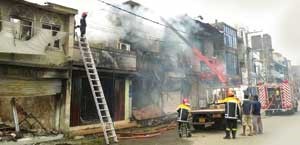
Aluthgama in the aftermath of riots

Part 1

At the time of the conference referred to above the prevailing political ethos in Sri Lanka was such that there was reason to believe in the government, guided as it was by the strength of its convictions and commitments to our foremost national interests, having the capacity to withstand the internal and external destabilising pressures being exerted against the country’s steady (but not entirely unblemished) ‘post-war’ recovery. Hence it was possible to regard even the blatant distortions of ground realities of ethnic relations in our country, including those that took the form of academic research, as no more than irritations of tolerable impact which small countries such as ours need to bear with fortitude while safeguarding rights as sovereign nation-states. It is now becoming increasingly evident that the ‘regime change’ of early 2015 has brought about a dire necessity to abandon that earlier attitude of laissez-faire indifference towards the spread of disinformation, subversion (including clandestine incitement to violence) and intimidatory threats based presumably on the pernicious doctrine of ‘Responsibility to Protect’, because the newly installed puppet regime, in its wayward responses to the resulting pressures, has been leading the nation relentlessly towards the same state of anarchy and chaos as those targeted in the recent decades by the so-called democratisation efforts and humanitarian interventions of the global superpowers.

Even in the course of the 30-year ‘Eelam War’ there were attempts made by the LTTE and the leaders of the ‘Sri Lanka Tamil’ community in mainstream politics to attract at least a segment of the Muslim community into their secessionist campaign. When that proved to be futile, the Muslims living in the ‘North-East’ of the island became targets of diverse forms of terrorist brutality that included mass murder (remember Eravur and Kattankudi?) and forced displacement of entire communities (in Mannar, more excruciatingly than elsewhere). Since the Eastern Province was liberated from the clutches of the LTTE in late 2006, the government was able to embark on rehabilitation and reconstruction in that part of the ‘war zone’ well ahead of the end of its Vanni military operations in May 2009, using aid funds specifically earmarked by the donors for that purpose. This resulted in a spectacular re-development of socioeconomic infrastructure in the densely populated coastal periphery of the east where the largest Muslim settlements are located. In addition, the Muslim political alignments in the immediate aftermath of the war could also have been influenced at least marginally by the cordial relations which the Rajapaksa regime had maintained with several Islamic countries – especially Pakistan, Iran, and the Palestinian government of the Gaza Strip.

These probably constituted a significant set of reasons for Mahinda Rajapaksa obtaining 57.9% of the popular vote at the euphoric presidential election of January 2010 in his contest against the other formidable ‘war hero’ of that time, General Sarath Fonseka (the candidate backed by the UNP, JVP and the disgruntled loyalists of ex-president Chandrika doing her “hell hath no fury like a woman scorned” act). In fact, Rajapaksa surpassed even the support garnered by J R Jayewardene at peak popularity in 1982 (52.9%) – the only previous nationwide poll free of serious insurrectionary disruption since the inception of the ‘executive presidential system’ in 1978. Based on the fact that Muslims in all parts of the island were sharing the economic benefits of the ‘peace dividend’ – especially in trade and commerce – it could be surmised that the Rajapaksa camp continued to retain the support of the Muslim community at the parliamentary elections conducted a few months later at which the UPFA secured 60% of the overall total of votes, while the UNP share had dwindled to 29%.

Allegiance of Muslims

It is necessary to stress, however, that in the entire electoral history of independent Sri Lanka, the allegiance of the Muslims – almost 10% of the all-island vote – for one or the other of the parties commanding the bulk of the Sinhalese support has all along been ephemeral. This, in my understanding, has been a fact of vital salience to the ‘regime change’ project referred to above, given the overall electoral morphology in which: (a) the Buddhist support (70%) gets divided (both directly as well as indirectly through the JVP, the JHU and the ‘Old Left’) among the two main parties; (b) support for the Rajapaksa regime from the ‘Sri Lanka Tamil’ community remains minute; and (c) the Hindu vote in plantation areas (about 4% of the national total) with its comparatively more distinct community cohesion, being vulnerable to en bloc external manipulation (including RAW intervention as rumoured in the local press but substantiated by Dersil Patel, in the journal Defence New issue of 29 July 2015) in favour of what Delhi preferred.

It is not possible in a dispassionate attempt to contextualise the ‘regime change’ project referred to above to discount the significance of the foregoing sketch of electoral arithmetic. Indeed, it would be downright stupid to ignore the fact that promoting estrangement of Buddhist-Muslim relations, especially through clandestine support to the rabble-rousing lunatic fringe of the Buddhist segment of the electorate, on the one hand (the well-known columnist Izeth Hussain, writing for The Island on 5 May 2017, was certain that “the Islamophobic hate campaign is obviously foreign-funded and foreign backed”) paralleled by a propaganda campaign designed to magnify the violent exemplifications of the alleged hostility of the Buddhists such as homicide and causing physical injury, desecration of mosques, arson, property damage, looting etc., which, in addition, contained the damning charge that the government remained inactive or even supportive of the violence because of its subservience to Buddhist interests. (Did Hussain himself contribute unwittingly to the propaganda campaign, as several others might have done? – that has remained enigmatic.

These modalities of destabilisation have by no means ceased with the toppling of the Rajapaksa regime. What is of direct salience to a reappraisal of evidence for the claimed intensification of Buddhist-Muslim rivalry is that the same ‘regime change’ strategies are now being pursued with enhanced vigour for protecting the tottering regime installed in 2015, with a short-term focus on averting its probable collapse at the forthcoming all-island local government elections a debacle to somehow mitigate at least in the main municipal areas such as Colombo and Kandy where there is an electorally formidable Muslim presence.

My present comments on the empirical basis of the claimed intensification of Buddhist attacks on the Muslims in Sri Lanka, I should clarify, are not based on a comprehensive study of the abundance of related reports available in published form (especially in the ‘social media’), although I have read the proceedings of the conference referred to earlier, many news reports, relevant statements by spokespersons for the government and state sector institutions such as the police; semi-official organisations like the Bar Council; certain ecclesiastical bodies and civil society outfits; and articles and comments on this subject that have appeared in two English language national newspapers and in internet blogs and other websites.

There are certain commonalities in these writings. First, the overwhelming majority of my sources refer to an increasing incidence of hostility targeted at Muslims by either unnamed mobs or cliques variously referred to as “Buddhist extremists/fanatics”, “followers of Bodu Bala S n ” (or other fringe group like R van Balak ya), “criminal elements”, “disgruntled youth”, or, as in a recent media reports, “a rampaging drug addict”. The frequency of occurrence of these events of violence is also occasionally indicated with reference to some time-frame, or is simply described as “many”, “extensive”, “widespread”, “increasing”, “escalating”, “ratcheting” etc., indicating that the impression most of the writers wish to convey is the prevalence of an ominous trend.

Evidence loaded with trivia

What I find strange in this body of evidence is the fact that it is loaded with trivia such as those referred to in the list compiled by the Sri Lanka Muslim Congress (SLMC, the largest Muslim political party in Sri Lanka) evidently for submission to the UN High Commission for Human Rights) and an overall scarcity of precise information indicating the intensity of the reported event. Barring a few exceptions (the most noteworthy exception being a report compiled by the International Centre of Ethnic Studies Colombo, that furnishes fairly detailed information on several major flashpoints such as Mawanella, Aluthgama, Dambulla and Grandpass, and has made a partially successful attempt at suppressing some of the innate anti-Buddhist prejudices)ii the overwhelming majority of the sources do not furnish information that would facilitate a comparative assessment of the real gravity of the problem which, to my mind, is essential for us to understand the seriousness of this claimed trend in comparison to intergroup conflicts elsewhere in the world not only in Buddhist countries of South and South East Asia, but in predominantly Hindu, Islamic or Christian countries in some of which ethnic conflict of one form or another is almost endemic. It is, indeed, unfortunate that we do not have a reputed scholar-journalist of the calibre of Asghar Ali Engineer who has monitored in detail the tragic Hindu-Muslim conflagrations in a large number of Indian cities, all of them published in the Economic and Political Weekly over several decades, apart from the reports of thorough and impartial investigations conducted by presidential commissions on the more disastrous episodes of intergroup violence.

Given the lacuna of comparable in-depth analysis on Sri Lanka, it would not be possible for the world to gauge how the widely publicised Aluthgama flare-up, for instance, compares with, say, the demolition of the Babri Mosque at Ayodhya in 1990 or the atrocities committed by Hindu mobs in the Muslim ghettoes of Ahmedabad two years later; or whether the role of Ven. Galagodaatt Gn nas ra of the BBS is comparable to that of the Burmese monk Ven. Ashin Wirathu and his ‘969 Movement’, or Swami Chinmayananda Sarasvati of the Vishva Hindu Parishad, a leader of the “militant wing” of the BJP;or the extent to which Mahinda Rajapaksa’s alleged inaction in the face of sporadic inter-ethnic clashes during his second presidential tenure could be regarded similar in its causal nexus to that of Aung San Suu Kyi since her elevation to the office of ‘State Counsellor’ in April 2016, or of Chief Minister Narendra Modi during the deadly ‘Gujarat Riots’ of 1992. In the absence of the type of specific information on the spatial and temporal perspectives and some indication of the duration and destructive impact of the alleged Buddhist violence, the related sources of information and analysis, even those produced with the noble objective of safeguarding Buddhism from bigotry, could well be part and parcel of a process of rubbishing Sri Lanka and the religion of its majority community in the arena of global politics.

‘Grease Yaka’

I should illustrate the point I make here by referring to an article by Dr. Jehan Perera, well known for his pacifist and democratisation efforts, titled ‘Anti-Muslim Violence: The Puzzle of Continuing Impunity’, published in The Island of June 5, 2017. As a launching pad for his denunciation he has used the “grease devil” (grease yak ) reports that appeared in the press from time to time from about 2011 (the most recent one being dated May 27, 2017). Although the supposedly eye-witnessed ‘grease yakas’ (nude men, covering themselves with grease, and raiding homes at night to terrorise the occupants, especially women; but, in most cases, getting away with plundered booty and/or perverted satisfaction) have been reported from all over the island – Battaramulla and Talangama (suburbs of Colombo), Ehäliyagoda and Pelmadulla (Ratnapura District where the ‘grease yaka’ terror was tied up with several heinous murders related to the narcotic transactions), Kalpitiya (Puttalam District), Galenbindunuweva (Anuradhapura District), Middeniya (Matara District), Kattankudi (Batticaloa District), Haputal (Badulla District), and several rural localities in Jaffna District.

These details appear to have been of utmost irrelevance to the reconciliation efforts hawked by Dr. Perera. Thus, having recast just one published version of questionable authenticity of the ‘grease devil’ exploits to a story obviously intended to be understood by those unfamiliar with conditions in Sri Lanka as a planned campaign of terrorising Tamil communities in the north, conducted from the bases of an “army of occupation” of Jaffna peninsula to harass its civilian population in a quasi-military strategy of subjugation (!), he has, through a curious verbal sleight-of hand, proceeded to link it to a supposedly escalating series of attacks by grease yakas on Muslims living in predominantly Sinhalese areas, the evidence intended to substantiate it being a Baron Munchausen-type fabrication of “burning a section of the Alutgama Town” (a fairly large urbanised area midway between Colombo and Galle).

Thereafter, Dr. Perera, has drawn a parallel between the tragic fate of the stateless Rohingya Muslim refugees (described in several international publications as “the most persecuted ethnic group in Asia”) living in the Rakhine tribal homelands in Myanmar, with that of the Muslims in Sri Lanka, spicing his horror story with a passing reference to past attacks on the Christians, and ending with a condemnation of the government for making it possible for Buddhist miscreants to get away with impunity, but making the censure palatable to the Yahap lana regime by mentioning extenuating circumstances, as we can see in the following extract from his essay, thus killing several birds with a hail of stones.

“It may be that the governmental leadership does not believe that this is the time to act. The massive crowds bussed in by the Joint Opposition for their May Day rally was larger than any other. It is also indicative of the political opposition’s ability to muster people power onto the street, even if they have to be provided with a handout inclusive of transport, meals and drinks. In this context the government’s instinct may be to delay taking decisive action and hope that the problem will go away. The government may also be trying to follow the example of Myanmar, where the government led by Aung San Suu Kyi has sought to accommodate the hardline Buddhist nationalist groups within the government in order to win their support”.

The Aluthgama riot of mid-June 2014 has, indeed, been documented in detail by the media. More than 40 of these could be easily accessed via internet as film clips and news reports. Collectively they represent no more than a patchy coverage of what really happened. Apart from the print media in Sri Lanka, some of the major media firms of the ‘West’ also covered the episode, projecting it mainly as yet another example of a rising tide of “Buddhist violence” in Asia. In addition, it received attention in several scholarly works. In my assessment, the best concise accounts of this riot are found in the reports published by two fraternally linked Colombo-based NGOs –’International Centre for Ethnic Studies’, and ‘Law and Society Trust’. An extract from the report of the former organisation reads as follows:

“Ethnic riots erupted (on 15 June 2014) in Aluthgama, Dharga Town, (and the adjacent) Valipanna and Beruwela towns located in the South of Sri Lanka. The area has a large Muslim population that lived alongside a larger Sinhalese community. Amity between the two communities remained somewhat fragile, as communal violence had erupted previously, almost a decade earlier. The incident that reportedly triggered the riots in 2014 was an altercation* between a Buddhist monk and three Muslims from the area. Following the incident, a large rally was organised on 15 June to condemn the alleged attack on the Buddhist monk. The BBS participated in this rally and Galagoda Aththe Gnanasara Thero, the General Secretary of the BBS, made racist (sic.) and inflammatory remarks against Muslims at the rally. … During the riots that followed, four persons including three Muslims were killed and over a hundred Muslim homes and businesses were destroyed”.*

(A careful study of many other sources suggest: (a) that the term ‘altercation’ is not an appropriate term to describe the harassment suffered by a bhikku by several ruffians (according to some reports, not of the local population), and (b) that there is an overestimation of the number of homes and shops damaged; and the Sinhalese also suffered comparable damage. (For related details, see Annexure 1)

About twenty-four film clips which I have examined for the purpose of writing the present reappraisal facilitates a rough reconstruction of the riot scenario over the next two days and its immediate aftermath. Following the harassment of the Buddhist monk on 12 June, there was a rapid spread of highly exaggerated rumour throughout Aluthgama and its hinterland conveying the impression of a severe Muslim assault. Simultaneously, there was the advent of BBS operatives, and the summoning of a mass rally to protest the alleged ‘Muslim offensive’ on 15 June in Aluthgama. Consequently, from about the early afternoon on the 15th hundreds of people were seen drifting along the main road leading towards the central commercial locality of Aluthgama past the suburb of Dharga Town (a predominantly Muslim locality within Aluthgama) in the form of a ragged walk, in order to attend a Bodu Bala S n (BBS) meeting, with hardly any indication of unusual excitement or latent violence. This inflow was watched by what appeared to be Muslim gatherings on either side of the road, showing signs of restless concern at what might have appeared to them as a ‘macho’ Sinhalese challenge, if not as a menacing Sinhalese invasion of their home ground.

BBS meeting in Aluthgama

The BBS meeting held in ‘downtown’ Aluthgama (adjacent to the railway station) began at about 2 p.m. While more and more people gathered at the venue to make it one of the largest of its kind ever held in this township, a series of leaders – addressed the gathering, all of whom contributing to the general theme of Buddhism being deprived of its due rights in Sri Lanka, and stressing the alleged Islamic aggression with reference not only to recent events in that locality, but more generally, in Sri Lanka and elsewhere. The star attraction was, of course, Ven. Galagodaathth Gn nas ra, whose aggressive demagoguery included a fierce attack on alleged government inaction in the face of an ominous Islamic threat to Buddhism. While appealing to the gathering to refrain from violence, he also (in disregard of irony as he often does) angrily threatened the Muslims about the disaster that would ensue: “if you even touch the Sangha once more, as you have done a few days ago”. He also made several crudely disparaging references to President Rajapaksa, and castigated the impotence of the police saying “eka neethiyak apata venath ekak unta” (one law for us, and another for them), and proclaiming that while the Tamils, Muslims and Christians have leaders committed exclusively to defending their respective interests, the Buddhists have none, implying, no doubt, that he could fill the lacuna.

The meeting ended at about 5 p.m. (probably under police instructions) and a part of the dispersing crowd began a trek (described in certain documents as a “procession”, which it was definitely not) along the Aluthgama-Matugama main road to the interior which, as mentioned above, runs through the predominantly Muslim Dharga Town. As recorded clearly in several video clips (which one could easily downloaded from internet), the passing “procession”, despite the absence of any visible violence or among its participants (verbal insults being hurled at the road-side gatherings of Muslims cannot be ruled out), was greeted in the vicinity of the ‘Grand Mosque’ of Dharga Town with a hail of stones and rubble that originated mainly from the construction site of a multi-storeyed structure (reminiscent of the momentous clash in the vicinity of the Meera Makkam Mosque in Kandy almost exactly a century earlier).

The events that led to this unexpected attack by a mob of Muslim youth, and the massive conflagration it ignited to last over several days, constitute a tragic story which must be looked at in detail because it illustrates several features of thematic relevance to the main objective of the present study. My reconstruction of this story is presented as an addendum to this essay (Annexure 1).

The events that led to this unexpected attack by a mob of Muslim youth, and the massive conflagration it ignited to last over several days, constitute a tragic story which must be looked at in detail because it illustrates several features of thematic relevance to the main objective of the present study. My reconstruction of this story is presented as an addendum to this essay (Annexure 1).

The overall impressions conveyed by that story could be summed up as follows:

(a) There is no doubt that the BBS meeting and Ven. Gn nas ra’s presence and his public utterances were potentially inflammatory. (Note that the injured Ven. Ayagama Samitha, the victim of the attack by several Muslim youth on 12 June had been brought to the stage, his injuries duly bandaged).

(b) However, it should not be forgotten that prior to the riot on 15 June there was a build-up of explosive communal tensions in the Dharga Town area at least from about the second week of that month (Appendix 1) warranting police action, both when serious complaints were lodged regarding a paedophilic rape committed on a Sinhalese child by a Muslim trader (8 June) and on the assault suffered by Ven. Samitha (12 June), as well as when representatives of the Muslim community conveyed to the police their fear about a possible outbreak of mob violence in the area. Whatever justification the police might have had for their inaction, there were undercurrents of suspicion among the Sinhalese that the police were in the pay of the Muslims business community.

(c) The large influx of people to the BBS meeting venue is likely to have been a result of malevolent rumour mongering and, of course, the undeniable entertainment value of the BBS leader (Didn’t some of us in our youth go all the way to enjoy the ‘May Day’ performances especially by the inimitable scholar-legal luminary-pioneer Marxist, Dr. Colvin R. de Silva in the Trotskyite “extra-parliamentary mode of capturing state power” in vogue at that time, roaring “gahapalla” (attack), his silhouette pointing at the old parliament complex against the crimson sunset over Galle Face green.

(d) On the 15th eve senior police officers were reluctant to exercise force to prevent signs of potential violence. There was no immediate action taken by them to stop the stoning. They preferred instead to attempt pacifying the more agitated persons in the crowds, realising no doubt that their interventions were being recorded by the media and the users of ‘smart phones’.

(e) Thus, the offensives in Aluthgama were very definitely not one sided. People on both sides engaged in, and suffered from, the violence – with more Muslims than Buddhists among the victims in the post-riot stock-taking of overall damage. Although later records referred to death-counts of up to about 8 Muslims and a Buddhist monk, no such claims were made in the course of many recorded random interviews.

(f) “Burning of a section of the Aluthgama town” is a highly exaggerated and unwarranted description of this sad episode, no different from the type of hyperbole often employed by Gn nas ra Thero in his public utterances, unless one were to argue, like school boys sometimes do, that even a lamp-post could be considered a section of a town.

(g) On several occasions certain Buddhist community leaders of the area joined their Muslim counterparts in appealing for calm and peace while standing amidst fairly large gatherings that appeared to endorse what they said. This conveys an impression that goes completely against an article published by the ‘Centre for Policy Alternatives’ (presumably to commemorate the third anniversary of the riot) according to which there is absolutely no hope for ethnic reconciliation in Aluthgama.

Emerging Buddhist-Muslim Rivalry in Sri Lanka? A reappraisal of evidence and claims

Part 2

There is no dearth of writings that make the claim of Muslims in Sri Lanka being a minority that has, for long, suffered discrimination and harassment and, in the more recent past, been the target of “Islamophobic” persecution by the Buddhists. The more refined among these are some of the ‘features’ authored by the inimitable Izeth Hussain (ex-diplomat and regular columnist), hitting hard all round the wicket, as it were, often with easy elegance, and always, despite the pretence at intellectual detachment, with passionate commitment to his team’s victory. There is, of course, nothing wrong in that, except his occasionally getting caught at silly point.

Professor John Holt’s keynote address I referred to at the outset does not stand alone as an elevation of this pernicious claim to the plane of scholarly research. Among the others I have read, there are (a) the ICES and Law and Society studies (referred to earlier)iii which I think are the best of their kind, (b) Zuhair, 2016iv which, in my assessment, would have been excellent had the author matched its elegant style with prejudice-free substance; and (c) a monograph by Dr. Ameer Ali, one of my former faculty colleagues now living in Australia, titled ‘Four Waves of Muslim-Phobia in Sri Lanka: c.1880–2009’, published almost at the same time as Holt’s study, a brief comment on which is presented below.

In Ameer Ali’s analysis of the “fourth wave” (post-2009) – that of the earlier “waves” are no more than an exercise in re-inventing the wheel – lacks the sedate, persuasive approach typical of John Holt. Apart from the invective, there are several misconstrued references by Ali to several Buddhist outrages not referred to by John. These include “the destruction of a 400-years old Muslim shrine at Anuradhapura” (a mind-boggling archaeological discovery, according to a veteran historian whom I have consulted)v, prefaced by a tirade which accuses Rajapaksa of “…benevolently tolerating, if not openly supporting, … a vicious campaign to terrorise the Muslims, destroy their economy and demonize Islam through acts of intimidation, insult, incendiarism, and outright thuggery by ultranationalist organizations like the BBS, its surrogate parent JHU and the Sinhala R vaya”, and the presidential neglect to a mindset of “triumphalism and malevolence” towards the minority communities after the victory over the LTTE in 2009. Does Ali demonstrate more than all else that the ‘key’ to understanding the real nature of this entire conflict is to realize that the honourable don Ali is as eloquent in his lingo as the venerable monk Gn nas ra is in his, and that such eloquence in the dissemination of half-truths and falsehood has much the same destabilising impact – that of rousing the rabble. Surely, the failure of the government at that time to curtail Buddhist megalomaniacs is, in terms of realpolitik, comparable to the failure of earlier regimes to tame the ‘Tiger’ megalomaniac for well over two decades; and, moreover, those holding the reins of office in Colombo have always, in both war as well as peace, been in desperate need of at least a segment of Muslim electoral support and goodwill. What is this psychoanalytical tripe about a “triumphalist mindset”? So, let’s move out of the type of garbage replete with ethnic prejudices, and focus in this part of the article on the issues raised soberly by Professor Holt.

2.1. John Holt’s evidence for a rising tide of Buddhist hostilities

In addition to stating that there were over “150 documented perpetrations by Buddhists against Muslims” from early 2013 to mid-2014,vi Professor Holt has presented a short list of such episodes (reproduced below) as concrete evidence to substantiate the assertion of an intensifying trend. It seems reasonable to assume that, except for its first item, the others stand prominent among the “documented perpetrations” of the 18-month period preceding the ICES conference of 2014. Thus, going solely by this set of information, I would have no hesitation to conclude that, in comparison to the previous 12-year spell, there certainly was a calamitous ‘plateau’ distinct from about 2012, provided I could obtain information that helps me to understand whether “a BBS proposal” or a “R van Balak ya protest march”, or the remaining 140 or so of “documented (but unspecified) perpetrations” are comparable as acts of Buddhist hostility towards the Muslims to, say, the Aluthgama conflagration or the Dambulla demolition or the Mahiyangana desecration that are in his list.

(a) riot in the township of Mawanella

(b) removal of the mosque at Dambulla in response to Sinhala-Buddhist mob demands in 2012

(c) BBS campaign against the production of Halal food (2013-14)

(d) BBS proposal to ban the burka (2014)

(e) ‘Ravana Balaya’ (sic.) protest march (2013)

(f) desecration of a mosque in Mahiyangana (2013)

(g) attack by a Buddhist mob on Muslims in prayer at a newly constructed mosque in Grandpass, Colombo (2014)

(h) Aluthgama-Dhargar Town clash (2014).

(a) Mawanella Riot

The assertion that “scores of Muslim businesses were burnt out” in the Mawanella riot is a gross exaggeration made in whatever source John has relied upon. I had an unusual opportunity (courtesy of a senior police officer – a former student) of seeing the extent of the damage soon after the rioting had been brought under effective control, but before curfew was lifted, when I observed about twenty-five shops and houses bordering the Kandy-Colombo highway and in the bus-stand venue belonging to Muslims and Sinhalese that had suffered various extents of damage during the riot (it occurred in May 2001 and not in 1999 as John’s informant appears to have said). There was, at this time, a rising tide of electoral rivalry (the excessively turbulent presidential election in 1999, and the parliamentary elections that produced ‘hung’ legislatures in 2000 and 2001) in many parts of the country, especially in localities such as Mawanella where UNP and SLFP muscle-power was (as it still is) equally matched. In any event, the riot had hardly anything to do with Buddhist militancy. Reproduced below is a reference to an aspect of its wider context in an article I wrote at that time to the Delhi-based South Asia Intelligence Review.

“In the longer term the Muslim fears of becoming a beleaguered minority in the entire country could have been reinforced by several brief, localised Sinhalese-Muslim clashes of the recent past – in the township of Mawanella in May 2001, and in Colombo North in October 2002. There is, in addition, the long-standing dispute in the interior of the Eastern Province concerning an alleged encroachment by the Muslims of land belonging to an ancient Buddhist temple”.

(b) “Removal” of a mosque in Dambulla.

Urban functions in Dambulla until about the late 1970s were represented by no more than a small cluster of shops and primary-level government service outlets traversed by the Kandy-Jaffna highway, its income dependent mainly on the tertiary services the cluster provided to the thin scatter of peasant settlements in the surrounding area and to pilgrims visiting the historic cave-temple dating back to the pre-Christian era. Several changes witnessed in the 1980s – foremost among these were the opening up of ‘System H’ of the Mahaveli Programme to the northwest of Dambulla, invigoration of international tourism, and more generally, the advances in transport and travel that accompanied ‘liberalisation’ of the economy, and rapid population growth made it possible for Dambulla to become one of the largest market towns located mid-way between Sri Lanka’s central highlands and the northern plains, a pleasant stopover for visitors to the hallowed archaeological sites of S giriya, Anur dhapura and Polonnaruwa, and to emerge as the foremost centre of wholesale trade in perishable farm products commanding a commercial catchment extending over a large part of the island including Greater Colombo.

The relevance of these transformations to the political disturbances in this area stemmed mainly from the fact that the vast tracts of land which the sacred ‘Rangiri Dambulla’ temple had received over the past millennia as donations, much of it uncharted and/or uninhabited, and acknowledged vaguely as vih ragam (temple land), acquired a sharp upsurge of commercial value in the real-estate market. The first major outbreak of intense political dispute rooted in this fact was the agitation against the construction of a luxury tourist hotel overlooking the Kandalama lake – a campaign which, according to a Reuter report, attracted at its zenith more than 10,000 protesters (including a few volunteers for self-immolation!), objecting to the hotel project on grounds of its adverse ecological, social and cultural impact also involving a “land grab” of vih ragam by a consortium of large commercial firms. The protest fizzled out, and an elegant hotel pioneering eco-tourism in Sri Lanka came into being, the main reason for the former, and one of the principle beneficiaries of the latter being the Chief Incumbent of the Dambulla temple, Ven. In maluv Sri Sumangala, whose go-ahead for the hotel project, it was widely rumoured, was purchased by the investors for an astronomical sum of money. The other ‘give and take’ transactions also provided satisfaction to all concerned including the peasantry of the area which obtained from the investors an undertaking that the hotel employees other than managerial cadres will be recruited from among the local youth. A similar windfall for the venerable monk was rumoured to have occurred when the Sri Lanka Cricket Board acquired a large patch of land for its international stadium constructed in the year 2000. Needless to stress, these also meant an enormous elevation of Sri Sumangala thero’s status as a Buddhist leader in the country and a powerful folk hero of the area whom many kowtowed and obeyed.

An understanding of this setting, instead of being led by a fixation on the image of Buddhist bigotry and Sinhalese triumphalism which, of course, is what rings a bell in the ‘liberal’ West, is necessary to grasp the realities pertaining to the mosque dispute. That a large and stately mosque stands pristine in the main commercial locality of Dambulla, a couple of hundred meters away from the entrance to the rock temple, never under threat of attack or desecration, has hardly ever been mentioned. What was demolished on 27 April 2012 by a mob guided by Ven. Sumangala and several other monks in defiance of a small contingent of ‘law enforcers’ was a low single-storeyed structure of corrugated iron sheets for walls and roofing (and thus in appearance quite unlike any other mosque we usually see) occupying a small roadside site which, according to spokesmen for the Muslim community, had nevertheless been a place of Islamic worship for over 65-years. This claim, though emphatically refuted by Sri Sumangala thero and his flock, was publicly substantiated for TV and radio broadcast by a well-known Sinhalese political leader of ministerial rank in the area. Meanwhile, what a spokesperson for local government administration insisted was that the so-called demolition was, in fact, a hasty and unlawful act that ignored a thoroughly negotiated decision to relocate at a more suitable site outside the ‘sacred area’ of an ongoing conversion of a makeshift structure owned by a Muslim to a mosque. The Muslim leaders denied this charge, but one of the more vociferous among them said (this is a transcript of the filmed original): “we build more and more mosques with our own money, you should be building more and more of your temples with your money”.

The chief incumbent’s insistence that “we should never permit mosques to be constructed in this sacred area” has also been repeatedly documented in film and broadcast. Thus, what one could see in retrospect more prominently than all else is an abundance of jingoism. The Dambulla episode marks the inception of a strategy pursued by unseen forces the destabilising impact of which over the next two years depended much on the nature of the ‘manpower’ it could mobilise at the grassroots in the different flashpoints. Dambulla was certainly a avenue in which the strategy did achieve considerable success especially because it also represented the initiation of a drift of some of the most prominent Muslim leaders away from the Rajapaksa regime in which they held powerful posts.

(c) Desecration of a Mosque in Mahiyangana

The geographical setting here has some similarities to Dambulla – the venerated ‘Rajamahavih raya’ (literally, ‘great monarchic temple’) with which the name Mahiyangana has been associated from time immemorial; the enormous extent of land over which the temple could claim custodianship (but seldom does) as vih ragam, and the sharp upsurge of the township since about the late 1980s as a centre of trade, being located as it does at the gateway to ‘System C’, one of the largest Mahaveli Settlement complexes where, it so happened in its early stages, the ‘farm-gate’ (kamatha) bulk purchase of paddy was almost totally under the cartelised control of Muslim traders.

The story of the Mahiyangana clash which I construct here is based on several sources that contain heaps of mutually contradictory information – a sketch in an SLMC document; a retrospect published about a fortnight after the turbulences in a Sunday newspaper known for its intense antipathy towards the Rajapaksa regime; a media statement by Ven. Watarka Vijitha, the chief incumbent of a temple located at the market town of Girandurukotte within the Mahaveli System C’ and named ‘Mahaveli Viharaya’ (Vijitha thero was also an elected member of the local government institution of the area who had contested from the ruling party of that time, and one of the key personalities – a maverick – associated with the stormy events of July 2013); a report dated 21 May 2017 authored by Ifham Nizam titled ‘Government Silent as the BBS Holy War Continues’; a brief observation made by the Urul watte Dhammakeetti, the chief incumbent of the Rajamahaviharaya and, of course, an expression of deep concern issued by the US Embassy in Colombo that prompted bunkum Moon to shed another tear, this time on the ravaged Muslims of Sri Lanka

The Ven. Vijitha had been repeatedly harassed and, on one occasion, assaulted, by nondescript mobs opposed to him mainly on grounds of his close association with the Muslim traders of the area, his party affiliation, and allegedly, his encouragement of the construction of a Muslim prayer venue in proximity to the Rajamahaviharaya.

The sketch furnished in the SLMC report states that on the night of 11 July 2013, in a mob attack that lasted for about twenty minutes, the mosque was stoned and defiled with swine offal, and that at a meeting of the ‘Up-Country Muslim Council’ held the following day, Vijitha disclosed that Gn nas ra thero of the BBS and several others had discussions in the Rajamahavih raya premises on the day before the attack. Ven. Gn nas ra denied involvement in the alleged desecration but, having done so (according to several later press reports), assaulted Ven. Vijitha when the two met somewhere in Colombo a few days later. The sequel to this latter attack is that, its victim, according to the Judicial Medical Officer’s report, had injuries he himself had inflicted, presumably in order to enhance the gravity of the assault. Meanwhile the chief incumbent of the Rajamahavih raya has said that there never was a mosque in Mahiyangana, but that a structure used as a prayer room of the Muslims could have been an embryonic mosque. The removal of the mosque, Ifham Nizam has speculated, averted a disastrous conflict.

(d) Grandpass mob attack on Muslims

Eruptions of violence in this part of Colombo have been somewhat more frequent than elsewhere in the country. But one needs to take into account a gamut of considerations before concluding that it is an exemplification of intensifying religious tensions impelled by Buddhist bigots. Many localities in this area have for long constituted the venue of the multi-ethnic ‘underworld’ of Sri Lanka and the bailiwicks of rival gangland bosses who are known to have at least slender connections with their respective political masters among whom were/are politicians at the highest level, city fathers and business magnates. This same feature has been subject to detailed observation in other South Asian cities such as Mumbai, Ahmedabad, Karachi, Delhi and Calcutta. This is why, when gangland clashes occur, there is invariably a polarisation on ethnic/religious lines (I have written about this phenomenon in my recent book, Political Conflict in South Asia, pp. 179-183, illustrating it with Karachi experiences.).

The relevance of this to an understanding of conditions in several localities of the Colombo underworld is the emergence of a phenomenon that could be regarded as being featured by ‘narcopolitical’ violence. Even as recently as the late 1970s heroin was hardly known in Sri Lanka. Today, Greater Colombo is not only an important arena of its retail trade and consumption, but also a “conduit” in the highways of bulk transfers of heroin sourced from the ‘Golden Crescent’ on a global scale; and a disproportionate participation of the criminal fringe of the Muslim community in the related transactions (see, the annual reports of the ‘Narcotics and Dangerous Drugs Bureau of Sri Lanka’, in particular, the data on the extraordinarily skewed ethnic distribution of the numbers convicted of drug-related crimes).

In order to make the background to the Grandpass conflagration more comprehensive, and since certain versions of this clash convey a false identity of the attacked shrine, it should be clarified that the ‘Grand Mosque’ of Colombo, established in the early 16th century, like several other architecturally grand mosques scattered throughout the city, stands in all its glory in a fairly affluent setting on New Moor Street, absolutely free of any external threat. The largest mosque in Grandpass is ‘Muhiyaddeen Jumma Masjid’ on St. Joseph Street which, like many other Islamic shrines that adorn the cityscape, has also never faced a challenge from Colombo’s multi-ethnic denizenry. What was attacked is a far more modest structure located in the ‘Grand Pass’ ward of the city, located along the ‘Swarna Chaitya Road’ of a densely populated working-class residential neighbourhood where the Buddhists marginally outnumber the others. This information is intended not to trivialise the outrage but to indicate that these and a few other localised mob attacks on places of worship during these months did not represent a Buddhist onslaught on the Muslims.

The narrative of a “Buddhist mob” attacking Muslims at a newly constructed mosque in Grandpass on 12 August 2013 is true but not the whole truth. What does emerge from the reports available is a rather confusing story of aggressive religiosity among both Buddhists as well as Muslims in a social ethos that facilitates instant formation of mobs invariably fuelled in late evenings by booze and drugs.

Earlier in 2013 a part of the land belonging to a mosque built in the 1960s was earmarked for acquisition by the Urban Development Authority (UDA) for a much needed widening a waste-water canal traversing the area. The related amicable agreement between the UDA and the trustees of the mosque involved the offer of an alternative site made available for re-location of the mosque, and, with the concurrence of the Ministry of Religious Affairs, the setting up of a temporary structure along Swarna Chaitya Road for use by the Muslim devotees. It was the gradual refurbishing of that structure into a multi-storeyed building for permanent use as a mosque that conveyed the impression of a surreptitious addition of a permanent new mosque to this excessively overcrowded residential area, while the old mosque stands round the corner uninterrupted in its use, that led, Sinhalese residents of locality led by the monks from the local temple, to make peaceful representations (on 5 July) and a larger collective demand (17 July), the latter resulting in an intervention by the ministry of Religious Affairs in the form of sponsoring a former discussion among representatives of the different interests concerned, reaching an understanding that the mosque trustees will withdraw from the temporary premises soon after the end of the rituals connected with the Ramadan fast on 7 August 2013. It was when there were no signs of the promised vacation that there was a build-up of tensions involving, on the one hand, the intervention of rabble-rousing Buddhist extremists from outside and, on the other, what seemed a preparation on the part of the temple devotees to meet possible violence with violence to defend their right to use the new premises as a mosque.

Several sources indicate that a mob of about 50 to 60 stoned the mosque, broke into its inner sanctums, and damaged the fixtures in the ground floor in a ferocious attack that began at about 6.45 p.m. on 10 August 2013, by which time the devotees had completed their evening prayers. When the attack began, about 50 of his devotees retreated to the upper floor. The Imam of the mosque emphasised in a statement that the devotees did not use any weapons to defend themselves and that, at the time of this offensive, a contingent of about 40 police personnel remained as mere spectators outside the mosque. Several other stories including a Reuter report dated 12 August, news broadcast by the BBC on 12 August a story filed by its Colombo correspondent, “hundreds of Muslims took to the streets during the attack on the mosque, and that the police and the ‘Special Task Force’ dispersed the crowd, imposing a curfew in the area. There are, also the reports which states that these measures were selective, and that the law enforcement efforts were administered mainly on the Muslims. Aljazeera (an institution that has a record of hostility towards Sri Lanka) reported on 13 August that about 10 injured persons from both communities were admitted to hospital (among them, two police officers).

In the turbulent aftermath of the riot there were interventions by a conglomerate of political bigwigs – among them, Rauf Hakeem, SLMC leader and Minister of Justice; A. H. M. Fowzie, Minister of Urban Development; Rishard Bathiyutheen, Minister of Industry and Commerce, Faizer Musthapha, Minister of Investment Promotion; Basheer Segu Dawood, Minister of Productivity Promotion; M.L.A.M. Hisbullah, Deputy Minister of Economic Development (all of the central government during the much maligned Rajapaksa regime); Alavi Maulana (Governor of the Western Province); and A.J.M. Muzammil, the Mayor of Colombo. This last set of information is especially meant for the edification of those who would follow our friend John Holt in the search for the truth about the ‘plight’ of Muslims in Sri Lanka and Myanmar from comparative perspectives.

(e) BBS’s Anti-Halal Campaign

The information furnished by Professor Holt on this component of his evidence represents an element of misconception. What the BBS and like-minded outfits campaigned against was not the production and the consumption of Halal food, but the insistence by Islamic authorities on Halal certification being made a mandatory requirement for Muslims to consume any animal-based food, and the large-scale producers and sellers of such foods promptly conforming to that requirement, presumably in order to ensure that they and their retail outlets retain the Muslim segment of the consumer market (10% of the total?) and possibly with the vision of finding a niche in the Middle-East market of processed food. The certification entailed the payment of money (large amounts, according to those who protested, a claim the validity of which I do not know) to the Muslim authorities by the producers of processed and semi-processed foods, and their round-the-clock employment of Muslim supervisory personnel to ensure that the stipulated Halal procedures were being followed. This, according to the information I gathered, was also readily accepted by the larger suppliers of a range of foods who are said to have passed the additional costs to the consumers (again, I don’t know whether this is true). In any case, it is unlikely that Halal certification would have resulted in a significant addition to prices in the retail market. But I do know that many Sinhalese (not only supporters of the BBS) found it an unnecessary act of ‘economic aggression’, especially when seen against the backdrop of the cartelised control which Muslim trading clans had over an overwhelmingly large share of the market in poultry products and beef, a near-monopoly (until it was breached in the recent past by kinsmen of the present president) over the wholesale market in rice in certain areas of surplus production, and a sizeable share of the market in gemstone.

The timing of the advent of Halal certification is quite enigmatic from research perspectives. Accordingly, I have reason to wonder whether the mullah edict was a reaction to an upsurge of ritual religiosity in the majority community. Or, more generally, was it a component of a worldwide priestly response representing the emerging “Clash of Civilisations” hypothesised by Samuel Huntington? Regardless of the ‘why’, there has never been an objection by Buddhists to Muslims following the Islamic ritual of Halal in their food consumption. Cattle slaughter of any form is, of course, thoroughly resented by most Buddhists and Hindus.

(h) Hijab/Burqa ban proposal

There could be no denial that in public speeches, posters and pamphlets of the Buddhist fringe groups, especially the BBS, have occasionally targeted the hijab and the burqa in their anti-Islamic diatribes and proposed that these should be banned. The perfunctorily prepared list of 235 “Anti-Muslim Attacks” in an SLMC report (ibid., 2015) refers to 7 “attacks” on women employed in schools and hospitals in the form of requests/orders by their school-heads or hospital administrators to refrain from wearing these ‘identity-markers’ (with no information on ‘why’ and ‘how’ and the ‘outcome’); 7 items of anti-hijab/burqa statements in posters and leaflets; 5 acts of verbal harassments by males in public places (with no information on their form); and 1 item referring to a request made by a medical officer to a patient to remove her hijab in the course of a clinical examination. These must have caused embarrassment or mental pain sufficiently intense for being conveyed to the SLMC. In addition, quite a number of listed items are publicised speeches, posters and pamphlets by unidentified outfits and person where reference is said to have been made to these items of dress.

Could this type of information be considered as reinforcing a real fear of a rising tide of Buddhist animosity towards the Muslims? Having spent more than 70 years of my life in social settings of mixed ethnicity – school hostel, Peradeniya university (the largest ethnically heterogeneous institution in the country), and my present residential neighbourhood – there are two observations of salience to an understanding of grassroots realities that I ought to make – one, that thirty or forty years ago a hijab- or burqa-clad female was a rare sight here in the Kandyan areas where some of the largest concentrations of Muslim communities outside the coastal lowlands of the east are found (was it at least partly because they preferred to remain cloistered in their homes at that time?); and the other, there has never been a serious concern among the non-Muslims about this or any other sartorial change that has occurred in this part of the country.

3. Soma-JHU-BBS, a continuum of Buddhist militancy?

Professor Holt, at the outset of his keynote presentation, prefaced his thematic contention with the observation that the Sri Lankan norm has all along been peaceful coexistence among the nation’s ethnic/religious groups, referring to the “inclusivism” that has been a hallmark of Buddhism as practiced in our country from ancient times. It was because this was the sugar coating on his bitter thematic pill that prompted from me to draw his attention (in a personal communication) to the brevity of his reference to the excruciating grief passively endured by Sinhalese-Buddhists at, say, the massacre of 165 aged worshipers at the Sri Maha B dhi, the devastating attack on the Dalad M lig wa, and the slaughter of 17 baby-monks at Arantalawa, compared to the detailed sets of largely unverified information presented by him as atrocities allegedly committed by Sinhalese-Buddhist in the more recent past. This, I insist was not a kneejerk response on my part. Though having no claim to a Buddhist identity, I find revolting irony and deceit in the fact that perpetrators of these heinous crimes are never referred to with a ‘Christian’ or ‘Hindu’ prefix despite the unconcealed association some of them had with the clergy, even those at the most exalted levels, of their religions, while the criminals at Alutgama or Grandpass are readily branded as ‘Buddhists’ though no Buddhist prelate ever had comparable links with extremist groups like the BBS or the R van Balak ya.

According to Professor Holt the upsurge of Buddhist violence in the recent years which he has portrayed represents the culmination of an ideological process set in motion by the late Gangodawila Soma in the early years of the present century and carried forward by groups like the J tika Hela Urumaya and Bodu Bala S n . I confine myself here to mentioning a few facts of relevance to a scrutiny of this component of John’s submissions.

3.1. Venerable Gangodawila Soma

Looking back into the past few decades I find several Buddhist monks who, though not belonging to the Sangha elite in the mainstream, not associated with displays of ceremonial piety by our political leaders, and not recipients of political patronage, nevertheless gained extraordinary popularity. This, in my view, was due to their depth of understanding of the relevance of what the Buddha taught to contemporary Sri Lanka and the unusual ways in which they often disseminated Buddha’s teachings. The prelates Madihe Pagnaseeha and Piyadassi of Vajir rama are the ones that immediately come to mind. On the more recent past I recall Ven. Kotagama V cheeswara (the erudite author of several works among which Saranankara Sangharja Samaya is considered a classic), who left an indelible imprint on educated lay Buddhists. Even more profound in impact was the youthful Ven. Panadura Ariyadhamma, adored by an amazingly large following. One of his special attractions, I have been told, was that pansil, pirith and other stanzas he chanted at rituals were his own translations of the Pali originals to Sinhala. The outpouring of grief at his sudden death was probably as large and as spontaneous as that witnessed at the death of Ven. Soma, except that the Ariyadhamma funeral did not get much TV coverage probably because his deviation from orthodoxy did not find favour with President Premadasa, and, of course, there were no private sector TV channels at that time. So, in this sense, Soma, in life and in death, was not a unique phenomenon.

Soma’s mission extended over about five years in the course of which he did make frequent references to an impending threat to the survival of Sri Lanka, as indeed many of us believed at that time. The devastating Tiger attacks represented only one component of that threat. The others included the willingness of both President Chandrika Kumaratunga as well as her rival Ranil Wickremasingha to succumb to the pressures exerted by the LTTE and its foreign patrons purely in order to strengthen themselves in their mutual power struggle – remember Chandrika’s ISGA proposals, the P-TOMS deal, the draft ‘quasi-federal’ constitution tabled in parliament in 2000; and Ranil’s potentially disastrous ‘Oslo Accord’ of 2002? And, it was Prabhakaran’s intransigence that saved Sri Lanka from certain peril. In addition, there were the cultural and economic offensives (hazily referred to as ‘consumerism’) against Sri Lanka about which highly respected lay intellectuals like Sarachchandra and Gunadasa Amarasekera also spoke and wrote with passion.

The vehemence of Sinhala-Buddhist nationalism witnessed in the late 1990s was more than all else a product of that ethos of desperation and despair. It took various parallel and not sequential forms, of which Soma’s mission was one. Others included the rise of organisations such as the Sihala Urumaya (the original avatar of the JHU), Dharmavijaya Foundation, Deshapremi Jathika Peramuna (National Patriotic Front), and quite a few others, paralleled by the more conspicuous resurrection of the JVP that had not lost the ardently nationalist stance it had displayed in the 1980s. These were, for the most part, discrete entities, operating independently of one another and, invariably, in mutual rivalry.

There could be no denial that certain Soma assertions were detrimental to the interests of the Muslims, Hindus and Christians. Those that readily come to mind are: (a) Soma’s conviction that divine worship of any sort by Buddhists does not conform to Buddhism. This, in my understanding, is quite correct; but must have been resented by god-worshippers, and must have been seen as an attack on the presence of Hindu shrines in Buddhist temple premises and the popularity of Kataragama which receives a great deal of across the board patronage; (b) Soma’s condemnation of cattle slaughter (a largely Muslim industry) and his urging a ban on the sale and consumption of beef; (c) his fervent opposition to animal sacrifices at certain Kovil rituals like the one conducted annually at Munneswaram, and his request that it should be prohibited; (d) his attack on what he referred to as ‘unethical conversion’ to Christianity practiced mainly by the so-called ‘evangelicals’ with funds from the United States which, for reasons obscure, acquired vigour in the 1990s even in Kandy but mainly in rural areas where Buddhist temples and their devotees are poverty stricken. Soma had a lengthy TV debate (very cordially) with the late Mohammed Asraff, the founder-leader of the SLMC (who scored many debating points), on the issue of encroachment of temple lands in the eastern lowlands. Considered collectively, however, these were peripheral to Soma’s discourses on the decaying Buddhist culture and moral values in Sri Lanka. I have listened to him on three occasions – twice on TV, and once in the village my parents lived where it was a dialogue led by Soma with a large gathering that focused destabilising changes in the daily life at home and work-place, illustrated at times by what the Buddha said to his disciples or an abridged version of a J thaka tale. I cannot believe that these had the effect of instigating mob violence against non-Buddhist groups.

3.2. Origin of the J thika Hela Urumaya (JHU)

To say, as Professor Holt has done, that the JHU originated in the wake of Soma’s demise is an error of fact. The JHU, even in its recently published documents, refers to Sihala Urumaya (SU – ‘Sinhalese Heritage’) being founded in 1999 (when Soma was just entering the limelight, following his return from a prolonged stay in Australia). There was a pithy stanza with which the SU rationalised the need for their new political party, a rough translation of which could be read as follows:

“They are rogues, these are also rouges,

Only Sihala Urumaya can save the nation from its fate”.

(Note: “they” referred to the UNP, and “these” to the SLFP)

The following “non-negotiable principles” (cited below verbatim) were formally adopted at its inauguration.

The provisions in the present constitution relating to the National Flag, the National Anthem and the Buddha S sana should remain inviolate.

There should be no division of the country for political or administrative reasons on the basis of ethnicity.

Sri Lanka being the homeland of all is citizens, the claim that the North and the East as the homeland of the Tamils is rejected and it has no validity.

The 13th amendment to the constitution should be repealed and all legislative action taken under it should be treated as null and void. The provincial councils will be abolished.

Devolution of power should not be used as a means to the resolution of a non-existent ethnic problem.

Executive presidency should be abolished.

Interestingly, the SU had two laymen as its Chairman and Secretary – S. L. Gunasekera and Tilak Karunaratne. The other well-known lay persons in its Ex-Co included Patali Champika Ranawaka (defector from the JVP), A D V de S Indraratne (former professor of Economics at Colombo), C. M. Madduma Bandara (former Peradeniya VC) and Neville Karunatilleke (former Governor of the Central Bank). Arjuna Ranatunga, “The World Cup Winning Hero”, also had a brief tango with the SU. The Bhikku leadership included Ellawela Medhananda, Omalpe Sobitha, Uduwe Dhammaloka, Athuraliye Ratana and Kolonnawe Sumangala (& several others whose names I cannot remember) all of whom were elected MPs in 2004 when they contested under the JHU banner.

3.3. Bhikkus in Parliament: “Crossing a Line”?

What happened in the period leading up to the elections of 2004 was that a plenary meeting of the SU decided to reconstitute the party with a new name (JHS) and a new leadership, and to field Bhikku candidates at the election in alliance with the SLFP. Who had popular appeal and “name recognition” among the ordinary folk – vitally important under the “preferential voting” system in vogue. Note also that, by 2004, the monks who contested in the elections held that year and several others of the JHU had become well known to the public because they had figured at the vanguard of the massive public protests against some of the potentially disastrous reforms mooted by Chandrika and Ranil (referred to above). It was these circumstances, and not what John has portrayed as a posthumous impact of Soma, that prompted the JHU to become a force to be reckoned with in parliamentary politics in 2004. In any event, there was no “crossing the line” from the temple to politics of our country because throughout the ages there was no such line to cross.

3.4. Bodu Bala S n (BBS): What John Holt has missed

Having had the opportunity of observing the BBS in action since its ‘post-war’ advent to the political limelight of Sri Lanka and of reading some of its Sinhala publications, and having followed as closely as I can the related media coverage, my impressions and speculations on the BBS are as follows:

The BBS’s flock is not numerically significant though it has a spatial scatter of cells consisting of loyal youth – mostly, rebels in search of a cause. Some of its meetings, however, are well attended largely by curious onlookers. Preparatory work for its political rallies entails a great deal of effort and expenditure. There appears to be no shortage in the supply of the required funds.

Ven. Galabodaatte Gn nas ra was in the executive committee of the JHU in 2004. He left the JHU, claiming that it had become subservient to the interests of President Rajapaksa and his party, and hence had lost its purpose. It was probably this loudly proclaimed stance that enabled him to get external sponsorship for his foreign travels. C. A. Chandraprema with his impeccable record in investigative journalism has in fact unearthed evidence indicating that he is likely to have received sponsorship and support from the United States while having clandestine links with the UNP leadership (see, The Island of 22 June 2017). And, the Norwegian government providing funds for his trip to Europe has since been an open secret. Ven. Gn nas ra denies with vehemence and anger this support from external sources, and claims that the overwhelming majority of his flock (including the Sangha) is from the rural poor who make immense material sacrifices to support the BBS cause.

At his public performances Ven. Gn nas ra frequently hurls insults at the Rajapaksas. Going by the dictum that “in politics nothing is what it appears to be” this could be interpreted in various ways. Whatever the interpretation, there could be no denial that in the period leading up to the national elections of 2015, he was a boon to Ranil Wickremasinghe and a bane to the Rajapaksa camp.

This brings me to the elusive question of whether at least some of the outbursts of violence attributed to the BBS have been stage-managed. It is known that this type of destabilization, sponsored by the CIA, did occur in Pakistan, and that it led successively to the eviction of Zulfikar Ali Bhutto from office, his conviction for murder by a kangaroo court, and his being hanged. Bhutto’s real ‘offense’ was that, although he received massive US military assistance in his war against the Balochi tribes in 1974, he thereafter began to lean increasingly towards China in his foreign relations. No less a person than Ramsay Clarke (one time Attorney General of the US) has borne testimony to this fact; and taking into account several writings by Pakistani scholars on this episode as well, and the more recent global experiences with various ‘Springs’, and the hostility of the self-proclaimed “international community” towards Sri Lanka, one cannot rule out the possibility of Sri Lanka being the victim of yet another US-led attempt at “making the world safe for democracy”. Disastrous US interventions also occurred in the period leading to the six-year ‘People’s War’ in Nepal. Certain scholars there believe that the 2001 assassination of King Birendra and nine members of the royal family in a palace carnage was a CIA plot and was not, as widely publicised in its aftermath, the product of the broken heart and demented mind of Prince Dipendra, the heir to the throne.

Public activities of the BBS appear to be controlled very largely by Ven. Gn nas ra a domineering personality who becomes quite frenzied when provoked. Even those who believe that his proclaimed grievances are not entirely devoid of substance are thoroughly embarrassed by his excessive aggression. He is so obviously a megalomaniac. He craves publicity which continues to be provided in abundance by certain private sector TV channels and newspapers that were arrayed against the Rajapaksa government. To these firms, moreover, kal rasa of any form – even pilikulrasa – is essential for enhancing advertising revenue, which also means that the more publicity he gets the more wildly entertaining he becomes, while continuing to perform his ascribed role in current political affairs.

While approaching the end of this essay I came across the article by Dr. Dayan Jayatilleka titled ‘The issue is incitement: The BBS, Champika & the Gota factor’ in The Island of 22 June 2017 which begins with the proposition that it is easier to resolve (legally and morally) whether a given statement (or action) is tantamount to incitement of violence than whether it represents ‘extremism’ (or ‘ultra-nationalism’ or ‘chauvinism’). This, as most of Dr. Jayatyilleka’s ideas, is incisive and thought-provoking, but when thought is provoked, seems tenuous either as a generalization on human experiences or in relation to a specific statement (or action) such as those by Venerable Gnaniss ra Thero.

To illustrate, let me begin with a story from the Bible. Jesus Christ after his triumphal entry into Jerusalem, according to St. Matthew (21: 12-13), “went into the temple of God and cast out all of them that sold and bought in the temple, and overthrew the tables of the money changers, and the seats of them who sold doves, and said unto them, it is written, my house shall be called the House of Prayer; but ye have made it a den of thieves”. Rome might have looked at this episode as a minor affront to its imperial might; but no doubt it infuriated the “Sadducees and Pharisees”to a pitch that found expression in the harrowing mob violence and the crucifixion inflicted on Jesus a few days later. Now, would you say that the ‘incitement’ part of this story is different from the Prelate In maluw Sumangala’s repeated assertion: “We cannot allow mosques to be built within this shuddhabhoomiya (‘sacred area’ adjacent to his temple).

To cite a few other random illustrations, was Marc Anthony as dramatized by Shakespeare bemoaning the death of his mentor or inciting violence against powerful senators of the Roman Empire? John Kennedy’s grandiloquent declaration, “Violence in pursuit of liberty is not crime”- did it inspire at least some of the ideologues of the ‘Civil rights’ mob violence like James Baldwin who wrote ‘The Fire Next Time’? What about the Bushes – father and son – and their rhetoric aimed at generating mass support for the ruthless bombardment of Iraq, or that of Obama prior to launching ‘Operation Neptune Spear’ cause an escalation of ISIS retaliatory violence? Closer home, what of the Marxist stalwarts of our own ‘Old Left’ who advocated extra-parliamentary strategies of capturing State power, and thus contributed to the homicidal and suicidal mindset of the youth who pursued that strategy two decades later. Illustrations are plentiful. You can think carefully and arrive at your own conclusions on whether “incitement” is easily definable, legally and morally, especially in relation to these ‘holy wars’ – Buddhist or Islamic or any other persuasion.

The problem about getting into the semantics of ‘incitement’ is that it diverts attention from the essence of the ‘post-war’ crisis in our country – the product of an externally sponsored, multifaceted ‘regime change’ project, a prominent facet of which was the alienation of the Muslim community from the Rajapaksa regime. The recent insidious revival of this effort is no doubt intended to protect the puppet regime installed in 2015. There are faint signs of our Muslim community gradually awakening to this fact.

The foregoing comment should not be misinterpreted as a refutation of Dr. Jayatilleka’s forthright conclusion. I fully agree that the only possibility of reversing the trend of decay and disintegration of Sri Lanka could be the re-establishment of a regime consisting of a broad coalition of forces to which Mahinda Rajapaksa would provide leadership. I do not know of any duumvirates that have been particularly successful – those I know about like the one in the immediate aftermath of former Yugoslavia in the immediate aftermath of Tito, or the one we have at present here have been disastrous.
(concluded)

GOVERNMENT HAS MISERABLY FAILED IN TRANSPORT SECTOR GO FOR HOT AIR BALOONS ???

July 12th, 2017

Dr Sarath Obeysekera 

Any country needs efficient transport system for development ,Countries like Singapore ,Hongkong ,Malasia and UAE have considered that moving people and goods need to be fast and efficient for a steady  growth .We have failed miserably ,because Government have failed to recognize the need to improve this sector and Secretaries and ministers with advisors only talk and action  plan

Transport by Buses

CTB has become  inactive due to introduction of private buses and union of bus owners take minister and the people for a ride by running an inefficient system. Bus stands have not  been developed and the owners run the system at their will ,We have two ministers for Public  Transport and Private Bus transport  but nothing moving”

Transport by Train

Train system is still of  colonial level .Improvement to urban transport using trains are in very bad state ,Frequent-running of Metro style train system using private sector is not implemented ,Train stations are of horrible state ,dilapidated with no proper facilities for commuters ,Power sets  running between city and suburbs are outdates and noisy and minister is always sleeping

Transport along Canals

Recent advertisement called for an EOI to select a suitable investor to submit proposals to select five companies ( foreigners are also allowed to bid)  to implement Canal bus service ,Canals are infested with crocodiles and state has overlooked the fact that PPP in canal transport cannot work .Connecting bus services or train services from canal piers are not properly studied .State wants a private company or a consortium to invest and hand over the project in 10 years . Who will bring money and hand over in 10 years ? Problem isthat  Megapolis minister has picked wrong consultants and implementers. Minister should have asked few boat builders to build 20 boats to a suitable specification ,spend money and start the project and then invite private sector to manage .This project cannot  take off the ground ( water )  to before 2019!

Transport along Rivers

Kelani and Kalu rivers are not even in the picture for a transport mode in the near future though studies have been done , Megapoiis is unable to think that rivers should be used efficiently  to transport people and goods .Canal transport can be connected to rivers ,but ignorant technocrats cannot even fathom how to do it ,Some University Professors are involved who have no practical experience

Transport by Sea

Transport by sea from Galle to Colombo and to Mannar ,and Galle to Trico and Jaffna is not even thought of.Miniser of Ports and Shipping under whom Director Merchant Shipping is run is so bureaucratic. They have outdate rules which does not allow ferry transport system implemented ,Prospective ferry owners have to get permission from Navy to cross Western Command to Sothern and move to Eastern and Northern Command .This is also hampering implementation of any ferry transport system

Transport by elevated LTR ( Light Railway )

Malabe to Fort ,Peliyagoda to Fort ,Moratuwa to Fort are being planned ,EOI are called and but implementation may take at least 10  years and it may not be achievable as Megapolis has failed to have structured plan for selection of an investor .Any investor coming in cannot get returns on ticket sale unless they get Real Estate  along the elevated line which UDA is not willing to give ?

Transport by air

Few outdated planes are lying between Ratmalana ,Batocoloa and Trinco to Jaffna and  people do not trust safety and hardly use air transport which not that cheap .Water Planes were introduced and only few tourists can fly on them.Maldives has better transport on Water Planes than in Sri Lanka

Transport by car

It take 1-2 hours to travel 10 km from suburbs to the city .Intercity road are clogged with Three wheelers who are hampering fast movement of cars .Unless Highway development is accelerated we have no hopes to go faster.

I suggest that we implement hot air balloons  like Zeppelins between towns  which is very easy to run ?

Then commuters can see all the demonstrators on the roads blocking traffic and also enjoy the flights !

Dr Sarath Obeysekera

FCIDයට බයේ ශ්‍රී ලන්කන් ක්‍රිකට් සේවකයින්ගේ කලිසම ගලවා යට ඇදුමෙන් ගෙදර යවයි… BBCය මුලු ලෝකයට කියයි…

July 12th, 2017

ලංකා සී නිවුස්

ශ්‍රී ලංකාව හා සිබ්බාවේ අතර අවසන් එක්දින තරගය හම්බන්තොට සූරියවැව ජාත්‍යන්තර ක්‍රිකට් ක්‍රිඩාංගනයෙදි පැවත්වුනු අතර එම තරගය ශ්‍රී ලංකාව පරාජය වීමත් සමග ක්‍රිකට් ඉතිහාසයේ වසර 25 කට පසුව තරගාවලියක් ශ්‍රී ලංකාව සිම්බාබ්වේට පැරදුන අවස්ථාවක් ලෙස ක්‍රිකට් ඉතිහාසයට එක් විය.

මෙම තරගාවලිය සඳහා ක්‍රිඩාංගනය සුදානම් කිරීමට තාවකාලික සේවකයින් 100 දෙනෙකුට ශ්‍රිලංකන් ක්‍රිකට් ආයතනයක විසින් සේවය සඳහා කැදවා තිබුණ අතර ඔහුනගේ එක් දින වැටුප (එක් සේවයකු සඳහා) රුපියල් දාහකි. එමෙන්ම තරගය පැවැති එම සතිය සඳහා රාජකාරි කිරීමට එම සේවකයින් සඳහා එම කටයුත්තට සුදුසු T-ෂර්ට් එකක් සහ දිගු කලිසමක් ලබා දි තිබු අතර තරග දින අවසානේදි ඔහුනගේ වැටුප් ගෙවීමට නම් එම ලබා දුන් ඇදුම ශ්‍රි ලංකන් ක්‍රිකට් වෙත නැවත ලබා දිය යුතු බව පාලනධිකාරිය පැවසිය. එහෙත් එම සේවකයින් ඒ සඳහා සුදානමින් ගෙදරින් පැමිණ නොසිටි බැවින් එම කලිසම ගලවා දී යට ඇදුමින් පිටින් ගෙදර යැව් බැව් බි බි සි ලෝක සේවය ලොව පුරා වෙසෙන ක්‍රිකට් ලෝලින් අතර ප්‍රචාරය කලේය. link

මෙහිදී එම ක්‍රිඩාංගනය සිටි ක්‍රිකට් බලධාරීයෙකු ප‍්‍රකාශ කල බව උපුටා දක්වමින් සමාජ ජාලා පිටුවල සදහන් වන්නේ ‘මේ වැඩේ කැත වුනත් අපිට කරන්න දෙයක් නැහ. අපි ඔය ඇදුම සේවකයාට ඇදගෙන ගෙදර යන්න දුන්නොත් හෙට අපිට FCID යන්න වෙයි. සමහරවිට බී වාර්තාවක් හදලා පොදු දේපල පනතේ වරදක් කලා කියා දින ගණනාවක්ම හිරේ යන්නත් වෙයි ඒ නිසා අපි ඇදගෙන වැඩ කරන්න දිපු ඇදුම ගලවලා යට ඇදුම පිටින් ඒ මිනිස්සු ගියත් අපිට කරන්න දෙයක් නැහ ඒක හොදයි හිරේ යනවාට වඩා’ යනුවෙනි.

කිරිඇල්ලගේ අමාත්‍යංශයේ සියළු කොන්ත‍්‍රාත් දුවගේ සමාගමට.. එක පවුලේ සිවු දෙනෙකුට උපදේශක රස්සා..

July 12th, 2017

ලංකා සී නිවුස්

උසස් අධ්‍යාපන හා මහාමාර්ග ඇමති ලක්‍ෂමන් කිරිඇල්ල මහතාගේ දියණිය මෙන්ම ඔහුගේ පුද්ගලික ලේකම්වරියද වන චාමි කිරිඇල්ල විසින් අමාත්‍යංශයේ සියළු කොන්ත‍්‍රාත් ඇයට අයත් සමාගමක් වෙත ලබා ගන්නා බව සති අන්ත ලංකා පුවත්පත වාර්තා කර ඇත.

මෙම සමාගම ‘කැන්ඩි කන්ට‍්‍රක්ෂන්’ වන බවත් ඔවුන් ලබා ගන්නා කොන්ත‍්‍රාත් පසුව ඒවා උප කොන්ත‍්‍රාත් ලෙස තවත් සමාගම්වලටද ලබා දෙන බවද එහි දැක්වෙයි.

කිරිඇල්ලගේ අමාත්‍යංශයේ සියළු කොන්ත‍්‍රාත් දුවගේ සමාගමට.. එක පවුලේ සිවු දෙනෙකුට උපදේශක රස්සා..

මේ අතර එකම පවුලේ සිවු දෙනෙකුට එම අමාත්‍යංශයේ උපදේශක තනතුරු තුනක් සහිතව තනතුරු හතරක් ලබා දී ඇති බවටද වාර්තා පලවෙයි.

එක් උපදෙශකයෙකුට රුපියල් 65000 බැගින් මාසිකව ලබා දෙන අතර ඔවුන් සිවු දෙනාම පදිංචි වී සිටින්නේ එක ලිපිනයක වීම විශේෂය.

THE SECRET THAT THE TNA DOESN’T WANT EXPOSED

July 11th, 2017

DHARSHAN WEERASEKERA

It is reported that R. Sampanthan is to lead a TNA delegation to meet the Mahanayakes (‘TNA Delegation to meet Mahanayakes,’ Sunday Times, 9th July 2017.)  On 4th July 2017, the Mahanayakes issued a formal statement where they totally rejected the idea of a new Constitution.  No doubt Sampanthan and his cohorts are trying to get the monks to soften their stance.

Sampanthan and his cohorts cannot deny that they were once the political arm of the LTTE.  However, after the defeat of the LTTE, their story has been that they have given up separatism – the demand for Eelam – that they are now fully committed to the idea of an ‘Eksath’ (Undivided) Sri Lanka, and that all they want is sufficient autonomy in their areas, i.e. the North and East, to live in dignity and self-respect.

The difficulty in refuting the above claim of TNA members has always been the difficulty in proving their intention.  When one accuses Sampanthan or his cohorts of continuing to harbor separatist intentions, they retort, ‘How do you know?  Can you get inside our minds?’  Needless to say it is a slippery but effective reply.

In the course of my research for a case, I uncovered a certain fact that can overcome the aforesaid difficulty, and establish beyond a reasonable doubt that Sampanthan and his cohorts have never stopped being separatists.  I shall discuss it briefly because it is of particular relevance in these trying times.

In case no. SC/SPL/03/2014 (H. K. D. Chandrasoma v. Mervai Senathirajah, Secretary of the Ilangai Tamil Arasu Kadchi) the court ordered an English translation be produced of the Constitution of the Ilangai Tamil Arasu Kadchi.  All TNA MP’s presently in Parliament or in Provincial Councils contested elections under the ITAK banner, so the ITAK Constitution is the official and definitive statement of their aims and objectives.

Interestingly, the ITAK Constitution on file at the Elections Commission is in Tamil, without accompanying Sinhala or English translations.  So, court ordered that, for the purposes of the case, an English translation be produced by the Government Translator.  (To the best of my knowledge, it is the first time such a translation has been produced.  It is now a public document and can be accessed by any member of the public.)

There are actually two documents:  the original Constitution, and an Amendment brought in 2008.  I am interested in clause 17(D) of this latter Amendment, which is as follows:

‘17(D):  The General Committee of the Ilangai Tamil Arasu Kadchi dcided on 24.04.08 and 03.08.08 to approve all resolutions and actions taken by the Tamil United Liberation Front and the Ilankai Tamil Arasu Kadchi from 14th May 1976.’

What is the significance of the date, 14th May 1976?  Anyone familiar with the history of Tamil separatism in Sri Lanka knows that the Vaddukoddai Declaration – the seminal document of the Separatist Movement – was signed on 14th May 1976.  All the Tamil political parties and factions at the time came together as the ‘Tamil United Liberation Front’ (TULF) and signed the document.

For those who don’t know anything about the Vaddukoddai Declaration is, here is its penultimate section, which is self-explanatory:

‘This convention resolves that restoration and reconstitution of the Free, Sovereign, Secular, Socialist State of TAMIL EELAM based on the right of self determination inherent to every nation has become inevitable in order to safeguard the very existence of the Tamil nation in this Country….And this convention calls upon the Tamil Nation in general and the Tamil youth in particular to come forward to throw themselves fully into the sacred fight for freedom and to flinch not till the goal of a sovereign socialist state of TAMIL EELAM is reached’[1]

So, what is the significance of clause 17(D) of the Amendment?  The ITAK has deliberately endorsed all resolutions and acts of the TULF going back specifically to 14th May 1976.  That necessarily means that the ITAK has deliberately endorsed and embraced the Vaddukoddai Declaration, including the clear and unambiguous separatist sentiments expressed in the words quoted above.

To pass an Amendment to a Constitution is an act, not just to make or issue a statement.  Meanwhile, it is well-recognized in the law that, a person’s intention can be inferred from his actions.

Therefore, the deliberate act of the ITAK in amending its Constitution to endorse all resolutions and acts of the TULF and the ITAK going back specifically to 14th May 1976, is objective proof of the existence in ITAK members of the intention to carry on the separatist struggle.

I take as self-evident that to discuss reconciliation, particularly any concessions involving devolution of power, with committed separatists is suicidal.  Therefore, the first thing that has to be done before discussing constitutional changes to facilitate devolution is to ask Sampanthan and his cohorts to clarify their position with regard to clause 17(D) of their Constitution.

[1] Power-sharing in Sri Lanka:  Constitutional and Political Documents 1926-2008, Rohan Edirisignhe, Marco Gomez, et al (eds.) Colombo, Centre for Policy Alternatives, 2008

Arjuna Reveals Cricket Mafia Responsible for Cricket Calamity

July 11th, 2017

 Dilrook Kannangara

All world beaters in the nation are bold, unconventional and at times controversial. They don’t mince words though at times they make no sense. But when they talk sense, it is best to listen to them. Field Marshal Fonseka, Arjuna, Malinga and Susanthika are no one’s friend but they achieved the unachievable. Arjuna’s recent revelations must be considered by the President, the Sport Minister and all those who love cricket.

Cricket Mafia

According to Arjuna, there is a cricket mafia in the country parasiting on players and at times even influencing selection. With a near monopoly, these money-minded agents push their own agenda. Selectors are hapless and are at the mercy of this mafia. Head of the mafia has the support of some legendary players too. According to Arjuna, getting into the good books of the mafia is a sure way to get into the team for a short stint. If well performing, they can stay. However, given the very large number of players contracted to the mafia, it decides who plays and who doesn’t.

Therefore it is not the fault of the selection alone to have tried out over 45 players since WC2015 until now. Selectors and players have been manipulated by the cricket agency mafia. The mysterious disappearance of some players may be the work of the mafia. If it remains, there is no future for Sri Lanka’s cricket.

Selfish Senior Players

Arjuna also blamed selfish senior players who wanted to remain at the very top for an easy batting position. These players were never interested in shielding”, grooming and training youngsters to take it from them. By remaining at the top order, they could bat without pressure, face more balls and have a higher probability to make big scores which will fetch them a high price in IPL auctions. As a result, bowlers had to face batting pressure when it came to accelerate the run rate!

Arjuna and his teammates didn’t do it. They shielded young players at the lower order and then promoted them to the top order where they could bat without pressure. Sanath, Romesh, Dilshan, Mahela and Marvan are the products of this approach. Sadly it didn’t happen since 2002. Even nearing their retirement, some senior players remained planted in the top order!

Selectors and the coach should have imposed it on players but they failed. Some senior players were a law unto themselves.

Captaincy Woes

Angelo Matthews is the most disastrous captain in this century. His field placing, bowling selection and lack of encouragement of players is shocking. He is a good batsman and he is needed in the team but not as captain. The only excuse is there is no one else to take over from him. That is not true. Instead of recycling old players, a youngster must be given the reigns of the captain. Changing the captain frequently is acceptable in place of sporadic captaincy of Matthews. Angelo’s presence is sporadic and stand in captains have been many. Instead, a permanent replacement for him in the captain role must be found.

Minnows?

It is already too late for the 2019 World Cup. With no set team in place, it is very unlikely Sri Lanka will have any chance of performing well. At the moment Sri Lanka hangs in there in the last place of serious teams in ODI ranking. Upcoming India tour will ruin Sri Lanka’s chances of staying there especially if West Indies does well against England.

How did Team Sri Lanka become near minnows in 2017 in just 6 years. They were giants in 2011. Arjuna’s explanations make sense. He is willing to advise. But sadly, there are no takers.

අමරවීරගේ මාරක ගිනි සිළුව

July 11th, 2017

චන්ද්‍රසේන පණ්ඩිතගේ

මේ වන විට මේ රට හා මෙරට ජන මනස පවතින්නේ, ගිනි පෑගීමේ උත්සවයක් සදහා සුදානම් කොට තබා ඇති ගිනිමැලයක් සේය. මේ ගිනියම්ව ඇති සමාජය තුල ජීවත්වීමේදී ඉතා පරිස්සමින් සැම සියලුම කටයුත්තක්ම සිදුකල යුතුවේ. විශේෂයෙන්ම වචන බාවිතයේදී ඉතා පරිස්සම් විය යුතුය. වැරදි වචන බාවිතා කිරීම, ගිනියම්ව පවතින සමාජය තුලට පෙට්‍රල් ඉසිමකට සමාන වන අතර, ඒ පෙට්‍රල් අතැති මිනිසා ඒ පෙට්‍රල් වලින්ම දවා හැලුකර දැමීමට තරම් හැකියාවක් ඒ ගිනියම්වූ සමාජයට හැක.

අප මේ සමාජය හා එහි ජනතාව අතර ජීවත්වෙන මිනිසුන් වශයෙන් මේ සමාජය මනාව අවබෝධ කරගත යුතුය. අප ගිනියම්වූ සමාජයෙන් සුරුට්ටු පත්තු නොකරන්නෝ විය යුතු අතර, මේ සමාජය තුල ගිනි ඇවිලවීම නොකරන්නෝ බවට පත්විය යුතුය, නමුත් ගිනියම්ව පවතින මේ සමාජය තුල මහා ගිනි අවුලවන්නන්ට එරෙහිව සෘජුවම නැගී සිටින්නන් අතර අපද පෙළ ගැසී සිටින්නෝ වෙමු. වර්තමානයේ අපට ඉතාම වැදගත්වූ සමාජ කතිකාවත වන්නේ මහින්ද අමරවිරගේ රාජපක්ෂ දඩයමයි. තවද ඔහුගේ ඒකායන පැතුම සමග බද්ධවූ මහින්ද රාජපක්ෂ මහතාව රටින් පිටුවහල් කර, ගෝඨාභය රාජපක්ෂ මහතාව බන්ධනාගාර ගත  කිරීමේ සංකල්පයයි. ඔහුගේ සිතතුළ රාජපක්ෂලා බන්ධනාගත කිරීමෙන් නොනැවතී ඝාතනය කිරීම සදහාවූ මානසික පසුබිමක තිබිය හැක. ඒ ඔවුනගේ වර්තමාන දේශපාලනයේ  අඩිතාලම විසින් ඔවුනට පවරාදී ඇති ව්‍යාපෘතියයි. 2005 නොවැම්බර් මස 18 වෙනිදායින් ආරම්භව 2015 ජනවාරි මස 8 වෙනිදා අවසන්වූ මහින්දරාජපක්ෂ පාලනය විසින් සිදු කල සෑම දෙයක්ම විනාශ කොට යලි මේ රට 2005 නොවැම්බර් මස 18 වෙනිදා තිබුණු තත්වයට ඇදගෙන යාම අරමුණු කොටගත් යහපාලනයේ භූමිකාව තවමත් ගලාගෙන යමින් පවති. මේ ගමන ඔවුනට අවැසි ලෙස ඉදිරියට ගෙන යාමට ඇති එකම බාධකය රාජපක්ෂ පරපුරයි. එබැවින් රාජපක්ෂ පරපුරේ මුදුන් මල් කඩ බදුවූ මහින්ද රාජපක්ෂයන්ව හා ගෝඨාභය රාජපක්ෂයන්ව දේශපාලන භූමියෙන් පමණක් නොව, මෙලොවින්ද චුත කර දැමීමේ කාර්යයභාරය ඔවුන්ගේ උරමත පැටවී ඇත. ඔවුනට පැවරී ඇති කාර්යය ඔවුන්ව පෙලන කාර්යයක් බවට පත්ව, වචන බවට පෙරලි මුවින් දොරේ ගල එන තත්වයට පත්ව තිබේ. ඒ අනුව මහින්ද අමරවීර මහතා සිය නිවසේදී පැවති රැස්වීමකදී මේ බව පවසා ඇති බක් ප්‍රකාශිතව ඇත.. ඔහු එදා සිය නිවසේදී පිටකළ ඒ වචන සමුහයේ අන්තර්ගතයට එරෙහිව එහි සිටි මිනිසුන් කොතරම් උරණ වුනාද යත්, ක්ෂණයකින් ඒ වදන් සමාජ ජාලයට මුදවා හරින්නට තරම් ඔහු සමග සිටි ජන සමුහය පියවර ගත්හ. ඔහුව දවා හලුකර දමන ගිනි පුපුරු ඔහු සමගම වේලි පැටලී ඇති බව තේරුම ගැනීමට මේ සිදුවීම ප්‍රමාණවත් වේ.

මහින්ද රාජපක්ෂ මහතාව අල්ලා කුදලා රටෙන් පිටුවහල් කිරීමට, මහින්ද අමරවීර මහතා තුල ඇති, උවමනාව හා කැමැත්ත විසින් අපගේ අවදානය  ඒ මහතා වෙතට යොමු කරගැනීමට සමත්ව ඇත. ඒ මහින්ද රාජපක්ෂ මහතාට චන්දය දුන් 57 ලක්ෂයක් ජනතාවගේ, අවදානයයි. දැන් ඒ මහතා වෙතට නෙත් එක්කෝටි 14 ලක්ෂයක් පමණ යොමුව ඇත. ඒ හොද අරමුණකින් නම් නොවේ. මේ මිනිසුන්ගෙන් පිටවෙන සෑම වචනයක්ම අමරවීර මහතාට එරෙහිව පිටවෙන අතර, මේ සෑම වචනයක් තුලම මහින්ද අමරවීර ඉලක්ක කරගත් කෝපයක් හා බද්ධවූ ශාපයක්ද ඇත. මේ මහින්ද අමරවීර මහතා රටින් පිටුවහල් කිරීමට වෙර දරන්නේ,කාවද? බන්ධනාගාර ගත කරන්නට වෙර දරන්නේ කාවද? යන්න මෝහය විසින් ගොනාට අන්දවා ඇති ඔහුට නොපෙනේ. ඔහු ඉදිරියේ තණ්හාවින් බරිතව ඇති සිතුවිලි කන්දරාව හා බලතන්හාව විසින් මුලා කොට ඇත.මේ රටේ උපන් මේ රටේ පුරවසියෙක්ව මහින්ද අමරවීර මහතා හෝ ඊට වඩා බලවත් යයි සිතෙන අයෙකුට එසේ පිටුවහල් කිරීමට කිසිදු නීතිමය පදනමක් අපේ රටේ නැත. අව නිතිය රජ කොට ඕනෑම පාහර වැඩක් සිදු කරන යහපාලනයට එසේ කරන්නට යටත් විජිතයක්ද නැත. අනාගත නායකයා මනෝ රාජ්‍යයේ රජව, මහින්ද රාජපක්ෂයන්ව රටින් පිටුවහල් කරනවිට, මහින්ද රාජපක්ෂයන් මේ රට දෙස බලා, ශ්‍රී වික්‍රම රාජසිංහ රජතුමා මෙන්ම

විකුම් සිහල පරපුර සිහි තිබෙනතුරු
උතුම් රාජ ලේ ටික මගෙ සිදෙන තුරු
නෙතින් කදුලු නොහෙලමි දිවි තිබෙනතුරු
ඉතින් ආයුබෝවන් ලක් මවුනි ගරු

ආකාරයේම කවියක් කියා මහින්ද රාජපක්ෂයන්ද මේ රටින් පිටව යනු ඇති කියා මහින්ද අමරවීර මහතාට සිති ඇත. 2015 මැයි 8 වෙනිදා, මහින්ද රාජපක්ෂ මහතා පරාජයට පත්වූ විගසම “අප්පච්චි මලෝ” කියමින් හිටපු ජනාධිපතිවරයා ලගින්ම, සිටි අය ජයග්‍රාහී සිරිසේන ජනාධිපතිවරයා වෙත දිවයන විට, ලෝක ඉතිහාසයේ කිසිදු තැනක සිදු නොවුන අපුරු සිදුවීමක් මෙරට තුල සිදුවිය. ඒ ලක්ෂ 57ක් වූ සැබෑ මිනිසුන්ගේ නියෝජිත ජන ගංගාවක් පරාජිත මහින්ද රාජපක්ෂයන් කරා ඇදී යාමයි. මේ එදා පරාජිතයා කරා ගැලු ජන ගග පලකලේ මහින්ද රාජපක්ෂයන් යනු පරාජිතයෙක් නොවන බවයි. ඒ ජන ගගට ඕනෑම තැනකට ඕනෑම අවස්තාවක ගලා යා හැක. ඒ අවස්තාව තීරණය කරන්නේ මහින්ද රාජපක්ෂයන් හෝ එතුමාව මෙරටින් පිටමන් කරනට මාන බලන පාලකයින්ය. මේ දොරටු දෙකෙන් ඕනෑම දොරටුවක් ඕනෑම අවස්ථාවක් විවර විය හැක. ඒ අවස්ථාවේදී ඒ ජන ගංගා වට අසුව ගසාගෙන යන පුද්ගල චරිත බවට පත් නොවී, බුද්ධිමත්ව කටයුතු කිරීම සියල්ලන් විසින්ම අනුගමනය කල යුතු පිළිවෙතකි.

ඉතිහාසයේ ශ්‍රී වික්‍රම රාජසිංහයන්ව පාවාදී, ඉංග්‍රීසින් සමග කල්යවූ ඇහැලෙපොලට සියල්ලක්ම අහිමිව සිටි තත්වයක් තුළදීත් අනුකම්පා විරහිතව මුර්සියට පිටුවහල් කල බව සියලුම පාවාදෙන්නන් සිහියේ තබා ගතයුතුය. ඔවුන් සියල්ලක්ම විනාශවන්නේ අද ඔවුන් සේවය කරන හාම්පුතුන්ගේන්මය. ස්වභාවය එයයි.

ARANKELE: An Incredible Ancient Forest Hermitage in an  Amazing Natural Setting

July 11th, 2017

Dr. Daya Hewapathirane

July 10, 2017

Arankele, can be reached via the Kurunegala-Dambulla main road and turning off to the Ibbagamuwa-Moragolla road.  Arankele is one of the oldest and premier forest hermitages of Sri Lanka, highly reputed since historic times, as an austere abode of an exclusive group of reclusive Bhikkhus, who were deeply devoted to meditation and spiritual advancement. Inevitably, they were attracted to this enchanting, forested, remote hill-slope site because of its seclusion and serene atmosphere. The Arankale site is within in the intermediate climate zone of the country, with a thick natural forest cover, an ideal environment for meditating monks. The hillslopes of Arankele are marked by a cluster of natural rock caves which have been used by Buddhist monks in the past, for shelter and meditation. The forested hillside is still in use by meditating Buddhist Bhikkhus. It is reported that in ancient times, Arankele accommodated about 12,000 meditating monks. Arankele means ‘the forest of Arahaths’.  Arahath” in general, may be defined as a perfected person”, a person who has attained enlightenment and will attain nibbana (nirvana) upon the persons death.

Arankele Forest Hermitage was established more than 2000 years ago, around the 2nd century CE, exclusively for Bhikkhus engaged in deep meditation. According to the Mahavamsa, Arahath Maliyadeva who lived in Sri Lanka during the 2nd century BCE, made Arankele his abode, and his meditation chamber still evident in Arankele, dates back to the 2nd century BCE. He is regarded as the last known Arahath of the country. The original Arankele Hermitage was expanded and improved at various times in the past, especially in the late 3rd and the 4th centuries during the reigns of the kings Mahasena (277-304 CE, his son Jethatissa (332-341 CE), and Buddhagosha (341-370 CE).   King Buddadasa, who was a specialist in ayurveda, instructed the planting of medicinal plants around the monastery. The forest land of Arankale forest land is surrounded by Dolukanda, Dunkanda and Madukanda mountains which from ancient times, consisted of a diversity of medicinal trees and plants popularly used in ayurveda. There is a rich diversity of flora and fauna in Arankele. The densely wooded terrain of Arankele, is crowded with huge hardwood trees, interspersed by some clearings where most of the archeological remains are present. In addition to the diversity of trees, creepers, and other flora, the Arankele forest is the abode of several types of wildlife, monkeys and birds being the popularly seen ones. There are numerous species of reptiles, amphibians, butterflies and other types of insects in Arankale.

Today, Arankele is a renowned archaeological site with unique and remarkable ruins of an extensive forest hermitage complex of ancient times. Ancient Rock inscriptions have revealed the existence of long pathways, meditation halls, stone-faced double platform structures and ambulatories for the austere Buddhist monks living in the Arankele Monastery. There are well laid out ancient pathways through the canopy of giant forest trees and dramatic creepers. The Cankamanaghara which is a common feature in the Arankele site, are sheltered promenades or walkways extending through the forest in peace and tranquility of the enchanting surroundings. There are several well-designed paved long walkways or promenades within the site. Most are primarily meant for walking meditation. Some of them believed to have been roofed. There are long winding pathways that cut across the dense forest and leading to rock caves with drip-ledges which were used in the past for mediation. Arankele is famous for the 2,000 feet longest meditation pathway in Sri Lanka.

Pethmaga (Pathway) is one of longest pathways, which leads from the caves to each section of the monastery. It connects each section and makes it easier to achieve from one section to another. This is a sand paved pathway and the lines of two edges are paved stones. This pathway consists of Chankamanapaya. Chankamandapaya was employed by the Bhikkhus to rest when they were returning from meditation grounds to the other section of monastery. The plan from of this Chankamandapaya is circular and it was built with per-caste stones. This Chankamandapaya is one of the key features of Arankele forest monastery. Generally, only Padanagara type of monasteries consists of Chankamandapaya.

At the end of one of the long pathways, beside a small clearing, is a small rock cave which had been fashioned into a three-roomed little abode. By the entrance door were two low steps flanked by a quaint miniature balustrade and stone guard stones but devoid of sculpture or other decorations. From the entrance hall two doors opened into two rooms on either side Each room contained a window opening to the front and a stone slab bed. This is where Arahat Maliyadeva lived. This was his holy abode surrounded by the forest, wild animals, birds, reptiles and insects.

The ruins of a prominent building at the entrance of the Arankele site from the northeast, is known as a Jantaghara or a hot water bathing houses with the dimensions of 100feet in length and 60feet in width. These basically are meant for the aged and sick Bhikkhus. In the Jantaghara, places are set aside for hot baths, saunas and medicinal baths. In this building are the hearths used for boiling water and grinding stones used for preparing herbal medicines and herbal medicinal pastes. Sanitary facilities comprising washrooms, toilets and urinals are near the building. The ruins that have been unearthed so far testifies to the former existence of a large Ayurvedic hospital within the Arankele monastery.

The highlight of this monastery is the double platform buildings which are raised platforms formed by retaining walls of massive stone. These stones are found in pairs and are linked together by a stone bridge. These platforms were used for meditation, ceremonies and teaching, but its definite purpose is yet to be identified. Access to the building is from either side of the stone bridge by two short flights of steps in the centre and between the two platforms. Another special characteristic of these buildings is the surrounding water troughs which are said to have kept the interior of the building cool.

Sammukalena is a unique building in Arankele. This was a waiting room for visitors in monasteries. Outsiders were not allowed to visit most part of the monastery as it disturbed the activities of Bhikkhus. Sammukalenes were constructed to keep visitors waiting till someone comes and accompany them. The massive stone pillars of the building had been supported to bear the-roof.

There are also ruins of dining or alms-giving halls and bathing ponds. There were three bathing ponds for meditating monks in Arankele, of which one has been restored completely. It is a very large ancient pond with water lilies, 138 feet long and 107 feet wide, made of solid blocks of rock. There is also a well- designed pond located within the nearby forest, meant exclusively for the supply of drinking water. This is a perennial pond that does not dry-up even during acute drought conditions. A special characteristic of some Arankele buildings is that they were surrounded by water troughs believed to keep the interior of the building cool. Evidence of such buildings are also found at Ritigala, and Mihintale.

Granite is the popularly used structural material in Arankele. Pathways are defined by using well dressed curb stones. Edges of the pathways, steps, retain walls and building in the monastery are made of cut granite stones and dressed granite slabs and remaining of these stone pillars can be still seen on the premises of Arankele. Durability of the material a main reason for using in the monastic places such as Arankele which were dedicated for higher purposes. Also, granite was the best structural material in that era. Almost all the buildings were done with prefabricated stones and stone pillars. They were sharply cut and well smoothened. Fine sand was spread on pathways and court yards in the monastery.

In line with the typical simplicity of the meditating monks who used these buildings, and their austere religious practices the buildings of Arankele has been built with no pretensions to decorations. All this was in keeping with the severe simplicity and austere religious practices which ruled the lives of these monks, and with their aim to revive the way of life led by the Buddha and his disciples after his Enlightenment. Also significant was the absence of stupas, shrines identified with the Bo – tree, or images.

Prof. Senerath Paranavithana, the renowned archaeologist, once explained that hermitages such as Arankele are rare worldwide. A comment of one foreign visitor to Arankela was Walking around the wooded shade helps to calm down one’s stressed nerves. Gigantic trees, their barks entwined with three-inch thick vines, add to the feeling of being in the thick of the forest, while the whisper of leaves rustling in the breeze adds to the bird song.”

Arankale is a remarkable historical site with archaeological remains that are vividly reflective of the highly developed, remarkable architectural skills of the ancient Sinhala builders. It is a biologists’ paradise, and a treasure-house of medicinal plants, and an exciting place for bird and butterfly watchers and wildlife enthusiasts. Its invigorating natural environmental setting, its inspirational archeological remains, and above all the peace and tranquility that one feels in its midst, make Arankele an ideal place for those who are spiritually inclined, and are in search of inner peace and inner transformation.

Dr. Daya Hewapathirane                                                   July 10, 2017

DAMBULLA CAVE TEMPLE TO BE CLOSED TEMPORARILY

July 11th, 2017

Courtesy Ceylon Today

The Archeological Advisory Council, which met yesterday, decided to temporarily close the Dambulla Cave Temple complex to local and foreign tourists, until further notice.

“The Council held an in-depth discussion on the necessity to conserve the paintings and wooden statues of the Dambula Cave Temple. The Council also decided to seek the assistance of local and international experts. Thus, in a bid to conserve the five caves of the temple, it was decided to close these off to local and foreign tourists, until further notice,” the Ministry of Education said in a press release.

During this period, conservation experts of the Central Cultural Fund and the Department of Archeology will be entrusted with conserving the cave paintings.

“Meanwhile, automatic doors, which will calculate and control the number of people that can enter the caves, will also be installed. In addition, a proper lighting system and a CCTV system will also be established. The Central Cultural Fund will bear all the expenses,” it read. The council also decided that to bear all the expenses it had the power to issue tickets to the foreign visitors.

“Discussions will be held with the clergy so that a sum can be allocated for the needs of the temple and the rest can be deposited with the Central Cultural Fund,” it read. Addressing the media recently, on the controversy surrounding the temple, Minister of Education Akila Viraj Kariyawasam said, that the daily income at the Dambulla Cave Temple, from foreign tourists exceeds the sum mentioned in the annual income of the temple by the Commissioner of Buddhist Affairs in the audit reports of the Dambulla Cave Temple.

“The 2015 Audit Report states, that the annual income of the temple was Rs 2,971,000 but we have conducted a study and found that the daily income of the Dambulla Cave Temple is between two to eight million rupees, from tickets issued to foreigners,” he said.
The minister added that until 1996 the tickets were issued by the Central Cultural Fund (CCF). However, severe irregularities have taken place after certain sections of the Buddhist clergy took over the ticketing process.

“The daily income of the temple is between Rs 1 million and 1.5 million according to the most conservative estimate. That means between 1996 and 2016 between Rs 7,300 and 10,095 million had been collected. Thus, I request you to look into the matter,” the Thera said in the letter.

Dambulla organiser to resign if temple is harmed

Courtesy Adaderana

Buddhist Monks at the Dambulla cave temple stated that they will not let the temple close down.

After the announcement regarding the temporary closure of the temple due to conservation and till the tourist visiting tickets are printed was made, locals and monks at the temple challenged the government on multiple grounds, at a press conference held  this morning (11).

This included the newly appointed seat organizer threatening to resign from his position, if the temple was harmed in any way.

The media briefing held in front of the temple was attended by Ven. Ambagas Wewe Rahula Thero, Ambuluwawe Wachiswara, Ven. Thalakiriyagama Upali Thero, chief custodian of the Sri Vishnu Maha Dewale K.G. Piyadasa and the Sri Lanka Freedom Party (SLFP) organizer in Dambulla, U. R. Dayanandasiri.

When paper tigers meet serious people

July 11th, 2017

By Rathindra Kuruwita Courtesy  Ceylon Today

Last week the Mahanayake Theras of three sects declared that they are opposed to the drafting of a new Constitution. And this is seen as a serious setback for the government and the more liberal sections of government supporters seem to think that this was a serious blow to the government’s attempts to ‘fix serious structural issues of the country’.

Now, I will admit that this was a political setback for the government, but I will also state that I was not surprised when this happened. Sections of the Buddhist clergy had been increasingly defiant of the government in recent months, after figuring out that there would be no pushback from the government and the government’s reaction to this declaration clearly demonstrated that it is, to borrow a line from Mao, ‘a paper tiger’. So expect to see similar incidents over and over again, in the coming months.

Constitution is no answer

I agree with the Mahanayake Theras that there is no need to bring in new Constitution. I agree in the sense that I don’t believe, at all, that a new Constitution will solve any of the messes we find ourselves in. For example, no Constitution is going to solve the ‘ethnic issue’ or get us out of the socio-economic rut we are in. Moreover, the fact that we have messed up a series of golden opportunities presented to us and have proceeded to destroy structures that worked well for a long time, have nothing at all to do with any of our Constitutions.

I know that this is not a popular position. Almost everyone agrees that a Constitution (or amendments to it) will fix our problems. If that was not the case, why did the Rajapaksa loyalists support the 18th Amendment to the Constitution or the Buddhist clergy believe that Articles in the Constitution will protect Buddhism or territorial integrity?

So, the truth is that we all love the Constitution and its power to influence. Don’t get me wrong, I also believe that the Constitution can be important and I want certain things to be introduced to the Constitution. For example, I want social and economic rights to be enshrined in the Constitution. But I am also aware of the fact that Articles in the Constitution will not address any of our bigger problems, for example, our continuous path to collapse when certain countries who were much worse off than us have achieved great things. For example, what nations with large Chinese populations have achieved. No one says that Constitutions of China or Singapore are models that we should follow and the reasons for their success can’t be found in their Constitutions.

Anyway, I will attempt to address this ‘deep’ stuff later. What I want to focus today is to attempt to explain why I believe that the government faces opposition from all fronts because it continues to ignore the nature of politics and the State.

Paper tigers

Few other legal documents had been criticized in recent decades like the J.R. Jayewardene Constitution. Since the early 1980s unionists, students, clergy, SLFPers, JVPers, and so on, had been protesting the 1978 Constitution pointing its many deficiencies. And one of the main campaign promises of the Sirisena administration was the creation of a new Constitution and after his election in January 2015, the electoral victory of his ally, Ranil Wickremesinghe in August of the same year and the swiftness of 19A, many believed that one of the first things it would do it is the formulation of a new Constitution.

From the beginning one of the ways in which opponents of the administration attempted to discredit the new Constitution was by convincing people that the Yahapalana Government will change the unitary nature of the country and will end the prominence given to Buddhism. A significant number of people now actually believe in this propaganda and I think this is why things have not and will not work out for Sri Lanka; it’s our inability to think rationally.

The average IQ of Sri Lankans is 79, if the average would have been higher, let’s say over 100 like in many countries with Chinese populations, people would have figured out that these claims are false.
As I have said many times I don’t like or trust Ranil Wickremesinghe, but I know that the unitary nature of the country or the prominence given to Buddhism can’t be changed in the proposed Constitution.

Demographics is destiny

Richard Scammon and Ben Wattenberg first used the phrase ‘demographics is destiny’ in the 1970 book ‘The Real Majority’, about electoral politics and the role played by the changing demographics of the US and now it’s a popular phrase used by both the left and right.

Sinhala people make up about 75% of the population of Sri Lanka; out of that 70% are Buddhists. And in the last few years their birth rate has picked up slightly (don’t believe me? Check out Census Department data), which would mean that there will be no significant change in Sri Lankan demographics.

Given the fact that the Constitution needs to be approved by a two-thirds majority in Parliament and a referendum, to change things like the unitary status and the place of Buddhism, it is obvious that Ranil Wickremesinghe will not be able to pass a Constitution that the Sinhalese don’t like.

Action not words

As I mentioned the J.R. Jayewardene Constitution is one of the most unpopular pieces of legislation we have and those who voted for President Sirisena expect the Constitution to be changed. As the majority of the voters have demanded a new Constitution it is up to the government to come up with one and ensure the will of the winners is imposed.

A lot of liberals believe that disagreement is part of the political process, that people who disagree profoundly with each other can live together and that there is nothing wrong with continuous debate. But as German jurist and political theorist Carl Schmitt observed ‘parliamentary debate does end, and someone gets his way while someone else does not’. He adds that ‘the State’s job is to provide not the coffeehouse for the debate, but the threat of a beating to compel the loser to accept the result.’ And as long as UNFGG, whose leadership consists for the most part are liberals or former leftists, refuse to realize what the State’s job is and that politics is inherently brutal and non consensual by its very nature, it will continue to lose face.

Rathindra holds an MSc on Strategic Studies from S. Rajaratnam School of International Studies, NTU, Singapore, and can be reached via rathindra984@gmail.com

Has Prof. Laksiri Fernando a leg to stand on?

July 10th, 2017

H. L. D. Mahindapala

Lenin once said that  Bernard Shaw was a good man fallen among  the Fabians – a group of wishy-washy left-wingers whose airy-fairy politics was neither in capitalism nor in any kind of scientific socialism. It was, at best, a shade of state welfarism within the capitalist framework. Prof. Laksiri Fernando (LF) is of the same ilk. I am  not referring  to his Trotskyite  past when  he was at Peradeniya university. I am referring to his current anti-Sinhala-Buddhist politics. He, of course, says that his intellectual affinities are with Buddhist  philosophy. His objections, as I understand it, are to Sinhala-Buddhist politics which oppose the disproportionate demands manufactured in the thirties and forties by the two intransigent racist gang-leaders, Ponnambalam and Chelvanayakam.

The Sinhala-Buddhists, I am sure  he will concede, have managed to resolve their differences to a great extent with the other two minorities, the Muslims and the Indian Tamils without resorting to excessive and intransigent violence. The main problem has been only with the rabid racists of the North who have been  insisting relentlessly on their pound of flesh, irrespective of the consequences  to the others. It is their bovine obstinacy that has militated against  any peaceful co-existence with other communities. Their position is that peace can  be achieved only on their terms. This is the fundamental flaw in any peace-making process, or reconciliation.

Being habitual whingers the Tamil political leadership have a consistent history of either rejecting the many offers given to them as solutions  to their demands, even with  international guarantees, or kept on expanding the political goal  posts for them to kick as many goals as the want without any restrictions. This is what LF, the the kalatipol scientist, refuses to see. To be most charitable, I could only say that LF is a good man who has fallen into the dustbin of anti-Sinhala-Buddhist garbage. For piling  up the same kind of garbage found  in the Tambiah-Seneviratne school of anti-Sinhala-Buddhist muck-rakers he can  also be classified as an  academic Meetota-mullah”. This kind of academic  refuses to see the rubbish  they  pile up until it crashes on their heads. This is common among  the academic Meetota-mullahs” who think that they are the avant-garde of progressive and lofty thinking when in reality they are sinking in the rubbish dug up initially by Ponnambalam in  the  thirties and  left for Tambiahs, Seneviratnes and Fernandos to build up academic careers on the corpses left behind in the wake of the racist politics of Ponnambalam.

In this  article, I shall deal only with his fanciful notion of the Sangha running a state within state. Out of the blue he suddenly, sus-gala, sees the Sangha running a state  within state. The Sangha is  doing  what  it  has been doing  throughout  its history and for him not to  have noticed this, a  kalatipol scientist, he must  have migrated, not  to Sydney but  to a planet  near the black hole  in the centre of the Milky Way.  However, as a political scientist he has an ethical and academic duty to rise above his anti-Sinhala-Buddhist  politics and consider the consequences  left behind by the non-Sangha activists who have intervened aggressively in obstructing and even reversing state policies. These interventionists have wielded more  power in the state than the Sangha and I have not heard a peep  coming out of him questioning  their unwanted and destructive roles.

I shall select  only three instances to test the validity of  his argument :

Case 1: When the anti-conversion bill was presented the American government  of Bush, a committed Evangelist, forced his will on Chandrika Bandaranaike’s government to reject  it. The American Ambassador delivered the message of evangelist Bush bluntly to the media. Hey presto, the magic worked and  the  bill was shelved. Now which state was running CBK’s state?

Case 2: Whenever the Muslims feels that they are threatened they round up all the diplomats of Muslim states stationed in Colombo and put  maximum pressure on the Sri Lankan state to rein in. Now  can Professori Fernando name the outsiders who are stepping in to run the Sri Lankan state? Here I’m not being  judgmental on the Muslims and their political reactions. I’m only focussing on the role of other states interfering in the domestic affairs  of Sri Lanka – something  which they  would resent and even retaliate against if it  happens to  them.

Case 3: Worst of all, according to the Maha Sangha the NGOs are physically present at government proceedings influencing/directing policy on constitutional changes. No one has heard a whimper from  kalatipol Fernando on  this intervention by hired agents of foreign powers using NGO apparatchiks as the soft power” to push their foreign policies.

But he has come out firing  on all four  cylinders against the Sangha, the traditional guardians of the nation who have sacrificed their lives at times, to serve the people. Of the two who has the legitimate right, to intervene on a critical issue like the making  of constitution? If, as pointed above, foreigners and agents of foreigners are given  the silent nod by kalatipol Fernando why is it wrong for the Sangha to do their bit in  opposing foreigners with their anti-national and anti-Sinhala-Buddhist agenda?

He is contesting  the legitimacy of the Sangha which laid the foundations for this nation. The Sangha also can be considered as a vital part of the home grown civil society (unlike the foreign-funded NGOs who represent foreign governments). If they can’t raise their voices in critical national affairs who else can? But the overwhelming trend in the post-Ponnambalam /Chelvanayakam period has been to delegitimise the Sangha on the spurious argument that their place is in the caves. The entire political thrust of these kalatipol scientists and  historians is aimed relentlessly at debilitating – and  if  possible  eliminating —  the  power  of the Sangha and strengthening  the  power of the anti-national forces as a means of imposing their political  agenda on the nation. This line  of action is  pursued on the bogus assumption that it is the anti-Sinhala-Buddhist NGOs, academics, diplomats, paid  hacks of the UN, and other interventionists who have the answer to the issues threatening national security, peace and prosperity.

The Sangha is very clear in its  mission. The Sangha says categorically that it  opposes the militant rhetoric and activities of the Bodhy Bala Sena. But  it is  urging  the government to look  into the grievances expressed by the Bodhu Bala Sena. It has also expressed opposition to the current moves of the government to change the constitution which seems to be a Sisyphean process : each time  the constitution is  rolled up the mountain to the top it comes down and the constitution-makers have to do  it all over again. This futile process is done not because the people are yearning  for new   constitutions as if  it is some dirty underwear which needs changing every day but to satisfy the insatiable  political appetites of one intransigent minority which continues  to pursue the phantasmagorial nightmares of breaking up the nation. The argument for and against this political ambition has been tireless and inexhaustible. But  I would like to ask kalatipol Fernando one question : can he name one significant solution that has been worked out by the NGO pundits and their likes for the national crisis since the Tamil leadership declared war against the nation at Batakotte (Vadukoddai) in 1976? Where has their interventions led the nation, except, of course, to Nandikadal?

Every peace-maker providing solutions – Rajiv Gandhi, President Premadasa, Neelan Tiruchelvam, etc – was killed. The more they killed the more  the NGO, INGOs and other academic and foreign interventionists clamoured for more concessions. Most of those concessions were given with international guarantees because the Sinhala governments” were said to be unreliable. What happened? All their bogus theories sank in  the  murky waters of Nandikadal.

Isn’t it time for kalatipol Fernando to take a running dive into the cold waters Nandikadal which may – I hope – help him to regain some common sense which is invariably uncommon among his kind?

Sri Lankan President strikes an attitude.

July 10th, 2017

RANJITH SOYSA

Sri Lankan President, Maithripala Sirsena really assumed a theatrical role when he became a critic of the Police Department and the Attorney General’s Department for ‘wasting’ time” in nabbing the political opponents. One wonders whether he is interested in increasing his power base by this populist remarks when he is the constitutional head of the executive arm of the country and the head of a major political party, a constituent of the present government.

When Sri Lankan government has become almost non-functional in many aspects, the President and the other elected representatives including the Prime Minister have to be responsible to the ordinary masses for the unenviable repercussions. It is very easy to indulge in the blame game and to offer excuses. But, the end result is nauseating.

If the Police and the Attorney General’s department have failed to deliver the desired results even after exerting obvious political pressure by way of appointments made et. It is up to the Government to discuss, strengthen and streamline these organizations -without involving politically-to work efficiently. By spreading populist views the President and the Government will only render more damage to the confidence of the honest employees of the said organizations which are under the Ministers who are responsible to the Legislature.

If on the other hand, the President’s intentions are to bring the Police and the AG under the Executive to catch hold of the political adversaries to save his family as stated by the President it will  spell disaster to the rule of law associated with the system of Government of Sri Lanka.

Don’t Cry for Me  

July 10th, 2017

by Jay Deshabandu

Citizens in our country hear conflicting facts about the new constitution that will be in the parliament or before the people for a referendum in the near future.   There is strong belief and doubt among many of us about the intent of the need for a new constitution.   If in fact a new constitution is needed, we need to know first why the present constitution is not good enough in terms of reconciliation that is demanded by state actors.  What exactly is weak in the present constitution?

As a rabbit that comes out of a hat of a magician, a draft version may come out in the parliament in which majority of the members can be bought in terms of rupees and benefits.  The government has forwarded a supplementary estimate for funding luxury vehicles and other assets for the ministers that work for the government agenda pushed by international forces.  Can such a call for funding luxuries for ministers justify the plight of the tens of thousands of people who became homeless due to various disasters which occurred recently?

According to main Buddhist leading prelates in the tri-sects, the steering committees spearheading the new draft constitution has no Buddhist Sinhala representation which is the seventy three percent of the Sri Lankan population. If it is true, this is a violation of the first fundamental tenet of democracy.

Buddhist culture has been thriving in Sri Lanka as the main culture in Sri Lanka, which had contributed to development of social, economic and political fabric of people’s lives of Sri Lanka. The Buddhist rights to call Sri Lanka a Buddhist country is therefore an inalienable cultural right.  We cannot delete or disregard the history and functional aspect of Buddhist prelates in the Sri Lankan society.

No one outside the country has any right to meddle in the constitution making process. Buddhist prelates in the tri-sectors represent all Buddhists monks and lay Buddhist persons.  In some sense, all Sri Lankans!  The government was not given a mandate to ignore the aspirations of Buddhist Sinhalease, main constituent in the Sri Lankan population in order to please Tamil Diaspora and India.

As in the present constitution, the inclusion of the word or phrase which dictates that the government places the Buddhism as the foremost religion is only a symbolic gesture.  It is merely a set of words in the constitution that has no bearing!  The present constitution does not declare any benefit that Buddhism would enjoy over other religions.  Is this the reason as to why so many tills in Buddhist temples are being controlled by the government while financial affairs of other religions are left alone in its control?  The government justifies it by indexing the finger at the law that was enacted during the British colonial rule in favor of Christianity.  How come this practice continues while upholding Buddhism its foremost place as indicated in the constitution?

It seems like the government is controlled by outside forces who are trying to socially engineer the fabric of Buddhist culture in Sri Lanka a useless political force.  In this context, the leading monks of the tri-sects have clearly and accurately identified the emerging threat against the Buddhist culture by outside forces.  The government should not cover the issues of Buddhists by placing a plaster of words-Buddhism is the foremost religion.

GMOA forms new alliance

July 10th, 2017

Thilanka Kanakarathna Courtesy The Daily Mirror

The Frontline Socialist Party, Janatha Vimukthi Peramuna (JVP), Hela Urumaya, Joint Opposition and several trade unions today pledged their support to the Government Medical Officers’ Association (GMOA) to form a new alliance to abolish the South Asian Institute of Technology and Medicine (SAITM).

In a press briefing where four political parties, trade union representatives and student unions participated, the GMOA announced the means of defeating Health Minister Rajitha Senaratne’s alleged move to violate the Medical Ordinance and establish the SAITM by forming the new alliance, called ‘SAITM Virodi Jana Pawra’.

Representatives of the unions in the fields of health, electricity, petroleum, education, water, postal, ports, transport had participated in the event.

Meanwhile, GMOA Assistant Secretary Dr. Naveen De Soysa said they would hold a national convention to gather all the anti SAITM protesters on July 20.

He said the new alliance would carry its fight until the government abolishes the SAITM.

Dr. De Soysa warned the government that they would take stern action if the government moves further with its stance to continue the SAITM.

He said the Government has two choices left which is to safeguard the SAITM and watch it topple or abolishes the SAITM and remain in power.

It was learnt that the GMOA has formed the country’s biggest alliance with the biggest private and public trade unions and political parties. (Thilanka Kanakarathna)

Pix by Nisal Baduge

GMOA forms new alliance  ……..(With Devil?)

July 10th, 2017

Dr Sarath Obeysekera

I have written about the alliance between these two faction earlier during previous JVP terror .JVP instigated terror in the country and connived with GMOA and brought the country to standstill.Premadasa called a  Lieutenant who is now retired and asked him to get Wijeweera dead  or alive He went to Navalapitya and caught the terrorist by his neck and brought him to Colombo and faced the same fate as Prabhakaran

President should hand over health service to a Field  Marshal who can go to Field” and arrest the situation .Everyday GMOA is trying to topple the government hook or crook .We all know that government is failing in many aspects ,but making the poor suffer by resorting to strike action by GMOA for many unelated issues cannot be condoned .What we saw yesterday when a very Senior Medical Professional  begging the GMOA big shots pleading no to strike  was disgusting and degrading. Karlo Fonseka  is a eminent professional who may even has taught these member of GMOA If I have power I would have locked the whole GMOA up and place the country on Marshal Law .


YAHAPALANA AND THE ECONOMY Part 4

July 10th, 2017

KAMALIKA  PIERIS

Yahapalana government does not seem interested in developing the stock market. The stock market is  in decline. The Securities  and  Exchange Commission (CSE) All Share Price Index (ASPI) which significantly outperformed major global indices such as the MSCI World, Dow Jones, FTSE100 and DAX during 2010-2013, dismissed however, as mostly pump and dump thanks to the stock market mafia,  has seen a 10 per cent drop from 2015 to 2016.

Stock brokers are directed to maintain a minimum  shareholder’s fund requirement of Rs. 100 million or 50 per cent of the firm’s stated capital, whichever is higher. This will affect profits. The ‘big’ guys will welcome this, said critics..   Cash-flows are strapped by   the SEC’s new rules in capital adequacy. Withholding Taxes (WHT) has been raised to 14 per cent from 10 per cent for debentures. Who will now in invest in debentures?” stock brokers asked. The country’s stock market is done for, they warn.

Some stockbrokers are closing their outstation branches . About 12 branches were closed by March 2017.some companies are mulling pay cuts as well.. However, CSE officials said that since April 2017, the CSE has showed buoyancy. Some branches are on CSE premises which are subsidized by the CSE. Branches at Matara, Kandy, Kurunegala, Negombo and Jaffna are highly subsidized. They pay a minimal rent only and no utilities,” a CSE official said, adding that now with retailers rejoining the CSE things may change for the better. Some Yahapalana  manufacturing ventures have been a flat failure. Volkswagen’s local agent Senok Automobiles headed by Noel Selvanayagam , announced  in Sept 2015,  that they  had entered into an agreement with BOI for a multimillion dollar investment by Volkswagen, for which they were   given  land in Kuliyapitiya. Selvanayagam  obtained the necessary clearances from the various government authorities and   Senok started  preparing the land for the plant.

Yahapalana was jubilant. The Volkswagen plant would be a major leapfrog for the country in the right direction, said Yahapalana .  It  showed Lanka’s growing attractiveness as a destination.  Volkswagen is currently the world leader in automobile manufacture, having overtaken Toyota of Japan. Volkswagen had  attempted to set up a plant in Sri Lanka since 2008 but failed due to ‘various’ reasons.  Yahapalana government  had expressed  an interest and spoken to the German Ambassador.

Then it was announced that Volkswagen  is not coming to Kuliyapitiya. The excuse trotted out by Yahapalana government  was that Volkswagen  soon after faced  an issue regarding some of their diesel models in the US. This had cost  Volkswagen US$ 18 billion in losses. But this was challenged. A spokesman for Volkswagen stated on TV there were never any plans for a Volkswagen  investment in Sri Lanka. In Germany Volkswagen said they had no plans for Sri Lanka. Volkswagen  itself has never said it was coming The German Ambassador said that everywhere he goes he is asked about the Volkawagen factory. He said that neither the Volkswagen Company or the German embassy had anything to do with whatever was started in Kuliyapitiya.

Experts said that it has been obvious that Volkswagen  would not be coming here since it was already based in India. Why should Volkswagen invest in Sri Lanka when they have a plant in India,  which is capable of producing 200,000 vehicles per annum. Further,  Volkswagen has now changed to the manufacture of European cars.

The project was immediately dubbed Hoaxwagen”. Under the excuse of Volkswagen, it was said,  Yahapalana had handed over valuable  land to Noel Selvanayagam, president of Senok automobiles. He had also, it was alleged, secured a range of   concessions from the government. The plant was renamed Western Automobile” .   Senok Automobiles  then signed  an amended agreement with BOI, in Jan 2017 in which the Kuliyapitiya land was given on a freehold basis to the newly created ‘ Western Automobile Assembly’ for a proposed vehicle assembly plant. There was no reference to Volkswagen.

At no point at the foundation laying ceremony had there been any mention of the plant being for Volkswagen . At the ground breaking ceremony neither the  German ambassador nor a representative from Volkswagen  was present. Media noted that the logo created  by Western Automobile resembled the logo for Volkswagen . Western Automobile will eventually turn out 10,000 to 15,000 diesel cars of 1000 cc to 2000 per year. Initially, with a modest capacity to turn out 500 units, it will only serve the domestic market for the first three years said supporters.

It was  reported that Italian tire giant Maragoni of Italy would invest in the rigid tyre project  at Wagawatta, Horana , described as Sri Lanka largest integrated tire project’. The Wagawatta Horana tire factory would export mostly to Europe and would provide 3000 jobs.  The massive 100 acres  for Wagawatta was  approved  by cabinet on a proposal by Malik Samarawickrema, Minister for  Development strategies and International trade .BOI was giving it a ten year tax holiday. But Maragoni promptly distanced itself from  the project.    There was no such linkup and no such contract has been signed with BOI,  Maragoni said. The  tyre plant was  suspended.

Plans are underway, said the media,  to build a sugar factory at a 149 hectare land in Dehigama and Akiriyan Kumbura divisions in close proximity to the Nilgala reserve in Moneragala. The Rajapaksa government  had in 2007 planned to hand over of 62,500 acres in the area to a British company, apparently Booker Tate. But the local promoters of the project had  denied claims that land was being given to a British company. They said the company was providing technical know-how and other support. The same name of Booker Tate British consultancy firm has transpired once again after more than nine years in the latest move to resurrect the project by the present government, said the media. The local agent of this project is I.M.S. Holdings, the same company that was involved in the project  earlier. A Thailand company affiliated to Booker Tate has stepped in this time as foreign collaborator to invest over US$110 million to establish the sugar factory in Moneragala, sources  said.   – 

In July 2015  the BOI signed an agreement with MG Sugars Lanka to revive the  Kantalai sugar Factory. The company, a partnership between Bangalore-based Shri Prabulingeshwar Sugars Chemicals Ltd and Singapore’s SLI Development Pte Ltd, had agreed to invest US$100 million. The company had  conducted a $2 million feasibility study on the project through a German Company Bosh. It planned to process 500,000 metric tons of sugarcane within 18 months after re-launching the factory providing benefits for 25,000 farmer families in the area. The total number of direct employment generation would be around 1,220. Yahapalana has released 65,000 acres in Rideemaliyadda for the factory. The land was handed over to the Board of Investment (BOI) to proceed with the project,

JVP Leader and Chief Opposition Whip Anura Kumara Dissanayake vehemently opposed in Parliament, the proposal to grant 65,000 acres in Rideemaliyadda to a foreign company to start a sugar factory. Moving an Adjournment Motion in the House, the MP urged the government not to proceed with the proposed Uva-Wellassa Sugar Industry project, highlighting its detrimental impact on the environment, archaeological heritage and the lives of the people of the area.

This project was abruptly halted by the previous Rajapaksa regime in 2007 following vigorous protests of residents and environmentalists, he said. The project is now restarted, with plans to cultivate sugarcane in around 62,500 acres of fertile land in Maduru oya reserve area instead of lands from Nilgala, Gal oya and Maduru oya reserves which were proposed in the 2007 project. The proposed strip of land is located in between Nilgala and Maduru oya reserves. About seven archaeological sites are located in that area. The proposed project damages the entire eco-system and aggravates the human-elephant conflict. We demand a comprehensive Environmental Impact Assessment (EIA) covering the whole area of this project,” he said. .

Dissanayake  said the project was aimed at producing 80,000 metric tonnes of sugar, adding that it requires 2.8 million litres of water on the first day of its operation. How are you going to get this water? Is it from Maduru Oya? This is a very large factory. Even if we join Hingurana, Kantalai, Sevanagala and Pelawatte sugar factories together, the extent of land would be less than 40,000 acres, but this factory has an extent of 65,000 acres,” he said. Dissanayake said the Government was going to distribute 5 acres each for 7,500 farmers with the condition of cultivating only sugar cane, adding that this would in turn make them laborers of the factory. He called on the Government to stop this project and follow an environmental friendly development approach when utilizing those lands.

John Murphy,  President of the Coca Cola Company Asia Pacific Group   and Irial Finan,   Executive Vice President, met  Finance Minister Ravi Karunanayake. They said  that Sri Lanka could be developed as a production hub to re-export Coca Cola products to India. India has the highest demand for Coca Cola products in the South Asian region. Sri Lanka could benefit from the arrangement by earning huge amounts of foreign exchange, even while generating jobs  for the youth. The Coca cola officials had discussed with Ravi  Karunanayake about the use of Sri Lanka natural water resources and tea related products to manufacture Coca Cola  and re-export the  products.

EPDP leader Parliamentarian Douglas Devananda  pointed out that this Coca Cola factory would further reduce the island’s already diminishing natural water sources .Coca Cola Company was attempting to set up its largest manufacturing plant in the South Asian region in Sri Lanka to supply to its largest market in the region which is India. Devananda said that currently the Coca Cola was facing serious criticism in India. He added that there were around 57 Coca Cola plants in India and they were charged with violation of the water usage limits. That is why  the Coca Cola Company was planning to set up its manufacturing plant in Sri Lanka and use our water sources.  ( Concluded)

Carlo rejects GMOA requests

July 10th, 2017

By Thilanka Kanakarathna Courtesy The Daily Mirror

Turning down requests by the Government Medical Officers Association (GMOA) to be reappointed as the Chairman of the Sri Lanka Medical Council (SLMC), Prof. Carlo Fonseka cited his medical condition as the reason to do so.

Referring to the GMOA strikes, Prof. Fonseka said he would not approve of strikes which demanded the extension of his term as the SLMC Chairman.

Please do not resort to a strike because of me,” he said to GMOA executive committee members who met him at his residence this morning.

However, Prof. Fonseka pledged to support the GMOA even though he would not be actively engaged in the SLMC office.

Meanwhile, Prof. Fonseka stressed that the standard of medical education should not be diluted at any cost and said that the South Asian Institute of Technology and Medicine (SAITM) should be immediately abolished if it cannot adopt the necessary standards. ()

Carlo tells GMOA not to strike over his extension

July 10th, 2017

Courtesy The Island

Prof. Carlo Fonseka requested the Government Medical Officers’ Association (GMOA) yesterday not to strike over issues pertaining to his extension in service as President of the Sri Lanka Medical Council.

Prof. Fonseka made this request when a GMOA delegation led by its President Dr. Anuruddha Padeniya and Secretary Dr Haritha Aluthge met him at his Nawala residence with a memorandum requesting him to remain in the post of SLMC Chairman and that the GMOA would resort to a countrywide strike if he was removed by the government.

“Please don’t strike on behalf of me. That would place the lives of innocent patients in danger,” Prof Fonseka told the GMOA top brass.

Prof. Fonseka said that he did not like doctors striking. He said he had held the post of SLMC Chairman for five years and additional six months with a service extension. He said he no longer needed to stay in that position.


Copyright © 2026 LankaWeb.com. All Rights Reserved. Powered by Wordpress