ආර්ය අෂ්ඨාංගික මාර්ගය, අනාර්ය අෂ්ඨාංගික මාර්ගය සහ සීලබ්බත පරාමාසය – න තෙ භවං අට්ඨමමාදියන්ති

March 26th, 2024

තිස්ස ගුණතිලක

යෙ අරියසච්චානි විභාවයන්ති, ගම්භීරපඤ්ඤෙන සුදෙසිතානි;

කිඤ්චාපි තෙ හොන්ති භුසං පමත්තා, 

න තෙ භවං අට්ඨමමාදියන්ති – රතන සූත්‍රය 9 වන ගාථාව

අෂ්ඨාංගික මාර්ගය සහ සීලබ්බත පරාමාසය යන කාරනා දෙකම බුදුන්වහන්සේ සද්ධර්මය තුලින් අපට දායාද කල සංකල්පයන්ය. අවාසනාවකට මෙන් මෙම සංකල්ප දෙකම ගැන නිසි පැහැදිලි කිරීමක් කිසිම දේශකයෙක් කරන්නේ නැත. පැහැදිලි කරනවා වෙනුවට ඔවුන් අපව තවතවත් පඹගාලක පටලවයි. මෙම සංකල්ප සද්ධර්මය තුල නිතර නිතර හමුවුවත් බොහෝ දේශකයින් එහි තේරුමවත් නිවැරදිව දන්නවාද යන්න අපටනම් ප්‍රශ්නයකි. 

සෝවාන් වන්නේ දර්ශනය (දැනුම – සත්‍ය ඤාණය) මගිනි. එය දර්ශන අවබෝධයට (දැකීම – කෘත්‍ය ඤාණයට) පෙර ඇතිවන්නකි.  සෝවාන් වීමට අනුගමනය කල යුතු ප්‍රතිපදාවක් නැත එහෙත් අනුගමනය කලයුතු ජීවන රටාවක් ඇත. අවශ්‍යවන්නේ දර්ශනය (සද්ධර්මය) පිලිබදව හොදින් දැනගැනීම හා ඒ අනුව ජීවත්වීම පමනි. බුදුන්වහන්සේ සබ්බාසව සූත්‍ර දේසනාවේ ‘දස්සනේන පහාතබ්බා’ යනුවෙන්‍ දේසනා කලේ මෙයයි. ඔබටයි මටයි දර්ශනය හොදින් වැටහෙන්නේ නම් ගිහිවත තුලම අරහත්ත මාර්ගයේ පලමු සංදිස්‍ථානය වන සෝවාන් ස්වභාවය අත්කර ගත හැකියි. 

සීලබ්බත පරාමාසය දසසංයෝජනයන්ගෙන් සෝවාන් අවස්ථාව උදාකරගැනීම සඳහා ප්‍රහීන කල යුතු සංයෝජන තුන අතරින් එකකි. මෙම සංයෝජන තුන (සක්කාය දිට්ඨි, විචිකිච්චා, සීලබ්බත පරාමාස) පිළිබඳව නිවැරදි දැනීමක් ඇතිනම්, ඒවා ප්‍රහානය වන අයුරින් ඔබ ඔබගේ ජීවන රටාව සකස් කරගත් අයෙක්නම් (ප්‍රතිපදාවක් නොවේ) සෝවාන් අවස්ථාව ඔබවෙත ඉබේම (ආයාසයකින් තොරව – auto) ලඟාවෙයි. සෝවාන් වීමට අවශ්‍ය පාරමිතා (pre-condition) සම්පූර්ණවීම යනු මෙම දැනුමට හා ජීවන රටාවට අනුගත වීමයි.

බුදුන්වහන්සේ සද්ධර්මය තුල විවිධ අර්ථ දැක්වීම් (definitions) ඉදිරිපත් කර ඇත. පහත සඳහන්‍ වන්නේ එවැනි අර්ථ දැක්වීම් කීපයකි; 

  1. ස්වභාවධර්මය තිලක්ෂණයට (අනිච්ච, දුක්ඛ, අනත්ත-දෙයක් යමක් කෙනෙක්‍ හෝ කරන්නෙක් නැති, රාග ද්වේශ මෝහ ගින්නක් ඇති නොවන, ශුණ්‍ය ස්වභාවය) අනුව පවතියි.
  2. ස්වභාවධර්මය නියාමන පහක් (බීජ, සෘතු, කම්ම, චිත්ත, ධම්ම නියාම) තුල ක්‍රියාත්මකයි. Definition of the behaviour of nature.
  3. විවිධ අවස්ථාවල සත්වයාගේ චිත්ත (සිහිය) ස්වභාවය බුදුන්වහන්නේ අර්ථ දක්වන්නේ ඒ ඒ අවස්ථාවල ඇතිවන ස්කන්ධය (රූප වේදනා සංඥා සංකාර විඤ්ඤාණ) ලෙසයි.  ස්කන්ධය යනු යම් මොහොතක සත්වයාතුල පවතින චිත්ත (සිහිය) ස්වභාවයේ snapshot එකයි (පච්චුප්පන්නඤ්ච යො ධම්මං),
  4. බුදුන්වහන්සේ සිතුවිල්ල හෙවත් අරමූණ අර්ථ දැක්වූයේ අවස්ථා දොලහක් තුල සිඳුවන සංඥා විපරිනාමය නැනහොත් ‘පට්ච්චසමුප්පාද’ ක්‍රියාවලිය ලෙසයි, එසේම 
  5. සත්වයාගේ ජීවන රටාවහැඳින්වීමට, අර්ථ දැක්වීමට බුදුන්වහන්සේ යොදාගත්තේ අෂ්ඨාංගික මාර්ගයයිනැතහොත් අට පිලිවෙතයි‘.

අෂ්ඨාංගික මාර්ගය – ඔබ ජීවත්වන පිලිවෙත, දැක්ම, රටාව පිළිබඳ බුදුන්වහන්සේගේ අර්ථ දැක්වීමයි (definition of behavioral pattern of Sathva). එක් එක් අය ජීවත්වන්නේ ඔවුන්ටම ආවේනිකවූ (අට) පිලිවෙතකය. එනම් එක් එක් අයගේ අෂ්ඨාංගික මාර්ග වෙනස්වන අතර ඇති එකම සමානකමනම් ඒ සියඵම පිලිවෙත් අනුසෝතගාමි, භාහිරය ආත්මීය කරගන්නා, භවය සකස් කරනා පිලිවෙත් වීමයි.

අයෙක් සමාජය තුල ඉතා හොදින් ජීවිකාව ගෙනයාමට උත්සාහ කරයි. හෙතෙමේ තමාගේ ‘අෂ්ඨාංගික මාර්ගය’ ඒ අනුව සකස් කරගනී. හෙතෙමේගේ දිට්ඨි (දෘශ්ඨීන්) තමාගේ ජීවිකාවට අනුගතය. උදාහරනයක් ලෙස හෙතෙමේ තුල හොඳක් කලොත් හොඳ විපාකයක් තමා වෙත ලඟාවන දෘශ්ඨිය ඇතිවෙයි. ඒ අනුව තම සංකාරය (වචනය, ක්‍රියාව හා සංකල්ප) සකස්වෙයි. සෟම්‍ය, මෘදු වචන සැමවිටම තෙපලයි. ක්‍රියාව තවත් අයෙක් නොතලන, නොපෙලන අයුරිනි. සිතින්වත් තවත් කෙනෙකුට අයහපතක් නොපතයි. හොද ජීවිකාවක් ගතකිරීමටත් (ආජීව) ඒ සඳහා කරන වෑයමත් (වායාම), ඒ තුලින් තමා තුල ඇතිකරගන්නා හොඳ සිතුවිලිත් (සතිය) තුල හෙතෙමේ ජීවත් වෙයි (සමාධි). සාධාරණ දිවිපෙවතක් ගතකරන්නෙකුගේ ‘අෂ්ඨාංගික මාර්ගයයි’ මේ.

අනෙක් අතට තවත් අයෙක් සමාජය තුල ඉතාමත් නරක චණ්ඩ දිවිපෙවතක් ගතකරයි. මොහුගේ දෘශ්ඨීන් එම ජීවිකාවට අනුරූපව සකස්කරගනියි. උදාහරනයක් ලෙස හෙතෙමේ කිසිම දෙයක හොඳක් හෝ යහපතක් නොදකියි. ඒවායින් වන විපාක පිළිබදව නොතකයි. මෙය මොහුගේ දෘශ්ඨියයි. හෙතෙම තමාගේ සංකාර (වාචි, කාය, මනෝ) සකස්කරගන්නේ ඒ අනුවයි; රඵ වචන තෙපලයි, ක්‍රියාවන් සුකුම නොවෙයි, සිතුවිලිද රළුය, ආදරය යන වචනය පවා පාරිභාෂිතයේ නැත. ජීවත්වන්නේ අසල්වැසියන්ට හිරිහැරයක් ලෙසය (ආජීව), නිතර උත්සාහ කරන්නේ තමාගේම පමනක් සුගතිය පිනිසය (වායාම), සිත තුල හටගන්නේ දරුනු අරමුණයි (සතිය), කාලය ගතකරන්නේ ඒ දරුනු හැඟීම් සමගයි (සමාධි). අසාධාරණ දිවිපෙවතක් ගතකරන්නෙකුගේ ‘අෂ්ඨාංගික මාර්ගයයි’ මේ.

මෙසේ පුද්ගලයාගෙන් පුද්ගලයෙකුට ‘අෂ්ඨාංගික මාර්ගය’ වෙනස් වෙයි. ඒ නිසා බුදුන්වහන්සේ පුද්ගල ජීවන රටාව, පිලිවෙත හැඳින්වීමට, අර්ථ දැක්වීමට යොදාගත්තේ ‘අෂ්ඨාංගික මාර්ගය’ යි.

ආර්ය හා අනාර්ය අෂ්ඨාංගික මාර්ගය

ගිහි පැවිදි දේශකයින් නිතර නිතර භාවිතාකරනා බැවින් සමාජගතවී ඇති පැටලීමකට තුඩුදෙල සංකල්පයක් එහි නිවැරදි අර්ථයෙන් තේරුම්ගැනීමට උත්සාහ කරමු. දේශකයින් ‘භාහිරය සත්‍ය කරගැනීමක් හා භාහිරය සත්‍යය කර නොගැනීමක්’ යයි නිතර නිතර පවසයි. මෙය නිවැරදි ආකාරයෙන් (true context) දතහොත් එයි වරදක් නැත.

භාහිරය (ස්වභාවධර්මය) යනු අනාත්මීයව පවතින (දෙයක් යමක් කෙනෙක්‍ හෝ කරන්නෙක් නැති, රාග ද්වේශ මෝහ ගින්නක් ඇති නොකරන, මෙලෝ රසයක් නැති, ශුණ්‍යත) ලෝකයයි.

  • භාහිරය සත්‍යකර ගැනීම යනු භාහිරය ‘ආත්මීය’ ලෙස (රාග ද්වේශ මෝහ ගින්න ඇතිවන අයුරින්) ගැනීමයි, සැලකීමයි. විඤ්ඤාණ මායාව තුල සිඳුවන්නේ මෙම ක්‍රියාවලියයි.
  • භාහිරය සත්‍යකර නො ගැනීම යනු භාහිරය ‘අනාත්මීය’ ලෙස එනම් එහි යතාභූත ස්වභාවයෙන්ම ගැනීමයි, දැකීමයි. විපස්සනාව තුලින් දකින්නේ මෙම ස්වභාවයයි.

යමෙක් භාහිරය (nature) සත්‍යකර ගනියිනම් (භාහිරය ආත්මීයව දකීනම්) හෙතෙමේ තම ජීවන පිලිවෙත නැතහොත් අෂ්ඨාංගික මාර්ගය ඊට අනුරෑපව සකස්කරගත් ‘අනාර්ය අෂ්ඨාංගික මාර්ගයකට’ පිලිපන් පුද්ගලයෙකි. මේ අනුව ඉහත සඳහන්කල සාධාරණ දිවිපෙවතක් ගතකරන්නාත් (සාධාරණ අන්තය ලෙස සලකමු) දරුනු චන්ඩ අසාධාරණ දිවිපෙවතක් ගතකරන්නාත් (අසාධාරණ අන්තය ලෙස සලකමු) යන දෙදෙනාම

අයත් වන්නේ අනාර්ය අෂ්‍ඨාංගික මාර්ගයටයි. තවද මෙම අන්ත දෙක අතරමැද පවත්නා සියළුම දිවිපෙවෙත්ද අයත් වන්නේ අනාර්ය අෂ්ඨාංගික මාර්ගයටමය. මක් නිසාදයත් මේ සියළුම දිවිපෙවෙත් තුල සනිටුහන් වන්නේ භාහිරය සත්‍ය කරගන්නා ජීවන රටාවක්මය.

කෙනෙක්‍ භාහිරය එහි යතාභූත ස්වභාවයෙන්‍ එනම් අනාත්මීයව (දෙයක් කෙනෙක් හෝ කරන්නෙක් නැති, රාග ද්වේශ මෝහ ගින්නක් නැති ස්වභාවයෙන්) දකින ජීවන පිලිවෙතක් සකස්කරගත් අයෙක්නම් හෙතෙමේ ‘ආර්ය අෂ්ඨාංගික මාර්ගය’ තුල ජීවත්වන අයෙකි.

සීලබ්බත පරාමාසය හා එහි ප්‍රහානය

අප සියඵදෙනාම භාහිරය සත්‍යකරගෙන (ආත්මීය ලෙස ගෙන, උපාදානස්කන්ධයක් බවට පත්කරගෙන) භවය සකස්කරමින් (භාහිරය දෙයක් යමක් කෙනෙක් සේ ගෙන), එය ‘මම’, ‘මගේ’ කරගෙන (ජාති) ඒ නිසාම දුකෙහිගැලී අනාර්ය අෂ්ඨාංගික මාර්ගයක දිවිගෙවයි. භාහිරය සත්‍ය (ආත්මීය) කරගැනීම නිසා අපගේ සිහිය (mindfulness) ප්‍රමාදවන (මජ්ජ) බව බුදුන්වහන්සේ ධව්මචක්කපවත්තන සූත්‍ර දේශනාවේ මුලින්ම කියාදෙයි. මේ නිසා බුදුන්වහන්සේ ධම්මචක්කපවත්වන සූත්‍රයේ මුලින්ම අපට කියාදෙන්නේ ‘කාමසුඛල්ලිකානුයොගො අත්තකිලමථානුයොගො’ යන අන්ත දෙකෙන්ම මිදිය යුතුබවයි. මක්නිසාදයත් ඒ අන්ත දෙකම (විඤ්ඤාණ මායාවට හසුවී) භාහිරය සත්‍යසේ දකින (ආත්මීයව දකින) සිහිය ප්‍රමාද කරනා ජීවන රටාවන් බැවිනි.  එම අන්ත දෙක හා ඒ අතරවන සියළුම ජීවන රටාවනුත් වැටෙන්නේ ‘අනාර්ය අෂ්ඨාංගික මාර්ග’ තුලටය. අප සියළු දෙනාම සිටින්නේ මෙතනයි. මේ නිසා මෙම ‘අනාර්ය අෂ්ඨාංගික මාර්ග’  ස්වභාවයෙන් නොමිදෙනාතාක් කල් අපට කිසි දිනක නිවන කෙසේ වෙතත් එහි මුල් අවස්ථාවවන සෝවාන්වත් විය නොහැකියි.

ඔබ රාජ රාජ මහාමාන්‍ය සැපවින්දත්, ඔබ සාමාන්‍ය පුද්ගල ස්වභාවයෙන් දහඩිය මහන්සියෙන් දරුපවුල රැක්කත්, මහමඟ සිඟමන් යැද්දත් (කාමසුඛල්ලිකානුයොගො), ඔබ මහමායා දේවියසේ සිල්රැක්කත්, නිඝන්ඨයෙක්මෙන් ශරීරයට දුක්දෙමින් ගෝණ වෘත බලු වෘත රැක්කත්, ඔබ දසඅතේ පිංකම් කරමින් දානමාන දුන්නත්, තපස්දම් පිරුවත් (අත්තකිලමථානුයොගො) ඔබ භාහිරයේ සත්‍ය (යතාභූත ස්වභාවය, ගින්නක් ඇති නොවන, ශුණ්‍යත ස්වභාවය) නොදකිනතාක්කල් සිටින්නේ අනාර්ය අෂ්ඨාංගික මාර්ග ජීවිකාව තුලය. අනාර්ය අෂ්ඨාංගික මාර්ගය තුල ජීවන රටාව සක්කර ගෙන විසීම ‘සීලබ්බත පරාමාසය’යි. එසේ නම් ඔබකල යුතුවන්නේ ‘අනාර්ය අෂ්ඨාංගික මාර්ගයෙන් මිදෙන ආකාරයට (සං මා-මිදීම)’ තම ජීවන රටාව සකස්කර ගැනීමයි. එවිට ‘සීලබ්බත පරාමාස ප්‍රහානය’ සිඳුවෙයි. 

න තෙ භවං අට්ඨමමාදියන්ති

බුදුන්වහන්සේ ‘න තෙ භවං අට්ඨමමාදියන්ති’ යනුවෙන් රතන සූත්‍රයේ පෙන්වා දෙන්නේ ඉහත සඳහන් මෙම න්‍යයයි, අර්ථ දැක්වීමයි. න තෙ භවං – භවය සකස් නොවන (භාහිරය සත්‍ය නොවන, භාහිරය දෙයක් යමක් කෙනෙක් නැති, අනාත්මීයව දකින), අට්ඨමමාදියන්ති – අට පිලිවෙතක, ජීවන රටාවකට අනුගතවිය යුතු බවයි. නොඑසේ නම් ‘කිඤ්චාපි තෙ හොන්ති භුසං පමත්තා – සිහිය බොහෝ ප්‍රමාද කරනා ඒ නිසාම නිවන් අවබෝධයෙන් ඔබව ඈත් කරනා බවයි.

අනාර්ය අෂ්ඨාංගික මාර්ගයෙන් මිදීම නොහොත් සීලබ්බත පරාමාස ප්‍රහානය

තම ජීවන රටාව නොහොත් අට පිලිවෙත (අෂ්ඨාංගික මාර්ගය) සිලබ්බත පරාමාස ප්‍රහානය පිනිස සකසා ගන්නේ කෙසේද?

පලමුවෙන්ම ඔබ භාහිරය සත්‍යසේ (ආත්මීයව) දකින සියළුම දෘශ්ඨි වලින් මිදිය යුතුය (සංමා – මිදීම දිට්ඨි). අප දන්නා නොදන්නා සියළුම දෘශ්ඨීන් (කර්ම විපාකය හා සමත භාවනාව ඇතුළු සිත පාලනය කල හැකියයි යන දුර්මතය සහිත දෘශ්ඨීන්) මෙම ඝණයට අයත්ය. සංමා දිට්ඨි යනු සියළුම දෘශ්ඨීන් ප්‍රහානය කලවිට ඇතිවන ශාන්ත ස්වභාවයයි.

දෙවනුව ඔබ ඔබගේ වචනය (වචී සංකාරය), ක්‍රියාව (කාය සංකාරය) හා සිතුවිලි (මනෝ සංකාරය) භාහිරයේ දෙයක් යමෙක් කෙනෙක් නැති, ගින්නක් නැති ස්වභාවයක හැසිරවිය යුතුය (සංමා වාචා, සංමා කම්මන්ත, සංමා සංකප්ප). මෙය සම්මා – යහපත් ලෙස ගත්තද එහි වරදක් නැත.

උදාහරනයක් ලෙස කෙනෙකුගේ රූපය, නාමය හා ගැටගැසූ සැනකින් එම රූපය ‘කෙනෙක් නැතහොත් උපාදානස්කන්ධයක්’ බවට පත්වෙයි. මේ නිසා කෙනෙක් නාමයෙන් ඇමතීමෙන් මිදීම තුල සංමා වාචා ඇතිකරගත හැකියි. ඔබ බොහෝවිට භික්ෂූන්වහන්සේලා සෝමා මහත්මිය, උපාලි මහත්මයා ආදි වශයෙන් නොඅමතා, ‘ඒ ඇත්තා, අර ඇත්තී, උපාසක තැන, උපාසකඅම්මා’ වශයෙන් අමතනවා අසා ඇතුවාට සැකයක් නැත. මෙම භාෂා විලාසය බොහෝ දුරට සංමා වාචා (කෙනෙක් නොවන) ස්වභාවයට කිට්ටුය.

තෙවනුව ඔබගේ ජීවිකාවද භාහිරය නිසා ගිනි නොගන්නා ස්වභාවයෙන් මිදීමට අනුකූල විය යුතුය (සංමා ආජීව), භාහිරය නිසා ගිනිගන්නා, ඇලෙන ගැටෙන ස්වභාවයෙන් මිදීමට වෑයම් වීරිය කල යුතුය (සංමා වායාම).

සතරවනුව භාහිරය නිසා ගිනිගන්නා ස්වභාවයට නිතර නිතර පත්වන සිහිය පැවැත්මෙන් ඈත්විය යුතුය (සංමා සති).

අවසානයේදි භාහිරය සත්‍ය නොවන ස්වභාවයක සිහිය පැවැත්ම තුල පැවතිය (විහරති) යුතුය (සංමා සමාධි). කලයුතු ක්‍රියාව හැඟීමෙන් නොව යුතුකමක්සේ කරන්න (place responsibility forefront, not emotion).

භාහිරය සත්‍ය නොවන (අනාත්මීය) සිහිය ඇතිකරගැනීම එනම් අනාර්ය අෂ්ඨාංගික මාර්ගයෙන් මිදීම හෙවත් සීලබ්බත පරාමාසය ප්‍රහානය යනු මෙම ‘භවය’ හෙවත් ගින්නක්, නන්දියක්, උපාදානයක් ඇති නොවන ජීවන රටාවට පිවිසීමයි – ‘න තෙ භවං අට්ඨමමාදියන්ති’ මේ බුදු වදනයි.

ධර්මය සේ අධර්මය දේශනාකරනා දේශකයෝ

මුළු රතන සූත්‍රයම ධර්මය ලෙස නොව අධර්මය සේ ගලපා දශක ගනනාවක් තිස්සේ දේශනාකල මොවුන් සෝවාන්වූ පුද්ගලයාට අටවෙනි භවයක් නැතැයිද සත්වන භවයකදී ඔහු නිවන් දකින්නේය යන මිත්‍යවේ අපව සිරකරගෙන සිටි අයුරු දැන් ඔබට පසක්විය යුතුය. මේ නිසාම මෙම ලිපියෙන් කරන්නාවූ අනාවරනය මෙතෙක් සද්ධර්මය යයි දැන ගෙන සිටි ක්‍රියාවලිය තුල ‘හැරවුම් ලක්ෂයක්’ (paradigm shift) වනවාට සැකයක් නැත.

මෙම ලිපිය අෂ්ඨාංගික මාර්ගය හා සීලබ්බත පරාමාසය සමඟ එහි ඇති සහ-සම්බන්ධතාවයත්, එම සංකල්ප බුදුන්වහන්සේ අදහස් කල අයුරින්ම ධර්මය හා ගැලපීමට ගන්නාවූ උත්සාහයකි. 

ඔබට තෙරුවන් සරණයි

තිස්ස ගුණතිලක

eMail:  tgunite@tpg.com.au

2024 මාර්තු මස 25 වනදා

Sent from Tissa’s Phone
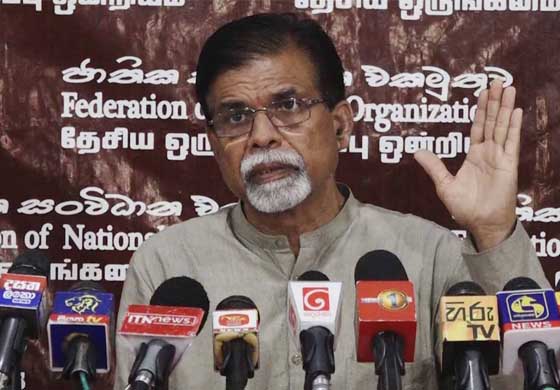
අරගල සමයේ සිදුවීමට ගිය කුමන්ත්‍රණයක් කථානායක රටට හෙළිකරයි

March 22nd, 2024

Courtesy Adaderana

කථානායකවරයාට එරෙහිව විපක්ෂයේ මන්ත්‍රීවරුන් ගෙනආ විශ්වාසභංග යෝජනාව අද (21) පාර්ලිමේන්තුවේදී වැඩි ඡන්ද 42කින් පරාජයට පත්වූ පසු විශේෂ ප්‍රකාශයක් කළ කථානායකවරයා සුවිශේෂී කරුණු රැසක් අනාවරණය කළේය.

කථානායක මහින්ද යාපා අබේවර්ධන මහතා එහිදී පැවසුවේ, ඉකුත් අරගල සමයේදී ආණ්ඩුක්‍රම ව්‍යවස්ථාව උල්ලංඝණය කර හෝ ආණ්ඩුවක් පිහිටුවන ලෙසට තමාට එල්ලවූ බලපෑම් සම්බන්ධයෙනි.

මේ අතර ඡන්ද විමසීමට සහභාගි වන ලෙස ජනපතිවරයා ආණ්ඩු පක්ෂයේ සියලු මන්ත්‍රීවරුන්ට අනිවාර්ය කිරීම නිසා, විදෙස්ගතවී සිටි ඇමතිවරුන් වන බන්දුල ගුණවර්ධන, පවිත්‍රා වන්නිආරච්චි සහ රාජ්‍ය අමාත්‍ය දිලුම් අමුණුගම අද දිවයිනට පැමිණ තිබුණි.

දැනට අත්අඩංගුවට ගෙන රක්ෂිත බන්ධනාගාරගත කර සිටින හිටපු සෞඛ්‍ය අමාත්‍ය කෙහෙළිය රඹුක්වැල්ල මහතා ද අද පාර්ලිමේන්තුවට පැමිණ සිටියේය.

මෙහිදී කථානායකවරයා කළ හෙළිදරව්ව ඉහත වීඩියෝවෙන් නරඹන්න…

Democracy, Russian Style

March 21st, 2024

SCOTT RITTER  Courtesy  Scott Ritter Extra

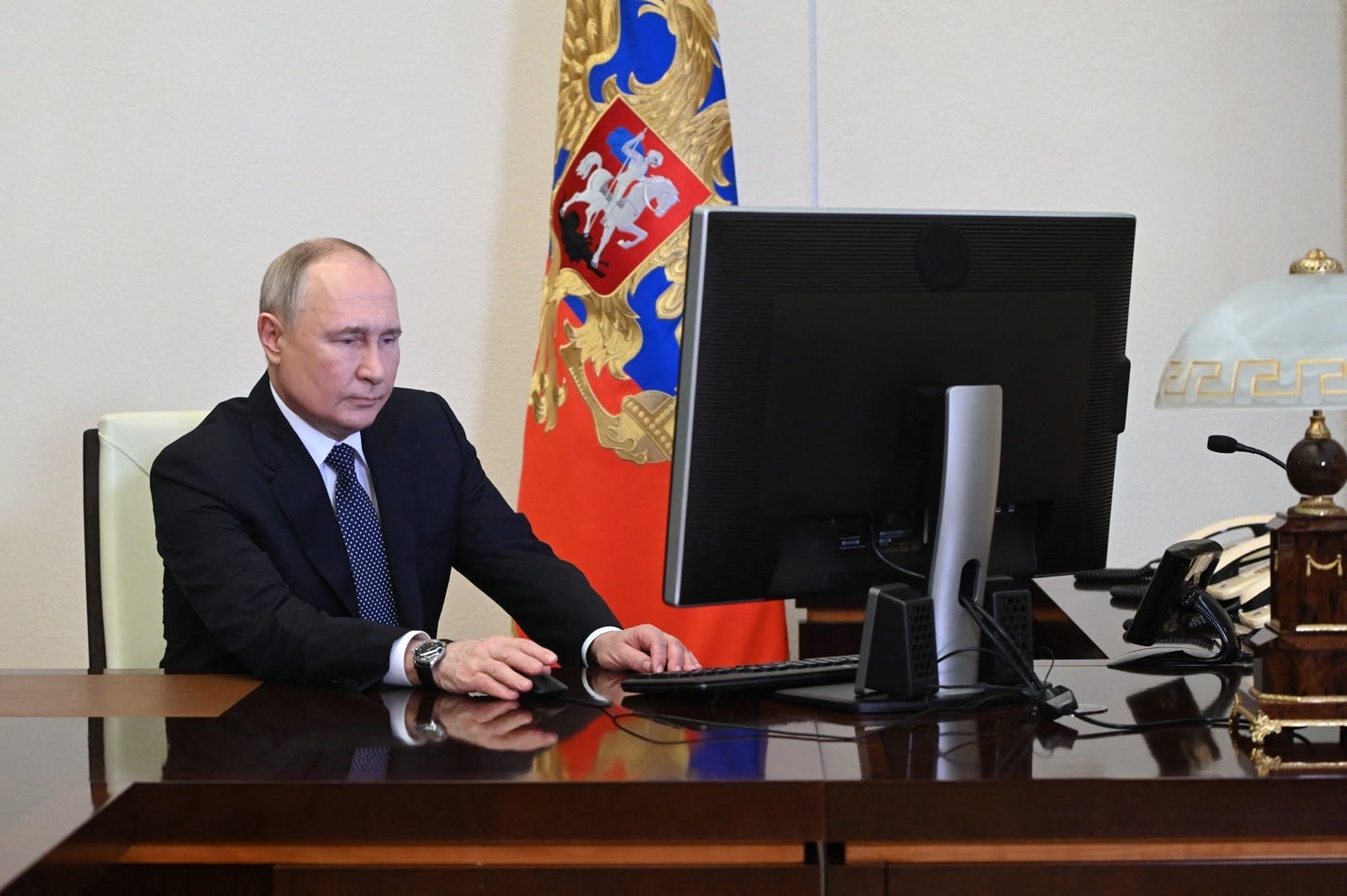
Vladimir Putin casts his vote online in the 2024 Russian Presidential election 

Russia just wrapped up three days of electoral processes which will define the internal direction of that nation for the next six years and, in doing so, serve as the driving force of global transformation for decades to come. Russia has some 112.3 million registered voters. From March 15 through March 17, a little more than 77% of them came out and cast their vote for who would be their president for the next six years. An overwhelming percentage—over 88%—cast their vote for the incumbent, Vladimir Putin.

Let there be no doubt—there was no question as to what the outcome would be in this election: Vladimir Putin was always going to win reelection.

Let there also be no doubt—the 2024 presidential election in Russia is the most important political event of the post-Cold War era, the byproduct of one of the greatest expressions of democratic will that the world will see in modern times.

Watch the first hour live on RumbleXFacebookTwitch or Locals. The second hour (starting at 9 PM ET) will stream only on Rumble, X and Locals, and will feature the music of Bob Dylan. Our special guests Friday night are Malcolm Burn, host of The Long Way Around, who recorded and mixed Dylan’s Oh Mercy album, and Hank Rosenfeld, author of The Jive 95.

The election was far more than a vote of confidence in an individual—Vladimir Putin has been the dominant political force in Russia since the turn of the century, a man who has, through sheer force of will, led Russia out of the dark catastrophe of the 1990’s, positioning Russia as one of the most powerful and influential nations of the modern era.

The election was not a mandate on the war in Ukraine—that issue had been decided in the fall of 2022, when Russia was compelled to mobilize its manpower and military industrial capacity as what had been envisioned as a short military campaign against Ukraine transformed into a larger, longer military struggle against the collective West.

Simply put, the Ukraine conflict was not on the ballot in 2024.

What was on the ballot was the future of Russia.

Vladimir Putin is 71 years old. His victory secures him another six-year term in office. When this term ends, in 2030, Putin will be 77 years old.

Leonid Brezhnev, the former Premier of the Soviet Union 

Russians are students of history, and they know too well the sad legacy of the period of Soviet stagnation, which began in the mid-1960’s under the leadership of Leonid Brezhnev. Brezhnev was 75 years old when he died in office, a mentally and physically feeble man. He was replaced by Yuri Andropov, who died two years later at the age of 69, only to be replaced by Konstantin Chernenko, who died in 1985 at the age of 73.

There is no reason to believe that Vladimir Putin will not maintain his current level of physical health and mental acuity for the remainder of his new term in office. But all men are, in the end, created equal, and the ravages of time weigh heavily on everyone, even someone as exceptional as Vladimir Putin.

For the past quarter of a century, Vladimir Putin has relied upon a core team of advisors and officials to help him lead Russia on its path of recovery. While this team has proven to be very capable, it, too, is subject to the same laws of nature that govern human existence as everyone else—ashes to ashes, dust to dust.

No man can live forever.

Russia, however, is in the minds of the people who constitute the Russian nation, eternal.

Having saved Russia from the deprivations of the 1990’s, when the collective West, led by the United States, conspired to keep Russia down by tearing it apart, Vladimir Putin is cognizant of the lessons of history which saw what happens when a ruling elite holds on to power for too long without any thought as to who will take their place.

Mikhail Gorbachev tried to lead Russia (the Soviet Union) out of the period of Soviet stagnation. He did so in a reactive fashion, without a well-thought-out plan, and the result was the collapse of the Soviet Union and the horrible decade of the 1990’s.

If Vladimir Putin were to approach the next six years as merely a continuation of his impressive tenure in office, he would be leading Russia down a path where it would collide with the harsh mistress that is historical precedent—an aging man, at the head of an aging system of government, with no clear plan on how to proceed when the inevitable appointment with destiny arrives.

In short, should the situation arise where Vladimir Putin feels compelled to seek an additional six-year term as Russia’s president in 2030, then Russia would more than likely find itself in danger of sinking into a new period of stagnation where the gains that have been made over the course of three decades of Putin rule will be squandered, and the potential of a societal collapse on par with the 1990’s a distinct reality.

This is why the important statistic to emerge from the 2024 Russian presidential election is not the 88% of the voters who marked their ballots in support of Vladimir Putin, but instead the 77% of the eligible voters who came out to express their support for the Russian state. Voter participation levels have always been seen as a reflection of the confidence a particular electorate had that the system of government they were sustaining through their vote best reflected the vision they themselves had of the nation they lived in.

By way of comparison, the 2020 presidential election in the United States saw a record-level 66% participation rate by eligible voters.

The 2024 presidential election in Russia beat that mark by 11 percentage points.

This means that the Russian people are confident that the 71-year-old Vladimir Putin will not be leading them down a path of historical inevitability where they are destined to repeat the mistakes of the past. Rather, the Russian people, confident in where Vladimir Putin has taken them to date, believe that he is the man who will best position Russia to be able to sustain these gains, and continue to prosper, in an eventual post-Putin Russia.

The 2024 Russian presidential election was a not a vote to maintain the status quo.

It was a vote for change.

The man that will oversee this change is Vladimir Putin.

Post-election rally in Red Square following Vladimir Putin’s victory in the 2024 presidential election

In the coming months, one can expect to see the beginning of a changing of the guard. The Russian leaders who helped Putin get Russia to where it is today will be set aside, to be replaced by a younger generation of Russian leaders who will, under the guidance and leadership of Vladmir Putin, prepare Russia for whatever challenges that await it once Vladimir Putin is no longer president.

How this change will manifest itself—perhaps a transition from a Moscow-centric political elite to one derived from the various regions of Russia—is as yet unknown. But there will be change, because there must be change.

And this change was on the ballot.

The West derided the 2024 Russian presidential election as a sham.

Nothing could be further from the truth.

The 2024 Russian presidential election was the manifestation of a thriving democracy, but a democracy defined by Russians.

The West focuses on the 88% of the Russians who voted for Vladimir Putin and derides the result as little more than a foregone conclusion in a system that offered the people only one real choice.

Russian democracy, however, is defined by the 77% level of electoral participation, and reflects the confidence of the people in the Russian state’s ability to take them from the strong position that Vladimir Putin has brought them and sustain this strength in a post-Putin era.

It was not a vote defined by recertifying the past, but rather a vote which empowered the government to undertake the critical changes needed for the future of the Russian nation.

It was the perfect expression of democracy, Russian style.

වඩ්ඩමාන වෙහෙරට වධ බන්ධන -බුද්ධ ශාසන ඇමතිට මන නන්දන

March 21st, 2024

මතුගම සෙනෙවිරුවන්

             වුවනියා දිස්ත්‍රික්කයේ වවුනියා උතුර ප්‍රාදේශීය ලේකම් කොට්ඨාශයේ නයිනමඩු වන රක්ෂිතයේ පවතින අතිශයින් වැදගත් බෞද්ධ සිද්ධස්ථානයක් වන වඩ්ඩමාන පබ්බත විහාරය නොහොත් වඩුන්නාගල ට පසුගිය ශිව රාත්‍රී දිනයේ දී මන්ත්‍රී රවි හරන්ගේ අනුගාමිකයන් පිරිසක් කඩා වැදී පූජාවක් පවත්වන විලාශයෙන් කල කෝලාහලය පොලිසිය විසින් වලක්වා ගනු ලැබූයේ මහත් ආයාසයෙනි. මේ පිරිස අතරින් අට ‌ෙදනෙකු අත්අඩංගුවට පත් වූ අතර මාර්තු 11 දින පැවති නඩු විභාගයේ දී ඔවුහු තව දුරටත් හිරගත කොට  ඇත. වඩ්ඩමාන පබ්බත විහාර පරිශ්‍රයේ ක්‍රි.පූ. තුන්වන සියවසට අයත් පැරණි සිංහල  බ්‍රාහ්මී අක්ෂර මගින් කොටවන ලද ලේඛන තුනක්  කටාරම් සහිත ගල්ලෙන් වල පිහිටා තිබේ.එයට අමතරව වඩුන්නාගල පර්වත මස්තකයේ ගරාවැටුණු දාගැබ් දෙකක් ආරාම සංකිර්ණයන්හි නටබුන් මෙන්ම දිය නොසිදෙන ස්වභාවික පොකුණක්ද දක්නට ලැබේ.

          වඩ්ඩමාන නොහෙත් වඩුන්නාගල පර්වත සිඛරය බවුන් වඩන යෝගාවචරයන් වහන්සේලාට අතිශයින් වැදගත් තපෝවනයකි.ගොදුරු ගම් වශයෙන් පැවති ජනාවාස වඩාත් දුරකින් නොවූ බැවින් ප්‍රත්‍ය පහසුකම් සැපයීමට දුෂ්කරතා ඇති නොවෙයි.මෙහි හාත්පස යම් ගවේෂණයක් සිදු කලහොත් පුරාණ සිංහල ජනාවාසයන්ගේ වැදගත් සළකුණු මතුකර ගත හැකිව බව නිසැකය. 1964 වර්ෂයේ දී පූජ්‍ය එල්ලාවල මේධානන්ද හිමියන් ප්‍රථම වරට මෙම ස්ථානයට වැඩම කරන කල්හි. උන්වහන්සේට මගපෙන්වන ලද්දේ දෙමළ මනුෂ්‍යයෙකි. පුරාණ සිංහල ගම්මාන මේ අවට පිහිටි බව එම පුද්ගලයා පැවසූ ආකාරය උන්වහන්සේගේ ග්‍රන්ථයන්හි දක්වා තිබේ.පුරාවිද්‍යා දෙපාර්තමේන්තුව විසින් 2013 වසරේදී මෙම ස්ථානය පිළිබඳ ගවේෂණය කර වාර්තාවක් සකස් කරතිබේ. එහි සඳහන් කර ඇති ආකාරයට මෙම ස්ථානය පැහැදිලිවම බෞද්ධ විහාරයකි.වර්තමානයේ දී එහි අයිතිකරුවා වන්නේ පුරාවිද්‍යා දෙපාර්තමේන්තුවයි. 1940 පුරාවස්තු ආඥා පනත අනුව මේ පුරාවිද්‍යා ස්ථානය රැක ගැනීමට එම දෙපාර්තමේන්තුවට බරපතල වගකීමක් පැවරී තිබේ.

       2018 වසරේ දී මෙම ස්ථානයට කඩා වැදුණු දෙමළ පිරිසක් විසින් එහි පවතින කටාරම් කෙටවූ ගල්ලෙන ආශ්‍රිතව අනවසර ඉඳි කිරීමක් කොට හින්දු දේව පිළිම තැන්පත් කොට පුරාවස්තු විනාශයක් සිදු කර තිබේ. අනතුරුව පර්වත මස්තකයේ ශිව පිළිමය තැන්පත් කර ඒ පර්වතයට නැගීමට යකඩ පඩිපෙළක් ඉඳි කිරීම නිසා සිදු වූ පුරාවිද්‍යා හානිය මත දෙපාර්තමේන්තුව විසින් කරන ලද පැමිණිල්ලකට අනුව වවුනියා මහේස්ත්‍රාත් අධිකරණයේ නඩුතුනක් විභාග වෙමින් පවතී.මින් පුරාවිද්‍යා නාම පුවරුව කැඩූ නඩුව සාක්ෂි නොමැති කමින් බහා තබා අති අතර අනෙක් නඩු දෙක( බී /806/23 සහ බී/2086/20) විභාග වෙමින් පවතී. මෙවැනි තත්වයක් තිබියදී  2023 මාර්තු මස අවසාන සතියේ දී නැවතත් උතුරු පළාතේ දේශපාලඥයන් කීප දෙනෙකු ගේ සාභාගිත්වයෙන් මෙම ස්ථානයේ දේවරූප තැන්පත් කිරීමට සැරසෙන බව සැළ වූ බැවින් වවුනියා පුරාවිද්‍යා කාර්යාලයේ සහකාර අධ්‍යක්ෂ ආර්.ජී. ජයතිලක මහතා වහා ක්‍රියාකාරී වී මෙම සාපරාධී ක්‍රියා වැළක්වීමට අවශ්‍ය නීතිමය පියවර ගන්නා ලෙසට  නෙදුන්කර්නි පොලිස් ස්ථානාධිපති වෙත 2023/03/30  සහ 2023/04/01 දින ලිපි දෙකකින් දන්වා ඇත.

      නමුත් මෙම ස්ථානයට අවශ්‍ය පොලිස් ආරක්ෂාව ප්‍රමාණවත් නොවන බව හැඟී ගිය හෙයින් උතුර භාර ‌නියෝජ්‍ය පොලිස්පතිවරයා සහ වවුනියා ජ්‍යෙෂ්ඨ පොලිස් අධිකාරිවරයාද දැනුම්වත් කර තිබේ. එහෙත් 2023/04/02 දින මෙම ස්ථානයට පැමිණි පාර්ලිමේන්තු මන්ත්‍රීවරුන් ප්‍රදේශීය දේශපාලඥයන් ඇතුළු පිරිසක් ඩෝසර යොදා රක්ෂිතය එළිපෙහෙළි කරමින් මාර්ගය පාදා ට්‍රැක්ටරයක් මගින් විශාල ශිව ලිංගයක් ප්‍රවාහනය කර වඩුන්නාගල පර්වත මස්තකයේ පවතින පැරණි දාගැබ හාරා විනාශ කර එම දේවරූප තබා ඇත.

           මෙරට අතීතයේ සිට පැවති බෞද්ධ සිද්ධස්ථාන විදෙස් සතුරු ආක්‍රමණ හමුවේ ඝන වනයට යට වී ජරාවාසව ගරා වැටුණු පසු සියවස් ගණනාවක් තිස්සේ බෞද්ධ ජනතාවට වන්දනාමාන කිරීමට ඉඩ නොලැබුණි.පෙර පිහිටි රට වශයෙන් සැළකූ දැදුරු ඔයෙන් ඉහළ ප්‍රදේශය සහ මහවැලි ගගෙන් නැගෙනහිර ප්‍රදේශය මෙලෙස ජන ශූන්‍ය භාවයට පත්ව තිබුණි. පරංගි ආක්‍රමණ සහ ලන්දේසි අත් පත් කර ගැනීම් හමුවේ ජන ශූන්‍ය මේ පෙදෙස් වල දෙමළ වහල් ජනතාව සහ මුස්ලිම් වානිජයන් පදිංචි කරවූහ.අනුරාධපුර ශුද්ධ නගරය සංවර්ධනය කරනු වස් වලිසිංහ හරිස්චන්ද්‍ර ශ්‍රී මතාණන් කළ මහා මෙහෙය නිසා නුවර කලාවිය යළි පිබිදෙනු දක්නට හැකි විය.බ්‍රිතාන්‍ය පාලනය යටතේ තවදුරටත් දෙමළ ජනාවාස පුලුල් වුවද වෙළෙඳ අභිප්‍රායන් මත දකුණෙන් සංක්‍රමණය වූ සිංහල ජනතාව උතුර සහ නගෙනහිර පදිංචි වී සේරුවාවිල නාග ද්වීපය මුහුදු මහා විහාරය වැනි අතිශයින් වැදගත් බෞද්ධ සිද්ධස්ථාන පිළිසකර ගර ගත්හ.ලංකාවට නිදහස ලැබීමෙන් පසු මේ බෞද්ධ ප්‍රබෝධය තව තවත් පුලුල් විය.ජනපද බිහි වීම නිසා ගරාවැටුණු සිද්ධස්ථාන යළි ගොඩ නැන්වෙන්නට විය.නමුත් අසූව දශකයේ දී ආරම්භ වූ කොටි ත්‍රස්තවාදී යුද්ධය හමුවේ උතුරේ සිටි සිංහලයන් මෙන්ම නැගෙනහිර පදිංචිව සිටි සිංහලයන්ටද ගම්බිම් දමා සරණාගත කඳවුරු වලට ගාල් වන්නට සිදු විය.ඉන්දියන් හමුදාවේ කුරිරුකම් නිසා චීනවරාය නායක ස්වාමීන් වහන්සේ ඝාතනය වූ ආකාරය කාටත් හොඳට මතක ඇතැයි සිතමි.2009 වසරේ සිට කොටි ඝාතක යුද්ධයෙන් පීඩා විඳි ප්‍රදේශ ක්‍රමයෙන් නිදහස් වීමට පටන් ගත් අතර හමුදාව සහ පුරාවිද්‍යා දෙපාර්තමේන්තුව එක්වී කරන ලද ගවේශණ වල ප්‍රතිඵලයක් වශයෙන් උතුර සහ නැගෙනහිර පෙදෙස් වල පමණක් පැරණි නටබුන් සහිත ස්ථාන 1700 කට වඩා සොයා ගන්නට යෙදුණි.මේ අතරින් වඩ්ඩමාන පබ්බත විහාරයද එක් ස්ථානයකි.පුරාවිද්‍යා දෙපාර්තමේන්තුව 2010 සට 2013 දක්වා කරන ලද ගවේශණ වලදී පර්වත මස්තකයේ පැවති දාගැබක නටබුන් පැහැදිලි ලෙසට දක්නට ලැබුණි.නමුත් 2018 දී අලුතෙන් ගොඩ නන්වන ලද කෝවිල නිසා මේ දාගැබ සම්පූර්ණයෙන් විනාශ වී තිබේ.

          මෙම ස්තානයේ පැරණි නාමය වඩ්ඩමනා විහාරය වුවද ඔවුහු මෙයට වෙඩිකිරිනාමලේ යනුවෙන් දක්වන නාම ස්වරූපය දැනට ජාත්‍යන්තර වශයෙන්ද ප්‍රසිද්ධ වී ඇතිවාට නිසැකය. හේතුව ඉන්දියාවේ ශිව සේනා ආධාර ලබා මේ අන්තවාදීන් වරින් වර ඇති කරන කලබල මධ්‍යයේ ඔවුන්ගේ මාධ්‍ය ප්‍රචාරක යාන්ත්‍රණය ක්‍රියාත්මක වීමයි.උතුර නියෝජනය කරන රවිහරන් පොන්නම්බලම් වැනි දේහපාලනඥයන්ද හිටපු පළාත් සභා මන්ත්‍රී වරුද මෙම විනාශයට සෘජුව සම්බන්ධය. මේ නඩු සඳහා  පෙනී සිටින්නේ පාර්ලිමේන්තු මන්ත්‍රී එම්. ඒ. සුමන්තිරන් මහතා බවද නොරහසිකි.මෙම 12 වනදා වවුනියා උසාවියේ පැවති නඩු විභාගයේ දී පුරාවිද්‍යා වර්තාව සිංහල බසින් සකස් කර ඇතැයි ද එය පිළි ගැනුමට නොහැකි යයිද කියා ඔහු මහත් කලබගෑනියක් කර ඇත.

   1940 පුරාවස්තු ආඥා පනත අනුව නටබුන් තත්වයේ තිබෙන සෑම පැරණි ස්ථානයක්ම පුරාවිද්‍යාව මගින් ආවරණය වේ.ඒ ස්ථාන ගවේෂණය කොට එහි මුල් ස්වරූපය පීලිබඳ දෙපාර්තමේන්තුව දරන අදහස ප්‍රකාශ කරති. ඒ අනුව මෙරට හමු වූ වැඩි ප්‍රමාණයක් පුරා විද්‍යා ස්ථාන බෞද්ධ සිද්ධස්ථානයත් වෙති. නමුත් පුරාවිද්‍යා පනත අනුව යම් කිසි ස්ථානයක විනාශයක් සම්බන්ධ නඩු කටයුත්තක් සිදු වන කල්හි දෙපාර්තමේන්තුවේ ප්‍රමුඛ කාර්ය වශයෙන් සිදු වන්නේ පුරාවිද්‍යා හානිය ගණනය කිරීමයි. ඒ ස්ථානයේ අනන්‍යතාවය ඉස්මතු කරන්නේ වාර්තාවකින් පමණි. වඩුන්නාගල පැරණි බෞද්ධ විහාරයේ ශිව පූජා පැවැත් වීමට ශිව සේනා අනුගාමිකයන්ට ඉඩ හසර ලැබෙන්නේ ඒ නිසාය. අවාසනාවකට මෙරට වත්මනෙහි බුද්ධ ශාසන භාරව සිටින්නේ ශාසනික පැවැත්ම පිළිබද අබමල් රේණුවක වත් හැඟිමක් නොහමැති පුද්ගලයෙක් යටතේය.පුරාවිද්‍යා ස්ථානයක් වුවද බෞද්ධ විහාරයක් නම් බුද්ධ ශාසන ඇමති ලෙසට ඔහුට මැදිහත් වීමට තිබෙන් අයිතිය පැහැදිලිය.වඩුන්නාගල යනු බෞද්ධ විහාරයක් බවත් ඒහි වෙනත් පූජා පැවැත්වීමට ඉඩ දිය නොහැකි යැයි බුද්ධ ශාසන ඇමති වශයෙන් ඔහුට ප්‍රකාහ කළ හැකිය. එහෙත් ඔහු නිහඬය. ඒ වෙනුවටඉන්දියාවේ අනුග්‍රහයෙන් ශිව පූජා පැවැත්වීමද භගවත් ගීතා සංර්දර්ශණ පැවැත්වීමද ඔහුගේ මන නන්දනයට හේතු වේ.  ත්‍රිකුනාමලය කන්නියා උණුවතුර ළිං ආශ්‍රිත බෞද්ධ ආරාමයේ අවසර පත්‍රයේ තිබූ බෞද්ධ වචනය ඉවත් කිරීමට කරන ලද උපක්‍රමය මේ සියුලු දෙන සම්බන්ධය. කුරුන්දි විහාර ධාතු නිදාන උත්සවය අවස්ථාවේ දී දෙමළ සන්ධානයේ මන්ත්‍රී වරුන්ගේ ඉල්ලීම පරිදි එය නැවැත්වීමට පුරාවිද්‍යා අදයක්ෂ ජනරාල්ට නියෝග දුන් හැටි අපට මතකය. ඒ කිසිවක් ලිඛිතව නොවේ.මෙවැනි තත්වයක් යටතේ ඇතිව තිබෙන ආරාජිකත්වය මගහැර යෑමට කල හැකි දේ බොහෝය. ඒ සඳහා සූදානම් වීම නුවණට හුරුය.

මතුගම සෙනෙවිරුවන්

The Complex Issue of Illegal Fishing in Sri Lankan Waters by Tamil Nadu Fishermen

March 21st, 2024

By Sarath Wijesinghe President’s Counsel (LL.M (UCL)), former Ambassador to UAE and Israel, President of the Lanka Ambassador’s Forum – United Kingdom, Solicitor in England and Wales

The issue of illegal fishing by Tamil Nadu fishermen in Sri Lankan waters is a significant and contentious matter that impacts the livelihoods of local fishermen, marine biodiversity, and the relationship between Sri Lanka and India. Sri Lanka’s Minister of Fisheries, Hon. Douglas Devananda, has been vocal about the challenges faced by Sri Lanka due to the incursion of Indian fishermen into its territorial waters, particularly the use of bottom trawling, a destructive fishing method that devastates the seabed and marine ecosystems.

The practice of bottom trawling involves dragging heavy nets across the ocean floor, which not only captures a large number of fish but also severely damages the marine habitat. This method has been banned in Sri Lanka since 2017 due to its detrimental environmental impact. However, the enforcement of this ban remains a challenge, as Tamil Nadu fishermen continue to use bottom trawlers in Sri Lankan waters, leading to overfishing and depletion of marine resources that are crucial for the sustenance of local communities.

The frequent incursions of Indian fishermen into Sri Lankan waters have led to tensions between the two countries. There have been numerous incidents of arrests and detentions of Indian fishermen by Sri Lankan authorities, which in turn have sparked diplomatic protests and demands for their release. These confrontations not only strain the bilateral relations but also highlight the need for a comprehensive and sustainable solution to the issue. Efforts have been made to address this problem through diplomatic channels and joint mechanisms. For instance, the India-Sri Lanka Joint Working Group on Fisheries has been established to discuss and resolve fishing-related issues. Both countries have also engaged in talks to demarcate the maritime boundary and create a zone of cooperation in the Palk Strait, where most of the illegal fishing activities occur.

Moreover, there is a growing recognition of the importance of sustainable fishing practices and the need to protect marine ecosystems. Initiatives such as community-based management, the promotion of alternative livelihoods for fishermen, and the implementation of marine protected areas are being explored as potential solutions.

The conflict over fishing rights has led to tensions between the two countries, with the Sri Lankan Navy frequently detaining Indian fishermen and their boats for violating Sri Lanka’s territorial waters. The repeated instances of such detentions have become a sore point in India-Sri Lanka relations, with the issue often escalating to diplomatic levels. The Indian government has, on numerous occasions, intervened to secure the release of the detained fishermen, emphasizing the need for a humane and considerate approach to the issue. In response to these detentions and the ongoing disputes over fishing rights, Tamil Nadu fishermen have staged protests and called for the resumption of dialogue to address the issue. These protests have highlighted the plight of the fishing communities in Tamil Nadu, who rely on the maritime resources for their livelihoods. The fishermen argue that their traditional fishing grounds overlap with Sri Lankan waters, and they demand a more equitable arrangement that allows them to fish without the fear of detention.

The issue is further complicated by the historical and cultural ties between the Tamil Nadu fishermen and the Sri Lankan Tamils. The ethnic connections between the two communities have led to a sense of solidarity, and the fishermen’s protests often gain support from various political and civil society groups in Tamil Nadu.

To address the ongoing conflict, both the Indian and Sri Lankan governments have engaged in bilateral talks and established joint mechanisms, such as the India-Sri Lanka Joint Working Group on Fisheries. These forums aim to facilitate dialogue, enhance cooperation, and find sustainable solutions to the fishing disputes. Discussions have focused on measures such as the establishment of a joint patrolling system, the exchange of information on illegal fishing activities, and the exploration of alternative fishing methods that are less harmful to the marine environment. Moreover, there have been calls for the implementation of confidence-building measures, such as the release of detained fishermen and boats as a goodwill gesture, to create a conducive atmosphere for negotiations. The ultimate goal is to reach a comprehensive agreement that balances the interests of both countries and ensures the livelihoods and security of the fishing communities.

The Sri Lankan government, represented by Fisheries Minister Hon. Douglas Devananda and Foreign Minister Hon. Ali Sabry, has emphasized the need for a pragmatic and diplomatic approach to resolve the dispute over fishing rights. They have stressed the importance of protecting marine resources and ensuring the sovereignty of Sri Lanka’s maritime territory. The issue is not only about the illegal incursion of Indian fishermen into Sri Lankan waters but also
about the broader implications for the country’s marine biodiversity and the livelihoods of local fishing communities.

In this context, the Sri Lankan government has been firm in its stance on safeguarding its marine resources. This was exemplified when the Tamil Nadu government made a request to allow Indian fishermen to enter Sri Lankan waters for fishing, which was categorically rejected by Sri Lanka. The refusal indicates a clear position that the sovereignty of Sri Lanka’s territorial waters is non-negotiable and that any solution to the fishing dispute must respect the country’s legal and environmental boundaries. Furthermore, the Sri Lankan authorities have been advocating for responsible fishing practices and the adherence to international maritime laws. The ban on destructive fishing methods like bottom trawling is a testament to Sri Lanka’s commitment to preserving its marine ecosystem. The government has also been exploring alternative livelihood options for its fishermen to reduce dependency on traditional fishing grounds and to promote sustainable fishing practices.

The diplomatic efforts by the Sri Lankan government are aimed at finding a mutually beneficial resolution to the fishing dispute. Engagements with the Indian government and Tamil Nadu authorities have focused on establishing a framework for cooperation that addresses the concerns of both parties. This includes discussions on delineating fishing zones, joint patrolling, and information sharing to prevent illegal fishing activities.

The economic impact of illegal fishing is substantial, with estimates of losses ranging from $350 million to $900 million. These losses are not just limited to the direct depletion of fish stocks, but also extend to the broader economic effects on local communities and the fishing industry as a whole. The livelihoods of thousands of fishermen and their families are adversely affected, leading to a ripple effect on the local economy, including reduced income, job losses, and increased poverty levels. The environmental consequences of illegal fishing, particularly through destructive practices like bottom trawling, are equally severe. Bottom trawling is akin to the deforestation of areas like the Sinharaja rainforest, in that it leads to the irreversible destruction of marine habitats. This method of fishing involves dragging heavy nets across the seabed, which not only captures a large number of fish but also destroys the complex ecosystems that are essential for marine life. The result is a loss of biodiversity, with long-term effects on the health and sustainability of the marine environment.

The damage caused by bottom trawling is not easily reversible. It can take decades for marine ecosystems to recover, if they recover at all. The loss of coral reefs, seagrass beds, and other critical habitats leads to a decline in fish populations, which further exacerbates the economic challenges faced by local fishing communities. Additionally, the destruction of these habitats disrupts the balance of the marine ecosystem, affecting not just the targeted fish species but also other marine life that depends on these habitats for survival. A diplomatic approach is crucial in addressing this issue, as it involves the interests and sovereignty of two neighboring countries. Constructive dialogue and negotiations are necessary to establish mutually agreeable terms that respect the maritime boundaries and fishing rights of both nations. This includes the formulation of joint strategies for sustainable fishing practices and the equitable sharing of marine resources.

Enforcement of laws is another critical aspect of the solution. Sri Lanka must continue to uphold its fishing regulations, including the ban on bottom trawling, to protect its marine environment and fish stocks. Similarly, India needs to ensure that its fishermen adhere to international maritime laws and refrain from illegal fishing activities in Sri Lankan waters. Strengthening surveillance and patrolling efforts can help deter unauthorized fishing and ensure compliance with the agreed-upon regulations. Cooperation between Sri Lanka and India is essential for the long-term sustainability of the fishing industry in the region. Collaborative efforts such as joint patrolling, information sharing, and capacity building can enhance the management of marine resources and reduce the incidence of illegal fishing. Additionally, initiatives that promote alternative livelihoods for fishermen and the adoption of environmentally friendly fishing techniques can contribute to the overall sustainability of the fishing sector.

State Minister of Defence enlightens student officers of DSCSC

March 21st, 2024

Ministry of Defence  – Media Centre

State Minister of Defence Hon. Premitha Bandara Tennakoon addressed the student officers of Defence Services Command and Staff College (DSCSC) on Wednesday (Mar 20).

Minister Tennakoon enlightened the student officers of Course No 18 on ‘Contemporary National Security Challenges of Sri Lanka and how best the armed forces be structured and prepared’ after accepting an invitation of Commandant of DSCSC Maj. Gen. Lasantha Rodrigo. He captured the unhindered attention of the audience while shared his insightful knowledge on the topic at the ‘Dinners Club’ which is an important event in the DSCSC’s course structure.

Consequently, the State Minister took time off to interact with the Student Officers including foreign Student Officers and Instructors and shared his thoughts with them.

DSCSC officials including the Deputy Commandant and spouses of the Student Officers were also present at the occasion.

කතානායකවරයාට එරෙහි විශ්වාසභංග යෝජනාව ප්‍රතික්ෂේප කළ හැකිව තිබුණා; මෙයින් පරාජය වන්නේ, ප්‍රජාතන්ත්‍රවාදී පාර්ලිමේන්තු ක්‍රමයට ඉටු කළ හැකි කාර්ය භාරයයි- අග්‍රාමාත්‍ය දිනේෂ් ගුණවර්ධන මහතා

March 21st, 2024

පාර්ලිමේන්තුවේ සභානායක කාර්යාලය

ව්‍යවස්ථා සභාවේ අභ්‍යන්තර කරුණු ප්‍රසිද්ධියට පත් නොකළ යුතුයි කියන පිළිවෙත උල්ලංඝනය වී ඇති නිසා, ඒ පදනම මත කතානායකවරයාට එරෙහි විශ්වාසභංග යෝජනාව ප්‍රතික්ෂේප කළ හැකිව තිබූ බව, අග්‍රාමාත්‍ය දිනේෂ් ගුණවර්ධන මහතා කියා සිටියේය. ස්ථාවර නියෝග සැකසීමේ බලය පාර්ලිමේන්තුවට ඇති පරිදි ම පිළිවෙත් සකසා ගැනීමේ හැකියාව ව්‍යවස්ථා සභාවට ඇති බවද ඔහු පැවසීය. මේ විශ්වාසභංගය හරහා, ආණ්ඩුක්‍රම ව්‍යවස්ථා සභාවේ අභ්‍යන්තර කරුණු හෙළිකිරීමෙන් එහි උත්තරිතරභාවය ආරක්ෂා කරගැනීමේ අවස්ථාව විපක්ෂය විසින් සම්පූර්ණයෙන් කඩාකප්පල් කර ඇතැයි ඔහු පැවසීය.

අග්‍රාමාත්‍යවරයා මේ බව ප්‍රකාශ කළේ, කතානායක මහින්ද යාපා අබේවර්ධන මහතාට එරෙහිව විපක්ෂය ගෙනා විශ්වාසභංග යෝජනාව පිළිබඳ පාර්ලිමේන්තුවේ පැවති විවාදයට 2024.03.21 දින එක්වෙමිනි.

කතානායක මහින්ද යාපා අබේවර්ධන මහතා, පසුගිය කාලයේ රට බරපතළ තත්ත්වයකට පත්වූ අවස්ථාවේ ජීවිතය පරදුවට තබා කටයුතු කළ බවද සඳහන් කළ අග්‍රාමත්‍ය දිනේෂ් ගුණවර්ධන මහතා, මෙම විශ්වාසභංගයෙන් පරාජය වන්නේ, ප්‍රජාතන්ත්‍රවාදී පාර්ලිමේන්තු ක්‍රමයට ඉටු කළ හැකි මෙහෙය බවද පැවසීය. උද්ඝෝෂකයන් පාර්ලිමේන්තුව දෙසට එනවිට, කතානයවරයා එදා වැඩබලන අගමැති සමග එක්ව පාර්ලිමේන්තුව ආරක්ෂා කරදුන් බවද ඔහු සිහිපත් කළේය.

අග්‍රාමාත්‍යවරයා මෙසේද කීය.

ගරු නියෝජ්‍ය කතානායකතුමනි අද අපි විවාදයට ගන්නේ පාර්ලිමේන්තුව මේ දවස් 3ක්ම වෙන් කරන ලද විවාදයේ අවසාන දවසයි. එහි සඳහන් වන්නේ, ගරු කතානායක මහින්ද යාපා අබේවර්ධන මහතාට එරෙහි විශ්වාසභංග යෝජනාව ලෙස ‍න්‍යාය පත්‍රයේ අන්තර්ගතව තිබෙනවා. මෙහි සඳහන් වන ගරු කතානායකතුමා ශ්‍රී ලංකා පාර්ලිමේන්තුවේ ජ්‍යෙෂ්ඨයෙක්. මම හිතන්නේ පාර්ලිමේන්තුවේ ජ්‍යෙෂ්ඨතම මන්ත්‍රීවරු කීප දෙනාගෙන් එක් කෙනෙක්. මම ගෞරවයක් වශයෙන් පළමුව මතක් කරන්න කැමතියි 1983 අතුරු මැතිවරණ 18ක් පවත්වන අවස්ථාවේදී එතුමා හක්මන කොට්ඨාශයේ මන්ත්‍රීවරයා ලෙස පත්වුණා. ඒ  දවසෙම මමත් මේ පාර්ලිමේන්තුවට පත්වුණා, මහරගම මන්ත්‍රීවරයා හැටියට. අපේ ගාමිණී ලොකුගේ මන්ත්‍රීතුමා කැස්බෑව මන්ත්‍රීතුමා හැටියට පත්වුණා. අද අපි ජීවනතුන් අතර මේ සභා ගර්භයේ ඉන්නවා. මේ කාල පරිච්ඡේදය තුළ කිසිම අවස්ථාවකදී ගරු මහින්ද යාපා අබේවර්ධන මහතා කෙරෙහි සැකයක් උපදින ක්‍රියාවලියක හවුල් වෙලා නැති බව පාර්ලිමේන්තු ඉතිහාසයේම සාකෂි දරනවා. ඔහු එකම පක්ෂයේ හිටියේ නැහැ. ඔහුට යම් යම් ජාතික තීරණ ගැනීමේ අවස්ථාවල තම පක්ෂයට වඩා රට අතහැර රට මුලට තියලා තීරණය ගත්ත කෙනෙක්.

ප්‍රතිපත්තිමය වශයෙන් නායකයෙක් හැටියට දක්ෂිණ පළාත් සභාවේ මහා අමාත්‍යවරයා හැටියටත් කටයුතු කරා. මම මේ කාරණය පළවෙනියෙන් මතක් කරන්නේ මෙවැනි කෙනෙක් පිළිබඳ විශ්වාසය නොමැති බව කියාපාන්නට යම් යම් අය නැගී සිටිනවා නම් ඒකයි මේ යෝජනාවේ පළවෙනියෙන්ම සටහන් වෙන්නේ. ඒක ඉතාම දුර්වල අදහසක් සම්මත කර ගැනීමට දරන උත්සාහයක්.  කතානායකතුමා කෙරෙහි පූර්ණ විශ්වාසය අපට තිබෙන බව මා පළවෙනියෙන් සඳහන් කරන්නට කැමතියි. එතුමා පාර්ලිමේන්තුවේ සෑම කෙනෙක්ම නියෝජනය කළ යුතුයි කියලා කියවෙන හඬ නියෝජනය කරපු කතානායකවරයෙක්. ඔහු කවදාවත් ආණ්ඩුවට පමණක් ඉඩ දීලා කතානායකවරයා හැටියට කටයුතු කරලා නැහැ, මේ සභාවේ කුමන විවේචනයක් ආවත්. එලෙස සාධාරණත්වයෙන් තමන්ට පාවිච්චි කළ හැකි උපරිම තීරණයන් කතානායකතුමා විරුද්ධ පක්ෂයේ විවිධ කොටස් වෙනුවෙන් අනුගමනය කර තිබෙන බව සිහිපත් කිරීම අපේ යුතුකමක්. ඒ නිසා විරුද්ධ පක්ෂය මේ පසුගිය දවස් දෙකෙම උත්සාහ දැරුවා එතුමා පක්ෂපාතී කතානායකවරයෙක් බව ප්‍රකාශ කරන්න. එහෙම තත්ත්වයක් නැති බව මම යළිත් සිහිපත් කරන්න කැමතියි, පාර්ලිමේන්තුවට. ගරු නියෝජ්‍ය කතානායකතුමනි, මේ විශ්වාසභංග යෝජනාවේ කොටස් 2ක් තිබෙනවා. එක කොටසක් තමයි, කතානායකතුමා මේ යෝජනාවේ සඳහන් වන ශ්‍රේෂ්ඨාධිකරණය හා පොලිස්පති පත්වීම සම්බන්ධව ශ්‍රේෂ්ඨාධිකරණයෙන් අපට එවන ලද තීරණයන් එනම්, අපේ රටේ මාර්ගගත ක්‍රමවල සුරක්‍ෂිතභාවය නමැති පනත ගැනත් එවන ලද තීරණයන් ප්‍රකාරව කටයුතු කිරීම ගැන ප්‍රකාශයක් නගලා තියෙනවා. දෙවැනි කාරණය, පොලිස්පතිවරයා පත් කිරීමේදී ව්‍යවස්ථාදායක සභාව කටයුතු කරපු ආකාරය ගැන වැරදි අර්ථ නිරූපණයක් දුන්නයි කියන චෝදනාව එතුමාට එල්ල කරනවා. මේ කාරණා දෙක මුල් කරගෙන තමයි විරුද්ධ පක්ෂය මේ උත්සාහයට බැහැල තියෙන්නෙ. මේ දෙක අතර සම්බන්ධකුත් නෑ. පොලිස්පතිතුමාගේ ප්‍රශ්නය දේශපාලන ප්‍රශ්නයක් බවට මේ විපක්ෂය මගින් මීට ප්‍රථම කීප වතාවක්ම මේ පත්වීම කරන්නට පෙරද නගලා රටට ප්‍රකාශ කරපු අය. දැන් ඒ අය ස්වාධීනත්වයෙන් හිතනවා කියලා, එහෙම නැත්නම් ව්‍යවස්ථාදායක සභාවේ හිතනවා කියලා කිසි ලෙසකින් කියාපාන්නට බෑ. මම උත්සාහ දරන්නේ නෑ, අපි පැමිණි එකඟතාවයන් ව්‍යවස්ථාදායක සභාවක් හැටියට ව්‍යවස්ථාදායක සභාව අනුගමනය කළ යුතු පිළිවෙත්වල් සම්බන්ධව මේ පාර්ලිමේන්තුව ඇතුළේ මා ඉතා පැහැදිලිව කියලා  තිබෙනවා, එහි විශ්වාසය රකින්න පාර්ලිමේන්තු සභා ගර්භයට හෝ ප්‍රසිද්ධියට පත්වන ප්‍රකාශයන්ගෙන් අපි වැලකී සිටී, කියලා එකඟතාවයකට ඇවිල්ලා හිටියා. මේ එකඟතාවය සම්පූර්ණ කඩලා තමයි මේ විශ්වාසභංග යෝජනාව සකස් කරලා තියෙන්නේ. ඇත්ත වශයෙන්ම මේ විශ්වාසභංග යෝජනාවේ මේ වගන්තිය උඩ මේ විශ්වාසභංග යෝජනාව ප්‍රතික්ෂේප කරන්න තිබුණා. Not in order. අපි ව්‍යවස්ථාදායක සභාව කියන්නේ පාර්ලිමේන්තුව නෙමෙයි. පාර්ලිමේන්තුවට පාර්ලිමේන්තුවේ තිබෙන යම් යම් ස්ථාවර නියෝග ව්‍යවස්ථාදායක සභාවේ ක්‍රියාත්මක වෙනවා කියලා කියන්නත් බෑ. ඒ නිසා අපි එතන ඉඳලා පටන් ගත්තොත් විරුද්ධ පක්ෂයේ සහය සම්පූර්ණ වැරදි උත්සහයක්. දැනුත් විපක්ෂ නායකතුමා කිව්වා පාර්ලිමේන්තුවේ ස්ථාවර නියෝග අනුව. නෑ පාර්ලිමේන්තුවේ ස්ථාවර නියෝග comes under the constitution. Constitution එකේ තියෙනවා, පාර්ලිමේන්තුව විසින් ස්ථාවර නියෝග කෙටුම්පත් කරනු ඇත කියලා. කිරීමට හැකියි කියලා. ඒවගේම ව්‍යවස්ථාදායක සභාවටත් තියෙනවා තමන්ගේ අනුගමනය කරන පිළිවෙත් එම ව්‍යවස්ථාදායක සභාව විසින් කෙටුම්පත් කළ හැකියි කියලා. එයයි 21 වෙනි සංශෝධනය තියෙන්නේ.

ඒ නිසා පාර්ලිමේන්තුවේ ස්ථාවර නියෝග ගෙනහැර දක්වමින් ව්‍යවස්ථාදායකයේ කටයුතු පිළිබඳ කටයුතු කිරීමේ පිළිවෙත මම හිතන්නේ වැරදි තර්කයක් විරුද්ධ පක්ෂය අල්ලගෙන මේ කතා කරන්නේ. අපි ව්‍යවස්ථාදායක සභාවට යන්නට මත්තෙන් ඒ නිසා මේ ඉදිරිපත් කර තිබෙන විශ්වාසභංග යෝජනාව ගැන ප්‍රජාතන්ත්‍රවාදී පාර්ලිමේන්තුවේ මම යෝජනා කරන්න කැමතියි. අපි ගරු කතානායකතුමනි, 21 වැනි 2021 වසරේ පාර්ලිමේන්තුවේ කතානායකතුමා මේ අද කියන අවිශ්වාසවන්ත කතානායකවරයෙක් කියන්න පුළුවන්ද අද තියෙන මේ පාර්ලිමේන්තුව ආරක්ෂා කිරීමට ඔහු තමන්ගේ ජීවිතය පරදුවට තබලා ආරක්ෂා කළා. මේක කිසිම මන්ත්‍රීවරයෙක් හෝ ලංකා පාර්ලිමේන්තු ප්‍රජාතන්ත්‍රවාදය ගැන කතා කරන කිසිවෙකුට අමතක කරන්න බෑ. මුළු රටම කඩා වැටිලා ජනාධිපතිතුමා රට හැරලා ගිහිල්ලා, අග්‍රාමාත්‍යතුමා අගමැතිකමෙන් අස්වෙලා, ඒ දවසේ තිබුණු ආරාජික තත්ත්වය නියෝජ්‍ය කතානායකතුමාට සිහිපත් කරනවා. පාර්ලිමේන්තුවට ඇවිල්ලා විවිධ පාර්ශ්වයන් සමඟ මේ පාර්ලිමේන්තුවේදී කතා කරලා තර්ජන මැද්දෙ එතුමා නිවසට ගිහිල්ලා ඉන්නකොට තමයි අපිට එහා මංසන්ධියේ පාර්ලිමේන්තු ප්‍රාකාරයට රැස්වෙලා ඉදිරිපත් වෙන අවස්ථාව අරම්භ වුණේ. මම මෙය සිහිපත් කරන්නේ නෑ දීර්ඝ වශයෙන්. නමුත් එදා පාර්ලිමේන්තු දෙසට ගමන් කිරීමේ ක්‍රියාවලියට ඉඩ දුන්නා නම් අපේ ආරක්ෂක බලකායන් සිදුවිය හැක්කේ කුමක්ද කියලා ඔබතුමා දන්නවා. එය වළක්වා ගන්න ගරු කතානායකතුමා, ගරු ජනාධිපතිතුමත් සමඟ වැඩ බලන අග්‍රාමාත්‍යවරයා හැටියට එතුමා සමඟ ඒ ආරක්ෂක බලකායනයන්ට පාර්ලිමේන්තු ප්‍රජාතන්ත්‍රවායේ කේන්ද්‍රස්ථානය වූ පාර්ලිමේන්තුව ආරක්ෂා කරලා දුන්නා.  මෙවැනි කතානායකවරයෙක්ට විරුද්ධව තමයි විශ්වාසයක් නෑ කියලා කතා කරන්නේ මේ පාර්ලිමේන්තුව ඇතුලෙම ඉඳලා. එතුමා උල්ලංඝනය කරපු දෙයක් නෑ. ඒ විශ්වාසය එතුමා ආරක්ෂා කළා. විපක්ෂය වෙනුවෙන්, ආණ්ඩුවේ පක්ෂයේ මන්ත්‍රීවරු වෙනුවෙන්. ආණ්ඩුවක ප්‍රශ්නය නෙමෙයි එදා තිබුණේ. මේ පාර්ලිමේන්තුව පාර්ලිමේන්තු ප්‍රජනන්තවාදය ආරක්ෂා කිරීමයි. ඒ තීරණය ගත්ත මහින්ද යාපා අබේවර්ධන මැතිතුමාට ඒ තීරණය ගන්න  පුළුවන්කම තිබුණේ එතුමා තුළ තිබුණු ජ්‍යෙෂ්ඨත්වය සහ සම්භාරයක එකතු වෙච්ච අත්දැකීම් සම්භාරයයි. ඒ නිසා මේ වචන වලින් මම පුදුම වෙනවා විරුද්ධ පක්ෂය මේ  විදිහට ගරු කතානායකුතාමට විශ්වාසයක් නැති බව ප්‍රකාශ කරන්නට සභාවේ විවිධ අය පසුගිය කාලයේ වෙච්චි දේවල් පාර්ලිමේන්තුව ආරක්ෂා කරන්න, පාර්ලිමේන්තු ප්‍රජාතන්ත්‍රවාදය ආරක්ෂා කරන්න, හිංසාවාදය ජයග්‍රහණය පරාජය කරගෙන අවිහිංසාවාදයේ ජයග්‍රහණය ප්‍රජාතන්ත්‍රවාදය වෙනුවෙන් ආරක්ෂා කර දෙන කතානායකතුමාට පුළුවන්කම ඇතිවුණු බව මම හිතන්නේ මේ විපක්ෂේ කිසිවෙක් ප්‍රශ්න කරන එකක් නැහැ කියලා. ඒ නිසා කුමටද මේ ව්‍යවස්ථාදායක සභාවේ යෝජනාව අද ඉදිරිපත් කරන්නේ කියලා ඉතාම ඕනෑකමෙන් අපි සඳහන් කරන්නට ඕනේ. ඔවුන් කියනවා, මේ යෝජනාව එක කොටසක් අනිත් කොටසට සම්බන්ධ නැති වුණත් මේ යෝජනාව ඉදිරිපත් කරලා තියෙන්නේ එහෙමයි. මාර්ගගත ක්‍රමවල සුරක්ෂිතභාවය නැමැති පනතේ සංශෝධනයන් සම්මත කරන අවස්ථාවේදී එම සංශෝධනයන්වලට ඉඩකඩ නොදෙමින් කටයුතු කළා. ගරු නියෝජ්‍ය කතානායකතුමනි ඔබතුමත්, රටත්, අපිත් විරුද්ධ පක්ෂයේ මන්ත්‍රීවරුත් දැක්කා එදින පාර්ලිමේන්තුවේ සිදුවුණ දේ. එදින පාර්ලිමේන්තුවේ ඡන්දය කැඳවලා අපි ඡන්දය දුන්නු ආකාරය ලියාපදිංචි වෙලා තියෙනවා. විරුද්ධ පක්ෂයේ නායකතුමා කියන දේ මම ඉතාම ඕනෑකමින් සිහිපත් කරනවා එතුමාට.

මේ ඡන්ද විමසීමෙදී පක්ෂයි විපක්ෂයි ඡන්දය දුන්නේ ණය කියලා සටහන් වෙනවා. එදා වුනෙත් ඒකනේ. එදා විරුද්ධ පක්ෂයේ සජබ මන්ත්‍රීවරු හා ඔවුන් සමඟ අද  මේ විශ්වාසභංග යෝජනාවට අත්සන් තියලා   තිබෙන 44 දෙනාගේ කණ්ඩායම නැගිටලා පාර්ලිමේන්තුවේදී ගියා. සභානායකතුමාට මතක ඇති. ඡන්දය දෙන්න හිටියේ නෑ. නමුත් පාර්ලිමේන්තුවේ විරුද්ධ පක්ෂයේ අපේ උතුරේ මන්ත්‍රීවරු, අපේ දකුණේ මන්ත්‍රීවරු කීපදෙනෙක් විපක්ෂයේ ඉඳගන්න අය ඡන්ද පාවිච්චි කළා. ඒ අයට ඡන්දය පාවිච්චි කරන්නට ඉඩ කඩ ලැබීමත් අනිත් අය සභාගර්භයෙන් ඉවත්ව ඡන්දය පාවිච්චි නොකිර සිටීමෙන් ඔප්පු කරන්නේ තමන්ගේ වගකීම් විපක්ෂය ඉෂ්ට කරලා නෑ.

අද ඒ වෙනුවට කතානායකතුමාට චෝදනා කරනවා කතානායකතුමා පමණට ඡන්ද පාවිච්චි කරන්න ඉඩ දුන්නේ නෑ කියලා. මේ විශ්වාසභංග යෝජනාවේ වගන්තිය කියන්නෙ ඒකයි. මම හිතනවා ඒ සම්පූර්ණ අසත්‍යයක්. These are total lie that has been presented in the vote of no confident. If the opposition wanted to vote they could I wanted to some members of opposition voted against. SJB Parliamentary group and the join signatories of this motion walked away from parliament. 

අද ඇවිල්ලා කියනවා, එදා ඡන්දය නොදී නැගිටලා ගිහිල්ල අද ඇවිල්ලා කියනවා ඡන්දය දෙන්න ඉඩ දුන්නේ නෑ කියලා. මෙයින් විරුද්ධ පක්ෂයේ අරමුණ ඉතා පැහැදිලියි. පාර්ලිමේන්තුව හා රජය කරගෙන යන වැඩකටයුතුවලට බොරු චෝදනා එල්ල කිරීමයි. පාර්ලිමේන්තුව ප්‍රජාතන්ත්‍රවාදීව යළි ශක්තිමත් කර වැඩ කරගෙන යන අවස්ථාවේදී  විපක්ෂයට ඕනේ පෙන්නන්න රටටත්, පුළුවන් නම් ලොවටත් කියන්න ඔවුන්ගේ පාර්ලිමේන්තු අයිතිවාසිකම් නෑ කියලා. පාර්ලිමේන්තුවේ විවාදයන්, ඡන්ද විමසීම් විවිධ ප්‍රශ්න ඉදිරිපත් කිරීම අවස්ථා සියල්ලටම ඉඩකඩ තියෙද්දී මේ චෝදනාව සම්පූර්ණයෙන් පදනම් විරහිත අසත්‍යයක් කියන එක සඳහන් වෙනවා. අපිට ඒ කාලයටත් වඩා මේ කාලය පටිගත කරන ලද වීඩියෝ තියෙනවා එම හැම මොහොතකම පාර්ලිමේන්තුවේ. ඒ අවස්ථාව යළි ඔබ බැලුවොතින් ඔබලා මේ කියන කතාව සම්පූර්ණ අසත්‍ය බොරුවක් කියලා ඔප්පු වෙනවා.

මම ඊට වඩා විරුද්ධ පක්ෂයට ඒ කාරණය ගැන කියන්නේ නෑ. ඒ නිසා  ඔබාලා අනුගමනය කරපු හෝ අද  කියන හදන යෝජනාවේ මාර්ග ගත ක්‍රම වල සුරක්ෂිතභාව  පනතට ඡන්දය දුන්නේ නෑ. කාරක සභා අවස්ථාවේදී ඉඩ දුන්නේ නෑ කියන දේ යළි යළි සිහිපත් කර බලන්න. අනිත් පාර්ලිමේන්තුවේ අනත් විරුද්ධ පක්ෂයේ අයිතිවාසිකම් පාවිච්චි කරන හැටි බලන්න.

ඒ නිසා අපක්ෂපාතිත්වයෙන් එම පනත පාර්ලිමේන්තුව හමුවට දාලා පාර්ලිමේන්තුවේ සම්මත වුන හැටි අපි දන්නවා. එහි යම් යම් සංශෝධනයන් ඉදිරියේ ගේන බව එදින අපේ අලස් ඇමතුමා නැගිටලා කිව්වා. පසුව වෙනමම සංශෝධනයන් ගේන දිනයකට ඉදිරිපත් කරනවා කියලා එ් සංශෝදනයන්. පැහැදිලිවම තියෙනවා හැන්සාඩ් වාර්තාවේ.

එය නම් අද මේ උත්සාහය ඊට පස්සේ කියනවා කතානායකතුමා මේ පනත අත්සන් කරා කියලා නීති විරෝධී ලෙස. නීති විරෝධී ලෙස කතානායකතුමා පනතක් අත්සන් කරන්නේ නෑ. අත්සන් කරනවා කියලා කියන්නට කරනාවල් මම හිතන්නේ විරුද්ධ පක්ෂය ඉදිරිපත් කරන්න අසාර්ථක වී තිබෙනවා. කතානායකතුමා පනත අත්සන් කළ තිබෙන දෙයින් පස්සේ මොකද වෙන්නේ? මගේ මිත්‍ර සුමංදිරන් මැතිතුමා ශ්‍රේෂ්ඨාධිකරණයට ගිහිල්ලා මේ කාරණය තර්ක කළා. සභාවේ නැති උනත් මම කියන්න ඕන සුමංදිරන් මැතිතුමා තර්ක කළා මේ පනතට අත්සන් කරලා තිබෙනවා කතානායකතුමා.  ඒක නීති විරෝධී අවලංගු කරන්න කියලා. ශ්‍රේෂ්ඨාධිකරණය ඒක සලකා බැලුවේ නෑ. සළකා බලන්නේ නැතිව  ඒ පෙත්සම ප්‍රතික්ශේප කළා.

එහෙනම් ගරු කතානායකතුමනි, ඒ අවස්ථාවේ ප්‍රකාශ කරලා තියෙන්නේ ඔබතුමා දන්නවා පාර්ලිමේන්තු පනතක් සම්මත කරන්න පාර්ලිමේන්තුව එය  අවලංගු කරන්න බෑ. එහි අඩු පාඩු තියෙනවනම් ප්‍රවිෂ්ට විය හැක්කේ තවත් පනතකින් කෙරෙන සංශෝධනයක් මගින් පමණයි. මේක තමයි පාර්ලිමේන්තු සම්ප්‍රදාය සහ ආණ්ඩුක්‍රම ව්‍යවස්ථාව අනුව අපි කටයුතු කරන ක්‍රමවේදය. මට මතකයි සුමන්දිරන් මැතිතුමාටත් කිව්වා 13 වැනි ආණ්ඩුක්‍රම ව්‍යවස්ථාව ගෙනාපු දවස. එදා අපි පාර්ලිමේන්තු වේ එහා පැත්තේ හිටියේ ටික දෙනයි. අට දෙනයි. එය සම්මත කරපු ආකාරය පිළිබඳව ගැටලු තිබුණා.

එය හරි ආකාරව සම්මත කිරීම සිදු නොවනු නිසා ශ්‍රේෂ්ඨාධිකරණයට විශේෂ පෙත්සමක් ඉදිරිපත් කරන්න ගරු බණ්ඩාරනායක මැතිනිය තීරණය කළා. බණ්ඩාරනායක මැතිනිය එක පෙත්සමකුත්, මම පාර්ලිමේන්තු මන්ත්‍රීවරයෙකු හැටියට දෙවනි පෙත්සමත් ඉදිරිපත් කළා. නමුත් ශ්‍රේෂ්ඨාධිකරණය විනාඩි කිහිපයකින් කිව්වා මේකට මැදිහත් වෙන්නෙ නෑ කියලා. අභියාචනාධිකරණය කිව්වා මේකට මැදිහත් වෙන්නේ නෑ කියලා.  පනතක් සම්මත වෙලා තිබෙනවනම්  එතනින් කටයුතු හමාරයි. ඉතින් ඒක නිසා සුමන්දිරන් ගරු මන්ත්‍රීතුමා  අපේ රටේ ඉන්න දක්ෂ නීතිඥවරයෙක්. පාර්ලිමේන්තුවේ දක්ෂ විවාදකයෙක්.  මම සිහිපත් කරන්න කැමතියි පාර්ලිමේන්තුවේ පනතක් සම්මත කළාට පස්සේ එයට අත්සන කතානාකතුමා තිබ්බට පස්සේ එය නීතිය බවට පරිවර්තනය වෙනවා.

ඒ ගැටලුවට අපි ගරු ඇමතිතුමා පැමිණි එකඟතාවයන්  විවිධ සංවිධානයන් සමඟ යම් යම් සංශෝධනයන් අවශ්‍ය නම් අපි ඒ සංශෝධනයන් ගෙනෙන බවත්. එනිසා පොලිස්පතිතුමාගේ පත්වීම පිළිබඳව ගරු විපක්ෂ නායකතුමා ඇතුළු විරුද්ධ පක්ෂයේ මන්ත්‍රීවරු ඉදිරිපත් කරපු කරුණු මම එකින් එකට කතා කරන්න යන්නෙ නෑ.  මම කලින් කිව්වා ව්‍යවස්ථාදායක සභාවේ සභිකයෙක් හැටියට මම අග්‍රාමාත්‍යවරයා හැටියට එදිනෙදා වෙන කටයුතු ගැන මේ ඉදිරිපත් කරලා තිබෙන යෝජනාව මම හිතනවා පිළිගන්නට පුළුවන්කමක් කතානායකතුමාටවත් නෑ. ව්‍යවස්ථාදායකසභාවේ ඇතුලේ තිබෙන කාරණාවල්  මෙලෙස ප්‍රසිද්ධියට පත්කරන අයිතියක් කිසිම සභිකයෙක්ට නැහැ.

වාචිකව හෝ ලිඛිතව අපි පැමිණ තිබෙන එකඟතාවය කියන්නෙ සභාව කටයුතු කරන ආකාරය පිළිබඳ පැමිණ තිබෙන එකඟතාවයයි. පක්ෂව දෙනවද, විපක්ෂව දෙනවද, එහෙම නැත්නම් ඡන්දේ දීමෙන් වැලකී සිටිනවාද කියලා අපේ 17 වෙනි ආණ්ඩුක්‍රම ව්‍යවස්ථා සංශෝධනයේ සිට ව්‍යවස්ථාදායක සභාවක් පවතිනවා ගරු නියෝජ්‍ය කතානායකතුම. හැම සංශෝධනයකදීම මේ ව්‍යවස්ථාදායක සභාවක් ඇති කරා. ඒ අභ්‍යන්තරයේ කටයුතු පාර්ලිමේන්තුවේ විවාදයකට ලක් කරලා නෑ මොන මතභේද තිබුණත්. මේ විරුද්ධ පක්ෂය ඉතාම විශ්වාසයක් නෑ කියලා කතානායකතුමාට කියමින්, තමන්ගේ අවිශ්වාසය ප්‍රදර්ශනය කර තිබෙනවා.

තමන්ගේ අවිශ්වාසය සහ ඒ කාරක සභාවේ කටයුතු කරන ආකාරය පිළිබඳව විශ්වාසය කඩලා තියෙනවා. මම කණගාටුවෙන් අග්‍රාමාත්‍යවරයා හැටියට ප්‍රකාශ කරන්නට ඕනේ ඊට වඩා දේවල් මම කතා කරන්නේ නෑ. කලින් තිබුණ ව්‍යවස්ථාදායක සභාවලත් අභ්‍යන්තරයේ මතභේද තිබිලා තියෙනවා. අභ්‍යන්තර ඡන්ද විමසීම් තිබිලා තියෙනවා. ඒ මන්ත්‍රීවරු අද ඒ සභාවල්වල නැති උනත් අද දක්වා ඒ සාකච්ඡාවල් ප්‍රසිද්ධියට පත්කරලා නෑ. ඉතින් මෙහෙම විපක්ෂයක අරමුණ මොකද්ද එහෙනම්. ඔබතුමාලට ඕන උනා පොලිස්පතිගේ පත්වීම නවත්වන්න. ඔබතුමාලට ඕන වුණා රට අරාජික කරන්න. පොලිස්පතිවරයා වැඩ බලන පොලිස්පතිවරයා හැටියට පත්වෙලා එතුමා යම්කිසි වැඩ කොටසක් ඉතා පැහැදිලිව ජාතික ආරක්ෂාවේ යහපත පිණිස ඉටු කරමින් සිටින විට එය වැඩ කටයුතු අවුල් කරන්නට නවත්තන්නට ඒවගේම අනිත් පැත්තෙන් අපේ රටේ ව්‍යවස්ථාදායක සභාව විශ්වාස කරන්නට බැරි ලෙස එහි සභාපතිතුමා කතානායකතුමා. කතානායකතුමයි සභාපති වන්නේ නිලබලයෙන්. මාද සාමාජිකයෙක් වන්නේ නිලබලයෙන්. විපක්ෂ නායකතුමාද සාමාජිකයෙක් වන්නේ නිල බලයෙන්. ජනාධිපතිතුමාට බලය තියෙනවා කෙනෙක් පත් කරන්න. ඒ අනුව එතුමා පත්කරනවා. අග්‍රාමාත්‍යතුමාට බලය තියෙනවා එක්කෙනෙක් පත් කරන්න. ඒ අනුව පත් කරනවා. අනිත් තුන් දෙදෙනා අපි ජනතාවගෙන් නියෝජනය කරන අදහස් ඇති සමාජයේ නියෝජිතයින් හැටියට පත්කරනවා. ඉතින් ඒ නිසා එහි රහස් භාවය හා උත්තරීතර භාවය ආරක්ෂා කරන්නට තිබුණ ඒ ක්‍රියාදාමයෙන් සම්පූර්ණයෙන්ම කඩාකප්පල් කිරීමකට යොමු කරන විශ්වාසභංග යෝජනාවක්. ඒ තුළින් ආණ්ඩුවේ කටයුතු අවුලකට පත්කරන්න කඩාකපල් කිරීම තමයි විරුද්ධ පක්ෂය මේ කාලසීමාව තුළ කරන එකම කටයුත්ත. අනිත් පැත්තෙන් රට වැටී තිබුණු ආරාජික තත්ත්වයෙන් ගොඩගෙන නීතිය හා සාමය පිහිටවලා ආර්ථිකය යළි හිස ඔසවමින් වර්ධනයකට පරිවර්තනය කරලා තිබෙන මේ ආණ්ඩුවේ කටයුතු අවුල් කිරීමේ එකම උත්සාහය තමයි මේ විශ්වාසභංග යෝජනාවේ සඳහන් වන්නේ. ඒ නිසා ගරු කතානායකතුමනි මම මෙයට වඩා කාල වේලාව ගන්නේ නැහැ. තව නීතිමය වශයෙන් අපට බලපාන ප්‍රධාන නීති නඩුතීන්දු ගණනාවක් ඉන්දියානු අධිකරණ ශ්‍රේෂ්ඨාධිකරණය ප්‍රකාශයට පත් කරල තිබෙනවා. මා ඒවා කියවන්නට යන්නේ නෑ. අපේ රටේ හදිසි කල්දැමිය නොහැකි තත්ත්වයක් ඇති වෙනකොට යම් යම් ආයතනවල ප්‍රධානීන්ට ගතයුතු තීරණ ගැනීමේ අවශ්‍යතාවය අපි පිළිගන්නවා.  මගේ මිත්‍ර රවුෆ් හකීම් මැතිතුමා කතා කරනවා මම අහගෙන හිටියා සභාගර්භය නොහිටියට ඔබතුමාට මතක ඇති මම සිහිපත් කරන්නේ නෑ අපි කතා වුනු දේ. ඔබතුමාට මතක ඇති අන්තිම සාකච්ඡාව ජනාධිපති ගිහිල්ලා අගමැති අස්වෙලා කතානායකතුමාගේ මූලාසනයේ පැවති අන්තිම සාකච්ඡාව පාර්ලිමේන්තු කාමරේ. එදා ජනාධිපතිතුමා ආවේ ජනාධිපතිතුමා හැටියට නෙවෙයි. ඔබතුමත් මමත් එතැනට සහභාගි වුණේ අපි පාර්ලිමේන්තුවේ දරණ තනතුරු නිසා. ඒ අවස්ථාවේදී භයානක තත්ත්වයක් එළිය මතුවෙමින් තිබුණා. ඒ තත්ත්වය තුළත් ගරු කතානායකතුමා අපිව රැස් කරා මේ සුළු සුළු ප්‍රශ්න අරයව පත් කරේ නෑ, මෙයාව පත් කරේ නෑ කියලා කතානායකවරයෙක්ට විශ්වාසභංග  ගේන්නේ නෑ. ගරු රවුෆ් හකීම් මැතිතුමා හොඳින් දන්නවා. Then we would have to bring no confidential motion to every speaker in parliament. Those are issues that we must settle within ourselves.  ඒ වෙනුවට අද වැඩිය කතා කරේ මොකද්ද අර එක මන්ත්‍රීවරයා නැගිටලා කියනවා cope එක ගැන තව මන්ත්‍රීවරයෙක් නැගිටලා කියනවා තවත් කොමිටියක් ගැන. මේවා නෙමෙයි මේ විශ්වාසභංග යෝජනාවේ ගෙනැල්ලා තියෙන්නේ. මෙවැනි දෙයක් පාවිච්චි කළ යුත්තේ ඊට වඩා උත්තරීතර කාරණා පදනම් කරගෙනයි. ඒ නිසා මම කණගාටු වෙනවා ඒ අවස්ථාවේ අපි සාකච්ඡා කරලා නමුත් ඉතිහාසයේ කොටසක් නිසා මම එක කියලා ඉවර කරනවා. ගරු නියෝජ්‍ය කතානායකතුමනි, ඒ දවසේ ගරු අග්‍රාමාත්‍යතුමා හැටියට පත්වෙලා ඒ ධූරය භාරගෙන කටයුතු කරපු රනිල් වික්‍රමසිංහ මැතිතුමා මේ සාකච්ඡාවෙන් පිටවෙලා ගියාම වැඩි වෙලාවක් යන්නට කලින් එතුමාගේ ගේ පදිංචි වෙලා හිටපු ගෙදර සම්පූර්ණයෙන් ඉදිරිපත් කරනු ලැබුවා. ගරු රවුෆ් හකීම් මැතිතුමා දන්නවා එදා ඇතුලේ අපේ සිදුවුනු උණුසුම් කරුණු හුවමාරුව කර ගැනීම. නමුත් අපි කිසි කෙනෙක් ඒ කාමරයේ හෝ කිසිවකුට තර්ජනයක් කළේ නෑ. රනිල් වික්‍රමසිංහ මැතිතුමා දිවුරුම් දී කටයුතු කිරීමට අවතීර්ණ වීම නිසා මේ සාකච්ඡාව පිළිබඳව වැරදි ප්‍රවෘත්ති ලබාදීම හේතුවෙන් එතුමාගේ නිවස සම්පූර්ණයෙන් ගිනිබත් කොට පොළොවට සමතලා වුණා. මම මේ එක සිද්ධියක් කියන්නේ. අපේ මන්ත්‍රීවරයෙක් ජීවිතක්ෂයට පත්වුණා අත්තනගල්ලේදි. ඒ වෙලාවෙදි මා හිතන්නේ අපි කිසිවකු ඒ අනුමත කරේ නෑ. ඒ නිසා මෙවැනි රටක් අවුලකට පත්වන යෝජනාවක් විරුද්ධ පක්ෂය අද  44 දෙනෙේ  අත්සන් කරලා ඉදිරිපත් කරන අවස්ථාවේ එහි පදනමක් නැති කරුණු මේ ආකාරයෙන් මම විස්තර කරමින් පාර්ලිමේන්තුව අපි යන දවසකට ඡන්දෙට යන්. නියමිත දිනට ඡන්දය තියෙනවා. එතෙක් මේ රට මොන දුන්නු unprecedented economic crisis මෙවන් ආර්ථික අර්බුදයකට අපි රට මුහුණ දීලා නෑ. යුද්ධ කාලවලවත් මුහුණ දීලා නෑ. මේකෙන් ගොඩ එන විශ්වාසය රට වැසියා ද ලබමින් සිටින වෙලාවේ අමාරුකම් තියෙනවා. ඒ අමාරුකම අඩු කරමින් අපි ඉදිරියට යන වෙලාවේ මෙවැනි අසත්‍ය මුල් කරගත් සත්‍ය සම්පූරයෙන් වසන් කොට ඉදිරිපත් කරපු විශ්වාසභංග යෝජනාව පරාජයට පත් කිරීම අද දිනයේ සිදු කිරීමයි අපේ පාර්ලිමේන්තුවෙත්, අපේ පාර්ලිමේන්තු සම්ප්‍රදායටත්, ප්‍රජාතන්ත්‍රවාදී පාර්ලිමේන්තු ක්‍රමයටත් ඉටු කළ හැකි කාර්යය වන්නේ. ස්තූතියි”

ජාත්‍යන්තර මූල්‍ය අරමුදලේ නියෝජිතයින් සහ ණය ප්‍රතිව්‍යුහගත කිරීමේ පහසුකම් සපයන්නන් අග්‍රාමාත්‍ය දිනේෂ් ගුණවර්ධන මහතා හමුවෙයි.

March 21st, 2024

අග්‍රාමාත්‍ය මාධ්‍ය අංශය 

අග්‍රාමාත්‍ය දිනේෂ් ගුණවර්ධන මහතා සහ ජාත්‍යන්තර මූල්‍ය අරමුදලේ විධායක අධ්‍යක්ෂ ආචාර්ය ක්‍රිෂ්ණමූර්ති සුබ්‍රමනියම් මහතා අතර  සාකච්ඡාවක්  2024.03.19  දින කොළඹ, අරලියගහ මන්දිරයේදී පැවැත්විණි.

ආචාර්ය සුබ්‍රමනියම් එකඟ වූ වැඩසටහනේ ප්‍රගතිය විස්තර කළ අතර 2024 ජූනි මාසයේ පැවැත්වීමට නියමිත මීළඟ අධ්‍යක්ෂ මණ්ඩල රැස්වීමේදී ජාත්‍යන්තර මූල්‍ය අරමුදලේ අධ්‍යක්ෂ මණ්ඩලය ශ්‍රී ලංකාවට තවදුරටත් සහාය ලබා දීම පිළිබඳ ව තීරණය කරනු ඇතැයි ප්‍රකාශ කළේ ය.

රජය දැනටමත් ගෙන ඇති ක්‍රියාමාර්ග පිළිබඳ ව අග්‍රාමාත්‍යවරයා විසින් ජාත්‍යන්තර මූල්‍ය අරමුදලේ විධායක අධ්‍යක්ෂවරයා දැනුවත් කළ අතර සමාජයේ දුර්වල කොටස් සඳහා මූල්‍ය ආධාර ලබා දෙන සුබසාධන යෝජනා ක්‍රමයේ ප්‍රගතිය පැහැදිලි කළේය.

අග්‍රාමාත්‍ය ලේකම් අනුර දිසානායක, ජාත්‍යන්තර මූල්‍ය අරමුදලේ විකල්ප විධායක අධ්‍යක්ෂ ආචාර්ය පී. කේ. ජී. හරිස්චන්ද්‍ර සහ ශ්‍රී ලංකා මහ බැංකුවේ නියෝජ්‍ය අධ්‍යක්ෂ ආචාර්ය වී. ඩී වික්‍රමාරච්චි යන අය  මෙම අවස්ථාවට සහභාගි වූහ.

අනතුරුව අග්‍රාමාත්‍යවරයා හමු වූ ණය ප්‍රතිව්‍යුහගත කිරීමේ පහසුකම් සපයන්නන් වන ලසාඩ් ෆ්රෙරස් (Lazard Frères SAS) සහ ක්ලිෆර්ඩ් චාන්ස් (Clifford Chance LLP) සමාගම්වල නියෝජිත පිරිසක් පැරිස් ක්ලබ් සාමාජිකයින් සහ අනෙකුත් ණය හිමියන් සමඟ පැවැත් වූ  සාකච්ඡා පිළිබඳ ව අග්‍රාමාත්‍යවරයා දැනුවත් කළහ.

නියෝජිත පිරිසට ලසාඩ් ෆ්රෙරස් සමාගමේ විධායක අධ්‍යක්ෂ ජෙරොම් ඇලෙක්සිස් (Jerome Alexis), සහකාර අධ්‍යක්ෂ වැලෙරේ පියරාඩ් (Valère Pierard), විශ්ලේෂක ෆ්රැන්සෙස්කා රෙෆෝ (Francesca Reffo) සහ ක්ලිෆර්ඩ් චාන්ස් සමාගමේ හවුල්කාර ඩෙබොරා ස්න්ඩ්ස්ට්රා (Deborah Zandstra), ජ්‍යෙෂ්ඨ සහ සහකාර ජේම්ස් කෙල්ටන් (James Kelton) සහ ශ්‍රී ලංකා මහ බැංකුවේ නියෝජ්‍ය අධ්‍යක්ෂ යොහාන් සමරතුංග යන මහත්වරු ද ඇතුළත් වූ හ.

අග්‍රාමාත්‍ය මාධ්‍ය අංශය      

We will do everything possible to ensure welfare of war heroes – Defence Secretary

March 21st, 2024

Ministry of Defence  – Media Centre

The decision to pay salaries of disable War Heroes for their and the lifetimes of their spouses and measures to overcome issues pertaining to the salaries of War Heroes and disable War Heroes are some of the welfare initiatives taken for the benefit of those who sacrificed their life and limb for the country, said the Defence Secretary General Kamal Gunaratne while speaking to a large gathering of War Heroes and their families at the Tower Hall Theatre in Colombo today (21 Mar).  

The Defence Secretary gracing the seminar organized by the Ranaviru Seva Authority (RSA) as the Chief Guest further said that the sacrifices of War Heroes have ensured us and the future generations a peaceful life and we must be grateful for them and their families. The Ranaviru Seva Authority was established through an Act to ensure and safeguard the welfare of War Heroes and their families.

The seminar was organized as a part of the welfare initiative of the RSA with the view of offering career guidance and entrepreneurial advice to War Hero families. 

Entrepreneurs, Malan Dabare and W M T I Wijewardena, along with an official from the Department of Small Industry, conducted valuable lectures on ornamental fish products & exports, dehydration of food & supply to local and foreign markets, and small enterprises.

RSA Chairman Major General Nishantha Manage (Retd) warmly received the Defence Secretary on his arrival at the occasion.

The Ranaviru Seva Authority, functioning under the purview of the Ministry of Defence, ensures the mental and social stability of disabled War Heroes and the families of those who have died in action. RSA-led projects include the aftercare and rehabilitation of the wounded and disabled members of the Armed Forces and the Police, providing prosthetic limbs, wheelchairs, spectacles, or hearing aids, as well as the provision of houses, lands, financial aid, concessionary loans, and technical know-how for those in need.

Commanders of the Tri-Forces, Director-General of the Pensions Department, Deputy Chairperson, regional RSA representatives and a large number of war heroes and their families were present at the occasion.

ජෙට් එන්ජින්, ගුවන් යානා සදහා අවශ්‍ය සර්කෝනියම් නිෂ්පාදනයට රජරට සරසවියට පේටන්ට් බලපත්‍රය ලැබෙයි

March 21st, 2024

උපුටා ගැන්ම  ලංකා ලීඩර්

රජයේ විශ්වවිද්‍යාල උපකුලපති සංගමයේ සභාපති සහ රජරට විශ්ව විද්‍යාලයේ උපකුලපති මහාචාර්ය සංජීවනී ගිනිගද්දර මහත්මිය පවසන්නේ රජරට විශ්වවිද්‍යාලය සිදු කළ පර්යේෂණයක ප්‍රතිඵලයක් ලෙස සර්කෝනියම් නිෂ්පාදනයට පේටන්ට් බලපත්‍රය හිමිව ඇති බවය.

අනුරාධපුරයේදී පෙරේදා (18) පැවති ප්‍රවෘත්ති සාකච්ඡාවකට එක්වෙමින් උපකුලපතිවරිය මේ බව අනාවරණය කළාය. 

ලෝකයේ හොඳම ඉල්මනයිට් ලෙස සැලකෙන පුල්මුඩේ ඉල්මනයිට් මගින් රජරට විශ්වවිද්‍යාලයේ තාක්ෂණ පීඨයේ මහාචාර්ය ආනන්ද කරුණාරත්න මහතා සිදු කළ පර්යේෂණයක ප්‍රතිඵලයක් ලෙස සර්කෝනියම් නිෂ්පාදනයට පේටන්ට් බලපත්‍රය හිමිව තිබේ.

මෙතෙක් කල් ශ්‍රී ලංකාව ඉල්මනයිට් අපනයනය පමණක් සිදු කළ අතර සර්කෝනියම් නිෂ්පාදනය කිරීමෙන් ජෙට් එන්ජින්, ගුවන් යානා, අභ්‍යවකාශ පටල, සෙරමික්, බල්බ පිලමන්ට් ආදිය සඳහා මෙය යොදා ගත හැක.

මේ වන වන විට ශ්‍රී ලංකාවේ ක්‍රියාත්මක විශ්වවිද්‍යාල 17 අතුරින් පර්යේෂණ අංශයෙන් රජරට විශ්වවිද්‍යාලයට දිවයිනේ ප්‍රථම ස්ථානයට පැමිණීමට හැකිවී ඇති බවද මහාචාර්ය සංජීවනී ගිනිගද්දර මහත්මිය සඳහන් කළාය.

රජරට විශ්වවිද්‍යාලයේ ක්‍රියාත්මක කෘෂිකර්ම, ව්‍යවහාරික විද්‍යා, සමාජ විද්‍යා සහ මානව ශාස්ත්‍ර, වෛද්‍ය සහ සමාන්තර විද්‍යා යන පීඨ සහ පීඨාධිපතිවරුන්ගේ කැපවීමද මේ ජයග්‍රහණය ලබා ගැනීමට විශාල පිටිවහලක් වූ බව ඇය පැවසුවාය.

පර්යේෂණ වෙනුවට පර්යේෂණ නිෂ්පාදන සඳහා අවධානය යොමු කර රැකියා මවන්නන් බවට රජරට විශ්වවිද්‍යාලය කටයුතු කර ඇති බව පෙන්වා දෙන උපකුලපතිවරිය කොම්පෝස්ට් නිෂ්පාදනය, මොඩ්ල් ෆාම්, සංචාරක මොඩ්ල් ෆාම්, ජාත්‍යන්තර පුහුණු හුවමාරු වැඩසටහන් ආදී විශාල වැඩ කොටසක් මේ වනවිට ක්‍රියාත්මක බවද තවත් මාස දෙකකින් දේශගුණික විපර්යාස නිරීක්ෂණ මධ්‍යස්ථානයක්ද ආරම්භ කරන බව ද ඇය සඳහන් කළාය.

රජරට විශ්වවිද්‍යාලය 1996 ජනවාරි 31 දා ශ්‍රී ලංකාවේ 14 වන විශ්වවිද්‍යාලය ලෙස ආරම්භ වී පසුගිය කාලයේ ලෝකයෙන්ම වෙබ්මිතික (සියලු මෙහෙයුම්) ශ්‍රේණිගත කිරීම්වලට අනුව හයදහසේ සීමාව ඉක්මවා සිටියදී 3015 වන ස්ථානයට රැගෙන ඒමටද හැකි වූ බව ද මහාචාර්යවරිය සඳහන් කළාය.

මෙරට විශ්වවිද්‍යාල අතුරින් 2013 වසරේ 13 වන ස්ථානයේත් 2021 වසරේ 8 වැනි ස්ථානයෙත් සිට මේ වසරේ 6 වන ස්ථානයට පැමිණීමට හැකි වූ බවද වසර හතරම විද්‍යාර්ථයින්ට අඛණ්ඩව නේවාසික පහසුකම සපයන දිවයිනේ එකම විශ්වවිද්‍යාලය රජරට විශ්වවිද්‍යාලය වන අතර විවිධ ව්‍යාපෘති විවිධ පාඨමාලා රැසක් ක්‍රියාත්මක බවද මහාචාර්යවරිය පැවසුවාය.

2024-03-21

ඉන්දියානු ආක්‍රමණයට උඩගෙඩි දෙන සියලු දේශපාලකයන් එකට තබා පරාජය කළ යුතුයි – නීතිඥ නුවන් බැල්ලන්තුඩාව (වීඩියෝ)

March 21st, 2024

උපුටා ගැන්ම  ලංකා ලීඩර්

මේ රටේ ජීවත්විය නොහැකි බව කියමින් රටේ ජීවත්වන පුරවැසියන් මෙරටින් පිටමං කිරීමට රැල්ලක් නිර්මාණය කරමින්, ඉන්දියාවේ සිටින රැකියා ව්‍යුක්තිකයන්ට රට විවෘත කිරීමට මෙරට පාලකයන් කටයුතු කරමින් සිටින බව දේශප්‍රේමී ජාතික පෙරමුණේ මධ්‍යම මණ්ඩල සභික නීතිඥ නුවන් බැල්ලන්තුඩාව මහතා පවසයි.

දේශීය කර්මාන්ත පද්ධතිය, දේශීය කෘෂි කර්මාන්තය විනාශ කරමින් රට ආර්ථික වශයෙන් බංකොලොත් කර ඉන්දියාව ඉදිරියේ දණ ගැස්වූයේ ද එම පාලකයන්ම බවත් ඒ මහතා පෙන්වා දෙයි. 

ඒ මහතා මේ බව පැවසුවේ ‘ඉන්දියානු ආක්‍රමණය සහ එහි දේශීය ඒජන්තයන් පරදවමු’ යන මැයෙන් පැවති මහජන සමුළුවට සහභාගී වෙමිනි.

මෙරට ජනගහණය මෙන් දෙගුණයක් ඉන්දියාවේ ජනතාව සේවා ව්‍යුක්තියෙන් පෙළෙන බවද, එට්කා ගිවිසුම හරහා මේ සියල්ලන්ට මෙරටට පැමිණ සේවා කටයුතු කිරීමට ඉඩ සැලසෙන බව ද නුවන් බැල්ලන්තුඩාව මහතා මෙහිදී හෙළිකළේය.

ලෝකයේ ඇති ඉංග්‍රීසි භාෂාව කතා කිරීමට හැකි ජනතාවක් සිටින විශාලම රට ඉන්දියාව බවත්, මෙරට 1977 සිට නිර්මාණය කර තිබෙන සේවා ආර්ථිකය තුළ වැඩිපුර රැකියා අවස්ථා ඇත්තේ ඉංග්‍රීසි භාෂාවෙන් කතා කිරීමට හැකි අයට බවත් බැන්ලන්තුඩාව මහතා මෙහිදී පෙන්වා දෙන ලදී.

ඉන්දියානු ආක්‍රමණය සඳහා සහයෝගය ලබාදෙන පාර්ලිමේන්තුව නියෝජනය කරන සියලු දේශපාලන බලවේග සහ දේශපාලන පක්ෂ එක මිටට තබා පරාජය කළ යුතු බවද ඒ මහතා මෙහිදී වැඩිදුරටත් පැවසීය.

වීඩියෝව නරඹන්න…

32 Indian fishermen arrested for poaching in Sri Lankan waters

March 21st, 2024

Courtesy Adaderana

Sri Lanka Navy says 05 Indian trawlers were seized and 32 Indian fishermen were apprehended for poaching in Sri Lankan waters off Talaimannar and near the Delft Island during separate operations conducted to chase away Indian poaching trawlers from Sri Lankan waters.

The North Central and Northern Naval Commands deployed their Inshore Petrol Craft and Fast Attack Craft to chase away a cluster of Indian poaching trawlers, having spotted they were engaging in illegal fishing in Sri Lankan waters in the dark hours of March 20, the SLN media unit said. 

Accordingly, the Navy held 02 Indian poaching trawlers along with 07 Indian fishermen off Talaimannar. In addition, naval personnel also seized 03 more Indian poaching trawlers and held 25 Indian fishermen off the Delft Island.

The 02 Indian poaching trawlers along with 07 Indian fishermen apprehended by the North Central Naval Command were brought to the Talaimannar Pier. 

Meanwhile, the 03 Indian poaching trawlers and 25 Indian fishermen held by the Northern Naval Command were brought to Kankasanthurai Harbour. They will be handed over to the Fisheries Inspectors of Mannar and Mailadi for onward legal proceedings.

Including the recent apprehension, the Navy has held 23 Indian poaching trawlers and 178 Indian fishermen in island waters thus far in 2024, and handed them over to authorities for legal action, the navy said.

IMF and Sri Lanka reaches staff-level agreement following second review

March 21st, 2024

Courtesy Adaderana

IMF staff and the Sri Lankan authorities have reached staff-level agreement on economic policies to conclude the second review of the 4-year EFF-supported program and the 2024 Article IV Consultation. 

Once the review is approved by IMF Management and completed by the IMF Executive Board, Sri Lanka will have access to SDR 254 million (about US$337 million) in financing, bringing the total IMF financial support disbursed under the arrangement to SDR 762 million (about US$1 billion), the International Monetary Fund (IMF) said.

Macroeconomic policy reforms are starting to bear fruit. Sustaining the reform momentum and addressing governance weaknesses and corruption vulnerabilities are critical to put the economy on a path towards lasting recovery and stable and inclusive growth.

Completion of the review by the IMF’s Executive Board requires: 

(i) the implementation by the authorities of prior actions; 

(ii) the completion of financing assurances review, confirming multilateral partners’ financing contributions and assessing adequate progress with debt restructuring.

After constructive discussions in Colombo, IMF Senior Mission Chief Mr. Peter Breuer and Deputy Mission Chief Ms. Katsiaryna Svirydzenka issued the following statement:

The IMF team reached staff-level agreement with the Sri Lankan authorities on the second review under the economic reform program supported by a 4-year Extended Fund Facility (EFF) arrangement and concluded the 2024 Article IV Consultation discussions. The EFF arrangement was approved by the IMF Executive Board for a total amount of SDR 2.3 billion (about US$3 billion) on March 20, 2023.

The staff-level agreement is subject to the approval by IMF management and the IMF Executive Board in the period ahead, contingent on: (i) the implementation by the authorities of prior actions; (ii) the completion of financing assurances review, which will focus on confirming multilateral partners’ committed financing contributions and whether adequate progress has been made with the debt restructuring to give confidence that the restructuring will be concluded in a timely manner and in line with the program’s debt targets.

Upon completion of the Executive Board review, Sri Lanka would have access to SDR 254 million (about US$337 million), bringing the total IMF financial support disbursed under the arrangement to SDR 762 million (about US$1 billion).

The authorities are making good progress in implementing an ambitious reform agenda under the EFF with commendable outcomes, including rapid disinflation, robust reserve accumulation, and initial signs of economic growth while preserving the stability of the financial system. Public finances have strengthened following substantial fiscal reforms. Program performance was strong, with all quantitative performance criteria and indicative targets for end-December 2023 met except for the indicative target on social spending. Most structural benchmarks due before end-February 2024 were either met or implemented with delay. Reforms in some areas are still ongoing.

The economic situation is gradually improving. Growth turned positive after six consecutive quarters of contraction, registering 1.6 percent and 4.5 percent y-o-y growth in the third and fourth quarters of 2023 respectively. High-frequency economic indicators point to a continued pick-up in manufacturing, construction, and services. Inflation has come down from a peak of 70 percent in September 2022 to 5.9 percent in February 2024. Gross official reserves increased to US$4.5 billion at end-February 2024 with sizeable foreign exchange purchases by the central bank.

Sustaining the reform momentum is critical to put the economy on a path towards lasting recovery and stable and inclusive economic growth. We welcome the authorities’ commitment to fiscal reforms. Continued progress towards the introduction of the property tax is critical, together with revenue measures to meet the revenue mobilization goals in 2025 and beyond. Revenue administration and anti-corruption efforts to boost tax collections are also key. Maintaining cost recovery in fuel and electricity pricing will help minimize fiscal risks arising from state-owned enterprises.

While inflation has decelerated faster than expected, continued monitoring is warranted to help anchor inflationary pressures and support macroeconomic stability. Against ongoing external uncertainty, it remains important to continue to rebuild external buffers through strong reserves accumulation.

Sri Lanka’s Agreements in principle with the Official Creditor Committee and Export-Import Bank of China on debt treatments consistent with program parameters were important milestones putting Sri Lanka’s debt on the path towards sustainability. The critical next steps are to finalize the agreements with the official creditors and reach Agreements in Principle with the main external private creditors in line with program parameters in a timely manner. This should help restore Sri Lanka’s debt sustainability over the medium term.

The authorities’ recently published Action Plan to implement the key recommendations of the Governance Diagnostic Report is a welcome step. Sustained efforts to implement these reforms will be essential for addressing corruption risks, rebuilding economic confidence, and making growth more robust and inclusive.

The IMF mission team met with tea plantation workers in Nuwara Eliya and learned first-hand about some of the challenges Sri Lanka’s most vulnerable face. Continued efforts to improve targeting, adequacy, and coverage of social safety nets, particularly Aswesuma, remain critical to protect the poor and the vulnerable.

The IMF team held meetings with President and Finance Minister Ranil Wickremesinghe, Central Bank of Sri Lanka Governor Dr. P. Nandalal Weerasinghe, Minister of Power and Energy Mr. Kanchana Wijesekera, State Minister Mr. Shehan Semasinghe, Chief of Staff to the President Mr. Sagala Ratnayaka, Secretary to the Treasury Mr. K M Mahinda Siriwardana, and other senior government and CBSL officials. The team also met with Parliamentarians, representatives from the private sector, civil society organizations, and development partners.

We would like to thank the authorities for the excellent collaboration.”

Critical for Sri Lanka to finalize deals with official and external private creditors in timely manner – IMF

March 21st, 2024

Courtesy Adaderana

Acknowledging that the independence of the Central Bank of Sri Lanka (CBSL) is an ‘absolutely key pillar’ under its program, the International Monetary Fund (IMF) has said that it is important to maintain a high degree of transparency to explain how the CBSL’s decisions are benchmarked.

These remarks were made by Peter Breuer, the IMF Senior Mission Chief for Sri Lanka, while responding to a question raised by a media person on the recent controversy on the CBSL’s independence and unprecedented salary hikes.

A special press briefing was convened by the visiting IMF delegation on Thursday (March 21) to announce the staff-level agreement reached between the IMF staff and Sri Lankan authorities on economic policies to conclude the second review of the 4-year EFF-supported program and the 2024 Article IV Consultation.

When asked if there has been any delay in reaching agreements with official creditors and China Export-Import (EXIM) Bank, Mr. Breuer said it is common for these procedures to take some time, however, he urged that the debt restructuring process be moved along expeditiously because it seals what has been agreed”.

The IMF Mission Chief noted that it is critical for Sri Lanka to finalize the agreements with official creditors and reach agreements in principle with the main external private creditors in line with program parameters in a timely manner.

Mr. Breuer is of the view that this should help restore Sri Lanka’s debt sustainability over the medium term.

He told reporters that the IMF looks to see swift progress with the outstanding items, in particular reaching an agreement with international creditors, including private bondholders and China EXIM Bank to cement the path to debt sustainability.

Asked about the IMF team’s interactions with opposition politicians in Sri Lanka and their reaction to maintaining the IMF program’s conditions amidst coming elections, he said that they are willing to listen to alternative suggestions of how the IMF program objectives can be reached as long as they are realistic and achievable” within the timeframe of the program.

For us what is absolutely key is that the program objectives are achieved. Because Sri Lanka has a chance of emerging from the crisis. The path is a knife-edge path.” 

We are willing to listen to alternative suggestions of how the program objectives can be reached. These must be realistic and achievable within the timeframe of the IMF program which was the result of robust discussions that we had in the summer of 2022,” he said.

No-confidence motion against Speaker defeated in Parliament

March 21st, 2024

Courtesy Adaderana

The vote on the no-confidence motion against Speaker of the Parliament Mahinda Yapa Abeywardena, was defeated in the Parliament today (March 21), following a three-day debate.

The Speaker survived the no-confidence motion, moved by the Samagi Jana Balawegaya (SJB), by a majority of 42 votes.

A total of 117 lawmakers had voted against the motion while 75 voted in favour.

Accordingly, Mahinda Yapa Abeywardena will continue to function as the Speaker of the Parliament of Sri Lanka.

The third day of the parliamentary debate on the no-confidence motion against the Speaker commenced at 09.30 a.m. this morning. 

The parliamentary debate on the no-confidence motion tabled by the Samagi Jana Balawegaya (SJB) was initially slated to be held for two days, however the Committee on Parliamentary Business later decided for it to be debated for three consecutive days.

The debate commenced in the Parliament on Tuesday (March 19). 

The motion brought forth by the opposition against the Speaker was officially handed over to the Deputy General Secretary of Parliament on March 05. 

It had been signed by 44 parliamentarians including Opposition Leader Sajith Premadasa, Chief Opposition Whip Lakshman Kiriella and MPs Prof. G.L. Peiris, Rohini Kumari Wijeratne, Hesha Vithanage, Mano Ganesan, Rishad Bathiudeen, M.A. Sumanthiran, S.M. Marikkar, Ranjith Madduma Bandara, Thalatha Atukorale, Vijitha Herath and Chandima Weerakkody.

The no-confidence motion alleges that the Speaker had ignored the Supreme Court’s recommendations pertaining to Sections 13, 17, 20, 33 (6), 34 (1), 35 (1), 21, 22 and 33 of the Online Safety Bill.

The Speaker is also accused of allowing the third Reading of the Online Safety Bill to be passed without a vote and disregarding the Chief Opposition Whip’s call for a division at the Committee Stage.

Further, the opposition MPs claim that the Speaker had ‘unconstitutionally and unlawfully’ used his decisive vote to affirm the appointment of IGP Deshabandu Tennakoon when the other members of the Constitutional Council were divided on a tie on the matter. It was reported that four members had voted in favour of the appointment while 2 voted against and 2 others abstained. However, considering the 2 abstentions as votes cast against, the Speaker had used his vote as the deciding vote to go ahead with the appointment, they allege.

CBSL accepts all recommendations from COPF report on salary hikes

March 21st, 2024

Courtesy Adaderana

The Governor of the Central Bank of Sri Lanka (CBSL) has informed the Committee on Public Finance (COPF) today (March 21) that they accepted all recommendations from COPF report on salary revisions, the Chairman of the COPF, MP Dr. Harsha de Silva said.

He also mentioned that President Ranil Wickremesinghe will appoint a committee to review salaries as soon as possible, until which salary increases will be deferred from next month.

Furthermore, he stated that they have agreed on a 4-week timeframe for the committee’s report to ensure a swift resolution. 

Taking to X (formerly Twitter) to announce this, MP de Silva said: I am glad we were able to come to a consensus without an amendment to the CBSL Act. Thank you to all involved for working towards a positive outcome.”

On Wednesday (March 20), the COPF recommended to the Central Bank to defer the salary increases until a mutually acceptable solution is reached on the matter. This was mentioned in the COPF report on the Central Bank Salary Revision 2024-2026, presented to the parliament by the committee’s chairman Dr. Harsha de Silva.

COPF compiled this report on the recent salary increase of the Central Bank staff members upon a request made by President Ranil Wickremesinghe, in his capacity as the Finance Minister. The request came about after several MPs raised this issue in the House, joining the general outcry opposing the steep salary increase.

In its recommendations, the COPF says the Finance Minister should, with immediate effect, appoint an independent remuneration committee with the concurrence of the Central Bank Governor to review the salary increase under discussion.

COPF also recommended that a report on the same be submitted within 4 weeks and that Central Bank defer the salary increase until a mutually acceptable solution is arrived at, based on the findings of the report.

The COPF further noted that the members of this independent remuneration committee need to be co-opted from Central Bank as well as from outside; both within and outside the public sector as necessary.

COPF says it expects this committee to arrive at reasonable adjustments in remuneration for all staff categories, keeping in mind the expertise of the specialised staff and comparability of the same as relevant to the Central Bank.

Proposing that the methodology for determining salaries of professional staff be decoupled from non-professional and minor staff, the COPF went on to recommend that this committee arrive at a transparent formula for future revisions to CBSL staff remuneration.

#CBSL Accountability to @ParliamentLK established. Gov @CBSL informed COPF today that they accepted ALL recommendations from COPF report on salary revisions. Pres @RW_UNP to appoint a committee ASAP to review salaries, until which salary increases will be deferred from next month— Harsha de Silva (@HarshadeSilvaMP) March 21, 2024

2/ We also agreed on a 4-week timeframe for the committee’s report to ensure a swift resolution. I am glad we were able to come to a consensus without an amendment to the @CBSL Act. Thank you to all involved for working towards a positive outcome. #lka #SalaryRevision #Democracy— Harsha de Silva (@HarshadeSilvaMP) March 21, 2024

Related News

ADB launches new partnership strategy for Sri Lanka

March 21st, 2024

Courtesy Adaderana

The Asian Development Bank (ADB) has launched a new country partnership strategy (CPS) for Sri Lanka covering the period 2024–2028. The strategy will focus on restoring the country’s macroeconomic stability, reviving growth, and establishing the foundation for sustainable recovery and resilience.

This new partnership strategy will build on ADB’s ongoing assistance to support the country’s efforts to restore macroeconomic stability, and to achieve green and long-term sustainable growth,” said ADB Country Director for Sri Lanka Takafumi Kadono. The CPS responds to Sri Lanka’s economic situation by tailoring ADB assistance to address the country’s long-standing macroeconomic imbalances and structural impediments through knowledge solutions, policy advisory support, and priority investments.”

Sri Lanka is showing signs of stability and recovery from a deep economic crisis. Inflation significantly declined from 69.8% to 4.0% between September 2022 and December 2023. Foreign exchange reserves have increased to $4.4 billion in 2023 from $1.9 billion in 2022. Sri Lanka’s economic growth returned to positive territory in the second half of 2023 and that momentum is likely to continue.

ADB’s assistance under the new CPS will focus on three strategic objectives: strengthening public financial management and governance; fostering private sector development promoting green growth; and improving access to climate-smart public services and deepening inclusion. Three thematic priorities—climate action, disaster resilience, and environmental sustainability; gender equality and social inclusion; and governance, capacity development, and digitalization—will be integrated into the CPS objectives.

The new CPS will support the country’s efforts to tackle the key underlying causes of the crisis. ADB will focus on reforming public financial management system, strengthening governance, accelerating domestic resource mobilization, and improving fiscal and debt sustainability, as well as measures to improve the performance of state-owned enterprises.

The strategy recognizes the critical role of the private sector in the country’s recovery and long-term economic growth. Structural reforms to promote greater private sector participation in the economy and diversify the economy with emphasis on green and sustainable growth will be supported under the new strategy. ADB will continue to support financial inclusion and small and medium-sized enterprises development, especially those managed by women, and provide advisory and capacity building support to promote trade and investment. The strategy aims to improve access to climate-smart public services and deepen inclusion through strengthening social protection and human capital development and fostering agriculture modernization.

As of the end of December 2023, ADB had committed more than $3.7 billion in 45 public sector loans and grants in Sri Lanka, as well as $25.6 million in private sector investments. 

ADB is committed to achieving a prosperous, inclusive, resilient, and sustainable Asia and the Pacific, while sustaining its efforts to eradicate extreme poverty. Established in 1966, it is owned by 68 members—49 from the region.

-ADB-

CBSL advises against wilful mutilation and defacement of currency notes

March 21st, 2024

Courtesy Adaderana

The Central Bank of Sri Lanka (CBSL) has raised concerns about the recent trend of using currency notes to prepare ornaments and gift items and promotion of such activities through social media.

In a special notice issued to the members of the public, the CBSL’s Superintendent of Currency advised against wilful mutilation or defacement of currency notes.

Pursuant to Section 55 of CBSL Act, No. 16 of 2023, any person found guilty of cutting or perforating; affixing any seal or stamp by printing, stamping or drawing on; attaching or affixing things to; reproducing or making a facsimile of currency notes; or using such mutilated or defaced notes as a legal tender would be subjected to a fine of Rs. 25 million, imprisonment of up to 3 years or both.

As such, the CBSL urged the members of the public to refrain from engaging in the aforementioned unlawful activities.

චූදිතයෙකු ජීවිතාන්තය දක්වා සිරගත කළ හැකි වන ලෙස සාක්ෂි සටහන් වෙනස් කළ විනිසුරු තවමත් නඩු අහන රටේ, අධිකරණයේදී නීතිය කතා කරන නීතීඥයන් රක්ෂිත බන්ධනාගාර ගත කරන අධිකරණයට අපහාස කිරීමේ නීතිය නිවැරදි කළ යුතුය…!

March 20th, 2024

නීතීඥ අරුණ ලක්සිරි උණවටුන

අධිකරණයේ නඩුවකට පෙනී සිට කරුණු ඉදිරිපත් කළ නීතීඥවරයෙකු රක්ෂිත බන්ධනාගාරගත කර නඩුව අවසන් වන තෙක් නීතීඥ වෘත්තීය කටයුතු වල යෙදීම අත්හිටුවා ඇති බව අද දින මාධ්‍ය වාර්තා කිහිපයක පළ විය. ලංකාදීප අන්තර්ජාල වෙබ් අඩවියේ මනෝප්‍රිය ගුණසේකර විසින් අධිකරණයට අපහාස කළ නීතීඥවරයෙකු රිමාන්ඩ් යන මාතෘකාව යටතේ පුවතක් පළ කරමින් එකී නීතීඥවරයාට එරෙහිව අධිකරණයට අපහාස කිරීම යටතේ චෝදනා ගොනු කරන ලෙස ශ්‍රේෂ්ඨාධිකරණ විනිසුරුවරුන් 3කු විසින් නීතිපතිවරයාට නියම කර ඇති බවත් දැක්වේ.

ශ්‍රී ලංකා ප්‍රජාතාන්ත්‍රික සමාජවාදී ජනරජයේ පාර්ලිමේන්තුව විසින් 2024 අංක 8 දරන අධිකරණයකට, විනිශ්චය අධිකාරයකට හෝ ආයතනයකට අපහාස කිරීම පනත  2024 පෙබරවාරි මස 01 වන සිට බලාත්මක කර අධිකරණයකට, විනිශ්චය අධිකාරයකට හෝ ආයතනයකට අපහාස කිරීමට අදාළ නීතිය ඒකාකාර ලෙස අදාළ වීම සම්බන්ධයෙන් විධිවිධාන සැලැස්වීම, අධිකරණයකට, විනිශ්චය අධිකාරයකට හෝ ආයතනයකට අපහාස කිරීම සම්බන්ධයෙන් දඩුවම් ලබා දීමේ කාර්ය පටිපාටිය පිළිබඳව විධිවිධාන සැලැස්වීම සඳහා සහ ඒ හා සම්බන්ධ හෝ ඊට ආනුෂංගික කරුණු සඳහා විධිවිධාන සැලැස්වීම පිණිස නීති පනවා ඇත.

එකී පනත මගින් අධිකරණය ඉදිරියේ නීති තර්ක, නීති කරුණු, ලේඛනමය හෝ වාචිකමය සාක්ෂිමය කරුණු ඉදිරිපත් කරන නීතිඥයන් හෝ පාර්ශවයන් මුල් අවස්ථාවේ සිටම නිදහස්ව, ස්වාධිනව, ජීවිත ආරක්ෂාවට තර්ජනයක් නොමැතිව සහ අපහාසයන්ගෙන් තොරව සිය කටයුතු සිදුකිරීමට අවස්ථාව දී තිබේද යන්න ප්‍රශ්නාර්ථයක් කර ඇත.

තමන් ඉදිරියේ සෑම පාර්ශවයක්ම ඉදිරිපත් කරන කරුණු සළකා බලා නීතියට අනුව විනිශ්චය කිරීම විනිසුරුවරයාගේ කාර්යය වන අතර නීතිඥවරයෙකු අධිකරණයේදී නීතිමය කරුණු ඉදිරිපත් කරන අවස්ථාවක ඔවුන්ගේ වෘත්තීය අයිතිවාසිකම් අහිමි කිරීම හෝ රක්ෂිත බන්ධනාගාරගත කිරීමට විනිසුරුවරයෙකු කටයුතු කරන්නේ නම් නීතිඥවරයෙකු විනිසුරුවරයාගේ පෞද්ගලික ආකල්පද, පෞද්ගලික අභිලාශයන්ද තේරුම් ගැනීමට සිදුවිය යුතු තත්ත්වයක් උද්ගත වේ. එය අධිකරණයේ ස්වාධිනත්වයට පමණක් නොව සාධාරණ නඩු විභාගයකටද අයෝග්‍ය තත්ත්වයක් වන අතර අපක්ෂපාතී විනිශ්චයක් එමගින් අහිමිකර විනිසුරුතැනගේ පෞද්ගලික ආකල්ප, අරමුණු මත කටයුතු කරන නීති ගුරුකුල බිහිවීමට පටන් ගනී.

ඉහත පුවත දෙස අවධානය යොමු කිරීමේදී 2024 අංක 8 දරන අධිකරණයකට, විනිශ්චය අධිකාරයකට හෝ ආයතනයකට අපහාස කිරීම පනත  විධිමත් ලෙස නැවත සමාලෝචනය විය යුතු බවත් විනිසුරු ගරුත්වය, ආරක්ෂාව, රැකවරණය සහ අභිමානය මෙන්ම නීතිඥවරයෙකුගේ ගරුත්වය, ආරක්ෂාව, රැකවරණය සහ අභිමානයද තුළනය විය යුතුය. 

වරදක් කරන්නේ යැයි කියන අයටම චූදිතව හෝ සැකකරුව රක්ෂිත බන්ධනාගාරගත කිරීමේ අධිකරණ බලයද ලබා දීම ශිෂ්ට ලෝකය අනුමත නොකළ යුතුය.  එය අනුමත කළහොත් තමන්ගේ නඩුව තමන්ම විසදා ගැනීම නුසුදුසු බව කියන ස්වාභාවික යුක්ති මූලධර්මයද බිදවැටේ.

මහාධිකරණ නඩුවකදී චූදිතව ජීවිතාන්තය දක්වා සිරගතකළ හැකි පරිදි සාක්ෂි සටහන් සිය තනි අභිමතය අනුව වෙනස් කර චූදිතව ජීවිතාන්තය දක්වා සිරගත කිරීමේ දඩුවම් නියම කළ විනිසුරුවරයෙකු තවමත් සේවයේ යෙදෙයි.

අධිකරණය යනු නීතියේ රැකවරණය සළසන රන් දේවාලයකි. විධායකයේ අනීතික හස්තයෙන් බැටකන ජනතාව පිහිට පතා එන්නේ අධිකරණයටය. තමන්ගේ නඩුවට තමන්ම නියෝග දීමත්, තමන්ගේ ප්‍රකාශ සහ වාර්තා ප්‍රශ්න කිරීමට අවස්ථාව නොදීමත්, අවසානයේ ගත යුතු විනිශ්චය මුල් අවස්ථාවේ ගැනීමත් 2024 අංක 8 දරන අධිකරණයකට, විනිශ්චය අධිකාරයකට හෝ ආයතනයකට අපහාස කිරීම පනත ඇතුලු අධිකරණයට අපහාස කිරීමට දඩුවම් කිරීමට අදාල නීතියේ පවතින නීතිය මත පාලනයට ඇති අහිතකර ලක්ෂණය. ඒවා නිවැරදි කිරීමට ව්‍යවස්ථා සම්පාදකයන් කටයුතු කළ යුතුය.

අධිකරණයේදී නීතිය කතා කිරීම හෝ නීතියෙන් ලබා දී ඇති අයිතිවාසිකම් භාවිතා කිරීම මුල් අවස්ථාවේම රක්ෂිත බන්ධනාගාර ගත කිරීම දක්වා දිව යන්නේ නම් ඒ නීතිය ස්ව්‍යංප්‍රත්‍යක්ෂ ලෙසම සදාචාරයට පටහැනි නීතියකි.

https://neethiyalk.blogspot.com/2024/03/blog-post.html

නීතීඥ අරුණ ලක්සිරි උණවටුන

B.Sc(Col), PGDC(Col), සමායෝජක,

වෛද්‍ය තිලක පද්මා සුබසිංහ අනුස්මරණ නීති අධ්‍යාපන වැඩසටහන. දුරකථන 0712063394

(2024.03.20)

Progress of Deegawapiya Stupa and Neelagiri Maha Seya restoration reviewed

March 20th, 2024

Ministry of Defence  – Media Centre

General Kamal Gunaratne, the Defence Secretary as the Author of the Deegawapiya Aruna Trust and First Trustee of Deegawapiya Stupa Restoration Board of Trustees engaged in a field study tour at the historic Deegawapiya premises at Ampara and Neelagiri Maha Seya in Lahugala, today (March 20) and reviewed the progress in order to provide further directives on the restoration works.

The review focused on the current progress of the restoration works related to Deegawapiya Stupa and Neelagiri Maha Saya sacred sites. During the tour, General Gunaratne provided technical advice to the project officials to carry out the construction in a speedy and effective manner. Discussions were held regarding the existing problems and how to carry out future work.

Commander of the Army Lt. Gen. Vikum Liyanage, Commander of the Air Force Air Marshal Udeni Rajapaksa, Security Force Commander (East) Maj. Gen. Prasanna Gunaratne, Military Liaison Officer of the Ministry of Defence Maj. Gen. Dammika Welagedara, Commander South Eastern Naval Area, Rear Admiral Mahesh De Silva, Director of Architectural Conservation of the Department of Archaeology Mr. Prasanna Ratnayake, Col. Mohan Kumar and several members of the Technical Committee were also present at the occasion.

දේශීය වෛද්‍ය ක්ෂේත්‍රයේ ව්‍යවසායකයින් 60 දෙනෙකු සඳහා Golden Inmediens 2023 ව්‍යවසායකත්ව රන් සම්මාන.

March 20th, 2024

අග්‍රාමාත්‍ය මාධ්‍ය අංශය 

දේශීය වෛද්‍ය ක්ෂේත්‍රයේ ව්‍යවසායකයන් ඇඟයීමේ Golden Inmediens 2023 ව්‍යවසායකත්ව රන් සම්මාන උළෙල  අග්‍රාමාත්‍ය දිනේෂ් ගුණවර්ධන මහතාගේ ප්‍රධානත්වයෙන් 2024.03.19  දින  බත්තරමුල්ල  වෝටර්ස් ඒජ්හී දී පවත්වනු ලැබීය.

දේශීය වෛද්‍ය රාජ්‍ය අමාත්‍ය නීතීඥ සිසිර ජයකොඩි මැතිතුමන්ගේ සංකල්පයකට අනුව දේශීය වෛද්‍ය ක්ෂේත්‍රයේ ව්‍යවසායකයින් ඇඟයීම, දේශීය හා විදේශීය වශයෙන් ප්‍රවර්ධනය කිරීම මූලික කරගනිමින් දේශීය වෛද්‍ය රාජ්‍ය අමාත්‍යාංශය, ආයුර්වේද දෙපාර්තමේන්තුව, ශ්‍රී ලංකා ආයුර්වේද ඖෂධ සංස්ථාව යන ආයතනයන් හී මඟ පෙන්වීම මත  ශ්‍රී ලංකා ආයුර්වේද ප්‍රවර්ධන පෞද්ගලික සමාගම විසින් මෙම ව්‍යවසායකත්ව සම්මාන උළෙල සංවිධානය කර තිබිණ.

දේශීය වෛද්‍ය ක්ෂේත්‍රය තුළ රෝගී සත්කාර සේවා  පවත්වාගෙන යමින්, ජාතික සෞඛ්‍ය සේවාවට සුවිශාල දායකත්වයක් දක්වමින්, සංචාරක ක්ෂේත්‍රය තුළ දේශීය ආර්ථිකය සවිමත් කිරීමට දායක වූ ව්‍යවසායකයින් ඇතුළු අධ්‍යාපන, ප්‍රතිකාර, ඖෂධ ,නිෂ්පාදන, සේවා යන අංශ  නියෝජනය කරමින් විශිෂ්ටතමයින් 60 දෙනෙකු සඳහා සම්මාන ප්‍රදානය කිරීම මෙහිදී සිදුකෙරිණ.

අමාත්‍යවරුන් වන නිමල් සිරිපාල, මහින්ද අමරවීර,  වෛද්‍ය රමේෂ් පතිරණ , රාජ්‍ය අමාත්‍යවරුන් වන නීතීඥ සිසිර ජයකොඩි,  ජානක වක්කුඹුර, සීතා අරඹෙපොළ, දේශීය වෛද්‍ය අමාත්‍යාංශයේ අතිරේක ලේකම්වරුන් වන චන්දන තිලකරත්න, ශම්මි දෙනාවත්ත, ආයුර්වේද කොමසාරිස් ජනරාල් ධම්මික අබේගුණවර්ධන, ශ්‍රී ලංකා ආයුර්වේද ඖෂධ සංස්ථාවේ සභාපති අනුර ඇතුලත්මුදලිශ්‍රී ලංකාවේ ප්‍රමුඛපෙලේ ආයුර්වේද ක්ෂේත්‍රයට අදාල ව්‍යවසායකයින් පිරිසක් මෙම අවස්ථාවට සහභාගී වී සිටියහ.

අග්‍රාමාත්‍ය මාධ්‍ය අංශය      

How the CIA oversees the Ukraine proxy war on Russia

March 20th, 2024

Geopolitical Economy Report

Several reports in mainstream US media outlets show how the CIA has helped to direct the proxy war against Russia in Ukraine, and played a role in causing the conflict in the first place. Ben Norton examines the evidence.

Dilemmas of Lankan political parties in facing the Presidential election

March 20th, 2024

By  Veeragathy  Thanabalasingham Courtesy NewsIn.Asia

Colombo, March 18: Sri Lanka has so far witnessed eight Presidential elections. But in no previous election have we seen the kind of confusion prevailing among the main political parties in the run-up to a Presidential election.

President Ranil Wickremesinghe has not yet announced his candidacy, though the election is only six months away. He cannot think of entering the fray relying only on his United National Party (UNP).  

After the three decades of Wickremesinghe’s leadership, the UNP is now at its weakest in its history. Wickremesinghe believes that his popularity among the people is gradually  increasing as a result of the economic restructuring programme being carried out by his government with the help of the International Monetary Fund(IMF).

Moves by the President to forge a grand alliance ahead of his bid for the Presidency have not seen significant progress so far. He is relying entirely on a section of the Sri Lanka Podujana Peramuna (SLPP ) parliamentarians who defected from the Rajapaksas after the popular uprising the Aragalaya.  

At the same time, the President is having talks with Rajapaksas also. It was reported that during their talks last week SLPP leaders Mahinda Rajapaksa and Basil Rajapaksa were unable to take a final decision on forming an alliance. The Rajapaksa brothers are said to have vehemently objected to the President approaching the ministers and MPs of their party bypassing the leadership.

The Rajapaksas, who are not ready to understand the current extent of their support among the people, do believe that their party has the capacity to decide the future of Sri Lanka. They say whoever gets their support will become the next President. 

As for the Rajapaksas, they must either come to power or ensure that someone who does not hold them accountable for the past mistakes comes to power.

Although it is widely believed that President Wickramasinghe will  contest the presidential election with the support of the Rajapaksas, it cannot be said that their support will be of great benefit to him either. But both sides almost have no choice but to support each other.

On the other hand, as far as Wickramasinghe is concerned, he always has the option of avoiding contesting if he finds that there is no conducive situation for his victory.

The Janata Vimukti Peramuna (JVP)-led National People’s Power ( NPP ), which is said to be at the forefront of popular support in the South has been carrying out its campaign with great enthusiasm and conviction. Important foreign powers are also paying attention to its leader, Anura Kumara Dissanayake, who is seen as a front-runner for the Presidency.  NPP leaders are talking about their future government’s plans as if they are forming the next government.

There is confusion within the Samagi Jana Balawegaya (United People’s Power – SJB)  led by opposition leader Sajith Premadasa also. He is unable to keep many MPs of the party including chairman Sarath Fonseka who has been openly critical of him under his control.

Premadasa seems to be imitating the NPP in several political strategies, including inducting ex-army and police officers into the party and mobilizing women’s support across the country.

Though President Wickremesinghe has not yet announced his candidacy, it is widely expected that the Presidential election will be a three-way contest between him, Anura Kumara and Premadasa.

Candidates from many other parties are also likely to contest the election. It is noteworthy that as many as 35 candidates contested  the 2019 presidential election.

Former President Maithripala Sirisena, the leader of the Sri Lanka Freedom Party (SLFP), had earlier announced that he would also contest the Presidential election. But he hasn’t been talking about it in recent weeks.

The President of the United Republic Front (URF ) Champika  Ranawaka has been meeting leaders of various parties including the President with his policy plan. He even said that he was ready to consider contesting as a common candidate if he was approached. It is unlikely that anyone will be fielded as common candidate of the opposition this time.

It is reported that many SLPP MPs want parliamentary elections to be held before the Presidential election. Basil Rajapaksa said in a television interview last week that people do not vote rationally when a parliamentary election is held after the Presidential election and if the parliamentary election is held first, there is a better chance for a balanced parliament.

This is a strange argument. When almost all the recent opinion polls showed clearly that it is impossible for any party to get an absolute majority in the next parliamentary elections, one is at a loss to understand as on what basis Basil Rajapaksa says that a strong government can be formed if the parliamentary elections are held before the Presidential one.

The President currently has the power to dissolve Parliament at any time. But it is not clear whether he would like to dissolve Parliament at the moment.  A motion requesting the President to dissolve Parliament can be passed with a two-thirds majority. But with the ruling party lacking a two-thirds majority it is certain that the opposition will not support such a motion. Those parties are firm in their stance that the Presidential election should be held first.

Common Tamil Candidate

Meanwhile, an idea of fielding a Tamil common candidate has been floated  in the Northern Province.

The leaders of the Democratic Tamil National Alliance, comprising five Tamil parties, have agreed in principle on the need for a Tamil common candidate. Politicians and observers have already commented on its pros and cons.

Even as 15 years have passed since the end of the civil war, the numerous humanitarian problems resulting from the conflict and the national ethnic problem have not been resolved. The argument presented to justify the idea of a Tamil common candidate is that the Presidential election should be used as a referendum in the Tamil North and East to tell the Sinhala South and the world about the current stance of the Tamil people regarding a solution to their problems.

A civil society organisation called ‘Makkal  Manu’ (People’s Petition) has taken the initiative to take this idea among the Tamil people. Last week this organisation arranged a public seminar at Thanthai Chelva  Art Gallery in Jaffna under the topic of ‘How to face the Presidential election?’.

Apart from the three political analysts who were invited to address the gathering, leaders of some Tamil parties also presented their views in this regard.

Since the Tamil people of the North and East have so far voted in Presidential elections mostly with the intention of defeating the Southern  candidates they despised, the essence of the speeches of the analysts at  the seminar was that the Tamil people should abandon the behaviour of voting in this way and treat it as a referendum using their votes to tell their present predicament to the world.

It was argued that the person who can be nominated as a common  candidate should have no personal political ambitions. He should be an eminent  figure in the society who enjoys the respect of the Tamil people of both provinces. That is, he will only be a symbol that will be used to tell the world about the political aspirations of the Tamil people today. It may be very difficult to find such a person in the Tamil community in the present context.

It cannot be expected that the Tamil people will be able to decide for themselves how to advance the next phase of their struggle for political rights or what kind of political solution to the ethnic problem should be found in the new internal and international political climate.

It requires a visionary political leadership with clarity of thought. It should have learnt proper lessons from past experiences. Such a leadership is absent among the Tamil people today.

While the Tamil polity is severely fragmented into various parties and groups with their leaders having different agendas, it should be understood that today’s Northern and Eastern Tamil community does not possess any characteristics of being a society that has gone through a three-decade of liberation struggle marked by great sacrifices.

Before thinking about a Tamil common candidate, the Tamil parties should come to a unified stance on the ways to find solutions to the immediate problems faced by the Tamil people and also on the short-term and long-term political solutions to the national problem.

Some Tamil politicians with extremist views have demanded for a long time that a referendum should be held to know the present opinion of the Tamil people regarding the national problem without a proper understanding of the exercise. There are those who asked that the referendum should include the Tamil Diaspora as well, but nobody heeded that.

In the end, the idea has been put forwarded that the Tamils themselves should think of the Presidential election as a referendum in the North and East.

The leaders of the Tamil United Liberation Front (TULF ) who put forward the demand for a separate state, used the July 1977 parliamentary elections to claim a mandate of the Tamil people and captured 18 seats in the North and East. Appapillai Amirthalingam became the Leader of the Opposition in Parliament and made history  as the first ever Opposition Leader from the Tamil community. History tells us what Tamil leaders could achieve with such a mandate”.

In the absence of a clear unified stance by the Tamil parties to guide the Tamil people in a prudent way the attempt to field a Tamil common candidate would not only become a political farce but render the votes of the Tamil people meaningless. It will create the risk of undermining the legitimate political aspirations of the Tamil people.

Karuna’s revolt against Prabhakaran is an important chapter in the ethnic conflict

March 20th, 2024

By DBS Jeyaraj/Daily Mirror Courtesy NewsIn.Asia

Karuna’s revolt against Prabhakaran is an important chapter in the ethnic conflict

Col. Karuna

Colombo, March 16:  Karuna projected himself as the Eastern national leader”, second only to Prabhakaran in the LTTE hierarchy. He kept the LTTE’s resistance alive during the days of the Indian Peace Keeping Force (IPKF). He and his former deputy, Reagan, led the counter offensive against the ill-fated Tamil National Army after the withdrawal of the IPKF.

Twenty years have passed since he made a dramatic breakout from the LTTE. Much water has flown under the bridge since the eastern tiger revolt against the group’s North Lankan leadership. Nevertheless, the episode that fragmented the LTTE, remains an important chapter in the history of the ethnic conflict.

ADVERTISEMENT

The Liberation Tigers of Tamil Eelam(LTTE) organization fought the armed forces of Sri Lanka for 33 years in pursuance of its political goal of establishing a separate state  called Tamil Eelam in the Northern and Eastern provinces of the Island.

The LTTE known generally as the Tigers had the reputation of monolithic unity. This image was seriously dented in 1993 when the LTTE’s former Deputy Leader Gopalswamy Mahendrarajah alias Mahathaya” was arrested and executed on the orders of tiger supremo Veluppillai Prabhakaran for alleged treason. There was also a related purge of cadres suspected of being Mahathaya loyalists.

Despite this internal crisis in 1993, the LTTE continued to wax in the years that followed. Though the LTTE was basically a guerrilla outfit, the tigers began to acquire the attributes of a conventional army and engaged in positional warfare by seizing and retaining territory. The dawn of the new millennium in 2000 saw the LTTE controlling the greater part of the Northern mainland known as the Wanni, the lower part of the Jaffna peninsula and swathes of territory in all three districts of the Eastern province.

In February 2002, the Government of Sri Lanka with Prime Minister Ranil Wickremesinghe at the helm, entered into a ceasefire and peace talks with the LTTE. The peace process was facilitated by Norway. A monitoring mission comprising representatives from Scandinavian countries was set up to  oversee and supervise the ceasefire.

It was during this ceasefire period that the LTTE suffered a very serious debacle.

The Tigers’ unity that was dented by the Mahathaya affair was shattered beyond repair by an internal split in the LTTE in 2004. The then Eastern commander of the LTTE Vinayagamoorthy Muralitharan alias Karuna Ammaan” and Col”Karuna rebelled against the leadership of Veluppillai Prabhakaran. Karuna framed the revolt as one of Eastern assertion of equality against Northern hegemony.

The Eastern LTTE revolt spearheaded by Karuna was militarily suppressed by the mainstream LTTE. Hundreds of Tiger cadres died in the fratricidal conflict. Karuna himself fled to the South of Sri Lanka and ultimately sought the protection of the Sri Lankan State. The breakaway Eastern Tiger group known as the Karuna faction” formed a politico-military organization called the Thamil Makkal Viduthalip Puligal” (TMVP) meaning Tamil People Liberation Tigers. The TMVP aligned itself with Sri Lankan intelligence authorities and played a crucial, decisive role in militarily combating the LTTE.

Twenty years have passed and much water has flown under the bridge since the eastern Tiger revolt. Nevertheless the episode that fragmented the LTTE, remains an important chapter in the history of the ethnic conflict. It is against this backdrop that this column re-visits the Eastern LTTE revolt led by Muraleetharan alias Col. Karuna this week. I shall be drawing from some of my earlier writings for this article.

Karuna’s Background

Let me commence with a brief description of Karuna and his background. At the time of his revolt in  March 2004, Vinayagamoorthy Muraralitharan alias Karuna Ammaan” was in charge of the Batticaloa and Amparai districts of the East for 17 years since 1987. Karuna was Muralitharan’s nom de guerre in the LTTE while the suffix Ammaan meaning uncle was a form of respect. He was also one of seven tiger commanders given Colonel” rank in the LTTE.

Muralitharan alias Karuna is from Kiran in Batticaloa district. His father Vinayagamoorthy was an agriculturist. Kiran comes under the Kalkudah electoral district in Batticaloa. Karuna, born on 22 June 1966, is the fifth of seven children. The other siblings were three elder sisters, an elder brother and two younger sisters, His male sibling Reggie” was killed by the mainstream LTTE after Karuna’s split. Karuna’s sisters are schoolteachers or housewives. At least four of his nieces and nephews were members of the LTTE.

Young Muralitharan had his primary education at Kinniaddy Maha Vidyalayam and secondary education at Vantharumoolai Madhya Maha Vidyalayam and the Government College (now Mahajana) in Batticaloa. He was good at mechanical matters. Karuna is said to have repaired or upgraded a lot of LTTE equipment.

He became a Tiger helper” in 1982 as a GCE Advanced-Level student. After the July 1983 violence Karuna quit school and joined the LTTE formally. He was enrolled in the third batch of recruits, and he received training in 1984 at a tiger camp in Kolathoor in Tamil Nadu under senior tiger leaders  Ponnammaan and Radha.

Thereafter he functioned as a member of the dreaded LTTE intelligence outfit TOSIS (Tiger Organisation Security Intelligence Service) in Chennai. Karuna was also a bodyguard of LTTE chief Velupillai Prabakaran for some time.

He returned to Sri Lanka in 1985 and began his fighting career under the then Batticaloa commander Basheer Kakka. Karuna continued serving in Batticaloa under Aruna and Kumarappa. He also worked under Pottu Amman when Pottu was acting chief of Batticaloa in mid-1987.

All these four men were of Jaffna origin. In 1987, the LTTE began appointing members from a particular district as the respective district leaders.

Assumed Command

Since the pioneering LTTE men from the East, Ramalingam Paramadeva alias Rajan and Ranjan Kanagaratnam alias Simon, had been killed earlier at Kaluwanchikudy and Kokkilaai respectively, Karuna was now the son of the eastern soil” next in seniority. He assumed command of Batticaloa district shortly before the Indo-Sri Lanka Accord of July 29, 1987. When fighting against the Indian Peace Keeping Force (IPKF) began, the former LTTE military leader of Amparai (Digamadulla) district David was taken into custody. Thereafter, Karuna took over the adjacent Amparai district too and retained control of both districts until his revolt.

Karuna kept LTTE resistance alive during the days of the IPKF. He and his former deputy Reagan led the counter offensive against the ill-fated Tamil National Army after the withdrawal of the IPKF.

Karuna was instrumental in raising and training the LTTE’s second infantry division Jeyanthan Padaippirivu”. This comprised cadre from the East alone as opposed to the North-based Charles Anthony division. Karuna’s crowning moment of glory came in the mid-1990s when the government forces, conducting Operation Jayasikurui” (Certain Victory), were making rapid strides into Tiger-held territory in the Northern mainland of the Wanni.

On receiving an SOS from the high command, Karuna took his fighters to the North and helped resist the Army. Prabhakaran’s hideout in Kaeppaapulavu was on the verge of being encircled at the time.

Counter Offensive

Karuna also planned and launched the third phase of the LTTE counter offensive. He became the joint commander of all LTTE fighters in the Wanni and executed several successful operations, reversing the military situation.

He was also the field commander-in-chief for Operation Oyatha Alaigal (Unceasing Waves), during which the LTTE wrested back control of the triangular swathe of territory within Oddusuddan in Mullaitivu, Vidathaltheevu in Mannar and Omanthai in Vavuniya.

Special Commander

Karuna returned home in triumph, having won the confidence and respect of Prabakaran. He was promoted as Special Commander of both Amparai and Batticaloa districts.

He was given virtual autonomy and allowed to set up parallel structures of power. Karuna set up, in addition to the Jeyanthan brigade, the Visaalagan and Vinothan brigades for men and the Anbarasi and Mathana brigades for women. He also formed the Johnson artillery unit and began the Balendra Officer Training College. He took over the Government agricultural farm and school in Karadiyanaaru and constructed the Thenagam” base complex.

Eastern National Leader”,

When Great Heroes Day was observed on November 27, Karuna replicated the Wanni ceremony at Tharavai. At the same time that Prabhakaran lit the eternal flame in the Wanni, Karuna did the same in Tharavai. He also delivered a Great Heroes Day address like Prabakaran. Karuna projected himself as the Eastern national leader”, second only to Prabhakaran in the Tiger hierarchy.

Though Karuna raised the flag of revolt against Prabhakaran, the eastern warlord was regarded as the Tiger supremo’s blue eyed boy for years. An immensely grateful Prabhakaran allowed carte blanche” to Karuna due to the services he rendered in the Wanni.  Moreover there were transport and communication difficulties between the Wanni and the East. Thus Karuna ruled the roost in Batticaloa and Amparai having virtual autonomy. 

The advent of the Oslo-facilitated ceasefire changed this situation. LTTE leaders from the Wanni visited the East. What these Wanni-based tiger leaders perceived in the East was not complimentary to Karuna. Prabhakaran began to get negative reports about Karuna. Prabhakaran kept summoning Karuna to the Wanni for further inquiries but the latter disobeyed him and stayed put in the East. Karuna feared that Tiger intelligence Chief Pottu Amman who was to Prabhakaran what Beria was to Stalin.

The simmering tensions erupted into an open revolt on March 3, 2004. Technically the ceasefire facilitated by Norway between the Sri Lankan Government and the LTTE was in force then. Prabhakaran arranged for a helicopter on 2 March 2004  to pick up Trincomalee LTTE Chief Paduman and Batticaloa-Amparai commander Karuna and bring them to the Vanni for consultations”. Paduman complied but Karuna smelling a rat” (Pottu) did not. That was the flash point. 

Thenagam” Conference

Karuna realised that he had crossed the Rubicon by this defiant act. He acted fast. He summoned an urgent conference for senior eastern cadres on March 3, 2004.  Around 125 to 150 senior stalwarts of the Batticaloa – Amparai LTTE  gathered at Thenagam” conference hall at Karadiyanaaru in Batticaloa district. Colonel” Karuna took the floor. He launched a verbal tirade against Prabhakaran and the Northern Tigers.

Many of those present could not believe their ears. Karuna Amman” related a litany of complaints against the LTTE hierarchy. His chief targets were Intelligence Head Pottu Amman, Financial Controller Thamilendhi and Police Chief Nadesan. What Karuna wanted was that the eastern LTTE component to have autonomous authority. He advocated that the eastern Tigers should be free of central control by the LTTE hierarchy. We will throw off the northern yoke and create an eastern renaissance,” Karuna said.

Many were flabbergasted. Some who knew Karuna’s mindset were not surprised but did not expect such open defiance. Whatever their inner thoughts or misgivings almost everyone seemed to agree. Some kept silent, but many articulated their willingness to go along with Karuna openly. Ironically some of the wildly enthusiastic lieutenants later went over to Prabhakaran’s side and turned vehemently against Karuna.  

Kausalyan

There was only one open dissenter. This courageous lone wolf who dared to defy the eastern Tiger chief was  the then LTTE Eastern political commissar Eliyathamby Nagenthiran Lingarasa alias Kausalyan. He respectfully told Karuna that the destiny of the eastern and northern Tamil was inextricably intertwined. The Tamil people had to be united. Disunity meant the end of the armed struggle, he pointed out. All problems with the leadership should be resolved through discussion. Kausalyan urged Karuna to refrain from this course of action and go to the Wanni and meet leader Prabhakaran directly.

Karuna argued back and did his best to change Kausalyan’s stance. At one point he asked Kausalyan himself to write the amount of income earned by the LTTE in the east and remitted to Wanni. With trembling fingers, Kausalyan did so. With all that money we can make our ‘Batticaloa motherland’ a golden Eastern Eelam,” said Karuna.

Kausalyan stood his ground. He could have been executed by the impulsive Karuna. Yet, Kausalyan did not relent. Finally, Karuna lost his temper. He scolded Kausalyan in foul language and asked him to get out. Go to Wanni immediately. Take your Manisi (woman) with you. I don’t want to set sight on you. If I see you again I will finish you.” 

While a dumbstruck audience watched, Kausalyan left the place. Losing no time he went to Ambilanthurai and picked up his fiancee Pushpa then a final year undergraduate at the Eastern Campus. He made his way quickly to the Wanni even as news of Karuna’s revolt reached Prabhakaran. There was no doubt that the LTTE leader was happy to see Kausalyan. They were immersed in discussions for a long time.  

Subsequently people like Ramesh, Ramanan, Ram, Praba and Karikalan too deserted Karuna and came over. But the man who fearlessly defied Karuna’s divisive revolt was Kausalyan alone. The Tiger leader was greatly appreciative of Kausalyan’s loyalty and in a few weeks’ time witnessed his marriage to Pushpa. 

However, nine months later, Kausalyan along with four others including former Amparai district MP Ariyanayagam Chandranehru was shot dead by TMVP assassins on 7th February 2005.

Scandinavian Monitors

The open revolt by Col” Karuna became known to the world on March 3, 2004. Since the ceasefire facilitated by Norway was in force then, Karuna informed the Scandinavian ceasefire monitors that the Batticaloa and Ampara district component of the LTTE was chartering an independent course and wanted Oslo to arrange for a separate truce between Colombo and Batticaloa.

Declared Independence

After communicating this to the Scandinavian peace monitors, Karuna held a news conference at the Thenagam” secretariat in Karadiyanaaru  and declared independence” for the Eastern Tigers from the Wanni-based LTTE. He charged that the LTTE hierarchy had discriminated against the Eastern wing despite the sacrifices and contribution made by the Batticaloa-Amparai sections.

Karuna alleged that of the 32 departments within the LTTE, none was headed by an Eastern Tamil. The 15-man central committee had only two Easterners (Col Paduman and Col Karuna ) who were there by virtue of being Trincomalee and Batticaloa-Amparai commanders respectively. Karuna compared this with the military situation where the Eastern Tigers had made proportionately higher sacrifices. At that point of time as many as 4,543 Eastern Tigers had lost their lives in the armed struggle. Of these 2,302 died in Northern battles. Operations on Eastern soil took only 2,241 lives. Despite these sacrifices, Eastern Tigers had not received a fair deal after peace, charged Karuna. With that exercise, news of the LTTE eastern revolt began spreading like wildfire.

Understanding with Colombo

From the time of his rebellion Karuna tried to forge a separate understanding with the powers that be in Colombo. He wanted Norway to facilitate a separate memorandum of understanding between himself and Colombo. Karuna claimed that the ceasefire signed by Prabhakaran would not bind him but was willing to abide by it until a new one was signed.

Karuna knew he could not fight Colombo and Kilinochchi at the same time. He seemed to prefer a deal with Colombo. The LTTE, however, acted fast and foreclosed Karuna’s option. The Tigers threatened to pull out of the ceasefire if Karuna was recognised. This put all moves in that direction on hold in Colombo.

The Eastern Tiger revolt split the LTTE both horizontally and vertically. The military balance between  the Karuna  faction and the mainstream LTTE was quite intricate and precariously fluid. What happened thereafter would be narrated in detail in a forthcoming article.

D.B.S.Jeyaraj can be reached at dbsjeyaraj@yahoo.com

Growing the use of real-time digital tools for smarter vegetable farming

March 20th, 2024

By Mohamed Aheeyar, Giriraj Amarnath and Niranga Alahacoon Courtesy IWMI

The FRESH Initiative, in collaboration with the ClimBeR initiative, is providing Sri Lankan farmers with climate information and agronomic advisories straight to their mobile phones.

In recent years, Sri Lanka has experienced the impacts of climate change with recurrent extreme droughts and intense rainfall events. Vegetable farmers in the upcountry areas traditionally rely on predictable seasonal rainfall patterns. However, climate change has disrupted these patterns, leading to erratic precipitation and an increasing number of extreme weather events like droughts and heavy rainfall. These climatic variations pose a significant challenge to vegetable cultivation, making crops susceptible to pests and diseases, potentially reducing productivity, and jeopardizing the quality of the harvests.

Bean Cultivation in Boralanda. Photo: Mohamed Aheeyar / IWMI

Integrated crop management: An un-beet-able approach

The CGIAR Initiative on Fruit and Vegetables for Sustainable Healthy Diets (FRESH) is implementing activities in four countries including Sri Lanka, to increase fruit and vegetable intake and improve diet quality, nutrition, and health outcomes. One of the research focuses is on safe and sustainable vegetable production for year-round availability by adopting options for sustainable diversification and intensification. FRESH is promoting the integrated management of vegetable production systems, including good agricultural practices that prioritize resource use efficiency, leading to greater productivity while offering safe food, environmental protection, and improved farmer well-being. The Initiative also addresses key constraints such as the lack of awareness and knowledge gaps in regenerative agricultural practices and climate change-related issues.

Despite the commendable efforts of Sri Lanka’s extension service in building farmer awareness and capacity, a critical gap remains in delivering essential services at the individual level. The limited number of field-level extension officers, each responsible for over 3,000 geographically dispersed farmers, creates a significant hurdle. This lack of personnel and expertise hinders the economic and environmental sustainability of Sri Lanka’s high-potential vegetable production system.

An urgent need is the substantial expansion of the extension workforce. Farmers require comprehensive training on integrated pest, disease and nutrient management practices. Tailored technological knowledge, specific to crops and local conditions, is also crucial for adopting integrated management approaches. This requires external support and collaboration to develop customized solutions for diverse farming contexts. By investing in a more robust and localized extension system, Sri Lanka can unlock the full potential of its vegetable sector, ensuring both economic prosperity and environmental sustainability.

A farmer reading a digital advisory in the field. Photo: Sugandika Nipuni / IWMI

Farming for the future

Using CultivateX,” a mobile platform developed by the International Water Management Institute, FRESH, in collaboration with the CGIAR Initiative on Climate Resilience (ClimBeR), is providing real-time climate information and agronomic advisories to farmers through existing mobile platforms. This is enabled by good digital infrastructure, including mobile phone penetration, usage, internet coverage and the high level of farmers’ literacy. Information sharing through digital platforms is expected to help minimize existing information asymmetries and extension gaps. On a pilot scale, 75 farmers received context-specific local weather alerts twice a week (at intervals of 3-4 days) and weekly agronomic advisories throughout the cultivation season. The provision of weather and agronomic advisories was designed to build the farmers’ climate resilience and capacity to understand climate variation and enhance knowledge of recommended agronomic practices.

Evaluation of the pilot farmers who read the delivered climate advisories indicates that the advisories were accurate for 74 % of the farmers and fairly accurate for all others. The agronomic advisories were very useful for 65% of the farmers. Farmers found the advisories on the effective use of fertilizers and agrochemicals, efficient planning of crop management activities, efficient scheduling of irrigation as per the climate forecast, and water and energy conservation to be the most useful. The agronomic advisories have helped the farmers to select the right pesticides, conduct the best crop management activities, reduce crop damage and minimize the use of agrochemicals.

Farmer reflections on the impact of advisories

  • Samaraweera, Kulatunge and Jinasena are three tomato farmers aged 48-55 in Balangoda area. During the 2023 dry season, Kulatunge and Jinasena received climate advisories through a family member’s phone and from his friend, respectively. All three farmers mentioned that the climate advisories provided were accurate and guided them to decide the appropriate days for fertilizer and agrochemical application (rain-free days to avoid washaway) to make use of limited resources efficiently.
  • Ratnasiri is a 74-year-old experienced farmer cultivating 0.25 acres of land in the same area said the weather forecasts he received helped him to plan 3-4 days ahead, including the hiring of labor and off-farm work. This has helped to save LKR 6,000-8,000.
  • Silva confirmed that climate and agronomic advisories helped her to save money by applying the right inputs at the right time and deciding the right labor requirement, saving LKR 4000.
  • A 41-year-old farmer said that the agronomic advisories helped him to identify many pests and diseases correctly and that he shared the messages received to his phone with many of his friends.

Sri Lanka begins AI-school education integration

March 20th, 2024

courtesy aa.com

Initiative to offer students above grade 8 opportunity to delve into AI within realm of information technology, says Colombo

Sri Lanka has begun integrating artificial intelligence (AI) into school education, an official statement said.

The island nation’s Education Ministry signed an agreement with Microsoft on Tuesday to commence a pilot project to integrate AI into the school curriculum.

This initiative will offer students above grade 8 the opportunity to delve into AI within the realm of Information Technology,” said the statement.

Education Minister Susil Premjayanth said Colombo expects to fully implement the program by next year.

Initially, the project will be rolled out in 20 schools across 20 districts, with a commitment to provide conducive classrooms and necessary technical equipment.”

A dedicated team from Microsoft will extend support to facilitate online educational activities,” it said.

Sri Lanka to Start Restructuring Talks With Investors Next Week

March 20th, 2024

Courtesy Bloomberg

(Bloomberg) — Global investors and Sri Lanka officials expect to start negotiations aimed at restructuring $12 billion in defaulted global bonds next week, according to people familiar with the matter.

A group of bondholders, known as a steering committee, will begin talks as they weigh a proposal from the government to rework the overseas debt that has been in default since 2022, the people said, declining to be named because negotiations are private. The goal is to reach a deal quickly, the people said, particularly as Sri Lanka is scheduled to hold presidential elections later this year.

Rothschild & Co., which advises the bondholders, and Lazard Inc., an adviser to the government, didn’t immediately respond to a request for comment. The government couldn’t be reached for comment when contacted outside regular business hours. 

The prospect for a deal in Sri Lanka comes as creditor talks in two other stalled restructurings — Ghana and Zambia — are also gaining traction. Breakthroughs in those cases would mark a victory for the International Monetary Fund and G-20 leaders ahead of next month’s meetings of world leaders in Washington, D.C., where the topic of debt burdens for poor countries is on the agenda.

Read more: Zambia and Creditors to Restart Bond Restructuring Negotiations

Last month, Sri Lanka sent a proposal to holders of dollar bonds as part of its plan to overhaul $27 billion of foreign debt, including bonds and loans. The restructuring is critical to ensure financing from the IMF bailout keeps flowing. President Ranil Wickremesinghe said in February that authorities expect to complete the debt revamp within the first half of the year.

The government has already struck deals with official creditors, including China, India and the Paris Club as well as with holders of its local debt.

ආර්ථික අර්බුදයෙන් ගැලවීමට ලිංගික සේවා වෙළෙඳපොළක් මෙරට ප්‍රචලිත කිරීමේ සැලැසුමක් ගැන වෛද්‍ය වසන්ත බණ්ඩාර හෙළිකරයි (වීඩියෝ)

March 20th, 2024

උපුටා ගැන්ම  ලංකා ලීඩර්

දණ්ඩනීති සංග්‍රහය සංශෝධනය කිරීම සඳහා පනතක් ගැසට් කර ඇත්තේ රටේ ස්ත්‍රී දූෂණ සහ ළමා අපචාර ප්‍රචලිත කිරීම සඳහා බව දේශහිතෛෂී ජාතික ව්‍යාපාරයේමහ ලේකම් වෛද්‍ය වසන්ත බණ්ඩාර මහතා පවසයි.

ජාතික සංවිධාන එකමුතුව විසින් අද(20) මේ පිළිබඳව පැවැත් වූ මාධ්‍ය සාකච්ඡාවේ දී  වෛද්‍ය වසන්ත බණ්ඩාර මහතා අනාවරණය කළේ මෙම පනත මගින් කිරීමට උත්සාහ දරන්නේ මෙරට දරුවන් අපයෝජනයට ලක්කිරීම ප්‍රවර්ධනය කිරීම සඳහා බවයි.

1995 වසරේ දී සිදු කළ දණ්ඩනීති සංග්‍රහයේ සංශෝධනයට අනුව මෙරට අවුරුදු 16 ට අඩු දැරිවියක් ස්ව කැමැත්තෙන් අපයෝජනයට ලක් වුවද එය ස්ත්‍රී දූෂණය යටතට වැටෙන බරපතළ වරදක් බවත්, අධිකරණ අමාත්‍ය විජේදාස රාජපක්ෂ මහතා එම වයස් සීමාව මෙම පනත මගින් අවුරුදු 14 දක්වා අඩුකර ඇති බවත් ඒ මහතා මෙහිදී චෝදනා කළේය.

මෙහිදී වරදකරුවා බවට පත්වන පුරුෂයාගේ වයස් සීමාව අවුරුදු 18 සිට 22 දක්වා ඉහළ දමා ඇති බවද පෙන්වා දෙන ඒ මහතා, හදිසි අවශ්‍යතාවයක් ලෙස සලකා මෙම පනත ගෙන එන්නේ මෙය ජනතාවගේ දැවෙන ප්‍රශ්නයක් නිසාදැයි ප්‍රශ්නකර සිටියේය. 

ආර්ථික අර්බුදයෙන් ගැලවීමට ලිංගික සේවා වෙළෙඳපොළක් මෙරට ප්‍රචලිත කිරීමේ සැලැසුමක් ඇති බවද වෛද්‍ය වසන්ත බණ්ඩාර මහතා මෙහිදී හෙළිකළේය.

සවිස්තරාත්මක වීඩියෝව නරඹන්න…

Three criminal gang members arrested in special STF raids

March 20th, 2024

Courtesy Adaderana

The Police Special Task Force (STF), in a raid conducted on Tuesday night (March 19), has managed to arrest three suspects involved in organized crimes.

Accordingly, a close associate of the infamous gangster Keselwatte Dinuka”, identified as Tharindu Ruwan Kumara, was apprehended in Borella. The STF personnel found 6.5 grams of heroin on the suspect at the time of the arrest.

Meanwhile, Ahmed Jeffrey Ahmed Rizwan alias Goda Rizwan”, a member of the notorious criminal figure Kanjipani Imran’s” gang, was arrested in Maligawatta along with 6.4 grams of heroin.

Finally, a close associate of the gangster Pookudi Kanna”, identified as Munaweera Arachchilage Susantha, was arrested with 6.62g of heroin in Kajimawatta.

Govt ready to make ongoing economic reforms a law – State Minister tells IMF

March 20th, 2024

Courtesy Adaderana

Sri Lanka’s State Minister of Finance Shehan Semasinghe has assured that the economic reforms being implemented will not be disrupted by the coming elections and that the government is ready to make the ongoing reforms a law of the country.

The State Minister had stated this during a discussion with the IMF’s Executive Director for India, Sri Lanka, Bangladesh and Bhutan, Prof. Krishnamurthy V. Subramanian.

During the discussion, ensured that the reforms implemented will not be disrupted with election been announced and the government is ready to make the ongoing reforms a law of the country which demonstrates the dedication to stability and sustainable growth,” he said in a post on ‘X’. 

Semasinghe further said that wide-ranging topics were discussed around the current IMF programme and attention was also paid to the challenges in digitising the tax process.

He said it was pointed out that the government has taken steps to increase the number of tax files, which had decreased due to various policy decisions, to approximately one million at present. 

Meanwhile, the State Minister of Finance has also held a discussion with the Deputy Chief Economist at the UK’s Foreign, Commonwealth and Development Office, Dr Fergus Cumming, and the British High Commissioner to Sri Lanka, Andrew Patrick.

He said the discussion delved into various aspects of current economic trends, exploring their implications and identifying emerging challenges and opportunities, particularly in the context of post-crisis recovery efforts. 

Additionally, he said they examined the outcomes of the IMF programme and discussed reforms extending beyond the programme’s scope. The emphasis was placed on the significance of maintaining momentum with reforms,” he said in a post on ‘X’.

Furthermore, views were exchanged on enhancing tax administration practices, Semasinghe stressed.


Copyright © 2026 LankaWeb.com. All Rights Reserved. Powered by Wordpress