Insights into Sri Lanka’s next presidential election and challenges faced by NPP

January 16th, 2024

By Prof. Amarasiri de Silva Courtesy The Island

NPP leader Anura Kumara Dissanayake addressing a political rally.(File photo)

Navigating political landscape:

Sri Lanka’s next presidential election, scheduled between September and October 2024, has heightened the political atmosphere with anticipation. According to the Constitution of Sri Lanka, voters can elect a president for a five-year term. The election process involves limited ranked voting, allowing voters to express up to three ranked preferences for the president. If no candidate receives over 50% of valid votes on the first count, all candidates except the top two are eliminated. The second and third preferences of the eliminated candidates are then distributed until one of the remaining two candidates secures an outright majority. While this system has seen limited use in practice, citizens often choose to mark only one candidate, with many unaware that multiple candidates can be ranked.

In the current political landscape of Sri Lanka, the primary contenders are the Samagi Jana Balavegaya (SJB), a political alliance led by opposition leader Sajith Premadasa, and the Jathika Jana Balavegaya, the National People’s Power (NPP), led by Anura Kumara Dissanayake. The Sri Lanka Podujana Peramuna (SLPFA) is emerging with limited popularity. There are ongoing negotiations regarding the incumbent president, Ranil Wickremasinghe, who is expected to contest as a joint UNP and SLPFA candidate. The nation eagerly awaits the outcome of this significant political event.

As highlighted by the news media, NPP and SJB have attracted massive crowds to their election meetings, with significant attention focused on the NPP. In the 2019 presidential election, the Sri Lanka Podujana Peramuna (SLPFA) secured 52.25% of the votes, while the United National Party (UNP) gained 41.99% support. The NPP, on the other hand, received 3.16% of the votes.

Recent polls on election preferences in Sri Lanka reveal a dynamic and evolving political landscape. According to opinion polls by the National Health Policy Institute, Sri Lanka’s NPP, led by AK Dissanayake, has shown steady progress, garnering 51% of the votes. The upcoming presidential election promises to be a closely watched and contested event, reflecting the changing dynamics of public opinion.

The question delves into a fascinating aspect of social science research and the potential impact of public opinion polls on the opinions they aim to measure. Let’s break down the query:

The question is whether the public opinion polls, by measuring opinion, affect the opinion they measure?” This inquiry essentially explores the concept of reflexivity in social research. Reflexivity refers to the idea that the act of measuring or observing a phenomenon can, in turn, influence or change that phenomenon. In the context of public opinion polls, the question is whether the mere act of measuring people’s opinions can alter those opinions.

The question of whether, and how much, an instrument influences what it is designed to measure is analytically distinct from the question of its accuracy.” This statement emphasises the need to distinguish between two key aspects: the impact an instrument (in this case, public opinion polls) has on what it aims to measure and the accuracy of the measurements. Analysing the influence of the instrument on the measured opinions is a separate consideration from evaluating how accurately it captures those opinions.

Any reading, accurate or not, of the public mind will enter into.” This part suggests that regardless of whether the public opinion polls provide accurate or inaccurate readings, the results will still have an impact. The act of measuring public opinion, even if flawed, becomes part of the broader discourse, and can influence various aspects of society.

In summary, the question raises issues related to reflexivity in social research, urging a closer examination of how the measurement process itself may shape the opinions being measured. It also highlights the distinction between the instrument’s influence and its accuracy, emphasising that even imperfect measurements can have significant consequences in shaping public discourse.

The current technological landscape, characterised by smartphones and internet connectivity, allows for the instantaneous evaluation of public responses to political events. This information can be rapidly disseminated through mass media channels. However, in Sri Lanka, there seems to be a noticeable absence of swift information dissemination that significantly influences polling behaviour.

Sri Lanka’s election history has demonstrated the potential for momentous changes in public opinion, particularly in the final moments leading up to the elections. The 2019 elections witnessed the National People’s Power (NPP) drawing tremendous crowds to rallies in support of Anura Dissanayake. However, despite the massive support, Mr. Dissanayake ultimately secured only 3.16% of the votes.

This article explores the pivotal factors that may have a last-minute influence on the voting preferences of individuals who endorse the NPP and actively participate in its gatherings. Grasping the dynamics that shape voters’ decisions in the concluding stages of an election is essential for conducting a thorough analysis of the political terrain and anticipating possible changes in public sentiment.

Voters in their 40s, 50s, and beyond vividly recollect the events of 1987 and 1971 led by the JVP. Despite the declining trend in population growth, the overall population has surged from 7,945,977 in 1950 to 21,949,268 in 2023—an impressive general population increase of approximately 176.52% from 1950 to 2023. About 50% of the population could recall the 1971 and 1987 incidents, which may act as deterrents to last-minute voting behaviour, even though people attend NPP political rallies in large numbers.

In numerous villages, about three fell victim to the violence of the JVP during the tumultuous period of 1987. I have firsthand knowledge of a tragic incident in my village in Batapola, where three individuals lost their lives for supporting the UNP. In my neighbourhood, a harrowing episode unfolded as a middle-aged mechanic was forcibly taken from his home at night—he cowered under the bed in fear—and was apprehended, ostensibly for questioning related to specific incidents. A few minutes later, the household residents and the surrounding area were startled by the sound of a gunshot. He was found lifeless, bound to a Kitul tree. The mechanic, a father of two, left behind a wife without employment or any other source of income. The children, unable to pursue their education, found themselves compelled to engage in underage wage work to support their mother and the family.

The village, being closely knit, remembers this incident and asserts that they would never vote for the NPP, the successor of the JVP. Similar incidents have occurred in many villages. My estimate is that there would be 50,000 to 75,000 such incidents spread across the villages and urban areas of Sri Lanka. I presume that the NPP must be cognizant of these incidents, and it’s plausible that they have created a database to document such occurrences.

The burning of the Meetiyagoda Weaving Mills in 1971 during the insurrection had a significant impact on the local community in Batapola and Meetiyagoda. The weaving mill, which employed nearly 5000 people in the surrounding villages, was an essential source of livelihood for many. The memory of this devastating event seems to have left a lasting impact on the residents, and there is a sense of fear among them regarding the NPP coming to power. The concern is that it may lead to similar incidents or other actions that could negatively affect the community.

To address these fears and gain the support of the people, the NPP, if aspiring to come to power, should consider developing a comprehensive strategy. This strategy should focus on addressing the community’s specific concerns, providing assurances, and outlining plans for alleviating fears of the people.

The NPP claims to have 39 million rupees in their funds, which they are considering using for the upcoming election. An impactful and compassionate approach to utilise a portion of these funds would be to allocate financial assistance to the families whose breadwinners fell victim to the violence inflicted by the JVP. This gesture could be a significant source of comfort to these affected families, potentially alleviating their fears and fostering support for the NPP.

Taking proactive steps to visit the homes of these families, the regional leaders of the NPP should express their solidarity and convey heartfelt support. They must empathise with the pain and loss experienced by these families, emphasising that the decision to target and harm their loved ones was a misguided policy. Furthermore, the leaders should make it clear that the present stance of the NPP denounces such harmful policies and advocates for a more inclusive and compassionate approach.

By demonstrating genuine concern and taking tangible actions, the NPP can provide financial relief and build a stronger connection with the affected communities. This outreach effort has the potential to contribute to a positive perception of the party among the families who have suffered, creating a pathway for trust and potential support in the upcoming election.

Additionally, the fear expressed by my friend in Australia regarding the NPP potentially acquiring empty houses and distributing them to homeless people highlights the need for clear communication and transparency from the NPP. Assuring property owners that their assets will be protected and outlining the party’s housing policies can help alleviate such concerns. Effective communication, community engagement, and a well-thought-out strategy are crucial for any political party seeking to address the people’s fears and gain their trust and support.

I firmly believe that the citizens of Sri Lanka will exercise their voting rights with the intention of supporting candidates who exhibit qualities of integrity and a commitment to ethical conduct. The electorate is likely to favour individuals who are not tainted by corruption and pledge to bring about positive outcomes and prosperity for the population.

In this crucial decision-making process, voters are likely to prioritise candidates who demonstrate a genuine desire to address the needs and concerns of the people. This could include a focus on economic development, social welfare, and the nation’s overall well-being.

The desire for leaders who prioritise the country’s best interests over personal gain is a common sentiment among the electorate. The expectation is that elected representatives will work towards fostering a climate of transparency, accountability, and responsible governance.

As the electoral process unfolds, it becomes a platform for the expression of the people’s collective will, reflecting their aspirations for a brighter and more prosperous future. The emphasis on non-corrupt, positive, and outcome-driven leadership underscores the importance of building a nation that thrives on justice, fairness, and progress principles.

Dismantling US$ dominance: De-dollarization strategies

January 16th, 2024

Courtesy The Island

The impact of the US dollar’s dominance as the primary international currency, termed the US dollar trap,” on poor, developing, and emerging economies. The consequences encompass financial stability and dollarization, with monetary policy constrained by the dollar’s influence. A stronger dollar negatively affects trade and finance in emerging markets, causing a decline in real trade volumes. The dollar’s status as the global reserve currency leads to dissatisfaction among strategic competitors, potentially challenging US hegemony in the global financial system. Despite claims of instability, the dollar’s global role has provided substantial benefits to the US economy since the 1960s. (See Figure 01)

The primary method of assessing the strength of the dollar involves comparing it (indexing) to a basket of currencies from significant trading partners, such as Japan and the euro-zone. By this standard, the dollar is currently at a two-decade peak, having surged by over 10 percent this year. This substantial movement is noteworthy for an index that generally experiences minor fluctuations on a daily basis. (See Figure 02)

Transformation

The value of the U.S. dollar is the strongest it has been in a generation, devaluing currencies around the world and unsettling the outlook for the global economy as it upends everything, from the cost of a vacation abroad to the profitability of multinational companies. However, this U.S. dollar’s long-standing dominance in the international arena is facing new challenges, raising questions about the phenomenon of de-dollarization. Recent geopolitical events, particularly the Russia-Ukraine crisis and the resultant U.S. sanctions on Russia, have triggered a reconsideration of the global reliance on the U.S. dollar. Notable instances, such as Bolivia’s adoption of the Chinese currency known as renminbi-RMB, like sterling of Great Britain (the currency unit is yuan-Y, like British pound, for example) for imports and exports, highlight a growing trend toward reducing dependence on the dollar in international transactions. Argentina and Brazil had already initiated the use of yuan in their trading settlements. Argentina, in April 2023, announced plans to use Chinese currency to pay for goods imported from China; while Brazil, in February 2023, signed a memorandum of cooperation with China to establish yuan clearing arrangements in Brazil. Meanwhile, the State Bank of India completes its first non-dollar transaction with Sri Lanka by paying Sri Lanka rupees for exports.

Renminbi and Yuan

Renminbi is the official currency of the People’s Republic of China and means people’s currency” in Mandarin. A yuan is a unit of the currency. A popular analogy draws from the British pound sterling vs. the pound: Renminbi is the name of China’s currency, just as sterling is the currency of Great Britain. A unit of renminbi is a yuan, just as the pound is the basic unit of sterling.

Expansion of BRICS

This shift has been particularly noticeable within a group of influential emerging economies, collectively known as BRICS—Brazil, Russia, India, China, and South Africa. On Aug 24, 2023, BRICS announced that it would formally accept six new members at the start of 2024: Saudi Arabia, Iran, Ethiopia, Egypt, Argentina, and the United Arab Emirates (UAE). (See Figure 03)

Challenges to Dollar Hegemony

The impact of de-dollarization could unfold through two primary scenarios. Firstly, events that undermine the perceived safety and stability of the U.S. dollar may contribute to its erosion. Secondly, positive developments that enhance the credibility of alternative currencies might further challenge the dollar’s dominance. The repercussions of de-dollarization could extend to a broad depreciation of U.S. financial assets, prompting shifts in global economic dynamics. However, the precise impact on U.S. growth remains uncertain, with potential effects on competitiveness, foreign investment, and inflation.

Emerging Signs and Scenarios

While signs of de-dollarization are becoming evident, the U.S. dollar continues to exert influence in various markets. China’s efforts to internationalize the renminbi are ongoing but are characterized by a gradual process. Measures such as relaxing capital controls, opening markets, and promoting Chinese government bonds aim to position the renminbi as a credible alternative. In currency markets, the dollar maintains a substantial share, accounting for 88% of foreign exchange volumes. However, foreign exchange reserves indicate a decline to a record low of 58%, signaling a shift away from the dollar.

De-Dollarization in Oil Markets

Notably, de-dollarization is observable in oil markets, where the U.S. dollar’s influence on oil prices is waning. An increasing number of oil transactions occur in non-dollar currencies, particularly the renminbi. Countries, including Russia, are opting to sell oil in local currencies or those of allied nations. The significance of the dollar in determining oil prices has diminished, with OECD oil inventories playing a more dominant role.

Expectations and Regional Shifts

While a complete and rapid de-dollarization is deemed unlikely, there is an expectation of marginal de-dollarization. The more plausible scenario involves partial de-dollarization, where the renminbi assumes some functions traditionally associated with the dollar. This shift could lead to regionalism, creating distinct economic and financial spheres of influence characterized by different currencies and markets. The U.S. dollar’s enduring global network of alliances and partnerships remains a significant factor contributing to its continued prominence despite the evolving landscape of international currencies.

Conclusion

In conclusion, the dominance of the US dollar, known as the US dollar trap,” has profound implications for poor, developing, and emerging economies. Despite providing significant benefits to the US economy since the 1960s, recent geopolitical events, such as the Russia-Ukraine crisis, have triggered a reassessment of global reliance on the dollar. Instances like Bolivia’s adoption of the Chinese currency and Argentina and Brazil’s initiation of yuan settlements indicate a growing trend to reduce dependence on the dollar. The expansion of BRICS with 11 member nations reflects efforts to diversify financial interactions. Challenges to dollar hegemony may arise from events undermining stability or positive developments favoring alternative currencies. Signs of de-dollarization, particularly in oil markets, suggest a shift toward regionalism with distinct economic spheres. Despite these shifts, the enduring global network of alliances contributes to the continued prominence of the US dollar.

(The writer, a senior Chartered Accountant and professional banker, is Professor at SLIIT University, Malabe. He is also the author of the Doing Social Research and Publishing Results”, a Springer publication (Singapore), and Samaja Gaveshakaya (in Sinhala). The views and opinions expressed in this article are solely those of the author and do not necessarily reflect the official policy or position of the institution he works for. He can be contacted at saliya.a@slit.lk and www.researcher.com)

Striking health workers shouldn’t be granted docs’ allowance under any circumstances -Udaya

January 16th, 2024

By Shamindra Ferdinando Courtesy The Island

Udaya

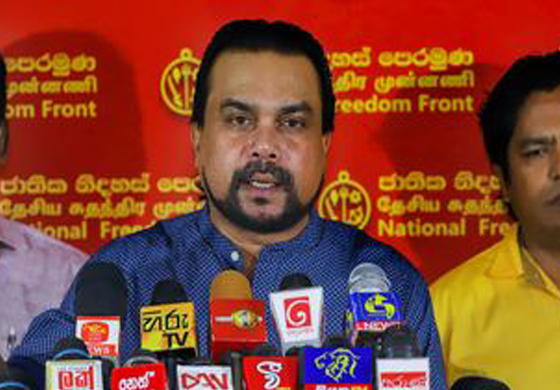
Pivuthu Hela Urumaya (PHU) leader Udaya Gammanpila, MP, yesterday (16) insisted that health sector trade union coalition’s demand for Rs 35,000 allowance shouldn’t be granted under any circumstances.

The former Power and Energy Minister said that those trade unions should realise that their demand for Rs 35,000 allowance because the Disturbance, Availability, and Transport (DAT) allowance given to doctors had been increased by that amount couldn’t be accepted. With the increase doctors receive Rs 70,000 DAT allowance.

The Colombo District lawmaker told The Island that he expected political parties to take a right stand on this matter as they shouldn’t encourage those seeking to cause chaos.

The coalition, consisting of 72 trade unions, on Monday (15), announced an indefinite strike unless the government gave in to their demand.

Addressing the media at the PHU office, at Etul Kotte, MP Gammanpila said that though his stand wouldn’t be appealing to many but that was the truth. The former JHU stalwart said that political parties shouldn’t seek political advantage but act collectively to address the issue at hand.

Udaya Gammanpila and National Freedom Front (NFF) leader Wimal Weerawansa were sacked, in early 2022, by then President Gotabaya Rajapaksa over their opposition to the Yugadanavi agreement that was concluded in the dead of the night with the US-based energy company.

Pointing out the growing demand for Sri Lankan doctors in the UK and other Commonwealth countries, lawmaker Gammanpila said that grievances of doctors should be addressed. The ex-Minister said that those bent on securing employment overseas wouldn’t stay back due to the increase in DAT allowance but the governemnt effort to address their concerns should be appreciated.

MP Gammanpila warned of dire consequences if the increase in DAT allowance is granted to the entire health sector. PHU leader said that if the government succumbed to trade unionists, all sectors would demand the same and that could cause quite a crisis.

MP Gammanpila said that a new law should be enacted to compel doctors passing out from state universities to serve the public sector for 10 years. Claiming that the country spent as much as Rs 5 mn to produce a doctor, the MP said that legal measures were required to obtain their services as some sought overseas employment immediately after passing out of state medical faculties here.

The lawmaker also conceded that exodus of doctors couldn’t be halted by increasing the DAT allowance.

Responding to another query, MP Gammanpila said that the country was in such a precarious situation it wouldn’t be fair by the people for political parties and trade unions to seek undue advantage over the DAT issue.

බුදු දහමට අපහාස කරන භික්ෂුන්ට කෝටි ගණනින් විදේශ රටවලින් මුදල්…

January 16th, 2024

උපුටා ගැන්ම ලංකා සී නිව්ස්

මෙරට සිදු කෙරෙන බුදු දහමට අපහාස කිරීමේ ක්‍රියාවලිය ඉතා සංවිධානාත්මක ක්‍රියාවලියක් බවත් මේ සදහා කෝටි ගණනින් මුදල් විදෙස් රටවලින් ලැබෙන බවත් පිවිතුරු හෙළ උරුමයේ නායක නීතිඥ උදය ගම්මන්පිල මහතා පවසයි.

ඒ මහතා මේ බව සදහන් කර සිටියේ පිවිතුරු හෙළ උරුමය පක්ෂ මූලස්ථානයේ පැවති මාධ්‍ය හමුව අමතමිනි. පිවිතුරු හෙළ උරුමයේ නායකයා එහිදී වැඩි දුරටත් මෙසේ අදහස් දැක් වීය.

බුදු දහමට අපහාස කිරීම විවිධ පිරිස් අතින් අද සිද්ධ වෙනවා. බුදු දහමට අපහාස වන අයුරින් හැසිරෙන භික්ෂුන් වහන්සේලාට රුපියල් කෝටි ගණනින් විදේශ රටවලින් මුදල් ලැබෙනවා. සමහරු බෞද්ධයින් ලෙස පෙනී සිටිමින් බුදු දහමට අපහාස කරනවා. ඒ අතරේ අන්‍යාගමික පූජකවරු පවා නොබියව බුදු දහමට අපහාස කරනවා. ඒ වගේම බුදු දහමට අපහාස කරන නිරාගමිකයින්ටත් විදේශ වලින් මුදල් ලැබෙනවා. ඒ නිසා මේ බුදු දහමට අපහාස කිරීමේ ක්‍රියාවලිය ඉතා සංවිධානාත්මක ක්‍රියාවලියක් කියන එක ඉතාම පැහැදිලියි. ජෝන් ඩොයිලි කිව්වා වගේ මේ රටේ කොඳු නාරටිය බිඳින්න නම් ගමයි පන්සලයි අතර තිබෙන සම්බන්ධය බිඳින්න ඕනි. ඒක තමයි දැන් ඔය කරමින් තිබෙන්නේ.

අද ඕනෑම අයෙකුට සිවුරක් ඇඳගෙන සමාජයේ පිලිකුලට ලක් වෙන උපහාසයට ලක්වන හාස්‍යයට ලක්වන ඕනෑම දෙයක් කරන්න පුළුවන්. ඒ අයව අත්අඩංගුවට ගන්න බෑ. හාමුදුරුවරු සිවුරු අඳින්න ඕනි කියලා විනය නීතියක් තිබුණාට වෙනත් අයට සිවුරු අඳින්න බෑ කියලා නීතියක් නෑනෙ. ඒ නිසා සිවුරක් ඇඳගෙන ප්‍රසිද්ධියේ මොන පිස්සුව නැටුවත් අත්අඩංගුවට ගන්න බෑ.

තමන් කැමැති ඇඳුමක් අඳින්න හැමෝටම පුළුවන්නෙ. වසර 2300 පුරාවට මේ රට තුල චීවරයට තිබූ ගෞරවය රැක ගැනීමට නම් සිවුරු දැරීම භික්ෂුන් වහන්සේට සීමා කරන නීතියක් වහාම ගේන්න ආණ්ඩුව කටයුතු කල යුතුයි.

‘දොස්තලාට වැඩිකලා.. වර්ජනේට බැහැපල්ලා..’ සෞඛ්‍ය සුළු සේවකයනට ඇමතුම ජනාධිපති කාර්යාලයෙන්..

January 16th, 2024

උපුටා ගැන්ම ලංකා සී නිව්ස්

වෛද්‍යවරුන්ට ලබා දුන් රුපියල් තිස් පන්දහසක දීමනාව ඉල්ලමින් සිදු කරන වැඩ වර්ජනය පසුපස ජනාධිපති කාර්යාලයේ ඇතැමුන් සිටින බව රජයේ වෛද්‍ය නිලධාරීන්ගේ සංසදය පෙන්වා දෙයි.

වෛද්‍යවරුන්ගේ දීමනාව කැබිනට් මණ්ඩලයෙන් අනුමත කිරීමෙන් පසු ඒ මොහොතේමද ‘හෙට වැඩ වර්ජනයකට බැහැපල්ලා’ යයි ජනාධිපති කාර්යාලයෙන්ම දුරකථන ඇමතුමක් ලැබුණු බව සංගමයේ සභාපති වෛද්‍ය රුක්ෂාන් බෙල්ලන මහතා සඳහන් කළේය.

ඒ අනුව පහුවෙනිදා එම වැඩ වර්ජනය ආරම්භ වූ බවද ඔහු පැවසීය.

බාල බෙහෙත් නිසා රෝගීන් මිය යන බවට පසුගියදා කිඹුල් කඳුළු හෙලූ වෘත්තිය සමිති අද කරන්නේද වැඩ වර්ජනය කරමින් ඊටත් වඩා රෝගී ජීවිත අවදානමේ හෙළිමක් බවද ඔහු තවදුරටත් කියා සිටියේය.

Red Sea crisis sees container boom in Colombo port

January 16th, 2024

by Arundathie Abeysinghe Courtesy PIME Asia

Traffic has grown by 80% in a few weeks, after many companies decided to abandon the Suez Canal route because of Houthi attacks, for the one circumnavigating Africa. But for Sri Lanka it risks being only a short-term gain. The political crux of Colombo’s participation in the Red Sea mission.

Colombo (AsiaNews) – According to data from the Sri Lanka Port Authority (SLPA), due to the Red Sea crisis, the port of Colombo has increased the volume of containers transhipment from a ship by approximately 80%. to the other.

This is happening because the main shipping companies are changing their routes following the attacks by the Houthi rebels from Yemen: “The port of Colombo – explains the SLPA to AsiaNews – has emerged as a short-term transit point for the main shipping companies navigation to redirect their ships to the longer and more expensive route that passes through the Cape of Good Hope in South Africa”.

Before the Red Sea crisis, around 5,000 container transhipments were carried out in Colombo per day: today there are over 8,000. According to some industry stakeholders, “although the port may benefit from the current crisis, due to the increased uncertainty surrounding passage on that waterway, these recent gains are unlikely to be sustainable for the companies in the long term” .

There are already early indications that some shipping lines will skip the Colombo port in favor of the shorter route from Singapore. However, in anticipation of sustained growth, the port is actively preparing to strengthen its capacity. The East Container Terminal which was semi-operational, has been set up to handle 7 million containers this year.

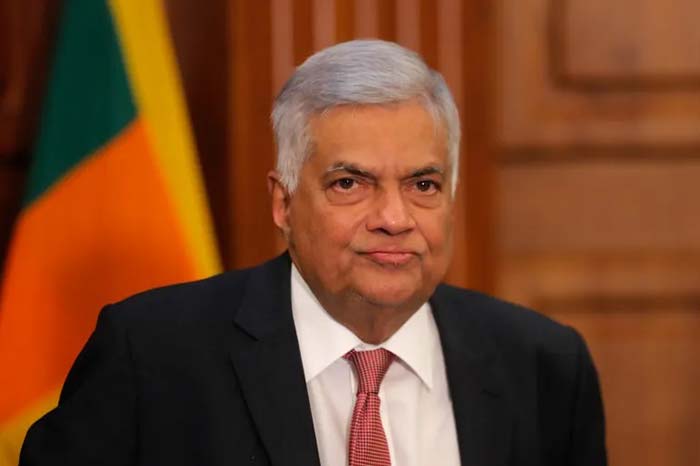
Recently President Ranil Wickremesinghe – who holds the portfolio of the Ministry of Defense – said he would provide a Navy ship in the Red Sea to help the international effort to repel Houthi attacks – at a cost of 250 million rupees every fortnight .

Sri Lanka therefore also intends to join the “Operation Prosperity Guardian” led by the United States Navy with a patrol vessel equipped with around 100 sailors. A decision that is being strongly criticized within the country’s borders.

Sajith Premadasa, leader of the opposition and political alliance Samagi Jana Balwegaya, in parliament pointed the finger at this move by President Wickremasinghe last week: The proposed deployment of our ships and military in the Red Sea should be examined in light of the pathetic state of the country’s economy and the increase and expansion of the value added tax (VAT) from 1 January 2024 which has affected the most deprived. Why then should Sri Lanka undertake such a costly military operation, at a time when we are unable to meet even the basic needs of our citizens?”

Photo: Colombo Port Authority

අවලෝකිතේෂ්වර’ ලෙසින් පෙනී සිටි මහින්ද රක්ෂිත බන්ධනාගර ගත කෙරේ

January 16th, 2024

උපුටා ගැන්ම  හිරු පුවත්

අවලෝකේතීශ්වර බෝධිසත්ත්ව’ ලෙස පෙනී සිටි මහින්ද කොඩිතුවක්කු නමැත්තා ලබන ජනවාරි 24 දක්වා රක්ෂිත බන්ධනාගාර ගත කරන ලෙස කොළඹ මහේස්ත්‍රාත් අධිකරණය අද (16) නියම කළා.

එහිදී සැකකරු අංගොඩ මානසික රෝහල වෙත ඉදිරිපත් කර, ඔහුගේ මානසික වෛද්‍ය වාර්තාවක් කැඳවීමට පියවර ගන්නා ලෙසයි මහේස්ත්‍රාත්වරයා නියෝග කළේ.

එහිදී පැමිණිල්ල වෙනුවෙන් පෙනී සිටි නියෝජ්‍ය සොල්සිටර් ජනරාල් දිලීප පීරිස් ඉදිරිපත් කළ කරුණු සලකා බැලීමෙන් අනතුරුවයි මහේස්ත්‍රාත්වරයා මෙම නියෝග නිකුත් කරනු ලැබුවේ

අවලෝකිතේෂ්වර බෝධිසත්ත්වයන් ලෙස පෙනී සිට බුදු දහම විකෘති කරමින් දේශන පැවැත්වීමේ චෝදනාවට අපරාධ පරීක්ෂණ දෙපාර්තමේන්තුව විසින් අත්අඩංගුවට ගත් මහින්ද කොඩිතුවක්කු නැමැත්තා අද (16) අධිකරණය ඉදිරිපත් කිරීමට නියමිතයි.

පන්නිපිටිය ප්‍රදේශයේ නිවසක රැදී සිටියදී ඔහු ඊයේ (15) අපරාධ පරීක්ෂණ දෙපාර්තමේන්තුවේ පරිගණක අපරාධ විමර්ෂණ කොට්ඨාසය අත්අඩංගුවට ගෙන තිබුණා.

මෙම පුද්ගලයාට ඉකුත් 12වැනිදා කොළඹ කොටුව මහේස්ත්‍රාත් තිළිණ ගමගේ විදෙස් ගමන් තහනම් පැනවූ අතර තවදුරටත් නියෝග කළේ මොහුගේ බැංකු ගිණුම් වාර්තා කැඳවන ලෙසටයි.

සැකකරු ඉකුත් පළමුවනදා ඊජිප්තුවේ සිට මෙරටට පැමිණ අවලෝකිතේෂ්වර බෝධිසත්ත්ව නමින් පෙනී සිටිමින් කැලණිය රජමහා විහාරයට ගොස් දේශන පවත්වා තිබෙන බවට බෞද්ධ කටයුතු පිළිබඳ කොමසාරිස් ජනරාල් පේමසිරි රත්නායක, බෞද්ධ කේන්ද්‍රය, සිංහල රාවය සංවිධානය, පූජ්‍ය අගුළුගල්ලේ සිරි ජිනාන්ද හිමි සහ පූජ්‍ය බලංගොඩ කස්සප හිමියන්ගෙන් ලැබුණු පැමිණිලිවලට අනුව අපරාධ පරීක්ෂණ දෙපාර්තමේන්තුවේ පරිගනක අපරාධ කොට්ඨාසය පරීක්ෂණ ආරම්භ කර තිබුණා.

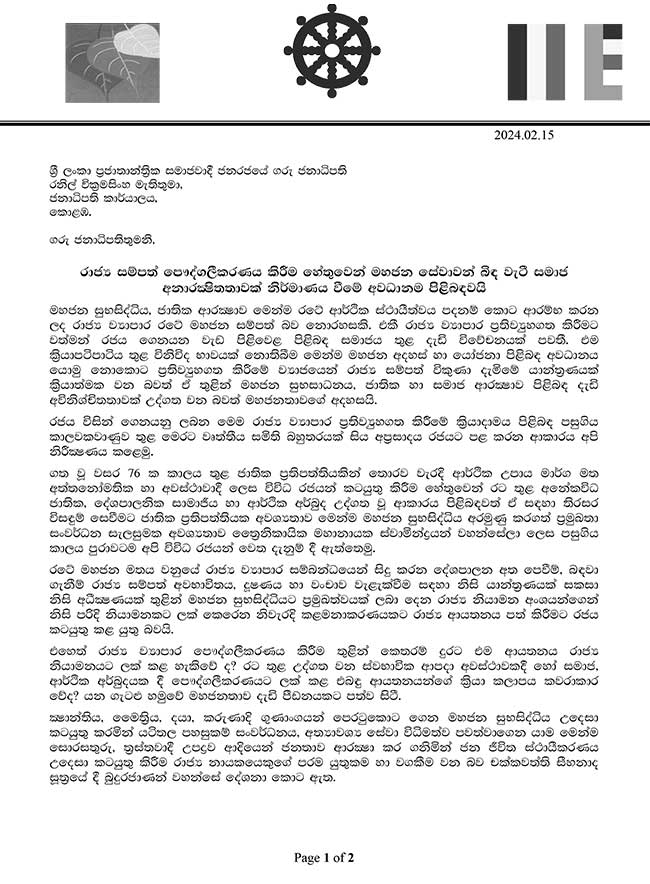
එමෙන්ම ත්‍රෛනිකායක මහ නා හිමිවරුන්ද ජනාධිපතිවරයාට ලිපියක් යොමු කරමින් ඉල්ලා සිටියේ, සංවිධානාත්මකව බුදුදහම පිළිබඳ සාවද්‍ය මතවාද ජනගත කරමින් බෞද්ධ දර්ශනයේ හා සංස්කෘතියේ හර පද්ධතීන්ට හානි කරන පුද්ගලයන්ට එරෙහිව නීතිය ක්‍රියාත්මක කිරීමට අවශ්‍ය නෛතීක ප්‍රතිපාදන සම්පාදනය කරන ලෙසටයි.

මහින්ද කොඩිතුවක්කු නමැති මෙම පුද්ගලයා ඊජීප්තුවේ සිට මෙරටට පැමිණි අවස්ථාවේ කටුනායක ගුවන්තොටුපලේදී මල්මලා පැලදවමින් වැද නමස්කාර කොට ඔහුව පිළිගෙන තිබුණා.

එමෙන්ම ඔහු සුඛෝපභෝගී මෝටර් රථයකින් කැලණි විහාරස්ථානයට පැමිණි අවස්ථාවේ සිල්මාතාවක් ඇතුලු පිරිසක් වැද නමස්කාර කිරීමේ සිද්ධීන්ද පසුගිය දිනවල සමාජ මාධ්‍යයේ කතාබහට ලක් වුණා.

මොහු පසුගිය දිනවල කැස්බෑව, මාකන්ද පාරේ දෙමහල් නිවසක පදිංචිව සිට ඇති අතර මෙම නිවස දැනට ඔස්ට්‍රේලියාවේ ජීවත් වන අනුගාමිකයෙකු විසින් ලබාදී ඇති බවට තොරතුරු අනාවරණය වී තිබෙනවා.

අදාළ නිවස තුළද ඔහු ආගමික දේශන පවත්වා ඇති අතර ඊට ඇතැම් පිරිස් එක් වී ඇති බවටයි අපරාධ පරීක්ෂණ දෙපාර්තමේන්තුව විසින් අනාවරණය කර ගෙන ඇත්තේ.

එමෙන්ම ඔහුට විදෙස් රටවලින් මුදල් සහ ආධාර අනුබල ලැබුනේද යන්න පිළිබඳව ද අපරාධ පරීක්ෂණ දෙපාර්තමේන්තුව විමර්ශන ආරම්භ කර තිබෙනවා.

Sri Lanka faces soaring Dengue cases, logs 380 cases daily

January 16th, 2024

By SHEAIN FERNANDOPULLE Courtesy The Daily Mirror

Colombo, Jan 16 (Daily Mirror) –  Sri Lanka is grappling with a surge in Dengue fever cases, logging a staggering 380 cases per day. 

Health experts have raised alarm bells as the country battles this alarming spike in mosquito-borne illnesses.

The latest data from the Epidemiology Unit, as of January 15, reveals a total of 5,829 reported Dengue cases, with a significant concentration of over 1,700 cases reported from the Western Province alone. 

The capital city, Colombo, remains a hotspot, contributing to a substantial portion of the reported cases.

In light of the alarming development, the Health Ministry declared a special Dengue prevention week starting from January 07 to 13 where cleaning campaigns as well as dengue prevention and awareness campaigns were carried out islandwide. 

The year 2023 witnessed a record number of 88,398 Dengue cases, with Colombo District reporting the highest incidence at 18,650 cases. 

December marked a particularly distressing month, recording 11,498 cases, the highest monthly tally for Dengue in 2023.

Health authorities are intensifying efforts to curb the spread of Dengue fever, urging communities to take preventive measures and raising awareness about mosquito breeding grounds.

Self-proclaimed Avalokiteshvara Bodhisattva remanded till January 24

January 16th, 2024

 By LAKMAL SOORIYAGODA Courtesy The Daily Mirror

Colombo, Jan 16 (Daily Mirror) – Self-proclaimed Avalokiteshvara Bodhisattva, Mahinda Kodithuwakku was today ordered to be remanded till January 24 by the Colombo Fort Magistrate’s Court.

He was arrested by the CID for allegedly insulting Buddhism and hurting religious feelings.

Pix by Nimalsiri Edirisinghe

President discusses effective progress of debt restructuring at Business Roundtable in Switzerland

January 16th, 2024

Courtesy Adaderana

Addressing the Business Roundtable organized by BOI Sri Lanka and the Swiss-Asian Chamber of Commerce yesterday, during his official tour to Switzerland to attend the 54th Annual Meeting of the World Economic Forum, President Ranil Wickremesinghe highlighted significant strides in Sri Lanka’s economic recovery and outlined future growth prospects.

President Wickremesinghe began by acknowledging the challenging times the nation faced, noting the adverse effects of the recent crisis on businesses, small enterprises and the overall population. He mentioned a constructive meeting with the International Monetary Fund (IMF), where it was surprising to learn that Sri Lanka had over performed despite the difficulties.

One key aspect highlighted by the President was the successful debt restructuring in collaboration with the IMF, emphasizing its necessity for dealing with creditors. He outlined the reforms undertaken in 2022 and 2023, addressing crucial business impediments and resolving supply bottlenecks in fuel and electricity. Additionally, import restrictions were lifted, foreign exchange liquidity was restored and a primary surplus in the balance of payments is anticipated for the first time since 1977.

President Wickremesinghe highlighted positive indicators such as the stabilization of the currency, a significant reduction in inflation, and the reversal of negative economic growth from the third quarter of 2023. The achievement of a primary budget surplus in 2023 marked a notable improvement.

The President went on to discuss the effective progress in debt restructuring, with key creditors agreeing in principle. The IMF’s approval of Sri Lanka’s first program review in December 2023 sets the stage for a shift from stabilization to recovery and growth in 2024.

Looking ahead, President Wickremesinghe emphasized the government’s focus on fostering growth through exports, services and investments, including foreign direct investment (FDI). He announced concluded and upcoming FTAs with Singapore, Thailand, India and China, along with ongoing talks with other South Asian nations. The President highlighted Sri Lanka’s initiatives to join the Regional Comprehensive Economic Partnership (RCEP) and the benefits of GSP Plus for access to European markets.

The address concluded with the President unveiling opportunities for investments in renewable energy, agriculture modernization, tourism, IT and infrastructure development through public-private partnerships. He highlighted forthcoming laws and commissions aimed at enhancing market access, fostering trade and investment and ensuring the competitiveness of Sri Lanka’s economy. President Wickremesinghe reassured foreign investors by mentioning the removal of restrictions and the ongoing commitment to economic reforms.

Meanwhile, sharing his perspective during the roundtable discussion on Sri Lanka’s undertaken reforms, Mr. Sagala Ratnayaka, the President’s Senior Advisor on National Security and Presidential Chief of Staff, emphasized a comprehensive approach encompassing both economic and governmental facets.

Mr. Ratnayaka highlighted that alongside economic reforms, the government embarked on an extensive array of changes. This included a proactive engagement in a diagnostics exercise initiated by the International Monetary Fund (IMF).

Notably, the government did not wait for the completion of the IMF diagnostics exercise but initiated various measures beforehand. Initiatives like the establishment of the Parliamentary Budget Office were implemented even before the governance diagnostics report was published.

Subsequent to these initial steps, a comprehensive program was launched to implement diagnostic reforms. Mr. Ratnayaka underscored the significance of introducing critical legislation, such as the anti-corruption law. He explained the process by which the Constitutional Council would recommend commissioners for the Anti-Corruption Commission to the President. Emphasizing a forward-looking approach, Mr. Ratnayaka affirmed that all undertaken actions aim to elevate international standards.

The Senior Advisor highlighted the introduction of a substantial number of pieces of legislation on the governance front, with approximately 20 already completed. Looking ahead, the focus includes labour laws, with a target of 40 or 50 new laws and the consolidation of around 40 to 50 existing legislations into a modern, forward-looking framework. The overarching goal is to create a favourable environment for employers and align Sri Lanka with contemporary global standards.

The Business Roundtable provided a platform for Sri Lanka to showcase its economic resilience and commitment to growth, leaving attendees optimistic about the nation’s future prospects.

Representing the Sri Lankan business community at this Business Roundtable were Mr. Krishan Balendra – Chairman John Keels Holdings, Mr. Sanath Manatunge – CEO/MD Commercial Bank PLC, Mr. Dilshan Wirasekara – Chairman Colombo Stock Exchange, Mr. Prakash Schaffter – Deputy Chairman Janashakthi Insurance PLC, Mr. Keith Bernard – Chairman, Sri Lanka Ports Authority, Ms. Stasshani Jayawardena – Joint Deputy Chairman/MD, Aitken Spence PLC, Mr. Sanjeev Gardiner – Chairman Galle Face Group, Mr. Ashok Pathirage – Chairman Sri Lankan Airlines, Mr. Sujeewa Rajapakse – Chairman People’s Bank, Dr. Parakrama Dissanayake – Deputy Chairman & Managing Director, Aitken Spence PLC and ⁠ Mr. Supun Weerasinghe – CEO Daialog Axiata.

In addition, Mr. Dinesh Weerakkody – Chairman Board of Investment/Chairman Colombo Port City Economic Commission, Mr. Revan Wickramasuriya – Chief Operating Officer Colombo Port City Economic Commission, Mr. Prasanjith Wijayatilake – Executive Director Investment Promotion Board of Investment, Mr. Sagala Ratnayaka – Chief of Staff to the President & NSA, Mr. Deshal De Mel – Advisor to the Finance Minister and Mr. Ruwan Wijewardene – Advisor to the President on Climate Change participated in this roundtable discussion.

Opportune moment for investing in Sri Lanka’s renewable energy sector – President

January 16th, 2024

Courtesy Adaderana

President Ranil Wickremesinghe highlighted the present as an opportune moment for investing in Sri Lanka’s renewable energy sector, expressing confidence in its potential to yield substantial benefits for both stakeholders and consumers in the coming decades.

The President also underscored that investors venturing into this sector can anticipate a comprehensive and unwavering policy framework in the realm of renewable energy.

President Ranil Wickremesinghe made these remarks during his address at the Green Technology Forum” convened on January 15 in Davos, Switzerland. The event was coordinated by the Swiss-Asian Chamber of Commerce.

Speaking on the theme of Paving the way to an energy-secure Sri Lanka,” President Ranil Wickremesinghe highlighted the substantial potential of Sri Lanka’s renewable energy sector. He further outlined the government’s initiatives over the past two years to establish an investment-friendly environment in the renewable energy sector.

Emphasizing Sri Lanka’s dedication to addressing climate change, President Ranil Wickremesinghe elaborated on various measures, including the Tropical Belt Initiative,” presented at the COP28 conference in Dubai.

Highlighting Sri Lanka’s commitment to sustainable and green development, the President emphasized the nation’s ambitious plans and determination to achieve net-zero emissions by 2050.

President Ranil Wickremesinghe underscored the pivotal role of the rapid renewable energy plan, describing it as a key component of Sri Lanka’s comprehensive efforts towards sustainable development and a crucial step in ensuring energy security.

Following is the full speech delivered by President Ranil Wickremesinghe at the Green Technology Forum in Davos, Switzerland.

I thank the Swiss Asian Chamber of Commerce and their partners for organising this event for the invitation to speak today.

BACKGROUND: GREEN ENERGY AND CLIMATE CONCERNS 

There is an urgent need for acceleration of global actions towards climate change mitigation. There have been multiple global forums that have resulted in numerous commitments towards this end. However, actions have fallen drastically short of commitments.

The fallout of this failure in global leadership is borne largely by developing nations of the global south. When periods of drought extend beyond normal, undermining agricultural production, our food security is in jeopardy. When hydropower gets disrupted due to delayed monsoons, our energy security is in jeopardy. Droughts are often followed by a deluge, leading to flash floods and landslides, disrupting lives and livelihoods of under-privileged communities in particular.

It is very evident that there is a disproportionate impact of the adverse outcomes of climate change on developing countries. This brings to light the issue of climate justice and the need for a stronger contribution from the advanced economies towards adaptation and mitigation efforts in the global south.

That being said, Sri Lanka will forge ahead with its efforts towards climate mitigation. We have also recently launched the Tropical Belt Initiative at the COP28 in Dubai – this creates a framework for catalysing private investment in forests, energy, oceans, mangroves, in the countries of the tropical belt.

Today I want to focus on one key aspect of such efforts, which is our drive towards renewable energy.

RENEWABLE ENERGY IN SRI LANKA: BUILDING ON HISTORY 

In fact, Sri Lanka is a country with a long history of renewable energy. Since independence Sri Lanka developed an extensive network of hydropower, commissioning its first major hydro-power plant in 1950. Hydropower was able to provide for most of the country’s energy needs until the 1990s. Even today, hydropower accounts for around 40% of Sri Lanka’s installed electricity generation capacity.

With hydropower largely exploited to the optimal levels, there has been an increased effort to include wind and solar power generation to the national grid. The government is now accelerating this process to ensure that by 2030, 70% of Sri Lanka’s electricity needs are fulfilled by renewable energy sources.

To reach this target requires a large investment of up to USD 11.5 billion. However, until recently the framework for private investment in the renewable energy sector has not been very conducive. Over the last 2 years several measures have been taken by the government to correct these shortcomings and ensure an optimal investment climate for renewable energy is in place.

FINANCIAL REFORM

The first step was to ensure cost reflective pricing. Between 2014 and 2022 electricity tariffs had not been adjusted. This resulted in major cash flow problems for the Ceylon Electricity Board that sometimes led to payment delays to power suppliers. However, from August 2022 we have shifted to a cost-reflective pricing structure. Accordingly, electricity tariffs are revised every quarter to reflect costs on a forward looking basis.

The CEB, which has long been a loss making entity, returned a profit in 2023, enabling it to settle significant levels of past debt along with some balance sheet structuring. The company now has a strong balance sheet, a far stronger cash flow position, and a pricing structure that ensures liquidity.

Rigidities in the feeding tariff has also been a concern of past investors. However, this has also been addressed with greater flexibility being introduced to the tariff options, including choices between fixed tariff and variable tariff formulas.

In addition to internal reform, we are also putting in place the framework to attract green financing. Sri Lanka has developed the Road Map for Sustainable Finance, Green Finance Taxonomy, the SDG Investor Map and the Green Bond Framework, that is currently under formulation, creates the enabling environment for Sri Lanka to have a robust engagement in climate finance. The availability of sustainable finance will be an added boost for renewable energy investments in Sri Lanka.

LEGISLATIVE REFORM

There have also been legislative barriers to large scale private investment in the renewable energy sector. Those legal hurdles have also been cleared through necessary amendments to the Electricity Act introduced in 2022.

INSTITUTIONAL REFORM

Thirdly, the government is in the final stages of implementing unbundling of the Ceylon Electricity Board. This will result in greater financial and operational autonomy for the distribution, generation, and transmission arms of the CEB, resulting in competition and transparency. Whilst private participation in generation is already available, the unbundling process will open up opportunities for private participation in distribution as well.

This major reform, implemented with the support of the Asian Development Bank, will ensure the CEB operates at the frontier of efficiency, delivering the best outcome for consumers and the most competitive and efficient producers of electricity. The draft legislation for this reform was already been published last month.

INFRASTUCTURE IMPROVEMENTS

The ambition of 70% electricity from renewals also requires improved system efficiency and upgrades to integrate more renewable energy, particularly from 2026. Investments will be required in storage, transmission, and distribution, along with the ongoing private investments in generation. Plans for this integration up to 2030 are in place and have begun implementation.

FUTURE OUTLOOK

Following the major reforms implemented in the energy sector in the last 2 years, there has been renewed interest in this sector. There are already large scale solar and wind power projects that have commenced implementation. A major Indian player has commenced implementation of a 350MW wind power plant that is expected to be commissioned in 2025. The same player is considering a further USD 750 million investment in wind power.

Wind power is a major opportunity for Sri Lanka. A recent World Bank report indicates that off-shore wind power in particular has the potential to generate power far greater than Sri Lanka’s requirements. Considering this, Sri Lanka and India are in advanced stages of talks regarding grid inter-connection to enable Sri Lanka to export surplus electricity particularly to the fast growing industrial belt in the Southern part of India. There is also tremendous potential for the development of green hydrogen in Sri Lanka.

CONCLUSION

Sri Lanka has ambitious plans to fulfil its sustainable, green development agenda. By 2050 the country has committed to achieving net zero. The accelerated renewable energy plan is a key component of this overall effort and is also an essential step on the path towards energy security. Renewable energy will also drive down costs of generation since at present Sri Lanka is compelled to rely on high cost heavy fuels during the dry season. Sri Lanka is in the process of establishing an international climate university, which will continue to unlock opportunities in green energy.

It is clear that Sri Lanka’s renewable energy policy direction is underpinned by multiple motivations and drivers. Therefore investors can expect a high degree of policy continuity in this sector going forward as well. This is the best time to invest in Sri Lanka’s renewable energy journey, and I have no doubt such investments will generate significant value for shareholders and Sri Lanka’s consumers over the next several decades.

Sri Lanka to speed up negotiations to use sea area beyond exclusive economic zone

January 16th, 2024

Courtesy AdaDerana

Sri Lanka to speed up negotiations to use sea area beyond exclusive economic zone

The Sectoral Oversight Committee on International Relations has drawn its attention to the affairs related to the National Oceanic Affairs Committee Secretariat, an agency affiliated to the Ministry of Foreign Affairs.

The Committee to which met on 09 January 2024 chaired by Member of Parliament Akila Ellawala discussed the role of the National Oceanic Affairs Committee Secretariat, challenges faced and future plans, the Parliamentary Communications Department said in a statement.

The current Chairman of the secretariat, Dr. N.P. Vijayananda, addressing the meeting, stated that there is a possibility of using a sea area of 250 nautical miles beyond the exclusive economic zone, which is 200 nautical miles from the land of the country, for economic activities in the country. 

According to the United Nations Charter on the Law of the Sea, the agreement of the regional countries is necessary, so the Chairman pointed out that negotiations with other regional countries, including India, are ongoing. It was also discussed that this ocean region is very important for Sri Lanka due to fuel exploration and biodiversity, the statement mentioned.

Accordingly, the Committee Chair pointed out the need to speed up these activities in coordination with the Ministry of Defense and said that he expects to make a request to the minister in charge of the subject.

Committee members and Members of Parliament Madhura Withanage, S.M.M. Muszhaaraff, officials representing the Ministry of Foreign Affairs were present at the Committee meeting held, according to the Parliamentary Communications Department

බුදුන්වහන්සේ ලංකාවෙ උපන් බවට ගෙනයන ව්‍යාජ මතයේ යටි අරමුණ ඔබ දන්නවා ද?

January 16th, 2024

මුහුණ පොතින් උපුටාගන්නා ලදී

බුදුන්වහන්සේ ලංකාවේ දී උපත ලැබූ කියන පුද්ගලයින් ගැන හෙළි කිරීම වැදගත්, එක අතකින් වැදගැන්මක් නැති ලඳබොළඳ කතා බහක් වුවත් ඔවුන්ගේ උත්සහය පරාජය කළ යුතුයි, එළවා එළවා පහර දිය යුත්තේ පුරාවිද්‍යාත්මක කරුණු වලින්, මෝඩ ශ්‍රධාවන්තයා මුළා කිරීමට වඩා බරපතල වන්නේ තරුණ ප්‍රජාව මුළා කිරීමයි. අනාගත සමජය මුළා කිරීමයි. එපමණක් නොව චීවරය දරාගත් පිරිසක්, යොදා ගැනීමේ සැඟවුනු රහස කුමක් ද?

භික්ෂුව සතු සමාජ බලය හෑල්ලුවට පත් කිරීමයි. හාස්‍යයට පත්කිරීමයි. එයයි මෙහි යටි අරමුණ.

බුදුන්වහන්සේගෙ උපත

ලංකවෙ ද? ඉන්දියාවේ ද ? ( ලුම්බිණිය )

* අනාගමිකයින්ගෙ තවත් උත්සාහයක්, බුදු උපත පිළිබඳව බොදු ජනතාව අතර ඇතිකිරීමට දරණ විචිකිච්චාව. මේ සඳහා ගිහි කුලීකරුවන් පමණක් නොව මුදලට ලොල්වූ සිවුරු පොරවාගත් කුලීකරුවන් ද සිටින බව තහවුරු වී හමාරයි.

* අනාගමිකයින් ගෙ උත්සාහයන් හුදු අයාලේ යන බොළඳ කාරණයක් නොව ලෝක දේශපාලනය බැඳී පවතින්නක්, ගෝලීයකරණ දේශපාලනය හා බැඳී පවතිනක්, අප තේරුම්ගත යුත්තේ එයයි. ආගමික විශ්වාසයන් අකාමකා දමා ඕලාරික සමාජයක් බිහි කිරීම නව ලිබරල් වාදයේ උවමනාවක් . එවැනි පිංපි සමාජයක් බිහි වූ පසු රට ග්‍රහනයට ගැනීම පහසු නිසයි.

* බුදු උපත ලුම්බිණියෙ සිදුවූ බවට පොත පතේ – වංශ කතාවල – දේශාටන වාර්තාව – ශෙල්ලිපි මගින් – පුරාවිද්‍යාත්මක කැණීම් වලින් – රසායනික විද්‍යාත්මක පරීක්ෂණ වලින් තහවුරු වී ඇත.

* එම කරුණු කාරණා එකින් එක පෙළගස්වා බලමු ->

1. සැදැහැවතුන් විසින් වන්දනාමාන කළයුතු ස්ථානයක් ලෙස බුදු උපත සිදුවූ ස්ථානය හඳුන්වා දී ඇත්තේ මහා පරිණිබ්බාන සූත්‍රයයි.

( දීඝනිකාය – සූත්‍ර පිටකය.)

2. ක්‍රි.පු. 249 දී ධර්මාශෝක රජු ලුම්බිණියට පැමිණ පිහිටවූ ශිලා ස්ථම්භය හා ශෙල් ලිපිය.

( උපගුප්ත මහ රහතන් වහන්සේ විසින් මෙම ස්ථානය බුදු උපත සිදු වූ ස්ථානය ලෙස රජුට පෙන්වා ඇත.)

3. ක්‍රි.ව. 300 දී සෙං සායි චීන භික්ෂුවගේ දේශාටක වාර්තාව .

4. ක්‍රි.ව. 406 දී පාහියං චීන භිෂුවගේ දේශාටක වාර්තාව .

5. ක්‍ර්‍රි.ව. 634 දී හියුං සාං චීන භික්ෂුවගේ දේශාටක වාර්තාව .

( මෙම හැම දේශාටක වාර්තාවකින්ම – අශෝක ස්ථම්භය – ශෙල් ලිපිය – මායාදේවී විහාරය ඇතුළු විහාර සංකීර්ණය – පොකුණු හා වටපිටාව ගැන පරස්පරයකින් තොරව එකසේ විස්තර සපයා ඇත. එය අතිශයින්ම වැදගත් කාරණයකි, තමන් ඇසින් දුටු දේ පමණක් නොව ප්‍රජව මුණ ගැසී ඔවුන්ගෙන් ද තොරතුරු රැස්කර ඇත,

6. ක්‍රි.ව. 1312 දී ලුම්බිණිය වැඳ පුදා ගැනීමට පැමිණි නේපාල රිපූ රජු විසින් ද අශෝක සෙල් ලිපියේම තැබූ සටහන.

” ඕම්මනි පද්මේ හූම් රිපු මල්ල චිරං ජයතු

7. 1896 දී එවක ඉන්දීය ආණ්ඩුකාර ජෙනරාල් බඩ්ඩා ෂම්මර් හා බ්‍රිතාන්‍ය පුරාවිද්‍යා මහාචාර්ය ඇලෝසියස් ෆයිසර් දෙදෙනා විසින් එවක කැළෑවෙන් වැසීගිය මෙම ස්ථානය පරීක්ෂාකර සංරක්ෂණය කිරීමේ නූතන යුගය ආරම්භ කළේ.

8. ක්‍රි.ව. 1896 දී කැණීම් ආරම්භ කළ පසු , ජර්මන් ජාතික පුරාවිද්‍යා මහාචාර්ය ඇන්ටන් ජුසේ විසින් අශෝක ස්ථම්භය සොයාගනු ලැබුවා.

9. ක්‍රි.ව. 1899 දී පී. සී. මුජිබර් , 1903 දී ජෙනරාල් කේෂර් සම්සර් සහ 1956 දී නේපාල මහේද්‍ර රජු, ලුම්බිණියට පැමිණ සංරක්ෂණ කටයුතුවලට මැදිහත් වූවන් .

10. ක්‍රි.ව. 1967 අප්‍රේල් මාසයේදී එක්සත් ජාතීන්ගෙ මහ ලේකම් යූ තාන්ට් ලුම්බිණියට පැමිණ , ජාත්‍යන්තර සහාය ලබාදීමට කටයුතු කළා. එහි ප්‍රතිඵලයක් ලෙසයි, යුනෙස්කෝව මැදිහත් වී ලුම්බිණිය ලෝක උරුමයක් බවට පිළිගන්නේ

11. ක්‍රි.ව. 1970 කැණීම්වලින් අශෝක ටැම් ලිපිය සොයා ගනු ලැබුවා . මෙම සෙල් ලිපිය මගින් ලුම්බිණිය පිළිබඳව එතෙක් පැවැති අදහස් – මතිමතාන්තර වඩාත් තහවුරු කළා.

” හිද බුද ජාතෝ …………..”

12 . සෙල් ලිපියේ සිංහල පරිවර්තනය ->

” දෙවනපියදසී රජුගේ රාජ්‍යත්වයෙන් අවුරුදු 20 ක් ගිය කළ, මෙහි සාක්‍යමුණි උපන්නේ යයි සළකා තමාම පැමිණ ගෞරව කළේය . භාග්‍යවතුන් වහන්සේ මෙහි උපන්නේ යයි අසා දැඩි ඇල්මෙන් යුක්තව ශිලා ටැඹක් පිහිටුවීය. ලුම්බිණී ග්‍රාමය බද්දෙන් නිදහස්කොට අර්ථලාභ ඇතිකළේය. “

පරිවර්තනය – මහාචාර්ය අභය ආරියවංශ .

13. ක්‍රි.ව. 2011 දී එංගලන්තයේ ඔරිහෑම් විශ්වවිද්‍යාලයේ පුරාවිද්‍යා මහාචාර්ය රොබින් කණින්හැම් මහතා විසින් නේපාල, ඉන්දියානු හා ජපන් පුරාවිද්‍යයින් වන ඩෙවලා , මිත්‍රබාබු, ක්‍රිෂ්ණ , රිජාල් සමග සිදුකළ කැණීම්වලින් ” මයාදේවි ” විහාරය සොයාගනු ලැබුවා .

14 . මෙහිදී සොයාගත් කැටයම් සහිත ගසක පොත්තක් ඇමෙරිකාවේ දී කාබන් 14 රසායනික පරීක්ෂණයට ලක් කිරීමෙන් පසු හෙළි වූ කරුණු අතිශයින් වැදගත්. එමගින් ලුම්බිණියේ ඉදිකිරීම් ක්‍රි.පූ. 6 වන සියවසට අයත් බව විද්‍යාත්මකව තහවුරු කළා.

(නෝර්වේ කුක්කන් ඒගැන නන්දොඩවනවා

15. ක්‍රි.පූර්ව 6 වන සියවස බුදුන්වහන්සේගෙ ජීවමාන කාලපරිච්චේදයයි . බුද්ධ පරිනිර්වාණය සිදුවන්නේ ක්‍රි.පූර්ව 544 දී.

16. ලුම්බිණිය අශෝක රජුගෙ නිර්මණයක් මිස සැබෑ බුදු උපත සිදු වූ ස්ථානය නොවේ යයි ගොඩනගා තිබූ මතය ද, ලංකාවේ උපන්නේ යයි සංවිධානාත්මකව ගෙන යන බෞද්ධ විරෝධීන්ගෙ මතය ද, සුනුවිසුනු විය.

17. එපමණක් නොව නෝර්වේ කුක්කන්ගෙ තවත් තර්කයේ වන්නේ , බුදු උපත ඉන්දියාවේ සිදු වූ බව කියන්නේ සුද්දන් බවත් , එය සුද්දන්න්ගේ කූට ක්‍රියාවක් ලෙසයි. සුද්දන්ගේ මුදලින් යැපෙන ඩොලර්වලට රට, ජාතිය , ආගම පාවා දෙන මොවුන් සැබැවින්ම සුද්දන්ට එරෙහිවීමක් නොව එය අප රැවටීමටයි එසේ කියන්නෙ.

සාමාන්‍ය ජනතාව තුළ පවතින සුද්දන්ට එරෙහි විරෝධයට, අවිශ්වාසයට මුවාවී, ඔවුන්ගේ බොරුව විරෝධය සමග මුසුකිරීමට දරණ කුපාඩි උත්සායකි.

18. බුදු උපත ලුම්බිනියේ යයි කීම සුද්දාගෙ බොරුවක් බව කියන නෝර්වේ කුක්කන් ක්‍රි.ව. 300 දී සෙං සායි , ක්‍රි.ව. 406 දී පාහියං ක්‍රිව 634 දී හියුං සාං චීන භික්ෂූන් ගේ වාර්තා ගැන කතා කරන්නෙ නැත, ලෝක ඉතිහාසයේ ඇති වැදගත්ම දේශාටන වාර්තා වන්නේ මෙම දේශාටන වාර්තායි , ලුම්බිණිය වැඳ පුදා ගැනීමට පැමිණි මෙම භික්ෂූන් වහන්සේලා ඒ බව සටහන් කළා පමණක් නොව ලුම්බිණියේ වටපිටව පමණක් නොව , වෙනත් බෞද්ධ පූජනීය ස්ථාන ගැනත් , ලුම්බිණිය වැඳ ගැනීමට වෙනත් රටවලින් භික්ෂූන්ගේ පැමිණීම ගැනත්, තම ගමන් මාර්ගයේ තොරතුරු ගැනත් විස්තර සපයා ඇත. පාහියං භික්ෂුව ලංකාවටත් පැමිණි අතර මෙහි පුද බිම් ගැනද විස්තර සපයා ඇත. තමන් විසින්ම නිරීක්ෂණය කර, විවිධ පුද්ගලයන්ගෙන් තොරතුරු රැස්කර ඇති

මෙහි සුවිශේෂත්වය වන්නේ දේශාටන විස්තර වාර්තා සමාන වීමයි, අවුරුදු 100 – 200 -300 පරාසයක් තුළ ලියා ඇතත් පරස්පර නොවීමයි. ඒ නිසා එම වාර්තාවලින් හෙළි කරුණු අතිශයින් ප්‍රබලයි. නෝර්වේ කුක්කන් ඒ ගැන හා හූවක් නැත. බුදු උපත ලුම්බිණියේ සිදු වූ බවට වෙනත් මූලාශ්‍රයක් අවශ්‍ය නැත.

19. ලුම්බිණිය පිළිබඳව තොරතුරු යුනෝස්කො වෙබ් පිටුවෙන් ද දැක ගත හැකිය,

20. මේවන විට ලංකාවේ බුදු උපත සිදුවූ යයි කියන කණ්ඩායම් 4 කි.

මීවන පළාතේ භික්ෂුව “හිරිවඩුන්න “

තවත් කණ්ඩායමක් මැදවචිය ඉසින් බැස්ස ලෙන. තවත් කණ්ඩායමක් අනුරාධපුර අභය ගිරිය, තවත් පිරිසක් තෙල්දෙනියෙ බඹරගල .

– මාර වැඩක් නෙ, මේ හාදයින්ට අනුව

බුදුන්වහන්සේ ලංකාවෙම 4 පළක ඉපිදිලා. –

21. මෙම කණ්ඩායම් වලින් මීවනපළතේ කණ්ඩාමට නොර්වේ මුදල් ලැබෙනවා.

FB එකේ කුලී හමුදාවක් ඉන්නවා මීට පක්ෂව ලියන්න. කවුරුන් හෝ අදහසක් පළ කළොත් බලු රෑනක් වගේ වටකර බොරු බේගල් ඇද බාන අතර මඤ්ඤං ප්‍රශ්න අසනවා.

22. මේ කිසිවෙක් ඉතිහාසඥයන් හෝ පුරාවිද්‍යාඥයින් නොවේ, ඔවුන් අතර උසාවියේ ගාස්තුවට පෙනී ඉන්න නීතිඥයින් කිහිප දෙනෙක් , රැවුල වවාගත්තු, කොණ්ඩේ වවාගත්තු , තට්ටෙ පෑදුනු කිහිප දෙනෙක් මේ මතය වෙනුවෙන් පෙනී ඉන්නවා. ඔවුන්ගේ සුදුසුකම් දිග රැවුල, දිග කොණ්ඩය හා තට්ටයයි.

23. මේ තරම් සෙල්ලිපි තියෙන රටක , මහාවංශය ඇතුළු ඓතිහාසික පොත්පත් තියෙන රටක, බුදුරදුන් ලංකාවෙ උපන් බවට ඍජු සධකයක් නැහැ. එහෙම නැති වුනාට , සෙල්ලිපි වල, පොත්පත්වල වචන ඇහිඳ ගෙන , කෑලි ඇහිඳ ගෙන වැරදි අර්ථකථන දෙනවා සාමාන්‍ය අයව මුලා කරන්න.

24. බොහෝ දෙනා මෙලෙස බටහිර මුදල්වලින් ගෙන යන මේ පාහර ක්‍රියාව ගනන් ගන්නෙ නැහැ. හාස්‍යයට ලක්කරනවා. මෝඩයො කියනවා,

සැබැවින්ම ඊට එහා දෙයක් මෙහි ගැබ් වෙනවා, මේ කුක්කන් සමග FB එකේ වාද කළා, ඔවුන් උත්සාහ ගන්නේ මාතෘකාව වෙනතකට යොමු කරන්නයි, ඍජුව මාතෘකාවට අනුව කතා කරන්නෙ නැහැ.

මෙය බරපතල කාරණයක්, නෝර්වේ රට ලංකාවෙ ඊළමක් හදන්න ක්‍රියාත්මක වූ රටක් බව බොහෝ දෙනාට දැන් අමතකයි, එදා ඊළමක් වෙනුවෙන් පෙනී සිටි නෝර්වේ විදේශ ඇමැති දැන් රනිල්ගෙ උප දේශකයෙක් .

25. මෙහි අරමුණ කුමක්ද ?

මේ සඳහා යොදාගෙන ඇත්තේ චීවරධාරීන් පිරිසක්, කුමන්ත්‍රණකරුවන්ගේ මුදලට ලොල් වී මේ ජඪ වැඩේ කරනවා, චීවරය දරාගෙන බුදුන්වහන්සේ උපන් ස්ථානය ගැන මෙසේ වැරදි මත පළ කරන විට, චීවරයට- භික්ෂුවට ඇති බෞද්ධ ජනයාගෙ ගෞරවය නැති වෙනවා, ශ්‍රද්ධාවන්ත බෞද්ධයන්ගේ භික්ෂුවට ඇති ගෞරවය නැතිකරන්න යොදා ඇති හොඳම උපායක් – උගුලක් බවයි මගේ හැඟීම, සිංහල බෞද්ධ සමාජයේ එක් ආරක්ෂකයෙක් භික්ෂුව,එම ආරක්ෂකයා වනසා දැමීමේ උපායකි මෙය.

එසේ නම් ලුම්බිණිය බුද්ධ කාලීන නිර්මණයක් බව විද්‍යාත්මකවත් ඔප්පුවන යුගයක බුදු උපත සිදුවූයේ කොහිදැයි ව්මසිය හැක්කේ අංගොඩ නේවාසිකව ප්‍රතිකාර ලබන මානසික ලෙඩුන්ට පමණි.

නමුත් මෙය මානසික ලෙඩුන්ගේ ක්‍රියාවක් නොව , සමස්ථ භික්ෂු සමාජයට බෞද්ධයන් ලවාම අවමන් කිරීමට, හෑල්ලුවට පත්කිරීමට දරණ ගෝලීයකරණ කුමන්ත්‍රණයකි.

භෂ්ම කරනලද දම්පල් ප‍්‍රකාශය යළි ලියවමු

January 16th, 2024

මතුගම සෙනෙවිරුවන්

 ශ‍්‍රීමත් අනගාරික ධර්මපාල  නොහොත් සිරි දේවමිත්ත ධර්මපාල ස්වාමීන් වහන්සේ 1933 දී  අපවත් විමෙන් පසු උන්වහන්සේ ගේ  දේහය ආදාහන කරවා ලබා ගත් භෂ්මාවශේෂ වලින් කොටසක් බරණැස මූලගන්ධකුටි විහාරයේ ස්ථූපයක  නිදන් කළ බව පැවසෙයි.අනෙකුත් කොටස 1933 මැයි 07 වන දින හේවාවිතාරණ පවුලේ සාමාජිකයන් විසින් දුම්රිය මාර්ගය ඔස්සේ තලෙයිමන්නාරමට ගෙනවුත් කොලඹට වැඩම කළ බව දක්වා ඇත.විද්‍යෙදය පිරිවෙනේ දී ප‍්‍රදර්ශනය කිරීමෙන් අනතුරුව බොරැුල්ල කනත්තේ විශේෂ සොහොන් ගෙයක මෙම භෂ්මාවශේෂ තැන්පත් කරන්නට ඇතැයි යන්නට තිබෙන සාක්ෂිය වූයේ එහි ශිලාමය අනුස්මරණ ස්ථානයක් සාදා තිබෙන බැවිනි.මෙම ස්ථානය පිළිබඳව සිංහල බෞද්ධයාගේ මතකය ඈත්ව ගොස් තිබුණි. එතැන වල්බිහිව තිබුණි.එ් අතර මරදානේ අග‍්‍රශ‍්‍රාවක විහාරයේ ද ශ‍්‍රීමත් අනගාරික ධර්මපාල පිළිරුවක් ස්ථාපනය වී තිබූ අතර සිරි දේවමිත්ත ධර්මපාල හිමියන් අපවත් වී වසර අනූවක් සපිරුණු 2023 වසරේ දී උන්වහන්සේගේ පිළිරුවක් ස්ථාපනය කරවීමට අවශ්‍යතාවයක් මතු විය. මෙම කාර්යයට නායකත්වය දුන් පූජ්‍ය  බානගල උපතිස්ස ස්වාමීන් වහන්සේ ප‍්‍රමුඛ මහා සංඝරත්නය ධර්මපාල පිළිරුව ද යළි ප‍්‍රතිසංස්රකරණය කිරීමේ අටියෙන් කටයුතු කරගෙන යන විටදී ලංකාවට වැඩම කරවන ලද සිරි දේවමිත්ත ධම්මපාල හිමියන්ගේ භෂ්මාවශේෂ තැන්පත් කරන ලදැයි සැළකෙන  භාජනයක් හමු වී ඇත. එම භාජනයේ සටහන් කරන ලද අක්ෂර වලින් එ් බැව් සනාථ විය.පසුව 2024 ජනවාරි මස 05 වන දා මෙම භෂ්මාවශේෂ දැක බලා ගැනීමට ජනතාවට අවස්ථාවක් ලබා දුන් අතර පසුව අභිනවයෙන් ඉඳි කරන ලද සිරිදේවමිත්ත ධර්මපාල පිළිරුව පාමුළ කුටියක මෙම භෂ්මාවශේෂ තැන්පත් කිරීමට කටයුතු යොදා තිබේ.
        උන්වහන්සේගේ අපවත් වීම සීදු වූයේ 1933 අප‍්‍රියෙල් මස 29 දාය.බරණැස ඉසිපතනයේ දී අදාහනය කරවන ලදුව එ් භෂ්මාවශේෂ සහිත රිදී මංජුසාව මදුරාසියේ දුම්රිය පලේදී හෙන්ද්‍රික් හෙට්ටිගොඩ මහතා භාරගත් බව ඬේවිඞ් කරුනාරත්න මහතා සඳහන් කර ඇත. අනතුරුව තලේමන්නාරම ඔස්සේ රැුගෙන විත් කොළඹ දී පිළිගන්නා ලද්දේ  මල්වත්තේ මහානායකව වැඩ සිටි පහමුණේ සුමංගල මහානායක හිමියන් විසිනි. උන්වහන්සේ  ශ‍්‍රීමත් ඞී.බී.ජයතිලක මහතාණන්ට එය භාරදුන් පසු කොළඹ මාළිගාකන්දේ විද්යෙ දය පිරිවෙනට වැඩම කොට එහි තැන්පත් කර ප‍්‍රදර්ශනයට .තබා 1933 ජූලි මාසයේ තෙමස් පිංකම පසු වූ කල්හි බොරැුල්ල කනත්තේ විශේෂ සොහොන් ගෙයක තැන්පත් කරවූ බව ද කරුණාරත්න මහතා දක්වා ඇත.  නුමුත්  භෂ්මාවශේෂ අඩංගු පිත්තල භාජනයක්  මරදාන අග‍්‍රශ‍්‍රාවක විහාරයේ දී තැන්පත් කර තිබී දැන් හමු වී  ඇත්තේය. එසේ නම් රිදී මංජුසාව බොරැුල්ල කනත්තේද තවත් භෂ්මාශේෂ කොටසක් පිත්තල භාජනයක අඩංගු කර අග‍්‍රශ‍්‍රාවක විහාරයේ ද තැන්පත් කරන්නට ඇතැයි සිතීම යුක්ති යුක්තය.කනත්තේ සොහොන්ගෙයි කිසිම සටහනක් නොතීබීම නිසා මෙය තහවුරු කරන්නට නොහැකිය. කෙසේ වෙතත් තෙමස් පිංකම අවස්ථාවේ දී තවත් විශේෂ සිදු වීමක් ඇති විය. එනම් ධර්මපාල තුමාගේ අපවත් වීමෙන් පසු ලංකාව පුරා ඇති වූ බෞද්ධ ප්රවබෝධයයි. 1914 සිට 1921 දක්වා ධර්මපාල තුමා සිටියේ නිවාස අඩස්සියේය. ලංකාවේ බි‍්‍රතාන්‍ය ආණ්ඩුවට විරුද්ධව ජනයා උසි ගන්වන්නේ යැයි ඩවුබිගින් ප‍්‍රමුඛ පොලිස් අංශ විසින් ආණ්ඩුවට වාර්තා කිරීමේ ප‍්‍රතිඵලයක් වශයෙන් මෙලෙස උන්වහන්සේට ලංකාවට පය තැබීමට නොපුලූවන් විය. පසුව 1921 දී නැවත ලංකාවට පැමිණි පසු මෙරට ජාතික ව්‍යාපාරයේ පසුබෑම එතුමාට පසක් විය.ධර්මපාල තුමා විසින් ඇති කල බෞද්ධ ප‍්‍රබෝධය තුළින් දේශපාලන පොරපිටියට ආ පිරිස මෙන්ම හිස උදුම්මාගත් ප‍්‍රභූජනයා ද    එවක තිබූ ප‍්‍රධාන පෙලේ පුවත්පතක් මගින්ද කළ අවමාන නිසා එතුමාගේ සිතේ කළකිරීමක් ඇති වූ බව පැවසෙයි.
   ‘ මතක තියාගනිල්ලා සුද්දෝ මේ රට දාල යනවා.උන් යන්නේ උන්ගේ දරුවෝ වාගේ කලූ සුද්දෝ විසි තිස්දහසක් බෝකලාට පස්සෙයි. ඊට පස්සේ අපේ රට පාලනය කරන්නේ කලූසුද්දෝ  උන් සිංහල භාෂාවට සිරිත් විරිත් වලට වෛර කරනවා උන් උඹලාගේ දරුවන්ට උගන්වාවි ජාති ආගම් භාෂා බේදයක් එපා කියලා.මේ රට එ්ක්කොටම අයිති කියලා උන් ඉංග්රී සියම රජ කරාවි පන්සල වටේ පල්ලි කෝවිල් හදාවි. උඹලා උඹලා වෙනුවෙන් දියසේන කුමාරයා ඉපදෙනකන් බලා ඉන්නවා. උපදින්න ඉන්න දියසේනලා තිඹිරි ගෙයිදිම මරා දමන්න මේ කලූ සුද්දන්ට පුලූවන් බව මතක තියා ගනිල්ලා.එදාට උන් හාමුදුරුවන්ටත් ඉනා බෙහෙත් දේවි’  යයි එතුමා සඳහන් කර ඇත.මෙම ප‍්‍රකාශය ඉතා ප‍්‍රබලය. කලූසුද්දන් දුරු කළ යුත්තේ බණ කීමෙන් නොව නිර්දය ලෙසට පහර ගැසීමෙන් යැයි ධර්මපාල තුමා අවබෝධ කරගන්නට ඇත.මේ ප‍්‍රකාශය මේ වන විට පුලූස්සා භෂ්ම කොට අවසන්ය. එ් ගැන කතානොකොර උන්වහන්සේ ගේ භෂ්මාවශේෂ ගැන පමණක් කතා කිරීම නිරර්ථකය.
  1933මැයි මස දී සිරි දේවමිත්ත ධම්මපාල හිමියන්ගේ භෂ්මාවශේෂ රැුගෙන පැමිණි අවස්ථාවේ දී පනස් දහසකට අධික ජනකායක් රැුස්ව පෙරහැරෙන් මාළිගාකන්ද දක්වා පැමිණි බව දක්වා ඇත. එ් බෞද්ධ ප‍්‍රබෝධය තුළින් ඇතිවූ මානසිකත්ය මත   සිහිවටනයක් නිමවීමට උන්වහන්සේගේ දර්ශනය මත පිහිටා සිටි බොහෝ පිරිසක් සිතා සිටින්නට ඇත. නමුත් එය යථාර්ථයක් බවට පත් කරන ලද්දේ  එවකට රාමඤ්ඤ නිකායේ කලූතර දිස්ත‍්‍රික්කයේ මූලස්ථානයව පැවති පයාගල ධර්මගුප්ත පිර්වෙනේ ශිෂ්‍ය පූජ්‍ය ගාල්ලේ සද්ධානන්ද හිමියන්ගේ මූලිකත්වයෙනි. වරාහේන වලව්වේ විලියම් හෙන්ද්‍රික් අල්විස් මහතාගේ ධන පරිත්‍යාගයෙන්  සහ ප‍්‍රධානත්වයෙන් 1933 ජූලිමස06  දින තුඩුගල වඩුගම සුර්ශනාරාම විහාරයේ දී මෙම  සිහිවටන පුවරුව පිහිටුවන ලද්දේය.එය අනගාරික ධර්මපාල නාමයෙන් පිහිටුවන ලද පළමු සිහිවටනය විය. මෙම සිහිවටනය පාමුළ ධර්මාල තුමා කළ අනාගත වාක්‍යය   ද සටහන්ව ඇත්තේය.හේවාවිතාරණ පවුලේ ඥාතීන් එක්ව බොරැුල්ල කනත්තේ ඉඳි කල සොහොන් ගෙය වර්ෂයකට පමණ පසුව ඉඳි කරන්ට ඇතැයි සිතන්නට හැකිය . සාංචි සම්ප‍්‍රදාය අනුව මහත් ගාම්භීර ආකාරයෙන් ගලෙන් නිම කරන ලද එ් සොහොන්ගෙයි කිසිම සටහනක් දක්වා නැත. පිහිටවූ වර්ෂයක්ද නැත. වර්ෂයකට වරක් එහි පැමිණෙන පවුලේ උදවිය පහන් පත්තු කරන බව දැන ගන්නට තිබේ.
      මෙරට ජනතාව එදා පමණක් නොව අදත් හෙටත් බුද්ධිමත් ප‍්‍රකාශ පිළිගන්නා අය නොවේ. එ්වා අනුව යමින් රට ගොඩ නැන්වීමට කටයුතු කරන පුද්ගලයන් සිටින්නේ අතලොස්සකි. නුමුත් රැුල්ලට දුවන අනුකරණයට රැුවටෙන විශාල පිරිසක් ලංකාවේ සිටින බව සත්‍යයකි.සිරි දේවමිත්ත ධම්මපාල යන නමින් 1931 දී පැවිදිව 1933 දී අපවත් වූ ධර්මපාල තුමා ජාතිය ගොඩ නැන්වීමේ කටයුතු අනාගත පරපුරට දායාද කළ බව පැහැදිලිය.වලිසිංහ හරිස්චන්ද්‍ර වැනි අනුගාමිකයන් උන්වහන්සේ ගත් මග ගත්හ. 1891 දී මහාබෝධි සමාගම පිහිටුවලීමෙන් පසු දඹදිව බුද්ධ ගයාවේ බෞද්ධ උරුමය මෙරට බෞද්ධයන්ට ලබාදෙන්නට ශ‍්‍රීමත් අනගාරික ධර්මපාල තුමා කටයුතු කළ ආකාරය කවුරුත් දනිති. බුද්ධ ගයා පරිශ‍්‍රය අයිති කරගෙන සිටි මහන්තා ප‍්‍රමුඛ හින්දු භක්තිකයන් බ‍්‍රාහ්මණ වංශ නඩු කාරයන්ගේ උදව් ඇතිව මෙහි බුද්ධ ප‍්‍රතිමාවක් තැන්පත් කිරීමට ඉඩ නොදී කල ආරෝව නිසා නඩු පිට නඩු වැටිණ.එ්වා විසඳාගන්නට එතුමා අප‍්‍රතිහත ධෛර්යයනේ ක‍්‍රියා කලේය.බුරුම රජතුමාගෙන් සහ බ‍්‍රහ්මදත්ත රජුගෙන් උදව් උපකාර ලබා ගත්තේය.මේවා සියල්ල කරන ලද්දේ සිද්ධාර්ත ගෞතමයන් උපන් දඹදිව පිළිබඳ අචල විශ්වාසයකිනි.මහන්තාගේ නඩුවේ දී ඉංග‍්‍රීසි නඩු කාරතුමා මහන්තාගේ පිරිස නිදහස් කළද මහාබෝධි විහාරය හින්දුන්ගේ .තැනක් නොව බෞද්ධ විහාරයක් බව එ් වාර්තාවේ දක්වා ඇතැයි කිව යුතුය. දළදා වහන්සේ ලංකාවට වැඩම කරවන අවස්ථාවේ දී මෙරට රජකල සිරිමෙඝවණණාභය රජු නොහොත් කිත්සිරිමෙවන් රජු විසින් ඉඳි කල සංඝාරාමයක්ද බුද්ධ ගයාවේ තිබේ.එ් විහාරයේ නටබුන් උඩ තානායම් බංගලාව ඇතුළු වෙනත් ගොඩ නැගිලි තනවා ඇතැයි වලිසිංහ හරිස්චන්ද්‍ර මහතා ප‍්‍රකාශ කර ඇත.ලූම්මිනිය(ලූම්බිණිය නොවේ * ජය සිරිමෙහ බෝමැඩ කුසිනාරාව සංකස්ස ආදී දඹදිව බෞද්ධ සිද්ධස්ථානයන්හි වර්තමාන බෞද්ධ ප‍්‍රබෝධය ඇති වන්නේ ධර්මපාල නාමයට පින් සිදු වන්නටයි. වර්තමාන සමාජයේ විකෘති වූ මනැස් ඇති පුද්ගලයන් ධර්මපාල තුමා පිස්සෙක් ලෙසට දක්වමින් ඇත. එතුමා බුද්ධ භූමිය සොයා ඉන්දියාවට ගියේ උමතුවෙන් නොවේ. සම්බද්ධ ශාසනයත් සිංහල ජාතියත් ආරක්ෂා කර ගන්නටයි. අනාගත සිංහලයන් වෙනුවෙන් එ්තුමා කල ප‍්‍රකාශය අදටත් වලංගුය.සියලූ දේම සුද්දන්ට අනුව කරමින් අතේ මිට නැතත් කාබී ලංසි ජීවිතයක් ගත කරන වර්තමාන සමාජය විසින් සිරි දේවමිත්ත ධර්මපාල නාමය පමණක් නොව උන්වහන්සේගේ ප‍්‍රකාශයන්ද  භෂ්ම කරවනු වස් ප‍්‍රයත්න දරනු බව පෙනේ. ධර්මපාල තුමා කී පරිදි  මහා විහාරයන්හි වැඩ වසන ගෞරවනීය මහා සංඝරත්නයට ඉනා බෙහෙත් දී ඇත්ද යන්න අපට නිකමට හිතේ.කලූසුද්දන් රට පාලනය කරති.ඔවුහු සිංහල බසටත් සිරිත් විරිත් වලටත් සම්ප‍්‍රදායටත් ගරු නොකරති.  මාළිගාකන්දට පැමිණි අගමැති ප‍්‍රමුඛ දේශපාලඥයන්ට මේ ටික මතක් කර දීමට කිසිවෙක් නොසිටි එක පිළිබඳ කණගාටුවක් ද  ඇති වේ. 

මතුගම සෙනෙවිරුවන්

Road map for AKD

January 15th, 2024

Dr Sarath Obeysekera

Presidential Candidate AKD Road map Action plan 1 request all the ministers and MP’s to return all the vehicles Lottery to be thrown in Galle face so that everyone gets one vehicle 

2 Ask all ex presidents and wives to return all the vehicles and handover the house given to them and return body guards back to police 

 3 Start using the houses given by the government as state offices and get rid of private houses rented by the state 

 4 Give a limited fuel allowances and Train Ticket to MP’s under warrant system to travel to constituency once a week 

 5 Ask everyone to don coat and tie and request to wear national dress (with proper underwear)

 6 No lunch in the parliament ,serve only Ceylon Tea and Ceylon Coffee . If lunch is served Lawmakers shall pay ( state minister DG legalises Hem ( Kansa) can be served ( there will not be a change in behaviour pattern as they behave as if they have consumed Ganja) 

7 All the prisoners shall be mobilised to develop agriculture and road maintenance and get the country self sufficient in food 

 8 Like in IRAN ,people who commit Financial crimes to be forced to pay heavy fines ( 5 times of looted money) and be released without civil rights . Name and Shame them ( they should not be given any TIN) except a tin to go begging ) 

 9 All the scrupulous drug suppliers ( medical also) should be punished by death 

 10 All Gramasevaka’s to submit monthly reports on a program to develop home grown vegetables 

11 Government offices to be equipped with CCTV to monitor the work 

 12 UDA ,CCD , CEA, NBRO to be brought under President with one super secretary

 13 All Indians who are professionals to be given resident visa to come and invest

 14 Remove restriction in culling wild boar. Monkeys and pigeons to allow human consumption 

 15 Not to allow any monk or priest to get Involved in politics 

16 any trouble making lunatic monks to be sent to labour camps 

 17 All MP’s should have a degree 18 30.% of MP’s should be females 

 18 Promote more fish consumption and develop large fishing farms 

19 Every youngster over 18 to do national service 

 20 All meetings to be held via Zoom so that officers can be at their desk discharging daily duties   21 All MP’s should return back to old Parliament and convert the new Parliament to be a international Boxing or SumoArena or as a indoor foot ball arena ( Parliament looks like a boxing Arena without a proper referee )

Hiru TV Salakuna Live | Wimal Weerawansa | Episode 416 | 2024-01-15 | Hiru News

January 15th, 2024

Is a huge war coming? US bombs Yemen, Iraq & Syria. Israel bombs Gaza & Lebanon. Both threaten Iran.

January 15th, 2024

Geopolitical Economy Report

Prime Minister  visits Mandaram Nuwara without prior notice – People requested to protect culture and promote tourism 

January 15th, 2024

Prime Minister’s Media Division

Prime Minister Dinesh Gunawardena met the residents of  Mandaram Nuwara today (2023.01.15) without prior notice.

They exchanged many views with the Prime Minister on matters affecting the area, infrastructure and tourism.

They pointed out strongly the need for an economic center  to transport the harvest , including vegetables, to the main market without expiring.

Further they pointed out the lack of many infrastructures including a playground for children and youth to play, drinking water and road facilities.

They said that since they are working to protect the most beautiful and unique mountain area of Sri Lanka for the country and the world to see and inspire, tourism should be developed in their area without changing the people’s identity, culture and traditional conditions while promoting the tourism industry.

Member of Parliament Mr. Yadamini Gunawardena also participated for this event.

Prime Minister’s Media Division

Moragoda repeats his earlier call to abolish Provincial Councils in the Context of Modernizing and Restructuring the Economy

January 15th, 2024

The Pathfinder Foundation

Milinda Moragoda, Founder of the Pathfinder Foundation, called on political parties to seriously consider abolishing the provincial council system as a priority action in their campaign manifestos for the forthcoming national elections. Moragoda reiterated his earlier proposal that provincial councils should be abolished and power directly devolved to empowered and reconfigured local, urban, and municipal councils. Since these bodies operate closest to the citizenry, they are in a better position to address and solve community-level problems. Furthermore, a small country of 22 million people does not require another unnecessary layer of administration.

This measure should be part of an overall strategy to restructure and modernize Sri Lanka’s governance and economy. Mr. Moragoda advocated for a small, efficient, and people-centric government, which would include the removal of the Provincial Council layer and achieving the necessary coordination through a district-level framework which would consist of relevant Members of Parliament, existing key local government office-bearers, and other stakeholders. The original intent of the 13th Amendment enacted in 1987 was to create more provincial autonomy to help resolve Sri Lanka’s ethnic problem. Instead, this structure has proven to be superfluous, expensive, divisive and fraught with inefficiency.

Moragoda also proposed that rather than having an unnecessary layer of expensive administration, an empowered Senate/Upper House be set up to address issues concerning religious, ethnic, and regional diversity. A representative and properly composed forum of this nature would be best positioned to identify solutions for many of the complex issues facing our nation today.

හදිසියේ ධනවතුන් වූ 50,000ක් පසුපස යුක්තිය ලුහුබඳී

January 15th, 2024

Lanka Lead

ක්ෂණිකව ධනවතුන් වූ විශාල පිරිසක් පසුපස යුක්තිය මෙහෙයුම දියත් කරමින් තිබෙන බව වැඩබලන පොලිස්පති දේශබන්දු තෙන්නකෝන් මහතා පවසයි.

ඔහු පැවසුවේ මෙවැනි පුද්ගලයින් 50,000ක් පමණ ඉදිරියේ දී අත්අඩංගුවට ගැනීමට නියමිත බවය.

සීතාවක පොලිස් කොට්ඨාසයේ ප්‍රජා පොලිස් කමිටු සාමාජිකයින් දැනුවත්කිරීම සඳහා විශේෂ වැඩසටහනක් අවිස්සාවේල්ල පොලිස් ස්ථානයේදී ඊයේ (14) පැවැත්විය.

ඒ, මහජන ආරක්ෂක අමාත්‍ය ටිරාන් අලස් සහ වැඩබලන පොලිස්පති දේශබන්දු තෙන්නකෝන් යන මහත්වරුන්ගේ ප්‍රධානත්වයෙනි.

එහිදී අදහස් දැක්වූ වැඩබලන පොලිස්පති දේශබන්දු තෙන්නකෝන් මහතා ,

ක්ෂණිකව ධනවතුන් වූ විශාල පිරිසක් පසුපස මේ යුක්තිය මෙහෙයුම ලුහු බඳිනවා. මේක එසේ මෙසේ ඉවර වෙන වැඩක් නෙමෙයි. 50,000ක් ඉන්නවා  අල්ලන්න. ඉවර කරනකම්ම මෙහෙයුම ක්‍රියාත්මක කරනවා. අපරාධවලට ගෑවිච්ච මේ කිසිම මිනිහෙකුට එළියේ ඉන්න ඉඩ දෙන්නේ නෑ. බොහෝදෙනා  අහනවා මේ යුක්තිය මෙහෙයුම ඉවර වෙන්නේ කවදා ද කියලා. අවසන්කරන දවසක් තියෙනවා ඒ තමයි මේ රටේ මව්පියන්ට තමන්ගේ දරුවන් ඉස්කෝලේ ගිහිල්ලා කුඩු ගහයි කියලා ගෙදර එනකම් බයේ ඉන්නේ වෙන්නේ නැති දවසට තමයි යුක්තිය මෙහෙයුම නවත්වන්නේ.

IMF’S RECENT OVERVIEW ON SRI LANKA POSITIVE WITH THANKS TO PRESIDENTIAL VISION

January 15th, 2024

Insight By Sunil Kumar

Jan15th 2024

The President’s vision for Sri Lanka has certainly been recognized by the IMF and augurs well towards the future of Sri Lanka  with  Ranil Wickremasinghe at the helm with all his political savvy as the Nation emerges from the travails of the past with no thanks to past leaders whose mismanagement becomes the cynosure of all global eyes which has left the Nation in the grip of  severe economic setbacks where the cost of living continues to skyrocket and no end appears to be in sight but an acclaim from the IMF is a comforting sign towards the future where all the numbers including tourism and financial growth appear positive.

At a recent meeting between President Ranil Wickremasinghe, Sri Lankan authorities and the International Monetary Fund (IMF) the IMF congratulated the country on completing the first review under its program.

 The IMF highlighted the positive start of the program, recognizing the challenging reforms undertaken by Sri Lanka and their significant impact on the domestic population. Directors at the executive board meeting applauded Sri Lanka’s courage in publishing the governance diagnostic, a pioneering effort in Asia.

Through its Senior Mission Chief for Sri Lanka, Peter Breuer  the IMF has noted that encouraging signs  are shown regarding the program’s impact on stabilizing the economy, particularly in policy-oriented variables and fiscal areas. A recent meeting revealed promising revenue collection, indicating the effectiveness of implemented policies since reaching a staff level agreement in the second half of 2022. The IMF has  emphasized the favourable and positive surprise in these developments, boosting confidence with the international community, official creditors and private creditors.

The IMF has observed that With respect to revenue collection, in fact,there are visible positive signs that showed very encouraging numbers that basically highlight that the policies you implemented beginning from after we reached the staff level agreement in the second half of 2022 are working, that they have the intended effect, that you’re collecting the revenue that’s needed to address the cause of the crisis. So, that really is very good news.” as quoted in a recent credible news report despite the daunting realization that changes do not happen overnight and there is quite a distance to cover before what may be a return to even a marginal normalcy but indeed an encouraging indication that Sri Lanka is on the right track .

 Sri Lanka’s success in reducing inflation significantly has been observed by the IMF, attributing it to the government’s efforts in monetary policy and scaling back monetary financing. Positive outcomes, such as an increase in reserves, were also observed. The ongoing governance reforms were acknowledged as positive indicators, contributing to tentative economic growth in the third quarter, particularly in capital formation and machinery.

As the IMF plans its upcoming formal review and Article 4 consultation, key areas of focus include the new public financial management law, potential conflicts with the public-private partnership law, electricity tariffs and urgent preparations for property taxation. The IMF stressed the importance of perseverance with ongoing reforms, addressing fiscal issues and advancing governance agendas.

The meeting also highlighted the urgency of addressing fiscal matters, including passing amendments to the Banking Act and recapitalizing the banking sector.

In essence the IMF commendation that Sri Lanka’s partnership on capacity development, emphasizing the importance of enhancing the skills of the civil service for the success of ongoing reforms becomes viably important as the program aims to build capacity in the civil service, crucial for the implementation of reforms.

State Minister for Finance Mr. Shehan Semasinghe, President’s Senior Advisor on Economic Affairs Dr. R.H.S. Samaratunga, Central Bank Governor Dr. Nandalal Weerasinghe,  Secretary of the Ministry of Finance Mr. Mahinda Siriwardena and other officials also participated at this event where the importance of this has brought on a significant overview by the IMFwith respect to the Nation’s progress since the troubling events of the past  where all kudos go to the President, his team  and his significant vision towards the future.

As the optimist would say “There is hope after all and all is not lost!

ටෙලිකොම් ගන්න අම්බානි, අලිරාජා එයි..

January 15th, 2024

උපුටා ගැන්ම ලංකා සී නිව්ස්

ශ්‍රී  ලංකා ටෙලිකොම් සමාගම පෞද්ගලීකරණය කිරීමේ ක්‍රියාදාමය යටතේ එහි කොටස් ආයෝජනය සඳහා සුදුසුකම් ප්‍රකාශ කළ සමාගම් තුනක් සම්බන්ධයෙන් රාජ්‍ය ව්‍යවසාය ප්‍රතිව්‍යුහගතකරණ ඒකකය විසින් ඇගයීම් සිදු කිරීමට නියමිතය.

රාජ්‍ය ව්‍යවසාය ප්‍රතිව්‍යුහගතකරණ වැඩපිළිවෙළ යටතේ මෙම සමාගමේ රජය සතු කොටස් සඳහා ආයෝජනය කිරීමට සුදුසුකම් ප්‍රකාශ කිරීමේ අවසන් දිනය පසුගිය සිකුරාදා (12දා) අවසන් වූ අතර ඒ අනුව ඉන්දියාවේ ජියෝ ප්ලැට්ෆෝම්ස් සමාගම, ෆෝචූන් ඉන්ටර්නැෂනල් ඉන්වෙස්ට්මන්ට් සමාගම් සහ පෙටිගෝ කොමසියො ඉන්ටර්නැෂනල් නමැති ආයතන ත්‍රිත්වය අදාළ සුදුසුකම් ප්‍රකාශ කිරීමේ ඉල්ලුම් පත් යොමු කර ඇති බව ව්‍යාපාර ආරංචි මාර්ග සඳහන් කළේය.

මෙයින් ඉන්දියානු ජියෝ ප්ලැට්ෆෝම්ස් සමාගම ඉන්දියාවේ ප්‍රබලතම ව්‍යවසායක පවුලක් වන මුකේෂ් අම්බානි පවුලට අයත් රිලයන්ස් සමාගමේ හිමිකාරීත්වය යටතේ පවතින ආයතනයක් වන අතර පෙටිගෝ කොමාෂියෝ ආයතනයේ හිමිකාරීත්වය දරන්නේ දැනට ස්වර්ණවාහිනිය ඇතුළු ඊටීවී මාධ්‍ය ජාලයේ හිමිකාරීත්වය දරන අල්ලිරාජා සුබාෂ්කරන්ට හිමි ලයිකා මොබයිල් ව්‍යාපාරයයි. මෙම සමාගම්වලට අමතරව ෆෝචූන් ග්ලෝබල් නමැති සමාගමක්ද සිය සුදුසුකම් ඉදිරිපත් කර ඇත.

– Mawbima

Sri Lanka Ushers in a New Era of Fish Export with Innovative Dehydration Technology

January 15th, 2024

GEETA PILLAI Courtesy bnn

In a pioneering step, Sri Lanka has introduced a fresh wave of innovation into its fish export industry. The country has successfully shipped a colossal 10,000 kg container of dried and Maldive fish to Australia and Korea. This groundbreaking move utilized a revolutionary dehydration technology, marking a departure from the traditional sunlight drying methods. The news was announced by the Agriculture and Plantation Industries Minister, Mahinda Amaraweera.

A New Chapter for Sri Lanka’s Fish Export

According to Amaraweera, this export denotes the first time Sri Lanka’s dried and Maldive fish have reached Australian and Korean shores. The Mega fish manufactory, located in Pahajjawa, Hambantota district, helmed this historic export. This innovative dehydration system, operated under air-conditioned environments, ensures the production of safe, healthy, and high-quality fish. This process significantly lowers salt usage and conserves the fish’s oil content, contributing to the overall quality of the product.

A Leap in Production Quality

The inception of this project traces back to 2018 when Amaraweera held the position of Fisheries Minister. The successful implementation of this technology underscores the potential for significant advancements in the quality of dried fish production. Unlike traditional methods, this novel technique guarantees the elimination of contaminants like dust or flies during the production process.

Looking Ahead: A Boost for the Economy

Amaraweera highlighted the far-reaching implications of this technological advancement. It positions Sri Lanka to meet international demand for higher quality dried fish, thus creating the potential for substantial foreign exchange earnings. The minister also hinted at the possibility of employing similar projects across various sectors within the country, thereby driving further economic growth and establishing Sri Lanka as a leader in innovative food production technologies.

Sri Lanka arrests 10 Indian fishermen for poaching in its waters

January 15th, 2024

Courtesy India Today

There have been regular instances of Indian fishermen being arrested by the Sri Lankan Navy for allegedly fishing in Sri Lankan waters.

A total of 240 Indian fishers were arrested, and 35 trawlers were seized by the Sri Lankan Navy in 2023 for alleged poaching. (Representative picture)

The Sri Lankan Navy arrested 10 Indian fishermen and seized their trawler for allegedly poaching in Sri Lanka’s waters, an official statement said on Monday.

The incident happened on Sunday near the north of Point Pedro in Jaffna, the Sri Lanka Navy said. It further said that the 10 fishermen were taken to Kakesanthurai harbour and would be handed over to the Mailadi Fisheries Inspector for further action.

The development comes a day after 12 Indian fishermen were arrested off the coast of Karainagar in the northern Jaffna peninsula on Saturday on charges of poaching.

There have been regular instances of Indian fishermen being arrested by the Sri Lankan Navy for allegedly crossing the International Maritime Boundary Line and fishing in Sri Lankan waters.

Last year, Sri Lankan Navy personnel even opened fire on Indian fishermen in the Palk Strait and seized their boats. The Palk Strait, a narrow strip of water separating Tamil Nadu from Sri Lanka, is a rich fishing ground for both countries.

In 2023, a total of 240 Indian fishermen were arrested, and 35 trawlers were seized by the Sri Lankan Navy for alleged poaching.

Treasury Secy says no more IMF medicine hereafter

January 15th, 2024

Courtesy The Island

Treasury Secretary Mahinda Siriwardena before the House Committee probing bankruptcy (pic courtesy Parliament)

Secretary to the Treasury Mahinda Siriwardena recently told the Parliamentary Select Committee (PSC), tasked with investigating causes for the financial bankruptcy declared by the government and to report to Parliament and submit its proposals and recommendations in this regard, emphasised that this should be the last occasion Sri Lanka would seek the IMF intervention.

A statement issued by Parliament quoted Siriwardena as having said that necessary reforms should be carried out to ensure the country wouldn’t need IMF assistance again.

Sri Lanka has sought IMF intrevention on 16 times over the years. The current bailout package, implemented over a period of 48 months, is worth USD 2.9 bn.

Responding to issues raised by the PSC, chaired by SLPP General Secretary Sagara Kariyawasam, Siriwardena said that the government had announced the suspension of debt repayment after having carefully considered the situation.

Tiran explains police action to foreign diplomats

January 15th, 2024

Courtesy The Island

Minister Sabry addresses Colombo-based diplomats. He is flanked by Minister Tiran Alles and Foreign Secretary Aruni Wijewardane

Public Security Minister Tiran Alles has explained the ongoing ‘Yukthiya’ operation to members of the Colombo-based diplomatic community.

The Geneva-based United Nations Human Rights Commission has jumped to question the government operation. The Foreign Ministry said that Minister Alles provided an update on the progress made by the special operation against drug menace and underworld activities on the invitation of Foreign Minister Ali Sabry, PC, recently.

The Bar Association and several civil society groups have criticised government action

Minister Sabry chaired the first briefing of the year for the members of the Colombo-based diplomatic Corps at the Ministry on January 11.

The Minister outlined several areas of progress made on many fronts in 2023 that led to a greater degree of stability, including debt restructuring, economic and legal reforms and reconciliation. Minister Sabry referred to 2024 as the year to revitalize the country’s economy, following the crucial achievements that have been made in overcoming the challenges of 2022.

Minister Sabry stated that the Government has taken concerted efforts towards the establishment of a Commission for Truth, Unity and Reconciliation and ensured the gazetting of the draft Bill. He added that following extensive consultations with the stakeholders, it would be tabled in Parliament shortly. He also informed that the Office for National Unity and Reconciliation Bill was passed by the Parliament on 09 January 2024 and two more draft Bills will be tabled in the House on anti-terrorism, and the Office for Overseas Sri Lankans.

Senior Advisor to the President on Climate Change Ruwan Wijewardene, Deputy Treasury Secretary R.M.P. Rathnayake, and Foreign Secretary Aruni Wijewardane also briefed the Diplomatic Corps. Attorney General Sanjay Rajaratnam was also present.

The Senior Advisor on Climate Change to the President outlined Sri Lanka’s initiatives on climate change including the proposal to establish an International Climate Change University, launching the Tropical Belt Initiative for sustainable development, creating a Climate Justice Forum, and implementing the Sri Lanka Climate Prosperity Plan, aiming to achieve carbon neutrality by 2050 through renewable energy sources and green investment strategies. Foreign Secretary Aruni Wijewardane focused on the country’s upcoming international engagements and incoming visits of foreign dignitaries.

Deputy Secretary to the Treasury made a presentation on the current economic situation and the envisaged way forward. Representatives of domestic institutions dealing with reconciliation such as the Office on Missing Persons, Office for Reparations, Office for National Unity and Reconciliation, Interim Secretariat of the Truth and Reconciliation Commission and Office for Overseas Sri Lankans were also present at the briefing. During the discussion that followed the presentations, the members of the diplomatic Corps expressed appreciation for the fruitful and useful briefing organized by the Ministry of Foreign Affairs on the current situation and the steps taken towards recovery and stabilization.

Sri Lanka Navy arrests 12 Indian fishermen in three trawlers on Sri Lankan waters

January 15th, 2024

Courtesy The Daily Mirror

Jaffna, Jan 14 (Daily Mirror)- The Sri lanka Navy seized three Indian trawlers with 12 Indian fishermen poaching on Sri Lankan waters off the Kovilan Lighthouse in Karainagar, Jaffna.

The Navy said they conduct regular patrols and operations on Sri Lankan waters to curb illegal fishing practices by foreign fishing trawlers, taking into account the consequences of these practices on the livelihood of local fishermen and marine resources of the country.

Accordingly, the Northern Naval Command deployed its Fast Attack Craft to chase away a cluster of Indian poaching trawlers, after having spotted them engaging in illegal fishing on Sri Lankan waters.

The Navy said they siezed 03 Indian poaching trawler with 12 Indian fishermen in this operation off the Kovilan Lighthouse.

The arrested Indian fishermen and the poaching trawlers were brought to the Kankesanthurai harbour and will be handed over to the Mailadi Fisheries Inspector for onward legal action.

Yukthiya operation should be handled diligently to avoid international intervention: SJB

January 15th, 2024

 By YOHAN PERERA Courtesy The Daily Mirror

Colombo, Jan. 15 (Daily Mirror)- The Government as a whole and the police should handle the Yukthiya operation diligently to avoid international intervention which may lead to its end, Samagi Jana Balawegaya (SJB) MP Tissa Attanayake said today.

The operation, which is a good, should be handled with care as UN Human Rights office (OHCHR) has already focused its attention on it. It has already voiced its concern saying it has led to violation of human rights. This may cause a fresh problem to the country,” Attanayake told a news briefing.

The UN Human Rights Office (OHCHR) said on Friday it was very concerned over Sri Lanka’s adoption of a heavily security-based response” as a means of tackling illegal drug abuse. Its spokesperson Liz Throssell alleged that some of the 29,000 persons who have reportedly been arrested on drug-related charges since 17 December have alleged that they have been ill-treated or tortured.

We won’t oppose the Yukthiya operation as apprehending drug traffickers is good. However, it should not become a fresh issue to the country. Also  it should not be used as a political tool,” he added.

Referring to the political developments, the SJB National Organizer said his party is in the process of appointing a committee to handle talks with other parties to form an alliance.

Our working committee has given its approval for our party leader Sajith Premadasa to form an alliance with other parties. He is now in the process of appointing a committee to talk to other parties. Our candidate will be Sajith Premadasa. We hope that he will pose a huge challenge to incumbent President Ranil Wickremesinghe at the next Presidential election,” Tissa Attanayake said

CID arrests self-proclaimed ‘Avalokiteshvara Bodhisattva’

January 15th, 2024

Courtesy Adaderana

The Criminal Investigation Department (CID) has arrested Mahinda Kodituwakku, the self-proclaimed ‘Avalokiteshvara Bodhisattva’ at Pannipitiya a short while ago.

Kodituwakku is accused of committing irreligious activities that are contrary to Buddhist teachings.

On Friday (12), the Colombo Fort Magistrate’s Court also imposed an overseas travel ban on him.

Earlier this week, the president of Buddhist Information Centre, Ven. Agulugalle Sri Jinananda Thero had filed a complaint with the CID alleging that Kodituwakku has been misleading the Buddhist community.

Mukesh Ambani’s Jio Platforms may invest in Sri Lanka Telecom – report

January 15th, 2024

Courtesy Adaderana

Indian billionaire Mukesh Ambani has plans to expand his horizons in the telecommunications business through his firm Jio Platforms, expressing interest in buying stake in Sri Lanka Telecom PLC, the state-owned telecom company, Indian media reported.

The Sri Lankan government has been struggling with the cash-strapped Telecom PLC, as current authorities continue to push for privatisation of many sectors to revive the economy amid the recent financial crisis.

Sri Lankan government had invited applications from potential bidders for Sri Lanka Telecom PLC by November 10, and Mukesh Ambani’s Jio Platforms was one of three companies that expressed interest in buying the stake of the firm, reported Moneycontrol. 

The Sri Lankan government on January 12 issued a press release where it named Jio Platforms as one of the potential bidders for their government telecom company. Apart from Jio, the other two companies in the running are Gortune International Investment Holding Ltd and Pettigo Comercio International LDA.

The press release further said that the proposals by the company will be evaluated as per the Special Guidelines on Divestiture of State-Owned Enterprises approved by the Cabinet of Ministers.”

Sri Lanka has been mandated by the International Monetary Fund (IMF) to push for the privatisation of all the non-core sectors in the country, in order to pull the Sri Lanka out of the deep cash shortage that triggered the anti-government protests in 2022.

With the Sri Lankan investment, Reliance’s Jio Platform is hoping to enter and dominate the global telecom market. Currently, Jio is market leader among all Indian telecom service providers.

Latest figures released by Telecom Regulatory Authority of India (TRAI) showed that Jio added 31.59 lakh mobile users in October 2023, significantly more that top competitor Bharti Airtel.

Recently, Reliance and Jio shares rallied on the stock market after Mukesh Ambani’s investment announcements at Vibrant Gujarat Summit 2024 in Gandhinagar last week. The jump in shares led to Mukesh Ambani reclaiming the spot of the richest person in Asia.

Source: Hindustan Times

–Agencies


Copyright © 2026 LankaWeb.com. All Rights Reserved. Powered by Wordpress