The Beira Lake and its History 

June 16th, 2023

Senaka Weeraratna

I refer to the article by Nicholas Dias Abeyesinghe in Lankaweb on the Beira Lake

I checked the meaning of the word ‘Beira’ in Portuguese using Google.

The answer given by Google is that it means ‘  Border ‘. 

The Portuguese word for Lake is  ‘ Lago ‘ 

Using the word ‘ Beira’ for a lake to signify a ‘ border’ between Portuguese-held areas and the areas held by the Sinhalese whose lands were conquered by the Portuguese, makes sense.

Major Rivers form International Borders. 

Almost half of the international borders in South America are formed by rivers. In particular international river borders of Brazil, Colombia, Venezuela, Suriname, Guyana, French Guiana, Bolivia, Paraguay, and Uruguay are all notable.

The Guadiana River separates Portugal from Spain

The River ‘ Oder’ separates Germany from Poland.

King Sitawaka Rajasinghe drained the Beira Lake in 1587

” The most ‘fascinating’ story about the Beira would be the 1587 draining of it by the engineers of Sitavaka Rajasinghe I, to enable the Sinhala onslaught on the Portuguese encampment. And it is more than odd to claim the lake was built to protect it from ‘invasion’ when the Portuguese Fort itself was meant as a base from which to continue their invasion of the rest of the country”  (  Krisantha Sri Bhaggiyadatta) 

  The History of The Beira Lake

https://water.edu.lk/wp-content/uploads/2021/06/The-History-Of-The-Beira-Lake.pdf

see also

The deadly epidemic of 1587 changed the course of the history of Sri Lanka

By Dr. Ajith Amarasinghe

https://www.sundaytimes.lk/200503/plus/the-deadly-epidemic-of-1587-which-changed-the-history-of-sri-lanka-401225.html

The Fort of Colombo -17th century

By 1587, King Rajasinghe of Seethavaka was the master of almost all of Sri Lanka, except Jaffanapattanum and Colombo Fort. The Portuguese who had arrived on the island in 1505, after a series of humiliating military defeats at his hands, lost the kingdom of Kotte to him in 1565. Withdrawing from Kotte with their puppet King Dom Joao Dharmapala, the Portuguese were reduced to a bunch of sea pirates, stationed in the environs of Colombo fort. From here, they conducted sudden attacks on seaports and coastal villages, killing civilians, destroying temples, mosques and kovils, and plundering the riches of merchants and holy places.

To drive away this menace forever, King Rajasinghe launched an unprecedented attack on the Colombo fort in 1587. If not for a deadly epidemic which is scantly mentioned in history, he would have succeeded in overrunning the fort, and driving away a brutal enemy, making Sri Lanka a free country, within 82 years of its invasion by the Europeans.

As this period of Sri Lankan history is not well documented in Sinhala chronicles, one has to turn to the documents of historians of the Portuguese. Father Fernao De Queiroz writing of Rajasinghe says he was a man so warlike and valiant that so far as his person was concerned he could be compared to Caesar at the same age, and to Alexander”.

In April 1587, there were rumours that Rajasinghe was planning a massive attack on Colombo Fort. In that era, the Colombo Fort was confined to the current location of Fort, Colombo and surrounded by the Bairai Lake. Fortified with strong walls and bastions, there were about 60,000 people within the fort. Upon receiving information of the impending attack, Portuguese Captain Joao Correa who was in charge of the fort ordered its walls, watch towers and gun platforms to be repaired. They began to clear all the vegetation outside the fort, to have a better view of enemy movement. The island of Antonio de Mendoca (currently Slave Island)which was outside the city was made empty and all soldiers were withdrawn to the fort. The captain sent messages to the Portuguese garrisons in Mannar and Nagaputtanum, requesting them to send soldiers to save Colombo.

In May 1587, Rajasinghe began to march from Seethavaka with a 61,000-strong army divided among 187 captains. There were 1600 well-trained gunmen, 10,000 ordinary gunmen and 400 bombardiers.  They had 2200 bronze guns, big and small, 150 massive artillery guns, some of which were of 30 to 44 calibre and many more weapons. He also had a large amount of gunpowder, lead, and cannonballs of different sizes. There were 150 war elephants and 2,080 ordinary elephants in his army and 4,000 oxen pulling carts. He also brought 600 blacksmiths to make arrowheads and 1000 carpenters for construction work. He brought along 10,000 levers, 2,000 pickaxes, 20,000 large knives, and 6000 mattocks to make trenches and dig the walls of the fortress. His army consisted of many nationalities – Sinhalese, Tamils, Muslims, Malayalis, Javanese, Kaffirs, and even some Portuguese defectors. To launch a seaborne attack from different parts of the island, he had 60 large and small ships and 200 small boats sail toward Colombo.

Rajasinghe’s massive army crossed the river Kelani and headed towards Colombo. Artillery guns began to fire at them from the fort but they took cover. On May 29, 1587, Rajasinghe encamped within the sight of the Colombo fort. Queiroz says they were so orderly, no commander in the world would have surpassed him.

Rajasinghe was encamped at a higher point of land within the firing distance of the fort. The main obstacle for his army to get closer was the large body of water now known as Beira Lake which was much wider at that time and deep enough for six ships. During a previous siege on Colombo, these small ships caused immense losses to the Seethavaka armies. Thus Rajasinghe began to make a large ditch, strengthening it with two lines of mats and making a wall with junk. This ditch and the protective mound were about 3 km long. During its construction, the Portuguese were continuously firing from the ships and fort, killing many workers.

After making this temporary fortification Rajasinghe planned to drain the lake. He re-dug the previous canal he had made in his 1581 siege, which was nine meters deep and half a kilometer long, and made another one-kilometre-long ditch. The canal was dug within 20 days, and the lake drained fast to the marshy lands around Colombo. The ships stranded in the middle of the lake were quickly brought toward the fort, where there was more water.

After fully draining the lake, Rajasinghe brought his men and material within six meters of the fort walls. He made stone walls, slanting walls, wooden barricades, trenches, small fortresses, and rubble, which rendered the Portuguese cannon fire ineffective. A siege on the impenetrable Colombo fort began with most of Rajasinghe’s soldiers engaging in trench warfare.

In the smoke and noise of the bombardment of the fort with artillery and counter-fire by the Portuguese, the men could not see or hear each other. At times the Seethavaka soldiers climbing the walls of the fort were killed by gunfire, spikes and firepots thrown by the Portuguese and their local allies. War elephants attacking the walls with much ferocity and attempting to pull down the cannons too faced gunfire and fire pots and some turned on their masters. While the fighting was going on stone masons under cover of shields were attempting to dig the walls of the fort. Attacks and counterattacks continued for the next few months.

With limited food and water within the fort, soldiers and civilians began to eat anything available and sometimes resorted to cannibalism, eating the flesh of dead Seethavaka soldiers fallen close to the walls of the fort.  A few ships arrived with soldiers and provisions intermittently from Goa, the Portuguese capital of the East and other Portuguese strongholds but these meagre supplements could not turn the tide.

Realizing that the situation in Colombo was extremely precarious, the Viceroy of Goa decided that he should prepare the largest force that had taken part in any battle in the east, to be sent to Colombo. Manuoel de Souza, a former captain of Colombo who had encountered Rajasinghe in 1581, was made Captain-Major of the Sea of India and ordered to make preparations to land in Colombo. He sent messages to Melaka, Malaysia to send a large number of soldiers who were engaged in a war in Melaka to Colombo and attack Rajasinghe along with the troops from India.

Turning the tide of the war, an unknown epidemic began to spread across the country in December 1587. By then a major drought had occurred – it had not rained for one year. In Portuguese historian Cuoto’s words, there appeared a new and cruel sickness, which was general among the people of the country and it was so terrible, that on the account of the many that died, they thought that it was a poison that they (Portuguese) cast into their wells, wherefore all went about affrighted. The disease commenced in the feet with a swelling, which went ascending to the legs, and thence to the belly, and to the breast, there as soon as it touched the heart, it proved fatal, leaving those bodies deformed.”

This disease had all the features of an epidemic of a severe and fatal viral infection, which caused liver failure within a short span of time. Influenza viruses are major causes of such viral infections. Cuoto says, As the sickness was new in that country and not known, nor had ever been seen by the natives, the physicians made an anatomy on one of those bodies to see if they could understand the disease in order to cure it because it was going on increasingly greatly, and many were dying; and having viewed the intestines they found the livers apostemated (Pustule formation)”.

It was inferred that heat and humidity caused the illness. Many medications were given to victims, to no avail. In the end they made use of a fruit which they call gorsas (Goraka) which had some virtue, and with some other herbs; but as this also came to be exhausted, there did not fail to die many”.

As the Seethavaka soldiers were from the countryside, living in close quarters and trenches, this disease would have spread like wildfire among them depleting their ranks. Portuguese historians do not say that it affected their soldiers – if so, it would have been definitely mentioned in their chronicles.

The effect it had on Rajasinghe’s camp is reflected by an incident in early January 1588, when a few ola leaves attached to arrows descended upon the fort. They carried a message from the King to the captain of the fort, requesting him to send an ambassador to discuss a peace treaty. In Rajasinghe’s military career spanning about four decades this is the only occasion he was agreeable to a truce. Knowing that he would receive help from Goa soon, the Portuguese captain decided to ignore the message. As the Portuguese were silent, the Seethavaka forces attacked the fort again on the 10th of January 1588. But subsequent attacks on the fort were weaker than before.

On the 18th of February Manuoel de Souza arrived in Colombo with 1,600 soldiers in great pomp and pageantry, saluting the city with cannon fire. Part of the armada which was sailing from Melaka was expected at any moment. On arrival, de Souza made preparations to attack the armies of Seethavaka, encamped just outside the fort walls.

Taking the Portuguese by surprise, on the night of 21st February around 9 p.m., a great fire was observed in the Seethavaka camp. Rajasinghe had decided to withdraw and had set fire to all the barricades, tents, and trenches they had occupied for ten months. Burning was the main method of quelling disease spread in the medieval era and it is very likely Rajasinghe would have burned his entire camp to stop the deadly disease from spreading.

The next few years were catastrophic for the king. His wife died the following year and there were a series of coups to assassinate him. In retaliation, he mercilessly punished perpetrators, some of whom were Buddhist monks. This made him unpopular with his people. Finally, the kingdom of Kandy which was under him, was snatched by the joint forces of Kandyans and Portuguese. Returning from a battle in the Kandyan kingdom Rajasinghe died in March 1592, probably by poisoning of an inflicted wound.

Within two years his kingdom was captured by the Portuguese, who occupied the country extracting its riches, until they were expelled by another colonial power, the Dutch.

If not for the great epidemic of 1587, Rajasinghe would have captured Colombo, and expelled the Portuguese, totally freeing the country from foreign domination.

(Dr. AjithAmarasinghe is a medical consultant and an independent researcher on history. He is a life
member of the Royal Asiatic Society of Sri Lanka)

 Courtesy: Sunday Times Plus 

Senaka Weeraratna

Sri Lankan Rupee climbs after drastic drop

June 16th, 2023

Courtesy Adaderana

The Sri Lankan Rupee today (16 June) appreciated against the US Dollar, as per the reports of the Central Bank of Sri Lanka (CBSL).

Accordingly, the buying rate was reported at Rs. 300.51, while the selling rate of the US Dollar was recorded at Rs. 319.66.

The selling rate of the US Dollar soared to Rs. 335.000 at several licensed commercial banks on Wednesday (15 June), with the buying rate having jumped to Rs. 315.00

A METHOD OF REFORMING THE INTERNATIONAL FINANCIAL SYSTEM GIVING JUSTICE TO ALL COUNTRIES ON THE PLANET EARTH- A PROPOSAL

June 15th, 2023

BY EDWARD THEOPHILUS

After the Briton-Wood agreement international financial system has created many issues for many countries, developing countries have been major victims, because small and developing countries got caught into in a trap of developed countries where there have hard currencies, and BRICS wants to introduce a new international currency unit despite the existing power of the US dollar. Many major countries have abandoned the US Dollar in large payments as a settling currency, and the Chinese Yuan, Indian Rupee, Euro, Saudi Rials, the Brazil Currency Unit, Russian Currency Unit and the US Dollar are used as key international currencies for international settlements. When creating a credible currency unit for international settlements, the entire world needs to work together and divide into seven zones and every country in the zones is included in the way given below and international settlements within the zone should be affected by using the currency unit related to the zone.

Zone A–The USA, Canada, Iceland, Greenland, Ireland and the United Kingdom- Currency Unit is the US Dollar

Zone B–Portugal, Spain, France, Germany, Norway, Sweden, Finland, Poland, Austria and Sweden, Hungary, Italy, Greece, Bulgaria–Currency Unit is Euro

Zone C-All African countries, Madagascar, Jordan, Syria, Iraq, Israel, Saudi Arabia, Yemen, Oman, Iran, and Iraq-Currency Unit is Saudi Rial

Zone D-India, Pakistan, Sri Lanka, Bangladesh, Maldives, Australia, New Zealand, Fiji, PNG and All South Pacific Islands–Currency Unit is Indian Rupee

Zone F- Brazil, Mexico, and All Islands in the Atlantic Ocean, Venezuela, Colombia, Paraguay, Chile, Argentina and Falkland–Currency Unit is–Brazilian Dollar 

Zone G–China, Japan, North Korea, South Korea, Taiwan, Mongolia, Kazakhstan Malaysia, Indonesia Kirgizstan, Brunei, Singapore, Myanmar, Vietnam, Thailand, Bhutan, Laos, Currency Unit–Chinese Yuan  

Countries in a zone included without political division or differences, this categorization is purely for making a reasonable international financial system disregarding any difference. The world needs a reasonable international financial system with a maximum 5% fluctuation, possibly for administration cost. This system will give justice to all countries of the globe. The current international financial system created after the Briton-Wood Agreement was disliked to consider giving justice to all humans around the globe and many countries have pushed to difficulties and a negative aspect of the current system is encouraging speculation and making billionaires.

The operation of the current international financial system has created injustice for the world and it should be corrected by the new system.  

This proposal works against currency speculation and becoming billionaire out of poor people.

This is the time to consider justice for the world.

BRITISH GOVERNANCE FROM 1815-1832

June 15th, 2023

By Dr. Tilak S. Fernando

In 1515, the locals consented to hand over the Governance to the British to govern Ceylon. The social standards maintained during the 16, 17 and 18th centuries were challenged mainly by foreigners such as Solis, Portuguese and the Dutch. Some of the social norms were deep-seated in Sinhala traditions. However, from 1815 to 1918 British exerted much pressure so that Sinhalese could not counterattack or think of quashing it, and emotions died down. When Ceylon was at the peak of being an independent sovereign with the highest culture, the British did a tremendous skilful act in taking over an independent ruler. The question remained unresolved as to why the Sinhalese tolerated and remained quiet. However, collecting various economies and producing history is the central theme in compiling this book (author’s comment). Up to 1832, economic progress in Ceylon was the central theme of this book. Therefore, the author decided to explain various financial situations in this chapter.

Towards the beginning of the 18th century, the British possessed a substantial part of the East India Company assets. At the same time, the British were engaged in a battlefront to fight against Holland to form an independent nation.

On January 5th, 1782, Sir Edmond Fuse, an admiral, was sent to Ceylon with a platoon (by foot) with American Lord Hector McCarthy Monroe – the Governor of Madras. During this period, the Dutch captured Northern Beachfront, and an English Brigade in Trincomalee captured Trincomalee. By this time, the British, who favoured the Sinhala Government, decided to send an Englishman as an Ambassador with the blessings of Lord McCarthy, to the up-country in Ceylon to have a meeting with the King and come to an agreement

 Any way Heugh Boyed returned from Kandy, deeply disappointed having met the king. Meantime, Admiral Ballie de Supfriend took Trincomalee back from the British with a whole load of Naval soldiers. Still, in 1787, Britain, France and Holland signed a Paris Agreement in 1787 so that the French, British, French and Dutch Trincomalee. According to the Paris Agreement, it was possible to access Trincomalee to all parties, such as the British, Dutch and French.

In 1794, with the extraordinary powers of the French government, they managed to expel the Dutch King and formed a self-rule -government. At this junction, King William looted to England. British cunningly sent a message to Dutch administrators (Palaka) that if battles could not be settled, Colombo the British would take over Colombo by force. In no time, the Parliamentarians wanted to avoid contacting King William but sought the self-rule government. Accordingly, in August 1795, with the signatures of two Colonels, Peter Rayner and George Stewart signatures, issued a notice. The notice requested Dutch to remove flags and ‘to get out’ from Colombo Fort forthwith.

Further, the notice said the document should be signed and handed to the British within half an hour. Immediately, the document was signed and handed over to the British. Similarly, the British occupied various regions systematically.

Gradually, the British occupied various sections of the country as follows:

0n 18th September Batticaloa

27th September Point Pedro.

28th September Jaffna.

13thNovembero-Kalpitiya.

On February 16th 1796, the British and the Dutch agreed that as ordinary residents, Dutch officials would stay in Ce for 18 months to pay all debts to an Indian East India Company. Because of the war in Europe, lands acquired by the Dutch company promised to pay all debts in Dutch currency to the Indian Company to avoid blood-shedding. Also, the British company knew that the grounds that the Dutch acquired land had to be handed back. Therefore, the resettlement of the residents was arranged quickly. The company became excited because the provision was not available to execute so speedily. After all, the provincial income needed to be improved.

An East Indian British company, by this time, carried on business in Madras. Therefore, they applied the same action in Ceylon. By this time, the employment of Vidanas was not used in Ceylon. As a result, the British asked all vidanes to resign and employed Madras officials. For both of these actions, Ceylonese did not agree. It resulted in not only the practice of people being sacked who were sincere and faithful. The Ceylonese despised sacking their leaders and, instead, employing Tamil officials. The Eastern British company gradually followed a procedure for the auction of tax. Therefore, the tax became an auction procedure. Those who could pay a higher rate became very successful.

From September 1st, 1796, the British demanded that each coconut tree be paid a new tax, which should be delivered in coins. It was mentioned that coconut trees, which did have a single coconut, even had to pay the appropriate tax.

In April 1800, Governor North introduced an embellishment tax. It was decided to tax all men and women who wear Jewellery. Any person who wears a ring or pendant made out of gold and embedded in Jewellery had to pay this tax, irrespective of sex (a man one Dollar and a woman half a dollar). In 1799, the government received 3,800 gold English sovereigns. Indian Company raised income for three northern beaches, Trincomalee, Batticaloa, and Mullaitivu, as one sector, Jaffna as a separate area, and Chilaw and Matara, including Colombo, as a central area. In these areas, the British made what was known as Kachcheri. In 1797 there was a rebellion against the British, and to investigate the matter, Colonel Mauryan sent the Mauryan Commission to Ceylon.

These were the findings of the Commission:

  • Disband the Madras procedure and re-introduce the official method.
  • Discontinue (Omladur) Tax Collector from the posts and appoint Vidanes instead.
  • To discontinue the new tax system and disband the auctioning of tax procedure.

Afterwards, the following clauses, as mentioned above, were put into practice. Although Mauryan Commission was dispersed, Governor North objected to making any changes. If the official (Rajakari) is completely renounced, Governor North pointed out that the paddy farmer will lose all his lands. He pointed out that it was a way to encourage the paddy farmer, and the production would increase.

There was an overlooked aspect of this. Duty bound part of the workers was constrained. Those people who were employed as farmers did not do any work. Agriculture neglected. Farmers sold their plots of land. People turned to crime due to unemployment. Governor North realised his failure but blamed the Sinhala farmers for being lazy.

Governor Maitland succeeded Governor North. His duty was to increase the living conditions of the locals and feed acquaintance with the people who had managed to be approachable to Governance. His first move was to give back all the farmland to farmers. Secondly, he was aware that the country needed the best civil servants. As a result, he increased their salaries, divided the civil service into three sections and awarded promotions and allocated the provision of intermingling with people and looking for any requirements of the people and reporting back to Governor Maitland regularly. Governor Maitland attempted to eradicate all corruption.

In 1802, the British India Company was taken over by the British. In doing so, the British divided each area and appointed a cashier as a civil servant in each area. Under the civil servants, the British developed what is known as a Koraleto account for Korale Patttuwa and Athu-Korale etc. There was a Vidane in charge of every village.

tilakfernando@gamail.com

Courtesy: The writer translated into English from Sinhala, the text of the late Prasad Milinda Siriwardena – Ceylon Economic Analysis between BC 543 to 1832. Only the relevant parts were translated.

Beira Lake

June 15th, 2023

Nicholas Dias Abeyesinghe

During the Portuguese Era in Sri Lanka the Portuguese referred to the lake in Colombo as ‘Beira’. This is just the Portuguese word for ‘lake’. They did not give it a special name.

All the lakes throughout Sri Lanka have special names. Such as, ‘Nuwara Weva’, Tisa Weva, Yoda Weva, MInneriya Weva, Parakrama Samudraya etc. Isn’t it time that the lake in Colombo is also named appropriately to remove its Portuguese name?

Let’s invite suggestions from the public. The name I suggest is, “MIHINDU WEVA” to commemorate the arrival of Mihindu Rahathanvahanse who introduced Buddhism to Sri Lanka.

Yours Sincerely

Nicholas Dias Abeyesinghe

මාධ්‍ය ආයතන වගකීමෙන් යුතුව කටයුතු නොකිරීම රටට විශාල ගැටලුවක් – අමාත්‍ය මනුෂ නානායක්කාර

June 15th, 2023

Manusha Media

සිංගප්පූරුව වැනි රටවල මාධ්‍ය ආයතන ස්වයං වාරණයක් සහිතව රටේ අවශ්‍යතාවය වෙනුවෙන් වගකීම් සහගතව කටයුතු කරන නමුත් ලංකාවේ මාධ්‍ය ආයතන වගකීමෙන් යුතුව කටයුතු නොකිරීම විශාල ගැටලුවක් බවට පත්ව ඇති බවත් කම්කරු හා විදේශ රැකියා අමාත්‍ය මනුෂ නානායක්කාර මහතා පැවසුවේය.

ලංකාවේ මාධ්‍ය ආයතන සිදුකරන ඇතැම් වාර්තා නිසා ලංකාවට පැමිණෙන සංචාරකයින්ද නොපැමිණෙන බවද, එක්තරා ජාතික පුවත්පතක් දත්ත මත පදනම් නොවී ළමා ශ්‍රමය සම්බන්ධයෙන් වාර්තාකිරීම් සිදුකර තිබෙන බවද ඔහු සදහන් කළේය.

ළමා ශ්‍රමයට එරෙහි ජාත්‍යන්තර දින සැමරුම වෙනුවෙන් නෙළුව මණ්ඩලපුර ප්‍රාථමික විද්‍යාලයේදී පැවති උත්සවයක අද (15) දින එක්වෙමින් අමාත්‍යවරයා මේ බව පැවසුවේය.

එහිදී වැඩිදුරටත් අදහස් දැක්වූ අමාත්‍යවරයා මෙසේද කීවේය.

ලංකාවේ ළමා ශ්‍රමය සම්බන්ධයෙන් අවදානම් තත්වයක් තිබෙනවා කියලා පුවත්පතක් වාර්තා කරලා තිබුණා. මේක ගැන සොයා බැලුවම ලංකාවේ එවැනි තත්වයක් නැහැ. නමුත් ලෝකයේම එවැනි ප්‍රවනතාවයක් තිබෙනවා. නමුත් දත්ත මත පදන් නොවී ලංකාවේ ළමා ශ්‍රමය සම්බන්ධයෙන් ගැටලුවක් තිබෙනවා කියලා කියන්න බෑ. ලංකාවේ ළමා ශ්‍රමය සම්බන්ධයෙන් අවසන් වරට සමීක්ෂණයක් කරලා තියෙන්නේ 2016දී. ඒ දත්ත අනුව අපේ රටේ ළමා ශ්‍රමය භාවිතා කිරීමේ චෝදනාව තියෙන්නේ සියයට 0.9යි. ඒත් ලෝකයේ ලොකුම රටවල්, ලෝකයේ ලොකුම පොලිස්කාරයා වුන රටෙත් ළමා ශ්‍රමිකයින් මිලියන 20ක් ඉන්නවා. 

අපේ රටේ ගමක ඩෙංගු හැදුනොත් ඒක ලොකු ප්‍රවෘත්තියක් කරලා දාලා, ජාත්‍යන්තර මාධ්‍යවලත් පළ කරලා ලංකාවට එන සංචාරකයාත් නැති කරන්න තමයි හදන්නේ. කොහේ හරි හංදියක තුන් හතර දෙනෙක් උද්ඝෝෂණයක් කළාම ඒක වීඩියෝ කරලා ජාත්‍යන්තරව පෙන්නලා අපේ රට විනාශ කරනවා. දැන් සිංගප්පූරුවේ පහුගිය දවස්වල හොදටම රෝග උත්සන්න වෙලා තිබුණා. හැබැයි ඒවා මාධ්‍ය මගින් වාර්තා කරන්නේ නෑ. රටේ සුබසාධනය වෙනුවෙන් තමයි ඒ රටවල මාධ්‍ය කටයුතු කරන්නේ. ස්වයං වාරණයක් ඇතිව තමයි කටයුතු කරන්නේ. 

තවමත් ඇමරිකාව, එංගලන්තය ලංකාවේ සංචාරය කරන්න එපා කියා දාලා තියෙන සංචාරක තහනම් ඉවත් කරලා නෑ. ඒවායේ තියෙන්නේ තෙල් නැතිවේවි. පාරේ තැන් තැන්වල ගැටුම් ඇතිවේවි කියලා තමයි තියෙන්නේ. මේවා හැදුවේ කවුද. මාධ්‍ය තමයි මේවා හැදුවේ. මාධ්‍ය වගකීමෙන් කටයුතු නොකිරීම අපේ රටට ලොකු ප්‍රශ්නයක් බවට පත්වෙලා තියෙනවා. 

කුඩා හා මධ්‍ය පරිමාණ කර්මාන්ත කඩා වැටීම නිසා රැකියා අහිමිවීම් වැලැක්වීම සම්බන්ධයෙන් අපි කමිටුවක් පත් කරලා කටයුතු කරනවා. අලුතින් රස්සා ලබාදීම සදහාත් කටයුතු කරනවා. 

ළමා ශ්‍රමය වැලැක්විමට හැකියාව ලැබෙන්නේ ළමා ශ්‍රමය ඇතිවීම වැලැක්වීම සදහා වන පසුබිම නිර්මාණය කිරීම මගිනුයි. ඒ නිසා තමයි පසුගිය මාර්තු මාසයේ ඉදලා ගෙවල්වලට සහනාධාර දුන්නේ. සහල් ලබාදුන්නා. බැංකු ගිණුමටම මුදල් ලබාදෙන අස්වැසුම වැඩසටහන ක්‍රියාත්මක කරනවා.

ආහාර සුරක්ෂිතතාවය පවතින තැන් ගැන සොයා බැලුවා. ඒවාට උත්තර ලබාදුන්නා. ප්‍රජා මුළුතැන්ගෙවල් පටන් ගත්තා. 

ආහාර සුරක්ෂිතතාව සම්බන්ධයෙන් පසුගිය කාලයේදී අවධානය යොමුවුනා. දෙසැම්බර් මාසයෙන් පස්සේ රටේ කන්න නැතිවේවි කියලා සමහර විශේෂඥවරියන් මාධ්‍යයට ඇවිත් කිව්වා. ඒත් ඒ තත්යවය කළමනාකරණය කරගැනීමට හැකියාව ලැබුණා. 

අපේ දරුවන්ට විවෘතව හිතන්න පුරුදු කරන්න ඕන. එහෙම විවෘතව හිතන්න බැරි නිසා තමයි කැළණි ගගෙන් ධාතු මතුවුනා කියලා කිව්වම පිළිගන්නේ. විවෘතව හිතන්න අපේ අධ්‍යාපන ක්‍රමය පුරුදු කරන්නේ නෑ. 

රටේ ව්‍යවසායකයෝ හදන්න කවුරුවත් උත්සාහ ගන්නේ නෑ. අපි හිර කරලා තියෙන්නේ. රටේ ඊපී.එෆ් ගෙවන ව්‍යාපාරිකයින් ඉන්නේ අසූ දහසයි. ආදායම් බදු ගෙවන ආයතන තියෙන්නේ දෙලක්ෂ අසූ දහසයි. අපේ රටේ මුල ඉදලා ව්‍යවාසයකත්වය ඉගැන්නුවොත් ළමා ශ්‍රමය කියන එක අයින් කරන එක අමාරු නෑ. දරුවන් විවෘතව හිතලා ඉහළට යන්න ඕන. 

අපේ දරුවන්ට විවෘතව හිතන්න පුරුදු කරන්න ඕන. එහෙම විවෘතව හිතන්න බැරි නිසා තමයි කැළණි ගගෙන් ධාතු මතුවුනා කියලා කිව්වම පිළිගන්නේ. විවෘතව හිතන්න අපේ අධ්‍යාපන ක්‍රමය පුරුදු කරන්නේ නෑ. 

රටේ ව්‍යවසායකයෝ හදන්න කවුරුවත් උත්සාහ ගන්නේ නෑ. අපි හිර කරලා තියෙන්නේ. රටේ ඊපී.එෆ් ගෙවන ව්‍යාපාරිකයින් ඉන්නේ අසූ දහසයි. ආදායම් බදු ගෙවන ආයතන තියෙන්නේ දෙලක්ෂ අසූ දහසයි. අපේ රටේ මුල ඉදලා ව්‍යවාසයකත්වය ඉගැන්නුවොත් ළමා ශ්‍රමය කියන එක අයින් කරන එක අමාරු නෑ. දරුවන් විවෘතව හිතලා ඉහළට යන්න ඕන. 

The story of Priyangika Samanthie: From Norway’s comforts to Amma’s little island

June 15th, 2023

Courtesy The Daily Mirror


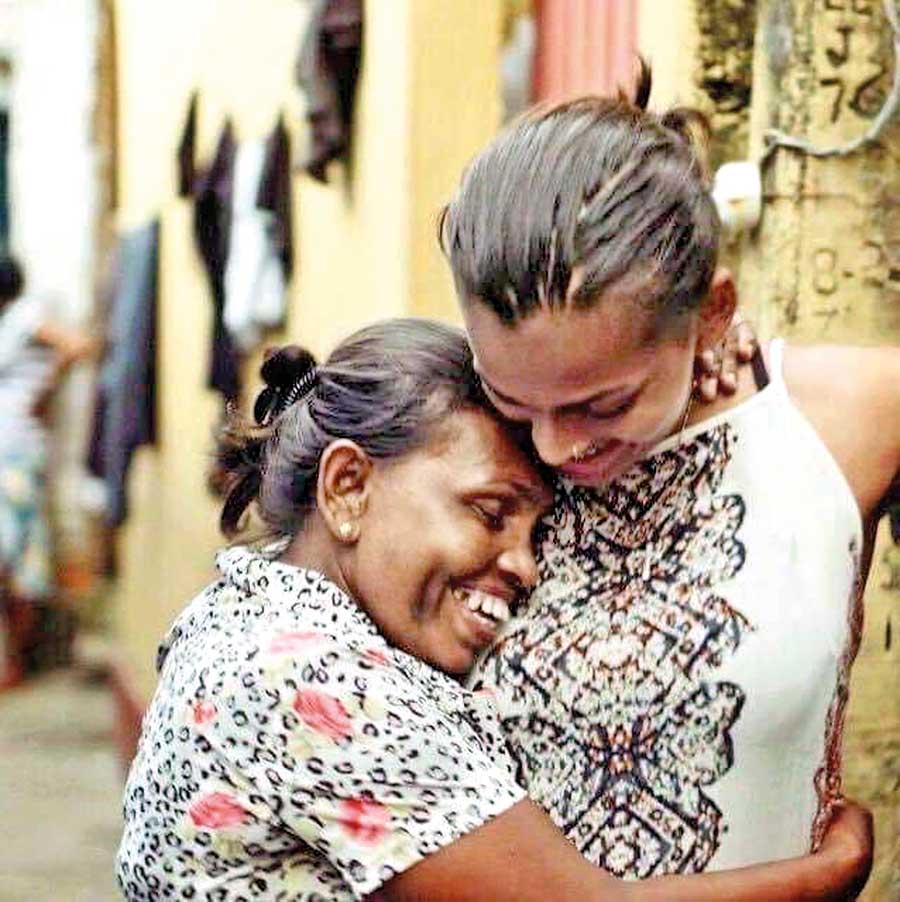
Embracing with love – Priyangika with her biological mother

  • Adoption cannot and should not be a solution for poverty says Priyangika Samanthie
  • I didn’t grow up as a European and then got interested in Sri Lankan culture as most diaspora kids around me have
  • The love and connection with a mother doesn’t focus on poverty or privilege
  • My adoptive parents always raised me to know that I would one day find my way back home

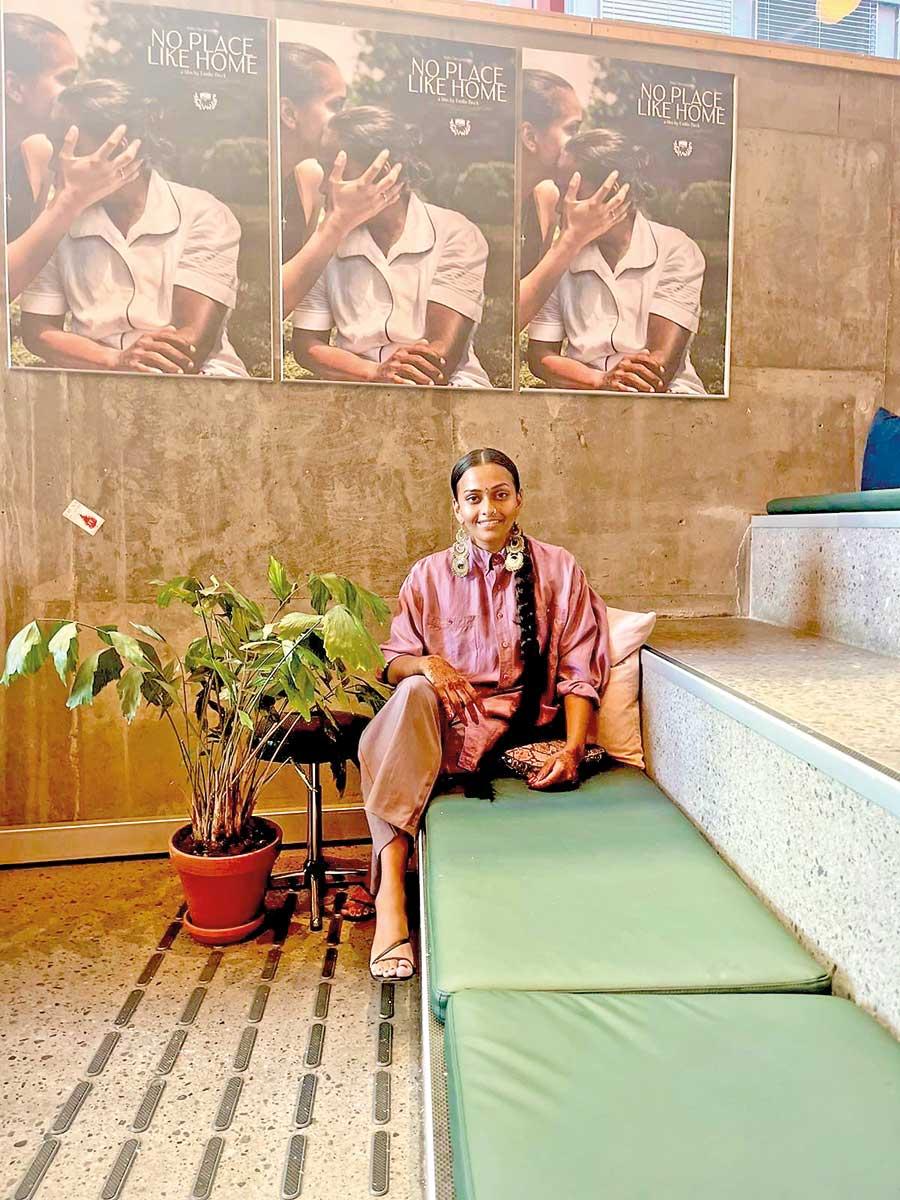
Priyangika Samanthie was another ‘brown child from abroad’ when she landed in Norway, seven weeks after she was born. Even though many Sri Lankans thought that she grew up white for a better opportunity, she was searching for her roots since her childhood. Her adoption was based on false documents following which she lodged a complaint at the Criminal Investigation Department (CID). Investigations are still underway. In a recent Al Jazeera documentary titled ‘No Place Like Home’ Priyangika confronts the painful secrets of international adoptions. 
In an exclusive interview with the Daily Mirror, she revealed the difficulties she experienced as an adopted child, loopholes in her adoption process, baby boxes and illegal adoptions that need to stop right away.

Excerpts : 

Q How was it like growing up in Norway?

The first thought that came to mind was ‘lonely’. Incredibly lonely. Even though I grew up in a household that tried their best to acknowledge my fundamental needs in life — I felt as though my nature was different from my circumstances. I grew up in a small town. My adoptive brother Prishantha and I were one of the first brown children. I remember feeling as if I was a statue when people crossed us. As children, we had big curls and hair and people used to touch our hair and skin. I remember experiencing angry stares, but I couldn’t understand what was going on. Later in life my Norwegian family members told us about the difficult experiences of the surroundings. One day, our adoptive grandmother had walked with me in my stroller and experienced that someone questioned why her son had gotten one of those”. One of those brown children from abroad. 


I didn’t grow up as a European and then got interested in Sri Lankan culture as most diaspora kids around me have. I grew up spending time with their family members. It wasn’t until Tamil families started to migrate to our small town in the Midwest in Norway that I felt a sense of belonging. I spent lots of time on a family friend Archie Amma’s lap who was telling me about Sri Lanka and fairytales in Tamil. It was a mix between Tamil and our hearts connected. As a child and as a human, I seek a community; a belonging deeper than luxury. Love has always triumphed over luxury. It was the love and care that my adoptive parents put into learning about Sri Lankan food culture and culture, connecting us with the Tamil families and attending cultural events, that made me feel a sense of belonging. Whilst most Sri Lankans I meet think that I’ve focused on my opportunities to better my life in Europe, my only focus as a child and adult was to deepen my roots. I went to the school library as a child to try to find books to study Sinhala and would have tantrums when they didn’t understand what I meant. Before I graduated secondary school, my librarian showed me that she had found a book about Sri Lankan birds for me. For the first time, I felt seen for my Sri Lankan identity except for my family. It’s been incredibly hard to explain my focus on Sri Lankan people because they thought I grew up white as a better opportunity, but my only dream was to grow up like them; even if that meant that I had to suffer. Later on in life, my adoptive family told me that I would have had a better childhood if I grew up with my Sri Lankan family. You might suffer, but you would’ve been able to breathe the same air as amma and we know that it would’ve been enough for you”, I have heard from Norwegian family members. 


Since when did you start looking for answers regarding your adoption?

I think it already started on the plane to Norway. After breastfeeding me for seven weeks, Amma was suddenly gone. My Norwegian parents said that I reacted to the formula they gave me, but kept crying and searched for the breast. It’s been an ongoing joke around me my whole life that She cried on the way from Sri Lanka till Norway, and never stopped crying”. Which I think is actually true in my case. My soul has been grieving my whole life. The love and connection with a mother doesn’t focus on poverty or privilege. I could feel her feelings on my skin and when I spent time with her later in life, it felt as if I could finally be in my body without a storm within. In kindergarten I used to refuse to come home with my Norwegian parents because I noticed that other children had parents whom looked like them. I was constantly waiting for Amma. I had continuously stated since then that I was kidnapped and wasn’t meant to be in Norway. My Norwegian family and their community tried their best to calm me down, but nothing worked. 


I was five when the Norwegian family started to prepare me for a reunification or deportation. We spoke about the pros and cons of finding amma. I realised early that they didn’t have the talk with Prishantha. They handled my feelings completely differently and for that, I’ll always have my deepest respect for them as humans. I searched for answers while he became silent. I think that’s what has been the greatest challenge with our adoptions, that most people forget that our bodies cry for our fundamental needs even if our circumstances become more ideal. Would it have been more ideal for me to be in survival mode with my family? Everything within me screams yes. 


As a seven year old, I knocked on my adoptive fathers door and wondered if he could help me write letters to the government, adoption agency and orphanage for answers to find Amma. This was the start of twelve longyears of searching. My adoptive parents always raised me to know that I would one day find my way back home. Even if I couldn’t find my relatives. I think it’s the main reason why I’ve seen myself as a foster child and not as an adoptee. In the documentary No Place Like Home” Prishantha states that he was never scared that I would find answers, he was more scared if I didn’t. It wasn’t until fall 2013 that a group of Muslim men in Sri Lanka found her. I never thought I would see the day of light with her when they found her. I had recently become a mother to my eldest son Nishantha and my only wish was for him to have his Archie. To sit on the lap and get the same stories as I did. In high school, I had some Buddhist and catholic men searching for me. They went to the greatest length and travelled over the island (for free) to find answers. Most of them have become my lifelong friends back home. Whilst searching, then came across concepts such as baby farms but they also discovered that my documents were falsified. I remember one of them calling me and saying It seems as though you never left”. I did not understand what he meant, until he explained that my court document of adoption and passport were fake. My whole world fell apart — because it confirmed my instincts, I wasn’t meant to be adopted. 


Amma and I met at IndependenceSquare on Independence Day in 2014. We attended Good Morning Sri Lanka later the same day. It wasn’t until I was in the recording studio that I realised that the men wanted me to do an interview. Suddenly our faces were on the main newspapers in the country. People in the street showed their love and support. Men would whistleblow to me and ask me if they could trade places. It was a rollercoaster and the reunion turned into everything else than I had imagined. I wanted us to have a mother-daughter relationship, but she was full of grief and anger. She kept apologising for losing me. It wasn’t until I moved to Sri Lanka in 2015 that she told me that I wasn’t meant to be adopted. In the beginning of recording No Place Like Home”, she told us untold stories that she hadn’t shared with anyone. It wasn’t poverty that made her seek alternative care, it was the connection from family members on half of my family side to the underworld. She wanted to protect us which is why she wanted us to move into the home together. The Salvation Army worker who had told her about the alternative of care, had shared that we would live in an NGO-house together. In the documentary, Amma kept stating that she went back to search after losing me. While I listened to her stories and calculated the years, I realised that we were searching for each other at the same time. I went back to my school diary and read about mutual experiences in similar time periods. I told her that I used to look at the moon and say goodnight every night, because at least we stared at the same moon. She answered I found comfort knowing that the moon would raise you”. 


The director chose to leave out the kidnapping story from the hospital, Salvation Army workers purposely misleading and the corruption in our case. The story is twisted because it would be too comfortable and challenging to watch, she thought. The consequence is that the audience is confused but the comment section on Al Jazeera witness’s YouTube channel has reduced amma to be a useless poor person which is nothing like the woman I have known her to be. 


In the recent Al Jazeera documentary, your Norwegian parents claim that they were paid extra to shorten their stay in the country. Could you tell us how the adoption took place?

My Norwegian parents were in Sri Lanka for five weeks to complete a court case for the adoption. Their lawyer had offered to shorten the case by paying a bribe. They had refused to take the offer, but when I asked them why they did not change the lawyer, they have been honest about mainly focusing on their own wish. It seems to be that they deep within knew that it was a possibility that it could’ve been a corrupt case, but not in their wildest dreams do I think they realised that it was a kangaroo court. After almost twenty years of research on the adoption fraud, I have experienced that Norwegian parents heard about the corruption to other countries while going through the same channels. I have also experienced having to share with the adoptees and adopters that the translation was purposely misleading. In our case, they reacted strongly to the courts mistreating Amma. After being reunited, she could confirm that she was told a completely different story in court than what took place. She was told that we would live in the NGO-couples house and whilst she built up our life, she would receive 1Lk to figure our situation out in the early 90s. After a couple of years, we could return home. In reality, they fled the country after the court case. 


How was it dealing with Lankan authorities during the process? Were they helpful and what were the challenges?

I have always been warmly welcomed in Sri Lanka by the population, it has however not been the same experience with the authorities. In our case, the orphanage has been the most untruthful and difficult, but I learnt early that there was no such thing as getting help from the authorities. Until I met my lawyer and went to CID to file a complaint. 
CID started the process of following up the trace of my illegal adoption. I have yet to receive an update on the investigation. My lawyer and I hope to connect thousands of more cases to the investigation in the future.  


Some authorities including the hospital have been maintaining manual records that were eventually destroyed. What are your comments regarding such lapses in the system?

I wasted years of search based on finding basic information because the hospital has not digitised the information. It would be a lot easier to confirm the information if the books or information were not destroyed. The only solution to this now, to be able to reunite potential kidnapping cases and in reunions would be a DNA-system. Over the years of research many adoptees and researchers have experienced that hospital workers were a part of the adoption fraud. 

I wanted us to have a mother-daughter relationship, but she was full of grief and anger. She kept apologising for losing me. It wasn’t until I moved to Sri Lanka in 2015 that she told me that I wasn’t meant to be adopted”
– Priyangika Samanthie

Priyangika running a campaign against illegal adoptions during the ‘Aragalaya’

Sri Lanka has certain laws for adopting. The eligibility criteria are different when it comes to foreign parents. Are you aware of these criteria? What other changes/ reforms are required in the adoption process?

The investigation of inter country adoption to foreign countries has proved that the third parties in an adoption process opens up for an illegal market of children. Even if the laws and regulations seem to regulate the market, it keeps it well alive. There are  no reforms that can regulate the market overseas. The only solution to end trafficking is to stop with the financial costs in adoption and rather focus on it as alternative care for families.   


As long as the international market is overseas and has interpretation, it won’t be possible to regulate adoptees wellbeing and human rights. Laws and regulations seem to be symbolic in the adoption market from Sri Lanka. The law specifies that the receiving country must send reports of the child, but there’s not enough capacity to ensure this. What if it doesn’t? Should the child be sent back? Who should pay for this? Isn’t it possible to falsify these reports? The check-ups done by social workers in Sri Lanka can always be improved, but the focus should be there, to strengthen and improve the system on the island; not to repress the island by continuing the neo-colonial market of children overseas. The consequences of losing one’s cultural and identity of origin has major consequences for adoptees. Only a very small percentage of children seem to achieve the aim of an adoption — to create stability for the child. Most of the foreign parents lack the cultural background, knowledge and equipment to raise a foreign child. 


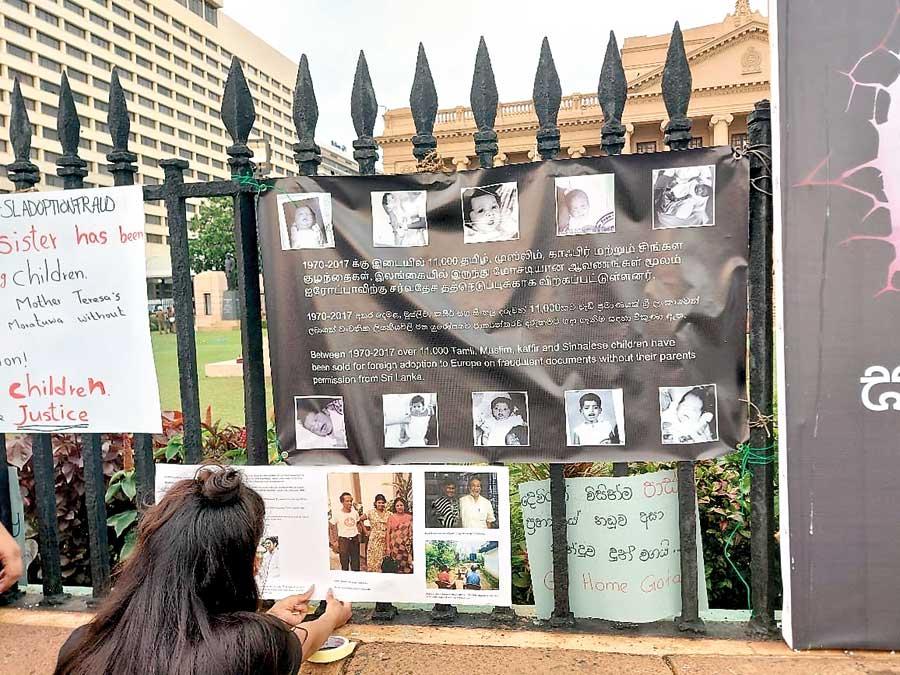
As the consequence, the European parents raise them as white Europeans which reduces their origin to only becoming a skin colour. A skin colour most of them grow up hating because of the amount of racism they experience. Research underscores that adoptees are twice as likely to need mental health treatment compared to biological children living with their family of origin.  After 11,000 illegal adoptions from Sri Lanka through brokers and concepts such as baby farms, the authorities should not allow children to be sent abroad. By law, poverty is not seen as a valid reason alone for adoption yet Sri Lanka seems to use it as a solution instead of fixing the problem. Adoptees and diaspora must therefore use our positions to put pressure on the reforms. For as long as the market involves financial compensation it should be seen as trafficking and not as an alternative to have children. Even though many families on the island need an alternative care — it should be focused on finding and creating alternatives on the island. This is one of the main reasons why my team and I recently started Roots Search Center. We will set up family programmes to strengthen one parent households to achieve the stability within. If it’s not possible, we can ensure to be a support system for the family after the child has been given to alternative care.  


It’s easier for authorities within the country to regulate families even if it’s not as much of a priority as it should be. If anything happens to the child while being overseas it’ll
be under another authorities’ responsibility and the Sri Lankan authorities will not be informed. Norway has experienced two of the main racist murders in the country on two adoptees. Their countries and family of origin are unaware.


There was a time when Sri Lankan parents gave away their children to foreigners due to poverty. Do you think this is still happening in rural areas of Sri Lanka?

Unfortunately we experience that this is still happening and with concepts such as baby boxes, the authorities try to fix an issue that is deeper with temporary solutions. No one seems to think how it’ll influence the child to learn that they were left in a box at the hospital. That the concept violates every single act of their fundamental human rights to know about their origin. In the worst cases, it can have a medical consequence to not know about one’s medical history. 


It’s mind blowing to me that instead of implementing free medical abortion, sexual education to learn about protection, parenting programmes, financial support for families by the government with extra support for one parent households and tries to improve the shame culture for victims of rape or children upside marriage, the authorities rather implement a baby box as a solution to shame-culture. I constantly handle cases of the children from baby farms or door-step” cases through kidnapping and the victims are heavily affected by their birth stories. Too many of them have chosen to commit suicide after learning that they were found and saw themselves as unloveable. No one seems to think about how the victims of baby boxes will be affected. I receive requests from domestic adoptions in Sri Lanka who have found out that they were adopted as an adult. It has heavily affected their lives and I see similarities within their struggles with foreign adoptees. Adoption cannot and should not be a solution for poverty. As mentioned, it’s legally not a valid reason alone. Most of the parents from rural areas have shared that they would be willing to handle the stigmatization and upbringing of a child if they had financial support; to end the issue, the authorities must focus on strengthening families. The other options will eventually end up with mass lawsuits against the government. 


Following your investigation have there been any positive outcomes/ responses with regards to the inter-country adoption process in Sri Lanka?

I have received tons of messages on social media and feedback from authorities, both in Sri lankan and globally, that the focus on the adoption market has taught them the downside of it as well. It has been a romanticised alternative to have a family, but also purely been seen as a great solution for children’s current situation. The feedback has been that they are reconsidering adoption and rather would like to find other solutions to help families. Either strengthen them or become a foster parent. 


What’s your message to parents willing to give their children for adoption?

If adoption is mainly a solution to stigmatization and financial difficulties, I suggest contacting NGOs for family support before seeking a permanent solution. However, if the situation is unbearable and alternative care is a must, make sure to go through proper channels with a trustworthy lawyer to create solid documentation of the domestic adoption. Ensure that you get separate copies and insight of the follow up reports. It’s important to state that the adoption is permanent and you would give up your connection/contact to be the guardian of the child, so be sure that you’re willing to accept this sacrifice.


After the adoption, seek professional help to get support for the mental toll that this sacrifice has had on you. Just because you had to give up your child does not make you less of a parent and parents who’s in the separation of a child are allowed to acknowledge their grief as well. Roots search center can provide mental health programs if needed. 
It’s important to remember that a financial crisis and the current state of the country leaves families in desperate positions. It’s crucial to not accept a growing market which takes advantage of this. If anyone witnesses concepts such as collecting centres, baby boxes, trafficking on Facebook marketplace etc, it’s important to take action. Children and families should receive support without being a victim of crimes. 

Priyangika Samanthie

Heavy metals exonerated in Chronic Kidney Disease in dry zone

June 15th, 2023

Courtesy The Daily Mirror

The significance of their findings cannot be understated. Water samples collected from the North Central Province revealed shocking levels of calcium, reaching up to 200 mg per litre, and fluoride concentrations of 2-3 mg per litre—both far exceeding 
acceptable limits

CKDu’s impact on Sri Lanka has been staggering. Its discovery over three decades ago thrust the nation into a public health crisis, with rural farming communities in the 
dry zone bearing the brunt of its 
devastation

Delving into the depths of Sri Lanka’s North Central Province, the  Chinese scientists embarked on an elaborate research mission,  collaborating with the renowned Joint Research Centre at the University  of Peradeniya, with support from the Chinese Academy of Sciences

Water samples collected from the North Central Province revealed  shocking levels of calcium, reaching up to 200 mg per litre, and  fluoride concentrations of 2-3 mg per litre—both far exceeding  acceptable limits

The total affected population surpasses 400,000 and the death toll exceeds 20,000

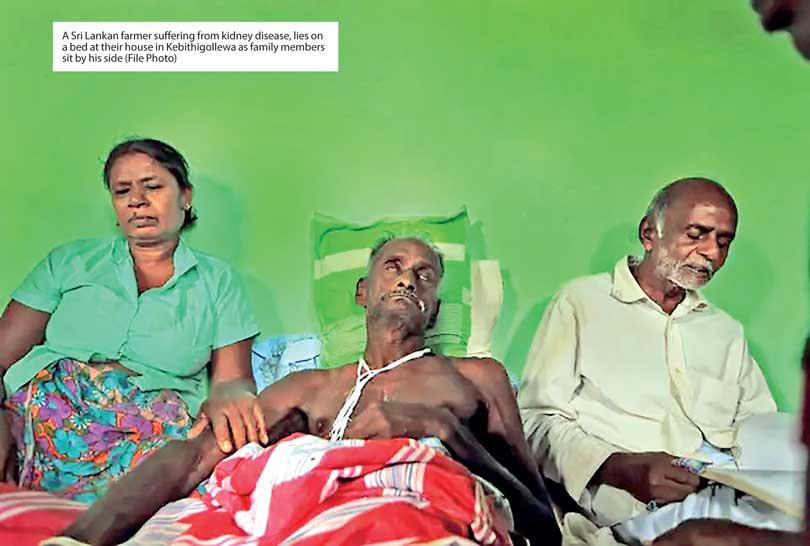
In Sri Lanka’s dry zone, a silent epidemic – Chronic Kidney Disease of Unknown Etiology (CKDu)- has plagued communities for three decades. The deadly disease has left a trail of suffering, primarily affecting those engaged in agriculture and posing a significant burden on the nation’s healthcare system. For years, experts have grappled with unraveling the enigma surrounding its cause, with the prevailing belief pointing to the toxic presence of heavy metals like cadmium and arsenic in agrochemical-contaminated groundwater. However, a groundbreaking study conducted by a team of Chinese scientists challenges this long-held perception, introducing a fresh perspective that could reshape our understanding 
of CKDu.  


Delving into the depths of Sri Lanka’s North Central Province, the Chinese scientists embarked on an elaborate research mission, collaborating with the renowned Joint Research Centre at the University of Peradeniya, with support from the Chinese Academy of Sciences. Their exhaustive investigations into the quality of groundwater shed light on an unexpected culprit—high concentrations of calcium and fluoride ions.  


Professor Min Yang, a prominent figure in the research team, shared exclusive insights with Daily Mirror, shedding light on their journey. Prompted by their Sri Lankan counterparts’ grave concerns about CKDu’s prevalence in the dry zone, the Chinese scientists set out on a mission in 2014, united by a shared determination to unearth the truth. Collaborative efforts paved the way for groundbreaking discoveries that have challenged the existing narrative.  


What emerged from their meticulous exploration was a compelling case linking CKDu to the hardness of water and the presence of excessive fluoride. Prof. Yang emphasized the seriousness of the issue, describing it as a very serious problem” afflicting the dry zone’s vulnerable population. Through inter-disciplinary collaboration, the team meticulously pieced together evidence, building a robust case that elevated calcium and fluoride levels in groundwater, surpassing certain thresholds, stand as key factors contributing to this grave health hazard.  


The significance of their findings cannot be understated. Water samples collected from the North Central Province revealed shocking levels of calcium, reaching up to 200 mg per litre, and fluoride concentrations of 2-3 mg per litre—both far exceeding acceptable limits. This contrasted starkly with samples from other parts of the country, shedding light on the localized nature of the problem.  
CKDu’s impact on Sri Lanka has been staggering. Its discovery over three decades ago thrust the nation into a public health crisis, with rural farming communities in the dry zone bearing the brunt of its devastation. The government has faced an uphill battle, grappling with soaring healthcare costs and a significant loss of productivity from affected individuals who would otherwise contribute to the 
national economy.  


CKDu stands distinct from other chronic kidney diseases, with no direct correlation to common risk factors such as obesity, hypertension, diabetes, or even snake bites. This elusive nature has confounded researchers for years. However, according to the unpublished results of their research, the simultaneous presence of calcium and fluoride ions might be the main reason for the high CKDu prevalence rates from a mere two percent to an alarming 15 percent in certain areas.  


The urgency to address this crisis cannot be overstated. The World Health Organization (WHO) has issued recommendations for providing safe water to the CKDu-affected regions, aligning with Sri Lanka’s commitment to achieving the UN Sustainable Development Goals by 2030, which prioritize safe water and sanitation. 

Recognizing the limitations of the national water supply grid in reaching all affected areas, decentralized water-treatment plants have emerged as a practical solution, particularly in rural villages where centralized systems prove unsustainable.  
While concerns regarding the excessive use of agrochemicals have long dominated the discourse surrounding CKDu, Prof. Yang dismisses this notion. Drawing on his team’s research, he counters that groundwater contamination by heavy metals from industrial chemical waste does not exist in Sri Lanka as it does in other countries. Furthermore, the presence of CKDu in certain parts of Latin America is attributed to a natural chemical called ‘aristolochic acid.’ These revelations challenge the previously held assumptions, urging a re-evaluation of strategies for tackling CKDu.  
As the total affected population surpasses 400,000 and the death toll exceeds 20,000, the need for immediate action looms large. The Chinese experts advocate for the establishment of community-based water-treatment systems, incorporating a modified electro-dialysis technology to remove the hazardous ions. These solutions offer promising avenues for providing safe drinking water to small villages in the affected regions with a low cost, addressing maintenance challenges and ensuring long-term access to 
clean water.  


We came to Sri Lanka in 2014 because of CKDu. Sri Lankan colleagues informed us about this serious kidney disease in the dry zone. They said it might be associated with groundwater quality. That is why we started working together with our Sri Lankan colleagues,” he said.  


Groundwater can be contaminated with heavy metals if there are a lot of industrial chemical wastes. In your country, we don’t find such industries. Also, agro-chemicals are used in other countries. But, this problem does not exist,” he said.   
Responding to a query about the prevalence of it in some parts of Latin America, he said it was triggered by a natural chemical. Since most areas of the dry zone are not covered by the national water supply grid of Sri Lanka, he rebuffed it saying it is triggered by a natural chemical called ‘aristolochic acid’.  


The battle against CKDu is far from over, but the findings of the Chinese research team serve as a beacon of hope in a sea of uncertainty. By challenging prevailing beliefs and shedding new light on the complex interplay of water quality and CKDu, they have opened doors to innovative approaches that hold the potential to alleviate the suffering of countless individuals and safeguard the future of Sri Lanka’s dry zone communities. As the nation strives towards its sustainable development goals, the pursuit of safe water and improved healthcare in the affected areas must remain at the forefront, guiding efforts to eradicate this debilitating disease once and for all.    

Professor Min Yang

Gammanpila to ask UNESCO for help

June 15th, 2023

Courtesy The Daily Mirror

MP Udaya Gammanpila said that he intends to write to the United Nations Educational, Scientific and Cultural Organization (UNESCO) to help safeguard Sri Lanka’s national heritage from its own government. 

The public has been forced to protect archaeological heritage sites in the North and East from its own government, Gammanpila charged.

The MP was referring to the recent controversy surrounding the resignation of the Director General of the Department of Archaeology Prof. Anura Manatunga. Prof. Manatunga tendered his resignation after a public reprimand by President Ranil Wickremesinghe concerning an issue pertaining to the allocation of lands to an archaeological site.

“We are forced to protect heritage sites not from separatists or extremists, but our own government,” he said. He charged that the President has accepted false and misleading reports of Tamil National Alliance (TNA) MPs without any hesitation or query. 

Gammanpila also explained his party’s intention to visit a disputed land in Mullaitivu to expose false statements made by opposition groups. “Rather than trying to prove their lies from Colombo, members of the Pivithuru Hela Urumaya will visit the Kurundi Raja Maha Vihara on June 21, to expose the lies of the TNA,” Gammanpila said.

He also called for the citizens of the country to act now to protect the country’s heritage. At this rate, MP Shanakiyan Rasamanickam will be appointed as the Director General of Archaeology and M. A. Sumanthiran will be appointed as the Minister of Cultural Affairs by the President. It is imperative that we act now before such a disaster takes place,” he said.   

Gammanpila said that citizens in other countries usually request for the government to protect their national heritage and observed that the opposite is the reality in Sri Lanka. He also charged that the Ranil Wickremesinghe administration of 2001 to 2004 and 2015 to 2019 saw the most damage to archeology sites in the North and East of Sri Lanka. We will be making a written request to UNESCO to help us protect our heritage from our own government,” he added. (Kalani Kumarasinghe) 

Russia’s Rosatom to build nuclear plant in SL

June 15th, 2023

Courtesy The Daily Mirror

Sri Lanka has reached a deal with Russian nuclear giant Rosatom to build a nuclear power plant that may run two reactors and generate 300 megawatts of energy, the Sri Lankan ambassador in Russia said Wednesday.

“We will go for a nuclear power plant … There are options actually … two sources, 300 megawatts,” Janitha Abeywickrema Liyanage told Sputnik on the sidelines of the St. Petersburg International Economic Forum.

The ambassador said that having its own power plant would allow the Indian Ocean island nation to overcome the energy crisis. The government will speed up the approval process to begin construction in the near future.

“There is a proposal and there is approval to follow the procedures from the Sri Lankan cabinet, and the International Atomic Energy Agency is also now looking at it, and they have set up certain working groups. Rosatom has set up four working groups in four different areas,” she said.

President Ranil Wickremesinghe to appoint committee to find out historical extent of land owned by Kurundi, Thiriyaya Viharas

June 15th, 2023

Courtesy The Daily Mirror

President Ranil Wickremesinghe is to appoint a committee to determine whether Kurundi Vihara of Mullathivu and Thiriyaya Vihara of Trincomalee historically owned 2,000 and 3,000 acres of land respectively, sources close to President’s office said.

The President intends to find out how these two Viharas could own land more than Mahavihara which has been historically considered as the foremost centre of Buddhism in Sri Lanka.

President Wickremesinghe is of the opinion that it is essential to find out why the two Viharas need land which come under the Department of Forestry, Department of Lands etc.

It is reported that the Task Force on Archaeological Affairs appointed by former President Gotabaya Rajapaksa had recommended the release of land to Kurundi Vihara and Thiriyaya Vihara.

The committee which is to be appointed will be tasked with finding out historical evidence with regard to land owned by the Kurundi and Thiriyaya Viharas.

The President is expected to appoint the committee before departing to Europe on June 17. 

Sri Lanka’s economy shrinks 11.5% in Q1

June 15th, 2023

Courtesy Adaderana

Sri Lanka’s economy shrank 11.5% in the first three months of 2023 from the previous year, government data showed on Thursday.

The Department of Census and Statistics (DCS) today released the estimated Gross Domestic Product (GDP) at the current price and at constant (2015) price in the Production approach and the other macroeconomic indicators for the first quarter of 2023, which is the period starting from January 01 to March 31, 2023. 

Thus, the GDP for the first quarter of 2023 at the constant price (2015) has declined to Rs. 3,114,187 million from Rs. 3,519,400 million which was recorded in the first quarter of 2022. 

Meanwhile, the year-on-year GDP growth rate for the first quarter of the year 2023 has been reported as 11.5% of negative growth rate. 

In addition, the Gross Domestic Product for Sri Lanka for the first quarter of 2023 at current price has increased up to Rs. 7,328,574 million from Rs. 5,543,306 million which recorded in the same quarter in year 2022 registering 32.2 percent of positive change in the current price GDP. 

The three major economic activities of the economy; ‘Agriculture’, ‘Industry’ and ‘Services’ have contributed their share to the GDP at current prices by 8.0 percent, 28.7 percent and 58.2 percent respectively, while ‘Taxes less subsidies on products’ component has contributed 5.1 percent of share to the GDP in the first quarter of year 2023.

The Agricultural activities have been expanded by 0.8 % while Industry and Services activities declined by 23.4% and 5% respectively in the first quarter of 2023.

No decision taken to distribute land belonging to Kurundi Viharaya – President’s Secretary

June 15th, 2023

Courtesy Adaderana

The Secretary to the President, Saman Ekanayake has informed archaeological expert Ven. Dr. Ellawala Medhananda Thero that the land belonging to the historical Kurundi Viharaya in Mullaitivu is a government land and that no decision has been taken to distribute it to anyone, the President’s Media Division (PMD) reported.

Meanwhile, President Ranil Wickremesinghe today refuted the media reports claiming that he is going to settle a group of Tamil people within the land belonging to the Kurundi Viharaya in Mullaitivu.

He made this remark while speaking at the ceremony to launch the new online passport application system at the Homagama Divisional Secretariat this evening (15).

Commenting further on the matter, President Wickremesinghe emphasized that he instructed to inform Ven. Dr. Ellawala Medhananda Thero that neither Sinhalese, nor Tamils or Muslims will be settled within the land belonging to the historical Kurundi Viharaya in Mullaitivu.

The Supreme Court dismisses two petitions challenging restructuring of Sri Lanka Telecom (SLT) PLC.

June 15th, 2023

Courtesy Adaderana

The Supreme Court today (June 15) refused to grant leave to proceed with two fundamental rights (FR) petitions filed against the restructuring of Sri Lanka Telecom (SLT) PLC.

The petitions had been filed by Sri Lanka All Telecommunication Employees’ Union president J.B. Gurusinghe, its secretary H.K. Hettiarachchi and the president of SLT Samagi Sewaka Sangamaya president Indika Priyadarshana.

Following a lengthy trial, the Supreme Court’s three-judge bench comprising, Justices Murdu Fernando, Kumudini Wickamasinghe and Priyantha Fernando, decided to dismiss the two petitions.

The SLT trade union leaders, in their petitions, had deemed the decision taken by the Cabinet of Ministers to divest the government-owned shares in the SLT a violation of fundamental rights.

When the petitions were called before Supreme Court today, Deputy Solicitor General Rajeeva Gunathilake told the judge bench that the Cabinet of Ministers, in March 2023, gave its approval to go ahead with the restructuring of SLT, adding that the proposal was also green-lighted in the budget speech delivered by the President in his capacity as the Finance Minister.

He also deemed the concerns raised by the petitioners, about the potential threats to the national security posed by privatization of SLT, baseless.

The Deputy Solicitor General went on to note that the move would not be prejudicial to the shareholders nor the subscribers of SLT, as mentioned in the petitions, and requested the judge bench to refuse to grant leave to proceed with the two FR petitions.

Later, President’s Counsel Romesh de Silva presented submissions on behalf of Sri Lanka Telecom

CID probing Pastor Jerome under money laundering act

June 15th, 2023

Courtesy Adaderana

The Attorney General today informed the Court of Appeal that the Criminal Investigations Department (CID) is conducting investigations against Pastor Jerome Fernando under the Money Laundering Act. 

Senior State Counsel Shaminda Wickrama, who appeared on behalf of the Attorney General, informed the court of this when the writ petition filed by Fernando, requesting the issuance of an order to prevent his arrest, was taken up for consideration today (15).

The writ petition was taken up today before the Appellate Court bench consisting of Justices Sobitha Rajakaruna and A. Marikkar.

The Senior State Counsel who appeared on behalf of the Attorney General, raised these preliminary objections and requested that the relevant petition be dismissed without being taken up for hearing.

The senior state counsel charged that through this petition, the petitioner has concealed facts from the court as well as presented facts that mislead the court.

How Big Banks Bled A Tiny Island Nation

June 14th, 2023

Chris Hamby BuzzFeed News Reporter

Financial companies have figured out how to turn a controversial global legal system to their own very profitable advantage. Part three of a BuzzFeed News investigation.

Posted on August 31, 2016 at 3:31 pm

In 2006, near the height of Wall Street’s disastrous speculative frenzy, some of the world’s biggest banks smelled an opportunity.

They saw a way to turn the soaring price of oil into hefty profits. And it involved the tiny island nation of Sri Lanka.

The bankers presented officials who ran the state oil venture there with a way to hedge against further price hikes.

What the banks were selling were derivatives, an often complex and risky type of financial instrument that became associated with the financial crisis. They amounted to a bet on the price of oil, but it was a lopsided bet. The banks — including giants such as Citibank, Deutsche Bank, and Standard Chartered Bank — bore very little risk. The risk for Sri Lanka, if the price of oil fell, was potentially catastrophic.

One Standard Chartered executive found the terms to be so one sided” that she actually refused to sign off on the transaction, protesting to her colleagues that it could cause unbearable losses” for the already-struggling oil venture, according to a sworn statement she later gave. But one of her bosses, she said, ridiculed her in a meeting and told her not to stand in the way of several million dollars of profits.

The deal went through, and the other banks struck similar arrangements. Then, instead of rising, the price of oil crashed. The Sri Lankan state company found itself forced to pay the banks millions. Sri Lanka’s Supreme Court ordered a temporary freeze of payments while authorities scrutinized the deals.

Deutsche Bank’s response was swift. It had already made more than $6 million on the deal, but it demanded to be paid more — much more. More than $60 million, which was 24 times more than the bank ever could have lost on the deal.

Deutsche Bank didn’t bother pressing its case in Sri Lankan courts or even in the business-friendly English court where the bank and the state oil company had agreed in their contract to settle disputes. Instead, the bank pursued an audacious strategy. It turned to a powerful worldwide legal system and commandeered it for a novel purpose: helping financiers profit from some of their most controversial and speculative practices.

It was a gamble, but it worked; the tribunal accepted the case. This breakthrough came as a delightful surprise to some lawyers around the world who specialize in this legal system, known as investor-state dispute settlement, or ISDS. They saw in it not just a single judgment, but also a lucrative new horizon for the financial industry.

I admire the boldness of counsel and the vision of the management of Deutsche Bank to opt for investment arbitration at a time when there were no precedents,” said Georges Affaki, a lawyer with a large ISDS practice. Calling the case a huge step,” he said he is leading an International Chamber of Commerce task force to advise financial firms on how they can use ISDS.

An 18-month BuzzFeed News investigation reveals how the financial industry is elbowing its way inside the doors of this global super court, transforming a system of justice into an engine of profit. Spanning three continents, more than 200 interviews, and thousands of pages of documents, the investigation has already shown how executives have used ISDS to help escape punishments for crimes they were convicted of committing, and how the system is so powerful and tilted that the mere threat of an ISDS suit can intimidate nations into rolling back their own laws. Now, it shows how the financial industry, once largely absent from the system, is increasingly pressing ISDS claims, often against nations that are poor or in the throes of economic crises.

Enshrined in thousands of trade and investment treaties such as the North American Free Trade Agreement, ISDS was designed as a careful bargain. Poorer nations needed foreign businesses to invest in projects that could spur economic development — bridges, pipelines, mines, factories — but foreign businesses needed a stable, independent legal system to protect them from rogue politicians and biased local courts.

The solution was ISDS, a form of binding arbitration that was granted exceptional power. Countries often must give its rulings the same deference as those from their own highest courts, and there is effectively no means of appeal. The system was meant to be available only to those companies that had invested the time and money to create something of broad economic value.

But over the past two decades, corporate attorneys have stretched the parameters of ISDS, allowing banks, hedge funds, and private equity firms to shatter the careful bargain that participating nations thought they had made. Indeed, financiers and ISDS lawyers have created a whole new business: prowling for ways to sue nations in ISDS and make their taxpayers fork over huge sums, sometimes in retribution for enforcing basic laws or regulations.

ISDS lets banks buy into local disputes that they have no connection to, then turn them into costly international showdowns.

In South Korea, for example, a US private equity firm and a Middle Eastern investment fund bought and then sold companies at a large profit. When the Korean government tried to tax these gains, both firms ran to ISDS arbitrators, alleging violations of international treaties. Both cases are ongoing. The US firm declined to comment, and the Middle Eastern fund did not respond to requests for comment.

The financial industry is pushing novel ISDS claims that countries never could have anticipated — claims that, in some instances, would be barred in US courts and those of other developed nations, or that strike at emergency decisions nations make to cope with crises. When Spain, in the throes of economic distress, announced it would reduce subsidies to the solar energy industry, more than 2o businesses — many of them investment funds associated with big banks or venture capital firms — brought ISDS claims alleging that the government had broken its promises and rendered their investments unprofitable.

To be sure, some cases involving financial firms are straightforward. Sometimes countries do mistreat the companies that operate within their borders, deliberately doing harm in order to favor domestic competitors, exact political revenge, or brazenly steal profits. Pointing to such cases, defenders of ISDS insist it is a crucial check on rogue acts by autocratic or corrupt regimes.

But critics say that ISDS is vulnerable to exploitation by elite corporate lawyers and their financial-industry clients. The three-person arbitration tribunals that decide the cases tend to be made up of corporate lawyers; they may argue for a company in one case and sit in judgment in another. And they are not bound by precedent; they have broad license to interpret the rules however they want. Most of the time, not even transparency serves as a check on their power, because hearings, evidence, and, in some cases, the judgments themselves remain secret. And the field is tilted in yet another way: Only companies can bring an ISDS suit. Countries cannot sue the companies that operate within their borders. They can only try to defend themselves, which typically costs millions of dollars.

ISDS gives particular leverage to traders and speculators who chase outsize profits in the developing world. They can buy into local disputes that they have no connection to, then turn the disputes into costly international showdowns. Standard Chartered, for example, bought the debt of a Tanzanian company that was in dire financial straits and racked by scandal; now, the bank has filed an ISDS claim demanding that the nation’s taxpayers hand over the full amount that the private company owed — more than $100 million. Asked to comment, Standard Chartered said its claim is valid.”

I see it as a new form of investing, which is, let’s make them poorer, and we’ll get rich.”

This tactic is especially damaging to nations battling an economic crisis or struggling to lift their people from endemic poverty. Companies in crisis can declare bankruptcy, forcing the debt collectors to back off, but countries can’t do this, which can lead to a feeding frenzy.

The World Bank and the International Monetary Fund have a debt-forgiveness program for impoverished nations. When a country in crisis owes more than it can pay, international organizations often coordinate a negotiation in which all creditors share the pain.

ISDS, however, allows investors to pull an end run around these efforts and demand that their one debt get paid no matter what. They remove their claim from a public process — one that weighs the interests of the population that stands to suffer — and instead place it before a private tribunal designed only to protect the investor.

Michael Waibel, a lawyer specializing in international economics, warned in a 2006 legal journal article titled Opening Pandora’s Box” that allowing creditors to use ISDS could blow a hole” in the crucial negotiations that allow nations to emerge from crises.

Nonetheless, in 2011, a panel of arbitrators did just that. After Argentina plunged into economic free fall, the government negotiated a restructuring deal. But a group of investors rejected the deal and went to ISDS, arguing that Argentina was negotiating in bad faith.

The tribunal allowed the case to go forward, prompting Georges Abi-Saab, the arbitrator appointed by Argentina and a veteran international lawyer, to resign from the case. In a scathing dissent, he warned that allowing creditors to use ISDS in this way opened a vast new field” of litigation in support of all manners of financial transactions, including the most speculative varieties.” These deals, he said, were light years away from the economic investment” that ISDS was designed to protect.

Within ISDS circles, some worried that case had handed a bazooka to so-called vulture funds” — predatory investors who buy bad debt for pennies on the dollar and sue to collect the full amount.

Even some ISDS lawyers and arbitrators think that using the system for this purpose is going too far. I see it as a new form of investing, which is, let’s make them poorer, and we’ll get rich,” said Mark Cymrot, an attorney at BakerHostetler. I find that to be economically inefficient and geopolitically dangerous.”

Many ISDS lawyers defend the new types of claims they’re bringing for the financial industry. At issue, they say, is basic fairness: Countries should keep their promises and pay their debts.

It’s rather an old-fashioned view to say that an investment has to have only a physical, bricks-and-mortar characteristic,” said Matthew Gearing, the global co-head of international arbitration at the firm Allen & Overy and one of the lawyers who represented Deutsche Bank against Sri Lanka.

But Abi-Saab said these cases go far beyond the natural evolution any legal system undergoes. It has reached the point that the system has lost its legitimacy,” he told BuzzFeed News. This new species of case, he said, is a kind of speculation in order to suck the last cent or the last drop of blood of poor countries.”

The man tasked with shielding Sri Lanka from high oil prices was already famous — as a star in the nation’s favorite sport, cricket. Ashantha de Mel went on to a career as a manager for clothing manufacturers before he took on a new role: leading the state-owned oil venture. He had been on the job only a few months when he found himself sitting across the table from some of the world’s leading banks, negotiating complex financial deals.

His experience in high finance? Pretty much just playing the stock market, he told BuzzFeed News. He didn’t even have consultants to help him, noted one Standard Chartered executive in an internal email. In fact, the bank executive warned that they really need expert and disinterested advice on this subject.”

Danilo Agutoli for BuzzFeed News

Ashantha de Mel

The banks were happy to oblige. They whisked him on trips around the world — Deutsche flew him to Singapore, others to trading floors in New York and London, and an oil refinery in Houston. Standard Chartered hosted de Mel and his family at a conference in a beach-resort city in India, and the bank later gave his daughter an internship — unpaid and only for a month, de Mel told BuzzFeed News, dismissing any notion of undue influence as just bogus.”

The jaunts were intended to educate de Mel on how derivatives work, the banks said. We learned quite a lot” from the trips, de Mel said. We were relying on the banks.”

De Mel generally didn’t read the whole contract before signing, he later admitted. But he told BuzzFeed News that he understood most everything about the deals, except for one detail: Sri Lanka couldn’t get out if they went south. They didn’t explain that,” he said.

When the price of oil cratered and the deals blew up in his face, de Mel resigned but denied any wrongdoing.

Sri Lanka’s Central Bank investigated the deals. It ended up faulting the state oil venture for skirting normal government procedures and entering the deals without the authority to do so. But it also faulted the banks, accusing them of failing to tell the company just how risky the deals were. Moreover, it said, the banks failed to perform due diligence on whether the Sri Lankan venture had the authority to make the deals or the ability to cover potential losses. The Central Bank concluded that the deals were substantially tainted” and ordered an end to all payments.

Deutsche Bank wanted the $60 million it said it was owed, and ISDS offered by far the best way to help it collect. Thanks to the international treaties that established the system, failure to heed ISDS rulings can carry such severe penalties that even combative countries usually comply. Nations that try to ignore ISDS decisions risk not only having their assets seized but also losing out on much-needed loans and access to global markets.

It could have a major impact on the macroeconomics and the finance of that country,” said Kenneth Reisenfeld, an international lawyer based in Washington, DC.

The main obstacle for Deutsche Bank, however, was getting access to ISDS.

The treaties and conventions that created the system generally contain lofty language about promoting economic development. The original purpose was to protect businesses that had built something of enduring value — protection that apparently had never been granted to a derivative.

What’s more, by the time the bank filed its claim in 2009, the very thing it stood accused of doing — hawking complex derivatives to people who couldn’t afford the downside and who hadn’t been given fair warning of the risks — had become synonymous with the global financial crisis and the enormous bailout it occasioned. Deutsche Bank itself, through the bailout of AIG, would receive more than $11 billion from US taxpayers.

Two of the three ISDS arbitrators, however, found that the derivative the bank had sold Sri Lanka was not risky speculation but a substantial contribution” that had substantial economic value to Sri Lanka” — meaning it qualified for protection under ISDS.

They also blasted Sri Lanka’s Supreme Court and Central Bank: The government’s actions were bad-faith attempts to get out of paying a debt. But the third arbitrator, the one appointed to the panel by Sri Lanka, sharply disagreed. In his biting dissent, Makhdoom Ali Khan, a veteran international lawyer and former attorney general of Pakistan, wrote, This is an extra-ordinary finding without any credible evidence to support it.”

The rational[e] underpinning the entire system of investment treaty arbitration is a quid pro quo between private foreign investors and host countries,” he added. The former seek profitable avenues for investing their resources and the latter seek investment for their economic development.” The majority’s decision, he wrote, threw that bargain out the window.

Regardless, Sri Lanka was ordered to pay Deutsche Bank not only the $60 million plus interest it had demanded but also the roughly $8 million in legal fees the bank’s London-based lawyers had racked up. Sri Lanka applied to have the award annulled. But this type of review is extremely limited — it’s not an appeal — and very rarely successful.

Weeks after BuzzFeed News first approached Deutsche Bank for comment, a spokesperson sent an email saying that the bank had settled with the Sri Lankan state oil venture. In response to a detailed summary of the story, a bank spokesperson said only that Deutsche Bank disagrees with several of the inferences, conclusions and statements.” The spokesperson declined to provide any specifics.

Standard Chartered noted that it took its dispute with Sri Lanka to a British court, where it won. Citi, which declined to comment, went to yet a third forum, a type of arbitration for disputes between companies. It lost. The Sri Lankan state oil company did not respond to repeated requests for comment.

At the time the ISDS tribunal issued its decision, in 2012, the settlement with Deutsche Bank was nowhere on the horizon. By a majority vote, the tribunal had extended ISDS’s extraordinary protection to include a paper transaction that had been in effect for just 125 days — during which Deutsche Bank paid the Sri Lankan oil venture about $35,000 and the Sri Lankans paid the bank about $6.2 million.

While that landmark decision helped open ISDS to new kinds of financial claims, entrepreneurial lawyers and financiers are now devising even more ways to profit from the system.

The oil-industry lawyers gathered at a Houston law office to hear a trio of financiers deliver a presentation titled Do You Want Someone Else to Pay Your Legal Fees? It’s Possible.”

No longer did a company’s legal department have to be a budget drain; it could become a moneymaker, said the financiers, beaming in by videoconference from New York and Chicago. International arbitration — for ordinary claims against other companies as well as ISDS claims against governments — had exploded in popularity in recent years, but some opportunities seemed too expensive to pursue.

The financiers had a solution: third-party funding,” a fast-growing, secretive, and controversial field of investing in lawsuits, footing the legal bills in exchange for a cut of the eventual award. Attracted to ISDS by the staggering sums in play, financiers have created an increasingly sophisticated marketplace around the claim itself.

We try to look at all of the different ways you can make money out of this,” said Peter Griffin, a London-based lawyer and consultant who works with companies and funders.

The New York hedge fund Tenor Capital Management just scored big by injecting $36 million into a small Canadian mining company in exchange for, among other things, 35% of whatever arbitrators awarded in the company’s ISDS claim against Venezuela. This year, a tribunal ordered that country to pay a whopping $1.4 billion. Tenor did not respond to repeated requests for comment.

Sometimes, a funder will wait until an ISDS panel has actually issued its ruling, then buy the award outright. According to brokers and lawyers who said they’ve been involved in such deals but were not authorized to provide details, an investor — often a savvy hedge fund — buys the award before the government has paid it. The investor might pay $20 million for a $100 million award, then hound the government to collect the full payout.

One of the attractions for some of these folks,” Griffin said, is anonymity: They kind of hide behind the entity that’s suing.”

Indeed, one such deal came to light only when WikiLeaks released tens of thousands of US diplomatic cables. One of those cables described how Blue Ridge Investments LLC, a Bank of America subsidiary, bought an almost $180 million ISDS award that an American gas company originally had won against Argentina. Blue Ridge, the cable said, was rumored to have paid roughly 30% of the award’s value.

Griffin said he expects large trading houses will soon emerge to trade ISDS and other legal cases on an industrial scale.”

‘Vulture fund’ Blue Ridge belongs to a new class of financial market players” that views ISDS claims against Argentina as just another attractive class of assets to be appropriately discounted and traded,” a diplomatic officer in Buenos Aires wrote. Blue Ridge’s parent company, Bank of America, declined to comment.

Griffin said he expects large trading houses will soon emerge to trade ISDS and other legal cases on an industrial scale.” Indeed, the industry seems to be moving in this direction already with firms such as ClaimTrading, which promises secure immediate access” to several billions of USD” to underwrite lawsuits. A managing director at the firm, John Mooren, said it connects clients looking to sue with the best-matched funder from a list of more than 30 financial institutions with which the firm often does business.

The rise of this new industry means that nations can suddenly find themselves pursued by debt collectors with vast legal resources. Large financial companies aren’t likely to go away, no matter how long it takes. Indeed, Griffin said his firm helps investors put together a playbook” with a plan of escalation” that often includes suing to seize assets around the world, intervening in other deals the country wants to get done, and launching a PR campaign.

Another option for companies that want to make sure they get paid: Buy an insurance policy that kicks in if a government resists forking over the amount ordered by the tribunal. The insurance company will take it from there, thanks to a policy arranged by leading brokerage Arthur J. Gallagher & Co. The insurer pays the company — either the full amount of the award or just part of it, depending on the terms of the policy — then pressures the country to pay. Steve Jones, an executive with Gallagher, declined to provide specifics but said it had arranged policies for cases against impoverished countries with some of the lowest GDPs in the world.”

When third parties invest in ISDS suits, critics say, new and difficult-to-unearth conflicts of interest can arise. Financiers that fund ISDS claims have enticed some arbitrators and attorneys to consult for them or even to join their staffs. Because funding arrangements generally haven’t been disclosed, critics worry that arbitrators might have a vested interest in a claim they are tasked with deciding, or that an outside funder may have bankrolled a separate claim in which the arbitrator acted as counsel.

The biggest concern, though, is that access to all of this litigation capital” could encourage more and more ISDS claims that have little merit or that are downright abusive. Some funders attend conferences and socialize with attorneys in the hopes of getting a call when a potential client needs money to sue.

It’s like ambulance-chasing,” said Muthucumaraswamy Sornarajah, an international lawyer and arbitrator who has been involved in the system since its early days.

Getting outside parties to fund ISDS lawsuits can be a vicious weapon.” 

Third-party funding does not in and of itself make an ISDS claim dubious. In some cases, it may make it possible for a company, especially a smaller company with limited resources, to fight for rights that a host country has trampled.

Does the funding give access to justice, or does it give access to injustice?” said Selvyn Seidel, founder of Fulbrook Capital Management and a lawyer himself. Despite the dangers and despite some of the injustices, this is an industry which adds to justice. It’s another form of trying to help the inequality that everybody is complaining about today.”

As for the possibility that third-party funding encourages nuisance lawsuits, he called it a valid concern.” Outside funding, he said, can be a vicious weapon for a plaintiff that is unscrupulous and also a funder who’s unscrupulous.” His proposed solution is to enable arbitrators to impose stiff penalties against those who fund frivolous claims and to allow the market to weed out bad actors.

Even if third-party funding does provide access to justice, this access is available almost exclusively to businesses, not governments. Examples of funding arrangements for countries that have been sued are rare, funders and lawyers said. That’s a product of ISDS’s design: Only businesses can hit pay dirt and pass along a chunk to a funder. Governments can’t win; they can only try to contain the damage.

On the 17th floor of a glimmering office tower on Manhattan’s Madison Avenue, men in dark suits picked over a catered spread, munching on shrimp cocktail and sharing war stories.

They were gathered for an event at the headquarters of the Emerging Markets Traders Association, the trade organization for investment firms that buy the higher-risk, higher-reward debt of countries such as Greece, Argentina, and Russia.

Billed as a panel discussion, the gathering quickly became an attack on the government of Peru. Gramercy Funds Management, a hedge fund, was turning up the heat in its battle to collect a debt from the South American nation. The fund already had tried public pressure. Now it was announcing a dramatic escalation: That very day, Gramercy had filed an ISDS claim against Peru, the fund’s lawyer told those in attendance.

Why should three foreign arbitrators who have no view on the local, internal political give-and-take of a democracy make this decision?”

This was the moment some lawyers and economists had feared: What some people call a vulture fund (Gramercy rejects the label) had deployed ISDS in a public assault on a developing nation’s government.

In this instance, Gramercy bought into a 45-year-old domestic dispute and turned it into an international controversy.

Back in the late 1960s, Peru’s leftist dictator seized some wealthy farmers’ land and redistributed it to the poor. To compensate the original owners, the government issued bonds, to be paid out over the coming decades. But by the 1980s, following a series of economic crises, supersized inflation, and changes in currency, the bonds were basically worthless. Since at least 1992, the government hasn’t been paying the bondholders anything at all.

In 2001, however, a Peruvian court ruled that the government ought to pay some approximation of fair value. It didn’t specify what that would be.

Meanwhile, Gramercy, which is headquartered in Greenwich, Connecticut, and manages $6 billion in assets, saw an opportunity. Starting in 2006, company officials traveled to Peru, finding individual bondholders and paying them far less than what Gramercy now claims the bonds are worth. The fund has said it bought almost 10,000 bonds, or somewhere between 15% and 20% of the total thought to exist.

In 2013, a Peruvian court issued a decision on how the government should value the bonds, and the government later decreed how much bondholders would actually get paid.

From the conference room in Manhattan, Gramercy’s ISDS lawyer, Mark Friedman, derided the court decision as a scandal,” alleging that it had been doctored using Wite-Out and a typewriter so that the government wouldn’t have to pay bondholders a fair value. By Gramercy’s calculations, Peru had wiped out 99% of the bonds’ value.

Fortunately, we have this investment treaty,” he said, referring to the US–Peru Trade Promotion Agreement that took effect in 2009. They’re now going to finally, at last, have to answer in an international forum under international law.”

Mark Cymrot, a lawyer who also was on that panel at the Emerging Markets Traders Association, told BuzzFeed News that Gramercy was misusing ISDS by injecting itself in a longstanding domestic dispute. Why should three foreign arbitrators who have no view on the local, internal political give-and-take of a democracy make this decision?” he said.

In a public statement, Peru accused Gramercy of waging a smear campaign” in an attempt to collect an undeserved windfall at the expense of Peruvian bondholders.

Gramercy has argued that it is trying to remedy a longstanding injustice” and help all bondholders. But if Gramercy prevails in the ISDS case, the Peruvians who still own bonds — the people whose land actually was taken by the government — won’t get a cent of those spoils. They’re not part of the case, and they can’t be. ISDS is available not to them, but only to foreign investors — in this case, the Americans who bought the bonds decades after the fact.

Friedman, Gramercy’s ISDS lawyer, nevertheless argued that a victory could help other bondholders by pushing the government toward some sort of settlement. If that were to happen, then Cymrot’s family could benefit. In a strange happenstance, he said, his wife’s grandfather and uncle were among the original group of people who were given bonds after the government seized their land decades ago. Yet that hasn’t changed Cymrot’s view on the hedge fund’s tactics.

They’re weeping crocodile tears over what happened to the local people,” he said, while Gramercy is probably going to reap a huge profit.” ●

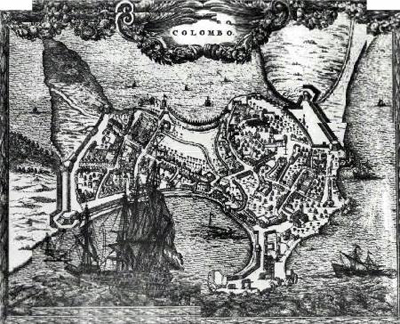
WHAT IS THE SOLUTION FOR INFLATION?

June 14th, 2023

BY EDWARD THEOPHILUS

Inflation is a term that expresses everywhere without a practical solution. This term reiterates in many countries without a solution and policymakers expressed the term for covering incapability and the economic history of Sri Lanka before European invasions gave a successful solution to inflation, it is valid for today too.

The meaning of inflation has three definitions: a cost push, b demand pull, and uncontrollable price creasing of goods and services.  In history, economic planners in Sri Lanka used boosting production and services. As the successful solution, boosting production and solution is the theoretical and practical answer for inflation.

Nobody talks about this solution and reiterates the term without a solution.  Why policymakers in Sri Lanka cannot explain the success of historical strategy to control inflation that support to make profits to business people from the producers of rural community.

When I was small, my parents educated to gain knowledge and skills to write used by pens and make producers using a mammorty (agricultural equipment used by farmers) and it was a successful strategy to control inflation, however, many production and service companies love to inflation because they can make more profits when there is an inflation. In the 1960s, monetarists advised charging inflationary tax, but the actual impact was further increasing prices.

The government of Sri Lanka must launch a production initiative rather than blaming for inflation. The basic aspect of the price theory is when supply increases, the price will come down. This theory was known by kings and queens, in history, however, modern economic advisors are silent and talk hard words and support for making profits for business people.        

Friedrich Nietzsche and his Philosophy

June 14th, 2023

Ruwan M Jayatunge M.D. 

Recently I had the urge to re-visit some of my writings on Friedrich Nietzsche. This occurred after I had a brief exchange of ideas with Dr. Mahinda Pathirana. As far as I know, Mahinda Pathirana has extensively written about Nietzsche.  For me Friedrich Nietzsche is an enigma. I am still discovering him.  

Nietzsche came from a very pious family and his love for Christianity was immense. However untimely deaths of his father and his brother lead  Nietzsche to view Christianity through a critical lens. His psychological trauma transformed him to become a so-called anti-Christ. In later years he became a destroyer of Christianity as well as the destroyer of metaphysics. He used the title “anti-Christ as a mark of distinction. 

Nietzsche stated that there are no facts, only interpretations.  He introduced a philosophy of culture. He introduced the antithesis of nature. Nietzsche believed that human beings have no intrinsic values. For Nietzsche, humans are predatory animals. He found no value in suffering. He further elucidated that suffering has no meaning. For  Nietzsche strength was the ultimate virtue. He admired Wagner, idealized masculinity, and wrote about ” will to power”. 

Nietzsche’s intellectual vandalism was prominent. He was”philosophizing with a hammer”. There is racism, antisemitism, cruelty, and misogynism in his works. Yet the Western world cannot evade Nietzsche’s philosophy. There are no canonical interpretations in his work, only oxymoronic constructions.  

Nietzsche gave us the courage to question our convictions. He was the neo-Socrates, rather neo-Socrates of subjectivity. We can say that Nietzsche was the son of Charles Darwin and the brother of Bismarck. 

Ruwan M Jayatunge M.D. 

ජනපතිගේ අනුදැනුමෙන් කරන  කුරුන්දි ඉඩම් මංකොල්ලය අනුමත කරමුද?

June 14th, 2023

මතුගම සෙනෙවිරුවන්

              මුලතිවු දිස්ත්‍රික්කයේ තන්නිමුරුප්පු වසමේ පිහිටා තිබෙන ‌ෙඑතිහාසික කුරුන්දි විහාරය සම්බන්ධව  දෙමළ ජාතික සන්ධානයේ මනත්‍රීවරු සමග පැවති සාකච්ඡාවේ දී ජනපතිවරයා කළ ප්‍රකාශය මෙරට  ව්‍යවස්ථාදායක බලය අභියෝගයට ලක් කරන්නකි.කුරන්දි  අවට පිහිටා තිබෙන නාගචෝල වන රක්ෂිතය 1932 දී දැඩි වන රක්ෂිතයක් ලෙසට ගැසට් කර ඇත. එහි වපසරිය හෙක්ටයාර් 6825 කි. මෙම වන රක්ෂිතය තුළ අක්කර 78 ක ඉඩම් ප්‍රමාණයක  කුරුන්දි  විහාර පුරාවිද්‍යා රක්ෂිතය පැතිරී පවතී. 2019- 2020 කාල වකවානුවේ දී  වවුනියා පුරාවිද්‍යා කාර්යාලය විසින් කරන ලද ගවේෂණයකින් පසුව අක්කර 229 ක ප්‍රදේශයක් පුරා පුරාවිද්‍යා නටබුන් තිබෙන බවට හඳුනා ගන්නට යෙදුණි. 1905 දී එච්.සී.පී. බෙල් පුරාවිද්‍යා කොමසාරිස් වරයා විසින් කරන ලද සොයා බැලීම් වල දැක්වෙන්නේ මෙම වපසරිය තුළ පිහිටා තිබෙන්නේ  කුරුන්දි නගරය බවයි. ආරාම සංකීර්ණය පමණක් නොව පොකුණු මාළිගා පධාන ඝර ගල් පාලම් ආදී වැදගත් පුරාවස්තු මෙම ප්‍රදේශය පුරාවටම පැතිරී තිබේ.

     1940 පුරාවස්තු ආඥා පනත අනුව පුරාවිද්‍යා රක්ෂිත නිල වශයෙන් ගැසට් කිරීමේ බලතල අයිති වන්නේ පුරාවිද්‍යා අධ්‍යක්ෂ ජනරාල් තුමාගේ සීමාව ට යටත්වයි.ශාස්ත්‍රීය ගවේෂණ නිගමන මත පුරාවිද්‍යා රක්ෂිත ගැසට් කිරීමේ ක්‍රියාවලිය සිදු වෙයි. මෙම බලය කිසිවෙකුට අභියෝග කළ නොහැකිය.නමුත් 2023 ජනවාරි 11 මෙම බලයට අභියෝග කරමින් ජනපති කාර්යාලයෙන් ලිපියක් නිකුත් කර තිබේ.පුරාවිද්‍යා රක්ෂිත ගැසට් කිරීමේ දි අමාත්‍ය මණ්ඩලයට ඉදිරිපත් කල යුතු බව එම ලිපියේ දැක්වෙයි. ඊට අමතරව 2023 මැයි 10 දින  ජනපති ලේකම් කාර්යාලයේ පැවති ඉඩම් පිළිබඳ රැස්වීමේ දී ජනපතිවරයා දක්වන්නේ 1985 ඉඩම් පරිහරණ සැලැස්මට අනුව කටයුතු කළ යුතු බවයි. 1983 දී ඉඩම් හා මහවැලි සංවර්ධන අමාත්‍යංශය පිහිටුවාලීමෙන් පසුව ඉඩම් පරිහරණය පිළිබඳ කටයුතු කිරීමට ආයතනයක් පිහුටුවනු ලැබිණ. 1985 සිට එම ඉඩම් පරිහරණය පිළිබඳ කටයුතු කරන්නේ එම ආයතනයයි  නමුත් 2007 වර්ෂයේ දී මෙම ඉඩම් පරිහරණ කටයුතු තවත් නවීකරණය වෙමින් අක්ශාංෂ හා දේශාංෂ අනුව ඉඩම් හඳුන ගැනීමද පරිඝනකගත කිරීමද සිදු වෙමින් පවතී. දැන් ජනපතිවාරයා ගේ ප්‍රකාශය රැගෙන බලමු. ඔහු පවසන්නේ 1985 ට ආපසු යා යුතු බවයි. එය සම්පූරණයෙන්ම අවිද්‍යාත්මක ක්‍රියාවලියිකි. නමුත් එහි යථාරථය නම් 1985 ට පෙර උතුර සහ නැගෙනහිර පළාත් වල හඳුනාගත් පුරාවිද්‍යා ස්ථාන නම් කොට තිබුණේ 276 ක් පමණක් වීමයි. නමුත් වර්තමානය වන විට එය1700 දක්වා පුළුල් වී තිබේ. තවමත් කිලිනොච්චි ද්ස්ත්‍රික්කය සම්පූර්ණයෙන්ම ආවරණය වී නොමැත.

    ජනපතිවරාය සහ දෙමළ ජාතික සන්ධානය අතර පැවති සාකච්ඡාවේ දී ඉස්මතු වූ ඉඩම් ගැටළුව ඇත්තේ මෙතැනයි.කුරන්දි විහාරයට මෙතරම් ඉඩම් කුමටදැයි ඔහු ප්‍රශ්ණ කරයි. මෙතනදී 1905 බෙල් වාර්තාවේ සඳහන් කුරුඳු නගරය ගැන ජනපති වරයාට මතක් කිරීමට අනුර මනතුංග මහතාට හැකි වූයේ නැත. කුරන්දි විහාරය අසල අක්කර පහක් වන රක්ෂිතය ගැන කතා කිරීමේ දී ද ඒවා 2019 වසරෙන් පසු දෙමළ ජාතික සන්ධානයේ සෂි කුමාර් නම් ප්‍රාදේශිය දෙශපාලනඥයා විසින් කපා දමන ලද නාග චෝල රකෂිතයේ කොටසක් බව කියන්නට අනුර මනතුංග මහතාට දැනුම තිබුණේ නැත. සෂි කුමාර් නමැත්තා ඒ වන විටත් අක්කර 100පමණ ප්‍රමණයක් රකෂිත ඉඩම් කපා දමා කුඹුරුකරන්නෙකි. සාමාන්‍ය දෙමල ජනතාවට මෙහි ඉඩම් තිබෙන්නේ ඉතාමත් සීමිතවයි.

 රනිල් වික්‍රමසිංහ ජනපතිවරායා පුරාවිද්‍යා අධ්‍යක්ෂ ජනරාල්ට නියෝග ලබා දෙන්නේ මායිම් කණු ගලවා ඉඩම් නිදහස් කරන ලෙසටයි. නමුත් මෙය නාග චෝල රක්ෂිතය බවද වන සංරකසන ආඥා පනත අනුව එය කළනොහැකි බවද  පැහිදිලි ලෙසට ප්‍රකාශ වූයේ නැත. මින් ප්‍රයෝජන ගත් ජනපති වාරයා ඉතිහාසය පීළිබඳ වරදි තොරතුර ඉදිරිපත් කරමින් පුරාවිද්‍ය අධ්‍යක්ෂ ජනරාල් තුමාට තර්ජන කරන ලද්දේය. අමාත්‍ය මණ්ඩල තීරණ නොසලකා ක්‍රියා කරන්නේ නම් ඉල්ලා අස්විය යුතු බවට ජනපති වරයා තර්ජනය කළ බව මෙහිදී නිල නොවන මට්ටමෙන් අනාවරණය වෙයි. එවැනි තත්වයක් යටතේ අනුර මනතුංග මහතාට තව දුරටත් සිය ධූරයේ කටයුතු කළ නොහැකිය. විශ්ව විද්‍යාල උගතෙකු වන අනුර මනතුංග මහතා රනිල් වික්‍රමසිංහ වැනි කෝලම් කාරයෙකු උද්දච්ච ඒකාධිපතියෙකු ඉදිරියේ හෑල්ලු වන්නට කැමති වන්නේ නැත. මීට ප්‍රථම හිටපු අධ්‍යක්ෂ ජනරාල් ආචාර්ය සෙනරත් දිසානායක මහතා ටද රනිල් වික්‍රමසිංහ මහතා බලපෑම් කර තිබේ. කලුදිය පොකුණ පුරාවිද්‍යා රක්ෂිතයේ ගල්ලෙනක් හෝටලයකට ලබා දිය යුතු බවට එහිදී ඔහු නියෝග ලබා දී තිබුණි. එය නොසලකා හැරි බැවින් සෙරත් දිසානායක මහතා ධූරයෙන් ඉවත් කරනු ලැබිණ. පසුව පවැති විනය පරීක්ෂණයෙන් පසු ඔහු නිදොස් කොට නැවත සේවයේ පිහිටවනු ලැබිණ.

     පස්දමා ගොඩ කර පස්දුන්කොරලය සැදුවා යැයි ගල් පැලෙන බොරු කියූ ජනපති වරයාගේ ඉතිහාස දැනුම ගැන කවුරුත් දනී. ඔහු හිතාමතාම ආණ්ඩුක්‍රම ව්‍යවස්ථාමය තත්වයන් උල්ලංඝන කරන්නෙකි. ව්‍යවස්ථාවේ 33(ඊ) වගන්තිය අනුව යම් ලිඛිත නීතියකට පටහැනි නොවන්නාවූ ක්‍රිය කිරීමට පමණක් ඔහුට බලය තිබේ. විධායකය ව්‍යවස්ථාදායකය සහ අධිකරණ බලය මැනවින් ආණ්ඩුක්‍රම ව්‍යවස්ථාවේ දක්වා තිබියදී වත්මන් ජනපති වරයා හැසිරෙන්නේ ඩෝසර ක්‍රියාකරුවෙකු ලෙසිනි. ඔහු සියලුම නීති චාරිත්‍ර සම්ප්‍රදායන් ඩෝසර කරමින් හිතුවක්කාර ලෙසට අනීතිකව වැඩ කරන්නෙකු බවට පත්ව තිබේ. කුරන්දි විහාර ගැටළුවේ දී ඔහු දෙමළ ජාතික සන්ධානයට සහ ඉන්දියාවේ භූ දේශපාලනික න්‍යයා පත්‍රයට අනුව හැසිරෙන රූකඩයක් බවට පත් ව තිබේ. අන්තවාදීන්ට මෙම ආගමික සංහරයන් කිරීමටද නිතියෙන් රැක වරණ ලැබීමටද හැකියාව ලැබී තිබෙන්නේ මේ නිසයි. උතුරු පලාතේ බෞද්ධ ස්මාරකයන් උඩ ඉන්දියාවෙන් ආනයනය කරන ලද ශිව ලිංග තැන්පත් කොට බෞද්ධ ඉතිහාසය විකෘත කිරීමට මේ ආණ්ඩුව ඉඩදී තිබේ.ඒ පීලිබඳ පුරාවිද්‍යා නීතිය ක්‍රියාත්මක කිරීම වැළැක්වීමට පොලිසියට බල කර තිබේ. රනිල් වික්‍රමසිංහයන්ට තිරියායේ හිරි ගඩු සෑය ලයිට් හවුස් එකක් පමණකි. එංගලන්ත සභාවේ බලවත් අනුගාමිකයන් 1819 සිටම ලංකාව උතුර සහ දකණ වශයෙන් බෙදා දක්වමින් දෙමළ රට සහ සිංහලරට වශයෙන් ප්‍රසිද්ධියට පත් කලේ යම් සේද එහි වර්තමන් අනුප්‍රාප්තිකයා වන වත්මන් ජනපති වරයා අකාශ චෛත්‍යකට ලයිට් හවුසියක්  යැයි කීම පුදුමයක් වන්නේ නැත.ඔහු සිය පූරාවගාමීන් අනුව යමින් උතුරේ දෙඹළ රට සහ දකුණේ සිංහල රට වශයෙන් බෙදා දක්වමින් බරපතල දේශපාලනික සූදුවක නිරත වී සිටී.

මතුගම සෙනෙවිරුවන්

What Is Depression?

June 14th, 2023

Dr Ruwan M Jayatunge M.D.

Depression is a mood disorder, and it represents one of society’s most costly and challenging health burdens (Robinson, 2018). According to the American Psychiatric Association, depression is one of the most common mental disorders in the world. Although Depression is a common disorder it is one of the poorly understood psychiatric conditions (Robinson & Roiser, 2016). In depression, the body, mood, and thoughts are affected. Depression is characterized by persistent low mood, loss of interest and enjoyment, and reduced energy.  Depression is frequently taking a chronic course (Cladder-Micus et al., 2015).

A major depressive episode is characterized by a low mood or an inability to experience pleasure (anhedonia), or both, for more than 2 weeks, combined with several cognitive and vegetative symptoms and the occurrence of distress or impairment (APA, 1994). Major depressive disorder is caused by the cumulative impact of genetics, adverse events in childhood, and ongoing or recent stress (Marije et al., 2009). Major depressive disorder affects more than 10% of the population (Hales et al., 2014) and with a lifetime prevalence of over 15% (Irwin& Miller, 2007).  It is associated with significant costs in quality of life and lost work productivity (Culpepper et al., 2015), and high relapse rates (Cladder-Micus et al., 2017).

Depression has many negative consequences. Self-harm and suicidal behavior exist at all times during major depressive episodes. Depression is the cause of over two-thirds of the 30,000 reported suicides in the U.S. each year (White House Conference on Mental Health, 1999). Sometimes depressed individuals experience psychotic symptoms.  The World Health Organization (WHO) predicts that by the year 2030 depression will be the leading cause of disability worldwide (World Federation for Mental Health, 2012).

Depression and Risk of Suicide 

People with depressive disorder have an increased risk of experiencing suicidal thoughts, planning suicide, carrying it out and even dying from suicide. About one-half to two-thirds of all suicides are by people who suffer from mood disorders (Isometsä, 2014). Depressive thoughts and loneliness are potential risk factors associated with depression and suicidal ideation. Moreover, a history of self-injurious thoughts and behaviors is consistently cited as one of the strongest predictors of future suicidal behavior( Ribeiro et al., 2016). In the majority of patients with mood disorders, suicidal behavior is predictable and preventable. Successful, acute, and long-term treatment of these patients substantially reduces suicidal behavior even in high-risk populations (Rihmer, 2007).

Post-Partum Depression (PPD) 

Postpartum depression refers to non-psychotic depression that occurs shortly after childbirth and it is often unrecognized and untreated.  Postpartum depression has been associated with disruptions in maternal–infant interactions. Postpartum depression can manifest with symptoms of mood lability, tearfulness, anxiety, insomnia, and irritability.  In some cases, a woman will not disclose that she has psychological problems but will instead focus on physical symptoms.  Women with PPD may lose interest or no longer enjoy activities that used to give them pleasure.  Sleep disturbance is a common symptom of depression. Psychomotor retardation ( physical feelings of being slowed down, moving slowly, experiencing sluggishness) or Psychomotor agitation ( refers to feelings of restlessness, jumpy, and on edge) is often noticed.  Some individuals have excessive and inappropriate feelings of guilt or worthlessness. 

Treatment of Depression 

The treatment of depression is important because people with untreated depression have a lower quality of life, a higher risk of suicide, and worse physical outcomes Medications and psychotherapy are effective for most people with depression. Antidepressants are the most effective medication for treating depression symptoms. Stopping treatment abruptly can cause withdrawal-like symptoms, and quitting suddenly may cause a sudden worsening of depression.

Drug Therapy in Depression

There are various medications for the treatment of depression.  Antidepressant medications are most commonly used to help relieve the distress of depression. The most commonly used antidepressants:  Tricyclic antidepressants (TCAs) Selective serotonin reuptake inhibitors (SSRIs) Selective serotonin noradrenaline reuptake inhibitors (SNRIs). Antidepressants aim to increase the availability of neurotransmitters like serotonin.  Antidepressants can take up to several weeks to be fully effective.

Psychotherapeutic Interventions in Depression

Psychotherapy is the process of treating psychological disorders with verbal and psychological techniques. Various psychotherapeutic interventions have been developed to treat depression, including cognitive-behavioral, interpersonal, humanistic, and psychodynamic approaches.  Most types of psychotherapy foster a relationship between therapist and client to help individuals identify and overcome negative thoughts or behavioral patterns. 

Cognitive-Behavioral Therapy (CBT)

CBT focuses on addressing both the negative thought patterns and the behaviors that contribute to depression. CBT is based on cognitive theory and was developed by Aaron Beck for anxiety and depression. Beck developed specific procedures to help challenge a depressive client’s assumptions and beliefs and help patients learn how to change their thinking to be more realistic and thus leading to feeling better. CBT targets current problems and symptoms and focuses on recognizing the relationship between behaviors, thoughts, and feelings and changing patterns that reduce pleasure and interfere with a person’s ability to function at their best.

Interpersonal Psychotherapy (IPT) 

Research has demonstrated that depression often follows a disturbing change in one’s interpersonal environment such as the death of a loved one (complicated bereavement), a struggle with a significant other (role dispute), or some other life upheaval: a geographic or career move, the beginning or ending of a marriage or other relationship, or becoming physically ill (a role transition). Interpersonal psychotherapy focuses on improving problematic relationships and circumstances that are most closely linked to the current depressive episode. The central idea of IPT is that psychological symptoms can be understood as a response to current difficulties in everyday relationships with other people.

Psychodynamic Therapy 

Psychodynamic therapy for depression refers to a type of therapy that involves examining a person’s past in order to fix their present situation. This type of therapy has its origin in Freudian psychoanalysis. Psychodynamic therapy focuses on unconscious thoughts, early experiences, and the therapeutic relationship to understand current challenges, improve self-awareness and support the patient in developing more adaptive patterns of functioning.  Psychodynamic therapy is designed to help patients explore the full range of their emotions, including feelings they may not be aware of. By making the unconscious elements of their life a part of their present experience, psychodynamic therapy helps people understand how their behavior and mood are affected by unresolved issues and unconscious feelings.

Dialectical Behavior Therapy   

DBT was developed by Marsha Linehan, Ph.D., a cognitive behavioral psychologist. In her work with patients who had chronically suicidal tendencies or self-harming behavior. Dialectical behavior therapy (DBT) is a modified type of cognitive behavioral therapy (CBT). Its main goals are to teach people how to live in the moment, develop healthy ways to cope DBT teaches tangible skills to regulate and tolerate mood, and modify ineffective behaviors to reduce crises with stress, regulate their emotions, and improve their relationships with others. DBT is effective in the treatment of common symptoms of depressive disorders. DBT helps in Increasing interpersonal effectiveness, Regulating painful emotions, Tolerating emotional distress, and Developing mindfulness skills to help to become fully aware and accepting of the present moment

EMDR

Eye movement desensitization and reprocessing (EMDR) is an evidence-based, highly effective intervention for treating depression. In the studies investigating EMDR as a treatment for depression, results showed the practice to be very effective, especially in cases of trauma-induced depression. This variation of depression is specifically induced by a life-changing event, such as a bereavement, and although trauma-induced depression shares many of the same symptoms as other depressive disorders.  EMDR as a therapy treatment for depression has proven results in tackling the root of the traumatizing memories which enable these negative thoughts. 

Clinical Meditation to Treat Depression 

Meditation is a non-pharmacological intervention and an effective cognitive technique for treating depression. It can change the way that depressed people think and feel about their experiences.

Meditation brings awareness to thoughts and feelings, without making judgments, allowing the individual to become less trapped in his depressive thoughts. Through meditation emotional and cognitive symptoms of depression can be restored. Meditation helps to change the negative core beliefs connected with depression.  Meditation augments emotion regulation.  Practicing mindfulness and self-compassion helps the depressed person to recover efficiently. Meditation helps to reduce depressive rumination and worry. Also, it improves sleep and functionality.

Growing research literature has documented the effectiveness of mindfulness-based interventions for depressive disorders (Hazlett-Stevens, 2012). Mindfulness meditation has been shown to be effective in relieving the suffering of depression (Sanders, 2010). Strauss and colleagues (2014) recommend mindfulness-based interventions for people diagnosed with depressive disorder.  

Written and compiled by Dr. Ruwan M Jayatunge 

King Kavantissa: A Great Character in a New Dimension

June 14th, 2023

By Dr Gamini Kariyawasam Courtesy elanka.com

King Kavantissa A Great Character in a New Dimension - By Dr Gamini Kariyawasam - elnka

pothuvil muhudu vihaaraya king Kavanthissa ( පොතුවිල් හී ඉපැරණි මුහුදු මහා විහාරයේ ,කාවන්තිස්ස නිරිදුන්ගේ ප්‍රතිමාව. )

Dr. Gamini KariyawasamKing Kavantissa and Viharamahadevi deserve the utmost respect of the nation, just like the Gemunu kings who played a crucial role in uniting Sri Lanka in 161 AD. It was once argued by Mr. Senarath Paranavitana that King Kavantissa lost his rightful place in history due to being overshadowed by his heroic son.
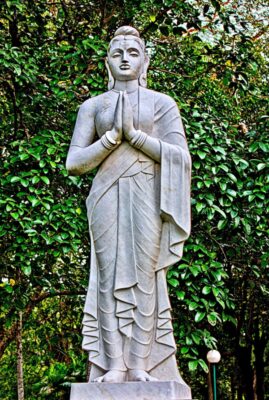
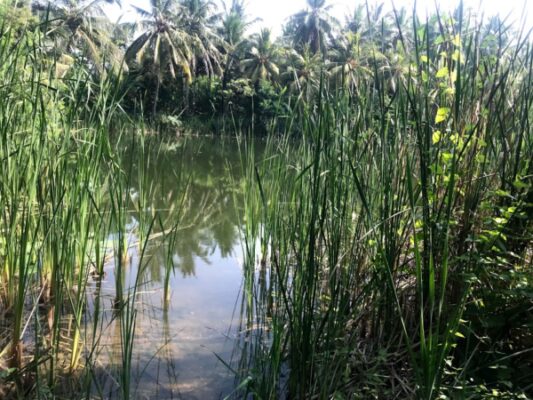
King Kavantissa is credited with creating a prosperous land that set the stage for Prince Gamunu to lead a successful war with ten powerful Giants. His efforts to build numerous temples for the economic prosperity of the country, as well as for fostering harmony among the people and religious devotion, are clearly evident in ancient works like Maha Vamsa, Dhatu Vamsa, and Rasavahini.

Kavantissa, also known as Kaka Wanna Tissa, means someone who has black skin tone like a crow.  King Kavantissa is introduced as ‘Aya Tisha’ in a cave inscription from Samangal in Ampara. Many of the pre Brahmi inscriptions found at Bowatthegala, Kusalankanda, Mottayakallu have also introduced King Kavantissa as Aya Tisha, Ragha Tisha, Gamani Tisha etc.

Kavantissa built an impressive number of one hundred and thirty-eight temples, including Datikakara Pabbata Vihara, Samudda Vihara, Chittala Pabbata Vihara, Badagal Dora Vihara, Kalaka Vihara, Valasgalu Vihara, Kolomthis Gal Vihara, Vilgama Vihara, Dukkha Katra Vihara, Uduguna Vihara, and Kotta Tissa Vihara, among others. The Dhatu Vamsa mentions the performance of pujas in these temples. The author of Thupa Vamsa also points out that the Kavantissa kings built hundreds of temples. However, the inscriptions of Kusalan Kanda and Malayasi Kanda do not clearly indicate the formation of a group of monks for the welfare of the monastic community.

King Kavantissa A Great Character in a New Dimension - By Dr Gamini Kariyawasam - elnka

The statue of Queen Viharamahadevi ( විහාරමහා දේවිය. )

The lineage of Kavantissa’s royalty traces back to Mahanaga Uparaja, a son of King Mutasiva of Anuradhapura, who arrived in the southern land and established the Magama Kingdom. Archaeological evidence confirms that Kavantissa’s father was Gotabhaya, the son of MahaNaga.

When King Kavantissa ascended the throne after King Gotabhaya, Tamil King Elara had already established his power in the north. The ambitious Elaras sought to extend their influence to the southern land, but Kavantissa’s wisdom and foresight allowed him to anticipate this threat. He promptly organized the necessary security measures to thwart any invasion. As part of his strategy, King Kavantissa decided to detain Prince Dighabhaya, the son of a guard, along with his troops at Magam thota, a major bank on the Mahaweli River. Kavantissa had two daughters named Mahila and Samantha, who later entered monastic life, as mentioned in the author of Deepavamsa.

Kavantissa also forged alliances with the rulers of independent regions within the Rohana kingdom, namely Seru Nuwara-Siva, Giri Nuwara-Giri Abhaya, and Lona Nuwara-Mahanaga. By establishing relations with the father of Vihara Maha Devi, he gained significant support from the Kelani kingdom. King Kavantisa took great care to foster these alliances. After the construction of Seru Dagaba (during the 2nd century BC), its administration was entrusted to these regional rulers, while Kelani remained under the jurisdiction of Kavantissa.

Kavantissa’s decision to hand over his sister Soma Deviya to Prince Giri Abhaya, albeit with the intention of ensuring the prince’s safety in the event of an unexpected Elara invasion of Magama, could be seen as somewhat controversial.

According to the author of Rasavahini, Kavantissa sent his son Prince Tissa to protect the Dighavapi area and develop agriculture in the region. This demonstrates Kavantissa’s farsightedness in making necessary arrangements to prevent food shortages before engaging in a war against the enemies.

King Kavantissa A Great Character in a New Dimension - By Dr Gamini Kariyawasam - elnka

Ruins of Kavantissa Palace ( කාවන්තිස්ස මාලිගයේ නටබුන් )

It was King Kavantissa who meticulously planned the groundwork for the victorious Battle of Vijitha Pura, fought by King Gamunu in 162 BC.

King Kavantissa, who fought in the Battle of Vijitapura, pioneered the recruitment of ten powerful Warrior Giants (dasha maha yodayo) into the local army. According to an inscription in Velalullugoda Hill, a man named Aggi Datta served as the chief general of King Kavantissa. In the Kothmale area, an armory was maintained for the production of weapons.

The Mahavamsa reports that King Kavantissa invited his two sons to take oaths after grand arms giving to the Maha Sangha, where a rice pad was left over from the Sangha’s meal. According to the Mahavamsa, Gamunu was 12 years old and Tissa was 10 years old. King Kavantissa expected three commitments from his sons as they consumed the milk rice (kiribath). The princes pledged to honor the clan deities, maintain harmony between the two brothers, and avoid creating discord. The rejection of the third commitment by Prince Gamunu, who left his father’s presence declaring him a great coward, is reported in the Mahavamsa with great surprise.

The actions of the King Kavantissa, in advising their sons against waging war with Elara, were not born out of cowardice but rather a strategic decision to allow sufficient time for the development of the country and the strengthening of the army. To find out a significant source of information about Kavantissa during that time, and a comprehensive study of it could shed new light on the history of Sri Lanka.

There was a strong desire to discover the homeland of King Kavantissa, who should be honored as a great warrior in the nation’s history. Under the guidance of Nirosha Bambaranda, the Archaeology Officer of Yatalatissa Museum, an opportunity arose to explore this event. Many ruins of the Kavantissa royal palace were discovered in the Saddhatissapura village officer domain of the regional secretariat division, in an area called Tikiri Veva Godana, covering approximately 15 acres of land.

King Kavantissa A Great Character in a New Dimension - By Dr Gamini Kariyawasam - elnka

vihaaramaha devee pond ( විහාරමහාදේවී ස්නානය කළ රජ පොකුණ )

The Kavantissa royal palace, where Prince Dutugemunu spent his childhood from 205-161 AD, and Biso Pokuna (pond), where Vihara Maha Devi bathed, can still be observed in the vicinity. There is another small pond nearby known as Kok Pokuna.” It is believed that the young prince used to play water games with his brother Tissa in these Kok Pokuna.

In 2004, this significant archaeological site, located in the Great Forest, was surveyed and measured under the residence number H/TSS/2004/733, with boundary stones placed by the Department of Archaeology. However, since then, several years have passed, and it appears that the Department of Archaeology has overlooked the importance of the Kavantissa period, as no archaeological excavations have been initiated until 2019. Unfortunately, it was observed that the boundary stones placed by the Department of Archaeology in 2004 have been removed by individuals currently occupying the land.

Local villagers have mentioned the existence of stone steps leading to the four Biso ponds. Near these two ponds, remnants of a mohola sluice” dating back to the 2nd-3rd century AD, which controlled the water flow, have been found buried underground. This remarkable and delicate scientific device, used for water control in ancient irrigation technology, has been preserved and exhibited in the Yatalatissa Museum.

On the left side of the pond, there are numerous pottery shards, brick tiles, and foundation stones believed to belong to the early Anuradhapura period, along with remnants of a great wall constructed to protect the palace premises along the compound’s boundary.

Approximately 50 meters away from Biso Pond, the remains of a ruined palace can be found. These stone pillars are larger and taller than the stone pillars of the Lowa Mahapaya, indicating the existence of a multi-story building in the past. One can still see the drill marks used to assemble the stones.

Unfortunately, there is a temporary house built in the vicinity of the rocks and ponds, with a resident cultivating bananas and coconuts in the area. It is crucial that this group be relocated to another site, and the land be handed over to the Department of Archaeology to prevent further damage to the valuable artifacts at this archaeological site. The relevant authorities should pay immediate attention to rectifying the Department of Archaeology’s decision to remove Professor Raj Somadeva, who had been conducting research on this archaeological plot a few years ago.

King Kavantissa A Great Character in a New Dimension - By Dr Gamini Kariyawasam - elnka

serunuvara sthupaya ( කාවන්තිස් නිරිදුන් කළ සේරුනුවර ස්තුපය ප්‍රතිසංස්කරණයට පෙර. )

To preserve and reveal the historical information buried in the Kingdom of Magampura, it is highly recommended that, the measurements be conducted once again, new boundary stones be placed, and archaeological excavations in the Magampura Kingdom be urgently resumed. Immediate attention from the relevant authorities is appreciated.

Dr. Gamini Kariyawasam                                      gaminee@gmail.com

මාර්ගගත ක්‍රමය (Online) ඔස්සේ විදේශ ගමන් බලපත්‍ර අයදුම්පත් භාර ගැනීමේ ක්‍රමවේදය සමාරම්භක අවස්ථාව

June 14th, 2023

අකිල තෙන්නකෝන් මහජන ආරක්ෂක අමාත්‍යවරයාගේ මාධ්‍ය ලේකම්

ආගමන හා විගමන දෙපාර්තමේන්තුව විසින් මහජනතාවට වඩාත් පහසුවෙන් විදේශ ගමන් බලපත්‍ර ලබා ගැනීමට හැකි වන සේ මාර්ගගත ක්‍රමය (Online) ඔස්සේ අයදුම්පත් ඉදිරිපත් කිරීමට හැකි ක්‍රම වේදයක් හඳුන්වාදීමට සියලු කටයුතු සැලසුම් කර තිබෙන බව මහජන ආරක්ෂක අමාත්‍ය ටිරාන් අලස් මහතා පවසයි.

එසේ මාර්ගගතව අයදුම්පත් ඉදිරිපත් කරනු ලබන අයදුම්කරුවන්හට ඔවුන්ගේ ඇඟිලි සලකුණු, දිවයින පුරා පිහිටි ප්‍රාදේශීය ලේකම් කාර්යාල 51 කට අනුබද්ධ, පුද්ගලයන් ලියාපදිංචි කිරීමේ දෙපාර්තමේන්තුවේ උප කාර්යාලවදී ලබා දීම සිදුකල හැකිය.

විදේශ ගමන් බලපත්‍ර අන්තර්ජාලය ඔස්සේ නිකුත් කිරීමෙ අතිගරු ජනාධිපති රනිල් වික්‍රමසිංහ මහතාගේ ප්‍රධානත්වයෙන් හෙට හෝමාගම ප්‍රාදේශීය ලේකම් කාර්‍යාලයේදී 15.06.2023 එනම් හෙට  දිනයේ සිට ආරම්භ කිරීමට නියමිත බව ටිරාන් අලස් මහතා පවසයි.

නව වැඩපිලිවෙල ආරම්භ කිරීමෙන් පසුව කිසිවකුට අවශ්‍ය නම් ආගමන විගමන දෙපාර්තමේන්තුව වෙතත් පැමිණ අයදුම්පත් බාර දී විදේශ ගමන් බලපත්‍ර ලබා ගැනීමට හැකියාව ඇති බවද ඔවුන් කියා සිටී.

විදේශ ගමන් බලපත්‍ර ලබාදීමේ එක්දින සේවාව ද සාමාන්‍ය පරිදි සිදු කරන බවත්

මෙම නව වැඩපිළිවෙළ යටතේ විදේශ ගමන් බලපත්‍රයක් අයදුම් කළ පසු අයදුම්කරුවන්ට දින තුනක් ඇතුළත විදේශ ගමන් බලපත්‍රය කුරියර් සේවාවකට ලබා දෙන බවත් ඉන් අනතුරුව විදේශ ගමන් බලපත්‍රය නිවසටම ගෙන්වා ගත හැකි බව මහජන ආරක්ෂක අමාත්‍ය ටිරාන් අලස් මහතා පවසයි.

ඇඟිලි සලකුණු ලබාදිය හැකි ප්‍රාදේශීය ලේකම් කාර්යාල

දිස්ත්‍රික්කයප්‍රාදේශීය ලේකම් කාර්යාල
අම්පාරසමන්තුරේ, පොතුවිල්
අනුරාධපුරනුවරගම් පළාත මධ්‍යම, කැකිරාව, හොරොව්පතාන
බදුල්ලමහියංගනය, හපුතලේ
මඩකලපුවකෝරළෙයිපත්තු (වාලච්චේනයි), කාත්තන්කුඩි
කොළඹසීතාවක, හෝමාගම
ගාල්ලකරන්දෙනිය, අක්මීමන, නෙළුව
ගම්පහමීගමුව, මීරිගම, ගම්පහ
හම්බන්තොටතංගල්ල, තිස්සමහාරාමය
යාපනයචාවකච්චේරි, පේදුරුතුඩුව
කළුතරඉංගිරිය, මතුගම, පානදුර
මහනුවරගම්පොල, කුන්ඩසාලේ, පූජාපිටිය
කෑගල්ලගලිගමුව, රුවන්වැල්ල
කිලිනොච්චියකරච්චි
කුරුණෑගලපු.ලි.දෙ. වයඹ පළාත් ප්‍රාදේශීය කාර්යාලය, කුලියාපිටිය, නිකවැරටිය 
මන්නාරමමන්තායි බටහිර
මාතලේනාවුල
මාතරඅතුරලිය, දෙවිනුවර
මොනරාගලබුත්තල
මුලතිව්මුලතිව්
නුවරඑළියඅඹගමුව, වලපනේ
පොලොන්නරුවඇළහැර, දිඹුලාගල, හිඟුරක්ගොඩ
පුත්තලමපුත්තලම, හලාවත
රත්නපුරබලංගොඩ, කුරුවිට, ඇඹිලිපිටිය
ත්‍රිකුණාමලයකින්නියා
වව්නියාවවෙංගලසෙට්ටිකුලම

අකිල තෙන්නකෝන් මහජන ආරක්ෂක අමාත්‍යවරයාගේ මාධ්‍ය ලේකම්

කම්කරු නීති වෙනස් වෙන හැටි

June 14th, 2023

Manusha Media

* කොන්දේසිවලට යටත්ව කාන්තාවන්ට රාත්‍රිෙය් සේවය යෙදීමට අවශ්‍ය ප්‍රතිපාදන නව කම්කරු නීතිය යටතේ ලබාදෙනවා

*විදේශීකයින් ලංකාවේ සේවය කිරීමේදී, එය විධිමත් කිරීම සදහාත් නියාමනය සදහාත් නීති සකස් කරනවා

* සේවකයින් සේවා ස්ථානයේ සුරක්ෂිතතාවය හා සෞඛ්‍ය ආරක්ෂාව සහතික කිරීම සදහා නෛතික ප්‍රතිපාදන සකස් කරනවා

*සමාජ ආරක්ෂණ අරමුදලක් මගින් මාතෘ ප්‍රතිලාභ, සේවක සෞඛ්‍ය හා විරැකියාවකදී වන්දි ලබාදෙන සමාජ ආරක්ෂණ පද්ධතියක් සකස් කිරීමට නව කම්කරු නීතිවලට ඇතුළත් කරනවා

* අපේ බලාපොරොත්තුව කම්කරු නීති මගින්  2048 ජයගත හැකි නූතන ලෝකයට ගැලපෙන වැඩ ලෝකයක් නිර්මාණයක් කිරීමයි

* අධ්‍යාපන ක්‍රමය සම්පූර්ණ ප්‍රතිසංස්කරණයකට යන්නේ නැතිව රටේ දැන් තියෙන ප්‍රශ්ණ වෙනස් කරන්න බෑ

* පීතෘ නිවාඩු ලබාදීම සදහා වන නීති ගෙන එනවා

* පඩි පාලක සභා ආඥා පනතේ, සාප්පු හා කාර්යාල සේවක පනතේ  පවතින වෙනස්කම් නැති කරලා සැමට සමානව කටයුතු කරන ආකාරයේ නීති සම්පාදනය කරනවා

*ජාතික වේතන කවුන්සිලයක් හදුන්වා දෙනවා. ඒ මගින් කාලීන හා පිළිගත් ක්‍රමවේදයන්ට අනුව අවම වැටුප් ක්‍රමයක් හදුන්වාදීමට කටයුතු කරනවා

ජනාධිපතිතුමාගේ සංකල්පය තමයි නිදහස ලබා අවුරුදු සියය පිරෙන 2048 වර්ෂය වන විට වත් අපි දියුණු රටක් විය යුතුයි කියන එක. ඒ ඉලක්කය ඇතුව තමයි වත්මන් රජය ප්‍රතිපත්ති සම්පාදනය කරල තියෙන්නෙ. අද අපිට සිද්ධ වෙලා තියෙනව තප්පරෙන් තප්පරේ වෙනස් වෙන තාක්ෂණයට අනුව තප්පරෙන් තප්පරේ වෙනස් වෙන ලෝකයට අනුව අපේ ශ්‍රමිකයාව නිර්මාණය කිරීමට. ඒ සඳහා අපට ගොඩක් වෙනස්කම් කිරීමට සිදුවෙනව. ආයෝජන එන්න ඕන රට ඇතුළට. තියෙන ව්‍යාපාර ප්‍රසාරණය කරන්න ඕන. රැකියා අවස්ථා වැඩි කරන්න ඕන. එහෙම බැරි උනොත් රටක් විදිහට අපි අසමත් වෙනව යැයි කම්කරු හා විදේශ රැකියා අමාත්‍ය මනුෂ නානායක්කාර මහතා පැවසුවේය.

කම්කරු නීති සංශෝධනය සම්බන්ධයෙන් අමාත්‍යාංශය සති හතක් තිස්සේ කැදවා තිබූ මහජන අදහස් ලබාගැනීමේ සැසිවාරවලදී ඉදිරිපත්වූ යෝජනාවන්හි සංක්ෂිප්තයක් ඉදිරිපත් කරමින් අමාත්‍යවරයා මේ බව පැවසුවේය

එහිදී වැඩිදුරටත් අදහස් දැක්වූ අමාත්‍යවරයා මෙසේද කීවේය.

අද මෙම සංවාද මණ්ඩපයට සහභාගි වූ ගරුතර මහා සංඝ රත්නය ඇතුළු සියළු දෙනාගෙන් අවසරයි. විශේෂයෙන්ම අද රාජ්‍ය අංශය නියෝජනය කරමින් වෘත්තීය සමිති විශාල ප්‍රමාණයක් සහභාගි වී සිටිනව. ඒ වගේම සේවා යෝජකයන් නියෝජනය කරමින් ද විශාල පිරිසක් මෙම අවස්ථාවට සහභාගි වී සිටිනව.
මේ වැඩපිළිවෙළ පිළිබඳව මූලික හැඳින්වීමක් නොකළොත් අද දවසේ මුල් වතාවට සහභාගි වන අයට ලොකු අසාධාරණයක් වෙන නිසා අපි අද මේ රැස්වෙන කාරණය සම්බන්ධයෙන් පොඩි හැඳින්වීමක් කරන්න බලාපොරොත්තු වෙනව.
කම්කරු නීතිය වෙනස් කරන්න ඕන කියන කාරණය දශක ගණනාවක් තිස්සෙ කතා උනා. හැබැයි විවිධ හේතු මත ඒක වෙනස් කරන්න බැරි උනා. කම්කරු නීතිය වෙනස් කරන්න උත්සාහ කරපු එවක සිටි කම්කරු කොමසාරිස් ජනරාල්තුමා, ඒ කියන්නෙ වත්මන් කම්කරු අමාත්‍යාංශ ලේකම්තුමාට කම්කරු කොමසිරිස් ජනරාල්ධුරය දාලා යන්න උනා. ඒ කියන්නෙ ඒක ඒ තරම්ම භයානක දෙයක්. ඒ තරම්ම සංවේදී වැඩක්. ඒ නිසාම තමයි අපි කම්කරු නීතිය සකස් කිරීම සඳහා ඉතාම පාරදෘෂ්‍ය වැඩපිළිවෙළක් සකස් කෙරුවෙ.
අපි පහුගිය දෙසැම්බර් මාසයේදී ජාතික කම්කරු උපදේශක සභාව දැනුවත් කළා කම්කරු නීතිය වෙනස් කිරීමට අපි බලාපොරොත්තු වෙනව කියල. ඊට පස්සෙ අපි ජාතික කම්කරු උපදේශක සභාවටත් නීත්‍යානුකූලව සාමාජිකයන් පත්කළා.
මේ නව කම්කරු නීතිය සකස් කිරීමේ කටයුත්තේදී ඒ සම්බන්ධයෙන් සියළුම මාධ්‍ය මගින් ජනතාව දැනුවත් කෙරුව. සියළුම වෘත්තීය සමිතිවලට ආරාධනා කෙරුව. ජාතික කම්කරු උපදේශක සභාව නියෝජනය නොකරන වෘත්තීය සමිතිවලට පවා අපි ආරාධනා කළා මේ සම්බන්ධයෙන් යෝජනා සහ අදහස් ඉදිරිපත් කිරීමට. සියළුම වාණිජ මණ්ඩලවලට අපි ආරාධනා කළා ඔවුන්ගේ අදහස් හා යෝජනා අපට ලබා දෙන්න කියල. මේ සම්බන්ධයෙන් ප්‍රාමාණික දැනුමක් තිබෙන සියළු දෙනා  සඳහා අපි මේ සභාව විවෘත කළා. සියළුම දේශපාලන පක්ෂවලට අපි ආරධානා කළා. සමස්ත සමාජයටම මේ සම්බන්ධයෙන් ඔවුන්ගේ අදහස් හා යෝජනා ඉදිරිපත් කිරීමට අපි අවස්ථාව ලබාදුන්නා. ඒ අනුව ඉදිරිපත් වූ දහස් ගණනක් අදහස් හා යෝජනාවලින් සකස් කරගත් මූලික ලියවිල්ල මම අද තමුන්නාන්සේලාට ඉදිරිපත් කරනව.
ජාතික කම්කරු උපදේශක සභාවෙදි ප්‍රශ්ණයක් ආව එම සභාවට කාන්තා නියෝජනයක් නැහැ කියල. ජාතික කම්කරු උපදේශක සභාව නියෝජනය කරන වෘත්තීය සමිතිය කුමක්ද කියල තීරණය කිරීමේ බලය අපට තිබුණට ඒ සඳහා සහභාගි වන නියෝජිතයා කවුද කියල තීරණය කරන්නේ අදාල වෘත්තීය සමිතිය විසිනුයි. සුදුසුකම් අනුව ජාතික කම්කරු උපදේශක සභාව නියෝජනය කරන්න අපි වෘත්තීය සමිතිවලට අවවස්ථාව ලබාදීල තියෙනව. නමුත්, ඒ වෘත්තීය සමිතිවලත් භාගෙට භාගයක් ඉන්නෙ කාන්තාවො වුවත් ඒ වෘත්තීය සමිතිවල උඩ පුටුවල ඉන්න අය ඒ ඒ සමිතිය නියෝජනය කරන නිසා ඒ කිසිම වෘත්තීය සමිතියක් අපිට මේ සභාව නියොජනය කරන්න කාන්තාවක් පත්කරල එව්වෙ නෑ. ඒ නිසා අපි නැවත වතාවක් වෘත්තීය සමිතිවලින් ඉල්ලීමක් කළා පුළුවන්නම් කාන්තාවක් පත්කරල එවන්න කියල. එහෙම නැත්නම්, ජාතික කම්කරු උපදේශක සභාව තීරණය කළා අමාත්‍යාංශය විදිහට මේ සම්බන්ධයෙන් සමික්ෂණය කරල නැවත වතාවක් හොයල බලල කාන්තාවන් නියෝජනය කරන වෘත්තීය සමිතිවලින් කාන්තා නියෝජනයක් එම සභාවට පත්කිරීමට.  
අපි සකස් කරන නව කම්කරු නීතිය ඉතාම ඉක්මනින් මේ ජාතික කම්කරු උපදේශක සභාවට ඉදිරිපත් කරල ඉන් අනතුරුව කැබිනට් මණ්ඩලයටත් පාර්ලිමේන්තුවටත් ඉදිරිපත් කිරීමට අපි බලාපොරොත්තු වෙනව. පාර්ලිමේන්තුවට ඉදිරිපත් කිරීමට කලින් මෙහි යම් යම් අඩුපාඩු තියෙනවනම් ඒ අඩුපාඩු අධිකරණය ඉදිරියේ අභියෝගයට ලක්කිරීමේ අවස්ථාවත් ජනතාවට තියෙනව.
මේ නව කම්කරු නීතිය සකස් කිරීම කොහේහරි තියෙන තානාපති කාර්යාලයක උවමනාවට හෝ කිසියම් ජාත්‍යන්තර උවමනාවකට කරන දෙයක් නෙමෙයි. මේක අපේ අමාත්‍යාංශයේ උවමනාවට කරන වැඩක්. අපි ඒ වැඩේ කරන්නෙ මේ රටේ සංවර්ධනයට මේ රටේ සිටින ශ්‍රම බලකාය සහ ව්‍යවසායකයන් වඩාත් ඵලදායි ලෙස යොදාගැනීම අරමුණු කරගෙනයි.
මෙතනට සහභාගි වී සිටින වෘත්තීය සමිති නායකයකු වන යෝගරාජන් මහත්තය දන්නව වතු කම්කරු නීති රීති කොයි තරම් නම් පැරණි ඒවාද කියල. ඒ තරම් පැරණි කම්කරු නීති හෙට ලෝකයට තියා අද ලෝකයටවත් ගැලපෙන්නෙ නෑ.
ජනාධිපතිතුමාගේ සංකල්පය තමයි නිදහස ලබා අවුරුදු සියය පිරෙන 2048 වර්ෂය වන විට වත් අපි දියුණු රටක් විය යුතුයි කියන එක. ඒ ඉලක්කය ඇතුව තමයි වත්මන් රජය ප්‍රතිපත්ති සම්පාදනය කරල තියෙන්නෙ. අද අපිට සිද්ධ වෙලා තියෙනව තප්පරෙන් තප්පරේ වෙනස් වෙන තාක්ෂණයට අනුව තප්පරෙන් තප්පරේ වෙනස් වෙන ලෝකයට අනුව අපේ ශ්‍රමිකයාව නිර්මාණය කිරීමට. ඒ සඳහා අපට ගොඩක් වෙනස්කම් කිරීමට සිදුවෙනව. ආයෝජන එන්න ඕන රට ඇතුළට. තියෙන ව්‍යාපාර ප්‍රසාරණය කරන්න ඕන. රැකියා අවස්ථා වැඩි කරන්න ඕන. එහෙම බැරි උනොත් රටක් විදිහට අපි අසමත් වෙනව.
ඒ නිසා අපි දින ගණනාවක් තිස්සෙ සමාජය සමග කරපු සංවාදය තුළින් නව කම්කරු නීතිය සැකසීමට අදාලව සකස් කරගත් මූලික යෝජනා කිහිපය මම තමුන්නාන්සේලාට ඉදිරිපත් කරනව. ඒ අනුව, සේවා ස්ථානය තුළ වෙනස්කොට සැලකීම වැලැක්වීමට අපි නීති ගේන ඒමට බලාපොරොත්තු වෙනව. පඩි පාලක සභා ආඥා පනතේ සහ සාප්පු හා කාර්යාල පනතේ පවතින වෙනස්කම් නැති කරලා, සැමට සමානව සලකන ආකාරයට කටයුතු කරන නීති සම්පාදනය කරනව. සේවා ස්ථානය තුළ හිරිහැරවලට ලක්වීම වැලැක්වීම හා සියලුම ආකාරයේ ලිංගික හිංසන වැලැක්වීමට කටයුතු කරනව. සේවකයාගේ කැමැත්ත අනුව දින පහක වැඩ සතියක් හා නම්‍යශීලී වැඩ කරන කාලය හදුන්වා දීමට අපි බලාපෙරොත්තු වෙනව. අර්ධකාලීන රැකියා කිරීමට අවස්ථා ලබාදෙන නීතිමය ප්‍රතිපාදන හඳුන්වා දෙනව. කොන්දේසිවලට යටත්ව කාන්තා සේවිකාවන් රාත්‍රියේ සේවයේ යෙදවීමට අවශ්‍ය ප්‍රතිපාදන ලබාදෙනව. පීතෘ නිවාඩු සම්බන්ධයෙන් නීතිමය ප්‍රතිපාදන ලබාදෙනව. අතිකාල වැඩ කරන ප්‍රමාණය සහ ගෙවිය යුතු ගෙවීම් සම්බන්ධයෙන් ඒකමිතික ක්‍රමයක් හදුන්වා දෙනව. නිවසේ සිට සේවය කිරීම විධිමත් කිරීම සදහා ක්‍රමවේදයන් හදුන්වා දෙනව. විදේශීය සේවකයින් ලංකාවේ සේවය කිරීමේදී එය විධිමත් කිරීම සදහා වන නීතිමය ප්‍රතිපාදන ගෙන එන අතර එය නියාමනය කිරීම සදහා නීති සකස් කරනව. පුහුණුවන අයට ආධුනිකයින්ට අදාල නීතිමය ප්‍රතිපාදන සකස් කරන අතර ඒ සදහා වන නිවැරදි අර්ථනිරූපණ ලබාදෙනව. ජාතික වේතන කවුන්සිලයක් අපි හදුන්වා දෙනව. ඒ මගින් කාලීන හා පිළිගත් ක්‍රමවේදයන්ට අනුව අවම වැටුප් ක්‍රමයක් හදුන්වාදීමට කටයුතු කරනව. සේවකයින් විසින් සිදුකරන විශමාචාර ක්‍රියාවන්ට අදාල විනය කටයුතු නිශ්චිත කාලයක් තුළ අවසන් කිරීම සදහා සේව්‍ය පාර්ශවය වගකියන ක්‍රමවේදයක් හදුන්වා දෙනව. සේවකයින් සේවා ස්ථානයේදී සුරක්ෂිතතාවය හා සෞඛ්‍ය ආරක්ෂාව තහවුරු කිරීම සදහා නෛතික ප්‍රතිපාදන ශක්තිමත් කරනව. දුර්වල කාර්යසාධනයන් මත හා ව්‍යාපාර ප්‍රතිසංවිධානය කරන විට සේවය අහිමිවන සේවකයින්ට වන්දි ලබාදීම හා එය වේගවත්  සහ සරල කිරීම සදහා වන ක්‍රමවේදයක් අපි සකස් කරනව.
අමුද්‍රව්‍ය නොමැතිකම, යන්ත්‍රසූත්‍ර නොමැතිවීම, ඇනවුම් නොමැතිවීම හෝ සේවා යෝජකයාගේ පාලනයෙන් ඔබ්බට ගිය හේතූන් මත කෙටිකාලීනව සේවය නතර කිරීමට කම්කරු කොමසාරිස්වරයාගෙන් අවසර ලබාගත යුතු බවට වන  නීතිමය ප්‍රතිපාදන හදුන්වාදීමට බලාපොරොත්තු වෙනව.
සේව්‍යයන් ස්වේච්ඡාවෙන් සේවය හැරයාමේදී මාසයකට පෙර සේවා යෝජකයා දැනුවත් කළ යුතු බවට වන ප්‍රතිපාදන හදුන්වා දෙනව. සේවා යෝජකයා සිදුකරන අසාධාරණ කම්කරු පිළිවෙත් දැනට නීතියෙන් පිළිගන්නා ආකාරයට වෘත්තීය සමිති මගින් සිදුකරන අසාධාරණ කම්කරු පිළිවෙත්ද වැටුපෙන් සාමාජික මුදල් අඩුකර වෘත්තීය සමිතිවලට යැවීම සදහා සේවායෝජකයාට අනිවාර්ය කිරීම ද සමාජ ආරක්ෂණ අරමුදලක් මගින් මාතෘ ප්‍රතිලාභ, සේවක සෞඛ්‍ය සහ විරැකියාවකදී වන්දි ලබාදෙන සමාජ ආරක්ෂණ පද්ධතියක් සකස් කිරීම ද  නව කම්කරු නීති මතින් අපි බලාපොරොත්තු වෙනව.
නූතන ලොකයට ගැලපෙන වැඩ ලෝකයක් නිර්මාණය කිරීම තමයි මේ නව කම්කරු නීතිය මගින් අපේ අවසන් බලාපොරොත්තුව වෙන්නෙ. ඒ සඳහා අපේ රටේ අධ්‍යාපන ක්‍රමයත් වෙනස් කිරීමට ජනාධිපතිතුමා ක්‍රියා කරනව. අධ්‍යාපන ක්‍රමය සම්පූර්ණ ප්‍රතිසංස්කරණයකට ලක් කරන්නෙ නැතුව තැනින් තැනින් වෙනස් කිරීමට යාමෙන් අපේ රටේ දැන් මේ තියෙන ප්‍රශ්ණ විසඳන්න බැහැ කියල අපි තදින් විශ්වාස කරනව. මුල ඉඳලම රට වෙනස් විය යුතුයි. ඒ නිසා සමස්ත අධ්‍යාපන ක්‍රමයම අපි ප්‍රතිසංස්කරණයකට ලක්කරනව.

ලලිත් ඇතුලත්මුදලි ජීවිත කතාව සහ ඝාතනයේ සුලමුල | Lalith Athulathmudali | Full Story |

June 14th, 2023

MAO flix

සමාජයේ සුවිශේෂී සිද්ධීන් හා චරිතවල වෙනස් පැතිකඩයන් ගෙනහැර පෑම හා සැඟවුණු තොරතුරු ගවේෂණාත්මකව ඉදිරිපත් කිරීමත් විසඳුන නොවිසඳුන කම්පිත කතාවන්ගේ සැඟවුණු පැතිකඩයන් සමාජගත කිරීමත් මෙහි ප්‍රධාන කාර්යය වේ. නැවත එවැනි අදුරු පැතිකඩයන් මතු නොවීමට සමාජය දැනුවත් කරමින් නිවැරදි දිශානතියකට යොමු කිරීමද මූලික අරමුණයි.

කුරුන්දි ඉඩස් දීම බෞද්ධ නටඹුන් අසල ජාතිවාදීන්ට ජනපද දීමක්..පුරාවිද්‍යා චක්‍රවර්ති පූජ්‍ය එල්ලාවල මේධානන්ද හිමියන්

June 14th, 2023

උපුටා ගැන්ම ලංකා සී නිව්ස්

මුලතිව් ඓතිහාසික කුරුන්දි නොහොත් කුරුඳුමලෙයි විහාර භූමියට අයිති නැති අවට භූමියේ ඉඩම් සාමාන්‍ය ජනතාවට බෙදා දෙන ලෙසට ජනාධිපතිතුමන් විසින් දෙන ලද නියෝගයක් සම්බන්ධයෙන් පුරාවිද්‍යා චක්‍රවර්ති පූජ්‍ය එල්ලාවල මේධානන්ද හිමියන් විසින් ජනාධිපතිතුමන් හට විශේෂ ලිපියක් ඊයේ (13) දින යොමු කොට ඇත.

එම ලිපිය මගින් පූජ්‍ය එල්ලාවල මේධානන්ද හිමියන් විසින් පෙන්වා දී ඇත්තේ කුරුන්දි විහාර භූමිය අවට ඉඩම් ජාතිවාදි අරගල වලට සහය දක්වන පුද්ගලයින් අතට පත්වුවහොත් ඉදිරි අනාගතයේදී අදාල ප්‍රදේශයේ දැඩි අවධානම් තත්වයකට මුහුණ පෑමට සිදුවනු ඇති බවටය.

ජනාධිපතිතුමන් වෙතට යොමුකරන ලද එම ලිපියෙහි වැඩිදුරටත් සඳහන්ව ඇත්තේ,

‘ජනාධිපතිතුමනි කුරුන්දි විහාරයට අයිතිනැති ඉඩම් මහජනතාවට පවරදීම සඳහා නියමයක්  කර ඇති බවට ඹාධ්‍ය මගින් දැනගතිමි. කුරුන්දි විහාරය අවට භූමියේ බොහෝ තැන්වල විවිද බෞද්ධ ආරාමවල නඨඹුන් විසිරී ඇත.

එම නිසා මෙම ඉඩම් ආවාට ගියාට බෙදාදීම සුදුසු නැත. එමෙන්ම බෞද්ධ ආරාමයක් අසල ජතිවාදි අරගලවලට සහය දෙන උදවියට ඉඩම් ලබාදීමද සුදුසු නැත.මෙයින් බලාපොරොත්තූ වී ඇත්තෙ බෞද්ධ නටඹුන් අසල ජාතිවාදීන්ට ජනපද ඇතිකර දීමකි. දැනටද රජයෙන් ඉඩම් දුන්නත් නොදුන්නත් බලයෙන් ඉඩම් අල්ලාගෙන ඇති බව පෙනේ.

එම නිසා මෙම ඉඩම්වල අයිතිය පැවරීම නොකළ යුතු බවත් අනාගතයේදී එයින් මහා විනාශයක් සිදුවිය හැකි බවටත් කරුණාවෙන් දන්වන අතර එම ක්‍රියාවලිය නවත්වන ලෙසත් ඉතා කරුණාවෙන් ඉල්ලා සිටිමු. යනුවෙනි.

– වන්නි රොමේෂ් මධුෂංඛ

පාර්ලිමෙන්තුව විසුරුවන්න සූදානම්…? SJB ජනපති සමග ආණ්ඩු කරන්න සූදානම්..

June 14th, 2023

උපුටා ගැන්ම ලංකා සී නිව්ස්

පාර්ලිමේන්තුව විසුරුවා හැරීම සම්බන්ධයෙන් අවධානය යොමුව ඇති බව වාර්තා වේ.

ආණ්ඩුව පවත්වාගෙන යාමට බාධාකාරී තත්ත්වයන් ඇති වුවහොත් මෙම පියවර ගැනීමට  අවධානය යොමුව ඇත.

ශ්‍රී ලංකා පොදුජන පෙරමුණ පාර්ශ්වයෙන් දිගින් දිගටම ජේෂ්ඨයන් කිහිප දෙනෙකුට අමාත්‍ය ධුර ලබා දෙන ලෙස එල්ලවන බලපෑම්ද මීට බලපා ඇතැයි වාර්තා වෙයි.

ජනාධිපතිවරයා විසින් ඉකුත්දා කැඳවන ලද පොදුජන පෙරමුණේ හමුවක් සඳහා අදාල ජේෂ්ඨයන් පිරිස සහභාගී නොවීය.

මේ අතර සමගි ජන බලවේගය පාර්ශ්වයෙන් ද ජනාධිපතිවරයාට දැනුම්දී ඇත්තේ පාර්ලිමේන්තුව විසුරුවා හැර මැතිවරණයකින් පිහිටුවන තම ආණ්ඩුවක් වත්මන් ජනාධිපතිවරයා සමග කටයුතු කිරීමට සූදානම් බවයි.

නව ආණ්ඩුවක් යටතේ ජනාධිපති රනිල් වික්‍රමසිංහ මහතා සමග ඉදිරි කාලය රට මෙහෙයවීමට සූදානම් යයිද සමගි ජන බලවේගය ද දැනුම් දී ඇත.

සමගි ජන බලවේගයේ ජාතික සංවිධායක පාර්ලිමේන්තු මන්ත්‍රී තිස්ස අත්තනායක මහතාද ජනහමුවක් අමතමින් කියා සිටියේ පාර්ලිමේන්තුව විසුරුවා හැරීමෙන් පසු පිහිටුවන නව ආණ්ඩුවක් යටතේ ජනාධිපතිවරයා සමග කටයුතු කිරීමට සූදානම් බවයි.

මේ බව ජනාධිපතිවරයාට කිහිප වතාවක්ම දැනුම් දී ඇති බවත් ව්‍යවස්ථාව යටතේ වැඩ කිරීමට තම පක්ෂය සුදානම් බවත් හෙතෙම පැවසීය.

ජනපති රනිල් නොදන්නා කුරුන්දි විහාරයේ භූමි ප්‍රමාණය කුරුන්දි විහාරාධිපති හිමියෝ කියා දෙති

June 14th, 2023

Lanka Lead News

මුලතිව් කුරුන්දි මහා විහාරයේ භූමි ප්‍රමාණය වැඩි බවත්, මහා විහාරයේ භූමි ප්‍රමාණය හා  කුරුන්දි විහාරයේ භූමි ප්‍රමාණය සංසන්දනය කරමින් ජනාධිපති රනිල් වික්‍රමසිංහ මහතා දෙමළ සන්ධානයේ මන්ත්‍රීවරුන් සමග එක්ව පැවසූ ප්‍රකාශයට පිළිතුරු සපයමින් කුරුන්දි විහාරාධිපති හිමියන් කුරුන්දි විහාරයේ භූමි ප්‍රමාණය ගැන සවිස්තර පැහැදිලි කිරීමක් සිදු කරති.

මෙරට බෞද්ධ ශාසනය ආරම්භ වූ ස්ථානය මහා විහාරය බැවින් එම විහාරයට මහා විහාරය යන නම භාවිත වන බවත්, මහා විහාරය සතුවද අක්කර 2000කට ආසන්න භූමි ප්‍රමාණයක් පවතින බවත් කුරුන්දි විහාරාධිපති හිමියෝ පවසති.

මෙරට සුදු ජාතිකයන් පාලනය කළ 1933 මැයි මස 18 වැනිදා අතිවිශේෂ ගැසට් පත්‍රයක් මගින් කුරුන්දි විහාරයට අක්කර 78ක් ගැසට් කළ බවත්, පසු කාලීන ගවේෂණ වලදී ඊට වඩා වැඩි වපසරියක නටඹුන් විසිරී තිබීම හේතුවෙන් අක්කර 229ක් ඇතුළත් නව ගැසට් නිවේදනයක් නිකුත් කළ බවත් උන්වහන්සේ පවසති.

තවමත් මෙම භූමයේ හඳුනාගෙන ඇත්තේ නටඹුන් විසිරී ඇති ප්‍රදේශය පමණක් බවත්, නාගචෝල වන රක්ෂිතය තුළ නටඹුන් විසිරුණු බොහෝ ස්ථාන ඇති බවත් විහාරාධිපති හිමියෝ හෙළිකරති.

2018 – 2020 වැනි කාලයේ දී මෙම රක්ෂිතයේ විශාල වන සංහාරයක් සිදුවූ බවද, ශෂි කුමාර් නමැති ද්‍රවිඩ පුද්ගලයා විහාර භූමියට ගැසට්කර තිබූ අක්කර 229ට අයත් භූමියේ වනය කපා දමා අනීතිකව හා බලහත්කාරයෙන් වැවක් සෑදූ බවද උන්වහන්සේ පවසති.

ඉන්පසුව එම භූමියේ කුඹුරු වගාකිරීමට භූමිය යොදාගැනීමක් සිදු කළද මේ වන තෙක් එකඳු හෝ වී ඇටයක් වගානොකළ බවද, කුඹුරු වගා කිරීම අතීතයේ සිට සිදු කළ බවට පවසන ප්‍රකාශ කිසිසේත් සත්‍ය නොවන බවද උන්වහන්සේ වැඩි දුරටත් සඳහන් කරති.

සවිස්තරාත්මක වීඩියෝව නරඹන්න…

https://fb.watch/la1w6VJ9uy/

What or who are the cause of Sri Lanka’s “DEBT”

June 13th, 2023

Shenali D Waduge

It is unfortunate that even the educated” in Sri Lanka have exposed themselves for their lack of knowledge in understanding the reasons for Sri Lanka’s debt. That they continue to view issues from political colours is disappointing. That the youth have been given a wrong impression of the debt situation on account of listening to them is equally disappointing. How many truly understand that our plight is a result of embracing open economy, while abandoning the local manufacturing entities that existed and not developing these making use of the open economy and formulating a plan to raise development in a structured way & instead falling prey to living luxurious lives falling into debt & happily taking more loans and loans & not bothered about the eventual outcome – this is what has led to the abysmal situation Sri Lanka is in. Those that take debt, those that enjoy the luxuries appear not to be bothered because it is the middle class & poor as well as the nation that has to eventually pay for it. This is the sad reality.

Did you know that International Sovereign Bonds come with high interest rates?

How many are aware that $17billion ISBs were issued between 2017-2019 (at 5-8% rates) while also amending the foreign exchange act allowing local businesses to park their profits overseas? Was this amount intentionally taken to put the successive government into difficulty politically & economically?

According to Advocata – 36% of the ISBs were subject to collective action clauses making restructuring impossible for debtor governments.

Who announced debt default?

Present Governor who had been in the Central Bank through successive governments & then Finance Minister Sabry with Parliament clueless about the announcement. What was the reason for them to declare debt default without even going to creditors & negotiating with them?

Was the environment set for default & ouster of a President?

Did companies intentionally make items unavailable to create panic? Weren’t these companies at the helm of the aragalaya? Was there something more to the gas cylinder explosions? Were the petrol queues made to force the Govt to exhaust its reserves putting it into further difficulty? Were the blackouts a means of sabotage by some within? Were street protests funded?

How many are aware that since 1978 Sri Lanka’s expenses have been more than revenue, imports more than exports & to bridge the gap governments have been taking LOANS? People kept quiet because so long as their needs were provided, that the loan was increasing didn’t bother them.

Now the greater share of external debt is borrowed from international capital markets at high interest rates.

Who was responsible for taking ISBs and committing to high interest rates?

Why ISBs? ISBs are not linked to projects – so what was done with this money as there is little transparency on how it is spent.

Who has questioned the 2017-2019 government on the ISBs issued totaling $17billion – the interest that had to be paid by the government of 2020 while facing a global epidemic?

Who was the Prime Minister & Governor who approved the ISBs?

2010 – 2021 – ISB share of Sri Lanka’s external debt went from 12% to 36%

2021 – ISBs accounted for 70% of government’s interest payments (which ate into foreign reserves) was this not the reason why the then government could not function?

Why wasn’t this situation conveyed to the people?

Who prevented the President from making public the real status quo?

ISBs are tradable & credit rating agencies know how to manipulate to downgrade countries to bring down the price of country bonds leaving country’s in vulnerable situations – taking more debt at higher interest rate to pay back outstanding obligations borrowed at lower rates.

Sri Lanka has not fallen for China debt trap – Sri Lanka is a victim of ISB debt trap.

Sri Lanka is a victim – it has a high share of ISB outstanding debt for which it must pay greater annual interest.

One of Sri Lanka’s ISB holders – Hamilton Reserve has even sued Sri Lankan Government.

Sri Lanka is facing a serious problem. How is it going to increase its reserves to ensure a steady supply of essentials (fuel/essential food/fertilizer etc) No one is looking at solutions to this issue.

IMF is no bail out.

IMF will only enable Sri Lanka to take more loans. Taking more loans means once again committing to more interest & increasing the loans.

Alongside this Sri Lanka has agreed to increase taxes, private state entities & opening doors to take more from international markets (again increasing debt) – is this a solution? – did this solution not fail and is the reason for the current default?

For a meagre $2.9b to be given in tranches – this hardly covers Sri Lanka’s annual fuel cost.

Sri Lanka’s annual debt servicing is $4.5billion.

It’s a pity Sri Lanka’s corporate community is silent having parked its $53billion profits overseas & not even considering negotiating with the government to facilitate the $2.9b that Sri Lanka sought from IMF with severe conditions that are slowly impacting on the people while keeping the politicians and corporate elite happy.

The moral duty of the corporate community in Sri Lanka has been exposed by their silence preferring to watch SOEs be privatized & lining up to become local partners of the foreign governments/companies bidding for these state entities. It has exposed that their profits matter more than being conscious citizens to come forward to help the State when in need, at least for the sake of the citizens.

Shenali D Waduge

India is Strategically Important for USA to Dominate Asia (by Providing Cannon Fodder in a War Against China)

June 13th, 2023

Dilrook Kannangara

For over 50 years since 1947, USA and India didn’t have many things in common in the defence space. There was a time when USA and India were close to war and Pakistan’s nuclear weapons program was supported by USA. The current iconic Indian PM was once branded a war criminal” by US news and political outlets over the happenings in Gujarat when he was the Chief Minister. He soon became USA’s darling as USA cannot prevail in Asia without India.

However, since then the two countries have forged a close and increasingly warm relationship on strategic defence matters in Asia. This is driven by the fear of China.

What’s in it for USA?

US-led military campaigns have failed in long wars while they have excelled in short wars. After warring for 10 years in Vietnam and Laos, the US-led military alliance only managed to secure a helipad in Saigon. That too was just for 30 minutes. After fighting for 20 years, US-led coalition of the willing (all of NATO except France and other US defence allies) only managed to secure the Kabul airport for a couple of hours until that too fell. Same goes for Iraq, Syria and a few other places. In contrast, US-led alliances have done well in short wars including Libya, Panama, etc.

In WW2, US forces landed in Europe only after Soviet troops had beaten the Germans in Soviet territory and started to chase them down to Berlin. Not before. Japan was tamed in 1945 only after Germany surrendered.

The Soviet Union did most of the heavy-lifting in WW2 and as a result sacrificed more men and material than Germany.

Having seen the Soviet success, USA and its colonial allies feared it. Thus started the Cold War.

Today USA wants India to play the same role against China as the Soviet Union played in WW2 in fighting Germany. And sacrifice possibly hundreds of millions of Indian lives to defeat” China. If Indian troops managed to inflict defeat on China, USA and its traditional colonial allies will move in just to claim the prized target with some swift and short attacks on China. Not otherwise. USA and its military allies are salivating at India’s large population which is now the largest in the world. They see them as cannon fodder and nothing more than that – objects to be used cheaply to maintain the rules-based world order” and democracy”. Funnily enough both these phrases and mechanisms are inventions of western colonialists.

Due to extreme desperation, Washington has turned a blind eye to Indian commercial and military dealings with Russia, North Korea, Afghanistan, etc.

India Shouldn’t Become American Cannon Fodder

A war against China will devastate India demographically, economically, militarily and socially. What remains of India will be an easy target for Pakistan to overpower. India will disintegrate in to smaller nations as the death toll of Indians will not be the same across all states. Given the destruction, some states will question the insanity of becoming sacrificial calves in a war they never wanted. Separation will spare their people from destruction.

Even if India wins, USA and its allies will fear and shun India thereafter as they did with the Soviet Union.

It is a lose-lose situation for India.

Indian leaders have acted diligently and astutely. They have accepted military, economic and social benefits that come with aligning with USA and allies but refused to take part in any military activity against China. This is the optimum approach. Extending this period of honeymoon for the longest possible tenure should be in India’s interests. Obtaining the maximum amount of technology, military equipment, economic concessions and other benefits during this time will benefit India.

India must learn from Stalin’s and Zelensky’s mistakes and not repeat them. Or the experience from South Vietnamese and Afghanistan’s pro-US troops! They were decimated after USA ran away in defeat, leaving them to fend for themselves.

This will force USA to abandon military confrontation with China and ensure peace in Asia which is the global engine of economic growth.

In another decade India will surpass USA to become the second largest world economy in purchasing power. USA will be the junior partner in any defence treaty with India. Days of the current world order are numbered. No nation should rush to award USA or any of its military allies any importance until the world order settles when Asian powerhouses will call the shots. USA and EU nations will then have to dance to the tune of Asia and not the other way around. Hence the rush to destroy China and India and retain the old rules-based world order” which is on its last legs. If the war in Europe spreads to NATO, Asia-led world order will commence sooner!

History cannot be hijacked & history cannot be distorted for politics

June 13th, 2023

Arunasiri Kottegoda

Vallipuram Buddha Statue and the Gold Plate | AmazingLanka.com

The innocence of Buddhists have cost them much. A good example of this was seen during the enshrining of toothrelics at the Ruwanwelimahaseya. 30 arath theros were to descend from the sky. Areas that were once Buddhist like Iran, Iraq (Mesopotamia) – the yonaka area are today known as Arabia. The Buddhist land where Bamiyan Buddhas stood is known as Afghanistan. Even in Lanka, Buddhist areas were taken over. The temples in Senkadagala were turned into kovils. Even Sripada was taken over. They are claiming it to be Sivam Padam. If Sinhala Buddhist sites like Senkadagala & Sripada were taken over, should we be surprised at what is happening in North and East of Sri Lanka?

The Konneswaram kovil in Trincomalee is on top of Gokanna Buddhist viharaya. The Bo Tree was cut by ITAK MP Thangadurai in 1960s.Thambalagama viharaya in 1970s today has a kovil on top of it. Another Buddhist temple has been destroyed close to it & a kovil is presently being erected. It is without a doubt that all of these new structures are taking place on top of ancient Buddhist sites. Hindu, Christian, Islam are all guilty of this destruction.

The best example to nullify the mythological Tamil homeland claim is the Vallipuram Sannasan. This was discovered in 1936 in Nakadiva/Nagadipa. In ancient times entire Jaffna peninsula was identified & known as Nagadipa. The Vallipuram Sannasa found stated that a Minister named Isagira of King Vasaba’s kingdom (126BC) was ruling Nagadipa, a Buddhist temple was erected. Today, a Hindu kovil is erected on top of this Buddhist temple. This clearly shows that the King of Anuradhapura was ruling todays Jaffna and Sinhala Ministers were sent to rule the area on behalf of the King. The names of villages also establishes that Sinhalese were living in Jaffna. There are plenty of ancient texts that showcase Sinhala rule in the North. Kadurugoda is another Buddhist site.

It was as a result of South Indian invasions by Chola, Pandya & Chera that South Indian Tamils began to settle down in Sri Lanka. It was after these invasions that the Sinhalese were chased out of the Northern areas.

The people of Lanka must know the true history & claim heritage to the correct history.

Today we are witnessing unprecedented lies & bullying and confiscating of Buddhist sites on the justification of political correctness, politically bargaining, bogus reconciliation & separatist racism as well as to fulfil regional & geopolitical agendas.

The Gods and Goddesses that have protected these ancient ruins must come out & protect the people who are trying to preserve and foster these ancient sites from the incursions and unfair political games at play.

  • Arunasiri Kottegoda

Copyright © 2026 LankaWeb.com. All Rights Reserved. Powered by Wordpress