COVID: Sri Lanka records 437 new cases and 19 fatalities

October 23rd, 2021

Courtesy Adaderana

The Epidemiology Unit of the Ministry of Health says 437 more people were tested positive for the novel coronavirus so far today (October 23).

This brings the total number of confirmed cases of COVID-19 reported in the country to 535,412.

Reportedly, more than 18,700 virus-infected patients are undergoing treatment at the moment at hospitals, treatment centres, and undergoing home-based care. 

The total number of coronavirus recoveries reached 503,090 after 360 more patients in total were discharged from medical care earlier today.

In the meantime, the total number of people, who died of COVID-19 infection in Sri Lanka, moved up as 19 more fatalities were confirmed by the Director-General of Health Services on Friday (October 22).

The new development has pushed the official death toll from the virus outbreak in the country to 13,593.

The latest victims include 09 males and 10 females, the Department of Government Information said.

Five of the victims, two males and three females, are aged between 30-59 years and the remaining 14 victims are aged 60 years and above.

Sajith seeks assistance from China to manage Sri Lanka’s debt crisis

October 23rd, 2021

Courtesy Adaderana

A special meeting between the Ambassador of China to Sri Lanka, Qi Zhenhong and the Opposition Leader Sajith Premadasa took place on Friday (October 22) at Office of the Leader of the Opposition in Colombo.

During the discussion, the Opposition Leader has emphasized the importance of mutual cooperation between the two countries and the importance of friendly bilateral relations that protect the sovereignty of Sri Lanka.

Further, he requested assistance required to manage the debt crisis Sri Lanka is faced with at present, for the progress and prosperity of the country.

Meanwhile, the Chinese Ambassador recalled the long-standing relationship between the two countries and also stressed its importance.

Today I had an excellent conversation with HE Qi Zhenhong, the Chinese Ambassador to Sri Lanka. I emphasized the importance of continuing friendly bilateral relations between the two countries while protecting Sri Lanka’s sovereignty. pic.twitter.com/2d9TWEA4Sk— Sajith Premadasa (@sajithpremadasa) October 22, 2021

Ambassador Qi Zhenhong had an excellent meeting with Hon. @sajithpremadasa Leader of the Opposition & @sjbsrilanka today. They discussed broadly on party-to-party & people-to-people friendly exchanges, and pragmatic cooperation in various fields between #China and #SriLanka pic.twitter.com/oor8cABxuq— Chinese Embassy in Sri Lanka (@ChinaEmbSL) October 22, 2021

වැලිමඩ අල වගාවේ ඛෙදවාචකය

October 22nd, 2021

රජිත් කීර්ති තෙන්නකෝන් 

අර්තාපල් ලංකාවට හදුන්වා දී ස්ථාපනය කිරීමෙන් පසුව ගෙවුණු අවුරුදු 50 ක කාලය තුල වැලිමඩ – ඌව පරණගම ඉතිහාසයේ අඩුම අර්තාපල් අස්වැන්න මේ කන්නයේ කුඹුරුවලින් මේ දිනවල වාර්තා වේ.  බොහෝ කුඹුරු (අල) වගාවේ ගෙඩි 6 කට වඩා නැත.  ඇත්තේ කුඩා අල ගෙඩිය. 

මේ ඡායාරූපවලින් දැක්වෙන්නේ වැලිමඩ රත්කරව්ව – බොරලන්ද ලංකාවේ හොඳම අල හැදෙන නිම්නයේ අල ගලවන තැනක දසුන්ය.  ලංකාවේ අල වගාව ස්ථාපනය කල රහංගල ගොවිපලට ආසන්නයේ ය.  නෝමන් ගුණතිලක  ‘අල මහත්තයාගේ‘ ගල් පිළිමය නෙලා ඇති හීන්නාරගොල්ල පන්සල ආසන්නයේ රත්කරව්ව කුඹුරකය.

මෙවර වගා කන්නයට වල් බෙහෙත් (වල් නාශක) නැත.  කුඹුර වල් වලින් වැසිලාය.  දිලීර නාශක තිබුණේ නැත. බ්ලයිට් රෝගය වගාව විනාශ කර ඇත.  කෘමි හානිය (කුඩුස්සෝ, කලු පනුවෝ) සිදුවන විට දවස් තුනක්ම කෘමි නාශක තිබුණේ නැත. කෘමීන් ගසේ සාරය උරා බී ගස බාල කර ඇත.  

වෙනදා හැදෙන රවුම් බෝල අල ගෙඩි නැත. පදුරකට රඹුටන්, වගේ ගෙඩි 5-6 කි. පුවක් ගෙඩි වගේ තවත් දෙක තුනකි.  වෙනදා වගේ අල ගෙඩි 10-15 නැත. අස්වැන්නක් ඇත්තේම නැත.

‘‘වෙනදා මේ කුඹුරෙන් අල ගෝනි 40 ක් ගලවනවා. දැන් යන්තම් 7 -8 ක් ආවොත් පුදුමයි.  අපි විනාශයි මහත්තයෝ‘‘ මේ වැලිමඩ අල ගොවියාගේ පොදු කතාවය.

වෙනදා කුඹරක අල ගලවනවා කියන්නේ සතුටු සාගරයකි.  කන්න බොන්න, තැබ්බෙන අල හට්ටියකි.  දවල් වෙනකොට හපුතලෙන් ගේන ගල් අරක්කු බෝතලයකි. අද ඒ මොකවත් නැත. මිනිස්සු කුණුහරුපෙන් ආණ්ඩුවට බනිමින් අල ගලවති. මේ ගොවියන්ට යන – එන මං නැත. හෙට අනිද්දාට රටටම එහෙම වනු ඇත.

මට කියන්නට ඇත්තේ එකම එක දෙයකි. කාබනික වගාව වැලිමඩ – ඌව පරණගම – හපුතලේ – බණ්ඩාරවෙල – හාළි ඇළ ගොවියා විනාශ කර අවසන්ය.

වැලිමඩ මේ කුඹුර වගා කර ඇත්තේ පොහොර ටිකක් කෘෂි රසායන ටිකක් තිබුණ යුගයකය.  ආණ්ඩුවේ පොහොර තහනම – කෘෂි රසායන තහනම ඉවත් කළේ නැතිනම්, ඊලඟ කන්නයට පොහොර බෙහෙත් දෙකම නැත. 

අල හැදුවොත් ලැබෙන්නේ එළබටු ගෙඩි තරම් අල බව ගොවියා දැන් සහසුද්දයෙන්ම දන්නේය. කැරට් හැදුවොත් අල එරෙන්නේ නැති බව සහසුද්දයෙන්ම දන්නේය.

ගෙවල්වල, කොන්ක්‍රීට් වහල උඩ, ඔය කැමති කැමති තාලයට කාබනික වගාවක් කර ගන්නවා නම් හොඳය. නැතිනම්, බඩගින්නේ ඉන්න වෙන එක නම් ස්ථීරය.  

රජිත් කීර්ති තෙන්නකෝන් 

Dengue on the rise across 10 districts in Sri Lanka

October 22nd, 2021

Courtesy NewsIn.Asia

Colombo, Oct 22 (News1st) – The Ministry of Health says there is a significant rise in the rate of Dengue patients reported from 10 districts including Kandy, Galle, Matara, Kurunegala, Badulla, Ratnapura, and Kegalle.

Community Physician at the National Dengue Control Unit, Specialist, Dr. Shilanthi Seneviratne urged the general public to remain vigilant in this regard and informed the people to seek medical attention if fever persists for more than two days.

During the course of this year, 21,154 Dengue patients have been reported in the country

Inaugural Flight To Kushinagar Cements Eternally Binding Buddhist Indo-Lanka Bond

October 22nd, 2021

By Sugeeswara Senadhira Courtesy Eurasia Review

One of the temple murals by Solis Mendis; Sri Lankan gift to Kushinagar International Airport. (The Hindu)

One of the temple murals by Solis Mendis; Sri Lankan gift to Kushinagar International Airport. (The Hindu)

An inaugural flight between Colombo and India’s newest international airport Kushinagar landed on October 20 to mark the official opening of the airport by Indian Prime Minister Narendra Modi. The flight carried 150 dignitaries including the highest-ranking Buddhist monks of the four nikayas (sects) and the son of Prime Minister Mahinda Rajapaksa, Cabinet minister Namal Rajapaksa, cementing the eternal Indo-Lanka Buddhist bonds.

Upon the landing of the Sri Lankan Airlines flight, Mr. Modi declared open the newly built airport at the site of the Buddha’s ‘Mahaparinirvana’ (death) hailing it as a symbol of his government’s endeavour to develop a Buddhist pilgrim and tourism circuit across the world, especially in India, Sri Lanka and Nepal.

Uttar Pradesh Chief Minister Yogi Adityanath joined Prime Minister Modi in the inauguration ceremony.  In his opening speech, Mr. Modi said that he has fulfilled a commitment with the opening of the international airport. We lay special emphasis on linking Buddhist destinations, improving hospitality facilities, and ensuring the comfort of tourists. This airport will not only serve tourists from India but also Buddhists from across the world, including Sri Lanka, Thailand, Korea, Japan, Cambodia, and other countries,” he said.

Every year tens of thousands of Sri Lankan Buddhists visit India on a pilgrimage visiting the places that the Buddha trod 2500 years ago. This Buddhist connectivity will get a boost with the opening of the Kushinagar airport because the Buddha’s birthplace Lumbini is just across the border in Nepal, and it is also close to other Buddhist pilgrim sites such as Bodhgaya, Nalanda, Sarnath, and Sravasti.

On this full moon day of Vap, a religious holiday in Sri Lanka, the national carrier Sri Lankan Airlines became the first international flight to land at the new airport of Kushinagar. The flight from Colombo carried a large delegation of more than 100 Buddhist monks, including the Mahanayakes of four Buddhist chapters of Siam, Malwathu, Ramanna, and Amarapura nikayas. 

India invited Sri Lanka to send the inaugural flight to Kushinagar, and Mr. Rajapaksa gifted two Buddhist paintings for display at the Kushinagar International Airport. These paintings feature two murals painted by the eminent Sri Lankan painter Solias Mendis (1897-1975) on the walls of the historic  Kelaniya Rajamaha Vihara (temple), which has been built at the site that is believed to be the venue of the third visit of the Buddha to Sri Lanka. India’s greatest emperor, Ashoka, sent both his son and daughter to Sri Lanka as emissaries to introduce and spread the teachings of the Buddha.

The first mural depicts Arahat Bhikkhu Mahinda, son of Emperor Ashoka delivering the message of the Buddha to King Devanampiyatissa of Sri Lanka upon arriving on the island. The second mural depicts the arrival to Sri Lanka of Theri Bhikkhuni Sanghamitta, the daughter of the emperor, bearing the right-hand branch sapling of the Sri Maha Bodhi tree under which Gautama Siddhartha attained enlightenment in Bodhgaya.

The sapling, which was planted in the ancient capital of Anuradhapura in Sri Lanka in 249 BCE, has survived for over two millennia. The tree bears the distinction of being the oldest historically recorded living tree in the world and is revered by Buddhists worldwide. These two historical events that occurred in the 3rd century BCE marked the commencement of the Buddhist civilization in Sri Lanka and epitomize the strong and unbreakable civilizational bonds that exist between Sri Lanka and India.

The invitation to send the first international flight to the Kushinagar International Airport was extended in August 2020 when Indian High Commissioner Gopal Baglay called on Prime Minister Mahinda Rajapaksa to convey a message of congratulations from Prime Minister Modi for the Sri Lanka Podujana Peramuna (SLPP) victory at the general elections.

Later when the High commissioner called on Agga Maha Pandita Most Venerable Kotugoda Dhammawasa Thera, Mahanayake of Amarapura Nikaya, he mentioned that given the pre-eminence of India-Sri Lanka Buddhist ties, both countries have agreed that the inaugural international flight to Kushinagar airport will be from Sri Lanka.

The new international airport will facilitate Buddhist pilgrims and tourists to arrive in Kushinagar, the place where Archaeological excavations led by surveyor C.L. Carlleyle discovered the main stupa and a 6.1-meter-long statue of reclining Buddha in 1876. Subsequently, the stupa was renovated preserving its archaeological splendor and religious significance. Venerable Chandra Swami, a Burmese monk made Mahaparinirvana Temple into a living shrine in 1903. Today, there are several Buddhist temples constructed in Kushinagar by Sri Lanka, Burma (Myanmar), Thailand, and Japan.

According to the Indian Civil Aviation Minister Jyotiraditya Scindia India has spent a sum of Rs 2.55 billion (USD34 million) to construct the Kushinagar International Airport. He said that international flights are expected to start from Kushinagar this month.

Promoting India as one of the world’s great reservoirs of history, cultures, philosophies, and religions, the Buddhist Circuit was introduced to attract global interest to visit and experience the assets that put India amongst the most desired destinations for tourists and pilgrims. The Buddhist Circuit is a route that follows in the footsteps of the Buddha from Lumbini in Nepal where he was born, through Bihar in India where he attained enlightenment at Bodhgaya, then to Sarnath where the first sermon was given and Kushinagar in Uttar Pradesh where the Buddha passed away attaining ‘mahaparinibbana’. This iconic route only includes places where the Buddha actually spent time, and these sites – all of which are over 2500 years old – are among the most significant and revered for all Buddhists. The Buddhist Circuit is an important pilgrimage destination for the 450 million practicing Buddhists around the world and as well as travelers interested in the history and the culture of the religion.

Sri Lanka’s High Commissioner to India Milinda Moragoda recently announced a ‘Road Map’ also stressing the need to enhance Buddhist pilgrimages. He proposed to enhance connectivity including resuming passenger ferry services and more air connectivity and new destinations for Sri Lankan Airlines flights. The air travel bubble” that only began in April was suspended after a few weeks due to the increase in COVID cases.

The ferry service between Thalaimannar in Sri Lanka and Rameshwaram in South India was disrupted in the 1980s due to the conflict with Tamil militants. Now the two countries are considering proposals for a ferry service either from Cochin in South India to Colombo or service from Tamil Nadu coast to Jaffa peninsula.

Prof Lathasiri Gunaruwan of Colombo University argues that Sri Lanka’s geographic positioning has been long recognized as an opportunity that requires strategic exploitation in pursuance of the development objectives of the country. Improving connectivity between India and Sri Lanka is perceived as the main avenue for exploiting this advantage,” he says.

Pursuing the development of Buddhist circuit tourism with India could enhance Sri Lanka’s prospects for developing greater connectivity with South and Southeast Asia, which are expected to be economic growth areas of the future.

Sri Lankan scientist hails biodiversity of China’s Yunnan province, eyes future cooperation

October 22nd, 2021

Xinhua

COLOMBO, Oct. 21 (Xinhua) — A Sri Lankan scientist said China’s Yunnan Province is one of the world’s 35 biodiversity hotspots and the best place on earth to study mushrooms.

In an exclusive interview with Xinhua, Samantha Chandranath Karunarathna, a mycologist at the Kunming Institute of Botany under the Chinese Academy of Sciences, said 900 out of 2,000 edible mushrooms in the world are found in China.

“The most amazing fact is that out of 900 edible mushrooms in China, 600 are found in Yunnan Province,” he said.

Karunarathna first traveled to Yunnan while doing his Ph.D. research at Mae Fah Luang University in Thailand.

He was later offered a research position at the Kunming Institute of Botany and received grants from the National Natural Science Foundation of China to carry out the research.

“My future research plans will be to find out new edible and medicinal mushrooms in Yunnan which will benefit people in China and the whole world,” Karunarathna said. “I would like to invest my energy and research to support the poverty alleviation program of China through mushroom cultivation.”

Karunarathna said Sri Lanka, where mushrooms are not a common source of food, has very few mushroom experts, despite being naturally abundant in the tropical climate.

He said his research in Yunnan would help him to develop mushroom research and cultivation in Sri Lanka.

“I witnessed how China invests money for research and development especially to conserve threatened fauna and flora. Also, China pays much attention to restoring degraded lands,” he said.

Karunarathna said Sri Lanka is also rich in biodiversity while lacking the latest technologies in research and development compared to China.

“Sri Lanka can learn a lot from China’s efforts to conserve its biodiversity despite the pressure of a large population and a growing economy,” he said. 

Can Sri Lanka regain its FDI momentum?

October 22nd, 2021

By Marina Leiva Courtesy Investment Monitor

Sri Lanka attracted record levels of FDI in 2019, but was then hit by terrorist attacks and the pandemic. Will a foreign investment-friendly government get the country back on track?

sri-lanka-fdi

Tea continues to play a significant role in Sri Lanka’s exports, as the country looks to attract more FDI to help it recover from the pandemic. (Photo by Paolo Picciotto/REDA&CO/Universal Images Group via Getty Images)

With a GDP that has been growing significantly over the past two decades and a strategic location in the middle of shipping lanes (with close proximity to the coast of India), Sri Lanka saw record-high levels of greenfield foreign direct investment (FDI) in 2019. However, terrorist attacks that year rocked the country, and then in 2020, along with the rest of the world, it had to contend with the Covid-19 pandemic. 

Its civil war having only ended just over a decade ago, a conflict that had raged for 26 years, the country suffered a series of terrorist attacks on 21 April 21 2019, which targeted several churches and hotels throughout the country’s largest city and financial centre, Colombo, and in the eastern city of Batticaloa. More than 250 people were killed. Up until these attacks, the country was enjoying a boom in tourism, with Lonely Planet naming Sri Lanka its top travel destination in 2019.

Sri Lanka is a lower middle-income country with a GDP per capita of approximately $3,682 (SLRs730,142), according to a report from the US Department of State 2021 Investment Climate Statement, while the population in 2020 was approximately 22 million, with the older segment growing notably quickly. 

Following the civil war – which ended in 2009 – Sri Lanka has been transitioning from a predominantly rural-based to a more urbanised economy focused on manufacturing and services, according to the US Department of State report, while the country’s export economy is dominated by apparel and cash crop exports, mainly tea, but technology service exports are a significant growth sector.  

What are Sri Lanka’s FDI strongpoints?

The tech sector in Sri Lanka has experienced two major peaks in mergers and acquisitions (M&A) activity, in 2014 and 2018, according to GlobalData. 

Meanwhile, greenfield FDI activity in the country reached a total of $24.92bn, a 913.2% increase on 2018’s figure of $2.46bn. 

However, following the shock of the Covid-19 pandemic along with the Easter Sunday terrorist attacks, greenfield FDI activity in 2020 plummeted to $1.1bn, according to the UN Conference on Trade and Development (UNCTAD) World Investment Report 2021

Attracting FDI to Sri Lanka has has been a key policy of President Gotabaya Rajapaksa, who was elected in 2019, and even during the pandemic there were moves to promote foreign investment flows into the country through the establishment of a pharmaceuticals manufacturing zone on the southern coast of Hambantota.

Rajapaksa made attracting FDI to Sri Lanka central to his election manifesto, with the US Department of State report claiming the president has positioned Sri Lanka as an export-oriented economic hub at the centre of the Indian Ocean (with government control of strategic assets such as Sri Lankan Airlines)”, as well as improving trade logistics, attracting export-oriented FDI, and boosting companies’ ability to compete in global markets.  

However, the report stresses that the effect of the Covid-19 pandemic and the economic challenges it poses have forced the government to adapt policies to the situation on the ground”. 

In April 2020, the Ministry of Finance restricted imports of luxury and semi-luxury consumer products – which included consumer durables and motor vehicles – and the import of some agricultural products as a means of saving foreign reserves and creating employment in labour-intensive agriculture”, the report states.

The US Department of State report also points at a potential liquidity crisis in Sri Lanka as a major issue in the country, with its debt-to-GDP ratio now above 100% – of which 60% is foreign debt –  which is exacerbated by declining export receipts due to the pandemic”. 

However, investing in Sri Lanka can offer attractive propositions for foreign investors, as the record levels of greenfield FDI in 2019 proved. Foreign investment is central to the current government’s plans for the country’s economic recovery, but it remains to be seen if Sri Lanka can regain its momentum as the world emerges from the pandemic.

Sri Lanka’s rising food prices belies deeper economic issues

October 22nd, 2021

Author: Dushni Weerakoon, Institute of Policy Studies of Sri Lanka Courtesy East Asia Forum

Sri Lanka recently passed emergency regulations to deal with food shortages and price increases. Such powers are typically invoked to address public security concerns. But in this instance, they are being used to give the government extra powers to seize stocks of essential food items hoarded by traders. This justification sidesteps a fundamental question about the economic policy choices that have created the need for such drastic measures. An artificially maintained ‘official’ exchange rate in an economy hobbled by high debt levels has disincentivised food importers from releasing stocks at controlled domestic prices.

Woman buys essential food items at the supermarket after the Sri Lankan Government imposed a maximum price rate for key foods, Colombo, Sri Lanka, 3 September 2021 (PHOTO: Reuters/Akila Jayawardana/NurPhoto)

At the outset of the COVID-19 pandemic, the economic odds were heavily stacked against Sri Lanka. It entered 2020 with a government determined to cast off the shackles of an IMF austerity program, over the course of which GDP growth plummeted to an 18 year low. To revive economic activity, generous tax cuts were announced, which trimmed nearly 25 per cent off government revenues. These, together with the pandemic related economic crunch, saw 72 per cent of government revenue in 2020 swallowed by interest payments on debt, leaving little money left over for other critical spending.

As the fiscal floodgates opened, sovereign downgrades and widening spreads on its international bonds meant that crucial access to capital inflows got cut off. Sri Lanka’s central bank stepped in to help the Treasury, raising direct financing and placing caps on interest rates to keep borrowing costs down. As a net food and fuel importing economy, money creation on a large scale typically spills over into consumption spending and associated pressure on the currency, which adds to the domestic value of outstanding debt. Import restrictions, including on consumer food imports, are being used to tackle foreign exchange pressures.

Whatever foreign exchange is being saved is insufficient to ward off currency pressures. An uncomfortably high debt load — at a hefty 101 per cent of GDP against an emerging market economy average of 65 per cent of GDP — involves a sizeable foreign debt repayment. With 40 per cent of Sri Lanka’s debt denominated in foreign currency, the annual foreign debt settlement will average US$4–5 billion in the coming years. But foreign currency reserves had dwindled to US$3.5 billion as of August 2021. Predictably, efforts by the central bank to impose a cap on the exchange rate amid dollar shortages have led to significant foreign exchange market turmoil.

Import curbs, currency depreciation and dollar shortages are driving prices up. Hoarding is adding to the supply problem, with administered prices on key essentials such as milk powder and sugar not allowed to be adjusted. Notwithstanding price controls, food price inflation reached 11 per cent in August 2021, well above the general price inflation of 6.7 per cent. While supply disruptions owing to movement restrictions are partly to blame for rising prices, much of it is being driven by a combination of macroeconomic policy choices. Sri Lanka’s import restrictions also aim to align policy more broadly in support of domestic food production and import substitution efforts. Such policy shifts can lead to shortages as producers, traders and markets adjust.

With curbs and controls generating their own perverse incentives, the emergency regulations are in a sense the last option to make traders comply with orders to release stocks of certain essential food products to the market. Efforts to enforce the release of stocks to stabilise prices have been a long-standing problem in the case of Sri Lanka’s staple food, rice. Here, an oligopoly of private rice millers is often accused of hoarding to jack up prices. More generally though, shortages of other essential food items in the market today are more a fallout of economic policy actions in practice. In these circumstances, powers to raid warehouses are not addressing the root causes of prices increasing.

Instead, more crucially, attention should centre on tackling Sri Lanka’s financial crunch. Few would argue that the policy responses were misplaced given they constituted emergency actions to deal with COVID-19 related fallout. The problem is when temporary measures seem to become a more permanent mode of policy action. Indeed, the mainstay of debt monetisation programs is policy credibility — that is, an assurance that central banks will not fund fiscal spending indefinitely.

Sri Lanka needs to start by anchoring its fiscal plans to some notion of sustainability. This will give it more space to defend its sovereign rating and prepare to re-enter international capital markets. It has successfully met all its debt payments despite disquiet among investors, reflected in sovereign yield spreads, and has vowed to honour all future debt settlements. Instilling and maintaining a credible economic adjustment path that begins on the fiscal front is surely the means to anchor expectations and alter perceptions about Sri Lanka’s post-pandemic economic future.

Dushni Weerakoon is the Executive Director and Head of Macroeconomic Policy Research at the Institute of Policy Studies of Sri Lanka.

Misappropriation in payments to Indian Company: Vijitha

October 22nd, 2021

Courtesy The Daily Mirror

National People’s Power (NPP) MP Vijitha Herath today said there had been a misappropriation in payment made to the Indian Company to purchase nano liquid fertilizer and urged the Government to clarify on the matter.

He told Parliament that People’s bank had transferred US$ 1.257 million to an account of the private company called ‘United Farmers Trust Ltd. at the People’s Bank branch in Town Hall, violating due procedures.

He said this private company ‘United Farmers Trust Ltd.’ had been established on October 18 and said the account had been opened on the same day for which funds had been transferred.

These funds have been transferred on the directives of the Secretary to the President P.B. Jayasundara without the approval of Parliament or the Cabinet. On what legal basis funds of more than Rs. 290 million transferred to a private account,” he asked.

The MP said only a total of Rs. 90.2 million had been paid including the freighting charges, Port and Development Levy (PAL) and to the Indian Farmers Fertilizer Cooperative Limited for the import of the nano fertilizer.

He said the two directors had urged the People’s bank to convert the balance of more than Rs. 200 million into rupees and said the whole episode was suspicious.

Agricultural Minister Mahindananda Aluthgamage, who responded, said that there had been no such misappropriation and said funds had been transferred to the United Farmer’s Trust Ltd. as it was the local agent nominated by the Indian Farmers’ Fertilizer Cooperative Limited.

He said the proposal on the nano fertilizer had been made to the Government by the Sri Lanka-India Trade and Investment Promotion Chamber and the Indian Farmers Fertilizer Cooperative Limited through the Indian High Commission. 

He said the Indian partners had nominated United Farmer’s Trust Ltd. as their local agent which had opened Letter of Credits to purchase the fertilizer stocks from India.(Ajith Siriwardana and Yohan Perera)

Primary sections of all govt. schools to reopen from Oct. 25

October 22nd, 2021

Courtesy Adaderana

The primary sections of all schools across the island will reopen from Monday (October 25), says the Secretary to the Education Ministry.

Prof. Kapila Perera mentioned this in a communiqué directed to all provincial chief secretaries, provincial secretaries of education, provincial and zonal directors of education, principals and other relevant officials.

Permission to resume in-person education in primary classes has been granted by the Director-General of Health Services.

Previous guidelines issued with regard to preparations and providing transport services for reopening schools need to be followed by the academic and non-academic staff members, the education secretary said further.

Meanwhile, the primary sections of all Catholic schools island-wide will also reopen on October 25 in line with the decision taken by the government, the Bishop’s House announced this evening.

Sri Lanka began reopening schools for academic activities under several phases effective from yesterday (October 21), nearly six months after they were closed amid a surge in coronavirus cases in the country. Accordingly, the primary sections of schools with less than 200 students were reopened to recommence academic activities. 

Schools in Sri Lanka had to be closed repeatedly amidst the Covid-19 pandemic while this is the first time that the country’s schools are reopening since being closed in April this year, following a surge in COVID-19 cases and deaths.

In the meantime, the Special Committee on COVID-19 Control, in a virtual meeting convened today, decided to commence the primary sections and grades 11 and 13 in all schools after having discussions with the education and health sectors.

Wimal says the country is not where it should be today

October 22nd, 2021

Courtesy Adaderana

COVID: 12 more people succumb to virus infection

October 22nd, 2021

Courtesy Adaderana

The total number of people, who died of COVID-19 infection in Sri Lanka, moved up as 12 more fatalities were confirmed by the Director-General of Health Services on Thursday (October 21).

The new development has pushed the official death toll from the virus outbreak in the country to 13,574.

The latest victims include 07 males and 05 females, the Department of Government Information said.

According to official data, 04 deaths were reported among elderly people aged above 60 years. In addition, 04 people aged between 30-59 years have also succumbed to the virus infection.

Sri Lanka reports 552 COVID cases in total within the day

October 22nd, 2021

Courtesy Adaderana

The daily count of COVID-19 cases confirmed in Sri Lanka today (October 22) moved to 552 as 104 more people were tested positive for the virus, says the Epidemiology Unit.

This brings the total number of confirmed cases of coronavirus reported in the country to 534,975.

As many as 502,740 recoveries and 13,574 deaths have been confirmed in Sri Lanka since the outbreak of the pandemic.

More than 18,600 active cases in total are currently under medical care, official figures showed.

විශ්ව විද්‍යාල ආචාර්යවරුන්ගේ සමිති සම්මේලනයේ (FUTA) කෘෂිකර්මය පිලිබඳ ක්‍රියාකාරී කමිටුව විසින් ඉදිරිපත් කරන, ඉන්දියාවෙන් ආනයනය කරන ලද නැනෝ-නයිට්‍රජන් පොහොර පිළිබඳ මාධ්‍ය ප්‍රකාශය

October 21st, 2021

මාධ්‍ය ප්‍රකාශය

ශ්‍රී ලංකා රජය විසින් මෑතක දී ඉන්දියාවේ Indian Farmers Fertilizer Cooperative Ltd. (IFFCO) නම් සමාගමෙන් දියරමය නැනෝ නයිට්‍රජන් පොහොර ලීටර මිලියන 3.1 ක් මෙරටට ආනයනය කිරීමට සැලසුම් කර ඇත. ඉන් පළමු තොගය වූ මිලි ලීටර් 500 නැනෝ නයිට්‍රජන් බෝතල් 90,000 ( ලීටර් 45,000) ක්, ගුවන් මඟින් 2021 ඔක්තෝබර් 19 දා දිවයිනට ලඟා විය.  මෙම පොහොර සම්බන්ධව ජනමාධ්‍ය හරහා මේ වනවිට විවිධාකාර මතවාද ජනගත වෙමින් පවතින බැවින්, කෘෂිකර්ම ක්ෂේත්‍රයට සම්බන්ධ වගකිවයුතු වෘත්තීයවේදීන් සමුහයක් ලෙස දිවයිනේ කෘෂිකර්ම පීඨ සහ තාක්ෂණික පීඨවල ආචාර්ය මණ්ඩල සාමාජිකයන්ගෙන් සමන්විත වන, විශ්වවිද්‍යාල ආචාර්ය සමිති සම්මේලනයේ (FUTA), කෘෂිකර්මය හා සම්බන්ධ ක්‍රියාකාරී කමිටුව (Action Committee for Agriculture) නියෝජනය කරමින් මෙම ආනයනිත පොහොර සම්බන්ධව පවතින විද්‍යාත්මක කරුණු සහ අපගේ විශේෂඥ මතය මෙසේ ජනතාව හමුවේ තැබීමට බලාපොරොත්තු වෙමු.

IFFCO සමාගම මඟින් නිෂ්පාදනය කෙරෙන මෙම නැනෝ නයිට්‍රජන් යනු, යූරියා අඩංගු සංයෝගයකි. බහු අවයවික සංයෝග මඟින් යූරියා අණු ආවරණය කර ඉතා කුඩා නැනෝ අංශු ලෙස සාදන නිසා සාම්ප්‍රදායික යූරියාවලින් මෙම නැනෝ නයිට්‍රජන් පොහොර වෙනස් වේ. මෙම නැනෝ අංශු ඉතාමත් කුඩා ප්‍රමාණයේ පවතින බැවින් ශාක පත්‍රවල ඇති පුටිකා හරහා කාර්යක්ෂමව ශාකයට උරා ගනු ලබයි. මෙම පොහොර විශේෂය කෘත්‍රිමව නිෂ්පාදනය කරනු ලබන සංයෝගයක් වන අතර එය කාබනික පොහොරක් නොවේ. මෙම දියර පොහොර ශාක පත්‍ර මතට ඉසීම සඳහා නිර්දේශ කර ඇති, 4% නයිට්‍රජන් අඩංගු සංයෝගයක් බව සඳහන් වේ. මෙම පොහොර වර්ගය ඉතා මෑතක දී ක්ෂේත්‍ර පරීක්ෂාවන්ට ලක් කරන ලද, එමෙන්ම මෙම වසරේ මාර්තු මාසයේ දී මහා පරිමාණ වාණිජ නිෂ්පාදනය සඳහා ඉන්දීය කෘෂිකර්ම දෙපාර්තමේන්තුවෙන් අනුමැතිය ලද රසායනිකයක් වේ. කෙසේ වුවද, ශ්‍රී ලංකාවේ දැනට ක්‍රියාත්මක වන සම්මත ප්‍රමිතීන්ට අනුව (SLS1324:2018) කාබනික වගාවන් සඳහා නැනෝ පොහොර නිර්දේශ නොකරයි.

කෘෂිකර්ම අමාත්‍යංශ නිලධාරීන් විසින් සිදුකරන ලද මාධ්‍ය නිවේදන හරහා දැනගැනීමට ලැබෙන ආකාරයට, වී වගාවේ හෙක්ටෙයාරයකට මෙම දියර පොහොර ලීටර 2.5 ක් (4 ml/L) එක්වරකට යෙදිය යුතු වේ. එමෙන්ම වගා කාලය තුළ තුන් වරක් එය යෙදිය යුතු බැවින් එක කන්නයක දී හෙක්ටෙයාරයකට අවශ්‍ය මුළු දියර පොහොර ප්‍රමාණය ලීටර 7.5 ක් වේ. මෙසේ යෙදීමේ දී නැනෝ නයිට්‍රජන් දියර පොහොර මඟින් වී වගාවේ හෙක්ටෙයාරයකට සැපයෙන නයිට්‍රජන් ප්‍රමාණය  ග්රෑම් 300 ක් වැනි ඉතා සුළු ප්‍රමාණයකි. සාමාන්‍යයෙන් හෙක්ටෙයාරයකින් නිෂ්පාදනය වන ටොන් 4-5 දක්වා වූ වී අස්වැන්නක් ලබාදීම සඳහා ගොයම් ගස් මඟින් ආසන්න වශයෙන් නයිට්‍රජන් කිලෝග්‍රෑම් 105 ක් සපයාගත යුතුව තිබේ. මේ ආකාරයෙන් බලනවිට, ශාකයේ නයිට්‍රජන් අවශ්‍යතාවය නැනෝ නයිට්‍රජන් පොහොර මඟින් පමණක් සැපයීමට අවශ්‍ය නම් ඒ සඳහා හෙක්ටෙයාරයකට මෙම දියරය ලීටර් 1,250 ක් යෙදිය යුතුය! මෙවැනි ක්‍රියාවක් කිසිසේත්ම ප්‍රායෝගික නොවන බව ඉතා පැහැදිලි කරුණකි.

IFFCO ආයතනයේ නිල වෙබ් පිටුවෙහි සඳහන් වන ආකාරයට මෙම දියරමය නැනෝ නයිට්‍රජන් පොහොර වගාවට යෙදීම නිර්දේශ කරනු ලබන්නේ ශාකයේ වර්ධක අවස්ථාවේ මතුපිට පොහොරක් ලෙස, යූරියා භාවිතය අඩු කිරීමේ උපක්‍රමයක් ලෙස පමණි. ඒ සමඟම වගාවට අවශ්‍ය අනෙක් ප්‍රධාන මුලද්‍රව්‍ය වන පොස්පරස් සහ පොටෑසියම් නියමිත ප්‍රමාණවලින් ලබා දිය යුතු වේ. මේ සම්බන්ධව දැනට ප්‍රකාශිත සියලු විද්‍යාත්මක පර්යේෂණ නිර්දේශ කර ඇත්තේ මෙම නැනෝ නයිට්‍රජන් දියර පොහොර, යූරියා භාවිතය සියයට පනහක් දක්වා අඩු කිරීමට උපකාරක පොහොරක් ලෙස මිස යූරියා භාවිතයට පූර්ණ විකල්පයක් ලෙස නොවේ.

මීට අමතරව, මෙවැනි මහා පරිමාණ දියර පොහොර ඉසීම කාර්යක්ෂමව කිරීම සඳහා නවීන ඩ්‍රෝන තාක්ෂණය යොදාගත යුතු වේ. එයට හේතුව, විශාල වපසරියකින් යුතු කෘෂිකාර්මික ක්ෂේත්‍ර සහ වඩා උසකින් යුතු බඩඉරිඟු සහ උක් වැනි වගාවන් සඳහා සාම්ප්‍රදායික ඉසිනයන් සාර්ථක නොවන බැවිනි. එමෙන්ම යොදන දියර පොහොර කාර්යක්ෂමව භාවිතා කිරීමට නම් ඒ වන විට බෝගයේ පත්‍ර පස ආවරණය වන තරමට වර්ධනය වී තිබිය යුතු වේ. මීට අමතරව පවතින කාලගුණික තත්ත්වය සහ දියර පොහොර ඉසීමේ තාක්ෂණික ක්‍රමවේදය මෙහි සාර්ථකත්වයට ඉතා දැඩි ලෙස බලපායි. ඒ බැවින් මේ සඳහා අවශ්‍ය තාක්ෂණය ගොවීන්ට නිවැරදිව ලබා දීම වැදගත් වේ.

මේ ආකාරයට සලකා බලන විට, මෑතක දී රජය මඟින් සිදුකරන්නට යෙදුනු රසායනික” පොහොර තහනමත් සමඟ, ගොවියන්ට තම වගා කටයුතු කරගෙන යාම සඳහා ලබා දිය යුතු විකල්ප කවරේදැයි යන්න ඉතා විශාල ගැටලුවක්ව පවතී. මෙම පොහොර සැපයුම් අඩාල වීමත් සමඟ බෝග වර්ධනය සඳහා විවිධ පෝෂණ ද්‍රව්‍යයන් හීන වූ පසුබිමක, ඉතා අධික මුදලක් වැය කරමින් ගෙන්වන්නට යෙදුනු නැනෝ නයිට්‍රජන් පොහොර භාවිතය හරහා අපේක්ෂිත ප්‍රතිඵල ලබාගත හැකි වේ දැයි යන්න ගැටලුවකි. නැනෝ නයිට්‍රජන් දියර පොහොර ශාකයේ පත්‍ර මතට ඉසින බැවින් ඒවායේ සාන්ද්‍රණය නිර්දේශිත ප්‍රමාණයට වඩා වැඩි කල නොහැක. එමඟින් ශාක පත්‍රවලට හානි සිදුවන බැවිනි. මේ හේතුව නිසා ශාකයට අවශ්‍ය සමස්ථ නයිට්‍රජන් ප්‍රමාණය පත්‍ර හරහා ලබාදීම ප්‍රායෝගික නොවේ. ඒ සඳහා ඇති එකම විකල්පය කුඩා සාන්ද්‍රණවලින් කිහිප වතාවක් මෙය පත්‍ර මතට ඉසීමයි. නමුත් 4% ක සාන්ද්‍රණයකින් යුතු පොහොරකින් ශාකයේ අවශ්‍යතාවය සම්පුර්ණ කිරීමට නම් ඉතා විශාළ වාර ගණනක් ශාකයට ඉසීම කල යුතුය. මෙය කිසිසේත්ම ප්‍රායෝගික නොවේ.

තවත් සලකාබැලිය යුතු කරුණක් වන්නේ නැනෝ නයිට්‍රජන් පොහොර, සාම්ප්‍රදායික යූරියා පොහොරට වඩා කිහිප ගුණයකින් මිළෙන් වැඩි බවය. එමෙන්ම, සාම්ප්‍රදායික කෘෂිරසායන ඉසිනයන් භාවිතයෙන් වී වගාවට මෙම පොහොර යෙදීම නිෂ්පාදන පිරිවැය විශාල ලෙස ඉහල නැංවීමට හේතුවක් වනු ඇත.

සාමාන්‍යයෙන් බලපවත්වන නීතියට අනුව, ශ්‍රී ලංකාවට ආනයනය කරනු ලබන ඕනෑම පොහොරක් ඒ සම්බන්ධව ප්‍රමිතිගත පරීක්ෂණයකින් සමත්වී තිබිය යුතු අතර, කිසිදු අහිතකර ද්‍රව්‍යයක් ඒ තුළ අන්තර්ගත නොවන බවට විද්‍යාගාර පරීක්ෂණවලින් තහවුරු වී තිබිය යුතු වේ. එමෙන්ම, ඕනෑම පොහොර වර්ගයක් පසට හෝ බෝගයන්ට නිර්දේශ කිරීමට පෙර නිසි ක්ෂේත්‍ර පරීක්ෂාවන්ට ලක් කර තිබිය යුතුය. මෙම පොහොර ආනයන ක්‍රියාවලිය තුළ ඒ කිසිවක් සිදු නොවන බව පෙනෙන්නට තිබේ.

අවසාන වශයෙන් සඳහන් කල යුත්තේ, පරිසර හිතකාමී, හරිත කෘෂිකර්මාන්තයක් කරා යන ගමනේ දී පසෙහි සාරවත්බව වැඩිදියුණු කොට පවත්වාගෙන යාම අත්‍යවශ්‍ය කරුණක් බවයි. එසේ වුවද, බෝගයන්ට ඉසිනු ලබන දියර පොහොර මඟින් පසෙහි සරු බව ඉහල නැංවීමට නොහැකි වේ. එබැවින් මෙම දියර පොහොර ආනයන වැඩපිළිවෙල හරහා අස්වැන්න වැඩි කරගැනීමේ අපේක්ෂාවන් ඉටුකර ගැනීමට නොහැකිවනවා පමණක් නොව හරිත කෘෂිකර්මාන්තය සඳහා වූ අපේක්ෂාවන්ද ඉටුකරගැනීම දුෂ්කර කටයුත්තක් වනු ඇත.

Rohan Laksiri

Secretary

Media Statement by Federation of University Teachers’ Association (FUTA) Action Committee for Agriculture on Nano-Nitrogen Fertilizer Imported from India

October 21st, 2021

Rohan Laksiri General Secretary
Federation of University Teachers’ Associations (FUTA). 

The government of Sri Lanka recently imported liquid Nano-Nitrogen fertilizer from Indian Farmers Fertilizer Cooperative Ltd. (IFFCO). From an initial order of 3.1 million liters, 45,000 liters (90,000 bottles, each carrying 500 ml) have been airlifted on 19th October 2021 to Sri Lanka. We have learned that there are many misconceptions being publicized in the mass media on this Nano-Nitrogen fertilizer. As a concerned group of agricultural professionals in the country, academics attached to the Agriculture and Technology Faculties of State Universities in Sri Lanka, we wish to provide correct scientific facts about the imported fertilizer and express our views on this matter as follows.

The Nano-Nitrogen fertilizer of IFFCO is a urea-based formulation where urea is coated with polymers to make nano-size particles. Therefore, this fertilizer is a synthetic chemical fertilizer, and not an organic fertilizer. The Nano-Nitrogen fertilizer is recommended to apply as a foliar spray and said to contain 4% Nitrogen. This is rather a new product, which has very recently (2021 March) received approval for large scale production from the Ministry of Agriculture of India. Anyhow, nano-fertilizers are not accepted in organic agriculture in Sri Lanka as indicated in the standard of requirements for organic agriculture (SLS1324:2018).

In media briefings conducted by the Ministry of Agriculture, we learned that three applications of 2.5 L of this fertilizer at a time (i.e. 7.5 L in total) is adequate to provide required nutrients for the cultivation of one hectare of paddy crop. When applied at this rate, Nano-Nitrogen fertilizer would provide only 300 g of Nitrogen per one hectare. In general, nearly 105 kg of nitrogen is taken up by the paddy crop yielding 4-5 tons of grains per hectare. Accordingly, Nano-Nitrogen fertilizer should be applied at a rate of 1,250 L per hectare if it is the only source of nitrogen added to the crop, which is an impossible task to be realized within a cropping season. 

In their official website, IFFCO has indicated that this Nano-Nitrogen fertilizer should be applied only as a top dressings along with a reduced rate of urea, while phosphorous and potassium sources are to be supplied in full rate as per the recommendations. All research reports on this liquid fertilizer have recommended using this fertilizer to fulfil only partial requirements of Nitrogen for crops and often used with 50% recommended dose of urea. Therefore, Nano-Nitrogen is more appropriate to be viewed as a supplementary source of Nitrogen than a major nutrient source.

Spraying liquid fertilizer may not be practical for some crops unless the farmers have access to drone technology. This is because spraying large areas and taller crops such as maize and sugarcane is not practical with commonly used spray tanks. Moreover, the effectiveness of these foliar fertilizers depends on the ground-cover by leaf area, weather conditions and application technology. Therefore, it is a necessity to provide clear guidance to the farmers on correct application procedures.

In this context there is a serious question as to what should be recommended to the farmers in Sri Lanka, as the sources of nitrogen, phosphorus and potassium nutrients are limited in the market with the recent ban imposed on importing synthetic ‘chemical’ fertilizer. It is important to note that the benefit of Nano-Nitrogen cannot be realized when the crop suffers from nutrient imbalances. The Nano-fertilizer is applied at a much lower rate than regular urea fertilizer application mainly because it is a foliar spray. Applying the Nano-Nitrogen fertilizer at high concentrations, in the absence of soil application of Nitrogen fertilizer such as urea, could damage leaves. Therefore, the available option would be to have repeated application of Nano-Nitrogen fertilizer at a lower dosage.

It should be noted that nano-fertilizers are more expensive than regular nitrogen fertilizers. Thus, considering the cost of the fertilizer and labor cost for application, the use of foliar fertilizers in a crop like paddy is expensive and will increase the cost of production.

Any fertilizer imported to the country needs to be tested following the accepted protocols prior to giving approval for importation and after the shipment has arrived in order to assure quality and to avoid any negative impacts. Sri Lanka does not have developed SLS standards for nano-fertilizers, yet. These standards should be developed to assure quality of the product free of biurate-like toxic substances. Besides, recommendations should not be made in an ad-hoc manner without conducting any field investigations.

Furthermore, in the eco-friendly / green agriculture concept, much attention is given to improve and regenerate soil fertility. However, foliar application of fertilizers will not contribute to enhancing soil fertility.

Therefore, while failing to achieve higher crop yields, it is highly unlikely that the expensive Nano-Fertilizer we have imported will help in realizing the objectives of green-agriculture.

Rohan Laksiri General Secretary
Federation of University Teachers’ Associations (FUTA). 

ඇමරිකාව සමග තවත් ගිවිසුම් දෙකක් ගහන්න යනවා.. පක්‍ෂ 11 වහා රැස්වී තීන්දුවක් ගන්න සූදානම්..- විමල් මාධ්‍ය හමුවේ..

October 21st, 2021

උපුටා ගැන්ම ලංකා සී නිව්ස්

ඇමරිකානු සමාගමට ලංකාවට LNG සැපයීමේ ඒකාධිකාරිය හිමි වීම සම්බන්ධයෙන් තම බලවත් අප්‍රසාදය පළ කරමින් ජනාධිපති ගෝඨාභය රාජපක්ෂ මහතාට ආණ්ඩුවේ සෙසු පක්ෂ 11 නායකයින් අත්සන් කර ලිපියක් යොමු කළ බව අමාත්‍ය විමල් වීරවංශ මහතා සඳහන් කරයි.

එහි ඇති භයානක කම පැහැදිළි කරමින් තවදුරටත් සාකච්ඡා කිරීමට ජනාධිපතිවරයාගේ අවස්ථාවක් ඉල්ලුවද එම අවස්ථාව නොලැබුණු බව ද ඇමතිවරයා පැවසීය.

අදාළ ගිවිසුම සම්බන්ධයෙන් වැඩිදුර තොරතුරු දන්නේ අග්‍රාමාත්‍යතුමා සහ අදාල නිලධාරීන් බවත් ඔවුන් සමඟ සාකච්ඡා කිරීම වඩාත් සුදුසු ජනාධිපතිවරයා පක්ෂ නායකයින් වෙත වෙන වෙනම ලිපි යොමු කර තිබූ බවද ඔහු සඳහන් කළේය.

මෙම ප්‍රශ්නයට තවදුරටත් විසදුමක් නොලැබුනු බවත් අදාළ ඇමරිකානු සමාගමක් සමඟ තවත් ගිවිසුම් දෙකකට අත්සන් තැබීමට නියමිත බවත් මුදල් අමාත්‍යාංශ ලේකම්වරයා දැනුම් දී ඇති බව ද ඇමතිවරයා පැවසීය.

එම ගිවිසුම් දෙක අත්සන් කිරීම සඳහා වන ක්‍රියාදාමයක් ආරම්භ වී නැතත් ආණ්ඩුවේ තමන් ඇතුළු සෙසු පක්ෂ 11ක් රැස්වී මේ සම්බන්ධයෙන් වහා ප්‍රතිචාර දැක්වීමට සාකච්ඡා කරන බව ද ඔහු පැවසීය.

මාධ්‍ය විසින් විමසීමකට ප්‍රතිචාර දක්වමින් ඔහු මේ බව කියා සිටියේය.

ඇමරිකාව සමග යුගදනවි පසුපස ගිවිසුම් හතරක්.. 13 වතාවක් කැබිනට්ටුව රවටලා.. ජාතික සංවිධනය උසාවි යයි..

October 21st, 2021

උපුටා ගැන්ම ලංකා සී නිව්ස්

එල් එන් ජී බලාගාරය ඇමරිකානු සමාගමකට බදු දීමට එරෙහි රිට් ආඥාවක් ලබා ගැනීම සඳහා ජාතික සංවිධාන එකමුතුව විසින් අද අභියාචනාධිකරණයට පෙත්සමක් ඉදිරිපත් කරනු ලැබීය. ඒ සදහා පූජ්‍ය බෙංගමුවේ නාලක හිමි, ආචාර්ය ගුණදාස අමරසේකර‍, වෛද්‍ය වසන්ත බණ්ඩාර, නීතිඥ නුවන් බැල්ලන්තුඩාව යන මහත්වරු එක්ව සිටියහ.

එහිදි අදහස් දැක්වූ පූජ්‍ය බෙංගමුවේ නාලක හිමි මෙසේ පැවසීය.

”එල්.එන්.ජී. බලාගාරය ඇමරිකාවට බදු දීම වහාම නවත්තන්න කියලා උසාවි නියෝගයක් දෙන්න කියලා අපි අද අභියාචනාධිකරණයට පෙත්සමක් ඉදිරිපත් කළා. එහෙම කරන්න හේතුව මේ ජාතික සම්පත් විදේශයන්ට බදු දෙනවට මේ රටේ මහජනතාව කැමති නෑ. මහජනතාවට බැහැ මේවට ඉදිරිපත් වෙන්න. ඒ නිසා පොදු ජනතාව වෙනුවෙන් තමයි අපි මේ ඉදිරිපත් වෙන්නේ.

ඊට අමතරව මහ ජනතාව දැනුවත් කිරීමටත් අපි බලාපොරොත්තු වෙනවා මොකද නැත්තං ජනතාව අපෙන් අහනව හාමුදුරුවෝ ඇයි නිහඬව ඉන්නේ කියලා. දැන් ජනතාව හැම පැත්තෙන්ම දුරකථන මාර්ගයෙන් අපෙන් අහන ප්‍රශ්නයක් තමයි අපේ හාමුදුරුවෝ අපට ඡන්දෙ දෙන්න කිව්වා ඡන්දය දුන්නට ජනතාවට ඕන දේ වෙන්නේ නෑ ඇයි අපිට ඡන්දෙ දෙන්න කිව්වේ හාමුදුරුවෝ බොරු නේද කිව්වේ කියලා එහෙම අහනවා ඉතිං අපිට දැන් කට උත්තර නැතුව ඉන්නේ යැයි බොංගමුවේ නාලක හිමියන් එහිදි සදහන් කළේය.”

මෙහිදී අදහස් දැක්වූ ආචාරය ගුණදාස අමරසේකර මහතා

මේ ගිවිසුම අත්සන් කරලා තියෙන විදිය ඉතාමත් අසෝබනයි, මේක පාර්ලිමේන්තුවට ඉදිරිපත් නොකර කැබිනට්ටුවට ඉදිරිපත් නොකර තනි පුද්ගලයෙකුගේ අත්තනෝමතික ක්‍රියාවක්, මේක නීති විරෝධී ක්‍රියාවක්, මේක ව්‍යවස්ථා විරෝධී ක්‍රියාවක්, ඒවගේම මේ ගිවිසුම නිසා මේ රටේ ආරක්ෂාවට විශාල හානියක් වෙනවා රටේ ආරක්ෂාව ඇමෙරිකාවේ සමාගමකට දෙනවා වගේ වැඩක් තමයිමේ. මේකෙ ස්විච් එක අනිත් පැත්තට හැරෙව්වා ම ඕන වෙලාවක රටේ බල ශක්තිය අඩපණ කරන්න එයාලට පුළුවන්. ඒ නිසා මේකට ඉඩ ඉඩ දෙන්න නරකයි ජාතික සංවිධාන වශයෙන් මේකට විරුද්ධව කළ යුතු සියලුම දේ කරන්න අපි සූදානම්.

එහිදී මාධ්‍ය වේදීයෙකු ඇමෙරිකන් පුරවැසිභාවයක් හිමි අයෙකුට මුදල් අමාත්‍ය ධුරය ලැබීම සම්බන්ධයෙන් නැගූ ප්‍රශ්නයකට පිළිතුරු දුන් අමරසේකර මහතා

ඔව් ඒක ඇත්ත, ඔව් එක ඉතාමත්ම අසෝබන දෙයක් ඔහුට පාර්ලිමේන්තුවට එන්න ඕන වුනානම් මුදල් ඇමති වෙන්න ඕන උනානම් අඩු ගණෙන ඔහුට තිබුණා ඔහුගේ ඇමෙරිකානු පුරවැසිකම ඉවත්කරගෙන එන්න එහෙම නැතිව ඔහු පාර්ලිමේන්තුවට පැමිණිලා මුදල් ඇමති වීම ඉතාමත් පහත් ක්‍රියාවක් ඇමෙරිකන් පුරවැසිකම තිබෙනවයි කියන්නේ ඔහු ඇමරිකාවට සේවය කරන්න බැදී සිටිනවා කියන එක.

මෙහෙදී අදහස් දැක්වූ වෛද්ය වසන්ත බණ්ඩාර මහතා මෙසේද පැවසීය.

අද ශ්‍රී ලංකාවේ ආණ්ඩුව ඇමරිකානු සමාගම සමඟ අත්සන් කළ ගිවිසුම බලරහිත කරන ලෙස ඉල්ලා අභියාචනාධිකරණයට රිට් ආඥාවක් ලබා ගැනීම සඳහා පෙත්සමක් ඉදිරිපත් කළා. මෙතනදි කොන්ත්‍රාත් හතරක් තියෙනවා. ආණ්ඩුවේ සමාගම් දෙකක එකක කොටස් විකිකුණලා තියනවා. අනෙක් සමාගමේ කොටස් මිලදී ගැනීමට සඳහා සාකච්ඡාවක් සිදුවෙනවා.

ඒ අතර ගිවිසුම් දැනට හතරක් අත්සන් කරලා තියෙනවා. මූලික ගිවිසුම් රාමු අස්සන් කරලා තියෙනවා ඊළඟට කොටස් විකිණීමේ ගිවිසුම් අස්සන් කරලා තියෙනවා සුබදනිවි සමාගමේ ඊළඟට ගෑස් මිල දී ගැනීමට අදාළ කොන්දේසි පත්‍රිකාව අත්සන් කළ තියෙනවා. ඊළඟට අලුතෙන් ඉදිකෙරෙන සුබදනවි සමාගම සමග අවබෝධතා ගිවිසුමක් අස්සන් කරලා තියෙනවා.

එතකොට මේ සියලු ගිවිසුම් කොන්ත්‍රාත් අස්සන් කරලා තියෙන්නේ කොන්ත්‍රාත් ලබා දීලා තියෙන්නෙ ශ්‍රී ලංකාවේ නීතියට පටහැනිව, බලශක්ති ප්‍රතිපත්තියට පටහැනිව සහ අමාත්‍ය මණ්ඩලයේ නිසි අනුමැතියක් නැතිව. ඉතින් ඒ නිසා තමයි අපි ඒවා නිසි ලෙස අනුමැතියක් නොමැතිව අත්සන් කරපු ගිවිසුම්, කොන්ත්රාතත් ලෙස සලකලා ඒවා බල බලරහිත කරන ලෙස අභියාචනාධිකරණයෙන් ඉල්ලීම් කරලා තියෙන්නේ. මෙතනදි භාණ්ඩාගාර ලේකම්වරයා දහතුන් වතාවක් අමාත්‍ය මණ්ඩලය නොමඟ යවලා තියෙනවා.

අමාත්‍ය මණ්ඩලයට තොරතුරු වසන් කරලා තියෙනවා. අමාත්‍ය මණ්ඩල පත්‍රිකා ඉදිරිපත් කරන්නේ නැතුව අනුමැතිය ලබාගෙන තියෙනවා. එතකොට මේ අවසාන වශයෙන් 17 වැනිදා සිකුරාදා මහ රෑ 12ට අත්සන් කරපු ගිවිසුම අමාත්‍ය මණ්ඩලයට ඉදිරිපත් කරනවා කියලා පොරොන්දු වෙනවා. ඊයේ පැවති අමාත්‍ය මණ්ඩලයටත් ඒ ගිවිසුම ඉදිරිපත් කරල නෑ. එතකොට මේ අමාත්‍ය මණ්ඩලයත් එක්ක හොරා පොලිස් සෙල්ලම කරනව මේ භාණ්ඩාගාර ලේකම්වරයා. අපි ඔහුට විරුද්ධව අල්ලස් හා දූෂණ විමර්ශන කොමිසමට පැමිණිල්ලක් ඉදිරිපත් කරලා තියෙනවා මේක රජයට පාඩු සිදු කරලා තියෙන බරපතළ දූෂණයක් කියන කාරණය මත.

Mahindananda reiterates imported potassium fertilizer not chemical

October 21st, 2021

Courtesy The Daily Mirror

Refuting claims that the potassium chloride fertilizer imported from Lithuania was chemical-based, Agricultural Minister Mahindananda Aluthgamage reiterated today that it was not chemical but a type of an organic fertilizer.

He told Parliament that this potassium chloride was a mineral obtained from the earth and that it becomes chemical only after being processed.

Responding to a question raised by Opposition Leader Sajith Premadasa under Standing Orders 27/2, the Minister said that there was no difference in chemical or organic in agriculture and said what was needed is nutrients required for the plant such as Nitrogen, Phosphorus and Potassium.

I went round the country and met farmers. They wanted Nitrogen, Phosphorus and Potassium for their cultivations. You, during the Yahapalana Government, provided farmers with chemical Nitrogen, Phosphorus and Potassium. We will ensure that farmers will receive fertilizer needed for them at the proper time,” he said.

He said all the ordered stocks of Nano Nitrogen Liquid Fertilizer would be received by October 30.

Nano Nitrogen is the latest technology used in the world. It is more effective. We are importing nano nitrogen produced under high quality control process,” he said (Ajith Siriwardana and Yohan Perera)

Nano Nitrogen පොහොර

October 21st, 2021

Charaka Eranda Gamage මුහුණ පොතෙන්

Nano Nitrogen පොහොර දිවයිනට ලැබීමත් සමගම එය යෙදිය යුතු ආකාරය සම්බන්ධයෙන් නිවැරදි පැහැදිලි කිරීමක් අමාත්‍යාංශය සහ කෘෂිකර්ම දෙපාර්තමේන්තුව මගින් සිදු කල යුතුව ඇත. අන්තර්ජාලයේ සිදු කල සොයා බැලීම් වලින් පවා වෙනත් කිසිදු Nitrogen ප්‍රභවයකින් තොරව Nano nitrogen පමණක් භාවිතයෙන් සිදු කල වාණිජ වගාවන් පිළිබද වන පර්‍යේෂණ දත්ත සොයා ගැනීමට නොහැකි විය.

බොහොමයක් විස්තර වල සදහන් වී ඇත්තෙ urea භාවිතා කිරීම 50% අඩු කළ හැකි බව සහ අනෙකුත් සාමාන්‍ය පොහොර සමග වගා කිරීමෙන් ලබා ගත් දත්ත පමණි. කෘෂිකර්ම දෙපාර්තමේන්තුව හෝ අමාත්‍යාංශය සතු දත්ත වේ නම් ඒව ප්‍රසිද්ධ කිරීම වැදගත් ය. පිළිගත් නිර්නායකයන්ට අනුව ධාන්‍ය ( වී) ටොන් එකක් නිෂ්පාදනය කිරීම සදහා නයිට්‍රජන් ( N) 15-20 kg අවශ්‍ය වේ. පොස්පරස් (P) 2-3 kg සහ පොටෑසියම් ( K). 15-20 kg අවශ්‍ය වේ. පෙර කන්නයේ පිදුරැ කුඹුර පුරා විසිරවීමෙන් පොටෑසියම් අවශ්‍යතාවය 3-5 kg දක්වා අඩු කර ගත හැකිය.

මාධ්‍ය මගින් ප්‍රචාරය වූ ආකාරයට මෙම ආනයනය කරන ලද Nano nitrogen හි අඩංගු N ප්‍රතිශතය 4% බවත් ජලය ලීටර් 120 ක මෙම පොහොර 500 ml දිය කළ හැකි බවත් ( ලීටර් එකක් සදහා 0.004 ml) හෙක්ටයාර් එකක් සදහා ලීටර් 2.5 ක් ප්‍රමාණවත් බවත් සදහන් විය. කාර්‍යක්ෂමතාවය 90% බවත් සදහන් විය. සාමාන්‍ය urea හි කාර්‍යක්ෂමතාවය 50% ආසන්නය. අප රටේ හෙක්ටයාර් එකක සාමාන්‍ය වී අස්වැන්න ටොන් 4.5 ආසන්න අගයකි. එය කෘෂි දේශගුණික කළාප අනුව වෙනස් වේ.

සාමාන්‍ය අගය එලෙස උපකල්පනය කලහොත් හෙක්ටයාර් එකක් සදහා N 67.5-90 kg අවශ්‍ය වේ. වගා කන්නයට පෙර නිවැරදිව පාංශු පරීක්ෂාවක් මගින් මෙම අගය නිවැරදිව තහවුරැ කර ගත හැකිය. නමුත් මෙම ආනයනික N පොහොර වල ඇති N ප්‍රතිශතය අනුව එයින් ලැබෙන්නේ 2.5 l x 4% = 100 ml කි. ආසන්න වශයෙන් 100 g කි. ස්කන්ධ සංස්ථිති නියමයන්ට අනුව පදාර්ථය මැවීමක් සිදුකළ නොහැකි අතර වෙනසකට භාජනය කළ හැකිය.

පරිසරයේ පවතින ස්වභාවික නයිට්‍රජන් චක්‍රයට අනුව පසට සැලකිය යුතු නයිට්‍රජන් ප්‍රමාණයක් එකතු වුවද නයිට්‍රීහරණ ( denitrification) ක්‍රියාවලිය හරහා සැලකිය යුතු ප්‍රමාණයක් නැවත නයිට්‍රජන් (N2) ලෙස වායුගෝලයට එකතු වේ. එය ස්වභාවික චක්‍රයකි. අපට නවතාලිය නොහැකිය. පසේ සහ රනිල කුළයෙ ශාඛ වල මූල ගැටිති වල සිටින නයිට්‍රජන් තිරකරන බැක්ටීරියා ( Nitrogen fixing bacteria) මගින් පසට එකතු වන නයිට්‍රජන් සහ ශාඛ සහ සතුන් වියෝජනය හරහා පසට ලැබෙන නයිට්‍රජන්ද සතුන්ගේ මුත්‍රා ( Urine) තුළින් පසට ලැබෙන නයිට්‍රජන් ප්‍රමාණයද අප විසින් බාහිරින් පසට එකතු කරන නයිට්‍රජන් වලින් කොටසක්ද මෙම ස්වභාවික චක්‍රයට එකතු වේ.

මෙම සියලු විද්‍යාත්මක කරැණු හමුවේ මෙම නිර්දේශිත Nano Nitrogen පොහොර මගින් ශාඛයේ වර්ධනයට සහ නිසි විභව අස්වැන්න ලබා දීමට තරම් පෝෂණයක් ශාඛයට ලැබෙන බවට වන නිසි තහවුරැ කිරීමක් කෘෂිකර්ම අමාත්‍යාංශය විසින් ඉතාමත් ඉක්මනින් සිදු කළ යුතුය. ගත් ක්‍රියාමාර්ගයේ අඩුපාඩු පවතින බව හදුනාගෙන ඇති මොහොතක තව දුරටත් අඳුරේ අතපතගාමින් නොසිට ඉතා කඩිනමින් ගත හැකි ක්‍රියාමාර්ග ගැනීම ඉතාමත් අත්‍යවශ්‍ය කටයුත්තකි.

හරි දේ කිරීම විශාල අභියෝගයක් = ජනාධිපති ගෝඨාභය රාජපක්ෂ – හරි දේ දැනගැනීම සුවිශේෂී අභියෝගයක් = චන්ද දායකයින්

October 21st, 2021

මුහුණ පොතෙන්

වැරදි දේ සිදුකර බලයේ සිටිනවාට වඩා නිවැරදි දේ සිදුකර ගෙදර යාම හොද බව ජනාධිපතිවරයා ප්‍රකාශකල බව සදහන් පුවතක් ජනාධිපති ලේකම්වරයා උපුටාදක්වමින් දිනමිණ පුවත්පත ( 2021-10-20) වාර්තා කර සිටී.

පළමු කාරණය නම් සැබවින්ම සිදු කරන්නේ රටට ජනතාවට හිතකර සහ රටටත් ජනතාවටත් වඩා යහපත් අනාගතයක් උදෙසා වන ක්‍රියා මාර්ග නම් එම ගන්නා ක්‍රියාමාර්ග තුළින් රටේ ආර්ථිකය දියුණු වන්නේ නම් නීතියේ සමානාත්මතාවය හා සාධාරණත්වය තහවුරැ වන්නේ නම් රටේ ජනතාවගේ ජනජීවිතය ඉහළ නැංවෙන්නේ නම් ජනතාව කිසිවිටෙකත් එවැනි නායකත්වයක් මැතිවරණයකදී පරාද කර ගෙදර යවන්නේ නැත.

එවැනි ක්‍රියාමාර්ග හමුවේ රටට ආදරේ බහුතර ජනතාව ඒ නායකත්වය වටා රොක්වනු ඇත.

පවතින වසංගත තත්වය හමුවේ රජය විසින් ගනු ලැබූ බහුතරයක් තීරණ හමුවේ ජනතාව ඒ සදහ විරෝධය පළ කලේ නැත. කල හැකි සියලු ආකාරයේ කැපකිරීම කරමින් ජනතාව එයට සහය දැක්වීය. තාක්ෂණික සහයන් ලබා දෙමින් වෘතීයවේදීන්ද ඒ සදහා අවශ්‍ය කරන සහය ලබා දෙමින් සිටී. කොවිඩ් මර්ධනය, එන්නත්කරණය සම්බන්ධයෙන් ජනතාව රජයට දොස් නගන්නේ නැත. දේශපාලන වාසි උදෙසා විපක්ෂය නගන චෝදනා ජනතාව පිළිගන්නේද නැත. නිවැරදි ක්‍රියාමාර්ග හමුවේ ජනතාව ඒ වටා එකතුවන බවට එය හොද සාක්ෂියකි.

නමුත් සමහරක් තීන්දු තීරණ හමුවේ ජනතාවට එලෙස සිටිය නොහැකිය.

වර්තමානයෙ කෘෂිකර්ම ක්ෂේත්‍රයේ තිබෙන අර්බුධය එවැන්නකි. වසර 15-20 කින් සපුරාගත යුතු ඉළක්කයක් එක් රැයකින් සිදු කරන්නට ගොස් සමස්ත කෘෂිකර්මාන්තයම අර්බුධයකය. කන්නය දොරකඩට ඇති විටත් ඒ සදහා අවශ්‍ය කරන සැපයුම් නැතිනම් ගොවියා අවිනිශ්චිත තැනකය.

වැස්සට සතියක් දෙකක් පරක්කු වී එන්න කියන්න යැයි ගොවියාට කියන්නට හැකියාවක් නැත. කන්නයට වගා කරන්නේ එසේ කල යුතු නිසා මිස වෙනත් ආශාවකට නොවේ. එම කන්නයන් වෙන්කර ඇත්තේ කාළගුණික දේශගුණික තත්වයන් අනුවය. අවසානාවකට එම සරල කාරණය වත් තේරැම් ගැනීමට අපේ රටේ දේශපාලකයන්ට නොහැකිය. උපදේශකයන්ටත් ඒවා තේරැම් ගත හැකි බවක් පේන්නට නැත.

* නීතිපතිවරයා විසින්ම පැවරෑ නඩු නීතිපතිවරයා විසින්ම ඉවත් කරගැනීමද එවැන්නකි. වැරදි ලෙස නඩු පවරා ඇත්නම් නඩු විභාගය අවසානයේදී එලෙස දේශපාලන හේතුමත නඩු පැවරෑවන්ට එරෙහිව නඩු පවරා සිදූ අපහාසයට වන්දි ලබාගත්තත් කමක් නැත. එලෙස නොවන විට ජනතාවට අධිකරණ පද්ධතිය කෙරෙහි ඇති විශ්වාසය බිඳී යයි. රජයට ප්‍රධාන නීති උපදෙස් ලබා දෙන ආයතනයටත් නිවැරදිව නඩුවක් ගොණුකර ගත නොහැකි නම්, දේශපාලන උවමනා මත එලෙස සිදු කරන බව හැගෙන්නේ නම් එයින් රටට ජනතාවට ලබා දෙන ආදර්ශයන් කුමක්ද යන පැනය ඇතිවේ.

* වර්තමානයේ අප රට මෙවැනි ආර්ථික අර්බුධයක හිර වී සිටින්නෙ පසුගිය වසර එක හමාරක කාළය තුල ඇති කොවිඩ් අර්බුධය නිසා නොව පසුගිය වසර 15-20 ක කාලයක සිට සිදු වූ වංචා, දූෂණ, විදෙස් ණය නිසි ලෙස ආයෝජනය නොකිරීම, ඉදිකරනු ලැබූ ව්‍යාපෘති සුදු අලින් බවට පත්ව තිබීම වැනි කාරණා බව තේරැම් ගැනීමට අපහසු නැත. එලෙස රටේ ආර්ථිකය විනාශ කල පක්ෂ විපක්ෂ දේශපාලකයන්ට නීතීය නිවැරදිව ක්‍රියාත්මක වන්නේ නම් ජනතාව එක පයින් ඒ සමග සිටගනු ඇත.

* ආනයන බදු වෙනස් කිරීම් තුළින් හා බදු වංචා කිරීම් මගින් මෙරට ජාතික ආර්ථිකයට එක්වන්නට තිබූ බහුතරයක් බදු ආදායම් අහිමි වී ඇත. පාර්ලිමේන්තු පණත් හරහා කළු සල්ලි සුදු කිරීමට අවස්තාවන් ලබා දෙනු වෙනුවට සම්බන්ධයෙන් නිසි විමර්ෂණයක් සිදු කර එම අහිමි වූ ධනය නැවත ලබාගැනීමට අණ පනත් ගෙන එන්නේ නම් දේශපාලකයන් හැර ගියද ජනතව එම නායකත්වය සමග රැදෙන බව නිසැකය.

* අදටත් බහුතරයක් රජය සතු ආයතන ( SOEs) පාඩු පිට පාඩු ලබයි. ශ්‍රී ලංකන් ගුවන් සේවය, ලංවිම, ඛනිජ තෙල්, දුම්රිය, ඒ අතරින් ප්‍රධානය. තවත් ඒවා ඇත. එම ආයතන ලභ ලබන හෝ අවම වශයෙන් පාඩු නොලබන තත්වයට හෝ ගෙන ඒමට අවශ්‍ය කරන තීරණ ගන්නේ නම් ජනතාව ඒ තීරණ සමග එකග වන බව නිසැකය.

* කිසිදු ලෙසකින් තහවුරැ කළ නොහැකි දේශපාලකයන් සතු ධනය නිවැරදි විගණනයක් තුළින් රජය සතු කරගන්නට අණ පනත් ගෙන එන්නෙ නම් ජනතාව ඒ සමගය.

* රාජ්‍ය ආයතන කාර්‍යක්ෂම ආයතන බවට පත් කර එම ආයතන වලින් සේවය ලබාගැනීමට පැමිණෙන ජනතාවට අවම පහසුකම් හෝ සපයන්නේ නම් එම තීරණ හමුවේ ජනත එකගය. සේවය ලබා ගැනීමට පැමිණෙන ජනතාවට වාඩිවන්නට පුටුවක් හෝ හදිසියකට යන්නට වැසිකිළියක් නැති රජ්‍ය ඇති ආයතන තවමත් ඇත. පසුගිය කාලයේ මාධ්‍ය වාර්තා තුළින්ද ප්‍රචාරය විය.මෙවැනි කාරණා රාශියක් ඇත.

කල යුතු දේ කිරීම මෙන්ම නොකළ යුතු නොකර සිටීමද වැදගත්‍ ය. කළ යුතු දේ නොකිරීමෙන් සිදුවන හානියට වඩා හානියක් නොකළ යුතු කිරීමෙන් සිදුවේ.

දේශපලනයේ නිරත සියල්ලන් මෙය අවබෝධ කර ගැනීම හොදය. සිදුකල යුතු දේ නොකොට නොකල යුතු දේ සිදුකර අවසානයේ ජනතාවට දොස් නගා පලක් නැත.

එසේම කල යුතු දේ කරන නොකල යුතු දේ නොකරන ජනතාවාදී ආණ්ඩු රැක ගැනීමටද ජනතාව කිසි විටෙක පසුබට වන්නේද නැත.

Daily count of coronavirus cases moves to 554 and 19 deaths reported

October 21st, 2021

Courtesy Adaderana

The Health Ministry says that another 101 persons have tested positive for coronavirus today, increasing the daily count of new cases reported today to 554.

This pushes the total registered Covid-19 cases in the country to 533,860 while 17,834 infected patients are currently undergoing treatment across the island. 

Total recoveries has risen to 502,464 and the death toll due to the virus is 13,562 so far.

Meanwhile the Director General of Health Services has confirmed another 19 coronavirus related deaths for October 20.

This includes eleven males and eight females with four of the victims between the ages 30-59 years and rest aged 60 years and above. 

The death toll in Sri Lanka due to the virus climbs to 13,562 with this. 

China offers to invest USD 800 million in renewable energy projects in Sri Lanka

October 21st, 2021

Courtesy Adaderana

The China National Energy Engineering and Construction Company Limited (CNEE), a Chinese state-owned energy conglomerate, has offered to invest USD 800 million on 400 MW Renewable Energy Projects in Sri Lanka. 

The equipment and knowhow will be supplied by KE Electric, according to the Sri Lankan Embassy in Beijing.

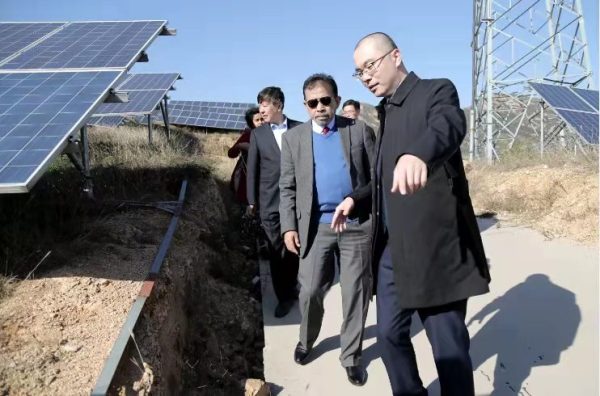
Ambassador of Sri Lanka to China Dr. Kohona had recently visited the massive KE Electric plant in Shijuazhuang producing a range of equipment for the generation and distribution of electricity. 

He was hosted by the Chairman of KE Electric, Chengsuo Zhang together with the Senior Management Team and was given a comprehensive tour of the establishment. Of particular interest was the equipment produced to generate and distribute electricity produced from solar, the statement said.

Dr. Kohona explained the Government policy to produce 70% of Sri Lanka’s electricity needs from renewable sources by 2030. He also touched upon the locations being made available by the Government for the purpose. 

He emphasised that the Government was looking for investors and will not take loans to finance any projects. The CINEE, which had already done some preliminary work on potential locations together with the KE Electric, was in the process of preparing its proposals.

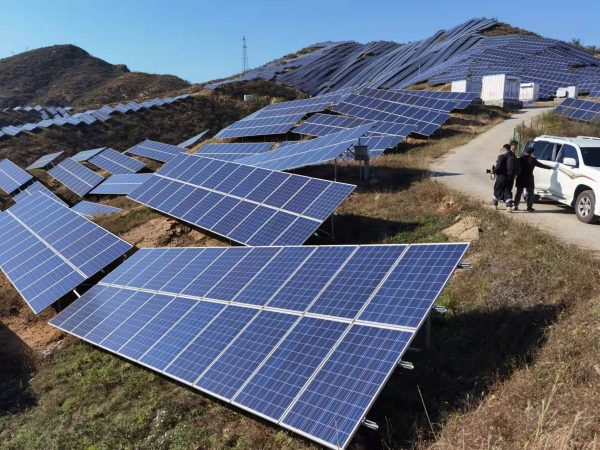
Subsequently, the Sri Lankan team was taken on a tour of an impressive solar installation, Hongji PV Plant Project and Solar Demonstrative Project, in Beizhuang in Pingshan County of Shijiazhuang. Barren hillsides were covered with solar panels. 

KE produced control equipment, inverters, transmission lines, etc., were evident. Interestingly, 25% of the revenue generated from this project was directly allocated to village upliftment and poverty alleviation. 

A nearby village, which had witnessed devastation during the war against the Japanese, was now prospering from this novel source of income.

The proposed CNEE project is expected to be on a Build-Own-Operate (BOO) or Build-Own-Operate and Transfer (BOOT) basis, the embassy said.

US provides additional $2.5 Million for urgent COVID-19 assistance in Sri Lanka

October 21st, 2021

Courtesy Hiru News

The United States, through the United States Agency for International Development (USAID), announced an additional $2.5 million in urgent COVID-19 assistance for Sri Lanka. This assistance will accelerate equitable access to safe and effective COVID-19 vaccinations and strengthen the ability of health workers to address COVID-19.

The U.S. is working hand in hand with partners at the community, provincial, and national levels to address COVID-19,” said Reed Aeschliman, USAID Mission Director for Sri Lanka and Maldives. This additional donation will bolster health systems, support health care workers, and improve access to vaccinations.”

The $2.5 million in American Rescue Plan funds will strengthen the oxygen ecosystem in Sri Lanka, provide personal protective equipment kits for infection control in health facilities, and build the resilience of health care workers. The Ministry of Health in Sri Lanka will also use the assistance to coordinate vaccine distribution, provide cold chain support for the Pfizer vaccine, and strengthen the ability of staff to administer vaccine programs.

USAID has contributed $17.9 million to Sri Lanka since the pandemic first broke out in March 2020. This assistance has reached millions of Sri Lankans across the country and is helping to control the spread of COVID-19, address the urgent health needs of Sri Lankans, and mitigate the pandemic’s negative economic impacts.

These efforts build on decades of life-saving work and U.S. leadership in tackling global health crises such as Ebola, HIV/AIDS, tuberculosis, malaria, and now COVID-19. The U.S. remains committed to partnering with Sri Lanka to end the COVID-19 pandemic, mitigate its devastating social and economic impacts, and build back a world that is even better prepared for future outbreaks.

Academics protests against use of nanotechnology for organic farming (video)

October 21st, 2021

Courtesy Hiru News

It was reported to Hiru News team that Sri Lanka had received the patent for the production of nano nitrogen fertilizer which can be applied to the soil even though nano nitrogen liquid fertilizer was imported from India.

This fertilizer developed in 2010 using nanotechnology, specializes in minimizing the amount of urea released to the soil and environment.

However, it is reported that the patent for these nano nitrogen fertilizers produced by a research team including Professor Nilwala Kottegoda, a scientist at the Sri Lanka Institute of Nanotechnology (SLINTEC), was later sold to a fertilizer company in India.

A senior official of SLINTEC told the Hiru News team that the technology was sold for US $ 3 million subject to the approval of the Sri Lankan government. A senior official of SLINTEC stated that the money was used for the development activities of SLINTEC.

Meanwhile, the University Teachers’ Association said in a statement that it does not recommend the use of nanotechnology for organic farming.

The University Teachers’ Association further states that fertilizers produced by nanotechnology are synthetically developed and therefore not used as organic fertilizers and the liquid fertilizer compound containing nitrogen recommended for spraying on the leaves is 4 percent.

The university lecturers said that the synthetically developed nanotechnology fertilizer, which was approved by the Indian Department of Agriculture for large-scale commercial production in March, could not meet the plant’s nitrogen requirements.

Meanwhile, an adjournment debate was held in Parliament today regarding the fertilizer issue

Birth of sextuplets reported from Sri Lanka

October 21st, 2021

Courtesy Hiru News

Doctor’s view expressed following the birth of sextuplets

Many people are curious to know more about the birth of the first sextuplets (six babies born of one pregnancy) reported today in Sri Lanka.
Sextuplets which includes three girls and three boys were born to a 31-year-old mother from Angoda and the father is an engineer by profession.

Professor Tiran Dias, an obstetrician and gynecologist, performed the caesarean section with the assistance of a 30-member medical staff.

Speaking at a media briefing on the children, Prof Tiran Dias said that after the mother was detected to be pregnant with six babies, she underwent regular clinical check-ups which assisted in performing the surgery successfully.

Two anesthesiologists assisted in the operation.

Professor Tiran Dias further stated that a team of three was deployed to supervise each child.

The birth of the first sextuplets (six babies born of one pregnancy) in the country was reported today (21) at a private hospital in Colombo.

The babies were delivered by Caesarean sections between 12:16 and 12:18 this morning under the guidance of Professor Tiran Dias.

The happy parents were blessed with three daughters and three sons.

Hospital sources stated that all six babies, born to a 31-year-old, are in good health.

Only the second child born is currently under intensive medical supervision.

The mother and father of the twins are residents of the IDH area in Colombo.

To remind our leaders what we need today: A Programme better than the Divisional Development Councils Programme of 1970-1977

October 20th, 2021

 Garvin Karunaratne, PhD Michigan State University*

The DDCP was the major development programme undertaken by the Government of Prime Minister Sirimavo Bandaranayake during her 1970-1977 rule.

This was also the first major islandwide development programme ever to be implemented in Sri Lanka. Earlier there was the Rural Development Programme and the Small Industries Development Programme which were smaller programmes aimed at rejuvenating the rural areas with small industries and Powerlooms. However, the DDCP was far major in scope and the Government had high hopes of great success. The Government head hunted the most eminent economist on the island, Professor HAdeS Gunasekera the professor of Economics at the University of Peradeniya. A new Ministry of Plan Implementation was formed under the Prime Minister Sirimavo Bandaranayake and Professor Gunasekera was appointed as the Permanent Secretary to the Ministry. The importance given to the programme was such that helicopter travel was authorized for him.

The main aim of this DDCP was to bring about employment for the youth. The aims, in the words of the Budget Speech of Dr N.M.Perera, the Minister of Finance;

The main objective of this programme is “to create employment opportunities in the rural areas and through small scale projects  in agriculture, industry and the provision of infrastructural facilities, making use of the resources available locally; increase national production and involve the people in national development work.”

The method was to enlist the support of all officials and elected personnel in every Division.  In detail,” An entirely new structure for planning is being established (within which) each local authority will be the focus for development planning and plan implementation. Popular participation will be secured through the Divisional Development Council in which the elected organs of the village, the cooperative society, the cultivation committee, the village council will have a planning and coordinating role in the overall development of their area.”.

The DDCP was a crash programme to create employment for the youth. The target was to create 100,000 jobs in the first year.

The Government enlisted the services of the Government Agents to implement this programme. Even before the Ministry of Plan Implementation recruited graduates as Development Assistants and   Planning Officers the Government Agents selected the best officers who were working in the District and the programme was immediately commenced. I was serving as the Government Agent of the Matara District.

There was a major setback because of the Janata Vimukti Peramuna(JVP) Uprising on April 5th 1971. This took on the form of an attack on all Police Stations and army units. It was an attempt to capture power in a single day like what Fidel Castro did in Cuba. The JVP controlled the hinterland- the rural areas and had their kangaroo courts etc. and it took a few months for total order to be restored. The JVP had been instrumental in working for the SLFP – for Mrs Bandaranayake at the 1970 election and the DDCP was a programme that was specially meant to provide employment to the youth.  No reasons were given for the sudden uprising but it was found that the North Korean Embassy had spent a massive sum of money at this time and there was some evidence of some connection with the Uprising.  The Government closed down the North Korean Embassy.  This was an unfortunate episode that delayed the implementation of the DDCP for months. Since that day officials travelled the least possible and further all investors- estate owners, rice millers etc.who had made rural areas their homes left for security reasons to the cities.

The development councils were formed in every division. The Councils comprised all officials and elected officials of cooperatives, cultivation committees and local government institutions. The Head of the Council was the Divisional Revenue Officer(DRO) of the area. He was given a new designation of Assistant Government Agent. Meetings were held and the Councils identified small scale industries and agricultural projects- farms which were funded and commenced all over the island.

In Matara District, in addition to a number of agricultural farms and small craft type of industries, the Councils suggested many industries and feasibility reports were prepared and approval sought.  It was generally difficult to get approvals a few small industries were approved and the Ministry made an allocation of funds to buy the machinery, put up structures and also funds to pay a stipend to the youths till the projects were established and incomes generated.

I suggested that a Mechanized Boatyard should be approved to be constructed at Matara on land bordering the Nilwala River. A Feasibility Report was drafted and submitted. The Ministry called me for a meeting where the Director of the Fisheries Department was also present. The Ministry officials were not interested and there were objections by the Director of Fisheries. The meeting was ultimately put off for another discussion on another day.  This was the first cooperative industry to make seaworthy 30 foot long boats and perhaps the Ministry was worried that it could be a failure and be a blot on the Ministry. Anyhow after a major battle, we obtained approval and the boatyard was established. It was a great success.

The Councils were agitating for more industrial units and we suggested that at Deniyaya we could establish a Water Colour Industry making watercolour paint boxes. This was import substitution in action because at that time Sri Lanka imported the bulk of our watercolour requirements. The Ministry submitted our Feasibility Report to the Industrial Development Board(IDB)  and a meeting was held at the Ministry.  The Ministry agreed with the IDB recommendation that this should not be approved because the Deniyaya area did not have any of the ingredients that went into making watercolours. I argued that if Japan could buy cotton from as far as Egypt, take it all the way to Japan, make textiles and market the sales back in countries as far as Egypt, we too could do it. We were at an advantage because our country itself needed the watercolour paint boxes. I  lost the battle. The Ministry was amply satisfied with the small craft type of projects and the farms that we had got working.

However, we wanted to do better. I suggested a Dairy Project in the Deniyaya- Mawarala area where we will get Estate owners to plant grass on all their unused land. We could get private farmers too to have more cows. The only proviso I insisted was that we should have a Creamery to make butter and cheese. because it was impossible to sell more milk.  My feasibility report created problems.  It was argued that small creameries were not commercially viable and the Ministry said that we did not have grasslands to feed the cattle. It ended up with heated arguments at the Ministry. I did not know then that Switzerland doted on small creameries.

 It was quite evident that the Ministry was not going to approve any new industry for our District. The only sophisticated industry ever done in the rest of the island was a Paper Making Industry at Kotmale.  The Ministry told me to get going making bricks and tiles if I was interested. I pointed out that in tiles and bricks the private sector had already established factories in the District and it would not be prudent to try to create a problem of oversupply.  The Ministry and I clashed not once but many a time. It happened because once I had served as a Deputy Director of Small Industry and I knew more about industries than anyone in the Ministry.  The Ministry never appreciated my ideas. Theirs was always on the beaten track.

The officers at the Katchcheri were very innovative and we had many meetings. Finally, I summoned my Planning Officer Vetus Fernando, a chemistry graduate of the University of Colombo, just out of the University who did not have a day’s experience in chemistry after graduating. I fed him all I knew about making watercolours. Once as Deputy Director of Industries, I had approved an allocation of dyes to a watercolour industrialist and I had seen him making watercolours. I knew the ingredients but not the proportions and details of mixing it- temperatures etc. Vetus and I decided to try to find the art of making crayons. The science teachers at the school also helped us.  We commenced work at the Residency in the evenings and came to a point where we needed science equipment and it was suggested that we should use the equipment at a school lab. I approached Mr Ariyawamsa the Principal of Rahula College Matara and he readily agreed for us to use the science lab after hours.  The Science lab at Rahula was our domain from around six in the evening till midnight every working day. The workers were the science teachers and Vetus, the only scientists and we, myself, and a few staff officers were all cheerleaders.  The Cheer Leaders had to keep the momentum going when every night we tried different methods and we failed every day for close upon two months. Then Vetus got a brain wave. The crayons we made were never of good texture and he said that  I should approve his going to Colombo to his university dons in chemistry and he was certain they will help. I readily agreed and authorized him travelling and subsistence payment. I was happy that he had thought of this method and I dreamt of success. Vetus turned up on the fourth day and narrated in disgust that none of the professionals at the University of Colombo was interested in helping him. He had begged of them but was told to get lost.  My staff officers and I were not going to take things lying down to submission. We started experiments in earnest – from six till midnight sipping black coffee with a sing-song once in a way to keep the momentum going. In a month of experiments, we came across the method to make crayons. Then I supervised fine-tuning the art again and again till we got to be near the Crayola grade- then it was Reeves.  We won the day.

Next came- how to establish a small scale factory. I could not get approval from the Ministry.  I was certain that they will turn it down. I could have summoned Harischandra or an industrialist and I knew many personally and could have told them to put up a factory, but then it won’t be us. Finally, I decided that it should be cooperative.  The Cooperative Unions had funds but not the authority to establish an industry.  Then I thought of Sumanapala Dahanayake, the Member of Parliament for Deniyaya, who was the President of the Morawak Korale Coop Union because he was a maverick, a daredevil type if that was required. He was in charge of the funds at the Coop Union. When I broached the subject to Sumanapala he readily agreed to establish a Crayon factory. However, he had no authority to use cooperative funds for that purpose. The Government Agent too had no authority to direct cooperatives. However for purposes of coordination in the case of the agricultural development programme, the G.A.had been gazetted a Deputy Director of Cooperative Development. I usurped powers that I did not really have based on this gazette notice and authorized Sumanapala to spend cooperative funds and establish the Crayon Factory.

Sumanapala needed only a nod. He got cracking with purchasing the equipment and gas burners, recruiting youths. This was done in two days. A few rooms at the Cooperative Union at Morawaka were cleared and the Katchcheri staff too moved in to commence making crayons. It was a 24-hour operation, with youths working in shifts, working under the watchful eyes of Vetus Fernando the Planning Officer. There were Chandra Silva the DLO, Wimalaratne the AGA, Daya Paliakkara a Development Assistant. They were all involved in the experiments at Rahula College and were at hand went Vetus took a few hours rest. The youths had to get trained to do every single crayon to perfection- a difficult task. It was a hand made crayon-like most industries in China today. I broke rest on two days till everything got off the ground. We sipped black coffee and sweetmeats brought by Gunam Tambipillai, an estate owner who was very supportive of all our efforts at development. Sumanapala was in his elements and in around two weeks,  Coop Crayon packets were printed and crayon packets made to fill two large rooms.

Then I took off with Sumanapala to meet the Minister of Industries, TB Sunbasinhe who was surprised to see the quality of the crayons. He readily agreed to come for the opening ceremony when we would commence sales.  That was a grand occasion.  With that aura of authoritative approval, I felt safe for all I had done without any Ministry approval.

Coop Crayon was fully functional. The Youths managed it well. However, one major hitch was the purchase of dyes that had to be purchased in the open market at high prices. I approached the Ministry of Industries, the people that gave permits of foreign exchange to industrialists- the place where I had worked two years earlier. They said that their foreign exchange was only for the private sector industrialists and not for cooperatives. The mandarins were not going to bend rules. We were lost.

In a few days, a brain wave struck us and we went to meet the Controller of Imports, Harry Guneratne, Harry was authorizing imports and confided that he was approving foreign exchange to import crayons. We argued that if he only gave us an allocation of a twentieth of what he would approve for the import of crayons to import dyes, he could cancel all imports and save the rest of the allotted foreign exchange. This had never been done earlier but Harry was an immediate convert. However, he said that this was the first time that such an allocation was made and wanted us to approach his Minister and get his approval.  Minister Illangaratne not only approved it but also insisted that we should open a crayon factory at Kolonnawa his electorate. This detail has been included to show how we can save foreign exchange through establishing import substitution type of industries.

Coop Crayon was developed fast by Sumanapala and he stepped it up to have island-wide sales.  All the units I had established in industries and agricultural farms were active and in good health.  Coop Crayon and the Matara Boatyard were at the top performers in entire Sri Lanka.

In another year in April 1973, I left the Administrative Service to proceed to the UK for further studies. Sumanapala handled the Coop Crayon well. The other industries and employment ventures were well looked after by Vetus and the Katchcheri staff.

Then in 1977 came the General Election where the Government of Sirimavo Bandaranayake lost and the United National Party under JR Jayawardena won.

 Before long President Jayawardena caved into the IMF which insisted that if he needed Financial Aid, he had to invariably follow the IMF’s Structural Adjustment Programme. (SAP) The main condition was that the Government could not handle any commercial undertakings. Everything that the earlier Governments had done in the name of commercial undertakings, to create employment etc had to be totally abolished. The DDCP industries and farms were totally abolished and hundreds of youths were inevitably consigned to the scrap heap of unemployment and poverty.

Political rivalry became the order o the day. My Headquarters Assistant GA Ranjith Wimalaratne, a kingpin in industries and who handled the Powerlooms with great efficiency was a persona non grata and was hunted down. To save his life he had to forego everything and run away to Canada.

A few years later, I met AT Ariyaratne, a senior member of the Administrative Service and when I told him that I had last served as the GA at Matara he spoke of a special assignment he got in 1978 when he worked as a Deputy Commissioner of Cooperative Development. He had been assigned to proceed to Morawaka to inspect Coop Crayon and somehow find fault with Sumanapala Dahanayake the Member of Parliament who in his capacity as the President of the Morawaka Coop union handled Coop Crayon.  Coop Crayon was at that time in full swing with islandwide sales and was easily the flagship industry of the DDCP. The Government wanted Coop Crayon discredited and to also find fault with Sumanapala for him to get punished. Ariyaratne told me that he had spent days inspecting and auditing and could only report that Coop Crayon was a very successful cooperative industry, with all books kept in perfect order. Sumanapala was saved from a sojourn in the gallows. Ariyaratne was not an officer who would stoop to create evidence to put a person into trouble at the bidding of someone in authority.

Under the DDC Programme the Divisional Secretary at Kotmale successfully established a Paper Making Factory using Waste Paper. Sad to say even today there is no waste paper to paper  or cardboard making factory in Sri Lanka. Instead  we collect waste paper and waste cardboard and despatch it some 30 ,000 tons a month to india, get them to make cardboard and buy cardboard from the. Surely, we need to have our heads examined!

In 1977, the new Government of President jayawardena in order to get foreign loans,  caved in and on IMF advice destroyed all that we had created to bring about youth employment. The Matara Boatyard where youths built seaworthy inboard motorboats- some 40 every year and earned good incomes was scrapped and the valuable machinery was neglected, sold and also left in the scrap heap. Coop Crayon was stopped. All other industries and agricultural farms were stopped and a few hundred youths lost their jobs. Getting loans was the priority, and the UNP Government did not care whether youths who earned a living were destined to the realm of poverty. The aim was to satisfy the IMF. The IMF barked orders to be carried out.

  The UNP Government of President Jayawardena played poodle to the IMF and did everything that the IMF wanted it to do. As far as the DDCP was concerned all industries and agricultural farms were abandoned and the thousands of youths involved were destined to unemployment and poverty. Imagine what the youths who were making crayons felt in Morawaka, what the youths fromMorawaka who were selling crayons at both Alimankada and Pamankada felt and the youths that were making boats felt at the Matara Boatyard felt when they were ordered to close down and get lost.

I hope to see a development programme that is better than the DDCP in the new future. 

That is the only hope for our Motherland.

These words come to you from a Sri Lankan administrator who once in 1982 and 1983 was working as the Commonwealth Fund Advisor to the Ministry of Labour and Manpower in Bangladesh, who was able to obtain approval to establish a Youth Self Employment Programme, and within two years did create the Programme and trained Bangladeshi staff to continue it- a programme that has guided three million youths into self-employment, which is today the premier employment creation programme that has withstood the sands of time.

*Garvin Karunaratne, PhD Michigan State University

Author of How the IMF Sabotaged Third World Development (Kindle/odages:2017)

How the IMF Ruined Sri Lanka and Alternative Programmes of Success(Kindle/Godages:2006) 

What is this world coming to when a government looks on while the people are being fleeced so savagely?”

October 20th, 2021

Editorial

That things are indeed getting out of hand and out of control in Sri Lanka
according to the latest statistics seems an understatement. Consumer prices are rising rapidly according to the latest reports which are incomprehensible and ludicrous as the Rajapaksa clan consolidates their hold on the country in more ways than one and the man on the street wonders whether the 2/3rd  mandate given to The President was a justifiable one as the Nation careens on an erratic path causing apparent mayhem for the consumer which is not completely based on the Covid pandemic although there are people within the hierarchy that would like people to believe this which is not entirely true.

A recent editorial was quoted as saying “The government is behaving like an inebriated lifeguard who watches a drowning man flailing, instead of throwing a lifeline.

Powerful businesses are having a field day, jacking up  prices according to
their whims and fancies. Businessmen determine the prices of their products and services, and announce them at press conferences, making one wonder whether there are any consumer protection laws in this country. There is no one the hapless consumer can turn to. What is this world coming to when a  government looks on while the people are being fleeced so savagely?” end quote and nothing seems to be further from the truth that Sri Lanka is not in a perilous state today with lackeys handling administrative decisions by virtue of no experience towards their responsibilities and the “till robbers” once again doing their thing in gay abandon with no impunity. The country which was recovering well after the new administration took over is now teetering on the brink of disaster. Unless remedial action is taken post haste where all the blame points towards bad decisions made by inept legislators who have absolutely no right to the positions they hold and are making a mockery of Government there could be worse to follow.

 It is no fairy tale to point out that Consumers have been suffering heavy
 blows, repeatedly in the recent past as well as the present day where even
 basic food items and commodities essential to  normal living are hard to
 come by in a nation of suffering people at the mercy of unscrupulous
 merchants and eye-gouging business individuals who need to be taken to task and punished at the highest level towards restitution for the all suffering people who pinned their faith in the Rajapaksa administration. They deserve better but are now left in limbo and nowhere to turn to.
 It has become a double whammy as from one side the hardships are economy-related and on the other, it is the fear of the dreaded Covid Virus taking its toll on the impoverished people where the affluent have access to means towards their personal well being and that of their families where the poor and people of low or no income do not. An apathetic shame if one were to describe it in the best of terms in the world of today.

 In the simplest of terms, most consumers feel that they are being abandoned by an uncaring administration and left to their own resources in a country with no GDP or sustainable income and a failing economy from many perspectives where an explanation is surely called for.

 Quoting once again from the editorial referred to previously “The general consensus is that the CAA has become so politicized and impotent that it only provides a rubber stamp for unscrupulous big businesses with political connections. Will it try to prove its critics wrong by taking up the cudgels
 for the public?
 Is there a government? This is the question one asks oneself on seeing how
 helpless the public has become vis-à-vis powerful businesses who exploit
 them with impunity.
One of the reasons for the many serious lapses was that the then government was dysfunctional. True, the Yahapalana government became a metaphor for dysfunctionality and ineptitude. The present dispensation, whose leaders promised a strong government to protect the interests of the public, does not look any different in spite of having a two-thirds majority in  Parliament; confusion is reigning at the upper echelons of government.

Ministers are running around like headless chickens, and the public is at
 the mercy of profiteers who enjoy unbridled freedom to do as they please.
 Let the ruling politicians be told that they are digging their own political
 grave.”  end of the quote which points to the salient truth!  Sadly, an incredulous and perplexed world watches on as many Sri Lankan’s
 suffer today while the affluent and well-connected population
 particularly their very articulate leader rambling on about “what his good
 intentions are for the country” tantamount to little or nothing beyond lip
 service and inadmissible rhetoric, live out their lives in a manner
 reminiscent of Nero fiddling in a fast-burning Rome !!

පුර්තුගීසීන් තිරිකුණාමලේ කොටුවට බිලි ගත් පුදබිම

October 20th, 2021

විමල් පටබැඳිගේ (ශාස්ත‍්‍රවේදී, නීතිඥ, විශ‍්‍රාමික සොලිසිටර්*

සෙන්කඩගල (නුවර* ස්වාධීනව සිටි වික‍්‍රමබාහු රජුට පසු රජ වූ ජයවීර බණ්ඩාර (ව්‍ය.ව. 1511 -1551* කෝට්ටේ රාජ්‍යයේ සහ සීතාවක රාජ්‍යයේ තර්ජනවලින් ආරක්‍ෂාවීම සඳහා ආධාර ඉල්ලීම අනුව පුර්තුගීසි හමුදා කණ්ඩායමක් 1542 දී පළමු වරට තිරිකුණාමලයට පැමිණ ඇත. එහෙත් ඇති වූ අනපේක්‍ෂිත දබරයකින් ලැබූ පරාජය නිසා ගමන අසාර්ථක විය. පුර්තුගීසීන් ලංකාවේ නැගෙනහිර නැව්තොටු හා සම්බන්ධ වෙළඳ කටයුතු වලින් ඉතා දිගු කලක් බැහැර වී ඇත.
ව්‍ය.ව. 17 වෙනි සියවසේ මුල් කාලයේ සෙනරත් රජු සමග සමාදානයකට එළඹ පුර්තුගීසීහු තිරිකුණාමලේ සහ මඩකලපුවේ නැව්තොටු වෙළඳ කටයුතු සඳහා භාවිත කිරීම සඳහා අවසර ගෙන සටකපට ලෙස ඉතා රහසිගත ව බු.ව. 2166 (ව්‍ය.ව. 1623* දී තිරිකුණාමල බලකොටුව ගොඩනැගූහ. එහෙත් පුර්තුගීසීන් පළවාහැර ව්‍ය.ව. 1639 දී ආපසු අල්ලා ගත් තිරිකුණාමලය ව්‍ය.ව. 1766 ලන්දේසි ගිවිසුම තෙක් සිංහල රජු යටතේ වීය. ව්‍ය.ව. 1795 දී ඉංගිරිසීන් සතු විය. එය තිරිකුණාමලේ ෆ්‍රෙඞ්රික් කොටුව නමින් හඳුන්වනු ලබයි.

පුදබිමක් බිලි ගනියි
තිරිකුණාමලේ (ගෝකණ්ණ පටුනේ* වෙළඳ කටයුතු ආරම්භ කළ විගස කොන්ස්ටන්ටයින් ඩි සා ඩි මෙනෙෂෙස් එහි බලකොටුව ගොඩනගන ලද අවස්ථාවේ ඒ භූමියේ තිබූ පුදබිම (පැගෝඞ්* විනාශ කරන ලද බව පුර්තුගීසි පූජකයෙකු සහ ඉතිහාසඥයෙකු වූ ෆර්නාඩෝ ඩි ක්වේරෝෂ් එළිදරවු කොට ඇත.
පුර්තුගීසීන් විසින් විනාශ කරනු ලැබූ පුදබිම හින්දු කොවිලක් බවට නූතන දෙමළ උගතුන් සහ ඉතිහාස ලේඛකයන් කළ ප‍්‍රකාශය දේශීය සහ විදේශීය ඉතිහාසඥයන් පිළිගෙන ඇති අතර එය එලෙසින් ම අපට පාසල්වල, සරසවිවල උගන්වනු ලැබෙයි. අපි එලෙස ම හදාරමු. ව්‍ය.ව. 20 වෙනි සියවසේ දෙවෙනි භාගයේ ගොඩනගන ලද වරින්වර යම් යම් අංග එකතු කරමින් තවමත් ඉදිකරමින් පවතින ඊශ්වර/ශිව කෝවිලක් එහි ඇත. සිංහල, ද්‍රවිඩ/දෙමළ සහ බෞද්ධ, හින්දු වෙනසක් නැතිව කෝවිලට යති. වෛදික ආගමිකයන්ගේ ඊශ්වර දෙවියන් පසු කලෙක ශිව දේව නාමය ද ලබා ඇත.
ෆ්‍රෙඞ්රික් කොටුවේ කෝවිල පුරාණ කාලයේ සිට එහි පවතින බව කියති. බොහෝ දෙනෙක් එය එසේ ය’යි පිළිගනිති. විශ්වාස කරති. දේව භක්තිය සහ ආගමික සහජීවනය නම් නව ‘කෙවිට’ නිසා එහි සැබෑ අතීතය ගැන විමසා බැලීමක් නැත. එහෙත් සත්‍යය සොයා යාමට සහ දැනීම ලබාගැනීමට තිත තැබිය යුතු නැත. එබැවින්, පුර්තුගීසීන් විනාශ කරනු ලැබූ පුදබිම කුමක් දැ’යි සත්‍ය ඓතිහාසික තොරතුරු සහ පුරාවිද්‍යා සාධක ඇසුරෙන් සොයා ගැනීම සහ හෝ එයට මග සකසා ගැනීම අවශ්‍යව ඇත.

කෝවිල ගොඩනැගීමේ කථාව
මේ ඊශ්වර/ශිව කෝවිල ගොඩනැගීම සහ එහි පැරණි බව සනාථ කිරීමට ඉතා වැදගත් සාධකයක් ලෙස ”කෝනේශර් කල්වෙට්ටු” නම් දෙමළ කාව්‍යය ඉදිරිපත් කරන කථාවක් දක්වා ඇත. මෙය 19 වෙනි සියවසේ අවසාන භාගයේ පමණ ලියන ලදැ’යි අදහස් කරනු ලබයි. එමෙන්ම සියලූ උගතුන් විසින් ලංකාවේ දෙමළ ඉතිහාසය සම්බන්ධ ඉතාමත් වැදගත් සහ ප‍්‍රධාන ම කෘතිය ලෙස සලකනු ලබන ”යාල්පාන වෛපව මාලෙයි” කාව්‍යය ද මේ ගැන සඳහන් කොට ඇත. මේ කාව්‍ය දෙක සඳහන් කරන පුවත් උපුටා දැක්වීම දැනුම අළුත් කරගැනීම සඳහා උපකාර වෙනු ඇත.

කෝනේසර් කල්වෙට්ටු
කෝනේසර් කල්වෙට්ටු සංස්කරණය කොට ප‍්‍රකාශයට පත් කරන ලද චන්මුකරට්ටින අයියාර් විසින් ඉදිරිපත් කරන ෆ්‍රෙඞ්රික් කොටුවේ කෝවිල ගොඩනැගීම සම්බන්ධ පුවත ඉතා කෙටියෙන් මෙසේය:
”මනුනීතිචෝලන්ගේ පුත් වරරාමතේවන් සහ ඔහුගේ පුත් කුලක්කෝට්ටන් තිරිකුණාමලේට පැමිණ එහි දේවාලය ගොඩනැගීය. ඔහු මදුරාවෙන් ප‍්‍රධානියෙකු ගෙන්වා ගෙන වන්නිපන් තත්වයට උසස් කළේය. එමෙන්ම දේවාලයේ සියලූ ම ගණුදෙනු කට්ටුකුලම් පත්තුවේ වන්නිආර්නාර් විසින් පවත්වාගෙන යායුතු බවට නියෝග කළේය.” මේ අනුව මනුනීතිචෝලන්ගේ පුතා සහ ඔහුගේ මුණුපුරා කෝවිල ගොඩනගා ඇත.

යාල්පාන වෛපව මාලෙයි
ව්‍ය.ව. 1736 ලංකාවේ ලන්දේසි ආණ්ඩුකාරයාගේ ආරාධනයෙන් රචනා කළ බව සඳහන් කරන යාල්පාන වෛපව මාලෙයි කාව්‍යය මේ සම්බන්ධව ඉදිරිපත් කරන පුවත ඉතාමත් කෙටියෙන් මෙසේය:
”කාවේරිපුම් පට්ටනමෙහි මනුනීති කන්දචෝලන් පුත් කුලක්කෝඞ්ඩු මහා රාජ තෙමේ පුණ්‍ය තීර්ථ වන්දනාව සඳහා … ති‍්‍රකෝණමලයෙහි කෝනේශ්වර කෝවිල කරා සැපත් විය. තඹලගම්හි කොනේශ්වර කෝවිල නම් ශිවාලය ජරා ජීර්ණ වෙමින් පවත්නා බව ති‍්‍රකෝණමලයෙහි දී අසන්නට ලැබී එහි ගොස් ශිවාලය සහ ඊට අයත් ගොඩනැගිලි පිළිසකර කරවීමෙහි නියැලිව විසී…” පිළිසකර කිරීම් නිම කොට විශාල භූමි ප‍්‍රදේශ හතක් වෙන් කොට එහි ඵලවැල්, කෙත්වතු අස්වද්දා කෝවිලට පුදා ඒවා පාලනයට ඉන්දියාවේ මුහුදු වෙරළාශි‍්‍රත ප‍්‍රදේශයෙන් ගෙන්වූ වන්නියාවරුන් යොදවා ආපසු තම රටට ගොස් දිව්‍ය ලෝකයට ගිය බව කාව්‍යය කියයි. (වන්නියාවරුන් ගැන වෙනම කථා කළ යුතු වෙයි.*

නොගැලපෙන කථා
කොනේසර් කල්වෙට්ටු දක්වන පුවත අනුව මනුනීතිචෝලන්ගේ පුතා වූ වරරාමතේවන් සහ මුණුපුරා වූ කුලක්කෝට්ටන් කෝවිල ගොඩනගා ඇත. යාල්පාන වෛපව මාලෙයි කාව්‍යය අනුව කුලක්කෝඞ්ඩු(ට්ටු* මනුනීති චෝලන්ගේ මුණුපුරා නොව පුතා ය. එමෙන් ම කාවේරිපුම් පට්ටනමේ ‘මහා රාජා’ වූ ඔහු තිරිකුණාමලේ කෝවිලක් ගොඩනැගුවේ නැත. ඔහු එහි පැමිණියේ ”පුණ්‍ය තීර්ථ වන්දනාවේ” එක් ස්ථානයක් වූ නිසා ය. එහි දී අසන්නට ලැබුණු තොරතුරක් අනුව ඔහු තඹලගම ශිව කෝවිලක් පිළිසකර කිරීමක නිරත වී එහි පැවැත්මට කටයුතු යොදා ඇත.
ඓතිහාසික යුගයේ චෝල හෝ පාණ්ඩ්‍ය සහ චේර රජ පෙළපත්වල මනුනීතිචෝලන් නම් පාලකයෙකු සිටි බවට තොරතුරු නැත. කෙසේ වෙතත්, මේ කථා පුවත්වල දක්වන මනුනීතිචෝලන් සහ කුලක්කෝට්ටන්ගේ ඥාති සම්බන්ධය ගැන සහ තිරුකුණාමලේ කෝවිල ගොඩනැගීම පිළිබඳ තොරතුරු අතර පරස්පර බවක් පැහැදිලිව ම දැක්වෙතත් දෙමළ උගතුන් සහ ලේඛකයන් කෝවිල ගොඩනගනු ලැබූ තැනැත්තා කුලක්කෝට්ටන් බව නිශ්චිතව ප‍්‍රකාශ කොට ඇත. මේ කථා පුවත් දෙක ම ඔහු චෝලයෙකු බව කියයි. එමෙන්ම ඔහු මහා බලසම්පන්නයෙකු බව ද කියයි.
යාල්පාන වෛපව මාලෙයි කාව්‍යය කුලක්කෝඞ්ඩු(ට්ටු* ‘මහා රාජ’ ශක වර්ෂ 358 දී පැමිණි බව කියයි. එනම් තිරිකුණාමලේට ඔහු පැමිණියේ ව්‍ය.ව. 436 දී ය. ඒ අනුව එකල කුලක්කෝට්ටන් සහ වරරාමතේවන් සහ ඊට පෙර හෝ ඒ කාලයේ ම මනුනීතිචෝලන් ජීවත් වූ බලවත් පාලකයන් බව සහ දකුණු ඉන්දියාවේ කොරමන්ඩල් ප‍්‍රදේශයේ කාවේරි පටුනේ චෝලයන් දේශපාලන බලවතුන් වී සිටි බව දක්වයි. පුරාවිද්‍යා හෝ ඓතිහාසික වාර්තා කිසිවක මොවුන් ගැන සඳහනක් නැත. වෙනත් රාජ්‍යයකට විශේෂයෙන් ම සමුදුරෙන් එතෙර රාජ්‍යයකට ගොස් තමන්ගේ හිතුමතය අනුව ඒ රාජ්‍යය තුළ දේශපාලන, පරිපාලන කටයුතුවල නිරත වීමට තරම් චෝලයන් ප‍්‍රබල ව සිටියේ දැ’යි එකල දකුණු ඉන්දියාවේ ඉතිහාසය නිසැක ව ම හෙළි කරනු ඇත.

එදා දඹදිව ද්‍රවිඩ භූමිය
ව්‍ය.ව.පූ. 3 වෙනි සියවස වෙන විට ද මහශිලා යුගයේ සංස්කෘතිය තුළ පැවති චෝල, පාණ්ඩ්‍ය සහ චේර භුමිය අශෝකගේ ”ධර්මවිජය” ව්‍යාපාරයෙන් සහ ලංකාවෙන් වැඩම කළ භික්‍ෂු, භික්‍ෂුණීන් සහ බෞද්ධ උපාසික උපාසිකාවන් මගින් නව සංස්කෘතික තලයකට පත් වූ බව පුරාවිද්‍යා සාධක අනුව විද්වතුන් පැහැදිලි කොට ඇත. එහි සීහල විහාරයක් පැවති බව සහ සීහලදීපෙන් ගිය කෙළෙඹියන් ගැන සඳහන් ප‍්‍රාකෘත සෙල්ලිපි ලැබී ඇත.
කර්ණාටක ජන්මවාසීන් වූ කලාබ‍්‍රයන් ව්‍ය.ව. 3 වෙනිි සියවසේ සිට 6 වෙනි සියවසේ අවසානය පමණ වෙන තෙක් ”ද්‍රවිඩ භූමියේ” පාලකයන් වී ඇත. ප‍්‍රාකෘත, පාලි සහ සංස්කෘත භාෂා භාවිත කරන ලද ඔවුන් බෞද්ධ සහ ජෛන ආගමිකයන් වූ බවට තොරතුරු කාසි ඇතුළු පුරාවස්තු, බෞද්ධ සහ ජෛන සාහිත්‍යය සහ පසුකාලීන හින්දු කෘති තුළින් හෙළි වෙයි. එකල කාවේරිපටුන ප‍්‍රදේශයේ බෞද්ධයන් සිටි බවට තොරෙතුරු ලැබී ඇත.
බුද්ධදත්ත හිමියන් ‘විනයවිනිච්චය’ රචනා කළේ මේ කාලයේ බව සලකනු ලබයි. එසේම ද්‍රවිඩ භාෂා සංස්කෘතකරණය වීම මෙකල සිට සිදු වී ඇති බව අදහස් කෙරෙයි. බෞද්ධ සහ ජෛන චින්තන සහිත සිලප්පදිකාරම්, මනිමේඛෙලෙ, තිරුක්කුරල් ද්‍රවිඩ කාව්‍ය මේ කාලයට අයත් ලෙස සලකනු ලබයි. එහෙත් ”ද්‍රවිඩ භූමියේ” කලාබ‍්‍රයන්ගේ පාලන කාලය පිළිබඳ තොරතුරු නැත. ඒ කාලය ද්‍රවිඩ භූමියේ ඉතිහාසයේ අඳුරු පරිච්ජ්දයක් ලෙස සැලකෙයි.
ආන්ද්‍ර ප‍්‍රදේශයේ බලවතුන් වූ, ප‍්‍රාකෘත සහ සංස්කෘත භාෂා භාවිත කළ පල්ලවයන් කලාබ‍්‍ර බලය අහෝසි කොට ව්‍ය.ව. 9 වෙනි සියවස දක්වා චෝල දේශය ද ඇතුළත් වූ ‘ද්‍රවිඩ භූමියේ’ උතුරු කොටසේ බලවතුන් වී සිටි අතර පාණ්ඩ්‍යයන් දකුණු කොටසේ් බලවතුන් වී ඇත. සංගම් කවීන්ගේ අද්භූත කථා තුළ සඳහන් චෝල පාලකයන් වූ මිථ්‍යා චරිත සහ ඓතිහාසික යුගයේ චෝල රජුන් අතර සම්බන්ධයක් දැක්වීමට නොහැකි අතර ව්‍ය.ව. 200 පමණ සිට 848 දක්වා කාලය චෝල ඉතිහාසයේ අරාජික කාලයක් ලෙස සලකනු ලබයි. (චෝලයන් ව්‍ය.ව. නවවෙනි සිය වසේ දෙවෙනි භාගය වෙන තෙක් පරාධීනව සිටි ජන වර්ගයකි.*

මනෝමය කුලක්කෝට්ටන්
මේ කාලය තුළ ද්‍රවිඩ භූමිය පැවතියේ කලාබ‍්‍ර, පල්ලව සහ පාණ්ඩ්‍ය බලය යටතේ ය. චෝලයන් ද්‍රවිඩ භූමියේ බලවතුන් බවට පත්වීම කලාබ‍්‍රයන්ට, පල්ලවයන්ට සහ පාණ්ඩ්‍යයන්ට පසුව ය. ව්‍ය.ව. 6 වෙනි සියවසේ සිට චෝලයන් පල්ලව සහ පාණ්ඩ්‍ය බලයට යටත් ව සිටි බව සහ ඔවුන්ගෙන් මිදීමට අරගල කරමින් සිටි බවට තොරතුරු ඇත. ‘‘චෝල’’ වචනය පවා දෙමළ වචනයක් නො වෙන බව මහාචාර්ය නීලකණ්ට ශාස්තී‍්‍ර දක්වන අතර චෝලයන් දෙමළ කථා කරන ජන වර්ගයට අයත් නොවූ බව අයියෙන්ගර් හෙළි කොට ඇත.
කෝනේසර් කල්වෙට්ටු සහ යාල්පාන වෛපව මාලෙයි කියන ලෙස ශක වර්ෂ 358 (ව්‍ය.ව. 436* දී සමුදුරෙන් එතෙර රටක ශිව කෝවිලක් ගොඩනගා තම හිතුමතේට කෙත්වතු සංවර්ධනය කොට බෙදා දුන් ලෙස දක්වා ඇති චෝල කුලක්කෝට්ටන් ‘මහා රාජා’ පිළිබඳ පුවත හුදු මනෝමය නිර්මාණයක් බව විද්වතුන් පිළිගත් කරුණකි. එසේ වුව ද දෙමළ උගතුන් සහ ලේඛකයන් ඔහු ඓතිහාසික අයෙකු ලෙස දැක්වීමට උත්සාහ කොට ඇත.

චෝඩගංග සහ කුලක්කෝට්ටන්
කුලක්කෝට්ටන් නමින් සඳහන් කොට ඇත්තේ චෝඩගංග බවට පී. පී. වෛතියලිංගම් තේසිකාර් ඉදිරිපත් කළ අදහසක් අනුමත කරන ආචාර්ය එස්. පද්මනාතන් ද කුලක්කෝට්ටන් අන් අයෙකු නොව චෝඩගංග බව දක්වමින් එය ගොතන ලද මිථ්‍යා කථාවක චරිතයක් නොව කුලක්කෝට්ටන් ඓතිහාසික අයෙකු බව දැක්වීමට තිරිකුණාමලෙන් ලැබී ඇති චෝඩගංග නම සඳහන් ව ඇති සෙල්ලිපියක් සම්බන්ධ කොට ඇත. මේ සෙල්ලිපිය ශක වර්ෂ 1145 (ව්‍ය.ව. 1223* පිහිටුවන ලද එකකි.
ලිපිය ලියා ඇති කාලය සම්බන්ධයෙන් එකල තිරුකුණාමලේ (ගෝණගම්තොට=ගෝකණ්ණ තිත්ථ* කාලිංග මාඝ යටතේ පැවති බව සහ එහි ඔහුගේ හේවා කඳවුරක් තිබූ බව අමතක කළ යුතු නැත. දෙමළ භාෂාවෙන් නොව සංස්කෘත භාෂාවෙන් ලියා ඇති මේ සෙල්ලිපියේ සඳහන් චෝඩගංග ද්‍රවිඩයෙකු නොවේ. ඔහු නැගෙනහිර ගංග වංශයට අයත් කාලිංග කුමාරයෙකු බව විද්වතුන් පැහැදිලිව දක්වා ඇත. ඔහු මාඝගේ ඉල්ලීමට ඔහුගේ සහායට පැමිණ ඔහුගේ හවුල්කරු ලෙස සිටි ජයබාහු විය හැකි බව ආචාර්ය සී. ඩබ්ලියු. නිකලස් පැහැදිලි කොට ඇත. ෆ්‍රෙඞ්රික් කොටුවේ තිබූ පුරාණ ගෝකණ්ණ විහාරයේ උ`ඵවස්සක කොටා තිබූ චෝඩගංගදේව නම සහ ශක ව. 1145 (ව්‍ය.ව. 1223* වර්ෂය සඳහන් සංස්කෘත සෙල්ලිපිය ”ලංකාව සතුරන් විසින් ජයගත නොහැකි” රටක් බව ද කියයි. දෙමළ උගතුන් සහ කෝනේශර් කල්වෙට්ටු සහ යාල්පාන වෛපව මාලෙයි කියන ආකාරයේ කථාවක් එහි නැත.
එමෙන්ම කුලක්කෝට්ටන් සහ චෝඩගංග එක් අයෙකු බවට වූ නිගමනය අනුව ෆ්‍රෙඞ්රික් කොටුවේ කොනේසර් කෝවිල ගැන කෝනේසර් කල්වෙට්ටු සහ යාල්පාන වෛපව මාලෙයි කියන කථා පුවත් සම්පූර්ණයෙන් ම ප‍්‍රතික්‍ෂේප වෙයි. එසේම දහවෙනි සියවසේ පමණ මේ කෝවිල ගොඩ නගන ලද බවට නූතන දකුණු ඉන්දීය ලේඛකයන් දක්වන අදහස ද බිඳවැටේ. එපමණක් නොව ව්‍ය.ව. 1223 වර්ෂයට පෙර තිරිකුණාමලේ (ගොකණ්ණතිත්ථයේ* ඊශ්වර කෝවිලක් නොතිබුණු බව තහවුරු කරයි. කෙසේ වෙතත් ඒ සෙල්ලිපියේ චෝඩගංග එහි කෝවිලක් ගොඩනැගූ බව සඳහන් නොවේ.

මේ දෙමළ කාව්‍ය නිර්ව්‍යාජ ද?
සත්‍යය වශයෙන් මේ කාව්‍ය ඓතිහාසික අගයෙන් ඉතාමත් දුප්පත් ය. එසේ ම මේ කාව්‍ය වසර දෙසියයක්වත් පැරණි නැති බව සී. එස්. නවරත්නම් පිළිගෙන ඇති අතර ආචාර්ය කාර්තිගේසු ඉන්ද්‍රපාල ප‍්‍රකාශ කොට ඇත්තේ ඒවායේ දැක්වෙන කථා ඓතිහාසික පුවත් ලෙස පිළිගත නොහැකි මිථ්‍යා කථා බව ය.
එමෙන්ම ”බලපරාක‍්‍රමාන්විත ශ්‍රේෂ්ඨයන් විසින් පාද ප‍්‍රණාමය කරනු ලබන ප‍්‍රවර කීර්තිමත් මක්කාර් නාමෝපලක්‍ෂිත ලන්දේසි ආණ්ඩුකාර උතුමාණන් වහන්සේගේ ආරාධනයෙන්, යාපන ඉතිහාසය මෙසේ ද්‍රවිඩ භාෂාවෙන්” රචනා කළ බව යාල්පාන වෛපව මාලෙයි කාව්‍යයේ රචක මයිල්වාගනම් සඳහන් කොට ඇත. එවැනි ලන්දේසි ආණ්ඩුකාරයෙකු ලංකාවේ සිටි බව ඓතිහාසික වාර්තා හෙළි නොකරන නිසා ඒ කාව්‍යය නිර්ව්‍යාජ එකක් දැ’යි ප‍්‍රශ්ණයකි.

ක්වේරෝස්ගේ එළිදරව්ව
තිරිකුණාමල කොටුව ගොඩනැගීමට පුර්තුගීසීන් විනාශ කරන ලද පුදබිම (පැගෝඞ්* පිළිබඳව කෝනේසර් කල්වෙට්ටු සහ යාල්පාන වෛපව මාලෙයි දක්වන කථාවලට වඩා ක්වේරෝස් පියතුමා ඉදිරිපත් කරන සමකාලීන තොරතුරු ඓතිහාසික වශයෙන් වැදගත් ය. විනාශ කරන ලද පුදබිම ගැන ක්වේරෝස් පියතුමා සඳහන් කරන සෙල්ලිපියේ සඳහන් තොරතුරු ඉතිහාසය පිළිබඳව උනන්දුවක් දක්වන සහ හදාරන අයට වැදගත් ය.
”ලංකාවේ අධිරාජයා වූ මනික රාජ බාහු වීදිය-මල්-මණ්ඩ දෙවියන් වෙනුවෙන් මේ වෙහෙර …. වර්ෂයේ ඉදි කළේය. ෆ‍්‍රෑන්ක්ස් නම් වූ ජාතියක් පැමිණ එය විනාශ කරන්නේ ය. එය නැවතත් ගොඩනැගීමට මේ දිවයිනේ රජ කෙනෙකු ඇති වෙන්නේ නැත.” යනුවෙන් ඒ සෙල්ලිපියේ සඳහන් ව තිබූ බව ක්වේරෝස් දක්වා ඇත.(14* ඒ අනුව වෙහෙර ”වීදිය-මල්-මණ්ඩ දෙවියන්” වෙනුවෙනි. ඊශ්වර/ශිව වෙනුවෙන් නොවේ. ගොඩනගන ලද්දේ කුලක්කෝට්ටන් හෝ චෝඩගංග නම් වූ අයෙකු විසින් නොවේ. ”මනික රාජ බාහු” නමැති රජ කෙනෙකි. එමෙන් ම කුලක්කෝට්ටන් හෝ චෝඩගංග නම තිබූ අයෙක් ”ලංකාවේ අධිරාජයා” ලෙස කිසිම කලෙක සිටියේ නැත.

නැති දෙයක් ලේඛනගත කරයි
ක්වේරෝස් සඳහන් කරන සෙල්ලිපියේ ඊශ්වර/ශිව ගැන සම්බන්ධයක් නැත. එසේ වුව ද, පුර්තුගීසීන් විනාශ කරන ලද මේ පුදබිම ‘කෝනේෂ්වරම් කෝවිල’ බව සී.එස්. නවරත්නම් සඳහන් කරයි. එමෙන්ම ලංකා ඉතිහාසය හදාරන සියල්ලන් ම ගුරු පොත ලෙස පිළිගනු ලබන ”ලංකා ඉතිහාසය” කෘතිය සංග‍්‍රහ කිරීමට දායක වූ එස්. නටේසන් ද ”කොන්ස්ටන්ටයින් ද සා තිරිකුණාමලේ ශෛව කෝවිල වනසා දමා” යනුවෙන් ප‍්‍රකාශ කරයි. දෙස්, විදෙස් සහ සිංහල, ද්‍රවිඩ, උගත්, නූගත් සියලූ දෙනා එය එසේ ය’යි පිළිගෙන ඇත.
ක්වේරෝස් සඳහන් කරන සෙල්ලිපියේ ඊශ්වර හෝ ශිව කෝවිලක් ගැන හෝ ගොඩනගන ලද වර්ෂය හෝ සඳහන් නොවේ. සෙල්ලිපියේ සඳහන් පුදබිම පුර්තුගීසි පරිවර්තනයේ දක්වා ඇත්තේ ”වීදිය-මල්-මණ්ඩ දෙවියන් වෙනුවෙන්” ඉදිකොට තිබූ එකක් ලෙස ය. ”වීදිය-මල්-මණ්ඩ” නමින් ඊශ්වර/ශිව හඳුන්වනු ලැබූ බවට කිසි ම සාධකයක් නැත. එහෙත් පුර්තුගීසීන් විනාශ කරන ලද්දේ කෝනේෂ්වරම් කෝවිල බව සහ එය ගොඩනගනු ලැබුවේ ව්‍ය.ව.පූ. (කි‍්‍ර.පූ.* 1300 වසරට පෙර විය හැකි බව සහ වෙනත් තැනෙක එය ව්‍ය.ව.පූ (කි‍්‍ර.පූ.* 1580 දී පමණ විය හැකි බව කිසිදු පදනමක් නැතිව මේ උගතුන් ප‍්‍රකාශ කොට ඇත.
යජුර් වේදයෙන් පසු ඊශ්වර වැනි දෙවියන් සමාජගත කළ වෛදික ආර්යයන් ඔවුන් දක්වන කාලය වෙනවිට අඩුම වශයෙන් භාරතයේ වයඹදිග භූමිය පසු කොට ගංගා නිම්නයට සංක‍්‍රමණය වී නොසිටි බව අමතක කිරීම සුදුසු නැත. එමෙන්ම ඒ කාලයේ දකුණු ඉන්දියාවේ ද්‍රවිඩ/දෙමළ කථා කරන ජනයා සිටියේ නැත. කෙසේ වෙතත් වීදිය-මල්-මණ්ඩ නමින් හින්දු දෙවියෙක් හෝ ද්‍රවිඩ දෙවියෙක් නැත.
ඓතිහාසික යුගය ආරම්භයේ සිට ව්‍ය.ව. 10 වෙනි සියවස පමණ වෙන තෙක් ද්‍රවිඩ භූමියේ පැවති දේශපාලනික තත්වය අනුව ලංකාවට පැමිණ තමන්ගේ හිතුමතය පරිදි තිරුකුණාමලේ (ගොකණ්ණතිත්ථයේ* කෝවිලක් ගොඩනැගීමට හෝ පදවියේ කෝවිලක් පිළිසකර කිරීමට සහ නැගෙනහිර පළාතේ භූමිය බෙදා එක් එක් අයට පැවරීමට හැකි තරම් බලවත් චෝල පාලකයෙකු සිටි බව සිතීමට පවා නොහැකි මිථ්‍යා කථාවකි.

ගෝණගම්තොට හා බැඳුණු ඉතිහාසය
පුර්තුගීසීන් කොටුව ගොඩනැගුවේ එතැන තිබූ පුදබිමක් විනාශ කරමින් බවට ක්වේරෝස් පියතුමා කරන ප‍්‍රකාශය පිළිගත් කරුණකි. එමෙන්ම ඒ පුදබිම කුමක් දැ’යි දැන ගැනීමට එතෙක් පැවති පළාතේ ඓතිහාසික තොරතුරු සිහිපත් කිරීම අවශ්‍ය ය.
ඓතිහාසික යුගය ආරම්භයේ සිට ම ලංකාවේ ඊශාන දිග සහ නැගෙනහිර දිග ප‍්‍රදේශ ආර්ය ජනයා වාසය කළ, ශාක්‍ය සිංහල බෞද්ධ ජනාවාස පැවති භූමි ප‍්‍රදේශ වීය. ගිරහඬුසෑය, තිරියාය, මානාමතු, කුච්චවේලි, කුරුන්දාවසෝක, ගොකණ්ණ, වෙල්ගම්වෙහෙර, පදවිය, කොටසර, සේරුවිල, ලංකාපටුන විහාරය, කන්නියා ආදී බෞද්ධ පුදබිම් රාශියක් පිරුණු ප‍්‍රදේශයකි.
භද්දකච්චානා කුමරියගේ සහෝදරයෙකු වූ රාම කුමරු පිහිටුවාගත් ගම ගෝණගාම විය. පණ්ඩුකාභය රජ තම බිසව ස්වර්ණපාලී කුමරියගේ පියාට ප‍්‍රදේශයේ කටයුතු භාර කළේය. කාවන්තිස්ස රජු සමයේ සිට මහවැලිගෙඟන් දකුණු කොටස දිඝාමඬුල්ල යටතේ සහ උතුරු කොටස රජරට යටතේ පැවතුණි. ගැමුණු රජු යටතේ දිවයින එක්සේසත් රාජ්‍යයක් වූ තැන් සිට ඉතිහාසය පුරා රජරට ‘පාචීන පස්ස’ පාලන කොට්ඨාශයට ඇතුළත් විය. ගෝකණ්ණතිත්ථ ප‍්‍රදේශය සංස්කෘතික, ආගමික සහ විදේශ සම්බන්ධතා සඳහා වැදගත් නැව්තොටුවලින් යුත් ප‍්‍රදේශයක් විය.
නැව්තොට හේතුවෙන් ගෝණගම්පටුන වූ එහි පිහිටි කන්ද ගෝණකන්ද විය. පුදබිම නිසා ශී‍්‍ර ගෝණකන්ද නමින් හඳුන්වනු ලැබීම ස්වාභාවික ය. යුරෝපීය ආක‍්‍රමණිකයන්ගේ පැමිණීමෙන් පසු දෙමළකරණයෙන් තිරිකෝණමලෙයි වී ඇත. (දෙමළ භාෂාවේ ‘ග’ අක්‍ෂර රූපයක් නැත. ඒ සඳහා ‘ක’ අක්‍ෂරය භාවිත කරනු ලබයි.*
ව්‍ය.ව. 1029 සිට 1070 දක්වා පැවති අඛණ්ඩ සිංහල හමුදා ප‍්‍රහාරවලින් හෙම්බත්ව වරින් වර අතිරේක හමුදා පවා ලබා ගනිමින් චෝල ආක‍්‍රමණිකයන් බලය රැුකගත් කාලයේ හෝ තිරිකුණාමලේ (ගොකණ්ණතිත්ථ* ඊශ්වර/ශිව කෝවිලක් ගොඩනැගූ බවට හෝ පැවති බවට තොරතුරු නැත. පොළොන්නරුවේ ශිව කෝවිල් දෙක බෞද්ධ විහාර විනාශ කොට ගොඩනගන ලද බව පුරාවිද්‍යා සාධක සනාථ කරයි.
මුස්ලිම් සංහාරවලින් දිවි රැුකගැනීමට උතුරු ඉන්දියාවේ සිට පැමිණි ලෙස සැලකිය හැකි බමුණු පූජකයන් සඳහා ව්‍ය.ව. 1097 දී පමණ පළමුවෙනි විජයබාහු රජතුමා (ව්‍ය.ව. 1055-1111* විසින් ගංතලාහි (කන්තලේ* ”විජයරාජ චතුර්වේදී මංගලම්” බමුණු ගමක් පිහිටුවා(20* ”විජයරාජ ඊශ්වරම්” නමින් ශිව කෝවිලක් ද කරවනු ලැබීය. ඉන් වසර සියයකින් පමණ පසු මේ බමුණු ගම සහ කෝවිල පිළිබඳව තොරතුරු නැත. දෙවෙනි ගජබාහු රජු (ව්‍ය.ව. 1132-1153* ආරක්‍ෂාව සඳහා කලක් කොටසර ප‍්‍රදේශයේ සිටි බවට සහ තම ජීවිතයේ අවසන් කාලයේ පදවිය ප‍්‍රදේශයේ සිට රාජ්‍යය විචාල බවට ඇති වාර්තා බැහැර කළ නොහැකි ය.
ව්‍ය.ව. 1017 සිට 1070 කාලය හැර ආරම්භයේ සිට ම ව්‍ය.ව. 1215 වෙන තෙක් අනුරාධපුර සහ පොළොන්නරු රාජ්‍ය යුග තුළ වසර 1700ක පමණ කාලයක් මේ පළාත සිංහල රාජ්‍ය පාලනය යටතේ පැවතුණි. ව්‍ය.ව. 1215 දී රජරට විනාශ කොට කාලිංග මාඝ බෞද්ධයන් සහ භික්‍ෂූන් පළවාහැර සිංහල බෞද්ධ ගම්වල සහ විහාරාරාමවල කඳවුරු තනා තමන්ගේ කුලී හේවායන්ට පදිංචිය සැලසූ නමුදු පරාජයත් සමග සියල්ල අත්හැර දැමීමට සිදු වූ බවට සහ ව්‍ය.ව. 1262 දී ජාවක චන්ද්‍රභානු සිංහල රාජ්‍යය පැහැර ගැනීමේ අසාර්ථක සටන සඳහා කුරුන්දි, මානාවතු, ගෝකණ්ණ (තිරිකුණාමලේ*, පදවිය ආදි ප‍්‍රදේශවල සිංහල බෞද්ධ ජනයාගේ සහාය ලබාගත් බවට ඇති ඓතිහාසික වාර්තා අමතක කළ යුතු නැත.

ද්‍රවිඩ වෙළෙන්දන්ගේ පූජා
තිරියාය, වෙල්ගම්වෙහෙර ආදී බෞද්ධ පුදබිම්වලට සහ පොළොන්නරුව, පදවිය ප‍්‍රදේශවල ශිව සහ විෂ්ණු කෝවිල් කීපයකට කරන ලද පූජා පිළිබඳව සඳහන් දෙමළ සෙල්ලිපි ලැබී ඇත. අනුරාධපුර යුගයේ අවසාන කාලයට අයත් ලෙස සැලකෙන මේ සෙල්ලිපි ප‍්‍රධාන වශයෙන් තෙල්, පහන්, ගිතෙල් ආදී එදිනෙදා අවශ්‍ය පූජා ද්‍රව්‍ය පූජා කොට ඇති බව සහ මේ දායකයන් ද්‍රවිඩ භූමියේ තිරුප්පුවනම්, තිරුවයියාරු, චිදම්බරම් ආදි නගරවලින් පැමිණි තෙල් වෙළෙන්දන්, බුලත් වෙළෙන්දන්, කෙසෙල් වෙළෙන්දන් වූ බව හෙළි කරයි. සිංහල බෞද්ධයන් පූජා කළේ පුදබිම්වල ස්ථාවර පැවැත්ම සහ නඩත්තුව සඳහා අවශ්‍ය කෙත්වතු, වැව් බදු, ඉඩම් බදු, දිය බදු, බැංකු තැන්පතුවල පොලිය ආදිය යි. නැගෙනහිර පළාතේ සිංහල බෞද්ධ ජනාවාස මිස ස්ථිර අසිංහල ගම්බිම් නොවූ බව සෙල්ලිපි හෙළි කරන වැදගත් ඓතිහාසික කරුණකි.
වෙළඳ කටයුතු සඳහා සෙනරත් රජුගේ අවසරය ලබාගත් පුර්තුගීසීන් වංචනික ලෙස ව්‍ය.ව. 1623 දී තිරිකුණාමලේ කොටුව ගොඩනගා එහි බලවතුන් ව සිටි වසර 16ක කාලය (1623-1639* හැර, ව්‍ය.ව. 13 වෙනි සියවසේ දෙවෙනි භාගයේ සිට ව්‍ය.ව. 18 වෙනි සියවසේ අවසන් දසක කීපය (1766* වෙන තෙක් ඊශාන දිග සහ නැගෙනහිර දිග පළාත් දඹදෙණි, ගම්පළ, කෝට්ටේ, සීතාවක සහ සෙන්කඩගල රාජ්‍ය පාලනය යටතේ පැවතුණි. (කෝට්ටේ රාජ්‍ය යුගයට පෙර විශේෂයෙන් ම ගම්පළ යුගය තුළ බටහිර දිග නැව්තොටු සහ සාගර කලාපය මුස්ලිම් සහ හින්දු මුහුදු කොල්ලකරුවන්ගේ ගොදුරු බිම් බවට පත් ව තිබූ බව ඉබ්න් බතූතා හෙළි කරයි.*
තිරිකුණාමලේ දී සෙන්කඩගල (නුවර* රජුගේ අත්අඩංගුවට පත් ව ව්‍ය.ව. 1660 සිට වසර විස්සක කාලයක් සිංහල රාජ්‍යයේ ‘එළිමහන් සිරකරුවෙකු’ ලෙස සිටි රොබට් නොක්ස් දිවයිනේ නියම මාර්තෘභූමි වාසීන් සිංහලයන් පමණක් බව පවසයි. එමෙන් ම මලබාර්/ද්‍රවිඩ ජනයා සිංහල රජුට බදු ගෙවමින් පදිංචි ව සිටි අය බව සහ මුස්ලිම් ජනයා නැව්තොටුවලට බඩු ගෙනයාමෙන් (වෙළඳ අතරමැදියන් ලෙස* ජීවත් වූ ඉඩම් හිමිකම් නැති ආගන්තුකයන් (ස්ටේ‍්‍රන්ජ(ර්ස් වූ බව සහ නැව්තොටු අවට ප‍්‍රදේශවල පදිංචි මලබාර් සහ මුස්ලිම් ජනයා ලන්දේසීන්ට රේන්ද ගාස්තු සහ කප්පම් ගෙවූ බව කියයි.

”පැගෝඞ්”?
ඉන්දියාවේ සහ ලංකාවේ ආගම් සහ ආගමික ස්ථාන පිළිබඳ වසර සියයකට වැඩි කාලයක දැනීම් සහ අත්දැකීම් තිබූ පුර්තුගීසීන් විනාශ කරන ලද පුදබිම ගැන සඳහන් කිරීමට චර්ච් හෝ කෝවිල් වචනය නොව ”පැගෝඞ්” වචනය භාවිත කොට ඇත. පුර්තුගීසි ‘පැගෝඞ්’ යන වචනයට ”සාමාන්‍යයෙන් වැඳුම් පිදුම් කිරීම පිණිස පූජනීය ධාතු නිදන් කොට මහල් සහිතව ඉදිකළ පිරමීඩාකාර ගොඩනැගිල්ල” යනුවෙන් අරුත් දක්වා ඇත. බෞද්ධ විහාරාරාම ගැන සඳහන් කිරීමේ දී රොබට් නොක්ස් ද ‘පැගෝඩා’ වචනය භාවිත කොට ඇත. සාමාන්‍යයෙන් භක්තිය පළ කරමින්, ඇතැම් විට සතුන් බිලි දෙමින් දෙවියන් යැදීම සඳහා වූ හින්දු කෝවිල් ගොඩනැගීමේ දී ”පූජනීය ධාතු” නිදන් කිරීමක් නැත.

පැරණි සිංහල සෙල්ලිපිය
රජුගේ නම හෝ වර්ෂය පැහැදිලි ව වාර්තාවේ සඳහන් වී නම් පුර්තුගීසීන් විනාශ කරන ලද පුදබිම කුමක් ද? එය ඉදිකළේ කවුදැ’යි හඳුනා ගැනීමට යම් හැකියාවක් ඇත. කෙසේ වෙතත් සෙල්ලිපියේ රජුගේ නම ”බාහු” කොටසක් සහිත වූ නිසා ඔහු සිංහල රජෙකු බව අනුමාන කිරීමට හැකි ය. ව්‍ය.ව. 1623 පමණ කාලයේ ලැබී ඇති මේ සෙල්ලිපිය පිළිබඳව ඩි ක්වේරෝස් පියතුමා කරන පැහැදිලි කිරීම මේ අනුමානය ශක්තිමත් කරයි. එසේම එය බැහැර නොකළ යුතු ඉතා වැදගත් ඓතිහාසික කරුණකි.
”මේ විහාරය (පැගෝඞ්* විනාශ කරන අවස්ථාවේ අකුරු කොටන ලද ගලක් සොයාගනු ලැබී ය. සිංහලයන්ගේ පැරණි අක්‍ෂර පිළිබඳ ඉහළ ම උගතුන් විසින් පරිවර්තනය කරන ලදුව, ලංකාවේ ඕවිදොර් විසින් සත්‍ය බවට සහතික කරන ලද එය අති උත්තම රජු වෙත යවන ලදී.” යනුවෙන් ලිපිය ගැන හඳුන්වන ක්වේරෝස් පියතුමා ලිපිය ”සිංහලයන්ගේ පැරණි අක්‍ෂර” භාවිත කොට ලියා තිබූ බව සහ එය ”පැරණි සිංහල අක්‍ෂර පිළිබඳ ඉහළ ම උගතුන් විසින්” කියවන ලද බව පැහැදිලිව ම සඳහන් කරයි. එසේම භාවිත කොට තිබූ අක්‍ෂර ව්‍ය.ව. 16 වෙනි සියවස ආසන්න කාලයේ භාවිත වූ සිංහල අකුරු නොව පුරාණ සිංහල අකුරු බව ද හෙළි කරයි.

සෙල්ලිපිය අතුරුදන්වීම
මේ සෙල්ලිපිය මෙතෙක් සොයා ගැනීමට හැකි වී නැත. ඉතිහාසඥයන්ගේ විශ්වාසය ලිපිය සහිත ගල් කුට්ටිය ද කොටු බැම්ම තැනීමට යොදා ගන්නට ඇති බව ය. කොටුව තැනීමට සුදුසු තැනක් සෙවූ පුර්තුගීසීන් ”විශේෂයෙන් ම ඉදිකිරීම සම්පූර්ණ කිරීමට විහාරයේ ගල් ඉතාමත් ප‍්‍රයෝජනවත් විය හැකි නිසා හරියට ම තිරිකුණාමලේ විහාරය පිටුපස කුඩා බිම් තීරුවේ බලකොටුව ගොඩනැගීමට අවසානයේ තීරණය කොට 1622 වැඩ අරඹා (එකල ඔවුන් සමග සාමයෙන් සිටි* නුවර රජුට දැන ගැනීමට ඉඩ නොලැබෙන සේ ඉදිකිරීම වේගවත් කළ” බව ලංකාවේ අගමික ප‍්‍රචාරයේ නිරතව සිටි පිලිප්පුස් බෝල්දිඅස් පියතුමා කරන සඳහන ඒ විශ්වාසය තහවුරු කරයි.

ඓතිහාසික සහ පුරාවිද්‍යා සාධක
වසර දසක කීපයකට පෙර ෆ්‍රෙඞ්රික් කොටුව තුළ කරන ලද පුරාවිද්‍යා කැණීම් මගින් එහි තිබූ පුරාණ බුදුමැදුරක කොටස්, පධානඝරයක නටබුන්, බුදුපිළිම සහ පුරාණ බෞද්ධ විහාරාරාමවල ඉදිකරනු ලබන විවිධ අංග පැවති බව සනාථ කරන පුරාවිද්‍යා සාධක රැුසක් සොයාගැනීමට හැකි විය. මේ පුරාවිද්‍යා අවශේෂ (ආටිෆැක්ට්ස්* භික්‍ෂූන් වාසය කළ අංග සම්පූර්ණ පුරාණ බෞද්ධ ආරාමයක් එහි පැවති බව එළිදරවු කරයි. ඒ පුරාවස්තු තිරිකුණාමල කෞතුකාගාරයේ තැන්පත් කරනු ලැබ ඇත.
පස්වෙනි අග්බෝ රජු (ව්‍ය.ව. 718-724* ගෝකණ්ණ විහාරයේ පධානඝරයක් ඉදිකරනු ලැබූ බව මහාවංශය සඳහන් කරයි. පුරාවිද්‍යාඥයන් සොයාගනු ලැබූ පධානඝරයේ නටබුන් නිසැකයෙන් ම ඒ පධානඝරයේ නටබුන් විය හැකි බව අදහස් කෙරෙයි. එමෙන් ම තුන් පැත්තකින් මුහුදින් වටවී ඇති මේ භූමිය තුළ, භාවනා කරන භික්‍ෂූන් සඳහා අවශ්‍ය සියලූ අංගවලින් යුත් පුදබිමක් ලෙස ගෝකණ්ණ විහාරය පැවති බව පෙනෙයි. බොහෝ විට මේ විහාරයට අවශ්‍ය අංගයක් වූ පධානඝරය පස්වෙනි අග්බෝ රජු විසින් ගොඩනගන්නට ඇත. ව්‍ය.ව. අටවෙනි සියවසෙන් පසුව ද පැවති මේ විහාරය ඉන් බොහෝ කලකට පෙර ගොඩනගන ලද පුදබිමක් බවත් පෙන්නුම් කරයි.
වෙහෙර විහාර රාශියක් කර වූ මහසෙන් රජු (ව්‍ය.ව. 275-302* ගෝණගම්පටුනේ ද විහාරයක් කරවූ බව මහාවංශය සඳහන් කරයි. දන්ත ධාතුව රැුගෙන දන්ත කුමරු සහ හේමමාලි කුමරිය පිරිවර සමග පැමිණියේ ගෝණගම්තොට ආශි‍්‍රතව පිහිටි පුරාණ ලංකාපටුන නැව්තොටිනි.

කෝවිලක් නොවේ
තිරිකුණාමලේ කොටුව ගොඩනගන අවස්ථාවේ පුර්තුගීසීන් විනාශ කරන ලද්දේ ඊශ්වර/ශිව කෝවිලක් හෝ වෙනත් හින්දු දෙවියෙකු වෙනුවෙන් කළ කෝවිලක් නොව බෞද්ධ විහාරස්ථානයක් බව ඩි ක්වේරෝස් සහ පිලිප්පුස් බෝල්දිඅස් පියතුමන්ලා ඉදිරිපත් කරන තොරතුරු සහ ඓතිහාසික සහ පුරාවිද්‍යා සාධක සනාථ කරයි. ඒ විහාරය, නිසැක ව ම, මහසෙන් රජු විසින් ගෝණගම්පටුනේ (ගෝකණ්ණතිත්ථ* ගොඩන`ගන ලද බෞද්ධ සිද්ධස්ථානය විය හැකි ය. පුර්තුගීසීන් ව්‍ය.ව. 1623 විනාශ කරන තෙක් වසර එක්දහස් තුන්සිය පනහක (1350* පමණ කාලයක් පුරා පැවති ගෝකණ්ණ විහාරය සහ ඒ භූමිය පවා දැන් බෞද්ධයන්ට හිමි නැත.
යුරෝපීය ආක‍්‍රමණවලින් පසු විශේෂයෙන් ම ඉංගිරිසීන්ගේ කාලයේ සිට නැගෙනහිර පළාතේ ද ජන සංයුතිය සහ සංස්කෘතිය ඉතා විශාල ලෙස වෙනස් විය. දෙමළ, හින්දු, කි‍්‍රස්තියානි සහ මුස්ලිම්කරණය ඉතා දැඩි ය. නතර වී නැත.

බොදු පුදබිම් මත කෝවිල් සහ පල්ලි
ව්‍ය.ව. 1795 ඉංගිරිසීන් අල්ලාගත් කාලයේ සිට වසර එකසිය පනහකට වැඩි කාලයක් පුරා ෆ්‍රෙඞ්රික් කොටුව ඉංගිරිසීන්ගේ හමුදා මූලස්ථානයක් ලෙස පැවතුණි. හමුදා නිවහන් ද ඒ තුළ වීය. බණ්ඩාරනායක ආණ්ඩුව විසින් 1957 දී කටුනායක සහ තිරිකුණාමල හමුදා කඳවුරු භූමි අයිතිය යළි ලබා ගැනීම තෙක් ෆ්‍රෙඞ්රික් කොටුව පැවතියේ බි‍්‍රතාන්‍ය රාජ්‍යයේ කොටසක් ලෙස ය. ඉංගිරිසින්ගේ අවසරයකින් තොරව කිසිවෙකුට ෆ්‍රෙඞ්රික් කොටු දොරටුවෙන් ඇතුල්විමට පවා නොහැකි විය.
ෆ්‍රෙඞ්රික් කොටුවේ තිබෙන ශිව කෝවිල ගොඩනගා ඇත්තේ 1956 ට පසුව ය. කෝවිල ගොඩනැගීමට බොහෝ කලකට පෙර සිට ඒ භූමියේ පුරාණ බෝධියක් විය. දිවයිනේ වෙහෙර විහාර විශාල ගණනක් විනාශ කළ පුර්තුගීසීන් පවා විනාශ නොකළ ඒ බෝධිය ෆ්‍රෙඞ්රික් කොටුව තුළ ව්‍ය.ව. 1956 වෙන විට ද මිනිස් උවදුරු රහිතව රැුකී පැවතුණි.(34* වරින් වර වර්ගවාදීන් විසින් අතු ඉති කපමින් ටිකින් ටික විනාශ කරමින් තිබුණු බෝධිය 1964 වසරෙන් පසු දක්නට නැත. වර්ගවාදී බෙදුම්වාදීන්ට බිලි වී ඇත.
එමෙන් ම දේවානම්පිය තිස්ස රජු කල රෝපණය කරන ලද ශ‍්‍රී මහාබෝධියේ දෙතිස්ඵලරුහ බෝධිය පිහිටි, කාවන්තිස්ස රජු බෝධිඝරයක් ඉදිකරනු ලැබූ, කිලිවෙඞ්ඩියේ ‘ශී‍්‍ර වර්ධන බෝධිවිහාර’ භූමියේ කෝවිලක් තනා, එහි වූ ශී‍්‍ර මහා බෝධියේ ශාඛාවක් වූ බෝගස ෆ්‍රෙඞ්රික් කොටුවේ බෝධියට කළ ආකාරයෙන් ම විනාශ කොට ව්‍ය.ව. 1977 පමණ බෝ මුල ද උදුරාදමා තිබුණු තැන පවා හඳුනා ගැනීමට නොහැකි වෙන සේ සියලූ නටබුන් විනාශ කොට ඇත.

මානව ශිෂ්ටාචාරයට එරෙහිව ”වාර්ගික හිමිකම්”
උතුරු පළාතේ සහ නැගෙනහිර පළාතේ පුරාණ බෞද්ධ වෙහෙර විහාර මත ඒවායේ ගොඩනැගිලි ද්‍රව්‍ය ද භාවිත කරමින් හින්දු කෝවිල් ගොඩනගන ලද බවට සහ බුදු පිළිම ශීර්ෂ පවා ශිවලිංග සහ පුල්ලෙයාර් ලෙස භාවිත කරන ලද බවට ආචාර්ය පෝල් ඊ පීරිස්, ජේ.පී. ලූවිස්, ආර්.ඩබ්ලිව්. අයිවර්ස්, එස්. ඕ. කනගරත්නම් මුදලි ආදී ඉංගිරිසි රාජ්‍ය නිලධාරීන් ඉදිරිපත් කොට ඇති තොරතුරු ෆ්‍රෙඞ්රික් කොටුවේ කෝනේසර් කෝවිල සම්බන්ධයෙන් ද බැහැර කළ නොහැකි ය. 16 වෙනි සියවසේ සිට බොදු පුදබිම් මත හින්දු කෝවිල් සහ කි‍්‍රස්තියානි/කතෝලික සහ මුස්ලිම් පල්ලි රාශියක් ඉදිකොට ඇති බව සහ ඉදිකරන බව රහසක් නොවේ.
පුරාවිද්‍යා දෙපාර්තමේන්තුව තිරිකුණාමල දිස්ති‍්‍රක්කය තුළ වූ හඳුනාගත් පුරාණ බෞද්ධ පුදබිම් 150 ක් පමණ සිතියම්වල ඇතුළත් කොට ඇත. එමෙන්ම පුරාවිද්‍යා ගවේෂකයන් හඳුනාගත් ස්ථාන රැුසකි. වාර්ගික බෙදුම්වාදය සහ ත‍්‍රස්තවාදය නිසා විසිවෙනි සියවසේ 70 දසකයෙන් පසු මේ කලාපයේ පුරාවිද්‍යා පරීක්‍ෂණ, කැණීම් අඩාල විය. වසර දසක තුනක පමණ කාලයක් පුරාවිද්‍යාවට හා ගවේෂකයන්ට ‘තහනම්’ කලාපයක් විය. වර්තමානයේ පවා පුරාවිද්‍යා සමීක්‍ෂණ සහ කැණීම්වලට එරෙහිව සමහර වර්ගවාදී දේශීය පමණක් නොව විදේශීය පුද්ගලයන්, සංවිධාන සහ ආයතන මානව ශිෂ්ටාචාරයට එරෙහිව ‘වාර්ගික හිමිකම්’ අවිය ඔසවමින් ඇත.

Please, Don’t Blame Innocent Bangladesh

October 20th, 2021

MD Pathik Hasan

Bangladesh Finalizes Agreement to Build Buddhist Monastery in Lumbini, Nepal’ was the headline of Hong Kong based Global Buddhist Door’s news headline on October 11, 2021.

Can anyone imagine that A Muslim country is going to build a Buddhist monastery in a Nepal (religiously Hinduism based) country? Recently it established a clear-cut example amongst all countries in the world that Bangladesh is the role model of communal harmony in the world. The Bangladesh government has interest and intention to hold Bangladesh as a non-communal Bangladesh. But some barbaric culprits and stupid criminals are trying to damage the national prestige of Bangladesh in international arena by committing a heinous misdeed.

It is Bangladesh which can be considered as a champion and role model of Communal harmony in the whole world. People have been living here with lasting intercommunal peace and confidence. Bangladesh’s Inter communal harmony is well known to and praised by the world.

The people of Bangladesh believe in the policy Religion is everyone’s festival; everyone has equal respect for all religions.” Now a question arises. But why? Because uncivilized, barbaric perpetrators and propagandists don’t want it to be implemented. People who have Anti-Bangladeshi sentiment in their mindset always seek the time, place. They waited for the golden time for committing this and have tried to take advantage of this opportunity. Recent events surrounding Durga Puja celebration in Bangladesh proved it again.

But what’s going on in Bangladesh now? Some miscreants spread the rumors through using social media to destabilize the peace and stability of communal harmony in Bangladesh. The people of Bangladesh have been enjoying the God-given blessings in case of inter-communal ties. But miscreants who don’t want the development of the country might be behind this.

Bangladesh as a secular country always tries to ensure the rights of all ethnic and religious groups. Bengali culture is synonymous with inter-communal harmonies. It is one of the countries in the world where Muslims, Hindus, Christians, Buddhists, various ethnic tribes are living together with eternal peace.

But recent incidents regarding vandalism of Durga Idols in Bangladesh created tensions. It was an incident. The people who allegedly committed the crime must be brought under jurisdiction. No one has the right to bother or disturb anyone.

BD PM Sheikh Hasina led government believes in inter-communal harmony. She always tries her level best to join any religious and cultural programme. Anyone can understand that she is committed to ensure the rights of all groups. Regime under Sheikh Hasina is committed to ensure that.

Bangladesh is committed to protect the rights of all groups because the inception and journey of Bangladesh was started through the participation from all walks and quarters in the society in the great 1971 liberation war. Country’s constitution has obliged Bangladesh to do it. Bangladesh knows it and practices it. No one can deny that. We are Bengali people. The Bengali nation consists of multiple religions. Bengali people hold the spirit of the great 1971 liberation war. 1971 liberation war sentiment is more related to inter-communal harmonies.

Bangladesh is a responsible country in the world. It is known to shelter the human beings (Rohingyas from Myanmar) and take back its own people to its own lard (Chakma people in 1994). Bangladesh wants to ensure perpetual regional peace in the region (in the line of 1997 (Chittagong Hill Tracts Peace Accord)

However, in Comilla, those who have insulted the Qur’an, attacked and vandalized the puja mandapa don’t symbolize the mindset of the whole Bangladeshi people. Basically, that was mockery, misconception, terrorism in the name of serving own religion. It is true that each and every religion in the world teaches us tolerance towards others, nonviolence and to be respectful to others. Every and each human being is safe under the shelter of the umbrella of God. Recent Comilla, Chandpur, Chittagong, Rangpur incidents in Bangladesh are not the symbol of Bangladesh. Bangladesh has more districts and regions. But the incidents in the above-mentioned places are pathetic.

But perpetrators must be brought obliviously under exemplary punishment. When the Bangladesh government is paving the way for ensuring inter-communal harmony, this could harm the image of Bangladesh as a role model of inter-communal harmony worldwide. I am sure that the Bangladesh government will do that because it is the national policy of the Bangladesh government.

People should be seen as human beings, not religious identities. Bangladesh is a country of communal harmony. Those who want to destroy this harmony must be under tribunal. BD Prime Minister has already assured this. Her prompt reaction was seen during her meeting Hindu community.

It is Bangladesh in where Mangal Shobhajatra or Mangal Jatra at dawn on the first day of the Bengali New Year in Bangladesh, Various religious festivals such as Eid of Muslim community, Pujas of Hindu community, Easter Sunday, Christmas Day of Christian community, Buddha Purnima are taken place simultaneously. Muslim festivals of Eid ul-Fitr, Eid ul-Azha, Milad un Nabi, Muharram, Chand raat, Shab-e-Baraat, Bishwa Ijtema; Hindu festivals of Durga Puja and Janmashtami; Buddhist festival of Buddha Purnima; Christian festival of Christmas and secular festivals like Pohela Boishakh, Nabanna, Language Movement Day, Independence Day, Rabindra Jayanti, Nazrul Jayanti witness widespread celebrations and usually are national holidays in Bangladesh. Bengalis and Non-Bengalis in Chittagong Hill Tracts region celebrate together the tribal festivals such as Biju, Sangrai, Baisabi etc. Basically, there is no religious, ethnic boundary in Bangladesh. Everyone is for everyone. People from all religions and ethnicities are united in Bangladesh. The rcent incident is just a separate incident in Bangladesh. Please, don’t blame Bangladesh for those separate incidents. Bangladesh is a country of all religious groups.

The article was first published in India’s Sentinel Assam.

ERASING THE EELAM VICTORY Part 19D

October 20th, 2021

KAMALIKA PIERIS

The government of Sri Lanka     defeated the LTTE and declared victory on 19. May 2009.  The military victory in the final war was total, said analysts. However, Sri Lanka did not follow through after the victory. The government did not declare the Eelam war as a civil war and it did not take steps to bring the north and east firmly into the mainstream. Instead it backtracked.

Mahinda Rajapaksa,   President of Sri Lanka made three mistakes, one after the other, soon after winning the war. Firstly he allowed Ban Ki-Moon, UN Secretary-General   to come into Sri Lanka to inspect the Eelam victory. Ban Ki Moon had no business coming here and inspecting the Eelam war. He did not have the authority to do so. The UN Secretary-General cannot interfere in internal matters of member states.

The UN Charter describes the Secretary-General as chief administrative officer of the Organization, who shall act in that capacity and perform such other functions as are entrusted to them by the Security Council, General Assembly, Economic and Social Council and other United Nations organs. The Charter also empowers the Secretary-General to bring to the attention of the Security Council any matter which in his opinion may threaten the maintenance of international peace and security.

That is not all.  Article 100 of the UN Charter    says that in the performance of their duties the Secretary-General shall not seek or receive instructions from any government or from any other authority external to the Organization. They shall refrain from any action which might reflect on their position as international officials responsible only to the Organization.

Ban Ki-moon, ignored all this and came to Sri Lanka to inspect the Eelam victory. He had come, it appears, at the invitation of the President. He arrived in Sri Lanka on 23 May: Critics said he came for the sole purpose of holding Sri Lanka accountable for the military strategies used during the final phase of the armed conflict,  to kick start the ‘war crimes’ charge.  

He held talks with the President, Foreign Minister as well as other senior leaders of Sri Lanka.  He also consulted ‘other relevant stakeholders’, members of international humanitarian agencies and civil society.  He visited the internally displaced persons (IDP) sites at Vavuniya and flew over the site of the final conflict at Mullaitivu.

A joint statement was issued by the Government of Sri Lanka and the United Nations at the conclusion of the visit. This is a very peculiar joint statement. It did not affirm the unity of Sri Lanka and the end of a secessionist  action. Instead, it supported Tamil separatism and even used Tamil separatist jargon.

The statement said that Sri Lanka had entered a new post-conflict beginning. This ‘new situation’ should be used for the long-term development of the north. The government must ensure relief, rehabilitation, resettlement and reconciliation in the north.

Also the government must now start addressing the aspirations and grievances of all communities and working towards a lasting political solution. The government must begin a broader dialogue with all parties, including the Tamil parties in these ‘new circumstances ‘. There must be a national solution acceptable to all sections of people, concluded the statement.

The second mistake made by   President Mahinda Rajapaksa , was to set up a  commission to inquire into the  Eelam victory. This implied that the government was at fault in fighting Eelam. Mahinda Rajapaksa   set up in May 2010,  a commission called  Commission of Inquiry on Lessons Learnt and Reconciliation.  

The terms of inquiry  of this LLRC  were also very  peculiar.  They were slanted towards  Tamil separatism. They  actually   recognized the illegal Ceasefire Agreement, which  had created an unofficial Eelam . The Commission was asked to see what went wrong after that. The Commission was also asked to see how  a repeat performance of war could be avoided.

The terms of reference further   indicated that the government was prepared to make restitution to those affected by the war. Reconciliation was also included.  The terms of reference  are given below.

The Commission was asked   “To inquire and report on the following matters that may have taken place during the period between 21 February 2002 and 19 May 2009, namely:

  • The facts and circumstances which led to the failure of the ceasefire agreement operationalized on 21 February 2002 and the sequence of events that followed thereafter up to the 19th of May, 2009.
  • The lessons we would learn from those events and their attendant concern, in order to ensure that there will be no recurrence;
  • The methodology whereby restitution to any person affected by those events or their dependants or their heirs, can be affected;
  • The institutional administrative and legislative measured which need to be taken in order or prevent any recurrence of such concerns in the future, and to promote further national unity and the reconciliation among all communities,

The LLRC rose to the occasion and  said that Tamils had to be provided with a political solution. The LLRC recommended,  power sharing at center, devolution  and Reconciliation. In the north it recommended demilitarization and  vacation of all private and public land occupied by the security forces.

The LLRC said, “The process of reconciliation requires a full acknowledgement of the tragedy of the conflict and a collective act of contrition by the political leaders and civil society, of both Sinhala and Tamil communities. The conflict could have been avoided had the southern political leaders of the two main political parties acted in the national interest and  offered an acceptable solution to the Tamil people  Tamil Separatist Movement welcomed the LLRC report.

Mahinda Rajapaksa’s third mistake was that instead of taking  strong action in the north, the government bent over backwards to appease the Tamils  there. President Mahinda Rajapaksa went to Kilinochchi, spoke in Tamil and told the people there that his government will rebuild all that was destroyed, and will strive to provide everything they need. (Daily News 17.6.13 p 1) The government  , it appears, took the position that  the government  was to blame for all the damage.

There will be a special census on human and property damage cause by terrorism through the past three decades,  President  said.  This survey will cover the scale and circumstance of death and injury to civilians and also to property during the period 1982-2009, that means the  full period of conflict.

The media reported in 2013 that the government had set aside the colossal sum of USD 1350 million for infrastructure development in Northern Province, for  railways, electricity, highways, bridges, water supply and sanitation.    85% of the foreign   loans are  to be spent on developing the north.

The main emphasis was on roads and bridges. The government has spent 10 billion on development of infrastructure in north to replace the damage done by the LTTE, reported the media in 2013.  In Vavuniya all disconnected, damaged and dilapidated highways and roads including rural roads have been renovated and rehabilitated.

11 large bridges were completed. The  A9 highway, Batticaloa-Trincomalee highway, Vavuniya  Horowopotana, Mannar and Medawachchiya were improved. A bridge connecting  Sangupiddy in Kilinochchi District to Karaitivu in Jaffna District was built. Before this bridge the only land route to Jaffna was  on A9 via Elephant Pass causeway. The bridge is part of the A32 Jaffna-Mannar highway.

Kilinochchi was developed.   The media announced in 2013 that over 8 million has been allocated to Kilinochchi. This allocation was described as a ‘staggering allocation, unprecedented at district level.’

The government said that 26,730 new houses were planned  for Kilinochchi. The government will provide 18,699 of them.  Also, the government would repair 4119 of the 6349 houses that need to be repaired.  The balance will be done later. Nearly 15,000 wells were cleaned or renovated.

A substantial sum of money was spent on restoring the health services that had been paralyzed. Major hospitals were renovated and provided with additional facilities.  Tellippalai base hospital was renovated to the cost of Rs 10 million. Kilinochchi roads were improved.

Thanks to this weak, apologistic approach of the government,  the Tamil Separatist Movement  revived and  started  the story that the Tamil population in north was an innocent group battered  by the government for no reason. They started to speak of the northern population as ‘victims.’  These ‘victims’ were not victims at all, they were complicit. They had helped the war, they supported the LTTE .

The work done in the north by the government  was heavily criticized. Some of it was not welcome at all. The new  roads and bridges broke the isolation of the north. It was now easier and quicker  to enter the north.

 Center for Policy Alternatives, headed by Pakiasothy Saravanamuttu, criticized the 2013 census on human and property damages  due to the Eelam war. They said that the census caused a lot of distress ‘to northern victims of the conflict’.   

The CPA  said that this census was not correctly done. The methodology was deficient.  How could they record the entire families that died or went missing, who is to speak for them, there is no guarantee of completeness. It was a census which relied heavily on collective and subjective memory, from traumatized persons. Also the time period was too small.

The intimidation faced in the north today , the militarization,  the harassment and violence faced by families of ex-combatants could have prevented them from giving accurate information. One option given in the Census  is death by the military. They will not want to admit this. Households fear reprisals by the military if they say that the killing were due to the military.  So they say ‘don’t know’, continued CPA.

Also air strikes are not included in the questionnaire. The respondents should have been asked to state whether the deaths were by army, navy or air force. Air strikes are one of the ways in which the public was killed. The  government is trying to cover this up. There was an air strike on  9.7.1995 where 65 people were killed and 150 wounded  while taking refuge in St Peters church, Navaly, Jaffna, said CPA. ( Continued)


Copyright © 2026 LankaWeb.com. All Rights Reserved. Powered by Wordpress