Trial: Sri Lanka To Eliminate Visa Requirements For Some

March 26th, 2019

Courtesy onemileatatime.com

I’m a big fan of countries eliminating barriers to entry, whether that comes in the form of removing the hassle or cost associated with visiting. Over the past few months we’ve seen quite a few countries shake up their visa requirements, both for better and worse.

It looks like the latest country to adopt a friendlier policy for visitors is Sri Lanka. I’ve been to Sri Lanka many times, and as a visitor with a US and German passport, I’ve long had to either pay for a visa on arrival, or apply for an electronic visa in advance, at the cost of 35USD.

Sri Lanka’s Tourism Development Minister has said that the country will introduce free entry for visitors from multiple countries as of May 1, 2019. At least that’s being reported by Sri Lankan media, so you’ll still want to check Sri Lanka’s official immigration page closer to the date it’s implemented to make sure they actually follow through with this plan.

This is intended to boost tourism arrivals during the quieter months.

As the minister explained:

We will start granting a six-month free visa period from 1 May for selected countries during our lean period to boost tourist arrivals.

As the next step of this program, we are planning on setting up a permanent system at the Bandaranaike International Airport (BIA) to issue visa on-arrival, like in many other countries. We believe this would be a major breakthrough in attracting more visitors from this year.”

With this policy, free entry will be granted to those from all EU countries, Australia, Canada, Malaysia, New Zealand, Singapore, South Korea, the United Kingdom, and the United States. Furthermore, they hope to extend this to all SAARC countries and China.

Initially this will just be introduced as a six month trial to see the impact it has on tourism, though it has the potential to be extended.

Sri Lanka hopes to attract over three million tourists this year.

Risks ruining Economy to win votes

March 26th, 2019

By Prof. Tissa Vitarana Courtesy Ceylon Today

The 2019 Budget comes as the last one of this Government. The people have experienced four years of an ‘open market economy’ and practically everyone in different walks of life complain that they feel dissatisfied, find it difficult to work and live the way they did before and want a change. Before 2015 the economy grew by 7% now it is down to 3%.

This Budget seeks not only to continue the downward path but with greater intensity, when it has failed both here and abroad. Even the USA that started the drive for a free market economy is now forced to resort to regulation by the Government to control market forces. But this UNF Government is marching on to economic and political suicide for the whole country unless it is rejected by the people.


The 2019 Budget presented by the Finance Minister, Mangala Samaraweera (FM), is based on false premises and promises, and will hasten the deepening of the economic crisis facing Sri Lanka, leading to bankruptcy, in the attempt to win votes for the UNF at the forthcoming elections. The LSSP appeals to the people, not to be misled by the FM’s marketing skills, but understand the grave outcome of this budget for the country and the people, both present and future generations. Mangala Samaraweera is the most irresponsible FM in Sri Lanka’s history.


Policy is ‘More Debt, Burden People Not Rich’


The income required to fulfil his promises is not going to be realised. When the income rose by a mere 5% in 2018 can his prediction of an increase of 22% in 2019, be achieved? The obvious shortfall will have to come via more loans. Thus the Budget deficit of Rs 685 billion will be much greater and the foreign borrowing will have to far exceed the Rs 450 billion stated by him. The Government debt-to-GDP ratio that has risen to 83.6% at the end of 2018, from the 2017 level of 77.6%, will sky-rocket to well over 90%. His claim that the Government hopes to bring the load of debt down to 72% of GDP by 2022 is a dream, an ‘Ahas Maligawa’ to quote him.


Election Budget


The third highest contributor to income is going to be Rs 45 billion through the vehicle tax on imports. FM hopes to increase vehicle imports by removal of the advance payment of 200% which is now levied. But this will require more forex (US Dollars etc.) and worsen the adverse balance of trade. This means more depreciation of the value of the Rupee, increasing the cost of living further, and more USD loans. Resorting to printing of more money by Government would also have similar consequences. The increase of tax revenue is not by extending the tax burden to the rich and super-rich ( the 1%, of the population), whose maximum tax slab remains at 24%, but by broadening the indirect tax (VAT etc.) burden on the ordinary people (the 99%). The cost of living will soar making living impossible for the people.


While we welcome some features of the Budget, like the increase in Excise duty on cigarettes and liquor to realise Rs 370 billion, and also the benefits to the people – drinking water, toilets, rural roads, free milk for school children, student training programmes, steps for women’s welfare, increased allowances for public servants and the handicapped, and correction of pension anomalies, the million dollar question is how much of this will be implemented. There are various figures on how much of the promises have been implemented by the UNF Government during these last four years, and some say that it may be as low as 30%. Will that be the ultimate outcome of this Budget, as well? The fact that there is no mention of the Rs 50 daily allowance promised to Plantation workers in the Budget is a pointer (MP Digambaran, when do you quit?).


Crony Capitalism with IMF Conditions


There is no doubt that the bulk of the expenditure will be used for vote catching purposes. For example we all accept that many who really need Samurdhi assistance, under this pretext the deserving Opposition supporters who are getting benefits may lose out to even undeserving UNP supporters.


The rate of economic growth which was 6 to 7 % of GDP under the previous Mahinda Rajapaksa regime, despite the cost of the war, to restore peace and the extensive infrastructure development, has dropped to just 3% with this UNF Government. The FM expects to increase growth to at least 4% with the expectation that Gamperaliya and Enterprise Sri Lanka, together with an increase of industrial development would achieve this. But indications are that these two programmes are merely benefitting the UNF crony capitalists and not the country. And in in this Election year the trend is likely to be aggravated. Amidst much talk of increasing export income, when markets for traditional exports are collapsing, there is no serious attempt to develop industries here, even based on value addition to local raw materials that are capable of competing with foreign goods. 

The need to have modern (Hi-tech) Science, Technology and Innovation developed locally is not really appreciated, though lip-service is paid. The expectation that Foreign Direct Investment (FDI) will make up for this is doomed to failure. Since 2015 the FDI outflow has exceeded the inflow. The corrupt, unstable political and economic situation in the country is not going to encourage investment.


The UNF Government commitments to the IMF are being stringently fulfilled – dismantling of the Social Welfare State and the sale of national assets to foreign Multinational Corporations, with draining abroad of our forex (USD etc.). The people and the economy will be badly hit. The running down of State banks and other institutions, in favour of the private sector will cause a rise in interest rates, increased exploitation leading to the sale of farmers’ land and the assets of SMEs.


The high running cost and interest rates have led to closure of many enterprises. The unrestricted open market policies are enabling foreign goods to capture our markets and dictate prices. With local middlemen raking in profits both local producers and consumers suffer. In such a context the Budget rather than improving the life of the people will make it much worse. Election bribes through the Budget will not make up for this.

Hambanthota Refinery would be fully operational in 18 months.-Deputy Minister of Development Strategies and International Trade Nalin Bandara

March 26th, 2019

Courtesy The Daily Mirror

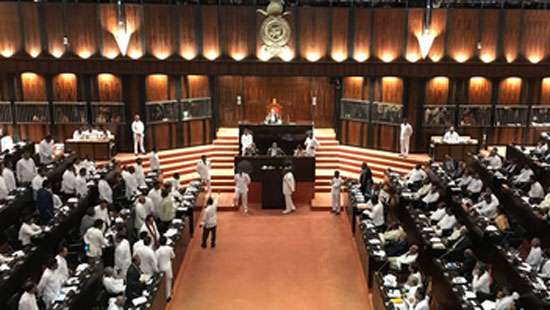
A heated argument erupted in Parliament yesterday between Hambantota District UPFA Parliamentarian Namal Rajapaksa and Deputy Minister of Development Strategies and International Trade Nalin Bandara over the Hambantota-Oman Oil Refinery.

Speaking during the committee stage debate in the House, MP Rajapaksa said the cabinet had given the approval for the project in November 2016 though the Singaporean Company Silver Park pvt Ltd has been established in June 2017. He said 400 acres have been given to the company despite this situation.

Also MP Rajapaksa questioned as to whether an environment assessment study on the project was carried out. It is said that the oil refinery will affect the movement of birds in Boondala sanctuary while the proposed cement factory could affect the salterns. Have you done the environment assessment study and did you consider all these? he questioned.

Deputy Minister Bandara said everything about the projects are legal. The BOI and our ministry had followed all rules and regulations when finalizing the project,” Mr. Bandara said. He said projects would be fully operational in 18 months.

MP Rajapaksa: A foundation stone was laid near the Hambantota harbour whereas the Prime Minister said that there was a rock. No discussions were initiated with the relevant companies. The Prime Minister laid a foundation stone for nothing. You all have given approval for a company that was not established. No environment report was taken. This is an eye wash. People are going to be deceived targeting elections. Who is the investor? Tell us clearly.

Deputy Minister Nalin Bandara raised a question and said: The investor is in India. When the Oil Minister from Oman came, they had become excited.

(Pandemonium within the House)

MP Rajapaksa: Don’t take my time.

Leader of the House Laxman Kiriella: Give him three more minutes. Please give him the time.

Chair: All right, now speak.

Dy Minister Nalin Bandara: They made the harbour for breeding fish. The cement factory will come within 18 months. We are going to convert your white elephant into an elephant that is going in a procession. A tyre factory is in the offing. The first tyre will be given to you free of charge. We are going to establish a steel factory in Trincomalee as well.

(Disturbance from the opposition)

Opposition members:

Sadhu… Sadhu… Sadhu…. (Yohan Perera and Ajith Siriwardana)

UN resolution – SL didn’t agree to a time frame: Amunugama

March 26th, 2019

Yohan Perera and Ajith Siriwardene  Courtesy The Daily Mirror

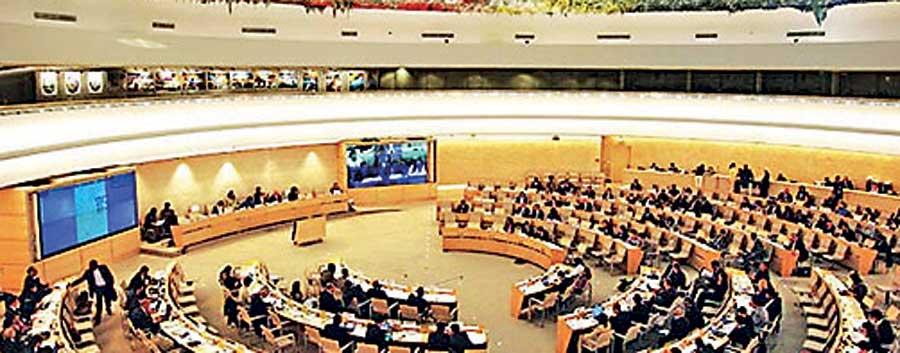
Opposition MP Sarath Amunugama, who was a member of the Sri Lankan delegation to the UNHRC, told Parliament today that Sri Lanka did not agree to a time frame to implement what it promised through the resolution adopted in Geneva.

We told the UNHRC that we are not prepared to work according to a timeframe,” he said.

The MP said the SL delegation also informed the UNHRC that Sri Lanka was not prepared to allow foreign judges to participate in the hearings on war crime allegations.

We told UNHRC that the Sri Lankan constitution does not permit foreign judges. We also said amending the constitution is an uphill task as it has to be approved by a two-thirds majority in Parliament,” he said.

The MP said Sri Lanka’s action in Geneva was a success and President Maithripala Sirisena had played a role in it.

The Government’s original plan was to refrain from sending a delegation to Geneva and get Sri Lanka’s permanent representative to represent the country. However, it was the President who decided to send a delegation led by Foreign Affairs Minister Tilak Marapana to deal with the UNHRC. So the President should be thanked for this success and Minister Marapana must be given credit for handling the situation effectively,” he said.

The MP said Sri Lanka should act with diligence on certain matters.

He said the three main countries which signed the resolution Sri Lanka — Britain, Germany and Canada were more or less influenced by the diaspora.

“The diaspora accounts for a large number of votes. Therefore the leaders of these nations deal with Sri Lanka for their political survival though their personal views may be different,” the MP said. (

Haul TNA to court for links with LTTE terrorists & separatist demands

March 25th, 2019

TNA the party created by LTTE is making a lot of sound of late. It’s a pity that there is no political party or leaders with spine to commence investigation into LTTE-TNA links, afterall LTTE remains banned and TNA was created by LTTE. There is much that TNA must answer and there are many that TNA must account for before TNA goes blowing any trumpets. Therefore, any future government must ensure that TNA as well as a plethora of other individuals and organizations be investigated for their covert/overt links to LTTE. If Sumanthiran wants a judicial mechanism we can most certainly give him one by starting off with investigating LTTE-TNA links first and by all means we would love to invite some foreign judges as OBSERVERS.

On 22 March 2019 TNA MP Sumanthiran at the committee stage debate in Parliament issued a warning I want to make one thing very clear. The GOSL has made these commitments 3 times in writing. But if they do not adhere to this commitment of including ‘independent’ foreign judges in the judicial mechanism, then we the Tamil people will be left with no alternative but to move towards an entirely international judicial mechanism. That is possible and our people have been asking for this, asking that Sri Lanka be referred to the International Criminal Court (ICC). We prefer a hybrid judicial mechanism, but if the government, despite all of these written commitments, and the fact that it is possible under the constitution to do so, doesn’t do it, then I think it is important that I today announce to the government and to the country, that we will take steps to move Sri Lanka to the ICC or some other entirely international judicial mechanism”.


Sumanthiran – Sri Lanka has NOT signed nor acceded the Rome Statute and only when a treaty is ratified does it become binding on all states and accession has same legal effect as ratification. ICC is not applicable to Sri Lanka.

Who started the quest for separatism first – the LTTE or the Tamil parties? Good question and the answer clearly establishes that it was the Tamil politicians that began the quest to seek a separate Tamil nation and not the LTTE. LTTE only hijacked the quest & turned it into an armed movement that bumped off any Tamil that went against it. So in the eyes of the LTTE – their Tamil only Nation meant ONLY TAMILS that agreed to abide by LTTE rule of law. All other Tamils were not welcome.

LTTE demands were officially made public during the Thimpu talks in 1985

  1. Recognizing Tamils of Ceylon as a nation
  2. Recognizing existence of an identified homeland for the Tamils of Ceylon
  3. Recognizing right of self-determination of the Tamil Nation
  4. Recognizing right of citizenship & fundamental rights of all Tamils of Ceylon

The term ‘Tamils of Ceylon’ or ‘Ceylon Tamils’ is how long?

It was only in 1911 that the term Ceylon Tamils was coined. Prior to that Tamils were referred to as Malabars by all 3 Western European colonial rulers. Malabars came from India and India is and has always been a separate territory to Sri Lanka Therefore, the simple question is how can Malabars from India seek self-determination in Sri Lanka.

Ceylon Tamils earlier known as Malabars have no legal claim to self-determination from Sri Lanka.

The TNA an unregistered alliance was created by LTTE in October 2001 immediately following 9/11 realizing that the West’s ‘War on Terror’ may impact LTTE.

TNA comprised ACTC (All Ceylon Tamil Congress), the EPRLF (Eelam People’s Revolutionary Liberation Front), TELO (Tamil Eelam Liberation Organization), TULF (Tamil United Liberation Front).

What is noteworthy are the election manifesto demands placed by LTTE’s political wing the TNA for the 2001 elections.

2001 TNA election manifesto demands are virtually identical to LTTE Thimpu demands in 1985.

a) Recognition of Tamils as a distinct nationality

b) Recognition of a Tamil Homeland with guaranteed territorial integrity

c) Recognition of the inalienable right of self-determination of the Tamil nation.

d) Recognition of the right to full citizenship and fundamental democratic rights of all Tamils.

Separatism did not start with LTTE.

The first salvo for separatism” was attempted during British reign by creating Tamil ethnic political party (All Ceylon Tamil Congress 1944).

Chelvanayagam founded both ITAK (Federal Party) in 1949 and Tamil United Liberation Front in 1972. SJV Chelvanayagam is known as the father of the Tamil Nation

In 1976 TULF and ITAK demanded an independent state as the ‘secular, socialist state of Tamil Eelam’ (Vaddukoddai Resolution)

5 demands at Vaddukoddai Resolution

  1. State of Tamil Eelam to consist of North & Eastern provinces to all Tamil speaking people
  2. Constitution of Tamil Eelam based on principles of decentralization. No foremost place to any religion or territorial community.
  3. Tamil Eelam will assure equal status to all
  4. Tamil Eelam will be a secular state with equal protection to all religions
  5. Tamil will be language of the State but Sinhala speaking minority can educate and transact in Sinhala subject to reciprocity of Tamil speaking minority in Sinhala state.

ITAK’s 1949 demands were

‘autonomous rule in the North East based on the principles of self-determination and shared sovereignty within a united, undivided Sri Lanka’ (2014)

ITAK is the leader of the TNA alliance

‘Tamil United Liberation Front, of which our party was a member took the historical decision to establish the separate government of Tamil Eelam in 1976’ (Sambanthan in 2014 at ITAK convention)

TULF manifesto of 1977 stated that Eelam would be ultimately established either by peaceful means or by direct action or struggle.”

Prabakaran formed Tamil New Tigers in 1972 the same year TULF was formed

Prabakaran rechristened TNT as LTTE in May 1976 the same month/year TULF called for the creation of an independent Tamil Eelam (Vaddukoddai Resolution)

As you can see both political and military objectives not only were aligned by time but the demands too were virtually the same.

Election manifestos of TNA establishes LTTE links

  • TNA 2001 manifesto virtually the same as LTTE Thimpu demands. TNA claimed LTTE was the sole Tamil National Entity” claiming that as SOLE REPRESENTATIVE of the Tamil people in Sri Lanka LTTE had a right to negotiate on behalf of the Tamil people.
  • TNA 2004 manifesto sought to accept LTTE’s leadership as the national leadership of ‘Tamil Eelam’ and LTTE as the sole & authentic representative of the Tamil people.

TNA was placed in Parliament with help of LTTE

EU Election Observation Mission Chief John Cushnahan EU report on 17, June 2004 clearly establishes beyond doubt LTTE-TNA alliance. LTTE ensured no rival Tamil party/candidate contested other than TNA (UNP and EPDP candidates were killed) LTTE allowed only TNA to campaign freely in N E districts.

TNA MPs openly attend overseas events of LTTE fronts

They even speak on top of these stages. TNA held meetings with Global Tamil Forum head Father Emmanuel in South Africa on 8th January 2012.

At no point in time did the TNA admonish LTTE for their crimes against even the Tamils.

At no point in time did the TNA demand LTTE not to recruit Tamil children by force to turn into child soldiers.

At no point in time did TNA demand LTTE to stop killings, TNA only demanded for the GOSL to stop the offensive.

When 8000 students who sat the O/L were taken for compulsory training by LTTE, TNA did not utter a word. Where were the children/grandchildren of the TNA?

‘Our expectation for a solution to the ethnic problem of the sovereignty of the Tamil people is based on a political structure OUTSIDE that of a UNITARY GOVERNMENT, in a UNITED SRI LANKA in which Tamil people have all the powers of government needed to live with self-respect and self sufficiency’. (Sambanthan ITAK convention 2014)

Even former Supreme court Judge CV Wigneswaran started singing the Pulippaattu” (Tiger song) after being nominated as TNA chief ministerial candidate for the Northern provincial council

Both TNA & LTTE must share ‘collective guilt’ for every crime committed since the call for separatism converged with the gun.

Shenali D Waduge

https://www.onlanka.com/news/tamil-national-alliance-ltte-separatist-manifestos-2001-2004-2010-and-now-2013.html

https://www.mfa.gov.lk/the-un-investigative-panel-must-probe-tna-ltte-links/ https://tamiltigeractivities.wordpress.com/2014/10/30/the-un-investigative-panel-must-probe-tna-ltte-links/

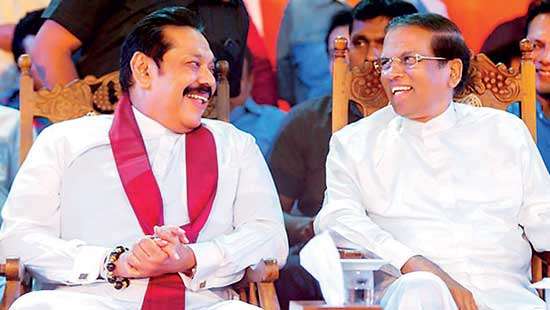
How sincere and politically honest is President Maithripala Sirisena. ?

March 25th, 2019

By Charles.S.Perera

On the 26th October,2018 President Sirisena sacked  his Prime Monster Ranil Wickramasinghe and appointed Mahinda Rajapakse as his Prime Minister.

What was his motive ? Was it because he had no other solution  or was it because  he regretted what he did   in November 2014 by leaving the SLFP to become the Common Presidential Candidate of the Opposition ? 

If he did that to rectify that error knowing that Mahinda Rajapakse is a real patriot and a dependable leader to run the government of the  country which is being mismanaged and  being gradually divided and destroyed by an ambition egocentric power crazy  agent of the West-Ranil Wickramasinghe as the Prime Minister.

Then the President Sirisena  was sincere and he had really  regretted the mismanagement of the country and its finance by Ranil Wickramasinghe and his UNP click since the change took place on the 9th January,2015.  It also means that the President  did not pardon Ranil W-the PM, for once again carrying out a second Bond Scam in 2016, despite the exposure of his Yahapalanaya as a fraudulent set up to swindle the finances of the Country.

Of course the judiciary which is an arm of Ranil Wickramasinghe and the UNP  awaiting the applause of the West, did what the President did not expect and helped Ranil Wickramasinghe and the UNP to continue with  their  changing of the aspects of ancient Sinhala Buddhist  Sri Lanka  as a measure of reconciliation to give the Tamil politicians what they want, and get the approval of the West.

However, this unexpected change of heart of the President Sirisena had a  negative effect on the  opposition, specially the newly formed political party the Sri Lanka Podujana Peramuna. SLPP which  had gone beyond  every one’s expectation  to become the most popular political party which sealed the end of the popularity of the SLFP, and became a challenge to UNP.

But since the most undemocratic and unconstitutional decision of the Judiciary, which prohibited the President from dissolving the Parliament before four and a half years, Ranil Wickramasinghe and the UNP has settled into continue its destruction of the ancient Sri Lanka to replace it with a modern Sri Lanka with Tamils getting more power over the Sinhala majority, and the West is able to do what ever they want with the country as they have become the decisive force of the future of Sri Lanka under UNP. 

The UNP has again become a party sponsoring a resolution now being proposed  by UK against Sri Lanka. It has now been approved at the UN Human Rights Council lead by Mme Michelle  Bachelet who knows next to nothing about Sri Lanka, except what she had read along with  the fiction  Darusman War Report, and updated by Samantha Powers, Navi Pillai and Zeid Al-Hussain, The President has not been able stop it.

President Sirisen’s powers are being restricted and Ranil , Karu Jayasuriya and UNP have made of him an isolated President without power in the Cabinet and the Parliament controlled by Ranil Wickramasinghe, his friend Karu Jayasuriya the Speaker , Lakshman Kiriella UNP Leader of the House, Mangala Samaraweera Minister of Finance.

The President Maithripala Sirisena  has even become powerless in the SLFP with the appointment of  Dayasiri Jayasekara, and allowing , Duminda Dissanayake and Mahinda Amaraweera  to make statements without the President Sirisena’s consent  against the SLPP and the left by further  isolating the President Maithripala Sirisena.  If the President is sincere about a change and wants to be with Mahinda Rajapakse, why does  not he say so and counter the statements being made by  the Secretaries of the SLFP and UPFA ?

The UNP tries to benefit from every thing putting the blame even on patriotic acts of the President and the Joint opposition. The change of government on the 26th October 2018 what ever the seven judges of the Supreme Court said was democratic and Constitutional. The Supreme Court misinterpreted the Constitution. With that ,  the UNP tries to profit from it saying that it was the result of a conspiracy.

That 51 days of the short government of Mahinda Rajapakse showed how the country could be ruled positively looking after the welfare of the people. But for UNP  it was the period that reversed the progress of the country. But Ranil and UNP are only  trying  to fool the people  who knows there had been  no progress what so ever under the Yahapalanaya government and that it was the very reason why the President Sirisena changed heart to appoint the man he betrayed as the Prime Minister.

UNP cannot fool the people all the time , nor can the JVP with all their big talks with a 20th Amendment fool the people once again. They will not even get six seats the next time . Ratana Hamuduruva is equally a traitor like Champika Ranavaka. They cannot change the thinking of the people any more.That is for sure.

But the President Mithripala Sirisena is a mystery . What does he really want ? 

There was a tremendous demand for a Government by the SLPP before the President’s  change of heart in October,2018. But thereafter  this trend has  weakened to a certain extent .  And contradictory statements are being made by Dayasiri Jayasekara, Mahinda Wimalaweera, and Duminda Dissanayake. But the Prersident Maithripala Sirisena has not made any statement with regard to these controversial statements  of the SLFP , and UPFA Secretaries. 

If the intention of the President Maithripala Sirisena in the interest of Sri Lanka is to get rid of Ranil and UNP the dangerous cancker that is eating into the flesh and the system of Sri Lanka, he should then be prepared to sacrifice his own personal ambitions of another period of Presidency, and support a presidential candidate from the opposition supported by the SLPP and SLFP and the rest of their allied parties.

He should make his intention clear and inform the SLFP and UPFA to fall in line with SLPP without making unnecessary demands. The defeat of UNP under any Presidential Candidate should be the primary objective of the SLFP, SLPP and the rest.  It will be difficult if the opposition is divided between two Presidential Candidates.  Therefore it is time that the President Maithripala Sirisena issues a statement of his intention without further delay..

President Maithripala Sirisena has won the respect of the people since he sacked  Ranil Wickramasinghe as his Prime Minister. The Present Prime Minister Ranil Wickramasinghe is a valueless skeleton. If the President Maithripala Sirisena makes  clear his intention to step down for the sake of the one Common Candidate of the SLPP and SLFP and others, he will retire as a loved and a respected President of Sri Lanka for life.  But if he were to contest and  get defeated he will not be able to retire so respectfully and loved by the people.

Ranil and UNP are prepared to sacrifice any historical and cultural values of the people to reconcile with the Tamil Politicians.  And the President seems  to be giving in by distributing lands and appointing a Tamil Governor etc. to the North.  But the TNA has not ceased to accuse Sri Lanka in one way or another demanding their rights with the intention of forming a Tamil only Province combining North and East. 

The TNA  is a child conceived and prepared for the role of protecting the terrorists and be their spoke persons by  the terrorist leader Prabhakaran. They have no right to make excessive demands from the Government and above all prepare the Constitution  for Sri Lanka. They really have no large following of ordinary Tamil people. Those who  vote to who ever they ask do so through fear of the TNA and its members.

One of  President Mahinda Rajapake’s errors committed during his regime was not disbanding the TNA and take  action to imprison the members of the TNA as most of the other terrorists taken into custody after the defeat of terrorism.

Sumanthiram now says that if the government does not set up a Hybrid Court as demanded by the US Resolution 30/1, he would take the Sri Lanka armed forces before the International Court.  The President should not allowed Smanthiran to  make those statements , and warn of the consequenses he might have to face.

This is the time that President Maithripala Sirisena should pounce upon them  by appointing a Presidential Commission to inquire into the activities of the members of the TNA during terrorism and after the elimination of terrorism.  It has become imperative as the TNA which is very much responsible for the massacres committed by the terrorists and even the assassination of Tamil and Sinhala Political leaders and late Mr. Lakshman Kadirgamar.

They now have a  magnificient time as king makers” and the writers of a new Constitution to Sri Lanka. Enough of that. Lets face it, the time has come for the President to stand up and appoint a Commission  to inquire into the activities of TNA during and after terrorism. That will silent them and the ordinary Tamil people knowing that the dogs have been tied”, will vote for parties other than that of TNA, Wignesvaran  etc, They may prefer voting to candidates from SLPP or SLFP.

STAR HOTELS MISBEHAVING AGAIN

March 25th, 2019

Dr Sarath Obeysekera 

When Sri Lanka had a lean time in tourist arrivals during war time, locals were treated with arms extended by the staff of all hotels in Sri Lanka.

Brownies are not well treated by the brownie managers as the hotel is collecting dollars .from foreigners .

Now that tourism is booming, many white and yellow colour tourists are swarming in Colombo and other areas.

It happened to me today morning, when I went to a  four star hotel which has a Holiday”  name earlier to collect some Korean Experts who came to Sri Lanka .to work in my yard .

Until they come down to the lobby I decided to have a coffee and a brown toast after my early morning walk, on the way to the shipyard.

Beverages manager at the breakfast corner was told by me that I only need a coffee and brown toast and I have no intention to have full buffet breakfast ‘He asked me to serve  coffee from buffet and I  sat to enjoy it.

I asked for the toast and he said to me as I have touched the buffet, you have to pay for the whole buffet ( May be  by consuming all string hopper, bacon sausages and what not! )

Otherwise they have to  serve a coffee separately and picked the coffee cup which was in my hand and walked away.,I THOUGHT WHAT A WASTE !

I called the hotel manager and explain to him that If it was a foreigner who had to undergo this treatment , he /she would Have given earful blasting.to the staff of the hotel.

 .I also told him that influx of foreign tourists is again causing a complex among our own brownies and  that they started treating us like dirt .

Hotel Manager offered me a free coffee in the presence of the training manager who came to listen to my complain and apologized.

I accepted the apology and went to coffee shop in the lobby and bought one for a wapping 520 Rs to prove my point and walked away.

On the way out I saw the Waitress with a  full tray of coffee which was hopefully complementary ,but my ego and disgust  made me to tell her to consume it herself

So Brownies need to be weary of   SO Sri Lankan change of attitude as we are dying for Dollars

Dr Sarath Obeysekera 

ඔමානයේ තෙල් විෂය භාර ඇ මැතිවරයා ආවා. අපි මේ සමාගම කවුද, මේ සමාගම හා සිංගප්පූරුව අතර තියෙන සම්බන්ධය මොකක්ද, කියන දේවල් දැන ගන්න කැමැතියි. ඔමානයේ ඇමැතිවරයාවත් හයර් කළාද කියලා සැකයි. -අද (25) දින ශ්‍රී ලංකා පොදුජන පෙරමුණේ මාධ්‍ය හමුව

March 25th, 2019

අද (25) දින මාධ්‍ය හමුවට සහභාගි වු නියෝජිතයින් මහාචාර්ය ජී. එල්. පීරිස් මහතා පාර්ලිමේන්තු මන්ත්‍රී රෝහිත අබේවර්ධන මහතා

2015 ජනවාරි 8 වැනිදා ඉදන් මේ වනතුරු ආන්ඩුව රටට එක මෙගාවොට් එකක් එකතු කරන වැඩපිීලවෙලක් හැදුවද. මේ ආන්ඩුව නොහැකියවේ ආන්ඩුවක්. මිනිස්සුන්ට දෙන්න තියෙන දසවද දුන්න ආණ්ඩුව සිංහල අවුරුද්ද කලුවරේ සමරන්න සලස්වුවා. මේ ආන්ඩුව හවස 7 – 8 අතර කාලයේ මිනිස්සුන්ව කලුවරේ තියන්න කැමැතියි. ඒ වෙලාවටයි මාධ්‍ය ආයතන පණිවිඩ දෙන්නේ. අපේ කාලයේ ප්‍රවෘත්ති බලන කොට සංවර්ධන අද්‍යාපන පුවත් අහන්න ලැබුනට දැන් අහන්න ලැබෙන්නේ පාතාල ක්‍රියා, මිනීමැරුම්, ආන්ඩුවේ වංචා දූෂණ වගේ දේවල්. ඒ වෙලාවේ ලයිට් කැපුවම අල්ලන මත්ද්‍රව්‍ය ප්‍රමාණය, මරණ මිනිස්සු ගාන, මැති ඇමැතිවරු ගහපු ගැහිලි ගැන ජනතාවට දැ ගන්න ලැබෙන්නේ නැහැනේ. ඒ පැත්තෙන් ලයිට් කැපිම ආන්ඩුවට සැනසීමක්.  මහින්ද රාජපක්ෂ ජනාධිපතිවරයාගේ සමයේත් නියග තිබුණා. මේ සියල්ල අතරේ කළමණාකාරීත්වයකින් රට ඉදිරියට ගියා. මිනිස්සුන්ව කලුවරේ තිබ්බේ නැහැ.

හම්බන්තොට අපනයන සැලසුම් කළාපයක් රනිල් වික්‍රමසිංහ අගමැතිවරයා ගිහින් විවෘත කළා. තෙල් පිරිපහදුවක් හා සිමෙන්ති කර්මාන්ත ශාලාවක්. එදා වරාය විෂය භාර ඇමැති මම. මෙවැනි කර්මාන්ත ශාලා 11ක් අරභන්න විදේශීය ආයෝජකයෝ 11ක් ඩොලර් බිලියන 1.1 ක විදේශ ආයෝජන අරන් ආවා. එදා සියලු ගිවිසුම් ගහලා තිබුණා. රජයක් විදියට ප්‍රතිපත්තියක් ක්‍රියාත්මක කළා නම් ඒ ආයෝජකයෝ කර්මාන්ත ශාලා 11ක් මේ රටේ පිහිටුවලා. ඒවා එහෙම පිටින්ම අයින්කරලා මැතිවරණය ළග නිසා දැන් අපනයන සැකසුම් කළාපය හදිසියේ හදන්න යනවා. ඔමානයේ තෙල් විෂය භාර ඇ මැතිවරයා ආවා. අපි මේ සමාගම කවුද, මේ සමාගම හා සිංගප්පූරුව අතර තියෙන සම්බන්ධය මොකක්ද, කියන දේවල් දැන ගන්න කැමැතියි. ඔමානයේ ඇමැතිවරයාවත් හයර් කළාද කියලා සැකයි. කලුතර මිල්ලනිය, මාවතගම, කුලියාපිටිය වගේ ස්ථානවල තානාපතිවරු ගෙන්වලා නොයෙකුත් කර්මාන්ත ශාලා ඉදිකිරීමේ මුල්ගල් තිබ්බා. අවුරුදු 4ක් ගත වෙලා මොනවද මේ කර්මාන්ත ශාලාවල ඉදිකලේ. දැන් අක්කර 12000ක් වෙන්කරලා එහි ගොල්ප් ක්‍රිඩාපීටි 5ක් හදනවාලු. අපේ රටේ මිනිස්සුන්ට අඩුවෙලා තිබුනේ ගොල්ප් ගහන එක විතරයි. ඒ තරමට අපේ මිනිස්සු ඉන්නේ සුඛිත මුදුත වෙලා. දැන් රුහුණ ආර්ථිකයේ කේන්ද්‍රස්ථානය කරනවාලු. මේ ආයෝජන කළාපය එතුමාගේ 70 වැනි උපන් දිනය වෙනුවෙන් දායාද කරනවාලු. එතුමා 2017.01.03 කුලියාපිටියේ වොක්ස්වැගන් මව් ආයතනයවත් නොදැන වොක්ස්වැගන් වාහන නිෂ්පාදනය කරන කර්මාන්ත ශාලාවක් අපේ රටටදායාද කළා. මේ තියෙන්නේ දැන් කුලියාපිටියේ හදන කාර් ( සෙල්ලම් කාරයක් පෙන්වයි) පාර්ලිමේන්තු මන්ත්‍රීවරුන්ට මේක එවලා තිබුණා. මේ වැනි සිහින මාලිගාවලට අපිව එක්ක යනවා. මාධ්‍යවේදීන්ට අපිට වඩා පේන්වා. 2015 ජනවාරි 08 ඉදන් මේ වන තෙක් අක්කර 12000,25000,15000 කියමින් ගස් කැපුවානේ.මේ වන තෙක් බුල්ටෝ ටොපි , තලාබෝල පැකට් කරන තැනක් හැදුවා නම් කියන්න. ඔමානයේ ඇමැතිවරයා තියාගෙන ආන්ඩුවේ අය කියපු දේවල් බැලුවම ලංකාව දැන් සුරපුරයක්. මිනිස්සු බොහොම සතුටින්. උදේ අපි පාර්ලිමේන්තු එන කොට වයලින් ගගහා මිනිස්සු සතුටින් පාරවල් වල ඉදියි කියලා හිතුවේ. 2019 සතුටින් ඉන්න මිනිස්සුන්ගේ ලයිස්තුවේ ශ්‍රි ලංකාව ඉන්නේ 130 වෙනි තැන. 2018 ඉදලා තියෙන්නේ 116. පකිස්ථානය 67 වෙනි තැන. භූතානය 95 වෙනි තැන. නේපාලය 100 වෙනි තැන. බංගලිදේශය 125 වෙනි තැන. ලංකාවේ සතුටෙන් නොවන මිනිස්සු බවට පරිවර්තනය විමකුයි තියෙන්නේ. මේ කියනවිදියට රට පරිවර්ථනයක් වුනා නම් මිනිස්සු සතුටෙන් ඉන්නවා. මේ හතරගාතෙන් වැටුනු ආන්ඩුවට තව දුරටත් ඉදිරියට යන්න බැහැ. 5 වැනිදාට දොල පිදේනි දීලායි. දෙමල සන්ධානයට අපේ රණ විරුවෝ පාවා දෙන ගමන් විල්පත්තුව කපන්නත් ඉඩ දිලා අයවැයට අත ඔසවා ගන්නවා.

ශ්‍රී ලංකා පොදුජන පෙරමුණේ සභාපති මහාචාර්ය ජී. එල්. පීරිස් මහතා

විදේශ ඇමැතිවරයාගේ ප්‍රධානත්වයෙන් ජිනිවා නගරයේ ශ්‍රි ලංකා රජය නියෝජනයකරන පිරිස මානය හිමිකම් මහ කොමසාරිස්වරිය නිල වශයෙන් හමුවුන බව නිවේදනය කලා. මහ කොමාසරිස්වරිය රජයේ වැඩපිළිවෙල ප්‍රසංශා කළ බවත් විදේශ කටයුතු අමාතයංශයේ නිවේදනයේ සදහන් වෙනවා. එතුමියගේ වාර්තාවෙන් නම් කියන්නේ  ඒ අය කියන විදියට යුද්ධය කාලයේ සිදුවුනු අපරාධ සම්බන්ධයෙන් අපක්ෂපාතී විමර්ශන පවත්වලා අදාල පුද්ගලයින්ට දඩුවම් පැනවිමට ශ්‍රී ලංකා රජයට නොහැකි බවයි. මහ කොමසාරිස්වරියගේ වාර්තාවෙන් අපක්ෂපාති වමර්ශන ශ්‍රි ලංකා රජයෙන්බලාපොරාත්තු වෙන්න බැරි බව කියනවා. අද දැඩි අවශ්‍යතාවයක් තියෙන්නේ මේ ක්‍රියාදාමයන්ට විදේශිය විනිසුරන් සම්බන්ධ කර ගැනීම බවයි ඇය සදහන් කරන්නේ. එසේ නොකලොත් සත්‍ය අනාවරණය නොවන බව කියමින් එසේ නොකලොත් අනාගතයේ බරපතල දුරිව්පාකවලට ශ්‍රී ලංකාවට මුහුණ දෙන්න සිදුවෙන බවයි.

මේකට ප්‍රතිචාරය විදියට තිලක් මාරපන විදේශ ඇමැතිවරයා කියන්නේ විදේශීය විනිසුරන්පත් කරන්න ඉඩක් ලංකාවේ ව්‍යවස්ථාවේ නැති බවයි. එසේ කරනවා නම් ආන්ඩුක්‍රම ව්‍යවස්ථාව සංශෝධනය කරන්න පාර්ලිමේන්තුවේ තුනෙන් දෙකේ බහුතරය හා ජනමත විචාරණයක් පැවැත්විය යුතු බවයි කියන්නේ. මෙතනදි ප්‍රශ්නයක් නැගෙනවා. මේක ශ්‍රී ලංකාවේ යෝජනාවක්. ඒ යෝජනාවේ 6 වැනි ජේදයෙන් කියන්නේ විදේශීය විනිසුරන් යොදා ගන්න එකග වන බවයි. මෙය ආන්ඩුක්‍රම ව්‍යවස්ථාවට පටහැනියි නම් එදා ආන්ඩු ක්‍රම ව්‍යවස්ථාවට එරෙහි දෙයක් කරන්නයි මේ රජය පොරොන්දු වෙලා තියෙන්නේ. එහි ප්‍රතිඵලයක් වශයෙනුයි මේ අවුල් ජාලාව ඇති වෙන්නේ . දමිල සන්ධානය නියෝජනය කරමින් වෙනම ධූත පිරිසක් යනවා රටට විරුද්ධව අදහස් දක්වන්න. එහි වියදම දැරැවේ ශ්‍රී ලංකා රජයයි. 2015 එකග වු විදියට සියයට සියයක් විදේශිය විනිසුරන්ගේ අධිකරණයක් පත් කළන්න අවශ්‍යයි. රට දෙකට නෙවෙයි හතරට කැඩුනත් කමක් නැති බවයි ඒ අය කියන්නේ. මේ දෙවෙනි යෝජනාව ගේන්නේ එංගලන්තය කැනඩිව ජර්මනිය මැසඩෝනියාව ඇතුළු බටහිර රටවල් පහක්. ඒකට අත්සන් කරපු එකම ආසියානු රට ශ්‍රී ලංකාවයි. මේ සම්බන්ධයෙන් ගත්ත ක්‍රියාමාර්ගය වැරදියි රටේනීතියට පටහැනියි. මේ  යෝජනාවට අත්සන්කරන්න කියලා ජිනීවා නගරයේ තානාපතිවරයාට නියෝග කලේ විදේශ ඇමැතිවරයා නෙවෙයි. අමාත්‍යංශයට සම්බන්ධයක් නැති සංහිදියා ඒකකය කියන ආයතනයේ මනෝ තිත්තවැල්ල. විදේශ කටයුතු අමාත්‍යංශය හෝ ජනාධිපතිකාර්යාලය මේ සම්බන්ධයෙන් කිසිම දෙයක් දන්නේ නැහැ. මේක දේශද්‍රෝහි ක්‍රියාවක්.

එක්සත් ජාතින්ගේ රටවල සියලුම තානාපති කාර්යාල ඇමරිකාවේ පිහිටලා තියෙනවා. ඒ මධ්‍යයේ ශ්‍රී ලංකාවට විරුද්ධව ඇමරිකාව ගෙනාපු යෝජනාව සම්මත කර ගන්න සියලු උත්සාහයන් ගත්තත් මහින්ද රාජපක්ෂ සමයේ අපි ගිහින් කරුණු ඉදිරිපත් කළාට පස්සේ අවසානයේ යෝජනාවට පක්ෂව ලැබුනේ ඡන්ද 23යි. රටවල් 12ක් විරුද්ධව ඡන්දය දුන්නා. තව රටවල් 12ක් ඡන්දය නොදී හිටියා. ඇමරිකාව කෙතරම් බලවත් වුනත් මානව හිමිකම් කවුන්සිලයේ සාමාජිකත්වයෙන් අඩක් යෝජනාවට එකග කර ගන්න බැරි වුනා. එදා ශ්‍රී ලංකාවේ ස්ථාවරය සාධාරණයි කියන තැන චිනය රුසියාව සවුදි අරාබිය, එක්සත් එමිරේට්, පකිස්ථානය වගේ රටවල් හිටියා. ඉන්දුනිසියාව ජපානය ඔවුන්ගේ නියෝජිතයින් හරහා ලංකාවේ අභ්‍යන්තර ප්‍රශෟනවලට අත පෙවීම සුදුසු නැති බව කිව්වා. ඒ අවස්ථාවේ සංශෝධනයක් ඉදිරිපත්කළා නම් ඒ සංශෝධනය ජය ගැනීමට අවස්ථාව තිබුණා වුනත් ආන්ඩුව පත් කරන්න උදව් කරපු දෙස් විදෙස් බලවේග තෘප්තියට පත්කරන්න චේතනාන්විතව රජයේ සම අනුග්‍රහයෙන් යෝජනාව ගෙනාවා.

43 වැනි සැසිවාරයේදි රට ගැන විමර්ශන පවත්වලා වාර්තාවක් ඉදිරිපත් කරන්න කිව්වා. ඒ වාර්තාව ගැන සම්පුර්ණ විමර්ශන පවත්වලා මානව හිමිකම් කවුන්සිලයේ 46 වැනි සැසිවාරය පැවැත්වීමට ශ්‍රී ලංකා රජය එකගත්වය ප්‍රකාශ කළා. රටේ අභ්‍යන්තර කටයුතු ගැන තිරණ ගන්න මොනවගේ ආයතනයකට අපි අවසර දීලා තියෙන්නේ. මානව හිමිකම් කොමසාරිස්වරිය හමුදාවේ මාණ්ඩලික ප්‍රධානියා විදියට වැරදි කෙනෙක් පත් කළා කියනවා. නමුත් පළාත් සභා මැතිවරණ්‍ය වසර එකහමාරකට වඩා කල් දැමිම ගැන වචනයක්වත් කියන්නේ නැහැ. මතු කුඩු ජාවාරම්කරුවන්ට මරණීය දණ්ඩනය පැනවීම ගැන විරෝධය පත්කරනවා. ඒ වුනාට ඇමරිකාවේ මරණිය දණ්ඩනය ක්‍රියාත්මක වෙනවා. මේක තමයි දෙබිඩි පිළිවෙත. නවසිලන්තයේ ත්‍රස්තවාදී ක්‍රියාවට එරෙහිව අදහස් දැක්වුවත් කාත්තන්කුඩියේ ඒවැනි සිද්ධියවක් වුනාම ඒක විමුක්ති අරගලයේ කොටසක්. ඒ නිසා ඇමරිකාව ද්විත්ව පිළීවෙතක් අනුගමනය කරන නිසා අපි ඉල්ලා අස්වෙනවා කියලා පරුෂ වචන කියමින් ඒ ආයතනයෙන් ඉවත්වුනේ. ඒකෙන් ප්‍රයෝජන ගන්න අවස්ථාව ආවත් අපේ රට කිසිම ප්‍රයෝජනයක් ගත්තේ නැහැ. වසර දෙකකට වොෂින්ටන්වල අපේ තානාපතිවරයෙක් නැහැ. මේ රටේ විදේශ ප්‍රතිපත්තිය මේ වෙද්දි අවුල් වෙලා තියෙන්නේ.

විදුලිය ප්‍රශ්නය ඇති වෙලා තියෙන්නේ රජයේ නොහැකියාව නිසයි. මේ වෙනකල් ආන්ඩුවට එක ප්‍රධාන ව්‍යාපෘතියක්වත් අනුමත කරගන්න බැහැ. මෙහෙම වුනාම පුද්ගලික අංශයෙන් මිලදිගැනිම් කරන්න වෙනවා. මේවා හිතාමතාම කරන්නේ.වැස්ස තියෙනවා නම් විදුලිය තියෙනවා. වැස්ස නැත්නම් විදුලිය නැහැ. මෙහෙම වෙන්න ආන්ඩුවක් මොකටද.

පාර්ලිමේන්තු මන්ත්‍රී ඩලස් අලහප්පරෙුම මහතා

මෙවර අයවැය තරම් පාර්ලිමේන්තු මන්ත්‍රීවරුන්ගේ අඩුම සහභාගීත්වයක් ඇති අයවැයක්, මේ තරම් ඇල්මැරුණු විවාදයක්, මගේ පාර්ලිමේන්තු ජිවිතයේදී දැකලා නැහැ. අයවැයේ තියෙන දේශපාලන ගුණය හා සමාජ ගුණය මේ වසර දෙක ඇතුළත මුලුමනින්ම නැති කරන්න මේ ආන්ඩුව පියවර ගෙන තිබෙනවා. අයවැයට තිබුණු සම්භාවණිය වටිනාකම , ගරුත්වය මුලිනුපුටා දමන්න පියවර ගෙන තිබෙනවා. මේ අයවැය ප්‍රකාශයට පත්කරලා මුදල් ඇමැතිවරයා පාර්ලිමේන්තුවෙන් එළියට එන ගමන් කියනවා අද රෑ ඉදලා ඉන්ධන මිල වැඩිවෙනවා කියලා. තුනිවෙනි දවස වෙද්දි පිටිකිරි මිල ඉහළ දමනවා. ඊට පැය 72ට පෙර ඉදිරිපත් කරන අයවැයේ මේ  සම්බන්ධයෙන් සදහනක් නැහැ. මගේ පාර්ලිමේන්තු ජිවිතයේ පළවෙනි වතාවට වැරදිපූර්වාදර්ශයන් දෙකක් අපි දැක්කා. අයවැය විවාදය යන අතරතුර අමාත්‍යංශ දෙකක විෂයන් වෙනස්කළා. පාර්ලිමේන්තු ඉතිහාසයේ ඒ විදියට විවාදය යන අතරේ ඇමැතිධුර වෙනස් වෙනවා අපි දැකලා නැහැ. උදාහරණයක් විදියට වෘත්තීය පුහුණු හා නිපුණතා සංවර්ධන අමාත්‍යංශය විවාදය කරලා පැය 48ක් යද්දි අමාත්‍යංශය වෙනස් වෙනවා. මේකෙන් පේන්නේ විද්‍යාත්මක පදනම් ගැන කතාකරන මේ ආන්ඩුව මොන තරම් අවිද්‍යාත්මකද, අතාර්තිකද කියන කාරණයයි. ආන්ඩුවට පිළීවෙලක් නැහැ. මේ රටේ ජනතාවට කියනවා අයවැය ඇතුලේ තියෙන්නේ සංඛ්‍යා විතරයි. පහුගිය අවුරුදුවල ඉදිරිපත් කරපු යෝජනා ඒ විදියටම ඇතුළත් කරලා තියෙනවා. ආකර්ශනියයි කියන යෝජනා පවා මීට පෙර ඉදිරිපත් කරපුවා. අයවැයේ තිබුණු සම්භාවණීය, ගරුත්වය මුලුමනින්ම නැති කිරිම ගැන අපි ආන්ඩුවට විරෝධය දක්වනවා.

අයවැය පරාජය පත්කරනවාද කියන දේ ජනතාව අපෙන් අහනවා. අයවැය පරාජය කරන්න බැහැ. ඇයි බැරි. පළිවෙනි කාරණාය විපක්ෂය විදියට පෙනි ඉන්න දෙමළ ජාතික සන්ධානයට මෙවරත් ජිනීවා කප්පම දුන්නා. ඒ නිසා දෙමළ ජාතික සන්ධානයේ මන්ත්‍රීවරුන් 15 දෙනා  අයවැය වෙනුවෙන් පෙනි සිටිනවා.ඊට අමතරව ශ්‍රීලනීපයේ මන්ත්‍රීවරු කිහිපදෙනෙක් එක්සත් ජාතික පක්ෂයේ මෙහෙකරෙ සේවයට ඇතුල් වෙලාතියෙනවා. මේ දෙපාර්ශවය නිසාවෙන් අයවැය සංඛ්‍යාත්මකව පරාජය කරන්න බැහැ. දෙමළ ජාතික සන්ධිනයේ දේශපාලන වංකභාවය හා ශ්‍රීලනිපයේ ඇතැමුන් දේශපාන මෙහෙකාර සේවය ඇතුලත්වීමයි අයවැය පරාජය කරන්න බැරි ප්‍රධාන හේතු.

ජාතික ආන්ඩුව හා විධායක ජනාධිපතිධූරය ඉවත් කිරීම දැන් නැවතත් කරළියට ඇවිත් . මේ කාරණා කරළියට එන්නේ මොන වෙලාවටද. ඔබ මාධ්‍යයෙන් වාර්තා කළා රාජපක්ෂ පවුලේ සාමාජිකයින් එකතු වෙලා නුදුරු ජනාධීපතිවරණය සම්බන්ධයෙන් ඒකමතික තීන්දුවකට ආපු බව. ඒ තින්දුව රාජපක්ෂ පවුලෙන් හෝ ඒකාබද්ධ විපක්ෂය විදියට ප්‍රකාශ කලේ නැහැ. නමුත් මාධ්‍ය වාර්තා කළා. මේ වාර්තා කිරීමෙන් පස්සේ හැංගි හැංගි වෙස් බැදපු ජාතික ආන්ඩු කෝළමත්, විධායක ජනාධීපති කෝළමත් කරලියට ආවා. ගෝඨාභය රාජපක්ෂ මහතා පවුලේ නියෝජිතයා විදියට ඉදිරිපත්කරන්න තින්දු කළා කියලයි වාර්තා කලේ. ඊට පස්සේ මේ කෝලම් දෙක කරලියට ආවා. 1982 ජනාධිපතිවරණ මෙහෙයුම මතක ඇති. එදා ජේ. ආර්. ජයවර්ධන මහතාගේ ජයග්‍රහණයේ උපක්‍රමය බණ්ඩාරනායක පවුල දෙකඩ කිරීමයි. මැතිණියගේ ප්‍රජා අයිතිය අහෝසි කරලා එතුමාය පිටියෙන් එළියේ තියලා බණ්ඩාරනායක පවුල කැඩුවා. එහෙමයි ජේ. ආර්.ජයවර්ධන මහතා අපේ ජනාධීපති අපේක්ෂක කොබ්බෑකඩුව මහතා පරාජය කරලා දැම්මේ. ජේ. ආර්. ජයවර්ධන මහතාගේ බෑනැ වෙන රනිල් වික්‍රමසිංහ මහතාත් හිනයක හිටියා. බණ්ඩාරනායක පවුල කැඩුවා වගේ රාජපක්ෂ පවුලත් කඩන්න පුලුවන් කියලා. බැසිල් ගෝඨා අතර අර්බුදයක්. ජනාධිපති අපේක්ෂකත්වය නිසා රාජපක්ෂ පවුල බෙදිලා වැනි පුවත්වලින් පත්තර පිටු පිරුණා. නමුත් වගකීමෙන් අපි කියනවා. බණ්ඩාරනායක පවුල බෙදුවා වගේ රාජපක්ෂ පවුල බෙදන්නත් බැහැ. කඩන්නත් බැහැ. බැසිල් රාජපක්ෂ මහතා ඉතා ජව සම්පන්නව මැතිවරණ යාන්ත්‍රණය නිර්මාණය කරමින් සිටිනවා. මේ රටේ ලාබාලම පක්ෂය ජයගත්තේ ඒ හැකියාව හා නිර්මාණශීලි භාවය නිසා. මේ සියල්ල නිසා තැතිගත්තු අපේ දේශපාලන විරුද්ධවාදින් මේ කෝළම් දෙක කරළයටගේනවා.

ජාතික ආන්ඩුව ගැන ජනාධීපතිතුමා යමක් ප්‍රකාශ කළා. ශ්‍රිලනිප ඇතැමුන් ඒ ගැන අදහස්දැක්වුවා. පාර්ලිමේන්තුවේ ස්ථාවරභාවය ඇති කරගන්නයි ජාතික ආන්ඩුව හදන්නේ කියලා කියනවා. පාර්ලිමේන්තුවේ ස්ථාවරභාවය නැති වෙලාතියෙන්නේ ඇයි. පාර්ලිමේන්තුව අස්ථාවර වෙන්නේ 1078දි ජනාධිපතිවරණ ක්‍රමයත් එක්ක ගෙනාපු සමානුපාතික මැතිවරණ ක්‍රමය නිසයි. මේ කුමය යටතේ මැතිවරණ 7ක් මේ වෙද්දි තියලා තියෙනවා. 1988,1994,2000,2001, 2004, 2010,2015. මැතිවරණ දෙකකින් විශේෂ හේතු නිසා බහුතර ආන්ඩු පිහිටුවන්න හැකි වුනත් අනෙක් සියලු අවස්ථාවල බිහිවුනේ සුලුතර ආන්ඩු. 1994දි 105යි ආන්ඩුවට තිබුනේ. 2000දි 107යි. 2001දි 109යි. 2004 එතෙක් මෙතෙක් ඉතිහිසයේ හැදුනු පුලුල්ම පෙරමුණ ජවිපේ හා පොදුජන පෙරමුණ අතර ඇතිවුනා. ඒත් පාර්ලිමේන්තුවේ හිටියේ 105යි. 2015 දැන් පාර්ලිමේන්තුව 105යි. 1988 දි ප්‍රෙමදාස රණසිංහ ජනාධිපතිවරයාගෙත් 2010 මහින්ද රාජපක්ෂ මහතාගේත් ප්‍රධානත්වයෙන් බහුතර ආන්ඩු පිහිටුවිම අහඹු සිදුවිම්. 1988 මහා භීෂණයක් අතරේ ඡන්දය ප්‍රකාශ කලේ සියයට 46යි. එජාප පාක්ෂිකයෝ හමුදා රැකවරණය මැද ඡන්ද පොලට ගෙන ගියා. 1988 දි සියයට 46ක් පමණක් ඡන්දය පාවිච්චි කරපු ඒ මැතිවරනය විකෘතියික්. මහා යුද ජයග්‍රහණයේ ආශ්වාදයෙන් ඡන්ද පොලට ගිය 2010  විශේෂ අවස්ථාවක්. මේක තමයි පාර්ලිමේන්තුව අස්ථාවර වෙන්න හේතුව.

විධායක ජනාධිපතිධූර ගැටය, සමානුපාතක මැතිවරණ ක්‍රමය ගැටය, පළාත් සභා ගැටය කියන ගැට තුනක් ජේ.ආර් මහත්තයා ගහලා තියෙද්දි අපිට කතා කරනවා විධෘයක ජනාධිපති ක්‍රමය කියන ගැටය විතරක් කපන්න. අපි දේශපාලන ගැට කපන්නත් නෙවෙයි. ශ්‍රී ලංකා පොදුජන පෙරමුනේ දේශපාලන ගැට කපන්නන් නැති බව ඉතාම වගකීමෙන් කියනවා. ජාතික ආන්ඩු යෝජනාව සමාජවිද්‍යාත්මකව බැලුවම අපචාරයක්. ආර්ථික විද්‍යාත්මකව බැලුවොත් බදු මුදල් මංකොල්ලයක්. අපරාධ විද්‍යාවට අනුව දූෂණයක්. දේශපාලන විද්‍යාවට අනුව ජනතාවගේ පරමාධිපත්‍ය කෙලසිමක්. වෛද්‍ය විද්‍යාවට අදාලව අජීර්ණයක්. ශ්‍රී ලංකා පොදුජන පෙරමුණ හෝ මහින්ද රාජපක්ෂ මහතා ප්‍රධාන කරගත්ත බලවේගය ජනාධිපති අපේක්ෂකයා කියන කාරණය ගැන නිල වශයෙන් තීන්දුවකට ඇවිත් නැහැ. ඒවුනාට අපි නොහිතන අය වුනත් මේ පෙරහැරේ විධායක ජනාධීපති කෝලමේ පිටුපස්සේ ඉදලා තිරය පළාගෙන එලියට එන්නත් පුලුවන්. ඒ ගැන චකිතයකට, පුදුමයකට පත් වෙන්න එපා. මේ රටේ බහුතර මැතිවරණ ක්‍රම යෝනා වෙලා තියෙන්නේ, ආන්ඩු ක්‍රම ව්‍යවස්ථා සංශෝධන යෝජනා වෙලා තියෙන්නේ මැතිවරණ පරාජයෙන් බේරෙන්න හෝ පටු දේශපාලන අරමුණු වෙනුවෙන්. ඒකයි යථාර්ථය. සමානුපාතික මැතිවරණ ක්‍රමය ගෙනත් ජේ. ආර්. ජයවර්ධන ජනාධිපතිතුමා එජාපයේ කෘත්‍යාධිකාරි මණ්ඩලය අමතමින් සදහන් කලේ එජාපයට සදාකාලිකවම බලයේ ඉන්න මම මැතිවරණ ක්‍රමයක් හැදුවා කියලයි. ඒ මැතිවරණ ක්‍රමය ඇත්ලේ මහින්ද මහත්තයා තුනෙන් දෙකේ බලයක් තියෙන ආන්ඩුවක් හැදීම වෙනම කාරණයක්. ඒක රටේ පහළ වුනු වෙන කිසිම නායකයෙක්ට කරන්න බැරි වුනා. ඒනිසා පුදුම වෙන්න එපා මැතිවරණ පරාජයෙන් බේරෙන්න මෙවැනි ප්‍රතිසංස්කරණ ගැන කතා කලොත්.

අරුණ පත්තරේ සන්වේදී ලිපියක් තියෙනවා. යුද ජයග්‍රහණයට නායකත්වය දුන්න ජෙනරල්වරු පස්දෙනා ගැන. ප්‍රධාන සේනාංක පහට අණදීපු මොවුන්ගේ දරුවන් බලන්න විදේශ ගතවෙන්න විසා එකවත් දෙන්නේ නැතිලු. යුද්ධයට එරෙහි වුවෝ වීරයෝ කරලා යුද්ධයට නායකත්වය දිලා ජිවත් වෙන්න පරිසරය හදපු හමුදා නායකයින්ට  අද අත් වෙලා තියෙන ඉරණම මේකයි. පුලුවන් තරම් මේ පණිවිඩය රටට ගෙනියන්න. සංවේදී මිනිසුන්ගේ පපුව කතා කරයි.

මේ ආන්ඩුව දුර්වල කලමණාකරණ සහිත ආන්ඩුවක් බව විදුලි කප්පාදුව මගින් මේ ආන්ඩුව නැවත ඔප්පු කරලා තියෙන්නේ. විදුලි අර්බුදයට නිශ්චිත විසදුමක් දුන්න අය අතර ප්‍රධානියා මහින්ද රාජපක්ෂ මහතායි. ඉතිහාසයේ අපේ නායකයෝ විදුලි අර්බුදයට දිපු විසදුම් මොනවාද. එක නායකයෙක් තිරණය කළා පුද්ගලික අංශයෙන් විදුලිය ගන්න. වරායට නැව් ගෙනත් නැවෙන් විදුලිය මිලදි ගන්න. විදුලිය කපන්නත් යෝජනාවක් ආවා. අන්තිමට කරු ජයසූරිය මහතාගේ කාලයේ පැය 8ක් විදුලිය කැපුවා. එක එක බලවේගවලට බයවෙලා විදුලි යෝජනා ක්‍රම අත් හැරියා. නොරොච්චෝලේ යෝජනා ක්‍රමය අත හැරියා. ඉහළ කොත්මලේ යෝජනා කුමයට මුල් ගල තියෙන දවසට කලින් දවසේ විරෝධතා නිසා ඒක වෙනස් කළා. මේ සියලුවිරුද්ධකම් මැද්දේ මහින්ද රාජපක්ෂ මහත්තයා තින්දුවක් ගත්තා. විදුලි බල ඉංජිනේරැවෝ කිව්වේ අවම වශයෙන් දවසකට මෙගා වොට් 1200ක් අවශ්‍යයි කියලා. මහින්ද මහත්තයා රටේ අනාගතය වෙනුවෙන්ඇහුම්කන් දුන්නේ ඉංජිනේරුවන්ට. ඒ සැලසුමේ ක්‍රියාත්මක කරන්න බැරිවුන දේවල් තව තියෙනවා. තව අපූරු සැලසුමක් චන්ද්‍රිකා බණ්ඩාරනායක මැතිණියගේ කාලයේ තිබුණා. ලෝකේ කිසිම රටක් විදුලි අර්බුදයට නොදුන්න විසදුමක් දෙමින් ඔරලෝසුවේ කටු කැරකුවා. මේවා තමයි අපේ දේශපාලනඥයින්ගේ දුප්පත් දර්ශන. සියල්ල මැද මහින්ද රාජපක්ෂ මහතා අලුතින් බලාගාර තුනක් රටට එකතු කළා. එක බලාගාරයක් රටට නොදුන්න මේ ආන්ඩුව අද කලුවරේ ඇවිදිනවා. එක කාලයක කරුවල ජයසූරිය මහත්තයා හිටියා. දැන් කරුවල කරුණානයක මහත්තයා ඉන්නවා කියලා කාටුන් ශීල්පියෙකුත් කියලා තිබුණා. රවි කරුණානායක මහතාට පුද්ගලිකව ඇගිල්ල දිගු කරන්නේ නැහැ. ඔහු ඇමැතිධූරයට පත්වෙලා මාස තුනයි. ඔහුව නිදොස් කොට නිදහස් කරන්නෙත් නැහැ. මේ ආන්ඩුව මෙයට වගකිව යුතුයි. විදුලි බල මණ්ඩලයේ මාධ්‍ය ප්‍රකාශක සුලක්ෂණ ජයවර්ධන හිටිගමන් තනතුරෙන් ඉවත් වුනා.ඔහු ඉවත් වුනේ ඇයි. අපට ලැබුණු තොරතුරු අනුව වැරදි තොරතුරු සමාජයට දෙන්න කියලා දේශපාලනඥයින්ගෙන්කෙරෙන බලපෑම් නිසයි අස්වුනේ  

මාධ්‍ය –  දවල් කාලයේ අවශ්‍යතාව මෙගාවොට් 2000ට අධිකයි. දැන් තියෙන්නේ 1300යි. අපේ ජගය ඉතිරි කරගෙන සූර්ය බලය පාවිච්චි කරන්න පුලුවන්නේ.

ඩලස් අලහප්පෙරුම – ජලවිදුලිය මගින් රටේ විදුලිය ප්‍රශ්නයවිසදන්න බලාගෙන සිටිනවා නම් එය අනතුරක්. ලොව එයින් මිදෙමින් තිබෙනවා. සෝලා පාම්ස් දැන් තියෙන්නේ. අපිට වේගයෙන් වෙනස් වෙන්න වෙනවා.

මාධ්‍ය – ප්‍රාදේශිය ෂබා 21ක බලය ගන්න කතාවක් යනවා

ඩලස් අලහප්පෙරුම – ශ්‍රී ලංකා නිදහස් පක්සය හා පොදුජන පෙරමුණ අතර පැවැති සාකච්ඡාවලදි ජි. එල් පිරිස් මහතා ඉදිරිපත් කරපු යෝජනාවක් ඒක. දැනට පළාත් පාලන ආයතන 21ක් එජාපය හා ශ්‍රීලනිපය හවුලේ බලය අත්පත්කරගත්ත දේවල්. එයින් 15 සභාපති එජාප. පොදුජන පෙරමුණ පැත්තෙත් එවැනි සභා තියෙනවා. ඒක බිම් මට්ටමේ සමගිය ඇති කරගන්නවා නම් හොද යෝජනාවක්. අයවැයට ජන්දය පාවිච්ඡි නොකිරීමේ සිද්ධියෙන් අපේ පාක්ෂිකයෝ විස්සෝප වෙලා ඉන්නේ. කළකිරිමක් කෝපයක් ඇතිවෙලා. ශ්‍රී ලංකා පොදුජන පෙරමුණට මන්ත්‍රීවරු 15යි. එජාපයට 10යි. ශ්‍රීලනීපයට මන්ත්‍රීවරු 2ක් ඉන්න ආයතනයක් තියෙනවා. පොදු ජන පෙරමුණට බලය ලැබීම වලක්වන්න උපක්‍රමශීලිව සභාපතිකම ශ්‍රීලනීපයෙන් තේරුණු දෙන්නාගෙන් කෙනෙක්ට දීලා සභාව එජාපයට ගන්නවා. එවැනි තත්ත්වයන් රැසක් තියෙනවා. අපේ අවංකකම පෙන්වන්න හොද යෝජනාවක්. අපි යෝජනා කරන්නේ එජාප විරෝධී පුලුල් පෙරමුණක්. එජාප වීරෝධී බවයි මෙහි මුඛ්‍ය ලක්ෂණය වෙන්නේ. එජාප විරෝධී බව එළිපට පෙන්වන්න දකින්න මේක හොද අවස්ථාවක්

ජි. එල් පිරිස් – පාක්ෂිකයින් තුල විශ්වාසය ගොඩනංවා ගන්න මේක හොද අවස්ථාවක්.

මාධ්‍ය – ජවිපේ කියනවා මෙවර සියයට 50 සිමාව කිසිවෙකුට ගන්න බැරි බව කියනවා.

ඩලස් අලහප්පෙරුම – ජනාධීපතිවරණයට පෙර මේ විදියට ජනාධීපතිවරණය ගැන පුරෝකතන කරනවානේ. ජනාධීපතිවරණ 5දිම මේ වගේ පුර්ව නිගමන දීලා තියෙනවා.දැන් ඒ වගේ කතා ඇහෙන්න අරන් තියෙන්නේ. ඡන්ද ප්‍රතිඵල නිකුත් වුනාමයි බලන්න වෙන්නේ. තුන්වෙනි අපේක්ෂකයෝ සාර්ථකයි. ලක්ෂ තුනකට වැඩිය ගත්තේ නන්දන ගුණතිලක විතරයි. මැතිවරණ වෙද්දි පූර්ව නිගමන එන එක සාමාන්‍යයි.

මාධ්‍ය – වත්මන් ජනාධීපතිවරයාව බලනේම අපෙක්ෂකත්වයට ගෙනයන්න අත්සාහ කරනවා.

ඩලස් අලහප්පෙරුම – මම එහෙම වෙයි කියලා හිතන්නේ නැහැ. එතුමා විධෘයක ජනාධිපතිධූරය ගැන පැහැදිලි ප්‍රකාශයක් කරලා තියෙනවා. ඇතැමුන්ට එහෙම උත්සාහයක් ඇති. අවසානයේ එක මතයකට එන්න හැකි වෙයි කියලා විශ්වාස කරනවා.

පෘථිවි නිරීක්ෂණ චන්ද්‍රිකා දත්ත ලබාගැනීම සහ බෙදාහැරීම සඳහා ජාතික මධ්‍යස්ථානයක් ස්ථාපනය කිරීමට පියවර

March 25th, 2019

ක්ෂක හේමචන්ද්‍ර ගරු විද්‍යා, තාක්ෂණ  හා පර්යේෂණ අමාත්‍යතුමාගේ මාධ්‍ය ලේකම්

විද්‍යා තාක්ෂණ හා පර්යේෂණ අමාත්‍යාංශය යටතේ ක්‍රියාත්මක වන නවීන තාක්ෂණ පිළිබඳ ආතර් සී. ක්ලාක් මධ්‍යස්ථානය විසින් චීන රජයේ සහයෝගය ඇතිව පෘථිවි නිරීක්ෂණ චන්ද්‍රිකා දත්ත ලබාගැනීම සහ බෙදාහැරීම සඳහා වන ජාතික මධ්‍යස්ථානයක් ස්ථාපනය කිරීමට පියවර ගනිමින් තිබේ. ඒ සඳහා ආතර් සී. ක්ලාක් ආයතනය සහ චීනයේ දුරස්ථ සංවේදක සහ සංඛ්‍යාංක පෘථිවි ආයතනය අවබෝධතා ගිවිසුමකට එළඹ තිබේ. එම  අවබෝධතා ගිවිසුමට අනුව සිදුවන චන්ද්‍රිකා  මධ්‍යස්ථානයේ ඉදිකිරීමේ කටයුතුවල ප්‍රගතිය පිළිබඳව දැනුවත්කිරීමේ සාකච්ඡාවක් සඳහා චීන රජයේ නියෝජිතයන් පිරිසක් පසුගියදා විද්‍යා, තාක්ෂණ හා පර්යේෂණ අමාත්‍ය සුජීව සේනසිංහ මහතා මුණ ගැසිණි. එම හමුවේ දී මෙහි ඉදිකිරීම් කටයුතු කඩිනම් කිරීමට අවශ්‍ය පියවර පිළිබඳ සාකච්ඡා විය.

මෙම ජාතික මධ්‍යස්ථානය මගින් දිවයින තුළ ඇති ස්වාභාවික පරිසර පද්ධති හා පුරාවිද්‍යාත්මක සාධක ගැන මෙන්ම ශ්‍රී ලංකාවේ වෙරළබඩ හා සාගරික පද්ධති පිළිබඳ වැදගත් වූ භූගෝලීය තොරතුරු පහසුවෙන් අනාවරණය කර ගත හැකිය.

අභ්‍යවකාශ තාක්ෂණ යෙදවුම් කෘෂිකර්මය, පුරාවිද්‍යාව, කාලගුණ විද්‍යාව, වාරිමාර්ග හා ජල සම්පත් කළමනාකරණය, ස්වාභාවික සම්පත් කළමනාකරණය, පරිසර කළමනාකරණය, සාගර නිරීක්ෂණය, නාගරික සංවර්ධනය, ආපදා කළමනාකරණය හා ප්‍රවාහනය ඇතුළු බොහෝ විශේෂයන් හි පැතිරෙමින් පවතී. එබැවින් මෙම චන්ද්‍රිකා මධ්‍යස්ථානය ඉදිකිරීම හරහා ලබාගත හැකි පෘථිවි නිරීක්ෂණ චන්ද්‍රකා දත්ත හා ඡායාරූප තුළින් හෙළිවන විවිධ අංශ වල තොරතුරු ඉදිරි ජාතික සංවර්ධන කාර්යයන් සඳහා ඉතා වැදගත් දායකත්වයක් සපයනු ඇත.

චීන රජය විසින් මෙම චන්ද්‍රිකා ඇන්ටනාව නිෂ්පාදනය කරනු පිණිස අරමුදල් ප්‍රදානය  කරන  අතර,  දැනට එය ක්‍රියාත්මක වෙමින් පවතී. වසර දෙකක කාලයකින් එහි කටයුතු අවසන් කිරීමට නියමිතය. ඒ අතරතුර කාලයේදි මේ සඳහා සුදුසු භූමියක් සපයාගැනීම සහ මධ්‍යස්ථානය සඳහා යටිතල පහසුකම් සපයාදීම ආතර් සී. ක්ලාක් ආයතනය විසින් සිදු කරනු ලැබේ. වත්මන් රජය ක්‍රියාත්මක කරන තාක්ෂණ නගර ව්‍යාපෘතිය යටතේ දැනටමත් හෝමාගම පිටිපන ප්‍රදේශයේ බිම් කොටසක් මෙම කාර්යය වෙනුවෙන් මායිම් නියමකර තිබේ. මේ වර්ෂයේ ජුනි මාසය වන විට මෙම ඉඩම් අත්පත්කර ගැනීමේ කටයුතු ද අවසන් කිරීමට නියමිතය.

මෙම මධ්‍යස්ථානය ඉදිකිරීම සඳහා අවශ්‍ය වන ව්‍යුහ  සහ ආධාරක යටිතල පහසුකම් පිළිබඳ තාක්ෂණික දැනුම ආතර් සී. ක්ලාක් මධ්‍යස්ථානය වෙත ලබා දීමට චීන විද්‍යා ඇකඩමිය කටයුතු කරනු ලැබේ.

මෙම විෂය ක්ෂේත්‍රය පිළිබඳව පුළුල් දැනුමක් සහ පුහුණුවක්  ලබා දෙනු පිණිස ශ්‍රී ලංකාව තුළ විශ්වවිද්‍යාලයක් හෝ කාර්මික විද්‍යාලයක් චීන විද්‍යා ඇකඩමියේ සහයෝගය ඇතිව ආරම්භ කිරීම සඳහා අවශ්‍ය සහාය ලබාදෙන ලෙස අමාත්‍යවරයා විසින් නියෝජිත පිරිසෙන් විශේෂ ඉල්ලීමක් සිදු කරනු ලැබූ අතර, චීන පාර්ශ්වයෙන් මේ සඳහා සාධනීය ප්‍රතිචාරයක් ලබා දෙනු ලැබීය.

මෙම අවස්ථාවට චීන නියෝජිත පිරිස ලෙස මහාචාර්ය ලියු ජින්බෝ, ලියු නින්, ෂොයු ෂියැංග්, වෑන්ග්  ජෝජියැග්, හුවැන්ග් පෙන්ග්, ලි ෆැන්ග් යන මහත්වරුන් ද, විද්‍යා, තාක්ෂණ හා පර්යේෂණ අමාත්‍යාංශයේ ලේකම් චින්තක ලොකුහෙට්ටි, අධ්‍යක්ෂ හිමාලි අතාවුදගේ, නවීන තාක්ෂණය පිළිබඳ ආතර් සී. ක්ලාක් මධ්‍යස්ථානයේ සභාපති මහාචාර්ය උපුල් සොන්නාදර යන මහත්ම මහත්මීන් ඇතුළු පිරිසක් එක්ව සිටියහ.

තක්ෂක හේමචන්ද්‍ර

ගරු විද්‍යා, තාක්ෂණ  හා පර්යේෂණ අමාත්‍යතුමාගේ

මාධ්‍ය ලේකම්

ශ්‍රී ලංකා: කාලයට නොවුණොත් යුක්තිය ඉෂ්ට වෙන්නේම නැහැ

March 25th, 2019

ජනාධිපති නීතිඥ ජේ.සී. වැලිඅමුණ

An interview with Mr. J. C. Weliamuna published by the Asian Human Rights Commission


තරිඳු උඩුවරගෙදර

අධිකරණයේ නඩු රමාද වෙන බව සමාජයේ ජනපරිය මතයක් පවතිනවා. ඒත් රමාදයට හේතු ැන බොහෝ අය සොයන්නේ නැහැ නේද?

බාහිරව බැලූවාම පෙනෙන්නේ උසාවියේ නඩු කල් යන එක විතරයි. සමහරු නීතිඥවරුන්ට බනිනවා. සමහරු විනිශ්චයකරුවන්ට බනිනවා. කොහොම ගත්තත් මේක ජාතික ප‍්‍රශ්නයක්. අධිකරණය විසින් නියමිත කාලයට යුක්තිය ඉෂ්ට කරන්නේ නැතිනම්, බොහෝවිට යුක්තිය ඉෂ්ට වෙන්නේම නැහැ. අවුරුදු දහයකට පස්සේ යුක්තිය ඉෂ්ට වෙන්න පුළුවන් වුණත් වින්දිතයාගේ පැත්තෙන් ඒක යුක්තිය ඉෂ්ට වීමක් විදියට දකින්න අමාරුයි.

බෙන්ච් ඇන්ඞ් බාර්හෙවත් විනිසුරුවරුන් හා නීතිඥවරුන් කියන දෙපාර්ශ්වය මේ තත්වයට වගකියන්න ඕනෑ බව පොදු අදහසක් තියෙනවා.

විනිශ්චයකාරවරුන් හා නීතිඥවරුන් දෙපාර්ශ්වයත් වගකියන්න ඕනෑ බව ඇත්ත. එහෙත් මේක ඒ දෙපාර්ශ්වයේ ප‍්‍රශ්නයක් පමණක් නොවෙයි. සංකීර්ණ ප‍්‍රශ්න කිහිපයත්ම මේකට හේතුවෙනවා. අධිකරණ පද්ධතිය එක් ආයතනයක් මත නෙවෙයි රඳාපවතින්නේ. අධිකරණය රාජ්‍ය යාන්ත‍්‍රණයේ එක් අංගයක්. ඒක රාජ්‍ය යාන්ත‍්‍රණයේ අනෙකුත් අංග සමඟ අපි හිතන්නේත් නැති තරම් බද්ධවෙලා තියෙනවා. උදාහරණයක් විදියට නීතිපති දෙපාර්තමේන්තුව, රජයේ රස පරීක්ෂක, පොලිසිය ආදි නොයෙකුත් ආයතන සමඟ බැෙ`දනවා. අනෙක් පැත්තෙන් රාජ්‍ය මූල්‍යය මත ඒ ආයතනවල කාර්යක්ෂමතාව රඳාපවතිනවා. අධිකරණ කටයුතු ඉක්මනින් සිද්ධවෙන රටවල රාජ්‍ය මූල්‍යයෙන් සෑහෙන කොටසක් යුක්තිය ඉෂ්ට කිරීමේ ක‍්‍රියාදාමයට යොමුවෙනවා. මුදල් ගැන එක් උදාහරණයක් කීවොත්, ඒ මුදල් මේ ක්ෂේත‍්‍රය, තාක්ෂණය යොදා නවීකරණය කරන්න යොදවනවා. එහෙත් නවීකරණය කළ පමණින් කාර්යක්ෂම වෙන්නේ නැහැ. ඒ නවීන තාක්ෂණය පාවිච්චි කරන්නට පුහුණුවකුත් අවශ්‍ය වෙනවා. තව අතුරු ප‍්‍රශ්න රාශියක් තියෙනවා.

එක අතුරු ප‍්‍රශ්නයක් තමයි ලඝුලේඛකයන් පිළිබඳ ප‍්‍රශ්නය. අධිකරණයේ පරිපාලනය පැත්තෙන් තියෙන බරපතළම ප‍්‍රශ්නයක් ඒක. අද ලඝුලේඛකයෙක් වැඩ කරන්නේ පරිගණකයෙන්. අද වෙනත් රටවල නම් කොළ නැතිව පරිගණකයෙන්ම ටයිප් කරනවා. ඒක එක් උදාහරණයක්. ලඝුලේඛකයන් නැතිවෙන්න එක් ප‍්‍රධාන හේතුවක් තියෙනවා. ඔවුන්ගේ වැටුප බොහෝම අඩුයි. වෙන රටවල වගේ ලංකාවේ ලඝුලේඛකයන් කියන්නේ වෘත්තියක් නෙවෙයි. ලංකාවේ ලඝුලේඛකයන් බිහිකරන අධ්‍යාපන ආයතනයක්වත් නැහැ. මේ ක්ෂේත‍්‍රයේ වැඩ කරන්නේ තරුණයන්. පරිගණකයෙන් වැඩ කරන්නේ. ඉතින් මේ ක්ෂේත‍්‍රයට වැඩි වැටුපක් ගෙවන්න වෙනවා. ඒත් ඔවුන්ගේ වැටුප් වැඩි කරන්න උත්සාහ කළාම රාජ්‍ය තන්ත‍්‍රයේ ඉන්න පරිපාලන නිලධාරීන් ප‍්‍රශ්න ඇති කරනවා, අපට වඩා පඩි වැඩි කරන්න බැහැ කියලා. මම ටිකක් ඇතුළට ගිහින් කත ාකළේ එක් ක්ෂේත‍්‍රයක්. මේ වෙද්දී පාර්ලිමේන්තුවේ ආංශික අධික්ෂණ කාරක සභාවලින් මේ ප‍්‍රශ්නය පිළිබඳව සලකා බලා තියෙනවා. දැනට විසඳුමක් නම් නැහැ.

අපරාධ නඩු රමාදයට විශේෂ හේතු ියෙනවාද?

අපරාධ නඩුවක් මහේස්ත‍්‍රාත් අධිකරණයේ විමර්ශනයට ගිහින්, මහාධිකරණයට ගිහිල්ලා, ශ්‍රේෂ්ඨාධිකරණය දක්වා ගිහින් අවසාන වෙන්නට සාමාන්‍යයෙන් අවුරුදු 10 – 17 දක්වා යනවා. බොහොම කලාතුරකින් තමයි නඩුවක් ටික කාලයකින් අවසාන වෙන්නේ. අපරාධ නඩු ප‍්‍රමාද වෙන්නට තියෙන එක් ප‍්‍රධාන හේතුවක් තමයි විමර්ශන ප‍්‍රමාද වීම. ලංකාවේ විමර්ශන කටයුතු කරන සී.අයි.ඞී. වගේ ආයතනවල ඉතාම දක්ෂ නිලධාරීන් ඉන්නවා. ඒත් බොහෝ අය දන්නේ නැහැ, සී.අයි.ඞීයේ එක් නිලධාරියෙක් එකම වෙලාවක විමර්ශන 80ක් විතර කරන බව. ඒ අතරේ ඉතාම සංකීර්ණ විමර්ශන 10-15ක් තියෙනවා. ඉතින්, තමන්ට අදාළ විමර්ශනයක් ගැන සාක්ෂි දෙන්න උසාවියට ගිහින් දවසක් රස්තියාදු වුණාම අනෙක් විමර්ශන කරන්න වෙලාවක් ඔවුන්ට නැතිවෙනවා. පොලිස් නිලධාරීන්ට උසාවියට පැමිණෙන ලෙස නියෝග කළාම ඔවුන් එන්නේ නැහැ. ඔවුන් ප‍්‍රමාද වෙනකොට නඩුව ප‍්‍රමාදයි. අනෙක් පැත්තෙන් රජයේ සේවකයන් නඩුවලට සාක්ෂි සපයන්න මැලිකමක් දක්වනවා. ඒකට දේශපාලනය හේතුවෙනවා. උදාහරණයක් කීවොත් හිටපු ආණ්ඩුවේ ¥ෂණ වංචා ගැන නඩුවක් තියෙනවා නම් ඒ් ගැන නිලධාරීන් තොරතුරු දෙන්නේ නැහැ. දැන් හමුදාවට අදාළ නඩුවල ප‍්‍රශ්නය ඒකයි. අද සෑහෙන අඩු වුණත්, දේශපාලනඥයන් නඩුවලට මැදිහත් වෙනවා. නාවික හමුදාවට අදාළ නඩුව එක් උදාහරණයක්. ඇතැම් අපරාධ නඩුවල චුදිතයන් විශේෂ වරප‍්‍රසාද බවත් පෙනෙන්න ත ියෙනවා.

අපරාධ නඩු සම්බන්ධයෙන් තියෙන අලූත්ම තත්වය තමයි විමර්ශනයක් යන අතරේ, චුදිතයන් විමර්ශන වළක්වමින් ශ්‍රේෂ්ඨාධිකරණයේ මූලික අයිතිවාසිකම් පෙත්සම් දැමීම. මම හිතන්නේ පරීක්ෂණ කටයුතුවලට මෙවැනි බාධක එල්ලකිරීම ගැළපෙන්නේ නැහැ.

ඞීඑන්ඒ වාර්තා, පරිගණක වාර්තා ආදිය ලබාගැනීම සඳහාත් පරීක්ෂණ රමාද වෙනවාද?

දියුණු විදේශ රටවල නම්, ඞීඑන්ඒ ආදි පරීක්ෂණ කටයුතුවලට අවශ්‍ය වෙන විද්‍යාගාර තියෙන්නේ පොලිසියේම කොටසක් විදියට. ඒ විද්‍යාගාරවල වැඩ කරන්නේ පොලිසියේ සේවය කරන විශේෂඥයන්. අනෙක් කාරණය තමයි ඉලෙක්ට්‍රොනික් සාක්ෂි පරීක්ෂා කිරීම. ඒවාට අවශ්‍ය වෙන ඉලෙක්ට්‍රොනික් විද්‍යාගාරත් පොලිසිය සතුව නැහැ. දැනට සී.අයි.ඞී. එකේ විතරක් ඉලෙක්ට්‍රොනික් විද්‍යාගාරයක් තියෙනවා. විද්‍යාගාර නැති හින්දා ඞීඑන්ඒ අරගෙන ඒවා විශ්වවිද්‍යාලයකට හෝ වෙනත් ආයතනයකට යවන්න ඕනෑ. ඒවායේ වාර්තාව එන්න මාස හයක් විතර ගතවෙනවා. පුපුරන ද්‍රව්‍ය පිළිබඳ වාර්තාවක් රජයේ රස පරීක්ෂකගෙන් ඉල්ලා සිටියොත්, ඒ වාර්තාව එන්න තව මාස හයක් ගතවෙනවා. එක් නිලධාරියෙක් වාර්තාව හදලා එක් තැනකින් තවත් තැනකට යවන්න මාස පහක් හයක් යන අවස්ථා තියෙනවා. අනාගතයේදී නව තාක්ෂණය සම්බන්ධ නඩු සෑහෙන එනවා. ඒවාට ගැළපෙන විදියට ආයතන පද්ධතිය වෙනස් වෙන්න ඕනෑ.

මේ සාක්ෂි මහේස්ත‍්‍රාත් උසාවියක් ඉදිරියට අරගෙන යන්න ඕනෑ. සාමාන්‍යයෙන් මහේස්ත‍්‍රාත් උසාවියක එක් වාරයක් ඇතුළේ නඩු 100ක් විතර තියෙනවා. ඒවා එකින් එක කැඳවලා ඉවරකරලා, විභාගයට අන්තිමට ඕනෑ නම් පැය තුනක් පමණ ඉතිරිවේවි. මේ ඔක්කෝම නඩු ප‍්‍රමාද කරන්න හේතුවෙනවා. ඒ අතරතුරේ නීතිඥවරුන් තමන්ට ඕනෑ විදියට දින ගන්නවා. නඩුකාරවරුන්ට වැඩ වැඩියි. ඔවුන් අසනීප වෙනවා. නීත ිපති දෙපාර්තමේන්තුව පැත්තෙන් විමර්ශන කටයුතු ප‍්‍රමාද වෙන්නේ කොහොමද?

හැම නඩුවකම අවසානයේදී නඩුව මෙහෙයවීම කරන්නේ නීතිපතිවරයා. විශේෂයෙන්ම මහාධිකරණයේ නඩු පවත්වාගෙන යන්න පුළුවන් වෙන්නේ නීතිපතිට විතරයි. විමර්ශනයකින් පස්සේ නඩුවක් නීතිපතිවරයාට ගියාම එතැනදී අධිචෝදනා පත‍්‍රය සකස් කරන්න කොච්චර කාලයක් යනවාද කියලා කාටවත් කියන්න බැහැ. සමහර කාලවල මාස හයෙන්. තවත් කාලයක ඊට වඩා සෑහෙන වැඩියි. ලංකාවේ ජනගහනයට සාපේක්ෂව නීතිපති දෙපාර්තමේන්තුවට සිටිය යුතු නිලධාරීන් ප‍්‍රමාණයෙක් 50%ක් පමණයි ඉන්නේ. ඒ නිලධාරීන්ටත් වැඩි අධිකයි. අපි හිතමු නිලධාරියෙකුට පිටු 1000ක නඩු ගොනුවක් ලැබුණා කියලා. ඔවුන් ඒවා කියවන්න ඕනෑ උසාවියට ගිහින් ආවාට පස්සේ. ඇතැම්විට උසාවිය අවසාන වෙලා එන්නේ හවස තුනට. එතකොට මොන තරම් පොඩි වෙලාවක්ද ඉතිරි වෙන්නේ. සමහර නිලධාරීන් එකවර නඩු 25ක් පමණ අඩුම තරමේ මෙහෙයවනවා. අනෙක් පැත්තෙන් රජයේ දෙපාර්තමේන්තුවල තියෙන පොදු ප‍්‍රශ්නයක් නීතිපති දෙපාර්තමේන්තුවේත් තියෙනවා. ඒ තමයි සමහරු ඉහළින්ම වැඩ කරද්දී තවත් අය වැඩ කරන්නේම නැහැ. මේ ගැන විහිළුවට කියන්නේ ‘සම් ආ හාර්ඞ්වර්කින් හා සම් ආ හාර්ඞ්ලි වර්කින්’ කියලා. අනෙක් රජයේ නිලධාරීන්ට වගේම නීතිපති දෙපාර්තමේන්තුවේ දක්ෂ නිලධාරීන්ටත් ඉහළට යන්න ක‍්‍රමවේදයක් නැහැ. යා හැක්කේ ජ්‍යෙෂ්ඨත්වය මත පමණයි. ඇතැම් අතිදක්ෂ නිලධාරීන්ට ඉහළ සිටින අය විශ‍්‍රාම යන තෙක් උසස්වීම් නැහැ. මෙහෙම පසුබිමක මේ ආයතන කාර්යක්ෂම නැහැ.

විමර්ශනය වෙන නඩුවලින් 10%කවත් විමර්ශනය යන අතරේ නීතිපති දෙපාර්තමේන්තුව එක්ක කොහෙත්ම සම්බන්ධ වෙන්නේ නැහැ. එතකොට උද්ධෘත ගොනුව ආවාට පස්සේ, මොනවා හරි ප‍්‍රශ්නයක් අ ැතිවුණොත් පොලිස් නිලධාරීන් ගෙන්වන්න ඕනෑ. එතකොට හිටපු නිලධාරීන් නැත්නම් අලූත් නිලධාරීන් දන්නේ නැහැ වෙච්ච දේ. ඒවා නිසාත් නඩු ප‍්‍රමාද වෙනවා. වෙනත් රටවල නම් නීතිපති නිලධාරීන්, පරීක්ෂණ නිලධාරීන් හා වෙනත් විශේෂඥයන් එකට වාඩිවෙලා තමයි සැලසුම් හදන්නේ. ඉස්සර ආකල්පයක් තිබුණා විමර්ශකයන් හා නීතිපති නිලධාරීන් එකට වැඩ කරද්දී ගැටීමක් ඒවි කියලා. ඒත් දැන් දියුණු රටවල් එකකවත් ඒ ආකල්පය නැහැ. එකට වැඩ කළ පමණින් විමර්ශකයා කියන හැමදේම නීතිපති නිලධාරියා විශ්වාස කළයුතු නැහැ. යල් පැනගිය විදියට හිතන ඇතැම් නිලධාරීන් විමර්ශනය අවසාන වෙනතෙක් පොලීසිය දෙස බලන්නේවත් නැහැ. අවසානයේ පොලීසිය විමර්ශන වාර්තාව එව්වාම වසර ගණනාවකට පස්සේ නැවතත් ෆයිල් එක යවනවා, මේ දේවල් අඩුයි කියලා දන්වමින්.

අපරාධ නඩුවල සාක්ෂිකරුවන් හා වින්දිතයන් ඉන්නවා. අධිකරණවල නඩු ප‍්‍රමාදය නිසා මේ අය ස්වාධීනව අධිකරණයට එන්න මැලිකමක් දක්වනවා. ඉදිරිපත් වෙන කෙනෙක් වුණත් දහ වතාවක් හිතනවා. ඇක්සිඩන්ට් එකක් වුණ මනුස්සයෙක්ව රෝහලට අරගෙන යනකොටත් මනුස්සයෙක් පසුබට වෙනවා. උසාවි ගානේ රස්තියාදු වෙන්න වේවි කියලා. අපරාධයක් නම් කොහොමත් මඟහරින්න උත්සාහ කරනවා. ඒකත් අපරාධ නඩු කල් යන්නට හේතුවෙනවා.

සිවිල් නඩු රමාද වෙන්නේ මොන හේතු නිසාද?

ඉඩම් නඩුවක් උදාහරණයට ගත්තොත්, ඒවා පරම්පරා දෙක තුනක් යන අවස්ථා තියෙනවා. මොකද ඒවායේ සාක්ෂිකරුවන් ලැයිස්තුගත කරන්න, ඉඩම් මනින්න ඕනෑ. ඉඩම් මනින්න මිනින්දෝරුවන් හොයාගන්න ප‍්‍රමාද වීම වගේ හේතු තියෙනවා. ඒ ප‍්‍රශ්න විසඳන්න උත්සාහයන් තියෙනවා.

ඉහළම උසාවිවල නඩු රමාදය ැන කතාකළොත්..

ශ්‍රේෂ්ඨාධිකරණයේ හා අභියාචනාධිකරණයේ විභාගයට ගැනෙන නඩු ලැයිස්තුව කලින් එනවා. සාමාන්‍යයෙන් එක් උසාවියකට නඩු 30කට වඩා තියෙනවා. ත‍්‍රිපුද්ගල විනිසුරු මණ්ඩල දෙකක් යටතේ. මේ හැම එකක්ම විභාග වෙන නඩු නෙවෙයි. සමහර ඒවා කැඳවන නඩු. කැඳවන නඩුවලට සෑහෙන වෙලාවක් ගතවෙනවා. මේ කැඳවීමේ කටයුත්ත සාමාන්‍ය ලිපිකරුවෙක් ලවා කරන්න පුළුවන් දෙයක්. දියුණු අධිකරණ පද්ධතියක නම් කැඳවන නඩුවක් උසාවියට එන්නේ නැහැ. ඒ නඩුව විභාග කිරීම සඳහා තමයි කෙළින්ම නඩුව උසාවියට එන්නේ. අපේ රටේ එහෙම නැති හින්දා නඩු සංඛ්‍යාව වැඩියි. ඒත් ඒක ප‍්‍රමාදය පිළිබඳ නිදහසට කරුණක් නෙවෙයි. මම අවුරුදු තිහක් විතර තිස්සේ අධිකරණයේ ඉන්නවා. ඉස්සර ශ්‍රේෂ්ඨාධිකරණයේ නඩු දහයක් විතර තමයි තියෙන්නේ. ඒවායින් තුනක් පමණ විභාග වෙන නඩු. ඒ තුනම විභාගයට ගන්නවා. කල් යන්නේ නැහැ.
තවත් කාරණයක් තමයි පොදු නඩුවලදී විරෝධතා ගොනුකිරීමට ප‍්‍රමාද වීම. බොහොම කලාතුරකින් තමයි නීතිපති දෙපාර්තමේන්තුව නියමිත දිනයට විරෝධතා ගොනුකරන්නේ. ඉතාම වැදගත්කමකින් යුක්ත නඩු මිසක්, සාමාන්‍යයෙන් පොදු නඩුවලදී ඒක සිද්ධවෙනවා. ඉස්සර නම් මාස තුනක් ඇතුළත ශ්‍රේෂ්ඨාධිකරණයේ නඩුවක තීන්දුව දුන්නා. අද අවුරුදු ගණන් ඇදෙන නඩු තියෙනවා. අනෙක් කාරණය තමයි, ශ්‍රේෂ්ඨාධිකරණයේ නඩු තීන්දුවට දිනයක් දෙන්නේ නැහැ. අනෙක් හැම උසාවියේම දෙනවා. ශ්‍රේෂ්ඨාධිකරණයේ යම් නඩුවක් අතරතුර නඩුකාරවරයෙක් විශ‍්‍රාම ගියොත් ආපහු මුල ඉඳන් නඩුව විභාගයට ගන්න සිද්ධවෙනවා. මොන තරම් දක්ෂ විනිසුරුවරයෙක්ට වුණත් වැඩ කරන්න පුළුවන් ප‍්‍රමාණයක් තියෙනවානේ. ඒ ප‍්‍රමාණය ඉක්මවලා වැඩ තියෙද්දී, ඒවා කරන එක මානුෂික වශයෙන් අමාරු වැඩක්. එතකොට මම අර කීව තරම් නඩු, දවසක් ඇතුළේ විභාග කරන්න බැහැ.

නීත ිඥවරුන්ගේ රියාකාරීත්වය නිසාත් ැතැම් විට එවැනි නඩු රමාද වෙනවා නේද?

අධිකරණයේ නඩු පරිපාලනයක් නැහැ. බොහෝ දියුණු රටවල ශ්‍රේෂ්ඨාධිකරණයේ නඩුවකට කාලයක් තියෙනවා. බොහෝවිට උපරිම වශයෙන් පැය දෙකයි. නීතිඥයෙකුට දේශනයක් කරන්න පුළුවන් වෙන්නේ පැය භාගයයි. කිසිම අයුරකින් විශේෂ වරප‍්‍රසාද ලබන නීතිඥවරුන් නැහැ. අපි දිවුරුම් දුන්න මුල් කාලයේදී සමහර නීතිඥවරුන් දවස් දෙක තුනක් දේශන ඉදිරිපත් කළා. ඒ කාලයේ නඩු අඩුයි. දැන් කාලසීමාව ප‍්‍රශ්නයක්. අදත් සමහරු එක නඩුවේ දේශන පැය ගණන් ඉදිරිපත් කරනවා. අනෙක් නීතිඥවරුන්, වෙනත් නඩුවලට ආ අය ඇතුළු සියලූම දෙනා දවස තිස්සේ බලාගෙන ඉන්න ඕනෑ. මම හිතන්නේ නීතිඥවරුන්ට පැය භාගයක වගේ කාලසීමාවක් දෙන්න ඕනෑ. මේ ගැන යම් විනිශ්චයකාරවරුන්ගේ කැමැත්තක් තියෙනවා. ඒත් මම හිතන්නේ නැහැ හැම විනිශ්චයකාරවරයෙක්ම හා හැම නීතිඥවරයෙක්ම මේකට කැමති වේවි කියලා.

ඉහළ අධිකරණවල තවත් ප‍්‍රශ්නයක් තමයි සීමිත නීතිඥවරු පිරිසක් අතිවිශාල නඩු ප‍්‍රමාණයක් බාරගෙන සිටීම. ඔවුන් එක් උසාවියක නඩුවක් යන අතරේ අනෙක් උසාවියට ගිහින් නඩුවලට වෙනත් දින ලබාගන්නවා. ඒත් හරි නම් වෙන්න ඕනෑ නඩුව තියෙන වෙලාවට තමන්ට එන්න බැරි නම් වෙන නීතීඥයෙක්ව හරි ඉදිරිපත් කරලා නඩුව ඉදිරියට ගෙන යන එකයි. අධිකරණයේ සුවිශේෂ වරප‍්‍රසාද ලබන නීතිඥවරු ඉන්න බැහැ. දෙතුන්දෙනෙක්ට විශේෂ වරප‍්‍රසාද තිබෙන බව පෙනුණොත් සේවාදායකයන් ඔවුන් වෙත යොමුවෙනවා. ඇතැම්විට ඒ නීතිඥවරුන්ට විශේෂ දක්ෂතාවක් නැහැ. අනෙක නඩු සඳහා දින ලබාදෙනකොට නීතිඥවරුන් කියන දිනයක් තමයි දෙන්නේ. නීතිඥවරු ඉල්ලන දිනය සාධාරණ නම් ඒ දිනය ලබාදෙන්න පුළුවන්. 1980 මුලදී එංගලන්තයේ මේ ප‍්‍රශ්නය ඇවිත්, ඔවුන් රාජකීය කොමිසමක් පත්කළා. ඔවුන් කීවා නඩු කල් යන්නට හේතුව නීතිඥවරුන්ට ඕනෑ විදියට දින ලබාදීම බව. ඒ නිසා දින ලබාදීම අධිකරණය විසින් කළ යුතු බව තීන්දු කළා. එතකොට කාටවත් වරප‍්‍රසාද නෑ. උසාවිය ලබාදෙන දිනවලට යන්න ඕනෑ. නීතිඥවරුන්ගේ පහසුව වෙනුවට, අධිකරණයේ පහසුව කියන ක‍්‍රමයට පරිවර්තනය වෙන්න ඕනෑ බව එංගලන්තයේ රාජකීය කොමිසම තීන්දු කළා. අතිශය සාධාරණ හේතුවක් තිබුණොත් නීතිඥවරයෙක්ට දින ලබාදීම සාධාරණ බව ඇත්ත.

නීතිඥවරුන්ගේ පැත්තෙන් වුණත් උසාවිය කියන්නේ බොහොම බරපතළ කාලය කාදැමීමක්. සමහර වෙලාවට විනාඩි දහයක වැඩක් වෙනුවෙන් උසාවිය පටන්ගත් මොහොතේ පටන් හවස් 3.30 දක්වා වෙනත් කෙනෙකුගේ දේශන අහගෙන ඉන්න ඕනෑ. ඉගෙනගන්නා කෙනෙකුට මේක හොඳ වුණත්, මේ ප‍්‍රමාදයේ ඵලදායිතාවක් නැහැ. මේක ඵලදායි වෙන්නට, මම දැනගන්න ඕනෑ මගේ නඩුව ගන්නේ 1.30ට නම් මම ඒ වෙලාවට යන්න ඕනෑ බව. උදේ ඉඳන් බලාගෙන ඉන්න ඕනෑ නැහැ.

විනිශ්චයකාරවරුන්ගේ කාර්යක්ෂමතාව ගැනත් කතාකළ යුතුයි නේද?

දැනට ඉන්න අභියාචනාධිකරණයේ විනිශ්චයකාරවරයෙක් ගැන පහුගිය කාලයේදී කතාබහට ලක්වුණා. නඩු තීන්දු
ගණනාවක තීන්දුව තියා ෆයිල් එකවත් නැහැ. ඒත් මේවා ගැන කිසිකෙනෙක් බලන්නේ නැහැ. ලංකාවේ නඩුකාරවරුන්ගේ කටයුතු අධීක්ෂණයට ලක්වෙන්නේ නැහැ. පහළ අධිකරණ අධිකරණ සේවා කොමිෂන් සභාව මඟින් අධීක්ෂණයට ලක්වෙනවා. ඒත් ඉහළ අධිකරණ අධික්ෂණය වෙන්නේ නැහැ. සමහර විනිසුරුවරුන් විශ‍්‍රාම යද්දී නඩු තීන්දු සිය ගණන් ලියලා නැහැ. ජ්‍යෙෂ්ඨ නීතිඥවරුන් කියලා ඉන්න අයවත් අධීක්ෂණයට ලක්වෙන්නේ නැහැ. අපේ වාසනාවකට වගේ අධීක්ෂණයට ලක් නොවුණත්, දක්ෂ ලෙස වැඩකරන විනිසුරුවරුන් බොහොමයක් ඉන්නවා. ඒත් මේ පද්ධතියේ තියෙන ප‍්‍රශ්න නිසා මනුෂ්‍යයන් වශයෙන් සීමාකම්වලට මුහුණදෙන්නට ඔවුන්ට සිද්ධවෙනවා.

අධිකරණ සේවා කොමිෂන් සභාව වැනි ආයතනයකට මේවා වෙනස්කම් කිරීමේ හැකියාවක් නැද්ද?

ඔව්. මේ ඔක්කෝම සම්බන්ධයි. අධිකරණවල නඩු ඉක්මන් කරන්න කියලා අධිකරණ සේවා කොමිෂන් සභාව අවස්ථා කිහිපයකදීම චක‍්‍රලේඛ නිකුත් කළා. ඒක ඉතාම සද්භාවයෙන් කරන ක‍්‍රියාවක්. ඒත් ඒවායින් පමණක් නඩු ඉක්මන් කරන්න බැහැ. නඩුකාරයෙක්ට හවස හය වෙනතුරු නඩු අහන්න කී පමණින් ක‍්‍රියාවලිය ඉදිරියට ගෙනියන්න බැහැ. අපරාධ නඩු, සිවිල් නඩු හා පොදු නඩු තමයි තියෙන්නේ. මේ විවිධ නඩු වර්ගවලට අදාලව විවිධ ප‍්‍රායෝගික ප‍්‍රශ්න නිරාකරණය කළ යුතුව තියෙනවා. ලංකාවේ තියෙන්නේ අධිකරණ සේවා කොමිෂන් සභාව. ඒ වගේ විදේශ රටවල තියෙන ආයතනවල ඉන්නේ අධිකරණය නියෝජනය කරන අය විතරක් නෙවෙයි. ඒවාට සාමාන්‍ය ජනතාව නියෝජනය කරමින්, සමාජයේ ගෞරවය ලද පුද්ගලයන් සහභාගි වෙනවා. ඒ නිසා ඔවුන් සාමාන්‍ය ජනතාවගේ අවශ්‍යතා නියෝජනය කරමින්, අධිකරණයේ කාර්යක්ෂමතාව ගැන සැලකිලිමත් වෙනවා. 

Sri Lanka breaks ground on $3.85bn oil refinery in Hambantota

March 25th, 2019

By Compelo Staff Writer Courtesy Compelo

Sri Lankan Prime Minister Ranil Wickremesinghe has laid the foundation stone on a new $3.85bn oil refinery in Hambantota in the country’s Southern Province.

The oil refinery, which will be built within the Mirijjawila Export Processing Zone, will be owned by Silver Park International, a Singapore company controlled by India-based Accord Group, alongside the Omani government.

The new fuel refinery and storage facility is expected to have an overall production capacity of 200,000 barrels a day, reported Sri Lanka’s official government news portal News.lk. As per the publication, the project is believed to involve the single largest foreign investment in Sri Lankan history.

Accord Group’s subsidiary will hold a stake of 70% in the oil refinery while Oman’s oil ministry will take the remaining 30% stake, said Sri Lankan officials. The Accord entity will fully own the storage tanks of the petroleum refinery.

The production from the new oil refinery is targeted for the export market and the four-year project is planned to be executed in two stages of two years each.

The first phase of the petroleum refinery is estimated to be built with an investment of $1.85bn, which will be paid for by Accord Group. On the other hand, the construction and operation of the second phase of the refinery is estimated to cost $2bn, which will be handled by the Accord-Oman venture, as per the Sri Lankan investment board officials.

The Sri Lankan investment board also revealed that Oman Trading International has proposed to supply the entire feedstock needed by the Hambantota refinery, in addition to taking up the marketing for gasoline and other refined oil products produced by it.

The oil refinery will be Accord Group’s first foray into oil refining, reported Reuters, with the company already engaged in electricity generation, brewing and healthcare.

The refinery is planned to be constructed adjacent to an investment zone planned by China Harbour Engineering and also to a port controlled by China Merchants Port. As per an Omani government website, China is the biggest buyer of oil produced by Oman, importing nearly 80% of the country’s overall exports of crude oil in January.

Geoffrey Aloysius and others remanded

March 25th, 2019

Courtesy Adaderana

Five persons, including Geoffrey Aloysius, the Chairman of Perpetual Treasuries Limited (PTL) and father of PTL owner Arjun Aloysius, who were arrested by the Criminal Investigations Department (CID) have been produced before the Colombo Chief Magistrate’s Court, stated Ada Derana reporter.

Accordingly, the five suspects have been remanded until the 05th of April as per the order of the magistrate.

Geoffrey Aloysius, former Central Bank Deputy Governor P. Samarasiri and the three directors of the Perpetual Treasuries Limited (PTL) were arrested by the Criminal Investigations Department (CID) over the Bond Scam at their respective residences, this morning (25).

The arrested three Directors of PTL are namely, Pushpamithra Gunawardena, Chithra Ranjan Hulugalla and Muthuraja Surendran.

Sri Lanka: Race & Racial Prejudice

March 24th, 2019

The subject of race & racial prejudice in Sri Lanka will not be understood unless we have a clear idea of how race & racial prejudiced traveled through history & time to be embedded into society & the psyche of people. We continue to return to colonial rule where every ill the world suffers today – from ethnic tensions, artificial borders & boundaries, plunder of resources, racial prejudices etc were all part of the divide & rule strategies that have traversed through time, the colonial administrative & educational & religious ideological systems that were rolled out in every country except for the 11 nations that were never colonized.

UNESCO Declaration on Race & Racial Prejudice in 1978 claims its objective of promoting collaboration among nations through education, science & culture for the rule of law & human rights & fundamental freedoms without distinction of race, sex, language or religion.

Before the age of discovery & before Western European explorers advocated the ‘doctrine of discovery’ of lands that were already inhabited going so far as to declare it their right to convert natives or murder those that refused to be converted – people lived without any of the nomenclatures now in vogue in the halls of the UN & international systems all of which were created by the ‘victors’ of world wars completely ignoring the native & indigenous laws, customs, systems that were followed by them and were successful to such extents that they had no prisons, they required no lawyers, they had no police, surveillance, cameras etc.

Exactly when did racism and the use of racism originate? So far as records reveal the use of the term racism began when colonials who were illegally occupying territories & nations went so far as to even commence census with race & caste being demarcated. Though caste existed in ancient times it was only used to identify people & not project a notion of superior/inferiority as happened during colonial rule & this set the foundation for the mentality to think racially, to think of people as being inferior or superior & subject them to a new class of haves – have nots – rich-poor-middle class.

All these terms were coined by Western European rulers and used as part of their divide & rule strategy. However, so long as the originators of these terms do not accept their accountability in dividing the world, societies, people etc we will never find a solution to the problem. More importantly, the problem creators have no moral right in championing any solution knowing they are the cause of the problem (s)

Who started institutionalized racism – the West.  Apartheid, racial segregation in USA, humans categorized as blacks, browns, yellows & slaves, put into zoos & charged fees for white audiences to gloat over, slave trade – all of these were embedded into society by the white colonial rulers & the systems they created. Not only did the white colonial rulers segregate people classifying them but they introducing institutionalized system to make these segregations official.

Let us also not forget that man evolved in Africa – therefore, Africans spread to all corners of the world some 48,000 years ago to start different civilizations. 100% white skinned people emerged only some 3000 years ago. Europe was occupied by black-skinned people for some 48,000 years

Let us not forget the many tribes & races that the Western European explorers made extinct in South Americas, Australia/New Zealand & even Africa & parts of Asia. Even their ancient languages, heritage & cultures were made extinct as well. What happened to the ancient civilizations of Incas, Aztecs etc after Europeans landed on their original habitats.

Let us not forget that any convention cannot omit to hold to account all nations that committed genocide as a policy. What we see today happening is media hype about ‘genocide’ with no proper evidence as seen in the lies flagged about Srebrenica genocide or the 40,000 ‘genocide’ in Sri Lanka. However, under white colonial rule millions of people were exterminated by evil methods the white rulers created.

Let us not forget more Germans died after the World War ended than during the war – more than 2m German women were said to have been raped. What was done as accountability for these crimes? Just because the white rulers committed the crime the excuse cannot be let past be forgotten!

Let us also not forget that part of the divide & rule policy of the Western explorers was to remove the heritage culture, traditions & denationalize the natives. Therefore, how can the UN claim to protect cultures & seek international cultural cooperation while ignoring these ground realities? No culture can be brought to one platform and made equal to another. Every culture is unique & the need is to ensure everyone learns to respect other cultures without trying to destroy, remove, dilute or transfer another culture to replace it. Forced assimilation is what happened to natives forced to accept & embrace Western cultures that were foreign to them.

How racially tolerant is the first world West that keeps pointing fingers at non-Western developing world nations? Of the 2.2m prison population in US close to 30% are blacks. Statistics reveal disproportionate arrests of non-whites, attacks on non-whites, employment discriminations at every level, difference in salaries to non-whites as well as lower wages for females doing same job as males. Statistics in EU & UK also reveal similar racial discrimination – racial gestures, comments, threats, unable to rent homes because of their skin colour etc.

Stereotype racial discriminations are embedded into media/communications & educational systems as well – everything good is projected as white – everything bad is projected as black so psychologically from childhood onwards the presumption is that whites are the preferred people. The same media tends to always scoff at the traditions & cultures of developing world to the level that they are primitive – this is a carried forward from the ‘white man’s burden’ notion of ‘civilizing’ non-whites that was prevalent in colonial rule.

No universal declaration using fancy terms & slogans can erase the fact that countries of the West are continuing colonial endeavors through neo-colonial imperialism where with the power of institutional financial bodies developing world are kept in debt repaying interests on the loans taken while the loan which is created money ends up subjecting countries to various structural adjustments that reduce the quality of life to their citizens – removal of national welfare schemes, free health, free education, various handouts by the government to the poor & impoverished are always insisted to be cut by these international institutions. Why? Isn’t the outcome creating a bigger bridge & inequality with rich getting richer & poor getting poorer. Where has the world actually progressed when OXFAM says 1% own the accumulated wealth of the 99% in the world – 8 men own wealth of accumulated wealth of world’s 3.5billion people. How inequal is the world inspite of all the equality slogans?

With these ground realities we look at Sri Lanka’s case of racism & racial discrimination.

There are 3 main ethnic groups in Sri Lanka of which the majority is Sinhalese & the minority ethnic groups are Tamil & Muslims while in terms of religion Buddhists are the majority & Hindus, Islam & Christianity/Catholicism are the minorities.

Anyone who advocates notion of Sri Lanka having racial or religious discrimination has to first answer these questions

  • What is it that the minorities exclusively suffer because they are a minority that the majority does not suffer because they are the majority?
  • What are grievances exclusive to the minorities that the majority does not equally suffer
  • What are the special privileges accrued to the majority because they are a majority that which is denied to the minorities because they are a minority?
  • The constitution of Sri Lanka gives right of freedom to all citizens to live where they like – can Sinhalese live & own land in the North & parts of East without having to face protests, demonstrations & abuse by minorities?
  • Can Sinhalese buy land, start business ventures, live & work in parts of North & East as easily as minorities can buy land, start business, live & work in parts of South
  • Have the majority built places of religious worship as many as the minorities have built around the island in the past 20 years?
  • Is the strategy of the minorities to indulge in unfair practices & then when fault is pointed use ‘minority being discriminated’ card locally & internationally & push for a compromise that wins them something illegal & questionable that they tried to get & now getting it officially because they cried ‘minority being discriminated’ scaring Sinhala politicians into inactions!
  • Do media cover wrongs (grievances) to majority proportionate to the ethnic ratio through their media channels?
  • Do Sinhalese politicians voice grievances of majority as boldly as minority politicians unfairly make demands?
  • Do minorities get treated in the majority areas as the majority get treated if they go to non-majority areas?
  • Do majority voters vote only because the politician belongs to their community?
  • Do minority voters vote only because the politician belongs to their community?

All those who promote notion of discrimination must first explain the number of minorities holding positions in Govt, public sector, private sector from junior to senior positions.

Every allegation that has been presented & promoted over the years can be easily negated by evidence based examples & if international agencies & UN shed their bias and stuck to collecting data & evidence instead of promoting slogans.

Shenali D Waduge

INVESTMENTS AND ANFRACTUOUS STRATEGY OF SO-CALLED POTENTIAL INVESTORS

March 24th, 2019

BY EDWARD THEOPHILUS

In terms of economics, investment considers as an essential requirement of an economy for its expansion and an effective variable for solving many macroeconomic problems in a country. Classical economic theory indirectly ruled that investment should be equal to savings but the dynamism and macroeconomic problems in countries have forced many governments go beyond the equilibrium condition.  Many countries need to stress in budget spending as recurrent spending and capital spending that force to go beyond the classical theory. When there is a gap between the investment and savings, the borrowing to cover the gap would be the best option, if any other measures such as taxes and charging for government services, grants from overseas, excess from public enterprises and selling public assets would not practically possible.

The direct result of the borrowing option may increase in indebtedness and creating many fiscal problems in a country. The debt service also increases when the budget spending uses the borrowing as a way of covering the budget deficit.  Therefore, increase in investment from domestic and foreign revenue (without debt) and direct foreign investment is a difficult task unless like President Premadasa did, the printing money for government spending.  This is a summary of investment in terms of economic theory and it should not forget the factors that as Schumpeter pointed out in relation to investment and entrepreneurship, investors would not motivate for investment in Sri Lanka without reasonable and competitive returns. 

The role of the managers of the economy would be supposed to act within constraints and going to targets without creating unfavourable effects from scam investors to the country.  This is a hard task as dynamism, competition, technology and social culture such as environmental variables seem to be impact on the decision-making process of investment and related issues in investment management.  Many countries including developed countries as well as developing countries have faced to these wider problems and there is an intense competition for attracting investments in developed countries and developing countries.  The best example is, we can see that America is competing with its friendly countries to attract investment and sometimes it gets unfriendly decisions violating or hating USA decisions from friendly countries.

Anfractuous strategy of certain investors in some countries in the competition of attracting investments has become a significant problem to many countries like Sri Lanka and other developing countries. The competition has led to increase in corruptions in Sri Lanka that has different faces at different levels and anfractuous strategy of dishonest investors have created political, social and international cooperation related problems in Sri Lanka. The major weakness in Sri Lanka appears that the nature, practice and purposes of corruption elements in relation to investment have not accurately identified by the responsible authority due to serious debility in investment analysis and political influences toward the investment decision making. The investment analysis process has no transparency with a participation of opposition and responsible independent cognizant personnel and it is a closed process of the analysis, which promotes or allows to anfractuous strategy of so-called potential investors. The process is trusted by the government politicians as many members of the analysis and decision making are henchmen of government politicians. I have seen a video cut and a budget debate in the parliament of Sri Lanka that a government politician was too much talking about possibly a fake investment in Hambantota area, and an ancestor of the politician was a highly corrupt person during the initiation of the market economic system.

In the investment analysis process, there may be unique policies at bureaucratic level but they are unknown to public as well as politicians. The practical environment in Sri Lanka has undisclosed and hidden corrupt elements.  Transparency in this process is hidden as it might generate risk to decision making as well as investors decisions.

Many Asian countries have been encountered crookedness related issues in investment and international politics also contributed a considerable influence to this scam investments. For example, Chinese investments in Sri Lanka are demurred by India for purely a reason that India wants to attract such investments than going to Sri Lanka and such international politics suffer Chinese investments in Sri Lanka and such politics does harmful suffering to public in the country preventing investments.  The popular Indian protest to surrounding countries is that Chinese investment in South Asian countries would be a threat to Indian security. No South Asian countries want to challenge India on the ground of investments.

Sri Lanka has faced to anfractuous strategy of so-called potential investors from 1960s and the government development projects were subject to such strategies and an unpublished secret in relation to foreign investments in Sri Lanka is that 40% – 50% of total foreign direct investments goes to corrupt personnel and people of Sri Lanka don’t enjoy the real economic benefits of foreign investments. For example, many irrigation projects can be highlighted.

As I understand the first large scale anfractuous strategy of foreign investors recorded in relation to the project of developing Oil Tanks in Trincomalee, which was subject to investments of Indian and Singapore companies.  When look back we can see that Sri Lanka has failed successfully developing the oil tank project and generate benefits. Another Oil Refinery Project also was subject to talk but nobody seen the outcomes.   Since then many project proposals originated but many become failures.

We heard many international reports that dishonest investment strategists were punished in USA, UK, Germany, Russia and many other countries and a considerable number of these crooks were Indian investors. One LTTE related sinner investor was punished in USA.  This mean that investors from India, China, Malaysia, Singapore and many other countries must be subject to an intelligent analysis before they going to politicians’ platform and TV plays. After 2015, this situation in Sri Lanka has an upward trend as in the name of yahapalanaya politicians as well as crooks of political parties have associated with these scam investors to show off public that yahapalanaya was doing the right thing.

How can avoid this situation.  It is essential to develop strong policies for investment for both side investors and investee and such policy needs to be educated to public and investors. There is no argument that a Sharpe competition exists between countries to attract investors providing opportunity to scam investors.  Although Sri Lanka desperate for investments it should not consume poison from investment in scams.   

Yahapalana challenged

March 24th, 2019

By Shivanthi Ranasinghe Courtesy Ceylon Today

By Shivanthi Ranasinghe

On 20 March, both Gotabaya Rajapaksa and Minister Naveen Dissanayaka were invited to a function at the Siri Gauthama Viharaya by Venerable Muruththettuwe Ananda Thera. Speaking at the function, Naveen Dissanayaka named Rajapaksa as the next presidential candidate. Thanking him, Rajapaksa also named both Naveen Dissanayaka and his father-in-law as possible contestants.

Rajapaksa’s candidacy does not really come as a surprise, to any. Having come from a military background many expect him to instil  discipline that is solely lacking in our society. Tamils and Muslims are also beginning to express confidence in him to promise what he can deliver and to deliver what he had promised.


As Dissanayaka accurately stated, at the function, governments are toppled by Sinhala Buddhist votes. Therefore, it is very important to give this vote base a hearing. In that context, GR’s opponent even with the full backing of the powerful West, resourceful Tamil Diaspora and the UNP, JVP and TNA vote banks will have his work cut out for him.


The Yahapalana Government came to power on the pledge to eliminate corruption and bring those who plundered the State, to justice. However, within 40 days of coming to power the Central Bank bond scam took place. A year later, the same scam was repeated. As a result, all interest rates have jumped to double digits.


The aftermath of the 2015 August General Election does not speak in Yahapalana’s favour. Prioritising the West’s agenda above all else, this Government has done a great disservice to democracy. Without Cabinet or Parliamentary approval or knowledge, the Yahapalana Government has entered into a number of international agreements detrimental to the country such as the Geneva Resolution and the Free Trade Agreement with Singapore.


Representation ignored


After the UPFA lost at the 2015 General elections, the 55 MPs that stubbornly stayed with MR represented eight out of the nine provinces. Yet, on mere technicality, the Yahapalana Government refused to acknowledge them as the Opposition. Instead, the TNA was recognised as such despite having only 16 seats from just two provinces.


Further to this travesty of democracy, the JO was also refused sufficient time to speak in  Parliament; in effect, the majority of the voters’ voice, which constituted largely that of the Sinhala Buddhists were suppressed. Even when Maithripala Sirisena unceremoniously sacked Ranil Wickremesinghe from premiership and appointed Mahinda Rajapaksa, the Yahapalana behaviour was not inspiring.


Leaving aside the political battle that ensured with the realignment of powers, one cannot agree with the drama orchestrated by not following Parliamentary procedures. This deliberate provocation led to the disgraceful fracas between the MR Camp and the RW Camp. However, much more contentiously, foreign delegates were invited to watch and cheer as tempers flared the fight.


Mockery of democracy


TNA was clearly in cahoots with the Government. As such they made a mockery of the very essence of democracy. TNA must be the only Opposition in the world to have beseeched a powerful neighbour (India) to protect the Government. (This request is not only at odds with democracy, but also with sovereignty as well.) Throughout its tenure as the Opposition, TNA failed to address the issues confronting the country or the grievances of the people – including those of their own constituencies.


The TNA’s only objective is to enmesh the country in war crime allegations and bring in the new Constitutional proposals pushed through by Geneva. If these new Constitutional proposals come to reality, it will not break the country into two, but fragment the country into nine semi-autonomous governments. This would not be devolution of power; for the Central Government would lose most of its power to the provinces. In fact, the Central Government could only function afterwards on the power donated by the provinces.


Very cunningly, TNA Spokesman M.A. Sumanthiran had assured that the TNA is also for a unitary country. However, the ‘country’ denotes the territorial landmass of Sri Lanka. Thus, no matter what the State structure (which is the country’s power base) would be, Sri Lanka would remain as one island.


Article 2 in the present Constitution specifies that the State of Sri Lanka would be unitary. It is to repeal this Article 2 that the TNA and other separatists are working, overtime. Clearly, TNA’s and other separatists’ fight is not with the ‘country’ but with the ‘State’.


Unless explained, the difference between the definition of the two words – country and State, the ordinary layperson would not easily distinguish between the two. This territorial integrity (country) can be easily misunderstood with the power base (State) as in Sinhala when the first is ‘rata’ (country) and the second is ‘rajaya’ (State).


Irrespective of the Constitution, only a very angry act of God can change the country from being unitary. Thus, when Sumanthiran assured that his party too supports a unitary country, he was playing a word game with the Sri Lankan citizens. He was clearly banking on the fact that many would not distinguish the difference between ‘rata’ and ‘rajaya’.


It is said that the Tamils are for a federal solution, whilst the Sinhalese want to retain the unitary status of the Sri Lankan State. The Sinhalese voice that can be heard independent to their political representatives, clearly stands by this assertion. The Tamil’s voice had from the beginning being overpowered by their political representatives. Therefore, it is difficult to know for certainty whether the Tamil voters actually want a federal Constitution.


Either way, if we are to assume that it is only the Sinhalese that do not wish for a federal Constitution, then Sumanthiran was trying to hoodwink the Sinhalese – majority of whom, are Buddhists.


Country and State


Sumanthiran et al are trying the same trick with the foremost place the current Constitution gives to Buddhism along with its pledge to nurture the Buddhist philosophy. This assurance is entrusted in Article 9. It is proposed in the new Constitution’s draft that from henceforth it will be the country, and not the State, that will nurture and ensure the foremost place given to Buddhism.


The ‘country’ as explained above is the territorial landmass. It is hence not a living being. Therefore, it cannot be responsible for the nurturing of Buddhism. The ‘State’ on the other hand is the power base. As Sri Lanka is a Republic, the State is where the supreme power is held by the people and their representatives. Therefore, it is only the State that can assure the nurturing the foremost place to Buddhism.


Whenever this debate heats up, the proponents of the new Constitution are quick to assure that Article 9 would not be touched. However, if a federal or a State with semi-autonomous Governments comes into effect, then Article 9 would automatically become nullified.


According to the Supreme Court’s definition, every place of Buddhist worship and historic significance and practice becomes part of the Buddhist Order. This makes entire Sri Lanka part of the Buddhist Order.


If the State structure changes as per the Constitutional draft, then the responsibility on Buddhism and Buddhist Culture falls to a provincial level. The State would no longer be responsible for the Buddhist Order. 

Therefore, even if Article 9 is left untouched, it becomes a dud deed as it cannot be put into effect under the proposed Constitution.


Throughout the past four years the Yahapalana Government and its subsequent residue had tried to play with the confidence entrusted on them by the people. Breaking the country into nine separate semi-autonomous governments will not benefit the people. Revoking the foremost place given to Buddhism that fosters the right for other religions to practice as they wish will not benefit the people.


Yet, the Yahapalana Government had been partners in both these concentrated moves. In addition, the Yahapalana Government had lied to and robbed from the people, whilst allowing the underworld to rise. All these are in contravention to Buddhist practices.


In an attempt to please the West, the Yahapalana Government and its residue had alienated all communities. They came to power on a pack of lies and they ruled for four years with another pack of lies. The contender from the Yahapalana camp will need a very creative campaign to overcome the damage the Yahapalanites wrought on themselves.

ranasingheshivanthi@gmail.com

I saw the underbelly of the US justice system, says Rajat Gupta

March 24th, 2019

Kanika Datta |  New Delhi  Courtesy business-standard

The former Managing Director of McKinsey who served a prison term for insider trading has written a memoir setting out why his conviction was a miscarriage of justice

Rajat K Gupta

Rajat K Gupta. Photo: Reuters

The cheekbones are more sharply defined, the hair tinged with grey. Those could be signs of natural ageing for Rajat Gupta, 70, the first Indian Managing Director of McKinsey, rather than the result of 17 months in prison for insider trading. The real difference is that Gupta, trim and dapper as ever, is far more forthcoming an interviewee than he was in the early 2000s. Then, at the height of his powers, even innocuous questions about his creation, the Indian School of Business, yielded non-committal answers. Now, out of prison since 2016, he has plenty to say: Principally, that his conviction for insider trading in a scandal involving the flamboyant Sri Lankan-origin hedge fund manager Raj” Rajaratnam was a miscarriage of justice. The result is this memoir, Mind Without Fear, the title drawn from the much-quoted English translation of a poem by Rabindranath Tagore.

For someone whose life story was a model of the Great American Dream – an Indian of modest means who rose to the highest circles of politics and business, mingling with the White House and Davos crowd – his indictment in 2012 marked a stunning fall from grace. Many ascribed it to the hubris of the rich and powerful. But as Gupta writes ruefully, the critical error of judgement on his part was to not tell his story. He never spoke to the press, those writing books on the subject nor, most crucially, did he testify at his trial.

Consequently,” he says in the preface, the jury, the press and the public saw only… a ‘cropped picture’. The judge went out of his way to block any reference to my character and to those aspects that mattered most to me…. [And] I missed the opportunity to tell my own story and to let the jury, and the public, see who I am directly.” He helpfully etches a self-portrait in the first sentence to the Preface: I am an orphan. Immigrant. Businessman. Leader. Philanthropist. Role model. Convicted felon.”

The burden of his readable autobiography, written with understated bitterness but no false sense of modesty, is that he was the victim of a justice system that was searching for villains to assuage public anger when none of the high-profile investment bank CEOs suffered for the global financial crisis they had precipitated. I saw the underbelly of the US justice system,” he says in a pre-launch interview to Business Standard.

His book offers an interesting alternative insight into the storied US justice system, hinting at collusion between the justice department and the Securities Exchange Commission. And he is less than complimentary about Preet Bharara, then the famous crusading US attorney for the Southern District of New York. Typically, the prosecutors are political animals, so they’re all about winning at all cost, not finding the truth,” he says.

Proving insider trading, he points out, demands three criteria: the transmission of market-moving information, criminal intent and a quid pro quo or meaningful benefit from the tip-off. The trial established that Gupta did not benefit from allegedly passing on information to Rajaratnam, whom he says he knew only on a professional basis. So poor judgement, maybe? A rush of blood to the head?

Gupta’s specific defence is that phone calls, involving Goldman Sachs and Procter & Gamble, on which his convictions hinged, were made to inquire about the fate of a Galleon fund in which he had invested called Voyager; he had discovered Rajaratnam had closed the fund without informing him or paying him his due share.

The fact that these calls were placed immediately after those board meetings Gupta ascribes to his ultra-hectic globe-trotting schedule as a high-powered consultant to Fortune500 corporations and a sprawling agenda of voluntary work, which the book describes in detail. As a consequence, he used the brief breaks between meetings to make calls.

His September 23, 2008, call to Rajaratnam immediately after a Goldman Sachs board meeting (which he attended via a phone-in) approving a game-changing $5-billion investment by Warren Buffet, therefore, was one of many he had made to follow up on his Voyager investment, he says.

The call lasted less than a minute. It was, according to phone records, the only call on Rajaratnam’s direct line (which was not tapped at the time) that day. After that, Rajaratnam called an aide into his office, who reappeared minutes later on the trading floor shouting, Buy Goldman Sachs”. Four minutes before the New York Stock Exchange closed, Rajaratnam bought $25 million worth of Goldman stock, the value of which soared after news of the Buffet investment broke.

The circumstantial evidence was strong, was it not?

Rajat Gupta

So here’s what I remember about what happened,” Gupta replies. In the morning, I had a discussion with Raj because by then I knew he had taken money out of Voyager and I had asked him for details. He said he would send all the information that day. When the [Goldman] board call finished I asked my secretary to call him. Why would I ask my secretary to do this if I wanted to pass on insider information? I can’t remember if I even got to him or not. Probably not. Because two hours later I made another call and left a message saying, ‘I am trying to catch up with you’. Why would I leave a message two hours later saying this if I had already caught up with him at 4 pm?”

So how does he explain the bulk-buying of Goldman stock minutes after his call? I don’t know. But I know why I called and it had nothing to do with insider trading. Raj got information from all kinds of people. The other thing is, the Goldman stock started going up at 1 or 2 pm, well before the board meeting. Obviously, there must have been something in the market; why should the stock be going up when no board decision had been made?”

(It is worth noting that the name of a Goldman salesman and Managing Director David Loeb did come up in Gupta’s trial. Loeb was never charged but he abruptly quit the investment bank in 2013 for reasons that were never fully explained.)

Gupta offers a similar explanation for an October 23 call following a Goldman board meeting called to discuss laying off 10 per cent of its staff. The morning after, Galleon dumped a hefty amount of stock. In his book, Gupta writes that the information about the lay-offs had been leaked to the Wall Street Journal before the board meeting. …[I]n this instance, Rajaratnam didn’t need an insider at all to have known that dumping the stock was a wise move – the leak had made that clear”.

Gupta does, however, recall the contents of a January 9, 2009, call following a P&G audit meeting to discuss declining sales growth. He says Rajaratnam asked him to call. When he did, it was to be told that the Voyager money was gone. After that, Galleon shorted a chunk of P&G stock but Gupta says he was not the source of this information. In fact, that was the last time he spoke to Rajaratnam – he was to meet him later in prison, where they played the occasional game of cards, chess or scrabble.

As he points out, Rajaratnam, who was sentenced to 11 years in prison, was never charged on the Goldman or P&G transactions. So why was I the centrepiece of his case? The prosecutors were trying to get it out into the press because I was more visible and well-known.” Rajaratinam later also told Gupta that federal agents had come to prison to persuade him to testify against Gupta, which he refused to do.

With a counter-narrative like this, why didn’t Gupta take the stand? Partly on the advice of his lawyer, the highly-regarded litigator Gary Naftalis, who suggested that doing so would be naïve and stupid”. And later, having witnessed the prosecutors at work, his wife, too, advised him against doing so. With unchecked powers and resources and unbridled access to the media, prosecutors can manipulate witnesses,” he says.

He described how two former McKinsey colleagues, Pramath Sinha and Ashok Alexander, were subjected to FBI questioning when they came forward as character witnesses. (These facts are not in the book but Sinha confirmed them, saying there were no direct threats but the tone of questioning was intimidating; ultimately, he says, only Alexander was able to testify, because the judge chose to drag out the prosecutorial process).

For all his tribulations, Gupta retains his faith in his adopted country. Now into his eighth decade, he claims there is a certain amount of money I can afford to lose” (insurance covered most of the $60 million legal fees that Goldman demanded, but he had to pay $26 million in fines and restitution, which was financially quite expensive”). His prison regimen kept him fit, but he is trying to slow down. But then, you know, there’s this project in Gujarat, and another fascinating one in Nigeria…

Four million Kandyan peasants betrayed by the Closure of the Department of Kandyan Peasantry Rehabilitation

March 24th, 2019

Dr Sudath Gunasekara President Mahnuwara Jesta Purawesiyange Sanvidhanaya

( A revised article fist  Posted on December 24th, 2014)

24.3.2019

Who are Kandyans

In this essay I refer to all those people who lived within the territory known as the Kandyan Kingdom at the time of signing the Kandyan Convention in 1815 and their descendants irrespective of where they live, here or abroad, as Kandyans. The area under reference covers the whole territory within the legal definition of the Kandyan Kingdom in 1815. However in this article I am referring to the problems of the people living within the two provinces of Central and Uva only, since the Kandyan Peasantry Commission covered only those two Provinces.  These two provinces cover nearly ¼ the total area of the country and they together claim about 1/5 the population of the Island, which is roughly around 4.million.  Kandyans, particularly those who lived within these two Provinces, were the heroic people who sacrificed everything including their land, freedom and lives in tens of thousands in battle against three powerful invaders, Portuguese, Dutch and English between 1505 and 1815 and subsequently against the oppressive rule of the British colonial intruders in their repressive and brutal massacres in 1817-1818 and 1848 freedom struggles to retrieve the Motherland, the Sinhala nation and Buddha Sasana.

The Westerners used the word Kandyans to differentiate the lowlanders from highlanders in this Island. Robert Percival in 1803 (11 Years in Ceylon) called those who inhabited the lowland and parts contiguous to the coasts  who lived under the dominion of  Europeans at that time ‘Cinglese” and those who lived on the hills- Candians (Kandyans), which simply meant the people living on the hill country. Together these two groups Percival called Celonese. Thereby they divided the Sinhala nation in to two rivalry camps, Kandyans and low country people (Udarata and Pahatarata minisu) for the first time in their 2500 year long history.  (The word ‘Kandyan’ was adopted from the word kanda, which simply meant mountain in Sinhala).

Unfortunately the people of this country, without realizing the future dangers of this colonial conspiracy also continued to use these terms, that is Udarata and Pahatarata, in later years, sometimes disparagingly of each group to the detriment of the unity of the great Sinhala nation. The Sinhala nation has paid a very high price as a result. Therefore at least now Sinhala people in this country must think afresh, throw this damn udarata pahatarata katha and act as one indivisible nation called the Sinhala nation, (irrespective of, in what part of the country or the world they live) as we were known up to 1815 from the birth of this nation in the 6th century BC or even before.

Prior to this division the people of this Island were one indivisible united nation called Sinhalayo, which simply meant the people of the Sinhale, the name by which this country was known for millennia. The fact that the name used to refer to this country in the Kandyan Convention was also Sinahale, confirms this long tradition. Even Tamils and Muslim minorities in this country were then known as Sinahalayo, which means the countrymen of the Sinhale. To that extent they all were Sinhalese, although ethnically, religiously they were different. (Muslims even adopted Sinhala ge names Like Mudiyanselage, and Vidanelage etc and married Sinhala women as they did not bring women from Arabia, thereby integrating with the natives, unlike the present day communal Muslim politicians like Hakeem who agitate for separate administrative mono Muslim units and try to behave like original Arabians on Sri Lankan soil, although they are only the hybrid set of people whom I have named as ‘Mu-Singhalayo– offspring of Muslim men and Sinahala women).

Today we would never have had a nation called Sinhala or a Country by the name Sri Lanka if not for the heroic battles the Kandyans, ‘marked by the pride of independence and warlike habits’ (as Percival saw them), fought against these ruthless invaders from 1505 to 1848 and the sacrifices they made. If they had not defended the country in battle we would have definitely lost the 2500 year old Sinhala Buddhist Civilization forever and this country would have been known today only as an insignificant tiny Island in the Indian Ocean on the World map by the name of some unknown European invader, explorer or a sea pirate just like America and many Islands in the Pacific are known today.  We would also never have had Senanayakas, Bandaranaikes, Jayawardhanas or Rajapaksas as our Prime Ministers and Presidents and we would have had Dicks, Toms and Harries instead. We would also have had no Buddhist monuments like Ruwanweliseya and thousands of Buddhist ruins as they would have been razed to the ground by the invaders.

As such the whole credit for defending and protecting this 2500 year old Sinhala Nation, Sinhala Country and the unique Sinhala Buddhist civilization should squarely go to these heroic and patriotic people called Kandyans.  Therefore all Sinhalese should be ever grateful to those great people for having protected this country and the Sinhala race from extinction, for them.

Although such is the historic realty it is a tragedy that, apart from compiling the Kandyan Peasantry Commission (KPC) Report that was published under Sessional Paper XV111 1951 by the then government, none of the post independent governments has at least faintly recognized the sacrifices these people have made in history and made any genuine attempt to ameliorate the problems of Kandyan people or taken suitable steps to rectify the historical injustices inflicted upon them by the invaders. Similarly they also have miserably failed to restore their lands and birth rights they had lost in the battles led by national heroes like Keppetipola, Gongalegoda Banda and Weera Purana Appu against the invaders, in return to the heroic sacrifices they made to protect this land to posterity, at least as a mark of gratitude.

What a bunch of ungrateful people we have been. Instead of recognizing and engraving their due place in rock, all governments have forgotten and betrayed them throughout history.  Having neglected them politically, economically and socially, today they have been reduced to mere paupers and refugees in their own motherland where they have lived, fought and died for 2500 years or more. Shame on all governments responsible for this situation!

Kandyan Peasantry Report of 1951 had identified landlessness as the main problem among the Kandyans. In 1949 it was 39,000. But today it is over 200,000. The other problem areas identified were roads, irrigation, soil erosion and land degradation, education, health facilities, housing, unemployment and poverty. These problems remain unsolved and they have been so acute that today Kandyan areas are rated as the poorest in the whole country.  The KPC Report recommended the setting up of a high powered Development Board. This was indeed a super Authority and an excellent institutional framework, but it never saw the light of the day up to date. In 1953 the Cabinet accepted the recommendations of the Commission in principle and a six year development Programme was prepared under the direction of the then Minister for Home Affairs A. Ratnayaka, incorporating the major recommendations of the Kandyan Peasantry Commission.

But it was only in 1958, a C grade sub-department called the Kandyan Peasantry Co-ordinators Department was created to implement that programme. It was placed under a toothless coordinator whose function was merely to disburse limited funds among other line departments for haphazardly selected and scattered minor road development and other programmes. As against the fully pledged and powerful Development Authority proposed by the Kandyan Peasantry Commission, the new department was only a tiny mole. Subsequently the coordinator was renamed as Commissioner in 1964 and the department was upgraded to B class. Then it went in to a deep and long slumber for about 25 years. In 1989 a Project Ministry was created under the Ministry of Mahaweli Development and they renamed it as the Ministry of Upcountry (may be feeling shy to use the word Kandyan) Peasantry Development. Meanwhile in 1993 JICA (Japan International Cooperation Agency) also made a study of the project area that resulted in the preparation of a ten-year Master Plan. The main emphasis of this plan was agriculture and rural development. It estimated the cost of implementation of the ten-year programme at RS 15.4 billion. The plan period ended in 2003 with zero results. Again a new organization called Sri Lanka Udarata Development Authority (SLUDA) was established on 24th August 2005 under Act No 26 of 2005 again for identifying, formulating and coordinating, the implementation of development projects within the Udarata Area”. It was packed with political stooges and made another siphon only for them to suck the meager public funds. It also died a natural death in January 2014 with its closure to accommodate the Divineguma, with no service done to Kandyan peasants. Divineguma was a combination of the Kandyan Peasatry Com Dept, SLUDA, Southern Development Authority and Janasaviya

Now you see how all governments have deceived the Kandyan people for 66 years, playing a game of hide and seek policy at the expense of 1/3 of the nation’s population for whom the entire nation is indebted for defending the country for 350 years against the enemy. Beside some scratchy works like few useless roads here and there and few school buildings, the only development that had taken place was report writing and mere lip service only to ‘ameliorate” the socio-economic conditions of the Kandyan Peasants.

In this backdrop, if you observe carefully the sequence and the manner in which this subject has been handled for the past 66 years you will note how reluctant and lethargic and deceptive the successive governments have been in handling the problems of the Kandyans. The meager and ridiculous financial allocation of Rs. 358,691,957 provided (over a period of 33 years from 1961 to 93) to rehabilitate nearly 1/3 of the total population in the country spread over almost 1/3 the area of the country who fought heroically and paid the biggest penalty for independence of the motherland, further proves this indifference displayed by the then governments towards Kandyans.

The foregoing brief note summarizes the ill-treatment all successive governments have displayed towards the Kandyans over the past six decades until, finally both the Department of Kandyan Pesantry Rehabilitation and the Udarata Development Authority (SLUDA) were wounded up by the then Government in Jan 2014.

The demise of the Kandyan Peasantry Commissioners Department

This decision is the latest betrayal in this long chain of ill treatments and conspiracy by all governments against the Kandyans. I see this as the climax of the long chain of betrayals of the Kandyans. With this act they have finally killed and buried for good, not only the subject of Kandyan peasantry rehabilitation that never took off the ground for 56 years but also the patriotic tribe of proud Sinhala people called Kandyans, as they were dubbed by the British.  It is more than evident now that closing down the Kandyan Peasantry Department and the Udarata Sanwardhana Adhikariya in January 2014 has completed the last rituals of the Kandyan peasants. The Kandyan Peasantry Commissioners Department and the Udarata Sanwardhana Adhikariya were replaced by the Divineguma Development Department on 8st Jan 2014. It is reliably learnt that this new super department at the moment does only Samudhi work, though the office in the central region operates from the former KPC office at Peradeniya. All activities pertaining to Kandyan Peasantry Rehabilitation has completely come to an end. Why the then Government did this treacherous act against the Kandyans is the million dollar question, I ask from all those responsible for this anti Kandyan decision? 

I do not question the rationale for a separate national level super Department with such super powers and resources called Divineguma since it constitutes a separate issue. Why that Government decided to close down the Department of Kandyan Peasantry Rehabilitation which was the only Government Department set up on the recommendations of the Kandyan Peasantry Commission Report (the most comprehensive Reports on the problems of Kandyan people with down to earth recommendations to address the problems of these areas). The KPC Report was undoubtedly one of the best documents ever produced in this country by eminent people for the rehabilitation and amelioration of historical injustices inflicted upon a set of patriotic people who had lost everything for the sake of posterity in the process of the heroic battles they fought against the enemy over a period of 350 years, with no parallel perhaps in any other country even though it has failed to touch upon  the three vital issues of  Kandyan Rehabilitation namely a) the failure to address the issue of restoring the physical satbility of the Central hills country, the geographical Hadabima of the country, b)  the landlessness and the need to restore the lands to its original owners and finally C) to address the serious socio-economic and political problem of 1.2 million Indians forming an Indian enclave right at the center of the country, that could develop in to a big threat to the independence of this country.

Therefore I see the closing down of the KPC Department as the biggest disgrace and betrayal against the Kandyan people by any Government in this country. The Kandyan Sinhalese, though they keep silent for obvious reasons like ignorance of what happens under their own noses and fear of political repercussions and mainly due to absence of enlightened and fearless  leaders among them to fight for their rights, will never forgive the government or those so-called representatives voted for this ill-conceived and treacherous bill that has deprived 1/3 the population of this country nearing 4 million of their legitimate rights.  Therefore I request the government to immediately re-establish the SLUDA they have abolished in Jan 2014 and convert it to the Kandyan Peasantry Development Authority recommended by the KPC in 1951 at least now and hand it over to a competent set of men who are knowledgeable and committed to implement the recommendations of the Kandyan Peasantry Commission with suitable adjustments.

That would be the highest honour one could pay to the Kandyans who were in the vanguard   in defending the motherland and the Sinhala nation for 350 years.  That will also help the Government to rectify the wrong done to Kandyans by the Government by closing down the only state institution, even though it was lifeless,  that was there to alleviate their grievances even in a marginal way. I can vouch that, for politicians, this will be a golden opportunity to win over their votes.  If this is not done immediately, I don’t think President Rajapaksa or any one in his Government has any right under the sun to ask for the vote of a single Kandyan man or women, as  it is his Government which is responsible for this heinous crime  of closing it down. One must also remember that closing down of the Kandyan Peasantry Department is both an insult and a deprivation as well, not only to the people of these two Provinces but to all those who are called Kandyans living all over Sri Lanka and even abroad.

Conspiracy to remove all traditional Villages in the Knuckles region.

Adding insult to injury currently a more serious conspiracy is taking place to chase out all Sinhala people from the hill country under the guise of environmental protection and ecological reasons taking refuge under the recommendations of ICUN, a Geneva based international Agency. Under this proposal Knuckles region was declared as a Conservation Forest in 2002 and again an Environmentally Protected area in 2007 and action has already being initiated to remove all the people from traditional villages, 100 or more around the Knuckles mountains that had been there from 3rd, 2nd and 1st centuries BC. sometimes going down to even 500 ft msl in certain villages like Meemure, while keeping deaf, blind and dumb on one of the worst ecological devastations in the world that has been going on for centuries on the central hill country, through deforestation and resulting soil erosion, land degradation, drying up of streams and underground water resources and thereby pausing a serious threat to the survival of the entire life system in the whole Island and the extinction of an ancient civilization from the map of the world.

 I am also compelled to ask the proponents of this move whether they consider frogs, snakes, lizards and insects more important than human beings.

This move is an international conspiracy against the Sinhala nation designed to wipe out Sinhalese from the central part of the Island and convert it to the Home of nearly 1.2 m South Indian Estate labourers, who were brought here by the British, in late 19th century to work as cheap coolies on their plantations and left behind as a flock of stateless men on our soil when they left the shores of this Island in1948. The present Government also shamelessly continues the same betrayal by consolidating Tamil settlements within the tea estates. As against the natives they are also provided with unlimited political, economic and social benefits. All these favours are afforded to them on the part of Governments to get their vote. But none of them have the brain to understand the hidden conspiracy of the international anti-Sinhala lobby deployed through their institutions like ICUN. At every election and often even after, these estate Tamils put their vote on sale by public auction and get their things done at the expense of the birth rights of the natives. When they fail the auction they use the ‘election gun’ to fire the “vote bullet’ after every election to get in to the government. What a shame on our politicians who betray their own nation for short term political gain?

While all successive Governments have granted privileges to this set of foreign collies who worked for the British up to 1948 and repatriated all they earned to India and continue persistently to treat India as their Motherland in this manner, no government has restored even an inch out of some 600,000 acres forcibly taken over by the British, to Bhoomiputras who have lived there at least for 2500 years as the sole owners of this land. Even after the estates were taken over by the Government in 1972 with so much fanfare no action was taken to ‘nationalize’ them by restoring these lands to their original owners, who happened to be the natives who owned them. No government has taken any tangible steps to date even to restore the forest cover on the deforested hills or at least on degraded and marginal lands which form the prime watershed of the Island. No government seems to have realized the devastation these exposed high lands  do by carrying  away millions of tons of soil annually in to the sea turning the Heartland of the nation in to an unredeemable barren sterile desert.

 Governments paving the way for a Tamilnadu at the center of the country

Meanwhile it must also be pointed out that no Government has taken any action, to prevent the rise of a separate Indian Tamil enclave, a Malayanadu, right at the centre of the country. Instead  all regimes have allowed them to establish, expand and consolidate, Tamil settlements in these areas that pauses a big threat to the sovereignty of the future Sri Lankan State. The 13th Amendment to the 1987 Constitution granted Sri Lanka Citizenship merely on an affidavit, often bogus, even without a preliminary inquiry to all Tamil estate labour by the JR government.  Furthermore while allowing direct foreign aid to flow freely from India and anti Sinhala and anti Buddhist countries of the west to the plantation areas the government also has provided the estate sector billions and appointed Ministers from among them lavishly without any rational basis., with no regard to the threat they pause to the  future of the natives.

While this is how all the Governments have acted with regard to the native Sinhalese, when it comes to Estate Tamils the same Governments have denied the right of Sinhalese people displaced by Victoria and Kotmale reservoirs due to their own actions and those displaced as a result of Walapane earth slips to be settled within the estates due to protest by estate Tamils and chased them out to the Dry Zone ( again as a part of the major conspiracy to wipe out the Sinhala people from the Central Hill Country), thereby uprooting them from their natural habitat. This is how our politicians treat the natives as against the aliens. Why should the government of Sri Lanka get permission from South Indian estate Tamils, who had been here only for few decades, to settle a Sinhala victim of a land slide on our own soil, irrespective of where it is located?  The funniest part is that most of these estates belong to the state as they had already been nationalized in 1970s. I wonder whether there is any other country or Government in the whole world which treats its own native people in this manner. Shame on all governments.                                                                                                                                       

While they chase out Sinhala people from the Hill country in this manner look at the swift action taken by the Government to settle Estate Tamil victims of the recent Koslanda Tragedy and the speed with which the Government has acted.

The Government has taken a decision to build new houses immediately for those who have lost their line rooms due to the Koslanda disaster. The Badulla District Secretary Rohana Keerthi Dissanayake said. According to him, the required land has already been identified. The Physical Planning Department and the National Building Research Organization have examined these lands.

Mr. Dissanayake added that the Government will commence building the houses once their recommendations are received. The Badulla District Secretary revealed these details at a meeting held at the Bandarawela Divisional Secretariat to make inquiries into the facilities accorded to the displaced families. Bandarawala Divisional Secretary E.M.S.B. Jayasundara was among those who joined in this meeting”.

(News.LK the Official Govt News Portal of Sri Lanka 9th Nov 2014)

This is how the Sri Lankan Governments react when Indian estate labourers are involved (who always treat India as their motherland and whose allegiance is always with India) in contrast to the stark indifference shown towards the Kandyan peasants. the real bhoomipuras of the land. We have no objection what so ever as Sinhalese and Buddhist for helping someone in trouble. But what irritates and hurts our minds and hearts is the way they ill-treat the Sinhalese, the sons of the soil, de facto as well as de jure heirs of this land, who have sacrificed so much and so long in history to protect this nation for posterity. This clearly proves how our own Governments treat Sinhalese as outcastes and while they embrace outsiders and enemies of the nation with both hands just to win their vote.

Doesn’t this clearly show how all the post independent governments have given in to estate Tamils for short term political considerations while betraying the sons of the soil? Don’t these displaced natives have a birth right to be settled in their own surroundings that once belonged to them? Meanwhile these Governments also have not done anything to solve problems like roads, irrigation, health and education of those poor Kandyans who live in valley bottom villages wedged in by sprawling plantation raj on the mountains. I only hope politicians will have the brain to understand the difference between the political strength of nearly 4 m patriotic Kandyan Sinhalese who treat this country as their one and only Motherland as against 1.2 m South Indian estate Tamils whose eternal allegiance is to India.  I hope the President will take immediate action to rectify this serious blunder in view of the forthcoming Presidential election at least.

The deaf, dumb and blind so-called representatives of the Kandyan areas

The present Parliament has nearly 100 if not more representatives who are supposed to be representing Kandyan areas. In addition there are also hundreds of Provincial Council members including five Chief Ministers, 20 other ministers, five Governors and thousands of Pradesiyasabha Members. We know that a good number of them are non-Kandyans.                                                                                                                                                                                                                                                                                                                                                         But other than the Tamil and Muslim members who represent only the interests of their own community, I think all others have been elected by the Kandyans. Therefore isn’t it a tragedy and an unpardonable omission on their part that there was not a single member in Parliament, Provincial Councils or the Pradeshiya Sabha, either in the Government or the Opposition who had the guts to stand up and speak one word against this gross ill-treatment and historic betrayal in Parliament or any other forum on their own people who have voted them in to power. Thereby all these members have collectively and individually betrayed the people who have elected them. We know they have done so for political survival as they knew very well that, from nomination day to the last second and they sit in their seats at the respective councils, they depends wholly on the pleasure of the party leadership, under the present ‘democratic’ system that prevails in our country. I pity them. But what a disgrace on their part as the descendants of those  proud Kandyans who were once described by Robert Percival as a people ‘whose countenance was erect, his looks haughty, his mien lofty and his whole carriage marked by the pride of independence and they are men with war like habits’. Alas where those lofty qualities of Kandyans are gone? Shouldn’t the present day Kandyans be ashamed of their stupidity and servility which were unheard and unknown in the days gone by.

Could any one of the present day representatives honestly say actually as to whom do they represent? Today the candidates for electorates are selected by the party leadership. Even if the candidate happens to be from Timbaktu or be a polpitta people have no choice but to elect him/her. As such they are not representatives of the people and they are also not answerable to them either. Apart from the brain and the inclination to serve the people they also have no feeling for the people, because their survival solely depends on the will of the party leader and not on the will of the voters. As such none of them, in my opinion, has a moral or an ethical right to remain in their seats and enjoy the enormous and princely benefits and perks of office at the expense of the poor people anymore under the guise of representing them. Therefore all those who voted for this bill should resign forthwith if they have an atom of self respect; I am sure which they don’t have. If they don’t do so the people of these electorates should force them to resign before they are physically chased out by the masses at the next election.

It is also interesting to note that according to the Task Force report of 2003, Kandyan areas fall within the poorest category in the Island. The lowest human Index of 0.694 for the Island is also reported from the Kandy District. Similarly lowest per-capita income in the whole Island and the poorest infra structure facilities, education and health facilities are also reported from Kandyan areas. What do all these indicators show, Isn’t it a mirror image of the interest, lethargy, indifference and the degree of commitment all successive governments have displayed towards the Kndyan areas and their people. Does not this show the degree of efficiency and the capacity of the politicians as well?

Had at least 1 % of the recommendations of that wonderful Kandyan Peasantry Commission Report of 1951 been implemented by the successive governments today the story of the Kandyan people would have been much different. At the same time if the Nehru-Kotalawala agreement of 1953 had been implemented there would have been no Tamil Problem in the upcountry areas as well. They would also have been naturalized and integrated to the Sri Lankan society like the present day Kauravas and Salagama people in the South western maritime areas who had migrated fro SW India in the medieval times.. At least the present government should persuade Arumugam Thondaman to ask his people to learn the language of the natives and try to integrate with the Sinhala society like how the Kauravas and Salagamas who came from South India in the days gone by have done or leave this country and go back to their much beloved motherland in South India without trying to live in Sri Lanka as South Indians. This is how it happened in Burma when it got Independence from the British in 1947. I think it is high time that all governments should stop wooing and pleading estate Tamils on their knees by offering political and economic bribes for shorter political gains at the expense of the future of this nation or should take immediate action to solve this eternal national problem by getting them naturalized as Sri Lankans or repatriated to India or United Kingdom before they declare a Tamilnadu right at the centre of this Land of the Sinhala Nation.

Talking about the lack of leaders among the Knadyans, I remember what once Rev Ellawala Medhananda Thera said that ‘even buffaloes have leaders’.  But the tragedy in this country today with the Kandyans is that they don’t have a single leader who has the guts to stand up and utter one word against Colombian or Rohana leaders, either in the Parliament or in any other forum, against these gross discriminations and injustices precipitated on Kandyans. Leaping like frogs from one side to the other, not on principle but purely for survival and personal gain, dancing to the beat of the party leadership like the monkeys at the Sunday fair that perform acrobatics to the command of the snake charmers, washing dirty linen of the leadership, singing hosanna praising the Kings new clothe, hewing wood and drawing water to the leadership among many other servilities known to everybody, that cannot be stated here, the present day so-called representatives of the people only seek their own self-aggrandizement.

Maintaining thousands of these parasitic rogue politicians today has become the biggest burden and the curse of the nation. Watching these politicians fighting in Parliament or in other councils and driving like bullets and parading on roads in snow white suits surrounded and guarded by dozens of security officers paid by the suffering masses, seeking protection from the very people who are supposed to have elected them, today has become the only glimpse a voter could get of them.

Therefore at least now the Kandyan Sinhalese should take action to select and elect a set of educated, efficient and uncorrupt leaders from among themselves who will represent their interests in Parliament unlike the present day representatives, who are often either parachutists and political opportunists or both and have become a set of arrogant tormentors catering only to the needs of their leadership at the centre but utterly useless to the people in the village or the town. They should be men/women who are committed to agitate and fight on behalf of the rights of whom they represent and restore their lost rights during the 350 years under colonial rule and thereafter to date. It is a pity and a tragedy too that unfortunately today we don’t have Kandyans of A. Ratnayaka’s, M.D. Banda’s or M.B.W. Mediwaka’s caliber in politics.

If Kandyans fail to take appropriate measures at least now without repeating the follies of the past, the day the Hill country of this Island becomes a Tamil Kingdom and Malwatta and Asgiriya temples and even Dalada MAligawa becoming Hindu or Muslim Headquarters, (already large number of temple lands are occupied by non-Buddhists mostly Muslims) and the Kandyan Sinhalese getting extinct or at least becoming a minority, is not that far. No Man or even a God will be able to prevent that tragedy in the light of the betrayals done by our politicians in the recent past and are being continued to be committed continuously for their personal gain.

Foot note

Since 2015  the Yahapalanaya government has made an election promiss to give  7 perches of land from upcountry tea estates to each Tamil in the plantation sector. In 2015 general election it collected 150,000 estate Tamil votes on this promise from the Kandy district alone. Meanwhile it also has got India to build 40 000 houses on these tea lands. As a part of that package already 1340 houses have been built, on the very land denied to native Sinhalese, and handed to the Estate Tamils by now. With the 155 handed over last week at Bogawantalawa at Bridwell this number has gone up to 4195. All these houses are built on upcountry tea lands over 3500 ft above sea levl some going up to7700 ft. (for eg: 160 houses in Lidasal).

Usually alienation of Crown lands are done under the provisions of the Crown land Ordinance and the Land Development Ordinance under the purview of the Government Agents of the relevant districts. In this case the GAA are only invited for the functions organized by Tamil MPs of the area and as such the custodians o Crown Lands in the Districts are kept in the dark as to how Crown Lands under them are alienated. This also amounts to a negation of the authority of the Government Agents  in the Districts.

It should be noted that prior to 1815 there were only 3 settlements above 3500 in the entire hill country. Of them the biggest was Kotmale, which had been there even during the time of Dutugemunu. Now a greater part of land there has gone under water due to the construction of the Kotmale reservoir and very few families are left behind. The other was at Mandaram nuwara on the leward side of Pidurutalagala, a small hamlet of very few house put up during the Kotte period to accommodate some Hindu priests. The last was in the Uma oya bsin, again few settlements below the 3500 level where paddy could be grown. The only other evidence available is limited seasonal migrations of the pre-historic Bandarawelian from the low lands to the Hortain plains for Hena cultivation during the February droughts.

Rest of the entire central Hill country was under strictly reserved high forest through out history. This forest cover protected the Islands prime watershed for all the rivers in the Island, estimated to be 103 in number. Beside protecting the physical stability of the geographical Heartland the forest cover also acted as a rain maker and climatic regulator and a store house of bio diversity. It also provided the perennial source of water for all the rivers in the Island. These rivers not only provided the water and alluvial soil for all agricultural pursuits and settlements in the whole Island but they also kept the entire life system in the country alive and the civilization agile. In fact it kept life alive in the body Sri Lanka just like the heart of a man that keeps him alive. The day the heart stops man dies. Similarly the day the forest cover that protects the physical stability of the hill country is no more, the entire life system and the civilization will cease to exist.  As such protecting the forest cover above 3500 msl is extremely critical to preserve the entire life system and civilization of this Island nation, without getting  extinct. It is in this context politicians and development planners should look at this part of the country and certainly not from the point of collecting few votes of plantation workers on these tea estates.

 This is why I strongly argue that

a) all land at the centre of the country  above 5000 feet should be kept under strictly reserved forests (Thahanchikele as was done during the time of the Sinhala Kings)

b) and meticulously managed under a  very scientific and systematic manner

c) and all human settlements above 3500  should  be banned by law in order to protect this country from becoming a lifeless barren desert in no time. Productive tea lands between 3500 to 5000 may be used for large scale plantations run by state organizations like the JEDB and STPC and marginal and unproductive estates may be allowed to go back in to forest. They will go back to thick natural forest in no time.

d) all settlements should be confined to land below 3500 consisting of two types

1) Cooperative Farms ( mixed and Mono crops mixed cluster settlements of native landless farmers and Estate labour who get  Sri Lankan citizenship under Nehru/Kotalawala Agreement

11) Small mixed farms of 2 1/2 acre plots  developed on the Kandyan Forestry Garden type  given to families

Therefore the crying need to protect this paradise on earth as Marignoli  (1349) the Italian friar and traveller in the 13th century rejoiced saying  “paradise itself exist on this earth and that is found on the central hill country of ceylan, in fact one can listen tot the falling waters of while staying there”, surpassing Marcopolo who said “there are only 40 leagues to paradise from Ceylan’.

Portuguese Ribeiro who visited this country in 1640, has left us this account.

‘None need suffer from hunger for this land is a paradise from the universal fertility of its soil. The valleys are covered with flowers and trees; water of the purest crystal fills every stream; the air is healthful; and though the island is so close to the equator, it is neither hot nor cold…I fancy that those who declare this island was the terrestrial paradise do not say so owing to its fertility and the abundance of many things required for life nor for the pleasantness and healthfulness of the land, but, because so many kinds of riches are found thereon, small as it is….’

Note: I am not against giving lands to estate labour of Indian origin. But first they should qualify under Nehru /Kotalawala Agreement 1954 to be citizens of this country and renounce all their connections both physically and mentally with India for good, and accept this country as the land of the Sinhala nations and agree to live with the Sinhala people with the long term programme of integrating with the Natives.  The only alternative available for them is to get back to India which they consider as their motherland. In any case we cannot allow them to create an Indian enclave right at the centre of this Sinhala land. All parties (including India, the Western colonial elements and all local Tamils should clearly understand that principle as nonnegotiable and inalienable.

ගුරු – විදුහල්පති දැවැන්ත වැඩ වර්ජනය හමුවේ සිදුකළ වගකිම් විරහිත ප‍්‍රකාශ

March 24th, 2019

ගුරු – විදුහල්පති සන්ධානය. Teacher – Principal Alliance

ජනමාධ්‍ය නිවේදනයයි

ගරු අධ්‍යාපන අමාත්‍ය,
අකිල විරාජ් කාරියවසම් මහතා,
අධ්‍යාපන අමාත්‍යාංශය,
ඉසුරුපාය,
බත්තරමුල්ල.

අමාත්‍යතුමණි,

ගුරු – විදුහල්පති දැවැන්ත වැඩ වර්ජනය හමුවේ සිදුකළ වගකිම් විරහිත ප‍්‍රකාශ හා අපේ‍්‍රල් 22 ට පසු ගනු ලබන වෘත්තීය ක‍්‍රියාමාර්ග සමිබන්ධවයි.

මාර්තු 13 දීප ව්‍යාප්තව අසනීප නිවාඩු වාර්තා කර අප සංගම් හා තවත් සංගම් ඒකාබද්ධව කැඳවනු ලැබු වැඩ වර්ජනයේදී වර්තමාන අධ්‍යාපන අමාත්‍යවරයා ලෙස මෙරට ගුරුවරුන්ගේ හා විදුහල්පතිවරුන්ගේ මෙන්ම සමස්ථ අධ්‍යාපන ක්‍ෂේත‍්‍රයම මුහුණ පා ඇති අර්බුද තේරුම් නොගෙන මාධ්‍ය වෙත සිදුකළ වගකිම් විරහිත ප‍්‍රකාශ සම්බන්ධව දැඩි විරෝධය පළකර සිටින අතරම ගුරුවරුන්ගේ හා විදුහල්පතිවරුන්ගේ උක්ත ඓතිහාසික වෘත්තීය ක‍්‍රියාමාර්ගය අවතක්සේරු කිරීම පිළිබඳව දැඩි අප‍්‍රසාදය පළකරමු.

2.    විශේෂයෙන් මෙම ගැටළු නොවිසිඳීමට එරෙහිව පෙබරවාරි 28 වන දින ගුරුවරුන් හා විදුහල්පතිවරුන් විසින් ඉසුරුපාය, අධ්‍යාපන අමාත්‍යාංශය ඉදිරිපිටදී පවත්වන ලද උද්ඝෝෂණයට පෙර හා පසු මෙම ගැටළු සම්බන්ධව කිසිදු සාකච්ඡාවක් හෝ ප‍්‍රකාශයක් නොකොට මඟහැර සිට පොලිසිය ලවා ම්ලේච්ඡ ලෙස පහර දීමත්, තම හෙන්චයියන් ලවා අමාත්‍යාංශ භෝජනාගාරයේ ඉදුල් වලින් පහර දීමට අනුබල දීමත් අමාත්‍යවරයෙකුට නොවටින පහත් ක‍්‍රියාවකි.

3.    මාර්තු 13 වන දින වෘත්තීය ක‍්‍රියාමාර්ගය පිළිබඳව පෙබරවාරි 28 දිනම ලිඛිතව අමාත්‍යාංශ ලේකම් වෙතත්, මාර්තු 01 වන දින මාධ්‍ය මගිනුත් දැනුම් දුන්න ද, මාර්තු 13 වන දින අධ්‍යාපන අමත්‍යාංශයේ මාධ්‍ය ඒකකය මගින් නිවේදනයක් නිකුත්කරන තුරු නිහඩව සිට ඉන් අනතුරුව කරන ප‍්‍රකාශ හුදු නන්දෙඩවිල්ලක් පමණි.

4.    ඒ අනුව අප විසින් මාර්තු 13 වන දින කැඳවනු ලැබු වැඩ වර්ජණය ඉතා සාර්ථක ක‍්‍රියාමාර්ගයක් බවට පත්වෙද්දී මෙම ගැටළු වලට විසදුම් සුදානම් කර තිබු බවත්, ඒ අනුව එහි ජයග‍්‍රහණ වල අයිතිය ලබා ගනිමින් ඒ තුලින් දේශපාලන වාසි ලබා ගැනීමට උත්සාහ කරන බවත් ඔබ විසින් සිදුකළ ප‍්‍රකාශ තරයේ ප‍්‍රතික්ෂේප කරන අප සංගම් ජාතික අධ්‍යාපන සේවක සංගමයේ සාමාජිකයින් ද මෙම වැඩ වර්ජනයට එක්ව සිටි බව පෙන්වා දිමට කැමැත්තෙමු.

5.    එමෙන්ම 2015 ජනාධිපතිවරණය අභිමුව රාජ්‍ය සේවයට රු: 10000 ක වැටුප් වැඩි වීමක් හා එල්ලා ඇති දීමනා වැටුපට එකතු කරන ලෙස බල කරමින් ගෙන ගිය අරගලයේ ප‍්‍රතිඑලයක් ලෙස රු: 10000 ක දීමනාවක් සහ 03/2016 රාජ්‍ය පරිපාලන වැටුප් චක‍්‍රලේඛය දිනාගන්නා ලදී. ඒ අනුව 2015 වර්ෂයේදි උපාධිධාරියෙකුගේ රු: 16120/- ක් වූ ආරම්භක වැටුප 2020 දී රු: 33330/- ක් දක්වා වැඩි කළ බවත් ඊට සමාන්තර විදුහල්පතිවරුන්ගේ වැටුප් හා දීමනා වැඩි කළ බවටත් අසත්‍ය කරුණු ප‍්‍රකාශ කරමින් රටත් ජනතාවත් නොමග යැවීමට ගත් පටු උත්සාහයට විරෝධය පලකරන අප සංගම් මෙය මැතිවරණ පොරොන්දුවකට අනුව සමස්ත රාජ්‍ය සේවයට සිදුකළ වැටුප් සංශෝධනයක් මිසක වැටුප් විෂමතා ඉවත් කිරීමට කළ සංශෝධනයක් ලෙස හුවා දැක්වීමට ගත් පටු උත්සාහය කණගාටුවට කරුණකි.

6.    3/2016 රා.ප. වැටුප් චක‍්‍රලේඛයට අනුව ගුරු හා විදුහල්පති සේවා වල වැටුප් වැඩි වීමක් සිදුවුව ද බී.සී. පෙරේරා වැටුප් විෂමතාවයට අනුව 2020 වන විට ගුරු සේවයේ පලවන පන්තියේ ආරම්භක වැටුපට නිර්මාණය වන වැටුප් විෂමතාව රු: 31225/- ක් වන අතර විදුහල්පති සේවයේ පලවන පන්තියේ ආරම්භක වැටුපට අදාලව වැටුප් විෂමතාව රු: 29850/- ක් වන බව ඔබට පෙන්වා දිය යුතුව ඇත.

7.    එමෙන්ම මාධ්‍ය මගින් බොරු චෝදනා එල්ල නොකොට වෘත්තීය සමිති නායකයින්ට අල්ලස් හෝ දුෂණ චෝදනා තිබේ නම් ඒ පිළිබඳව වගකිවයුතු අමාත්‍යවරයෙකු ලෙස විමර්ෂණ සිදුකර නීිත්‍යානුකූලව ක‍්‍රියාකිරීමට කටයුතු කරන ලෙස ද ඉල්ලා සිටිමු. තවද වෘත්තීය සමිති වලට චෝදනා කරන ඔබට එරෙහිව ටෙන්ඩර් වංචා කරමින් කෘතිම කඩදාසියේ පෙළ පොත් මුද්‍රණය හා නිළ ඇදුම් රෙදි වංචාවට අදාළව අල්ලස් කොමිසමට පැමිණිලි කර ඇති බව ද සිහිපත් කරමු.

8.    දෙලක්ෂ හතලිස්එක්දහසක් පමණවන ගුරුවරුන් මෙන්ම පහළොස්දාහසක් පමණ වන විදුහල්පතිවරුන් තව දුවරටත් රැවටීමට ඔබට හෝ ඔබේ ආණ්ඩුවට හැකියාවක් නොමැති බව මාර්තු 13 න මැනවින් පෙන්වා දී ඇත. එහෙයින් තවදුරටත් අප සංගම් වලට අභූත චෝදනා එල්ල නොකොට මෑත ඉතිහාසයේ රාජ්‍ය සේවය තුළ තම ඉල්ලීිම් සම්බන්ධව ක‍්‍රියාත්මක වු දැවැන්තම වැඩ වර්ජනයෙහි සාර්ථකත්වය නිවැරදිව කියවා ගන්නා ලෙස බලකරමු.

ඒ අනුව එළඹෙන දෙවන පාසල් වාරය ආරම්භයට පෙර, එනම් අපේ‍්‍රල් 22 ට පෙර, මෙම ඉල්ලීම් සම්බන්ධව ඔබ විසින් මේ වන විට ලබාදී ඇති බව පවසන විසඳුම් වහා ක‍්‍රියාවට නොගන්නේ නම් නැවත දැනුම් දීමකින් තොරව  දැඩි වෘත්තීය ක‍්‍රියාමාර්ග වලට එළඹෙන බව මෙයින් දන්වා සිටිමු.

තවද උක්ත ගැටළුව පිළිබඳව අප විසින් කොතෙකුත් දැනුම්දීම් හා වෘත්තීය ක‍්‍රියාමාර්ග ගත්තද ඔබ හෝ අධ්‍යාපන ලේකම්වරයා මෙතෙක් ඒ සඳහා සාකච්ඡා අවස්ථාවක් ලබාදී නොමැති අතර  ඕනෑම මොහොතක සාකච්ඡා මගින් ගැටළු විසදා ගැනිමට සුදානම් බවද අවධාරණය කරනු කැමැත්තෙමු.
ස්තූතියි.
මෙයට,

01. ලංකා ගුරුසේවා සංගමය – මහින්ද ජයසිංහ මයා

02. විදුහල්පති සේවා සංගමය – සුනිල් පේ‍්‍රමතිලක මයා

03. ස්වාධින ලංකා ගුරු සංගමය – පි.එම්. පුංචිහෙට්ටි මයා

04. ලංකා ගුරු උප දේශකවරුන්ගේ සංගමය – එස්.ජී.එම්. සමරකෝන් මයා

05. ශ‍්‍රි ලංකා රජයේ ගුරුවරුන්ගේ සංගමය – ෂෙහාන් දිසානායක මයා

06. පුහුණු විද්‍යාපීඨ හා උපාධිධාරි ගුරු සංධානය – ඩබ්.ඩබ්.ජේ.එල්.එච්. රොවෙල් මයා

07. ලංකා විදුහල්පති සංගමය – පියසිරි ප‍්‍රනාන්දු මයා

08. කතෝලික ගුරු සංගමය – නිර්මලා ගමගේ මිය

09. පොදු ගුරු වෘත්තිකයන්ගේ සංගමය – දයාරත්න පටබැදි මයා

10. විදුහල්පති වෘත්තිකයන්ගේ සංගමය – වසන්ත වීරක්කොඩි මයා

11. ලංකා ස්වාධීන ගුරු සේවා සංගමය – චන්දිමාල් විජේරත්න මයා
 
12. සමස්ත ලංකා උපාධිධාරී ගුරු සංගමය – ඊ.එම්.ජේ ද සේරම් මයා

13.ගුරු විමුක්ති පෙරමුණ – එන්.ටී.එස්. නාදන්

පිටපත්  –      01. ලේකම් –  අධ්‍යාපන අමාත්‍යාංශය
                  02. සියලූ පළාත් අධ්‍යාපන ලේකම්වරුන් වෙත

Gotabaya Rajapaksa, a perceptive intellectual ROLE MODEL for SL

March 23rd, 2019

Kanthar Balanathan

DipEE(UK), Grad cert(RelEng-Monash),DipBus&Adm(Finance-Massey),CEng. MIEE

We have seen so many leaders come and go in SL, however, no one was able to place a counterattack against LTTE, which was led by an 8th standard educated boy, Prabakaran for 30 years. Of the lot, Mahinda Rajapaksa was a capable leader who was able to wipe out terrorism, with Gotabaya Rajapaksa as Defence Secretary and progresses on development. No one can dispute this. However, some wicked, corrupt, unscrupulous, elements crawled into portfolios by wiping MR’s legs. Today the existing GOSL elements are posing a threat of dividing the nation by giving autonomous powers to PCs which is detrimental to the sovereignty of this nation on a 10-year horizon.

Considering the past and present threats, and to maintain peace, harmony, national security, progress, economic and technological growth, it is intelligent and sagacious for the people of Sri Lanka to elect Mr. Gotabaya Rajapaksa as the forthcoming president of Sri Lanka, as GR is the only suitable, fit and proper leader in Sri Lanka. The President shall be the chief executive of this nation of Sri Lanka.

Sri Lankans should be more sagacious in voting during the forthcoming elections to elect Gotabaya Rajapaksa as the Executive President with intentions of keeping the SriLankan sovereignty and the people as citizens of one nation, one country and consolidated with peace and cohesive harmony for economic and technological growth.

At present, the current government calling themselves as good governance is a government misdirecting the citizens and giving popularity to Sambanthar & Co and the Tamils to be power makers and balance of power. The current government is also fooling the people and supporting the UN to punish its own military through UN for war hypothetical war crimes who liberated the country from terrorism. The war was to liberate SriLanka and nothing else. LTTE should be held responsible for the war and murder of so many people. Who is to be held responsible for the current sword killing of people in the North of Sri Lanka? Is it not ridiculous to know that a country appoints a man who has only 16 seats in parliament to be the Leader of Opposition? This mand cannot stand properly and old. Can his neurological network function properly to be a leader in politics.

The current government is handing over towns and areas to foreigners. Will SL be owned by the people of SL in the future or will they be foreigners in their own land?

SL is a democratic country and the people have the liberty to elect their own choice of President.

The President is a public servant of the people of SL. GR will function as a public servant and head of State. GR is highly intellectual and has a high degree of perception to know the will of the people.

Sri Lankans; You all are highly perceptive and intelligent and please do not trust Sambanthar,  RW and his cabinet as they will mortgage the country to India, LTTE, and the West.

The best choice is Gotabaya Rajapaksa, a role model, as GR is the only patriotic honest person to rule SL.

Let the country rise in support of Gotabaya Rajapaksa (GR) and build SL as a role model nation for the rest of the world.

” PROPOSAL TO RESTORE PARADISE:

March 23rd, 2019

A Concerned Citizen

THE ETHOS AND CULTURE OF THE COUNTRY

I propose that we absolutely devote ourselves to the ideal of fairness, justice and of being one people, one nation, with one destiny. We are in this together. Any suffering by one affects us all. I would advocate we follow the principles, honourable practices and aspirations of our Independence movement who fought long and hard and implemented the right plans and policies which were later twisted and destroyed by opportunists later. That we follow the compassionate way of our ancestors, by treating all of us equally – both preserving the ancient traditions of our forefathers, yes the Buddhist philosophy which is part of this island, whilst also enforcing the fact that we are all humans, all equals, and everyone is under one law. That we all put the principle that we treat others as we wish to be treated, and that no one is superior to anyone else. That the country is who we swear our allegiance to, not to parties. And that we base our journey forth into the future on factual truth, no politicised history, or paradoxical slogans such as “non alignment” (more on that later). That we use common sense, the principle of sound investment and constantly strive to keep up to date with the world. That the world doesn’t owe us a living, and we do our part to preserve the Earth as much as it gives us.

To ensure this:

IN MATTERS OF THE CONSTITUTION

The principle is to have Clean, lean honest government that governs in the interest of the country, and not for the sake of winning an election only. We either have a Presidential system whereby we have a Parliament with 125 members, and the President, elected by the people for no more than 3 terms (or can no longer contest beyond the age of 70), has to appoint a Cabinet from outside the Legislature (thus each branch is independent) like in the US, or else the Soulsbury style Prime Ministerial system which is my preferred option below.

  1. Adopt a constitution very very similar to the Soulsbury Constitution – indeed you can just readopt the old one with minor amendments. In this the arms of government, the civil service, the judiciary and media etc are all independent of one another, bound by the principles of fair play, the truth and decency. In place of being a Dominion (which was not a particular issue since Australia, Canada, Jamaica etc are still independent countries despite being Dominions), if we so choose (and is already the case) declare the country a unitary Republic.
  2. The name of the country shall be “THE REPUBLIC OF CEYLON” (not Democratic Socialist garble at the start), referred to as Ceylon for short in English. Or else Sinhaledeepa/Sinhale in the mother tongues (the country that the British took over, the last kingdom that was left standing and who the Kandyan Convention was signed with).
  3. Every citizen shall be EQUAL and referred to as Ceylonese. One’s ethnicity shall only be noted for census purposes and for housing data. No one shall be discriminated against on the basis of ethnicity, religion, gender, social class, wealth, place of birth, region of abode etc. Any form of discrimination shall be met with no less than 5 strokes of the rattan cane and potential imprisonment.
  4. There shall be no provinces etc. We are one island and that’s it. Districts will only be used for purposes of a local civil service branch for certain key services that a citizen may have to visit for a face to face authentication. No provincial councils (all of this is scrapped) etc. All the various bureaucracy would be gone. We will only have one National Parliament, local village councils, or town councils. And mayors for towns/cities with a certain population level.
  5. Citizens will have the ability to recall their MP by petition as in the original old constitution we have on charges of neglecting their duties DURING the term of Parliament. No MP will be permitted to cross over without a by election.
  6. Parliament shall consist of 125 MPs, preferably located at the Old Parliament on the Galle Face, elected by First Past the Post. The Prime Minister shall be the person who commands the support of the majority of Parliament. Parliament shall sit for no more than 5 and a half years. THE CABINET MAY ONLY BE COMPRISED OF 15 PEOPLE, BE IT ONE PARTY, OR A COALITION.

In order to ensure a more reflective electoral result, the following rules shall apply regarding each electoral district.

  1. No person may contest an election representing any party, or organisation that espouses one region of the country, one ethnicity, one religion, or promotes any illegal activity (such as stating they will deliver electoral goodies that can only be financed by printing money). No one with a criminal record may contest elections. Under this system, ALL ETHNIC BASED PARTIES WILL BE BANNED.
  2. A person must be 18 years of age to vote. A person may contest for elections after the age of 24, having either completed National Service of no less than 18 months in the case of males (army, navy, air force, police, civic defence), or 12 months Civic Service (health services and civic defence) in the case of females AND ONLY if they have either – worked for at least 1 year in a small business, family business, public listed company OR hold a degree pertaining to economics, sciences or engineering to a certain standard from a recognised institution internationally, or a top tier university at home. A permanent resident (meaning a foreign born person who has right to remain) may contest elections following the same rules. However if becoming a Cabinet Minister, they must renounce any foreign citizenship to hold office.
  3. No citizen can contest any election beyond the age of 75. (Meaning office bearers will serve out their term and that’s it as an MP, local town, or village councillor)
  4. EVERY DISTRICT in the country will be regulated to house the national demographics as in Singapore. Meaning Ceylon will fund a Housing scheme to disperse its population such that electoral districts accurately reflect the ethnic demographics of the entire country. No mono-ethnic areas of the country will be permitted. This will also encourage development of the whole country as the population is dispersed outward and not only focussed in the South West. We will focus on making Trincomalee a top tier city in the island and population centre.
  5. The official languages of the country will be as follows (instead of the messy situation we have now):
  • Sinhala will be the National Language of the country (in the same way Malay is in Singapore) and the language the anthem is sung in one voice
  • Sinhala, Tamil and English will be the three Official Languages of the country (as Chinese, Tamil, Malay and English are official in Singapore)
  • The working language of administration, government and business shall be English (as in Singapore and Ceylon before 1956)
  • Every citizen will have the right to have a translator at places of public administration to fill out forms, or for assistance in their mother tongue, or at police stations etc
  1. Every child shall have the right to be taught in the English medium from kindergarten all the way through their education AND to learn their mother tongue. Every child shall sit in the SAME classroom for all lessons.
  2. There shall be ZERO PERKS, pensions or expense accounts for politicians. MPs including the Prime Minister shall be paid a fixed salary that is 25% higher than the average CEO salary collated by the census department. All citizens of the country will pay the same tax.
  3. The Republic of Ceylon shall elect a ceremonial President who shall only be referred to as Mr. or Mrs. President (no Excellency). This person may be of any age, but may not contest after the age of 75, nor contest for more than 3 terms in office. The President shall be the nominal head of the armed forces etc, and have the ceremonial power to award national awards to citizens. The President will essentially be like the Queen with a ceremonial role. Elections will be held every 5 years and 8 months, with a 4 month “transition” period like in the United States and a set inauguration date. Presidential elections will be fixed in points of time, and not held early.
  4. Parliament may be dissolved by its expiration, or by a Prime Minister requesting its dissolution earlier than the date, or else by the President if no party has a majority in Parliament.
  5. The Presidency shall follow the same ethnic rotational policies as in Singapore – if an ethnic group (Sinhalese, Tamil, Moor, Burgher, Malay or Other) has not held the Presidency in the last 12 years, then the next election will be reserved for candidates from those ethnic groups only. The President must also comply with the same qualification procedures for MPs. However the President will be DIRECTLY elected by popular vote by the people.
  6. It shall be mandatory that Ceylon abrogates with immediate effect the Indo-Lanka Accord restricting its independence and development.
  7. It shall be mandatory that any referendums in the country be held nationwide. Citizens may petition for referendums with 500,000 signatures of fellow citizens.
  8. Voting shall be compulsory in the country with a “None of the Above” option available on every ballot paper.
  9. The Republic will ensure that all offices of state makes appointments on MERIT only and any independent committee/council in charge of appointments is APOLITICAL and not a single MP is part of such a committee.
  10. Judges will be required to complete any court case within 1 year and no more.
  11. There shall be mandatory caning for the most severe of crimes, and judges may also at their discretion issue life imprisonment, or the death penalty. Every citizen will be guaranteed a fair trial.
  12. In matters of marriage, property inheritance and laws, every citizen from every part of the country will be subject to ONE National law.

MATTERS OF FINANCE

Sound investment. Sound management. Sound development

  1. The Central Bank of the Democratic Socialist Republic of Sri Lanka shall be completely abolished and replaced with the Sinhaledeepa/Ceylon Monetary Authority (SMA)
  2. The Monetary Authority like its counterparts around the world, will be independent of Parliament and the Cabinet and print money on the basis of a basket of foreign reserves and gold held on account.
  3. This will end electioneering, budget deficits continuously financed by money printing, and the continual destruction of the currency.
  4. The currency band will be gradually raised (as we earn foreign currency or purchase gold reserves) to somewhere more around the £1=50 Ceylon Rupees mark. With an aspiration to increase this in due course back to the Rs 5 level. This will hinge on the economy developing. However it will prevent further depreciation from 230 owing to money printing.
  5. The SMA will hold a basket of foreign G10 currencies and gold to preserve the value of the Rupee.
  6. The SMA will also oversee and regulate both the Taprobane Investment Fund (TIF), the nation’s new sovereign wealth fund run by technocrats (not politicians) to manage the EPF and the nation’s surpluses that may arise. Like the GIC it will invest with the purpose of maintaining and growing the nation’s money.
  7. All red tape agencies and provincial offices will be scrapped as will the BOI.
  8. These will be replaced with ONE single one stop shop (not another stop). This will be called the National Development Agency (NDA). This will be the place that grants approvals to investors, be they domestic, or foreign. It will be staffed by independent civil servants, not politicians. The Minister of Finance will appoint someone to head it who can serve no more than 2 terms.
  9. Taxes will be the same for all citizens, irrespective of whether one holds office, knows someone who holds office, one’s career (doctor, lawyer etc) or doesn’t want to pay tax.
  10. Taxes will be kept low and competitive relative to East Asian countries, being only slightly higher to fund our free healthcare system. Corporation tax will be attractive to complement our lean business environment with the BONFIRE of red tape and provincial councils etc.
  11. Car permits will be for everyone importing fossil fuel vehicles.
  12. No diesel cars imported into the country after 2024, and none will be road legal after 2030.
  13. All cars on the road must be fully electric after the year 2040.
  14. All public transportation must be fully electric by 2030.
  15. The government shall provide no free handouts, instead only supporting those in need
  16. Money shall be provided for a State Pension to all citizens, Disability allowance, and to anyone unemployed, a benefit will be paid until they find a job, but in this for no more than 12 months.

MATTERS OF EDUCATION

The children are our future
An end to selfish politicians of the past

  1. The Republic shall fund English medium schools for every child around the country. In these schools, all children from every ethnicity will sit in the SAME classroom, play on the same playground etc. They will learn in English.
  2. Each child will then attend their respective mother tongue (Sinhala and Tamil) language class which shall be compulsory up until the age of 16.
  3. The government may provide Sinhala medium schools also, but where funding is lacking and only one school can be built in an area, English medium will be funded.
  4. Every child will learn the National Oath, learn the National Anthem (sung in Sinhala) and learn History, Civics and have to achieve a certain level in their Mother Tongue, Mathematics, Science and English before passing out of school.
  5. All schools will be free, though people may choose to go to private schools if they wish. No school may discriminate and teach students of only one ethnicity. Schools of one gender, must teach their students to respect others, and all schools must teach the basics of the major religions and customs of everyone in the country.
  6. UNIVERSITIES in the country will NOT be free, but be free at the point of use.
  7. Instead a student loan system shall apply, with the loan for undergraduate and graduate degrees payable upon receiving a certain level of salary. The loan shall be at a low interest rate and provided for by the taxpayer. This must be paid back by the student and will be the only “Death duty” tax there is (No inheritance tax).
  8. The policy of Standardisation shall be SCRAPPED and replaced with the principle of MERITOCRACY only. All places shall be awarded on merit.
  9. ALL UNIVERSITIES shall teach in the English medium (the London A-level scrapped by Mrs. B shall be returned back to our country).
  10. The University of Colombo, University of Peradeniya, University of Moratuwa, Kotewala Defence University and Open University shall remain independent. All other universities on the island shall be merged into one university called the University of Ceylon, with campuses dispersed throughout the island.
  11. The University of Ceylon may build new campuses as funding permits. All funds for this separate university will be pooled into one pot and allocated to campuses whereby different faculties are located only at certain campuses to create economies of scale. E.g. Build three world class medical faculties in Trinco, Jaffna and Kandy, build two world class law colleges at Galle and Colombo, three engineering divisions at Kurenagala, Batticloa, and Hambantota.
  12. All universities will appoint faculty members on merit only – no political appointments. A National Standards Body will ensure all universities uphold a certain standard, issue similar high standard exams and conform to standards of the top 25 universities in the world (NOT JUST South Asia) to try and be the best.
  13. There will be no mono-ethnic universities, since students from all over the island will apply to the 6 universities of the island and be allocated a place at the campus where the faculty is located.
  14. The government will no longer have desk jobs for the boys as this has been scrapped along with provincial councils and bureaucracy – thus if you choose to go to university, you are choosing to take on debt and pursue a proper career.
  15. In addition the Republic will fund Technical and Vocational Training Institutes around the country, or encourage private donations for schools for apprenticeship schemes, building, electricians, plumbers, art and design, fashion etc.

TRANSPORT WITHIN THE ISLAND

One country, one people, one destiny

As a matter of national priority, the government of the Republic shall commit to borrowing, or spending the reserves we have only on 21st century transport. As such,

  1. Existing (though woeful) old trains will be maintained until a better technology train can replace it.
  2. Former ministers who were responsible for increasing debt and buying rubbish buses and trains will be caned after a public hearing.

Now to business,

  1. The Republic shall finance three main high speed train lines, seeking investment from Japan, China, France, Korea for electrified bullet train lines on the following routes:
  • Colombo to Trincomalee via Kurengala and Kandy
  • Colombo to Jaffna
  • Hambantota to Jaffna
  1. These trains will be just like in Japan, or China, fast, fully air conditioned and taking around 90 minutes to 2 hours to cross the island in comfort. These will be paid for over time with the economic benefits the line will deliver.
  2. All NEW trains must be built on elevated dual tracks and preferably elevated stations also and mandatorily electric.
  3. Further lines at small intermediary stations will be electrified in time and old carriages replaced all with air conditioned coaches for ALL classes of passenger to travel in dignity.
  4. A subway system for Colombo will be built by seeking investment from Japan, China, and the Hong Kong MTR company to build and operate it.
  5. One electronic card can be used on all public transport in Ceylon.
  6. The bus system will be nationalised and then restructured. It will permit private operators to bid at tenders for routes, with allocated time slots that must be complied with. Fines will be issued to those flouting the rules and not providing the stated service. All buses must drive safely. The CTB will regulate, and in some cases provide a service as a competitor. There will be a minimum of 3 services on each route on a set timetable with fines issued if buses do not arrive on time, or leave too early from stops, with all buses carrying electronic transponders, monitored by a Central Bus Command.
  7. All buses must be ELECTRIC by the year 2030.
  8. Upon achieving first world transportation, the Republic shall fund a statue in Colombo with a lorry bus at the centre, with the words “Never ever again” emblazoned below.
  9. All three wheelers will be banned from the year 2025. Any non-car vehicle must be of certain standard such as an electric rickshaw and only be used as a tourist vehicle, with a specific licence issued.
  10. All cars as stated above must be electric by a certain date.
  11. The Republic shall attempt to encourage investment into a public tram network in places like Kandy, Trincomalee, Galle and Hambantota. Or else fund a metro LRT network over time (in particular Hambantota).
  12. All major tourist sites will have designated electrified train stations servicing them nearby.
  13. The Airports (see below) shall have a maglev, or metro service connecting them to the city, and perhaps one train line running into the interior of the country also.
  14. TRAIN SERVICES may be provided by private operators with ZERO regional monopolies – meaning at least 3 providers on each route line.

CONNECTING US TO THE WORLD – A HUB IN REALITY, NOT JUST IN NAME

Today we see the end of ineptitude. The end of incompetence. This proud airport which we declare open today will see the beginning of a new era for our country. Today, Ceylon declares in one voice, that we are open for business. And we are back.

The country will as a matter of priority fix the appalling state it is in with regards to aviation. No more ridiculous policies of building airfields and tiny shacks as airports and talking about airport as public transport within the country. We will build a country that connects to the world with a “wow” factor, ambition and take on debt for a reason just as Dubai did – to invest and put us on the map properly.

  1. COLOMBO – We will build on reclaimed land near the Port City (and Colombo Port which is convenient) a brand new international airport that will be completed in no less than 7 years. This will be handled by a private company – leased to Hong Kong or a company capable of running an airport and designed to look futuristic and not an ugly concrete building. It will be named COLOMBO LOTUS INTERNATIONAL AIRPORT (notice it is not named after anyone).
  2. This airport will have a capacity of 60-80 million passengers and future proofed to an extent. Upon completion, Katunayake will be privatised, or else shut down and converted fully back into an air base. The airport will be designed to look futuristic and as clean as Hong Kong, or Changi. This airport will be linked by road to the Motorway, and by train/metro to the city. ONLY declared open when these links are complete.
  3. This airport shall be staffed only to numbers required with no jobs for the boys. The Colombo Airport Group managing it will have an open skies policy. There will be 3 runways. This airport can be built since no money is being wasted on stupid hippopotamuses, or on stupid projects, and will be financed by private investment, or leases. We lose nothing by doing this, since better to own part of something profitable, than everything of something useless.
  4. At the same time, the country will focus on building within 8-9 years via private investment from China/Japan to build a massive TRANSIT HUB airport at TRINCOMALEE again on reclaimed land named TRINCOMALEE TAPROBANE INTERNATIONAL, or TRINCOMALEE BAY INTERNATIONAL.
  5. This second airport shall be built to have a capacity of 100 million passengers to try to match the hubs of Changi, Hong Kong etc which are building for 125-130 by the year 2030.
  6. This second airport shall be designed to be sleek, futuristic, clean and have 4 runways to be future proof to an extent.
  7. Having an open skies policy, it shall focus on being the transit hub for the region and to stand out. It shall also serve the new technology city (see later) and have a maglev to connect to the heart of Trincomalee city (all privately funded with zero state ownership because such things are symbolic and meaningless in reality).
  8. Mattala Airport shall be shut down and converted into a National Wildlife Centre, or hotel near the National Park.
  9. HAMBANTOTA International Airport shall be built by leasing out reclaimed land RIGHT NEXT to the PORT to a Chinese company. It will build for 30 million passengers with 3 runways (to accommodate freight with the port). This shall be named HAMBANTOTA THAMBAPANNI INTERNATIONAL (after one of the first kingdoms of the island).

No gimmicks, no inefficient bureaucracy. Focus on automation, passenger experience and clendliness.

CITIES OF DREAMS, VILLAGES OF TRANQUILITY

One paradise island. So majestic, so wild, so Ceylon.

  1. Every district will be subject to National Integration policy. Any new housing built publicly, or privately will have to comply with this regulation. Such that the ethnic quota for estates, tower blocks, apartments, and a district ensures a mix of the population such that the national demographics are maintained. Follow Singapore on doing this to ensure ethnic harmony and co-existence, no ethic ghettos.
  2. Reinitiate the Gal Oya projects to disperse and settle EVERY type of citizen in the North of the country and ensure development economically throughout the country.
  3. Build new reservoirs (“tanks”) and dredge rivers etc to collect water for irrigation, drinking etc.
  4. Build public housing, focusing on cleaning up Colombo, settling at least 4-5 million people in the sparsely populated under-utilised North in garden towns, and also focus on building housing to have a new city in Trincomalee, expanding the existing one.
  5. Focus on building a financial Colombo hub, and focus on building a technology city at Trincomalee.
  6. To that end, invite the expansion (by private investment as is the case now) of the PORT CITY by 20 times the current size. Designate the new land a Free Trade area and watch this take off with investment.
  7. To that end, designate Trincomalee city a Free Trade City like Hong Kong and permit investment to flow in. Utilise the beautiful harbour (more on that later) using the Surbana Jurong Plan that is already complete. Cane anyone who wants to waste any more time on more feasibility studies.
  8. Build (through investment) 5G infrastructure island wide and promote the internet and entrepreneurs throughout the country with no red tape, and purely necessary regulation only.
  9. Ensure every village has access to the National Water network for clean water and no shortages (via the expansion of tanks).
  10. Restrict the building of houses that upsets the drainage of water – e.g. on the hillsides.
  11. BUILD SOLAR PANELS on every new house roof, and SOLAR PARKS across the entirety of the vast North which is sunny nearly all year round. Feed this into a Battery storage network such as those designed by Tesla in Australia.
  12. Build two LNG plants only, focus on hydroelectric and solar power as much as possible.
  13. SHUT DOWN COAL PLANTS and cane the ministers responsible in the past for their installation.
  14. Every local road must be maintained by the local council. If not, regulators and judges may issue caning as punishment and fines to village/town councillors. Local council budgets will be allocated from the National Treasury taxes and also from the local council tax paid by citizens depending on one’s wealth.
  15. CLEAN STREETS – All money WASTED on the former provincial councils can now be utilised to fund GARBAGE COLLECTION at every household at least once a week (both recycled and regular refuse).
  16. In addition, cities like Colombo, Galle and Kandy, Trincomalee, Jaffna etc with higher populations will have garbage collection twice a week, and daily street cleaners funded by local taxation by their Mayor.
  17. Any citizen found to be littering, spitting, urinating, or not keeping their front porch clean is liable to be fined a massive fine, and possible sentenced to caning.
  18. WILDLIFE WILL BE RESPECTED and protected. Anyone found to be harming an elephant for instance, in a manner which is not in self defence, will be sentenced to life imprisonment.
  19. Refuse will be taken to designated sites WITHIN the district of where it is collected. Alternatively it may be sent to land reclamation projects if required.
  20. No person shall be able to use loudspeakers beyond the hours of 9PM till 10AM the next day without express permission from the Local Council and the Police. This will ensure low noise pollution and not disturbing one’s neighbours. This includes places of worship.
  21. The entire Hambantota town/city will be declared a Free Trade City and aspire to develop from fishing village to a logistical hub and entrepreneurial place like Shenzhen mapped out over a 20 year period.

ENTREPRENEURS, SELF RESPECT AND FORWARD THINKING

  1. The country will give pride of place to people of merit, to artists, scholars, engineers, entrepreneurs, scientists, sports heroes, genuine honourable people. Not to thugs and former politicians.
  2. All name boards in the future will be as they were in the past – short, sweet, and not emblazoned with a list of a hundred people, which makes the board larger than the project itself.
  3. The country will provide low interest loans to startups and home grown businesses and try to encourage investment from top tier businesses around the world in our talent.
  4. We will be an open economy encouraging high skilled workers to come and work here and interact with our people.
  5. No more shall the country “put India’s interests first.” THE INDO LANKA ACCORD will be scrapped, declared null and void, and taught to every child in the land such that people see the current policymakers for what they are – traitors and liars who claim we are non-aligned, when we are not.
  6. With this the restrictions on the use of our ports (especially Trincomalee) will be lifted. We will deal with all countries and companies on the basis of merit and our interests and progress.
  7. We will encourage investment through our pro business policies for big brands to set up their headquarters here and become a financial, technology and corporate hub for business in this region. E.g. Toyota, Ford, Google, Alibaba, Tencent, Amazon, etc etc.
  8. We will work to ensure our engagement with the two primary economic powers in the world – namely the United States and China. And aspire that our trade with them increases substantially.
  9. We will be open to investment from ALL countries. No country, or company will have to seek India’s approval to invest here, and nor will we have to think about what India will think. We will also encourage Indian companies to invest here by having a better rule of law and efficiency than on the subcontinent.
  10. One day when we have started to get somewhere economically, then we will aspire to join ASEAN (which we should have done when invited if not for our stupid leftists and pro-India leaders) and become more open and part of our South East Asian family as before.
  11. We will encourage South Asian countries to form a new organisation purely focused on rules based trade, attempting the impossible to get the countries in this region to work to have better trade, WITHOUT any country attempting hegemony and claiming this to be “their” backyard.
  12. The Republic’s territorial waters are our backyard, not India’s. So any fisherman or intruders here will be arrested, and have their boats seized.
  13. Intruding boats will be destroyed in front of the media at a ceremony every month. Fines will be issued to fisherman who are apprehended.
  14. Illegal fishermen entering our waters and plundering will TRIED and subject to the following punishments before being returned back to India, or elsewhere:
  • 10 strokes of the Rattan cane for illegally entering our waters
  • 10 further strokes for illegally fishing here
  • 10 further strokes for engaging in bottom trawling
  • 10 additional strokes if this is a repeat offence
  • The Death Penalty for drug smuggling

Somehow I do not foresee them continually coming in any more after this.

THE RULE OF LAW

One nation with one law for all

  1. The principle shall be meritocracy
  2. The second principle shall be a totally independent and EFFICIENT judiciary with court cases to be heard within 1 year.
  3. The third principle is that all citizens have the right to trial, and all citizens are subject to the law – no MP, or even the President is above the law
  4. The Police will be independent as before 1972
  5. The Judiciary will be independent
  6. A new agency called the National Investigative Agency (NIA) will act as a third agency that citizens may go to for redress, and act as a “Major Crimes Unit” to assist police and local law enforcement. This agency will have adequate SWAT teams, helicopters, resources etc, and have teeth to prosecute anyone, including politicians for CORRUPTION, investigate the police, investigate serious crimes, fraud, ransoms etc.
  7. The Police TID will be an independent unit agency set up to counter terrorism and renamed CTU.
  8. The external intelligence agencies will be consolidated into a Sinhale Secret Service.
  9. An internal security bureau/department will be set up to handle security, monitor illegal immigration etc.
  10. All these agencies will operate irrespective of who is in charge.
  11. A sitting Prime Minister, the rest of the 15 member cabinet, the Leader of the Opposition and the sitting President will be the only members normally granted security details and convoys.
  12. Security will be provided to all former Prime Ministers and Presidents and their immediate first family until death.
  13. Security may be provided to any other citizen if the security services assess and deem it warranted.
  14. Official vehicles will be provided to the Prime Minister, the rest of the 15 member Cabinet and the Opposition Leader and the President and Speaker ONLY for official purposes. This will be allocated to the Ministry and must be handed over to the next Minister when one leaves office.
  15. No air travel, or public transport expenses will be provided for Ministers, or public servants. Nor will pensions, or privileges that are not bestowed to ordinary citizens.
  16. A special court to redress every citizen for the loss of land owing to seizures, or nationalisation by former governments will be set up, attempting to pay compensation.
  17. All public bodies that are not privatised, or listed on the stock exchange, will have to be regulated by an Independent Appointments Committee as was performed by the Soulsbury Constitution.
  18. Business laws will be modelled on London and Singapore.
  19. No district may be merged in the country without a nationwide referendum.
  20. The Constitution of the country cannot be amended in ANY WAY without both a two thirds majority in Parliament AND a national referendum.

THE NATIONAL AIRLINE, TOURISM AND PASTIME

You’re our world

  1. Sri Lankan Airlines will be declared bankrupt and shut down. It’s debt will be sold off as a toxic debt company for any takers, or else defaulted on.
  2. A new national carrier will be opened using existing assets, with a set amount of borrowed money, a mission objective AND a private independent board of directors, from the airline industry – e.g. ex Japan Airlines, Singapore Airlines, Etihad personnel.
  3. This airline will be branded as “CEYLON AIRLINES” and listed on the stock exchange
  4. The aim of the carrier will be to become a world number 5 within 10 years, and world number 1-3 within the next 5 years.
  5. It shall utilise the ACTUAL hubs built at Colombo, and Trincomalee (preferably the latter) for capacity
  6. Old staff may reapply, but numbers will be reduced to reduce the staff:plane ratio and will be entirely up to the new board, not politicians.
  7. The following rules will apply:
  • Other than pilots and lead stewards/stewardesses, Cabin crew must be between the ages of 21 to 32, any older and you are in a managerial, or training role only.
  • An adequate, and not excessive amount of ground staff will be hired
  • All crews will receive and participate in mandatory training every year
  • Administrative staff will be limited and contained
  • The airline will only pay bonuses if it makes a profit
  • The airline will SHUT DOWN if it does not make a consistent profit
  • Ownership by the taxpayer will be 30% direct shareholding, the rest listed on the stock market
  • The government will not interfere with the board
  • The government has a voting veto on any takeover of the airline if it is profitable and deems it to be against the national interest, but sufficient reasons must be provided
  1. The new airline will focus on refitting existing planes to create the best economy legroom, versus what we have now
  2. The new airline will maintain and improve the warmth of our people and showcase that to the world
  3. The new airline will also focus on acquiring new planes and having a YOUNG FLEET as per Singapore Airlines planes
  4. The new airline will focus on long haul transit flights and being a hub to the Subcontinent, South East Asia and Australia, from places like China and Europe.
  5. TOURISM – The country will ensure adequate FIRST WORLD bathroom/sanitation faculties at all heritage and tourist sites
  6. All tourist sites will be cleaned and maintained properly
  7. The nation will aspire for 40-50 million tourists a year, by building proper aviation points of entry described above AND
  8. Promotion of the country will be carried out as per the recent “So Sri Lanka” campaign to showcase our wildlife
  9. Competent locals and foreigners will be hired to market the country, not cronies
  10. New attractions such as theme parks etc can be built on the reclaimed Port City extension, and Trincomalee etc
  11. SPORT – The country will immediately declare null and void the existing politicised committees governing the sports and prosecute the corrupt.
  12. The relevant bodies will hold elections for new sportspeople to manage cricket, athletics, football etc, with the previous members being disbarred from running
  13. Government will not interfere with sport and vice versa
  14. The Republic will fund, or seek private investment (like in the UK with Football stadiums) to build Cricket stadiums which are also Academies that will drip feed talent from all over the country into the national team. Perhaps a domestic premier league, funded by major sponsors like Coca Cola, banks etc can also be created, though this is not necessarily going to require government involvement.

CHARITY

We will promote our culture of being hospitable, caring and giving. At the same time,

  1. The Lottery will be run by an independent charity like in the UK where it is run by Camelot.
  2. The Lottery will hold draws/events where the winners will receive tax free prizes.
  3. Money accumulated will not be robbed, or spent on administration, but like in the UK, it shall be dispersed via the Charity to various fields:
  • funding our Olympics team
  • funding healthcare charities for children, the elderly, cancer care etc
  • funding for the homeless
  • funding for wildlife protection and veterinary care for those who cannot afford it
  • funding for assisting victims of crime

THE NATIONAL CULTURE BEING GENUINE

Aspire to promote the ACTUAL culture of the country based on centuries of harmony, friendly warmth, coexistence, common sense and helping others.

Any attempt by political aspirants to twist the national culture into dress codes which are not our culture (e.g. telling women to cover up and all this nonsense), justifying crime, or assault, or to prevent foreign direct investment, or to promote a fake ideology such as extreme socialism tied to our ancient history, will be prosecuted in the courts

No person shall be made to feel inferior for speaking their mother tongue OR for speaking in English either

No person shall be made to worship politicians, or former politicians as gods. Politicians will be once again SERVANTS OF THE PEOPLE

National Awards will be allocated by an Independent Awards committee to be given by the ceremonial President to members of society contributing to the betterment of others, or for merit, just like the Queen’s Honours List in the UK.

  1. COMMEMORATION statues to people like Captain Pieris, who were falsely executed pre independence will be maintained and honoured.
  2. COMMEMORATION statues to genuine leaders of our independence movement such as DS Senanayake, Dudley Senanayake, Sir John Kotewala, Sir Oliver Goonitileke, Sir Ponnabalam Ramanathan and honest Presidents like William Goppowala, will be built at a National Square, with existing ones maintained better. In addition, such statues will be built in North, East, West and South so that people recognise national heroes and not traitorous self proclaimed modern day politicos who haven’t served the country.
  3. A COMMEMORATION to those who fell during the war against terrorism shall be built and a ceremony will be held to mark the end of the war every year.
  4. A COMMEMORATION statue will be built to All victims of various terrorist attacks this country has faced over its history and a ceremony held every year to honour those lost to suicide attacks etc.
  5. The country will totally enforce a total ban on any political party, student organisation, private entity that promotes only one region, religion, ethnicity, or creed from operating, contesting or raising funds in this island. ANY student found to be venerating such organisations, or building memorials to terrorist groups, will be expelled and prevented from any tertiary studies ever.

DEFENCE OF THE ISLAND REALM

This country is its own backyard, and not a neighbouring country. As has been suggested by another poster here, the country needs to plan for the future.

  1. A catastrophic act of treachery was by Bandaranaike in 1957 when he kicked the British out and abrogated the Defence Treaty. There was some talk that this was not officially abrogated. If possible re-enter it. It would have protected us from India and let us develop and manage our own affairs peacefully (a whole another story). He then never compensated for this by building up our forces, which were then British jets and a ceremonial force with equipment designed to maintain internal security and hold out until British assistance arrived.

The day we get rid of the Englishmen completely, is the day we fall under India – Sir John

Why didn’t you show me your speech? – Nehru
Why should I? Do you show me your speeches? – Sir John, a true patriot

AT A SOUTH ASIAN CONFERENCE OF MINISTERS

You know your Prime Minister should have cleared his speech with us first – Indian Foreign Minister
What on Earth do you mean? – Ceylonese Foreign Minister

Later upon the Ceylonese foreign minister informing the then Prime Minister Sir John about what he had been told, the Prime Minister told him, “It’s a good thing I wasn’t there. I would have given that chap a thundering slap there and then where he stood.”

  1. As has been stated, the Indo Lanka Accord at this point has been scrapped. Preferably, sign a brand new defence agreement with the now world powers – either the United States, or China. Like the Anglo-Ceylon Accord, this will ensure our protection from any neighbour who gets any ideas, and permit us to focus on developing the economy, which will fund future military purchases. Under this arrangement, the allied power will come to our aid if attacked. This acts as a deterrent and allows for training as we had before the mess of 1957. No Indo-Lanka Accord means GENUINE independent foreign policy:

In the 1950s, when we had the Anglo-Ceylon Agreement, Ceylon had training and defence guaranteed by the British (particularly the Navy and Air Force), and at the same time engaged diplomatically and economically with communist China (Rubber Rice Pact). This negates any FOOLISH argument by the left wing Indian lackeys who claim that we are non aligned now, and weren’t better placed then.

  1. In the mean time, National Service will permit a large reserve disciplined force
  2. Focus on a core group of 100,000 professional army personnel, around 60,000 Naval, and maybe 30,000 Air Force with an additional complement of rapid action Marines of around 10,000 and Special Forces of around 5,000.
  3. Focus on equipping them with the latest equipment – Singapore had tanks before Malaysia – such as Chinese tanks, drones, gunboats etc
  4. The Special Forces should be increased and bolstered. This should be the priority. Excellent work has been done on this already.
  5. The Navy should focus on building/acquiring larger vessels to patrol our EEA and acquire helicopter carriers. Aircraft carrier can be considered if money permits, but down the line.
  6. The Air Force should be heavily reorganised and bolstered. Shocking that there is only 1 fighter jet (and that too an old one) when we had a large air force at independence:
  • If our treaty is with the US, acquire F-18s with a view to getting the F-35 as soon as possible when its issues are ironed out
  • If our treaty is with China, acquire J-20’s and a J-31’s to leave India in the dust and not daring to try and intimidate us into submission of trying to develop ever again.
  • Suggestion would be squadrons amounting to around 50 planes, the majority being interceptors.
  • Ideal if you can purchase 5th generation to be ahead of the game – again at independence Singapore had tanks BEFORE Malaysia. So doing this ahead of India would be ideal.
  1. Encourage local defence contractors and entrepreneurs to develop drones and other technology and work with our forces. List on the stock exchange.

HEALTHCARE

One people. Compassion.

  1. A new national medical regulator will be established comprised of healthcare professionals and lawyers.
  2. All healthcare will remain free.
  3. Money wasted all this time on needless bureaucracy will be diverted to maintaining and cleaning existing hospitals, installing new equipment (MRI scanners etc) at more local hospitals, and on hiring medical staff
  4. Aspire to build several large hub hospitals around the country with world class facilities to treat our people for serious illnesses
  5. Ensure that local surgeries have adequate logistics to filter patients to the appropriate area for treatment
  6. Issue a complete BAN on doctors practising both privately and on the national healthcare system. NO one may practise privately unless they have 10 years experience in a healthcare system from around the world, or at home. And no one may practise on both systems.
  7. This will ensure that doctors treat people on the National Health Service.
  8. Ensure a code of conduct, managed by an honest doctor as Healthcare Minister to promote genuine compassion to the system.
  9. Ensure doctors and nurses are given adequate pay, BUT just like everyone else, no tax allowances and permits.

RIGHT TO STRIKE, PROTEST AND RIGHT TO PEACE

  1. Everyone will have the right to protest, provided:
  • They protest peacefully
  • They register with the local Police/local Authority to ensure police management of the strike/walk
  • They conform to designated areas to strike in
  • Their leader registers with the local Authority and assumes full responsibility for the actions of protestors. Thus no one can let the pawns rush the barricades, whilst the leaders run away.
  1. To ensure the right to peace, no protest will be permitted to use loudspeakers beyond a certain hour (e.g. 9PM), no protest may use a public road that is not permitted
  2. Colombo shall designate a certain borough as a “Speaker’s Corner” for people to protest and strike in.
  3. No essential services may strike without advance notice
  4. Port workers who strike will be sacked.
  5. Anyone who resorts to violence, intimidation, thuggish behaviour will be sentenced to caning and jail time.
  6. Any officer who resorts to unprovoked violence against peaceful protestors will be prosecuted.
  7. Any officer acting in the line of duty against unruly protestors (such as the Oil Board incident) will be respected.

ENERGY HUB

  1. The Trincomalee Oil tanks, foolishly nationalised from oil majors, and foolishly and traitorously handed to an inefficient public body and a minor Indian company will be retendered, with the Indo Lanka Accord declared null and void.
  2. The Oil Tanks will be contracted to be renovated and expanded by oil majors from the US, Europe, China, Malaysia etc.
  3. The public sector will own around 30%, and tender out the rest to be privately managed.
  4. Any refineries run at other ports such as Colombo and Hambantota will follow similar policies to Singapore, and not backward socialist policies.

THE ECONOMIC FOCUS

  1. All corrupted public bodies that were foolishly nationalised such as the Tea Board etc, will be either privatised, listed on the stock market, or undertake immediate cuts to cronies/numbers of staff and have new management appointed who are relevant to the industry.
  2. The country will focus on self sufficiency in food, whilst open to competition.
  3. The country will focus on GENUINE COMPETITION across all fields like we once had, and as occurs in places like Hong Kong, Singapore etc. Private companies from Ceylon and abroad will compete with public bodies to provide services, etc.
  4. No restrictions will be placed on foreign companies operating here, other than necessary environmental laws.
  5. No restrictions will be placed to benefit one company (be that domestic, or foreign) over another, other than tax breaks in designated free trade zones.
  6. The country will aim to encourage FOREIGN DIRECT INVESTMENT from all countries and major companies the world over. Like Vietnam, we should aspire to get investment in the tens of billions, if not $100 billion dollars every year, which WILL COME if we have the rule of law and technocratic governance.
  7. Recognise our location isn’t enough with the BASICS RIGHT:
  • Zero tolerance for corruption
  • The rule of law
  • Meritocracy
  • World class infrastructure
  • World class lack of red tape
  1. Aspire to re-gear the economy toward high end services, high end tourism, financial and technology hub, port logistical hub, aviation hub, with a small amount of high value efficient agricultural exports (tea, coconut, rubber), gemstones and high end high technology manufacturing.
  2. Re-skill all unskilled workers since we have missed the boat on cheap labour which went to India, Bangladesh and Vietnam.
  3. Issue a complete ban on any political party advocating people to go and work as housemaids. Regulate any private organisations that do so.

IT IS MY HOPE THAT THIS COUNTRY WILL ONE DAY FINALLY DEVELOP

Ceylon can easily be another Singapore within 15 years at most. We have wasted 10 years since the war ended. We should not venerate foolish policies, leaders, ideologies, or certain countries at the expense of what is right, the truth and common sense.

Let a non-partisan, patriotic and comprehensive approach be taken to free the country of the corrupt, unleash the wheels of commerce and take this country into the 21st century and the future and beyond.

May the Force be with us. I leave you with this quote:

“throughout this period the Ministers had in view one objective only, the attainment of maximum freedom. Accusations of Sinhalese domination have been bandied about. We can afford to ignore them for it must be plain to every one that what we sought was not Sinhalese domination, but Ceylonese domination. We devised a scheme that gave heavy weight to the minorities; we deliberately protected them against discriminatory legislation. We vested important powers in the Governor-General … We decided upon an Independent Public Service Commission so as to give assurance that there should be no communalism in the Public Srvice.(sic) I do not normally speak as a Sinhalese, and I do not think that the Leader of this Council ought to think of himself as a Sinhalese representative, but for once I should like to speak as a Sinhalese and assert with all the force at my command that the interests of one community are the interests of all. We are one of another, what ever race or creed.

  • DS Senanayake, the first Prime Minister of Ceylon

As a famous batsmen once said if I may paraphrase – I am a Buddhist, I am a Hindu, I am a Christian, I am a Muslim. I am a Sinhalese, a Tamil, A Moor, A Burgher, a Malay. I am a lover of tea, of cricket, of relaxing, sometimes a little too much. And I am first of all, now and always, proudly, Sri Lankan.”

Thanks,
A Concerned Citizen

Russia Is Winning the Sanctions Game

March 23rd, 2019

by Judy Twigg Courtesy The  National Interest

These sanctions were supposed to punish Moscow’s elite, but instead they’ve spurred economic development and patriotism.

The current conversation about Russia sanctions centers around targeting and scope. Are we punishing the people whose behavior we most want to change? Is there pain, well inflicted, on those individuals responsible for creating chaos in Ukraine and Crimea, for reckless attacks on Sergei Skripal and others, and for wanton interference in Western elections? Can we hurt Russian elites in a way that Putin will notice? Have we done enough?

In at least one sector, though, the sanctions are a textbook case of unintended consequences: they’ve put Russian farmers in the best shape they’ve ever been. Countersanctions aimed at imported Western food products—put into effect just days after the initial sanctions in the summer of 2014—initially sent Russian consumers into a tailspin, hungry from a lack of immediate alternatives to tasty European cheeses and processed foods. But palates adjusted quickly, and the import substitution effects boosted Russia, by 2016, to the position of top wheat exporter in the world. As the United States hemorrhages global agro-market share courtesy of Trump-era tariffs and trade wars, Russia is actively and aggressively filling the gap.

The Sanctions

Do You Know What Happened Today In History?

In early 2014, following Russia’s illegal annexation of Crimea and continued involvement in separatist uprisings in eastern Ukraine, the United States, European Union, and several other Western countries imposed sanctions. Throughout 2014, these measures progressed from the diplomatic (limits on previously scheduled meetings and talks), to curbs on specific individuals and organizations (targeted visa bans and asset freezes), and finally, in July and September, to restrictions on Russia’s financial, defense, and energy sectors. The latter limited access to capital markets and low-interest loans, imposed an arms embargo and ban on exports of dual-use items to military clients, and prohibited export of innovative extractive technology (with special approval required for all other energy-related exports). Since 2014, the sanctions have been sustained and augmented, but they have remained within these categories.

In August of 2014, Russia initiated countersanctions to ban specific food commodities imported from the United States and EU. Affected foods included beef, poultry, fish/seafood, fruits/vegetables, nuts, milk and dairy, cheese, and a wide range of processed and prepared foods. The ban was broad, covering both staples and luxury items. It hit many foods on which Russia was most import-dependent, and its wide geographic scope (the range of countries it covers) has made it difficult to compensate fully for shortages by increasing imports from non-sanctioned countries.

The Impact

Russia felt the whole spectrum of sanctions in three immediate ways : increased volatility on foreign exchange markets, leading to significant depreciation of the ruble and resulting inflationary pressures; restricted access to financial markets; and depressed consumption and investment. Imports sank in the third quarter of 2014. The steep drop in world oil prices in the fourth quarter of 2014 likely had even more profound effects on the Russian economy than the sanctions and countersanctions. In late 2014 and early 2015, oil prices fell so far (from $100 per barrel in Q2 2014, to under $60 by the end of 2014, and even further by the second half of 2015) that Russia’s export revenues were cut by a third . And the financial sanctions meant that Russia could not mitigate the oil price plunge by borrowing money.

Right off the bat, the countersanctions impacted $9.5 billion worth of food annually, covering almost a tenth of total food consumption in Russia and a quarter of food imports. Before the countersanctions, domestic production covered less than 40 percent of Russia’s intake of fruit, 80 percent of milk/dairy, and 90 percent of vegetables; Russia was already a net exporter of cereals, potatoes, and oil plants. The countersanctions banned 60 percent of incoming meat and fish, and half of imported dairy, fruits, and vegetables. Overall, the share of imports in total food consumption decreased from over a third in 2014 to just over 20 percent in the second quarter of 2017.

Prices immediately increased. By February of 2015, food inflation (year-on-year) was over 23 percent. Households shifted food buying and eating habits away from pricier, formerly imported foods (fruit, milk/dairy, beef) toward less expensive, domestically-sourced goods (potatoes, bread, chicken), and have adopted smart shopping” strategies to value acceptable quality at lower prices (including a diminished appetite for prestige brands in favor of trusted store brands). Before too long, the consumer environment had largely adjusted and recovered. By 2018, food price increases were much lower than overall inflation.

Some banned food products from the EU have made their way to Russia as re-exports from other countries. In the final quarter of 2014, for example, EU dairy exports to Belarus increased tenfold compared to the previous year, and exports of fruit and fish doubled—not likely a surge in the domestic Belarussian market. While not a large percentage of Russia’s overall food trade, these secondary import substitutions have exacerbated trade tensions between Russia and Belarus, leading to a reinstatement of customs controls between the two countries in December 2014, as well as the threat of restrictions on imports of milk products from Belarus as recently as spring 2018. Probably rightly, Russia accuses Belarus of being a willing conduit for banned, counterfeit, and low-quality or mislabeled foods.

The Industry

The countersanctions were a gift to the Russian agrifood industry. They legitimized and catalyzed an import substitution strategy whose broad objective had been in place since the late 2000s: to become self-sufficient in food. In other words, the sanctions paved the way for Putin to overcome a long-standing embarrassment dating back to the collapse of the sector in the 1990s. The timing of the countersanctions—announced just a couple of days after the sanctions—led many observers to wonder whether the lists of banned products had been planned beforehand, specifically as a measure intended ultimately to boost domestic production.

Russia’s food industry has seized this opportunity. Many investors who had not previously bothered with agriculture suddenly became interested in farming. High-end oligarchs also got the message, with the agriculture sector becoming a point of national pride and patriotism for some. Viktor Vekselberg , for example, has started investing in the construction of urban greenhouses. The government has earmarked 242 billion rubles (just under $4 billion USD) in agricultural support for 2018–2020, focused on rail transportation, subsidized loans, block grants to regions, partial compensation for capital investments, and targeted support for dairy farmers. A new legal requirement for public procurement gives preferences to domestic products—not just for food, but across the board, including key industries like software. This government purchasing boost, in combination with the countersanctions, has been of comparatively less benefit to domestic sectors that don’t produce quality alternatives to imports, but the food industry has benefited significantly. Even sub-sectors not covered by the countersanctions have asked to get in on the game. In June 2015, Russian candy manufacturers asked for countersanctions to extend to European chocolate, hoping to capture the market niche from Belgium, France and Germany. The Minister of Agriculture, Alexander Tkachev, summed it up neatly in 2015: We are thankful to our European and American partners, who made us look at agriculture from a new angle, and helped us find new reserves and potential.”

Agrifood was one of the few bright spots in the country’s otherwise bleak economy from 2014–2016, boasting 3.2 percent average growth. In the words of Andrey Guriev , the chief executive of PhosAgro, a Russian phosphate fertilizer producer: In one day, the Russian agricultural sector became profitable as hell.” And the growth continues. Russia now produces almost twice as much grain as it consumes, and it’s nearly self-sufficient in sugar and meat products. Domestic production has completely displaced imports of pork and chicken. By 2016, Russia had become the world’s largest exporter of grains, which had overtaken arms sales to become Russia’s second-largest export commodity (after oil/gas) to the tune of almost $21 billion. The Black Earth region of central and southern Russia, close to Black Sea ports, is well positioned to supply large wheat importers like Turkey and Egypt, and there has been huge investment in storage facilities and export terminals. This food market turbulence has attracted a new superpower; China is rapidly creating a market for Russian soybeans and sunflower seeds, replacing U.S. products hit by Trump-era tariffs. And it doesn’t stop there. Russia has about 50 million still-unused acres of potentially productive land, on top of the seventy-nine million where wheat was grown in 2017, and its crop rotation schemes—including winter wheat, corn, barley—hedge well against bad weather and unpredictable markets. Putin’s May decrees” last year included a goal to double 2018’s $25 billion in food exports by 2024.

Foreign Minister and delegation meet UN High Commissioner for Human Rights and Director General UN Office in Geneva

March 23rd, 2019

Permanent Mission of Sri Lanka to the United Nation

Geneva

Foreign Minister Hon. Tilak Marapana and delegation met with Madam Michelle Bachelet, UN High Commissioner for Human Rights and the Under- Secretary General in charge of the UN Office in Geneva Mr. Michael Moller this week, on the side-lines of the 40th Session of the Human Rights Council in Geneva.  

High Commissioner Bachelet on 20 March, having received the delegation warmly, appreciated the progress made by Sri Lanka in some of the key human rights commitments arising from HRC resolution 30/1, and reaffirmed her readiness and willingness to continue to work with Sri Lanka closely in further strengthening implementation and achieving progress through technical assistance and support in areas where such assistance was required by Sri Lanka.

The delegation comprising Hon. Dr. Sarath Amunugama, M.P., Hon. Dr. Suren Raghavan, Governor of the Northern Province, and Mr. Ravinatha Aryasinha, Secretary to the Ministry of Foreign Affairs and the Permanent Representative of Sri Lanka to the UN in Geneva Ambassador A.L.A. Azeez had a frank and candid discussion with the High Commissioner for Human Rights, during which perspectives on different aspects of OHCHR’s engagement with Sri Lanka were shared by the delegation. Regarding certain information contained in the Office of the High Commissioner’s Report such as the mass graves” in Mannar, the release of lands held by the military in the North and East and other matters, the Sri Lanka delegation emphasized the importance in compiling these reports by engaging closely with the relevant local institutions and independent bodies, including the National Human Rights Commission, in verifying facts on the ground.

At the meeting with the  UN Under- Secretary General on 21 March the Foreign Minister briefed Mr. Moller on progress achieved by Sri Lanka in reconciliation, peacebuilding and development and emphasized the importance of continuing assistance by UN agencies in ongoing reconstruction, reintegration and sustainable development efforts. The Foreign Secretary and the Permanent Representative were associated with the Minister. 

Appreciating Sri Lanka’s leadership in some of the key areas of UN work, Mr. Moller indicated that his office would facilitate contacts between Sri Lanka and other development partners based in Geneva to help explore joint projects to complement Sri Lanka’s national efforts at advancing socio-economic development, noting further that Sri Lanka being a country with reasonably higher social indicators than many developing states, it could better share best practices and lessons learnt in its national development efforts with the SDG Lab maintained by the United Nations Office (UNOG) and benefit from the experiences of other countries as well. Responding to Sri Lanka initiative on the National Thripitake Week and the importance of Thripitake as a UNESCO heritage, Under-secretary General Moller assured the delegation that the UN Office in Geneva would extend support for holding specific activities such as library talks on traditions and cultures highlighting their significance as common heritage.             

On 21 March, Heads and deputy heads of UN and other International Organizations based in Geneva, Ambassadors to the Human Rights Council and other representatives had an opportunity to meet Hon. Foreign Minister Tilak Marapana and other members of his delegation at a reception organized by the Permanent Mission of Sri Lanka to the United Nations and other international organizations in Geneva at a venue provided courtesy the World Intellectual Property Organization.

SRI LANKAN TRAFFIC WARDENS WIELDS POWER

March 23rd, 2019

Dr Sarath Obeysekera

OPEN LETTER TO THE MAYORESS AND TO AZAD ZALLI  FROM  AN OPPRESSED MOTORIST

Time 6 00 am Friday ,location near Galle face behind Taj hotel along road side parking area .

Parked the car near the parking area along the road with no police sign for no parking or board showing chargeable parking times , and went for a walk in Galle Face.

On my return I find this  person with a uniform ready to hand over a parking ticket .I looked at him  to see the a name of a private company written on it and his orange uniform with a badge of a company . I politely asked for his identication and authorization  to collect fee from drivers .He got agitated and pointed at the parking fee ticket and said This is my identification !”

Question is any Jack or Jill  ( somapla or Ahamed) can print parking ticket books and collect money any where ,any time in Sri Lanka claiming that drivers have to pay.

Some pay and take ticket and some  do not collect ticket and this scrupulous collector pockets the money. In other countries where parking is charged there is a board showing chargeable parking times.

This  follow standing there at 6 am trying to extract money is absolutely ripping off .

Mayoress should look into this and place boards to show free parking times .If CMC wants money they can appoint there stooges and give them an identification to show legitimacy

During Premadasa ‘s time Keselwatte unemployed women were given green jacket to collect money from 8 am till 6 pm may be and they had a badge and identification .

And now CMC is employing private companies to do the same .Poor women are out of a job .

This is Privatization in our country

Next time I will be more offensive and attract low enforcement to intervene .

Songs aired on TV and Radio – Cabinet nod for royalty to singers & song writers

March 23rd, 2019

Dr Sarath Obeysekera

My advice is to pay royalty not only for songs but also for playing Baila”in TV and Radio .

Our politicians like Mervin ,and some opposition and government MP’s play Baila to the people every day in the TV and Radio.

We listen to those Baila and entertain and sometime we remind of mothers and curse them.

If they  have to pay royalty to the politicians for playing Baila    TV and Radio stations will refrain from playing these Baila to the people

GENEVA CO-SPONSORSHIP AKA REPETITION OF THE BLUNDER

March 23rd, 2019

Udaya P Gammanpila Courtesy The Ceylon Today

The UNHRC resolution against Sri Lanka dated 01.10.2015 and bearing No. 23/1 was brought by the USA. It is now public knowledge that Sri Lanka is the only nation in the world which co-sponsored a resolution against itself.

We had been under tremendous pressure for the last three years to implement the resolution in full because of the co-sponsorship. Sri Lanka had a golden opportunity to come out of this death-trap when the US withdrew from the UNHRC calling it a politically biased cesspool.  


Sri Lanka should have withdrawn from the resolution quoting the allegations levelled by the US.  However, the Government disappointed the nation by its failure to grab this opportunity.  In contrast, Tamil separatists displayed their unwavering courage by sticking to their cause despite being deserted by the world solitary superpower. When the US deserted them, they handed over the leadership of the anti-Sri Lanka campaign to the UK which was not only a former superpower but also the last colonial master of Sri Lanka. Accordingly, the UK tabled on 22 March 2019, a new anti-Sri Lanka resolution numbered as 40/23 at the UNHRC at its 40th session with the sponsorship of Canada, Germany, Montenegro and North Macedonia.  


New resolution


The new resolution has revived the unfulfilled recommendations of the resolution proposed by the US.  Further, it brought Sri Lanka under the supervision of the UNHRC for two years.  Sri Lanka has been notified to implement the recommendations contained in the report tabled at the 40th session by the High Commissioner for Human Rights which has Reference


No. A/HRC/40/23. Paragraph 68(C) of the High Commissioner’s report has reiterated the importance of establishing Hybrid Courts to investigate alleged war crimes. Sri Lanka agreed to investigate alleged war crimes with the participation of foreigners as judges, prosecutors and investigators. However, the Government failed to honour the undertaking because strong protest emerged from the public.  This obligation has been revived by the new resolution.


Lack of progress


The High Commissioner has drawn her attention to the lack of progress in cases filed against former Army Commander, Jagath Jayasuriya in Brazil and Colombia under universal jurisdiction.  In Paragraph 72(C), she has urged member States to prosecute Sri Lankan war heroes for war crimes in their respective States.  


Because of this request, Sri Lankan war heroes are now in grave danger in any country outside Sri Lanka, especially in countries which have admitted universal jurisdiction.  She has grossly violated our sovereignty by interfering with internal affairs having criticised the appointment of Major General Shavendra Silva as the Chief of Staff of the Army.  He has not been found guilty by any Court.  The only ‘crime’ committed by him was saving lives of millions by eradication of terrorism by risking his life.


The High Commissioner has commented in her report about the Government’s failure to identify and punish the persons responsible for the murder of Lasantha Wickrematunga.  Unresolved murders are not exclusive to Sri Lanka. It is a situation that can be found in any country. Lasantha was murdered in 2008. 

However, President John F Kennedy was murdered in 1963.  The US has failed to identify the culprits of the Kennedy assassination for the last 56 years despite its boasts of having the most advanced technology in the world.  The High Commissioner has never mentioned about this failure of the US Government in any of her reports, clearly demonstrating duplicity of the UNHRC.


Although the High Commissioner has yelled at Sri Lanka for several isolated incidents including the transfer of a Police Officer, she has decided to be silent on the gravest violation of human rights, ie, postponement of Elections. The Government had postponed Local Authority Elections for three years. Provincial Council Elections are now overdue by 18 months. When the Government does not hold Elections, over fifteen million people lose their franchise and thereby their freedom of expression.  Hence, the High Commissioner should have paid the highest attention to Election postponement.  However, she had been cautious to avoid this important issue displaying her political bias.  


The Sri Lankan Government is more responsible than the High Commissioner for the UNHRC’s anti-Sri Lanka attitude.  When Tamil separatists level baseless allegations against Sri Lanka, the Government should have countered those. Instead, the Government unconditionally admits to these allegations.  It may be pertinent to mention here the Government’s reaction to Lord Naseby’s report on war crime allegations. Lord Naseby is a prominent and respectable personality in the UK which has brought the latest resolution against Sri Lanka.

  After analysing war crime allegations, he has produced a report concluding that a number of causalities during the final phase of the war did not exceed 5,000 and it is within the norm for such a number in this kind of war.


The Sri Lankan Government should have used the Naseby Report to counter war crime allegations and form world opinion favourable to Sri Lanka. Unfortunately, the Government considered the report as an irritant to its position. Hence, the Government did not bother to table this valuable report before the UNHRC.


Rejected


The Foreign Ministry rejected the charges against the Government in the High Commissioner’s report, by issuing a Media release. Dr Sarath Amunugama, a member of Sri Lankan delegation to the UNHRC heavily criticised the report.  Meanwhile, the Government has co-sponsored the resolution which appreciates the report. If the Government does not accept the report, how can it co-sponsor a resolution which appreciates the report? The co-sponsorship has negated the Government’s criticism on the contents of the report.


The nation should punish the ruling party at the forthcoming election for repeating in 2019, the blunder of co-sponsorship committed in 2015.

US arrogance and Resolution 40 – 1 on Sri Lanka

March 23rd, 2019

By Kusal Perera Courtesy The Daily Mirror

How the war-affected Tamils are being used by extremely opportunist Western power bloc to manipulate Governments for their geopolitical agenda

A big joke made rounds about Sri Lanka sending out two opposing but official teams for the ongoing Fortieth UNHRC Session in Geneva; one by President and another by PM. 

A brief stroke of sanity changed this and Sri Lanka sent one team to Geneva. What they would say about the UNHRC Report on Sri Lanka and the new Resolution 40/1 this time led by Canada, Britain, Germany and a few more countries isn’t clear, except that this Government is broadly in line with it. 
This whole hype about the International Community demanding accountability and good governance from Sri Lanka since the conclusion of the war in 2009 May, does not lead Sri Lanka to any sanity in political life and in its Governing culture. 
This International Community which is basically the Western Power Bloc has never provided any space for accountable and decent governments anytime anywhere in any part of the globe. 


Financially controlled by this Western power bloc, the UN and its agencies have never been able to peacefully settle any conflict in this post WW II history while it lent covert support for change of governments in the poor and developing world.
UN decisions are very much influenced by the US administration. That makes no difference in who sits in the Oval Office. 
It was no different with George Bush Jnr. and with Barak Obama. It was no different during the Cold War period and now after the end of the Cold War from 1991. 
Over the last 77 years since the first declaration in January 1942, or from the formal establishment of the UN in 1945, this world body with 193 Member States by now, has been a colossal failure in spite of its massive growth into a giant bureaucratic organisation in establishing its mandate; Global Peace. 
There are at present nine major armed conflicts amounting to over a hundred deaths per year in each conflict from Afghanistan since 1979, stretching to Northern Mali, Syria, Yemen, Sudan, Boko Haram, Nigeria, Iraq and Somalia according to the Swedish Uppsala University’s Conflict Data 
Collection Programme. 


These nine conflicts alone had led to the deaths of more than 98,200 civilians during 2018 only. Sadly, Uppsala have not included the Israeli-Palestinian war that has had 131 Resolutions adopted by the UN Security Council since its first Resolution in November 1947. The Israeli-Palestine conflict has resulted in over 10,000 Palestinian and around 200 Israeli children being killed by year 2012. Maimed, blinded and seriously injured children not counted. 
The UNHRC since its creation in 2006, had adopted more Resolutions condemning Israel than all other Resolutions condemning other countries put together.
The US administration despite who the President was and presently is, gave Israel a free hand to continue with its savage expansionism ignoring Palestinian deaths. UN General Assembly has adopted at least nine Resolutions between December 1981 to December 1984 that said:
Strategic relationship with the United States encourages Israel to pursue aggressive and expansionist policies and practices.” 
Beyond adopting Resolutions, the UN member States have not been able to stop Israel from doing what they did. In re-enacting Hitler on a Zionist platform in the same savage Hitlerite form. Difference being the entire Gaza Strip and the West Bank being turned into one massive, open concentration camp, unlike that of Hitler’s 
closed ones.              

  • “International Community basically Western Power Bloc never provided any space for decent governments anytime anywhere”
  • “Gotabhaya believed his war without witnesses could establish there were no crimes committed”
  • “UN decisions are very much influenced by the US administration”


What can we expect from this UN and its UNHRC? Does it have credible authority to dictate terms to sovereign countries, when it does not show that same authority when dealing with Israel and the US? Invasion of Iraq shows how the US with British collaboration had the UN complicit in invading Iraq to destroy Weapons of Mass Destruction (WMD). While it was later exposed the UN Security Council was provided with fake evidence and there were no WMD, the UN did not even want to accept the blunder they made causing massive damage and destruction to the Iraqi people.
Did not even censure the USA and Britain for consciously misinforming the whole world to invade Iraq for their own geopolitical needs. NATO strikes on Libya followed Iraq. Funding and arming Libyan rebels led to total anarchy on Libyan soil. In Afghanistan, the US created and funded the Taliban. 
Afghanistan is still bleeding and Obama as President was directly responsible for drone attacks on 
Afghan civilians. 


Their geopolitical decisions ignore the UN completely and UN member States don’t think they have a right to condemn and censure the big powers openly violating international law.  
It was on geopolitical needs that the USA kept pressure on the Rajapaksa regime too. 
The China factor with Rajapaksa was all that they focussed on. They thus used actual post war issues to develop a strong campaign against Rajapaksa. Their advantage was in Rajapaksa ignoring the necessity to address post war issues democratically. 
President Rajapaksa’s Sinhala Buddhist politics given crude practical interpretations by his brother Gotabhaya as Defence Ministry Secretary vowed it was a zero casualty war. 
Gotabhaya believed his war without witnesses could establish there were no crimes committed. 
Sadly for them, this modern world had more than enough evidence collected through mobile phones and satellite images backed by survivors of the war. They provided more than a justifiable reason for Human Rights campaigns against Rajapaksa using the UNHRC and the heavily funded Colombo based human rights campaigners. Consistent campaigning for over 04 years, this international community led by the US was able to dislodge Rajapaksa from power in 2015 January. 
Have the US and its allies who moved the Resolution 30/1 in 2014 March for the third consecutive time, achieved anything significant under this government led by PM Wickramasinghe? Untold but plainly evident fact is, the US and its Western allies in fact do not intend going any further with war crimes investigations and accountability issues, now that Rajapaksa had been dislodged from power. 


Four years gone for now under this government, there are only piecemeal legal provisions adopted every time UNHRC Sessions come around and this government is given more time. The war-affected in North and East reject these cosmetic answers. In war devastated Vanni people are on their own, demanding permanent and justifiable answers for their grievances overlooked by both Rajapaksa and Wickramasinghe governments for over nine years and 10 months for now. 
UNHRC Resolution 40/1 would provide this government another year till elections are concluded, expecting the UNP to return.
The war-affected Tamil people are being used by this extremely opportunist Western power bloc to manipulate Governments on their own geopolitical agenda.
This UNP government as the previous UPFA government nor the next government that would be voted in at the next election, will not implement Resolution 40/1. 
Both major parties and their small allies are racially biased and corrupt. They lack the political will and the vision of the New Zealand Prime Minister Ms Jacinda Ardern who after the attacks on 02 Muslim mosques in Christchurch on Friday 15 March, took responsibility for the safety and security of all Muslim people in her country as equals and as New Zealand citizens who have the right to live and practise their religion without hindrance. She as PM rallied New Zealanders in support of the Muslim community.

“This International Community which is basically the Western Power Bloc has never provided any space for accountable and decent governments anytime anywhere in any part of the globe “


Politics in Sri Lanka is not that of Jacinda Ardern. Yet we have Human Rights written into the Constitution, we are signatory to most international conventions and charters that guarantee labour, women and child rights, we stand for ethnic and religious equality and freedom, we have laws for environmental safety. 
 We say yes for everything just, fair and democratic. But respect and honour none. Living with Sinhala Buddhist majority dominance, we don’t believe we want them. Sinhala Buddhist dominance is what PM Wickramasinghe cajoles, when he says it’s he who saved Sri Lanka from direct international probing on war crimes, by refusing to sign the Rome Statute. 
That is precisely what the US stands for. Having rejected the Rome Statute, President Trump refuses to allow any investigations into US military interventions in Afghanistan or elsewhere by the International Criminal Court (ICC). His Secretary of State Mike Pompeo told media last Friday, The ICC is attacking America’s rule of law.” This was what Rajapaksa said, President Sirisena is saying and the Wickramasinghe government is accepting, with international war crimes investigations rejected. In Sri Lanka it is said in Sinhala to the Sinhala Buddhists whereas the US says it to the whole world in English with arrogance and no shame.
Secretary Pompeo told media:-


I’m announcing a policy of US visa restrictions on those individuals directly responsible for any ICC investigation of US personnel” adding the US would not hesitate to impose economic sanctions if the ICC does not change its decision. 
It is also extremely important to note the impunity Israel is provided under US patronage. These visa restrictions may also be used to deter ICC efforts to pursue allied personnel, including Israelis, without allies’ consent,” the Secretary told media.
Now, what does all these mean to Sri Lanka and to the democratic world? There is no necessity to answer those who brutally violate all laws but demand Sri Lanka respect the law. But that does not allow Sri Lanka to go without answers to war-related issues.
We have a moral and a political responsibility to provide justifiable answers to all issues effecting the North and East and they cannot be outsourced. That no doubt needs a decent, respectable leadership much different to Trump and most other international community leaders. They’ve proved they are not the right individuals to follow.    

  Comments – 2

  • Lord Wolfstein Friday, 22 March 2019 06:12 PM Part 1 There is a very big difference between the war crimes committed by some Western powers and the war crimes committed by the Sri Lanka Forces. While the Western powers committed war crimes in foreign countries, the Sri Lanka forces have committed war crimes against civilians in their own country. One is just as reprehensible as the other. Sri Lanka is probably more comparable to Cambodia or Yugoslavia in this regard. Similarly, the crimes Nazi Germany committed to its own people, especially the minorities. In Sri Lanka, ethnic minorities have to live with daily encounters with their tormentors, who run around freely without being held accountable. This malady has already lasted for 10 years. Although Sri Lanka has promised its minorities and the UN to try its war criminals, nothing has happened yet. The reason for this is, that the big parties do not want to scare their Sinhalese Buddhist electorate, which is the majority of the country. End Part 1

Lord Wolfstein Friday, 22 March 2019 06:17 PM

Part 2 Many of this majority see themselves as superior to the Tamils, which is historically proven to be the opposite. It is time for the majority to change its attitude. A democracy is only as good as it treats its minorities. These minorities currently have only the opportunity to turn to foreign powers for righteousness. Thus, it would be best for the country to establish war crimes tribunals in Sri Lanka with unprejudiced and experienced foreign judges. Local judges, and however honourable they are, are always suspected of being biased and continue to be in danger of being murdered by accused war criminals or their supporters. All of this should give you food for thought. The national pride and the throbbing on the sovereignty of the country must be put back. There will be no reconciliation and peace in this country unless the last war criminals and those responsible in the highest offices have been punished. End


Add comment

Comments will be edited (grammar, spelling and slang) and authorized at the discretion of Daily Mirror online. The website also has the right not to publish selected comments.


Post a new comment :


Full Name: Email Address:

RECOMMENDED

dailymirror.lk

SLFP, SLPP play hide and seek

dailymirror.lk

House at sea over Oman oil refinery project

dailymirror.lk

The de Mel theory on World Cup

dailymirror.lk

The de Mel theory on World Cup

dailymirror.lk

Ministers using cocaine: Ranjan undertook a govt. contract – Gammanpila

While claiming that State Minister Ranjan Ramanayake’s recent remarks on co

dailymirror.lk

Expedient Politics Toy with Executive Presidency

When politicians do something to advance themselves politically, something th

dailymirror.lk

Color code for all sweets, biscuits from April 2

A Colour Code System (CCS) indicating sugar and salt levels in packaged food


Most Viewed in News

1

14 Sri Lankans on Interpol red notice list

2

49 killed in Christchurch mosque attacks

3

Cardinal Ranjith to lead mass protests

4

Extradition of Mahendran: Singapore rejects President’s allegation

5

Power outage across the country as Norochcholai shuts down

6

Teaching students from Grades 1-5 in English should stop: Ven. Ratana Thera

TODAY’S HEADLINES

Artificial rains in Maussakelle and Castlereagh

23 Mar 2019

DMK link to controversial Oman oil refinery project

23 Mar 2019

Songs aired on TV and Radio Cabinet nod for royalty to singers & lyricists

23 Mar 2019

JVP awaits UNP’s final stance on 20A

23 Mar 2019

Group Sites
E-papers
Services
Contact us

General :

+94 0115 335 731

+94 0112 304 545


Circulation :

+94 0112 479 611


Advertising :

+94 0112 479 561


Subscription :

+94 0112 479 626


Technical :

+94 011 538 3437

helpdesk@wijeya.lk

All the content on this website is copyright protected and can be reproduced only by giving the due courtesy to ‘dailymirror.lk’ Copyright © 2004 Wijeya Newspapers Ltd.

Kerawalapitiya LNG power plant tender imbroglio

March 23rd, 2019

by C.A.Chandraprema Courtesy The Island

Even though the UNP opened up the economy in 1977 and eschewed the protectionist, closed economic model followed by the preceding Sirima Bandaranaike government, the UNP at least when it was under J.R.Jayewardene, never took leave of their senses. Despite their stated ideology of an open economy, when common sense or a lack of alternatives required it, the old UNP was not averse to adopt policies that looked SLFPish. For example, when the Pelwatte Sugar Co was started in the 1980s, sugar was produced in a factory with foreign collaboration from sugarcane grown in the Moneragala district, and the duties on imported sugar were increased slightly so as to make the sugar from Pelwatte competitive on the local market. After a few years, if this writer recalls correctly, it was not necessary to maintain the import duty because Pelwatte sugar could be sold at the world market price.

Even if Pelwatte sugar would always need to be protected with a tariff on imported sugar, it still made sense to continue with it. The reason why the UNP government of the time started that sugar factory was because there was no other means for the people of Moneragala to make a proper living. Ranjan Wijeratine was one of the principal backers of the Pelwatte project. Since paddy cultivation could not be carried out in the Moneragala district, sugar was deemed to be the ideal cash crop for the people living there. Pelwatte sugar which was started in the 1980s is an example of how people like J.R.Jayewardene and Ranjan Wijeratne were able to put commonsense before ideology for the benefit of the people and the country.

Of course, as one can imagine, that was an era when capitalist enterprise was considered to be evil and there were voices raised from the opposition alleging that the people were being made to consume imported sugar at a higher price so that a ‘capitalist enterprise’ could make money. But that is not how people will look at that endeavour now. Today, the prevailing attitude is that if it is a local enterprise or at least a largely local enterprise, using local inputs, that is ipso facto a good thing irrespective of whether the operation is owned by the government or the private sector. It is now respectable to be a local capitalist. Foreign ownership however is another matter altogether. The greater the extent of foreign involvement, the less attractive the entity becomes. People are questioning the wisdom behind the sale of a part of the Ceylon Petroleum Corporation fuel distribution network to the Indian Oil Company. That transaction has enabled the Indians to import fuel, sell it in Sri Lanka and repatriate their profits. There is no technology transfer or anything that Sri Lanka gets out of it and the suspicion is that that sale was motivated only by the need for someone to make a killing on bribes.

The slogan ‘ganna ape de’ now has traction among the people. That slogan in fact is gaining traction even in countries like the USA which was once an ardent advocate of free trade. The ideology of free trade taken to its logical conclusion would mean that if a country cannot produce something at less than the world market price of that item, then it made sense to import it. That kind of an approach is however not conducive to ensuring livelihoods for all people in an economy. The only arrangement that makes sense is a mix of free trade with the promotion and protection of certain industries which are of importance to the economy, for the food security of the nation and for the livelihoods of the people.   

The question that arises is whether the present procurement guidelines of the government and the attitudes of the people entrusted with implementing it, reflect this commonsense approach. We see from the current controversy surrounding the award of the tender to construct a 300 MW heavy fuel oil/liquid natural gas power plant in Kerawalapitiya, that Sri Lanka’s Procurement Appeal’s Board places local, largely government owned companies on an equal footing with largely foreign owned entities. That approach will be necessary if the said project is funded by a multilateral donor like the ADB or the World Bank because those institutions being multilateral lending organizations require open international bidding for their projects.

However when funding for a project is obtained through the export financing arrangements of certain countries, the recipient is required to select a bidder from among a few nominated by the lender. When a country does not obtain multilateral or bilateral funding for a project, but invites tenders for important infrastructure projects on a build, operate, own and transfer basis, that constitutes a business opportunity in Sri Lanka. Since there is an ‘own and operate’ component in it in addition to the building and transferring, one would think that largely locally owned entities should be given priority in awarding such tenders so that the profits do not flow out of Sri Lanka or that such outflow would be minimized. What has happened with regard to the Kerawalapitiya LNG power project is that a largely local and largely government owned company has been sidelined in favour of a mainly foreign consortium with junior local partners.  At least it is clear that when it comes to the rival bidder, the technical and engineering expertise available will be whatever the foreign partner brings in.

LNG power plant tender

Proposals for a 300 MW heavy fuel oil/liquid natural gas fired power plant at Kerawalapitiya were called through public advertisement on 16 November 2016 by the CEB on build, operate, own and transfer basis. Eight proposals were received and the bids were opened on 21 April 2017. The Technical Evaluation Committee (TEC) had rejected two bids out of eight on the ground that they have not met the minimum functional specifications, and has recommended six bids for financial evaluation including five bids that had not included some of the necessary equipment. That was subject to the condition that the five bidders concerned would provide the required installations without any additional cost to the CEB.

The Standing Cabinet Appointed Procurement Committee (SCAPC) had rejected the conditional recommendation of TEC and has directed the TEC to open the financial proposal of the only bid which was commercially and technically responsive. However, when TEC opened this bid, it was found that there is no hard copy of the signed financial bid. Only a soft copy had been submitted. The bid had then been rejected. Thereafter, the Ministry of Power and Renewable Energy had proposed to the Cabinet to give all eight bidders equal opportunity to correct the errors and resubmit technical and financial proposals. The Cabinet on 29 August 2017 had directed SCAPC to follow the TEC recommendation and open the five bids recommended by the TEC.

Pursuant to that evaluation, on 04 April 2018, SCAPC had decided to accept the proposal of Lakdhanavi Ltd. which was the lowest bid received, as recommended by TEC. An unsuccessful bidder M/s. Consortium of GCL, WindForce & RenewGen appealed to the Procurement Appeals Board (PAB) against the award of the tender to Lakdhanavi Ltd, citing among others the following issues: * Conflict of interest between the project entity CEB and Lakdhanavi Ltd. * Reliance of Lakdhanavi on government concessions * Financial viability of Lakdhanavi bid * Loss to the CEB an effective major shareholder of Lakdlianavi * Return on investment based on figures quoted by Lakdhanavi. *Additional equity investment by Lakdhanavi shareholders

It will be noticed that the last four matters raised with the Procurements Appeal Board by the appellant M/s. Consortium of GCL, WindForce & RenewGen appear to be designed to protect the CEB and Lakdhanavi from themselves. A rival bidder was arguing that if the tender was awarded to Lakdhanavi, its shareholders (mainly the government) would have to invest additional equity to see the project through and that its owning entity (the CEB) would suffer losses as the return on investment was not sufficient. The PAB upheld the argument of a conflict of interest between the CEB and Lakdhanavi Ltd on the following grounds.

=  Lakdhanavi Ltd is a ‘subsidiary’ of the CEB and the latter includes the former even in its consolidated accounts, the connection between the two entities being that the CEB has 63% controlling shares of Lanka Transformers Limited Holdings (Pvt.) Ltd and LTL in turn holds 81.6% shares of Lakdhanavi.

=  The Chairman and General Manager of the CEB are Ex-Officio Directors of Lanka Transformers Limited and CEB holds the right to appoint another 03 members to the 08 member board. Three Directors of LTL (not the CEB representatives) represent the Director Board of Lakdhanavi.

=  The Technical Evaluation Committee consists of 13 members and nine of them are CEB officers. Out of the five members of SCAPC, one officer is from the CEB.

=  Due to this conflict of interest, donor agencies such as WB, ADB and JICA do not allow Lakdhanavi to participate in CEB tenders.

= During the pre-bid meeting several international bidders had complained that the bid is tailor made for Lakdanavi Ltd as the procurement entity is their parent company.

One would think that the very fact that the CEB has a subsidiary which is quite capable of carrying out this project should have clinched the deal for Lakdhanavi without having to compete with other companies. It is quite clear that Lakdhanavi has the technical expertise and the engineering know how to do the project on their own whereas the other bidders would be dependent on their foreign partners to do the actual construction and maintenance of the power plant.  Since the CEB owns the majority shares in Lakdhanavi, why would it have been wrong to simply award the project to Lakdhanavi as an internal arrangement? This is a prime example of the ideology of free trade taking precedence over commonsense. We saw the same thing happening with regard to the sale of government securities. When the Rajapaksa government was in power, the principal way for bonds to be sold was through direct placements with primary dealers at an agreed interest rate.

To the new rulers who came into power in January 2015, such an arrangement smacked of a ‘command economy’ and they made auctions the main way in which bonds were sold. The result of that was the great bond scam and a doubling of the interest rate which in turn has had a knock on effect throughout the economy and has contributed in no small measure to the slowdown of the economy. What that showed was that one cannot run a country without having the commonsense to dispense with ideology when the necessity to do so arises.

The Procurements Appeal Board based on the representations of the appellant, made further observations on the Kerawalapitiya LNG power plant tender which were designed to protect the CEB and Lakdhanavi from themselves as follows:  The recommended bidder Lakdhanavi has submitted the lowest financial bid of US $ 175 Million for the construction of the power plant with the lowest tariff of Rs. 14.98 per kilo watt hour. A project of this nature cannot be completed with US $ 175mn.  The bid prices of all other bidders are around US $ 300 million. On an earlier occasion, Lakdhanavi had put in a bid price for the 300 MW heavy fuel oil combined cycle power plant in Kerawalapitiya at US $ 225 million but had spent US 310 million to complete the project.

The TEC had stated in a report that Lakdhanavi has informed their bank that the total project cost is US $ 330mn including the cost of machinery from Germany estimated at US $ 190mn. However they have submitted a bid for US $ 175mn. The bid price is based on the assumption that they are entitled to VAT, NBT and PAL exemptions for machinery. SCAPC has inquired from TEC, the practicability of building the power plant at the capital cost of US $ 175 million. The TEC referring to power plant cost in the Asian region including China and stated it varies from US $ 155mn to US $ 292mn. and therefore the quoted price of US $ 175mn can be considered practical. The PAB had stated that it is most surprising to note that TEC had not taken into account the USD 330 million cost of the previous power plant constructed by Lakdhanavi in Kerawalapitiya in deciding whether a 300 MW thermal power plant could be built for USD 175 million.

Furthermore, the PAB observed that the Lakdhanavi tariff has been computed without VAT, NBT and Ports and Airports Levy assuming exemption from such taxes. The other bidders have included these taxes in their estimates. SCAPC/TEC has requested clarification from Lakdhanavi regarding their willingness to bear the cost of VAT, NBT and PAL on import of plant and machinery during the construction period without changing the tariff offered in their financial proposal. The PAB observed that the mere act of making that inquiry amounts to unfair tender practice in favour of Lakdhanavi.

The PAB had accepted the argument of the appellant about the inadequacy of the equity rate of return per annum of around 7% that can be expected on the figures quoted by Lakdhanavi. With other additional costs such as cost of VAT, NBT and PAL on imports at implementation, if there is no increase in the tariff, the return may be around 5%. With such rate of return on investment that the PAB observed that the banks would not be willing to lend money to Lakdhanavi for the project. The mere fact that the PAB made an issue of the tax that had to be paid in relation to an entity that belongs largely to the very government imposing such taxes shows how far we have deviated from commonsense. That is a matter that should have been decided between the CEB which owns Lakdhanavi and the Treasury. 

The PAB concluded that without considering any of these issues in the financial proposal, TEC has given full score of 25 points to Lakdhanavi bid, which cannot justified. The SCAP and TEC had asked Lakdhanavi to give confirmation that they will bear the cost of VAT and NBT. Lakdhanavi had given the undertaking that if they are deprived of a VAT, NBT and PAL exemption for importation of machinery and equipment, they will consider such payments as an extra cost and absorb it. The Technical Evaluation Committee had recommended, awarding the tender to Lakdhanavi on the strength of this undertaking. The PAB further noted that Lakdanavi Ltd was not sure of the funding sources of their project even by the time they came for the appeal hearing. Representative of Lakdanavi Ltd had stated that they are negotiating with the National Development Bank to obtain funds.

When further details on the loan were requested by the PAB, representatives of Lakdanavi had stated that once they receive the letter of Intent they will discuss further details about the project financing. That is not surprising because given the profile of Lakdhanavi they would have had the confidence of being able to raise that money from the local banking system. Lakdhanavi Ltd and its parent company Lanka Transformers Ltd which are both entities in which the government has a majority stake, claim some impressive achievements.

Lakdhanavi as a CEB subsidiary

Lakdhanavi Ltd was set up in 1996 to get into the thermal power generation business as a subsidiary of Lanka Transformers Ltd (LTL). The Ceylon Electricity Board CEB has 63% of the shares in Lanka Transformers Ltd and LTL in turn owns 81.6% shares of Lakdhanavi. Having started with a 25MW power plant, Lakdhanavi set up Heladhanavi Ltd a 100 MW Power Plant as a joint venture with Hemas PLC. It also built the 300MW, Combined Cycle Power plant in Kerawalapitiya. Lakdhanavi has constructed a thermal power plant in the Maldives in 2016 and have three thermal projects totaling 215 MW in Bangaladesh.

 The parent company of Lakdhanavi, Lanka Transformers Ltd (LTL) was started as a Joint Venture with 70% holding by CEB and 30% by Bonar Long a Scottish company in 1980 to manufacture transformers for the use of the CEB. The factory was located in Moratuwa with a capacity to produce 700 transformers. Since then there have been no imports of transformers to Sri Lanka. LTL has supplied more than 40,000 transformers to the CEB. From 2003, LTL has been exporting transformers and now exports more transformers than it sells within Sri Lanka. The Moratuwa factory now produces more than 4,000 transformers annually.

 In 2015 LTL had acquired a Indian Switchgear Company in India which manufactures components required by power utilities. In 1991, LTL set up a galvanizing facility to protect steel structures such as transmission towers used by the CEB from corrosion. It now does galvanizing for the construction industry as well. In 1996, LTL set up a modern steel fabrication facility in Bandaragama. In addition to this, they have ventured into mini hydropower stations, wind power facilities, and also got into hydro power projects in Nepal. LTL also constructs transmission lines and substations and has a specialized subsidiary called Ceylex Engineering which now does projects in Tanzania, Kenya and Ethiopia as well. Celyex is involved in constructing five power plants totaling 600MW capacity in Bangladesh as a contractor.

 The diversification of LTL has been such that in 2017, LTL had only 16% of its revenue from the CEB and the rest would come from overseas or from the private sector in Sri Lanka or other government entities that use the services of LTL and its many offshoots. One would think that any company that gets more than 80% of its revenue from exports and services offered to the private sector can be trusted to know what it can and cannot finance. One of the reasons why the PAB did not award the tender to Lakdhanavi is because they were not sure whether the bank is aware that the bidder has to bear an additional Rs. 3 Billion for payment of VAT, NBT and PAL and an additional Rs. one billion for the LNG compressor which are not included in the tariff.

 The PAB observed that a clear financing plan is necessary because there is no time for bidders to look for funding after getting the Letter of Intent as that will delay the construction. That sounds hollow in a country where power projects have been delayed for years and decades for an umpteen number of reasons. How many years did it take for any government to screw up enough courage to build the Norochcholai and Upper Kotmale power projects? Why is the proposed Sampur power plant still in abeyance? In such circimstances, what difference will the passage of a few weeks or months make while Lakdhanavi finds a suitable funder from among the local banking community? If a company has done consistently well and has a large export market, local banks will be falling over one another to give money to such a company.

 The PAB held that the TEC’s behavior is biased or irresponsible because it gave full marks for the Lakdhanavi financing plan despite the shortcomings of their financial proposal and that TEC has not paid due diligence to the financial viability of the project. They therefore recommended that the award to Lakdhanavi be reversed and the tender awarded to GCL Windforce & RenewGen at the tariff of Rs. 15.97 per kilowatt hour. The question that arises in all this is, if the CEB has a subsidiary that has already carried out a very similar project locally and is doing thermal power plants overseas, why was this project not handed over to them as an internal arrangement?

SLPP destroyed SLFP the most – Dayasiri

March 22nd, 2019

Sudath Gunasekara

March 21, 2019   04:46 pm Ada Derana

Sri Lanka Podujana Peramuna (SLPP) has caused the severest damage to Sri Lanka Freedom Party (SLFP), says SLFP General Secretary MP Dayasiri Jayasekara.

He stated this addressing a public meeting held in Kegalle.

The SLPP has destroyed the SLFP while it has also helped the victory and the revival of the party, the parliamentarian stated”. (News Item)

A day dreaming politician for whom the hat is too bi?

Sudath Gunasekara 3.22.2019.

Having read the above news item I thought it pertinent to make few comments on what he has said so that this young man will at least exercise some restraint for his own safety and more so for the benefit of the country at large, without putting the country to another political mess by driving Sri Lankan voters in to another political Bermuda Triangle”.

My Comments

 I think the new General Secretary’s ‘Hat’ of a dead political party appears to be too big for him or he should be out of his normal senses to make such a sweeping public statement. The whole world knows who destroyed the SLFP. It is pity and a tragedy too the New G S doesn’t know that. For his information and record purposes, I should say it was Chandrika and Sirisena, the present President, who jointly did it in Nov 2014 when MS left the Party at the instigation of Chandrika to contest the presidential election as the UNP common candidate.  In order to consolidate his position then he took over the presidency of the SLFP more or less by force. Immediately after he sacked the two General Secretaries of the Joint opposition and SLFP and appointed his own men, Duminda Dissanayaka and Samaraweera to strengthen his hands. Then he refused nomination for MR from SLFP which made MR to contest on the SLPP ticket. MS then launched his vituperative and aggressive campaign against MR culminating his famous open declaration that MR will not be appointed as the PM even if he gets a majority. In addition to addressing the press he even wrote to the Press on his stand.  Don’t this clearly shows that Chandrika and Sirisena together had already murdered and buried the old SLFP for good. SLPP today is the People’s only living party. Thanks to RW UNP is also dead.

Although MR contested as the SLPP candidate under Pohottuwa in 2015, the whole country knew that he was the Leader representing the SLFP vote base all over the country. Therefore people were determined to vote for MR to mend the damages done in Dec 2014.. Then his prorogation of Parliament also stopped the Dew Gunasekara COOP Report being presented to Parliament. Sirisena’s verbal war against MR at the hike of elections dramatically changed the heart of marginal SLFPers at the last moment. With all that the result was a nominal majority of 9 seats in Parliament for UNP at the 2015 General elections. That is how the TNA was able to form a UNP+Sirisena Government in August 2015. Had MS acted wisely and democratically it is a foregone conclusion that MR’s Camp would have won at least 120 seats. That would have stopped the UNP+TNA+JVP forming a government and all the disasters like second Bank robbery in 2016 could have been definitely averted had MR been elected as MS could have still continued as the President? What is more is the country also could have avoided the second Bank robbery that brought more disaster to this country.

Feb 2016 Local Government results put MS’s SLFP Camp to the dustbin of history. Therefore one can easily conclude that today there is no SLFP as the MS camp has gone from bad to worse calling MS, NATO Sirisena instead of calling Maitripala Sirisena (NO Action Talks Only). I am pretty sure that Dayasiri too should be aware of this background unless he suffers from chronic oblivion.

Conversely who knows whether he is carrying out a dirty contact of his original Boss RW to prompt MS to contest the elections, hoping to split the SLFP vote base and defeat MR. It could be even an American CIA ploy or even a joint conspiracy by USA, India and the entire Western Block to kill two birds with one stone, both MR and MS. Why MS replaced a University Professor suddenly with a shaky character like Dayasiri as the Gen Sec of the SLFP is also a moot question. For people like Gammanpila and Wimal Weerawansa this is food for thought.

Also an original UNP man betraying UNP and joining MR first and MS thereafter, looking for short cuts to power may not be able to understand the truth or the reality when he runs power blind. The whole country knows that MS can’t win the next Presidential election even by default. I can assure none of his SLFP nominees will win a single seat at the next election. Because people are waiting to teach them a good lesson, first, for joining the UNP led government and betraying the voters who voted them in as SLFP candidates in August 2015 and also for betraying their party. Nevertheless definitely there will be a split in the SLFP block vote that will obviously favour the UNP.  That few, even if it happens to be one vote are going to be extremely critical.

This is what exactly MS being an old SLFP stalwart has to seriously think about immediately. I hope someone who loves this country will take this divine message to him. If he fails to realize this catastrophe he will go down in history as man who completely destroyed the Sri Lanka Freedom Party founded by that Great man S.W.R.D Bandaranaike in 195.

If MS get deceived by the dead ropes given by those around him at the moment for personal to camouflage and overestimate his chances and makes the wrong decision it will definitely lead to another UNP Government supported by the TNA and Muslim opportunist politicians that will ruin the country beyond all redemptions, although there is very little left for them to ruin. That will be the death knell of this country and also the end of Sri Lanka, the Sinhala nation and the Buddha SASANA in this country. Under that situation Dayasiri will have two options. That is either going back to UNP to join the old pack that he himself once called traitors, or commit political suicide as the name MS will be never heard thereafter.

If Dayasiri thinks he can be happy with that outcome he may go ahead with this clandestine anti-MR propaganda programme. If not he should persuade his poor boss  MS to drop his day dream ambition of becoming President for a second time and work to unify all SLFP forces against the UNP to save this country, the Sinhala Nation and the BUDDHA SASANA. Then only he can become a Minister in the next Government. Otherwise he will end up in eternal political wilderness as there want be a country left for him to do politics.

සේවකයින් තුන්දෙනෙක්ගේ ආයතනයක් ඇමරිකානු ඩොලර් බිලියන 3.85ක ආයෝජනයක් කරන්නේ කොහොමද. මහ බැංකුවෙන් හොරකම්කරපු කලු සල්ලි සුදු කිරීමේ උත්සාහයක් කියලයි අපිට නම් හිතෙන්නේ.

March 22nd, 2019

අද දින (22) මාධ්‍ය හමුවට සහභාගි වූ නියෝජිතයින්

පාර්ලිමේන්තු මන්ත්‍රී සෙහාන් සේමසිංහ මහතා

නලීන් බණ්ඩාර නියෝජ්‍ය අමාත්‍යවරයා ලංකාවේ සිද්ධ වෙන්න යන විශාලම ආයෝජනයක් ගැන හෙළිදරව් කළා. නලීන් බණ්ඩාර නියෝජ්‍ය අමැත්‍යවරයා කියන විදියට මේක තමයි ලංකා ඉතිහාසයේ විශාලතම ආයෝජනය. ඇමරිකානු ඩොලර් බිලියන 3.85 ආයෝජනයක් මගින් තෙල් පිරිපහදුවක් ඉදිකිරීමට මුල් ගල් තැබිමක් ගැනයි ඒ් අනාවරණය වුනේ. පුවත්පත්වලට විශේෂ දැන්වීම් පවා ලබා දුන්නා. මේක මහා බොරුවක්. හම්බන්තොට උදාව කියලා මේ දැන්වීම නිකුත් කරලා ආයෝජනය සහ ඒමගින් ලැබෙන රැකියා ගැනත් කිව්වා. ආන්ඩුව බලයට ආවේ රැකියා දස ලක්ෂයක් ලබා දෙන බව කියලයි. ඒ්කට යොදා ගත්තේ වොක්ස් වැගන් සමාගම. හර්ෂද සිල්වා ඇමැතිවරයා මේ වොක්ස්වැගන් බොරුව සැබෑවක්, ඒ්ක මහ පොලොවේ සිද්ධ වෙනවා කියන්න විශාල වෙහෙසක් ගත්තා. කුළියාපිටියට ගිහින් ඒ්කට මුල්ගත තියනවාත් එක්කම ජර්මන් තානාපතිවරයා නිවේදනයක් නිකුත් කළා කිසිදු ආකාරයකින් වොක්ස්වැගන් කර්මාන්ත ශාලාවක් ලංකාවේ ඉදිනොවන බවට. ඔමාන් රාජ්‍ය ඒක්ක කරනවා කියපු තෙල් පිරිපහදුව ඉදිකිරීමේ ආයෝජනය ගැනත් ඒ් වගේම දෙයක් වුනා. ඔමානයේ ඛණිජ තෙල් අමාත්‍යංශයේ සහකාර ලේකම් සලීම් අලු හවුසි මෙවැනි ආයෝජනයක් සදහා ඔමාන රාජ්‍යයේ කිසිදු අදහසක් නැති බව කියමින් නිවෝදනයක් නිකුත් කළා.

අපේ රටේ ආයෝජනය මණ්ඩලය මේ සම්බන්ධයෙන් පැහැදිලි කිරීමක් කරනවා. ආන්ඩුව මහා වංචාවක් බොරුවක් සමාජගත කරන්න උත්සාහ කරපු බව මෙයින් පැහැදිලියි. මේ ආන්ඩුව බොරුවෙන් රාජ්‍ය පාලනය කරන බව තවදුරටත් සනාථ වෙලා. අගමැතිතුමා ඒක තැනක කියනවා රැකියා 15000ක් ලබා දෙන බව.තව තැනක තියනවා රැකියා 10000ක් දෙන බව.

කැබිනට් මණ්ඩලයේදි තීරණයක් ගන්නේ අක්කර 400ක් ලබා දෙන්නයි. ඊට අමතරව ද හින්දු බිස්නස් ලයින් වල කියනවා ආණෟඩුව අක්කර 585ක් ලබා දෙන්න ඒකග වෙලාලු. අක්කර 200ක් තෙල් පිරිපහදුවටත් අනෙක් කටයුතු සදහා තවත් අක්කර 385කුත් පවරා ගැනීමට කටයුතු කරනවාලු. මේකෙන් අපට පෙනී යන්නේ කැබිනට් මණ්ඩලයවත් නොදැනුවත්ව තීරණ ගන්න ප්‍රබල අය ඉන්න බවයි. මේක මැතිවරණ වර්ෂයක්. රජය උත්සාහ කරන්නේ මේ මැතිවරණ වර්ෂය තුල අනාගතයේ ඔවුන්ගේ මැතිවරණ සදහා ආයෝජනය කරන්න බැදුම්කර වංචාව හරහා උපයාගත් මහා ධනස්කන්ද නැවත නීත්‍යාණුකූලව මේ රටට ඒන ක්‍රමයක්ද මේ හදන්නේ කියලා අපිට සැකයි. මේකට සිංගප්පූරුව සම්බන්ධයි. සිල්ව පාර්ක් ඉන්ටර්නැෂනල් කියන්නේ සිංගප්පූරුවේ ලියාපදිංචි ආයතනයක්. ඉන්දියාවේ සමාගමක් සිංගප්පූරුව හරහා ලියාපදිංචිකරපු. මේකෙ ඉන්නේ සේවකයෝ තුන් දෙනයි. ඒ් ආයතනයේ ප්‍රොපයිල් ඒකට ගිහින් බලන්න. ඒ් අය කියනවා ඒයාලාගේ ආයතනයේ සේකවකයින් තුන්දෙනයි ඉන්නේ කියලා. සේවකයින් තුන්දෙනෙක්ගේ ආයතනයක් ඇමරිකානු ඩොලර් බිලියන 3.85ක ආයෝජනයක් කරන්නේ කොහොමද. මහ බැංකුවෙන් හොරකම්කරපු කලු සල්ලි සුදු කිරීමේ උත්සාහයක් කියලයි අපිට නම් හිතෙන්නේ. මහ බැංකු බැදුම්කර සිද්ධියට අගමැති රනිල් වික්‍රමසිංහ මහතාට සෘජුවම ඇගිල්ල දිගු වෙනවා. ඒතුමා මේ කාරණයටසම්බන්ධයි. ඊළගට මලික් සමරවීර ඇමැතිවරයාට ඇගිල්ල දිගු වෙනවා. ඒවකට රජය නියෝජනය කරන මන්ත්‍රීවරයෙක්වත් නොවී ඒජාප පාක්ෂිකයෙක් විදියට ඔහු උදෑසන රැස්වීම්වලට සහභාගි වූ ආකාරය මුලු රටම දන්නවා. සජිත් ප්‍රෙමදාස ඇමැතිවරයාටත් මේ සම්බන්ධයෙන් වගකීමක් තියෙනවා. ඒතුමා බැදුම්කර මුදල් ලබා ගත්තාද නැද්ද කියන කාරණය සම්බන්ධයෙන් රටට අනාවරණය කරන්න කියලා අපේ මන්ත්‍රීවරු ප්‍රස්ද්ධියේ කිව්වා. නමුත් පැහැදිලි ප්‍රකාශයක් ඒතුමා කලේ නැහැ. ඒ් නිසා මේ තුන් දෙනාගේ සහභාගීත්වයෙන් මේ කරන්න යන ව්‍යාපෘතිය කලු සල්ලි සුදුකිරීමක්ද කියන සැකය ඇති වෙන ඒක සාධාරණයි.

මේ වොක්ස්වැගන් ආයතනයේ ආයෝජනය මේ රටට ඒනවා කියලා වෙන්න හිටපු අගමැති විදියටත් අගමැතිවරයා විදියටත් රනිල් වික්‍රමසිංහ මහතා රටට කියනවා. නමුත් ලංකාවේ විශාලතම ආයෝජනය ගැන නිවේදනය කරන්න භාර දෙන්නේ නලීන් බණ්ඩාර ඇමැතිවරයාටයි.මුලින් බොරුව සමාජගත කරන්න අගමැතිවරයා මුල් වුනා නම් දෙවැනි බොරුව මහ පොලොවේ සිදුවෙන යථාර්ථයක් නම් ඒ්ක නිවේදනය කරන්න නලීන් බණෟඩාර ඇමැතිවරයාට දෙයිද. ඒ්කෙන්ම මේ ආයෝජනය බොරුවක් වලංගුතාවයක් නැහැ. අර්ජුන මහේන්ද්‍රන්ගේ මැදිහත්විම මත ඉපයූ ධනස්කන්දය මෙරටට ගෙනත් ජාතික මැතිවරණයකදී ජනතාවගේ මනස වෙනස් කරන්න දරන උත්සාහයක් කියන සාධාරණ සැකය අප තුළ තියෙනවා.

දැන් අර්ජුන මහේන්ද්‍රන් සම්බන්ධයෙන් විවිධ අදහස් පළ වෙනවා.  ඔහුව අත් අඩංගුවට අරන් නිතිමය කටයුතු කරනවා වෙනුවට වෙනත් කණෟඩායම් අත් අඩංගුවට අරන් බන්ධනාගාරගත කළා. දැන් අවුරුදු 4ක් වෙලා. ජනාධිපතිතුමා සිංගප්පූරු රජයෙන් ඉල්ලිමක්කරනවා අර්ජුන මහේන්ද්‍රන් ශ්‍රී ලංකාවට භාර දෙන්න කියලා. ඒ් සමගම සිංගප්පූරුව නිවේදනය කරනවා අර්ජුන මහේන්ද්‍රන් ගෙන්වා ගැනීමට අවශ්‍ය නිසි නිතිමය ක්‍රමවේදය ක්‍රියාත්මක වෙලා නැහැ කියලා. ඒ් සමග දැන් නිවේදනයක් නිකුත් වෙනවා සිංගප්පූරු රජයේ ප්‍රකාශකයෙක් නිකුත් කළ ඒම නිවේදනය වැරදියි කියලා. ප්‍රථම මහ බැංකු කොල්ලය වුනාට පස්සේ දිගින් දිගටම මහබැංකුවේ ඉන්න ඉඩ ඇරලා ඉන්පසුව කිසිදු නෛතික ක්‍රියාමාර්ගයකට යටත් නොකර සිංගප්පූරුවට යාමට අවසර දීම තමයි අපිට තියෙන ප්‍රශ්නය. ඒ් රජය දැන් ඒ් වගකිම සිංගප්පූරු රජයට පැවරීම පුදුමයට කාරණයක්. ඒ් වගේම වලංගුභාවයකින් තොරව සිංගප්පූරු රජයෙන් ඒවැනි නිවේදනයක්නිකුත් වෙලා තියෙනවා නම් රටක ආර්ථීකයක්විනාශ කරපු ප්‍රධාන පුද්ගලයා නැවත මෙරටට භාරදීමේ යුතුකමක් තියෙනවා. අපි නැවතත් ආන්ඩුවට අවධාරනය කරනවා මහා මංකොල්ලය මෙහෙයවූ , ඊට නායකත්වය දුන් සියලු දෙනා අධිකරණ ක්‍රියාමාර්ගවලට යටත් කරන්න. අර්ජුන මහේන්ද්‍රන්ට නිසි පැවරිමක් වෙලා කැතිව ඔහුව මෙරටට ගෙන්වා ගන්නේ කොහොමද කියලා කැබිනට් නොවන ඇමැතිවරයෙක් කියනවා. ඒ් කියන්නේ රජය අර්ජුන මහේන්ද්‍රන්ව ආරක්ෂා කරනවාකියන කාරණයපැහැදිලියි. ඒ් වගේම ඉදිරියේදී අර්ජුන මහේන්ද්‍රන් කිසිම දඩුවමකට යටත්නොවී නිදහස් වීමේ ප්‍රවණතාවයක් තියෙනවා. අර්ජුන මහේන්ද්‍රන් වැරදිකරුවෙක් වුනොත් අගමැති රනිල් වික්‍රමසිංහ වගේම තවත් ඇමැතිවරු කිහිප දෙනෙක්ම වැරදිකරුවන් වීමට ඉඩ තිබෙනවා. අර්ජුන මහේන්ද්‍රන් අධීකරණයටත් මෙරටට ගෙනඒ්මත් සම්බන්ධයෙන් අපිට කිසිදු විශ්වාසයක් නැහැ.

රටවල් 6ක සම අනුග්‍රාහකත්වය යටතේ ජිනීවා මානව හිමිකම් කොමිෂමේ යෝජනාව සම්මත වෙනවා.වත්මන් රජය 2015 බලයට එන්නෙම අපේ හමුදාවන් යුද අපරාධ කළා කියන පදනමේ ඉදගෙනයි. ඒ් විදියටයි සුමන්දිරන්ගේ සහාය ගන්තේ. රජය අද විවිධ නිවේදන නිකුත් කරන්න අවහ්‍ය නැහැ. රජය විසින් කළ යුතු වන්නේ රජය සියයට සියක් රජය අවංක නම් ලිඛිත දැනුම්දීමකින් ඇමරිකාවත් මේ වෙද්දි මානව හිමිකම් කොමිෂමෙන් ඉවත් වෙලා ඉන්න නිසා සම අනුග්‍රහය දැක්වූ යෝජනාවලින් ඉවත් වෙන බව පැවසිමයි. රජය නිදහසට කරුණ ුකියන්න අවශ්‍ය නැහැ. ප්‍රකාශයක් නිකුත් කරලා ලිඛිත දැනුම්දීමකින් යෝජනාවෙන් ඉවත් වෙනවා වෙනුවට නැවත සම අනුග්‍රහය දක්වලා කරන්නේ රටේ ජනතාව නැවතත් ඇන්දවිමක්.

කරුණාකරලා මේ ආන්ඩුව කරන බොරුවට යටපත් වෙන්න ඒපා කියලා අපි ජනතාවට කියනවා. මැතිවරණ වර්ෂයක් නිසා ආන්ඩුව උපක්‍රමශිලි වෙලා තියෙන්නේ. මේ ආන්ඩුව මානව හිමිකම් කොමිෂමේ පූර්ණ කාලින කාර්යාලයක් පිහිටුවීමට අනිවාර්යයෙන්ම ඒකග වෙනවා. ඒ් සදහා අවශ්‍ය පදනම දැන් හදලා. විදේශ විනිසුරන්ගෙන් යුක්ත දෙමුහුන් අධීකරණයක් පිහිටුවන්නත් ආන්ඩුව පියරව ගන්නවා. දැන් ඒක ගලෙන් කුරුල්ලෝ දෙන්නෙක් බිමට දාන්න ආන්ඩුව හදන්නේ ත්‍රස්තවාදය වැලැක්වීමේ පනත හරහායි.  ඒල්. ටි. ටී. ඊ ඩයස්පෝරාවේ අවශ්‍යතාවය මත මේ පනත සංශෝධනය කිරීම  වගේම ආන්ඩුවට විරුද්ධව ජනාතව නැගී සිටිම, රැස්වීම් පැවැත්වීම,පොලපාලි යාම වැනි රජයට විරුද්ධ ක්‍රියාකාරකම් වැලැක්විමට ප්‍රතිත්‍රස්ත පනත උපයෝගී කර ගන්නවා.

රවි කරුණානායක විදුලි බල ඇමැති විදියට රටේ විදුලි කප්පාදුවක් වෙන්නේ නැහැලු. නමුත් රටේ ඒවැන්නක් වෙනවා. විදුලි බල මණ්ඩලයත් ඒවැනි කප්පාදුවක් වෙන්න ඉඩ තියෙන බව කියනවා. ඒජාපය ආවම හැමදාම විදුලි කප්පාදුවක් වෙනවා. නොරොච්චෝලේ බලාගාරය විවේඡනය කරන ඒජාපය ඉදිරි කාලයේ ඇති වන විදුලි අවශ්‍යතාවය වෙනුවෙන් කරපු ආයෝජනයමොකක්ද. ආන්ඩුව කරන්නේ පුද්ගලික ආයතනවලින් විදුලිය ලබා ගැනීම විතරයි. ඒල්. ඒන්. ජී. බලාගාරයත් මෙරට ස්ථාපිත විම අවිනිෂ්චිතයි. ජර්මානු තානාපති මේ සම්බන්ධයෙන් ප්‍රකාශ්‍යක් කරලා තියෙනවා. ආන්ඩුව දැන් ජනතාව තුලින් ප්‍රතික්ෂේප වෙලා. මේ රටේ ජනතාවගේ කුස ගින්න නිවාගැනීම හා මැතිවරණයක අවශ්‍යතාවයි තියෙන්නේ.

ඒජාපයට විරුද්ධ පුලුල් පෙරමුණක් ඒදලා ඒ් පුලුල් පෙරමුණ යටතේ ඒජාපය පරාජය කරන්න අපි සූදානම්. අපේවිවෘත භෘවය ශ්‍රීලනිපය ඇතුලේ තියනනවාද සැකයි. දිනෙන් දින ඒජාපය දුර්වල වෙද්දි ශ්‍රී ලනීප මහ ලේකම් දයාසිරි ජයසේකර නොකළ යුතු ප්‍රකාශ කරනවා. ජනතාවගේ පරමාධීපත්‍ය අයිතියට හානිකරමින් ඉන්නවා. මැතිවරණ නොවපවත්වමින් සිටින්නේ ඒජාපයයි. ඒ් නිසයි ඒජපායට විරුද්ධ පුලුල් සංධානයක් ගැන සාකච්ඡා ඇති වුනේ. නමුත් සාකච්ඡාව තුල හා ඉන් පිටත ඇවිත් කරන ප්‍රකාශ, ගමට ගිහින් කියන කතාවලට වඩා වෙනස්. ඔබේ ප්‍රකාශ ගැන රට අවබෝධයෙන්. ඒ් නිසා ජනතාවගේ ඡන්දයෙන් පළාත් පාලන මැතිවරණය ජයගත් පක්ෂයට අවමන් කිරීමෙන් වලකින්න. ඔහු විවේඡනය කළ යුත්තේ ඒක්සත් ජාතික පක්ෂය මිස මැතිවරණ ජය ගත් පක්ෂය නෙවෙයි. මෙහෙම ප්‍රකාශ කරමින් සාකච්ඡා පවත්වන්නේ සැබැවින්ම ඒජාප විරෝධී පුලුල් පෙරමුණක් හදන්නද වෙනත් අරමුණක් සදහාද කියලා සැකයි. ඔවුන් පුලුල් සන්දානයට කැප වෙලා නම් අනිවාර්යයෙන්ම අප්‍රියෙල් 5 අයවැයට විරුද්ධව ඡන්දය භාවිතා කරන්න වෙනවා. මේ සාකච්ඡා ඉදිරියට යාමත් ඒජාප විරෝධී ද කියන දේත් අපිට බලාගන්න වෙන්නේ ඒදාට ඡ්න්දය ප්‍රකාශ කිරීම අනුවයි. ඒජාපයට පක්ෂව ඡන්දය දිමත් ඡන්දය දීමෙන් වැලකී සිටීමත් අතර වෙනසක් නැහැ. මේ සාකච්ඡා සම්බන්ධයෙන් බලාපොරොත්තු තියන්න වෙන්නේ 5 වැනිදා කටයුතු කරන ආකාරඒය අනුවයි.

පාර්ලිමේන්තු මන්ත්‍රී කනක හේරත් මහතා

ජිනීවා සැසිවාරයේදි අපේ විදේශ ඇමැතිවරයා හැසිරුණු ආකාරය අපි දැක්කා. සැසිවාරයට යන්න කලින් ජනාධීපතිතුමා සමග තිබුණූ සාකච්ඡාවේ ප්‍රතිපලයක් විදියට ඇමැතිවරයා කිව්වා කොමසාරිස්වරිය ඉල්ලන දේවල් කරන්න, දෙමුහුන් අධිකරණයක් මෙරට ස්ථාපිත කරන්න ව්‍යවස්ථාවේ සංශෝධනයට පාර්ලිමේන්තුවේ තුනෙන් දෙකේ ඡන්දයක් හා ජනමත විචාරණයක් අවහ්‍යබව කියනවා. අගමැතිවරයා ඊට කලින් ජිනීවා නිත්‍ය නියෝජිත අසීස් මහතාට කියලා සම අනුග්‍රහය දැක්වූ ලේඛණයට අත්සන් කරනවා. ආන්ඩුව ඒක අදහසකින් ක්‍රියාත්මක වෙන්නේ නැහැ. වසර හතරක් මේ ආන්ඩුවේ ප්‍රධාන මාතෘකිව වුනේ මේ සැසිවාරය තුලින් අපේ හමුදාව ආරක්ෂා කරන බවයි. ආන්ඩුවේ අවසානය වෙද්දි කණ්ඩායම් දෙකක් ගිහින් අදහස් දක්වන්නේ කොහොමද. අද වෙද්දි පළාත් හයක මැ.තිවරණ පවත්වලා කැහැ. පළාත් සභා ක්‍රමය මෙරටට ගෙනාවේ ඒදා තිබුණු ජාතින් අතර ගැටලුව නිරාකරණයකරන්නයි. ඒයින් බලාපොරොත්තු වුනේ උතුරු ප්‍රදේශයේ ජනතාවගේ අවශ්‍යතා ඉටු කිරිමයි. අද විලිලැජ්ජාවක් නැතිව මානව හිමිකම් කොමාසාරිස්වරයා අපේ රටේ පොලිස් මාරුවක් ගැන කතා කරනවා. නමුත් ග්‍රාමියඅවශඨ්‍යතාවයන් ඉටු කරන පළාත් සභා ක්‍රමය අඩපන වෙලා. ප්‍රජාතන්ත්‍රවාදය නැති වෙලා. මේ ගැන ඇයි කතා නොකරන්නේ. දෙමල සන්ධනය ඇතුලේ උතුරේ හිටපු මහ ඇමැතිවරයා අතුරේ ජනතාව වෙුනවෙන් හඩ නගනවා නම් ඇයි පළාත් සභා මැතිවරණය ගැනකතා කරන්නේ නැත්තේ.

ඒජාපය බලයට ආවේ ආයෝජන ගේනවා. රැකියා දස ලක්ෂයක් හදනවා කියලා. දැන් ඉතිහාසයේ වැඩිම ආයෝජනයක් ගැන කතා කරනවා. මේ ගැන කතා කරලා නැවතත් වොක්ස්වැලගන් දෙවැනි ජවනිකාව කරලාත.ලෝකේ උසම ගොඩනැගිල්ල හදනවා කිව්ව. ඒ්කත් බොරැවක්. රටේ ජනතාව අන්දනවා විතරක් නෙවෙයි ජාත්‍යන්තරයට බොරු කියන්න ගිහින් පච ආන්ඩුවක් බවට පත්වෙලා. බොරු කියන ආණ්ඩුව විදියට පළමු තැන ඉන්නේ.

සිංගප්පූරු රජයට අර්ජුන මහේන්ද්‍රන් මෙරටට ඒවන්න අවශ්‍ය ලියකියවිලි නිත්‍යානුකූලව ලැබිලා නැහැ. අපි මේ සම්බන්ධයෙන් නිතිමය ක්‍රියාමාර්ග ගන්න පියවර ගන්නවා. මේ ආන්ඩුව කරන්නේ ටේ සම්පත් විකුණාගෙන කැමයි. පුද්ගලික අංශයේ සමාගම්වලටත් අද වෙද්දි අත ගහලා. ඊටීඅයි ආයතනයට වුනු දේ කවුරුත් දන්නවා. රටේ තිබුණු මාධ්‍ය ආයතනයක් මේ සිද්ධිය නිසා ත්‍රස්තවාදින්ට සම්බන්ධ මාධ්‍ය ආයතනයක් බවට පත්වෙලා තියෙනවා. සුබාස්කරන් අලිරාජා කියන කෙනෙක් මේකට සම්බන්ධයි. අපේ රටේ දේශීය සමාගමක් වැඩි මුදලකට ඉල්ලුම් කරලා තියෙද්දියි මේ ජාත්‍යන්තර සමාගමට ආයතනය පවරා දෙන්නේ. අද ස්වර්ණවාහිනිය ඇත්ලේ ලොකු ප්‍රශ්නයක් ඇති වෙලා. ප්මේක තමයි ඇත්ත තත්ත්වය. අද රටේ ව්‍යාපාර මාධ්‍ය ආයතනය පවා ඩීල් ඒකක් නිසා අපට නැති වෙමින් තිබෙනවා. ඔය ඩිල් දාපු මනෝ තිත්තවැල්ල ඇතුලු කණ්ඩායම අපේ රටේ තියෙන සම්පතක් වෙන ශ්‍රී ලන්කන් ගුවන් සමාගමටත් අත ගහලා. මේ රටේ තියෙන මාධ්‍ය ආයතනයක් ත්‍රස්තවාදින්ට අත් පත් කරදුන්නා විතරක් නෙවෙයි දැන් සූදානම් වෙන්නේ ශ්‍රී ලන්කන් ගුවන්සමාගමටත් ඒය කරයි කියන සැකය ඇති වෙනවා. මෙතෙක් ජාත්‍යන්තරයෙන්වත් ගුවන් සමාගමේ කොටස් ගන්න ඉදිරිපත්විමක්වුනේ නැහැ. ඒ් ණය බර නිසා. ඇමරිකානු ඩොලර් මිලියන 750ක් විතර දැනට ගෙවන්න තියෙනවා. රජය මේකට මැදිහත් වෙලා රටේ බංකුවලින් ණයක් අරන් මැලේසියාවට සම්බන්ධ ගුවන් සමාගමකට මේක දෙන්න හදනවා. මෙයට මුලික වෙලා තියෙන්නේ මනෝ තිත්තවැල්ල හා ඩයස් . ඩිල් දාලා රටේසම්පත් විකුණා ගෙන කන කණ්ඩායමක් තමයි රටේ ප්‍රධාන තීන්දු තිරණගන්නේ.

ශ්අපේ බලාපොරොත්තුව ඒජාපය සමලග විරුද්ධ සියලු පක්ෂ ඒකතු කරලා පුලුල් සන්ධානයක් පිඒිටුවිමයි.සැබැවින් ඒජාපයට විරුද්ධ නම් මේ සාකච්ඡාවලට ඒකතු වෙන්න පුලුවන්. මේ කාලය අරගෙන කල් මැරිමක් කරලා නැවත ඒජාපයට සම්බන්ධ වෙන්න හදනවාද කියලා අපිට සැකයි. අයවැය තුන්වැනි වර කියැවීමේ හැසිරිම දෙස අපි බලාගෙන ඉන්නවා. ශ්‍රීලිනිප ප්‍රතිපත්තිවලට ගරු කරනවා නම් මේ අන්ඩුව ගෙදර යැවිමට සැබැවින්ම අපිත් ඒක්ක ඒකතු වෙන්න කියලා ඉල්ලා සිටිනවා.

වන සංරක්ෂණය ගැන කතාකාවක් ඇතිවෙලා. මෙවැනි ප්‍රදේශයක කර්මාන්ත ශාලාවක් ඉදිකරන්න කැබිනට් අනුමැතිය ගත්තේ කොහොමද. ඒහෙම අත්තනෝමතිකව කටයුතු කරන්නේ කොහොමද කියලා අපිට ප්‍රශ්නයක්. චෝදනා ඒල්ල වෙන ඇමැතිවරයාට තවත් ඇමැතිකම් ඒකතු කරලා. උසස් ුධ්‍යාපනයට අයිති විශ්ව විද්‍යාල පවා මෙවැනි ඇමැතිවරයෙක්ට දුන්නේ කොහොමද.

අද විදුලි කප්පාදුවක් වෙනවා. කැගල්ලේ දවල් වරුවේ පැයක් පමණ විසන්දි වුනා. මේක දිනපතා වුනා. මේ ගැන හොයලා බලන්න. නොරොච්චෝලේ උඩින්තියලා මේ ප්‍රශ්නයවිසදා ගන්න හදන්නේ සාම්පූර් ගැන විවේඡනය කළා මිස විදුලි අත්පාදනයසදහා ක්‍රියාමාර්ගයක් අරන් නැහැ. මේ විදියට ගියොත් ඉදිරි වසර වල විදුලි අර්බුදයට මුහුණ දෙන ආකාඑරයත් රජය කියන්න වෙනවා.

මාධය – දෙපාර්ශවය අතර කරුණු 20ක් ගැන ඒකගතාවයක් ආවා කියලා කියනවා. කරුණු කියක් .තියෙනවා.

සෙහාන් සේමසිංහ – තව කරුණු කිහිපයක් සාකච්ඡාවට තියෙද්දි දුමින්ද දිසානායක කියනවා රට ගැන හිතා මා ඒජාපයට හිතවත් කියනවා. සාකච්ඡා ඉදිරියට ගෙනියන්න පුලුවන්ද කියලා සැකයයි මේ ජනතාව අතරට ගෙනියන්නේ. අයවැයට විරුද්ධව ඡන්දය ප්‍රකාශ කිරීම ගැනත් මෙතනදි වැදගත්. 5 වැනිදා තිරණය අනුවයි අනෙක් දේවල් තීරණය වෙන්නේ කියලා මම විශ්වාස කරනවා. රට ගැන හිතා ඒජාපයට හිතවත් විම ජනතාව අනුමත කරන්නේ නැහැ. රට ගැන හිතන අය ඒජාප විරෝධී කණ්ඩායමටයි. ඒ් නිසා අප්‍රියෙල් 5 තිරණාත්මක දිනයක් වෙනවා. අයවැයට ඡන්දය ලබාදිමයි ලබා නොදීමයි අතර වෙනසක් නැහැ. සහාය යන්නේ ඒජාපයටයි. මේ අයවැය රටට හිතකර නැහැ. අයවැය යන අතරේ වොක්ස්වැගන් දෙවැනි ජවනිකාව පටන් අරන් රට විතරක් නෙවෙයි ජාත්‍ය්නතරයත් රවටනවා. මෙයින් රාජ්‍යයන් අතර පවා අර්බුදයක් ඇති වීමේ අවධානමක් තියෙනවා.

මාධ්‍ය – ඔක්තෝම්බර් 26 ආන්ඩුව හැදුවේ ඒකගතාවයක් නැතිවද.

සෙහාන් සේමසිංහ – ඒජාප ආන්ඩුවෙන් ශ්‍රීලනිපය ඉවත් විම ගැන අපි අවංකව සතුටු වුනා. අපි හිත්නනේ ශ්‍රීලනිපයත් අවංක වුනා කියලයි. ඒජාපයට රටක් විරුද්ධ වෙද්දි රටගැන හිතලා ඒජාපයට හිතවත් වෙන්නේ කවුද. අපි කියන්නේ පොදුජන පෙරමුණට ඒකතු වෙන්නකියලා නෙවෙයි. ඒජාප විරෝදී පෙරමුණට ඒකතු වෙන්න කියලයි. 

LEGAL SLAUGHTERING OF HUMAN BEINGS

March 22nd, 2019

ALI SUKHANVER

His name was Rizwan Asad, age 28. He worked at a private school in Awantipora area of the Pulwama district, south Kashmir. The National Investigative Agency of India arrested this young teacher in the second week of March during a so-called crackdown on socio-political and religious organizations. According to media reports, Rizwan was kept at the dreaded anti-insurgency Special Operations Group head-quarter, commonly known as Cargo Camp, in Srinagar. He could not bear brutal violence there and died during the intervening night of 18th and 19th March. Commenting on the brutality committed in the name of investigation and inquiry, a top Kashmiri human rights’ activist Khurram Parvez said talking to media, There have been several thousand custodial killings and custodial disappearances by Indian forces in Kashmir. None of them has received any justice; it is because of the complete lack of accountability and total lawlessness.”

The residents of Indian Held Kashmir have no trust and no confidence in the investigation agencies and even in the courts. The recent court-verdict in the Samjhauta Express burning case has added a lot of disbelief and suspicions to the self-claimed impartiality of the judicial system in India. According to media reports, a few days back, an Indian court after hearing the case for more than ten years, acquitted four people, including prime accused Swami Aseemanand, in the Samjhauta Express burning case. The court said it could not find any solid proof against the accused ones. It was February 18, 2007 when a train named Samjhauta Express was burnt to ashes along with it passengers when it was on its way to Lahore from New Delhi. More than 70 passengers were killed in that brutality; most of them were Pakistanis, most of them the Muslims. In short, the investigation agencies of India, the courts and above all the government authorities, all have lost people’s trust and confidence.

Zulqarnain is Rizwan Asad’s brother. He has also expressed his distrust in the concerning authorities regarding investigation of his brother’s murder. He said talking to the media-men, My brother has been killed in police custody in cold blood. We want an investigation of it but we know nothing is going to happen. We’ve all seen investigations for the last 20 years.” The Al-Jazeera says, Rizwan’s death adds to the more than 70,000 killings, more than 8,000 enforced disappearances, as well as thousands of torture and sexual violence cases in Indian-administered Kashmir over the past three decades.”

No doubt Custodial killings are a very horrible element making the lives of the helpless Kashmiris more painful and more agonizing.  A report published in Greater Kashmir says, ‘There is no record of custodial deaths for 1947-1975.The custodial killings became a routine in 90s. According to human rights defenders around 12000 custodial killings have been reported during the past twenty-six years.’ According to a data-report prepared by Research Section of Kashmir Media Service, Indian troops in their unabated acts of state terrorism martyred 95,265 innocent Kashmiris during the past 29 years. Of those martyred, 7,120 were killed by the troops in custody. As many as 145,504 people were arrested by Indian forces during the period. The troops destroyed 109,201 residential houses and other structures. The Indian forces’ personnel molested and gang raped 11,111 women during the period. The situation of atrocities particularly of custodial killings was the same even in 1995. Amnesty International said in a report published twenty-four years back, In the period 1990-1994 more than 715 detainees died in the custody of Indian security forces in the state of Jammu and Kashmir. They were tortured to death or shot outright. In areas where government forces are engaged in counter-insurgency operations against armed groups fighting for independence or for the state to join Pakistan, the entire civilian population is at risk of arbitrary detention, torture, even death.” The report further said,” Most of the victims are young men, detained during crackdown-operations to identify armed militants. Almost all those detained are tortured: many do not survive; others are left disabled or mutilated. Scores of women in Jammu and Kashmir claim to have been raped by security forces.”

 Now after twenty four years, today in 2019, the situation regarding human rights violations in Indian Held Kashmir is still the same. Custodial killing of Rizwan Asad is the most recent and most horrible example in this context. The ‘Kashmirwala’ said in an analysis recently published on 21st March, After the custodial killing of Awantipora based school principal, Rizwan Asad, his friend, Shahid Manzoor has picked up arms and joined armed-group Hizbul Mujaheddin, fearing physical and mental torture by government forces, as he states, ‘Today, it was Rizwan, tomorrow it could be me.’ This all is very much frightening and alarming too.


Copyright © 2026 LankaWeb.com. All Rights Reserved. Powered by Wordpress