
Drug and Alcohol Rehabilitation
Posted on May 14th, 2026
Ruwan M Jayatunge, MD. PhD
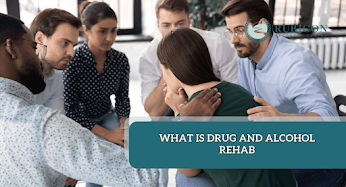
Drug and alcohol rehabilitation is a systematic approach that combines medical and therapeutic interventions to assist individuals in overcoming their dependence on addictive substances (The US Substance Abuse and Mental Health Services Administration). The primary objective of rehabilitation is to equip individuals with the necessary skills and support to achieve long-term sobriety while enhancing their overall quality of life.
Watson (2022) elucidates that drug addiction is a complex neurobiological condition that requires coordinated therapy of the brain, body, and soul. The rehabilitation process for drug and alcohol addiction acknowledges that this condition is a complex health issue, transcending the simplistic notion of a mere deficiency in willpower. It is increasingly understood that addiction functions as a disorder of the brain, characterized by significant changes in brain structure and function that affect behaviour, decision-making, and impulse control (Leshner, 1997; American Society of Addiction Medicine,2019).
This perspective shifts the focus from moral failing to a medical condition that requires comprehensive treatment and support. By recognizing addiction as a brain disorder, the rehabilitation process emphasizes the importance of evidence-based interventions, psychological support, and medical care, all of which are essential for effective recovery (Volkow et al.,2016).
Key Components of Rehabilitation
Rehabilitation is a multifaceted process that involves several critical stages aimed at fostering recovery and encouraging sustainable change. It commences with the Assessment and Intake phase, during which professionals carefully evaluate the individual’s medical history, mental health condition, and the severity of their addiction (Hunsley & Mash, 2007). Drug rehabilitation specifically addresses the challenges faced by individuals addicted to psychoactive substances, including alcohol, prescription medications, and illicit drugs such as cannabis, cocaine, heroin, or amphetamines. This journey typically incorporates medical treatments and therapeutic interventions to assist individuals in overcoming their dependencies and reclaiming control over their lives (Poulain, 2023).
This comprehensive evaluation is crucial for developing a tailored treatment plan that addresses the unique needs of the patient.
Following this initial assessment, the Medical Detoxification phase takes place, during which the body is cleansed of addictive substances. This stage is often conducted under medical supervision to ensure the safe management of withdrawal symptoms, which can be both physically and psychologically challenging.
Following the completion of detoxification, the focus shifts to Therapy and Counseling, which play a pivotal role in the rehabilitation journey. During this phase, patients engage in a variety of therapeutic approaches designed to delve into and resolve the underlying psychological issues that contribute to their addiction. Among these modalities are Cognitive Behavioral Therapy (CBT), which helps individuals identify and modify negative thought patterns (McHugh et al., 2010).
Eye Movement Desensitization and Reprocessing (EMDR), a technique particularly effective for those with trauma-related issues (Carletto et al., 2017). and Dialectical Behavior Therapy (DBT), which emphasizes emotional regulation and interpersonal effectiveness (Dimeff & Linehan, 2008). Additionally, group counseling sessions provide a supportive environment where individuals can share experiences and learn from one another, fostering a sense of community and accountability (Tracy & Wallace, 2016).
Collectively, these therapeutic interventions aim to equip patients with the tools necessary for long-term recovery and to promote a deeper understanding of their behaviors and emotions. Motivational Interviewing (MI) serves as a goal-oriented counseling technique aimed at enhancing an individual’s intrinsic motivation to modify their habits (Frost et al., 2018).
Family Therapy plays a crucial role by examining the impact of addiction on the entire family system, fostering trust, and creating a nurturing home environment (Klostermann & O’Farrell, 2013). In addition, experiential therapies, which include non-traditional practices such as art, music, or equine therapy, provide patients with opportunities to process their emotions through engaging, hands-on activities (Mubarak et al., 2024). Skill Building is another vital component, where individuals acquire effective coping strategies to manage cravings, navigate stressors without resorting to substances, and establish healthy routines that support long-term sobriety (Obioha et al.,2024).
Finally, Aftercare Planning is implemented to ensure ongoing support and success after the completion of the program. This may involve connecting individuals with support groups such as Alcoholics Anonymous (AA), Narcotics Anonymous (NA) or arranging sober living environments, thereby reinforcing the foundation for a sustainable recovery journey.
Residential Rehabilitation
Residential rehabilitation is recognized by the National Treatment Agency for Substance Misuse (2006) as a highly effective treatment option for individuals battling drug and alcohol misuse who wish to achieve a drug-free lifestyle. This approach accommodates a wide array of users at different stages of their recovery, making it an essential element of comprehensive treatment systems, even though it is frequently overlooked or insufficiently provided.
The effectiveness of residential rehabilitation is notably improved when aftercare is thoughtfully arranged before the completion of the treatment program. This form of rehabilitation is crucial for those dealing with substance use disorders and mental health issues, as it offers a structured environment that promotes healing. (de Andrade et al., 2019). By allowing individuals to focus solely on their recovery, free from everyday distractions and triggers, residential rehabilitation creates a safe and supportive space for intensive therapy and counseling, which are vital for successful recovery.
Programs typically blend individual and group therapy, life skills training, and holistic approaches to address the underlying causes of addiction and mental health challenges. Furthermore, the communal aspect of these programs fosters a sense of belonging and support among peers, significantly boosting resilience and motivation for long-term recovery. Ultimately, residential rehabilitation plays a critical role in providing comprehensive care that not only alleviates the symptoms of addiction and mental illness but also promotes personal growth and the development of effective coping strategies essential for a healthy and fulfilling life post-treatment.
Research by de Andrade and colleagues (2019) highlights notable enhancements in substance use, mental health, and social outcomes following participation in Residential Rehabilitation programs. The findings suggest that individuals receiving planned long-term treatment have a 23.9% greater likelihood of achieving abstinence or moderate use compared to those undergoing short-term care (Vanderplasschen et al., 2021). Additionally, Moos and his team (1999) discovered that patients engaged in structured treatment approaches, such as 12-step or psychosocial programs, experienced significantly improved outcomes in symptoms and overall functioning after one year.
Detoxification
Detoxification is a critical initial step in the treatment of drug and alcohol abuse, aimed at safely managing withdrawal symptoms as the body clears itself of addictive substances. This process typically occurs in a controlled medical environment, where healthcare professionals monitor patients closely to ensure their safety and comfort (Center for Substance Abuse Treatment, 2006). During detox, individuals may experience a range of physical and psychological symptoms, which can vary in intensity depending on the substance used and the duration of abuse. Medical interventions, including medications and supportive therapies, are often employed to alleviate discomfort and reduce the risk of complications (Moir et al., 2024).
The ultimate goal of detoxification is to prepare individuals for further treatment, such as counselling and rehabilitation, by stabilizing their physical health and addressing any immediate medical concerns. Successful detoxification lays the foundation for a more comprehensive recovery journey, enabling individuals to engage more effectively in subsequent therapeutic interventions.
Pharmacotherapy in Drug and Alcohol Rehabilitation
Pharmacotherapy plays a crucial role in the rehabilitation of individuals struggling with drug and alcohol addiction, serving as a vital component of a comprehensive treatment strategy (Kranzler & Soyka, 2018). This approach involves the use of medications to alleviate withdrawal symptoms, reduce cravings, and address co-occurring mental health disorders, thereby enhancing the overall effectiveness of therapeutic interventions.
Various pharmacological agents, such as methadone and buprenorphine for opioid dependence, and naltrexone for alcohol use disorder, have been shown to significantly improve treatment outcomes when combined with behavioral therapies. Ray et al.,2020). Furthermore, the integration of pharmacotherapy into rehabilitation programs not only aids in stabilizing patients during the early stages of recovery but also supports long-term abstinence by helping to prevent relapse. As such, the careful selection and management of medications, tailored to the individual needs of each patient, are essential for fostering a successful recovery journey and promoting sustained health and well-being.
Holistic Therapy for Drug and Alcohol Addiction
Holistic therapy in the context of drug and alcohol rehabilitation refers to an integrative approach that addresses the multifaceted nature of addiction by considering the physical, emotional, mental, and spiritual aspects of an individual (Ajluni, 2025). This method recognizes that substance abuse is not merely a physical dependency but is often intertwined with psychological issues, emotional distress, and social factors. Holistic therapy employs a variety of techniques, including mindfulness practices, yoga, nutritional counseling, and art or music therapy, to promote overall well-being and recovery (Mubarak et al., 2024).
By fostering a supportive environment that encourages self-exploration and personal growth, holistic therapy aims to empower individuals to develop healthier coping mechanisms, enhance their self-awareness, and build resilience against relapse (Priddy et al.,2018). This comprehensive approach not only seeks to alleviate the symptoms of addiction but also strives to heal the underlying issues that contribute to substance use, ultimately guiding individuals toward a more balanced and fulfilling life.
The Success Rate of Drug and Alcohol Rehabilitation
The success rate of drug and alcohol rehabilitation programs can vary significantly based on a multitude of factors, including the type of treatment, the duration of the program, and the individual’s personal circumstances. Research indicates that approximately 40% to 60% of individuals who complete a rehabilitation program achieve long-term sobriety, although this figure can fluctuate depending on the specific methodologies employed and the support systems available post-treatment (McLellan et al.,2000).
Factors such as the presence of co-occurring mental health disorders, the level of social support from family and friends, and the individual’s commitment to recovery play crucial roles in determining outcomes (Dobkin et al.,2002). Additionally, ongoing aftercare and participation in support groups, such as Alcoholics Anonymous or Narcotics Anonymous, have been shown to enhance the likelihood of sustained recovery. Ultimately, while rehabilitation can be a pivotal step towards recovery, it is essential to recognize that success is often a multifaceted journey that extends beyond the confines of the treatment facility.
The Importance of Drug and Alcohol Rehabilitation
Drug and alcohol rehabilitation is a vital process for individuals struggling with substance use disorders, as it equips them with the essential tools and support needed to overcome addiction and reclaim their lives. The rehabilitation journey typically begins with medically supervised detoxification, which is crucial for safely managing withdrawal symptoms and breaking the cycle of physical dependence (Diaper et al.,2014).
Following detox, evidence-based therapies, such as Cognitive-Behavioral Therapy (CBT), play a significant role in addressing the root causes of addiction by helping individuals uncover and heal from underlying traumas or mental health issues. Additionally, rehabilitation programs focus on restoring brain function, recognizing that addiction is a chronic brain disease that disrupts decision-making and behaviour (Volkow, 2016).
By fostering the development of coping skills, patients learn to identify triggers and adopt healthy habits to manage cravings and stress without resorting to substances. Beyond individual benefits, rehabilitation has a broader societal impact, as it can mend strained relationships, enhance public safety, and alleviate the financial burdens that addiction places on healthcare and legal systems (Artemieva, 2022).Ultimately, the significance of drug and alcohol rehabilitation lies in its transformative potential, not only in changing lives but also in reducing the stigma surrounding addiction and promoting healthier communities.
Personal Communications
1) Personal Communication with Dr. Ivan Perusco – an Addiction Medicine Specialist based in Toronto, Ontario
2) Personal Communication with Dr. Ilan Nachim- an Addiction Medicine specialist based in Toronto
3) Dr. Peter Ilja Zelina – Chief Psychiatrist and Medical Director of Mental Health at Mackenzie Health
References
Ajluni, V. (2025). Integrating spirituality into the treatment of substance use disorders: A holistic approach to recovery. Journal of Medical Case Reports, 19, 62.
American Society of Addiction Medicine. (2019, September 15). Definition of addiction. https://www.asam.org/quality-care/definition-of-addiction.
Artemieva, A. (2022). Legal mechanisms for social reintegration: An analysis of rehabilitation laws aimed at transforming drug addicts into productive citizens. West Science Interdisciplinary Studies, 1(02), 70–78.
Carletto, S., Oliva, F., Barnato, M., Antonelli, T., Vizzari, P., Giammarino, C., Fernandez, I., Ostacoli, L., & Pagani, M. (2017). EMDR as add-on treatment for psychiatric and traumatic symptoms in patients with substance use disorder. Frontiers in Psychology, 8, 2333.
Center for Substance Abuse Treatment. (2006). Detoxification and substance abuse treatment (Treatment Improvement Protocol [TIP] Series, No. 45). Substance Abuse and Mental Health Services Administration.
de Andrade, D., Elphinston, R. A., Quinn, C., Allan, J., & Hides, L. (2019). The effectiveness of residential treatment services for individuals with substance use disorders: A systematic review. Drug and Alcohol Dependence, 201, 227–235. doi.org.
Diaper, A. M., Law, F. D., & Melichar, J. K. (2014). Pharmacological strategies for detoxification. British Journal of Clinical Pharmacology, 77(2), 302–314.
Dimeff, L. A., & Linehan, M. M. (2008). Dialectical behavior therapy for substance abusers. Addiction Science & Clinical Practice, 4(2), 39–47.
Dobkin, P. D., De Civita, M., Paraherakis, A., & Gill, K. (2002). The role of social support in treatment outcomes for anxious and depressed substance abusers. Addiction, 97(2), 221–230.
Frost, H., Campbell, P., Maxwell, M., O’Carroll, R. E., Dombrowski, S. U., Williams, B., Cheyne, H., Coles, E., & Pollock, A. (2018). Effectiveness of motivational interviewing on adult health behaviour change in health and social care settings: A systematic review of reviews. PLoS ONE, 13(10), e0204890.
Hunsley, J., & Mash, E. J. (2007). Evidence-based assessment. Annual Review of Clinical Psychology, 3, 29–51. doi.org
Klostermann, K., & O’Farrell, T. J. (2013). Treating substance abuse: Family-based approaches. The American Journal of Family Therapy, 41(5), 434–447. doi.org
Kranzler, H. R., & Soyka, M. (2018). Diagnosis and pharmacotherapy of alcohol use disorder: A review. JAMA, 320(8), 815–824.
Leshner, A. I. (1997). Addiction is a brain disease, and it matters. Science, 278(5335), 45–47. doi.org
McHugh, R. K., Hearon, B. A., & Otto, M. W. (2010). Cognitive-behavioral therapy for substance use disorders. Psychiatric Clinics of North America, 33(3), 511–525. doi.org.
McLellan, A. T., Lewis, D. C., O’Brien, C. P., & Kleber, H. D. (2000). Drug dependence, a chronic medical illness: Implications for treatment, insurance, and outcomes evaluation. JAMA, 284(13), 1689–1695.
Moir, J., Hall, B. J., Nguyen, C. T., Ha, G. H., Nguyen, N. B., Ho, C. S. H., & Ho, R. C. M. (2024). Home‐based detoxification for individuals with alcohol or drug dependence. Cochrane Database of Systematic Reviews.
Moos, R. H., & Moos, B. S. (1999). *Rates of remission and recovery from alcohol use disorders: A 10-year follow-up of patients treated for alcohol use disorders*. Journal of Studies on Alcohol, 60(1), 1-10.
Mubarak, T., Akram, S. J., & Gupta, P. (2024). A narrative review of old and emerging treatment modalities for substance use disorders. Cureus, 16(11), e74397. doi.org
National Treatment Agency for Substance Misuse (2006). Models of residential rehabilitation for drug and alcohol misusers
Obioha, C. U., Obi-Nwosu, H., & Ezeme, M. S. (2024). Coping mechanisms utilized by individuals with drug addiction: A qualitative study. Journal of Substance Abuse and Rehabilitation, 15, 141–151.
Poulain T. (2023). Rehabilitation for Drug Addiction: Physical Dependence and Recovery. RRJ drugdeliv. 7
Priddy, S. E., Howard, M. O., Bauer, B. A., Armes, S. N., Mizuo, A. T., Trew, B. L., & Garland, E. L. (2018). Mindfulness meditation in the treatment of substance use disorders and preventing relapse: Theoretical mechanisms and clinical outcomes. Neuropsychiatric Disease and Treatment, 14, 3191–3203.
Ray, L. A., Meredith, L. R., Kiluk, B. D., Walthers, J., Carroll, K. M., & Magill, M. (2020). Combined pharmacotherapy and cognitive behavioral therapy for adults with alcohol or substance use disorders: A systematic review and meta-analysis. JAMA Network Open, 3(6), e208279.
Substance Abuse and Mental Health Services Administration (US); Office of the Surgeon General (US). Facing Addiction in America: The Surgeon General’s Report on Alcohol, Drugs, and Health [Internet]. Washington (DC): US Department of Health and Human Services; 2016 Nov. CHAPTER 4, EARLY INTERVENTION, TREATMENT, AND MANAGEMENT OF SUBSTANCE USE DISORDERS. Available from: https://www.ncbi.nlm.nih.gov/books/NBK424859/
Tracy, K., & Wallace, S. P. (2016). Benefits of peer support groups in the treatment of addiction. Substance Abuse and Rehabilitation, 7, 143–154.
Vanderplasschen, W., Wolf, J. R. L., & Broekaert, E. (2021). The effectiveness of long-term treatment for substance use disorders: A systematic review. *Substance Use & Misuse*, 56(3), 345-358.
Volkow, N. D., Koob, G. F., & McLellan, A. T. (2016). Neurobiologic advances from the brain disease model of addiction. New England Journal of Medicine, 374(4), 363–371.
Watson, J. (2022). Drug addiction and rehabilitation therapy. Primary Health Care: Open Access, 12(2), 427. doi.org