BUDDHIST VIHARAS AND EELAM Part 20a

June 24th, 2024

KAMALIKA PIERIS

It is absurd to argue that Sri Lanka has to wait for three hundred years to receive Buddhism.  Buddhism would have come into Sri Lanka in the time of the Buddha (6 BC). There was close contact between the Ganges area (Gangetic plain) and Sri Lanka during this time.  Buddhism was officially installed as the state religion later on, in the 3rd century BC.  From 3 BC onward, up to the present day, Sri Lanka was able to show a continuous Buddhist civilization.

Sri Lanka’s Buddhist civilization was recognized in Asia as something special. In the ancient and medieval periods India, China, Burma, Thailand sent emissaries to   Sri Lanka to learn more about Buddhism. In the modern period Buddhism went to the west from Sri Lanka.

Buddhism   is a living religious tradition in Sri Lanka today.  Buddhists flock to temples for Wesak, Poson and other poya days. Poson Zones across the country were full of devotees on Poson Full Moon day in 2023, reported the media.

In 2023 Hundreds of thousands of people came to worship Buddhist shrines across the country including Anuradhapura and ‘Dharma Rashmi’ Homagama-Pitipana Poson region on Poson full moon day. Buddhist devotees came in thousands to visit the Temple of Tooth, Kelaniya, Kataragama, Mahiyanganaya, Kalutara, Kande Viharaya, Muthianganaya, Polonnaruwa, Bellanwila, Seruvavila, Dimbulagala Buddhist shrines.

 Temples in Moneragala district Buddharuvagala, Okkampitiya, Dematamal Viharaya, Maligavila, Yudaganawa, Bibile, Piyangala Rajamaha Vihara, Moneragala Bukkiriyagolla, Buddama Rajamaha Viharaya were also crowded with devotees.  There were dansalas near the main roads.  All age groups participate in these ceremonies.  The crowds are a mix of young and old.

The Poson crowds seem to have increased in 2024. Poson festival at Anuradhapura included Anuradhapura, Mihintale and Tantrimalai. Anuradhapura was bursting with worshippers. There were more than one million. This is the highest number of people who have come to Anuradhapura during Poson in recent times said officials.

Dalada Maligawa, Hantane Sandagiri, Kelaniya, and Gangaramaya too had many worshippers in 2024.  The Homagama Dharma rashmi Poson zone was conducted this year too. For the first time, a Bhakthi Gee Recital was held from a specially prepared train carriage operated from Homagama to Malapalla and Padukka Railway Stations.

But Buddhism is not confined only to temple- going”, there is also an abiding interest in the Buddhist philosophy and the benefits of   meditation. The audience at Poya  bana preaching shown on You Tube   consists of mature  adults and their children, not senior citizens, which means that the tradition will continue for another  two  generations at least.

Buddhism is recognized in the Constitution of Sri Lanka .It is mentioned in both 1972 and 1978 Constitutions.   Clause 6 of the 1972 constitution stated The Republic of Sri Lanka shall give to Buddhism the foremost place and accordingly it shall be the duty of the State to protect and foster Buddhism , while assuring to all religions the rights granted by Articles 10 and 14(l)(e)”.  

Clause 9   of the  1978 constitute stated  The Republic of Sri Lanka shall give to Buddhism the foremost place and accordingly it shall be the duty of the State to protect and foster the Buddha Sasana, while assuring to all religions the rights granted by Articles 10 and 14(l)(e).”

The 1978 Constitution has retained the 1972 clause word for word but substituted the word Buddha Sasana’ for Buddhism”. This is a very significant change. It has widened the scope of the clause immensely.  Clause 9  now means the  total  social  institution of Buddhism not the  religious philosophy alone, said Sunil Bastian.  This clause must be respected and retained in future constitutions.  

In 1994, Supreme Court  gave a detailed   interpretation of the term Buddha Sasana. This interpretation makes the clause on Buddhism even more relevant and important.  The Supreme Court (in SC Determination 1/94 (1994) held; The expression ‘Buddha Sasana’ is wider than ‘Buddhism’ and includes the entire establishment together with objects and places of religious practices and worship of Buddhists”. Hence the term Buddha Sasana could be further extended to include Maha Sangha, archaeological sites, villages, lands and properties owned by  Buddhist temples. Buddha Sasana includes both tangible and intangible feature,” 

The notion of a Civilization State” is now gaining support. Civilization state” means a state that has a unique  civilization , historical continuity and cultural unity, a Jathika Chintanaya. The first state to be accepted as a civlizational state is China. China is   planning to lead an International Civilisational Dialogue soon.

The Buddhist  civilization in  Sri Lanka is  also special. Sri Lanka preserved the Theravada doctrine vocally,   then put it in writing, and supplied commentaries.   Sri Lanka influenced Buddhism in several Asian countries, including Tibet. After some 2000 years which included 450 years of Christian rule, 70% of the population is still Buddhist.  There are 1284 Buddhist temples registered with the Department of   Buddhist Affairs. There is an active Sangha whose ordination is traceable to Arahant Mahinda and a growing Bhikkuni Sasana.

 The local temple has always played an important role in the village. The head priest has much influence in the village even today.  The temple has been a source of solace and refuge in addition to its function as a place of worship. This is well depicted in teledramas. During natural disasters or periods of social unrest, the temple becomes a shelter for those who need it, irrespective of their ethnicity or religion. During the 2004 tsunami the  Sangha were the first on the  scene after the tsunami  ended.

Buddhism in Sri Lanka is not ‘heritage’. Heritage means something that is handed down from the past.  Buddhism    is part of the contemporary, living culture of Sri Lanka . Sri Lanka has many ancient sites with a long record of historical continuity.  Most of the monuments of    Sri Lanka belong to a living religious tradition, said Gamini Wijesuriya.

Kurundi is part of this vibrant civilization. It is the latest discovery in a continuous process of conserving our ancient Buddhist monuments.   Kurundi is the largest Buddhist shrine in the Northern Province and it is in a strategic location in Mullaitivu. Kurundi vihara is about 20 kilometres from the sea coast. It was part of the Mahayana belt in the east coast.

We must insist that Kurundi be given the recognition it deserves. An extensive Kurundi reserve must be created, covering the 400 acres of ruins with an additional buffer zone.  The law provides for a buffer zone to the site. We should be proud of Buddhism and proud of Kurundi.

 It is outrageous that we should have to fight for the Buddhist monuments in the north and east and be asked to make out a case for Buddhism in the north and east, as though it is something new and alien.

The north and east, including Mullaitivu and Vavuniya, were part of Sri Lanka‘s Buddhist civilization. North and east were a part of the Rajarata in the ancient period. Inscriptions show that Abhayagiri Nikaya had monasteries at Kantarodai in Jaffna, Nedunkerni and Ottimalai in Vanni.[1]     

The north and east were part of the Sinhala kingdom in the ancient period. The major part of the north and east continued under the Sinhala king in the medieval period. The  north and east were a recognized as part of the Udarata Kingdom in the last phase of Sinhala rule. Trincomalee and Batticaloa ports were under the Sinhala king in Udarata time. The British and Danish envoys arrived at these two ports.

After independence, the public were reminded that Mannar and Vavuniya was once Sinhala. Ceylon Observer 14th October 1949 said There is ample evidence carved in stone all over the Mannar and Mullaitivu districts that the Sinhalese had occupied these districts”.

Later surveys confirmed this. A map drawn up by the Dept of Archaeology in 1980 showed 109 sites in Vanni, mostly in Mullaitivu and Vavuniya. In 2010the Department of Archaeology initiated a survey of the Buddhist sites in the north. They found 175 sites in Mullaitivu and 80 in Vavuniya.

The north and east became Tamil during British rule. The British allowed the Sinhala villages in the east to die out by depriving them of water. The British     refused to renovate the small village tanks, despite the pleas of the British Government Agent who said these villagers are dying due to lack of water. All they need is a little help to renovate their tanks.

This deliberate action of the British rulers can be described as Genocide. The Genocide Convention (1948) says genocide may take place not only in war, but in a peaceful situation. Deliberately inflicting on a group conditions calculated to bring about its physical destruction is considered genocide, Genocide Convention said, but there must be a proven intent to physically destroy a group.

As the Sinhala villages in the east died out, due to genocide, so did Buddhism. After the Sinhala villages died out the British administration brought in Tamil settlers from Tamilnadu.  They were Hindu, but converted to Christianity after settling here. This means that the Ceylon Tamil” is simply a 19th century settler brought in by an alien administration.

Therefore the argument that there are no Sinhalese and Buddhist in north and east today and   it must stay that way cannot be accepted. The creation of an exclusive Hindu north and east cannot be accepted either. Buddhism was erased from north and east  through   Genocide.  The return of Buddhism to the north and east is legitimate.

Further, the Northern Province and Eastern Province are artificial provinces created by the British .They have no historical validity whatsoever. But the eastern coast which faces the Bay of Bengal all along its way is very important for the Indian Ocean politics of world powers like USA.

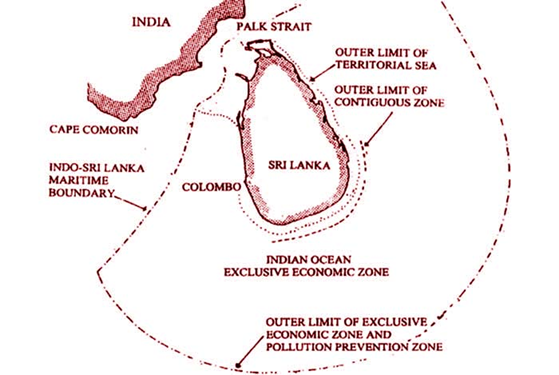
The north and east are also important for Sri Lanka‘s economy. Much of the future economic zone of the Indian Ocean which will belong to Sri Lanka is in the Northern and eastern sea coast.

A strong Buddhist lobby should now be set up for the return of Buddhism to north and east. That lobby should also ensure the protection of Buddhist ruins in north and east. I suggest that the All Ceylon Buddhist Congress take up the matter. (  CONTINUED)


[1] TG Kulatunge Buddhist Nikayas in Sri Lanka .( author pub) p 16

රනිල්,සජිත් සහ අනුර යන තුන්දෙනාගෙන් කිසිවෙකු මේ සිංහල බෞද්ධ රටේ ජනාධිපති වීමට කිසිසේත්ම සුදුසු නැත.

June 24th, 2024

දේශමාන්‍ය ආචාර්‍ය සුදත් ගුණසේකර මහනුවර. අග්‍රාමාත්‍ය සිරිමාවෝ බන්ඩාරනායක මැතිනියගේ හිටපු ස්ථිරලේකම් සහ ශ්‍රී ලන්කා පරිපාලන සේවා සන්ගමයේ සභාපති (1991-94)  

එමනිසා රට ජාතිය සහ සසුන බේරාගැනීම සඳහා මෙම ලිපීයේ පහතින් දැක්වෙන සුදුසුකම් ඇති එසේම එම වැඩපිළිවෙල ක්‍රියාත්මක කිරීමට ප්‍රතිඥාදෙන 4 වැනි සින්හල බෞද්ධ අපේක්ෂකයෙකු මේ රටේ ජනාධිපති කමට තෝරා පත්කරගත යුතුය.

මේ රටේ කුමන පක්ශයක් බලයට පැමිණියද එම රජයේ පළමු වගකීම විය යුත්තේ, 1505 සිට ආරම්භවූ පෘතුගීසි,ඕලන්ද සහ ඉන්ග්‍රීසි යන ත්‍රිවිධ ආක්‍රමනිකයින් විසින් සිදුකරණලද ඝාතන කිරීම්, ඔවුන් විසින්ම ලක්ෂගණන් ඉන්දියානුවන් ගෙන්වා සිංහල ජනසන්යුතිය අඩුකිරීම සඳහා උතුරු නැගෙනහිර සහ රට මැද පදින්චි කිරීම සහ ඒ අතරම දකුණු ඉන්දියාවෙන් අනවරයන් පැමිණි (කල්ලතෝනීන්) දසදහස්ගානක් මෙහි  පදින්චිවීම ආදී හෙතූන් නිසා මේ රටේ භූමිපුත්‍රයින් හා  ජාතිය වන සිංහලයින්ගේ සන්ඛ්‍යාව ශීග්‍රයෙන් අඩුවුවද අදටත් මුළු ජනගහනයෙන් 75% ක් වන ස්වදේසික සිංහල ප්‍රජාව වෙනුවෙන් සේවය කිරීමය. මන්ද මේ රට සොයාගත්තෝද එහි  ශිෂ්ඨාචාරය බිහිකළෝද, වසර 2600 කට ආසන්න කාලයක් සියළුම විදේශ ආක්‍රමණ වලින් එය රැකගත්තෝද ඔවුන් නිසා එහි භූමිපුත්‍රයින් හා අයිතිකරුවන් වනුයේ ඔවුන් බැවිනි.

 1665 වනවිට සමස්ථ ජනගහනයෙන් 100% ක් ම සිංහලයින් වුවත් ඉහත සඳහන් අධිරාජ්‍යවාදින් විසින් 1505  සිට  1948 දක්වාම ලක්ෂ ගණනින් දකුණු  ඉන්දීය මලබා ජාතිකයින්, පළමුව උතුරු නැගෙනහිර දුන්කළ වගාවට කමකරුවන් ලෙසත්, දෙවනුව රටේ සිංහල ජනගහනය අඩු කිරීම සඳහා උතුරු නැගෙනහිර වියලි කලාපයේ පදිචිකිරීම සඳහාත්, තෙවණුව 1817-18 (ඌව ) සහ 1848 (මාතලේ) නිදස් අරගල වලදී ස්වදේසික සිංහලයින් මර්ධනය කිරීම සඳහා යුධ කුලීභටයින් මෙන්ද සිව්වනුව 1840 න් පසු විශේෂයෙන්ම උඩරට සිංහලයින්ගෙන් කොල්ලකාගත් ඉඩම්වල ව්‍යාප්තවූ කෝපිහා තේ වතුවල වහල් කුලිකරුවන් මෙන්ද ලක්ෂ ගණනින් ගෙන්වා  පදින්චි කළ නිසාද පස්වනුව නිරන්තරයෙන් පැමිණ මෙහි පදින්චිවු දකුණුඉන්දීය හොර වැසියන් (කල්ලතෝනීන්) නිසාද මේ වන විට ස්වදේසික සිංහලයින්ග් 75% දක්වා අඩුවී ඇතත් සෑම රජයකම පළමු වගකීම වනුයේ මේ රටේ ප්‍රවේණී උරුමකරුවන් වූ ස්වදේශීන් වන  සිංහලයින්ගේ අපේෂාවන් සහ ඔනෑ එපාකම් සම්පාදනය කිරීමය. එසේ කීමෙන් නීත්‍යානුකූලව මේ රටේ රටවැසිභාවය ලබාසිටින දෙමළ සහ මුස්ලිම් වරුන්ට නොසැලකියයුතු බවක් ඉන් අදහස් නොකෙරේ. කෙසේ වුවද ප්‍රමුකත්වය දියයුත්තේ ස්වදෙසික සිංහල ප්‍රජාවටය. මන්ද දෙමළ ප්‍රජාවට ඔවුන්ගේ මව් බිම ඉන්දියාවේද මුස්ලිම් වරුන්ට ඔවුන්ගේ මව් රට්වල් ලොව පුරාද ඇතත් සින්හලුන්ට එසේ යාමට ලෝකයේ කිසිම තැනක් නැති නිසාය.මේ මහපොලව මත ඔවුන්ට ඇති එකම බිම්කඩ වණුයේ ඔවුන්ගේ පාරම්පරික මාතෲභූමිය වු  වර්ග සැතපුම් 25,332 ක්වූ මේ කුඩා දිවයින පමණි. ලෝකයේ සිශ්ඨාචාරය ඇතිවූ දා සිටම අද දක්වාම ඔවුන්ගේ අඓතිහාසික මාතෲ භූමිය වූයේ මේ රටය.

1505,1665 සහ 1815 බටහිර අධිරාජ්‍යවාදීන් එදා බලයෙන් පැහැරගත්තේසිංහලයින්ගේ මව් රටය. ඔවුන් විනාශකළේත් සිංහලයින්ගේ වසර 2048 ක් පැරණි ශිෂ්ඨාචරය සහ අයිතිවාසිකම්ය.

රට, ජාතිය ගැන හෝ ඔවුන්ගේ අභිලාශයන් ගැන නොදන්නා, භූමිපුත්‍රයින් වන සිංහලයින් තුට්ටුවකට නොසලකා සුළුජන චන්දය පසුපසම යන ජනාධිපති තරඟ කරුවන්.

දැනට ජනාධිපති තරඟයට ඉදිරිපත්ව සීටින ප්‍රධාන අපේක්ෂකයින් වන රනිල්,සජිත් සහ අනුර යන තිදෙනාම මේ රටේ වසර 2600 කට ආසන්න පරම උරුමකරුවන්වූ රටේ ජාතිය වන75% ක් සිංහලයින් සහ බෞද්ධයින්ගේ මෙම ජන්ම අයිතිය තුට්ටුවකට ගනන් නොගනී. ඔවුන් භූමිපුත්‍රයින් වන සිංහලයින්ගේ ජන්ම අයිතිවාසිකම් මුලුමනින්ම නොසලකා හැර, දෙමළ සහ මුස්ලිම් චන්ද ලබා ගැනීම සඳහා එකිනෙකා තරඟයට මෙන්, විශේෂයෙන්ම මේ රටේ වෙනම දෙමළ රාජ්‍යයක් ලබාගැනිමට සටන් වැද සිටින උතුරේ දෙමළ ප්‍රජාවට පවා, පණින රිළවුන්ට ඉනිමන් බඳින්නාසේ, 13 වන සන්ශෝධනය යටතේ ඉඩම් සහ පොලිස් බලතල සහිතව වෙනම් රාජ්‍යක බලතල ලබාදෙන බවටද,  රට මැද 1987 දී  ජේ. ආර්. විසින් දෙනලද නීතිවිරෝධි රුපියලේ පුරවැසිකම් ලැබුණු වතුකරයේ  ඉන්දීය දෙමළ  කම්කරුවන්ට උඩරට සිංහලයින්ගේ වසර දහස් ගණනක ප්‍රවේණී ඉඩම්  ලබා දෙන බවටද, ඊටත් අමතරව නිවාස,රැකියා, විශ්ව විද්‍යාල ආදි දහසකුත් එකක් දෙන බවටද  පොරොන්දු දෙයි.

එහෙත් 1815 සිටම තම උපන්බිමේම අනාථයින් බවට පත්ව සිටින මේ රටේ භූමිපුත්‍රයින් වන සිංහල බෞද්ධයින්  වෙනුවෙන් ඔවුන්ගේ වරප්‍රසාධ පසෙක තබා 1815 සිට අද දක්වා වසර 209 ක් තිස්සේ අහිමිකළ ඔවුන්ගේ ප්‍රවේණී ඉඩම් සහ ජන්ම අයිතිවාසිකම් ලබාදීම පිළිබඳ හෝ එකම වචනයක් හෝ කථා නොකරන මොවුන් තිදෙනා හැසිරෙන්නේ මේ රට, හෝ ත මව්බිමේ ඉතිහාශය ගැන කිසිවක් නොදන්නා පිටසක්වලින් පැමිණි අද්භූත ජීවීන් තුන්දෙනෙක් මෙනි.

එසේම කෞටිල්‍යන් පෙන්වාදුන් රාජ්‍යයේ මුලික කාර්‍යයන් වන රක්ෂ, (රටේ ආරක්ෂාව) පාලන (පාලනය) සහ යෝගක්ෂේම (ජනතා ශුභසාධනය සැළසීම) යන ත්‍රිවිධ කාර්‍යයන්ද නිසි පරිදි ඉටුකරන බවට සහ පුරාන රජදරුවන් විසින් දිවුරා පොරොන්දු වූ පරිදි ශ්‍රී දළද වහන්සේ ඇතුලු බුද්ධ ශාසනය ආරක්ෂාකරණ බවටද මේ සිංහල බෞද්ධ රටේ හා ජාතියේ මුරදේවතාවුන් වන ගරුතර සන්ඝරත්නය ප්‍රමුඛ ජාතිය ඉදිරියේ මොවුන් දිවුරා පොරොන්දු වීද නැත.

එමනිසා මේ තුන්දෙනාටම නාමයෝජනා භාර දීමට පෙර ශ්‍රී දළදා මාලිගාවේදී ත්‍රයිනිකායික මහානායක හිමිවරුන් ප්‍රමුඛ සන්ඝසභාවක් ඉදිරියේ මේ රට, සිංහල බෞද්ධ රට බවද, එහි ජාතිය සින්හල ජාතිය බවද, රාජ්‍ය ආගම බුද්ධාගම බවද තමන්ගේ මූලික වගකීම ඒ ත්‍රිත්වය ආරක්ෂාකිරීම බැවින් දිවිහිමියෙන් ඒ ත්‍රිත්වය ආරක්ෂාකරන බවට දිවුරා සපථක කරණ මෙන් මම අභියෝග කරමි. එසේ නොකරණ කිසිවෙකුට තම චන්දය නොදෙන මෙන්ද මේ රටේ සියළුම සිංහලයින්ගෙන් මම ඉල්ලා සිටිමි.

එසේ කරණු වෙනුවට මොවුන් සියළු දෙනාම අදත් කරණුයේ, 1799 සිට සුද්දන් විසින්, සින්හල දෙමල වශයෙන් ජාතින් හා රටවල් දෙකකට බෙදා, මේ සිංහල බෞද්ධ ජාතිය හා ශිෂ්ඨාචරය විනාශ කිරීමට ගෙනගිය වැඩපිලිවෙලම තවදුරටත් අධිරාජ්‍යවාදීන් වෙනුවෙන් අඛන්ඩව කරගෙන යමින් තම ජාතිය ආරක්ෂා නොකොට පාවාදෙමින් 1665 න් පසු සුද්දන් විසින්  ඉන්දියාවෙන් ගෙන ආ ඔවුන්ගේ වහළුන් ආරක්ෂා කිරීමය.

1665 පමණ සිට ඕලන්ද කාරයින්ද 1799 න් පසුව ඉන්ග්‍රීසින්ද පළමුව උතුරුනැගෙනහිර පලාත්වල විශාල වශයෙන් මලබා ජාතිකයින් පදින්චි කිරීමෙන්ද එසේම 1840 න් පසු උඩරට කඳුකරයේ තේ වගාවට ලක්ෂ ගණනින් දකුණු ඉන්දීය වහල් කම්කරුවන් ගෙනවිත් පදින්චි කොට 1948 දී ඔවුන් රට හැරයනවිට එම ලක්ෂ 12ම, රටේ හදවත වන උඩරට පදින්චි කොට මේ රටේ භූමිපුත්‍රයින්වන අපගේ හිස මත තවත් දේශපාලනික,ජනවාර්ගික,ජනසන්යුතියික,අර්ථික හා සන්ස්කෘතික අවුල් ජලාවක් පටවා ගියහ.

1948 න් පසු මේ රටේ පාලනය භාරව සිටි සියලුදෙනාම එම අවුල් ජාලාව විසඳා 1815 ට පෙර මේ සිංහල තිබුණ සිංහල බෞද්ධ ආදිපත්‍ය නැවත පිහිටුවණු වෙනුවට සිදුකළේ යටත් විජිතවාදීන්ගේ සිංහල බෞද්ධ රට විනාශ කිරීමේ වැඩපිලිවෙලම තව දුරටත් පවත්වාගෙන යා.

ළබන ජනාධිපතිවරණයට ඉදිරිපත්ව සිටින මේ තුන්දෙනාද ක්‍රියාත්මක කරණුයේ එම වැඩපිලිවෙලමය.

මේ රටේ උරුමකරුවන් වන  සිංහල බෞද්ධයින්ට අද අවශ්‍යව ඇත්තේ  එකී යටත්විජිත රාමුවෙන් මිදී යළිත් 1815 ට පෙර පැවැති ස්වාධීන,ස්වෛරී නිදහස්  සිංහල බෞද්ධ රාජ්‍යය නැවතත් මෙ ලක්පොලව මත පිහිටුවා ගැනීමය. 1956 දීත් එසේම 2019 දීත් නැගී සිටියේ එමජාතික බලවේගයමය.

අද මේ ලක්පොලව මත බුර බුරා නැවතත් නැගී සිටිණුයේ එදා 1956 සහ 2019 දී නැගී සිටි දේශානුරාගි දේශප්‍රේමී ඒ සිංහල බෞද්ධ බලවේගයමය. එමනිසා මේ රටේ මිනිසුන්ට අද අවශ‍යව ඇත්තේ ඒ සිංහල බෞද්ධ ජාතික බලවේගයට නායකත්වය දිය හැකි ශ්‍රීමත් අන්ගාරික ධර්මපාල චින්තනය අනුව ක්‍රියාකරණ ජාති වාත්ශල්යෙන් ඔද වැඩුනු දේශප්‍රේමි  සින්හල බෞද්ධ ජාතික නායකාත්වයක් මිස  සුදන්ගේ න්‍යායපත්‍රයම තවදුටත් ක්‍රියාත්මක කරන රනිල්,සජිත් සහ අනුර මොඩලයේ පරගැති, ඉන්දීය ගැති නිවට නියාලු දේශ පාලුවන්ගේ නායකත්වයක් නොවේ.

දැන්වත් ජාතිකත්වය මුල් තැන්හි තබා ක්‍රියා නොකරණ කිසිවෙකුට තම චන්දය නොදෙන මෙන් සමස්ථ ලන්කාවාසි සියළුම සිංහලයින්ට මම ආයචනය කරමි.විශේෂයෙන්ම දෙමළ වන්දනාවේ යෙදි සිටින, නලලේ අලුගාගෙන උඩුකය නිර්වස්ත්‍රව  දෙමළ චන්ද හිඟමින් මේ උතුම් සින්හල ජාතියට අවමන් කරන, රට ජාතිය පාවාදෙන ජාතිද්‍රෝහි, දේශද්‍රෝහී  සියළු දෙනාටම පාඩමක් ඉගෙන ගැනිමට කිසිම සිංහලයෙක් මොවුන්ට දැන්වත් චන්දය නොදිය යුතුයයි මම කියමි.මෙම මූලික අවශ්‍යතාවන් සපුරන්නේ නැතිනම් මේ තිදෙනා පමණක් නොව අන් කිසිවෙකු වුවද මේ රටේ රාජ්‍ය භාරකාරපදවිය දැරීමට සුදුසු නැත.

සිංහල බෞද්ධයින්ගේ අයිතිවාසිකම් ලබා නොදෙන,  ඔවුන්ගේ උරුමයන් ආරක්ෂා කරණ  බවට එසේ ප්‍රතිඥා නොදෙන මේ තුන්දෙනා ඇතුළු  සෑම අපෙක්ෂකයෙකුටම සුළුජන චන්ද වලින්ම ජනාධිපති වෙන්ට කියා මේ රටේ කිසිම සිංහලයෙක් තම චන්දය නොදිය යුතුයයි මම අව්ධාරණය කරමි. සෑම සිංහලයෙක්ම දැන්වත් දේශපාලන පක්ෂයට වඩා තමන්ගේ රට සහ ජාතිය මෙන්ම ආගම ගැන සිතා තම වටිනා චන්දය පාවිච්චි කිරීමට වග බලාගත යුතුය.

මොවුන් තිදෙනාගෙන් කිසිවෙකු නම් කිසිදිනෙක එසේ ප්‍රතිඥා නොදෙන බව මට විස්වාශය. මන්ද මේ වනවිටත් දෙමළුන්ට දියයුතු සියළුම පොරොන්දු දී අවසන් බැවිනි. අනෙක එසේ කීවොත් සුළු ජන චන්ද නොලැබෙන නිසාය.එම ආකල්පය ඔවුන්තුල තැන්පත්වී ඇත්තේ සුළුජන සහාය නොමැතිව මේ රටේ ජනාධිපති විය නොහැක යන මිත්‍යාව නිසාය. 2019 දී කිසිදු සුළුජන සහායක් නැතිව ගෝඨාභය 69, 24,255 ක් ලබාගත් බවවත් මොවුන් නොදන්නා බව මින් පෙනේ.ඔවුන් තිදෙනාම මේරට මෙන්ම පිට රටවලදීද දිවාරෑ නිදි නොලබා කථාකරන්නේ, සැළසුම් හදන්නේ සහ සිහින දකින්නේ සුළු ජන අයිතිවාසිකම් ආරක්ෂාකිරීම යන ඇම යොද  දෙමළ ලබාගෙන බලයට ඒමටය.

මන්ද 1956 සිටම කළ පරිදි පක්ෂය පාට අනුව දෑස් පියාගෙන මේ වතාවේදීද තම පාක්ෂිකයින් චන්දය දුන්නද එය මේ තුන්දෙනා අතර වෙනදාට වඩා සමානව ලැබීමට ඉඩ ඇති බැවින්, සුළු ජන චන්ද වැඩියෙන් ලබාගන්නා අපේක්ෂකයාට ජයග්‍රහනය කිරීමේ අවකාශය වැඩි බව ඔවුන් තිදෙනාම සිතන බැවිනි, උතුරු නැගෙනහිර සහ උඩරට වතුකරයේ දෙමළ ප්‍රජාවගේ චන්ද මෙහිදී ඔවුන් තිදෙනාගේම ප්‍රමුඛත්වය බවට පත්ව ඇත්තේ.

 වැඩිම ළන්ශුවට තම වර්ගයාගේ චන්දය දැක්කීම සුළු ජන දේශපාලකයින්ගේ සිරිත නිසා, තම ඉලක්කය සපුරා ගැනීමට අනෙකා පරදවා ඉහලම ලන්සුවක් දීමේ මාරාන්තික සටනක දැන් මේ තිදෙනා යෙදී සිටී.

ඒ බව ඔවුන්ගේ කථාවලින් සහ හැසිරීමෙන්ම සක්සුදක් සේ  පැහැදිළිවෙයි. එසේ කරණුයේ ඔවුන්ගේ චන්දය ලබාගැනීමට මිස ඔවුන්ට ඇති විශේෂ ආදරයක් නිසා නොවන බව සුළු ජනයාද හොඳාකාරවම දනි. එහෙත් වරින් වර කළදුටුකළ වල ඉහගැනීම මෙන්ම තැටිය රත්වී ඇති අතරේ රොටිය පුළුස්සා ගැනීම ඔවුන්ගේ සිරිතය.

මේ අවස්ථාවේදි තව විශේෂය කරුණක් කිය යුතුව ඇත. එනම් රාජපක්ෂලාට,චන්ද්‍රිකාට, සිරිසේන සහ නිමල් සිරිපාලල-අමවීරලාට පින්සිදුවෙන්ට දැන් ශ්‍රී ලන්කා නිදහස් පක්ෂයක් නැත. ගෝඨාභයට චන්දය දුන් ශ්‍රී ලන්කා කාරයින්ට සිංහලබෞද්ධයින්ට අද යන එන මඟක් නැතිව  අසරනව ඇත. එහෙත් ඔවුන්ගේ සින්හල බෞද්ධ කම ගත තුල මෙන්ම සිත තුලද නිදන්ගතව ඇත. කවදාටත් රට ජාතියට සහ බුදු සසුනට එකහිතින් ආදරය කළ ඔබ සියළුදෙනාම එකාවන්ව එක් රොක්වී දැන් කලයුතුව ඇත්තේ, රනිල්,සජිත් සහ අනුර යන තිදෙනාටම මේ රටේ සහ පිටරටවල සිටින දෙමළ මුස්ලිම් චන්ද වලින්ම  ජනාධිපති වන මෙන් අභියෝග කොට කිසිම සින්හලයෙක් මේ තුන්දෙනාට චන්දය නොදී  රට, දැය සමයට  ආදරයකරණ  ජනතා හිතවාදී සැබෑ සින්හල බෞද්ධ නායකයෙකු ජාතියේ නායකත්වයට දැන්වත් පත් කොටගෙන මේ රටේ 75% ක් වන දේශප්‍රේමී, ජාතිහිතයිෂී  සිංහලයින්ගේ බලය ඔවුන්ට පෙන්වන මෙන් මම දේශප්‍රේමයෙන් මේ රටේ සියළුම සින්හලයින්ගෙන් ඉල්ලා සිටිමි.

ඔබ සතු ඒ ඓතිහාසික ධූත මහෙවර වණුයේ 1948 සිට මේ දක්වා කිසිවෙකු නොකළ ඒ වීර ක්‍රියාව කොට මේ උතුම් සිංහලරටත්, සිංහල ජාතියත් එසේම සම්බුදු සසුනත් බේරාගත හැකි,  අභිමානවත් සින්හල ජාතියේ අපේක්ෂාවන් ඉටු කළ හැකි, ශ්‍රීමත් අනගාරික ධර්මපාල චින්තනයෙන් පෝෂනය වූ සැබෑ වීර  සින්හල බෞද්ධ නායකයෙකු වටා එක්‍ රොක් වී ඔහු ජනාධිපති වශයෙන් තෝරාගැනීමයි.එසේම  ඔබවිසින් තෝරාගණු ලබන එම නායකයා, රජිව්/ජේ ආර් ගිවිසුම මෙන්ම 13 වන ව්‍යවස්ථා සන්සෝධයද විධායක ජනාධිපති කම සමඟම 1978 ව්‍යවස්ථාවද අහෝසිකොට  මේ රටේ සභ්‍යත්වයට අනුරූපවන ව්‍යවස්ථාවක් නිර්මානය කරණතුරු රට පාලනය කිරීම සඳහා 1972  ජනරජ ව්‍යවස්ථාව බලගැන්වීමට පොරුන්දුවන අයෙක්ද විය යුතුය.

පහතින් දැක්වෙණුයේ මේ රටේ ජාතිහිතෛෂී, දේශප්‍රේමී සියලු දෙනාම රට, ජාතිය සහ බුදු සසුන බේරාගැනීම සඳහා වහාම අහෝසි කළයුතුයයි එකහඬින් කියා සිටින නමුත් ඉහත සඳහන් තිදෙනාගෙන් එක් අයෙක් හෝ එසේ ප්‍රකාශ නොකරන ආයතන සහ කරුණු කීපයකි.

1.1978 ව්‍යවස්ථාවෙන් හඳුන්වාදුන් ඒකාධිපති විධායක ජනාධිපති තනතුර

2වර්තමානයේ රට තුල පවතින සෑම අර්භුධයකටම හේතුවවූ දේශපාලකයින් විසින්, ඔවුන් සඳහාම සහ ඔවුන්ගේම යහපත සඳහා සකස්කොට ඇති 21 වතාවක් සන්ශෝධනය කොට සකස්කරගත් 1977 ට වඩා මන්ත්‍රීවරුන් 57 වැඩි කර,රටට පැරණි ආසන ක්‍රමද අහෝසිකොට දිස්ත්‍රික් මන්ත්‍රී ක්‍රමයක් හඳුන්වා දිමෙන් නියෝජිත ප්‍රජාතන්ත්‍රවාදය විකාරයක් සහ විහිළුවක් බවට පත් කළ අබමල් රේණුවක සේවයක් නොකළත් වසර 5 කින් පසු  මන්ත්‍රී වැන්දඹු සහ අනත්දරු විශ්‍රාම වැටුප් ක්‍රමයක් ඇත්ලු අනේකවිධ දේශපාලන වරප්‍රසාධ වලින් පිරුණු මන්ත්‍රී වරප්‍රශාද කෙන්ද්‍රීය, ජනතා සේවාව මුඛ්‍ය අරමුණ නොවූ ජේ. ආර්. ගෙදර හැදූ ජනතා වරමක් නැති 1978 ආණ්ඩුක්‍රම ව්‍යවස්ථාව අහෝසි කිරීම.

3. රටේ බහුමික අඛන්ඩතාව සහ ස්වයිරීත්වය විනාශකළ, බෙදුම්වාදය ප්‍රබල ලෙස වර්ධනය කළ එසේම දිසා පර්‍රිපාලනය අවුලෙන් අවුලට පත්කළ සහ පරාජිත සහ චන්දයකින් කිසිම දිනක දිනන්ට බැරි දේශපාලකයින්, ගජමිතුරන් සහ ජනාධිපති වරයාගේ සහ ඇමතිවරුන්ගේ නෑදෑයින්ට  රට හා ජාතියට කිසිදු සේවයක් නොකලත් කුමාර සැප විඳීම සඳහා  ජනාධිපතිගේ බලතල සහ වරප්‍රසාද සහිත ආණ්ඩුකාර තනතුරු9 ක් ,කැබිනට් ඇමතිවරයෙකුගේ බලතල සහ අසීමිත වරප්‍රසාද සහිත මහ ඇමැතිවරුන් 9 ක් සහ තවත් ඇමති වරුන් 45ක් ,පලාත් සභා වසා තිබුණත් පඩිනඩි,යාන වාහන සහ නිලරථ ඇතුලු වරප්‍රසාද ලබන කථානායකයින් (සභාපතීන්) 9 ක් වැනි රටට දැරිය නොහැකි දේශපාලන, පරිපාලන සහ මූල්‍ය බරක්වූ 1987පලාත් සභා ක්‍රමය නමැති මේ රට බෙදා අවුලෙන් අවුලට පත්කොට දේශපාලන,ආර්ථික සාමාජීය වෂයෙන් මුළු රටම අකර්මණ්‍යකොට විනාශකිරීමට ඉන්දියාව විසින් අපගේ ගෙලේ බැඳි දේශපාලන කාල බෝම්බයක්ක්වූ ඉන්දීය ව්‍යාප්තිවාදයේ උරචක්‍ර මාලය අහෝසි කිරීම.

4 යටත් විජිත වාදීන්ට කඩුවෙන්, උන්ඩයෙන්, මන්කොල්ල කෑමෙන්, දේශපාලන වශයෙන් අස්ථාවර කිරීමෙන්, මනස් සෝධනයෙන් සහ බෙදා පාලනය කිරීමෙන් විනාශ කිරීමට නොහැකිවු රටවල්,තව දුරටත්  සූරා කෑමට සහ සදාකාලිකවම ඔවුන්ගේ යටත්විජිත වෂයෙන් තබා ගැනීම සඳහා යොදාගෙන ඇති නවතම  උපාය මාර්ගය සහ අවිය වූ, උන්ගේම භාණ්ඩාගාරයන් පුරවන ආර්ථික, මූල්‍ය, වෙළඳ සහ වානිජ  ආයතන වන ඊනියා ලෝක බැන්කුව, ජාත්‍යන්තර මූල්‍ය අරමුදල වැනි, අපවැනි රටවල් සදාකාලික දරිද්‍ර භාවයේම තබාගැනීමේ ක්‍රම වේදයන්ගෙන්  නිදහස් වීම. 

5.මහපොලව, වරායවල් ගුවන්තොටුපලවල්, රටේ ඛනිජ සම්පත්,රාජ්‍ය දේපල සහ බැන්කු, ගුවන් යානා,ගුවන් තොටුපල,ත්‍රිකුණාමලේ තෙල් ටැන්කි 100, වරායන් වැනි ජාතික සම්පත් පමණක් නොව මේ කුඩා රටතුල ඉන්ධන සහ භූමිතෙල්ටික බෙදීමද පවා  අහසින් වැටෙන හිරු එලිය මෙන්ම  දිවයින හරහා හමන සුළඟ සහ ගන්ගා වලින් ගලායන ජල සම්පත ඇතුලු සියලුම ජාතික සම්පත් පිට රැටියන්ට කුණු කොල්ලයට විකිණීම වහාම නතර කිරීම

6 1505 සිට 1848 දක්වා ලක්ෂ ගණනින් ජීවිත පූජාකොට උඩරට වීරෝධාර සිංහලයින් විසින් බටහිර අධිරාජ්‍යවාදී ම්ලේච්ච මිනීමරුවන් ගෙන් බේරාගත් 1840න් පසු සුද්දන් විසින් බලයෙන් කොල්ලකෑ අක්කර ලක්ෂ 13 ක සිංහලලෙයින් තෙත් වූ මව්බිමේ මහපොලව සුද්දාගේ තේ වතුවල වහල් වැඩට ඉන්දියාවෙන් ගෙනවිත් 1948 දී උන් ආපසු යනවිට මෙහි අතරමන්කොට දමාගිය වසර 27ක පමණ ජේ.ආර් ගේ අනීතික පුරවැසිකකම් ඇති තොණ්ඩමන් වාර්ගික ඉන්දියානු දෙමළුන්ට සින්නක්කරකොට උරුමකොට දී  මේ සිංහලේ කන්ද උඩරට ඉන්දියාවේ 29 වන ප්‍රාන්තය කිරීම නතර කිරීම.

7.උතුරු නැගෙනහිර මුලු රටෙන් 1/3 ක් සහ රටේ මුහුඳු තීරයෙන් 2/3 ඊලාමයට දීම.මේ වනවිටත් 2009 දි මහින්ද රාජපක්ෂ බේරාගත් එම දෙපලාතම අනාගත ඊලමට දී තිබීම  එම. දෙපලාතේ ආණ්ඩුකාරයින් දෙදෙනාම දෙමලය, සියලුම් රාජ්‍යය නිලධාරින් දෙමලය. සියළුම දේශපාලනඥයින් දෙමලය. පාලන භාෂාව දෙමලය.  පාලනය දෙමලෙන්ය.  ස්ථානනාම සියල්ල දෙමලය. ක්‍රි.  පූ. යුගයේ සිට එම පලාත් පුරාම තිබුණු පුරා විද්‍යාත්මක බෞද්ධ ස්ථාන සහ නටබුන් මත හින්දු කෝවිල් ගොඩ නැගී හෝ නැගෙමින් ඇත. වසර 2600 කට ආසන්න සින්හල බෞද්ධ ශිෂ්ඨාචාරය අවුරුදු 340 කට වඩා අඩු ඉතිහාසයක් ඇති ඕලන්ද සහ බ්‍රතාන්‍යයින් විසින් උන්ගේ වහලුන් මෙන් ඉන්දියාවෙන් මෙහි ගෙනවිත් දමාගිය මළබා දෙමලුන් මේ සිංහලබෞද්ධ ජාතියේ උතුරු නැගෙනහිර දැනටමත් වෙනම ජාතියක් වශයෙන් අල්ලාගෙන හමාරය.

මේ විනාශයෙන් රට ජාතිය බේරාගැනීම සඳහා13 වන ව්‍යවස්ථා සන්ශෝධනය අහෝසිකිරීම සහ 92/58 බලය විමධ්‍යගතකිරීමේ  පනත සහ රා.ප, පා චක්‍ර ලේඛ 92/21 යන දෙකම අහෝසිකිරීම. උඩරට වතුකරයේ මෙන්ම උතුරු නැගෙනහිර පලාත් දෙකේම මේ වන විටත් කොළඹින් ක්‍රියාත්මක වන ආණ්ඩුවේ බලයක්  නැත. උතුරු නැගෙනහිර රජුන් සුමන්දිරම්ලා විග්නේශ්වරන්ලාය.උඩරට වතුකරයේ රජුන් තොණ්ඩමන් මුණුබුරන්ය. දිගම්බරන්ලාය.වඩුවේල්ලාය

මොවුන් මෙසේ රජුන් බවට පත්කොට ඇත්තේ මේ වන විටත් මේ රටේ විධායක ජනාධිපති වීමට මාරාන්තික බලුපොරයක යෙදී සිටින තුන්දෙනා සහ ජේ ආර් වැනි රටක්.ජාතියක්,ආගමක් නැති දේශ ද්‍රෝහී ජාති බ්‍රෂ්ඨ බලකාමයෙන් මත්වූ රාෂ්ට්‍රපාලනය යනු කුමක්දැයි නොදන්නා චන්ද අතීසාරයෙන් පෙලෙන මනසින් යුරෝපයේම ජීවත්වන මානසික රෝගීන් වන  දේශපාලකයින්මය. එසේම මොවුන් තිදෙනාම දෙමල සහ මුස්ලිම් සුළු ජනකොටස්විසින් ඔවුන්ගේ තුනටියේ බැඳි චන්ද නමැති ලණුවෙන් ඉරිදා පොලේ නටවන රිලවුන්වැනිය.

සුළු ජන කොටස් ගැන දිවා රාත්‍රි මෙසේ කිඹුල් කඳුළු හෙලන මේ තුන්දෙනාගෙන් එක් අයෙකු හෝ රටේ උරුමකරුවන් වන සිංහලයින්ගේ ඉඩම්,රැකියා,ආහාර,වස්ත්‍ර,  නිවාස, රැකියා, අධ්‍යාපන, සෞක්‍ය ප්‍රශ්න සහ අනෙකුත් අයිතිවාසිකම් ගැන එක වචනයක් වත් කතා කරන්නේ නැත.විශේෂයෙන්ම  රටේ ජනගහනයෙන් ලක්ෂ 75ක් පමණවන සුදු අධිරාජ්‍යවාදීන්ගෙන් මැරුම්කෑ  එසේම තම ඉඩකඩම් වලින් පන්නා දැමු මුතුන් මිත්තන්ගෙන්  පැවතඑන උඩරට සිංහලයින් ගැන හෝ ඔවුන්ගේ උග්‍ර ප්‍රශ්න ගැන හෝ මොවුන් එක වචනයක් හෝ කතා කරන්නේද නැත. 

වතුකරයේ දෙම්ලුන් වෙනුවෙන් කථාකිරීමට, සටන් කිරීමට  පමණක් නොව රටේ නීතියද කඩමින් ජනාධිපතිට පමණක් නොව විපක්ෂ නායක මෙන්ම අනුර දිසානායක යන ජනාධිපති අපේක්ෂකයින්ටද අභියෝග කරමින් පශ්චාත් භාගයද පෙන්වා  රටේ ජනාධිපතිද පවා නගස්වා ඔවුන්ගේ හොට බිම ඇතිල්ලිය හැකි, එසේම වතු අධිකාරීන් සිර අඩස්සියේ තබාගෙන ඔවුන්ට මරණ තර්ජන පවා කරමින් තම ඕනෑ එපාකම් ලබාගතහැකි, වසර 37 ක මේ රටේ නීතිවිරෝධි රුපියලේ පුරවැසිකම පමණක් ඇති  තොණ්ඩමන් මුණුබුරන්, බාන් පිටින්ද, ඊටත් අමතරව එවැනිම බලතල ඇති එම වර්ගයේම වඩිවේල් සුරේෂලාද, දිගම්බරන්ලාද එමට සිටිත්.

මෙම වතු මාපියා කරුවන්ගේ නීති විරෝධී ක්‍රියාවන් පිලිබඳ කිසිදු පියවරක්ද නොගෙන චන්දයක් නිසා මුනිවත රකින්නාසේම ඔවුන්ගෙන් ඉල්ලීමකුත් නැතිව 75% පහකින් පඩි වැඩිකරන, සිංහලයින්ගේ පාරම්පරික ඉඩම් මේ වතු කම්කරුවන්ට ලබා දීමට සහ නිවාස ඇතුළු දහසකුත් එකක් පොරොන්දු ලබාදෙන මෙවැනි දේශද්‍රෝහීන් සහ රනිල්, සජිත් සහ අනුර වැනි ජාතිද්‍රෝහී පුද්ගලයින් මේ රටේ නායකත්වයට සුදුසු වන්නේ කෙසේද. නැගෙනහිර ආණ්ඩුකාරයා වන සෙන්තිල් තොණ්ඩමන් කඳුරටේ කම්කරුවන්ගේ වැටුප් ප්‍රස්නය ගැන කථා කරන්නේ ඔහු මධ්‍යමපලාතේත් ආණ්ඩුකාරයා වශයෙන්ද පත්කර තිබේදැයි  ජනාධිපතිවරයාගෙන් ඇසිය යුතුව ඇත. එසේ නොමැතිනම් ඔහුට විරුද්ධව ජනාධිපතිවරයා විනයානුකූළ පියවර නොගන්නේ ඇයි? ඔහු සවුම්‍ය මූර්ති තොණ්ඩමන්ගේ මුණුබුරා නිසාදැයි ඇසිය යුතුව ඇත. එසේත් නැතිනම් පෙර දවස එක් නරියෙක් මොකක්දෝ වැටෙන තුරු එලුවෙකු පස්සෙන් ගොස් කරගත් වින්නැහිය ඔහුත් කර ගැනීමටදැයි ඇසිය යුතුව ඇත. වතුකරයේ චන්ද කුට්ටිය වැටෙන්නේ තොන්ඩමන්ලාට දිගම්බරන්ලාට සහ වඩුවේල්ලාට ඔනෑ තැනට මිස මේ චන්ද යාචකයින්ගේ ඔඩොක්කුවලට නොවන බව පමණක් කිව යුතුය.

මා දකින අන්දමට ජනාධිපතිවරයා සෙන්තිල් තොණ්ඩමන් නැගෙනහිර ආණ්ඩුකාරයා වශයෙන් පත්කලේද එසේම ඔහුගේ නිළ පලාතෙන් පිට ඔහුට අයිති නැති ප්‍රශ්නයකට හොට දැමීම ගැන ඔහුට එරෙහිව විනයානුකූල පියවරක් නොගන්නේද ලබණ මැතිවරණයේදී වතු දෙමළ චන්ද ලබාගැනීමේ එකම බලාපොරොත්තුවෙන් බව ඉතාමත් පහැදිලිය.එසේම පැහැදිලිවම ඔහු නැගෙනහිර ආණ්ඩුකාරයා වශයෙන් පත් කිරීමත්  වතුකරයේ වැටුප් ගැන කථාකිරීම  ගැන නිහඬව සිටීමත් යන දෙකම චන්ද අත්ලස්ය. චන්ද කොමසාරිස් වාර්යාගේ මෙන්ම ඒ පිලබඳ උනන්දුවක් දක්වන සන්විධානවල අවධානය මීට යොමුවණු ඇතයි සිතමි.

මෙවැනි පුද්ගලයින් තම රාජ්‍ය නායකයින් වශයෙන් පත්කර ගෙන සිංහලයින් තම ගෙල සියතින්ම කපාගන්නවාද, එසේම තම මව්බිම සහ ජාතිය නැතිකරගන්නවාද කියා සිහිබුධියෙන් හොඳින් සිතා බැළිය යුතු කාලය දැන් එළඹ ඇත.

වතුකරය ආශ්‍රිත චන්ද කොට්ඨාශ නියෝඉජනය කරන අඳ, ගොලු, බිහිරි සිංහල මන්ත්‍රීන්

ඒ අතර වතුකරය ආශ්‍රිත චන්ද කොට්ඨාශ නියෝඉජනය කරන සිංහල මන්ත්‍රීන් 75 ක් පමණ පාර්ලිමේන්තුවේ සිටියද පරදේශක්කාරයින් පිරිසක් විසින් වතුකරයේ සිදුකරන මෙවැනි චණ්ඩිකම් ගැන හෝ මේ මහ පොලවට වසර 2600 අඛන්ඩ උරුමයක් ඇති තම න්ගේම ලේඥාතීන් වන සිංහලයින්ගේ අයිතිවාසිකම් වෙනුවෙන් එක වචනයක් කතා කිරීමට  කොණ්ද පණ ඇති, එක වචනයක් කථා කිරීමට  කටක් ඇති එක බණ්ඩෙක් හෝ අප්පුහාමි කෙනෙක් නොසිටීමද විලිලැජ්ජා සහගත නොවේ.

එමනිසා ලබන ජනාධිපති තරඟයේදී මේ තිදෙනාම ප්‍රතික්ෂේපකොට රටේ සහ ජාතියේ ඉරණම භාර දිය හැකි භූමිපුත්‍රයින් වන සිංහලයින්ගේ උරුමයන් සහ අයිතිවාසිකම් වෙනුවෙන් පෙනීසිටින එසේම කථාකරන, මා ඉහතින් සඳන්කළ ප්‍රතිඥාවන් ගරු ත්‍රයිනිකායික මහානායක හ්මිවරුන්ප්‍රමුඛ මහා සන්ඝ සභාවක් ඉදිරියේ දිවුරා සපථ කරන  සිව්වැනි සිංහල බෞද්ධ අපේක්ෂකයෙකු පමණක් අපගේ මීලඟ ජනාධිපති වරයා වශයෙන් තෝරා පත්කොට ගැනීමට සමස්ථ ලන්කාවාශී සියළුම සිංහලයින් එකාවන්ව පෙළැගැසෙනමෙන් දේශප්‍රේමයෙන් සහ ජාතිවාත්ශල්‍යෙන් මම ඉල්ලා සිටිමි. එසේම දිවයින පුරා සිටින සියළුම සිංහලයින් සහ මන්ත්‍රිවරුන්, විශේෂයෙන්ම සින්හල බෞද්ධ  මන්තීවරුන් මෙන්ම රට හා ජාතියට අදරය කරණ සමස්ථ ලාන්කික ජනතාවම තරයේ අධිෂ්ඨාණය කරගෙන, ශ්‍රීමත් අනගාරික ධර්මපාල තුමා සහ පෙර දවස මේ රට දැය සහ සසුන ජීවිත පරිත්ත්‍යාගයෙන් රැකගත් දුටුගැමුණු, මහා පරාක්‍රමබාහු, ගජබා,විජයබා සහ සීතාවක රාජසින්හ වැනි නරපතීන්ට නිගරු නොකොට යලිත් නියම වීර සින්හල බෞධයින් වශයෙන්, එසේම ජේ ආර්/ රජිව් ගිවිසුම, පලාත්සභා ආදි රට දැය නසින,රට දැයට හා සසුනට අහිතකර ,බටහිර සහ ඉන්දීය ව්යාප්ත වාදයන්ගෙන් මේ සිංහල බෞද්ධ රට සහ සින්හල ජාතිය තවත් වසර 2500ක් හෝ ලොව පුරා බැබලවීමට පදනමක් දැමිය හැකි  අනගාරික ධර්මපාල දර්ෂනය පදනම් කොට ගෙන ක්‍රියාකල  හැකි නියම සිංහල නායකයෙක් මේ සිංහලේ ජනාධිපති වශයෙන් එළබෙන ජනාධිපති වරණයේදී තෝරා පත්කොට ගැනීමට සිංහලේ වාසී සියළුම වීර සිංහලයින්ගෙන් ජාත්‍යාලයෙන් සහ දේශප්‍රේමයෙන් මම ඉල්ලා සිටිමි.

මක්නිසාදයත්. මේ තුන්දෙනාගෙන් කාට චන්දය දුන්නද රටත්, සිංහල ජාතියත් සාශනයත් යන තුනම දසකයක් තුල අවසන්වන බැවිනි. එසේම සිංහල බෞද්ධ ශිෂ්ඨාචාරය මේ ලක් පොලවෙන් අතුගැවිලාම යන බැවිවිනි.මොවුන් තුන්දෙනාගෙන් කවුරු ජනාධිපති උනත් ප්‍රථම්යෙන්ම, මේ රට ඉතා ඉක්මනින් ඉන්දියාවේ 29 වන ප්‍රාන්තය වීමද සහතිකය. අන්න ඒ විනාශයෙන් රට හා සිංහල ජාතිය සහ බුදුසසුන බේරාගැනීමටයි,  මා මූලින් සඳහන් කළ පරිදි අනාගරික ධර්මපාල චින්තනය ඇති නියම සිංහල බෞද්ධ නායකයෙකු මේ රටේ මීලඟ ජනාධිපතිවරයා වශයෙන්හෝ මේ රටෙ සියළුම සිංහලයින් විසින් එකාවන්ව එක්වී සොයාගෙන පත්කරගත යුත්තේ.                                          

අවසාන වශයෙන්

මොවුන් කිසිවෙකුට හෝ චන්දය දෙන්ට පෙර, මේ තුන්දෙනාගෙන් එක් අයකු හෝ පහත සඳහන් පොරොන්දුවලින් එකක් හෝ ඔවුන්ගේ මැතිවරණ ප්‍රකාශවල හෝ රැස්වීමකදී ප්‍රකාශකර තිබෙණවාදැයි බලන මෙන් මම ඔබගෙන් ඉල්ලා සිටිමි.

1.මේ රටේ දේශපාලන පිළිකාවන විධායක ජනාධිපති ක්‍රමය,

2 ඉන්දීය ව්‍යප්තිවාදයේ බිලී කොක්ක වූ 1987 ජූලි 30 රජිව්/ජේ.ආර් ගිවිසුම

3 මේ රටේ ප්‍රාන්ත පාලනය විනාශ කළ රාජ්‍ය භණ්ඩාගාරය හිස් කළ 13 වන ව්‍යවස්තා සන්ශෝධනය ව්‍යවස්ථා සන්ශෝධනය සහ පලාත් සභා

යන තුන වහාම අහෝසි කිරීම

4, 1978 ව්‍යවස්ථාව වෙනුවට 1972 ජනරජ ව්‍යවස්ථාව නැවත  බලගන්වා වසරක් තුල මේ රටේ  සභ්‍යත්වයට හා ඉදිරිගමනට ගැලපෙන රටේ භෞමික අඛණ්ඩතාව, ඒකීය භාවය,  ස්වාධිපත්‍ය, ස්වාධීනත්වය හා නිදහස, සින්හල බෞද්ධ ජාතියේ අභිමානය ආරක්ෂාවන  නව ආණ්ඩුක්‍රම ව්‍යවස්ථාවක් රටට ඉදිරිපත් කිරීම

5 සියළුම ජාතිවාදී,බෙදුම්වාදී ආගම් හා ප්‍රදේශවාදී මේරටට නොගැලපෙන මතවාදී දේශපාලන පක්ෂ තහනම් කිරීම

6.ජාතික රාජ්‍ය සභාවේ වර්තමාන ආසන සන්ක්‍යාව ජාතික ලැයිස්තුවේ 29 සහ 1978 ව්‍යවස්ථාවෙන් එකතු කළ 28 ද අහෝසිකොට 1972 ව්‍යවස්ථාවේ පැවති 168 දක්වා අඩුකිරිරීම.

7 දැනට පවතින දිස්ත්‍රික් මන්ත්‍රී ක්‍රමය අහෝසිකොට නැවතත් පැරණි ආසන ක්‍රමය ඇති කිරීම

8 අමාත්‍ය මන්ඩලය 18 කට සීමාකිරීම

9. රටට කැපීපෙනෙන සේවයක් කල ජනාධිපති වරුන්ට සහ වසර 25 කට වැඩි  සේවයක් කළ මන්ත්‍රීවරුන්ට පමණක් විශ්‍රාම වැටුප් ගෙවීමේ ක්‍රමයක් ඇති කිරීම සහ දැනට පවතින ක්‍රමය අහෝසි කිරීම

10 රාජ්‍ය සේවය දේශපාලනයෙන් තොර ජනතාහිතවාදී වුර්තීය සේවයක් කිරීම

11 දේශපාලනයට එන අයටද දැඩි සුදුසුකම් හා විනය මාලාවක් මෙන්ම නිශ්චිත කාර්‍යසාධක වැඩපිළිවෙලක් නියම කිරීම.

12. ජාතික රාජ්‍ය  සභා නියෝජිතයින් අදාල ආසනවලින් පමණක් පත්කරගැනීම

13 රාජ්‍ය වියදම අඩුකර ගැනීම සඳහා දැනට සිටින 16 ලක්ශකට අධික  ගානක රාජ්‍ය සේවය, සේවා සහ සැපයුම් අධ්‍යයනයකින් පසු අඩුකොට විශ්‍රාම ගැන්වෙන අයට ස්වයන් රැකියා කිරිමේ වැඩපිළිවෙලක් සකස් කිරීම.

14. දේශපාලනයේ මෙන්ම රාජ්‍යසේවයේ දුෂන, නාස්ති, සහ වන්චා සහ අකාර්‍යක්ෂමතාව පිටු දැක ඒවා ජනතා හිතවාදි සහ ජනතා කේණ්ද්‍රිය සේවාවන් බවට පත්කිරීම

15.කෘෂිකර්මය ප්‍රධානකොටගත්, දීපව්‍යාප්ත වගා සන්ග්‍රාමයක් සහ කර්මාන්ත සන්වර්ධන වැඩපිළිවෙලක් ක්‍රියාත්මකකොට රටේ නිශ්පාදනය වැඩිකිරීම සහ රැකියා උත්පාදනය ඉහල නැන්වීම

16.සමස්ථ ආර්ථිකයේ මෙන්ම රාජ්‍ය පරිපාලනයේ කාර්‍යක්ෂමභාවය ඉහල නැන්වීම

17.දැනට විනාශකොට ඇති උතුරු නැගෙනහිර ඇතුළු රට පුරා ඇති අයිතිහාසික පුරාවිද්‍යාත්මක බිම් සහ සිදස්ථාන පුනරුත්ථාපනය කිරීම

18.වසර 10 කින් මේ රට ආසියාවේ ආශ්චර්ය බවට පත් කිරිම.

19.වසාර් 10 කින් මේ රට නැවතත් ලෝකයේ සව්භාග්‍යමත්, සාමකාමි සහ අභිමානවත් බෞද්ධරාජ්‍යක් බවට පත්කිරීම

20. ජාතියේ හදබිමවන මු.ම,අඩි1000 ඉහල මධ්‍යම කඳුකරයේ භෞතික ස්ථාවරත්වය ආරක්ෂාකරණ විධිමත් වැඩ පිළිවෙලක් කඩිනමින් ක්‍රියාත්මක කිරීම

22 පවතින සුද්දාගේ 1833 පලාත් ක්‍රමය අහෝසිකොට සිව් සින්හලේ නැවත පිහිටුවීම, (රුහුණු,පිහිටි,මායා සහ උඩරට)

23කලුගඟ දකුනටද කැළැනි ගඟ වයඹටද හරවන වැඩ පිලිවෙලක්

24ශ්‍රී ලංකා ජනරජය රාෂ්ට්‍ර පාලනය කළයුතු ආකාරය සහ නීති සම්පාධනය පිලිබඳ රජයට උපදෙස් දීම සඳහා, ජාතික ජනාධිපතිට, රාජ්‍යසභාවට ඉහලින් ව්‍යවස්ථාපිත ත්‍රයිනිකායික මහනාහිමිවරුන් වහන්සේලා 4 දෙනා (සන්ඝරාජ කෙනෙක් නැති නිසා) ප්‍රධාන 18 දෙනකුගෙන් යුත් නිර්දේශපාලන උත්තරීතර ජාතික රාජ්‍ය පුරෝහිත සභාවක් 25.පන්සිල් රකින සමාජයක් මේ රටේ ඇතිකිරීම

පාර්ලිමේන්තු වරප්‍රසාද අහිමි කිරීමට නීති පැනවූ ක්‍රියාදාමය කාගේද ?

June 24th, 2024

නීතීඥ අරුණ ලක්සිරි උණවටුන B.Sc(Col), PGDC(Col) සමායෝජක, වෛද්‍ය තිලක පද්මා සුබසිංහ අනුස්මරණ නීති අධ්‍යාපන වැඩසටහන

පාර්ලිමේන්තු මන්ත්‍රීවරයන්ගේ බලතල සහ වරප්‍රසාද අභිබවා 2024 අංක 8 දරන අධිකරණයකට, විනිශ්චය අධිකාරයකට හෝ ආයතනයකට අපහාස කිරීම පිළිබඳ පනතේ විධිවිධාන ක්‍රියාත්මක කරවීමට හැකි පරිදි මේ වන විට නීති සම්මත කරවාගෙන ඇත. එය පැහැදිලි කර ගැනීමට 1953 අංක 21 දරන පාර්ලිමේන්තු බලතල හා වරප්‍රසාද පනතේ 3 වන වගන්තිය සහ 2024 අංක 8 දරන අධිකරණයකට, විනිශ්චය අධිකාරයකට හෝ ආයතනයකට අපහාස කිරීම පිළිබඳ පනතේ 15 වන වගන්තිය හොඳින් අධ්‍යයනය කළ යුතුය.

1953 අංක 21 දරන පාර්ලිමේන්තු බලතල හා වරප්‍රසාද පනතේ 3 වන වගන්තිය මෙසේය.

3. පාර්ලිමේන්තුවේදී, භාෂණයේ විවාද කිරීමේ හා කටයුතුවල නිරත වීමේ නිදහස තිබිය යුතු අතර, ඒ භාෂණයේ, විවාද කිරීමේ හෝ කටයුතුවල නිරත වීමේ නිදහස පාර්ලිමේන්තුවෙන් පිටස්තර වූ යම් අධිකරණයකදී හෝ ස්ථානයකදී දෝෂාභියෝගයකට හෝ ප්‍රශ්න කිරීමට භාජනය කළ නොහැකි වන්නේ ය.

එසේ වුවත් 2024 පෙබරවාරි 01 දින මහින්ද යාපා අබේවර්ධන කතානායකවරයා සහතිකය තබා නීතියක් කළ 2024 අංක 8 දරන අධිකරණයකට, විනිශ්චය අධිකාරයකට හෝ ආයතනයකට අපහාස කිරීම පිළිබඳ පනතේ 15 වන වගන්තිය මගින් වෙනත් සියලු නීති අභිබවා එකී පනත ක්‍රියාත්මක විය යුතු බව දක්වා ඇත.

පාර්ලිමේන්තුව තුළ කරන අධිකරණයට අපහාසයන්ට නඩු පවරා දඬුවම් කළ හැකි වන ලෙස 2024 අංක 8 දරන අධිකරණයකට, විනිශ්චය අධිකාරයකට හෝ ආයතනයකට අපහාස කිරීම පිළිබඳ පනතේ 15 වගන්තිය  දැක්වේ.

2024 අංක 8 දරන අධිකරණයකට, විනිශ්චය අධිකාරයකට හෝ ආයතනයකට අපහාස කිරීම පිළිබ‍ඳ පනතේ 15 වන වගන්තිය මෙසේය.

15. වෙනත් ලිඛිත නීතියක පටහැනිව කුමක් සඳහන් වුවද මේ පනතේ විධිවිධාන බලපැවැත්විය යුතු අතර, ඒ අනුව මේ පනතේ විධිවිධාන සහ ඒ වෙනත් නීතියේ විධිවිධාන අතර යම් අනනුකූලතාවයක් ඇති වුවහොත් එවිට, මේ පනතේ විධිවිධාන බලපැවැත්විය යුතුය.

15. The provisions of this Act shall have effect notwithstanding anything to the contrary contained in any other written law, and accordingly, in the event of any
inconsistency between the provisions of this Act and such other law, the provisions of this Act shall prevail.

වෙනත් ලිඛිත නීතියක් යන්නට, 1953 අංක 21 දරන පාර්ලිමේන්තු බලතල හා වරප්‍රසාද පනත, සාක්ෂි ආඥා පනත, 1978 අංක 2අධිකරණ සංවිධාන පනත, 1979 අංක 15 දරන අපරාධ නඩු විධාන සංග්‍රහය ඇතුලු ආණ්ඩුක්‍රම ව්‍යවස්ථාව හැර අනෙක් සියලු නීති අදහස් කරයි.

ඒ අනුව 1953 අංක 21 දරන පාර්ලිමේන්තු බලතල හා වරප්‍රසාද පනතේ 3 වන වගන්තිය, 2024 අංක 8 දරන අධිකරණයකට, විනිශ්චය අධිකාරයකට හෝ ආයතනයකට අපහාස කිරීම පිළිබඳ පනතේ 15 වන වගන්තිය මගින් යටපත් කර ඇත.

ඉහත කාරණා අනුව අදාලව
1953 අංක 21 දරන පාර්ලිමේන්තු බලතල හා වරප්‍රසාද පනතේ විධිවිධාන අභිබවා යන ලෙස පාර්ලිමේන්තුව විසින් මේ වනවිට නීති පනවාගෙන ඇති හෙයින්, 1953 අංක 21 දරන පාර්ලිමේන්තු බලතල හා වරප්‍රසාද පනතේ 3 වන වගන්තිය, 2024 අංක 8 දරන අධිකරණයකට, විනිශ්චය අධිකාරයකට හෝ ආයතනයකට අපහාස කිරීම පිළිබඳ පනතේ 15 වන වගන්තියෙන් යටපත් කර ඇති අතර, පාර්ලිමේන්තුව තුළදී මන්ත්‍රීවරුන් කරන අධිකරණයට අපහාසයන්ට අධිකරණවල නඩු පවරා අදාල පාර්ලිමේන්තු මන්ත්‍රීවරයන්ට දඬුවම් කළ හැකිය.

පාර්ලිමේන්තු මන්ත්‍රීවරුන් සහ කතානායකවරයා මේ වන විට තමන්ද පාර්ලිමේන්තුව තුළ  භාෂණයේ විවාද කිරීමේ හා කටයුතුවල නිරත වීමේදී, අධිකරණයකට, විනිශ්චය අධිකාරයකට හෝ ආයතනයකට අපහාස කිරීම සම්බන්ධයෙන් නඩු පවරනු ලැබීමට යටත් තැනැත්තන් බවට පත්කරනු ලැබගෙන ඇත.

පාර්ලිමේන්තුව 1953 අංක 21 දරන පාර්ලිමේන්තු බලතල හා වරප්‍රසාද පනතේ 3 වන වගන්තිය නැවත බලාත්මක කර ගන්නේ කෙසේද?

පාර්ලිමේන්තු මන්ත්‍රීවරුන් සහ කතානායකවරයාට එරෙහිව 2024 අංක 8 දරන අධිකරණයකට, විනිශ්චය අධිකාරයකට හෝ ආයතනයකට අපහාස කිරීම පිළිබඳ පනත ක්‍රියාත්මක වීම වැළැක්වීමට නීතියට අනුව කළ හැක්කේ එම පනතේ 15 වන වගන්තිය ඉවත් කිරීම හෝ 1953 අංක 21 දරන පාර්ලිමේන්තු බලතල හා වරප්‍රසාද පනතට, 2024 අංක 8 දරන අධිකරණයකට, විනිශ්චය අධිකාරයකට හෝ ආයතනයකට අපහාස කිරීම පිළිබඳ පනත බලනොපාන බවට නීති සංශෝධනයක් ගෙන ඒමය.

එය 1953 අංක 21 දරන පාර්ලිමේන්තු බලතල හා වරප්‍රසාද පනතට හෝ 2024 අංක 8 දරන අධිකරණයකට, විනිශ්චය අධිකාරයකට හෝ ආයතනයකට අපහාස කිරීම පිළිබඳ පනත සංශෝධනය කිරීමෙන් කළ හැකිය.

එතෙක්  පාර්ලිමේන්තු මන්ත්‍රීවරුන් සහ කතානායකවරයාට එරෙහිව 2024 අංක 8 දරන අධිකරණයකට, විනිශ්චය අධිකාරයකට හෝ ආයතනයකට අපහාස කිරීම පිළිබඳ පනත ක්‍රියාත්මක වීම වැළැක්විය නොහැකිය.

කියවන්න…

අධිකරණ ඇමතිවරයා අධිකරණයකට අපහාස පනත ගෙනාවේ, පාර්ලිමේන්තු වරප්‍රසාද අහිමි කර මන්ත්‍රීවරුන්ට එරෙහිව අධිකරණයට අපහාස නඩු පැවරවීමේ අරමුණෙන්ද?

http://neethiyalk.blogspot.com/2024/06/blog-post_23.html?m=1

2024 අංක 8 දරන අධිකරණයට අපහාස පනතේ 15 වගන්තිය නිසා පාර්ලිමේන්තු මන්ත්‍රීවරුන්ට එරෙහිවත් අධිකරණයට අපහාස කිරීමේ නඩු පැවරිය හැකියි…!

http://neethiyalk.blogspot.com/2024/06/2024-8-15.html?m=1

අධිකරණයකට අපහාස පනතේ 15 වන වගන්තියෙන් පාර්ලිමේන්තු බලතල පනත යටපත් වන හෙයින් පාර්ලිමේන්තුව තුළ කරන අධිකරණයට අපහාසයන්ට නඩු පවරා දඬුවම් කළ හැකිය…!

http://neethiyalk.blogspot.com/2024/06/15.html?m=1

චූදිතයෙකු ජීවිතාන්තය දක්වා සිරගත කළ හැකි වන ලෙස සාක්ෂි සටහන් වෙනස් කළ විනිසුරු තවමත් නඩු අහන රටේ, අධිකරණයේදී නීතිය කතා කරන නීතීඥයන් රක්ෂිත බන්ධනාගාර ගත කරන අධිකරණයට අපහාස කිරීමේ නීතිය නිවැරදි කළ යුතුය…!

http://neethiyalk.blogspot.com/2024/03/blog-post.html?m=1

ඉහත කාරණා අනුව පාර්ලිමේන්තු වරප්‍රසාද අහිමි කරගත් මන්ත්‍රීවරුන් ඉන්නේ ලංකාවේ බව අධිකරණ අපහාස පනතේ 15 වගන්තිය කියා දෙන අතර පාර්ලිමේන්තු වරප්‍රසාද අහිමි කරවූ ක්‍රියාදාමයේ මහමොළකරුවන් කවුද යන්න විසඳීමට තවම කාලය නොවේ. ඒ යම් සංවිධානයක්ද හෝ නීති ක්ෂේත්‍රයේ ප්‍රභලයෙකුද හෝ කවරෙකුද යන්න විසඳිය යුතුය.

වර්තමාන අධිකරණ ඇමතිවරයා 2024 අංක 8 දරන අධිකරණයකට, විනිශ්චය අධිකාරයකට හෝ ආයතනයකට අපහාස කිරීම පිළිබඳ පනත ගෙනාවේ, පාර්ලිමේන්තු වරප්‍රසාද අහිමි කර මන්ත්‍රීවරුන්ට එරෙහිව අධිකරණයට අපහාස නඩු පැවරවීමේ අරමුණෙන්ද? ඒ බව නොදැනද? යන්න තවමත් ප්‍රශ්නාර්ථයකි.

නීතීඥ අරුණ ලක්සිරි උණවටුන B.Sc(Col), PGDC(Col) සමායෝජක, වෛද්‍ය තිලක පද්මා සුබසිංහ අනුස්මරණ නීති අධ්‍යාපන වැඩසටහන දුරකථන 0712063394 (2024.06.23)

Our First Economists & the Fight for Our Own Electricity

June 24th, 2024

e-Con e-News

blog: eesrilanka.wordpress.com

Before you study the economics, study the economists!

e-Con e-News 16-22 June 2024

‘He discarded his Western dress, donned his national garb & began

his pioneering effort to teach economics in the Sinhala language,

a feat those at the helm of affairs at that time, thought unattainable.

Supported by like-minded contemporaries he set about his task

gathering Sinhala equivalents for various terms used in the study

of economics. He later wrote books on economics in Sinhala…

ee began learning this week of the work of FR Jayasuriya (www.lankafreelibrary.com), who was involved in setting up the fledgling educational system of the country, particularly its early Economic Departments at the universities, post-1948.

‘The University of Ceylon was established for the benefit of the elite

& not for the common man. As you may know in those days

government helped only the Christian schools & the University

was meant to educate the students from those schools only.

The University was designed on Oxbridge lines. FR Jayasuriya had

a different view & he believed education to be a universal right.

He fought with university authorities tooth & nail to make education

available to the masses. To get him out of the system they tried dangling

carrots… a proposed UN appointment was one. On another occasion

the VC Jennings said he wanted to see all university academics dress

like the Oxbridge dons of the time & it was from that day onwards he stopped

wearing Western clothes. When Lake House papers refused publicity

to his activities, he started a newspaper, The Colombo City News,

published under the name of a 3rd party. In return, he paid dearly,

in terms of opportunities & perks, but he was happy doing it….

*

‘At the invitation of the Ceylon University authorities &

in the absence of any Ceylonese who was at the time qualified

in Economics (a curious statement on the studied discouragement

of Economics by the Imperialists who have been continuously

at the head of the University) he proceeded to the London School

of Economics where he obtained Honours at the London BSc (Economics).

Returning to Ceylon Mr Jayasuriya interested himself in the Leftist

political movement & at the same time engaged in wider educational

activities becoming Assistant General Manager of Schools

under the Buddhist Theosophical Society.’

– City News, 15 March 1948

*

So, in 1948 there still were no ‘qualified’ economists in the country. Professor Jayasuriya developed a Sinhala glossary of economics terms, and wrote 3 economics textbooks in the Sinhala Language. He was in the forefront of making Sinhala the national language, and turns out to have been indeed ‘a formidable critic of Vice-Chancellor Ivor Jennings’ educational policy’. Among his first students was later UNCTAD Secretary-General Gamani Corea, as well as his own nephew, the eminent GVS de Silva, architect of the Paddy Lands Act.

     Jayasuriya also worked with SA Wickremasinghe & Pieter Keuneman, who later formed the Communist Party of Sri Lanka. Jayasuriya went on to help set up the Sri Lanka Freedom Party (SLFP) with H Sri Nissanka & SWRD Bandaranaike. He also advised the Tamil Congress on the economics of federalism. But he then started a fast unto death at Galle Face Green to demand the abrogation of the Bandaranaike-Chelvanayagam Pact in 1958.

     The fate of FR Jayasuriya resembles that of DJ Wimalasurendra and of the exiled Anagarika Dharmapala before him. ee decided to look at the challenges involved in Jayasuriya’s appointment as an Economics professor, his relationship with the other Economics departments & universities. We wonder how it compared to the policies of modernized machine-developed polities elsewhere, and how the English has actively prevented certain types of knowledge (see ee Focus).

*

Last ee examined some of the early and ongoing studies of economics after 1948, and the uses to which this subject was subject. We earlier looked at the demand for state banks to invest in industrialization, and how that was blocked. The demand for industrialization itself was fueled by the struggle to enable energy security, and the last 100 years offers amazing & vivid ‘ingenious’ testimony to how industrialization has been systematically blocked by a variety of actors from embassies to foreign multinational corporations (MNCs) & banks & their avatars, the aid agencies & the chambers of commerce, etc.

• Delaying Electricity & the Early Demand for Industrialization and Independence – In 1924, DJ Wimalasurendra, who was uniquely both a Chartered Civil Engineer as well as a Chartered Electrical Engineer, was appointed head of the Electrical Engineering Section of the Public Works Department. 1924 is also the year the Aberdeen-Laxapana Scheme, the hydroelectricity generation project linked to power of the falls of the 4th-longest river in the country, the Kelani River, was finally given the go ahead…

     But, guess what? Wimalasurendra, originator of the Aberdeen-Laxapana Hydroelectric Scheme, ‘found to his surprise that he was bypassed & not given any responsibility,’ for the scheme.

     Promising to generate more electricity than entire demand of the city of Colombo, the project began but was again blocked in 1927. In fact, it had been repeatedly blocked since the beginning of the century, despite the ‘expectations, estimates, designs & plans’ being ‘in circulation’ to tap ‘the potential of falling water of the Aberdeen Falls of the Kehelgamu Oya & of the Laxapana Falls of the Maskeli Oya. And it kept being blocked.

     The Aberdeen-Laxapana Hydroelectric Scheme was finally allowed to enter into operation in 1950. ‘It was during this long delay in construction and implementation, that a Ceylonese discourse… emerged and evolved’, imagining ‘an industrially advanced Ceylon… made possible by the less expensive & mass-scale electrical energy generation capacity of the hydroelectric scheme’, writes BD Witharana in his thesis, Negotiating Power & Constructing the Nation: Engineering in Sri Lanka.

     While the media try to blame the delay only on differences between Wimalasurendra and his white overseers in the colonial government, ‘Wimalasurendra took it even further to position the delay in a discourse on the business & economic interests of the English imperialist project.’ At that time, in 1924 electricity was provided to Colombo at the highest prices in the region by England’s Boustead Brothers. Boustead fronted for a whole web of interests linking then-power equipment provider Pearson (now educational publisher, examiner & immigration gatekeeper) to Shell & British Petroleum (BP), and the role of Singapore as regional economic policeman. Those who represented those interests were knighted & rewarded, and their children & grandchildren & great-grandchildren still rule, still pontificate.

• This week saw further steps to sell off control over energy, and the generation of electricity. With India’s foreign secretary S. Jaishankar in town, it may be enlightening (to use an energy-appropriate metaphor) to learn how India’s ‘power policy’ was ‘liberalized’ under the US (read: IMF/ World Bank) dictat. India is showing us where Sri Lankans are being taken, or dragged.

*

Gautam Adani would have thought Sri Lanka has no energy economists

or power system engineers, or would have wrongly assumed that all

Sri Lankan professionals were as mediocre as the politicians or the

handful of administrators & engineers in the power sector and its

2 regulatory institutions they directly deal with.’

– T Siyambalapitiya, see ee Industry,

Adani Wind Power Project: Making a curvy record

straight needs more than quoting tweets

We are also like Adani. We are also not aware of the various kinds of economists we have and who they serve. Openly promoted economists in Sri Lanka are part of the public-relations mafia – salaried apologists for the old colonial import-export plantation economy that continues to this day. Some are honest:

‘Since much of [power] reform is politically unmarketable…

the implementation game is all about stealth, ambiguity,

& following the path of least resistance.’

– World Bank Consultant (see ee Random Notes)

Indeed, the present IMF ‘communication’ strategy’ is all about stealth & strategic ambiguity, and attacking the weakest in society.

     Analyze ee’s weekly News Compendium. Like the legendary moneylenders who gather often in their inner sanctums  – at least weekly & monthly – to whisper the unofficial interest rates, the media within and across its domain of misinformation & disinformation, has to plan its ‘optics’ & ‘talking points’. Like sky rockets they splutter, zoom and burst and flair and fall uselessly into our nostrils and back to earth. This week, business headlines were about purported wealth taxes on houses, even as the Japan’s car import lobby displayed its muscle. In the outside world, the imperialists are threatening ‘tactical’ nuclear war on West Asia, Europe & East Asia.

     ‘Salaries must increase when overcoming a crisis’, headlines an Ada Derana interview this week apparently quoting US-Embassy-darling & Central Bank Governor Nandalal Weerasinghe. Yet this is decidedly unclear. Does he mean increases only for Central Bank Officials? & does he mean before or during or after the crisis is overcome? & how about increasing other wages too? Take the ongoing choreographed nadagam about hiking plantation wages. There’s little talk about investment in modern technology, which could assure higher wages? Yet Weerasinghe as one of the leading advocates of the ‘neoliberal economic model’, declares, ‘the manufacturing economy is a myth!’

     So with all this, is it so difficult to find out exactly what these unelected bureaucrats are up to? Let’s examine the recent marketing of the 17th IMF ‘reform’ & the mercantile commitment to democracy:

*

‘When it comes to implementing trade reforms,

it is not merely a matter of economic theory,

but of a communication strategy that needs to be in place’

– England’s Ceylon Tobacco Co (CTC) director Suresh Shah,

Head of State-owned Enterprises Restructuring Unit (SRU) in SL

*

     Power. Energy. Fuel. Oil. Gas. Solar. Wind. Nuclear‘Electricity is critical for capital accumulation.’ India’s power sector was the first selected for capitalist ‘reform’ in 1991. The media harangued that ‘India’s pre-liberalization power policy’ was ‘characterized by vast subsidies for irrigated agriculture, widespread theft, scarcity & underinvestment’ – a victim of ‘short-termist populism’. However, these problems continue today despite the IMF/WB (read: US) reforms. (see ee Focus)

     This ee briefly recaps India’s 1948 Electricity (Supply) Act, which created state electricity boards (SEBs), which may turn out to have formed the basis of dividing India into pieces.

     The 1991 US-funded reforms first supported Independent Power Producers (IPPs, sound familiar?) which have ended up generating extremely expensive power, if sometimes not producing any power at all.

     The capitalists argued that India’s energy policy (electrical subsidies) were due to a surfeit of politics, ‘short-termist logic of electoral democracy’, etc. Ah! It turns out the grumblings of economists beloved of the IMF & World Bank’s cussing elections & populism are not new or just about Sri Lanka. They said the same in India & we are sure they claim so everywhere else.

*

‘We are not sure democracy is a good thing.’

*

‘The principal objective of reform became

‘to depoliticize economic life’.

But the attempt to supposedly depoliticize power policy has enabled its repoliticization forging closer relationship between so-called ‘independent’ officials, politicians & capitalists local & international – concentrating secretive & technocratic decision-making power‘ (see Random Notes).

*

• Votes Did Not Count – 1924 indeed. The English railroad finally reached Badulla but would not be budged further. But those were still ‘the good old days’ when only a few white people & their off-white friends were allowed to vote. And even fewer allowed to go to school, or to rule. At the 4th election to the Legislative Council of Ceylon, only 205,000 propertied Ceylonese men who could speak & read English and were loyal to the English crown – ie. about 4% of the entire population – were deemed eligible to vote. 34 ‘unofficial members’ were elected out of the 49 members in the Legislative Council. 11 of those elected were from the ‘communal constituencies’, the English were busy sharpening. The other 23 were from the ‘territorial constituencies’. We are not sure if they were unofficial, territorial or communal, but the list includes an elected representative of the Chamber of Commerce, as well as Europeans, Burghers, and appointed Kandyan Sinhala, Muslim & Indian Tamils. Not everyone subscribed to the identities reinforced by the limited franchise. Only 3 ‘Kandyans’ were elected to 7 Kandyan seats, as Kandyan voters were said to have ‘preferred low-country representatives’.

*

• This ee Focus also has Deshika Mendis pointing to the ‘incredible list of seemingly small & random train accidents & incidents of the past few months, wondering if there are subtle attempts to sabotage the Sri Lanka Railways (SLR), damage passenger confidence and profits, then privatize it also given valuable land holdings?’

     And speaking of national vandalism, ee also reproduces the National Union of Metalworkers of South Africa (NUMSA)’s take on recent Elections & Coalitions there. They point to the present sabotage of the electrical system (Eskom) as a prelude to its privatization. NUMSA describes the South African economy as a ‘Minerals-Energy-Finance Complex’, and is very critical of the recent coalition between the ANC & former rulers of the Apartheid regime, who are linked to US-backed Israel. Critics of NUMSA point to its’ spewing fire in its rhetorical revolutionary prose’, even as it is ‘still hamstrung by the 1954 ANC’s racist-Zionist African Freedom Charter (aka ‘Cheater’) proclaiming that Azania/ South Africa belongs to everybody & everyone who lives in it – the oppressed & the oppressor, European slave masters & enslaved African…’ Let us see what their Nobel-Prize-winning ‘reconciliation’ has amounted to (see ee Focus).

*

If a true detective murder-mystery thriller novel were to be written on Sri Lanka, it would not just be about how Unilever & their League of Multinational Corporations (LMNC) in Sri Lanka massaged and diverted the so-called aragalaya in SL. The tragicomedy (let us laugh, for we have cried too much…) would also recount how they have systematically blocked industrialization, particularly our struggle for energy security. This thriller would also detail the various false scents (exports, foreign investment) and crumbs (MSMEs, assembly, handicraft) thrown to divert us.

*

_________

Contents:

Adani’s wind power project in Lanka hits rough weather

June 24th, 2024

Courtesy The Island

Criticism of Adani projects is not new in Sri Lanka. For the first time now, a public interest litigation has been filed in the Supreme Court against Adani Green Energy.

Last week, the Bishop of the Diocese of Mannar along with three prominent environmentalists, filed a public interest litigation in the Sri Lankan Supreme Court, challenging the proposed 250 MW Mannar Wind Power Project.

In February 2023, Sri Lanka’s Board of Investment approved the development of the $442-million wind power project by Adani Green Energy. Wind power plants were to be built in Mannar and Pooneryn in Northern Sri Lanka.

Indian billionaire Gautam Adani’s Adani Group is also developing a $700-million container terminal at the strategically located Colombo Port. While Adani’s projects have faced setbacks and criticism previously, the litigation against Adani Green Energy is the first legal challenge facing the formidable Adani Group in Sri Lanka.

The legal petition in the Supreme Court has challenged the procurement process and construction of the project by Adani Green Energy.

It names 67 respondents, including the Cabinet of Ministers, the Sri Lanka Sustainable Energy Authority (SLSEA), the Central Environmental Authority (CEA), the Board of Investment, the Ceylon Electricity Board, the Public Utilities Commission Sri Lanka, and the Attorney General. In addition to raising concerns about the credibility of the project’s environmental impact assessment (EIA) and the role of the SLSEA, the petition highlights procedural issues in the awarding of the contract and questions the characterization of the project as a government-to-government deal.

The petition challenges the basis for the negotiated tariff. It argues that the tariff of $0.0826, or 8.26 cents per kilowatt-hour (kWh) for 20 years would lead to financial losses for the country and burden consumers.

It was reported that a Technical Evaluation Committee appointed by Sri Lanka to negotiate the Adani project had recommended to the government that a unit of electricity should be bought for $0.05 per kWh. Independent Sri Lankan energy experts have pointed out that Adani is selling power to the Indian state at less than $0.04 per kWh.

The petitioners also say that despite the project’s national importance, the two sides have not made data available for public scrutiny. The petition requested the Court to order the release of all files and records, including bids for the Mannar and proposed 234 MW Pooneryn plants; deliberations and negotiations; Cabinet decisions; unit price discussions; and criteria for project assessments.

The petition argues that like most EIA reports on major projects in the past decade, the EIA on the Mannar wind power project is mere eyewash. The EIA was manipulated to award the project to Adani, it says.

The petitioners also wondered why the Power and Energy Minister acted as the project’s approving authority when there is a designated body — the CEA — for such tasks.

There is no transparency regarding the lease of 202 hectares on Mannar Island for the project, nor information on compensation for affected landowners. The EIA also did not adequately evaluate alternative sites — Ambewela, the South East coast, Kalpitiya, and Jaffna — or provide a rationale for choosing Mannar Island.

The petition emphasizes the importance of Mannar Island as a focal point of the Central Asian Flyway, making it crucial for conservation and tourism. In March this year, Prof. Sampath S. Seneviratne of the University of Colombo’s Department of Zoology and Environment Sciences told The Island that around 15 million birds migrate to Sri Lanka from 30 countries each year. We are going to establish 52 windmills that have 96-metre rotor blades that rotate at about 100 km per hour in the path of these birds,” he said.

The petitioners seek a declaration from the Supreme Court that their fundamental rights and those of the citizenry have been violated and that the decisions to award the project to Adani are wrongful and should be declared illegal. The petition aims to further the national interest by preserving and protecting public property, the environment, flora and fauna, public finances, and the rights and freedoms of the general public and future generations of Sri Lanka.

The Adani Group has emerged as a major player in Sri Lanka’s renewable energy sector in recent years, entering the country amidst increased Indian geostrategic presence in the Indian Ocean island, especially after India provided $4 billion worth of credit during the country’s financial crisis in 2022.

However, the Group’s presence in Sri Lanka has been fraught with controversy. Most Sri Lankans believe that giving Adani a number of large and strategic projects is the Ranil Wickremesinghe government’s way of repaying the debt. The Adani Group’s transformation from a medium-scale enterprise to an economic powerhouse over the past two decades is closely linked to the owner’s relationship with Prime Minister Modi.

In June 2022, M.M.C. Ferdinando, chairman of the state-run Ceylon Electricity Board, informed Parliament’s Committee on Public Enterprises that the Sri Lankan government had faced pressure from Prime Minister Modi to award renewable energy project tenders to the Adani Group.

Sri Lanka’s opposition parties view the government’s agreements with Adani as back door” deals. Environmentalists and civil society organizations too have protested the social-environmental impact of these agreements. What these groups often lack is the financial resources and institutional backing necessary for a prolonged battle with a powerful multinational company.

Anti-Adani sentiments in Sri Lanka can be expected to grow in the coming years, and the concerns of those who oppose agreements with the Adani Group will be validated by the petition filed recently by Sri Lanka’s powerful Catholic Church.

The Catholic Church has shown that it can be persistent in pursuit of its objectives and this, coupled with the high possibility of the election of a less pro-India government in Sri Lanka later this year would make Adani’s operations in the island more difficult.

State Minister Tennakoon launches several development initiatives in Matale and Dambulla districts

June 24th, 2024

Ministry of Defence  – Media Centre

A series of programmes, including the proposed distribution of cement under the decentralized budget, the laying of foundation stones for school development projects under the ‘Kandukara Dashakaya’ programme and the progress review of completed projects, were conducted under the patronage of State Minister of Defence Hon. Premitha Bandara Tennakoon yesterday (Jun 23) at several places in the Dambulla and Matale districts.

The required resources, budgetary allocations and labour for the development projects implemented in Dambulla and Matale were facilitated through the direct intervention and supervision of the State Minister.

Accordingly, a programme commenced yesterday to distribute cement for development work in registered Buddhist temples at the Laggala Divisional Secretariat.

Subsequently,  site visits were conducted to inspect work on the construction of partially completed two-story building and the smart classroom at Ranamuregama Vidyalaya, Wilgamuwa, new office building at Narangamuwa Primary School, concrete road repair work and the proposed site for the construction of a bridge in Guruwela area, road development project near Velankatiya lake, renovation of new classroom building and the main hall of Wilgamuwa Hattotamuna Vidyartha Primary School, conversion of No 2 and 3 classrooms into smart classrooms and the repair work of the main hall of Wilgamuwa Minipura Vijaya Maha Vidyalaya, construction of smart classroom at Wilgamuwa Agrabodhi Vidyalaya and the renovation of the laboratory and the sanitation facility at Wilgamuwa Ma Oya Junior school.

The State Minister instructed the officials concerned to expedite work in progress and carry out the proposed programmes to be implemented more effectively.

School Principals, teachers, students, parents and many local residents were present on these occasions.

සමාන සම්පත් හිමි වන පරිදි අධ්‍යාපනය ක්‍රමයේ වැය ශීර්ෂයන් සකස් විය යුතුයි…-අග්‍රාමාත්‍ය දිනේෂ් ගුණවර්ධන මහතා

June 24th, 2024

අග්‍රාමාත්‍ය මාධ්‍ය අංශය 

කොට්ටාව ආනන්ද විද්‍යාලයේ නව තෙමහල් ගොඩනැගිල්ල සිසු අයිතියට පත්කිරීමේ අවස්ථාවට එක්වෙමින් 2024.06.23 දින අග්‍රාමාත්‍යවරයා මේ බව සඳහන් කළේය.
එහිදී අදහස් දැක් වූ අග්‍රාමාත්‍යවරයා –  
නව දැනුම නව තාක්ෂණය උපයෝගී කර ගැනීම  වර්තමාන සිසු පරම්පරාවට අවශ්‍යතම අභියෝගයයි.  එම අභියෝගයට අප පිවිසිය යුතුයි. එම අභියෝගය හරහා අපේ දරුවන්ට අනාගතයට ගමන් කළ හැකි මාර්ගය ශක්තිමත් කර දෙන්නට ඕනේ. හැම ජයග්‍රහණයක් වගේම අනාගතය සැලසුම් කරගැනීමේ ඕනෑකම සුවිශේෂව ඇති කරගනිමින් කොට්ටාවේ ප්‍රධාන විද්‍යාලයක් බවට පරිවර්තනය වීමට කොට්ටාව ආනන්ද විද්‍යාලය අවශ්‍ය ශක්තිය ලබාගන්නට ඕනේ. ඒ ආකාරයෙන් තමයි අපිට දියුණුවට පිවිසෙන්නට පුළුවන් වෙන්නේ. පාසල්වල සංකීර්ණව තිබෙන අධ්‍යාපන දැනුම වැඩිදියුණු කර ගැනීමට තිබෙන ක්ෂේත්‍රයන් අතරේ සම්පත් අඩු බව එක් වැදගත් ක්ෂේත්‍රයක්.
සම්පත් සඳහා ආයෝජනය කළ හැකි ප්‍රමාණය බලාපොරොත්තු වන ඉලක්කයන් වලට වඩා අඩුයි. ඒ නිසා අසමාන ලෙස රට පුරා අධ්‍යාපනය වැඩෙනවා. බලාපොරොත්තු සහගත ඉලක්කවලට පිවිසෙන්නට පරම්පරාවකට අවස්ථාව ඇතිවීම හරහා යාම නිසා තරඟය වැඩිවී තිබෙනවා. තරඟය වැඩිවීම හොඳ වගේම ගැඹුරු දැනුමකට අපේ දරුවන් පරිවර්තනය කරගැනීමේ ඕනෑකමට ගමන් කරන්නට ඕනෑ.  
විදේශ රටවලින් ලැබෙන ආධාර, තාක්ෂණික දැනුම, විවිධාකාර පුහුණු පාඨමාලා උපයෝගී කරගත් ගුරු පරම්පරාවක් මෙලෙස ඉදිරියට  සකස් කිරීමේ ඕනෑකමට මුළු ආණ්ඩුවම කැපවී සිටිනවා. මේ හැම දරුවෙක්ම රටේ අනාගතයේ භාරදූර වගකීම් ගන්න පුළුවන් දරුවෝ බවට පත්විය යුතුයි. අපේ දූ පුතුන් දෙගොල්ලොම අද සමාජයේ හැම අවස්ථාවකටම පිවිසී වගකීම් භාර ගත හැකි ලෙස තම දැනුම පරිත්‍යාග කරමින් සිටිනවා.
පවතින පාසල් සංඛ්‍යාව හොඳින් ගොඩ නැගෙනවා. හොඳින් මෙහෙය වෙනවා. නමුත් අවසාන පන්ති කාමරය දක්වා ඒ හා සමානව අපේ දරුවන් සම්පත් වලින් යුතුව ගමන් කරවීමේ ඕනෑකමට අපේ අධ්‍යාපනය ක්‍රමයේ වැය ශීර්ෂයන් සකස් විය යුතුයි. අපේ දරුවන්ට ලබා දිය හැකි උතුම්ම දායාදය වූ අධ්‍යාපනය අඛණ්ඩව ඇති කරගෙන යාමට පුළුවන්කම හා දෙමාපියන් හැටියටත්, පාසලක් හැටියටත් ඒ සන්තෘෂ්ටිය ඇතිකර ගැනීමට හැකිවන්නේ එසේ වුවහොත් පමණයි.
පාර්ලිමේන්තු මන්ත්‍රී යදාමිණී ගුණවර්ධන, රාජ්‍ය පරිපාලන අමාත්‍යාංශ ලේකම් ප්‍රදීප් යසරත්න, කොට්ටාව ආනන්ද විද්‍යාලයේ විදුහල්පති දිස්නා  වැලිකල, හිටපු පළාත් සභා අමාත්‍ය උපාලි කොඩිකාර, විද්‍යාලයීය ආදි ශිෂ්‍ය සංගමයේ සභාපති දුමින්ද සංජීව  බාලසූරිය, ගුරු, සිසු, දෙමාපියන් මෙම අවස්ථාවට සහභාගී වූහ.

අග්‍රාමාත්‍ය මාධ්‍ය අංශය     

ලාංකේය කර්මාන්තකරණයේ හෙට දිනයට පෙරවදනක්!

June 24th, 2024

Wimal Weerawansa

Sri Lanka in final steps of completing debt restructuring – CBSL Governor

June 24th, 2024

Courtesy Adaderana

The Governor of the Central Bank of Sri Lanka Dr. Nandalal Weerasinghe says that Sri Lanka will record positive annual economic growth in 2024 for the first time since the economic crisis. 

Joining Ada Derana’s current affairs program At HydePark”, the CBSL chief highlighted the need to persist along the narrow positive economic path it trails at the moment.

Furthermore, Dr. Weerasinghe noted that Sri Lanka is in the final steps of completing the debt restructuring programme and has almost achieved the short-term economic sustainability.

He also mentioned that, as part of the long-term plan for the economic revival of the country, Sri Lanka must ensure an economic growth rate between 4% and 5% in the coming years, while preserving the short term gains of the country under the restructuring programme.

Sri Lanka hosts UNDP’s strategic steering committee meeting on trilateral cooperation project

June 24th, 2024

Courtesy Adaderana

The Strategic Steering Committee meeting and summary workshop of the Biogas, Biomass and Solar South-south and Trilateral Cooperation Project was successfully held in Colombo, Sri Lanka from 12-14 June with the participation of 30 key stakeholders from the Strategic Steering Committee Board, with thematic focus on presenting the project’s results and achievements, alongside an independent evaluation to assess lessons learned and provide recommendations for ensuring the project’s continued sustainability.

Participants also engaged in a two-day visit to project sites in Wennappuwa, Kurunegala and Trincomalee. The project, in partnership with the governments of China, Ethiopia and Sri Lanka, was implemented by the United Nations Development Programme (UNDP), with the aim of improving local access to clean and renewable energy in Ethiopia and Sri Lanka. The project also facilitated two-way exchanges of expertise and technologies, as well as mutual learning among China, Ethiopia and Sri Lanka.

Specifically, the Project was a collaboration between the Ministry of Commerce of the People’s Republic of China (MOFCOM), the Ministry of Science and Technology of China (MOST), the Ministry of Water and Energy of Ethiopia (MoWE), Sri Lanka Sustainable Energy Authority (SLSEA), Administrative Center for China’s Agenda 21 (ACCA21), China Agricultural University (CAU), coordinated by UNDP China and implemented by UNDP Ethiopia and Sri Lanka. 

Under the banner of South-South and Trilateral Cooperation modality, in Sri Lanka, UNDP Sri Lanka implemented the ‘Biogas, Biomass and Solar Trilateral Cooperation (TSSC) Project’ from 2019-2024. 

The project spanned five provinces, delivering 262 Solar Powered Renewable Energy Technology(RETs) Applications, including solar PV systems, solar-powered greenhouses, cold rooms, solar-powered aerators for shrimp farms, solar-powered sprayers, solar animal repellers, and solar insect traps to over 233 beneficiaries including 80 women and 200 vulnerable groups. Key outcomes of the project included the development of an Energy Data Management System (EDMS) to monitor energy savings from these RETs with the support of the Sri Lanka Sustainable Energy Authority (SLSEA); the distribution of IT equipment among the 5 provinces for data collection and updating EDMS; development and handing over of 5 Provincial Energy Plans for the agriculture sector for the Eastern, North-Western, Northern, Southern and Uva provinces.

Commenting on the impact of the project over the years at the summary workshop, Ms. Azusa Kubota, Resident Representative, UNDP Sri Lanka stated, UNDP’s Biogas, Biomass, and Solar Trilateral Project exemplifies the success of South-South and triangular cooperation in promoting innovative development solutions and fostering transformative change towards net-zero development pathways. The Project has supported Sri Lanka’s national targets for greenhouse gas emission reductions and has greatly supported vulnerable farmer communities in Sri Lanka, enabling them to secure a sustainable income through the transfer of renewable energy technologies.”

From the Government of Sri Lanka’s perspective, Dr. Sulakshana Jayawardena, Secretary, Ministry of Power & Energy commented, We are looking forward to deeper and larger opportunities to cooperate with the global South in our journey of national development. This pilot project clearly showed the greater mutual understanding of partners and brought experience from China on renewable energy technologies and provided opportunities for Sri Lanka to exchange ideas and lessons learnt with China and Ethiopia. We foresee the ever-broadening space for South-South cooperation in our accelerated energy transition programme launched to reach carbon neutrality”.

From the Chinese perspective, Mr. Chen Qizhen, Deputy Director General, ACCA21 noted, Throughout the project implementation, we not only shared advanced technologies and experiences in the field of renewable energy with our partners, promoting technology transfer and innovation, but also jointly explored new paths to address energy poverty and advance green, low-carbon development. From solar energy, and biogas, to biomass energy, and from technical training to the construction of project demonstration sites, every step reflects the dedication and wisdom of all experts and representatives involved. Each achievement stands as a testament to our collective commitment to pursuing a green future.”

Adding to this, Ms. Charu Bist, Deputy Resident Representative, UNDP Ethiopia also highlighted the impact in Ethiopia Ethiopia is the third-highest country in Sub-Saharan Africa facing electricity access deficits. Only around 35 per cent of its population is connected to on-grid electrification, with an additional 13 per cent utilising off-grid pre-electrification, resulting in a combined electricity access rate of 48 per cent. Addressing these energy disparities not only enhances social equality, particularly for vulnerable populations and women but also mitigates health issues, and improves access to essential services, education, and information.”

Played as the bridge between China, Ethiopia and Sri Lanka, Ms. Beate Trankmann, Resident Representative, UNDP in China commented, At a time when global progress towards the SDGs has not only stalled – but in some areas such as climate action is in fact regressing, and when government budgets are overstretched, partnerships like this can make a critical contribution. By developing and deploying biogas, biomass, and solar technologies, this project has brought access to clean and renewable energy to vulnerable people and communities in Sri Lanka and Ethiopia, improving livelihoods and enabling sustainable growth.”

South-South cooperation is a manifestation of solidarity among peoples and countries of the South that contributes to their national well-being, national and collective self-reliance, and attainment of internationally agreed development goals, including the 2030 Agenda for Sustainable Development. Trilateral Cooperation including the engagement of UNDP adds value to that.

–UNDP–

Inflation rate drops to 1.6% in May 2024

June 24th, 2024

Courtesy Hiru News

The overall rate of inflation, as measured by the National Consumer Price Index (NCPI), has decreased to 1.6% in May 2024, down from 2.7% in April 2024, according to the latest data released by the Department of Census and Statistics. This decline in inflation reflects a significant change in the economic landscape over the past month.

Food inflation has seen a notable decrease, dropping to 0.5% in May 2024 compared to 3.3% in April 2024. This reduction in food prices has contributed significantly to the overall decline in inflation. However, the Year-on-Year inflation for the non-food group has slightly increased, reaching 2.4% in May 2024, up from 2.3% in April 2024.

The NCPI for all items for the month of May 2024 stands at 206.3, showing a decrease of 1.9 index points compared to April 2024. This overall decrease in the NCPI indicates a broad reduction in the prices of goods and services, providing some relief to consumers.

Questions from Sri Lanka to the UK Labor Leader shedding crocodile tears for terrorists

June 23rd, 2024

Shenali D Waduge

BY  SHENALI WADUGE · 23RD JUNE 2024

It is surprising that UK’s Labor Leader being a barrister, head of Public Prosecutions as well as the head of the Crown Prosecution Service would issue speeches completely ignoring facts & evidence. We take his speech & raise some poignant questions that he & his Labor Party should seriously think about before making another sponsored speech in 2025!

Video Player

00:00

01:10

How does the Labor Leader know that tens of thousands of Tamils were killed”.

From what source is he quoting these numbers?

What is the evidence for these numbers? Are there names of the dead? Have their families filed police complaints, habeas corpus, logged their names in the Presidential Commissions appointed as well as the Office of Missing Persons or even with the OISL that the UNHRC appointed?

Can the Labor Leader produce these evidence before coming in public to make such loose statements sans proof.

Its now 15 years – there are no names of these dead, no one located any dead bodies & there are no skeletons to prove such a number even existed.

However, Sri Lanka’s Armed Forces did bring to safety 297,853 Tamils as well as accepted close to 12,000 LTTE terrorists who surrendered in civilian clothing which included 594 child soldiers who were given a Presidential Pardon.

Therefore, it is well & fine to give sponsored speeches – but the credibility of the Labor Leader is questioned when he makes statements without facts or evidence.

We would like to remind the Labor Leader that this statement is highly  uncalled for as he is making another sponsored statement to say that he aspiring to become the future leader of the UK Govt only stands with one community in another country. How fair is this?

Secondly, this sponsored speech completely ignores that the national army of Sri Lanka was waged in a military cum humanitarian operation not against the Tamil community but against LTTE terrorists who happened to be all Tamils. This does not in any way make all Tamils terrorists. In fact, the Labor Leader should do some homework to realize that LTTE killed more Tamils than they care to admit. The LTTE’s first victim was a Tamil (Mayor of Jaffna, Alfred Duraiappah in 1975. The LTTE’s second victims were Tamil policemen threatening them not to join the police service. LTTE killed Sri Lanka’s Foreign Minister who was a Tamil. LTTE has killed scores of academics, moderate Tamil politicians, teachers, public servants who were all Tamil. We can present a list if the Labor Leader wants proof.

The Tamils who were against LTTE were just as victims as the non-Tamils that LTTE targeted.

Given that the Mullaivaikkal commemorations are to commemorate LTTE dead by their families, the Labor Leader needs to rephrase this statement to say Labor Party stands with the LTTE Tamil community”. We need to also kindly remind the Labor Leader that the UK continues to ban LTTE since 2001, wonder why!

As highlighted earlier, the Mullaivaikkal Commemorations are not to mourn Tamils killed by LTTE, nor Tamils from other militant groups killed but to commemorate ONLY DEAD LTTE, by the LTTE families and supporters of LTTE.

The Labor leader has all the freedom to commemorate terrorists – who are we to stop him!

It is advised to do some background reading before accepting to do sponsored speeches before becoming a joke.

While there is no proof of tens of thousands killed

While there have been no names to the numbers claimed to have been killed

While there were no dead bodies found, no mass graves & not even skeletons

We seriously need to ask who is the Labor leader actually commemorating?

As repeatedly mentioned above, Mullaivaikkal commemorations are for the LTTE dead.

So in making this statement, the Labor Leader is virtually saying his party is commemorating the LTTE dead – mourning terrorists! fine how do you do, this is, for a person aspiring to be the leader of the UK!

Naturally, the sponsored speech has to come with a punch line and this is the call for revenge by lobbying foreign entities & ensuring those that vanquished the LTTE terrorists were punished. It all started with the legally questionable UNHRC resolutions, the bias of the former UNHRC head who is also mourning Mullaivaikkal with sponsored speeches, joined by members of that 3 member panel who do not shy from presented LTTE dead as LTTE missing and none of the above are bothered to demand truth, accountability for those LTTE killed since 1970s. Does the Labor Leader know how many innocent people LTTE killed over the years, how many public buses were bombed killing innocent passengers, how many public places were bombed killing people who had done LTTE no wrong. How many villagers LTTE stormed into & mercilessly killed pregnant mothers, babies & children chopping them to pieces! How can any leader make such one-sided speeches, even if sponsored!

As for reconciliation – who reconciles with terrorists? Can the Labor Leader give one example!

It would also be good if the Labor Leader peruse some of the statements and evidence presented by Lord Naseby as he has a better understanding of what went on during the last phase of the conflict as well as throughout the conflict that those reading off sponsored scripts!

The previous points raised are relevant to ask the Labor Leader about why he doesn’t make a similar speech for those that the LTTE killed from 1975 to 2009? Does the Labor leader know how many this is? Does the Labor leader know who these people are & how they were killed by LTTE? Has the Labor leader ever spoken to these families & called for justice for them & questioned the violations committed by the LTTE? Or is the Labor Leader satisfied giving sponsored speeches for terrorists?

Again, we return to the question of who exactly the Labor Leader is standing with – the Tamils killed by LTTE or the Tamils supporting LTTE?

Given that this speech is a sponsored one, it is natural that the ultimate goal is revenge & to lobby foreign governments & politicians to punish those national army for vanquishing terrorists.

As for the Labor Leaders reference to the ICC, we would like to take the Labor Leader’s memory back to the bogus evidence” by US & UK that resulted in the humanitarian debacle in Iraq & while UK was accused of over 1200 cases of war crimes (2003-2008) the ICC refused to prosecute UK.

When UK troops were accused of war crimes in Iraq, how did the then UK Prime Minister respond? Theresa May, UK Prime Minister said that she was determined to protect the armed forces against any vexatious complaints”… she went on to say the men & women of our armed forces do an incredible job, often making huge sacrifices to keep us safe… we owe them a huge debt of gratitude….”.

In case everyone has forgotten – the British accountability into Bloody Sunday massacre took 38 long years!

https://www.onlanka.com/news/britains-accountability-for-bloody-sunday-massacre-takes-38-years.html

So there went accountability & truth!

Need we remind the Labor Leader about how the Chilcot Report was also ignored by UK on the illegal war on Iraq. So this was how UK responded to accountability & truth.

If we are to further elaborate on truth & accountability how about atoning for all of the colonial crimes committed not only in Sri Lanka, then Ceylon but all of the territories that colonial Britain ruled over and all of the plunders that continue to adorn the British museum!  They say people in glass houses should not hurl stones and we can only ask the UK Labor Leader to refrain from accepting sponsored speeches to read off prepared scripts. Lobby for votes on matters that matter for issues relevant to UK and in the interest of UK citizens only.

Shenali D Waduge

Aragalaya Split the SLPP (Pohottuwa) into Five Pieces

June 23rd, 2024

Dilrook Kannangara

Getting rid of a Prime Minister, Economic Affairs Minister and a President wasn’t the greatest achievement of Aragalaya 2022. In addition to these unprecedented wins, it also split the largest political party in the country into five (5) pieces. These five pieces are, Basil’s group, Lanza’s group, Sirisena’s group (and its own splinter groups), Dulas’s group and Weerawansa’s group. Three of these groups are with the President while two oppose the president. As Ranil presides over all of them, any amalgamation must happen through him and no unity is possible without Ranil.

Their alignment at the forthcoming presidential election will be interesting. Lanza and Basil groups will most likely support Ranil for president though they dislike each other. Rajapaksas will be joining Ranil’s group as a very junior partner behind the UNP, CWC, SLMC, ACMC, Lanza group and TMVP/EPDP. That is total humiliation to a clan that once took pride in winning the war!

Sirisena’s group has split into two main groups – one supporting the incumbent president while the other opposes him.

Weerawansa’s group will not support Ranil for president and they may end up in political orphanages unless they are adopted by a kind home.

Dulas’s group aligns more with Sajith than any other party. Teaming up with Weerawansa’s party is not easy for them as caste differences and social class differences are too irreconcilable.

As they are irreconcilably divided, they will be the biggest losers at future elections while the JVP and the UNP will be the biggest winners. If SJB manages to retain its share of the vote, they too will be better off than now. Presidential, parliamentary, PC and LG elections will be held within just 12 months and winners of one will win the rest.

BUDDHIST VIHARAS AND EELAM Part 19d

June 23rd, 2024

KAMALIKA PIERIS

The restoration of Kurundi vihara has brought up the question whether   Buddhism has the right to move into the north and east of Sri Lanka.  Supporters of Eelam see this as intrusion and conquest, while those against Eelam see it as natural, long delayed   return.  In Sinhala Buddhist nationalist discourse, the expansion is a re-conquest”. [1]. It figures as a conquest within the Tamil nationalist discourse said Jude Lal Fernando.

Nirmal Dewasiri notes that Sinhala-Buddhist and Tamil communities have developed mutually exclusive historical narratives. [2] Tamil nationalism has invented the Tamil Homeland in the North and East’ in order to support their political claims.  Sinhala-Buddhist nationalists have responded with the counter argument of the ‘Sinhala-Buddhist Heritage of North and East’ (SBHNE).

‘Sinhala-Buddhist Heritage of North arose as a reaction to the growing strength of the Tamil Homeland ideology, said Nirmal. That is not so. ‘Sinhala-Buddhist Heritage of North and East’ arose due to exasperation with Tamil separatism and a firm desire to destroy the notion of an exclusive Tamil north and east. The ‘Sinhala-Buddhist Heritage of North and East’   campaign   is getting stronger as a force, while the Tamil Separatist Movement is slowly retreating, but under protest and with much noise.

Tamil Separatist Movement has   found a novel way to hit back at Sinhala-Buddhist Heritage of North and East’   . Tamil Separatist Movement says a Sinhala Buddhist state  never existed in Sri Lanka .There was no   ‘Sinhala-Buddhist Heritage of North and East’ either.  Both are imaginary. Tamil nationalism alone is genuine. The north and east has been Tamil for centuries.  This is a clever reversal of the orthodox history of Sri Lanka .It deserves some applause for sheer outrageousness.

Tamil Separatist Movement dismisses the formal history of Sri Lanka as imaginary. Anuradhapura is labeled the imagined sacred city” of the Sinhala Buddhist civilization. The Rajarata for instance, only exists in the Vamsa literature. Rajarata was covered with thick forest when the British arrived in the island, they added.

The notion of a Sinhala-Buddhist state in Sri Lanka was invented by the British administration and encouraged by Western sympathizers, they said.   It was thereafter picked up by Sinhala leaders in the late-nineteenth and early-twentieth century. The Sinhala-Buddhists then started to lay claim to the entire island as Sinhala-Buddhist territory. And now, Sinhala-Buddhists are attempting to take over its imagined territory in the North and East, said Tamil Separatist Movement complained.

The ideological justification for the expansion of Sinhala Buddhism into the Tamil region is based on a collective imagination of nationhood, informed by a belief in the perennial existence of a Sinhala Buddhist state, said Jude Lal Fernando.

Tamil Separatist Movement is trying to create two contested histories. This is unlikely to work. The Sinhala-Buddhist one is supported by hard evidence and the Tamil history is based on false statements.

There is well corroborated, scientifically supported information on the Sinhala-Buddhist state. The Sinhala-Buddhist state was a stable, long standing monarchical state, known as Sinhaladvipa, with an unbroken history starting well before Devanampiyatissa (250-150BC). It has a clear political history and there is substantial information on its international relations, urbanization, irrigation, religion, literature, architecture and   fine arts.

The statement that the Sinhala-Buddhist state is an imaginary one which never existed will create anger and indignation among the public and the intelligentsia. Also laughter. But there is an ethical aspect as well.

 The abuse of the social sciences is now recognized as a serious issue in the west. This includes history as well. Critics note that History has been used to manipulate public opinion through misinformation.

There are ethics in history writing. The public turns to the historian, in trust, to   find out about what happened in ancient times. They generally believe what the historian says, which means that the historian has an obligation not to mislead the public with distorted information.

Professional historians are   expected to examine their data critically, and   obtain independent collaboration of their facts before they come to conclusions. Historians are not expected to write what they imagine happened, only what, to the best of their knowledge, seems to have happened. Interpretations change as new data arrives.

The intelligentsia should take a good look at the current spate of   anti Sinhala-Buddhist writing, posing as social analysis and see   whether the publications   should be taken before a court of law. There is a growing body of writing which blatantly bashes the Sinhala-Buddhist civilization and the Buddhist heritage of the north and east. (Continued)


[1] Jude L. Fernando. War by other Means. Expansion of Siṃhala Buddhism into the Tamil Region in Post-War” Īlam 2013. https://www.diva-portal.org/smash/get/diva2:604440/FULLTEXT02

[2]Nirmal Ranjith Dewasiri ‛Historyafter the War:Historical Consciousness in the Collective

Sinhala-Buddhist Psyche in Post-War Sri Lanka. International Centre for Ethnic Studies

July 2013

අධිකරණයකට අපහාස පනතේ 15 වන වගන්තියෙන් පාර්ලිමේන්තු බලතල පනත යටපත් වන හෙයින් පාර්ලිමේන්තුව තුළ කරන අධිකරණයට අපහාසයන්ට නඩු පවරා දඬුවම් කළ හැකිය…!

June 23rd, 2024

නීතීඥ අරුණ ලක්සිරි උණවටුන B.Sc(Col), PGDC(Col) සමායෝජක, වෛද්‍ය තිලක පද්මා සුබසිංහ අනුස්මරණ නීති අධ්‍යාපන වැඩසටහන


1953 අංක 21 දරන පාර්ලිමේන්තු බලතල හා වරප්‍රසාද පනතේ 3 වන වගන්තිය මෙසේය.

3. පාර්ලිමේන්තුවේදී, භාෂණයේ විවාද කිරීමේ හා කටයුතුවල නිරත වීමේ නිදහස තිබිය යුතු අතර, ඒ භාෂණයේ, විවාද කිරීමේ හෝ කටයුතුවල නිරත වීමේ නිදහස පාර්ලිමේන්තුවෙන් පිටස්තර වූ යම් අධිකරණයකදී හෝ ස්ථානයකදී දෝෂාරෝපණයකට හෝ ප්‍රශ්න කිරීමට භාජනය කළ නොහැකි වන්නේ ය.

එසේ වුවත් 2024 පෙබරවාරි 01 දින මහින්ද යාපා අබේවර්ධන කතානායකවරයා සහතිකය තබා නීතියක් කළ 2024 අංක 8 දරන අධිකරණයකට, විනිශ්චය අධිකාරයකට හෝ ආයතනයකට අපහාස කිරීම පිළිබඳ පනතේ 15 වන වගන්තිය මගින් වෙනත් සියලු නීති අභිබවා එකී පනත ක්‍රියාත්මක විය යුතු බව දක්වා ඇත.

2024 අංක 8 දරන අධිකරණයකට, විනිශ්චය අධිකාරයකට හෝ ආයතනයකට අපහාස කිරීම පිළිබ‍ඳ පනතේ 15 වන වගන්තිය මෙසේය.

15. වෙනත් ලිඛිත නීතියක පටහැනිව කුමක් සඳහන් වුවද මේ පනතේ විධිවිධාන බලපැවැත්විය යුතු අතර, ඒ අනුව මේ පනතේ විධිවිධාන සහ ඒ වෙනත් නීතියේ විධිවිධාන අතර යම් අනනුකූලතාවයක් ඇති වුවහොත් එවිට, මේ පනතේ විධිවිධාන බලපැවැත්විය යුතුය.

15. The provisions of this Act shall have effect notwithstanding anything to the contrary contained in any other written law, and accordingly, in the event of any
inconsistency between the provisions of this Act and such
other law, the provisions of this Act shall prevail.

1953 අංක 21 දරන පාර්ලිමේන්තු බලතල හා වරප්‍රසාද පනතේ 3 වන වගන්තිය, 2024 අංක 8 දරන අධිකරණයකට, විනිශ්චය අධිකාරයකට හෝ ආයතනයකට අපහාස කිරීම පිළිබඳ පනතේ 15 වන වගන්තිය මගින් යටපත් කර ඇත.

ඒ අනුව පාර්ලිමේන්තුව විසින් මේ වනවිට නීති පනවා දී ඇති හෙයින්, 1953 අංක 21 දරන පාර්ලිමේන්තු බලතල හා වරප්‍රසාද පනතේ 3 වන වගන්තිය, 2024 අංක 8 දරන අධිකරණයකට, විනිශ්චය අධිකාරයකට හෝ ආයතනයකට අපහාස කිරීම පිළිබඳ පනතේ 15 වන වගන්තියෙන් යටපත් කර ඇති හෙයින් පාර්ලිමේන්තුව තුළ කරන අධිකරණයට අපහාසයන්ට අධිකරණවල නඩු පවරා දඬුවම් කළ හැකිය.

පාර්ලිමේන්තු මන්ත්‍රීවරුන් සහ කතානායකවරයා මේ වන විට තමන්ද පාර්ලිමේන්තුව තුළ  භාෂණයේ විවාද කිරීමේ හා කටයුතුවල නිරත වීමේදී, අධිකරණයකට, විනිශ්චය අධිකාරයකට හෝ ආයතනයකට අපහාස කිරීම සම්බන්ධයෙන් නඩු පවරනු ලැබීමට යටත් තැනැත්තන් බවට පත්කරනු ලැබගෙන ඇත.

පාර්ලිමේන්තු මන්ත්‍රීවරුන් සහ කතානායකවරයාට එරෙහිව 2024 අංක 8 දරන අධිකරණයකට, විනිශ්චය අධිකාරයකට හෝ ආයතනයකට අපහාස කිරීම පිළිබඳ පනත ක්‍රියාත්මක වීම වැළැක්වීමට නීතියට අනුව කළ හැක්කේ එම පනතේ  15 වන වගන්තිය ඉවත් කිරීම හෝ 1953 අංක 21 දරන පාර්ලිමේන්තු බලතල හා වරප්‍රසාද පනතට, 2024 අංක 8 දරන අධිකරණයකට, විනිශ්චය අධිකාරයකට හෝ ආයතනයකට අපහාස කිරීම පිළිබඳ පනත බලනොපාන බවට නීති සංශෝධනයක් ගෙන ඒමය.

එතෙක්  පාර්ලිමේන්තු මන්ත්‍රීවරුන් සහ කතානායකවරයාට එරෙහිව 2024 අංක 8 දරන අධිකරණයකට, විනිශ්චය අධිකාරයකට හෝ ආයතනයකට අපහාස කිරීම පිළිබඳ පනත ක්‍රියාත්මක වීම වැළැක්විය නොහැකිය.

කියවන්න…
2024 අංක 8 දරන අධිකරණයට අපහාස පනතේ 15 වගන්තිය නිසා පාර්ලිමේන්තු මන්ත්‍රීවරුන්ට එරෙහිවත් අධිකරණයට අපහාස කිරීමේ නඩු පැවරිය හැකියි…!

http://neethiyalk.blogspot.com/2024/06/2024-8-15.html?m=1

නීතීඥ අරුණ ලක්සිරි උණවටුන B.Sc(Col), PGDC(Col) සමායෝජක, වෛද්‍ය තිලක පද්මා සුබසිංහ අනුස්මරණ නීති අධ්‍යාපන වැඩසටහන දුරකථන 0712063394 (2024.06.23)

13 ඉල්ලන්නේ කවුද? ඉන්දියාවේ ප්‍රාන්තයකවත් මේ ආකාරයේ ක්‍රමයක් නැහැ | GEO Politicle Crisis

June 23rd, 2024

Ceylon Diary – SBPC Official Channel

UK rejects appeal to lift ban on LTTE

June 23rd, 2024

Courtesy Adaderana

The UK Proscribed Organisations Appeals Commission has rejected the appeal made by the Transitional Government of Tamil Eelam (TGTE) to lift the proscription on the Liberation Tigers of Tamil Eelam (LTTE) as a terrorist organisation in Britain.

Sri Lanka’s Minister of Foreign Affairs Ali Sabry stated that accordingly, the UK will continue to maintain the proscription on the LTTE.

Taking to ‘X’ (formerly Twitter) to announce this, the Foreign Minister said that the UK proscribed organisation appeals commission, an independent court set up by parliament and headed by a high court judge and two retired senior diplomats, ruled against de-proscribing the LTTE. 

The Transnational Government of Tamil Eelam (TGTE”) who support the creation of an independent Tamil state in north-east Sri Lanka appealed to the UK to lift its ban on the LTTE, he added.

Furthermore, Ali Sabry noted that the TGTE is not proscribed in the United Kingdom as it seeks to pursue their political and ideological objectives through non-violent means. 

The LTTE international network’s approach and strategy is to get foreign governments to de-proscribe the LTTE so that they could revive the LTTE”, he added.

සමලිංගික පනතට අගරදගුරු හිමිගේ විරෝධය – “සැළකුවට කමක් නෑ සංස්ථාගත කිරීමට විරුද්ධයි” 

June 22nd, 2024

AI, Climate Control, and Buddhism

June 21st, 2024

By Rohana R. Wasala Courtesy The Island

Addressing a gathering as chief guest at the 100th anniversary celebration of the Sri Lanka Buddhist Society Moratuwa held at the Moratuwa Buddhist Society Hall on May 11, 2024, president Ranil Wickremasinghe pledged SLR 1 billion for research to ‘explore the connection between Buddha’s teachings and AI’ starting next year as The Island (Online) reported May 13, 2024. He revealed that though the project was scheduled to start this year, it had to be deferred for lack of legal provisions for the regulation of Artificial Intelligence (AI). The programme will go ahead once new laws are adopted by parliament, he assured. The president also said that the government would provide the funds required for  the restoration of the Moratuwa Buddhist Society Hall ahead of  its own first centenary in 2029 (The construction of the building was completed in 1929).

The president’s determination to exploit AI for the global promotion of Theravada Buddhism was first mooted in a statement he made as guest of honour at the inaugural function held at the Edward Stadium in Matale, a day ahead of the 73rd National Upasampada Maha Vinaya Karma of the Ramanna Nikaya which was to be conducted at a venue in Bandarapola, Matale from July 20 to 27, 2023. Before commenting on this ludicrous subject of a costly programme of research on a hypothetical relationship between Buddhism and AI, an obvious case of comparing apples and oranges, let me turn to what else the president said at Moratuwa.

President Wickremasinghe laid similar emphasis on the global issue/s of climate change involving atmospheric warming and worsening water scarcity, both currently experienced in Sri Lanka. He thought that these challenges are to be met in accordance with the teachings of the Buddha. His arbitrary assertion in this connection is that, in terms of the Buddha’s teachings, ‘this issue’ (of climate change) ‘stems from civilization’s greed for rapid progress’. The president would have been more convincing in making this claim (if he actually did so as reported) had he mentioned the particular discourse or context where the Buddha allegedly talked about climate change. Since the president didn’t do so, his audience probably took him at face value. I, for one, don’t think that Buddhism offers any answers to climate change issues. The Buddha never claimed omniscience regarding the physical world, world-systems, or universes (cakkavala/chakravata in Pali and Sanskrit respectively, and sakvala in Sinhala), which he said is  achintya, meaning surpassing human thought, inconceivable, an idea modern physicists accept. 

The subject of ‘ loka’ or the world is beyond thought (Sin. loka vishaya achintyayi). Gautama Buddha was the world’s first exponent of what is today known as the scientific method, which is important in any field where identifying and solving problems are involved, including climate control. He used it for discovering the Four Noble Truths about human existence: the reality of the unsatisfactoriness of samsaric journeying, its causes, the possibility of stopping that aimless wandering, and the way to achieve the cessation of the endless cycle of repeated reincarnations that is full of ‘dukkha’ or suffering/unsatisfactoriness. This goal  has to be reached through wisdom while practicing universal love and compassion (lovingkindness) over all living beings. 

 ‘Buddhism integrates our spiritual understanding with our experience of the natural world’  a Western scholar speaking about Albert Einstein’s view of Buddhism says (Source: ‘Dream Sparks’ YouTube channel). Albert Einstein is celebrated as the 20th century’s greatest scientist. Einstein stated that the Buddha found what he was searching for. The following is a popular quote from Einstein: ‘If there were any religion capable of aligning with the demands of discoveries of modern science it would indeed be Buddhism’. So there is no need to make false claims involving AI or climate control on behalf of Buddhism to extol it in order to raise its image in the world.

Incidentally, The Island (Online) report (May 13) which is my source here doesn’t say whether, in his speech, the president made any grateful mention of Arthur V. Dias (1886-1960) under whose leadership the Moratuwa Buddhist Society was established.  The Moratuwa Buddhist Society Hall was built under his sponsorship, too. Most probably, being a sort of history buff, the  president did talk about Arthur V. Dias, though the newspaper report makes no mention of it. If he didn’t, by any chance, (which is unlikely), it would be a regrettable lapse on his part.  This patriotic Sri Lankan (Arthur V. Dias) used to be one of the national heroes annually honoured in our school days from the early 1950s to mid1960s. He is still fondly remembered by at least a few grateful Sri Lankans, as ‘kos mama’,  who was a successful planter, philanthropist, temperance movement member, and freedom activist. (He was nicknamed ‘kos mama’ or ‘Jackfruit uncle’ because he  pioneered an islandwide movement for the cultivation of the jackfruit tree’ (Artocarpus Heterophyllus) primarily as a source of food. If he were living today, he would definitely have said and done something to tackle these problems.

To resume the subject of a hypothetical relevance of Buddhist teachings to climate control, the issue of harmful effects of uncontrolled human activities on climate was most unlikely to have been encountered in India in the time of the Buddha two thousand five hundred years ago, nor anywhere else in the rest of the world for that matter. Nowadays, however, it is a huge problem that impacts life on the Earth generally, and that seriously impairs the quality of human life and humanity’s physical and mental well being. It could be even worse than that unless remedied. Renowned British broadcaster, TV presenter, film-maker, biologist, natural historian and popular author David Attenborough (b. 1926) mentions changing climate among the factors that make him conclude that we are finally fast approaching the Earth’s carrying capacity for humanity” (A Life on Our Planet/2020), that is, its ability to support human life in terms of a healthy environment, good climate, clean water, healthy food, fuel for factory engines and transport vehicles, electricity  power for lighting homes and cities and running industries, and so on. 

The president was reported to have blamed climate change on what he called humanity’s ‘greed for progress’. Though there is something incongruent in the phrase . humanity’s greed for progress’, he probably had in mind the same sort of problems that David Attenborough suggests ways to deal with in the book mentioned. But material progress is a good thing that should be desired. Only the unconscionable greed of a few individuals for material wealth in a poor country like Sri Lanka where the majority of the people live in poverty is bad. Greed for power for its own sake among politicians is much worse.

The survival of traditional institutions such as religions depends on their perceived relevance to the day to day life of a community. The president is aware of this fact. That must  be why he appears to be taking a special interest in serving the cause of Buddhism by researching a possible relationship between AI and Buddhism, and also by trying to establish a source of intellectual support  in Buddhism in the matter of climate control. Experience has shown us, though, that politicians use religion as a readymade identity tool conveniently available for them to try to appeal to the herd mentality of a particular social community, in this case, the Buddhist electorate in order to pacify and placate them and  win their loyalty. Still significant is the power of religions as the opiate of the masses even in the case of Buddhism (which is perhaps the most secular of belief systems).

Be that as it may, instead of turning to Buddhism for solving this mundane problem, we could listen to Bill Gates, former CEO of software giant Microsoft and its principal co-founder, technologist, businessman, investor, and philanthropist, who spent a decade investigating the causes and effects of climate change with the help of experts in diverse fields including physics, chemistry, biology, engineering, political science, and so on. He found three broad areas that should receive vital attention if certain climate disaster is to be avoided. These he lists on page 8 of his book ‘How to Avoid a Climate Disaster’ (2021): To paraphrase, these include 1) bringing the 51 billion tons of greenhouse gases that the industrial world typically releases to the atmosphere every year down to zero, 2) deploying the tools that we already have like solar and wind power faster and smarter, and 3) creating and rolling out breakthrough technologies. The whole book is a carefully integrated elaboration of these basic themes in twelve chapters, that discuss problems connected with, for instance, use of fossil fuels, generation and consumption of electricity, agronomy (soil management and crop production), safe use of fertilizers, proper management of water resources, etc, and the crucial issue of the importance of conducive government policies. I mention these things to show that we need to consult local counterparts of specialists from diverse fields whose expertise that Bill Gates drew upon. Sri Lanka already has a lot of qualified young scientists to play that role without having to depend on Buddhism in lazy complacency, except perhaps as a source of moral inspiration.  

 Incidentally, Bill Gates claimed in his website ‘GatesNotes’ in 2018 that he and his wife Melinda took to meditation as a way to ‘exercise’ their minds, following, as evident in the context, the guidance of former Buddhist monk Andy, who seems to combine both the Burmese (Theravada) and the Tibetan (Vajrayana, a form of Mahayana) traditions. But this doesn’t mean that Gates adopted Buddhism as a religion. 

He was originally reluctant to practice meditation because of the connection he thought it had with the concept of reincarnation, which, obviously, he didn’t accept. Nevertheless, Buddhist teachings can after all be said to have been indirectly relevant to the Gateses’ climate control activism. When Gates says he took to meditation to ‘exercise’ his mind, he most likely means the same as what we normally mean when we say that we meditate at least as a minimal goal, to gain control over our thought process in order to ‘calm’ our minds, gradually achieving a state of mental tranquility, peace and balance, that enables us to use our mental and physical energies for best effect in our intellectual and physical exertions. I added this information to suggest that the moral ethical teachings of Buddhism help Buddhists and others who choose to follow them to focus their mental as well as physical energies on the performance of the required tasks to achieve any desired goal. 

Dr Yuval Noah Harari, who lectures in World History at the Hebrew University of Jerusalem, thinks that to understand the role of traditional religions such as Christianity, Islam, and Hinduism in the 21st century world we need to distinguish between three types of problems: 1) Technical: e.g., how should farmers in arid countries deal with severe droughts caused by global warming?, 2) Policy: e.g., what measures should governments adopt to stop global warming in the first place?, and 3) Identity: e.g., should we even care about the problems of the farmers on the other side of the world?, or should we narrowly focus on problems faced by the people of our own tribe and country?

Harari’s opinion is that though traditional religions are largely irrelevant to technical and policy problems, they are extremely relevant to identity problems; and in most cases, rather than being a source of a potential solution, traditional religions are a major part of the problem! Harari doesn’t mention Buddhism in this section. This may be because he doesn’t include Buddhism in the category of traditional religions, and identity is not relevant to Buddhism at all, or in other words, Buddhism is not relevant to identity problems This is the exact opposite of the image of Buddhism made current in Sri Lanka by its local detractors. (My references to historian Yuval Noah Harari are based on his 2018 book ‘21 Lessons for the 21st Century’, Penguin, Random House, UK.)

The president’s dedication for research into the linking of AI and Buddhism with a view to propagating it in the world might be well meant. But it is misplaced piety. AI is an immensely useful tool that can be applied in relevant fields by specialists for great results, but  it cannot be used as an organic extension or expansion of human intelligence or consciousness or mind (which are similar looking, but  are distinctly three different faculties); it would be an unrealistic and impossible task to try to do so. Traditional religions, according to Harari, embody cosmic dramas which are denied by the prevailing political and social philosophy of liberalism. Liberalism, however, has recreated the drama within the human being. In his opinion. ‘The universe has no plot, so it is up to us humans to create a plot, and this is our vocation and the meaning of our life’, writes Harari, who is a professional historian. That is, a la Harari, a historian’s job and the meaning of their life is the creation of a plot for the drama within the human being.

 Ancient Buddhism, thousands of years before the age of liberalism, Harari argues, ‘went further by denying not just all cosmic dramas, but even the inner drama of human creation. The universe has no meaning, and human feelings too are not part of a great cosmic tale. They are ephemeral vibrations, appearing and disappearing for no particular purpose. That’s the truth. Get over it’. (p.351)  

That is how the Oxford educated historian Dr Noah Yuval Harari, summarizes an essential teaching of Buddhism without explicitly referring to the following found in Buddhism: The  Three Characteristics or Tilakkhana. These define all component things, or sankhara: they are anicca (transient), dukkha (unsatisfactory), and anatta (soulless, insubstantial). This is not a negative view of the world, but a realistic one. Harari touches on some more points of Buddhism. Unfortunately, how many of few impassioned monolingual Sinhala speaking Buddhist monk preachers quarrelling over the real meaning of what the Buddha taught will be able to even make sense of such a fairly simple thing as Harari’s rudimentary understanding of Buddhism, I wonder?  It is the silliness of some monks who have no proper grasp of the Buddha’s teaching who endanger the survival of the Buddha Sasana by doing politics and depending on politicians to protect it. Having said this, I must immediately add the following qualification: there are many  highly educated, virtuous, and well behaved young monks deeply learned in Buddhism ministering to the Buddhist laity and serving the country at large in silence. The above mentioned handful of wayward monks have become what they are  because they lack the guidance they need and deserve. But that is a problem that the Sangha hierarchy must take responsibility for.  

Artificial Intelligence offers an infinity of better uses than as a means of exploring the truth content or the efficacy of gaining spiritual goals found in a religion. This applies to Buddhism too, though basically it is not a religion. 

The ultimate truth that Buddhism guides the seeker to find for themselves cannot be realised with the help of an artificial tool. Self-realisation cannot be achieved through a machine. As to propagating Buddhism abroad, there is no need for AI  or any other modern technology to be specially used for that, which cannot also be used for the propagation of other religions. 

Actually, if AI is used to establish the veracity of each religion by its adherents as the sole custodian of what it claims to be the Absolute Truth in contravention of the claims of rival religions, the advent of AI will definitely spell doom to all religions including the Buddhist religion. But the ethical philosophical essence of Buddhism cannot remain in circulation unless it survives in the form of a religion. Unique among religions, Buddhism recognises two kinds of truth: sammuti sacca or conventional truth and paramattha sacca or absolute truth. Will a machine make this distinction? Any technology savvy adherent of a religion will be able to use AI to establish their religion’s claim to the possession of the Ultimate Truth, but the problem is that a similarly skilled different believer of the same religion, by feeding a different sample of selected data as they understand it from their so-called sacred sources, may arrive at a different form of the Absolute Truth they propagate. That is the situation that has continued down the ages causing sectarian conflicts within a religion and between religions, sometimes involving death and destruction with the gods they worship and offer prayers to for protection nowhere to be seen as is now happening in the Israel-Gaza theatre. 

My opinion for what it is worth is that there is hardly anything that the most pious protector of Buddhism could do to save Buddhism in Sri Lanka or propagate it in the world through AI. There are at least 500 million Buddhists in the world, most of them belonging to the Mahayana tradition. Sri Lanka’s 15 million Theravada Buddhists are a small minority in global terms. But Sri Lanka has the historic distinction for being the venue where the Tripitaka of the Theravada or the Elders’ tradition was first committed to writing in the 1st century BCE and for having maintained its still prevailing Buddhist religious establishment unbroken since the 3rd century BCE. So Sri Lankan Buddhists do have a very important role to play in global Buddhist missionary movements. However, AI is not likely to have any central role to play in such a sphere. 

 The good uses that AI can be put to in diverse fields such as medicine, space exploration, archaeology, agriculture, economics, defence/military, espionage, and so on and so forth,  are limitless. As numerous are its possible abuses at the hands of antisocial elements with the necessary expertise in its application. For example, AI tools can be misused for making deepfake videos to misrepresent the message of a well known personality, such as a prominent monk in order to sabotage his work or merely to defame him. This is a legitimate concern that the president hints at in his original proposal, where he says proper legislation must be put in place before the envisaged AI programme is implemented.  

Finally, it may be submitted that the money set aside for the proposed AI for Buddhism research programme (which could be seen as discriminatory towards adherents of other faiths in addition being open to criticism by the Buddhists themselves as counterproductive) should be better spent on providing easy access to (preferably, free) online education for all students of the country irrespective of the urban rural discrimination, social and economic status discrepancies, race, religion or language differences.  Let’s protect the Buddha Sasana from politics.

Judicial Cannibalism* ” ප්‍රකාශය රනිල් වික්‍රමසිංහ අනුප්‍රාප්තික ජනාධිපතිවරයාට, ජනාධිපති වීමට අපේක්ෂාවක් ඇත්නම් එය අහිමි කරයිද?

June 21st, 2024

නීතීඥ අරුණ ලක්සිරි උණවටුන B.Sc(Col), PGDC(Col) සමායෝජක, වෛද්‍ය තිලක පද්මා සුබසිංහ අනුස්මරණ නීති අධ්‍යාපන වැඩසටහන

රනිල් වික්‍රමසිංහ මහතා දෙවන අනුප්‍රාප්තික ජනාධිපතිවරයා ලෙස වර්තමානයේ ධූරය දරන අතර පළමු අනුප්‍රාප්තික ජනාධිපතිවරයා වූයේ ඩී.බී. විජේතුංග මහතාය.

ලක්ෂ 69ක අපේක්ෂාවන් බොඳ කිරීමේ විපාකය වූයේ ගෝඨාභය රාජපක්ෂ ජනාධිපතිවරයාට ජනාධිපතිධූරය අත් හැරීමට සි‍ඳුවීමය.

රනිල් වික්‍රමසිංහ අනුප්‍රාප්තික ජනාධිපතිවරයාගේ ආණ්ඩුව පනත් කෙටුම්පත් රාශියක් ගෙන එමින් ක්‍රියා කිරීම පසුගිය සමයේ දක්නට ලැබුණු විශේෂ ලක්ෂණයකි.

යම් පනත් කෙටුම්පතක නම දෙස බැලීමේදී එම නම අහිංසක, සාධාරණ විය හැකි වුවත් එහි අන්තර්ගතයේ බිහිසුණු, බියජනක කාරණා අන්තර්ගතව තිබිය හැකිය.

මෙම ලේඛකයා ශ්‍රේෂ්ඨාධිකරණයේදී තනිව අභියෝග කර (SC/SD/24/2021) ජනමතවිචාරණයක් ලබා ගත් අලි සබ්‍රි පෙර අධිකරණ ඇමතිවරයා ගෙනා 2019 කොරෝනා වෛරස් රෝගය (කොවිඩ්- 19) (තාවකාලික විධිවිධාන) පනත් කෙටුම්පතද එවැනි අහිංසක නමක් තිබූ එක් පනත් කෙටුම්පතකි. එකී පනත් කෙටුම්පතේ නාමය අහිංසක, සාධාරණ ලෙස පෙනුනත් අන්තර්ගතයේ ජාත්‍යන්තර වාණිජ ගිවිසුම්, විදේශීය නීති රටට ගෙන ඒමට විධිවිධාන සළසාගෙන තිබුණි. ශ්‍රී ලංකා නීතීඥ සංගමය පවා එම පනත් කෙටුම්පතේ විධිවිධාන අනුමත කර තිබූ බව අලි සබ්‍රි හිටපු  අධිකරණ ඇමතිවරයා පාර්ලිමේන්තුවේදී පිළිගෙන තිබුණි.

මෙම ලේඛකයා විසින් 2019 කොරෝනා වෛරස් රෝගය (කොවිඩ්- 19) (තාවකාලික විධිවිධාන) පනත් කෙටුම්පත ශ්‍රේෂ්ඨාධිකරණයේදී අභියෝග නොකරන්නට ජනමතවිචාරණයකට යා යුතු විධිවිධාන ඇතුළත් එකී පනත් කෙටුම්පත නීතියක් වීමට ඉඩ තිබුණි.

SC/SD/24/2021 දරන ශ්‍රේෂ්ඨාධිකරණ තීරණය අනුව ජනාධිපතිවරණයට යායුතු වන විධිවිධාන ඉවත් කිරීමෙන් පසු පසුගිය 2021 අගෝස්තු මස 17 වැනිදා එම පනත් කෙටුම්පත (2019 කොරෝනා වෛරස් රෝගය (කොවිඩ්- 19) (තාවකාලික විධිවිධාන) පනත් කෙටුම්පත), ඡන්ද විමසීමකින් තොරව පාර්ලිමේන්තුවේදී සම්මත විය.


ඒ අනුව පැහැදිලි වන්නේ පනත් කෙටුම්පතේ නම දෙස බලා එහි අන්තර්ගතය තීරණය කිරීම සුදුසු නොවන බවය.

වර්තමාන අනුප්‍රාප්තික ජනාධිපතිවරයාගේ මැදිහත්වීමෙන් ගෙනා ස්ත්‍රී පුරුෂ සමාජභාවිය සමානත්මතාවය පිළිබඳ පනත් කෙටුම්පතේද නම දෙස බැලීමේදී එහි නම අහිංසක සහ සාධාරණ ලෙස පෙනේ. එසේ වුවත් එහි අන්තර්ගතයේ ආණ්ඩුක්‍රම ව්‍යවස්ථානුකූලත්වය සළකා බැලීමේ නෛතික බලය ආණ්ඩුක්‍රම ව්‍යවස්ථාවේ 120 සහ 121 ව්‍යවස්ථා යටතේ බාර කර තිබුණේ ශ්‍රේෂ්ඨාධිකරණයට ය.

ස්ත්‍රී පුරුෂ සමාජභාවිය සමානත්මතාවය පිළිබඳ පනත් කෙටුම්පතේ ආණ්ඩුක්‍රම ව්‍යවස්ථානුකූලත්වය
සම්බන්ධයෙන් සළකා බැලූ ශ්‍රේෂ්ඨාධිකරණය සිය තීරණය කතානායකවරයා වෙත යොමු කර තිබූ අතරශ්‍රේෂ්ඨාධිකරණ තීරණය 2024.06.07 දින පාර්ලිමේන්තුවට ඉදිරිපත් කළ මහින්ද යාපා අබේවර්ධන කතානායකවරයා එම පනත් කෙටුම්පතේ ඇතැම් වගන්ති සහ විධිවිධාන ආණ්ඩුක්‍රම ව්‍යවස්ථාවේ 3, 9, 10, 12, 14.1.e, 14.1.f, ව්‍යවස්ථාවන්ට පටහැනි බවත් ඒ අනුව පාර්ලිමේන්තුවේ නොපැමිණි මන්ත්‍රීවරුද ඇතුලුව 2/3 කට නොඅඩු සංඛ්‍යාවක් අනුමත කිරීම සහ ජනමතවිචාරණයකින් ජනතාව අනුමත කිරීමද අවශ්‍ය බවට ශ්‍රේෂ්ඨාධිකරණය තීරණය කර ඇති බව ප්‍රකාශ කළේය.

එසේ තිබියදී 2024.06.18 දින රනිල් වික්‍රමසිංහ අනුප්‍රාප්තික ජනාධිපතිවරයා විසින් ස්ත්‍රී පුරුෂ සමාජභාවිය සමානත්මතාවය පිළිබඳ පනත් කෙටුම්පතේ ශ්‍රේෂ්ඨාධිකරණ තීරණය සම්බන්ධයෙන් පාර්ලිමේන්තු තේරීම් කාරක සභාවක් පත් කිරීමට සහ  ජුඩීසිඅල් කැනිබලිසම් / Judicial Cannibalism* ආදී වශයෙන් ප්‍රකාශ කරමින් පාර්ලිමේන්තුවේදී එකී තීරණය විවේචනය කළේය.

අනුප්‍රාප්ති ජනාධිපතිවරයා
පාර්ලිමේන්තු වරප්‍රසාදවලට මුවා වී, නීතියේ පාලනයට සහ ශ්‍රේෂ්ඨාධිකරණයට කළ අයුතු මැදිහත්වීමක්, අගෞරවයක්, අපහාසයක්, අධිකරණ සවාධීනත්වය අහිමිකිරීමක් නොවන්නේද යන ප්‍රශ්නය මේ වන විට සමාජයේ විවිධ කොටස් අතර පැන නගී.

* Cannibalism යනු මිනීමස් කෑම, මිනිසුන් විසින් මිනිස් මස් අනුභව කිරීම

* Cannibalism, eating of human flesh by humans
(https://www.britannica.com)

නීතියේ පාලනය වෙනුවෙන් වන කිසිවෙකුට අනුප්‍රාප්තික ජනාධිපතිවරයාගේ එකී කාරණා සම්බන්ධයෙන් එකඟ විය නොහැකිය.

අනුප්‍රාප්තික ජනාධිපතිවරයා සතු දීර්ඝකාලීන අත්දැකිම් සහ පරිචය අහිමි කර ගත්තේ අධිකරණය අදාලව ජුඩීසිඅල් කැනිබලිසම් / Judicial Cannibalism * ලෙස ප්‍රකාශ කිරීමත්, ශ්‍රේෂ්ඨාධිකරණ තීරණය පරීක්ෂා කිරීමට පාර්ලිමේන්තු තේරීම් කාරක සභාවක් පත් කළ යුතු බවට ප්‍රකාශ කිරීමත් බව කිව හැකිය.

අධිකරණයේ, නීතියේ ආධිපත්‍යයේ බරපතල ගැටලු ඇතිබව සැඟවිය නොහැකිය. මහජනතාව ඒ ගැන ප්‍රසිද්ධියේ කතා කරන්නේ නැත.එසේ වුවත් ජනතාවගේ හෘදය සාක්ෂිය, නීතියේ ආධිපත්‍යය ගැන සිදුවන, ක්‍රියාත්මක කරන, විසදන ආකාරය ගැන ගැන ඇත්තේ ලස්සන චිත්‍රයක් නොවේ.

එය නිවැරදි කිරීමට අනුප්‍රාප්තික ජනාධිපතිවරයාට දැඩි අවශ්‍යතාවයක් තිබිය හැකිය. එසේ වුවත් ජනාධිපතිවරයා කිරි කළයට ගොම හළාගත්තේය. ජනාධිපතිවරයා විසින්ම කරගත් ඒ දෝෂය නිවැරදි කිරීම කළ හැක්කේද යන්න ප්‍රශ්නයකි.

රනිල් වික්‍රමසිංහ අනුප්‍රාප්තික ජනාධිපතිවරයා මේ සම්බන්ධයෙන් ගැඹුරෙන් කල්පනා කළ යුතු බව මෙම ලේඛකයාගේ අදහසයි.

නොඑසේනම්ජුඩීසිඅල් කැනිබලිසම් / Judicial Cannibalism* ” ප්‍රකාශය රනිල් වික්‍රමසිංහ අනුප්‍රාප්තික ජනාධිපතිවරයාට, ජනාධිපති වීමට අපේක්ෂාවක් ඇත්නම් එය අහිමි කිරීම වැළැක්විය නොහැකිය.

http://neethiyalk.blogspot.com/2024/06/judicial-cannibalism.html?m=1

නීතීඥ අරුණ ලක්සිරි උණවටුන B.Sc(Col), PGDC(Col) සමායෝජක, වෛද්‍ය තිලක පද්මා සුබසිංහ අනුස්මරණ නීති අධ්‍යාපන වැඩසටහන දුරකථන 0712063394 (2024.06.20)

චීනය සමග අලුත්ම සැලසුම ජනපති හෙළිකරයි – ”හිතන්න එපා ගමන ඉවරයි කියලා”

June 21st, 2024

China to keep supporting Sri Lanka on debt sustainability – spokesman

June 21st, 2024

Courtesy Adaderana

China to keep supporting Sri Lanka on debt sustainability - spokesman

China will keep supporting Sri Lanka to achieve debt sustainability as it has always been doing to help the country’s socioeconomic development, said a Chinese Foreign Ministry spokesman in Beijing.

Lin Jian, the spokesman, made the remarks at a regular press conference in response to a media question about the recent diplomatic consultations between China and Sri Lanka in the Chinese capital.

On the 13th round of China-Sri Lanka diplomatic consultations, China has released a readout, which you may refer to. What I can tell you is that the Chinese side has been providing assistance to Sri Lanka’s socioeconomic development to the best of our capability.” 

We stand ready to continue to work with relevant countries and international financial institutions to support Sri Lanka’s debt sustainability,” he said.

–Agencies

Under RW’s watch economy has further deteriorated – Prof. Peiris

June 20th, 2024

By Shamindra Ferdinando Courtesy The Island

Prof. G. L. Peiris

…interest payments alone increased by USD 2.8 bn; foreign debt USD 100 bn

Declaring that the economy had further deteriorated under President Ranil Wickremesinghe’s watch since July 2022, dissident SLPP parliamentarian Prof. G. L. Peiris said that the government was working overtime to depict a much improved situation.

Addressing the media at the weekly media briefing held by the Jathika Nidahas Sabhawa at Nawala, the former External Affairs Minister having compared the Gross Domestic Product (GDP) and national debt as at April 2022 when Sri Lanka declared bankruptcy and current figures pointed out the further deterioration of the economy.

Lawmaker Peiris stressed that the foreign debt has increased to USD 100 bn from USD 82 bn in April 2022.

Referring to the latest IMF report that dealt with Sri Lanka, the former Minister emphasised that the IMF assessment of the economy here is contrary to the government propaganda. Prof. Peiris explained how the interest payments had increased by USD 2.8 bn during this period whereas the government propaganda chiefs continued to propagate lies claiming the contrary.

The ground reality is that instability increased and the country absolutely lacked the wherewithal to start paying back its debt and the accompanying interest, MP Peiris said.

Commenting on ISB (international sovereign bonds) amounting to USD 12 bn, Prof. Peiris said that Sri Lanka couldn’t reach consensus on an agreement favourable to the country and the situation remained the same. The recent talks held in London failed to resolve the issues at hand with regard to ISBs, Prof. Peiris said, drawing the public attention to USD 6.2 bn and USD 4.3 bn owed to the ADB and the World Bank, respectively.

Responding to The Island query, Prof. Peiris said that the ISB amounting to USD 12 bn had been included in USD 100 bn foreign debt.

The ex-Minister said that the country seemed somewhat comfortable at the moment as the repayment of debt hadn’t been resumed. Declaring that the crisis couldn’t be addressed through propaganda, the internationally reputed law academic said that the domestic debt, too, increased by 9% in the first quarter from USD 52.6 bn to USD 57.2 bn.

Commenting on the continuing controversy over the possibility of the Presidential Poll being put off by at least one year, Prof. Peiris said that, too,was part of their propaganda project.

The UNP leader Wickremesinghe has been elected by Parliament to complete the remainder of ousted President Gotabaya Rajapaksa’s five-year term.

Failures of the Caretaker Government—It Should be Replaced

June 20th, 2024

by Dr. Sunil Wimalawansa, MD, PhD, MBA, DSc., Prof of Medicine

With misplaced priorities, the caretaker government continues to make significant financial and policy errors that harm the country. It engages in untransparent secret deals and takes deliberately destructive and risky actions. With such a pitiful history and flawed policies designed to benefit themselves and stay in power, the trustworthiness of any member of parliament and the president is highly questionable. Meanwhile, the trend of intimidating and discrediting the judiciary under the parliamentary ‘cover-up’ by the unelected executive is unprecedented and threatens the democracy of Sri Lanka.

Flawed Policies, Misplaced Priorities, Tretcherous Laws by the Caretaker Government

To date, the caretaker government has failed to focus on economic recovery, a safety net for people experiencing poverty, and job creation. Instead, the government desperately attempts to pass new legislation with nothing to do with the economic recovery but to centralize and strengthen its power base. This is vivid in observing their actions of selling national assets (illegally), contracting unnecessary mega-projects when the country is bankrupt, benefitting themselves and their cronies, and suppressing freedom of speech, unity, progress, and growth. These short-sighted acts threaten the unitary nature and sovereignty of Sri Lanka.

The temporary caretaker government, led by an unelected president, is hastily privatizing national resources, public assets, and state-owned enterprises, despite they have no right to do so. Besides, they are blindly emulating failed and disastrous approaches aimed at destroying Sri Lankan culture, Family Units, and religious entities by introducing wholly unnecessary and dangerous trends like transgender and attempting to legalize marijuana (leading to an epidemic of addiction to hard drugs), prostitution, etc., seemingly driven by the USA (democratic party, leftist) agenda. These actions raise questions about whether these sales and long-term leases are meant to benefit the public or serve the personal gains of executives and their political survival.

None of the current politicians seem true patriots who love the country. The interventions mentioned have deep motives, intended to break the ties between the family and the religious entity (i.e., temple or church) and destroy the unique Sri Lankan culture, leading to a socialistic/communist system in Sri Lanka for political purposes. Nevertheless, these actions threaten the religious beliefs, family units, and culture of Sri Lankans, as well as the country’s unitary nature, security, and sovereignty. Moreover, these unnecessary and desperate actions by the executive will harm the economic recovery and long-term sustainability. If those mentioned are allowed to be enacted, Sri Lanka might end up like Venezuela.

Rotten Constitution and Worthless Amendments

The poorly constructed 1978 constitution has been tainted with multiple amendments to strengthen political authority and control over the public. None of the constitutional amendments enacted by the parliament over the past two decades were designed to help the country, economy, or its citizens. Instead, they were crafted to protect themselves, strengthen the political power base, restrain the judiciary, facilitate treasury looting, and open additional doors for corruption. None of the amendments benefitted we the people.”

Missed Opportunities and Out-of-Focus Plans

During the past two years, instead of reducing the deficit (and loans), government erroneous policies have significantly increased it. The executive (who opted to be the finance minister) must be made accountable for his failures to reduce government expenses (size), increase GDP (not what faithlessly portrayed recently), and reduce the debt-to-GDP ratio (i.e., comparing what a country owes with what it produces)  to a sustainable level—bring down to less than 90% allowing paying off high-interest loans. Two years was sufficient to implement actions to lower government expenses and increase productivity, exports, and GDP, allowing loan repayment. This would have re-established confidence among investors and creditors, balancing the budget, reducing the deficit, and creating a path to food and energy security and prosperity. However, the current government has completely failed in all these goals and targets, including restructuring debt properly.

Apart from enforcing multiple tax burdens that added more hardship to the population, it has done little to revamp economic growth, export industry, and reduce governmental expenditure. Despite the country’s bankruptcy, government expenses have increased, and it still relies on additional loans to run the government. The unelected president and conflicted cabinet continue failing to take crucial steps toward debt reduction and sustainable economic recovery—as per recent economic data, debt and interest payments have increased!

International Monetary Fund (IMF)—Are They Honest Brokers?

The dealings of the IMF in developing countries illustrate a duality of interest. They ensure the best deal for themselves—the capital and the interest paid to them first, while their enforced policies often keep the recipient countries poor with a poverty trap. The current IMF conditions that Sri Lankan leaders accept are beyond a debt trap—a death trap. As per the agreement, a significant portion of the 2023 IMF loan was paid back to the IMF to service previous loans,” allowing little to be utilized for the country’s growth. The IMF has provided no specific plan or solutions for the growth, expansion of exports or GDP but it prolonged public suffering.

Sri Lanka needs a complete system change and a change in people, replacing the current, tainted constitution. That should allow complete separation of the executive branch (which should be abolished soon with the new constitution) from the legislative and judiciary branches of the government. Without that, Sri Lanka has no bright future and will likely lose its unitary nature.

Qualities of the Leaders Sri Lanka Needs Now

The above summary shows the lack of honest leaders in Sri Lanka to recover from its current state. Sri Lanka needs new and younger leadership. Voters should make them all retire at the next presidential and parliamentary elections.

The country’s next leader must be young, preferably under 55, intelligent, able to multi-task, a true patriot, and a champion of honesty and integrity. He/she must be fully conversant with macroeconomics, uphold freedom of speech and the country’s laws, and treat all Sri Lankans equally. The new leader must be educated with a minimum degree from a credible university and 15+ years of business and international experience. Must be broad-minded, analytical, and capable of making data-driven, informed decisions and actions for the country’s benefit.

These qualities would allow the restoration of the economy and the confidence in all elected democratic institutions, appointed bodies, and the judiciary—i.e., protecting the interests of all Sri Lankans—united under one law, one flag, and one anthem. It must re-establish judiciary independence and eliminate corruption by creating United Sri Lanka” by replacing the current constitution as soon as possible. The country had a 76-year history of pitiful party-political maneuvering by failed selfish leaders only interested in maintaining power and benefiting themselves. For them, people and the country come last. So, why would any Sri Lankan trust or vote for the current lot of politicians?

Conclusion Sri Lanka needs new, competent leadership to steer the country (currently a sinking ship) away from economic and social disasters and ensure a prosperous future. The current government’s flawed policies and misplaced priorities harm the country’s recovery, long-term stability, prosperity, and sovereignty

Former DIG Munidasa no more,

June 20th, 2024

Garvin Karunaratne

It is sad to reflect that DIG Munidasa (Muni) is no more.  As a relative of mine he was very close to us and very helpful on many an occasion.

Muni hails from a family group  from Pilane, Galle, that has greatly contributed to Mother Lanka- he as a senior officer in the Police Force, another of his generation becoming a Commissioner of Inland Revenue,  a Professor in Medicine and in the next generation a leading outstanding doctor,  Dr Ananda Wijewickrema

We kept in close touch in Sri Lanka, he in the Police Force and me in the Administrative Service working in many a District. His work was always perfect, kind to all and a concerned servant of Lanka , an officer of very high integrity.  

Later he moved to Oregon USA, where he was madly involved with growing roses and keeping bees. We have had the occasion to enjoy his hospitality in Oregon and I would never forget his showing me his vast collection of roses with such depth of knowledge.

His love for his Motherland made him move back to Sri Lanka where he made a home with his children  at Maharagama, where I have had the occasion to meet him again and experience the abundant hospitality of his home  in the past two years and talk and think of old times when we did contribute to our Motherland through turbulent years.

I feel sorry that I will not have Muni to see and chat when I next get home.

May his path in Samsara be short.

Garvin Karunaratne, once G.A Matara 20th June 2024

මේ රටේ සියළුම දේශපානඥයින්ගේ දෑස් ඇරවීම සඳහා විවුර්ත සන්දේශයක්?

June 20th, 2024

ආචාර්‍ය සුදත් ගුණසේකර මහනුවර

රට ජාතියට කිසිදු ආදරයක් නැති, තම ජාතිකත්වය පිලිබඳ කිසිදු අවභෝධයක් හෝ හැඟීමක් නැති බලතල නිද්‍රාවේ නිදාසිටින මේ රටේ සියළුම දේශපානඥයින්ගේ දෑස් ඇරවීම සඳහා විවුර්ත සන්දේශයක්?

මේ රටේ ජාතික දිනය වියයුත්තේ පොසොන් දෙපෝය දිනයයි.

සුද්දා රටින් ගිය පෙබ 04 නොවේ.

ඕනෑම ජාතියක ජාතික දිනය වන්නේ එම ජාතියේ ආරම්භය සිදුවූ දිනයයි.

මහාවන්ශයේ දැක්වෙන පරිදි මේ රටේ සිංහල ජාතියේ ආරම්භය  සිදුවූයේ ක්‍රි. පූ. 543 දි සිදුවූ   විජය කුමරුගේ ලංකාආගමනයත් සමඟ. එම සිද්ධිය වූ ක්‍රි පූ 543 දින බුදුන්හන්සේ පිරිනිවන් පෑ වෙසක් මස පුන් පොහෝ දිනයද වූ බැවින් බුදුන් වහන්සේ පිරිනිවන් පෑ දිනයේ උපන් ජාතිය වශයෙන්ද සිංහල ජාතිය හැඳින්විය හැක.

එහෙත් අද මේ රටේ පවතින සිංහල බෞද්ධ ජාතියේ සැබෑ උපත ලැබුවේ ක්‍රි පූ 307 පොසොන් මස පාලොස්වක පෝය දින සිදුවූ ඒ ආශ්චර්‍යමත් මහින්දාගමනයත් සමඟය.ජාතියක් වෂයෙන් සිංහල බෞද්ධ සන්ස්කෘතියේ පදනම වැටුනේ පොසොන් පෝයදාය.ඒ අනුව මේ සිංහල රටේ සිංහල  බෞද්ධ ජාතිය උපන් පොසොන් පෝය දිනය ඔවුන්ගේ ජාතියේ පරම උත්තරීතර දිනයද වියයුතුය.එබැවින් ජාතික දිනය වශයෙන් පොසොන් දෙපෝයට වඩා වැදගත් වෙනත් කිසිම දිනයක් මේ සිංහල රටේ වන්ශකථාවේ තිබිය නොහැක. එමනිසාම සිංහල බෞද්ධ  ජාතියේ ජාතික දිනය වශයෙන් එම දිනය හැර වෙනත් කිසිම දිනයක් මේ රටේ ඉතිහාශය දන්නා කිසිවෙකු ප්‍රකාශ  නොකරණු ඇත. එසේම කිසිවෙකු ප්‍රකාශ නොකළ යුතුද වේ. බුදුන් වහන්සේ පිරිනිවන්පෑ දිනයේ ආරම්භවී හින්දාගමනයත් සමඟ සිංහල බෞද්ධ සන්කෘතික පදණමක් සහිතව උපතලැබ  වර්ධයනයවූ ලෝකයේ ඇති එකම ජාතිය   වශයෙන් ගෞරවාදරයට පත්විය හැකි ලොකයේ ඇති එකම ජාතිය වශයෙන් අපට ආඩම්බර විය හැක. ළෝකයේ අසමසම ජාතියක් වශයෙන් තම ආරම්භය සටහන් කල හැකිව තිබියදී මේ රටත්,ආර්ථිකයත්  ජාතියත් ශිෂ්ඨාචාරයත් වසර 133 ක් තිස්සේ විනාශකළ, බ්‍රතාන්‍ය ජාතික කාන්තාවකගේ උපන් දිනයක් සිහිකිරීම සඳහා ලංකාවට ඊනියා  නිදහසක් ප්‍රධානය කළේයයි කියන 1948   පෙබ 04 වනදා සිංහලයින්ගේ ජාතික දිනය වශයෙන් නම්කළේ මොන සිංහල යෙක් දැයි සමස්ථ ජාතියම ඇසිය යුතුව ඇත. එම ද්‍රෝහිකමේ බරපැන 1978 ව්‍යවථාවේ පියාවූ ජේ. ආර්. ගේ ගිණුමට  බැරවනු ඇත.

අනෙක් අතින් 1948 පෙබ 04 වනදා නිදහස් රාජ්‍යකට තිබිය යුතු ව්‍යවස්ථාදායක, විධායක සහ අධිකරණ යන මුලික බලයන් තුනම ලංකාන්ඩුවට දී තිබුණේ නැත.  1972 වනතුරුම ඒ තුනම තිබුණේ බ්‍රතාන්‍යයේ බල අධිකාරිය යටතේය.1815 භාරදුන් භූමියේ නිරවුල් අයිතිය  (12 ලක්ෂයක් ඉන්දීය වහල් කමකරුවන් රහිතව), රටේ ස්වෛරීභාවය, පරිපාලන, සන්ස්කෘතික , භාෂා සහ ආගමික නිදහස ඇතුලු කිසිවක් නැතිව ආරක්ෂක, සහ ජාත්‍යන්තර ගිවිසුම්  පිලිබඳ යදම් වලින් බැඳ නිදහස් නැමැති ප්‍රෝඩාවක් වූ ඇස්බැඳුමක්  තමන් ගේම නියෝජිතයින් වූ කලුසුද්දන් පිරිසකට භාරදි සුද්දන් ශාරීකව මේ රටින් පිටව ගිය 1948 පෙබ් 04 දා  ජාතියේ නිදහස් දිනය වශයෙන් නම්කලද එය  1972 වනතුරු ඒ ඊනියා රජයේ ක්‍රියාකාරිත්වය අනුව චෙතිය මුසාවකි.

1948 ප්‍රෝඩාවේ කොටස්කරුවෙකුවූ ජේ.ආර්. විසින් වසර 2500 යකට වැඩි ශ්‍රේෂ්ඨ සන්ස්කෘතීයකට හිමිකම් කියන  ප්‍රෞඪ ජාතියක  ජාතික දිනය වශයෙන් වශයෙන් පෙබ 4 ම නම්කොට  තවදුරටත් එය 1978 ව්‍යවස්ථාවේ 8 වන වගන්තිය යටතේ මේ රටේ ජාතික දිනය වශයෙන් නීතියක් බවටද පත්කළේය. තවද මහජන නියෝජිතයින් යයි කියාගන්නා 225 න් යටත් පිරිසෙයින් 200ට ආසන්න ගානක් සිංහලයින් සිටි ඊනියා පාර්ලිමේන්තුවේ එක සිංහලයෙක් හෝ මෙම දේශද්‍රෝහී ජාති ද්‍රෝහී තිරණයට එරෙහිව එක වචනයක් හෝ කථාකොට නැත. මේ අනුව අදටත්  මේ පාර්ලිමේන්තුවේ ඉන්නේ මොන වර්ගයේ සිංහලයින්දැයි ඇසිය යුතුව අත.

එමනිසා මේ  225 න් එක්කෙනුකු හෝ    පවතින ව්‍යවස්ථාවේ  මේ ජාතිද්‍රෝහී දේශද්‍රෝහී විළිලැජ්ජානැති වගන්තිය වහාම අහෝසිකොට  පොසොන් පෝය දිනය මේ සිංහල රටේ ජාතික දිනය වශයෙන් දැන්වත් ප්‍රකාශකොට ව්‍යවස්ථාගත කරනමෙන් දේශප්‍රේමී සිංහලයෙකු වශයෙන් මම ඉල්ලමි.

(2024 ක්වූ අප්‍රේල් 14 දින පොසොන් දෙපෝය මේ රටේ ජාතික දිනය වශයෙනුත් මැයි 22 නිදහස් දිනය වශයෙනුත් ප්‍රකාශ කරනමෙන් ඉල්ලා මවිසින් ජනාධිපති වරයාවෙත සන්දේශයක් යැව්වද අද දක්වාම ඊට පිළිතුරක් පමණවත් ලැබී නැති බවද මෙහිලා සඳහන් කරණුයේ බලවත් කණගාටුවෙනි.)

Arrival of Arahant Mahinda at Mihintale

June 20th, 2024

Senaka Weeraratna

An inspiration to take a Buddhist Mission to Germany from Sri Lanka and establish the Buddha Sasana in Germany

This blurb was distributed by the Lanka Dhammaduta Society (later known as the German Dharmaduta Society) at public meetings held

all over the country in 1956 and 1957 to publicise the oncoming First Buddhist Mission to Germany (1957) from Sri Lanka and raise funds to support the Mission.

The poignant message in the blurb is that just as much as Arahant Mahinda introduced Buddhism to Sri Lanka beginning at Mihintale via his encounter with King Devanampiyatissa 2300 years ago likewise the German Dharmaduta Society will take a Buddhist Mission and establish the Buddha Sasana in Germany.

Elections Are Here: Exploring Political Landscape Through the Lens of Voting Donkeys Are you Vote Donkeys?

June 20th, 2024

By Palitha Ariyarathna

Voting Donkeys

As sudden thunder hit my ears, I tried to awaken but couldn’t. Politics, political parties, debates over political rights—this is our time, claims of who will win, arguments over who is the best leader, who has improved the economy and established stability—these thoughts swirled around me. There were too many noises around me. I tried to wake up again amidst the noise but couldn’t. Was I hallucinating? Was this a dream? It felt like I was in a place resembling Argalaya Land in Golf Face,” still running.

However, as I finally woke up, I realized that elections were just around the corner. I found myself in another land, almost like a dream world filled with donkeys. I wondered what I could do, feeling disheartened that true leaders may never emerge in this land.

Suddenly, I fell back into the world of donkeys in my sleep. I witnessed these symbolic donkeys amidst people’s noise, fighting, shouting, burning, and firing. I wanted to put an end to this nonsense that had continued for the past 77 years. As I woke up, I remembered teachings, and in my dream, I felt compelled to convey this message to the world.

Exploring the Donkey Realm of Politics:

The Grand Old Donkey (GOD)
The Grand Old Donkey (GOD) stands as the oldest and most traditional party in the political landscape. Like a steadfast mule, GOD promises stability rooted in long-established principles. However, critics argue that its reluctance to embrace change may hinder progress. Voters must consider whether GOD’s commitment to tradition outweighs the potential benefits of innovation and adaptation.

The New Age Donkey (NAD)
In contrast, the New Age Donkey (NAD) represents a newer generation of leadership characterized by innovation and modernity. This party, akin to a sleek racehorse, emphasizes youthfulness and tech-savvy solutions to contemporary issues. However, NAD’s untested policies raise uncertainties about its ability to sustain momentum and deliver on promises. Voters are tasked with evaluating whether NAD’s potential outweighs concerns about inexperience.

The Rebel Donkey (RAD)
Lastly, the Rebel Donkey (RAD) defies conventional norms and challenges the status quo with its unconventional approach. Similar to a wild stallion, RAD brings unpredictability to the political arena, appealing to those seeking bold change. Yet, RAD’s departure from traditional ideologies can be both refreshing and unsettling. Voters must decide whether they are prepared for a dynamic shift in governance or prefer the stability of familiar paths.

Additional Types of Donkeys:

The Regional Donkey (RED)
The Regional Donkey (RED) advocates for regional or ethnic interests within the country, emphasizing specific geographical or cultural communities.

The Issue-Based Donkey (IBD)
The Issue-Based Donkey (IBD) focuses on advocating for a single critical issue, such as environmental protection, human rights, or anti-corruption measures.

The Coalition Donkey (COD)
The Coalition Donkey (COD) forms alliances with other parties to gain majority support in parliament, combining different ideologies and policy agendas for collective governance.

Decision-Making in Elections

Elections transcend mere party affiliations; they shape the trajectory of our nation’s future. It is imperative for voters to engage in thorough research, scrutinize each party’s manifesto, and critically evaluate proposed policies. By doing so, voters can make informed decisions that align with their vision for the country’s development and prosperity.

As elections approach, citizens face crucial decisions embodied by GOD, NAD, RAD, RED, IBD, and COD. Each party offers unique perspectives and approaches, reflecting diverse aspirations within our electorate. Remember, the power to influence our nation’s future lies in each citizen’s vote. Let us approach this responsibility with diligence, mindful of the profound impact our decisions will have on the path forward.

Special Message: On this auspicious Poson Poya Day, we reflect on the timeless teachings of compassion, wisdom, and leadership that guide us. As we commemorate the arrival of Buddhism to our land, let us draw inspiration from the noble principles preached by Lord Buddha. Leadership, in its true essence, is not merely about authority but about serving with integrity, empathy, and a deep sense of responsibility. It is about leading by example, fostering unity amidst diversity, and working tirelessly for the well-being of all. Today, as we honor this sacred day, let us renew our commitment to embodying these values in every facet of our lives.

Poson Poya Day reminds us of the transformative power of righteous leadership. Just as Emperor Ashoka embraced Buddhism and led his people with compassion, let us strive to be leaders who prioritize kindness, justice, and humility. By upholding these ideals, we can nurture a society where everyone thrives in peace and harmony. May the spirit of Poson Poya Day inspire us to be compassionate leaders who strive for harmony, justice, and progress in our beloved nation. Let us emulate the wisdom of Buddha and lead our country towards peace, prosperity, and happiness for all.

Awake. Be the witness of your thoughts. You are what observes, not what you observe.”

— Buddha

By Palitha Ariyarathna

Analyst of Buddhist affairs, Desha Abhimani Surya Vansa Ratna Vibhushan Palitha Ariyarathna from Senkadagala Sinha Dwaraya
TCFBI PEC President Unethical Conversion of Buddhist
TCFBI International Co-ordinator

JBB Convenor and President and Founder Sinhala Buddhst Policy Centre

Hela Abimani National Foundation-Secretary
Author Publisher and Journalist

ජනාධිපති ධූරකාලය වසර 6 කිරීමට 2/3 හෝ ජනමතවිචාරණයක් අවශ්‍ය නෑ. චමල් රාජපක්ෂ කතානායකවරයා 2015 දී 19ට යෙදූ වැරදි සහතිකය නිවැරදි කිරීම පමණක් සෑහේ.

June 20th, 2024

නීතීඥ අරුණ ලක්සිරි උණවටුන B.Sc(Col), PGDC(Col) සමායෝජක, වෛද්‍ය තිලක පද්මා සුබසිංහ අනුස්මරණ නීති අධ්‍යාපන වැඩසටහන

19වන ආණ්ඩුක්‍රම ව්‍යවස්ථා සංශෝධනය මුල් වරට පාර්ලිමේන්තුවට ඉදිරිපත් කර ඇත්තේ වර්ෂ 2002 දී බව නීති ක්ෂේත්‍රයේ අය දන්නා කාරණයකි.

19 වන ආණ්ඩුක‍්‍රම ව්‍යවස්ථා සංශෝධන පනත් කෙටුම්පතක් වර්ෂ 2002 දී පාර්ලිමේන්තුවට ඉදිරිපත් කර තිබූ අතර වසරකින් පසු පාර්ලිමේන්තුව විසුරුවා හැරීමෙන් ජනාධිපතිවරයා සීමා කරන විධිවිධාන ඇතුළත් කිරීමට එනම් ආණ්ඩුක්‍රම ව්‍යවස්ථාවේ 70වන ව්‍යවස්ථාව සංශෝධනය කිරීමට ඉන් ප‍්‍රයත්න දරා තිබුණි. 

19 වන ආණ්ඩුක‍්‍රම ව්‍යවස්ථා සංශෝධන පනත් කෙටුම්පත මුල්වරට පාර්ලිමේන්තුවට ඉදිරිපත් කර තිබුණේ 2002 සැප්තැම්බර් මස 19 වන දින ව්‍යාපාර සංවර්ධන, කර්මාන්ත ප‍්‍රතිපත්ති හා ආයෝජන ප‍්‍රවර්ධන සහ ආණ්ඩුක‍්‍රම ව්‍යවස්ථා කටයුතු අමාත්‍යවරයා විසින් වන අතර 2002 සැප්තැම්බර් මස 11 වන දින එය ගැසට් පත‍්‍රයේ එය පළ කර තිබුණි.

එම 19 වන ආණ්ඩුක‍්‍රම ව්‍යවස්ථා සංශෝධන පනත් කෙටුම්පත මගින් හඳුන්වා දී තිබූ වසරකට පසු පාර්ලිමේන්තුව විසිරවීමට ජනාධිපතිවරයාට අවශ්‍ය වන්නේ නම් පාර්ලිමේන්තුවේ නොපැමිණි මන්ත‍්‍රීවරයන්ද ඇතුළුව පාර්ලිමේන්තුවේ මුළු මන්ත‍්‍රීවරයන් සංඛ්‍යාවෙන් තුනෙන් දෙකක සංඛ්‍යාවකට නොඅඩු සංඛ්‍යාවකගේ සම්මතය ඇතිව යෝජනා සම්මතයක් මගින් පාර්ලිමේන්තුවේ අනුමැතිය ලබා ගත යුතු බවට වන විධිවිධානය ආණ්ඩුක‍්‍රම ව්‍යවස්ථාවට පටහැනිය යන පදනමින් ශ්‍රේෂ්ඨාධිකරණයේ අභියෝගයට ලක්කරන ලද අතර සරත් නන්ද සිල්වා (අ.වි), වඩුගොඩුපිටිය (වි), බණ්ඩාරනායක (වි) ඉස්මයිල් (වි) එදිරිසූරිය (වි) සහ යාපා (වි) ජේ. ඒ. එන් ද සිල්වා (වි)  යන ශ්‍රේෂ්ඨාධිකරණ විනිසුරුවරුන් 7 විසින් 2002 ඔක්තෝබර් 1 සහ 3 යන දිනවල ඒ සම්බන්ධව ශ්‍රේෂ්ඨාධිකරණයේ විභාගයට ගන්නා ලදී.

එහි තීරණය අනුව ජනාධිපතිවරයාට වසරකට පසු පාර්ලිමේන්තුව විසුරුවීම වළක්වන විධිවිධානය නීතියක් වන්නේ පාර්ලිමේන්තුවේ නොපැමිණි මන්ත‍්‍රීවරයන්ද ඇතුළුව පාර්ලිමේන්තුවේ මුළු මන්ත‍්‍රීවරයන් සංඛ්‍යාවෙන් තුනෙන් දෙකක සංඛ්‍යාවකට නොඅඩු සංඛ්‍යාවකගේ සම්මතය සහ ජනමතවිචාරණයකදී ජනතාව විසින්ද අනුමත කිරීමෙන් පසුව බව දක්වා ඇත. ඒ හේතුවෙන් 2002 දී පාර්ලිමේන්තුවට ඉදිරිපත් කළ 19වන ආණ්ඩුක්‍රම ව්‍යවස්ථාව සංශෝධනය පනත් කෙටුම්පත් අදියරේම අවසන් විය.

වර්ෂ 2015 දී දෙවන වරටත් නැවත, පාර්ලිමේන්තුවට ඉදිරිපත් කළ 19වන ආණ්ඩුක්‍රම ව්‍යවස්ථා සංශෝධන පනත් කෙටුම්පතේ ඇති ආණ්ඩුක්‍රම ව්‍යවස්ථාවේ 70 ව්‍යවස්ථාව සංශෝධනය කරමින් වසරකට පසු පාර්ලිමේන්තුව විසුරුවා හැරීමෙන් ජනාධිපතිවරයා වළක්වන විධිවිධානයත් තවත් ආණ්ඩුක්‍රම ව්‍යවස්ථා විධිවිධාන 16ක් පමණ සංශෝධනය කිරීමට ගෙනවිත් තිබුණි.

වර්ෂ 2015 දී දෙවන වරටත් පාර්ලිමේන්තුවට ඉදිරිපත් කළ 19වන ආණ්ඩුක්‍රම ව්‍යවස්ථා සංශෝධන පනත් කෙටුම්පතේ ඇති ආණ්ඩුක්‍රම ව්‍යවස්ථාවේ 70 ව්‍යවස්ථාව සංශෝධනය කරමින් වසරකට පසු පාර්ලිමේන්තුව විසුරුවා හැරීමෙන් ජනාධිපතිවරයා වළක්වන විධිවිධානයත් තිබූ හෙයින්, 2002 ශ්‍රේෂ්ඨාධිකරණ තීරණය අනුව ජනමත විචාරණයකින් ජනතාව අනුමත කිරීම අවශ්‍යම විය.

වර්ෂ 2015 දී දෙවන වරටත් පාර්ලිමේන්තුවට ඉදිරිපත් කළ 19වන ආණ්ඩුක්‍රම ව්‍යවස්ථා සංශෝධන පනත් කෙටුම්පත සම්බන්ධයෙන් අගවිනිසුරු කේ. ශ්‍රීපවන්, ඩෙප් සහ චන්ද්‍රා ඒකනායක ශ්‍රේෂ්ඨාධිකරණ විනිසුරුවරුන් විසින් තීරණ පාර්ලිමේන්තුවට යොමු කළ අතර එම විනිසුරුවරුන් 3නා මීට පෙර 2002 දී විනිසුරුවරුන් 7දෙනකු ලබා දී තිබූ තීරණය වෙනස් කර තිබුණේ නැත.

ඒ අනුව වසරකට පසු පාර්ලිමේන්තුව විසිරවීම ජනාධිපතිට සීමා කිරීමේ ව්‍යවස්ථා සංශෝධනයක් නැවත 2015 දී සිදුකරන්නේ නම් ජනමතවිචාරණයකට යාම අවශ්‍ය විය. නමුත් මේ දක්වා එය සිදු වී නැත.

පාර්ලිමේන්තුව, ශ්‍රේෂ්ඨාධිකරණ තීරණවලට එකඟව කටයුතු කරන්නේ නම් වසරකට පසු පාර්ලිමේන්තුව විසිරවීම ජනාධිපතිට සීමා කිරීමේ ව්‍යවස්ථා සංශෝධනයක් නැවත 2015 දී සිදුකරන්නේ නම් එයට පාර්ලිමේන්තුවේ නොපැමිණි මන්ත්‍රීවරුද ඇතුලුව 2/3 කට නොඅඩු සංඛ්‍යාවක් අනුමත කළ පසු ආණ්ඩුක‍්‍රම ව්‍යවස්ථාවේ 80.2 ව්‍යවස්ථාව අනුව ජනාධිපතිවරයා විසින් නීතියක් බවට පත්කරන ආකාරයේ සහ 79 වන ව්‍යවස්ථාව යටතේ (අවසන් විධානය) පනත් කෙටුම්පත හෝ ඒ විධිවිධානය ජනතාව විසින් ජනමත විචාරණයක දී අනුමත කරනු ලබන තෙක් නීතිය බවට පත් නොවිය යුතු බවට වන කථානායකවරයාගේ සහතිකයක් සඳහන් සටහනක් තබා යොමු කළ යුතු විය. නමුත් එවකට කතානායකව සිටි චමල් රාජපක්ෂ කතානායකවරයා නොපැමිණි මන්ත්‍රීවරුද ඇතුලුව 2/3 කට නොඅඩු සංඛ්‍යාවක් අනුමත කළ පසු පමණක් නීතියක් බවට සටහන් කර ඇත. එය වැරදි සටහනකි. (Per incuriam)

මේ දක්වා 2015 දී ගෙනා  19වන ආණ්ඩුක්‍රම ව්‍යවස්ථා සංශෝධනයට
එය සිදු වී නැත. එනම් ශ්‍රේෂ්ඨාධිකරණ තීරණ අනුව නීතියක් වී නැති 19වන ආණ්ඩුක්‍රම ව්‍යවස්ථා සංශෝධනය බලහත්කාරයෙන් නීතියක ආරෝපණය ලබා දී ක්‍රියාත්මක කරගෙන යාමට පාර්ලිමේන්තුව සහ වර්තමාන  ජනාධිපතිවරයාද කටයුතු කරන බව පෙනී යන අතර එය නිවැරදි නැත.

වර්තමාන කතානායකවරයාට පෙර කතානායකවරයා කළ ඒ වැරැද්ද නිවැරදි කළ හැකිය.

2015 දී ගෙනා 19 ට  පාර්ලිමේන්තුවේ නොපැමිණි මන්ත්‍රීවරුද ඇතුලුව 2/3 කට නොඅඩු සංඛ්‍යාවක් අනුමත කර ඇති හෙයින්, ආණ්ඩුක‍්‍රම ව්‍යවස්ථාවේ 80.2 ව්‍යවස්ථාව අනුව ජනාධිපතිවරයා විසින් නීතියක් බවට පත්කරන ආකාරයේ සහ 79 වන ව්‍යවස්ථාව යටතේ (අවසන් විධානය) පනත් කෙටුම්පත හෝ ඒ විධිවිධානය ජනතාව විසින් ජනමත විචාරණයක දී අනුමත කරනු ලබන තෙක් නීතිය බවට පත් නොවිය යුතු බවට වන කථානායකවරයාගේ සහතිකයක් සඳහන් සටහනක් තබා එය ජනාධිපතිවරයාට  යොමු කළ යුතුය. එවිට ජනාධිපතිවරයා එකී 19ට පැවැත්විය යුතු ජනාධිපතිවරණ පැවැත්විය යුතු අතර, ජනතාව අනුමත කළහොත් එය නීතියක් බවට පත්වන අතර ජනතාව අනුමත නොකළහොත් එය එතනින් අවසන් වේ.

ජනාධිපති ධූරකාලය වසර 6 කිරීමට 2/3 හෝ ජනමතවිචාරණයක් අවශ්‍ය නොවන අතර, චමල් රාජපක්ෂ කතානායක 2015 දී 19ට යෙදූ වැරදි සහතිකය නිවැරදි කිරීම පමණක් සෑහෙන බව ඒ අනුව පැහැදිලි වේ.

http://neethiyalk.blogspot.com/2024/06/6-23-2015-19.html?m=1

නීතීඥ අරුණ ලක්සිරි උණවටුන B.Sc(Col), PGDC(Col) සමායෝජක, වෛද්‍ය තිලක පද්මා සුබසිංහ අනුස්මරණ නීති අධ්‍යාපන වැඩසටහන දුරකථන 0712063394 (2024.06.19)

Is the Reign of the Dollar Coming to an End?: The Twenty-Fifth Newsletter (2024)

June 20th, 2024

Tricontinental: Institute for Social Research.

In early June, a rumour began to circulate – which was widely reported in the Indian press as true – that the government of Saudi Arabia had allowed its petrodollar agreement with the United States to lapse. This agreement, made in 1974, is quite straight-forward and fulfils various needs of the US government: the US purchases oil from Saudi Arabia, and Saudi Arabia uses that money to buy military equipment from US arms manufacturers while holding the income from the oil sales in US Treasury Bills and in the Western financial system. This arrangement to recycle oil profits into the US economy and the Western banking world is known as the petrodollar system.

This non-exclusive arrangement between the two countries never required the Saudis to limit their oil sales to dollars or to recycle their oil profits exclusively in US Treasury Bills (of which it holds a considerable $135.9 billion) and Western banks. Indeed, the Saudis are free to sell oil in multiple currencies, such as the Euro, and participate in digital currency platforms such as mBridge, a trial initiative of the Bank of International Settlements and the central banks of China, Thailand, and the United Arab Emirates (UAE).

Nonetheless, the rumour that this decades-long petrodollar agreement had come to an end reflects the widespread expectation that a seismic shift in the financial system will overturn the rule of the Dollar-Wall Street regime. It was a false rumour, but it carried within it a truth about the possibilities of a post-dollar or de-dollarised world.

The invitation extended to six countries to join the BRICS bloc last August was a further indication that such a shift is underway. Among these countries are Iran, Saudi Arabia, and the UAE, although Saudi Arabia has yet to finalise its membership. With its expanded membership, BRICS would include the two countries with the largest and second largest gas reserves in the world (Russia and Iran, respectively) and the two countries that accounted for nearly a quarter of global oil production (Russia and Saudi Arabia, all figures as of 2022). The political opening between Iran and Saudi Arabia, brokered by Beijing in March 2023, as well as the signs that the US allies UAE and Saudi Arabia seek to diversify their political linkages, demonstrate the possible end of the petrodollar system. That was at the heart of the rumour in early June.

However, this possibility should not be exaggerated, as the Dollar-Wall Street regime remains intact and significantly powerful. Data from the International Monetary Fund shows that, as of the last quarter of 2023, the US dollar accounted for 58.41% of allocated currency reserves, which is far more than the reserves held in euros (19.98%), Japanese yen (5.7%), British pound sterling (4.8%), and Chinese renminbi (short of 3%). Meanwhile, the US dollar remains the main invoicing currency in global trade, with 40% of international trade transactions in goods invoiced in dollars despite the fact that the US share of global trade is just 10%. While the dollar remains the key currency, it nonetheless faces challenges around the world, with the share of the US dollar in allocated currency reserves declining gradually but steadily over the last twenty years.

Three factors are driving de-dollarisation: the US economy’s lack of strength and potential that began with the Third Great Depression in 2008; the aggressive use of illegal sanctions – especially financial sanctions – by the United States and its Global North allies against one quarter of the countries in the world; and the development and strengthening of relations between countries of the Global South, especially through platforms such as BRICS. In 2015, BRICS created the New Development Bank (NDB), also known as the BRICS Bank, to navigate a post-Dollar-Wall Street regime and to produce facilities to further development rather than austerity. The creation of these BRICS institutions and the increased use of local currencies to pay for cross-border trade created an expectation of hastened de-dollarisation. At the 2023 BRICS summit in Johannesburg, Brazil’s President Luiz Inácio Lula da Silva repeated the call to increase the use of local currencies and perhaps create a BRICS-denominated currency system.

There has been a vibrant debate about de-dollarisation amongst those who have worked in the BRICS institutions and in the large countries that are interested in de-dollarisation, such as China, about its necessity, prospects, and the difficulties of finding new ways to hold currency reserves and invoice global trade. The most recent issue of the international journal Wenhua Zongheng (文化纵横), a collaboration between Tricontinental: Institute for Social Research and Dongsheng, is dedicated to this topic. In the introduction to ‘The BRICS and De-Dollarisation: Opportunities and Challenges’ (volume 2, issue no. 1, May 2024), Paulo Nogueira Batista Jr., the first vice president of the NDB (2015–2017), summarises his considerable reflections on the importance of moving away from the Dollar-Wall Street regime and on the political and technical difficulties of such a transition. BRICS, he correctly asserts, is a diverse group of countries with very different political forces in charge of the different states. The political agendas of its members – even with the new mood in the Global South – are particularly diverse when it comes to economic theory, with many of the BRICS states remaining committed to neoliberal formulas while others seek new development models. One of the most important points raised by Nogueira is that the United States ‘will in all likelihood use all the many instruments at its disposal to struggle against any attempt to dethrone the dollar from its status as linchpin of the international monetary system’. These instruments would include sanctions and diplomatic threats, all of which would dampen the confidence of governments that have weaker political commitments and are not backed by popular movements committed to a new world order.

De-dollarisation was moving at a very slow pace until 2022, when the Global North countries began to confiscate Russian assets held in the Dollar-Wall Street financial system and anxiety spread across many countries about the safety of their assets in the North American and European banks. Though this confiscation was not new (the United States has done this before to Cuba and Afghanistan, for instance), the scale and severity of these confiscations operated as a ‘confidence-destroying’ measure, as Nogueira puts it.

Nogueira’s introduction is followed by three essays by leading Chinese analysts of the current shifts in the world order. In ‘What Is Driving the BRICS’ Debate on De-Dollarisation?’, Professor Ding Yifan (senior fellow at Beijing’s Taihe Institute) charts the reasons why many Global South countries now seek to trade in local currencies and to offload their reliance upon the Dollar-Wall Street regime. He emphasises two factors that put into question whether or not the dollar will be able to continue to serve as an anchor currency: first, the weakness of the US economy due to its reliance upon military spending over productive investment (the former of which accounts for 53.6% of total world military spending) and, second, the US’s history of breach of contract. At the close of his article, Ding reflects on the possibility of the Global South countries accepting the Chinese renminbi (RMB) as their reference currency, since China’s manufacturing capabilities make the RMB valuable as a way to buy Chinese goods.

Yet, in his essay ‘China’s Foreign Exchange Reserves: Past and Present Security Challenges’, Professor Yu Yongding (member of the Chinese Academy of Social Sciences) is cautious about the possibility of the RMB supplanting the dollar. For the RMB to become an international reserve currency, Yu argues, ‘China must fulfil a series of preconditions, including establishing a sound capital market (especially a deep and highly liquid treasury bond market), a flexible exchange rate regime, free cross-border capital flows, and long-term credit in the market’. This would mean that China would have to eschew its capital controls and begin to offer RMB treasury bonds for international buyers. RMB internationalisation, Yu argues, ‘is a goal worth pursuing’, but it is not something that can take place in the short run. ‘Distant water’, he writes poetically, ‘will not quench immediate thirst’.

So, where do we go from here? In his article ‘From De-Risking to De-Dollarisation: The BRICS Currency and the Future of the International Financial Order’, Professor Gao Bai, who teaches at Duke University in the United States, concurs that there is a pressing need to overcome the Dollar-Wall Street regime and that there is no easy way forward at this time. Local currency use has expanded – such as between Russia and China as well as between Russia and India – but such bilateral arrangements are insufficient. Increasingly, as a recent report from the World Gold Council shows, central banks around the world have been buying up gold for their reserves and thereby driving up its price (the spot price for gold is over $2,300 per ounce, far above the $1,200 per ounce price where it hovered in 2015). If no immediate currency is available to supplant the US dollar, Gao argues, then the Global South countries should establish a ‘reference value for settlements in their local currencies and an exchange platform to support such settlements. The great demand for such a valuation provides an opportunity for the creation of a BRICS currency’.

The new issue of Wenhua Zongheng provides a clear and thoughtful assessment of the problems with the Dollar-Wall Street regime and the need for an alternative. The wide array of ideas that are on the table reflect the diversity of discussions taking place within policy circles around the world. We are keen to summarise these ideas and test their technical feasibility and their political viability.

It is important to note that two of the BRICS countries have elected new governments this year. In India, the far-right government led by Prime Minister Narendra Modi returns to power, but with a much-reduced mandate. Given that the Modi government has put forward a policy of ‘national interest’, it is likely that it will continue to play a role in the BRICS process and to use local currencies to buy goods such as Russian oil. Meanwhile, South Africa’s ruling alliance, led by the African National Congress (ANC), has formed a government with the right-wing Democratic Alliance, which is committed to US imperialism and is not keen on the BRICS agenda. With the likely entry of Nigeria into the BRICS bloc, BRICS’ centre of gravity on the African continent might shift northward.

During the hard years of struggle against the apartheid government in South Africa, ANC member Lindiwe Mabuza (known as Sono Molefe) began to collect poems written by women in the ANC camps. Guerrilla fighters, teachers, nurses, and others sent in poems that she published in a volume called Malibongwe (‘Be Praised’), which referred to the 1956 Women’s March in Pretoria. In her introductory essay, Mabuza (1938–2021) wrote that in struggle ‘there is no romance’; there is ‘only pounding reality’. That phrase, ‘pounding reality’, merits reflection today. Nothing comes from nothing. You have to pound reality to make something, whether a new political opening in places such as India and South Africa or a new financial architecture beyond the Dollar-Wall Street regime.


Copyright © 2026 LankaWeb.com. All Rights Reserved. Powered by Wordpress