Russia’s Aeroflot to resume flights to Sri Lanka from tomorrow

October 8th, 2022

Courtesy Adaderana

Aeroflot, Russia’s state-owned airline, will resume flights from Moscow to Sri Lanka with effect from tomorrow (October 09). 

Starting from October, Aeroflot will resume regular flights to Colombo, Bangkok, and Goa. Flights will be operated on Airbus A330 aircraft,” the airline had said earlier in a statement.

Accordingly, from October 09, the airline will resume Colombo flights, which will initially operate twice a week on Thursdays and Sundays.

Mahinda pledges support for President Ranil

October 8th, 2022

Courtesy Adaderana

Former Prime Minister Mahinda Rajapaksa says he will extend his support to President Ranil Wickremesinghe.

He made these remarks addressing a public rally in Kalutara earlier today (Oct. 08).

The rally titled Let’s Rise Together from Kalutara”, organized by SLPP MP Rohitha Abeygunawardena, was held at his coordination office.

Prime Minister Dinesh Gunawardena and many other ruling party MPs were seen at this rally.

Speaking further, Rajapaksa said the SLPP would support President Wickremesinghe as he is now on the right path.

Why does Sri Lanka go to Geneva to get bashed annually at UNHRC?

October 7th, 2022

Shenali D Waduge

The UNHRC comprises 47 member states. The UNHRC members are elected by the General Assembly for 3 years. The UN General Assembly comprises 193 Member States of which Sri Lanka is one. Sri Lanka is not a MEMBER of UNHRCSri Lanka is merely an OBSERVER state.As Sri Lanka is not a member, Sri Lanka does not have voting rights. UNHRC Resolutions are non-binding. So if Sri Lanka is only an Observer State & UNHRC Resolutions are non-binding, why are we wasting money to send a delegation to get humiliated in Geneva? All that ends up happening is the Minister in charge makes a political talk meant to make him a hero back home. Political talk has no action and UNHRC recommendations get tied to numerous conditions for handouts given by the countries that voted against Sri Lanka. This annual show is nothing but a bargaining podium where allegations get drummed & these get plugged into conditions for aid, investment & other coercions for their geopolitical advantage. Sri Lanka should just allow UNHRC to pass resolutions & not send any delegation except to get our representative in Geneva to read the official position of Sri Lanka. Attending or not attending makes no difference in Geneva!

Let us first look at the present (2022 October) Resolution.

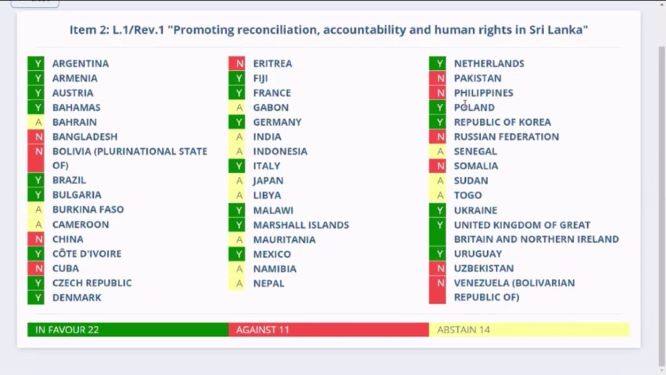
20 states voted in favor of Resolution, 7 voted against and 20 abstained.

Generally, abstentions are tilted against a resolution rather than for it.

However, in a 47 Member state when less than half of the Membership have voted for the resolution and more than half are on the other side (against + abstentions) how can UNHRC pass such a resolution? This itself highlights the bias of the UNHRC

For Resolution:

  1. Argentina
  2. Armenia
  3. Czechia
  4. Finland
  5. France
  6. Germany
  7. Honduras
  8. Lithuania
  9. Luxembourg
  10. Malawi
  11. Marshall Islands
  12. Mexico
  13. Montenegro
  14. Netherlands
  15. Paraguay
  16. Poland
  17. Republic of Korea
  18. UK
  19. Ukraine
  20. USA

Against Resolution:

  1. Bolivia
  2. China
  3. Cuba
  4. Eritrea
  5. Pakistan
  6. Uzbekistan
  7. Venezuela

Abstaining from voting for or against Resolution:

  1. Benin
  2. Brazil
  3. Cameroon
  4. Cote D’ivoire
  5. Gabon
  6. Gambia
  7. India
  8. Indonesia
  9. Japan
  10. Kazakstan
  11. Libya
  12. Malaysia
  13. Mauritania
  14. Namibia
  15. Nepal
  16. Qatar
  17. Senegal
  18. Somalia
  19. Sudan
  20. UAE

What most people would have forgotten is that the initial resolution was about the last 3 months of the conflict, but successive resolutions went on to take topics not related to the conflict and transgressed the UN Charter itself by interfering into the internal affairs of Sri Lanka. Why doesn’t the UNHRC take these non-related topics at the Universal Periodic Review sessions held annually?

It was obvious that the UNHRC however much it bragged & boasted had no evidence beyond doubt and certainly no credible evidence to declare Sri Lanka committed war crimes.

The architects & supporters of the resolutions have found common ground on several fronts. Some wish to take revenge for defeating LTTE whom they had invested heavily on. Some see the resolutions as a golden opportunity to advance their diplomatic agendas.

The bias of the OHCHR head Pillay was seen in the manner OISL investigation (A/HRC/25/1 adopted in March 2014 ) was to cover period under LLRC (2002-2009) but included up to 2011. If the investigation was to cover both parties – when LTTE was eliminated in 2009, why did Pillay include upto 2011?

The GoSL should have immediately objected and refused to cooperate.

What is also noteworthy about the resolutions against Sri Lanka, was that the OHCHR was investigating FOR THE FIRST TIME a country that had ended a conflict. This was creating a precedent and would be applicable to other countries thereafter.

If so, this begs to ask why the OHCHR investigation was covering only 1/3 of the entire conflict? How fair was this on the victims?

There was also a question of whether the OHCHR Head had a mandate to investigate a country?  The more pressing question was how a personally commissioned report could be the basis of successive resolutions and be quoted by the OHCHR head. The legality of this is still not answered.

So annually, the Sri Lankan team pays to travel & get battered in Geneva & returns expecting a hero’s welcome simply because the Minister makes a political talk & that is supposed to set off the intrusive resolutions that have been passed. This charade must stop.

It is clear from the manner of voting that the powerful nations simply have to dial numbers & give instructions on how they should vote. If Sri Lanka has friends it is the friends that have consistently voted for Sri Lanka – these countries are China, Cuba, Pakistan, Russia and we must be grateful to Eritrea, Uzbekistan, Bolivia and Venezuela for voting in 2022. It is time Sri Lanka not only know who its friends are but ensure they are shown gratitude and given a greater role in Sri Lanka’s development without going behind unrequited love of the oppressors (voted against/abstained)!

Shenali D Waduge

AGEING & Space for an EXECUTIVE SERVICE.

October 7th, 2022

Sugath Kulatunga.(1)

Today we see a revolution in longevity. The percentage of old people in the total population is growing steadily. In this background, all over the world, increasing attention has been focused on old people. Ageing is being considered only as a factor of social differentiation and not one of social discrimination.  The Madrid International Plan of Action on Ageing, 2002- stated that , Whereas specific policies will vary according to country and region, population ageing is a universal force that has the power to shape the future as much as globalization. It is essential to recognize the ability of older persons to contribute to society by taking the lead not only in their own betterment but also in that of society as a whole. Forward thinking calls us to embrace the potential of the ageing population as a basis for future development.”

At Article 10 of the declaration of the Second World Assembly on Ageing it is stated that The potential of older persons is a powerful basis for future development. This enables society to rely increasingly on the skills, experience and wisdom of older persons, not only to take the lead in their own betterment but also to participate actively in that of society as a whole.”

Age is one of the characteristics of social differentiation. While being a biological fact, the perception of age is nevertheless socially constructed. The connotation of age is inescapable, regardless of cultural environment. Whereas in some regions of the world, older persons are treated with respect and are well-regarded, in other parts of the globe, societal value is given to youth and signs of age have a rather negative image. Isolation, exclusion and marginalization of older persons are the usual consequences of age discrimination, which not only undermines the status of older persons in society but also threatens overall societal development.

Challenges arise as social and economic structures try to adjust to the simultaneous phenomenon of diminishing young cohorts with rising older ones, and opportunities present themselves in the sheer number of older individuals and the vast resources societies stand to gain from their contribution.

Ageing of the population permeates all social, economic and cultural spheres. Revolutionary change calls for new, revolutionary thinking, which can position policy formulation and implementation on sounder footing. In our ageing world, new thinking requires that we view ageing as a lifelong and society-wide phenomenon, not a phenomenon exclusively pertaining to older persons.

Environments for growth, learning and moving toward creative fulfillment should be within the reach of all. What we are learning today about the extraordinary range of abilities and interests of older persons can help us in the task of creating such environments and remove obstacles for new environments for growth, learning and moving toward creative fulfillment should be within the reach of all. What we are learning today about the extraordinary range of abilities and interests of older persons can help us in the task of creating such environments.

If the ageing of populations is revolutionizing our social and economic infrastructure, globalization and technological advancement are revolutionizing our “tool” system – that is, management and workplace skills, creative synthesis, political and social development. One element of this system is information technology, which, in the last few decades alone, has transformed the speed and manner in which access to information is rendered and received. Older individuals are increasingly tapping into this culture in varying degrees, often in multigenerational settings, meeting the educational demands to stay informed of new technologies and systems. The majority of older persons, however, mostly in developing countries, do not have access. When whole communities are sidelined in this information tidal wave, existing gaps and imbalances become all the more apparent.

But knowledge and images are often mutual passengers in the information voyage and the image landscape conveyed by the western media weighs heavily on the side of glorifying youth, while either omitting older persons or depicting them in stereotypes. This has a particular impact on the lives of older women, as they tend to suffer greater political, social, and economic exclusion than do older men. 

The new architecture of ageing requires policies that remove obstacles and facilitate contributions. It also requires seminal thinking and images that reflect reality and potential, not stereotypes and myths. So relative are the experiences of ageing in different parts of the world, and so complex and multiple their roles, that the world can no longer accept images of ageing as a panorama of near homogeneity.

Old age policies were designed, for most of the 20th century, with a youthful society in mind. From this point onward, policies for older persons, younger persons and those in between, must be designed with an ageing society in mind, society where soon, every third individual will be over the age of 60. International, national and local communities must begin now to adjust and design their infrastructures, policies, plans and resources.

Policy interventions that include social and human, as well as economic investments, can prevent unnecessary dependencies from arising whether in late life for individuals or downstream in ageing societies. When judicious investments are made in advance, experts suggest that ageing can be changed from a drain on resources to build-up of humane social, economic and environmental capital. This requires investing in the phases of life, fostering enabling societies, and creating flexible but vibrant collaborations in the process, through which the future building of a society for all ages can take hold in the present.

Finally, recognition of the uniqueness that unfolds throughout one’s life is core to igniting society’s embrace of the contributions of its older citizens. The “package” of knowledge, wisdom and experience that so often comes with age is part of an inner awareness that cannot be traded, sold or stolen. It should, however, be activated, amplified and utilized in all the crossroads, fields and storefronts of society, and in the windows of our creative imaginations.

Many older people want to work, learn and earn but are encountering difficulties in doing so. Main barriers

include: actual or perceived age discrimination, especially by employers; lack of local retraining opportunities; employer reluctance to train older people; the cost of learning and retraining; and difficulties in finding support agencies with staff who have the experience and expertise to assist older age groups – including listening, empathizing, and providing the right forms of practical help.

Challenges arise as social and economic structures try to adjust to the simultaneous phenomenon of diminishing young cohorts with rising older ones, and opportunities present themselves in the sheer number of older individuals and the vast resources societies stand to gain from their contribution.

This ageing of the population permeates all social, economic and cultural spheres. Revolutionary change calls for new, revolutionary thinking, which can position policy formulation and implementation on sounder footing. In our ageing world, new thinking requires that we view ageing as a lifelong and society-wide phenomenon, not a phenomenon exclusively pertaining to older persons.

Environments for growth, learning and moving toward creative fulfillment should be within the reach of all. What we are learning today about the extraordinary range of abilities and interests of older persons can help us in the task of creating such environments and remove obstacles for new environments for growth, learning and moving toward creative fulfillment should be within the reach of all. What we are learning today about the extraordinary range of abilities and interests of older persons can help us in the task of creating such environments and remove

If the ageing of populations is revolutionizing our social and economic infrastructure, globalization and technological advancement are revolutionizing our “tool” system – that is, management and workplace skills, creative synthesis, political and social development. One element of this system is information technology, which, in the last five years alone, has transformed the speed and manner in which access to information is rendered and received. Older individuals are increasingly tapping into this culture in varying degrees, often in multigenerational settings, meeting the educational demands to stay informed of new technologies and systems. The majority of older persons, however, mostly in developing countries, do not have access. When whole communities are sidelined in this information tidal wave, existing gaps and imbalances become all the more apparent.

But knowledge and images are often mutual passengers in the information voyage and the image landscape conveyed by the western media weighs heavily on the side of glorifying youth, while either omitting older persons or depicting them in stereotypes. This has a particular impact on the lives of older women, as they tend to suffer greater political, social, and economic exclusion than do older men. 

The new architecture of ageing requires policies that remove obstacles and facilitate contributions. It also requires seminal thinking and images that reflect reality and potential, not stereotypes and myths. So relative are the experiences of ageing in different parts of the world, and so complex and multiple their roles, that the world can no longer accept images of ageing as a panorama of near homogeneity.

Old age policies were designed, for most of the 20th century, with a youthful society in mind. From this point onward, policies for older persons, younger persons and those in between, must be designed with an ageing society in mind, society where soon, every third individual will be over the age of 60. International, national and local communities must begin now to adjust and design their infrastructures, policies, plans and resources.

Policy interventions that include social and human, as well as economic investments, can prevent unnecessary dependencies from arising whether in late life for individuals or downstream in ageing societies. When judicious investments are made in advance, experts suggest that ageing can be changed from a drain on resources to build-up of humane social, economic and environmental capital. This requires investing in the phases of life, fostering enabling societies, and creating flexible but vibrant collaborations in the process, through which the future building of a society for all ages can take hold in the present.

Finally, recognition of the uniqueness that unfolds throughout one’s life is core to igniting society’s embrace of the contributions of its older citizens. The “package” of knowledge, wisdom and experience that so often comes with age is part of an inner awareness that cannot be traded, sold or stolen. It should, however, be activated, amplified and utilized in all the crossroads, fields and storefronts of society, and in the windows of our creative imaginations.

While there is growing international awareness of the important place of senior citizens in general, in modern society and their special needs, the distinctive role of senior citizens who have retired from executive positions in both the public sector and the private sector has been recognized by most modern societies and special associations of such groups have been formed today in many countries to harness their proven talents and cater to their particular needs.

Most retired persons wish to work, learn and continue to develop and utilize their abilities during their retirement  to the benefit of the community and themselves. Many enjoy working and work provides purpose, status, scope to use one’s skills and abilities, and the opportunity to express their values, interests and objectives, and to progress.

The information and communication technology has revolutionized the way, where and when of work. More and more people are able to work from home rather than face the hazards of commuting to work. In the future physical mobility will cease to be a vital factor of capacity to work. 

It should also be noted that the present retirement age has been determined when the life expectancy was in the region of 50 to 60 years. Today life expectancy has risen over 70 of age and at the present age of retirement of 60 years most persons are not only physically and mentally fit to continue working but also, they are at the peak level of competency. When the value of the pension paid on retirement is as high as 80% the continuation of these persons in service costs the government only 20% of the salary, which is very much lower than the salary of a new recruit.

EXECUTIVE SERVICE

In many developed countries executive service organizations make available the services of retired executives experienced in special fields even to foreign countries at a nominal cost to the recipient of the service.

It is accepted that in the context of Sri Lanka, particularly in the public sector, there is a wide generation gap in competence at the executive level. This has led to inefficiency and ineffectiveness in management. A good example is the very low utilization of donor assistance for development projects. Retired executives can fill this gap successfully.

There are numerous opportunities for external consultancy in both the public and the private sector. At present information on the opportunities and the available personnel is not well organized leading to misfits. It is proposed that a comprehensive data bank on retired executives is established to cater to the needs of both the employer and the consultants.

Most retired executives are not  intent on making a livelihood of service to the community. They are prepared to offer their services free of charge or at a nominal cost to  endeavors which serve the community at large. There are many such opportunities. If voluntary services are available potential for such endeavors are plentiful.

Retired executives are well equipped to act as mentors, mediators and advisers. Many retired executives would wish to offer such service in their preferred locations e.g. their native villages.

An organized pool of retired executives could be a strong force to tap during times of emergencies.

(1)This note comprises of extracts from a longer paper prepared for the civil society organization named Sri Lanka Association of Retired Executives Professionals and Academics

Enter the ‘God-Police’ amid liberal aiders and abetters

October 7th, 2022

Malinda Seneviratne

Rosy is out of order. Colombo’s liberals and leftists are out of order. Democracy-advocating NGO personalities are out of order. Funded Voices, Rent-a-Protest Agitators, Born Again Nazis, Candlelight Ladies, Colombots, Stink Tanks and other Kolombians are out of order. And that’s good, for they reveal themselves when they shout and when they are silent. 


In some corner of the world, atop a mountain, in a cave, by a stream, in a coffee shop or a corporate office, there could be someone who is a saint. Right next to such a person there could be someone else who may have acquired marga-pala — sovan, sakrudhagami, anagami or arahat. The vast majority of people in this world, regardless of what religious or philosophical doctrine they identify themselves with, it is safe to say, are not even close to achieving those lofty states of being.  This side of Enlightenment (of any kind) we find faith and the faithful. Believers rather than, say, the enlightened.

In a world made of multiple and utterly tragic deprivation, insults and humiliation, the community of the faithful, one can conclude, is a considerable majority. They are marked by helplessness and dispossession of one kind or another. For relief if not succour, religion offers salve. Extremist adherents who are marked by intolerance and have a fundamentalist bent there are. They instigate, engage in and revel in blood-letting. Even if we counted them out, we still have a vast majority who are all citizens, let’s say, in a country called ‘Faith’. At some level, they and their faith are benign. At some level, they are innocent.

This is why it is harsh to mock faith and the faithful, regardless of church and denomination. And yet, it is typical for people to take wide swipes at entire populations belonging to a particular faith when taking on the unpalatable who claim to subscribe to the same tenets.

This, however, is not an essay on inter-faith tolerance. It is about strange (and telling!) silence on body blows to the notion of ‘Freedom of Expression.’ The nimiththa just happens to be religious. The parenthetical introduction above, therefore, should be taken as a qualification — no ill is intended to those of any faith, the particular faiths or, as in this case, the purported anti-theses and their adherents, for they too are ‘faithful,’ they too are ‘believers’ and they too have ‘churches’ of one kind or another.

The Colombo Municipal Council (CMC), upon the advice of Mayor Rosy Senanayake, had objected to a music festival on the basis that its title included the word ‘hellfire,’ which the Mayor believes is disrespectful of certain religions. Apparently she has instructed Municipal Commissioner Badrani Jayawardena that the organisers should change the name of the show and that ‘it  should be held without disrespecting any religion or any form of worship that is accepted and practiced in Sri Lanka.’ The CMC has given the green light to the festival if ‘hellfire’ is changed to ‘fire.’

A record of a phone conversation between Senanayake and the festival organiser, Thorz’ has since gone viral on social media. She insists, ‘I will not allow you to venerate Satanic music for Stan in my city.’ Thorz insists it is not about Satan. Well, for argument’s sake, it should not even be an issue. Indeed it would have been so much more fun had he been a Satan-worshipper and the festival celebrated Satan. He could have thrown the Constitution at Rosy, metaphorically speaking.

For the record, god-worshippers of all faith have, in the name of the particular god, sacked cities, bloodied the earth, raped women and shackled children into slavery across time and space. God-worshippers cannot, as such, claim any moral high ground. Satan-worshippers, if such there are, can simply point out the hilarity. Atheists too.

Article 10 of the Constitution says, ‘every person is entitled to freedom of thought, conscience and religion, including the freedom to have or to adopt a religion or belief of his/her choice. No mention here of ‘religions or forms of worship that are accepted and practiced in Sri Lanka. We don’t have such a list. It applies to any faith. In other words, faiths/beliefs that contradict each other have parity of status as per the constitution. In other words, it’s ok to worship god and it’s also fine to worship satan. No hierarchy of belief systems, although the Mayor seems to think so.

Rosy Senanayake is the Mayor of Colombo. She’s not the Bishop of Colombo and Sri Lanka is not a Christian State.  She’s not the IGP of a non-existent God Policy, but she’s certainly behaving as though she is. ‘We should be venerating God if at all to save this country.’ I won’t go into ‘god’ here because of the sensitivities mentioned at the beginning. However, is ‘hell’ is to be axed, considering the call for all kinds of genocide in religious texts (Rosy would know, perhaps) certain religious books need to be outlawed too.

Let’s go to the Constitution for help here. Article 14 (1), in particular lays it all out: ‘Every citizen is entitled to: (a) The freedom of speech and expression including publication; (b) the freedom of peaceful assembly; (c) the freedom of association.’
Have the organisers violated Article 10 or Article 14(1)? No they haven’t. Rosy has. Now Article 9 says ‘The Republic of Sri Lanka shall give to Buddhism the foremost place and accordingly it shall be the duty of the State to protect and foster the Buddha Sasana, while assuring to all religions the rights granted by Articles 10 and 14(l)(e).’ Essentially Articles 10 and 14 negate the ‘foremost’ clause of Article 9, but these two Articles are essentially buttressed by Article 9. Thorz and his pals have not violated any of this. Rosy is out of order. Absolutely.

What is most interesting here is the silence of those who champion Articles 10 and 14; those who wax eloquent about democracy, freedom of expression and such. They, who vent and froth if any self-appointed representative of the Buddhist community object to anything considered hurtful to the sentiments of Buddhist, quoting these articles of the Constitution, are not upset by Rosy’s moral policing. Why not?

Why are the Sri Lankan liberals, leftists and self-appointed guardians of democracy and related freedoms who people so many Colombo-based NGOs and ‘think tanks’ silent? Where are the Funded Voices, the Rent-a-Protest Agitators, the Born Again Nazis, the Candlelight Ladies, Colombots, Stink Tanks and other Kolombians? Are they endorsing Rosy here? If so, aren’t they abdicating the right to object to anyone who they would believe are not affirming Articles 10 and 14?  Why aren’t they saying now, ‘keep religion and state separate!’? What does this selectivity indicate? They who are conspicuously silent about the Muslim Marriage and Divorce Act are also navel-gazing over Rosy giving the finger to freedom of expression and freedom of religious belief (if we are to believe her assertion that the said festival was a celebration of Satan).

Rosy is out of order. Colombo’s liberals and leftists are out of order. Democracy-advocating NGO personalities are out of order. Kolombians are out of order. And that’s good, for they reveal themselves when they shout and when they are silent.

malindadocs@gmail.com

Ethnic Discrimination in Giving a Diwali Allowance of 15,000 Rupees Only to One Ethnic Group

October 7th, 2022

Dilrook Kannangara

The nation and the people are in a deep economic crisis. In the midst of the crisis, the government has decided to dish out 15,000 rupees each only to Hindus in the plantations sector. This is highly discriminatory and is a violation of the Constitution which guarantees equal rights to all individuals. If the government spends taxpayer funds, it must spend it equitably. Spending it only for the benefit of one ethnic group is highly discriminatory.

There are many Buddhists, Muslims and Christians within the Upcountry regions and also elsewhere who are also poor and cannot afford basic needs. They too must get the Diwali allowance of 15,000 rupees.

On the other hand, giving away 15,000 rupees each does not generate additional food. It only gives an unfair advantage to one creed to stock up on very scarce food items at the expense of others. Non-Hindus will be far worse off following this targeted and discriminatory 15,000 rupee donation to Upcountry Hindus.

Uphold equal rights in every donation from taxpayer funds or do not donate any. Creating discrimination will worsen the social impacts of the economic crisis and make it nearly impossible to overcome.

ඔබේත් අපේත් මාතෘභූමිය වෙනුවෙන් කරනු ලබන කාරුණික ආයාචනයයි

October 7th, 2022

SPUR  (Society for Peace, Unity and Human Rights for Sri Lanka Inc)

ගරු කථානායකතුමා  ඇතුලු සියලු ම පාර්ලිමේන්තු මන්ත්‍රීතුමන්ලා වෙත.

ගරු මැතිතුමනි / මැතිනියණි,!

ඔබේත් අපේත් මාතෘභූමිය වෙනුවෙන් කරනු ලබන කාරුණික ආයාචනයයි

ශ්‍රී ලoකාවේ සාමය, ඒකීය භාවය සහ මානව අයිතීන් රැකීම උදෙසා, දැනට දශක දෙකකට අධික කාලයක් ඕස්ට්‍රේලියාවේ සිට අඛණ්ඩව කටයුතු කරනු ලබන, දේශහිතෛෂි ශ්‍රී ලාoකිකයින්ගෙන් සැදුම්ලත් ‘ස්පර්’ නමින් හදුන්වන අප සoවිධානය, පසුගිය ජනාධිපතිවරණයේදි  69 ලක්ෂයක වරමක් ලබාදුන් ජනතාව අතිමහත් ආර්ථික දුෂ්කරතාවයකට මැදිව  සිටීමට අමතරව, ඔවුන් අපේක්ෂාකල දේශප්‍රේමී අරමුණුද අනපේක්ෂිත ලෙස බාධක සහ අභියෝග රැසකට මුහුණ පා ඇති බැවින් පහත සඳහන්කර ඇති කරුණු සහ ක්‍රියාදාමයන් පිළිබඳව ඔබගේ කාරුණික අවධානය යොමු කිරීමට කැමැත්තෙමු. 

  •  යෝජිත ව්‍යවස්ථා සංශෝධන

ඉතිහාසයේ නොයෙකුත් අවස්ථාවලදී විදේශීන්ගේ මැදහත්වීම හේතු කොටගෙන අපගේ මාතෘ භූමියේ ස්වෛරීත්වයට හා ස්වාධීනත්වයට හානි පැමිණ ඇත. ඉතාමත් මෑත යුගයේ, ඉන්දියානු, නෝර්වේජියානු  හා වෙනත් බටහිර රටවල්වල මැදිහත්වීම නිසා බෙදුම්වාදී ත්‍රස්තවාදය වර්ධනයවූ හැටිත්, රටට තිස්වසරක ශාපයක්වූ හැටිත් අපට හොදට මතකය.   පරාධීන යුගයක අඳුරු සෙවණැලි හෙවත් බැටළු  වෙස්ගත් විදේශ බලවේග නැමති වෘකයින්ගේ සම්ප්‍රාප්තියක් යලිත් වරක් සිදු වෙමින් පවතී.

ගෝඨාභය රාජපක්ෂ ජනාධිපති තුමා විසින් පත්කරන ලද,  ජනාධිපති නීතීඥ රොමේෂ් ද සිල්වා මහතා ප්‍රමුඛ නව දෙනෙකුගෙන් යුත් විද්වත් කණ්ඩායමක් මගින් සකස් කරනලද ව්‍යවස්ථා කෙටුම්පතෙහි ඇතුලත් නිර්දේශ මෙන්ම එතුමා විසින් පත්කරන ලද, දහතුන් දෙනෙකුගෙන් යුත් ජනාධිපති කාර්ය සාධක බලකාය විසින්  එකම රටක්, එකම නීතියක්” සංකල්පය ක්‍රියාත්මක කිරීම සඳහා සකස්කල  පනත් කෙටුම්පතෙහි තොරතුරු කිසිවක් මෙතෙක් ජනතාව හමුවේ තබා නැත.

එසේ වුවද, වත්මන් ජනාධිපති රනිල් වික්‍රමසිoහ මහතා, බ්‍රිතාන්‍යයයේදී ද්‍රවිඩ ඩයස්පෝරාව අමතමින් තමා ව්‍යවස්ථා සමාලෝචනයකට එකඟ බවත්, 2018 වසරේ දී උත්සාහ කළ ආකාරයට ප්‍රධාන ඇමැතිවරුන් විසින් පාළාත් සභා බලවත් කිරීම සඳහා ඉදිරිපත් කළ යෝජනා අනුව ඉදිරියට යාහැකි බවත් පවසා ඇතිබැව් මාධ්‍ය වාර්තාවල සඳහන්වේ. 2018 දී යෝජනා වූයේ 13 වෙනි ව්‍යවස්ථා සංශෝධනය මුලුමනින්ම බලාත්මක කිරීම බැවින් ජනාධිපතිවරයා වක්‍රව ඩයස්පෝරාව ඉදිරියේ මෙවරත් සඳහන් කරන්නේ තමා 13 වෙනි සංශෝධනය මුලුමනින්ම බලාත්මක කිරීමට එකඟ වන බව යැයි අප අදහස් කරමු.

ජනාධිපති රනිල් වික්‍රමසිoහ මහතාගේ උක්ත ප්‍රකාශය සහ පසුගිය දිනෙක ජිනීවාහී පැවති එක්සත් ජාතීන්ගේ මානව හිමිකම් පිළිබඳ සැසිවාරයේදීත් 13 වෙනි සංශෝධනය මුලුමනින්ම ක්‍රියාත්මක කලයුතුයයි  පවසමින් අසල්වැසි ඉන්දියාවද දෙමළ ඩයස්පෝරවේ අවශ්‍යතාවයන් සපුරාලීමට තවදුරටත් උත්සුක විම, මේ වන විටත් දේශහිතෛෂි ජනතාව තුල පවතින සැකය, එනම් වත්මන් පාලනය මගින් යෝජිත 22 වන ව්‍යවස්ථා සංශෝධන ක්‍රියාවලිය තුළ කාරක සභා අවස්ථාවේදී සිදුකරන කිසියම් වෙනසක් මගින් 13 වෙනි සoශෝධනය මුලුමනින්ම ක්‍රියාත්මක කරමින් මේ රට පූර්ණ ෆෙඩරල් රාජ්‍යයක් බවට පත් කර ගැනීමේ බිහිසුණු අනතුරක් තිබේය යන්න තවදුරටත් තහවුරු වෙමින් පවතී.

දහතුන්වෙනි වෙනි සoශෝධනය  මුලුමනින්ම ක්‍රියාත්මක කිරීමේදී  මෙතෙක් අනුයුක්ත නොකල පොලිස් හා ඉඩම් බලතල හෝ 13 වෙනි සoශෝධනය අභිබවා දෙමළ සoධානය ඉල්ලන පූර්ණ ෆෙඩරල් පාලනයකට තව තවත් බලතල, විශේෂයින්ම වාර්ගික පදනමකින්  පෙළෙන, උතුරු හා නැගෙනහිර පලාත් සභා වලට පවරා දුනහොත්  යලි කිසි දිනෙක එම බෙදාදුන් බලතල වෙනස් කල නොහැකි වන බැව් පැහැදිලිය.  කිසියම් හේතුවක්මත එම බලතල ඵසේ ආපසු පවරා ගැනීමට තැත්කලහොත් එහි ප්‍රතිථල රටට අතිශයින් අහිතකරවනු ඇත. 

  • රාජ්‍ය දේපල විකිනීම/පෞද්ගලීකරණය

රජයේ සමහර ආයතනවලින් සිදු වූ පාඩුවලට හේතු වී ඇත්තේ කළමනාකාරිත්වය සහ මෙහෙයුම් සඳහා දේශපාලන ඇඟිලි ගැසීම්, වාර්ෂික වියදම් වත් පියවිය නොහැකි අයකර ගැනීම්, කාර්ය මණ්ඩල සoඛ්‍යාව අනවශ්‍යලෙස ඉහල දැමීම සහ රජයට ගෙවිය යුතු ණය මුදල් නිසිපරිදි පියවා නොගැනීම ය. පාඩු ලබන සේවා සපයන්නන් පිළිබඳව නිසිලෙස අධ්‍යයනය කර සැලකිය යුතු ප්‍රතිව්‍යුහගත කිරීමක් අවශ්‍ය වන අතර එම  විමර්ශනවල ප්‍රතිඵල විනිවිදභාවයෙන් යුතුව ප්‍රකාශයට පත් කිරීම සහ නියමිත ඉලක්ක සහ කාල සීමාවන් සමඟ ප්‍රතිකර්මදායී ක්‍රියාමාර්ග ගැනීම අත්‍යාවශ්‍ය වේ.                                                          

ජාතික ආරක්‍ෂාව සහ දිගුකාලීන ආර්ථික තිරසාරත්වය අවදානමට ලක් කරන බැවින් ජාතික වැදගත්කමක් ඇති වත්කම් (infrastructure of national significance and essential services) වෙනස් ලෙස සැලකිය යුතුය. ජාතියට උපායමාර්ගික වැදගත්කමක් ඇති ජාතික වැදගත්කමක් ඇති වත්කම් විකිණීම නොකළ යුතුය. ඒවා ප්‍රතිව්‍යුහගත කළ යුතු අතර වසර පහක කාලයක් තුළ ඒවා බිඳවැටීම වළකාලමින් ලාභ ලබන තත්ත්වයට පත් කිරීමට රජය අවශ්‍ය සියලු පියවර ගත යුතුය. ශ්‍රී ලංකා රක්ෂණ සංස්ථාව වැනි ලාභ ලබන ආයතන අලෙවි නොකළ යුතු බැව් අපගේ අදහස වේ.

ගරු මැතිතුමණි / මැතිනියණි,

එබැවින් පහත දැක්වෙන ක්‍රියාදාමයන් පිළිබඳව ඔබගේ කාරුණික අවධානය යොමු යොමු කොට, වසර දෙදහස් පන්සීයකටත් අධික කාලයක ලිඛිත ඉතිහාසයක උරුම වූ රටේ ජාතික හා ආගමික අනන්‍යතාවය සදහටම අහිමි කරවන බෙදුම්වාදී අරමුණු වළකාලමින්, ශක්තිමත්   ආර්ථිකයකට  මඟ පාදන, දූෂණයෙන් තොර  සාමකාමී   සමාජ වතාවරණයක් ගොඩනැගීමේ අරමුණෙන් ගතහැකි සෑම ක්‍රියාමාර්ගයක් ම ගන්නා ලෙස ඔබේත් අපේත් මාතෘ භූමියේ නාමයන් ආයාචනාකරමු.

  1. ජනාධිපති නීතීඥ රොමේෂ් ද සිල්වා මහතා ප්‍රමුඛ විද්වත් මණ්ඩලය මගින් සකස් කරනලද ව්‍යවස්ථා කෙටුම්පතෙහි ඇතුලත් නිර්දේශ මෙන්ම, ජනාධිපති කාර්ය සාධක බලකාය විසින්  එකම රටක්, එකම නීතියක්” සංකල්පය ක්‍රියාත්මක කිරීම සඳහා සකස්කල  පනත් කෙටුම්පතෙහි තොරතුරු පිළිබඳව ජනතාව දැනුවත් කරලීමට පියවර ගැනීම.
  2. ශ්‍රී ලoකාවේ ඒකීය භාවය ආරක්ෂා කර ගැනීමට ගත යුතු සියලුම ක්‍රියාමාර්ග ගැනීම.
  3. සිoහල බෞද්ධ ශිෂ්ඨාචාරය මත ගොඩනැගූ බහුතර සිoහල බෞද්ධ ජනතාවගේ සoස්කෘතිය හා ශ්‍රී ලාoකීය සුලුතර ජනතාවගේ අයිතිවාසිකම් පවත්වාගෙන යෑම ගැන වගබලා ගැනීම.
  4. දේශීය/විදේශීය රාජ්‍ය නොවන සoවිධාන වලින් එල්ල වන අභූත චෝදනා වලින් වීරෝධාර ත්‍රිවිධ හමුදා භටයින් ආරක්ෂා කර ගැනීම.
  5. උතුරු නැගෙනහිර පළාත්වල ඇති පුරාවිද්‍යා ස්ථාන ආරක්ෂා කර, ඉදිරි පම්පරාවලට දායාද කිරීම පිණිස ප්‍රායෝගික ක්‍රියා මාර්ග ගැනීම.
  6. පළමු ශ්‍රේණියේ සිට ඉගැන්වීමේ මාධ්‍ය ලෙස ඉංග්‍රීසි හඳුන්වාදීමට ප්‍රමුඛත්වය නොදීම (ඉංග්‍රීසි ඉගැන්වීමේ මාධ්‍යයක් ලෙස හඳුන්වා දීමට පෙර, දැනට බොහෝ පාසල්වල පවතින, සුදුසුකම් ලත් ගුරුවරුන් නොමැතිකම ඇතුළු කැපී පෙනෙන අඩුපාඩු කෙරෙහි අවධානය යොමු කල යුතුය). ජාතික රාමුවක් තුල අපගේ ජාතික අධ්‍යාපන ක්‍රමය වෙනස් කිරීම, සියලුම සිසු සිසුවියන්ට තමන්ගේ හරපද්ධතයන්, ජාතික ජයග්‍රහණයන් හා විශේෂයෙන්ම ජාතික ඉතිහාසය ඉගැන්වීම.
  7. ආර්ථික, පරිසර, සමාජීය සහ සoස්කෘතික පැතිකඩයන් ආවරණය වන පරිදි, ඉදීරි 10 වසර ආවරනය වන පරිදි ජාතික සැලැස්මක් සම්පාදනය කරගැනීම සඳහා කටයුතු කිරීම සහ රටේ ස්වෛරීභාවය සහ ජාතික ආරක්ෂාවට අදාල යටිතල පහසුකම් (assets and infrastructure of national and strategic significance) පිටරැටියනට විකිනීම වැලැක්වීමට කටයුතු කිරීම.
  8. බලතල අවභාවිතා නො කිරීම මෙන්ම අගතිගාමී ඥාති සoග්‍රහයන්ගෙන් වැළකීමද,වoචා හා දූෂණ සම්පූර්ණයෙන්ම නවතා දැමීමටද කටයුතු කිරිම.
  9. මත්ද්‍රව්‍ය භාවිතයට මඟ අහුරා, මත්පැන් බලපත්‍ර සීමා කිරීමෙන් මද්‍යසාරවලට ඇබ්බැහිවීම හැකිතරම් දුරට පාලනය කිරීම.
  10. පරිහානියට පත්වීගෙන යන පරිසරය හා වන සoහාරයන්ට ගොදුරු වීමෙන් ඉතිරිව ඇති වනආවරණය ආරක්ෂා කරගැනීම.

ස්තූතියි!

ආචාර්ය දසරත් ජයසූරිය

සභාපති, ස්පර් oවිධානය ( ඕස්ට්‍රේලියාව )

’Prime Minister urges Indian investments in new areas

October 7th, 2022

Prime Minister’s Media Unit

 Indian CEOs to promote trade and investments thru ‘Shine Sri Lanka Indian CEO Forum-Sri Lanka (ICF) called on Prime Minister Dinesh

Gunawardena at the Prime Minister’s Office yesterday (6). The Prime Minister stressed the need for further growth in bilateral trade and increase Indian investments in new areas, where Indian techno knowhow could be introduced.
He thanked the Indian companies for their significant input and support to the Sri Lankan economy by way of bringing substantial investments into the country, export earnings, employment generation, and contribution of treasury through direct and indirect taxes.
The CEO team led by Form’s President, T.S. Prakash, stated that the member companies represent diverse industries from automobile, banking, cement, and FMCG to fuel, glass, hospitality, infrastructure, logistics, packaging, paint, and pharmaceuticals.
Referring to the Prime Minister’s proposal to venture into new areas, he said the ICF has launched ‘Shine Lanka’ platform to promote trade and investments as well as tourism, which has a huge potential.
The Prime Minister briefed the CEO’s about the steps taken by the government to solve the unprecedented economic crisis faced be the country.
Airtel’s Ashish Nanda said his company has access to over 65% Indian households through mobile telephones and Sri Lanka could promote tourism in the vast Indian market using IT.
The Indian CEOs expressed appreciation over the initial successes made by Sri Lanka in its plans to recover from the economic crisis and emphasized the need to sustain the efforts. They also called for relaxation of some outdated regulations to enhance growth of trade and attract investments.
Mr Prakash said the Indian companies make a valuable contribution to the economy by providing gainful employment to thousands, providing best-in-class management, technical skills, and contributing substantiality to Sri Lanka’s foreign exchange earnings despite the current economic challenges.

He said the objective of ICF is to promote economic growth in Sri Lanka through Indian investment, safeguard and strengthen existing economic co-operation, foster new economic ties between India and Sri Lanka, and provide an open forum for business leaders of Indian origin employed with Indian multinationals and Sri Lankan business organisations in Sri Lanka.
The delegation included Past President – Umesh Gautam, (Lanka Ashok Leyland PLC)., Vice President, Kishore Reddy, (Platinum Realty), Manoj Gupta, (Lanka IOC), Ashish Chandra, (Bharti Airtel), Harikrishnan Sundaram (Colombo West International Terminal), Girish Manjeswar (UltraTech Cement) and Anurag Sharma, (Reckitt). Secretary to the Prime Minister Anura Dissanayake also attended the meeting.

ශ්‍රී ලංකා ආර්ථිකයට සැලකිය යුතු  දායකත්වයක් ලබාගත හැකි  නව ක්ෂේත්‍රයන් හී ඉන්දීය ආයෝජන  ප්‍රවර්ධනය කිරීම අත්‍යවශ්‍යයි…. -අග්‍රාමාත්‍ය දිනේෂ් ගුණවර්ධන

October 7th, 2022

අග්‍රාමාත්‍ය මාධ්‍ය අංශය

ශ්‍රී ලංකා ආර්ථිකයට සැලකිය යුතු  දායකත්වයක් ලබාගත හැකි  නව ක්ෂේත්‍රයන් හී ඉන්දීය ආයෝජන  ප්‍රවර්ධනය කිරීම වර්තමානයේ  අත්‍යවශ්‍ය බව
අග්‍රාමාත්‍ය දිනේෂ් ගුණවර්ධන මහතා අවධාරණය කරයි.
 ‟ෂයින් ශ්‍රී ලංකා″ වැඩසටහන සම්බන්ධයෙන් දැනුවත් කිරීම සඳහා ඉන්දියානු විධායක නිළධාරීන්ගේ සංගමයේ (ICF) නියෝජිතයින් 2022.10.06 දින අග්‍රාමාත්‍ය කාර්යාලයේදී හමු වූ අවස්ථාවේදී අග්‍රාමාත්‍ය වරයා මේ බව අවධාරණය කළේය.
ද්විපාර්ශ්වීය වෙළෙඳාම තවදුරටත් වර්ධනය කිරීමේ අවශ්‍යතාව සහ ඉන්දීය තාක්ෂණික දැනුම හඳුන්වා දිය හැකි නව ක්ෂේත්‍ර සඳහා ඉන්දීය ආයෝජන වැඩි කිරීමේ අවශ්‍යතාව පිළිබඳව මෙම සාකච්ඡාවේදී වැඩි අවධානයක් යොමු කෙරිණී.
ශ්‍රී ලංකා ආර්ථිකයට සැලකිය යුතු ආයෝජන ගෙන ඒම, අපනයන ඉපැයීම්, රැකියා උත්පාදනය , සෘජු හා වක්‍ර බදු හරහා භාණ්ඩාගාරයේ දායකත්වය  වැඩි කිරීම වැනි ක්‍රම මගින් මෙරට ආර්ථිකයට  සහයෝගයක් ලබා දීම පිළිබඳව අග්‍රාමාත්‍ය වරයා ඉන්දීය සමාගම්වලට ස්තුතිය පළ කළේය.
 ඉන්දියානු විධායක නිළධාරීන්ගේ සංගමයේ නියෝජිතයින්ගේ සභාපති ටී.එස්. ප්‍රකාශ් මහතා මෙහිදී සඳහන් කළේ මෝටර් රථ, බැංකු, සිමෙන්ති සහ FMCG සිට ඉන්ධන, වීදුරු, සංචාරක ක්ෂේත්‍රය,, යටිතල පහසුකම්, සැපයුම්, ඇසුරුම්, තීන්ත සහ ඖෂධ දක්වා විවිධ කර්මාන්ත සාමාජික සමාගම් නියෝජනය කරන බවයි.
 
නව ක්ෂේත්‍ර වෙත පිවිසීමේ අග්‍රාමාත්‍යවරයාගේ යෝජනාව ගැන සඳහන් කරමින් ඔහු කියා සිටියේ විශාල විභවයක් ඇති වෙළඳාම සහ ආයෝජන මෙන්ම සංචාරක ප්‍රවර්ධනය සඳහා ICF විසින් ‘Shine Lanka’ වේදිකාව දියත් කර ඇති බවයි.
 ඉන්දියානු ආයෝජන හරහා ශ්‍රී ලංකාවේ ආර්ථික වර්ධනය ප්‍රවර්ධනය කිරීම, පවතින ආර්ථික සහයෝගීතාව ආරක්ෂා කිරීම සහ ශක්තිමත් කිරීම, මෙන්ම ඉන්දියානු සම්භවයක් ඇති ව්‍යාපාරික නායකයින් සඳහා විවෘත සංසදයක් සැපයීම ICF හි අරමුණ බව ද ඔහු පැවසීය.
 වෙළඳාමේ වර්ධනය සහ ආයෝජන ආකර්ෂණය කර ගැනීම සඳහා යල් පැන ගිය ඇතැම් රෙගුලාසි ලිහිල් කරන ලෙස ද ඔවුහු ඉල්ලා සිටියහ.
 ආර්ථික අර්බුදයෙන් ගොඩ ඒමේ සැලසුම් තුළ ශ්‍රී ලංකාව ලබා ඇති මූලික ජයග්‍රහණ පිළිබඳව ඉන්දීය ප්‍රධාන විධායක නිලධාරීහු සිය ප්‍රසාදය පළ කළ අතර එම ප්‍රයත්නයන් අඛණ්ඩව පවත්වා ගැනීමේ අවශ්‍යතාව අවධාරණය කළහ.
 මෙම හමුවට ඉන්දියානු විධායක නිළධාරීන්ගේ සංගමයේ  උමේෂ් ගෞතම්,   කිෂෝර් රෙඩ්ඩි මනෝජ් ගුප්තා , අශිෂ් චන්ද්‍ර, හරික්‍රිෂ්ණන් සුන්දරම්, ගිරීෂ් මන්ජෙෂ්වර්, අනුරාග් ෂර්මා යන මහත්වරැන් මෙන්ම අග්‍රාමාත්‍ය ලේකම් අනුර දිසානායක මහතා ද සහභාගී විය.

Lanka loses vote in UNHRC but the nays and abstentions outnumber the ayes

October 7th, 2022

By P.K.Balachandran Courtesy NewsIn.Asia

Colombo, October 6: Sri Lanka lost the vote on the human rights situation in the country at the UN Human Rights Council (UNHRC) in Geneva on Thursday.

Out of the 47 members, 20 voted in favor of the resolution that castigated Sri Lanka for a variety of human rights violations and for disregarding calls for accountability. Seven voted against and 20 abstained.

The last time a vote taken on a similar resolution in March 2021, 22 had voted for the resolution, 11 against and 14 abstained.

Just like it did in March 2021, Sri Lanka is likely to claim that the nays and abstentions put together outnumber the ayes and therefore the resolution cannot be considered an outright victory for the movers of the resolution that are White Western nations and their allies in the Global South. Those countries which voted against the resolution and those who abstained were all from the Global South except Japan. Japan broke away from its Western alliance and abstained like India, Nepal and Brazil. Those countries which had always voted against th resolution continued to vote against it. India, which has tended to abstain, abstained this time too.   

The resolution on promoting reconciliation, accountability, and human rights in Sri Lanka” was presented at the 51st session of the UNHRC by the Permanent Representative to the UK in Geneva, Ambassador Simon Manley. The resolution was proposed by the core group on Sri Lanka, comprising Canada, Germany, Malawi, Montenegro, North Macedonia, the United States, the United Kingdom, and 30 other countries.

Presenting the resolution, Manley said the text is largely based on last year’s resolution but has been updated to reflect some of the key developments over the last 18 months in what has been a rather dramatic time for Sri Lanka – an economic crisis, mass protests, and a change in government, all of which have had a significant bearing on the human rights situation in the country.

Speaking earlier, Sri Lanka’s Foreign Minister Ali Sabry categorically rejected the new draft resolution presented against Sri Lanka at the United Nations Human Rights Council (UNHRC) in Geneva.

Rejecting the new resolution, Minister Ali Sabry said the draft resolution had been presented without Sri Lanka’s consent or consultation.

Foreign Minister Ali Sabry further said the new resolution will not be helpful to the country. 

Meanwhile, China had also called on the other nations to reject the new draft resolution. Pakistan had also called for a vote on the resolution, stating that it will vote against it as it is outside the purview of the Council’s mandate and does not include provisions for atrocities committed by the LTTE. Japan said that it will abstain from voting on the resolution presented against Sri Lanka at the UNHRC.

Sri Lanka top court allows proceedings against former president

October 7th, 2022

Courtesy Khaleej Times

It has also allowed trials against ex prime minister Mahinda Rajapaksa, finance minister and two central bank governors

Sri Lanka’s top court has granted permission for proceedings against former President Gotabaya Rajapaksa, the rights group which filed the case against him said in a statement on Friday.

The court also agreed to allow proceedings against the country’s former Prime Minister Mahinda Rajapaksa, its former finance minister and two of its former central bank governors.

The case, filed by rights group Transparency International, calls for accountability for the island nation’s leadership for its worst financial crisis in more than seven decades.

Lotus tower to offer world’s highest Bungee jump

October 7th, 2022

Courtesy The Daily Mirror

The Colombo Lotus Tower and Singapore Go Bungy company has signed a contract to start bungee jumping for the first time in Sri Lanka, which would be the world’s highest bungee jump after it is launched.

The adventure jumping will be launched in Sri Lanka from January 1 next year.

The company, ‘Go Bungy’ headquartered in Singapore, is currently operating bungee jumping sites in three countries, Japan, China and Nepal.

David Horodezny, General Manager of Go Bungy and Bungy Lanka said they have 8 sites in Japan and the highest site in Japan is 216 meters.  They have a 260 meter tall bungy site in China which is operating from the world’s highest glass bridge.

He said Go Bungy safely jumps over 50,000 customers per year and they are planning to carry 130 jumps once they set up the site at Lotus Tower. It will include 100 jumps during the day time and 30 jumps during the night.

David said this would be a massive project to attract tourists to Sri Lanka after it is launched in January.

The CEO of the Colombo Lotus Tower (Private) Company Major General (Retired ) Prasad Samarasinghe said the investment is 100 per cent funded by the Singapore company and the Colombo Lotus Tower Company will get 15 per cent from each jump.

He said local adventurers will also be able to engage in the sport after fulfilling all health requirements.

However, he said the company had not finalized the rates and packages for the jump and this would be announced later.

CEO of Go Bungy and Bungy Lanka, Beau Retallick said they expect to bring down at least 17,000 tourists next year. The jump will be available for those above the age of 15 years who fulfill all the health requirements. However those between 15 and 18 years will have to provide written permission from their parents or guardians.

The Lotus Tower management said that once this sport is launched, a large number of tourists will arrive in the country and the government will not have to make much efforts to attract tourism. (Darshana Sanjeewa Balasuriya and Chaturanga Samarawickrama)

Sri Lanka among 10 friendliest countries

October 7th, 2022

Courtesy The Daily Mirror

Sri Lanka became among the ten friendliest countries in the world at the 2022 Readers’ Choice Awards, the Condé Nast Traveller official website said.

They said the friendliest ten countries were selected while asking the readers to vote for the countries they considered to be home to the friendliest people in our 2022 Readers’ Choice Awards.

From the ever-beaming people of Sri Lanka to the famously open-armed population of New Zealand, our planet is home to some seriously friendly countries, ready to share the love they feel for their country with the world. 

French Polynesia has been voted the friendliest country in the world.

The Friendliest Countries in the World:

1. French Polynesia

2. Colombia

3. New Zealand

4. Thailand

5. Costa Rica

6. Botswana

7. Peru

8. Belize

9. Sri Lanka

10. Philippines

‘Don’t Leave Anyone Behind’: Welfare benefit prog for vulnerable individuals & families to be expedited

October 7th, 2022

Courtesy Hiru News

President Ranil Wickremesinghe has instructed to expedite the programme to provide welfare&nbsp;benefits to 3.1 million low-income families in Sri Lanka.<br /> <br />This program has been planned to cover all the districts of the country under the theme &lsquo;Don’t&nbsp;Leave Anyone Behind’. State Minister of Finance Shehan Semasinghe revealed this while&nbsp;attending a media briefing held this afternoon (06) at the Government Information Department&nbsp;Auditorium.<br /> <br />Under this programme the benefits will be available for the families or individuals receiving&nbsp;benefits under Samurdhi, Elderly Person, Disabled Person and Kidney Disease Assistance&nbsp;Program. <br /><br />Also, people who are on the waiting list expecting subsidies as well as people who are&nbsp;affected by the current economic crisis and who are expecting government welfare benefits will&nbsp;also receive this benefit, the Minister revealed.<br /><br />Minister also said that calling for applications have already started and the closing date has been&nbsp;extended to October 15.<br /><br />The relevant application form can be downloaded via the <a href=”http://www.wbb.gov.lk“>www.wbb.gov.lk</a>&nbsp;<br /><br />By calling for new applications, the government hope to include all eligible beneficiaries and to&nbsp;provide benefits to all those who deserve benefits through the Social Welfare Benefit Board, the&nbsp;Minister further said.<br /> <br />Denying on the rumour that been circulating among the public regarding the cut-down of the&nbsp;allowances according to the agreements with the International Monetary Fund (IMF), he said the government needs organise the data in a correct system. <br /><br />It needs to include the group who are&nbsp;currently receiving welfare benefits as well as the group who are not receiving welfare benefits&nbsp;but are expecting. It is our expectation to gather all the information and give the allowance to the&nbsp;necessary, appropriate and correct individual.<br /><br />We are united in the national responsibility that no one should be left behind. Currently there is a&nbsp;group receiving public assistance, welfare allowances and disability allowances. <br /><br />It is mandatory&nbsp;for them to be registered at the Divisional Secretariat. At present, only a small group of&nbsp;beneficiaries have been registered. Therefore, we have extended the registration. Extending this&nbsp;date further means that the date of receiving the benefits will also be delayed. This should be&nbsp;done quickly.<br /><br />For that, we need a data system. By receiving these applications, the data system is prepared. It is&nbsp;mandatory for the people who are currently receiving benefits to register for this. We have&nbsp;prepared a data system to do this transparently. The young people of the village have a great&nbsp;responsibility in this regard.<br /><br />It is also possible to find out about the needy people of the rural level and educate them about&nbsp;them. Elderly people, people with disabilities, kidney patients, and destitute families are in some&nbsp;rural areas. All those people are included in this data system and taken care of by the welfare&nbsp;benefit board.<br /><br />After the application is submitted, the officers of the Divisional Secretariat will go and&nbsp;investigate the families and take further action. There is a scoring system. Accordingly, they are&nbsp;included in the data system. <br /><br />In this process, if they are not selected, they can file an appeal, and&nbsp;if an ineligible person has entered the system, they can file an objection. This process is done to&nbsp;provide benefits in a transparent manner and not to cut down the allowances.<br /><br />Chairman of the Welfare Benefit Board B. Wijayaratne, Director of the General Secretariat for&nbsp;the Disabled, Anuradha Herath, Director of the Elderly Secretariat, KG Lanarole and other&nbsp;officials were present at this occasion.

2022 A/L and Grade 5 Scholarship exams postponed

October 7th, 2022

Courtesy Adaderana

The dates of the 2022 G.C.E. Advanced Level Examination and the Grade 05 Scholarship exams for the year 2022 have been pushed back, the Department of Examinations announced.

Accordingly, the Grade 05 Scholarship exam will be held on December 18, 2022.

Meanwhile, the A/L exam will commence on January 23, 2023, and will continue until February 17, 2023, according to the Examinations Department.

The A/L and Grade 05 Scholarship exams were initially scheduled to be held on December -4, 2022 and December 05, 2022, respectively.

However, a decision was taken to postpone the two exams after taking into consideration the appeals made by the students and public representatives.

Namal Rajapaksa appointed chairman of second National Council sub-committee

October 7th, 2022

Courtesy Adaderana

Member of Parliament Namal Rajapaksa was appointed today (07) as the Chairman of the National Council Sub-Committee on Identifying Priorities in Formulating Short, Medium and Long-Term Policies.

The name of Namal Rajapaksa for the post of Chairman was proposed by the Member of Parliament Sagara Kariyawasam, which was seconded by Member of Parliament Ali Sabri Raheem.

The members of the subcommittee presented their opinions and suggestions on the formulation of state policies, a statement said. 

The members agreed to call the experts in the relevant fields before the sub-committee to get ideas and proposals related to modernization of public administration, modernization of health policies, modernization of education policies, modernization of fisheries and food policies, modernization of power and energy policies, and modernization of climate change policies. 

According to those comments and suggestions, the sub-committee members agreed to submit short-term proposals within one-month, medium-term proposals within two months and long-term proposals within three months.

Minister Naseer Ahmed and Members of Parliament Pavitra Vanniarachchi, Sagara Kariyawasam, Vajira Abeywardena, Asanka Navaratne, Mano Ganesan, Ali Sabri Rahim, Johnston Fernando, A. L. M. Mr. Ataullah and Chief of Staff and Deputy Secretary General of the Parliament Mrs. Kushani Rohanadeera were present at the meeting.

Commit to fulfill responsibility of publishing accurate information – President tells media secretaries

October 7th, 2022

Courtesy Adaderana

President Ranil Wickremesinghe emphasized that if the country is to overcome the current challenges, stability must be created in the country, and in order to achieve that, accurate information must be circulated among the public.

Pointing out that nothing can be achieved without propaganda, the President called on all the media secretaries to commit to revealing the government’s ‘Rebuilding the Country’ program to the people without delay.

President Ranil Wickremesinghe said this while addressing the workshop held today (07) at the Government Information Department to apprise the press secretaries of all cabinet ministers, state ministers and governors about the state communication mechanism.

It is noteworthy that the President joined the event without prior notice, the President’s Media Division said.

The President noted that ministry press secretaries hold the prime responsibility in publicizing the development and policy programs of the government, and in this workshop, the press secretaries were informed about the importance of maintaining optimal coordination between the Government Information Department, the President’s Media Division and the Ministries to maintain a strong state communication mechanism.

President Wickremesinghe further commented,

Holding such workshops is a timely. I do not expect to comment at length here. I have spoken enough. Now it is time to convey the essence of my utterances to the country. The program of the government has to be conveyed to the country. We are facing very difficult times. I don’t think such a situation has been faced during the 20th century or even prior to that. We have to get out of this. Many people have lost hope. We must correct that situation. We have to publicize the government’s program.
We are aware of the problems that the country is facing. Even if we cannot find solutions for all the problems, still, we are aware of those problems. This message should be carried to the people.
Everyone should be aware of what the government is undertaking. If there are mistakes, they should be corrected. We need to get out of this problematic period. If there is instability in the country, we will not recover. There should be stability in the country. It is necessary to provide the correct information to create that stability.

Unlike Print and electronic media, currently we are all facing social media problems. It carries positive as well as negative information, which is one of the major problems that the entire world is facing. This bad impact affects us especially at this time. Therefore, it is the responsibility of each and every one of you to address this challenge appropriately. If you do not accomplish your responsibility, the whole country will face more problems. The reason that you are here today is for you to understand this message. I learned that all media secretaries have been invited to this workshop. However, according to the attendance sheet, only about 83% have participated in this workshop. We need to find out who was not present today. Since these people have a responsibility of conveying news to the media and how to correct the misconceptions, there is a major publicity campaign in this regard. Nothing succeeds without publicity.

In addition, there are numerous other programs. You should be aware of that too. The programs such as the 75th Anniversary of Independence in 2023. According to the idea of the former Speaker, forming of Public Councils (Jana Sabha) will take place next week. There is a great responsibility in organizing such programs. It is important to get publicity for these programs.

Also, I have suggested to convene this group once in 03 months and discuss with them. I would like to thank the chiefs in charge of our media departments who are conducting this program as well as the Editor-in-Chief of Lankadeepa.”

Minister Bandula Gunawardena, State Minister Shanta Bandara, Senior Media Adviser to the President Prof. Sunanda Maddumabandara, Director General of President Media Division Dhanushka Ramanayake and Chairman of the Independent Television Network Sudarshana Gunawardena (Attorney-at-law) and Editor in Chief of Lankadeepa Siri Ranasinghe were presented at this work shop which was organized under the guidance of the Director General of Government Information Dinith Chinthaka Karunaratne.

Champika appointed chairman of National Council sub-committee

October 7th, 2022

Courtesy Adaderana

Member of Parliament Patali Champika Ranawaka was elected today (07) as the chairman of the National Council sub-committee on identifying short- and medium-term programs related to economic stabilization.

The first meeting of the said sub-committee was held today (07) in Parliament. The name of Patali Champika Ranawaka for the post of Chairman was proposed by Member of Parliament Vajira Abeywardena, which was seconded by Mano Ganesan and Naseer Ahmed.

The committee members expressed their views on the measures that can be taken for the future economic security of the country, such as developing tea cultivation, increasing milk production, restructuring agriculture, fertilizer production, tourism industry, etc.

The members also agreed to discuss with experts in various fields and submit a report to the National Council on the 20th that includes economic development proposals related to each field.

Accordingly, the members agreed to call experts on foreign exchange issues, debt restructuring, as well as officials from the Central Bank and the Ministry of Finance before the committee on the 13th to get their views.

Also, it was decided to invite experts and relevant officials in the fields of food, health, transportation, energy etc.. to the committee on the 14th to get their opinions and suggestions.

The MPs also agreed to hold the next meeting of National Council sub-committee on identifying short- and medium-term programs related to economic stabilization on the 19th.

Minister Naseer Ahmed, State Ministers Sisira Jayakodi,  Sivanesathurai Chandrakanthan, and Members of Parliament  Vajira Abeywardena,  M. Rameswaran,  Mano Ganesan, A. L. M. Ataullah and  Rauff Hakeem and Assistant Secretary General of the Parliament Mr. Tikiri Jayathilaka, were  present.

Pipeline Terror Is the 9/11 of the Raging Twenties

October 6th, 2022

By Pepe Escobar Global Research,

There’s no question that future unbiased historians will rank Russian President Vladimir Putin’s address on the Return of the Baby Bears – Donetsk, Lugansk, Kherson, and Zaporizhzhia – on September 30 as a landmark inflection point of the Raging Twenties.

The underlying honesty and clarity mirror his speech at the 2007 Munich Security Conference, but this time largely transcending the trappings of the geopolitical New Great Game.

This was an address to the collective Global South. In a key passage, Putin remarked how the world has entered a period of revolutionary transformations, which are fundamental in nature. New development centers are being formed, they represent the majority.”

As he made the direct connection between multipolarity and strengthening of sovereignty, he took it all the way to the emergence of a new anti-colonial movement, a turbocharged version of the Non-Aligned Movement of the 1960s:

We have many like-minded people all over the world, including in Europe and the United States, and we feel and see their support. A liberating, anti-colonial movement against unipolar hegemony is already developing in various countries and societies. Its subjectivity will only grow. It is this force that will determine the future geopolitical reality.”

Yet the speech’s closure was all about transcendence – in a spiritual tone. The last full paragraph starts with Behind these words stands a glorious spiritual choice”.

Post-post-modernism starts with this speech. It must be read with utmost care so its myriad implications may be grasped. And that’s exactly what tawdry Western spin and a basket of demeaning adjectives will never allow.

The speech is a concise road map to how we got to this incandescent historical crossroads – where, to venture beyond Gramsci, the old order refuses to acknowledge its death while the new one is inexorably being born.

There’s no turning back. The key consequence of a largely documented fact – a hybrid war is being waged against Russia because it stands in the way of the neocolonial world order” – is that Russia is getting ready for an all-out collision with the Empire of Lies.

Alongside top Eurasian powers China and Iran. Imperial vassals in this case are at best collateral damage.

Moreover, it’s quite telling that Putin’s speech followed India’s External Affairs Minister, Dr. S. Jaishankar, stressing the pillaging of India by the colonial power” at the UN General Assembly.

Putin’s speech and Russia’s resolve to fight the – hybrid and otherwise – war against the collective West set up the Macro Picture.

The Micro Picture regards the see-saw in the battlefields in Ukraine, and even the blow-up of the Nord Stream and Nord Stream 2 pipelines: a desperate gambit, a few days before the result of the referendums and their official recognition on September 30.

Where’s Osama when we need him?

As working hypotheses swirl on how the deed was done, a few things are quite clear.

Russia had absolutely no motive to destroy billions of dollars of Gazprom’s energy infrastructure: they could always use it as leverage; and they could just turn it off – as they did, because of the sanctions dementia – and re-route the gas to Asian customers.

A White House led” by a senile teleprompter reader, mired in a black politico-economic void, was most certainly clueless.

The prime suspect is a rogue National Security/State Department faction – part of what is known in the Beltway as The Blob. Call them Straussians or neo-con fanatics, these are the players who are conducting a US foreign policy” whose central premise is the destruction of Russia – with the European allies” as collateral damage.

An inevitable – certainly unforeseen – consequence is that in this new twist in the War of Economic Corridors, all bets are off: no pipeline or undersea cable, anywhere in the world, is now safe and may become fair game in retaliation.

So the blow-up of the twin pipes – NS and NS2 – is 9/11 remixed Pipeline Terror. With no Islamist with a Kalashnikov hiding in an Afghan cave to take the fall.

Financial losses will involve quite a few weighty players. The shareholders of Nord Stream AG are Gazprom (51%); Wintershall Dea AG (15.5%); PEG Infrastruktur AG, a subsidiary of E.ON Beteiligungen (15.5%); N.V. Nederlandse Gasunie (9%) and Engie (9%).

So this is an attack not only against Russia and Germany but also against major European energy companies.

NS2 is an engineering marvel: over 200,000 pipe segments coated with 6” of concrete, each weighing 22 tons, laid out on the bottom of the Baltic Sea.

And just when it seemed that all was lost, well, not really. The engineering marvel theme resurfaced: the pipes are so strong they were not broken, but merely punctured. Gazprom revealed there’s an intact string of NS2 that may potentially” be used.

The bottom line is that reconstruction is possible, as Russian Deputy Prime Minister Aleksandr Novak stressed: There are technical possibilities to restore the infrastructure, it requires time and appropriate funds. I am sure that appropriate opportunities will be found.”

But first, Russia wants to conclusively identify the perpetrators.

Henry Kissinger, sore loser

US establishment oracle cum notorious war criminal, Henry Kissinger, could not get rid of his trademark Return of the Living Dead act, saying Russia has already lost the war” because its capacity to threaten Europe with conventional attacks, which it had enjoyed for decades or even centuries, has now been demonstrably overcome.”

Moscow was not threatening” Europe with anything conventional or otherwise; it was trying to do business, and the Americans blocked it with a vengeance, even resorting to Pipeline Terror.

This American tactical victory was achieved in only seven months, and cost next to nothing. The results may seem impressive: US hegemony over the whole EU spectrum is now undisputed, as Russia lost its economic leverage. But that will only deepen Moscow’s resolve –as stressed by Putin’s speech – to take the fight against the Empire and its vassals to the limit.

On the Ukraine battlefields, that means forcing them to the negotiating table on Russia’s terms. And then force them to agree to a new European indivisibility of security” arrangement.

And to think that all that could have been accomplished with a simple phone call in late 2021, when Moscow sent letters to Washington proposing a serious discussion.

In fact, it’s the US that has already lost the war”: at least 87% of the world – including virtually the whole Global South – has already concluded this is a rogue, rudderless empire.

Losing”, Kissinger-style, also means that in only 7 months, Russia annexed 120,000 km2 – or 22% of Ukrainian territory – that produces nearly 90% of GDP and has over 5 million citizens. Along the way, the allied forces basically destroyed the Ukrainian army, which they continue to do 24/7; billions of dollars of NATO equipment; accelerated the demise of most Western economies; and evaporated the notion of American hegemony.

As for Stupidistan Unplugged, the Oscar goes to Secretary Blinken, who gave away the game by saying the blow-up of the twin pipelines was a tremendous strategic opportunity”.

Just like 9/11 was a tremendous strategic opportunity” for indiscriminate invasion/bombing/killing/plunder across the lands of Islam.

Shock’n Awe is back

The EU is on the way to surefire Trade Devastation. From now on, any possibility of energy trade with Russia would have to be a consequence of the collapse of both NATO and the EU. That may happen, but it will take time. So what next?

The EU cannot rely on Asia: far away and impossibly expensive in terms of LNG liquefaction and re-gasification costs. Any pipeline – for instance, from Kazakhstan – would be crossing Russia or coming from China via Russia. Forget about Turkmenistan; it already ships its gas to China.

The EU cannot rely on West Asia. Turk Stream is fully booked. The whole production of the Persian Gulf is already bought. If – and that’s a major if” – there was more gas available, it would be a small amount from Azerbaijan (and Russia might disrupt it). Iran remains sanctioned by the Empire – a fabulous own goal. Iraq and Syria are still plundered by the US.

That leaves Africa – where, as it stands, France is being unceremoniously kicked out, nation after nation. Italy may eventually pipe gas to German industry from Algeria, Libya and the Cyprus-Israel fields. There will be an absolutely mad scramble for Saharan gas fields and gas in central Africa – from Uganda to South Sudan.

The Baltic may be a NATO lake, but Russia could easily decide to make waves, for instance transporting LNG in barges to German ports via Kaliningrad – which is ice-free during winter. If Lithuania would try to block it, Mr. Khinzal could settle the issue by presenting his business card. Russia could also use the Gulf of Finland, not a problem for those massive Russian icebreakers.

This means Russia could easily destroy the competition – as in absurdly expensive LNG coming from the US. After all, St. Petersburg to Hamburg is only about 800 nautical miles; and from Kaliningrad, only 400 nautical miles.

The whole chessboard is about to be radically changed before the arrival of General Winter. 9/11 led to the bombing, invasion and occupation of Afghanistan. Pipeline 9/11 is leading to a Shock’n Awe on NATO – to take place in Ukraine. Blowback is back – with a vengeance.

මික්සර් පැකට් කජු කෑලි ටික වගේ විපක්ෂය පාර්ලිමේන්තු කමිටු බදාගන්න හදනවා

October 6th, 2022

රජිත් කීර්ති තෙන්නකෝන් 

මික්සර් පැකට් කජු කෑලි ටික වගේ විපක්ෂය පාර්ලිමේන්තු කමිටු බදාගන්න හදනවා

පැකට් එක කැඩුව ගමන්, මික්සර් එකේ කජු කැළි හතර පහ කටේ දාගනවා වගේ පාර්ලිමේන්තුවේ කමිටු සියල්ලම කටේ දාගන්න විපක්ෂය ආසයි.  මුදල්, කෝපා, කෝප්, Ways and Means ඇතුළු පාර්ලිමේන්තු කමිටුවල කජු කෑලි ටික ඔක්කොම විපක්ෂයේ තනි පක්ෂයකට දෙන්න බැරි බව අවබෝධ කර ගන්න ඕනි බව ප්‍රජා කටයුතු පිළිබඳ ජනාධිපති අධ්‍යක්ෂ ජෙනරාල් කීර්ති නෙන්නකෝන් පවසයි. 

පාර්ලිමේන්තු කමිටුවල සභාපතිවරු පත්වෙන්නේ සමාජිකයිගේ ඡන්දයෙන්.  ආණ්ඩු පක්ෂයේ එකඟතාවය නැත්තම් මේ කමිටු එකකවත් සභාපතිකම විපක්ෂයට ලැබෙන්නේ නෑ.

රනිල් වික්‍රමසිංහ අග්‍රාමාත්‍යවරයා 2001 දී කෝප් පුටුව විපක්ෂයේ ජෙයරාජ් ප්‍රනාන්දුපුල්ලේ ට දුන්නා.  2015 දී ජවිපෙ සුනිල් හඳුන්නෙත්තිට දුන්නා. ඔවුන් විශිෂ්ඨ ලෙස සභාපති වගකීම සිදු කළා.  පාර්ලිමේන්තුවේ ප්‍රධාන කමිටුවල පුටු විපක්ෂය දීම ජනාධිපති රනිල් වික්‍රමසිංහ ගේ ප්‍රතිපත්තියයි. 

ඒ අනුව, මුදල් හා කෝපා කමිටු දෙක හර්ෂ ට හා කබීර් හෂීම් ට දුන්නා. Ways and Means එම විෂයේ ප්‍රවීණයෙක් වන චම්පික රණවක මන්ත්‍රීතුමාට දෙන්න එකඟයි.  

පාර්ලිමේන්තු කමිටු මික්සර් පැකට් එකේ කජු කෑළි ටික තමයි මුදල්, කෝප්, කෝපා යන්නේ. කජු කෑලි ටික ඔක්කොටම තනි පැත්තකට දෙන්න පුළුවන් ද? ඉල්ලන එක සාධාරණ ද?

මම දැක්කා ආංශික අධීක්ෂණ කාරක සභා ඔක්කෝගේම සභාපති ධූර විපක්ෂයට දෙන්න කියලත් ඉල්ලලා තිබුණා. කෝප් කමිටුවේ සභාපතිකම කමිටුවේවත් නැති මහාචාර්ය චරිත හේරත්ට දෙන්න කියලත් කිව්වා.

කෝප් කමිටුවේ සභාපති ධූරයට (අද) ඡන්දයක් තිබ්බොත් විපක්ෂය ඉදිරිපත් කරන අපේක්ෂකයාට වැඩිම වුනොත් ගන්න පුළුවන් ඡන්ද 9 යි. ආණ්ඩුවට ඡන්ද 17 ක් ලැබෙනවා. තරඟකට ගියොත් ආණ්ඩුව දෙගුණයකට ආසන්න ඡන්ද ගන්නවා.

 විපක්ෂය කිසිම වගකීමක් ගන්නේ නැතුව, ආණ්ඩුව කරන හැම වැඩේම විවේචණය කරන්න ප්‍රතිපත්තියක ඉන්නවා.  ජාතික සභා කමිටුව බෑ කියනවා.  මුදල්, කෝපා, Ways and means  කමිටුව පැනලා බදාගන්නවා. කෝප් ඉල්ලනවා.  තව ආංශික කමිටු 17 මත් දෙන්නලු.  කජු කෑල්ලට ආසයි.  හැබැයි වගකීම් ගන්න පට්ට බයයි.

දැන්වත් පාර්ලිමේන්තු කමිටු සම්බන්ධයෙන් එකඟතා දේශපාලනයකට විපක්ෂය පැමිණිය යුතුයි.  නැත්තම්, කෝප් කමිටු ඡන්දයේ දී ආණ්ඩුව දාන අපේක්ෂකයා දෙගුණයක් ඡන්ද අරගෙන  දිනනවා. පාර්ලිමේන්තු කමිටුවකට එකඟ වෙන්න බැරි 225 ක් කොහොම ද, ග්‍රාම නිලධාරි වසම් 14,022 ක් ජන සභා හදලා මිනිස්සුන්ට එකට වැඩ කරන්න කියන්නේ.

රජිත් කීර්ති තෙන්නකෝන් 

N. U. Jayawardena Charitable Trust donates electric motorcycles to St. Benedict’s College

October 6th, 2022

The N. U. Jayawardena Charitable Trust

The N. U. Jayawardena Charitable Trust donated two electric motorcycles to St. Benedict’s College, Colombo 13, to be used in the Technical Education Division of the school. These motorcycles were imported by the MMBL-pathfinder Group for a pilot project and are being donated after the completion of the initiative. Deshamanya N. U. Jayawardena, was the first Sri Lankan Governor of the Central Bank, a senator, and a leading financier.

Mr. Dharmin Perera, Son-in Law of Deshamanya  N. U. Jayawardena, handed over the electric motorcycles to Rev. Bro. Niran Perera, Deputy Director of St. Benedict’s College, Colombo 13, on behalf of the N. U. Jayawardena Charitable Trust.

Mr. K. Balasundaram – Group Director/CEO, MMBL-Pathfinder Group, Mr. Nandana Dewage – Director Operations, Mr. K. D. Liyanage – Director Legal & Secretarial,  Mr. A. A. Jawad – Director, Pathfinder Foundation and students were present at this occasion.

Well Done, Sri Lanka -UNHRC vote – A moral victory for Sri Lanka

October 6th, 2022

Senaka Weeraratna

The number of abstentions (20) and the number of ‘No’ votes (7) add up to 27 whereas the ‘Yes’  votes totaled 20. 

In the previous year, the same type of Resolution had 22 countries voting in favour. This time the ‘YES’ vote had come down to 20. Last year 25 countries did not support the Resolution. This year 27 countries have decided not to support the Resolution. A gain of two not in support of the Resolution.

The adoption of the Resolution by a majority of 13 votes disregarding the Abstentions does not tell the real story.

In the bellicose environment of the UNHRC which is a modern version of an inquisitorial institution with a lynch mob mentality, it is next to impossible to defeat a joint USA and UK sponsored Resolution against a poor weak former colony asserting its national sovereignty. However, the fact that most Asian and African countries deliberately and consciously abstained or refused to budge despite high-handed intimidation by powerful western countries and vote against Sri Lanka is significant and worthy of note. They were not prepared to be a party to browbeat a fellow Third World nation.  

Except for one Asian country i.e., South Korea, totally dependent on the USA for its defense and survival, the rest of Asia stood with Sri Lanka in not voting against Sri Lanka including India, Japan, Indonesia, and Malaysia. 

In 2012 and 2014 India voted against Sri Lanka due to domestic compulsions. But not this time.

Seven countries comprising China, Pakistan, Cuba, Venezuela, Bolivia, Uzbekistan, and Eritrea voted against the Resolution.

Sri Lanka is grateful to all the countries that did not vote in favour of a Resolution meant to name and shame Sri Lanka before a world audience.

Asia and Africa have a shared past of being subject to western colonialism for several centuries. The solidarity that grew through a common cause in joint resistance to western domination and colonial rule was evident in the pattern of voting at the UNHRC. The battle lines were drawn on the lines dividing the East and the West.   

In terms of the population of the world, the countries that did not vote for the Resolution including the ones that abstained have more people in their lands than the ‘ Yes’ countries. 

Sri Lanka’s belligerent conduct

Sri Lanka’s belligerent posture must be admired. If you are to go down, then go down fighting. A warrior mindset has a luster that is unseen in cowardice or capitulation at the drop of a hat. Cuba is a shining example of a small country prepared to stand alone without giving in to bullying countries. Never cave in and never give up.

Never bow down to aggressive countries. It is they who are accountable when you look carefully at their track records for violating the Human Rights of the colonized non–white races for centuries. The cynicism with which the Human Rights discourse is increasingly viewed today all over the world says it all. The countries which have committed genocide of native populations, plundered the wealth of Asian and African countries in a mad scramble to grab the land of others, and then transplanted settlers while at the same time dispossessing the natives of their homelands lack the moral authority to lecture on Human Rights and/or take others to task for Human Rights violations.

Some Countries are peddling Human Rights as a Red Herring to divert world attention from their own accountability to Universal Justice or Providence. The countries that truly matter to Sri Lanka have not really deserted Sri Lanka.  

Absenting at the UNHRC essentially means saying ‘No’ to a Resolution in the context of the crude backbiting horse-trading atmosphere that prevails at the UNHRC

That is the proper and correct interpretation, morally speaking.

Well done, Sri Lanka for standing up in accordance with the principles underlying our Constitution.

Senaka Weeraratna

KHALISTAN TO DALIT LAND

October 6th, 2022

ALI SUKHANVER

Freedom of expression is no doubt one of the most precious basic human rights; unluckily there are a very few countries where the people enjoy this basic human right; Canada is surely one of those fortunate countries. The Canadian constitution guarantees not only freedom of expression but also freedom of conscience, religion, thought, belief, opinion, expression to the people living there. Moreover it also guarantees the right to equal protection and benefit of the law without any discrimination to the followers of all religions. Different religious groups are never asked to register themselves but some groups get them registered so that they may receive tax-exempt status. According to the Wikipedia all Canadians are free to have their own beliefs and opinions, to practise religion or refrain from it, and are free to establish media organizations with or without religious content. Canada is founded upon principles that recognize the supremacy of God and the rule of law. The basic principle around which the whole social system there revolves is that law should govern a nation. These are the reasons that at present Canada is closer to the hearts of the Sikh community than India which is the ‘home-town’ of more than 28 million Sikhs. In Canada there live more than one million Sikhs whereas the total population of the Sikh community is somewhere around 30 million. The remaining one million are scattered in different parts of the world. The Sikh community has been demanding a separate homeland for the last many decades because a handful of Hindu extremist element has deprived them of all basic human rights. They are unsafe, their Gurdwaras are unsafe and even their whole future is unsafe at the hands of those extremists. They need a separate homeland where they could live according to their own will and desire. They have been demanding secession of Punjab from India and formulation of a separate homeland for the Sikh community. Sikhs For Justice (SFJ) is a US-based organization which has been striving and struggling for an independent Sikh land for the last many years.

SFJ was founded in October 2007 and primarily was headed by lawyer Gurpatwant Singh Pannun. With its head-quarter in New York, the organization was banned in India in 2019. Now this movement for a separate Sikh land run by the SFJ has become a world-wide movement and millions of Sikhs are providing all possible support to it. Last month, on 19 September a referendum for the independent Sikh land Khalistan was organized by the SFJ in Brampton, Canada. The Sikh community from all over the world stood by the side of the organizers of this referendum but unfortunately, the BJP government did all its best to create hurdles in the way to that referendum. According to different media reports, the BJP government had many times urged the government of Canada to put a strict check on the leaders of the Khalistan movement in Canada but the Canadian government always plainly refused to do so. In a press conference in response to Indian objection on referendum and the Khalistan Movement, a spokesman of the Canadian government said that their country would never stop Canadian Sikhs from expressing their views by holding the Khalistan Referendum as the legal parameters of the country’s laws consider it a democratic process. He furthermore said that it all was a peaceful process. According to the media reports, even after that flat refusal, the Indian government did not stop from urging rather pressurizing the Canadian government to act against the rising pro-Khalistani sentiment in Canada.

As far as the Khalistan movement is concerned, it is getting day by day stronger all over the world; since in Canada, there are more than one million Sikhs, the strength of this movement cold be felt more there. The leaders of Khalistan movement say that they are not against the Hindu community; they have no hatred against any religion but they hate the BJP extremists who don’t let them live in India. These extremists very bluntly and openly claim that India is only for the Hindus and no one from any other religious school of thought must strive and desire to stay in India; particularly the Sikhs, the Buddhists and the Muslims. For the purpose of defaming all these communities the Indian intelligence agencies are doing their utmost. Recently on 13th September, the walls of a prominent Hindu temple in Toronto Canada, known as BAPS Shri Swaminarayan Mandir were defaced by scrawling pro-Khalistan and anti-Indian slogans. The BJP government without wasting any time and without any proof and investigation started condemning the Sikh community living in Canada for defacing the temple walls. Some social media users started sharing a video of the defaced shrine where Khalistani sentiments can be seen written on the walls but according to the Livemint, the legitimacy of the video could not be confirmed.

On the other hand the Canadian government simply rejected the Indian point of view by saying that the Canadian nationals have every freedom to express their views under the country’s laws relating to the right to freedom of expression and right to free speech and assembly. Here an important point to be noted is that this so-called ‘hate-incident’ took place just five days ahead of the Khalistan Referendum voting. There is another side of the incident too. The Canadian police claimed that it had arrested an Indo-Canadian man for tearing a picture-banner of the martyred Sikh leader Jarnail Singh Bhindranwale in the city of Caledon, Ontario. This incident occurred a few days before the defacing incident of the Shri Swaminarayan Mandir. It means these two incidents were ‘designed’ in a very calculated manner. The perpetrators tried to target the peace and harmony of the Canadian society where everyone is allowed to do anything living within the boundaries provided by the law of the country. Certainly the BJP government is not happy with the Canadian government as it has granted legal freedom to the Sikh community of raising its voice for the Sikh rights. It is a sheer misconception of the Indian government that by pressurizing the Canadian government, it would succeed in crushing the Sikh demand for a separate and independent Sikh homeland. The same cruel behavior of the Indian government could be noticed in the Illegally Occupied valley of Kashmir where the local people are being treated as if they are the slaves. Certainly the stubborn behavior of the Hindu extremists would compel all minorities living in India to strive for a separate homeland of their own. The most shocking demand for a separate homeland would be from the Dalits who are no doubt facing the worst basic human right’s exploitation at present in India. Certainly one day this community would also be in the queue of the Fighters for Liberation.

රටේ සමස්ත බදු ආදායමෙන් 115% ක් රාජ්‍ය සේවක වැටුප් හා සහනාධාර දෙන රටක් කවදා ඉදිරියට යයිද?

October 6th, 2022

නිලන්ත සත්සර ගමගේ

2020 රාජ්‍ය බදු ආදායම – 1,216,542 ( රු.මි )

ආදායම් බදු – 268,249

එකතු කල අගය මත බදු 233,786

නිෂ්පාදන / සුරා බදු – 321,932

ආනයන මත බදු 114,183

  • අනෙකුත් බදු 278,392
  •  

2021 රාජ්‍ය බදු ආදායම – 1,298,019 ( රු.මි)

ආදායම් බදු – 302,115

එකතු කල අගය මත බදු 308,213

නිෂ්පාදන / සුරා බදු – 306,861

ආනයන මත බදු 64,339

අනෙකුත් බදු 316,490

මුලාශ්‍රhttps://www.cbsl.gov.lk/

මේ අනුව බදු අදායමින් පහත පරිදි වියදම් දරා ඇත.

2020

රජයේ බදු ආදායම – 1,216,542

රාජ්‍ය වැටුප් හා විශ්‍රාම වැටුප් – 1,051,991

සමෘද්ධි 52,434

පොහොර සහනාධාරය – 36,687

අනෙකුත් සහනාධාර – 263,532

එකතුව – 1,404,644

ප්‍රතිශතය – 115.4%

2021

රජයේ බදු ආදායම – 1,298,019

රාජ්‍ය වැටුප් හා විශ්‍රාම වැටුප් – 1,115,507

සමෘද්ධි 55,400

පොහොර සහනාධාරය – 21,235

අනෙකුත් සහනාධාර – 249,233

එකතුව – 1,441,375

ප්‍රතිශතය – 111.0%

මුලාශ්‍රhttps://www.cbsl.gov.lk/

ඉහත දත්ත සලකා බැලීමේදී වසර 74 අතීතයක අප ශාප කල යුත්තේ කාටද…?

ඔබ ඔබගේ හදවතට තට්ටු කර බලන්න.

රටේ සාමාන්‍ය ජනතාව තමන් උපයන මුදලින් තමන් මිලදී ගන්නා සෑම භාණ්ඩ හා සේවාවකටම වක්‍ර බදු ගෙවද්දි රටේ ධනවත් ව්‍යාපාරිකයො විශාල ලෙස බදු ගෙවීම් පැහැර හැර ඇති බව පසුගියදා පාර්ලිමේන්තුවෙදි හෙලිදරව් විය.

බදු පැහැර හැරී ව්‍යාපාරිකයන් අතර ප්‍රකට කැසිනෝ ව්‍යාපාරිකයන් සහ ප්‍රකට වී මෝල් හිමියන්ද ඇත.

එසේ එකතු වන බදු වලිනුත් ඊට වඩා ප්‍රතිශතයක් පඩිනඩි ගෙවීමට සහ සහනාධාර සඳහා ගෙවන රටක් මෙහෙමවත් පවතිනවා පුදුමය.

මහබැංකු අධිපතිගේ බාප්පා පණ පිටින් අත කපා මරා දාලා..

October 6th, 2022

උපුටා ගැන්ම ලංකා සී නිව්ස්

‘අමරකීර්ති අතුකෝරල මන්ත්‍රිතුමාව පාරේදි ගහලා මැරුවා වගේම 1987 අඟුණකොළපැලැස්ස වැටිය හන්දියේදී නිරායුධ ජිනදාස වීරසිංහ පාර්ලිමේන්තු මන්ත්‍රිවරයාගේ අත කපා පණ පිටින් මරා දැම්මා.  එතුමා වර්තමාන මහබැංකු අධිපති නන්දලාල් වීරසිංහ මැතිතුමාගේ බාප්පායි’ 

යයි ආණ්ඩු පක්ෂයේ ප්‍රධාන සංවිධායක, අමාත්‍ය ප්‍රසන්න රණතුංග මහතා පැවසීය.

පාර්ලිමේන්තුවේදී අදහස් පල කරමින් ඔහු මෙසේද කියා සිටියේය.

ජනාධිපතිතුමා පාර්ලිමේන්තුවට එන්නේ නැහැ කියල විපකෂය කිව්වා. නමුත් ජනාධිපතිතුමා පාර්ලිමේන්තුවට ඇවිල්ල යථාර්තය පැහැදිලි කරන කොට ඒක පිළිගන්න විපක්ෂයේ සමහරු කැමති නැහැ. දශක ගණනාවක් පාර්ලිමේන්තුව නියෝජනය කරමින් ඇමතිකම් දරපු අය පාර්ලිමේන්තුවේ ඉන්නවා. ඒ අයගේ කාලසීමාවන්වල මුකුත් නොවුන වගේ අද කතා කරනවා.

මම පාර්ලිමේන්තුවට ආවේ විපක්ෂයේ මන්ත්‍රීවරයෙක් විදියටයි. පසුව ආණ්ඩු බලය ගත්තා. නමුත් අපිට කොරෝනා නිසා අවුරුදු දෙකහමාරක් ඉන්න වුණා.  කොරෝනා යම් තරමකට පාලනය වෙලා රට විවෘත කිරීමත් සමඟ සංචාරකයන් ලක්ෂයක් ලංකාවට ගෙනාව. අපි අපේ වගකීම ඉටු කළා.

අපි මේ කාරණාව ගැන ගරු සභාවේ වාර ගණනාවක් කතා කළා. මේ ආර්ථික හා දේශපාලන අර්බුදය සඳහා ජනතාව ඉල්ලු වෙනස සාම්ප්‍රදායික වෙනසක් නෙවේ. ඒ නිසා අපි හැමෝටම පක්ෂ භේදයෙන් තොරව සම්ප්‍රදායෙන්  පිට ආර්ථික හා දේශපාලන ප්‍රතිසංස්කරණ පිළිබද එකඟතාවයන් වලට පැමිණීමට සිදුව තිබෙනවා.  

මේ තත්ත්වය තුළ වර්තමාන ජනාධිපතිතුමා සියළුම දේශපාලන පක්ෂවලට මෙම අළුත් වැඩපිළිවෙල සඳහා ආරාධනා කළා. පාර්ලිමේන්තුවේ 2/3 ක බලයක් ලබා ගත් පොදු ජන පෙරමුණේ අපි එම නව දේශපාලන ප්‍රතිසංස්කරණවලට එකඟවී කැප වීම් කළා.  

අපට අපේ නොවන ජනාධිපතිවරයෙක් පත් කර ගන්න සිද්ධ වුණා.  මේ ජනාධිපතිවරයා අද ස.ජ.බයේ ඉන්න මන්ත්‍රීවරුන්ට නායකත්වය දුන්නා. 

මම විපක්ෂයේ මන්ත්‍රීවරයකු වශයෙන් එතුමා දැඩිව විවේචනය කළා. අපිට වඩා විපක්ෂයට වගකීමක් තියෙනවා වත්මන් ජනාධිපතිතුමා එක්ක වැඩ කරන්න. ඒ වෙනුවට ඔවුන් කරන්නේ ජනාධිපතිතුමාව පහත් කර කතා කිරීමයි. වත්මන් ජනාධිපතිතුමා පස්ස දොරොන් මේ තනතුරට ආවේ නැහැ. ඔහු ජනාධිපති වෙන්නේ පාර්ලිමේන්තුව සම්මත කරන ආණ්ඩු ක්‍රම ව්‍යවස්ථාව තුලිනුයි. ඒ නිසා මිනිස්සුන්ව හෑල්ලුවට කතා කරන්න හොඳ නැහැ.  අපි පාර්ලිමේන්තුවේ කෝපා කමිටුවේ සභාපතිකම විපක්ෂයට දුන්නා. අපි විපක්ෂයට අත දිගු කරන්නේ එකට එකතුවෙලා වැඩ කරල රට ගොඩ ගන්නයි. පාර්ලිමේන්තු කාලය ස්වාධින මන්ත්‍රීවරුන්ටත් ලබා දෙන්න තරම් අපි ප්‍රජාතන්ත්‍රවාදී වුණා.  

නව ව්‍යවස්ථාවක් සඳහා අපි සාකච්ඡා කළා. අද 22 වන ආණ්ඩු ක්‍රම ව්‍යවස්ථා සංශෝධනය රිවස් කර ගත්තා කියලා විපක්ෂය චෝදනා කරනවා. මම මේක පැහැදිලි කළා. විපක්ෂය කියන හැම දෙයක්ම කරන්න අපි සූදානම් නැහැ. හැමෝටම එකඟවන ව්‍යවස්ථා සංශෝධනයක් ගේන්නයි අපි උත්සාහ ගන්නේ. අපි රිවස්කර ගත්තෙ නැහැ.

එක එක්කෙනාගේ පුද්ගලික න්‍යාය පත්‍රවලට වැඩ කරන්න ගියපු නිසයි මේ ව්‍යවස්ථා සංශෝධන ගැන කතා කරන්නේ. රටට ගැලපෙන ආණ්ඩුක්‍රම ව්‍යවස්ථා සංශෝධනයක් ගේන්න ඕන. හිටපු ජනාධිපති ගෝඨාභය රාජපක්ෂ මහතාගේ කාලයේදී ඒ සඳහා නීතීඥවරුන්ගෙන් යුතු කමිටුවක් පත් කළා. ඒ කමිටුව හදපු කෙටුම්පත කැබිනට් මණ්ඩලයට ඉදිරිපත් කළා.

 මේ අවස්ථාව අපි එකිනෙකාට චෝදනා කරන අවස්ථාවක් නොවේ.  චෝදනා කරනවා නම් සමහර දේශපාලඥයන්ගේ  දෙමාපියන් සිහිපත් කරන්න සිද්ධ වෙනවා.  කොළඹින් ඉඩම් අරන් ගෙවල් හැදු ඉතිහාසය මතක් කරන්න වෙනවා.  හැබැයි ඒ කාලකන්නි සතුට ලබන්න අපි සූදානම් නෑ.  

ගෝඨාභය රාජපක්ෂ ජනාධිපතිතුමා නිසා මේ අර්බුද ඇති වුනේ නැහැ. අවුරැදු ගණනක් තිස්සේ මේ ආර්ථික අර්බුද ඇතිවුණා. තිස් අවුරුදු යුද්ධය මේ රටේ මහජන මුදල් විනාශ කළා. රාජ්‍ය දේපළ විනාශ වුණා. ඒව‍යින් වුණ විනාශය අපිට මතක් වෙනවා. ගෝඨාභය රාජපක්ෂ ජනාධිපතිතුමා ආර්ථික අර්බුදය ගැන දැක්මක් තිබුණ නිසා තමයි පිටරටින් වාහන ගෙන්වන එක නැවැත්තුවේ. එතුමා අවබෝධයක් නැතුව රට පාලන කළ නෙවෙයි. පාස්කු ප්‍රහාරයෙන් පස්සේ කොවිඩි වසංගතය නිසා රටේ ආර්ථිකය කඩා වැටුණා. ඒ නිසා අපිට ‍ඩොලර් නැති වුණා.

ඩොලර් හිඟය නිසා අපට ගෑස් නැතිව ගියා.  ඩීසල්, පෙට්‍රල් නැතිව ගියා.  විදුලිය නැතිව ගියා.  අවසානයේ අත්‍යාවශ්‍ය ආහාරපාන පවා ගෙන්වා ගැනීමට බැරි තැනට අපි හිරවුණා.  විපක්ෂයේ අන්තවාදී දේශපාලන නායකයෝ මේව ගැන සතුටුවුණා. මිනිස්සු අරගලවලට යොමු කලා. අරගල කළා කියල ප්‍රශ්න විසඳන්න බැහැ. අරගල කරල ප්‍රශ්න විසඳන්න බැහැ. රටේ අරගල තියෙන කොට සංචාරකයෝ රටට එන්නේ නැහැ. දැන් ජනාධිපතිතුමා මේ තත්ත්වයන් කළමණාකරනය කරගෙන තියෙනවා. රටේ ප්‍රශ්න විසඳෙන කොට නැවත අරගල කරන්න සමහරු උත්සාහ ගන්නවා. මිනිස්සුන්ව පාරට බස්සන්නෙ නැතුව එකතුවෙලා මේ ප්‍රශ්නයට උත්තර හොයමු.

ගරු මූලාසානාරූඩ මන්ත්‍රී තුමනි,

ජාත්‍යන්තරය ඉල්ලන්නේ මානව හිමිකම් ආරක්ෂා කරන්න කියලා.  හැබැයි ආණ්ඩුව කරන්නේ විරෝධතා මර්දනය කරන එක

මානව හිමිකම් ආරක්ෂා කරනවා කියන්නේ මුළු රටේ ජනතාවගේම මානව හිමිකම් ආරක්ෂා කිරිම.  කඩාකප්පල්කාරින්ගේ, ගෙවල් ගිනි තියන, ත්‍රස්තවාදීන්ගේ, මහජන නියෝජිතයන් මහ පාරේ ඝාතනය කරන ඝාතකයින්ගේ මානව හිමිකම් ආරක්ෂා කිරීම නොවේ.  රටේ නීතියක් තියෙනවා.  ඒ නීතිය කාටත් පොදුයි.  උද්ඝෝෂණය කරන්න ඕන නම්, විරෝධතා දක්වන්න ඕන නම් සාමාන්‍ය ජනතාවට හිරිහැරයක් නොවන ආකාරයෙන් සිදු කළයුතුයි.  ප්‍රජාතන්ත්‍රවාදය විනාශ කරන්න අපි ඉඩදෙන්නේ නැහැ.  

අද සමහරු අරගල කරුවන්ගේ පිහිටෙන් බලයට එන්න හදනවා. විශ්ව විද්‍යාලවලට ගිහිල්ල ළමයින්ව අවුස්සනවා. පේරාදෙණිය විශ්ව විද්‍යාලයේ නාවක වදය නිසා මොකද්ද වුනේ. අපි නවක වදය පිළිගන්නවාද. රටක් හැටියට නීතිය හා සාමය ආරක්ෂා කරන්න ජනාධිපතිතුමාට පුළුවන් වුණා. එතුමා තනි මන්ත්‍රීවරයෙක් විදියට මේ අභියෝගය පිළිගත්තා. ස.ජ.බයට. අනුර කුමාර දිසානායකය අපි ආරාධනා කළා. නමුත් ඔවුන් මඟ හැරියා. අභියෝග පිළිගන්න බැරි අය නායකයො වෙන්නෙ කොහොමද. පොදුජන පෙරමුණ ජනාධිපතිවරයා ප්‍රාණ ඇපකරුවෙක් කරගෙන නැහැ. අපි එතුමා එක්ක සම්මුතියෙන් වැඩ කරනවා. එතුමා අනාත කළේ ස.ජ.බ යයි.

නිර්පාක්ෂික කියපු සමහර අරගල කරුවො අද ඉන්නෙ කොහෙද. සමහර විශ්ව විද්‍යාල ආචාර්යවරු දරුවන්ට වෛරය උගන්වනවා. ශිෂ්‍යයන් දේශපාලන පක්ෂවල අතකොළු නොවිය යුතුයි.

ගරු මූලාසානාරූඩ මන්ත්‍රී තුමනි,

මම කියන්න කැමතියි මැයි 9 වනදා ප්‍රචණ්ඩත්වය 1971 කැරැල්ලේ වැරදුණු ප්‍රචණ්ඩත්වයයි.  71 කැරැල්ලේ ගහන්න කියලා එවපු පණිවුඩය තමයි . ජේවිපි අප්පුහාමි මළා.  අවසන් කටයුතු අප්‍රේල් 05 වෙනිදා සවස 6.00 ට වැල්ලවායේ පොදු සුසාන භූමියේ සිදුකෙරේ කියන එක. ඒක  වැරදුනු නිසයි එදා සිරිමා බණ්ඩාරනායක මැතිනියට ජිවිතය බේරා ගන්න පුළුවන් වුණේ. මැයි 9 වන දින සිද්ධියත් එවැනිම ප්‍රචණ්ඩත්වයක පූර්වා දර්ශයක්. ඔවුන් සුදානම්ව සිටියේ පාර්ලිමේන්තු මන්ත්‍රීවරුන් 125 ක් ඝාතනය කරන්න.  ආණ්ඩු පක්ෂ පමණක් නොව විපක්ෂයත් ඇතුළත්.  කතා කරන තමුන්නාන්සේලාත් මේ ලැයිස්තුවේ ඉන්න තිබුණා.  ඒ නිසා මතක තියා ගන්න නයින්ට කිරි පොවන්න එපා කියලා.  ත්‍රස්තවාදීන් හුරුතල් කරන්න එපා.  ත්‍රස්තවාදීයෝ ත්‍රස්තවාදියෝ මයි.

ගෝඨාභය රාජපක්ෂ මහත්තය එළවන්න අරගල කරුවන් එනවිට ඒනකට නායකත්වය දුන්න අය අපි දැක්කා. සරත් ෆොන්සේකා මහතා එතන හිටියා. ප්‍රචණ්ඩත්වය වපුරල බලයට එන නායකයො දැනගන්න ඕන තමන්ටත් කවදහරි වරදිනව කියලා.

අමරකීර්ති අතුකෝරල මන්ත්‍රිතුමාව පාරේදි ගහලා මැරුවා වගේම 1987 අඟුණකොළපැලැස්ස වැටිය හන්දියේදී නිරායුධ ජිනදාස වීරසිංහ පාර්ලිමේන්තු මන්ත්‍රිවරයාගේ අත කපා පණ පිටින් මරා දැම්මා.  එතුමා වර්තමාන මහබැංකු අධිපති නන්දලාල් වීරසිංහ මැතිතුමාගේ බාප්පායි. භීෂණයට ප්‍රචණ්ඩත්වයට මනුෂ්‍යත්වයක් නැහැ.  ඒ නිසයි අද පේරාදෙණිය විශ්ව විද්‍යාලයේ ශාස්ත්‍ර පීඨාධිපතිතුමාව ඝාතනය කරන්න කැරලිකාරයන් උත්සාහ කරන්නේ. 

මේ ගොඩාක් මන්ත්‍රීවරුන්ගේ දරුවන් ඉගෙන ගන්නේ පිටරට. ඒ නිසා ඔවුන්ට තානාපතිවරුන්ගේ පදයට නටන්න වෙලා තියෙනවා. ගෝඪාභය රාජපක්ෂ සාමකාමීව මේ රට පාලනය කරන්න උත්සාහ ගත්තා. නමුත් ඒක සමහරුන්ට තේරුම්ගන්න බැරි වුණා. යුද්ධය යුද්ධයෙන් පාලනය කරන්න ඕන. ප්‍රචණ්ඩත්වය පාලනය කරන්න අපි ත්‍රිවිධ හමුදාවට උපරිම සහය දෙනවා. ඒ වගේම නීතිවේදීන්ගෙන් ඉල්ලීමක් කරනව තමන්ගේ ගරුත්වය රැකගෙන වැඩ කරන්න කියලා. අරගලකරුන් නීතිය අතට අරගෙන රට විනාශ කරල ඊට පස්සේ අධිකරණයට අත තියනවා. අධිකරණය ආරක්ෂා වුනේ නැත්නම් ප්‍රජාතන්ත්‍රවාදය විනාශ වෙනවා.

විපක්ෂය ආණ්ඩුවට එනවනම් අපි ඇමතිකම්වලින් ඉල්ලා අස්වෙන්න සුදානම්. අපිට තනතුරු එපා. එකතුවෙලා වැඩ කරල රට වැටුණු තැනින් ගොඩ ගමු.

– ප‍්‍රදීප් අනුර කුමාර

Sri Lanka begins debt restructuring talks with China

October 6th, 2022

Courtesy Borneo Bulletin 

COLOMBO, SRI LANKA (AP) – Sri Lanka’s president said yesterday his government has started debt restructuring discussions with China, an important step toward finalising an International Monetary Fund (IMF) rescue of the island nation from its worst economic crisis.

President Ranil Wickremesinghe told Parliament yesterday that the initial talks will continue after China’s Communist Party congress meeting that begins on October 16.

Wickremesinghe, who recently returned from a trip to Japan, also said the Japanese authorities agreed to mediate the talks with China.

China has been supporting us from ancient times and we believe they will do the same in these difficult times,” Wickremesinghe said.

Sri Lanka is nearly bankrupt and has suspended repaying its USD51 billion foreign debt, of which it must repay USD28 billion by 2027.

Sri Lanka has reached a preliminary agreement with the IMF for a USD2.9 billion rescue package over four years. Finalisation of the rescue hinges on assurances from Sri Lanka’s creditors on debt restructuring.

China is not Sri Lanka’s biggest creditor. It has a share of about 10 per cent of Sri Lanka’s loans after Japan and the Asian Development Bank.

Anti -corruption Bill ready – Justice Minister

October 6th, 2022

Courtesy The Daily Mirror

The Anti-corruption Bill , evolved in conformity with the UN Convention on Corruption has been sent to the Attorney General for clearance before presentation in Parliament for enactment, a Minister said today.

The Bill, if enacted by the House, will provide for the establishment of a fully fledged bribery commission with powers and autonomy to deal with corruption. It will have full time serving commissioners to carry out investigations. Also, the commission will have authority to examine declarations of assets and liabilities.

Justice Minister Wijeyadasa Rajapakshe told Daily Mirror that all the UN provisions had been incorporated in it.

The International Monetary Fund (IMF) has also envisaged the need to enact such a law to curb corruption for the implementation of its programme with Sri Lanka.

The UN Convention covers five main areas: preventive measures, criminalization and law enforcement, international cooperation, asset recovery, and technical assistance and information exchange.

The Convention covers many different forms of corruption, such as bribery, trading in influence, abuse of functions, and various acts of corruption in the private sector. (Kelum Bandara)

Govt is ready to overcome the worst economic crisis in the history of this country – Presidents’ parliament speech (Full Text)

October 6th, 2022

Courtesy Hiru News

President Ranil Wickremesinghe said that the country is facing the worst economic crisis in its history and the government is ready to overcome the challenge even in the face of global economic and food crises.

The President made this observation while making a special statement in Parliament today (06) regarding the current economic situation.

President Ranil Wickremesinghe invited all parties to join the country&rsquo;s rebuilding program irrespective of their personal grudges of the past.

The President introducing a fourfold strategic plan to recover from the crisis said that the first step has already been successful. The foundation is being laid to make the second step a success.

Following is the statement made by President Ranil Wickremesinghe in Parliament:

I got the opportunity to exchange views with the state leaders during the visits to the United Kingdom and Japan recently. I also got the opportunity to meet the Finance Ministers of the countries where the Asian Development Bank operates during my visit to the Philippines. These meetings and exchange of views are of pivotal importance to overcome the economic crisis we are currently facing.

Today, the country&rsquo;s economy and financial condition are not at sound levels. But some political parties and groups are still working under the assumption that the country is in a sound state. They make their comments, criticisms as well as make their proposals under the same assumption. We can&rsquo;t assume that the economy has come back to normal just because the fuel queues are over.

We are facing the most serious economic crisis our country has ever faced in recent history. I explained the strategy to get out of this crisis on many occasions.

*Reaching a staff-level agreement with the International Monetary Fund
*Reaching a common agreement on debt restructuring with countries like Japan, India and China and private creditors who have given us loans
*Thereafter stabilizing the economy by obtaining loan assistance from the IMF and other countries after certification from the International Monetary Fund.
* Working to raise the country&rsquo;s economy to a developed level through a general plan after stabilizing the economy.

I pointed out at the initiation that we should strive to fulfill these four factors. It is because depending on the success of the first step, the second step could be made successful and only once the second step is made successful the third could be made successful and so on.

I pointed out those facts even before I assumed duties in the office of Prime Minister. I reemphasized the same after assuming duties in the office of Prime Minister. I pointed it out again when I presented the policy statement to the Parliament after assuming the office of President.

We have made the first stage successful and the preparations at the foundation level to make the second stage a success are being made. Under such a situation we got the opportunity to exchange our views with the state leaders.

In addition we had the opportunity to meet the finance ministers of 68 member countries of the Asian Development Bank, in Manila.

During these meeting I too got the opportunity to discuss with the Prime Minister of Singapore, Mr. Lee Hsien Loong. The free trade agreement we inked with Singapore was not functioning properly in the past. If we are able to re-enact this agreement, the benefit the country would enjoy would be enormous

This agreement will also be instrumental strengthen our economic ties with Southeast Asia. The Prime Minister of Singapore expressed confidence that through the implementation of this agreement, it will be possible to obtain a stable economic approach with Sri Lanka.
I also had a dialogue with representatives of Japan International Cooperation Agency and Japan International Cooperation Bank. The representatives of both the institutions assured their support to expand investments in Sri Lanka.

I also met with Japanese Prime Minister Mr. Fumio Kishida. During the discussion, we focused on a number of important issues affecting our two countries. In addition, discussions were held with the Japanese Foreign Minister as well as with the Japanese Finance Minister.

Japan&rsquo;s agreement to play a leading role as a mediator in the debt restructuring process of Sri Lanka is a good sign. Due to some recent incidents, the goodwill between Japan and us had been strained. We strived hard to re-strengthen the bonds with Japan during the past few months. Now we have a green light from them. We persevere to restore the friendship we had with Japan earlier.

We already have commenced the preliminary discussion with China. We have already commenced the preliminary discussion with China. Following the Chinese Communist Party convention, we will recommence the discussions with China. It is very significant that Japan has agreed to mediate to discuss the debt restructuring program with China. China has been supporting us since ancient times and we hope they would do the same at this critical juncture.

Our discussions with India are in progress. I briefed the Sri Lanka&rsquo;s current situation to Indian PM Modi in Japan. We pay our gratitude to India and Prime Minister Modi for their support extended during the difficult time in the recent past. We have a positive response from Modi to overcome the economic crisis.

I strived to get maximum benefit to Sri Lanka by meeting state leaders from UK, Japan and Philippines, representatives from international organizations and Finance Ministers. We have got to spend an enormous amount of money and time to exchange views separately if we were to meet individually. It is a rare opportunity for us to meet all of them at a particular place, within a limited period of time.

Many of them expressed their support to overcome the crisis situation after I explained the practices and plans, we follow to recover from the economic crisis. Finance ministers have the capacity to influence in provision of economic relief and debt restructuring. Therefore, it was a very favourable situation for us to meet and discuss with a number of finance ministers under one roof.

Sri Lanka hopes to come to a common agreement with creditor nations including Japan, China and India. We also commenced dialogues with Ambassadors from other countries, which have already provided loan facilities. Our expectation is to bring them into a multilateral common agreement.

After reaching an agreement with the countries that have granted us loans, we are also holding talks with private creditors like the London Club. We hope to reach an agreement with them regarding debt restructuring. Thereafter we can get the IMF certificate.

The Asian Development Bank has already expressed its willingness to provide us with a loan of USD 500 million. After obtaining the IMF certificate, we will be able to obtain bridging finance facilities from financial institutions such as the World Bank and the Asian Development Bank. Simultaneously, the opportunity to obtain bilateral loans will be possible by negotiating with other countries that provide credit facilities.

We have requested International Development Association to assist us to get concessional financing as Sri Lanka currently lacks the credit worthiness to borrow on market terms from World Bank or any other institution. Twelve countries such as Egypt, Indonesia and the Philippines have requested interim relief at such economic crises situations. It is a great relief that we have the opportunity to get concessional loans in such a way.

We attempt to revive the tourism industry through different strategies since our expectation is to increase the foreign exchange income through this industry.

Our objective is to increase private sector monetary reserves and foreign income. Through this we would be able to stabilize the economy and strengthen the rupee to some extent by the end of 2023.

I would also like to draw your attention to some of the challenges we face today in reviving the collapsed economy. I have also pointed out facts to you about this from time to time. But we have got to consider it over and over again since it would enables us to comprehend the real picture of the situation we are in today.

The economy of our country collapsed completely, due to the economic policies maintained in the recent past as well as due to the global crisis. The money which was printed during the last&nbsp;two years was thirteen fold of the sum that was printed by the 2015 government. As production did not increase accordingly, the inflation increased by 100 percent as a result.

But we could maintain the inflation rate at 69.8 percent this September due to some measures taken by us in the last two or three months. As indicated by the interim budget proposals, we need to undertake a number of radical economic reforms. Under those proposals we have commenced the task of restructuring the state enterprises which have become a burden to the country. For decades, the loss of these institutions was directly and indirectly borne by the public. Under the guise of state resources, the loss of these institutions was placed on the people.

I will mention the sum of the losses incurred by several government institutions by the end of the second quarter of the year 2022. The loss incurred by the Ceylon Petroleum Corporation is Rs 1057 billion rupees. The loss incurred by Ceylon Electricity Board and SriLankan Airlines are Rs 261 billion and Rs 791 billion respectively.

This burden can no longer be placed on the people. Therefore, we will restructure these institutions and bring them to a state where they will not be a burden to the country. Agriculture and food production collapsed due to the short-sighted approach to fertilizer policy. Now inflation rate related to food is closer to 95 percent. The truth is that this kind of inflation was not recorded even during a World War and this is a very dangerous situation.

As a result of the fall in food production, the prices of goods in the local market have increased. During the last few months, we implemented the necessary measures to control the rise in inflation. These problems cannot be solved overnight.

Due to the prompt measures that we followed, we were able to increase the yield during the last “Yala Season”, which was higher than we expected. Everything is ready to provide the necessary fertilizer and seeds for the upcoming “Maha Season” without any problem. If we are able to harvest the expected paddy in the “Maha Season” without natural calamities, we will be able to find better solutions to prevent the rise in food prices. It can also create a basis for economic stability.

While giving preliminary attention to agricultural activities, we have launched a rapid food production program. We are well aware that some parts of the country are suffering from food shortages. A program is now in place to identify those individual parts at the rural level. We expect to ensure food safety through these identifications.

The Central Bank decided to raise interest rates as a temporary effort to limit the monetary supply. Although this may appear to be an advantage for individuals, it is a disadvantage as a whole. Due to this situation, the economic growth rate decreases and domestic borrowing will be limited.

Consequently, the economy shrinks and the private sector suffers. According to the current forecast, the economy may shrink by 7 to 8 percent.

We have taken measures to prevent the shrink of the economy and the increase of the inflation
1- Setting maximum price limits for basic consumer goods
2- Increasing production and productivity by removing barriers to domestic production
3- Relaxation of foreign exchange regulations to some extent to increase inflow of foreign exchange<br
4- Imposing restrictions to prevent non-essential imports
5- Implementing a better open market system
6- Keeping interest rates at a limited level by imposing interest limits on deposits

There are no quick fixes to any of these problems. We have to move forward step by step in the process of rebuilding the economy.

To strengthen the foreign reserves of the Central Bank, we will be using the money received from the Asian Development Bank. We will be able to increase these reserves by another two or three billion US dollars by reducing the burden on the country by state enterprises.
We have also decided to keep the money that we have received from the ship “Express Pearl” in the same pool.

Parallel to this, money earned from intermediate credit facilities, tourism and private businesses will be used to strengthen the economy. We will also increase export revenue.

Through this kind of proper economic practice, we will be able to regain the trust of foreign workers. On such confidence, they would remit foreign exchange to Sri Lanka again as before.

With all these attempts, we will be able to regain international confidence.

The tax structure of the country should be completely reviewed and changed. At present around 80 percent of the total amounts of taxes are indirect. Every citizen of this country pays taxes without knowing it. They pay taxes for activities that have nothing to do with them. Even the last poor citizen of the country has been caught-up in this tax net. Changing this situation is the need of the era.

According to the tax policy we adopted in 2019, around 14 percent of the gross domestic product was earned from taxes. However, due to the change in the tax policy, the tax revenue decreased to 8.5 percent. Now we have discussed with the International Monetary Fund and agreed to raise that amount again to 14 percent.

However, we cannot be satisfied with just that. In order to maintain free education and free health services, government tax revenues should be increased to 18 percent of the gross domestic product. This should be earned from tax revenue. Without that, if we go back to print money, there will be more difficulties in the future.

In fact, Mr. Speaker, the income decreased since we did not have a long-term financial relationship. As the gap between foreign expenditure and income widened, foreign exchange reserves collapsed. Inflation increased by 100%. The value of the rupee collapsed. We have had to face the full blow because the interest rate has increased.

That is why our economy has shrunk. We thought to advance economic growth through state corporations and banking systems. Now it has failed. Therefore, I was informed to restructure our debt, get loans from the International Monetary Fund, get money from the World Bank, the Asian Development Bank, bridging finance countries and take steps to rebuild the economy in the next two or three months.

For that we have to increase our products. We need to increase our foreign exchange. After the increase in foreign exchange, our industries and services will improve. Also, when the losses of our loss-making institutions are reduced and the income is increased, the government’s budget will be strengthened. We hope to ensure that plan. When the “Maha Season” is successful, we will get more production power. It gives strength to the state economy.

On the other hand, we can find foreign exchange through the tourism industry. In addition, our workers in foreign countries can make a strong contribution to the economy by sending their money to Sri Lanka. We hope to implement this program from the middle of next year.

As we move forward along the difficult path of overcoming this crisis, we have to suffer from uncontrollable global tendencies. Fuel price is one such thing. Due to the effects of the war in Ukraine, it has been predicted that the world’s fuel production will drop in the months of December and January. As a result, the price of fuel will increase. We must prepare to face such a situation from now on. We need to plan now to keep the increasing fuel prices at a level that consumers can bear.

I would like to emphasize another important point here. You all hold different political views. But you can achieve your political goals only if the country recovers from this economic crisis.

I embarked on this journey taking a huge risk. At a time when no other political party or leader of the opposition would accept this risk, I accepted the risk for the country and embarked on a dangerous journey. We have progressed gradually, but steadily. We know that the majority of people in our country support this journey. They want a good life, good country and a good future.<

However, there are people who do not want that. There are people who hope to get political benefits by destroying the country day by day and putting it deeper into crisis. They see everything wrongly.

Some of these groups are struggling to adapt some theories that were attempted to be implemented decades ago. Then some political groups said don’t give water to a dying man but to carry the corpse after his death around the country.

Some groups are struggling to apply this theory even today. They are waiting for the economy to take its last breath without supporting it. They think that if the economy collapses and people die, they will be able to gain power over their dead bodies.

I would like to point out that such expectations have never been fulfilled anywhere in the world. Even if the power is gained in such a way, that same would end in a more unfortunate manner. I request those with such views to query from their own consciences. Now no one has to stay in fuel or LPG queues for days.

The lights don’t go off for ten to twelve hours. Schools and universities are open and we feel that all fields of the country is coming back to normal. The people of this country have a strong need to bring their lives back to normal. The Colombo International Book Fair, which ended very successfully, can be cited as an example of a well-reflected need.

But, there are many shortcomings and flaws which should be rectified. It will be possible to make this journey stronger and faster only with the support of all of you, so again I request you to forget the old vendettas and join with this journey. Criticism is easy and to see mistakes of others. It&rsquo;s easy to protest, but finding solutions is difficult.

I am following the method shown by the Lord Buddha in order to raise the country again from this economic crisis. The Buddha has shown in the “Kootadatta Sutra”, the points that King Maha Vijita followed in rebuilding a fallen country. Accepting real advice, understanding the real nature of the problem, taking the problem as a whole and finding solutions according to a plan, and fully implementation of the plan with confidence are those points.

This is the process we follow. So I invite you all to join this process and let us face this challenge together for the sake of the country.

Therefore, I request again for all of you to join a common program to build the country through the National Assembly of Parliament, “Jana Sabhava” which is to be established soon, and Parliamentary Sectoral Committees.

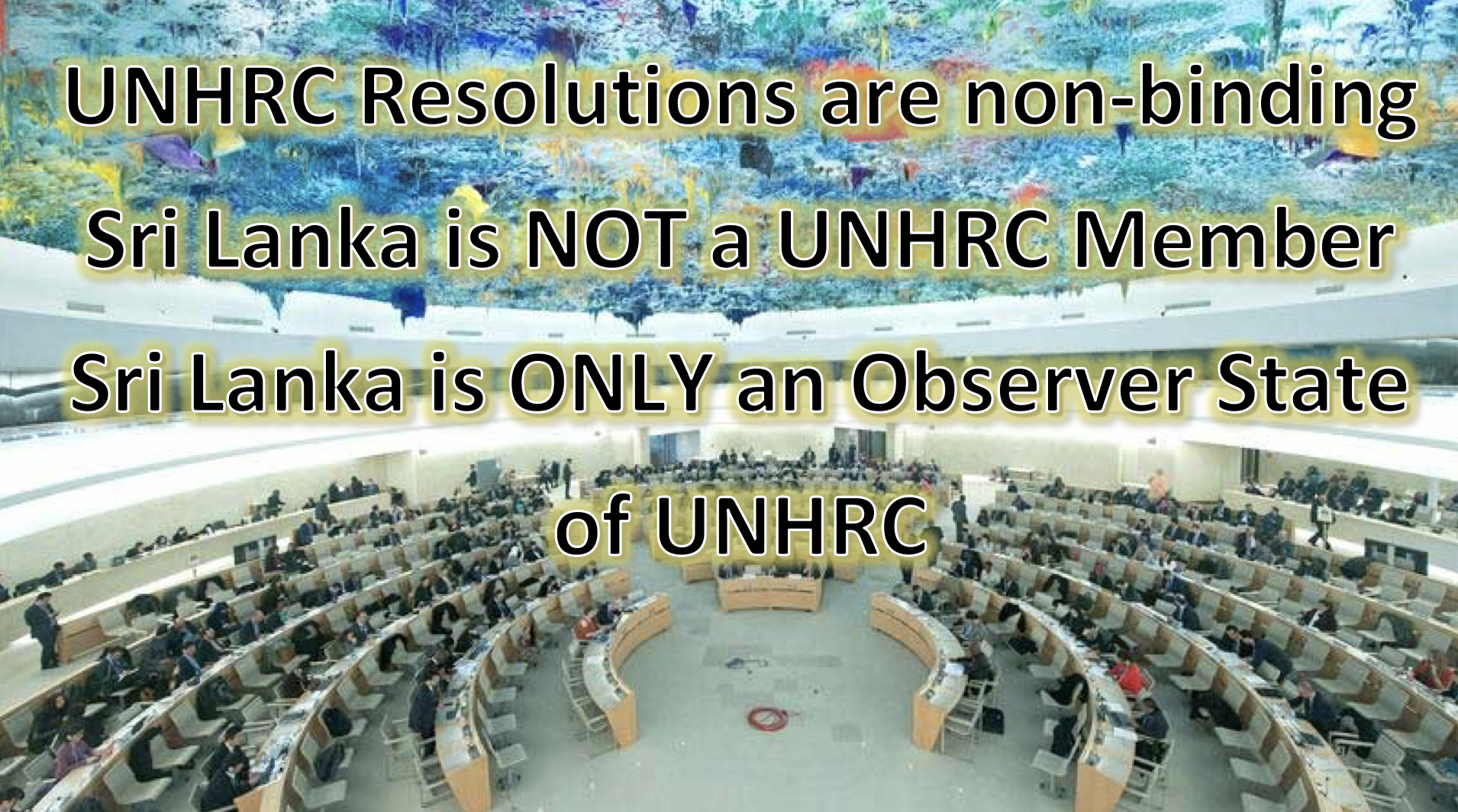
“It’s easy to criticize, find fault & protest but finding solutions is hard, let’s unite & face the country’s challenges together”- President

October 6th, 2022

Courtesy Hiru News

President speaking in parliament says “I embarked on this political journey at great risk when no other political party or leader was willing to take the risk. Now we are forging this risky path slowly but steadily. Majority of the country supports this journey as they aspire for a decent life, country and future”

President Wickremesinghe further told parliament today that&nbsp;Sri Lanka hopes to come to a common agreement with creditor nations including Japan, China &amp; India. Also commenced dialogues with Ambassadors from other countries, that have already provided debts

Following discussions with countries that provided debts to Sri Lanka we expect to discuss with private creditors such as London Club on debt restructuring.

I strived to get maximum benefit to Sri Lanka by meeting state leaders from UK, Japan &amp; Philippines, representatives from international organizations &amp; Finance Ministers.

Japan to assist Sri Lanka in Credit Restructuring process. Sri Lanka government requests Japan to co- chair the Sri Lanka creditors conference.

We have requested International Development Association to assist us to get concessional financing as Sri Lanka currently lacks the credit worthiness to borrow on market terms from WB or any other institution

This journey can be strengthened &amp; expedited only with everyone&rsquo;s support, President told parliament n called on all to put aside political vendettas &amp; join this journey. &ldquo;It&rsquo;s easy to criticize, find fault &amp; protest but finding solutions is hard. So, let’s unite face the country’s challenges together. I invite all to join the mechanism of rebuilding the country through the parliament national council parliamentary committees etc,, President Wickremesinghe told parliament today.

Japan says no pact yet with Sri Lanka on debt restructure talks

October 6th, 2022

Courtesy Adaderana

Japan has not yet reached an agreement to co-chair a debt summit with Sri Lanka’s creditors, a government official in Tokyo said on Thursday, as the island nation struggles to find a way out of a crippling economic crisis.

Sri Lanka has to renegotiate around $30 billion of foreign debt, including with bilateral creditors such as China, Japan and India, with one of them likely to co-chair the talks.

We have not reached such an agreement. It might be their wishful thinking but the situation remains unchanged,” a senior Japanese government official with knowledge of the matter told Reuters on condition of anonymity.

The denial from Tokyo came after less than an hour after Sri Lankan President Ranil Wickremesinghe’s office said on Thursday that Japan had agreed to co-chair the meeting with negotiators.

Wickremesinghe’s office later issued a clarification saying Sri Lanka had requested Japan to co-chair the summit. Japan would also help Sri Lanka in its credit restructuring process, Wickremesinghe’s office said.

Japan will stand ready to provide full support for Sri Lanka’s debt restructuring providing that necessary conditions are met,” the Japanese government official said.

Sri Lanka is facing its worst economic crisis in decades, with severely depleted foreign exchanges reserves leading to prolonged shortages of essentials, including fuel and food.

Out of Sri Lanka’s total bilateral debt of $10 billion, Japan holds around $3.5 billion worth, amounting to 4.4% of Sri Lanka’s GDP, according to government and IMF data.


Source: Reuters


Copyright © 2026 LankaWeb.com. All Rights Reserved. Powered by Wordpress