2022 ක්‍රීඩාවට කාර්යබහුල වසරක්.. අභියෝග ජයගෙන ශ්‍රී ලංකාව ක්‍රීඩාවෙන් ඉහලටම ගෙනඒමට කැප වෙනවා. – අමාත්‍ය නාමල් රාජපක්ෂ මහතා –

January 4th, 2022

තරුණ හා ක්‍රීඩා අමාත්‍යාංශය,සංවර්ධන සම්බන්ධීකරණ අමාත්‍යාංශය,ඩිජිටල් තාක්ෂණ හා ව්‍යවසාය සංවර්ධන රාජ්‍ය අමාත්‍යාංශය.

කණිෂ්ඨ මලල ක්‍රීඩා සංචිතයේ ක්‍රීඩක ක්‍රීඩිකාවන්, ඔවුන්ගේ දෙමාපියන් සහ පුහුණුකරුවන් සමග අද (04) දින ජාතික ක්‍රීඩා සභාවේ පැවති සාකච්ඡාවෙන් අනතුරුව අමාත්‍යවරයා මේ බව පැවසීය.

එම අවස්ථාවේදි අමාත්‍යවරයා මෙසේ ද කීය.

‘දිගු කාලීන සැළැස්මක් සමග ක්‍රීඩාව සංවර්ධනය කිරීමට කටයුතු ආරම්භ කර අවසන්. ඉදිරියේදී මෙම කණිෂ්ඨ ක්‍රීඩක ක්‍රීඩිකාවන්ගේ දක්ෂතා උසස් මට්ටමට ගෙනැවිත් 2024 හා 2028 වර්ෂවල තරගාවලි සදහා සූදානම් කරවීමේ වැඩපිළිවෙළ සම්බන්ධව අද දිනයේ අවුරුදු 20 න් පහළ කණිෂ්ඨ මළල ක්‍රීඩා සංචිතය සමග අපි සාකච්ඡා කළා.

ඒ අනුව දීර්ඝ කාලීනව මෙම ක්‍රීඩක ක්‍රීඩිකාවන් අධ්‍යයනය හා අධීක්ෂණය කරමින් ඒ ඒ ක්‍රීඩකයින්ට අලුත් තරගාවලි සදහා සහභාගීවීමට අවශ්‍ය පහසුකම් සලසාදෙමින් ඔවුන්ගේ මානසික මට්ටම උසස් තැනකට ගෙනවිත් ඔවුන්ව රැකබලාගෙන ඉහළට රැගෙන යා යුතුයි. මෙලෙස දිගු කාලීන සැළැස්මක එක්කයි මෙම ක්‍රීඩා සංවර්ධන සැළැස්ම ක්‍රියාත්මක කරන්න බලාපොරොත්තු වෙන්නේ.

ජාතික ක්‍රීඩා සභාව ඒ වගකීම භාර ගෙන කෙටිකාලීන හා දිගුකාලීන වැඩසටහන් හරහා ඔවුන් ඉලක්කයන් වෙත ගෙන යාමට කටයුතු කරනවා. මේ වන විටත් බොහෝ ක්‍රීඩාවල අපි ඉතා හොද ප්‍රවනතාවයන් සහ ජයග්‍රහණවලට වෙත යාම ආරම්භ කර තිබෙනවා. මෙම තත්ත්වය ආරක්ෂා කරගෙන ලබන වසර වන විට එය වඩාත් දියුණු කිරීමේ අභියෝගය අපි ජය ගන්නවා. කොවිඩ් වසංගත තත්ත්වය ක්‍රීඩාවට එතරම් බලපාන්නේ නැහැ. ලෝකයේ අනෙකුත් රටවල් කොවිඩ් වසංගතය මධ්‍යයේ වුවද ක්‍රීඩාවෙන් ඉදිරියට පැමිණ තිබෙනවා.

කොවිඩ් වසංගත කාලයේ අපි පැරාලිම්පික් රන් පදක්කම ජයග්‍රහණය කළා. කොවිඩ් වසංගතය මධ්‍යයේ ජාත්‍යන්තර වොලිබෝල් ජයග්‍රහණයක් ලබා ගත්තා. පා පන්දු  තරගය අපි ජයග්‍රහණය කළෙත් මේ කාලයේ දීමයි. ක්‍රිකට් ක්‍රීඩාව නැවත ජයග්‍රහණ කරා ගෙන ඒමට හැකි වූණේ කොවිඩ් වසංගත කාල සීමාව තුළයි. පසුගිය ඔලිම්පික් උලෙළ විශාල ලෝක වාර්තා ප්‍රමාණයක් බිහි කරපු ඔලිම්පික් තරගාවලියක් බවට පත් වූණා.

කොවිඩ් වසංගත තත්ත්වය ක්‍රීඩකයාට බලපාන්නේ කෙසේද කියන කාරණය පිළිබඳව සලකා බලමින් ක්‍රීඩකයාත්, අපේ අමාත්‍යාංශයත්, සෞඛ්‍ය අමාත්‍යාංශයත් එක්ව ක්‍රීඩකයින්ගේ සංවර්ධනය සදහා අවශ්‍ය වැඩපිලිවෙළ අපි ක්‍රියාත්මක කරනවා.

මේ වසර ඉතාමත් හොද වසරක් වගේම අභියෝගාත්මක වසරක් ලෙස මම දකිනවා. ක්‍රීඩාව පැත්තෙන් ජාත්‍යන්තර තරගාවලි රැසක් පැවැත්වෙන කාර්‍යබහුල වසරක්. පොදු රාජ්‍ය මණ්ඩලීය ක‍්‍රීඩා තරගාවලිය, ලෝක මලල ක‍්‍රීඩා ශූරතාවලිය, ආසියානු ක‍්‍රීඩා උළෙල, ගෘහස්ථ ලෝක මලල ක‍්‍රීඩා ශූරතාවලිය, ආසියානු ග්‍රොන් ප‍්‍රි තරගමාලාව,ලෝක කණිෂ්ඨ මලල ක‍්‍රීඩා ශූරතාවලිය ශ‍්‍රී ලංකාව සහභාගි වීමට නියමිත ප‍්‍රධාන ජාත්‍යන්තර මලල ක‍්‍රීඩා තරගාවලි  වෙනවා.

මේ වසරේ Asia Cricket Cup පැවැත්වෙනවා.  Football Six Nation තරගාවලිය ශ්‍රී ලංකාවේ පවත්වන්න බලාපොරොත්තු වෙනවා. රග්බි සත්සාමාජික ජාත්‍යන්තර තරගාවලියක් පවත්වන්න කටයුතු සූදානම් කර  තිබෙනවා. එල්ලේ ජනාධිපති කුසලානය ශ්‍රී ලංකාවේ පවත්වනවා. වොලිබෝල් ජාත්‍යන්තර තරගාවලි තුනක් පළමු මාස තුන ඇතුළත ලංකාවේ පැවැත්වීමට කටයුතු සූදානම් කර තිබෙනවා. මේ මාසේ Port City හිදී  Sports Events ගණනාවක් පවත්වන්න කටයුතු සූදානම් කර තිබෙනවා. මෙලෙස තරගාවලි රාශියක් පැවැත්වීමට නියමිතයි. මේ සඳහන් කළේ ඒවායින් කිහිපයක් පමණක් බවත් අමාත්‍යවරයා පැවසීය.

මාධ්‍ය ඒකකය,

තරුණ හා ක්‍රීඩා අමාත්‍යාංශය,සංවර්ධන සම්බන්ධීකරණ අමාත්‍යාංශය,ඩිජිටල් තාක්ෂණ හා ව්‍යවසාය සංවර්ධන රාජ්‍ය අමාත්‍යාංශය.

බෞද්ධ ජනරජ ප්‍රවාදය – 51 වැනි කොටස- ‍බෞද්ධ නීතියේ පරමාර්ථය

January 4th, 2022

ආචාර්ය වරුණ චන්ද්‍රකීර්ති

නීතියට අර්ථයක් ලැබෙනුයේ සංස්කෘතියක් තුළ ය. යම් ක්‍රියාවක නිවැරැදි බව, වැරැදි බව, යෝග්‍ය බව, අයෝග්‍ය බව යනාදිය අප විසින් තීරණය කරනු ලබන්නේ අදාළ සංස්කෘතික ඇගැයීම් මත පදනම්වීමෙනි. එහෙයින් රටක නීති සම්පාදනය විය යුත්තේ ද එම ඇගැයීම්වලට අනුරූප වන පරිදි ය. ඒ අනුව, රටක පවතින නීතිය තුළින් ද එහි අනන්‍යතාව ප්‍රකාශ කෙරෙයි. ජනරජයේ අනන්‍යතාව ප්‍රකාශ කෙරෙන සාමූහික හිමිකමක් ලෙසින් අපගේ නීතිය සම්පාදනය විය යුතු බව මෙම ප්‍රවාදය තුළින් යෝජනා කෙරුණේ ද එබැවිනි.

යටත්විජිත බලපෑමෙන් මිදීමට නො හැකි වී ඇති බැවින් අප රට තුළ තවමත් ක්‍රියාත්මක වන්නේ ඉංග්‍රීසි ස්වාමියාගේ සම්ප්‍රදායට අනුකූල වන පරිදි අර්ථදැක්වුණු රෝම – ලන්දේසි නීතිය ය. එහෙයින් ඉංග්‍රීසි, රෝම සහ ලන්දේසි සංස්කෘතික ඇගැයීම්වල ආභාසය අපගේ නීති ක්‍රමය තුළ වෙයි. ජනරජයේ පරමාධිපත්‍යය හිමි ජනතාවගේ සංස්කෘතික ඇගැයීම් ඒ තුළින් ප්‍රකාශවන්නේ නැත. ඒ අනුව, ජනරජයේ ජනතාව අපේක්‍ෂා කරන සාධාරණත්වය එවැනි නීතියකින් ඉටුවනු ඇති බවක් ද බලාපොරොත්තු විය නො හැකි ය.

අපගේ ඉපැරැණි නීති පිළිවෙත් මේ වන විට මුළුමනින් ම මෙන් බිඳවැටී තිබේ. කාලීන වෙනස්කම්වලට අනුරූපවෙමින් වර්ධනය වීමේ අවස්ථාවක් අපගේ නීතියට නො ලැබිණි. එහෙයින් අප විසින් ජනරජය සඳහා නීති ක්‍රමයක් සම්පාදනය කරනු ලැබිය යුත්තේ ශේෂ වී පවතින නීති වාර්තා, ඒවා පිළිබඳව කරනු ලැබූ සහ ලබන පර්යේෂණ සහ බුදුදහම විසින් අනුදැන වදාරන මූලධර්ම මත පදනම්වීමෙනි.

ඉපැරැණි සිංහල නීතිය ගැන හරිශ්චන්ද්‍ර විජයතුංග මහතා විසින් කරන ලද හැදෑරීම් සහ පර්යේෂණවල ප්‍රතිඵල එතුමා ලියා පළකළ නීති නිඝණ්ඩුව” සහ මධ්‍යකාලීන ලංකාවේ නීතිය” යන පොත්වල අන්තර්ගත ය. ගුණසේන ගමගේ මහතා විසින් රචිත පැරණි හා මධ්‍යකාලීන ශ්‍රී ලංකාවේ නීතිය සහ අධිකරණ ක්‍රමය” යන ග්‍රන්ථය ද මේ අරභයා ප්‍රයෝජනවත් වෙයි. සැබැවින් ම, වැදගත්වනුයේ ඉපැරැණි නීතිවලට අදාළ මූලධර්ම හඳුනාගැනීම ය.

ජනරජයේ අනන්‍යතාව ප්‍රකාශ කෙරෙන නීති ක්‍රමයක් හඳුන්වාදීමට බුදුදහමින් ලබාගත හැකි ආභාසය ද ඉතා වැදගත් ය. නීතිය පිළිබඳ කරුණු කියන අවස්ථා විශාල ප්‍රමාණයක් ත්‍රිපිටක පාළිය තුළ වෙයි. ජාතකපාළියේ එන සුලසා ජාතකය මේ සම්බන්ධයෙන් නිදසුන් වශයෙන් දැක්විය හැකි ය. ඡන්ද, දෝෂ, භය, සහ මෝහ යන සතර අගතියෙන් අගතිගාමී නො වී යුක්තිය හෝ අයුක්තිය පිරික්සන, අන්‍යයා ද තමා ද නො පෙළෙන යම් රජෙක් වරදට සුදුසු දඬුවම් දෙවන්නේ වේ ද ඒ රජුගේ ගුණය සහ පිරිවර නො පිරිහෙන බව එහි දැක්වෙයි. එයට පටහැනිව, යම් රජෙක් ක්‍රියා කරන්නේ ඔහුගේ කීර්තිය පිරිහී, මැරී දුගතියට යන බවක් ද එයින් කියැවෙයි. එයින් තවදුරටත් කියැවෙන පරිදි රජු විසින් දඬුවම් පැනැවිය යුත්තේ ජනතාව නොමඟ යෑම වැළැක්වීමේ අනුකම්පා සහිත නුවණිනි. එහෙයින් ජනරජයේ නීති සම්පාදනයටත් ඒවා ක්‍රියාත්මක කිරීමටත් සතර අගතිය පිළිබඳ ඉගැන්වීම ගුරු කරගත හැකි ය.

එයට අමතරව, පංචශිලය මත පදනම් ව නීතිමය අවශ්‍යතා හඳුනාගැනීම ද කළ හැකි ය. අපගේ සංස්කෘතික ඇගැයීම් ඇතිවීමට සහ වර්ධනයවීමට පස් පව් පිළිබඳ අවබෝධය සහ ඒවායින් වැළැකීමේ අවශ්‍යතාව තීරක වී තිබෙයි. පංචශීලය මත නීති සම්පාදනයකිරීම යන්නෙන් අදහස් කරනුයේ ඒවා නීතිගතකිරීම නොවේ. එයින් කියැවෙන්නේ පංචශීලය ආකෘතියක් වශයෙන් ගෙන ඒ ඇසුරින් වැරැදි හඳුනාගත යුතු බවත් එම වැරැදිකිරීමෙන් ජනතාව වළක්වාගැනීමට අදාළ නීති සම්පාදනය කළ යුතු බවත් ය.

අදත්තාදානය පිළිබඳ සිල්පදය මේ සඳහා නිදසුන් කොටගත හැකි ය. නුදුන් දෙය ගැනීම අදත්තාදානය ලෙසින් හැඳින්වෙයි. වෙනත් පුද්ගලයකුට අයත් සම්පතක් සොරෙන් ගැනීම, එම සම්පත්හිමියා වංචාවෙන් රැවැටීම, ඔහුව බියට පත්කොට ස්වකැමැත්තෙන් දෙන දෙයක් ලෙසින් තමන් සන්තක කරගැනීම වැනි කරුණු ගණනාවක් ඒ තුළින් ප්‍රකාශවෙයි. සොරකම, මංකොල්ලකෑම, අල්ලස, දූෂණය, අවභාවිතය වැනි වැරැදි මෙම ශික්‍ෂාපදය ඇසුරින් විග්‍රහකළ හැකි ය. වෙනත් විවිධ වූ වැරැදි හඳුනාගෙන අර්ථදැක්වීමට අනෙකුත් ශික්‍ෂාපද ද යොදාගත හැකි ය.

බෞද්ධ නීතියේ පරමාර්ථය වන්නේ ජනතාව නිවැරැදි කරවීම විනා දඬුවමින් ඔවුන් පීඩාවට ලක්කිරීම නොවේ. එහෙයින් වැරැදිකරන්නන් හඳුනාගෙන, තමන් කළ වරද ගැන ඔවුන්ට කියා දී යෝග්‍ය විශෝධන ක්‍රියාමාර්ගයක් ඔස්සේ යහපත් මිනිසුන් වශයෙන් ඔවුන්ව නැවතත් සමාජගතකිරීම ජනරජයේ වගකීම විය යුත්තේ ය. අධ්‍යාපනය, ශිල්ප පුහුණුව, භාවනාව, ප්‍රජා සේවය වැනි ක්‍රම තුළින් වැරැදිකරුවන් හික්මවිය හැකි ය. බන්ධනාගාර වැනි වධක ස්ථාන පැවැතිය යුත්තේ ජනතාව ඒවායින් ඈත්කරවීමේ අභිප්‍රායකින් විනා භේදයක් නොමැතිව සියලු ආකාරයේ වැරැදිකරුවන්ගෙන් ඒවා පිරවීමට නොවේ.

මෛත්‍රියෙන් සහ කරුණාවෙන් සියලු ආකාරයේ අපරාධකරුවන් දමනය කොට යහපත් මිනිසුන් වශයෙන් ඔවුන්ව සමාජගතකිරීම බෞද්ධ නීතියේ පරමාර්ථය වෙයි.

ආචාර්ය වරුණ චන්ද්‍රකීර්ති

අග්‍රාමාත්‍ය මහින්ද රාජපක්ෂ මහතා ධුරයෙන් ඉවත්වන බවට පැතිරයන ප්‍රචාරය අසත්‍යයයි

January 4th, 2022

අග්‍රාමාත්‍ය මාධ්‍ය අංශය

අග්‍රාමාත්‍ය මහින්ද රාජපක්ෂ මහතා සිය ධුරයෙන් ඉවත් වන බවට ප්‍රධාන මාධ්‍ය හා සමාජ ජාලා මාධ්‍යන්හි දින කිහිපයක් පුරා සහ අද (03) දින පැතිර යන ප්‍රචාරයන්හි කිසිදු සත්‍යතාවක් නොමැත.

රටේ ජනතාව නොමඟ යවන අයුරින් සිදුවන මෙවැනි අසත්‍ය ප්‍රචාර තරයේ ප්‍රතික්ෂේප කරමි.

තරුණ ප්‍රජාවේ අභිලාෂයන් මුදුන්පත් කිරීමට නව තාක්ෂණය සමග මුසු වූ සැළසුම්, ප්‍රතිපත්ති සහ වැඩසටහන් රැසක් ක්‍රියාවට නංවමින් නව වසරකට පා තැබුවා. -අමාත්‍ය නාමල් රාජපක්ෂ මහතා –

January 4th, 2022

තරුණ හා ක්‍රීඩා අමාත්‍යාංශය, සංවර්ධන සම්බන්ධීකරණ අමාත්‍යාංශය,ඩිජිටල් තාක්ෂණ හා ව්‍යවසාය සංවර්ධන රාජ්‍ය අමාත්‍යාංශය.

2022 නව වසරේ රාජකාරි ආරම්භ කරමින් තරුණ හා ක්‍රීඩා, සංවර්ධන සම්බන්ධීකරණ හා අධීක්ෂණ  සහ ඩිජිටල් තාක්ෂණ හා ව්‍යවසාය සංවර්ධන රාජ්‍ය අමාත්‍ය නාමල් රාජපක්ෂ මහතා අද (03) දින තරුණ හා ක්‍රීඩා අමාත්‍යාංශයේ ඩන්කන්වයිට් ශ්‍රවණාගාරයේ දී මේ බව පැවසීය.

එම අවස්ථාවේදී  අමාත්‍යවරයා මෙසේ ද කීය.

2022 වර්ෂයේ රාජකාරි ආරම්භ කරන පළමු දින ප්‍රථමයෙන්ම ඔබ සියලු දෙනාට සුබ අලුත් අවුරුද්දක් වේවා’යි මා ප්‍රාර්ථනා කරනවා.

තරුණ හා ක්‍රීඩා අමාත්‍යාංශය ලෙස ඉතාමත් අභියෝගාත්මක වසරක් පසු කර තරුණයන්ගේ අභිලාෂයන් මුදුන්පත් කරන්න නව තාක්ෂණය සමග මුසු වූ  සැළසුම්, ප්‍රතිපත්ති සහ ක්‍රියාවට නංවමින් අපි නව වසරකට පා තැබුවා.

අපි කිසිවෙක් ඉතිහාසයේ මුහුණ නොදුන් ගෝලීය වසංගතයක් සමග පසුගිය වසර පුරාවට වැඩ කටයුතු සිදු කිරීමට සැමට සිදු වූණා. සුපුරුදු ක්‍රමවේදයට අමාත්‍යාංශයට නොපැමිණියත් තාක්ෂණය හරහා ඔබේ රාජකාරි කටයුතු සමග සම්බන්ධ වුවා.

අපි අපේක්ෂා කළ ඉලක්කයන් වෙත ඉතාමත් අසීරුවෙන් හෝ ළඟාවීමට අපිට හැකියාව ලැබුණා. ක්‍රීඩා අංශයෙන් ජාත්‍යන්තර ජයග්‍රහණ ලබන්න පටන් ගත්තා. අපේ රටේ අලුතින් ලෝක ශූරයින් බිහිවුණා. ඔලිම්පික් උළෙල තුළ රන් පදක්කම් ජයග්‍රහණය කරන තැනට ක්‍රීඩාව ඔසවා තබන්නට අපිට හැකි වූණා.

වසර 21 කට පසු නැවත වතාවක් තුරුණු ශක්ති වැඩසටහන ආරම්භ කරන්න හැකියාව ලැබුණා. ගම් මට්ටමින් තරුණයින් රැකියාගත කිරිමේ වැඩසටහන අපි ක්‍රියාත්මක කර තිබෙනවා. ගෝලීය වසංගතය තුළ අපේක්ෂා කළ ඉලක්කයන් වෙත යාමට නොහැකි වුවත් ලැබුවා වූ නව වසර තුළ අපේ ඉලක්කයන් වෙත යාමට හැකියාව ලැබෙයි කියා අපි විස්වාශ කරනවා.

පසුගිය වසර තුළ මෙම අමාත්‍යාංශයේ නිළධාරීන් සුවශේෂී කැපකිරීම් කරමින් රාජකාරි කටයුතු සිදු කළා. මා දන්නවා ඇතැම් කාලවල වැඩ අධිකවීමෙන් රාත්‍රී කාලවල පවා මගේ අමාත්‍යාංශය රාජකාරි කටයුතු වල නියැලුණා. පාරම්පරිකව කරගෙන ආ ක්‍රමවේදයන්ගේ වෙනසත් සමග ක්‍රීඩාවේ නව ප්‍රවේශයක් ලැබූ නිසා ඒ වෙනසට හුරුවෙමින් නව ක්‍රමවේදයට අනුගතවෙමින් ඔබ කටයුතු කළා. එහි ප්‍රතිඵල තිබෙනවා.

තරුණ හා ක්‍රීඩා අමාත්‍යාංශයේ සේවය කරන නිළධාරියෙක් ලෙස ගමට ගිය පසු ඔබට ආඩම්බර විය හැකියි, සතුටු විය හැකි යැයි මා විස්වාශ කරනවා. එයට හේතුව අපේ අමාත්‍යාංශය තුළ මේ සියලුදෙනාගේ කැපකිරීම්වල ප්‍රතිඵල අද දක්නට තිබෙනවා. අඩු වැඩි වීම සාමාන්‍ය ස්වභාවයක්. නමුත් අපි සියලුදෙනාටම සතුටු විය හැකි ප්‍රතිඵල තිබෙනවා.

විෂය භාර අමාත්‍යවරයා ලෙස ක්‍රීඩා අංශයෙන් මේ රට ජයග්‍රහණ කරා රැගෙන යාමත්, තරුණ තරුණියන්ගේ අභිලාෂ මුදුන්පත් කරවන්න අවශ්‍ය ප්‍රතිපත්තිමය තීන්දු තීරණ ගන්නත්, ඔවුන්ගේ අභිලාෂයන් මුදුන්පත් කරගැනීමට අවශ්‍ය මාවත නිර්මාණය කිරීමේ වගකීමත් මට පැවරී තිබෙනවා. මෙම වසරේ එම ඉලක්ක ජයගත හැකි යැයි මම විස්වාශ කරනවා.

මේ සදහා රාජකාරී ඉටු කරන නිළධාරීන්ගේ සහ අප අමාත්‍යාංශය සමග සම්බන්ධ වන සියලුදෙනාගේ සේවාවන් පහසුවෙන් ඉටු කිරීමට අවශ්‍ය පරිසරය නිර්මාණය කරදීමේ වගකීම ද මා හට පැවරී තිබෙනවා.

ඒ සදහා අපිට නීතිමය වශයෙන් වෙනස්කම් කිරීමට සිදු වෙිවි, ඒ සදහා අපේ අණ පනත් වෙනස් කරන්න සිදු වේවි. ඒ සදහා අප සූදානම්. අපි පවත්වාගෙන ආ රෙගුලාසි වෙනස් කරන්න සිදු වේවි. ඒ රෙගුලාසි වෙනස් කරන්න අපි දැනටමත් කටයුතු සිදු කරගෙන යනවා.

ලිපිගොනු මේස උඩ තබාගෙන ඔලුවට අත තියාගෙන මේ ෆයිල්වල වැඩ අවසන් කරන්නේ කොහොමද කියලා කල්පනා කරනවා වෙනුවට නව තාක්ෂණය සමග ඉතාමත් කඩිනමින් ඔබේ වැඩ කටයුතු සිදු කිරීමට අවශ්‍ය පරිසරය  නිර්මාණය කරදෙනවා.

ජාතික ප්‍රතිපත්තියක් ලෙස නූතන තාක්ෂණයත් සමග අපි ඉදිරියට යා යුතුයි. නූතන තාක්ෂණයත් සමග රට ඉදිරියට ගෙන යාමේ වගකීම අමාත්‍යවරයා විදියට මට පැවරෙන බැවින් එය ක්‍රියාත්මක කිරීමේ වගකීම අප අමාත්‍යාංශයට තිබෙනවා. මේ අවුරුද්දේ පළවෙනි කාර්තුව ඇතුළත අප අමාත්‍යාංශය සමස්ත ඩිජිටල්කරණය සදහා පරිවර්තනය කිරීමේ කටයුතු ආරම්භ කරනවා.

මෙය ක්‍රියාත්මක කිරීමේදී අවශ්‍ය වන නව රෙගුලාසි හදුන්වා දෙනවා. මේ වන විට එකම ෆයිල් එක ස්ථාන 4 කට යා යුතු වුවත් නව ක්‍රමවේදය ඔස්සේ එක තැනකින් ෆයිල් එකේ කටයුතු නිම කිරීමට අවශ්‍ය කාර්‍යක්ෂම හා වඩා විස්වාශනීය ක්‍රමවේදයක් හදුන්වාදෙනවා.

කඩදාසි භාවිතයෙන් තොර අමාත්‍යාංශයක් බවට අපි තරුණ හා ක්‍රීඩා අමාත්‍යාංශය පරිවර්තනය කරනවා. මේ වසර තුළ 50% ක් මේ අමාත්‍යාංශය තුළ භාවිතා කරන කඩදාසි ප්‍රමාණය අඩු කිරීමට අපි බලාපොරොත්තු වෙනවා. වැඩියෙන්ම ඩිජිටල් තාක්ෂණය භාවිතා කරන තරුණ තරුණියන් නියෝජනය කරන අප අමාත්‍යාංශය කඩිනමින්  ඩිජිටල්කරණය විය යුතුයි කියන ස්ථාවරයේ මම ඉන්නවා.

මේ තුළ ඔබේ කාර්‍යයන් අවම වීම හා ඔබේ සේවය ලබාගන්න පැමිණෙන තරුණ තරුණියන්ගේ සුබ සිද්ධිය සහ සුබ සාධනය පිළිබදව වැඩි අවධානය යොමු කිරීමට ඔබට හැකිවෙනවා. තවදුරටත් තරුණයින් පාස්පෝට් එක ගන්න, උප්පැන්න හා මරණ සහතික ගන්න, පොලිස් වාර්තාවක් ගන්න පෝලිම්වල ඉන්න අවශ්‍ය නැහැ. ඒ තත්ත්වයට අපි මේ රට පරිවර්තනය කරනවා.

අද ලෝකය වෙනස් වෙමින් පවතිනවා. ලෝකයේ බොහෝ රටවල  ඩිජිටල් තාක්ෂණය පිළිබදව අමාත්‍යවරයෙකුත් නැහැ. ඒ රටවල එහෙම අමාත්‍යවරයෙක් හිටියේ 2010 ට පෙර. දැන් ඒ රටවල ඩිජිටල් ආර්ථිකය පිළිබද අමාත්‍යවරු ඉන්නේ. වාසනාවට ද අවාසනාවට ද දන්නේ නැහැ අපේ රටේ තාම ඩිජිටල් තාක්ෂණ අමාත්‍යවරයෙක් ඉන්නවා. අපේ සමහර ගම්වල සිග්නල් පහසුකම් ලබාගන්න ගස් උඩ නගින්න වෙලා. කාගෙද වැරැද්ද, කාගේද වගකීම කියන කාරණය සෙවීම නොවෙයි ඉදිරි වසර කිහිපය තුළ එය නිවැරදි කිරීමයි අපේ ඉලක්කය.

ඇමරිකාවේ නිව්යෝක් නගරයේ එක්තරා ගිණුම් සමාගමක 20,000 ක කාර්‍ය මණ්ඩලයක් ඉන්නවා. ඔවුන් නිවසේ සිටයි රැකියාව කරන්නේ. අපි රටක් ලෙස එවැනි පරිවර්තනවලට යා යුතුයි. තාක්ෂණය සමග කටයුතු කරන තරුණ පිරිස ගැවසෙන්නේ මෙම අමාත්‍යාංශය තුළ නිසා එය ආරම්භ කිරීමට පහසුම තැන තරුණ හා ක්‍රීඩා අමාත්‍යාංශය යි.

අභියෝග අවසන් නැහැ. අභියෝග අලුත් වෙනවා. කොවිඩ් වසංගතයත් අවසන් නැහැ. එයත් අලුත් වෙනවා. අලුතින් ප්‍රභේද එනවා. මෙවැනි අභියෝග සමග අපිට ලැබී තිබෙන ඉලක්ක ජයගන්න අපි කටයුතු කරමු.

අමාත්‍යවරයා විදියට මට යම් දීමනාවක් ලැබෙනවා නම්,  රාජ්‍ය සේවකයෙක් විදියට ඔබට වැටුපක් ලැබෙනවා නම් මතක තබා ගත යුතුයි ඒ අපේ ගම්වල නැන්දා මාමා හේනට, කුඹුරට ගිහින්, ධීවරයින් මුහුදු ගිහින් හම්බ කර ආණ්ඩුවට ගෙවන බදු වලිනුයි රුපියල් බිලියන 86 ක් ඔබ වැනි මිලියන 1.7 කට බෙදෙන්නේ. එය අපි අමතක නොකළ යුතුයි.

තිබෙන අමාත්‍යාංශ අතරින් ඵලදායීතාව වැඩිම අමාත්‍යාංශය ඔබේ අමාත්‍යාංශය යැයි ඔබේ ගමේ අය ඔබට කියන තැනට ඔබට මෙය පරිවර්තනය කරන්න පුලුවන් නම් 2022 වසරේ ඔබට ලබා ගත හැකි සාර්ථකත්වය එයයි.

මීට සමගාමීව සංවර්ධන සම්බන්ධීකරණ හා අධීක්ෂණ අමාත්‍යාංශයේ  සහ ඩිජිටල් තාක්ෂණ හා ව්‍යවසාය සංවර්ධන රාජ්‍ය අමාත්‍යංශයේ 2022 නව වසර සඳහා රාජකාරි ආරම්භ කිරීම අමාත්‍ය නාමල් රාජපක්ෂ මහතාගේ ප්‍රධානත්වයෙන් සිදුවිය.

මෙම අවස්ථාවට ගරු අමාත්‍යතුමාගේ පෞද්ගලික ලේකම් සංජේ සමරසිංහ මහතා ඇතුඵ ලේකම්වරුන් සහ තරුණ හා ක්‍රීඩා අමාත්‍යාංශ ලේකම් අනුරාධ විජේකෝන්, ක්‍රීඩා සංවර්ධන දෙපාර්තමේන්තුවේ අධ්‍යක්ෂ ජනරාල් අමල් එදිරිසූරිය යන මහත්වරුන් ඇතුළු අමාත්‍යාංශයේ සහ ක්‍රීඩා සංවර්ධන දෙපාර්තමේන්තුවේ සියලුම නිලධාරී මහත්ම මහත්මීහු සහභාගී වූහ.

මාධ්‍ය ඒකකය,

තරුණ හා ක්‍රීඩා අමාත්‍යාංශය, සංවර්ධන සම්බන්ධීකරණ අමාත්‍යාංශය,ඩිජිටල් තාක්ෂණ හා ව්‍යවසාය සංවර්ධන රාජ්‍ය අමාත්‍යාංශය.

Checkmating Christianity: What India Can Learn From Japan

January 4th, 2022

Rakesh Krishnan Simha @ByRakeshSimha courtesy Indiafacts

Japan and India are the last two dharmic nations in the world. While Japan has avoided being sucked into Christianity’s digestive tract, Indic religions are losing members to the Abrahamic aggressor.

What can be done to stop this?

Playing Ostrich will only cause more harm. 

The defining takeaway from the episode of thousands of infant children being sold by Mother Teresa’s Missionaries of Charity is that there is no love in the ‘Religion of Love’. Christianity has become a business that primarily deals in the harvest of souls and for that it is willing to do the most reprehensible acts – such as selling new born babies in the manner that pet shops trade in puppies and kittens. There’s a difference though – animals sold in pet shops usually go to good, loving homes. On the other hand, Mother Teresa’s nuns weren’t the least bit bothered that innocent babies could end up in the hands of paedophiles, pimps or abusive foster parents.

The cult of Jesus is a toxic religion that has penetrated the vital organs of the nation state and threatens to weaken it from within. Whether it is nuclear weapons, strengthening the defence forces, strategic rockets or surgical strikes, Christians – whether they are politicians, bureaucrats or journalists – support the US, Pakistani and Chinese positions at the expense of national security.

Christians act against India’s national interests because they take their cue from their churches. This is because Christianity has no noble intentions in India – or for that matter anywhere. Like a parasite, it slowly and relentless destroys its host, as pagan civilisations such as Rome and Greece discovered in the ancient past. The impunity with which Christians attempt to destroy the very society that allows them to grow is aptly illustrated by Pope John Paul II’s call to the church in 1999 to redouble its efforts to convert Indians. Just as the first millennium saw the cross firmly planted in the soil of Europe, and the second in that of America and Africa, so may the third Christian millennium witness a great harvest of faith on this vast and vital continent,” he told a crowd at New Delhi’s Jawaharlal Nehru stadium. (1) The irony was that the Pope’s exhortation – which implied the destruction of Hindu India – was made on November 8 which marked Diwali, the most auspicious of Hindu festivals.

https://indiafacts.org/checkmating-christianity-what-india-can-learn-from-japan/

Barter trade with Sri Lanka is not fair

January 4th, 2022

Courtesy Iranian Labour News Agency

A member of Iran’s Chamber of Commerce says barter of tea with oil between Iran and Sri Lanka is not fair because Sri Lankans will give Iran second or third degree tea as their low quality tea has no customer in the world.

Speaking to ILNA news agency, Masoud Daneshmand talked about barter trade with Sri Lanka and said that China, Sri Lanka, India, Indonesia, Latin American states and some other countries seek to buy cheap oil from Iran and they also accept Iran’s gas oil and gasoline.

“Sri Lanka except its tea has nothing that avails Iran,  and Sri Lankans owe oil money to Iran since long time ago because they have received the oil and have not paid back money, and for this reason they owe Iran huge amount of money and they are now ready to give tea in exchange of their oil dues.”

Daneshmand said that barter trade in this way is a mere loss for Iran because if Sri Lanka has good and high quality tea, it will definitely sell to other customers and they will give the second or third class tea to Iran under the name of first grade tea and Iran has no way but to get it.

He said this type of barter trade is not fair unless an agreement is signed between the two states on pricing and types of the goods and it is not a good decision to get any goods with any price from the countries because they owe us and we want to settle our account with them.

On the closure of the only refinery of Sri Lanka, Daneshmand said that country like Sri Lanka which is in dire need of gasoline does not close its refinery intentionally to buy cheaper gasoline from Iran and it is not a logical issue because it will create problem inside the country.

He reiterated that Sri Lanka does not have money to buy oil from the international markets to turn it into gasoline and its only sources of revenues are tourism and tea and due to the pandemic its tourism industry has faced problems and since the country has failed to repay its debts to China it has even lost ownership of some of its installations.

Daneshmand went on to say that if Iran is eager to work with Sri Lanka, it should act wisely with full study and through fixing the amount of bartering and adopting a mechanism for pricing, otherwise it is not wise to pump oil to Sri Lanka and to tell them to pay back its money when they afford to.

“This is how the Chinese dealt with Iran and gave any low quality goods to Iran in exchange for oil money because Iran had not signed a certain and fixed agreement with the Chinese  and it only flooded oil to China and asked for goods in return.”

He reiterated that this is not a barter trade that Iran gives oil and instead Sri Lanka says it has no money and Iran can get tear in exchange of its oil dues.

Sri Lanka unlikely to seek IMF bailout;Cabinet fails to reach consensus

January 4th, 2022

Courtesy The Daily Mirror

Sri Lanka is unlikely to seek a bailout from the International Monetary Fund (IMF) with the Cabinet failing to reach a consensus last evening.

Government sources told Daily Mirror last night that most members of the Cabinet did not support seeking financial support from the IMF.

Sources said that a majority in the Cabinet are against the pre-conditions expected to be proposed by the IMF for the funding.

As a result, Government sources said that Sri Lanka is most likely to decide not to seek an IMF bailout.

IMF’s mission chief for Sri Lanka, Masahiro Nozaki had told Daily Mirror via email in late December that the staff is still ready to discuss the option if requested.

Nozaki said a staff team from the IMF visited Colombo from December 7–20 to conduct the 2021 Article IV consultation with Sri Lanka.  

Under Article IV of the IMF’s Articles of Agreement, the IMF holds regular bilateral discussions with all member countries to review economic developments and policies.

Following approval by IMF Management the IMF’s Executive Board discusses a Staff Report based on these discussions, Nozaki said.  

The Cabinet had last month also discussed an IMF bailout but had not reached a decision at that meeting if to seek financial support from the global agency.(Easwaran Rutnam)

Removal from post a blessing in disguise: Susil

January 4th, 2022

Courtesy The Daily Mirror

President’s decision to remove him from his post is a blessing in disguise, Former State Minister Susil Premajayantha said today.

“It is a blessing in disguise as remaining as a state minister would have been an issue considering the ways the country is being administered currently,” Mr. Premajayantha told journalists.

  “I have been removed as I spoke on high cost of living. I was asked by a journalist on vegetable prices and I said the government’s agriculture policy has been a failure. This is why I was removed. I only spoke on behalf of the people,” he added. 

At the same time, the former state Minister said President has powers even to remove the Prime Minister under the 20th amendment to the constitution. (Yohan Perera)

https://www.dailymirror.lk/latest_news/Removal-from-post-a-blessing-in-disguise-Susil/342-228304

COVID: 629 cases confirmed and 18 new COVID deaths in Sri Lanka today

January 4th, 2022

Courtesy Adaderana

The Ministry of Health reported that another 629 persons have tested positive for coronavirus today (January 04). 

This figure includes 09 individuals who had arrived in the country from overseas.

Following the new development, Sri Lanka’s tally of confirmed COVID-19 cases climbed to 588,929.

The number of virus-infected patients currently undergoing treatment now stands over 12,600.

The recoveries count reached 561,271 earlier today while the death toll moved to 15,055.

Cabinet nod to purchase 750 jeeps for Sri Lanka Police; 500 buses for SLTB

January 4th, 2022

Courtesy Adaderana

The Cabinet of Ministers has approved the procurement of 500 new buses for the Sri Lanka Transport Board (SLTB) under the Indian loan grant scheme and another 750 jeeps for Sri Lanka Police under the Indian Line of Credit. 

On 08th January 2020, the approval of the Cabinet of Ministers had been granted to procure 500 new buses of 32 – 35 seating capacity to Sri Lanka Transport Board under the Indian loan grant scheme. 

Accordingly, bids have been called from 03 institutions that accomplish pre requisite for the purchase of buses, the government said. 

Followed by evaluations of those bids, the Cabinet of Ministers have approved the proposal submitted by the Minister of Transport for awarding the procurement of purchasing 500 new buses with 32 seating capacity to Ashok Leyland Company of India, as per the recommendation furnished by the standing procurement committee appointed by the Cabinet of Ministers.

Meanwhile approval had been granted at the meeting of the Cabinet of Ministers held on 16th November 2020 to purchase 750 jeeps for Sri Lanka Police including 150 jeeps for the Police Special Task Force (STF), under the Indian Line of Credit. 

Accordingly, bids have been invited from companies recommended by the Indian Export and Import Bank and the Cabinet of Ministers granted approval to the resolution furnished by the Minister of Public Security for awarding the above procurement to Mahindra and Mahindra Company of India, subject to the recommendation of the standing procurement committee appointed by the Cabinet of Ministers.

Fertilizer crisis: Farmers facing difficulties due to lack of fertilizer (Video)

January 3rd, 2022

Courtesy Hiru News

The National Federation of Tea Smallholders stated that they have faced many difficulties due to the collapse of their products.

Meanwhile, farmers in several parts of the country are still complaining about the lack of fertilizer.

MP Wijeyadasa Rajapakshe writes to Chinese President

January 3rd, 2022

Courtesy Hiru News

Parliamentarian President’s Counsel Dr. Wijeyadasa Rajapakshe has forwarded a letter to Chinese President Xi Jinping, requesting that China halt the economic invasion into Sri Lanka.

In the detailed letter, MP Rajapakshe points out that the bilateral relationships between China and Sri Lanka extend back to the pre-era of B.C., where Bhikku Faxian visited the country.

This letter politically describes the current damage to the Sri Lankan economy due to China’s strong influence and the debt trap that Sri Lanka is entangled in.

The last few chapters are devoted to reviewing all existing agreements with China in a forthcoming government and how to reconsider agreements that have been made in a manner that is not harmful or beneficial to Sri Lanka.

His letter states that a referendum will be held in the forthcoming general election to make the necessary changes.

It should also be noted that the final point of the letter to Chinese President Xi Jinping states that if Chinese companies or the Chinese government acquire any property in Sri Lanka through Selandiva, it will be canceled from the outset and no payment will be made for any such cancellation.

Below is the full text of Dr. Wijedasa Rajapaksa’s letter to Chinese President Xi Jinping

Caste and Education in the North

January 3rd, 2022

By Mahendran Thiruvarangan Courtesy The Island

The last Kuppi Talk article by Erandika de Silva discussed the disjuncture between the emphasis on standardisation and the absence of serious efforts to address the challenges facing students and teachers in the peripheries due to socio-economic inequalities. She drew insights from her own teaching experiences in the North to elaborate on this disjuncture. If uneven resource allocation and development, the civil war, the North’s isolation during the war years, protracted militarization and the ethno-nationalism of the state produce the North and its academic institutions as peripheral, caste and class-based inequalities within the North create peripheries within this periphery. Today’s article focuses on how caste-based inequalities make free education an uneven terrain in the North, and sheds light on the forms of caste-based discrimination observed in educational institutions in Jaffna in the past and present.

Casteism in Education

Recently, a Panchamar caste community—a collection of five caste-based communities subjected to systemic oppression and exploitation historically and forming a significant share of Jaffna’s population today—faced severe casteist violence at Vaddukoddai in Jaffna. One person from the community lost a finger as a result; houses and properties of the Panchamar were damaged; the community was psychologically traumatized. According to the community, this violence unfolded in a context of protracted, systematic caste-based oppression in various arenas including education. The members spoke of the discrimination their children face in examinations, sports and competitions in both the private and public schools in the village; the way teachers and administrators from the dominant Vellalar caste communities ignore the needs of their children; the economic deprivation amidst which they learn; and the stereotyping of their children as drug-peddlers, alcohol-addicts and sexual perverts by the school community and larger society.

Even as some academics, commentators and the Tamil media claim that caste is a thing of the past and that educational opportunities for Panchamar communities under the free education system have levelled social inequalities, Panchamar children, teachers and educational administrators in the North experience casteism in education on a daily basis.

A Casteist Past

Historically, the dominant Vellala community has had near total to significant control over education in the North. Though one is not sure where this story begins, the Tinnai Pallikkutams or Veranda Schools where education was imparted in the seventeenth, eighteenth and nineteenth centuries were not open to Panchamar children. Mark Balmforth’s research demonstrates that in the nineteenth century, even the American Ceylon Mission, which established many educational institutions in Jaffna systematically allowed the operation of caste privileges demanded by the few Veḷḷāḷar members of its churches and schools…” In Ilankaiyil Sathiyamum Athatkethirana Porattangalum (Casteism and Anti-Caste Struggles in Sri Lanka), Vehujanan and Ravana observe that many Saivite-Tamil schools established by the revivalist movements in the latter decades of the nineteenth-century refused to educate children from the Panchamar communities. In the twentieth-century, sections of these movements felt that accommodation of Panchamar in their schools was necessary but merely as a strategy to resist missionary schools. The authors note that a few Vellalar elite supported the establishment of Saivite schools for Panchamar children in places like Thevarayali in order to segregate them from Vellalar children.

Even as Jaffna was hailed as a high seat of learning in colonial Ceylon, the Panchamar suffered discrimination in education. Those who benefitted from colonial education were disproportionately Vellalar. This social group and their descendants later formed the (English) educated middle class in Jaffna that held administrative positions in the colonial state. The educational boom of this period did not lead to significant improvement in the lives of the Panchamar.

In the post-independence period, some Panchamar Christians were able to find free admission in some of the schools established by the missionaries. However, Panchamar among Hindus were unable to afford these schools. Even within Christian schools, children and teachers from the Panchamar communities faced marginalization. Administrative positions in these schools were generally held by Vellalar with a few exceptions.

Critical inquiries into this past are important because this long history of casteism has had multi-generational consequences in delaying and crippling the progress of the Panchamar. The caste power acquired by the Vellalar over the centuries first via accumulation of land and later via education have enabled them to preserve their dominance over others even today. Such exclusions in education are a key reason for the poverty prevalent among Panchamar at present.

Free Education and Its Limits

Free education and the nationalization of schools between the 1940s and 1960s increased the educational opportunities available for the Panchamar. However, Vellalar were relentless in preventing the Panchamar from benefitting from these policies. For instance, it took nearly fifteen years after its nationalization for a school in Puttur to open its portals to Panchamar children. Casteist forces attacked nationalized schools that tried to ensure equality in seating. Even today, alumni associations and school development societies of some state schools are dominated by the Vellalar, excluding the Panchamar from engaging with these institutions and shaping their activities.

Caste hierarchies continue to interfere in appointments, transfers and promotions that take place in the education sector. A few years ago, a candidate who satisfied all the requirements for Grade I principalship was not even called for interviews because she was a Panchamar. Dominant caste actors, while blaming the state as majoritarian, use the apparatuses of the state to keep the Panchamar under their control and impede their further mobility within the education sector.

Free education and the mobilities enabled by anti-caste resistance have led to the emergence of a small middle class within the Panchamar communities. However, a large number of Panchamar still face landlessness, lack of housing, unemployment and poverty today. Many of them work in the construction industry, as agricultural labourers or domestic workers. Their children tend to drop out of school to support their parents. The pandemic and the worsening economic crisis have had a disproportionate impact on their children’s education. Panchamar families find online education expensive and inaccessible. These worrying trends result chiefly from the absence of support systems within our free education system that cater to the specific needs of Panchamar children and other marginalized groups. They underline need to re-imagine free education from a homogenous system blind to the hierarchies of caste and class into a variegated terrain with additional mechanisms to address the challenges faced by deprived communities like the Panchamar.

Caste at the University

At the University of Jaffna, issues related to caste take a back seat in academic conversations. Although the academic community at the University gives prominence to Tamil nationalist aspirations and condemns the ongoing militarization of the North, open discussions about caste are hardly encouraged, barring a few occasions. A section of the academic community is warped in its view that discussing caste in public will cause disunity among Tamils.

The academia’s silence, its attempts to reduce caste to a sociological reality within flawed frameworks of multiculturalism and its refusal to recognize caste as one of the central ways in which power operates within and outside the classroom need to be challenged. As a center of higher education in the North, the University should give, within its social focus and research culture, a prominent place to caste and its workings and questions of social justice.

Quest for Justice

Despite longstanding discrimination on various fronts including education, the Panchamar continue to demand better access to education for their children. In 2019, landless Panchamar families from a camp for the war-displaced, told a land commission that they did not want to return to where they had lived previously and requested the state to allocate them lands in areas where they lived at the time so that their children could attend good schools. At Vaddukoddai, parents from the community affected in the recent caste violence are expressing their protest against the way their children are traumatized in school. The judicial victories achieved by professionals from the Panchamar castes, like the Principal applicant who faced discrimination, give the community hope and confidence to advance their struggles for justice. Their present-day struggles find inspiration and guidance from the anti-caste struggles of the past too.

It is high time the dominant caste communities introspected into the ways in which they have (ab)used the education system to preserve and multiply their privileges, and joined Panchamar and other caste groups in their quest for justice. It is also high time the state, instead of taking advantage of the caste-based fissures among the Tamils or framing caste as an internal problem of the Tamils, acknowledged its own failure in eliminating casteism in the education sector and introduced practices that can democratize free education in ways beneficial to the Panchamar and other historically disadvantaged communities in the North and elsewhere.

Mahendran Thiruvarangan is a Senior Lecturer attached to the Department of Linguistics & English at the University of Jaffna.

Kuppi is a politics and pedagogy happening on the margins of the lecture hall that parodies, subverts, and simultaneously reaffirms social hierarchies.

NEWS‘Maha season ruined, Yala will be a disaster’

January 3rd, 2022

By Shamindra Ferdinando Courtesy The Island

No agro-chemical imports yet, only fraction of liquid fertilizer received

The government lifted the ban on agro-chemical imports, well over a month ago, but the country is yet to receive much-needed fertiliser supplies.

The President’s Office on Nov. 22 announced the ending of the ban on agro-chemicals imports introduced on April 22, 2021.

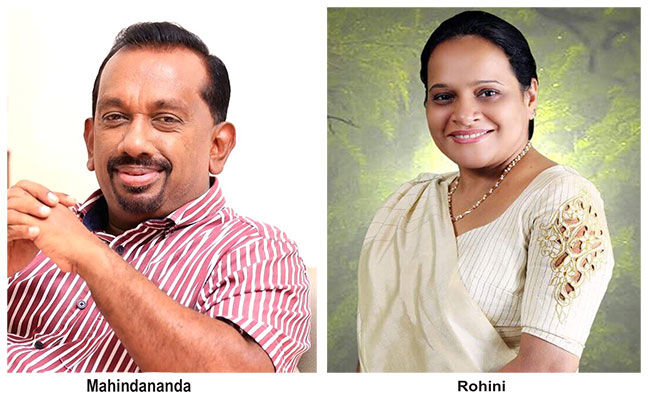
However, Samagi Jana Balavegaya (SJB) MP Rohini Kaviratne claims that though Agriculture Minister Mahindananda Aluthgamage assured the Parliament agro chemicals would be imported, so far the private sector hasn’t been given the approval.

Addressing a gathering at Rattota over the weekend, the former UNPer said that the farming community had been deprived of fertiliser as well as agro-chemicals.

Lawmaker Kaviratne alleged that Minister Aluthgamage sabotaged the move to resume agro-chemical imports by removing the Registrar of Pesticide Dr. J. A. Sumith. MP Kaviratne emphasized that the government owed an explanation over the top official’s removal. When contacted yesterday afternoon, Sumith declined to comment.

Minister Aluthgmage couldn’t be contacted because he was at a meeting. Earlier, Aluthgamae declared that the Registrar of Pesticide was removed in the wake of him lifting the ban on five pesticides, including glyphosate imposed seven years ago.

Lawmaker Kaviratne said that unless urgent measures were taken to import fertilizer and agro-chemicals, farmers wouldn’t be able to engage in cultivation in the early part of this year. The agriculture ministry seemed to be even unaware of the two cultivation seasons namely, Maha (September-March) and Yala (May-August), lawmaker Kaviratne said.

Responding to The Island queries, the lawmaker pointed out that the controversy over the rejected consignment of Chinese carbonic fertilizer and the subsequent decision to pay the supplier USD 6.7 mn distracted public attention from the real issue. MP Kaviratne emphasized that the issue at hand was the failure of the government to deliver the promised carbonic fertiliser needed for Maha thereby deprived them of both fertiliser of any kind and agro-chemicals as well. On the other hand, of 1.2 litres of liquid nano fertilizer ordered from India, a relatively small quantity had been received so far, the MP said, alleging that the Agriculture Ministry ruined the agro sector. About one mn litres of liquid fertiliser were yet to be delivered, well informed sources revealed.

The MP said that the Agriculture Ministry within one year had achieved the unthinkable. Asked to explain, she said that even during the war the farming community served the country at the risk of their lives. Regardless of sporadic terrorist attacks on paddy growing districts, the LTTE couldn’t dishearten them, the Matale District MP said. But the current dispensation had compelled the farmers to give up cultivation by depriving them of the basic necessities, the outspoken MP said.

The SJB spokesperson said that the Agriculture Department recently acknowledged that the yield in the major paddy growing districts of Anuradhapura and Polonnaruwa would be approximately 50 percent of the normal output whereas in the East only 1/3 of paddy land had been cultivated. The total output could be as low as half of previous years, MP Kaviratne said, urging the government to take stock of the situation, at least now.

With the country experiencing an unprecedented debt servicing problem, a sharp drop in paddy, vegetable and maize production could further aggravate the US Dollar crisis, the MP warned, warning the government to stop acting the goat.

MP Kaviratne said that the foolish SLPP administration had caused immeasurable damage to the national economy. The Opposition would raise the issue in Parliament once the new session commenced on January 18, she said.

President should bear responsibility for food crisis: Tilvin

January 3rd, 2022

Courtesy The Daily Mirror

While commenting on prevailing economic crisis and food scarcity were due to the ignorant decisions by the government, the Janatha Vikuthi Peramuna (JVP) said today the President should bear the entire responsibility for the food scarcity.

JVP General Secretary Tilvin Silva told a news conference that even though President Gotabaya Rajapaksa was trying to show that this was a natural crisis, this crisis was created by him.

“This is not a natural crisis. This has been caused by the ignorant actions of the government. Food scarcity threatens people. Prices of  vegetable skyrocketing. There is scarcity of rice. Rice had to be imported. But, the country faces a serious dollars crisis. Are all these due to natural causes? No, this is a man-made crisis which was created by the President. Agriculture is in deep crisis and had gone beyond redemption. Still for all, the government is not ready to rectify its mistakes. The government is trying to suppress this by removing officials. The President should take complete responsibility for this food crisis,” he said. 

He said the government’s tax policy had only benefited its crooked businessmen and that it was not a tax policy which helped the government to collect revenue.

“VAT was reduced. But, the benefit was passed down to their crooked   businessmen. People were not benefited. Tax on sugar and coconut oil was reduced, its benefit was also passed down to their cronies, not to the people,” he slammed. (Ajith Siriwardana)

Inflation hits double-digits in December rubbishing Central Bank’s transitory claims

January 3rd, 2022

Courtesy The Daily Mirror


  • Highest since January 2009; breaks country’s 12-year record of maintaining single-digit inflation
  • Food inflation tops 20%; monthly increase exceeds 5%
  • CB says a large component of inflation driven by supply side factors”

A gentle Christmas rally normally seen in prices every December turned into a blowout in December 2021, as inflation in Colombo soared to a 12-year high. 


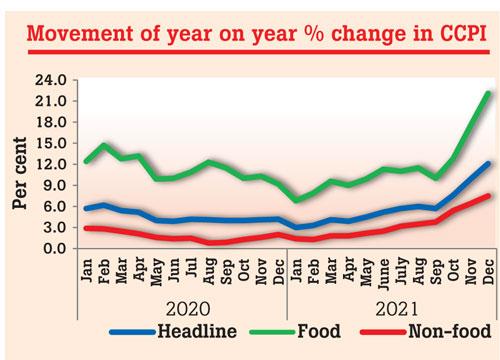
Consumer prices measured by the Colombo Consumer Price Index (CCPI) rose by 12.1 percent in the twelve months to December 2021, accelerating from 9.9 percent in November reflecting how pronounced and entrenched higher prices are in the economy, contrary to transitory claims made by the Central Bank for months. 


The Central Bank said, a large component of inflation is driven by supply side factors”, and said it expects to publish a detailed explanation in this regard shortly, showing its unease at the recent inflation readings. 

 The Central Bank repeatedly assured that headline inflation would be maintained between 4 to 6 percent until November when it acknowledged that there would be a deviation. 


The December inflation was the highest since January 2009 and it broke the country’s 12-year record of maintaining single-digit inflation. 


Meanwhile, prices rose by 2.7 percent in December from November levels, faster than the 2.6 percent increase in November, recording the fastest monthly increase in prices not seen for a long time. 


Food prices surged by 22.1 percent in the twelve months to December, accelerating from 17.5 percent recorded in the year through November, while on a monthly basis the food prices climbed 5.4 percent in December over 5.3 percent in November. 


Vegetable prices were the biggest contributor to food price inflation as prices were seen going through the roof lately, largely due to the rushed fertilizer policy of the government.


Meanwhile, prices of wheat flour and bread rose after wheat flour importers decided to increase prices. Further, prices of chicken, sea fish, eggs, coconuts, potatoes, and big onions recorded significant price increases during December over November. 


As Sri Lanka was coming out of a price control regime which proved a terrible failure, shelf prices were adjusting to the prices determined by the market forces ending months-long empty shelves. 


Milk powder importers last week raised their retail prices for the second time since October to reflect global prices and the weaker rupee, potentially ending the shortages, which inflicted much pain on people for months. 


Meanwhile, non-food inflation continued to gain pace as it rose by 7.5 percent in the twelve months to December, from 6.4 percent in November. The monthly prices also accelerated to 1.3 percent from 1.2 percent in November. 
Spending on restaurants and hotels had the biggest impact on non-food inflation during December reflecting more people venturing out with the easing of the virus concerns, while some went on holidays.


The transport sector also saw significant increase in prices due to the December 21 fuel price hike. 


Prices of alcoholic beverages & tobacco, clothing & footwear, household furniture, utilities and healthcare also rose in December.  


The so-called core prices measured barring the impact of food, energy and transport rose by 8.3 percent in December from 7.0 percent in November reflecting the underlying inflation in the economy. 

Record money printing in 2021 as Central Bank-held Treasury bill stock tops Rs.1.4tn

January 3rd, 2022

Courtesy The Daily Mirror

Among the records made last year—most of which didn’t necessarily bring in a sense of achievement—was the record phase at which money was printed, as the Central Bank, influenced by the Modern Monetary Theory (MMT), flooded the markets with liquidity to support the government bloat its fiscal deficit. 


As at the end of 2021, the Central Bank’s disclosed Treasury bill stock stood at Rs.1, 416.75 billion with overnight liquidity injections to the banking sector topping Rs.467.30 billion on December 31.


However, other reports suggested that the estimated Treasury bill stock by the Central Bank had topped Rs.1.9 trillion by December end from Rs.1.8 trillion estimated by the end of November as on November 25 a Central Bank official put the book value of the Treasury bill stock at Rs.1,767 billion on the previous day.  Going by the disclosed Treasury bill holdings, the Central Bank had printed money worth Rs.691.56 billion during 2021 after injecting Rs.650.27 billion in 2020 to provide liquidity to the markets to blunt the economic fallout coming from the pandemic and also to keep borrowing costs lower to support economic recovery. 


Treasury bill holdings by the Central Bank stood at Rs.78.01 billion on March 11, 2020 when the country reported its first local coronavirus case before the country came under lockdowns to contain the virus spread for two months. 


This unprecedented monetary stimulus generated multiple excesses in the economy by way of generating soaring prices, commodities shortages and massive crunch in foreign liquidity in the domestic market bringing the country closer to a foreign currency debt default, as such money hit the Balance of Payments by way of higher demand for imports. 


As a result, the Central Bank was forced to provide convertibility by way of issuing dollars from its reserves for such rupees to maintain the exchange rate. When foreign inflows ran dry the external reserves depleted and now stands barely sufficient to fund the country’s import bill, let alone meeting its thumping foreign loan commitments. 
Sri Lanka recorded its highest-ever 10-month BoP deficit of US$ 3.3 billion in October while its foreign currency reserves fell to the worrying level of US$ 1.6 billion in November, earning a rating downgrade by Fitch Ratings in December due to heightened concerns about a debt default in the months to follow. 

But the Central Bank last increased the external reserves to US$ 3.1 billion without disclosing the means of how it happened, drawing the wrath of many parties for engaging in window-dressing. 


As major global central banks have either have already started raising their interest rates or have indicated a series of rate hikes starting next April in response to soaring prices, Sri Lanka is left with little choice but to follow suit as investors tend pull out their funds from the emerging and developing markets to developed market treasuries which provide them with positive returns with little risk compared to markets with junk ratings. 

Basil back, now eying PM post?

January 3rd, 2022

Courtesy The Daily Mirror

In a major twist of events, Finance Minister Basil Rajapaksa who returned back to the country from the United States on January 1st morning, is internally campaigning to be appointed as the Prime Minister in the coming months, replacing his brother Mahinda Rajapaksa whilst also calling for an urgent cabinet reshuffle, the Daily Mirror learns.

Basil who took over as the Finance Minister recently, has been urging for a change in some ministries with a cabinet reshuffle now being planned as soon as possible. The Daily Mirror learns that at least six key ministries will change heads while some deputy ministers will be promoted as cabinet ministers.

Some state ministries will also be given more responsibilities while the departments coming under some state ministries will be changed. Political sources said that the administrative big wigs will also see a change in heads including the Secretary to the President, P.B. Jayasundara, whose resignation will come into effect from January 31. The Daily Mirror now learns that Jayasundara might accept an offer to be appointed as an advisor to Finance Minister Basil Rajapaksa once his term at the President’s office comes to an end.

The entire existing system will see a revamp in order to overcome the ongoing political and economic crises while internal campaigns are ongoing for Basil to take over as the Prime Minister in the coming months. Political sources said that some of the ministries will also have heads appointed who can work cordially with Basil as a part of the campaign. (JAMILA HUSAIN)

A Rs 229 billion economic relief package announced

January 3rd, 2022

Courtesy The Daily Mirror

The Government today announced a Rs 229 billion economic relief package which comprises a Rs 5000, salary hike for state workers, increasing of pensions, Samurdhi and special stimulus payment for home gardens.

Minister of Finance Basil Rajapaksa told a press conference that the cabinet today decided to grant an allowance of Rs.5000 for state workers while pensions will also be increased by Rs.5000.

In addition, allowance for the disabled soldiers will be increased by Rs 5000. The owners of private companies will be asked to increase salaries of their workers. A stimulus package was also announced for home gardens under which Rs.5000 will be paid for growing of crops in home gardens which is up to 20 perches and Rs 20,000 for those who own home gardens which extends from 20 perches to one acre.

We encourage the people to grow food crops in their home gardens in order to avoid a scarcity of food,” the Minister said.

The package also includes compensation for the farmers if their harvest is reduced. We anyway expect that the Maha harvest will be reduced by 30 percent to 40 percent and therefore farmers will be paid an extra Rs 25 per Kg of paddy,” he said.

In addition, 15 Kgs of wheat flour will be provided at Rs.80 a kilo for estate workers while medicine and essential food items will be exempted from tax.

The government was planning the relief package for the people who were hit by the pandemic even before the budget,” Mr. Rajapaksa said.

The Minister also announced that the cabinet decided to start dialogue with each donor country and agencies including IMF, WB and ADB.

A Minister dedicated to negotiations with each country and agency will be appointed shortly according to the Minister. Donor agencies have issued reports on Sri Lanka which comprises mix reactions on Sri Lanka’s performance.

Accordingly they have praised Sri Lanka’s COVID 19 vaccine programs while coming up with some criticism,” he said. (Yohan Perera)

Court order preventing payment for Chinese fertilizer shipment dissolved

January 3rd, 2022

Courtesy Adaderana

The Colombo Commercial High Court has dissolved the enjoining order preventing the payment on Letter of Credit to the Chinese company that shipped a disputed consignment of organic fertilizer to Sri Lanka, as all parties had agreed for a settlement. 

The court was expected to deliver its decision on extending or revoking the interim order when the petition filed by the Colombo Commercial Fertilizers Ltd. was taken up before Commercial High Court Judge Pradeep Hettiarachchi.

The Ceylon Fertilizer Company (CFC) had previously secured two enjoining orders from the Colombo Commercial High Court against Seawin Biotech, its local agent and the state-run People’s Bank, preventing the payment on Letter of Credit. 

The first court order against the Chinese firm in question was secured on October 23, blocking the People’s Bank from making any payment under a Letter of Credit opened in favour of the Chinese company.

During a previous proceeding, Additional Solicitor General Susantha Balapatabendi, who appeared on behalf of the CFC, told the court that China-based Qingdao Seawin Biotech Group Co., Ltd. had shipped a fertilizer consignment, which is a partial shipment worth more than a billion rupees that was procured through a tender process initiated by the Agriculture Ministry.

Although the said Chinese firm was required to ship sterile organic fertilizer under the tender contract, it had admitted in its shipping advice that the consignment may contain microorganisms, he had further told the court.

The National Plant Quarantine Services (NPQS), which tested the sample sent to them, had confirmed the presence of organisms, including certain types of harmful bacteria, the Additional Solicitor General had said, adding that, in this context, the Chinese firm in question had failed to complete the accepted terms of the tender.

As per the terms of the contracts, the payment for the controversial organic fertilizer shipment was slated to be made through a Letter of Credit established via the People’s Bank.

however, on December 14, the Sri Lankan government said it has decided to pay USD 6.7 million to the Chinese fertilizer company, on the advice of the Attorney General’s Department.

According to Agriculture Minister Mahindananda Aluthgamage, the payment includes the cash deposit of USD 5 million placed by the company.

The minister added that the company, China-based Qingdao Seawin Biotech Group, has been requested to re-manufacture the fertilizer to comply with the required standards. 

COVID: 365 new cases detected and another 18 COVID deaths in Sri Lanka

January 3rd, 2022

Courtesy Adaderana

The Ministry of Health reported that another 365 persons have tested positive for coronavirus today (03). 

This figure includes 06 persons who had arrived in the country from overseas.

Sri Lanka’s tally of confirmed cases of Covid-19 climbs to 588,300 with this while the number of infected patients currently undergoing treatment is 12,135.

The Director General of Health Services has confirmed another 18 coronavirus related deaths for January 02, increasing the death toll in the country to 15,037. 

This includes 11 males and 07 females while eleven victims are in the age group of 30-59 years.

The other seven are aged 60 years and above.

How to manage our foreign exchange in this time of Crisis

January 3rd, 2022

Garvin Karunaratne

Veteran administrator,  Sudat Gunasekera former Secretary to the Hon Prime Minister , has said in his Paper  What the Government should do to get rid of the present financial crisis ailing the country? in Lanka Web, 2/1/2022 what measures Sri Lanka has to take to get out of the financial  mess we are in. I  too think that his  suggestions are the only way  ahead. 

Let  us look at what happened to Turkey when Turkey allowed a free float of the Turkish Lira and  to other countries  when they  did what the IMF wanted it to do.

I quote from my book: How the IMF Ruined Sri Lanka & Alternative Programmes of Success;(Godages) 2006:

Over the period  ” 1983 to 2003, the devaluation of the Turkish Lira was  to the extent of 712,000%, the Ghanian Cedi to the extent of 275,000%  and the Nigerian Naira to the extent of 21,800%.”

“The Turkish Lira has been devalued 1715 times. and the Ghanian Cedi  663 times  in the period 1983 to 2005.”

” The Turkish Lira has dropped  in value from  Lira 336 to the pound sterling in 1983  to Lira 2,395,000 to the pound in 2003, marking  a devaluation of 712,000%. “

” I have travelled widely in Turkey in 2004 and have been struck with the abject poverty- the people have no purchasing power whatsoever with their earnings. Everything is available in the shops for the rich but the vast majority of people  do not have the purchasing power to buy  the necessities of life with their meager earnings. There are vast highways  with no vehicles in sight for hundreds of miles “

Actually went I visited Turkey in 2004, I had to empty one of my suitcases to carry the Lira I got when I cashed a few pounds.

The only way ahead to my thinking is to reject the IMF and go it alone as Governor Cabral opines, but follow the blue print of how we ran the country in the Dudley Senanayake days- 1965 to 1970. We were very strict. There was no foreign funds for any luxury items. No one was allowed dollars for foreign study. The only exception was a grant to Chandrika and her sister Sunetra and I had the occasion to ask the Prime Minister why he did give that grant. He replied  that this was the only request he had from a former Prime Minister and he felt like giving it.  Then as the Additional Government Agent at Kegalla one of my tasks was to meet the Prime Minister at Warakapola Rest House every Saturday and Sunday morning at eight and after some tea, we attended at least ten meetings arranged by us or by his supporters, I was with him from eight in the morning to around seven in the evening till he took off in his Humber Hawk back. and I had to answer all his questions.  There was never a question of meeting any villager who said that he was deprived the necessities of life.  Then  all essentials were bought with the meager dollars we had and there were no kero or milk food queues. The necessities were all imported and a rationing system was strictly enforced. For  foreign travel no dollars were issued whatsoever. Even to go on pilgrimage to Buddha Gaya one had to make an application to the Controller of Exchange of the Central Bank to plead and get it.

It was a strict control and I happened in 1970 to be the Deputy Director of Small Industry to give allocations to small industrialists. I thus speak through sheer experience.

Garvin Karunaratne

2/1/2022

Author of How the IMF Ruined Sri Lanka & Altenative Programmes of Success,  Godages, 2006

How the IMF Sabotages Third World Development, Godages, 2017

The rise of ‘Hoo Keliya’ by the people

January 3rd, 2022

Courtesy The Island

Crackers did burst, and rockets did fly with blasts. As the old year folded up, the fireworks continued. Were some of the louder blasts from gas cylinders? Who knows, with no legal action taken against those gas-blast dealers so far. The law can wait till they draw in all the crooked profits.

As the cracker and rocket blasts fade away, we are moving into a new sound of the public. It is the rise of the ‘Hoova’ time. We saw it first at Hambantota. Were the people giving the government politician a lesson on what people of power must expect in the coming months, and years.

It is the ‘Hoo Keliya’ that is rapidly sweeping the political landscape. Several politicians, of government strength and power have had to face the ‘Hoo Keliya” at supermarkets, busy junctions, and even when they tried returning to their electorates. Many of them are so sad at being hooted even when they did not join their fellow politicos to fly abroad for the festive season.

The long queues to get essential goods, such as gas, kerosene, and milk are the stuff of Rajapaksa governance. Such queues should certainly not lead to any hooting, even if you are spending a long time lined up for milk.

That is the stuff of Gotabaya Governance. No hooting. Just keep waiting. The Police will even be so kind as to get the trader involved to have two counters for the sale of ‘short supply’ goods. This will be the Mirihana – Gotabaya Thinking on handling the spreading of the queue system of Pohottuva politics.

A simple question to ask the Police that issued a statement explaining the Mirihana issue (hoo keliya carefully ignored), why they do not intervene to bring the Mirihana – Gotabaya Thinking to other places, too. Why don’t they tell the gas dealers at so many places to have two or even four counters open to shorten the queue?

Similarly, why don’t they move swiftly to shorten the many other queues for kerosene, and the milk powder for kids, too?

Will that need too many police personnel or is such thinking beyond the mind of a Senior DIG, so good at telling that it was not leaking gas cylinders, but bad cookers, which led to so many blasts and at least three deaths, too.

We are certainly moving to a whole new phase in the governance of Sri Lanka. The Prime Minister has to fly in a friend’s private plane to the Tirupati shrine in India to seek the blessings and miraculous action of one or more gods, to give divine power for Gota – Governance. Just forget that Sri Lanka remains a Sinhala Buddhist country, and be embraced to Hindu Divine politics.

Are there any other deities, spirits or even demons of power, who will help our economy to rise, and move away from the International Monetary Fund IMF? Do we have the blessings or curses of these spiritual forces to believe that our foreign reserves have risen to US$ 3.1 billion, as said by Central Bank Governor Cabraal?

Is it the force of spirits that makes Minister Vasudeva Nanayakkara ask why they should leave this government that they formed? Are the ears of Wimal Weerawansa, Udaya Gammanpila and Vasudeva Nanayakkara shut tight to the voice of President Gotabaya, that they should leave the Cabinet?

This Pohottuva government has certainly brought us through so much trouble in the last two years, as well as so much belief in sorcery, witchcraft and hoodoo oils and crooked cures for Covid 19. It has certainly earned the ‘Hoo Keliya’ from the people, the masses who are made to suffer, from bad to worse as each day passes.

The New Year that dawns today has certainly given cause for the ‘Hoo Keliya’ that is fast striking the power players of the Pohottuva.

Will we see a wider spread of this ‘Hoo Keliya’ as Gotabaya / Basil move on, cheating the people of all aspects of good governance?

This ‘Hoo Keliya’ is the sound of the New Year, and is moving on to be the roar of the people. Happy Hoo Keliya to you all!

#COVID-19 අවදානම තුල රා.ප.ච. 02/2021 (vi) චක්‍රලේඛය මගින් රජයේ සේවකයින්ට දී තිබූ සහන අහෝසි කිරීම සම්බන්ධවයි.

January 2nd, 2022

ලංකා ගුරු සේවා සංගමය.

ලේකම්,
රාජ්‍ය සේවා පළාත් සභා හා
පළාත් පාලන අමාත්‍යාංශය,
නිදහස් චතුරස්‍රය,
කොළඹ 07.

ලේකම්තුමනි,
 
#COVID-19
 අවදානම තුල රා... 02/2021 (vi) චක්‍රලේඛය මගින් ගර්භනී, වයස අවු. 01 අඩු දරුවන් සිටින හා විශේෂ රෝගාබාධවලින් පෙළෙන රජයේ සේවකයින්ට දී තිබූ සහන අහෝසි කිරීම සම්බන්ධවයි.

#COVID-19
අවදානම් තත්වයක් යටතේ රාජ්‍ය සේවයට වාර්තා කිරීමේදී සෞඛ්‍ය අධ්‍යක්‍ෂ ජනරාල්වරයාගේ නිර්දේශ මත 2021. 10. 01 දිනැතිව නිකුත් කළ අංක 02/2021 (v) චක්‍රලේඛය මගින් ගර්භනී, වයස අවුරුදු 01 අඩු දරුවන් සිටින හා විශේෂ රෝගාබාධවලින් පෙලෙන රජයේ සේවකයින්ට ලබා දී තිබූ සෞඛ්‍ය ආරක්‍ෂිත සහන 2021. 12. 30 දිනැති 02/2021 (vi) චක්‍රලේඛය මගින් අහෝසි කර දැමීම පිළිබඳව ලංකා ගුරුසේවා සංගමය ඔබගේ දැඩි අවධානය යොමු කරවමු,
 
02.
රාජ්‍ය සේවයේ 3 ලක්‍ෂයකට ආසන්න ගුරුවරුන්, විදුහල්පතිවරුන් මෙන්ම අනධ්‍යයන කාර්ය මණ්ඩල පාසල් තුල තම රාජකාරී කටයුතුවල නියැලීමේදී විශේෂයෙන් පන්ති කාමරයෙන් පන්ති කාමරයට යන ගුරුවරුන්ට සිසු දරුවන් විශාල ප්‍රමාණයක් සමග සමීපව කටයුතු කිරීමට සිදුවන අතර එහිදී ඔවුන්ට දැඩි අවදානමකට මුහුණ දීමට සිදුව ඇති බවද අප ඔබට අමුතුවෙන් පැහැදිලි කරදිය යුතු නැත. අදියර වශයෙන් පාසල් විවෘත කිරීම ආරම්භයේ සිටම පාසල්තුල #Covid ආසාධිතයින් වාර්තා වූ අතර මේ නිසා පන්ති කාමර වශයෙන් මෙන්ම පාසල් මට්ටමින්ද වසා දැමීම් 2021 පාසල් වාරය අවසන් වෙන තෙක්ම වාර්තා විය. මෙවැනි දත්තයන් අදාල තීරණ ගැනීමේදී කිසිසේත් සැලකිල්ලට ගෙන නොමැති බවත් අදාල ආයතන සමග සාකච්ඡා කර නොමැති බවත් මෙහිදී පැහැදිලි කරුණකි,
 
03.
රටතුල #Covid-19  වසංගතයෙහි අවදානමෙන් ඔමික්‍රෝන් වැනි විශේෂ ප්‍රභේදයක ව්‍යාප්තියෙහි අවදානමත් එසේ තිබියදී මෙවැනි සෞඛ්‍ය ආරක්‍ෂිත සහනයක් අහෝසි කරනුයේ සෞඛ්‍ය අධ්‍යක්‍ෂ ජනරාල්වරයාගේ නිර්දේශ මතද නැතිනම් එවැනි වගකීම් සහගත විද්‍යාත්මක ප්‍රවේශයකින් හෝ නිර්දේශයකින් තොරවද යන සාධාරණ සැකය අපට ඇත,
 
04.
එහෙයින් සමස්ත පාසල් පද්ධතිය තුල වසන්ගතයේ නව ප්‍රභේද විසින් තවදුරටත් ඇතිකර ඇති අවදානම් තත්වයන්ද සැලකිල්ලට ගෙන ගර්භනී ඇතුලූ සුවිශේෂී අවදානම් සහගත රජයේ සේවකයින්ට රා... අංක 02/2021 (v) මගින් ලබා දී තිබූ සෞඛ්‍ය ආරක්‍ෂිත සහන එලෙසම ලබා දීමට කටයුතු කරන ලෙසත් එසේ නොවන්නේ නම් තව දුරටත් රටෙහි පවතින වසංගතය තුල එම ජීවිතවල සම්පූර්ණ වගකීම ඍජුවම අදාල බලධාරීන් විසින් භාරගත යුතු බවත් ලංකා ගුරුසේවා සංගමය දැඩිව අවධාරණය කරමු.
 
ස්තූතියි.

මෙයට,
මහින්ද ජයසිංහ
ප්‍රධාන ලේකම්,
ලංකා ගුරු සේවා සංගමය.

How A Pakistani Newspaper ‘Pakistan Today’ Helps To Connect People Between Bangladesh And Pakistan

January 2nd, 2022

MD Pathik Hasan

Public diplomacy is also called people’s diplomacy. Public diplomacy between Pakistan and Bangladesh is very necessary to bolster the ties between two brotherly nations. It is the ‘Public Diplomacy’ which can bring the two countries under an umbrella. People to People contact can initiate to strengthen the ties melting the ice between two brotherly and neighboring states.

Where government-to-government diplomacy fails, public diplomacy is very effective there to strengthen the ties. People-to-people contact between the two countries can turn into a holistic diplomatic approach between two countries. Then, formal official diplomacy between the two governments is possible. People-to-people contact diplomacy between Pakistan and Bangladesh may be Cricket diplomacy, cultural exchange of people between two countries, communications amongst the authors, writers, professors, students, businesses, businessmen etc.

Communication between authors, professors, writers, the general public is a kind of public diplomacy. By this diplomatic approach, authors from both countries can contact each other. Media publications and outlets can play a strong role in this connection. For example, Bangladeshi writers didn’t write normally in Pakistani media outlets and vice versa. To some extent, there are some issues with that. But after a long time, some Bangladesh writers including me (of course new generation) starts to write in Pakistani media outlets. This time, we see a new trend of communication amongst the people between Pakistan and Bangladesh. They are sending their write-ups continuously to Pakistani media outlets. Basically, they want to establish relations with Pakistani authors, people through Pakistani media outlets. They are interested to build up a strong relationship with the other parts. Not only do they want to establish relations, bondage but also expressed their views on Pakistan. They are also interested to inform the Pakistani generation about Bangladesh. Won’t it be a good sign for strengthening the ties?

We want to know about Pakistani society, strengthen our ties and bondage with Pakistani people. We want to publish our write-ups in Pakistani media outlets on Bangladesh, Bangladesh-Pakistan ties, new generation’s thinking on Pakistan. We wanted to inform Pakistani people about modern Bangladesh. We tried to reach out to Pakistani people through Pakistani media outlets. Basically, we wanted to convey our messages to the Pakistani people. Isn’t it public diplomacy? One day, this type of Public Diplomacy can turn into formal state-level diplomacy.

Social media, print media have a great role to connect people with each other. Pakistani media outlets especially print media can and should play role in this regard. They should cooperate with Bangladeshi writers. They should show their interest to publish their write-ups in Pakistani media outlets. The publishers and editors of Pakistani media outlets should consider this with special attention.  

Basically, media can play a strong role in the case of public diplomacy. The owners, publishers, and editors of Pakistani media outlets should understand, think and consider this because this type of public diplomacy can normalize the bilateral ties between two states. One day, Pakistan and Bangladesh would be regional allies for ensuring their mutual interest. Bilateral business, trade, a cultural exchange may be smoothened.  

Pakistani media outlets such as ‘Pakistan Today’ can play a strong role to make public opinion to influence the policymakers of Pakistan for smoothing the strained ties between Bangladesh and Pakistan.

The Pakistan Today is a widely circulated English-language newspaper in Pakistan. Pakistan Today is a popular and liberal daily in Pakistan. Pakistan Today is a Pakistani English-language daily newspaper, published by Nawa Media Corporation from three Pakistani cities – Lahore, Punjab; Karachi, Sindh; and Islamabad, Islamabad Capital Territory. The newspaper was founded by its editor and publisher, senior journalist,former federal minister Arif Nizami, in 2010.

According to their media outlets, policymakers and decision-makers read the news publication regularly. Its hard-hitting insightful editorials and opinions are keenly followed by the government, lawmakers, diplomats, and business people alike.

Pakistan Today can play a very important role in strengthening the ties between Bangladesh and Pakistan through public diplomacy. It has been publishing some pertinent news, reports, articles related to Bangladesh-Pakistan relations. It has been publishing many write-ups regarding the current strained ties between Pakistan-Bangladesh and its solution.

Pakistan’s ‘Pakistan Today’ can play a strong role in this regard. Accordingly, Pakistan’s ‘Pakistan Today’ can and should play a very significant role to smooth the strained relations by influencing the policymakers, public through their heart-hitting write-ups in these such ways:

Pakistan Today can publish all kinds of news, reports, and editorials articles regarding Pakistan-Bangladesh brotherly ties to make a public opinion that pressurizes the policymakers in smoothing the bilateral relations.

It can publish satire. It can also publish poll opinions.

It can influence Pakistan’s civil society by publishing its nice write-ups.

Pakistan Today is a very fine and excellent newspaper in Pakistan. The accuracy, credibility, and acceptability of publications in ‘Pakistan Today’ are very high. So, it should create public opinion in favor of bolstering relations between Bangladesh and Pakistan.

The government of Pakistan, its decision-makers, and people know well about Pakistan Today. Thus, it is very easy for Pakistan Today to influence the policymakers and people of Pakistan to some extent the decision-makers.

Pakistan Today has started to publish the write-ups of Bangladeshi writes from August 01, 2021. That was the great decision of the decision-makers of the ‘Pakistan Today’. Now, many Bangladeshi writers are interested to write in Pakistani media outlets. But Pakistan Today has started this. They are continuing it. These types of activities will turn into people-to-people cooperation between the two states. People of both states will be able to know each other. Obstacles and barriers would remove.  Pakistan Today has already circulated much news, editorial, opinions on Pakistan-Bangladesh relations how to further strengthen the bilateral ties, people-to-people contact through public opinion such as:

1) Why Bangladesh should use CPEC? (August 01, 2021)

2) Why Bangladesh should use Gwadar port? (September 26, 2021)

3) Russia-Bangladesh Nuclear Cooperation provides benefits for Bangladesh

4) Don’t accuse Bangladesh

5) A golden chance for Pakistan

6) Chittagong-Ranong connectivity could boost SAARC-ASEAN trade if connected to Gwadar and Chabahar

7) Bangladesh needs Sri Lanka in Rohingya refugee crisis solution

8) Apology to Bangladesh could change the region’s current geopolitics

9)Myanmar and Bangladesh must strengthen ties

10)Strategic significance of the Bay of Bengal and Bangladesh’s ‘Balancing Capability’

11) Why and how Bangladesh is moving forward?

12) The international community must fulfill its responsibility to Bangladesh

13) Now the target should be a Security Council resolution?

14)CHT in Bangladesh towards peace and prosperity 

16)Bangladesh’s Assistance to Sri Lanka increases its image and prestige

17)The   Padma Bridge Proves Bangladeshi Economic Potential

18) Who will bear the financial burden of the Rohingya? 

20) The Message for South Asia

21) AUKUS- Are We Entering A New Cold War?

All are written by Bangladeshi writers. Good job Pakistan Today. You are doing very well to strengthen the ties between Pakistan and Bangladesh. We Bangladeshi people really appreciate the role of Pakistan Today in this regard.
As Bangladeshi, we always appreciate the role of ‘Pakistan Today’ regarding the ‘Media Coverage on the issue. Pakistan’s other media outlets can and should follow the footprint of the ‘Pakistan Today’. Pakistan Today has established a strong example for other media outlets. Their motive is very positive. One day, people of the two states can definitely benefit from the initiative taken by ‘Pakistan Today’.

We (Bangladeshi people) hope, Pakistan Today will continue it. One day, policymakers in this country will understand this.

The strained bilateral ties between Pakistan and Bangladesh would be resolved one day and the whole region will benefit from that.

We think that the role of Pakistan Today is very positive in this regard. It is on the right track. So, Pakistan Today has been playing a very significant role to create positive public opinion in this regard. They are trying to bring the people between Pakistan and Bangladesh under an umbrella. They took the great initiative. It is continuously publishing the write-ups, articles written by Bangladeshi writers to increase the people-to-people contact. One day, this people-to-people contact turn into government-to-government contact. The bilateral ties between the two states will be further strengthened. Bangladeshi citizens hope and appreciate the significant role of the Pakistan Today.

Important notice for travellers expecting to visit Sri Lanka

January 2nd, 2022

Courtesy NewsIn.Asia

Jan 2 (NewsWire) – The Sri Lanka Tourism Development Authority (SLTDA) has issued a notice to tourists who are who are expecting to travel to Sri Lanka.

In the notice issued SLTDA has urged potential travelers to Sri Lanka to beware of fake sites available online claiming to be travel and immigration agencies issuing Sri Lankan Visas.

It reiterates that eta.gov.lk/slvisa is the only official site for visa purposes in order to travel to Sri Lanka.

Sri Lanka has seen a significant increase in the number of tourist arrivals in December 2021, as the island nation looks to boost the tourism industry, which has been severely hampered due to the Covid Pandemic.

According to the SLTDA, a total of 69,941 tourists arrived in December from 1st to 26th, which is a 36% increase compared to November 2021.

Tags:Sri LankatravelTravellers

අද රටම අමාරුවේ.. කරන්න පුළුවන් අයට දැන් බාර දිය යුතුයි..- සුසිල්ගෙන් ප‍්‍රචණ්ඩ ප‍්‍රහාරයක්…

January 2nd, 2022

උපුටා ගැන්ම ලංකා සී නිව්ස්

කරන්න බැරි දේවල් කරන්න ගොස් අද රටම අමාරුවේ වැටී ඇති බව රාජ්‍ය අමාත්‍ය සුසිල් ප්‍රේමජයන්ත මහතා සඳහන් කරයි.

පොහොර නැති කළ පසු ගොවීන් ඵලදාව ගන්නේ කෙසේදැයි ඔහු ප්‍රශ්න කරයි.

අද ඇතිවී තිබෙන තත්වයට තීන්දු තීරණ ගත් අය වගකිව යුතුව ඇතැයිද ඔහු සඳහන් කලේය.

හරි තීන්දු තීරණ ගත් ගන්න තිබුණ ද දැන් ඒ සඳහා කාලය අවසන් වී ඇති බවත් හරි තීන්දු ගන්න දැන් සිදුවන්නේ වෙනත් පිරිසකට බවත් ඔහු කීය.

දෙල්කද පොළෙන් එළවළු මිලදී ගැනීම සඳහා පැමිණි අවස්ථාවේ මාධ්‍ය වෙත ඔහු මෙම අදහස් පළ කළේය.

මෙරටට සිදුවූ විදේශ ආක්‍රමණ අවස්ථාවලදීවත් මේ තරම් හානියක් කෘෂිකර්මයට සිදු නොවුනු බවද ඔහු පෙන්වා දුන්නේය.

කරන්න බැරි අය ඉවත්ව පුළුවන් අයට දැන් බාර දිය යුතු බවද එහිදී ඔහු තවදුරටත් සඳහන් කළේය.

ජනාධිපතිට හූ කියන වීඩියෝවක් Shere කලා කියා කාන්තාවක් CID ගෙන යයි…

January 2nd, 2022

උපුටා ගැන්ම ලංකා සී නිව්ස්

ජනාධිපතිවරයාට හූ තැබූ බව සදහන් සටහනක් සමාජ ජාලයක හුවමාරු කළේ යයි කාන්තාවක් අපරාධ පරීක්ෂණ දෙපාර්තමේන්තුවට කැඳවා ප්‍රශ්න කර තිබේ.

https://www.facebook.com/watch/?v=4704509742979570&t=2

තම ජංගම දුරකතනයේ දත්ත සියල්ල අපරාධ පරීක්‍ෂණ දෙපාර්තමේන්තු නිලධාරින් විසින් පිටපත් කර ගත් බවත් ඇය සදහන් කලාය.

ජනාධිපතිවරයාට අපහාස කිරීම බරපතල වරදක් බවත් ඉදිරියට එවන් දේ නොකරන ලෙසත් තමනට ඔවුන් අවවාද කල බවත් ඇය පැවසුවාය.

එම කාන්තාව මාධ්‍ය හමුවක් පවත්වා මේ බව කියා සිටියාය.

‘There is no money left’: Covid crisis leaves Sri Lanka on brink of bankruptcy

January 2nd, 2022

Minoli Soysa in Colombo and Hannah Ellis-Petersen in Delhi Courtesy Guardian

Half a million people have sunk into poverty since the pandemic struck, with rising costs forcing many to cut back on food

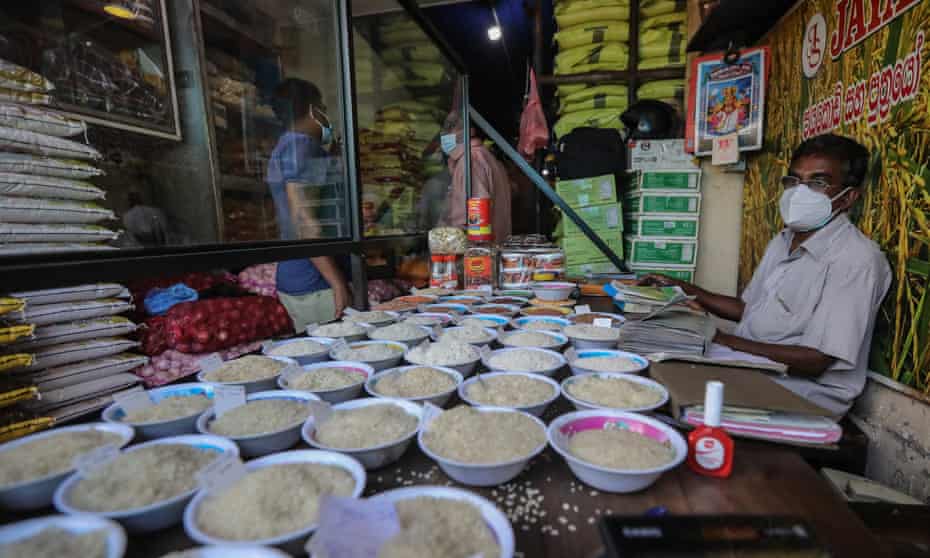
A rice wholesale trader awaits customers at his shop in Pettah, a commercial hub in Colombo, Sri Lanka.
A rice wholesaler plies his trade in Pettah, a commercial hub in Colombo, Sri Lanka. The military has been given power to control prices of food essentials, such as rice. Photograph: Chamila Karunarathne/EPA

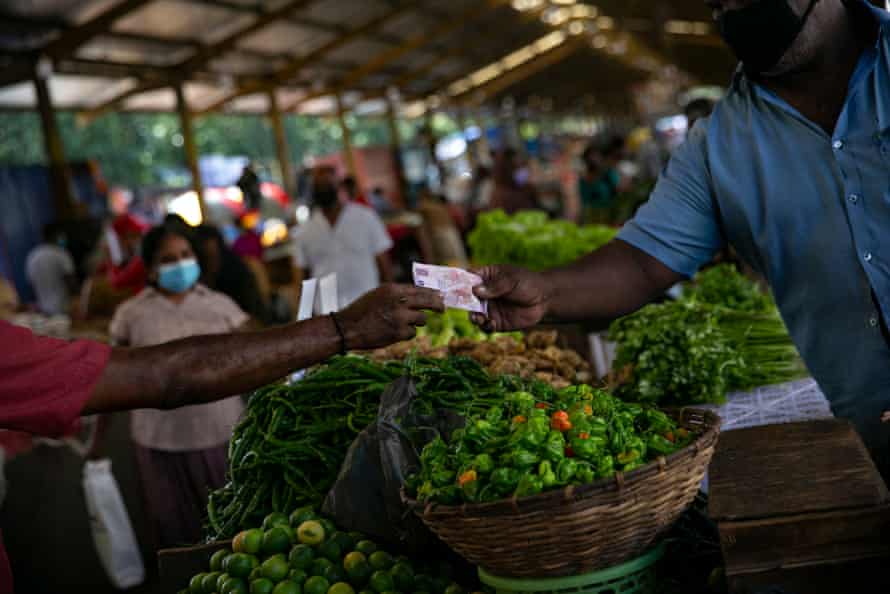
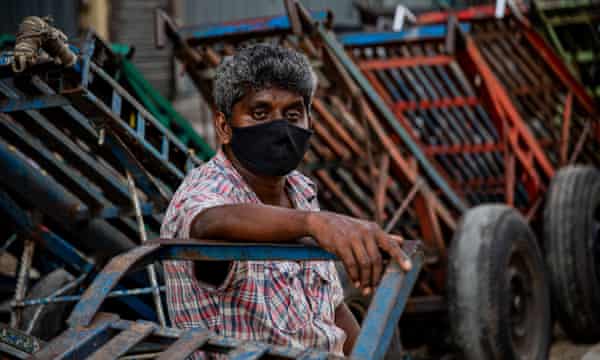
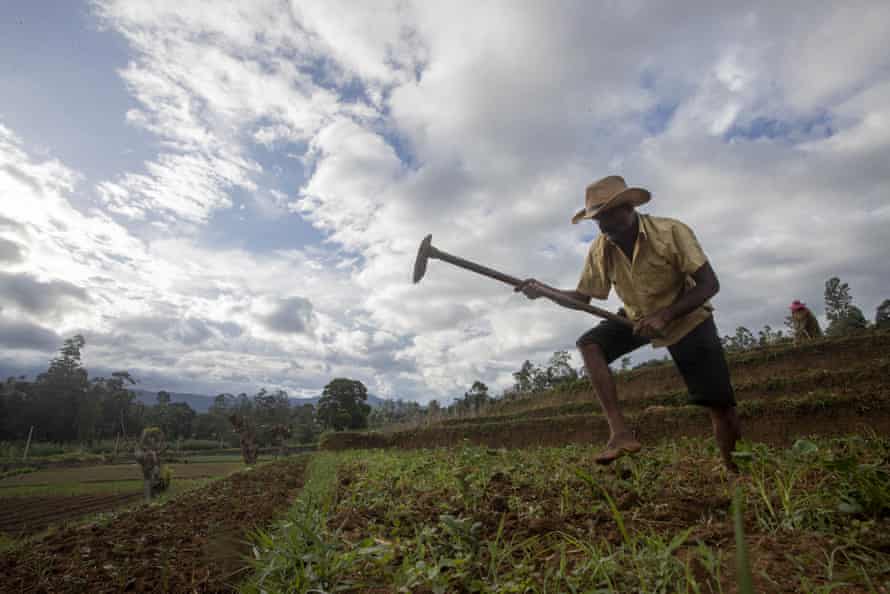
Sri Lanka is facing a deepening financial and humanitarian crisis with fears it could go bankrupt in 2022 as inflation rises to record levels, food prices rocket and its coffers run dry.

The meltdown faced by the government, led by the strongman president Gotabaya Rajapaksa, is in part caused by the immediate impact of the Covid crisis and the loss of tourism but is compounded by high government spending and tax cuts eroding state revenues, vast debt repayments to China and foreign exchange reserves at their lowest levels in a decade. Inflation has meanwhile been spurred by the government printing money to pay off domestic loans and foreign bonds.

The World Bank estimates 500,000 people have fallen below the poverty line since the beginning of the pandemic, the equivalent of five years’ progress in fighting poverty.

Inflation hit a record high of 11.1% in November and escalating prices have left those who were previously well off struggling to feed their families, while basic goods are now unaffordable for many. After Rajapaksa declared Sri Lanka to be in an economic emergency, the military was given power to ensure essential items, including rice and sugar, were sold at set government prices – but it has done little to ease people’s woes.

A man pays for vegetables at a market in Colombo.
A man pays for vegetables at a market in Colombo. Escalating prices have left those who were previously well off struggling to feed their families. Photograph: Allison Joyce/Getty Images

Anurudda Paranagama, a chauffeur in the capital, Colombo, took on a second job to pay for rising food costs and cover the loan on his car but it was not enough. It is very difficult for me to repay the loan. When I have to pay electricity and water bills and spend on food, there is no money left,” he said, adding that his family now eats two meals a day instead of three.Advertisement

He described how his village grocer was opening 1kg packets of milk powder and dividing it into packs of 100g because his customers could not afford the whole packet. We now buy 100g of beans when we used to buy 1kg for the week,” said Paranagama.

The loss of jobs and vital foreign revenue from tourism, which usually contributes more than 10% of GDP, has been substantial, with more than 200,000 people losing their livelihoods in the travel and tourism sectors, according to the World Travel and Tourism Council.

The situation has got so bad that long queues have formed at the passport office as one in four Sri Lankans, mostly the young and educated, say they want to leave the country. For older citizens, it is reminiscent of the early 1970s when import controls and low production at home caused severe shortages of basic commodities and caused long queues for bread, milk and rice.

A man working outdoors in Colombo
One of the most pressing problems for Sri Lanka is its huge foreign debt burden. Photograph: Vimukthi Embuldeniya/Pacific Press/Rex/Shutterstock

The former central bank deputy governor WA Wijewardena warned the struggles of ordinary people would exacerbate the financial crisis, which would in turn make life harder for them. When the economic crisis deepens beyond redemption, it is inevitable that the country will have a financial crisis too,” he said. Both will reduce food security by lowering production and failing to import due to foreign exchange scarcities. At that point, it will be a humanitarian crisis.”

One of the most pressing problems for Sri Lanka is its huge foreign debt burden, in particular to China. It owes China more than $5bn in debt and last year took an additional $1bn loan from Beijing to help with its acute financial crisis, which is being paid in instalments.Advertisement

In the next 12 months, in the government and private sector, Sri Lanka will be required to repay an estimated $7.3bn in domestic and foreign loans, including a $500m international sovereign bond repayment in January. However, as of November, available foreign currency reserves were just $1.6bn.

In an usual approach, government minister Ramesh Pathirana said they hoped to settle their past oil debts with Iran by paying them with tea, sending them $5m worth of tea every month in order to save much needed currency”.

The opposition MP and economist Harsha de Silva recently told parliament that foreign currency reserves would be -$437m by January next year, while the total foreign debt to service would be $4.8bn from February to October 2022. The nation will be totally bankrupt,” he said.

Central Bank Governor Ajith Nivard Cabraal made public assurances that Sri Lanka could pay off its debts seamlessly” but Wijewardena said the country was at substantial risk of defaulting on its repayments, which would have catastrophic economic consequences.

Meanwhile, Rajapaksa’s sudden decision in May to ban all fertiliser and pesticides and force farmers to go organic without warning has brought a formerly prosperous agricultural community to its knees as many farmers, who had become used to using – and often overusing – fertiliser and pesticides, were suddenly left without ways to produce healthy crops or combat weeds and insects. Many fearing a loss decided not to cultivate crops at all, adding to the food shortages in Sri Lanka.

A vegetable farmer removes weeds in his potato field in Keppetipola.
A government decision in May to ban all fertiliser and pesticides has forced farmers to go organic without warning. Photograph: Eranga Jayawardena/AP

The government made a dramatic U-turn in late October and farmers are now struggling to cover the high costs of imported fertiliser without help.

The costs of cultivating paddy [wheat] have gone up astronomically … The government has no money for fertiliser subsidies. Many of us farmers are reluctant to invest money because we don’t know if we will make any profit,” said one farmer, Ranjit Hulugalle.

In an attempt temporarily to ease the problems and stave off difficult and most likely unpopular policies, the government has resorted to temporary relief measures, such as credit lines to import foods, medicines and fuel from its neighbouring ally India, as well as currency swaps from India, China and Bangladesh and loans to purchase petroleum from Oman. However, these loans provide only short-term relief and have to be paid back quickly at high interest rates, adding to Sri Lanka’s debt load.

Anushka Shanuka, a personal trainer, was among those who used to have a comfortable life but now is struggling to get by. We can’t live the way we used to before the pandemic,” he said, saying the prices of vegetables had gone up by more than 50%.

The government promised to help us but nothing came, so we are just managing the best we can. I don’t know how much longer we can go on like this.”

US $ 5.5 million from Russia to WFP for projects in Sri Lanka.

January 2nd, 2022

Courtesy The Daily Mirror

Russia has transferred US $ 5.5 million for the World Food Programme (WFP) to implement projects related to nutrition at school levels, the Russian Embassy said .

The embassy said it had been done in line with the policy of strengthening cooperation with Sri Lanka in the interest of sustainable development .

The money was transferred on December 25, 2021.(Kelum Bandara)


Copyright © 2026 LankaWeb.com. All Rights Reserved. Powered by Wordpress