SkyRocketing Prices: Is there a Remedy?

February 16th, 2021

by Garvin Karunaratne

Sky rocketing prices of vegetables and fruit has happened to be the order of the day. Once we did have a method to control inflation by ensuring that traders cannot keep a fat margin. That was the system built up by Sri Lankan administrators RH Basset and BLW Fernando Commissioners of the Department for Development of Agricultural Marketing.  This system was worked in a perfect manner from the Fifties till the late Seventies, when  we bowed to the IMF and abandoned it.

I enclose a Paper written by me a few years ago which details the system which was  unique to Sri Lanka. Opening more Economic Centers do not provide an answer to inflation.  Perhaps this paper may offer some ideas.

Controlling Inflation: Howonce we did it

Inflation- Rising Prices is a major concern today. Sri Lanka had built up the infrastructure to control inflation. What we are seeing today-unbridled inflation, has been caused because we  did away with the infrastructure we had.

For the marketing of essential commodities, in my own words:

The Department for the Development  of Agricultural Marketing”¦ ensured that prices of all essential commodities were indirectly controlled and the traders were compelled to offer fair prices to the producers and the retail shop keepers were compelled to sell at fair prices to consumers.  This is a system that I have never seen elsewhere in the world’ ¦The motto of the Department was to pay the highest possible price to the producer and sell at the lowest possible price  to the consumer.( From: How the IMF Ruined Sri Lanka,”¦ (Godages)

 I was involved with the entire System because I was appointed Assistant Commissioner for the Development of Agricultural Marketing in 1955, and worked in the Ratnapura, Hambantota, Anuradhapura  Districts as well as was in charge of the Tripoli Market, the Headquarters of the Vegetable Marketing Scheme for a year in 1957.

 This System involved a Network of Retail Shops(Fair Price Shops) in every major city and a Vegetable  and Fruit Marketing Scheme involving purchasing, selling and processing   vegetables and fruits, a Scheme  that covered the entire island.

The entire island was covered by Assistant Commissioners in the Provinces and Marketing Officers posted in producer areas, who had to +report the availability of produce, prices at the Fairs, and guide producers to plant varieties in demand.

 A Network of Retail Shops(Fair Price Shops)

In order to enable the availability of essential food the Marketing Department established a large number of shops in the cities and these shops were well stocked with essential food like dhall, sugar, flour, onions and vegetables. These were sold at rock bottom prices, where no profit margin was kept. The intention was to unofficially control the retail prices offered by private traders. When a well stocked shop was selling goods at a low price the private retailers too had to sell at similar prices otherwise they will have no sales because the consumers will all go to the Marketing Department shops and the private shop keepers will have to close down. Assistant Commissioners had to ensure  that the Departmental shops were well stocked.

An incident comes to mind. I was then in charge of the Southern Province with my office at Ambalantota. In the Red Onion season we got wagon loads of red onions from Jaffna and we were required to sell at whole sale prices to traders and also to sell at our shops. One day  I had just inspected our shop at Galle and also visited a number of private traders’ shops to ensure that they did sell red onions at reasonable prices. I returned to Ambalantota. The next morning in office I got a telegram from Head Office. It read, Member of Parliament Dahanayake reports that there is a shortage of red onions in Galle. Inspect and report at once”. Those were the days when we had no mobile phones and it was very difficult to get long distance calls. . I got into my car and reached Galle by  around four. I went straight to our shop and found it well stocked with red onions. I checked the books for sales. I visited a number of private shops and found them well stocked selling at a slight higher price than our price. That was how it ought to be. Armed with these details I went to Mr Dahanayake’s residence. He was not in and I waited for him. I knew him well. It was late in the night about ten that he came home and inquired what brought me there. I brandished the telegram and said that I had been in Galle the earlier day and found that red onions were available in our shop and that there was no shortage. He  looked hard at me for a few minutes and said, Garvin, You know a man came to meet me and said that there was a shortage of red onions and to satisfy him I sent a telegram to the Minister” I quipped, ” But sir, there is no shortage and there never was” ” That I know but to keep that man happy I had to send a telegram.”  He added,” That is politics, Garvin. We have to keep our supporters happy. Don’t you worry, next time when I go to Colombo I will meet the Minister and tell him that there is no problem here with the Marketing Department”  That was all. I reported this meeting to our Commissioner and never heard again. Presumably Mr Dahanayake had phoned the Minister.  We Assistant Commissioners had to have a dragnet over all essential supplies and that included not only our shops but all private shops. It was an indirect control of prices and availability.

Again, once at the District Coordination Committee at Anuradhapura it was reported that the few traders were fleecing the colonists at Padaviya by charging high prices. I was the Assistant Commissioner at Anuradhapura and said that we will open a shop at Padaviya. I got covering approval from the Commissioner and in a few days time opened a Shop at Padaviya, to serve the colonists. Our Shops effectively controlled the cost of living. The private traders had to cut their profits as otherwise they would be  out of business. That scheme worked well.

The Vegetable and Fruit Marketing Scheme

The Marketing Department established Vegetable and Fruit Packing Sheds(actually purchasing units) in all producing areas. The name given was packing sheds and they were in many places in temporary buildings mostly made with timber. Even some Assistant Commissioners had their offices in these temporary buildings in 1955.

The entire Vegetable Marketing Scheme was administered from Tripoli Market, based in the largest hangar in the Colombo Goodshed.  One part of the Scheme was to purchase vegetables and fruits from producers who brought their produce to our Vegetable Packing Sheds. They were paid immediate cash. The Department was equipped with lorries that were sent to the chief  Producer Fairs in the producer areas. Thus there were mobile purchasing uints at all major fairs like Embilipitiya, Colombage Ara,  Bandarawela, Welimada, Kekitrawa to mention just a few. These Purchasing Units comprised Marketing Officers and a staff of purchasing officers and labourers. The produce brought in was weighed and accepted from producers and they were paid cash immediately. The Assistant Commissioners of the Districts were required to visit all major fairs to ensure that the purchases were made regularly. When I worked in the Districts on most days my day commenced at four to get to the Fairs by six in the morning. Vegetables were purchased and packed and dispatched to Triploi by evening either by wagons(by trains) or by special lorry.

At Triploi Market, the Assistant Commissioner  had a Marketing Officer at the Colombo Wholesale Market. His task was to report the prices at which the wholesale traders sold the produce to the retail traders and to report on the availability of produce. In the Districts, the Assistant Commissioners and the Marketing Officers had to report the prices at which private traders purchased vegetables and fruit.  Generally there was a wide gap between the prices at which the traders purchased goods and the prices at which the Wholesale Traders sold to the retail traders in Colombo. Based on these prices, the Assistant Commissioner at Tripoli Market decided the purchasing prices at which goods were to be purchased at the Fairs. This price was always above the prices offered by the traders who bought goods at the Fairs. This helped the producers and the traders at the Fairs too had to offer a similar price because otherwise the producers will not sell to them.

On a daily basis Tripoli Market received around twenty wagon loads of vegetables and a similar number of lorries bringing in produce. These were checked and had to be in our Retail shops by ten in the morning.  Tripoli Market was a hive of activity from early morning.  Then the Railways ran a very efficient service and brought in produce in time.  For instance curd from Ridiyagama Farm in Hambantota was sent by lorry to Matara and came by night mail train to Tripoli. This was an item in high demand. The retail price we fixed for Ridiyagama Curd effectively controlled the prices of curd in private shops in Colombo.

The Assistant Commissioner at Triploi Market kept a very low margin to cover up cost of transport and handling and fixed a low price for sales to the consumers through the network of Shops. Generally the Marketing Department kept a margin of around 10 to 15% above the purchase price while the private trader at the Fair  kept a margin to 40 to 50% and the Whoelsale Traders too kept around 40% and further the retail trader too kept around 40%.  Thus while the private trader generally kept a margin of 100% or 120% over the purchasing price at the Fair, the Marketing Department kept a margin of 10% to 15%.  The establishment of Special Vegetable Depots at Dambulla  etc in recent years, actually created another middleman, keeping a margin of profit.

The working of the Marketing Department  meant that the private traders at the Fairs and the Wholesale Traders as well as the Retail Traders in the cities had to be satisfied with a low margin.

The Marketing Department in the Fifties was headed by BLW Fernando, a Chartered Accountant and he would not allow any Assistant Commissioner to keep a higher margin than 15%. That was a rule to be followed. Every month all Assistant Commissioners had to attend a Conference where the Profit and Loss calculations were closely studied and the Commissioner would chastise all Assistant Commissioners that  had a profit of over 10% or incurred a loss.  We were expected to cover up, not to incur a loss or  to get a large profit.

This was the key method by which the prices of vegetables and fruits were kept in check. The Scheme has thus a dual aim- of offering the producer a fair price as well as offering the consumer a low price.  At times it was like walking on a rope but we got used to walk on it.

The Retail Shops had to be well stocked and full of goods otherwise the wrath of the Commissioner had to be faced.

A few years ago on one of my visits I found tomatoes being sold at forty rupees a kilo by a producer on the Mahiyangana Road, when the retail price in Colombo was around rupees eighty to one hundred, a margin of over hundred percent. This could not happen while the Marketing Department was at work. The Assistant Commissioners  were eternally traveling as they had to visit Fairs, inspect purchasing at the Fairs and the Vegetable Purchasing Depots, contact producers and offer advice on items on demand. Generally our traveling allowances exceeded our salaries.

Tripoli Marker had cold rooms where the excess produce could be stored.

This Vegetable Marketing & Fruit Marketingh Scheme  was very successful in ensuring that consumers in cities obtained vegetables and fruits at cheap rates. The Cost of Living was kept in check.

 The Canning Factory

Local producers got a boost with the establishment of the Canning Factory in 1955. At that time Sri Lanka imported fruit juice and fruit from Australia and the task of the Canning factory was to produce fruit juice, jam an-d jellies. The Vegetable Purchasing Centers sent goods to the Canning Factory. At the initial stages in canning fruit juice many problems were faced and it took over a year to surmount them and get down to production for all Sri Lanka’s requirements. The Marketing Department offered  floor prices for pineapples, red pumpkin and ash pumpkin and producers benefited immensely. Floor prices meant that the Department will purchase everything offered at that price. Pineapple was tinned and even an export trade was built up. Assistant Commissioner Oswald Tilekeratne spread his wings abroad very often. Red Pumpkin was turned into Golden Melon Jam and Ash Pumpkin was turned into Silver Melon jam. The Factory activity made Sri Lanka self sufficient in fruit juice, jam and many other processed food within a few years.

The Marketing Department was called upon to attend to many tasks.

Once Sri Lanka was not self sufficient in eggs. The Marketing Department offered a floor price for eggs and Triploi Market collected eggs from the Negombo-Nattandiya area till Sri Lanka was self sufficient in egg production. Once Self sufficiency was  reached the scheme was disbanded.

It was found that during the Kataragama Season, the restaurants charged high prices for meals.  This the Government combatted by running a large restaurant. Officers who have the ability were posted from various units and they provided quality meals. The Menu included thosa, kiribath, string hoppers, pittu, rice and curry and the restaurant was kept open till late. When I covered the Southern Province I was in charge of this restaurant for two years and was held responsible for providing good quality meals at a cheap rate.  This was the method by which the cost of living of the pilgrims was controlled.

With the abolition of the Marketing Department, and the privatization of the canning factory all this achievement was lost. That was the way in which the IMF crippled the development of the Third World and created a situation where we had to import from the Developed Countries.

Once the tomatoes producers at Hanguranketa made pandals of tomatoes in order to highlight their plight of not being able to sell their tomatoes. This could not have happened while the Marketing Department was functioning. To start with the Assistant Commissioner would be held responsible. If that happened when I was in charge of The Triploi Market I would have sent a few lorries and the entire stock of tomatoes would have been purchased within a few hours and it would have been turned into Tomatoe Sauce and Juice at the Factory. Today Spain produces tomatoe sause, tomatoe juice, tomato paste and sun dried tomatoes for most countries in Europe. With a Tomatoe belt in Hanguranketa we cannot produce tomato sauce even for our requirements. Our climate had enabled a variety of crops. There is a mango belt from Anuradhapura to Matale. Even today if action is taken to pluck mangoes and process it, we can be self sufficient in all fruit juice within six months. The Chena cultivators will find sales for their Red Pumpkin,Ash Pumpkin and Melon. There is an Avacado belt from Peradeniya to Gampola and avacado juice can easily be made. The country will benefit by avoiding the millions spent on imports.

Following the liberalization free market economics of the IMF we  created a market for tomatoe sauce from the USA, and fruit juice from as far as Canada and Oregan in the USA.  Our producers have stopped producing large quantities for fear of being unable to sell and we have unemployment and our farmers have low incomes. The Colombo Supermarkets are full of Heinz Tomatoes sauce from the USA and fruit juice and jam from Australia. The IMF did its work right to cripple development in our countries and for us to buy goods from the Developed Countries.  That was the Structural Adjustment Programme in action. (For more details: How the IMF Sabotaged Third World Development: Kindle & Godages)

 The Bakery

The Marketing Department had a Bakery. This was the best bakery at that time and produced bread and short eats at very reasonable prices. Then the price of bread was controlled and this bakery enabled the Government to fix a reasonable price. In the absence of the State attending to produce bread even if the Government wants to fix a control price the Government has no definite method of finding the fair price, as the government has to be guided by the Private Sector bakeries..

 The Marketing Department with its vegetable and Fruit marketing Scheme and its Canning Factory took not years but decades to build up. All was lost when at the behest of the IMF President Jyawardena abolished the Marketing Department and privatized the canning factory.

The IMF advice which we have followed from 1977,  has been for the Public Sector to be limited to the barracks, while the Private Sector has a hey day. In my experience it is the Public Sector has to be marshalled to serve the people because the Private Sector will only work if they have a fat profit and that profit comes at the expense of the consumer. The aim of the Public Sector is not to supplant the Private Sector but to work with the Private Sector and provide guidelines to avoid disaster. Today almost every Developed Country including the USA, the UK, Spain, Greece and even Germany are all faced with problems caused  by the Private Sector bleeding the economies to death. It began with the Banks. It is a system where the rich fleece the majority , even at the cost of ruining the entire economy to aggrandize wealth. It is this System that was foisted on the Third World countries like Sri Lanka by the IMF and the earlier we understand this the better,

( For more details my book: How the IMF Ruined Sri Lanka(Godages)

Today, the IMF advice to Sri Lanka is to export to India and China. Both these countries control their economies with a stranglehold and no one can export to them, The IMF does not even understand the basis of their success. Take India trade with them is always in their favour.. The Chinese economy is thoroughly controlled. Every dollar that comes in is strictly accounted for. Both India and China are not liberal and free economies. Both India and China have succeeded in production and control inflation effectively.

To my mind it is high time the present government re establishes the Marketing Department with its Canning Factory and Cold Rooms.  This will be a boon both to the producer as well as to the consumer. I would urge that it be considered. To my mind the Marketing Department mechanism is the only method of controlling inflation and the cost of living’

Sri Lankan infection rate heading towards 100,000; Quo Vadis COVID 19?

February 16th, 2021

By Raj Gonsalkorale

The Latin phrase Quo Vadis denotes an episode from the life of Saint Peter, as told in the New Testament Apocrypha and the ‘Golden Legend’. Peter fled from Rome during the persecution of Christians under the emperor Nero; as he was travelling along the Appian Way he met Christ in a vision. Astonished, he asked ‘Domine quo vadis?’ (‘Lord, where are you going?’). Christ replied that he was going to Rome to be crucified a second time. Peter then realised that his departure from the city was cowardly and returned to face whatever persecutions might befall him. www.nationalgallery.org.uk

The phrase Quo Vadis” or where are you going or in Sinhala Koheda Yanne?” seems to have similarities to the COVID pandemic in Sri Lanka. Does the country and those governing it know which direction it is heading? The UK variant is said to be in the country now and it is reported to be much more infectious than the virus currently spreading uncontrolled in the country.

The total number of COVID-19 cases in the country exceeded by an average around 800-900 daily and the total number of COVID cases in the country now exceeds 76,000 and the death toll has passed 400.

If the current trend in infection rates persists, the number of infected is bound to pass 100,000 within a month or so with the death rate exceeding 500.

The compounding effect arising from such a number, should the rate of increase is even one percent, or 1000 cases a day, would be very disturbing and concerning. It will not be long before the number of infections spread beyond 200,000.

Of course the vaccinations being rolled out should arrest this number, but the scale of its roll out could be impacted by the availability of vaccines and also the ability of the vaccine to slow down or halt the spread of infection which is not fully known as yet.

No doubt the government has a strategy in mind and are working towards an objective. What seems to be missing is that the public does not seem to know anything about such a strategy and the general feeling amongst them is that the government does not know what its strategy is beyond the introduction of the vaccination program and hoping that it will halt the ever growing infection numbers.

It appears that the strategy is to live with the virus and hope for the best. The growing numbers of infections, and deaths, although still just over 0.5% of the infected numbers, has to be of concern to the public.

Despite various rules about preventive measures, mask wearing, restriction on gathering numbers, washing hands etc, it appears to be selectively adhered to, with some in high places reportedly flouting their own rules. One rule for the privileged and one rule for the others. The virus couldn’t care less. It’s the most socialist of all living beings and treats everyone equally.

No doubt managing the pandemic and keeping the economy going to some degree at the same time is a huge challenge for the government, indeed for any government. There are many armchair critics who even do not follow simple, basic rules like wearing masks in public places and not having large gatherings as if the virus will never get to them.

Sri Lanka and the world must be thankful that COVID 19 is a more benign one than the Spanish flu of 1918. That killed more than 20,000 people in Sri Lanka and between 50-100 million in the world.

Neither that virus nor COVID 19 or its variants, discriminate between the rich and the poor or between a King or a President and an ordinary person. However, it a King or a President or a Prime Minister who should lead the way and tell his or her constituents about the plans to contain the virus spread, and what plans are in place to move along together in these difficult times.

Sri Lanka is no exception. The public should be taken into confidence and told where things are, and where things will be with the plans in place and importantly, the consequences if there is no adherence to basic prevention measures. Adherence to rules should be a civic responsibility not something to be policed by law enforcement agencies.

It is perhaps time that the President calls for a special sitting of the Parliament and addressed the nation specifically on the plans in place to contain the COVID 19 pandemic, where the country is going with plans in place, including the vaccination program and where the country will be if such plans are not followed or does not materialise.

COVID 19 has no political affiliation. It carries no ethnic or religious baggage. Meeting the challenges arising from the pandemic and how such challenges can be met, should be done free of political affiliations. That would be a challenge for the virus. It is not just the governments sole responsibility to contain the pandemic, and it has to be done free of politics. It has to be part of the Oppositions responsibility to work with the government as much as it is the government’s responsibility to engage with the Opposition.

To the best of this writer’s knowledge, the country is yet to witness a meeting of government leaders and the Leader of Opposition and leaders of other opposition parties where a non-partisan, national approach has been discussed in regard to the COVID pandemic. The implementer has to be the government, but the strategy needs to be more collectively owned. For example, Australia introduced a National Government comprising of State Premiers and Territory Chief Minister to specifically come up with a broad national policy on how to deal with the Pandemic and to manage such a policy setting at a high level. Evidence shows it worked for Australia.

Maybe even at this stage, Sri Lanka could have a more inclusive answer to the question Quo Vadis COVID 19? The pandemic is not over yet, so better late than never to have such an approach.

යුද්ධයකදී නතර නොකළ සංවර්ධනය කොවිඩ් හමුවේ නතර වෙන්නෙ නැහැ – ගරු අග්‍රාමාත්‍ය මහින්ද රාජපක්ෂ මහතා

February 16th, 2021

අග්‍රාමාත්‍ය මාධ්‍ය අංශය

යුද්ධය පවතිද්දිත් රටේ සංවර්ධන කටයුතු අඛන්ඩව ක්‍රියාත්මක කළා මෙන් කොවිඩ් වසංගතය හමුවේදිත් රටේ සංවර්ධන කටයුතු කිසි ලෙසකත් නතර නොකර ක්‍රියාත්මක කරන බව ගරු අග්‍රාමාත්‍ය මහින්ද රාජපක්ෂ මහතා අද 2021.02.16 දින විශ්වාසය පළ කළේය.

වයඹ පළාත් මහ ඇළ ව්‍යාපෘතියේ මහකිතුල හා මහකිරුළ ජලාශවල ඉදිකිරීම් කටයුතු යාපහුව ඉරුදෙනියාය කෝන්ගහ මංසන්ධියේ දී සමාරම්භ කරමින් අග්‍රාමාත්‍ය මහින්ද රාජපක්ෂ මහතා මේ බව අවධාරණය කළේය.

මහවැලි ජලය වයඹට රැගෙන එන මෙම දැවන්ත වාරි ව්‍යාපෘතියේ ඉදිකිරීම් ආරම්භ කිරීම  සංකේතවත් කරමින් මහකිරුළ හා මහකිතුළ ජලාශ ඉදිකිරීමේ සමරු ඵලකය අග්‍රාමාත්‍යතුමාගේ සුරතින් නිරාවරණය විය.

වයඹ පළාත් මහ ඇළ ව්‍යාපෘතිය යටතේ කිලෝමීටර් 90ක් දිග ඇළ මාර්ගයක්, මීටර් 25ක් පමණ උසැති වැව් බැමි සහිත මහකිරුළ සහ මහකිතුළ ජලාශ දෙකක්, උමං ජල මාර්ග පහක් මඟින් ගලේවෙල, පොල්පිතිගම, මහව සහ ඇහැටුවැව යන ප්‍රදේශීය ලේකම් කොට්ඨාස ආශ්‍රිතව පවතින මහා වැව් හතකට හා කුඩා වැව් 350 කට දෙකන්නයේම වගා කිරීම සඳහා අවශ්‍ය ජලය 2024 වර්ෂය වන විට ලබාදීමට අපේක්ෂිතය.

ව්‍යාපෘතියේ වාර්ෂිකව ජලය අක්කර අඩි 105000 ක් පමණ කුරුණෑගල දිස්ත්‍රික්කයේ උතුරු ප්‍රදේශයට හරවා යල-මහ දෙකන්නයේම වගා කටයුතු සඳහා ගොවිබිම් හෙක්ටයාර 13000 කට වාරි ජලය සපයමින් දැනට පවතින වකුගඩු රෝගයට හේතුවන පානීය ජල ගැටලුව අවම කිරීම වෙනුවෙන් වාර්ෂිකව ජලය අක්කර අඩි 8100 ක් ද මෙහි ඉලක්ක ප්‍රදේශවලට සපයාදීම සිදු වේ.

වසර 3ක් වැනි කෙටි කාලයක් තුළ වැඩ අවසන් කිරීමට නියමිත මෙම ව්‍යාපෘතිය සඳහා කොන්ත්‍රාත් වියදම රුපියල් බිලියන 10.8 කි.

මෙයට මසකට පමණ පෙර අග්‍රාමාත්‍යතුමා දුන් පොරොන්දුවක් ඉටු කරමින් ප්‍රදේශවාසීන්ගේ ඉඩම් හිමිකම් ගැටලු නිරාකරණය කිරීම සංකේතවත් කරමින් මෙම උත්සවයට සමගාමීව අග්‍රාමාත්‍යතුමා අතින් ඉඩම් හිමිකම් ඔප්පු ප්‍රදානය සිදුවිය.

සරත් කුමාර, ඒ.එම් ජයරත්න බණ්ඩා, ජේ.එම් දයාරත්න මහත්වරු හා ජේ.එම්.අයි සඳමාලි දායාරත්න සහ කේ. යසෝ මහත්මීහු මෙහිදී ගරු අග්‍රාමාත්‍යතුමා අතින් ඉඩම් හිමිකම් ඔප්පු ලබා ගත්හ.

මෙයට අමතරව කොවිඩ්-19 හමුවේ වයඹ පළාතේ පෙර පාසල්වල දරුවන්ගේ ආරක්ෂක තත්ත්වය වෙනුවෙන් සෞඛ්‍ය ආරක්ෂක උපකරණ හා ද්‍රව්‍ය ප්‍රදානය කිරීමේ අවස්ථාවට ද අග්‍රාමාත්‍යතුමා එක් විය.

ගරු අග්‍රාමාත්‍ය මහින්ද රාජපක්ෂ මහතා කළ සම්පූර්ණ කතාව මෙසේය,

කුරුණෑගලට මේ වගේ ව්‍යාපෘතියක් ක්‍රියාත්මක කරන්න ලැබීම ගැන මම ඇත්ත වශයෙන්ම සතුටු වෙනවා. තමුන්නාන්සේලාට කියන්න ඕන පසුගිය මහ මැතිවරණයේදි කුරුණෑගල දිස්ත්‍රික්කයේ ජනතාව ඡන්දෙ දුන්නේ කුරුණෑගල වෙනස් කරන්න බලාගෙන. මේ දිස්ත්‍රිකක්යේ ඒ වෙනස ඇති කරන්න අපි සියලු දෙනා අධිෂ්ඨානය කරගෙන ඉන්නවා. ඒ වෙනස ඇති කරන යෝධ පියවරක් හැටියට තමයි මේ වාරි ව්‍යාපෘතිය අපි හඳුන්වා දෙන්න බලාපොරොත්තු වෙන්නේ.

එදා ඉඳන් මේ මොහොත වෙනකම් කුරුණෑගල දිස්ත්‍රික්කයට තිබුණ ලොකු අඩුපාඩුවක් තමයි දැවැන්ත ජල යෝජනා ක්‍රමයක අවශ්‍යතාවය. බීමට ජලය වගේම හාමුදුරුවනේ කෘෂිකර්මාන්තය සඳහා ජලය කියන්නේ කුරුණෑගල දිස්ත්‍රික්කයට අත්‍යාවශ්‍ය දෙයක්. අද අපි සම්පූර්ණ කරන්න හදන ව්‍යාපෘතියෙන් කුරුණෑගල දිස්ත්‍රික්කයේ විශාල පිරිසකට දැවැන්ත සේවයක් වෙනවා.

මේ ව්‍යාපෘතියෙන් පවුල් හතළිස් දහසකට (40,000) පමණ ප්‍රතිලාභ ලැබෙනවා. යල-මහ දෙකන්නයේම හෙක්ටයාර දොළොස් දහස් පන්සීයකට (12500) වැඩි ප්‍රමාණයක් අස්වැද්දීමට හැකියාව ලැබෙනවා. වයඹ පළාත තුළ පවතින වකුගඩු රෝගයට හේතු වන උග්‍ර පානීය ජල ගැටලුවටත් මෙම ව්‍යාපෘතියෙන් පිළියම් ලැබෙනවා කියලා අපි විශ්වාස කරනවා. වයඹ ඇල ව්‍යාපෘතියෙන් ප්‍රදේශයේ ප්‍රධාන ජලාශ 07ක් සහ කුඩා වැව් 326ක් පෝෂණය වන  නිසා මේ ප්‍රදේශයේ මිරිදිය මත්ස්‍ය වගාවත් දියුණු වෙනවා. ඒ වගේම පාරිසරික සංචාරක කර්මාන්තය දියුණුවීම  මඟින් රැකියා අවස්ථා ඇති වන බවත් ප්‍රකාශ කරන්න ඕන. ඒ වගේම වාරි ක්ෂේත්‍රය සංවර්ධනය තුළින් ජාතික ආහාර නිෂ්පාදනය ඉහළ නැංවීමත් කටයුතු කරන්න අපි සූදානම්.

මූලික මහවැලි මහ සැලැස්මේ වයඹ පළාතට ජලය ලබාදීම සඳහා සැලසුම් සකස් කරලා තිබුණේ නැහැ. කුරුණෑගල සංවර්ධනය කරන්න මේ පළාතෙ ජනතාව වගේම දේශපාලන නායකත්වය ඉල්ලපු දේ අද අපි ලබාදෙන්න තීරණය කරලා තිබෙනවා.

2019 ජනාධිපති මැතිවරණයේදි සහ 2020 පැවති මහ මැතිවරණයේදි දිවයින පුරා රැස්වීම්වලට යනකොට ජනතාවගේ ලොකුම ඉල්ලීම වුණේ විශේෂයෙන්ම පානීය ජල ප්‍රශ්නයට විසඳුම් දෙන්න  කියලා. අපේ රජය යටතේ මේ රටේ ජනතාවගේ පානීය ජල ගැටලුවට විසඳුම් ලබාදීමට අපි සැලසුම් කරලා තියෙනවා.

ජල සම්පාදන අමාත්‍යංශය හරහා මේ වෙනකොට ඒ සඳහා වන සැලසුම් සකස් කරලා තියෙන්නේ කියලා තමුන්නාන්සේලා දන්නවා. අපි බලාපොරොත්තු වෙනවා ඉදිරි වසර කිහිපය තුළ මේ රටේ පානීය ජල ප්‍රශ්නය විසඳන්න.

ඒ වගේම කෘෂිකර්මාන්තයට මූලිකත්වය ලබාදෙන ආර්ථීක සැලසුම් අපි සකස් කරලා තිබෙනවා. කෘෂිකර්මාන්තය සඳහා වන ජලය ලබාදීමේ වාරි සැලසුම් පිළිබඳවත් අපි සැලසුම් කරලා තිබෙනවා. වාරිමාර්ග අමාත්‍යංශය මඟින් ක්‍රියාත්මක කරන වාරි සෞභාග්‍යා” ජාතික වැඩසටහනෙන් කරන්නේ ඒ කාර්යයි.

මේ සියල්ලක්ම අපි කරන්නේ මේ රටේ සෞඛ්‍ය සම්පන්න ජනතාවක් බිහිකරමින් දේශියත්වයට මුල්තැන දෙමින් ස්වයංපෝෂිත ආර්ථිකයක් නිර්මාණය කිරීමටයි.

මිත්‍රවරුනි,

මගේ ගම රුහුණේ හම්බන්තොට ප්‍රදේශයේ මැදමුදලන කියන ගමේ. මේ වගේම ග්‍රාමීය ප්‍රදේශයක් විශාල. අපි හැමදාමත් ඡන්දය ඉල්ලුවේ  හම්බන්තොටින්. මම විතරයි හම්බන්තොටින් එළියට ඇවිත් මේ දිස්ත්‍රික්කයෙන් ඡන්දය ඉල්ලුවේ. මම මේ පළාත ගැන තියපු විශ්වාසය පහුගිය ජනාධිපතිවරණයේදි මේ දිස්ත්‍රික්කයේ ජනතාව ඒ විදිහටම තහවුරු කරපු එක ගැන මම ඔවුන්ට ස්තූතිවන්ත වෙනවා. ඒ විතරක් නෙමෙයි 2015 පරාජය වුණාට පස්සේ ඉතාම දුෂ්කර කාලයක මම කුරුණෑගල ප්‍රදේශයේ ජනතාව ගැන විශ්වාසය තියලා ඡන්දය ඉල්ලුවා. ඒ මොහොතෙත් මේ කුරුණෑගල ජනතාව අපි කෙරෙහි විශ්වාසය තිබ්බා. ඒ නිසා දුෂ්කර මොහොතේ මට වගේම අපේ රජයට උපකාර කළ ජනතාවගේ දුෂ්කරතා තුරන් කරන්න අපි ඉදිරියටත් කැපවෙනබව කියන්න ඕන.

මේ ව්‍යාපෘතිය වගේම අංග සම්පූර්ණ පාසල්, තවත් ජල ව්‍යාපෘති , රැකියා සම්පාදන ව්‍යාපෘති ආදී බොහෝ දේ අපි සම්පූර්ණ කරන්න බලාපොරොත්තු වෙනවා. මේ පළාතේ තියෙන ප්‍රවාහන පහසුකම් වැඩිදියුණු කරන්න වුවමනා මාර්ග පද්ධතිය වැඩිදියුණූ කරන්නත් ඒ විදිහටම කැපවෙලා වැඩකරන බව කියන්න අපි ඕන. මහාමාර්ග ඇමතිවරයා ඉන්නෙත් කුරුණෑගල දිස්ත්‍රික්කයේ බව මතක් කරන්න ඕනි.

ඒ වගේම තමුන්නාන්සේලා දන්නවා අපි ලෝකයේ දරුණුතම ත්‍රස්තවාදයට එරෙහිව යුද්ධ කළත් රටේ සංවර්ධන කටයුතු එක මොහොතකට අතහැරියේ නැහැ. යුද්ධය කරන කොටත් රටේ සංවර්ධනය අපි කරගෙන ගියා හාමුදුරුවනේ. නැගෙනහිර බේරගෙන උතුරට හමුදා මෙහෙයවනකොට නැගෙනහිර පළාත වේගයෙන් සංවර්ධනය කළා. උතුරේ යුද්ධය නිමා කරලා ඒ රණවිරුවන් දකුණට ආවේ සංවර්ධනය කරපු, ගොඩනගපු පළාත් හරහා.

යුද්ධය තියෙනකොට තමයි අපි කොළඹ – මාතර අධිවේගි මාර්ගය හදන්න කටයුතු කළේ. යුද්ධය තියෙනකොට තමයි අපි හම්බන්තොට වරාය හදන්න වැඩ කටයුතු කළේ. යුද්ධය තියෙනකොට තමයි අපි මත්තල ගුවන්තොටුපළ හදන්න වැඩකටයුතු කළේ. යුද්ධය තියෙනකොට තමයි අපි නොරොච්චෝලේ විදුලි බලාගාරය හදන්න පටන් ගත්තේ.

යුද්ධය ජයග්‍රහණය කරලා මේ වැඩ කරන්න හිතුවා නම් ඒ  එකක්වත් අපිට කරන්න ලැබෙන්නේ නැති බව ඔබ දන්නවා. ඒ නිසා මම කියන්න ඕන කොවිඩ් වසංගතය තිබුණත් අපිට සංවර්ධන කටයුතු නතර කරන්න බැහැ. අපි නතර වෙන්නෙත් නැහැ. අපේ බලාපොරොත්තුව  රෝගී වුණ ලෝකයක් මැද නිරෝගී සංවර්ධනයක් වුණ රටක් හදාගන්න. ඒ තමයි අපේ බලාපොරොත්තුව.

මිත්‍රවරුනි,

පසුගිය යහපාලන ආණ්ඩුව මොකක් හෝ ප්‍රශ්නයක් ආවහම ඒ ප්‍රශ්නය පිට දාලා රටේ සංවර්ධනය අත පසු කළා. ඒවා අමුතුවෙන් කියන්න ඕනි නැහැ. රටේ ජනතාවගේ ජීවන තත්ත්වය ගොඩනැගීමේ කාර්යය අතරමග අතහැරලා දැම්මා. මේ කොවිඩ් වසංගතය ආවහම විපක්ෂයේ බොහෝදෙනෙක් කිව්වේ පාර්ලිමේන්තුව කැඳවන්න එපා කියලා. ඡන්ද තියන්න එපා කියලා. නමුත් අපි පාර්ලිමේන්තුවත් කැඳෙව්වා. ඡන්දෙත් තිබ්බා.

ඒ වගේම කොවිඩ් වසංගතය තුරන් කරන ඖෂධය ගෙන්වන්න සූදානම් වෙනකොට අපිට ගෙන්වන්න බැහැයි කියලා අනාවැකි කිව්වා. ඒ විතරක් නෙමෙයි ඒ ඖෂධය අපි ගෙන්වන්න සූදානම් වෙකොට සමහර විපක්ෂයේ උදවිය කිව්වා අපි බෙහෙත් හිඟාකන්න යනවා කියලා. අපි බෙහෙත ගේන්න සූදානම් වෙනකොට ගේන බෙහෙතට වඩා හොඳ බෙහෙතක්  යුරෝපා රටවල තියෙනවා කියලා කිව්වා.

අපි දැන් කොවිඩ් වසංගතය තුරන් කරන්න අවශ්‍ය වෙන ඖෂධය ගෙනල්ලා ඉවරයි. දැන් මොකක්ද විපක්ෂය කියන්නේ. දැන් විපක්ෂය කියනවා මේ බෙහෙත ජනතාවට දෙන්න හොඳ නැති අසාර්ථක බෙහෙතක් කියලා. ලෙඩක් පෙන්වලා රට වලකට ඇදලා දාන්නයි මේ උත්සහ කරන්නේ. මතක තියාගන්න යුද්ධෙදි අපේ කකුලෙන් ඇද්ද අයම තමයි කොවිඩ් වසංගතයෙදිත් අපේ කකුලෙන් අදින්නේ.

කුරුණෑගල දිස්ත්‍රික්කයේ වයඹ පළාතේ ජනතාවගේ දූ දරුවෝ තමයි වැඩිපුරම එදා යුද්ධෙට ඉදිරිපත් වුණේ. යුද්ධය ජයග්‍රහණය කළාට පස්සේ ගෙවුණු යහපාලන ආණ්ඩුව මේ රටේ රණවිරුවන්ට විරුද්ධව මානව හිමිකම් යෝජනාවලට එකඟතාවය පළ කළා කියලා ඔබට මතක ඇති. අද වෙනකොට මේ ප්‍රදේශයකවත් රණවිරුවෙකුට විදේශයකට හෝ විදේශ රැකියාවකට යන්න බැරි තත්ත්වයක් ඇති කරන්න මොවුන් සූදානම් කරනවා.

මේ තත්ත්වයට මුහුණ දෙන්න අපි සූදානම්. අපි මේ තියෙන වසංගත මැද්දේ වේගයෙන් වැඩ කරගෙන යනවා. මේ ප්‍රදේශවල ජනතාවගේ ප්‍රශ්න වේගයෙන් නිරාකරණය කරගෙන යනවා. දැනටමත් අතිගරු ජනාධිපතිතුමා ගමින් ගමට,නගරයෙන් නගරයට ඇවිදිමින් ජනතාව අතරට ඇවිත් ප්‍රශ්න හඳුනාගනිමින් ගැටලුවලට විසඳුම් දෙමින් සිටිනවා. මේ සියල්ල කරන්නේ අපි සියලු වසංගත මැද්දේ නිරෝගීව සංවර්ධනය වුණු රටක් බිහි කරන්න. අපි ඒ කාර්ය සැලසුම් සහිතව ඉටුකරන බව සිහිපත් කරනවා.

තමුන්නාන්සේලා මෙතනට පැමිණ අපිට දැක් වූ සහයෝගයට ස්තූතිවන්ත වෙනවා.

ඔබ සැමට තෙරුවන් සරණයි! යැයි පැවසීය.

මෙම අවස්ථාව සඳහා වයඹ පළාතේ ප්‍රධාන අධිකරණ සංඝනායක, දික්වැහැර දෙමටමළු උභය විහාරාධිපති, රාජකීය පණ්ඩිත රැකව ජිනරතන නාහිමි ප්‍රමුඛ මහා සංඝරත්නය වැඩම කළ වදාළහ.

එහිදී තිහව දස්සන් දළුපොත හා නාගොල්ල රජමහා විහාරය යන උභය විහාරාධිපති, පොල්පිතිගම ශාසනාරක්ෂක බල මණ්ඩලයේ හිටපු ලේඛකාධිකාරී, හිරියාල හත්පත්තුවේ ප්‍රධාන අධිකරණ සංඝනායක ගනේගොඩ ශ්‍රී සිද්ධාර්ථ රතනජෝති නාහිමියෝ අනුශාසනාවක් කළහ.

එහිදී උන්වහන්සේ ප්‍රකාශකර සිටියේ,

පරාජිත උනාට පස්සේ  කිසිම ජනාධිපති කෙනේව හොයාගෙන මිනිස්සු වැල නොකැඩි ගෙදරට ගිහිල්ලා ඔබතුමා නැවත එන්න කියලා කියනවා අපි කවුරුත් දැකලා නෑ. ඒ සියලු ජනතාවගේ ආරාධනය පිළි අරගෙන මේ රට කරවන්න පුළුවන් දක්ෂ විධායක ජනාධිපතිතුමෙක් ඔබතුමා අපිට ලබලා දුන්නා. ඒ ගෝඨාභය රාජපක්ෂ ජනාධිපතිතුමා.

2007 වර්ෂයේ  ඔබතුමන් මොරගහකන්ද ජලාශය හදන කාලේ, එදා මේ වයඹ ජනතාවට ජලය දෙන්න ඕන කියල  තීරණය මත තමයි එය ඉදි කළේ.  යහපාලන ආණ්ඩුව කාලේ අපේ හිටපු ජනාධිපතිතුමා ඒකට විවිධ කැනවිලි කිව්වා. ඇඩුවා ගිහිල්ලා. ඒ කරලා එය තමා මේක  කළේ ඒ පැත්තට ඒක අවසන් කළා.

අපේ ජන දුක හදුනන, අපේ හදවතට දැනුන එකම නායකයා තමයි අතිගරු ගරු අග්‍රාමාත්‍ය මහින්ද රාජපක්ෂ මැතිතුමා කියන මතක් කරන්නේ ගොඩක් සතුටින් යැයි පැවසූහ.

මෙම අවස්ථාව සඳහා, අමාත්‍යවරුන් වන චමල් රාජපක්ෂ, ජොන්ස්ටන් ප්‍රනාන්දු, එස්.එම්. චන්ද්‍රසේන, රාජ්‍ය අමාත්‍යවරුන් වන අනුරාධ ජයරත්න, සිරිපාල ගම්ලත්, දයාසිරි ජයසේකර, පාර්ලිමේන්තු මන්ත්‍රීවරුන්  ගුණපාල රත්නසේකර, අසංක නවරත්න, ශාන්ත බණ්ඩාර, චරිත හේරත්, යූ.කේ.සුමිත් උඩුකුඹුර, ජයරත්න හේරත්, මංජුලා දිසානායක, වයඹ පළාත් ආණ්ඩුකාර රාජා කොල්ලුරේ මහත්ම මහත්මීන් හා වාරි මාර්ග අමාත්‍යංශ ලේකම් අනුර දිසානායක මහතා ඇතුලු උසස් රාජ්‍ය නිලධාරී ඇතුලු විශාල පිරිසක් එක්ව සිටියහ.

සුපිරි ත්‍යාගලාභීන් 09 දෙනෙකුට අග්‍රාමාත්‍යතුමා චෙක්පත් ප්‍රදානය කරයි

February 16th, 2021

අග්‍රාමාත්‍ය මාධ්‍ය අංශය

ජාතික ලොතරැයි මණ්ඩලය විසින් බිහි කළ සුපිරි ත්‍යාගලාභීන් සඳහා ගරු අග්‍රාමාත්‍ය මහින්ද රාජපක්ෂ මහතාගේ ප්‍රධානත්වයෙන් අද 2021.02.15 දින අරලියගහ මන්දිරයේ චෙක්පත් ප්‍රදානය කෙරිණි.

මාස 03ක් වැනි කෙටි කාලයක් තුළ ජාතික ලොතරැයි මණ්ඩල විසින්  බිහි කළ සුපිරි ත්‍යාගලාභීන් 09 දෙනෙකු සඳහා රුපියල් කෝටි 52ක් ඉක්මවූ මුදල් චෙක්පත් අග්‍රාමාත්‍යතුමාගේ සුරතින් මෙලෙස අදාළ ත්‍යාගලාභීන් වෙත පිරිණැමුවේය.

ජාතික ලොතරැයි  මණ්ඩලයේ මෙගා පවර්, ගොවිසෙත, මහජන සම්පත, සුපිරි වාසනා,  ධන නිධානය යන ලොතරැයිවලින් මෙම ත්‍යාගලාභීන් බිහිවී තිබේ.

මෙම අවස්ථාව සඳහා ජාතික ලොතරැයි මණ්ඩලයේ සභාපති නීතීඥ ලලිත් පියුම් පෙරේරා, ප්‍රධාන කළමනාකාර ජී.එම්.වයි.කේ.ශිරෝමි ජීවමාලා, අධ්‍යක්ෂ මණ්ඩලයේ නියෝජනය කරමින් අධ්‍යක්ෂ ඩී.ඩී.ජයසිරි ඇතුලු මහත්ම මහත්මීන් හා ත්‍යාගලාභීන් එක්ව සිටියහ.

Ex-UN Assistant General Secretary won’t comment on ‘confidentiality clause’ preventing verification of war crimes allegations

February 16th, 2021

By Shamindra Ferdinando Courtesy The Island

AFormer UN Assistant Secretary General and the author of ‘the report of the Secretary-General’s Internal Review Panel on UN action in Sri Lanka’ Charles Petrie has declined to explain why the UN deliberately thwarted verification of unsubstantiated allegations against Sri Lanka by way of a controversial confidentiality clause. 

The Island raised the issue at a webinar titled ‘Sri Lanka: Quest for Justice, Rule of Law and Democratic Rights’ co-hosted by the Global Tamil Forum (GTF), Centre for Human Rights and Global Justice – New York University, Sri Lanka Campaign for Peace and Justice and the Canadian Tamil Congress (CTC). The webinar was part of a campaign against Sri Lanka undertaken by interested parties ahead of the 46th sessions of the Geneva-based United Nations Human Rights Council (UNHRC) scheduled to commence on Feb 22. The sessions will continue till March 23.

Asked whether the panelists could explain why a UN confidentiality clause prevented verification of war crimes allegations till 2031 and why a UN report prepared with the support of ICRC and Vanni based NGOs in 2008-2009 hadn’t been considered, former British diplomat Petrie said: Just…the confidentiality issue… I’m not very…I would not be able to address.

Having declined to respond to the query, Petrie said that he would like to follow up on what former US Ambassador-at-Large for Global Criminal Justice A said in response to The Island query. Rapp who first responded to the query posed to the panelists through moderator Melissa Dring of Sri Lanka Campaign for Peace and Justice conveniently refrained from at least referring to the UN confidentiality clause or UN report that placed the number of persons killed at 7,721 (August 2008-May 13, 2009)

Petrie said that there were a lot of documents pertaining to war crimes accusations, including those of the UN. Petrie, one-time investment banker alleged that the then Sri Lankan government exploited an incident involving a UN convoy to set up No Fire Zone in the Vanni east region.

The group of panelists included Pablo de Greiff, a former UN Special Rapporteur, M.A. Sumanthiran, PC, MP, attorey-at-lawBhavani Fonseka of the Center for Policy Alternatives (PTA), Ameer Faaiz, Director of International Affairs of the Sri Lanka Muslim Congress, Ambika Satkunanathan, a former Commissioner of the Human Rights Commission of Sri Lanka and Shreen Saroor, a civil society activist.

Melissa Dring interpreted The Island query as denial of war crimes accusations, a strategy similar to that of the government of Sri Lanka.

According to the Panel of Experts’( Kangaroo court in any reasonable person’s rule book as Sri Lanka is prevented from, leave alone cross examining the accusers, but even to see their faces) Report released on March 31, 2011 even after the mandatory 20 year prohibition (2011-2031) on the releasing of material received of an assurance of absolute confidentiality, relevant information couldn’t be released without declassification review.

The following is the full text of the question forwarded to Dring: The alleged killing of 40,000 civilians (PoE report/137 paragraph/March 2011) remains the primary accusation against GoSL. The AI placed the number of deaths at 10,000 (a few months after PoE report), In between PoE report and the AI report, the UK Parliament was told 60,000 LTTE cadres and 40,000 civilians perished in the final phase of the assault ( Siobhain McDonagh, MP). In addition to those reports and various other claims, a UN study (Aug 2008-May 2009/POE/paragraph 134) estimated the number killed at 7,721 and wounded at 18,479. Can you please explain why UN failed to verify various reports/claims particularly against the backdrop of Lord Naseby’s disclosure in Oct 2017 (Lord Naseby’s claim was based on British HC diplomatic cables)

The following question addressed to Pablo de Greiff was not answered  at all: You addressed issues relating to monitoring of international action and accountability. Can you, please explain the status/outcome of UN fact-finding mission on the Gaza conflict (Goldstone report) against the backdrop of the head of the mission contradicting his own report?

UK based Amal Abeywardena asked the panel about Sri Lanka not having confidence in the UN inquiring into LTTE atrocities and how could the international community probe violations on all sides, including those committed during JVP uprisings as well as the IPKF period and investigating the role of the supporters of the LTTE who supplied material resources to the Tigers when Human Rights violations were committed. Rapp who responded to the query conveniently side-stepped the accountability issues pertaining to the deployment of the Indian Army in Sri Lanka (1987-1990). A full recording of the live webinar can be found in this link: https://www.youtube.com/watch?v=0muPVjyF7E8

Ceylon Graphite poised to resume production at its K1 mine in Sri Lanka

February 16th, 2021

Courtesy proactiveinvestors.com

“Production will scale over 2021 and beyond,” said Bharat Parashar, the miner’s CEO

Ceylon Graphite Corp -

Mining was interrupted mining twice in 2020/21 due to the coronavirus (COVID-19) pandemic

Ceylon Graphite Corp (CVE:CYL) (OTCMKTS:CYLYF) (FRA:CCY) has told investors it is set to resume output at its K1 asset in Sri Lanka now planned upgrades to the shaft have been completed, marking a return to normal operating levels before disruptions caused by the pandemic.

“Production will scale over 2021 and beyond,” said Bharat Parashar, Ceylon Graphite CEO. “The company expects, and has previously announced, it will reach a sustainable run rate of 5,000 tons per mine, with K1 being the first to hit that target.”

READ: Ceylon Graphite commits to ESG standards for its Sri Lanka operations

Mining at K1 was interrupted mining twice in 2020/21 due to the coronavirus (COVID-19) pandemic.

At the mine, new structural supports have been installed in the development drifts (tunnels) to 160 feet, while a new compressor and the ventilation systems have been improved, said the company.

The mine is now capable of achieving 5,000 tons of production per annum.

The company added that it also continues to develop its M1 and H1 mine sites, with both having already secured an exploration license.

As previously announced, the M1 mine is expected to achieve a full production license from the Geological Survey and Mines Bureau by the third quarter of 2021. Drilling at the H1 site is in full swing with both drilling rigs in operation.

Shares added over 7% in Toronto at C$0.44 on the day.

President’s Office denies ex-US Ambassador’s claim ‘Killing of LTTE leaders who surrendered’

February 16th, 2021

By Shamindra Ferdinando Courtesy The Island

… recalls US Defence Advisor in Colombo contradicting battlefield executions

President Gotabaya Rajapaksa’s Office yesterday (15) strongly denied a claim by former US Ambassador for War Crimes and Global Criminal Justice Stephen Rapp (2009-2015) that wartime Defence Secretary Gotabaya Rajapaksa had admitted to killing LTTE leaders followign their surrender to the Army in 2009. Rapp claimed Rajapaksa had told him so when he met the latter in Colombo.

There was absolutely no basis for Rapp’s claim, the President’s Office said when The Island sought President Gotabaya Rajapaksa’s response to the former Ambassador’s accusation. The President’s Office questioned the former US official’s motive to make such a statement seven years after leaving office.

The allegation was made on Friday (12) at an online panel discussion organised by a group of organizations targeting Sri Lanka led by the Global Tamil Forum (GTF) on Justice and rule of law in the run-up to the 46th sessions of the Geneva-based United Nations Human Rights Council. Rapp recalled a conversation with the then Defence Secretary and now President Gotabaya Rajapaksa regarding LTTE leaders who surrendered to the army. Rapp said the government hated the LTTE”.

I remember raising this issue with defence secretary Gotabaya, now President Rajapaksa when I was there,” Rapp said at the webinar.

I remember the defence secretary saying, Oh, trials, trials, you know they go on so long and people get off”. And then he said, I killed them, I killed them, I killed them,” Rapp recalled.

Stephen J. Rapp is a Senior Fellow at the US Holocaust Memorial Museum’s Centre for Prevention of Genocide and at Oxford University’s Centre for Ethics, Law & Armed Conflict.  He also serves as Chair of the Commission for International Justice and Accountability (CIJA).

The former US Ambassador was responding to a question regarding Sri Lanka’s suspicions about the failure on the part of the UN to inquire into atrocities committed by the LTTE as well as others, including the Indian Army. Rapp noted that one way to have made the Tigers accountable for violations would have been to arrest leaders and put them on trial. Rapp added: Of course, recalling, that many of the individuals (in the LTTE) that could have been charged were in fact, according to credible evidence, killed after surrender. The numbers are around 360 that were given out”.

The President’s Office while pointing out Rapp visited Sri Lanka in 2012 and 2015, emphasized that the dramatic present accusation was meant for the Geneva sessions. Obviously, Rapp’s claim was nothing but overall part of the campaign to discredit Sri Lanka, the President’s Office said, drawing the former Ambassador’s attention to a wartime US defence attaché Lt. Col. Lawrence Smith declaration in 2011 in Colombo that battlefield executions didn’t take place.

The President’s Office said that the Office of War Crimes and Global Criminal Justice owed an explanation whether Rapp during his tenure as the head of that Office reported such a conversation with the then Sri Lankan Defence Secretary or whether Rapp shared information with UNHRC in the run up to 2015 Geneva sessions. Rapp should peruse Lt. Col’s Smith’s response to retired IPKF Maj. Gen. Ashok Metha’s query, the President’s Office said. Pointing out one-time LTTE mouthpiece TNA was represented at the webinar by its Jaffna District MP M.A. Sumanthiran, PC, the President’s Office questioned how US and the TNA backed the then General Sarath Fonseka’s candidature at the presidential election less than year from the conclusion of the war after having accused him and his army of genocide.

The President’s Office said that Sri Lanka rehabilitated over 12,000 LTTE cadres. Hundreds of LTTE cadres now live abroad under assumed names and were holders of various foreign passports, the President’s Office said adding that leaked US diplomatic cables revealed the Army could have finished off the LTTE with less casualties of its own but suffered losses due to ground commanders taking the civilian factor into consideration.

The President’s Office said that human right campaigning is a lucrative industry where plenty of funds are disbursed among those groups and individuals following the Western agenda. The former Ambassador Rapp’s claim reminded Sri Lanka of US-British campaign on WMDs leading to invasion of Iraq. Rapp’s claim in a way could be compared with former Northern Province Chief Minister C.V. Wigneswaran’s August 2016 high profile claim the Army poisoned 104 surrendered LTTE cadres. 

Six new Covid-19 deaths in Sri Lanka

February 16th, 2021

Courtesy Adaderana

Sri Lanka has recorded 06 more Covid-19 related deaths today (February 16), Director-General of Health Services confirmed.

This brings the total count of novel coronavirus fatalities in the country to 409, the Department of Government Information said.

One of the deceased is a 74-year-old man from Panadura area. He has passed away at his home on January 27. The cause of death was reported as Covid-19 pneumonia.

A 40-year-old man who was residing in Wilaoya area succumbed to the virus infection on February 13. He had been transferred to KDU Teaching Hospital from Monaragala District Hospital after testing positive for Covid-19. He died of multiple organ failure due to Covid-19 infection.

Meanwhile, a man aged 48 years fell victim to novel coronavirus while receiving treatment at the Panadura Base Hospital on February 11. The cause of death was recorded as multiple complication due to Covid-19 infection. He was identified as a resident of Piliyandala area.

Another man, who was of 77 years, has died on February 09 at his home in Kochchikade. He fell victim to acute Covid-19 infection and shock.

A 65-year-old man from Ambalangoda died of blood poisoning, Covid-19 pneumonia and acute kidney. He was under medical care at the Hambantota District General Hospital at the time of his passing.

The sixth victim is a 62-year-old man from Nainamadama. He was receiving treatment at Marawila Base Hospital when he passed away on February 13. The cause of death was reported as Covid-19 pneumonia, acute diabetes and high blood pressure.

Coronavirus: 756 positive cases confirmed today

February 16th, 2021

Courtesy Adaderana

Sri Lanka has registered 463 more positive cases of Covid-19 today (February 16), the Ministry of Health confirmed.

Thereby, Sri Lanka has detected 756 new positive cases of COVID-19 within the day.

As per statistics, the total number of Covid-19 infections confirmed so far in the country now stands at 77,184.

Recoveries from the virus meanwhile climbed to 70,429 earlier today, as 1,018 more patients regained health.

However, 6,352 active cases are still under medical care at selected hospitals and treatment centers located across the island.

Total lives claimed by the pandemic outbreak sits at 403 at present.

Channa Jayasumana appointed Acting Health Minister

February 16th, 2021

Courtesy Adaderana

Prof. Channa Jayasumana has been appointed as the Acting Cabinet Minister of Health, says the President’s Media Division (PMD).

He is also the State Minister of Production, Supply and Regulation of Pharmaceuticals.

Prof. Jayasumana will serve in his new portfolio until Minister of Health Pavithra Wanniarachchi, who is under medical care for Covid-19, returns to duty.


In the meantime, State Minister Roshan Ranasinghe was appointed as the State Minister of Provincial Councils and Local Government Affairs.

He previously held the State Ministerial portfolio of Land Management, State Enterprises Land and Property Development.

They both were sworn in before President Gotabaya Rajapaksa at the Presidential Secretariat this morning (February 16).

Gammanpila reveals President’s pledge on dual citizens engaging in politics

February 16th, 2021

Courtesy Adaderana

Minister Udaya Gammanpila says that President Gotabaya Rajapaksa has given a pledge that the dual citizens will be deprived of the right to participate in politics under the new constitution.

The President has given the pledge to 10 political parties, says Co-Cabinet Spokesman Gammanpila.

Addressing a Cabinet media briefing today (16), the Minister stated that the President had given the relevant pledge in September 2020.

The President pledged to 10 parties last September that the new constitution would deprive dual citizens of the right to participate in politics.

The work on the new constitution is progressing rapidly. We will be able to pass the new constitution within a year.”

Indian PM Modi demolishes Pro-LTTE Tamil Eelam Homeland/ Self-Determination bid

February 15th, 2021

Separatist Tamil politicians, the LTTE and the LTTE Diaspora have been painstakingly building up an argument that conforms to the UN definition criteria for self-determination to claim a separate state. That bid has now come to a standstill with India claiming Tamils to be their brothers & sisters. Sri Lanka was never under Indian rule in any time of its history. Following colonial rule, both India & Sri Lanka obtained ‘independence’ from invader rule. That colonials dumped unaccountable number of South Indians into Sri Lanka is nothing no one can deny. These forcibly brought South Indians were repatriated in several phases and the remaining to be repatriated under the Indo-Lanka Accord have yet to be complete. The choice was given to Tamils – those wishing to remain in Sri Lanka, can remain as Sri Lankan citizens. Those wishing to return to India can do so as Indian citizens. When India’s PM says our sisters and brothers referring to Sri Lankan Tamils, he is claiming these Tamils to be Indian. In so doing, his statement has now demolished the bid for self-determination by pro-LTTE TNA & Diaspora and reverts the self-determination quest back to Tamil Nadu where a Tamil State is already created and waiting to be declared ‘independent’. In attempting to balkanize Sri Lanka, the insidious plans of India are boomeranging on India to balkanize India first! When that happens India will no longer hold super power status.

http://www.dailymirror.lk/print/front_page/Indian-premier-Modi-says-India-committed-to-ensure-SL-Tamils-dignity-peace-and-equality/238-205792

The last time we checked both India & Sri Lanka were sovereign nations.

That sovereignty, entailed mutual respect for each other’s territorial integrity and sovereignty.

Citizens of India were citizens of India

Citizens of Sri Lanka were citizens of Sri Lanka.

However, when a leader of another country states that his government will ensure that Tamil ‘brothers & sisters’ live with equality, justice, peace and dignity, we have to wonder what he is talking about.

Its well & fine to be talking about the Tamil ‘brothers & sisters’ in Tamil Nadu but Tamil ‘brothers & sisters’ in Sri Lanka warrants some clarification.

If the aspiration of the Tamil ‘brothers & sisters’ in Tamil Nadu & Sri Lanka are the same then definitely that aspiration for a separate Tamil Homeland must be nowhere else but in Tamil Nadu. Our island has no room for 76million people but out of the 2.2million Tamils, those aspiring for a Tamil Homeland are more than welcome to go to India.

The Indian PM may well like to look at the development in Tamil Nadu before Jaffna. What Jaffna looks like now and what Jaffna looked like before May 2009, is something that no one would even today imagine. That appreciation must go to the Mahinda Rajapakse government.

It is unfortunate that India’s bilateral relations with Sri Lanka is concentrated only on Tamils and India takes pains to highlight what India grants/donates to Tamils only. In a country of 28 states, it is a pity India is taking one state’s aspiration linking that to a sovereign state and 2.2m Tamils ignoring over 19m Sri Lankans.

But, the Indian PM’s statement is taken positively, as it has completely demolished the myth of a Tamil Homeland in Sri Lanka.

As Sri Lanka is a sovereign country there is no Greater Eelam.

We have always held the position that there cannot be 2 homelands for the same ethnic group in 2 different countries.

This means Tamils in Tamil Nadu and Tamils in Sri Lanka cannot demand 2 separate Tamil Homelands on the same premise. 

It questions where Tamils evolved as that is the place for the Tamil Homeland. 

Obviously by Indian PM’s statement, Tamils did not evolve in Sri Lanka. 

It is their immigrant status that Indian PM wishes to protect. However, we can confidently say that the Tamils in Sri Lanka are living in far better conditions than the Tamils in Tamil Nadu.

But the Tamils who want to live as Sri Lankans are more than welcome to remain in Sri Lanka as Sri Lankan citizens.

In 2019, over 3000 Tamil Nadu Dalits converted Islam 

https://theprint.in/india/3000-dalits-in-tamil-nadu-to-convert-to-islam-over-govt-inaction-after-caste-wall-collapse/341206/

India’s Dalits allege discrimination in water supply in Tamil Nadu

https://www.hindustantimes.com/india-news/dalits-allege-discrimination-in-water-supply-in-tamil-nadu-s-madurai/story-0Ht8ziflIiGu2YlvsRAkXL.html

Caste violence in Tamil Nadu even with Covid –

https://thewire.in/caste/tamil-nadu-caste-atrocities-lockdown
https://www.newsclick.in/Tamil-Nadu-Caste-Based-Violence-COVID-19-Lockdown

Wouldn’t it be better for the Indian PM to look after the Indian Tamil brothers & sisters first? 

However, we are very thankful to the Indian PM for making this statement.

The LTTE/TNA and Diaspora lobby had been biting fingers on how to prove the 40,000 dead in UNHRC and scuttled that bogus allegation by plugging numerous other non-conflict related allegations that were aligned to and complimented the objectives of the LTTE Diaspora who wanted the issue to be used as a bridge to flood economic migrants as asylum seekers to the West, while for the West it was a means of exerting gun-boat diplomacy and forcing themselves on Sri Lanka politically-economically-socially.

What India fails to realize is that using the gun-boat diplomacy upon Sri Lanka, the West’s quest to balkanize India is very much in action and India may well like to look at the impact the conversion foot soldiers are making coupled with the conversions to Islam as well.

There is little point warning India, because India’s bureaucracy is more occupied in destabilizing Sri Lanka, scuttling Sri Lanka’s developing and obsessed with trampling Sri Lanka’s growth, that India doesn’t realize that its foundations are being slowly but surely dislodged.

Returning to the matter at hand, with UNHRC circus recommencing, it is definitely a gift horse by India to showcase that the LTTE lobbyists now have no grounds for any homeland in Sri Lanka as India embraces Sri Lanka’s Tamils as theirs! This is better than India voting against Sri Lanka at UNHRC this year!

Shenali D Waduge

All foreign passport holding Eelam promoters – “You want Eelam, you come to Sri Lanka & create it yourselves”

February 15th, 2021

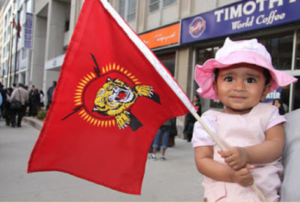
Of late, there are video clips emerging of winter-clothes clad teen brats with heavy accents ranting on about Eelam from US, UK, Canada, France & other EU nations. We like to given them a simple message, you ain’t gonna create Eelam living in these countries, so come on down to Sri Lanka and go into Vanni jungles. Why should these foreign living brats remain in foreign lands to enjoy cozy lifestyles but ask poor Tamil children to take up arms once again. What evil minds these people have. They want to live in foreign countries, enjoy the best of life from the LTTE kitty and to do that some more poor children must take up arms again. Therefore, the Tamils in Sri Lanka must now tell these LTTE Diaspora in plain English ‘you want Eelam, you come and fight for it yourselves’. 

Take all of the LTTE diaspora bigwigs. 

When did they go overseas, how & why?

How did they become so rich?

What is their occupation?

Are they paying taxes?

What are their children doing?

When did they last come to Sri Lanka?

Have they spent a cent of their personal money on a Poor Tamil child?

Did any of these LTTE diaspora ‘sacrifice’ their children as a child soldier or combatant or did they send them to medical school, engineering college and made sure they lived in luxury!

Did these LTTE diaspora care what trauma the Tamil child soldiers were suffering? 

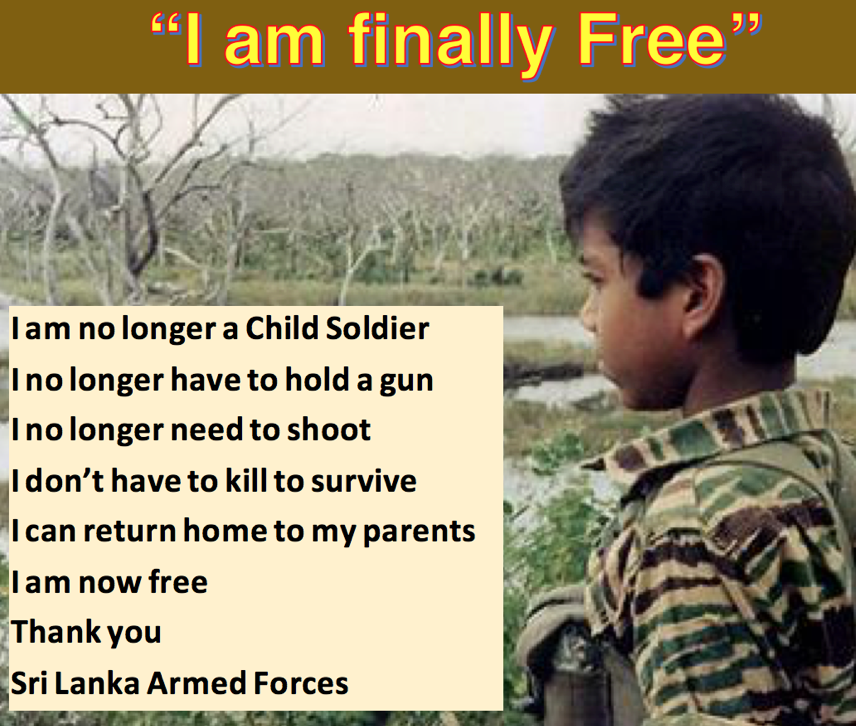
Tamil children as young as 7 being forced to hold a gun instead of a pen, Tamil girls given a thread with a cyanide capsule instead of a gold chain, Tamil teenage girls who suffered monthly period pains in silence wearing LTTE uniforms that could not be washed for months? Tamil children who had no proper bath, who never smelt the scent of perfume or colognes or enjoyed a bath with soap and shampoo. Did the LTTE diaspora and their families giving luxuries to their children even think a second about other Tamil children living in the harsh environs of the Vanni jungles.

The Diaspora brats never knew what it was like to be living in the jungles, eating whatever came their way, without food and water for hours, without rest and sleep for days, wearing smelly uniforms and even being subject to sexual exploitation by their seniors – where were the Tamil human rights and female activists for these Tamil children?

All these Tamil activists qualifying abroad and giving fancy speeches today did NOTHING to free a single child from the LTTE, did nothing to stop LTTE recruiting Tamil children.They only wrote books and reports on Tamil child soldiers and won for themselves accolades and awards. They should feel ashamed.

In May 2009, it was not the LTTE diaspora that brought peace and saved Tamils.

It was the Sri Lankan Armed Forces.

In May 2009, it was not the LTTE diaspora who fed the Tamils that the Armed Forces saved. It was the Sri Lankan Government.

In May 2009, it was not the LTTE diaspora that gave a presidential pardon to 594 child soldiers who surrendered. It was the Sri Lankan Government.

In May 2009, it was not the LTTE diaspora who gave a new life to rehabilitated LTTE combatants, it was the Sri Lankan Government.

In May 2009, it was not the LTTE diaspora who spent on giving Tamil children thus far denied their fundamental right to education, the means to continue their studies, engage in a vocational training and do what they had been denied by LTTE all their lives.

In May 2009, it was not the LTTE diaspora who reunited Tamil child soldiers with their families, it was the Sri Lankan Armed Forces & the Government.

So, what crap is the LTTE Diaspora and its brats ranting on about from overseas.

The stupidity of chanting genocide without knowing its meaning and the stupidity of those accepting it means this is just a charade for them.

Where in the world do you have genocide of Tamils (meaning intentional killing of Tamils) when the Tamil population is increasing annually?

It just exposes their lives even more to those who should have the common sense to wonder how genocide & population increase can happen

It’s pretty clear that the mouthpieces chanting for Eelam, mourning LTTE dead and carrying on campaigns galore means that these LTTE diaspora Tamils want a separate state called Eelam. Fine, then come on over and create it – don’t outsource it to Tamils in Sri Lanka, who now do not wish to have any role in this game.

The Tamils in Sri Lanka wish to integrate, go to school, go to university, get a job, own a house, buy a car and enjoy life.

They should be allowed to do this without LTTE Diaspora telling them ‘you should be in the jungles fighting for Eelam – not going to school, not going to do a job, not buying a house, not owning a car’while they are nicely living the good life in US, UK, Canada, France & EU.

What a joke this is.

Tamils should wake up at least now and realize what these LTTE diaspora creeps are up to.

They want to enjoy a cushy life overseas and put the Tamils in Sri Lanka into the jungles while they can buy time to get the rest of their families to go crying to embassies and cry about discrimination and enter foreign shores as asylum seekers and refugees. So this is the economic migrant LTTE diaspora plan. Tamils in Sri Lanka must refuse to be a part of this.

If these LTTE brats living overseas want Tamil Eelam – come and shed their branded clothes, give up foreign citizenship, go and live in the Vanni jungles, take up arms, wear a cyanide capsule and pray that the ghost of Prabakaran will give orders.

As of now, taking orders from that crazy head who thinks he’s PM of an Eelam in the sky is not going to ever land up in any Tamil Eelam!

https://www.facebook.com/groups/1455994621364831/permalink/2590257804605168/

These Tamil children have suffered enough.

If LTTE Diaspora want Tamil Eelam – come to Sri Lanka & create it yourselves or better still create Tamil Eelam in Toronto, Tooting or Paris!

Shenali D Waduge

A march, a tweet, some angst and mild sabre-rattling

February 15th, 2021

Malinda Seneviratne

If something deserves to be called ‘Event of the Week’ it would be the ‘Pothuvil to Poligandy (P2P) March’ which ended on Sunday, February 7. At the end of the march there were around 2,000 people. Most significantly, it was an event that saw the participation of both Tamils and Muslims. The basic differences in grievances were obviously negated by a felt need to be united against, let’s say, a perceived common enemy, the Government to some, ‘Sinhala Chauvinism’ to others.

It marked also, as D B S Jeyaraj has mentioned in his weekly column, a return of sorts to non-violent protests. Now it is not that all Tamil and Political action was violent. There have been all kinds of non-violent protests even during the conflict. However, this was a sustained, determined and even colorful affirmation of a politics that harked back to a different time. ‘The Satyagraha of 1961,’ is what Jeyaraj was reminded of.

There are two interesting statements that are related to this march. First we had the government withdrawing STF security assigned to TNA MP M.A. Sumanthiran. Sumanthiran retorted, ‘if something happens to me the Government will be held responsible.’ Now the agitation of the man does seem misplaced considering that he was involved in a five-day march (ok, he may not have be ‘on the moving spot’ all five days, but still! Was he not worried about security? Also, Sumanthiran has openly supported the LTTE, indulged heavily in Eelam-speak as well as celebration of the terrorists. He would do well to reflect on the fate of others who came before who did the very same thing, especially the leader of the TULF, Appapillai Amirthalingam. Amirthalingam spouted rhetoric which was like an endless nutritional feed to extremism. The beast, in his insatiable hunger, at one point did much more than bite the hand that fed. One hopes that things don’t snowball to a repeat of all that, but Sumanthiran, having seen what happens to hands thrust into fires ought to keep his in his pockets.

The second is a hilarious tweet from the tweet-happiest diplomat in Colombo, Alaina B Teplitz: ‘#Peacefulprotests is an important right in any #democracy and significant, legitimate concerns should be heard. I saw Tamil media coverage of the march from Pottuvil to Point Pedro and wondered why it was not more widely covered by Colombo-based media?’

She has a point. The English, Sinhala and Tamil media have different preferences that have little to do with newsworthiness. Perhaps it is all about the target audience; after all there’s a reason why entertainment value has framed reporting and presentation, why sensationalism has become an important driver and so on. This holds for different media houses as well; owners have agendas. Nevertheless, there is a serious problem if matters of political significance are down-played or ignored altogether, one has to question the sense of responsibility of the particular media institutions.

On the other hand, we cannot ignore the ‘Season of Vexatious Persecution’ (i.e. the annual human rights circus in Geneva) which is all about whipping things up from December to February. Now it could be a coincidence that P2P was organized at this particular moment, but few will buy it considering the personalities involved and their political history. The Teplitz tweet only serves to add credence to the view that this was just another side show of the above mentioned circus.

The tweet also indicates an important fact: Teplitz is running out of slogans. Before we get to that, let’s have a say on the key words — the hash tagged ‘peaceful protests,’ ‘democracy’ and ‘legitimate concerns.’ It is downright laughable for a US diplomat to talk about such things given that country’s absolute rubbishing of such things, domestically and internationally. That aside, there’s the fact that Teplitz has been pained to the point that she has to whine about media coverage. Is it that a pet project directly or indirectly sponsored, planned and executed, didn’t move as many Tamils and Muslims as was envisaged?

We didn’t hear Muslim and Tamil leaders complaining about news coverage. Have they deferred that kind of task to Teplitz? If that’s the case, who is the pawn or who are the pawns here? Is it Teplitz? Are they Tamil and Muslim leaders who in their wisdom believe that the best bet to get grievances, real or imagined, sorted and aspirations, reasonable or outrageous, fulfilled is to support the US in securing strategic objectives in Sri Lanka? If such happens (not a certainty, certainly) do they believe they’ll get some crumbs off the table? And what does all this have to say about the agency of Tamil and Muslim citizens? Are they too pawns? Indeed, are all peoples of all communities pawns in games where they are sacrificed at will?

Jeyaraj sees in P2P ‘a remarkable show of solidarity and unity’ between the Tamil and Muslim communities. He does exaggerate about the numbers (tens of thousands, he says) and deliberately introduces the ‘Tamil-speaking’ qualifier which Tamil nationalists have often used to rope in rhetorically ‘The Muslims’ to their various political projects. Jeyaraj remembers 1961 but has forgotten the late eighties when M H M Ashroff (in)famously stated that even if Prabhakaran abandons Eelam, he would not. He dialed down the rhetoric over the next decade, but what did Prabhakaran do to the (Tamil-speaking) Muslims, has Jeyaraj forgotten? The LTTE ethnically cleansed the Jaffna Peninsula of Muslims. The LTTE turned one in ten Muslims into refugees, slaughtering dozens, driving them off their homes, seizing properties etc. Muslim leaders cannot pretend to be unaware of that history.

Muslim Affairs, if you will, featured in other ways over the week. Recently returned to Parliament, Ven Athureliye Rathana Thero presented a private member’s bill to repeal the Muslim Marriage and Divorce Act. Justice Minister Ali Sabri who prior to entering Parliament championed the notion ‘One Country, One Law,’ responded by saying ‘steps are being taken to amend the Muslim Laws and that a Cabinet Paper had already been presented in that regard.’

Elaborating, Sabri said that the Cabinet Paper sought to amend the minimum marriageable age of Muslim girls as 18, to permit women to act as Kathis and also to make it necessary to get the consent of Muslim women when they get married.

That’s it? That makes it ‘One Country, One Law’? Sabri must do a serious rethink on what he says and does and the meaning of the terms he uses (so loosely!).

He is correct when he says that ‘if the personal laws were to be abolished, all the personal laws such as Muslim Laws, Kandyan law and Thesawalamai Law should be abolished altogether.’ ‘Through a social discussion,’ he adds. There’s been enough social discussion, he knows this. One-country-one-law would certainly all for abolishing all customary laws. His concern seems to be limited to correcting existing laws that privilege Muslim men over Muslim women. That’s not even scratching the surface of the problem though!

Here are a question for Sabry: Are there plans to abolish polygamy (can’t have it for some and not others, noh?)? Here’s another: The Special Parliamentary Committee on Extremism appointed by the previous administration presented a report in February 2020 recommending extensive measures with respect to Muslim laws as well as ‘educational’ institutions — have you read it? Are you in agreement? If so, what have you done so far? Are you planning to defer everything to the experts tasked to draft a new constitution? What are those experts doing by the way? When will we see a draft? And finally, what exactly do you understand by ‘One country, one law’? Let’s have some answers, please.

This week also saw Wimal Weerawansa making some news. He openly advocated a prominent and even principal role for Gotabaya Rajapaksa in the SLPP leadership. He was taken on by the General Secretary of the SLPP, Sagara Kariyawasam who questioned Wimal’s rights to talk of the SLPP since he’s not a member. Wimal retorted that people in the SLPP talk of other parties. Sagara wondered what Wimal’s fate would be had he and his party contested independently. Wimal pointed out that Sagara, a national list MP, hadn’t even contested.

Light banter at best. Some sections of the Opposition have salivated, naturally. They believe and talk of ‘a rift!’ in the Rajapaksa camp, friction between the brothers (Wimal’s antipathies to Basil being well known).Too early to conclude such of course, but as debating points go, both Wimal and Sagara have scored. What this ‘scoring’ says about the future of the SLPP is of course left to be seen. There’s bound to be differences of opinion in any political coalition. If everyone was on the same page there wouldn’t be a coalition in the first place. You win some, you lose some — this is something that junior or weaker partners know very well (ask Prof Tissa Vitharana of the LSSP).

The so-called ‘smaller parties’ did make a lot of noise regarding the East Container Terminal issue. It seems, as of now, that the ‘big party’ listened. Whether they’ll still have the ‘big ear’ regarding the West Container Terminal is left to be seen. On the other hand, we know the story about the dog and the tail, no offense to canines or tails. Politicians and political parties are about power and about elections. If, for example, Champika Ranawaka and the Jathika Hela Urumaya, having broken ranks with the UPFA decided to go it alone and not join the UNP-led coalition as they did, where would Ranawaka be today, one might ask. Indeed is it not such questions that persuaded him to resign from the JHU and become a 100% SJBer, one could also ask. There are no elections in sight, but when they do come around, all parties big and small will revisit ‘coalition’ and calculate the impact of decisions (and rhetoric) on electability.

For now, though, noises can and will be made. The likes of Wimal would have to pick their battles and select decibel levels. That said, his point about the distance between president and parliament on account of political sway within the party is valid. It goes without saying that the effectiveness of a program sometimes comes down to parliamentary weight which of course can be deployed best if the executive has a degree of control. The President either doesn’t have it or cannot count on it or imagines he doesn’t need it. He could ask his brothers, both veterans in this respect. That however might mean give-and-take, if we were to believe the notion that the brothers are bound by blood but not about vision.

India, meanwhile, is not happy, going by statements issued regarding the East Container Terminal. India cannot be happy about the ‘Chinese Footprint’ whose size was considerably expanded by the previous government by virtually handing over the Hambantota Port to China. India cannot be happy about energy projects given to the Chinese. India cannot be happy about the scheduled visit by Pakistan Prime Minister Imran Khan and MoUs that are said to be signed and/or renewed. 

India speaks of Sri Lanka ‘reneging’ on an MoU. However, India forgets that MoUs are not exactly agreements, signed after crossing the t’s and dotting the i’s. They are by definition non-binding and amenable to change. Circumstances can change and changing circumstances have to be taken into account.
If an agreement causes political instability it would be foolish for a government to go ahead with it. If, prior to inking an agreement, one party (India in this case) stands with a country that seems hell bent on bullying Sri Lanka (the USA in this case), then it would be silly for that party to assume that the counterpart be oblivious to such developments. If one party has in the part ‘reneged’ (as India has with respect to the Indo-Lanka Accord which from the get-go was a product of shamelessness bullying and moreover was heavily slanted in India’s favor), then that party should be careful before using the word.

And on the subject of ‘foreign affairs,’ we have Dinesh Gunawardena claiming that Sri Lanka is not afraid of the soon to be tabled resolution in Geneva. There are 47 members in the Human Rights Council (HRC). The Minister of Foreign Affairs cannot be saying ‘the majority are with us.’ The brave words could probably mean ‘we except this, we know the consequences, we know it’s the work of nations wallowing in a cesspool of bias, we know that they’re hinting at sanctions, we know what the UN itself has found out about the impact of sanctions in other countries, especially Venezuela in recent times, we know there’s talk of taking things to the General Assembly and then the Security Council, we know who are friends are and more importantly who our enemies are, and we know what it takes to secure sovereignty to the extent possible.’

Dinesh Gunawardena might not elaborate in the above manner. After all, he is required to be ‘diplomatic’ although he is not averse to calling a spade a spade. ‘Geneva’ is just over a week from now. A resolution is likely to be tabled. It is likely that it will be passed. Most importantly, it will show us what India’s ‘neighborhood first’ foreign policy is really about. 

malindasenevi@gmail.com

බෞද්ධ ජනරජ ප්‍රවාදය – 5 වැනි කොටස -සසුන රකින ජාතියේ ඇරඹුම

February 15th, 2021

ආචාර්ය වරුණ චන්ද්‍රකීර්ති

සිංහල ජාතියේ ඉතිහාසය සහ මෙ රට ශාසනික ඉතිහාසය එකිනෙකින් වෙන් කළ නො හැකි ය. බුද්ධ පරිනිර්වාණ දින තමන් වන්දනයට සපැමිණි දේව සමාගමයෙහි මුල් තැන් ගෙන සිටි ශක්‍ර දේවේන්ද්‍රයාණන් අමතා තථාගතයාණන්වහන්සේ පැවරූ වගකීමකින් සිංහල ජාතියේ ඉතිහාසය ඇරැඹෙයි. තථාගතයාණන්වහන්සේ ශක්‍ර දේවේන්ද්‍රයාට වදාරා ඇත්තේ සිහබා රජ පුත් විජය කුමරු සත්සියයක් පිරිවර සහිතව ලාට රටින් විත් අද ලක්දිව ගොඩ බැස්සේ ය. දේවේන්ද්‍රය, මාගේ ශාසනය ලක්දිව පිහිටන්නේ ය. එහෙයින් පිරිවර සහිත ඔහු ද ලංකාද්වීපය ද මොනවට රකුව” යනුවෙනි.

මෙම බුද්ධ වචනය අනුව යමින් ශාසනය රැක ගැනීමට සිංහලයෝ කටයුතු කළහ. එහෙයින් මේ වනවිට අඛණ්ඩ දීර්ඝතම බෞද්ධ ඉතිහාසයට උරුමකම් කියන්නෝ බවට අපි පත් වී සිටිමු. ශාසනය සුරැකීම යනු තථාගතයාණන්වහන්සේ බුදු ඇසින් දැක කළ දේශනාව අනුව අප විසින් කරනු ලබන උතුම් වූ කාර්යයකි. මෙම බුද්ධ වචනය ඉක්මවා ගොස් මෙ රට ශාසනික ඉතිහාසයට ගර්හා කිරීම අපට තරම් නොවේ.

තරුණ කාලයේ දී විජය කුමරු විසින් කළ නොපනත්කම් හේතුවෙන් සිංහල ජාතියේ ආරම්භය අපිරිසිදු එකක් යැයි සැළකිය නො හැකි ය. විජය කුමරු එ ලෙසින් කටයුතු නො කළේ නම් ඔහුගේ ලංකාගමනය සිදුවීමට ඉඩක් නැත. එසේ වූයේ නම්, තම පිය රජුගේ ඇවෑමෙන් ඔහු ලාට රට ම රජ කරනු ඇත්තේ ය. තව ද, මෙ රට අරක්ගෙන සිටි යකුන් පැරැදවීමේ ශක්තිය විජය කුමරු උරුම කර ගත්තේ ඔහු තුළ වූ චණ්ඩභාවය නිසාවෙනි. ඉතා කාරුණික උපාසකයකු වූයේ නම් ඔහු යකුන් සමඟ නො ගැටෙනු ඇත. එහෙයින් එ කී චණ්ඩභාවය අප හඳුනාගත යුත්තේ ජාතියේ ආරම්භක කාර්යය උදෙසා ඔහු තුළ වූ විශේෂිත හැකියාවක් වශයෙනි.

යුද්ධයෙහි හපන් බොහෝ අය සාමාන්‍ය ජීවිතයේ දී සැර පරුෂ ලෙසින් හැසිරීමේ ඉඩක් වෙයි. අතීතයෙහි සිටි සහ වර්තමානයෙහි වසන රණවිරුවන්ගේ චරිත පිළිබඳ ව සළකා බලන කල්හි අප හට මේ බව තහවුරු වෙයි. එහෙයින් විජය කුමරු තරුණ කල කළ දාමරිකකම් සළකා අපගේ ඉතිහාසයෙන් ඔහුව පිටමං කිරීමට උත්සුකවීම බලවත් වරදකි. ඒ විජය නරශ්‍රේෂ්ඨ තෙමේ පළමු විෂම හැසිරීම් හැර දැහැමෙන් සෙමෙන් මුළු ලක්දිව අනුශාසනා කෙරෙමින් පුරා අටතිස් හවුරුද්දක් තාම්‍රපර්ණි නගරයෙහි රජකම් කෙළේ ය” යනුවෙන් මහාවංසය ම පවසන බැවින් මෙ කී ආරම්භය ගැන අප හට කිසිදු ගැටලුවක් ඇති නොවේ.

ජාතියක ආරම්භය සංස්කෘතික කාර්යයක් ලෙසින් විනා භෞතික සාධක ඇසුරින් පමණක් විග්‍රහ කිරීම වරදකි. එහෙයින් පුරාශිලා, මධ්‍යශිලා සහ නවශිලා යුගවලින් හමුවන ප්‍රාග්-ඓතිහාසික සාධක අපගේ සංස්කෘතියට සම්බන්ධ කර දැක්වීම නො කළ යුත්තකි. අනුරාධපුර ඇතුළු නුවර කර තිබෙන කැණීම් අනුව ක්‍රිස්තු පූර්ව හත්වැනි සියයෙන් පමණ පසු මෙ රටට සිදු වූ උතුරු ඉන්දීය සංක්‍රමණයක සාක්‍ෂි (උදාහරණ: උත්තර උද්දීප්ත කාල වර්ණ මැටි බඳුන්) හමු වී තිබේ. විජයාගමනය අයත් වන්නේ ද මෙ කී සංස්කෘතික සංක්‍රමණ සිදු වූ කාලවකවානුවට ය. එහෙයින් සසුන රකින ජාතියේ ඇරැඹුම වශයෙන් විජයාගමනය සැළැකීමේ කිසිදු වරදක් නොමැති බව අප හට පැහැදිළි වෙයි.

ක්‍රිස්තු පූර්ව හත්වැනි සියවසෙන් පසු සිදු වූ උක්ත සංක්‍රමණ නිසා අලුත් ශක්තිමත් සංස්කෘතියක් මෙ රට බිහිවිණි. විජයාගමනය විසින් එය සංකේතවත් කෙරෙයි. සිංහබාහු කතාවෙන් කියැවෙන්නේ බෙංගාල සහ ශාක්‍ය සම්මිශ්‍රණයෙන් එ කී අලුත් සංස්කෘතිය බිහි වූ ආකාරය යැයි අනුමාන කළ හැකි ය. මෙයට පෙර ලිපියෙන් පැවසූ ආකාරයට සිංහ සංකේතයෙන් බෞද්ධ උරුමය නිරූපණය කෙරෙයි. තව ද, මෑත කාලයේ දී කළ ජාන පරීක්‍ෂණවලින් සිංහල – බෙංගාල සම්බන්ධය ද තහවුරු වී තිබේ. බටහිර සහ දකුණු මියන්මාරය ප්‍රදේශයෙන් සිදුවන්නට ඇතැයි සිතිය හැකි සංක්‍රමණ (නාග සංක්‍රමණ?) පිළිබඳව පර්යේෂකයන්ගේ අවධානය තවමත් යොමු වී නැත.

ඓතිහාසික කරුණු ඉතා පැහැදිළිව තිබිය දී අද ඇතැම් පර්යේෂකයන් උත්සාහ කරන්නේ බුද්ධ ශාසනය රකින සිංහල ජාති‍යේ ආරම්භය බොරුවක් බව තහවුරු කිරීමට ය. කුවේණි ඇතුළු යක්‍ෂයන් පිළිබඳ ඔවුන්ගේ අර්ථකථන මෙම උත්සාහය මත පදනම් වී තිබේ. ශාසනික අවශ්‍යතා මුල් කරගනෙ මෙම කරුණු විග්‍රහ කිරීමට ඔවුහු මැළිවෙති. යම් ජාතියකට ඉතිහාසයක් අවශ්‍ය වන්නේ ඇයි කියන කාරණය පිළිබඳව ඔවුහු නො සිතති.

ජාතියකට ඉතිහාසයක් අවශ්‍ය වන්නේ එහි බලය තහවුරු කර ගැනීම වෙනුවෙනි. ජාතික අරමුණුවලට පටහැනි ඉතිහාසයක් තහවුරු කිරීම වෙනුවෙන් කරන විකෘති පර්යේෂණවලින් සිදු වනුයේ ජාතියේ ශක්තිය පිරිහීම ය. ජාතියක් වශයෙන් අපට අවශ්‍ය වන්නේ අපගේ බලය තව තවත් වැඩි කිරීමට හේතුවන ඉතිහාසයක් විනා ලෙඩා මළත් බඩ සුද්දයි” ආකාරයේ විකෘති අරමුණු මත කරනු ලබන ඊනියා පර්යේෂණ නොවේ.

ආචාර්ය වරුණ චන්ද්‍රකීර්ති

අග්‍රාමාත්‍යතුමා වයඹ, මධ්‍යම, ඌව හා දකුණු පළාත් ජල සම්පාදන ව්‍යාපෘති ප්‍රගතිය විමසයි

February 15th, 2021

අග්‍රාමාත්‍ය මාධ්‍ය අංශය

වයඹ, මධ්‍යම, ඌව හා දකුණු පළාත්වල ක්‍රියාත්මක ජල සම්පාදන ව්‍යාපෘතිවල ප්‍රගතිය අද 2021.02.15 දින ගරු අග්‍රාමාත්‍ය මහින්ද රාජපක්ෂ මහතාගේ විමසුමට ලක් විය.

මෙම පළාත්වල ජලසම්පාදන ව්‍යාපෘති  ප්‍රගතිය, ඒවා කඩිනමින් ක්‍රියාත්මක කළ යුතු ආකාරය හා 2024 වන විට එම සියලු ව්‍යාපෘති අවසන් කිරීම පිළිබඳව අරලියගහ මන්දිරයේ දී සාකච්ඡාවක් කැඳවා තිබිණි.

පසුගිය ආණ්ඩු සමයේ   ජලාපවහන අමාත්‍යංශය යටතේ වසරකට ලබා දී තිබුණේ නව ජල සම්බන්ධතා එක් ලක්ෂ විසිපන්දාහක් පමණ වුවද නව රජය යටතේ එය, වසරකට නව ජල සම්බන්ධතා ලක්ෂ හතරක් දීම දක්වා ඉහළ දමා ඇති බව ජල සම්පාදන අමාත්‍යංශයේ ලේකම් ආචාර්ය  ප්‍රියත් බන්දු වික්‍රම මහතා මෙහි දී පෙන්වා දුන්නේය.

2021 වසරේ සිට එය නව ජල සබන්ධතා ලක්ෂ පහක් දක්වා වැඩි කිරීමට බලාපොරොත්තු වන බව හෙතම පැවසීය.

එසේම, ඉදිරියේදී නව ජල සබඳතා ලබාදීම ක්‍රමවත් කරමින්, මාර්ග කඩා ජල නළ එළීම සිදු නොකරන බවත්, ඒ වෙනුවට උමං මාර්ගයක් ඔස්සේ නළ එළමින් ජල සබඳතා ලබාදීමට බලාපොරොත්තු වන බවත් අචාර්ය ප්‍රියත් බන්දු වික්‍රම මහතා ප්‍රකාශ කළේය.

මාර්ග ඔස්සේ නළ පද්ධති එළීමේදී නව ජල සබඳතා සඳහා වෙන් කරනු ලබන මුදලින් සියයට හතලිහක පමණ මුදලක් වන්දි ගෙවීමට වැය වන බවත්, උමං මාර්ග භාවිත කිරීම තුළින් එම මුදල් ඉතිරි කර ගත හැකි බවත් ලේකම්වරයා පැවසීය.

මෙම අවස්ථාවට එක් වූ ජල සම්පාදන හා ජලාපවහන මණ්ඩලයේ සභාපති නිශාන්ත රණතුංග මහතා ප්‍රකාශ කර සිටියේ ජල සම්පාදන හා ජලාපවහන මණ්ඩලයේ මාසික ආදායම මේ වන විට මිලියන 28 ක් වන අතර, ඉදිරියේදී එය මිලියන 40ක් දක්වා වැඩි කිරීමට බලාපොරොත්තු වන බවයි.

වර්ෂ 2024 වන විට සැමට පිරිසිදු පානීය ජලය ලබාදීමට නව රජය යටතේ කටයුතු කරන බව අග්‍රාමාත්‍ය මහින්ද රාජපක්ෂ මහතා ද මෙහිදී අවධාරණය කළේය.

මෙම අවස්ථාව සඳහා අමාත්‍ය වාසුදේව නානායක්කාර, අග්‍රාමාත්‍ය ලේකම් ගාමිණී සෙනරත්, මුදල් අමාත්‍යංශ ලේකම් එස්.ආර්.ආටිගල, ජල සම්පාදන අමාත්‍යංශයේ ලේකම් ආචාර්ය ප්‍රියත් බන්දු වික්‍රම, ජල සම්පාදන හා ජලාපවාහන මණ්ඩලයේ සභාපති නිශාන්ත රණතුංග  මහත්වරු අතුළු රාජ්‍ය නිලධාරීන් පිරිසක් එක්ව සිටියහ.

මහා නගර සභා, නගර සභා ආඥා පනත් සහ ප්‍රාදේශීය සභා පනතේ යෝජිත සංශෝධන කඩිනම් කරන්න අග්‍රාමාත්‍යතුමාගෙන් උපදෙස්

February 15th, 2021

අග්‍රාමාත්‍ය මාධ්‍ය අංශය

මහා නගර සභා, නගර සභා ආඥා පනත් සහ ප්‍රාදේශීය සභා පනතේ යෝජිත සංශෝධන කඩිනම් කරන්නැයි ගරු අග්‍රාමාත්‍ය මහින්ද රාජපක්ෂ මහතා අද 2021.02.15 දින පෙරවරුවේ දැනුම් දුන්නේය.

පළාත් පාලන ආයතනයන්ගේ සංසදයේ නියෝජිත හමුව අරලියගහ මන්දිරයේ දී පැවැති අවස්ථාවේ අග්‍රාමාත්‍යතුමා මේ බව අවධාරණය කළේය.

ඒ අනුව අදාළ සංශෝධනය සඳහා දැනටමත් සූදානම් බවත් ඊට අදාළ කැබිනට් පත්‍රිකාව නොබෝ දිනකින් ඉදිරිපත් කරන බවත් රාජ්‍ය සේවා, පළාත් සභා හා පළාත් පාලන අමාත්‍ය ජනක බණ්ඩාර තෙන්නකෝන් මහතා මෙහි දී සහතික විය.

පළාත් සභා හා පළාත් පාලන අමාත්‍යංශය, නාගරික සංවර්ධන අධිකාරිය, වැටුප් කොමිෂන් සභාව, කළමනාකරණ සේවා දෙපාර්තමේන්තුව, තක්සේරු දෙපාර්තමේන්තුව සමඟ පවතින ගැටලු සහ කසළ කළමනාකරණය හා විගණනයට අවශ්‍යය පිළියම් පිළිබඳව පළාත් පාලන ආයතන නියෝජිතයන් විසින් මෙම හමුවේ දී අග්‍රාමාත්‍යතුමාට කරුණු ඉදිරිපත් කරන ලදී.

කොවිඩ්-19 තත්ත්වය හේතුවෙන් පළාත් පාලන ආයතනවල අදායම සීඝ්‍රයෙන් පහළ වැටී ඇති බවත්, මෙම ආයතනවල පවතින සේවක හිඟය අර්බුද රැසකට මුල් වී ඇති බවත් මොරටුව මහනගර සභාවේ නගරාධිපති සමන්ලාල් ප්‍රනාන්දු මහතා පෙන්වා දුන්නේය.

රැකියා ලක්ෂයක් ලබා දීමේ වැඩපිළිවෙළ ඔස්සේ ඊට අදාළ බඳවා ගැනීම් සිදු කළ හැකි බවත්, බලය ලබා ගැනීමේ දී ඉදිරිපත් කළ ජනතා පොරොන්දු ඉටු කිරීම එම මහජන නියෝජිතයන්ගේ වගකීමක් බවත් මෙහිදී අග්‍රාමාත්‍යතුමා සිහිගැන්වූයේය.

2015 බලයට පත්වූ රජය විසින් නාගරික සංවර්ධන අධිකාරියට පවරාගත් බලතල අග්‍රාමාත්‍යතුමාගේ උපදෙස් පරිදි සියයට 90ක් පමණ නැවත පළාත් පාලන ආයතනවලට පවරා ඇතැයි මෙම හමුවේ දී හෙළිදරව් විය.

එසේම ඒ ඒ පළාත් පාලන ආයතනවලට සැලසුම් ක්‍රියාත්මක කිරීමේ දී අනිවාර්යෙන් එම ආයතනයේ නියෝජනයක් තිබිය යුතු යැයි අග්‍රාමාත්‍යතුමා නාගරික සංවර්ධන අධිකාරියට උපදෙස් දුන්නේය. 

ඒ අනුව මාර්තු 01 වැනිදා සිට කිසියම් සැලසුමක් ක්‍රියාත්මක කිරීමට අදාළ නිල හමුවීම් සඳහා පළාත් පාලන ආයතන නියෝජිතයන් සම්බන්ධ කරගන්නා බව නාගරික සංවර්ධන අධිකාරියේ අධ්‍යක්ෂ ජනරාල් එම්.පී.කේ රණවීර මහතා පැවැසීය.

පළාත් පාලන ආයතන කටයුතු සැලසුම් කිරීමේ දී මහජනතාව අපහසුතාවයට පත්නොවන ආකාරයට ඔවුන්ට පහසුවක් වනපරිදි එම කටයුතු සැලසුම් කරන්නැයි අග්‍රාමාත්‍යතුමා මෙහිදී සියලු පළාත් පාලන ආයතන නියෝජිතයන්ට දැනුම් දුන්නේය.

පළාත් පාලන ආයතනවල පවතින තක්සේරු නිලධාරින්ගේ හිඟය පියවීමට පියවර ගන්නැයි අග්‍රාමාත්‍යතුමා ඒ මොහොතේම අදාළ නිලධාරීන්ට දැනුම් දුන්නේය. ඒ අනුව අලුතින් බඳවා ගන්නා තක්සේරු නිලධාරින් 263 දෙනාගෙන් මෙම හිඟය පියවීමට කටයුතු කරන බව රජයේ තක්සේරු දෙපාර්තමේන්තුවේ ප්‍රධාන තක්සේරුකරු පී.පී.ඩී.එස් මුතුකුමාරණ මහත්මිය පැවසුවාය.

නැගෙනහිර පළාත් පාලන කොමසාරිස්වරයාගේ ක්‍රියා කලාපය හේතුවෙන් සිදුව ඇති අකටයුතුකම් පිළිබඳවද නැගෙනහිර පළාතේ පළාත් පාලන නියෝජිතයන් මෙහිදී අග්‍රාමාත්‍යතුමා දැනුවත් කළේය. නැගෙනහිර පළාත් පාලන කොමසාරිස් එන්.මනිවන්නන් මහතා මෙම හමුවට පැමිණ සිටියේ නැත.

මෙම අවස්ථාවට රාජ්‍ය සේවා, පළාත් සභා හා පළාත් පාලන අමාත්‍ය ජනක බණ්ඩාර තෙන්නකෝන්, අග්‍රාමාත්‍ය ලේකම් ගාමිණී සෙනරත්, භාණ්ඩාගාර ලේකම් එස්.ආර්.ආටිගල, රාජ්‍ය සේවා, පළාත් සභා හා පළාත් පාලන අමාත්‍යංශ ලේකම් ජේ.ජේ. රත්නසිරි, පළාත් සභා හා පළාත් පාලන කටයුතු රාජ්‍ය අමාත්‍යංශ ලේකම් එන්.එච්.එම් චිත්‍රානන්ද, අග්‍රාමාත්‍ය අතිරේක ලේකම් චමින්ද කුලරත්න මහත්වරු, පළාත් පාලන කොමසාරිස්වරුන්, නගරාධිපතිවරුන් ඇතුළු නිලධාරින් පිරිසක් එක්ව සිටියහ.

PUCSL NODS FOR THE PPA OF 300 MW KERAWALAPITIYA LNG POWER PLANT: CHAIRMAN

February 15th, 2021

Press Release  The Public Utilities Commission of Sri Lanka (PUCSL),

The Public Utilities Commission of Sri Lanka (PUCSL), the electricity sector regulator approved the power purchase agreement to build 300 MW Kerawalapitiya Liquid Natural Gas power plant in Sri Lanka under the new chairmanship and the board members last week (13 Feb 2021). The power purchase agreement will be signed by the Ceylon Electricity Board (CEB) and Lakdhanavi Pvt Ltd.

The power purchase agreement of 300 MW Kerawalapitiya LNG approved by the PUCSL will be implemented with conditions more favourable to the electricity consumer, the CEB and the government. The PUCSL recommended the inclusion of 18 amendments which were not included in the previous power purchase agreement submitted for approval, and the CEB and Lakdanavi have agreed to include those favourable terms. Accordingly, the agreement approved by the PUCSL is more favourable to the consumers, the Government and the Ceylon Electricity Board. The CEB will purchase electricity for 20 years under this agreement,” says Janaka Ratnayake, Chairman of Public Utilities Commission of Sri Lanka.

The unit price of electricity supplied by this power plant is Rs. 14.98. Both diesel and LNG fuels can be used to generate electricity, and the initial phase of generation will continue to use diesel fuel until LNG or natural gas supply begins.

The CEB sought the approval of the PUCSL for the tendering of this LNG power plant on November 15, 2016, and the PUCSL approved the process within two days (17th November 2016). The CEB is responsible for selecting the most suitable party to build this power plant through a tendering process and it has taken about 4 years to complete the tender process for this power plant.

Following the completion of the tender process and the selection of the eligible party, the relevant purchase agreement was submitted for the approval of the PUCSL on October 9, 2020, by CEB.  However, it was revealed that there were discrepancies between the new agreement submitted by the CEB and the original agreement approved by the PUCSL. In particular, the 18 amendments contained in the original agreement were not included in the final agreement submitted for approval. The PUCSL recommended to the CEB to re-include these conditions in the agreement as the removal of these conditions will be detrimental to the consumer, the government and the CEB. Subject to those amendments, conditional approval for the final agreement was granted on November 25, 2020. Following the recommendations of the PUCSL, the CEB amended the final agreement and submitted the final agreement for the purchase of electricity on December 1, 2020, for approval.  However, by the time of the submission of the final agreement, the then members of the Commission had resigned from their posts.

The new members were appointed to the Commission in the first week of February 2021 and at the first meeting of the new board, final approval was given for the 300 MW LNG power plant agreement.

The PUCSL expects the CEB will take actions to expedite the construction of this 300 MW LNG power plant to cater to the country’s electricity demand.” Mr Ratnayake added.

ශෝක පණිවිඩය-හිටපු කථානායකවරයකු, අමාත්‍යවරයකු මෙන්ම ආණ්ඩුකාරවරයකු වූ වි.ජ.මු ලොකුබණ්ඩාර මැතිතුමාගේ හදිසි අභාවය

February 15th, 2021

මහින්ද රාජපක්ෂ ශ්‍රි ලංකා ප්‍රජාතාන්ත්‍රික සමාජවාදී ජනරජයේ අග්‍රාමාත්‍ය

ශෝක පණිවිඩය

හිටපු කථානායකවරයකු, අමාත්‍යවරයකු මෙන්ම ආණ්ඩුකාරවරයකු වූ වි.ජ.මු ලොකුබණ්ඩාර මැතිතුමාගේ හදිසි අභාවය සැළවීමෙන් මම අතිශය සංවේගයට පත්වූයෙමි.

හෙළ හවුලේ සාහිත්‍යධරයකු ලෙස හෙළ සාහිත්‍යයට අනූපමය සේවයක් ඉටු කළ වි.ජ.මු ලොකු බණ්ඩාර මහතා දේශපාලඥයකු ලෙස සිය මාතෘ භූමියේ අභිලාෂයන් වෙනුවෙන් අමිල මෙහෙවරක නිරත විය.

මහජන සේවය උතුම් කොට සැලකූ වි.ජ.මු ලොකුබණ්ඩාර මහතා මෙරට දේශපාලන යුග කිහිපයක නොමැකන මතකයකි.

රට ජාතිය උතුම් කොට සැලකූ වි.ජ.මු ලොකුබණ්ඩාර මහතාගේ දේශපාලන දිශානතිය ද හැමවිටම ඒ හා බැඳී  පැවතිණි.

දේශපාලඥයකු ලෙස පමණක් නොව සමීප සහෘදයකු ලෙස ද මා සමඟ එතුමා කටයුතු කළ අයුරු අදත් මට සිහියට නැගෙයි.

අතීත කතාවක රස බර මතක සමඟ හැඩවන සංවාදයකට වි.ජ.මු ලොකුබණ්ඩාර මැතිතුමා නැවත නොඑන බව ඇත්තය.

එහෙත් වි.ජ.මු නමින් ලාංකේය ජන සමාජය තුළ කථානායකවරයකු මෙන්ම ජනතා හිතෛෂී දේශපාලඥයකු සහ සාහිත්‍යධරයකු ලෙස එතුමා තැබූ ලකුණ කිසිදා මෙරට ජන හදවත් තුළින් මැකී නොයනු ඇත.

වි.ජ.මු ලොකුබණ්ඩාර මැතිතුමාට නිවන් සුව ! ප්‍රාර්ථනා කරමි.

මහින්ද රාජපක්ෂ ශ්‍රි ලංකා ප්‍රජාතාන්ත්‍රික සමාජවාදී ජනරජයේ අග්‍රාමාත්‍ය

Tripura Chief Minister’s faux pas triggers worry in Sri Lanka

February 15th, 2021

By P.K.Balachandran/Daily Express Courtesy NewsIn.Asia

Tripura Chief Minister’s faux pas triggers worry in Sri Lanka

Colombo, February 15: Tripura Chief Minister Biplap Kumar Deb has claimed that the Bharatiya Janata Party (BJP) honcho and current Indian Home Minister Amit Shah had once revealed to him that the BJP has a plan to form governments in neighboring Nepal and Sri Lanka.

This may be laughed off in India as another of those baseless utterances  by Deb who has earned an unsavory reputation of being a loud mouth. But in Sri Lanka it has caused considerable concern.

Reporters in Colombo have been desperately trying to confirm if Deb had really said what he has been quoted as saying, and whether the BJP, which rules India, really has a plan to install BJP regimes in Sri Lanka and Nepal. They have been wanting phone numbers of BJP leaders in Tamil Nadu and New Delhi to cross check to clear the anxiety.

Unfortunately for India, the story on Deb’s utterance, has come at a time when relations between Sri Lanka and India have soured a bit after the Gotabaya Rajapaksa government backed out of a May 2019 agreement to give the project to develop the strategic East Container Terminal in Colombo port to India. The Lankan government had also given three power generation projects in the islands of Jaffna to a Chinese company rejecting an Indian company’s tender. The latter decision was cancelled after India lodged a strong protest citing security concerns.

Lankans anxiously ask if India will become unfriendly to Colombo and take the Western countries’ side in the March session of the UN Human Rights Council where a hard-hitting resolution against the Sri Lankan government alleging war crimes is expected to be taken up.

The fact that India is yet to accept the Lankan government’s offer of a contract to build and operate the West Container Terminal in Colombo port in lieu of the East Terminal, is worrying friends as well as opponents of India in Sri Lanka.

The fact that India has been able to thwart the Sri Lankan government’s move to give a contract to build three power plants in the islands of Jaffna to China is seen by Sri Lankans as a demonstration of India’s superior clout in the region which has implications for Sri Lanka.

Deb a Laughing Stock

However, few in Sri Lanka know that Tripura Chief Minister Biplab Kumar Deb is a laughing stock in India. He had to be pulled by the BJP  top brass for his thoughtless and embarrassing remarks on a variety of matters.  

Reacting to Deb’s contention that Amit Shah had told him that the BJP will establish its rule in Sri Lanka and Nepal, Marxist Communist leader and former MP, Jitendra Chaudhury, said that Deb has no regard for the constitution or democracy. Chaudhury accused Amit Shah of engaging in a conspiracy against Nepal,” He demanded an answer from Prime Minister Narendra  Modi.

Tapas Dey, Tripura State Congress party Vice-President, described Deb’s remark as imperialistic”. He  said: It is unfortunate that the Chief Minister of Tripura is supportive of imperialism. Both Sri Lanka and Nepal are sovereign countries, and we cannot interfere or do anything about their internal affairs.” Dey also sought action against Deb for his anti-national” statements.

In the past, Deb had made hilarious remarks with dead seriousness. s. He asked families to rear ducks because when ducks swim in water, the oxygen level automatically increases in the water body”.  He announced  that the government would distribute 50,000 ducklings to villagers whose homes are near water bodies.

Glorifying ancient India’s achievements in science and technology Deb said: India has been using internet for ages. In Mahabharata, Sanjaya was blind, but he narrated what was happening in the battlefield to Dhritarashtra anyway. This was due to the existence of the internet. Satellites also existed in that period.”

Once he shocked civil servants at a civil service function when he said that only civil engineers are suited for the civil services. Civil engineers should join the Civil Services because they have the knowledge and experience to help build a proper administration and society.”

He then made a sexist comment about Indian model Diana Hayden who won the Miss World title in 1997. She is not worthy of the Miss World crown. We see women as goddess Laxmi and Saraswati. Aishwarya Rai represents Indian women. She became Miss World in 1997 and that’s all right. But I do not understand the beauty of Diana Hayden,” Deb said as the audience squirmed. After protests from feminists, he apologized.

Deb then advised Tripura’s youth not to hanker for government jobs but to rear a cow or open a paan (betel leaf) shop. The youth here run after political parties to get a government job and waste precious time instead of using it to become entrepreneurs. If they had set up paan shops each one would have accumulated a bank balance of Rs 5 lakhs,” he said.

Since his utterances were often not a laughing matter, he was summoned to the BJP headquarters in Delhi and castigated.

Spread of evangelical groups causes alarm in Sri Lanka

February 15th, 2021

UCA News reporter, Colombo

Cardinal Ranjith calls for the government to regulate extremist groups after a spate of high-profile conversions

Spread of evangelical groups causes alarm in Sri Lanka

Veteran singer Victor Ratnayake claimed he regained his lost voice with the blessings of God via a religious sect. (Photo: YouTube)

Anna Mary, 32, and her assistant display religious magazines in public places four days a week. They dress in white and display the magazines in a small cart in front of Maradana railway station and other public places in Colombo.

Some passers-by ask what Mary and her assistant are doing. They reply that they are serving God whenever they can. Scenes like this have become common, especially in major cities in Sri Lanka.

“It is a common scene that hundreds of people pray together in such prayer centers from morning until evening,” said Mary. “Special bus services are also available in Colombo, Negombo, Wennappuwa and Chilaw, especially for Sunday services.” 

Mary and her family were Catholics but joined an evangelical church and are devoted to its ministry. They talk about God and offer a free magazine and invite interested people to attend a prayer center.

Mary insists that they do not forcibly convert people, adding that her mission is to go from house to house to introduce God to those who do not know about him.

Cardinal Malcolm Ranjith of Colombo has called on the government to regulate all members of extremist groups posing as pastors and to check their sources of income.

He said the Catholic Church, led by the Catholic Bishops’ Conference of Sri Lanka, had nothing to do with these pastors and their activities.

Buddhists account for over 70 percent of Sri Lanka’s population, while the Christian minority accounts for only 7.4 percent.

Cardinal Ranjith issued a special statement on Feb. 11 explaining the Church’s position on conversion and said a group of so-called pastors were carrying out extremist activities targeting veteran artists, athletes and businessmen in the country.

In a video circulating on social media, Nelu Adhikari, a popular singer, said she gave up Buddhism and joined an evangelical group, claiming her faith had cured her of tiredness.

In another video circulating on social media, veteran singer Victor Ratnayake claimed he regained his lost voice with the blessings of God via a religious sect. Ratnayake’s wife can also be seen participating in the prayer.

Senior Buddhist monk Ampitiye Sumanarathana Thera accused evangelical pastor Nalaka Fonseka of forcible conversion and used profane language in his assault on the pastor in January 2020.

The Church has a clear administrative structure. But there is no system in the country to regulate these pastors, there is no discipline, no transparency. This directly affects the religious organizations in the country and this would affect religious harmony,” Cardinal Ranjith said.

“I declare to my Buddhist brothers and sisters that the Roman Catholic Church has no affiliation with such extremist religious organizations.” 

Mary said they have registered their church and have never converted anyone by force. “We have not given gifts to Buddhists, Hindus and Christians to convert them. People should have the freedom to choose their religion,” she said.

COVID-19 vaccination to start today from Western Province

February 15th, 2021

Courtesy Adaderana

Army Commander Shavendra Silva says that COVID-19 vaccinations will commence from today (February 15), as per instructions of President Gotabaya Rajapaksa.

Accordingly, arrangements have been made to vaccinate the general public against the COVID-19 virus using the Oxford Astra Zeneca vaccine.

The vaccination process will initially commence from the Western Province for the groups that interact closely with the public and those who face higher-risks of infection.

People living in high-risk areas of the spread of COVID-19 in the Western Province will be identified and vaccinated as the first step.

Meanwhile, 500,000 doses of the COVID-19 vaccination, the first batch of a vaccine stock ordered for 9 million, will arrive in Sri Lanka within a week, according to the Army Chief.

More stocks of vaccines are due to arrive from the World Health Organization within the first two weeks of March.

Vaccination drive commenced with CMC sanitation workers and MPs

February 15th, 2021

Courtesy Adaderana

Vaccination of sanitation workers within the Colombo Municipal Council (CMC) limits commenced today (February 15), says Dr. Sudarshani Fernandopulle, the State Minister of Primary Healthcare, Epidemics, and COVID Disease Control.

Speaking to media at the Ministry today, Fernandopulle said that it has been decided to vaccinate high-risk groups and the communities in high-risk areas as a priority.

She pointed out that the majority of coronavirus cases have been identified from Colombo and Gampaha Districts.

The State Minister further said that the vaccination process can be further regulated when Sri Lanka receives the vaccine doses provided under the COVAX program of the World Health Organization (WHO).

Speaking on the rumors of a lockdown in the country due to the detection of new COVID-19 variants within Sri Lanka, she said that there is no such need to lockdown the country as of yet.

Stating that the new variants have been identified mostly in patients who arrived from foreign countries, Fernandopulle said that the Epidemiology Unit is currently studying these patients who have all been quarantined or sent for treatment.

We were able to identify patients with the new variant because we were vigilant about this. We had informed the people about this that new varieties could emerge in the future.

The important thing now is to control that cluster without allowing it to spread. All necessary steps have been taken for that. We see that people also display risky behavior. They get together without masks. Crowds gather through weddings.

There is no need to lockdown the country. There is no increase in the number of patients reported. No new guidelines are needed to control the situation. It is sufficient to follow the guidelines already issued.”#

Sri Lanka to vaccinate MPs against Covid-19 tomorrow

Members of Parliament will be vaccinated with the Oxford AstraZeneca COVID-19 vaccine tomorrow (Feb. 15), according to the Serjeant-at-Arms of the Sri Lanka Parliament. 

He stated that the vaccination of parliamentarians will take place at the Army Hospital on Tuesday.

Minister of Wildlife and Forest Conservation C.B. Ratnayake recently became one of the first MPs to be vaccinated against the novel coronavirus in Sri Lanka.

Meanwhile Army Commander Shavendra Silva said that COVID-19 vaccinations will commence from today (15), as per the instructions of President Gotabaya Rajapaksa.

He said arrangements have been made to vaccinate the general public against the COVID-19 virus using the Oxford AstraZeneca vaccine.

The vaccination process will initially commence from the Western Province for the groups that interact closely with the public and those who face higher-risks of infection, he said.

PUCSL grants approval for Kerawalapitiya LNG power plant

February 15th, 2021

Courtesy Adaderana

The Public Utilities Commission of Sri Lanka (PUCSL), the electricity sector regulator, approved the power purchase agreement to build a 300 MW Kerawalapitiya Liquid Natural Gas power plant in Sri Lanka under the new chairmanship and the board members last week (13). The power purchase agreement will be signed by the Ceylon Electricity Board (CEB) and Lakdhanavi Pvt Ltd.
 
The power purchase agreement of 300 MW Kerawalapitiya LNG approved by the PUCSL will be implemented with conditions more favorable to the electricity consumer, the CEB, and the government. The PUCSL recommended the inclusion of 18 amendments that were not included in the previous power purchase agreement submitted for approval, and the CEB and Lakdanavi have agreed to include those favorable terms. Accordingly, the agreement approved by the PUCSL is more favorable to the consumers, the Government, and the Ceylon Electricity Board. The CEB will purchase electricity for 20 years under this agreement,” says Janaka Ratnayake, Chairman of Public Utilities Commission of Sri Lanka. 

The unit price of electricity supplied by this power plant is Rs. 14.98. Both diesel and LNG fuels can be used to generate electricity, and the initial phase of generation will continue to use diesel fuel until LNG or natural gas supply begins.

The CEB sought the approval of the PUCSL for the tendering of this LNG power plant on November 15, 2016, and the PUCSL approved the process within two days (17th November 2016). The CEB is responsible for selecting the most suitable party to build this power plant through a tendering process and it has taken about 4 years to complete the tender process for this power plant. 

Following the completion of the tender process and the selection of the eligible party, the relevant purchase agreement was submitted for the approval of the PUCSL on October 9, 2020, by CEB.  However, it was revealed that there were discrepancies between the new agreement submitted by the CEB and the original agreement approved by the PUCSL. In particular, the 18 amendments contained in the original agreement were not included in the final agreement submitted for approval. The PUCSL recommended to the CEB to re-include these conditions in the agreement as the removal of these conditions will be detrimental to the consumer, the government, and the CEB. Subject to those amendments, conditional approval for the final agreement was granted on November 25, 2020. Following the recommendations of the PUCSL, the CEB amended the final agreement and submitted the final agreement for the purchase of electricity on December 1, 2020, for approval.  However, by the time of the submission of the final agreement, the then members of the Commission had resigned from their posts. 

The new members were appointed to the Commission in the first week of February 2021 and at the first meeting of the new board, final approval was given for the 300 MW LNG power plant agreement.

The PUCSL expects the CEB will take actions to expedite the construction of this 300 MW LNG power plant to cater to the country’s electricity demand,” Ratnayake added.

Sri Lanka’s COVID-19 death toll climbs past 400 mark

February 15th, 2021

Courtesy Adaderana

Sri Lanka has surpassed the grim milestone of the 400th death caused by coronavirus today (February 15), the Department of Government Information confirmed.

As per the Ministry of Health, a total of 06 new COVID-19 deaths have been reported today.

Among the latest victims are five male patients and one female patient.

This brings the total number of COVID-19 related deaths witnessed in the country to 403.

01. The deceased is a 78-year-old male from Divulankadawala. He was transferred from Welikanda Covid Treatment Centre to IDH hospital where he died on 14.02.2021. The cause of death is mentioned as COVID-19 pneumonia.
  
02. The deceased is a 48-year-old female from Pallethalawinna. She was diagnosed as infected with the COVID-19 virus and transferred from National Hospital Kandy to IDH Hospital where she died on 14.02.2021. The cause of death is mentioned as blood poisoning, COVID-19  pneumonia, complicated kidney disease, and damaged kidneys.
 
03. The deceased is a 57-year-old male from Hanwella. He was diagnosed as infected with the COVID-19 virus and transferred from Apeksha Hospital Maharagama to IDH Hospital where he died on 15.02.2021. The cause of death is mentioned as cancer and COVID-19 pneumonia.

04. The deceased is an 80-year-old male from Nugegoda. He was diagnosed as infected with the COVID-19 virus and transferred from a private hospital in Colombo to IDH hospital where he died on 14.02.2021. The cause of death is mentioned as COVD-19 pneumonia, blood poisoning shock, acute kidney damages, complicated kidney disease, heart disease, high blood pressure, and high levels of lipid in the blood.
  
05. The deceased is a 68-year-old male from Wattala. He was diagnosed as infected with COVID-19 and transferred from District Hospital Dompe to Base Hospital Homagama where he died on 14.02.2021. The cause of death is mentioned as blood poisoning shock, COVID-19  pneumonia, complicated kidney disease, and acute diabetes.

06. The deceased is a 70-year-old male from Hunnasgiriya. He died on 14.02.2021 while undergoing treatments at National Hospital Kandy. The cause of death is mentioned as  COVID-19 pneumonia, acute kidney disease, and heart failure.

Coronavirus: 774 new positive cases within the day

February 15th, 2021

Courtesy Adaderana

Sri Lanka has registered 463 more positive cases of Covid-19 today (February 15), the Ministry of Health confirmed.

Thereby, Sri Lanka has detected 774 new positive cases of COVID-19 within the day.

As per statistics, the total number of Covid-19 infections confirmed so far in the country now stands at 76,428.

Recoveries from the virus meanwhile climbed to 69,411 earlier today, as 715 more patients regained health.

However, 6,620 active cases are still under medical care at selected hospitals and treatment centers located across the island.

Total lives claimed by the pandemic outbreak sits at 397 at present.

Mutant variant of COVID-19 virus identified from Colombo

February 15th, 2021

Courtesy Adaderana

A mutant variant of the COVID-19 virus has been identified in two patients from Colombo, said Dr. Ruwan Wijayamuni, the Chief Medical Officer of the Colombo Municipal Council (CMC).

Dr. Wijayamuni points out that it will be difficult to prevent a third wave of COVID-19 cases if the public does not follow health advice and continue to be safe.

According to tests conducted by the University of Sri Jayewardenepura, blood tests on two patients in Colombo have revealed a mutation in the COVID-19 virus.

So far we have managed the second wave of Kovid very well. But if the public is not careful and does not follow health care advice, it may be difficult for us to prevent a third wave.”

AG requests for another Trial-at-Bar for third bond auction

February 15th, 2021

Courtesy Adaderana

The Attorney General has requested for another Trial-at-Bar for the trial of the Bond Scam involving the third Treasury Bond Auction of March 31, 2016.

The Coordinating Officer of the Attorney General State Counsel Nishara Jayaratne stated that Attorney General Dappula de Livera made this request to the Chief Justice today (February 15).

The new set of judges has been requested to try former Finance Minister Ravi Karunanayake, former Governor of Central Bank Arjuna Mahendran, Arjun Aloysius, and 07 others with regard to the relevant trial.

The Attorney General made a similar request on February 11, 2021, after the Criminal Investigation Department (CID) informed the court that investigations into the Rs. 51.98 billion financial irregularities in the 2nd Central Bank bond issue against 11 suspects named in the case have been concluded.

May the UNHRC respect the common humanity of all Sri Lankans before seeking to punish them for human rights violations uncommitted

February 14th, 2021

By Rohana R. Wasala

The 73rd anniversary of independence was officially celebrated in Colombo on February 4 with some of the accustomed pomp and pageantry associated with the event. Faced by the still rampant Covid menace and the looming economic and political crises, the current regime, which is still struggling to reach its cruising altitude, couldn’t have done better in the circumstances. This is so, particularly, in view of the fact that today the relevance of celebrating the 1948 dominion status independence to the emerging Sri Lanka is increasingly coming into question. The independence anniversary has become a virtual political-cultural anachronism that keeps Sri Lankans religiously reminded of the eminently forgettable fake independence grudgingly offered after the humiliating experience of one and a half centuries of rapacious British colonialism, whose evil legacy is still blighting their beloved motherland. 

Meanwhile one could see that the occasion was observed in different, but ultimately complementary, ways in two particularly significant venues apart from Colombo where the national independence anniversary was perfunctorily observed. Let’s for the moment forget about various other places that may have held customary annual freedom day functions. The two centres meant here are Jaffna and Kandy. A group of young Tamils including women and school children (as reported in the media) marked the day in Jaffna with a march displaying national flags and placards calling for national unity and peace and expressing opposition to conventional Tamil politicians who, they alleged, were working to create divisions and disharmony for narrow party political ends. The group was led by a young Tamil known by his birth name Arulanandan Arun or his alias Arun Siddharth, who claims that his grandfather was a toddy tapper, fiercely criticises the entrenched Tamil political elite of the north . (He revealed during a subsequent TV interview that he was not so young being forty-three already.) He has gained some popularity among ordinary people in the south as well as in the north as a sincere critic of the existing reactionary political elite of the north who reside in clover in Colombo or live in and/or operate from Europe, while doing nothing to improve the lot of the suffering Tamils in the north. His criticisms of prominent northern Tamil politicians are so authentic that one feels that he should be able to play an important liaison role, if he wishes, with similar minded young southerners of all three communities that will ultimately contribute towards forging national unity. Ordinary Tamils don’t want separation; what they want is development and jobs, free from interference from India and the West. 

It has long been argued that ordinary Tamils in the north actually suffer from casteist discrimination among themselves, and not from any Sinhalese majoritarianism as falsely alleged by separatists and their ignorant backers abroad. This is a truth that Arun has clearly pointed out. The same news sources reported that a supposedly anti-government protest march which had started from Pottuvil in Ampara in the east the previous day (February 3), was planning to finally arrive at Polikandi in Jaffna on the 7th after a five day trek.. 

Though police had obtained a court order against the protest march, it went ahead, nevertheless. These demonstrators were demanding a halt to what they called encroachment of ‘Tamil lands’ under the pretext of archaeological excavations, fulfilment of the promised Rs 1000 daily pay for upcountry estate workers and for a relaxation of the mandatory cremation order in respect of corona-dead Muslims, etc. (Important: These are fake demands; there are no Tamil, Muslim, or Sinhalese lands in Sri Lanka; the whole island belongs to all the communities; archaeological sites come under the archaeology department, and lawful excavations are done under its supervision; the extensive archaeological relics of the country are now the common heritage and property of all Sri Lankans; much of the tourist industry depends on these, and as such, they are also a big economic asset to the country; the Rs 1000 daily pay demand is duly being met; the decree to burn corona-dead corpses is a scientific decision, not a political one; the PM revealed in parliament February 10 in reply to a Muslim MP’s query that burial will be allowed hereafter, implicitly because it has now been established that the virus is not transmitted through water.) 

The protest march organized by some TNA-led Tamil political parties and NGO elements provoked a negative response from the young enlightened Tamils among the northerners in the form of  counter demonstrations. These northern Tamils held rallies against the seemingly anti-government march at the old bus stand in Vavuniya (February 6) and at Murungan in Mannar (February 7). According to them the march that started on February 3 from Pottuvil was completely unjustified. It was organized only to promote the exclusive interests of some regional political parties, and to hoodwink the common people”. Of course, the march had little to do with independence day  celebrations. It may be suspected that its actual aim was to further undermine Sri Lanka at Geneva in two or three weeks’ time. TNA MP M.A. Sumanthiran expects India to support West-sponsored anti-Sri Lanka resolutions at the UNHRC at its 46th session there next month, according to The Island/February 13. However, as public security minister Sarath Weerasekera says, more countries than before are likely to support Sri Lanka this time since the country has withdrawn from co-sponsorship of the those baseless resolutions under the present government. 

Back to the Pottuvil to Polikandi march, going by media reports, no one can deny that a fairly large number of Tamils and Muslims (strange bedfellows, no doubt, with conflicting long term ambitions) took part in the protest march though obviously it was well short of the highly exaggerated figure of 60,000 that MP Gajendra Kumar Ponnambalam mentioned in parliament on February 9, 2021. He however claimed that the march was not something against the government. GKP stated what he called ‘the four core demands’ of the marchers: 1) recognition of the north-east as the Tamil and Muslim Tamil speaking people’s homeland, 2) the recognition of Tamils as a distinct nation, 3) the right to self-determination of the Tamil nation, and 4) the referral of Sri Lanka to the ICC and other international accountability mechanisms to look into and investigate the acts of genocide that happened and that continue to happen that is being committed by the state”. GKP’s risible  nonsensical definition of alleged ‘Tamil genocide’ as dismantling the identity of Tamils” belied his charge. Listening to his loud speech in the House, I remembered the lines a tale / Told by an idiot, full of sound and fury,/ Signifying nothing” in the Shakespeare play Macbeth, and thought that probably he was himself in need of a referral letter from somebody to a specialist. But he was treated to a curative blast from MP Pramita Bandara Tennekoon who described him as a popular LTTE sympathizer”. PBT pulverized him point by point and reduced him to silenced embarrassment. No need to say that the tired, backward, Tamil old guard are still bent on avenging the defeat of the terrorist LTTE, instead of looking forward to building, together with the rest of the communities, a peaceful and prosperous Sri Lanka for all its citizens as PBT urged, and as the young generation Tamils and their fellow Muslims and Sinhalese across the country are now focused on doing. 

Nevertheless I personally believe  that these actions and reactions in the north and east demonstrate, instead a revival of the dead terrorism, a healthy democratic trend that is developing among Tamils, particularly the Tamil youth, who are set to work with their counterparts in the south in together creating a unitary Sri Lanka without allowing outsiders (geopolitical, military and economic powers with axes to grind) to get involved in our internal affairs in pursuit of their own selfish ends at our expense. They need to be mindful of the new religious dimension of the growing overall threat to pan-Sri Lanka unity: The vulnerability of peaceful, non-violent, and non-extremist multiethnic Sri Lankans (including the majority Buddhists and Hindus) who form 98% of the population, is being aggravated by various extremist fundamentalist sects of both types (Christian and Muslim), through their intensified activism by effectively adding to the anti-Sri Lanka arsenal of interventionist powers while the country is engulfed in political and economic crises amidst the corona pandemic.

Meanwhile the independence day was remembered with a twist in Kandy on February 4, that too, only by default, when a small group of white clad, mostly young people led by a hitherto unknown Buddhist monk named Medirigiriye Sikhi, prepared to hoist ‘the flag of Sinhale’ at the Dalada Maligawa premises, but were prevented from doing so by the police acting on a court order issued prior to the event. Two separate You Tube videos of the episode that I came across showed what happened outside and inside the Sri Dalada Maligawa that morning. Ven. Sikhi agreed to obey the court injunction after the head police officer on the scene explained to him that it was illegal to hoist his Sinhale flag in the Maligawa premises because it is not what the existing constitution decrees as the national flag, and that, besides, displaying a lion flag as the national flag without the two vertical bands is prejudicial to some sections of the society and so cannot be allowed even in terms of the ICCPR (International Covenant on Civil and Political Rights) to which Sri Lanka is a signatory. But still, as an alternative, the monk wanted to make an offering of the flag to the Tooth Relic while stating his alleged intentions on the occasion. Police let him display the controversial flag to the media and the few people around, which was the correct thing to do in the emotion charged context, because it enabled the monk to assert his and his partners’ right to freedom of expression. He took the opportunity to re-stress the ‘One Country, One Law’ pledge that the present rulers committed themselves to during the elections. 

The monk stated that he had concocted some indigenous medicines to fight the currently raging coronavirus disease, including a medicinal oil called ‘ahivaataroganivarana thailaya’ at his own expense. He offered this ‘hela osuwa’ (indigenous Sinhala medicine) to the rulers, advising them to use it on the local population against the coronavirus disease, presumably as a resistance/immunity builder, and to export it to other countries, which incidentally would, in his opinion, ease the debt burden on the country; but they didn’t listen to him, he complained. He expressed his deep disappointment that his medicinal preparations still remain neglected.  We don’t like innocent people dying; we are against extremist activities and the destruction of the environment. Many prominent speakers and monks, as media have reported, argue that there is no real independence (in the country). This is true”, Ven. Sukhi said. (Ill-wishers determined to harm Sri Lanka at every turn went to town in the media attacking the government’s alleged reliance on superstition instead of science, when it implicitly allowed practitioners of traditional medicine to try their remedies on potential victims of Covid-19 to boost their immunity. However, its failure to manage the damage done by quacks who naturally exploit such situations cost the government dearly in terms of an adverse press in this regard. That was unfortunate. So is its apparent wavering on the burial non-issue.)   

Then Ven. Sukhi offered kirihara (milk rice) and the medicines to the Sacred Tooth Relic and all other Buddha relics. Next, he  placed three copies of the Sinhale Flag on the altar, offering it to the Dalada, though he had been prevented by the state authorities from raising it in the sacred premises.  The monk exonerated the police officers from any blame for this, explaining that they were just doing their duty, but that they helped him do the offerings before the sacred shrine. His dedicatory words were: I am leaving one of these flags as a gift to the Tooth Relic, while taking the other two back; one of these two, I will hand over to the President, and I will keep the other with me. The flag that I am retaining with me is for honouring it and for getting all Sri Lankans to rally round it in unity. I solemnly pledge before you (the Buddha) to do this (i.e., dedicate myself for this solemn undertaking)”. 

The symbolism of the monk’s act is likely to be lost on many who experience no empathy with the majority Sinhala Buddhist community. Kandy was the last seat of government of the island kingdom of Sinhale, which, by the time of the British imperial takeover or annexation in 1815 (executed through intrigue), was hemmed in on all sides by the littoral provinces successively occupied by various foreign powers over the previous centuries. Nationalist movements invariably have the non-political leadership or patronage of Buddhist monks because of the over two millennia old organic linkage between Buddhism and the majority Sinhalese who built up the uniquely humane and hospitable island’s Buddhist civilization. What was brought down at Kandy when the British raised their union jack on signing the Kandyan Convention of 1815 was the royal standard of the last king of Sinhale, which had only the image of the sword wielding lion. This same royal flag was what was raised on February 4, 1948, the arbitrarily chosen day of independence. It remained the national flag of (at least nominally independent) Sri Lanka for the first three years before it was modified in 1951 by adding two vertical stripes to represent the two minorities (the green for Muslims and the orange for Tamils). It has been further modified since 1972 when Sri Lanka was declared a republic. Some nationalists argue that the 1951 addition of differently coloured bands to show minorities was an unnecessarily divisive innovation, because the lion image represents the whole country of Sinhale with all its diverse communities who are well ensconced and secure within its generously accommodating Buddhist culture (which is in that respect identical with the very tolerant Hindu culture of our big neighbour India that Jawaharlal Nehru described in his monumental ‘Discovery of India’ as enfolding alien cultures within its generous embrace), so compatible with secular democracy. 

The lion image in the Lankan royal standard is as old as the Sri Lankan state’s 2500 year written history. However, we have to accept the fact that today’s national flag is a product of historical evolution; an earlier form of it cannot be reintroduced a second time as it will be incongruent with the new realities. Historical wrongs cannot be corrected through individual arbitrary action. The government cannot allow it since it is against the existing constitution and is also in violation of the ICCPR treaty as explained to the monk by the police officer. Sri Lanka signed the particular covenant in June 1980. 

As revealed in another You Tube video uploaded on February 4, 2021, something else had happened at Kundasale one day before, that anticipated the monk’s ‘Sinhale flag’ scene in Kandy. Police (from Kandy or Teldeniya) delivered a restraining order issued by Additional Magistrate’s court No. 2/Kandy to Amith Weerasinghe, at his residence at Kundasale, warning him that he would be arrested if he participated in a certain independence day celebration event (different from the officially scheduled ones) in the Maligawa premises to be held on February 4. Amith Weerasinghe (30) is the leader of a nonviolent (in spite of the name) nationalist youth group (known as ‘Mahason Balakaya’ or Mahason Battalion, named after an ancient Sinhala warrior) agitating against aggressive, unacceptable activities of Islamist extremists. As he credibly claims, among his 275,000 followers across the country are young Tamils and Muslims. His popularity makes him a challenge to the entrenched traditionalists among politicians in Kandy like his counterpart Arun Siddharthan in Jaffna to his established seniors there. He contested the last parliamentary election from the Kandy district as an independent candidate. 

He didn’t win a seat though he and his supporters had been sure he would. He firmly believes that he has been robbed of his certain victory ‘by an unseen hand’, and has initiated legal action demanding a recount of the vote. According to Weerasinghe, his case is to be taken up by the court next month. 

Weerasinghe says that he knows nothing about the so-called nationalist organisation dubbed ‘Sinhala jatikawadi sanvidhana’ (Sinhalese Nationalist Organization) mentioned in the court order, and that he was not due to take part in any independence day ceremony or protest in Kandy on February 4. He suspects that this could be the work of some senior politicians who are worried that he might contest the upcoming provincial council elections to their disadvantage, and who want him imprisoned so he would be neutralised and safely got out of their way. He is already facing twenty-seven cases filed under the ICCPR for his agitational activism against Islamist extremism over many years.To be arraigned under the ICCPR for opposing Islamist extremism is a sad irony, because it is actually Islamists who tend to violate all the five key human rights enshrined in that covenant. Weerasinghe doesn’t want a twenty-eighth case to be filed against him for no reason. The last time he was similarly trapped, he had to serve nine months in prison. Incidentally, Ven Sikhi who led the protest against what he believed to be unfreedom called his organization ‘jatiye peramunagath sinhayo’ (Lions Leading the Nation), not what Weerasinghe was alleged to belong to by the police. 

Weerasinghe does not approve of monks dabbling in politics or going to parliament. He says that he fights for only three key demands, occasioned by the need to neutralize the existential threat posed by religious extremists to the Buddha Sasana: a birth control law, a common marriage law for all, and an anti-unethical conversion law. The monks are agitating for the same, in addition to such issues as saving from vandals and landgrabbers the overwhelmingly Sinhala Buddhist archaeological heritage sites of the country for posterity, the preservation of the environment, and protecting innocent citizens of all communities from the depredations of totalitarian religious extremists. If they seem to fight for any political changes, that is incidental, but not central to their demands. Their methods are nonviolent, though the forces that they come into conflict with in the course of their activism have turned them into demons in the eyes of the world through adverse propaganda. The dead silence of the Ven. Mahanayakes who have so far failed to provide these well intentioned young monks the proper monolithic leadership they need is largely responsible for their present predicament. But now they are well positioned to facilitate the emerging enlightenment and desire for peace among the young of all communities. The fact that the Sinhalese are predominantly Buddhist and the Tamils predominantly Hindus is important to recognize. They are the common target of murderous Jihadists as well as fanatical Christian proselytizers. Unity among Sinhalese and Tamils favourably viewed by peaceful mainstream Christians and Muslims will be indispensable for defending themselves against their common enemies.       

Permitting religious cults is dangerous – Prof. Gunaratna

February 14th, 2021

by Nadira Gunatilleke Courtesy Sunday Observer

14 February, 2021

The Government should not permit religious functionaries to cross over to the political space, said Dr. Rohan Gunaratna, in an exclusive interview with the Sunday Observer. Dr Gunaratna is an Honorary Professor at the Sir John Kotalawala Defence University and Senior Advisor to its Department of Defence and Strategic Studies. Here he speaks about some current issues in Sri Lanka.

Q: `Born Again’ is a hot topic in Sri Lanka these days. Would you comment on it?

A: All religions are being used and misused by interested parties to spread their ideologies aggressively. The Government should create a Presidential Council of religious harmony to manage the religious challenges transforming into security threats. The Born Again Movement in Sri Lanka is not an exception.

All faiths are manipulated. No faith is immune. We have recently witnessed first-hand how Salafism, especially its Saudi version Wahhabism, was exploited by Zahran to attack Christians. During the P2P rally Hindu and Christian groups were exploited – the P2P protesters ended up worshipping suicide terrorists and terrorists in Jaffna.

Religious space is sacred. It should be treasured and protected by religious leaders. If religious leaders cannot control their faith communities, the Government should step in and act decisively. The Government should not permit religious functionaries to cross over to the political space.

The Thai Constitution forbids bhikkhus participating in politics. Thai authorities disrobe and punish bhikkhus who cross the red line. The Hindu nationalist organisation, Rashtriya Swayamsevak Sangh (RSS) member Ramachandra Vinayak Godse assassinated Mahatma Gandhi. To the detriment of the Hindus and Sri Lanka, the RSS has established a presence in Sri Lanka.

The exploitation of religion and ethnicity by politicians and other interested parties, both domestic and foreign, should be firmly dealt with. Religious freedom should come with responsibility – no religion should encroach in the space of others.

Sri Lanka can never move from a third world to a first world country unless the Government and community leaders develop legislation to regulate the religious and ethnic space. Ethnic and religious harmony is paramount for social and political stability and economic prosperity.

The Born Again Movement is a cult group that has deviated from mainstream Christianity. Similar to Salafism and its Wahhabi strain criticised by the local and traditional Muslims, the Born Again Movement is criticised by the mainstream Christians who coexist with other communities.

As the Yahapalana regime did not control the spread of the Born Again Movement, the cult is gathering momentum. A few hundred people are gathering around this faith group in Sri Lanka after a handful of Sri Lankan singers and cricketers participated in Born Again practices.

The Government in cooperation with the mainstream Christian leaders should stop the conversion of Buddhists and Hindus. The cult provides benefits to the converts while non converts are treated differently. With their healing sessions used as a technique to reach out to other faith communities, the cult is perceived as a threat by other faith communities in Sri Lanka.

Wearing Western attire and speaking fluent English, the preachers attract a cross section of society to the cult. Such practices lead to misunderstanding and disharmony. In a country where other religions coexisted peacefully until the 2000s, the Born Again Movement should be monitored and regulated.

From a psychological perspective, these practices and behaviours explain man’s obsession with god(s) from the beginning of civilisation where he needed help, meaning and answers to the unknowns around him.

The cult members perceive that the challenges of their personal and professional lives can be addressed by joining these faith groups. When help is not within sight, they simply put the problem in God’s hands and then they think they are free.

The members self isolate themselves. Despite being criticised and sidelined by the larger community, the cult members meet the solace, company and sense of acceptance.

Their belief in God makes the adherents feel that God is on their side, and that they are accepted by God. A segment of the spectators with similar unaddressed grievances who observe this process start to follow the cult. They validate the cult.

The danger of permitting religious cults to operate has been evident in many instances.

1. Jonestown incident 1978 where 918 people died due to the instruction of cult leader Jim Jones

2. A Buddhist and Hindu cult Aum Shinrikyo led by Shoko Asahara used sarin to kill people in Tokyo in 1995. He was executed by Japan on July 6, 2018.

Like Zahran, these cult leaders were charming, charismatic and capable of fluent speech and assertive communication. The leader appeared in symbolic dress, beard, mannerism and gestures.

They surrounded themselves with wealthy followers who funded and protected them. The personal or occupational lives of the followers were in turmoil. Despite negative publicity, they continued to attract vulnerable segments of the population.

To attract and convince followers they demonstrated extraordinary skills and performances such as magic shows, especially, healing the blind, deaf, dumb and curing the possessed people.

Q: How do you interpret the latest behaviour of certain Tamil politicians displayed during Sri Lanka’s 73rd Independence celebration?

A: To disrupt Sri Lanka’s 73rd Independence Day celebration, a handful of Tamil activists and politicians organised a protest march from Ampara to Jaffna from February 3 to 6, 2021. The face of the march was the Tamil National Alliance (TNA) that had suffered electoral defeat.

To revive, the TNA highlighted among others, investigations into disappearances and called for the release of imprisoned LTTE terrorists. To enlist Muslim support, the TNA also raised the burial issue and to enlist plantation workers’ support, they demanded for them a Rs. 1,000 salary increase.

Referring to the Muslims as ‘Tamil speaking people’, MA Sumanthiran of the TNA attempted to woo the Muslims. Except Ameer Ali in Batticaloa and Imran Maharoof in Trincomalee, Muslims in general kept away from the TNA, considered a proxy of the LTTE. The LTTE ethnically cleansed 72,000 Muslims from the north and staged repeated massacres of Muslim villages in the east. The Muslims’ memories of LTTE brutalities persisted.

Commonly known as P2P, the march originated in Poththuvil (P) and ended in Polika’ndi (P). After the protesters left the east, the march was heavily infiltrated by LTTE supporters and sympathisers. A hundred red and yellow flags without the Tiger emblem was paraded.

The rally ended with protesters saluting Millar, the first LTTE suicide terrorist and Thileepan, an LTTE leader. In parallel, the LTTE international network staged their P2P march in the UK on February 7, 2021. The march was disrupted when the British police stopped the LTTE motorcade in Harrow, Middlesex and noted their vehicle numbers for investigation.

There were attempts to stage P2P marches in Canada, Switzerland, and Australia where LTTE flags were flown, cutouts of Velupillai Prabhakaran paraded, decorated lamps were lit, LTTE slogans sung and other LTTE memorabilia displayed.

Police investigations revealed that the LTTE headquarters group and other LTTE entities partly funded the protest. The P2P protests witnessed Tamil children carrying LTTE flags including the son of Pulavar alias Thumpan, the deputy leader of the LTTE headquarters group in the UK. An arms trafficker from North Korea, Pulavar was based in Indonesia moving weapons to Sri Lanka.

Like most LTTE functionaries that engaged in terrorist support activity, Pulavar masquerades as a human rights activist.

According to foreign intelligence, the headquarters group led by Anthony Cruz alias Sangeethan alias Dayabaran has been funding LTTE attacks in Sri Lanka. Cruz, a functionary of the LTTE national intelligence under Pottu Amman 1990 to 2009 was based in India from 1998-2003. With the end of Sri Lanka’s battle against terrorism in 2009, Cruz travelled to the UK through India.

In addition to the HQ group, known as World Tamil Historical Society, the P2P has been funded by the Tamil Coordinating Committee, another LTTE front led by Nediyawan.

Q: Does Sri Lanka really need the 13th Amendment?

A: The 13th Amendment to the Constitution of Sri Lanka (13A) created Provincial Councils in Sri Lanka. The Councils were created after July 29 1987, when the Indo-Sri Lanka Accord was signed between Indian Prime Minister Rajiv Gandhi and President J.R. Jayewardene.

The background to the Accord was India providing sanctuary, financing, arming, training, and directing the LTTE. With India compelling Sri Lanka to sign the Accord, the government faced an insurrection in the south. The unhappiness was reflected when a naval rating hit Rajiv Gandhi nearly assassinating him.

The LTTE assassinated Gandhi after returning to violence having reneged on the Agreement. The reality in Sri Lanka is that any Government devolving powers to the North and East will be toppled. The historical experience is that devolution of power to the provinces will be exploited by the separatists to secede.

Tamil politicians both TNA and others are not trusted. They are either associated with the LTTE international network or with India. In February 2016, the Chief Minister of Sri Lanka’s Northern Province, C.V. Wigneswaran sought India’s direct intervention in the complete implementation of the Amendment.

Having suffered from Indian covert assistance to the LTTE and five other terrorist groups, Sri Lankans detested Indian intervention. Although India is unlikely to rearm the LTTE, Sri Lankans are suspicious of Indian designs especially, in the north and the east.

Increasingly, an opinion is building in Sri Lanka to abrogate the 13th Amendment along the lines of India revoking the special status, or limited autonomy, granted under Article 370 of the Indian Constitution to Jammu and Kashmir—a region administered by India as a state which consists of the larger part of Kashmir and which has been the subject of dispute among India, Pakistan, and China since 1947.

On August 5, 2019, the Government of India, cut off communication lines in the Kashmir Valley, a region gripped by a prolonged separatist terrorism and insurgency. Kashmiri politicians were taken into custody, including the former chief minister.

The Government is aware of the LTTE planning to harness the political freedoms in the north and the east and subvert the Tamil community. If there is a revival of the LTTE, the Sri Lankan Government will not hesitate to move in this direction.

The current strategy by the separatists is to masquerade as human rights activists and provoke Government overreaction. As such, the Government did not respond decisively to the P2P protest. However, having witnessed the detrimental impact of the protest, the Government will no longer permit a similar episode as it compromises the hard won stability and security.

The Government is also aware of the LTTE working both on the political and terrorist fronts. In addition to plotting intermittent attacks, the LTTE network overseas is building a support infrastructure in the north and the east.

After the military defeat of the LTTE in May 2009, Sri Lankans are unwilling to devolve land, police and financial powers to the provinces. The structure implemented in the North and the East should be acceptable to all parts of the country.


Copyright © 2026 LankaWeb.com. All Rights Reserved. Powered by Wordpress