LESSONS FROM OUR HISTORY AND POST INDEPENDENT EXPERIENCES – RESTORATION OF THE EXECUTIVE AUTHORITY OF THE STATE OF SRI LANKA IS MOST WELCOME

October 20th, 2020

By M. Lakshhman Wickramasinghe

In the public discussion about the merits and demerits of the 19th or 20th Amendments the most vital national issue, it seems, has not received high recognition that it deserves.

Our two thousand plus years of history and the unfortunate developments that took place in the post- Independent era have  taught Sri Lanka one vital lesson. And for a small country like Sri Lanka, placed as it is geographically, this is an absolute maxim.  That is that Sri Lanka’s territorial integrity, its degree of ‘exercisable’ sovereignty, and independence of action locally and internationally can only protected and exercised when the executive authority of the State of Sri Lankan  is strong,  uncompromised and integrated. In layman’s terms the Country should have adequately strong executive power at the Centre and concomitantly a strong national security policy and structure. Without a strong central executive authority there would certainly be no effective national security policy. In such a governance situation, it would be hard put to manage and control  separatists, terrorist, and extremist forces that could  be unleashed against the Country.  

From time immemorial this lesson has been taught to Sri  Lankans. King Pandhukabhaya  began the establishment of the Anuradhapura kingdom by  establishing  village boundaries over whole of Sri Lanka. But 120 years after King Pandhukabhaya , there were two South Indian invasions which saw the occupation of the Country by two horse traders by the names of Sena and Guththika, for 12 years and by Elara, a navy captain for 44 years.

King Dutugemunu realized that the highly decentralized governance system (which existed at the time he came to power), which was headed by a ‘Parumaka’,  (who  was  the Chief of a Cluster of  about 6 to 10  Villages that are fed by the cascade village tank   system) was completely inadequate to strengthen the governance system for the protection of the Country and the people. Hence, King Dutugemunu  was the first to establish a strong unitary system of centralized  governance in Sri Lanka.  

There were innumerable invasions from south India when the central governance structures and the kings of Sri Lanka  had become weak.

President  Jayawardene  established a mixed system of a parliamentary and Presidential rule for the Country and through the 1978 Constitution  provided adequate power to the Executive President of Sri Lanka. But the Yahapalanaya’s  19th Amendment  truncated the powers of the Executive President in its attempt to strengthen the hand  of the Prime Minister. The attempt to create two centres of executive authority within the central governance structure weakened the central government of Sri Lanka to the lowest levels since Independence. The Yahapalana experience of the last five years was proof enough. The people of our country was at the receiving-end of the impact of weakened central governance  during the 2019 Easter attacks partly due to the erosion of executive authority in the Centre brought about through the 19th Amendment.

It should be the duty of all Sri Lankans to support the restoration of the executive power of the Central Government of Sri Lanka as a counter- force  to Provincial Councils  and general propensity of the current  electoral system to spawn weak governments. The 2019  Presidential election and the 2020 Parliamentary election results were exceptional results due to the charisma of an exceptional and trusted personality. Notwithstanding that result, the Executive authority of the Central Government of Sri Lanka that was truncated through the 19th  Amendment should be restored to the office of the President to ensure future peace and harmony in Sri Lanka.

VISIT OF THE US SECRETARY OF STATE MIKE POMPEO

October 20th, 2020

Aloysius Hettiarachchi

It has been announce yesterday (20/10/’20) that the US Secretary of State Mike Pompeo is to visit in about a week’s time to our country. The GOSL cabinet spokes person Mr. Rambukwella said that we give a warm welcome to him just like to any other high official of a friendly country.

I do not think majority of Sri Lankans would have serious objections to this visit from a country which has the highest commercial dealing with us. However we must not forget that there is a high level of suspicion among the majority of Sri Lankans on the activities of their envoy just prior to the Easter Sunday attack. Were they involved in a ‘fishing in troubled waters’?. There seem to be so many different groups in the US administration and they have argument among themselves on policy all the time. So, we cannot attribute everything happening there to the policy of his boss who is seeking a second term. There is no doubt that Mr.Pompeo is looking for some additional points for his boss’ success in the election. Let us wish him well.

I am happy that at this juncture his opposite number in our country is the son of a patriotic leader of yester year, late honorable Mr. Philip Gunawardena. He too was a visionary leader the writer had met in early 70s when he visited his work site close to Colombo. During the progress of the site visit he mentioned that our biggest problem will be the generation of sufficient power for the industries. How true is that statement?. We have to face this problem every year during the dry spell around March when we have power cuts. And we pay a hefty price per unit of electricity. Although this is not the subject area of Hon. Dinesh, he could initiate a discussion on trying to get the US help on generation and infrastructure development in the power sector.  US too is in bad shape due to the effect of Covid. So they may not have cash to offer, but a sensible plan of action could be drawn up, subject to transparent negotiations in the future.

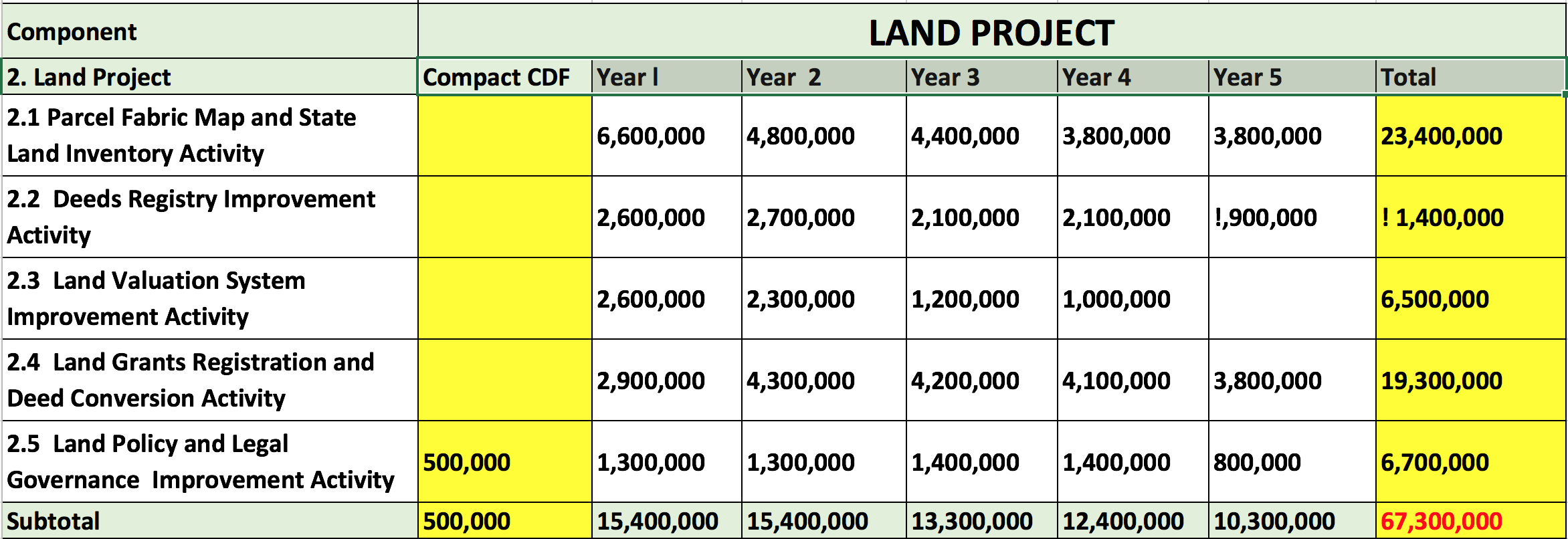
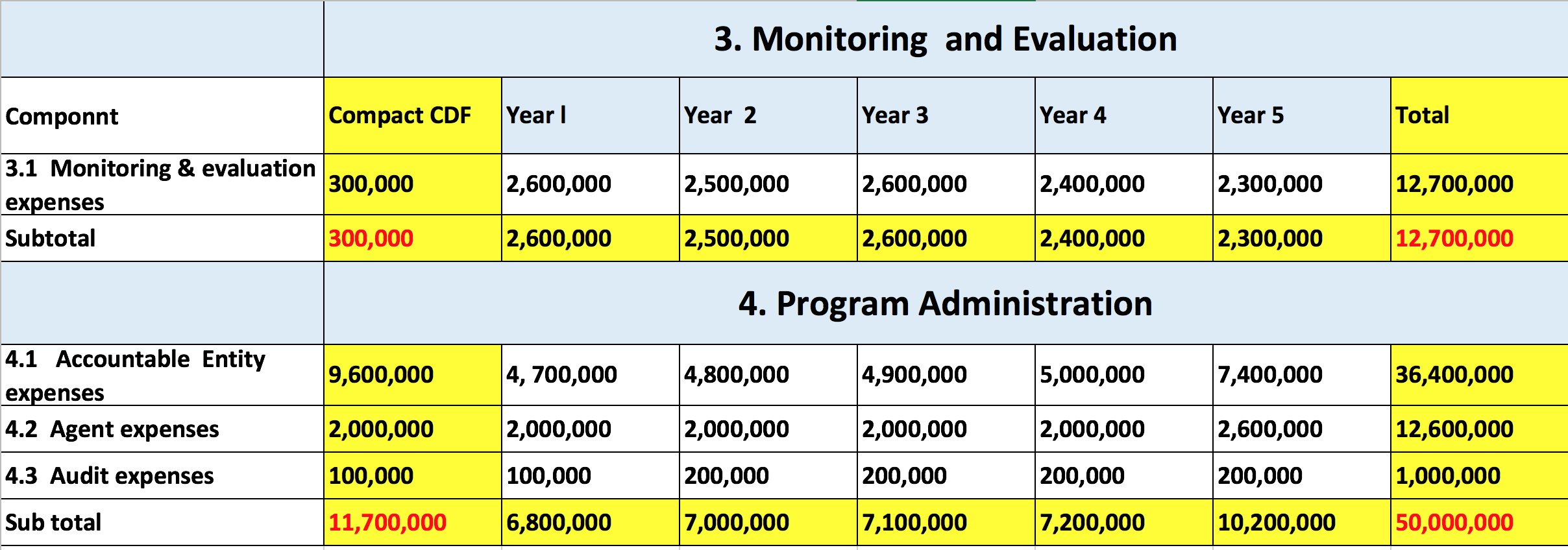
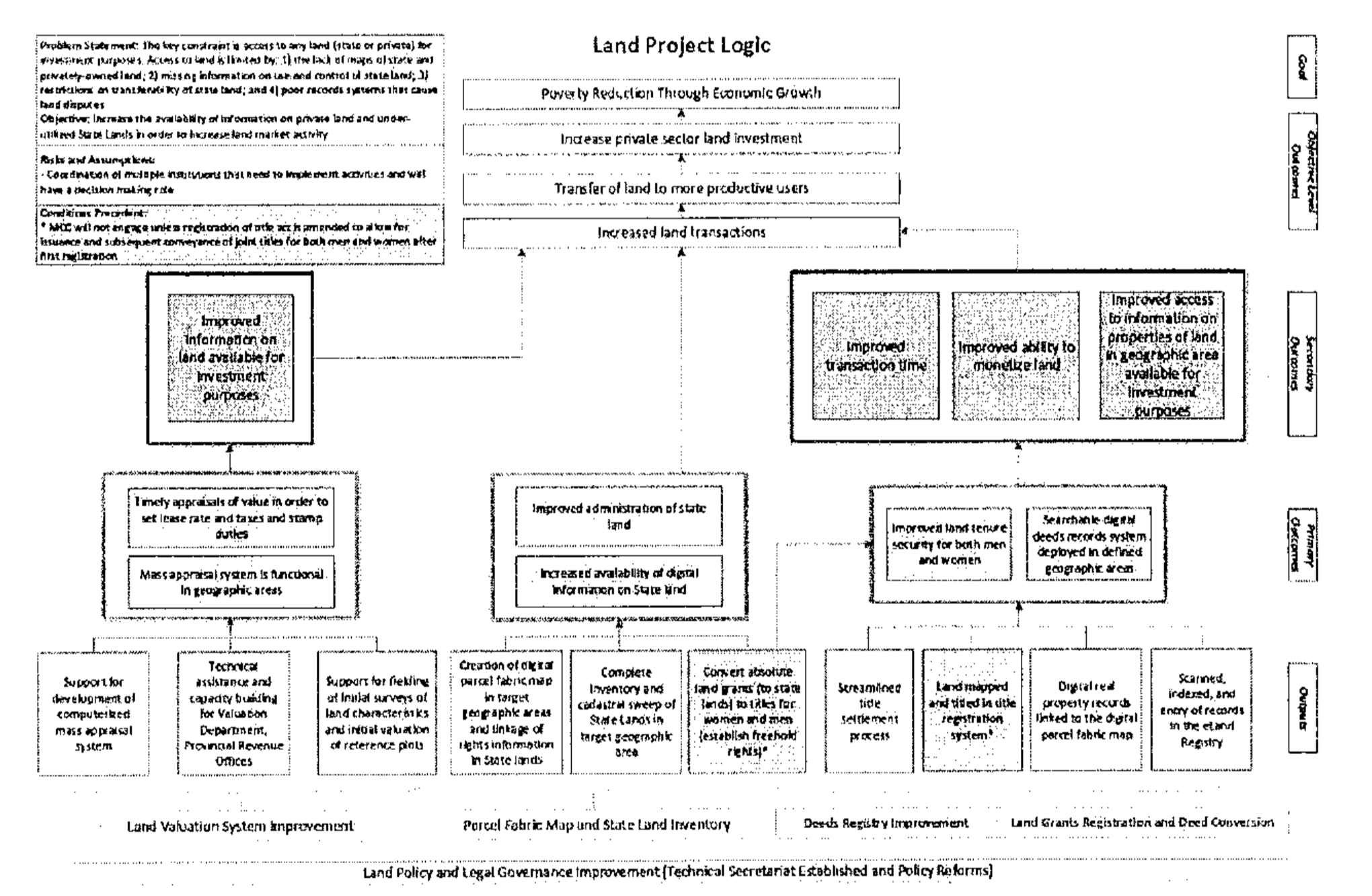
However this is not the time for any MCC agreement where we have to tie up land for sale issues, or preparation of land registries by foreign entities like Trimble Inc. controlled by Indians.

විග්නේස්වරම්ගේ පරම මහෝත්තම ප‍්‍රහර්ෂය

October 20th, 2020

විමල් පටබැඳිගේ (ශාස්ත‍්‍රවේදී, නීතිඥ, විශ‍්‍රාමික සොලිසිටර්)

‘හැට පැන්නත් බිමින් යන්නෙ නැතැ’යි කියන කථාව මතකයට ගෙනෙමින් විග්නේස්වරම් අසූව පැන්නත් පාර්ලිමේන්තුවේ පළමු දිනයේ ම වාර්ගික අධිමාන්නයෙන් යුතුව ගෝත‍්‍රවාදයේ මූලික නිගමන දෙකක් ප‍්‍රකාශ කළේ ය.

ශී‍්‍ර ලංකා භූමියේ මුල් ම වාසීන් ඔහු අයත් වෙන දෙමළ ජනයා ය.

මු`ඵ ලෝකයේ ම මුල් ම භාෂාව ඔහු කථා කරන දෙමළ භාෂාව ය.

විනිසුරු අසුනින් බැස දේශපාලන පුටුවට ගොඩවුණු විග්නේස්වරම් කියන කරන දේ ගැන සිතා බලන විට පළමුව ඔහු කවුදැ’යි අඳුනා ගැනීම ද ප‍්‍රයෝජනවත් වෙනු ඇතැ’යි සිතේ.

කොළඹ අඵත්කඬේ ප‍්‍රදේශයේ ඉපදුන කනකසබාපති විසුවලිංගම් විග්නේස්වරම් කුරුණෑගල ක‍්‍රයිස්ට්චර්ච් විද්‍යාලයෙන් සහ ඉන් පසු අනුරාධපුර හෝලි ෆැමිලි කොන්වන්ට් පාසලෙන් මූලික ඉගෙනුම ලබා 1950 දී පමණ කොළඹ රාජකීය විද්‍යාලයට ඇතුළත් වී ඉගෙන පාසල් අධ්‍යාපනය අවසන් කොට ඇත. 1964 නීති වෘත්තිකයෙකු වී කලකට පසු ඉහළ ම අධිකරණයේ විනිසුරු පදවියක් ද දරා 2004 දී විශ‍්‍රාම ලබා විශ‍්‍රාම සුවය කොළඹ ගත කළේය. ටැමිල් නැෂනල් ඇලයන්ස් (ටී.එන්.ඒ.* නියෝජිතයෙකු ලෙස 2013 දී උතුරු පළාත් සභාවට තරග කොට ටී.එන්.ඒ. අනුග‍්‍රහයෙන් මහඇමති වීය.

(ආනන්දසංගරී සහ සම්පන්දන් හැරුණු විට දෙමළ ජාතිවාදී ව්‍යාපාරයේ සිටින වැඩිමහලූ ම තැනැත්තා ඔහු විය හැකි ය.* එතැන් සිට ඔහු විවෘතව ම වාර්ගවාදී දේශපාලනයේ නියමුවා ලෙසින් කි‍්‍රයාකරමින් සිටියි. එය ඔහු දේශපාලකයෙකු වූ නිසා ම සිදු වූවක් විය නො හැකි ය. ශ්‍රේෂ්ඨාධිකරණයේ විනිසුරෙකු ලෙස සිටි කාලයේ ද ඔහු දෙමළ ඊළාම් මනසින් යුතුව සිටි බවට සාධක ඇත. තමන්ගේ ම පක්‍ෂයක් හදාගත් ඔහු 2020 පාර්ලිමේන්තුවේ අසුනක් දරයි. ලංකා ජන්මය සහිත පේ‍්‍රමානන්ද ස්වාමි නමැත්තා ‘යේසුට’ සමාන කළ විග්නේස්වරම් ඉන්දීය අධිකරණය විසින් ස්ත‍්‍රී ¥ෂණ කළ අයෙකු ලෙස නිශ්චය කරන ලද ඔහුගේ අනුගාමිකයන් තිදෙනෙකු හිර දඬුවමෙන් නිදහස් කරන ලෙස අගමැති මෝදිගෙන් ඉල්ලීමක් කළේය. (‘යාපනේ ගාන්ධි’ ලෙස සහ යාපනේ දෙමළ මිනිසුන්ගේ ‘මෝසෙස්’ ලෙස චෙල්වනායගම් හඳුන්වනු ලැබ ඇති ලෙසින් ඔහුගේ රාමනාදන් සීයා ‘‘යාපනේ දෙමළ මිනිසුන්ගේ යේසු’’ ලෙස හඳුන්වා ඇති බව සමහරවිට ඔහුට අමතක වෙන්නට ඇත.* මහඇමැති පදවිය දැරූ වසර පහක කාලය තුළ ඊළාම් පිලිවෙතට අනුකූලව යෝජනා 100 කට වඩා සම්මත කළත් උතුරු පළාතේ අහිංසක දෙමළ ජනයාගේ යහපත සඳහා කළ යමක් නැත. ඒ ඔහු සම්බන්ධ පෞද්ගලික කෙටි හැඳින්වීමකිි.

ඔහුගේ පසුබිම් සම්බන්ධය බොහෝ ඈත ය. පොන්නම්බලම් ඉරාමනාදන් (දෙමළෙන් ලියා ඇති ලෙස, පොන්නම්බලම් අරුණාචලම්, පොන්නම්බලම් ආනන්ද කුමාරස්වාමි තුන් බෑයන්ගේ මුණුපුරෙකි. පුතුන් දෙදෙනාගේ විවාහ සම්බන්ධතා මගින් ඔහු සිංහල දේශපාලන නායකයකයන් වූ වාසුදේව නානායක්කාර සහ කේසරලාල් ගුණසේකර මහතුන්ගේ නෛතික මස්සිනා කෙනෙකි. (සිංහල පෙළපත් දෙකකට තිත තැබීමක්? සිංහල, දෙමළ, මුස්ලිම් ප‍්‍රධානීන් එකතුව පිහිටුවාගෙන තිබූ ලංකා ජාතික සංගමය තමන් කළ ගෝති‍්‍රක ඉල්ලීමකට එකග නො වීම නිසා විග්නේස්වරම්ගේ සීයා කෙනෙකු වූ (ඉ*රාමනාදන් විරසකව වෙනම ම 1923 දී ලංකා දෙමළ සංගමය, තමිලක්කම් ව්‍යාපාරය සහ ශෛව පරිපාලන සභාව ආදි සංවිධාන ආරම්භ කොට සමාජ දේශපාලන කටයුතු කළ, ව්‍යවස්ථාදායක සභාවේ සාමාජිකයෙකු වී සිටි, බි‍්‍රතාන්‍ය රජ පවුල දැන සිටි, එසේ ම බි‍්‍රතාන්‍ය අගමැති ඇතුඵ වංශාධිපතීන්ගේ ඉතා කුලූපග සගයෙකු වූ අයෙකි. ලංකාවට පැමිණි මහත්මා ගාන්ධිගේ කදාර් වස්ත‍්‍ර ව්‍යාපාරයට බොහෝ දෙමළ හින්දු නායකයන් අනුගත වූ අතර (ඉරාමනාදන් සහ අරුණාචලම් ඉන්දියාවේ පසුකාලීන පාලකයන්ගේ ජටා ඔටුන්නට අනුරූපව ඔටුන්නක් සහ ඇඳුමකින් පෙනී සිටිමින් රාජ්‍ය සේවයේ සහ සමාජ දේශපාලන ව්‍යාපාරයේ යෙදී සිටියහ. (ගාන්ධි ලංකාවට ආවේ කදාර් වස්ත‍්‍ර ව්‍යාපාරයට රු. ලක්‍ෂයක් එකතු කරදීමේ පොරොන්දුව ඇතිව ය. ඡුන්ද අයිතිය පුඵල් කිරීමට සහ කාන්තාවන්ට ඡුන්ද අයිතිය දීමට එරෙහි වූ (ඉ*රාමනාදන් වෙල්ලාල කුලයේ පිරිමින්ට පමණක් ඡුන්ද අයිතිය ලබාගැනීමට උත්සාහ කළේය. (ලංකා නිදහස් ව්‍යාපාරයේ නිරත වූ වීරයන් ලෙස සලකනු ලබන දෙමළ නායකයන් දෙමළ සංගම් සහ තම්ලක්කම් ව්‍යාපාරය භාවිත කළේ දෙමළ ජනයා වෙනුවෙන් නොව වෙල්ලාල ආධිපත්‍යය වෙනුවෙනි. ශී‍්‍ර ලංකා ජනතා නිදහස වෙනුවෙන් යැ’යි කෙසේ කියම් ද? සාවදානව විමසුම් සහිතව සාකච්ඡුා කළ යුතු කරුණු ය.* ජී. ජී. පොන්නම්බලම්, චෙල්වනායගම් යුරෝපීය ඇඳුමෙන් පෙනී සිටි අතර දෙමළ නායකයන් බහුතරය කදාර් චින්තනයට අනුව ඇªම තෝරාගෙන ඇත. විශ‍්‍රාම ලැබීමෙන් පසු විග්නේස්වරම් දෙමළ දේශපාලන නායකයෙකු ලෙස අනෙක් ජ්‍යෙෂ්ඨ දෙමළ නායකයන්ට වඩා කැපී පෙනෙන ඇඳුමකින් පෙනී සිටියි. සමහරවිට පසුබිම් සම්බන්ධතා ඔහුගේ වර්තමාන භූමිකාවට මග සකසන්නට ඇත. විග්නේස්වරම් ප‍්‍රකාශ කළ ඉහත දක්වා ඇති කරුණු දෙක දැනට වසර සියයකට පෙර සිට කියන ඒවා ය. සනාථ කිරීමට සියලූ සාක්‍ෂි ඔහු ළග ඇතැ’යි තැන තැන කීවත් මෙතෙක් එකක්වත් හෙළි කළේ නැත. ඔප්පු කිරීමේ භාරය ඔහුගේ වගකීම බව ඔහුට අමුතුවෙන් මතක් කළ යුතු නැත.

මෙතෙක් ඔහු කිසි ම සාක්‍ෂියක් ඉදිරිපත් කළේ නැත. නිර්මාණය කරන ලද සාක්‍ෂි මත ගෙනා නඩුව කඩා වැටෙන බව ඔහු හොඳින් ම දන්නා නිසා විය හැකි ය. මහා අභිමානයෙන් සහ උද්දාමයෙන් මේ නිගමන දෙක ප‍්‍රකාශ කිරීමෙන් ඔහු විශේෂයෙන් ම දකුණු ඉන්දියාව සහ ශී‍්‍ර ලංකාව සම්බන්ධ ඉතිහාසය හා පුරාවිද්‍යා සහ මානවවිද්‍යා මහා විශාරද ප‍්‍රාඥයෙකු බව හැෙගයි. එමෙන් ම මානව සම්භවය, පරිණාමය, සංසරණය සහ මානව සංස්කෘතිය පිළිබඳ විශාරදයෙකු බව සිතේ. කෙසේ වෙතත් මේ නිශ්චිත නිගමන දෙකේ ඇති සැටිය සොයා බැලීම අපේ ම දැනුම අඵත් කරගැනීම පිණිස ප‍්‍රයෝජනවත් වෙනු ඇත.

ඔහුගේ (ඉරාමනාදන් සීයා උදහස්ව ලංකාවෙන් ගොස් කලක් පදිංචිව සිටි, ඔහු ඇතුඵ දෙමළ ජනයා නිරන්තරයෙන් ඉතා ළගින් සම්බන්ධතා පවත්වන දකුණු ඉන්දියාවේ ද්‍රවිඩ භූමියෙන් ශ‍්‍රී ලංකාවට ද්‍රවිඩයන් සියවස් ගණනක සිට ගෙනා බව, පැමිණි බව, 1948 න් පසු හොරෙන් ආ බව (කල්ලතෝනි සහ තවමත් එන බව මුඵ ලෝකය ම දන්නා සත්‍ය කරුණකි. මේ වෙනවිට ලොව පුරා විසිරී පදිංචි වී සිටින ද්‍රවිඩයන්ගේ මවුබිම දකුණු ඉන්දියාව බව ඒ වගේ ම මූලික සත්‍යයකි. විද්වතුන් පෙන්වා දී ඇති පරිදි ව්‍ය.ව.පූ. (කි‍්‍ර.පූ.* 5 වෙනි සියවසේ පමණ ද්‍රවිඩ ජනයා ඉන්දියාවට පැමිණි ආගන්තුකයෝ ය. දිවයින සිංහලදීප වී වසර දෙ දහසකට වැඩි කාලයකට පසු යුරෝපීය ආක‍්‍රමණිකයන් විසින් 16 වෙනි සියවසේ සිට ගෙනවිත් පදිංචි කරවන ලද ද්‍රවිඩ ජනයා ශී‍්‍ර ලංකාවේ ආගන්තුකයෝ ය. දැන් ශී‍්‍ර ලංකාවේ ජන කොටස කි. ද්‍රවිඩ යනුවෙන් හඳුන්වනු ලබන සියල්ලන් දෙමළ නො වේ. ද්‍රවිඩ යනු භාෂා පවුලකි. එයට අයත් මලයාලි, කණ්ණඩ, තෙලිගු සහ දෙමළ යන භාෂා කථා කරන ජනයාගේ නිජබිම ඉන්දියාවේ වෙන්කට (තිරිපති* කඳුවලින් පහළ දකුණු ඉන්දීය භුමියයි. ද්‍රවිඩ භාෂා කථා කරන භූමියේ අතීතයේ පැවති ‘චෝල’, ‘පාංඩි’ සහ ‘චේර’ යන දේශපාලන ඒකක ව්‍ය.ව. 13 වෙනි සියවසෙන් පසු අභාවයට පත් විය. ඉංගිරිසි පාලන කාලයේ 19 වෙනි සියවසේ සිට පැවති ඉන්දීය නිදහස් සටනට සමාන්තරව සහ ඉන් බාහිරව ‘ද්‍රවිඩ නාඩු’ අරමුණ ඇතිව නිදහස් ‘ද්‍රවිඩස්ථානයක්’ සඳහා ව්‍යාපාරයක් වීය. නිදහසින් පසු භාෂාව අනුව ද්‍රවිඩයන්ට ද වෙන වෙනම පාලන ඒකක නිර්මාණය කෙරුණි. දෙමළ භාෂාව කථා කළ ජනයා බහුලව සිටි ප‍්‍රදේශය නම් නළේ ‘මධුරා ප‍්‍රාන්තය’ යනුවෙන් මිස ‘දෙමළ ප‍්‍රාන්තය’ නමින් නො වේ. (ඉංගිරිසීන්ගේ පාලන ඒකකයක් වූ මැඞ්රාස් ප‍්‍රසිඩෙන්සි නො වේ.* දීර්ඝ කාලීන අරගලයකින් පසු, ව්‍ය.ව. 1968 ඉන්දීය මධ්‍ය ආණ්ඩුවේ පනත් සම්මතයෙන් සහ ප‍්‍රාන්ත ආණ්ඩුවේ යෝජනා සම්මතයෙන් නම වෙනස් කිරීමෙන් 1969 දී ඉන්දියාවේ ‘තමිල් නාඩු’ නමින් ප‍්‍රාදේශීය පාලන ඒකකය බිහි වීය.

දැනට වසර 3500 ට පෙර භාරත භූමියට සිදු වූ ආර්ය සංක‍්‍රමණය පිළිබඳ තොරතුරු සඳහන් වෙන පුරාණ ඓතිහාසික වාර්තාවල ඒ කාලයේ භාරතයේ කොතැනක හෝ ‘දෙමළ’ නම් ජනයා සිටි බවට සඳහනක් නැත. ආර්යයන්ගේ බල අරගල ගැන කියන මහාභාරතයේ හෝ වානර හනුමන් පීනා ගොඩ වූ සාගරය පාලමක් බැඳ තරණය කළ දෙවියෙකු ගැන කියන රාමායනයේ ‘දෙමළ’ යන වචනය හෝ සඳහන් නැත. මහාභාරතයේ ‘සිංහල’ යන වචනය අඩුම වශයෙන් අවස්ථා පහක් සම්බන්ධයෙන් සඳහන් වෙයි. (ඒ ශී‍්‍ර ලංකාවේ සිංහල රාජ්‍යය ගැන විය නො හැකි ය. භාරතයේ වයඹදිග පුරාණ කාම්බෝජයේ සිංහලයන්ගේ ඥාතීන් වූ ‘මද්ද’ රාජ්‍යය අසල සින්දු ගඟ සහ සතදෘ (සට්ලෙජ්* ගඟ අතර දෙගංබඩ ප‍්‍රදේශයේ පැවති ‘සිංහල’ රාජ්‍යය විය හැකි ය.* සිංහලයන් ඉන්දීය ජන්මයක් ඇති ඉන්දීය ජන වර්ගයක් නො වේ. පුරාණ පර්සියාව ඔස්සේ ඉන්දීය භූමියට සංක‍්‍රමණය කළ සිය ගණනක් ආර්ය ජනවර්ග වලින් එකකි. කලක් පංජාබි ප‍්‍රදේශයේ පදිංචිව සිට විවිධ හේතූන් නිසා සින්දු ගග දිගේ පහළට බැස, සින්දු ඩෙල්ටාව අසල හිංගූර් (සිංහපුර* නම් ප‍්‍රදේශයේ කලක් වාසය කොට බටහිර මුහුදු තීරය ඔස්සේ පැමිණ විවිධ ප‍්‍රදේශවල පදිංචි වී දිවයිනේ මවුබිම් වාසීන් වී ඇත. ව්‍ය.ව.පූ. 8 වෙනි හෝ 9 වෙනි සියවස පමණ කාලයේ සිංහලයන් දිවයින සමග සම්බන්ධතා පැවති බවට සාධක පුරාණ අනුරාධපුර ඇතුලූ නුවර කැණීම් මගින් ආචාර්ය ශිරාන් දැරණියගල හෙළි කොට ඇත.

ද්‍රවිඩයන් දකුණු ඉන්දියාවට සංක‍්‍රමණය වූයේ ව්‍ය.ව.පූ. (කි‍්‍ර.පූ.* 5 වෙනි සියවසේ දී පමණ බව පෙර’පර දෙදිග විද්වතුන් පිළිගෙන ඇත. උතුරු අපි‍්‍රකාවේ ‘නියර් ඊස්ටර්න්’ භූමි ප‍්‍රදේශයක සිට පැමිණි බව අදහස් කරනු ලබන ද්‍රවිඩයන් දකුණු ඉන්දියාවේ මුල් වැසියන් නො වේ. මුල් වැසියන් බොහෝ දෙනෙකු දෙමළකරණය වෙන්නට ඇත. කෙසේ වෙතත් මුල් වැසියන් වූ ‘මුණ්ඩාරි’ සහ ‘ගොන්ඩි’ භාෂා කථා කරන ජනයා දසලක්‍ෂ ගණනක් අදත් වාසය කරති. මුණ්ඩාරි සහ ගොන්ඩි භාෂා ‘ඔස්ට්‍රෝ-ආසියාතික’ භාෂා පවුලට අයත් ය. ද්‍රවිඩ භාෂා පවුලට අයත් නො වේ. අසෝකගේ ගිරි ලිපි දෙකක ‘චෝඩපංඩියා’ සහ ‘කෙලලපුතො’ යනුවෙන් සඳහන් වෙයි. එය චෝල, පාණ්ඩ්‍ය සහ චේර බව අදහස් කළත් ‘දෙමළ’ නමින් ජන වර්ගයක් හෝ රටක් ගැන සඳහන් නො වේ. ව්‍ය.ව.පූ. 3 වෙනි සියවසේ ‘ද්‍රවිඩ’ වචනය හෝ ‘දෙමළ’ වචනය හෝ ඓතිහාසික වාර්තාවල සඳහන් නො වූ බව මහාචාර්ය සෙනරත් පරණවිතාන දක්වා ඇත. ’චෝල’ වචනය දෙමළ වචනයක් නො වෙන බව ආචාර්ය ඒ.කේ. නීලකණ්ඨ ශාස්තී‍්‍ර පැහැදිලි කරන අතර චෝල සහ කේරල ජනයා දෙමළ නො වෙන බව පී.ටී.එස්. ඓයෙන්ගර් සඳහන් කරයි. දෙමළ ද්‍රවිඩ භාෂා පවුලට අයත් එක් භාෂාවකි. ව්‍ය.ව.පූ. (කි‍්‍ර.පූ.* 4 වෙනි සියවසේ මෞර්ය රාජ සභාවේ රෝම තානාපති මෙගස්තිනීස්ගේ වාර්තාවල හෝ ලංකාව ගැන පවා සඳහන් කරන චානක්‍යගේ (කෞටිල්‍ය* අර්ථශාස්ත‍්‍රයේ හෝ ‘දෙමළ’ නමින් ජන වර්ගයක් හෝ රටක් ගැන සඳහනක් නැත. ව්‍ය.ව. 1 වෙනි සියවසට අයත් පෙරිප්ලස් මාරිස් එරිත්රායි නම් කෘතියේ දකුණු ඉන්දීය තොරතුරුවල ද්‍රවිඩ භූමියක් හෝ දෙමළ නමින් ජන වර්ගයක් හෝ දෙමළ රටක් ගැන සඳහන් නො වේ.

ව්‍ය.ව. 2 වෙනි සියවසේ උතුරු භාරතයේ පැවති රාජ්‍ය පිළිබඳව සඳහන් කරන ටොලමි ද්‍රවිඩ භූමියේ වාසය කළ ගෝත‍්‍ර ගැන පමණක් මිස ඒකරාශී වූ රාජ්‍ය බලයක් ගැන නො කියන බව පෙන්වා දෙන පී.ටී.එස්. ඓයෙන්ගර් ටොලමි භූමි සිතියම පැහැදිලි කරමින් ව්‍ය.ව. 2 වෙනි සියවස තුළ පවා දකුණු ඉන්දියාවේ ‘දෙමළ’ නමින් ගෝත‍්‍රයක් හෝ රටක්, රාජ්‍යයක් හෝ ‘දෙමළ’ නමින් හැඳින් වූ ජන වර්ගයක් හෝ නො සිටි බව හෙළි කරයි. ව්‍ය.ව.පූ. (කි‍්‍ර.පූ.* තුන් වෙනි සියවසේ උතුරු ඉන්දියාවේ දියුණු මානව සංස්කෘතියක් පැවති අතර දකුණු ඉන්දියාවේ කාවේරි නදියෙන් පහළ භූමියේ ජනයා මහාශිලා යුගයේ (මෙගලිතික්* සංස්කෘතිය තුළ සිටි බව සහ එහි ගෝති‍්‍රක (කුලසංග* පාලනයක් වූ බව ලොව විද්වතුන් හෙළි කොට ඇත. මෙකල සිංහලදීප බුදු දහම තුළින් ඉහළ සංස්කෘතික තලයක වීය.

ව්‍ය.ව.පූ. 3 වෙනි සියවසේ සිට ධර්ම ප‍්‍රචාරය සඳහා සිංහලදීපෙන් වැඩම කළ භික්‍ෂූන් වහන්සේ සහ භික්‍ෂුණීන් වහන්සේ ද්‍රවිඩ භූමියේ ජනතාව ඉහළ සංස්කෘතික තලයකට පත් කළ බව ද්‍රවිඩ භාෂා සාහිත්‍යය සහ සංස්කෘතිය පිළිබඳ විද්වතෙකු වූ හිස්සැල්ලේ ධම්මරතන හිමියන් පැහැදිලි කොට ඇත.

ශී‍්‍ර ලංකාවේ සංස්කෘතික දියුණුව මගින් උනන්දු කරවනු ලැබීමෙන් ද්‍රවිඩ භූමියේ ප‍්‍රාථමික ද්‍රවිඩ සංස්කෘතියක බිහිවීම සිදු වූ බව ක්ලැරන්ස් මැලොනි, බ‍්‍රයන් ප්ෆෆන්බර්ගර් වැනි විද්වතුන් දක්වා ඇත. එකල ද දෙමළ නමින් රටක් තිබූ බව හෝ ජන වර්ගයක් සිටි බව සඳහන් නො වේ. වර්ෂ 250,000 ට පෙර දිවයිනේ සිටි හෝමෝසැපියන්ස්් මානවයාගේ සිට නූතන මිනිසා දක්වා දිවයින අඛණ්ඩව මිනිස් වාසයක්ව පවතියි. පුරාවිද්‍යාඥයන් බලංගොඩ බෙල්ලන්බැඳිපෑලැස්ස, කිරිඳිගල, ඉබ්බන්කටුව, ගුරුගල්හින්න, හම්බන්තොට, රංචාවෙල, පොම්පරිප්පු, ගල්සොහොන්කන්ද, පාහියන්ගල, බටදොඹහෙළ, හල්දුම්මුල්ල, පදියගම්පොල, කොන්ඩදෙණිය, කොකේබෙ, වලවේ නිම්නය ආදි ස්ථාන රාශියකින් සොයා ගත් ප‍්‍රාග් ඓතිහාසීය (පී‍්‍රහිස්ටොරික්* මානව සංස්කෘතික භූමි මේ බව සනාථ කරයි.

දිවයිනේ ප‍්‍රාග් ඓතිහාසීය හෝ පූර්ව ඓතිහාසීය (ප්‍රෝටෝහිස්ටොරික්* යුගයේ ද්‍රවිඩ හෝ දෙමළ ජනයා වාසය කළ බවට සාධක නැත. ද්‍රවිඩ වාසය පෙන්වීම සඳහා ද්‍රවිඩ භූමියේ සහ ශී‍්‍ර ලංකාවේ මහාශිලා යුගයට අයත් සංස්කෘතික ලක්‍ෂණ සැසඳීමේ සමහර උගතුන්ගේ උත්සාහය ආචාර්ය කාර්තිගේසු ඉන්ද්‍රපාල ප‍්‍රතික්‍ෂේප කරයි. දිවයිනට ආර්ය සංක‍්‍රමණය සහ සිංහලයන් රාජ්‍ය බලවතුන් බවට පත්වීම සිදු වූ කාලයේ සිටි දිවයින් වාසීන් යක්, නාග, දේව, ව්‍යාධ, රකුස් සහ නේසාද ආදි නම්වලින් හඳුන්වා ඇත. ඒ කිසි ම ජන වර්ගයක් ද්‍රවිඩ හෝ දෙමළ නො වීය. එකල යාපනේ නාගදීප නම් වීය. විසිවෙනි සියවසේ ආරම්භක කාලයේ සිට ඇතැම් දෙමළ ලේඛකයන් සහ උගතුන් දිවයිනේ සිටි ‘නාග’ ජනයා දෙමළ බව පෙන්වීමට බොහෝ උත්සාහ කොට ඇත. ඉන්දීය ආර්ය සමාජයේ බ‍්‍රාහ්මණ චින්තනය අනුව ‘ශුද්‍ර’ කුලයට අයත් වූ ද්‍රවිඩ/දෙමළ සමාජයේ ඉහළ ම තලය වෙන වෙල්ලාලයන් හැරුණු විට සිටියේ පල්ලන්, පරයන්, තුඩියන්, සක්කිලියන් ආදී සිය ගණනක් හීනජන්මී (අන්ටචබල්ස්* ගෝති‍්‍රකයන් මිස ‘නාග’ නමින් ගෝත‍්‍රයක් නො වීය. පූර්ව ඓතිහාසික යුගයේ සහ ඓතිහාසික යුගයේ මුල් කාලයේ සිංහලදීපේ වාසය කළ ජන වර්ග දකුණු ඉන්දියාවේ කිසිදු ගෝත‍්‍රික ජන කොටසකට කවරාකාරයක හෝ සමානත්වයක් ඇතැ‘යි තහවුරු කිරීමට නො හැකි බව ආචාර්ය නන්දදේව විජේසේකර පැහැදිලි කොට ඇත.

දිවයින සිංහලදීප වීමට පෙර සිටි ජනයා ද්‍රවිඩ හෝ දෙමළ නො වේ. මගධ ජනපදයේ හර්යංක රජ පෙළපතට සමගාමීව ලංකාවේ සිංහල රාජ්‍යයක බිහිවීම සිදු වී ඇති බව ඓතිහාසික තොරතුරු හෙළි කරයි. පණ්ඩුකාභය රජුට දේශීය ජනයාගේ පූර්ණ සහාය වීය. රජු එකල සිටි සියලූ ජනයාගේ ආගමික විශ්වාස අනුව ඔවුන්ගේ දෙවිවරුන් වෙනුවෙන් ස්ථාන වෙන් කළත් මුරුගා, මුරුගන් දෙමළ දෙවියන් ගැන කිසි සඳහනක් නැත. එකල දිවයිනේ සිටි ‘යවන’ ජනයාට ද ගම් වෙන් කොට දී ඇතත් ද්‍රවිඩයන්ට ස්ථාන වෙන් කළ බවක් සඳහන් නැත. ඒ ද්‍රවිඩ හෝ දෙමළ ජන කොටසක් නො සිටි නිසා ය. ව්‍ය.ව. 1 වෙනි දහස්වසරේ මැද කාලයට අයත් ලෙස සලකනු ලබන දකුණු ඉන්දීය සංගම් සාහිත්‍යයේ ‘දෙමළ’ නමින් ගෝත‍්‍රයක්, ජන වර්ගයක් සිටි බව හෝ රටක් පැවති බව හෙළි නො වෙයි. සංගම් කවීන්ගේ කාලයේ දිවයිනේ දෙමළ කවීන් සිටි බව දැක්වීමට පත්තුප්පාට්ටු කවි එකතුවේ කවි දෙකක් ලංකාවේ කවියෙකුගේ යැ’යි සංස්කාරක එස්. වයියපුරි පිල්ලෙයි දැක් වූ අදහස ආචාර්ය කාර්තිගේසු ඉන්ද්‍රපාල ප‍්‍රතික්‍ෂේප කළේය. (ඛෙදජනක ලෙස ඔහු ද ආචාර්ය උපාධියෙන් කාලයකට පසුව කැමැත්තෙන් හෝ අකැමැත්තෙන් වාර්ගික රැුල්ලට ගොදුරු වී ඇත.*

ව්‍ය.ව. 13 වෙනි සියවසට පෙර ශී‍්‍ර ලංකාවේ ස්ථිර දෙමළ පදිංචියක් නො තිබූ බව නිශ්චිත ව ප‍්‍රකාශ කළ ඔහු පසුව යාපනේ ආනෛකෝට්ටේ නම් ස්ථානයෙන් ලැබුණු ව්‍ය.ව.පූ. 3 වෙනි සියවසට අයත් ලෙස සැලකෙන ලෝකඩ මුද්‍රාවේ ඇති අකුරු දෙමළ බ‍්‍රාහ්මී ලෙස හඳුන්වා එය යාපනේ හා සම්බන්ධ තමිල්නාඩුවේ පාලකයෙකුගේ බව දැක්වීය. එය සදොස් අර්ථ දැක්වීමක් බව පෙන්වා දුන් පුරාවිද්‍යා මහාචාර්ය රාජ් සෝමදේව එය පුරාණ සිංහල බ‍්‍රාහ්මී අක්‍ෂරයෙන් ලියා ඇති සිංහල ප‍්‍රාකෘත පාඨයක් බව පැහැදිලි කළේ ය. (දෙමළ ලේඛකයන් සහ සමහර උගතුන් පළ කරන මුද්‍රාවේ චිත‍්‍ර මුල් මුද්‍රාව සමග සැසඳීම වටී.* ද්‍රවිඩයන් සංස්කෘතකරණයට ලක් වීමෙන් ලියන ලද කාව්‍යයක් වෙන කන්නගී වන්දනය හා සම්බන්ධ සිලප්පදිකාරම් කාව්‍යය ද්‍රවිඩ ජනයා වාසය කළ ප‍්‍රදේශයේ මායිම් පැහැදිලිව සඳහන් කරයි.

උතුරෙන් වෙන්කට කඳු (තිරිපති* නැගෙනහිරෙන් සහ බටහිරෙන් මහා සාගරය දකුණෙන් කුමාරි තුඩුව (කොමරින් තුඩුව* යන හතර මායිම් තුළ ද්‍රවිඩ ජනයා වාසය කළ බව එය පැහැදිලිව ම කියයි. කන්නගීගේ සැමියාගේ අනියම් දුව වටා ගෙතුණු, නාගදීප ගැන තොරතුරු සඳහන් වෙතැ’යි අදහස් කරන, මණිමේඛෙලෙ කාව්‍යය හෝ ද්‍රවිඩයන් දිවයිනේ සිටි බව නො කියයි. එනම් ව්‍ය.ව. 5 වෙනි හෝ 6 වෙනි සියවස පමණ කාලයේ හෝ සිංහලදීපේ, අවම වශයෙන් යාපනේ ප‍්‍රදේශයේ හෝ ද්‍රවිඩ හෝ දෙමළ කථා කරන පිරිසක් සිටි බව හෙළි නො කරයි.

තෝල්කාප්පියම් නම් දෙමළ ව්‍යාකරණ ග‍්‍රන්ථය දෙමළ කථා කරන ප‍්‍රදේශ ලෙස පළාත් දොළහක් නම් වශයෙන් සඳහන් කරයි. එයට විවරණයක්/ටීකාවක් කළ, ව්‍ය.ව. 1275 පමණ සිටි සේනවරෙයියාර් නම් ටීකාකරු ඒ පළාත් දොළහේ පිහිටීම ඉතා පැහැදිලිව දක්වා ඇත. ඒ පළාත් සියල්ල ම කුමාරි (කොමරින්* තුඩුව සහ තුංගභද්‍රා නදිය අතර පිහිටි භූමිය තුළ වූ ඒවා වීය. ව්‍ය.ව. 8 වෙනි සියවස පමණ සහ ව්‍ය.ව. 1275 වෙන විටත් දෙමළ කථා කරන ජනයා ස්ථිරව පදිංචිව නො සිටි නිසා ඔවුන් දෙමළ කථා කරන ප‍්‍රදේශ නාම ලේඛනයට සිංහලදීප (සීහලම්=ඊළාම්* හෝ අඩුම වශයෙන් නාගදීප (යාපනේ* නම හෝ සඳහන් කළේ නැත. සිංහලදීප වීමට පෙර දිවයිනේ යක්, දේව. නාග ජන වර්ග මිස ද්‍රවිඩ හෝ දෙමළ නමින් ජන වර්ගයක් සිටි බවට සාධක නැත. සිංහලදීප වීමෙන් පසු වසර දෙ දහසක පමණ කාලයක් තුළ හෝ ද්‍රවිඩ/දෙමළ ජනයාගේ ස්ථිර පදිංචියක් වීනම් දකුණු ඉන්දීය ද්‍රවිඩ පුරාණ ලේඛන ඉදිරිපත් කරන නම් ලැයිස්තුවේ සිංහලදීප, සෙරන්දිබ්, තම්බපණ්ණි, තැබ්‍රොබේන්, පලේසිමොන්ඩු, පාරසමුද්‍ර, රත්නදීප, ලංකා ආදි නම්වලින් කුමන හෝ නමක් ඇතුළත් විය යුතු ය.

අවම වශයෙන් යාපනේ (යාල්පානම්* හෝ ඇතුළත් විය යුතු ය. සංගම් සාහිත්‍යයේ සීහලම් (ඊලාම්* හෝ යාපනේ ගැන කිසි ම සඳහනක් නැත. විග්නේස්වරම්ලා දිවයිනේ දෙමළ ඉතිහාසය හා සම්බන්ධ සත්‍ය තොරතුරු ඇතුළත් වැදගත් ම සහ මූලික ම මූලාශ‍්‍රය ලෙස ඉහළින් ම සලකනු ලබන ‘යාල්පාන වෛපව මාලෙයි’ කාව්‍යය ශක වර්ෂ 717 එනම් ව්‍ය.ව. (කි‍්‍ර.ව.* 795 වර්ෂයට පෙර දෙමළ නමින් ජන කොටසක් ශී‍්‍ර ලංකාවේ ස්ථිරව පදිංචි වී සිටියේ නැති බවත් ¥රාතීතයේ සිට ජනාවාසව පැවති දිවයිනේ විජයගේ කාලයේ සිට සිංහලයන් දිවයින පුරා පදිංචිව සිටි බවත් සිංහල රජ පෙළපතක් පැවති බවත් හෙළි කරයි. (19 වෙනි සියවසේ අවසාන කාලයේ යාල්පාන වෛපව මාලෙයි ඉංගිරිසි සංස්කරණයකින් එළි දැක් වූයේ කි‍්‍රස්ටෝපර් බි‍්‍රටෝ නම් දෙමළ නීතිඥයෙකු විසිනි. 1736 දී මක්කරා නම් මහා බලපරාක‍්‍රමයෙන් යුත් ආණ්ඩුකාරයාගේ ඉල්ලීම අනුව ලියූ බව කියයි. ඔහු පූර්ණ බල සහිත ආණ්ඩුකාරයෙක් නො වීය. ගාල්ල ලන්දේසි අණදෙන නිලධාරීයා වූ ඔහු දින 46 ක් පමණක් ආණ්ඩුකාර තනතුරේ වැඩ බැලූ අයෙකි. කාව්‍යය දකුණු ඉන්දියාවෙන් කැඳවාගෙන ආ පාලකයෙකුගෙන් එකල පැමිණි වෙල්ලාලයන් පදිංචියට ඉඩම් ලැබීම ගැන දිගු විස්තරයක් ඉදිරිපත් කරයි.

තේසවලමෙයි අනුව වෙල්ලාල අයිතීන් තහවුරු කිරීමට ලියූ ව්‍යාජ සාමූහික ප‍්‍රකාශන ඔප්පුවක් වැනිය. සුරංගනා කථාවලින් පිරි මේ කාව්‍යය වෙනම සාකච්ඡුා කළ යුතු මාර්තෘකාව කි.* දෙමළ කාව්‍ය ඉදිරිපත් කරන මිථ්‍යා පුවත් සත්‍ය ඓතිහාසික පුවත් ලෙස හිස්මුදුනෙන් වැළඳ ගැනීමෙන් මනෝලෝකයේ අතරමංවීම නිසා ඒ කරුණ පිළිබඳව ඉහත ඉතා කෙටියෙන් දක්වා ඇති විශේෂයෙන් ම ද්‍රවිඩ/දෙමළ පුරාණ ලේඛන සහ පෙර අපර දෙදිග ඓතිහාසික වාර්තා පැහැදිලිව දක්වා ඇති කරුණු විග්නේස්වරම්ට මග හැරෙන්නට ඇත. (සමහරවිට (ඉ*රාමනාදන් ඉන්දියාවෙන් ගෙන්වා යාපනේ පදිංචිය සලසා දුන් මූතුතම්බි පිල්ලේ ලියූ ‘යාපනේ ඉතිහාසය’ සහ යාපනේ උසාවියේ මුදලි රාසනායගම්, ගුරුවරයෙකු වූ සී.එස්. නවරත්නම් වැනි අය 20 වෙනි සියවසේ මුල ලියන ලද පොත් හැදෑරීම සහ තමන්ගේ රැුලේ පරම මහෝත්තම චින්තනයෙන් පෝෂිත වීම හේතු වෙන්නට ඇත.* දෙමළ භාෂාව ලෝකයේ පැරණි ම භාෂාව ය’යි විග්නේස්වරම් ඉදිරිපත් කරන නිගමනය විශ්වයේ කෙළවර සොයා ගොස් අතරමං වූ අයෙකුගේ නන්දෙඩවිල්ලක් වැනි එකකි.

ප‍්‍රංශයේ භාෂා විශාරදයන්ගේ සංගමය මුල් ම භාෂාව කුමක් දැ’යි විමර්ශනය කිරීම පමණක් නොව ඒ ගැන කථා කිරීම පවා 19 වෙනි සියවසේ අත්හැරියේ කිසිවෙකු මනෝන්මාදයෙන් අතරමං වීමට හෝ කිරීමට අවශ්‍ය නැති නිසා විය හැකි ය. ලෝකයේ භාවිතයේ පවතින භාෂා හත් දහසක් පමණ දැනට සොයාගෙන ඇත. ඉන් භාෂා දෙ දහසකට වැඩි ප‍්‍රමාණයක් ආසියානු කලාපයෙනි. භාෂා නිර්මාණය කළේ ¥රාතීතයේ වාසය කළ මානවයා ය/මිනිසා ය. වානර පැවැත්ම නම් වානරයාගේ ආභාෂයෙනි.

මිනිස් පැවැත්ම වෙනත් ග‍්‍රහ ලෝකයකින් සිදු වී නම් ඔවුන්ගේ ආභාෂයෙනි. කුමක් හෝ වේවා! දිවයිනේ වසර 125,000 ක පමණ කාලයක සාමූහිකව කි‍්‍රයා කළ මිනිසා වසර 48,000 ක කාලයක වාසස්ථානවල සාමූහිකව සිටි බව, වසර 5,000 ට පෙර සිට ධාන්‍ය ආදි ආහාර රැුස් කළ බව සොයාගෙන ඇත. වසර 10,000 කට පෙර සිට ආසියාවේ නැගෙනහිර දිග සිට ඉන්දියාව දක්වා ඔස්ට්‍රෝආසියාතික භාෂා කථා කළ මිනිසාගේ සංක‍්‍රමණය සිදු වී ඇති බව ද විද්වතුන් දක්වා ඇත. ද්‍රවිඩ භාෂාවලට වඩා පැරණි ලෙස සලකන ඔස්ට්‍රෝආසියාතික භාෂා පවුලට අයත් මුන්ඩාරි, සින්තාලි, ගොන්ඩා ආදි භාෂා කථා කරන ජනයා දස ලක්‍ෂ ගණනක් ඉන්දියාවේ දැනුදු වාසය කරති. ආර්ය සංක‍්‍රමණයට පෙර දිවයිනේ වාසය කළ ජනයාගේ භාෂාවෙන් සිංහල ප‍්‍රාකෘත භාෂාවට, ද්‍රවිඩ/දෙමළ නො වෙන, වචන එකතු වී ඇති බව විද්වතුන් හෙළි කොට ඇත. කාලය දැක්විය හැකි ලෙස යම් පෞරාණික වස්තුවක ලේඛනගත වූ භාෂාවක වයස අනුමාන කළ හැකි ය. ද්‍රවිඩ භූමියෙන් ලැබී ඇති කාලය අනුමාන කළ හැකි ලේඛන අයත් වෙන්නේ ව්‍ය.ව.පූ. 3 වෙනි සියවසෙන් මෙපිට කාලයට ය.

ශී‍්‍ර ලංකාවේ සතර දිසාවෙන් ම ව්‍ය.ව.පූ. 3 වෙනි සහ ව්‍ය.ව. 2 වෙනි සියවස් අතර කාලයට අයත් දැනට සොයාගෙන ඇති තුන් දහසකට වැඩි බ‍්‍රාහ්මී සෙල්ලිපි සියල්ල පුරාණ සිංහල ප‍්‍රාකෘත භාෂාවෙන් ලියා ඇත. ඒවායින් එකක් හෝ ද්‍රවිඩ භාෂාවකින් හෝ දෙමළ භාෂාවෙන් ලියා නැත. ඒ සෙල්ලිපි එකක හෝ ද්‍රවිඩ හෝ දෙමළ වාර්ගිකයන් ගැන කිසි ම සඳහනක් නැත. මුල් සිංහල ප‍්‍රාකෘත බ‍්‍රාහ්මී සෙල්ලිපිවල ඔස්ට්‍රෝආසියාතික භාෂා ලක්‍ෂණ ඇති, දිවයිනේ මුල් වැසියන් කථා කළ සේ සැලකෙන වචන ඇතුළත් ව ඇතත් එක දෙමළ වචනයක් හෝ දෙමළෙන් බිඳගත් වචනයක් හෝ සඳහන් නො වෙන බව මහාචාර්ය රාජ් සෝමදේව එළිදරවු කොට ඇත. එමෙන් ම කිසි ම ඉන්දු ආර්ය භාෂාවකට හෝ ද්‍රවිඩ භාෂාවකට කවරාකාර හෝ සම්බන්ධයක් නැති, සිංහල භාෂාවට ආරම්භයේ සිට ම වාගේ එකතු වී ඇති, අදත් භාවිත කරන වචන රැුසක් තිබෙන බව පෙන්වා දෙන මහාචාර්ය සෙනරත් පරණවිතාන ඒ වචන දිවයිනේ මුල් වැසියන් භාවිත කරන ලද ඒවා විය හැකි බව සඳහන් කරයි.

ද්‍රවිඩ භූමියෙන් ලැබී ඇති පැරණි ම සෙල්ලිපි සිංහල භික්‍ෂූන්ට පූජා කළ චේතියඝර, සීහල විහාර, සිංහල දායකයන්, කෙළෙඹියන් ගැන සඳහන් කරයි. ව්‍ය.ව.පූ. (කි‍්‍ර.පූ.* 3 වෙනි සහ ව්‍ය.ව. 2 වෙනි සියවස් අතර කාලයට අයත් මේ ලෙන් ලිපි ලියා ඇත්තේ අශෝක ලිපි සහ පුරාණ සිංහල ප‍්‍රාකෘත බ‍්‍රාහ්මී සෙල්ලිපි ලිවීමට භාවිත කරන ලද ප‍්‍රාකෘතයෙන් සහ බ‍්‍රාහ්මී අකුරුවලිනි. දෙමළ අකුරුවලින් නො වේ. මේ කාලය වෙන විට ද්‍රවිඩ අක්‍ෂර නිසි සෙල සකස් වී නො තිබීම සහ එකල අක්‍ෂර ඉතා නො දියුණු රඵ තත්වයක පැවතීම නිසා මේ ලිපි ලිවීමට සිංහල බ‍්‍රාහ්මී අකුරු භාවිත කිරීමට සිදු වෙන්නට ඇති බව පී.ටී.එස්. ඓයන්ගර් පැහැදිළි කරයි. (ව්‍ය.ව. 862 පමණ සිට පාණ්ඩ්‍ය රාජ්‍යය සිංහල රාජ්‍යයේ ආරක්‍ෂිත රාජ්‍යයක් (ප්‍රොටෙක්ටඞ් ස්ටේට්* ලෙස පැවති බව සහ පාණ්ඩ්‍ය සිහසුන මුල් කොට චෝල බලයට තිත තැබූ දීර්ඝ කාලීන සටනක් ව්‍ය.ව. 12 වෙනි සියවස අවසානය තෙක් පැවති බව අපට උගන්වා ඇති ඉතිහාසයේ වසං වී ඇත.*

එමෙන් ම මේ ලෙන් ලිපිවල සඳහන් තොරතුරු හැරෙන්නට පල්ලව යුගය වෙන තෙක් ලංකාව සමග පැවති සම්බන්ධතා ගැන දකුණු ඉන්දීය සෙල්ලිපිවල සඳහනක් නැති බව දකුණු ඉන්දියාවේ බ‍්‍රාහ්මී සෙල්ලිපි පිළිබඳව විමසුමක නිරත වූ සී. නාරායන රා ඕ පෙන්වා දෙයි. මේ කාලය තුළ ප‍්‍රාකෘත සහ පාලි භාෂා භාවිත කළ බෞද්ධ සහ ජෛන භක්තික කලාබ‍්‍රයන් යටතේ ද්‍රවිඩ භූමිය පැවතුණි. පල්ලවයන් යටතට ගත් කාලය තෙක් සියවස් කීපයක ද්‍රවිඩ භූමියේ තොරතුරු වැසී ඇත. එකල දෙමළ රටක් හෝ දෙමළ ගෝත‍්‍රයක් පැවතියේ දැ’යි හෝ අවම වශයෙන් දෙමළ කථා කරන ජන කොටසක් හෝ සිටිියේ දැ’යි නිශ්චිතව දැනගැනීමට ඓතිහාසික තොරතුරු නැත. සංස්කෘත නිල භාෂාව ලෙස භාවිත කළ හින්දු භක්තික පල්ලවයන් දෙමළ කථා කරන ජන කොටසට අයත් නැත. ව්‍ය.ව. 4 වෙනි සියවසේ සිට ගොඩනැගෙන ගුප්ත අධිරාජ්‍යයේ ඇති වූ සංස්කෘත සහ හින්දු ආගමික පුනරුදයේ බලපෑම ද්‍රවිඩ භූමියට ද වීය. දෙමළ භාෂාව වඩවඩාත් සංස්කෘතකරණය වීම සහ අක්‍ෂර සකස් වීම කෙරෙහි පල්ලව සංස්කෘතිය බලපෑ බව පිළිගත් කරුණකි.


‘‘දකුණු ඉන්දියාවේ ව්‍ය.ව. 4 වෙනි සියවස පමණ තෙක් සෙල්ලිපි ලිවීමට ප‍්‍රාකෘත සහ බ‍්‍රාහ්මී අකුරු භාවිත කොට ඇත. 4 වෙනි සහ 7 වෙනි සියවස් අතර සංස්කෘත භාෂාව යොදාගෙන ඇත. 7 වෙනි සියවසෙන් පසු ලියා ඇති සෙල්ලිපිවල ආරම්භය සහ අවසානය සංස්කෘත භාෂාවෙන් ලියා සෙල්ලිපියේ මැද කොටස දෙමළ, කණ්ණඩ සහ තෙලිගු භාෂාවලින් ලියා ඇත. තනිකර දෙමළ, කණ්ණඩ සහ තෙලිගු භාෂාවලින් ලියන ලද සෙල්ලිපි ලැබෙන්නේ ව්‍ය.ව. 10 වෙනි සියවසෙන් පසුව ය.’’ යනුවෙන් ආචාර්ය කේ.ඒ. නීලකණ්ඨ ශාස්තී‍්‍ර කරන පැහැදිලි කිරීම දෙමළ භාෂාව පිළිබඳව ඉතා වැදගත් ඓතිහාසික කරුණක් අපට කියා දෙයි. තනිකර දෙමළ භාෂාව පමණක් භාවිත කොට සෙල්ලිපි ලියා ඇත්තේ ව්‍ය.ව. 10 වෙනි සියවසෙන් පසුව ය. සංස්කෘතකරණය පැහැදිලිව දැක්වෙයි.

තමන්ගේ ප‍්‍රකාශ සනාථ කිරීමට පුරාවිද්‍යාත්මක සාධක නැතත් අවම වශයෙන් ශී‍්‍ර ලංකාවේ තමන් කියන ලෙස දෙමළ ජනයා වාසය කළේ නම් දෙමළ ලේඛකයන්, උගතුන් විසින් 18 වෙනි සියවසට පෙර ලියන ලද ඓතිහාසික වාර්තා ඇතුළත් කිසි ම කෘතියක් මෙතෙක් ඉදිරිපත් කොට නැත. එමෙන් ම මෑත සියවස් කීපයක සිට දිවයින තුළ ඔවුන් අනුගමනය කරන ඉන්දීය හින්දු සංස්කෘතික අංග හැර, ඔවුන් මේ රට තුළ නිර්මාණය කළ දෙමළ සංස්කෘතික අංග කිසිවක් නැත. අවම වශයෙන් ඓතිහාසික යුගය ආරම්භයේ සිට හෝ දෙමළ කථා කරන ජනයා දිවයිනේ ස්ථිරව වාසය කළේ නම් ඔවුන් නිර්මාණය කළ, ඉන්දීය හින්දු සංස්කෘතියෙන් අනන්‍ය වූ තමන්ගේ ම වූ දෙමළ සංස්කෘතියක් ශී‍්‍ර ලාංකික දෙමළ ජනයාට උරුම ව තිබිය යුතු වුව ද ඔවුන්ගේ සංස්කෘතිය දකුණු ඉන්දීය හින්දු සංස්කෘතියේ කාබන් පිටපත කි.

යුරෝපීය ආක‍්‍රමණිකයන්ගේ නිල ලේඛනවල පවා ව්‍ය.ව. 1900 අවසන් වෙන තෙක් යාපනේ හෝ ’දෙමළ’ නමින් ජන කොටසක් සිිටි බව සඳහන් නො වීය. පළමු වරට ‘මලබාර්’ වෙනුවට ‘ලංකා දෙමළ’ යනුවෙන් 1901 ජනසංගණන වාර්තාව මගින් රාජ්‍ය නිල ලේඛනයක ඇතුළත් කළේ පොන්නම්බලම් අරුනාචලම් ජනසංගණන අධිකාරී තනතුර දැරූ කාලයේ ය.

කිසිදු ඓතිහාසික ලේඛනයකින් හෝ පැරණි සාහිත්‍යයෙන් හෝ මෙතෙක් සොයාගෙන ඇති පුරාවිද්‍යා සාධකවලින් ප‍්‍රාග් ඓතිහාසික යුගයේ හෝ පූර්ව ඓහාසික යුගයේ හෝ දෙමළ කථා කරන ජන කොටසක් සිංහලදීප වාසීන් වූ බවට කිසිදු සාධකයක් ලැබී නැත. දෙමළ ජනයා දිවයිනේ මුල් වැසියන් යැ’යි පදනම් විරහිතව කරන ප‍්‍රකාශ සම්බන්ධයෙන්, ඇතැමුන් විසින් දෙමළ ඉතිහාසය සම්බන්ධයෙන් ලියා ඇති බොහෝ දේ ‘‘මනසින් මවාගත් විකාර’’ බවට ආචාර්ය බ‍්‍රයන් පෆන්බර්ගර් කරන ප‍්‍රකාශය සඳහන් කිරීම ප‍්‍රමාණවත් ය. විග්නේස්වරම් කථා කරන දෙමළ භාෂාව ලෝකයේ මුල් ම භාෂාව යැ’යි පරම මහෝත්තම ප‍්‍රහර්ෂයෙන් සැනසීම මානව හිමිකම් අනුව ඔහුට අයිතිය.

කෙසේ වෙතත් උතුර සහ නැගෙනහිර දෙමළ සාමාන්‍ය ජනයා ඔහු සමග නැති බව පසුගිය මැතිවරණය ඉගි කරයි. (තමන්ගේ පෞද්ගලික ගිණුමට බැර කළ ලක්‍ෂ 30 ඇතුඵව විදෙස්වලින් ලැබුණු රු. ලක්‍ෂ 75 ක මුදල සමග රු. 8,916,311 ක් වියදම් කොට විග්නේස්වරම් 2020 පාර්ලිමේන්තු මන්තී‍්‍ර විය. 2013 පළාත් සභා ඡුන්දෙට පිටරටවලින් කොපමණ ලැබුණි දැ’යි දන්නේ නැත. ඡුන්ද දෙකට ම ලැබුණු ගණන ටී.එන්.එ. නායකයන් දන්නවා ඇත. ඔහු ඇතු`ඵ දිස්ති‍්‍රක් 5 ක ඔහුගේ සියලූ අපේක්‍ෂකයන්ට ලැබුණේ ඡුන්ද 51,301 කි. රු. 8,916,311 = පා.ම. 1 කි.

සමහරවිට අනෙක් දෙමළ නායකයන් පරයමින් විවෘතව ම පරම මහෝත්තම උන්මාදය කිසි හිරිකිතයක් නැතිව එළියට දමන කට සහ පංචස්කන්දය උත්තේජනය කරන්නේ පිටරට මුදල් බව රහසක් නො වේ.*

“මුට්ටිය කේතලයට කලුයි කියමින් සණ්ඩු කරන කොට නුබලා දෙන්නාම කලුකෙරුවේ මම කියා ලිප කියන්නාසේ”රනිල් සහ සිරිසේන යන දෙදෙනාම කලුකළේ චන්ද්‍රිකා නොවේද.

October 20th, 2020

ආචාර්ය සුදත් ගුණසේකර මහනුවර

20.10.2020.

 “මුට්ටිය කේතලයට කලුයි කියන්නාසේ” යන්න සින්හල සමාජයේ ඉතා ජනප්‍රිය ආප්තෝපදේශයකි. එකෙකු තමන්ගේ වරද අනුන් පිට පටවන අවස්ථාවලදී මෙම ආප්තෝපදේශය  යොදාගැනේ.එහෙත් මෙම කලුකිරීමට මුල් වරද කරුවා ලිප බව කිසිවෙකු නොකියයි.ඒ අනුව ඇත්තවශයෙන්ම මුට්ටිය සහ කේතලය යන දෙකම කලුකිරීමේ වරද භාරගතයුත්තේ ලිප නොවේදැයි යන ප්‍රශ්නය මතුවෙයි.එමනිසා “මුට්ටිය සහ කේතලය යන දෙකම කලුකොට ඒ දෙදෙනා සණ්ඩු කරද්දී සුදනා මෙන් අහක බලාගෙන නිහඩව සිටිනා ලිපසේ”
 මට මේ ආප්තෝපදේශය සින්හල භාෂාවට එකතුකරන්නට සිතුනේ මේ දිනවල අප්‍රේල් 21 බෝම්බ ප්‍රහාරය පිළිබද පැවැත්වෙන සාක්ෂි විභාගයේදී රනිල් සහ මයිත්‍රිපාල දෙදෙනා එකෙනෙකාට දෝෂාරොපනය කරගන්නා ආකාරය දෙස බලා සිටින විටය. මෙම බෝම්බ ප්‍රහාරයේ වගකීමෙන් මෙ දෙදෙනාටම බේරීමට නොහැකිවුවත් ඔවුන් දෙදෙනාම සිදුකරනලද සෑම වරදකටම වගකිවයුතු තවත් අයෙක් සිටින බව බොහෝ දෙනා අමතක් කොට ඇති බව පෙනේ , ඒ අන්කවරෙකුවත් නොව මේ දෙන්නාගේ මගුලේ කපුකම කළ චන්ද්‍රිකාය. එමනිසා රනිල් සහ සිරිසේන කළ සෑම අපරාධයකටම චන්ද්‍රිකාද වග කිව යුතුය. එමනිසා ඉහත දැක්වුන නව ආපතෝපදේශය ‘මුට්ටිය කේතලයට කලුයි කියමින් සණ්ඩු කරන විට නුබලා දෙන්නාම කලුකෙරුවේ මම  කියා ලිප කියන්නාසේ” යන නව කියමන සමගම රනිල් සිරිසේනට කලුයි කියන විට නුබලා දෙන්නාම කලුකලේ මා නොවේදැයි නොකියන චන්ද්‍රිකාසේ” යනුවෙන් තවත් අලුත් ආප්තෝපදේශයක්  හෙළ වහරට එකතුකළ යුතුයයි මට සිතේ

“Friends live with us through both prosperity and adversity. They are like portraits painted on walls and they never turn back on you” ( Salalihini Sandesaya-” THE STRALING’S MESSAGE “)

October 20th, 2020

RANJITH SOYSA 

When the recent top level Chinese delegation visited Sri Lanka they had a touching message for Sri Lanka. The message was.. CHINA WILL STAND WITH SRI LANKA TO PROTECT ITS INDEPENDENCE, SOVEREIGNTY AND TERRITORIAL INTEGRITY AT INTERNATIONAL FORA” .  In our present day world of varied challenges much to our discomfort , we are faced with lack of reciprocity and interdependence of world and regional powers, In such a scenario the Chinese assurance that they will stand by Sri Lanka in the world fora is commendable.

Contrast this response with the attitude adopted by some of our friends such as the USA, the UK, Canada, Australia, India and the EU. In many  international fora Sri Lanka has been compelled to be at the receiving end of these countries with regard to so called HR violations, war crimes, ‘genocide’, institutional violence, harassment of minorities, police brutality,  lack of judicial independence, religious intolerance, absence of media freedom etc. Further , in all these countries the world’s most violent terrorist organization, the LTTE -which killed thousands and terrorized 20 million Sri Lankans for more than 20 years- or their font organizations are allowed to function and advocate HR issues and are sometimes even recognized by the Governments. The terrorist flag is openly allowed to display and fund raising to destabilize Sri Lanka is permitted.  

When one analyses the charges levelled at Sri Lanka it is very clear that most of the charges are fabricated by the interested parties and galvanized by the NGOs which are  in fact involved in the business of living by infecting soft areas of developing countries, These nations and the NGOs conveniently opt to forget about the massive HR violations and crimes perpetrated  by themselves including brutal violence against the minorities in their own countries within the last few decades which had brought untold misery to many millions of affected people, They have the audacity to pressurize a few countries at every opportunity to gain their geo- political objectives by creating insecurity and uncertainty in the subject countries,

It is unfortunate that amidst this depressing approach of the West that there are forces within the subject developing countries such as Sri Lanka awaiting on the sidelines who are keen on picking up bones which are thrown at them by the West and attempting to mislead the people, We cannot afford to deceive ourselves by hopefully hanging on to the dead ropes dangled before us while our self-respect is attacked and destroyed.

It is true that Sri Lanka is facing many odds and is forced to grapple with many an option, But, the political reality should lead us to the friends who will not only help us financially but be honest and stand by justice and fair-play. We cannot wallow but we have to select the right path in international affairs by accepting the hand stretched towards us and decide to convey our opinion to the so called friends for them to mend their unfriendly, unjust attitudes towards Sri Lanka-       ‘

Korean Prime Minister Calls Prime Minister Rajapaksa, Discusses Education, Investment and Tourism October 20, 2020

October 20th, 2020

Prime Minister’s Media Unit

Prime Minister of Korea Chung Sye-kyun called Prime Minister Mahinda Rajapaksa this morning, and the two leaders discussed a number of areas of mutual bilateral interest while expressing the desire to further enhance relations between the two countries.

While congratulating Prime Minister Rajapaksa on the victory at the recently-concluded General Election, Prime Minister Chung said he looks forward to continue working with Sri Lanka to further strengthen bilateral relations.

The two leaders also discussed further technical assistance for the Ocean University, for which the Korea International Cooperation Agency (KOICA) has already provided assistance.

I hope we can continue to collaborate on this project to expand it,” Prime Minister Rajapaksa said.

Other areas discussed included investment and tourism.

When the situation [with the pandemic] improves and air travel is back to normal, I would like to request your support in encouraging your investors to consider investing in Sri Lanka,” Prime Minister Rajapaksa said. We also want to increase tourism from Korea.”

Prime Minister Rajapaksa extended an invitation to Prime Minister Chung to visit Sri Lanka after the COVID-19 situation is under control, and the Korean Prime Minister, noting that he has never visited Sri Lanka before, expressed interest in a visit.

ශ්‍රී ලංකා දකුණු කොරියානු අග්‍රාමාත්‍යවරුන් අතර දුරකථන සාකච්ඡාවක්

October 20th, 2020

අග්‍රාමාත්‍ය මාධ්‍ය අංශය

ශ්‍රී ලංකා අග්‍රාමාත්‍ය මහින්ද රාජපක්ෂ මැතිතුමා සහ දකුණු කොරියානු අග්‍රාමාත්‍ය චුන්ග් සයි-කියුන් මැතිතුමා අතර අද 2020.10.20 දින පෙරවරුවේ දුරකථන සාකච්ඡාවක් පැවැත්විණි.

අධ්‍යාපන, සංචාරක හා නව ආයෝජන අවස්ථා සම්බන්ධයෙන් දෙරටේ අග්‍රාමාත්‍යවරු මෙහිදී සාකච්ඡා කළහ.

අන්‍යෝන්‍ය අවබෝධය මත ද්විපාර්ශිකව උනන්දුවක් දක්වන අංශ ගණනාවක් පිළිබඳව අවධානය යොමු කළ අග්‍රාමාත්‍යවරුන් දෙපළ දෙරට අතර සබඳතා වර්ධනය කර ගැනීමේ අවශ්‍යතාවය ගැන විශ්වාසය පළ කළහ.

පසු ගිය මහ මැතිවරණයේදී අග්‍රාමාත්‍ය මහින්ද රාජපක්ෂ මැතිතුමාගේ ජයග්‍රහණය වෙනුවෙන් සුබ පැතුම් එක් කළ දකුණු කොරියානු අග්‍රාමාත්‍ය චුන්ග් සයි-කියුන් මැතිතුමා, ශ්‍රී ලංකාව සමඟ ද්විපාර්ශ්වික වශයෙන් සබඳතා තවදුරටත් ඉදිරියේදී ශක්තිමත් කිරීමට බලාපොරොත්තු වන බව පැවසීය.

කොරියානු ජාත්‍යන්තර සහයෝගිතා ඒජන්සිය (KOICA) දැනටමත්, සහයෝගීතාව ලබා දෙන ශ්‍රී ලංකා සාගර විශ්වවිද්‍යාලයේ ඉදිරි සංවර්ධන කටයුතු සම්බන්ධයෙන් ද රාජ්‍ය නායකයින් දෙපළ මෙම සාකච්ඡාවේදී අවධානය යොමු කළහ.

මෙම ව්‍යාපෘතිය පුළුල් කිරීම සඳහා අපට අඛණ්ඩව සහයෝගයෙන් කටයුතු කළ හැකි බව බලාපොරොත්තු වන්නේ” යැයි අග්‍රාමාත්‍ය මහින්ද රාජපක්ෂ මැතිතුමා පැවසීය.

කොවිඩ් – 19 වසංගත තත්ත්වය පාලනය වී ගුවන් ගමන් යථා තත්ත්වයට පත් වූ විගස, ශ්‍රී ලංකාවේ ආයෝජනය කිරීම සඳහා කොරියානු ආයෝජකයන් දිරිමත් කිරීමට සහාය ඉල්ලා සිටින” බව ප්‍රකාශ කළ අග්‍රාමාත්‍ය මහින්ද රාජපක්ෂ මැතිතුමා කොරියාව ඔස්සේ ශ්‍රී ලංකාවට ක්‍රියාත්මක සංචාරක අවස්ථා  ඉහළ දැමීමේ  අවශ්‍යතාව  පෙන්වා දුන්නේය.

කොවිඩ් -19 තත්ත්වය පාලනය වූ වහාම, ශ්‍රී ලංකාවට පැමිණෙන ලෙස අග්‍රාමාත්‍ය රාජපක්ෂ මැතිතුමා දකුණු කොරියානු අග්‍රාමාත්‍ය චුන්ග් සයි-කියුන් මැතිතුමාට ආරාධනා කළ අතර දකුණු කොරියානු අග්‍රාමාත්‍යවරයා මීට පෙර කිසි දිනෙක ශ්‍රී ලංකාවට නොපැමිණි බව සඳහන් කරමින් මෙරට සංචාරය කිරීම සඳහා කැමැත්ත පළ කළේය.

Clauses 05 & 22 of the proposed 20th amendment to be withdrawn – Justice Minister Ali Sabry

October 20th, 2020

Courtesy Hiru News

Justice Minister Ali Sabry states that the Government has decided to withdraw clauses 05 & 22 of the proposed 20th amendment to the constitution which were directed by the Supreme Court to be passed through a referendum.

COVID-19 infections soar as 120 more test positive

October 20th, 2020

Courtesy Adaderana

A total of 120 more persons have tested positive for Covid-19, says Army Commander Lieutenant General Shavendra Silva.COVID-19 cases count soars as 120 more test positive.

A total of 120 more persons linked to the Minuwangoda cluster have tested positive for Covid-19 today (20), says Army Commander Lieutenant General Shavendra Silva.

According to reports, 37 of them are apparel factory employees and their contacts who are currently at quarantine centres.

The remaining 83 have been identified as close contacts of the staff members of the apparel factory.

Thereby, the novel coronavirus infections registered by the Minuwangoda cluster hit 2,342.


UPDATE: Six individuals who arrived in from foreign countries – 03 from Japan, 02 from Russia and 01 from Qatar – also tested positive for the novel coronavirus today, the Department of Government Information said.

Sri Lanka has confirmed 186 fresh cases in total so far within the day, taking the tally to 5,811.

Complete recoveries from the Covid-19 meanwhile reached 3,457 as 17 more were discharged from hospitals earlier today.

This brings the number of active cases under medical care to 2,341.

Ex-SIS chief contradicted during cross-examination at PCoI on Easter attacks

October 20th, 2020

Courtesy Adaderana

Former Director of the State Intelligence Service (SIS) Nilantha Jayawardena was seriously contradicted at the Presidential Commission probing the Easter Sunday Attacks, during cross-examination.

When Jayawardena said he only contacted the former President on 61 occasions from the 1st of December 2018 to the 1st of May 2019, the President’s Counsel Shamil Perera, representing Archbishop of Colombo His Eminence Malcolm Cardinal Ranjith had shown the Commission otherwise.

Former SIS chief was also sternly warned by the Commission’s chairman over the manner in which he responded to the questions during the cross-examination, which commenced on Monday (19).

The President’s Counsel had asked the witness if there had been an environment where the State Intelligence Chief connected with the President on a daily basis.

After pursuing his data, the former SIS Director said, I only connected with the President on 61 occasions between the 1st of December 2018 and 1st of May 2019.”

Quoting telephone records, President’s Counsel then put to the witness that during the period from 1st of January 2019 to 31st of March 2019 alone, he had connected with the President on 138 occasions via calling the Pajet Road official residence of the President.

Later, highlighting the telephone records, the President’s Counsel made evident to the Commission that 14 phone conversation had taken place since a forewarning was given by a foreign intelligence agency until the 20th of April.

When the President’s Counsel asked the former SIS chief as to why the President was not briefed on the foreign intelligence in this backdrop, he replied that he did not convey it to the President.

Subsequently, President’s Counsel Anura Meddegoda who represented for IGP Pujith Jayasundara asked the witness if the foreign intelligence agency which provided the forewarning gave a special notification in the morning of the Easter Sunday on which the attacks happened.

In response, Jayawardena said: At around 8.27 am on Easter Sunday, the same foreign intelligence agency, which provided the forewarning, informed that an attack can happen between 6.00 am and 10.00 pm on that day. I called then-Defence Secretary Hemasiri Fernando at around 8.46 am to brief him on the message, during which the first two explosions occurred.”

The President’s Counsel then put to the witness that the relevant message was received at 6.30 am and not at 8.27 am and that he had doctored it to show that it was received at 8.27 am and submitted it to the Defence Secretary. Jayawardena, however, rejected the claim.

President’s Counsel Maithri Gunaratne, appearing on behalf of former President Maithripala Sirisena, asked the witness, Wasn’t there a threat of an attack well before the 21st of April, since the foreign intelligence agency warned of an imminent attack, on the 4th of April.

To this Jayawardena replied that there was a threat and that is why he called the informant and confirmed it.

He added that there would be no need for a State Intelligence Service in the country just to share information with the other sections, as soon as they are received.

The Chairman of the Commission, who was unhappy with the manner in which the former SIS director responded during the cross-examination, said: I have advised you before as well. Only respond to the questions posed by the lawyer who is supporting the Commission. Do not argue or pose questions. So, I am sternly advising you for the last time. If this repeats, legal actions will be taken.”


Meanwhile, concluding the evidence of former Defence Secretary Hemasiri Fernando, his legal counsel Dilshan Jayasuriya asked his client if he had observed that the former President was in ill health when he saw him at the airport on the 16th of April, before he left the country, especially since he had said that he was abroad when the attacks happened for medical treatment.

To this Fernando replied that he did not observe any indication of the former President being in ill health.

Last tip-off given by ‘Makandure Madush’

October 20th, 2020

Courtesy Adaderana

Notorious underworld figure and drug kingpin ‘Makandure Madush’ has been shot dead in a crossfire between police and other suspected underworld figures at Maligawatte Housing Complex. 

After uncovering information regarding a stock of 22 kg of heroin hidden at the Maligawatte Housing Complex, officers of the Colombo Crimes Division (CCD) had visited that location along with Makandure Madush.

However, suspected underworld figures and drug traffickers had then reportedly opened fire at them.

Makandure Madush and two officers of the CCD were shot in the crossfire that ensued.

Madush had later succumbed to injuries.

https://youtu.be/DkvuhWG4cig

Police have recovered 22 kilograms of heroin, 02 pistols and a motorcycle during investigations at the Maligawatte housing complex, where Madush was shot dead.

Meanwhile two Police Constables attacked to the CCD have also been injured in the shootout. 


The notorious underworld figure was in the custody of the Criminal Investigations Department (CID) for nearly one-and-a-half years before he had been transferred to the custody of the Colombo Crimes Division (CCD) on Friday (16) for further investigations into the cases against him.

Based on the information divulged the drug kingpin during interrogations, a consignment of heroin weighing nearly 10kg had been seized from Kotikawatte area by the CCD on Saturday (17).

Samarasinghe Arachchige Madush Lakshitha alias Makandure Madush was an underworld gang leader in Sri Lanka, who had been in hiding abroad for several years before his arrest. 

Madush was previously under the custody of the Dubai authorities after being arrested at a drug-fuelled party thrown by him in a Dubai hotel, back in October 2018.

Along with him, 31 Sri Lankans including underworld figures and celebrities were also arrested in Dubai.

Madush was deported from Dubai in on May 05, 2019 and was taken into the custody of the CID upon his arrival at the BIA.

He had allegedly operated his drug network, extortion rackets and other criminal activities through his accomplices in Sri Lanka. Sri Lanka Police had been on the hunt for Madush, who was one of Sri Lanka’s most wanted criminals, for the past couple of years as he had managed to evade arrest by Sri Lankan and foreign authorities on numerous occasions.

Related News

Unusual amounts of radiation in soil: Amaraweera orders probe

October 20th, 2020

By Thameenah Razeek  Courtesy Ceylon Today

Minister of Environment, Mahinda Amaraweera, has instructed the Geological Survey and Mines Bureau (GSMB) and the Atomic Energy Board (AEB) to conduct an investigation regarding the claims made by the heads of certain authorities that the sand distributed and sold locally for construction purposes, subsequent to the removal of minerals, has an unusual amount of radiation and can be carcinogenic.

Amaraweera has directed the two authorities to conduct the investigations with the professionals who are making claims about the high levels of radiation in the sand that is being sold and distributed locally. Previously, the initial investigation had been done by the GSMB and the AEB, and its report, which stated that there is no unusual amount of radiation, had been submitted to Amaraweera, but the latter has once again directed them to conduct the investigations together with the academics that level the allegations. 

A study conducted by the Chair Professor of Geology at the University of Peradeniya, Professor Athula Senaratne, on 2 October, found that using this sand for construction purposes can cause many issues, including substandard buildings. He pointed out that radiation is found in the sand left at the Pulmudai Mineral Sands Corporation and also in the leftover sand even after a Dambulla-based company has extracted its ore. The sand emits more than 500 units of radiation per minute, more than the current level of radiation after the Fukushima radiation leak in Japan.  The Pulmudai Mineral Sands Company extracts ilmenite, rutile, zircon and monocyte, and typically removes only 40 per cent of it, leaving about 60 per cent of the minerals in the sand.

Future of the Tea industry in Sri Lanka; Who will pluck tea leaves in 10-15 years?

October 19th, 2020

By Raj Gonsalkorale

In the tea industry, the tea taster reigns supreme. Yet strangely enough tea tasting begins with the plucker. This is because the taster’s judgment depends on how the leaves have been plucked. There are two forms of plucking: fine and coarse. The former is essential to a good cup of tea, and as a rule it involves the plucking of the leaf and the bud. Coarse plucking, as the name suggests, on the other hand produces teas of inferior quality – A history of our tea – Uditha Devapriya Medium August 2019

The long term future of the tea industry in Sri Lanka is dependent on one single factor and that is who will be plucking tea leaves in the years to come.  

The traditional female plantation worker with a big basket on her back, underpaid, unappreciated and physically drained, would be a diminishing breed of workers as the next generation of such workers would be better educated and in more gainful employment. The terrain of most tea plantations is such that mechanization will be difficult if not impossible, and even if it were possible, it will diminish the quality of tea that the country is famous for and takes pride in. However, in the longer term, introduction of appropriate mechanization methods may be the only way the industry could survive as a viable economic agriculture produce in the country.

Tea plucking has been the vocation of the plantation sector Tamils, primarily the women amongst them, since tea was introduced to Sri Lanka, then Ceylon in 1832. Indian Tamils as they were called for a long time, were treated like slaves, some opine that many of them are still treated as slaves even today, and their treatment as sub humans, paying them a pittance for their labour, providing them with inhuman living conditions, suited the rich landowners and industrialists. This labour force was exploited and kept in such sub human conditions as it benefited the land owners who could keep their production costs low and maximize profits.

Over the years, life has changed to a degree for the plantation sector, and there has been an increasing sideways and upwards mobility for many Tamils in the plantation sector. In a 2019 publication by the International Centre for Ethnic Studies titled Up-country Tamils: Charting a New Future in Sri Lanka, (Edited by Daniel Bass and B. Skanthakumar), these changes, and what has not changed, has been researched and well-articulated. This publication is a must read for economic planners, and for those engaged in social studies in order to get an insight into the plight of many in the plantation sector, especially the women.

The following extract from this publication is very relevant to the trajectory of the future of the tea industry in Sri Lanka. Quote A majority of tea plantation workers are women, and it continues to be one of the few jobs accessible to Upcountry Tamil women born into the plantations. The large numbers of women in the plantation workforce gives it a gendered as well as class and ethnic character. Traditional, patriarchal gender norms persist in the Up-country, as is the case throughout the island, especially involving household chores as a woman’s duty, side by side with long work hours in the plantations. The changing labour dynamics on the plantations and the increased outmigration to urban areas, overseas employment and for education receives considerable attention from contributors to this volume.

Few Up-country Tamils would probably want to work on tea plantations, if they have any other options. In recent decades, thousands of Upcountry Tamils have migrated to urban areas, especially Colombo, for work in garment factories and in the informal economy, especially domestic work for women and shop assistants, drivers, and construction labourers for men unquote.

The strengths, weaknesses, opportunities and threats faced by the industry has been discussed by many. President Gotabaya Rajapaksa himself chaired a recent meeting recently to discuss the current status of the industry, how some impediments may be overcome in order to ensure it continues as a major export and a foreign exchange earner.

It is unclear however whether thought has been given to the status of the industry say in 10 -15 years and beyond, outside the discussions on cost of production, wage pressures, uplifting living conditions of workers, fertilising plants, use of chemicals, value adding, threats from other major tea producers in Africa, India, Vietnam, China, Kenya etc.

The fundamental question as to who would be available to pluck tea leaves in 10-15 years and beyond does not seem to have been addressed.

The absolute right of the next and coming generations of plantation Tamils to seek a better and a different life for themselves and their families, through better educational opportunities, branching into other vocations and moving into other areas outside their traditional areas, for security reasons as well as for alternate economic opportunities, does not seem to have received the attention of the planners and the public to the extent it should have.

The current plight of the rubber industry, where many plantations are confronted with the inability to tap rubber due to a shortage of tappers, will progressively impact on the tea industry when plantations find that tea plucking is no longer a vocation that those in plantations wish to engage in.

Tea production is one of the main sources of foreign exchange for Sri Lanka (formerly called Ceylon), and accounts for some 3% of GDP, contributing over US$1.5 billion to the economy of Sri Lanka. It employs, directly or indirectly, over 1 million people. In addition, tea planting by smallholders is the source of employment for thousands whilst it is also the main form of livelihoods for tens of thousands of families. Sri Lanka is the world’s fourth-largest producer of tea.

Amongst the difficulties faced by the tea industry in Sri Lanka, the low planting rate, low productivity, high cost of production, stagnant and shrinking tea growing land, and labour shortages have been highlighted. Fluctuations in exports and production in the tea industry, and importantly, the availability of mass produced, low production cost tea in African countries and India have been listed as contributing factors.

Experts in the industry need to take into all of the above factors and others, and very importantly the dilemma that the industry will face without tea pluckers in time to come when they plan the future of the industry. Such a plan should have immediate, medium term and long term goals and strategies. In the medium to long term, strategies like innovations, mechanisation opportunities and value adding, perhaps should form the basis for the industry, along with a strong marketing strategy, while maintaining as best as possible, the existing methodologies for meeting market demand.

Planting more tea when tea pluckers are hard to find, would be like planting more rubber where there are no tappers.

Profit sharing with tea pluckers and others directly engaged in plantation work, strengthening the tea small holder base and reducing large acreages of tea in some areas, where a family unit as owners of the holding would be responsible for managing the holding including tea plucking, and building smaller tea factories to cater to clusters of small holdings in order process plucked tea efficiently and an in a timely manner, and at low costs, would be strategies that may be considered.

Another longer term bastion of the tea industry should be an efficient, effective and independent research organization. While the Tea Research Institute has dome yeoman service and continues to do so, the threats faced by the industry calls for a more robust and forward looking research organization, perhaps even bi fold organizations.

One entity to undertake crop research directly associated with the tea growing environment (soil conditions, fertilizer, weedicides, pesticides, plant deceases and developing decease resistant products and mechanisms, etc) and the other, to research on value adding with a marketing focus.

These entities should work very closely with the tea growers, both large plantations and small holdings, and their orientation should be to serve the growers. There has to be much more collaboration between crop research institutes and the universities.  The entities should be free from politicians and political interference and they could be formed as government owned, but independent organizations as distinct to government departments.

The research entity that is focused on supporting marketing strategies, should essentially be oriented towards the marketing efforts and plans of private sector entities who are focused on value adding goals and objectives.

The tea industry should take note of the fact that connoisseurs of tea, who look for nothing but loose leaf tea, are a dwindling clientele, unless the marketing strategies in place to maintain, and widen this clientele. A large majority of tea drinkers are now tea bag users at home and in restaurants. Iced tea (particularly in the US but increasing in popularity elsewhere also), various varieties of flavoured teas are replacing the connoisseur tea market. The demand for loose leaf tea does exist and will continue to do so, but the bulk of that market, which is not a traditional connoisseur market but consisting mainly of clients who want strong, black tea, would increasingly be supplied by African countries and India.

The question of sustainability of the industry from the point of view of soil degradation, also needs to be factored in when medium to long term strategies are formulated.  Since 1863 tea leaves have been exported but only about 25% of it is extracted when tea is brewed. The rest (75%) ends up as discarded organic matter enriching the soil of the importing countries at the cost of depleting Sri Lanka’s own soils. Besides this the shipping, warehousing and handling costs for 75% of tea that is eventually discarded, is an impost that maybe avoided by value adding mechanisms.

Thought has to be given to researching activities that would focus on sustainability of the industry from both aspects noted above. It is now known that technology has been developed to manufacture liquid tea concentrate with sensory properties quite similar to freshly brewed tea. The writer is aware of a technology startup company which has developed this tea concentrate and is looking for investors to commercialize it.

If this technology is perfected, and introduced in Sri Lanka, and the marketing strategy includes creating a demand for such a product, Sri Lanka could actually export the concentrate and keep the organic matter behind and plough back as organic matter into the tea fields continuously, maintaining somewhat the soil fertility that is important for sustainability. The export price would also be much lower than shipping tea leaves or bags in bulk.

The long term future of the tea industry depends on innovation and adaptability to changing consumption patterns and methods. While the overall clientele will consist of even connoisseurs, but a smaller number, and tea bag consumers, the economic future of the industry may lie in a product like tea concentrate with its tea flavour and aroma, which could be very easily made into a traditional cup of tea, or an iced tea or a flavoured tea.

There may be other innovations that will add value to tea and sustain its future as one of the key income generators to the country. Lack of innovation on the other hand will result in Sri Lanka losing a key contributor to its coffers, towards direct and indirect employment, and overall, to its economy itself.

WASTING FUNDS FOR THE SCHOLARSHIP EXAMINATION AND THE REQUIREMENT OF SPENDING FUNDS FOR THE IMPROVEMENT OF TEACHER QUALITY

October 19th, 2020

BY EDWARD THEOPHILUS

The scholarship examination has become a stressful test for parents, teachers, students, and the government.  Many people in the country say it is an examination of parents as the interest of parents is greater than students take the test. Generally, the test may be a method of determination of the competitive quality of school administrators, teachers, and students. Has the test been used to evaluate the human rights of people, and to correct the issue in the country to giving justice to poor people? When I look at the conducting of the scholarship examination various points of view come to my mind. The examination has been conducting since the 1950s, however, education policy-makers have not learned vital lessons that are related to the human rights of rural people, and the changing requirement of education distribution of the country to give justice to rural people.    

The indirect acceptance of the government that education distribution should be equal and the right of gaining good education is only to students selected for the test that is harmful to ensuring the human rights of the country.   Education distribution in a country may have inherent problems that are not the responsibility of education providers. Not any country in the world has an acceptance that good education should be provided only to learners, who are selected from a test. (the idea may be a colonial inheritance).  The education policy is set within a line that education should be provided to all learners without any differences or discrimination. For example, in developed nations such as Australia, the USA, and Canada, all students without any difference, subject content, method of teaching, and assessment of students are accommodated equally, despite many issues that exist relating to resource availability and others. The evidence in Sri Lanka shows that the government of Sri Lanka breaches human rights by providing education to chosen students from a test and transferring selected students to so-called big schools in the urban area.

Education regards as a human right and it is a right like breathing to each person. I understood from the experience in this year students that learners from privileged classes who are attending Big schools also participated in the scholarship exam to deplete the opportunity of poor students in rural and small schools in urban areas.  For example, a media person in Sri Lanka stated that he transferred the school from Panadura Sumangala College to Royal College through a tactic of the Scholarship examination. 

In Sri Lanka, the human right, the right to gain education is distributed by the government in an unreasonable way that is discriminating against the poor in the country. In this sense, it seems that the scholarship examination widely uses to give partial justice for a long period from the day of beginning the scholarship examination.  The government spent a large sum of funds for the administration of the examination. Parents spent more money on the preparation of kids for the scholarship examination attending outside tuition classes.  Such a huge volume of funds could have been channeled to give justice to all rural people if the government spent funds to improve the quality of rural schools.    

Why such a test is required to select students for better schools if education is a fundamental right of people, in other words, this test is conducted Island-wide to ensure that human rights (gaining equal education) of all students and students passed from the scholarship examination are the right people to enjoy human rights. Many developed countries use scholarship examinations in private schools to wave school fee payments for poor kids. In Australia, lower-income earning parents are given an allowance for education spending.   From this point of view on education distribution, rural people have been violated the right to gain a good education and this human right is distributed only for a particular group of people (students those who passed the examination). The serious question to be asked is those who failed from the scholarship examination have no right to enjoy human rights (right to gain quality education) that are considered as a fundamental bedrock without discriminating anyone in the world.

Before the 20th century, the scholarship exam may have contributed to the improvement of education quality of kids of lower-income earning parents, however, the situation has been changed by the shift of politics in the country as the attraction of votes to political parties became a critical factor that depending on the level of spending for rural schools. The governments elected in the 20th century understood the critical factor that was determined to spend more money on rural schools.

What is the main purpose of the scholarship examination and when direct the question to stakeholders of education many of them answer that it is supported to find a national school for poor rural kids?  The answer raises several questions. Are existing schools in the rural area not national schools or they are lower graded schools? What are the reasons to create a difference between national schools and rural schools? Did policymakers concentrate on issues and attempt to eliminate differences?  The general purpose of an examination is the classification of participants and on what criteria the participants of the scholarship examination used is not crystal clear to stakeholders, if anyone asks a question from a stakeholder, the obvious answer to finding a better school for participants of the examination.  The critical disclosure from the answer is the school currently attending is not a good school and why such a conclusion that cannot be interpreted by stakeholders.

Many apprehensions have been contributed to lower quality in rural schools in Sri Lanka since the beginning of free education. The major reason contributed is the quality of educators and the policymakers have not bothered the issue.  Many countries have attempted to improve teacher quality using various criteria and strategies. Since the 1930s the major strategy for improving teacher quality has been confirmed by training teachers from time to time.  Teaching quality means improvement of planning and organizing skills of teachers and later presentation skills also took into consideration. By the teacher training programs (Certificate programs, B.Ed programs, Diploma programs, and postgraduate programs), educating, training, and testing teacher quality were concentrated not in required level and the techniques used by teacher educators remained in a limited area because teacher education institutions (Training Colleges and universities) were in a difficult situation to afford.

The improvement of the quality of a teacher could be improved by limiting learners to 20 students in a class.  This type of class teacher can maintain a closer relationship with students and make individual attention to students according to development needs.  While this situation is obvious from the practical experience in Sri Lanka spending a large sum of money on the scholarship examination is wasting resources and discriminating against the human rights of rural students in so-called lower-grade schools.

I observed that teaching in schools is a stressful job for educators in the regional area and the stress seems negatively impacts the ability to role-playing teachers and the result too displays the lowering of the quality of service. The Minister of Education, Prof. G.L Peiris has admitted with journalists that the majority of graduates in the teaching profession do not have professional qualification in teaching (Sunday Observer, 18.10.2020). This has been a significant issue in teacher quality in schools and the government policymakers have not made bull’s eye on this matter and developed policy action to the improvement of teacher quality and training them while they are performing the work role in regional schools. The fund wasting for the scholarship examination could be diverted to the teacher quality improvement. Graduate teachers may have better content knowledge in teaching subjects, but they are lacking planning, organizing, presentation, and assessing knowledge and skills.  Many graduate teachers have no understanding of what is a lesson plan, how to organize and present a lesson to achieve outcomes of the curriculum document, and how to present a lesson in the classroom consistent with the lesson plan to achieve outcomes of the lesson. Lesson evaluation after the presentation and expressing the outcomes that should be achieved by students while learning in the classroom doesn’t write on the board by teachers at the beginning of a lesson.

The government of Sri Lanka needs to spend a large sum of funds for the improvement of teacher quality. Many parents spend a large sum of money on tuition as the role of the teacher in rural schools appear to be not playing up to the required level, and policymakers can tremendously improve the quality of education in rural schools not promoting to change the schools by the scholarship examination.

Many parents in rural schools pursue changing schools because English skills (Reading, writing, and speaking) of students in rural skills remain at a lower level. Teachers in rural schools have not trained to provide English skills to rural kids in rural schools.  If the government spends more money for this purpose the current situation could be changed.                

පැටලිල්ල ලිහන්න හදන මේ අවස්ථාවේදී, ඔබව තව තව පටලවන්න ඉඩදෙන්න එපා!

October 19th, 2020

චන්ද්‍රසේන පණ්ඩිතගේ විසිනි

සැවැත් නුවර බුදුරජාණන් වහන්සේ වැඩ වසන සමයෙහි, රාත්‍රී කාලයෙහි උන්වහන්සේ වෙත පැමිණි, දේව පුත්‍රයෙක්’

අන්තෝ ජටා බහී ජටා ජටාය ජටිතා පජා
තන් තන් ගොතමී පුච්චාමි කො ඉමං විජටයේ ජටං
යන ප්‍රශ්නය ඇසිය.

ඇතුලේ ගැට පිට ගැට -ලෝ සත ගැටෙති වෙලී
අසමි හිමි ගොයුමාණෙනි -කවුරු මේ ගැට ලිහාදැයි

දැන් මේ රට තුල පැන නැගී ඇති තත්වය දෙස බලන විට මිට සමානවූ ප්‍රශ්න කන්දරාවක් මෙරට ජනතාව විසින් අසමින්, විදිමින් සිටී. රට පටලවා ගසා ඇති ගැට ලිහා ලන්නේ කෙලෙසද? ඒ කවුරුන් විසින්ද? යන පැනය මෙරට ජනතාව අසමින් සිටි.

ගැට පටලවන සටකපට ජාලය සම්බන්ධව මෙරට ජනතාව හඳුනාගෙන ඇත. මෙරට ජනතාවට මේ ජාලයම අල්ලා ගිනි තබා විනාශ කිරීමට අවශ්‍යව ඇත. එබැවින් ජනතාව කිසිවෙක් බලාපොරොත්තු නොවුන ආකාරයේ බලයක් ජනාධිපත් ගෝඨාභය රාජපක්ෂ මහතාට ලබාදී ඇත. විශේෂයෙන්  69 ලක්ෂයක් ජනතාව එය මනාව හදුනාගෙන ඇති බවද ප්‍රකාෂිතය. දැන් සිදුකල යුත්තේ ඒ 69 ලක්ෂයක්වූ ජනබල සේනාව සමග එකතුව එම බලය ප්‍රවර්ධනය කරමින් මේ රට පටලවා ඇති ගැට ලිහා දැමීමේ කාර්යයට අත ගැසීමයි.

එහි පළමු පියවර වන්නේ, මෙරට ජනාධිපතිවරයා ඉලක්ක කොට වට කොට ඇති, නිර්මාණිත වැට වන 19 වෙනි ව්‍යවස්ථා සංශෝධනය වහාම කිසිදු වාද විවාදයකින් තොරව එකාවන්ව එකතු වී ඉවත් කිරීමයි. ඒ කාර්යය සඳහා 20 වෙනි ව්‍යවස්ථා සංශෝධනය ඉදිරිපත් කර ඇත. මේ 20 වෙනි ව්‍යවස්ථා සංශෝධනය පවතින්නේ ජනාධිපති ගෝඨාභය රාජපක්ෂ පාලන සමයේදී පමණක් බැවින් ඊට පසු එන ජනාධිපතිවරුන් සම්බන්ධව කතා මෙයට පටලවා 20 වෙනි ව්යාවස්තා සංශෝධනය සම්මතවිම වළක්වාලීමට ඉඩදිය නොහැක. 20 බලතල ගෝඨාභය රාජපක්ෂයන්ගෙන්  පසු බලයට පත්වෙන කිසිදු ජනාධිපතිවරයෙකුට හිමිවන්නේ නැත. එබැවින් අනාගතයේදී බිහිවෙන මනොවිකාරිත ජනාධිපතිවරුන් ගැන රූප නිර්මාණය කිරීම අවඥා සහගත කටයුතක් බවට පත්ව ඇත. ජනතාව එය මනාව අවබෝධ කරගෙන ඇත.දැන් දැන්  සතුරා අලුත්ම ක්‍රියා සමුහයක් ආරම්භ කර තිබේ, ඒ අප දැඩි වෙහෙසක් දරා, ගොඩනගාගත් මේ රජය පෙරලා දැමීමටයි. ඔවුන්ගේ අලුත්ම ක්‍රියා මාර්ගයන් අපි මෙසේ දකිමු.

1. මේ රජය රක්ෂිත වනාන්තර විනාශ කරන බවට මතයක් ජනමනසේ ස්ථාපිත කිරීම.
2.රිෂාඩ් රජයට සම්බන්ධ කරගැනීමට රජය සුදානම් වෙනබවට මතයක් ජනතාව තුල ගොඩනැගීම. ඒ තුලින් රජයට අපකීර්තියක් අත්කර දීමට වෙර දැරීම.
3.රිෂාඩ්ව අත් අඩංගුවට ගැනීමට නියෝග නිකුත් කිරීම
4. රිෂාඩ්ව සැඟවීම
5.රිෂාඩ්ව සඟවාගෙන ඉන්නේ මේ රජය බව මත ප්‍රචාරණය කිරීම.
6. රටපුරා ආහාර හිඟයක් නිර්මාණය කිරීම.
7.විමල්, බැසිල් අර්බුදයක් නිර්මාණය කර අභ්‍යන්තර වියවුලක් නිර්මාණය කිරීම.
8.අත්අඩංගුවේ සිටි රිශාද්ගේ මල්ලි තම හෙන්චයියලා මාර්ගයෙන් නිදහස් කර ඒ වරද රජය මත පැටවීම.
9.හැකි ලෙසින් කොරෝනා ව්‍යාප්තිය වැඩිකර එහි වරද රජය පිට දැමීම.

මේ සියලු දේශපාලන ව්‍යාපෘතීන්ම යල්පැන ගිය මෙවලම් වුවත්, එකවර මෙවැනි සිදුවීම් රාශියක් සමාජගත වෙන විට, මේ  සම්බන්ධව ජනතාවට මනා අවබෝධයක් තිබුනද, යම් තරමකින් හෝ 69ලක්ෂයක්වූ මේ රජය ගොඩනැගීමටදායක වූ ජනමනසේ වික්ෂිප්ත භාවයක් නිර්මාණය කිරීමට මේ උපක්‍රමවලට හැකිවී ඇත.

මේ අතරවාරයේ, අලුතින්ම මෙරට සේවය සඳහා මේ රටට එරෙහිව සෘජුවම ජාත්‍යන්තරය තුල සිටගන්නාවූ රාජ්‍යන් හතරක තානාපතිවරුද ස්ථාපිත කරන ලදී. ඒ මෙසේය.

01- Mr. Jeong Woonjin (ජොන්ග් වුන්ජින්ග් මහතා)Ambassador of the Republic of Korea (කොරියානු ජනරජයේ තානාපති)
02- Mr. Holger Lothar Seubert (හොල්ගර් ලෝතර් සොයිබෙයට් මහතා) Ambassador of the Federal Republic of Germany (ජර්මන් ෆෙඩරල් ජනරජයේ තානාපති)
03- Monsignor Brian Udaigwe (මොන්සිඤ්ඤෝර් ධූරන්දර බ්‍රයන් උඩයිවේ හිමිපාණන්) Apostolic Nuncio of the Holy See(ශුද්ධ වතිකානයේ අපෝස්තලික නන්සියෝ)
04- Mr. Dominik Furgler (ඩොමිනික් ෆර්ග්ලර් මහතා) Ambassador of the Switzerland( ස්විට්සර්ලන්තයේ තානාපති)

මේ කරුණු යනු සතුරා විසින් දේශපාලන සටන්බිම සකස්කරන ආකාරය සම්බන්ධව අපට ලබාදෙන පෙර නිමිති බැවින් අපි මේවා සම්බන්ධව ඉතා සැලකිල්ලෙන් එකින් එක ගෙන එහි ඇති ගැට පටලවා ගන්නේ නැතිව ලිහා බලා තේරුම් ගත යුතුය.

දැන් දැන් ලැබෙන නවතම ආරංචි අනුව ඉන්දීය කොන්සල්වරු රටපුරාම වසංගතයක් සේ ස්ථානගත කරමින් සිටි.

ඊට අමතරව ලහි ලහියේ ඇමරිකන් රාජ්‍ය ලේකම්වරයාද ශ්‍රී ලංකාවේ සංචාරයක් සඳහා දින නියම කරගෙන ඇත.

අපි 20ට සංශෝධන ඇතුලත් කරමින් රජයට තර්ජනය කරමින් සිටින රාජ්‍යපාක්ෂික මන්ත්‍රී වරුන්ද, ඇමතිවරුන්ද මේ සමගම දකින්නෙමු.

මේ කිසිවක් අපිට අභියෝග නම් නොවේ. මේවා ගොඩනගන ආකාරය දන්නා අපට මේවා විනාශකර දැමීම ඉතා පහසු කටයුත්තකි. ජනතාවටද අවශ්‍ය එයයි. ජනතාවගේ අපේක්ෂාව වන්නේ,හොදින් හෝ නරකින් මේ පාදඩ දේශපාලන යාන්ත්‍රනය විනාශකර දැමීමයි.

රජය එම කටයුත්තට නොබියව,අත ගැසිය යුතුය. රජය කෙසේ වෙතත් ජනාධිපති ගෝඨාභය රාජපක්ෂයන් මේ තත්වය හොදින් අවබෝධකරගෙන කටයුතු කරන බව ඉතා පැහැදිලිය.මේ වනවිට එතුමා සතුව.

1.පරිපුර්ණ දේශපාලනමය සැලැස්මක් ඇත.
2.මහා බලවත් හමුදා යාන්ත්‍රණයක්ද ඇත.
3,සතුරු බලමුළු මිශ්‍රිත රාජ්‍යන්තරයක් ඇත.
4. 69 ලක්ෂයක මහාජන පවුරක්ද ඇත.

එතුමා සතුව ඇති ප්‍රබලම අවිය වන්නේ රට ගොඩනැගීමට ඇති දැඩි අවශ්‍යතාවයයි. සම්ප්‍රදායික දේශපාලඥයෙකු නොවන එතුමාව මෙම තනතුරේ පිහිටුවීම සඳහා  ස්වභාවය විසින් සිදුකරන ලද කාර්යභාරය අතිමහත්ය. එබැවින් එතුමාගේ ආරක්ෂාවෙන් විශාල කොටසක් ස්වභාවයම විසින් ලබාදෙනු ඇත. එසේ වුවද පවතින තත්වයන් සැලකිල්ලට ගෙන එතුමාගේ ආරක්ෂාවන් දැඩි කරගත යුතුය. එතුමා සතු ඒ ආදරණිය රණවිරු හමුදාව එය ඉටුකරන බවට ජනතාව තුල දැඩි විශ්වාසයක්ද  ඇත.

මෙම කාර්ය කිරීමට ඇති එකම බාධාව අවන්නේ සතුරු මතවාදයන්ගෙන් සරු බුමක් බවට සකස්කර ඇති රාජ්‍යයන්ත්රයයි. මෙය වෙනස් කිරීම ප්‍රභාකරන් හා කලාට වඩා බලවත් යුද්ධයක් කිරීමට සිදුවේ. 20 ගෙන එන්නේ ඒ සඳහාය.20ට බලවත් විරෝධයක්ද ගොඩනැගෙන්නේද  ඒ නිසාය. මෙය නන්දිකඩාල කලපුවේ අවසන් මහා සටනට සමකල හැකිය. එබැවින් ජනතාව මේ සිදුවෙන දේශපාලන ක්‍රියාවලින් දෙස බුද්ධිමත්ව බලා තීරණ ගත යුතුය.

ගෝඨාභය රාජපක්ෂ මහතා, තවම තම පාලන කටයුතු සඳහා ජනතා බලය යොදා ගන්නා ආකාරය සම්බන්ධව ප්‍රායෝගික සැලැස්මක් නිර්මාණයකර නැති බව ඉතා පැහැදිලි අතර එය නිර්මාණය කරගතයුතු ඉතාම වැදගත් දෙයක් බවත්, ඒ සඳහා මෙරට ජනතාව සතුව ඉතා ප්‍රබල සුපිරිසිදු වැඩපිළිවෙලක් ඇති බවද සඳහන් කරනු කැමැත්තෙමු.

පළමුව ලිහාගත යුත්තේ ඇතුලේ ඇති ගැටය. සතුරා නිර්මාණය කල, පොහොට්ටුවේ මන්දදෘෂ්ටිකයින් විසින් පෝෂණය කරමින් ඇදගෙන යන, විමල් හා බැසිල් ගැටුම මිත්‍යාවක් බව රටට පෙන්වාදීම කල යුතුය.. මෙවැනි දෑ සෑම සංවිධානයකම තිබෙන මිත්‍ර  ප්‍රතිවිරෝධතා බව ජන මනසට පැහැදිලිව පෙන්වාදිය යුතුය..එය විමල්ගේත්, බැසිල්ගේත් ඉතා වැදගත් කටයුත්තක් බවට පත්ව තිබේ. මෙරට ජනතාවට විමල් මෙන්ම බැසිලුත් ඉතා වැදගත් දේශපාලන උපාංග දෙකක් බව කිව යුතුයමය.

මීළඟට අප කතා කල යුත්තේ රිෂාඩ්ගේ නාඩගම සම්බන්ධවයි. රිෂාඩ් කියන්නේ,
1.මහින්ද රාජපක්ෂ යුගයේ සිටම ඇමතිකම් දරමින්. ප්‍රසිද්ධියේ විල්පත්තු සංහාරය කල මිනිසෙකි.
2.සතොසේ බහිරවයා බවට පත්ව, සතොසට ආනයනය කල බඩු අතරේ සඟවා කොකේන් මෙරටට ගෙන ආ ඇමතිවරයෙකි.
3. පුල්මුඩේ ඉල්මනයිට් නිධිය තමන්ගේ පෞද්ගලික සම්පතක් සේ පරිහරණය කල් දේශපාලන බලවතෙකි.
4.ලෝක ඉතිහාසයේ සිදුවූ තවත් ම්ලේච ප්‍රහාරයක් වූ පාස්කු ප්‍රහාරයට සෘජුවම සම්බන්ධ අයෙකි..
5. මුළු සතොසම මුස්ලිම් අන්තවාදය ප්‍රවර්ධනය කිරීමට යොදාගත් පුද්ගලයෙකි.

මොහුට එරෙහිව ඇති මේ බරපතල චෝදනා හමුවේ, මොහුව අත්අඩංගුවට ගැනීම සඳහා ඉදිරිපත්කර ඇති චෝදනාව, ඉතා ලඳ බොළඳය. මේ තුලින්  සිදුකරන්නේ, ඔහුට ඇති බරපතල චෝදනා සියල්ලක්ම යට ගැන්වීමයි. එය බරපතල වරදකි. නමුත් මෙය සිදුකරන්නේ, ගෝඨාභය රාජපක්ෂ මහතාගේ බලපෑමක් හෝ අනුදැනුමක් ඇතිව නොවන බව මෙරට ජනතාව දැඩිව විශ්වාස කරයි. මෙය රජයට එරෙහි රාජ්‍යාන්ත්‍රයේම සිටින නිලධාරීන්ගේ අලුත්ම ගේමක් බව ඉතා පැහැදිලිය. මේ අදිසි හස්තයේ නුතන ගේම ඉදිරියේ ජනාධිපති ඝෝඨාභය රාජපක්ෂ මහතා මුනිවත රකී. ඒ මෙවන් තත්වයන් ඉදිරියේ, කලයුතු එකම ක්‍රියාව නිහඬව සිටීම බව එතුමා පැහැදිලිව අවබෝධකරගෙන සිටින බැවිණි.   

ඇත්තටම මේ රටේ දුෂිත නොවන කිසිදු ආයතනයක් නැත.අධිකම දුෂිත ආයතනය වන්නේ, අධිකරණ පද්ධතිය බව රන්ජන් රාමනායක,මහතා ඉතා පැහැදිලිවම් රටට නිරාවරණය කර පෙන්වා දෙන ලදී.අධිකරණ විනිසුරුවරුන් හා විනිසුරුවරියන්ගේ රෙදි ගලවා දැමු ඔහුට ජාතියේ උපහාරය පිදිය යුතුය.කන්‍යාවක් ලෙස පෙනී සිටින මැය ගණිකාවක් බව ජනාධිපති ගෝඨාභය රාජපක්ෂ මහතාද මනාව දන්නා බැවින් එතුමා කිසිදු අවස්තාවක මැයගේ සහය ලබා ගැනීමට ඉදිරිපත් වන්නේ නැත. කන්‍යාවක් සේ පිරිසිදු කමක් ඇති අධිකරණයක් නැතිව රාජ්‍යක් පවතින්නේ නැති අතර, ගණිකාවක්වූ මේ තැනත්තිය  සමග එකතුව ගොඩනැගිය හැකි සාධාරණ සමාජයක් නැති බව එතුමා ඉතා මැනවින් දනී. පිරිසිදු රාජ්‍යක් ගොඩනැගීම සඳහා කල යුත්තේ මැයව පන්නා දමා, ඒ සඳහා සැබෑ කන්‍යාවක් පත්කර ගැනීමයි.එය කිරීමට 20 සම්මත කරදිය යුතුය.ජනතාවෙනි සත්‍ය අවබෝධ කර ගන්න.මුලාවන්ට නොරැවටෙන්න.එකාවන්ව 20 වෙනි ව්යාව්ස්තා සංශෝධනය සම්මත කරගැනීමට සහය දෙන්න.යුගයේ කාර්යභාරය එයයි. ඔබ සැමට තිසරණ සරණයි! 

2021 වර්ෂයට අදාලව සිදුකරනු ලබන අය – වැය යෝජනා

October 19th, 2020

ජනමාධ්‍ය නිවේදනයයි. ලංකා ගුරුසේවා සංගමය.

ගරු අග්‍රාමාත්‍ය හා මුදල් අමාත්‍ය,
මහින්ද රාජපක‍ෂ මැතිතුමා,
මුදල් අමාත්‍යාංශය,
කොළඹ 01.
අග්‍රාමාත්‍යතුමනි,

2021 වර්ෂයට අදාලව සිදුකරනු ලබන අය – වැය යෝජනා

සංවර්ධනය අරමුණු කර ගත් රටකට එහි වැදගත්ම සම්පත වනුයේ මානව සම්පතයි. එම මානව සම්පත සංවර්ධනයට අවශ්‍ය මුලික පදනම වැටෙනුයේ එරට අධ්‍යාපනය තුළිනි. ඒ අනුව අධ්‍යාපනයේ මුලික කාර්යභාරය පැවරි ඇත්තේ සමස්ත ගුරු පරපුරට වන අතර ඒ සදහා තම වෘත්තියේ ඉහළ නිපුණතාවන්ට ලගාවිමට අවස්ථාවක් ලබාදීමත් (වෘත්තිකභාවය), උසස් ජීවන තත්වයක් ලබාදීමත් අරමුණු කොට ගනිමින් 1994 දී දීප ව්‍යාප්ත වැටුප්තල වල පිහිටුවමින් ගුරු, විදුහල්පති සේවා ව්‍යවස්ථාවන් හදුන්වා දීමට ක්‍රියාකරන ලදි.  මෙම තීරණය අනුව දීප ව්‍යාප්ත වැටුප්තල ඇතුලත් සේවා ව්‍යවස්ථා ලෙස අංක 843/04 හා 1994.10.31 දිනැතිව 1994.10.06 දින සිට ක්‍රියාත්මක ශ්‍රී ලංකා ගුරු සේවා ව්‍යවස්ථාවත් අංක 1086/26 හා 1999.07.22 දිනැතිව 1997.01.01 දින සිට ක්‍රියාත්මක ශ්‍රී ලංකා විදුහල්පති සේවයත් අති විශේෂ ගැසට් පත්‍ර මගින් ස්ථාපිත කරන ලදි.  ඉන් වසර 02 ට පසු එනම් 1997 දී සමස්ත රාජ්‍ය සේවයෙහිම වැටුප් සංශෝධන කිරීම සදහා බී.සී. පෙරේරා මුලිකත්වයෙන් යුත් වැටුප් කොමිෂන් සභාවක් පත්කල අතර එහි නිර්දේශ අනුව 1997.11.12 දිනැති අංක 02/97 (ෂෂෂ) රාජ්‍ය පරිපාලන වැටුප් චක්‍රලේඛනයෙහි පිටු අංක 03 හි 03 :10 වගන්තිය මගින් zz ශ්‍රී ලංකා ගුරු අධ්‍යාපන සේවය, ශ්‍රි ලංකා විදුහල්පති සේවය සහ ශ්‍රී ලංකා ගුරු සේවය යන සේවාවන්ට අදාල වැටුප් පරිමාණ පසුව දන්වනු ලැබේZZ යනුවෙන් සදහන් කර ඇත.  නමුත් පසුව දැනුම් දෙන බව සදහන් වුවද ඉන්පසුව නිකුත්කළ අංක 15/2003, අංක 09/2004, අංක 06/2006 හෝ අංක 03/2016 යන රාජ්‍ය පරිපාලන වැටුප් චක්‍රලේඛ මගින් මෙම කරුණ සම්බන්ධව ඉදිරි කටයුතු කිසිවක් සිදුනොවූ අතර අද වනවිට ඊට වසර 23 ක් ගතව ඇත.
 මේ අනුව ගුරු හා විදුහල්පති සේවාවන්ට 1997 දී බී.සී.පෙරේරා වැටුප් කොමිෂන් සභාව ඇති කළ වැටුප් විෂමතාව මේ වන තෙක් විසදීමට කටයුතු නොකළ අතර ඉහත සදහන් චක්‍රලේඛ මගින් එය තවදුරටත් වර්ධනය කර ඇත. ඒ අනුව මේ වන විට වැටුප් සංශෝධන සම්බන්ධව අවසන් වරට නිකුත් කරන ලද 2020 වර්ෂයේදී ක්‍රියාත්මක කර අවසන් වු 03/2016 චක්‍රලේඛයට අනුව 1995.01.01 දින සිට සමාන්තර වැටුප් ලැබු අධ්‍යාපන පරිපාලන සේවයේ 1,2,3 පන්ති සමග ගුරු හා විදුහල්පති සේවා සැස`දිමේදී ගතවු වසර 23 හි ආරම්භක වැටුපට පමණක් ඒ, ඒ ශ්‍රේණි හා පන්ති වලදී අහිමි කළ වැටුප පහත පරිදි පෙන්වා දිය හැක.

ශ්‍රී ලංකා ගුරු සේවය 97 සිට 2020 දක්වා අහිමි කළ මුළු වැටුප(දළ වශයෙන්)
1 පන්තිය රු.2836530.00
2-ස ශ්‍රේණිය රු.2821230.00
2-සස ශ්‍රේණිය රු.1777800.00
ශ්‍රී ලංකා විදුහල්පති සේවය 97 සිට 2020 දක්වා අහිමි කළ මුළු වැටුප(දළ වශයෙන්)
1 පන්තිය රු.3337440.00
2 පන්තිය රු.2553120.00
3 පන්තිය රු.1353540.00

 එය එසේ තිබියදී ගතවු මෙම වසර 23 ක ගුරු හා විදුහල්පති සේවා ව්‍යවස්ථාවන් මෙතෙක් විධිමත්ව ක්‍රියාත්මක නොවීම තුළින් එහි නිරතවන්නන් බරපතල අරාජිකත්වයකට හා ඉච්ඡාභංගත්වයට පත්ව ඇත. දීර්ඝ කාලයක සිට පවතින මෙම තත්ත්වය නිසා සමස්ත අධ්‍යාපනය තුළ ගුණාත්මක බව පිරිහෙමින් තිබිණිි. ඒ සම්බන්ධව නිරන්තර අරගල අප විසින් සිදු කළ අතර එහි උච්චතම අවස්ථාවක් ලෙස අප සියලූ වෘත්තීය සමිති ඒකරාශි කර ගනිමින් 2007/2008 වර්ෂයන්හිදී සිදුකළ අ.පො.ස උසස් පෙළ ඇගයීම් වර්ජන හා දීප ව්‍යාප්තව සිදුකළ වැඩ වර්ජන පෙන්වා දිය හැක.
 මෙහිදි 2008 වර්ෂයේ අතිගරු ජනාධිපති හා මුදල් අමාත්‍ය ලෙස ඔබතුමා විසින් 2009 වර්ෂයට අදාලව ඉදිරිපත් කරන ලද අයවැයේදි ගුරු හා විදුහල්පති සේවා වල පවතින වැටුප් විෂමතාව විසදීම සදහා රු.මි.3000 වෙන් කළ බව ප්‍රකාශ කළද එය අදාල වර්ෂයේදි හෝ ඉන්පසු හෝ ලබා දීමට කටයුතු නොකළ බව සිහිපත් කළ යුතුව ඇත.
 නමුත් 2019 වර්ෂයේ පැවති ජනාධිපතිවරණයේදි මෙන්ම 2020 මහ මැතිවරණයේදී ද ගුරුවරුන් හා විදුහල්පතිවරුන්ගෙන් සාතිශය බහුතරයක් මෙන්ම මෙරට ජනතාව ද ඔබ විසින් ඉදිරිපත් කළ රට හදන සෞභාග්‍යයේ දැක්ම තුළ තම දරුවන්ගේ ගුණාත්මක අධ්‍යාපනයක් වෙනුවෙන් වු යෝජනා සම්බන්ධයෙන් විශ්වාසය පළ කරමින් බලයට පත් කර ඇත.
 ඒ අනුව රට හදන සෞභාග්‍යයේ දැක්මෙහි සිව්වන කොටසෙහි —ඵලදායි පුරවැසියෙක් සහ සතුටින් ජීවත්වන පවුලක් ˜යන තේමාව යටතේ එක් කරුණක් ලෙස අධ්‍යාපන ක්ෂේත්‍රය තුළ සේවයේ නියුතු ගුරුවරුන්, විදුහල්පතිවරුන්, ගුරු උපදේශකවරුන් සහ අධ්‍යාපන පරිපාලන නිලධාරින්ගේ කැපවිම අගය කරමින් එය වඩාත් අර්ථවත් කිරීම සදහා සහ ඔවුන්ට බලපාන බොහෝ ප්‍රශ්න විසදා ගැනීම සදහා මෙම සියලූ සේවාවන් ඒකාබද්ධ කොට සංවෘත සේවාවක් බවට පත් කෙරේ යනුවෙන් සදහන්ව ඇත.
 ඒ අනුව යමින් බලයට පැමිණි වර්තමාන ජනාධිපති ගෝඨාභය රාජපක‍ෂ මහතාගේ මුලිකත්වයෙන් අග්‍රාමාත්‍යවරයා හා මුදල් අමාත්‍යවරයා ලෙස ඔබතුමා ද ඇතුලූව 2019 ඔක් 30 දින රැස්වු අමාත්‍ය මණ්ඩලය උක්ත කරුණු තහවුරු කරමින් අධ්‍යාපන අමාත්‍යවරයා විසින් ඉදිරිපත් කළ අංක අ.ම.ප/19/2930/127/075 දරණ අමාත්‍ය මණ්ඩල පත්‍රිකාව අනුමත කරමින් ගුරු හා විදුහල්පති සේවාවන් ඇතුලූව අනෙකුත් සේවාවන්ද සමස්ත රාජ්‍ය සේවයෙන් බැහැරව සංවෘත සේවාවන් බවට පත් කර පවතින වැටුප් විෂමතා විසදීමටත් එතෙක් ගුරු හා විදුහල්පති සේවාවන්ට අතුරු වැටුප් දීමනාවක් ලබා දිමටත් තීරණය කර තිබිණි.  ඒ අනුව ජාතික වැටුප් හා සේවක සංඛ්‍යා කොමිෂන් සභාවේ ඉල්ලීමකට අනුව ගුරු හා විදුහල්පති සංගම් සමග අධ්‍යාපන අමාත්‍යාංශය සිදු කළ සාකච්ඡා වලින් අනතුරුව අධ්‍යාපන ලේකම් විසින් අංක ෑෘරැ02රැ29රැ02රැ02රැ24 හා 2020.01.21 දිනැති ලිපිය මගින් වැටුප් විෂමතා විසදන තුරු අතුරු දීමනාවක් සදහා වන යෝජනාවක් නව වැටුප් කොමිෂන් සභාව වෙත ඉදිරිපත් කරන ලදි. එහි ස`දහන්ව ඇති ආකාරයට මෙම දීමනාව ගෙවීමට මාසිකව රු.මි. 2480.42 වැය වන බවත් ඒ අනුව ඊට අවශ්‍ය ප්‍රතිපාදන බලයට පත්වන තම ආණ්ඩුවේ පළවන අයවැය මගින් වෙන් කරන බවත් එවකට අධ්‍යාපන අමාත්‍ය ඩලස් අලහප්පෙරුම මහතා විසින් ප්‍රකාශ කළ බව පෙන්වා දිය යුතුව ඇත.

ඒ අනුව අප ඉහත සදහන් කළ අමාත්‍ය මණ්ඩල තීරණ හා අධ්‍යාපන අමාත්‍යංශය එකග වු කරුණු මත පදනම්වූ ගුරු හා විදුහල්පති වැටුප් විෂමතා ගැටළු වලට මෙවර අය වැය මගින් විසදුම් ලබාදිය යුතු බවට අවධාරණය කරන අප සංගමය තවදුරටත් ක්ෂේත්‍රයේ පවතින ගැටළු සම්බන්ධව පහත ස`දහන් යොජනා ද ඉදිරිපත් කිරීමට කැමැත්තෙමු.

  1. ගුරු හා විදුහල්පති සේවාවන්ට 1997 දී බී.සී. පෙරේරා කොමිෂන් සභාවේ නිර්දේශ මත නිකුත් කළ 2/97 වැටුප් චක්‍ර ලේඛය මගින් නිර්මාණය කළ වැටුප් විෂමතාව සම්පුර්ණයෙන් විසදිය යුතු බවටත්,
  2. මෙරට අධ්‍යාපනය ලබන 4500000 වු සිසු දරුවන්ගේ නිදහස් අධ්‍යාපන අයිතින් ආරක්ෂා කරමින් දෙමව්පියන්ගෙන් මුදල් රැස් නොකොට දළ දේශිය නිෂ්පාදිතයෙන් 6% ක ප්‍රතිපාදන වෙන් කිරීමටත්,
  3. 2016 වර්ෂයේ සිට රාජ්‍ය සේවය තුළ අහෝසි කර ඇති පැවති විශ්‍රාම වැටුප් ක්‍රමය නැවත ක්‍රියාත්මක කිරීමටත්, 2016.01.01 සිට 2020.12.31 දින දක්වා ගුරුවරුන්, විදුහල්පතිවරුන් ඇතුලූ සමස්ත රජයේ විශ්‍රාම ලැබුුවන්ට නීත්‍යානුකූලව හිමි විශ්‍රාම වැටුප් වැඩි විම ලබා දීමටත්,
  4. ගුරු සේවයේ සිට තර`ග විභාග මත විදුහල්පති සේවයේ පත්වීම් ලැබුවන්ට පවතින වැටුප් විෂමතා හා උසස්වීම් ගැටළු ඉවත් කිරීමට අවශ්‍ය ප්‍රතිපාදන වෙන් කිරීමටත්,
  5. ශ්‍රී ලංකාවේ බොහෝ ප්‍රදේශ වල පවතින ප්‍රවාහන ගැටළු විස`දා ගැනීම වෙනුවෙන් ගුරු හා විදුහල්පති සේවාවන්ට තීරු බදු රහිත වාහන බලපත් ලබා දීමටත්,
  6. දුෂ්කර ප්‍රදේශ වල ඉගෙනුම ලබන දු දරුවන්ගේ අධ්‍යාපන අයිතිය තහවුරු කරනු වස් එම ප්‍රදේශ වල පවතින දුෂ්කරතාවයන් සැලකිල්ලට ගෙන ගුරු නිවාස හා ගුරු ගම්මාන ඇති කිරීමට අවශ්‍ය ප්‍රතිපාදන වෙන් කිරිමටත්,
  7. ගුරුවරුන් හා විදුහල්පතිවරුන් ස`දහා මේ වන විට කප්පාදු කර ලබා දෙන ආපදා ණය මුදල මාස 10 ක මුලික වැටුපේ එකතුවක් ලෙස සම්පුර්ණයෙන් ලබා දීමට අවශ්‍ය ප්‍රතිපාදන වෙන් කිරීමටත්,
  8. ගුරු උපදේශක සේවයේ නියුතු ගුරු උපදේශකවරුන් සදහා අවශ්‍ය ප්‍රවාහන දීමනා සදහා ප්‍රතිපාදන වෙන් කිරිමටත්,
  9. කොරෝනා වසංගතය හේතුවෙන් සිසු දරුවන්ගේ බිද වැටි ඇති අධ්‍යාපන කටයුතු යාවත් කාලීන කිරීම සදහා අවශ්‍ය අන්තර්ජාල පහසුකම් වෙනුවෙන් දීමනාවක් ලබා දීම සදහා ප්‍රතිපාදන වෙන් කිරීමටත්, 10.පන්ති කාමර ඉගෙනුම් - ඉගැන්වීම් ක්‍රියාවලියට බාධා වන අයුරින් පවරා ඇති ව්‍යාපෘති හා අමතර වැඩ නතර කර එම කටයුතු සදහා සුදුසුකම් ඇති අනධ්‍යයන කාර්ය මණ්ඩල බ`දවා ගැනීමට අවශ්‍ය ප්‍රතිපාදන වෙන් කිරිමටත්,
  10. රට තුළ උද්ධමනය ඉහළ යමින් වැඩිවන ජීවන වියදම හමුවේ ජිවත් වීමට සරිලන වැටුප් වැඩිවිමක් සමස්ත රාජ්‍ය සේවයට ලබා දීමට අවශ්‍ය ප්‍රතිපාදන වෙන් කිරීමටත් කටයුතු කළ යුතු බවට යොජනා කරමු.

මෙවර අය වැය මගින් අප ඉදිරිපත් කළ යෝජනා ක්‍රියාත්මක කිරීම සම්බන්ධව සාධාරණ තීරණ නොගන්නේ නම් අප සංගමයේ විධායක සභාව තීිරණයකර ඇති පරිදි ඉදිරියේදී අධ්‍යාපන ෙක‍ෂ්ත්‍රයේ වෘත්තීය සමිති සමග එකාබද්ධව වෘත්තීය ක්‍රියාමාර්ග වලට අවතීර්ණ වීමට කටයුතු කරන බව ද දැඩිව අවධාරණය කරමු.

මෙයට,
විධායක සභාව වෙනුවෙන්,

මහින්ද ජයසිංහ
ප්‍රධාන ලේකම්
ලංකා ගුරුසේවා සංගමය.

පිටපත් – 01. ගරු ජනාධිපති ගෝඨභය රාජපක‍ෂ මැතිතුමා

  1. ලේකම් – මුදල් අමාත්‍යංශය
  2. අධ්‍යාපන ලේකම් – අධ්‍යාපන අමාත්‍යංශය

President Trump is a horrible person with a horrible record | Opinion

October 19th, 2020

Andres Oppenheimer,Miami Herald

When people ask me why I’m so critical of President Trump, I tell them that it’s not just because — as I discovered first-hand when I interviewed him in 2013 — he’s a horrible human being and a terrible role model for our children. It’s for reasons that go far beyond his awful personality.

I can’t support Trump because his mishandling of the COVID-19 pandemic has resulted in a world record of more than 218,000 deaths. With only 4 percent of the world’s population, America has more than 20 percent of the world’s COVID-19 deaths. The United States suffered many more COVID-19 deaths as a percentage of its population than Canada, Germany, South Korea and other wealthy countries. That’s a fact.

And many of the U.S. deaths could have been prevented. Trump knew about the lethality of the pandemic early on —he is on tape telling author Bob Woodward this in February — but chose to lie to the American people for fears that it would ruin his re-election chances.

Instead of leading by example, wearing a mask and preaching social distance, Trump has mocked people who do that. For selfish reasons, Trump neglected his main duty — to protect the American people.

I can’t support Trump because I can’t back a candidate who has built his political career on racism and xenophobia. He started his 2016 campaign by falsely claiming that most Mexican undocumented immigrants are criminals and rapists; he separated immigrant children from their parents’ and claimed that there are very fine people” on both sides when neo-Nazi thugs clashed with protesters in Charlottesville.

Emboldened by Trump’s racist rhetoric, neo-Nazi and white supremacist groups are flourishing. There is a huge rise in anti-Hispanic, anti-Black, anti-Semitic and anti-Muslim hate crimes in the United States, according to the FBI. Trump’s own former Defense Secretary (R) Gen. James Mattis said recently that his former boss is the first president in my lifetime who does not try to unite the American people.”

I can’t support Trump because his veiled threats not to recognize the results of the 2020 election if he loses, his constant verbal attacks against America’s public servants and his daily claims that an independent press is the enemy of the people” undermine America’s democracy like nothing else we’ve seen in our lifetimes.

I can’t support Trump because his efforts to dismantle Obamacare without replacing it with any other plan threatens to leave millions of Americans with pre-existing conditions without health services.

I can’t support Trump because he is on the wrong side of the struggle to stop global warming, protect women’s rights and pass gun-safety measures.

I can’t support Trump because his claims to have created the greatest economy on Earth are ludicrous. Before the pandemic, he had largely benefited from, and continued, the Obama years’ recovery.

While former President Obama reduced unemployment from 10 percent in 2008 to 4.7 percent in 2016, Trump only further reduced it to 3.7 percent in early 2020. Since the start of the pandemic, it’s back to nearly 8 percent.

I can’t support Trump because his foreign policy — except for helping forge a peace deal between Israel and the United Arab Emirates — has been a string of failures. His Israeli-Palestinian peace plan never materialized, his love affair with North Korea resulted in nothing and his verbal attacks on European allies have left America more isolated than ever.

What’s worse, Trump’s embrace of the dictators of North Korea, Russia, China, and Turkey has left the United States with no moral authority to lead any international efforts to restore democracy and defend human rights anywhere, including in Venezuela and Cuba.

As Trump’s own former National Security Adviser John Bolton told me, Trump’s hard-line rhetoric against Cuba and Venezuela is political theater for domestic consumption. If Trump were serious about restoring democracy in Venezuela, he would have long put pressure on Russia — Venezuela’s biggest backer — to stop helping that country’s dictatorship.

I can’t support Trump because hardly a day goes by without him insulting our intelligence, claiming that the COVID-19 pandemic is almost over when U.S. coronavirus cases are once again on the rise or that Mexico will pay for his border wall, or re-tweeting crazy conspiracy theories such as the one alleging that Osama bin Laden’s death was an Obama hoax.

Trump is not just a horrible person, a danger to public health and a serial liar. He’s a threat to America’s democracy. Another four years of Trump would turn this country into a banana republic. America needs a return to normalcy.

Don’t miss the Oppenheimer Presenta” TV show at 8 p.m. E.T. Sunday on CNN en Español. Twitter: @oppenheimera

ජාතික ජල සම්පාදන හා ජලාපවහන සේවකයෝ කොවිඩ් අරමුදලට රුපියල් මිලියන 15ක් අග්‍රාමාත්‍යතුමාට භාර දෙති

October 19th, 2020

අග්‍රාමාත්‍ය මාධ්‍ය අංශය

ජාතික ජල සම්පාදන හා ජලාපවහන මණ්ඩලයේ සේවකයෝ සිය දිනක වැටුප එක්කොට රුපියල් මිලියන 15ක මුදලක්, ඉටුකම කොවිඩ් – 19 අරමුදල සඳහා අද 2020.10.19 දින පස්වරුවේ අරලියගහ මන්දිරයේදී අග්‍රාමාත්‍යතුමාට භාර දුන්හ.

ජාතික ජල සම්පාදන හා ජලාපවහන මණ්ඩලයේ සියලුම කාර්යය මණ්ඩලය හා කළමනාකාරීත්වය නියෝජනය කරමින් ඊට අදාළ චෙක්පත ජාතික ජල සම්පාදන හා ජලාපවහන මණ්ඩලයේ සභාපති නිශාන්ත රණතුංග මහතා විසින් ගරු අග්‍රාමාත්‍ය මහින්ද රාජපක්ෂ මැතිතුමා වෙත පිළිගැන්වූයේය.

ඉටුකම කොවිඩ්-19 සෞඛ්‍ය හා සමාජ ආරක්ෂණ අරමුදල වෙනුවෙන් ජාතික ජල සම්පාදන හා ජලාපවහන මණ්ඩලයේ සේවකයින් 7500 ක් දායකත්වය දක්වා තිබේ.

මෙම අවස්ථාව සඳහා ජාතික ජල සම්පාදන හා ජලාපවහන මණ්ඩලයේ සභාපති නිශාන්ත රණතුංග, සාමාන්‍යාධිකාරී තිළිණ විජේතුංග, හිටපු සාමාන්‍යාධිකාරී ආර්.එ‍ච්.රුවිනස්, අතිරේක සාමාන්‍යාධිකාරී (මානව සම්පත් කළමනාකරණ) ජී.කේ.ඉද්දමල්ගොඩ මහත්වරු එක්ව සිටියහ.

En-mass expulsion of North Lankan Muslims showed Prabhakaran’s true face

October 19th, 2020

By Sugeeswara Senadhira/Ceylon Today

He wanted the Northern Province for the Tamils only, says Sugeeeswara Senadhira

Colombo, Octobr 19: The inhuman order given to 90,000 Muslims of Sri Lanka’s Northern Province to leave the province in October 1990, giving them just a few hours to obey the diktat had proved to the international community the ultra-racist, chauvinist stance of the terrorist outfit. The entire Muslim population of Jaffna, Vavuniya, Mullaitivu, Mannar and Kilinochchi Districts were evicted from their homes at gun point and turned into Internally Displaced Persons (IDPs) overnight by the LTTE.

This ill-advised and inhuman action unmasked the true face of Velupillai Prabhakaran and his companions in terror. Earlier he had projected his fight against the Sri Lankan armed forces as a struggle to win the rights of the Tamil speaking people, Hindus, Christians and Muslims. The disinformation campaign that the Tamils and Muslims, as Tamil-speaking people, desire a separate State, gained sympathy in the world – including some Muslim countries – for a short while. To get Muslims youths to join his movement, Prabakaran named his deputies, Balasubramaniam Canagarathnam as ‘Colonel Raheem’ and Thambirasa Kuhasanthan as ‘Lt Col Nizam’ to hoodwink the Muslims that there were youths from their community among the LTTE top-rankers.

While, the immense sufferings caused by the ethno-political conflict and terrorism to Sinhala and Tamil civilians was well publicised, very little has been told about the plights of the Muslims of the North who became victims of terrorism.

Grappling With This Paradox

The LTTE first ensured the exodus of all Sinhala residents from the Northern Peninsula. The second phase of the strategy was the 1990 eviction of Muslims, the largest displacement in the country. Referring to the plight of the expelled Northern Muslims who were languishing in the refugee camps in Puttalam District, the Editor of Nepal’s Himal political journal said: The nature of this event helps us understand the contradictory faces of Tamil nationalism, as well as the paradox the situation represents: how one group of people, Tamils, has the freedom to belong, while the other group, Muslims, is without the right to belong but has retained the freedom to speak, because the community is not subject to the LTTE’s focus. It is necessary to grapple with this paradox if we are to understand what democracy could look like for those living in the north and east.”

On 22 October 1990, quite unexpectedly, the LTTE announced over loudspeakers in the streets of the Muslim populated areas in the Northern Province that the Muslims must leave their homes, villages and towns, leaving all their valuables behind, or face death. The ultimatum was that Muslims should leave this region within 48 hours from the 22 of October 1990. In Jaffna town the time given was only two hours.

On 27 October 1990, I was working in the fields. LTTE cadres came and asked us to leave the place within two hours. We took a few clothes in plastic carrier bags and walked a long way”, said an elderly man now living in a Puttalam camp.

LTTE Grabbed Their Possessions

On the Mannar mainland, on 25 October, the LTTE announced that the area’s Muslims must surrender their possessions, register with the LTTE office, and leave the following day. They were allowed to bring five travel bags per family, one gold sovereign and 2000 rupees. At the final checkpoint leading south, in Vavuniya, all additional items were confiscated.

The orders for the Muslim eviction came from the highest rung of the Tigers. This was an LTTE-only military operation, and there is no evidence of civilian collusion; no ordinary Tamils participated in the eviction. neither was any reason for the operation ever offered. The LTTE, faced with a numerically and politically stronger Muslim minority in the East, simply decided to evict a much smaller and more politically vulnerable Muslim minority in the north. It was to give a message to the people that LTTE was to keep the Northern Province solely for Tamil people. What is certain is that this was a decision to remove an entire community, and without any attempt to legitimise the action through popular campaigns.

Quick And Dirty Operation

It was ethnic cleansing. Devenesan Nesiah, a Member of the Citizen’s Commission, referring to the expulsion of the Northern Muslims by the LTTE stated that the details of the constraints imposed on the victims varied from location to location depending on the brutality of the local leadership of the LTTE, but nowhere were those who were evicted able to sell, transfer or otherwise secure or dispose of their property or to take with them cash or other movable possessions. The operation was carried out quickly and with such ruthless efficiency that there was little or no resistance.”

The tragedy is that the Muslim leaders also found that it was to their advantage to keep the displaced people permanently in the camps in Puttalam as that was a valuable vote bloc for them. While the vast majority of the displaced Muslims live in makeshift camps and temporary shelters, a few politicians who represent them became multimillionaires. One example is former minister Rishad Bathiudeen who arrived as a pauper from the North to a Puttalam camp in 1990 today boasts of thousands of acres of land and property owned by him and his immediate family members.

Address Displaced Muslims’ Problems

R. M. Imtiaz, a researcher attached to Temple University, warned in a research paper that one should not simply disregard any possible future connections between the economically weak but religiously rich Northern Sri Lanka Muslims who construct their ethnic identity on Islamic faith and global Islamic forces and who desperately need recruiters beyond the borders for their campaign to build an Islamic state. Our recent communications with a few frustrated displaced Northern Muslim youth suggests such possible future collaborations with the Middle-East-based Islamic transnationalists.”

The rapid Islamisation of the local Muslim community and the desire to uphold Islamic values suggest some form of transformation among the Muslims of Sri Lanka in general and the affected North and East Muslims in particular.”

He added that one way to rationally prevent radicalisation is to address the problems of the displaced Muslims. Sri Lanka should not be a new recruiting base for global Islamic forces. Such an eventuality will further complicate the path to Sri Lanka’s much needed long-term peace. This prophetic view was proved correct on Easter Sunday, April 21, 2019.

Mystery of latest Covid Cluster and its origin!

October 19th, 2020

Sonali Wijeratne Kotte Courtesy The Island

The latest massive Covid-19 surge of over 1,700 cases at the point of writing popularly referred to as the Brandix Cluster” is fast becoming the most formidable and challenging denominator of the nation’s GDP and Public Health.

Apparently, the contact source who impregnated the worker in Brandix with the virus is still not found. The charge must be criminal negligence since the Covid-19 which had hitherto been a localized threat is now, thanks to this dynamic infusion, is spreading its insidious tentacles across the island. The chase for contact tracing is on as this new second wave Covid-19 unleashes a systematic devouring of our citizenry, across the island.

Successive public relations statements of M/s Brandix have taken great pains to vehemently declare their innocence of having been a party to this serious resurgence of Covid-19 in hitherto unprecedented spread and numbers. Apparently, the company has been able to secure letters from the Government Health authorities that the plane loads of passengers coming in from India to Sri Lanka, at the behest of Brandix, were all subject to requisite quarantine formalities and were free of Covid-19 on discharge. The company also glibly asserts that none of the passengers from the three airplanes from India to Sri Lanka have entered their Minuwangoda Brandix facility during the past two months i.e. August – September 2020.

Meanwhile, some of the testimonies coming out of affected workers in Brandix are damning to any company which provokes the same. According to some media reports apparently there were those who were sick and infected before in the factory with some fainting and treated on the premises for influenza and not directed in time to a Government Hospital for Covid testing. There are recorded statements of employees who claim that they were forced to work without leave, even after reporting sick, denied protective health equipment, reports of external inspectors who visited the factory premises purportedly the buyers’ representatives from India, of three batches of passengers from India staying out their quarantine in hotels in Sheraton Hotels in Kosgoda, Long Beach in, Koggala, and hotels in Wadduwa, allegedly without the supervision of Public Health Inspectors, etc., are a just a few of the claims made.

Infections in Brandix offices in Colombo and multiplier effects of community wide transmission from those with links to Bandix Covid-19 patients are now island-wide. A manager from Brandix who visited the deep south has been diagnosed with Covid-19 and thus puts an end to the tourism in that region! Thus, the actual circumstantial evidence of the proliferation of the Covid-19 from Brandix premises far and wide is intractable, short of being an immaculate conception to those who continue in denial of responsibility.

Hence the need of the hour, in such a dire predicament, is how the nation could best contain the present Brandix Covid-19 eruption by learning from its identified mistakes and lapses in this debacle. The truth must not be a casualty in this vital process. Apportioning of blame must be for purpose of redeeming the situation from chaos to at least near normalcy. It is only by acknowledging lapses and systemic inefficiencies that necessary safeguards could be ensured for the industry as a whole with renewed regulations for factory working conditions and health and safety and compensation from those responsible for and careless disregard of health regulations at work site. A mea culpa stance is more suitable for a company professing a philosophy of Garments without Guilt” than a defensive series of public statements each vying with the other for exoneration of responsibility for this eruption on their remit. Such honest acknowledgment was there in the much smaller self-contained Welisara Navy Covid Eruption where even his Excellency the President and Navy top brass were quick to realize and admit their lapses and remedy the same with speedy efficiency.

Professional integrity, love of country and its people, corporate social responsibility in all sincerity and purpose not merely to impress one’s European buyers and obtain tariff concessions, is what the public expects and deserves amidst the fiasco that is being played out. Whilst the nexus between Business and Politics: You scratch my back and I scratch yours” is well known the world over, some deceptions are enough to crack even the bovine intelligence of a few. All the people cannot be fooled all the time. And it takes strength and courage to admit the truth.

Sonali Wijeratne

Kotte

Easter Sunday probe in tatters: Director CID transferred following internal inquiry into Riyaj release

October 19th, 2020

By Shamindra Ferdinando Courtesy The Island

AG wants report within one month

Close on the heels of Attorney General Dappula de Livera, PC, alleging serious lapses on the part of the Criminal Investigation Department (CID), in respect of the probe on Riyaj Bathiudeen’s alleged involvement with those responsible for the Easter Sunday attacks, the premier investigating agency’s Director SSP Prasanna de Alwis has been moved out.

The transfer took place consequent to an unprecedented meeting the AG had with the new Director CID Prasad Ranasinghe and three other officers, including SSP Alwis. The AG found fault with the CID over the way the police had released Riyaj arrested last April on the basis of irrefutable evidence of direct links with at least one Easter Sunday suicide bomber.

The National Police Commission (NPC) has cleared the CID Director’s transfer as Director, Terrorist Investigation Division (TID) whereas SSP G.N. de Zoysa received the CID Director’s post. Zoysa had been the Director of the recently formed unit responsible for inquiring into ill-gotten wealth. At the time, SSP de Alwis received appointment as Director, CID a couple of months ago, he was Director CID.

Within days after the media reported Riyaj Bathiudeen’s release, Police headquarters moved the then DIG CID Nuwan Wedasinghe out of the unit. He received an appointment as Acting DIG Western Province (North). Wedasinghe received posting as DIG, CID in late Dec last year following the change of government.

Following instructions received from the AG, who asked for a comprehensive report within a month, the police were now in the process of inquiring into the conduct of the CID.

Acting IGP C.D. Wickremaratne last week set up two special teams to probe the circumstances leading to Riyaj Bathiudeen’s release and serious lapses on the part of the CID.

Since the change of government in Nov 2019, the SSPs had held the post of Director CID. Of them, the first to hold the post was SSP W. Tilakaratne followed by de Alwis and now de Zoysa.

SSP Shani Abeysekera, who had been the director CID at the time of the change of government, is in remand custody. The police arrested him in July this year over charges of framing DIG Vass Gunawardena now on death row.

The CID is the second special unit to come under investigation this year. Earlier, the DIG, Police Narcotics Bureau (PNB) Sajeewa Medawatta and its Director SSP Manjula Senarath were transferred out after investigations launched at the behest of the AG exposed a section of the PNB dealing in heroin.

Well informed sources said that proper inquiry was needed to clean up the department. Sources explained that law enforcement apparatus was under scrutiny both by the AG and the Defence Secretary in the wake continuing accusations regarding impropriety. Sources also alleged that shortly before Riyaj’s release, his brother Samagi Jana Balavegaya lawmaker Rishad Bathiudeen met some senior CID officers.

40 more test positive for COVID-19

October 19th, 2020

Courtesy The Daily Mirror

A total of 40 individuals have tested positive for COVID-19 increasing the number of patients in the Minuwangoda cluster to 2,162, the Government Information Department said.

Nineteen of the infected have been reported from quarantine centres while the others were reported as their close associates.

Govt. to add amendment to 20A enabling FR petitions against President’s action

October 19th, 2020

Lahiru Pothmulla Courtesy The Daily Mirror

The Government today reiterated that it would make several changes to the 20th Amendment to the Constitution at the committee stage including an amendment to allow citizens to challenge the President’s action by filling Fundamental Rights (FR) petitions.

Education Minister Professor G.L. Peiris said the President’s immunity was constricted by the 19th Amendment as it allowed citizens to file FR petitions through the Attorney General against the President.

This clause was proposed to be repealed by the 20A and Minister Peiris said the government would make an amendment allowing the citizens to file FR petitions against the President.

We are ready to make this amendment at the committee stage. We know for a fact that as long as President Gotabaya Rajapaksa is in power, there will be no need for these petitions against his action. However, if anyone needs or likes, they will be able to file FR petitions challenging the President’s action,” he told a news briefing held at SLPP head office.

One of the other amendments the government is hoping to make at the committee stage is enabling the President to dissolve Parliament after parliament’s term completes two and a half years.

Meanwhile, Minister Peiris said the Supreme Court’s determination on the constitutionality of the draft of the 20A will be conveyed to Parliament today (20).

And then the debate will be taken up on Wednesday and Thursday. The final vote will be at 7.30 p.m. on Thursday. There will be additional 10 hours to the debate on 20A than 19A. We strongly believe that we can get two thirds majority in Parliament. The Supreme Court proposed amendments will also be made by the government apart from its own amendments,” he said.

Commenting on the issue of dual citizens contesting elections, Minister Peiris said the 19A barred dual citizens from contesting not because of policy but because of individuals.

All citizens should be treated alike and dual citizens are also Sri Lankans. Our law defines that contesting rights of a citizen should be based on their voting rights. Some try to drag Arjuna Mahendran to complicate the dual citizenship issue. Mahendran was never a dual citizen, he is a Singaporean citizen,” he said.

Meanwhile, he said the Auditor General’s authority and mandate to audit public institutions as defined by the National Audit Act of 2018 had not been changed from the 20A. 

Rishad Bathiudeen remanded

October 19th, 2020

Courtesy Adaderana

MP Rishad Bathiudeen who was arrested by the Criminal Investigation Department (CID) has been ordered to be remanded by the Fort Magistrate’s Court.

Accordingly, the parliamentarian will be held under remand custody until October 27.

Former Minister of Industry and Commerce Rishad Bathiudeen, the director of the project Mohamed Yaseen Samsudeen and the project accountant Alagarathnam Manoranjan are accused of violating Article 82(1) of Presidential Elections Act, No. 15 of 1981 by misappropriating public funds to the tune of Rs. 9.5 million.

They have allegedly misused 222 buses belonging to the state-owned Sri Lanka Transport Board (SLTB) for transporting IDPs from Puttalam to polling stations in Silavathurai, Mannar during the 2019 Presidential Election.

The CID, upon the direction of the Attorney General, had sought the Colombo Fort Magistrate to issue a warrant to arrest MP Rishad Bathiudeen and the other two suspects on charges of criminal misappropriation of public funds and violation of election laws.

However, the magistrate ruled that the Police can proceed to arrest the suspects without a warrant. Thereby, Attorney General Dappula de Livera directed the Police to arrest the three suspects according to the law.

On October 14, the Fort Magistrate issued a travel ban on the parliamentarian upon a request by the CID.

Meanwhile, MP Bathiudeen had filed a writ application through a lawyer seeking an order from the Court of Appeal to prevent his arrest.

The CID had deployed several teams to arrest the former minister, however, they were unable to locate and apprehend him until today.

Police Spokesman DIG Ajith Rohana said that the CID launched several special operations to apprehend the former minister and as a result of these operations he was arrested at a housing complex located at Ebenezer Place in Dehiwala in the early hours of today (19).

Seven individuals who aided and abetted the parliamentarian to evade arrest were also arrested and are to be produced before court.

The Criminal Investigations Department is carrying out further investigations.

Seven suspects arrested for assisting Rishad evade arrest

October 19th, 2020

Courtesy Adaderana

Seven suspects have been arrested for aiding and abetting MP Rishad Bathiudeen to evade arrest, stated the Police Media Spokesman.

The suspects arrested by the Criminal Investigation Department (CID) are to be produced before the Fort Magistrate’s Court this evening (19), stated DIG Ajith Rohana speaking at a press conference held earlier today.

He further said that during the arrest of Bathiudeen, it was revealed that there was a group of people who provide protection to persons wanted by the police.

The DIG said that 02 among the 07 arrestees had been arrested on October 17 at the Wellampitiya area. Upon interrogation, it has been revealed that the parliamentarian had stayed at a house in Kohuwala, Kalubowila, for a period of time before being moved to a house in Dehiwala on October 15.

Among the arrestee are a lady doctor, her husband, a foreign employment agent who escorted the MP from the first house to the second, and the owner of the Dehiwala house where the parliamentarian was arrested at.

The vehicle used to escort the parliamentarian has also been taken into the custody of the CID, according to the Police Spokesman.

MP Bathiudeen was arrested by CID officers at a housing complex located at Ebenezer Place in Dehiwala this morning (19).

Former Minister of Industry and Commerce Rishad Bathiudeen, the director of the project Mohamed Yaseen Samsudeen and the project accountant Alagarathnam Manoranjan are accused of violating Article 82(1) of Presidential Elections Act, No. 15 of 1981 by misappropriating public funds to the tune of Rs. 9.5 million.

They have allegedly misused 222 buses belonging to the state-owned Sri Lanka Transport Board (SLTB) for transporting IDPs from Puttalam to polling stations in Silavathurai, Mannar during the 2019 Presidential Election.

The CID, upon the direction of the Attorney General, had sought the Colombo Fort Magistrate to issue a warrant to arrest MP Rishad Bathiudeen and the other two suspects on charges of criminal misappropriation of public funds and violation of election laws.

However, the magistrate ruled that the Police can proceed to arrest the suspects without a warrant. Thereby, Attorney General Dappula de Livera directed the Police to arrest the three suspects according to the law.

On October 14, the Fort Magistrate issued a travel ban on the parliamentarian upon a request by the CID.

Meanwhile, MP Bathiudeen had filed a writ application through a lawyer seeking an order from the Court of Appeal to prevent his arrest.

The CID had deployed several teams to arrest the former minister, however, they were unable to locate and apprehend him until today.

Police Spokesman DIG Ajith Rohana said that the CID launched several special operations to apprehend the former minister and as a result of these operations he was arrested in the Dehiwala area in the early hours of today.

Rishad Bathiudeen has currently been escorted to the CID and will be produced before a court following investigations, he said.

The Criminal Investigations Department is carrying out further investigations.

AG had asked CID to place Rishad under surveillance before arrest order

October 19th, 2020

Courtesy Adaderana

Attorney General Dappula De Livera had advised the Criminal Investigations Department (CID) on the prudence to place MP Rishad Bathiudeen under surveillance 24 hours before the issuing of the directive to arrest the former minister.

AG’s coordinating office State Counsel Nishara Jayaratne said that the arrest of MP Rishad Bathiudeen is not something that had happened suddenly. 

She stated that 24 hours before the Attorney General’s advice pertaining to the arrest was provided in writing to the CID officers and the Acting IGP, the AG had summoned the CID officers and verbally instructed them on pre-preparation before making the arrest. 

The Attorney General had advised the high-raking CID officers to carry out suitable surveillance on MP Rishad Bathiudeen and to stay alert regarding him, 24 hours before the advice was handed in writing, the AG’s coordinating office said. 

She stated that if the CID officers had followed the AG’s verbal advice of pre-preparation and had carried out proper surveillance activities, the suspect would not have been able to flee.

Meanwhile the Attorney General had today provided the Acting IGP with further advice in writing with regard to the criminal investigation against MP Rishad Bathiudeen and also met with the investigative officers of the CID.

It was revealed during that discussion that the CID is also carrying out investigations regarding over 10 more incidents related to MP Bathiudeen, the AG’s CO said.

The AG also presented the Acting IGP with detailed information pertaining to those investigations and issued instructions to conduct further investigations under the offence of Money Laundering and also to appoint a special team of experienced and knowledgeable officers to carry out the investigations efficiently and thoroughly. 

The AG also instructed to carry out criminal investigations against all individuals who had aided and abetted MP Rishad Bathiudeen to evade arrest and remain in hiding and to report to the court.

AG instructed to specially investigate into the individuals who held press conferences and made statements that the former minister was in hiding, she said.

The AG also called for reports on progress of investigations within the next 2 weeks.

Nearly 15,000 must have known of foreign intel on Easter attacks – Ex-SIS Chief

October 19th, 2020

Courtesy Adaderana

Former Director of the State Intelligence Service (SIS) Nilantha Jayawardena believes that the forewarning given to him by a foreign intelligence agency ahead of the Easter Sunday attacks might not have been so secretive a mere week later.

Testifying before the Presidential Commission of Inquiry probing the 2019 Easter Sunday terror attacks, Jaywardena was insistent that around 15,000 people should have been aware of the intelligence if the former IGP had shared the intelligence as he claims he did.

He said that the reach of it was so vast, even Zahran Hashim himself, may have been aware of the foreign intelligence warning.

During the proceedings, President’s Counsel Shamil Perera, representing Archbishop Cardinal Malcolm Ranjith, asked the witness whether he would accept it, if another witness had testified before the Commission saying that the former SIS Director did not inform the National Security Council that Zahran Hashim is a terrorist.

The witness replied that he did not use the word ‘terrorist’, but did informed the Security Council that Zahran has IS ideologies and that he is motivating followers.

The President’s Counsel (PC) then asked the witness whether former President Maithripala Sirisena ordered the arrest of Zahran, during the National Security Council meeting in January, 2019.

In response Jayawardena said that an order wasn’t issued by the former President to arrest Zahran, but he did ask as to why he hadn’t been arrested yet when Zahran was mentioned.

The witness added that in any case, by then Pujith Jayasundara was not in the Security Council and that Hemasiri Fernando and Ravi Seneviratne were the ones there.

The PC asked the former SIS Director whether the Security Council was aware that Zahran Hashim had conducted 07 training camps at various locations in the country, and operated 02 centers where he conducted workshops.

Jayawardena replied that, as the SIS, they knew about the Blackpool training camp in Nuwara Eliya and the SIS did not have information on other training camps. As such, he added, that officers were not deployed for surveillance duties.

The PC then asked Jayawardena as to why the forewarning given by a foreign intelligence agency on April 04 was not mentioned in the intelligence documents forwarded to the the-IGP on April 18 and 19.

The witness replied, I will respond with an example. We receive information that ‘Simion’ is set to commit a crime on a particular date at a particular time. We also come to know that ‘Simion’ has also bought a gun for this purpose. When acting on the matter, the attention is not initially given to find where he got the gun from or where the crime will be committed. Instead we target ‘Simion’ who is the criminal.

Like that, Zahran’s name is mentioned in the April 04th piece of information, I have included that name in the intelligence documents of April 18 and 19.

We had been saying since 2017 to render Zahran inactive. Besides, by April 11, around 10,000 persons may have been aware of the April 04 forewarning on Easter attacks.”

That remark prompted the Chariman of the Commission to ask Jayawardena, You made a serious statement. Did you make it with responsibility, since you said by April 11, around 10,000 persons were aware of April 04 forewarning?”

To that Jaywardena responded, I made the statement with responsibility. Former IGP Pujith Jayasunadara told the Commission recently, that when i sent the April 04 forewarning to him on April 09, he sent it to the Police STF. As far as I know there are about 5,000 STF personnel across the country.

Next he says this information was given to the VIP Security Division. If we allocate 02 personal security officers per each parliamentarian, around 450 security personnel should be aware of this information.Some ministers have 7 to 10 personal security officers. That means around 800 personal security officers should have been aware of this.

But all 225 parliamentarians say that they were unaware of it. If such a piece of information comes to one of my personal security officers, I’m not spared from it.

Then it is said that the foreign intelligence was sent to the Senior DIG in charge of the Western Province. That means around 8,000 police officers in the Western Province should be aware of this.

Then the Embassy asks from on the morning of April 20, whether it is the same piece of information sent before. That means even the Embassy had been aware of this.

When that is the case even Zahran might be aware of it, despite it being intelligence sent by a foreign agency in confidence.

When adding all of these together, around 15,000 persons, let alone 10,000 should have been aware of this intelligence.”

Former SIS Director Nilantha Jayawardena further said, Now everyone is trying to pin the blame on me saying that I did not take the April 04 foreign intelligence information for discussion at the intelligence coordination meeting held on April 09. I made the national Intelligence Chief aware of this piece of information on April 07.

When one of the documents he sent to me mentioned that Rishad Bathiudeen’s brother had helped Zahran to flee to India, I told him that this will become a political issue. A year later, that too has become a reality.

I came to know while listening to testimonies at the Commission that then-Defense Secretary Hemasiri Fernando had told National Intelligence Chief Sisira Mendis to ask me to take this information for discussion during the April 09 meeting. Had I been told that it would not have been difficult for me to take it up for discussion. But the National Intelligence Chief did not inform me of such.

I don’t have powers to read minds. As such, if I‘m to take the responsibility over failing to prevent the attack, I will only bear it until April 07 when the piece of information was with me.”

Then the PC asked the witness whether he is attempting to wash his hands off by saying that information was sent to responsible sections.

In reply, Jayawardena said, I’m not pointing the finger at anyone. I’m not pointing the finger saying that the former IGP and the former Defense Secretary are wrong. I don’t have the right to say that. I’m not washing by hands off.

But, this Commission and the subsequent legal process will determine whether I’m wrong, who’s wrong, whether I should be punished or go to prison.”

Program to provide 100,000 jobs for low-income families commences

October 19th, 2020

Courtesy Adaderana

Handing over the letters of appointment to the trainees selected from families of the lowest income category in the society under the program to recruit 100,000 individuals for employment commenced today (19).

Under the first phase, 34,818 eligible candidates have been selected, stated President’s Media Division.

Accordingly, the appointees will receive a 06-month formal training in 25 identified areas according to their skills and preferences.

The National Apprentice and Industrial Training Authority will oversee the training program. Those who successfully complete the training will be awarded a NVQ III certificate. During the training period, trainees will receive a monthly allowance of Rs. 22,500, the PMD stated.

The 100,000 jobs program has been formulated in line with concept of creating a poverty-free Sri Lanka” enshrined in the Saubhagyaye Dekma” policy statement of President Gotabaya Rajapaksa. An institute named Multi-Purpose Development Task Force was set up to implement the initiative.

Increasing the income of low-income earners, alleviating poverty by ensuring social security and building a people-centric economy by reducing inequality in income distribution as much as possible are some of the objectives of the program.

The Program commenced on January 20th of this year.

The applications were called from suitable candidates through newspaper advertisements published in all three languages.  It was informed to hand over all the duly filled applications to the Grama Niladhari in the respective area. The trainees were selected following an interview after their applications were forwarded to the District Secretariats by the Divisional Secretariats. All the selected candidates are from low income families none of whose members is employed either in the government or the private sector.

Once their six month training period is completed, they will be given permanent appointments on PL-01 Service Category and will be directed to Ministries, Departments, Corporations and institutions affiliated to the Government to fill existing vacancies, the PMD said.

The PMD stated that the individuals to be recruited will be deployed in vegetables and fruits production activities on Government’s farms and abandoned agricultural lands that have the potential for successful re-cultivation, utilizing modern agri- technology. They will also be provided with employment in sectors such as Wildlife and Forest Conservation, irrigation and Agrarian Services, Agriculture Service Centres, Rural Hospitals and activities related to the schools.

MCC LIES: Sri Lanka is not getting $480m signing MCC

October 18th, 2020

There is a major misconception that Sri Lanka in its cash-strapped status should ignore all questionable aspects of the MCC and just sign MCC Compact as MCC is holding a carrot of $480m which they call a gift from US to the people of Sri Lanka. We have very eminent personalities going out of their way to hold panel discussions and promote MCC parroting how lucky Sri Lanka is to benefit from this ‘gift’. This is far from the truth. Out of the $480m across 5-year gift”, the Transport Project allocation is $350m & Land Project allocation is only $67.3m (total $417.3m) the remaining $62.7m is allocated for monitoring & evaluation & program administration. In reality we will get $82.8m in first year, $120m in 2ndyear, $97.7m in 3rdyear, $89.1m in 4thyear & $57m in 5thyear.

MCC is no ordinary bilateral agreement. This agreement has several phases.

Phase 1is a set of preconditionsin MCC Compact & Program Implementation Agreement, which Sri Lanka must complete before signing the MCC Agreement

  • Inventory & mapping of State lands & preparing parcel fabric map
  • Creating a land valuation system & valuing all State land
  • Privatizing State Land – transferring to title registration from deed system
  • Legislative changes & amendments to Title Registration Act 21, 1998 (Bim Saviya) to facilitate MCC
  • Establishing a land policy research council which is above the Land Ministry

Phase 2is the signing of MCC agreement after Phase 1 is complete.

After signing the MCC Agreement, MCC & US government will release $32.5million to do only the following.

  • Financial management & procurement
  • Admin (salaries/rent/computer hiring etc)
  • Feasibility studies
  • Other activities approved by MCC

Disbursements are subject to strict conditions to be approved by MCC and any funds remaining returns to MCC.

US Procurement guidelines & NOT SRI LANKAN PROCUREMENT guidelines are to be followed.

(Any Sri Lankans planning to make bucks from commissions to their companies can well forget this plan as reference to foreign firms & US procurement guidelines means hardly any locals will secure project contracts – money given in one hand will return to the source from the other)

Phase 3is the passing of MCC by Parliament after which GoSL must

  • Create a Company under Sri Lanka Company’s Act – MCA Sri Lanka to act as primary agent on behalf of the GoSL
  • MCA-Sri Lanka will have an account opened in a private bank (MCC will send funding only to MCA-Sri Lanka through this private bank account not to Sri Lanka’s Treasury)
  • MCA-Sri Lanka will have a Director Board comprising Secretaries and Officials of GoSL but they will be only reporting to MCC & US Govt
  • GoSL shall permit all foreign parties working for MCC as individual consultants or personnel of firms, are allowed to open foreign currency bank accounts & these individuals or personnel of firms providing goods, works or servicesare to be given entry & work visas

Phase 4are letters by GoSL confirming it has completed the set of preconditions required to pass the MCC Compact by Sri Lanka’s Parliament & have the MCC Compact enter into force

  • PIA signed by GoSL & MCC
  • Letter by authorized GoSL representative that GoSL has duly completed its domestic requirements
  • Signed legal opinion by the Attorney General that the Agreement does not violate the constitution (this letter signed by previous AG has been shared via social media already)
  • Signed, certified copies of all legislative, decrees amended for the purpose of implementing MCC Compact

The MCC agreement clearly sets out how the MCC funding is to be disbursed. So those trying to promote the notion that Sri Lanka is getting $480m to its hands are trying to fool the Public because we are not getting $480m at once or into Sri Lanka’s Treasury.

However, we have to not only amend our constitution, laws, policies, statutes but even privatize state land & agree to a set of immunities for all of the foreign individuals and firms working on the projects in Sri Lanka by even allowing them to operate foreign currency accounts and waiving taxes and duties from them. US officials will even have right to audit the Govt.

Section 5.5 gives a list of responsibilities GoSL must adhere.

Have Sri Lanka’s public officials not compared these demands against what US is promising to give annually, out of which an amount is likely to return to the US & its foreign ally firms and questions what exactly are we really getting out of this deal ‘gift’.

http://treasury.gov.lk/documents/10181/519892/MCC+Rescan1.pdf/a5d28fac-22cc-4139-a88e-a37311bafb6b

The MCC is an in-equal agreement as the MCC Funding covers only 7 targeted district, 28% of land area and 10 land registries.

Moreover, what is also shocking is that its estimated beneficiaries in giving up Sri Lanka’s state land & privatizing it is to only create – 5million beneficiaries from Land Project & 7million beneficiaries from Transport project.

So the country is sacrificing much to supposedly benefit 12million people out of a total 21million populace?

As per land project indicators MCC wants to ‘increase land transactions’ ‘increase private sector land investment’, ‘transfer land to more productive uses’ & ‘increase land investment’ – so this is the ultimate aim of privatizing land so that it falls into the hand of rich foreign investors.

There is also a clause that any funding to be made in excess for the project completion has to be borne by the GoSL – when we will have no land to even tax, where will the GOSL find money?

And the only consolation for us is that the MCC Compact can be terminated is if the MCC finds GOSL is doing drugs! JMCC Section 5.1 (viii)

Shenali D Waduge

Three events of the thirties that made the post-independent era — Part 1

October 18th, 2020

H. L. D. Mahindapala

H. L. D. Mahindapala

Taking an overview of  the 20th  century it can be argued that the seeds of the major forces that shaped the political landscape of post-independent era were sown in the thirties. Three events in particular stand out from the thirties as defining points of departure from the semi-feudal, semi-colonial, semi-capitalist past into the tumultuous future struggling to be born: 1. democratisation of the  political system under the Donoughmore Constitution with universal franchise in 1931  — a daring political experiment which was unique for the time: it transferred political power from the elite to the powerless enabling them to influence the political process according to their will; 2. the birth of LSSP and Sinhala Maha Saba in 1935 and 3. G. G.  Ponnambalam’s anti-Sinhala-Buddhist speech in Navalapitiya in June 1939. The impact of all three events unravelled in their own  spheres sometimes intertwining, sometimes going their separate ways and sometime  clashing with each other, with, of course, all three collectively leading / dragging the nation  to where we are now in the 21st century.

Let us take the last one  first. With one  speech in the late thirties Ponnambalam shattered the inter-ethnic peace that had lasted for centuries. The impact of that anti-Sinhala-Buddhist speech still reverberates in the political highways and byways of the nation. It was an ominous event that cast it dark shadow right across the remaining decades of the 20th century and to this day. In fact, the Hindu Organ, the leading Tamil voice of the day, wrote a prophetic editorial titled, Writing on the Wall, forecasting the coming events that bedevilled the nation. 

It was a time when the old aristocratic elite of Jaffna, led by the distinguished brothers, Sir. Ponnambalam Ramanathan and Sir. Ponnambalam Arunachalam, had faded  out  of the national political scene. The last of that turbaned elite, Sir. Ponnambalam Ramanathan, passed away in 1931. The field was wide open for the new-comer, G. G. Ponnambalam, to step in and take command of Jaffna politics. It was also a time when anti-Jewish racism of the Nazis was at its zenith. He  had seen how it had worked for Hitler. As a student  in UK he had visited Germany couple of times and when he returned he did not bring in his baggage the fashionable Marxists ideology that captured the imagination of the Sinhala returnees from Western universities like Philip Gunawardena, Dr. N. M. Perera, and Dr. Colvin R de Silva. He took to casteism and communalism like duck to water– the two deep-rooted evils of Jaffna.

His politics ran counter to the anti-caste, anti-racist ideology of the Tamil youth who were inspired by Gandhi. The powerful Tamil Youth Movement of the day was also against Ponnambalam, and he could not even contest in Jaffna. But he returned triumphantly to ride the waves of casteism and communalism. He was the first to define and exploit the subterranean force of communalism that ripped the nation apart. Besides, when Ponnambalam stepped into the political vacuum left behind by his aristocratic predecessors he had no progressive or modern ideology to mobilise and lead the Jaffnaites into modernity. His commitment to feudalistic casteism and political communalism was incurable. Nor was Jaffna, hidden behind the ubiquitous cadjan curtain, ready to receive and follow 20th century ideologies of social change. It was stuck too deep in casteist conservatism. It was the most sacred religious tenet of the elitist Saivites of Jaffna. It was the sole lifeline of the ruling Vellala elite. Their supremacy, which they guarded with all their might, depended on casteism which had been ordained as the divinely anointed social order. Furthermore, Vellalaism, which was a combined force Hinduism, casteism and politics, was a political ideology that was incrementally transiting into mono-ethnic extremism. Each one of these factors locked into the other seamlessly, inseparably. Jaffna was held together by the superior force of Vellalaism. Ponnambalam arrived on the political scene at the right time to lead Vellala middle-class, competing mainly for government jobs and political power, with the rising middle class of the Sinhalese in the south.  So, when he took to anti-Sinhala-Buddhist communalism he became an integral part of the  prevailing political culture of the English-speaking Saivite Jaffna Vellalas (SJVs) who dominated the British public service with a disproportionate share of jobs at all levels. This enabled the Vellalas to maintain a cosy relationship with the ruling colonial masters. This, in turn, enabled them to retain their Vellala casteist power, privileges, perks and positions derived from the preceding feudal age with the least resistance from the colonial masters.

The SJVs who were rising as the new middle class of Jaffna formed the formidable and indispensable base for all political leaders. The SJVs derived their strength as a collective force dominating the public service. The Government Clerical Service Union headquarters in Maradana was a bigger political center than any place in Jaffna. So much so that S. J. V. Chelvanayakam, the father of Tamil separatism, launched his Illankai Tamil Arasu Kachchu (aka Federal Party) on December 14, 1949 at the GCSU Hall in Maradana. Their security and future prospects, particularly in the  marriage market, depended on government jobs. The discretionary administrative power that trickled down to them as the go-between subalterns of the British Empire – an essential secondary tier to run all empires — armed the SJV elite  with the power to initiate, direct and implement the political contours of Jaffna with no rivals from within to challenge their supremacy in all socio-political matters, and even personal lives, from the womb to the tomb. Ponnambalam’s arrogant personality too dove-tailed neatly into the reigning supremacist ideology of the SJVs who ruled the  peninsula with an iron-fist from the feudal ages.

The grab  for disproportionate power in the public service and the legislature was a peculiarity confined only to the SJV elite of Jaffna.  Hence Ponnambalam’s cry for 50-50” – fifty per cent of power for 11 per cent Tamils of the North. Trying to grab  power both in the administration  and in the legislature was not a characteristic of the other layers of Jaffna Tamil society which consisted of the low-castes, or the Batticoloa Tamils, or the Indian Tamils, or the Tamil-speaking Muslims. All the issues raised by Ponnambalam in packaging his 50-50” demand, from discrimination in the public service jobs to power-sharing at the centre, concerned essentially the English-speaking Saivite, Jaffna, Vellalas and no other Tamils.  The Batticoloa Tamils, the Indian Tamils, and the Tamils-speaking Muslims had their own political agendum which were not related to white-collar jobs in the public service or a 50% share of seats in the legislature.  This explains why S. J. V. Chelvanayakam’s Thamil Payasoom Makkal (Tamil-speaking people) Movement failed. The non-Vellala Tamil-speaking people resented the hegemony of the Vellala supremacists.

Besides, the SJVs were obsessed with the fanciful belief that they had descended from a superior culture wrapped in the Tamil language which, they believed, would make them the equal to the Sinhala-Buddhists,  if not  superior. The Tamils could claim 50” of power only if they could prove to the British that they were equal to the Sinhalese.  In the absence of a great and glorious historical past that could match that of the Sinhala-Buddhists, claiming the legacy of the Tamil culture and language created in S. India has been the only defensive position they could take in order to claim equality with the Sinhalese. It was  the mainstay of Tamil pride and  politics. Basking in borrowed feathers make them feel superior. It is a hollow claim of a sterile culture that produced only ant-hills compared to monumental achievements of the Sinhala-Buddhists. The Tamils of Jaffna could find refuge only in the greatness of the Tamils of S. India. They failed to produce anything great that could make them stand out as a noteworthy civilising  force.

So, they were forced to claim greatness not on any achievements of their own but on the genius of Tamils in another country. The Sinhalese take credit for the genius of their ancestors who created a new civilisation, new culture and a new language on Sri Lankan soil, overcoming all the challenges of time and nature. Americans, Australians, Canadians and New Zealanders, for instance do not claim to be great and  take pride in the culture made in Britain. They claim greatness for turning the virgin land into a new civilisation and a new culture and to some extent a new language. Churchill put it elegantly when he said that America and England are two nations divided by one language. The Tamils cannot even claim to have made a substantial contribution to the Tamil language. They never made an original contribution to enrich the Tamil language. Their biggest boast is about Arumuka Navalar and V. Thamotherampillai rediscovering some of the forgotten Tamil texts and reprinting them in Jaffna. On this count, some Jaffna Tamils  even claims to be superior to the S. Indian Tamils, the founding fathers of the Tamil language. Jaffna Tamil bragging about their culture and language is full of sound and no substance.

Other Tamil-speaking groups  resented the arrogance  of  the  SJVs posing as a superior breed of human beings  descending from a glorious Tamil culture articulated in one  of the ancient languages. Finding sanctity in antiquity has been their last resort. This is a fallacious argument. Other modern languages which had  risen to greater heights as a civilising force are dismissed as not being in the same class as Tamil because they lack antiquity. Well, what’s the difference between an old snake and a baby snake? What matters is the sting not the age.

All this is symptomatic of the desperate search of Jaffna Tamils for greatness. Unable to provide any evidence of their monumental achievements they are wont to chant mantras of their imaginary greatness.  This is pure Tamil show-vinism”. Ponnambalam’s attack on the Sinhala-Buddhists and lauding Tamil greatness in the same breath is typical of cheap Tamil show-vinism”. He took to Tamil show-vinism”  because he had no other viable and progressive policy to offer the oppressed Tamils. He was also aware of the rising resentment of the oppressed castes against the SJVs. Tamil show-vinism” was a tactic to deflect the blame on to the Sinhalese to cover up the evils of the Jaffna society ruled by the SJVs. Besides, the bankrupt Tamil show-vinists” took to demonising the Sinhalese and downgrading  the Sinhala-Buddhist history as their main plank, partly to claim a superiority over the others and partly to garner votes in the peninsula. Ponnambalam’s show-vinist” legacy lasts to this day. C. V. Wigneswaran and Ponnambalam’s grandson survive in peninsular politics by selling Ponnambalam’s Tamil show-vinism”. All this began with GG’s” speech in June 1939 in Navalapitiya. His legacy has been a powerful force in determining the form and direction of Jaffna Tamil politics. Tamil politics since the been within the framework drawn by Ponnambalam. Other variations of Tamil politics has been either an extension or and adjustment of his anti-Sinhala-Buddhist greatness of Tamil mediocrities.

Tragically, the  thirties saw the decline of Jaffna Tamil Youth who, inspired by Gandhism, rejected both casteism  and communalism. History would not have taken the route it did if the  Jaffna Youth of twenties succeeded. Instead Ponnambalam of the thirties spun the theory of Tamil superiority to make-believe that they are not only equal to the Sinhala-Buddhists but also superior. That was the gist of his provocative speech at Navalapitiya. 

The second event was the birth of the Sinhala Maha Sabha in 1935 which will be explored in the next article. It was a counter to the rising wave of Tamil show-vinism”. The Tamils who broke away from the Ceylon National Congress, which consisted of the elite drawn from all communities, established the first communal party, Tamil Mahajana Sabhai, in 1921. This Tamil elite was in the forefront  of demanding more seats and more power for the Tamils to be on  par with the Sinhalese. The first decades of the 20th century was marked by constitutional changes in which the Tamils launched their campaigns to grab an equal share of power on the fake claim that they were not a minority but a majority community. Though they constituted only 11 % they claimed, believe it or not,  that they too were a majority community.

Prof. K. M. de Silva, Sri Lanka’s foremost historian, has documented this claim in his scholarly analysis of the break-up of the Ceylon National Congress. He wrote that … Arunachalam shared the prevailing opinion that the Tamils were not a minority but were one of two majority communities.” (p.115 – The Ceylon Journal of Historical and Social Studies, July-December 1972). It is this kind  of hallucinatory politics that led to divisive politics on communal lines. Distorting the known historical and political facts has been a prime necessity for the Tamils to sustain their exaggerated claims for an equal share of power. Claiming to be a superior breed because they speak the Tamil language, claiming to be founders of Sri Lankan  history from the dawn of time”,  claiming to be makers of a culture  far superior to that of the Sinhalese, claiming to be a majority” community equal to that of the Sinhalese, claiming  to be  intellectually superior because they occupied a disproportionate share of jobs in the public service and professions, claiming to be divinely chosen by God to be at the top of the casteist hierarchy in Jaffna, claiming to be the trusted favourites of the colonial masters because they knew the art of sideling up to the colonial masters etc., gave them the illusion of being a superior breed standing way above the rest of their fellow-citizens. It made them inordinately arrogant and treat some of its own people as unworthy pariahs not fit to be members of the Tamil community. The Tamil supremacists spat on  their own Tamils. The low-castes were kicked out of Tamil society as a subhuman species that should not be seen or heard. In one tragic incident when the low-caste Hindus demonstrated non-violently at Maviddipuram Temple in 1968, pleading for the right  to worship the same God/s in the Vella-managed temples,  the organised Vellala gangs enforcing Vellala taboos,  cracked their heads with iron rods and bottles filled with sand.  It is these supremacists that go around the world saying that the Sinhalese had discriminated against them – the most privileged elite in Sri Lanka.

The Tamil tendency to wallow in their own myths has been one of the primary causes that led them to their political misery. Wanting to be  the greatest, wanting to be superior to the rest, wanting to be the makers of history because they do not have a great history of their own are some of the political tools they use to pursue their political goals. In the process they also tend to denigrate and downgrade those who  are projected as their enemies. Fabricating myths against their rivals have been the  usual tactic to gain political mileage. Ponnambalam was the first to fabricate the myth of discrimination against the Tamils when he went before the Soulbury Commissioners  – a cry which claimed that the Sinhala state” had not been fair by the Tamils in the public service. This cry was raised to appease the SJVs who were fixated on government jobs, with a pension, three railway tickets per annum for the family, and a big fat dowry. This was not an issue that affected the other Tamil-speaking communities. The major issues that divided the North-South communities – job discrimination, language, power-sharing, colonisation – were not common to all Tamil-speaking communities island-wide. All these issues concerned only the SJV elite in the North. These issues did not relate to even the low-castes in Jaffna. They were not fighting  for jobs in government service because the public servants were, by and large, the English-speaking Saivite Jaffna Vellalas.

The Soulbury Commissioners who listened to Ponnambalam for nine hours dismissed his accusation of discrimination as having no substance. Clearly, the cry of discrimination was launched in British colonial times. It did not begin with Bandaranaike’s Sinhala-only policy, as touted by the anti-Sinhala-Buddhist propagandists. But this mythology has become a truth among to the hired academic and NGO pundits. It became one of the key accusations against what they called the Sinhala state”.  The accusation persisted and it is still in circulation.  Apart from Soulbury Commission in the forties a study on this  issue of discrimination was made in 1985. The date is important because it was after the Tamil leadership had declared war in the Vadukoddai Resolution in May 14, 1976  on this issue, in particular. The study was made by the Citizens Committee and MARGA an independent think-tank engaged in social research. After examining in detail the claims of discrimination” against the Tamils, their report, titled Inter-Racial Equity And National Unity in Sri Lanka MARGA Institute, Jan. 1985, authored by Godfrey Gunatilleke, revealed, inter alia :

1. ˜the average levels of living of the Tamil community are in no way inferior to those of the Sinhalese community.  p. 10

2. Both communities are, more or less, of the similar levels of well-being and face similar problems of social and economic development — p.10

3. The Sri Lankan Tamil community of approximately 600,000 working in Sinhala areas, particularly in the South-West enjoys a relatively higher level of well-being than the average Sinhala households in these areas, as the Tamil segment falls largely into the lower-middle class, middle and upper-middle income levels.– p.9

4. The Tamil politicians have expressed the view that the problem of language in so far as it applied to the Tamil-speaking areas has already found satisfactory solutions in the more important areas. For all practical purposes, Tamil has now become the language of the administration and the courts in the Tamil-speaking districts. — p.12.

5. In 1980 the schools in the Jaffna District had approximately 6,202 students in grade 12 of the science stream as compared with the total of 45,979 for the whole country. This accounts for approximately 13.5 of the total number of students at this level. The share of the population of the Jaffna District in the total population is only about 5.5. per cent.– p. 18. Clearly, 5.5 per cent of the student population occupying 13.5 per cent isn’t discrimination, is it?

6. The welfare state which was expanded in the post-independence period reached out to all parts of the country and to all Sri Lankan citizens, irrespective of community or creed. The facts and figures as well as the socio-economic changes that have taken place over the past 30 years validate this position beyond any serious doubt.–   p.10/

It also listed the facilities available in Government schools in 1980.  

Educational District                                          No of schools                                Library                                Science Labs

Colombo                                                                     251                                            126                                        128

Jaffna                                                                          559                                             116                                       100                                                                                                                                 

(p. 18 Inter-Racial Equity And National Unity in Sri Lanka, MARGA.

The evidence is there to arrive at rational conclusions. But not all the mountains of evidence can convince those who prefer to  believe in their comforting myths. In  other words, it is possible to take all horses to water but no one can make all of them drink it. They prefer to wallow in their own myths which leads them to their own misery.

mahindapala8@gmail.com

To be continued


Copyright © 2026 LankaWeb.com. All Rights Reserved. Powered by Wordpress