Cabinet allocates Rs.75Bn to settle ’Red bills’ of former Govt.

March 20th, 2020

Sandun A. Jayasekera Courtesy The Daily News

The cabinet gave the nod on Wednesday (18) to allocate a massive Rs. 75 billion to settle unpaid bills of the Yahapalana government to small and middle-level development projects, fertiliser companies, banks and many other investors, goods and services suppliers, cabinet spokesman, Minister Bandula Gunawardana said yesterday.

Addressing the weekly cabinet news briefing, Minister, Gunawardana said the cabinet gave approval to pay Rs. 10 billion immediately to drug companies for outstanding bills that remained payable by the Ministry of Health for drugs purchased on credit in 2018 and 2019, Rs. 3 billion to two fertiliser companies, Commercial Company and Lakpohora, Rs. 5 billion for small and medium scale constructors who built school buildings and renovated roads, Rs. 46 billion to banks to settle the subsidies payable by the Treasury to pay a 15% interest rate to senior citizens for their fixed deposits.

With the settlement of outstanding bills of these private and state establishments, there will be an increased circulation of money that would boost the purchasing power of the people. In addition to that, the drug companies will be in a position to re-open Letters of Credit to import essential drugs, fertiliser companies can import fertiliser and development project managements will pay salaries of their workers,” Minister Gunawardana said.

He said the approval of these funds was made possible after President Gotabaya Rajapaksa was empowered by the Constitution to obtain funds from the consolidated fund after the dissolution of Parliament and the Treasury Secretary as the chief financial officer of the state will obtain the money from the Treasury to allocate funds to each establishment, next week.

Small scale entrepreneurs, investors and businessmen who are in the red will be offered a bank loan to re-start their business at an interest rate of 4% and a grace period of six months will be offered to those who have defaulted debt repayments.

The cabinet has also approved Rs. 500 million for the COVID-19 prevention campaign and Rs. 8 billion for the Elections Commission. ()

Island-wide curfew to be imposed until Monday

March 20th, 2020

Courtesy Adaderana

An island-wide curfew will be imposed from 6.00 pm today (20) until 6.00 am on Monday (23), says the President’s Office.

The curfew is to be imposed with a view to prevent violation of provisions and regulations of the Quarantine and Prevention of Diseases Ordinance imposed for prevention of spreading COVID – 19 alias New Corona Virus.

All individuals shall remain indoors during the time of the curfew, the Acting IGP C.D. Wickramaratne said in a statement declaring the curfew. 

Furthermore, permission will be granted only for vehicles delivering / transporting essential services and media services during the time of the curfew while those travelling under permission granted shall use their official identity card issued by the relevant institution as the curfew permit. 

Whereas those flight passengers headed towards Katunayake airport may use their air ticket as a curfew permit, the Acting IGP said.

In the meantime, the police curfew imposed within the Ja-Ela and Wattala Police Divisions from 10 pm yesterday (19) was lifted at 9.00 am this morning and will be in force again starting from 12 noon until further notice.

Previously, police curfew was imposed in 11 police divisions in Puttalam, 7 in police divisions in Chilaw and the Kochchikade police division in Negombo from 4.30 pm on Wednesday (18) until 8.00 am yesterday. It was re-imposed at 2.00 pm in the afternoon and temporarily lifted this morning.

Prime Minister’s statement on Coronavirus outbreak in Sri Lanka

March 20th, 2020

Courtesy Adaderana

PM urges public to follow medical, government advice properly to beat coronavirus

Prime Minister Mahinda Rajapaksa today (20) urged the public to take well thought out decisions amidst the global Covid-19 pandemic while assuring that the government has taken necessary measures to face any crisis situation.

In a special statement, the Premier also appealed to the public to adhere to medical and government’s advice properly in order to rid the country of the deadly virus at the earliest possible.

Not even during the era of the world’s worst civil war did we have to impose an island-wide curfew.  But today we have to take such measures due to the negligence and irresponsibility of a few people,” he continued.

We have taken this decision to ensure the safety of you and your children,” the Premier said while apologizing for any form of inconvenience that is caused by the prevailing situation.

He ensured that the government is capable of supplying everything that the general public needs to continue their daily lives. Medicine, food and fuel have been stocked for months.”

The Premier also urged the general public not to have undue panic.

The government will not hide anything from the people, PM Rajapaksa emphasized, adding that information about the diseases and its nature will not be kept from the general public.

Dambulla Mayor arrested for organising bicycle race

March 20th, 2020

Courtesy Adaderana

The Mayor of Dambulla and another individual have been arrested in connection with organising and participating in a bicycle race, despite a ban on such events and large gatherings due to the Covid-19 outbreak, police said.

The bicycle race had commenced in the Dambulla town yesterday (19) morning while the start of the race had been signaled by Dambulla Mayor Jaliya Opatha.

DIG Ajith Rohana told reporters yesterday that the relevant incident will be investigated after it was reported by media and on social media.

Accordingly the Mayor of Dambulla and one of the organisers of the event were arrested today by Dambulla Police. They were produced at court after recording their statements.

The Dambulla District Magistrates Court ordered the suspects released on bail. Accordingly they were released on two personal bonds of Rs 1 million each.

Dambulla Police is conducting further investigations.

All expressways to be closed from 4pm

March 20th, 2020

Courtesy Adaderana

The Road Development Authority (RDA) says that all expressways will be closed for motorists from 4.00 p.m. today (20).

RDA Chairman Chaminda Athuluwage stated that vehicles will no be allowed entry to any of the expressways from 4.00 p.m. 

The decision has been taken owing to the curfew to be imposed island-wide from 6.00 p.m. today to 6.00 a.m. on Monday (23).

Meanwhile Sri Lanka Railways says that all train services will be halted from 3.30 p.m. today and will resume at 6.00 a.m. on Monday (23).

All leisure trips, pilgrimages & picnics banned until further notice

March 20th, 2020

Courtesy Adaderana

The government has banned leisure trips, pilgrimages and tours within the country with immediate effect until further notice.

President’s Media Division (PMD), issuing a communique in this regard, stated that this decision is coming into effect as a preventive measure to protect the general public from the risks of coronavirus outbreak in the country.

Despite the advisories issued by the government that public congregation can lead to the further spread of the virus, reports have been received that foreign and local tourists are travelling the country in groups, the PMD said.

The communique urges the public to refrain from engaging in such excursions.

The government has also urged the compliance with the instructions given to maintain a distance of at least one meter with other individuals in public places, including inside buses and trains.

In order to maintain social distance, buses and trains are allowed to carry half the estimated number of passengers that can fit in.

The government has issued an adequate number of essential food items and other goods to Sathosa and co-operative shops in the country.

These shops have been advised to distribute these food items and goods to the general public without causing any inconvenience to them.

In the meantime, the government will announce the time of re-imposition of the island-wide curfew on Sunday (22). An island-wide curfew will be imposed from 6.00 pm today (20) until Monday (23), to minimizer public movement as more people in the country are tested positive for the deadly virus.

Train services to be halted until Monday

March 20th, 2020

Courtesy Adaderana

The Railway Control Room says that all train services will be halted from 3.30 p.m. today and will resume at 6.00 a.m. on Monday (23).

Accordingly, the train departing at 3.30 p.m. from Fort Railway Station to Mahawa will be the final train journey of the day, it said.

The decision has been taken owing to the curfew to be imposed island-wide from 6.00 p.m. today to 6.00 a.m. on Monday (23).

Meanwhile, the Chairman of the Road Development Authority (RDA) Chaminda Athuluwage stated that vehicles will no be allowed entry to any of the expressways from 4.00 p.m. today (20).

ඉතාලියේ සිට ආවේගශීලී වීඩියෝවක් එවූ තරුණයා ගැන කියමින් තරුණියක් කොරෝනා ගැන කී කතාව

March 20th, 2020

Hiru News

කටුනායකින් පැන්න විදේශිකයා බේරගන්න හිටපු මුස්ලිම් ඇමැති කෙනෙක් යකා නටලා

March 20th, 2020

උපුටාගැණීම  මව්බිම

කටුනායක ගුවන් තොටුපොළේදී නිරෝධායන මධ්‍යස්ථානයකට යැවීමට සූදානම් කර සිටියදී තම ගුවන් ගමන් බලපත්‍ර ඇතුළු ලියකියවිලි දමා පැනගිය විදේශිකයකු බේරාගැනීමට හිටපු මුස්ලිම් ඇමැතිවරයකු ආගමන විගමන නිලධාරීන්ට බලපෑම් කර ඇතැයි ඊයේ (18 වැනිදා) අනාවරණය විය.

මෙම විදේශිකයා ඇමෙරිකාවේ සිට පැමිණි එංගලන්ත ජාතිකයෙකි. හිටපු ඇමැතිවරයා කොළඹ දිස්ත්‍රික්කය නියෝජනය කළ අයෙක්. එංගලන්ත ජාතිකයා නිරෝධායන මධ්‍යස්ථානයකට යැවීමට ඊයේ (18 වැනිදා) උදෑසන කටුනායකදී සූදානම් වූ පසුව තම ලියකියවිලි දමා ඔහු හොර රහසේ එතැනින් පිටව ගොස් ඇත.

අනතුරුව මෙම විදේශිකයා අදාළ හිටපු ඇමැතිවරයා ලවා තම ලියකියවිලි මුදාගැනීමට කතා කර ඇත. හිටපු ඇමැතිවරයා කතා කළ පසුව තම ලියකියවිලි ගැනීමට යළි ආගමන විගමන කවුන්ටරය වෙත පැමිණි විදේශිකයා ආගමන විගමන නිලධාරීන් රඳවාගෙන ඇත.

එහිදී යළිත් ඔහු මුදාගැනීමට අදාළ හිටපු ඇමැතිවරයා කතා කර තිබුණද විදේශිකයා නිරෝධායනයට යැවීමට කටයුතු කර තිබිණි.

ERASING THE EELAM VICTORY Part 14 B

March 19th, 2020

KAMALIKA PIERIS

Revised 24.3.20

This essay, which is a continuation of the previous essay, gives other reasons for the bungling of Eelam War II and III. One reason was the attitude of the army high command in Colombo.

The army high command of this period   was not interested in winning Eelam war II or III. They did not know how to fight it either. The high ups in the army HQ in Colombo did not know what was happening in the operations areas   of the war, said Kamal Gunaratne. Those who knew did not care.

There was a casual attitude at the time, he said. Soldiers were getting killed and wounded but the authorities still wanted us to fight.  When peace talks collapsed, they wanted us to commence military operations though we were short of infantry soldiers.

Army HQ had held an inquiry into Mankulam, because this defeat had created a huge uproar in the country.  Kamal was summoned to Colombo and asked, to his surprise, ‘why did you abandon camp.’ Colombo did not seem to know that an instruction had been given to do so. Joint Operations Commander Cyril Ranatunga, had   observed, during the inquiry, that if 40,000 rounds of ammunition had been used, ‘You must have killed at least 10,000’.  Kamal was surprised that a senior officer would make such a statement.  Kamal was told that there would be a high powered inquiry into Mankulam. This did not happen.

The staff officers of the army, who dealt with administrative, operational and logistical matters, were chosen not for knowledge of battle but for knowledge of English. Officers with a wealth of experience were overlooked if they lacked a command of stylish English. English was the medium of correspondence in the army at higher levels.

Promotions in the army were made on seniority, not merit or experience, said Kamal Gunaratne. Leadership also was given on seniority. This was practiced right down the line. Officers were appointed to command postings, based on their seniority, over more experienced, capable, soldiers. ‘If you were senior in service, you would be appointed a Division Commander, whether you were capable or not.’    Battlefield achievements and fighting capabilities were not taken into consideration. We lost battles because those who were capable of commanding the soldiers were not given the opportunity to do so.

Unsuitable appointments were made. A brigadier from the Engineering Corp was appointed to command the elite 53 division during Jaya Sikurui.  He was walking around with a broad smile and was playing games like ‘tak tik tuk’ with officers while his troops were engaged in battle, reported Kamal Gunaratne. The CO of 10VGW had gone on leave the day prior to the Mandativu attack o f 1995, saying he had a family emergency. His   deputy died in the attack the next day.

It was clearly evident In July 1996 that LTTE was planning to attack Mullaitivu. The day before the attack the Brigade commander and senior CO of 9SLSR left camp. According to regulations if the Brigade commander is away then all COs of all the battalions should be on duty. Also the most senior officers should be on site. In this case, the entire responsibility fell on the only other senior officer, Major Aliba.

 Major Aliba was originally from the General Service Corp which handled logistics. He lacked the required experience in actual fighting which an infantry officer would have. The troops were left to fight the terrorist onslaught on their own. The Brigade Commander and CO were ordered back but left as soon as they could on the helicopter which brought back reinforcements. Then they bragged about themselves in Colombo, said Kamal Gunaratne.

During Jayasikurui, the forces were informed that a battery of six pounder guns was about to be attacked and order was sent to the CO of an infantry battalion to immediately go to its rescue and secure it. But the CO just marked time without going forward. The artillery officer repeatedly informed that an attack was imminent but since the cowardly CO was not going forward he was asked to destroy the guns and retreat. Later they found that guns were intact, the Gun Position Officer had been so anxious to run away that he did not wait to even destroy the guns.

While making sure that the army would not win Jaya Sikurui, government news said that army had advanced   destroying terrorist camps   and that LTTE was having heavy losses.  This was false, said Kamal Gunaratne. Government gave much publicity to Operation Rivi Bala, but Rivi Bala had not inflicted any harm on the LTTE.

The HQ had an odd attitude to secret operations. We need to maintain secrecy about our identities and what we do, announced the  Navy Special Boat Squadron, the Navy’s equivalent of commandos in the Army. We have remained in obscurity over the years. After saying this,   the squadron had a demonstration in Trincomalee for the media in 2004. The squadron showed how they attacked a land based target. They said that they had blasted bridges and causeways in Jaya Sikurui.

 The army was given a novel task to carry out in the north. In 1994 army was asked to carry out an offensive operation south of Palaly and conduct the general election in the same area at the same time.  The plan was for army to launch an offensive operation  from Thelippalai area advance about one kilometer, and leave the ballot boxes out for a few hours  then return with the ballot boxes.  This was to show that elections were held in the north while ensuring that no votes would be cast. 

There were appalling battle defeats and withdrawals, resulting in huge loss of manpower. Over 1200 soldiers were killed at Mullaitivu (1996) and many more wounded and missing. This was one of the most painful and humiliating defeats, said Kamal Gunaratne.  

In Mutur, the navy managed to land a contingent of commandos close to Brown Rock point, east of Muttur in the early hours of June 14, 1990. Having allowed the commandos to come ashore, the LTTE ambushed them. Commandos lost over 40 men in this single ambush.

At Mankulam, the HQ had plenty of warning. HQ was told many times that LTTE was getting ready to attack. There was an increase in their radio transmissions, there was continuous training of cadres at night and LTTE   senior leaders had come to Mankulam.   LTTE was also seen building a huge structure for launching Pasilan mortars. The army HQ sent a measly reinforcement of 500 soldiers, reported Kamal Gunaratne.    Six helicopters did leave Vavuniya for Mankulam, with ammunition, defenses, and stores but only the first could land.  LTTE   attacked and killed the gunner.

Once the attack started, the forces at Mankulam begged for ammunition, over and over again. They also said fresh troops were needed by nightfall.  Vanni HQ did not respond.   Then when it was obvious that Mankulam was going to fall to the LTTE, the   Vanni HQ  ordered  the forces  to abandon Mankulam and withdraw into the jungles, saying that Vanni HQ  had no way of helping.  This was a shock to the army. It was a painful withdrawal into the jungle. Kamal Gunaratne described this withdrawal at length in his book ‘Road to Nandikadal’

The order given to abandon Mankulam and withdraw into the jungle was a totally unexpected order, he said. Leaving the camp unnoticed was difficult. It had to be done secretly. Also they had to destroy mortars that had helped them a lot. They were sad to do so. All left camp safely, with the more experienced soldier going last. They did not eat for a long while.

It was difficult to walk in the jungle in the dark carrying the wounded on stretchers, said Kamal Gunaratne. The wounds would get scratched by thorny bushes and their agonized cries were painful to hear. The group also had to make sure that the rear did not get lost. They were surrounded on 3 sides by LTTE. The helicopter rescue had to be aborted as LTTE had got at the network and were mocking them. They were finally rescued by a Bell helicopter where the pilot bravely swooped down and took them in.

At Elephant Pass, it was obvious that LTTE was preparing for a massive assault. Palaly instructed that the forces should take Tamilamadam, to expand the area and increase security. HQ promised to send fresh troops to guard the new territory, but did not do so. 90 soldiers died.  Then came the order ‘withdraw’. They should not give false promises like this, said Kamal.

Helicopters containing soldiers had been sent, but when the helicopters attempted to land, they were pummeled with a new LTTE weapon, a sort of 23mm cannon.  The helicopters gave up and returned to base. There were more than 10,000 troops and only 5,000 LTTE at Elephant Pass, but army was a demoralized force by that time, said Kamal Gunaratne. 

 LTTE attacked Pooneryn in 1993. The army fought back and Pooneryn was saved. Those who were wounded also fought. But the damage was on a scale never before experienced, said Kamal.  8 officers, 225 other ranks were killed in action. 17 officers, 544 other ranks, were wounded and 302 missing in action. Army lost equipment worth over LKR 50 million.  A large stockpile of arms   fell in to the hands of   the LTTE.  They got small arms, machine guns, RPGs, mortars, and the MBT (Main battle tank).  Thecaptured MBT was used against the army till the end of the war.

Elephant pass camp was a large base which included almost all the buildings, the salterns and school.    Paranthan and Kilinochchi were thereafter linked to Elephant Pass.  Satellite camps were established at Vettilaikerny, Kattikadu and Pullaveli and a safe supply route by sea and land was ensured.  The Kilinochchi –Elephant Pass- Vettilaikerny base became a sprawling complex that housed the entire     54 division. It was considered impregnable. 

But this complex fell easily to the LTTE.  To win Kilinochchi, LTTE first took over the wells at Iyakachchi, which was the army’s source of drinking water. Due to this, the troops died a sad death from dehydration due to the extreme heat and lack of water.  At Elephant Pass too,   there was a lack of drinking water and many died due to acute dehydration. The camp had a machine for desalination of water but it had broken down and was not repaired.   The Chandrika government was unfazed, observed Kamal Gunaratne  

Army high command was slow to obtain the modern weapons the army needed. It was only after LTTE deployed shoulder fired heat seeking missiles that the government bought anti missile equipment. Army was initially using obsolete 76 mm and 85 pounder guns and 25 pounders.   122 mm howitzers were obtained later from China.

When they did make purchases, the government bought the wrong items.   In 1998, they bought a hovercraft at a staggering cost of Rs. 250 million. It was never used in war. The government wanted to get rid of it  in 2007, but was unable to find a buyer.

 Battle tanks were usually bought from Russia but for Jaya Sikurui they were bought from China. The tanks did not match the Russian guns the army was using.  When the tanks were operated, the guns got destroyed. The army purchased unsuitable armored personnel carriers, with thin weak body. They were called ice cream vans.

The MiG combat aircraft the Air Force had bought in 2000 were not operational by 2003 as their guarantees had expired and they needed to be overhauled. The government bought Chinese F7 fighter   jets when they needed   fighter ground aircraft. The F7 is an interceptor, not suited to fight a ground battle.

Fighter pilots were handicapped in identifying targets. The government hadn’t felt the need to acquire jets, dedicated helicopter gunships or Unmanned Aerial Vehicles (UAVs) to facilitate a complicated operation. LTTE simply went underground and emerged cheering when the planes had gone.

We did not use the correct tactics in Eelam War II and III   said Kamal Gunaratne. Our main objective should have been to weaken and destroy LTTE and not capture ground.   Jaya Sikurui for instance, was capturing    areas which had no LTTE. We were taking useless ground.

In a war the army is expected to conduct ‘deep operations’ going deep inside the enemy territory. Our ‘deep ops’ were pathetic or non existence. Instead the army went in for ‘limited operations’ where they advanced a few kilometers and retreated carrying their wounded and dead and then boasted in the news about their success.

The government   set up military camps without planning in advance for reinforcements, replenishment of ammunition and evacuation well in advance said Kamal Gunaratne. There must be plans for reinforcements and they must also be rehearsed so that when they go, they know exactly what to do. Instead, there were no plans in place for contingencies and there was no high level of preparedness. We did not keep a battalion in reserve for an emergency but deployed all battalions on ground. There was a lack of reserve troops.

Battle plans were calculated to lead to defeat. There was no secrecy in the battle plans either.  The decision to move northward on A9 was clearly visible to LTTE.  In Jaya Sikurui our weaknesses were observed by LTTE, as they got ready for a major attack. In Jaffna, LTTE had had ample time to study and prepared a counterattack on Jaffna Fort.

We over extended ourselves, said Kamal Gunaratne. army failed to secure the newly captured areas. It was imprudent to encircle jungles, because we were unable to secure them. Our weak defense lines in Jaya Sikurui and large expanses of empty jungle were easy for LTTE to penetrate.

 We always used large numbers of troops in our offensive while LTTE used their sparingly. Also our FDLs (Forward Defence Line) were weak. The FDL at Nagar Kovil after the ceasefire was a very weak one with dilapidated sandbags, and deteriorating palmyrah logs. The authorities had ignored requests to improve the fortifications. The army presence at Nagar kovil FDL was a volunteer battalion which had been there a long time. They had no drinking water and unsanitary toilets.

The army lacked basic information. At Mullaitivu the rescue mission did not have enough maps, proper radio communication or artillery support when it took off to rescue those at Mullaitivu. There was misuse of equipment, as well, due to ignorance, and possibly the lack of suitable weapons.  The navy had used heavy machine guns which had an effective range of 3000 meters, to cover short ranges of around 300 meters. 

The army lacked intelligence on LTTE activities,   its strength and its fortifications.   We should have taken more serious note of the LTTE capability such as Sea Tigers and the ability to infiltrate from the beach end for reconnaissance, and ability to hide in scrub jungles within our camp premises. 

In a war, armies were expected to set up signboards   indicating gun positions, tanks and so on. They did so using military symbols, not words. During Jaya Sikurui, the army had erected large name boards, using language instead of military symbols. These boards were erected   where they could be easily seen by the enemy, indicating locations such as division, brigade, battalion, artillery, battery, squadron etc.  When the army objected, they were told the order had come from the top.

In Eelam wars II and III there was no plans to increase the fighting strength of the Army and also no continuous flow of weapons and ammunition for the Army.  The army had an acute shortage of the troops it needed to conduct operations and hold ground.

The soldiers who were there, were not equipped and trained adequately to conduct offensive operations. We did not train troops for night time combat. We attacked only  in broad day light. In Jaya Sikurui  the army would control the main road during the day and retreat to camp at sunset leaving the road free for LTTE to dominate at night.  

In Jaya Sikurui the three forces, army, navy, air force did not work together. There was no co-ordination between them. Each service worked under their own chain of command, so instructions had to go upwards within each force.  Navy and air force  refused to take orders from division  commanders unless ratified by their own HQ.

There was a serious  erosion of discipline and  morale, in the army, because of the failed campaigns and defeats in Eelam War II and III . In Jaya Sikurui  team spirit  vanished,   division commanders would not  look or  even speak to each other. On one occasion,  there were heated word between commanders of 55 and 56 divisions.

There was very low morale among the soldiers and desertions were extremely high. Morale of army  fell after Kokavil, said Kamal Gunaratne  for they knew that Mankulam was next. LTTE  had already constructed bunkers around Mankulam.  The  situation  at Mullaitivu camp  was dismal, morale was low and they had no proper food or leave, said Kamal Gunaratne .  Usually at the risk of their lives they would try to drag back the dead and wounded after a battle. Now they did not, he said.

There was a deliberate withdrawal of services which benefited the soldiers. The Vanni Sevaya radio broadcast  was providing a very useful service to the police and security forces. During the ceasefire, the Ranil Wickremesinghe government ordered the service closed.  SLBC  was directed to use the facilities to set up a Tamil commercial service.

The army retreated in great disorder  in Jaya Sikurui and the scale and speed surprised even the LTTE. Only one officer was successful in halting the retreat in Jaya Sikurui .Col Roshan Silva  of Gajaba  regiment held an FDL across Omanthai with his  air mobile brigade, This FDL remained  in the Wanni till Eelam war IV. Roshan was never recognized  for this.

There were other successes too. In 1995, there was a surprising win at   Weli oya under Janaka Perera.  The camps at Kokkuthuduwai, Kokilai, Jayasinha pura, Janakapura and Parakramapura were all under heavy attack. But they withstood it.  Brig Janaka Perera   emerged victorious at these battles. As a  result, there was renewed  faith in the army’s ability to win the war. This was surprise to the army  as well. They thought by then that the war was already lost, said Kamal Gunaratne .(Continued)

ශ්‍රීමත් ලකිසුරු තුමාගෙන් කෙරෙණ අතිවිශේෂ ඉල්ලිම් කීපයක්

March 19th, 2020

ආචාර්ය සුදත් ගුණසේකර. මහනුවර

ශ්‍රීමත් ජනාධිපති තුමනි,

19.3.20202.

උද්ගතව ඇති මේ මහා ජාතික ආපදා අවස්ථාවෙදී ජනතාවගේ ජීවිත හා රටේ ආරක්ෂාව සඳහා වහාම පහත සඳහන් පියවර ගන්නා මෙන් මම ඔබතුමාගෙන් ඉතා ඕනෑකමින්  හා ගවුරවයෙන් ඉල්ලා සිටිමි

1මේ අවස්ථාවේදී ඡන්දයක් පැවත්වීමට වඩා මිනිස් ජීවිත රැක ගැනීම වැදගත් නිසා සෞක්ය බලධාරින් සහතික කරණතුරු මැතිවරණය වහාම කල්දැමීම

2 වහාම ක්‍රියාත්මක වනසේ කුලීවැඩ කර එදාවේල සොයාගන්නා ලක්ශගානක් මිනිසුන්ට  පවතින ආපදා තත්වය මඟහැරෙනතුරු රජයෙන් ආහාර මල්ලක් ලබාදෙන වැඩ පිලිවෙලක් ක්‍රියාත්මක කිරීම

3කොරෝනා වෙන් ආරක්ශාවීම සඳහා රජය විසින් දෙන උපදෙස් කඩකරන සියලුදෙනාටම දැඩි දඩුවන් දීම

4 මුඛ ආවරණ නිශ්පාදනය සඳහා හදිසි වැඩපිළිවෙලක් වහාම ප්‍රාදේශීය උපදිසාපති මට්ටමින් දිවයින පුරා ආරම්භ කිරීම්

5 දිවයින පුරා හදිසි ආහාර වගා වැඩපිලිවෙලක් ග්‍රාම සේවක කොට්ඨාශ මට්ටමින් ආරම්භ කිරීම සහ රිළා, වන්දුරු,මොණර .අලි,මොණර ඉත්තෑ,ඌරු සහ වෙනත් සතුන්ගෙන් සිදුවන හානි වලක්වා ගැනීමේ වැඩපිළිවෙලක් ක්‍රියාත්මක කිරීම, දැනට දිවයින පුරා මෙවැනි සතුන්ගෙන් වගාවන්ට පමණක් (නිවාස සහ ජීවිත හානිවලට අමතරව) සිදුවන හානි 35% පමණ වන බව වාර්තාවී ඇත 

මීට අමතරව

මෙහි සඳහන් 2 සිට 6 දක්වා කරුණු හදිසි ආපදා වශයෙන් ප්‍රකාශකිරීම   සහ  එම වැඩපිළිවෙල ක්‍රියාත්මක් කිරිම සඳහා  දිවා රාත්‍රි පැය 24 පුරාම ක්‍රියාත්මකවන මෙහෙයුම් මධ්යස්ථාන වහාම පිහිටුවීමටද යෝජනා කරමි

1 ජාතික මට්ටමින්

දෙවන ලෝකයුද්ධ සමයේ සිදුකළ පරිදි ඔලිවර් ගුනතිලක වැනි පුද්ගලයකු යටතේ  පිහිටුවීම

2 පලාත් මට්ටමින්

ආඩුකාරවරුන් යටතේ එවැනිම මධ්යස්ථාන පිහිටුවීම

3 දිසා මට්ටමින්

 අදාල දිසාපතිවරුන් යටතේ  එවැනිම ඒකක පිහිටුවීම

4 උපදිසා මට්ටමින් අදාල ප්‍රාදේශීය ලේකම් වරුන් යට්තේ

5 ගම් මට්ටමින් අදාල ග්‍රාම නිලධාරින් යටතේ

 මෙම වැඩපිලිවෙළ සාර්ථකව ක්‍රියාත්මක් කරගැනීම සඳහා සියළුම ආණ්ඩුකාරවරුන්, දිසාපතිවරුන්, ප්‍රාදේසීය උපදිසාපතිවරුන් සහ ග්‍රාම සේවා නිලධාරින්ට තම තමන්ට අදාල  බල ප්‍රදේශ තුල පැය 24 ම පදින්චිය අනිවාර්ය කිරීම (විශේශයෙන්ම මෙය ග්‍රාම සේවා නිලධාරින්ට අදාල වනුයේ කිසිම ග්‍රාම සේවා නිලධාරියෙක් වර්තමානයේ තම කොථාශයතුල ඉස්තිරව පදින්චි නොවී බොහෝවිට බදාදා පමණක් කාර්යාලයට පැමිණ එය ඔහුගේ සන්චාරක කාර්යාල සේවයක් බවට පත්ව ඇති නිසාය)

 මෙම වැඩ පිලිවෙළ ජනාධිපතිවරයා යටතේම  ක්‍රියාථ්මක කළයුතුයයිද  මම යෝජනා කාර්මි.

(මෙම යෝජනා වළිය දැනටමත් මවිසින් මධ්යම පලාතේ ආණ්ඩුකාර තුමාට දුරකතනයෙන් ඉදිරිපත්කොට ඇති අතර එතුමාගේ මට්ටමින් මුඛ ආවරණ නිශ්පාදනය දැන්ටමත් ආරම්භකොට ඇති බව මට පැවැසීය්)

BIG PHARMA PREPARES TO PROFIT FROM THE CORONAVIRUS

March 19th, 2020

Courtesy The Intercept

AS THE NEW CORONAVIRUS spreads illness, death, and catastrophe around the world, virtually no economic sector has been spared from harm. Yet amid the mayhem from the global pandemic, one industry is not only surviving, it is profiting handsomely.

Pharmaceutical companies view Covid-19 as a once-in-a-lifetime business opportunity,” said Gerald Posner, author of Pharma: Greed, Lies, and the Poisoning of America.” The world needs pharmaceutical products, of course. For the new coronavirus outbreak, in particular, we need treatments and vaccines and, in the U.S., tests. Dozens of companies are now vying to make them.

They’re all in that race,” said Posner, who described the potential payoffs for winning the race as huge. The global crisis will potentially be a blockbuster for the industry in terms of sales and profits,” he said, adding that the worse the pandemic gets, the higher their eventual profit.

The ability to make money off of pharmaceuticals is already uniquely large in the U.S., which lacks the basic price controls other countries have, giving drug companies more freedom over setting prices for their products than anywhere else in the world. During the current crisis, pharmaceutical makers may have even more leeway than usual because of language industry lobbyists inserted into an $8.3 billion coronavirus spending package, passed last week, to maximize their profits from the pandemic.

Initially, some lawmakers had tried to ensure that the federal government would limit how much pharmaceutical companies could reap from vaccines and treatments for the new coronavirus that they developed with the use of public funding. In February, Rep. Jan Schakowsky, D-Ill., and other House members wrote to Trump pleading that he ensure that any vaccine or treatment developed with U.S. taxpayer dollars be accessible, available and affordable,” a goal they said couldn’t be met if pharmaceutical corporations are given authority to set prices and determine distribution, putting profit-making interests ahead of health priorities.

When the coronavirus funding was being negotiated, Schakowsky tried again, writing to Health and Human Services Secretary Alex Azar on March 2 that it would be unacceptable if the rights to produce and market that vaccine were subsequently handed over to a pharmaceutical manufacturer through an exclusive license with no conditions on pricing or access, allowing the company to charge whatever it would like and essentially selling the vaccine back to the public who paid for its development.”

But many Republicans opposed adding language to the bill that would restrict the industry’s ability to profit, arguing that it would stifle research and innovation. And although Azar, who served as the top lobbyist and head of U.S. operations for the pharmaceutical giant Eli Lilly before joining the Trump administration, assured Schakowsky that he shared her concerns, the bill went on to enshrine drug companies’ ability to set potentially exorbitant prices for vaccines and drugs they develop with taxpayer dollars.

The final aid package not only omitted language that would have limited drug makers’ intellectual property rights, it also left out language that had been in an earlier draft that would have allowed the federal government to take any action if it has concerns that the treatments or vaccines developed with public funds are priced too high.

Those lobbyists deserve a medal from their pharma clients because they killed that intellectual property provision,” said Posner, who added that the omission of language allowing the government to respond to price gouging was even worse. To allow them to have this power during a pandemic is outrageous.

The truth is that profiting off public investment is also business as usual for the pharmaceutical industry. Since the 1930s, the National Institutes of Health has put some $900 billion into research that drug companies then used to patent brand-name medications, according to Posner’s calculations. Every single drug approved by the Food and Drug Administration between 2010 and 2016 involved science funded with tax dollars through the NIH, according to the advocacy group Patients for Affordable Drugs. Taxpayers spent more than $100 billion on that research.

Among the drugs that were developed with some public funding and went on to be huge earners for private companies are the HIV drug AZT and the cancer treatment Kymriah, which Novartis now sells for $475,000.

In his book Pharma,” Posner points to another example of private companies making exorbitant profits from drugs produced with public funding. The antiviral drug sofosbuvir, which is used to treat hepatitis C, stemmed from key research funded by the National Institutes of Health. That drug is now owned by Gilead Sciences, which charges $1,000 per pill — more than many people with hepatitis C can afford; Gilead earned $44 billion from the drug during its first three years on the market.

Wouldn’t it be great to have some of the profits from those drugs go back into public research at the NIH?” asked Posner.

Instead, the profits have funded huge bonuses for drug company executives and aggressive marketing of drugs to consumers. They have also been used to further boost the profitability of the pharmaceutical sector. According to calculations by Axios, drug companies make 63 percent of total health care profits in the U.S. That’s in part because of the success of their lobbying efforts. In 2019, the pharmaceutical industry spent $295 million on lobbying, far more than any other sector in the U.S. That’s almost twice as much as the next biggest spender — the electronics, manufacturing, and equipment sector — and well more than double what oil and gas companies spent on lobbying. The industry also spends lavishly on campaign contributions to both Democratic and Republican lawmakers. Throughout the Democratic primary, Joe Biden has led the pack among recipients of contributions from the health care and pharmaceutical industries.

Big Pharma’s spending has positioned the industry well for the current pandemic. While stock markets have plummeted in reaction to the Trump administration’s bungling of the crisis, more than 20 companies working on a vaccine and other products related to the new SARS-CoV-2 virus have largely been spared. Stock prices for the biotech company Moderna, which began recruiting participants for a clinical trial of its new candidate for a coronavirus vaccine two weeks ago, have shot up during that time.

On Thursday, a day of general carnage in the stock markets, Eli Lilly’s stock also enjoyed a boost after the company announced that it, too, is joining the effort to come up with a therapy for the new coronavirus. And Gilead Sciences, which is at work on a potential treatment as well, is also thriving. Gilead’s stock price was already up since news that its antiviral drug remdesivir, which was created to treat Ebola, was being given to Covid-19 patients. Today, after Wall Street Journal reported that the drug had a positive effect on a small number of infected cruise ship passengers, the price went up further.

Several companies, including Johnson & Johnson, DiaSorin Molecular, and QIAGEN have made it clear that they are receiving funding from the Department of Health and Human Services for efforts related to the pandemic, but it is unclear whether Eli Lilly and Gilead Sciences are using government money for their work on the virus. To date, HHS has not issued a list of grant recipients. And according to Reuters, the Trump administration has told top health officials to treat their coronavirus discussions as classified and excluded staffers without security clearances from discussions about the virus.

Former top lobbyists of both Eli Lilly and Gilead now serve on the White House Coronavirus Task Force. Azar served as director of U.S. operations for Eli Lilly and lobbied for the company, while Joe Grogan, now serving as director of the Domestic Policy Council, was the top lobbyist for Gilead Sciences.

Sri Lanka Health Ministry says all 59 COVID-19 patients in stable condition

March 19th, 2020

Courtesy NewsIn.Asia

Colombo, March 19 (newsin.asia) – All 59 patients who have to date tested positive for COVID-19 in Sri Lanka are in stable condition and are being treated by a senior medical team of doctors and nurses and are under close observation, the Health Ministry said.We are satisfied with the state of recovery of all patients so far. No one is in a critical condition,” the Ministry official said.

Pic - Ada Derana

On Thursday Sri Lanka detected 7 more virus-infected patients bringing the total confirmed patients to 59, since the first case was detected 11 days ago, with medical teams now working round the clock to treat those confirmed as well as the 212 who were under observation at the 11 designated hospitals.

So far, those who have tested positive are admitted at the Infectious Disease Hospital but the government said it has begun equipping the Welikanda Base Hospital to treat the rising number of confirmed patients as it was in closer proximity to the Kandakadu quarantine centre where all those who had returned from Italy are being isolated.

A medical team from other hospitals will be gathered and appointed to the Welikada Base Hospital once it is ready to treat the virus-infected patients while patients who are presently admitted there for other ailments will be transferred to the Polonnaruwa Hospital.The Mulleriyawa Base Hospital is also being prepared to treat further patients.

Chinese experts to have video conference with foreign counterparts on COVID-19

March 19th, 2020

Courtesy NewsIn.Asia

In Sri Lanka it will be held at 12.30 pm local time at the Ministry of Health.

Chinese experts to have video conference with foreign counterparts on COVID-19

Beijing, March 19 (China Daily): China will hold a video conference with more than 10 countries in the European-Central Asian region and South Asia on prevention and control of novel coronavirus disease on Friday, Foreign Ministry spokesman Geng Shuang announced.

Officials from China’s Foreign Ministry, National Health Commission and General Administration of Customs will attend the conference. In Sri Lanka, the video conference will be held at the Ministry of Health at 12.30 pm.

Those countries have lent powerful support to China since the outbreak, and are facing increasing challenges posed by the virus, Geng said on Thursday.

Some have requested China’s assistance and are eager to learn from its experience in fighting the disease, Geng said, adding that China will support and work with its friendly neighbors to overcome the pandemic.

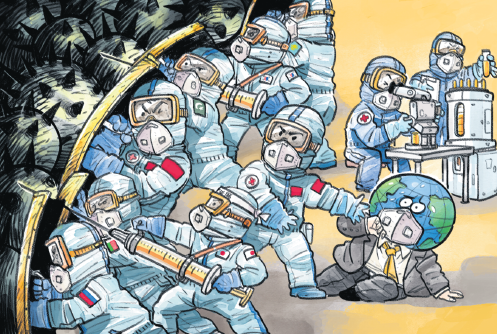
(The cartoon at the top on what various countries are doing to combat COVID-19 is by Cai Meng;CHINA DAILY)

Police curfew in Ja-Ela and Wattala

March 19th, 2020

Courtesy Adaderana

Police curfew will be imposed within the Ja-Ela and Wattala Police Divisions from 10 pm tonight (19).

The curfew will be in effect until further notice, stated the Police Spokesperson.

Previously, the government imposed police curfew in 11 police divisions in Puttalam, 7 in police divisions in Chilaw and the Kochchikade police division in Negombo from 4.30 pm last evening (18).

However, the curfew was lifted for 6 hours from 8.00 am this morning (19) and re-imposed at 2.00 pm in the afternoon.

The Police have advised the general public to minimize movement after the curfew is lifted and to stay inside their respective residences after curfew is enforced again.

Only the movement of public transport vehicles and urgent travels will be allowed while the curfew is in force, the Police noted.

Air passengers who are scheduled to reach Bandaranaike International Airport (BIA) in Katunayake can use their flight ticket as a curfew permit.

59 confirmed cases of Coronavirus in Sri Lanka

March 19th, 2020

Courtesy Adaderana

UPDATE (4.22 p.m.) – Three more Coronavirus patients have been identified today bringing the total confirmed cases in Sri Lanka to 59.
 
Director General of Health Services Dr. Anil Jasinghe said a small child, a 64-year-old patient from Colombo North Teaching Hospital and 23-year-old youth from IDH Hospital have tested positive for the virus. 

He revealed this while responding to a question during the press breifing of the National Operation Center for Prevention of COVID-19 Outbreak.


Four more patients have tested positive for Coronavirus bringing the total of confirmed cases in Sri Lanka to 56, the Director General of Health Services Dr. Anil Jasinghe said today.

He stated that as of yesterday (18) a total of 52 patients had been identified and that four more confirmed cases were reported so far today.

Speaking at a special press briefing, the Director General said that two of the new patients are the daughter and wife of a previous patient while the other two are from quarantine centers and they had arrived in the country from Italy recently.

All confirmed patients are receiving treatment at the Infectious Diseases Hospital (IDH) in Angoda.

Meanwhile, 243 suspected Covid-19 patients are currently being treated at selected hospitals in the country.

The majority of the confirmed cases are males (81%) while 45.2% percent of the patients are of the ages between 41 to 50 years, according to a situation report of the Epidemiology Unit.

Sri Lanka’s General Election postponed

March 19th, 2020

Courtesy Adaderana

The Election Commission (EC) has decided to postpone the General Election 2020, which was set to be held next month.

Holding a special media briefing at the Election Commission this afternoon (19), its Chairman Mahinda Deshapriya said the General Election will not be held on April 25 as scheduled.

The Election Commission has taken this decision considering the prevailing situation in the country owing to the threats posed by the coronavirus (Covid-19) outbreak.

Deshapriya added that the Election Commission may continue to receive accepted and rejected nomination papers, serial numbers assigned to candidates and the lists of polling stations on March 20 and 21 before noon.

After the gazette on the notice of poll is published the Election Commission is authorized to postpone the election, as per the provisions of Section 24 (3) of Parliament Elections Act (No. 1 of 1981), which states that at the event of any emergency or unforeseen circumstances the election cannot be taken on the day specified in the notice relating to the election.

The Election Commission can accordingly appoint another day for the election. However, Deshapriya pointed out that the new date of the election will be fourteen days after the day on which the election was set to be held.

Accordingly, owing to the coronavirus outbreak in the country, the chairman and the two commissioners of the Election Commission have decided that the General Election 2020 will not be held on April 25.

Deshapriya added that the election calendar for the year 2020 has now upended.

The new election date will be announced on March 26, after holding discussions with the health authorities on the prevailing situation and the means to control the Covid-19 in Sri Lanka, he continued.

PM and Ministers required to pay govt for use of official vehicles and residences

March 19th, 2020

Courtesy Adaderana

The Cabinet of Ministers has decided that the Prime Minister, the Cabinet Ministers, the former Speaker and former Opposition Leader would be required to make certain payments to the government for the use of official vehicles and official residences, if they participate in activities promoting the party or candidature during this pre-election period. 

The Cabinet Spokesman stated that the President has dissolved the 08th Parliament by now and has declared the dates for the General Election. 

However, the Prime Minister and the Cabinet Ministers are engaged in their official duties until the date of the General Election while the Speaker as well as the Leader of the Opposition shall participate in the official duties as the members of the Constitutional Council. 

However, it was observed the appropriateness for them to pay a reasonable amount to the Government for using their official vehicles and official residencies since they participate in the activities of promoting their political party and candidature during the same period, the spokesman said. 

Therefore, the Cabinet of Ministers decided that the office bearers mentioned above shall follow the same procedure followed during the General Election held in 2015.

They are as follows:

 Payment of a monthly rental of Rupees 100,000/- per vehicle if official vehicles are used for promotion of their party and candidature.

 Bearing the amount spent for additional fuel required than the quantity of fuel provided for the official vehicles personally by them.

 Personally, bearing all expenditure if utilizing planes or choppers for promotion of their political party and candidature.

 Payment of a monthly rental of Rupees 100,000/- for the official residence if used for promotion of their party and candidature.

Govt to declare 6-day period for public, private sectors to work from home

March 19th, 2020

Courtesy Adaderana

The government of Sri Lanka has decided to declare a period of six working days from 20th to 27th of March for employees of the public and private sectors to work from home.

This measure is being implemented as a means to limit the spread of coronavirus (Covid-19) by minimizing movement and gathering of the general public during the outbreak.

It is noted that this period of six days is not a public holiday and the heads of relevant workplaces are to decide on the spells of work that the employees should cover.

However, authorities will ensure that health, bank, transport, and essential services will be continued as usual, according to the circular issued on the matter by the Presidential Secretariat. Local government services, district secretariats, and divisional secretariats will also continue service.

Meanwhile, heads of workplaces should ensure continuous service by using technological tools such as email, SMS, telephone instead of summoning the staff to offices.

Further, public offices should take steps to serve and resolve public issues through methods such as telephone and email.

The government will provide relief for the cost of telephone charges if personal phones are used for the aforementioned services, the circular further read.

Circular issued on 2020-03-19 declaring 6 days to work from home by Ada Derana on Scribd

Parties submit national list nominations

March 19th, 2020

Courtesy Adaderana

Several parties have submitted their nominations for the National List to the Elections Commission today (19).

The national list of Sri Lanka Podujana Peramuna (SLPP) was handed over by the party Chairman Prof. G. L. Peiris and its General Secretary Attorney at Law Sagara Kariyawasam.

The list with 29 names consist of Chairman of SLPP Prof. G. L. Peiris, President’s Counsel Ali Sabry, ‘Yuthukama’ Chairman Gevindu Kumaratunga, former SLFP General Secretary Prof. Rohana Lakshman Piyadasa, former Central Bank Governor Ajith Nivard Cabral, former Cricket Captain Thilekaratne Dilshan, General Secretary of SLPP Attorney at Law Sagara Kariyawasam, Prof. Charitha Herath, Yadamini Gunawardena, Dr. Seetha Arambepola, Tiran Alas, Mohammed Muzammil, and Jayantha Ketagoda.

Meanwhile, the United National Party (UNP) and ‘Samgai Jana Balawegaya’ led by Sajith Premadasa submitted two separate national lists.

The UNP included names of John Amaratunga, Prof. Ashu Marasinghe, President’s Counsel Thilak Marapana, Saman Ratnapriya, Rohitha Bogollagama in their list.

‘Samagi Jana Balawegaya’ had added Ranjith Madduma Bandara, Mayantha Dissanayake, Tissa Attanayake, Harin Fernando, Eran Wickremaratne, Hussain Bhaila, Earl Gunasekera, Asad Sally, Shiral Lakthilaka, Imtiaz Bakeer Marker to their list.

Former MP Dayasiri Jayasekara submitted the national list of Sri Lanka Freedom Party (SLFP).

It is to be noted that former Speaker of the Parliament Karu Jayasuriya and former MP Sagala Rathnayake had neither submitted nominations to contest the election nor were included in national lists.

Speaking on the matter, Jayasuriya said that he continuously tried to reconcile the UNP and ‘Samagi Jana Balawegaya’ to no avail.

Therefore, he has decided to neither contest the election nor enter the parliament through the national list, the former Speaker said.

Banks ordered to halt facilitating import of vehicles, non-essential goods

March 19th, 2020

Courtesy Adaderana

The Central Bank of Sri Lanka (CBSL) has introduced several measures to ease the pressure on the exchange rate and prevent financial market panic due to the COVID-19 pandemic.

Accordingly, licensed commercial banks and National Savings Bank are directed to adopt the following measures during the next three months, with immediate effect: 

  1. Suspend facilitating the importation of all types of motor vehicles, other than those excluded specifically under Banking Act Directions No.01 of 2020, under Letters of Credit
  2. Suspend facilitating the importation of non-essential goods specified in Banking Act Directions No.01 of 2020, under Letters of Credit, Documents Against Acceptance and Advance Payment
  3. Suspend the purchase of Sri Lanka International Sovereign Bonds by licensed banks in Sri Lanka


In addition, Authorised Dealers of foreign exchange are allowed to issue foreign currency notes as travel allowance only up to a maximum of USD 5,000 (or its equivalent in other foreign currency), the release said.

The Central Bank says it will continue to monitor market developments and take further measures as required while ensuring adequate liquidity in the market in order to facilitate smooth operations and sustain market confidence amidst the COVID-19 outbreak.

The CBSL has introduced the above measures as per the provisions of the Monetary Law Act No. 58 of 1949, the Banking Act No. 30 of 1988, and the Foreign Exchange Act No. 12 of 2017.

Importance of cultural values in the delivery of sexuality education

March 18th, 2020

By Rohana R. Wasala Courtesy The Island

This is in response to two recent articles published in The Island that relate to the aftermath of the debate about the suitability of the booklet titled ‘Hathe Ape Potha’ as supplementary reading material for introducing sexuality and reproductive health education for Grade 7 students in Sri Lankan schools, viz. ‘Attempts to introduce reproductive health education in schools – Need to face the realities’ by Dr. Janaka Ratnasiri/Midweek Review/February 11, 2020 and ‘Reproductive Health’ by Citizen S/Opinion/February 12. Both refer to an earlier Opinion piece of mine carried in the same paper on February 7, Dr Ratnasiri directly, and the anonymous writer obliquely. Citizen S’s piece is a highly commendatory response to Dr. Ratnasiri’s. I too broadly agree with Dr Ratnasiri’s comments and share his hope that ‘the new educational policymakers will consider reintroducing this Booklet after editing it suitably….’ (if they don’t have a better alternative, I’d like to add).  However, it is my feeling that certain misgivings both writers seem to have about my contribution to the discussion need to be cleared because those doubts or misunderstandings question the soundness of my ideas about the cultural-political aspect of the issue concerned. 

First, let me turn to Dr. Ratnasiri. He has chosen to comment on two pieces published in The Island on February 7 on topics that have relevance to the question of bringing in preliminary sexuality and and reproductive health education for the benefit of Lankan school children. The two pieces of writing are my opinion piece aforementioned and a news report about an International Women’s Day (IWD) event organized by the Human Rights Commission of Sri Lanka (HRCSL)  where the former Supreme Court Justice Shiranee Thilakawardena, in her keynote address as chief guest, made an incidental reference to the alleged prevalence of teenage sex activity in the country.

 In Dr Ratnasiri’s judgement, my write-up about the controversy over ‘Hathe Ape Potha’ discusses what he calls ‘hypothetical situations’, while the other (the news report containing the retired Supreme Court judge’s revelations) describes hard facts. Dr Ratnasiri is right about the judge’s speech (though the facts she revealed are as they are relevant to the theme selected for the abovementioned IWD event this year: ‘Countering Technology based violence against women’. But she referred, in passing, to children who are related victims of such violence. Justice Thilakawardana was reported to have remarked that ‘children should be trained to decide what is good or bad relating to sexual matters in child appropriate language’, words highlighted in the news report by being chosen for its headline. Actually, when I read this news item in The Island of February 7 (the same day that my article also appeared there), I was happy to see that the important speaker’s idea that children should be trained to distinguish between what is good and what is bad in sexual matters ‘in child appropriate language and later on in more explicit terms to protect them from being exploited and harmed online and offline’ was consonant with my own view regarding imparting knowledge about sexuality and reproductive health to school children. My article, which had been composed several days before it was published in The Island on February 7, referred to the monks’ argument that ‘….. the book seems to be designed to sexually titillate children at this tender age, rather than educate them through proper instructional materials and methods to restrain themselves from indulging in premature sexual activity’. 

(By the way, both Dr Ratnasiri and the anonymous Citizen S seem to go on the wrong assumption that the monks are against sexuality education and that this is because they think that the subject is sexually titillating for them resulting in premature sexual activity, whereas what the monks actually argued was that it looked as if the book was so designed as to sexually titillate these adolescent children; they were not saying that sexuality education itself would produce that effect. They do not object to the subject being introduced. I don’t expect anything better from an anonymous writer, but I do expect something better from Dr Ratnasiri.) 

So, I’d like to modestly claim that the honoured retired judge’s attitude and mine accord with the stand taken by the Buddhist monks who have criticized ‘Hathe Ape Potha’ for the inappropriateness of its language and its disregard of the age and comprehension ability of early adolescents. Retired Supreme Court Justice Thilakawardana was widely known as an upright judge while still in service. Her words carry a lot of weight with the rational responsible majority of the public. Justice Thilakawardanana’s phrase ‘in child appropriate language and later on in more explicit terms…’,  is most likely to be an allusion to the controversy over ‘Hathe Ape Potha’ that featured those vocal Buddhist monks.

Something that these monks take great pains to convince their opponents or potential critics including the experts and others who support the booklet as originally compiled is that they are NOT against  the introduction of sexuality and reproductive health education, and that, on the contrary, they are all for it. None recognize the rationality of providing holistic sexuality and reproductive health instruction in schools more readily than these monks. Their only demand is that this be presented to the children in a scientific, culturally acceptable manner. Curiously, however, those who disagree with the monks deliberately ignore this fact, and, instead,  try their level best to portray them as reactionary dogmatists who are trying to throw a spanner in the works where they have no business to be. Is it surprising that the monks tend to suspect that this is yet another way of misrepresenting the dominant Buddhist moral-cultural values of the majority Sinhalese as a hindrance to the introduction of the subject of sexuality and reproductive health, instead of truthfully upholding the soundness of those values in the context of implementing a holistic sexuality and reproductive health teaching program? The existence of a real threat to the preservation of the Buddhist religious-cultural foundation of the historical homeland of the majority Sinhalese cannot be disputed. It is a hard fact, not a mere hypothetical situation. Dr Ratnasiri emphasizes the ‘need to face the realities’.  The ever growing threat just mentioned, which is manifest in numerous forms, too obvious to be named, must be prominently included among the realities that Dr Ratnasiri says the nation must face. Opinions, hypotheses, assumptions or ‘hypothetical situations’ are as good as ‘hard facts’ if they are well supported by observations as mine are.

Citizen S being anonymous need not be taken seriously. A writer’s anonymity in a context like this is an indication that s/he is not confident enough to defend,  or acknowledge responsibility for, her/his ideas. To me Citizen S sounds like a sneaky defender of Hathe Ape Potha however sound the monks’ criticisms are. S/he doesn’t seem to have any clear idea regarding what the controversy is about, what sexuality and reproductive health involves, or why it is bound to be a highly contentious and extremely difficult subject to handle with young learners in any ‘civilized’ society (society with a culture). Can there be any education with culture disregarded? 

According to a National Center for Biotechnology Information (NCBI), US, research paper  titled ‘Development of Contextually-relevant Sexuality Education: Lessons from a Comprehensive Review of Adolescent Sexuality Education Across Cultures’ by Hildie Leung et al published in the International Journal of Environmental Research and Public Health, USA on February 20, 2019 ‘Sex education refers to an age-appropriate, culturally relevant approach to teaching about sex and relationships by providing scientifically accurate, realistic, non-judgmental information”. This definition acknowledges that the aim of sex education extends beyond the transfer of knowledge on human physiology, reproductive system, or the prevention of STIs. Rather, sex education is conceptualized holistically with the goal of empowering youths to better understand their sexuality and relationships, which will ultimately improve adolescents’ sexual health and overall quality of life’.

The words quoted (by the authors of the research paper) in the above paragraph are from UNESCO’s International Guidelines on Sexuality Education: An Evidenced Informed Approach to Sex, Relationships and HIV/STI Education, 2018. The initials STI stand for Sexually  Transmitted Infections.  

The researchers add that ‘the content, messages and approaches of delivering sex education vary across countries’. What they say about the Chinese context by way of illustrating the point may be recognized as something somewhat similar to what is likely to be encountered by researchers in the Sri Lankan context. They hold that in the global Chinese contexts the implementation of sex education remains contentious in terms of public health and education policies on three grounds: first, the deep-rooted perception of sex as a taboo” in itself, some arguing that sex education encourages promiscuity among the young (but informed Sri Lankan adults are not likely to raise that negative argument against a properly presented explanation of sexuality in a matter of fact scientific way in language appropriate to the target group of students; second, while policy makers, educators, and parents agree about adolescents’sexual behaviour apparently getting out of contro  they disagree on how such unrestrained behaviour can be minimized; and third, who should assume responsibility to discipline the youngsters. In addition to this, the authors point out that ‘there are various approaches to sex education including abstinence-only, abstinence-only-until-marriage, abstinence, and comprehensive sex education’, and also that these could be family based, school based, etc.

My opinion, for what it is worth, is that educational and health authorities need not turn sexuality and reproductive health information into such sensational material among these innocents as to knock their senses off, most of whom are already exposed to that kind of stuff anyway, if they are curious enough, which they naturally are, on the internet. Perhaps, the sexuality and reproductive health topic should be subsumed under a broad subject area covering physiology, health, and  hygiene, to be incrementally treated as other topics from lower to upper grades, but without any exam-orientation (SRH knowledge should not be a pass fail subject with viva voce exams, practicals, grades, etc). Separate textbooks or supplementary readers may not be necessary. Technology will come to play in school education more and more in the future. The present generation of parents are more informed and can assume a candid, straightforward attitude more easily than their own elders  in dealing with factual sex and reproductive health information in a civilized scientific way in loving intimacy with their growing chidren in the privacy of their homes. Parents also can use the abundantly available internet sources as research tools. 

Buddhist and Hindu religious-cultural values are supportive of sexuality and reproductive health education. Dr Ratnasiri claims that Buddhist children are introduced to sex education when they daily repeat the Five Precepts, the third of which is refraining from sexual misconduct. This is the traditional translation or interpretation of  the third precept, which uses the word kama. But in Hinduism and Buddhism kama is not exclusively sexual pleasure, it refers to the healthy gratification of sexual desire and other kinds of sensual pleasures without any sexual association. The eastern-spirituality.com website has a good definition of kama including the following:

‘Kāma is one of the four goals of human life in Hindu traditions. It is considered an essential and healthy goal of human life when pursued without sacrificing the other three goals: Dharma (virtuous, proper, moral life), Artha (material prosperity, income security, means of life) and Moksha (liberation, release, self-actualization). Together, these four aims of life are called Puruṣārtha.’

Purusarthas are the four ends of human life according to Hinduism. The Buddhist attitude is not different in this respect, with perhaps the exception of the last. The third precept recommends abstention from wrongful sensual gratifications, but not from wholesome indulgence in ‘gihi saepa’ (wellbeing of a householder/lay person, which includes healthy self-fulfilment in sexual life), which, though is not the ultimate goal of the seeker. Proper scientific sexuality and reproductive health education is entirely compatible with the dominant culture of Sri Lanka. 

Qualities of self-restraint, fortitude, resilience and compassion displayed by people in eastern countries where the same religious culture prevails including China – the birthplace of the current Covid-19 pandemic, South Korea and Thailand, are trying to contain it with a degree of success that is not found elsewhere.  Sri Lanka is still relatively safe – with not many cases reported so far, and those too arrived from abroad – although about 10,000 Chinese are there on work visas, as the minister in charge of health claimed. They have been asked to self quarantine, which request they are abiding by, she added. The Late Show with Stephen Colbert – You Tube interviewed the renowned US astrophysicist Neil deGrasse Tyson a couple of days ago. He was asked by host Colbert to comment on the dreadful Coronavirus outbreak that is sweeping across the globe. Tyson replied: ‘We are in the middle of a massive experiment worldwide: Will people listen to scientists?’ …….. (Doctors tell us that) simple hygienic practices like washing your hands thoroughly are all that is necessary to beat the epidemic. It is as simple as that. But will people listen to scientists?…..  Life lived in fear is life half lived.’ Dr Tyson was speaking from his experience in his native America. On our part, we may say that in countries like Sri Lanka, people usually live by cultural values that encourage them to listen to the wise (vinnu), which here translates as the kindhearted scientists (mainly doctors) who are offering helpful advice in the present global crisis situation. 

AS YOU SOW—

March 18th, 2020

ALI SUKHANVER

For the last many years US has been providing immeasurable financial assistance and support to Afghanistan; it is a day-light fact. Under the banner of USAID program trillions of dollars have yet been spent in the fields of health and education there. According to a report published by the USAID, ‘the basic purpose of all this support is to help Afghanistan become a more responsible and integrated member of the region and the world. Apparently the USAID program’s only purpose is to bring more Afghans back into economic and civic life. US’ huge investments in infrastructure and human capital are making the country less vulnerable to insurgents and illicit business and more attractive for private-sector enterprise.’ But in spite of all these services provided to the people of Afghanistan, no one could say that the people of Afghanistan love and like the Americans because they have been serving them for so many years.

The reason behind this disliking for US in Afghanistan is that the Afghans hold the US authorities responsible for all the trials and tribulations they have been passing through for the last three decades. The Afghans could never forget thousands of their children who were burnt to ashes just because of the merciless bombings of the NATO forces under the command of US. Be they in groups like Taliban or in any other ‘formation’ they never miss a chance of targeting the US led troops or any of the US interests in Afghanistan. It is their harsh reaction which has compelled the US authorities on searching for retreating strategies. The Afghan people are so spiteful regarding the US troops that neither they let them go back nor let them stay in Afghanistan.

The same vindictive behaviour could be noticed in Palestine against the Israeli forces and in the Indian Occupied Kashmir against the Indian troops. Mr. Modi claims that he has tried to bring a new era of peace and prosperity by withdrawing the special status of Jammu & Kashmir but a recent report of the Reuters points out a situation altogether different. The report says referring to a speech Mr. Modi made at Red Fort in New Delhi, Modi said the constitutional status of Jammu and Kashmir had encouraged corruption and nepotism, while creating injustice for women, children and minority communities. Today, every Indian can proudly say One Nation, One Constitution.” Mr. Modi might be sincere in his opinion but according to the Reuters, ‘the policy will trigger a backlash from Kashmiris aggrieved by losing their exclusive right to buy property in the state and to fill state government jobs.’

In short the ‘marvelously gracious’ favours of Mr. Modi would simply add agony to the sufferings of the helpless Kashmiris. Mr. Modi claims that his actions like CAA and NRC are a favour and a blessing for the people of Kashmir, Assam and for Dalits, Adivasis, Vanvasis, Tamils, Gorkhas and so many others belonging to different tribes. Unfortunately the realities on ground are contrary to the claim of Mr. Modi. The amended Citizenship Act is nothing but an injustice against all minorities and an attempt to kick out all those who don’t belong to the upper caste Hindu community.

The worst consequences of Modi’s CAA and NRC are being witnessed at present in Delhi. The Guardian has recently published the story of a 30-year-old Muslim Musharaf who lived in the Bhagirathi Vihar area of Gokalpuri, north-east Delhi with his wife and children. That day he was at home when a mob of around 30 men with iron rods and knives broke down the locked door shouting jai Sri Ram. Everyone got into the beds to hide but the men covered everything with kerosene and shouted: Will you come out or do you want us to burn you alive? They smashed the bed where Musharaf was hiding underneath and dragged him out into the street. The children ran out, too, and were screaming. His daughter, Kushi – she is just 11 – fell on the feet of those men, pleading ‘Don’t kill my father’. She tried to save him but they beat him to death in the middle of the street and threw him in the gutter-hole.

The violation of human rights is nothing but depriving people of their basic right to move freely, to think independently and to do business of their own choice. And this is what the Modi government is doing with the minorities in India; and same things the US led troops have been doing for the last many years in Afghanistan. Unfortunately in both cases the victims are the Muslims and more unfortunate is the fact that all over the world wherever there is a story of human rights violations, the victims are the Muslims. Certainly the reason behind this ‘universal’ pathetic condition of Muslims is that they lack unity. A painfully agonizing indifference of the Muslims to one another provides strength and courage to the forces hostile to them.  

මාරාන්තික වෛරස් රෝග පිිළිබ`ද ඔබ දැනගතයුතු දේ “වෛද්‍යවරයෙක් කතා කරයි” වෛරස් රෝග – 3 කොරෝනා

March 18th, 2020

මහාචාය්‍ය _ නිමල් සේනානායක සමුද්‍ර ප්‍රකාශනයක්

‘වෛද්‍යවරයෙක් කතා කරයි’ මැයෙන ්පළවන පොත් පෙළෙහි 12වැනන් මහාචාය්‍ය _ නමිල් සෙන්ානායක ඉතා වැදගත් වූ රෝගයක් පිළිබදව ලිවීමට යොදාගෙන ඇත. අලූතින ් ව්‍යාප්තවන භයානක වෛරස ් රෝග අතුරෙන ්කොරෝනා වෛරසය වැදගත් වනේන ්එය ගැන නොදන්නා කරුණු බොහොමයක් තිබීමත්, එම කරුණු ගැන වෛද්‍ය විද්‍යාඥයිනේග් අවධානය යොමු වී ඇති නසිාත්ය. මෙම කරුණු සාමාන්‍ය ජනතාවට වටහා ගැනමී සදහා වූ නපිැයුමකි මහාචාය්‍යවරයාගේ අලූත්ම කෘතිය. අනසි ිබියක් ඇතිකර නොගැනමී ද නසි ිඅවධානය ඇතිකිරීම ද මාරානත්ික වෛරස ්රෝග පිළිබද ලිවීමේ දී මහාචාර්යවරයාගේ කාර්යභාරය වී ඇති බව පෙනෙ.් එම නසිාම මේ කෘතිය ඉතාමත්ම වැදගත් නර්ිමාණයක් ලෙස හැදිනවි්ය හැක. එය කුඩා අත්පොතක් වීම එහ ිවැදගත්කම වැඩිකරලීමට එක් හේතුවකි. මක්නසිාද කියවීමට පහසු, එසේම, වැදගත් දැනගත යුතු කරුණු රාශියක් එහ ිඅඩංගු කිරීමට කතෘවරයා සමත් වී ඇති නසිාය.
කොරෝනා වෛරසය ගැන මෙහි ලියැවී ඇති දේ සාමාන්‍ය ජනතාවට පමණක් නොව වෛද්‍යවෘත්තිකයනට් පවා ප‍්‍රයෝජනවත් කරුණු විය හැක. කවදාවත් අසා නැති දැක නැති වෛරස ් රෝග කොහෙන ්පහත් වන හෙන ගෙඩිදැයි සාමාන්‍ය අය පමණක් නොව වෛද්‍ය විද්‍යාඥයින ්පවා සතිනවා විය යුතුය. මෙම වෛරස ලෝකයේ කොහේ පවතිනේන් ද හිටිහැටියේ මිනසිනුට් වින කරනේන ්කෙසෙද් යනන් මේ කුඩා පොත ඉතාමත් සරල භාෂාවෙන් පැහැදිලි කොට ඇත. එක් කලෙක සාර්ස ්ලෙස ද තවත් කලෙක ම’ර්ස ්ලෙස ද පැමිණෙන වෛරස ්රෝග කොහේ ඉදන ් එනේනද් කොහොම මනුෂ්‍යයින්ට රෝග ඇති කරනේනද් යනන් සාමාන්‍ය අයට පමණක් නොව වෛද්‍යවරුනට් පවා ප‍්‍රහේලිකාවක් වනේනය්. එම ප‍්‍රහේලිකා හැකිතාක් දුරකට මෙම පුංචි පොත මගින ්පහදා දී ඇත.
ප‍්‍රශ්න සහ උත්තර වලින ්සමන්විත පැහැදිලි කිරීම කතෘවරයාගේ සපුුරුදු ක‍්‍රමවේදය වනේනය්. ඔහුගේ ‘වෛද්‍යවරයෙක් කතා කරයි’ යන මැයෙන ්යුත් පොත් පෙළෙහි භාවිතා වී ඇත්තේ මේ ක‍්‍රමයයි. මෙහි එන ප‍්‍රශන් සාමාන්‍යයෙන ්මිනිසනු ්විසින ්අසන දේ වන අතර පිලිතුරු වෛද්‍යවරයෙකු විසනි ්නොදනන්ා අයට පහදා දීමට යොදාගන්නා වචන, භාෂා විලාශයක් වීම විශේෂත්‍වයකි. කතෘවරයා පළමුව කොරෝනා යන වචනයේ තේරුම පැහැදිලි කරනේන ්එය වෛරස විශේෂ ගණනාවක පොදු නම බව පැවසීමෙන.ි එම නම යටතට අයත් වෛරස විසනි ්ඇතිකරනු ලබන රෝග මොනවාද යන්න ඔහු පහදා දී ඇත. සමහර කෙරෝනා වෛරස රෝග ඇති නොකරන බවද වැදගත් කරුණකි. කොරෝනා යන වචනයේ අථය රැුස ්වළල්ලය. වෛරසයේ පිටත ව්‍යුහය රැුස ්වළල්ලක් සෙ ් දිසව්න හෙයින ්මේ වෛරස වර්ගයට එම නම යෙදී ඇත. වෛරසයේ ව්‍යුහය පෙන්නම්ු කිරීමට යොදාගෙන ඇති වර්ණ ඡුායාරූප තත්ත්‍වයෙන් ඉතා උසස ්බව කිව යුතුය. මේ පොත කුඩා වුවද එහ ි ඇති රූප විශාල ග‍්‍රන්ථයකට පවා සදුුස ුබව කිව හැක. කොරෝනා වෛරසයේ ඉතිහාසය සහ එහි පැවැත්මට උපයෝගි කරගනන්ා ක‍්‍රම සහ විධි, එ ්සදහා භාවිතා කරන සත්ව වාහක පිළිබද කර ඇති විසත්ර කෙටි වූවාට ඉතාමක් පැහැදිලිය. එම වෛරස ධාරක ෙසෙලයක් ආක‍්‍රමණය කරන අනද්ම වෛද්‍ය විද්‍යා සසිනුට වුව ද වටිනාකමකින ්යුත් ඉදිරිපත් කිරීමකි. මෙම වෛරස අපගේ ශ්වසන පද්ධතියට හාන ිකරන අනද්මද එ ්හා සමාන පැහැදිලි කිරීමකි. රෝග විනශි්චය පිළිබද සාමාන්‍ය ජනතාව දැනගත යුතු කරුණ පමණක් නොව, රසායනාගාර වල සේවය කරන අයටද ප‍්‍රයෝජන විය හැකි කරුණු රාශියක් ඇතුළත්ය. රෝගී ප‍්‍රතිකාරය පිළිබද පවත්නා ගැටලූකාර තත්ත්‍වය කුමක් නසිාද යනන් පහදා දී ඇත්තේ මේ කරුණ සාමාන්‍ය අයට වැදගත් වන නසිාය. රෝග සවුකිරීමට වඩා වැළැක්වීම වඩා හොද ක‍්‍රමය බව මෙවැන ිමාරානත්ික රෝග පිළිබදව වඩාත් අදාළ බව අමුතුවෙන ්කිව යුතු නැත. එ ්ගැන මනා විසත්රයක් කතෘවරයා සපයා ඇත. රෝගය වළක්වා ගනන්ට ගත යුතු කි‍්‍රයාමාර්ගය හොදින ්වැටහෙනේන ්වෛරස ්රෝගය බෝවන අනද්ම ගැන දැනමුක් ඇත්නම්ය. මේ ගැනද කත_ෘගේ අවධානය යෙදී ඇති බව පෙනෙ.් මෙම කෘතියේ කත_ෘවරයා කොරොනා වර්ගයට අයත් වෛරස ්රෝග තුනක් ගැන සාකච්ඡුා කොට ඇත. එව්ා 2002 චීනයේ ඇති වු සාර්ස ්:ී්ඍී* රෝගය, මැද පෙරදිග සෞදි අරාබියාවේ 2012 දී ඇතිවූ මර්ස ්:ඵෑඍී* රෝගය සහ 2019 චීනයේ ඇති වු නව කොරොනා නොහොත් ක්‍දඪසෘ - 19 යන රෝගයත් වනේනය්. ලංකාවටද භීතියක් ගෙන දුන ්මේ රෝග තුන මේ පොතේ සාකච්ඡුාවනේන ් එව්ායේ ඇති සමාන රෝග ලක්ෂණ, සමාන රෝග වධ _ න සව්රූපය, සතුනේග් සම්බනධ්ය වැනි කරුණු නසිා පමණක් නොව එ ්වෛරස ගැන හොද අවබෝධයක් ලබාගත හැක්කේ එ ්වෛරස ්රෝග තුනම ගැන එකවිට අධ්‍යයනය කොට සැසදීමෙන ්බව කත_ෘවරයා විශ්වාසකරන නසිා විය යුතුය. සාර්ස ්රෝගය මිනිසාට වැළෙදනේන ්මොන ප‍්‍රභවයකිනද් යනන් සොයා බැලීම කතෘ හදුනව්නේන ් රහස ්පරීක්ෂක කථාවන්ටත් වඩා කුතුහලය දනවන සුථ කි‍්‍රයාවක් ලෙසයි. කතෘතුමා රහස ්පරීක්ෂක කතා ලියා ඇති නසිා මේ ගැන මෙවැන ිදෙයක් කීම පුදුමයට කරුණක් නොවේ. සාර්ස ්රෝගය මිනිසාට බෝවනේන ්උරුලෑවනේගන ්යැයි පළමුව අනමුාන කොට, එය සිදුවනේන ්වවුලන්ගෙන ්බව පසවු සොයා ගෙන ඇත. එක් කරුණක් පැහැදිලි කළ යුතුව ඇත. වවුලන් හට මේ රෝගය මුල සටිම වැලදී සටිියා නම් උන්ට රෝග ලක්ෂණ ඇති නොවනේන ්සහ උන් දහස් ගණනනි් එම ආසාදනය නිසා ජීවිතක්‍ෂයට පත්නොවනේන ්ඇයි දැයි ඇසයි යුතුව තිබු ප‍්‍රශ්නයකි. වවුලන් තුළ රෝගය මැඩ පැවැත්වීමේ ප‍්‍රතිශක්නය වධ_නය වී තිබුණාද ? උරුලෑවා ගැනද වවුලන් ගැනද කත_ෘ ලියා ඇත. ඔවුනගේ මස ්කෑමට පි‍්‍රය කරන චීන මිනසිනු්ට ෙරෝග වැළදෙනේන ්ඔවුනගේ කෑදරකම නසිා යැයි සතිිය යුතු නැත. මාංශ පරිභෝජනය සතුන ්කිහිප දෙනෙකුට සීමාවිය යුතු යැයි අප සතිනවා නම් එය වැරදිය. 2002 සාර්ස ්රෝගය නසිා සදුිවූ මරණ සංඛ්‍යාව 774 ක් පමණි. නමතු් නව කොරොනා රෝගය නසිා දැනටමත් 2000 ක ට වැඩි ප‍්‍රමාණයක් මරණයට පත් වී ඇත. නව කොරොනා නෙහොත් ක්‍දඪසෘ-19 වෛරසය සාර්ස ්වෛරසයට වඩා බලසම්පන්නද? කත_ෘතුමා සාර්ස ්වෛරසය නසිා සදුිවූ දේශපාලනික චෝදනා ගැනද සදහන් කොට ඇත. බටහිර රටවල් පැවසෙුව් සාර්ස ්වෛරසය වීනය මගින ්අනිකුත් රටවලට මුදාහැර ඇති බවකි. 2004 පස ුසාර්ස ්රෝගීන ්ලෝකයේ කොහෙනව්ත් හමුවී නැත. සාර්ස ්වෛරසයට කුමක් සදුිවනන්ට ඇත්ද? කත_ෘවරයා මෙවැනමි සාකච්ඡුාවක් ම’ර්ස් වෛරස රෝගය පිළිබදවද සදුිකර ඇත. ම’ර්ස ් රෝගය ඇතිවනේන ්2012 සෞදි අරාබියේය. මේ රෝගය පළමුව හමුවූ අවස්ථාවේදීද එහ ිඅග මුල සොයා ගැනමී රහස ්පරීක්ෂක කතාවක් වගේම කුතුහලය දනවන සුථ බව කත_ෘ පවසය.ි සාර්ස ් රෝගය මෙනම් මර්ස ්රෝගය ද මිනිසාට ලැබෙන්නෙ ්සත්ව වාහකයක මාග_යෙනි. මෙහිදීද පළමුව වවුලන් අතරත්, දෙවනවු ඔටුවන ්අතරත් මේ වෛරසය සංසරණය වන බව සොයාගැනමී රෝගය පාලනය කර ගැනමීට බෙහෙවින ්උදව් වුණ බව පෙනෙ.් කත_ෘවරයා මේ ගැන විසත්ර කරනේන ් ඉතාමත් රසවත් කතාවක් නිම_ාණය කරනවා මෙනය්. ම’ර්ස ්රෝගය පිළිබදව සත්ව මාංශ භුක්ති විදීම එක හේතු කාරකයක් බව කත_ෘ පෙනව්ා දෙයි. තනෙිමාල්ලි ඔටුවා ගැනද, ඊජිප්තු සෙහොන ් වවුලා ගැනද කර ඇති සටහන ලියන දෙය රසවත් කිරීමට කත_ෘට ඇති හැකියාව මනාව පෙනන්ම්ු කරයි. ම’ර්ස ්වෛරස් රෝගය හේතුකොට ගෙන සදුිවු මරණ සංඛ්‍යාව 811 කි. එය සාර්ස් නසිා සදුිවු මරණ සංඛ්‍යාවට වඩා වැඩිය. ම’ර්ස ්රෝගය සාර්ස ්රෝගය තරම්ම ව්‍යාප්ත නොවුණා වුවද, එය කර ඇති විනාශය ඊටත් වැඩිය. තවමත් ඉදහිට අරාබියේ ම’ර්ස ්රෝගීන ්හමුවන බව කතෘ පෙනව්ා දෙයි. ශි‍්‍ර ලංකාවේ පිරිමින ්සහ ගැහැණුන ්විශාල සංඛ්‍යාවක් මැදපෙරදිග රැුකියාවට ගොස ්ඇත. ඔවුන ් දැනවුත් කිරීම අපගේ වගකීමය. මෙම වෛරසය මිනිසාට බෝවන අනද්ම රූප සටහනකින ්පෙනන්ම්ු කරදී ඇත්තේ කොයිකාටත් වටහා ගත හැකි අනද්මටය. බලලූන ්වදුරන ්:ක්ඉදදබ* ඔටුවන ්වවුලන් වැන ිසතුනේග් අශුචි වලින් වෛරසය බෝවිය හැකිය. බළලූන ්අතගෑමෙන ්පවා වැළකී සටිිය යුතුය. සාර්ස ්රෝගය නසිා මරණ ප‍්‍රතිශතය 10‍්‍ර වන අතර මර්ස ්නසිා එය 35ග2 ‍්‍ර කි. නව කොරොනා වෛරස ්රෝගය :ක්‍දඪසෘ–19* ආරම්භවනේන ්චීනයේ වුහාන ්නගරයේ වෂ _2019 දීය. මුලින්ම රෝගය හැදෙනේන් මාථ වෙළද පොළකට නතිර ආගිය අයටය. මේ වෙළදපොළ බලූමස්, ඔටුමස,් වවුල් මස,් ගෙම්බන්, සර්පයින ්වැන ිසත්ව මස ්වෙළදාම් කරන සථ්ානයකි. රෝගයට අදාළ ජාන හදුනා ගැනමී, රෝගය ශීඝ ‍්‍ර යෙන් ව්‍යාප්තවීම, එයට හේතු කත_ෘවරයා සාකච්ඡුාකරනේන ් කියවනන්ාගේ අවධානය ග‍්‍රහණයට ගැනෙීම් හැකියාව පෙනන්ම්ු කරමින.ි වෛරස රෝග ආරම්භක රටින ්පිටතට පැතිරෙනේන ්අද ලෝකයේ ඉතාම දියුණු තත්ත්‍වයක පවතින සංචාරක සහ ව්‍යාපාරික ප‍්‍රජාවගේ ගුවන ්ගමන ්නසිා බව කතෘවරයා පහදා දෙයි. මෙම වෛරස රෝගය ප‍්‍රථමයෙන ්පැතිර යනේන ්වුහාන ්නගරයේ පැවති වසන්ත සැණකෙළියට සහභාගි වූ 40,000 ක් පමණ ජනයා අතරය. සැණකෙළියේදී ඔවුන් එකිනෙකාට ළංවී අතට අත දීම, සපි ගැනමී වැන ිආචාර කිරීම් නසිා මෙය සදුි වූ බව පැහැදිලි වේ. වෛරස ්රෝග පවතින සමයක මෙවැන ිඑක්රැුස ්වීම් වලින් සදුිවිය හැකි ව්‍යසනය කත _ ෘ විසනි ්මනාව සාකච්ඡුාවට භාජනය කෙරෙයි. මේ සෙනග අතර සිටින වෛරසය කතෘ හදුන්වා දී ඇත්තේ අනාරාධිත සැගවුණු අමුත්තා ලෙසය. චීනයේ සාංක‍්‍රමිකයනේග් ගමනාගමනය විසත්ර කරන්නෙ ්ලංකාවේ ජනගහනය සමග සංසනද්නය කිරීමෙනි. සැණකෙළියේ විශාලත්වය සහ ඊට සහභාගි වූ පිරිස නගරයෙන් පිටතට යෑමේ දී වෛරසයක් රැුගෙන යන බව පහදා දීමෙන ්මේ රෝගය එ ්ලෙස ශීඝ‍්‍රයෙන ්පැතිර ගිය හැටි අපට මැවී පෙනෙ.්
චීනයෙන ්පටනේගන නව කොරෝනා වෛරස රෝගය ලෝකයේ බොහෝ රටවලට පැතිරෙන ආකාරය කතෘ විසනි ්පහදා දී ඇත්තේ මෙවැන ිරෝග වලින් මුථ ලොවටම සිදුවිය හැකි විනාශය පෙනන්ම්ු කිරීමටය. නව කොරෝනා වෛරස රෝග ලක්‍ෂණ සවිසත්රව ඉදිරිපත් කරනේන ්එහ ිඇති ප‍්‍රායෝගික වටිනාකම පැහැදිලි කරමිනය්. රෝගයේ ප‍්‍රධාන අවසථ්ා හයක් තිබෙන බවද, ඒවා එකින ්එක ගෙන රෝග ලක්‍ෂණ පැහැදිලි කරනේන ්බරපතලකම වැඩිවන අනද්ම සාකච්ඡුාවට බදුන ්කරමින.ි බාහිර රෝග අංශයක දී වෛද්‍යවරයෙකු රෝගියෙකු හට නව කොරෝනා වෛරසය සෑදී ඇතැයි සැක කරනේන ් කෙසෙද් යනන් පැහැදිලි කිරීමෙන ්පටන ්ගෙන, රෝග විනශි්චය සහ ප‍්‍රතිකාර විධි ඉතාමත් සරල භාෂාවෙන් කතෘවරයාගේ සපුුරුදු කාව්‍ය විලාශයෙන ්අපට ඉදිරිපත් කර ඇත.
චීනය සහ අනකිුත් රටවල් ගෙන ඇති නොයෙකුත් ප‍්‍රතිකාර ක‍්‍රම සහ වෛරස නාශක යම්කිස ිවිදියේ සතුටු ආරංචියක් දැයි කතෘවරයා සාකච්ඡුා කර ඇත. ඊට පස ුකතෘවරයා විසත්ර කරනේන ්මෙම වෛරස රෝගය පැතිරීම වැළැක්වීම සදහා අප විසනි ්ගතයුතු කි‍්‍රයා මාග_ය, මුව වැසම්ක් නවිැරදිව පාවිච්චි කරන ක‍්‍රමය පවා මේ කුඩා පොතේ පෙනව්ා දී ඇත. ගුවන ්තොටුපොළ වල අනුගමනය කරන දැඩි ක‍්‍රමවේදයේ ඇති වැදගත්කම කත_ෘ පහදා දෙනේන ්මේ නසිා මගීනට් ඇතිවන හිරිහැර කරදර ඉවසා දරා සටීිමේ ඇති අවශ්‍යතාවය පෙනව්ාදීමටය.
මේ වෛරසය ජීවත් වනේන ්කොහේද? මිනිසාට හදි කරනේන ්කෙසෙද්? මේ ප‍්‍රශ්න වලට උත්තර සැපයීමට මහාචාර්යවරයා උත්සාහගෙන ඇත. විත්තිකරුවන ්දෙදෙනෙු් හදුනාගෙන ඇති වෛරස ප‍්‍රභවය :ිදමරජැ* සහ වෛරස ්අතරමැදියා :සබඑැරපැාස්එැ යදිඑ* සැකහැර දැන නොගත්තත්, සදුිවෙමින ්ඇති පරීක්ෂණ වලින් ඉදිරි කාලයේදී මේ ප‍්‍රහේලිකාවට පිලිතුරු ලැබෙන්නට ඉඩ තිබෙන බව කත_ෘවරයා පෙනව්ා දෙයි. කෙරෝනා වෛරසයේ ජාන රටාව වවුලාගේ ජාන රටාවට පැහැදිලි සමානකමක් පෙනව්න බව සොයාගෙන ඇත. වෛරසය නසිා වවුලන් ආසාදනය නොවනේන ්මේ නසිා විය හැක. තවද මිනිසාගේ පෙණහලූ ෙසෙල වල වෛරසයට සම්බනධ් විය හැකි ග‍්‍රාහක තිබෙන බවද කත _ ෘවරයා පෙනව්ා දෙයි. මේ සොයාගැනීම නසිා විත්තිකරුවා කවුදැයි රහස් පරීක්‍ෂකවරයාට, නශි්චිත වශයෙන ් නොවූවත්, සැක කිරීමට හැකි බවද ඔහු පැහැදිලි කරයි. චීන වවුලා චීනයට පමණක් නොව අද වන විට මුථ ලෝකයටම විශාල විනාශයක් කර ඇත. ලෝක ආර්ථකියට වී ඇති පාඩුව අති විශාලය.
වවුලාගේ ප‍්‍රතිශක්ති පද්ධතියත්, ඉහළ ශරීර උෂණ්ත්‍වයත් වෛරසයෙන් බේරී නමතු් ඊට නවාතැනක් සපයමින් සටීිමට උපකාර වන ආකාරය පැහැදිලි කිරීම හිටිහැටියේ පහත්වන හෙණගෙඩි වැන ි වෛරස රෝග ගැන අපට තිබෙන නොදැනම්ුකම සහ අවුල් සහගත තත්ත්‍වය නරිාකරණය කර ගැනමීට බොහෝ දුරට ඉඩ ඇත. වවුලාගේ අවුල නසිා පසගුිය අවුරුදු 40 ක පමණ කාලයක් තුළ වෛරස වසංගත හතරක් පමණ ලෝකය පුරා පැතිරී ඇත.
පළමුවැනි විත්තිකරු, නැතිනම්, ප‍්‍රභවය වවුලා විය හැක. දෙවැන ිවිත්තිකරු, නැතිනම්, අතරමැදියා හැටියට සතුන ්කිහිපදෙනෙකු හදුනාගෙන ඇති බව කත_ෘ පෙනව්ාදෙයි. සපය_ා, කබැල්ලාවා මේ අතර වේ. නව කොරෝනා වෛරස වසංගතය මධ _ නය කිරීමට චීනය ගත් කි‍්‍රයාමාග_ය කතුවරයාගේ පැසසුමට භාජනය වීම යුක්ති සහගතය. චීනය අපගේ ද මිත‍්‍රයෙකි. චීනයට කරදරයක් වීම අපට ද කනගාටුවට හේතුවකි. යුහුසුථ වු චීන ආණ්ඩුව ඇදන ්2,000 කට වැඩි රෝහල් දෙකක් සති දෙකකදී නමි කිරීම විශ්වකම_ කි‍්‍රයාවක් බව කිව යුතුය. ඔවුන ්කොරෝනා වෛරසය පරාද කරන බවනම් පැහැදිලිව පෙනෙන්නට තිබේ. නමුත් ඔවුන ්ආහාරයට ගනන්ා වවුලා, උරුලෑවා, ඔටුවා, කබැල්ලාවා මීට පසු ජීවිත ගලවාගෙන යහතින ්ජීවත්වීමට ඉඩ ඇතිද? මහාචාය_්‍ය නමිල් සෙන්ානායක තම සපුුරුදු හැකියාව, දැනමු ව්‍යාප්ත කිරීමේ විශේෂ දක්ෂකම, සංකීර්ණ කරුණු ලිහිල් කොට ඉදිරිපත් කිරීමේ සහජ නපිුණත්‍වය මනාවට පිළබිඹු කරන නපිැයුමකි කොරෝනා වෛරස රෝග පිළිබද ලියැවුන ුමේ කුඩා පොත. කුඩා වූවාට ඉන ්සදුිවන සෙව්ය අති විශාල විය හැක.

මහාචාය්‍ය _ එන.්එ.්ද.එස්. අමරතුංග

සිරිමාවෝගේ ප්‍රජා අයිතිය අහොසි කළ ආකාරයේ වැරදි සහගත බවක් ශ්‍රේෂ්ඨාධිකරණ තීරණ උල්ලංඝනය කරමින් කථානයකගේ සහතිකය 19යට වැරදිය ලෙස ලබාගත් අයගේ ප්‍රජා අයිතිය අහිමි කිරීමේදී සිදු නොවේ…!

March 18th, 2020

නීතිඥ අරුණ ලක්සිරි උණවටුන

ශ්‍රේෂ්ඨාධිකරණ විනිශ්චයකාර ජේ. ජී. ටී. වීරරත්න (සභාපති වි), එස්. ශර්වානන්ද (වි) සහ අභියාචනාධිකරණ විනිසුරු කේ.සී.ඊ. ද අල්විස් (වි) සමන්විත විශේෂ ජනාධිපති පරීක්ෂණ කොමිෂන් සභාව විසින් 1980 අගෝස්තු 29වන දින ඉදිරිපත් කළ වාර්තාවේ පරිදි සිරිමා ආර්. ඩී. බණ්ඩාරනායක විසින් කරනු ලැබූ බලය අනිසි ලෙස හෝ අයථා ලෙස පාවිච්චි කිරීම හේතු කොට ඇය ප්‍රජා අශක්නුතාවයට යටත් කළ යුතු බවට 1978 අංක 07 දරණ විශේෂ ජනාධිපති පරීක්ෂණ කොමිෂන් සභා පනතේ 9 වැනි වගන්තිය මගින් නිර්දේශ කර තිබුණි.

‘‘විශේෂ ජනාධිපති පරීක්ෂණ කොමිෂන් සභා නීතිය” අතීතයටද බලපාන ක්‍රියාකාරකම් පාලනයට සහ දඩුවම් නියම කිරීමට ඇති හැකියාව අභියෝග කරමින් නඩු ව්භාග කරමන් තිබියදී සිරිමාවෝ බණ්ඩාරනායක මැතිණියගේ ප්‍රජා අයිතිය ආණ්ඩුක්‍රම ව්‍යවස්ථාවේ 81.2 අනුව්‍යවස්ථාව අනුව වසර 7කට අහිමි කිරීමට එවකට පාර්ලිමේන්තුව ක්‍රියා කළේය.

(සිරිමාවෝ බණ්ඩාරනායක මැතිණියගේ ප්‍රජා අයිතිය අහිමි කිරීමට එදා පාර්ලිමේන්තුව ගත් ක්‍රියාමාර්ගය වැරදි සහගත බව පසුව  පාර්ලිමේන්තුව විසින්ම යෝජනා සම්මතයකින් තීරණය කළේය.)


ශ්‍රේෂ්ඨාධිකරණ තීරණ උල්ලංඝනය කරමින් කථානයකගේ සහතිකය 19යට වැරදි ලෙස ලබාගත් ක්‍රියාවලිය විමසීමේදී එයට සම්බන්ද වූ අයගේ අයගේ ප්‍රජා අයිතිය අහිමි කිරීම දක්වා දඩුවම ව්‍යාප්ත කිරීමට සිදුවන්නේ නීතියේ පාලනය බිදවැටීමට අවස්ථාව නොදිය යුතු හෙයින් සහ තරාතිරම නොබලා වැරදිකරුවන්ට දඩුවම් ලබාදිය යුතු ගෙයිනි. එහිදී සිරිමාවෝගේ ප්‍රජා අයිතිය අහොසි කළ ආකාරයේ වැරදි සහගත බවක් ශ්‍රේෂ්ඨාධිකරණ තීරණ උල්ලංඝනය කරමින් කථානයකගේ සහතිකය 19යට වැරදිය ලෙස ලබාගත් අයගේ ප්‍රජා අයිතිය අහිමි කිරීමේදී සිදු නොවන බවද ලියුම්කරුගේ අදහසයි.

ශ්‍රී ලංකාවේ ආණ්ඩුක්‍රම ව්‍යවස්ථාව ආරක්ෂා කොට අනුගමය කරන බවට වන ආණ්ඩුක්‍රම ව්‍යවස්ථාවේ 4වන සහ 7වන උපලේඛනවල ඇති දිව්රුම් දීම සෑම පාර්ලිමේන්තු මන්ත්‍රීවරයෙකුම සිදු කරයි. එකී දිව්රුම දීම කඩ කිරීම බලවත් වරදකි. එමෙන්ම නීතිය නොදැනීම සමාවට කරුණක් නොවේ යන්න පාර්ලිමේන්තුවට සහ එහි මන්ත්‍රීවරුන්ටද අදාල වේ.

පනත් කෙටුම්පතක් සම්මත කිරීම සහ පනත් කෙටුම්පතක් නීතියක් වීම යන්නෙහි වෙනස, පනත් කෙටුම්පතක් නීතියක් වීමට පෙර කථානායකවරයා අනුගමනය කළ යුතු 79වන ව්‍යවස්ථාවේ අවසන් විධානය, පනත් කෙටුම්පතක් නීතියක් වීමට අවශ්‍ය 80.2 ව්‍යවස්ථාව, 19යට දැන් කළ යුත්තේ 2015 සිටි කථානායක සිදුකළ ව්‍යවස්ථා වැරැද්ද නිවැරදි කිරීම මිස පාර්ලිමේන්තු මන්ත්‍රීවරුන්ගේ කැමැත්ත ගෙන 19ය ඉවත් කිරීම නොවන බවත්, 2/3 ඡන්දයෙන් සම්මත වී ඇති නමුත් තවමත් නීතියක් වී නැති 19ය නීතියක් කළ යුත්තේනම් එය නීතියක් කරන්නේ කෙසේද? යන්න විමසීමේදී  ශ්‍රේෂ්ඨාධිකරණ තීරණ උල්ලංඝනය කරමින් කථානායකවරයාගේ සහතිකය 19යට වැරදියට ලබා ගෙන ඇති බවත්, එයට සහාය දුන් අය ප්‍රජා අශක්නුතාවයට යටත් කළ යුතු බවත් ජනතාවගේ අවධානයට ‍යොමු විය යුතුය.

පනත් කෙටුම්පතක් සම්මත කිරීම සහ පනත් කෙටුම්පතක් නීතියක් බවට පත්වීම අතර වෙනස….

පනත් කෙටුම්පතක් සම්මත කිරීම සහ පනත් කෙටුම්පත නීතියක් වීම අවස්ථා 2කදී සිදු වන බව ආණ්ඩුක්‍රම ව්‍යවස්ථාව අනුව පෙන්වා දිය හැකිය. එනම 79 වන ව්‍යවස්ථාව පනත් කෙටුම්පතක් සම්මත කිරීම සම්බන්ධයෙන් ද 80වන ව්‍යවස්ථාව පනත් කෙටුම්පතක් නීතියක් වීම සම්බන්ධයෙන් ද අදාල වේ. වැඩි දුරටත් පැහැදිලි කළහොත් පනත් කෙටුම්මතක් සම්මත කිරීමේදී කථානායකවරයාගේ වගකීම එනම් ස්වකීය අත්සන ඇතිව සහතිකය යෙදීම ඇතුළු සහතිකයේ සදහන්විය යුතු කාරණා 79වන ව්‍යවස්ථාවේ දක්වා ඇති අතර කථානායකවරයා හෝ ජනාධිපතිවරයා විසින් පනත් කෙටුම්පත මත සහතිකය යෙදූ පසු පනත් කෙටුම්පත නීතියක් වන බවට පත්වන ආකාරය 80වන ව්‍යවස්ථාවේ දැක්වේ.

සම්මත කරන ලද පනත් කෙටුම්පතක් නීතියක් බවට පත්වීමට පෙර කථානායක අනුගමනය කළ යුතු 79වන ව්‍යවස්ථාවේ අවසන් විධානය….

පනත් කෙටුම්පතක් සම්මත වූ පසු ඒ බවට කථානායකවරයා සිය අත්සන සහිත සටහනක් මගින් පනත් කෙටුම්පතේ දැක්විය යුතු ආකාරය 79වන ව්‍යවස්ථාවේ දැක්වේ. සාමාන්‍ය බහුතර ඡන්දයෙන් සම්මත වීම, විශේෂ බහුතර ඡන්දයෙන් සම්මත වීම, ජනමත විචාරණයකට යොමුකළ යුතු පාර්ලිමේන්තු මන්ත්‍රීවරු 2/3ක ඡන්දයෙන් සම්මත වූ පනත් කෙටුම්පතක් ආදී අවස්ථාවකදී කථානායකවරයා සිය අත්සන ඇතිව සටහන තැබිය යුත්තේ කෙසේද යන්න 79 වන ව්‍යවස්ථාවේ පැහැදිලි කරයි.

ජනමත විචාරණයකට යා යුතු බවට නියම කර ඇති විධිවිධානයක් හෝ පනත් කෙටුම්පතක් පාර්ලිමේන්තුවේ 2/3ක ඡන්දයෙන් සම්මත වී ඇති අවස්ථාක ඒ පනත් කෙටුම්පත හෝ ඒ විධිවිධානය ජනතාව විසින් ජනමත විචාරණයක දී අනුමත කරන තෙක් නීතිය බවට පත් නොවිය යුතු බවද ඒ සහතිකයේ සදහන් විය යුතු බව 79වන ව්‍යවස්ථාවේ අවසන් විධානයේ දක්වා ඇත.

ඒ අනුව 2002 දී පාර්ලිමේන්තුවට ගෙන ආ 19වන ආණ්ඩුක්‍රම ව්‍යවස්ථා සංශෝධනයේ වසරකට පසු පාර්ලිමේන්තුව විසුරුවීම ජනාධිපතිවරයා වළක්වන විධිවිධානය 2015 දී පාර්ලිමේන්තුවට ගෙන ආ 19වන ආණ්ඩුක්‍රම ව්‍යවස්ථා සංශෝධනයේද ඇති හෙයින් එකී විධිවිධාන පාර්ලිමේන්තුවේ 2/3 ඡන්දයෙන් සම්මත වූ අවස්ථාවේ 79 ව්‍යවස්ථාවේ අවසන් විධානය අනුව “ජනතාව විසින් ජනමත විචාරණයක දී අනුමත කරන තෙක් නීතිය බවට පත් නොවිය යුතු බවට” වන සහතිකයක් එවකට සිටි කථානායකවරයා විසින් යෙදිය යුතුව තිබුණි.

79 ව්‍යවස්ථාවේ අවසන් විධානය අනුව කථානයකවරයා 2015 පාර්ලිමේන්තුවට ගෙන ආ 19යට සිය සහතිකය  (“ජනතාව විසින් ජනමත විචාරණයක දී අනුමත කරන තෙක් නීතිය බවට පත් නොවිය යුතු බවට”)  යොදා නැති බවත් සහ 80.2 ව්‍යවස්ථාව අනුව 19ය නීතියක් වී නැති බවත් රට හමුවේ එළිදරව්වූයේ 2018.12.13 දින ශ්‍රේෂ්ඨාධිකරණයේ විනිසුරුවරු 7 දෙනාගේ තීන්දුව සමගය.එතෙක් එනම් 2018.12.13 දින ශ්‍රේෂ්ඨාධිකරණ තීන්දුව තෙක්  19යේ තිබූ 33.2.(ඇ) අනුව්‍යවස්ථාව මගින් 70 ව්‍යවස්ථාවේ ඇති පාර්ලිමේන්තුව ව්සුරුවිය නොහැකි වසර 4 1/2 සීමාව යටපත්වන බව ජනාධිපතිවරයාට සහ ජනතාවට උපකල්පනය කරමින් සිටීමට අවස්ථාව තිබුණි. එහෙත් ඒ උපකල්පනය වැරදි බව මෛත්‍රීපාල සිරිසේන ජනාධිපතිවරයාගේ පාර්ලිමේන්තුව විසුරුවීමේ ගැසට්ටුව අවලංගු කරමින් ශ්‍රේෂ්ඨාධිකරණය ලබාදුන් 2018.12.13 දිනැති මූලික අයිතිවාසිකම් නඩු තීන්දුවෙන් සනාථ වේ. එනම් පාර්ලිමේන්තුව විසුරුවීමට ජනාධිපතිට අමතර බලතල ඇති 33.2.(ඇ) අනු ව්‍යවස්ථාව 70 වයවස්ථාවට යටත්ව කියවිය යුතු බවට ශ්‍රේෂ්ඨාධිකරණය තීරණය කිරීමෙන් පසු ජනාධිපතිට හෝ ජනතාවට තව දුරටත් සිය උපකල්පනවල සිටිය හැකි නොවේ.

2018.12.13 දින ශ්‍රේෂ්ඨාධිකරණය විසින් මෛත්‍රීපාල සිරිසේන ජනාධිපතිවරයාගේ පාර්ලිමේන්තුව විසුරුවීමේ ගැසට්ටුව අවලංගු කිරීමත් සමග 2015 දී කථානායකවරයා 19ට සහතිකය යොදා අත්තේ 33.2.(ඇ) ව්‍යවස්ථාව මගින් 70 ව්‍යවස්ථාව යටපත් නොකරන අවස්ථාවකය. එනම් 2002 දී පාර්ලිමේන්තුවට ඉදිරිපත් කළ 19යට ලබා දුන් ශ්‍රේෂ්ඨාධිකරණ තීරණය උල්ලංඝනය කරමින් 2015 දී කථානායකවරයා 19යට 79 ව්‍යවස්ථාට සහ 80 ව්‍යවස්ථාවට පටහැනිව සහතිකය යොදා ඇත.

ඒ අනුව 2018.12.13 ශ්‍රේෂ්ඨාධිකරණ තීරණය මගින් පාර්ලිමේන්තුව විසුරුවීම අවලංගු කිරීමත් සමග එවකට ධූරය දරමින් සිටි කථානයකවරයාට කිරීමට තිබුණේ 2015 සිටි කථානායකවරයා සිදු කළ වැරැද්ද නිවැරදි කරමින් එනම් 79 ව්‍යවස්ථාවේ අවසන් විධානය අනුව නිවැරදි සහතිකය යොදා එනම් “ජනතාව විසින් ජනමත විචාරණයක දී අනුමත කරන තෙක් නීතිය බවට පත් නොවිය යුතු බවට” වන සහතිකය යොදා 80.2 අනු ව්‍යවස්ථාවේ දක්වා ඇති ආකාරයට 19වන ව්‍යවස්ථා සංශෝධනය  නීතියක් කිරීමට අවශ්‍ය ඉදිරි පියවර ගැනීමය.

එනම් 2015 සම්මත වූ 19වන ආණ්ඩුක්‍රම ව්‍යවස්ථා සංශෝධන පනත් කෙටුම්පතට

80.2 ව්‍යවස්ථාව අනුව ජනමත විචාරණයක් මගින් ජනතාව අනුමැතිය ලබා දීමෙන් පසු ජනාධිපතිගේ සහතිකය තබා නීතියක් බවට පත් කිරීමට අවස්ථාව ලබා දීමය.

2015. 12.13 ධූරය දැරූ කථානායකවරයා ඒ යුතුකම ඉටු නොකළ අතර එවකට පාර්ලිමේන්තුවේ විපක්ෂ නායකවරයා හෝ වෙනත් මන්ත්‍රීවරයෙක් ඒ පිළිබද කථානායකවරයාගේ අවධානය යොමු කිරීමද සිදු නොකළේය.

19යට දැන් කළ යුත්තේ කුමක්ද?

2015 කථානායකවරයා විසින් 19යට සහතිකය යෙදීමේදී සිදු කර ඇති වැරැද්ද නිවැරදි කිරීමට තවමත් අවස්ථාව ඇත. ඒ 19 ඉවත් කිරීමට හෝ සංශෝධනය කිරීමට කියා පාර්ලිමේන්තුවේ මන්ත්‍රීවරුන්ගේ කැමැත්ත ලබා ගැනීමෙන් නොව 19යට සහතිකය යෙදීමේදී කථානායකවරයා සිදු කර ඇති ව්‍යවස්ථානුකූල වැරැද්ද නිවැරදි කිරීමෙනි. එනම් 79 ව්‍යවස්ථාවේ අවසන් විධානය අනුගමනය කරමින් ජනතාව විසින් ජනමත විචාරණයක දී අනුමත කරන තෙක් නීතිය බවට පත් නොවිය යුතු බව” ට වන සහතිකය තබා 80.2 අනු ව්‍යවස්ථාව අනුව නීතියක් බවට පත් කිරීමට 19වන ආණ්ඩුක්‍රම ව්‍යවස්ථා සංශෝධන පනත් කෙටුම්පතට අවස්ථාව සැළසීමය.

එය පාර්ලිමේන්තුවේ කථානායකවරයාට සහ ජනාධිපතිවරයාට පහසුවෙන් කළ හැකිය. 

එමෙන්ම 19ය නීතියක්ව නොතිබියදී එයට නීතියේ බලය ලැබෙන ආකාරයට ක්‍රියා කළ අය සම්බන්ධයෙන් ද නිසි පරීක්ෂණයක් සිදුකළ යුතුය. ඒ ඔවුන්ගේ ප්‍රජා අයිතිය අහිමි කිරීම සදහාය.නැවත එවැනි ආණ්ඩුක්‍රම ව්‍යවස්ථා උල්ලංඝනයන් සිදුකිරීමෙන් වළක්වා ගැනීම සදහාය.

ශ්‍රේෂ්ඨාධිකරණ තීරණ උල්ලංඝනය කරමින් 19 නීතියක් ලෙස සැළකීමට කථානායකවරයාගේ සහතිකය වැරදියට යෙදීමට සම්බන්ධ වූ අය ප්‍රජා අශක්නුතාවයට යටත් කිරීම..

ආණ්ඩුක්‍රම ව්‍යවස්ථාවේ 81 ව්‍යවස්ථාව යටතේ ව්‍යවස්ථා විරෝධීව කටයුතු කළ අයට දඩුවම් කිරීම සම්බන්ධයෙන්  විධිවිධාන සලසා ඇත. ශ්‍රී ලංකාවේ ආණ්ඩුක්‍රම ව්‍යවස්ථාව ආරක්ෂා කොට අනුගමය කරන බවට වන ආණ්ඩුක්‍රම ව්‍යවස්ථාවේ 4වන සහ 7වන උපලේඛනවල ඇති දිව්රුම් දීම සෑම පාර්ලිමේන්තු මන්ත්‍රීවරයෙකුම සිදු කරයි. එකී දිව්රුම කඩ කිරීම බලවත් වරදකි. එමෙන්ම නීතිය නොදැනීම සමාවට කරුණක් නොවේ යන්න පාර්ලිමේන්තුවට සහ එහි මන්ත්‍රීවරුන්ටද අදාල වේ.

19යට කථානායකවරයාගේ සහතිකය ලබාගෙන ඇත්තේ 2002 දී 19යට ලබාදුන් ශ්‍රේෂ්ඨාධිකරණ තීරණය උල්ලංඝනය කිරීමෙන් බව ඉහත කාරණා අනුව පැහැදිලි වේ. මෙය පැහැදිලිවම ව්‍යවස්ථා කුමන්ත්‍රණයකි. මෙවැනි ව්‍යවස්ථා කුමන්ත්‍රණ සොයා අදාල දඩුවම් එනම් ප්‍රජා අශක්නුතාවය නිර්දේශ කිරීමට 81 ව්‍යවස්ථාව අනුව නියම කරන විශේෂ ජනාධිපති පරීක්ෂණ කොමිෂන් සභාවකට හැකියාව ඇත. එකී ජනාධිපති කොමිසම කරනු ලබන නිර්දේශය බලාත්මක කිරීමට පාර්ලිමේන්තුවට හැකියාව ඇත.

ඒ අනුව ඉදිරි පාර්ලිමේන්තුව ශ්‍රේෂ්ඨාධිකරණ තීරණ උල්ලංඝනය කරමින් 19 නීතියක් ලෙස සැළකීමට කථානායකවරයාගේ සහතිකය වැරදියට යෙදීමට සම්බන්ධ වූ අය ප්‍රජා අශක්නුතාවයට යටත් කරන පාර්ලිමේන්තුවක් වීමේ වැඩි නැඹුරුවක් ඇත.

නීතිඥ අරුණ ලක්සිරි උණවටුන (2020.03.18)

arunaunawatuna@gmail.com

ශ්‍රේෂ්ඨාධිකරණ තීරණ උල්ලංඝනය කරමින් 19 නීතියක් ලෙස සැළකීමට කථානායකවරයාගේ සහතිකය වැරදියට යෙදීමට සම්බන්ධ වූ අය ප්‍රජා අශක්නුතාවයට යටත් කළ යුතුයි…!

March 18th, 2020

නීතිඥ අරුණ ලක්සිරි උණවටුන

ශ්‍රී ලංකාවේ ආණ්ඩුක්‍රම ව්‍යවස්ථාව ආරක්ෂා කොට අනුගමය කරන බවට වන ආණ්ඩුක්‍රම ව්‍යවස්ථාවේ 4වන සහ 7වන උපලේඛනවල ඇති දිව්රුම් දීම සෑම පාර්ලිමේන්තු මන්ත්‍රීවරයෙකුම සිදු කරයි. එකී දිව්රුම කඩ කිරීම බලවත් වරදකි. එමෙන්ම නීතිය නොදැනීම සමාවට කරුණක් නොවේ යන්න පාර්ලිමේන්තුවට සහ එහි මන්ත්‍රීවරුන්ටද අදාල වේ.

පනත් කෙටුම්පතක් සම්මත කිරීම සහ පනත් කෙටුම්පතක් නීතියක් වීම යන්නෙහි වෙනස, පනත් කෙටුම්පතක් නීතියක් වීමට පෙර කථානායකවරයා අනුගමනය කළ යුතු 79වන ව්‍යවස්ථාවේ අවසන් විධානය, පනත් කෙටුම්පතක් නීතියක් වීමට අවශ්‍ය 80.2 ව්‍යවස්ථාව, 19යට දැන් කළ යුත්තේ 2015 සිටි කථානායක සිදුකළ ව්‍යවස්ථා වැරැද්ද නිවැරදි කිරීම මිස පාර්ලිමේන්තු මන්ත්‍රීවරුන්ගේ කැමැත්ත ගෙන 19ය ඉවත් කිරීම නොවන බවත්, 2/3 ඡන්දයෙන් සම්මත වී ඇති නමුත් තවමත් නීතියක් වී නැති 19ය නීතියක් කළ යුත්තේනම් එය නීතියක් කරන්නේ කෙසේද? යන්න පැහැදිලි කරමින් ශ්‍රේෂ්ඨාධිකරණ තීරණ උල්ලංඝනය කරමින් කථානායකවරයාගේ සහතිකය 19යට වැරදියට ලබා ගෙන ඇති අය ප්‍රජා අශක්නුතාවයට යටත් කළ යුතු බව ජනතාවගේ අවධානයට යොමු කිරීම මෙම ලිපිය මගින් අපේක්ෂා කරයි.

පනත් කෙටුම්පතක් සම්මත කිරීම සහ පනත් කෙටුම්පතක් නීතියක් බවට පත්වීම අතර වෙනස….

පනත් කෙටුම්පතක් සම්මත කිරීම සහ පනත් කෙටුම්පත නීතියක් වීම අවස්ථා 2කදී සිදු වන බව ආණ්ඩුක්‍රම ව්‍යවස්ථාව අනුව පෙන්වා දිය හැකිය. එනම 79 වන ව්‍යවස්ථාව පනත් කෙටුම්පතක් සම්මත කිරීම සම්බන්ධයෙන් ද 80වන ව්‍යවස්ථාව පනත් කෙටුම්පතක් නීතියක් වීම සම්බන්ධයෙන් ද අදාල වේ. වැඩි දුරටත් පැහැදිලි කළහොත් පනත් කෙටුම්තපතක් සම්මත කිරීමේදී කථානායකවරයාගේ වගකීම එනම් ස්වකීය අත්සන ඇතිව සහතිකය යෙදීම ඇතුළු සහතිකයේ සදහන්විය යුතු කාරණා 79වන ව්‍යවස්ථාවේ දක්වා ඇති අතර කථානායකවරයා හෝ ජනාධිපතිවරයා විසින් පනත් කෙටුම්පත මත සහතිකය යෙදූ පසු පනත් කෙටුම්පත නීතියක් වන බවට පත්වන ආකාරය 80වන ව්‍යවස්ථාවේ දැක්වේ.

සම්මත කරන ලද පනත් කෙටුම්පතක් නීතියක් බවට පත්වීමට පෙර කථානායක අනුගමනය කළ යුතු 79වන ව්යවස්ථාවේ අවසන් විධානය….

පනත් කෙටුම්පතක් සම්මත වූ පසු ඒ බවට කථානායකවරයා සිය අත්සන සහිත සටහනක් මගින් පනත් කෙටුම්පතේ දැක්විය යුතු ආකාරය 79වන ව්‍යවස්ථාවේ දැක්වේ. සාමාන්‍ය බහුතර ඡන්දයෙන් සම්මත වීම, විශේෂ බහුතර ඡන්දයෙන් සම්මත වීම, ජනමත විචාරණයකට යොමුකළ යුතු පාර්ලිමේන්තු මන්ත්‍රීවරු 2/3ක ඡන්දයෙන් සම්මත වූ පනත් කෙටුම්පතක් ආදී අවස්ථාවකදී කථානායකවරයා සිය අත්සන ඇතිව සටහන තැබිය යුත්තේ කෙසේද යන්න 79 වන ව්‍යවස්ථාවේ පැහැදිලි කරයි.

ජනමත විචාරණයකට යා යුතු බවට නියම කර ඇති විධිවිධානයක් හෝ පනත් කෙටුම්පතක් පාර්ලිමේන්තුවේ 2/3ක ඡන්දයෙන් සම්මත වී ඇති අවස්ථාක ඒ පනත් කෙටුම්පත හෝ ඒ විධිවිධානය ජනතාව විසින් ජනමත විචාරණයක දී අනුමත කරන තෙක් නීතිය බවට පත් නොවිය යුතු බවද ඒ සහතිකයේ සදහන් විය යුතු බව 79වන ව්‍යවස්ථාවේ අවසන් විධානයේ දක්වා ඇත.

ඒ අනුව 2002 දී පාර්ලිමේන්තුවට ගෙන ආ 19වන ආණ්ඩුක්‍රම ව්‍යවස්ථා සංශෝධනයේ වසරකට පසු පාර්ලිමේන්තුව විසුරුවීම ජනාධිපතිවරයා වළක්වන විධිවිධානය 2015 දී පාර්ලිමේන්තුවට ගෙන ආ 19වන ආණ්ඩුක්‍රම ව්‍යවස්ථා සංශෝධනයේද ඇති හෙයින් එකී විධිවිධාන පාර්ලිමේන්තුවේ 2/3 ඡන්දයෙන් සම්මත වූ අවස්ථාවේ 79 ව්‍යවස්ථාවේ අවසන් විධානය අනුව “ජනතාව විසින් ජනමත විචාරණයක දී අනුමත කරන තෙක් නීතිය බවට පත් නොවිය යුතු බවට” වන සහතිකයක් එවකට සිටි කථානායකවරයා විසින් යෙදිය යුතුව තිබුණි.

79 ව්‍යවස්ථාවේ අවසන් විධානය අනුව කථානයකවරයා 2015 පාර්ලිමේන්තුවට ගෙන ආ 19යට සිය සහතිකය  (“ජනතාව විසින් ජනමත විචාරණයක දී අනුමත කරන තෙක් නීතිය බවට පත් නොවිය යුතු බවට”)  යොදා නැති බවත් සහ 80.2 ව්‍යවස්ථාව අනුව 19ය නීතියක් වී නැති බවත් රට හමුවේ එළිදරව්වූයේ 2018.12.13 දින ශ්‍රේෂ්ඨාධිකරණයේ විනිසුරුවරු 7 දෙනාගේ තීන්දුව සමගය.එතෙක් එනම් 2018.12.13 දින ශ්‍රේෂ්ඨාධිකරණ තීන්දුව තෙක්  19යේ තිබූ 33.2.(ඇ) අනුව්‍යවස්ථාව මගින් 70 ව්‍යවස්ථාවේ ඇති පාර්ලිමේන්තුව ව්සුරුවිය නොහැකි වසර 4 1/2 සීමාව යටපත්වන බව ජනාධිපතිවරයාට සහ ජනතාවට උපකල්පනය කරමින් සිටීමට අවස්ථාව තිබුණි. එහෙත් ඒ උපකල්පනය වැරදි බව මෛත්‍රීපාල සිරිසේන ජනාධිපතිවරයාගේ පාර්ලිමේන්තුව විසුරුවීමේ ගැසට්ටුව අවලංගු කරමින් ශ්‍රේෂ්ඨාධිකරණය ලබාදුන් 2018.12.13 දිනැති මූලික අයිතිවාසිකම් නඩු තීන්දුවෙන් සනාථ වේ. එනම් පාර්ලිමේන්තුව විසුරුවීමට ජනාධිපතිට අමතර බලතල ඇති 33.2.(ඇ) අනු ව්‍යවස්ථාව 70 වයවස්ථාවට යටත්ව කියවිය යුතු බවට ශ්‍රේෂ්ඨාධිකරණය තීරණය කිරීමෙන් පසු ජනාධිපතිට හෝ ජනතාවට තව දුරටත් සිය උපකල්පනවල සිටිය හැකි නොවේ.

2018.12.13 දින ශ්‍රේෂ්ඨාධිකරණය විසින් මෛත්‍රීපාල සිරිසේන ජනාධිපතිවරයාගේ පාර්ලිමේන්තුව විසුරුවීමේ ගැසට්ටුව අවලංගු කිරීමත් සමග 2015 දී කථානායකවරයා 19ට සහතිකය යොදා අත්තේ 33.2.(ඇ) ව්‍යවස්ථාව මගින් 70 ව්‍යවස්ථාව යටපත් නොකරන අවස්ථාවකය. එනම් 2002 දී පාර්ලිමේන්තුවට ඉදිරිපත් කළ 19යට ලබා දුන් ශ්‍රේෂ්ඨාධිකරණ තීරණය උල්ලංඝනය කරමින් 2015 දී කථානායකවරයා 19යට 79 ව්‍යවස්ථාට සහ 80 ව්‍යවස්ථාවට පටහැනිව සහතිකය යොදා ඇත.

ඒ අනුව 2018.12.13 ශ්‍රේෂ්ඨාධිකරණ තීරණය මගින් පාර්ලිමේන්තුව විසුරුවීම අවලංගු කිරීමත් සමග එවකට ධූරය දරමින් සිටි කථානයකවරයාට කිරීමට තිබුණේ 2015 සිටි කථානායකවරයා සිදු කළ වැරැද්ද නිවැරදි කරමින් එනම් 79 ව්‍යවස්ථාවේ අවසන් විධානය අනුව නිවැරදි සහතිකය යොදා එනම් “ජනතාව විසින් ජනමත විචාරණයක දී අනුමත කරන තෙක් නීතිය බවට පත් නොවිය යුතු බවට” වන සහතිකය යොදා 80.2 අනු ව්‍යවස්ථාවේ දක්වා ඇති ආකාරයට 19වන ව්‍යවස්ථා සංශෝධනය  නීතියක් කිරීමට අවශ්‍ය ඉදිරි පියවර ගැනීමය.

එනම් 2015 සම්මත වූ 19වන ආණ්ඩුක්‍රම ව්‍යවස්ථා සංශෝධන පනත් කෙටුම්පතට
80.2 ව්‍යවස්ථාව අනුව ජනමත විචාරණයක් මගින් ජනතාව අනුමැතිය ලබා දීමෙන් පසු ජනාධිපතිගේ සහතිකය තබා නීතියක් බවට පත් කිරීමට අවස්ථාව ලබා දීමය.

2015. 12.13 ධූරය දැරූ කථානායකවරයා ඒ යුතුකම ඉටු නොකළ අතර එවකට පාර්ලිමේන්තුවේ විපක්ෂ නායකවරයා හෝ වෙනත් මන්ත්‍රීවරයෙක් ඒ පිළිබද කථානායකවරයාගේ අවධානය යොමු කිරීමද සිදු නොකළේය.

19යට දැන් කළ යුත්තේ කුමක්ද?

2015 කථානායකවරයා විසින් 19යට සහතිකය යෙදීමේදී සිදු කර ඇති වැරැද්ද නිවැරදි කිරීමට තවමත් අවස්ථාව ඇත. ඒ 19 ඉවත් කිරීමට හෝ සංශෝධනය කිරීමට කියා පාර්ලිමේන්තුවේ මන්ත්‍රීවරුන්ගේ කැමැත්ත ලබා ගැනීමෙන් නොව 19යට සහතිකය යෙදීමේදී කථානායකවරයා සිදු කර ඇති ව්‍යවස්ථානුකූල වැරැද්ද නිවැරදි කිරීමෙනි. එනම් 79 ව්‍යවස්ථාවේ අවසන් විධානය අනුගමනය කරමින් ජනතාව විසින් ජනමත විචාරණයක දී අනුමත කරන තෙක් නීතිය බවට පත් නොවිය යුතු බව” ට වන සහතිකය තබා 80.2 අනු ව්‍යවස්ථාව අනුව නීතියක් බවට පත් කිරීමට 19වන ආණ්ඩුක්‍රම ව්‍යවස්ථා සංශෝධන පනත් කෙටුම්පතට අවස්ථාව සැළසීමය.

එය පාර්ලිමේන්තුවේ කථානායකවරයාට සහ ජනාධිපතිවරයාට පහසුවෙන් කළ හැකිය. එමෙන්ම 19ය නීතියක්ව නොතිබියදී එයට නීතියේ බලය ලැබෙන ආකාරයට ක්‍රියා කළ අය සම්බන්ධයෙන් ද නිසි පරීක්ෂණයක් සිදුකළ යුතුය. ඒ ඔවුන්ගේ ප්‍රජා අයිතිය අහිමි කිරීම සදහාය.

ශ්රේෂ්ඨාධිකරණ තීරණ උල්ලංඝනය කරමින් 19 නීතියක් ලෙස සැළකීමට කථානායකවරයාගේ සහතිකය වැරදියට යෙදීමට සම්බන්ධ වූ අය ප්රජා අශක්නුතාවයට යටත් කිරීම..

ආණ්ඩුක්‍රම ව්‍යවස්ථාවේ 81 ව්‍යවස්ථාව යටතේ ව්‍යවස්ථා විරෝධීව කටයුතු කළ අයට දඩුවම් කිරීම සම්බන්ධයෙන්  විධිවිධාන සලසා ඇත. ශ්‍රී ලංකාවේ ආණ්ඩුක්‍රම ව්‍යවස්ථාව ආරක්ෂා කොට අනුගමය කරන බවට වන ආණ්ඩුක්‍රම ව්‍යවස්ථාවේ 4වන සහ 7වන උපලේඛනවල ඇති දිව්රුම් දීම සෑම පාර්ලිමේන්තු මන්ත්‍රීවරයෙකුම සිදු කරයි. එකී දිව්රුම කඩ කිරීම බලවත් වරදකි. එමෙන්ම නීතිය නොදැනීම සමාවට කරුණක් නොවේ යන්න පාර්ලිමේන්තුවට සහ එහි මන්ත්‍රීවරුන්ටද අදාල වේ.

19යට කථානායකවරයාගේ සහතිකය ලබාගෙන ඇත්තේ 2002 දී 19යට ලබාදුන් ශ්‍රේෂ්ඨාධිකරණ තීරණය උල්ලංඝනය කිරීමෙන් බව ඉහත කාරණා අනුව පැහැදිලි වේ. මෙය පැහැදිලිවම ව්‍යවස්ථා කුමන්ත්‍රණයකි. මෙවැනි ව්‍යවස්ථා කුමන්ත්‍රණ සොයා අදාල දඩුවම් එනම් ප්‍රජා අශක්නුතාවය නිර්දේශ කිරීමට 81 ව්‍යවස්ථාව අනුව නියම කරන විශේෂ ජනාධිපති පරීක්ෂණ කොමිෂන් සභාවකට හැකියාව ඇත. එකී ජනාධිපති කොමිසම කරනු ලබන නිර්දේශය බලාත්මක කිරීමට පාර්ලිමේන්තුවට හැකියාව ඇත.

ඒ අනුව ඉදිරි පාර්ලිමේන්තුව ශ්‍රේෂ්ඨාධිකරණ තීරණ උල්ලංඝනය කරමින් 19 නීතියක් ලෙස සැළකීමට කථානායකවරයාගේ සහතිකය වැරදියට යෙදීමට සම්බන්ධ වූ අය ප්‍රජා අශක්නුතාවයට යටත් කරන පාර්ලිමේන්තුවක් වීමේ වැඩි නැඹුරුවක් ඇත.

නීතිඥ අරුණ ලක්සිරි උණවටුන 2020.03.17

Police curfew in Puttalam, Chilaw, Negombo-Kochchikade to be temporarily lifted

March 18th, 2020

Courtesy Adaderana

Police curfew imposed within Puttalam District and Negombo-Kochchikade area to contain the spread of COVID-19 within the country will be lifted at 8.00 am today (19), says the Department of Government Information.

However, curfew will be re-imposed at 2.00 pm in the afternoon and will be in force until further notice, the Police said.

This measure is being taken to carry on submission of nominations without disruption in the following areas:

Puttalam Police Division:
Puttalam, Anamaduwa, Kalpitiya, Karuwalagaswewa, Mundalama, Nawagattegama, Pallama, Vanathavilluwa, Udappuwa, Norachcholai, Saliya Wewa

Chilaw Police Division:
Chilaw, Dankotuwa, Koswatta, Madampe, Marawila, Wennappuwa, Arachchikattuwa

Negombo Police Division:
Kochchikade


The government yesterday imposed police curfew in Puttalam District and Kochchikade Police Division in Negombo from 4.30 pm last evening.

The curfew was enforced in 11 police divisions in Puttalam, 7 in police divisions in Chilaw and the Kochchikade police division in Negombo.

The Police have advised the general public to minimize movement after the curfew is lifted and to stay inside their respective residences after curfew is enforced again.

The only movement of public transport vehicles and urgent travels will be allowed while the curfew is in force, the Police noted.

Air passengers who are scheduled to reach Bandaranaike International Airport (BIA) in Katunayake can use their flight ticket as a curfew permit.

Foreign govts requested to extend visa for visiting Sri Lankans

March 18th, 2020

Courtesy Adaderana

Sri Lanka has requested foreign governments to facilitate the appropriate extension of visas for Sri Lankans currently visiting their countries, and facing difficulty to return to Sri Lanka on account of the travel bans that have and will become applicable as part of the control measures on COVID- 19.

Foreign Secretary Ravinatha Aryasinha noted that the Government of Sri Lanka had on Tuesday (17 March) announced a one-month extension of all types of visas for those foreign nationals currently in the country, from the date of expiry of their present visas. He said such reciprocal arrangements were a common practice, and hoped that this could be facilitated for Sri Lankans, to minimize the anxieties faced by those travelling, in these exceptional times.

Foreign Secretary Aryasinha made these observations today (18 March), when he addressed a group of Ambassadors from Western Hemisphere, as part of the series of briefing sessions to keep the diplomatic community informed of the developments with regard to measures taken by Sri Lanka to control the spread of COVID-19.

While appreciating the supportive role played by the respective governments on assisting the Sri Lankan communities in their countries, the Foreign Secretary shared with the envoys present, the current status regards foreign nationals in Sri Lanka and some difficulties experienced by Sri Lankans overseas. He said, recognizing the concerns at present, all Sri Lanka diplomatic outposts now serve as emergency response units, where only limited consular and other services are continued to be offered amid the current challenges.

Concerns of foreign missions in Colombo over their citizens, facilities at the quarantine centres, and proper communication channels, were effectively responded to by the local stakeholders present. The meeting also reached consensus on the smooth departure of foreign nationals, notwithstanding the closure of the airport for those seeking to enter Sri Lanka.

The envoys expressed appreciation for the efforts of the government in handling the situation, including the extension of visas for their nationals, and assured that the request to reciprocate the same for Sri Lankans travelling in their countries will be communicated to their respective governments.

Investigations into Rajitha and Fonseka’s statements on COVID-19

March 18th, 2020

Courtesy Adaderana

Colombo Crimes Division (CCD) has launched investigations into the controversial statements made to the media by former MPs Rajitha Senaratne and Sarath Fonseka on COVID-19, stated the Police.

The police media Division said in a statement that it is to be investigated whether the statements had been made to cause undue fear and turmoil among the public regarding the spread of coronavirus.

DIG Ajith Rohana said that the police department has received both video clips in question and that the Acting IGP has appointed a special CCD team to investigate the matter.

Meanwhile, the Minister of Health Pavithra Wanniarachchi says that spreading false information among the masses is a serious crime.

Responding to questions from reporters during a press briefing today, she said that only 50 confirmed cases have been reported so far in the country and that the former Health Minister Dr. Rajitha Senaratne is misleading the public in an attempt to gain political benefits. 

We will have to initiate legal action regarding that in the future,” she said.

Confirmed Covid-19 cases in Sri Lanka climb to 50

March 18th, 2020

Courtesy Adaderana

Health Minister Pavithra Wanniarachchi says that 9 more patients who had tested positive for Coronavirus have been identified in the country bringing the total number of confirmed cases to 50. 

Speaking at a press briefing of the National Operation Center for Prevention of COVID- 19, she stated that 41 patients had been identified as of yesterday and that another 8 were identified today (18). 

However, during the press conference she stated that another patient has just been identified bringing the total identified today to 9.

Two of them had arrived in the country from Italy, one of India and three are tour guides who had associated with tourists from England, the minister said. 

She said that most of the patients being identified are those who have arrived from countries mainly affected by the virus. 

She stated that out of the 13 patients identified yesterday as Coronavirus positive, four had arrived in the country from Italy, two had returned from India, one each from Qatar and England while another two are tourist guides. 

Meanwhile the Director General of Health Services Dr. Anil Jasinghe stated that 212 suspected Covid-19 patients are currently being treated at selected hospitals in the country.

He said that they are currently in the process of preparing several institutions to carry out treatment in case more patients are identified. 


Copyright © 2026 LankaWeb.com. All Rights Reserved. Powered by Wordpress