සෝමාලියා කොල්ලකරුවන් මැඩලා ලොවක් හෙල්ලූ ලාංකිකයා දෙරණේ.. හිගාකන ලංකාවට ඩොලර් වැස්සක් වස්සන හැටි කියයි.. රාජිතට-චම්පිකට එලිපිට අභියෝග..

November 28th, 2017

 lanka C news

ගත වූ කාලයේදී මෙරට මහත් ආන්දෝලනයකට ලක් වූ ඇවන්ගාඩ් මුහුදු ආරක්‍ෂණ සේවයේ සභාපති නිශ්ශංක සේනාධිපති මහතා ඊයේ පැවති දෙරණ 360 වැඩසටහන සදහා සහභාගී විය.ශ‍්‍රී ලංකාවට ඉතා විශාල වශයෙන් විදේශ විනිමය ගෙන දුන් සහ විශ්‍රාමික රණවිරුවන්ට රැකියා හයදහසක් පමණ සැපයූ අති සාර්ථක ව්‍යාපාරයක් වූ ඇවන්ගාඩ් මුහුදු ආරක්‍ෂන සේවය වත්මන් රාජය බලයට පැමිණි පසු දේශපාලනඥයින් දෙදෙනෙකුගේ උවමනාවට කඩා බිඳ දැමු ආකාරයද ඉන් රණවිරුවන් 6000 කට පමණ රැකියා අහිමිවූ බවත් සේනාධිපති මහතා ලිපි ලෙඛණ සහිතව පෙන්වා දෙන ලදී.

හම්බන්තොට වරාය හා මතතල ගුවන් තොටුපල ඩොලර් බිලියන දෙකකට අඩු මුදලකට විකුණා දැමීමට නතර කර තමන්ගේ සාධාරණ ව්‍යාපාරය නැවත ආරම්භ කරන්නට ඉඩ දෙන්නේ නම් වසර තුනක කාලයක් තුල ඩොලර් බිලියන තුනක විදේශ විනිමයක් මෙරටට උපයා දීමට තමන් සූදානම් බවත් ඒ සදහා තමනට සත පහක හෝ උපකාරයක් අවශ්‍ය නොවන බවත් ඔහු ආණ්ඩුවට අභියෝග කරමින් කියා සිටියේය.

එවන් මුදලක් වසර තුනකින් රටට එන්නේ නම් අනාගත පරපුරට අයත් දෙපල විකිණා දැමීව වන් හිඟන වැඩ කරන්න උවමනාවක් නොවනු ඇතැයිද ඔහු කියා සිටියේය.

තම ව්‍යාපාරයත් එහි තීනිමය පදනමත් ගැන ඔ්නෑම අවස්ථාවක ඇමති රාජිත සේනාරත්න හා චම්පික රණවක සමග සජීවී විවාදයකට සූදානම් බවත් ඒ සදහා සහභාගී වන ලෙස අභියෝග කරන බවත් ඔහු එහිදී වැඩි දුරටත් පැවසීය.

සෝමාලියානු මුහුදු කොල්ලකරුවන්ගෙන් වෙළධ නෞකා ආරක්‍ෂා කර දීම සදහා පසුගිය රජය සමගේ ආරම්භ කරනු ලැබූ ඇවන්ගාඩ් මුහුදු ආරක්‍ෂන සේවය ලොව සියළු නෞකා සමාගම් අතර ජනප‍්‍රියතම මුහුදු ආරක්‍ෂන සේවාව විය.

නව ආණ්ඩුව යටතේ එය රජයට පවරාගෙන නාවුක හමුදාව විසින් ව්‍යාපාර කටයුතු කරගෙන යමින් සිටී.

Visakha: The Chief Female Benefactor of the Buddha

November 28th, 2017

by Dr. Asoka Bandarage

This year marks the centenary of Visakha Vidyalaya, the renowned Buddhist girls’ school in Colombo, Sri Lanka, named after the chief female benefactor of the Buddha. The Buddha remarked, Visakha stands out foremost among my women lay supporters… of the Order.”1 The generosity (dana) of royal and wealthy patrons such as Visakha and Anathapindika, the Buddha’s chief male lay disciple, contributed greatly to the preservation and spread of the Buddha’s teachings (Dhamma) over the centuries. In light of contemporary debates over such issues as the ethics of wealth and the roles of women, it is inspiring to reflect upon the life of Visakha, the great Dhamma practitioner who was the Buddha’s chief benefactress.

Visakha was born into a wealthy family in the Maghada kingdom and grew up in Saketa, a lovely city built by her father near Savatthi, located in the Kosala kingdom. In Savatthi, she married into a family of great wealth. In addition to her riches, Visakha was renowned for her beauty, charm, poise, and physical strength. She possessed the five maidenly attributes of beauty – exquisite hair, teeth, skin, youth, and form – that her husband Punnavaddhana had required of his bride. After marriage, Visakha gave birth to ten sons and ten daughters, who in turn gave birth to a great many grandchildren and great grandchildren.

Visakha was an exemplary wife and mother, and a compassionate caretaker of animals. She was also a person of wisdom, kindness, generosity, and other attributes of inner beauty. Though she lived in a patriarchal society, Visakha maintained her own independent business and was known for her managerial and communication skills. Among all of Visakha’s virtues, most noteworthy was her devotion and support for the Buddha and the sangha – the monastic community of monks (bhikkhus) and nuns (bhikkhunis).

Visakha first met the Buddha, listened to his teachings, and entered the path of the Dhamma when she was just seven years old. From then on, until her death at the age of 120, she used her wealth and talents to tirelessly and generously serve the sangha. Visakha’s father-in-law Migara was a devout disciple of the Niganthas, a sect of naked ascetics. The story of how she convinced him to accept the Buddha’s teachings attest to her sense of humor, intelligence, and audacity.

One day, a Buddhist monk came to Migara’s doorstep as he was eating out of a golden bowl and Migara refused to offer him any food. Embarrassed, Visakha said to the monk, Pass by, Venerable Sir, my father-in-law eats stale food.” The enraged Migara demanded an explanation. In her calm voice, Visakha explained that Migara was eating the benefits of his past good deeds without doing anything to accrue further merit. Visakha also said that, given her unshakeable faith in the teachings of the Buddha, she did not feel comfortable living in a house where monks were not welcome. If she did not get permission to invite the monks to the house, she would leave.

Reluctantly, Migara agreed to invite the Buddha and the monks to a meal at his house. When he heard the Buddha’s discourse at the end of the meal, Migara entered the Dhamma path. He expressed gratitude to his daughter-in-law for helping give birth to his spiritual liberation and declared that henceforth Visakha would be like a mother to him. Thus, Visakha came to be known as Mother Visakha or Migaramata, the mother of Migara. In time, she built the magnificent Pubbarama (Eastern Monastery) and donated it to the sangha. The monastery came to be known as Migaramatupasada, the terraced abode of Migara’s mother.

Visakha always tended vigilantly to the well-being of the sangha, attending to the needs of both monks and nuns. She requested the Buddha to grant her eight boons. As long as she lived, she wished to give robes to monks during the rainy season, rice gruel to the monks daily, meals to monks who entered Savatthi, meals to monks who left the city, meals to sick monks, medicine for sick monks, meals for monks tending the sick, and clothes for nuns to wear while bathing. The Buddha granted Visakha these eight boons when she disclosed her pure intention. Her request was not motivated by self-promotion. Instead, she wished to develop the five spiritual faculties (pancha indriya) – faith, energy, mindfulness, concentration, and wisdom – and the seven factors of enlightenment (sapta bhojanga) – mindfulness, keen investigation, energy, joy, tranquility, concentration, and equanimity.

As the leading female disciple of the Buddha, Visakha played an influential role in activities pertaining to the sangha. A number of monastic precepts were promulgated due to her intervention. For example, she questioned those monks who refused to ordain novices during the rainy season. She told the Buddha, The Dhamma is timeless. There is no time when the Dhamma cannot be followed.” Thereafter, the Buddha allowed ordination during the rainy season. Visakha played a especially important role in managing the bhikkhuni sangha. Sometimes the Buddha allowed her to settle disputes among the nuns. Some precepts for the nuns were set forth on her advice.

The story of how Pubbarama came to be built is fascinating. One day, while Visakha was listening to a Dhamma discourse at Jetavana Monastery, built by Anathapindika in Savatthi, she set aside a valuable jeweled cloak that was part of her bridal jewelry and forgot it there. When she discovered the loss, she refused to take it back and instead sought to auction it off to raise money to support the sangha. When she could not find anyone in the whole of Savatthi with the means to buy her expensive cloak, worth some 90 million pieces of gold, Visakha bought it back herself. With that money and an additional 180 million, she bought land and built Pubbarama at the eastern gate of Savatthi. The building had two floors, with 500 rooms on each floor, and a pinnacle of solid gold at the top that could hold 60 water pots. It is said that the building was very tastefully furnished and completely carpeted. Pubbarama was donated to the sangha in the 31st year after the Buddha’s awakening.

On the day that Visakha dedicated Pubbarama to the sangha, she circumambulated the monastery with her children and grandchildren, singing elatedly. Seeing this unusual behavior, some monks asked the Buddha whether Visakha had lost her mind. The Buddha responded that Visakha had not lost her mind; she was simply reciting some verses of exultation over the fulfillment of her aspirations in past and present existences. The Buddha then spoke a verse extolling the merits of putting one’s resources and abilities to good use. This well-known verse is known as Visakha Vatthu”:

Just as from a collection of flowers many garlands can be made by an expert florist, so also, with wealth, faith, and generosity, one who is subject to birth and death can do much good”.2

Pubbarama is mentioned frequently in the Buddhist texts. The Buddha spent many rainy seasons there during the last 25 years of his life and delivered many important discourses. In the Agganna Sutta, which was delivered to two brahmins, the Buddha refuted caste ideology. He explained how humans became bound to the wheel of samsara life after life and how the practice of Dhamma, which is universal, allows anyone from the four castes to attain enlightenment. It was also at Pubbarama that the Buddha gave permission for the patimokkha, the basic code of conduct for the sangha, to be recited in his absence.

One full-moon night, while the Buddha was residing at Pubharama and the kaumudi white lily was in bloom, the Buddha delivered the Anapanasati Sutta to a vast community of silent monks. In this discourse, which is central to the Buddha’s teaching of meditation, he explained mindfulness of breathing in detail:

O bhikkhus, the full awareness of breathing, if developed and practiced continuously, will be rewarding and bring great advantages. It will lead to success in practicing the Four Establishments of Mindfulness. If the method of the Four Establishments of Mindfulness is developed and practiced continuously, it will lead to success in the practice of the Seven Factors of Awaking. The Seven Factors of Awakening, if developed and practiced continuously, will give rise to understanding and liberation of the mind”.3

Over time, due to a confluence of factors, Buddhist teachings and culture disappeared from India. These factors included internal dissension, loss of patronage from the royalty and wealthy donors such as Visakha and Anathapindika, the revival of Brahmanism, and Muslim invasions. Like most other Buddhist monasteries and sacred sites, Pubbarama was destroyed. Thanks to the pillars built by Emperor Asoka in 3 BC, important Buddhist sites throughout the Indian subcontinent can still be identified.

The ruins of Pubbarama and the stupa that houses Mother Visakha’s ashes are yet to be excavated. Ironically, today what now marks Pubbarama, the site where the Buddha spoke out against caste ideology and taught mindfulness of breathing, is a broken Asokan pillar in the shape of a Shiva lingam, worshiped by Hindu villagers. Appreciation and respect for Visakha’s contribution to human spiritual advancement calls for the excavation and restoration of Pubbarama by the Indian authorities, with the support of the international Buddhist community.

Courtesy, Sakyadhita (International Association of Buddhist Women) Newsletter

NOTES

1. Anguttara Nikaya 1, chap.14.

2. Dhammapada, verse 53.

3. Anapanasati Sutta, Majjhima Nikaya 118.

The European Union approves the herbicide Glyphosate by another five years.

November 28th, 2017

Chandre Dharmawardana , Canada.

After deliberations that lasted almost a month, and months of preliminary review at various levels, the European Union countries have votes over-overwhelmingly to extend the use of the controversial herbicide Glyphosate. Monsanto and many other agro-chemical companies sell the product since the original Monsanto patent expired decades ago . It has been used in Sri Lanka in significant amounts since 2000 and banned in 2015.

Various formulations of glyphosate have been used in European countries for over four decades without any substantiated cases of ill health. Nevertheless, public fear of environmental contamination and ill-effects on health have been stridently voiced against this herbicide, mainly because of its essential role in the cultivation of genetically modified (GM) crops. The public fears GM foods were called to question even as recently as July 4th 2016 by some 100 Nobelist scientists writing to the Washington Post. They  endorsed GM, while asking Green” militants and NGOs  to not to spread fake news.

On the other hand, a petition with 1.3 million signatures, and  e-mail initiatives (e.g., by change.org” with some 292,000 signatures)  had been delivered to the European parliament months before the deliberations. Many green” NGOs and political parties had  submitted their opposition to glyphosate. However, the main-stream scientific opinion has been strongly in favour of the continued use of glyphosate as one of the  safest available herbicides. The regulatory bodies like the WHO and the FAO support  the continued use of glyphosate formulations in industrial agriculture, and explained that the public has misunderstood the reclassification of glyphosate as a class-II carcinogen. This implies no health risk but the recognition of a possible hazard.

Normally, the decisions regarding matters like herbicides are made by a technical committee on agriculture appointed by the EU. However, from time to time, policies are set by the European parliament which may take decisions that bind the expert committees.  Many of the early votes of the EU in fact supported a ban on the herbicide when the votes were taken, but several key countries stayed non-committal and abstained  from the vote. The German chancellor Angela Merkel is herself a chemist by training. When the last round of voting came about, her  agriculture minister Christian Schmidt had taken the decision that abstaining is not a valid policy. Germany supported  the extension of the use of glyphosate by five more years. The clear German position  influence other states to also say  Ja”, although France and Greece continued with a Non”. The  experts of the European union had of course been in favour of the continued licensing of the herbicide. Now that the political masters have given approval, the Greens and others foes of GM crops will have to wait for another five years to begin their rounds of   collecting signatures, sending out petitions, and creating websites and emotional internet documents against the herbicide, claiming   links between agri-business, government and big science”.

Already, Martin Hausling, the Green-party representative in Brussels has declared this to be a true scandal”, even while German political parties are trying to build a broad coalition under Merkel for a new government. The green” politicians in Europe claim that glyphosate may cause cancer, and that although this is not proven, it should be banned on the basis of what is often called the  precautionary principle”. The farmer  trade unions and  agriculturists  strongly oppose any ban on glyphosate as the production of so-called organic agriculture” cannot  meet beyond 1% of the needed food supply. Most European governments have agriculture ministers who accept this position, while also simultaneously  having minsters of the environment” who claim to be in agreement with the majority of the public who don’t want chemicals” in their food, while living in a stew of automobile pollution and electronic gadgets containing cadmium, nickel, lead, mercury etc. In practice, for most governments, the agriculture mister’s view prevails over that of the minster of environment.

In Sri Lanka, the situation has been more complex, or truly voodoo, to say the least. The decision to ban gypohosate was taken in the wake of the 2015 presidential elections, at the instigation of Ven. Ratana and his followers in the JHU who backed Mr. Sirisena’s candidacy. Ven. Ratana’s had been initially influenced by the claim that God Natha communicated the cause of CKDu through a medium. The reason for banning is not the possibility that glyphosate (if ingested in extremely large quantities) could cause cancer, but the claim that it has actually triggered an epidemic of chronic kidney disease (known as CKDu) among paddy farmers in the dry zone. However, the analysis of blood, urine and other bio-samples of kidney patients have not detected any glyphosate in 97% of the patients. The main-stream view of scientists and experts on kidney diseases  is that  farmers who drink stagnant well water possibly containing hard water and fluoride  may be causing the disease. A newspaper article (Daily News, 9-March 2017)  by Dr. Tilak Abeysekera, a leading Nephrologist reviews the many possible causes.  CKDu has not appeared among other  users of agrochemicals or even among paddy farmers in other parts of the country. Many other articles on the topic may be consulted at http://dh-web.org/place.names/posts/#ckdu.

Given that glyphosate seems to have nothing to do with CKDu, and given that no GM crops are cultivated in Sri Lanka giving no tangible basis for opposition to GM,  there is no reason for Sri Lanka to rush to ban the herbicide. The effect of the ban, taking its toll over the last two years has been catastrophic on all agricultural sectors. The continuing drought that came in about the same time has made matters worse.  A vast network for smuggling in black-market glyphosate as well as dangerous illegal alternatives has grown to satisfy some of pent up the demand. The appeals of the leaders of the badly-hit tea industry could not be ignored by the agriculture minster who appointed a commission. The report of the commission, based on views of experts as well as those opposed to glyphosate has been handed over to the President and to the Prime minster.

However, unlike in the EU where the processes, however contentious, end in a decision, things don’t happen so easily in Sri Lanka where we have a Kafka’s castle. Matters like herbicides and the fate of agriculture are of no importance for a government whose energies are trapped in avoiding elections, facing bond-scam investigations, re-writing constitutions to please its political backers, and trying to unleash arrests of major political opponents mainly as a bid to stay in power. Everything is Aes Bandum” or acts of political illusion”. Surely, how many major  commission reports have been presented to the government, and how many have been acted on?  The government is like an inept juggler who is juggling with swords and knows that one of them is about to fall on him any time soon.  So, can we expect it to worry about a mere herbicide.

Perhaps if this  government gets to know that the young doctor who was the main proponent of the claim that glyphosate causes CKDu  was also a speaker at the recent Anuradhapura rally of the Joint Opposition, then it might act!  Commission money and political vengeance, rather than science and rational considerations  may be the few things that make our successive governments to act.

It is my personal opinion that we should contest separately as earlier – Keheliya

November 28th, 2017

මගේ මතය නම් මෙතෙක් කටයුතු කළ ආකාරයට වෙනමම තරග කළ යුතුයි… කෙහෙළිය

Govt blundered by halting East Terminal causing Rs 3.5 bn loss – Ports Minister Move to open up shipping agency business to foreigners wrong

November 28th, 2017

By Saman Indrajith Courtesy The Island

A delay in developing the Colombo Port East Terminal had led to a loss of Rs 3.5 billion to the Sri Lanka Ports Authority (SLPA), Ports and Shipping Minister Mahinda Samarasinghe told parliament yesterday.

Minister Samarasinghe revealed this, speaking at the committee stage debate on Budget 2018, when the Finance Heads of his ministry were taken up. He opposed a budget proposal to fully open up the shipping agency business to foreign companies.

“As of now large ships can only enter the CICT terminal of the Colombo Port operated by a private firm. If the East Terminal facility is developed the SLPA could boost its revenue. The previous government called for tenders to import necessary machinery to develop the East Terminal and the tender was ready to be awarded. However, the interim government(Jan. to Aug. 2915) called it off. “Had we proceeded with the tender, the East Terminal would have been competing with the CICT terminal by now.

The SLPA has incurred a loss of Rs. 3.5 billion due to the failure to develop the East terminal.”

“We can no longer bear this loss. The SLPA depends heavily on the East Terminal. We will soon start developing it with Cabinet approval. President Maithripala Sirisena, at a public meeting, recently assured that the East Terminal would continue to be under the SLPA.”

Commenting on the Hambantota Port Joint Venture, the minister said the Treasury had agreed to allocate money for settling the port’s debt. “USD 1500 million was borrowed to construct the Hambantota Port. Last year, Rs. 10 billion out of the SLPA profit was spent on debt servicing. As a result last year our profit dropped to Rs. 1 billion. This year Rs. 12 billion is needed to service debt. The Treasury took over the debt payment following the joint venture agreement. Therefore, we have been able to raise our profit to Rs 11 billion.”

Govt. in a quandary

November 28th, 2017

Editorial Courtesy The Island


Foreign Minister Tilak Marapana would have us believe the government is planning to make use of Lord Naseby’s statement contradicting UN figures as regards the number of people killed in the Vanni, when it thinks the time is opportune for doing so. Naseby maintained in the British House of Lords a few weeks ago that the number of war dead in the Vanni should be brought down from 40,000 to between 7,000 and 8,000. He supported his argument with facts and figures. Marapana has also warned that if too much attention is drawn to Naseby’s statement at this juncture interested groups will have sufficient time to put forth counter arguments. Does the government want us to believe pro-LTTE groups are babes in arms?

LTTE activists are far smarter than Sri Lankan politicians and diplomats save a few. They have been able to sway even the United Nations Human Rights Council (UNHRC) and get some senior British MPs to do their bidding. They don’t have to wait till Sri Lanka shows its hand to prepare counter arguments. In a way, they don’t have to come out with counter arguments at all because the Sirisena-Wickremesinghe government does not put forth any arguments. It hasn’t drawn the attention of the UNHRC to Naseby’s statement, which demolishes the very basis of the UNHRC Resolution 30/1 of Oct. 1, 2015 on Sri Lanka, calling for a hybrid war crimes tribunal. It takes everything lying down.

This newspaper has repeatedly pointed out the glaring discrepancies in UN figures as regards the death toll during the final phase of the Eelam War IV. UN experts have the habit of plucking figures out of the air. A UN Panel of Experts (POE) appointed by UNSG Ban Ki-moon placed the number of civilian deaths in the Vanni at 40,000 whereas pro-LTTE groups claimed more than 150,000 people had perished. The UN Colombo office, which had a system in place to monitor civilian casualties during the war, said in a report that 7,721 persons had been killed in the Vanni from August, 2008 to 13 May, 2009. The war ended about a week later. The POE refused to accept this figure, claiming that it was too low! It was a case of the UN contradicting the UN!

It may be recalled that there was no love lost between the Rajapaksa government and the Colombo-based UN officials and the latter, therefore, had no reason to mention a lower death toll in their report.

Why the Sirisena-Wickremesinghe government is wary of flagging the issue of contradictory UN casualty figures anent the Vanni war is obvious. Having plunged feet first into co-sponsoring the aforesaid UNHRC resolution, based on POE’s unsubstantiated claims, the government does not want to make use of Naseby’s compelling arguments because such action will be tantamount to admitting that it blundered by subscribing to the US-drafted resolution.

How would the government have reacted if Naseby had revealed something that could be used against political opponents? It would have swung into action, ordered an investigation and got its propaganda hit men to target its enemies.

One is puzzled by the former AG turned Foreign Minister’s statement that no room should be made for counter arguments on Naseby’s argument. We believe there should be a debate on this issue. The onus is on the government to take it up in Geneva so that it will be discussed at length at the UNHRC. There is absolutely no need to prevent anyone from challenging Naseby’s contention.

Political economy of bond scams and other thefts

November 28th, 2017

By Dr Kamal Wickremasinghe Courtesy The Island

The current situation relating to government corruption and malfeasance in Sri Lanka, viewed in the light of election promises made in 2015, reminds us of a particularly keen universal truth observed by the former French President Charles de Gaulle. He is supposed to have quipped: ‘In order to become the master, the politician poses as the servant’. The observation appears to aptly describe the current Sri Lankan situation.

Clearly, the shameful theft of public funds and phenomenal waste that followed the 2015 regime change show that the promises of cleaning up politics in the country were a pack of deceitful lies concocted by a bunch of desperate thieves who had been languishing out of power for two decades. They got around to making hay at the first sign of sunshine!

To digress for a moment, the political and personal life of Charles de Gaulle, who was elected prime minister of France in 1958, and later became the first president of the Fifth Republic in 1959 under a new constitution, provides a useful reference point forthe analysis of the political ‘rot’ in contemporary Sri Lanka. While in office, de Gaulle is, on the record for taking great care to separate his private expenses from official funds. On retirement in 1969, he refused the two substantial pensions he was entitled to as a retired army general and president, and chose to receive the much lower pension of a colonel. He didn’t burden the state for too long anyway, dying a little over a year after leaving office. He was as unassuming in death as during life, and was buried quietly without any so-called ‘dignitaries’ in attendance, without flowers or wreaths, all at his request. His grave lies in a village of fewer than 700 inhabitants, near Troyes in the east of France, next to the graves of his wife and daughter, marked only by a tombstone with the simple inscription ‘Charles de Gaulle, 1890-1970’.

Judging by those standards, the current political culture in Sri Lanka characterised by politicians of dubious integrity feasting on meagre public funds like ‘pigs in swill’, is clearly a curse on the nation.The manner in which gluttonous politicians motivated by ‘entitlements’ of office such as permits to import and sell luxury cars, and other perks — rather than the faintest notion of public service —is truly nauseating; Compared to the standards set by former politicians of the ilk of Dudley Senanayaka, M. D. H. Jayawardena, M. D. Banda, Colvin R. de Silva, C. P. de Silva, and a few others of that particular generation, the current political culture in Sri Lanka deserves condemnation as worse than deplorable.

There is an added dimension to the current culture of political corruption in Sri Lanka: a particularly depraved value system evident among the corrupt politicians. As has been pointed out previously in these columns, attempts being made by the UNP politicians implicated in the bond scam to portray their dastardly crimes somehow ‘excusable’ show the severity of hold of this inverted value system on their minds.

The public display of the new ‘vice as virtue’ culture began with the former minister Ravi Karunanayake’s refusal to acknowledge the corruption — of the type blind Freddie could see, as the saying goes — involved in alleged acceptance of financial and material benefits from a business crony. He seemed to rely on the strange defence that he was not the only politician engaging in such behaviour! He attempted to lay the blame on others in government, and presented his own interpretation of ‘friendship’ in blaming friends who failed to come forward in his defence. Unbelievably, following the scandal, he seemed to accelerate political moves to advance his position among the UNP youth, with the help of a bumptious political sprout in the Ja-Ela area.

Another minister notorious for his frugality with the truth, Rajitha Senaratne, tried to make the criminality involved in the bond scam ‘light’ by citing the lack of foreign expert involvement in calculating the loss the bond robbery caused! Minister Sujeewa Senasinghe, whose mobile phone call records prove he is as guilty as sin, saw similarities between his plight and enemy plots against the Buddha! And he blamed the President for starting the commission of inquiry that exposed his misdemeanours.

The abominable behaviour of such politicians stealing public money that is the property of hopelessly poor, with no compunction, points to an obvious clouding of their minds by limitless greed. The fact that the particular malaise afflicts the relatively younger UNPers suggests that the minds of these devotees of unbridled capitalism (of the 1977-type) are being occupied by the globalised free market values system promoted by American neocons through education and popular media. The political economy of the forces behind this corruption is deserves critical examination.

Globalisation of ‘greedis good’ mentality – An American initiative

Indisputably, there is a link between the values that seem to make stealing public money acceptable in the minds of UNP politicians, and the fouling of the early Marxist prediction that socialist revolution that could offer some hope for the poor was inevitable in all capitalist societies: the link is the global spread of capitalistic value system primarily designed to conceal class contradictions in capitalist societies, and to safeguard geopolitical dominance of neocolonial powers, as first expounded by the Italian communist Antonio Gramsci.

Prior to Gramsci’s systematic exposition of the pervasive power of ideology on societies Karl Marx himself had recognised that capitalist economic exploitation was accompanied by an underlying scheme of ruling class ideas and values that systematically misrepresent the true nature of social relations in the consciousness of subordinate classes. Marx noted that the capitalist value system acted to prevent the working classes from rejecting oppression. Friedrich Engels used the phrase ‘false consciousness’ to describe the state of mind among workers, peasants and serfs, created by the dominant class to systematically conceal the subordination and exploitation that is routine under capitalism; Vladimir Lenin argued that the power of ‘bourgeois ideology’ was such that, left to their own devices, the proletariat would be content with seeking improvement of their material conditions ‘within’ the capitalist system — accepting crumbs that are handed out to them rather than claiming a rightful place at the table. Lenin however held that, all in all, culture was ‘ancillary’ to political objectives.

It was Antonio Gramsci who greatly enriched Marxist theory by systematically analysing and extending the fundamental importance of overcoming the cultural, ideological, and intellectual traps for the success of the proletariat struggle. Imprisoned by the Fascist dictator Benito Mussolini for nearly a quarter of his short 47 year life, Gramsci developed the notion of ‘hegemony’ used by the capitalists to ‘manufacture consent’ among the working classes, writing his Prison Notebooks.

The bourgeois state, Gramsci suggested,‘manufactured consent’ by shaping ideas and beliefs of the working classes through the establishment media, education systems and religion so that people of all classes would help to maintain the status quo rather than revolt against it. Such servility is caused by their misapprehension among the working classes that the good of the bourgeois represents their own good. Hegemony thus, is the ‘cultural, moral and ideological’ leadership of capitalists over allied and subaltern groups (all groups outside the hegemonic power structure) laid down in the form of universal norms, institutions, mechanisms and general rules of behaviour which support capitalism.

In Gramscian terms, America has exerted pervasive power over the world over the last 70 years or so through the international financial system — Bretton Woods system — established at the end of the second war, and the international order based on specific norms, values and rules promulgated through American foreign policy. The globalisation push that began in the 1970s sought to reinvigorate and reinforce this value system.

Keen observers of Sri Lankan politics and politicians would note that the younger breed of UNP politicians implicated in the bond scam are those who have grown up under this ‘greed is good’ value system without any compassion, or indeed conscience, about robbing the poor for their own personal advancement. They constitute a naturally allied group (like the prime minister) and many subalterns targeted by the hegemony. Others who have received US education in obscure state universities act to perpetuate the system that nourishes corruption, without necessarily being involved in corruption themselves. Politicians like Rajitha Senaratna — and other hangers-on (who have become ‘part of the furniture’ of Sri Lankan politics over the last two or three decades) defend corruption as a means of securing funds for realising their own political objectives, and as a matter of political survival when committed by others.

The nuts and bolts of American hegemony

America’s assumption of the global neocolonialist power status was an outcome of the second war; Having emerged from the war as the only unaffected economy with its physical infrastructure intact, and excess capital, American influence was dominant in France, Britain, and West Germany, the former industrial heart of Europe. American troops were occupying Japan, the only important industrial power in the Pacific. America expressed its new found sense of power and ‘destiny’ with refrains like ‘America has come of age’ and the 20th century would be ‘the American century’. Significantly, the US had the power to ‘enforce’ its will if need be, derived from its monopoly on the atomic bomb.

In the wake of this new found global supremacy, America adopted a policy of massive rearmament and a programme of stationing troops and missiles overseas to back their plans for the future: in 1939, on the eve of the second war, the US had an army of 185,000 with no American troops stationed in any foreign country; The annual defence budget was less than $500 million. Today the US spends nearly $600 billion on its war machine. The military forces have grown to approximately 1.3 million troops on active-duty with 865,000 in reserve. Two hundred thousand active troops are deployed in 170 countries, unlike any other nation. The offensive war machine includes around 14000 aircraft and helicopters, 6000 combat tanks, more aircraft carriers, frigates, destroyers and a large number of submarines. All this offensive weaponry — always referred to as ‘defence’ equipment — is being amassed without a single rival to challenge their dominance in the world!

The apparently limitless growth of the US armed services created new centres of domestic power concentrated among suppliers to the military and weapons manufacturers —the military-industrial complex— and generals and admirals. These vested interests continue to portray the never-ending growth and expansion of the military as vital to safeguarding American ‘interests’. The military growth assisted US businessmen find profitable new markets and new sources of cheap raw materials and the military, overseas bases.

A notable feature of the remarkable growth of America’s military, economic and political power was the concentration of relevant policy making within a small coterie of political operatives with vested interests, later came to prominence as the neocons. These operatives coming largely from outside the national security bureaucracy, operate under the auspices of regimes of both political persuasions in Washington;

They invented a foreign policy based on the concept of ‘democracy promotion’ as the means of exerting influence on the developing world; They cunningly disguised a regressive foreign policy founded on economic aggression, racism, and insatiable hunger for resources as one with the noble aim of promoting democracy as a universal value and a struggle to preserve ‘freedom’ in the face of an alleged communist threat.

The emphasis on freedom is explained on the basis of purported moral convictions of the Puritan cultural foundations of America that all people are created equal, with inalienable rights. (Deceitfulness of this propaganda becomes immediately obvious when viewed against the annihilation of Native Americans, and slavery that facilitated the growth of the US for the major part of its 200 year history.) Contrary to their expressed commitment to promote democracy however, the US sponsored dictatorships in countries such as Nicaragua, Chile, the Philippines and Pakistan, while intervening in internal affairs of other countries for purposes far removed from the promotion of democracy.

American leaders since Woodrow Wilson have emphasised promotion of democracy abroad as a key element of America’s international role, evolving from around 1938 to the present, through such pivotal events and debacles as the second war, the Cuban Missile Crisis, Vietnam, and 2011 bombing of the World Trade Center in New York. Extremists like Ronald Reagan renewed the democracy theme to the level of a crusade with George W. Bush and Bill Clinton following later.

America acting to promote democracy universally is laughable in view of their own political system dominated by a peculiar duopoly, that has stifled political competition from other forces for more than a century. Democrats and Republicans sponsored legislation, upheld by the courts, ensure that candidates of other minor parties are discriminated through campaign financing hurdles, gerrymandering, and exclusion from access to media, limiting choices to the electorate.

Several events in the late 1960s and the military defeat in Vietnam were the only occasions that forced the neocon policy making cabal to take a repose from their push for bogus ‘democracy’: an exposé of covert CIA funding of the US National Student Association and journalists for promoting the democracy push, in the March 1967 issue of Ramparts magazine helped lift the veil of deception for the first time; Next came the defeat of the American military machine by Vietnamese peasants, followed by a number of revolutions in the developing world, showing them that power to destroy does not necessarily accrue power to control.The emerging changes in the international landscape, caused by the emergence of China is the focus of current machinations of the American neocons. It seems their strategy would be to form a common front against China, exploiting old animosities of countries like Japan and India.

The structurally embedded dominance of the neocons in American policy making over the last 50 years has ensured a profound impact on the rest of the world, irrespective of the party in power in Washington. They use their latent potential to devise and propagate ideology aimed at undermining international relationships, political structures and normative values that disfavour American hegemony, and to create regimes and political parties that serve their particular interests. Such cunning and tenacity explains the rapid birth of new operations on foreign soil in the form of ‘colour revolutions’, later transformed to ‘Arab Spring,’ — now faded into history as failed CIA operations — following the realisation of the limits to military power in the 1970s.

The core postulate of the neoconservative designed American foreign policy of democratisation, is much to do with strengthening Israel’s position in the Middle East,promoted as the only truly democracy in a sea of dictatorships and corrupt regimes. The neocon plot to topple Saddam Hussein was concocted with the hope of triggering a domino effect in the Arab world, at least in Iran, for the benefit of Israel.Any accusations of the neocons wielding a disproportionate influence in US foreign policy, and neocons acting contrary to American interests, is quickly countered as anti-Semitic attacks, stifling serious debate.

The modus operandai and after effects of America hegemony

A remarkable feature of the aggressive neocon-designed American foreign policy is their total determination to annihilate any challenge to the hegemony by way of new groupings or policy ideas; they use all resources at their disposal, without any ethical concerns, to destroy such movements and people behind them, ruthlessly. The current state of decline of the Non-Aligned Movement (NAM) formed as an organisation of States that sought to remain independent during the Cold War provides the best example of their destruction of any organised opposition to western hegemony and neocolonialism.

The NAM that originated in 1955 during the Bandung Conference in Indonesia presented progressive proposals representing the wishes of the developing world such as peaceful settlement of international disputes, abstention from joining big power alliances and opposition to military bases of world powers in foreign countries. The NAM also gave full support to the armed struggles in Rhodesia, as well as apartheid Namibia and South Africa.

The area that irked the neocons most, however, was the NAM demands for reform in global governance including the UN and the Bretton Woods financial institutions, the World Bank and International Monetary Fund, and demand for a new International Information Order. These demands sent shivers down the spines of the neocons; They acted quickly to undermine the countries who led the NAM initiative through covert programs tofuel domestic rebellions (as in Sri Lankaand Indonesia) and used corruption to compromise political leaders and bureaucracies in other developing countries (such as India). Today, the NAM has been ‘deactivated’ for all practical purposes — as evident from the fact that only 10 developing country leaders attended the 17th NAM Conference held in Venezuela in 2017, with India being the most notable absentee.

At national level in developing countries, they seek to nurture local elites naturally ‘allied’ with their plans and ‘ambitious’ subalterns as agents. In the particular case of Sri Lanka, the prime minister and the crooks implicated in the bond scam fall neatly in to these groups, respectively. While the subservience of political elites in developing countries may flow naturally from historical family associations that have benefitted them, the subaltern seek to align themselves with neocon programs in a forlorn hope to benefit from the ‘crumbs’ that would flow from hegemonic interventions.

Neocons benefit from the manner of operation of political parties in many developing societies — not too different from the workings of aristocracy in feudal societies — as networks of patronage withparty leaders distributing revenue extracted from the state to loyal followers; The 2015 bond scam in Sri Lanka is a classic example of this particular mode of operation, hence the party structures and operatives acting to protect corrupt members at any cost. More than thirty ministers accompanying the prime minister to the Commission also showed that they are prepared to repay the debt to the leadership by way of public display of loyalty.

The neocons also recruit agents among the media to ‘push their barrow’ through the dispersion of typically regressive ‘ocker’ ideas such as: the need for developing countries to give priority to promoting the American version of democracy over national programs to enhance economic development, on the grounds that ‘man does not live by bread alone’!

Without exception however, governments brought in to power through American backed conspiracies have failed to flourish in the longer term. The plight of the current Sri Lankan government adds another case to the long list of such failures the world over. Such failures are attributed largely to the poor quality of people brought to power by the neocons, chosen for political expediency rather than for any level of competence in economic and other policy making or management in general. Such governments make poor economic decisions based firmly on American demands of the out-dated model of ‘opening up’ the economy for international capitalist exploitation. Thesepoor policy choices drive the economy to the ground,giving rise to increased debt burden and deep social crises, leading to the demise of such puppet governments.

One can only hope.

Sri Lanka, terrorism & UN

November 28th, 2017

By Sanja De Silva Jayatilleka Courtesy The Island

“The [Security] Council reiterated that “any acts of terrorism are criminal and unjustifiable, regardless of their motivation, wherever, whenever and by whomsoever committed,” reaffirming the need for all States to combat, by all means, threats to international peace and security caused by terrorist acts.”

(‘Four peacekeepers killed in two deadly attacks against UN mission inMali’, UN News Centre, 24.11.2017)

Pablo de Greiff, speaking at the UNGA’s 72nd sessionin New York in October 2017, having visited Sri Lanka earlier that monthsaid that “…The impetus to develop new institutional mechanisms and competences for prevention came from the independent Internal Review Panel on United Nations Action in Sri Lanka”and that as a result,a brand new initiative of the UN was established, called “The Human Rights Up Front initiative”.

As part of this initiative, in October 2014, the UN Secretary-General convened a High-level Independent Panel on Peace Operations to undertake a review including prevention and resolution of conflicts, chaired by José Ramos-Horta, former Head of State of Timor-Leste.RadhikaCoomaraswamy was a panelist.

The Panel on Peace Operations accurately observes that terrorist groups are a “… particularly malignant threat to international peace and security” and that their “maximalist objectives directly threaten the very existence of nation States”.

The Panel’s report acknowledges that in “hostile environments…where asymmetric threats are present” the “…willingness to use force tactically to protect civilians and United Nations personnel” is necessary.

However, ina feeble attempt at defining terrorism, the Panel’s report says: “Security Council resolution 2178 (2014) notes that violent extremism can be conducive to terrorism and it was with that meaning that the term was used in the present report.” This is woefullyinadequate and isdangerouslydeficient.Much deeper insightis needed in order to design appropriate responses and offer solutions to this particular form of threat. It is evident that further effort at a proper evaluation of ‘terrorism’ has to be undertaken.

Terrorism has proliferated in all parts of the world, its root causes varying with each community, group or even individual. The UN Human Rights Commission appointed a Special Rapporteur on ‘The promotion and protection of human rights and fundamental freedomswhile countering terrorism’ in 2005, with its successor,the UN Human Rights Council extending its mandate regularly. Despite this, the failure to fully grasp this complex phenomenon is evidenced by the fact that the UN is yet to agree on a definition of ‘terrorism’ (Menon,2016) and has failed at prevention.

The UN’s response to conflict is directly impacted by its understanding of the underlying threats and their dimensions. Certainly in the case of Sri Lanka, the UN Secretary General’s Panel of Experts (PoE) Report on Sri Lanka(locally known as the Darusman Report) is in places, irresponsible, deficient and has been criticized for its lack of intellectual rigor. Here was an opportunity to use Sri Lanka as a proper case study with which to understand this most dangerous, unpredictable and complex of all modern threats,including the State’s response in successfully eliminating it, which in itself is a rarity. Instead, even with the caveat that the State in question did not cooperate, the Panel was disappointingly biased against the State to the extent that it included figures reaching genocidal levels of civilian causalities without credible evidence.

Sir Geoffrey Nice QC, and Rodney Dixon QC, reviewing the PoE report say:

“…the Panel’s findings in respect of the alleged criminal violations fall well short of the legal standards usually associated with a rigorous and impartial inquiry in to evidence in order to make such findings.(p4)

“Analysis of the complex and legal requirement for an unlawful attack under international humanitarian law and customary international lawto the facts in each particular case is completely lacking in the Report.”(p5)

(Review of “Report of the Secretary-General’s Panel of Experts on Accountability in Sri Lanka)

From the subsequent evidence that has entered the public domain, especially the confidential documents released by the British Foreign and Common wealth Office (FCO) which challengethe large civilian casualty figures quoted in the report, it has become clear that the Panel’s approach had been the limited focus of ‘accountability’. The two reviewers say:

“There are necessarily complex questions which the Panel does not address in its Report. The panel has instead taken a “broad brush approach”and ascribed responsibility in a general way to both sides in order to get on to its primary task of considering appropriate accountability mechanisms. Yet any discussion about these mechanisms can be of little relevance or use without an accurate account of the conflict and of the alleged violations that were committed in it.”

Sir Geoffrey Nice and Sir Rodney Dixon have experience with the International Criminal Tribunal for Yugoslavia(ICTY) and the International Criminal Court (ICC). The UN Secretary General did not take this opportunity to advise the PoE on an approach that would have been more useful to the UN instead of rushing to establish grounds for accountability hearings. As the two eminent lawyers say:

“This overly simplistic approach to characterizing the alleged attacks represents a major flaw as the Report simply does not grapple with the difficulties and intricacies of establishing whether any particular attack was justified militarily on all of the available evidence.”

Resolution 30/1 with which Sri Lanka is now saddled was based on such flawedreports.The UN High Commissioner for Human Rights had been so influenced by themthat he called for Universal Jurisdiction to be applied by the courts of all UN member states to those “allegedly responsible for such violations as torture, enforced disappearance, war crimes and crimes against humanity”.

The Sri Lankan State certainly didn’t help itself. No state is a passive victim of the ‘International Community’. We are all members of it. The current government took the witless path of co-sponsoring those Resolutions, while the previous one stonewalled unsuccessfully. When the Darusman Report was published, the Government of the day did nothing to challenge it. We passed up the opportunity to contribute to the international discourse on combating terrorism even though Sri Lanka had two reports, the LLRC (during the previous government) and the Paranagama (Second Mandate) report. This government delayed the tabling of the Paranagama reportin Parliament, though completed, until after resolution 30/1 was adopted. Neither report was submitted to the UNHRC.

Another opportunity has now arisen for Sri Lanka to address this issue differently. Lord Naseby engaged in a long, hard struggle to obtain documents from the FCO which convincingly challenge the current UN view of Sri Lanka’s war against terrorism. In the last such document Lord Naseby received dated 26th April 2009, the British Defense attachéestablishes that the method of engagement of the Sri Lankan military was thoughtful and precise. It is far from the indiscriminate attacks on Tamil civilians that the hostile propaganda has now popularized. The Defense attachéwrites:

“The question is what the SLA does next. The lagoon obstacle makes it harder than before to mount a breaching operation or to attempt to bisect the NFZ again. It is likely that tactics will remain the same- patient assessment, infiltration, then sudden and decisive action at an identified weakpoint.”

Going on to describe how the Sri Lankan Army’s options were constrained by its risk-assessment of the danger to civilians held as a human shield, he says:

“It remains possible that the military could consider an amphibious or air assault operation to attempt to unhinge the LTTE through a coup de main operation into the heart of the NFZ, but this would be highly risky. It is probable that this would only be resorted to if there was compelling evidence that the LTTE was planning the elimination of the remaining civilians as part of a mass suicide.”

Here was a State and its military facing thischilling outcome. Evidence comes in a despatch which quotes a UN report dated 10th February which says that “19 civilians were killed and 75 wounded by the LTTE as they tried to escape to Govt. held territory. TheUN reports civilians reaching ICRC medical facilities manned with gunshot wounds to the lower limbs– to prevent them leaving.”

It must take nerves of steel for a State and a military to make the right decisions in these most unusual of situations, with the rescue ofcivilians the most important objective. The UK Defense attaché describes how,having rescued a large number,the IDPs were screened by the Sri Lankan military:

“The operation was efficient and effective, but most importantly was carried out with compassion, respect and concern. I am entirely certain that this was genuine – my presence was not planned and was based on a sudden opportunity; I had free access to the 300m long stretch of beach for over a 4 hour period and was able to observe upwards of 200 SLN personnel working extremely hard in difficult conditions. Their high morale was notable; they were enjoying the work and clearly finding it satisfying. There were constant examples of thoughtful assistance- looking after babies while mothers were being searched, helping elderly ladies or mothers of babies with their bags, cheerfully offering food etc.”

Adding a comment to the end of this note, he brings home to us the conduct of the military in so fraughta situation:

“There is real risk that a suicide bomber could cause mass casualties in the beach environment. I was genuinely surprised how calm the atmosphere was in the aftermath of the suicide bomb at the Vavuniya screening centre, and by how much compassion was being shown. Welfare appeared to be overriding some security considerations.”

Summarizing his findings after a careful reading of all the despatches up to the 26th of April 2009, Lord Naseby states the following:

“The huge number of IDPs who escaped the clutches of the LTTE and voluntarily fled to the Sri Lanka Army personnel who looked after them before the final stage number 165,000. This totally refutes the charge that the Sri Lanka Government had a policy to kill Tamils.

There is clear evidence of the kindness, concern and efficiency with which the IDP’s were cared for.

 Although firing in and out of PTK hospitals, the despatch of Jan 28th page 4 makes clear that the Sri Lanka army showed restraint.

 The despatches clearly report the behavior of the LTTE in relation to their own Tamil IDPs.

a. ‘LTTE forcible recruitment especially women and children has increased- many to die in LTTE counter attacks’ (March 12th)

b. ‘Of the 37197 IDPs who had crossed over by end of Feb2009, over 200 LTTE cadres were identified trying to infiltrate disguised as IDPs (March 12th)

c. ‘LTTE ensuring their own needs met before any capacity is allowed for civilians’ (March 12th)

d. ‘It is not possible to distinguish civilians from LTTE cadres as few cadres are now in uniform.’ (28th January)

e. Civilians killed in Period February 1st up to April 26threportedto be 6432.

These…clearly indicate there is no case for sweeping War Crimes allegations particularly against the Political and Military Leadership of Sri Lanka…it is time the UN recognized that their estimate of 40,000 civilians killed is totally wrong. All evidence now points to a figure of around 7,000-8,000.”

It’s time for both the Government and the UN to urgently review these revelations. Sri Lanka’s experience in eliminating terrorism needs to be understood accurately. For conflict-prevention, root causes of conflict need close study. But when the aggrieved choose ‘terrorism’ (not just violence)as the means of negotiation,it imposes a hierarchy of values on States, in protecting civilians,and especially when it “directly threaten[s] the very existence of nation States” as the UN itself has recognized. This reality has to be factored in. Only then can the real lessons of Sri Lanka be of use to the international community in the UN’s larger undertaking of bringing ‘conflict-prevention to the fore’.

ආණ්ඩුවෙන් ඉවත් වන්නැයි ශ්‍රීලනීපයට දැනුම් දෙයි

November 28th, 2017

උපුටාගැණීම ලංකාදීප

ශ්‍රී ලංකා නිදහස් පක්ෂය සහ ඒකාබද්ධ විපක්ෂය පළාත් පාලන මැතිවරණයේදී එක්ව තරග කරන්නටනම් ආණ්ඩුවේ සිටින ශ්‍රීලනීප කණ්ඩායම ආණ්ඩුවෙන් ඉවත් විය යුතු බවත් අයවැයට  විරුද්ධව ඡන්දය භාවිත කර පෙන්විය යුතු බවත් පාර්ලිමේන්තු මන්ත්‍රී ගාමිණි ලොකුගේ මහතා පවසයි.

මේ බව ඒකාබද්ධ විපක්ෂය විසින් ශ්‍රී ලංකා නිදහස් පක්ෂයට දැනුම් දෙනු ලැබ ඇතැයි ද වාර්තා වෙයි.

ශ්‍රීලනීප කණ්ඩායම ආණ්ඩුවෙන් ඉවත් විය යුතුයි. ඒ සඳහා ඔවුන් කළ යුත්තේ අයවැය පරාජය කිරිමයි. මේ 09 වැනිදා අයවැය ඡන්ද විමසීමට විරුද්ධව ඡන්දය භාවිත කර ඔවුන්ගේ අවංකභාවය පෙන්විය යුතුයි. ඊට පස්සේ පළාත් පාලන මැතිවරණයට අපිට එකට එකතුවෙලා තරග කරන්න පුළුවන්. ඒගොල්ලෝ ඉවත්වෙන්නේ නැතිනම් අපි පොහොට්ටුවෙන් තරග කරනවා යැයි ඒ මහතා ප්‍රකාශ කරයි.

ඒකාබද්ධ විපක්ෂයේ පාර්ලිමේන්තු කණ්ඩායම පාර්ලිමේන්තු සංකීර්ණයේදී අද(28) පැවැත්වු සාකච්ඡාවකින් පසුව මෙම තීරණයට එළැඹුණු බවද ඒ මහතා කියයි.

හිටපු ජනාධිපති මහින්ද රාජපක්ෂ මහතාගේ ප්‍රධානත්වයෙන් එම සාකච්ඡාව පවත්වා තිබේ.අයවැය තෙවැනිවර කියවීමේ ඡන්ද විමසීම දෙසැම්බර්  09 දා පාර්ලිමේන්තුවේදි පැවැත්වීමට නියමිතය.

ෆෙඩරල් ව්‍යවස්ථාමය යෝජනාවලිය දිනවන්න…බැදුම්කර චෝදනාවෙන් ගලවා දෙනන්න…රනිල් මෝදිගෙන් ඉල්ලලා

November 28th, 2017

http://lankanewsweb.info

තමන් ඇතුළු පක්ෂ නායකයින්ට එල්ල වී ඇති බැදුම්කර දූෂණ වංචා චෝදනාවන්ගෙන් ගලවා දෙන ලෙස අගමැති රනිල් වික‍්‍රමසිංහ මහතා ඉන්දීය අගමැති නරේන්ද‍්‍ර මෝදි මහතාගෙන් ඉල්ලීමක් කර ඇත.

ලබන දෙසැම්බර් 8 වැනිදා නිකුත් වීමට නියමිත ජනාධිපති බැදුම්කර කොමිසමේ වාර්තාවට අනුව තම පක්ෂ නායකයින්ට යම් දඩුවමක් හිමි වුවහොත් එමගින් ආණ්ඩුව දුර්වල වීමට ඉඩ ඇති බව අගමැති රනිල් වික‍්‍රමසිංහ මහතා ඉන්දීය අගමැතිවරයාට පවසා තිබේ.

එසේ වුවහොත් උතුරට සහ නැගෙනහිරට යෝජිත ෆෙඩරල් ව්‍යවස්ථාමය යෝජනාවලිය බිද වැටිය හැකි බව පෙන්වා දී ඇත. මේ නිසා ජනාධිපති මෛති‍්‍රපාල සිරිසේන මහතාට බලපෑම් කර බැදුම්කර චෝදනාවන්ගෙන් යම් සහනයක් ලබා දෙන ලෙස ඉල්ලීමක් කර ඇත.ඔහු මෙම ඉල්ලීම කර ඇත්තේ පසු ගියදා කළ ඉන්දීය සංචාරය අතර වාරයේදීයි.


Jaffna University–TNA commemorate LTTE ‘TAMIL HEROES’ – Did Diplomats & UN attend too?

November 28th, 2017

Shenali D Waduge

In a shocking turn of events unabashed commemoration of terrorists & mass murderers are taking place – dead silence by the Government & nod of approval by the very countries who are still hounding senile men in their 90s accusing them of being former Nazi’s and locking them up in prison. There is nothing really to be surprised by these events unfolding but it does make a laughing stock out of their own statements issued on peaceful coexistence, reconciliation & accountability. Such wrong signals are doing nothing to achieve anything but return us to square one following the discovery of arms & ammunition while trial runs with new gangsters roaming the country is now scaring people who fear a return to part two of another 30 years of terror. So in the eyes of this Govt & the West & UN, LTTE terrorists are the heroes while National Army & the innocent unarmed civilians who were killed are the Terrorists.

LTTE are heroes in the eyes of those who are commemorating them & those who are allowing the commemorations. The spineless government is not taking action because it thinks that this is what the West wants! While the West & India are happy because it serves as the perfect background to again divide people further. For the LTTE diaspora funding these stunts it is a perfect way to hide their illegal businesses and fool the world once more.

Take a look at the handiwork of those who are being commemorated and ask yourselves how right is this? When the world will not tolerate Nazi’s being commemorated why are they allowing mass murderers LTTE to be mourned? Name any country who has suffered over 300 attacks by LTTE in 3 decades and after militarily defeating LTTE, a state university is mourning the dead terrorists and not the victims? Where in the world would such absurdities happen?

Were there people to count these innocent civilian dead? There are however plenty of people counting LTTE dead and even mourning the mass murderers son – just look at the many babies and children LTTE have killed. Why have there been no tears or posters for them by the big shot diplomatic community and bogus human rights organizations.

All that needs to be said is that if any international entity project themselves as serving the good of the world then they must be fair but they cannot be fair and unbiased when it comes to a terrorist movement. They simply cannot put terrorist deaths on par with innocent unarmed civilian deaths. These terrorists and mass murderers had a choice and they chose to take the gun and kill people. Those who live by the sword, die by the sword.


LTTE’s 1st victim – a Tamil mayor, Alfred Duraiappah killed in July 1975

1983 – 13 Sri Lankan soldiers ambushed and killed.

1984 – January Hilton Hotel bombed killing civilians

1984 – November Kent & Dollar Farms 127 Sinhalese villagers killed by LTTE ‘heroes’.

1985 – January bombing Yaal Devi Train

1985 – May, killing of 146 Sinhala Buddhists including Seelawansa Thero worshipping in sacred Anuradhapura city by LTTE ‘war heroes’ https://www.youtube.com/watch?v=QWNmq_04ZeQ

1986 – May – Air Lanka plane bombed killing 16 people

1987 – Central Bus Stand bombed in Colombo by LTTE ‘war heroes’.

1987 July – LTTE ‘war heroes’ stop bus carrying student Buddhist monks & murder one after the other, just because these small Buddhist monks needed to be taught a lesson!

1988 November – LTTE ‘war heroes’ kill 27 Sinhalese in attack on bus in Trincomalee (Jaffna University must be so proud)1988 May 1 – LTTE ‘war heroes’ landmine blows up bus, killing 22 passengers in eastern Trincomalee (Jaffna university must have been elated by the news)

1989 February – 34 Sinhalese killed in shootings at Duluwewa in northeast (Jaffna university should next light crackers in celebration for every attack by their LTTE ‘war heroes’)

1990 – Another ‘achievement’ by Jaffna University & TNA’s ‘War Heroes’ – over 600 policemen who surrendered killed one after the other

1990 – 140 Muslims praying inside mosque in Kattankudy killed by LTTE ‘war heroes’ & these ‘heroes’ go on to kill another 120 Muslims in Eravur, Batticoloa a week later.

1992 –bicycle bomb in eastern Batticaloa kills 22 Moslems

1992 – October – 166 Muslim men, women and children were brutally hacked to death in their sleep by women and child cadres of the LTTE in northeastern Palliyagodella (How great these LTTE ‘war heroes’ are killing innocent people)

Jaffna university/TNA/LTTE Diaspora headed by Catholic fathers & their Indian/Western support base must all be delighted by the assassinations of Sri Lanka’s political leaders

1991 – March – Gen. Ranjan Wijeratne

1993 – April – Lalith Athulathmudali

1993 – May – President R Premadasa

1994 – Nov – Presidential candidate Gamini Dissanayake

2005 – Aug – Foreign Minister Lakshman Kadiragamar

1995 – August – Suicide bomber explodes bomb hidden in coconut cart in Colombo, killing 24 and wounding 40

1995 – October – LTTE cadres blow up two oil depots in capital Colombo, killing more than 20 security personnel (more handiwork by the LTTE ‘war heroes’)

1996 – Jan – Tigers ram a truck loaded with explosives into the central Bank building in Colombo, killing 91 people with over 1400 injured https://www.youtube.com/watch?v=Asrtn5xTDdE&t=10s

1996 – July – Two bomb blasts on a rush-hour commuter train kill 57 people and injure at least 157.

1997 – October – The LTTE attacks The World Trade Centre in central Colombo killing 18 injuring over 110

1998 – January – The LTTE bombs Sri Lanka’s holiest Buddhist shrine, the Temple of the Tooth, in the central town of Kandy, killing 17   (the Jaffna University / TNA & all those holding vigils for LTTE must be delighted at this & Wigneswaran unabashedly visits the Maligawa recently too)

1998 – March Bus bomb explosion in Maradana, Colombo claims over 36 civilians injuring 270 more – (everyone mourning LTTE dead must be mourning the men who did this!)

1999 – LTTE suicide blast kills Tamil MP Neelan Tiruchelvam

(Jaffna University wants to mourn dead LTTE but not a single candle do they want to light for Tamils killed by LTTE)

1999 – LTTE women cadres attack three villages, kills 50 people (these are the people who are being now publicly mourned not the dead victims)

2000 – Jan – A suicide bomber stages attack outside Prime Minister Sirima Bandaranaike’s office, killing 13 civilians

2001 – 20 LTTE suicide cadres attack main airbase and the only international airport in Sri Lanka, destroying 13 aircraft and leaving at least 12 people dead.

2005 – August – Foreign Minister Lakshman Kadiragamar (a Tamil) assassinated during the ceasefire. Not a single candle was lit for Mr. Kadirgamar by the Jaffna University but they are ever ready to mourn the murderers.

2006 – June – crowded passenger bus was hit in Kebethigollawa killing 66 civilians.

2006 – LTTE suicide bomber launches an unsuccessful assassination attempt against Defence Secretary Gotabaya Rajapakse

2007 – December – Kebethigollawa – 16 civilians were killed and 25 sustained serious injuries when a bus plying from Anuradhapura to Jankapura was hit by an LTTE claymore mine

2008 – Jan – Suicide bomber on civilian bus in Buttala kills 27 and injures 60 ”…LTTE also shoot at civilians

2008 – Feb – Suicide attack at Fort Railway stations kills 12 and injures over 100.

2008 – Apr – 24 killed in bus blast in suburb of Piliyandala

2008 – May – Suicide bomb explosion near Sambuddhaloka temple ; 9 killed, over 95 wounded – Fort

2008 – Jun – 20 killed in bomb attack on bus in suburb of Moratuwa

2009 – Mar – LTTE suicide bomber attacks Milad Festival – Akurassa 10 civilians were killed and at least 35 others , including a government minister

Now that you have had a glimpse of the murders committed by LTTE over the years the below pictures should shock you. This is a state university situated in the Northern Province (Jaffna University) commemorating dead LTTE cadres. They do not want to light a candle for any of the above people killed by LTTE or even Tamils killed by LTTE, these academics and students the supposed literate of society want to only commemorate and mourn the death of LTTE killers. Unbelievable.

Tamilnet’s website posting of 23 November 2017 on ‘Heroes Remembrance’.

https://www.tamilnet.com/art.html?catid=13&artid=38878

This is what ‘Tamilnet’ published on its website of 25 Nov 2016

https://www.tamilnet.com/art.html?catid=13&artid=38494

Headlines University of Jaffna commemorates Tamil Eelam Heroes”

the entire University on Friday confluenced at Kailaasapathy Hall commemorating Tamil Eelam Heroes Day”

Photos celebrating the life of LTTE Leader Veluppillai Pirapaharan and posters paying tribute to fallen Tamil Eelam Heroes were put up at several places”

The entire University community in Jaffna wanted to pass a strong message to the world”

The invincible heroes of the independent struggle of Tamil Eelam, were not prepared to surrender the sovereignty of Eezham Tamils and they sacrificed their lives with dignity. None of them militarily surrendered the struggle. The sovereignty and independence of Eezham Tamils are not negotiable and would brook no compromise, as the doyen of Eelam Tamil sovereignty movement proclaimed it 47 years ago in 1969,” a student leader of Jaffna University Student Union said.”

Heroes Day poster at a temple site within the premiss of Jaffna University


We now understand how the terrorists in our eyes are freedom fighters in others!

While Jaffna University, TNA, Foreign envoys, UN, media, NGOs & their local lackeys along with the government mourn LTTE, we shed a tear for all of the innocent people killed by LTTE since 1980s in villages, while going to work, school and on buses & trains and to the thousands of soldiers who laid down their life in sacrifice to the nation to deliver us peace from the LTTE bombs and suicide missions. Our mourning will not gain public attention by media who only has time and space to mourn terrorists and their fronts but we believe in karma and Newton’s law – every action, has an equal and opposite reaction.

Shenali D Waduge

https://www.lankaweb.com/news/items/2013/08/24/sri-lanka-still-trying-to-forget-over-300-attacks-by-ltte-in-30-years/

ශ්‍රී ලoකා මා ප්‍රියාදර ජය භූමී..

November 28th, 2017


https://youtu.be/t4GthpC6qXQ

ගෝඨාබය අත්අඩංගුවට ගැනීමට යන ඩී.ඒ. රාජපක්‍ෂ කෞතුකාගාර චෝදනාවේ සැගවූ තිත්ත ඇත්ත මෙන්න..

November 28th, 2017

අරවින්ද අතුකෝරල

පිවිතුරු හෙළ උරුමය පක්‍ෂ නායක පාර්ලිමේන්තු මන්ත‍්‍රී උදය ගම්මන්පිල මහතා එම පක්‍ෂ මූලස්ථානයේදී පැවති මාධ්‍ය හමුවකදී මෙසේ අදහස් පල කලේය.

නීතිපතිවරයා විසින් ගෝඨාභය රාජපක්ෂ මහතා අත්අඩංගුවට ගැනීමට පොලීසියට උපදෙස් දී තිබෙන බවට අපිට විශ්වාශණීය තොරතුරු තිබෙනවා..  අසාධාරණ අත්අඩංගුවට ගැනීමට එරෙහිව ඉතිහාසයේ නොවූ විරූ විරෝධයක් මහනායක ස්වාමීන් වහන්සේලාද ඇතුළු සමාජයේ මතු වී තිබෙන නිසා ආණ්ඩුවේ පුංචි පැකිලීමක් තිබෙනවා. විශේෂයෙන්ම ආණ්ඩුව තුලත් මේ  දේශපාලන පළිගැනීම ගැන දැඩි විරෝධයක් ඇති වී තිබෙනවා. හැබැයි එන් ජී ඕ මහත්තුරුනම් ආණ්ඩුවට ප්‍රභල පීඩණයක් එල්ල කරමින් ඉන්නවා ගෝඨාභය රාජපක්ෂ මහතා අත්අඩංගුවට ගන්නාලෙස. ඇත්තටම ගෝඨාභය මහතා අත්අඩංගුවට ගන්නේ ඇයි?

ඩී ඒ රාජපක්ෂ පදනම විසින් ඩී ඒ රාජපක්ෂ සිහිවටනයක් ඉදි කිරීමේ කොන්ත්‍රාත් එක ඉඩම් ගොඩ කිරීමේ සහ සංවර්ධනය කිරීමේ සංස්ථාවට පවරනවා.  සංස්ථාවට එහෙම පෞද්ගලික වැඩ භාර ගෙන කරන්න පුළුවන් ද?  උත්තරය ඔව්.  1982 අංක 52 පනතින් සංශෝධිත ඉඩම් ගොඩ කිරීමේ සහ සංවර්ධනය කිරීමේ සංස්ථා පනතේ 8(ඇ) වගන්තියෙන් ඊට බලය පවරා තිබෙනවා.  ඒ අනුව සොහොන, කෞතුකාගාරයක් සහ වැක්ස් ප්‍රතිමා වලින් සමන්විත මෙම ස්මාරකය ඉදි කරන්න රුපියල් මිලියන 33.9ක ඇස්තමේන්තුවක් සකසා 2014 පෙබරවාරි මස පත්‍රිකා අංක 3714 යටතේ අධ්‍යක්ෂ මණ්ඩල අනුමැතිය ලබා ගත්තා.  මේ වියදම පරිත්‍යාගශීලින්ගෙන් එකතු කර සංස්ථාවට ගෙවීමට ඩී ඒ රාජපක්ෂ පදනම සැලසුම් කර තිබුණා.

ශ්‍රමය ලබා ගැනීමේ දුෂ්කරතා හේතුවෙන් වාණිජ පදනමින් ඉදි කිරීම් කටයුතු කලේ නාවික හමුදාවෙන්.  ඒ සඳහා සංස්ථාව විසින් රුපියල් මිලියන 25ක් නාවික හමුදාවට ගෙව්වා. 2014 නොවැම්බර් 6 දා මෙම ස්මාරකය විවෘත කළා.  වසර අවසන් වීමට තිබෙන්නේ මාස දෙකකට අඩු කාලයක්.  ආණ්ඩුවේ ව්‍යාපෘති අවසන් කර බිල්පත් ඉදිරිපත් කිරීමට අපොහොසත් වුණොත් එම මුදල් ආපසු භාණ්ඩාගාරයට යනවා.  එබැවින් මෙම ව්‍යාපෘතියේ බිල්පත් ඉදිරිපත් කිරීම අතපසු වුණා.  ජනවාරි 8 දින ආණ්ඩුව පෙරලුනා.  ඊට පසුවත් ඉන්වොයිසියක් ඉදිරිපත් වෙන්නේ නෑ.

මෙම ඉදි කිරීමේ ඉන්වොයිසිය ඉදිරිපත් නොකරන්නේ ඇයිදැයි පදනමෙන් සංස්ථාව ප්‍රශ්න කරනවා.  ඉන්වොයිසිය තවම සකසා නොමැති බව පවසා එතෙක් රුපියල් මිලියන 25ක් ගෙවන මෙන් දැනුම් දෙනවා.  ඒ අනුව 2015.08.31 දින රු මි 25ක් පදනමින් සංස්ථාවට ගෙවනවා.  ඊට පසු සංස්ථාව මිලියන 90.8ක් අන්තිම ශතේට කිව්වොත් 90,813,165.02ක් ගෙවිය යුතු බව දැනුම් දෙනවා.

කිසිම සාකච්ඡාවකින් තොරව ඇස්තමේන්තුව මිලියන 33.9 සිට 90.8 දක්වා තුන් ගුණයකින් ඉහළ ගිහින්.  මීට පදනමින් විරෝධය පල කරනවා.  අපි එකඟ වුණු මුදල අපි ගෙවන්නම් කියලා මිලියන 25 ගෙවූ පසු ඉතිරි මුදල වන මිලියන 8.9 මුදලක් 2017.07.13 දින ගෙවා දමනවා.  ඒ අතරේ සංස්ථාවට අවංකවම මුදලක් වැය වුණා නම් අපි ගෙවන්න සූදානම්.  ඒ සඳහා තක්සේරු දෙපාර්තමේන්තුවේ තක්සේරුවක් ලබා ගැනීමට රාජපක්ෂ පදනමින් සංස්ථාවට යෝජනා කරනවා.  තක්සේරු දෙපාර්තමේන්තුවේ තක්සේරුව කීය ද? රුපියල් මිලියන 33.7යි.  එ් අනුව ලක්ෂ දෙකක් වැඩිපුර ගෙවලා.  දැන් සංස්ථාව විසින් රාජපක්ෂ පදනමට රු ලක්ෂ දෙකක් ගෙවිය යුතුයි.

සේවාලාභියාගේ එකඟතාවය නැතුව ඇස්තමේන්තුව තුන් ගුණයකින් ඉහළ දාන්න පුළුවන් ද? මගේ අධ්‍යනය අනුව ඇස්තමේන්තුව තුන් ගුණයකින් ඉහළ නැගීමට හේතු ගණනාවක් බල පා තිබෙනවා.  එකක් තමයි නාවික හමුදාව දැරූ වියදම ද්විත්ව ගණනය වීම.  මිලියන 90.8 හදා තිබෙන්නේ නාවික හමුදාවට ගිය වියදමයි සංස්ථාව දැරූ වියදමයි එකතු කරලා.  නාවික හමුදාවට ගිය වියදම කොපමණ ද කියා ඇසුවාම මිලියන 29ක් බව පවසා තිබෙනවා.  සංස්ථාවේ වියදම මිලියන 61යි.  ඒ අතරේ නාවික හමුදාවට ගෙවූ රු මි 25ක මුදලත් තිබෙනවා.

දෙවැනි කාරණය තමයි ස්මාරකය ඉදි කරන සමයේ වීරකැටිය පොලීසිය ඉදිරිපිට ඇති උඩුකිරිල්ල වැවත් ප්‍රතිසංස්කරණය කර තිබෙනවා.  ඒ වියදමත් මේ ව්‍යාපෘතියට එකතු කරලයි තිබෙන්නේ. මේ ව්‍යාපෘතිය වීරකැටිය වාපෘතිය ලෙසයි නම් කරල තියෙන්නේ. ඩී ඒ රාජපක්ෂ ස්මාරකය ඉදිකිරීම සහ උඩුකිරිල්ල වැව ප්‍රථිසංස්කරණය කිරීම යන ව්‍යාපෘති දෙකම මෙයට ඇතුලත්. මේ දෙකේම වියදම් අද ඩී ඒ රාජපක්ෂ ස්මාරකය ඉදිකිරීම සදහා වියදම් ලෙස දක්වලා තිබෙනවා.

තුන්වෙනුවට මෙහි පිරිවැය පුම්බා පෙන්වන්න අවශ්‍ය නිසා බොරු ගණන් හිලව් ඇතුලත් කර තිබෙනවා.  නිදසුනක් විධියට 200 ධාරිතාවයේ Short Arm Excavator සඳහා රුපියල් මිලියන 7.2ක් ගෙවූ බවට බිල්පත් තිබෙනවා.  මේ යන්ත්‍රයට පැයකට ගෙවන සම්මත මුදල රු 2,360/-යි.  කෑමට තේ බීමට කාලය හැරලා දවසට පැය හයක් වැඩ කලොත් දවසට රු 14,160යි.  මිලියන 7.2 ගෙවීමට නම් දවස් 508ක් වැඩ කළ යුතුයි. 2014 පෙබරවාරි මාසයේ ආරම්භකරපු මේ ව්‍යාපෘතිය සම්පුර්න කරල 2014 නොමැම්බර් 6 වෙනිද විවෘත කරනවා.  මේක වැවක් හෑරීමක් නොවේ.  ස්මාරකයක් ඉදි කිරීමක්.  පස් හෑරීම වැඩිම වුණොත් මාසයක් තිබේවි.  සම්පූර්ණ ව්‍යාපෘතිය මාස නවයකටත් අඩු කාලයක් තුල දී ඉවර කරලා විවෘතත් කරලා.  හැබැයි මාස 17ක් පස් හෑරුවා කියලා වියදමක් පෙන්වනවා.

දැන් මේ ලිපිගොනු තිබෙන්නේ මෙගාපොලිස් ඇමතිවරයා ළඟ.  ඇමතිවරයා මේ ලිපි ගොනු නීතිඥයින්ට ලබා දෙමින් ගෝඨා ඇතුලට දාන්න පුළුවන් ද කියා විමසනවා.  නීතිය දන්න නීතිඥවරු බෑ කියනවා.  තවත් නීතිඥ කණ්ඩායමක් ගෙන්වනවා.  ඔවුන්ට මේ ලිපි ගොනු අධ්‍යනය කරන්න දෙනවා.  ගෝඨාව ඇතුලට දාන්න ක්‍රමයක් ඇත්තේම නැද්ද අහනවා.  මේක කෙලින්ම දේශපාලන පලි ගැනීමක්.

ඇත්ත තත්වය නම් සංස්ථාව දැරූ වියදමට වඩා රුපියල් ලක්ෂ දෙකක් ඩී ඒ රාජපක්ෂ පදනමින් ගෙවා තිබෙනවා.  වැඩි ගණනක් අය කළාට රාජපක්ෂ පදනම සංස්ථාවටයි නඩු දාන්න ඕනෑ.  එහෙම නැතත් මෙතැන පොදු දේපල අපහරණයක් නෑ.  වාණිජමය ගනුදෙනුවක් විතරයි.  සංස්ථාවට යම් මුදලක් අය කර ගන්න තිබෙනවා නම් කළ යුත්තේ දිසා අධිකරණයේ නඩු පැවරීම මිස පොලීසියේ පිහිට පැතීම නොවේ.

කවුරු හරි කියනවා නම් ගෝඨාභය රාජපක්ෂ මැතිතුමා පොදු දේපල අපහරණය කර තිබෙනවා අත්අඩංගුවට ගත යුතුයි කියා ඒ ඕනෑම කෙනෙකු සමග ප්‍රසිද්ධ විවාදයකට මම සූදානම්.  ඒ අත්අඩංගුවට ගන්න උපදෙස් දුන් නීතිපති වේවා, පාර්ලිමේන්තු මන්ත්‍රිවරයෙකු වේවා, එන්ජිඕ ඒජන්තයෙකු වේවා ඕනෑම කෙනෙකු සමග විවාද කිරීමට මම සූදානම්.

බැලු බැල්මට නඩුකරයක් නැති නම් ගෝඨාභය මැතිතුමාව අත්අඩංගුවට ගන්න යන්නේ ඇයි?  ඔහු අද ආණ්ඩුවට පවතින දැවැන්තම දේශපාලන තර්ජනය නිසා.  ආණ්ඩුවේ ලොකුම ව්‍යාපෘතිය වන බෙදුම්වාදි ව්‍යවස්ථාවට එරෙහිව එළිය සංවිධනය සමග රට පුරා රැස්වීම් පවත්වන්නේ ඔහු.  ජනප්‍රියතාවයෙන් ඔහු දෙවැනි වන්නේ මහින්ද ජනාධිපතිතුමාට පමණයි.  ඒ නිසා ඔහුව සිර කර නිහඬ කිරීමට උත්සාහ කරන්නේ.

පරාජය කළ නොහැකි බවට ලොවම කියූ කොටි ත්‍රස්තවාදයේ පරාජයේ නියමුවා ඔහුයි.  මම නම් කොටි පරදන්න පුළුවන් කියා විශ්වාස කළත් කොළඹ කුණු නැති කරන්න පුළුවන් කියා විශ්වාස කලේ නෑ.  ඔහු ඒ වික්‍රමයත් කළා.  ගෝඨා කියන්නේ හොර බොරු නැති වැඩකාරයෙක් බව පක්ෂ භේදයෙන් තොරව රටම පිලි ගන්නවා.  ඒ පිලි ගැනීම තමයි ආණ්ඩුවේ භීතියට හේතු වෙලා තිබෙන්නේ.

වරදක් කර තිබෙනවා නම් අපේ දෙමව්පියන් අත්අඩංගුවට ගත්තත් අපි විරුද්ධ වෙන්නේ නෑ.  මෙහෙම දේශපාලන පලි ගැනීම් කරන්න දෙන්න බෑ.

ගෝඨා ජාතියේ හදවතයි.  හදවත බේරා ගන්න ඕනෑම දෙයක් කරන්න මේ රට සූදානම් කියන අනතුරු ඇඟවීම අපි ආණ්ඩුවට කරනවා.

– අරවින්ද අතුකෝරල

ශ්‍රීලනිප-ඒකාබද්ධ එකඟතා ගැන පැතිරෙන කතා බොරු – හිටපු ජනපති මහින්ද රාජපක්‍ෂ

November 28th, 2017

නෝමන් පලිහවඩන උපුටා ගැන්ම දිවයින

ආප්ප න්‍යාය ශ්‍රී ලංකා නිදහස්‌ පක්‍ෂයේ බොහෝ දෙනකුට තවමත් තේරුම් ගැනීමට හැකි වී නැති බව හිටපු ජනාධිපති මහින්ද රාජපක්‍ෂ මහතා “දිවයින” ට ඊයේ (27 වැනිදා) පැවසීය. 

ශ්‍රී ලංකා නිදහස්‌ පක්‍ෂය සහ ඒකාබද්ධ විපක්‍ෂය අතර එකඟතාවයක්‌ ඇති බවටත් තමා සහ ජනාධිපති මෛත්‍රිපාල සිරිසේන මහතා අතර සුහද හමුවක්‌ පැවැති බවටත් පැතිරගොස්‌ ඇති කතා සත්‍යයෙන් තොර බවද රාජපක්‍ෂ මහතා වැඩිදුරටත් කියා සිටියේය.

ජනාධිපතිවරයාට තමා සමඟ කතා කිරීමට අවශ්‍ය නම් දුරකථනයෙන් කතා බහ කළ හැකි බවද හෙතෙම කීය.

තමාගේ තනි කැමැත්ත මත පක්‍ෂ එකමුතුව ගැන තීරණයකට එලඹිය නොහැකි බව පැවසු මහින්ද රාජපක්‍ෂ මහතා එවැනි තීරණයක්‌ තනිව ගැනීමට කටයුතු කළහොත් තමන් ඒකාධිපතියකු ලෙස හැඳින්වීමට සමහරු උත්සාහ කරනු ඇතැයිද කීවේය.


ARRESTS, THUGGERY AND YAHAPALANA

November 27th, 2017

KAMALIKA  PIERIS

The Yahapalana government, as soon as it came to power, started arresting or fining people for all sorts of offences. I found  traffic police  in Colombo charging drivers for  various traffic offences, One offence, for which cars were regularly stopped, was for turning right just  before the Tunmulla roundabout at the end of Bauddhaloka Mawatha. I have used this turn for years. It was a sensible turn which reduced congestion at the roundabout.

The Consumer Affairs Authority   conducted raids on the traders of Galle, Matara and Hambantota on the orders of the District Secretaries. 95 sudden raids were carried out in the Matara district, 76 raids in the Galle district and 108 raids and mobile inspections in the Hambantota district. The traders were prosecuted in the Magistrates’ Courts and a total of Rs. 1,031,500 was collected through court fines.

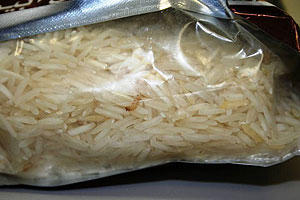
The  traders were indicted on counts of sale and display for sale food items unsuitable for human consumption, sale and display of expired food items, selling rotten food and food eaten by rats, weevils and insects, altering set prices marked on labels and selling them at excessive rates, selling electrical appliances without issuing warranty cards, sale of rice and cement above set prices, non- display of price tags, hoarding essential food items and violating orders, rules and regulations imposed by the Consumer Affairs Authority.

A weekly fair in Mahiyangana was raided in September 2017 to check for unhygienic food. They found a stock of bad fish and tea adulterated with wood dust. The items were sent for testing to the Government Analyst and the traders were taken to courts. The raid was conducted by 15 Public Health Inspectors from the MOH offices of Girandurukotte, Kandaketiya, Mahiyangana, Meegahakivula and Rideemaliyadda.

Raids were conducted on trains in railway zones of Colombo, Nawalapitiya and Anuradhapura.  6,129 fraudulent commuters were caught and fined. Their offences were travelling in class 1 and 2 compartments with class 3 tickets, travelling without tickets and passing destinations specified in tickets. The fine was Rs. 2,500.

Police reported to the Colombo Municipal Council that they had prosecuted 2,655 people in Colombo on illegal waste dumping charges since the beginning of 2017.  697 persons were prosecuted for illegal disposing of garbage. Another 803 persons were arrested on 20 consecutive days in July, for illegally dumping garbage on roads. Sri Lanka Navy has filed lawsuits against 20 people for disposing their garbage into canals said this news item.

The police conducted its ‘biggest ever all island raid’ in March 2017, from midnight on a Saturday till the ‘wee hours of Sunday’ and arrested 1,246 criminals. The operation was carried out under the direct supervision of the Inspector General of Police with 11,792 police from 479 stations countrywide. Among those arrested were suspects with warrants on them, those who were loitering with intent and errant drivers. 110 IRCs, 7  army deserters, 87 rapists, 45 persons with ganja in their possession, 26 heroin peddlers, 567 persons with warrants against their names, 609 criminals who were absconding, and  383 persons who violated traffic laws, including 76 drunk drivers.

The Yahapalana regime has faced demonstration after demonstration. Yahapalana dealt  firmly with these. When the demonstrators reach Presidents House, or Parliament,  barriers are drawn up and the police are waiting.  When they try to storm the police barriers, they are repulsed by water and tear gas.  Once the demonstration is broken up, the police arrest as many as possible and prosecute them in the law courts. People can be arrested and remanded   under many provisions. When a person is brought before a magistrate , the magistrate has no option but to remand.  Bail can be given only in a higher court.  This takes time and till then the suspect is behind bars, observed Chandraprema.

Hambantota was the location for three  spectacular demonstrations. Firstly, 480 temporary dock workers employed in the Hambantota port staged a protracted strike in December 2016, when it was announced that Hambantota was to be given to a Chinese firm. They feared for their jobs. They blocked the port and took control of two ships in the harbor.

The Navy was sent to rescue the vessels. The naval ratings arrived carrying assault rifles and wearing body armor. If the protestors had turned violent and started hurling stones, sticks, bottles and other such missiles, the Navy would have had no option but to open fire because that was the only means of retaliation they had, said Chandraprema. A major disaster was averted only because of the restraint shown by the workers.  It was utterly irresponsible for the present government to send in the navy armed with assault rifles to deal with the Hambantota protest, said Chandraprema.

After  the navy  arrived, a very odd thing happened. The burly Navy Commander, Vice Admiral Wijegunaratne wearing T-shirt and shorts leaped at a  journalist, who  was held by naval ratings, and hit him. We all saw this. It was prominently featured in television news and the print media. Island  had a photograph showing the Navy Commander pouncing on the journalist, with the headline ‘Navy chief goes berserk, manhandles Island correspondent’.

Yahapalana government said the journalist was at fault. The journalist had broken through a perimeter defense line set up by naval ratings.  ‘No one can enter a high security zone without permission, especially when international ships are held hostage.’ According to international requirements the  Navy Chief had to be present when such situations arose, added Yahapalana . The Navy Commander’s duty is to free the ships and  he even has the power to shoot anyone who does not allow that to be done, said Yahapalana.

About ten journalists had turned up to cover the event. They said no areas has been designated  as  ‘No Go zones’.  I was assaulted despite identifying myself as a media person and even displaying my media accreditation card issued by the Government Information Department,” said  Pradeep Kumara  who had received the blow. He was a provincial journalist, who was covering the strike. Several television stations broadcast video footage in which obscene language was uttered by Navy personnel against the journalist. A Naval rating on duty shouted umbata gahanney umba media hinda” – you are being assaulted because you are from the media.

Demonstrations have been held throughout the country over the manner in which the Navy Commander had manhandled a journalist, said Chandraprema.  This was the first time that the country has seen a service commander doing crowd control work, shouting obscenities and aiming blows at people. The attack on the journalist also drew reactions from international media organizations, including International Federation of Journalists.  But the Government took no action against the Navy Commander. The Navy Commander however, had made a report on the matter to Prime Minister Ranil Wickremasinghe.

There was a second Hambantota incident in January 2017. Premier Wickremesinghe and Chinese Ambassador Yi Xinliang inaugurated a special industrial zone in Hambantota adjacent to the port. It was done amidst strong protests  A  large crowd  led by Buddhist monks from nearby Ambalantota took to the streets at the opening ceremony. They were met by mobs of government supporters, who attacked them with clubs and fists. The demonstrators fought back, throwing rocks. The Police fired tear gas and water cannon and brought  the situation under control. The injured were taken away in ambulances.

The media commented on the incident. We saw pro-government thugs operate openly in full view of the police, assaulting protesters, with absolute impunity, said Island. They pelted stones at a group of Opposition activists protesting against the signing of a controversial port deal with China Police shamelessly shielded the rock throwing thugs.

http://colombogazette.com/wp-content/uploads/2017/01/960×0.jpg

The third Hambantota demonstration came in October 2017. Joint Opposition  activists demonstrated before the Indian consulate in Hambantota against the government decision to hand over the Mattala airport to an Indian company. They also opposed the Hambantota port lease agreement with China. The protestors included former Speaker Chamal Rajapaksa , MPs Namal Rajapaksa,  Prasanna Ranaweera,  G.L. Peiris, Mahinda Yapa Abeywardena  Kumar Welgama and Mahindananda Aluthgamage.  They were joined by provincial councilors and former local government members.

The group had earlier planned to hold their protest outside the Mattala Airport but the Police obtained a court order to prevent them from engaging in any protests outside the airport. The court order prohibited the group from holding protests within the jurisdiction of the Hambantota Court premises and the Magampura Port and prohibited obstructing roads and entry points to the Indian consulate. The group had however, gone to the Indian consulate and handed over a memorandum.

At the Indian Consulate, a tense situation arose, which led to clashes between the Police and protesters, reported Daily News.  ‘The Police clashed with hundreds of supporters protesting before the Indian Consulate’ said Island. Police anti-riot squads   used teargas and water cannon to disperse the crowd. Police arrested 26 of the protesters.  Apparently, a mother taking lunch for her children was also arrested.

Those arrested on this occasion were charged with several offences, violating a court order, contempt of court, damaging public property, assembling illegally and disturbing duties of the police officer and assaulting them. Television news showed the Tangalle ASP approaching a journalist who had been arrested and giving him a resounding slap. This was shown over and over again on television news. The assaulted journalist Susantha Karunaratne, who had been reporting for   ‘Sunday Apple’, later  complained to Supreme Court. The case is proceeding.

Yahapalana government said police intervened only when  the protest turned violent.  Police complained that four policemen were injured when the demonstrators pelted stones. Police vehicles were also damaged. The police added that  they were  scrutinizing the video footage and photographs of the incident to identify others responsible.  Joint Opposition said they had staged a peaceful protest. They did not damage property as alleged. They were trying to save national property not damage property.

‘First, we were attacked by government sponsored thugs. Police did nothing to prevent them. Thereafter, the anti-riot squads were sent in. Many were injured due to tear gas and water cannon attacks,’ said Joint Opposition.  They also said that a toxic chemical harmful to humans may have been added to the water in the water cannons, because those who had been hit by the water cannons had fallen sick.

Southern Provincial Council member D.V. Upul, said thugs who came from behind the police barricades had attacked the protesters. The police looked the other way while government sponsored thugs were mercilessly assaulting us,” he said. Around 20 of our protesters have been injured.” Namal Rajapaksa and others were later summoned to Magistrate’s Court for an inquiry into the matter. Instead of an inquiry, they were promptly taken into custody and placed in remand.

The SAITM issue  also  led to demonstrations. Yahapalana government tear gassed and water cannoned  SAITM  parents  and  SAITM students as well as those who opposed SAITM. As the protests increased,  the police started losing patience. The climax came with the anti-SAITM  demonstration of October 10. 2017. At the request of the police, the Magistrates Court issued a restraining order on the Inter-University Student Bala Mandalaya, Medical Students’ Action Committee and the University Bhikku Mandalaya. They must conduct their anti-SAITM demonstration and protest in Colombo Fort in a peaceful manner subject to the following restrictions. They should not cause obstruction, danger or inconvenience to people and their vehicles or hold a march or try to enter the Presidential Secretariat by force in a manner that would breach the peace..

However, the demonstrators defied the court order and tried to march to Presidents House in a very forceful manner.  Police blocked their way but they refused to move and  were exposed for half an hour to water cannon. Then since they  still did not disperse, the police baton charged them. The ferocity of the attack   was clearly visible on television news. (e.g. Derana news of 10.10.17) Island ran a half page of photos on this incident. 13  persons were   admitted to hospital for treatment.

There were other less spectacular demonstrations  where Yahapalana used riot control. Some demonstrations were for a national purpose but Yahapalana did not care. In February 2017, the police used force to disperse JVP led port workers demonstration, which demanded that the Yahapalana government abandon plans to privatize Colombo, Trincomalee and Hambantota harbors. .  The demonstrators refused to call off the protest and the police fired tear gas. For a photograph  see Island 2.2.2017. p 2.

The Petroleum Corporation workers took industrial action in July 2017, against India getting the Trincomalee  oil farms. The government broke the strike   and hauled 16 of its leaders   to  courts in police vans. This was shown on television news. Thereafter thugs attacked the protestors left behind.  Television news showed them coming in with chains and poles.  Chief Opposition Whip and JVP leader Anura Kumara Dissanayake stated in Parliament that police had given protection to  the thugs who attacked the striking workers of the Ceylon Petroleum Corporation.

Dissanayake said that the Officer in Charge of Welikada police had assaulted a trade unionist, while the latter was in police custody. The unionist is a highly educated person by the name of Ranwala. He was arrested with other union leaders and taken to the Welikada police station. There, the OIC grabbed Ranwala by his neck and hit him, said Dissanayake. Later, Ranwala lodged a complaint with police headquarters.

There were strong public protests against the dumping of garbage in residential areas. Yahapalana government  made  obstructing the clearance or dumping of garbage a punishable offence . But protests continued. Yahapalana went to court against JVP activists who obstructed the dumping of garbage in Piliyandala. Garbage   from Colombo was dumped at Karadiyana under a police guard which included elite police commandos as well as ordinary police.

Television news showed police with shields and batons trying to control protestors at the garbage dumps in Oragodawatte and Muturajawela. Garbage protestors blocked the road at  Maligawatta Waste Management Centre at Dompe and police were compelled to use tear gas and water cannon to disperse them.  at Wattala, police assaulted protestors who said they did not want the Colombo garbage.  There were many protestors and it was a prolonged fight . The fight continued even after the garbage trucks  unloaded and went back. The  Catholic priests of the area  had to intervene. The use of police and military to quell protests against the transfer of garbage, was objected to. Minister Champika Ranawaka  however openly called for the forcible suppression of the garbage protests.

A protest march was organized by the Inter University Bhikkus Federation  in April 2017. The Federation was demanding an immediate increase of the university intake this year. The police used tear gas and water canon to disperse the march. The newspapers ran a photograph of a member of the police anti-riot squad grappling with a Buddhist monk at the Lotus Junction.

On February 6, 2016, the National Freedom Front staged a protest march against the visit of United Nations High Commissioner for Human Rights, Zeid Ra’ad Al Hussein. Police informed Court that the suspects who organised the procession had failed to obtain the prior permission from police to organize the march, they had used loudspeakers without a valid license and blocked the main road at Bauddhaloka Mawatha towards Havelock Town, causing disturbance to the people and the normal flow of traffic. Police informed the Colombo Chief Magistrate that they would file charge sheets against National Freedom Front leader and Member of Parliament, Wimal Weerawansa and six other party activists for allegedly providing leadership to this protest.

Five civil activists, including Gunadasa Amarasekera who had supported the disabled soldier strike in 2016 were noticed to appear in court for allegedly causing disturbance to public peace and disrupting traffic.

Yahapalana  also took repressive action against those who actively opposed Yahapalana policies.  Yahapalana sealed the  shops of  traders who opposed the VAT increases in 2016.    Public health officers raided the sathipola, hotels, restaurants and supermarket   at Arachchikattuwa and took legal action against 15 traders who kept outdated and unhygienic food items for sale. That was because Joint Opposition had won the cooperative elections at Arachchikattuwa. When Joint Opposition had a protest demonstration  in Kiribathgoda  objecting to Sarath Fonseka’s comments on General  Jagath Jayasuriya, Yahapalana  had an anti riot squad stationed there.


Yahapalana was not prepared to tolerate demonstrations of a lesser sort either. Legal action will be taken against people who conducted a protest campaign opposite the Ambewela Milco Milk Factory in October 2017, as they have caused damage to a large number of factory assets and robbed several other equipments,  said Yahapalana  . The protest campaign had been launched while much needed water filtration machines were being installed at the new factory building.

Yahapalana then turned to the media. The Media Ministry Secretary had written to Derana TV on October 25, 2016 informing Derana that an inquiry was being held into their coverage of the President’s speech on October 12.  Derana TV wrote back saying that their broadcast of that day was in accordance with a statement issued by the Presidential Media Division on October 12, 2016 which stated very clearly that the President had said that he cannot agree with the manner in which the former Defence Secretary and three former commanders of the navy had been hauled before courts. Derana TV  pointed out that the same statement had appeared on the President’s official website as well. Furthermore, all newspapers had reported the President’s words the next day in much the same manner as Derana had reported it.

The Ministry had initiated an inquiry into the matter. The lawyer for Derana wrote to Media Ministry Secretary stating that unless he explains under what authority and law the Media Ministry Secretary was appointing a committee to inquire into this matter, Derana was not able to nominate a representative to serve on this committee of inquiry. No reply had been received by Derana TV to this letter and therefore, no one had represented Derana TV at the inquiry.

On April 5, 1971, the Secretary to the Media Ministry wrote to Derana TV declaring that they had been found guilty by a three member committee appointed by the ministry of distorting and broadcasting a speech made by the President, of damaging the President’s image by that illegal act, of misusing the frequencies which are public property for this purpose. Another accusation made was that when the Media Ministry Secretary had taken steps to investigate Derana TV they had tried to tarnish the Media Secretary’s name. .

The letter further stated that even though the Media Ministry had written to Derana TV asking for a representative to serve on the committee, there was no response from them therefore the inquiry had gone ahead without a representative of Derana TV being present.  The letter has asked Derana TV whether they have anything to say before ‘action’ is taken against them. After receiving this letter, the Directors of Derana TV had a meeting with  President Sirisena and Media Minister  and settled the matter.

The purpose of all this is obviously to make an example of Derana TV so that everyone else will fall in line, said critics. In months past, the Prime Minister was openly threatening newspapers and TV stations and even naming individual journalists. Since that did not appear to be working they seem to have decided to take stronger measures such as this operation against Derana TV. If this attempt at intimidation is allowed to succeed, that will be the end of media freedom in this country. Every media organization and individual journalist should rise up against this outrage, said Chandraprema.

There is now a crackdown coming on the media, said  critics. The government was planning to suppress various websites and social media networks, said Joint Opposition. These were sites where Yahapalana first spoke of ‘duva’ and ‘putha’ during the election campaign, now they were being castigated by the government. The government is keeping close watch on certain websites, said Yahapalana. Government will set up an independent board to regulate content of news in print, broadcast and websites. The Telecommunications Regulatory Commission which can block websites is under the President. Laws will be introduced if necessary against print and electronic media, confirmed Yahapalana.

If Mahinda Joins Sirisena Again, Wimal and Udaya Must Contest Together Under a Separate Party

November 27th, 2017

Dilrook Kannangara

Sirisena again uses blackmail to cow down Mahinda and clan to contest under his party. Unless Rajapaksas agree, a few of them will be in prison. Sirisena meticulously planned this for a long time. He postponed LG and PC elections until investigations completed and he has a stick against the Rajapaksas. Then he had to again postpone LG elections to have enough time to negotiate with the Rajapaksas. Their negotiation happens on Monday 27 between panels agreed by them. Sirisena camp will be represented by Nimal Siripala, Lasantha and Anura Priyadarshana while Mahinda camp will be represented by CB Rathnayake, Mahinda Abeywardhana and Pavithra.

Conditions put forward by the Mahinda camp are all political and nothing of national importance! This is a shame. Instead, the conditions should have been prevention of selling state assets, a halt to the new constitution and a complete stoppage of ETCA.

Sirisena is politically desperate as his SLFP will fall to the fourth place if contest alone. Mahinda camp is desperate on personal security. Shiranthi simply cannot spend a day behind bars and Gotabaya has plenty of enemies who will harass him in prison. The proposed marriage between them is out of personal desperation. It has no national worth.

This is a golden opportunity for Weerawansa and Gammanpila to form one unified front and contest the LG election. They can have a sizable number of councillors who will hold the balance of power. They can be the kingmakers of the PC elections, the next presidential election and the parliamentary election. Change of electorates favours Wimal and Udaya.

Sirisena surely anticipated this possibility too. That’s why he attempted to silence Wimal and Udaya early. They were both imprisoned, harassed and even their family members were harassed (for the first time in this country) as part of a political witch hunt. Unfortunately for Sirisena, it failed to deter them. Sirisena’s plan of attack is to neutralize or win over all those around Rajapaksas, isolate the former ruling clan and strike at the most opportune time.

If Mahinda and Sirisena fail to come to an agreement, Wimal and Udaya have another opportunity – to join Sirisena! Although this sounds ironic, it is the next best thing. Already NFF and SLPP are at loggerheads over the number of NFF candidates within the SLPP. If NFF can contest with the SLFP, voters will pick NFF candidates for their preference votes as SLFP is so unpopular. This will give NFF a commanding position at the expense of the SLFP.

Therefore, Wimal and Udaya have a golden opportunity to propel Sri Lanka in the right direction under both conditions. They must grab this opportunity. Voters desperately seek a new political front as they are fed up of old and repeatedly recycled political clans. Voters are also disgusted with political double games played by the JO. If it opposes Sirisena, it must not negotiate with him. If it is against Indian interference, its leaders must not creep into India House at night. If it opposes the confederated constitution, its members must not be part of the crime. If it opposes anti-national bills, JO leaders must lead the charge within parliament and vote against them. Voters cannot be fooled forever with self-sympathy. Voters must feel sympathy for themselves!

ශ්‍රිලංකා, ඒකාබද්ධ නව පෙරමුණක්! මහින්ද සභාපති ධුරයට! රහසිගත සාකච්ඡා පලදරණ ලකුණු!

November 27th, 2017

LNW SPY

Published on: Nov 27, 2017 – පළාත් පාලන මැතිවරණය සදහා මහින්දගේ ඒකාබද්ධ විපක්ෂය සහ මෛත්‍රීපාල සිරිසේනගේ ශ්‍රී ලංකා නිදහස් පක්ෂය එකට එකතු කර ඒකාබද්ධ ශ්‍රී ලංකා පොදුජන පෙරමුණක් ලෙස තරග වැදිම සදහා යම් එකඟතාවක් ඇති වි තිබේන බව අප දේශපාලන වාර්තාකරු අනාවරණය කළා.

ශ්‍රී ලංකා නිදහස් පක්ෂයේ අර්බුදය විසඳීම සඳහා පත්කරන ලද කමිටු නියෝජිතයන් ඉතාම රහසිගතව සිදුකරන සාකච්ඡා වලදි මේ සම්බන්ධයෙන් දිර්ඝ ලෙස සාකච්ඡා කර තිබේන අතර නව පෙරමුණේ සභාපති ධුරයට මහින්ද රාජපක්ෂ පත්කිරිමටද කැමත්ත පලවි තිබේ.

ඒකාබද්ධ ශ්‍රී ලංකා පොදුජන පෙරමුණ ලෙස තරග වැදිම හරහා ශ්‍රී ලංකා නිදහස් පක්ෂය දෙකඩ විම නතර වි යෑම සහ ජනාධිපති මෛත්‍රීපාල සිරිසේන මැතිවරණ වගකිම් වලින් ඉවත් විම හේතුවෙන් ජාතික ආණ්ඩුව පවත්වා ගෙන යෑමට ඇති අර්බුද අවම විමත් හේතුවෙන් එම එම යෝජනාව සම්බන්ධයෙන් ජනාධිපතිවරයා කැමත්ත පලකර ඇති බවයි  අප දේශපාලන වාර්තාකරු අනාවරණය කලේ.

පසුගියදා 25දා රාත්‍රි කොළඹ ව්‍යාපාරිකයේකුගේ නිවසේදි මෙම කමිටු දෙකේ සාමාජිකයන් මුණගැසුනු අතර දෙපාර්ශ්වයෙන් ඉදිරිපත් කර තිබෙන යෝජනා ගැන මෙහිදී සාකච්ඡා කර ඇති අතර එහිදී ඒකාබද්ධ ශ්‍රී ලංකා පොදුජන පෙරමුණ ලෙස තරග වැදිම සදහා ගෙන ආ යෝජනාවට ප්‍රමුඛතාව ලැබි අතර ඒ අනුව අදාල පෙරමුණ සම්බන්ධයෙන් දෙපාර්ශ්වයේම නායකයන්ට දැනුම්දී එම උපදෙස් අනුව තවත් සාකච්ඡාවක් හෙට (28දා) පැවැත්වීමට නියමිතයි.

දුෂකයන්ගේ කොළය ඉරන මුවාවෙන්….ඒකාබද්ධය කඩන ප්ලැන් A ක්‍රියාත්මක කිරිම!

November 27th, 2017

උපුටා ගැන්ම http://lankanewsweb.info

ඊයේ සවස නිකවැරටිය සති පොළ භූමියේ පැවති ජන හමුවකට එක් වෙමින් ජනාධිපති මෛත්‍රීපාල සිරිසේන සැර කතාවක් කියා තිබේ.ඒ කතාව බැලු බැල්ලමට ජාතික ආණ්ඩුව කඩ වැටෙනකම් කට බලියාගෙන සිටි බයියන්ට නම් පට්ට ආතල් කතාවකි.

දුෂණයට, වංචාවට එරෙහිව තීන්දු තීරණ ගන්නාවිට එයට විරුද්ධව තමාට චෝදනා එල්ල කරන්නේ නම් තමන් සියලු තනතුරු අතහැර ජනතාව සමඟ එක්ව දූෂණ විරෝධී සටන ගෙන යාමට සූදානම් බවයි ජනාධිපති මෛත්‍රිපාල සිරිසේන මහතා සදහන් කර සිටියේ.

සංවාද කරලා මාධ්‍ය හරහා නොයෙකුත් විවේචන කරලා, කොලේ ඉරාගෙන ඇගේ හලාගෙන ඊට පස්සේ අඩන්න එපා කියන එක මම බොහෝම පැහැදිලිව සෑම කෙනෙකුටම කියනවා.”යැයිද ජනාධිපතිවරයා කියා සිටි අතර ජනාධිපතිවරයා මේ හදන්නේ දුෂණයට, වංචාවට සම්බන්ධ වු අයගේ කොළේ ඉරන මුවාවෙන් ඒකාබද්ධය කඩන්න ප්ලැන් A ක්‍රියාත්මක කිරිමටද?

අප 2016 දෙසැම්බර් 17 වැනිදා කල අනාවරණය මෙන්න….

Published on: Dec 17, 2016 – ඉතා ඉක්මනින්ම එජාප-ශ්‍රීලංකා ජාතික ආණ්ඩුව බිඳදැමිමට තමන් කටයුතු කරන බවත් ඒ සමගම විපක්ෂයේ බලය ශ්‍රී ලංකා නිදහස් පක්ෂයේ තමන්ගේ කණ්ඩායමට විපක්ෂ නායකත්වය ලබාදිමට තමන් කටයුතු කරන බව නිල වශයෙන් මෛත්‍රීපාල සිරිසේන ජනාධිපතිවරයා සිය ශ්‍රීලංනිප කණ්ඩායමට නිළ වශයෙන් දැනුම් දි තිබේ.

රාජපක්ෂලා මර්දණය කිරිම සදහා තමන් ක්‍රියාත්මක කිරිමට ඉතුරුකරගෙන සිටි ප්ලැන් A මෙය බවත් ශ්‍රිලංකා නිදහස් පක්ෂය තමන්ගේ නායකත්වය යටතේ විපක්ෂය ලෙස පාර්ලිමේන්තුවේ පෙනී සිටිමත් ඒ අනුව විපක්ෂ නායක බලය තම කණ්ඩායමට ලැබිමත් හේතුවෙන් ඒකාබද්ධ විපක්ෂය අනිවාර්යයෙන් දියවි යනු ඇති බවයි සිරිසේන ජනාධිපතිවරයා පෙන්වා දි ඇත්තේ.

දැනට විපක්ෂ නායකත්වය දරන ද්‍රවිධ ජාතික සන්ධානය සමගද තමන් සාකච්ඡා කල බවත් රාජපක්ෂලා දේශපාලන භූමියෙන් ඉවත් කර දැමිම සදහා ඔහුන් විපක්ෂ නායක කම අතහැරිමට සුදානම් බව තමන්ට දැනුම් දුන් බවද සිරිසේන සිය ශ්‍රීලංනිප කණ්ඩායමට පවසා තිබේ.

තමන් මේ සම්බන්ධයෙන් අග්‍රාමාත්‍ය රනිල් වික්‍රමසිංහ මහතා සමගද සාකච්ඡා කල බවත් ඒ අනුව ජාතික ආණ්ඩුවෙන් ශ්‍රී ලංකා නිදහස් පක්ෂයේ තමන්ගේ කණ්ඩායම තාවකාලිකව ඉවත් වි එජාප ආණ්ඩුවකට ඉඩදෙන බවත් ද්‍රවිධ ජාතික සන්ධානයේ මන්ත්‍රීවරුන් කිහිප දෙනෙකුද එම ආණ්ඩුවේ ඇමතිකම් දරණු ඇති බවද සිරිසේන පෙන්වා දි තිබේ.

මේ අතර එජාප ආණ්ඩුව සමග එකතු විමට කැමති ශ්‍රීලංනිපයේ තමන්ගේ කණ්ඩායමේ ඔනෑම අයෙකුට අවස්ථාව ඇති බවත් ඒකාබද්ධ විපක්ෂය විනාශ කිරිමෙන් පසුව විපක්ෂයක් අවශ්‍ය නැති බවද සිරිසේන ජනාධිතිවරයා සදහන් කර තිබේ. නව විපක්ෂයේ විපක්ෂ නායක කම තවමත් විවෘතව ඇති බවත් ඒ සදහා ශ්‍රී ලංකා නිදහස් පක්ෂය තුල තරගයක් ඇති කිරිම තමන්ගේ එකම බලාපොරොත්තුව බවද සිරිසේන ජනාධිපතිවරයා සිය කණ්ඩායමට දැනුම් දි තිබේ.

රනිල් එලවා ආණ්ඩුවේ බලය හා එජාප බලය ඇල්ලිමේ කුමන්ත්‍රණය

අයවැය සම්මත විමෙන් පසුව නව ආණ්ඩුක්‍රම ව්‍යවස්ථාව සංශෝධන ක්‍රියාවලිය අස්සේම ජාතික ආණ්ඩුව වෙනුවට රනිල් වික්‍රමසිංහ මහත නායකත්වය යටතේ එජාප ආණ්ඩුවක් සෑදිමට අවශ්‍ය තල්ලුව ජනාධිපති මෛත්‍රීපාල සිරිසේන සහ ශ්‍රීලනීප මෛත්‍රී පිළේ කණ්ඩායම් හරහා සිදුකිරිමට අවශ්‍ය මෙහෙයුම මේ වනවිටත් ක්‍රියාත්මක වෙමින් තිබේන අතර ඒ පසුපස එජාපයේ සජිත් පිළ නියෝජනය කරන නී අමාත්‍යවරුන් මෙන්ම රාජ්‍ය අමාත්‍යවරුන් වන අජිත් පී පෙරේරා,රංජන් රාමනායක සහ එජාපයේ නායකත්ව සිහිනය අභියස සිට පසුව වික්‍රමසිංහ මහතාගේ ගල් කොල්ලන් කපා දැමු ආරක්ෂක රාජ්‍ය අමාත්‍ය රුවන් විජයවර්ධනද සිටින අතර සජිත් පිළේ න්‍යාචාරවයාව සිට දැන් සිරිසේනගේ න්‍යාචාරවරයා ලෙස කටයුතු කරන ශිරාල් ලක්තිලක මෙම මෙහෙයුම පිටුපස සිටින බවද අප දේශපාලන වාර්තාකරු අනාවරණය කළා.

SLPP BLAST FIRST SALVO

November 27th, 2017

By M D P DISSANAYAKE

During past several days and weeks, the Prez. Maithreepala made frantic efforts to stich a no-contest deal with the Sri Lanka Podujana Peramuna.  Instead of rejecting outright any discussions, Prez Mahinda Rajapakse appointed Committees to negotiate with the SLFP. 

Unbeknown to political pundits, this time Prez Mahinda Rajapakse played the cards very close to his heart.    Whilst the discussions are still in progress with the SLFP by the Committee appointed by SLPP, the SLPP made all preparations to finalise its candidates and get ready for the deposits  at major centre.

This has stunned the SLFP group, the determination of Prez Mahinda Rajapakse to provide leadership in  a crisis situation must be applauded.   The rest of the country can now continue to march forward under the leadership of SLPP.

If SLPP wins majority Local Governments, it will tarnish the authority of Prez. Maithreepala to a great extent.  Such a scenario will also provide sufficient ground work for the UNP to undermine the powers of the President Maithreepala.   The President will be marginalized, his power will be eroded and he will further be isolated.

On the Local Government Election platform, SLPP should explore all avenues to defeat the proposed Constitution plans and turn the election into a virtual referendum on it.  

Buddhist Monks Heroes of Sri Lanka’s Freedom Struggles

November 27th, 2017

Buddhist Times – Cover story – January 2003

Soon we will be celebrating Independence. For millennia, Buddhist monks have played the historic role of defending the nation’s integrity. They are the true heroes of our Independence.

The Buddha had exhorted his disciples to wander from village to village instructing the people for their good and well being (Carata bhikkhave carikam bahujana hitaya bahujana sukhaya). The Buddha himself had taught how the righteous ruler should behave governed by the Ten Duties of the King (dasaraja dhamma), measures conducive to the welfare of the people.

http://www.beyondthenet.net/medit/JanuaryCoverStory.htm

Monks in national activities

Monks, therefore, played a leading role in all national and cultural activities. They were architects (example: the nine-storey Lovarnahapasada), Chief Justices, sculptors and painters. As the intelligentsia, monks took a strong interest in national and political activities such as the selection and appointment of righteous kings. They provided the answers to the questions posed by European colonials on the Sinhala Constitution, laws and customs. The British like the Portuguese and the Dutch did all in their power to destroy Buddhism and Sinhala culture and to spread Christianity and Western culture. The untiring efforts of Velivita Saranankara in restoring the higher ordination in 1753 with the assistance of Siamese monks laid the foundation for the resurrection of the education of monks across the country.

Monks as freedom fighters

It was often the monks that stood up for the country. During the anti-colonial struggles, several rebellions were launched against the British under the leadership of monks to liberate the country in 181 8,1834 & 1848. Giranegama Nayaka Thera of the Dambulla Temple acted as the leader of the Dambulla district. Nine monks were arrested in this revolt. Kudapola Thera was questioned, and shot dead in yellow robes. Several hundreds of other people were executed. Even on the last day the country was lost to the British, it was a monk who rose up to defy the British. Variyapola Sumangala Thera tore down the Union Jack, trampled it.

The English learnt early on, that the unity and solidarity of the Sinhaless was due to this close relationship between the laity and the monks and that the monks were sometimes the leaders and the freedom fighters. Governor Maitland wrote, “the influence of the priest is very great, even greater in many instances than that of the mudaliyars [local administrators] themselves.”

Buddhists had no place in the higher strata of this colonial society. For materialistic gains, many Sinhalese embraced Christianity and discarded Sinhala names and dress. They despised Sinhala language and culture. Christianity came to be identified with imperialism and anti-nationalism. The key ministers of the present regime all come from remnants of this colonial creation.

Resistance continued by Buddhist monks in the 19th century. They established new centers of learning. In a series of well-publicized debates, they trounced the superstitions of Christianity. They established global contacts and gave birth to the International Buddhist movement. In the late 19th and early 20th century, they were in the forefront of social concerns.

Buddhists in the reform movement

The working class movement in Sri Lanka was closely associated with the Buddhist movement. The secretary of the first trade union formed in 1893 was Bultjens, a Burgher convert to Buddhism who later became the first principal of Ananda College founded through the activities of the Buddhist Renaissance. The meetings of the strikers were addressed by other Buddhists. In their strike in 1912, the railway workers were helped financially and organizationally by the two leading lay Buddhist leaders, Anagarika Dharmapala and Walisinha Harischandra who organized a mass meeting of the strikers at the Buddhist Maha bodhi College.

A protege of another Buddhist school, A. E. Goonesinha was the major trade union leader leading several key strikes. His political journal, Swaraj, had articles written by Bhikkhus. The demand for Independence, as well as universal suffrage was strongly advocated by monks and the Buddhist movement. N.M. Perera, Philip Gunawardena and S.A. Wickrema singhe, the founders of the Lanka Sama Samaja Party all studied in Buddhist schools, indirect outcome of monk movements in the 19th C and which inculcated patriotism.

Monks in anti-imperialist struggle

Many activist monks in the 20th century such as Kotachene Pannakitti, Naravila Dhamma ratana, Bambarende Siri Sivali and Walpola Rahula actively took part in Indian Independence politics. Thus, Naravila Dhammaratana and Mapitigama Sangharakkhita took part in mass demonstrations against the British in India. The monk Saranankara became the student union leader of the Calcutta City College. The British subsequently jailed him in Calcutta. In prison, he met with the Indian National Congress leader, Subhas Chandra Bose and Communist activists. After his release, he was exiled from Bengal and he moved to Benares. In 1936, when he returned to Sri Lanka, he became a member of the LSSP, which had been just formed. Balangoda Ananda Maitreya Thera, another prominent monk supported anti-imperialism and campaigned for social justice, while Naravila Dhammaratana Thera publicized radical ideas in regular articles in the Silumina, the most widely read newspaper. When the Communist Party was formed in 1940, Ven. Saranankara joined it and later became its Vice President. He chaired in 1940, the first meeting of the Ceylon Trade Union Federation. He made a seditious speech and was again imprisoned for two years.

The monk Kalalle Ananda Sagara pointed out that as most monks were the sons of farmers and workers, this gave them added strength. The capitalist class he said was now alarmed at this alliance of the working class and Bhikkhus. These views presaged theoreticians of the Third World like Franz Fanon who argued for alliances between different social groups, the workers and the peasantry and lumpen elements to confront the colonial state. Monk publications like the Kalaya edited by Ven. Kotahene Pannakitti agitated for reform and used not only Buddhist history and theory, but also drew on contemporary Western writers. These monks were very cosmopolitan.

Monks’ Declaration of Independence

A crucial step of the mass entry of Buddhist monks into the political field since the 1940s was the formation of the Lanka Eksath Bhikshu Mandalaya. These Bhikkhus rejected the partial independence negotiated by D.S. Senanayake, and made their own Declaration of Independence. Many Bhikkhus also supported the general strike of 1946. The general demand was complete freedom from the British until Sri Lanka became a completely free dharmik nation that would fit into ”Asian civilization”.

But this renewed vitality of the monks was not just one of only harking back at the past, but of also incorporating modern knowledge. Thus one of the most influential documents in the 1940s, Bhikshuwage Urumaya (The Heritage of the Bhikkhu) by Ven. Walpola Rahula after a survey of the role of the Bhikkhus in 2,500 years of history made a call for a historical continuation of the heritage of the Bhikkhu, after imbibing modern knowledge.

Monks demand free education

One of the first important social struggles of the Bhikkhu organization in the 1940s was its support for the demand for compulsory free education in the country. It held widely attended meetings throughout the Island and raised public opinion. An important consciousness raising exercise was a several miles long petition to the government drawn up by the monks with signatures of Buddhists, Hindus, Muslims and Christians.

The Catholic clergy organized a petition of its own opposing free education. But this got only thousands of signatures. The passing of the Free Education Act in The Legislature was seen as a victory of the monks’ agitation against establishment figures. As the prominent Tamil leader V. Nalliah put it, the passing of the Free Education Act was a result of the “agitation by Bhikkhus for the advancement of Buddhists and Hindus” and pointed out that even in Europe that Catholic priests had worked against such “noble movements”. The monks also now openly allied themselves with workers and reform causes, as for example their support for the Tamil worker Kandasamy killed in an agitation.

Monks in reconstruction

Thus the movement initiated by monks in 1946 attracted more and more monks to social reform and welfare activities. Ven Kalukondayawe Pannasekhara Maha Nayake Thera led a campaign for temperance and against other social ills as gambling and corruption. He also organized a “grow more food” campaign through the temples. Ven. Heenatiyana          Dhammaloka Nayake Thera initiated a rural reconstruction movement under the leadership of monks in almost all important temples in the country. These societies settled disputes in villages. In many temples, medical centres and adult schools were opened, harking back to the temple’s historical role as center of learning and health provider. Homes for the aged and the needy were launched under the leadership of monks. The 1940’s set the tone for the subsequent political role of monks in the decolonization and reconstruction agenda. The struggle for independence and social reforms continues.

Buddhist Times – Cover story – January 2003

මැච්-ෆික්ස් කරල ඇප නැති කර ගැනීම

November 27th, 2017

BY MALINDA SENEVIRATNE

“බය නැති අගමැති” කියල පුරසාරම් දොඩන්න සූදානම් වෙද්දී හිතුවේ නැද්ද මන්ද රිට(ර්)න් එකක් එයි කියල.  ඇත්තට වුනේ හතර අතින් පෝස්ටරය කෝචෝක් කිරීමයි.  ලැජ්ජ නැති, පණ නැති, විලිලජ්ජ නැති, හොරකමට බය නැති, තිරුපති හැරුණු විට අන් හැමෝටම බය නැති, රට බෙදන්න බය නැති, රට විකුණන්න බය නැති යනාදී ලෙස අගමැති ගේ ප්‍රතිරූපය උස්සල තියන්න හදපු පෝස්ටරය විහිළුවට ලක් වුනා.  
මොකද්ද මේ එඩිතරකම?  කොමිසමක් ඉදිරියට ගොස් තමා වෙත එල්ල කරන ෆුල් ටොස් පන්දු වලට හයේ පහරවල් ගැසීම ද?  ඇසිය යුතු ප්‍රශ්න නොඇසු බැවින් අපහසුවට පත් වීමට අවකාශයක් නොතිබීමද?  තමන්ට රිසි තණතිල්ලක, තමන් ට පක්ෂග්‍රාහී විනිසුරුවන් යොදමින් අදක්ෂ පන්දු රකින්නන් ක්‍රීඩා කරන තරඟයක තමන් ට පමණක් මද වේග එල්ල කරන වේග පන්දු යවන්නන් ට මුහුණ දීම ද?  

එක අතකට බලද්දී ඉල්ලුම-සැපයුම මත මිල තීන්දු වෙනවා කියල විශ්වාස කරන සමාජයක අගමැති ගේ මෙම ඉදිරිපත් වීම වීරක්‍රියාවක් ලෙස විශ්වාස කිරීම ගැන පුදුමු වෙන්න දෙයක් නැහැ.  ප්‍රයිස්-ෆික්සිං වගේම, මැච් ෆික්සිං වගේම නඩු-ෆික්සිං කියල දේකුත් තියෙනවා.  නඩු-ෆික්සිං වගේම ව්‍යවස්ථා සංශෝධන ෆික්සිං ද, මැතිවරණ ෆික්සිං ද, මැතිවරණ දින ෆික්සිං ද, දින වකවානු පටලවාගෙන ස්වයං-ෆික්සිං ද (සුජීව සේනසිංහ ස්පෙෂල්) මේ රටේ දකින්න පුළුවන්.  

සුජීව සේනසිංහ ට වුනේ එකක් වහගන්න ගිහින් තව එකක් මතු වුන එක.  ස්වයං-ෆික්ස් වුනේ එහෙමයි.  ඒත් ජනතාව ට වෙන්නේ නැත්තම් ජනතාව තමන්ට ම කරගන්නේ ටිකක් වෙනස් ජාතියේ ස්වයං-ෆික්සිං එකක්.  සුජීවට වැරදුනා.  ඒත් ජනතාව වරද්ද ගන්නේ නැහැ.  ජනතාව ගහන්නේ ෆික්ස් කරපු මැච් එකක්.  ඒක අමුතුම ජාතියක ක්‍රීඩාවක්.  පැරදුනත් දින්නයි කියල හිතෙන සෙල්ලමක්.  ව්‍යාජ ජයග්‍රහණ පරාජයන් ලෙස නොපෙනන සෙල්ලමක්.

මේ සෙල්ලමට කැමති නම් ‘මැතිවරණ’ කියල කියන්න පුළුවන්.  ඇත්තටම පක්ෂ දේශපාලනය කියලත් කියන්න පුළුවන්.  එහෙමත් නැත්තම් ප්‍රජාතන්ත්‍රවාදය කියන්නත් පුළුවන්.  ඒ කියන්නේ පක්ෂ දේශපාලනය, මැතිවරණ සහ ප්‍රජාතන්ත්‍රවාදය යනාදිය අද තියෙන විදිහට ෆික්ස් වෙච්ච මැච් එකක්.  ඒ මැච් එක ෆික්ස් කරලා කියල දැන දැනත් අපි සෙල්ලම් කරනවා.  බලාගෙන ඉන්න අයත් ෆික්ස් වෙන එක සෙල්ලම් කරලම ෆික්ස් වෙන එක වඩා හොඳයි කියල හිතෙනවා වෙන්න ඇති සමහර විට.  කෙසේ වෙතත් අවසානයේ වෙන්නේ පරදින එක.  ඇප නැති වෙන එක.  ගොනාට ඇන්දෙන එක.  

පැරදිලා, ඇපත් නැති කරගෙන, උඩ බලාගෙන ඉන්න ලැජ්ජ නිසාදෝ දිනපු නැත්තම් දිනවපු අය කුමන හෝ  ආකාරයකින් ෆික්ස් වෙද්දී හිනාවෙන්න අපි පුරුදු වෙලා තියෙනවා.   පාර්ලිමේන්තුව කෝලම් මඩුවක් වීම ගැන සතුටු වෙනවා — කෝලම් කාරයෝ එතෙන්ට යැව්වේ අපි ම නේද කියල අමතක කරලා.  හරියට එයාල කෝලම් කාරයෝ කියල නොදැනගෙන එයාලට ඡන්දේ දුන්න වගේ. 

ඉතින් කෝලම් නටන අය අත්පිටපත පටලවාගෙන මෝඩ කතා කියද්දී විසිල් පාරවල් ගහනවා, හූ තියනවා, මහා හයියෙන් හිනා වෙනවා.  පටලවාගත්ත වචන තවත් පටලවමින් විනෝද වෙනවා.  අපි පටලවාගත්ත තැන හොයන්නේ නැහැ.  හොයන්නේ නැති තාක් කල් දේශපාලනඥයෝ සුව සේ නිදා ගන්නවා, මෛත්‍රිපාල ජනාධිපති තුමා කිව්වා විදිහට කොලේ ඉරාගෙන ඇඟේ ගා ගත්ත එක ගැන පොඩ්ඩක් වත් අවුල් වෙන්නේ නැතිව.  

පාලකයෝ නාගනිද්දී හිනා වෙන එක වැරදි නැහැ.  දැනෙන විවිද පීඩන හිනාවෙලා තුනී කරගන්න පුලුවන්නම් හිනාවෙමු ඇති තරම්.  ඒත් එතනින් නවතිනවානම් අවසාන හිනාව අයිති අපට. නොවේ.  පාලකයින්ට.  එයාල හිනාවෙන්නේ අපට.  

ඉතා සරලයි.  ලැජ්ජ-බය නැති විදිහට පාලකයෝ හැසිරෙන්න හේතුවක් තියෙනවා: ෆික්ස් කරපු දේශපාලන මැච් එකෙන් පරදින්න ජනතාව සූදානම් නිසා, ඒ අනිවාර්ය වූ පරාජය වෙනුවෙන් කැපවෙන නිසා, සම්මාදම් වෙන නිසා.  කොටින්ම පරදින බව දැන දැනත් නොලැබෙන ජයග්‍රහණ වෙනුවෙන් ඔට්ටු අල්ලන නිසා.

එහෙනම් පණ නැති, ලැජ්ජ-බය නැති අය වචනයක් වරද්ද ගනිද්දී අපි හිනාවෙන්නේ වරද්ද ගත්ත අයටද අපටම ද කියල අහන්න ඕන.  වැරදි කරන්න බය නැත්තේ එයාලද නැත්තම් අපද?  ලැජ්ජාවක් නැත්තේ එයාල ට ද අපට ද?  හොරකම් කලේ සහ කරන්නේ, රට බෙදන්න හදන්නේ, මැරකම් ඇතුළු වෙනත් වැරදි කරන්නේ එයාල වෙන්න පුළුවන්, ඒත් ඒවා ඉවසන්නේ සහ අහක බලාගෙන ඒවා නොවුන විදිහට හැසිරෙන්නේ එයාලද අප ද?  

එක හොරු සෙට් එකක් ගෙදර යවන්න ඕන වෙනකොට ‘ඉස්සෙල්ල මුන් ටික ගෙදර යවමු’ කියල හොරු කියල හොඳට ම දන්නා වෙනත් සෙට් එකක් බලයට ගේන කොට ‘හොරකම’ ගෙදර යැවෙන්නේ නැහැ නේද කියල එක අපෙන්ම අහන්න මැලි වෙනවා නම් හොරකමේ තිරසර කමට අප ද සම්මාදම් වෙනවා.  මෙතන ප්‍රධාන දේශපාලන පක්ෂ වගේම ඒවා ට මුක්කු ගහන පොඩි පක්ෂද වරද ට වග කියන්න ඕන.  අපද වග කියන්න ඕන.  

ලැජ්ජ-බය ඇති, හොරකම ට එරෙහි වන, ශිෂ්ට ජනතාවක් වෙන්න නම් මේ ස්වයං-ෆික්සිං සෙල්ලම නවත්තන වෙනවා.  ෆික්ස් කරපු මැච් සෙල්ලම් කරන එක නවත්තන ඕන.  අවශ්‍ය නම් අපි මුල් වටයේ අපටම හිනා වෙමු.  එතනින් පටන් ගෙන මේ දැවැන්ත දේශපාලන වංචාවට සම්මාදම් වෙන එක නවත්තමු.  ලැජ්ජාවක්, බයක් අප තුල වර්ධනය කර ගමු.  කොටින්ම අපි අපටම කෙලව ගන්න එක නවත්තමු.  මැච් ෆික්ස් කරන අයව ෆික්ස් කරමු.  සමතල පිටියක් නිර්මාණය කරගෙන එතන ක්‍රීඩා කරමු.  

ජය!  

Sri Lankan President Srisena Acknowledges Troops Committed War Crimes

November 27th, 2017

Courtesy Asiantribune.com

Colombo, 26 November, (Asiantribune.com):

Sri Lanka President Maithripala Sirisena has acknowledged that few troops were responsible for committing war crimes at the behest of politicians during the three-decade-long civil war with the Tamil Tigers.


File Photo

This was revealed recently in a news item put out by the Press Trust of India (PTI) which has been given ample of publicity in several leading Indian news medias.

The PTI report revealed, ‘Sri Lankan President Maithripala Srisena has Acknowledged that War Crimes Committed By Troops During Rajapaksa Regime, Says Military Should Clear Its Name’.

The reports further revealed –

According to the UN figures, up to 40,000 civilians were killed by the security forces during former president Mahinda Rajapaksa’s regime that brought an end to the brutal conflict with the defeat of the Liberation Tigers of Tamil Eelam in 2009. The LTTE ran a nearly three-decade separatist campaign leading to a bloody war with the Sri Lankan security forces.

Sirisena had earlier vowed to defend the troops against warcrimes charges leveled against them. There is something that you should accept according to your conscience. There were things outside the control of the military. They were carried out by a few in the military to appease politicians. These were illegal, against democracy and the freedom of our people,” he said.

You know that investigations are underway into a small number of officers who acted at the behest of politicians. Those who are in custody will be freed if they are innocent. I hear allegations from (opposition) political stages that this is a witch-hunt of war heroes. I strongly reject those allegations,” he said, adding that the military should clear its name.

Troops who committed war crimes at behest of politicians would be punished – says President Sirisena

Sirisena’s reference was to the former regime of President Mahinda Rajapaksa. His administration faced war crimes charges with UN Human Rights Council passing resolutions. Since Rajapaksa’s defeat, several incidents of military excesses have come to be highlighted with several military men under arrest and later given bail as part of the proceedings. During the Rajapaksa’s regime, the soldiers were prevented from facing the legal process and the UN’s call for independent investigations was dubbed as attacks against Sri Lanka’s sovereignty.

– Asian Tribune –

‘Eliya’ is not a racist organization – Gotabhaya

November 27th, 2017


Polls and arrests

November 27th, 2017

Editorial Courtesy The Island


An electoral contest is the last thing the present government wants. If the National Election Commission (NEC) makes good on its promise to hold elections at least to some of the local councils which have been in the bardo for more than two years, the government will go to any extent to weaken the Joint Opposition (JO); it may even resort to mass arrests in a bid to cover up its failure to substantiate damning allegations they have been levelling against their opponents.

It must be left entirely to the judiciary and the police to decide, without any political interference, whether anyone should be arrested or not. But, thanks to a video footage of IGP Pujith Jayasundera’s telephone conversation with a minister in Ratnapura last year it is now public knowledge that government politicians can order or prevent arrests.

Many thought the rule of law would be restored following the 2015 regime change. Under the Rajapaksa government, numerous were the instances where the judiciary and the police were bent to the will of the UPFA rulers. When the then Minister Mervyn Silva got into trouble for ‘check kiting’, the Attorney General manipulated the judicial process at the behest of his political masters and Silva got away. An ordinary person would have been jailed for that serious criminal offence. The tradition continues under the new dispensation; pro-government abductors receive suspended jail terms and the perpetrators of the biggest ever financial crime in the country—the bond scams—are moving about freely and even seen in the exalted company of some government leaders. Bribery and corruption allegations against government politicians are not investigated. Luckily, Justitia is blind-folded and cannot see how the course of justice is perverted. Otherwise, she would have used the sword in her hand to commit hara-kiri!

Curiously, a prominent civil society activist has, in a brief interview with this newspaper, said that President Maithripala Sirisena told a group of yahapalana campaigners over the weekend he had decided that no arrests would be made while the Prime Minister was overseas. We are told that the President said so when he was asked whether he had promised a group of Buddhist monks that former Defence Secretary Gotabhaya Rajapaksa wouldn’t be arrested.

We are intrigued. If the aforesaid statement, attributed to the President is true then it is tantamount to an admission that it is the yahapalana leaders who decide whom to arrest and/or when to make arrests. Are we to gather that the government leaders have also prevented the arrest of those responsible for the bond scams in spite of the incriminating evidence which emerged before the bond probe commission against them?

Finance and Media Minister Mangala Samaraweera has, at a recent pro-government demonstration, complained that the law does not get properly enforced in respect of the members of the former ruling family. Demanding that legal action against them be expedited, he has said only a fraction of slain Libyan dictator Gaddafi’s ill-gotten wealth had been traced. Investigating allegations against the Rajapaksas is a tedious task as investigators have to travel overseas to ascertain information about the stolen funds, Samaraweera has claimed. He once told the media that the former rulers had amassed wealth to the tune of USD 18.5 billion illegally and stashed it away overseas. The incumbent government claims to be the darling of the omniscient western bloc. It is puzzling why the US, the UK and the EU have failed to trace the alleged offshore accounts of the big guns of the former regime.

It may be true that Gaddafi helped himself to Libya’s oil money and all his wealth cannot be traced. But, the Libyans did not wait till information about his offshore accounts was revealed to rise against him and oust him; they believed he was guilty as charged. The same befell, mutatis mutandis, the Rajapaksas who lost power due to allegations of bribery and corruption against them. Public perception is what matters in politics more than anything else. The incumbent administration ought to take cognizance of this fact. It may try to cover up bond scams and other criminal offences its leaders and their cronies have committed, claiming that none of the allegations have been proved in courts of law, but people are the best judges. Their judgment will be delivered at the next election.

If anyone has stolen from the public purse or abused power or state property he or she has to be brought to justice regardless of his status. But, arrests must not be carried out according to political timetables or the whims and fancies of the ruling party grandees. Such action is antithetical to good governance.

Defending Gotabhaya The deadly ignorance of the Sinhala alt-right — II

November 27th, 2017

Courtesy The Island

“May God defend me from my friends; I can defend myself from my enemies.”—Voltaire

Gotabhaya is perhaps the most able person in public life today; one capable of replicating in Sri Lanka, a Mahathirian Malaysia. I have worked with President Premadasa and not only have no doubt that he would have warmly commended Gota for the latter’s urban development, but am also certain that ‘GR’ could be his 21st century successor in the domain of national development and modernization.

Arresting Gotabhaya Rajapaksa who played a decisive, indispensable role in liberating us all, while allowing those in the North who salute the separatist-fascist Prabhakaran and his LTTE storm troopers to roam free, not to mention permitting Northern Education (!) Minister Sarveshwaran who renounced the National Flag, to remain in office, is symbolic of UNP arrogance, CBK ‘reconciliation’and Yahapalana folly.

article_image

Detaining Gota would be so polarizing an act, triggering such a social backlash even if subterranean, that it is probably the single most imbecilic mistake the government . can make, and could not only mark the beginning of its end, with both the official SLFP and the Government fracturing, but could ensure that Yahapalana has a hard landing rather than a soft one.

Gotabhaya Rajapaksa must be defended and saved from his enemies, domestic and foreign: those who want to jail him on trumped up charges amounting to no more than petty administrative mistakes, as a prelude to Geneva-driven war crimes charges. The motivation behind the Government’s commitment to the Geneva resolution of 2015, the reason that the Ranil-Mangala-CBK troika does not wish to renegotiate it on the basis of Paranagama report and Lord Naseby’s discoveries, and the impulse behind the erection of the apparatus for the implementation of the Geneva resolution(OMP-Special Courts-Special Counsel), is the need to frame Gotabhaya and eliminate him from politics, offering him as a human sacrifice to the revenge-seekinghardline Tamil nationalist voters in Sri Lanka and the Diaspora.

But Gotabhaya must also, and equally, be defended and saved from the folly of his obscurantist, socially destructive Sinhala Alt-Right friends and allies. His current supporters obliterate his technocratic profile and obstruct his meritocratic modernist potential as a second JR or Premadasa, with their backward ideology. They paint a target on his back, misdirecting him away from the mainstream and the moderate center into the ‘kill-zone’ of the Far Right, making the job of his enemies easier by isolating him fromthe progressives, pluralistsand moderates (JO, SLFP) as well as the discontented center-right UNP voters, and of course the minorities.

The CIA operating through proxies, couldn’t do a better job of setting GR up. By locking him in to a hardline Sinhala Diaspora driven project, and extreme positions and discourse, these false friends and dangerous allies make Gotabhaya the target of powerful regional and global forces for whom a political settlement with and for the Tamils is a bottom-line and will always remain so. The Indo-US axis will ‘neutralize’ or destabilize any leader who is perceived as hostile to, or who is reliant on a movement that is hostile to,a political settlement with the Tamils, based on political reforms.

The Alt-Right ideology represents the collective consciousness of the character “Jinadasa” of the great Siri Gunasinghe’s path-breaking novel Hevanella, a masterpiece of modern Sinhala literature, whereas the Sinhalese and Sri Lanka have long needed and urgently need now, the collective consciousness of his counterpoint character “Wijepala”.

The Sinhala Alt-Right ideologues do not know the difference between secession, federalism and devolution within a unitary state. For them, any devolution is tantamount to federalism which is tantamount to secession. Not once do they look to any successful devolution of power/regional autonomy within a unitary state. For them, the full implementation of the 13th amendment is automatically federalism. It is one thing to argue, correctly, that the abolition of the executive presidency and/or the abolition of the concurrent list would turn even the existing 13th amendment into federalism, but quite another to say that the full implementation of 13A within the present system– unitary,Executive Presidential and with a Concurrent list—would still be federalism!

In Sinhala Alt-Right discourse, the partition of India and Pakistan in 1947 is absurdly trotted out as evidence of the dangers of ‘power sharing” (devolution)! Jinnah and the Muslim League, supported by the British, never agreed to “power sharing” even on a federal basis, with Gandhi, Nehru and the Congress. They wanted to secede and the Congress had to reluctantly agree, or else the British wouldn’t leave. If the debate is about devolution i.e. “power sharing”, then logically, the example presented in the critique should not be about secession i.e. the Partition of India/Pakistan!

The Sinhala Alt-Right must really not know that President Putin held an election to the autonomous republic of Chechnya and secured the election of his young ally President Ramzan Kadyrov, before he launched the victorious final offensive in Chechnya. The Sinhala Alt-Right also does not know how seriously the Chinese take their state structure, as enshrined in their Constitution, of ethnic regional autonomyi.e.autonomous ethnic regions and smaller autonomous areas within them,within the framework of a unitary state.

For the Alt-Right,Provincial devolution in the form of the 13th amendment was forced upon us by the Indians, and therefore it should be rolled back or observed only in the breach. If the Indians forced it on us for certain compulsions of a strategic nature (and these were spelled out in JN Dixit’s famous lecture to the United Services Institute) there is no reason to assume that any attempt by Sri Lanka to roll it back or dismantle it will not reactivate the same strategic compulsions (of keeping India together by keeping Tamil Nadu on-side), with the same coercive behavior, which once again we shall be unable to deter or defeat. This time the intrusion maybe permanent, and backstopped by India’s recent strategic partner, the US. Devolution to the tune of the 13th amendment is the cheapest price Sri Lanka just may be able to get away with paying, because the next stop will be the fullest federalism just short of separation, if not a separate state itself.

An Alt–Right ideologue recently argued that President Rajapaksa’s declaration in a joint communiques with India and the UN Sec-Gen, of his “firm resolve…to implement the 13th amendment” was NOT a “commitment” to do so because a declaration of firm resolve and a commitment were two different things. Now the problem here is that the Sinhala Alt-Right understanding and usage of the English language, in which a “firm resolve to implement” supposedly does not signal a “commitment” to do so, is not exactly the universal understanding of the English language!Clearly the Sinhala Alt-Right needs to invite Prof Rajiva Wijesinha to conduct some evening classes in the use and abuse of the English language.

No State or diplomat or court or newspaper editor anywhere in the world would understand a declaration of “firm resolve” by a President as anything other than a commitment. When “firm resolve to implement” is followed up by a categorical statement by President Rajapaksa in late May 2009 (source: Wiki Leaks) to the outgoing US Ambassador Bob Blake reaffirming his intention to implement the 13th amendment adding a US-style Senate, while stating that he is cautiously undecided on police powers, then that is a reiteration of a standing commitment.

Having made such a promise to a giant neighbor, and to the world’s sole superpower, in exchange for securing their support or neutrality in winning the war, then that becomes a debt owed and to be repaid.Or else consequences follow, which we cannot withstand because we have neither the hard power nor the soft power to do so.

The Alt-Right response to the UNHRC Resolution 30/1 of 2015 is neither to renegotiate it nor to construct a broad majority (as we did in 2009) needed to repeal it, but to ignore it because it “is illegal”! UNHRC resolutions are not primarily about legality but legitimacy—and they do not understand the difference.

The Alt-Right argues that Sri Lanka, and more especially the Sinhalese,should and can imitate Israel. Israel has an unlimited commitment from the world’s sole superpower, based on the electoral influence of the Jewish lobby in the US, the Bible (Old Testament)based Christian-Jewish religio-cultural axis, and Western guilt over the Holocaust. The Jews are part of the Western elite, while Israel itself is militarily the most powerful state in the Middle East and is a covert nuclear power. None of these factors operate in the case of Sri Lanka and the Sinhalese, or are feasible goals. If anyone has the potential to remotely approximate Israel and the Jews, it is the Tamils, with their high achievement, high profile Diaspora.

As for the supposed example of Richard Goldstone’s report and his recantation,there is absolutely no similarity with anything Sri Lanka can emulate or aspire to.South African judge Richard Goldstone is Jewish, but the was not the kind of moral-ethical giant that Richard Falk– also Jewish– is. Emeritus Prof of International Law at Princeton and UN Special Rapporteur on Occupied Palestinian Territories, Richard Falk (whom I am proud to able to call a friend) could never be intimidated or pressured. Goldstone was successfully influenced to change his Gaza report by family, friends, and community, when he attended his niece’s bar mitzvah back home in South Africa. There are no Sinhalese, still less Sinhala Buddhists, on the various UN probes into Sri Lanka. Neither Darusman nor Zeid al Hussein are Sinhalese –so, no, we can’t threaten them with treason trials and death sentences when the patriots come to power, or disallow funeral rituals once they are executed.

The three characteristic components of the Sinhala Alt-Right are ignorance, irrationality and backwardness, but what are their three sources? The wisdom of the greatest US President, Thomas Jefferson point to one: “History, I believe, furnishes no example of a priest-ridden people maintaining a free civil government. This marks the lowest grade of ignorance, of which their civil as well as religious leaders will always avail themselves for their own purposes.” (Letter to Von Humboldt, 1813)

A second is contained in the conclusion about Diaspora communities and their political role and influence, drawn by Fred Halliday, Emeritus Professor of International Relations at the LSE:

“Emigrant ethnic communities almost always play a negative, backward, at once hysterical and obstructive, role in resolving the conflicts of their countries of origin…” (Halliday, ‘Conclusions: The World’s Twelve Worst Ideas’, Political Journeys, pp. 259-262)

The third and deepest root is the factor unearthed by one of the most influential figures in the history of philosophy, Friedrich Nietzsche:

“History teaches us that the part of a people maintains itself best whose members generally share a vital public spirit, due to the similarity of their long-standing incontrovertible principles, that is, of their common faith. In their case, good, sound custom strengthens them; they are taught to subordinate the individual, and their character is given solidity, at first innately and later through education. The danger in these strong communities, founded on similar, steadfast individual members, is an increasing, inherited stupidity, which follows all stability like a shadow.”

(Friedrich Nietzsche, ‘Signs of Higher and Lower Culture’, Human, All Too Human, aphorism 224)

In his lucid speech to the Constitutional Assembly, Dr. Sarath Amunugama, a genuine scholar- intellectual well above social, cultural or intellectual resentment, unlike the Sinhala Alt-Rightists, recalled that the late Philip Gunawardena warned the Sinhala majority in a famous Parliamentary speech that “we cannot be Neanderthals!” The Sinhala Alt-Right ideologues with their “WTF is the Tamils’ problem?” discourse, come across like neo-Neanderthals. They are citizens of a state of collective denial; of “denialism”. Gotabhaya must be saved from them too.

(Concluded)

Pickpocketing the public purse Preaching Progress

November 27th, 2017

By Sarath De Alwis Courtesy The Island

The title captures the essence of three wasted years since 8th January 2015. The kick off point of the Maithripala Sirisena Presidency and administration of Prime Minister Ranil Wickremesinghe.

On his assumption, the new President publicly declared that his was a one-term presidency. Reform was its singular purpose. Having said that, he made his brother the boss of Telecom and assured us that he would end nepotism. He promised to end cronyism. He made A.S.P Liyanage the ambassador to Qatar. He also steered through the 19th Amendment. He set up independent commissions. It is alleged that he made Gotabhaya Rajapaksa to move the Supreme Court to ensure his fundamental rights. Now that is a feat that defies repeat. The nearest equivalent would be to persuade Mahanayake Theras that unitary is coerced and united is agreed and hence unitary is less Buddhist and United is more Buddhist. So, his positives outweigh his negatives. We thank the gods for mercies, little or substantial.

Our quadruple quandary

This essay is not about President Sirisena. It is about Prime Minister Wickremesinghe and his oligarchic cohorts. The observations made above were only to accentuate our present and imminent quadruple quandary.

We need to keep, sustain and defend this President occasionally faulty and frequently guided by commonsense. We must however with determination oust this appallingly unprincipled Prime Minster.

We need also to prevent other unmistakably tyrannical contenders from swindling our sovereignty with help from the Saffron sorority.

This compounded pickle and chaos should not divert us from our obligation to correct past mistakes, recognize present imperatives and realistically frame our future.

A Liability to Stability, In the name of God, Go

Prime Minister Wickremesinghe must be told in plainest and precise language that we have had enough of him and his experts.

President Sirisena cannot tell him to go. With the 19th Amendment he has painted himself into a corner. He cannot dissolve parliament. He does not have the numbers. He has a few genuinely loyal SLFP troopers excluding the appointed clowns.

Making peace with the JO will not help. The Minority Parties who in effect brought him to power will not go anywhere near an equation in which Gotabaya is a factor.

He must use the minority parties to intervene to resolve the impasse. The UNP parliamentary group must be made to realize the folly of propping up a leader who has been successful beyond his worth, promoted beyond his intellectual capacity and arrogant to a degree far more than his rotten achievements deserve.

Emerging from his clarifications before the commission, Prime Minister Wickremesinghe told the press, “I had an opportunity to explain our government policy on public debt. The president and secretary of our party, our ministers have come forward to fearlessly give evidence. The ‘yahapalanaya’ (good governance) will move forward. There is nothing to hide. There may have been mistakes, shortcomings, but the ‘yahapalanaya’ will move forward”.

The commission was not about government policy on public debt. It was about Arjun Mahendran’s role as Governor of the Central Bank. It was about his son-in-law Arjun Aloysius making windfall profits by trading sovereign bonds and profiteering. It was about manipulating the Central Bank supervised pension fund – the EPF.

Lying and Truth Stretching

Ranil is not a liar. He is a consummate truth stretcher. Unravelling the mind of Wickremesinghe has become a national emergency. He was born into privilege with a silver spoon in the mouth. The world was his oyster. Uncle JR made him a Cabinet Minister in his first term. When it was his turn to choose ministers, he opted for the likes of John Amaratunga, Sagala Rathnayake, Malik Samarawickreme and Vajira Abeywardene. They were the anointed.

He determinedly excluded superior intellects and incisive minds. Ranil inhabits a world where the anointed shape policy. Events last week showed Sujeeva Senasinghe’s ambition to secure his slot round Ranil’s roundtable. He has come far on foot notes.

What is wrong with these people? They are immune to criticism. They are indifferent to contrary opinion. More than exercising power, they enjoy retaining and concentrating power in their hands. Ranil in addition to his Prime Ministerial role wants to be the economic czar. He makes ambitious plans both political and economic.

Despite the social preeminence he is born to, he is overcome by a compulsive power grabbing urge.

Although born to wealth and social preeminence, such people are compulsively driven to amass power for the sake of power.

The day, Wickremesinghe appeared before the commission was the day that our people discovered the real pickpockets of the public purse.

A phalanx of front line misters of the UNP including peripheral associates, Rajitha Senaratne and Arjuna Ranatunga were on hand to express solidarity with the beleaguered leader of the UNP.

These Senior Ministers were there not to give evidence. They were there, to inform the people and President Sirisena that they stood by Wickremesinghe who made Arjun Mahendran Governor of the Central Bank. They were there to substantiate Ranil’s claim that Arjun Mahendran’s appointment was not an arbitrary whim of his but the consensus of his ministers. This is not the first time that the dental surgeon has extracted rotten teeth, or the cricketer challenged the umpire.

They were shutting out their minds from the issue of bonds. At a critical point in the trajectory of their celebrated coalition they were suspending their conscience. They were not blind to the folly of Wickremesinghe. They refused to know.

Of Rational Egoists

Philosopher and novelist Ayn Rand speaks of rational egoists, who will not deal with others on any terms other than theirs. They are convinced that their purpose is an end and not the means of any end of others.

Does this not describe the current UNP leadership? The writer directs this question to the cultivated minds of Mangala, Eran, Harsha and such others in the party. This writer will not exclude even a hectoring Appuhamy from the ranks of rational UNP minds, not egoistic as their manor born leader and his ilk.

This was convincingly demonstrated by the Dental Surgeon who excels in political surgery on behalf of the highest bidder. With the characteristic grin exposing his lilywhite teeth three days later declared that only foreign experts could explain what bonds are.

It is our misfortune that Governor A.S. Jayawardena is not in a position to explain the system he put in place during his term as governor of the Central Bank under President Chandrika Kumaratunga.

Maithri in a cul-de-sac

In a follow up essay this writer will explore how President Maithripala drove himself in to a political cul-de-sac.

For the present this short missive is food for thought for those well-meaning endearingly guileless followers of Sobhitha Thera who persist in their belief that they could still salvage their dreams. This writer weeps for Sarath and Gamini.

As the President has correctly pointed out, the few achievements of the 8th January 2015 triumph were achieved when the UNP had only 44 seats in Parliament. What the President did not say but should have said is that Wickremesinghe is a fascinating fabricator of cock-and-bull stories.

If the UNP leader has decided to brazen it out, the President should offer to dissolve parliament with the consent of two-thirds of the house now eager to amend laws to hold local government elections. A Parliamentary General Election under a reformed electoral system will enable the Kaduwela electorate in which this writer is a registered voter to reject the obscenity of Sujeeva Senasinghe.

A derailed train

The Maithri-Ranil duumvirate is a derailed train. It will not take us anywhere. Reforms are inherently revolutionary. It is also inevitable that democratic reform movements are susceptible to hijack by persons with different agendas. It has happened to us.

There is no shame in admitting error and resuming the march. What we stood up for on 8th January 2015 was to dismantle political, social and economic hierarchies that were offensive to human decency.

What must be done

The bond fiasco is a reminder that dismantling those oligarchic hierarchies is not a done deal. We don’t yet have a structure to build a fair society. The surveillance state was dismantled. Yet, our day-to-day governance passed to a new set of villains with Orwellian notions and inclinations.

Wickremesinghe and his Brahmin cronies see others who differ as disposable and unwelcome. Such people can turn out to be worse than the earlier menace. Why take the risk?

Dinesh Weerakkody biographer of Ranil, son-in-law of John Amaratunge and director of the Access Group after 8th January 2015 called ours a revolution just as transformative as the Russian October revolution. That is hogwash.

Revolutions have a purpose but not direction. The French killed the King and deprived the nobility of their land. A century later they colonized Indo China and Africa. The Russians killed the Tsar and eliminated the entire Tsarist system only to install a new Tsar in the Kremlin 100 years later. So, let us not call ours a revolution. Ours is an experiment. We shall continue with it. We shall overcome.

SLFP dissidents in JO going it alone as SLPP LG polls first round in January

November 27th, 2017

By Shamindra Ferdinando Courtesy The Island

Sri Lanka Podujana Peramuna (SLPP) yesterday made deposits at Kalutara, Galle and Gampaha kachcheris, signalling that it was going it alone at the forthcoming local government polls in spite of the SLFP’s efforts to forge an alliance with its dissidents to contest the mini polls together.

The SLPP made its move close on the heels of President Maithripala Sirisena assuring a group of civil society representatives on Sunday that he wouldn’t pursue an agenda detrimental to the unity government.

Having paid deposits in Kalutara, Chairman of the SLPM Prof. G.L. Peiris told The Island that there was absolutely no point in having a dialogue as long as the SLFP remained in the UNP-led administration.

Prof. Peiris was accompanied by SLPM General Secretary Sagara Kariyawasam and its administrative secretary Renuka Perera.

Former External Affairs Minister Prof. Peiris said his party would pay the deposit for Colombo, Anuradhapura and Puttalam on Tuesday (Nov 28). The nominations will be received from Dec 11 to Dec 14.

Prof. Peiris led outfit is an integral part of the SLFP rebels-led Joint Opposition (JO) consisted of 54 members of parliament elected on the UPFA ticket. The UPFA secured 95 seats at 2015 August parliamentary polls.

The former Law Professor said that having worked with JO since the change of government in January 2015, all parties were keen to face what he called first round of local government polls meant to test yahapalana government’s popularity.

According to Prof. Peiris, the first round involved 93 local government bodies and the rest would take place on a staggered basis. Responding to another query, the former minister said that SLPM would field candidates in all electoral districts, including Jaffna peninsula.

However, JO MPs refrained from joining SLPM officials at any of the venues where deposits were paid. JO member Pavitradevi Wanniarachchi’s husband, Kanchana Jayaratne, Chairman of the Sabaragamuwa Provincial Council accompanied the SLPM delegation led by Prof. Peiris.

Prof. Peiris said those who had been talking about SLFP reunification hadn’t examined the future of the JO both in and outside parliament. The former Law Professor said that he personally believed that would be a monumental mistake on their part to join the SLFP, at a time the government was reeling over treasury bond scams.

Prof. Peiris said that they were proceeding with their campaign. The former minister said that reunification talks were irrelevant. Responding to another query, Prof. Peiris said that with elections to 93 local government bodies now certain to take place in January, soon after the releasing of the presidential commission report on treasury bond scams, it would be a major issue.

The former External Affairs Minister emphasized that the local government polls wouldn’t be fought on local matters but issues of national significance and would test the Sirisena-Wickremesinghe government.

පොලිස්පති ගැන පොලිස් ලොක්කන් මතුකළ කාරණා සලකා බලයි

November 27th, 2017

තරිඳු ජයවර්ධන උපුටාගැණීම ලංකාදීප

පොලිස්පතිවරයායේ ක්‍රියාකලාපය සම්බන්ධයෙන් ජ්‍යෙෂ්ඨ නියෝජ්‍ය පොලිස්පතිවරුන් ඉදිරිපත් කළ කාරණා  පොලිස් කොමිෂන් සභාව ඊළඟට රැස්වන දිනයේ සාකච්ඡා කරීමට නියමිත බව එම කොමිසමේ ප්‍රකාශකයෙක් පැවසීය.
 
ජ්‍යෙෂ්ඨ නියෝජ්‍ය පොලිස්පතිවරුන්ගේ සාකච්ඡාවක් පසුගිය සිකුරාදා පොලිස් කොමිෂන් සභාවේදී පැවැති අතර එහි දී ජ්‍යෙෂ්ඨ නියෝජ්‍ය පොලිස්පතිවරුන් මතුකර තිබුණේ පරිපාලනය සම්බන්ධ ඇතැම් වගකීම් පොලිස්පතිට නොපවරා කොමිසම මගින් සිදු කරන ලෙසයි.
 
පොලිසියේම අංශ කිහිපයක් මගින් තමන්ගේ දුරකතන අංක ගැන සොයා බලන බවට තොරතුරු ඇති බවත් ජ්‍යෙෂ්ඨ නියෝජ්‍ය පොලිස්පතිවරුන් ප්‍රකාශ කර තිබේ. 
 
එමෙන්ම ඉහළ පොලිස් නිලධාරියෙකු අත්අඩංගුවට ගන්නා ලෙසට පොලිසියේ එක්තරා අංශයටකට උපදෙස් දී ඇති බවත්, සැකකරුවකුගේ නිවසට ගොස් ඔහු අත්අඩංගුවට නොගැනීම ඔහුට එල්ල කළ චෝදනාව බවත්,  එම පොලිස් නිලධාරියා අනිත් සිදුවීම්වලදී මෙන්ම මෙම සිදුවීමේදීද සිදු කර ඇත්තේ මුලින්ම ප්‍රකාශ ලබා ගැනීමට එන ලෙස දැනුම්දීම බවත්, පොලිස් නිලධාරියා අත්අඩංගුවට ගත්තානම් සියලු විමර්ශන ගැටළු සහගත වෙන බවත් පොලිස් ප්‍රධානීන් අවධාරණය කර ඇතැයි දැනගන්නට තිබේ. 
 
මේ සම්බන්ධයෙන් පොලිස් කොමිෂන් සභාව රැස්වන ඊළග දිනයේ තීරණයක් ගන්නා බව කොමිෂන් සභා නිලධාරියෙක් කීවේය

මේ දෙන්නම මහින්දගේ සරමෙන් අදින්න දඟලනවා

November 27th, 2017

කරන්දෙණිය එම්. සුසිල් ප්‍රියන්ත, උඩුගම – රවි ලියනගේ උපුටාගැණීම ලංකාදීප

අද මෛත්‍රී රනිල්ගේ කලිසමෙන් අදිනවා. රනිල් මෛත්‍රීගේ කකුලෙන් අදිනවා. මේ දෙන්නම එකතුවෙලා මහින්දගේ සරමෙන් අදින්න බලනවා. අද රටේ තත්ත්වය ඒකයි.

මේ රටේ බන්ධනාගාර හැර අනෙක් සම්පත් ටික මේ රජය විකුණනවා. බන්ධනාගාර විකුණන්න බැරි එක හේතුවක් තියෙනවා. ඒවා නැතිවුණොත් රාජපක්ෂලා හිරේ දාන්න තැනක් නැහැ යැයි හම්බන්තොට දිස්ත්‍රික් පාර්ලිමේන්තු මන්ත්‍රී නාමල් රාජපක්ෂ මහතා බළපිටියේදී පැවසීය

ඔහු එසේ කීවේ බළපිටිය රන්දොඹේ පොදුජන පෙරමුණේ සංවිධායක හිටපු රේගුනිලධාරී ධනසිරි ද සිල්වා මහතාගේ සම්බන්ධීකරණයෙන් රන්දොඹේ පැවැති ජන හමුවක් අමතමිනි.
රාජපක්ෂ මහතා මෙසේ ද කීවේය.

මේ යහපාලන ආණ්ඩුව කප්ගහලා තියෙන්නේ රටේ සම්පත් විකිණීම සම්බන්ධයෙනුයි.

මෙහෙම සම්පත් පිටරටට විකුණපු ආණ්ඩුවක් ගැන අපි නම් කවදාවත් අහලා නැහැ.
අද මහ බැංකු බැඳුම්කර වංචාව පිළිබඳව රටම දන්නවා. මහ බැංකුව මහ දවල්ම හොරා කෑවේ කවුද කියලත් ජනතාව දන්නවා. එදා අපිට හොරු කිව්ව අයගේ කටවල්ටික වැහිල. අපිට හොරා හොරා කිව්වට තවම අපි හොරකම් කළා යැයි කියන කිසිම දෙයක් ඔප්පු කරන්න බැරි වෙලා.

එදා රන්ජන්, සුජීව, අජිත්ලා වගේ මන්ත්‍රීවරු කිව්වේ ඇලෝසියස් රාජපක්ෂගේ ගෝලයෝ කියලා. ඇලෝසියස් නාමල් රාපක්ෂගේ යාළුවා කියලත් කිව්වා. අද රටම දන්නවා ඇලෝසියස් කාගේ ගෝලයෙක්ද කියලා. ඇලෝසියස්ගෙ යහළුවන් කවුද කියලා. කෝප් කමිටුව ඇතුළේ පරීක්ෂණ යනකොට ඇලෝසියස්ගෙන් ඒ කමිටුවේ ඉන්න සමහරුන්ට දුරකථන ඇමතුම් ඇවිල්ලා. සමහර මැති ඇමැතිවරුන්ගේ පවුල්වල අයටත් ඇලෝසියස් කෝල් කරලා තියෙනවාලු. කොහොමද වැඬේ. හර්ෂණ කියලා තියෙනවා. එයාගේ සීයගේ කාලයේලු ඇලෝසියස් එයාට කෝල් කරලා තියෙන්නේ කියලා.

මේ බැඳුම්කරයත් එක්ක එක්සත් ජාතික පක්ෂයේ මැති ඇමතිවරුන් අද බොහොම අනාථ වෙලා අසරණ වෙලා. පන්සලේ පිංපෙට්ටියටත් අනින මේ ආණ්ඩුවට වැඩ බැහැ. වැඩකරන්න දන්නෙ නැති ආණ්ඩුවක් රටකට ඇති පළේ මොකක්ද කියල මම ඔයගොල්ලන්ගෙන් අහනව.

දින සීයෙන් අලුත් රටක් නිර්මාණය කරනවා කියල ආපු මේ ආණ්ඩුව මොකක්ද කළේ. රට දියුණු කරනවා වෙනුවට මහ දවාලේම මහ බැංකුව සුද්ධ කළා. මේ ආණ්ඩුව කළේ වැඩ දෙකයි. එකක් මන්ත්‍රීවරු 41 ක් එක්ක හිටිය රනිල් අගමැති කළා. අනෙක් එක තමයි මහ බැංකුව හොරා කාපු එක. මේ මහ බැංකු හොරකම වහන්න වරින්වර අපිව හිරේ දානවා. මේ යහපාලන ආණ්ඩුව මාසෙකට වරක් දෙවරක් අපිට නිවාඩු ලබාදෙනවා. ඒ අපිව හිරේ දාලා. මේ අයගේ මහ බැංකු හොරකම වහගන්න රාජපක්ෂලා හිරේ දානවා. යහපාලන ආණ්ඩුව නිසා ගොවියා ධීවරයා අනාථ වෙලා. නන්නත්තාර වෙලා ඔවුනට යන එන මං නැහැ. පොහොර සහනාධාරය කපලා. ගොවියා නැත්තටම නැති කලා. අද මාළු මරන මිනිහ වගේම මාළු කන මිනිහත් අමාරුවේ වැටිලා ඉන්නවා කරකියා ගන්න දෙයක් නැතිව.

රජයේ දේපළ විකිණීම මහ බැංකු බැඳුම්කර වංචාව ව්‍යවස්ථා මර උගුල ජීවන වියදම වැඩිවීමට ආණ්ඩුවේ පාර්ශවකාරයන් විදිහට ශ්‍රී ලංකා නිදහස් පක්ෂයත් වගකිව යුතුයි. මේ වංචාවල්වලට හොරකම්වලට අපිව හිරේ විලංගුවේ දැම්මත් අපි බණ්ඩාරනායක ප්‍රතිපත්තිය ආරක්ෂා කරනවා.

අනුන් සිරගතකිරීමේ රෝගයකින් නායකයන් පෙළෙනවා – ආචාර්ය වල්පොල පියනන්ද හිමි

November 27th, 2017

රේඛා තරංගනී ෆොන්සේකා උපුටාගැණීම ලංකාදීප

 අන් අය තලා පෙලා සිරගත කොට  බොහෝම ඉහලින් සතුටු වීමේ භහානක රෝගයකින් රටේ පාලකයන් පෙලෙන බවත් එයට අනුබල දෙන්නේ එන්ජියෝ සංවිධාන බවත් නිවැරිදි පුද්ගලයන් තලාපෙලා සතුටු වන්නන් අවසානයේ පිස්සන් වන බවත් ඇමරිකාවේ සංඝනායක ලොස් ඇංජලීස් නුවර ධර්ම විජය විහාරයේ විහාරාධිපති අග්ග මහා පණ්ඩිත ආචාර්ය වල්පොල පියනන්ද හිමියෝ පැවසීය. 
 
උන් වහන්සේ මෙම අදහස් පල කළේ වියත් මග සංවිධානය හිටපු ආරක්ෂක ලේඛම් ගෝඨාභය රාජපක්ෂ මහතාට සෙත්පතා බෙල්ලන්විල විහාරස්ථානයේ අද (27) සංවිධානය කර තිබූ ආශිර්වාද බෝධිපුජා පිංකමට වැඩමවාලු අවස්ථාවේදීය.
 
වසර හතලිස් දෙකක් පුරා ඇමරිකාවේ ජනතාවට ලාංකිකයන්ගේ කරැණාව දයාව පිළිඹඳ බණ දෙසුවද අද වන විට කට ඇරීමට නොහැකිව සිටින බව උන් වහන්සේ පැවසීය. 
 
බුදු දහමට අනුව කලගුණ දැක්වීමේ උතුම් ගුනය වෙනුවට රට බේරා ගත් අයට වදහිංසා කිරීමේ භහානක මානසික රෝගයෙන් පෙලෙන පිරිස යහ මගට යොමු කිරීම මහා සංඝරත්නය වග බලා ගත යුතු බවත් උන් වහන්සේ පැවසීයහ 
 
මෙම පිංකමට හිටපු හමුදා නිලධාරින් සහ ආභාධිත රණ විරැවන් හිටපු අමාත්‍ය ගාමිනි ලොකුගේ යන වහත්වරැ එක්ව සිටියහ


Copyright © 2026 LankaWeb.com. All Rights Reserved. Powered by Wordpress