US coercive diplomacy is generally ineffective and often counterproductive and it endangers the whole world

May 29th, 2023

Jubeda Chowdhury in Dhaka city

Economic sanctions, Visa restrictions, political embargo are the part of US coercive diplomacy.  These are not a modern development. These first recorded use was in ancient Greece. But despite all the evidence since then showing they are generally ineffective and often counterproductive; the United States has developed a penchant for imposing sanctions on countries as they enable it to act aggressively on the cheap.

For a long time, the United States will do everything possible to coerce other countries, and the United States has a very disgraceful “dark history” in coercive diplomacy. Today, coercive diplomacy is a standard instrument in the US foreign policy toolbox, and containment and suppression in political, economic, cultural and other fields have been used to conduct coercive diplomacy around the world for pure US self-interest. Countries around the world have suffered, with developing countries bearing the brunt of it, and even US’ allies and partners have not been spared.

Now time to evaluate the evil deeds of US coercive diplomacy in the world and make the international community better understand the hegemonic and bullying nature of US diplomacy, and the serious damages caused by US actions to the development of all countries, regional stability and world peace

In the past half century, the US has never stopped engaging in coercive diplomacy in spite of great changes in the international structure. From economic sanctions to technical blockade, and from political isolation to threat of force, the US has demonstrated what coercive diplomacy is to the world with its own actions.

The developing countries are the “worst-hit areas” of America’s coercive diplomacy. In 1962, the United States imposed an economic, commercial and financial embargo against Cuba which continues to this day. The US-Cuba diplomatic relations were restored in 2015, but the US did not fully lift its blockade against Cuba. In 2017, the Trump administration tightened sanctions on Cuba again. In 2021, the Biden administration twice extended the “Trading with the Enemy Act,” which has served as the legal basis for the blockade and embargo against Cuba. The 61-year-old embargo has brought enormous economic losses and grave humanitarian disasters to Cuba. The US sanctions and blockade on Cuba cover almost everything from fuel, food and daily necessities to medicine, leaving the island facing a chronic and severe shortage of supplies.

Since 2006, the US has imposed sanctions on Venezuela, preventing Venezuela from entering the US financial system.

Twice kicking Iran out of the SWIFT system and disrupting the international financial order. The United States first imposed economic sanctions against Iran in 1979, when it froze $1.2 billion worth of Iranian assets abroad and eventually expanding to a full trade embargo. In 2019, Jake Sullivan, who is now national security advisor to President Joe Biden, wrote an article criticizing the Trump administration’s policy toward Iran, saying that it has nothing but coercion and no diplomacy. No positive outcome of the US coercive diplomacy.

In 1993, the United States announced sanctions against Sudan. Years of US sanctions have led to a severe humanitarian crisis in Sudan, with a large number of children across the country dying of malnutrition, according to a report released by the UN Office for the Coordination of Humanitarian Affairs in Sudan. In addition, the United States has imposed targeted sanctions against individuals and organizations in African countries such as Burundi, the Central African Republic, Somalia and Zimbabwe.

All-round sanctions on Russia. In 2014 and 2018 the USA has imposed sanctions on Russia in a massive row. During the ongoing Ukraine war, this sanction has affected the world dangerously. The coercive diplomacy was very ineffective. Moreover, Sanctions couldn’t stop Russia. Southeast Asia’s Myanmar is another example. The more US and western sanction closed to the Myanmar, Myanmar edged close to China and Russia more.

Violating the principle of fair trade and imposing tariffs on China. In July 2018, the US launched a trade war with China. The USA has been imposing sanctions time to time.

The US imposed sanctions on Mumbai-based petrochemical trading company Tibalaji Petrochem in October 2022, which marks the first time that US imposed sanctions on an Indian company for engaging in oil trade with Iran.

Now, USA targets Bangladesh for serving its own geo-strategic interest in the guise of promotor of human rights, democracy, all we know.

In addition to the economic and financial sanctions, the US is also good at interfering, either directly or indirectly, in the internal affairs of other countries by promotion of human rights, democracy. etc., to counter “disobedient” countries and regions. Since the 20th century, under the banner of “democracy” and “freedom,” the United States has promoted the “Neo-Monroe Doctrine” in Latin America, provoked “color revolutions” in Eurasia, and planned the “Arab Spring” in West Asia and North Africa, engaging in “peaceful evolution” in various parts of the world, wantonly engaging in hegemonic bullying and sending out a clear message that whoever follows it will survive and whoever defies it shall perish.

The United States has many means of coercive diplomacy

The hegemony of US dollar is an important foundation for US economic coercion. The promotion of the so-called democracy and human rights is a common trick of the US to carry out political coercion and interfere in the internal affairs of other countries. The United States has long promoted “American values” worldwide, played up “democracy versus authoritarianism,” wantonly interfered in the internal affairs of other countries, and attempted to shape other countries and world order with its own values and political system. They even interfere with and subvert the legitimate government of other countries in order to weaken rivals, pass on crisis, create chaos, and undermine stability.

The targets of US political coercion are all-encompassing. Be it an adversary or an ally, a developed or a developing country, a large corporation or a small organization, coercion is always the option for the US, as long as the US considers it profitable and the targets won’t bend to the will of the US. The US, under the banner of “promoting democracy,” carried out the “Neo-Monroe Doctrine” in Latin America, provoked the “color revolution” in Eurasia, and planned the “Arab Spring” in West Asia and North Africa.

The US frequently uses military force to initiate or participate in wars and conflicts of all sizes and forms. After World War II, major wars initiated or launched by the US include the Korean War, the Vietnam War, the Gulf War, the Kosovo War, the Afghan War, the Iraq War, the Libyan War and the Syrian War. Proxy wars are a common form of US military interventions, with countries such as Ukraine, Iraq, Afghanistan, Libya, Syria, Pakistan and Yemen suffering.

Distorting the underlying theme of our times of peace and development. Peace and development, as the theme of our times, are the common cause for people of all countries around the world. The US coercive diplomacy has cast a shadow over the cause of global peace and development by instigating “color revolutions” in the world, pouring oil over fire and seeking interests from geopolitical struggles.

The US economic coercion has not only undermined global supply chains and industrial chains based on factor endowments and comparative advantages, reducing labor productivity, but also raised regional and even global production costs and hindered the process of regional economic integration.

Intensifying division and antagonism in the international community. In order to maintain its global hegemony and contain the development of other countries, the US is keen to force other countries to join the “democratic alliance” by means of drawing ideological lines and imposing tariffs.

Shrugging off the fact that the US itself has engaged in coercive diplomacy everywhere, the US, out of political self-interest, readily tags some countries with the label of promotor of human rights those who engage in coercion, sanctions, bullying, suppressing other countries and bringing chaos to the world, will eventually hurt themselves. The United States should address its old habit of wanton coercive diplomacy and return a just and rational international order to the world.

An energy deal will usher in new avenues in Dhaka-Kathmandu relations

May 29th, 2023

Sufian Asif

Energy cooperation between Nepal and Bangladesh is one of the most promising areas of cooperation. Plans to make power an exportable good are outlined in Nepal’s 15th Five-Year Development Plan (2019-2024). Nepal plans to grow its 1,250 MW of electricity production to more than 5,000 MW within the next five years, making it an energy-surplus country. The goal of Bangladesh is to invest, produce, and import surplus energy from Nepal. The fact that Bangladesh and India use more electricity during the summer, which is their busiest time of year, must be emphasized.

It is encouraging that Dhaka and Kathmandu, at their fifth Joint Steering Committee (JSC) meeting on May 16, which was held at the Payra Power Plant office in Patuakhali, decided to move forward with plans to implement agreements on buying electricity from Nepal using the already-existing interconnecting transmission lines through India, their neighbor. Notably, the JSC is a bilateral secretary-level organization promoting collaboration between Bangladesh and Nepal in the energy sectors. You might remember that both nations decided to ask India during the fourth JSC meeting, held in August of last year in Kathmandu, to permit the export of 40 to 50 MW of power from Nepal to Bangladesh via the high-voltage Baharampur-Bheramara cross-border transmission line.

The exploration of the prospect of setting up a joint venture hydropower plant in Nepal as well as importing 500 MW electricity from the Indian company GMR’s 900 MW Upper Karnali Hydropower Project situated in western Nepal, installing a new, dedicated cross-border  transmission line through a tripartite deal between Bangladesh, Nepal and India, potential government and private sector investments for the growth of the energy sector in both countries, were other notable outcomes of the recent energy talks.

A trilateral energy sales and purchase agreement between Bangladesh, Nepal, and India is required for any Dhaka-Kathmandu power transaction to be implemented because Bangladesh and Nepal do not have a direct land link. Both parties have acknowledged that the trilateral agreement’s strategic component is vital; otherwise, electricity exports to Bangladesh would just exist on paper.

It would be important to emphasize that agreements between Bangladesh and Nepal in the area of clean energy, namely hydropower, have a lot of promise.  The development of hydropower plants in Nepal under Bangladesh-Nepal joint venture projects was thoroughly reviewed by the two nations at the JSC meeting in light of these potential outcomes. According to information, the two parties agreed on the development of the 683 MW Sunkoshi 3 hydropower project in Nepal.

The Nepalese foreign minister stated at the gathering in Dhaka that the country has essentially an endless supply of roughly 60,000 MW of hydropower. In Nepal’s hydropower industry, India has been investing. As a neighbor, Bangladesh may work with Nepal to expand cooperation, particularly in the area of environmentally friendly, green hydropower, in order to fulfill its expanding energy needs. However, India’s support will be essential for any significant advancement in this area. It is hoped that India’s transnational green power grids program to supply power in its neighborhood will aid in the promotion of hydropower agreements between Bangladesh and Nepal.

Both hydropower in Nepal and gas in Bangladesh provide a bright future for development, and if used well, these two nations’ natural resources will experience tremendous growth. The two nations committed to working together on the construction of hydropower plants, transmission lines, and energy sector capacities when they signed an agreement on energy cooperation in August 2018. By 2040, Bangladesh will import hydropower from Nepal totaling up to 9,000 MW under the terms of this agreement. Both the then-energy minister of Nepal, Barsha Man Pun, and the state minister for power, energy, and mineral resources of Bangladesh, Nasrul Hamid, signed the agreement. Pun had said, “This agreement has opened up a new door for the growth of the hydropower sector in Nepal,” after it was signed.

The power industry offers further opportunities for collaboration between the two nations.  For instance, Bangladesh possesses institutional resources, such as the Bangladesh Power Management Institute (BPMI), that can be used to train human resources and so increase the ability of the power sector workers in both nations. The knowledge of solar house and net metering operations may be shared in other power sector domains. In particular, there should be considerable consideration given to private sector investment from Bangladesh in Nepal’s hydropower industry. The good news is that all of these topics were discussed extensively at the aforementioned secretary-level meeting between the two nations.

The promise of commercial cooperation between Bangladesh and Nepal is not limited to the hydropower industry. The two nations may collaborate to their mutual advantage in a wide range of industries.

Economic Cooperation

Despite tremendous opportunities brought forth by the two countries’ close proximity and outstanding bilateral relations, their economic relationships have stagnated over time. The potential to advance bilateral investment and commerce is enormous. Lentils, oil, cardamom, wheat, vegetable seeds, handicrafts, pashmina, and other agricultural goods are some of Nepal’s most important exports to Bangladesh. On the other hand, the majority of Nepal’s imports from Bangladesh are industrial raw materials, pharmaceuticals, chemicals, textiles and apparel, jute products, and electrical and electronic goods.

In order to enhance bilateral commerce and business, the private sectors and business communities of both nations have been actively interacting. They have also organized several business exhibitions and fairs. The main trade associations of the two nations, the Federation of Bangladesh Chambers of Commerce and Industry and the Federation of Nepalese Chambers of Commerce and Industry, have institutional frameworks for cooperation.

Another crucial area that plays a major role in bilateral relations between Nepal and Bangladesh is education. In all, 4,000 Nepalese students attend universities in Bangladesh to study medical, engineering, law, and other courses, while Bangladeshi students attend universities in Nepal to study fine arts and development studies, among other things. More opportunities will become available as a result of the mutual concordance and accreditation of each other’s university degrees as well as the affiliation of more colleges and universities in the future.

At the ports of Chittagong and Mongla, the government of Bangladesh has granted Nepal transit privileges. The overland trade route to Bangladesh from Kakarbhitta to Phulbari and Banglabandha has been operational since September 1997. The Bangladeshi government consented to include Rohanpur as a port of call in the Nepal-Bangladesh Transit Agreement on August 10, 2020. The Rohanpur-Singhabad railway route was designated as an extra transit route for traffic-in-transit movement between Nepal and Bangladesh as well as third-country transit trade when Nepal and Bangladesh and Bangladesh signed an Exchange of Letters on March 22 and 23 of 2021.

Nepal and Bangladesh have not been able to convert their bilateral relationships into mutually advantageous economic cooperation despite being geographically close and being members of the SAARC, BBIN, and BIMSTEC. Trade, investment, connectivity, energy cooperation, education, and tourism are just a few examples of the many opportunities. Since India is not only the region’s largest economy but also the only country that is physically located between Dhaka and Kathmandu and does not share a border with either Nepal or Bangladesh, the two governments must convince India of the value of sub-regional cooperation in South Asia where India serves as a facilitator. 

Monk wants probe into Jerome’s ‘int’l’ links

May 29th, 2023

BY Sahan Tennekoon

Monk wants probe into Jerome’s ‘int’l’ links
  • Omalpe Sobitha reiterates need for anti-conversion bill 

Chief Prelate of the Ramanna Sect – Southern Sri Lanka, Ven. Dr. Omalpe Sobitha Thera yesterday (29) said that the intelligence agencies should immediately conduct an investigation into Pastor Jerome Fernando, who allegedly insulted Buddhism and several other religions when preaching, and determine whether he is being led by any international force.

Speaking to the media yesterday, he also said that the Government should immediately launch an investigation into how he amassed such a large amount of wealth and disclose the sources of his wealth.

We have seen this so-called pastor giving sermons insulting Buddhism and several other religions. By making such statements, there is a possibility of creating discord between those religions. We have seen that this person lives a very luxurious lifestyle. It is proof that this person is accumulating a large amount of wealth. But, it is unclear where this money is coming from and for what purpose it is being given. Therefore, we request the Government to immediately conduct an investigation into the incident with the support of the intelligence agencies and expose if there is any international conspiracy behind this,” he said.

Speaking further, he mentioned that it is the responsibility of the relevant authorities to make laws that prevent people from being converted to another religion by force or money.

Video footage related to a sermon delivered by Fernando in front of his congregation, which had been widely circulated on social media platforms in recent days, had stirred controversy due to allegations that it included derogatory statements with regard to Buddhism, Hinduism, and Islam.

Considering the allegations that have been levelled against Fernando by several parties, President Ranil Wickremesinghe had ordered the Criminal Investigations Department (CID) to launch an immediate investigation into his controversial statement. The CID had obtained an arrest warrant and a foreign travel ban on him on 17 May. Meanwhile, a Fundamental Rights petition had been filed by Fernando before the Supreme Court, seeking that an order be issued preventing his arrest by the CID.

කවුද මේ නටාෂා ?

May 29th, 2023

Courtesy Lanka Lead News

මෝඩාභිමානය නම් බුද්ධාගමට දිගින් දිගටම අපහාස කරමින් රංගනයක් ඉදිරිපත් කිරීම හේතුවෙන් අද වන විට රක්ෂිත බන්ධනාගාර ගතව සිටින නටාෂා එදිරිසූරිය සිය මුහුණු පොතෙහි තමා සම්බන්ධයෙන් කළ හඳුන්වාදීම අනුව ඇය සෘජුවම අමෙරිකානු එක්සත් ජනපදයේ USAID මගින් සෘජුවම වැටුප් ගන්නා සාමාජිකාවක් බවට සැක කළ හැකි බව ඇය වැනි අයගේ කටයුතු සම්බන්ධයෙන් අධ්‍යනය කරන්නන් විසින් හඳුනාගෙන තිබේ.
ඇයගේ මුහුණු පොතට අනුව,

1) 2020 නොවැම්බර් මාසයේ සිට මේ දක්වා අමෙරිකා එක්සත් ජනපදයේ රාජ්‍ය දෙපාර්තමේන්තුවේ ව්‍යාපෘති කළමනාකරුවෙකු ලෙස කටයුතු කරමින් සිටී.
2 USAID ආධාර ලබන ශ්‍රී ලංකාවේ ඉංග්‍රීසි ගුරුවරුන් පුහුණු කරන්නන් සංගමයේ ව්‍යාපෘති කළමනාකරුවෙකු ලෙස 2020 ජනවාරි මාසයේ සිට ජූනි දක්වා කටයුතු කර ඇත.
3 සර්වෝදය සංගමයේ ව්‍යාපෘති හවුල්කරුවෙකු ලෙස 2019 මාර්තු මාසයේ සිට 2020 ජනවාරි දක්වා කටයුතු කර ඇත.

Sri Lankan rupee appreciates rapidly against the USD

May 29th, 2023

Courtesy The Daily News

There has been a rapid appreciation of the LKR against the USD within the last week. Today (29 May) the buying rate of 1 USD was reported at LKR 289.89 and selling rate of 1 USD is 303.26 according to the CBSL exchange rates. These exchange rates are based on the rates quoted daily for Colombo for Telegraph Transfers (TT) in Commercial banks. Within this last week dollar has dropped by nearly 10 rupees, from LKR 299.71 reported last Monday (22 May).

For the first time in nearly fifteen months the Middle rate of the USD/LKR spot exchange rate of CBSL has dropped below LKR 300 and the today’s Spot exchange rate is reported at LKR 299.11

In a similar manner, GBP buying rate has reduced from LKR 372.90 last Monday (22 May) to LKR 357.32 today (29 May).

However, that being said author of this article warns the public to not to make rash decision as the reasons for appreciation for the rupee maybe due to temporary shift in macro-economic variables.

ADB approves USD 350 million loan for Sri Lanka’s economic stabilization

May 29th, 2023

Courtesy Adaderana

The Asian Development Bank (ADB) has approved a $350 million special policy-based loan to provide budget support to Sri Lanka for economic stabilization today (29).

In a statement, the ADB said the program is part of a broader package of financial assistance anchored by the International Monetary Fund’s Extended Fund Facility for the country, which aims to stabilize the economy and lay the foundation for economic recovery and sustained growth.

Sri Lanka is facing a severe and unprecedented economic crisis. High inflation has eroded purchasing power, livelihoods have been affected, and past development gains have been reversed, it added.

ADB is concerned about the deep crisis in the country and its impact on the people of Sri Lanka, especially the poor and the vulnerable, particularly women,” said ADB President Masatsugu Asakawa. ADB is committed to standing with Sri Lanka as it addresses its present challenges and strides toward economic stabilization, sustainable recovery, and inclusive growth.”

Sri Lanka has embarked on bold reforms to address the causes of both internal and external imbalances and return to a sustainable debt trajectory. The country faces a long road to recovery and must remain steadfast in the implementation of necessary reforms, which include enhancing tax revenue collection, strengthening public financial management, improving the performance of state-owned enterprises, ensuring autonomy and independence of the central bank, safeguarding financial sector stability, and bolstering governance frameworks, according to the ADB.

As these measures are implemented, it is essential to ensure that adequate social protection is provided. Implementing governance reforms and anticorruption measures will be critical, it said.

Transparency and open communication will be crucial in building agreement around the reforms. ADB will proactively engage with the government, other stakeholders, and development partners to help address structural impediments and plan future support.

ADB has supported Sri Lanka’s response throughout the crisis, the ADB mentioned, adding that in 2022, in close coordination with development partners, ADB provided emergency assistance to support basic services and sustain livelihoods. 

ADB repurposed $334 million of existing loans as an emergency response to support the import of essential items such as fertilizer, medicines, chemicals for water treatment, working capital for small and medium-sized enterprises, and cash transfers to the poorest and vulnerable. Trade finance lines through ADB Trade and Supply Chain Finance Program supported the import of essential items during the crisis.

ADB is committed to achieving a prosperous, inclusive, resilient, and sustainable Asia and the Pacific, while sustaining its efforts to eradicate extreme poverty. Established in 1966, it is owned by 68 members—49 from the region, it added.

Sri Lanka and China to commence 12th round of diplomatic consultations

May 29th, 2023

Courtesy Adaderana

Vice Minister of Foreign Affairs of the People’s Republic of China Sun Weidong will lead a Foreign Ministry delegation to Sri Lanka from 29 May to 01 June 2023, to co-chair the 12th round of Diplomatic Consultations between the two countries with Secretary, Foreign Affairs of Sri Lanka Aruni Wijewardane.

The discussions are expected to enable the two countries to assess the status of bilateral relations covering political, economic and cultural cooperation, as well as thematic cooperation and people-to-people contacts, the Ministry of Foreign Affairs said.

During the visit, the Vice Minister of Foreign Affairs of China is scheduled to call on President Ranil Wickremesinghe, Prime Minister Dinesh Gunawardena and the State Minister of Foreign Affairs Tharaka Balasuriya. 

The delegation will also engage with the members of the Sri Lanka – China Parliamentary Friendship Association and visit the Sri Lanka – China Friendship Village in Dewanagala

Sri Lankans living abroad can renew or apply for new passport online from June 01

May 29th, 2023

Courtesy Adaderana

Sri Lankans living abroad will be able to apply for a new passport or can renew their passport with effect from June 01, 2023. This was stated at a meeting of the Sectoral Oversight Committee on International Relations.

It was revealed by the officials of the Immigration and Emigration Department who participated in the sectoral oversight committee on international relations, held recently under the chairmanship of its chairman, Namal Rajapaksa. 

Officials further pointed out that Sri Lankans who live abroad can apply for passports online without visiting Sri Lankan embassies in their countries, the statement said.

The committee also discussed the implementation of e-passport and the chairman of the committee instructed the relevant officials to speed up this process.

There was also a discussion about various issues including the shortcomings found in visa application online in the committee. For the above purpose, the chairman of the committee instructed the officials to quickly prepare and implement a necessary mechanism for foreigners to obtain their visas without difficulty, and to take necessary steps to further improve the facilities of Sri Lanka’s international airports for both locals and foreigners.

The importance of attracting tourists from high-income generated countries like Europe to Sri Lanka was discussed at length and the chairman advised the officials to take the necessary steps for that without delay.

The members of the committee, Members of Parliament Niroshan Perera, S. M. M. Musharraf, Sagara Kariyawasam, Yadamini Gunawardena, (Dr.) Harini Amarasuriya, and attended the meeting while. Chandima Virakkodi attended with the permission of the Chairman of the Committee.

Officials from the Ministry of Foreign Affairs, Department of Immigration and Emigration, Sri Lanka Tourism Development Authority and Airport and Aviation Services (Sri Lanka) (Private) Limited participated in this meeting.

Food insecurity improved in Sri Lanka but prevails within specific regions – FAO and WFP

May 29th, 2023

Courtesy Adaderana

Food security in Sri Lanka is improving across all provinces, according to the Crop and Food Security Assessment Mission (CFSAM) report jointly carried out in February/March 2023 by the Food and Agriculture Organization of the United Nations (FAO) and the United Nations World Food Programme (WFP). 

The report estimates 3.9 million people or 17 percent of the population is in moderate acute food insecurity which is nearly a 40 percent decrease from June/July last year. Nearly 10,000 people are severely acute food-insecure, down from 66,000 people last year.

The improvement in food security stems from better food consumption, which could be attributed to reduced food prices and improved incomes among farming communities during the harvesting period when the mission was carried out. 

Despite this positive trend, food insecurity remains high in certain districts, especially Kilinochchi, Nuwara Eliya, Mannar, Batticaloa, Vavuniya, and Jaffna. The highest level of acute food insecurity was found within the tea plantation communities in the Estate sector and among daily wage labourers and households who rely on social assistance programmes, such as Samurdhi, as their main source of income, the report said. 

Production of cereal, including rice and maize, across the two main cropping seasons in 2022/23 is forecast at 4.1 million tonnes, 14 percent below the past five-year average, mainly due to poor plant nutrition caused by an inadequate supply of fertilizer and unaffordability of essential material inputs. 

However, essential fertilizers distributed to smallholder farmers by the Government, facilitated by funds received from multilateral and bilateral donor agencies, has significantly impacted production, marking an improvement in the yield with productivity in the recently harvested 2022/23 Maha” season, 12% higher than the 2022 Yala” season. 

Representative of FAO to Sri Lanka and the Maldives, Mr. Vimlendra Sharan speaking on CFSAM Report findings said, The Crop and Food Security Assessment Mission (CFSAM) report is an eye-opener on the continuing vulnerabilities and challenges that exist within the food systems of Sri Lanka. This report and its findings will no doubt serve as a guiding light for policymakers and stakeholders to collectively work towards ensuring food security, strengthening agricultural resilience and mitigating risks faced by farmers and rural communities who have been disproportionately impacted by the economic crisis. FAO remains committed to supporting Sri Lanka in their efforts towards achieving sustainable food systems, food security and zero hunger.”

After many months of challenges, we are finally witnessing an improvement to the country’s food security,” said Abdur Rahim Siddiqui, WFP Sri Lanka’s Representative and Country Director. But there is more to be done. A high number of households — more than 60 percent — are adopting negative measures to put food on the table, including borrowing money and purchasing food on credit. WFP will extend its emergency operation, which commenced last year, to provide food rations and cash assistance to people identified as food insecure.”

Mission recommendations

The joint FAO/WFP Mission recommends providing immediate support to farmers, particularly by releasing available fertilizer stocks to enhance production and productivity in the ongoing Yala” season and make urgent policy decisions to import fertilizers in time for the 2023/24 Maha” cultivation season.  The report also recommends any move for reducing or removing fertiliser subsidy to be in a gradual and phased manner, giving adequate time to the farming community to adapt. 

Other recommendations include the establishment of a Fertilizer Task Force” to streamline fertilizer procurement and distributions as well as to strengthen adaptive research on climate smart agriculture and sustainable farming practices to improve fertiliser use efficiency. Further, to minimize the impact on the livestock and fisheries sectors, the mission recommends providing adequate support to increase fodder and feed crop production.

Further recommendations include continuing food and/or cash assistance to facilitate access to food among households most vulnerable to food insecurity. In the long-term, increased livelihood support to food-insecure households and resilience-building initiatives are also recommended to prevent them from compromising on productivity and their capacity to cope with future shocks.

CFSAM-report-on-LK-was-handed-over-to-the-Minister-of-Agriculture

Caption: The second joint FAO-WFP Crop and Food Security Assessment Mission (CFSAM) report on Sri Lanka was handed over to the Minister of Agriculture, Mahinda Amaraweera, by FAO Representative for Sri Lanka and the Maldives, Vimlendra Sharan and WFP Sri Lanka Representative and Country Director, Abdur Rahim Siddiqui.

Ven. Rajangane Saddharathana Thero remanded

May 29th, 2023

Courtesy Adaderana

Ven. Rajangane Saddharathana Thero who was arrested by police in Anuradhapura for allegedly making statements that could disrupt religious harmony has been ordered to be remanded in custody until June 07, after being produced before Colombo Fort Magistrate’s Court today (29).

Saddharathana Thero was reportedly arrested by the Criminal Investigations Department (CID) last night in the Sravasthipura area in Anuradhapura. 

Ven. Saddharathana Thero has been arrested in connection with the investigations carried out on a complaint made by Ven. Pahiyangala Ananda Sagara Thero regarding certain statements made harmful to religious harmony.

ආගමික සංහිඳියාව රකින්න විශේෂ පොලිස් ඒකකයක් (වීඩියෝ)

May 29th, 2023

උපුටා ගැන්ම  හිරු පුවත්

ආගමික සංහිඳියාවට බාධා කරන කණ්ඩායම් පිළිබඳව පරික්ෂණ කිරිමට වහාම ක්‍රීයාත්මක වන පරිදි විශේෂ පොලිස් ඒකකයක් ස්ථාපිත කිරිමට ජනාධිපති රනිල් වික්‍රමසිංහ තිරණය කර ඇති බව වාර්තා වෙනවා.

ඒ අදාළ කණ්ඩායම් වල මෙවැනි ක්‍රියා සංවිධානාත්මකව කරන ක්‍රියා මිස අහඹු ක්‍රියා නොවන බවට ජනාධිපතිවරයා ලද බුද්ධි තොරතුරු මත බව සඳහන්.

“සංහිඳියාව රකින්න විශේෂ පොලිස් ඒකකයක් – නතාශාට එරෙහිව තවත් පාර්ශ්වයකින් පැමිණිල්ලක්

Bangladesh Separating from Pakistan Did Not Trigger Separatism in West Bengal, India or Elsewhere in India

May 28th, 2023

Dilrook Kannangara

There is a wrong view in some sections of Sri Lankans that India will never allow an Independent Tamil Eelam as that would trigger separatism in India. This belief cannot be more wrong. In fact, the opposite is true.

Both Bangladesh and West Bengal state of India are mostly habituated by Bengali people. Bangladesh was part of Pakistan from 1947 to 1971. After a violent separation, independent Bangladesh was created. West Bengal which also has an ethnic Bengali majority was elated. Their unity and allegiance to India strengthened as India helped Bengalis split from Pakistan and become an independent nation. Over 52 years have passed since and both nations are racing fast towards becoming industrialized nations.

There is a large Bengali Diaspora (larger than the Sri Lankan Tamil Diaspora) in western nations. Had Bangladesh not received Independence by today they too would have financed its separatist movement.

This is a vital lesson for Sri Lanka and for those who naively put their faith on India to keep Sri Lanka in one piece.

Bangladesh’s experience should convince India that the creation of Tamil Eelam will not trigger separatism in India. On the contrary, it will further strengthen India’s unity, reaffirm India’s commitment to the interests of its various ethnic groups beyond its borders, India’s national security and will create a safe buffer zone between India and its potential rivals in its most vulnerable flank.

Powerful nations create buffer zones between them and actual and potential rivals. Ukraine, North Korea, South Korea, Eastern European countries, Laos, Cambodia, Chinese artificial islets, Diego Garcia, French and British Pacific and Indian Ocean territories are examples. Sri Lanka’s parts closest to India make a perfect buffer zone for India. The purpose of a buffer zone is not just to ward off India’s rivals; it is more to place India’s attack forces to target enemies.

Sri Lankan leaders have got this wrong. Not allowing Sri Lankan territory for anti-Indian activities is outdated and not sufficient for India today. Beyond that India wants Sri Lanka to actively be part of India’s offensive (attack) capability targeting Chinese and Pakistani interests. As Sri Lanka does not agree to this vital requirement, India will keep pushing for the creation of a nation within the island that will take this extra mile. In addition to India, NATO and QUOD also want this and Sri Lanka has been unable to deliver on this requirement for good reasons.

Just because Sri Lanka follows a middle path, nonaligned or equidistant foreign policy does not mean others will do same. They don’t.

This is bad news for Sri Lanka but it is the reality. Since becoming a republic in 1972, India has continuously supported Tamil Eelam whenever and whichever way possible. However, India has other plans too for Sri Lanka to salami slice it including Malaya Nadu, Colombo Nadu, etc. These movements have already begun in Sri Lanka and are at the infancy stage; where the Tamil Eelam movement was in the 1940s.   

India’s continuing and increasing camaraderie with USA, Australia, Japan, Canada, UK, etc. against the common rival China is also bad news for Sri Lanka. Modi’s assertion that the Indian Diaspora has built unbreakable bridges between India and Western nations is not just his view. This is the view of all Indians apart from minute political sections. The merging of Sri Lankan Tamil Diaspora with their Indian relatives, especially from Tamil Nadu, is speeding up thanks to a common language, common cultural artefacts, beliefs, identity and aspirations.

Fourthly, all Tamil elected (not appointed) MPs in Sri Lanka have followed a strong pro-India stance even at the expense of their allegiance to Sri Lanka. Elected Tamil MPs represent Tamil people’s desires whereas appointed Tamil MPs have no acceptance on ground. This has been the case since 1930s. LTTE’s attempts to separate the two (1987 to 1991) was short-lived and was not taken up by many. With the absence of the LTTE, Tamil MPs have totally aligned themselves with India and of course Tamil Eelam, Malaya Nadu and Colombo Nadu. There is no likelihood of any other group will rule or control Tamil Eelam, if created.

This convergence of Indian interests, western interests (especially nations with a large Tamil diaspora), Tamils living in Sri Lanka and their elected politicians are pointing towards a very dangerous new round of separatism in Sri Lanka. Divisions created by the LTTE totally disappeared since 2009. Now there is complete unity among them all towards Tamil Eelam.

Sadly, there is no unity among Sinhalese due to religious divisions used by political elements to divide the community, party politics that has divided the community into three rival wings and also due to economic class divisions. There is no end in sight to infighting within the community. It will be a cakewalk for India to assert its territorial expansion project in to the island backed by Tamils in Sri Lanka and in western nations with the support of western nations. If history is anything to go by, it will be supported by a section of aggrieved Sinhalese and Muslims too.

ආණ්ඩුක්‍රම ව්‍යවස්ථාවේ 105.4 ව්‍යවස්ථාවේ කියා ඇති බුද්ධ ශාසන අධිකරණය නොපිහිටුවා බුද්ධ ශාසනය සම්බන්ධ නඩු රෝම ලංදේසි උසාවි වල විමසන්නේ ඇයි? 

May 28th, 2023

ෆීනික්ස් නීති සාර සංග්‍රහය

1. බුද්ධාගම ගැන ප්‍රකාශ කර පසුව සමාව ගැනීම කරන්නේ (ICCPR) විත්ති වාචකයකටද? 

2. රටෙන් පැනීමට තැත් කිරීම. කටුණායකදී අත්අඩංගුවට ගනීම සිදුවන්නේ ඇයි? 

3 බුද්ධාගමට, බුද්ධ ශාසනයට අගෞරව කිරීමේ කාරණා වලදී ආණ්ඩුක්‍රම ව්‍යවස්ථාවේ 9වන ව්‍යවස්ථාව සහ දණ්ඩ නීති සංග්‍රහයේ 289 වන වගන්ති වල වැරදි අත්හැර  දමන්නේ ඇයි? 

4. බුදු දහමේ කාරණා ගැන මුලින් අබෞද්ධයන් හිරේ දමා දෙවැනුව භික්ෂූන් වහන්සේ හිරේ දැමීමට පාර කපා ගැනීමේ පෙරහුරුවක්ද? 

5. ආණ්ඩුක්‍රම ව්‍යවස්ථාවේ 105.4 ව්‍යවස්ථාවේ කියා ඇති බුද්ධ ශාසන අධිකරණය නොපිහිටුවන්නේ ඇයි?

6.බෞද්ධ කාරණා රෝම ල‍ංදේසි උසාවිවලින් විනිශ්චය කර ගැනීම නිවැරදිද? 

7. ආණ්ඩුක්‍රම ව්‍යවස්ථාවේ 9 ව්‍යවස්ථාවේ සිංහල සහ ඉංග්‍රීසි පාඨ වෙනස් ඇයි? 

ෆීනික්ස් නීති සාර සංග්‍රහය – දුරකථන 0712063394

Tribute to Vidya Jyothi Emeritus Professor Dayantha Wijesekera

May 28th, 2023

Prof. Chandana Jayalath University of Vocational Technology

It is with profound grief that the University of Vocational Technology announces the passing away of Vidyajothi Emeritus Professor Dayantha Wijesekera, the first Chancellor of the university. The Vidya Jyothi is considered to be the highest national honor for science in Sri Lanka for outstanding contribution to the development of the country through dedicated work in the field of science. Emeritus Professor Dayantha Wijesekera has held several key academic, professional and administrative portfolios in the field of engineering, both local and international. He was the first Vice Chancellor of Open University of Sri Lanka in 1983. He was also the Vice Chancellor of University of Moratuwa from 1999 to 2005. He later served as Chairman, Tertiary and Vocational Education Commission (TVEC).

In many public occasions, Emeritus Professor Dayantha Wijesekera has been sharing his insights on why the mind and hand” philosophy must be integral in Sri Lankan educational approach. When translated from Latin to mind and hand, the World renowned Massachusetts Institute of Technology (MIT)’s motto, men’s et manus, does reflect the educational ideals of Vidyajothi Emeritus Professor Dayantha Wijesekera who has been promoting, above all, education for practical application. Like MIT, he strongly believed that a motto should be so much more than prosaicism. It should be something that must be meticulously seen to be done in action in every part of education. Unlike many educationalists who think that the pursuit of knowledge is the sole purpose of education, Emeritus Professor Dayantha Wijesekera believed that students need to develop skills that are going to help them sustainable in a changing world where new problems continually arise. In other words, we all should try to imbue in our students, mind and hand, through which the students are able to inculcate resilience, creativity, innovation, flexibility and collaboration. It is these two complementary actions, ultimately form part of a well-rounded education, Emeritus Professor Dayantha Wijesekera believed. His main interest is in developing alternate routes for career development through tertiary education for gainful employment. He firmly believed that the Sri Lankan Universities have to be administratively and financially autonomous.

Let me quote few ending remarks he made at the UoVT convocation held in 2019. Vocational technology in short is the practical application of science and engineering to a wide range of real world problems and in no way should the term technology be underestimated to engineering. The differences between engineering and engineering technology are not always obvious. There is a great deal of overlap between the two fields of studies. In most universities and institutions of technology as listed internationally, engineering programs have a strong emphasis on mathematics and calculus and especially physics while engineering technology programs focus on development of tools and processes. This has enabled the technology graduates of the UoVT where pursued the programs of studies as per the conditions laid down by the Sydney accord. If you deviate from the original intentions and try to go to conventional system, you are invariably inviting conventional problems. I declare the university convocation to be closed”

Being an orator, his sense of humor kept the audience wide awake. He stood for what was right, even if it meant standing alone. O Lord; and let light perpetual shine upon him. May his soul through the mercy of God, rest in peace.

Prof. Chandana Jayalath

University of Vocational Technology

Pakistan’s Imran khan’s praising Bangladesh shows Dhaka’s political stability and economic prosperity

May 28th, 2023

John Rozario Karnataka, India

Pakistan’s former Prime Minister Imran Khan has said Bangladesh has moved far beyond Pakistan and there is a lesson that needs to be learned from the country.

When a nation decides on freedom and its rights … when justice settles in people’s hearts … then whatever you do, even military operations, it doesn’t get out of their hearts. Because the seed of justice and freedom is within us,” he said.

In a live talk streamed on YouTube on Friday, Pakistan Tehreek-e-Insaf Chairman Imran Khan appealed for immediate talks with all state institutions to find a solution to put Pakistan on the path of progress, reports Dawn.

The country (Pakistan) is heading towards an imminent disaster since hyperinflation is around the corner. But the incumbent rulers are least bothered as they have stashed the looted wealth abroad,” he said from his Zaman Park residence in Lahore.

Reuters says Imran Khan, who says corruption charges have been concocted, is embroiled in a confrontation with the powerful military, which has ruled Pakistan directly or overseen civilian governments throughout its history.

Khan was arrested and detained on May 9, sparking widespread protests by his supporters, and raising new worries about the stability of the nuclear-armed country as it struggles with its worst economic crisis in decades.

He was later freed on bail. In the video address, Mr Khan asserted that his appeal for dialogue should not be considered his weakness, adding that the physical and economic excesses being committed against the people of Pakistan was no solution. The solution to the country’s problems rests in the state institutions functioning within their constitutional roles,” he said.

Whenever I ask for a dialogue, the incumbent rulers think I am getting weak and they begin unleashing more excesses on PTI leaders and workers with the hope of crushing the party,” he regretted. He said no government could remove an ideology inculcated among the youth of the country.

He also warned the powers that be that they should exercise restraint as their attempt to crush the PTI could destroy the country. No political party has ever witnessed such a barbaric action from the rulers,” he said.

Mr Khan said the country had already become a banana republic — a poor country with a weak government that depends on foreign money — because the rulers were not even respecting court orders to hold elections.

Pakistan’s politics has been turbulent in recent times. In the wake of the arrest saga of Imran Khan, there is now conflict-violence going on across Pakistan. This fragile country’s democracy is under new threat. Pakistan’s democracy is controlled by the army. And the position of the army is not clear now. But in the current situation of Pakistan, which is in a state of protest, the topic of Bangladesh is being raised. Imran Khan, the former prime minister of Pakistan and the one who is now at the height of tension, said that Bangladesh has not been treated justice. Former Prime Minister of Pakistan Imran Khan commented that justice was not done to Bangladesh in 1971. He said this while addressing the nation while undergoing treatment at a hospital in Lahore on Friday night. What happened to East Pakistan? The largest political party that won the election was repressed by the military, denied their rights. In this context, he further said that if the army could have united the nation, then East Pakistan would not have been separated in the past.

Imran’s comments have created a stir in Pakistani politics. Not only Imran Khan, but many politicians, intellectuals, civil society in Pakistan are repeatedly bringing up the issue of Bangladesh in their internal political affairs and using Bangladesh as an example. Why is Bangladesh being used in Pakistan’s politics? Looking for an answer to this question, political analysts say that in the context of Pakistan’s failure and fragile economy, Bangladesh is emerging as an emerging economic power, while Bangladesh is standing in front of the world as a development role model country. Rising again and again. In such reality, Bangladesh is a role model country in the world. Pakistan, on the other hand, is an example of a failed democracy infested by militants.

In all these realities, the topic of separation of Bangladesh and Pakistan is coming forward again and again. In various talk shows of Pakistan, in various newspapers, Bangladesh is now being praised, learning from Bangladesh is also being said. Pakistan’s current Prime Minister Shahbaz Sharif Khan also praised Bangladesh. Pakistan wants to become Bangladesh now. But analysts feel that no matter how much Bangladesh is involved in Pakistani politics, Pakistan has not apologized to Bangladesh for the genocide and persecution of the 1971s. Until Pakistan apologizes, relations between the two countries cannot be normal and normal. Moreover, Bangladesh is being cited as an example by Pakistan for a completely different reason. There are many questions, many inquiries among the young generation of Pakistan. And the politicians of Pakistan do not have answers to all those questions. In order to attract the young generation of Pakistan, the issue of Bangladesh praise is coming up again and again.

Political instability is responsible for this situation in Pakistan. Currently, Pakistan is reeling under an unprecedented economic crisis. People are desperate to buy daily necessities. Reserve is almost zero. Imports stopped due to foreign exchange crisis. Most of the factories are on the verge of closing due to energy crisis.

Due to the gas crisis, most of the power stations have stopped production, so the entire country is suffering from severe load shedding. Inflation is 27.55 percent, the highest in 48 years. A nuclear bomb in one hand, a begging bowl in the other.

From 1971 to 2009, Pakistan was far ahead of Bangladesh in most economic indicators. But after Bangabandhu’s daughter Sheikh Hasina came to power, the situation in Bangladesh began to change rapidly. In 1971, Pakistan was leading by 70 percent in terms of GDP per capita. But currently, Bangladesh’s per capita income is $2,824 (2022), while Pakistan’s per capita income is $1,671. During Pakistan’s 24-year rule, East Pakistan received only 17 percent of foreign exchange and the remaining 83 percent was spent in West Pakistan. Only 8 percent of bank deposits were received by East Pakistan and 92 percent by businessmen-industrialists of West Pakistan. Only 28 percent of the central government’s budget was spent on East Pakistan and 72 percent on West Pakistan. Bengali participation in Pakistan’s defense forces was only 5 percent. Only 11 percent of private sector factories in East Pakistan were owned by Bengalis, while the remaining 89 percent were owned by West Pakistanis or non-Bengalis. The three major cities of Pakistan were built Karachi, Rawalpindi and Islamabad by looting the resources of Bengal. When the defeat of the Pakistani rulers was confirmed during the war of liberation, the vaults of almost all the banks located in the country were broken and local money, gold and foreign currency were smuggled to Pakistan to destroy the economy of Bangladesh forever.

Bangladesh started its journey with zero reserves and has left Pakistan far behind in all economic and social indicators in just 50 years. Currently Bangladesh’s per capita income is almost double that of Pakistan’s. Foreign exchange reserves of Bangladesh are 34 billion dollars, Pakistan is 309 million dollars, which is more than 11 times. One dollar is equal to 107.35 Bangladesh taka, on the other hand, 276.50 Pakistani rupees. That is, one taka of Bangladesh is equal to 2.57 Pakistani rupees. The Bangladesh Taka is currently two and a half times stronger than the Pakistani Rupee. 100% of people in Bangladesh get electricity, 73% in Pakistan. The average life expectancy of the people of Bangladesh is 72.8 years, 66 years in Pakistan. Bangladesh’s literacy rate is 75 percent, Pakistan’s 59 percent. Bangladesh’s population growth rate is 1.2 percent, while Pakistan’s is 2.1 percent. Infant mortality rate in Bangladesh is 21 per thousand, Pakistan is 59. Women’s participation in the workplace is 38 percent, 23 percent in Pakistan. Poverty rate is 20.5 percent, 47 percent in Pakistan.

Bangladesh is one of the best economic countries not only in South Asia but also in Asia. Bangladesh is behind Pakistan in every economic and social index, in many cases it is even ahead of India. Pakistani economists, socialites and even politicians are often seen citing Bangladesh as an example. The ‘Bangladesh Model’ is being emphasized for development. According to the International Monetary Fund (IMF), Bangladesh is now the 35th largest economy. 25th in 2030 and 21st in 2041. Bangladesh had 75 percent more poverty than Pakistan in 1970, but now Bangladesh is 45 percent richer than Pakistan. Many Pakistani economists think that Bangladesh will have to seek Pakistan’s help by 2030.

Several articles have been published in the Pakistani media praising the leadership of Prime Minister Sheikh Hasina for the economic development of Bangladesh. There the government of Pakistan has been advised to learn from Sheikh Hasina. Bangabandhu’s daughter Sheikh Hasina has made Bangladesh one of the world’s fastest growing economic powers through sustained growth for 14 years. Voices are being raised in Pakistan, not Singapore or New York, make us Bangladesh.

In 52 years of independence, Bangladesh has managed to repay the debt of 3 million martyrs and 200,000 mothers and sisters by being ahead of Pakistan in all indicators. Pakistan is feeling the consequences of injustice, tyranny and oppression. It is the result of their actions.

Multinationals & the Hiding of Import-Export Dollars

May 28th, 2023

e-Con e-News

The uninterrupted interregnum of the aragalaya, from March 2022 – that removed in 3 months a popular President elected by a huge landslide just over 2 years before – took place during the US trial of a relative of the ruling Rajapaksas – former Sri Lanka Ambassador to the US, Jaliya Wickramasuriya – and a former tea exporter.

     Wickramasuriya’s sentencing in a US court for alleged fraud (speculating on land – that foremost US national religion!) was postponed from April to 20 July 2022. With an executive rendered vulnerable in Sri Lanka, coordinated violence (signaled by the May 9th arson attacks on 74 MPs’ homes) then escalated midst threats of foreign invasions, military coups, and assassination by ‘death-dealing 1980s sparrow units’ (see ee 16 July 2022).

     Thus it came to pass that on that 20th day in July 2022, a shut-down Parliament was resumed to choose a new ‘unelected’ President – Ranil Wickremesinghe. Jaliya Wickramasuriya was lightly sentenced later that day in a somewhat quiet Washington ‘show trial’ (minus media ‘perp walk’).

     The US hostage-taking of a Rajapaksa relative may cast further enlightenment on the yet-to-be-shed splotchy snakeskin camouflaging the head-scratching events unfolding before us. It offers private tuition on the limits to a white-west-embedded kalu-suddha leadership (ee Sovereignty, The Ambassador, His Swanky New Embassy & the Limits of Diplomatic Immunity).

     What Washington’s courts have to overlook is that the real scandal of Sri Lanka’s economic practices lies – not just in real-estate speculation – but in the whole colonial import-export plantation game. Yet how could a Washington court or an IMF or World Bank rule against such a system. Why not? The slave plantation system arrived in Sri Lanka via Jamaica and Haiti, etc., wholesale from Washington on the Potomac, hub of the domestic US slave trade.

Sri Lanka’s ruling class and related wannabes are made up of those fully invested in the Anglo-Saxon-led colonial universe anchored in the icy North Atlantic. Their money (the bulk of it ‘legally’ transferred by ‘exporters’, led by the multinational corporations: see, ee Focus) is in the white west. Their children are brainwashed in the ethos and mores of the white west (they just love love love their hollywood & rock’n’roll: Yeah! Yeah! Yeah!). They own property in the white west (property the white west could confiscate or wield as a weapon at will, as shown with Venezuela or Cuba, Russia or Iran, regardless of the so-called ‘international rule of law’).

     The policies enacted to maintain the reckless lifestyles of this Sri Lanka rock-n’rollin middle class have been crashed. At the same time, this middle class seeks to extend by any means this very same untenable unsustainable lifestyle. The Anglo-American media encourages Sri Lanka’s middle class to act more arrogant and lazy, with no constructive plan allowed, driving them full of outrage – not against themselves, though:

‘The Budget has no answer for all these issues.

Despite the crash in the exchange rate,

despite the increase in the interest rates about 2 to 3 times,

the incomes that are already generated in the economy by workers

are not accessible to the government or the public in general.

It is captured by a business elite in the import-export sector

who are more inclined to keep the capital outside the country.

(ee FocusBudget 2023: Heal the Wound or Worsen it?)

Grand robbery has been taking place. For a long time. But the robbers are not those who the white media and their embassies, and the IMF keeps promising to name: The Chinese. Workers. State enterprises. Corrupt politicians. Not them. It’s the old colonial import-export plantation game. What is downplayed however is that this ‘import-export sector’,that’s preventing productive investment in this country, is led by the major MNCs in this country. The national envoys – representing these MNCs – are in a constant state of sermonizing – of undiplomatic tirade and harangue – dutifully reproduced by a salivating hang-tongued media. We will have to await a more incisive hermeneutic of the real role MNCs play in Sri Lanka.

• This ee reproduces an Island analyst’s exegesis of the State Minister for Defense’s promise last week to a visiting US official to ‘right-size’ the military. This visit seemed timed for two anniversaries, largely ignored or disparaged by the English media in Sri Lanka. The defeat of the Liberation Tigers of Tamil Eelam on 19 May 2009. The inauguration of a republic on May 22 1972, that finally released Sri Lanka from English political but not economic thrall.

     The US Official arrived midst the President’s promise to carve out an ‘Interim Administration for the North & East,’ and demands for a ‘non-territorial community council’ for Tamil settlers in the hill-country. What does all this portend for the imposition of US troops and extraterritorial laws via the MCC, SOFA & ACSA. The Island analyst declares, given the economic threats:

‘The country is in such a precarious situation,

political leadership may tend to conveniently ignore basics,

especially to please Uncle Sam, the obvious king-maker here now,

thereby jeopardizing the country’s national security’

 ee Focus,Blind Security Reforms

Full Story

Digital economy: New laws drafted for undersea cable protection

May 28th, 2023

By Asiri Fernando Courtesy The Morning

Digital economy: New laws drafted for undersea cable protection
  • Govt. working with WB technical support
  • SL’s undersea umbilical cable vulnerable

 Sri Lanka’s renewed focus on a digital economy as part of its recovery effort and the cornerstone of the island’s future economic growth remains vulnerable, with the proposed enactment of legislation on the protection of vital undersea data cables remaining incomplete to date, The Sunday Morning learns.

This, despite the process for the formulation of a protection framework being discussed since 2018 and a draft framework being prepared in 2021. It is learnt that the Government has now decided to draft a new bill for the protection of its undersea data cables.

Today, Sri Lanka’s connectivity, trade, and digital economy as an island nation are largely dependent on seven undersea fibre-optic data cables which remain underprotected by local legislation. This gap in legislation leaves Sri Lanka’s national security, economic security, and planned recovery in a vulnerable state.

The move comes amidst the Government’s stated desire to improve digitalisation of the public service, Sri Lanka’s digital economy, and the ease of doing business in Sri Lanka.

Such legislation, had it been introduced, would have placed Sri Lanka as the regional leader in submarine cable protection – especially in tandem with the Personal Data Protection Act which was adopted – enabling the island nation, which is seeking to improve its ‘hub’ status, to attract tech investments.

New bill

According to Ministry of Technology Secretary Prof. Niranjan D. Gunawardena, the Government is now drafting a new standalone legislation for Undersea Data Cables (UDCs) with technical support from the World Bank (WB).

When contacted, President’s Office Director of International Affairs Dinouk Colombage told The Sunday Morning that the previously drafted framework had been seen as lacking, with the process to draft a new bill tasked to the Ministry of Technology.

The Technology Ministry is drafting the bill and will seek the advice of the Attorney General’s Department regarding it,” Colombage explained, adding that the President was keen on having a well-drafted act for the task.

The Sunday Morning learns that the Government is keen to introduce the new legislation before Sri Lanka takes over the leadership of the Indian Ocean Rim Association (IORA) later this year.  

The formulation of the legislation, which was previously under the purview of the Ministry of Foreign Affairs, has been transferred to the Ministry of Technology and the Presidential Secretariat following Ranil Wickremesinghe taking office as the President.

Prelude  

The Sunday Morning earlier reported that a draft legal framework for the protection of UDCs had been presented to the Presidential Secretariat in 2021, but did not progress any further. This, despite inter-ministerial consultation and expert advice from UN agencies in drafting the framework.  

In 2021, Sri Lanka initiated a Submarine Cable Protection Framework with the assistance of the United Nations Office on Drugs and Crime (UNODC) and Japan, following initial interest in the topic at the 2018 ‘The Indian Ocean: Defining Our Future’ conference held in Colombo.

The Ministry of Foreign Affairs and the Telecommunications Regulatory Commission of Sri Lanka (TRCSL) worked together with assistance from the UNODC to draft the region’s first protection legislation for submarine cables that link the world. However, the draft and the planned roll-out got caught up in the bureaucracy between the ministries and the Presidential Secretariat and ended up being shelved.    

Last year, before the social and political turmoil occurred, informed sources told The Sunday Morning that the Government was planning to designate submarine cables as critical information infrastructure and legislate it under the upcoming cyber security legislation.

The sources said that the Government would also move to amend the Telecommunications Act to include provisions which would make damaging or tampering with undersea cables a crime. At the time, the draft cyber security legislation was with the Legal Draftsman. However, that process now seems to have been abandoned.

UDCs: Critical infrastructure

Over 95% of global communications occur through fibre-optic undersea cables. An estimated $ 10 trillion (2020) of economic activity moves through submarine cables every day.

Often called the world’s information superhighways,” undersea cables carry over 95% of international data. In comparison with satellites, subsea cables provide high capacity, cost-effective, and reliable connections that are critical for our daily lives.

There are approximately more than 400 active cables worldwide covering 1.3 million kilometres, the Center for Strategic Studies said in 2021.

Given the reliance of nation states on UDCs, particularly island nations, for critical state functions from personnel management and financial transactions matters to military communication, it is surprising that a large portion of the global network of submarine cables is privately-owned and maintained.

Given the importance of UDCs to the global communications network, in 2018 it was identified that there was an opportunity for Sri Lanka to take a lead role in a critical issue of global importance, following the Government’s interest in addressing this issue at the 2018 Ocean Summit, held in Colombo.

Present domestic and international laws on the use and security of UDCs are inadequate, according to a Foreign Ministry official who declined to be named. Most UDCs are privately owned and therefore do not fall under sovereignty jurisdiction of countries beyond territorial waters.

The cables come under Sri Lankan law up to 12 nautical miles, but beyond that we have no legal authority to enforce their security or prosecute any offenders who deliberately or negligently damage them,” a senior Navy official told The Sunday Morning.

Cost of disruptions to UDCs

Sri Lanka is no stranger to the dangers posed to the submarine data cables which link the island to the world.

In 2004, Sri Lanka suffered its first major internet and international communications outage, which lasted a few days when the Indian-flagged merchant vessel State of Nagaland dragged its anchor over the SEA-ME-WE3 data cable that supplied linkages to SLT.

The incident occurred in a coastal sea area which has restrictions put in place to stop ships from deploying anchor. SLT later took the vessel owners to court seeking $ 5 million as compensation for damages. The cost to the economy from the outage has not been calculated.

More recently, with growing tensions between Russia, Europe, and the US, the North Atlantic Treaty Organization (NATO), and the European Union have become concerned about the safety and security of undersea cables.

In 2021, 4.3 kilometres of an undersea cable on the sea bed off the north Norwegian coast was severed and vanished without a trace, causing alarm and disruption to internet and e-commerce services.

Later, in September 2022, damage to the Nord Stream 1 and 2 pipelines in the Baltic Sea carrying natural gas to energy-hungry Europe was quickly labelled an act of sabotage by some security experts.

There are growing concerns that UDCs may become a tool for ‘hybrid warfare’ and intimidation of states that are largely dependent on them for their survival. Sri Lanka should be well aware of the risks and vulnerabilities it faces and act quickly.

Concerns over sovereign control

Meanwhile, senior Government officials The Sunday Morning spoke to questioned if the rush to divest State-owned shares of the telco SLT-Mobitel may leave Sri Lanka in a vulnerable position as the company controls and services many UDCs which service Sri Lanka. The SLT leadership was not available for comment on the matter.

However, when contacted on the impact of sale of SLT-Mobitel’s shares, State-Owned Enterprise (SOE) Restructuring Unit Head  HeadSuresh Shah pointed out that Government oversight could be managed through regulations.

With SLT-Mobitel, the Government’s control is 49%, so the majority control is already out of its hands. But the GGovernment has the ability to regulate,” Shah added

President says Sri Lanka will apply for RCEP membership

May 28th, 2023

Courtesy The Daily Mirror

Says with RCEP Sri Lanka aims to achieve higher level of economic liberalisation

Ranil Wickremesinghe addressing the Nikkei Forum 
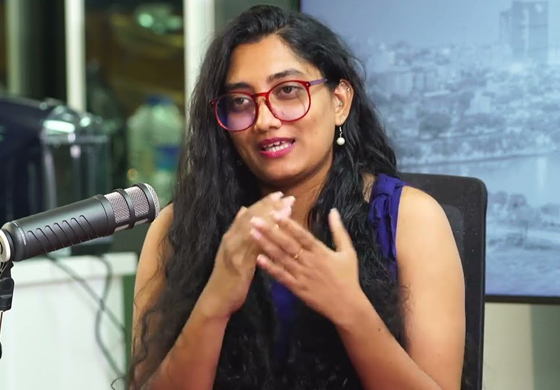
In an effort to become more integrated in global trade, Sri Lanka will apply for membership to the Regional Comprehensive Economic Partnership (RCEP), President Ranil Wickremesinghe announced yesterday.

By entering into a free trade agreement with the Asia Pacific nations, the island nation aims to achieve a higher level of economic liberalisation.

Wickremesinghe made the announcement in Tokyo, Japan this week while addressing the ‘Nikkei Forum: Future of Asia’ where he shared the island nation’s approach to the Indian Ocean and Asia-Pacific regions.

With the RCEP, Sri Lanka will be able to reap the benefits of entering into an agreement with 10 ASEAN countries and six other countries in the Asia Pacific region. 

The RCEP member countries are Australia, Brunei, Cambodia, China, Indonesia, Japan, South Korea, Laos, India, Malaysia, Myanmar, New Zealand, the Philippines, Singapore, Thailand, and Vietnam.

Sri Lanka will be able to boost trade and investment in the region as the RCEP is the world’s largest FTA in terms of GDP.

 Sri Lanka is committed to multi layered connectivity in the Indo-Pacific. Furthermore, we also support Prime Minister Kishida’s Principles for Peace and Rules for Prosperity,” he told the forum.

President Wickremesinghe went on to point out that Sri Lanka welcomes the G7s announcement that they are prepared to build a stable and constructive relationship with China for which Japan pledged its commitment.

 We appreciate this cooperative approach of Japan and give it our full support. It is crucial for the emergence of a peaceful and prosperous Asian region. We also support a dialogue between all Asian nations,” he said while adding that Sri Lanka is of the view that Japan, China, India, and ASEAN, should commence an open-ended dialogue amongst themselves and thereafter with the other Asian countries.

 This is the first step in establishing a new framework for peace and cooperation in Asia,” he stressed

නිහතමානී සමාව ඉල්ලීමේ උද්ධච්ඡභාවය

May 28th, 2023

රුහුණු වෛද්‍ය පීඨයේ පීඨාධිපති මහාචාර්ය වසන්ත දේවසිරි මහතාගේ විග්‍රහයක්) Courtesy Lanka Lead News

එක්තරා ස්ත්‍රියක විසින් සිදුහත් කුමරුවන් සුද්ධෝදනගේ කොලු පැටියා උපන් හැටියේ කවි කියමින් ඇවිද්ද බව පවසමින් මතු කිරීමට උතසාහ ගත් ග්‍රාම්‍ය උපහාසය ජාති ආගම් භේදයකින් තොරව සියලුම ශිෂ්ට සම්පන්න ජනතාවගේ පිළිකුළට භාජනය වීම පුදුමයට කරුණක් නොවේ.

මා වඩාත් මවිතයට හා සෝකයට පත් වූයේ මේ තරුණ ස්ත්‍රිය සමාජ මාධ්‍ය ඔස්සේ ඒ පිළිබඳව සමාව ඉල්ලූ දියාරු විලාසය යි. ඇයවත් ඇය සමඟ එහි පෙනී සිටි එම පුරුෂයාත් තම වරදෙහි බරපතළ කම පිළිබඳ ව මේ වනතුරුතුත් මඳ වශයෙන් හෝ අවබෝධ කරගෙ ඇතැ යි නො සිතමි.

ඇය කියූ දේ වලින් යම් පිරිසකට හෝ පුද්ගලයෙකුට හෝ සිත් රිදීමක් ඇති වී නම් නිහතමානී ව සමාව ඉල්ලා සිටින බව ඇය ප්‍රකාශ කළා ය. ඇයගේ වදන් සිංහල බෞද්ධ සභ්‍යත්ව විඥානය විසින් මෙහෙයවනු ලබන අති විශාල බහුතරයක් සිටින රටක සමස්ත ජනතාවකගේ අධ්‍යාත්මයට එරෙහි ව කරණ ලද කරන ලද බියගුලු වූ ද නින්දිත වූ ද අපහාසයක් මිස ඇය කී පරිදි යම් පිරිසකට හෝ පුද්ගලයෙකුට සිදු වූ සිත් රිදවීමක් පිළිබඳ ප්‍රශ්නයක්නොවේ.

ඇතැම් බෞද්ධයින් විසින් පවා සිදුහත් කුමරුගේ උප්පත්තිය බුදු සමයේ හරය නොවන බවත් එය බෞද්ධ සාහිත්‍ය තුළ ගෙඩ නැගුනු අතිශෝක්තියක් බව ප්‍රකාශ කරමින් ඇයගේ ප්‍රකාශය සාධාරණීය කිරීමට තැත් කරනු ඇත.

තවකෙක් බුදු දහම ආගමක් නොවන බවත් එය තවත් හුදු දර්ශනයක් බවත් ප්‍රකාශ කරමින් මෙවැනි දේ ගැන අප කලබල නො විය යුතු බව ද පවසනු ඇත. එසේ පවසන අය බුදු දහම (බුදු වදන) ගැනවත්, පොදුවේ දර්ශනය යන්න පිළිබඳ වත්, ථේරවාද, මහායාන මෙන් ම ඊට පසු කාලින බෞද්ධ සම්ප්‍රදායන් හා එ හා බැඳුන් සාහිත්‍ය පිළිබඳ වත් අවබෝධයක් නැති හිස් පිරිසක් ලෙස ය මා දකින්නේ.

ථේරවාදී සම්ප්‍රදායට අයත් වන සූත්‍ර පිටකය මුල් බුදු සමය ලෙස මුලු ලෝකයේ ම ගෞරයවයට භාජනය වන්නේත්, පිළිගනු ලබන්නේත් එය විශාල වශයෙන් වෙනස්වීම් වලට භාජනය නොවූ බැවිනි.

සූත්‍ර පිටකයේ මජ්ඡිම නිකායේ එන අචාරියා අද්භුත සූත්‍රය (123) බෞද්ධයින්ගේ අප්‍රමාණ ගෞරවයට බඳුන් වන ආනන්ද හිමියන් විසින් බුදුන් වහන්සේ ඉදිරි පිටදීම දේශනා කරන ලද්දකි. සෙසු සංඝයා වහන්සේට බුදුන්ගේ ආශ්චර්ය ගුණයන් විස්තර කරමින සිදුහත් කුමරු තවුතිසා දෙව් ලොව සිට සිහියෙන් චුත ව සිහියෙන් මහාමායා කුස පිළිසිඳ ගත් අයුරුත් කුමරු ඇවිද ගිය අයුරුත් උදාන වාක්‍ය කියූ අයුරුත් ආනන්ද තෙරණුවෝ පවසත්.

එපමණක් නොව බුදුන් වහන්සේ ද එම දේසනාව එඅයුරින් ම අනුමත කරති. මෙම සූත්‍රය තුල තවත් බොහෝ ආශ්චර්යයන් විස්තර කර ඇත.( සූත්‍ර පිටකයේ එන ‘එවං මෙ සුතං’ යනුවෙන් ඇරඹෙන දේශනා සියල්ලම ආනන්ද මහ රහතන් විසින් ම වදාරා ඇති බව ද මෙහි ලා සිහිපත් කිරීම වටී)

මෙම විස්තරය බොරු උගත් කමින් දූෂණය නොවූ බෞද්ධයන්ගේ සිත් සතන් පහන් කරන්නේ සිදුහත් කුමරුන් ගේ උපත සාමාන්‍ය දරු උපතක් නොව, සාර අසංක කල්ප ලක්ෂයක් දස පෙරුම් සපුරා මවු කුසක පිළිසිඳගත් පින්වත් කුමරෙකු ගේ උපතක් වූ බව ඔවුන් දන්නා බැවිනි.

එවන් වූ පින්වත් දරු උපතක් අනුවණ ස්ත්‍රියක විසින් සුද්ධෝදන ගේ කොලු පැටියා ලෙස ගරුසරු නැතිව හඳුන්වනු අසන විට රිදුම් දෙන හදවතක් මට ද හිමි ව තිබීම පිළිබඳ ව මම මා ගැන ම සතුටු වෙමි. එසේ රිදුම් දෙන්නේ මා හට මෙන් ම මෙරට අති බහුතරයකට උරුම වී ඇති බෞද්ධ අධ්‍යාත්ම යි.

ඇතමුන් බුදු දහම දර්ශනයක් ලෙස හඳුනවතත් එය එසේ ගිණිය නොහැක්කේ, දර්ශනයක් අර්ථ දැක්වීමේ දී ඉදිරිපත් කරනු ලබන එහි මූලික අංගයන් තුන අතරින් metaphysics මෙන් ම epistemology ද මුල් බුදු සමය තුළ එතරම් සැලකිල්ලට ලක් නොවන බැවිනි.

කෙසේ වෙතත් නූතන දර්ශනවාදයේ ඉතිරි අංගය ලෙස ගැනෙන ethics මුල් බුදු සමයේ ද ප්‍රධාන අංගය වේ. සුත්ත නිපාතයේ එන ඉතාමත් ප්‍රචලිත සූත්‍ර දේශනාවන් වන කරණීය මෙත්ත සූත්‍රය හා මහා මංගල සූත්‍රය යන සුත්‍ර දේශනා දෙක තරම් පැහැදිලි ව බෞද්ධ සදාචාරය (Buddhist Ethics) ඉදිරිපත් කර ඇති තවත් තැනක් සූත්‍ර පිටිකය තුලින් මෙතෙක් මට හමු වී නැත.

අප කුඩා කල සිට ම කට පාඩමින් දන්නා මෙම සූත්‍ර දේශනා දෙක තුලින් බෞද්ධයන්ට අනුබල දෙන්නේ විහිළුවට හෝ උද්ධච්ඡ අමන කතා කීමට නොවේ. මෙත්ත සූත්‍රයේ ‘සුවචෝ චස්ස මුදු අනතිමානී’ මෙන් මංගල සූත්‍රයේ ‘ගරාවෝච නිවාතෝ ච’ යන පද බොහෝ බෞද්ධයන්ගේ හදට සමීප ය.

බුදුන් වහන්සේ දේසනා කළ මඟ සද්ධාව මත ගොඩ නැඟුනෙකි. සද්ධාව තුලින් ආරම්භ වන්නෙකි. නිවන් දකින තෙක් ම සද්ධාව හා බැඳී පවතින්නකි. මේ මුග්ධ ස්ත්‍රිය පහර දෙන්නේ බුදු දහමේ මූලික පදනම වන සද්ධාවට ය.

ඇයගේ නොදන්නා කම හා බැඳුනු නොපනත් හැසිරීම දෙස කරුණාවෙන් බලන අතර, ඇතැමුන් යෝජනා කරණ අයුරින් ඇයට විරුද්ධව නීත්‍යානුකූල ව පියවර ගත හැකි නමි එය සමාජයේ යහපත පිණිස වන බව මම ද විස්වාස කරමි. ඒ ඇයගේ ‘නිහතමානී’ සමාව ගැනීම තුල දක්නට ලැබුනු උද්ධච්ඡ බාවය හා මුග්ධ භාවය නිසා ය.

උද්ධච්ඡකම හා මුග්ධ භාවය එකිනෙක හා වෙන් කළ නොහැකි ලෙස අත්‍යන්තයෙන් ම එකිනෙක හා බැඳී ඇත. නීතිය ක්‍රියාත්මක විය යුත්තේ ඇය පුනුරුත්ථාපනය කළ යුතු ස්ත්‍රියක නිසා ය . පුනුරුත්තාපනය තුලින් ඇයට යම් පිහිටක් අවශ්‍ය ය. ඒ ඈ තුල සහජයෙන් පිහිටා ඇති ‘ගරවෝච (ගරු කළ යුත්තනට ගරු කිරීම), නිවාතෝ (නිහතමානී) බව යළි මතු කර ගැනීම ඇයට උදවු වීම සඳහා මිස ඇයට දඬුවම් කිරීමට නොවේ.

2023 වෙසක් මස 28 වැනි දින
(උපුටා ගැනීමකි)

Britain’s Lies Boomerang on Britain!

May 28th, 2023

By Shivanthi ranasinghe Courtesy Ceylon Today


For nearly a decade-and-a-half, the British establishment has been catering a damning falsehood against Sri Lanka. There had been a concerted effort with the active participation of the British media and Parliament to defame Sri Lanka as war criminals. Notable politicians as Prime Ministers Tony Blair and David Cameron have behaved disrespectfully towards Sri Lanka and have done their best to embarrass Sri Lanka. Today, in the most unexpected manner Britain has got a taste of their own medicine from the most unexpected quarters – Prince Harry and his wife Meghan Markle.

Justifying terror

Since 1975, Sri Lanka had been gripped by a terror group that plundered, murdered, enslaved children and wreaked absolute havoc and destruction – all in the name of Tamils in the North and East. As the Tamils are a minority community in Sri Lanka, the issue was politically sensitive.

Unfortunately, there were many stakeholders and onlookers who benefited from the ensuing confusion. Therefore, their effort was to encourage the deteriorating situation than help contain it. Somehow the slaughter of innocent civilians, which included babies still in their mothers’ wombs to the elderly and everyone in-between was justified as collateral damage in a freedom fight. Not even a 12-year old monk – the most harmless in Sri Lankan society – was spared in this so-called freedom fight that destroyed the very people in whose name the terror was unleashed.

It is noteworthy that in the three decades of terror, three generations of Tamil children lost their future. As the new millennium dawned, the world was speculating how computer-driven systems handle the change of date.

In the North and East of Sri Lanka, parents were wondering how to keep their children from being forcibly conscripted by the terrorist organisation. Some parents went to extraordinary lengths to protect their children.  Yet, according to a UNICEF count, LTTE was holding over 5,000 children in their underage cadre. At the time, not even a national school had that many students in all its 13 grades.

The blame for this awful situation must be borne solely by Sri Lankan politicians. They dastardly lacked political will to end terrorism in Sri Lanka as they tried to gain political leverage at the expense of innocent Sri Lankan citizens. However, the manner the outside world reacted to this crisis was also very telling.

Outrageous British Behaviour

For decades during the terrorist era, British media gave a very biased coverage of what we were experiencing. This was echoed by the British politician, whose outrage on the atrocities committed by the terrorists was greatly muted compared to the  grave concern” expressed over the Security Forces’ counter terrorist acts.

After exhausting every possible peaceful approach to the problem, Sri Lanka still had nothing to show. By 2006, there were only two options before the Island nation. One was to allow terrorism win the day and give into demands that would never be possible democratically. The other was to eradicate terrorism once and for all.

The second option was obviously the better one. Giving into terrorism, as Sri Lanka found the hard way, does not end a problem but encourages the outrageous demands to multiply.

Fortunately, the then political arm recognised this stark truth and gave the Security Forces its wholehearted support to end terrorism from Sri Lankan soil once and for all. Unfortunately, UK refused to support Sri Lanka in this endeavour. In fact, the then British Foreign Minister, David Miliband visited in person to persuade former President Mahinda Rajapaksa to stop the military intervention. He refused and the British establishment never forgave him for it. When the latter visited the UK to deliver a speech, he was booed and heckled. This was justified by the British Government as a democratic right of the British people. Eventually, the former President had to cut short his visit as it was clear he would not be provided with adequate security.

Furthermore, every year since 2009, Britain had been part of the campaign to tarnish the military victory as a war crime. When the USA quit the UNHRC claiming it to be a political cesspit, the UK picked up the baton to play a lead role in bringing resolutions against Sri Lanka.

The fallacies of this grievance were exposed by none other than their own parliamentarian, Lord Naseby. Presenting communication that was passed from the British High Commission in Colombo with its Home Office, he proved that the British government was well aware that the allegations against Sri Lanka were false. Even after this expose, the British establishment shamelessly  continued with the charade to hound Sri Lanka on bogus war crimes.

Meghan Markle’s Platform

Meghan Markle (MM) has given the British establishment a taste of its own medicine. This has left the British media spluttering and authorities seething. All she had to do was scream racist” and she was instantly believed. This despite the well documented warm reception she received from both the British public and royal family from the time Prince Harry (or is it Just Harry”) introduced her as his life partner.

MM brazenly expected the royal family to change according to her prescriptions. As preposterous as her behaviour was, it is not a new experience for us. We too get these experts” who swoop down on us, telling us that our culture, ways and beliefs are archaic” and need to be changed as dictated. When we refuse, we too have been insulted with labels as tribal mindset”, xenophobic” and a host of other things.

It was a smart move on MM’s part to run to Oprah Winfrey with her list of complaints. Ms Winfrey’s Foundation is built on her own fight against racism, which she often attests with her own alleged experiences. For her, MM’s account thus was too juicy and resonated so well with her own fight against colour bar to listen with an open mind. Right across the US, people saw this interview conducted by a shocked Winfrey on national television.

Yet, how much of what MM stated is verifiable. For instance, she claimed a senior royal had asked her husband if he were worried about the baby’s colour”. Without establishing who said it or in what context, the entire royal family has been in one stroke painted as racist.  

Since that interview, through MM’s own antics, her credibility has nosedived. Finally, the discerning American public is waking to the fact that the British media took cudgels against MM in the first place. The British media never ridiculed MM for her colour but for her hypocrisy. Yet, the hard questions the British media threw at her were twisted by her as hounding her for her colour.

It is not only the liberties MM took with facts that is affecting her credibility. The emerging reports of ill-treating staff, her bullying tactics and intimidating those serving her has contributed as well. Yet, there is still an audience willing to ignore these hard realities on the mere premise that racism within the royal family is possible. When logic fails their argument, many personalise MM’s accusations, claiming that they too faced similar experiences.

This kind of presumption that deliberately ignores hard core facts is the most insulting and frustrating of all. Those who follow this kind of thinking and allow baseless speculation and allegations to establish do not realise the polarising effect of their actions. In effect, they contribute to the problem than resolve it.

Prince Harry’s (or Just Harry’s) role in this drama is interesting. He admits that until MM pointed out, he was unaware of his own unconscious bias”. This led him to obnoxiously trample on his birth right and family. We too have a number of ‘Just Harry’ in Sri Lanka. They come in the form of NGOs and just like ‘Just Harry’, they too expect to be paid and looked after for not wanting to be part of the Sinhala community.

For the record, the writer neither endorses MM’s behaviour, nor gloats over Britain’s discomfiture. As a protester against false propaganda, this writer’s support and sympathies are fully with Britain and her people. Nothing hurts as much as falsehoods propagated against one’s own country. However, as we can only learn from our mistakes, we in Sri Lanka hope that Britain henceforth will treat matters concerning Sri Lanka much more sensitively and allow truth to finally emerge without redacting” it.

(ranasingheshivanthi@gmail.com)

By Shivanthi Ranasinghe

India did more for Lanka than IMF: Jaishankar

May 28th, 2023

Courtesy The Daily Mirror

India has done more for Sri Lanka than the International Monetary Fund (IMF), Union Minister for External Affairs Dr S Jaishankar stressed on Saturday. The Modi government, he underlined, is working on developing an extended neighbourhood” that involves islands in the Indian Ocean, Gulf countries and nations in South-East Asia.

What we are also trying to do today is for a bigger, influential and ambitious India. We are trying to expand what should be our neighbourhood. We look at what this extended neighbourhood should be. It could be islands in the Indian Ocean, nations in South-East Asia and Central Asia, or Gulf countries. The relationship with the UAE and Saudi Arabia has undergone an enormous transformation. From what was a traditionally much more constricted view of our neighbourhood, we have undertaken something much more ambitious,” said Jaishankar during a talk on Modi’s India: A Rising Power” at Anant National University in the city.

Pointing out how the world has become more uncertain, volatile and turbulent, Jaishankar underlined it was time to use the complex global landscape” for the betterment and growth of India. The pandemic and the Ukraine-Russia conflict has helped to build resilient and reliable supply chains”, domestic capacities” and trusted relationships,” he highlighted.
A Rajya Sabha MP from Gujarat, Jaishankar also spoke about the linkages” and perception” India has developed in the last nine years under the leadership of Prime Minister Narendra Modi.

If you are the biggest in your neighbourhood, then it is in our interest that our other neighbours have a share in our prosperity, happiness and are linked to us. That will happen if we are generous and have a non-reciprocal way of engagement. Many of our neighbours like Bangladesh or Nepal and Bhutan are today linked with us through roads, railways, and waterways. We have electricity grid connections; there are fuel supplies. In many ways, they benefit from the scale and economy of India,” Jaishankar said while addressing an audience largely composed of students and faculty members from the private university.

The linkages and perception today of India in the neighbourhood has changed. Nothing illustrated that more dramatically than what happened to Sri Lanka. Last year, when they went through a very deep economic crisis, we stepped forward in a way we ourselves have never done before. What we have done for Sri Lanka is bigger than what the IMF has done for Sri Lanka. If any of you have visited Sri Lanka recently, then you will note the popular perception that has accrued from this action,” he added.

Speaking about India’s relationship with China, the Union minister said, The challenge from China is complicated. But in the last three years, it has been particularly visible in the border areas. There are clearly responses that are required and those responses have been undertaken by the government and a lot of it is to ensure that no attempt is made to unilaterally change the status quo in the border areas. We will ensure peace and tranquillity. It is the basis of our relationship. If peace is disturbed, it cannot be that the relationship remains unaffected.”

Both India and China, he said, will have to find some kind of equilibrium” where there is mutual respect, sensitivity and recognition. Today, if we see that respect, sensitivity and recognition, we can have a better relationship with China. But if we do not, then we have to stand up for our rights. We need to be firm in asserting our positions. That is unfortunately the current situation,” he added.(Indian Express)

Britain seeks Sri Lanka’s cooperation to prevent illegal immigration

May 28th, 2023

Courtesy The Daily Mirror

The United Kingdom (UK) has sought assistance from the Sri Lankan government to prevent Sri Lankans from coming to Britain as illegal immigrants.

British High Commissioner to Sri Lanka Sarah Hulton who met Public Security Minister Tiran Alles recently requested the Minister to cooperate in preventing illegal Sri Lankan immigrants from coming to Britain.

The meeting was also attended by UK Foreign, Commonwealth and Development Office Director Ben Mellor who was visiting Sri Lanka.

The current situation in the country was also discussed during the meeting.

The Public Security Ministry said that a long discussion on the Prevention of Terrorism Act was also held.

Highlighting the recently introduced new laws in Britain, the minister pointed out that the introduction of these laws is necessary to maintain law and order in the country.

Meanwhile, Mr Mellor inquired from the minister on four suspects arrested under the Prevention of Terrorism Act.

The Minister informed the officials that all four of them were suspects in connection with the Easter Sunday bomb attacks and that they were arrested and brought before the law according to the PTA that existed at that time.

Minister Alles further pointed out that the proposed new anti-terrorism law should be balanced to maintain law and order.

Also, the British High Commissioner informed the Minister that a training workshop on the use of rules and regulations will be organized for the officers of the Sri Lankan Police through Zoom conferencing. (Darshana Sanjeewa Balasuriya)

Stand-up comedian Nathasha Edirisooriya remanded

May 28th, 2023

Courtesy Adaderana

Stand-up comedian Nathasha Edirisooriya, who was arrested by the Criminal Investigation Department (CID) over her recent controversial comments, has been ordered to be remanded in custody until June 07, after being produced before the Colombo Fort Magistrate’s Court.

This order has been issued by Colombo Fort Magistrate Thilina Gamage this evening (May 28).

Nathasha Edirisooriya, who found herself in hot water over her remarks on religions which stirred much controversy in the country, was arrested at the Katunayake Bandaranaike International Airport (BIA) early this morning, while trying to fly out of the country.

The CID on Saturday (27) received a complaint pertaining to a woman who had allegedly insulted religions including Buddhism, and Christianity during a stand-up comedy show recently held at a leading school in Colombo.

The stand-up comedian in question, identified as Nathasha Edirisooriya and the individual who had posted the relevant video online later publicly apologised for the statements made.

Despite their apology, however, several parties severely criticised the insults made during Nathasha’s segment, adding that she had used ‘derogatory’ language.

Thus, a complaint had been filed with the CID, calling for the arrest of the youth, citing that she had insulted Buddhism.

Applications sought for scholarships to study in Nalanda University in India

May 27th, 2023

Courtesy NewsIn.Asia

Colombo, May 26: Nalanda University in India is inviting applications from Sri Lankan nationals for following programs under the BIMSTEC Scholarship Scheme for the academic year 2023-24.

•       MA and PhD in Historical Studies

•       MA and PhD in Buddhist Studies, Philosophy and Comparative Religions

ADVERTISEMENT

•       MA and PhD in Hindu Studies (Sanātana Dharma)

•       MSc and PhD in Ecology and Environment Studies

•       MBA in Sustainable Development and Management

•       MA and PhD in World Literature in English

The Scholarship Scheme covers admission fee, tuition fee of the course, residential charges and a monthly stipend in addition to a one-time to and from travel fare.

Details regarding the Scheme are available on https://nalandauniv.edu.in/admissions/. Further details may be obtained by emailing foreignstudents@nalandauniv.edu.in. The priority deadline for submission of applications on the website (https://nalandauniv.edu.in/admissions/) is 10 June 2023.

President apologizes to Japanese Government over the termination of LRT project

May 27th, 2023

Courtesy NewsIn.Asia

May 26 (AdaDerana) – President Ranil Wickremesinghe expressed his regret to the Japanese Government for the suspension of the Colombo Light Rail Transit (LRT) project, which was being implemented with Japanese support.

During the official meeting in Tokyo this morning (25) between President Ranil Wickremesinghe and Japanese Prime Minister Fumio Kishida, the President emphasized the need for future legislation in the Parliament to ensure that bilateral large-scale projects cannot be halted or canceled without the agreement of both parties.

For similar articles, join our Telegram channel for the latest updates. – click here

ADVERTISEMENT

The Prime Minister of Japan warmly received President Ranil Wickremesinghe, and bilateral talks commenced after a friendly conversation between the two leaders.

President Ranil Wickremesinghe expressed his gratitude to Japan for its support in helping Sri Lanka recover from its economic crisis, thanking the Japanese Prime Minister for his assistance.

The leaders also discussed new opportunities to enhance cooperation between Japan and Sri Lanka.

In another meeting held on the same day (25) in Tokyo, President Ranil Wickremesinghe met with Japanese Finance Minister Shunichi Suzuki to discuss Sri Lanka’s debt restructuring and the International Monetary Fund’s program. Subsequently, President Ranil Wickremesinghe met with Japanese Foreign Minister Mr. Yoshimasa Hayashi, focusing on strengthening long-term bilateral relations between Sri Lanka and Japan, including increased cooperation in economic and cultural fields.

Additionally, President Ranil Wickremesinghe and former Prime Minister of Japan Mr. Yasuo Fukuda participated in a breakfast meeting organized by the Japan-Sri Lanka Association in Tokyo on the same day (25).

During the meeting, President Ranil Wickremesinghe briefed the former Prime Minister of Japan on the ongoing economic recovery program in Sri Lanka. The President highlighted the favorable investment climate in Sri Lanka and extended an invitation to Japanese investors to return and invest in the country.

Furthermore, a meeting was held between the former Prime Minister of Japan, Mr. Taro Aso, and President Ranil Wickremesinghe, focusing on potential steps to strengthen the existing close and friendly relationship with Sri Lanka.

President Ranil Wickremesinghe also engaged in bilateral talks with Singapore’s Deputy Prime Minister Lawrence Wong in Tokyo on the same day (25). The President reaffirmed Sri Lanka’s commitment to implementing the Singapore Free Trade Agreement during discussions with the Deputy Prime Minister of Singapore.

President spearheads Sri Lanka’s economic revival and seeks Japanese investment

May 27th, 2023

Courtesy The Island

President Ranil Wickremesinghe actively engaged in a pivotal business round table on Sri Lanka’s Economic Revival & Opportunities for Japanese Enterprise,” where he presented the nation’s commitment to stabilizing and liberalizing the economy while actively inviting new foreign ventures.

The event, jointly organized by JETRO, Japan-Sri Lanka Business Co-Operation, and the Embassy of Sri Lanka in Japan, aimed to strengthen economic ties between the two nations.

During the round table, President Wickremesinghe fervently outlined the ongoing efforts undertaken by Sri Lanka to restore stability and openness to its economy, presenting an inviting climate for foreign investment. With a clear vision to attract Japanese enterprise, he discussed the various measures and reforms being implemented to create a conducive business environment for potential investors.

Recognizing Japan’s significance as a vital economic partner, President Wickremesinghe emphasized the mutual benefits that can be derived from increased collaboration between the two nations. Sri Lanka’s strategic location and skilled workforce were highlighted as key advantages, providing a gateway for Japanese companies to expand their operations in the region and leverage the country’s emerging economic opportunities.

As Sri Lanka continues its journey toward economic revival, President Wickremesinghe’s active participation in the round table, underscores the government’s unwavering commitment to attracting foreign investment and driving sustainable economic progress.

බුදු දහමට අපහාසාත්මක ප්‍රකාශ සිදුකළ කාන්තාවට එරෙහිව අස්ගිරි පාර්ශ්වයේ පුත්තලම මහා දිසාවේ ප්‍රධාන සංඝනායක හිමිගෙන් පැමිණිල්ලක්

May 27th, 2023

Lanka Lead News

නතාෂා එදිරිසිංහ නම් කාන්තාව බෞද්ධාගමටත්, සිදුහත් උපතටත් විශාල අපහාසයක් සිදු කර ඇති බව ප්‍රකාශ කරමින් අස්ගිරි මහා විහාර පාර්ශ්වයේ පුත්තලම මහා දිසාවේ ප්‍රධාන සංඝනායක පූජ්‍ය මිගෙට්ටුවත්තේ සුමිත්ත හිමියන් විසින් පොලිස්පති චන්දන වික්‍රමරත්න මහතා වෙත පැමිණිල්ලක් කර තිබේ.

අදාළ පැමිණිල්ල මෙසේ ය.

Stand-up comedian Nathasha Edirisooriya arrested at BIA

May 27th, 2023

Courtesy Adaderana

Stand-up comedian Nathasha Edirisooriya, who found herself in hot water over her remarks on religions which stirred much controversy in the country, has been arrested by the Criminal Investigation Department (CID).

She was taken into custody at the Bandaranaike International Airport (BIA) in Katunayake while trying to fly out of the country, according to the police.

The CID on Saturday received a complaint pertaining to a woman who had allegedly insulted religions including Buddhism, and Christianity during a stand-up comedy show recently held at a leading school in Colombo.

The stand-up comedian in question, identified as Nathasha Edirisooriya and the individual who had posted the relevant video online later publicly apologised for the statements made.

Despite their apology, however, several parties severely criticised the insults made during Nathasha’s segment, adding that she had used ‘derogatory’ language.

Thus, a complaint had been filed with the CID, calling for the arrest of the youth, citing that she had insulted Buddhism.

This scenario comes against the rather controversial backdrop of Pastor Jerome’s recent statements during a sermon he had delivered, which was also accused of insulting Buddhism, Christianity and Islam.

Part 5: Errors of Judgement, IMF, and Potential Solutions to Avoid Bankruptcy -A candid study and an action plan Economic and social development for Sri Lanka

May 26th, 2023

by Professor Sunil J.  Wimalawansa

Consequences of IMF loans:

Under IMF-imposed policies, Sri Lanka has witnessed the dramatic deterioration of many local industries.  Sri Lanka had sold off its profitable public sector enterprises such as the Tire Corporation, Sugar Corporation, Milk-food Corporation, Air Lanka (which used to be Sri Lanka’s national airline), Ceylon Transport Board, and textile factories at Tulhiriya and Veyangoda.  Due to multiple reasons, the partnership of Air Lanka, Sri Lanka’s national airline with Emirates, miserably failed.  It did not economically affect Emirates, but Sri Lankan airline went down the drain—our assets.

It has been reported that these state-owned enterprises were sold to the local and foreign private sectors for a fraction of their value based on commissions earned.  Subsequently, in many cases, local and foreign owners have sold these valuable assets at large profits, made money, and left the country, leaving behind unpaid loans, wages and bills, and abandoned factories.  So, who did that to Sri Lanka?  Sri Lanka has also seen unreasonable price increases under privatisation.  For example, telephone charges, cooking gas, and gasoline (petrol) prices have increased by over 200-1,000%.  With the inability to service current loans, if other loans are taken, it will make the conditions much worse.

There is some rationale for selling those highly subsidised state-owned enterprises that lose money.  However, selling profitable assets such as the national airline, electricity board, telecom, petroleum corporation, etc., is another scandal.  While people can argue lending from the IMF and World Bank to developing countries further increases the debt burden, curtailing self-sufficiency and making developing countries even poorer in the long run.  It also makes it difficult to sell goods produced in developing countries to the industrialised countries.  

Unfortunately, these policies have resulted in increased debt, decreased local production, increased prices, higher inflation, increased unemployment, and a reduction in the value of the local currency.  It is time to break away from this vicious cycle of stagnation and mounting international debt.  However, open economies propagated by the World Bank and IMF—the West had benefited a handful of countries such as Singapore, Hong Kong, and Ireland. Still, many developing countries have been unable to escape poverty. 

Conversely, a closed economy such as North Korea and Russia are apparent self-inflicted disasters.  However, most developing countries, including Sri Lanka, fall in between and continue to have problems lifting their heads above water.  Sri Lanka must develop methods to attract FDIC and have plans to pay off and get rid of loans speedily.  If opted to seek more loans (with the goal of more pilferage of funds) to pay off existing loans, or in the disguise of projects, it will further increase the debt burden, accumulation of interest payments, pushing to selling of our national assets—classic loan trap (i.e., stupidity).

Fundamental errors made by the Sri Lankan government

The government made several critical policy errors over the past three decades.  One such was abolishing grass-roots-based organisations, such as the Paddy Marketing Board, CWE, Marketing Department, etc., that helped millions of ordinary people.  It eliminated the opportunities for farmers to sell their products at a reasonable price and provided a formal opportunity for private businesspersons to exploit farmers.  These have resulted in further reductions in local production, increased consumer prices, and increased cheap imports.  Due to the pressure from intermediaries and traders (primary beneficiaries), and failure to sell their products at a reasonable price (manipulated by corrupt officials), many farmers have committed suicide over the past few years, adding insult to injury.  Does anyone take responsibility?

 Government must curtail corruption and break up of mentioned monopolies to minimize vicious cycles to protect its citizens.  For example, re-establishing the village-based cooperative organizations and cultivation officer positions that empower local people, enhancing their production (local selling-purchasing-bartering system, which also minimises transportation costs), and improving the supply chain and farmers’ income and living standards.  Bringing farmers out of the poverty trap needs a fool-proof economic revival system.

Adopting outward-looking policies

Without economic success, Sri Lanka will not be able to maintain peace, harmony, unity, and prosperity, or for that matter, national security.  Irrespective of political interferences -settlements, an improved economy will resolve many inherent social unrest and political stability and enhance the economic and social advancement of the country.  Social unrest, however, will disappear once the economy improves and people are not starving.  On the other hand, continuing loan traps, devaluation of rupees, and monetization add to inflation, increase the cost of living, and enhance poverty and misery for most Sri Lankans.

The above-mentioned is another reason the government must focus on sustainable macroeconomic improvements.  The government is not an employment agency for parliamentarians and ministers or a loan agency.  Instead, it must implement beneficial laws to facilitate growth and eliminate unnecessary and outdated regulations.  However, increasing subsidies is not the right approach, which would further increase the local debt burden.  A correct and balanced approach will help individuals and the business community prosper.  An improved economy and job opportunities created by the industries lead to increased governmental revenue, allowing paying off existing loans along the supply chain economics.  Such collective actions will lead to fair and sustainable economic and social advancement.

Compared to the rapidly developing neighbouring countries, the profit margins in most Sri Lankan export industries are small.  Rather than increasing the price of products, which will eventually phase one out of the market, firms should consider decreasing the cost of goods and production costs.  A significant reduction of overall production costs is achievable through reducing the cost of raw material, supply chain and process improvements, and minimising or eliminating non-value chains. 

Prioritising key areas, especially in manufacturing and development, is necessary before moving into less demanding or essential places.  In contrast to China and India, the market within Sri Lanka is petite.  Therefore, the strategic focus should be to produce high-quality goods, mainly branded products, for export to Asia and other foreign markets.

Text Box:  A broader macro-economic vision, incentives for local production (e.g., increase local availability of fertiliser at affordable cost, improve food storage facilities and transportation), and tax holidays to start new businesses and attract foreign investments are also necessary for economic growth.  This is precisely what Ireland successfully did a few years ago with their supply-side policies.  They became the Celtic tiger” quickly because substantial tax cuts for foreign investments led to a massive influx of foreign direct investment.

Although tax cuts stimulate growth (as illustrated in supply chain economics), they must be done cautiously and strategically: not for political reasons, to favour cronies, or to attract votes before an election.  Haphazard major tax cuts will likely increase budget deficits, inflation, job losses, and defaulting loan-interest payments. The above example illustrates the importance of FDIC in developing a country, rather than dependence on international loans that worsen the situation (supply chain economics—Regonomics).  Political uncertainty, weakening and/or unstable local currency, failure to develop infrastructure, outdated laws, and education system, destruction of forestry and the environment (social injustice), and ongoing corruption discourage foreign countries and firms from investing in Sri Lanka. 

Most of these problems can be dealt with relatively quickly with honest/ transparent, forward-looking governance and dedicated strong leadership willing to take bold, candid steps, including extraordinary measures.  Therefore, FDIC will go hand in hand with the honesty of government transparency and less legislative restriction, a lack of which has been a root problem in Sri Lanka and other developing countries.

One should also remember that foreign investors are not interested in developing Sri Lanka or any developing country.  Their sole interest is profits.  Business enterprises and investors will move in to take advantage of tax breaks, cheap labour, perhaps weaker labour laws, and ineffective environmental protection laws (see Truth of Capitalism).  But the government should harness its strength and efficiency to capitalize on these medium-term investments to tie into Sri Lanka’s long-term development plan while proactively minimizing potentially harmful influences and the need for loans.

Effects of globalization

With globalization and the expansion of tourism (especially the lower economic end), adverse social and foreign influences, such as illegal drugs and abusing children, are likely.  Over the past Text Box:  decades, these have increased in the southern coastal region of Sri Lanka.  These were associated with expanding uncontrolled adult entertainment, sexually transmitted diseases, drug abuse, alcoholism, misleading advertisements, unethical or culturally unacceptable programs, gambling, illegal activities, fraudulent businesses, alienating habits and distorting Hela history and Buddhism. 

Inefficient regulatory oversight, irresponsible mass media, and the lack of control of material published continue to harm innocent minds and psyches of children and youth.  These have led to dramatic negative changes in attitudes and mentality of some sectors in Sri Lanka.  The editorial staff of the national news media has direct responsibility to curtail such misinformation, prevent dissemination of harmful information, and safeguard the younger generation, who are the country’s future.  What warrants is not government censorship but self-censorship by the media? 

Despite the above, if these are getting out of control, the government should introduce legislation specifying the contents of all television channels and other mass media—a statute on the truth of advertising.  In addition, an introduction of a mandatory period for educational and patriotic programs on television, a limit on the duration and content of advertising, and elimination of untruthful advertising and false propaganda would be helpful to curtail s negative influences.  It might become necessary to enforce legislation with significant monetary damages and provisions to revoke media licenses if they repeat offences, but n must protect from political abuse.

For the past two decades, with the semi-Westernization of cities and suburban regions, there has been a significant increase in the sex-trade and adult entertainment, abuse of women and children, illegal drugs and alcoholism, expansion of casinos and gambling facilities, and other forms of underworld activities.  In addition, violence has seriously impacted the youth across the country, some of which politicians patronise.  In parallel, divorces, underage marriages, spousal and child abuse, illegal abortions, drug addiction, and other sins have also become commonplace.  If this trend and unsafe environment continue, would foreign investors continue to invest in Sri Lanka?  Such was seldom heard of in Sri Lanka four decades ago.  Why now?

Understandably, some of these are known as adverse outcomes of globalization.  The government is responsible for curtailing this vicious cycle of negative social and economic disruption and its repercussions.  These weaknesses led to the deterioration of the health of the country’s workforce with increased absenteeism and sickness, imposed an extra burden on healthcare and industry output, and caused an impact on the national security and economy.

What should be done?

Sri Lankan should not depend on loans or handouts to develop the economy: instead, it needs to expand the FDIC and endogenous development and associated exports to strengthen foreign reserves.  Following the tsunami disaster, the government of Sri Lanka had the golden opportunity to appeal to the West for debt cancellation or favourable restructuring of its existing loans (debt forgiveness or moratorium); but it failed to take this opportunity.

Instead of obtaining further loans, the government should negotiate to decrease or eliminate trade barriers, acquire favourable export status, and get preferential market access in industrialized countries.  Even though these may not immediately impact debt relief, the gains from the increased trade to Sri Lanka would substantially reduce the trade gap and facilitate a sustainable economy in the long run.  The government’s approach of dependence, begging for loans, and handouts is not the right approach for Sri Lanka.

The state must provide honest governance, a ‘safe capital’ environment, enforceable contracts, honour intellectual property rights, and incentivize foreign companies to invest in Sri Lanka.  It must market its new economic policies honestly to the world.  In contrast, selling a country and its assets is like selling soap or salt—one in water ends up with nothing.  All politicians, especially the President, Finance Minister, and Central Bank governors, must proactively engage to provide wide international publicity for the country’s new economic plan and incentives to attract FDIC.  The efforts have been haphazard and unconvincing to date, including from the Bureau of Investment (BOI).

To attract business, the government should offer incentives, like Ms. Ruth Richardson, the former Finance Minister of New Zealand, successfully did on her every visit to a foreign country.  We need to learn from these examples and act appropriately.  Every Sri Lankan politician or diplomat on each foreign trip must make at least one favourable trade deal for the country; otherwise, they should not be allowed to engage in similar travel in the future, representing Sri Lanka.  Does this happen now?  Instead, most foreign travels by ministers using taxpayer funds have become personal/family trade trips, including for prime ministers.

The BOI is the government organization that should champion foreign investments in Sri Lanka.  The BOI authorizes tax benefits—tax holidays, easing imports and exports, and allocating land to foreign investors in Sri Lanka.  However, the negative attitude of the leaders of this organization is hampering progress.  To achieve significant improvement, the BOI needs to have transparent leadership dedicated to the cause without taking bribery and commissions. 

Buercrtic delays should be eliminated

Politicians and senior bureaucrats in Sri Lanka have not been adhering to ethics and the fundamentals of a booming economy.  They have not come to grips with what needs to be done to develop and strengthen the economy.  To minimize social unrest, unethical and forceful religious conversions by I-NGOs and disparaging the main religions in Sri Lanka must be stopped.  Legal measures should be introduced with punitive punishments to prevent exploiting the innocent, children, women, and the poor.  Government must avoid the destruction of the rural economic base and cultural heritage, environmental destruction and deforestation, and converting our cities and urban communities into slums.

Flooding the local market with poor quality, cheap gimmickry imports from China and Taiwan, and food from India will hinder the local production of goods. Failure to curtail these would prevent local farmers from selling their products competitively.  Given their already low margins, local farmers and producers risk their enterprises and will likely go out of business.  Therefore, unwanted and unauthorized imports need to be restricted: if they arrive, either these should be returned or released slowly and systematically to minimise the harm to the local market.

In addition to Western markets, Sri Lanka should make tight alliances with emerging new economies in the Asian region, including India and China.  It is likely that within the next two to three decades, global power and capital markets will shift from the West (i.e., USA and Europe) to Asia, and US dollars may not remain the globally dominant currency.  Asian developments have begun to threaten the Western world, which has controlled global affairs and the world’s economy for two centuries.  This new Asian economic power block should open their markets, especially for developing countries helping each other.  Sri Lanka must be at the forefront of this new economic revolution and embrace the comparative advantages of these newly emerging economic opportunities.

Part six encompasses overcoming the stagnant GDP— reforming subsidies, energy, and taxes.  

POLITICS IN SRI LANKA Part 4G

May 26th, 2023

KAMALIKA PIERIS

Premadasa set up the Koggala Free Trade Zone.The National Housing Development Authority, Urban Development Authority, Central Environmental Authority and the Institute for Construction Training and Development,  (ICTAD).  He started the Housing Development Finance Corporation in 1984.(Daily News./2023/05/01).  This later became HDFC Bank .

Premadasa  secured British funding for the construction of the Victoria Dam.    Premadasa set up Sevana fund which started as a fund to help build a new house for a poor family in Wellawaya. There arose the Sevana Lottery.He managed to secure support for Sevana Sarana Foster parents scheme when he was abroad, added Bradman Weerakoon. Premadasa role in these projects is  forgotten today.

In 1978, R. Premadasa, who was then the Minister of Local Government, ordered recruitment of GCE A.L. qualified youth as Health Wardens (at present called Health Instructors) to mainly uplift the public health of the people, living in marginalized lands in Colombo, said Pradeep Kariyawasam

150 Health Wardens were recruited and their task was to organize the communities and form Community Development societies, create children’s societies, improve hygiene practices and sanitation, provide basic amenities, look into the nutritional aspects and train the women in preparing nutritious, safe but cheaper food items, etc.

 During my period as the Colombo MOH, they helped me to control cholera and dengue and chikungunya epidemics, and eradicate polio from the city. They were the link to the poorer marginalized people in the flats and slums, continued Pradeep.

This service was only available at the Colombo Municipal Council and it suffered once the CMC came under provincial rule. Provincial Council said recruitment should be done by the CMC and CMC said it should be done by the PC. During the last 40 years, officers were recruited only twice, and with the retirement of officers, their numbers dwindled to around 25.

 Knowing the value of this service, I got the cadre increased to 185 before I left the service of the CMC, but on my return to the CMC, as a Councilor, to my utter dismay, I found that the cadre has been reduced to 75,said Pradeep Kariyawasam in 2020.

In 1990, Mrs. Moir was requested by President Premadasa to run a multimedia English language programme on television and radio to give the rural people an equal opportunity to learn the English language. She invited Barbara Goldsmith, a former Head of BBC English, to work with her. This team bought the hugely successful English language programme ‘Follow Me’ from the BBC and used this with introductions in Sinhala and Tamil on the state radio and television at prime time..

 They   had 80 language centers across the country from Jaffna in the North to Matara in the South, and held written and spoken English examinations set by the University of Warwick.The cost of sitting the exam was only Rs 100. Several teachers were sent abroad for training for Follow Me programme under Moir’s watchful eye. Almost all who got the Follow me certificate from Warwick, were able to get good jobs.

Follow me programme became so popular that the Department of Education found that more students were sitting for Follow Me than for their exams. It was a huge success. Premadasa was very satisfied, said Goolbhai Gunasekera. Truly what a president we lost when Mr. Premadasa was assassinated, she concluded.

Premadasa built the cricket stadium on Khettarama Road, MaligawattaColombo .It was built on swamp land previously used by monks ferrying across to the Khettarama temple. It is the largest stadium in Sri Lanka with a capacity of 35,000 spectators. It was Opened on 2 February 1986 with a match between a Sri Lanka ‘B’ side and an England ‘B’ team, and is today one of the main venues where the Sri Lankan cricket team play, having hosted more than 100 one day international matches.

Premadasa resuscitated the Tower Hall Foundation for drama and music, and rescued the old and now feeble artists who had performed there in the 1920s. He brought them on to the stage where they belted out songs. His father had loved Tower hall plays. Premadasa initiated a pension scheme for the senior Tower Hall artistes.

Jinadasa Vijayatunga who wrote Grass for my feet” was specially flown down from England in 1989 on the invitation of President Premadasa. He moved to his new home in Nugegoda that had been set up for him by President Premadasa – with two attendants to look after him since he had a heart ailment.Vijayatunga was to live in his new house for only a few weeks he passed away and was cremated at the General Cemetery, Kanatte, after which his ashes were interred in his beloved village of Urala where the grass had caressed his feet in his childhood. ( CONTINUED)


Copyright © 2026 LankaWeb.com. All Rights Reserved. Powered by Wordpress