President participates in 55th D.A. Rajapaksa Commemoration Lecture

November 24th, 2022

Courtesy Adaderana

A special commemoration lecture to mark the 55th death anniversary of late D.A. Rajapaksa was held this afternoon (24) under the patronage of President Ranil Wickremesinghe at the Nawarangahala in Colombo.

This ceremony was organised by the Rajapaksa Memorial Educational, Cultural and Social Services Foundation, and was presided over by the Venerable Anunayake of the Sri Lanka Ramanya Maha Nikaya, Head of the Minuwangoda Patthaduvana Bhikshu Training Institute Venerable Nadagamuwe Vijaya Maitri Thero.

Professor Samitha Hettige of the University of Kuala Lumpur, Malaysia delivered the keynote address on The Belt – Road: Lessons for Sustainable Development”.

The book containing the commemoration speech was also presented to the President, the PMD reported.

Speaker Mahinda Yapa Abeywardena laid a floral tribute at the statue of late D. A. Rajapaksa.

The Chief Sanganayaka of the Western Province, the Chief Incumbent of the Abhayaramaya Murutthettuve Ananda Nayaka Thero, Venerable Vatinapaha Somananda Thero, Prime Minister Dinesh Gunawardhena, former President Mahinda Rajapaksa, Southern Province Governor Willie Gamage, State Ministers D.B. Herath, Indika Anuruddha, Shashendra Rajapaksa, Janaka Vakkambura, United National Party Chairman and Member of Parliament Vajira Abeywardena, Members of Parliament Chamal Rajapaksa, Gamini Lokage, S.M. Chandrasena, former minister Basil Rajapaksa and a group of foreign Ambassadors and other guests attended this event.

–PMD

Bangladesh seeks direct shipping connectivity, preferential trade agreement with Sri Lanka

November 24th, 2022

Courtesy Adaderana

Bangladesh has stressed on direct shipping connectivity with Sri Lanka and the resumption of negotiations for early conclusion of preferential trade agreement (PTA) between the two countries.

Foreign Minister Dr A.K. Abdul Momen met his Sri Lankan counterpart Ali Sabry on Wednesday evening, on the eve of the 22nd Ministerial Meeting of Indian Ocean Rim Association (IORA).

The two foreign ministers discussed the wide spectrum of bilateral relations and expressed hope to work closely for their countries and inclusive development of the region.

Momen requested to boost trade relations between Bangladesh and Sri Lanka through increased export of agricultural products and pharmaceuticals from Bangladesh at an affordable price.

The foreign minister of Sri Lanka assured that his country is also looking forward to working together with Bangladesh.

The two leaders agreed to expedite forming an institutional platform to hold regular and comprehensive dialogues between the countries at the foreign minister level.

The issue of mutual support for each other’s candidature at various international fora was also discussed with due importance.

Foreign Minister Momen also sought the support of Sri Lanka in repatriating the forcibly displaced Myanmar nationals.

Foreign Minister of Sri Lanka Ali Sabry arrived in Dhaka on Wednesday afternoon to attend the 22nd ministerial meeting of IORA.

Earlier, he also met the state minister for shipping.

Minister Sabry is expected to call on the Prime Minister of Bangladesh along with the ministerial delegations from other member states of IORA and leave Dhaka on November 26.


Source: Dhaka Tribune

Comments on Budget 2023

November 23rd, 2022

Vichara

In his budget speech the President asked the rhetorical question Where did we go wrong? How did we go wrong?

The answer which is obvious seems to be still evading the President and present policy makers which has not identified the real the problem. In common parlance it is the dearth of dollars arising from the persistent adverse trade balance and balance of payments and the propensity of governments to resort to heavy borrowing and falling into a debt trap. The ordeal became unbearable with the drying up of the income from services from repatriation from foreign employment and earnings from tourism due to the Covid pandemic. The comparison made by the President between the 2021foreign reserves of Vietnam and Sri Lanka is not logical. Vietnam is a country with both more human and physical resources. A per capita comparison would have been more relevant.

In the 2023 Budget proposals there is no focus on addressing the dollar crisis. If one leaves out the provisions for welfare and subsidy programmes it is noted that in the expenditure proposals under 29 items only a few items address the immediate problem. Most provisions are on the creation of new institutions. Some like the new Wellassa Medical faculty, climate university and study of history of the country are good proposals but have little bearing on the current crisis and can be shifted to the backburner.

There are no provisions to address the chronic problem of lack of technical skills as well as a shortage of venture capital” which were identified by the IBRD as constraints on development as far back as 1951.

There is no provision to bring in legislation to stop the leakage of foreign exchange in international trade. On the contrary the export industry will be adversely affected by the tax on exports and the removal of the export development cess on imports.

While criticizing the Budget 23 (BS) for its lack of focus on the current dollar crisis it behoves one to make a few general comments and highlight some of the positive proposals. They follow the order of presentation in the budget speech.

It is clear that there is a strong appeal to the youth in the BS although it is not specifically reflected in the proposals. President has revived his 1999 political refrain of giving gold chains to the youth, which has now appeared as satisfying the modern life style of youth and declares that youth is the real wealth of the country.

BS states that new entrepreneurs should be created.

But they cannot pluck enterprises from thin air. They must have information on the opportunities available for new entrepreneurs to make use of. For example, Agriculture authorities should provide the information on potential for new crops and value addition prospects on them. The mineralogical authorities must show the availability of mineral resources which can be exploited. The ideal situation would be to establish a bank of feasibility studies on potential investment ventures. This is done by leading Banks in India and Pakistan. Our representatives abroad should provide information on new products and markets in the countries to which they are assigned. Entrepreneurs cannot invest in enterprises unless there is finance at reasonable cost. High risk investments should be supported with venture capital.

The BS proposal to have a focus on the following is acceptable provided a short term objective is added. There is no stress on the immediate problem of food security, malnutrition and cost of living.

1. An export oriented competitive economy.

2. An environmentally friendly green and blue economy.

3. A digital economy.

The second item may be postponed for better times.

BS expects to achieve a number of goals

What is in under the control of the country is to create an internationally competitive workforce with high skills in the next ten years. For this there must be a complete revamping of the education system which is now limited to produce unemployable personnel who become a burden on the society.

The statement of the President that we are not having a wedding by being in debt to the world” is ironic when one thinks of the grand wedding the country celebrated when the Yahapalana government borrowed 10 billion US dollars in sovereign bonds at high rates of interest.

BS proposes to set up a new agency in place of the Board of Investment, Export Development Board, Sri Lanka Export Credit Insurance Corporation, National Enterprise Development Authority. The recognition that there should be coordination of the policies and programs of these agencies is admirable. But to set up a single mega agency for this may be counterproductive. These five agencies have distinct objectives involving specific specializations. To bring them under one umbrella would demand managerial talent with some knowledge of all the fields. Even the very housing of such a giant will be costly. If the objective is to coordinate overlapping objectives and programs it could be achieved by cross representation at the management board level of these agencies. This was achieved with the provision for the Director General of the BOI to participate as a permanent member of the management board of the EDB. For example, most external promotional programs were done as joint trade and investment promotion events. Bringing these agencies under a single ministry would also be imperative for better coordination of the activities of these bodies.

Proposal to set up New Economic Zones is laudable.

It would be useful if each of these zones specialize in select aspects of industry. They should not fall into the trap of attracting just cheap labor. One must realize that new economic zones are costly and takes time to become viable.

The BS proposal to introduce policy measures focused on enhancing Sri Lanka’s ability to compete in global markets through innovation, efficienry, and quality is creditable. A priority policy should be to introduce strong incentives for high-tech pioneering projects similar to those enjoyed by Champion industries in India.

The proposal for a Project/program Appraisal Scheme is indispensable.

 This will eliminate wasteful investments and commission earning proposals backed by politicians.

This proposal backed by the proposal to establish a National Operations Centre (NOC)

for tracking implementation issues of all development projects are the best and timely proposals in the BS. In the 1960s there was an Operations Room modeled on the Malaysian example. It was manned by smart administrators like Geoffrey Gunathilake. It not only monitored implementation but also introduced advanced tools of project implementation like PERT.

National Productivity Commission is a good idea but its real purpose of tariff rationalization is veiled under the euphuism of trade adjustmmts schemes. It is likely based on the recommendation of the Harvard University in 2017. In other words it will lead into import liberalization which is a standard recommendation of the IMF. https://growthlab.cid.harvard.edu/files/growthlab/files/2017.10.28_tradeassistance_harvardcid_v2.pdf

The proposal to establish a lnternational Trade Office to deal with all the
international trade negotiations is opportune.

This task is presently performed by the Department of Commerce which lacks the expertise and the independence to do this. The Trade Agreement with Singapore met with lot of criticism that it is a giveaway. It is proposed that this office will come under the umbrella of the Ministry of Foreign Affairs. As the process of negotiation involves the supply side of trade, both EDB and BOI should participate in this task.

Lands for Agricultural Exports
A vast amount of land belonging to janatha Estate Development Board
flEDB), Sri tanka State Plantation Corporation (SPC), and Land Reform
Commission (LRC) remains without being cultivated or productively utilized.

On the surface this sounds a rational proposal, but it needs careful implementation. Firstly it is assumed that this is marginal land which would be more suitable for forestry or cultivation of fodder by the planation labor. If outsiders are allocated these lands, to avoid conflicts it should be for crops other than that of the main plantation.

Disposal of Government Lands
Proposal to assign the allocation of  Mahaweli Authority and Land Re{orm
Commission overnment lands to District Secretaries/Govemment Agents through
Divisional Secretaries/ Additional Government Agents on the ground that there are  

discrimination and malpractice in the related to disposal of lands by these two agencies is not a sound argument. That is a problem that should be addressed but to expect the Divisional and District officers to do better is a serious error. Their decisions will be influenced by the local politicians. The past experience in the North and the East is that there was collusion between official and politicians on land allocation. 

Effective Usage of Sri Lanka’s Mineral Resources for National Development It has been observed that the contribution to national development of Sri Lanka’s mineral resources remains at a very low level.

The first priority should have been the exploit the proven deposits of hydrocarbon in the Mannar Basin. First priority should be to carry out a comprehensive survey on our mineral resources. At the same time we should stop our minerals being exported as raw materials and take steps to convert them to finished value added products.

Promotion of Marine Tourism -However, there are lack of approaches to develop the
maritime tourism considering advantages of the location of Sri Lanka.

Tourism is one industry which can be revived in the short term. Hence active support should be given to all forms of tourism in addition to traditional ventures e.g. medical, caregiving, religious and sports.

Providing Internet Facilities to Schools – Usage cost has to be reduced. Already the facility is available on Smart Phones. Here again fees should be reduced or subsidized.


Post-Graduate Education Opportunities for Doctors
Steps must be taken to ensure they return to the country. Local Post Graduate Institutions must be upgraded to level where foreign students to are attracte.

Foreign Scholarships for A-Levels Qualified Students and Graduates
The study programs selected should be in development relevant areas. It is imperative that the candidates are given a relevant language training before they go.

New Faculty of Medicine

We appear to be producing doctors for the benefit of developed countries. It may be necessary to examine the qualifications required from medical practioners at different levels. In the past we had a cadre of apothecaries in rural hospital and dispensaries. Today doctors depend on lab reports for any diagnosis. What we need probably are more laboratories and lab technicians.

Public Service Reforms 

This certainly is an urgent need. There should be a rationalization of the cadres as well as the service they provide. A recent note on the subject is available on –

www.lankaweb.com › items › plight-and-prospects-of-our-public-service

Concurrently with the reform of personnel cadres the content of the service need to be examined. There are many services and administrative action which are outdated and could be eliminated. Rules have a habit of extending their lives.

Development of Inland Fisheries Industry
With the numerous inland water bodies this has immense prospects. There was a setback when President Premadasa prevented government support to the industry. Inland fisheries also had a good potential for export. We should look into very hardy and fast breeding catfish which is a major fish export by Vietnam.

Tax on Beedi sticks
In order to regularize the Beedi industry and deter people from Beedi
consumptior; I propose to impose a tax of Rs. 2 Per Beedi stick.

When compared to the price of the cheapest cigarette this is a too low a tax. It should be at least Rs 5.

Restructuring of SOEs
Before restructuring SOE it is necessary to identify what ails them and consider other options available make them revenue earners. It is an axiom that it is not the ownership but the management that determined the performance of an enterprise. Even in large Private firms the owners do not participate in management, and it is left to professional managers. SOEs managed by Boards of management appointed by the Minister. Frequently Boars members are selected not on their competence but on political loyalty. Often it is as a payback for political services rendered, particularly for contributions of funds for the election campaign. Not only these political henchmen mismanage the SOE but try to recover their political investment. What is required is not to privatize but to resort to better options.

  1. Establish an umbrella agency similar to that of Temasek of Singapore which manages a combined portfolio of enterprises valued at S$403 billion, or SASAC of China which manages a combined assortment of assets of USD 30 trillion)
  2. Contract out the management to large enterprises or institutions.
  3. Establish a special management cadre to manage the SOEs. This could be combined with item 1.

If the above options are not feasible and the only option is to privatize loss making SOEs they may be transferred to the domestic private sector on the condition that the service rendered by the SOE is continued. It must be ensured that the experience of past flagrant privatization done again. Let us not forget that even a President and a Secretary of finance were found guilty of fraud in a sordid privatization episode by the SC.

The President justifies the privatizing profit making enterprises on the argument that the sale proceeds will be used to augment the foreign reserves of the Central Bank. But the experience of the sale proceeds of the Hambantota Port were not even used to reduce the debt of the country. That makes the credibility of the statement questionable.

Another argument is that the country gets a return in dollars. It is not realized that although the country gets a onetime gain in dollars the foreign investor will repatriate the profits in dollars over the lifetime of the project.

Sale of profit making enterprises like CEB, Telecom and even Insurance to foreigners involves a national security threat which should not be brushed aside. 

Should we not issue shares for dollars to Sri Lankans living abroad particularly to our work force in the Middle East.

It is hoped that the selling of profit-making enterprises at commanding heights is dropped with an amendment during committee stage and alternate options are examined regarding other SOEs.

51. Establishingl Agro-entrepreneurshipVillages
This is a good proposal and should not be limited to only 10 villages. It is suggested one such village for every District.

Milk Production
Develop the Kundasale Artificial Insemination Center and adopt new technologies’

This is encouraging and should be the policy rather than importing cows which was a scam which happened in the past. AI was done extensively in the early 1960s. If this program with strict enforcement of the Animals was continued during the last 60 years we would be having a productive upgraded cattle herd. AI should be practice on the buffalo herd as well. High quality semen could be imported from Amul, India.

Training of Youth for Foreign Employment
I propose to allocate Rs. 50 million in 2023 to the National Youth Services
Council to train youth for foreign employment opportunities.

This is a positive measure but a typical piecemeal action. What is required is to revamp the education system giving priority to technological education.

Paying Wards System in Government Hospitals
This is a timely proposal which will reduce the exploitation of patients in private hospitals where the charges are exorbitant. They even charge separately for the cotton wool used. The annoying charge is for the services of the house doctor who has to be paid separately for visiting the patient in the morning and just wishing good morning.

Vichara

සුභසාධක ප්‍රතිලාභ ගෙවීම් ලැබීම් පිණිස සුදුසු තැනැත්තන් හඳුනා හඳුනාගැනීමේ ක්ෂේත්‍ර  සමීක්ෂණයේ ගැටළු විසඳන තෙක්  තාවකාලිකව ඉවත් වීම.

November 23rd, 2022

සංවර්ධන නිලධාරී සේවා සංගමය

ලේකම්,
රාජ්‍ය පරිපාලන ස්වදේශ කටයුතු පළාත් සභා හා පළාත් පාලන අමාත්‍යංශය,
නිදහස් චතුරස්‍රය
කොළඹ07.

ලේකම් තුමනි,

සුභසාධක ප්‍රතිලාභ ගෙවීම් ලැබීම් පිණිස සුදුසු තැනැත්තන් හඳුනා හඳුනාගැනීමේ ක්ෂේත්‍ර  සමීක්ෂණයේ ගැටළු විසඳන තෙක්  තාවකාලිකව ඉවත් වීම.

ඉහත සමීක්ෂණය සඳහා සමාජ සුබසාධක  මණ්ඩලය විසින් ප්‍රාදේශීය ලේකම් කාර්යාල වෙත අවශ්‍ය උපදෙස් දැනටමත් ලබා දී තිබේ. අනුව මෙහි මූලික කටයුතු ප්‍රාදේශීය මට්ටමෙන් සිදුවෙමින් පවතී. මෙම සමීක්ෂණයේ අරමුණු කුමක් වුවද එම සමීක්ෂණය තුළින් වසම්වල පදිංචි ජනතාවගේ සියලු තොරතුරු ආවරණය කොට තොරතුරු පද්ධතියක් සැකසීම කාලීන අවශ්‍යතාවයක් ලෙස අපි දකිමු. එසේ වුවද එම සමීක්ෂණය සිදු කිරීමේදී පැනනගින ප්‍රායෝගික ගැටලු රාශියක් තිබෙන බව අපි පෙන්වා දෙමු.

ඒවා පහත පරිදි කෙටියෙන් සඳහන් කරමු. එම ගැටළු සහිතව මෙම කටයුත්ත සිදු කිරීම දුෂ්කර වී ඇත.

1.
සුභසාධක ප්‍රතිලාභ පනත 21 සහ 22 වගන්ති අනුව වරදක් සිදුවුවහොත් ව්‍යාජ තොරතුරු සැපයීම යටතේ දැඩි දඬුවම් සහ දඩ මුදල් අය කිරීමට සමීක්ෂණ නිලධාරීන් යටත්කර තිබීම,

2.
එක් ග්‍රාම නිලධාරී වසමක රාජකාරි කරන ආර්ථික සංවර්ධන නිලධාරි, ග්‍රාම නිලධාරී, සමෘද්ධි සංවර්ධන නිලධාරි ඇතුළු සමීක්ෂණයට සම්බන්ධ වන සියලු නිලධාරීන් සාමූහිකව වගකියන ආකාරයට ග්‍රාමීය කමිටුවක් මඟින් ක්‍රියාත්මක නොවීම,

3.
සමීක්ෂණ නිලධාරියාට ලබාදෙන උපදෙස් පත්‍රිකාව පිටු 95 කින් යුත්ත වන බැවින් එය වට්ස්ඇප් (Whatsapp) මගින් පමණක් පරිශීලනය කිරීම දුෂ්කර බැවින් නිලධාරීන් වෙත සෑම වසමකටම එක් මුද්‍රිත පිටපත බැගින් හෝ මෙතෙක් ලබා නොදීම,

4.
සියලුම වසම් භාර ආර්ථික සංවර්ධන නිලධාරීන් සහ සම්බන්ධ වන නිලධාරීන් සතුව ඇන්ඩ්‍රොයිඩ් (Smart) වර්ගයේ දුරකතනයක් නොතිබිය හැකිය. එවැනි තත්ත්වයක් තුළ මෙම සමීක්ෂණය සිදු කිරීමට අනිවාර්‍ය කිරීම හා සඳහා විකල්ප ආදේශකයක් නොයෙදීම,

5.
සමහර ප්‍රදේශ වලට සන්නිවේදන තරංග ක්‍රියාකාරිත්වයේ දුර්වලතා ඇති බැවින් මාර්ගගත ක්‍රමයට තොරතුරු ඇතුලත් කිරීමට නොහැකි බැවින් සඳහා සුදුසු විකල්ප වැඩ පිලිවෙලක් සකස් නොකිරීම,

6.
සමීක්ෂණ නිලධාරීන්ට ගෙවන බවට ප්‍රකාශ කරන මුදල හා එහි අගය කීයද යන්න සහතික කළ ලියවිල්ලක් හෝ චක්‍රලේකයක් දන්නා තරමින් මෙතෙක් නිකුත්කර නොමැති අතර වාචික පොරොන්දු වන සමීක්ෂණය සිදු කරගැනීමට එකඟ නොවීම,

7.
සමහර ග්‍රාම නිලධාරී වසම් වල පවුල් සංඛ්‍යාව 1000 ආසන්න හෝ ඊට වැඩි අගයක් ගන්නා බැවින් සමීක්ෂණ කාලය දීර්ඝ කිරීම,

8.
අදාළ සමීක්ෂණය නිලධාරියාට තම කැමැත්ත මත සමීක්ෂණය තෝරාගැනීමේ ඉඩ තිබිය දී ඇතැම් ආයතන ප්‍රධානීන් ආර්ථික සංවර්ධන නිලධාරීන්  වෙත මෙම සමීක්ෂණ රාජකාරිය අනිවාර්ය කිරීම.

ඉහත කරුණු පිළිබඳව ආර්ථික සංවර්ධන නිලධාරීන්, සංවර්ධන නිලධාරීන්, ග්‍රාම නිලධාරීන් සහ සමෘද්ධි සංවර්ධන නිලධාරීන් නියෝජනය කරන වෘත්තීය සමිති නායකයන් සහ ඔබතුමා ඇතුළු වගකිවයුතු නිලධාරීන් සියල්ලගේ සහභාගීත්වයෙන්  කඩිනම් සාකච්ඡාවක් සිදු කරන මෙන් ඉතා ඕනෑකමින් ඉල්ලා සිටිමු.  එම සාකච්ඡාවෙන් පසු  එළඹෙන තීරණයන්ට අනුකූලව මෙම සමීක්ෂණය ක්‍රියාත්මක කරන තුරු 2022 නොවැම්බර් 23 දින සිට මෙම සමීක්ෂණයට අදාළ සියලු රාජකාරි වලින්  ආර්ථික සංවර්ධන නිලධාරීන් සහ සංවර්ධන නිලධාරීන් තාවකාලිකව ඉවත් වන බව කාරුණිකව දන්වා සිටිමු.

ස්තුතියි.

මෙයට,
චන්දන සූරියආරච්චි
ප්‍රධාන ලේකම්

රංජිත් බණ්ඩාර
ලේකම්

එච්. . සේනාරත්න
සභාපති

සම්බන්ධීකරණය071 81 782 68
ஊடக ஒருங்கிணைப்பு – +94 71 81 782 68
Coordination – +94 71 81 782 68

පිටපත් – :අගකගසගරැ (දැ.ගැ.පි.)
1.
ජනාධිපති ලේකම්
2.
ගරු අග්‍රාමාත්‍ය අතිරේක ලේකම් ඇන්ටන් පෙරේරා මහතා
3.
ලේකම්මුදල් අමාත්‍යාංශය
4.
අතිරේක ලේකම් (ස්වදේශ කටයුතු පාලන)
5.
ජ්‍යෙෂ්ඨ සහකාර ලේකම්දිස්ත්‍රික් පාලන
6.
සියලූම දිස්ත්‍රික් ලේකම්වරුන්
7.
සියලූම ප්‍රාදේශීය ලේකම්වරු

පොදු රාජ්‍ය මණ්ඩලීය චෙස් ශූරතා සම්මාන හා තිළිණ ප්‍රදානෝත්සවය අග්‍රාමාත්‍ය දිනේෂ් ගුණවර්ධන මහතාගේ ප්‍රධානත්වයෙන්

November 23rd, 2022

අග්‍රාමාත්‍ය මාධ්‍ය අංශය

පොදු රාජ්‍ය මණ්ඩලීය චෙස් ශූරතා සම්මාන හා තිළිණ ප්‍රදානෝත්සවය අග්‍රාමාත්‍ය දිනේෂ් ගුණවර්ධන මහතාගේ ප්‍රධානත්වයෙන් 2022.11.22 දින අරලියගහ මන්දිරයේදී පැවැත්විණි.
එංගලන්ත, දකුණු අප්‍රිකා, ඉන්දියා, පකිස්තාන්, මාලදිවයින්, බංගලාදේශ, ශ්‍රී ලංකා  ජයග්‍රාහකයින් ඒ අතර විය.
  පොදු රාජ්‍ය  මණ්ඩලීය චෙස් ශූරතාවය ශ්‍රී ලංකාවේ පැවැත්වීමට ලැබීම රටට භාග්‍යයක් බවත් මෙරට තරුණ පෙළ අතර විනය හික්මීම ඉවසීම මෙන්ම දැනුම සඳහා චින්තන ශක්තිය වර්ධනය කර ගැනීම සඳහා   චෙස් ක්‍රීඩාව ඉවහල් වන බවත්   අග්‍රමාත්‍ය දිනේෂ්   ගුණවර්ධන මහතා  මෙහිදී සඳහන් කළේය.
 ක්‍රීඩා රාජ්‍ය අමාත්‍ය රෝහණ දිසානායක, පාර්ලිමේන්තු මන්ත්‍රී යදාමිණී ගුණවර්ධන, අග්‍රාමාත්‍ය ලේකම් අනුර දිසානායක, පොදු රාජ්‍ය මණ්ඩලීය චෙස් සංගමයේ සභාපති භාරත් සින්ග්, ශ්‍රී ලංකා චෙස් සම්මේලනයේ සභාපති ලක්ෂමන් විජේසූරිය ඇතුළු නිලධාරීන් සහ සම්බන්ධිත රටවල නියෝජිතයින් රැසක් මෙම අවස්ථාවට එක්විය.
 
 අග්‍රාමාත්‍ය මාධ්‍ය අංශය

මෙරට විදේශ විනිමය ඉපැයීමේ අලුත්ම දොරටුව ධීවර කර්මාන්තය

November 23rd, 2022

අග්‍රාමාත්‍ය මාධ්‍ය අංශය

Ø මත්ස්‍ය වස්තුව විදේශ විනිමය උපයන ජාතික වස්තුවක් බවට පත්කර ගනිමු

Ø අලුත් පරපුර සමඟ නිර්මාණශීලීව ධීවර කර්මාන්තය ශක්තිමත් කරමු

Ø ධිවරයින්ට විශ්‍රාමවැටුපක් හා රක්ෂණයක්

Ø ධීවර පවුල්වල දරුවන්ට දියවර කැකුළු ළමා ගිණුමක්

අග්‍රාමාත්‍ය දිනේෂ් ගුණවර්ධන මහතා

මෙරට විදේශ විනිමය ඉපැයීමේ අලුත්ම දොරටුව ධීවර කර්මාන්තය යැයි අග්‍රාමාත්‍ය දිනේෂ් ගුණවර්ධන මහතා පවසයි.

බේරුවල ප්‍රාදේශීය ලේකම් කාර්යාල ශ්‍රවණාගාරයේ පසුගියදා පැවැති ලෝක ධීවර දින සැමරුමට එක්වෙමින්  අග්‍රාමාත්‍යවරයා මෙසේ සඳහන් කළේය.

නව ධීවර රක්ෂණ ක්‍රමය, නව ධීවර විශ්‍රාම වැටුප් ක්‍රමය හා දියවර කැකුළු ළමා ඉතුරුම් ක්‍රමය හදුන්වාදීම මෙහිදී සිදු වූ අතර ඉදිරියේදී රට පුරා සිටින සියලුම ධිවරයින් මෙම වැඩසටහනට එක්කරගැනිමට නියමිතයි.   

ඒහිදී වැඩිදුරටත් අදහස් දැක්වූ අග්‍රාමාත්‍යවරයා මෙසේ පැවසීය.

ධීවර ක්ෂේත්‍රය අපේ ජීවන ක්ෂේත්‍රය සමඟ බැදුණු සුවිශේෂී ක්ෂේත්‍රයක්. පේදුරුතුඩුවේ සිට දෙවුන්දර තුඩුවටත්, නැගෙනහිර සිට බටහිරටත් සෑම ධීවර ගම්මානයක් ම මෙම කර්මාන්තයට එක්වෙනවා. ඒ වගේම මිරිදිය මත්ස්‍ය කර්මාන්තය දියුණු කිරීම සඳහා අමාත්‍යංශය සාර්ථක වැඩපිළිවෙලක් ක්‍රියාත්මක කරමින් සිටිනවා. l

පසුගිය කාලයේ ඇතිවුණු අභියෝග හරහා ආර්ථික පසුබැස්මක් සිදුවුණා. ඒ අවස්ථාවේදී අඩුපාඩුකම් රාශියක් මැද, අඩුපාඩු ඉදිරිපත් කරමින් නොසිට ආර්ථික ස්ථාවරභාවය ඇති කිරීමට ධීවර කර්මාන්තය විශාල දායකත්වයක් ලබා දුන්නා. ඒ සඳහා මඟ පෙන්වීම කළේ ඩග්ලස් දේවානන්දා මැතිතුමායි.  

සංචාරක කර්මාන්තයට වගේම ධීවර කර්මාන්තයටත් ප්‍රචලිත බේරුවල රටේ සංවර්ධනයේ කේන්ද්‍රස්ථානයක්. බේරුවල සංචාරක කර්මාන්තයේ දියුණුවට ධීවර කර්මාන්තයෙන් ලැබෙන්නේ රුකුලක් හා ආකර්ෂණයක්. සමහර සංචාරකයින්ට අපේ ධීවරයන්ගේ හැකියාවන් සහ විවිධත්වය විශාල ආකර්ෂණයක් වී තිබෙනවා. ධීවර ක්ෂේත්‍රය නංවන්න ජපන් රජයේ සහයෝගය සහ ආධාරය අඛණ්ඩව අපිට හිමිවුණා. ජපන් ආධාර යටතේ මෙරට වරායන් ඉදිකර තියෙනවා. ඒ සම්බන්ධයෙන් ජපන් රජයට ස්තුතිවන්ත වෙනවා.

ධිවර කර්මාන්තයේ යෙදෙන ජනතාවට තමන්ගේ දරුමල්ලන්ගේ ජිවිත සම්බන්ධයෙන්, තමන්ගේ ජිවිතය සම්බන්ධයෙන් ඇති අවිශ්වාසය වෙනුවට ඔවුන්ගේ ජීවිත සුරක්ෂිත කිරීම සදහා වූ නව වැඩපිළීවෙළක් ඉදිරිපත් කර ධීවර කර්මාන්තය වෙනුවෙන් විශ්‍රාම වැටුපක් ලබාදීම විශේෂ කාරණයක්.  රක්ෂණයත් එලෙසම ආරක්ෂා කරල දෙන්න පියවර ගෙන තිබිම තවත් විශේෂයක්. 

මුල්‍ය ආයතන සම්බන්ධ කරගනිමින් ළදරුවන් සඳහා නව ඉතුරුම් යෝජනා ක්‍රමයක් ඇති කර තිබෙනවා. ළදරු වයස පහුවන විට එහි ප්‍රතිලාභ ජීවිතයට පරිවර්තනය කරගත හැකි ලෙස එය සැකසීම නව ප්‍රවේශයක්. වැඩිහිටියන්ටත් තමන්ගේ ජීවන රටාවේ මුහුණ දෙන ගැටලු, අමාරුකම්, අභියෝග හරහා ගමන් කරන්න ලබා දෙන විශේෂ අවස්ථාවක්  හැටියට මේ බැංකු ගිණුමත්, රක්ෂණයත් විශ්‍රාම වැටුපත් අලුත් පරිච්ඡේදයක් බවට පත්වෙයි. මෙය රටේ ජනතාවගේ ජයග්‍රහණයක්. එය ධීවර ජනතාවගේ දියුණුවට පරිවර්තනය කර ගන්නා බව විශ්වාසයි.

ධීවර රාජ්‍ය ඇමැති පියල්  නිශාන්ත මහතා

” සියලු දෙනා ඒකතු වෙලා ඒකාබද්ධ ප්‍රවේශයක් ඒක්ක රට දියුණු කරන්න අධිෂ්ඨාන කරගත්තොත් රට සංවර්ධිත රටක් කරන්න පුලුවන්. ඒ සදහායි අපි කටයුතු කරන්නේ.

වැවට, වෙරළට, ධීවර  ගම්මානවලට, ධීවර ජනතාවගේ සමිපයට ගිහින් ගැටළු විසදන ක්‍රමවේදයක් අපි සකස් කළා. ධීවර ජනතාව පවුල්වල අය තමන්ගේ ආර්ථක තත්ත්වය හැමදාමත් මේ විදියට තියෙයි ද කියන කාරණය ගැන සැපලකිලිමත් වෙන්නේ නැහැ. ඒ නිසා ධීවරයින්ට රක්ෂණයක්, විශ්‍රාම වැටුපක් හා ළමයින්ට ඉතිරුම් ක්‍රමයක් අපි සකස් කරනවා. දැල් ආම්පන්න දුන්නාට ධීවරයින්ගේ ප්‍රශන අවසන් වෙන්නේ නැහැ. අමාත්‍යංශයක් ලෙස අපි ඒ අය වෙනුවෙන් විධිමත් වැඩසටහනක් නිර්මාණය කර දිය යුතුයි. එහිදි ඔවුන් තුළ ආකල්පමය වෙනසක් ඇති කිරීමටත් අවශ්‍යයි.”

මෙම අවස්ථාවට ධීවර ඇමැති ඩග්ලස් දේවානන්දා, රාජ්‍ය අමාත්‍ය  අනූප පැස්කුවල්, පාර්ලිමේන්තු මන්ත්‍රීවරුන් වන  සංජිව එදිරිමාන්න, මර්ජාන් ෆලීල්, ජපාන තානාපති කාර්යාලයේ දෙවන ලේකම් ෂෙයියා නිනෝමියා (seiya Ninomiya) බේරුවල, පානදුර ප්‍රාදේශීය මහජන නියොජිතයින්, දිස්ත්‍රික් ලේකම් ජානක ප්‍රසන්න ගිනිගේ, බේරුවල  ප්‍රාදේශිය ලේකම් ඇතුළු පිරිසක් සහභාගි වුහ.

අග්‍රාමාත්‍ය මාධ්‍ය අංශය

Experiences of Rachel Dennis from UK at the Foundation for Goodness in Seenigama, Sri Lanka

November 23rd, 2022

Foundation of Goodness

An interesting interview with Rachel Dennis of the Uk who volunteered
her services as an ESL Teacher for a month at the Foundation of Goodness in Seenigama,
Sri Lanka.

Volunteering at FoG by Rachel Dennis – Foundation of Goodness (unconditionalcompassion.org

Sri Lanka President to convene all-party meet on Tamil minority issues

November 23rd, 2022

By: Pramod Thomas Courtesy Eastern Eye

Sinhalese, mostly Buddhist, make up nearly 75 per cent of Sri Lanka’s 22 million population while Tamils are 15 per cent.

Sri Lankan President Ranil Wickremesinghe on Wednesday (23) said he will convene an all-party meeting next month to resolve the long held demand for political autonomy for the minority Tamils in the island nation.

Addressing parliament, Wickremesinghe said he would call the meeting after December 11, when the parliament concludes its work on the budget 2023.

Mr Sumanthiran (a Tamil parliamentarian) mentioned everything we had done since 1984 to resolve the issue,” Wickremesinghe said, adding that we must find a solution, if not even by 2048 Sri Lanka would remain the same”.

Wickremesinghe said it was important to build trust between the majority Sinhalese and the Tamils to resolve the long standing conflict.

He stressed that even by Sri Lanka’s 75th anniversary of independence on February 4 next year the country must find a solution.

We have to win the confidence of Tamils, Sinhalese and Muslims…,” he said.

The Tamils and the main opposition parties have expressed willingness to meet to discuss while at least one Sinhala majority hardline parliamentarian objected to the proposal.

Sri Lanka had had a long history of failed negotiations to end the Tamil claim of discrimination by allowing some form of political autonomy.

An Indian effort in 1987 which created the system of a joint provincial council for the Tamil dominated north and east was faltered as the Tamils claimed it fell short of full autonomy.

Wickremesinghe himself tried an aborted constitutional effort between 2015-19 which too came to be scuttled by the hardline majority politicians.

The Tamils put forward their demand for autonomy since gaining independence from Britain in 1948 which from the mid 70s turned into a bloody armed conflict.

Velupillai Prabakaran led a three decade-long bloody separatist campaign under the banner of the Liberation Tigers of Tamil Eelam to establish a separate Tamil homeland in the northern and eastern province of the island nation.

India has been pressing Sri Lanka to implement the 13th Amendment which was brought in after the Indo-Sri Lankan agreement of 1987.

The 13th Amendment provides for devolution of power to the Tamil community.

The Sinhala majority hardliners have been advocating a total abolition of the island’s provincial council system established in 1987. There are nine provincial councils in Lanka.

(PTI)

Economic collapse. Mahinda Rajapaksa blames ‘foreign forces’ for Sri Lanka’s crisis

November 23rd, 2022

BY MEERA SRINIVASAN Courtesy The Hindu

They are ‘still active and driving protests’, the former Prime Minister tells Parliament

Two-time President and former Prime Minister Mahinda Rajapaksa on Tuesday blamed foreign forces” and the former government for Sri Lanka’s economic collapse, while admitting to some wrong decisions” taken by their ousted administration.

FILE PHOTO: Sri Lanka’s President Ranil Wickremesinghe

Sri Lankan ministers sacked by party ahead of crucial budget vote in parliament

Foreign powers eyeing Sri Lanka’s national assets”, and their local agents” who were still active” were fuelling anti-government protests, Mahinda told Parliament, during the second reading of the Budget presented by President Ranil Wickremesinghe, who is also the Finance Minister.

It was them who sponsored the protests in the country. Their action affects the tourism sector, which has now begun to recover,” Mahinda said, calling Wickremesinghe’s crucial, crisis-time Budget a giant leap” to stabilise the economy.

In July this year, Wickremesinghe was elected President through a parliamentary vote, in which the Rajapaksas’ party — holding majority in the House — backed him, after mass public protests dislodged Gotabaya, in the wake of an unprecedented economic crisis.

Angry citizens

Citizens accused the Rajapaksa clan that held all important positions in office of presiding over the country’s dreadful financial crash with poor policy choices, corruption, indiscriminate borrowing, and a refusal to course correct despite experts raising alarm.

The Rajapaksa administration’s explanation, citing the pandemic’s aftermath and the former Maithripala Sirisena — Ranil Wickremesinghe government’s policies, did not appease angry protesters, whose relentless agitations forced Gotabaya, then PMMahinda, then Finance Minister and another ruling sibling Basil Rajapaksa, and the entire Cabinet to resign.

Wickremesinghe, who has likened his task to taking over the Titanic after it hit the iceberg, has vowed to put the economy on a path of recovery.

However, with Colombo making little headway in restructuring the country’s foreign debt, the wait for the $2.9 billion package from the International Monetary Fund (IMF) will be longer than was expected by the government.

Budget 2023, passed on Tuesday with a majority of 37 votes in the 225-member House, aims to introduce policies in line with the IMF’s expectations, but it has also drawn criticism from economists, political opposition, and government critics.

They point to inadequate social security for the poor and high defence spending, among other aspects, as major drawbacks.

Defence allocation

Mahinda sought to defend the government’s allocation for the defence sector – LKR 539 billion, an increase by over 10 per cent since last year – that some, mainly Tamil parliamentarians, slammed in the House.

Some are questioning the defence allocation. I would like to tell them that a country’s defence is more important than anything else. We will not allow the nation’s security to be at stake,” Mahinda added.

Although the Rajapaksa brothers resigned from office, their party still has a majority in Parliament. Gotabaya, who fled the country, is back in Colombo and has been accorded special security by the government.

Basil, the strategist of the ruling Sri Lanka Podujana Peramuna (SLPP or People’s Front) who also left the country amid public rage, returned last weekend, with high-ranking police officials receiving him at the airport.

Sri Lanka Bonds Gain as Fiscal Reforms Boost IMF Deal Optimism

November 23rd, 2022

Courtesy Bloomberg

(Bloomberg) — Sri Lankan dollar bonds advanced to a two-month high as the fiscal reforms announced in this month’s budget spurred hopes of securing an International Monetary Fund bailout.

The 7.55% 2030 dollar bond was indicated up about 0.7 cents to 27.9 cents on the dollar on Wednesday, the highest since mid-September. The budget for 2023 was passed on Tuesday by parliament. 

Sri Lanka pledged to raise revenues by 63% and cut fiscal deficit to 7.9% of gross domestic product from an estimated 9.8% in the current year, steps seen as key to securing a $2.9 billion IMF bailout that can pull the nation out of its worst economic crisis in decades. After the default in May, it is negotiating debt restructuring with its major creditors.

Dollar bondholders can expect to see a 40% hair cut if Sri Lanka is to bring its debt down to sustainable levels, said Bloomberg Economics economist Ankur Shukla, adding the central bank will avoid raising borrowing costs further in its Thursday meeting to avoid adding to its debt burden even as inflation stays high.

Still, the rebound in dollar bonds could be at risk as State Finance Minister Shehan Semasinghe on Tuesday said Sri Lanka may not restructure domestic debt, entailing a higher burden on foreign bondholders.

Achieving the budget targets could be tricky as they look ambitious,” said Saurav Anand, an economist with Standard Chartered Plc in Mumbai. But in the near-term, the focus is on debt restructuring and whether local debt will be included.”

රටේ මූල්‍ය ස්ථාවරය ඇති කිරීමට නව වැඩපිළිවෙලක් – ශ්‍රී ලංකාව හිඟාකන රටක් බවට පත් කරන්නේ නැහැ

November 23rd, 2022

උපුටා ගැන්ම  හිරු පුවත්

ශ්‍රී ලංකාව හිඟාකන රටක් බවට පත් කිරීමට තමන් කිසිලෙසක සූදානම් නොමැති බව ජනාධිපති රනිල් වික්‍රමසිංහ පවසනවා.

බණ්ඩාරනායක අනුස්මරණ ජාත්‍යන්තර සම්මන්ත්‍රණ ශාලාවේ පැවති දිවංගත අමාත්‍ය ලලිත් ඇතුලත්මුදලි මහතාගේ 86 වැනි ජන්ම දින සැමරුම් උත්සවයට එක්වෙමින් ජනපතිවරයා මේ බව පැවසුවා.

එහිදී වැඩිදුරටත් අදහස් දැක්වූ ජනාධිපතිවරයා ප්‍රකාශ කළේ රටේ මූල්‍ය ස්ථාවරය ඇති කිරීම සඳහා බැංකු පද්ධතිය ශක්තිමත් කරමින් විධිමත් වැඩපිළිවෙළකට රජය අවතීර්ණ වී ඇති බවයි.

ලලිත් ඇතුලත්මුදලි මහතාගේ සංකල්පය, ශ්‍රී ලංකාව ජාත්‍යන්තරයේ ඉහළටම ඔසවා තැබීමට හැකි සංකල්පයක් බව පෙන්වා දුන් ජනාධිපතිවරයා වැඩිදුරටත් සඳහන් කර කළේ පශ්චාත් උපාධි පාඨමාලා හැදෑරීමට හැකි විශ්වවිද්‍යාලයක් ලලිත් ඇතුලත්මුදලි මහතා නමින් ඉදිරියේදී මෙරට ස්ථාපිත කිරීමට කටයුතු කරන බවයි.

ලලිත් ඇතුළත්මුදලි පදනම විසින් ශ්‍රී ලංකා තාරුණ්‍යයට ජාත්‍යන්තර වෙළෙඳපොළට ස්වාධීනව සම්බන්ධවීමේ පහසුකම ලබාදෙන ඩිජිටල් අවකාශයක් හඳුන්වාදීම ද මෙහිදී සිදු කෙරුණා.

මෙම අවස්ථාවට මහාසංඝරත්නය ඇතුළු මැති ඇමතිවරුන් විශාල පිරිසක් එක්ව සිටියා.

කොක්කෙන් හරි කෙක්කෙන් හරි ඊළඟ අරගලය නවත්වනවා! හදිසි නීතිය වුණත් දාන්න පසුබට වෙන්නෙ නෑ! – ජනපතිගෙන් මැති සබයේ සැර කතාවක් (වීඩියෝ)

November 23rd, 2022

උපුටා ගැන්ම  හිරු පුවත්

ආණ්ඩු ක්‍රම ව්‍යවස්ථාවේ 17 වැනි ව්‍යවස්ථා සංශෝධනය, 19 වැනි ව්‍යවස්ථා සංශෝධනය සහ 21 වැනි ව්‍යවස්ථා සංශෝධන ගෙන ආවේ තමන් බව ජනාධිපති රනිල් වික්‍රමසිංහ අද (23) පාර්ලිමේන්තුවේදී පවසා සිටියා.

අද පාර්ලිමේන්තුවේ දී අදහස් දක්වමින් අරගලය ක්‍රියාත්මක වූ ආකාරය සහ එහි යටි අරමුණු පිළිබඳව සිය මතය ගෙනහැර දැක් වූ ජනාධිපතිවරයා මෙහිදී සදහන් කළේ ප්‍රගතිශීලී ව්‍යවස්ථා සංශෝධන පාර්ලිමේන්තුවට ගෙන ආ තමන් දැන් හිට්ලර් කෙනෙකු ලෙසින් සලකන බවයි.

අරගලකරුවන් පළමුව ජනාධිපති ලේකම් කාර්යාලය ඉදිරිපිට අවහිර කරමින් ඉන් පසුව ජනාධිපති ලේකම් කාර්යාලය අත්පත් කරගත් බවත්, පසුව ජනාධිපති මැදුර, අග්‍රාමාත්‍ය ලේකම් කාර්යාල ආදිය අත්පත් කරගෙන පාර්ලිමේන්තුව අත්පත් කර ගැනීම සඳහා සැලසුම් කළ බවත් ඔහු මෙහිදී හෙළි කලා.

යම් හෙයකින් අරගලකරුවන් මැයි මාසයේ 09 වැනි දින පාර්ලිමේන්තුව අත්පත් කර ගත්තේ නම් ඔවුන්ගේ ඊළඟ සැලැස්ම වී තිබුණේ ශ්‍රේෂ්ඨාධිකරණය අත්පත් කර ගැනීම බවත් සඳහන් කළ ජනාධිපති වික්‍රමසිංහ කියා සිටියේ මෙම සියලු ක්‍රියාදාමයන් පසුපස පෙරටුගාමී පක්ෂය සහ එහි නායක කුමාර් ගුණරත්නම් සිටි බවයි.

එමෙන්ම ජාත්‍යන්තර මාධ්‍ය ද තමන්ව දැඩි ලෙස විවේචනය කළ බවත් විශේෂයෙන්ම අල් ජසීරා මාධ්‍ය ජාලය තමා ඒකාධිපතියෙකු ලෙස හඳුන්වා දුන් බවත් පැවසූ ජනාධිපති වරයා කියා සිටියේ තමන් කටාර් රාජ්‍යයේ පාලකයා මෙන් ‍ප්‍රජාතන්ත්‍රවාදී විය යුතු බවට එම නාලිකාව සිතනා බවයි.

නමුත් තමන්ට එසේ කළ නොහැකි බවත් ජනාධිපතිවරයා කියා සිටියා.

බැසිල් රාජපක්ෂට පාර්ලිමේන්තුවට එන්න එපා කියන ඇතැම් විරෝධතාකරුවන් අරගලයකින් බලය අත්පත් කරගෙන එය ලබාදීමට යන්නෙත් ද්විත්ව පුරවැසියකුට බව පැවසූ ජනාධිපතිවරයා කියා සිටියේ 21 වැනි ව්‍යවස්ථා සංශෝධනය හරහා බලාත්මක වූ ද්විත්ව පුරවැසි නීතිය බැසිල් රාජපක්ෂ ට ක්‍රියාත්මක වන්නේ නම් එය එලෙසින්ම පෙරටුගාමී නායක කුමාර් ගුණරත්නම් හට ද ක්‍රියාත්මක විය යුතු බවයි.

පාරට බැස තමන් ඒකාධිපතියකු බව පැවසුවාට කම් නැති බවත්, එම විරෝධතා සඳහා නිසි අවසර පත්‍ර ලබා ගෙන සාමාන්‍ය මහජනතාවට බාධා නොවන පරිදි, රථවාහන තදබද ඇති නොවන පරිදි, සිදු කළ යුතු බවත් ඔහු කියා සිටියා.

නමුත් තවත් අරගලයක් සිදු කිරීමේ මුවාවෙන් බලපත්‍ර නොමැතිව, නීතිය අතට ගෙන විරෝධතා ව්‍යාපාරයන් හි නිරත වන්නේ නම් එය නැවැත්විය යුතු බව ඔහු කියා සිටියා.

ඒ සම්බන්ධයෙන් පොලිසියට ද උපදෙස් දී ඇති බව පැවසූ ජනාධිපති වරයා වැඩිදුරටත් සඳහන් කළේ විවිධ නීතිඥයින් මහේස්ත්‍රාත් අධිකරණවල පෙනී සිටිමින් කුමන කරුණු කාරණා තර්ක ඉදිරිපත් කළ ද තවත් අරගලයක් සිදු කිරීමට උත්සහ දරන්නේ නම් හමුදාව යොදවා හෝ තමන් එය පාලනය කරන බවයි.

ඒ සඳහා නැවතත් හදිසි නීතිය වුවද බලාත්මක කිරීමට තමන් පසුබට නොවන බවයි පාර්ලිමේන්තුවේ දී ජනාධිපති රනිල් වික්‍රමසිංහ පවසා සිටියේ.

නැවත එවැනි තත්ත්වයකට කිසිසේත් ඉඩ ප්‍රස්ථාවක් ලබා නොදෙන බවත් “ඩීන් ඩියොම්”ලට තවදුරටත් මේ රටේ ඉඩක් නොමැති බවත් ජනාධිපතිවරයා වැඩිදුරටත් කියා සිටියා.

අරගලය සම්බන්ධයෙන් විවිධ මාධ්‍ය වාර්තා පළ කළ එමෙන්ම ගිනි තැබීම් වලට උඩගෙඩි දුන් මාධ්‍ය ක්‍රියාකාරකම් සම්බන්ධයෙන් සොයා බැලීමට කොමිෂන් සභාවක් පත් කරන බවත් ඔහු වැඩිදුරටත් කියා සිටියා.

පාස්කු බෝම්බ ප්‍රහාරයෙන් පසුව ද එවැනි ජනාධිපති කොමිසමක් ක්‍රියාත්මක වූ බවත් තමන් පවා එම කොමිසම ඉදිරියේ සාක්ෂි ලබා දුන් බවත් පැවසූ ජනාධිපති රනිල් වික්‍රමසිංහ වැඩිදුරටත් කියා සිටියේ මෙම සිදුවීම් මාලාව සම්බන්ධයෙන් සොයා බැලීමට ද කොමිසමක් පත් කළ යුතු බවයි “අරගලයට ඉඩ දෙන්නේ නෑ – මං වාගේ ඒකාධිපතියෙක් වෙන කොහේවත් නෑ

Great Development Programmes that show us the way out of the economic meltdown:

November 22nd, 2022

Garvin Karunaratne, Former SLAS, G.A Matara

The Small Industries Textile Manufacturing Programme

This began with handloom training provided in village areas. Textile Handloom Programmes were commenced all over the island from the early Fifties and the Small Industries Department imported yarn and sold them to the entrepreneurs at cost.

The Department of Small Industries employed Textile Demonstrators who trained the handloomers.

What was very special was that sarees and other textiles could be done bespoke – according to the colour and style ordered. No one ever went to Bangkok to find an attractive dress.

The Department of Small Industries opened up Laksala a series of shops to sell the items which were produced by the handloomers. Local cooperative shops too were selling the products. As the Additional Government Agent I was in charge to ensure that the production was upto the mark.

The Department also established a state of the art Research and Development Institute at Moratuwa, called Velona. As the Additional Government Agent at Kegalla I can remember making investigations re opening a Powerloom with a specialist Ramanayake, who went into great detail in planning. I will never forget the day I travelled in his car on inspections because a mice or a small rat crawled up my trouser and luckily I held it, and released it to run away when the car was abruptly brought to a halt. We worked under constraints- old cars that often broke down – my ten year old Humber Hawk held its way but all work was done to perfection.

Later as the Government Agent at Matara, I had some five powerlooms turning all sorts of textiles of superb quality. The suiting done at the Hakmana Power looms was on demand even in London. It was so fine and superbly done that when Sri Lankans who had gone to live in London came on holiday to Sri lanka they came to Hakmana to buy the suiting and some of them even came to meet me when the stocks in the shops were all sold. I had even to get my Assistant Government Agent at Hakmana Ranjith Wimalaratne to make special arrangements for producing more suiting.

That was all done by the Small Industries Department and its Assistant Directors in the Districts. Velona was a vibrant and a very active organization.

The Ministry also stepped in and established Textile Factories at many places. When I served as Additional Government Agent at Kegalla the Ministry planned and established a state of the art Textile Mill at Tulhiriya which was at that time said to be the best Textile Mill in the entire East.

Then by the Nineteen Seventies Sri lanka produced all its textiles. There were over fifty powerlooms in rural areas and a few Textile Mills , There were some 96,000 handloomers.

I must state that the handloom, powerloom and Textile Mills programme that brought self sufficiency in all textliles to our Motherland was a great success.

However President Jayawardena who won the general election at the end of 1977 embraced the Structural Adjustment Programme of the IMF opened up imports funded with money borrowed on loans and ordered the closure of all powerlooms. The Tulhiriya Mill was privatized to an entrepreneur from Kabul in Pakistan. That profitable mill was used to make profits and run to the ground- Kabul left the country even leaving unpaid loans to local banks. The handloomers were all lost . The Small industries Department that imported yarn, distributed- rather sold it to the entrepreneurs and did a yeoman task was shelved.

Now we import all our textiles. We imported with loans obtained at high interest and today we face an economic meltdown after forty years of neoliberalism. 

We have to step back to the days when we produced ourselves and found employment and incomes for the people. That is the only way ahead out of the economic meltdown that we face today

The author was a Deputy Director of Small Industry in 1970 and the Additional Government Agent at Kegalla in 1967,68 and  the Government Agent in Matara in 1971-1973, when he was in charge of the handloom and powerloom projects.

Garvin Karunaratne,

Former SLAS, G.A Matara

Dollar Crisis, attacking Undiyal and other monetary Issues

November 22nd, 2022

Chanaka Bandarage

The country is facing a severe foreign exchange crisis. Our real foreign reserves are extremely low now.

It seems the government has again resorted to keeping the Rs/US Dollar rate static (Rs 368 or around = US$1).  

For the moment, the government has no other option.

Sri Lanka being imports driven country, this artificial arrangement serves well. This keeps the inflation in check.

The irony is that moment the Rs is floated against the dollar (this is the accepted thing to do), inflation will sky rocket. 

Currently, we are the 5th highest in the world in inflation.  Will we surpass Venezuela and Zimbabwe? Let’s hope not.

We saw what happened in March 2022 – as soon as the Rs was re-floated, the dollar exchange rate shot from Rs 205 to Rs 360 (the dollar was fixed at Rs 203 for 7 months – since September 2021).

The correct monetary policy should be to allow the forex market to determine the dollar exchange rate.  If this is now allowed, the dollar may hit Rs 450 or more immediately.

The moment the Rs is re-floated, it will hit our banks very badly. 

When buying dollars, it will be very difficult for the banks to pay an additional Rs 80 – Rs 100 for them. Paying Rs 450 instead of the current Rs 370 is a big ask for the banks. Small banks do not have huge money reserves; historically they have made small profits (Sri Lanka has too many banks in the first place).

It will be almost impossible for the banks to sell dollars as well. Put simply, they do not have dollars to sell. This is the reason why imports are stuck – banks do not have dollars to open L/Cs.  Hundreds of shipping containers are lying in the port unable to be cleared due to this reason. Sometimes even oil tankers are stuck for days and weeks until dollars are found.

To the writer’s understanding the Central Bank still prints money; but, it no longer assists banks in liquidity problems.

If we do not safeguard our banks (like our two eyes), they could collapse one after another – like a pack of cards. People will lose all their life savings. Similar things have happened in Argentina and Greece.  Many innocent people committed suicide in those countries.

The Colombo Money Exchange Dealers (mainly in Fort) too do not have much dollars and other foreign currency to sell in exchange of SL Rupees. These days few overseas Sri Lankans and foreigners arrive in Sri Lanka; so fewer people to sell dollars to Dealers. 

Also, there is a heavy local demand to buy dollars. Lots of Sri Lankan overseas students have been affected as parents cannot find dollars to send their children studying overseas. Even people travelling on tourist visas to foreign destinations find it difficult to secure dollars from banks and Colombo Money Exchange Dealers.

Most of the Sri Lankan Diaspora (Sinhala and Tamil) now uses the Undiyal system to send money to Sri Lanka. Previously they sent remittances through the local banks.

How Undiyal works:

Eg: a Sri Lankan living in Melbourne who wants to send A$1,000 to a relative in Colombo would contact the Undiyal person in Melbourne and give him/her that money (A$1,000 in cash). Most of the time this Undiyal person is also a Sri Lankan living in Australia. The Undiyal person will instruct his/her agent in Sri Lanka to personally hand deliver the correct, equivalent amount in Sri Lankan Rupees to the Melbourne Sri Lankan’s relative in Colombo as soon as possible – most probably on the same or next day. Sometimes monies are electronically remitted to the Sri Lankan relative’s local bank account.

The Undiyal person pays a much higher exchange rate for the Australian dollar than the local banks and the Money Exchange Dealers. Eg: Instead of the local bank’s Rs 225 or Fort Money Exchange Dealer’s Rs 250; the Undiyal person will pay Rs 275 for the Australian dollar.

The Melbourne Sri Lankan will be very happy about this arrangement, as he/she is able to send the maximum amount to his/her Colombo relative, with least fuss. The only risk he/she faces is whether or not the Undiyal person would cheat him/her. 

What the Undiyal person does in Melbourne is an illegal act, if caught, he/she could be prosecuted in Australia for tax evasion (and other financial crimes). But, seldom have they been caught.

To the best of the writer’s knowledge, overall the Sri Lankan Undiyal persons wherever in the world have thus far conducted business without cheating their customers.

The Undiyal person directly undercuts the local Sri Lankan banks. Thus Sri Lanka suffers very badly.  We (our banks) used to receive at least US$8 Billion annually as remittances from our Diaspora. Now this figure is below US$3 billion.

What the Central Bank must do is try to stop the Undiyal Money transfer system. Yes, they can do this to a large extent. For this, the government must start arresting Undiyal agents in Sri Lanka. We are a close-knit society; it is not difficult to find the culprits.  They could be prosecuted under the exiting Money Laundering Laws (no new laws are required). 

There is another scheme that operates around tourist hotel/motel areas where foreign exchange dealers, money brokers, beach boys etc persuade foreign tourists to encash dollars (and other currencies including Indian Rupees) with them instead at local banks and Colombo Money Market Dealers.  Obviously, they offer much higher rates than the established financial services. These fraudsters can also be caught and prosecuted under our existing laws.

The Central Bank must also rule that the local Money Exchange Dealers are not authorised to pay for dollars (and other foreign currency) more than what the local banks pay.  This is something easy to monitor. Then, people will start trading with the local banks more. This will make our economy healthy again. 

If we are successful in obtaining at least US$6 Billion per year as remittances from our overseas brethren, that will go a long way in curing our economic ills.

Due to the Central Bank’s fixing of an upper limit for the dollar (about Rs 368), it is difficult to expect that the expatriates would start sending dollars (and other currencies) to Sri Lanka through local banks. As stated before almost everyone resorts to the Undiyal system. Undiyal currently pays about Rs 410 for a dollar.

Expatriates have become used to sending money through the Undiyal system and they will not give that up easily (unless very good incentives are offered to them).

The problem that the government faces is that Undiyal will always give a higher exchange rate than the banks.

Finding dollars is the solution to all present problems.  This has become an essential issue in everyone’s lives.

Sadly, the government seems to have no idea as how to tackle this problem. It is placing too much faith and confidence in the IMF.  

It is good if we are successful in obtaining IMF assistance; but that alone is not enough.

Every day the economy goes into deeper red.

There are many innovative ways of finding new dollars.  The government seems to be ignorant on this. Or is it more concerned about ‘fishing’ opposition MPs to their camp than focusing on improving the economy? 

A government’s primary duty is to give paramount consideration to its citizens’ welfare.

The government ought to know that if it does a good job people will reciprocate by re-voting for it at the following election. Rather than trying to woo opposition MPs, the government must give 100% commitment to rescue the country, especially when the economy is in such dire strait.

This government allowed expatriate Sri Lankans who have sent remittances to Sri Lanka to send an electric vehicle. True, this scheme encourages the overseas Sri Lankans to send foreign exchange here. But, the scheme does not seem to be successful. Who will send an electric vehicle here knowing well that we do not have sufficient facilities to charge the batteries?

After the 9 July 2022 Aragalaya, some stability has been established. The power cuts are less now and the fuel queues are gone. There is some night life in Colombo. These are good developments.

But, bribery, corruption, maladministration, bureaucratic inefficiency and stupidity are still rampant.  The productivity in government offices has not increased. It is still very difficult for the public to get any work done from a government office. Though the public servant salaries were increased, in many places, even the telephones are unanswered. Officials are very rude to the public, especially to the socially disadvantaged. All these factors are significantly contributing to the decline in the economy.

A strong leadership is needed to fix the country’s problems.

Lee Kuan Yew was a visionary leader.

At a time when vehicles cannot be sufficiently run due to lack of fuel, the government still wants to build new expressways (or finish the works that have already begun).  Everybody knows expressways are a good source for the politicians to earn huge illegal incomes. Millions of dollars will need to be borrowed for these projects.

As the country has declared bankrupt we are currently not paying off the loans (around US$55 Billion). This is a temporary big relief for us. But the foreign governments/banks will keep harassing us for their monies.

There is the saying that the crab can dance only until the water is boiled. It is possible that foreign nations and their banks could try to seize our overseas assets (eg: what happened to the Russian plane in Sri Lanka).

This writer previously advised how the government could officially declare bankrupt through our court system here (the country, Sri Lanka – a separate legal entity, that can sue and can be sued).

The advantage is that once legally bankrupt all outstanding foreign loans will be permanently written off. Because the bankruptcy is sanctioned by the Court, it has international legitimacy. After few years, say 3 (depending on the bankruptcy period), we can re-start obtaining foreign loans including IMF. As the US$55 Billion loans are permanently written off due to the legal bankruptcy, it will be a fresh start for us say in 2026.

It is important for the government to think ‘outside of the box’ – in the best interests of the people. The country is currently hemorrhaging.

Getting rid of these foreign debts permanently will be a big relief especially for the future generations. Why should they pay for our sins?

Currently the foreign dollar assistance does not come to us free of charge. They are all loans.  As it is obvious that we do not have the means to pay them off, we will end up selling most of our valuable assets to foreigners. Already we have recently given away precious lands to China (Colombo and Hambanthota), Trincomalee Oil Tanks to India, Kerawalapitiya LNG Electricity plant to USA, land in Mannar, Delft etc to India and thousands of fertile Wellassa lands to Singapore.  Now the foreign buyers want our Sri Lankan Airlines, Insurance Corporation, Telecom, CEYPETCO, Ceylon Electricity Board, Lake House, the precious lands in McCullum Road and many more. Are they also asking for the old Manning Market land?

There is a belief that this time most of the asset buyers will be the Tamil Diaspora.

All of the above mentioned ventures can be profit making under a government, provided that they are run with sound management sans briary and corruption.

Again, rather than selling state assets the government must concentrate on raising dollars. This writer outlined various new avenues of doing this in a previous article.

What we must realise is that all new dollar avenues, even small, would collectively add to a sizable amount.  ‘A drop of water makes a mighty ocean’.

බෙදුම්වාදීන්ට තුවක්කුවෙන් කළ නොහැකි වූ අධිකරණ භාෂා නීති අධ්‍යාපන අයිතිය අහිමි කිරීම  අධිකරණ ඇමති – අගවිනිසුරු ඇතුලු සංස්ථාගත නීති අධ්‍යාපන සභාව ගැසට් පත්‍රයකින් කළේ ඇයි?

November 22nd, 2022

සමායෝජක, වෛද්‍ය තිලක පද්මා සුබසිංහ අනුස්මරණ නීති අධ්‍යයන වැඩසටහන.

“මා රුසියාව මගේ මාතෘභූමිය ලෙස සළකන්නේ නම් එයින් අදහස් කරන්නේ මම රුසියානු ජාතිකයෙකු ලෙස රුසියාවට ආදරය කරන බවත්, මගේ සමස්ත චින්තනයෙන් මෙන්ම ගීත ගායනය, හැසිරීම පවා රුසියානු ජාතිකයෙකු ලෙස කටයුතු කිරීම බවත් ය. මම රුසියානු ජනතාවගේ අධ්‍යාත්මික ශක්තිය විශ්වාස කරමි. එහි ආත්මය මගේ ආත්මයයි. එහි ඉරණම මගේ ඉරණමයි. එය බිඳ වැටීම මගේ දුකයි. එහි සමෘද්ධිය මගේ සතුටයි.”

“If I see Russia as my motherland, then that means that as a Russian I love, think, sing and speak; that I believe in the spiritual power of the Russian people. Its spirit is my spirit; its destiny is my destiny; its suffering is my grief; its flourishing is my joy,”
-රුසියන් දේශප්‍රේමියෙකු වූ
අයිවන් ඇලෙක්සැන්ඩ්රොවිච් ඉලින් (Ivan Alexandrovich Ilyin or Il’in (Ива́н Алекса́ндрович Ильи́н) කියා ඇති
මෙම කියමන ශ්‍රී ලංකාවේ පුරවැසිටන්‍ටත් අදල නොවේද?

අද ශ්‍රී ලාංකිකයෙකු ලෙස නාමකරණයෙන් අලුත් වී තම මාතෘ භූමිය, තම මව් භාෂාව, තම ආහාර නිෂ්පාදන ක්‍රමය ස්වදේශීය සිංහල – දෙමළ ජනතාව අහිමි කර ගනිමින් සිටී. සිංහල – දෙමළ ජනතාවට අද සිංහලෙන් සහ දෙමළෙන් නීතිය ඉගෙනීමේ අයිතිය අහිමි කර ඇත. ස්වදේශිකයන් ණය කාරයන් කර ඇත. වසර ගණනාවක් බෙදුම්වාදී සන්නද්ධ ගැටුමක් තිබියදී පවා සිංහල භාෂාවෙන් සහ දෙමළ භාෂාවෙන් නීතිය ඉගෙනීමේ ජනතාවගේ අයිතිය ආරක්ෂා වී තිබුණි.
සිංහල භාෂාවෙන් සහ දෙමළ භාෂාවෙන් නීතිය ඉගෙනීමේ අයිතිය ආණ්ඩුක්‍රම ව්‍යවස්ථාවේ රාජ්‍ය භාෂාව, නීති පැනවීමේ භාෂාව සහ අධිකරණ භාෂාව සම්බන්ධ ආණ්ඩුක්‍රම ව්‍යවස්ථාවේ 18, 23 සහ 24 ව්‍යවස්ථා මගින් ස්වදේශිකයන් ලැබූ අයිතියකි.

වසර ගණනාවක් තිස්සේ පැවති ආයුධ සන්නද්ධ බෙදුම්වාදය ජයගත්තා කියූ 2009 වසරෙන් පසු සිංහලෙන් සහ දෙමළෙන් නීතිය ඉගෙනීමට තිබූ අයිතිය අහෝසි කිරීමට “සංස්ථාගත නීති අධ්‍යයන සභාව” ක්‍රියා කළේය.
2020.12.30 අංක 2208/13 අතිවිශෙෂ ගැසට් පත්‍රයෙන් එය තවත් ඉදිරියට ගෙන ගිය අලි සබ්‍රි අධිකරණ ඇමති සහ ජයන්ත ජයසූරිය අගවිනිසුරු ඇතුළු “සංස්ථාගත නීති අධ්‍යයන සභාව” සිංහලෙන් සහ දෙමළෙන් නීති අධ්‍යාපනය ලබා දීම පමණක් නොව නීති විභාග පැවැත්වීමද වැළැක්වීමට අනු නීති පනවා ගත්තේය.

ශ්‍රී ලංකාවේ,
මාතෘභූමියේ උපන් මිලියන 18ක් වූ සිංහල ජනතාව නීතිය නොදන්නවුන් පිරිසක් බවට පත් කර ඇත්තේ ලෙනාඩ් වුල්ෆ් ගේ “බැද්දේගම” (The village in the Jungle) ආරච්චිලාගේ, කලු සුදු නඩුකාරහාමුදුරුවන්ගේ, ප්‍රනාන්දු මුදලාලිලාගේ වහල් සේවයට

සිළිඳුලාට, පුංචිමැණිකෙලාට, බබුන්ලාට යාමට සි‍ඳුවන ලෙස නීතිය නොව ඉංග්‍රීසි ඉගෙනීමට කියමින් ය.
ජාත්‍යන්තර භාෂා 06 ලෝකයේ පිළිගෙන  ඇති බව නොදන්නා මේ බලධාරීහු ජනතාවගෙන් තොරතුරු සඟවා ඉංග්‍රීසියෙන් තීන්දු තීරණ ගනිමින් වසර 74ක්ම රට පාලනය කරගෙන යති.

මෙම බලධාරීන්ගේ ප්‍රායෝගික නීති චින්තනය අනුව
රාජ්‍ය භාෂාව, නීති පැනවීමේ භාෂාව සහ අධිකරණ භාෂාව ඇත්තේ ආණ්ඩුක්‍රම ව්‍යවස්ථාවේ පමණි. නීතිය සහ යුක්තිය පසි‍‍ඳලන ක්‍රියාවලියේදී නොවේ.

ශ්‍රේෂ්ඨාධිකරණය සහ අභියාචනාධිකරණය රාජ්‍ය භාෂාවෙන්, නීති පැනවීමේ භාෂාවෙන් සහ අධිකරණ භාෂාවෙන් සිය නඩු තීන්දු සහ තීරණ ලබා නොදේ.

ශ්‍රී ලංකාවේ පාර්ලිමේන්තුව ජනතාවගේ පරමාධිපත්‍යය නිරූපණය කරන්නේය කීවද, උත්තරීතරය කීවද 
රාජ්‍ය භාෂාවෙන්, නීති පැනවීමේ භාෂාවෙන් සහ අධිකරණ භාෂාවෙන් ශ්‍රේෂ්ඨාධිකරණ සහ අභියාචනාධිකරණ නඩු තීන්දු ලබා ගැනීමේ ව්‍යවස්ථාදායක බලය නොමැතිව ඇත. (බලන්න 2021.08.17 පාර්ලිමේන්තු හැන්සාඩ් වාර්තාව)
 
එහෙව් රටක මාතෘභූමියට, මව්භාෂාවට ආදරේ කරන්නෝ වැඩි වශයෙන් සොයා ගැනීම අසීරුවනු ඇත.

එහෙව් රටක් ගැති බවෙන් මුදා ගැනීමට නොහැකි වනු ඇත.

එහෙව් රටක් දියුණු කිරීමට නොහැකි වනු ඇත.

එහෙව් රටක සාධාරණත්වය, යුක්තිය, නීතිය මත පාලනය සහ යහපාලනය දැකිය නොහැකි වනු ඇත.

එහෙව් රටක අභිමානය කෙළෙසාගත් මිනිසුන් සහ ගැහැණුන් සමූහ වශයෙන් දැකිය හැකි වනු ඇත.

එහෙව් රටක ඩොලරයට, රූබලයට, පවුමට, විදේශීය පුරවැසිකමට, ද්විත්ව පුරවැසිකමට, ණයකට නොකළ හැක්කක් නැත.

මෙවැනි වටපිටාවක මෙම 16වැනි නීති අධ්‍යයන වැඩසටහන පවත්වන්නේ අභිමානවත් සහ සංවර්ධිත රටක් වෙනුවෙන් තම දෙපයින් නැගිට පාර සොයා යන්නවුන්ගේ නෛතික සාක්ෂරතාවය වර්ධනය කිරීමටය.

“පියාඹන්න බැරි නම් දුවන්න, දුවන්න බැරි නම් ඇවිදින්න, ඇවිදින්න බැරි නම් බඩගාන්න, නමුත් ඔබ කුමක් කළත් කළ යුත්තේ ඔබේ ඉදිරියට යාමය.”
මාටින් ලූතර්

“If you can’t fly then run, if you can’t run then walk, if you can’t walk then crawl, but whatever you do you have to keep moving forward.”
Martin Luther
(මෙම නීති අධ්‍යයන වැඩසටහන් මාලාව පවත්වන්නේ ශ්‍රේෂ්ඨාධිකරණය – අභියාචනාධිකරණය ඇතුළු අධිකරණ වල නඩු පවරා අත්දැකීම් ඇති – නීති ග්‍රන්ථ 10ක් ප්‍රකාශයට පත් කර ඇති – විද්‍යුත් සහ මුද්‍රිත මාධ්‍යයේ අධිකරණය සමාජය නීතිය පිළිබඳ ලිපි ලියන – නීති අධ්‍යයන වැඩසටහන් සහ නීති වැඩමුළු පවත්වන – කොළඹ විශ්ව විද්‍යාලයේ විද්‍යාවේදී උපාධියද එම විශ්ව විද්‍යාලයේම උපදේශනය පිළිබඳ පශ්චාත් උපාධි ඩිප්ලෝමාවද ලැබූ නීතීඥවරයෙකි.)

සමායෝජක, වෛද්‍ය තිලක පද්මා සුබසිංහ අනුස්මරණ නීති අධ්‍යයන වැඩසටහන.

Totally Free Energy from Sky

November 22nd, 2022

Aloysius Hettiarachchi

I write with respect to Dr. Obesekera’s article that appeared a couple of days ago in this forum. He, perhaps presented a novel concept for capturing free solar energy by the fisher folk. This seems to be practical. However storing sufficient energy is the problem as the technology to convert that energy by way of liquid hydrogen may be too complicated. Batteries to store energy may not be affordable to fishermen.

However there can be other forms of energy that humanity not yet thought about. The link below gives a glimpse to one of those:

It appears that a sufficiently small drone can remain in air with remote control indefinitely with dangers that it entails!.

And the ocean itself may be a huge battery giving static electricity to water molecules or water vapour that hang in the sky. These are transported and come down to earth when it is discharged from cloud to cloud and back to earth finally sometimes with devastating consequences.

What better place to harvest it than in Sri Lanka where humidity is so high (and everybody complains about it). Perhaps it is the differential in the voltage that drives the currents from place to place in the ocean and not tides. It seems these currents were so predictable and seasonal that ancient seafarers of this country had used them for navigation according to one of Prof. Raj Somadeva’s videos.

Whatever it is the humanity should end the burning of fossil fuels and its use for world domination by various powers.

Saree

November 22nd, 2022

Sugath Kulatunga

The current topic of interest is the dress of a female teacher. I am reminded of Sunil Shantha’s lilting song mihikatha nalawala where he salutes the village school teacher the ‘Hela guru liya” with the words- Sudu hela sariya andala hada kota inga wata rali lelawa. He was probably referring to the Kandyan osariya which was the stately dress of Mrs. Bandaranayake. It must be conceded that the saree is an expensive and an inconvenient workplace dress although it is the working dress of the plantation females. I remember a few daring females in Peradeniya prided themselves in wearing the ‘coolie’ saree at lectures during the early fifties. It is not easy to wash an iron a saree and with the present high tariff of electricity it will become a costly task. It is also time consuming to wear where time is a constraint when a female teacher has to struggle with it in the morning. The issue has to be looked at without getting involved with extraneous considerations of culture and patriotism. A lady teacher’s dress should be convenient, economical and decent. One cannot consider a saree wrapped with a wide gap at the waist on a woman with bulging rolls of flesh and with a jacket covering only 20 percent of the back appeals to aesthetic sense. Neither can a hipster draped below the naval defying gravity and only 20 percent covered in both front and back called a decent dress for a teacher particularly in a mixed school. My preference is for the Salwar Kameez which is popular in both India and Pakistan. It is convenient, decent and more economical than the Saree.

The form of dress of women is never static. A whole industry has developed in changing it. Today it is rare that one can see a village damsel wearing a redda and hatte. Most young male workers have taken to jeans. With the present economic downturn a time may come soon for Sri Lankans to get into the unisex Mao dress worn in China after the revolution. Now the Chinese are in smart western dress.

Bangladesh tackling KNF’s separatism and terrorism in CHT for promoting peace

November 22nd, 2022

Kamal Uddin Mazumder Dhaka Bangladesh

In early 2022, the general people of Bangladesh suddenly began to notice a political articulation of an armed political organization named Kuki-Chin National Front (KNF). Members of the organization maintain a Facebook page titled: Kuki-Chin National Front-KNF, through which they are seen making the photographs and military training videos of their regulars, and political statements public, specifically, propagating concocted tales about a separate state. As mass people of Bangladesh are active social users, they started to show interest in this unknown organization and almost believe their cooked and untrue information. But now, the cheap and deceitful activities of KNF have left nothing secret under the sky.

The Emergence of KNF

The Kuki-Chin National Front (KNF), the political organization of the small ethnic groups of the Chittagong Hill Tracts (CHT), demands a separate State in the CHT of Bangladesh with full-fledged autonomy to the present government. KNF was established in 2008 with some educated circles of the backward and disadvantaged Kuki-Chin communities. Generally speaking, the compound word refers to the Bawm ethnic group only. But the KNF leaders profess that the Bawm, Pungkhua, Lushai, Khumi, Mro, and Khyang ethnic groups belong to the ‘Kuki-Chin’ race. Intending to organize a Kuki-Chin ethnic race, the organization has been continuing to prepare and spread cocktail information.

For more than a decade, KNF leaders have been accused of discriminatory and stepmotherly behavior by both larger communities and the government in their inhabited regional lands. The leaders of this organization have also expressed their anger over the government. Their demands were getting tougher and tougher as the government had not taken any action. The organization has recently claimed that the entire region from Sajek Valley in the northeastern part of Chittagong Hill Tracts to the southeast and the entire region in the eastern part of Chittagong Hill Tracts is their ancestral territory (namely Baghaichari, Juraichari, Borkol, Bilaichari, Rwangchari, Ruma, Thanchi, Lama and Alikadam).

The KNF had tried to create an image to show themselves fighting for the oppressed, excluded, and right-loving people, in a bid to earn support from the masses and humanitarian quarters. But with the passage of days, their self-contradictory character is getting clear and exposed to the people all by itself. Recently, the KNF has warned the present government that if their demands are not accepted, the armed movement will be forced to take a difficult shape. KNF leaders also have been attempting to bring in a change in the history of CHT by introducing untrue historical information.

Major Security Concern for Bangladesh

Although this organization, in the initial period, was established to promote economic development, preservation of cultural features, and protect land grabbing, KNF became an armed branch in 2016 due to special needs. Later in the same year, KNF sent several hundred members of the organization to Manipur for military training. In 2019, after completion of the infantry commando training, hundreds of armed men returned to the CHT. At present, the number of members (armed and unarmed active members) of this organization is about 3 to 4 thousand (2% population of CHT). The group has called on the international community to intervene in their problems internationally as the aim of this organization is to establish a separate and autonomous region.

Again, the KNF exhibits no sign of concern at the growing figure of internally displaced and the families fleeing to neighboring countries under suppressive measures of the regime. Rather the organization is seen as engaged in maligning and spreading ill propagation against the individuals who speak of land rights and other rights of the indigenous people. To the KNF, it is none but the Chakma, Marma, and Tripura people who are their enemies. The prime attacking target of the organization is the PCJSS and its leaders. The KNF leaders are seen becoming too glad and readily agree with the statements made in favor of the settlers and army. Consequently, for the KNF, taking a pose to show themselves as the deprived and right activists gets exposed as nothing but a plea and deceit.

Link with Other Militant Groups

Security forces have found a strong link between KNF Jamatul Ansar fil Hindal Sharqiya, a Muslim extremist group that was formed in 2019. In 2021, the Amir of this outfit had an agreement with the  KNF regarding militant training in the area till the next year. Before that, a joint operation by Bangladeshi law enforcement agencies was being conducted against suspected militants in the Bandarban district based on information about the Kuki-Chin National Front (KNF) training JAFHS in hideouts deep in the hilly areas bordering Ruma and Rowangchari in the district.

In October, Rapid Action Battalion (RAB) arrested 10 suspected militants and separatists along with a large cache of firearms and ammunition after conducting an operation in the remote areas of Bandarban and Rangamati. Later the arrestees disclosed that the militant group had an agreement with the separatist group Kuki-Chin National Front (KNF) to provide them with shelter and training in exchange for money. The militant group has provided Tk 17 lakh to KNF to buy arms to train their members. They get funds to serve their purposes from different sources. More than 50 militants were being trained at the camps in the CHT areas.

Following the joint operations by ARMY, RAB, and Police, KNF had no option but to leave the area. They also compelled some ethnic people to push over to Mizoram. Bangladesh may request India’s aid in returning them safely. Bangladesh may also ask India to monitor that no Kuki-Chin terrorist can flee to India in disguise as a refugee. As well as ask India to monitor the fled refugees so that they don’t get involved with any terrorist or extremist groups. 

As the KNF is engaged in vile activities designed to create confusion by spreading untrue information and data, the media should telecast true events that are happening in CHT. Bangladesh is trying hard to bring stability to CHT. Through these operations, peace may come to the CHT permanently as after every storm, there is a rainbow.

දරදඬු ආර්ථික න්‍යායන් වල සිට  හැමදේම රජයෙන් කරන්නට ඕනේ කියලා දැන් හිතන්න බැහැ. -අග්‍රාමාත්‍ය දිනේෂ් ගුණවර්ධන මහතා

November 22nd, 2022

අග්‍රාමාත්‍ය මාධ්‍ය අංශය

වැය අඩු කරමු, අය වැඩි කරමු යන මැයෙන් සණස සංවර්ධන සමිති තුළින් ගම්මාන පන්සියයක් සංවර්ධනය කිරීමේ ජාතික වැඩසටහන අරඹමින් අග්‍රාමාත්‍යවරයා පසුගියදා මේ බව සඳහන් කළේය.  
මෙහිදී වැඩිදුරටත් අදහස් දැක් වූ අග්‍රාමාත්‍යවරයා –
අපේ රටට අපේ සමාජයට දායාද වුණු උත්තුංග ගුණාංගයක් තමයි පරාර්ථකාමිත්වය. පරාර්ථකාමීත්වය තුළින් හැදුණු වැඩුණු හැම ගමක්ම අත්වැල් බැඳගෙන එකිනෙකාට උදව් වෙමින් එදා අපේ රටේ ජාතික නිෂ්පාදනයේ ප්‍රධාන අංශ සියල්ල ශක්තිමත් කළා. ඒ තමයි අපේ ඉතිහාස කතාව.  එකට එකතුවෙලා වැටුපකට නොවෙයි අපේ ශ්‍රමය නැමැති ශක්තිමත් දායාදය ජාතික නිෂ්පාදනයට එකතු කළා.  
  එම අතීත පූර්වාදර්ශයෙන් අපේ ගමේ ජනතාවගේ ඒ ඒ මිනිස් ගුණාංගයන් එකතු කරමින් ශක්තිමත් වැඩපිළිවෙළක් ආර්ථිකය තුළින් දියත් කිරීමට සණස ව්‍යාපාරයට පුළුවන්කම ලැබුණා. සණස  වඩා යථාර්ථවාදී හා සරලව එක් කර ගන්නා වූ සාමාජික සාමාජික දායාදයෙන් එකමුතුවෙන් එකට තීරණය ගෙන අවශ්‍ය ක්‍රියාමාර්ග ගැනීම සඳහා ඉතාම සරල ණය ක්‍රමයකට පරිවර්තනය කළ ආදර්ශයක් සපයන ආයතනයක්. එම සමුපකාර පරමාර්ථයන් අපේ රටේ සෑම පළාතකම විවිධ ග්‍රාමීය නිෂ්පාදනයන්ට ආදායම් ලබන්න ග්‍රාමීය ජනතාවට හිස ඔසවන්න පුළුවන්කම ලබා දුන්නා.
 කුමන ආර්ථික න්‍යායන් දර්ශනයන් අනුගමනය කළ ද අපේ රටේ රාජ්‍ය යන්ත්‍රය භාණ්ඩාගාරයෙන් මුදල් ලබාගෙන වාර්ෂිකව කෝටි ගාණක් වැය කරනවා. දේශීය සහ විදේශීය වැය අතිශයින් නාස්ති වන බව පිළිගන්නවා. ඒත් වැය කරනවා. ඵලදායිතාවයක් තිබෙනවාද නැද්ද කියලා සොයා බලන්න අවුරුද්දකට වඩා කාලයක් සමහරවිට ගත වෙනවා.  ක්‍රමානුකූල ලෙස මේ ධනය අපේ ජනතාවගේ ජාතික සංවර්ධනයට යොදා ගැනීමට පුළුවන් මගපෙන්වීමක් හා ප්‍රතිපත්ති මාලාවක් ජනතාව සමඟ ඇති කරගෙන ක්‍රියාත්මක කළ යුතුයි. ඒ වගේම දරදඬු ආර්ථික න්‍යායන් වල සිටගෙන  හැමදේම රජයෙන් කරන්නට ඕනේ කියලා දෙයක් නැහැ
අපි බලාපොරොත්තු වූ බැංකු ක්‍රමය වෙනස් වෙලා. අර්බුදය නිසා අපට බැංකු බේරගන්න වෙලා තියෙනවා. බැංකුවල තියෙන ණය වෙනම අරගෙන වෙනම ආයතනයකට පරිවර්තනය කරලා බැංකු මේ ණයෙන් නිදහස් කරලා යළිත් ජනතාවගේ නිෂ්පාදනය කාර්මික අවශ්‍යතාවයන් සඳහා බැංකු යොදා යොදාගැනීමට අවශ්‍ය ක්‍රියාවලියක් ගැන සාකච්ඡා වෙනවා. මෙම වැඩපිළිවෙල සණස සමගත් සාකච්ඡා කර සාර්ථක කරගත් කරගන්න පුලුවන් වෙයි කියලා අපි හිතනවා.  
සණස නිර්මාතෘ පී. ඒ කිරිවන්දෙනිය මහතා  උත්සව සභාව ඇමතූ අතර සණස නියෝජිතයින් රැසක් මෙම අවස්ථාවට සහභාගී විය.
 අග්‍රාමාත්‍ය මාධ්‍ය අංශය

Fighting a War on the Wrong Planet

November 22nd, 2022

RAJAN MENON / TOMDISPATCH Courtesy Truthdig.com

What Climate Change Should Have Taught Us

Washington’s vaunted rules-based international order” has undergone a stress test following Russia’s invasion of Ukraine and here’s the news so far: it hasn’t held up well. In fact, the disparate reactions to Vladimir Putin’s war have only highlighted stark global divisions, which reflect the unequal distribution of wealth and power. Such divisions have made it even harder for a multitude of sovereign states to find the minimal common ground needed to tackle the biggest global problems, especially climate change.

In fact, it’s now reasonable to ask whether an international community connected by a consensus of norms and rules, and capable of acting in concert against the direst threats to humankind, exists. Sadly, if the responses to the war in Ukraine are the standard by which we’re judging, things don’t look good.

The Myth of Universality

After Russia invaded, the United States and its allies rushed to punish it with a barrage of economic sanctions. They also sought to mobilize a global outcry by charging Putin with trashing what President Biden’s top foreign policy officials like to call the rules-based international order. Their effort has, at best, had minimal success.

Yes, there was that lopsided vote against Russia in the United Nations General Assembly, the March 2nd resolution on the invasion sponsored by 90 countries. One hundred and forty-one nations voted for it and only five against, while 35 abstained. Beyond that, in the global south” at least, the response to Moscow’s assault has been tepid at best. None of the key countries there — Brazil, India, Indonesia, and South Africa, to mention four — even issued official statements castigating Russia. Some, including India and South Africa, along with 16 other African countries (and don’t forget China though it may not count as part of the global south), simply abstained from that U.N. resolution. And while Brazil, like Indonesia, voted yes, it also condemned indiscriminate sanctions” against Russia. 

None of those countries joined the United States and most of the rest of NATO in imposing sanctions on Russia, not even Turkey, a member of that alliance. In fact, Turkey, which last year imported 60 billion cubic meters of natural gas from Russia, has only further increased energy cooperation with Moscow, including raising its purchases of Russian oil to 200,000 barrels per day — more than twice what it bought in 2021. India, too, ramped up oil purchases from Russia, taking advantage of discounted prices from a Moscow squeezed by U.S. and NATO sanctions. Keep in mind that, before the war, Russia had accounted for just 1% of Indian oil imports. By early October, that number had reached 21%. Worse yet, India’s purchases of Russian coal — which emits far more carbon dioxide into the air than oil and natural gas — may increase to 40 million tons by 2035, five times the current amount.

Despite the risk of facing potential U.S. sanctions thanks to the Countering America’s Adversaries Through Sanctions Act (CAATSA), India also stuck by its earlier decision to buy Russia’s most advanced air-defense system, the S-400. The Biden administration eventually threaded that needle by arranging a waiver for India, in part because it’s seen as a major future partner against China with which Washington has become increasingly preoccupied (as witnessed by the new National Security Strategy). The prime concern of the Indian leadership, however, has been to preserve its close ties with Russia, war or no war, given its fear of a growing alignment between that country and China, which India sees as its main adversary.

Many other countries simply preferred not to get sucked into a confrontation between Russia and the West.

What’s more, since the invasion, China’s average monthly trade with Russia has surged by nearly two-thirds, Turkey’s has nearly doubled, and India’s has risen more than threefold, while Russian exports to Brazil have nearly doubled as well. This failure of much of the world to heed Washington’s clarion call to stand up for universal norms stems partly from pique at what’s seen as the West’s presumptuousness. On March 1st, when 20 countries, a number from the European Union, wrote Pakistan’s then-prime minister Imran Khan (who visited Putin soon after the war began), imploring him to support an upcoming General Assembly resolution censuring Russia, he all too typically replied: What do you think of us? Are we your slaves… [Do you take for granted] that whatever you say we will do?” Had such a letter, he asked, been sent to India? 

Similarly, Celso Amorim, who served as Brazil’s foreign minister for seven years during the presidency of Luis Inacio Lula” de Silva (who will soon reclaim his former job), declared that condemning Russia would amount to obeying Washington’s diktat. For his part, Lula claimed Joe Biden and Ukrainian president Volodymyr Zelensky were partly to blame for the war. They hadn’t worked hard enough to avert it, he opined, by negotiating with Putin. South African President Cyril Ramaphosa blamed Putin’s actions on the way NATO had, since the collapse of the Soviet Union, provocatively expanded toward Russia’s border.

Many other countries simply preferred not to get sucked into a confrontation between Russia and the West. As they saw it, their chances of changing Putin’s mind were nil, given their lack of leverage, so why incur his displeasure? (After all, what was the West offering that might make choosing sides more palatable?) Besides, given their immediate daily struggles with energy prices, debt, food security, poverty, and climate change, a war in Europe seemed a distant affair, a distinctly secondary concern. Brazilian President Jair Bolsonaro typically suggested that he wasn’t about to join the sanctions regime because his country’s agriculture depended on imported Russian fertilizer.

Leaders in the global south were also struck by the contrast between the West’s urgency over Ukraine and its lack of similar fervor when it came to problems in their part of the world. There was, for instance, much commentary about the generosity and speed with which countries like Poland and Hungary (as well as the United States) embraced Ukrainian refugees, having largely shut the door on refugees from Afghanistan, Iraq, and Syria. In June, while not mentioning that particular example, India’s foreign minister, Subrahmanyam Jaishankar, highlighted such sentiments when, in response to a question about the European Union’s efforts to push his country to get tougher on Russia, he remarked that Europe has to grow out of the mindset that [its] problems are the world’s problem, but the world’s problems are not Europe’s problem.” Given how singularly silent” European countries had been on many things which were happening, for example in Asia,” he added, you could ask why anybody in Asia would trust Europe on anything at all?”  

The West’s less-than-urgent response to two other problems aggravated by the Ukraine crisis that hit the world’s poor countries especially hard bore out Jaishankar’s point of view. The first was soaring food prices sure to worsen malnutrition, if not famine, in the global south. Already in May, the World Food Program warned that 47 million additional people (more than Ukraine’s total population) were going to face acute food insecurity” thanks to a potential reduction in food exports from both Russia and Ukraine — and that was on top of the 193 million people in 53 countries who had already been in that predicament (or worse) in 2021.

A July deal brokered between Ukraine and Russia by the U.N. and Turkish President Recep Tayyip Erdoğan did, in fact, ensure the resumption of food exports from both countries (though Russia briefly withdrew from it as October ended). Still, only a fifth of the added supply went to low-income and poor countries. While global food prices have fallen for six months straight now, another crisis cannot be ruled out as long as the war in Ukraine drags on.

The second problem was an increase in the cost of both borrowing money and of debt repayments following interest rate hikes by Western central banks seeking to tamp down inflation stoked by a war-induced spike in fuel prices. On average, interest rates in the poorest countries jumped by 5.7% — about twice as much as in the U.S. — increasing the cost of their further borrowing by 10% to 46%.

A more fundamental reason much of the global south wasn’t in a hurry to pillory Russia is that the West has repeatedly defenestrated the very values it declares to be universal. In 1999, for instance, NATO intervened in Kosovo, following Serbia’s repression of the Kosovars, even though it was not authorized to do so, as required, by a U.N. Security Council resolution (which China and Russia would have vetoed). The Security Council did approve the U.S. and European intervention in Libya in 2011 to protect civilians from the security forces of that country’s autocrat, Muammar Gadhafi. That campaign, however, quickly turned into one aimed at toppling his government by assisting the armed opposition and so would be widely criticized in the global south for creating ongoing chaos in that country. After 9/11, the United States offered classically contorted legal explanations for the way the Central Intelligence Agency violated the Convention Against Torture and the four 1949 Geneva Conventions in the name of wiping out terrorism.

Universal human rights, of course, occupy a prominent place in Washington’s narratives about that rules-based world order it so regularly promotes but in practice frequently ignores, notably in this century in the Middle East. Vladimir Putin’s invasion of Ukraine was aimed at regime change against a country that posed no direct threat to Russia and therefore was indeed a violation of the U.N. Charter; but so, too, was the 2003 American invasion of Iraq, something few in the global south have forgotten.

The War and Climate Change

Worse yet, the divisions Vladimir Putin’s invasion has highlighted have only made it more difficult to take the necessary bold steps to combat the greatest danger all of us face on this planet: climate change. Even before the war, there was no consensus on who bore the most responsibility for the problem, who should make the biggest cuts in greenhouse gas emissions, or who should provide funds to countries that simply can’t afford the costs involved in shifting to green energy. Perhaps the only thing on which everyone agrees in this moment of global stress is that not enough has been done to meet the 2015 Paris climate accord target of ideally limiting the increase in global warming to 1.5 degrees Centigrade. That’s a valid conclusion. According to a U.N. report published this month, the planet’s warming will reach 2.4 degrees Centigrade by 2100. This is where things stood as the 2022 United Nations Climate Change Conference kicked off this month in Sharm el-Sheikh, Egypt.

As a start, the $100 billion per year that richer countries pledged to poor ones in 2009 to help move them away from hydrocarbon-based energy hasn’t been met in any year so far and recent disbursements, minimal as they have been, were largely in the form of loans, not grants. The resources the West will now have to spend just to cover Ukraine’s non-military needs for 2023 — $55 billion in budgetary assistance and infrastructure repairs alone, according to President Volodymyr Zelensky — plus soaring inflation and slower growth in Western economies thanks to the war make it doubtful that green commitments to poor countries will be fulfilled in the years to come. (Never mind the pledge, in advance of the November 2021 COP26 United Nations Climate Change Conference, that the $100 billion goal would be met in 2023.)

The Ukraine war has had direct effects on climate change that will continue even after the fighting ends.

In the end, the surge in energy costs created by the war, in part because Russia’s natural gas supplies to Europe have been slashed, could prove the shot in the arm needed for some of the biggest emitters of carbon dioxide and methane to move more quickly toward wind and solar power. That seems especially possible because the price of clean energy technologies has declined so sharply in recent years. The cost of photovoltaic cells for solar power has, for instance, fallen by nearly 90% in the past decade; the cost for lithium-ion batteries, needed for rechargeable electric vehicles, by the same amount during the last 20 years. Optimism about a quicker greening of the planet, now a common refrain, could prove valid in the long run. However, when it comes to progress on climate change, the immediate implications of the war aren’t encouraging.

According to the International Energy Agency, if the Paris Agreement’s target for limiting global warming and its goal of net zero” in global emissions by 2050 are to prove feasible, the building of additional fossil-fuel infrastructure must cease immediately. And that’s hardly what’s been happening since the war in Ukraine began. Instead, there has been what one expert calls a gold rush to new fossil fuel infrastructure.” Following the drastic cuts in Russian gas exports to Europe, new liquefied natural gas (LNG) facilities — more than 20 of them, worth billions of dollars — have either been planned or put on a fast track in Canada, Germany, Greece, Italy, and the Netherlands. The Group of Seven may even reverse its decision last May to stop public investment in overseas fossil-fuel projects by the end of this year, while its plan to decarbonize” the energy sectors of member countries by 2035 may also fall by the wayside.

In June, Germany, desperate to replace that Russian natural gas, announced that mothballed coal-fired power plants, the dirtiest of greenhouse-gas producers, would be brought back online. The Federation of German Industry, which opposed shutting them down well before the war started, has indicated that it’s already switching to coal so that natural gas storage tanks can be filled before the winter cold sets in. India, too, has responded to higher energy prices with plans to boost coal production by almost 56 gigawatts through 2032, a 25% increase. Britain has scrapped its decision to prohibit, on environmental grounds, the development of the Jackdaw natural gas field in the North Sea and has already signed new contracts with Shell and other fossil-fuel companies. European countries have concluded several deals for LNG purchases, including with Azerbaijan, Egypt, Israel, the United States, and Qatar (which has demanded 20-year contracts). Then there’s Russia’s response to high energy prices, including a huge Arctic drilling project aimed at adding 100 million tons of oil a year to the global supply by 2035.

U.N. Secretary-General António Gutteres characterized this dash toward yet more hydrocarbon energy use as madness.” Using a phrase long reserved for nuclear war, he suggested that such an unceasing addiction to fossil fuels could end in mutually assured destruction.” He has a point: the U.N. Environment Program’s 2022 Emissions Gap Report” released last month concluded that, in light of the emissions targets of so many states, Earth’s warming in the post-Industrial Revolution era could be in the range of 2.1 to 2.9 degrees Celsius by 2100. That’s nowhere near the Paris Agreement’s more ambitious benchmark of 1.5 degrees on a planet where the average temperature has already risen by 1.2 degrees.

As the Germany-based Perspectives on Climate Group details in a recent study, the Ukraine war has also had direct effects on climate change that will continue even after the fighting ends. As a start, the Paris Agreement doesn’t require countries to report emissions produced by their armed forces, but the war in Ukraine, likely to be a long-drawn-out affair, has already contributed to military carbon emissions in a big way, thanks to fossil-fuel-powered tanks, aircraft, and so much else. Even the rubble created by the bombardment of cities has released more carbon dioxide. So will Ukraine’s post-war reconstruction, which its prime minister estimated last month will cost close to $750 billion. And that may be an underestimate considering that the Russian army has taken its wrecking ball (or perhaps wrecking drones, missiles, and artillery) to everything from power plants and waterworks to schools, hospitals, and apartment buildings.

What International Community?

Leaders regularly implore the international community” to act in various ways. If such appeals are to be more than verbiage, however, compelling evidence is needed that 195 countries share basic principles of some sort on climate change — that the world is more than the sum of its parts. Evidence is also needed that the most powerful countries on this planet can set aside their short-term interests long enough to act in a concerted fashion and decisively when faced with planet-threatening problems like climate change. The war in Ukraine offers no such evidence. For all the talk of a new dawn that followed the end of the Cold War, we seem stuck in our old ways — just when they need to change more than ever.

Sri Lankan ministers sacked by party ahead of crucial budget vote in parliament

November 22nd, 2022

Courtesy The Hindu BusinessLine

Minister of Aviation Nimal Siripala de Silva and Minister of Agriculture Mahinda Amaraweera along with three other junior ministers in the government of President Ranil Wickremesinghe were sacked

At least two front-line ministers in the Sri Lankan government have been suspended by the Sri Lanka Freedom Party (SLFP) for breach of party discipline, it was announced on Tuesday.

They have been suspended temporarily until they offer explanations,” Dayasiri Jayasekera, the party general secretary, told reporters.

Minister of Aviation Nimal Siripala de Silva and Minister of Agriculture Mahinda Amaraweera along with three other junior ministers in the government of President Ranil Wickremesinghe were sacked by the SLFP’s central committee which met last night.

The party held that they had violated the central committee’s decision not to be part of the government.

Related Stories
Sri Lanka’s Tamil parties skeptical of Ranil’s outreach 

However, the Tamil National Alliance (TNA), the largest grouping of legislators from the north and east, expresses willingness to fully cooperate”

READ NOW

The suspensions came ahead of the parliamentary approval vote of budget 2023 which is due to be unveiled later this evening.

However, the party suspensions do not mean the two ministers are sacked from the cabinet of Wickremesinghe.

Economic reforms

Wickremesinghe, who is also the minister of finance, has proposed tax reforms to raise government revenue as part of his measures to overcome the current economic crisis due to the shortage of foreign exchange in the island nation.

The economic crisis led to wide-scale protests across the country, leading to the resignation of the then president Gotabaya Rajapaksa.

Wickremesinghe, who took over in the middle of the crisis, promised economic reforms to bring the country back on the growth track.

Related Stories
Ranil presents crucial budget aimed at recovery and reform of Sri Lanka economy

. The World Bank has estimated that Sri Lanka’s economy will contract by 9.2% this year

READ NOW

His proposals to privatise some of the state business ventures have caused heartburn among parliamentarians alleging that Wickremesinghe had even targeted Sri Lanka Telecom, which is making profits.

Some have vowed to oppose the privatisation move by voting against the budget.

The SLFP sacking of its seniors has added significance as among those shown out is the former leader of the SLFP, Chandrika Bandaranaike Kumaratunga, who was the president of the country between 1994 and 2005.

Kumaratunga was until Monday a patron of the party formed by her father SWRD Bandaranaike.

Related Stories
Construction of Adani-backed Colombo port terminal begins  

The project will be executed through a 35 year-long BOT contract

READ NOW

As the economy nosedives, human trafficking resumes in Negombo

November 22nd, 2022

by Arundathie Abeysinghe Courtesy PIME Asia News

Some 300 Sri Lankans are rescued off Vietnam after trying to sail on a fishing boat from Myanmar to Canada. A syndicate tries to smuggle Sri Lankan women into Oman and the United Arab Emirates; meanwhile, police smash a group demanding 1.5 million rupees for a job in Romania.

Colombo (AsiaNews) – The economic crisis that has brought Sri Lanka to its knees is fuelling human trafficking. Police have made some arrests following recent operations.

In Negombo trafficking in humans begun in 2010 when the first of 12 boats left for Australia but only one made it over the following three years, this according to Ravindu Fernando who spoke to AsiaNews.

Since last June, the economic crisis is driving more and more people to seek employment abroad, fuelling the illegal traffic in humans again, with most people leaving convinced that they will not go back because of the country’s current situation.

“For illegal traffickers, human smuggling is a lucrative trade,” Fernando explained. These smugglers do not pay attention to the perils faced by their customers during the journey.”

A senior government official told AsiaNews that, although an island-wide crackdown has been launched, it is difficult to nab the traffickers as the kingpins who have arranged the journeys and profited from them operate mostly in the shadow, their activities concealed by sub-agents, skippers, and crew members who carry out illegal transactions for them.”

This month, after some initial resistance, local authorities in Vietnam brought ashore some 303 boat people fleeing Sri Lanka. The group included some 200 men, plus women and children.

A Japanese vessel rescued them near the Spratly Islands when the fishing boat they were sailing in got into trouble. Eventually, they were handed over to the Vietnamese Navy.

The fishing boat had left Myanmar, a country that has sadly become a hub for human trafficking, bound for Canada.

Once taken to Vietnam, the people on board the ship refused to return to Sri Lanka and asked the Vietnamese authorities to provide them with asylum, either in Southeast Asia or in another country.

It is unclear whether all 303 Sri Lankans travelled together or in groups to Myanmar or how they got to Myanmar,” a senior Sri Lankan Navy officer told AsiaNews. Before they were rescued on 6 November, their boat stalled for nearly 40 hours, unable to manoeuvre and was drifting freely.”

Recently, the authorities smashed another human trafficking ring that illegally shipped Sri Lankan women to Middle Eastern countries like Oman and the United Arab Emirates.

The main suspect and a local broker were arrested and indicted, while a woman voluntarily turned herself in to the Crime Investigation Department for her alleged involvement in the racket.

Sources in the Sri Lanka Bureau of Foreign Employment (SLBFE) said that four people, including a foreign national, were arrested at a hotel in Badulla on Sunday following a tip-off.

The people in question were interviewing candidates for a job in Romania with each asked to pay 1.5 million rupees (just over IS$ 4,000) for this opportunity.

When SLBFE officials along with police officers raided the site, 25 people had already joined the employment scheme. The people who organised the recruitment drive were arrested.

Sri Lanka’s ‘IMF-friendly’ budget 2023 gains parliamentary nod

November 22nd, 2022

Courtesy Financial Express

President Ranil Wickremesinghe, who is also the finance minister, had presented the budget on November 14 featuring tax reforms to raise government revenue

Sri Lanka‘s Parliament on Tuesday approved the 2023 budget, with 121 lawmakers voting for and 84 opposing it in the 225-member House.

President Ranil Wickremesinghe, who is also the finance minister, had presented the budget on November 14 featuring tax reforms to raise government revenue.

On Tuesday, second reading of the budget was approved by a majority of 37 votes in Parliament with 121 members voting in favour while 84 voted against.

“I never left the people ” – Mahinda Rajapaksa

November 22nd, 2022

Courtesy Hiru News

Former Prime Minister Mahinda Rajapaksa says that everyone should support the budget in accordance with the amendments.

He mentioned this while making a special statement in Parliament today (22).<br /><br />Meanwhile, he said that he never left the people and ran away.

“The President as the Minister of Finance indicated in the budget that he will create a new economy. To create such an economy, there are many long-term and short-term activities that we need to do. We must understand all this with the realities of the global economic and political process. Only if we move in such a strategic plan we can create a positive future, so it is important that we all support it subject to the amendments

International force behind SL’s economy: MR

November 22nd, 2022

Courtesy The Daily Mirror

An international force is behind Sri Lanka’s economy and this force is still active, Former Prime Minister Mahinda Rajapaksa told Parliament today.

Speaking during the second reading debate in the House, the local agents of these forces are still active.

It was them who sponsored protests that are taking place in the nation. Their action affects the tourism sector which has begun to recover now,” the former PM said.

Some are questioning the defence allocation. I would like to tell them that a country’s defence is more important than anything else. We will not allow the nation’s security to be at stake,” he added.

The budget 2023 is a giant leap to stabilize the economy though it does not fulfil aspirations of some sectors. The emphasis made on the youth in the budget is welcome. Loss making state enterprises should be restructured. However we are of the view that profit making enterprises should be safeguarded. We are against selling off national assets to the foreign forces,” he also said.

One has to remember that the Yahapalana government had gone for borrowings which the country cannot resist. We have not neglected social welfare even during difficult time. We have managed our finances and ensured social welfare in the past. We shall do the same in the future as well,” he stressed. (Yohan Perera and Ajith Siriwardana)

Myanmar donates medicines and medical supplies worth over USD 1.48 Mn to Sri Lanka

November 22nd, 2022

Courtesy Adaderana

The government of Myanmar donated a consignment of urgently required essential medicines and medical supplies worth over USD 1.48 Million to Sri Lanka, on Monday (Nov. 21).

The consignment was officially handed over to the Ambassador of Sri Lanka to Myanmar, Janaka Bandara, by the Union Health Minister of Myanmar Dr. Thet Khaing Win, in a ceremony held at the Department of Medical Research in Yangon.

Accepting the consignment, Ambassador Janaka Bandara extended his gratitude and sincere thanks to the government and the people of Myanmar, for the generous gesture of donating medicines and medical supplies to the people of Sri Lanka, in this difficult hour.

The State Prime Minister of Myanmar Senior General, Min Aung Hlaing has granted this donation in response to a request made by Ambassador Janaka Bandara at his Credential Ceremony on 07 June 2022.

The Embassy of Sri Lanka in Yangon says it will make arrangements to dispatch this consignment of medicines to Sri Lanka, as the earliest possible.

Disciplinary action against teachers who attended school in casual attire?

November 22nd, 2022

Courtesy Adaderana

Acting Minister of Mass Media, Shantha Bandara says that steps will be taken to initiate disciplinary action against teachers who had attended schools dressed in casual attire.

Responding to a question during the Cabinet press briefing today (Nov. 22), he emphasized that the Ministry of Education must take disciplinary action in this regard since the culture, morals and the existence of the school system should not be allowed to be changed.

I hope that the Educational Minister will definitely take necessary actions”, he added.

Further, the Acting Minister mentioned that the matter will be taken up for discussion in the near future.

Commenting on the matter, Minister of Justice Wijeyadasa Rajapakshe stressed that the trade union leaders who are shouting in the agitations, should learn the country’s culture first, and then engage in trade union activities.

Diverse forces are acting to destroy the culture of the country. It is very easy to destroy a country through cultural confusion”, he charged.

Bill to limit candidates’ election campaign spending to be gazetted

November 22nd, 2022

Courtesy Adaderana

The Cabinet of Ministers has green-lighted the Bill prepared by the legal draftsman to set expenditure limits on election candidates for their campaigns.

In a statement, the Government Information Department stated that the relevant Bill has received the Attorney General’s clearance.

The proposal tabled by the Minister of Justice, Prison Affairs and Constitutional Reforms, Dr. Wijeyadasa Rajapakshe to publish the said Bill in the government gazette has received the approval of the Cabinet of Ministers.

Subsequently, it will be presented to the parliament for its approval.

According to Minister Rajapakshe, the expenditure cap for election candidates will be determined by the Election Commission.

The candidates can lose their parliamentary membership if they exceed this limit, Minister Wijeyadasa said further, addressing the media briefing to announce Cabinet decisions.

REVISITING EDIRIWEERA SARACHCHANDRA’S ‘MANAME’. Part 3

November 21st, 2022

KAMALIKA PIERIS

When Ralph Pieris told me ‘I was one of those who persuaded Sarachchandra to show Maname at Lionel Wendt theatre’ I sniggered a little. I knew the Lionel Wendt audience of the 1950s. It was culturally insensitive, utterly ignorant, and wanting only to be seen at a ‘western’ cultural event. Why present Maname there. My own preference for seeing Sinhala plays in Colombo was Lumbini or YMBA, never Lionel Wendt.

But I recently read something that changed my mind. Lionel Wendt Memorial Fund issued a document to celebrate fifty years of performances at Lionel Wendt Theatre, titled Applause at the Wendt” (2003). This document gives great prominence to Maname, starting from the front flap of the cover and going on till the 1960s section ended.

The front flap said that the Lionel Wendt theatre opened in 1953 with Gorky’s Lower Depths” directed by Jubal. The next sentence said, Professor Ediriweera Sarachchandra’s Maname was produced at the Lionel Wendt Theatre in 1956, breaking new ground.”  I realized then that the Lionel Wendt Centre was very proud of the fact that it had hosted Maname.

The Foreword” on page ix said ‘The Lionel Wendt Memorial Art Centre has been the site of many revolutions, [including] the meeting of East and West when Sinhala language theatre found acceptance at the Wendt.’ The author is talking about Maname.

The book continues to talk about Maname and Sinhala theatre in the main text. There are 28 essays in the book on the various performances held at the Lionel Wendt theatre and of these, the greatest amount of space is given to Sinhala theatre. There are nearly thirty pages on Sinhala performances at the Wendt.

 Maname gets ten pages (p 23-33) with four essays, titled Maname the masterpiece”, Maname the super drama”, The finest thing on the Sinhala stage”, and ‘In Sinhala at the Wendt”, which is about a lady who wanted to send her servant to see the play. They were written by Shyamon Jayasinghe, Chandraratne Manawasinghe, Regi Siriwardene and DC Ranatunga.

This sequence was followed by two more essays, ( p 34-52) by Henry Jayasena ‘Theatre without barriers’ and    DC Ranatunga ‘Sinhala theatre’s golden era’ . There were a record 270 Sinhala plays produced by about 200 dramatists in the 1960s, he said.

 In his essay, Shyamon Jayasinghe said that with Maname the Wendt formally opened for indigenous drama.  Shyamon added that in 1956, there was a cultural revolution in Sri Lanka. Change was demanded by the intelligentsia and the burgeoning indigenous middle class. Maname was a product of this new creative spirit.  Maname was also something of a movement, said Shyamon. The actors had wanted to ‘attack the   bastion of the westernized Kurunduwatte bourgeoisie with their play’. This explains the ‘missionary ‘motive for the choice of venue, concluded Shyamon.

 Others observed that those who pushed for the Wendt as a venue probably felt that the local westernized elite needed a substitute for its half baked English theatre.  In their own interest, they should be exposed to high quality local theatre instead. Sarachchandra   also thought so. He had invited Martin Wickremasinghe to an early rehearsal and Wickremasinghe had written about the play under the title an intensified folk play’ for Daily News.

Sarachchandra had  asked the undergrad performers  also to write to the news papers on Maname. This is not as absurd as it sounds. Most, if not all of the performers would have offered Sinhala as a subject for the degree and would have been able to write effectively on the subject of Sinhala theatre. HL had written a piece on the potential of the folk play for contemporary national theatre but Daily News had not published it, he said.

DC Ranatunga noted that Maname was the start of Sinhala theater at the Wendt. This was the start, he said.  With Maname, Sinhala theatre had made its way to the Wendt. DC Ranatunga drew attention to comments made by Regi Siriwardene in the 1959 State Drama Festival souvenir. In that essay, Regi had   said Maname broke down the barriers of taste and culture which had separated the English educated and Sinhala educated urban and provincial audiences.

Maname demonstrated that the popular interest in song and dance could be reconciled with the demands made by the cultivated theatergoer. Sinhala theater is no longer stagnant, new creations are going on and an audience is being built up which is capable of responding to the original experiment, concluded Regi.

Maname at the Wendt had other positive results. After Maname, the Lionel Wendt theater became accessible to the Sinhala theatergoer. Earlier, there was a forbidding aura about the Wendt, which kept Sinhala theater people away. Perhaps it was the location in Colombo 7.  Also the price of the ticket which was Rs 2,  was too much for clerks like us, said Henry Jayasena.

The Sinhala dramatists were first drawn to the Wendt to see Maname, said Henry Jayasena. We four, Gunasena Galappatty, Dayananda Gunawardena, Sugathapala de Silva and myself were there   on all four nights to see Maname, said Henry Jayasena. The performance of Maname for four nights at the Wendt was a breakthrough, said Jayasena.

 After Maname the Wendt was not longer a strange place for Sinhala theatergoer.  We started to book the Wendt for our plays, after that. Lumbini was still our main location, but it was a school hall, it was hot and the audience noisy.  The Wendt had the atmosphere of strict theatre and we liked it. Wendt was the only building that had been designed as a theatre and it was comfortable. Actually, this type of closed theatre was developed in the west because of the cold climate, but the local dramatists liked it.

Sinhala dramatists and theatergoers no longer felt strange at the Wendt, agreed Ranatunga. Following the usual opening turn at the Lumbini or YMBA in Borella, they would bring their play to the  Wendt where   they found a new audience. Henry Jayasena preferred to open at Lumbini but always brought his creations to the Wendt. They come because of the acoustics and also because it is much more intimate, concluded Ranatunga.

 The Lionel Wendt Memorial Theatre was initially associated with western culture because that was what was shown there first.  But the two personalities responsible for the Theatre, Lionel Wendt and Harold Pieris were not that obsessed with our western culture. They had seen western culture in situ, in London in its authentic form and had little patience with its imitation in Ceylon.

In Ceylon, Lionel Wendt and Harold Pieris supported traditional culture and contemporary talent. Harold Pieris (1905 -1988) who was the Chairman of the Wendt complex in  1956, was receptive to Maname because he was interested in traditional culture. His specialty has been Sanskrit, but he has also known as classical Sinhala.

 Harold Pieris had studied at Cambridge,   had gone to  Berlin in 1932 to study Sanskrit and Pali, then back to Cambridge in 1934 to do his Masters in Sanskrit.   He was a dayake at Gotami Vihare, Colombo and had invited his brother-in-law, George Keyt to do the murals there. Harold Pieris and Len Van Geyzel contributed 13 English translations from classical Sinhala poetry to the Anthology of Sinhalese Literature edited by Reynolds and published by Unesco (1970).  

When Sarachchandra vacillated about  Colombo, Harold Pieris sent a positive response.  He was determined to show Maname at the Wendt. He was not going to let this chance go.  When Sarachchandra announced that they simply could not afford the Wendt, Harold Pieris offered the full run of four days, free of charge, an offer Maname could not refuse.

Lionel Wendt(1900-1944)  would have been pleased that Maname was shown at his theatre. The intelligentsia knows Lionel Wendt as a skilled exponent of ‘western’ culture, notably photography, western music, and the 43 Group. But he was also interested in the indigenous culture of the time, specifically dance and music.

He admired Udarata dance, gave it financial support, and made stunning photographs of the leading dancers and drummers, Gunaya, Jayana, and Suramba. He included the Gajaga vannama in Song of Ceylon,  and took the dancer Ukkuwa and the drummer Suramba to London for the soundtrack.

I  vaguely recall seeing at an exhibition, a concert programme  of a performance by Lionel Wendt, which featured Sunil Santa,(sic) somewhere near the interval. I think   this was dated 1930s. I am unable to locate this item now but I am tentatively including  this here  because  Wendt    knew the local music scene. He   knew Deva Suriya Sena and included him in at least one concert.  It is quite possible  that Wendt  would have   also   met  Sunil Santa.  Sunil Santa’s  musical ability was well known before he went to India.

The seminal contribution of the University of Ceylon, Peradeniya in developing Sinhala theatre  in the 1950s and early 1960s  has not been  sufficiently recognized. The Sarachchandra plays in Peradeniya were not amateur theatricals.  Undergraduates were not performing plays for the casual enjoyment of a university  audience. Sinhala theatre at Peradeniya was a serious activity with a national objective and the result was very positive.

The University of Ceylon, Peradeniya produced a series of Sarachchandra plays which   became part of the national repertoire of Sinhala theatre. Maname  (1956) was followed  by Kada valalu,(1958)  Elova gihin melova awa,(1959) Vella vahum (1960) and Sinhabahu (1962).  Except for Maname,  the rest were   first performed at Peradeniya.

In all the plays , except Vella Vahum,[1]  the actors were Peradeniya undergrads.  Two of them went to become influential theatre personalities, Trilicia Gunawardene and Somalatha Subusinghe.    Malini Ranasinghe sang for decades in Sinhabahu.

At Peradeniya there arose the happy coincidence of a brilliant dramatist, Sarachchandra,   on the permanent staff,   supported by clumps of  willing undergraduates,  arriving batch after batch from 1955 to 1961,  eager to  participate in his plays. They   were available because University of Ceylon was the only university at the time,  and  all undergraduates, talented or otherwise,  ended up there.  Today they will be scattered in numerous universities.

Sarachchandra was also able to get support from those members of the academic staff who understood what he was trying to do, were sympathetic and possessed the skills the plays needed. The University administration allowed the use of university premises for rehearsals.  Permission would have been needed for any activity taking place within the university, and play rehearsals would have been readily allowed. No university will refuse to support a play.

The first of this cluster of Peradeniya plays was Maname.’ Maname’ was uncharted territory and its creation was a collective effort observed H.L.Seneviratne.  If so, then Peradeniya is entitled to some credit for Maname.

My view is that long before Maname appeared at Wendt in Colombo Peradeniya would have known that it had produced a play of national stature. It is the Arts faculty at Peradeniya which would have seen the significance of Maname first, not the audience at Wendt. The Arts Faculty had the competence to evaluate Maname .

As the Maname rehearsals progressed, the indications were that the play was going to be a success, said HL Seneviratne. The poetic excellence of the play, the allure of the songs, the music, the visual impact, the excellence of the acting, and the perfection of its artistic unity, could be seen at the later rehearsals, especially the final dress rehearsal. 

This evaluation would have come from those watching, certainly not those performing, nor from those working backstage. Those two groups would have been too close to the play to judge it. Also, they were on stage, or backstage, not in the audience.

I am making these comments from my own experience of watching Sinhabahu. Like everybody else in Peradeniya at the time, I too attended the first performance of Sinhabahu.  To me, it looked like a dress rehearsal. Some actors looked scared and I thought at least one would fall off the circular stage.

 But when I went for lectures the next morning, I found the ‘Block’ buzzing with admiration. They all said Sinhabahu was absolutely marvelous.   The first positive response therefore was from within the University.  I think that it would have been the same for Maname.

Maname was a pioneer venture. That is probably why Peradeniya allowed it to open in Colombo and not Peradeniya. When it came to Sinhabahu, Peradeniya wanted the honor of presenting it first. Sinhabahu first appeared at Peradeniya and then at Kandy. It went to Colombo much later.

Maname continued to be a hit because, like most successful plays, it appealed simultaneously at the level of high culture and also popular culture. For high culture, Maname offered a jataka story in refined language, with chorus and Potegura. The play contained conflict, suspense, and resolution.   For those who wanted entertainment, Maname dished out the formula, there was music, song, dance, romance, and betrayal. The song Premayen mana ranjita” came early on in the play, and the audience was hooked. ( To be Continued)


[1] Vella vehum was written for the minor staff of the university, at their request. I saw it at  St Anthony’s College Hall and liked it. Vella Vahum showed that the minor staff of the University of Ceylon were also talented.

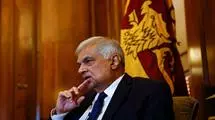
සත්‍ය ධර්මයේ විශ්වීය ස්වාභාවය (universality of truth)

November 21st, 2022

තිස්ස ගුණතිලක 

මෙම ලිපිය ඊයේ (2022 නොවැම්බර් 20වනදා) lankaweb හි පලවූ කාලාම සූත්‍රය තුල ප්‍රකටවන නාම-රෑප පරිච්ඡේදය” සමග සබදී.

බුදුන්ගේ දහම ලොවේ සැමට පොදුවේ අදාල විය යුතුය. Universally applicable to all mankind. තතාගතයන් වහන්සේ ලොවේ එක් ජන කොටසක් සදහා පමනක් දේශනා කල දහමක් නැත. ජාති භාෂා ආගම් දේශසීමා ආදියෙන් බෙදී වෙන්වී පවතින ලොවකට පොදුවේ ගැලපෙන දර්ශනයක් ඉදිරිපත්කල පලමු හා එකම තැනැත්තා බුදුන්වහන්සේමයි. විවිධ දෘශ්ඨි කෝණයන්ගෙන් බුද්ධදර්ශනය දකින්නහුට ධර්මයේ ඇති මෙම විශ්වීය ස්වාභාවය (universality) හමුනොවන අතර ඹවුන් එම දහමේ ඇති සුන්දරත්වය හෝ ගැඹුර කිසිදා අවබෝධ නොකරනු ඇත.

තතාගත දහම එක්තරා ජන කොටසකට පමනක් අදාලයයි හැගෙන පරිදි විමර්ශණය හෝ දේශනා වන්නේනම් එම දේශකයා දෘශ්ඨිගත අයකුබව ඹබ දත යුතුය.

උදාහරනයක් ලෙස කාලාම සූත්‍රය තතාගතයන් වහන්සේ කාලාමයින්ට දෙසූදහමක් බවත් එය තුලින් නිදහස් චින්තනය මුල්වරට ලොවට හදුන්වාදී ඇතිබවත් සෑම දෙයක්ම පිලිගැනීමට පෙර විමන්සනය කල යුතුබවත් මේ දේශකයන් අපට කියාදෙයි. මොවුන් දෘශ්ඨිගතවී ඇතිතරම මෙයින් දත හැකිය. එක් එක් කෙනා දහම  විමන්සනය කරනාවිට හමුවන්නේ එක් එක් අයගේ මනසේ විවිධ මට්ටම්වලට (දෘශ්ඨි) අනුව ගෝචරවන දහමකි. එවැනි දේශනාවක් තතාගත දහම තුල හමුනොවේ. තතාගත දහම දුක කෙලවරකරන එකම මාර්ගයයි. (ඒකායන මග්ගෝ), සිතට සිහිය පවත්වා (සතිය) සිතේ ඇතිවන රෑපය හා අරෑපය (නාම) වෙන්වෙන්ව දැකීම පමනමයි කල යුත්තේ. මෙම ක්‍රියාවලිය හා ඒ හා සබැදි දහම පරම සත්‍යයම වන අතර එහි එක් එක් අයගේ විමන්සනයට භාජනයවිය යුතු යමක් අඩංගු නොවේ, කලයුතුවන්නේ ‘දැකීමම පමනයි’ (දස්සනේන පහාතබ්බා). නාමයක්වන වචනය (අරැපය) මෙම ක්‍රියාවලියට බාදාවක් වන ක්ලේශයක් බවත් ඉන් ඈත්වියයුතු බවත් කාලමා (කාලා-ක්ලේශ, මා- තවන) සූත්‍රය තුලින් තතාගතයන් වහන්සේ අපට කියාදෙයි. මෙයයි සත්‍ය දැකීමේ සැමටම අදාල පොදු විශ්වීය (universal) මාර්ගය. එය එක් එක් අයගේ විමර්ශණයට/දෘශ්ඨියට අනුව වෙනස් නොවන දහමකි.

සියඑම දෘශ්ඨිවලින් මිදුනුතැන ‘සම්මා දිට්ටි’යි.

සුභ පැතුම් 

තිස්ස ගුණතිලක 

2022 නොවැම්බර් මස 22 වනදා


Copyright © 2026 LankaWeb.com. All Rights Reserved. Powered by Wordpress