Alleged War crimes: Lord Naseby: UK dispatches have cleared Sri Lanka of five major accusations

March 31st, 2022

By Shamindra Ferdinando Courtesy The Island

Member of House of Lords, Michael Naseby, has assured that he will try very hard to convince the UK to make public the sections of the Colombo British High Commission dispatches censored by London, pertaining to the last phase of the Vanni offensive.

Lord Naseby gave this assurance at the launch of his memoirs, ‘Paradise Lost, Paradise Regained’ at the BMICH on Tuesday (29).

Among those present on the occasion were Foreign Affairs Minister Prof. G. L. Peiris, Secretary to the Ministry of Defence General Kamal Gunaratne and Commander of the Army General Shavendra Silva.

Dismissing British justification for deleting large sections of the dispatches from Colombo, during the period January-May 2009, Lord Naseby emphasised that the incumbent government, or previous administrations, shouldn’t worry about the content of those dispatches.

The British politician declared that there was nothing in them to implicate Sri Lanka in alleged war crimes. Lord Naseby said that he had got an opportunity to meet the then British Defence Advisor Lt. Colonel Anthony Gash, the author of those dispatches, at the Colombo Hilton.

Lord Naseby stressed that the dispatches from Colombo didn’t collaborate the five main accusations levelled against Sri Lanka. The House of Lords member quoted Lt. Colonel Gash having denied accusations that the then President Mahinda Rajapaksa ordered the elimination of Tamil civilians, and there was no basis for claims that specific no-fire zones had been established by the military to kill those who gathered in them, and attempts had been made to starve the Vanni population. There was absolutely no justification of claims of genocide, and the dispatches had cleared Sri Lankan military of holding civilians in clandestine detention camps such as Menik Farm. Lord Naseby pointed out that the ICRC had been present at the Menik Farm from day one.

Lord Naseby stressed that it was the LTTE that compelled the civilians to move towards the eastern coastal areas as they retreated. He reiterated that it was a war not an uprising.

The present Defence Secretary Gunaratne commanded the 53 Division and the Army Commander served as the General Officer Commanding (GoC) of the much celebrated 58 Division that advanced from the Northwestern coast to Nanthikadal across the Kandy-Jaffna A- 09 road.

Lord Naseby asked how over 300,000 civilians would have survived if the Sri Lankan military had practised genocide. He also emphasised that in spite of the war, Sri Lanka’s civil service had functioned in both Northern and Eastern Provinces. That had ensured the supply of essential items, he pointed out.

Lord Naseby had fought for nearly three years to obtain dispatches from Colombo.

The UK, in spite of being leader of Sri Lanka Core Group at the Geneva-based United Nations Human Rights Council (UNHRC), has declined to release the dispatches to assist the ongoing investigations for obvious sinister reasons.

Lord Naseby revealed the existence of dispatches in the House of Lords in Oct 2017.

Sri Lanka asks for food aid

March 31st, 2022

Courtesy The Island

China has offered 2,000 metric tonnes of rice free of charge, following cash-strapped Sri Lanka’s request for urgent food aid.

The Chinese Embassy spokesperson said that Ambassador Qi Zhenhong recently informed Premier Mahinda Rajapaksa of their decision to provide 2,000 tonnes of rice to Sri Lanka, experiencing difficulties, and assured the Premier that China would continue to support the island’s development, within its capacity.

The Embassy stated: The year 2022 marks the 65th anniversary of China-Sri Lanka diplomatic relations and the 70th anniversary of the Rubber-Rice Pact. The two countries share a tradition of helping each other and sharing weal and woe with each other. At the request of the Sri Lankan government, upon the current difficulty of food shortage in the island, the Chinese government decided to provide 2,000 tonnes of rice as emergency food aid to the brotherly people of Sri Lanka, with a total value of about 2.5 million US dollars (including freight expense).

The continuously raging COVID-19 pandemic and the dramatically changing international situation have further worsened the global food shortage and shipping capacity. Against this backdrop, the technical teams, from both countries, will work closely to finalise the production and shipment arrangements, and deliver the aid to Sri Lanka at an early date. As always, China will continue to support Sri Lanka’s social and economic development within its capacity.”

Opposition politicians stay away from public protests

March 31st, 2022

Courtesy The Daily Mirror

The Samagi Jana Balawegaya (SJB) is not organizing the protests on April 3, 2022 but will only support it, its General Secretary Ranijth Madduma Bandara said today.

Madduma Bandara told Daily Mirror that his party is only coming out to support the social media groups who are organizing the protest.

People are suffering in darkness, they don’t have gas, food. We have tolerated the government enough. It’s time to act therefore join us and take to the streets on April 3,” Leader of Opposition Sajith Premadasa said on his Facebook page.

MP Rajitha Senarate also invited people to take to the streets at 3pm through social media.

The Whatsapp message sent out by a social media group earlier asked the people to come out in the morning.

The UNP also stated that it will not participate in the protest on Sunday. “The United National Party will not be joining any protest organized by anonymous groups. We are committed to conducting our Sathyagraha Campaign around the country. The next Sathyagraha will  be held at Matara on April 6 2022 ,” an official twitter message of the party said,

Meanwhile Professor Chandima Wijegunawardana who formed the Sri Lanka Humanity Party has urged the people not to allow any politician to mislead them. Don’t get misled by the politicians who are trying to get mileage out of your action,” she said. (Yohan Perera)

Police curfew imposed in parts of Colombo and suburbs

March 31st, 2022

Courtesy Adaderana

Police curfew has been imposed in several parts of Colombo and suburbs with immediate effect, the Sri Lanka’s police chief announced.

The Inspector General of Police (IGP) C. D. Wickramaratne said curfew has been imposed within Colombo North, Colombo South, Colombo Central and Nugegoda Police Divisions until further notice. 

He said police curfew has also been imposed in Kelaniya and Mount Lavinia Police Divisions. (UPDATED: 1.12 a.m.) 

This comes just hours after police had used tear gas and water cannons to disperse a large group of protesters who gathered near Pengiriwatta Mawatha, which leads to the President’s residence in Mirihana. 

Police had resorted to using tear gas and water cannons on the protesters as the agitation turned violent with stones and other objects being hurled at security personnel and damages to public property. 

At least two fires were also reported later at the in the vicinity with images on social media showing a torched bus amidst the tense situation which had rapidly escalated out of control. 

The protesters, holding placards and shouting slogans, had gathered at the location demanding that the government provide immediate solutions to the fuel shortage, power crisis, gas shortage and the soaring commodity prices in the country. 

Meanwhile another protest had completely blocked the Kandy-Colombo main road at Dalugama in Kelaniya.

Protesters had reportedly set fire to logs on the middle of the road, obstructing traffic movement along the road.

Police fire tear gas to disperse protesters near President’s residence

March 31st, 2022

Courtesy Adaderana

UPDATE: (10.28 p.m.) – Police used tear gas and water cannons to disperse the protesters gathered near the Pengiriwatta Mawatha in Mirihana, which leads to the President’s residence. 

Riot police had resorted to using tear gas and water cannons on the protesters as the agitation turned violent with stones and other objects being hurled at security personnel and damages to public property. 


Hundreds of people have reportedly gathered near the entry road to President Gotabaya Rajapaksa’s residence in Mirihana.

The protesters are demanding that the government provides immediate solutions to the various issues presently faced by the people such as the extended power cuts and fuel shortages.

The protest had commenced at around 7.30 p.m. today with a large number of people assembling near the Pengiriwatta Mawatha in Mirihana, where the President’s personal residence in located. 

This has also resulted in severe traffic congestion in the area, Ada Derana reporter said. 

Police and security personnel are attempting to control the situation while police have closed off and barricaded the road leading to the President’s residence. 

The protesters, holding placards and shouting slogans, demand that the government provides immediate solutions to the fuel shortage, power crisis, gas shortage and the soaring commodity prices. 

Heavy traffic has been reported on the Mirihana-Maharagama road due to the agitation.

12-hour power cuts scheduled for tomorrow

March 31st, 2022

Courtesy Adaderana

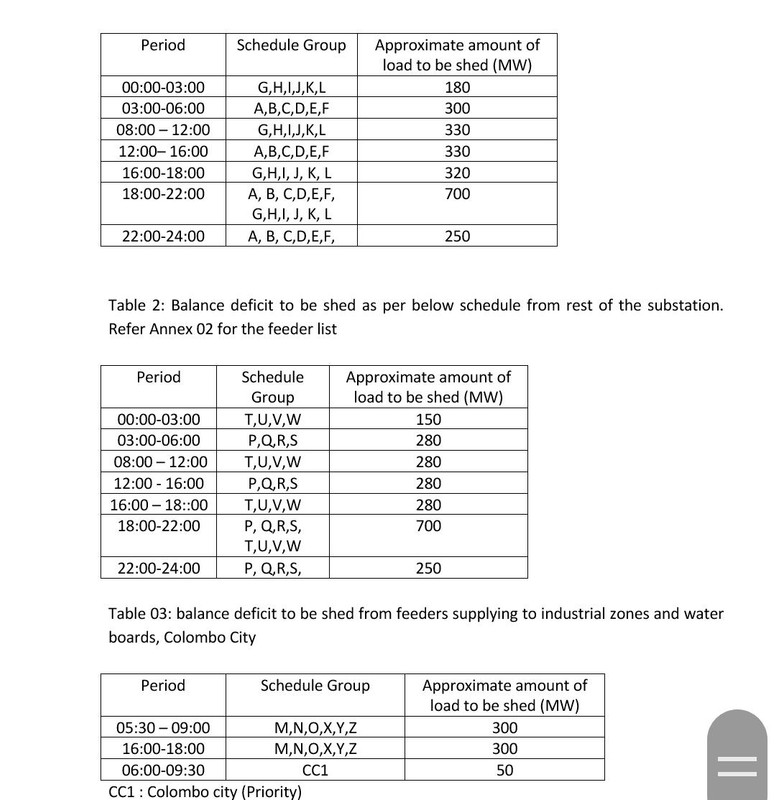
The Public Utilities Commission of Sri Lanka (PUCSL) has approved power cuts of 12 hours for tomorrow (April 01), as requested by the Ceylon Electricity Board (CEB).

The CEB had requested for 12 hours power cuts due to the limited supply of fuel for thermal power plants, the PUCSL said.

Accordingly, the power cuts will be imposed as follows: 

Areas ABCDEF – 2 hours from 4am to 6am, 4 hours from 8am to 12pm and 6 hours from 4pm to 10pm. 

Areas GHIJKL – 2 hours from 6am to 8am, 4 hours from 12pm to 4pm and 6 hours from 6pm to 12am. 

Areas PQRS – 2 hours from 4am to 6am, 4 hours from 8am to 12pm and 6 hours from 4pm to 10pm. 

Areas TUVW – 2 hours from 6am to 8am, 4 hours from 12pm to 4pm and 6 hours from 6pm to 12am.

Areas MNOXYZ – 3 hours and 30 minutes from 5.30am to 9am and 2 hours from 4pm to 6pm.

However, it said that no power interruption will occur between 12 midnight and 6.00am except in a few areas for tomorrow (01).

See the full power interruption schedule below:

https://www.scribd.com/embeds/567438749/content?start_page=1&view_mode=scroll&access_key=key-SRCVPfRu9MV89MZcpFdF

Power Interruption Schedu

SRI LANKA IN CRISiS BORNE OF AN ILL WIND

March 30th, 2022

Editorial

Sri Lanka’s present crisis borne of an ill political wind based on detrimental administration and bad choices as it appears are of a severe  socio-economic nature that can end in complete bankruptcy which seems like an impending disaster looming over the horizon.Despite warning signs  the Government seems to be unconcerned and act as though it might blow away in the manner of a proverbial ostrich burying its head in the sand where properly targeted drastic action which is the key to resolving it seems to be the furthest thing from the present administration currently dabbling in issues of lesser priority than the one imminently at hand and the nation continues its agitation in apprehension and uncertainty which could result in dire ramifications for all concerned which in all probabilities could include the Administrators themselves in a most ironic sense.

While the predictions appear grim towards the future for the once beautiful and well balanced nation of a once proud and dignified people it hopefully can be resolved in the manner of similar situations which faced other countries like Argentina and Zimbabwe to name the most prominent in recent history which eventually recovered through prudent rebuilding and re-management and the help of many nations which have come to Sri Lanka’s assistance.

It precludes the rationality and reason towards the well being of the Nation that the people appear to be completely unaware of the gravity of the situation where post haste remedial action is needed to prevent a downward spiral as Sri Lanka teeters on the edge of economic uncertainty as well as issues relative to Covid 19 which the Administrators seem to be blaming the current crisis for and perhaps not unreasonably so despite being marginal.

As quoted in a recent report compiled by a renowned financial analyst “A clear plan of action to address this entire situation invariably rests on the  nation’s stability both economic and relative to the Covid situation.The enforcement of the health rules should be given equal or higher priority in the total program as well as bolstering the economy which disastrously seems to be slipping out of control for which the Administration seems totally responsible.”

The report continues that “Sri Lanka according to knowledgeable world financial analysts is alarmingly rated as being close to bankruptcy and desperately in need of dollar resources where foreign investors cannot be expected to come to her rescue due to the high risk involved and thereby forced to borrow short term loans at high interest from unscrupulous lenders further compounding Sri Lanka’s woes and consequently being subjected to a foreign debt trap as the lenders invariably demand more than a pound of flesh in return.The foreign exchange reserves to buy essentials like food and medicines from abroad appear to be running out. The lack of dollar reserves will lead to a severe shortage of essentials. The result will be racketeering and high prices – a black market. This will send prices up further and a worse case scenario could plunge the country into dire straits all too frightening to apprehend as well as comprehend!! ” end quote.

The panacea searchers continue asking ” so how do we prevent or minimize these unfortunate trends?”  The question asked is how long will this

Covid-19 pandemic last. On the basis of experience with past pandemics and epidemics, which have generally existed in epidemic form for two or three years, they have then become milder routine infections like the common cold, or influenza. The appearance and increase of herd immunity contributes to the above change.Hopefully with Covid -19 too this will be the case.”

With regard to the repayment of our loans as a country which has been badly hit by the Covid-19 pandemic as well as the global economic crisis we are entitled to re-negotiate and restructure the repayment of our sovereign debt. Accordingly we should ask for a period (say about five years) where we do not re pay our debt to the creditors.

This is to enable us to bring about the requisite changes of the policies that will result in sustainable development. During this period we can ensure that our people obtain their essential needs and their suffering be minimized.

There still is hope that impending complete financial disaster can be averted with timely intervention and the right measures taken.Something the present Administration owes to the people of Sri Lanka  for the trust placed by them towards what they believed was a better future after the grave errors of the previous impotent combine of the so called “Yahapalana Government” who left Sri Lanka in a shambles  despite their claim to the contrary.

CITIZENS ENRAGED IN SRI LANKA

March 30th, 2022

By Dr. Tilak S. Fernando 

Citizens Enraged

Sri Lanka is facing an economic crisis and all consumer prices have gone up as a direct result because the Government did not have US dollars to pay for goods such as fuel, milk powder and gas. Six point nine million of the voting population elected Gotabaya Rajapaksa because he was not a politician. For the last 74 years all politicians failed to work towards a national interest. Gotabaya Rajapaksa, being a strict administrator and disciplinarian, proved his mettle as Defence Secretary during the separatist war. 

When he was attached to the Urban Development Authority he became the pioneer of the ‘cleaning up’ operations of Colombo City and its suburbs introducing striking parks and walking paths. The majority of voters believed in him their expectations as the President were equally high. Voters were confident he would stick to his election pledges and the promises of ‘The Vistas of Prosperity and Splendour’.

Despite the Covid-19 pandemic, which crippled the economy globally, the President worked towards the people’s safety, millions of Rupees  were spent to import various types of Covid-19 vaccines. Because he was concerned about the daily earners during the shutdown period, he spent millions of rupees to solve their predicament. His main weakness was his over democratic stance. 

Cost Cutting 

The President invited all political parties to find a solution to the problem. There was no point in inviting all political parties or electing various types of commissions to find a solution after taking a bold decision to remove two of the Cabinet Ministers, who foresaw the future of the country. The two outgoing Ministers arranged an all-party conference and submitted several proposals to implement what is good for the country. 

Apparently, the President was under heavy pressure in firing the two ministers!  Even Prime Minister Mahinda Rajapaksa remained silent about the matter when the two Ministers who were responsible for breathing new oxygen to the defeated Mahinda Rajapaksa a few years ago at the Nugegoda Rella (wave). The social media says ‘blood is thicker than water!’  The President should not have taken such rigid decisions immediately, but he is paying for it today when people are cursing and abusing the President when standing in queues for everything.

There is no other country in the world, except Sri Lanka, who allows duty free luxury vehicle importation for Ministers and Members of Parliament. It has turned into a swindle where some members of Parliament after, even getting nominated through the National List they qualify to buy luxury vehicles  and sell them for millions keeping a generous profit! 

There are many examples of several Prime Ministers’ using alternative transport in foreign countries. To quote a few, the ex-Conservative PM David Cameron used the underground Tube train for travel, Swedish PM Stefan rode a bicycle for general purposes! It is amazing how only Sri Lankan Ministers and Parliamentarians cannot travel by public transport. Instead, they require posh limousines costing millions of Rupees and that too minus any customs duties! After Gotabaya Rajapaksa became the President what he should have done was to abolish such incentives. 

The writer has witnessed certain Ministers travelling by the London Underground when they travel privately visiting friends and relations and to universities to see their children. Of course, they cannot request London High Commission vehicles for such trips.  At London airport they get subjected to stringent security tests, which they accepted meekly.   But once they step onto Sri Lankan soil they completely change and become gods.

MP’s Vehicles

Another headache for the public was that Members of Parliament qualify for pension rights after being a member for five years. A normal person has to work hard until he reaches the pension age. Abolishing such perks could have saved millions of rupees on wastage. During the separatist  war each Minister was given Police security and allocated more than one vehicle. There isn’t a terrorist war at present or a danger to national security either, still why should the Government allocate security to Ministers and give them more than one vehicle. 

Under the current circumstances, where fuel prices are escalating the Government should put a stop to more than one vehicle to Ministers. What happened in the past is that wives of Ministers or their kith and kin use extra vehicles with fuel being provided for on the Government’s account. Before the Government asks everyone to tighten their belts, they should set an example first. Today what takes place is that VIPs enjoying all types of perks while the poor public has to put up with all sorts of inconveniences, the worst of which is the under privileged have to stand in various queues daily.

What happened to the President’s ‘Vistas of Prosperity and Splendour ’? During Elections it was suggested that a VAT of 8 per cent will be introduced?  VAT has now been increased to 15 per cent, including the Nation Building tax (NBT).  According to Cabinet spokesperson Dullas Alahapperuma, the credibility of the Government is tried when some Cabinet Ministers come out with different statements on the power crises. How does that happen? Surely it is the Cabinet who makes decisions? If the Government policy is to sack any Minister who criticise the Government in good faith, then there are so many Cabinet and State Ministers who should be fired!  

Why was the President silent when about the motor parade from Kuliyapitiya to Kalipinya? The parade was stopped by the enraged public at Suduwella, Madampe. The worst was that a journalist who recorded the incident was threatened stating   ‘permission was granted by Police top brass.’ This was reported in the Media but the President’s lips were sealed.

It is reported that due to union pressure the Petroleum Corporation pays a bonus three times a year amounting to millions of Rupees when the Petroleum Corporation is constantly making a record loss. There are deaths reported while people collapse in queues and there are constant fisticuffs or brawls occurring in various ques, especially in petrol and kerosene queues. 

The opposition leader says he has two countries where he could obtain fuel at a reduced price for two years. Why does not he collaborate with the Government in this dark hour of the country is facing?

Tradesman cannot earn a living due to escalating price hikes of all commodities; schoolchildren cannot do their homework when power outages takes place at all odd hours. It is impossible to keep food afresh when electricity failures occur, as the refrigerators start melting ice when power cuts remain up to seven hours a day. In short living in Sri Lanka has turned into a hell!

(tilakfernando@gmaill.com)

Thirteen-hour power interruptions tomorrow

March 30th, 2022

Courtesy Adaderana

The Public Utilities Commission of Sri Lanka (PUCSL) has approved the Ceylon Electricity Board’s request for 13-hour interruptions to the power supply tomorrow (March 31).

The CEB had sought to increase the duration of power cuts to 13 hours due to the unavailability of fuel for thermal power plants.

Thereby, the areas listed under the following groups will experience power interruptions of 13 hours as mentioned below:

• Areas A, B, C, D, E, and F – Three hours from 3.00am to 6.00am / Four hours from 12.00pm to 4.00pm / Six hours from 6.00pm to 12.00am

• Areas G, H, I, J, K, and L – Three hours from 12.00am to 6.00am / Four hours from 8.00am to 12.00 pm / Six hours from 4.00pm to 10.00pm

• Areas P, Q, R, and S – Three hours from 3.00am to 6.00am / Four hours from 12.00pm to 4.00pm / Six hours from 6.00pm to 12.00am

• Areas T, U, V, and W – Three hours from 12.00am to 3.00am / Four hours from 8.00am to 12.00pm / Six hours from 4.00pm to 10.00pm

• Areas M, N, O, X, Y, and Z (feeders supplying to industrial zones) – Three hours and 30minutes from 5.30am to 9.00am / Two hours from 4.00pm to 6.00pm

Disclaimer: All the comments will be moderated by the AD editorial. Abstain from posting comments that are obscene, defamatory or slanderous. Please avoid outside hyperlinks inside the comment and avoid typing all capitalized comments. Help us delete comments that do not follow these guidelines by flagging them(mouse over a comment and click the flag icon on the right side). Do use these forums to voice your opinions and create healthy discourse.

India’s NIA files charge sheet against 6 accused in LTTE terror funding case

March 30th, 2022

Courtesy Adaderana

The National Investigation Agency (NIA) on Tuesday filed a charge sheet against six accused persons, including a woman, before the NIA Special Court in Chennai in connection with LTTE terror funding case.

The charge sheet was filed against Letchumanan Mary Franciska, T. Kenniston Fernando, K. Baskaran, Johnson Samuvel, G. Dharmendran, and E. Mohan under various sections of the Indian Penal Code, the Unlawful Activities (Prevention) Act, the Passport Act and the Foreigners Act.

The case pertains to a criminal conspiracy to revive the LTTE by committing forgery for cheating besides using forged documents as genuine to divert funds lodged in dormant accounts to commit unlawful and terror activities.

The case was initially lodged by the CID Chennai in 2021, and the NIA took over the probe this year.

During investigation, it was learnt that Franciska, Fernando and Baskaran entered into a conspiracy with foreign entities to siphon off deposits in dormant bank accounts by using Indian identity documents obtained fraudulently and forging identity documents to revive, revamp and regroup LTTE in India and Sri Lanka.

To consider funding from expatriate Tamil groups is to vow a candle to the Devil

March 29th, 2022

RANJITH SOYSA

Fund collection and maintenance by the expatriate Tamil groups were essentially to promote Anti Sri Lanka propaganda to undermine the sovereign Sri Lankan state. Hardly any funds from this source were spent on developing or repairing the damages caused to the houses or the infra structure by the war initiated by the LTTE. On the other hand,  the Sri Lankan governments spent millions of funds to resettle the people and initiated many development schemes in the war damaged areas.

We now hear of some expatriate Tamil groups have indicated to consider tp channel funds to Sri Lanka, the proposal confirmed at the meeting the President had with the Tamil political leaders. However. the details of proposed funding and the conditions, if any, were  not made available to the country at large. But, according to some sources it is revealed  that such funding will be directed to a North -East development fund,

The North-East model is based on the mythical traditional home lands of Tamils. This concept had been analysed by many reputed scholars and found historically, archeologically or demographically the North – East  is not a Tamil area and the two provinces are not homogenous. Further, the objectives of the formation of a Tamil eelam in the amalgamated two provinces were categorically defeated in Nandikadal in 2009 with the sacrifices made by thousands of Sri Lankan soldiers and the civilians .

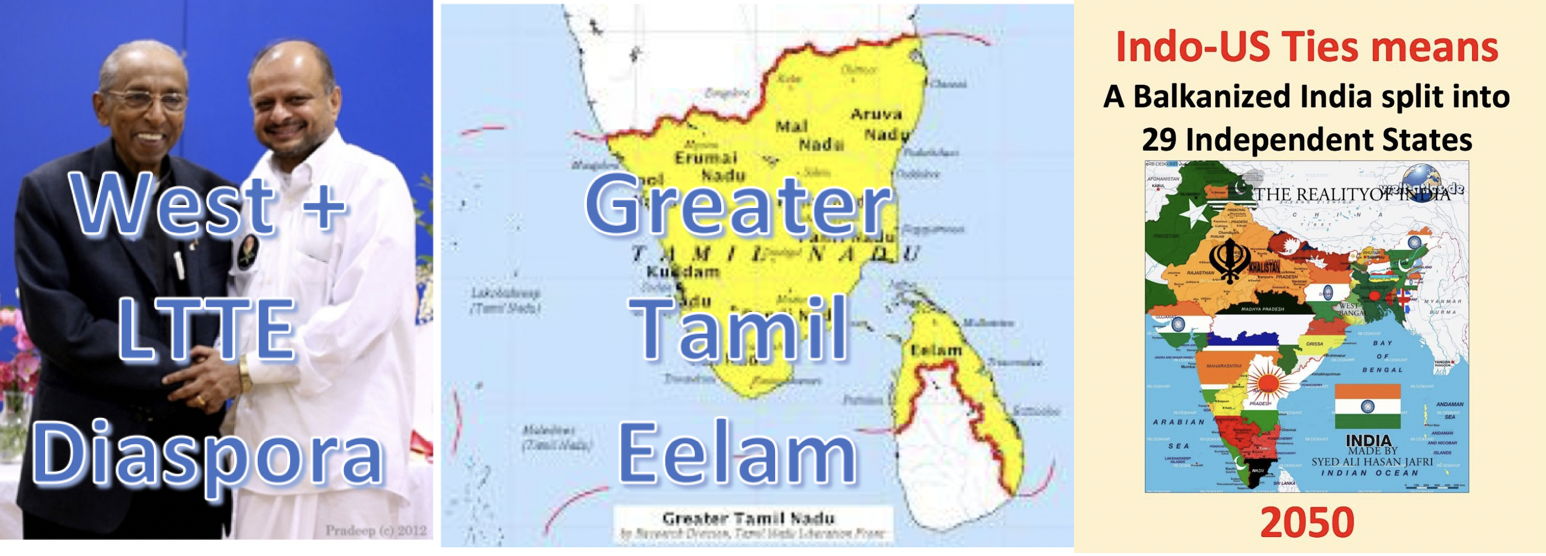
Therefore. the gift horse – the funding by the Tamil expatiate groups- needs to be looked in the mouth before agreeing to the critical condition underlying this offer. If the plan of the expatriate groups is to re-invent the eelam model  by  other means by offering assistance to overcome the immediate dollar issues, one should examine the exorbitant price tag of proposal and should not waste time to  consider favourably the proposal. Why should the nation panic and grab a knife which will be used for the balkanization of its land? Let us seek rational solutions to dollar issue working with international organizations and the world community. Let us not open the doors to allow an agent of destruction to come inside.

RANJITH SOYSA

Remedies for the Plight of School Leavers

March 29th, 2022

Nimal Abeysinghe

Deciding what to do when you leave school is tough. It becomes a nightmare for students and parents alike when you suddenly find yourself not having enough marks to qualify for a place in a university.  Every year about 270,000 students face this dilemma.  Let’s delve a little deeper into the unpleasant statistics.  In all streams of study combined, about 70% of GCE (O/L) students qualify for A/L and then out of around 350,000 who sit A/L about 63% become eligible for admission to a university.  However due to the limited capacity of the  universities, on average only 23% (in 2019 the figure was 19%) of the eligible candidates manage to enter the university. The competition for Arts and Commerce students is worse with only 17% gaining entry. (UGC Statistics Report 2020 and University World News 2021)  To put this in perspective, if 100 students sit O/L only 10 will eventually enter the university.  After studying 3-5 years in the university depending on the course of study, about 90% of the graduates of a  few disciplines such as  architecture, engineering, medicine and IT find  employment related to the field of study within 2 years.  Sadly only 45% of  Arts graduates secure employment within 2-3 years. (Tracer Study of Graduates – Commissioned by UGC in 2017/18). Out of these how many are underemployed?  This is the stark  reality in Sri Lanka today.  Unfortunately the vast majority of secondary school students are discouraged by parents to think of any other pathways of tertiary education outside university.  This is done in spite of knowing very well that odds are stacked against them. Though the general public may not be aware of these statistics as such, it is common knowledge that there are unemployed Arts and other graduates  in almost every town and village in the country.  The total unemployment rate in 2019 was 4.8%, ranking Sri Lanka third among South Asian countries with high unemployment.  Tragically 15-24 year old group in our country had the highest rate of 21.5%.  Based on education level, A/L & above showed the highest rate of 8.2% (Labour Force Survey-Department of Census and Statistics).

However, turning a blind eye to all this gloomy and depressing statistics; every year soon after the GCE(A/L) results are released we hear the usual statement from the government that university intake will be increased this year to accommodate the sons and daughters of ‘poor and innocent people from our villages’.  Like a pre-recorded statement we have been hearing this since the 1960s.   And we continue to produce more graduates with no marketable skills who cannot improve their own livelihoods or make any positive contribution to the economic development of our society.  Notwithstanding all this, some short sighted, narrow minded politicians keep giving false hopes to the masses and the masses allow themselves to be misguided and deceived by these politicians over and over again.  Regrettably, some universities have exacerbated the situation by ignoring  market demands and employability and continuing to offer courses that add absolutely no value to the graduates or to the national economy. Regardless, every year the government in power continues to pump more money to universities to increase student intake across the board presumably to fulfil an ‘election promise’.   The establishment of 15 new technology faculties in some conventional universities few years ago and the enrolment increase to technology courses are a step in the right direction which will enable few more students to enter university.  However  it does not adequately address the pressing  issue of absence of career development pathways for school leavers.  At least, going forward the government needs to revise its funding model for education as a whole with the aim of providing more and more funding to technology based education in schools. I must hasten to add that I am not advocating wholesale scrapping of Arts and Humanities courses from all universities but to take a pragmatic approach to funding allocation for  education and take steps to gradually reduce the intake to Arts stream and faculties.

Creating non-productive jobs that do not make a positive contribution to society is not the solution to this massive problem.  Instead of coming up with ‘ambulance at the bottom of the cliff’ solutions, we must examine the root cause of the problem.  If we compare this problem to  an unwanted tree, it’s seed is planted in secondary school (sometimes in primary school) and nurtured by teachers,  parents and extended family.  One cannot completely blame them for doing so because of the prestige and social status associated with a university degree.  Furthermore most students and parents are not aware of any other paths of study available to them outside university education.  We already have in place the infrastructure and administrative apparatus via the establishment of the Tertiary and Vocational Education Commission (TVEC) in 1991 and the National Vocational Qualifications (NVQ) framework in 2005.  In the year 2017 total university admissions were 31,415 whilst NVQ Level 1 enrolment was only 18,484. What is needed is an intensive social marketing strategy to change the attitude and mindset of students, parents and teachers alike.  Unfortunately this  is more easily said than done in a society in which picking up a tool and getting one’s hands dirty is considered below the dignity of an ‘educated’ person.  Changing this attitude and building respect and social recognition for a trades qualified skilled person will be a slow and arduous process.  Another change that needs to be considered simultaneously is to discourage students taking up dead end undergraduate courses.  A policy decision has to be taken to gradually reduce the intake to such courses.  This demands extraordinary political courage as there will be stiff opposition from parents and students and most certainly from certain  segments of academics.        

With rapid industrialisation in the second half of the last century the demand for skilled labour such as carpenters, welders, electricians, plumbers etc. saw a rapid growth in the developed world because they played a pivotal role in economic growth.  This resulted in a surge in the  earning power of tradespeople.  These financial gains directly contributed to higher living standards which in turn translated  to higher  social standing and recognition of those engaged in skilled trades.  While attaining financial stability and a higher standard of living for themselves, tradespeople continue to make a huge contribution to the economic development of these countries.  Another important factor in this social change was the introduction of formal education and training requirements to achieve set standards and certification and licensing protocols introduced and monitored by government agencies.  A further noteworthy development was the formation of associations of individual trades with objectives quite  different from conventional trade unions.  These organisations set quality standards for workmanship and ensured their members adhered to these standards thus fulfilling the task of formal self-regulation of tradespeople.  The membership of such an  organisation gave the trades-person a higher standing as well as his/her clients the assurance that the quality of the work done would be of high standard. These measures prevented ‘cowboys’ calling themselves skilled tradesmen. 

Though a direct comparison cannot be drawn between Sri Lanka and developed countries due to widely varying social attitudes and cultural differences, it is still worthwhile studying some of the strategies implemented and the outcomes.  Across the developed world one can see an unmistakable upward trend among young people enrolling for vocational training instead of undergraduate studies in Arts and Humanities or similar studies.  For instance in New Zealand  during the last 10 years Arts and Humanities subjects have suffered a steep fall in student numbers; between 25% and 50% across different universities and one university senate decided to axe the arts courses altogether from 2020 due to low enrolment rates.  This decline is against a backdrop of enrolment increases in technology related courses of study in tertiary institutions.    During the same period students leaving school before year 13 (equivalent of A/L) to take up apprenticeships in trades or to follow trade targeted courses have sharply increased.  This trend has continued with the last year showing a significant  jump of 50% over the previous year and this trend is not isolated to New Zealand but equally true to other OECD countries.  

Most universities in New Zealand offer courses from certificate (Level 4) to postgraduate level (Level 10) both full time and part-time.  (Final year in school – A/L is considered Level 3).  Therefore, for instance a trades-person with level 5 trade certificate can enter a university course mid-stream, instead of going back and sitting the equivalent of our A/L; and study towards a diploma, degree or beyond.   In Sri Lanka a student who leaves secondary school to take the Technical & Vocational Training route cannot enrol in a university but have to enter University of Vocational Technology (Sri Lanka Education System Assessment 2017 – World Bank).  Unfortunately, any attempt to implement pathways or processes similar to the ones in OECD countries will result in absolute turmoil in our society with unprecedented unrest in our educational institutions.  Considering the present situation in our country we may have to put that in the ‘too hard basket’ for now.  Nevertheless if we are to move forward as a nation it is of utmost importance that we remove obstacles facing young men and women keen to build their careers. 

World is becoming technology dependent at an alarming rate. Young men and women and the parents need to realise this and break away from traditional thinking of ‘office clerk versus factory worker’.  The reality is that the choice in front of them is whether you start young and earn while you learn and continue to enjoy financial stability or spend 3-4 years of your youth pursuing an irrelevant course of study  and  join a long queue of jobseekers.  The youth when faced with financial difficulties may undergo this psychological transformation more rapidly than parents who are trapped in age-old social beliefs and notions.   This is not about a ‘psychological revolution’ but more like an evolutionary process of gradually changing the mindset of the general public and as such, invariably demands social marketing by the government, the media including social media and above all, political parties. It is said that most politicians know the right thing to do but they don’t know how to get re-elected after doing the right thing”.  The politicians need to be convinced that the right thing to do today is to stand with the school leavers, promote vocational training and allocate more funds for facilities ranging from more school workshops to increased financial support for vocational trainees and employers of trainees. If they can be shown  that for every one undergraduate there are 10 plus school leavers, they might see the potential  ‘vote bank’  which will answer every politicians’ proverbial question What’s in it for me?”.  Having said that, one must not lose hope as the President has reiterated in his Independence Day speech that Our objective is to do what is right by the country and not to please everyone”.

Since 1990 we have gradually built the legal and administrative framework and the infrastructure to support vocational education and training.  Most certainly, like any other process it needs continuous improvement but more importantly what is lacking is commitment to implement policies falling under the umbrella of vocational education.  This needs urgent action and cannot wait for  politicians to act.  Other non-political stakeholders like administrators and intellectuals need to take the initiative and lobby for funding to improve the much needed resources to transform the lives of our young men and women who are desperately in need of guidance and support, before they leave school.  A thorough understanding of the Sri Lanka Qualification Framework (SLQF) before leaving school will help students to make informed decisions regarding their future.  Vast majority of A/L students take up arts subjects because they have no other choice due to lack of facilities in their schools. Providing basic workshop facilities in schools is a good start.  It’s not just about learning to use basic engineering tools but about changing the mentality towards working with your hands.  This is one area where funding priorities have to be reconsidered. Providing workshop facilities in rural schools and technology teacher training are costly. Past experience has shown that retaining such teachers is a greater challenge as they have better prospects in industry.  A skill based pay system in the education sector is out of the question, as even a hint of a proposal will incur the wrath of the unions.  

Information is key to decision making.  In order to decimate information, career fairs are becoming more and more popular as young people are attracted to  such events.  If organised at regional level teachers can ensure that secondary school students attend these fairs and gain knowledge to make informed choices.  One other important area of focus can be career advice for students starting from O/L.  Career guidance counsellors play a significant role in the school curriculum in the developed world.  Customarily, counsellors are teachers with specialised training in career guidance.  However, volunteers from outside are quite common as well. They can empower students and parents with knowledge and explore different career options and pathways  together. Unlike most parents who are driven by preconceived career paths for their children, the counsellors are able to give unbiased pragmatic advice as they have no emotional attachment to the student.  Only a handful of our schools are fortunate enough to have this facility but  this is something if implemented will go a long way in reshaping the attitudes of students and parents.  Social attitudes of people cannot be changed by enacting laws but will go through a gradual transformation when consistently confronted with positive outcomes.  Yet one must not leave it to take its own time.  A concerted effort by the government and the state apparatus is needed to alter the attitudes of our society towards skilled labour.  Having said that, one must acknowledge the fact that respective governments have, to some extent taken numerous initiatives to implement such projects but tragically they have encountered the same fate as most projects in our country; endless delays and poor management.  On the whole, Sri Lanka has got the infrastructure, legal and administrative framework and enough government organisations to implement and monitor vocational education and training policies but funding priorities and efficient project management are the two critical areas that desperately need improvement. 

(I thank Dr. Julian Nanayakkara (former Senior Lecturer University of Moratuwa & University of Kelaniya and  resource person for the Ministry of Education) for his input in providing information and encouraging me to write to highlight the plight of school leavers who continue to fall through the cracks of our education system)

Nimal Abeysinghe

nimal.abeysinghe@gmail.com

මාර්තු 28 (සඳුදා) සල්ලි අච්චු ගැහිල්ල රු. ලක්ෂ 272,800 යි අච්චු ගහන කඩදාසි කන්න බැරි නිසා, ආහාර මිල වැඩිවෙනවා.-හිටපු ආණ්ඩුකාර කීර්ති තෙන්නකෝන් කියයි

March 29th, 2022

හිටපු ආණ්ඩුකාර කීර්ති තෙන්නකෝන් විධායක අධ්‍යක්ෂ/ශ්‍රී ලංකා මානව හිමිකම් කේන්ද්‍රය

2022 පෙබරවාරි 27 සිට මාර්තු 28 (ඊයේ) දක්වා මාසයක කාලය තුල මහ බැංකුව විසින් රු. මිලියන 216,470 ක් අච්චු ගසා ඇත.

කැබිනට් බලතල සහිත මහ බැංකු අධිපති ධූරයක් ස්ථාපනය කර එයට අජිත් නිවාඩ් කබ්රාල් පත් කිරීමෙන් පසුව අච්චු ගසා ඇති මුදල රු. ලක්ෂ 4,434,700 ක් (රු.බිලියන 443.47) කි.  

සඳුදා (මාර්තු  28) අච්චු ගැසූ රු. ලක්ෂ 222,800  ක මුදලත් සමඟ වත්මන් රජය බලයට පත්වීමෙන් පසුව අද දක්වා (2020 ජනවාරි සිට 2022 මාර්තු 28 දක්වා) අච්චු ගසා ඇති මුළු මුදල රු. මිලියන දාසය ලක්ෂ විසි පන්දහස් දෙසිය හතලිහ (රු. මිලියන 1,653,100) කි. (රු.1,653,100,000,000)

රට තුල ඩොලර් අර්බුදයක් පමණක් නොව වියදමට රුපියල් නැතිවීමේ මුදල් අර්බුදයක් (රුපියල් අර්බුදයක්) ඇති බව ඒ අනුව පැහැදිලිය.  රජයේ විදයම් පියවා ගැනීමට දිගින් දිගටම මුදල් අච්චු ගැසීමට රජය කටයුතු කරයි.  රටේ ගෙවුම් ශේෂ අර්බුදයට විසඳුමක් ලෙස ජාත්‍යන්තර මුල්‍ය අරමුදල වෙත යොමුවීමට රජය අදහස් කරයි. නමුත්, IMF ශ්‍රී ලංකාව වාර්තාවේ දක්වා ඇති මුදල් අච්චු ගැසීම පාලනයට රජය උත්සහ කරන්නේ නැත.   

රජයේ ආදයම් ඉහළ නංවා ගැනීමට හෝ විදයම් පියවා ගැනීමට පියවර නොගැනීම හේතුවෙන් මුදල් අච්චු ගැසීමත්, අච්චු ගසන මුදල් කෑමට නොහැකි බැවින්, රට තුල ආහාර ද්‍රව්‍ය මිල ඉහළ යාමත් සිදුවේ.  අච්චු ගසන හුදු කඩදාසි පමණක් බැවින් රටේ පවතින භාණ්ඩ හා සේවා මිල දෛනික ඉහළ යමින් තිබේ.

අලුත් අවුරුද්දට යැයි කියමින් රජය පවුල් ලක්ෂ 31 කට රු. 5000 බැගින් රු. 1,550,000,000  බෙදාදීමට යෝජනා කර ඇත. මාස දෙකක් පුරා මෙම මුදල ලබා දෙන්නේ  එයට අවශ්‍ය මුදල රු. 3,100,000,000 කි.  කඩදාසි අච්චු ගසමින් නෝට්ටු බෙදීම තුලින රටක ප්‍රශ්න විදෙන්නේ නැත.

වත්මන් රජය බලයට පත්වීමෙන් පසු පළමු කැබිනට් රැස්වීමේ තීරණයක් ලෙස ව්‍යාපාරික ගජමිතුරන්නට බදු සහන ලබාදීමෙන් වාර්ෂික රු. බිලියන 500 කට වැඩි බදු මුදලක් අහිමි කර ගත්තේය.  දැන් එම මුදල් ධනවත් ව්‍යාපාරිකයින් අතට පත්වී භාණ්ඩාගාරය බංකොලොත් වෙමින් ඇත.

ලංකාව වසර 12 කට පසු ඉහළම උද්ධමන අනුපාතය වාර්තා වී ඇත. දළ දේශීය නිෂ්පාදනයට සාපේක්ෂව ඉහළම බදු ආදායම් අඩුවීම සිදුව ඇත.  දේශීය හා ජාත්‍යන්තර බැඳුම්කර මගින් ලබාගත් ණය ඉහළ යමින් ඇත.  ණය ගෙවීමට ඇති හැකියාව පිළිබඳ දර්ශකයක් වන ජාත්‍යන්තර ණය ශ්‍රේණිගත කිරීම් අනුව, ලංකාව අඛණ්ඩව පහතට වැටෙමින් ඇති බැවින් තවදුරටත් වෙළෙඳපොලෙන් රටට ණය ලබාගත්  නොහැකි තත්වයක් උද්ගතව ඇත.

ජාත්‍යන්තර මුල්‍ය අරමුදලේ සහාය ලබා ගැනීමට ඔවුන්ගේ නිර්දේශ හය මත පදනම් වූ වැඩපිළිවෙලකට රට අනුගත කළ යුතුය.  මේ විනාශකාරී මුදල් අච්චු ගැසීම ඒ මාවත නොවන්නේය.

.

හිටපු ආණ්ඩුකාර රජිත් කීර්ති තෙන්නකෝන්

විධායක අධ්‍යක්ෂ/ශ්‍රී ලංකා මානව හිමිකම් කේන්ද්‍රය 

(Pakistan) Blasphemy Law – Treatment from the root – need of the hour.

March 29th, 2022

by A. Abdul Aziz

Religious blasphemy laws can be a touchy subject, especially in Pakistan, where just bringing up the subject of the blasphemy laws and whether they are right or wrong is considered, well …blasphemous. This wasn’t always the case.

The sentiment behind most blasphemy laws is easy to understand. No person or group should insult another religion’s beliefs or holy personages, or desecrate their Holy Scriptures, icons, or places of worship. Yet the golden rule is the foundation of many freedoms—from speech to the press to privacy. The right to choose and practice a religion freely, without fear of insult or attack, is usually at or near the top of the list for most people, even those who are not religious. As Jesus said: Do unto others as you would have them do unto you” (see Luke 6:31).

Article 18 of the United Nations’ 1948 Universal Declaration of Human Rights1 states, with regard to a person’s beliefs, that everyone has the right to freedom of thought, conscience, and religion; this right includes freedom to change his religion or belief, and freedom, either alone or in community with others and in public or private, to manifest his religion or belief in teaching, practice, worship and observance.”

Blasphemy laws by their very nature tend to compromise the aforesaid principles. However, they also operate on the premise that offensive speech or actions designed to hurt someone’s feelings or provoke physical harm are usually directed at members of one religion by the members of another separate religion—Muslims against Hindus or Christians against Jews, for example. But religious persecution can and frequently does occur between denominations within the same faith—Catholics against Protestants, or Sunni Muslims against Shia Muslims.

It is, in fact, this element of sectarian animosity and persecution that can turn blasphemy laws into a double-edged sword. This is exactly what is happening and has been happening for nearly 30 years and on, in Pakistan, where Sunni accusations of others desecrating the Holy Qur’an or uttering blasphemy against the Prophet Muhammad (PBUH) are routinely used to jail business rivals or personal enemies or members of minority sects, like the Shias and the Ahmadis or members of other religions whose homes or businesses are coveted by blasphemy accusers.

This began in 1974 under democratically elected Prime Minister Zulfiqar Ali Bhutto, who endorsed and signed an amendment to Pakistan’s constitution that declared that Ahmadi Muslims were non-Muslims. It is vital to understand that Clause 3 of Article 260 was written specifically to legislatively nullify and deny the claims of Hazrat Mirza Ghulam Ahmad (1835-1908). He founded the Ahmadiyya Muslim Community in 1889 in Qadian, India, for the purpose of bringing people back to God and restoring Islam to its original purity and spiritual vitality. Despite intense, often violent and deadly persecution by other Muslims, the number of Ahmadis in the world continues to increase.

The inherent injustices created by Pakistan’s blasphemy laws are laid bare by just one concept, which is central to our understanding and protection of the basic human right to freedom of religion: the blasphemy laws are unjust on more than just legal grounds because no political assembly has any religious authority or right to interfere with anyone’s chosen religious beliefs.

What is sadly ironic—tragic, really—is that in August of 1947 the founder of Pakistan, Muhammad Ali Jinnah, echoed this in his famous statement promising complete religious freedom for all in the newly created country of Pakistan. He declared: You are free; you are free to go to your temples. You are free to go to your mosques or to any other places of worship in this State of Pakistan. You may belong to any religion or caste or creed—that has nothing to do with the business of the State.”

To put the bite of law into that 1974 constitutional amendment, Ordinance XX by General Zia-ul-Huq not only specified by name as its target anyone calling themselves Ahmadi, but also increased the severity of the penalties for acts or statements deemed offensive to Muslims or directed against Islam, the Holy Qur’an, or the Prophet Muhammad (PBUH).

While the purpose of Ordinance XX was to destroy the Ahmadiyya community by jailing its leaders and members for publicly posing” as Muslims or for otherwise practicing or preaching their faith, the larger consequence was that other Muslim minorities—Shias in particular—and the members of other religions were now being re-illuminated in the state sanctioned spotlight of overall religious bigotry, persecution, and legalized vigilantism. The result has been a catastrophic rise in attacks by Sunni Muslims against Shias and Ahmadis primarily, but also between various Sunni denominations as well. In truth, no one is safe.

The common denominator in all these atrocities and violations of fundamental human rights is twofold: one element stems from the breakdown of the Rule of Law caused by lax, nonexistent or selective enforcement of civil and criminal laws. The other element, ironically, evolves from just the opposite—the sanctioning by the very laws and constitution of Pakistan of vigilantism and religiously motivated hate crimes.

A paraphrase of the famous quote by Nazi-era German Protestant pastor Martin Niemoeller is tragically applicable to the present climate of religious intolerance and persecution in Pakistan:

First they came for the Ahmadis, but I did not speak up because I was not an Ahmadi. . . Then they came for the Shias, but I did not speak up because I was not a Shia. . . Then they came for the Hindus, but I did not speak up because I was not a Hindu. . . Then they came for the Christians, but I did not speak up because I was not a Christian. . . When they came for me, there was no one left to speak up.”

 Lynching of factory Manager Priyantha Kumara Diyawadanage, a Sri Lankan in Pakistan by an extremist mob will not be the last of such acts. No amount of ‘We Are Sorry Sri Lanka’ placards, flowers and candles at makeshift memorials and political statements denouncing the crime can bring back his life that was cruelly brought to an end as a burnt offering on the altar of bigotry in an expression of savagery that has no place in civilized society. The Priyantha Kumara lynching by a mob linked to an extremist outfit Pakistan, for tearing off a political poster that allegedly had some religious verses in Urdu warrants the immediate revocation of Pakistan’s blasphemy law or its amendment in keeping with the Islamic virtue of tolerance and magnanimity.  

Referring to the incident, Allama Javaid Ghamdi explained in a video that the blasphemy laws in Pakistan have no support in the Holy Quran, the Traditions, nor in early Islamic theological thinking.

Mr. Zarrar Khuhro, a wise man says:

We’ll see the truth of this soon enough when the next Pakistani — be he or she Muslim, Hindu, Christian or otherwise — is lynched in the name of blasphemy. Because that’s going to keep happening no matter what becomes of those arrested in the Sialkot lynching. You know it, and I know it too. And if you believe otherwise, you may as well try to cure cancer with dispirin. Make no mistake; there will be several thousand more Kumaras and Mashals before this runs its course, if it ever will. And let’s face another fact. It won’t end. Why should it?”.

Zarrar Khuhro in ‘Sialkot surprise’ in the daily Dawn of December 6, 2021

Source: Persecution of Ahmadis in Pakistan – Monthly Report – December 2021 issue by Human Rights Section, Ahmadiyya Muslim Foreign Missions.


Research shows a higher prevalence of extremism in countries that have blasphemy laws than in countries that do not have such laws.  Blasphemy laws are often misused to persecute the minorities or treat them as second class citizens. Such laws are incompatible with the Islamic teaching which calls for protection of the minorities and non-interference in their worship. If the Pakistan Government fails to make use of this heartrending incident as an opportunity to bring about radical reforms, it itself will be committing an act of blasphemy because its inaction allows the badly constructed law to distort and disgrace Islam.


Pakistan’s government should immediately introduce legislation to repeal the country’s blasphemy law and other discriminatory legislation. This blasphemy law and other discriminatory legislation emboldens Extremists. The government should also take legal action against Islamist militant groups responsible for threats and violence against minorities and other vulnerable groups.

  The injustice and fear the blasphemy law spawns will only cease when this heinous law is repealed,” Pakistan’s Blasphemy Law,” as section 295-C of the penal code is known, makes the death penalty mandatory for blasphemy. Since the Pakistani military government of General Zia-ul-Haq unleashed a wave of persecution in the 1980s, violence against religious minorities has never really ceased. Attackers kill and wound Christians and Ahmadis, in particular, and burn down their homes and businesses. The authorities arrest, jail, and charge members of minority communities with blasphemy and related offenses because of their religious beliefs, as a means of transacting vendettas and settling scores. In several instances, the police have been complicit in harassing and framing false charges against members of these groups or stood by as they were attacked. The government seldom brings charges against those responsible for such violence and discrimination.


It is urged the international community to press the Pakistani government to repeal sections 295 and 298 of the Pakistan Penal Code, which includes the blasphemy law and anti-Ahmadiyya laws. Also urged the government of Pakistan to prosecute those responsible for planning and executing attacks against religious minorities. As long as such laws remain on the books, Pakistan will remain plagued by abuse in the name of religion.

SOME RELEVANT PAKISTAN PENAL CODES

295

Injuring or defiling places of worship, with the intent to insult the religion of any class

PUNISHMWNT

Up to two years’ imprisonment or fine, or both

295 A

Deliberate and malicious acts intended to outrage the religious feelings of any class by insulting its religion or religious beliefs

PUNISHMWNT

Up to ten years’ imprisonment, or fine, or both

295 B

Defiling, etc., of the Holy Quran

PUNISHMWNT

Life imprisonment

295 C

Use of derogatory remarks, etc; in respect of the Holy Prophet

PUNISHMWNT

Death and fine

298

Uttering words, etc., with the deliberate intent to injure religious feelings

PUNISHMWNT

Up to one year imprisonment or fine, or both

298 A

Three years’ imprisonment, or fine, or both

PUNISHMWNT

Three years’ imprisonment, or fine, or both

298 B

Misuse of epithets, descriptions and titles etc., reserved for certain holy personages or places, by Ahmadis

PUNISHMWNT

Three years’ imprisonment and Fine

298 C

An Ahmadi, calling himself a Muslim, or preaching or propagating his faith, or outraging the religious feelings of Muslims, or posing himself as a Muslim

PUNISHMWNT

Three years’ imprisonment and Fine

Source: Persecution of Ahmadis in Pakistan – Monthly Report – December 2021 issue by Human Rights Section, Ahmadiyya Muslim Foreign Missions.

නොරිටාකේ ඉහළ කළමනාකාරීත්වය අග්‍රාමාත්‍යතුමා හමුවෙයි

March 29th, 2022

අග්‍රාමාත්‍ය මාධ්‍ය අංශය

නොරිටාකේ ලංකා පෝසිලේන් (පුද්) සමාගමේ ඉහළ කළමනාකාරීත්වය අද (29) දින අරලියගහ මන්දිරයේ දී අග්‍රාමාත්‍ය මහින්ද රාජපක්ෂ මහතා හමුවිය.

සමාගමේ විධායක උපදේශක සිරිනිමල් පෙරේරා, ජ්‍යෙෂ්ඨ අධ්‍යක්ෂ ටී.සී තෙන්නකෝන්, අධ්‍යක්ෂ/සාමාන්‍යාධිකාරී සුජාතා එගොඩගෙදර මහත්ම මහත්මීහු මෙසේ අග්‍රාමාත්‍යතුමා හමුවූහ.

නොරිටාකේ ලංකා පෝසිලේන් (පුද්) සමාගම මේ දක්වා ලබා ඇති ව්‍යාපාරික ප්‍රගතිය පිළිබඳව ඔවුහු මෙහි දී අග්‍රාමාත්‍යතුමා දැනුවත් කළහ.

ජපානයේ නොරිටාකේ සමූහ ව්‍යාපාරය සහ සිලෝන් සෙරමික් කෝපරේෂන් අතර හවුල් ව්‍යාපාර සමාගමක් ලෙස නොරිටාකේ ලංකා පෝසිලේන් (පුද්) සමාගම ආරම්භ වූයේ 1972 වසරේ දීය. එතැන් පටන් ශ්‍රී ලංකාවේ පුරෝගාමී පෝසිලේන් පිඟන් භාණ්ඩ නිෂ්පාදන ආයතනයක් බවට නොරිටාකේ ලංකා පෝසිලේන් (පුද්) සමාගම පත්ව තිබේ.

“හරිත දැයක්” ජාතික ගෙවතු වගා සංග්‍රාමයට එක්වෙමින් අග්‍රාමාත්‍යතුමා අරලියගහ මන්දිර පරිශ්‍රයේ කොස් පැලයක් රෝපණය කරයි

March 29th, 2022

අග්‍රාමාත්‍ය මාධ්‍ය අංශය

හරිත දැයක්” ජාතික ගෙවතු වගා සංග්‍රාමය – 2022 ජාතික වැඩසටහනේ සමාරම්භය සනිටුහන් කරමින් අද (29) පෙරවරුවේ අග්‍රාමාත්‍ය මහින්ද රාජපක්ෂ මහතා අරලියගහ මන්දිර පරිශ්‍රයේ දී කොස් පැලයක් රෝපණය කළේය.

පෙරවරු 9.18 යෙදුණ සුභ මොහොතින් හිරෝසා ප්‍රබේදයට අයත් කොස් පැලයක් මෙසේ අග්‍රාමාත්‍යතුමා විසින් මෙහිදී රෝපණය කරන ලදි.

වස විසෙන් තොර පෝෂණයෙන් පිරි නැවුම් එළවළු හා පළතුරු, පලාවර්ග, අලවර්ග ඇතුළු බෝග සිය ගෙවත්තෙන්ම සපයා ගැනීමට සැලසීමත් ඒ තුළින් නිරෝගී හා ස්වයංපෝෂිත පවුල් ඒකකයක් බිහිකිරීමේ අරමුණ ඇතිව හරිත දැයක්” ජාතික ගෙවතු වගා සංග්‍රාමය ක්‍රියාත්මක වේ.

මෙම ජාතික වැඩසටහන අනුව යමින් අග්‍රාමාත්‍ය ලේකම් අනුර දිසානායක මහතා දේශීය සැපතිල්ලා පැලයක් සහ අග්‍රාමාත්‍ය අතිරේක ලේකම් මහින්ද ගුණරත්න මහතා බිබිලේ ස්වීට් ප්‍රබේදයට අයත් දොඩම් පැලයක් අරලියගහ මන්දිර පරිශ්‍රයේ රෝපණය කළහ.

මෙම ගෙවතු වගා වැඩසටහන යටතේ පවුල් ලක්ෂ 22ක් සංවර්ධනය කිරීමට සැළසුම් කර ඇත.

ඒ අනුව අද පටන් සතියක කාලයක් පුරා සෑම ග්‍රාම නිලධාරී වසමකම සමෘද්ධි දෙපාර්තමේන්තුවේ පැල තවාන්වල රෝපිත එළවළු පැල වර්ග එම වසම්වල ප්‍රතිලාභීන් වෙත බෙදා හැරීමට ද නියමිතය.

ගරු අග්‍රාමාත්‍ය මහින්ද රාජපක්ෂ මහතා සහ ඉන්දීය විදේශ අමාත්‍ය ආචාර්ය එස්. ජෙයිශංකර්  (S. Jaishankar) මහතා අතර හමුවක්

March 29th, 2022

අග්‍රාමාත්‍ය මාධ්‍ය අංශය

තෙදින නිල සංචාරයක් සඳහා දිවයිනට පැමිණ සිටින ඉන්දීය විදේශ අමාත්‍ය ආචාර්ය එස්. ජෙයිශංකර් (S. Jaishankar)  මහතා සහ ගරු අග්‍රාමාත්‍ය මහින්ද රාජපක්ෂ මහතා අතර හමුවක් ඊයේ (2022.03.28) දින අරලියගහ මන්දිරයේදී පැවැත්විණි.

එම අවස්ථාවේදී, 2014 වර්ෂයේ උතුරු වසන්තය වැඩසටහනට සමඟාමීව ඉන්දියානු හා ශ්‍රී ලංකා රජයන් අතර අත්සන් කළ ගිවිසුමට අනුව ඉදිකළ, යාපනයේ සංස්කෘතික මධ්‍යස්ථානය ජනතා අයිතියට පත් කිරීම මාර්ග ගත ක්‍රමය ඔස්සේ සිදු විය.

ගරු අග්‍රාමාත්‍ය මහින්ද රාජපක්ෂ  හා ඉන්දීය විදේශ අමාත්‍ය ආචාර්ය එස්. ජෙයිශංකර් (S. Jaishankar)  යන මහත්වරුන් අතින් එය ජනගත කරන ලදී.

ඉන්දියානු රජය විසින් උතුරු පළාතේ ඉදි කළ මෙම සංස්කෘත මධ්‍යස්ථානය ශ්‍රී ලංකාවට පැවරීමට අදාළ ලිපි ‍ලේඛන  ශ්‍රී ලංකාවේ ඉන්දියානු මහ කොමසාරිස් ගෝපාල් බාග්ලේ (Gopal Baglay) මහතා විසින්, බුද්ධ ශාසන, ආගමික හා සංස්කෘතික කටයුතු අමාත්‍යංශ ලේකම් මහාචාර්ය කපිල ගුණවර්ධන මහතා වෙත භාරදීමට ද මෙහිදී සිදු විය.

එසේම, පසුගිය වර්ෂයේ ශ්‍රී ලංකා අග්‍රාමාත්‍යතුමා හා ඉන්දීය අග්‍රාමාත්‍යතුමා අතර මාර්ග ගත ක්‍රමය ඔස්සේ පැවැත් වූ රාජ්‍ය තාන්ත්‍රික සාකච්ඡාවේ එකඟතාවයකට අනුව, බෞද්ධාගමේ පුනර්ජීවනය ඇතුළු කරුණු හතක්  සඳහා යෙදවීමට  ඉන්දියානු රජය විසින් පිරිනමන ලද ඩොලර් මිලියන 15 ක මුදල සඳහා ගිවිසුම් හුවමාරු කර ගැනීම ද මෙහිදී සිදු විය.

ශ්‍රී ලංකාවේ ඉන්දියානු මහ කොමසාරිස් ගෝපාල් බාග්ලේ (Gopal Baglay) සහ බුද්ධ ශාසන, ආගමික හා සංස්කෘතික කටයුතු අමාත්‍යංශ ලේකම් මහාචාර්ය කපිල ගුණවර්ධන යන මහත්වරුන් එම ගිවිසුමට අත්සන් තැබීය.

බෞද්ධාගමේ ප්‍රවර්ධනය, සංස්කෘතික ප්‍රවර්ධනය, භික්ෂූන් වහන්සේලාගේ දැනුම ප්‍රවර්ධනය, දෙරට අතර වන්දනා කරුවන්ගේ ප්‍රවර්ධනය හා ධාතු ප්‍රදර්ශනය ඇතුලු කරුණු හතකට අදාළව මෙම මුදල ප්‍රධානය කිරීම සිදු කර තිබේ.

මෙම අවස්ථාව සඳහා විදේශ අමාත්‍ය මහාචාර්ය ජී.එල්.පීරිස්, අමාත්‍ය ඩග්ලස් දේවානන්දා, රාජ්‍ය අමාත්‍ය ජීවන් තොණ්ඩමන්, අග්‍රාමාත්‍ය ලේකම් අනුර දිසානායක,  මහ බැංකු අධිපති අජිත් නිවාඩ් කබ්රාල් යන මහත්වරුන් ඇතුලු උසස් රාජ්‍ය නිලධාරීන්,  ශ්‍රී ලංකාවේ ඉන්දියානු මහකොමසාරිස් කාර්යාලයේ නියෝජිතයින්, ඇතුලු නිලධාරීන් රැසක් එක්ව සිටියහ.

දෙමළ ඩයස්පෝරාවේ ඩොලර් ගේන්න 13 සංශෝධනය පූර්ණය ක්‍රියාත්මක කිරීම හා තහනම් ඩයස්පෝරා සංවිධානවල තහනම ඉවත් කිරීම

March 29th, 2022

ආචාර්ය ගුණදාස අමරසේකර කැඳවුම්කරු ජාතික සංවිධාන එකමුතුව

ජාතික සංවිධාන එකමුතුවෙන් ජනාධිපති ගෝටාභය රාජපක්‍ෂ මහතා වෙත යොමු කරන ලද ලිපියක් මෙහි දැක්වෙයි.

අතිගරු ජනාධිපති ගෝඨාභය රාජපක්‍ෂ මැතිතුමා,
ජනාධිපති කාර්යාලය,
කොළඹ

අතිගරු ජනාධිපතිතුමනි,

ඩොලර් අර්බුදය යොදාගනිමින් ශ්‍රී ලංකාවේ රාජ්‍යයට එරෙහිව දියත් කෙරෙන
පංචවිධ වටලෑම සහ එම ක්‍රියාවලිය තුළ රණවිරු දඩයමට ඉඩ සැළසීම පිළිබඳව

මේ වන විට රටේ විදේශ සංචිත සිදීයාම හෙවත් ගෙවුම් ශේෂ හිඟය වර්ධනය වීම රාජ්‍ය ආදායම් වියදම් පරතරය වැඩිවීම සහ විදේශ ණය ආපසු ගෙවීම පිළිබඳ ගැටළුකාරී තත්වයන් නිසා ශ්‍රී ලංකාවේ රජයට බරපතළ ආර්ථික අර්බුදයකට මුහුණදීමට සිදුව ඇති බව ප්‍රකට කරුණකි. ඊට අමතරව එම තත්වය නිසා අපහසුතාවට පත්වන මහජනයාගේ විරෝධය යොදාගනිමින් විපක්ෂ බලවේග විසින් දේශපාලන අර්බුදයක් නිර්මාණය කිරීමට උත්සාහ කරන බව ද පැහැදිලිව පෙනෙන්නට ඇත. යම් බලවේග විසින් අරාබි වසන්තයක් කැඳවීම පිළිබඳව සදහන් කිරීම තුළින් ප්‍රකට වන්නේ ඔවුන්ගේ ප්‍රාර්ථනය වන්නේ ලිබියාවේ ඇතිවූ අවාසනාවන්ත තත්වය වැනි දේශපාලන අර්බුදයක් නිර්මාණය කිරීම ද යන සැකය මතුවේ.

ජාතික සංවිධානවල කියවීම අනුව වත්මන් අර්බුදය 1977දී ආරම්භ වූ පරාධීන ආර්ථික මොඩලයේ තර්කානුකූල ප්‍රතිඵලයකි. අප ජාතියේ නළලේ කොටා තිබූ එම ඉරණම යම් කාලයකින් ඉක්මන් වන්නේ කොවිඩ් වසංගතය නිසා බවට විවාදයක් නැත. ඔබතුමාගේ පුටුවේ අද දින කවුරු වාඩිවී සිටිය ද එම ඉරණම වෙනස් නොවන බව ඉතා පැහැදිළිය. එහෙත් පසුගිය වසර 2කකට අධික කාලය තුළ එම ආර්ථික මොඩලය වෙනස් කිරීම සඳහා සාධනීය උත්සාහයක් නොගැනීම පිළිබඳව වරද ඔබගේ උර මත පැටවීම වැළැක්විය නොහැක. කෙසේ වෙතත් මේ වන විට ඩොලර් සංචිත සිඳීයාම සමඟ ඇති වී ඇති තත්වය තුළ විදේශ ණය සහ ප්‍රේෂණ ලබාගැනීම සඳහා ඉතා අසාධාරණ කොන්දේසිවලට යටත්වීමට ආණ්ඩුවට සිදුවී ඇති බව ඉන්දියානු ණය පහසුකම් සමඟ ගැටගැසී ඇති ගිවිසුම් සහ ව්‍යාපෘති අධ්‍යයනය කිරීමේදී ඉතා පැහැදිලිව දැකගත හැක. ඒ අනුව පවතින අර්බුදය මුල්කරගෙන ශ්‍රී ලංකාවේ රාජ්‍යය බලරපතළ වටලෑමකට ගොදුරු වෙමින් පවතින බව පැහැදිළි කරුණකි.

එම වටලෑම පෙරමුණු පහකින් ක්‍රියාත්මක වන බව පෙනේ. අපගේ අධයනයන්ට අනුව එම පෙරමුණු මෙසේ දැක්විය හැක. එම පංචවිධ පෙරමුණු අතරින් පළමුවැන්න ආණ්ඩුව තුළ සිටිමින් දැනුම්වත්ව ආණ්ඩුව අර්බුදය දෙසට තල්ලු කරන පෙරමුණ ලෙස හැඳින්විය හැක. එම පිරිස් විසින් ප්‍රශ්නවලට විසදුම් ලෙස අර්බුදය තවදුරටත් වර්ධනය වන ප්‍රතිකර්ම ඉදිරිපත් කිරීම තුළින් ඔවුන්ගේ අවසන් අරමුණ පැහැදිළි වේ. එනම් සිතා මතා අර්බුදය උත්සන්න කිරීම තුළින් ආණ්ඩුව අසරණභාවයට පත් කිරීම ඔවුන්ගේ අරමුණ බව පහැදිලි වේ. එම අසරණ වීම තුළ ශ්‍රී ලංකාවේ රාජ්‍යය ඉන්දු – පැසිෆික් භූ දේශපාලන න්‍යාය පත්‍රයේ ගොදුරක් බවට පත්වූ පසුව එනම් දාස රාජ්‍යයක් බවට පත් වූ පසුව එම අර්ධ යටත්විජිත රාජ්‍යයේ ආණ්ඩුකාරයා බවට පත්වීම මෙම දුෂ්ට පෙරමුණට නායකත්වය දෙන අයගේ අරමුණ බව ඉතා පැහැදිළිය.

ආදාළ ක්‍රියාවලිය තුළ දෙවන පෙරමුණ ලෙස ක්‍රියාත්මක වන්නේ රාජ්‍යය සහ මහජනයා ප්‍රාණ ඇපයට තබාගෙන සිටින නව ජාවාරම්කාර ව්‍යාපාරික පන්තියකි. ප්‍රධාන වශයෙන් ආනයන අපනයන ජාවාරම්වල සහ විදේශ විනිමය ජාවාරම්වල නියුක්ත මෙම පිරිස් භාණ්ඩ තොග රැස්කරමින් ඉතා අසාධාරණ ලෙස මිල වැඩිකරමින් මහජනයා පීඩාවට පත්කරන ආකාරය දැකගත හැක. ආණ්ඩුව විසින් ලබාදී ඇති බදු සහන මිලියන දහස් ගණනින් යොදාගනිමින් ඔවුන් විසින් ඉතා ශක්තිමත් ව්‍යාපාරික ජාලයක් නිර්මාණය කරගෙන ඇති බව ඉතා පැහැදිලිය. ඕනෑම අවස්ථාවක ආර්ථික අර්බුදය උත්සන්න කෙරෙන ක්‍රියාමාර්ග ගැනීම මගින් මහජන පීඩනය ඇති කර ඔවුන් පාරට බැස්සවීමේ යතුර ඇත්තේ ඔවුන් අතය. පාලන මිල ඉවත් කිරීම මගින් ආණ්ඩුව ඊට පහසුකම් සලසා ඇත.

එම පෙරමුණු අතර තුන්වන පෙරමුණ, ඉන්දු පැසිෆික් භූ දේශපාලන න්‍යාය පත්‍රය ක්‍රියාත්මක කරන ඇමෙරිකාව සහ ඉන්දියාව ප්‍රමුඛ රටවල් හතරකින් සමන්විත ක්වැඩ්” හෙවත් ආසියාවේ නේටෝවයි. එම ක්‍රියාවලිය තුළ ඉන්දියාව ඉතා ප්‍රබල භූමිකාවක් ඉටුකරන්නේ ඇමෙරිකාවේ එකඟතාව අනුව බව ඉතා පැහැදිලිය. ඩොලර් බිලියන 1ක ණය සමඟ ගැටගසා ශ්‍රී ලංකාව සමග අත්සන් කිරීමට යෙදුනු ආරක්ෂක ගිවිසුම් ත්‍රිත්වයට සමාන්තර ගිවිසුම් ත්‍රිත්වයක් ඇමෙරිකාව සහ ඉන්දියාව අතර අත්සන් කර ඇත. ඒ අනුව ඇක්සා, සෝෆා සහ එම්.සී.සී. ගිවිසුම්වලට අමතරව මෙම ඉන්දියානු ගිවිසුම් ත්‍රිත්වය ඉන්දු පැසිෆික් න්‍යාය පත්‍රයේ පොදු උවමනාවක් බව ඉතා පැහැදිලිය. මෙම ක්‍රියාවලිය තුළ සෝෆා ගිවිසුම බලාත්මක කිරීම සඳහා බී” ඇමුණුම පිළිගන්නා බවට ලිපිය නිකුත් කිරීම සහ එම්.සී.සී. ගිවිසුම අත්සන් කිරීම සඳහා ප්‍රබල බලපෑමක් එල්ලවන බවට සැකයක් නැත. සහකාර රාජ්‍ය ලේකම් වික්ටෝරියා නූලන්ඩ්ගේ සංචාරයේ අවසන් අරමුණ එය බවට අපට නම් සැකයක් නැත. ඒ සඳහා පෙළඹවීම මුල්කරගෙන ඩොලර් මිලියන 480ක එම්.සී.සී. ප්‍රදානයට අමතරව තවත් ඊනියා සහනදායක ණයක් ලබාදීමට ඉඩ ඇත.

හතරවන පෙරමුණ ලෙස සැලකිය හැක්කේ ගෝලීය ඉස්ලාම් අන්තවාදයයි. එක් පැත්තකින් තෙල් සහ ගෑස් ණයට ලබාදීමේ කොන්දේසිය මත ඉස්ලාම් අන්තවාදයට එරෙහිව පියවර ගැනීම වැළැක්වීමට බලවත් අන්තවාදී රටවල් උත්සාහ කරන බව පෙනේ. අනෙක් පැත්තෙන් දේශීයව අන්තවාදී බලවේගවලට උඩගෙඩි දෙන දේශපාලන බලවේගවලට රාජ්‍යයේ බලය තුළ නියෝජනය වීමට අවස්ථාවක් නිර්මාණය වේ. ආර්ථික අර්බුදය මුල්කරගෙන නිර්මාණය වන දේශපාලන අර්බුදය තුළ ආණ්ඩුව රැකීම සඳහා ඉදිරිපත්වීමේ මුවාවෙන් තම බලය තහවුරු කර ගැනීමට ඉස්ලාම් අන්තවාදී බලවේගවලට සහ බෙදුම්වාදී බලවේගවලට අවස්ථාව නිර්මාණය වී ඇත. ඔබතුමා විසින් ඉස්ලාම් අන්තවාදය මව්බිමෙන් අතුගා දැමීම සඳහා 2021-02-18 දින ඉදිරිපත් කළ යෝජනා 57ක් ඇතුළත් අමාත්‍ය මණ්ඩල පත්‍රකාව ක්‍රියාත්මක කිරීමට නොහැකි වන්නේ අන්තවාදයට යටත්වන සහ ඔවුන්ගේ සහාය පතන පිරිස්වල බලපෑම නිසා බවට සැකයක් මතුවේ.

බෙදුම්වාදී න්‍යාය පත්‍රය ක්‍රියාත්මක කරන දෙස් විදෙස් බලවේග පස්වන පෙරමුණ ලෙස හඳුනාගත හැක. මෑතකාලීනව ඩයස්පෝරාව සමඟ සාකච්ඡා කිරීමට ඔබතුමා විසින් එකඟතාව පළ කිරීම සහ ඔවුන්ගේ මූලික කොන්දේසි කිහිපයක් වන ත්‍රස්තවාදය වැළැක්වීමේ පනත සංශෝධනය කිරීම, ත්‍රස්තවාදී සැකකරුවන් නිදහස් කිරීම සහ ආරක්ෂක හේතු මත නිදහස් කිරීමට පමා වූ ඉඩම් නිදහස් කිරීම, පලාලි ගුවන් කඳවුර සිවිල් ගුවන්තොටුපළක් බවට පත්කිරීම ආදිය ඉටුවීම තුළ ඔවුන් ඔබතුමාට ධනාත්මක ප්‍රතිචාරයක් දක්වන බවක් පෙන්වා ඇත. එහෙත් ඒම සාකච්ඡාවලින් පසුව එළියට පැමිණ අදහස් දැක්වූ සුමන්තිරන් මන්ත්‍රීවරයාගේ ප්‍රකාශය තුළින් ඔවුන්ගේ සද්භාවය අභියෝගයට ලක්වේ. එහිදී ඔහු සඳහන් කරනු ලැබුවේ දෙමළ ඩයස්පෝරාවේ ඩොලර් අරමුදල් රට තුළට ගෙන ඒමට නම් 13 වැනි සංශෝධනය සම්පූර්ණයෙන්ම ක්‍රියාත්මක කළ යුතු බව සහ තහනම් කර ඇති ඩයස්පෝරා සංවිධානවල තහනම ඉවත් කළ යුතු බවය.

ඒ අනුව ටී.එන්.ඒ. පක්ෂය සහ දෙමළ ඩයස්පෝරාව විසින් ඩොලර් අර්බුදය යොදාගනිමින් බෙදුම්වාදී න්‍යාය පත්‍රය ඉදිරියට තල්ලු කිරීමට උත්සාහ කරන බව ඉතා පැහැදිළිව දැකගත හැක. ඊට අමතරව මානව හිමිකම් කවුන්සිලය හරහා සැප්තැම්බර් මාසයේදී ඉදිරිපත් කිරීමට නියමිත 50/1 යෝජනාව බරපතළ විය හැකි බවට සහ යුද අපරාධ චෝදනා සහ සාක්ෂි ගොනු කිරීමේ ජාත්‍යන්තර යාන්ත්‍රණයට අදාළ වාර්තාව නිකුත් කළ පසුව ජාත්‍යන්තර අධිකරණ බලය ක්‍රියාත්මක කිරීමේ අනතුර පෙන්වා දෙමින් දෙමළ ඩයස්පෝරාව විසින් ආණ්ඩුව බියට පත්කිරීමට උත්සාහ කරන බව ඉතා පැහැදිළිය. ඩොලර් අර්බුදය උත්සන්න වීමට පෙර තමා දෙමළ ඩයස්පෝරාව සමඟ සාකච්ඡා කිරීමට සූදානම් බව ඔබතුමා විසින් ප්‍රකාශ කරනු ලැබුවේ එම බියට පත්කිරීමේ ක්‍රියාවලියේ ප්‍රතිඵලයක් නිසා බවට සැකයක් ඇතිවීම වැළැක්විය නොහැක.

ඒ අනුව ආණ්ඩුවේ නායකයා ලෙස ඔබ පමණක් නොව රටේ වගකිව යුතු පුරවැසියන් සහ සංවිධාන ලෙස අප සැම හමුවේ පවතින අභියෝගයේ තරම ඉතා බරපතළ බව පෙන්වාදීම අපගේ යුතුකමකි. මෙම අර්බුදය පියමං කිරීම ඉතා දුෂ්කර ව්‍යායාමයක් බවට සැකයක් නැත. එහෙත් අප ජාතියක් ලෙස මීට වඩා දුෂ්කර තත්වයන්ට මුහුණ දී ඒවා පියමං කර ඇත. මෙම නරකම තත්වය තුළ ඔබතුමා විසින් තත්වය තවදුරටත් නරක අතට හැරෙන උගුල්වලට පය තැබීම නොකළ යුතු බව අපගේ හැඟීමයි. එසේ නොකළ යුතු දේ අතුරින් පළමුවැන්න දෙමළ ඩයස්පෝරාව සහ ටී.එන්.ඒ. පක්ෂය විසින් ඇටවූ උගුලට පය නොතැබීමයි. ඔවුන්ගේ මූලික අපේක්ෂාව කෙසේ හෝ පළාත් සභා මැතිවරණය පැවැත්වීම සඳහා ආණ්ඩුව පෙළඹවීම බව සහ ඉන්පසුව මහ ඇමතිවරයාගේ කැමැත්ත අනුව ආණ්ඩුකාරවරයා පත් කිරීම බව ඉතා පැහැදිළිය. ඉන් පසුව 13 වැනි සංශෝධනය සම්පූර්ණයෙන්ම බලාත්මක කිරීම සඳහා කූඨ ව්‍යවස්ථා සංශෝධනයකට ආණ්ඩුව තල්ලු කිරීම ඔවුන්ගේ දෙවන අපේක්ෂාව බවට ද සැකයක් නැත. ඒ සඳහා ඉන්දියානු රජය ද තුන්වන පාර්ශ්වයක් ලෙස ශ්‍රී ලංකාවේ රජයට බලකරන ආකාරය ජිනීවා මානව හිමිකම් සමුළුවේදී දැකගත හැකි විය.

සුමන්තිරන් මන්ත්‍රීවරයාගේ ප්‍රකාශය අනුව ඔවුන් ඩයස්පෝරාවේ කළු සහ සුදු ඩොලර් සංචිත ශ්‍රී ලංකාවට ප්‍රේෂණය කීරීමට අදහස් කරන්නේ පළාත් සභා මැතිවරණය පවත්වා මහ ඇමති අරමුදල් ප්‍රඥප්තිය සම්මත කිරීමෙන් පසුවය. ඒ සමඟම ඉඩම් සහ පොලිස් ප්‍රඥප්තිය ද සම්මත කෙරෙන බවට සැකයක් නැත. එම ක්‍රියාවලිය තුළ රණවිරුවන්ට එරෙහිව ජාත්‍යන්තර තලයේදී එල්ලවන යුද අපරාධ චෝදනාවලට නිසි පිළිතුරු බැඳීමට ආණ්ඩුවට යම් මානසික බාධකයක් තිබෙන බවක් දක්නට ඇත. සහකාර ලේකම් වික්ටෝරියා නූලන්ඩ් සමග පැවැත්වූ සාකච්ඡාවලදී ඇමෙරිකානු නිලධාරීන් විසින් රජයේ හමුදාපතිවරයාට එරෙහිව පදනම් විරහිතව එල්ල කරනු ලබන චෝදනා සහ ඔහුට එරෙහිව ගනු ලබන ක්‍රියාමාර්ග පිළිබදව අඩු තරමින් ආණ්ඩුවේ මතය ප්‍රකාශ නොකිරීම තුළින් ඒබ ව ප්‍රකට වේ. ඒ අනුව ඔබතුමා දෙමළ ඩයස්පෝරාව විසින් අටවන උගුලට පය තැබුවහොත් එම ක්‍රියාවලිය අවසන් විය හැක්කේ යුද ජයග්‍රහණයේ ගෞරවය ඔබතුමාගෙන් උදුරාගැනීමෙන් පසුව බවට සැකයක් නැත. එම නිසා එළඹ සිටින සිහියෙන් යුතුව වර්තමාන අභියෝගයට මුහුණදීමට ඔබතුමාට ධෛර්ය ලැබේවායි අවංකවම ප්‍රර්ථනා කරමි.

ආචාර්ය ගුණදාස අමරසේකර
කැඳවුම්කරු
ජාතික සංවිධාන එකමුතුව

ආර්ථිකඋද්ධමනය 55%යි.. ලංකාව ලෝකයෙන්ම හයවෙනියා.. ආජන්ටිනාවත් පරදවයි.. ජෝන් හොප්කින්ස් ලොක්කෙකුගේ විචාරය මෙන්න…

March 29th, 2022

උපුටාගැණීම ලංකාදීප

ජෝන් හොප්කින්ස් විශ්ව විද්‍යාලයේ ව්‍යවහාරික ආර්ථික විද්‍යාව පිළිබඳ මහාචාර්යවරයෙක් වන ස්ටීව් හැන්කි මහතාගේ නවතම උද්ධමන වගුවට අනූව ශ්‍රී ලංකාව හයවෙනි ස්ථානය දක්වා ඉහළට පැමිණ ඇත.

ස්ටීව් හැන්කි මහතාගේ උද්ධමන වගුවට අනූව 14.2% ක් ව තිබූ ශ්‍රී ලංකාවේ උද්ධමනය 55% දක්වා වාර්තාගත ලෙස ඉහළ ගොස් ඇත.

මහාචාර්ය ස්ටීව් මහතාට අනූව ශ්‍රී ලංකාව තුළ 1884 සිට 1950 දක්වා ක්‍රියාත්මක මුදල් මණ්ඩලයක් ක්‍රියාත්මක කිරීම තුළින් ශ්‍රී ලංකාවේ තිබෙන ඉහළ උද්ධමනයට කදිම විසඳුමක් සොයාගත හැකි බව ස්ටීව් හැන්කි මහතා පෙන්වා දෙයි.

විශේෂ කාරණය නම් මීට පෙර මහාචාර්ය හැන්කි මහතාගේ උද්ධමන වගුවට ශ්‍රී ලංකාව ඇතුළත් වී නොතිබීම සහ මෙවර එම උද්ධමන වගුවට ශ්‍රී ලංකාව හයවෙනි ස්ථානය දක්වා ඉහළ ගොස් ඇතුළත් වී තිබිමයි.

India Scores a Strategic Victory Over China in Sri Lanka

March 29th, 2022

By Krishan Francis courtesy The Diplomat

India has signed an agreement to set up power plants in northern Sri Lanka months after China suspended its plans for similar projects.

India signed an agreement to set up hybrid power projects on northern Sri Lankan islands Tuesday in a deal seen as a strategic victory in its competition with China for influence in the Indian Ocean.

India’s External Affairs Minister Subrahmanyam Jaishankar, who was visiting Colombo, witnessed the signing along with Sri Lankan Foreign Minister Gamini Peiris, the Indian embassy said.

In December, China announced it was suspending its own plan to build power plants on three Sri Lankan islands due to security concerns.

An Indian official said Tuesday he couldn’t confirm if the plants in the new agreement are to be built on the same islands earmarked for the Chinese project. The power source and other details about the projects weren’t available.

India considers Sri Lanka, just across the narrow Palk Strait off India’s southeastern coast, to be within its sphere of influence. The island nation is in the middle of a key sea route connecting East and West and is important to China’s ambitious Belt and Road” global infrastructure initiative.

India and China are rivals for influence in the region and have border disputes that have flared in recent years.

It is kind of a substantial victory for India,” said Lynn Ockersz a senior journalist and foreign relations analyst in Sri Lanka. He said it would put India in a position to influence Sri Lanka regarding policy decisions that might affect it.

The cancelled Chinese power plant project would have been near India’s southern coast.ADVERTISEMENT

Jaishankar was taking part in the BIMSTEC summit, a meeting on economic cooperation between Bay of Bengal nations Bangladesh, Bhutan, India, Myanmar, Nepal, Sri Lanka, and Thailand.

India also signed agreements on a maritime rescue coordination center and a fisheries project in Sri Lanka.

Sri Lanka faces daunting problems with debt and is enduring its worst economic crisis in recent memory with shortages of medicine, fuel, fertilizer, and milk powder. Daily power outages are lasting for hours.

The debt crisis partly stems from infrastructure projects that were financed with Chinese loans but are not making money. Sri Lanka’s foreign reserves are dwindling while it needs to repay $7 billion in foreign debts this year, most of it to investors who bought international sovereign bonds.

Colombo has approached both India and China for help. India provided a $1 billion credit line to buy essentials and $500 billion to buy fuel. China is considering a request for $2.5 billion in economic assistance but has been non-committal about restructuring billions in debt.

China and Chinese businesses have invested heavily in building a sea port, airport, roads, and a port city on reclaimed land near Colombo harbor, which Sri Lanka’s government aims to develop into a financial city.

Sri Lanka’s government previously scrapped a plan to allow China outright ownership to land on the Colombo Port City. It instead provided 62 hectares (153 acres) on a 99-year lease.

Aid Sri Lanka’s economy and not Rajapaksa’s grip

March 29th, 2022

Courtesy Livemint.com

India should help Colombo get past its economic crisis for the sake of friendly ties and our regional interests. But this should be done in a way that doesn’t strengthen its leader’s power

Sri Lanka’s finance minister Basil Rajapaksa, brother of president Gotabaya Rajapaksa and prime minister Mahinda Rajapaksa, has been in talks with our foreign minister S. Jaishankar in Colombo on helping its cash-strapped economy out. Reports indicate that the island-nation has sought an additional $1 billion by way of a credit line, which would be on top of the $2.4 billion aid package it has already received from New Delhi this year. This is not surprising, given the scale of Sri Lanka’s crisis. Queues at fuel stations have lengthened as supplies run dry, long power cuts have become the norm, essential commodities are scarce and a food shortage has grown so acute that energy starvation may not be the worst its people face. The country’s coffers lack foreign exchange, with a level of $2 billion proving hard to maintain, so it is short of money to pay for key imports. As its domestic needs outweighed what others buy from it and foreign investors grew nervous, its currency lost value and retail inflation soared. Popular discontent against the Rajapaksa government has spilled onto streets in the form of protests. Instability could spring nasty surprises all around. To the extent New Delhi can extend low-cost help to alleviate the hardships of Sri Lankans, it should. But this must be done with due care.

Given Sri Lanka’s relatively high dependence on tourism, analysts have pinned some of its woes on the Easter Sunday terror attacks of 2019 followed by covid closures before it could get tourists back. But its troubles today are largely of its own making. Even pre-pandemic, it had such loose fiscal and monetary policies that economists warned prices would rise, slow commerce down and compress tax collections. Once covid snarls drove up commodity bills, it did itself no favour by barring some imports. In 2020, it had blocked inward vehicle shipments. Last year, it barred chemical fertilizers in a misguided push for organic farming that hurt its farm output (and had to be reversed). It also tried using meagre dollar reserves to prop up its rupee, a fight it lost in early March when it ran out of ammunition, devalued its currency and then let it float, only to see it fall further. With some $6 billion in foreign payments due this year, its credit ratings have been slashed. As for Chinese gift-horses of infrastructure, a timely look at their details could have shown they’d leave it more indebted than empowered.

On Monday, Sri Lanka thanked us for our assistance. Good neighbourliness has its virtues. Crucially, any disillusionment in Colombo with Beijing eases New Delhi’s effort to keep the Lankan archipelago out of China’s ‘string of pearls’ game in the Indo-Pacific. It is in our interest to contain Chinese presence and influence in this region. Yet, the optics of our aid matters too. Sri Lanka’s poor record on minority rights under the Rajapaksa clan has been under watch. So while an Indian ‘backstop’ of sorts for its economy could earn us local goodwill, a long-term asset, the relief provisions we make must not end up backing a regime whose disposition towards Tamils, among other groups, has been a cause of concern. Just a few days ago, India had to remind Colombo of its humanitarian commitments, which are broadly seen to have displayed an inverse relationship with the ruling family’s grip on power. If we nuance our approach adequately, we could make a globally-relevant point of principle: the less that people are forced to suffer the follies of their leaders, the better.

Sri Lanka’s media clarification reveals two recent defence pacts  with India

March 29th, 2022

Meera Srinivasan Courtesy The Hindu

Photo: www.defence.lk

Photo: www.defence.lk

The maritime security deals for a floating dock and surveillance aircraft had not been mentioned by either country

COLOMBO

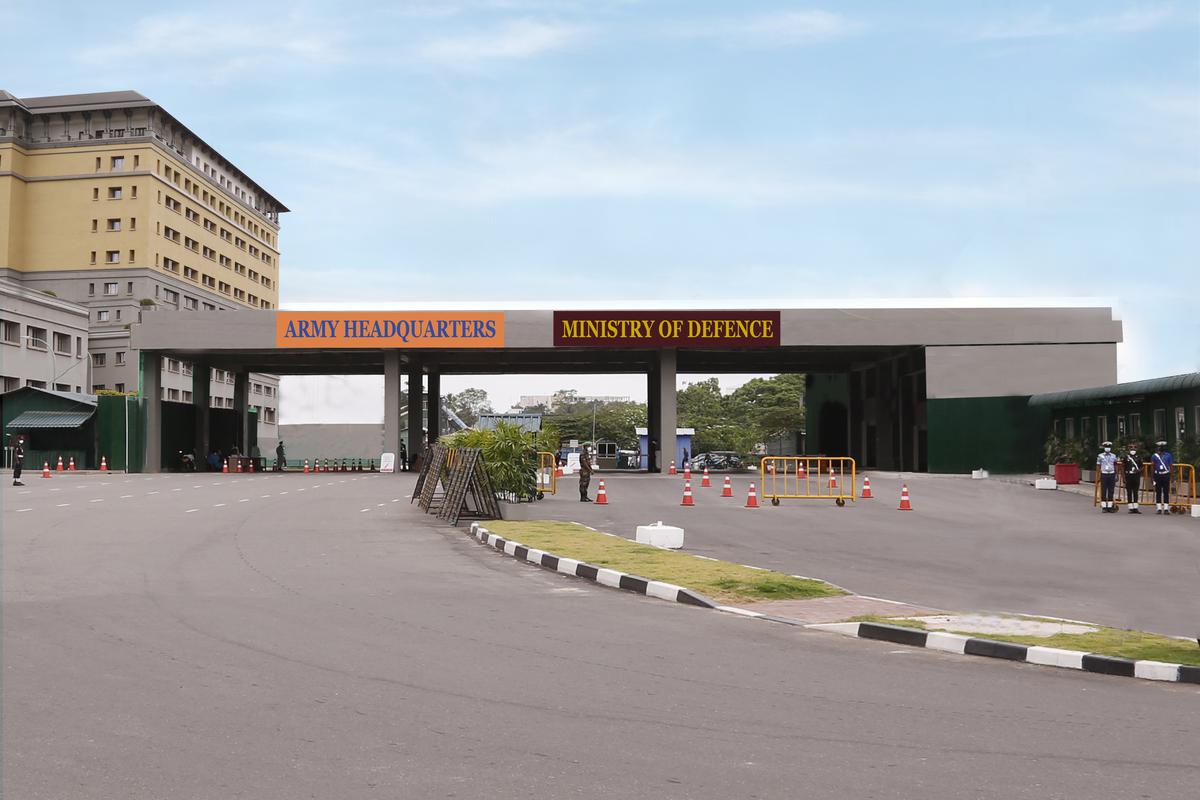
 A media clarification issued by Sri Lanka’s Ministry of Defence has brought to light two recent defence pacts it has signed with India that neither side officially announced.

The recently signed maritime security pacts with the Government of India will not result in hindrance or threat to the national security of Sri Lanka,” said a media statement issued by the Ministry on Tuesday. It referred to the the receipt of Floating Dock Facility from the Government of India at no cost” and the provision of Dornier Reconnaissance Aircraft” by India to Sri Lanka free of charge”.ALSO READ

Indian power projects replace Chinese ventures in Sri Lanka

Ministry of Defence spokesman Colonel Nalin Herath told The Hindu on Tuesday that both pacts were signed on March 16, by the Secretary to the Ministry of Defence from the Sri Lankan side, and an official of the Indian High Commission in Colombo.

Opposition concerns

The apparent secrecy around the development until now comes even as some in Sri Lanka’s political opposition flagged the agreements as threats” to Sri Lanka’s national security and sovereignty. Sri Lanka has sold its air space”, alleged Harin Fernando, a vocal MP from the main opposition party Samagi Jana Balavegaya (SJB).

Sri Lanka runs the risk of getting involved in a regional war owing to these agreements as India will get the opportunity of controlling Sri Lankan waters and skies, while China controls the port in Hambantota,” Mr. Fernando told Parliament. The Janatha Vimukthi Peramuna (JVP), also in opposition, has accused the government of signing key defence agreements with India in return for the $1 billion assistance extended recently.  

India has extended $ 2.4 billion support to Sri Lanka since the beginning of this year, to help the island nation cope with a severe economic meltdown. Since January, India has also signed several key bilateral agreements with Sri Lanka, including the joint development of the Trincomalee Oil Tank Farms, and three major power projects in the north and east, involving the National Thermal Power Corporation (NTPC) and the Adani Group, apart from the recent pacts on maritime security.

While both the floating dock, and the Dornier aircraft have figured in bilateral discussions for some time, the actual signing of the agreements a fortnight ago was not officially confirmed until Tuesday. The receipt of Floating Dock Facility from the Government of India at no cost has been projected to reduce the annual outlay of LKR. 600 million for outsourced docking repairs and this proposal has been in the pipeline since year 2015,” the MoD said.

The Dornier Reconnaissance Aircraft is deployed for maritime surveillance, search and rescue operations and to deliver information to various required platforms. The unavailability of this capability was the motive for bilateral dialogues between the Governments of India and Sri Lanka during the last couple of years and it was agreed upon to provide one Dornier Reconnaissance Aircraft to Sri Lanka free of charge,” the MoD statement said. An Indian training team will stay in the island until the Sri Lanka Air Force gains required expertise, it added.

 India’s assistance for greater maritime surveillance in Sri Lanka coincides with New Delhi’s own efforts to enhance Indian Ocean security, regional cooperation and intelligence sharing, as was underscored at the NSA-level meet of the Colombo Security Conclave. Addressing the forum held in the Maldives recently, NSA Ajith Doval called for a regional response to maritime challenges.

Meanwhile, a third maritime security pact was signed on Monday, when visiting External Affairs Minister S. Jaishankar met Sri Lankan Foreign Minister G.L. Peiris. It found specific mention in the Indian High Commission’s press release, listed among the MOU for providing Maritime Rescue Coordination Center (MRCC)” among agreements signed. The MRCC’s network, to be set up by Bharat Electronics Ltd, will span seven sub-unit naval bases across the Sri Lankan coast, including in the southern port town of Hambantota, where China runs a large port. 

India, China, Bangladesh to help Sri Lanka steer economic crisis

March 29th, 2022

Courtesy Daily Sabah

India, China and Bangladesh have stepped in to help Sri Lanka weather a foreign exchange shortage that has forced it to devalue its currency amid soaring inflation, and to seek International Monetary Fund (IMF) assistance.

Sri Lanka’s worst economic crisis in decades is a result of mismanaged government finances and ill-timed tax cuts, alongside the impact of the COVID-19 pandemic.

With only $2.31 billion left in reserves, Sri Lanka has to repay debt of about $4 billion over the rest of this year, including a $1 billion-international sovereign bond that matures in July.

Below is a look at external help Sri Lanka has received since last year:

Bangladesh

Last May, Bangladesh’s central bank agreed to a $200 million swap, the first swap arrangement between the two countries.

IMF

In August, Sri Lanka received its $787 million share of the global $650 billion Special Drawing Rights (SDR) allocation from the IMF. This was part of pandemic support extended by the lender and the funds were used to top up reserves.

Foreign Minister Basil Rajapaksa is set to hold talks with the IMF in April.

The island nation of 22 million people is struggling to pay for essential imports after a 70% drop in foreign exchange reserves over the past two years.

China

Last August, Sri Lanka received the last tranche of a $1.3 billion syndicated loan from the China Development Bank negotiated in 2020.

Sri Lanka’s central bank received a $1.5 billion swap denominated in yuan in December, which was again used to top up reserves.

Sri Lanka, which had drawn closer to China in recent years, ended 2021 with reserves of $3.1 billion.

China is considering offering a $1.5 billion credit facility to Sri Lanka, besides a separate loan of up to $1 billion which the government has requested.

China is Sri Lanka’s fourth-biggest lender, behind international financial markets, the Asian Development Bank (ADB) and Japan.

India

The Reserve Bank of India January announced a $400 million swap to help Sri Lanka shore up reserves, as part of an aid package the neighbors negotiated.

Sri Lanka signed an agreement for a $500 million credit line to purchase fuel from India in February.

The agreement proved critical as global oil prices soared after Russia invaded Ukraine and Sri Lanka’s fuel import costs jumped as much as 40% in a week.

Fuel shortages have led to long lines at petrol stations and rolling power cuts across much of the country. Shipments from the Indian Oil Corporation began arriving around mid-March.

In the same month, Sri Lanka and India signed a $1 billion credit line for importing essentials, including food and medicine.

Sri Lanka has sought an additional credit line of at least $1 billion from India to help bring in essentials as shortages persist and protests break out.

Defence Ministry clarifies media reports on maritime security pacts with India

March 29th, 2022

Courtesy Adaderana

The Ministry of Defence today (March 29) clarified the media reports on the maritime security pacts signed with the Indian government for the receipt of Floating Dock Facility, Dornier Reconnaissance Aircraft, and the Maritime Rescue Coordination Centre in Colombo (MRCC).

In a statement, the ministry noted that the recently signed maritime security pacts with India will neither result in hindrance nor threat to the national security of Sri Lanka, as misinterpreted by several print and electronic media.

According to the ministry, the receipt of the Floating Dock Facility from India at no cost has been projected to reduce the annual outlay of Rs. 600 million for outsourced docking repairs and this proposal has been in the pipeline since the year 2015.

With regard to the Dornier Reconnaissance Aircraft, the Defence Ministry explained that it is basically deployed for maritime surveillance, search and rescue operations and to deliver information to various required platforms.

The ministry stated that the unavailability of this capability was the motive for bilateral dialogues between the Governments of India and Sri Lanka during the last couple of years and it was agreed upon to provide one Dornier Reconnaissance Aircraft to Sri Lanka free of charge.

The statement further read: Accordingly, during the period earmarked for manufacturing process of the said aircraft, the Government of India will lend a similar aircraft which will be piloted by Sri Lanka Air Force (SLAF) pilots. An Indian training team will also arrive and stay on the island until the SLAF gains the required expertise. Thus, SLAF aircrew will receive an added qualification enabling the country to further strengthen its maritime security while cutting a large cost as a result of the pacts.”

Further, with regard to the Maritime Rescue Coordination Centre in Colombo (MRCC), the Cabinet of Ministers has granted approval for the proposal to establish MRCC with a US $ 6 million grant from the Government of India. The establishment of MRCC is highly essential to instantly respond to the search and rescue services of vessels in distress operating in the region and ensure the safety of vessels in compliance to various international conventions. Sri Lanka Navy (SLN) is the authority responsible for conducting Maritime Search and Rescue (SAR) operations for commercial ships around the island’s SAR region.”

Clarifying further, the Defence Ministry stated that the Merchant Shipping Secretariat being the official representative of the International Maritime Organization has entrusted the Maritime Search and Rescue operations for commercial ships to SLN. MRCC covers the SAR responsibility for over 1,778,062.24 Km2 which is approx. 27 times of the landmass of Sri Lanka. SLN will be the primary stakeholder of this project along with several other organizations. Cabinet memorandum for this project was initially submitted in the year 2017 by the Ministry of Defence.”

In its statement, the Defence Ministry assured that prior to the signing of the aforementioned three pacts, it has followed the standard criteria and procedures while channelling it through the other mandatory state establishments including the Attorney General’s Department.

Therefore, except economic and security gains embedded with infrastructure and personnel development, the Defence Ministry assures there won’t be any kind of risk to the national security of Sri Lanka it is being a sovereign nation.”

Dairy industry and price of milk

March 28th, 2022

Sugath Kulatunga

Sri Lanka’s President Gotabaya Rajapaksa has ordered price controls on farmgate prices of milk, following a visit to Milco, a state-run dairy firm.”

The present Farm gate price is Rs 80-110. Dairy farmers demand that it should be Rs 130. Dairy industry is one which has immense potential but also one of the most neglected industries in Sri Lanka. The local production is only 35% of the required milk and the balance imported mainly in the form of milk powder. It is also noted that the consumption of dairy products per capita is very low. The total cost of dairy products imported in 2020 was 334million dollars with an increase of 7 % from the previous year. The cost in rupee term was Rs 93,520,000,000. Against this Rs 93 billion plus, it is reported that a ‘colossal ‘Rs 1 billion has been earmarked for the development of the dairy industry. That is the kind of priority given to this sector.

It would be relevant to look at the Dairy industry and price of milk products in our neighboring country. The dominant player in the industry in India is a state-owned Milk producing cooperative with (3.6 million) milk producers in Gujarat, spread across 13,000 villages of Gujarat. The revenue of Amul in 2020 was 5.1billion USD. Fresh milk sold by Amul in India is 50/60 IRN per liter equal to182 Sri Lanka rupees (LKR). Price paid to the farmer by Amul is 30 INR equal to 109 LKR. The price of 1 Kg of milk powder is 400 INR or LKR 1465.

Given that the conversion of liquid milk to milk powder is 8 liters of fresh milk to one kilogram of milk powder, the cost of the liquid milk in 1 kg of milk powder is 30 in to 8= 240 INR which is 166% of the total cost. Even if one considers the Milk powder cost to be 200 % of the liquid milk cost, the cost of milk powder should be less than 100 by 8 into 2 which is Rs 1600. The price increase demanded of Rs.1945 is not reasonable and needs closer examination. The producer could be paid more and the consumer less.

A new ruse adopted by milk pack manufacturers is to add sugar to the milk powder. This is adulteration. Have the authorities allowed this?

PS.

The founder of the Amul Cooperative, Dr.Kurien was in Sri Lanka during the time of Philip Gunawardhana in 1958 to advise Sri Lanka on the Amul model. After Philip left the govt, any form of cooperative action was not in favor of his successors, and we lost an opportunity to develop a viable dairy industry in the footsteps of Amul.

Not only self-sufficiency but an increase in the consumption of milk foods was envisaged 60 years back in the agriculture development plan of Philip Gunawardhana. The quality of the local herd was to be upgraded through Artificial insemination and stud services. The Animal Act prevented cross breeding with local bulls. The dairy farms with improved breeds like fresian, and Ayrshire were maintained in upcountry farms for dairy products as well as for breeding stock. Thamankaduwa Livestock project was launched to breed cattle crossed with Jersey. A large herd of Jersey heifers were imported and bred in Ambewela. Ridiyagama buffalo farm was meant to supply quality breeding material.

There is no need to import cows as the quality herds in the existing farms can supply all the semen needed. The bull calves from these herds can be distributed to stud centers island wide. The government can learn from the Private sector farm in Ambewela on importing semen, animal feed and establishing pastures

It has been announced that the government plans again to import milch cows from Australia in a bid to make Sri Lanka self sufficient from milk by 2025 and also restrict importing of milk powder that costs the government so much of dollars annually.

This is a laudable proposal but is loaded with very serious problems. The government can gain some lessons from the calamitous experience of some 3000 cows from Australia and New Zealand in 2014 and increased to 20,000 around 2018. The imported animals were of poor quality, unsuited for the local areas in which they were distributed, did not give the expected milk yield and worst of all carried a deadly disease. This operation costing an estimated 25 million US dollars was a total failure. In fact, a Presidential Commission was appointed to report on this debacle. It was also revealed to the Commission that the Ministry of Rural Economy under Minister Harrison, had not heeded repeated warnings by the Department of Animal Production and Health about highly contagious and deadly diseases carried by the imported cows from Australia. https://youtu.be/1ouAoGyZYKg) http://www.dailymirror.lk/ of 29/5/2020.

Pl. also see the article in https://www.abc.net.au/…/australian-dairy…/10936258… dated 3/5 April 2019.

The authorities are advised to read the Commission Report before launching on another massive import unless they are interested in some deal.

It is understood that the government is anxious to obtain quick results. On the other hand, would it not be more judicious to opt for a more practical, less risky, less costly and more comprehensive program of upgrading the local cattle. There was such a comprehensive program in the early 1960 under Philip Gunawardhana. In this program different regions were identified for particular breeds of cattle from Frisian & Ayrshire and Jersey for upcountry, Sindhi, Sahiwal and Jersey cross for the dry zone. The main strategy was to use artificial insemination on the local cows with semen from the appropriate high yielding breeds. A few stud bulls were to be imported for stud services and to obtain semen. It was recognized that the cross bred product would be more adaptable to local conditions and feed, free of disease and more robust. It was envisaged that within a few generations of up-breeding the country would have a cattle herd of high quality capable of meeting the country’s requirement of milk. If this strategy was continued during the last 60 years Sri Lanka would already be having a high-quality herd making us self-sufficient in Milk products. It is interesting to know whether this scheme was sabotaged by the Milk Powder mafia.

In the 1960 Animal Husbandry development scheme it was also recognized that the buffalo herds should also be upgraded. The buffalo is a better converter of roughage, a hardier animal adapted to different conditions, gives a higher yield of richer milk and is more useful for operations in paddy cultivations. Buffalos are more docile and in the Far East children even ride them. The proposal was to import stud buffaloes of Murrah and other milk breeds from India and Pakistan. A large buffalo project was also planned to be located in the Mahaweli villus. Today Buffalo semen is also available to be imported.

A dairy animal which is neglected in Sri Lanka is the goat. It is called the cow of the poor. Goats are easy to maintain and need little space. But can give 1 to 2 gallons of rich milk. Goats are also fast breeders. 

LTTE Diaspora & Sri Lanka’s Economy & Balkanizing India

March 28th, 2022

Shenali D Waduge

This news is upsetting for several reasons as there are many Sri Lankans who selflessly defended the nation with their own funding in the halls of Geneva against the lying machine of the LTTE Diaspora inspite of successive governments offering only lukewarm assistance. For 3 decades India & West between each other manipulated LTTE against Sri Lanka. That was phase 1 of their plan & then came Phase 2 which meant the need to remove the ground force of the LTTE & that successfully came to a conclusion using the Sri Lankan Armed Forces. Phase 3 was to tie down Sri Lanka to accountability issues, weaken its economy & bring in the LTTE Diaspora to solidify the division of Sri Lanka temporarily until West-manipulated Diaspora countered Indian presence in the North with their investments” & used that as a platform for West to commence the balkanizing project in India. India on its part is not naïve to these developments but wishes to not collaborate with untrustworthy Sri Lankan governments and are now using Sri Lanka’s economic crisis to sign every possible pact to give India leverage in Sri Lanka & over Sri Lanka. Where do we Sri Lankans fit into the scheme of things?

The Tamil Diaspora are individuals who set off overseas prior to 1980s while the large influx occurred after 1983 riots. Ever since London became the international headquarters of the LTTE and after numerous offices were opened in other parts of the world to carry out LTTE propaganda campaigns and fund raising, the number of Tamils began to increase. The influence they exerted using their numbers enabled them to get politicians on their side.

India says Sri Lankan Tamils are their brothers & sisters. Then explain why Tamils get on to boats and flee not to India but to Western climes?

If Sri Lankan Tamils choose not to relocate to Tamil Nadu where Tamils are supreme, it is also understandable why LTTE Diaspora groups are also not located in Tamil Nadu but in the best of Western capitals. This is a good clue to foretell the silent nod of approval they have & explains why western governments who are well aware LTTE fronts illegal activities in their own turf as well as across Western nations, chose to turn a blind eye & indirectly support them. So it is important to understand that so long as LTTE fronts are stationed in western capitals, they are inadvertently influenced towards western agendas. This is something India would have also taken stock off.

While India nurses ambitions to create a Greater Tamil Eelam encompassing Tamil Nadu and parts of Sri Lanka, the usage of Tamil Eelam” is only as an excuse to justify Indian interventions on behalf of Tamils”. Tamils who live in the North understands the treatment they suffer currently from Indian affiliates stationed in the North. Thus, they know very well what they will be in for if & when India takes over the area.

So, the question is – is the West positioning LTTE fronts in North claiming to help a cash-strapped government simply to put a plug to India’s fast-paced presence in the North? 

Is LTTE Diaspora investments a ‘cover’ for West in the North? 

To answer this, one needs to know more about the LTTE Diaspora. The reference to LTTE Diaspora as against Tamil Diaspora is that the Tamil Diaspora does not have the funds” to invest” nor do they have the clout to negotiate without being blocked by LTTE Diaspora heads. Majority of these Diaspora fronts openly campaign feigning human rights” and other charitable causes, were quick to set up shop when the signs foretold the end of LTTE. Majority of these initially were functioning underground. Just as the political wing of the LTTE was formed in 2001 immediately after 9/11 & the war on terror, the LTTE Diaspora quickly set up fronts & were given the slogans war crimes” genocide” as themes to attack the Sri Lankan Government.

Notice how Western governments & UN entities shy from taking action against LTTE or any of its crimes. All efforts are steered to bend the govt to its knees & force it to weaken internal legislative, judicial systems on the guise of ‘accountability’ while also humiliating the national army in whatever ways possible. This aspect of the modus operandi has served to weaken the armed forces & diminish its confidence & morale. So the armed forces have been neutralized.

The people have been neutralized in many ways by weighing the cost of living to unbearable heights making the defenders of the nation put their families before protecting their nation. While external elements would have played their role, every politician in parliament & their respective parties have also been co-opted to bring Sri Lanka to this status where we are all watching as bits and pieces of Sri Lanka are being given away on a platter with little or no objections.

Tamils can forget about Eelam under India/LTTE Diaspora or the West while Sinhalese better forget about Sinhalese nationalism under any of the politicians and political parties in Parliament.

So now enter the new heroes – LTTE Diaspora bringing their dollars and pounds to invest” in Sri Lanka. Would these foreign-passport holding groups rich from their illegal and legal activities overseas be so concerned about the people living without gas, electricity, fuel, kerosene & milk powder that they want to come to help? If so, why didn’t they look after the lower strata of LTTE families living in the thick Vanni jungles who had their children kidnapped & turned into child soldiers. These families continue to live in abject poverty. Why didn’t the LTTE Diaspora send money to the refugee camps immediately after the conflict ended. We saw a Canadian Parliamentary group declare over a press briefing that so much of money & goods had been sent from Canada but when they visited sites they could not see anything reaching these poor. Why didn’t they help offer jobs to the rehabilitated LTTE combatants who surrendered to the Sri Lanka Army? Why have they not sponsored a single former child soldier’s education? So, forgive us for being surprised that these same groups now wish to invest” in Sri Lanka unless there is a catch.

Given that their patrons in the West are now preparing for Phase 3 – it is obvious that the presence of Diaspora groups as investors” provider a better cover than the West’s representatives landing to set up shop. Reinforcements will come with time but it is important that we understand that to balance India’s presence in the North & East, the West are using the LTTE Diaspora until subtly they will work on their eventual plan to balkanize India.

India on its part is using the economic crisis in Sri Lanka to force Sri Lanka to sign defense pacts & other agreements that not only compromise Sri Lanka’s sovereignty but serves to primarily protect India from unforeseen developments against India.

So we have the hounds chasing each other under different guises but both using us as bait & pawns while they pretend to be friends/partners”. Unfortunately, while both are maneuvering themselves tactically & strategically, Sri Lanka’s leaders are living in cuckoo land – neither are they worried or bothered about protecting the sovereignty of the land or the integrity of its people.

Shenali D Waduge

ඩොලර් අර්බුධයෙන් ගොඩ ඒමට ආණ්ඩුව හමුදාකරණය විය යුතුය.

March 28th, 2022

ජයන්ත හේරත්

අපේ

ඩොලර් අර්බුධය

පැන නැගී ඇත්තේ

පසුගිය ආණ්ඩු

වල වැරදි වලට වඩා

විරුද්ධ පක්ෂ වල

කඩා කප්පල් කාරී 

ක්‍රියාවලියන් නිසාය.

56 සිටම

රට අගාධයට

දැම්මේ

මේ 

කඩාකප්පලකාරීන්ය.

මහජනතාව

පත්කර එවන ආණ්ඩු වලට

වැඩ කරන්න

නොදුන්නේ

විරුද්ද පක්ෂ ය.

විරුද්ද පක්ෂවලට 

ජනතාවගේ

ප්‍රශ්න වලට

විසඳුම් නැත.

ආණ්ඩු

අභියෝගයන් 

අභිභවා යාමේ

ශක්තිය

ඵලදායී ලෙස

භාවිතා කලේ

නැත.

දැන් ආණ්ඩුවත්

මානුෂික වැඩිය. 

එහාට මෙහාට

වැනෙන්නේය.

ඩොලර් අර්බුධය

ආර්ථික දුෂ්කරතා වලට

ප්‍රධාන වශයෙන්

වග කිව යුත්තේ

පසුගිය

අවුරුදු 45 තුල

පන්ති වර්ජන මෙහෙය වූ 

විශ්ව විද්‍යාල

ශිෂ්‍ය නායකයෝය.

පන්ති වර්ජන

කල

ශිෂ්‍යයෝය.

වර්ජන

වලට වග කිව යුත්තෝ

පසු පසින් සිටි 

JVP NPP කාරයෝය.

මොඋන්

වර්ජන කලේ

මොනයම් ක්‍රමයකින් හෝ

නිදහස් අධ්‍යාපන.

පහසුකම් වැඩි කරනවාට

විරුද්ධවය.

1945

කන්නන්ගරගේ

මධ්‍ය මහා විද්‍යාල

තවම එතැනමය.

වැඩි දියුණු කලේ නැත.

විශ්ව විද්‍යාල මට්ටමට

උසස් වූ

එකම කාර්මික විද්‍යාලය

කටුබැද්දය.

මිලිටරි

විශ්ව විද්‍යාලයක් වූ

කොතලාවල ආරක්ෂක විශ්ව විද්‍යාලය

ඊටත් වඩා ඉදිරියෙන් සිටී.

covid කාලයේ

අපේ

අසල්වැසි රටවල

ඩොලර් සංචිත

ප්‍රමාන ඉහල ගිය අතර

අපේ

ඩොලර් සංචිත

පහල ගියේය.

Minus ය.

අපට

ඩොලර්

එවන්නට

අවශ්‍ය තරම් 

පුහුණු ශ්‍රමිකයන්

නිෂ්පාදනය

නොකළ නිසාය.

පසුගිය

අවුරුදු 74 ම

අපේ

තරුණ

මානව සම්පත්

නාස්තිය

ඉතා ඉහලය.

ඉන්දියාවේ

ඩොලර් සංචිතය ඉහල යන්නේ

ඔවුන්ගේ

නිෂ්පාදනය නිසාය.

මානව සම්පත්

පරිභෝජනය 

ප්‍රායෝගික හා

ඵලදායී ලෙස

භාවිතා කිරීමේ

ක්‍රියාවලිය

ඉහල මට්ටමක පවතින නිසාය.

ඉන්දියානු 

තරුණ තරුණියෝ

අවුරුදු 20 දී

උපාධි ලබා

රටේ

නිෂ්පාදන ක්‍රියාවලියට

සහභාගී වන අතර

ලංකාවේ

එම වයස

අවුරුදු

24-25ක් ය.

එතනම

අවුරුදු 4-5ක් පරක්කුය.

ඒ වන විට

තාරුණ්‍යය

පලා ගොස් ය.

මහලු වීම

ආරම්භ වීම

පටන් ගෙනය.

meter 100

තරඟයට

සහභාගී වීමට 

විනාඩි 5 ක්

පරක්කු වී

පැමිණි ක්‍රීඩකයා වගෙය.

පුද්ගලීකරණයෙන් හෝ

මිලිටරීකරණයෙන්

අධ්යාපන පහසුකම්

වැඩි දියුණු කරනවාට විරුද්ධව

වීදි

සටන් කර හෙම්බත් වීය.

ලොවට

ඩොලර්

ඒකාධිකාරයට

අමතර

මුදල් ඒකක අවශ්‍යය.

චීනය 

සෞදි අරාබිය

මූලිකත්වය ගත යුතුය.

අපට

කාර්යක්ෂම

හමුදාවක් සිටී.

නීතිය ස්ථාපිත කරන්නට නම්

තාවකාලිකව

හෝ

ආණ්ඩුව

හමුදාකරණය විය යුතුය.

මධ්‍ය මහා විද්‍යාල

මහා පරිමාණයෙන්

පුහුණු ශ්‍රමිකයන් බිහි කරන

විශ්ව විද්‍යාල

මධ්‍යස්ථාන

විය යුතුය.

ERASING THE EELAM VICTORY Part16 F Pt 3

March 28th, 2022

KAMALIKA PIERIS

The LTTE was able to obtain the support of the Tamils living in the north through clever propaganda.   Kumaran Pathmanathan, (KP) said   he had got involved in politics in the 1970s at the early stages of the Tamil youth uprising in the Northern Province. At that time there was much unrest among the youth. Our political leaders were very keen on taking the advantage of the unrest and mobilizing youth. Politicians gave emotional speeches to us students. We attended their political meetings,

They spoke on ‘very emotional things.’ They would speak and elaborate about Tamil Eelam. By motivating the youth emotionally, those Tamil politicians gradually tapped the hearts and minds of the Northern youth and eventually motivated them to take part in the armed struggle.

As youth, we did not have the means to question the preaching by Tamil politicians. We blindly believed and trusted in them. When we were young, we thought it was possible to change things. As young people therefore, we joined the LTTE, thinking the cause was a possible one. They not only misled me, they misled the entire younger generation said KP.

K.C.Logeswaran said he saw, in 1983   or so, that the Tamil youth were getting brainwashed. Affection towards parents, respect toward teachers and attachment to one family were downgraded by the LTTE. Children were encouraged to spy on relatives and even their own parents.

Ben Bavinck recorded in 1991 that the whole community in Jaffna is being brainwashed. A strong nationalistic feeling of ‘We Tamils’ is being promoted, A section of Tamil youth is growing up with a very narrow vision shaped by Tamil chauvinism and are caught in a culture of violence, noted Bavinck. The community in Jaffna is increasingly turning upon itself, Bavinck continued.

A new generation is growing up which has no knowledge of Sri Lanka and the Sinhala people but are filled instead with a narrow Tamil chauvinism, said Bavinck., The ‘Tamil cause’ acquired an almost religious passion and was synonymous with the Jihad, said Logeswaran. LTTE released songs, one said this soil it our soil.” I could not   remember when my Sri Lanka ID and passport had got lost. I had not kept them safe as I never thought I would need to use them ever again, said Tamilini. 

LTTE wished to alienate the Tamil people from the Sri Lanka government. They brainwashed the Tamils that Sinhalese were very brutal and anti Tamil, said Arun Tambimuttu.  Bavinck was told in 1991 that   LTTE originate rumors of an army attack and spread it, and then they   go around and try to get recruits from every house, saying that when the army comes every young man will be victimized.

LTTE had an exhibition at Kaddaiveli in October 1993.There were paintings depicting the atrocities of the army. They were even more disgusting than the ones I had seen earlier in Jaffna, said Bavinck.

Murder at sea, rape, shooting of school children, burning on car tyres, bombing from the air, all carried out by Sri Lanka army soldiers with devilish grins on their faces. This whole propaganda exercise is accompanied by a video of the Kilali attack, speeches and Tiger songs on loudspeakers. This is clear propaganda. It is quite effective and youngsters are joining the LTTE, noted Bavinck.

LTTE fighters were given a grand image. Bavinck noted in 1990 that in Jaffna, at every junction there were six life size cutouts of fallen LTTE heroes. Many lanes and streets In Nallur were named after them. En route to Jaffna in November 1991 Bavinck saw roads decorated with palm leaf festoons and triumphal arches for Heroes Day.

LTTE had constructed several cemeteries dedicated to fallen cadres. they were found in Uduppidy, Eellankulam, Kodikamam, Kopay and Uduththurai in Jaffna,    Anadakulam and Eachchankulam in Vavuniya,  Adkadiveli and Pandivirichchan in Mannar, Konagapuram and Mulangovil in Kilinochchi, Wanni villankulam, Vishvamadu, Alampil, Mulleyaveli,   in Mullaitivu,

Alankulam, Ittikulam, Verugal and Upparu in Trincomalee, Thandiadi, Tharavakulam, Vakarai and Kandiladi in Batticaloa, Kanjikudichchiaru and Alankernikulam in Ampara. .

These cemeteries were beautifully constructed and landscaped. Candles and lamps were lit at these cemeteries on Heroes day in the presence of families of fallen comrades. Ceremonies were held. Families of LTTE heroes were shown special respect, said Amnesty International.

 In September 1992, on the day of Thileepan commemoration, everywhere, particularly in Madhu, we saw little shrines with his picture calling for an almost religious adoration, recorded Bavinck in his diary.  In Sept 1993 all along the road from Omanthai to Paranthan a distance of 80 kilometers, we could see little huts with a picture or Thileepan, flowers and an oil lamp. We were offered a glass of lemonade in honor of Thileepan.

LTTE carried out large scale propaganda. LTTE held meetings everywhere, Bavinck recorded in 1991 Attendance is compulsory. Questions are asked by those planted in the audience, the rest keep mum. The propaganda meetings of the LTTE resemble Christian revival meetings and their songs also have this almost religious charge,  observed Bavinck.

Young persons joined the movement in droves in the 1990s recalled Tamilini. The training grounds were filled to overflowing. Between 1989 and 1992 female fighters joined in thousands she said.  LTTE was growing at a rate.

LTTE wooed the younger generation too. LTTE regularly exposed Tamil children to special events honoring LTTE heroes, also parades of LTTE cadres. Children were drawn to the status and glamour of serving as LTTE cadres, reported Amnesty International. The younger ones who joined LTTE were given schooling in special LTTE schools where they are soundly brainwashed, noted Bavinck in 1993.

LTTE    visited schools and gave talks. Students were given tasks such as gathering dry rations, making floral garlands for the LTTE.  Tamilini recalled that her school band was taken to play funeral music at the memorials for dead LTTErs.

Thamizhini joined LTTE in 1991 straight from school. She was in the Advanced Level class. Thamizhini said she was influenced by the LTTE who came to her school to canvass.  Everyday different persons would come and address gatherings. They spoke with great anger and passion. There were heated debates. There was a LTTE student group in the school.  It met frequently. Many of the older students then kept disappearing. They had joined the LTTE.

Relatives lamented as though at a funeral when they left, said Tamilini,  but when the youth who had gone for training reappeared they would be complete altered in appearance; even the village leaders showed them respect. The younger ones hero worshiped them. The recruits said we are going to fight so that you can study well and advance in life. They referred to all as Amma, Appa, Thambi or Thangachchi.

I firmly believed that if we were to live peacefully, we had to fight a war said Thamizhini.  ‘We stuck to the dream that if we somehow liberated out motherland then we could raise our nation to the level of Singapore.” When the public grumbled, we said put up with this a little longer, we will soon win our homeland. We believed that our leader Prabhakaran would create a great future for us. There was blind faith and hero worship.

Around 1983 authorities in Jaffna became uneasy about the militant political activities taking place in Vanni. Several armed group were operating in the far flung villages of the Vanni and Tamil political leaders did not dare to oppose them. One NGO in particular (not named) was supportive of militant activities and had also assisted new settlers on state lands, said K.C.Logeswaran.  Agricultural farms with absentee landlords in the Nedunkeni and Cheddikulam areas were used for weapons training and other clandestine activities.

LTTE had political support right from the start. Everyone was aware of the close links between TULF and the LTTE, said Cyril Ranatunga .TULF supported the LTTE saying they are just young boys. . Tamil politicians gave refuge in their own homes to these boys using parliamentary privilege.

LTTE was also able to secure the support of the Christian church. The Anglican Bishops of Jaffna, Batticaloa, Mannar and Trincomalee as well as the Roman Catholic Church took up the cause of ‘our boys’ said Ranatunga. .

 Catholic Church gave a lot of support to the LTTE, said Bavinck. The Catholic Church showed a ‘remarkable sympathy’ for LTTE, so did the Protestant churches.  In 1983, Bavinck had run into a ceremony of mourning for two sea tigers whose bodies were displayed on a decorated open lorry, The Methodist pastor traveling with Ben went to pay his respects to the fallen LTTE.

When the movement started, the intellectuals, academics and professionals in Jaffna were sympathetic to the LTTE, and called them ‘our boys,”  said. Logeswaran. Lawyers appeared free for them. The public also accepted them. The people addressed LTTE as ‘Our boys’ affectionately and endearingly. They were proud of the heroic deeds of the Tigers, added Logeswaran.

LTTE successes were applauded. The destruction of the army camps at Kokavil and Mankulam in 1990 and taking of Jaffna fort created a great wave of support for the LTTE from the community, said Tamilini.

When Jaffna Fort was captured by the LTTE in 1990 everybody was on the streets celebrating and lighting crackers said Bavinck. The raising of the Tiger flag at the Jaffna fort brought a great wave of support for the LTTE from the public, said Tamilini.

A person who had come from Jaffna had described to Bavinck In August 1991, the great enthusiasm with which practically the entire Jaffna society had supported the attack on Elephant Pass, which was to be a decisive blow to the army.

The gut feeling of the people is to support the LTTE, said Bavinck. People identify themselves with the LTTE. The fact that the LTTE offered resistance to the government and the army was sufficient reason for support. We owe our lives to them.” Any movement against the LTTE is out of the question,     said Bavinck.

 There is irritation about the activities of the LTTE, Bavinck noted in 1991, but still if asked to choose between Sinhala army and LTTE they would choose LTTE. There was a total absence of moral judgment about the actions of the LTTE.  It was felt that we should not speak about the failings and misdeeds of the LTTE while the war was still on.

As events unfolded, the educated Tamils had their reservations about the LTTE but they kept quiet as they did not wish to be branded as traitors. If one opposes, one is immediately classified as a traitor.

In Jaffna there is ambiguous support for LTTE, Bavinck observed in 1990. Some are waiting with enthusiasm to the coming of Tigers others are apprehensive. People feel they should keep their mouths shut as the LTTE is coming in for a long period.

The Tamil community grapevine was full of stories of Tiger abductions but they were scared to come forward and say so openly. Fear of repercussions from the LTTE, fear  that the Tamil cause would be weakened by this,  also  that they were residing in   LTTE controlled areas, prevented people from speaking out, said DBS Jeyaraj. (Continued)

Colombo asks Beijing for another 2.5 billion in loans

March 28th, 2022

by Arundathie Abeysinghe Courtesy Asianews.it

The amount would be added to the 2.8 billion the Chinese have granted since the outbreak of the pandemic. New economic agreements also with India. Blackouts continue due to lack of fuel.

Colombo (AsiaNews) – Sri Lanka has made a new request to China for 2.5 billion dollars: a loan of one billion dollars and a line of credit of 1.5 billion, which would be added to the 2.8 billion in assistance that Beijing has granted Sri Lanka since the outbreak of the Covid-19 pandemic.

The island nation is facing its worst economic crisis since independence. On 18 March, the Sri Lankan government was offered a 0 million loan from the China Development Bank.

Last year, President Gotabaya Rajapaksa had asked China to restructure the debt due to the depletion of foreign reserves. The request came after international rating agencies downgraded Colombo’s sovereign debt.

Over the past decade, Beijing has lent Sri Lanka more than USD 5 billion to build an airport, a port, highways and a coal-fired power plant. In contrast to Chinese positions, critics are of the opinion that the funds have been used for ‘desert cathedrals’ that will have low economic returns.

Institutionally, China is Sri Lanka’s largest lender after the Asian Development Bank and Japan.

In September 2020, for example, a nation on the verge of bankruptcy, Laos, sold part of its power grid to a majority Chinese-owned company for USD 600 million in a bid to relieve debt from Chinese creditors. Sri Lanka could find itself in the same situation in the future if it is unable to pay its debts.

Many economists believe Sri Lanka and China are trying to revive a bilateral free trade agreement. Six rounds of negotiations have been held so far: if the treaty were to be finally signed, the vast Chinese market would open up to Sri Lankan producers, traders and exporters. Observers believe the deal will stimulate bilateral trade and help reduce Sri Lanka’s dependence on traditional US and European markets.

Colombo is not only looking at China. A few days ago, the Sri Lankan government also obtained a one billion dollar credit line from India. The agreement was signed on 17 March, during the visit of Finance Minister Basil Rajapaksa, with the State Bank of India. 

Sri Lanka has to repay about USD 4 billion of debt in 2022, including a USD 1 billion government bond maturing in July. The country’s reserves, however, fell to USD 2.31 billion in February.

Due to foreign currency shortages, Sri Lanka struggled to pay for imports of basic necessities including food, fuel and medicine. Power cuts were imposed across the country due to the shortage of fuel to produce energy. 

The situation has led to a series of protests by the political opposition and citizen groups who blame the Rajapaksa government for the crisis.

What’s behind Sri Lanka’s economic crisis?

March 28th, 2022

Courtesy DW

Sri Lanka is facing one of its worst economic crises in recent decades, with skyrocketing inflation, weak government finances and COVID wreaking havoc on the economy.

The economic pain has caused growing anxiety and frustration among Sri Lankans

Sharine Silva, a hair and makeup artist in Colombo, has been struggling to make ends meet as costs of essential items skyrocket in Sri Lanka, which has been facing one of its worst economic crises in recent decades.    

“There’s no fresh milk or milk powder for tea. Prices for baby milk formula are exorbitant,” said Silva, a mother of two.

“It feels like a war where we have to ration our foods now. That sounds so silly given this day and age,” she added.

Skyrocketing inflation, weak government finances, ill-timed tax cuts and the COVID-19 pandemic, which hurt the important revenue-generating tourism industry and foreign remittances, have wreaked havoc on the Sri Lankan economy over the past several months.

Prices of food items, for instance, shot up by as much as 25% in the last month alone.

Shortage of food and fuel

Meanwhile, the nation’s foreign currency reserves plummeted by about 70% since January 2020 to around $2.3 billion (€2.1 billion) by February, even as it faces debt payments of about $4 billion through the rest of the year.0 seconds of 0 secondsVolume 90% Watch video01:39

Ukraine war worsens Sri Lanka economic crisis

Sri Lanka’s current reserves are only enough to pay for about a month’s worth of goods imports.

A shortage of foreign currency has meant that the country has been struggling to import and pay for essential commodities like fuel, food and medicines.

These challenges has led to cuts in electricity generation, with only four hours of power a day, and long queues outside fuel stations.

Even the newspaper and printing industries have been hit by a severe shortage of printing material, forcing cuts in publications and school examination postponements.

Prasad Welikumbura, a social and political activist in Sri Lanka, said it’s the daily-wage earners who’ve borne the brunt of the crisis.

“It’s really hard for people like taxi drivers and tuk-tuk drivers,” Welikumbura told DW.

The economic pain has caused growing anxiety and frustration among Sri Lankans, with many of them blaming the government of mismanaging the economy.0 seconds of 0 secondsVolume 90% Watch video02:27

Fertilizer ban hits Sri Lankan food stocks

Tax cuts and pressure on public finances

The economic emergency poses a significant challenge for President Gotabaya Rajapaksa, who came to power in 2019 promising rapid economic growth.

During his presidential campaign, Rajapaksa promised to cut the 15% value-added tax by nearly half and abolish some other taxes as a way to boost consumption and growth.

The tax cuts led to a loss of billions of rupees in tax revenues, putting further pressure on the public finances of the already heavily indebted economy.

Then came COVID, which dealt a huge blow to the tourism sector, which accounts for over 12% of the nation’s total economic output.

Sri Lanka’s public debt, which was already on an unsustainable path before the pandemic, is estimated to have risen from 94% in 2019 to 119% of GDP in 2021. 

“The reduction of taxes and subsequent adding of more money through central bank financing made the inevitable crisis significantly worse,” said Chayu Damsinghe, an economist with Frontier Research group.

India, China and IMF to the rescue?

To address the economic problems, Rajapaksa’s government has restricted imports of several items which have been declared “non-essential.”

It has also approached India and China for assistance.0 seconds of 0 secondsVolume 90% Watch video02:13

Sri Lanka: Anger over shortages and spiralling costs

It’s reported on Monday that Colombo has sought an additional credit line of $1 billion from India to import essential items, after Sri Lankan Finance Minister Basil Rajapaksa signed a $1 billion credit line with New Delhi earlier this month.

In addition to the credit lines, India extended a $400-million currency swap and a $500-million credit line for fuel purchases to Sri Lanka earlier this year.

Meanwhile, Sri Lanka has asked China to restructure its debt repayments to help navigate the financial crisis. The country is also in talks with China for a further $2.5 billion in credit support.

Despite the bilateral deals, economists say Sri Lanka will have to either restructure its debt or approach the International Monetary Fund (IMF) to negotiate a relief package.

After initially refusing to knock on the doors of the IMF, Rajapaksa’s government recently said it would begin talks with the global financial situation to seek a way out of the crisis. Rajapaksa is set to fly to Washington, D.C. next month to start negotiations for a rescue plan.

Edited by: Srinivas Mazumdaru


Copyright © 2026 LankaWeb.com. All Rights Reserved. Powered by Wordpress