තාවකාලික යනු නියතයයි Happy Ramazan Everybody

April 2nd, 2022

ජයන්ත හේරත් 

මේ

අලුත් අවුරුදු මාසයයි

කා

බී

නටා

විනෝද

වෙන කාලයයි.

ජනගහනයෙන්

50% ක්

පීඩිත පන්තියය.

මිලියන් 11 ය.

එක්කෙනෙකුට

අවුරුද්දකට

ලක්ෂය බැගින්

මුළු මහත්

පීඩිත පන්තියටම

දුන්නත් යන්නේ

රුපියල්

ලක්ෂ මිලියන් 11 කි.

ට්‍රිලියන 1.1 ය.

ඇමරිකන්   

වියදම් පනත

ඩොලර් ට්‍රිලියන 1.5 කි.

මේ මාසේ

අවුරුදු

පාස්කු

රමසාන්

සැමරීමට  

සඳහා

මාසෙකට එක්කෙනෙකුට

රුපියල් 8333 කි.

ලබන මාසේ

වෙසක් සැමරීම සඳහා

මාසෙකට එක්කෙනෙකුට

රුපියල් 8333 කි.

අච්චු ගහන්න.

බෙදන්න.

මේ

අපි දකින්නේ 1965-77 කාලයේ

ආර්ථිකයේ

පුනර්ධාවනයක්ය.

වෙනසකට ඇත්තේ

දැන් අපි ජීවත් වන්නේ

fully-connected  ලෝකයකය

globalized ලෝකයකය

100% ට විදුලිය තිබේ

100% ට විදුලි සංදේශ දුර කතන පහසුව  තිබේ

ඇති-ධාවනකාරී auto-bahn මහා මාර්ග තිබේ.

අලුත් වාහන තිබේ.

අත් දකින්නේ

ආර්ථික සන්වර්දනයේ

ප්‍රතිවිපාකය.

සාමයේ ප්‍රතිවිපාකය.

අවුරුද්දකට

මාසයක් දෙකක්

මේ

සුඛෝපභෝගය

නැතුව

ජීවිතය ගත කිරීමට

නව පරම්පරා

පුරුදු පුහුණු කල යුතුය.

අලුයම සිට සවස දක්වා

ඍජු හිරු එළියෙන් මාසයක් දෙකක්

රෑ

හඳ තරු එළියෙන්

ජීවත් වීම කල හැක.

මේ මාසය

නිරාහාරව සිටීමේ

මුස්ලිම් ශුද්ධ වූ

මාසයයි.

විදුලිය

දුර කතන 

ඉන්ධන

ආහාර හෝ ජලය

නොමැතිව සිටීම

අවුරුදු පතා

ප්‍රගුණ කල යුතු

මහඟු

ගුණාංගයකි.

සියලු දෙනාම

නොකා

නොබී

නිහතමානීව

ශීල

භාවනා

කරනවා නම්

ඉර්ධියෙන්

දිව්‍ය බ්‍රහ්ම ලෝක වෙත

ශක්‍ර භවන වෙත

උනත්

High-ways නොමැතිව

යා හැකි බව

ආගමේ උගන්නයි.

සාමය සමගිය

පැතිර යනු ඇත.

රට කල් පවතින ලෙස

පොහොසත්ව 

සිටීමට

නම්

සුරක්ෂිත කළ යුතුය.

රටේ 

ශක්තිමත් යුධ

හමුදාව 

ජාතික අවශ්‍යතා

ආරක්ෂා කිරීමට

සහ

ප්‍රවර්ධනය කිරීමට

ආක්‍රමණශීලී ලෙස භාවිතා කිරීමට

හැමවිටම 

සූදානමින්

සීරුවෙන්

සිටිය

යුතුය.

සියලු සංස්කාරයෝ අනිත්‍යය.  තාවකාලිකය  යනු නියතයයි.

“People will hardly vote for any Rajapaksa again” – Wimal Weerawansa

April 1st, 2022

Courtesy The Daily Mirror

  • Basil Rajapaksa needs to execute the US agenda 
  • Not everybody who gives us loans is an imperialist force 
  • This crisis will unite people together to form a different mandate 
  • The JVP appears to be an attractive party prior to an election
  • Neither the SJB nor JVP could show a new direction to the people 
  • We have been executing a model where senior generations take loans and prosper while younger generations have to sacrifice their future
  • If there’s a certain kind of extremism within the Sinhala community we will stand against that as well

National Freedom Front Leader Wimal Weerawansa recently claimed that he would ensure that the government would soon lose its majority. He made this statement weeks after the Gotabaya Rajapaksa government sacked him and Udaya Gammanpila for criticising Finance Minister Basil Rajapaksa as the main reason behind the prevailing crisis in the country and while even going to the extent of calling him the ‘ugly American’. Weerawansa played a pivotal role in forming the incumbent government and is infamous for his hunger strikes that were staged against ‘imperialist forces’. In a candid interview with the Daily Mirror, Weerawansa spoke about Basil Rajapaksa and his ulterior motives, his intention of promoting nationalist ideologies and the failures on the part of the President while hinting at what they intend to do in the near future. 

Excerpts: 

 Q   The country has plunged into a severe crisis and you continue to blame Basil Rajapaksa. But he was appointed by Gotabaya Rajapaksa and Mahinda Rajapaksa. Shouldn’t all Rajapaksas be blamed for this situation?

They are collectively responsible. But everybody who ruled the country has also contributed. We have been executing a model where senior generations take loans and prosper while younger generations have to sacrifice their future. This model doesn’t suit this country. Crises can happen. But the incumbent government doesn’t manage the crisis nor does it have a plan to control it. I also believe that Basil Rajapaksa has a different political agenda at this point.

 Q   What sort of agenda are you talking about?

While people languish in fuel and gas queues they forget about other issues. The entire country becomes a victim of the crisis and it could be used to fulfill their agendas that couldn’t have been executed under normal circumstances. For example if they want to give away a company to India they can do that in this situation. They can ink agreements and deals with other countries because people are too occupied to raise their voices against these deals. Upon his retirement, Basil Rajapaksa will return to US and he needs to ensure that he activates the US agenda beforehand.

 Q   This government sought loans from India and China and did currency swaps with Bangladesh etc. Don’t you think that these too are ‘imperialist forces’?

We won’t say that everybody who gives us loans is an imperialist force. Japan has given us more loans than China. But we won’t say that Japan has an ulterior motive of colonizing this country. Some give loans in the form of a business and some others give loans to spread their dominance. We need to distinguish between both of these factors when we deal with them. 

 Q   You have been promoting nationalist ideologies even when you were a member of the People’s Liberation Front (JVP). Do you think that we have been able to establish peace and reconciliation as a result of the spread of nationalism?

We are nationalist because our love towards this country is the main priority. We are ready to fight against any force in the event of prejudice. But we have no intention of creating any differences between Sinhalese, Tamils, Muslims and Christians/Catholics. We stood against separatist agendas executed by the LTTE and we are against Islam extremism. If there’s a certain kind of extremism within the Sinhala community we will stand against that as well. 

 Q   But wasn’t President Gotabaya Rajapaksa elected by a majority of Sinhala-Buddhist votes?

It was not only Sinhala-Buddhist votes. There were votes from Tamils, Muslims and other ethnicities as well. But since the majority of the population is Sinhala Buddhist its members cast their votes in favour of him.

 Q   Will the Rajapaksa clan be elected to power by a Sinhala-Buddhist voter base again?

The Easter Sunday attack put people in all ethnicities in a state of shock. Thereafter people wanted a ruler who would establish national security and people thought Gotabaya Rajapaksa was eligible for this task. This is how the mandate grew to 6.9 million votes. Everybody irrespective of ethnicity felt insecure and people looked for a leader who could make them feel secure. But whether he stood by the people’s mandate or not is a different story. But whatever happens once doesn’t get repeated. Today we’re facing an economic crisis that is aggravating to a political crisis. A solution to the economic crisis will favour people in all ethnicities. Therefore this crisis will unite people together and will create a different mandate.

 Q   Do you think this is a Sinhala-Buddhist country?

Yes. It is a country that has been fed by Buddhism. King Dutugemunu declared war against Elara in order to protect the Dhamma and this country. This Dhamma has been a relief to all people. When Portuguese converted Dutch into their religion, it was the temples that provided them with shelter to hold their services. Nowhere in Buddhism does it say that there should be differences among people or to ill-treat someone of another faith. Historically, we have been a Sinhala-Buddhist nation and it hasn’t affected this country in any way. In the US for example, they swear in someone to a new position after taking oaths on the Bible. But in Sri Lanka there’s no rule to take oaths on any book of Buddhist philosophy or teachings. That shows we’re more progressive than those countries.

 Q   Are you trying to say that people will not vote for the Rajapaksas again?

I don’t think there’ll be any point in them (Rajapaksas) contesting for an election again. The detrimental impact caused by Basil Rajapaksa’s interventions has shattered the trust among people. Therefore people will hardly vote for any Rajapaksa again, given the circumstances. 

 Q   People loved Gotabaya Rajapaksa’s and Mahinda Rajapaksa’s persona. But today people are cursing them in public. Any comments?

This is something they should think for themselves. People are aware that this crisis hasn’t been created by just one regime. Besides, the prevailing global economic crisis has an impact on smaller economies like that of Sri Lanka. There are gas shortages in US as well. Therefore people expect the leader to resolve the crisis with minimum impact. Anybody could have foreseen a forex crisis and in that case they should have been prepared around 10 months ago. The highest amount of imports in record history of Sri Lanka was recorded during last November. The highest amount of tar to be used for the 100,000 km highway project was imported last month. People are deprived of essential medicines, fuel and gas, but they import tar instead! Such shortsighted decisions have been heavily criticized by the public. 

 Q   We saw how the government handled the COVID burials issue for instance. Last year, the government was adamant that bodies need to be cremated and earlier this year they lifted the ban on COVID burials. Wasn’t this done with an ulterior nationalist motive?

There of course we listened to the Muslim community and decided to bury bodies at a faraway place. I don’t think there was an issue. There are instances where we need to arrange a mechanism to continue what they have been doing in their respective faiths rather than providing solutions in an aggressive manner. We shouldn’t come into conflict with their faiths and beliefs. 

 Q   Who was instrumental in taking these decisions?

The fact that Gotabaya Rajapaksa didn’t have any background in politics was an advantage to him. Therefore, we thought he would work in sync with other politicians and take decisions thereafter. The brothers may be having their own discussions. Implementing 100% organic fertiliser usage was a serious decision. But this had to be done after a thorough research on commercial agriculture, consider the impacts, educate farmers and execute accordingly. I don’t believe that we can become a nation that fully thrives on organic fertiliser. But this decision was taken during the COVID lockdown period where not even 10 people could attend a meeting. There was no way of communicating these strategies to the farmers. The agriculture officers couldn’t travel due to restrictions. So would you take a decision during such a challenging period? Some decisions have been taken without any discussion whatsoever and important decisions that need to be given priority have been ignored. This is something we didn’t expect.

 Q   Why are you supporting a government that sacked you?

I am not supporting the government. We are being called 11 Partner alliances of the government and we still haven’t gotten rid of the partner label as yet. But we will get rid of it soon along with a few others. It’s just a matter of time.

 Q   But even though you claimed that you will not be present at the All Party Conference, one of the ‘partnering alliances’ participated in it. Your comments?

They had already decided to participate in it despite the decision taken by the 11 parties. So it was their democratic right to participate in it and we didn’t question them further. 

 Q   The punch line of this government was establishing national security, but it has failed to apprehend perpetrators of the Easter Sunday carnage. What are your thoughts?

The Yahapalana Government appointed a committee to probe into the incident and they produced a report. A cabinet paper was later issued with recommendations of this report and it was signed by the President. But to date, none of these has been implemented and he is not aware of it either. There were no progress review meetings or anything of that sort. Except for the cases that are still being heard, there were no impactful decisions taken regarding this matter. 

 Q   People seem to be showing an interest towards your former party, the JVP or rather the National People’s Power as it is now being called. Do you have any intention of joining them again?

Not at all. 

 Q   What are your observations regarding their progress?

The JVP appears to be an attractive party prior to an election. But the extent of their attractiveness can be witnessed when counting votes after the election. During the days of comrade Rohana Wijeweera they had a strategic plan. But they shifted directions thereafter. If product positioning goes wrong there’s no way of marketing the product. The JVP’s product positioning went so wrong that they even tried to form an alliance with Ranil Wickremesinghe. 

 Q   Political critics claim that the fact that you and Udaya Gammanpila left the government is something similar to rats escaping a sinking ship. What are your comments?

Not at all. The ship in 2015 was also sinking and it prompted Champika Ranawaka and his people to leave. We are not the kind to escape sinking ships. In fact we were thrown out. When there were no internal discussions we exposed the details and in turn they sacked us. We are the type to remain if the ship’s captain went to unimaginable extents to save the ship from sinking. We have been instrumental in reviving the JVP when it was going on all fours. But if the captain and the crew are allowing the ship to sink then there’s no point in staying back. 

 Q   Some also claim that you and Udaya Gammanpila robbed the Opposition of their role and that this is a political conspiracy. Your thoughts?

The government is engaging in a sinful act of aggravating the crises and burdening people further. Since we have taken the frontline in forming this government we have a duty to raise our voices against these actions and put it back on track. But as a result we are not with the government. We now have a responsibility to show a new direction to the public and I don’t think either the Samagi Jana Balawegaya or the JVP could do that. 

 Q   There are many Rajapaksa family members involved in active politics and many more are in line to be elected to power. Do you plan to have any deals with them in future?

No, that chapter is over. 

 Q   You said that you will deprive the government of its 113 majority. How do you intend to do this?

Just wait and see.

 Q   Will you contest at a future presidential election?

I haven’t thought about that as yet. I don’t do politics with such expectations. But if I get the opportunity, I know how it should be done in a proper way. 

For example if they want to give away a company to India they can do that in this situation. They can ink agreements and deals with other countries because people are too occupied to raise their voices against these deals. Upon his retirement, Basil Rajapaksa will return to US”

Japan has given us more loans than China. But we won’t say that Japan has an ulterior motive of colonizing this country. Some give loans in the form of a business and some others give loans to spread their dominance. We need to distinguish between both of these factors when we deal with them

Highways Ministry speeding ahead with controversial bid to local consortium

March 31st, 2022

By Namini Wijedasa Courtesy The Sunday Times

Even China, which avoids commenting on Sri Lanka’s internal matters, raised the issue at the highest levels in private and in public

Central Expressway third section

The Highways Ministry is barreling through the controversial bid to award part of the Central Expressway Project’s (CEP III) third section to a local consortium at a price higher by US$ 822mn (Rs 238.5bn) than its competing bid.

The details are so guarded that meetings of the Cabinet Appointed Negotiating Committee (CANC)—at which stage the project now is, following appraisal by the Technical Evaluation Committee (TEC)—are oddly held at the Ministry of Labour and not at the Highways Ministry. And not all members are invited. The last such discussion was held on Friday. The Labour Ministry Secretary heads the CANC.

The offer from a recently formed local consortium named LIDC to build the CEP III stretch from Rambukkana to Galagedara has the backing of Highways Minister Johnston Fernando, construction industry sources said. But the bid is priced at US$ 1.87bn (Rs 542.6bn) which is significantly higher than the offer made by China’s Metallurgical Corporation of China (MCC) at US$ 1.05bn (Rs 304.6bn).

The Meerigama to Kurunegala section of the Central Expressway was opened in January this year

The price difference is 56.17 percent, more than half what MCC has offered. The LIDC is led by Access International (Pvt) Ltd. The values have exploded since the Sunday Times last reported this story on March 6, 2022—the rupee was fully floated against the dollar four days later.

The process is so murky that China, which religiously avoids commenting on Sri Lanka’s internal matters, raised the matter at the highest levels in private and, this week, in public.

At a packed press conference in Kingsbury Hotel, Chinese Ambassador in Colombo, Qi Zhenhong, said (through an interpreter) that, As for building of the third phase of the Central Expressway by the Chinese company, I believe that, as long as the Sri Lankan Government adopts a method that is open and equitable, and treats all the bidders the same way, I believe that this issue could be solved in a very proper way.”

Mr Qi also referred to suspension of a Chinese proposal to build three hybrid power plants on islands in the North, amidst widespread uncontested reports that it was blocked by security concerns raised by neighbouring India. He said there are Chinese companies here that complain to me we have got unfair treatment in Sri Lanka”.

All the procedures are in accordance with international bidding procedures (but) the project, for some unknown reasons, is interrupted,” he continued. I have already raised these kinds of issues to our Sri Lankan friends because we feel this is not good for Sri Lanka to attract international investment and this is not good for you to show a good business environment.”

In the past, however, Chinese companies got preferential treatment, clinching multiple projects through ‘unsolicited proposals’ with competitive bidding suspended in their favour. This was most common under the presidency of Mahinda Rajapaksa where proposals were only brought to cabinet for ritual rubber-stamping. There were no price evaluations against competing bids and no room for objection. Currently, there are complaints that China Harbour Engineering Company (CHEC) has been handpicked for the proposed elevated highway from Rajagiriya to Athurugiriya.

The process related to CEP III is, however, so blatantly skewed, that it has become impossible to ignore the implications–particularly in terms of national debt. It is a non-urgent, capital-intensive mega project.

On March 4, tweeting about the Central Bank of Sri Lanka’s (CBSL) eight point policy package, even Governor Ajith Nivard Cabraal called for a postponement of non-essential and non-urgent capital projects. But in addition to Minister Fernando’s backing, the project is being pushed at higher levels, the Sunday Times learns. The objective is for it to be finalised before any International Monetary Fund (IMF) programme is entered into.

In keeping with a complete lack of transparency, the Government has not explained why the financial proposal from MCC was not opened. This was questioned by MCC’s parent company, MCC International Incorporation Ltd, which wrote to President Gotabaya Rajapaksa alleging there were irregularities in the manner LIDC was selected.

It said there had been just two bids of which MCC’s was the only foreign offer. We MCCI have now reliably understood that when it came to opening of the Financial Proposals, only the Financial Proposal of the Local Consortium, LIDC was opened,” the letter said.

It is customary in a democratic procurement evaluation either open both offers or reject the single offer as examination of just one offer does not facilitate price comparison,” it adds, hinting strongly at bid-rigging.

The Highways Ministry called tenders on July 2021 from local and international companies. The bidding format was ‘single state two-envelope’ with the second envelope containing the financial proposal.

On January 16, Minister Fernando presented a Cabinet paper in which he recommended that the original tender process should be terminated and canceled” on the basis that finalization of foreign concession agreements and financing will get delayed. The same memo states that the relevant section of CEP III can be built with Rs 82bn.

But 10 days later, on January 17, he presented another Cabinet paper recommending that the original tender process be proceeded with. He makes no reference to his earlier Cabinet memo and calls for the awarding of the bid to be accelerated.

Highways Ministry sources said the Minister has also pressurised the CANC to have meetings one after the other” so that the contract can speedily be awarded. The LIDC will finance the project through local banks.

ERASING THE EELAM VICTORY Part16 H Pt 1

March 31st, 2022

KAMALIKA PIERIS

Edward Gunawardena pointed out that terrorism in the north started in the early 1970s. The insurgency in the north parallels the JVP insurgency in the south, said analysts. Both insurgencies probably had the same external influence, and that influence probably was USA.

Edward Gunawardena  observed that In May 1972, militant youths tried to topple a key high-tension electricity tower and also kidnap the children of a Tamil cabinet minister, Chelliah Kumarasuriyar.( Island 18.7.21 p 12  ). in 1975 Alfred Duraiappah was assassinated by a group which included  Prabhakaran.. Duraiappah had a significant vote bank among the Sinhalese, Muslims, the business community and the urban poor of Jaffna.

These militant youth groups engaged in many criminal activities in the north. There were many bank robberies and attacks on businesses in Jaffna in the 1970s. There were robberies of banks, co-operatives, petrol filling stations and even passenger bus collections as well.

There were attacks on police stations in the north in the 1970s. 34 police stations were attacked. Police officers including retired officers and police informants were brutally killed. LTTE   attacked police stations in the late 1970s said former army commander Cyril Ranatunga. A majority of the attacks on police stations were master-minded by the LTTE, observed Gamini Samaranayake. PLOT, TELO, EPRLF, EROS and other groups, also launched attacks on police stations. Large guerrilla units numbering between 50 to 250 participated in these attacks.

Police informers were also killed. The guerrillas branded informants as traitors to the Tamil cause for an independent state. These killings came to be known as `lamp post’ killings because most of the victims were tied to lamp posts before they were executed. A note was pinned to each of the bodies identifying them as collaborators.

These attacks continued into the 1980s. The PLOTE” group of Uma Maheswaran attacked Nikaweratiya police station. Date of attack not available, probably 1980s.

TELO stormed Chavakachcheri police station and razed it to the ground, in 1984. They killed the three police they found there. Police Sergeant Balasingham Krishnapillai had taken other 20 Sinhala police officers   to safety in an adjoining estate. they  hid there while the TELO combed the entire area searching for Sinhala police officers.  TELO had  later scolded  them  for failing to find and kill the Sinhala police. LTTE  would have immediately killed Krishnapillai as well.

By the end of the seventies the LTTE had become a well-knit terrorist outfit with a high degree of maturity. Splinter groups had been eliminated. Prabhakaran had become the supreme commander.

LTTE did not confine its activities to police alone. In 1978, the LTTE   had a meticulous plan to explode Air Ceylon Avro aircraft in Galle Face Green on Sept. 7, when a new constitution was to be presented. The flight got delayed, the plan misfired and the explosion occurred before the Avro took off from Ratmalana. Had it exploded as planned it would have hit the world headlines, observed Edward. Two men who had traveled in the Avro flight from Jaffna to Colombo were found guilty of placing a bomb under a seat before leaving the aircraft. They were found to be LTTE.

LTTE also went at the Sri Lankan Army, Navy and Air Force. The dates of these confrontations were often marked as `confidential’ information and only certain   incidents were made public, said Samaranayake.

At the initial stages, the attacks on the armed forces were aimed at army convoys , using landmines, ambushes and booby traps.  Majority of the army casualties of this time were attributed to landmine attacks. Edgar O’Ballance has recorded 14 landmine attacks from 1983 to 1986.

The army and navy camps in the Northern and Eastern provinces were  vulnerable targets. By early 1984,  militants had increased their operations against military bases. Three  of these attacks are significant  said Samaranayake. .The attacks which took place between January and February 1985 were launched against the Karainagar Naval Centre, the Kokkilai Army Camp and the Kilinochchi Police/Army Camp. The naval centre was attacked by the EPRLF.  TELO was responsible for the attack on the Kokkavil army camp in May 1985. In 1987 the ‘guerrillas’, in another combined operation, attacked the army camp in Kankesanturai, killing 18 soldiers. These land-based attacks were followed by confrontations at sea between the Sri Lankan Navy and the guerrillas.

The purpose of these persistent attacks on military bases was to compel the government to withdraw the armed forces from the Northern and Eastern provinces. The Tamil militants also hoped to provoke the armed forces into making indiscriminate assaults on the civilian population so that there would be a mass uprising against the government in those provinces, said Samaranayake. (Continued)

ආණ්ඩුවක් විදියට ජනතාවට අසාධාරණයක් වෙන්න අපි ඉඩ තියන්නෙ නැහැ. හැකිතාක් ඉක්මනට මේ ප්‍රශ්නෙට විසඳුමක් ලබාදෙන්න කටයුතු කරනවා. – අමාත්‍ය නාමල් රාජපක්ෂ මහතා –

March 31st, 2022

තරුණ හා ක්‍රීඩා අමාත්‍යාංශය, සංවර්ධන සම්බන්ධීකරණ හා අධීක්ෂණ අමාත්‍යාංශය, ඩිජිටල් තාක්ෂණ හා ව්‍යවසාය සංවර්ධන රාජ්‍ය ආමාත්‍යාංශය.

බණ්ඩාරවෙල නගරයේ ඉන්ධන පිරවුම්හලක් අසල සිදුවූ සිදුවීම සම්බන්ධයෙන් අදහස් දක්වමින් අද (30) දින අමාත්‍යවරයා මේ බව පැවසීය.

‘‘මම බණ්ඩාරවෙල එන නිසා ඉන්ධන පිරවුම්හලක පෝලිම් වෙනස් කළා කියලා රටේ ජනතාව අතරට වැරදි මතයක්, එහෙම නැත්නම් බොරු කටකතාවක් ගෙනයාමට උත්සහ දරා තිබෙන බව  මාධ්‍යවල මමත් දැක්කා.

පළවෙනි කාරණය අපි යම් කිසිකිසි කාර්යයකට රාජකාරි මට්ටමින් හෝ පෞද්ගලික මට්ටමින් යනකොට කිසිසේත් සාමාන්‍ය ජනජීවිතය තුළ ජනතාව අපහසුතාවට පත්වන විදියට උත්සව හෝ වැඩසටහන් සංවිධානය කරන්නෙ නැහැ.

යම් ක්‍රමවේදයක් තිබුණා නම්  මේ උත්සවය නිසා හෝ අපි යන නිසා හෝ එය වෙනස් කරන්න කිසිසේත් ඉඩ තියන්නෙ නැහැ. මෙය සම්පූර්ණයෙන් ම හුදෙක් මඩ ගැසීම සඳහාත් ජනතාව නොමඟ යැවීම සහ ජනතාව අතරට බොරු ප්‍රචාරයක යැවීමට ගත් උත්සහයක් විදියටයි මා දකින්නෙ.

මේ තියෙන තෙල් හිඟයත් එක්ක අද මේ රටේ ජනතාවට පෝලිමේ ඉන්න සිද්ධවෙලා තියෙනවා ඒ ගැන අපි කණගාටුවෙනවා. ඒ පිළිබඳව අපි සමාව ඉල්ලනවා වගේම අපි වැඩපිළිවෙළක් හදලා තියෙනවා ක්‍රමානුකූලව ජනතාවට සහන සැපයීමට සහ මේ පෝලිම් නැති කර ජන ජීවිතය සාමාන්‍ය තැනට රැගෙන එන්න.

මේක මේ අද ඊයේ වුණු කාරණයක් නෙවෙයි. දීර්ඝ කාලයක් මත පැවතගෙන ආ ක්‍රමවේදයක් මත ඒ වගේම ලෝක තෙල් මිල ඉහළ යාම, ලෝකයේ තිබෙන තෙල් හිඟය, අපේ රටේ තිබෙන ඩොලර්වල අඩුපාඩුකම් නිසා ඇතිවුණු සිදුවීමක්.

අතිගරු ජනාධිපතිතුමා, අගමැතිතුමා ප්‍රමුඛ ආණ්ඩුව මුදල් අමාත්‍යවරයා ජාත්‍යාන්තර සබඳතා උපයෝගී කරගෙන මිත්‍රශිීලි රටවල් සමග සාකච්ඡා කරමින් අවශ්‍ය තීන්දු තීරණ ගනිමින් මෙම තත්ත්වය ඉතාමත් ඉක්මනට සාමාන්‍ය තත්ත්වයට‌ ගෙන ඒමට අවශ්‍ය පියවර ගෙන ඒ සඳහා වැඩපිළිවෙළක් ක්‍රියාත්මක කරනවා.

මේවා ඇතුළේ යම්කිසි පිරිසක් උත්සහ කරනවා දේශපාලන වාසි ලබාගන්න. මේක මේ දේශපාලන වාසි ලබාගන්න කටකතා පතුරුවන  වෙලාවක් නෙවෙයි. කටකතා පතුරුවලා ජනතාව කුපිත කර ගිනි තියාගෙන ජීවිත නැති කරගෙන දේශපාලන ආණ්ඩු ගත්ත යුගය දැන් අවසන්.

පැය 10ක් විදුලිය නැතිව රටේ ජනතාව අපහසුතාවට පත්වෙලා ඉන්න මේ වෙලාවේ අපි කළ යුත්තේ කටකතා පතුරුවන එක නෙවයි. ඒ සඳහා අවශ්‍ය විකල්ප ක්‍රමවේද වලට අපි යා යුතුයි.

අතිගරු ජනාධිපතිතුමා බලයට ආපු වෙලාවේ සිට පුනර්ජනනීය  විදුලිය පිළිබඳව කතා කළා. පුනර්ජනනීය විදුලි බලයට අපි ගිහින් තිබුණා නම්, අපි නියඟයක් ගැන,  අධික උෂ්ණත්වය ගැන කතා කරන මේ වෙලාවේ උපරිමයෙන් පුනර්ජනනීය විදුලියෙන් ප්‍රයෝජනයක් අපිට ගන්න තිබුණා.

තෙල් නැව්, ගල් අඟුරු නැව් එනකල් බලා නොසිට දැන්වත් ඉතා ඉක්මනට පුනර්ජනනීය විදුලියට අපි ගියොත් ඊළඟ අවුරුදු කිහිපය ඇතුළත ඊළඟ පරම්පරාවට මෙයට තිරසාර විසඳුමක් ලබාදෙන්න කටයුතු කරන්න පුළුවන්.

ඒ වගේම ජනතාව මේ වෙලාවේ කටකතාවලට රැවටෙන්නෙ නැතිව ආණ්ඩුවේ නිශ්චිත වගකිව යුතු පුද්ගලයකු සිදුකරන ප්‍රකාශවලට විතරක් ඇහුම්කන් දෙන්න.

අපි දන්නාවා මේක අමාරු කාලයක්, අපහසු කාලයක්.  එක එක අයගේ අවශයතාවන් ඉටු කරන්නෙ නැතිව මේ කාලසීමාවේ අපි එකතුවෙලා ඉදිරියට යන්න අවශ්‍යයි.

මෙවැනි සිදුවීම්වලදී ජනතාවගේ ආවේගශීලිත්වය සාධාරණයි. මොකද තමන්ගේ දරුවෝ ගෙවල්වල ඉන්නවා. ඔවුන්ට පාඩම් කරන්න තියෙනවා. අව්ව සැරයි, රස්නෙයි. විදුලි පංකාවක් දාගන්න විදියක් නැහැ. ඒ වගේම රැකියාවලට යන අයට ඒ්වට යන්න විදියක් නැහැ.

තොරතුරු තාක්ෂණ ක්ෂේත්‍රයේ වැඩ කරන අයට ගෙදර ඉඳන් වැඩ කරන්න කිව්වත් (Work from Home) වැඩ කරන්න විදුලිය නැහැ. මේ කාරණා පිළිබඳව අපි සංවේදීව බැලිය යුතුයි.

විශේෂයෙන් අපේ පරම්පරාව, මට වඩා බාල පරම්පරාවට කොහොමත් ම විදුලි කප්පාදුව පුරුදු නැහැ. අපේ තාත්තලාගේ කාලේ නම් වැඩිහිටියන්ගේ කාලේ නම් 2005 මහින්ද රාජපක්ෂ මහත්තයාගේ ආණ්ඩුව එනකල් හැමදාම පැය හතර පහක් විදුලිය කැපුණා. චන්ද්‍රිකා මැඩම්ගේ කාලේ පැය දහයක් විදුලිය කැපුණු අවස්ථා තියෙනවා. කරු ජයසූරිය හිටපු කථානායකතුමාට විදුලි බල අමාත්‍යවරයා විදියට ඉන්න කාලේ කරුවල ජයසූරිය කියලා කිව්වේ. ඒ කාලේ අයට මේක සාමාන්‍ය දෙයක්. හැබැයි අද පරම්පරාවට විදුලි කප්පාදුව කියන එක සාමාන්‍ය දෙයක් නෙවෙයි.

ඒ වගේම අද මේ රට අපි ඩිජිටල්කරණයට අරගෙන ගිහින් තිබෙනවා. ඒ නිසා කොවිඩ් 19 වසංගතයත් එක්ක හැමෝම වගේ ඩිජිටල්කරණයත් සමග තමන්ගේ වැඩ කටයුතු කරන්න පුදුරුවෙලා තිබෙනවා.  එවැනි කාලසීමාවක විදුලි කප්පාදුවක් එනකොට ජනතාවට තරහා යන එක සාමාන්‍ය දෙයක්.

නමුත් අපි ජනතාවගෙන් ඉල්ලන්නේ මේ වෙලාවේ සන්සුන්වෙන්න. තරහා ගියාට මේකට විසඳුමක් ලැබෙන්නෙ නැහැ. ගහගත්තාට, පාරට බැහැලා ගිනිතියා ගත්තට මේකට විසඳුමක් ලැබෙන්නෙ නැහැ.  පෙට්ට්‍රල් ෂෙඩ් එකේ ඉන්න මහත්තුරුන්ට ආයතනවල ඉන්න ප්‍රධානීන්ට කෑගැහුවට තෙල් ලැබෙන්නෙ නැහැනේ.

ඒ නිසා අපි සන්සුන්ව මේ ගමන අපි යන්න ඕන. වගකීමෙන් අපි කියනවා ආණ්ඩුවක් විදියට ජනතාවට අසාධාරණයක් වෙන්න අපි ඉඩ තියන්නෙ නැහැ. හැකිතාක් ඉක්මනට මේ ප්‍රශ්නෙට විසඳුමක් ලබාදෙන්න අපි කටයුතු කරනවා.

වරද කවුද භාරගත යුත්තෙ නැත්තෙ කියන කාරණය නෙවෙයි හොයන්න ඕන. ඉතිහාසයට ගිහින් අර ඇමතිට මේක කරන්න පුළුවන්. මේ ඇමතිට කරන්න පුළුවන්. අර ජනාධිපතිවරයා මෙහෙම කළා නම් එහෙම වෙන්නෙ නැහැ. පුනර්ජනනීය විදුලි බලය ගෙනාවා නම් මෙහෙම වෙන්නෙ නැහැ. අතිගරු ජනාධිපති මෛත්‍රීපාල සිරිසේන ජනාධිපතිතුමාගේ කාලේ එක මෙගාවොට් එකක්වත් දැම්මෙ නැහැ එහෙම දැම්මා නම් මේ සිද්ධිය වෙන්නෙ නැහැ කියලා අපි මේ බොලේ පාස් කිරීම නෙවෙයි මේ වෙලාවේ කළ යුත්තේ. වරද කාගෙද කියන එක අපි මේ ප්‍රශ්නෙ ඉවර වුණාම හොයාගමු.

වගකිව යුතු ආණ්ඩුවක් විදියට ආණ්ඩුව වගකීම භාර අරගෙන මේ තත්ත්වයෙන් එළියට එන්න කටයුතු කරන්න ඕන සහ මේක ලංකාවට පමණක් ආවේණික වූ කාරණයක් නෙවෙයි .

ඔබ දකිනවා යුරෝපයේ තෙල් පරිභෝජනය අවම කරන්න සමහර නගර පිටින් නිවාඩු දීලා තියනවා. සංඛ්‍යා ලේඛන නිවැරදි කිරීම්වලට යටත්ව මේ අවුරුද්දේ ජනවාරි මාසයේ 2019 ජනවාරි මාසයට වඩා පෙට්ට්‍රල්, ඩීසල්වල භාවිතය 30% කින් වැඩිවෙලා තියෙන බව අපි දැක්කා. 30%ක 40%ක ප්‍රමාණයකින් වූ මෙ වැඩිවීම අවම කරගන්නත් යම්කිසි වැඩපිළිවෙලක් ක්‍රියාත්මක කරන්න ඕන. සමහර රටවල් මේ වනවිට නිවාඩු දීලා, නගරවල සංචරණ සීමා දාලා. තෙල් පරිභෝජනය අවම කරන්න උත්සහ කරනවා. අපි ඒවගෙනුත් අත්දැකීම් අරගෙන ඉස්සරහට යන්න ඕන.

දේශපාලන වාසි ලබාගැනීම සඳහා එකිනෙකාට බෝලේ පාස් කරගැනීම, ඇනකොටා ගැනීම, මේකෙන් අපි ඊළඟ නායකයා බිහිකරන්නම්, ඊළඟට අපේක්ෂකයෙක් අපි ගේන්නම්, අපේක්ෂකයෙක් හංගලා ගේන්නම් කියන යුගය දැන් ඉවරයි.

මිනිස්සුන්ගේ ප්‍රශ්න විසඳුනේ නැත්නම් එක එක අය නායකයා වුණාට මිනිස්සුන්ට වැඩක් වෙන්නේ නැහැ ඉතින් ඒ නිසා මේ වෙලාවේ අපි කළ යුත්තේ මේ ප්‍රශ්නවලට විසඳුමක් දෙන්න කටයුතු කිරීමයි’’ යැයි අමාත්‍යවරයා පැවසීය.

මාධ්‍ය ඒකකය.

තරුණ හා ක්‍රීඩා අමාත්‍යාංශය, සංවර්ධන සම්බන්ධීකරණ හා අධීක්ෂණ අමාත්‍යාංශය, ඩිජිටල් තාක්ෂණ හා ව්‍යවසාය සංවර්ධන රාජ්‍ය ආමාත්‍යාංශය.

අග්‍රාමාත්‍යතුමාගේ ප්‍රධානත්වයෙන් පැවති වත්මන් ආර්ථික ගැටළු පිළිබඳ විද්වත් සාකච්ඡාව

March 31st, 2022

අග්‍රාමාත්‍ය මාධ්‍ය අංශය

වත්මන් ආර්ථික ගැටළු පිළිබඳ විද්වත් සාකච්ඡාවක් අග්‍රාමාත්‍ය මහින්ද රාජපක්ෂ මහතාගේ ප්‍රධානත්වයෙන් ඊයේ (30) පස්වරුවේ අරලියගහ මන්දිරයේ දී පැවැත්විණි.

සාමාන්‍ය ජන ජීවිතය යථාවත් කරමින් දිගුකාලීන ආර්ථික පුනර්ජීවයක් ඇති කිරීම සඳහා ආර්ථික ක්ෂේත්‍රයේ විද්වතුන්ගේ සහභාගීත්වයෙන් විද්වත් කථිකාවතක් ඇති කිරීම සහ ආර්ථික පුනර්ජීවය සඳහා අවශ්‍ය ක්‍රියාමාර්ග හඳුනා ගැනීම මෙහි අරමුණ විය.

මෙහිදී අදහස් දැක් වූ රාජ්‍ය මුල්‍ය ප්‍රතිපත්ති දෙපාර්තමේන්තුවේ අධ්‍යක්ෂ ජනරාල් ආචාර්ය කපිල සේනානායක මහතා

2020 මාර්තු වලින් පසු 2020 සහ 2021 වර්ෂ වල පැවති කොවිඩ් වසංගතය හේතුවෙන් රජයේ සෞඛ්‍ය සේවාව සඳහා වන පිරිවැය ඉහළ ගියා. ඉහළ යන විරැකියා ප්‍රශ්නයට  විසඳුම් ලබා දීම සඳහාත්, රටේ ආහාර සුරක්ෂිතතාව සඳහාත් රජය පියවර ගත්තා. ඒ වගේම කුඩා ව්‍යාපාර ආරක්ෂා කිරීම සඳහා මෙන්ම සමාජ ආරක්ෂණ ක්‍රියාවලිය සඳහාත් පසුගිය දෙවසර තුළ රජයට පිරිවැයක් දැරීමට සිදුව තිබෙනවා.

කොවිඩ් වසංගතයෙන් ජනතාව ආරක්ෂා කර ගැනීම  සඳහා 2020 වර්ෂය සඳහා රුපියල් බිලියන 138ක් ද 2021 වර්ෂය සඳහා රුපියල් බිලියන 166ක් ද රජයට වියදම් කිරීමට සිදුව තිබෙනවා. කොවිඩ් වසංගතය තුළ ජනතාවට රුපියල් 5000ක් බැගින් ගෙවීමට 2020 වර්ෂය සඳහා රුපියල් බිලියන 56.5ක්ද 2021 වර්ෂය සඳහා රුපියල් බිලියන 18.6ක් රජය වෙන්කර තිබෙනවා.

විශේෂයෙන් එන්නත්කරණ ක්‍රියාවලිය සඳහා 2021 වර්ෂය සඳහා රුපියල් බිලියන 130ක් රජය වියදම් කර තිබෙනවා. වෙනත් රටවලට සාපේක්ෂව ශ්‍රී ලංකාව දළ ජාතික නිෂ්පාදනයෙන් 2%කට ආසන්න ප්‍රමාණයක් කොවිඩ් මර්දනය කිරීම සඳහා වෙන් කර තිබෙනවා. රාජ්‍ය මූල්‍ය සඳහා කොවිඩ් වසංගතය ප්‍රභල බලපෑමක් ඇති කර තිබෙන බව දත්ත අනුව පැහැදිළි වෙනවා.

මේ හේතුවෙන් 2020 වර්ෂයේ දළ ජාතික නිෂ්පාදනය 9.1%ක් දක්වා අඩු වුණා. 2021 දී එය 8.7 දක්වා තවදුරටත් අඩු වෙලා තිබෙනවා. මේ හේතුවෙන් 2021 වසරේදී අයවැය හිඟය 12.2% දක්වා වැඩිවී තිබෙනවා.

 2015 සිට 2019  වන විටත් මෙරට අයවැය හිඟය 9.6% ක්. ඒකට හේතුව පසුගිය රජය සමයේ නොගෙවූ බිල්පත් රුපියල් බිලියන 420ක් පමණ පැවතීමයි.

2020 වර්ෂයේ නොගෙවූ බිල්පත් ගෙවීමට වත්මන් රජයට සිදු වුණා. ඒක රාජ්‍ය මුල්‍ය කළමනාකරණය සඳහා විශාල බලපෑමක් වුණා. බදු ආදායම 2019 ට වඩා රුපියල් බිලියන 518කින් 2020 වසරෙදී අඩු වුණා.

පසුගිය රජය පැවති කාලය වන විට 41.7% පැවති විදේශ ණය ප්‍රමාණය 2021 වසරේදී රජයේ ප්‍රතිපත්ති මත 39% දක්වා අඩු කරගෙන තිබෙනවා. 2010 -2014 කාලය තුළ විදේශ ණය 70%ට වඩා අඩු ප්‍රමාණයක පවත්වාගෙන තිබෙනවා. එහෙත් 2015 – 2018 කාලය තුළ විදේශ ණය 86% දක්වා වර්ධනය වී තිබෙනවා. 2030 වන විට රාජ්‍ය ණය 60% දක්වා අවම කරගැනීමට රජය සැලසුම්කර තිබෙනවා.

2015 වන විට 5% පැවති ආර්ථික වර්ධන වේගය 2019 වනවිට 2% දක්වා අඩුවෙලා තිබුණා. ව්‍යාපාර කඩා වැටී තිබුණා යැයි හෙතම පැවසීය.

ශ්‍රී ලංකා මහ බැංකුවේ අධ්‍යක්ෂ ආචාර්ය අනිල් පෙරේරා මහතා

ගෝලිය ආර්ථික වර්ධනය 2022 යම් මන්දගාමී වීමක් වෙලා තිබෙනවා.එය ලංකාවේ අපනයන, සංචාරක ඉපැයීම් සහ පර්යේෂණ වලට බලපෑමක් වෙලා තිබෙනවා. මීට අමතරව ඇති වුණ තවත් අභියෝග තිබෙනවා. රුසියානු යුක්රේන යුද්ධය, ජාත්‍යන්තර වෙළඳ පොලේ භාණ්ඩ මිළ ඉහළ යාම යන කාරනාත් අපේ රටේ ආර්ථිකයට බලපෑමක් වෙලා තිබෙනවා.

කෙසේ වෙතත් අපේ අපනයන මේ වන විට වර්ධනය වෙමින් තිබෙනවා. මේ සමඟ ආනයන යම් තරමකට  සීමා කිරීමත් ආර්ථිකයේ ධනාත්මක වර්ධනය වෙනුවෙන් වැදගත් වෙනවා.  ඒ වගේම වර්තමානයේ උද්ගත වන භූ දේශපාලනික ප්‍රශ්න අපේ රටේ ආර්ථිකය ගොඩ ගන්න බාධාවන් ඇති කරනවා.

 මේ වසරේ පසුගිය මාස තුන තුළ දෙලක්ෂ හැත්තෑපන්දහසක් පමණ සංචාරකයින් ලංකාවට පැමිණ තිබෙනවා. එය ධනාත්මක ලක්ෂණයක්. රුපියල තවත් හිරකරගෙන සිටීමේ හැකියාවක් නැති නිසා විනිමය අනුපාතිකය නිදහසේ කටයුතු කරන්න ඉඩ දෙන්න වෙනවා.

කෙසේ හෝ රටට විදේශ විනිමය ගෙන ඒම ඉතාම අත්‍යවශ්‍ය තත්වයක් බවට පත්වී තිබෙනවා. ඒ හැර මෙය විසඳා ගැනීම පහසු නැහැ.  නීති විරෝධී මුදල් හුවමාරු ක්‍රම වැළැක්වීමට කටයුතු කිරීම සහ විදේශ ප්‍රේශණ ලංකාවට ගෙන්වා ගැනීමත් වැදගත් යැයි හෙතම සඳහන් කළේය.

ආර්ථීකයේ වර්ථමාන අර්බුධය සහ ඉන්මිදීමට ගත හැකි ක්‍රියාමාර්ග පිළිබඳව ද මෙහිදී විද්වත්හු සිය අදහස් ඉදිරිපත් කළහ.

රටේ ආර්ථීක අර්බුදයට බලපාන ප්‍රධාන හේතුවක් කාලයක සිට දිගටම පවතින ආනයන අපනයන පරතරය වැඩිවීම. අපේ රටෙන් අපනයනය කරන ප්‍රමාණයට වඩා ආනයන සිදුවෙනවා. පාස්කු ප්‍රහාරය සහ කොවිඩ් වසංගත තත්වය සමඟ සංචාරක ව්‍යාපාරයත් බිඳවැටුණා.

බටහිර ජාතින් සහ ජාත්‍යාන්තර මුල්‍ය අරමුදලත් ආනයන පාලනය කරන්න එපා කියනවා. නමුත් ලංකාවේ වැඩිම ආනයන සිදුවෙන්නේ ඉන්දියාව චීනය වගේ රටවල් වලින්. අපිට ඒ අය සමඟ  සාකච්ඡා කර තීරණයක් ගන්න පුළුවන් නම් එය යම් සහනයක් වෙයි.

කෙටිකාලීන මධ්‍යකාලීන සහ දිගුකාලීන ක්‍රමවේද අනුව ප්‍රේෂණ නිත්‍යානුකූලව මේ රටට ගෙන්වා ගැනීමත් අවශ්‍යයි. මෙරටට ආයෝජන ගෙන ඒම සම්බන්ධයෙන් තානාපති කාර්යාල දිරිමත් කිරීමත් වැදගත්.

නව බදු ප්‍රතිපත්තියක් හඳුන්වාදීමේ වැදගත්කමද මෙහි දී අවධාරණය විය. නිෂ්පාදන අංශය ශක්තිමත් කිරීම සඳහා සහන ලබාදීමේ අවශ්‍යතාවද මෙහි දී විද්වතුන් විසින් පෙන්වා දෙන ලදි.

වසර 74ක් පුරා ගොඩනැගෙමින් පැවැති ආර්ථික අර්බුධය පාස්කු ප්‍රහාරය සහ කොවිඩ් වසංගතයත් සමඟ ඉහළයෑම මේ තත්ත්වය ඇතිවීමට හේතුවී ඇති බවද ඔවුන් අග්‍රාමාත්‍ය  මහින්ද රාජපක්ෂ මහතාට පෙන්වා දුන්නේය.

අග්‍රාමාත්‍ය මහින්ද රාජපක්ෂ මහතා ජනාධිපති ධුරය දැරූ කාලය තුළ ක්‍රියාත්මක කළ ජීවන වියදම් කමිටුවක අවශ්‍යතාව වර්තමානයේ ද අවශ්‍ය බව මෙහිදී විද්වතුන් පෙන්වා දුන්නේය.

දේශපාලන හේතූන් මත රටේ තත්ත්වය පිළිබඳ වැරදි ආකල්පයක් ජනතාව තුළ නිර්මාණය කර අනවශ්‍ය ජනතා කලබලයක් ඇති කිරීම පවතින අර්බුදය තවත් උග්‍ර කිරීමට හේතුවී ඇති බවද මෙහි දී අනාවරණය විය.

විදේශීය වෙළඳපොලේ ඉහළ අවශ්‍යතා පවතින දේශීය නිෂ්පාදන දිරි ගැන්වීමේ වැදගත්කමද මෙහිදී පෙන්වා දුන්නේය. රජය මගින් ක්‍රියාත්මක කරන දේශීය නිෂ්පාදකයින් ශක්තිමත් කිරීමේ වැඩසටහන අධීක්ෂණය කිරීමේ දැඩි අවශ්‍යතාවක් පවතින බවත් රජය මගින් ලබා දෙන සහන නිසි පරිදි ග්‍රාමීය මට්ටම දක්වා ලැබෙනවාද යන්න අධීක්ෂණය කිරීමට කඩිනම් වැඩපිළිවෙලක් අවශ්‍ය බවද මෙහිදී පෙන්වා දුන්නේය.

අපනයන වර්ධනය කිරීම සඳහා අපනයන සංවර්ධන මණ්ඩලය සහ නිෂ්පාදකයින් සමඟ සම්බන්ධව කඩිනම් වැඩපිළිවෙලක් නිර්මාණය කිරීමේ වැදගත්කමද මෙහිදී අවධාරණය කෙරිණි.

අග්‍රාමාත්‍ය ලේකම් අනුර දිසානායක,  ආර්ථික ප්‍රතිපත්ති හා සැලසුම් ක්‍රියාත්මක කිරීමේ අමාත්‍යාංශ ලේකම් අනුෂ පැල්පිට, අග්‍රාමාත්‍ය අතිරේක ලේකම් මහින්ද ගුණරත්න, ජ්‍යෙෂ්ඨ සහකාර‍ ‍ලේකම් නලිනි කොහොවල,  ජන ලේඛන හා සංඛ්‍යාලේඛන  දෙපාර්තමේන්තුවේ අධ්‍යක්ෂ ජනරාල් පී.එම්.පී.අනුර කුමාර, වෙළඳ හා ආයෝජන ප්‍රතිපත්ති දෙපාර්තමේන්තුවේ අධ්‍යක්ෂ ජනරාල් කේ.ඒ. විමලෙන්තිරරාජා, රාජ්‍ය මූල්‍ය ප්‍රතිපත්ති දෙපාර්තමේන්තුවේ අධ්‍යක්ෂ ජනරාල් ආචාර්ය කපිල සේනානායක,  ශ්‍රී ලංකා මහා බැංකුවේ අධ්‍යක්ෂ ආචාර්ය අනිල් පෙ‍ෙර්රා, ශ්‍රී ජයවර්ධනපුර විශ්වවිද්‍යාලයේ උපකුලපති මහාචාර්ය සුදන්ත ලියනගේ, ශ්‍රී ලංකා ප්‍රතිපත්ති අධ්‍යන ආයතනයේ විධායක අධ්‍යක්ෂ ආචාර්ය දුෂ්නි වීරකෝන් මහත්ම මහත්මීන් ඇතුළු විශ්වවිද්‍යාල මහාචාර්ය සහ ආචාර්යවරු ඇතුළු රාජ්‍ය නිලධාරීන් රැසක් මෙම අවස්ථාවට සහභාගිවී සිටියහ.

71 කැරැල්ල අවුරුදු 51 ට පසු 

March 31st, 2022

ජයන්ත හේරත්

Chris Rock

Comedian ය.

විල් ස්මිත්

ප්‍රසිද්ද

නළුවෙක්ය.

විල් ස්මිත්

Chris Rock ට

වේදිකාවේදී 

කම්මුල් පාරක් දුන්නේ

Oscar සම්මාන

දෙද්දී

ගිය

සෙනසුරාදාය.

Rock 

පහර කෑවේය.

සිනාසුනේය.

අනිත් කම්මුලටත් එකක් දෙන්න කීවෙත් නැත.

පෙරලා

පහර දුන්නේත් නැත.

පෙරලා

පහර දුන්නේ

නැති එක

පුදුමයක්ය.

විල් ස්මිත් ට

best ඇට්ටර්

සම්මානය ලැබුනේය.

ඇමරිකන්

ප්‍රජතන්තොරවාදයේ

හැටි ඔහොමය.

සම්මාන උළෙල

සංවිධායකයෝ

ස්මිත්

වෙලාවේම

සභාවෙන් 

එලියට දමා

ඇට්ටර බුහුමන

සුන්නත් දුලි 

කලේ නැත.

ලංකාවේ

ස්කෝල වල

principal ලා

මීට වඩා

ප්‍රජතන්තොරවාදීය.

ක්‍රියා ශීලීය.

ශිෂ්‍ය නායකයාට

ශිෂ්‍යයකු

කම්මුල් පහරක් දුන්නොත්

ඒ වෙලාවේම

පහර දුන් සිසුවා

විද්‍යාලයෙන්

නෙරපූ අවස්ථා

දැක ඇත.

Zelensky ගේ

ගණන් වැරදිය

ගණනය කලේ

මෙන්නෝ රුසියාව පහර දෙනෝ 

කියා කෑ ගැසූ පමණින්

Biden

නැටෝ 

න්‍යෂ්ටික අවි

උස්සා ගෙන

3 ලෝක යුද්දය

පටන් ගෙන

සුද්දය දෙයි කියාය.

JR

හිතුවෙත්

ඉන්දියාව

සමග යුද්දයක් ආරම්බ කලොත්

ඇමරිකානු 

ආධාර ගලා එයි කියාය.

එහෙම උනේ නැත.

හිතන දේවල් ඒ විධියටම වෙන්නේ නැත.

රුසියාව

මෝල්ඩෝවාවේය

ජෝර්ජියාවේය

අසර්බයිජානයේය.

Zelensky

සියලු

අවුල් වූ

විනාශ වූ

ජීවිත

හා

විනාශයන්ට

සමානව වගකිව යුතුය.

Zelensky ලා

දැන්වත්

පාඩම් ඉගෙන ගෙන

යුද්දය නතර කර

පීඩිත පන්තියේ ජනතාව

දුකින් මුදා ගත යුතුය.

JVP NPP SJB

71 කැරැල්ල

අවුරුදු 51 ට පසු 

පුනරුච්චාරණ

තැතක්

දරුවොත් 

නැවත

අරගල ඇති කලොත්

පෙරලා පෙරලා

පහර දී

විපක්ෂය සුන්නත් දුලි

කිරීමට ආණ්ඩුව සුදානම්

වී

සිටිය යුතුය.

හමුදාකරණයම විසඳුමය.

දෝෂ සහිත තවත් මැදිරි 40 ක් ඉන්දියාවෙන් ලංකාවට.

March 31st, 2022

දුම්රිය වෘත්තීය සමිති සන්ධානය

ඉන්දියානු ණය යෝජනා ක්‍රමය යටතේ ඇණවුම්කර ඇති දුම්රිය මැදිරි 160 න් 120 ක් මීට පෙර ගෙනෙවිත් මාලිගාවත්ත දුම්රිය අංගනයේ ස්ථානගත කර තිබුණද, විවිධ තාක්‍ෂණික අඩුපාඩු නිසා එම දුම්රිය මැදිරි ධාවනයට එක්කර ගැනීමට නොහැකි වී ඇත. මෙම දුම්රිය මැදිරි 160න් ඉතිරි මැදිරි 40 ක් පමණ, 2022 මාර්තු මස 19 දින කොළඹ වරායට ලඟාවී ඇති අතර, මාර්තු 21 දින සිට ගොඩබෑමේ කටයුතු ආරම්භකර ඇත. ඒ අනුව මේ වනවිට මැදිරි 40 ක් කොළඹ වරාය භූමියේ ස්ථානගත කර ඇත.

මේ වනවිට දින 10 කට අධික කාලයක් ගත වී ඇතත්, මෙම දුම්රිය මැදිරි නිදහස් කර ගැනීමට දුම්රිය දෙපාර්තමේන්තුව අපොහොසත් වී ඇත. ගතවන සෑම දිනයක් සඳහාම රුපියල් ලක්‍ෂ 39 ක (3900000/=) මුදලක් රඳවා තබාගැනීමේ ගාස්තුව ලෙස වරායට ගෙවීමට, දුම්රිය දෙපාර්තමේන්නතුවට සිදුවී ඇත.

සාමාන්‍ය රාජකාරියේ යෙදී සිටින සේවකයින් විශාල ප්‍රමානයක් වරාය රාජකාරී වෙනුවෙන් යෙදවීමට ද දුම්රිය දෙපාර්තමේන්තුවට සිදුවී ඇත. ඊට හේතුව වී ඇත්තේ මෙම මැදිරි 40 ස්ථානගත කිරීමට දුම්රිය දෙපාර්තමේන්තුවේ අංගන පහසුකම් නොමැති වීම බව අනාවරණය වී ඇත. මේසා විශාල දුම්රිය මැදිරි සංඛ්‍යාවක් දුම්රිය දෙපාර්තමේන්තුවට අවශ්‍ය නොවන වෙලාවක මැදිරි ගෙන්වීමත්, මීට පෙර ගෙන්වා ඇති දුම්රිය මැදිරි ධාවනයට එක් නොකිරීමත් නිසා, අංගනවල ඉඩපහසුකම් ඇහිරී තිබීමත් බරපතල ගැටළුවක් බවට පත්වී ඇත. මීට පෙර ගෙන්වා ඇති ඉන්දියන් දුම්රිය මැදිරිවල පවතින අනේක විධ තාක්‍ෂණික දෝෂ නිසා එවා ධාවනයට එක් කිරීමට දුම්රිය දෙපාර්තමේන්තුවට නොහැකිවී ඇත.

මේ තත්වය එසේම තිබියදී, එම තාක්‍ෂණික දෝෂ සහිත තවත් දුම්රිය මැදිරි 40 ක් නැවත ගෙන ඒම බරපතල අපරාදයක් බව පෙන්වා දෙමු. මෙම මැදිරි වල තාක්‍ෂණික දෝෂ නිවැරදි කිරීම ගැන ඉන්දියානු රජයේ කිසිදු මැදිහත් වීමක් නොමැති බව පෙන්වා දෙන අතර, ඒ සඳහා අමතර වැය බරක් දරමින් දුම්රිය දෙපාර්තමේන්තුව සේවකයන් සේවයේ යොදවා ඇත.

මෙම මැදිරි 160 ගෙන්වීම තුල දුම්රිය දෙපාර්තමේන්තුවට බරපතල හානියක් සිදුවී ඇති බව පෙන්වා දෙන අතර, මේ ගණුනෙුව හරහා දැවැන්ත වංචාවක් සිදු වී ඇතැයි සැකයක් මතුවන බවද පෙන්වා දෙමු.

ස්තූතියි.

මෙයට,
එස්. පී. විතානගේ
සමකඳවුම්කරු
දුම්රිය වෘත්තීය සමිති සන්ධානය.

ජනාධිපති විශ්වාස නෑ… කරන්න බැරිනම් පුළුවන් කෙනෙකුට දීල යන්න.. අපට වැඩ්ඩෙක් ඔ්නෑ…

March 31st, 2022

උපුටා ගැන්ම ලංකා සී නිව්ස්

වර්තමානයේ රටේ පවතින අර්බුදය විසඳීමට නොහැකි නම් එම අර්බුදය විසඳීමට හැකි පුද්ගලයන්ට රට භාර දීමට ආණ්ඩුව කටයුතු කළ යුතු බව බොදු බල සේනා සංවිධානයේ මහලේකම් පූජ්‍ය ගලගොඩඅත්තේ ඥානසාර හිමියෝ පැවසූහ.

ජනාධිපති විශ්වාස නෑ… කරන්න බැරිනම් පුළුවන් කෙනෙකුට දීල යන්න.. අපට වැඩ්ඩෙක් ඔ්නෑ…

එසේ නොමැතිව රට අයාලේ යෑමට ඉඩ හැරීම මෙන්ම ජනතා අරගල හමුවේ සිදුවන්නේ පවතින අර්බුදය තවදුරටත් සංකීර්ණ වීම බව කොළඹ පැවැති මාධ්‍ය හමුවකට එක්වෙමින් උන්වහන්සේ සඳහන් කළහ.

පසුගිය ආණ්ඩු සඳහා චෝදනා කරමින් මෙම අර්බුදය විසඳිය නොහැකි බවත්, සාමූහිකව ගනු ලබන ක්‍රියාමාර්ග ඔස්සේ මෙය විසඳා ගැනීමට වැඩපිළිවෙළක් සකස් කළ යුතු බවත් සඳහන් කළ පූජ්‍ය ගලගොඩඅත්තේ ඥානසාර හිමියන්,

මේ මොහොත වන විට මේ රටේ ජනතාව විශාල පීඩනයකට පත්වෙලා ඉන්නවා තමන්ගේ ජීවිතය පවත්වාගෙන යාම පිළිබඳ. තෙල් නෑ, ගෑස් නෑ, විදුලිය නෑ, බඩු මිල අහස උසට. මේ වගේ වෙලාවක භික්ෂූන් වහන්සේලා වන අපට මිනිස්සු කෑ ගහනවා. පසුගිය කාලේ කෑ ගහපු හාමුදුරුවරු කෝ කියලා. මම මේ ආණ්ඩුවට යෝජනාවක් කරන්න බලාපොරොත්තුවෙනවා.

ඒක තමයි රටේ ප්‍රශ්නයක් තිබෙනවා. ඒ ප්‍රශ්නය පිළිබඳ හරි අවබෝධයක් ලබාදෙන ආකාරයක් අපිට පේන්න නෑ. මැති ඇමතිවරු නොයෙක් කතා කියනවා. සාමූහික වගකීමක් දරමින් මේ ප්‍රශ්නයට මුහුණ දෙන්නේ කොහොමද කියන එක ගැන කිසිදු සාකච්ඡාවක් ඇති වෙලා නෑ. ඊයේ පෙරේදා ගාමිණී ලොකුගේ ඇමතිවරයා කියනවා තෙල් තිබෙනවා ඕන තරම්, බවුසර් නැවත හැරිලා යනවා කියලා. සිපෙට්කෝ ආයතනය කියනවා 30 සහ 31 තෙල් නෑ, කරුණාකරලා පෙට්‍රල් ශෙඩ්වලට එන්න එපා කියලා. මොකක්ද මේ බහුබූතේ?

අදඅපි මේ මුහුණ දෙන අර්බුදයට මුහුණ දෙන්න පෙරාතුව ගෝලීය වසංගතයක් වුණු කෝවිඩ් වසංගතයට මුහුණ දුන්නා. මුල් කාලයේ යම් යම් අපිළිවෙළ ආකාරයක් තිබුණත් පසුව ඒ ප්‍රශ්නය හොඳින් කළමනාකරණය කළා. ඒක අවසන් කලාට පස්සේ දැන් විශාල ජීවන අරගලයකට මුහුණ දෙන්න සිදුවෙලා තිබෙනවා.

මිනිස්සුන්ගේ බඩගින්දර එක්ක, අවේගය සමග සෙල්ලන් කරන්න පුළුවන් වෙලාවක් නෙවෙයි මේක. අපි පළවෙනි යෝජනාව ආණ්ඩුවට කරනවා. කරුණාකරලා මේ ප්‍රශ්නය විසඳාගන්නේ කොහොමද කියලා පුළුල් නිවේදනයක්, යම් සකච්ඡාවක් ඇතිකරගත යුතු වෙනවා. අර කාලෙට, මේ කාලෙට, පසුගිය ආණ්ඩුවලට චෝදනා කළා කියලා මේකට උත්තරයක් හොයන්න බෑ.

ඉතාම කරුණාවෙන් ආණ්ඩුවට කියනවා ඇත්තටම ලැජ්ජයි. ඒ මොකක් ගැනද? මේ වාහනවලට තෙල් දෙන එක සම්බන්ධයෙන් මොකක් හරි සිස්ටම් එකක් හදලා මේ වෙලාවට තෙල් දෙනවා කියලා කියන එක මහලොකු වැඩක්ද? ගෑස් සම්බන්ධයෙනුත් ඒක කරන්න පුළුවන්. මිනිස්සු පෝලිම්වල, සෑම නගරයකම උද්ඝෝෂණ. කෝවිඩ් ප්‍රශ්නය කළමනාකරණය කළා වගේ ඇයි මේ ප්‍රශ්නය කළමනාකරණය කරන්න මැදිහත් වෙන්නේ නැත්තේ? මේ කලබලයට පත්වීම නිසා නොයෙක් ප්‍රශ්න අලුතින් නිර්මාණය වෙන්න පුළුවන්.

දැන් ජනාධිපතිවරයා ගැන විශ්වාසයක් නෑ, අගමැතිවරයා ගැන විශ්වාසයක් නෑ, කැබිනට් එක ගැන විශ්වාසයක් නෑ, මන්ත්‍රීවරුන් ගැන විශ්වාසයක් නෑ. මෙහෙම ආරාජික වෙන්න දෙන්න පුළුවන් කමක් නෑ. මේක විශාල අවාසනාවන්ත තත්ත්වයක්. මේ තෙල් ටික, ගෑස් ටික බෙදාගන්න බෑ කියන අවිශ්වාසය වෙනුවට කෝවිඩ් ප්‍රශ්නය කළමනාකරණය කළා වගේ මේ ප්‍රශ්නය කළමණාකරනය කරලා පෙන්නුවොත් මිනිස්සුන්ට යම් විශ්වාසයක් ඇතිවෙයි මේ අර්බුදය ජයග්‍රහණය කරන්න පුළුවන් වෙයි කියලා.

මේක කරන්න නම් හොඳ වැඩකාරයෙක් අපිට අවශ්‍යයි. අපිට පේනවා දැන් රටඅයාලේ යනවා. ඒ නිසා කරුණාකරලා ආණ්ඩුව කියන්න මේ විශ්වාසය හදන්නේ කොහොමද? ප්‍රශ්නය විසඳන්නේ කොහොමද? ඒක විසඳන්න කොපමණ කාලයක් යනවාද? කියලා.

එහෙම නොවී තව තවත් අයාලේ යන්න ඇරලා, සියලු දෙනා පාරට බැහැලා අරගල කරන්න යෑම ඇතුලේ මේ ප්‍රශ්නය තවත් ගැටුම් බවට පත්වෙලා සංකීර්ණ තැනකට පත්වෙනවා. නිශ්චිත වැඩපිළිවෙළක් නෑනේ. ලබන සඳුදා වෙනවා කියනවා, සමහර ඇමතිවරු ඇවිත් කියනවා අවුරුදු වෙනකොට කරන්ට් එකත් නෑ කියලා. කරන්න බැරි නම් කියන්න. එහෙම නැතිනම් කරන විදිය කියන්න. බැරිනම් කරන්න බැරිවුන් පැත්තකට වෙලා කරන්න පුළුවන් කෙනෙකුට දෙන්න” යනුවෙන් සඳහන් කළහ.

– අද

Alleged War crimes: Lord Naseby: UK dispatches have cleared Sri Lanka of five major accusations

March 31st, 2022

By Shamindra Ferdinando Courtesy The Island

Member of House of Lords, Michael Naseby, has assured that he will try very hard to convince the UK to make public the sections of the Colombo British High Commission dispatches censored by London, pertaining to the last phase of the Vanni offensive.

Lord Naseby gave this assurance at the launch of his memoirs, ‘Paradise Lost, Paradise Regained’ at the BMICH on Tuesday (29).

Among those present on the occasion were Foreign Affairs Minister Prof. G. L. Peiris, Secretary to the Ministry of Defence General Kamal Gunaratne and Commander of the Army General Shavendra Silva.

Dismissing British justification for deleting large sections of the dispatches from Colombo, during the period January-May 2009, Lord Naseby emphasised that the incumbent government, or previous administrations, shouldn’t worry about the content of those dispatches.

The British politician declared that there was nothing in them to implicate Sri Lanka in alleged war crimes. Lord Naseby said that he had got an opportunity to meet the then British Defence Advisor Lt. Colonel Anthony Gash, the author of those dispatches, at the Colombo Hilton.

Lord Naseby stressed that the dispatches from Colombo didn’t collaborate the five main accusations levelled against Sri Lanka. The House of Lords member quoted Lt. Colonel Gash having denied accusations that the then President Mahinda Rajapaksa ordered the elimination of Tamil civilians, and there was no basis for claims that specific no-fire zones had been established by the military to kill those who gathered in them, and attempts had been made to starve the Vanni population. There was absolutely no justification of claims of genocide, and the dispatches had cleared Sri Lankan military of holding civilians in clandestine detention camps such as Menik Farm. Lord Naseby pointed out that the ICRC had been present at the Menik Farm from day one.

Lord Naseby stressed that it was the LTTE that compelled the civilians to move towards the eastern coastal areas as they retreated. He reiterated that it was a war not an uprising.

The present Defence Secretary Gunaratne commanded the 53 Division and the Army Commander served as the General Officer Commanding (GoC) of the much celebrated 58 Division that advanced from the Northwestern coast to Nanthikadal across the Kandy-Jaffna A- 09 road.

Lord Naseby asked how over 300,000 civilians would have survived if the Sri Lankan military had practised genocide. He also emphasised that in spite of the war, Sri Lanka’s civil service had functioned in both Northern and Eastern Provinces. That had ensured the supply of essential items, he pointed out.

Lord Naseby had fought for nearly three years to obtain dispatches from Colombo.

The UK, in spite of being leader of Sri Lanka Core Group at the Geneva-based United Nations Human Rights Council (UNHRC), has declined to release the dispatches to assist the ongoing investigations for obvious sinister reasons.

Lord Naseby revealed the existence of dispatches in the House of Lords in Oct 2017.

Sri Lanka asks for food aid

March 31st, 2022

Courtesy The Island

China has offered 2,000 metric tonnes of rice free of charge, following cash-strapped Sri Lanka’s request for urgent food aid.

The Chinese Embassy spokesperson said that Ambassador Qi Zhenhong recently informed Premier Mahinda Rajapaksa of their decision to provide 2,000 tonnes of rice to Sri Lanka, experiencing difficulties, and assured the Premier that China would continue to support the island’s development, within its capacity.

The Embassy stated: The year 2022 marks the 65th anniversary of China-Sri Lanka diplomatic relations and the 70th anniversary of the Rubber-Rice Pact. The two countries share a tradition of helping each other and sharing weal and woe with each other. At the request of the Sri Lankan government, upon the current difficulty of food shortage in the island, the Chinese government decided to provide 2,000 tonnes of rice as emergency food aid to the brotherly people of Sri Lanka, with a total value of about 2.5 million US dollars (including freight expense).

The continuously raging COVID-19 pandemic and the dramatically changing international situation have further worsened the global food shortage and shipping capacity. Against this backdrop, the technical teams, from both countries, will work closely to finalise the production and shipment arrangements, and deliver the aid to Sri Lanka at an early date. As always, China will continue to support Sri Lanka’s social and economic development within its capacity.”

Opposition politicians stay away from public protests

March 31st, 2022

Courtesy The Daily Mirror

The Samagi Jana Balawegaya (SJB) is not organizing the protests on April 3, 2022 but will only support it, its General Secretary Ranijth Madduma Bandara said today.

Madduma Bandara told Daily Mirror that his party is only coming out to support the social media groups who are organizing the protest.

People are suffering in darkness, they don’t have gas, food. We have tolerated the government enough. It’s time to act therefore join us and take to the streets on April 3,” Leader of Opposition Sajith Premadasa said on his Facebook page.

MP Rajitha Senarate also invited people to take to the streets at 3pm through social media.

The Whatsapp message sent out by a social media group earlier asked the people to come out in the morning.

The UNP also stated that it will not participate in the protest on Sunday. “The United National Party will not be joining any protest organized by anonymous groups. We are committed to conducting our Sathyagraha Campaign around the country. The next Sathyagraha will  be held at Matara on April 6 2022 ,” an official twitter message of the party said,

Meanwhile Professor Chandima Wijegunawardana who formed the Sri Lanka Humanity Party has urged the people not to allow any politician to mislead them. Don’t get misled by the politicians who are trying to get mileage out of your action,” she said. (Yohan Perera)

Police curfew imposed in parts of Colombo and suburbs

March 31st, 2022

Courtesy Adaderana

Police curfew has been imposed in several parts of Colombo and suburbs with immediate effect, the Sri Lanka’s police chief announced.

The Inspector General of Police (IGP) C. D. Wickramaratne said curfew has been imposed within Colombo North, Colombo South, Colombo Central and Nugegoda Police Divisions until further notice. 

He said police curfew has also been imposed in Kelaniya and Mount Lavinia Police Divisions. (UPDATED: 1.12 a.m.) 

This comes just hours after police had used tear gas and water cannons to disperse a large group of protesters who gathered near Pengiriwatta Mawatha, which leads to the President’s residence in Mirihana. 

Police had resorted to using tear gas and water cannons on the protesters as the agitation turned violent with stones and other objects being hurled at security personnel and damages to public property. 

At least two fires were also reported later at the in the vicinity with images on social media showing a torched bus amidst the tense situation which had rapidly escalated out of control. 

The protesters, holding placards and shouting slogans, had gathered at the location demanding that the government provide immediate solutions to the fuel shortage, power crisis, gas shortage and the soaring commodity prices in the country. 

Meanwhile another protest had completely blocked the Kandy-Colombo main road at Dalugama in Kelaniya.

Protesters had reportedly set fire to logs on the middle of the road, obstructing traffic movement along the road.

Police fire tear gas to disperse protesters near President’s residence

March 31st, 2022

Courtesy Adaderana

UPDATE: (10.28 p.m.) – Police used tear gas and water cannons to disperse the protesters gathered near the Pengiriwatta Mawatha in Mirihana, which leads to the President’s residence. 

Riot police had resorted to using tear gas and water cannons on the protesters as the agitation turned violent with stones and other objects being hurled at security personnel and damages to public property. 


Hundreds of people have reportedly gathered near the entry road to President Gotabaya Rajapaksa’s residence in Mirihana.

The protesters are demanding that the government provides immediate solutions to the various issues presently faced by the people such as the extended power cuts and fuel shortages.

The protest had commenced at around 7.30 p.m. today with a large number of people assembling near the Pengiriwatta Mawatha in Mirihana, where the President’s personal residence in located. 

This has also resulted in severe traffic congestion in the area, Ada Derana reporter said. 

Police and security personnel are attempting to control the situation while police have closed off and barricaded the road leading to the President’s residence. 

The protesters, holding placards and shouting slogans, demand that the government provides immediate solutions to the fuel shortage, power crisis, gas shortage and the soaring commodity prices. 

Heavy traffic has been reported on the Mirihana-Maharagama road due to the agitation.

12-hour power cuts scheduled for tomorrow

March 31st, 2022

Courtesy Adaderana

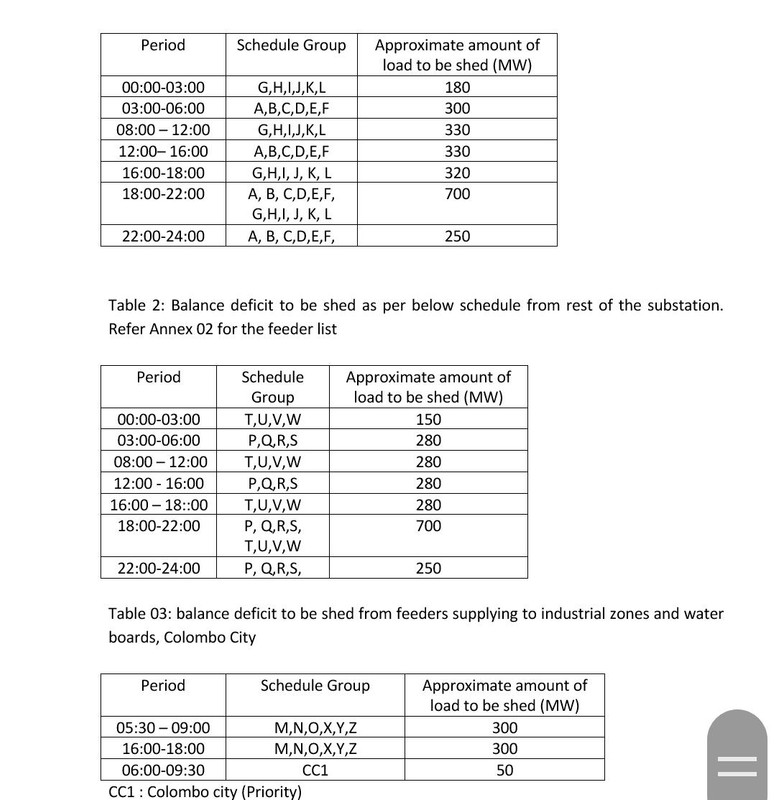
The Public Utilities Commission of Sri Lanka (PUCSL) has approved power cuts of 12 hours for tomorrow (April 01), as requested by the Ceylon Electricity Board (CEB).

The CEB had requested for 12 hours power cuts due to the limited supply of fuel for thermal power plants, the PUCSL said.

Accordingly, the power cuts will be imposed as follows: 

Areas ABCDEF – 2 hours from 4am to 6am, 4 hours from 8am to 12pm and 6 hours from 4pm to 10pm. 

Areas GHIJKL – 2 hours from 6am to 8am, 4 hours from 12pm to 4pm and 6 hours from 6pm to 12am. 

Areas PQRS – 2 hours from 4am to 6am, 4 hours from 8am to 12pm and 6 hours from 4pm to 10pm. 

Areas TUVW – 2 hours from 6am to 8am, 4 hours from 12pm to 4pm and 6 hours from 6pm to 12am.

Areas MNOXYZ – 3 hours and 30 minutes from 5.30am to 9am and 2 hours from 4pm to 6pm.

However, it said that no power interruption will occur between 12 midnight and 6.00am except in a few areas for tomorrow (01).

See the full power interruption schedule below:

https://www.scribd.com/embeds/567438749/content?start_page=1&view_mode=scroll&access_key=key-SRCVPfRu9MV89MZcpFdF

Power Interruption Schedu

SRI LANKA IN CRISiS BORNE OF AN ILL WIND

March 30th, 2022

Editorial

Sri Lanka’s present crisis borne of an ill political wind based on detrimental administration and bad choices as it appears are of a severe  socio-economic nature that can end in complete bankruptcy which seems like an impending disaster looming over the horizon.Despite warning signs  the Government seems to be unconcerned and act as though it might blow away in the manner of a proverbial ostrich burying its head in the sand where properly targeted drastic action which is the key to resolving it seems to be the furthest thing from the present administration currently dabbling in issues of lesser priority than the one imminently at hand and the nation continues its agitation in apprehension and uncertainty which could result in dire ramifications for all concerned which in all probabilities could include the Administrators themselves in a most ironic sense.

While the predictions appear grim towards the future for the once beautiful and well balanced nation of a once proud and dignified people it hopefully can be resolved in the manner of similar situations which faced other countries like Argentina and Zimbabwe to name the most prominent in recent history which eventually recovered through prudent rebuilding and re-management and the help of many nations which have come to Sri Lanka’s assistance.

It precludes the rationality and reason towards the well being of the Nation that the people appear to be completely unaware of the gravity of the situation where post haste remedial action is needed to prevent a downward spiral as Sri Lanka teeters on the edge of economic uncertainty as well as issues relative to Covid 19 which the Administrators seem to be blaming the current crisis for and perhaps not unreasonably so despite being marginal.

As quoted in a recent report compiled by a renowned financial analyst “A clear plan of action to address this entire situation invariably rests on the  nation’s stability both economic and relative to the Covid situation.The enforcement of the health rules should be given equal or higher priority in the total program as well as bolstering the economy which disastrously seems to be slipping out of control for which the Administration seems totally responsible.”

The report continues that “Sri Lanka according to knowledgeable world financial analysts is alarmingly rated as being close to bankruptcy and desperately in need of dollar resources where foreign investors cannot be expected to come to her rescue due to the high risk involved and thereby forced to borrow short term loans at high interest from unscrupulous lenders further compounding Sri Lanka’s woes and consequently being subjected to a foreign debt trap as the lenders invariably demand more than a pound of flesh in return.The foreign exchange reserves to buy essentials like food and medicines from abroad appear to be running out. The lack of dollar reserves will lead to a severe shortage of essentials. The result will be racketeering and high prices – a black market. This will send prices up further and a worse case scenario could plunge the country into dire straits all too frightening to apprehend as well as comprehend!! ” end quote.

The panacea searchers continue asking ” so how do we prevent or minimize these unfortunate trends?”  The question asked is how long will this

Covid-19 pandemic last. On the basis of experience with past pandemics and epidemics, which have generally existed in epidemic form for two or three years, they have then become milder routine infections like the common cold, or influenza. The appearance and increase of herd immunity contributes to the above change.Hopefully with Covid -19 too this will be the case.”

With regard to the repayment of our loans as a country which has been badly hit by the Covid-19 pandemic as well as the global economic crisis we are entitled to re-negotiate and restructure the repayment of our sovereign debt. Accordingly we should ask for a period (say about five years) where we do not re pay our debt to the creditors.

This is to enable us to bring about the requisite changes of the policies that will result in sustainable development. During this period we can ensure that our people obtain their essential needs and their suffering be minimized.

There still is hope that impending complete financial disaster can be averted with timely intervention and the right measures taken.Something the present Administration owes to the people of Sri Lanka  for the trust placed by them towards what they believed was a better future after the grave errors of the previous impotent combine of the so called “Yahapalana Government” who left Sri Lanka in a shambles  despite their claim to the contrary.

CITIZENS ENRAGED IN SRI LANKA

March 30th, 2022

By Dr. Tilak S. Fernando 

Citizens Enraged

Sri Lanka is facing an economic crisis and all consumer prices have gone up as a direct result because the Government did not have US dollars to pay for goods such as fuel, milk powder and gas. Six point nine million of the voting population elected Gotabaya Rajapaksa because he was not a politician. For the last 74 years all politicians failed to work towards a national interest. Gotabaya Rajapaksa, being a strict administrator and disciplinarian, proved his mettle as Defence Secretary during the separatist war. 

When he was attached to the Urban Development Authority he became the pioneer of the ‘cleaning up’ operations of Colombo City and its suburbs introducing striking parks and walking paths. The majority of voters believed in him their expectations as the President were equally high. Voters were confident he would stick to his election pledges and the promises of ‘The Vistas of Prosperity and Splendour’.

Despite the Covid-19 pandemic, which crippled the economy globally, the President worked towards the people’s safety, millions of Rupees  were spent to import various types of Covid-19 vaccines. Because he was concerned about the daily earners during the shutdown period, he spent millions of rupees to solve their predicament. His main weakness was his over democratic stance. 

Cost Cutting 

The President invited all political parties to find a solution to the problem. There was no point in inviting all political parties or electing various types of commissions to find a solution after taking a bold decision to remove two of the Cabinet Ministers, who foresaw the future of the country. The two outgoing Ministers arranged an all-party conference and submitted several proposals to implement what is good for the country. 

Apparently, the President was under heavy pressure in firing the two ministers!  Even Prime Minister Mahinda Rajapaksa remained silent about the matter when the two Ministers who were responsible for breathing new oxygen to the defeated Mahinda Rajapaksa a few years ago at the Nugegoda Rella (wave). The social media says ‘blood is thicker than water!’  The President should not have taken such rigid decisions immediately, but he is paying for it today when people are cursing and abusing the President when standing in queues for everything.

There is no other country in the world, except Sri Lanka, who allows duty free luxury vehicle importation for Ministers and Members of Parliament. It has turned into a swindle where some members of Parliament after, even getting nominated through the National List they qualify to buy luxury vehicles  and sell them for millions keeping a generous profit! 

There are many examples of several Prime Ministers’ using alternative transport in foreign countries. To quote a few, the ex-Conservative PM David Cameron used the underground Tube train for travel, Swedish PM Stefan rode a bicycle for general purposes! It is amazing how only Sri Lankan Ministers and Parliamentarians cannot travel by public transport. Instead, they require posh limousines costing millions of Rupees and that too minus any customs duties! After Gotabaya Rajapaksa became the President what he should have done was to abolish such incentives. 

The writer has witnessed certain Ministers travelling by the London Underground when they travel privately visiting friends and relations and to universities to see their children. Of course, they cannot request London High Commission vehicles for such trips.  At London airport they get subjected to stringent security tests, which they accepted meekly.   But once they step onto Sri Lankan soil they completely change and become gods.

MP’s Vehicles

Another headache for the public was that Members of Parliament qualify for pension rights after being a member for five years. A normal person has to work hard until he reaches the pension age. Abolishing such perks could have saved millions of rupees on wastage. During the separatist  war each Minister was given Police security and allocated more than one vehicle. There isn’t a terrorist war at present or a danger to national security either, still why should the Government allocate security to Ministers and give them more than one vehicle. 

Under the current circumstances, where fuel prices are escalating the Government should put a stop to more than one vehicle to Ministers. What happened in the past is that wives of Ministers or their kith and kin use extra vehicles with fuel being provided for on the Government’s account. Before the Government asks everyone to tighten their belts, they should set an example first. Today what takes place is that VIPs enjoying all types of perks while the poor public has to put up with all sorts of inconveniences, the worst of which is the under privileged have to stand in various queues daily.

What happened to the President’s ‘Vistas of Prosperity and Splendour ’? During Elections it was suggested that a VAT of 8 per cent will be introduced?  VAT has now been increased to 15 per cent, including the Nation Building tax (NBT).  According to Cabinet spokesperson Dullas Alahapperuma, the credibility of the Government is tried when some Cabinet Ministers come out with different statements on the power crises. How does that happen? Surely it is the Cabinet who makes decisions? If the Government policy is to sack any Minister who criticise the Government in good faith, then there are so many Cabinet and State Ministers who should be fired!  

Why was the President silent when about the motor parade from Kuliyapitiya to Kalipinya? The parade was stopped by the enraged public at Suduwella, Madampe. The worst was that a journalist who recorded the incident was threatened stating   ‘permission was granted by Police top brass.’ This was reported in the Media but the President’s lips were sealed.

It is reported that due to union pressure the Petroleum Corporation pays a bonus three times a year amounting to millions of Rupees when the Petroleum Corporation is constantly making a record loss. There are deaths reported while people collapse in queues and there are constant fisticuffs or brawls occurring in various ques, especially in petrol and kerosene queues. 

The opposition leader says he has two countries where he could obtain fuel at a reduced price for two years. Why does not he collaborate with the Government in this dark hour of the country is facing?

Tradesman cannot earn a living due to escalating price hikes of all commodities; schoolchildren cannot do their homework when power outages takes place at all odd hours. It is impossible to keep food afresh when electricity failures occur, as the refrigerators start melting ice when power cuts remain up to seven hours a day. In short living in Sri Lanka has turned into a hell!

(tilakfernando@gmaill.com)

Thirteen-hour power interruptions tomorrow

March 30th, 2022

Courtesy Adaderana

The Public Utilities Commission of Sri Lanka (PUCSL) has approved the Ceylon Electricity Board’s request for 13-hour interruptions to the power supply tomorrow (March 31).

The CEB had sought to increase the duration of power cuts to 13 hours due to the unavailability of fuel for thermal power plants.

Thereby, the areas listed under the following groups will experience power interruptions of 13 hours as mentioned below:

• Areas A, B, C, D, E, and F – Three hours from 3.00am to 6.00am / Four hours from 12.00pm to 4.00pm / Six hours from 6.00pm to 12.00am

• Areas G, H, I, J, K, and L – Three hours from 12.00am to 6.00am / Four hours from 8.00am to 12.00 pm / Six hours from 4.00pm to 10.00pm

• Areas P, Q, R, and S – Three hours from 3.00am to 6.00am / Four hours from 12.00pm to 4.00pm / Six hours from 6.00pm to 12.00am

• Areas T, U, V, and W – Three hours from 12.00am to 3.00am / Four hours from 8.00am to 12.00pm / Six hours from 4.00pm to 10.00pm

• Areas M, N, O, X, Y, and Z (feeders supplying to industrial zones) – Three hours and 30minutes from 5.30am to 9.00am / Two hours from 4.00pm to 6.00pm

Disclaimer: All the comments will be moderated by the AD editorial. Abstain from posting comments that are obscene, defamatory or slanderous. Please avoid outside hyperlinks inside the comment and avoid typing all capitalized comments. Help us delete comments that do not follow these guidelines by flagging them(mouse over a comment and click the flag icon on the right side). Do use these forums to voice your opinions and create healthy discourse.

India’s NIA files charge sheet against 6 accused in LTTE terror funding case

March 30th, 2022

Courtesy Adaderana

The National Investigation Agency (NIA) on Tuesday filed a charge sheet against six accused persons, including a woman, before the NIA Special Court in Chennai in connection with LTTE terror funding case.

The charge sheet was filed against Letchumanan Mary Franciska, T. Kenniston Fernando, K. Baskaran, Johnson Samuvel, G. Dharmendran, and E. Mohan under various sections of the Indian Penal Code, the Unlawful Activities (Prevention) Act, the Passport Act and the Foreigners Act.

The case pertains to a criminal conspiracy to revive the LTTE by committing forgery for cheating besides using forged documents as genuine to divert funds lodged in dormant accounts to commit unlawful and terror activities.

The case was initially lodged by the CID Chennai in 2021, and the NIA took over the probe this year.

During investigation, it was learnt that Franciska, Fernando and Baskaran entered into a conspiracy with foreign entities to siphon off deposits in dormant bank accounts by using Indian identity documents obtained fraudulently and forging identity documents to revive, revamp and regroup LTTE in India and Sri Lanka.

To consider funding from expatriate Tamil groups is to vow a candle to the Devil

March 29th, 2022

RANJITH SOYSA

Fund collection and maintenance by the expatriate Tamil groups were essentially to promote Anti Sri Lanka propaganda to undermine the sovereign Sri Lankan state. Hardly any funds from this source were spent on developing or repairing the damages caused to the houses or the infra structure by the war initiated by the LTTE. On the other hand,  the Sri Lankan governments spent millions of funds to resettle the people and initiated many development schemes in the war damaged areas.

We now hear of some expatriate Tamil groups have indicated to consider tp channel funds to Sri Lanka, the proposal confirmed at the meeting the President had with the Tamil political leaders. However. the details of proposed funding and the conditions, if any, were  not made available to the country at large. But, according to some sources it is revealed  that such funding will be directed to a North -East development fund,

The North-East model is based on the mythical traditional home lands of Tamils. This concept had been analysed by many reputed scholars and found historically, archeologically or demographically the North – East  is not a Tamil area and the two provinces are not homogenous. Further, the objectives of the formation of a Tamil eelam in the amalgamated two provinces were categorically defeated in Nandikadal in 2009 with the sacrifices made by thousands of Sri Lankan soldiers and the civilians .

Therefore. the gift horse – the funding by the Tamil expatiate groups- needs to be looked in the mouth before agreeing to the critical condition underlying this offer. If the plan of the expatriate groups is to re-invent the eelam model  by  other means by offering assistance to overcome the immediate dollar issues, one should examine the exorbitant price tag of proposal and should not waste time to  consider favourably the proposal. Why should the nation panic and grab a knife which will be used for the balkanization of its land? Let us seek rational solutions to dollar issue working with international organizations and the world community. Let us not open the doors to allow an agent of destruction to come inside.

RANJITH SOYSA

Remedies for the Plight of School Leavers

March 29th, 2022

Nimal Abeysinghe

Deciding what to do when you leave school is tough. It becomes a nightmare for students and parents alike when you suddenly find yourself not having enough marks to qualify for a place in a university.  Every year about 270,000 students face this dilemma.  Let’s delve a little deeper into the unpleasant statistics.  In all streams of study combined, about 70% of GCE (O/L) students qualify for A/L and then out of around 350,000 who sit A/L about 63% become eligible for admission to a university.  However due to the limited capacity of the  universities, on average only 23% (in 2019 the figure was 19%) of the eligible candidates manage to enter the university. The competition for Arts and Commerce students is worse with only 17% gaining entry. (UGC Statistics Report 2020 and University World News 2021)  To put this in perspective, if 100 students sit O/L only 10 will eventually enter the university.  After studying 3-5 years in the university depending on the course of study, about 90% of the graduates of a  few disciplines such as  architecture, engineering, medicine and IT find  employment related to the field of study within 2 years.  Sadly only 45% of  Arts graduates secure employment within 2-3 years. (Tracer Study of Graduates – Commissioned by UGC in 2017/18). Out of these how many are underemployed?  This is the stark  reality in Sri Lanka today.  Unfortunately the vast majority of secondary school students are discouraged by parents to think of any other pathways of tertiary education outside university.  This is done in spite of knowing very well that odds are stacked against them. Though the general public may not be aware of these statistics as such, it is common knowledge that there are unemployed Arts and other graduates  in almost every town and village in the country.  The total unemployment rate in 2019 was 4.8%, ranking Sri Lanka third among South Asian countries with high unemployment.  Tragically 15-24 year old group in our country had the highest rate of 21.5%.  Based on education level, A/L & above showed the highest rate of 8.2% (Labour Force Survey-Department of Census and Statistics).

However, turning a blind eye to all this gloomy and depressing statistics; every year soon after the GCE(A/L) results are released we hear the usual statement from the government that university intake will be increased this year to accommodate the sons and daughters of ‘poor and innocent people from our villages’.  Like a pre-recorded statement we have been hearing this since the 1960s.   And we continue to produce more graduates with no marketable skills who cannot improve their own livelihoods or make any positive contribution to the economic development of our society.  Notwithstanding all this, some short sighted, narrow minded politicians keep giving false hopes to the masses and the masses allow themselves to be misguided and deceived by these politicians over and over again.  Regrettably, some universities have exacerbated the situation by ignoring  market demands and employability and continuing to offer courses that add absolutely no value to the graduates or to the national economy. Regardless, every year the government in power continues to pump more money to universities to increase student intake across the board presumably to fulfil an ‘election promise’.   The establishment of 15 new technology faculties in some conventional universities few years ago and the enrolment increase to technology courses are a step in the right direction which will enable few more students to enter university.  However  it does not adequately address the pressing  issue of absence of career development pathways for school leavers.  At least, going forward the government needs to revise its funding model for education as a whole with the aim of providing more and more funding to technology based education in schools. I must hasten to add that I am not advocating wholesale scrapping of Arts and Humanities courses from all universities but to take a pragmatic approach to funding allocation for  education and take steps to gradually reduce the intake to Arts stream and faculties.

Creating non-productive jobs that do not make a positive contribution to society is not the solution to this massive problem.  Instead of coming up with ‘ambulance at the bottom of the cliff’ solutions, we must examine the root cause of the problem.  If we compare this problem to  an unwanted tree, it’s seed is planted in secondary school (sometimes in primary school) and nurtured by teachers,  parents and extended family.  One cannot completely blame them for doing so because of the prestige and social status associated with a university degree.  Furthermore most students and parents are not aware of any other paths of study available to them outside university education.  We already have in place the infrastructure and administrative apparatus via the establishment of the Tertiary and Vocational Education Commission (TVEC) in 1991 and the National Vocational Qualifications (NVQ) framework in 2005.  In the year 2017 total university admissions were 31,415 whilst NVQ Level 1 enrolment was only 18,484. What is needed is an intensive social marketing strategy to change the attitude and mindset of students, parents and teachers alike.  Unfortunately this  is more easily said than done in a society in which picking up a tool and getting one’s hands dirty is considered below the dignity of an ‘educated’ person.  Changing this attitude and building respect and social recognition for a trades qualified skilled person will be a slow and arduous process.  Another change that needs to be considered simultaneously is to discourage students taking up dead end undergraduate courses.  A policy decision has to be taken to gradually reduce the intake to such courses.  This demands extraordinary political courage as there will be stiff opposition from parents and students and most certainly from certain  segments of academics.        

With rapid industrialisation in the second half of the last century the demand for skilled labour such as carpenters, welders, electricians, plumbers etc. saw a rapid growth in the developed world because they played a pivotal role in economic growth.  This resulted in a surge in the  earning power of tradespeople.  These financial gains directly contributed to higher living standards which in turn translated  to higher  social standing and recognition of those engaged in skilled trades.  While attaining financial stability and a higher standard of living for themselves, tradespeople continue to make a huge contribution to the economic development of these countries.  Another important factor in this social change was the introduction of formal education and training requirements to achieve set standards and certification and licensing protocols introduced and monitored by government agencies.  A further noteworthy development was the formation of associations of individual trades with objectives quite  different from conventional trade unions.  These organisations set quality standards for workmanship and ensured their members adhered to these standards thus fulfilling the task of formal self-regulation of tradespeople.  The membership of such an  organisation gave the trades-person a higher standing as well as his/her clients the assurance that the quality of the work done would be of high standard. These measures prevented ‘cowboys’ calling themselves skilled tradesmen. 

Though a direct comparison cannot be drawn between Sri Lanka and developed countries due to widely varying social attitudes and cultural differences, it is still worthwhile studying some of the strategies implemented and the outcomes.  Across the developed world one can see an unmistakable upward trend among young people enrolling for vocational training instead of undergraduate studies in Arts and Humanities or similar studies.  For instance in New Zealand  during the last 10 years Arts and Humanities subjects have suffered a steep fall in student numbers; between 25% and 50% across different universities and one university senate decided to axe the arts courses altogether from 2020 due to low enrolment rates.  This decline is against a backdrop of enrolment increases in technology related courses of study in tertiary institutions.    During the same period students leaving school before year 13 (equivalent of A/L) to take up apprenticeships in trades or to follow trade targeted courses have sharply increased.  This trend has continued with the last year showing a significant  jump of 50% over the previous year and this trend is not isolated to New Zealand but equally true to other OECD countries.  

Most universities in New Zealand offer courses from certificate (Level 4) to postgraduate level (Level 10) both full time and part-time.  (Final year in school – A/L is considered Level 3).  Therefore, for instance a trades-person with level 5 trade certificate can enter a university course mid-stream, instead of going back and sitting the equivalent of our A/L; and study towards a diploma, degree or beyond.   In Sri Lanka a student who leaves secondary school to take the Technical & Vocational Training route cannot enrol in a university but have to enter University of Vocational Technology (Sri Lanka Education System Assessment 2017 – World Bank).  Unfortunately, any attempt to implement pathways or processes similar to the ones in OECD countries will result in absolute turmoil in our society with unprecedented unrest in our educational institutions.  Considering the present situation in our country we may have to put that in the ‘too hard basket’ for now.  Nevertheless if we are to move forward as a nation it is of utmost importance that we remove obstacles facing young men and women keen to build their careers. 

World is becoming technology dependent at an alarming rate. Young men and women and the parents need to realise this and break away from traditional thinking of ‘office clerk versus factory worker’.  The reality is that the choice in front of them is whether you start young and earn while you learn and continue to enjoy financial stability or spend 3-4 years of your youth pursuing an irrelevant course of study  and  join a long queue of jobseekers.  The youth when faced with financial difficulties may undergo this psychological transformation more rapidly than parents who are trapped in age-old social beliefs and notions.   This is not about a ‘psychological revolution’ but more like an evolutionary process of gradually changing the mindset of the general public and as such, invariably demands social marketing by the government, the media including social media and above all, political parties. It is said that most politicians know the right thing to do but they don’t know how to get re-elected after doing the right thing”.  The politicians need to be convinced that the right thing to do today is to stand with the school leavers, promote vocational training and allocate more funds for facilities ranging from more school workshops to increased financial support for vocational trainees and employers of trainees. If they can be shown  that for every one undergraduate there are 10 plus school leavers, they might see the potential  ‘vote bank’  which will answer every politicians’ proverbial question What’s in it for me?”.  Having said that, one must not lose hope as the President has reiterated in his Independence Day speech that Our objective is to do what is right by the country and not to please everyone”.

Since 1990 we have gradually built the legal and administrative framework and the infrastructure to support vocational education and training.  Most certainly, like any other process it needs continuous improvement but more importantly what is lacking is commitment to implement policies falling under the umbrella of vocational education.  This needs urgent action and cannot wait for  politicians to act.  Other non-political stakeholders like administrators and intellectuals need to take the initiative and lobby for funding to improve the much needed resources to transform the lives of our young men and women who are desperately in need of guidance and support, before they leave school.  A thorough understanding of the Sri Lanka Qualification Framework (SLQF) before leaving school will help students to make informed decisions regarding their future.  Vast majority of A/L students take up arts subjects because they have no other choice due to lack of facilities in their schools. Providing basic workshop facilities in schools is a good start.  It’s not just about learning to use basic engineering tools but about changing the mentality towards working with your hands.  This is one area where funding priorities have to be reconsidered. Providing workshop facilities in rural schools and technology teacher training are costly. Past experience has shown that retaining such teachers is a greater challenge as they have better prospects in industry.  A skill based pay system in the education sector is out of the question, as even a hint of a proposal will incur the wrath of the unions.  

Information is key to decision making.  In order to decimate information, career fairs are becoming more and more popular as young people are attracted to  such events.  If organised at regional level teachers can ensure that secondary school students attend these fairs and gain knowledge to make informed choices.  One other important area of focus can be career advice for students starting from O/L.  Career guidance counsellors play a significant role in the school curriculum in the developed world.  Customarily, counsellors are teachers with specialised training in career guidance.  However, volunteers from outside are quite common as well. They can empower students and parents with knowledge and explore different career options and pathways  together. Unlike most parents who are driven by preconceived career paths for their children, the counsellors are able to give unbiased pragmatic advice as they have no emotional attachment to the student.  Only a handful of our schools are fortunate enough to have this facility but  this is something if implemented will go a long way in reshaping the attitudes of students and parents.  Social attitudes of people cannot be changed by enacting laws but will go through a gradual transformation when consistently confronted with positive outcomes.  Yet one must not leave it to take its own time.  A concerted effort by the government and the state apparatus is needed to alter the attitudes of our society towards skilled labour.  Having said that, one must acknowledge the fact that respective governments have, to some extent taken numerous initiatives to implement such projects but tragically they have encountered the same fate as most projects in our country; endless delays and poor management.  On the whole, Sri Lanka has got the infrastructure, legal and administrative framework and enough government organisations to implement and monitor vocational education and training policies but funding priorities and efficient project management are the two critical areas that desperately need improvement. 

(I thank Dr. Julian Nanayakkara (former Senior Lecturer University of Moratuwa & University of Kelaniya and  resource person for the Ministry of Education) for his input in providing information and encouraging me to write to highlight the plight of school leavers who continue to fall through the cracks of our education system)

Nimal Abeysinghe

nimal.abeysinghe@gmail.com

මාර්තු 28 (සඳුදා) සල්ලි අච්චු ගැහිල්ල රු. ලක්ෂ 272,800 යි අච්චු ගහන කඩදාසි කන්න බැරි නිසා, ආහාර මිල වැඩිවෙනවා.-හිටපු ආණ්ඩුකාර කීර්ති තෙන්නකෝන් කියයි

March 29th, 2022

හිටපු ආණ්ඩුකාර කීර්ති තෙන්නකෝන් විධායක අධ්‍යක්ෂ/ශ්‍රී ලංකා මානව හිමිකම් කේන්ද්‍රය

2022 පෙබරවාරි 27 සිට මාර්තු 28 (ඊයේ) දක්වා මාසයක කාලය තුල මහ බැංකුව විසින් රු. මිලියන 216,470 ක් අච්චු ගසා ඇත.

කැබිනට් බලතල සහිත මහ බැංකු අධිපති ධූරයක් ස්ථාපනය කර එයට අජිත් නිවාඩ් කබ්රාල් පත් කිරීමෙන් පසුව අච්චු ගසා ඇති මුදල රු. ලක්ෂ 4,434,700 ක් (රු.බිලියන 443.47) කි.  

සඳුදා (මාර්තු  28) අච්චු ගැසූ රු. ලක්ෂ 222,800  ක මුදලත් සමඟ වත්මන් රජය බලයට පත්වීමෙන් පසුව අද දක්වා (2020 ජනවාරි සිට 2022 මාර්තු 28 දක්වා) අච්චු ගසා ඇති මුළු මුදල රු. මිලියන දාසය ලක්ෂ විසි පන්දහස් දෙසිය හතලිහ (රු. මිලියන 1,653,100) කි. (රු.1,653,100,000,000)

රට තුල ඩොලර් අර්බුදයක් පමණක් නොව වියදමට රුපියල් නැතිවීමේ මුදල් අර්බුදයක් (රුපියල් අර්බුදයක්) ඇති බව ඒ අනුව පැහැදිලිය.  රජයේ විදයම් පියවා ගැනීමට දිගින් දිගටම මුදල් අච්චු ගැසීමට රජය කටයුතු කරයි.  රටේ ගෙවුම් ශේෂ අර්බුදයට විසඳුමක් ලෙස ජාත්‍යන්තර මුල්‍ය අරමුදල වෙත යොමුවීමට රජය අදහස් කරයි. නමුත්, IMF ශ්‍රී ලංකාව වාර්තාවේ දක්වා ඇති මුදල් අච්චු ගැසීම පාලනයට රජය උත්සහ කරන්නේ නැත.   

රජයේ ආදයම් ඉහළ නංවා ගැනීමට හෝ විදයම් පියවා ගැනීමට පියවර නොගැනීම හේතුවෙන් මුදල් අච්චු ගැසීමත්, අච්චු ගසන මුදල් කෑමට නොහැකි බැවින්, රට තුල ආහාර ද්‍රව්‍ය මිල ඉහළ යාමත් සිදුවේ.  අච්චු ගසන හුදු කඩදාසි පමණක් බැවින් රටේ පවතින භාණ්ඩ හා සේවා මිල දෛනික ඉහළ යමින් තිබේ.

අලුත් අවුරුද්දට යැයි කියමින් රජය පවුල් ලක්ෂ 31 කට රු. 5000 බැගින් රු. 1,550,000,000  බෙදාදීමට යෝජනා කර ඇත. මාස දෙකක් පුරා මෙම මුදල ලබා දෙන්නේ  එයට අවශ්‍ය මුදල රු. 3,100,000,000 කි.  කඩදාසි අච්චු ගසමින් නෝට්ටු බෙදීම තුලින රටක ප්‍රශ්න විදෙන්නේ නැත.

වත්මන් රජය බලයට පත්වීමෙන් පසු පළමු කැබිනට් රැස්වීමේ තීරණයක් ලෙස ව්‍යාපාරික ගජමිතුරන්නට බදු සහන ලබාදීමෙන් වාර්ෂික රු. බිලියන 500 කට වැඩි බදු මුදලක් අහිමි කර ගත්තේය.  දැන් එම මුදල් ධනවත් ව්‍යාපාරිකයින් අතට පත්වී භාණ්ඩාගාරය බංකොලොත් වෙමින් ඇත.

ලංකාව වසර 12 කට පසු ඉහළම උද්ධමන අනුපාතය වාර්තා වී ඇත. දළ දේශීය නිෂ්පාදනයට සාපේක්ෂව ඉහළම බදු ආදායම් අඩුවීම සිදුව ඇත.  දේශීය හා ජාත්‍යන්තර බැඳුම්කර මගින් ලබාගත් ණය ඉහළ යමින් ඇත.  ණය ගෙවීමට ඇති හැකියාව පිළිබඳ දර්ශකයක් වන ජාත්‍යන්තර ණය ශ්‍රේණිගත කිරීම් අනුව, ලංකාව අඛණ්ඩව පහතට වැටෙමින් ඇති බැවින් තවදුරටත් වෙළෙඳපොලෙන් රටට ණය ලබාගත්  නොහැකි තත්වයක් උද්ගතව ඇත.

ජාත්‍යන්තර මුල්‍ය අරමුදලේ සහාය ලබා ගැනීමට ඔවුන්ගේ නිර්දේශ හය මත පදනම් වූ වැඩපිළිවෙලකට රට අනුගත කළ යුතුය.  මේ විනාශකාරී මුදල් අච්චු ගැසීම ඒ මාවත නොවන්නේය.

.

හිටපු ආණ්ඩුකාර රජිත් කීර්ති තෙන්නකෝන්

විධායක අධ්‍යක්ෂ/ශ්‍රී ලංකා මානව හිමිකම් කේන්ද්‍රය 

(Pakistan) Blasphemy Law – Treatment from the root – need of the hour.

March 29th, 2022

by A. Abdul Aziz

Religious blasphemy laws can be a touchy subject, especially in Pakistan, where just bringing up the subject of the blasphemy laws and whether they are right or wrong is considered, well …blasphemous. This wasn’t always the case.

The sentiment behind most blasphemy laws is easy to understand. No person or group should insult another religion’s beliefs or holy personages, or desecrate their Holy Scriptures, icons, or places of worship. Yet the golden rule is the foundation of many freedoms—from speech to the press to privacy. The right to choose and practice a religion freely, without fear of insult or attack, is usually at or near the top of the list for most people, even those who are not religious. As Jesus said: Do unto others as you would have them do unto you” (see Luke 6:31).

Article 18 of the United Nations’ 1948 Universal Declaration of Human Rights1 states, with regard to a person’s beliefs, that everyone has the right to freedom of thought, conscience, and religion; this right includes freedom to change his religion or belief, and freedom, either alone or in community with others and in public or private, to manifest his religion or belief in teaching, practice, worship and observance.”

Blasphemy laws by their very nature tend to compromise the aforesaid principles. However, they also operate on the premise that offensive speech or actions designed to hurt someone’s feelings or provoke physical harm are usually directed at members of one religion by the members of another separate religion—Muslims against Hindus or Christians against Jews, for example. But religious persecution can and frequently does occur between denominations within the same faith—Catholics against Protestants, or Sunni Muslims against Shia Muslims.

It is, in fact, this element of sectarian animosity and persecution that can turn blasphemy laws into a double-edged sword. This is exactly what is happening and has been happening for nearly 30 years and on, in Pakistan, where Sunni accusations of others desecrating the Holy Qur’an or uttering blasphemy against the Prophet Muhammad (PBUH) are routinely used to jail business rivals or personal enemies or members of minority sects, like the Shias and the Ahmadis or members of other religions whose homes or businesses are coveted by blasphemy accusers.

This began in 1974 under democratically elected Prime Minister Zulfiqar Ali Bhutto, who endorsed and signed an amendment to Pakistan’s constitution that declared that Ahmadi Muslims were non-Muslims. It is vital to understand that Clause 3 of Article 260 was written specifically to legislatively nullify and deny the claims of Hazrat Mirza Ghulam Ahmad (1835-1908). He founded the Ahmadiyya Muslim Community in 1889 in Qadian, India, for the purpose of bringing people back to God and restoring Islam to its original purity and spiritual vitality. Despite intense, often violent and deadly persecution by other Muslims, the number of Ahmadis in the world continues to increase.

The inherent injustices created by Pakistan’s blasphemy laws are laid bare by just one concept, which is central to our understanding and protection of the basic human right to freedom of religion: the blasphemy laws are unjust on more than just legal grounds because no political assembly has any religious authority or right to interfere with anyone’s chosen religious beliefs.

What is sadly ironic—tragic, really—is that in August of 1947 the founder of Pakistan, Muhammad Ali Jinnah, echoed this in his famous statement promising complete religious freedom for all in the newly created country of Pakistan. He declared: You are free; you are free to go to your temples. You are free to go to your mosques or to any other places of worship in this State of Pakistan. You may belong to any religion or caste or creed—that has nothing to do with the business of the State.”

To put the bite of law into that 1974 constitutional amendment, Ordinance XX by General Zia-ul-Huq not only specified by name as its target anyone calling themselves Ahmadi, but also increased the severity of the penalties for acts or statements deemed offensive to Muslims or directed against Islam, the Holy Qur’an, or the Prophet Muhammad (PBUH).

While the purpose of Ordinance XX was to destroy the Ahmadiyya community by jailing its leaders and members for publicly posing” as Muslims or for otherwise practicing or preaching their faith, the larger consequence was that other Muslim minorities—Shias in particular—and the members of other religions were now being re-illuminated in the state sanctioned spotlight of overall religious bigotry, persecution, and legalized vigilantism. The result has been a catastrophic rise in attacks by Sunni Muslims against Shias and Ahmadis primarily, but also between various Sunni denominations as well. In truth, no one is safe.

The common denominator in all these atrocities and violations of fundamental human rights is twofold: one element stems from the breakdown of the Rule of Law caused by lax, nonexistent or selective enforcement of civil and criminal laws. The other element, ironically, evolves from just the opposite—the sanctioning by the very laws and constitution of Pakistan of vigilantism and religiously motivated hate crimes.

A paraphrase of the famous quote by Nazi-era German Protestant pastor Martin Niemoeller is tragically applicable to the present climate of religious intolerance and persecution in Pakistan:

First they came for the Ahmadis, but I did not speak up because I was not an Ahmadi. . . Then they came for the Shias, but I did not speak up because I was not a Shia. . . Then they came for the Hindus, but I did not speak up because I was not a Hindu. . . Then they came for the Christians, but I did not speak up because I was not a Christian. . . When they came for me, there was no one left to speak up.”

 Lynching of factory Manager Priyantha Kumara Diyawadanage, a Sri Lankan in Pakistan by an extremist mob will not be the last of such acts. No amount of ‘We Are Sorry Sri Lanka’ placards, flowers and candles at makeshift memorials and political statements denouncing the crime can bring back his life that was cruelly brought to an end as a burnt offering on the altar of bigotry in an expression of savagery that has no place in civilized society. The Priyantha Kumara lynching by a mob linked to an extremist outfit Pakistan, for tearing off a political poster that allegedly had some religious verses in Urdu warrants the immediate revocation of Pakistan’s blasphemy law or its amendment in keeping with the Islamic virtue of tolerance and magnanimity.  

Referring to the incident, Allama Javaid Ghamdi explained in a video that the blasphemy laws in Pakistan have no support in the Holy Quran, the Traditions, nor in early Islamic theological thinking.

Mr. Zarrar Khuhro, a wise man says:

We’ll see the truth of this soon enough when the next Pakistani — be he or she Muslim, Hindu, Christian or otherwise — is lynched in the name of blasphemy. Because that’s going to keep happening no matter what becomes of those arrested in the Sialkot lynching. You know it, and I know it too. And if you believe otherwise, you may as well try to cure cancer with dispirin. Make no mistake; there will be several thousand more Kumaras and Mashals before this runs its course, if it ever will. And let’s face another fact. It won’t end. Why should it?”.

Zarrar Khuhro in ‘Sialkot surprise’ in the daily Dawn of December 6, 2021

Source: Persecution of Ahmadis in Pakistan – Monthly Report – December 2021 issue by Human Rights Section, Ahmadiyya Muslim Foreign Missions.

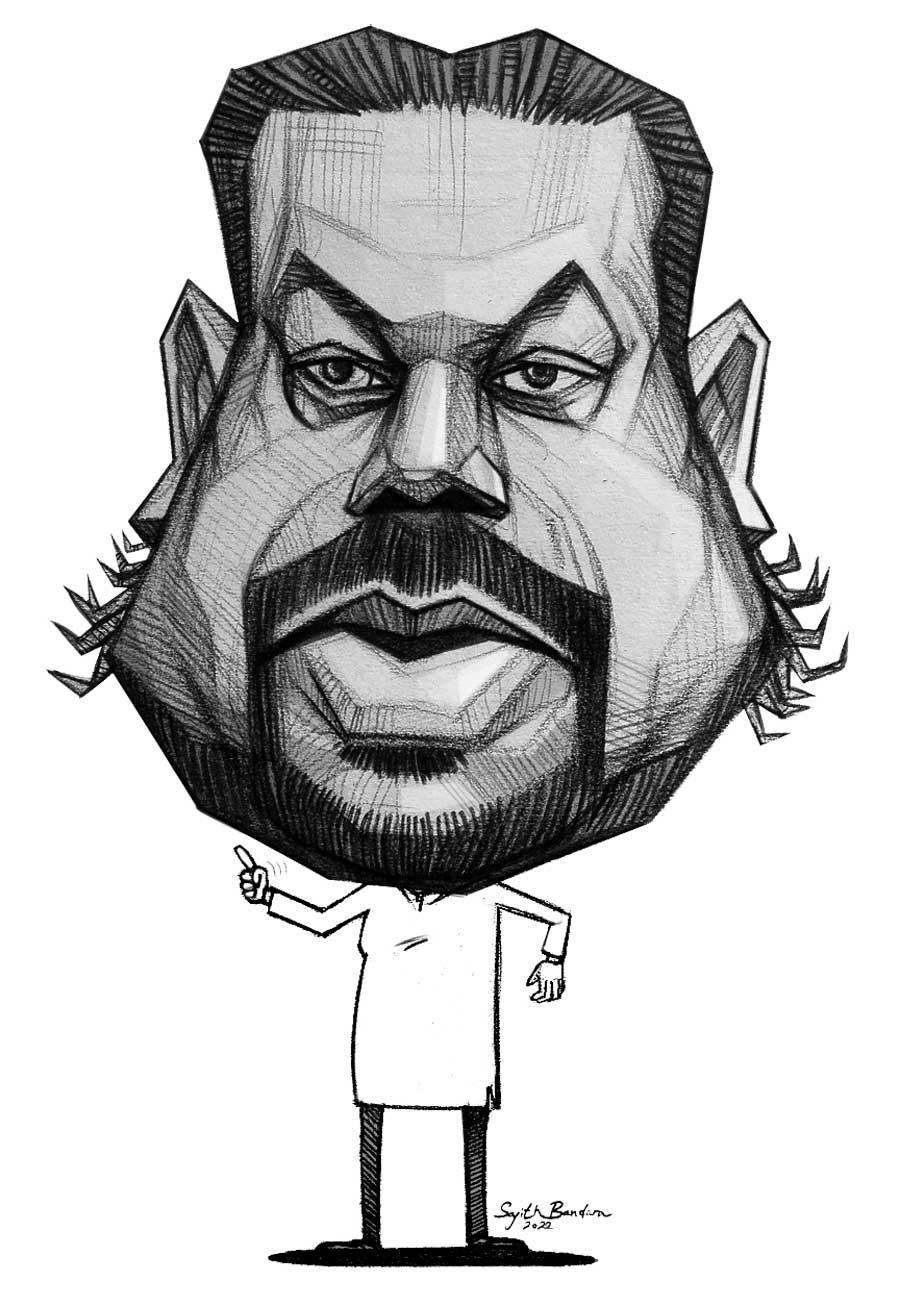
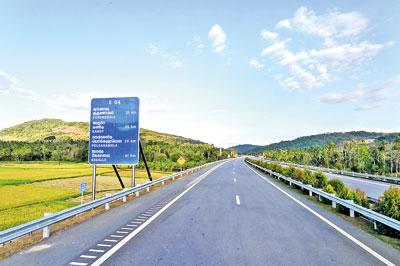
Research shows a higher prevalence of extremism in countries that have blasphemy laws than in countries that do not have such laws.  Blasphemy laws are often misused to persecute the minorities or treat them as second class citizens. Such laws are incompatible with the Islamic teaching which calls for protection of the minorities and non-interference in their worship. If the Pakistan Government fails to make use of this heartrending incident as an opportunity to bring about radical reforms, it itself will be committing an act of blasphemy because its inaction allows the badly constructed law to distort and disgrace Islam.


Pakistan’s government should immediately introduce legislation to repeal the country’s blasphemy law and other discriminatory legislation. This blasphemy law and other discriminatory legislation emboldens Extremists. The government should also take legal action against Islamist militant groups responsible for threats and violence against minorities and other vulnerable groups.

  The injustice and fear the blasphemy law spawns will only cease when this heinous law is repealed,” Pakistan’s Blasphemy Law,” as section 295-C of the penal code is known, makes the death penalty mandatory for blasphemy. Since the Pakistani military government of General Zia-ul-Haq unleashed a wave of persecution in the 1980s, violence against religious minorities has never really ceased. Attackers kill and wound Christians and Ahmadis, in particular, and burn down their homes and businesses. The authorities arrest, jail, and charge members of minority communities with blasphemy and related offenses because of their religious beliefs, as a means of transacting vendettas and settling scores. In several instances, the police have been complicit in harassing and framing false charges against members of these groups or stood by as they were attacked. The government seldom brings charges against those responsible for such violence and discrimination.


It is urged the international community to press the Pakistani government to repeal sections 295 and 298 of the Pakistan Penal Code, which includes the blasphemy law and anti-Ahmadiyya laws. Also urged the government of Pakistan to prosecute those responsible for planning and executing attacks against religious minorities. As long as such laws remain on the books, Pakistan will remain plagued by abuse in the name of religion.

SOME RELEVANT PAKISTAN PENAL CODES

295

Injuring or defiling places of worship, with the intent to insult the religion of any class

PUNISHMWNT

Up to two years’ imprisonment or fine, or both

295 A

Deliberate and malicious acts intended to outrage the religious feelings of any class by insulting its religion or religious beliefs

PUNISHMWNT

Up to ten years’ imprisonment, or fine, or both

295 B

Defiling, etc., of the Holy Quran

PUNISHMWNT

Life imprisonment

295 C

Use of derogatory remarks, etc; in respect of the Holy Prophet

PUNISHMWNT

Death and fine

298

Uttering words, etc., with the deliberate intent to injure religious feelings

PUNISHMWNT

Up to one year imprisonment or fine, or both

298 A

Three years’ imprisonment, or fine, or both

PUNISHMWNT

Three years’ imprisonment, or fine, or both

298 B

Misuse of epithets, descriptions and titles etc., reserved for certain holy personages or places, by Ahmadis

PUNISHMWNT

Three years’ imprisonment and Fine

298 C

An Ahmadi, calling himself a Muslim, or preaching or propagating his faith, or outraging the religious feelings of Muslims, or posing himself as a Muslim

PUNISHMWNT

Three years’ imprisonment and Fine

Source: Persecution of Ahmadis in Pakistan – Monthly Report – December 2021 issue by Human Rights Section, Ahmadiyya Muslim Foreign Missions.

නොරිටාකේ ඉහළ කළමනාකාරීත්වය අග්‍රාමාත්‍යතුමා හමුවෙයි

March 29th, 2022

අග්‍රාමාත්‍ය මාධ්‍ය අංශය

නොරිටාකේ ලංකා පෝසිලේන් (පුද්) සමාගමේ ඉහළ කළමනාකාරීත්වය අද (29) දින අරලියගහ මන්දිරයේ දී අග්‍රාමාත්‍ය මහින්ද රාජපක්ෂ මහතා හමුවිය.

සමාගමේ විධායක උපදේශක සිරිනිමල් පෙරේරා, ජ්‍යෙෂ්ඨ අධ්‍යක්ෂ ටී.සී තෙන්නකෝන්, අධ්‍යක්ෂ/සාමාන්‍යාධිකාරී සුජාතා එගොඩගෙදර මහත්ම මහත්මීහු මෙසේ අග්‍රාමාත්‍යතුමා හමුවූහ.

නොරිටාකේ ලංකා පෝසිලේන් (පුද්) සමාගම මේ දක්වා ලබා ඇති ව්‍යාපාරික ප්‍රගතිය පිළිබඳව ඔවුහු මෙහි දී අග්‍රාමාත්‍යතුමා දැනුවත් කළහ.

ජපානයේ නොරිටාකේ සමූහ ව්‍යාපාරය සහ සිලෝන් සෙරමික් කෝපරේෂන් අතර හවුල් ව්‍යාපාර සමාගමක් ලෙස නොරිටාකේ ලංකා පෝසිලේන් (පුද්) සමාගම ආරම්භ වූයේ 1972 වසරේ දීය. එතැන් පටන් ශ්‍රී ලංකාවේ පුරෝගාමී පෝසිලේන් පිඟන් භාණ්ඩ නිෂ්පාදන ආයතනයක් බවට නොරිටාකේ ලංකා පෝසිලේන් (පුද්) සමාගම පත්ව තිබේ.

“හරිත දැයක්” ජාතික ගෙවතු වගා සංග්‍රාමයට එක්වෙමින් අග්‍රාමාත්‍යතුමා අරලියගහ මන්දිර පරිශ්‍රයේ කොස් පැලයක් රෝපණය කරයි

March 29th, 2022

අග්‍රාමාත්‍ය මාධ්‍ය අංශය

හරිත දැයක්” ජාතික ගෙවතු වගා සංග්‍රාමය – 2022 ජාතික වැඩසටහනේ සමාරම්භය සනිටුහන් කරමින් අද (29) පෙරවරුවේ අග්‍රාමාත්‍ය මහින්ද රාජපක්ෂ මහතා අරලියගහ මන්දිර පරිශ්‍රයේ දී කොස් පැලයක් රෝපණය කළේය.

පෙරවරු 9.18 යෙදුණ සුභ මොහොතින් හිරෝසා ප්‍රබේදයට අයත් කොස් පැලයක් මෙසේ අග්‍රාමාත්‍යතුමා විසින් මෙහිදී රෝපණය කරන ලදි.

වස විසෙන් තොර පෝෂණයෙන් පිරි නැවුම් එළවළු හා පළතුරු, පලාවර්ග, අලවර්ග ඇතුළු බෝග සිය ගෙවත්තෙන්ම සපයා ගැනීමට සැලසීමත් ඒ තුළින් නිරෝගී හා ස්වයංපෝෂිත පවුල් ඒකකයක් බිහිකිරීමේ අරමුණ ඇතිව හරිත දැයක්” ජාතික ගෙවතු වගා සංග්‍රාමය ක්‍රියාත්මක වේ.

මෙම ජාතික වැඩසටහන අනුව යමින් අග්‍රාමාත්‍ය ලේකම් අනුර දිසානායක මහතා දේශීය සැපතිල්ලා පැලයක් සහ අග්‍රාමාත්‍ය අතිරේක ලේකම් මහින්ද ගුණරත්න මහතා බිබිලේ ස්වීට් ප්‍රබේදයට අයත් දොඩම් පැලයක් අරලියගහ මන්දිර පරිශ්‍රයේ රෝපණය කළහ.

මෙම ගෙවතු වගා වැඩසටහන යටතේ පවුල් ලක්ෂ 22ක් සංවර්ධනය කිරීමට සැළසුම් කර ඇත.

ඒ අනුව අද පටන් සතියක කාලයක් පුරා සෑම ග්‍රාම නිලධාරී වසමකම සමෘද්ධි දෙපාර්තමේන්තුවේ පැල තවාන්වල රෝපිත එළවළු පැල වර්ග එම වසම්වල ප්‍රතිලාභීන් වෙත බෙදා හැරීමට ද නියමිතය.

ගරු අග්‍රාමාත්‍ය මහින්ද රාජපක්ෂ මහතා සහ ඉන්දීය විදේශ අමාත්‍ය ආචාර්ය එස්. ජෙයිශංකර්  (S. Jaishankar) මහතා අතර හමුවක්

March 29th, 2022

අග්‍රාමාත්‍ය මාධ්‍ය අංශය

තෙදින නිල සංචාරයක් සඳහා දිවයිනට පැමිණ සිටින ඉන්දීය විදේශ අමාත්‍ය ආචාර්ය එස්. ජෙයිශංකර් (S. Jaishankar)  මහතා සහ ගරු අග්‍රාමාත්‍ය මහින්ද රාජපක්ෂ මහතා අතර හමුවක් ඊයේ (2022.03.28) දින අරලියගහ මන්දිරයේදී පැවැත්විණි.

එම අවස්ථාවේදී, 2014 වර්ෂයේ උතුරු වසන්තය වැඩසටහනට සමඟාමීව ඉන්දියානු හා ශ්‍රී ලංකා රජයන් අතර අත්සන් කළ ගිවිසුමට අනුව ඉදිකළ, යාපනයේ සංස්කෘතික මධ්‍යස්ථානය ජනතා අයිතියට පත් කිරීම මාර්ග ගත ක්‍රමය ඔස්සේ සිදු විය.

ගරු අග්‍රාමාත්‍ය මහින්ද රාජපක්ෂ  හා ඉන්දීය විදේශ අමාත්‍ය ආචාර්ය එස්. ජෙයිශංකර් (S. Jaishankar)  යන මහත්වරුන් අතින් එය ජනගත කරන ලදී.

ඉන්දියානු රජය විසින් උතුරු පළාතේ ඉදි කළ මෙම සංස්කෘත මධ්‍යස්ථානය ශ්‍රී ලංකාවට පැවරීමට අදාළ ලිපි ‍ලේඛන  ශ්‍රී ලංකාවේ ඉන්දියානු මහ කොමසාරිස් ගෝපාල් බාග්ලේ (Gopal Baglay) මහතා විසින්, බුද්ධ ශාසන, ආගමික හා සංස්කෘතික කටයුතු අමාත්‍යංශ ලේකම් මහාචාර්ය කපිල ගුණවර්ධන මහතා වෙත භාරදීමට ද මෙහිදී සිදු විය.

එසේම, පසුගිය වර්ෂයේ ශ්‍රී ලංකා අග්‍රාමාත්‍යතුමා හා ඉන්දීය අග්‍රාමාත්‍යතුමා අතර මාර්ග ගත ක්‍රමය ඔස්සේ පැවැත් වූ රාජ්‍ය තාන්ත්‍රික සාකච්ඡාවේ එකඟතාවයකට අනුව, බෞද්ධාගමේ පුනර්ජීවනය ඇතුළු කරුණු හතක්  සඳහා යෙදවීමට  ඉන්දියානු රජය විසින් පිරිනමන ලද ඩොලර් මිලියන 15 ක මුදල සඳහා ගිවිසුම් හුවමාරු කර ගැනීම ද මෙහිදී සිදු විය.

ශ්‍රී ලංකාවේ ඉන්දියානු මහ කොමසාරිස් ගෝපාල් බාග්ලේ (Gopal Baglay) සහ බුද්ධ ශාසන, ආගමික හා සංස්කෘතික කටයුතු අමාත්‍යංශ ලේකම් මහාචාර්ය කපිල ගුණවර්ධන යන මහත්වරුන් එම ගිවිසුමට අත්සන් තැබීය.

බෞද්ධාගමේ ප්‍රවර්ධනය, සංස්කෘතික ප්‍රවර්ධනය, භික්ෂූන් වහන්සේලාගේ දැනුම ප්‍රවර්ධනය, දෙරට අතර වන්දනා කරුවන්ගේ ප්‍රවර්ධනය හා ධාතු ප්‍රදර්ශනය ඇතුලු කරුණු හතකට අදාළව මෙම මුදල ප්‍රධානය කිරීම සිදු කර තිබේ.

මෙම අවස්ථාව සඳහා විදේශ අමාත්‍ය මහාචාර්ය ජී.එල්.පීරිස්, අමාත්‍ය ඩග්ලස් දේවානන්දා, රාජ්‍ය අමාත්‍ය ජීවන් තොණ්ඩමන්, අග්‍රාමාත්‍ය ලේකම් අනුර දිසානායක,  මහ බැංකු අධිපති අජිත් නිවාඩ් කබ්රාල් යන මහත්වරුන් ඇතුලු උසස් රාජ්‍ය නිලධාරීන්,  ශ්‍රී ලංකාවේ ඉන්දියානු මහකොමසාරිස් කාර්යාලයේ නියෝජිතයින්, ඇතුලු නිලධාරීන් රැසක් එක්ව සිටියහ.

දෙමළ ඩයස්පෝරාවේ ඩොලර් ගේන්න 13 සංශෝධනය පූර්ණය ක්‍රියාත්මක කිරීම හා තහනම් ඩයස්පෝරා සංවිධානවල තහනම ඉවත් කිරීම

March 29th, 2022

ආචාර්ය ගුණදාස අමරසේකර කැඳවුම්කරු ජාතික සංවිධාන එකමුතුව

ජාතික සංවිධාන එකමුතුවෙන් ජනාධිපති ගෝටාභය රාජපක්‍ෂ මහතා වෙත යොමු කරන ලද ලිපියක් මෙහි දැක්වෙයි.

අතිගරු ජනාධිපති ගෝඨාභය රාජපක්‍ෂ මැතිතුමා,
ජනාධිපති කාර්යාලය,
කොළඹ

අතිගරු ජනාධිපතිතුමනි,

ඩොලර් අර්බුදය යොදාගනිමින් ශ්‍රී ලංකාවේ රාජ්‍යයට එරෙහිව දියත් කෙරෙන
පංචවිධ වටලෑම සහ එම ක්‍රියාවලිය තුළ රණවිරු දඩයමට ඉඩ සැළසීම පිළිබඳව

මේ වන විට රටේ විදේශ සංචිත සිදීයාම හෙවත් ගෙවුම් ශේෂ හිඟය වර්ධනය වීම රාජ්‍ය ආදායම් වියදම් පරතරය වැඩිවීම සහ විදේශ ණය ආපසු ගෙවීම පිළිබඳ ගැටළුකාරී තත්වයන් නිසා ශ්‍රී ලංකාවේ රජයට බරපතළ ආර්ථික අර්බුදයකට මුහුණදීමට සිදුව ඇති බව ප්‍රකට කරුණකි. ඊට අමතරව එම තත්වය නිසා අපහසුතාවට පත්වන මහජනයාගේ විරෝධය යොදාගනිමින් විපක්ෂ බලවේග විසින් දේශපාලන අර්බුදයක් නිර්මාණය කිරීමට උත්සාහ කරන බව ද පැහැදිලිව පෙනෙන්නට ඇත. යම් බලවේග විසින් අරාබි වසන්තයක් කැඳවීම පිළිබඳව සදහන් කිරීම තුළින් ප්‍රකට වන්නේ ඔවුන්ගේ ප්‍රාර්ථනය වන්නේ ලිබියාවේ ඇතිවූ අවාසනාවන්ත තත්වය වැනි දේශපාලන අර්බුදයක් නිර්මාණය කිරීම ද යන සැකය මතුවේ.

ජාතික සංවිධානවල කියවීම අනුව වත්මන් අර්බුදය 1977දී ආරම්භ වූ පරාධීන ආර්ථික මොඩලයේ තර්කානුකූල ප්‍රතිඵලයකි. අප ජාතියේ නළලේ කොටා තිබූ එම ඉරණම යම් කාලයකින් ඉක්මන් වන්නේ කොවිඩ් වසංගතය නිසා බවට විවාදයක් නැත. ඔබතුමාගේ පුටුවේ අද දින කවුරු වාඩිවී සිටිය ද එම ඉරණම වෙනස් නොවන බව ඉතා පැහැදිළිය. එහෙත් පසුගිය වසර 2කකට අධික කාලය තුළ එම ආර්ථික මොඩලය වෙනස් කිරීම සඳහා සාධනීය උත්සාහයක් නොගැනීම පිළිබඳව වරද ඔබගේ උර මත පැටවීම වැළැක්විය නොහැක. කෙසේ වෙතත් මේ වන විට ඩොලර් සංචිත සිඳීයාම සමඟ ඇති වී ඇති තත්වය තුළ විදේශ ණය සහ ප්‍රේෂණ ලබාගැනීම සඳහා ඉතා අසාධාරණ කොන්දේසිවලට යටත්වීමට ආණ්ඩුවට සිදුවී ඇති බව ඉන්දියානු ණය පහසුකම් සමඟ ගැටගැසී ඇති ගිවිසුම් සහ ව්‍යාපෘති අධ්‍යයනය කිරීමේදී ඉතා පැහැදිලිව දැකගත හැක. ඒ අනුව පවතින අර්බුදය මුල්කරගෙන ශ්‍රී ලංකාවේ රාජ්‍යය බලරපතළ වටලෑමකට ගොදුරු වෙමින් පවතින බව පැහැදිළි කරුණකි.

එම වටලෑම පෙරමුණු පහකින් ක්‍රියාත්මක වන බව පෙනේ. අපගේ අධයනයන්ට අනුව එම පෙරමුණු මෙසේ දැක්විය හැක. එම පංචවිධ පෙරමුණු අතරින් පළමුවැන්න ආණ්ඩුව තුළ සිටිමින් දැනුම්වත්ව ආණ්ඩුව අර්බුදය දෙසට තල්ලු කරන පෙරමුණ ලෙස හැඳින්විය හැක. එම පිරිස් විසින් ප්‍රශ්නවලට විසදුම් ලෙස අර්බුදය තවදුරටත් වර්ධනය වන ප්‍රතිකර්ම ඉදිරිපත් කිරීම තුළින් ඔවුන්ගේ අවසන් අරමුණ පැහැදිළි වේ. එනම් සිතා මතා අර්බුදය උත්සන්න කිරීම තුළින් ආණ්ඩුව අසරණභාවයට පත් කිරීම ඔවුන්ගේ අරමුණ බව පහැදිලි වේ. එම අසරණ වීම තුළ ශ්‍රී ලංකාවේ රාජ්‍යය ඉන්දු – පැසිෆික් භූ දේශපාලන න්‍යාය පත්‍රයේ ගොදුරක් බවට පත්වූ පසුව එනම් දාස රාජ්‍යයක් බවට පත් වූ පසුව එම අර්ධ යටත්විජිත රාජ්‍යයේ ආණ්ඩුකාරයා බවට පත්වීම මෙම දුෂ්ට පෙරමුණට නායකත්වය දෙන අයගේ අරමුණ බව ඉතා පැහැදිළිය.

ආදාළ ක්‍රියාවලිය තුළ දෙවන පෙරමුණ ලෙස ක්‍රියාත්මක වන්නේ රාජ්‍යය සහ මහජනයා ප්‍රාණ ඇපයට තබාගෙන සිටින නව ජාවාරම්කාර ව්‍යාපාරික පන්තියකි. ප්‍රධාන වශයෙන් ආනයන අපනයන ජාවාරම්වල සහ විදේශ විනිමය ජාවාරම්වල නියුක්ත මෙම පිරිස් භාණ්ඩ තොග රැස්කරමින් ඉතා අසාධාරණ ලෙස මිල වැඩිකරමින් මහජනයා පීඩාවට පත්කරන ආකාරය දැකගත හැක. ආණ්ඩුව විසින් ලබාදී ඇති බදු සහන මිලියන දහස් ගණනින් යොදාගනිමින් ඔවුන් විසින් ඉතා ශක්තිමත් ව්‍යාපාරික ජාලයක් නිර්මාණය කරගෙන ඇති බව ඉතා පැහැදිලිය. ඕනෑම අවස්ථාවක ආර්ථික අර්බුදය උත්සන්න කෙරෙන ක්‍රියාමාර්ග ගැනීම මගින් මහජන පීඩනය ඇති කර ඔවුන් පාරට බැස්සවීමේ යතුර ඇත්තේ ඔවුන් අතය. පාලන මිල ඉවත් කිරීම මගින් ආණ්ඩුව ඊට පහසුකම් සලසා ඇත.

එම පෙරමුණු අතර තුන්වන පෙරමුණ, ඉන්දු පැසිෆික් භූ දේශපාලන න්‍යාය පත්‍රය ක්‍රියාත්මක කරන ඇමෙරිකාව සහ ඉන්දියාව ප්‍රමුඛ රටවල් හතරකින් සමන්විත ක්වැඩ්” හෙවත් ආසියාවේ නේටෝවයි. එම ක්‍රියාවලිය තුළ ඉන්දියාව ඉතා ප්‍රබල භූමිකාවක් ඉටුකරන්නේ ඇමෙරිකාවේ එකඟතාව අනුව බව ඉතා පැහැදිලිය. ඩොලර් බිලියන 1ක ණය සමඟ ගැටගසා ශ්‍රී ලංකාව සමග අත්සන් කිරීමට යෙදුනු ආරක්ෂක ගිවිසුම් ත්‍රිත්වයට සමාන්තර ගිවිසුම් ත්‍රිත්වයක් ඇමෙරිකාව සහ ඉන්දියාව අතර අත්සන් කර ඇත. ඒ අනුව ඇක්සා, සෝෆා සහ එම්.සී.සී. ගිවිසුම්වලට අමතරව මෙම ඉන්දියානු ගිවිසුම් ත්‍රිත්වය ඉන්දු පැසිෆික් න්‍යාය පත්‍රයේ පොදු උවමනාවක් බව ඉතා පැහැදිලිය. මෙම ක්‍රියාවලිය තුළ සෝෆා ගිවිසුම බලාත්මක කිරීම සඳහා බී” ඇමුණුම පිළිගන්නා බවට ලිපිය නිකුත් කිරීම සහ එම්.සී.සී. ගිවිසුම අත්සන් කිරීම සඳහා ප්‍රබල බලපෑමක් එල්ලවන බවට සැකයක් නැත. සහකාර රාජ්‍ය ලේකම් වික්ටෝරියා නූලන්ඩ්ගේ සංචාරයේ අවසන් අරමුණ එය බවට අපට නම් සැකයක් නැත. ඒ සඳහා පෙළඹවීම මුල්කරගෙන ඩොලර් මිලියන 480ක එම්.සී.සී. ප්‍රදානයට අමතරව තවත් ඊනියා සහනදායක ණයක් ලබාදීමට ඉඩ ඇත.

හතරවන පෙරමුණ ලෙස සැලකිය හැක්කේ ගෝලීය ඉස්ලාම් අන්තවාදයයි. එක් පැත්තකින් තෙල් සහ ගෑස් ණයට ලබාදීමේ කොන්දේසිය මත ඉස්ලාම් අන්තවාදයට එරෙහිව පියවර ගැනීම වැළැක්වීමට බලවත් අන්තවාදී රටවල් උත්සාහ කරන බව පෙනේ. අනෙක් පැත්තෙන් දේශීයව අන්තවාදී බලවේගවලට උඩගෙඩි දෙන දේශපාලන බලවේගවලට රාජ්‍යයේ බලය තුළ නියෝජනය වීමට අවස්ථාවක් නිර්මාණය වේ. ආර්ථික අර්බුදය මුල්කරගෙන නිර්මාණය වන දේශපාලන අර්බුදය තුළ ආණ්ඩුව රැකීම සඳහා ඉදිරිපත්වීමේ මුවාවෙන් තම බලය තහවුරු කර ගැනීමට ඉස්ලාම් අන්තවාදී බලවේගවලට සහ බෙදුම්වාදී බලවේගවලට අවස්ථාව නිර්මාණය වී ඇත. ඔබතුමා විසින් ඉස්ලාම් අන්තවාදය මව්බිමෙන් අතුගා දැමීම සඳහා 2021-02-18 දින ඉදිරිපත් කළ යෝජනා 57ක් ඇතුළත් අමාත්‍ය මණ්ඩල පත්‍රකාව ක්‍රියාත්මක කිරීමට නොහැකි වන්නේ අන්තවාදයට යටත්වන සහ ඔවුන්ගේ සහාය පතන පිරිස්වල බලපෑම නිසා බවට සැකයක් මතුවේ.

බෙදුම්වාදී න්‍යාය පත්‍රය ක්‍රියාත්මක කරන දෙස් විදෙස් බලවේග පස්වන පෙරමුණ ලෙස හඳුනාගත හැක. මෑතකාලීනව ඩයස්පෝරාව සමඟ සාකච්ඡා කිරීමට ඔබතුමා විසින් එකඟතාව පළ කිරීම සහ ඔවුන්ගේ මූලික කොන්දේසි කිහිපයක් වන ත්‍රස්තවාදය වැළැක්වීමේ පනත සංශෝධනය කිරීම, ත්‍රස්තවාදී සැකකරුවන් නිදහස් කිරීම සහ ආරක්ෂක හේතු මත නිදහස් කිරීමට පමා වූ ඉඩම් නිදහස් කිරීම, පලාලි ගුවන් කඳවුර සිවිල් ගුවන්තොටුපළක් බවට පත්කිරීම ආදිය ඉටුවීම තුළ ඔවුන් ඔබතුමාට ධනාත්මක ප්‍රතිචාරයක් දක්වන බවක් පෙන්වා ඇත. එහෙත් ඒම සාකච්ඡාවලින් පසුව එළියට පැමිණ අදහස් දැක්වූ සුමන්තිරන් මන්ත්‍රීවරයාගේ ප්‍රකාශය තුළින් ඔවුන්ගේ සද්භාවය අභියෝගයට ලක්වේ. එහිදී ඔහු සඳහන් කරනු ලැබුවේ දෙමළ ඩයස්පෝරාවේ ඩොලර් අරමුදල් රට තුළට ගෙන ඒමට නම් 13 වැනි සංශෝධනය සම්පූර්ණයෙන්ම ක්‍රියාත්මක කළ යුතු බව සහ තහනම් කර ඇති ඩයස්පෝරා සංවිධානවල තහනම ඉවත් කළ යුතු බවය.

ඒ අනුව ටී.එන්.ඒ. පක්ෂය සහ දෙමළ ඩයස්පෝරාව විසින් ඩොලර් අර්බුදය යොදාගනිමින් බෙදුම්වාදී න්‍යාය පත්‍රය ඉදිරියට තල්ලු කිරීමට උත්සාහ කරන බව ඉතා පැහැදිළිව දැකගත හැක. ඊට අමතරව මානව හිමිකම් කවුන්සිලය හරහා සැප්තැම්බර් මාසයේදී ඉදිරිපත් කිරීමට නියමිත 50/1 යෝජනාව බරපතළ විය හැකි බවට සහ යුද අපරාධ චෝදනා සහ සාක්ෂි ගොනු කිරීමේ ජාත්‍යන්තර යාන්ත්‍රණයට අදාළ වාර්තාව නිකුත් කළ පසුව ජාත්‍යන්තර අධිකරණ බලය ක්‍රියාත්මක කිරීමේ අනතුර පෙන්වා දෙමින් දෙමළ ඩයස්පෝරාව විසින් ආණ්ඩුව බියට පත්කිරීමට උත්සාහ කරන බව ඉතා පැහැදිළිය. ඩොලර් අර්බුදය උත්සන්න වීමට පෙර තමා දෙමළ ඩයස්පෝරාව සමඟ සාකච්ඡා කිරීමට සූදානම් බව ඔබතුමා විසින් ප්‍රකාශ කරනු ලැබුවේ එම බියට පත්කිරීමේ ක්‍රියාවලියේ ප්‍රතිඵලයක් නිසා බවට සැකයක් ඇතිවීම වැළැක්විය නොහැක.

ඒ අනුව ආණ්ඩුවේ නායකයා ලෙස ඔබ පමණක් නොව රටේ වගකිව යුතු පුරවැසියන් සහ සංවිධාන ලෙස අප සැම හමුවේ පවතින අභියෝගයේ තරම ඉතා බරපතළ බව පෙන්වාදීම අපගේ යුතුකමකි. මෙම අර්බුදය පියමං කිරීම ඉතා දුෂ්කර ව්‍යායාමයක් බවට සැකයක් නැත. එහෙත් අප ජාතියක් ලෙස මීට වඩා දුෂ්කර තත්වයන්ට මුහුණ දී ඒවා පියමං කර ඇත. මෙම නරකම තත්වය තුළ ඔබතුමා විසින් තත්වය තවදුරටත් නරක අතට හැරෙන උගුල්වලට පය තැබීම නොකළ යුතු බව අපගේ හැඟීමයි. එසේ නොකළ යුතු දේ අතුරින් පළමුවැන්න දෙමළ ඩයස්පෝරාව සහ ටී.එන්.ඒ. පක්ෂය විසින් ඇටවූ උගුලට පය නොතැබීමයි. ඔවුන්ගේ මූලික අපේක්ෂාව කෙසේ හෝ පළාත් සභා මැතිවරණය පැවැත්වීම සඳහා ආණ්ඩුව පෙළඹවීම බව සහ ඉන්පසුව මහ ඇමතිවරයාගේ කැමැත්ත අනුව ආණ්ඩුකාරවරයා පත් කිරීම බව ඉතා පැහැදිළිය. ඉන් පසුව 13 වැනි සංශෝධනය සම්පූර්ණයෙන්ම බලාත්මක කිරීම සඳහා කූඨ ව්‍යවස්ථා සංශෝධනයකට ආණ්ඩුව තල්ලු කිරීම ඔවුන්ගේ දෙවන අපේක්ෂාව බවට ද සැකයක් නැත. ඒ සඳහා ඉන්දියානු රජය ද තුන්වන පාර්ශ්වයක් ලෙස ශ්‍රී ලංකාවේ රජයට බලකරන ආකාරය ජිනීවා මානව හිමිකම් සමුළුවේදී දැකගත හැකි විය.

සුමන්තිරන් මන්ත්‍රීවරයාගේ ප්‍රකාශය අනුව ඔවුන් ඩයස්පෝරාවේ කළු සහ සුදු ඩොලර් සංචිත ශ්‍රී ලංකාවට ප්‍රේෂණය කීරීමට අදහස් කරන්නේ පළාත් සභා මැතිවරණය පවත්වා මහ ඇමති අරමුදල් ප්‍රඥප්තිය සම්මත කිරීමෙන් පසුවය. ඒ සමඟම ඉඩම් සහ පොලිස් ප්‍රඥප්තිය ද සම්මත කෙරෙන බවට සැකයක් නැත. එම ක්‍රියාවලිය තුළ රණවිරුවන්ට එරෙහිව ජාත්‍යන්තර තලයේදී එල්ලවන යුද අපරාධ චෝදනාවලට නිසි පිළිතුරු බැඳීමට ආණ්ඩුවට යම් මානසික බාධකයක් තිබෙන බවක් දක්නට ඇත. සහකාර ලේකම් වික්ටෝරියා නූලන්ඩ් සමග පැවැත්වූ සාකච්ඡාවලදී ඇමෙරිකානු නිලධාරීන් විසින් රජයේ හමුදාපතිවරයාට එරෙහිව පදනම් විරහිතව එල්ල කරනු ලබන චෝදනා සහ ඔහුට එරෙහිව ගනු ලබන ක්‍රියාමාර්ග පිළිබදව අඩු තරමින් ආණ්ඩුවේ මතය ප්‍රකාශ නොකිරීම තුළින් ඒබ ව ප්‍රකට වේ. ඒ අනුව ඔබතුමා දෙමළ ඩයස්පෝරාව විසින් අටවන උගුලට පය තැබුවහොත් එම ක්‍රියාවලිය අවසන් විය හැක්කේ යුද ජයග්‍රහණයේ ගෞරවය ඔබතුමාගෙන් උදුරාගැනීමෙන් පසුව බවට සැකයක් නැත. එම නිසා එළඹ සිටින සිහියෙන් යුතුව වර්තමාන අභියෝගයට මුහුණදීමට ඔබතුමාට ධෛර්ය ලැබේවායි අවංකවම ප්‍රර්ථනා කරමි.

ආචාර්ය ගුණදාස අමරසේකර
කැඳවුම්කරු
ජාතික සංවිධාන එකමුතුව

ආර්ථිකඋද්ධමනය 55%යි.. ලංකාව ලෝකයෙන්ම හයවෙනියා.. ආජන්ටිනාවත් පරදවයි.. ජෝන් හොප්කින්ස් ලොක්කෙකුගේ විචාරය මෙන්න…

March 29th, 2022

උපුටාගැණීම ලංකාදීප

ජෝන් හොප්කින්ස් විශ්ව විද්‍යාලයේ ව්‍යවහාරික ආර්ථික විද්‍යාව පිළිබඳ මහාචාර්යවරයෙක් වන ස්ටීව් හැන්කි මහතාගේ නවතම උද්ධමන වගුවට අනූව ශ්‍රී ලංකාව හයවෙනි ස්ථානය දක්වා ඉහළට පැමිණ ඇත.

ස්ටීව් හැන්කි මහතාගේ උද්ධමන වගුවට අනූව 14.2% ක් ව තිබූ ශ්‍රී ලංකාවේ උද්ධමනය 55% දක්වා වාර්තාගත ලෙස ඉහළ ගොස් ඇත.

මහාචාර්ය ස්ටීව් මහතාට අනූව ශ්‍රී ලංකාව තුළ 1884 සිට 1950 දක්වා ක්‍රියාත්මක මුදල් මණ්ඩලයක් ක්‍රියාත්මක කිරීම තුළින් ශ්‍රී ලංකාවේ තිබෙන ඉහළ උද්ධමනයට කදිම විසඳුමක් සොයාගත හැකි බව ස්ටීව් හැන්කි මහතා පෙන්වා දෙයි.

විශේෂ කාරණය නම් මීට පෙර මහාචාර්ය හැන්කි මහතාගේ උද්ධමන වගුවට ශ්‍රී ලංකාව ඇතුළත් වී නොතිබීම සහ මෙවර එම උද්ධමන වගුවට ශ්‍රී ලංකාව හයවෙනි ස්ථානය දක්වා ඉහළ ගොස් ඇතුළත් වී තිබිමයි.

India Scores a Strategic Victory Over China in Sri Lanka

March 29th, 2022

By Krishan Francis courtesy The Diplomat

India has signed an agreement to set up power plants in northern Sri Lanka months after China suspended its plans for similar projects.

India signed an agreement to set up hybrid power projects on northern Sri Lankan islands Tuesday in a deal seen as a strategic victory in its competition with China for influence in the Indian Ocean.

India’s External Affairs Minister Subrahmanyam Jaishankar, who was visiting Colombo, witnessed the signing along with Sri Lankan Foreign Minister Gamini Peiris, the Indian embassy said.

In December, China announced it was suspending its own plan to build power plants on three Sri Lankan islands due to security concerns.

An Indian official said Tuesday he couldn’t confirm if the plants in the new agreement are to be built on the same islands earmarked for the Chinese project. The power source and other details about the projects weren’t available.

India considers Sri Lanka, just across the narrow Palk Strait off India’s southeastern coast, to be within its sphere of influence. The island nation is in the middle of a key sea route connecting East and West and is important to China’s ambitious Belt and Road” global infrastructure initiative.

India and China are rivals for influence in the region and have border disputes that have flared in recent years.

It is kind of a substantial victory for India,” said Lynn Ockersz a senior journalist and foreign relations analyst in Sri Lanka. He said it would put India in a position to influence Sri Lanka regarding policy decisions that might affect it.

The cancelled Chinese power plant project would have been near India’s southern coast.ADVERTISEMENT

Jaishankar was taking part in the BIMSTEC summit, a meeting on economic cooperation between Bay of Bengal nations Bangladesh, Bhutan, India, Myanmar, Nepal, Sri Lanka, and Thailand.

India also signed agreements on a maritime rescue coordination center and a fisheries project in Sri Lanka.

Sri Lanka faces daunting problems with debt and is enduring its worst economic crisis in recent memory with shortages of medicine, fuel, fertilizer, and milk powder. Daily power outages are lasting for hours.

The debt crisis partly stems from infrastructure projects that were financed with Chinese loans but are not making money. Sri Lanka’s foreign reserves are dwindling while it needs to repay $7 billion in foreign debts this year, most of it to investors who bought international sovereign bonds.

Colombo has approached both India and China for help. India provided a $1 billion credit line to buy essentials and $500 billion to buy fuel. China is considering a request for $2.5 billion in economic assistance but has been non-committal about restructuring billions in debt.

China and Chinese businesses have invested heavily in building a sea port, airport, roads, and a port city on reclaimed land near Colombo harbor, which Sri Lanka’s government aims to develop into a financial city.

Sri Lanka’s government previously scrapped a plan to allow China outright ownership to land on the Colombo Port City. It instead provided 62 hectares (153 acres) on a 99-year lease.

Aid Sri Lanka’s economy and not Rajapaksa’s grip

March 29th, 2022

Courtesy Livemint.com

India should help Colombo get past its economic crisis for the sake of friendly ties and our regional interests. But this should be done in a way that doesn’t strengthen its leader’s power

Sri Lanka’s finance minister Basil Rajapaksa, brother of president Gotabaya Rajapaksa and prime minister Mahinda Rajapaksa, has been in talks with our foreign minister S. Jaishankar in Colombo on helping its cash-strapped economy out. Reports indicate that the island-nation has sought an additional $1 billion by way of a credit line, which would be on top of the $2.4 billion aid package it has already received from New Delhi this year. This is not surprising, given the scale of Sri Lanka’s crisis. Queues at fuel stations have lengthened as supplies run dry, long power cuts have become the norm, essential commodities are scarce and a food shortage has grown so acute that energy starvation may not be the worst its people face. The country’s coffers lack foreign exchange, with a level of $2 billion proving hard to maintain, so it is short of money to pay for key imports. As its domestic needs outweighed what others buy from it and foreign investors grew nervous, its currency lost value and retail inflation soared. Popular discontent against the Rajapaksa government has spilled onto streets in the form of protests. Instability could spring nasty surprises all around. To the extent New Delhi can extend low-cost help to alleviate the hardships of Sri Lankans, it should. But this must be done with due care.

Given Sri Lanka’s relatively high dependence on tourism, analysts have pinned some of its woes on the Easter Sunday terror attacks of 2019 followed by covid closures before it could get tourists back. But its troubles today are largely of its own making. Even pre-pandemic, it had such loose fiscal and monetary policies that economists warned prices would rise, slow commerce down and compress tax collections. Once covid snarls drove up commodity bills, it did itself no favour by barring some imports. In 2020, it had blocked inward vehicle shipments. Last year, it barred chemical fertilizers in a misguided push for organic farming that hurt its farm output (and had to be reversed). It also tried using meagre dollar reserves to prop up its rupee, a fight it lost in early March when it ran out of ammunition, devalued its currency and then let it float, only to see it fall further. With some $6 billion in foreign payments due this year, its credit ratings have been slashed. As for Chinese gift-horses of infrastructure, a timely look at their details could have shown they’d leave it more indebted than empowered.

On Monday, Sri Lanka thanked us for our assistance. Good neighbourliness has its virtues. Crucially, any disillusionment in Colombo with Beijing eases New Delhi’s effort to keep the Lankan archipelago out of China’s ‘string of pearls’ game in the Indo-Pacific. It is in our interest to contain Chinese presence and influence in this region. Yet, the optics of our aid matters too. Sri Lanka’s poor record on minority rights under the Rajapaksa clan has been under watch. So while an Indian ‘backstop’ of sorts for its economy could earn us local goodwill, a long-term asset, the relief provisions we make must not end up backing a regime whose disposition towards Tamils, among other groups, has been a cause of concern. Just a few days ago, India had to remind Colombo of its humanitarian commitments, which are broadly seen to have displayed an inverse relationship with the ruling family’s grip on power. If we nuance our approach adequately, we could make a globally-relevant point of principle: the less that people are forced to suffer the follies of their leaders, the better.


Copyright © 2026 LankaWeb.com. All Rights Reserved. Powered by Wordpress