Bangladesh’s Assistance To Sri Lanka Increases Image and Prestige Of Bangladesh In The World

December 27th, 2021

by Hafizur Talukdar

Debt-ridden Bangladesh a few years ago is now a country of unprecedented success in debt relief. The world today looks at Bangladesh in amazement. Bangladesh only borrowed from other countries or organizations. Now that history has changed and started giving loans. Bangladesh has given loans to Sri Lanka and Sudan. Bangladesh gave a loan to a country for the first time by giving the first installment of the loan promised to Sri Lanka in August. Once upon a time, it was a ‘Bottomless Basket’ and donation seeker in the international arena. Now it is a lending country. It shows the all-South Asian countries how to revive from ashes. Bangladesh establishes an example in South Asia of how to ensure economic growth amidst various socio-political aspects.

Overcoming various adversities, Bangladesh today is a confident and promising country. Today, Bangladesh has risen to the top of every index of the economy. When the ongoing 10 mega projects are completed, the trend of economic growth of the country will increase and prosperity will increase. It shows the all-South Asian countries how to increase their growth amidst various adversities.

The economy of the South Asian island nation of Sri Lanka is under a lot of pressure at the moment due to the wounds of the civil war and additional foreign loans for development projects. At present, the country’s foreign exchange reserves have come down to 4 billion. Meanwhile, in the midst of the epidemic, Bangladesh’s foreign exchange reserves have reached a milestone of over 45 billion.

The Prime Minister of Sri Lanka was accompanied by the Governor of the Central Bank of Sri Lanka in Dhaka last March to attend the birth centenary celebrations of Bangabandhu. At that time, they made a proposal to Prime Minister Sheikh Hasina in this regard. After the Prime Minister agreed to the proposal, the Sri Lankan government sent a formal proposal to the Central Bank. Then in May, the Board of Directors of Bangladesh Bank approved in principle a loan of 250 million to Sri Lanka under the currency swap.

Bangladesh Bank released 50 million in the first installment on August 16 based on Sri Lanka’s demand. Bangladesh entered the list of lender countries by waiving that loan. And on, the second installment of 100 million was released in June 2021. This money is being given from the foreign exchange reserve of Bangladesh Bank.

Reserves are above 46 billion after a 100 million discount in favor of Sri Lanka in June. With the current foreign exchange reserves of Bangladesh, it is possible to meet the import cost for more than eight months. Bangladesh ranks second among South Asian countries in terms of foreign exchange reserves. Bangladesh is giving dollars in this way for the first time. The number of dollars that Bangladesh will give will be reduced from the reserve. This will make Bangladesh famous.

Sri Lanka has been suffering from a foreign exchange reserve crisis in recent times. At that time, they had only 500 million in foreign exchange reserves. With this reserve, it was not possible to meet their import expenses for three months. In order to keep the reserves risk-free, at least three months of import expenditure has to be kept equal.

For the first time in 50 years of independence, Bangladesh gave a loan to a country for the development of the country or to meet various needs. Bangladesh made the list of lenders by lending 50 million to Sri Lanka.

In the last decade, Bangladesh has gained this ability to lend due to the huge economic development, increase in exports and increase in expatriate income as the country’s foreign exchange reserves have swelled. Economists hope that this will change the image of the country. And Sri Lanka will be given a total of 250 million dollars. This money will be released in 5 installments.

Sudan, an African country, is unable to repay a loan from the International Monetary Fund (IMF). Bangladesh has taken the responsibility of repaying that loan.

This information has been highlighted in a notification of the Ministry of Finance on June 16, 2021. Earlier, Bangladesh had given similar benefits to Somalia, another African country.

Sudan’s external debt skyrocketed to nearly $50 billion at the end of 2019. It is known that the IMF will get 6 billion US dollars from Sudan. In other words, 5 lakh 10 thousand crore Takas in Bangladeshi currency. When the IMF called on all its members to stand by the country in repaying the debt, almost everyone responded. As a friendly country, Bangladesh also agreed to cooperate with Sudan. In response to the IMF’s call, Bangladesh on June 15, 2021, granted Sudan a loan waiver of Tk 65 crore Taka (650 million dollars)

The next day, on Wednesday, the finance ministry said in a statement that in response to the IMF’s call, Bangladesh had given Sudan a “debt waiver” of Tk 65 crore.

“Sudan is a very indebted and poor country,” the finance ministry said in a statement. The government hopes the funding will strengthen Sudan’s fight against poverty.

Bangladesh has begun to prove its economic potential in a very dramatic way. At one time the country was very poor. US Secretary of State Henry Kissinger, therefore, commented that Bangladesh is a bottomless basket. After 46 years, the US media Bloomberg says, Bangladesh is now an address of surprising success. The country’s per capita income is now 2500 US dollars. It is ahead of India. At the moment, India’s per capita income is $2,116. Pakistan is far behind. The country’s per capita income is $1,260. At present, Bangladesh has 45 billion in foreign exchange reserves.

However, what happened that Bangladesh is creating one surprise after another? Economists say there are some reasons behind this. Exports, social progress and economic foresight. There are three more reasons besides economic capability. Sympathy, economic diplomacy and political will.

When this was the case, the sudden news came that Bangladesh had provided 200 million in financial assistance to Sri Lanka. The Sri Lankan media has raised the question if Bangladesh can be self-sufficient, why can’t we? In June, the finance ministry of Bangladesh gave more startling news. It has been said that Bangladesh stands by Sudan, the poorest country in Africa. 65 crores Bangladeshi Taka has been provided to reduce the debt burden of the IMF. The country borrowed Rs 510,000 crore, Taka, from the IMF. The economic crisis was so severe that the country could not repay the debt. Bangladesh has come forward after sending messages asking for help from country to country. Bangladesh’s finance ministry says Sudan is heavily indebted and poor. The government hopes the funding will strengthen Sudan’s fight against poverty. At one time Sudan was a British colony. The country gained independence on January 1, 1956, under a treaty. It may be recalled that last year, Bangladesh also provided more than Tk 80 million to Somalia, another African country. That was also in repaying the IMF loan. Sudan, a member of the Organization of Islamic Cooperation, or OIC, has been crippled by debt and poverty, and financial assistance is expected to help overcome the crisis.

Last year, Bangladesh also handed Tk 80 million to help Somalia combat poverty as part of the IMF initiative. Everyone is fascinated by the development of Bangladesh.

The image of Bangladesh and the respect for the people of this country has increased due to the assistance to Sri Lanka and Sudan from foreign exchange reserves. Now the question is valid. Bangladesh is now a lending country! If Bangladesh can be a self-sufficient, lender, economic miracle in South Asia, why can’t others do that? Why does South Asia not take lessons from Bangladesh? Of course, South Asia can learn a lot from Bangladesh.

Bangladesh’s Success Story: Why and How?

December 27th, 2021

Jubeda Chowdhury 

Bangladesh has improved its quality of life, economic strength and prosperity, education and research in every field. And that is why in the past Bangladesh was said to follow the developed countries to move forward, today the countries of Africa are being urged to look forward to that Bangladesh. No development in Bangladesh today is a surprise, but the result of systematic hard work. Today Bangladesh is reaping the harvest of thousands of days of suffering of millions of people.

When Bangladesh achieved GDP growth of more than 6 percent for the first time in 2010, it was a surprise. Surprisingly, Bangladesh achieved this even during the global economic downturn.

Due to the global epidemic corona, Bangladesh’s growth has slowed down. But where the growth of all the developed countries of the world was negative in these years, the achievement of Bangladesh was also noticeable.

Describing Bangladesh’s growth, the BBC said in its analysis that by 2035, we will reach the list of the 25 strongest economies in the world.  Bangladesh’s economic progress is being compared to that of Singapore and Malaysia in the last century. Shijin Chan, former vice president of the Asian Development Bank (ADB), described Bangladesh as one of the fastest growing economies in the Asia-Pacific region. And GDP growth will be 6.8 percent this year and 7.2 percent next year. On the other hand, the country’s per capita GDP growth this year will be 5.5 percent and next year it will increase to 5.8 percent.

In 2015, Bangladesh was hailed around the world as one of the most successful countries in meeting the United Nations Millennium Development Goals (MDGs). Bangladesh did well in all the eight goals. Bangladesh has achieved 13 out of 33 sub-indicators to achieve these goals. One of the main goals of the MDGs is to achieve the goal of poverty alleviation.

The target was to reduce the poverty rate to 29 percent by 2015, while Bangladesh has reduced the poverty rate to 24.6 percent. In addition, education, gender inequality, infant mortality, maternal health, disease control, and a sustainable environment these are just some of the key indicators to develop.

The matter has been made possible by following Bangladesh’s own plan or model. Although it emphasized the return of the digital Bangladesh system, it did mention in each case the economic empowerment of marginalized people. A number of initiatives have been taken to reduce the dependence on city-centric industries, businesses and income systems, ranging from credit assistance, training activities, counseling assistance to the marginal level. At the same time, by spreading ICT education to the marginal level of the country, a skilled population is being formed through technical education.

Even in 2010, Bangladesh, which is in an economic position close to Pakistan, has left Pakistan far behind in terms of GDP per capita and has become a rival to India. At present, the average life expectancy of the people of Bangladesh is 74 years, which is higher than that of neighboring India and Pakistan. The average life expectancy in India and Pakistan is 70 and 68 years respectively.

Bangladesh is now a leader in the export of readymade garments in the world. Other cases are also moving forward. For example, the pharmaceutical industry of Bangladesh is said to be prosperous. There are 300 pharmaceutical companies in the country, which meet 97 percent of the local demand. They are even exporting drugs to the global market.

Export earnings from the pharmaceutical industry have increased eleven times in the last one decade. At present, 47 Bangladeshi pharmaceutical companies are exporting Bangladeshi medicines to about 147 countries of the world including Europe and America. Bangladesh has paid special attention to every aspect of its foreign exchange earnings as a result of which about 13.2 million Bangladeshi workers are currently working in 168 countries of the world.

Bangladesh ranks eighth among the top 10 countries receiving remittances from abroad. In all, from January 1 to December 10, 2020, the country received 20.50 billion dollars, which is about 12 percent more than the entire period of 2019. While the flow of remittances around the world has decreased due to the impact of Covid, the World Bank has expressed the view that the income from remittances of expatriates will increase in Bangladesh this year as well.

A number of initiatives have been taken in the joint efforts of the Ministry of Expatriate Welfare, the Ministry of External Affairs and High commission offices including providing comprehensive assistance to workers abroad and providing them with online passport renewal facilities. The expatriates are getting the benefits. At the same time, the Bangladesh government has created various opportunities for remittances and investment of expatriates through legal channels.

Through which crores of people of the country are benefiting. Not only that, Bangladesh has created new opportunities in the world labor market. Besides ordinary workers, Bangladesh is currently sending skilled workers abroad. At the same time, skilled experts in technology are also getting opportunities in the job market outside the country. About 7 lakh workers were being employed abroad every year, but in the year 2020, 2.2 lakh workers were employed due to Covid-19.

By 2030, Bangladesh wants to establish itself as a middle-income country, and the country’s ready-made garment sector is a very effective industry in this regard. The labor-intensive garment sector developed slowly in the eighties. The garment industry is the largest export sector in Bangladesh. 83 percent of the total export income is coming from this sector (fiscal year 2019-20).

ICT is another important sector for receiving remittances in Bangladesh at present. There are more than 42 different projects under the ICT department. Through these projects, the Bangladesh government is helping young people to turn new ideas or technological ideas into business. Hi-tech parks and innovation centers have been set up to create technology hubs like Silicon Valley in the country.

Engineering and public universities are being prepared for research in this regard. Bangladesh is moving from a labor-dependent to a knowledge-based economy for the benefit of technological knowledge, and information technology is accelerating its growth. 100 million people in rural areas are being brought under broadband internet, which will create employment for 20 million people.

In addition, it is estimated that by 2021, the export of ICT products and services will be five billion dollars. The IT sector will emerge as the second largest sector after readymade garments. As a result, gross domestic product (GDP) is expected to grow by more than 1 percent.

The agrarian economy has always been criticized by the Western world as a fragile economy. But today Bangladesh has become self-sufficient in food due to its dependence on agriculture. Achieving self-sufficiency in food is one of the reasons why the global economic downturn and epidemic Corona have not been able to have a major impact on the country’s economy. Food production has increased almost five times (4.75) as compared to 1971 and now stands at 42.2 million tons (FY 2018-19).

Bangladesh has imported very little rice in the last few years and exported much. Bangladesh has reduced the price of fertilizer by 4 points to reduce the production cost of the crop. In the last decade, the cost of fertilizers (TSP, MOP, DAP) has been fixed to some extent reduced.

In the 2017-18financial year alone, it has produced 807.14 million metric tons of food grains. the agriculture budget is being increased day by day. Bangladesh ranks 4th in the world in rice production by inventing 108 high yielding varieties including paddy. It has provided agricultural inputs to 2 crore 8 lakh 13 thousand 46 farmers.

However, agricultural dependence on exports has declined, and the importance of the manufacturing industry and services has increased. After independence, the contribution of the industrial sector to GDP has increased from 9 percent, to about 35 percent in FY 2019-20, of which the contribution of the manufacturing sector is 24.2 percent.

Uninterrupted fuel supply is needed to keep this manufacturing sector of Bangladesh strong. Bangladesh is currently trying to ensure uninterrupted power supply by expanding the supply system through implementing various projects.

Bangladesh is in the top three in the list of countries leading in achieving the Sustainable Development Goals (SDGs). Bangladesh is following all the models provided by the United Nations. At the same time, the country has its own goals. Implementation of Digital Bangladesh by 2021 is no longer a reality.

It is not surprising that the milestone of being a middle-income country by 2024 is not normal but it is normal and mega projects like Padma Bridge, Karnafuli Tunnel and Metro Rail starting from the Century Delta Plan show that the dream of Bangladesh to be recognized as a developed country by 2041 is to be realized. Not a very unrealistic thought. But it requires an uninterrupted development environment and strong leadership. And this is why the development management of Bangladesh has become a role model for underdeveloped countries in all development agencies including the United Nations and the World Bank.

සිංහලයනට වන අසාධාරනකම් ගැන කථා කිරීමට කිසිවෙක් නැත

December 27th, 2021

චානක බණ්ඩාරගේ

 ‘සිංහල’, බෞද්ධ’ සංකල්පයන්

‘සිංහල’’, බෞද්ධ’ යන සංකල්පයනට පසුගිය වසර 40 ක පමණ කාලයක සිට සිදුවී ඇති අවැඩ, අගතිය, හානිය අති මහත්ය.

1815දි  බ්‍රිතාන්‍ය අධිරාජ්‍යවාදීහු පවා  උඩරට ගිවුසුම මඟින් මේ රට හැඳින්වුයේ ‘සිංහලේ’ යන නමිනි. සිලෝන් හෝ ශ්‍රී ලංකා යන නම් ඔවුන් පාවිච්චි නොකළේ එකල ඒවා මේ රටේ නාමය ලෙසට සනිටුහන්ව නොතිබීමයි.  

1995 මැද භාගයේ පමණ සිට මේ රටේ සැමදා තිබුණු  ‘සිංහල බෞද්ධ’ වෙනුවට ශ්‍රී’  ලාංකික’ යන අනන්‍යතාවය දිය යුතුය යන රාජ්‍ය මතයක් ගොඩ නැඟීමට පටන් ගැනිණි. එක් සුළු ජාතියකට මහ ජාතිය විසින් කරන ලද අසාධාරණ වෙනුවෙන් තමා ලැජ්ජාවට පත්වෙන බව වැනි අදහසක් එවක සිටි රාජ්‍ය නායිකාව ජාත්‍යන්තරය හමුවේ කියා තිබුණි.

මේ රටේ සිංහල බෞද්ධයනට අමතරව ද්‍රවිඩ, මුස්ලිම්, බර්ගර්, ආදිවාසින් (මොවුන් සිංහල බෞද්ධයන්ගේම කොටසක් වැනි වෙති), මැලේ ආදීහු ජීවත් වෙති. එවන් පසුබිමක සියළු රටවැසියන් ‘ශ්‍රී ලාංකික’ යන අනන්‍යතාවෙන් හැඳින්වීමේ පදනමක් ඇත. එම අනන්‍යතාවය  පිළිබඳව විරුද්ධ වීමට දැන් අපහසුය. සුද්දා දැමු සිලෝන් නාමය  1972 වසරේදී වෙනස් කරන විට මේ රට නැවත වරක් සිංහලේ ලෙස නම් කිරීමට හැකියාව තිබුනත් එය ශ්‍රී ලංකාව ලෙස නම් වුයේය.

කෙසේ වෙතත්, ශ්‍රී ලංකාවේ තිබෙන්නේ සිංහල බෞද්ධ අත්තිවාරමක් (foundation) බව සියළු දෙනා පිළිගත යුතුය. 1995 පමණ සිට තිබු රජයන් ඉතා සුක්ෂම ලෙස   ‘සිංහල’’, බෞද්ධ’ ලෙස රට හැඳින්වීමට එදිරිව කටයුතු කලහ.

2009 යුද්ධයෙන් පසු සන්හිඳියා ක්‍රියාදාමය; 2010 – 2019

සියළු රටවැසියන් සිය ආවේනික ජාතිය (සිංහල, දෙමළ, මුස්ලිම්) අමතක කර ‘ශ්‍රී ලාංකික’ විය යුතුයයි කියන රාජ්‍ය ප්‍රතිපත්තියක් ක්‍රමයෙන් මුල්බැසගති.  බෙදුන්වාදීන්, ජාතික අන්තවාදීන් බහුල සහ ඉතා ප්‍රබල වූ මේ රට තුල අඩු තරමින් ‘ශ්‍රී ලාංකික’ අනන්‍යතාවක් සියළු රට වැසියන් ගොඩ නැඟූනේ නම් එය හොඳය. නමුත් එය සිදු නොවිණි.  

එම සන්හිඳියා ක්‍රියාදාමය මුළු රට පුරාම එක විදියට ක්‍රියාත්මක විය යුතුව තිබුණි. එය එසේ නොවීය.

සෑම ජාතියක්ම (සිංහල, දෙමළ, මුස්ලිම්)  එක ලෙසින් එම ‘ශ්‍රී ලාංකික’ අනන්‍යතාව වැළඳ ගත යුතුය. නමුත් එවැන්නක් සිදු වුයේ නැත.  

දකුණේ සිංහලයන් සිය  සිංහල බෞද්ධත්වය  දෙවෙනුවට මෙන් තබා මෙම  නව ‘ශ්‍රී ලාංකික’ අනන්‍යතාවය ඉමහත්  භක්ත්‍යාධරයෙන් වැළඳ ගත්හ. ‘අපි ශ්‍රී ලන්කන්’ කියා ජාතික කොඩිය අභිමානයෙන්  ක්‍රිකට් තරඟ වලදී වැනුහ, නිදහස් දිනය දා එය තම නිවසේ ප්‍රදර්ශනය කළහ. සුළු ජාතින්, විශේෂයෙන්ම උතුරේ,  එවන් ආසාවක්/උද්යෝගයක් ප්‍රදර්ශනය නොකළහ. අද තත්ත්වය ද  එසේය.

සිංහලයෝ ‘ශ්‍රී ලාංකික’ අනන්‍යතාවය ආශාවෙන් වැළඳ ගැනීමට යාමෙන් සහ සුළු ජාතින් එය ඒ තරමින් වැළඳ නොගැනීමෙන් සිංහලයෝ තමනට ආවේනික වූ ජාතිකත්වය (‘සිංහල’, බෞද්ධ’)මොට කර ගත්හ. මෙහි අවාසනාවන්ත ප්‍රථිපල දැනටමත් දක්නට ලැබෙතත් (උන්වහන්සේගේ දේශපාලන මතවාද කුමක් වුවත්, තම විශ්ව විද්‍යාලයේ කුලපති වූ, වයෝවෘධ ස්වාමින්වහන්සේට දන ගසා වැඳ, භක්ත්‍යාධරයෙන් යුක්තව තම උපාධි සහතිකය ලබා ගැනීමට හැදියාවක් තිබු ශිෂ්‍යයන් සිටියේ එදාය; අද?) වඩා බරපතල ප්‍රථිපල විද්‍යාමාන වනුයේ තවත් වසර 25ට පමණ ඔබබෙන් යයි ලියුම්කරු විශ්වාස කරයි.  ඒ පිළිබඳව මේ ලිපියෙන් පැහැදිලි කෙරේ.

ශ්‍රී ලංකාව සිංහල බෞද්ධ සම්භවය ඇති රටක් නොවේය යන සංකල්පය රට තුල ඇතිකළේ ඇතැම් සිංහල බෞද්ධ දේශපාලනඥයන් විසින්මය. කාදීනල්තුමා තම මතය ප්‍රකාශ කිරීමෙන් අනතුරුව ඔවුහු මඳක් නිහඬ විය. ශ්‍රී ලංකාවේ ආණ්ඩුක්‍රම ව්‍යවස්ථාවේ 9වෙනි වගන්තියෙන් රජයන් විසින් බෞද්ධාගමට ප්‍රමුඛස්ථානය ලබාදී  බෞද්ධාගම ආරක්ෂා කිරීමට සහ රැක ගැනීමට ලබාදී ඇති ප්‍රතිඥාව ඉවත් කිරීමට රජයන් සලකා බැලු බව නොරහසකි. මෙයද බොහෝ දුරට ව්‍යවර්ථ වුයේ කාදිනල්තුමා තම මතය ප්‍රකාශ කිරීමෙන් අනතුරුවය. නමුත්, නැවතත් ‘secular’ සංකල්පය යටතේ මේ මතය – එනම්, 9වෙනි වගන්තිය ව්‍යවස්ථාවෙන් ඉවත් කිරීම – ඇතැම් යු ටියුබ් වැඩසටහන් ඉදිරිපත් කරන්නන් විසින් ව්‍යංගාර්ථයෙන්  උත්සහ දරන බව පෙනේ. ශ්‍රී ලංකාව සැමදාම වුයේ secular රටකි; 9වෙනි වගන්තිය නිසා secular භාවයට කිසිදු හානියක් සිදු වී නොමැත.

නැවතත්; සන්හිඳියාව යටතේ සිංහලයෝ තම  සිංහල බෞද්ධ සංස්කෘතිය වර්ධනය කරනවා වෙනුවට  ‘ශ්‍රී ලාංකික’ අනන්‍යතාවය ප්‍රගුණ කිරීම වෙනුවෙන් ඇප කැපව වැඩ කළහ.  බොහෝ දෙනෙක් දෙමළ ඉගෙන ගත්හ. කෝවිල් ගියහ. දෙමළ චිත්‍රපටි, සින්දු රස විඳින්නට වඩාත් යොමු වුහ. දෙමළ ක්‍රමයට ඇඳුම් (සරම්, සාරි, පොට්ටු, කරාඹු) ඇන්දහ/පැලඳුහ. දෙමළ/මුස්ලිම් කෑම සෑදීමට/අනුභවයට, දෙමළ නෘත්‍යනය ඉගෙනුමට වඩාත් යොමු වුහ. දෙමළ/මුස්ලිම් අය තම සමීප මිතුරන්/අසල්වැසියන් බවට පත් කර ගත්හ.  තම විවාහ සහකරු/සහකාරිය ලෙස පෙර නොවූ විරු ලෙස සිංහල නොවන ද්‍රවිඩ/මුස්ලිම් අයව තෝරා ගත්හ.  

දකුණේ සිංහලයෝ ද්‍රවිඩ/මුස්ලිම් සංස්කෘතින් හා සමීපවීම වීමට උත්සාහ කරද්දී උතුරේ, නැගෙනහිර අය සිංහල කථා කිරීම, බෞද්ධාගම ගැන, සිංහල සිරිත් විරිත් ඉගෙනුම  ගැන සුවිශේෂ උනන්දුවක් දැක්වූ බවක්  අසන්නට නොලැබුණි.

දෙමළ කථා කරන  සුළු ජාතින් – උතුරු නැගෙනහිර වෙසෙන ද්‍රවිඩ, මුස්ලිම් (වැඩියෙන්ම උතුරේ දෙමළ)  ‘ශ්‍රී ලාංකික’ අනන්‍යතාවය ප්‍රගුණ කිරීම/වැළඳ ගැනීමට වඩා ඔවුන්ටම ආවේනිකවූ ජාතිකත්වය තවත් වර්ධනය කිරීම සහ ඒ පිලිබඳව වූ අභිමානයෙන් කටයුතු කිරීමට සිය  අවධානය තීව්‍ර කළහ. එය වඩා වැදගත් බව සලකා ඒ අනුව ඔවුහු කටයුතු කළහ. නිදහස් දිනය දා ජාතික කොඩිය ප්‍රදර්ශණය කිරීම කෙසේ වෙතත් නොවැම්බර් 26 වෙනිදා මහාවීර දිනය කෙසේ හෝ සැමරීමට ඔවුහු යුහුසුළු වුහ. ද්‍රවිඩ බෙදුම්වාදීන් සිය ඒකිය රාජ්‍ය සංකල්පය අත්හල බවක් පෙනුනේද  නැත. 2010 – 2019 සන්හිඳියා කාලයේ කිසිදා නොතිබුණු මුස්ලිම් අන්තවාදයක් ද මේ රටේ බිහි විය.  2019 අප්‍රේල් 21 වෙනි පාස්කු ඉරිදා රට පුරා බෝම්බ පිපිරී ගියේය.

සන්හිඳියාව යටතේ දකුණේ සිංහලයන් විශාල ලෙසින් උතුරු නැගෙනහිර පළාත්වල සංචාරය කල යුතු වුවත් එවැනි දේ බොහෝ අඩු විය. රජයන් ඒවාට අනුබල නොදුණි. යුධ ජග්‍රහණයෙන් පසුව 2009/2010 වසරවල දිනකට සාමන්‍යයක් ලෙස සිංහල බස් 4/5 පමණවත් දකුණෙන් උතුරට ගියේය. ඔවුහු බොහෝ විට නැවතුනේ යාපනයේ නාග විහාරයේය. සමහරෙක් නාවට්කුලි සිංහල ගම්මානයේ (යාපනයට කිලෝ මීටර් 8යි) නැවතුනහ.

ඒ දිනවල සිංහලයන්ට උතුරේ බලන්න බොහෝ දේ තිබුනේය – ප්‍රභාකරන්ගේ මාලිගා, බංකර්, නාන පිහිනුම් තටාක, සුසෙයිගේ මාලිගා, LTTE සබ්මැරීන, LTTE විශාල කාලතුවක්කු වැනි ආයුධ/ගුවන් යානා, තමිල් චෙල්වම් ඝාතනය කල ස්ථානය  ආදිය. සන්හිඳියාව නාමයෙන් මේ සියල්ල ඉවත් කෙරිණ. මේ ස්ථාන යුද හමුදා භාරය යටතේ මේ රටේ මහජනතාවට බැලීමට සැලැස්විය යුතුව තිබුණි. LTTEය යනු මොන තරම් කෘර, ම්ලේච්ච ත්‍රස්තවාදී සංවිධානයක්ද යන්න අනාගත දරුවනට  පෙන්වීමට ඒවා භාවිතා කල හැකිව තිබුණි. උතුරේ ද්‍රවිඩයන්ද ඒවායින් පාඩම් ඉගෙන ගනු ලැබ තිබුණි, විශේෂයෙන්ම LTTEයේ කෘරත්වය පිළිබඳව. යාපනය  නගරයේ බෙහෙවින් සිටි හමුදා භටයන් ඉවත් කෙරුණි, ඔවුන්ව හමුදා බල ඇණි තුල කොටු කෙරිණි.

2013 පමණ වනවිට සිංහල කථා කරන පොලිස් නිලධාරින්ද උතුරෙන් බොහෝ සෙයින් අඩු කර දමන ලදී. යුද්ධය අවසන් වූ පසු සෑම නගරයකම හමුදා ආපනශාලා විය. අද එකක් වත් නොමැත. සිරිසේන ජනාධිපති හමුදා කැම්ප් ගොඩනැගිලි වලට පමණක් මෙන් සිමා කරමින්, විවිධ හේතු දක්වමින්, ඒවාට අදාළ ව තිබු විශාල ඉඩම්/හමුදා ෆාර්ම් ඒවාට අහිමි කර දෙන ලදී. සමහර හමුදා ඉඩම් උතුරු පළාත් සභාවට පවරා ගැනුණි.

ශ්‍රී ලංකාව ඒකීය රාජ්‍යක් නම් මෙවැනි දේ කරන්නේ ඇයි?

උතුරේ, නැගෙනහිර  ඇතැම් හමුදා කෑම්ප් සුද්දා විසින් ඔවුන්ගේ කාලයේ තනන ලද ඒවාය. ඒවා රටේ භෞමික අඛණ්ඩතාවයට අත්‍යාවශ්‍ය ඒවා නිසාය.

දකුණේ සිංහලයෝ උතුර බලන්න පැමිණීම ගැන උතුරේ සාමාන්‍ය දෙමළ ජනයා කැමති වුහ. සිංහල – දෙමළ මිත්‍රත්වය වර්ධනය විය. උතුරේ/යාපනයේ ආර්ථිකය දියුණු විය. ජාතිවාදී අදහස් දරන සම්බන්ධන්, සුමන්තිරන්, විග්නේස්වරන් වැන්නන් කෙසේ වෙතත් මෙවැනි දේට විරුද්ධ වන බව ප්‍රසිද්ධ කරුණකි. රජයන් ඔවුන්ගේ වදන් වලට පමනක් අනුකුලතාවය දක්වන්නේ ඇයි? ඔවුනට ඇති අනියත බිය නිසා නේද?

2020 සුනාමියට  පෙර මෙම බස් සංක්‍යාව සතියකට බස්  4/5 වැනි ප්‍රමාණයක් පමණ දක්වා අඩු වී තිබුණි. අද සිංහලයන්ට උතුරේ ආසාවෙන් බලන්න තිබෙන ස්ථාන අල්පයි – එලිෆන්ට්පාස්හි හසලක වීරයාගේ ස්මාරකය (මෙයද ඉවත්කළ යුතුයයි මහා ඝෝෂාවක් ඇතැම් සිංහලයෝ නැගුහ), නාවට්කුලි සිංහල ගම සහ පංසල (එහි දර්ශනීය නව කොත් වහන්සේ), නාග විහාරය, නාගධීපය, දඹකොළ පටුන, කොටුව,  පුස්ථකාලය, නල්ලුර් කෝවිල, කීරිමලේ උණුවතුර ලිං ආදී. අද සිටින සිංහල දරුවන්ගෙන් 90%කට වඩා වැඩි ප්‍රමාණයක් කිසිදා උතුරු නැගෙනහිර ප්‍රදේශවලට  නොගොස් ඇති බවයි මෙම ලියුම්කරුගේ විශ්වාසය. ඉදිරියේදී වුවද පාසැල් නිවාඩු සමයන්හි (කොරෝනා ඉවරවූ පසු) තම දරුවන්ට උතුර, නැගෙනහිර පෙන්වන්න දෙමව්පියන් රැගෙන යනු ඇතැයි කියා සිතීමට අපහසුය.

කොටින්ම මේ රටේ ඇත්තේ පළාත් 9ක් නොව 7ක් යයි සිතන තරමට සිංහලයෝ උතුර, නැගෙනහිර පිළබඳව ආශාවන් අත් හැර ඇත්තා සේය. එම පළාත් දෙක පිළිබඳව ඔවුන් තුල ආධ්‍යාත්මික වූ  බැඳීමක්/ඇල්මක් නොමැත. ඔවුන්ගේ සම්පුර්ණ අවධානය යොමු වී ඇත්තේ තමන් ජීවත්වෙන පළාත් 7 පිළිබඳවය. උතුර නැගෙනහිර (මෙය මේ රටේ 1/3 ක භුමි භාගයකි, මුහුදු තීරයෙන් 2/3ක්  පමණ වේ) ඉඩම්/දේපල තමන්ට කිසිදා ලබා ගැනීමට නොහැකි දේ ලෙස ඔවුන් සලකත්. මැලේසියාවේ, ඕස්ත්‍රේලියාවේ පුරවැසියෙක් එම රටවල ඕනෑම ප්‍රදේශයක වාසය කිරීමේ නිදහස භුක්ති විඳී. ඔවුහු තම රට පුරාම ආසාවෙන් සංචාරය කරත්.

සන්හිඳියා කාලය තුල ද්‍රවිඩ ආධිපත්‍ය දරන රුපවාහිනී සමාගම් සිංහල රුපවාහිනී ප්‍රවෘත්ති ප්‍රකාශයන් සහ වෙනත් වැදගත් වැඩසටහන් භාෂා 3න්ම විකාශනය කිරීමේ ක්‍රමයක් ආරම්භ කරන ලදී (විශේෂයන්ම ‘breaking news’, ක්‍රිකට් ක්‍රීඩා ප්‍රචාර ආදී).  අදද මෙය එලෙසින්ම ක්‍රියාත්මක වේ. මෙය සිංහලයාට හිස රදයකි. රුපවාහිනිය රස විඳීමට බාධාවකි. ඔවුන්ගේ පරාසය තුලට වෙනත් භාෂාවන් බලෙන් රිංගා දැමීමකි. නමුත් ඔවුහු මෙය ඉවසති.  මෙය බලවත් අසාධාරණයක් වන්නේ දෙමළ නාලිකාවල සිංහල භාෂාවෙන් විවිධ ප්‍රවෘත්ති, ‘breaking news’ නොකියන නිසාය. 

කලින් සිංහලයෝ සිංහල රුපවාහිනි නාලිකා වලින් ඉන්දියන් චිත්‍රපටි නැරඹුවේ නම් ඒවා හින්දි ඒවාය.  නමුත් දැන් සිංහල උප ශිර්ෂ (sub titles) යොදා දෙමළ චිත්‍රපටි, දෙමළ ටෙලි ඩ්රාමා සිංහල නාලිකාවල ප්‍රධාන කාලයන්හි (prime time) වල විකාශනය වේ. එනම්, සිංහලයෝ දිවා සහ රාත්‍රී ආහාර ගැනීමෙන් පසු විවේකිව ඉන්නා කාලවල. මේ වෑයම ඉතා සාර්ථක බව පෙනෙන්නේ සිංහලයෝ දැන් මෙවැනි දෙමළ වැඩ සටහන් වලට ඉතාමත්  ඇබ්බැහිවී ඇති නිසාය.  මේ දෙමළ චිත්‍රපටි, දෙමළ ටෙලි ඩ්රාමා වලින් ශ්‍රී ලාංකික සමාජයට සේවයක් වුවාද නැද්ද යන්න වෙනම ප්‍රශ්නයකි. නමුත් මෙය, සිංහලයන්ට දෙමළ සංස්කෘතිය ආරෝපණය කිරීමට ගන්නා ලද උත්සාහයකි. එය සාර්ථක වී ඇත. මේ බොහොමයක් දෙමළ චිත්‍රපටි, දෙමළ ටෙලි ඩ්රාමා පෙන්වනුයේ දකුණු ඉන්දියාවේ විදි සටන්, දන හිසින් උඩට සරම් නවා රාශිගතවූ පිරිමින්ගේ විදි නැටුම්, සිංහලයන්ට නුපුරුදු විවිධාකාර අපරාධ (මරා, සුට්කේස් තුල රැගෙන යන මළමිනී වැනි), මිනීමැරුම්, නොමනා ලිංගික සම්බඳතා සහ පවුල් ආරවුල් වැනි වූ කථාය. නාභිය නිරාවරණයව සාරි ඇඳීම දකුණු ඉන්දියාවේ සාමාන්‍ය දෙයකි; ශීලාචාරයයි කිව නොහැකි මේ දෙය අද ශ්‍රී ලංකාවේද සාමාන්‍ය දෙයක් වී ඇත. සන්හිඳියාව වෙනුවෙන් එකදු සිංහල චිත්‍රපටියක්/ටෙලි ඩ්රාමාවක් සිංහල උප ශීර්ෂ යොදා දෙමළ නාලිකාවක විකාශනය වීද? මෙම ලියුම්කරුට ඒ සම්බන්ධව ලැබුණු පිළිතුර නම් නැත යන්නය.

යුද්ධයෙන් පසු ‘ශ්‍රී ලාංකික’ අනන්‍යතාවය ප්‍රගුණ කිරීමට රජයන් අති විශාල මුදල් සම්භාරයක් වැය කළහ. නමුත් කලින් සඳහන් කලාක් මෙන් එම සන්හිඳියා ක්‍රියාමාර්ගයේ ප්‍රධාන ඉල්ලක්කය වූයේ සිංහල මහ ජාතිය බව මෙම ලියුම්කරු පවසයි. සිංහලයා වෙනස් විය යුතු බවට උදේ හවස මතක් කිරීම්/ඉල්ලීම් සිංහල මාධ්‍ය මඟින්  සිදු කෙරිණි. එසේනම්, ඔවුන් මෙතෙක් කල් කල දේ වැරදිද කියා රජයන්ගෙන් ඇසිය යුතුය.  

සන්හිඳියාව සංකල්පය මන්ත්‍රයක් මෙන් උදේ හවස ජන මාධ්‍ය හරහා සිංහලයෙන් ජප කිරීම සිදු විය. පොදු ප්‍රවාහන පහසුකම් (බස්, දුම්රිය), මධ්‍යම බස් නැවතුම් පොළවල්, දුම්රිය ස්ථාන, රජයේ රෝහල්, පාසැල්, තැපැල් ස්ථානවල සන්හිඳියා පණිවුඩය තදින්ම ප්‍රචාරය කෙරිණි (දෙමළ සහ ඉංග්‍රීසි භාෂා වලින් සන්හිඳියාව ප්‍රවර්ධනය නොකලාය කියා කියනවා නොවේ).

සන්හිඳියාව ‘කසාය’ ඉතා පහසුවෙන්  සිංහලයන්ගේ ‘උගුරෙන් පහලට’ රජයන් බැස්සවුහ. පාසැල් ළමුන්ගේ ඇට මිදුළි වලට පවා එය ඇතුල්  විය. 1990න් පමණ පසු උපන් බොහෝ ළමුන්/තරුණයින් නිදහසින් පසු සිංහලයින් අහිංසක ද්‍රවිඩයනට වධ හිංසා දුන්, ද්‍රවිඩයන් සමුලඝාතනය කල ජාතියක් බවට සිතයි. LTTEය ත්‍රස්තවාදීන් නොව නිදහස උදෙසා වූ සටන්කාමින් (freedom fighters) ලෙස සිතන බොහෝ සිංහල දරුවන්/තරුණයන් ඇත. 1983 දී අහිංසක දෙමළ ජාතිකයන් හිංසා වලින් බේරාගත්තේද සිංහලයන් බව ඔවුන් නොදනී; මන්ද ඒවා ඔවුනට උගන්වා නැති හෙයිනි.

මෑතක අවසන් වූ රජයක සන්හිඳියාව භාර ඇමතිවරයාට තිබුනේ අසීමිත වූ බලයකි. සන්හිඳියාව ක්‍රියාත්මක කිරීමටය කියා ඔහු අන් අමාත්‍යංශවල  වැඩ වලටද ඇඟිලි ගැසුවේය.

උතුරේ ජනයා ශ්‍රී ලාංකික ජාතික ගීය (තමනට තේරෙන) දෙමළ බසින් අභිමානයෙන් සහ ආසාවෙන් ගයන්නේ නම් එය ඉතා ප්‍රශංසනීයයි. කල යුත්තේ එය තහනම් කිරීම නොව තව තවත් දිරිගැන්වීමකි.

සන්හිඳියාව නිසා සිංහල බෞද්ධ සංස්කෘතියේ කිසියම් මොට වීමක් සිදු වුවත්, පොදුවේ ගත්කල, කිසිම ජාති භේධයක් නොමැති දරුවන් සන්හිඳියාව නිසා දකුණෙන් බිහිවුණි. එය ධනාත්මක දෙයකි. නමුත් සන්හිඳියාව දකුණේ ව්‍යාප්ත කිරීමට රජයන් දැරු වෑයම සුළු ජාතින් වැඩි වශයෙන් ජීවත්වෙන ප්‍රදේශවලද  (වැඩියෙන්ම උතුරු පළාතේ) සිදු නොකිරීම වරදකි. දකුණේ සිංහලයන් ද්‍රවිඩ, මුස්ලිමානුවන්ට දක්වන දැඩි ආදරය, කරුණාව ඔවුනට  උතුරේදී හෝ නැගෙනහිරදී නොලැබෙන්නේ නම් සන්හිඳියා යාන්ත්‍රණය හරි හැටි ක්‍රියාත්මක වී නොමැති බව, එය එක් පැත්තකට පමණක් ක්‍රියාත්මක වී ඇති බව, ඕනෑම කෙනෙක් පිළිගත යුතුය.

සිංහලයනට පමණක් සිදුවන අසාධාරණ තවත් කිහිපයක්   

මෑත කාලවල දකුණේ – කළුතර, මාතර, හම්බන්තොට, කුරුනෑගල, මීගමුව වැනි සිංහලයන් උපරිමව ජීවත්වෙන ප්‍රදේශවල පවා දෙමළ කථා කරන නව ‘ජනපද’/වාසස්ථාන  බිහිවූ අතර පොලිසි/උසාවි වල අවශ්‍ය නම් දෙමලෙන් කටයුතු කිරීමේ අවස්ථා ඒ ජනයාට ලැබුණි. නමුත්, උතුරේ රජයේ කාර්යාලවල සිංහලෙන් කිසිදු  වැඩක් කර ගැනීමට නොහැකි බව උතුරේ වෙසෙන සිංහල වැසියන් (මොවුන් ඉතාම  අල්ප දෙනෙකි) මේ ලියුම්කරුට පවසයි. මේ පිළිබඳව පසුගිය රජයේ සන්හිඳියාව භාර ඇමති හට පැවසූ විට ඔහු ඔවුන් මඟ හැර ගිය බව ඔවුහු පවසත්. 

උතුරට ගිය විට එය ශ්‍රී ලංකාවේ කොටසක් ද කියා සිතෙන තරමට වෙනස්ය. වව්නියාවෙන් උතුරට A9 මාර්ගයේ සවිකර තිබෙන අති දැවැන්ත බිල්බෝඩ් වල සඳහන් වනුයේ දෙමළ (සහ සමහරවිට ඉංග්‍රීසී) භාෂාව පමණි, සිංහල කිසිසේත් නැත. යාපනය දුම්රිය ස්ථානයට කොළඹ සිට නගරාන්ත දුම්රිය සැපත් වූ බව සිංහලෙන් ශබ්ධ විකාශනය නොකෙරිණි (නමුත් කොළඹින් ජාඇලට, බෙලිඅත්තට වේයන්ගොඩට  යන දුම්රිය භාෂා 3න්ම ඒ ගැන කියයි). උතුරේ පාරවල සිංහල නාම පුවරු ඇත්තේ අල්පවය. කඩ, සාප්පු නාමපුවරුවල සිංහල ඇත්තේම නැත. කිසිදා ශ්‍රී ලංකාවේ සිටියා යයි වාර්තා වී නැති දෙමළ  රජවරුන්ගේ පිළිම මෑතකදී යාපනය නගර මධ්‍යයේ සහ එක් ප්‍රධාන කෝවිලක් ඉදිරියේ ඉදිකර තිබෙනු දක්නට ඇත (මහාවංශයට අනුව පරංගීන් පැමිණෙන විට යාපනය පාලනය වුයේ කෝට්ටේ රාජධානිය යටතේ වූ යුව රජෙක් මඟිනි).

යාපනයේ සිංහල මහා විද්‍යාලය යලි ස්ථාපිත කිරීම කෙසේ වෙතත් සන්හිඳියා කාලයේදී මන්නාරමේ තිබු වසර 40ක්  පමණ පැරණි සිංහල පාසැල ද (2017 දී) වැසි ගියේය.

1988 සිට 2018 පමණ වනතුරු (වසර 40ක්) උතුරේ ආණ්ඩුකාරයා වුයේ සිංහලයෙකි. එයින් එම පළාත තුල  සිංහලයන්ගේ අයිතීන් යම් ප්‍රමාණයකට රැකුණි. නමුත් පසුගිය ආණ්ඩුකාරයන් 3 දෙනාම (අද ද ඇතුළු) ද්‍රවිඩ ජාතිකයෝ වුහ. උතුරේ ආණ්ඩුකාරවරයා ද්‍රවිඩ ජාතිකයෙක් විය යුතු බවට සම්ප්‍රදායක් බිහි වෙමින් පවතීද?

2015දී ත්‍රිකුණාමලයේ දෙහිවත්තේ සිංහලයන් ගොවිතැන් කල කුඹුරු අක්කර 1,000ක් පමණ ඔවුනට අහිමි විය; ජාතික වීරයෙක් තත්වයට අද රටම  පිළිගත් නැගෙනහිර පළාතේ මන්ත්‍රීවරයෙක් වන ප්‍රබල ද්‍රවිඩ දේශපාලනඥයෙක්ගේ  උවමනාවට (TNA) එම ඉඩම් එම පලාතට අලුතින් පැමිණ ස්ථාපිත කල ද්‍රවිඩ ජන කොටසකට හිමි විය. එතුමා එම පළාතේ දිසා ලේකම් තුමාට දුන් ‘ඕඩරයෙන්’ මේ දේ වුවා යයි දෙහිවත්ත පන්සලේ විහාරාධිපති හිමියන් මේ ලියුම්කරු සමඟ පැවසුහ. මේවා පිළිබඳව පැවතී රජයනට  කොතෙක් පැමිණිලි කලත් කිසි වැඩක් නොවිය (ඇමතිවරුන් හමුවී පුද්ගලිකව සිංහලයන්ට සිදුවන අසාධාරණකම් ගැන කී විට  ඒවා බැලීමට පැමිණි ඇමැතිවරුද, ඒ පිළිබඳව කම්පා වූ ඇමැතිවරුද  වුහ. නමුත් අවසානයේ කිසිත් සිදු නොවිය).  උතුරේ සහ නැගෙනහිර සිංහල බෞද්ධ පුරාවස්තු භුමි වල හින්දු කෝවිල් අලුතින් ස්ථාපනය විණ. ඉපැරණි ගල් කුළුණුවල (සිංහල රාජධානි යුගයේ – උදා: දෙවෙනි පෑතිස් රජ සමයේ)  ත්‍රී ශුල ගසා ඒවා නව හින්දු කෝවිල් ඉදිකිරීමට භාවිතා කර ඇත. මන්නාරමේ ඉපැරණි බුදු පිළිමවල සිරස කඩා දමා එම ඉඩමේ දෙමළ කෙසෙල් කොටුවක් ඉදිකර තිබුණු බව එක් බෞද්ධ භික්ෂුවක් මේ ලියුම්කරු සමඟ කීහ. එම ජායාරුප මෙම ලියුම්කරු දැක ඇත. පුරාවිද්‍යාව භාර එක් ඇමතිවරයෙකුට ඔහු මේවා පෙන්වීය, අවසානයේ කිසිදු වැඩක් සිදු නොවීය.

මේවා සිදුවුයේ දෙමළ පලාත සභාවක් උතුරේ බිහි කිරීමට ස්තුතිවන්ත වෙන්ටය. යුධ ජයග්‍රහණයෙන් පසුව 2009 – 2011 කාලයේ කල යුතුව තිබුනේ 13වන සංශෝධනය අවලංගු කර පළාත් සභා මුළුමනින්ම අහෝසි කර දැමීමය. එය ජනමත විචාරණයක් තුලින් ඉතා පහසුවෙන් කල හැකිව තිබුණි. නමුත්, 2013 වසරේ ෂෝගම් (CHOGM)  සමුළුව පවත්වා බ්‍රිතාන්‍යයේ  සුද්දා සතුටු කිරීමට රජයට ඊට වඩා අවශ්‍යව තිබුණි. රජයට පළාත් සභා සියල්ල අහෝසි කරනවාට වඩා CHOGM පැවැත්වීම වැදගත් විය.

කැමරන් ලංකාවට පැමිණ එම සමුළුව ‘කඩාකප්පල්’ කළා පමණක් නොව හමුදා හෙලිකොප්ටරයක් බලෙන්ම මෙන් රැගෙන උතුරට ගොස් විග්නේස්වරන් සහ වෙනත් ජාතිවාදීන් සමඟ සාකච්චා පැවැත්විය. ලංකාවේ යුද්ධය පිළිබඳව අසත්‍ය වාර්තා චිත්‍රපට සැදු Channel 4 TV කණ්ඩායමට මෙරටට ඒමට ඉඩ සැලසීමට තරම් ආණ්ඩුව දීන විය.

යුද්ධයට ප්‍රථම යාපනයේ සිංහලයන් 50,000ක් පමණ සිට ඇත. නියම සංඛ්‍යාව මෙම ලියුම්කරු නොදනී.

අද එයින් 5%ක් වත් එහි සිටීද? එසේ නොවීමට හේතුව කුමක්ද?

ප්‍රභාකරන් විසින් උතුරෙන් එලවා දමන ලද සිංහලයන්, මුස්ලිමානුවන් නැවතත් එම ප්‍රදේශවලට යාමට ඉතා අශාවෙන් සිටිත්. නමුත් ඔවුන්ව එම ප්‍රදේශවල නැවත පදිංචි කිරීම පිළිබඳව යුද්ධයෙන් පසු රජයන් සැලකිල්ලක් දැක්වුවේ නැත.

පසුගිය රජයේ සීමා නිර්ණ කොමිසමේ නිර්දේශ අනුව උතුරු/නැගෙනහිර සිංහල ගම්මාන වලින් සමහරක්  එම පළාත් වලින් ගලවා උතුරු මැද පළාතට අනුයුක්ත කල යුතුය. මෙයින් වන්නේ උතුරු/නැගෙනහිර සිංහල ජනගහනය තවත් අඩු විමය. වත්මන් රජය මේ මෝඩ නිර්දේශ ක්‍රියාත්මක නොකරනු ඇතැයි උදක්ම පතමු.

දකුණ අද ජනගහනයෙන් පිරි ඉතිරි ගොස්ය. මිනිසුන් පර්චස් 2 ඉඩම්වල පවා ගෙවල් සාදා ගනිති. තදබදය ඒ තරමටම  වැඩිය. අලි-මිනිස් අර්බුදය උච්චම තත්වයට පත්ව ඇත. කැලෑ වලින් පිරී  ජන ශුන්‍ය ප්‍රදේශයක් වූ හම්බන්තොටද (ලෙනාඩ් වුල්ෆ්ගේ අති සුන්දර වනාන්තර ගමක් වූ බැද්දෙගමහි  සිළිඳු, පුන්චි මැණිකා සහ හින්නිහාමි චරිත  මතක්වේ) වරායක්, ගුවන් තොටුපලක්, ක්‍රිකට් ක්‍රීඩාංගනයක්, සම්මන්ත්‍රණ ශාලාවක්, සිනමා ගම්මානයක්, තරු 5/4 හෝටල  වැනි දේ බිහිවීම නිසා බෙහෙවින් වෙනස් වී ඇත (මේ සියල්ලම වාගේ ජාත්‍යාන්තර මට්ටමේ ඒවාය – අධි පොලියට විදේශ ණය ලබා නිම කරන ලද ව්‍යාපෘතිය). හම්බන්තොට තව තවත් නාගරීකරණය වෙමින් පවතී. එහි බොහෝ ඉඩම් චීන ආයෝජනයන්  සඳහා වෙන් කර ඇතැයි පැවසේ. ඒ, හම්බන්තොට වරාය වසර 99ට චීනයට බදු දීමේ අමනෝඥ ක්‍රියාව නිසාය (මේ නිසා රටේ ස්වෛය්රීත්වයට සහ භෞමික අඛණ්ඩත්වයටද හානි සිදුවිය හැක).  

රටේ ජනතාවට  ජීවත්වීමට හොඳම ඉඩම් දැන් ඉතිරිව ඇත්තේ උතුරේ සහ නැගෙනහිරය. මෙය මේ රටේ 1/3 ක භුමි භාගයකි. මුහුදු තීරයෙන් 2/3ක්  පමණ වේ. නමුත්, අදත් සිංහල ජාතිකයෙකුට උතුරේ (සහ ඇතැම් නැගෙනහිර) ඉඩම් කොටසක් මිලදී ගැනීමට, බද්දට ගැනීමට, ගොවිපලක් ආරම්භ කිරීමට නොහැකිය/ඉතාම අපහසුය. මේවා මේ රටේ දැවැන්ත, දැවෙන ප්‍රශ්ණය. නමුත් ඒවා ප්‍රශ්ණ නොවන ආකාරයෙන් පෙන්වා රජයන් කටයුතු කරයි. වර්ගවාදී ජාතික ප්‍රතිපත්තියක් අදහන TNA සහ බෙදුම්වාදී ද්‍රවිඩ දේශපාලඥයනට අවශ්‍ය ලෙස උතුරේ කටයුතු සිදුකිරීමට රජයන් ඉඩ දීම නොකළ යුත්තකි. 

අප රණ විරුවන් තම ජීවත පරදුවට දී සටන් කලේ මුළු ශ්‍රී ලංකාවම සැවොටම භුක්ති විඳිය හැකි තැනක් බවට පත් කිරීමටය. රට යුද්ධයෙන් දිනුවේය. නමුත් සිංහලයාට අදත් උතුර සහ නැගෙනහිර ‘අහිමිය’. ද්‍රවිඩ ජාතිකයෙකුට කිලිනොච්චි අත් හැර ගම්පහ පදිංචි වීමට හැකියාවක් ඇත. මුස්ලිම් ජාතිකයෙකුට අක්කරෙයිපත්තු  අත්හැර තංගල්ලේ පදිංචි විය හැක. මෙය රටේ දෙමළ, මුස්ලිම් ජනගහණයන් වර්ධනයට ඉමහත් රුකුලකි. නමුත් ගම්පහ හෝ තංගල්ලේ වෙසෙන සිංහලයෙකුට කිලිනොච්චි හෝ අක්කරෙයිපත්තු ඉඩමක් මිලදී ගෙන ගෙයක් සදා ගැනීමේ හැකියාව තිබිය යුතුයි. ඒවාට යම් අවහිරයන් වේ නම් රජයන් ඒවා දුරලිය යුතුය. එය ආණ්ඩුක්‍රම ව්‍යවස්ථාවේ  14වෙනි වගන්තියෙන් රටවැසියන්ට ලබාදී ඇති අයිතියකි (freedom of movement). නියම සන්හිඳියාව වන්නේ රටවැසියෙකුට තමන් කැමති ඕනෑම පලාතක ජීවත්වීමේ අයිතිය හිමිවීමයි.

එදා බොරැල්ලේ  වනාතමුල්ල, මට්ටක්කුලියේ සමිට්පුර 95% පමණ සිංහල බෞද්ධ වූ විශාල නාගරික ගම්මානයන්ය. පන්සල් වලින් නැඟුන සාධු නාදය, පිරිත් සජ්ජායනා වලින් ඒ ප්‍රදේශ සුපිරිසිඳුවත් විය. අද ඒවායෙහි සිංහල බෞද්ධයන්  50%ක් වත් නැති තරමි. ජාතික නිදහස ගැන කථා කරන නිවාස ඇමතිවරයෙක් යටතේ සහශ්‍ර පුර, මුවදොර උයන වැනි යෝධ නාගරික ව්‍යාපෘති වල (7,000- 8,000 එහා ජනයා ජීවත්වෙන)  සෑම විටම වාගේ සිංහල, දෙමළ, මුස්ලිම් 1/3 අනුපාතයට බෙදෙන පරිදි ජනයා පදිංචි කරවනු ලැබිය (ප්‍රේමදාස අගමැතිතුමා මිනිසුන් පදිංචි කලේ/රජයේ පත්වීම් දුන්නේ රටේ ජාතික ජනගහන අනුපාතයනටය). කොටහේන, මෝදර, මට්ටක්කුලිය, මාලිගාවත්ත, වැල්ලවත්ත, කොම්පඥය වීදිය වැනි ප්‍රදේශවල අද සිංහලයා නැත්තටම නැති තරම්ය.

කොළඹ නගරය තුල සිංහලයා අද සුළු ජාතියක් බවට පත්වී හමාර නොවේද?

කොළඹ නව ජනාවාස ප්‍රදේශවල බොහෝ නව පල්ලි (ක්‍රිස්තියානි, මුස්ලිම්), කෝවිල් ඉදිවී තිබේ.  එම සුළු ජනයාගේ අවශ්‍යතාවයනට ඒවා අවශ්‍යය. එහි වරදක් නැත. නමුත්, උතුරේ  සිංහලයාට උතුරේ ප්‍රසිද්ධ ස්ථානයක බුද්ධ ප්‍රතිමාවක් තබා වන්දනාමාන කිරීමට ඇති නිදහසට උතුරේ මහ ඇමති විග්නේස්වරන් විරුද්ධ විය. රජයන් එවිට නිහඬ විය.

සිංහලයා වඳ වෙන ජාතියක්, සිංහල ක්ෂය වෙන භාෂාවක්?

1981 සංගණනයේ ශ්‍රී ලංකාවේ සිංහල ප්‍රතිශතය 74% විය. ශ්‍රී ලංකාවේ අදටත් සිංහලයන් 70% සිටිතැයි බොහෝ දෙනා කියත්. නමුත් එය එසේ යයි පිළිගැනීමට තරම් සාක්ෂි තිබේද?

1970 – 1978 පමණ දක්වා රජයන් ‘පුංචි පවුල රත්තරං’ කියා දැවැන්ත පවුල් සංවිධාන වැඩපිළිවෙලක් ක්‍රියාත්මක කරවීය. වාසේක්තමි ශල්‍යකර්ම කරන පිරිමින්ට මුදලින් ආධාර පිරිනැමුණි. දරු ප්‍රසුත සඳහා රෝහල්ගත වන කාන්තාවන් දරු ප්‍රසුතියෙන් පසු වඳ සැත්කමකට භාජනය කෙරිණි. ඔවුනටද මුදල් සහ වෙනත් තෑගී බෝග ලබා දුනි.  ‘පුංචි පවුල රත්තරං’ වැඩපිළිවෙල අති සාර්ථක විය. රටේ ජනගහන වැඩිවීම බෙහෙවින් පාලනය කෙරුණි. නමුත් එය මුලිකවම බලපෑවේ සිංහල පවුල් වලට බව කවුරුත් පිළිගන්නා කරුණකි. සිංහලයන්ට සාපේක්ෂව රටේ දෙමළ සහ මුස්‌ලිම් ජනගනයන් ඉතා සීග්‍ර වර්ධනයනට ලක්විය. අදද එය සිදුවෙමින් පවතී.

1970 දශකයේ කොළඹ මහානගර සභා ප්‍රදේශය තුල සිංහල ප්‍රතිශතය 70% වඩා අධික වුවත් අද එය 35% – 40%ට පමණ පහත වැටි ඇති බව නොරහසකි. කොළඹ නගරයේ බසයක ගමන් කරන්නෙකුට එය තුල සිංහල, දෙමළ, මුස්ලිම් ජනයා සමාන ගණනින් ගමන් කරන බව දක්නට ලැබේ. බොහෝ මහ නගරවල තත්ත්වයද මෙසේය (ගාල්ල, මහනුවර,  නුවර එළිය, බදුල්ල, කෑගල්ල, කුරුනෑගල, මීගමුව වැනි).

1964 අත්සන් තබන ලද සිරිමා – ශාස්ත්‍රී ගිවුසුම එන තුරු පසුගිය 20 වෙනි ශත වර්ෂයේදී ‘කල්ලතෝනින්’ වශයෙන් හඳුන්වනු ලැබූ දකුණු ඉන්දීය ද්‍රවිඩයන් ඉතා විශාල ලෙස ශ්‍රී ලංකාවට හොරෙන් පැමිණ මෙහි පදිංචි වුහ (එවිට ශ්‍රී ලංකාවේ ආර්ථිකය ආසියාවෙන් දෙවෙනි වුයේ ජපානයට පමණි). ඔවුන්ගෙන් ඇතැමෙක් මේ රටේ අති  සාර්ථක ව්‍යවසායකන් බවට පත් වුහ. ප්‍රභාකරන්ගේ පියා (ඔහු කේරල වැසියෙකි) පවා මෙරටට හොරෙන් පීනා පැමිණියෙකි.  චෙල්වනායගම් උපන්නේ මලයාසියාවේය.

මාළු අල්ලන ධීවරයන් මෙන් පෙනී සිටිමින් දකුණු ඉන්දියාවෙන් ද්‍රවිඩයෝ බෝට්ටුවලින් පැමිණ හොරෙන් මෙරට පදිංචි වෙන බවට වාර්ථා පළවී තිබුණි. මේවා සංවිධානාත්මකව කරන උතුරේ දේශපාලඥයෝ  සිටි බව නොරහසකි. වීසා ලබාගෙන මෙරටට පැමිණ නික්ම නොගොස් සිටින දකුණු ඉන්දියානු ද්‍රවිඩයෝ, මාලදිවයින්, පාකිස්ථාන් වැසියන් පිළිබඳව වාර්ථා පුවත් පත් වල නිරතුරුව පළවී තිබුණි. මෙවැනි අයට මෙහි ජීවත් වීමට ඉඩ නොදිය යුතුය.

මේ අය සංගණන වාර්තා, චන්ද හිමි නාමලේඛන වලට හසු වෙන්නේ නැත. ඔවුන් සැඟවී මෙන් ජීවත් වෙති. ඇතමුන් හොරට පුරවැසිකම් සාදා ගනිති. විශාල පමණින් මුදල් හොරට දී නොරටුන් ආගමන විගමන දෙපාර්තමේන්තුවෙන් ශ්‍රී ලාංකීය විදේශ ගමන් බලපත්‍ර ලබා ගෙන ඇති බවට ප්‍රවෘර්ති ශ්‍රී ලංකාවේ මාධ්‍යවල/සමාජ මාධ්‍යවල පලවී තිබේ. 

බොහෝ නොරටුන් ශ්‍රී ලාංකිකයන් විවාහ කරගෙන මේ රටේ පුරවැසිභාවය ලබා ගනිති. පසුව ඇතැමෙක් දික්කසාද වෙති.

සිංහලයන් බොහෝ දෙනෙක් තාවකාලිකව (මැද පෙරදිග) හෝ ස්ථිරව මේ රට හැර ගොසිනි. මේ නයින් බලන කල ශ්‍රී ලංකාවේ අද 70%ක් සිංහලයන් සිටිතැයි විශ්වාසකිරීම උගහටය.

දැන් මෙහි චීන ජාතිකයන්ද බොහෝය. මේ පිළිබඳව වෙනම මේ ලිපියේ කථිකා වේ.

සිංහල නම් ගත් ද්‍රවිඩයන් සහ මුස්ලිමානුවන් බොහෝය. විශේෂයෙන්ම 1983 දෙමළ කෝලාහලවලින් පසු සිංහල නමක් දැරීම සිය ජිවිතාරක්ෂාවට සහ රැකියාවක් ලබා ගැනීමට උදවුවනු ඇතැයි බොහෝ ද්‍රවිඩයන් විශ්වාස කළහ. සිංහල නම් ගත් අති ප්‍රසිද්ධ ක්‍රිකට් ක්‍රීඩකයෝ වුහ.

මේ කරුණු සලකා බැලීමේදී අද ශ්‍රී ලංකාවේ ඇත්තටම  70% සිංහලයන් වාසය කරන්නේ යයි සිතීමට අපහසුය. මෙම ලියුම්කරු විශ්වාස කරන්නේ මේ ප්‍රතිශතය 65% – 68% අතර අගයක් විය යුතු බවයි. කෙනෙක් එය ඊටත් වඩා අඩුයයි කීමට පුළුවන. නිවැරදි සංඛ්‍යාලේඛන නොමැති වීම බලවත් අඩු පාඩුවකි.

මේ අගය මේ තරමින් වත් තිබෙන්නේ 1983න් පසු ශ්‍රී ලාංකික ද්‍රවිඩයන් ලක්ෂ 10ක් පමණ ස්ථිර ලෙස මෙරට අත් හැර යාම නිසාය (බටහිර රටවලට). පුදුමය නම් මේසා විශාල ද්‍රවිඩයන් ප්‍රමාණයක් මෙරට අත් හැර ගියත් ශ්‍රී ලංකාවේ ද්‍රවිඩ ප්‍රතිශතය (ශ්‍රී ලාංකික සහ ඉන්දීය දෙමළ) අදත් එදා 1981 සංගණනයේදී  වූ  20%ට හෝ ඊට වැඩි හෝ ආසන්නව තිබීමයි.

1981 සංගනනය අනුව මේ රටේහි  වූ මුස්ලිම් ප්‍රතිශතය 8%කි. අද මෙය 10% – 12% විය යුතුය. මෙරට මුස්ලිම් ජනතා ප්‍රතිශතය ඉතා සීග්‍රයෙන් ඉහළ යන බව නොකිවමනාය.

ලොව සිංහලයා ජීවත් වන්නේ ශ්‍රී ලංකාවේ පමණය. ඔහුට/ඇයට  යාමට වෙන රටක් නැත. ශ්‍රී ලංකාවේ හැර ලොව වෙන කිසිදු රටක සිංහල භාෂාව කථා නොකරයි. දෙමළ, ජාතියක් සහ භාෂාවක් ලෙස පිළිගත් රටවල් ඇත. තමිල්නාඩුවේ (දකුණු ඉන්දියාවේ පමණක්) ද්‍රවිඩයන් කෝටි 7ක් පමණ වෙසෙති, කේරලයේ මලයාලියෝ කෝටි 3.2කි. මුළු මැද පෙරදිගම ශ්‍රී ලාංකික මුස්ලිම්වරුන්ට විවෘතය. ශ්‍රී ලංකාවේ මුළු ජනගහනයම  කෝටි 2.2ක් පමණි. සිංහල ජන සංඛ්‍යාව කෝටි 1.5 ට අඩු විය යුතුය.

ශ්‍රී ලංකාවේ සිංහලයන් මහ ජාතිය  බව ඇත්තය. නමුත් දකුණු ආසියා කලාපය තුල පවා ඔවුහු සුළු ජාතියක්ය.

උතුරේ සිංහලයන් සහ මුස්ලිමානුවන් වැඩි වශයෙන් පදිංචි වී සිටින්නේ නම් (විශේෂයෙන්ම මන්නාරම, යාපනය, පේදුරු තුඩුව වැනි ප්‍රදේශවල), එය ශ්‍රී ලංකාව භෞමිකව  ආරක්ෂා කිරීම උදෙසා ද කදිම රක්ෂණයකි.  උතුර රැක ගැනීමට නම් එහි සිංහලයන් සහ මුස්ලිමානුවන් බොහෝ එහි වාසය කල යුතුය. ප්‍රභාකරන් උතුරේ සිටි මුස්ලිමානුවන් ලක්ෂයකට වඩා පිරිසක් දකුණට එලවා දැමුවේ එහෙයිනි.

අද සිංහලයන්ට මේ යථාර්ථය අවබෝධ නොවේ. පුත්තලමේ සිටි මුස්ලිමානු සරණාගතයන් ආපසු උතුරට (මන්නාරමට) රැගෙන ගියා කියා ඔවුහු මැසිවිලි නගති.

ශ්‍රී ලංකාවේ සිංහලයන් ඔවුන්-ඔවුන් කුලල් කා ගනිති. එක පවුලේ සහෝදර සහෝදරියන් මිනි මරා ගනිත්, එකෙක් තවකෙකුට විරුද්ධව නඩු කියයි. දිනපතා මිනීමැරුම් සහ වෙනත් අපරාධ ඉතා අධිකය. සිංහලයන් ඔවුන් ඔවුන් අතර අතර පවතින නොසරුප් බව වැඩිකර ගන්නා කල්හි ද්‍රවිඩයන් සහ මුස්ලිමානුවන් ඔවුන්ගේ ජාතිකයන් සමඟ කුලල් නොකා සමගිව ජීවත් වෙත්. තමන් සුළු ජාතියක් බව වටහාගෙන ඇති ඔවුහු  තමන්ගේ ජාතිය, භාෂාව, ආගම දිවිහිමියෙන් ආරක්ෂා කර ගැනීමට කටයුතු කරත්. තම ජනගහනය කෙසේ හෝ වැඩි කර ගනිති. ඒවායේ වරදක් නැත.

විදේශගතවූ විටද  සිංහලයෝ එම රටවල දී ශ්‍රී ලාංකික ද්‍රවිඩයන් සහ මුස්ලිමානුවන් මෙන් නියම සහෝදරත්වයෙන් (camaraderieship)  යුක්තව කටයුතු නොකරති. ඒ රටවලදී ද ඔවුහු තම සහෝදර සිංහලයා පරයා යාමේ මානසිකත්වයෙන් යුක්තව කටයුතු කරයි.

දකුණේ සියළු දේශපාලන පක්ෂ ‘ශ්‍රී ලාංකික’ අනන්‍යතාවය ප්‍රවර්ධනය ගැන කථා කරති. එසේ නොකළහොත් ඔවුනට බලයට ඒමට බැරියයි ඔවුහු සිතති. මෙය මිත්‍යා සිතිවිල්ලකි.  සිංහල, බෞද්ධයන්  ගැන ඔවුන් කථා නොකරති.

සිංහල, බෞද්ධයන් ගැන කථා කිරීමට රටේ එකම දේශපාලන පක්ෂයක්වත් නැත.

එකම ප්‍රබල සිංහල රුපවාහිනි නාලිකාවක්වත් නොමැති බව පෙනේ. තිබුනත්, සිංහල බෞද්ධත්වය ප්‍රවර්ධනය කරනවා වෙනුවට බොහෝ විට කරන්නේ ඒවා අභාවයට ගෙන යන දේයි.

නමුත්, ද්‍රවිඩයන් සහ මුස්ලිමානුවන්ගේ අයිතීන් කථා කිරීමට/සටන් කිරීමට බොහෝ දේශපාලන පක්ෂ ඇත. ඒ සඳහා සුවිශේෂ වූ රුපවාහිනී නාලිකා ඇත. හොඳම සංඛ්‍යාත ලබාදී ඇත්තේ එම රූපවාහිනී/FM ගුවන් විදුලි නාලිකා වලටය. සිංහල FM නාලිකා ඉතා අපැහැදිලිය.

අද රටේ තිබෙන සෑම දෙමළ සහ මුස්ලිම් දේශපාලන පක්ෂයක්ම බිහිව ඇත්තේ ඔවුන්ගේ ජනයා වෙනුවෙන් සටන් කිරීමටය.

සිංහල ප්‍රධාන දේශපාලන පක්ෂ ද (3 හෝ 4) සුළු ජාතික චන්ද හඹා යති. නමුත් ඔවුනට එම චන්ද නොලැබෙන බව ඔවුනට නොතේරේ. උතුරේ/නැගෙනහිර  ජනතාව කිසිදා ඔවුනට චන්ද නොදෙත්. කොළඹ ද සුළු ජාතින් චන්දය  දෙන්නේ මනාප ක්‍රමයටය.

ඒ මන්ද, ඒ ජනයා සැමදා චන්දය දෙන්නේ ඔවුන්ගේම  සුළු ජාතික චන්ද අපේක්ෂකයනට නිසාය.   අවසානයේදී මෙම සිංහල ප්‍රධාන දේශපාලන පක්ෂ (3 හෝ 4) ආසන දිනන්නේ දකුණේ සිංහල චන්ද වලිනි. නමුත්, කලින් සඳහන් කලාක් මෙන් ඔවුන් සිංහලයාට පමණක්  ආවේනික වූ ප්‍රශ්ණ ගැන කථා නොකරත්. එයට මුලිකම හේතුව සුළු ජාතික චන්ද නැතිව යනු ඇතැයි යන ඔවුන් තුල ඇති අනියත බියය. අනෙක, බටහිර රටවල්, බටහිර NGO විසින් තමන් ‘ජාතිවාදී’ යයි විවේචනය කරනු ඇතැයි යන බියය.

සිංහලයාගේ අයිතීන් ගිලිහි යන කුමන වැඩ පිළිවෙලක් ගැන හෝ මේ පක්ෂ නොබියව, ඉදිරියට පැමිණ කථා නොකරත්.

සිංහලයා ගැන, සිංහල අයිතීන් ගැන කථා කිරීම දේශපාලනමය අසම්මතවාදී දෙයක් ලෙස  (politically incorrect) ලෙස දැන් බටහිර ජාත්‍යාන්තරයේ පමණක් නොව සිංහලයා ජීවත්වෙන රටේද  බොහෝ දුරට මුල්බැස ඇති සිද්ධාන්තයකි. සන්හිඳියාවද එවැනි දෙයක් ප්‍රවර්ධනය කරයි.

සුළු ජාතින්ගේ ප්‍රශ්ණ ගැන කථා කිරීමෙන්, විශේෂයෙන්ම ඔවුනට මේ රටේ අසාධාරණ සිදු වෙනවා වැනි දේ කීමෙන් බොහෝ දෙනෙක් ඉතා පහසුවෙන් මානව හිතවාදී ලේබලය අලවා ගණිත්. එය මෝස්තරයටද ඉතා හොඳය (fashionable). විදේශ බටහිර රටවල සංචාර, එකී  තානාපති නිවෙස්වල නොකඩවා පැවැත්වෙන රාත්‍රී භෝජන සංග්‍රහ, NGO සල්ලි – මේවා ගලා එන්නේ සුළු ජාතික ප්‍රශ්ණ කථා කරන්නන්ටය. සිංහලයාගේ සැබෑ ප්‍රශ්ණ ගැන කථා කරන්නා සිංහල අන්තවාදියෙක් ලෙසට වූ ලේබලයෙන් පිදුම් ලබයි.

සිංහලයන්ට නොමැති සුළු ජාතීන්ට පමණක් සීමාවූ මෙරට ඇති ප්‍රශ්ණ මොනවාදැයි ඇසුවහොත් මේ ඊනියා මානව හිතවාදීන්ට දීමට පිළිතුරු නොමැත.

තම අයිතීන්, තම ජාතිය/ආගම ගැන කථා කිරීමට සිංහලයෝ මැලි බවක් පෙන්වත්.  බොහෝ අය එසේ කිරීමට බයය. ‘සිංහල’, ‘බෞද්ධ’  අයිතීන් ගැන කථා කිරීම අද තහනම් වචන බවට පත්වී  ඇද්ද? පුදුමාකාර ලෙස, සිංහල, බෞද්ධකම ගැන කථා කල අයට විරුද්ධව නිති මඟින් කටයුතු කිරීමට බලධාරීන් උත්සහ කර ඇත. මෙය අධිරාජ්‍යවාදී යුගයේවත් නොසිදුවූ දෙයකි. මෙය ආණ්ඩුක්‍රම ව්‍යවස්ථාවේ  14වෙනි වගන්තියෙන් ලබාදෙන භාෂනම නිදහසට (freedom of speech) පටහැනිය. ධර්මපාලතුමා ඇති තරම් මෙරට පාලනය කල  බ්‍රිතාන්‍යයනට බැන්නේය. ඔවුහු ඔහුගේ කට වැහිමට නොගියහ.

ද්‍රවිඩ බසින් අන්තවාදී කරුණු කියනා අය ශ්‍රී ලංකාව තුල බොහෝය. මේ අය නියාමනයකට බඳුන් නොවෙනා සේය.

සුළු ජාතික ප්‍රශ්ණ තිබේ නම් ඒවා ගැන කථා කල යුතුය. සුළු ජාතීන්ට කිසිසේත් අකටයුතු, අසාධාරනකම් නොකළ යුතුය. නමුත් මහ ජාතියටද ප්‍රශ්ණ ඇති බව රජයන් ධාරණය කර ගත යුතුය, ඒවා විසඳිය යුතුය.  උදා: වතුකරයේ දෙමළ සේවක අයිතින් ගැන, ඔවුන්ගේ ජීවන තත්වයන් නඟා සිටුවීමට රජයන් විශාල වශයෙන් කැපවී වැඩ කරයි. ඒ වෙනුවෙන් අති විශාල මුදලක් දරයි. එය හොඳය. නමුත් වතු වටා ජිවත්වන උඩරට සිංහල ගම්වාසින් ගැන රජයන් එතරම් සැලකිල්ලක් නොදක්වන්නේ ඇයි?  වතු සේවකයන්ගේ අවම වැටුප වැඩි කරද්දී ඒ වතු වටා සිටින ගම්වල වෙසෙන සම්පත්ලා, ස්වර්ණමාලිලා දවසට එක වේලක් වත් කන්න නොමැති තරම් වූ  දරිද්‍රත්වයෙන් සිටිනවා නේද කියා රජයන් නොසිතයි/බලා නොබලයි. මේ සම්පත්ලා, ස්වර්ණමාලිලාද වතුවල වැඩට යාමට බොහෝ ආසාවෙන් සිටිත්. නමුත් වතු වෘත්තිය  සමිති ඒවාට විරුද්ධය. සුද්දන් වතු බිහි කලේ සම්පත්ලා, ස්වර්ණමාලිලාගේ මුතුන් මිත්තන්ගේ ඉඩම් බලයෙන් පවරා ගෙන බව දැන් කාටත් අමතකය.

සිංහලයාට පමණක් ආවේනිකවූ ‘සිංහල’ප්‍රශ්ණ වෙනම ගෙන මාධ්‍යන් කථා කරන බවක් නොපෙනේ (‘බෞද්ධ’ ප්‍රශ්ණ නම් යම් තරමකට සාකච්චා වේ). අද ‘සිංහල’, ‘බෞද්ධ’ ප්‍රශ්ණ ගැන ලිපියක් පල කර ගැනීමට පවා ඇති මාධ්‍ය අවස්ථා ඉතා සීමිතය. සිංහල අයිතීන් ගැන ලිපි පල කිරීමට සිංහල ප්‍රකාශන ආයතන සුදානම් නැත. ඒවා ගැන ලියන මාධ්‍යවේදීන්ද නැත හෝ ඉතා අඩුය. සිටියත් ඔවුහු සමාජයෙන් හොඳ නමක් නොලබති.

 නමුත්, සුළු ජාතික ප්‍රශ්ණ ගැන කථා කිරීමට නම් ඕනෑතරම් මාධ්‍ය ඉඩ කඩ ඇත.  

සිංහලයා ක්‍රමයෙන් සංඛ්‍යාවෙන් අඩුවී යන ජාතියක් බවත් සිංහල භාෂාව ක්ෂය වෙන භාෂාවක් බවත් රහසක් නොවේ. කලින් සඳහන් කලාක් මෙන් මහනගරවල දැනටමත් සිංහල ජන සංඛ්‍යාව සිග්‍රව අඩුව ඇත. මේවා ක්‍රමානුකුලව පළාත්, නගර, ප්‍රාදේශීය සභා ප්‍රදේශවලද සිදුවනු ඇත.

ශ්‍රී ලංකාවෙන් සිංහලයා සදහටම වඳවී නොයනු ඇත. නමුත්, ශ්‍රී ලංකාව තුල සිංහලයා සුළු ජාතිකයෙක් ලෙස යම් දවසක ජිවත්වීමට බොහෝ සෙයින් ඉඩ ඇත (35% – 40% ක පමණ ලෙස). එදාට මෙය කියවන ඔබ – අප, වර්තමානයේ බොහෝ මැදි වියේ/වැඩිමහළු අයවලුන්, දිවි මඟ හැර ගොසිනි.  

සිද්ධාන්ත 2ක්  (මේ දෙකම සිංහලයාට අසුභය):

(1) මෑතක සිට රුවන්ඩාව පාලනය කරන්නේ ටුට්සින්ය (ඔවුන් ඉතා හොඳින් රට පාලනය කරත්). ඔවුන් ජනගහනයෙන් 9% – 14% පමණ වේ. මහ ජාතිය හුටුන්ය. ඔවුන් ජනගහනයෙන් 86% – 91% පමණ වේ. එන්න එන්නම අසාර්ථක රාජ්‍යක් බවට පත්වන ශ්‍රී ලංකාවද නුදුරේදී ‘ටුට්සි රාජ්‍යක්’ වීම සිදු  විය හැක. 

කදිරගාමර් ජීවත් වුනානම් ශ්‍රී ලංකාව ද ටුට්සින් (දෙමළ) පාලනය කරන රුවන්ඩාවක් බවට පත් වීමට බොහෝ දුරට  ඉඩ තිබුණි. කදිරගාමර් දක්ෂයෙකි, නමුත් ඔහු ජනාධිපතිත්වය දරන රජයක් යටතේ රුවන්ඩාවේ ටුට්සින් මෙන් ශ්‍රී ලංකාවේ ද්‍රවිඩයන් ඉහලටම විත් සැම අංශයකින්ම සිංහලයන්ව පාලනය කරන තත්වයක් උදාවීම නොවැලක්විය හැකි කරුණකි. මනෝ ගනේෂන් ශ්‍රී ලංකාවේ රාජ්‍ය නායකයා විය යුතුය  වශයෙන් ඇතැම් භික්ෂුන් වහන්සේලා පවා ප්‍රකාශ කරති. රට යන මාවත දෙස බලද්දී මෙවැන්නක් සිදුවීමට ද බොහෝ ඉඩ ඇත. මනෝ ගනේෂන් ප්‍රභාකරන් සමඟ එකම වේදිකාවේ සිටි බව බොහෝ අයට අමතකය.

(2) ශ්‍රී ලංකාව කෙරෙහි වූ චීන බලපෑම අති දැවැන්තය. මේ යන ආකාරයට ගියහොත් ඉදිරි වසර 30 – 40 ඇතුලත  මේ රටේ මුළු ජනගහනයෙන් අඩුම තරමින් 10%ක් වත් චීන ජනගහනය වීමට බොහෝ සෙයින් ඉඩ ඇත.  වසර 60කදී,100දී?

පෝර්ට් සිටිය, හම්බන්තොට වරාය, කොළඹ වරාය සහ වෙනත් විවිධාකාර ව්‍යාපෘති යටතේ දස දහස් ගණනින් ඉදිරියේදී මෙරටට චීන්නුන් පැමිණීම නොවැලක්විය හැකි කරුණකි. ඔවුන්ගෙන් ඇතැමෙක් ශ්‍රී ලාංකිකයන් සමඟ විවාහ වීම්/එක්ව ජිවත්වීම් සිදු කරනු ඇත.

අධික ලෙස චීන ජනයා තම ජනගහණයන් බෝකර ගැනීම ගැන දන්නා ඇමරිකානු, කැනේඩියානු,  ඕස්ත්‍රේලියානු රජයන් එම රටවලට චීන ජනයා පැමිණීම වැලක්වීම පිණිස ඒ හා වීශේෂිත වූ ආගමන නීති පැනවුහ. උදා: ඕස්ත්‍රේලියාවේ 1901 සිට 1972 දක්වා බලපෑ White Australia Policy නමැති වර්ණවාදී ආගමන ප්‍රතිපත්තිය.

හම්බන්තොට වරායෙන් චීන ජාතිකයන්ට ශ්‍රී ලංකාව තුලට නිදහසේ, ඉතා පහසුවෙන් පැමිණීමට අවස්ථාවක් උදා වී ඇද්ද?  එහි සිදුවන ආගමන රෙගුලාසි නියාමන කටයුතු කෙසේ සිදුවේද? දැනට ශ්‍රී ලංකාව තුල වර්ෂ  2010ට පසුව පැමිණි චීන ජාතිකයෝ කොපමණ වෙත්ද? විසා නොමැතිව මෙරට සිටින චීන ජාතිකයන් ගණන කොපමණද? මේවා සම්බන්ධව දැඩි සොයා බැලීමක් කල යුතු නොවේද?  පසුගියදා හම්බන්තොටට න්‍යෂ්ටික අවි රැගත් චීන නෞවකාවක් පැමිණ ඇති බව අප දැනගත්තේ එය පැමිණ ගියාටත් පසුවය.

සිංහල ජාතිකාණුරාග ගීත, සිංහල නැටුම් ආදිය

 ‘මේ සිංහල අපගේ රටයි’, ‘හෙළ ජාතික අභිමානේ’, ‘සිංහල ජය ගීත හඬට’, ‘තුන් සින්හලයම නෑදෑයෝ’ – මෙවා එදා ශ්‍රී ලංකා ගුවන් විදුලියේ සහ රූපවාහිනියේ රැව් පිළිරැව්  දුන් ගීතයි. හැදෙන ළමුන්, යෞවනයන් නිතර මුමුණනු ලැබු ගීතයි.  අද වැඩිහිටියන් එදා පාසැල් යන අවධියේ ප්‍රසංග වලදී අභිමානයෙන් හඬ දී ගැයූ ගීතයි. මේවා ඉතා මනහර ගීතය. නමුත්, අද මේවා අහනවත් නොලැබේ, නැත්නම් ප්‍රචාරය කරන්නේ ඉතා අඩුවෙනි. අහක දමා ඇති මෙවන් සිංහල ජාතිකාණුරාග ගීත ගණනාවකි.

‘පිට දීප දේශ ජයගත්තා ආදී සිංහලුන්’ ගීතය බ්‍රිතාන්‍ය අධිරාජ්‍යවාදී සමයේ පවා ගුවන් විදුලියේ වාදනය වූ බවත් අද එය ශ්‍රී ලංකා ගුවන් විදුලියේ වාදනය නොවන බවත් මිතුරෙක් මේ ලියුම්කරු සමඟ පැවැසීය. එහි සත්‍ය අසත්‍ය භාවය ඔහු නොදනී.

මේවා ප්‍රචාරය කිරීමට බියවී ඇත්තේ බොහෝදුරට බෙදුම්වාදී අදහස් දරන මන්ත්‍රීන් විසින් කරන පැමිණිලි නිසාය. දෙමළ රුපවාහිනි/ගුවන් විදුලි නාලිකා වල විකාශනය වන සිංදු වැඩසටහන් පිළිබඳව දැඩි නියාමනයක් පවතී දැයි නොදනිමි. ද්‍රවිඩ/මුස්ලිම් බෙදුම්වාදී/අන්තවාදී ප්‍රකාශ ගැන ඒ පිළිබඳව දන්නා සිංහලයෝ පැමිණිලි නොකරති; මෙය වැරදිය.

අද සෑම දෙනාම වාගේ අගය කරන්නේ බටහිර හෝ ඉන්දියන් (හින්දි/දෙමළ) තනු අනුව නිපැයෙන සිංහල ගීත බව පෙනී යයි.  ශ්‍රී ලංකාවට (සිංහලට) උරුමවූ සංගීතයෙන් ගී ගැයූ සුනිල් ශාන්තයන්, අයිවෝ ඩෙනිස්, දේවානන්ද වෛද්ද්‍යසේකර, ශාන්ති ගීතදේව වැන්නගේ  ගීත අද මුළුමනින්ම අමතක වී ගොසිනි. ඒවා අතිශය රසබර, මනා පදවැල් වලින් හෙබී ගීතය.

රටට සිදුවෙන විපත් ගැන වගේ වගක් නැති සිංහලයෝ

කොරෝනාවට පෙර කාලයේ සවස් භාගයේ මේ රටේ මත්පැන් බිම ශාලා මත්ලොලින්ගෙන් අතුරු සිදුරු නැතිව පිරි තිබුණු බව ඒ පිළිබඳව දන්නා අයට මතක ඇත. මේ අය හොඳින් මත් වෙන්න බී ගෙදර ගියේ බොහෝ විට අව සිහියෙනි. පසුදා උදෑසන අවදිව වැඩට ගොස් එදින සවස නැවත බීම සැලකට ගොඩ වුහ. මේ අයගෙන් බහුතරය – 80%ට  වඩා වුයේ සිංහලයන් බව පැවසීම අතිශෝක්තියක් නොවේ.

මේ රටේ වැඩිපුරම මිනීමැරුම්/අපරාධ  සිදුවන්නේ සිංහලයන් – සිංහලයන් අතරය. වැඩියෙන්ම මත් ද්‍රව්‍ය, මත් කුඩු පානයට ඇබ්බැහි වී ඇත්තේ සිංහලයෝය. නමුත් එම ජාවාරම් වැඩිපුරම කරන්නේ අන්‍ය ජාතිකයෝය. මේ රටේ සිරකරුවන්ගෙන් වැඩි දෙනා සිංහලයෝය. එම ප්‍රතිශතය 70%ට වඩා බොහෝ වැඩිය.

අරක්කු/බියර්, වයින්  වැනි මත්පැන් නිතර බොමින් (ගැහැණු/පිරිමි), කුකුල්/ඌරු මස් කමින්,  බයිලා/හිප්හොප් ගායන තාල වලට නටමින් ඉතා සැහැල්ලුවෙන් සිටිනා ජාතියක් ලෙසටයි සිංහලයන් දැන් බොහෝ දුරට පෙනෙන්නේ. ඔවුහු තමන්ගේ සහ තම පවුලේ අයගේ අභිවෘධිය ගැන පමණක් සිතති. රට ගැන, රටේ අනාගතය ගැන නොසිතති.  පාලකයන් තමන්ට උවමනා ලෙස මුදල් හොරකම් කරමින්, ඉතා අකාර්යක්ෂම ලෙස රට පාලනය කරමින් රට තව තවත් අඝාදයට ඇද ගෙන යාම ගැන ඔවුනට එතරම් තැකීමක් නැත. මන්ද, එවැනි උසස් තැන් වලට පැමිණියහොත් ඔවුන් බොහෝ දෙනෙක්ද හැසිරෙන්නේ ඒ අයුරින්ම හෙයිණි.

දුෂණ, වංචා ගැන ඉක්මනින් කිපී අප කථා කරන්නෙමු.  ඒ සැනින්ම ඒවා අමතක කර දමන්නෙමු. අකමැති දේශපාලනඥයන්ම නැවතත්  චන්දය දී පත් කර ගන්නෙමු.  

කොටින්ම මහා බැංකු මංකොල්ල, සීනි වංචාව, පොල්තෙල් වංචාව, පැනමා පේපර්ස්, පැන්ඩෝරා පේපර්ස් අද අපට අමතක වී ඇත්තා සේය.

දුෂණයට, අල්ලසට විරුද්ධව කථා කරන, ඒ පිළිබඳව පාර්ලිමේන්තුව තුල සහ ඉන්  පිටත මහ හඬක් නඟන, තමන් ඉතා සුපිරිසිඳු යයි කියා ගන්නා උද්ධච්ච මතධාරී දේශපාලන පක්ෂයක් පවා කරන්නේ කලක් මහ හඬ නැගීමෙන් පසු ක්‍රමානුකුල ලෙස නිහඬ පිළිවෙතක් රැකීමයි. ඉන් පසු, අළුත් මාතෘකාවක් අල්ලා ඔවුහු නැවත කථා කරති, ටික කලකට පමණක් මහ හඬක් නඟති. 1994 සිටම (අවුරුදු 28ක්) ඔවුන් කලේ මේ දේය.

අවසානය දක්වා සටනක් රැගෙන ගොස් කිසිම හොර දේශපාලනඥයෙක් ඔවුන්ගේ  තනතුරු වලින් අස් කිරීමට, ඔවුන්ව නඩු අසා හිරේ යැවීමට කිසිම දේශපාලන පක්ෂයකට නුවුවමනාය.  ‘මුං  ඔක්කොම හොරු මල්ලි’ කියා රංජන් කීවේ ඒ නිසා නොවේද?

එංගලන්තය, කැනඩාව, ප්‍රංශය, ඕස්ත්‍රේලියාව වැනි රටවල නම්  මොන ක්‍රමයෙන් හෝ දුෂිතයන්ව  සිරේ යවති. එහිදී මාධ්‍ය සුවිශේෂ වූ කාර්ය භාරයක් සිදු කරයි.  ශ්‍රී ලංකාවත් ඔවුනුත් අතර ඇති වෙනස එයයි.

කැනේඩියානු අගමැතිවරයා තමන් ගමන් කරන වාහනයේ සීට් බෙල්ට් එක නොපැලඳුවහොත් ඔහුට විරුද්ධව දඩ කොලයක් නිකුත් කිරීමට එරට පොලිස් කොස්තාපල් වරයෙක් කටයුතු කිරීමෙන් විද්‍යාමාන වනුයේ එරට ජනතාව තුල ඇති ‘නිතිය අකුරටම ක්‍රියාත්මක විය යුතුය’ යන විශ්වාසයයි; ඔවුන් තුල තම රට කෙරෙහි පවත්නා අසීමිත වූ ආදරයයි.

එම කොස්තාපල් වරයාව  ටොරන්ටෝ සිට නිව් ෆවුන්ලන්තයට පසුදා කිසිසේත් ස්ථාන මාරු කර නොයවනු ඇත. නමුත් ලංකාවේ නම්, ඔහුට කොළඹ සිට කිලිනොච්චි දක්වා ස්ථාන මාරුවක් පසුදාම ලබා දීම බොහෝ දුරට ස්ථිරය.

ශ්‍රී ලංකාවට, සිංහල ජාතියට, බුද්ධාගමට බලපාන ප්‍රශ්ණවලදී සිංහලයා බුද්ධිමත්ව/ශිෂ්ටසම්පන්න ලෙස නැගී නොසිටීයි. සිංහලයාට පොදු වූ අසාධාරණකම් ගැන කථා නොකරයි. සිංහලයා සිංහලයාටම ගරහයි.

අද සිංහලයා තමන් සහ තම පවුල ගැන පමණක් සිතයි. රට ගැන නොසිතයි. සිංහල ජාතියේ විශේෂයෙන්ම එහි දිගු කාලින පැවැත්ම ගැන ඔහුට/ඇයට ඇත්තේ අල්පේච්ච වූ හැඟීමකි. කොටි ත්‍රස්තවාදීන් සමඟ පවා ඩීල් දැමු සිංහලයෝ වුහ.

අවසානය

ජාතියක් වශයෙන් සිංහලයනට ඔවුන් ඉදිරියේ ඇත්තේ මහා ප්‍රශ්ණ/අභියෝග ගණනාවකි. සිය  ජාතිය, උතුම් වූ බෞද්ධාගම රැක ගෙන, අපේ අයිතීන්/සම්පත් ක්ෂය වීමට නොදී; සුළු ජාතින්, අන්‍යාගමිකයන්ද  සතුටින් සිටින, සුළු ජාතීනට/අන්‍යාගමිකයනට අසාධාරණ/අවඩැන් සිදු නොවෙන, රටේ සියළු දෙනාටම වාසනාව, සෞභාග්‍යය උදාවෙන, පින්බර  ශ්‍රී ලංකාවක් ගොඩ නගා ගැනීමේ වැඩි භාර දුර වගකීම සිංහලයා සතුව ඇත.   

සැහැල්ලුව භුක්ති වින්දාට කම් නැත. නමුත්, බුද්ධිමත්ව, නැණවත්ව, අවධානශිලිව අප සියළු දෙනා ජිවත් විය යුතුය. නැත්නම් සිදු වන්නේ අප සියළු දෙනාගේම අනාගතය තව තවත් අඳුරු වි යාමකි.

ඉතා කණගාටුවෙන් කිව යුතු වන්නේ ලොව වෙසෙන ඉතාම කුඩා ජන කොටසක් වන සිංහල අප දුර්වල වී යාම දැන් ක්‍රමානුකුල ලෙස සිදුවෙමින් පවතින බවයි.  ඒ බව අපට නොපෙනීම/නොදැනීම අන් සියල්ලටම වඩා සැලකිලිමත් විය යුතු, කණගාටුවට පත් විය යුතු කරුණකි.  

මෙම ලියුම්කරු ශ්‍රී ලංකා සහයෝගිතා කණ්ඩායමේ (ගෝලීය) සහ ශ්‍රී ලංකාවේ, සිංහල සංවර්ධන සංවිධානයේ වත්මන් සභාපතිවරයාය. ඔහු ජාත්‍යාන්තර නීතිඥවරයෙක් ලෙස බොහෝ කාලයක් විදේශයන්හි  සේවය කර ඇත (arwdc@bigpond.com).

ජනතාව සාගතයෙන් තබා රට නොරටුන්ට හිමිකර දීමේ සැළසුම් පරදවමු….!

December 27th, 2021

මාධ්‍ය අංශය, වෛද්‍ය තිලක පද්මා සුබසිංහ අනුස්මරණ නීති අධ්‍යයන වැඩසටහන.

ගෑස්, විදුලිය, ඉන්ධන සහ පොහොර ජනතාවට ලබාගත නොහැකි කරන ආකාරයට පත් කිරීමත් සමගම ආහාරත් ජනතාවට ලබාගත නොහැකි තත්ත්වයට පත් කිරීමේ කූඨ සැළසුමක් ක්‍රියාත්මකයි. එහි අරමුණ ජනතාව සාගතයෙන් තබා රට නොරටුන්ට හිමිකර දීමයි.

අපි ඒ උගුලේ නොවැටෙමු…,

සාගතයට මුහුණ දෙමු…,

අපි ආහාරවලින් පොහොසත් වෙමු…,

ඉඩ ඇති සෑම තැනකම ආහාරයක් වගා කර ගනිමු…!  

බෞද්ධ ජනරජ ප්‍රවාදය – 50 වැනි කොටස – ‍ස්ව-ඥානයට මුල් තැනක්

December 27th, 2021

ආචාර්ය වරුණ චන්ද්‍රකීර්ති

මෙම ප්‍රවාදයෙන් යෝජනා කෙරෙනුයේ ස්ව-ශක්තිය මත ගොඩනැගෙන සහ ඒ අනුව ශක්තිමත් වන රාජ්‍යයකට අදාළ පාලන ක්‍රමයකි. තම ශක්තිය පිළිබඳ අවබෝධයක් සහ ඇගැයීමක් නොමැතිව බෞද්ධයන්ට අත්පත් කරගත හැකි විමුක්තියක් නැත. තමන්ට ඇත්තේ තමන්ගේ ම පිහිට බැව් බෞද්ධයෝ හොඳින් ම දනිති. දුකින් මිදීමේ පළමු පියවරවනුයේ මෙම අවබෝධය සහ ඒ අනුව ලබාගන්නා ඥානයයි. ලෞකික කරුණු අරභයා ද මෙම කාරණය අදාල කරගත හැකි ය.

මිනිසුන් හට තමන්ගේ ලෞකික අවශ්‍යතා සපුරාගත හැක්කේ සහ ඇතිවන ගැටලු විසඳාගත හැක්කේ තමන් සතු භෞතික සහ සංස්කෘතික සම්පත් පිළිබඳව ඇති අවබෝධය තුළින් ගොඩනගා ගනු ලබන දැනුම ඇසුරිනි. ඇතැම් කාර්යයන්ට අදාළ දැනුම බාහිර පාර්ශ්වයන්ගෙන් ලබාගත්ත ද ජාතියකට එය ප්‍රමාණවත් නොවේ. තව ද, නිසි අවබෝධයකින් සහ ගැලැපීමකින් තොරව එවැනි බාහිර දැනුම භාවිතය නිසා තවත් ගැටලු උද්ගත විය හැකි ය.

තමන් සතු භෞතික සම්පත් සහ සංස්කෘතික පරිසරයට ගැලැපෙන දැනුම තමන් විසින් ම ගොඩනගා ගැනීම ඉතා වැදගත් කාර්යයක් වනුයේ එබැවිනි. ආගන්තුක, නොගැලපෙන දැනුමෙන් පමණක් තම පැවැත්ම තහවුරු කරගත් ජාතීහු නොමැත. අදාළ මූලික අවබෝධය සහ භාවිතය තුළින් වර්ධනය කරගත් ස්වකීය දැනුමක් සෑම ජාතියක් සතුව ම පවතියි. දේශීය දැනුම” ලෙසින් වර්තමානයේ හැඳින්වනුයේ එකී ඥාන සම්භාරයයි.

මෙම දේශීය දැනුම” එක් අතකින් ජාතියක් සතු උරුමයක් වෙයි. ඒ හේතුවෙන් ම, එය ජාතියේ අනන්‍යතාව තහවුරු කරන සාමූහික හිමිකමක් ද වෙයි. ජාතියක් වශයෙන් අප විසින් වර්ධනය කරගත් මෙවන් දැනුම ආරක්‍ෂා කොට, පෝෂණය කළ යුතු බැව් මෙම ප්‍රවාදයෙන් අවධාරණය කළේ ද එබැවිනි.

ඕනෑ ම ජාතියකට තමන් සතු ස්වකීය ඥානය ආරක්‍ෂා කරගත හැක්කේ සහ එය තවදුරටත් පෝෂණය කළ හැක්කේ එයින් වැඩගන්නේ නම් පමණකි. හුදෙක් කෞතුක වටිනාකමක් ඇති දෙයක් බවට පත්කිරීමෙන් හෝ ඒ පිළිබඳ නිතර වර්ණනාකිරීමෙන් හෝ කිසිදු දැනුමක් ආරක්‍ෂාවෙන්නේ හෝ පෝෂණයවෙන්නේ හෝ නැත. මෙය කළ හැක්කේ අදාළ දැනුම නිරන්තර භාවිතයට එක් කරගැනීමෙන් පමණකි. ඒ වෙනුවෙන් කළ යුතු මූලික ම දේ වනුයේ එකී දැනුමට ප්‍රමුඛතාවක් ලබාදීම ය.

වාරිමාර්ග තාක්‍ෂණය, වෙදකම, ගොවිතැන් ක්‍රම, ඉදිකිරීම් තාක්‍ෂණය, ආහාර සැකැසීමේ හා කල් තබාගැනීමේ ක්‍රම, සංගීතය – චිත්‍ර – නැටුම්, සාහිත්‍යය වැනි ශිල්ප ශාස්ත්‍ර පමණක් නොව ඒවා බිහිකරගැනීමට සහ වර්ධනය කරගැනීමට අදාළ ලෝක දැක්ම සහ දැනුම ලබාගැනීමේ ක්‍රම ද දේශීය ඥානය තුළට අයත්වෙයි. මෙකී සෑම දැනුමකට ම අදාළ ප්‍රමුඛතාව ලබාදිය යුත්තේ ය.

දේශීය ඥානයට ප්‍රමුඛතාවක් ලබාදිය හැක්කේ එම දැනුම භාවිතයට ඇති ඉඩකඩ පුළුල්කිරීම, අදාළ දැනමුත්තන්ට සහ ශිල්පීන්ට විශේෂ පිළිගැනීමක් ලබාදීම, එම දැනුම ආරක්‍ෂා කොට පෝෂණයකිරීමේ වගකීම් පැවැරුණු විශේෂිත පාලන මණ්ඩල ස්ථාපනයකිරීම, ඒවාට අදාළ නීති පැනැවීම සහ එම නීති ඇසුරින් අදාළ පුද්ගලයන් හා ආයතන බලවත්කිරීම යන ක්‍රියාමාර්ග අනුගමනයකිරීමෙනි. එ ලෙසින් ම, අදාළ පුද්ගලයන්ගේ සහ ආයතනවල ස්වාධීනත්වයට බලපෑමක් සිදුනොවන ආකාරයෙන් අනෙකුත් ආයතන පවත්වාගෙන යෑම ද මේ අරභයා කළ යුත්තේ ය.

දේශීය ශාස්ත්‍රඥයන්, ශිල්පීන් සහ අදාළ ආයතන කිසිවක් මොන ම අයුරකින් හෝ බාහිර දැනුම අනුව මෙහෙයවන ආයතනවල සහ පුද්ගලයන්ගේ ආධිපත්‍යය යටතට පත්කිරීම සිදු නොකළ යුත්තේ ය. අදාළ සෑම තැනක දී ම, දේශීය දැනුම භාවිතයට අවසරයක් සහ බලයක් නීතියෙන් ම තහවුරු කළ යුත්තේ ය. එම භාවිතය තනිව සිදුකරන්නක් වනවාට අමතරව වෙනත් දැනුමක් සමඟ හවුලේ සිදුකරන්නක් ද විය හැක්කේ ය. බටහිර වෛද්‍ය ප්‍රතිකාර කෙරෙන රෝහලක රෝගීන්ට අවශ්‍යතාව පරිදි දේශීය වෙදකම් ලබාදීමේ ඉඩකඩ තහවුරුකිරීම මේ සඳහා නිදසුනක් වශයෙන් දැක්විය හැකි ය.

කුඩා කාලයේ සිට වෙනත් දැනුමකට අදාළ පුහුණුවක් ලැබූ අයට දේශීය දැනුමෙහි මූලධර්ම හඳුනාගත නොහැකි වනු ඇත්තේ ය. එහෙයින්, ස්වකීය ඥානයට අදාළ දැනුම කුඩා කල සිට ම ලබාදීමේ පාසල් සහ පුහුණු මධ්‍යස්ථාන ආරම්භකිරීම ද ජනරජයේ සෑම මට්ටමක ම වගකීමකි. ඕනෑ ම දැනුමකට අදාළ විශේෂඥයන් බිහිවිය යුත්තේ එයට අදාළ ක්‍රම තුළින් විනා බාහිර, ආගන්තුක ක්‍රම තුළින් නොවේ. අත්දැකීමෙන් සහ ප්‍රත්‍යක්‍ෂයෙන් ලබාගත හැකි දැනුමක් න්‍යායික ආකාරවලින් ලබාගත නොහැකි බව මෙම ප්‍රවාදයෙන් අවධාරණය කෙරිණි.

ආහාර, සෞඛ්‍යය, රෙදිපිළි, නිවාස වැනි ප්‍රමුඛ අවශ්‍යතා මූලික මට්ටමින් හෝ සපුරාගැනීමේ හැකියාව රාජ්‍යය තුළ තහවුරුකිරීම ජනරජයේ සියලු මට්ටම්වල වගකීමක් වෙයි. ඒ අරභයා දේශීය ඥානයෙන් ලැබෙන පිටුවහලෙහි වැදගත්කම අවබෝධ කරගැනීම ඉතාමත් පහසු කාර්යයකි. එහෙයින් උක්ත වැඩපිළිවෙළ ක්‍රියාත්මකකිරීම උදෙසා අවැසි නෛතික විධිවිධාන ද ඒ අනුව සැකැසුණු විධිමත් යාන්ත්‍රණයක් ද ඇති කළ යුත්තේ ය.

ආචාර්ය වරුණ චන්ද්‍රකීර්ති

Sri Lanka has no choice but to Restructure External Debt: A Pathfinder Perspective

December 27th, 2021

Pathfinder Perspective

Has the time come to consider seriously the merits of restructuring the government’s external debt obligations?  The Sri Lankan authorities have indicated that they are in the process of negotiating inflows to meet the country’s immediate foreign exchange requirements.  However, there is considerable uncertainty as to whether there would be sufficient inflows to meet the acute dollar illiquidity over the medium-term.

Companies and even families restructure their debt when foreseeable future earnings become insufficient to repay debts while maintaining their financial viability.  The same applies to countries.  Over the years, a number of countries have restructured their debt and the pandemic is pushing others to follow suit.  Has Sri Lanka reached that point when it would be advantageous to restructure its external debt?  What are the costs and benefits of doing so?  If debt restructuring is a credible option, how one would go about it? 

Should Sri Lanka restructure its external debt?

Foreign revenues in the next couple of years are extremely unlikely to be suffucuent to service external debt obligations, while supporting the essential foreign exchange (Forex) requirements of the economy.  Known external debt repayments amount to USD26 billion over the next five years.  It is unrealistic to expect to repay about USD 5 billion per year, particularly in the next 12-24 months, when foreign inflows are unlikely to increase on the scale necessary to service debt and finance imports necessary to meet essential needs and support the growth of the economy, particularly as the downgrading of Sri Lanka’s sovereign rating has excluded it from international capital markets.  Countries protect access to these markets scrupulously to have the capacity to roll-over debt and avoid such a predicament. 

It is noteworthy that the following Business Chambers have jointly issued a statement highlighting the severe problems being faced by their members due to the acute shortage of Forex which has been caused primarily by the combination of the loss of tourism earnings and access to international capital markets: Ceylon Chamber of Commerce, FCCISL, Ceylon National Chamber of Industries, The National Chamber of Commerce of Sri Lanka, The Women’s Chamber of Industry and Commerce, Chamber of Young Lankan Entrepreneurs, The International Chamber of Commerce Sri Lanka, National Chamber of Exporters and the Chamber of the Construction Industry. 

Collectively, these Chambers represent almost all sectors of the economy.  Their concerns cannot be addressed while there is a diversion of large amounts of Forex from markets to the Central Bank of Sri Lanka (CBSL) to service external debt. As a result, there is now a strong case for considering debt restructuring to release foreign exchange to meet the needs of businesses and acquire the essential needs of the people, e.g., food, fuel and pharmaceuticals.

The costs and benefits of external debt restructuring.

The most significant disadvantage of restructuring external debt is an immediate loss of access to international capital markets.  This is now completely irrelevant for Sri Lanka as market access was lost when the economy was downgraded to a CCC rating.  It is now even lower, at CC.  As a result, Sri Lanka can no longer borrow in international markets. Another downside is the increase in the risk premium Sri Lanka would need to pay when it is eventually able to regain market access.  However, the increased risk premium demanded by markets as a result of the restructuring is likely to be tempered by the impressive commitment Sri Lanka has shown in meeting its obligations thus far.  Two International Sovereign Bonds (ISBs) of USD 1 billion each were repaid on time in October 2019 and July 2020, despite having to deplete external reserves, thereby imposing sacrifices on domestic businesses and households.  This combined with Sri Lanka’s impeccable debt servicing record to date is likely to contain the increase in the cost of future borrowing when it becomes possible.

Domestic banks have holdings of both ISBs and Sri Lanka Development Bonds (SLDBs).  Both these instruments will be impacted by any debt restructuring exercise.  Foreign bond holders are extremely unlikely to accept exemption from haircuts of domestic entities, mainly banks, which hold US-denominated debt, issued both abroad and domestically. Hence not only ISBs but also SLDBs will need to be included in the pool of debt to be restructured.  

It is important to note that the impact of any haircut will not be as painful as some may fear, since many of the domestic entities have purchased ISBs at an already discounted price in the secondary market.  (There would be no such mitigation for SLDBS, which are not a tradeable instrument.)  If necessary, the CBSL would need to provide some temporary regulatory forbearance to any domestic bank which experiences capital adequacy challenges due to haircuts imposed on creditors as part of the debt restructuring.

Options for Restructuring

Debt restructuring is a long and complex process.  Having delayed and allowed usable reserves to deplete to barely one month’s import cover, it is no longer possible to achieve a soft pre-emptive restructuring.  There are three modalities available to restructure debt: reprofiling the principal (extending maturities); modifying coupon (interest) rates; and write-down of principal (haircuts).  Given its current circumstances it is unlikely that Sri Lanka could avoid haircuts for its creditors.

It is unrealistic and impractical to expect to restructure external debt without the support of the IMF.  Before embarking on an external debt restructuring one needs the IMF to independently validate that Sri Lanka has a strong need to restructure its debt, in order to assure creditors that the Sri Lankan authorities are not being opportunistic.  The IMF would also need to validate the proposed medium term fiscal adjustment path to debt sustainability. 

Rescheduling bilateral, commercial and multilateral debt requires different treatments.  Bilateral debt rescheduling is negotiated with the Paris Club of creditors.  It is not possible to approach the Paris Club without IMF support.  China and India are not members of the Paris Club and separate negotiations would be necessary with them.  An option is to seek to initiate an informal Common Framework” approach (approved by the G20 which includes both China and India).  It would need to be informal as the Common Framework” is not available for a middle income country like Sri Lanka. 

This approach would have the advantage of including Sri Lanka’s three major bilateral donors: China, India and Japan. Bilaterals are likely to focus more on stretching maturities.  Commercial creditors could be approached once a deal is in place with bilateral donors.  Such sequencing can lead to a better deal for the debtor country on the basis of equivalence across all creditors in terms of the rescheduling.  In this respect, there is considerable merit in taking soundings from the Japanese Ministry of Finance regarding their suggestions for the terms of the restructuring.  Over the years, Japan has proved to be a flexible and generous creditor in this respect. 

On Commercial debt, here again, it is exceedingly difficult to proceed without the IMF.  Given its current circumstances, the restructuring package for Sri Lanka’s commercial debt is likely to include a combination of stretching maturities; coupon modification and a haircut.  Haircuts on repayment of principal should be avoided, if at all possible, as they delay rating improvement and regaining market access. It is likely that it is now too late for Sri Lanka to avoid a haircut for its commercial creditors.  It makes little sense to scar the economy and cause hardship to the people in order to pay ISB holders 100 cents in the dollar when most of the bonds outstanding have been discounted by more than 40 per cent.  

It is not possible to restructure Multilateral debt (i.e., debt owed to the World Bank, the Asian Development Bank and the IMF) without a complete suspension of the relationship between Sri Lanka and these institutions. There would be a suspension of all lending activity including project loans. However, the practice has been for to these institutions to provide financing to assist the debtor country to service the payments owed to each of them, once the debt rescheduling package is negotiated.

Appointment of Advisers

It is customary to appoint a financial and a legal adviser at the outset of the restructuring process.  The IMF is able to provide a list of potential advisers from which the country concerned can choose.

Pathfinder Perspective – Conclusion

The unsustainability of Sri Lanka’s external debt is the cumulative effect of poor economic management over several decades. The size and persistence of the external financing gap for the foreseeable future makes debt restructuring an urgent priority. It should be possible to negotiate a package which provides three years of breathing space to rebuild Sri Lanka’s economy to earn and attract sufficient foreign inflows to achieve external debt sustainability and place the economy on a path of sustained growth.  Nearly 75% of Government external debt is owed to bilateral and commercial creditors, all of which is eligible for rescheduling, thus providing considerable scope for relief from onerous debt repayments. Now that Sri Lanka has lost access to international capital markets and is extremely unlikely to regain it for some years due to its CC rating, there is very little downside and very considerable upside to debt restructuring.  

There is now no choice but to restructure our external debt. The positive impact on dollar liquidity will be substantial and could be measured in billions of dollars.  It is also timely as the negative social consequences are manifesting themselves in terms of ever-increasing hardships for the people, particularly the poor and vulnerable.  It does not seem realistic to count on short term liquidity injections or a reliance on a revival in tourism as well as increased exports, FDI and remittances, to overcome the dollar illiquidity and its negative consequences in the next couple of years.  Paying back debt at the expense of scarring the economy and imposing hardships on the people should not be seen as a badge of honour. This is A Pathfinder Perspective issued by the Pathfinder Foundation can view on https://pathfinderfoundation.org/  Readers’ comments via email to pm@pathfinderfoundation.org are welcome.

කැබිනට් සාමුහික මතයට විරුද්ද නම් ඇමති ධුරයෙන් ඉවත් වීම සුදුසුයි…- ජනපති

December 27th, 2021

උපුටා ගැන්ම ලංකා සී නිව්ස්

කැබිනට් මණ්ඩලයේ සාමූහිකව ගන්නා තීරණ සම්බන්ධයෙන් වෙනස් මතයක් දරන්නේ නම්  කැබිනට් ඇමති ධුරයෙන් ඉවත් වී ඒ වෙනුවෙන් පෙනී සිටීම වඩාත් සුදුසු බව ජනාධිපති ගෝටාභය රාජපක්‍ෂ මහතා සදහන් කරයි.

ඔහු මේ බව සදහන් කලේ ජනාධිපති නිල නිවසේදී මාධ්‍ය ආයතන ප්‍රධානින් සමඟ පැවති සාකච්චාවේදී මාධ්‍යවේදියෙකු නැගූ පැනයක ප‍්‍රතිචාර ලෙසය.

සාමුහික වගකීමකින් වෙනස් මතයක් දැරු පමණින් වාසුදේව නානායක්කාර, විමල් වීරවංශ, උදය ගම්මන්පිල යන කැබිනට් අමාත්‍ය ධුරවලින් ඉවත් කිරීමට තමන්ට කිසිඳු උවමනාවක් නැතැයිද ඔහු එහිදී පැවසීය.

Sri Lanka has high expectations from Wang Yi’s visit

December 27th, 2021

Courtesy Ceylon Today

Sri Lanka has high expectations from Wang Yi’s visit

Chinese Foreign Minister Wang Yi is due to visit Sri Lanka around 08 and 09 January 2022, reports newsin.asia.

It will be happening when the island nation’s economy is in dire straits, facing a severe dollar shortage, absence of foreign investment and a fall in international financial ratings.

Colombo will expect Beijing to help it come out of the woods.

Given the geopolitical importance of Sri Lanka to China, Wang Yi is expected to come up with a number of investment proposals.

The Sri Lankan Ambassador to China, Dr.Palitha Kohona said on Saturday that a number of big-ticket Chinese investments are likely to come to Sri Lanka following Wang’s visit.

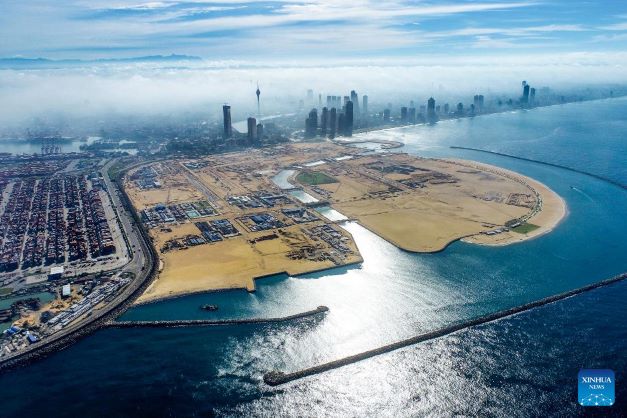
The Chinese are keen on getting the investment part of the CPC kick-started, having reclaimed the land needed from the sea long ago.

Earlier in the week, the Sri Lankan Foreign Minister Prof. G.L.Peiris, had toured the CPC at the invitation of the Chinese authorities.

It was only recently that the Sri Lankan government had set up a governing structure for the CPC.

The structure had to be watered down to accord with Sri Lankan laws and regulations. Even after the structure was established, it was not functioning properly due to bottlenecks.

When the Chinese partner in the project tried to shortcut, a turf war between the chairman of the Port City Commission on the one hand, and the President’s Secretary and the Chinese company on the other, ensued.

Ambassador Kohona hinted that if there is no settlement of the controversy over the selling of the government’s stakes in the Kerawelapitiya power plant to the US company New Fortress Energy (NFE), Chinese power producers may make a bid for the project.

In September 2021, the Sri Lankan cabinet approved a share transfer relating to the 300 MW Yugadanavi Power Plant in Kerawelapitya to the NFE.

The Sri Lankan Finance Ministry agreed to transfer a 40% stake in the power plant owned by the Treasury (Finance Ministry) to the NFE.

Through this transaction, the Treasury would net nearly US$ 300 million The NFE would also get the right to supply natural gas to Sri Lanka.

But the agreement was controversial. 

The nationalist lobby was against it.

It was also not presented to parliament for a debate.

Therefore many, including three cabinet ministers, filed petitions in the Supreme Court for the cancellation of the deal.

But Sri Lanka badly needs foreign investment to get dollars that are greatly in short supply as a result of the suspension or disruption of economic activity during the year and a half-long COVID-19 pandemic.

Sri Lanka’s gross official reserves fell to US$ 1.5 billion in November, about one month of imports. Sri Lanka was originally targeting US$ 3.5 billion reserves by the year-end.

Sri Lanka has been appealing to all major countries to invest, render financial assistance and give loan waivers. 

Finance Minister Basil Rajapaksa had recently visited India and India is working out a comprehensive package.

But on its part, India expects Sri Lanka to facilitate Indian investments and help implement projects many of which have been in cold storage for years.

However, China’s help is critical mainly because the Chinese have deep pockets and are willing to loosen their purse strings in pursuit of their economic and geopolitical interests in Sri Lanka.

On their part, Sri Lankan governments have been receptive to Chinese offers of help because of an absence of opposition from the Sri Lankan nationalist lobby which views investments from some other countries with suspicion.

This has resulted in China’s becoming the top most investor in Sri Lanka. 

Writing in The Diplomat on May 1, 2021, Sri Lankan economist Umesh Moramudali says that the blooming China-Sri Lanka economic relationship is taking place through three main avenues: debt, investment, and trade. 

In terms of public debt, over the last decade and a half, China has been the second-largest foreign lender to Sri Lanka. 

By the end of 2019, China accounted for a little over 10% of Sri Lanka’s outstanding foreign debt stock.

Sri Lanka obtained a Foreign Currency Term Financing Facility (FTFF) of US$ 1 billion from the China Development Bank in 2018, and another US$ 500 million in March 2020. 

In early April 2021, Sri Lanka signed an agreement with the CDB to obtain US$ 500 million as an FTFF. Sri Lanka may also drawdown on a US$ 1.5 billion US dollar equivalent Renminbi swap with the People’s Bank of China, Central Bank Governor Nivard Cabraal said on December 20.

 This can be used for paying for imports from China.

According to Moramudali, during the decade of 2010-2020, China was the largest foreign investor in Sri Lanka.

China continues to be the largest goods exporter to Sri Lanka despite the pandemic. 

Over the years, China has become the major source from which Sri Lanka obtains raw material for its garments industry, and garments are a major item of export. 

CBSL to buy 25 pc of commercial banks’ forex

December 27th, 2021

Courtesy Ceylon Today

The Central Bank of Sri Lanka has ordered all licensed commercial banks to sell 25 per cent of their foreign exchange transactions to the CBSL on a weekly basis.

Meanwhile, the CBSL has raised the annual license fees of licensed commercial banks and licensed specialised banks.

Its Monetary Board requests these banks to pay the license fees in respect of the calendar year 2022 to the Central Bank on or before 31 January 2022.

The fees are based on the total assets as at the end of 2021.

රසායනික පොහොර ගෙන්වීමට ආයතන 10කට අවසර

December 27th, 2021

මව්බිම දැන්

රසායනික පොහොර ආනයනය කිරීම සඳහා ඉල්ලීම් කළ ආයතන 10කට අනුමැතිය ලබා දුන් බව ජාතික පෙහොර ලේකම් කාර්යාලයේ අධ්‍යක්ෂ චන්දන ලොකුහේවගේ මහතා පවසයි.

ඔහු සඳහන් කළේ, ආනයනය කිරීමට තේාරාගන්නා ආයතනය අනුව ආනයනය කරන පෙහොර මෙරටට ලැබෙන කාලය තීරණය වන බව ය.

කෙසේ වෙතත්, ඉදිරි මාස දෙක ඇතුළත ඇණවුම් කළ පෙහොර ප්‍රමාණය මෙරටට ලැබීමට නියමිත බව චන්දන ලොකුහේවගේ මහතා ප්‍රකාශ කළේ ය.

යූරියා, මිශ්‍ර පොහොර, කේසරයිට්, සින්ක් සල්ෆේට් සහ සෘජු පොහොර වර්ග එලෙස ආනායනය කිරීමට අවසර ලබා දී ඇති ඒ මහතා පැවසීය.

මේ පිළිබඳ වැඩිදුරට ත් අදහස් දක්වමින් ඔහු මෙසේ සඳහන් කළේ ය.‍

“ඇණවුම් සඳහා ඉල්ලීම් ලැබිලා තියෙනවා. ඒ සඳහා ත් අනුමැතිය දීලා තියෙනවා. යූරියා මෙට්‍රික් ටොන් 1,500ක් සඳහා දැනට අවසර දීලා තියෙනවා එක් ආයතනයකට. ඒ වගේ ම තවත් ආයතන හයක් අපෙන් ඇණවුම් කරලා තියෙනවා සෘජු පොහොර වර්ග. කේසරයිට්, යූරියා, සින්ක් සල්ෆේට් ආදී වශයෙන් ගත්තහම මෙට්‍රික් ටොන් 2500ක් පමණ ඇණවුම් කිරීම සඳහා දැනට අපි අවසරය ලබා දීලා තියෙනවා. මීට අමතරව මිශ්‍ර පොහොර සඳහා ත් ඇණවුම් කිරීමට අවසර ලබා දීලා තියෙනවා. අපට ඉල්ලීම් ලැබිලා තියෙනවා මිශ්‍ර පොහොර මෙට්‍රික් ටොන් 2,000ක්ට පමණ. ඒවායින් දැනට මෙට්‍රික් ටොන් 910කට පමණ අවසරය දීලා තියෙනවා.”

ඔහු වැඩිදුරට ත් සඳහන් කළේ, ඉදිරියේ දී ලැබෙන ඉල්ලීම් අනුව ආනයනකරුවන්ට පොහොර ආනයනය කිරීම සඳහා අවසරය ලබා දීමට කටයුතු කරන බව ය.

 අම්රා ලියාකත්

50% of people show no interest in getting booster doses: PHIU

December 27th, 2021

Chaturanga Samrawickrama Courtesy The Daily Mirror

Fifty percent of the public do not come forward to get their booster doses assuming there is no risk of COVID presently in the country, Public Health Officers’ (PHI) union Head Upul Rohana said.

He told the Daily Mirror that the daily COVID positive case announcements was misleading the public and had projected a picture that the COVID pandemic had been brought under control and therefore, people were behaving very carelessly and showing ignorance in following health guidelines.

However, at the grassroots level of society, the situation was getting worse.

“The government used to announce the daily COVID positive cases between 500 and 600, and the daily COVID tests had reached 6,000 per day. But the data announced daily by the relevant authorities are not accurate,” he said.

However, in the wake of the COVID pandemic, the public’s behaviour over the long weekend was very disappointing, and we noticed people behaving badly, violating COVID rules, Rohana said.

He said at the recently concluded cricket matches, fans were seen mostly without face-masks and did not maintain social distance.

With the inaccurate announcements on daily positive cases, people are complacent that the country has brought the pandemic situation under  control. This complacency leads people to behave carelessly.

Therefore, there is a risk of COVID positive cases escalating in the country very soon and the responsibility for dragging the country to such a catastrophic situation should be borne by the health authorities and the government, Rohana added. 

Digitised TV Broadcasting to be launched tomorrow

December 27th, 2021

Chaturanga Samarawickrama Courtesy The Daily Mirror

The Sri Lanka Television Broadcasting Digitization Project is to be officially launched tomorrow afternoon, the Mass Media Ministry said.

The Ministry said with the Television Broadcasting Digitization Project, people would be able to watch programs more clearly while removing TV signal vulnerabilities.

This project is planned and operated by the Mass Media Ministry with JICA financial and technical assistance.

The official launching ceremony of the program will be held tomorrow at 7.00 pm.

The Ministry said after initialising the program, the whole analog signal broadcasting system will be converted into digital format. Meanwhile, the ministry said the removal of multiple television antennae and the ability to capture all TV channels with one antenna is another feature of digitization.

Price of jackfruit & other vegetables also increase.

December 27th, 2021

Courtesy Hiru News

The prices of white jackfruit (Kos), green jackfruit (Polos), banana flower (Kesel Muwa) and sweet potato, which were cheaper than the vegetables that have gone up in the market, have also risen sharply.

It is reported that the wholesale price of a kilo of green jackfruit, which was previously between 20 and 40 rupees, has now increased to 100 rupees and the price of a kilo of white jackfruit has increased to 200 rupees.

In addition, the price of a kilo of banana flower has increased to Rs. 150.

President accepts P.B. Jayasundera’s resignation?

December 27th, 2021

Courtesy Adaderana

President Gotabaya Rajapaksa has accepted the letter of resignation tendered by Presidential Secretary P.B. Jayasundera, according to political sources.

It is reported that Jayasundera is set to step down from his position with effect from December 31.

Recent news reports revealed that the presidential secretary had handed over his resignation to the Head of State.

Gamini Senarath, the Secretary to the Prime Minister, is tipped to be appointed as the next Secretary to the President.

Meanwhile, Secretary to the Irrigation Ministry, Anura Dissanayake is expected to be appointed as the next secretary of the prime minister.

COVID: 458 cases and 17 more coronavirus deaths recorded in Sri Lanka today

December 27th, 2021

Courtesy Adaderana

The daily count of COVID-19 cases confirmed in Sri Lanka moved to 458 today (December 27), the Epidemiology Unit said.

This brings the total number of confirmed cases of coronavirus reported in the country to 584,107.

As many as 559,684 recoveries and 14,901 deaths have been confirmed in Sri Lanka since the outbreak of the COVID-19 pandemic.

More than 9,500 active cases in total are currently under medical care, official figures showed.

The Director General of Health Services has confirmed another 17 coronavirus related deaths for December 26, pushing the death toll in the country due to the virus to 14,901.

The deaths confirmed today include 11 males and 06 females while one of the deceased is below the age of 30 years. 

Six are between the ages 30-59 years while the remaining 10 are in the age group of 60 years and above. 

Sri Lankan Economy has floundered. Is there a way ahead?

December 26th, 2021

By Garvin Karunaratne 

The economy of Sri Lanka has come to a situation where the Government has allowed it to freewheel, without any controls. Going on this path It is  purely a matter of time-  for the economy to totally crash. The Aim in writing this Paper is to find a solution to the present mayhem where we do not have funds even to pay for essentials.  

Perhaps how countries have suffered and faced similar crisis in the past may offer us ideas. 

In 1997 The Asian Giants- Malaysia, Indonesia, Thailand,  Southern Korea all crashed.  

 In 1995, the World Bank had said that Thailand was the world’s  fastest growing economy. 

 Of Thailand,   in 1996, export growth slumped  from over 29% to zero. The stock market lost two thirds of its value.  The country was battered by speculators into a sharp depreciation- the biggest finance company collapsed. Two thirds of all finance firms were suspended. The IMF was called in to arrange the largest ever bail out”.( From Thailand Boom and Bust by Phongpaichit and Baker).  

Of all countries that had crashed economies, Malaysia stands out as the one country that emerged victorious. Other countries had to beg for assistance from the World Bank and the IMF. Indonesia was bailed out with a loan of $ 43 billion,  South Korea with a bail out of $ 56 billion and Thailand with a loan package of $ 17 billion. They were all loans that enabled the countries to survive for the moment and pay later- their foreign debt increased. 

The financial upheaval in Indonesia saw  the fall of its leader Suharto Nicholas Kristof, Jakarta correspondent of the NEW York Times aptly wrote of what happened to Suharto, the Prime Minister of Indonesia: 

What overthrew Suharto was not a guerrilla insurgency,  but a conspiracy of far more subversives- capitalism, markets and globalization; Suharto’s  sleuths never figured how to handcuff them

(Herald International Tribune) 

It has to be understood that Sri Lanka today has been held hostage by international capitalism working through its agent, the International Monetary Fund. 

There was one country that did not go begging for Aid. That was Malaysia.  Mahatir Muhammed the Prime Minister took charge of the economy, collected all the dollars from all the banks. In my words, Mahatir Muhammed declared war with the IMF by doing the exact opposite of the IMF advice. He did not go on bended knees to the IMF. Instead he effectively controlled the economy of his own country. He imposed strict controls on the use of foreign exchange. He did not allow anyone to  spend the money on the import of unnecessary goods. He clamped severe restrictions on the use of foreign exchange. This even went to the extreme of stopping foreign  exchange for Malaysians studying abroad.  There was mayhem in student  circles in the UK.  Some students took leave of studies and went back. Others were compelled to work as waiters and kitchen hands  and pay themselves”(How the IMF Ruined Sri Lanka: 2006:page 238)   In 1958  Mahatir even stopped foreign investors from taking away money.  

In the opinion of Mahatir Muhammed,  

Any country at all which says it cannot control its banks and its banking system- they are not fit to be governments and they should either resign or be overthrown”. (Daily News.lk: 1/2/1999) 

Malaysia was  the one and only country to get out of the East Asian Foreign Currency Crisis. 

Let us relate  what Mahatir Muhammed did to our present situation.  

Even today the Sri Lankan Government does not collect the dollars that come in. The bulk of the dollars are collected  by the private and foreign banks  and the private money changers who are allowed to fix their own rates to buy and sell. The private dealers collect  dollars or rupees within minutes, while the State banks take at least half an hour of form filling and passport checking. . That is how the government is bankrupt.  The State Banks collect only a fraction of the dollars that come in.  

A funny thing did happen on 2/1/2001- a day, two decades ago. Our two State banks the Bank of Ceylon and the Peoples Bank did not have sufficient dollars to pay a large oil bill and they went hat in hand to the private foreign banks in Colombo. The foreign bank that had collected dollars raised the price to Rs 106, when the rate had been Rs 85 and the two State Banks were forced to buy at the higher price. The Rupee was devalued immediately.  

The Central Bank when questioned admitted that the Central Bank has control over the domestic Rupee(The Island: 17/2/2001) 

In other words the private banks collect dollars that come in and sell it as they like, fix their own rates and this has gone on and even today the banks and private dealers fix their own rates. 

What all this indicates is that even today our Government does not control the foreign exchange that comes in.   Naturally we are today facing the music of not having dollars to pay for essential imports. 

What can be done? The Governor of the Central Bank Minister Cabral has ruled out going to the IMF. Because the IMF will insist on devaluing the Rupee, increase interest rates, privatize State commercial ventures, draw further loans and live on them like what we did in the past. He is right. 

Our leaders jump up and state that we will pay what we owe  next year- some $ 4 to 5 billion to service the foreign debt we owe. It is time for moot thinking whether we need to service and pay any loan outstanding to the IMF and the World Bank purely because we have done everything they have said and we are now facing a crisis due to their wrong advice. 

We have to find out, question ourselves: 

Are we yet collecting all the dollars that come in? No. We allow the private and foreign banks and private dealers to collect, fix rates and sell as they like.   This they have done for decades from November 1977, and at least now we have to collect all dollars that come in like what was done before we embraced neoliberalism in 1977. 

Are we yet being fooled by foreign investors who trade in the local Rupee,  calculate profits in the Rupee but take away profits in dollars from our reserves.  

Are we not yet being fooled by foreign tourist booking agencies that book hotel stay, get the hotel to collect in local Rupees but get paid by invoices in dollars going out of our reserves. Hotel bookings from foreigners has to be collected in dollars.  

Before President Jayawardena foolishly  submitted to neoliberalism and started living on loans, we had a closed economy that was totally controlled. Then we had two budgets a local Rupee budget that attended to all development work. We had a separate foreign budget run with the dollars we collected from imports etc.  Then we spent the dollars we had firstly for essentials and if we had extra we gave small allocations to import cars and fridges etc. We never gave funds for  foreign travel unless it was necessary for our country, Nor did we allocate any foreign funds for students to study abroad. Do we not have to get to this system even now.   

Perhaps how we managed our finances from the day we achieved independence  till President Jayawardena started ,licking the boots of  the IMF is of importance. The fundamental fact is that at the end of 1977 Sri Lanka did not have a foreign debt. 

As much as we have had to restrict imports let us have a programme to make all what we imported. Not long ago we had the Divisional Development Councils Programme(DDCP) of 1970-1977 when we made sea going fishing boats(at Matara), even Crayons equal to the Crayola of today(at Matara), even paper made out of waste Paper(at Nuwara Eliya- Kotmale) agricultural farms ( in every District)and many more,  all done with local Rupees,  all done by local staff. We can easily do it again in months.  That will also provide incomes and employment to the unemployed.  

The Government cannot allow the banks to rule any longer by allowing dollars to whom they prefer. The Government has no alternative but to collect all dollars that come in and spend first for essentials- there should be no kero queues and no milk food  queues. Price controls are inevitable. Essentials first. There will be no money to feed foreign universities and the foreign universities  have even jacked up the fees to bolster their funds It is all a plan to increase the debt burden of poor countries. 

Perhaps a re think of priorities and a firm resolve to go ahead is what is required today. 

Garvin Karunaratne
Author of How the IMF Ruined Sri Lanka , Godages 2006~
How the IMF Sabotaged Third World Development, 2017

26/12/2021

Declassified documents show how US lied to Russia about NATO in 1990s

December 26th, 2021

Courtesy RT

Promises that the bloc wouldn’t expand appear to have been ignored in Washington’s quest for influence in Europe.

Declassified documents show how US lied to Russia about NATO in 1990s

FILE PHOTO: Russian President Boris Yeltsin (L) and US President Bill Clinton shake hands before leaving a final news conference in the Kremlin in this September 2, 1998. © REUTERS

In April 2014, President Vladimir Putin addressed Russia’s Federal Assembly in the wake of Moscow’s reabsorption of Crimea. Over the course of his speech, he laid the blame for an increase in tensions on the West, which he insisted had lied to us many times, made decisions behind our backs, placed us before an accomplished fact.” At the heart of this apparent duplicity was NATO’s expansion to the East, as well as deployment of military infrastructure at our borders,” contrary, he said, to its promises.

Ever since, disproving the idea that Western leaders had assured Moscow the bloc wouldn’t encroach on its borders has become an obsession for think tanks and lobby groups. For example, UK policy institute Chatham House brands the suggestion that any pledge was made not to enlarge the controversial military bloc one of the key myths and misconceptions in the debate on Russia,” whileNATO’s own website likewise claims it is wholly manufactured.

Significant evidence to the contrary has long-been easily accessible, but now the National Security Archive has published a tranche of never-before-seen, highly revealing documents detailing how then-Russian President Boris Yeltsin was consistently manipulated by his US counterpart Bill Clinton on the question during the mid-1990s, while bold, false promises of a strategic partnership” of the countries faded into nothingness.

Take for instance the transcript of a cordial July 5 1994 telephone conversation between the pair, at which time the US president was preparing to depart for Poland – which had been pushing for rapid absorption by NATO – and the Baltic states, before meeting with Yeltsin at the G7 summit in Italy.

Yeltsin urged Clinton to raise the plight of Russophones in Estonia and Latvia, because a public statement from you that the US will not support any infringement on the rights of the Russian-speaking people” would mean these countries will act differently.” He noted Lithuania’s quick granting of citizenship to its Russian minority had prompted Moscow to withdraw its troops from Vilnius, and the same could happen by August in Tallinn and Riga if assurances were made. Yeltsin also wished to discuss NATO expansion.READ MORE: US ready to negotiate with Russia on security – White House

In response, Clinton swore he’d raise the issue of the Russian minorities,” and reassured Yeltsin that while NATO might eventually expand,” he’d set out no timetable and no requirements.” Instead, he indicated that he’d like us to concentrate” on Partnership for Peace, a US-led initiative seeking to achieve a united Europe where people respect each other’s borders and work together.” Yeltsin could be entirely forgiven for thinking the Partnership was Washington’s primary focus, and the military alliance an afterthought, by the conclusion of the chat.

The Russian president’s optimism about a mutually beneficial partnership with the US on the basis of equality” is writ large in a letter he sent to Clinton in November that year. He speaks of this prospective coalition as the central factor in world politics,” pledges to cooperate constructively with the US on issues related to Bosnia, Iraq, North Korea, and Ukraine, and eagerly awaits their meeting at the December 5 Conference on Security and Cooperation in Budapest, where we have much to talk about … first of all, transforming European stability.”

As it was, the Hungary summit was a disaster, with Clinton’s speech at the event focusing on NATO as the bedrock of security in Europe,” and declaring no country outside will be allowed to veto expansion” – a clear reference to Russia. In response, Yeltsin fulminated, it is a dangerous delusion to suppose the destinies of continents and the world … can somehow be managed from one single capital,” and adding that [moving] the responsibilities of NATO up to Russia’s borders” would be a grave error.

An internal US diplomatic cable from the next day shows lessons were quickly learned from this episode. Namely, the urgent need to keep quiet publicly about US plans for extending the military alliance, while offering bogus private assurances to Moscow any enlargement would only occur after consultation between the two countries, and that Russia was still in the running for bloc membership.

Fast-forward to May 1995, Clinton visits Moscow to celebrate the 50th anniversary of Allied victory in World War II, and these lies are enthusiastically maintained in a one-on-one meeting with Yeltsin. The pair’s rapport is clearly chummy, referring to each other as friends, although serious matters are very much on the table too.READ MORE: EU & Ukraine ask to join talks on future of European security

How do you think it looks to us if one bloc continues to exist while the Warsaw Pact has been abolished? It’s a new form of encirclement if the one surviving Cold War bloc expands,” the Russian president pleaded. Many Russians have a sense of fear. What do you want to achieve with this if Russia is your partner? We need a new structure for Pan-European security, not old ones! Perhaps the solution is to postpone NATO expansion until the year 2000 so that later we can come up with some new ideas.”

Ever suave and calculating, Clinton sought to allay his fears, somewhat amazingly suggesting Moscow should view his approach to NATO in the context of greater integration of Russia into other international institutions,” dangling the prospect of various sweeteners, including membership of the G7, if Yeltsin quietened his anti-NATO rhetoric, and kept his opinions on the bloc’s expansion to himself. Clinton knew well that such compliance was easily bought – as his Russian friend” himself acknowledged, his position heading into the 1996 presidential runoff was not exactly brilliant.”

Indeed, his polling stood in the single digits, and Communist candidate Gennady Zyuganov was widely forecast to win via landslide. Yeltsin spoke of needing positive reports” in the press, and to head off even the smallest wrong moves,” proposing any discussion of NATO enlargement be kept theoretical until the year 2000, and urging the White House resident not to do anything to rile the situation up before the elections.”

I’ve made it clear I’ll do nothing to accelerate NATO [expansion]. I’m trying to give you now, in this conversation, the reassurance you need. But we need to be careful that neither of us appears to capitulate,” Clinton slickly pledged. For you, that means you’re not going to embrace expansion. For me, it means no talk about slowing the process down or putting it on hold or anything like that.”

So it was that Yeltsin agreed to maintain an omerta on the military bloc, and enlist in the Partnership for Peace. Despite plans for NATO expansion already being well-laid by that point, and very much in motion, the Kremlin remained silent about developments – the president’s acquiescence was further ensured by extensive covert and overt US assistance in his election campaign, which was fundamental to transforming an initial 6% standing in the polls to an extremely comfortable victory.READ MORE: US sending thousands of military personnel to Ukrainian front lines – Moscow

Less than three years later, NATO’s engulfing of the former Soviet sphere finally began, with the incorporation of the Czech Republic, Hungary, and Poland. This push was opposed stateside by, among others, George Kennan – formerly a committed ‘cold warrior’, and key figure in the creation of the alliance.

I think it is the beginning of a new Cold War … The Russians will gradually react quite adversely and it will affect their policies. I think it is a tragic mistake. There was no reason for this whatsoever. No one was threatening anybody else,” he said in May 1998, after the US Senate ratified enlargement. Of course, there is going to be a bad reaction from Russia, and then [the NATO expanders] will say that we always told you that is how the Russians are – but this is just wrong.”

With tensions between Kiev and Moscow at an all-time high, with the question of Ukraine’s NATO membership at the heart of the dangerous dispute, Kennan’s words give every appearance today of a prophet’s warning coming terrifyingly true.

By Kit Klarenberg, an investigative journalist exploring the role of intelligence services in shaping politics and perceptions. Follow him on Twitter @KitKlarenberg

Your $1.7 billion of gold is now ours, UK tells starving Venezuelans

December 26th, 2021

Eva Bartlett Courtesy RT

In its prolonged freezing of Venezuelan assets, the UK continues to withhold 31 tons of its gold stored at the Bank of England, with a new Supreme Court ruling supporting the seizure.

Your $1.7 billion of gold is now ours, UK tells starving Venezuelans

© REUTERS / Tamara Abdul Hadi

5/ Ultimately the UK Supreme Court has legitimised a modern expression of piracy using 19th century legal doctrines. Any foreign state which cuts off diplomatic relations with the UK would now be wise to also withdraw its foreign reserves.— John McEvoy (@jmcevoy_2) December 20, 2021

The recent decision, CNN reportedruled that recognition of heads of state and government was solely the responsibility of the British government, which had recognized [opposition leader Juan] Guaidó as Venezuela’s Constitutional interim President.” 

Like most duplicitous corporate media, CNN pushed the narrative that Nicolas Maduro isn’t actually Venezuela’s elected president (he claimed” the widely disputed” election). But, as I wrote in March, he is president, and Venezuela’s election process has been recognized as transparent and effective, with former US President Jimmy Carter in 2012 calling it ‘the best in the world.’ On the other hand, the Venezuelan opposition, as well as Western nations, have interfered with and attempted to sabotage elections.”

In any case, the UK court, drawing on the ‘one voice principle’, decided that because UK leaders like Boris Johnson regard the unbeloved Guaidó as ‘interim president’, he therefore, inexplicably, is – in spite of most of the world not recognizing him as such.

So, Venezuela’s 31 tons of gold deposited at the Bank of England,” remains captive.

Meanwhile, script-reading legacy media are echoing one another in claiming that Venezuela has no right to its own gold, disingenuously promoting the false premise that Guaidó is Venezuela’s president.

The BBC ran with: ‘UK Supreme Court denies Maduro claim to Venezuelan gold’.

Fortune Times gushed: ‘UK Supreme Court thwarts Maduro’s bid to control $1.9bn Venezuela gold.’

How very benevolent of the UK courts to thwart the dastardly elected president of a nation whose population it is allied with the US in relentlessly punishing. 

As any good stooge of imperialism does, Guaidó – the Western puppet previously-unknown to the world, and largely unknown within Venezuela before his self-appointment as ‘president’ – pops up when needed, aka when the US and allies want to hurt the Venezuelan people even further. 

4/ In his effort to asset strip Venezuela, Guaidó has drawn on millions of dollars originally seized from the Central Bank of Venezuela in the US.He is effectively using looted money to loot more money.https://t.co/zvlaZTmc16— John McEvoy (@jmcevoy_2) December 20, 2021

In a March 2021 article, I opined, You would have to have been offline or in a coma for the past couple of years to not be aware of some key facts about ‘interim president’ Guaidó. Venezuelans didn’t vote for Guaidó to be president, he hasn’t even stood for president. Venezuelans voted for Maduro. Guaidó named himself ‘interim president’, to the support of only roughly 50 countries – leaving a glaring nearly 150 countries not recognizing this Western-groomed stooge as Venezuela’s leader.”

Contrary to the UK’s re-recognition of this man as the president of Venezuela, as I noted, even the EU dropped its recognition of Guaidó as interim president. 

On-the-ground support for the non-president?

In 2019, I spent several weeks in Caracas, refuting Western pundits’ and media claims that there was chaos following a series of power outages. During that time, I observed protests in support of the government, and sought out the supposedly-massive protests in support of Guaidó (spoiler, I couldn’t find them, in spite of scouring the city on a motorcycle taxi).

In one particularly massive pro-government protest, Venezuelans spoke of media lies about their country and also how they wanted the Western puppet” Guaidó to be arrested. Read more The socialist leader America loves to hate wins again. What now?

They make it up, it’s all lies, all lies. The only president we recognize is Nicolas Maduro. And we want this man, Juan Guaidó, to be arrested immediately.

In an encounter another day, a woman unleashed, We didn’t vote for you, Guaidó. We’re not a North American colony. We’re not Colombia. Respect Venezuela. The US wants to steal our resources. Trump, stop f**king us over.”

Up in the hills of Petare, riding on a friend’s motorcycle, wherever we went, we met people who spat on Guaidó and on the West’s lies about Venezuela.

This latest UK court ruling to continue denying Venezuela its gold – and deny the nation a means of providing relief to its uber-sanctioned population, which struggles to get enough food to eat because of it – is not surprising, giving the West’s history of attempting to overthrow Venezuela’s leaders and destabilize the country. 

It needs to be underscored that the same politicians, pundits and media which promote Guaidó as a Venezuelan leader, much less president, and whitewash the UK’s theft of Venezuela’s gold, systematically downplay the deadly sanctions against its people.

Eva Bartlett is a Canadian independent journalist and activist. She has spent years on the ground covering conflict zones in the Middle East, especially in Syria and Palestine (where she lived for nearly four years). Follow her on Twitter @EvaKBartlett

Afghanistan emerges most dangerous country for scribes: PEC

December 26th, 2021

Nava Thakuria

Geneva: As the year 2021 sets to finish its cycle, Afghanistan emerges as the most dangerous country for scribes with 12 journo-casualties, followed by Mexico (10 dead), Pakistan (7), India (6), etc. The south Asian nation also lost at least 10 media workers to the Covid-19 complications till date, said Press Emblem Campaign (PEC), the global media safety and rights body.

Since the Taliban take over the country in August, it also witnessed the collapse of over 150 print media outlets  following new restrictions and many opted for online news services. Thousands of professional journalists lost their jobs and many left their country for safer places to practice journalism. Afghan women journalists have to face the worst situation as they are restricted from various outdoor activities.

Financial crisis is looming large over the Afghan media as the newspapers lost readership and commercial advertisement revenues drastically in the last four months. Almost half of the media outlets including radio and televisions in Kabul had closed down their operations leaving thousands of media workers jobless that put them in acute crisis with no or little hope of revival.

PEC expresses serious concern over the negative development to Afghan media. Lately a young reporter (Javid Yousufi) was stabbed in Kabul by the miscreants. Other localities like Balk, Takhar and Kunduz also witnessed physical attacks on journalists in the last few days. The regime in Kabul must protect the journalists as they are doing their duties,” said Blaise Lempen, secretary-general of PEC. He also appreciated the management of TOLO news, the country’s first recognized news channel presenting news in Dari and Pashto languages since August 2010, for continuing to engage female reporter-news anchors defying the Taliban restrictions. Speaking to PEC’s south Asia representative Nava Thakuria, an Afghan lady reporter expressed optimism that other media outlets would also follow the same principle of not bowing down to the Taliban regime.

ඩොලර් අර්බුදය රුපියල් වලින්ම විසඳා ගැනීමට වෙර දරමු.

December 26th, 2021

චන්ද්‍රසේන පණ්ඩිතගේ විසිනි

ඩොලර් අච්චු ගහන්නේ ඇමරිකාවේය. ශ්‍රී ලාංකීය රුපියල් අච්චු ගහන්නේ ශ්‍රී ලංකාවේය. ආර්ථිකය තුල ගැටළු ඇති වුනත් අපිට රුපියල් අච්චු ගැසීමේ කටයුත්ත කල හැක. නමුත් අපිට ඩොලර් අච්චු ගැසීම කල නොහැක. දැන් අත්‍යවශ්‍ය සාධකයව ඇත්තේ ඩොලර්ය, ශ්‍රී ලංකා රජය උග්‍ර ඩොලර් හිඟයකට මුහුණදී සිටි. ඕනෑම දෙයක් හිඟ වෙනවිට එම භාණ්ඩයේ වටිනාකම ඉහල යන බැවින් එය වර්තමාන ශ්‍රී ලංකාව තුල ඇති අර්බුදයට සාපේක්ෂව ඉහල අගයක් ගත යුතුය. එසේවීම කිසිවෙකුටත් වලකාලිය නොහැක. මේ වනවිට ඇමරිකන් ඩොලරයක වටිනාකම රුපියල් 202.50ක් සේ සටහන්ව ඇත.

දැන් බරපතලම ප්‍රශ්නයව ඇත්තේ,ලබන වසරේ විදේශ ණය ගෙවීම සඳහා අවැසි ඩොලර් සොයා ගැනීමේ ගැටලුවයි. මේ ගැටලුව විසදීම සඳහා ජාත්‍යන්තර මුල්‍ය අරමුදලින්  නායක ලබා ගැනීමට යෝජනා වී ඇත. එය අප ලබා ගන්නේ ඩොලර් වලින් වන අතර ඒ නය පියවිය යුත්තේද ඩොලර් වලිනි. චීනයෙන් ගත්තද ඩොලර් වශයෙන් ගන්නා වූ මුදල් පොලියත් සමග ගෙවීමට සිදුවන්නේ ඩොලර් වලිනි. මේ උපක්‍රමය අනාගත ශ්‍රී ලංකාව නැවත වරක් ඩොලර් අර්බුදයක් වෙත පාකර හැරීමයි.

අපි ලබා ගන්නාවූ ඩොලර් වලට රුපියල් වලින් ගෙවීමේ ක්‍රමවේදයක් නිර්මාණය කර ගන්නේ නම් මේ උත්ගතව ඇති උග්‍ර ඩොලර් අර්බුදයට ඇති සැබෑ පිළියමයි. මේ සඳහා හොදම විකල්පය වන්නේ,2021 දෙසැම්බර් 28 වෙනිදා සිට 2022 ජනවාරි මස 31 වෙනිදා දක්වාවූ කාලය තුල විදේශයන් සිට බැංකු හරහා මෙරටට එවන සෑම ඩොලරයකටම 300ක මිලක් ගෙවන බවට තීන්දුවක් ගෙන ප්‍රකාශයට පත් කිරීමයි. මෙමගින් විදේශයන්හි සිටින ශ්‍රී ලාංකිකයින් උපරිම ප්‍රයෝජනයක් ගැනීමට පෙළෙඹෙනු ඇත. ඒ තුලින් රජයට විශාල ඩොලර් ප්‍රමාණයක් ගලා එනු ඇත.

ලැබෙන ප්‍රතිපල අනුව ඉදිරි කටයුතු සංවිධානය කල හැක. මෙවැනි කටයුත්තකට සමාන කාර්යක් සිරිමා බණ්ඩාරනායක රජයද සිදුකල අතර ඉන් නොනැවතී අයගේ රජය මැණික් ව්යාපාරිකයකුවූ නලින් හජ්ජියාර් මහතාගෙන් රුපියල්ගේවා ඩොලර් ලබාගත් බවද සිහියේ තබාගෙන වර්තමාන අර්බුදය කලමනාකරගත යුතුය.

Losing goodwill: Assam media’s way

December 26th, 2021

by Nava Thakuria

Public reactions against a news item in any newspaper or news channel may be usual in India, but public outrages in digital platforms against the mainstream media outlets for not covering a particular issue is definitely an unusual phenomenon. Far-eastern Indian State of Assam witnessed such a public fury against some of the editor-journalists for avoiding the press conferences by opposition political parties where they targeted the State chief minister for his family’s alleged land scam.

The organized public uproar in the alternate media was so intense that the celebrity editor-journalists of Assam did not dare to clarify their positions. They preferred to avoid the debates killing time. Shockingly, no media worker’s outfit, civil society groups or reader and viewers came forward defending the otherwise glamourous editor-journalists, when they faced the abusive social media posts for many days.

Assam in northeast India today supports over 30 morning daily newspapers in different languages along with a large number of Assamese periodicals and magazines. Guwahati also hosts eight satellite news channels (most of them are in free to air category) with hundreds of news portals. Their cumulative quality readership (and viewership) may reach 3.5 million, but the number of social media users in the State with over 30 million population should cross 4.5 million.

The controversy started with a breaking (and elaborate) news, presented by TheWire and TheCrosscurrent in the first week of December 2021, where both the digital media outlets alleged a land grabbing scam against the family of State chief minister Himanta Biswa Sarma. The content indicated that a real estate company, founded by the saffron leader’s wife, illegally occupied around 18 acres of government land meant for landless farmers.

Based on the specific media contents, three political parties namely Asom Jatiya Parishad, Raijor Dol and the Congress had organized separate press conferences demanding proper investigations into the alleged land scam by the CM’s family. For reasons best known to the editor-journalists of Guwahati-based newspapers and news channels, they did not cover the issue and simply killed the news.

The issue should have died naturally after some time. But a sudden outbursts of anti-media posts in the digital platforms surfaced in the morning hours on 9 December. For almost three days, most of the editors were named and shamed for their silence over Sarma’s land grab issue in social media. News channel’s logos and photographs of some celebrity-journalists were made viral with abusive words.

Soon the State legislative assembly began its winter session on 20 December and as usual the first day’s proceedings were interrupted by the opposition legislators over the issue. They wanted the assembly to discuss it, but speaker Biswajit Daimary did not allow it. Later the opposition MLAs staged a walkout in protest. But shockingly the development was not prominently published by most of the newspapers and news channels.

Assam Congress president Bhupen Bora dared Sarma to clarify his stand on the issue. All the opposition political leaders demanded a probe by the Enforcement Directorate and Central Bureau of Investigation over the alleged land grab by CM’s family. They claimed that Sarma for his personal interest handed over 18 acres of government land worth crores of rupees to his family members without following any rule.

The oldest party of India also organised a press conference in New Delhi, where senior Congress leaders namely Gaurav Vallabh, Jitendra Singh, Ripun Bora  and Gaurav Gogoi alleged that Sarma set aside all rules to offer government lands to his family. This time, the issue got national coverage by most of the metro-based morning dailies. At least two news agencies also covered the event.

The Congress leaders (where Bora  and  Gogoi from Assam) asserted that all unlawful land transfers to the concerned group must be cancelled and the alternate land to those deprived landless families should be offered. CM Sarma has not clarified his stand over the matter yet, only alleged that the concerned digital media outlet is Left-aligned (read anti-BJP).

Reluctance for covering such issues by the majority of Guwahati-based mainstream media outlets can be guessed from their dependence on government advertisement revenues for survival. They are lately facing a serious financial crisis since the Covid-19 hit the country. The pandemic resulted in abrupt loss of circulation for newspapers and also commercial advertisement revenues. The news channels also lost their quality viewership drastically.

So, most of the newspaper managements today cannot go against the government policy even if it becomes necessary for sustaining its credibility. Thus, slowly they have turned out to be official organs of the ruling party (read the aggressive chief minister). They are not even confident of getting adequate support in need from their valued readers across the State.

But the question that arises is, why would the readers believe in these media outlets, when most of them run their media business enterprises for selfish interest only? They have made it a habit to create news out of nothing even though it may go for character assassinations of many individuals. Moreover, when the affected parties try to clarify their positions, the editor-owners prefer to ignore their views, as if the media fraternity is no way accountable for that.

Personal corruption of some well-known editors also added complications to the situation, where public goodwill towards the media fraternity continued to erode. A senior Assamese journalist, who has been in the profession for more than three decades, recently made a sensational social media post claiming that at least seven editors (of city-based news channels) possessed more wealth than actually they can earn legally from their jobs.

Speaking to this writer to confirm about the post Dipankar Devsarmah lamented that because of some greedy editor-media owners the media industry has lost its credibility (whatever left). Talking about naming the editors in the post, Devsarmah asserted that it may be unpleasant for many, but it’s true. He even made a declaration in the post that all details about the said editors’ properties and luxury vehicles are with him and would make it public in need.

Motivated news is also synonymous with many Assam media outlets. The readers-viewers could remember that a dramatic news item was circulated among the Guwahati-based newspapers and news channels in March 2020 narrating a fake story about an outgoing secretary of a journalists’ club burning down many documents. Amazingly, the concerned secretary was present on the occasion when the so-called burning took place, but no reporter dared to ask him for reactions (they definitely knew that it was a fabricated item).

Probably, the readers-viewers too did not believe in the content. Hence, even after it was published by most of the newspapers and news channels from Guwahati, the secretary faced not a single question when he roamed around a city’s crowded market next morning. His relatives, friends and well-wishers remained indifferent to it. So, the issue died naturally. Nonetheless, the media outlets tried their best to defame him. Now the question that arises is, if a seasoned journalist can be targeted by the media in such a way, would they spare an ordinary citizen!

“City of the future” rising from the sea at Colombo

December 26th, 2021

By Xinhua Writer Tang Lu

Colombo, December 26 (Xinhua):  On the golden artificial beach in Colombo’s Port City, the Sri Lankan Sanjeewa Alwis was earnestly building” a sandcastle model similar to the financial center building that will be built in Port City.

Noticing Alwis’ masterpiece” on the beach, three Sri Lankan kids playing by the sea rushed to him to jointly build the sandcastle.

Colombo Port City Marina Photo: Tang Lu/Xinhua

While listening to Alwis, who talked about the sandcastle that was piled up” from the sea, one curious girl asked: Can a city be ‘piled’ in the sea? What will this city rising from the sea look like in the future?”

Alwis, who is a project engineer working at China Harbour Engineering Company (CHEC)’s Port City Colombo project, has been working here for five years.

Colombo Port City being modeled on the beach by Sanjeewa Alwis and the kids. Photo: Tang Lu/Xinhua

The Port City Colombo project, located near Colombo’s central business district, is a large-scale investment project jointly developed by the CHEC and the Sri Lankan government. It is regarded as a model of cooperation between China and Sri Lanka in jointly building the Belt and Road.

Alwis has witnessed the construction of the project since it began. He went to China to study electrical engineering and automation for six years at Tsinghua University in the 1980s.

Colombo Port City grand aerial view. Photo: Xinhua

I am very proud to be working as part of a Port City project, to (help) build my home country with the knowledge I have got from China,” said Alwis.

In the early stage of construction, one of his tasks was to coordinate with relevant departments of the Colombo government.

Colombo Port City Fun at the Marina. Photo: Tang Lu/ Xinhua

To ensure the smooth progress of the project, the construction site needed at least two water sources. With Alwis’ efforts, the project finally got the sources. Whatever we are doing now will be a sample of Sri Lanka’s future,” he said.

In January 2019, the reclamation project was completed.

Colombo Port City construction site. Photo: Tang Lu/ Xinhua

The completion of the reclamation project not only marks the progress made in the overall construction of the Port City project, but is also a demonstration of Chinese solutions and technologies on the world stage,” said Zheng Hao, deputy project manager of CHEC’s Port City Colombo project.

With the completion of land reclamation, a series of new facilities have been built, including a central park, an artificial beach, a sports training center, a marina and a footbridge.

Christmas at Colombo Port City Marina. Photo: Tang Lu/Xinhua

Port City Colombo is the most promising project for our country,” said Sonala Gunawardana, chairman of the National Library of Sri Lanka.

Tharaka Samarasingha, a young Sri Lankan photographer, said that I am proud of the expansion of our territory after land reclamation, which will be one of the most important parts of our children’s future.”

A young couple having the time of their lives at the Colombo Port City Marina Photo: Tang Lu/Xinhua

Sri Lanka to sign Trincomalee oil tank farm deal with India in a month, says Minister

December 26th, 2021

Meera Srinivasan courtesy The Hindu

The facility has 99 storage tanks with a capacity of 12,000 kilolitres each

After a year of visible strain in its ties with Colombo, New Delhi may finally have some reason for cheer. In a month’s time, Sri Lanka will ink the long-dragging deal with India to jointly develop the Trincomalee oil tank farms — a coveted project that has remained controversial for decades.

We have been negotiating this for 16 months, and we are now very close to finalising the terms of the Trincomalee project with India. We hope to sign the agreement in a month,” Energy Minister Udaya Gammanpila told The Hindu on Sunday.

The Minister said he has instructed the Ceylon Petroleum Corporation (CPC) to form a subsidiary company, Trinco Petroleum Terminal Ltd., for the purpose. The move follows President Gotabaya Rajapaksa’s nod to setting up the special purpose vehicle ahead of the next Cabinet meeting. We don’t have a Cabinet meeting this week because of the holidays. We will get the decision ratified in the next one,” Mr. Gammanpila said.

During the Second World War, the British built the Trincomalee oil tank farms to serve as a refuelling station, adjacent to the Trincomalee port, an enviable natural harbour. The nearly century-old oil tanks need to be refurbished — at the cost of millions of dollars — if they are to be fit for use again.

If the deal is finalised and signed next month, it will not only mark the culmination of India’s 16-month-long negotiation with the ruling Rajapaksa administration but will also give shape to a proposal envisaged 35 years ago, in the Indo-Lanka Accord. Despite the Accord — in its annexure — stating that the work of restoring and operating the Trincomalee oil tank farm will be undertaken as a joint venture between India and Sri Lanka”, things barely moved until 2003, when the Indian Oil Corporation set up Lanka IOC, its Sri Lankan subsidiary.

The facility, interestingly located in ‘China Bay’, has 99 storage tanks with a capacity of 12,000 kilolitres each, spread across the Upper Tank Farm and the Lower Tank Farm, where LIOC currently runs 15 tanks. The new agreement being negotiated pertains to the remaining tanks.

The early modernisation” of the Trincomalee oil tank farms found mention in the official statement released by the Sri Lankan mission in New Delhi, on Finance Minister Basil Rajapaksa’s visit in November, indicating the priority accorded to it. Mr. Basil, the youngest brother of President Gotabaya and Prime Minister Mahinda Rajapaksa, sought extensive economic assistance from New Delhi to help Sri Lanka tide over its economic crisis compounded by the pandemic.

Diplomatic sources indicated that New Delhi’s nod for the emergency Lines of Credit and currency swap requests from Colombo was contingent on the Rajapaksa administration moving forward on the Trincomalee deal.

However, dismissing the idea, Mr. Gammanpila said: Some including the political opposition are suggesting that India’s economic assistance is tied to the Trincomalee deal. I vehemently deny that. We began negotiating this agreement well before the economic assistance was sought,” insisting there is no connection whatsoever.”

It is nearly a month since Mr. Basil visited New Delhi, and the countries agreed to a four-pronged approach” that would help Sri Lanka mitigate its current economic crisis. There is no official word on the assistance so far.

Chinese Ambassador’s visit to Jaffna sparks concern, commentary in Sri Lanka

December 26th, 2021

Meera Srinivasan Courtesy The Hindu

Some newspapers and television channels saw the visit as a provocation to India, which has traditionally held close ties with the North, owing to geographic, cultural, and linguistic proximity.

A recent visit by the Chinese Ambassador in Colombo to Sri Lanka’s Tamil-majority Northern Province has sparked concern and considerable commentary on what is widely seen as a heightening geopolitical contest between India and China, now manifesting in the island nation’s north. 

Chinese Ambassador Qi Zhenhong, who assumed charge in Colombo a year ago, went to the Northern Province for three days from December 15 to 17.  While he held meetings with top government officials, including the Governor of the Province, Fisheries Minister, and the Mayor of Jaffna, it was his visit to key sites that drew much local media attention over the past week.    

Ambassador Qi visited the iconic Jaffna Public Library – rebuilt after a Sinhalese mob set fire to it in 1981, and the Adam’s Bridge [that India refers to as ‘Rama Setu’], a row of limestone shoals across the narrow Palk Strait between Mannar in the Northern Province and Rameswaram in Tamil Nadu. His boat ride to Adam’s Bridge was organised by the Sri Lankan Navy.   

Local television channels showed the Ambassador interacting with military personnel stationed at the northern tip of the Jaffna Peninsula. Pointing to the ocean, Mr. Qi asked if he was facing the Indian continent. His team from the Embassy was also shown taking photographs using a drone camera. The Ambassador visited a seafood factory in Mannar district, built with Chinese investment, and a sea cucumber farm in Jaffna. The Embassy put out a press statement on the visit, with several images, and tweets, including in Tamil, from its official handle. Video footage of the visit also showed images of the Chinese Ambassador and his colleagues attired in a veshti (dhoti), standing bare-chested outside the well-known Nallur Kandasamy temple.  

Amb. Qi made a donation to the temple and shared pooja items with the citizens after his visit.

Amb. Qi made a donation to the temple and shared pooja items with the citizens after his visit.   | Photo Credit: Twitter/Chinese Embassy in Sri Lanka

It is not unusual for Colombo-based foreign diplomats to visit the north or any part of the country, but few visits have generated as much interest in Sri Lankan media.  Newspapers and television channels covered Ambassador Qi’s visit extensively, with some reading it as a provocation to India, which has traditionally held close ties with the north, owing to geographic, cultural, and linguistic proximity.   

The Sunday Times, one of Sri Lanka’s most-read weekend newspapers in English, observed in its editorial on Sunday [December 26]: That China wanted to be a provocative irritant to another country” was obvious. On the other hand, is the Northern Province the fiefdom of another country?”, apparently referring to India. The editorial also pointed to a safe, silent distance” maintained by the main political formation in the north, the Tamil National Alliance (TNA). The editorial further noted: Fears of whether the North will be turned into another Arunachal Pradesh or Assam where border disputes prevail have already emerged to worry the local populace. While no country can expect any province of Sri Lanka to be another of its Union’s states, by proxy or otherwise, turning the region into a geopolitical football is fraught with danger.”  

Media reports placed the visit in the context of the Chinese Embassy’s recent tweet about the suspension” of a solar energy project that a Chinese firm was to execute in three islands off Jaffna Peninsula, after India raised concern with Sri Lanka.  Some also mentioned the ongoing diplomatic tiff between China and Sri Lanka over a consignment of “contaminated” Chinese fertilizer.  

A news analysis published in The Morning newspaper on Sunday quoted TNA’s Batticaloa MP Shanakiyan Rasamanickam as saying people of Sri Lanka’s north and east did not want China to have a footprint” in the provinces. We will oppose them. We don’t want them here. All these years, they [the Chinese] didn’t see us, nor did they think of the interest of the Tamil people. They have discriminated against us, even in official name boards… So, why the sudden interest in us now?” 

Speaking to the newspaper, Jaffna Chamber of Commerce President R. Jeyasekaran asked: Where was China all this time?”, referring to the help that many other countries, including India, have provided to help the war-hit region rebuild in the 12 years since the civil war ended.   

However, senior Tamil leader R. Sampanthan told popular Tamil daily Virakesari that the visit of the Chinese Ambassador to the north was not as important as China’s position when it comes to Sri Lanka’s ethnic question.  China has so far maintained that it will not comment on Sri Lanka’s internal affairs”. 

China is yet to articulate its position on the political aspirations of the Tamil people, or our long-pending demand for a political solution. In that context, the Ambassador’s visit can only be meaningless for us,” Mr. Sampanthan was quoted as saying. 

Registration of marriages between foreigners and Sri Lankans to require ‘security clearance report’

December 26th, 2021

Courtesy Adaderana

The Registrar General has issued a circular to all District Registrars and Additional District Registrars informing of the additional documents required for the registration of marriages between foreigners and Sri Lankan nationals. 

The circular states the current procedure of registration of marriages between a foreigner and a Sri Lankan under (112 chapter of) marriage (Genera) Registration Ordinance was based on the following documents obtained from the foreign party of such marriage. 

1. Valid Passport 

2. Certification of Confirmation of Civil Status (Divorced papers/ Documents for Confirmation of Widowed where necessary) 

3. Certificate of Birth (Only if needed to confirm the birth date)

However, according to the agreement based on the negotiation between the Ministry of Defence and the Department of Immigration and Emigration regarding the impact for the national security and the issues that can arise from marriages between foreigners and Sri Lankans, a decision has been made to register such marriages only through the Additional District Registrars after obtaining a Security Clearance Report” relates to the foreign party.

Therefore, in such a marriage, the original copy of the certificate obtained from the security authorities of the relevant countries, should be sent to the Civil Registration Unit of the Department through the local party or through an agent of the local party, indicating there is no any conviction for any offense during the period of six months. 

Obtaining the Security Clearance Report” of that person will proceed through the department. A license will be issued to register such marriage by the Registrar General according to that report and it will be adverted to the local party or to the agent of the local party to hand over to the Additional District Registrar whom will proceed to register the marraige. A copy of the license will also be adverted to the relevant Divisional Secretariat/ Land Registration Office for reference.

Other than that, a self- declaration (Health Declaration) should also be obtained for the confirmation of the health conditions from the relevant foreigner, the circular said. 

398 fresh cases and another 13 coronavirus deaths reported today

December 26th, 2021

Courtesy Adaderana

The Ministry of Health says that 398 persons have tested positive for Covid-19 within today (26). 

This includes two persons who had returned from overseas.

Meanwhile the tally of confirmed cases of coronavirus climbs to 583,649 with this. 

9,329 patients infected with the virus are currently undergoing treatment across the island. 

The Director General of Health Services has confirmed another 13 coronavirus related deaths for December 25, moving the country’s death toll due to the virus to 14,884.

The deaths reported today include 09 males and 04 females while four of the deceased are between the ages 30-59 years. The remaining nine patients are aged 60 years and above. 

BUDDHIST CIVILIZATION IN THE NORTH AND EAST OF ANCIENT SRI LANKA Part 3

December 25th, 2021

KAMALIKA PIERIS

revised 26.12.21

The North and East was a part of the   Buddhist civilization of the Anuradhapura kingdom. It was part of the Rajarata and came directly under the rule of the Sinhala king.   Inscriptions show that Abhayagiri had monasteries outside Anuradhapura. Abhayagiri had monasteries at Kantarodai in Jaffna, and at Nedunkerni and Ottimalai in Vanni.  

With the rise of the Tamil Separatist Movement, Buddhists feared for the Buddhist ruins in the north and east. They wanted them listed and shown on maps. Several persons then started to list the Buddhist sites in the north.  M. H. Sirisoma, Asst. Archaeological Commissioner prepared a map of Buddhist sites in 1963. This was much valued and greatly used. It is   still cited as a pioneer contribution.

In 1983, Cyril Mathew prepared a 167 page document, titled An appeal to UNESCO to safeguard and preserve the cultural property in Sri Lanka endangered by racial prejudice, unlawful occupation or willful destruction.” it is a privately published monograph, carrying the address. Barnes Place, Colombo 7.”

Cyril Mathew’s book has a large map which shows the location of the Buddhist sides of the north and east. Map lists 21 places   in Jaffna, 4 in Mannar, 105 in Vavuniya and Mullaitivu.’ The book also contains information on 24 selected sites, with supporting documents, showing the destruction of these Buddhist monuments. Among the monuments destroyed he lists Kurundanmalai where in 1981 there was an attempt to turn the image house into a Hindu kovil. A siripatula found there was used as a base to light camphor.

Further, the stupa at Nellikulam in Vavuniya had been leveled and cemented and a trident placed there.  A Hindu kovil has been constructed in the vihara premises at Mohantankulam in Vavuniya. The entire area, including ruins has been fenced in and turned into a large cattle shed, said Cyril Mathew.  A Hindu kovil was to be set up at Samalankulam in Vavuniya.

Cyril Mathew’s book ends with a set of photographs showing the damage caused to several Buddhist monuments in the north and east. The photographs include a wantonly damaged Buddha image from Etambagaskada. Cyril Mathew acknowledged the support of several others in preparing this document. He speaks of the support and cooperation he received from colleagues, friends and well wishers. (See last page)

Ellawela Medhananda explored and wrote up his findings on the north and east starting in 2003 and continuing into 2013. He provided maps of the sites he visited.

In 2007, the periodical Buddhist Times” provided a list of Buddhist sites in north and east. Jaffna had 21, Mannar had 4, Vavuniya and Mullaitivu had 104, Trincomalee had 81, Batticaloa had 22, and Ampara had 41. A total of 274 sites, said Buddhist Times. Kantarodai in Jaffna was a large area, now it is reduced to a small area, Buddhist Times” added.

In November 2010, Sri Lanka Archeological Society presented a talk by Muditha Karunamuni on exploration and conservation of archaeology sites in north and eastern provinces. North and east is packed with Sinhala Buddhist monuments, he said and showed maps to indicate this.  .Muditha observed that some Buddhist remains were deliberately destroyed. These included Etambagaskanda, and Kandikulam in Vavuniya. Delft had Buddhist ruins including a chaitya. As long as navy was at Delft these ruins would be safe, Muditha observed.

In 2010 the Department of Archaeology initiated a survey of the Buddhist sites in the north. Vasana Premachandra of the Department of Archaeology gave a talk before the Archaeological Society in 2019 on the findings of this project. In July 2020, Vasana, together with Kalpa Asanga, who had led the team in Vavuniya, gave an expanded version of the talk to the Institute of Archaeology and Heritage Studies, Colombo. That talk can be viewed on https://www.youtube.com/watch?v=zNeaiDsTBoY

From these two talks, we learnt about the Buddhist monuments project carried out in 2010 by the Department of Archaeology in the north. In 2010, the Department of Archeology sent a team to the North, to map out the Buddhist remains in Mullaitivu, Kilinochchi, Vavuniya, Mannar and Jaffna. Their task was to find and list all the Buddhist monuments they found    and bring those areas under the authority of the Department of Archaeology. The purpose was to protect these archaeological sites from possible damage by the development projects planned for the Northern Province.

The Department   obtained a grant from UNDP and started work in 2010. The UNDP grant ended in 2014, but the project continued to 2015.The team   paid 14 visits to the Northern Province, staying   10 days per month. We were unable to walk the full area of a site, as we should, said Vasana. The army did not allow us to do so. We were confined to the areas the army permitted us to go, but this included high security forested areas as well. However, they were able to cover 80% of Mullaitivu area and 60% of Vavuniya.

The team first looked at the 44 known sites, but more sites emerged and the project went on to discover a total of 379 sites. They found 48 in Jaffna 16 in Kilinochchi 175 in Mullaitivu 60 in Mannar and 80 in Vavuniya.

We were the first civil unit to go into these areas after the war, Vasana said. It was very difficult. There were no local informants. Also the Department of Archaeology had not been active there for the last 30 years. Therefore, the team did not follow the usual procedure of working with the administrators serving in that district.

Instead,   they worked in consultation with the army, who were firmly in control in the north.  The army had three regional commands at Jaffna, Wanni and Mullaitivu. The archaeological team worked closely with the brigades under these Commands. The brigades consisted mainly of infantry battalions. The army had been very supportive. They made sure that the team was comfortable. The army had given up their rooms to the archaeological team and had built toilets for the female members. The navy and the civil arakshaka Balakaya had also helped.  .Vasana and Kalpa expressed grateful thanks to the armed forces for their support.

The army and the archaeological team had worked together very harmoniously.  There was much dedication and cooperation on both sides in executing the project. The army was also very helpful in the actual search. ’They would call us to come and look at the things they had found.’

Once the team had identified a site as a Buddhist archaeological site, they erected an Archaeological Department column there. This concrete column was very heavy, but officers carried it willingly. The team also set boundary stones and put up a board announcing in all three languages  that the place was now an archaeological site. Back in Colombo, the team recorded their findings in three ‘district books’.   They also had a large collection of photographs.

The team prepared maps containing the location of these sites. These maps were given to the other Departments to be included in their maps of the north. The locations were also put on the Department   website https://archaeologysl.maps.arcgis.com/home/index.html. Wont these ruins disappear in ten years, now that they have been identified,” asked the audience. Vasana replied ‘that is why we have put them on the website, so now they cannot do away with them’.

The team obtained   GPS positions for all the sites.  The team was asked, when you give GPS locators won’t that help people to destroy these places.  The team replied that most of these places are in  high security forests or high security zones, also we have not publicized the GPS locations.

Vasana said , in answer to a question from the  audience ,that the Department  did not take  the Sangha along to inspect sites. If we took them that could have created problems”. The only bhikkhu who had explored the area  successfully was Ellawela Medhananda

The team found various types of evidence in these Buddhist sites. The team found a ketarama with brahmi script at Konagaharayan kulam   and Vedikumarimalai cave temple. They found a karanduwa of a stupa at Marandankurni, a huge vihara complex, with stupa mound at Sonanochcha kulam, a siripatula at Periyamadu Muttumani Ambal kovil, a pabbata vihara at Mutiyankattakulam and a guard stone at Kokilai.  In Mullaitivu, the ruins spread over  large areas. There were remains of stupa and many image houses. The Buddhist sites found in Mullaitivu and Mannar were  mainly Anuradhapura period , some were early Anuradhapura, some  middle Anuradhapura .

 In Mullaitivu the team found 175 archaeological sites, but not all were Buddhist, some were pre-Buddhist.  The team found 44 huge ( ‘visala’) monasteries , 34 sites where the Buddhist ruins could be identified and another 55 where they could not identify what the function of the Buddhist   ruins was.  

Here are some of the findings at Mullaitivu. Ambakamun ruins had a standing Buddha statue, stupa mound and ruins of monastery. At Andankulam the team found Buddhist ruins in 4 places there was a stupa 6 meters tall circumference 20 meters, a Buddha statue and asanaya. There was a monastic complex at Janakapura.

 Kachchidu had a large ruin complex, with Buddha statue and asana. Kalvilan was a monastery.

At Kalvilan, villagers had built houses over the whole monastic site using material from the Buddhist ruins. Various religious objects were found in the houses such as siripatula gala for washing clothes near the well. The team spoke to the villagers and persuaded them to part with these religious objects. Ruins were  found in a paddy field at Kalvilan.

 Kanyarkovil had Buddhist ruins. At  Kiribbanwewa there was a  seat  and a cave with ketarama . The site also had two pre-brahmi inscriptions.   Koddiyamalai site held two caves with  ketarama . There has been a huge  monastery at Kokavil. A complete guardstone was found .. Rupavahini is there now.  Komalamunai had a huge stupa mound; it has been a monastic complex.Kumbakarna malai also appears to have been a huge monastic complex. There were lots of ruins.The team thought this was probably Kumbaselaka vihara. Kurundavashoka vihara in Komalamunai site had a moonstone and steps.

Mutiankattikulam  has been a huge monastery. The  team found a korawakgala and  asana there.  A stupa  had emerged  in the wewa when the water went down. The Oddusuddan area had lots of Buddhist ruins spread about the area,  as at Keridamadu, Kachchilamadu, and Muniyan Kaddikulama. Materials from Buddhist ruins were used for the Oddusuddan kovil.

Buddhist pillars  were seen beside the Sivapuram Sri Malai Kovil also stone edict dated to 8 to 10 AD which has been published. .Vannammaduva had a complete Buddhist statue in Samadhi, the army took it and it is now kept in the  army camp.

Buddhist sites were found in several places in Mannar. Maligapitti had lots of ruins with a  stupa mound. Place is surrounded by houses. A Buddha statue was  found near Murungan,  also  a stupa in a banana plantation. Buddhist ruins were found near Murungan hospital including siripatula, an inscription and stone columns. The inscription  and siripatula were used for  patients to sit on.  There were  Buddhist sites at Mardamadu  Pudalpitti,  Neeravi kulam and Pokkaravanni  .A. Buddha statue was found at Koviyamadu. The army had placed it inside a hut and were looking after it.

The team found 6  firmly established monasteries in Mannar. They were monastic complexes. They belonged to the Anuradhapura period,  but the team  did not have the time  to accurately identify which Anuradhapura period they belonged to. The large complexes were always  near water.    The team also found a vast number of inscriptions in Mannar which were not known earlier. The script  used in the northern inscriptions was the same as  the script found in the southern inscriptions.

 In 2016, the Integrated Strategic Environment Assessment for the Northern Province of Sri Lanka (ISEA-North) 2016-2017 prepared a map of the Buddhist remains in the north.

Source https://www.researchgate.net/figure/17-Archaeological-sites-in-the-Northern-Province-Based-on-data-provided-by-the_fig14_340451884 (2016)  CONCLUDED

ජිනීවා නිසා රට අනතුරක මේක රණවිරු ගායෙන් පත්වුන ආණ්ඩුවක්.

December 25th, 2021

– Truth with Chamuditha

Catholic Priest Destroyed the Entire Mayan Written Language

December 25th, 2021

Courtesy HINDUISM AND SANATAN DHARMA

The Maya writing system was used in what is now Mexico and Central America for almost two thousand years, until after the arrival of Cortés. It was written in bark paper books, carved on public monuments and inscribed on personal objects of pottery, bone and jade. The invading Spanish outlawed the script and burned thousands of books, systematically wiping out literacy in the Maya script and severing the Maya people from the written record of their own extraordinary past.

mayan Close-up from the Dresden Codex, one of the four surviving Maya books.

n the nineteenth century the texts began to re-emerge, as buried cities and fantastic inscriptions were discovered in the jungles and rare Maya books plundered by the Spanish were re-discovered in the libraries of Europe.  Early scholars decoded the complex Maya calendar and identified glyphs for gods, planets, animals, colors and directions. But prejudice and misconceptions about the nature of the Maya people and their script kept the meaning of the texts a mystery for over a century more.

mayan language

Over the past few decades, a diverse group of epigraphers and historians, ethnographers and archaeologists, astronomers and linguists, artists and amateurs, have finally unlocked the secrets of the glyphs. Today over ninety percent of the script is understood.

For the six million modern day Maya, this recovered history, poetry and mythology is an extraordinary source of pride and identity. Maya students are now learning to read hieroglyphs, and parents who for centuries named their babies after Christian saints are now naming their children after ancient Maya kings.

Mayan Seat back of a carved throne from Piedras Negras, now in the Guatemala National Museum of Archaeology and History.

Destruction started with Spanish Inquisition, Catholic priest Diego de Landa, destroyed Mayan language and culture. 

This is only an example of  destructive power of church Intolerance Meme, idea of Jewish religion started few centuries before the birth of Jesus, and was continued by Christians in 3 rd and 4 th centuries AD. The Intolerance is based on same Islamic Principle as only Yahweh is god, and anyone who worships other gods is committing a sin and thus okay to murder and destruct temples. Although Christian continued their policy after 1 st world war with greed of money and visa to Europe and USA and thus converting Hindus and Muslims all over world, but their terrorist legacy is still carried by their brother Islamist. Remember there is no difference between IBRAHIM AND ABRAHAM. Their intolerance justifies atrocities in Yahweh’s name: Murder, slavery, forced conversion, suppression and destruction of other religions, racism, and many other immoral acts.

Now let us see the secularism. As in Modern India, where Hindus let all religions come, same foreign religion overtake and start destruction of same secular Hindus. Same story was repeated in Mayan era when Mayan incorporated Christian God in their Temples, in name of secularism, and started conversion machine ,of  Mayan converts” who incorporated the Catholic Yahweh/Jesus/Spirit, along with the various saints and angels, into their own traditional religion,  he became furious and that resulted  in torture and death across the Yucatan region. He set goal to wipe out all knowledge of the Mayan religion and was successful. After Fifty years  in 1699, Spanish soldiers burned a town that had the last school of scribes who knew the Mayan hieroglyphs. By 1720, everything was finished, murdered, destroyed who knew Mayan language.

The Roman Catholic church’s response?  Diego de Landa’s crime was that he carried out an inquisition without authorization and was punished for house arrest for few years and then promoted to Bishop of Yucatan, same city he destroyed. Remember, he was not punished to destroy Mayan language, temples, murder , atrocities. That is what Roman church is.

After two hundred years, and an international team of linguists, anthropologists, archeologists, mathematicians, an architect, and one twelve-year-old child prodigy hieroglyphics expert, were able to restore left over and deciphered almost 90% of stone inscribed language.

You must watch excellent film, Breaking the Maya Code. You can also watch the shorter one-hour Nova version online, courtesy of PBS and WGBH Boston.

https://nightfirefilms.org/breaking-the-maya-code/about-the-maya-script/

References-

Breaking the Maya Code

Dictionary of Mayan language
Maya Inscriptions

PBS.ORG -cracking maya code

Breaking Mayan Code

Rare praise from Pakistan is grudging recognition of Bangladesh’s surprising success story

December 25th, 2021

MD Pathik Hasan

Bangladesh got its independence from Pakistan in 1971 after a bloody struggle. Pakistan had been exploiting then East Pakistan systematically and Islamabad’s economy was built on the money of the Bengali-majority areas. However, the newly independent nation of Bangladesh came into existence under the charismatic leadership of its great founding father Bangabandhu Sheikh Mujibur Rahman in 1971, signaling the ultimate triumph of the Bengali identity.

Bangladesh inherited a shattered economy and a completely broken infrastructure. It was described as a hopeless economic disaster by many economic experts and world leaders such as then US Secretary of State Henry Kissinger, who called it a Bottomless Basket” in 1974. Nobody believed that Bangladesh could survive economically as an independent country. Today the world is both surprised and delighted to see the phoenix rising from the ashes.

But the path was not so smooth. The war-ravaged country faced some hard realities and went through economic struggles. Mujibur Rahman tried his level best to make Bangladesh his promised ‘Golden Bengal’. But miscreants played the spoiler and assassinated him to serve their interests instead of the national interest. So, the promised dream of a great ‘Golden Bengal’ did not materialize then.

The people of Bangladesh suffered for years as the country saw political ups and downs from time to time. But now the picture has changed. Bangladesh is now growing and rising. Its Prime Minister Sheikh Hasina is trying to fulfill her father Sheikh Mujibur’s dream of ushering in a Golden Bengal’. Credit must be given not only to Sheikh Hasina but also to the hardworking people of Bangladesh. 

Pakistani media appraise Bangladesh. Rare appreciation from Pakistan is the grudging recognition of Bangladesh’s success story.

Dawn, One of Pakistan’s prestigious newspapers, published an article on December 16 (Day of Golden Jubilee of Bangladesh) titled ‘The Bangladesh Story’ written by Pakistani Prime Minister Imran Khan’s Advisor for Institutional Reforms and Austerity Ishrat Husainwho served as the dean of the Institute of Business Administration, University of Karachi and the Governor of the State Bank of Pakistan. According to the article,’ The Bangladesh story is an attractive one. How can a country so vulnerable to natural calamities outperform its much larger, better-endowed neighbours — India and Pakistan — in most socio-economic indicators?’ He showed the 6 fact-findings in his article why Bangladesh is moving forward such as cultural homogeneity with the same language, ethnicity, and a shared history and practically no religious, sectarian, tribal, and feudal divisions, the unitary form of government, women empowerment, a continuity in economic policies, projects, and programs despite having bitter political rivalries, efforts to liberalize trade, open its economy, bring in foreign technical know-how and provide generous cash and non-cash incentives to exporters, sustained high growth. Pakistan’s other popular and leading daily ‘Pakistan Today’ (whose founding editor was Pakistan’s veteran journalist and minister Arif Nizami) published an excellent article on December 24 titled ‘Why and how Bangladesh is moving forward?’ written by Jubeda Chowdhury. Jubeda Chowdhury’s well-written article describes the pros and cons (a-z) of the economic growth model and system of Bangladesh. To understand the pace of economic growth of Bangladesh, I suggest all to read the article carefully.   Another leading daily ‘The News International’ published also published an article on December 21 titled’ The West Pakistan Model’ written by Mosharraf Zaidi. In his article, he analyses and compares the Bangladesh Model of economic growth and the West Pakistan Model’. It is pertinent to mention that Pakistani magazine “South Asia” published a total of seven stories highlighting the success and achievements of Bangladesh and Prime Minister Sheikh Hasina in March.

Sheikh Hasina’s contribution

Of course, PM Sheikh Hasina has made a great contribution because, without an able, dynamic and prudent leadership, the country would not have emerged as a rising star. She is still striving hard to make Bangladesh prosperous and developed within 2041. 

Indeed, Bangladesh is now a prime example of a South Asian economic miracle. Many countries and international organizations are appreciating the economic rise of Bangladesh.

Even Pakistani journalists are praising Bangladesh’s economic growth in their reports, editorials, opinions, etc. One of the leading dailies, Express Tribune, published an article on October 5, 2021, titled The Meteoric Rise of Bangladesh”. According to the article, Bangladesh has shown unexpected and very impressive economic development. The GDP growth rate surpassed Pakistan’s in 2006 and since then it has outperformed Pakistan every year and, to the surprise of leading economists, is today one of the world’s fastest-growing economies. The GDP per capita of Bangladesh is close to India and exceeds that of Pakistan”.  

A Pakistani economist, Abid Hasan, a former adviser to the World Bank, wrote an article in another leading Pakistani daily, The News International, titled ‘Aid from Bangladesh’. on May 24, 2021. In his article, he said Pakistan may end up seeking financial assistance from Bangladesh by 2030. It is the economic growth achieved by Bangladesh that has earned such grudging praise from a Pakistani economist.

Advice for Pakistan PM

Noted Pakistani journalist Zaigham Khan, while taking part in a television talk show Awaam on Capital TV in September 2018, advised Pakistan Prime Minister Imran Khan to follow the development model of Bangladesh to ensure Pakistan’s progress and development. He said Pakistan should be modeled on Bangladesh instead of faraway Sweden. This was because PM Khan had made grand promises that he would turn Pakistan into a developed country like Sweden.

A professor of the University of Karachi, Moonis Ahmar, wrote in an article titled How and why is Bangladesh better off than Pakistan today?” in Express Tribune on March 21, 2021 that four factors that contributed to transforming Bangladesh from an international beggar” to an economically vibrant country” are leadership, innovation, planning, and ownership.

Even Pakistan Today, The Pakistan Observer, The Frontier Post – all major English dailies – have published articles lauding the economic growth of Bangladesh. They said the country’s economy was booming under the leadership of its PM Sheikh Hasina. The Pakistan Observer felt Bangladesh was going to be the next South Asian economic superstar. Pakistan Today acknowledged Bangladesh’s tremendous effort to boost its economy over the past few years.

While the Pakistani media has been asking its government to follow Bangladesh’s model, it remains a sore point that Bangladesh -then East Pakistan, its eastern wing – was an exploited colony of Pakistan.

Bangladesh is now ahead of Pakistan in many indexes. It is a matter of considerable surprise that Pakistan is now praising Bangladesh. Although Bangladesh is now just 50, Pakistan is 74 years old. Had Pakistan not exploited Bangladesh economically for 24 years (1947-71), it would have gone further ahead. However, Pakistan praising Bangladesh reflects both the reality and success of Bangladesh.


Copyright © 2026 LankaWeb.com. All Rights Reserved. Powered by Wordpress