චීන කොමියුනිට්ස් පක්‍ෂයේ 100 වන සංවත්සරය වෙනුවෙන් ගරු අග්‍රාමාත්‍ය මහින්ද රාජපක්ෂ මහතා Virtual සමුළුවේ දි පැවැත්වූ කතාව

July 7th, 2021

අග්‍රාමාත්‍ය මාධ්‍ය අංශය

චීන කොමියුනිස්ට් පක්‍ෂයේ මධ්‍යම කාරක සභාවේ මහ ලේකම් සහ මහජන චීනයේ ජනාධිපති ෂී-ජින්-පින් මැතිතුමනි,

සම්භාවනීය අමුත්තනි,

ආයුබෝවන්,

චීන කොමියුනිස්ට් පක්ෂයට වසර  සීයක් සම්පූර්ණ වන මේ මොහොතේ මගේත් අපේ රටේ ජනතාවගේත් උණුසුම් සුබ පැතුම් මම පිරිනමනවා.

ඓතිහාසිකව චීනය අප සමඟ පැවැත්වූ සම්බන්ධතා වෙනුවෙන් පිරිනැමෙන ගෞරවයත් ඒ සුභ පැතුම් තුළ තිබෙන බව මම කියන්න ඕනෑ. චීනය අපේ ඓතිහාසිකම මිත්‍රයෙක්. ඒ දීර්ඝ ඉතිහාසයේ චීනය අපත් සමඟ කටයුතු කරලා තිබෙන ආකාරය අනුව චීනය අපට ඉන්න ඉතාම අව්‍යාජ මිත්‍රයා බව පිළිගන්න ඕනෑ.

චීන කොමියුනිට්ස් පක්‍ෂයට වසර 100ක් පිරීම නිමිත්තෙන් සහ චීනයත් ශ්‍රී ලංකාවත් අතර දිරීඝ කාලීන රාජ්‍යතාන්ත්‍රික සබඳතා අගය කිරීම වෙනුවෙන් සමරු කාසියක් නිකුත් කිරීමට අපි කටයුතු කරලා තියෙනවා.

ෂී -ජින්-පින් ජනාධිපතිතුමනි,

චීන කොමියුනිස්ට් පක්ෂය චීනය රතු චීනයක් බවට පත් කරලා දැන් වසර 72 ක් සම්පූර්ණ වෙනවා.

අපි  චීන රජයත් සමඟ රාජ්‍ය තාන්ත්‍රික සබඳතා ඇති කර ගත්තේ 1957 තරම් ඈත කාලයේදී. එහෙත් චීනය ස්වාධීන චීනයක් බවට පත් කළ චීන කොමියුනිස්ට් පක්ෂයත් සමඟ ඊටත් පෙර අපේ රටේ වාමාංශික ව්‍යාපාර සබඳතා පවත්වලා තියෙනවා. විශේෂයෙන් ශ්‍රී ලංකාවේ කොමියුනිස්ට් පක්ෂය 1940 දශකයේ ඉඳන්ම චීනයේ කොමියුනිස්ට් පක්ෂය සමඟ සබඳතා පැවැත්වූවා.

 චීන කොමියුනිස්ට් පක්ෂය සමඟ සබඳතා පවත්වන්න පුළුවන් වුණේ සමානාත්මතාව, සහෝදරත්වය පිළිබඳ අදහසට ගරු කරන ජනතාවක් ලංකාවේ වෙසෙන නිසා බව මම ඉතා සතුටින් කියන්න ඕනේ.

දැන් චීන කොමියුනිස්ට් පක්ෂය තමයි ලෝකෙ තියෙන දැවැන්තම දේශපාලන පක්ෂය. ඒ දේශපාලන පක්ෂයේ විදේශ සබඳතා පිලිබඳ ප්‍රතිපත්තිය මත වසර 70ක් ලෝකයට ඉතාම වැදගත් පණිවිඩයක් ලබා දී තිබෙන  බව මම කියන්න ඕනේ.

ජනාධිපතිතුමනි,

චීනය ගෝලීය වේදිකාවට ඔසවා තැබුවේ චීන කොමියුනිස්ට් පක්ෂයේ විදේශ ප්‍රතිපත්ති ස්ථාවරය බව මම දනිමි. කෙසේ වෙතත්, චීනය කිසි විටෙකත් තමන්ගේ දේශපාලන අදහස් ලෝකය මත පැටවීමට උත්සාහ කර නැත.

ඒ වාගේම වෙනත් රටවල කටයුතු තමන්ට නියාමනය කරන්න අවශ්‍යතාවයක් තියෙනවාය කියන හැඟීම චීනයට කවදාවත් තිබුණෙ නැහැ. චීනය වෙනත් රටවල්වලට උපකාර කළේ තමන්ගේ සමතැනේ තියාගෙන. මේ කාරණය රටක ස්වාධීනත්වයටත් පරමාධිපත්‍යයටත් ඉතාම වැදගත්. ඒ රටවල්වලට තමන්ගෙ ස්වාධීනත්වය තියාගෙන කටයුතු කරන්න ඉඩ දීම නිසාම චීනය සමඟ ගණුදෙනු කරන්න ලෝකයේ රටවල් කිසිසේත් පැකිලුණේ නැහැ. ලංකාවත් එහෙමයි.

ඒ නිසාම තමයි චීනයට  ලෝකයේ බොහෝ දොරටු විවර වුණේ. ඒ පිළිවෙත ජාත්‍යන්තර  වශයෙන් චීනයේ ඉදිරි ගමනට ඉතාම වැදගත් වෙනවා. ඒ ඉදිරි සියවසේ ආසියාවේ නැගිටීමට චීනය මුල් වෙන බව දැන් යථාර්ථයක් වෙලා ඉවරයි.

ලෝකය කඳවුරු දෙපිලකට බෙදීම තවදුරටත් වැදගත් නැහැ. මේ බෙදීම නිසා ආසියානු අප්‍රිකානු රටවල් මුහුණ දී තිබූ දුෂ්කරතාවලින් මුදා ගන්න විශාල ඓතිහාසික මෙහෙවරක් චීනය කළා. ලෝකය කඳවුරු දෙකකට බෙදීම නිසා අපහසුතාවලට මුහුණ දීපු ලෝකයට උදව් කළේ චීනයයි. එදා චෞ එන්ලායි නොබැඳි ජාතීන් පිළිබඳ අදහස ලෝකයට දුන්නේ ලෝක සහනය වෙනුවෙන්. එදාට වාගේම අදටත් ඒ නොබැඳි ප්‍රතිපත්තිය ලෝකයට සහනයක්.

චීනයේ වර්ථමාන ප්‍රතිපත්තිය වන්නේ Belt and road Initiative. චීනයේ මෙම එක මාවත එක තීරය අපට ආගන්තුක දෙයක් නොවෙයි. මොකද ඉතිහාසයේ අපි හිටියේ චීනය හා සම්බන්ධ වූ සේද මාවතේ එක් තැනක. පාහියන් භික්ෂුව වගේම බොහෝ වෙළෙඳුන් ව්‍යාපාරික ජනතාව චීනයේ සිට යන එනකොට අපේ රටත් සමඟ ගනුදෙනු කළා.

ඒ වගේම තමයි අද චීනය මේ සේද මාවතේ ගමන් කරන්නේ ලෝකයට බොහෝ දේවල් උගන්වන්න පුළුවන් රටක් විදිහට. විවෘත ආර්ථිකය ලෝකය පුරා පැතිර ගියේ ලෝකයේ බොහෝ රටවල්වල ආකෘතීන් පවා වෙනස් කරමින්. නමුත් චීනය විවෘත ආර්ථිකය කියන ලෝක යථාර්ථය බාරගත්තෙ  චීනයටම  ගැළපෙන විදිහට.  ඒ නිසා විවෘත ආර්ථිකය චීනය භාරගත්තේ රටේ පන්ති භේදය ඇති කරන රට දුර්වල කරන දෙයක් බවට පත් කරගෙන නොවේ. චීනය විවෘත ආර්ථික ප්‍රතිපත්තිය යටතේ චීනයේ හිටපු මිලියන නවසීයක ජනතාවකගේ  දුප්පත්කම තුරන් කරලා තිබෙනවා. විවෘත ආර්ථිකය භාර ගත්ත විදිහෙන් චීන කොමියුනිස්ට් පක්ෂය විශාල ආදර්ශයක් ලෝකයට දීලා  තියෙනවා. මීට වසර පන්සීයකට කලින් ආසියාවට තිබුණු ආර්ථික ශක්තිය මේ සේද මාවත ඔස්සේ යළිත් චීනය ආසියාවට ලබා දෙන බව මට විශ්වාසයි.

ජනාධිපතිතුමනි,

යටිතල පහසුකම් දියුණු කිරීමෙන් ජනතාවට නව මාවත් පෑදෙන බව ජනතාවගේ ශක්තීන් මතුවන බව  චීනය නිරන්තරයෙන් විශ්වාස කළා. ඒ නිසා අපි නිරන්තරයෙන් චීනයට ආරාධනා කර සිටියා අපේ රටේ යටිතල පහසුකම් දියුණු කිරීම සඳහා. ඒ වගේම චීනය Carbon Neutral රටක් බවට 2060 වර්ෂයේ දී පත්කරන බවට සැලසුම් කොට තිබෙනවා. එබැවින් චීනයෙන් කෙරෙන ආයෝජන වලින් ප්‍රයෝජන ගන්නා සේද මාවතේ රටවල්ද ඒ හා සමාන අරමුණක් ඇතිව කටයුතු කිරීම ඉතා වැදගත් වෙනවා. Carbon Neutral රටක් කිරීම පමණක් නෙවෙයි ඉන්දියන් සාගරය දූෂණයෙන් තොර තැනක් බවට පත් කර ගැනීමේ වගකීම අද ඒ දෙපස තිබෙන සියලු රටවල් වල වගකීමක්.

ඒ වගේම සිනොෆාර්ම් එන්නත නිපදවලා එය ලෝකයට නොමසුරුව පරිත්‍යාග කිරීම පිළිබඳව චීනයට මාගේ කෘතඥතාව පළ කළ යුතුය. එය ලෝකයත් සමග බෙදා ගැනීමේදී කොමියුනිස්ට් පක්ෂය ලෝකයට ආදර්ශයක් ලබා දුන්න බව මම කියන්න ඕන. මේ වසංගතය හමුවේ ලෝක සෞඛ්‍ය සංවිධානයට තිබුණු ආදර්ශ පාඨය තමයි ඇති නැති පරතරයන් තොරව සියලු දෙනා වෙත එන්නත ලබා දිය යුතුයි කියන එක. ඒ විතරක් නෙවෙයි චීනය සොයා ගත්ත එන්නත අපි වාගේ රටවලටත් නිෂ්පාදනය කරන්න අවශ්‍ය අවසර ලබා දීලා තිබෙනවා. මේ වාගේ ලෝක වසංගතයකදී චීන කොමියුනිස්ට් පක්ෂය මුල්වෙලා ගත් තීන්දු මානව යහපත වෙනුවෙන් ගත් තීන්දු ලෙස විශාල ගෞරවයක් ඒ සඳහා හිමිවෙනවා.

ජනාධිපතිතුමනි,

ඔබගේ රටත්, මාගේ දේශයත් බෞද්ධ. ලෝකයේ ඉතා තීරණාත්මක වසංගතයක් හමුවේ බෞද්ධ අපට ලොව වෙනුවෙන් හැමදාම ප්‍රාර්ථනාවක් තිබෙනවා.

සියළු සත්වයෝ සුවපත් වෙත්වා!

දුකින් මිදෙත්වා!

නීරෝගි වෙත්වා!

විදුලි හා ජලනල ක්ෂේත්‍රයේ සිටින වෘත්තීය ශීල්පීන්ට NVQ සහතිකය නොමිලේ

July 7th, 2021

නිපුණතා සංවර්ධන, වෘත්තිය අධ්‍යාපන, පර්යේෂණ හා නව නිපැයුම් රාජ්‍ය අමාත්‍යාංශය

                දිවයින පුරා විසිරී සිටින විදුලි ශිල්පීන් 40,000 කට සහ ජලනල කාර්මික ශිල්පීන් 10,000 කට පෙර දැනුම ඇගයීමේ ක්‍රමය යටතේ (RPL) ජාතික වෘත්තිය සුදුසුකම් සහතිකය (NVQ) ලබාදීමට කටයුතු සලසාලමින් ජාතික ආධුනිකත්ව සහ කාර්මික පුහුණු කිරීම් අධිකාරිය,  මහජන උපයෝගිතා කොමිසම සහ තෘතීයික හා වෘත්තිය අධ්‍යාපන කොමිසම හා එක්ව වෘත්තිය හැකියාවන් සහතික කිරීම උදෙසා ත්‍රිපාර්ශ්වික අවබෝධතා ගිවිසුමක් ඊයේ  දින (06) අත්සන් කෙරිණි.
               නිපුණතා සංවර්ධන, වෘත්තිය අධ්‍යාපන, පර්යේෂණ හා නව නිපැයුම් රාජ්‍ය අමාත්‍ය විශේෂඥ  වෛද්‍ය ගරු සීතා අරඹේපොළ මැතිණියගේ ප්‍රධානත්වයෙන් අත්සන් කෙරුණු මෙම අවබෝධතා ගිවිසුම මගින්  අයදුම් කරන ශිල්පීන් හට දැනුම ලබාදීම (gap filling) සහ  ඇගයීම් කටයුතු  ජාතික ආධුනිකත්ව සහ කාර්මික පුහුණු කිරීම් අධිකාරිය මඟිනුත්, RPL පරීක්ෂණ සඳහා අවශ්‍ය උපකරණ සැපයීම මහජන උපයෝගිතා කොමිසම මඟිනුත්  NVQ සහතික නිකුත් කිරීම  තෘතීයික හා වෘත්තිය අධ්‍යාපන කොමිසම මඟිනුත් සිදුකිරීමට සැලසුම් කර ඇත.
 මෙහිදි වෘත්තීය සුදුසුකම ලබාදීම පමණක් නොව ශිල්පින්ට අවශ්‍ය කරන නව තාක්ෂණය හා මුසුවු දැනුම ලබා දෙමින් වඩා ගුණාත්මක ශිල්පියෙකු බවට පත් කරමින් ඉදිකිරිම් ක්ෂ්‍රේත්‍රයේ සංවර්ධනයද ඉල්ලක කෙරේ.
  මෙම අවස්ථාවට නිපුණතා සංවර්ධන, වෘත්තිය අධ්‍යාපන, පර්යේෂණ හා නව නිපැයුම් රාජ්‍ය අමාත්‍යාංශ ලේකම් දීපා ලීයනගේ මහත්මීය, තෘතීයික හා වෘත්තිය අධ්‍යාපන කොමිසම් සභාවේ සභාපති උදෙනී වික්‍රමසිංහ මහතා, මහජන උපයෝගීතා කොමිසමේ සමාජීක චතුරිකා විජේසිංහ මහත්මිය සහ ජාතික ආධුනිකත්ව හා කාර්මික පුහුණු කිරිමේ අධිකාරියේ සභාපති නලින් ගම්ලත් මහතා ඇතුඵ පිරිසක් සහභාගී විය. 
මාධ්‍ය ඒකකය
නිපුණතා සංවර්ධන, වෘත්තිය අධ්‍යාපන, පර්යේෂණ හා නව නිපැයුම් රාජ්‍ය අමාත්‍යාංශය

A COBBLER SHOULD STICK TO HIS LAST

July 7th, 2021

RANJITH SOYSA

Of late, a few foreign diplomats have attempted to test the Sri Lanka’s response when they almost acted to interfere in purely Sri Lankan domestic issues. They should simply limit themselves to be guided by the Vienna Convention on diplomatic relations, The article 41.1 of the Convention is very specific how the diplomats should conduct themselves.

Article 41 1.

Without prejudice to their privileges and immunities, it is the duty of all persons enjoying such privileges and immunities to respect the laws and regulations of the receiving State. They also have a duty not to interfere in the internal affairs of that State.

2.All official business with the receiving State entrusted to the mission by the sending State shall be conducted with or through the Ministry for Foreign Affairs of the receiving State or such other ministry as may be agreed.

3.The premises of the mission must not be used in any manner incompatible with the functions of the mission as laid down in the present Convention or by other rules of general international law or by any special agreements in force between the  sending and the receiving State

Basically , the US ambassador in publishing her comments on Sri Lanka’s internal issue and the Indian High Commissioner in conducting discussions with the TNA on domestic administration issues of Sri Lanka have transgressed the Vienna Convention openly.

We have once upon a time dealt with the former British High Commissioner in the past when he breached the convention. Sri Lankans  await. our Ministry of Foreign Affairs, at lease to issue a courteous warning to those who challenge the norms to remind  them of the limits within which they are expected to operate and when they opt to  breach the accepted practices.

RANJITH SOYSA

In pursuit of a multi-ethnic Sri Lankan singularity

July 7th, 2021

By Kusum Wijetilleke Courtesy The Island

The mainstream media’s obsession with the re-entry to Parliament of Ranil Wickremesinghe (RW) betrays an unsophisticated effort at constructing a narrative of an ineffective Opposition Party. What these contributions are actually alluding to is that RW’s seat signals a weakness in the Opposition. A missing X-factor, if you prefer; something the returning former PM is meant to solve. On the face of it, the proposition seems ridiculous, but is nonetheless still being propagated.

History suggests that RW never seemed to understand the aspirations of the rural masses that his UNP so callously abandoned. Perhaps he never appreciated the electorate’s genuine concern for the future of the country’s unitary structure and what it represents in the collective consciousness of the Sinhala-Buddhist working class and working poor. The gravitational centre of RW’s political capital, amongst the elites of Colombo and minority parties, consistently alienated large swathes of the majority.

Intellectuals of all stripes did their utmost to paint RW’s aspirations for, and interpretations of, the 13th Amendment as guaranteeing the unitary state. Actions speak louder than words and try as he did, RW was never able to convince the masses of his integrity on this critical issue. Every time RW repeated his desire to work within the 13th Amendment, preserving a unitary state whilst further devolving powers; the only thing the electorate heard was a call for a federal state”, a model that has always been a poisoned chalice. The word ‘Federal’ is simplified for the base by RW’s opponents, pointing correctly to the fact that it weakens the centre. A Centre which must represent the majority and is seen by it as a guard-rail to prevent the national train from terminating at a station in Chennai.

From Neo-Liberalism to Social Democracy

As the decades ticked by, while RW remained rooted to his ideals, the electorate was moving past the politics of devolution. Their minds seemingly solidified around the project of a unified centre as opposed to the devolved structure which Nationalists fear would embolden reactionary, separatist elements within minority parties.

Those paying attention noticed the lack of upward social mobility amongst their classes and the dilapidation of their neighbourhoods and villages. They woke up to the reality that political structures aside, their children’s lives and those of their grand-children’s would be indistinguishable from their own. They saw in RW and the UNP, the same playbook from decades past, the same internationalist considerations and pandering to elitist liberal voting blocks of Colombo’s plush suburbs. They continuously chose the alternative, whether it was the top-down neo-liberalism of Chandrika Bandaranaike Kumaratunga, the nationalist state-capitalism of Mahinda Rajapaksa or the ethno-majoritarian militarization of Gotabaya Rajapaksa.

The more vital project to build a multi-ethnic consciousness; a Sri Lankan singularity, was lost in RW’s confused maze of constitutional devolution. RW, struck by the realisation that he could not win this debate at home, went abroad to preach to and from British and European choirs.

The former PM has still not understood that the holy grail of a trans-cultural Sri Lankan consciousness is unviable if the majority remains so deeply insecure.

What does all this say about the current position and future direction of the SJB as the main Opposition Party? To the relief of many, the SJB has steered clear of some aspects of the UNP playbook. Sajith Premadasa (SP) is widely seen as to the left of RW, more in the tradition of D.S. Senanayake’s agrarianism and commitment to welfare.

On economic policy, the SJB seems to have the broad strokes of the Keynesian New Deal and Sajith Premadasa even alluded to this, specifically name-checking FDR (Franklin D. Roosevelt) at a campaign event in Bataramulla during the Presidential campaign of 2019. Some of the ‘ideologues’ within the SJB, specifically MP Eran Wickramaratne and Dr. Dayan Jayatilleka, could be associated with the economic policies of social democracy.

The Sri Lankan economy with its laundry list of structural weaknesses and a history of madness and mismanagement, requires its own list of solutions. Yet, more pressing for the SJB will be to stake its position on the national issue and this, one suspects, is where RW’s attempted intervention is targeted at.

Populism of the Progressive Centre

The former PM thrives in a circular firing squad of his own making; part of his modus operandi for decades. Whilst he astutely dodges fire, his colleagues take pot-shots at one another, leading to an inevitable truce carefully negotiated by RW himself. The SJB should refuse this bait. Whatever ideological differences exist within its major factions, they are far removed from the ‘Ranilism’ of the UNP and the confused Right-Wing Authoritarianism of the SLPP.

The challenge for the SJB is to cast aside the ghost of the UNP’s failed project of political devolution and embarrassing capitulations to even the mildest international pressure.

How? Many commentators have opined that the SJB must occupy the ‘progressive centre’ which might sound like an oxymoron at first, but upon further investigation appears apt. Progressive in policy but never stretching itself too far from the true centre of the polity (https://www.colombotelegraph.com/index.php/why-sajiths-sjb-ranils-unp-are-quite-distinct-and-sajiths-is-the-already-existing-progressive-center/).

Herein lies an opportunity to move beyond the politics of decades past and re-position the consensus. The Easter Attacks created a seismic shift in the political landscape. The emergence of Islamism and the possibility that it was homegrown came as a shock to many, not least within Sri Lanka’s diverse Muslim community. There was a collective gasp from Sri Lankans of varying backgrounds as news trickled down in the aftermath of the Easter Attacks of an alleged Sharia” University in Batticaloa (https://www.sundaytimes.lk/190505/news/mystery-shrouds-batticaloas-shariah-campus-348098.html).

This brought even sharper focus on the ‘Arabization’ and ‘balkanization’ of the Eastern Province which has now been etched into the psyche of the majority, feeding their fears of cultural invasion and oppression by foreign interference. It seems the Easter Attacks were the result of too much religious freedom, or at the very least, lax regulation in the teaching of religious doctrine. Zahran and his cohorts were able to freely preach Wahabi/ Salafist Islamism under the guise of religious expression, to corrupt and manipulate a mass of Sri Lankans with theocratic nonsense. Did increased autonomy produce the conditions that led to the Easter attacks? (https://colombogazette.com/2020/07/05/pm-warns-against-becoming-prisoners-of-circumstances).

The psychological impact aside; the aforementioned balkanization led to tangible devastation on that fateful Easter Sunday. Queue the soul searching driven by post-Easter SLPP ethno-nationalist rhetoric which reinvigorated nativist elements within the country providing them with a glimpse of their worst fears. The innate insecurity of the majority is perfectly encapsulated by S.W.R.D. Bandaranaike in the 1950s: …the fears of the Sinhalese, I do not think can be brushed aside as completely frivolous. I believe there are a not inconsiderable number of Tamils in this country out of a population of 8 million. Then there are 40-50 million Tamil people in the adjoining country. What about all this Tamil literature, Tamil teachers, even films, papers and magazines? … I do not think there is an unjustified fear of the inexorable shrinking of the Sinhala language. It is a fear that cannot be brushed aside” (The Politics and Poetics of Authenticity- Harshana Rambukwella).

A Premadasa New Deal and Marshall Plan

The SJB must ensure it does not honour the UNP’s tradition of demonizing voters of the Government, casting them as racists or nativists. One is reminded of Hillary Clintons basket of deplorables” or Barack Obama’s clinging to guns and religion”. The opposition voter is not the villain of the piece; address their anxieties and take seriously the values they hold dear.

Dr. Dayan Jayatilleka has already made the ‘progressive case’ for the SJB and Mr. Sajith Premadasa. Far from being an ideological, utopian framework, progressivism can only thrive within the boundaries of populism. (https://www.colombotelegraph.com/index.php/why-sajiths-sjb-ranils-unp-are-quite-distinct-and-sajiths-is-the-already-existing-progressive-center/).

There is also a dependable anti-provincial-council consensus shared by the majoritarian segment of the electorate. Factions within the SLPP openly discuss the abolition of provincial councils. These are political instincts of the right that the emergent new left of Sri Lanka must urgently acquire. (https://island.lk/gevindu-insists-on-abolishing-provincial-councils-under-new-constitution/).

The SJB may not yet be sufficiently self-confident, but should it seek to prove its progressive credentials, it may opt to do so by challenging moderate Tamil politicians to take Federalism off the negotiating table once and for all. Presenting a proposition to either reform or recalibrate the Provincial Council system.

Yes there are contentions surrounding executive powers granted to the Councils, but any meaningful de-politicization of this PC system, bringing it in line with the national objectives of the centre, will reassure the insecure majority that their guard rails are in place. If Provincial Councils do not fall in line with national objectives, Sri Lanka will never find a singular purposeful path to advanced statehood and a modern economy. Thus, without reaching advanced statehood, all attempts at a devolved structure of governance will remain at least several decades in the future.

The emergence of a younger generation of politicians rising up the ranks of the TNA and affiliated parties should provide fresh impetus. Youth that is unburdened with the heavy baggage of the 13th Amendment, unlike their forefathers.

P.K. Balachandran makes this point, referring to results from the General Election; The polls in the Northern Province showed that Tamil extremism is on the wane, although some pro-LTTE radicals like Gajendrakumar Ponnambalam and C. V. Wigneswaran won. The bulk of the seats was won by the moderate Tamil National Alliance (TNA) fighting under the Ilankai Tamil Arasu Katchi’s House” symbol. The elections in the North also showed that the Tamils now want economic development, besides federalism. This is seen in the success of the pro-government EPDP (2 seats) and the SLFP (1 seat)” (http://dbsjeyaraj.com/dbsj/archives/69846).

A Grand Bargain

What might the SJB provide in return to the Indo-US axis, the nationalist elements and the Jaffna centric elites of the TNA and beyond? Power (money) and purpose (development).

The SJB could announce a ‘Marshall Plan’ for the Northern and Eastern Provinces. A program of development planned and implemented by the people of those provinces through their elected representatives and appointed councilors. This would complement the New Deal” aspirations alluded to by the Opposition Leader.

Such a project will dilute foreign claims of systemic oppression of these provinces. It could counter the Buddhist clergy with the allocation of funds from this Marshall Plan towards restoring the Stupas of these provinces or any other purpose deemed necessary to tame the Asgiriya Chapter.

Perhaps a long over-due ‘National Day of Mourning’ to mark the anti-Tamil pogroms of past decades and an admission of the failures of the State to protect its people. Why not a program of targeted reparations towards those that lost loved ones and livelihoods to those pogroms, failing which, a simple, earnest national apology? Now, would that not be progressive? Part of the funding for this Marshall Plan, however small, must come from the annual defense budget. A symbolic gesture of goodwill.

The SJB must seek to alienate not just the reactionary elements of the SLPP but also the separatist elements within minority parties if it is to truly occupy a progressive centre. The ultimate goal is to neutralize the narrative and blunt the tools of the UNHRC and allied multi-lateral machinations, truly exposing their imperialist double standards.

Any number of possibilities emerge when RW is absent from the negotiating table. The SJB has every opportunity to bury the ghosts of neo-liberalism, ushering in a progressive, populist and above all, patriotic pursuit of multi-ethnic plurality, led by a Premadasa.

Will PM Mahinda Rajapaksa hold onto Finance?

July 7th, 2021

Courtesy NewsIn.Asia

Colombo, July 7 (Daily Mirror) – A tussle has erupted between the Rajapaksa family as Basil Rajapaksa prepares to enter Parliament on July 8 and thereafter enter the cabinet by getting a ministerial portfolio, the Daily Mirror learns.

According to political sources, Basil has asked for the Finance portfolio which is held by Prime Minister Mahinda Rajapaksa, but this has been rejected by the Prime Minister himself as well as his family.

Basil will take oaths as an SLPP National list MP on July 8 following the resignation of Jayantha Ketagoda, and will soon receive his ministerial portfolio by President Gotabaya Rajapaksa. But this portfolio is yet to be finalised as Basil has requested for Finance or something similar in power.

The Daily Mirror learns that discussions are still ongoing among the Rajapaksa brothers and a decision will be made soon. According to reports, the portfolio of Economic Development was also being considered for Basil, a Ministry he held in the previous Rajapaksa government which was headed by Mahinda Rajapaksa.

Earlier, a major rift had erupted within the government following reports that Basil will take oaths as an MP and will receive a ministerial portfolio.

Some government coalition party members had objected to the move, citing Rajapaksa’s dual citizenship as a reason, and had voiced their disapproval to the President and Prime Minister.

Meanwhile, speculation is rife that Jayantha Ketagoda who resigned from his MP seat will be appointed as Sri Lanka’s High Commissioner to Australia, in compensation to him paving way for Basil to enter Parliament. However, this is yet to be officially confirmed.

බාලවයස්කාර දැරියක් බදියුදීන්ගේ නිවසේ.. පරීක්‍ෂණ ක‍්‍රියාත්මකයි..

July 7th, 2021

උපුටා ගැන්ම ලංකා සී නිව්ස්

ළමා අපචාර බහුතරයක් සිදුවන්නේ සමාජයේ දැනුවත් භාවයකින් යුත් සමාජ පිළිගැනීමක් ඇති පුද්ගලයන් අතින් වන බවත්, සමාජයේ මිනිසුන් තුල ආකල්පමය වෙනසක් ඇති කරමින් මල් වැනි දරුවන් දෙස ආදරයෙන් කරුණාවෙන් බැලීමට මිනිසුන්ගේ මනස හුරු කල යුතු බවත්, අමාත්‍යාංශ පරිශ්‍රයේ පැවති මාධ්‍ය සාකච්ඡාවක දී වර්තමානයේ වාර්ථාවන ළමා අපචාර පිළිබඳව මාධ්‍යවේදීන් ඇසු ප්‍රශ්නයකට පිළිතුරු දෙමින් කාන්තා හා ළමා සංවර්ධන, පෙර පාසල් හා ප්‍රාථමික අධ්‍යාපන, පාසල් යටිතල පහසුකම් හා අධ්‍යාපන සේවා රාජ්‍ය අමාත්‍ය ගරු පියල් නිශාන්ත මහතා සදහන් කරන ලදී.

ගල්කිස්ස ප්‍රදේශයේ අවුරුදු පහළොවක දැරිය අපයෝජනයට ලක් කිරීමේ සිද්ධිය තමන් නින්දිත ලෙස හෙළාදකින බවත්, නීතියේ කොතරම් හිල් තිබුන ද තරාතිරම නොබලා අදාළ පුද්ගලයින්ට දඩුවම් කිරිමට සිය අමාත්‍යාංශය හා ළමාරක්‍ෂක අධිකාරිය මැදිහත් වන බවද, ඔහු මෙහිදී සදහන් කරන ලදී.

එමෙන්ම සිය අමාත්‍යාංශයත්, ළමාරක්‍ෂක අධිකාරියත් අධිකරණ අමාත්‍යාංශය සමඟ එක්වී සෑම පළාතකටම ළමා අධිකරණයක් පිහිටවීමට කටයුතු සැලසුම් කරමින් පවතින බව සඳහන් කල ඔහු ළමයින් කාමාතුරයින්ගෙන් ආරක්ෂා කිරීම දේශපාලන අධිකාරියට හා නීතියට පමණක් කල නොහැකි බවත්, ඒ සඳහා සමාජයේ සෑම පුද්ගලයෙක්ම එකට එක්වන මෙන් තමන් ඉල්ලා සිටින බවත් සඳහන් කරන ලදී.

එමෙන්ම ගිය වසරවලට සාපේක්‍ෂව මෙම වසර තුලදී ළමා අපචාර සම්බන්ධයෙන් සුභදායී ප්‍රගතියක් අත් කර ගැනීමට හැකි වුයේ සිය අමාත්‍යාංශය හා ළමාරක්‍ෂක අධිකාරිය ක්‍රියාත්මක කරන විධිමත් වැඩපිළිවල හේතුවෙන් බවත් එය තවදුරටත් වර්ධනය කරමින් දරුවන්ගේ ආරක්ෂාව වෙනුවෙන් පෙනී සිටින බවත් ප්‍රකාශ කරන ලදී.

රිෂාඩ් බදියුදීන් මහතාගේ නිවසේදී මෙහෙකාර සේවයේ යෙදවූ අවුරුදු 16 දැරිය සම්බන්ධ සිද්ධිය පිළිබඳව පරීක්‍ෂණ පවත්වන බවද, මාධ්‍යවේදීන් ඒ සම්බන්ධව නැගූ ප්‍රශ්නයකට පිළිතුරු දෙමින් රාජ්‍ය අමාත්‍යවරයා මෙහිදී වැඩිදුරටත් අදහස් දක්වමින් කියා සිටියේය.

– චානුක ගුණතිලක

How we can all help Sri Lanka recover from tragedy through tourism

July 7th, 2021

Hayley Skirka Courtesy The National

After the Easter Sunday bombings, we look at how travellers can help the island – which has already been ravaged by civil war and a 2004 tsunami – rebuild again

hile it was named Lonely Planet’s top travel pick for 2019, Sri Lanka is a country that has been free from civil war for only a decade, has had to deal with the mass devastation caused by a tsunami in 2004 and will now have to overcome the deadly bomb attacks on Easter Sunday. Resilient is one word to describe the country, but there are many more superlatives that can be used to illustrate what is one of Asia’s most sought-after holiday destinations.READ MORE

undefined ?? 'image'

In less than 10 years, Sri Lanka has transformed itself from a war-torn country to Lonely Planet’s top country to visit in 2019. Travel experts point to its eclectic blend of cultures, accessible wildlife and a growing surf scene as major selling points. Last year, the teardrop nation welcomed a record-high number of visitors, a testament to how much has changed since the end of a war that spanned almost three decades.

When asked why the country was named number one on its list of places to visit this year, Lonely Planet spokesman, Chris Zeiher, said: “Sri Lanka is decidedly having its moment in the equatorial sun. Whether you’re a family traveller or an adrenalin junkie, a wellness seeker or a foodie, in Sri Lanka you’ll find all the magic you’d expect from South Asia, bundled into a resurgent, medium-sized island-nation that’s friendlier – and with improved tourism infrastructure and transportation – more accessible in 2019 than ever before.”

As President Maithripala Sirisena calls on people to remain calm in the aftermath of the devastating attacks, it is hoped the blasts don’t dim what has been a brightly shining tourism industry and that the people whose livelihoods depend on visitors are not made to pay for these atrocities. We look at some of the things that have helped establish Sri Lanka as a top travel destination in recent years, and those that will hold it in good stead as it rebuilds again.

Improved transport 

The train routes in Sri Lanka are some of the most scenic in the world, and since the civil war that started in 1983 ended in 2009, many routes have been repaired or expanded. The eastern train route from Kandy to Ella and Badulla offers travellers lush views of forests and tea plantations, and the chance to cross over the famous Nine Arch Bridge. Major renovations to the railway system have made parts of the country that were previously shut off to tourists accessible again, including the route from Colombo to Jaffna. Reopened in 2013, the track is a gateway to the northern province.

The Demodara Nine Arch Bridge. Photo: Supplied

Cinnamon Air was also established in the postwar period, offering domestic flights from Bandaranaike to Koggala and Dickwella, and making many places in the country’s beach-laden south coast easier and quicker to reach.

Improved highways all across the country have made travelling by road much easier, and have cut journey times from capital Colombo to other destinations on the island. Motorways have been built as far south as Matara.

Year-round appeal

While December to April is considered peak season in terms of visitor numbers to Sri Lanka, the country welcomes visitors all year, offering consistently pleasant temperatures driven by two different monsoon seasons. While this means plenty of rain, it also means there is always nice weather somewhere on the island. In the west, south-west coasts and the hills, it is rain-soaked from April to September, while the rest of Sri Lanka basks in sunshine. The Maha monsoon hits the east coast from November to March and the whole country enjoys temperatures of around 26°C to 30°C all year, thanks to its location close to the equator.

Kandy and the tea country are influenced by two monsoons, making the region much cooler than the rest of the country, even in the height of summer. Keen surfers can chase waves around the coastal regions, with the best surf in the south-west seen from November to March, and then again on the east coast from May to September.

A good night’s sleep

Anantara Peace Haven Tangalle Resort is one of many luxury hotels to have opened in Sri Lanka in recent years. Courtesy Anantara Hotels 

As travellers have flocked to Sri Lanka, the number of places to stay has increased significantly, with major international hotel chains establishing a presence in the country. The seaside capital of Colombo, which was targeted in the Easter Sunday attacks, has undergone the most substantial transformation, with Taj, Movenpick and Hilton, all opening hotels in the city. New properties from InterContinental, Ritz-Carlton and Four Seasons are also set to open soon, too.

There is also a plethora of accommodation options on offer, from wellness resorts to wildlife-immersed lodges. Travellers can take their pick from the luxury villas at Anantara’s tropical clifftop Peace Haven resort in Tangalle or opt to soak in a bit of history in a tea factory-turned hotel in Nuwara Eliya. Tri, a sustainable wellness resort on the shores of Lake Koggala, welcomes travellers seeking a bit of breathing room, while the bubble-like tent lodges in the jungles of Yala National Park appeal to those with a sense of adventure.

Epic wildlife

With free-roaming elephants, Sri Lankan leopards, purple-faced langurs, jumping tiger spiders, and more, Sri Lanka is a wildlife haven that is home to many animals that exist nowhere else in the world.

The three-decade war inadvertently protected much of the country’s natural reserves by preventing mass industrialisation, and tourism is now developing with conservation and eco-values in mind.

Leopards can be found in Sri Lanka’s Yala National Park. Flickr / Patty Ho

Yala National Park is home to around 30 leopards, while Udawalawe National Park boasts more than 500 wild elephants that roam across huge stretches of grassland, jungle and forests. The country’s best rainforest is found at Sinharaja Forest Reserve, a birdwatcher’s paradise, while the Horton Plains National Park in the central highlands has forests rich in endemic animals that have adapted to the region’s cooler climes.

Sri Lanka’s largest park, Wilpattu National Park, reopened in 2003 after being closed for more than 15 years and ocean enthusiasts can partake in a wildlife watching triangle taking place in Mirissa (best for whale spotting), Kalpitiya (best for dolphins) and Trincomalee (best for blue whales).

Surf and more

The country’s coastlines, jungles and beautiful beaches are not its only draw, there is also an abundance of unique activities and experiences for travellers to indulge in.

When it comes to history, Sri Lanka is home to eight Unesco World Heritage Sites, including the Sacred City of Kandy, where tourists can see the Temple of the Tooth, believed to hold a tooth of Buddha. There is also the much-photographed rocky outcrop of Sigiriya, which has remains of a palace and stunning views of a jungle.

The island nation is also a rapidly growing surfer’s playground with decent swells. While the waves can’t compete with those in Australia or Hawaii, Sri Lanka’s tropical location means pleasantly warm waters with year-round surfing opportunities. Best known for being a party town, Hikkaduwa also offers plenty of surf, and more advanced boarders can hit Arugam Bay, Weligama and Mirissa.

Sri Lanka shares more than proximity with its neighbour India, including its love for all things Ayurveda. The leader of these retreats is Santani, nestled high in the hilltops of Kandy, here you can experience yoga, cleansing therapy, relaxation techniques and detox escapes. Similar wellness-based retreats can be found across the country.

Basil to be appointed Cabinet Minister tomorrow

July 7th, 2021

Kelum Bandara Courtesy The Daily Mirror

SLPP MP Basil Rajapaksa is tipped to be appointed a Cabinet Minister tomorrow morning (8) , the Daily Mirror learns.

It is learnt that he will be in charge of economic development and plan implementation. 

Prime Minister Mahinda Rajapaksa will continue to be the finance minister.

China will lead the rise of Asia in century ahead – PM

July 7th, 2021

Courtesy Adaderana

Sri Lanka’s Prime Minister Mahinda Rajapaksa says that China has been a ‘historical friend’ and, based on the long-standing cooperation between the two nations, it must be acknowledged that China is one of Sri Lanka’s most sincere friends.

He made these comments while addressing the virtual conference commemorating the 100th anniversary of the Communist Party of China (CPC) on Wednesday.

I am aware that it was the foreign policy positions of the CPC that elevated China on the global stage. However, China has never tried to impose its own political views on the world,” Rajapaksa said.

China has also never felt the need to manipulate the affairs of other countries. China has helped the other countries, keeping them at the same level, which is a very important matter for a country’s independence as well as its sovereignty.” 

Therefore, countries never hesitated to deal with China, because they were allowed to maintain their independence, he stated. It is the same for Sri Lanka. That is why most doors of the world were opened to China.” 

He stated that this policy is very important for the progress of China, internationally and that it has now become clear that China will lead the rise of Asia in the century ahead.

The Prime Minister said that dividing of the world into two camps is not important anymore. China did a historic service to relieve Asian and African countries from the hardships faced due to this division, he said. 

It was China that helped the world, which was facing difficulties due to the division of the world into two camps. At that time, Zhou Enlai brought the idea of non-aligned nations to the world, for world relief. That non-aligned policy is still a relief to the world today.”

The Belt and Road Initiative is the present policy of China, which is not something alien to us,” he said.

Rajapaksa stated that during ancient times, Sri Lanka was located at a point on the Silk Road connected with China and that like the Buddhist monk Fa-Hien Thero, many merchants and business people had dealings with Sri Lanka while they were traveling to and from China. 

He added: China is traveling along this Silk Road today with many lessors for the world. The open economy has spread throughout the world, changing the very structure of many countries. However, China accepted the world reality of the open economy in a way that was suitable to China. Therefore, China did not accept the open economy as something that divides the country into classes and weakens the country. Instead, China has successfully eradicated poverty of 900 million people under its open economic policy and set a great example to the world by the way it adopted the open economy. I am confident that, China will bring back the economic strength that Asia had five hundred years ago through this Silk Road.” 

The prime minister stated that China always believed that improving infrastructure will provide new ways and new strengths for the people. Therefore, we have constantly invited China to help develop the infrastructure of our country.”

Coronavirus: 551 fresh cases moves daily count to 1,229

July 7th, 2021

Courtesy Adaderana

The Ministry of Health says that another 551 persons have tested positive for coronavirus in Sri Lanka, raising the daily count of new Covid-19 cases to 1,229.

All new cases confirmed within today are associated with the New Year Covid-19 cluster.

This brings the tally of coronavirus cases reported thus far in the country to 268,676.

Total recoveries stand at 238,131 while presently 27,232 Covid-19 positive patients are under medical care. 

Sri Lanka reports 38 more COVID-19 related deaths

July 7th, 2021

Courtesy Adaderana

The Director General of Health Services today confirmed another 38 coronavirus related deaths for July 06, increasing the death toll in Sri Lanka due to the virus to 3,351.

The victims confirmed today includes 21 males and 17 females while a majority of them are aged 60 and above.

Two of the deceased, one male and one female, are youths below the age of 30 years while seven are between 30-59 years. 

Relief for fully vaccinated passengers arriving into Sri Lanka

July 7th, 2021

Courtesy Hiru News

Those who arrive in the island after being vaccinated with both doses will be subjected to a Covid test and if tested NEGATIVE, they will NOT be quarantined accordinf to the Civil Aviation Authority.

The Director General of Health Services has issued a new set of quarantine measures for travellers arriving in the country from overseas during the COVID-19 pandemic.

It states that Sri Lankan Citizens, including Sri Lankan Seafarers arriving by air or Dual Citizens (if using the Sri Lankan passport to arrive), do not need to get the prior approval from the Foreign Ministry and Civil Aviation Authority of Sri Lanka to arrive in Sri Lanka.

They can request a quarantine hotel or government quarantine center after arriving in Sri Lanka, the statement said.

Meanwhile all travellers arriving in Sri Lanka should mandatorily carry a negative COVID-19 PCR test report in English language done within 72 hours prior to embarkation.

Travellers who have received the recommended doses of COVID-19 vaccine are required to carry the original vaccination certificate / card or a verifiable evidence of vaccination.

If the recommended doses of the COVID-19 vaccination are completed and departs from abroad two weeks after completion of vaccination, they will be considered as Fully Vaccinated”.

No further quarantine is necessary for fully vaccinated travellers if the On Arrival (Day One) PCR test report is negative, the DG of Health Services said.

But they have to conduct a PCR test on Day 7 after arriving in Sri Lanka from a Ministry of Health approved laboratory.

Fully vaccinated travellers should not relax the preventive measures and should abide by the Covid-19 preventive measures imposed by the Sri Lankan government.

Quarantine measures for travellers who have not received COVID-19 vaccination or have not completed the recommended doses of vaccination or have departed from abroad within less than two weeks of completion of recommended doses of vaccination have to mandatorily quarantine until completion of 14 days after arrival in Sri Lanka, if the On Arrival (Day One) PCR report is negative.

හෙද සේවය ගිනි අවුලන නුතන දෙව්දත්..

July 6th, 2021

චන්ද්‍රසේන පණ්ඩිතගේ විසිනි

අප සමාජය තුල කාන්තාවකට උරුමව තිබුනේ අතිවිශේෂිත ස්ථානයකි. ඇයට උරුමව තිබු අද්විතීය ස්ථානය කොතෙක් ඉහලදැයි අවබෝධකර ගැනීමට අවැසි නම්, අප මනස සිගිරි පර්වතය දෙසට යොමුකිරීමෙන් එය සුපැහැදිලිව වටහා ගත හැක.. ලෝක උරුමයක් ලෙස නම් කොට තිබෙන මේ සිගිරි පර්වතය මුදුනේ සටහන්ව ඇත්තේ ඒ කාන්තා අභිමානයයි. රළු ගලක් සුමටව සකසා, ඇයව ඒ සකස් කරගත් ගල මත නොව, ඊටත් ඉහල අහස් තලයේ වලා රොදක් තුල සිටින්නියක් බවට නිර්මාණය කිරීමට තරම් ගෞරවණීයත්වයක් ඇයට උරුම කිරීමට ඒ කළා කරුවාගේ මනස සකස්ව තිබීම අපට කියා පාන්නේ,අප සමාජයේ ඇයට උරුමව තිබු ඉහලම තත්වයයි.

මේ කාන්තාවගේ පහස කරුණාව මෘදු භාවය, මේ මුළු මහත් ලෝකයටම ලබාදුන්නේ මහා මිහිරියාවකි. ඇය මෘදුය මොලොක්ය, සුන්දරය, මන බදින රුවක් හා සවන පිනන හඬක් උරුම ඇය මුළු ලෝකයම පාලනය කරමින් සිටියාය. එබැවින් පඬිවරුන් “තොටිල්ල පදවන අත ලොව පාලනය කරයි” යන කියමනද සමාජගත කොට ඇයට උපහාර පිරිනැමුහ. අප සිටින්නේද එවැනි උදාර කාන්තාවන් රැසක් බිහිවූ පින් බිමකය. විහාර මහා දේවි, සෝමා දේවි, සිරිමා බණ්ඩාරනායක වැනි උදාර කාන්තාවන් රැසක් අප රාජ්‍ය තුල නායකත්වයන්ට පණ දෙමින් මේ දක්වා ආ ගමන් මගේ ඉමහත් සේවාවක් ඉටුකර ඇත..ඇය තුලවූ මේ ගුණාංග, ඇය සමාජය සුවඳවත් කරන මලක් මෙනැයි කවි සිත්වල සනිටුහන් විය. ඇය සඳහා ජනමනස තුල ස්තාපිතව තිබු ඒ ගෞරවය, එදා මග තොටේදී කාන්තාවක් බසයකට නැගුන විට ආසනයක් දීමට පොරකන සමාජයක්  අප සතුව පැවතුනහ. ඒ මිනිසුන් තුල නිසඟවම හටගත් ගෞරවනීය සිතුවිලි සමුදායක් නිසාය.

ෆ්ලොරන්ස් නයිටින්ගේල්ද මෙවැනිම වූ සුන්දර කාන්තාවකි. ඇයගේ මොලොක් හදවත හුනුවුයේ, ක්රිමියා යුද්ධයේදී තුවාල ලද සොල්දාදුවන් වෙනුවෙන්ය. ඇය නිදි නොලබා සොල්දාදුවන් සොය සොයා ගොස් දිවා රෑ වෙහෙසෙමින් සාත්තු ක්රිරීමේ ක්‍රියාවලියත් සමග  ලෝකයේ අද පවතින සම්මත සාත්තු සේවාව ඇරඹිනි. එහි ආශ්වාදය ශ්‍රී ලංකාවේද සාත්තු සේවයටද උරුම වූ අතර, ආරම්බයත් සමග  කාන්තාව මේ සේවාව සඳහා නිර්දේශ කොට තිබිණි. සාත්තු සේවය යනු රැකියාවක් නොවේ. එය ජනතාව වෙනුවෙන් සිදුකරන කැප කිරීමකි. විශේෂයෙන් ගිලන්ව අසරණව සිටින රෝගීන් උදෙසා සිදුකරන මහඟු පින්කමකි. ආරම්භයේදී මේ සඳහා කතෝලික කන්‍යා සොහොයුරියන්ගේ සේවාවද නොමිලයේම උරුම කොට තිබිණි. එසේ සිදුකොට ඇති කාලය වසර 75ක් පමණ බව ඉතිහාසයේ සටහන් දක්වයි.

සෞඛ්‍ය සේවය ලාභ උපයන ව්‍යාපාරයක් නොවේ. එබැවින් මෙය පවත්වාගෙන යාමේ උපක්‍රමයක් වශයෙන්, “ආරෝග්‍යශාලා ලොතරැයිය ” නමින් ලොතරැයියක් පවත්වාගෙන ගිය අතර, එම මුදලින් මේ රෝහල් ඉදිකිරීම් හා නඩත්තු කටයුතුවලට විශාල පිටුවහලක් ලැබිණි. එම ලොතරැයියේ ලාංජනය ලෙස සටහන්ව තිබුනේද සාත්තු සේවිකාවකගේ සටහනක් වන අතර මේ තුලින් “නර්ස් නෝනාගේ” වටිනාකම එදා සමාජය කොතරම් අගය කළාදැයි තේරේ. එදා රෝහල් සේවයේ හා අධ්‍යාපන සේවයේ කිසිවෙක් වැඩවර්ජන සිදුකලේ නැත.ඊට හේතුව වන්නේ මේවායින් සිදුකරන්නේ පොදු ජනතාවට නොමිලයේ ලබාදෙන මහඟු සේවාවන් බව එදා මේවායේ සේවයේ නිරතවූ අය මැනවින් දැන සිටි බැවිණි. එදා සෞඛ්‍ය සේවය පිරිසිදු දිය රැඳී මහා විලක් මෙන් විය.

මෙවන් තත්වයක් පවතිද්දී, මෙහි සේවාව ලබාගැනීමට පැමිණි, සංඝයා වහන්සේ නමකට එම සේවාවේ උපරිමය ලබා ගැනීමට හැකියාවක් ලැබුන හෙයින්  මේ නර්ස් නෝනලාගේ සේවාවට කෘතගුණ සැලකීමක් වශයෙන්, ඔවුන් වෙනුවෙන් කටයුතු කරන වෘත්තීය සමිතියක් පිහිටවීමට සිතක් පහලව එවන් සමිතියක් නිර්මාණය වූ බව අපේ විශ්වාසයයි. මාරයා හොඳ සිල්වත් සංඝයා වහන්සේලාගේ ශීලය බිඳීමට ඔහුගේ මාර දුවරු එවන අතරම, මනාව හික්මීමකින් සිල්වත් බාවයකින් හෙබි,නර්ස් නෝනලාගේ ඒ පිං උපදවන සේවාව බිඳ වැට්ටවීමට මාර පුත්‍රයෙක් භික්ෂු වේශයෙන් එහි එවීමට කටයුතු කොට ඇත.

ඔහුගේ අවතිර්නයත් සමග එදා පිරිසුදු දිය පිරි මහා විලක් සේ දිස්වූ සෞඛ්‍ය සේවය බොරකරන්නටත්, ඉන් නොනැවතී ඒ තුල මුත්‍රා කරන්නටත් මල පහකරන්නටත් පටන්ගෙන ඇති බව අපි සැමට වැටහුනේ, මේ දිනවල සෞඛ්‍ය සේවයේ ආරම්භ කරන ලද වැඩ වර්ජන රැල්ලත් සමගය. මේ පවතින්නේ ලෝක යුද්ධයකි. ලෝක බලවතුන් සියල්ලක්ම ඈඳුන මහා යුද්ධයකි. එවන් තත්වයක් යටතේ ලෝකයේ කිසිදු රටක සෞඛ්‍ය සේවක සේවිකාවන් නොඉල්ලූ වැටුප් හා දීමනා ඉල්ලා ඉල්ලා සටන් කල පහත්ම ජන කණ්ඩායම බිහිකළේ ශ්‍රී ලංකාවේ මේ චීවරධාරියාගේ වෘත්තීය සමිතියයි. මේ තුලින් ඔහු.

1.එදා තමන් රෝහල්ගතව ලබාගත්තවූ ප්‍රශංසනීය හෙදි සේවාව මෙදා රෝගීන් ලක්ෂ ගණනාවකට අහිමිකර මහා වීරයෙක් සේ වර්ජනය ඉතා සාර්ථක බවට හඬක්ද නැගුහ,

2.මොහු හෙදියන් නිකම්ම නිකම් කුලියට වැඩ කරන පිරිසක්ය යන මානසිකත්වය ඔවුන් තුල ජනිත කොට, ලෙඩුන් අමතක කොට කුලිය උදෙසා සටන් වදින පහත් ජන කණ්ඩායමක් ලෙස ජන මනස තුල ස්ථානගත කළහ.

3.තමන් වැඩ වර්ජනයක් සිදුකරන්නේ නම් ඒ සඳහා නිසි දැනුම් දීමක් කල යුතුය. නමුත් එවැන්නක් සිදු නොකොට ගහෙන් ගෙඩි එන්නාසේ වර්ජන රැල්ලක් දියත් කිරීමෙන් මොවුන් තුල ඇති, ලෙඩුන්ට පිඩා කොට රජයට රිදවීමේ කාර්ය මනාව ඉටු කළහ..

4.ලෙඩ නිවාඩු ඇත්තේ ලෙඩක් වූ සේවක සේවිකාවන්ට ලෙඩ හටගත්විට ලබාදීමටය. මේවා ලබාගත්තේද පැරණි කම්කරු සටන් තුලින් වන අතර,ඔවුන් මේ අයිතිවාසිකම් දිනා ගත්තේ, ලෙඩ නිවාඩු අවබාවිතා කිරීමට නොවේ. නමුත් මේ දින දෙකේ වැඩ වර්ජනය තුලින් අමු අමුවේ, ලෙඩ නිවාඩු අවබාවිත කොට ඇත. එසේ කිරීමට සෞඛ්‍ය සේවක සේවිකාවන් පෙළඹවීම බරපතල දඬුවම් ලබාදිය යුතු ජාතික අපරාධයකි. මේ සම්බන්ධව රජයේ අවදානය යොමුවිය යුතුය.

5. මේ චීවරධාරියා,මේ වැඩවර්ජනය මෙහෙය වන අතර, දොස්තරලා හා නර්ස්ලා අතර බෙදයන්ද නිර්මාණය වෙන ආකාරයේ ප්‍රකාශද නිකුත් කල අතර මෙය සෞඛ්‍ය සේවය බිඳ වැට්ටවීමේ ක්‍රමයකි. දොස්තර හා නර්ස්ලා අතර විරසක ඇති කොට පවත්වාගෙන යා හැකි හොඳ සෞඛ්‍ය සේවයක් ලොව කිසි තැනක නැත. මේ ක්‍රියාව නවතාලිය යුතුය.

මොවුන්ගේ මේ සටන නිසා පිඩාවට පත්වුයේ සියලුම දේශපාලන පක්ෂවලට අයත් සාමාන්‍ය ජනතාවය. එයට පක්ෂ බේදයක් හෝ ආගම් බේදයක් හෝ ජාති බේදයක් නැත. තවද මේ සටන දියත් කලේ රජයේ එන්නත්කරන වැඩ සටහන කඩාකප්පල් කිරීමටය. එය ඉතා පැහැදිලිය. එබැවින් රටේ ජනතාව ඉතා පැහැදිලිව තේරුම් ගත යුත්තේ කුමන ස්වරුපයෙන් ආවත්  මේ එන්නේද එදා මෙරට ජනතාව පෙලූ ප්‍රභාකරන්ගේම බලවේගය මෙහෙයවූ පරම්පරාවගේම පීඩනය බවයි. පවතින තත්වය තුල ජනාධිපතිතුමා අපේක්ෂා කල එන්නත්කරණයේ ඉලක්කයන් වෙත ලඟා වීමට සෞඛ්‍ය සේවය බාදා කරන බව වටහා ගන්න. නමුත් ත්‍රිවිධ හමුදාවන් හා සෞඛ්‍ය සේවාවන් තුල සිටින දේශප්‍රේමින් ඔවුන්ට හැකි උපරිමයෙන්ම ඔවුන්ගේ දායකත්වය ලබාදෙන බවද සිහියට ගන්න. ඔබ ප්‍රවේසම්වන්න.එය අපේ පැතුමයි. සත්‍ය සමග අත්වැල් බැඳ ගන්න.

“THE PEARL OF THE SILK ROUTE” ග්‍රන්ථය අග්‍රාමාත්‍යතුමාට පිළිගන්වයි

July 6th, 2021

අග්‍රාමාත්‍ය මාධ්‍ය අංශය

ශ්‍රී ලංකාවේ චීන සංස්කෘතික මධ්‍යස්ථානය  පසුගිය වසර 6ක ප්‍රගතිය අළලා සකස් කළ  THE PEARL OF THE SILK ROUTE” ග්‍රන්ථය ගරු අග්‍රාමාත්‍ය මහින්ද රාජපක්ෂ මහතාට පිළිගැන්වීම අද (06) දින අරලියගහ මන්දිරයේ දී සිදුවිය.

මෙරට චීන සංස්කෘතික මධ්‍යස්ථානයේ  අධ්‍යක්ෂ ලිවෙන් යු (Liwen Yue) මහතා විසින් ග්‍රන්ථයේ මුල් පිටපත මෙසේ අග්‍රාමාත්‍යතුමාට පිළිගැන්නුවේය.

අධ්‍යක්ෂ ලිවෙන් යු (Liwen Yue) මහතා සහ චාමර රන්මණ්ඩල මහතා විසින් රචිත  THE PEARL OF THE SILK ROUTE” ග්‍රන්ථය පසුගිය වසර 6ක කාලය තුළ චීන සංස්කෘතික මධ්‍යස්ථානය ඔස්සේ කළ සුවිශේෂි වැඩසටහන්වල ආවර්ජනයකි.

2014 සැප්තැම්බර් මස 16 වැනිදා එවකට ජනාධිපති මහින්ද රාජපක්ෂ මහතාගේ සහ මෙරට සංචාරයක නිරත වූ චීන ජනාධිපති ෂී ජි පිං මහතාගේ ප්‍රධානත්වයෙන් දකුණු ආසියාවේ පළමු චීන සංස්කෘතික මධ්‍යස්ථානය මෙරට දී ආරම්භ විය.

එතැන් පටන් එහි අධ්‍යක්ෂ ලෙස අඛණ්ඩව සේවය කළ  ලිවෙන් යු (Liwen Yue) මහතා සිය සේවා කාලය නිම කොට සිය රට බලායන බව මෙහි දී අග්‍රාමාත්‍යතුමාට සැල කර සිටියේය.

විදුලි සංදේශ වෘත්තීය පාඨමාලා සදහා ආධුනිකයින්ට නොමිලේ අවස්ථාව ලබා දෙමින් නයිටා සහ Huawei ආයතනය අතර අවබෝධතා ගිවිසුමක්

July 6th, 2021

නිපුණතා සංවර්ධන, වෘත්තිය අධ්‍යාපන, පර්යේෂණ හා නව නිපැයුම් රාජ්‍ය ආමාත්‍යාංශය

·         ගිවිසුම අත්සන් කිරිමෙන් අනතුරුව අමාත්‍යතුමිය පාඨමාලා ක්‍රියාත්මක කිරිමට නියමිත පරිශ්‍රයේ නිරීක්ෂණයක යෙදෙයි
               උසස් තාක්ෂණික දැනුමෙන්  යුතු විදුලි සංදේශ තාක්ෂණික ශිල්පීන්  දෙස් විදෙස් ශ්‍රම වෙළඳපොළට දායාද කිරීමේ අරමුණු ඇතිව නිපුණතා සංවර්ධන වෘත්තීය අධ්‍යාපන පර්යේෂණ හා නව
 නිපැයුම් රාජ්‍ය අමාත්‍යාංශ අනුබද්ධ ජාතික  ආධුනීකත්ව කාර්මික පුහුණු කිරිමේ අධිකාරිය (NAITA) සහ Huawei Technology Lanka පුද්ගලික සමාගම අතර අවබෝධතා ගිවිසුමක් අත්සන් කිරිම අද (07) 
නිපුණතා සංවර්ධන වෘත්තීය අධ්‍යාපන පර්යේෂණ හා නව නිපැයුම් රාජ්‍ය අමාත්‍යාංශයේදී සිදු විය.
නිපුණතා සංවර්ධන, වෘත්තිය අධ්‍යාපන, පර්යේෂණ හා නව නිපැයුම් රාජ්‍ය ආමාත්‍ය විශේෂඥ  වෛද්‍ය ගරු සීතා අරඹේපොළ මැතිණියගේ ප්‍රධානත්වයෙන් අත්සන් කෙරුණු 
මෙම අවබෝධතා ගිවිසුම මගින් විදුලි සංදේශ වෘත්තියේ උසස් තාක්ෂණික පුහුණුව ලබාදීම සදහා නව පාඨමාලා ආරම්භ කිරිමත් Huawei Technology Lanka පුද්ගලික සමාගම
 සතු  තාක්ෂණික දැනුම ආධුනික වෘත්තීකයන්ට ලබාදෙමින් නව රැකියා අවස්ථාවන් බිහිකිරිමටත් අවස්ථාව සැලසේ.
මෙම නව පාඨමාලා ප්‍රතිසංස්කරණය කරන ලද ඔරුගොඩවත්ත ආධුනිකත්ව පුහුණු මාධ්‍යස්ථානයේදී  ආරම්භ කිරීමට නියමිත අතර Huawei Technology Lanka පුද්ගලික සමාගම  විසින් 
නොමිලේ සියළු නවීන පහසුකම් වලින් සමන්විත ගෘහස්ථ සහ එළිමහන් ප්‍රායෝගික පුහුණුව ද ඇතුළත් අංග සම්පූර්ණ  විද්‍යාගාරයක් ස්ථාපනය කරයි. 
අවබෝධතා ගිවිසුම අත්සන් කිරිමෙන් අනතුරුව ගරු අමාත්‍යතුමිය විසින් එම පරිශ්‍රයේ නීරික්ෂණ චාරිකාවක් නිරත වු අතර මේ වන විට ස්ථාපනය කර ඇති ආදර්ශ 
සන්නිවේදන කුළුණු හා පාඨමාලා ක්‍රියාත්මක වන ආකරය පිළිබද අවධානය යොමු කරන ලදි.
              පුහුණු ප්‍රථම අදියරේ ආධුනිකයන් 30 දෙනෙකුගෙන් ආරම්භ වන මෙම උසස්  විදුලි සංදේශ තාක්ෂණ ශිල්පී පාඨමාලාව තුළින් ක්ෂේත්‍රයේ නියුතු ශිල්පීන් ද ඇතුළත්ව‍ ලබාදීමට සැලසුම් කර ඇත.
   විදුලි සංදේශ පද්ධති පිළිබඳ සවිස්තරාමක න්‍යායික හා ප්‍රායෝගික පුහුණුව ද සමඟින් පද්ධති නඩත්තුව සහ ආරක්ෂාව පිළිබඳ පුහුණුවද මෙම පාඨමාලාවට ඇතුළත් වේ.
 චීනයේ ස්ථාපිත Huawei ප්‍රධාන ආයතනය සමඟ සහසම්බන්ධ වෙමින් සිසුන් සඳහා මාර්ගගත ක්‍රමයට පාඩම් ඉගැන්වීමටත් අදාල සමාගම විසින් කටයුතු සැලසුම් සකස් කර ඇත. 
        මෙම අවස්ථාවන් සදහා Huawei Technology Lanka පුද්ගලික සමාගමේ ප්‍රධාන විධායක නිළධාරී ලියැං යී මහතා, අධ්‍යක්ෂ රිකාඩෝ මහතා, මහජන සම්බන්ධතා අධ්‍යක්ෂ ක්‍රිස්ටෝෆර් ලී මහතා,
 මහජන සම්බන්ධතා කළමනාකාර ජිතේන්ද්‍ර ඇන්ටෝනියෝ මහතා, නිපුණතා සංවර්ධන වෘත්තීය අධ්‍යාපන පර්යේෂණ හා නව නිපැයුම් රාජ්‍ය අමාත්‍යාංශ ලේකම් දීපා ලියනගේ මහත්මීය ,
ජාතික ආධුනිත්ව කාර්මික පුහුණු කිරිමේ අධිකාරියේ සභාපති නලීන් ගම්ලත් මහතා ඇතුඵ පිරිසක් සහභාගී විය.
මාධ්‍ය ඒකකය
නිපුණතා සංවර්ධන, වෘත්තිය අධ්‍යාපන, පර්යේෂණ හා නව නිපැයුම් රාජ්‍ය ආමාත්‍යාංශය

On-line education poses enormous challenges to children in Lankan estates

July 6th, 2021

By Jeeva Sathasivam/www.journo.lk Courtesy NewsIn.Asia

On-line education poses enormous challenges to children in Lankan estates

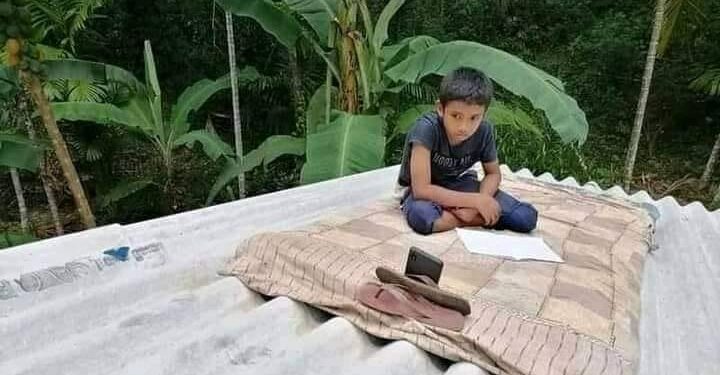
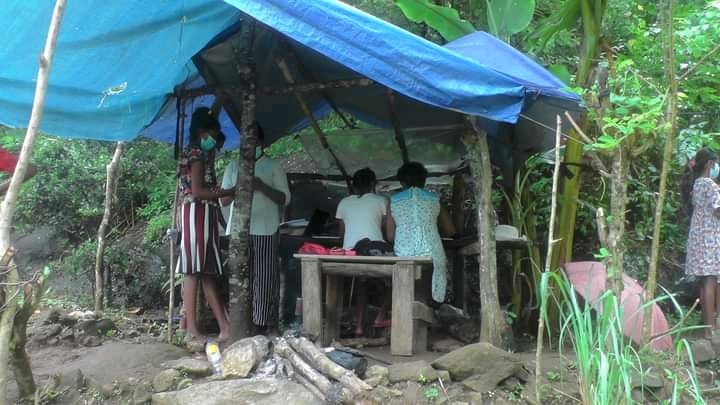
Colombo, July 6:  In these days of the pandemic, how would children in the plantations study when they have no money to buy cell phones to follow on-line lessons, and even if they have the phones, they have to climb rooftops or hilltops to access signals.

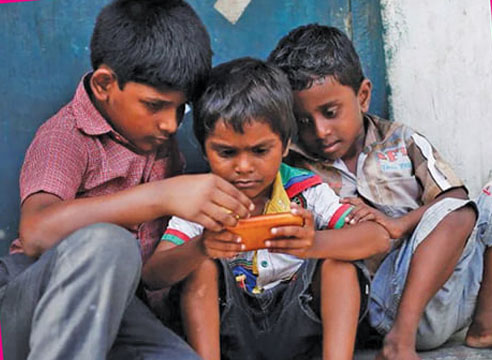
An upcountry mother says that it is difficult for the family to buy cell phones and data cards. Even when they have them, sometimes there is no signal coverage. Because of this, our children are unable to attend the daily online Zoom classes. Sometimes,   about ten students of the same class get together and use one phone to learn the lessons. The situation is pathetic,” the mother said.

This situation didn’t erupt all of a sudden.  The long historical background of the upcountry people is the cause. The purpose of this article is to study the present ‘hallenges encountered by the Up-country Educational  Environment’ in its historical context and the current corona outbreak.

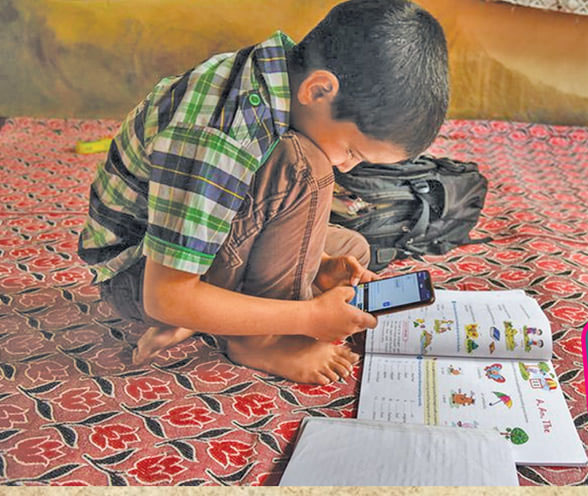
A little boy learning the basics using a phone

Free education

The very same year Sri Lanka became independent, the Up-country people were deprived of citizenship.   This is the reason why they are lagging behind other communities.

Free education had been introduced in 1943 by C.W.W.Kannangara, also called the father of free education. But free education was available to the plantation estate schools only 40 years after other communities had enjoyed it. When Sri Lanka became a Republic in 1972, the government took over the schools run by estate management. But, this became effective only in 1980.

Accordingly, changes in the school syllabi, administrative circulars, appointments of principals and teachers and their salaries took place. However, no changes were made to the physical resources, like school buildings, playgrounds and infrastructure.

In 1990, when these necessities were felt, foreign voluntary organizations like  GTZ (Germany) and SIDA  (Sweden) came forward to help.  At that time, the Plantation Schools Unit started functioning under the Central Ministry of Education.

The estate schools taken over by the government forty years ago. But the question now is what are the special arrangements already made or are being made by the government to convert them into proper government schools, since the projects undertaken by the foreign voluntary organizations have already been completed?

Nationwide,  843 schools are functioning in the estates. These estate schools are caught in the heart of the corona pandemic. These schools first closed during the 2020 lockdown, reopened in stages, adhering to health guidelines.  While reopening these schools, big problems surfaced due to lack of infrastructure. The need for physical resources, beginning from water supply to wash hands, toilet facilities and their maintenance, spacious classrooms for social distancing, and so on were some of the issues. In a situation like this, how could they continue their education without anxiety? Parents are also reluctant to send their children to schools for fear of corona.

Further, by 2021 corona online education through Zoom classes began throwing new challenges before the up-country estate students. They had to adjust themselves to the e-learning trend. The questions are:  They do not have safe electricity connections at home and schools. They have no computers or other devices like Android Mobile Phones, Tabs, iPads, or Laptops. If they do not, who would provide them?

Using smartphones, my classmates are attending online classes. I do not have such a phone. The related educational channel is not available on TV. This year I have to sit for the General Certificate of Education Examination. How can I write the examination?” asks a student. A Grade 8 student says: My classmates are studying with I phones. I do not have that facility.  I do not know how to handle it. Though I am interested and wish to study online, unfortunately, I am unable to make use of this facility”.

A tuition class

A  Grade 5 teacher is preparing her students for the Scholarship Examination and shares her experience on this matter. I am teaching 28 students sitting for the scholarship examination this year. Out of the 28, only 20 have joined the Zoom classes. Radio signals are interrupted very often. As a result, they experience many obstacles. When I ask them questions, unless their parents or siblings are by their side, they find it difficult to operate the microphones”.

The inability of students to reload data packages regularly, the fact that cell phones used by their parents lack the facilities are among obstacles faced by these students. If this situation continues, there will be a drop in the success rate of the students.  When this situation is not 100% favorable even for the upper-grade students, what will be the position of lower grade students?

Networks and Coverage

In the estate sector, most schools are located in mountainous areas where mobile and broadband coverage is very poor. As a result, students develop a tendency to hate online education. A student in Grade 12 said: Online classes start at 6.00 am. Without proper coverage, lessons are interrupted. Even when we join the classes with interest, it is difficult to understand the lessons due to interruptions.  When the teacher asks questions, we are unable to answer.  I am frustrated. How can I sit for the examination next year?” Most of the up-country estate students are frustrated.”

In the upper-grade classes, Science and Maths subjects are taught rarely. Generally, these two subjects are taught in tuition classes. This is a source of income for teachers who conduct tuition classes after school. Separate classes are conducted on payment of fees.

During the previous Good Government” regime, laptops were provided to some school students and students studying in universities. It was opposed by the opposition at that time. However, devices were provided to a few schools.  Some schools now have ‘smart classrooms’.  We must also remember that many schools rejected this (for political reasons).

Views of Education Officers:

The participation of estate sector students in online education is as low as 50%, in comparison with students from other regions. This came to light in a recent statistical study conducted in an Education Zone of  the Central Province. Due to the continuous lockdowns, the number of students attending online classes has declined.  

Some students have access to cell phones, but they are not proficient in operating  Zoom. Due to this, they are unable to attend Zoom classes, even when they have an interest in it.

In most houses, cell phones are the main mode of communication and the lack of sufficient knowledge to use them for educational purposes has caused frustration.

Teachers    

Only certain teachers conduct online classes.  Leaving aside their technical knowledge, they are unable to coordinate with their students in mountainous areas where coverage is low. As a result, there is a big gap between teachers and students.

It has to be mentioned here that in certain schools, self-learning programs were conducted for the teachers on Zoom.

About 50% of the students who could not join the online classes have given up studying in this method.

The Education Ministry took special action to introduce the government’s Gurugedera teaching programme through E.Thaksala, Eye Channel, and Kurunchi Radio. But it is not possible for the students who do not have TVs or cannot access the wavebands.

Solution    

Telecom companies should introduce a new policy to provide free internet services to students.  As of now, schools are functioning with Zoom technology via the internet. The students who cannot afford data, fail to attain their targets.  Among them are talented students, who wish to progress but are now falling behind.

Learning to use the phone

Students who can afford to spend on data are evaluated as the ones who can progress in studies now. Even though we live in the information age, it is distressing that we are unable to help our students, who are our next generation.

It is questionable as to whether the online learning system that started with the pandemic is equally available to every student. There is the possibility of a widening gap between the affluent and poor students. With these challenges before them, how can upcountry estate students move forward, toward a better future?

Many of those from this community who are now in better positions must contribute to uplifting the standard of education in this community that is lagging behind others. It may be in the form of advice, funds, donations, and service.  It is essential that Old Boys Associations and Development Committees of Schools, wealthy community members, business people, learned persons in big positions, retired teachers, principals and academics coordinate and develop a common program to achieve this goal.

(The opinions expressed in this publication are those of the authors. They do not purport to reflect the Press Institute)

Indian envoy in Sri Lanka reiterates backing for full implementation of 13 th. Amendment

July 6th, 2021

Courtesy NewsIn.Asia

Colombo, July 6 (newsin.asia): A five member Tamil Progressive Alliance (TPA) delegation led by Mano Ganeshan Member of Parliament called on the Indian High Commissioner  Gopal Baglay  on July 6, at India House. TPA Members of Parliament  Radhakrishnan, Udhaya Kumar, Velu Kumar along with TPA General Secretary Chandra Schaffer were present during the meeting. The High Commissioner was assisted by Deputy High Commissioner, Vinod K Jacob and Political Counsellor, Banu Prakash.

Indian envoy in Sri Lanka reiterates backing for full implementation of 13 th. Amendment

The nearly two hour long meeting saw discussions on issues of mutual interest and contemporary relevance that also affected the Indian Origin Tamil community of Sri Lanka.

TPA leaders with Indian envoy

The TPA delegation highlighted the socio-economic and developmental needs of the Indian Origin Tamil people as well as their hopes for political devolution. The High Commissioner reiterated India’s support for devolution in Sri Lanka on the basis of the full implementation of the 13 th., Amendment and early conduct of Provincial Council elections.

The two sides also emphasized the significance of the Indian Housing and other community Development Projects being implemented by the Government of India in the plantation areas.

Pakistan’s envoy urges Lankan minorities to live in peace with the majority

July 6th, 2021

Courtesy NewsIn.Asia

Colombo, July 6 (newsin.asia):  The High Commissioner of Pakistan in Sri Lanka  Major General (R) Muhammad Saad Khattak told an audience in Arugam Bay in South Eastern Sri Lanka on July 1, that Sri Lankan minority communities have to live peacefully with the majority community.

Pakistan’s envoy urges Lankan minorities to live in peace with the majority

The High Commissioner highlighted that programs which are being offered and implemented by the Pakistan High Commission in Sri Lanka are for all the people living in Sri Lanka.”

He assured that Pakistan will always stand with Sri Lankan brethren in this hour of need and will continue relief assistance and full support in strengthening bilateral cooperation between the two friendly countries

As part of the Government of Pakistan’s relief assistance to the flood affectees of torrential rains, landslides and Covid-19 pandemic in Sri Lanka, H.E, High Commissioner of Pakistan to Sri Lanka visited Anuradhapura, Kilinochchi, Arugam Bay and distributed dry food items among the affected families.

In Anuradhapura, the distribution of food items ceremony was held in Mirisawatiya Temple on 29 June 2021. Ven. Ethalawetunawewa Gnanatilake Thero appreciated the Government of Pakistan and the High Commission’s efforts for support to the needy families.

In a ceremony held in the Security Force Headquarter, Iranamadu, Kilinochchi, the High Commissioner distributed food items among the flood affectees of that region. The High Commissioner also met Major General Harendra Parakrama Ranasinghe, Commander of the Security Force Headquarters (Kilinochchi) during which matters of mutual interests were discussed.

Apart from that the High Commissioner visited Jaffna on 30 June 2021 and held a meeting with Hon. Angajan Ramanathan, Member of Sri Lankan Parliament. Matters related to agriculture, education and to further strengthen the bilateral relations were discussed.

Lanka issues Rs.1000 coin to commemorate CPC’s centenary and 65th. anniversary of Sino-Lankan diplomatic ties

July 6th, 2021

Courtesy NewsIn.Asia

Colombo, July 6 (newsin.asia): A 1,000 rupee commemorative coin issued to mark the 65th Anniversary of diplomatic relations between the Government of Sri Lanka and the People’s Republic of China, and the 100th Anniversary of the Communist Party of China was presented to President Gotabaya Rajapaksa on July 6,  the President’s Media Division said.

Central Bank Governor Professor W. D. Lakshman has presented the coin to the President at the Presidential Secretariat this afternoon (06).

This commemorative coin was issued as a special tribute to the long-standing friendship and strong ties between the two countries.

On the center of one side of the coin is the front view of the Nelum Pokuna Mahinda Rajapaksa Theatre with the national flags of Sri Lanka and China. The ‘2022’ is shown in large numbers below the Theatre. The coin reads 65 years for Sri Lanka – China” in English, Sinhala and Tamil,” PMD said in a statement.

The other side of the coin says ‘1,000 rupees’ and Chinese Communist Party” in three languages.

The Central Bank has issued 500 gold and 2,000 silver commemorative coins.

Asia’s Highest Default Risk Spotlights Sri Lanka Debt Worry

July 6th, 2021

By  and 

  • Nation has to service $1 billion of debt maturing in July
  •  Sri Lanka says arrangements made to settle July bond

Sri Lanka’s risk premium for a default jumped, reflecting concern that the pandemic is damaging the nation’s ability to fill its foreign-exchange coffers ahead of at least $2.5 billion in dollar debt due in the next 12 months.

The nation’s five-year credit default swaps rose to 1,553 basis points on Monday, the highest since March 1. A separate gauge of one-year default probability was at 27.9%, the steepest in Asia, up from around 13% over six months ago, according to a Bloomberg model where a reading above 1.5% signifies high risk of failure to pay.

The first test comes July 27, when the South Asian nation must repay a $1 billion bond to investors. President Gotabaya Rajapaksa’s administration tightened capital controls last week, limiting how much foreign currency can leave the country, and speculation is growing that it may need to turn to the International Monetary Fund for additional finances after securing assistance from countries including China.

Read: Malaysia’s 1998 Playbook Helps Sri Lanka Shun IMF for China

These resources should enable Sri Lanka to meet its remaining debt maturities through the rest of 2021,” said Sagarika Chandra, primary sovereign analyst for Sri Lanka at Fitch Ratings. Nevertheless, Sri Lanka’s debt repayment challenges will continue into the medium-term. Authorities have not yet specified plans for meeting the country’s foreign-currency debt-servicing needs for 2022 and beyond.”

Arrangements are already in place to settle the bonds due later this month, the central bank said in a statement late Monday. Two more payments become due next year — a $500 million bond on Jan. 18, followed by $1 billion of debt maturing July 25.

The other bonds also we will pay,” said Ajith Nivard Cabraal, Sri Lanka’s state minister for money and capital markets and a former central bank governor, citing steps such as foreign- exchange controls and swap agreements with China and Bangladesh.

Still, the uncertainty has prompted calls from some opposition party members for Sri Lanka to seek help from the IMF, which prematurely ended a $1.5 billion fund facility last year amid change in financing needs due to the pandemic. While the government and the central bank have said there’s no need to go back to the Washington-based organization, it isn’t uncommon for nations to renegotiate terms with the global lender of last resort.

Read: IMF Sees $45 Billion Deal With Argentina Pushed Into 2022

Sri Lanka’s government is instead aiming to pursue its own policy mix, including promoting import substitution and garnering support from bilateral creditors including India and China. It secured a $1.5 billion currency swap line from Beijing in March, and is expecting inflows including a $250 million swap facility from Bangladesh’s monetary authority, besides a $400 million facility from the Reserve Bank of India to bolster reserves.

Foreign-exchange reserves stand at around $4 billion, excluding the China swap agreement, according to the central bank. That’s enough to cover three months of imports.

Concerns about repayment are pushing the cost of Sri Lanka’s dollar debt higher, with the yield on the 5.75% 2023 bond surging 96 basis points at Monday’s close to 28.7%, according to data compiled by Bloomberg. The yield on the 7.55% 2030 bond is near a three-month high of 16.5%.

The sell-off may be overdone in short tenor debt, especially notes maturing 2023 and 2024, according to Ek Pon Tay, senior portfolio manager for emerging-market debt in Singapore at BNP Paribas Asset Management.Sponsored ContentHow Can ETFs Help You Invest More Sustainably?iShares

The sovereign’s near-term liquidity is not a concern,” said Tay, who expects an IMF package to materialize in coming months and predicts Sri Lankan banks, which hold a third of the July 2021 bond, to plow that cash into other upcoming maturities. In the medium term, however, a renewed risk is a widening trade deficit given rising oil prices.”

Investors are also expressing concern about Sri Lanka’s capital controls, which are seen as a way for the economy to shun reliance on foreign borrowing, and more importantly ward off interference from the IMF, whose aid comes with strict conditions.

HERE’S A SNAPSHOT OF THE CAPITAL CONTROL MEASURES:
Sri Lanka suspends some investment limits for six months from July 2Companies were earlier allowed to invest up to $2 million a year abroad without special permission, while individuals could invest as much as $200,000 a yearInvestments abroad would still be allowed if they are made from foreign borrowingsCentral bank may approve investments on a case by case basisFirms will be allowed to remit up to $15,000 to existing branches and if funds are needed to meet regulatory requirements abroadGovernment reduces the first allowance of those migrating abroad to $30,000 from $200,000Outward remittances from personal or business foreign currency accounts limited to $20,000

The capital controls risk the emergence of parallel exchange rates, disrupt access to imports and ultimately may well stall the economy,” said Tim Ash, a strategist at BlueBay Asset Management in London. They might all just make the end game more painful, rather than actually resolving anything.”

— With assistance by Asantha Sirimanne

Pohottuwa: Will it blossom or wither?

July 6th, 2021

By Dr Upul Wijayawardhana Courtesy The Island

Pipi gena aa malak paravee, suwanda loketa nodee nesuna”: This line from a song my wife sang in the ’60s over Radio Ceylon, which translates as A flower about to bloom withered, dying without releasing its fragrance to the world”, keeps going round and round in my head these days. I wrote it, grieved by the sudden death of my best friend from school, Susantha de Silva, who was on his way on a scooter, to a temple in the Eastern Province, to get a talisman from a Bhikkhu, to ensure his selection for training as a sub-inspector of police, to be mowed down by a speeding motorist. Maybe, it is the speculations around the fate of the political Pohottuwa, the reason for this earworm!

Afterall, I was among the millions jubilant, nay ecstatic, with the election of a president with a difference; not a career politician, from the tainted lot we have, but a public servant with a proven track record. Anyone not associated with the disastrous Yahapalanaya could have won the presidential election, in December 2019, but there was an added bonus. Gota was one of the architects of the victory against terrorism, deemed impossible by international military experts, and demonstrated strength of character by resisting all attempts by the West to thwart the efforts of our patriotic forces who were on the cusp of victory. Whilst preaching against and claiming to fight terrorism, they did their damnedest to save one of the worst terrorist leaders the world has ever known. Perhaps, they would have succeeded if not for the unshakable resolve of Mahinda and Gota.

Gota started very well; in fact, far better than expected, and Pohottuwa was richly rewarded with another deemed impossibility; winning the general election with a two-thirds majority, in spite of the constraints of the proportional representation system. Less than a year after that remarkable victory, jubilation has turned to despondency. What went wrong? Is it the unprecedent stress placed on the government by a devastating pandemic? No surprise that the country is begging for foreign currency as two main sources, remittances from the Middle-East and tourism, have dried up. Of course, the ever-dwindling numbers of arch-supporters would argue that things would be much worse had Yahapalanaya, or a successor, continued. Whilst there is hardly a doubt about that, it is no excuse. Further, there is a sneaking suspicion that dollars are flowing freely to fund well-organised attempts to discredit the government. However, the Opposition seems lame and the Leader of the Opposition is failing to capitalize on the situation by being more interested in verbosity than delivering a clear message, in simple words. His former boss, sensing these failures, though rejected by the voters, has decided to sneak into Parliament, breaking his own rules!

True, the government can boast of many successes. There had been a relentless attack on the underworld and many drug lords have been captured, though the demise of some occurred under suspicious circumstances. However, I doubt many will shed tears for them considering the damage they had done to our youth. Interestingly, the dissatisfaction created is entirely due to own goals by the government and the pity is that these were mostly avoidable. Though there are a good many, let us focus on a few of the fairly obvious ones.

Having won plaudits, internationally, too, for efficiently controlling the pandemic, initially, things went horribly wrong as some quasi-pundits around the government decided to put superstition before science. Some were more interested in protecting Ayurveda, though it predates the concept of infectious diseases, as it is a vote-catcher! The Minister of Health displayed gross ignorance by, first, dropping pots for prevention, devised by a faith-healer, who claimed to have been specially flown to India to help the Indian Government, and then partaking of an untested peniya, which made the inventor rich but those who drank sick, including the Minister herself. Unashamedly, she still continues to be the Minister of Health!

Then the idiots parading as the wise (Viyath) prevailed on the government not to relax the rules on the cremation of Covid victims, in spite of the excellent recommendations made by a committee of experts. This, totally unwarranted and unscientific stand, antagonised many a Muslim country that may have voted for us at the UNHRC. Coupled with this, the total lack of efficiency on the part of our Foreign Ministry, made us lose a battle that could have been easily won. At a time when the Tiger-rump is on the overdrive, discrediting Sri Lanka, with the connivance of some western politicians who would, just like our lot, stoop low for a few votes, we needed a strong Foreign Minister. Because we do not have one, we are losing our reputation, internationally, and the Ambassadors in Colombo are behaving as viceroys! If the Foreign Minister is not allowed to do what he wants, as some close to him claim, surely, he should be honourable enough to resign. But, then, am I not expecting too much from politicians who are more interested in the perks than honour or duty?

Whilst lauding the President for his vision of organic products, it is very unfortunate he attempted to do the right thing at the wrong time and in too much of a hurry. Much richer countries, with the desire to go organic, have found it difficult and have decided it should be done very gradually. The attempted ‘fertiliser ban’ added another mafia to the rice mafia, which seems to have defied every government. Perhaps, the only solution is to make Maithri the Minister of Food and see whether brotherly love would solve the rice problem! Fertiliser fiasco has sent prices soaring, the already depressed tea production to an almighty low level infuriating farmers and small tea growers alike. Though done with the best of intentions, this was a totally unnecessary own goal!

The fertiliser-fiasco pales into insignificance with the next own goal of unimaginable proportions. It was pretty obvious that fuel prices had to go up, due to the increasing world price of crude oil, as well as the decreasing value of the Rupee. Had the President addressed the nation, perhaps with a shorter speech, and explained the difficulties, I am sure the public would have had sympathies, even if they did not support wholeheartedly. Instead, the Minister of Energy announced the increase of fuel prices and in a totally unprecedent move, fraught with extreme idiocy, the Secretary General of the governing party issued a letter of condemnation of the Minister. In a smart move, the Minister retorted that as the fuel price increase was done with the concurrence of the President and the Prime Minister, the condemnation should extend to them as well. What an unholy mess! Perhaps, the world needs to learn from us how to govern like idiots!!

They are now planning to play, what some think is, the trump card: Bring Basil back! Basil valued his American citizenship over a ministry and it seems obvious, now, that removing the bar for dual citizenship holders from being in political office, with 20A, was to accommodate him. He has just returned from a month’s stay in the USA and what is up his sleeve no one knows! But I am sure Americans, naturally, expect him to honour the oath of citizenship he took. Those who clamour for Basil are hoping that once he is appointed the Minister of Economic Development, with or without Finance, would reduce the price of fuel winning the public support. They are living in cloud cuckoo land, taking masses for asses, failing to realise that it would only further erode the credibility of the government!

We talk so much about Singapore and it is noteworthy that dual citizenship is not allowed at all! Perhaps, that may be one of the reasons for their continuing development. Total commitment to the country is needed from all, especially politicians.

It looks as if the withering of Pohottuwa has already started. Unfortunately, this would have disastrous consequences for the country as there does not seem to be an alternative. SJB seems full of puppets and disgraced politicians. Ranil does not seem to allow anyone else to develop in the UNP, as long as he is alive. The JVP has turned out to be a bunch of spent revolutionaries who lost credibility by propping up Yahapalanaya.

They say a vacuum would not be left and would always be filled. But with what? A revolution? As an appendage of the USA, India or China? I fear the worst unless the Rajapaksas see sense and make an immediate course correction!

PM tells SLPP dissenters govt. has salon door

July 6th, 2021

By Norman Palihawadane Courtesy The Island

Prime Minister Mahinda Rajapaksa yesterday said the govenrent kept the door open for anyone to leave, if he or she did not agree with its policies.

Commenting on recent statements by some ministers critical of the government, PM Rajapaksa tod The Island: We are not keeping anyone forcibly. It is usual within an alliance for parties with various ideologies to have different opinions on political issues. We also maintain democracy within our alliance unlike many others in today’s politics. Anyone in the goverment can leave. We have the people’s trust. We are implementing the development work as we promised to the people in our manifesto. That is why the people have given us a huge mandate.”

The PM said some politicians made controversial statements to attract media attention, and they should not be taken seriously.

But if anyone is not actually happy with the way we conduct the affairs of this government, our doors are always wide open for them to leave. Similarly, our doors are also open for anyone who wish to join forces with us if they approve the way we govern this country,” the Premier said.

20 channels to telecast online education soon

July 6th, 2021

Courtesy The Daily Mirror

With the aim of promoting online based education system, the cabinet ministers had agreed to broadcast all school subjects as programs through 20 television channels, Cabinet co-spokesman Dr. Ramesh Pathirana said.While addressing the media at the weekly cabinet meeting, he said the decision was taken following lengthy discussions during the cabinet meeting.

The cabinet ministers had agreed to launch 20 education channels for all subjects for schoolchildren from grade one to Advanced Level free of charge.  Hence, 13 channels to broadcast subjects relate to grade one to 13 and the remaining channels to broadcast subjects relate to Advance level.

The recording activities are currently underway at the Education Ministry and soon after the completion of the recordings, all subjects will be broadcast through the TV channels.

However, the government holds the rights to broadcast every educational channel through all television stations.

Also, he said measures have been taken across various options such as e-thaksalawa, Guru Gedara, television and broadcasting programmes, the Youtube channel of the National Institute of Education and other provincial academic bodies as well as school level online lessons to educate students.

However, practical issues have cropped up in stimulating schools, principals, teachers, teacher instructors and other senior officers, to maintain common standards in teaching methodologies, taking the number of student participation and evaluation of the learning performance. 

Therefore, the Cabinet of Ministers granted approval to a resolution furnished by the Minister of Education to implement a programme called “Sustaining the Education of children across indoor activities” utilizing the potential of all institutions and human resources within the entire education sector to the maximum with effect from August 1.

Basil Rajapaksa’s name submitted to Election Commission

July 6th, 2021

Courtesy Adaderana

Sri Lanka Podujana Peramuna (SLPP) has proposed the name of Basil Rajapaksa to the Election Commission to fill the parliamentary seat vacated by MP Jayantha Ketagoda.

Speaking to the media, SLPP General Secretary MP Sagara Kariyawasam said Basil Rajapaksa is expected to take oaths as a Member of Parliament on the 8th of July.

Ketagoda stepped down from his position as a National List MP to make way for Basil Rajapaksa.

The parliamentary media unit confirmed that he had handed in his resignation to the Secretary-General of the Parliament this morning (July 06).

Basil Rajapaksa’s much-anticipated entry to parliament had been making headlines over the past few weeks. Reports speculated that he would also be sworn in as a Cabinet Minister.

Meanwhile, a group of ruling party backbenchers who met at the residence of MP Pramitha Bandara Tennakoon recently, collectively adopted a proposal to call the SLPP’s architect to enter the parliament.

Sri Lanka confirms 45 new COVID deaths

July 6th, 2021

Courtesy Adaderana

The Director-General of Health Services has confirmed 45 more COVID-19 related fatalities that have occurred yesterday (July 05).

The new development has pushed the official death toll due to the virus in Sri Lanka to 3,313.

According to the data released by the Department of Government Information, the new victims confirmed today include 15 females and 30 males.

One of them is aged below 30 years, eight victims are between 30-59 years and the remaining 36 are aged 60 and above.

Daily COVID cases count moves to 919

July 6th, 2021

Courtesy Adaderana

The Health Ministry says 269 more people were tested positive for COVID-19 today (July 06) as the daily count of positive cases reached 919.

According to the Government Information Department, all new cases reported today have been associated with the New Year cluster, which has recorded a total of 259,669 virus infections since mid-April this year.

The new development brings Sri Lanka’s confirmed coronavirus cases tally to 267,418.

The recent drop in novel coronavirus cases is due to the delays and decreased testing due to strikes of health sector trade unions, Head of National Operation Centre for Prevention of COVID-19 Outbreak (NOCPCO) General Shavendra Silva said on Monday (July 05).

However, the trade unions called off their strike action today following discussions with the Minister of Health.

Official data showed that as many as 231,394 patients who were infected with the virus have regained health so far. Meanwhile, the death toll now stands at 3,313.

More than 27,000 are currently under medical care at selected hospitals and treatment centres across the country.

ඉංගිරිස් පාරුව කරට ගැනීම – II

July 5th, 2021

චන්ද්‍රසිරි විජයවික්‍රම, LL.B., Ph .D

මැකෝලි සාමිගේ අධිමානය (superiority complex) හා කළුසුද්දන්ගේ හීනමානය (inferiority complex)

 යුරෝපයේ හොඳ පුස්තකාලයක තිබෙන එක පොත් රාක්කයක්, ඉන්දියාවේ හා අරාබියාවේ ඇති මුළු පොත් සාහිත්‍යය තොගයටම වඩා වටිනා බව ප්‍රතික්ෂේප කල හැකි කාටද?” – මැකෝලි සාමි

(Who could deny that a single shelf of a good European library was worth the whole literature of India and Arabia.” Macaulay (1835), Macaulay: The Shaping of the Historian by John Clive, Random House, 1973, p. 372).

සිය යටත් විජිතවල, හීනමානයකින් පෙළෙන කළුසුද්දන් පරම්පරා බෝකර, එම යටත් විජිතවාදී පාලන මනස මඟින් ලෝකය සදාකාලිකව යුරෝපා- හා (දෙවන ලෝක යුද්ධයෙන් පසු) ඇමෙරිකන් ග්‍රහණයට යටත් කරදුන්නේ මැකෝලි සාමිගේ, ඉන්දියානුන්ට ඉංග්‍රිසී ඉගැන්විමට අදාල, 1835 එඩියුකේෂන් මිනිට් එකෙන්ය. යටත් විජිතවල ඉංගිරිස් කටගා ගත් පන්තියක් බිහිකිරීම නිලවශයෙන් ඇරඹුණේ ඒ හරහාය. මීට විරුද්ධව බලවේග දෙකක් ලංකා කොලනියේ මතුවිය. 1841 දී වලානේ සිරි සිද්ධාර්ථ නාහිමියන් පනාදුරේ සිට රත්මලානට වැඩමකර පරමධම්මචේතිය පිරිවෙන අරඹා, බිහිකල ගෝලයින් දෙනමක් විසින් පිහිටුවූ විද්‍යාදය (1873)-විද්‍යාලංකාර (1875) පිරිවෙන් සිංහල බෞද්ධ සංස්කෘතිය රැකගන්නට ඉවහල් විය.  සුද්දන්ගේ, මෙම හීනමානය යටත් විජිත වැසියාගේ සිත්තුලට රිංගවීමේ ශූක්ෂම උපක්‍රමයට සරල මනෝවිද්‍යාත්මක විසඳුමක් 1930 ගණන් වලදී අනාගාරික ධර්මපාලතුමා විසින් සපයන ලදී. පඹයෙකු සදා, සුදුහුනුගා, ගෙයි මිදුලේ තබා, උදේ හවස, පර සුද්දා, පරසුද්දා කියමින් ඊට පයින් ගසන ලෙස ඔහු කියා සිටියේය. මෙය පාලක සුද්දන් හා ඔවුන්ට ගැති කළුසුද්දන් අන්ද මන්ද කලේය. 1802 දී රටේ මුහුදුබඩ ප්‍රදේශ බ්‍රිතාන්‍ය කිරීටයට පවරාගත් වහාම, 1804 දී ලන්ඩන් මිෂන් සොසයිටිය ක්‍රිස්තියානිකරණය සඳහා පාසැල් ජාවාරමට ඇතුල්විය. 1815 උඩරට පාවාදීමෙන් පසු ඇමරිකන් මිෂනාරී සමාගම් විසින් යාපනේ හා මඩකලපුවේ ඉංග්‍රීසි පාසැල් ලහි ලහියේ ආරම්භකලේය. 1832 දී කෝල්බ්‍රැක් සාමි විසින් මැකෝලිගේ අදහස් ඒවන විටත් යෝජනා කර තිබුණි

ක්‍රිකට් වල භාෂාව කුමක්ද?

ඈත පිටිසර ගමකින් ආ, අජන්තා මෙන්ඩිස් නම් සොල්දාදුවා එක්තරා ජාත්‍යන්තර ක්‍රිකට් ක්‍රීඩා තරඟයකදී  සිය හපහ්කම පෙන්වූ විට, බන්දුල අභයවර්ධන නම්  එක් ඉංග්‍රීසි ටියුෂන් මාස්ටර් කෙනෙකුට ඇතිවූ හිත් අමාරුව  වූයේ අජන්තාට රිපෝටර්ලා අසණ ප්‍රශ්ණ වලට ඉංග්‍රීසියෙන් උත්තර දෙන්නට නොහැකි වීම නිසා රටට සිදුවූ මදි පුංච්කමය. ඒ නිසා ක්‍රිකට් ගහන අයට ඉංග්‍රීසිද ඉගැන්විය යුතුයයි ඔහු යෝජනා කලේය (අයිලන්ඩ් පුවත් පත , 2008 ජූලි 23/ඇගෝස්තු 22). ක්‍රිකට් වලට භාෂාවක් තිබෙනවාද යන කරුණ ඉස් මතුවූයේ ඉංග්‍රීසි වලින් ක්‍රිකට් දක්ෂ ලෙස ගහන්නට ලැබෙන දේ කුමක්ද යන ප්‍රශ්ණය නිසාය. ඒ කාලයේම ජයතිස්ස පෙරේරා නම් පුද්ගලයෙකුගේ අදහස වූයේ, මන්ත්‍රීවරුන්ගේ කබල් හැසිරීමට හේතුව ඔවුන් ඉංග්‍රීසි  නොදැන සිටීමය (අයිලන්ඩ්, 2009 ජනවාරි 22). ඒ.සී. විශ්වලිංගම්ට අනුව ඉංග්‍රීසි භාෂාව අනිවාර්ය විෂයක් කිරීම රටේ ප්‍රගතිය සඳහා අවශ්‍යම කරුණකි (අයිලන්ඩ්, 2009 ජනවාරි 23). ක්‍රිකට් ක්‍රීඩාව අදවන විට බල්ලාට ගොස් ඇත්තේ ඉංග්‍රීසි නැති නිසා නොව ක්‍රීඩකයින්ට රට ගැන තැකීමක් හෝ හරිහමං හැදියාවක්, සදාචාරයක්, නැතිකම නිසා බව පසුගිය දිනක එංගලන්තයේ ඩර්හම් නගරයේ මහරෑ (බීඩි?) බොමින් ගිය සල්ලාල ක්‍රීඩකයින් තුන්දෙනාගේ වීඩියෝවෙන් එලිවිය. වරින්වර මෙසේ ඉංගිරිස් උණකින් පෙලෙන්නන්ගේ සැබෑ යටිහිත සිංහල පහත්කොට කතාකිරීම සඳහා ඔවුන් නොදැනම ඔවුන්ගේ හිතට රිංගන කැත හීනමානයය.

උදාරණයක් වශයෙන් ව්‍යාපාර ලෝකයේ රජයන ධම්මික පෙරේරා ගැන බලන්න. හරිටීවි-ලහිරු සමඟ 2021 ජූනි 26 දා පැවැත්වූ යූටියුබ් සාකච්චාවේදී තම දරුවන් ඉන්ටර්නැෂනල් පාසැල් වලට යාම නිසා ඔවුන්ගේ  සිංහල “දුර්වල” බව ධම්මික කියයි. ඒ සමඟම යළි ඉංග්‍රීසි මාධ්‍යය පාසැල්වලට ගෙන ඒම ගැන ඔහු කියන්නේ සිංහල හා බුද්ධාගම අනිවාර්ය විෂය දෙකක් ලෙස තිබෙනවානම් ඒ මඟින් සිංහල මව් භාෂාව රැකෙනවා යනුය. ඒ කාලයේ මැලිබන් මුදලාලි, දාස මුදලාලි හෝ නවලෝක මුදලාලි ඉංගිරිස් දැනසිටියේ නැත. ධම්මික පෙරේරාට ඇත්තේද ඉංග්‍රීසි වර්කින් නෝලේජ් එකක් පමණය. මේ දැණුම ලබා ගැනීමට පාසැල් වලින් සිංහල මරාදමන්නට අවශ්‍යද? ශාස්ත්‍රානුකූල ලෙස ඉංග්‍රීසි විෂයයක් වශයෙන් ඉගැන්වීම නොසෑහේද? ධම්මික පෙරේරාට, මුහුදු වෙරළේ සුද්දන්ට විසිතුරු භාණ්ඩ විකුණන කොල්ලන්ට හා ඇමෙරිකාවේ ඉගැන්වූ මට ඇත්තේ ඉංග්‍රීසි වර්කින් නොලේජ් පමණක් වන්නේ අපි කුඩාකල සිට සිංහලෙන් අපේ මව් භාෂාවෙන් ඉගෙනගත් නිසාය. මීට වෙනස් විශේෂ පුද්ගලයින්ද මේ ලෝකයේ සිටිනා බවද සැබෑය. උදාහරණයක් වශයෙන්,  ලතින් භාෂාව සමඟ කුඩාකාලයේ සිටම ඉංග්‍රීසියෙන් ඉගෙනගත් ජේ. ආර්, අගමැති බණ්ඩාරනායක, ෆිලික්ස් ඩයස් වැනියෙක් නොවූ,  පයාගල ගමෙන් පානදුරේ පාසැලට ආ මගේ පාසැල් මිතුරා පසු කලක විදේශ භාෂා පහකින්ම ප්‍රවීනතාවය ලබාගත්තේය. ජර්මනියේ වසන ඔහු දැන් කරන්නේ ජර්මන් කොම්පැනිවල ඉහල පෙලේ නිලධාරීන්ට ඉංග්‍රීසි ඉගැන්වීමය.  සිංහලෙන් ප්‍රංශ භාෂාවට, ජර්මන් භාෂාවෙන් සිංහලට නවකතා පරිවර්තනය කිරීම ඔහුගේ විනොදාංශයය.

ඉංග්‍රීසියෙන් ඉගැන්වීම හා ඉංග්‍රීසි ඉගැන්වීම අතර ඇති අහසට පොළොව වැනි වෙනස

*(1). ඉංග්‍රීසි යලි රජකරවන්නට වලිකන පිරිස්, යමෙකුට මූලික අධ්‍යාපනය දියයුතු ඔහුගේ/ඇගේ මව් භාෂාවෙන්ය (උපන්දා සිට ලමා කාලයේ ඇසුණු භාෂාව ) යන නියාමය අමතක කරයි. යමෙකුගේ නිර්මාණ ශක්තිය පෝෂණය වන්නේ සමාජ සංස්කෘතික හැදියාව (අක් මුල් සිඳුණු නරුමයෙක් නොවන ) සුරැකෙන්නේ, ආත්මාභිමානය වර්ධනය වන්නේ මව් භාෂාවෙන් සිතන්නට ඉඩක් ලද අයටය. සර් ඩී. බී ජයතිලක (ලෙජිස්ලටිව් කවුන්සිල් ඩිබේට්, 1928: 368)  ඇසු ප්‍රශ්ණයක් නම්, “අවුරුදු සීයකට වඩා කාලයක් මේ රටේ ඉංග්‍රීසියෙන් අධ්‍යාපනය පැවතියේය; එහෙත් එක පරම්පරාවක් වත් දිගටම පැවති එක ඉංග්‍රීසි කවි හෝ පොතක් ලියා ඉතිරිකර ගිය කෙනෙක් ඉන්නවාද යනුය. භාෂා 10 ක් දැන සිටි ආනන්ද කුමාරස්වාමි පෙන්වා දුන්නේ යමෙකුගේ නිර්මාණාත්මක හා බුද්ධි වර්ධනය හා ඔහුගේ/ඇගේ මව් භාෂාවත් අතර දැඩි සම්බන්ධතාවයක් තිබේය යන්නය (K.N.O. Dharmadasa, Language, religion and ethnic assertiveness, 1992. P.15).

මහත්මා ගාන්ධිට අනුව, මිනිසුන් වීදේශ භාෂාවක් ඉගෙන ගැනීමට තම ජීවිතයේ හොඳම කාලය (අවුරුදු ගණනක්) යෙදවීම සාපරාධී ක්‍රියාවකි (scandalous). නේරුට අනුව කොලෝනියල් මාස්ටර්ස්ලා උදව් කලේ ලිපිකාරයින් බිහිකිරීමේ ප්‍රතිපත්තියකටය (education for clerks). ලංකාවේ සිවිල් සේවය එවැන්නකි. සුදු සිවිල් සේවකයින් මිස වැදගැම්මකට ඇති වැඩක් කල ලාංකික සිවිල් සේවකයෙක් සිටිනවාද? (පොන්නම්බලම් සහෝදරයින් නම් දමිළ වර්ගය සඳහා යම් ඥානවන්ත දේ කර ගත්තේය). ලිපිකරු ටී. බී ඉලංගරත්න වගේ නවකතා/කෙටිකතා ලියු දේශීය සිවිල් සේවකයෙක් නැත. රාධා කාන්ත දේව් නම් කල්කටාවේ ප්‍රගතිශීලී වෙළන්දෙක්  1851 දී කියා සිටියේ මෙම ඉංග්‍රීසි අධ්‍යාපන ක්‍රමය නිසා, ඉංග්‍රීසි ගැටගසා ගත් තරුණයින් කුඹුරේ හීයෙන්, පොරොවෙන් හා රෙදි වියන යන්ත්‍රයෙන් ඉවත්වී, ආණ්ඩුවේ හා වානිජ කන්තෝරුවල ලිපිකාර රක්ෂා හොයමින් රස්තියාදුවන පිරිසක් බවට පත්වූ බවය.

*(2)(a).  දෙවනභාෂාවක් වශයෙන් ඉංග්‍රීසි දැනුමක් ලබාගැණීම හා,  (2(b) රජයේ පසැල් හරහා ඉංග්‍රීසි ඉගෙනගැණීමට ඇති භාධක මොනවාද යන කාරණා දෙක මේ ඉංග්‍රීසි උණෙන් පෙළෙන්නෝ නොසලකා හරියි. (2(c) ඉංගිරිස් පාරුව කරට ගන්නට අඬන්නේ කවුද, ඒ කුමක් නිසාද යන මෙම ලිපියේ 1 කොටසින් සළකා බැලූ කරුණු මෙම නොසළකා හැරීමට හේතු වටහා ගැනීමට උපකාරී වේ. අළුත් අළුත් දෑ නොතකන ජාතිය ලොව නොනඟී-හිඟාකෑම බැරිවූ තැන ලඟී ගයා මරඟී යයි කවියක් කුමාරතුංග මුනිදාස ලිව්වේය. ඊට පෙර අනාගාරික ධර්මපාලතුමාද මේ අදහස අනුව ජපානයට, ඇමෙරිකාවට හා ජර්මණියට ශිෂ්‍යයින් යැවීමට උත්සාහ කලේය. ගෝලීකරණය, ඉන්ටර්නෙට්, පරි ගණකය යනාදියෙන් බිහිවෙන නව ලෝකයට මුහුණ දීමට ඉංග්‍රීසි භාෂාව හරහා මිසක් කල නොහැකිය යන මතයක් ගොඩනැගී තිබේ (ඉංග්‍රීසි වෙනුවට තමන්ගේ මව් භාෂාවෙන් ඩ්ජිටල් මාවතට පිවිසි රටවල් කීපයක්ම සිටී; එතරම් දියුණු නැති හා චීනය මෙන් විශාල නැති තායිලන්තය උදාහරණයකි). මෙයට හේතුව වී ඇත්තේද කළුසුද්දන්ගේ කොමිස් කෑදරකම හා නොහැකියාවය.  පරිගණකය ගමට ගෙනයාම හා ඉංගිරිස් ගමට ගෙනයාම එකම කාසියේම දෙපැත්තය. අධ්‍යාපන අමාත්‍යාංශ ලේකම් හා තොරතුරු තාක්ෂණ ආයතනයේ ලොක්කා එකතුව මෙය කල හැකි වුවත් එය සිදු නොවන්නේ මන්දැයි මෙම ලිපියේ තුන්වන කොටසින් පසුව විස්තර කරමි. ඊට පෙර ඉංග්‍රීසි සුදු අලියා බදාගෙන අධ්‍යාපනකාරයින් නැටූ නාඩගම සළකා බැලිය යුතුය.

ඩොලර් ගිල දැමීම

රජයේ නිලධාරීන්, අධ්‍යාපන විශෙෂඥයින් අල්ලාගෙන ඩොලර් ආධාර ගිල දැමීම නොයෙක් ආකාරයට සිදුවේ. උදාහරණයක් වශයෙන් සෞඛ්‍ය, කෘෂිකර්ම, අධ්‍යාපන, මහාමාර්ග, ප්‍රමිති යන කන්තෝරු වර්ග ගැණ හිතා බලන්න. මේවායේ නිලධාරීන් රට කබාසීනියා කර තිබෙන්නේ දේශපාලකයින් හරහාය. ඉංගිරිස් ඉගැන්වීම ගැන ඒ කාලයේ සිටි අධ්‍යාපන මහාචාර්ය රන්ජිත් රුබේරුගේ උපදේශය බලන්න. විශ්ව විද්‍යාල අධ්‍යාපන සඳහා ඉංග්‍රීසි අනිවාර්ය කල යුතුයයි කලින් ලිපියක් ලියූ ඔහු ඉන් පසු, “කලබලයෙන් හදිසි තීරණ ගැනීම නුසුදුසු යයි” දෙවන ලිපියකින් බණ දෙසයි (අයිලන්ඩ්, 2001 ජනවාරි 19).  මොවුන් එකතුව, සරල දේ අන්තෝජටා-බහිජටා කරගෙන කරණ නාඩගම අද 2021 මැදදීත් එසේම ය. මෙවැනි තවත් උදාහරණයක් ආචාර්ය තිලෝකසුන්දරී කාරියවසම් සපයයි. ලොකුබණ්ඩාර  ඇමති කාලයේදී, ඉංග්‍රීසි එහි  අභිමානවත් තැනට ඔසවා තැබුවා යයි ඇය ලියයි (අයිලන්ඩ්, 2000 මැයි 4). ලෝක බැංකු ආධාරයෙන් 2000 වනවිට ඉංග්‍රීසි විෂයයක් සහිත උපාධිධාරීන් 1000 ක් බිහිකිරීමට ඉලක්කයක් තබා ඇත. දෙපාර්තමේන්තුවේ ඉංග්‍රීසි ඒකකයක් සදාගෙන ඇය ඇතුළු අය, අනේ මන්දා මොන මඟුලක් කලදැයි,” දැනට විශ්‍රාම ගොස් සිටින ඇගේ සමකාලින නිලධාරියෙක් මේ ලඟකදී මට කිව්වේය. මේ හා වෙනත් කෙරුවාවල වල තරම නොබෝ දිනක ගම සමඟ පිළිසඳරක් වැඩසටහනකදී අවුරුදු හතරක්ම ඉංග්‍රීසි පුහුණුව සඳහා ඔට්ටුවූ ගුරුමානවිකාවන් දෙන්නෙකුගේ ඉංගිරිස් කතාවෙන් එලිදරව් විය.

ටාරා දි මෙල් යුගයේදී ඉංග්‍රීසි මහාචාර්ය රජිව් විජේසිංහ විසින් සබරගමුව විශ්ව විද්‍යාලයේ කරණ ලද සේවය ගැන හා මේ වන විට ඉංග්‍රීසි සඳහා  විශ්ව විද්‍යාලවල සිදුකරණ නොයෙක් දේ ගැන ලිපියක් සමන්ති සේනාරත්න හා සුනිල් රත්නායක යන දෙදෙනා විසින් පලකරණ ලදී (අයිලන්ඩ්, ජූනි 30, 2021). මේ අළුත් පරම්පරාවේ අයටත් ළමයාගේ මව් භාෂාව රැක ගැනීමේ අවශ්‍යතාවය අමතකවී ඇත.  අමාත්‍යාංශ ලේකම් විදුලි ඉංජිනේරුවරයා  ඇතුළු රට ඉංග්‍රීසි කරන්නට මහාපරිමානයෙන් හිතන අයට කදිම පිළිතුරක් වයස අවුරුදු 24 ක  තරුණයෙන් දෙන්නෙක් ලබාදී ඇත. හරි-ටීවී වැඩසටහනකදී පෙන්වා දුන් අන්දමට, දවස් 45 කින් රුපියල් 5175 කට වයස අවුරුදු  5 සිට 85 දක්වා අයට ඔවුන් දෙන්නාගේ ඔන්ලයින්, ඩිප්ලොමැට්ස් ඉන්ග්ලිස් ඇකඩමිය මඟින් ඉංග්‍රීසි කතා කිරීමට උගන්වයි. ඇන්ඩෲ අමරසිංහ හා ඔහුගේ සගයා අවුරුදු 9 ක් තුල දියුණුකරගත් මෙම ව්‍යපෘතියෙන් මසකට ලක්ෂ 100 ක ආදායමක් ඔවුන් උපයයි (www. diplomatsmun.com). ඔන්ලයින් ක්‍රමයට යූටියුබ් මඟින් නොමිලේ ඉංග්‍රීසි උගන්වන අය බොහෝ දෙනෙක් දැන් සිටී.

කෝට්-කෝට් (court-coat)

ව්‍යාකරණ, නිවැරදි ලිවීම යනාදිය පසුවට තබා යමෙකුට ඉංග්‍රීසි කතාකරන්නට ඉගැන්වීමේ වැඩසටහනක් මහින්ද රාජපක්ෂ ජනාධිපති සමයේදී ආරම්භවිය. ඉන්ගිරිස් කතාකරන්න පුළුවන් නම් බොහෝ දේ කරගත හැකිය. මගේ ගේ ලඟ ජීවත්වූ බර්ගර් පවුල් දෙක චතුර ලෙස ඉන්ගිරිස් කතාකලේය. දිනක් ඉංග්‍රීසි හොඳින් දත් මගේ වැඩිමල් සහෝදරයා ඉදිරියේ එක්තරා ලේඛනයක මේ බර්ගර් තරුණයෙකුට උසාවිය යන වචනය ලිවීමට සිදු විය. ඔහු එය ලිව්වේ සී-ඕ-ඒ-ටි යනුවෙනි. ඔවුන්ගේ ඉන්ගිරිස් ප්‍රවීනතාවේ මායාව මට එලිවූයේ එදාය. එහෙත් ඕනෑම සුද්දෙක් සමඟ අගේට ඉන්ග්‍රීසියෙන් කතාකරන්නට ඔවුන්ට පුළුවන්ය. එය ඔවුන්ගේ ජීවත්වීමට හොඳටම සෑහේ. ඇමෙරිකාවේ දෙවෙනි බුෂ් ජනාධිපති යේල් සරසවියේ හිටියත් ඔහුට හරියට ඉංග්‍රීසි කතාකරන්නට නොහැකිය. ඩයානා කුමාරි රැජිනට කිව්වේ ටොප් ලේඩි කියාය. එහි නොගැලපීම ගැන ඇයට දැනුමක් නැත. ඉංග්‍රීසි උච්චාරණය ගැන කසාදයට පෙර ඇයට ටියුෂන් දෙන ලදී. ඩී.එස්, ජේ ආර් දෙන්නාගේ සිංහල උච්චාරණය අන්තිමය. සිංහල ලිවීම හා කියවීම අතින් 3 පන්තියේ මට්ටමක දැණුමක් තිබූ අගමැති බණ්ඩාරනායක හාමුදුරුවරුන්ගෙන් සිංහල කාතාකරන්නට ඉගෙනගෙන දක්ෂ කතිකයෙක් විය.

ඉහතින් සඳහන් කල තරුණයින් දෙන්නා අනුගමණය කරන්නේද මෙම රහසය. කුඩා ළමයෙකු පාසැලකට යාමට පෙර කතාකරන්නට ඉගෙන ගන්නේ ගෙදරින් අල්ලා ගන්නා, ඇහිඳගන්නා ශබ්ද, කතාකරණ රටාව (පැටර්න්) මඟිනි. බයි (මිලට ගන්නවා) යන්න බයිඩ් (මිලට ගත්තා) ලෙස ඇමෙරිකාවේ කුඩා ළමයින්ට ඉබේටම කියවෙන්නේ ඒ නිසාය. නිවැරදි වචනය බයිඩ් නොව බෝට් යන්න පසැලේදී හෝ ගෙදරදීම පසුව දැනගන්නා දෙයකි. මේ අනුව මහින්ද ජනාධිපති කාලයේ ගත් තීරණය නිවැරදිය. ලංකාව ඉංග්‍රීසි කොලනියක් කිරීමට හදන නිලධාරීන් හා සමහර මෝඩ ආචාරීන්, මහාචාරීන් සිංහල බෞද්ධයාගේ හතුරන් නොවේද?

කළුසුද්දන්ගේ ලංකාව

1948 දී සුද්දා ලංකාව හැර යනවිට ලංකාවල් කීපයක් හදා දමා ගියේය. කොළඹට කිරි අපිට කැකිරි” යනුවෙන් ජේවීපී එක නම් කලේ කොළඹ හා ගම යන ලංකා දෙකය. (කොළඹ කළු සුද්දෙක් වන මහාචාර්ය ජී. ඇල්.. පීරිස් විසින් මෙය, ඔහු විසින් ආර්. ප්‍රේමදාසට ලියූ යූත් කොමිෂන් වාර්තාව (1990)  හරහා බෞතීස්මද කලේය; 13-A  සංශොධනයට පක්ෂ හැමෝම කළුසුද්දෝ වෙති). මීට සමාන්තරව තිබුණු තවත් ලංකා දෙකක් නම් ඉංගිරිස් කතාකරණ හා ඉංගිරිස් නොදන්නා ලංකාවය. 1956 දී සිංහල රාජ්‍ය භාෂාව කිරීම හා දෙමළ සාධාරණ භාවිතය, මෙම වෙනස නැතිකිරීම අරභයා ගත් උත්සාහයකි.  එහෙත් කළුසුද්දන් විසින් එය කඩා කප්පල් කර දැම්මේය. 1931 න් පසු මෙවැනි සුද්දන් කල “වැරදි” නිවැරදි කිරීමේ උත්සාහ නොයෙක් අංශවලින් ගත්තත් ඒවා 2009 මැයි යුද්ධය දිණුවාමෙන් ජාතික කැපකිරීමකින් ගනු ලැබූ විසඳුම් නොවීය. සාමන්‍ය සිංහල ජනතාවට ඉංග්‍රීසි උගන්වන්නට දරණලද වෑයම් වලට ඉතිහාසයක් ඇත.

මිනිසුන්ට ඉංග්‍රීසි භාෂාව උගන්වන්නට උත්සාහගත්, ව්‍යායාමයක් ලෙස මා දුටුවේ කළුකොඳයාවේ ප්‍රඥාශෙඛර හිමියන් විසින් 1930 ස් ගණන්වල ආරම්භකල ඉංග්‍රීසි පාසැලය. 1880 දී ඕල්කොට් ආගමනයත් සමඟ පිරිවෙන් අධ්‍යාපනයේ පසුබෑමක් සිදුවූ බවක් පෙනේ. කුඩා පිරිවෙන්වල පමණක් නොව විද්‍යොදය-විද්‍යාලංකාර පිරිවෙන්වලත් ඉංග්‍රීසි භාෂාව නිසිලෙස ඉගැන්වූවාදැයි මම නොදනිමි. උගත් ගිහි බෞද්ධයින් මෙහිදී හැසිරී ඇත්තේ ඉංග්‍රීසි කතාකල කොළඹ  මාක්ස්වාදීන්, කොළඹ හෝ ගමේ කම්කරු පන්තියට ඉංගිරිස් උගන්නන්නට කම්මැලිවුනා ලෙසමය. (1970 ගණන් වලදී අගමැති සිරිමාගේ සම්බන්ධීකරණ ලේකම් කෙනෙක්වූ සමාජ විද්‍යාඥ සුනිමල් ප්‍රනාන්දු විසින් පුත්තලම සිමෙන්ති කම්හලේ කම්කරුවන්ට ඉංග්‍රීසි උගන්නන්නට ගියා කියා මා අසා ඇත). පාලි-සංස්කෘත වගේම හාමුදුරුවරු ඉංග්‍රීසිත් ප්‍රගුණකලා නම් සුද්දන් හා කළුසුද්දන් සමඟ කරට කර සිටිය හැකි වල්පොල රාහුල වැනි හිමියන්ලා කෙතරම් බිහිවන්නට තිබුණාද? ඒ ආකාරයටම මාක්ස්වාදය ගැන පොත් කියවා කම්කරුවන් එය සිංහල බෞද්ධ සංස්කෘතිය හා ගලපා ගන්නට ඉඩ තිබුණා නොවේද?

රජයේ අනුග්‍රහයෙන් රාත්‍රී ඉංග්‍රීසි පාසැල්

වර්ෂ 1901 දී පමණ උපන් මගේ පියා ඉංග්‍රීසි ඉගෙන ගත්තේ රාත්‍රී ඉංග්‍රීසි පාසැලෙන් යයි ඔහු මට කියා ඇත. ඒ කාලයේ අපේ ගමේ ගෙවල් වලින් ඩේලි නිව්ස් පත්තරේ ගෙනාවේ අපේ ගෙදරට පමණය. අනිත් ගෙදර පානදුරේ ලොකුම පසැලේ ඉංග්‍රීසි ඉගැන්වූ ගුරුවරයාගේ නිවසය. ගමේ මිනිසුන්  මගේ පියාට ඇමතුවේ රාළහාමි කියාය. එක් තැපැල් වැඩවර්ජනයකදී, රාජ්‍ය සේවකයෙකු වශයෙන්, ඔහු අගමැති බණ්ඩාරනායක සමඟද ඉංග්‍රීසියෙන් කතාකලේය. 1956 දී මන්ත්‍රීවූ එම්. එස්. තේමිස් ඔහු යටතේ වැඩ කල අයෙකි. මේ සිද්ධිය සඳහන් කලේ ස්වෝත්සාහයෙන් ඉංග්‍රීසි ඉගෙන ගන්නට කැමති, සූදානම් අයට අවස්ථා ඒ කාලයේ තිබූ බව පෙන්වා දීමටය. මෙය යම් රාජ්‍ය අනුග්‍රහයකින් සිදුවූ බව නිසැකය.  1958 පමණ කාලයේ මමද පානදුරේ ගඟුලේ පන්සලේ පැවැත්වූ එවැනි රාත්‍රී ඉංග්‍රීසි පාසැලකට ගියෙමි. එහි ගුරුවරුන්ට මාසික දීමනාවක් ගෙවුවේ රජයෙන් විය යුතුය. මේ වැඩ පිළිවෙල නතර කලේ කවුද?

ඉංග්‍රීසි පොත් සිංහලට පෙරළීම

සිංහල මාධ්‍යයෙන් විශ්ව විද්‍යාල අධ්‍යාපනය ඇරඹීමත් සමඟ සිංහල මාධ්‍යයෙන් විශ්ව විද්‍යාල අධ්‍යාපනය ඇරඹීමත් සමඟ විද්‍යා හා කලා විෂයයන් පිළිඹඳ ඉංග්‍රීසි පොත් සිංහලට පෙරළීමද රජයේ අනුග්‍රහයෙන් ආරම්භ විය. රජයේ යම් ආයතනයක (අධ්‍යාපන දෙපාර්තමේන්තුව?)  පරිවර්තක නිලධාරීන් විසින් හා කොන්ත්‍රාත් ක්‍රමය යටතේ සුදුසු උගතුන් විසින්ද මෙම පරිවර්තන කරණ ලදී. දෙමළ මාධ්‍ය ශිෂ්‍යයින්ට නම් ඕනෑතරම් පොත්පත් මැඩ්‍රාස් වලින් ලබාගත හැකිවිය. මේවායේ ප්‍රතිපලය වූයේ කොළඹ පාසැල් පරදවා ගම්වල ලමයි තොග පිටින් සරසවි වලට ඒමය. එසේ ආවිට ඔවුන්ට ඉංග්‍රීසි ප්‍රවීනතාවක් ලබාදීම කළුසුද්දන්ගේ දේශපාලනයට යටවි, අභාවයට ගියේය  (ඊශ්‍රායලය වැනි කුඩා රටක සියල්ල කරන්නේ හීබ්‍රෑ භාෂාවෙන් ය). මෙම කටයුත්තද කවුරුන් හෝ කඩාකප්පල්කර දැම්මේය.

ඉතිහාසය හා භූගෝල විද්‍යාව ඉවත්කිරීම

රටක ඉතිහාසය කියන්නේ ඒ රටේ අතීත භූගෝල විද්‍යාවටය. 1960 ගණන්වල මාක්ස්වාදීන් සිරිමා රජයට හවුල්වීමත් සමඟ හා මුස්ලිම් අධ්‍යාපන ඇමති බදිඋද්දීන් යටතේ, ඉතිහාසය හා භූගෝල විද්‍යාව යන විෂයයන් දෙකම කප්පාදුකර දමා ඒ කාලයේ සිටි සමාජවාදය වෙනුවෙන් පෙනීසිටි අධ්‍යාපන පණ්ඩිතයින් විසින් සමාජ අධ්‍යයනය යනුවෙන් බොරුවක් ඇටවූවේය. පසු කාලයක,  අෂ්‍රොෆ්, ඔළුවිල් ප්‍රකාශණය හා මුස්ලිම් නායකයින්ගේ උපක්‍රමශීලි ක්‍රියාකලාපයේ ඉතිහාස කතාව දෙස බලනවිට දැන් හිතාගත හැක්කේ සිංහල කළුසුද්දන්ගේ, නිලධාරීන්ගේ, දේශපාලකයින්ගේ ඇස්වලට වැලිගසා, රවටා, සිංහල බෞද්ධ සංස්කෘතිය නමැති අඩිතාලම ගඩොලින් ගඩල ගැලවීමේ ව්‍යාපාරයක් තිබුණා නොවේද යනුය. දුටුගැමුණු කියන්නේ කවුද, සමනල කන්ඳෙන් ගලා බසිනා ගංඟා හතර මොනවාදැයි නොදන්නා සිංහලයින් බිහිවූයේ මේ නිසා නොවේද? රනිල් වික්‍රමසිංහ විසින්, උපුල් ශාන්ත සන්නස්ගලට, පොසොන් කියන්නේ ලංකාවට සිදුවූ ප්‍රථම ආක්‍රමණය යයි කියන්නට හිරි-ඔත්තප්ප නැත්තේ මෙවැනි පසුබිමක් රටේ ඇතිබව ඔවුන් දෙන්නාම දන්නා නිසාය. රට නැවත, ඩොනමෝර්, සෝල්බරි, සර් ජෝන් යුගයකට ගෙනයාම, සිංහලයින් අක්මුල් සිඳගත් ජාතියක් කිරීම, රට ඉංග්‍රීසි කිරීමේ ව්‍යාපාරයේ යටි අරමුණය.

වලිගේ පාගාගත් කළුසුද්දෝ

විසඳුම ඉංගිරිස් කෝකටත් තෛලය නම් ඇමෙරිකාවේ, එංගලන්තයේ හෝ අනිකුත් ඉංගිරිස් කතාකරණ රටවල, ලංකාවේ වගේම බරපතල සමාජ, දේශපාලන හා ආර්ථික ප්‍රශ්ණ තිබෙන්නේ ඇයි?  ලංකාවේ තරුණයින්ට රක්ෂා නැත්තේ, විද්‍යා උපාධිගත් අය රට හැර යන්නේ, පාර්ලිමේන්තු ක්‍රමය  හා ප්‍රාදේශීය සභා විහිළුවක්වී  ඇත්තේ රටේ අපරාධ වැඩි හා විනයක් නැති, සදාචාරයක් නැති සමාජයක් බිහිවී තිබෙන්නේ, ඉංග්‍රීසි නැති නිසා නොව, 1930 ස් ගණන් වල සිටම කළුසුද්දන් විසින් කල අවකළමනාකරණය (mismanagement) නිසාය. මෙය යහපාලනය (good governance) නමැති පක්ෂ දේශපාලකයින්ගේ අළුත් බොරුවෙන් වැසීමට නොහැකි, දේශපාලකයා-නිලධාරියා-බිස්නස්කාරයා යන තුන් කට්ටුවකින් සැදුන දුෂ්ට ත්‍රිකෝණයකි.. මේ ව්‍යාපාරය යටින් දුවන්නේ සිංහල බෞද්ධයා, කොරියාවේ, ඇෆ්ගනිස්ථානයේ මෙන් පරිහාණියට පත් කිරීමේ බටහිර ප්ලෑන් එකය. දැන් 2021 වන විට එය හොඳටම පැහැඩිලි වෙමින් නොතිබේද?

ඊලඟ කොටස- පරිගණකයට ඇ අකුර රිංගවීම

ERASING THE EELAM VICTORY Part 16 A3

July 5th, 2021

KAMALIKA PIERIS

The LTTE had a deep hatred of Buddhism and showed it in repeated attacks on temples, bhikkhus and   worshippers. The three high profile attacks were the Dalada Maligawa, Sri Maha Bodhi and Arantalawa.

LTTE wished to destroy Buddhist temples. The truck bomb attack on Dalada Maligawa in 1998 is well known. But the LTTE attacked the historic Somawati vihara in Polonnaruwa district in the 1980s. Somawati vihara is believed to have been built in the reign of Kavantissa and enshrines the right canine  tooth of the Buddha. Somawathi is therefore older than Ruwanwelisaya, Mirisawetiya  or Jetavanaramaya

 Somawathi vihara was attacked twice. The first was in 1985, the second in 1987. In 1987 the LTTE hacked to death one Bhikkhu and seven civilians.  The second shooting was done to discourage pilgrims coming to the temple on Esala Poya.  

There were other sporadic attacks. A bomb killed 23 and injured 70 at a Buddhist temple in Batticaloa during Vesak in 2000.  The bomb that exploded in an Anuradhapura-Kandy private bus at Dambulla in 2008 was to be exploded at Ruwanveliseya when a ‘pichchamal pujawa’ was in progress with thousands of devotees taking part in the ceremony.

LTTE also attacked Sri Lankan Buddhist temples abroad. In 2009 LTTE attacked Kingsbury Sri Saddhatissa International Buddhist centre in London at 3 a.m and smashed seven windows using bricks.  One of the CCTV cameras had been removed earlier. The Buddhist temple in Paris was also attacked in 2009 and LTTE was suspected to be behind it.  

LTTE killed bhikkhus. Kudakongaskada Wimalagnana,  Chief priest at Tantirimale gave support to the villagers when LTTE attacked.  He was like an unofficial division commander for the border villages in Anuradhapura, said Kamal Gunaratne. He was killed by a hand grenade inside the temple.

Ven. Kithalagama Sri Seelalankara, Dimbulagala hamuduruvo, was a remarkable bhikkhu. He was a pioneer in restoring the ancient Buddhist monastery Dimbulagala Raja Maha Vihara in the 1950s and was the chief incumbent of the monastery for almost four decades. On 12 June 1979, Seelalankara was appointed as the Chief Sanghanayaka of the North and East Tamankaduwa Provinces. In June 1967 he established Dimbulagala Maha Kashyapa Pirivena.

Dimbulagala Hamuduruvo was a fearless monk. He went to every village in border areas, helped the villagers and tried to ensure their protection, said Kamal Guneratne.  He established a village school with the Sinhala-speaking people in Sorawila, which later become Sorawila Maha Vidyalaya. He was ambushed and killed by LTTE on 26.5.1995 on his way to a farm belonging to the temple. (Continued)

Wrong verdict rectified – Parrt II

July 5th, 2021

By : A.A.M.NIZAM – ,MATARA

The judicial tradition is for Judges to announce in open Court the reasons for the verdict when declaring a Court verdict. At the same time, they should sign the written notes. It is compulsory for reasons to be given in Lower Courts. In the Bharatha Lakshman murder case the High Court has not followed this tradition. 

However, in the Supreme Court and Appeal Court when declaring a verdict thus, one can approve of the verdict of the other Judges on the panel. By this not happening, it is apparent that a fair hearing regarding the Bharatha Lakshman murder case has not been conducted. If so, this hearing has been conducted against the Constitution of Sri Lanka. Some of the content of the voicetapes in which Judge Padmini Ranawaka engaged in telephone conversion with Ranjan Ramanayake while the hearing was in progress, were as follows: 

Ranjan-Padmini telephone conversation on 14.07.2016 at 9.33 p.m. 

Ranjan: I am the only one at home. Only I am here. I am speaking to you with the utmost respect. The entire country is watching and waiting. I saw in the newspapers and called you. Even now it was on TV. The country is waiting hoping that justice will be done in that case verdict. Thank you very much. It is a pleasure to know that you are a member of the panel of Judges. 

Padmini: Okay….okay…. 

Ranjan: It is hoped that something good will happen. 

Padmini: Okay….okay…. 

Ranjan: I called to wish you the blessings of the Gods and strength.

 Another conversation that took place between Judge Padmini Ranawaka and Ranjan Ramanayake was as follows: 

Padmini: I need to enter the Appeal Court. At present there is a vacancy. But I am number nine in the list. However, two above me have been removed. They were not given. 

Manilal Waidyatillaka and Aruna Ranasinghe? Patali Champika and others had said that they were thieves. But it was given to another thief. Gamini Amarasinghe has enough and more case verdicts, hundreds. Ranil Wickremesinghe is far better.

 He had said, that it was clearly apparent from Duminda’s case. When they heard that our CJs had scolded me, this had been said, but I personally do not know about it. 

Ranjan: You all are not like Mohan Peiris and others. 

Padmini: I will trust you. That is why I called you this morning. 

Ranjan: So, what is the procedure I have to follow? 

Padmini: Although I am at nine, it was for the department that I worked. I filled this as much as possible. We went down. I should have been in the Appeal Court by now. If I too, had released Duminda, then actually the Town Hall Bomb blast and Duminda’s case, both were done by me. I will be going home on 30 November.  Ask them to consider the fact that I am retiring at least and give it to me. 

Ranjan: Is there room for this vacancy? 

Padmini: Yes. Aney, if possible get me the Appeal Court. 

Ranjan: We have to inform HE that there is a vacancy in the Appeal Court and to appoint Padmini Gunatillaka for that post. 

Padmini: Aney don’t mention that I said it. 

That Sisira Aabrew is against me. He doesn’t like it because it was my name that is being mentioned in Duminda’s case. He is very jealous. He scolds me for nothing. If possible, tell Ranil Wickremesinghe and get this done for me. I cannot trust HE.

Shani: After you spoke Sir, now it has come to a better side. 

Ranjan: Aney, deviyangepihitai.  I want this fellow now… it is a great regret that he was not remanded even for a minute. He had been shooting on the main road. 

Shani: If that man had been remanded at that time, we would not be here now. 

Ranjan: That is of course true. Has it now turned for the better? 

Shani: After the case Ibring the notes I submitted and show you.

Ranjan: Now my problem is this. Listen to me please.

 I am interrupting you and disturbing you and asking you. 

Shani: Yes, Sir. 

Ranjan: Now your target is to send Duminda. My target is also to send Duminda. (Shani – Yes). It is also the target of Bharatha’s wife and Hirunika’s to send him in. 

Shani: Yes. 

Ranjan: So, the target of everyone in our faction is sending Duminda in. So why are we clashing? Continued on Page 14

 This tape reveals how the Director of the CID Shani Abeysekera told Ranjan Ramanayake, the verdict, the day before the case verdict was to be declared, on 8 September 2016. 

Ranjan: Good evening, how are you? Will we get good news or bad news tomorrow? 

Shani: It will definitely be good news. Will you come to Court, Sir? 

Ranjan: Aney do not change that. Do not disappoint us. 

Shani: No, no, that will not change, definitely. However, the one in the middle will be writing for the release. 

Ranjan: Oh, God, who is the middle one? 

Shani: The Chairman. There is no problem with that. We have two. 

Ranjan: Padmini is okay, isn’t she? Will it go to Supreme Court? 

Shani: Anyhow it will go to Supreme Court, Sir. Sir, are you coming to Court? 

Ranjan: Is it correct for me to come? Will it show that we are together in this job? 

Shani: Since you come for every corruption incident, what does it matter if you come for this? 

Ranjan: Will the fact that I gave a call be discovered? 

Shani: That will not happen, you come. Why give the front to useless people and you go behind the scene? 

Ranjan: You are sure? Shani: Sure, sure, no two words about it. 

Ranjan: I do not need to say it again, do I? 

Shani: No, no. We shall see after the job is done. 

Ranjan: Let us say thank you. Can’t you change the middle one? 

Shani: There is no need. We have two. We have a majority. 

Ranjan: Okay, so tomorrow morning you won’t disappoint us will you? 

Shani: What could disappoint you was made up later. 

Ranjan: Okay, okay, deyiyangepihitai! 

Shani: Sir, you come. If you are not there on a day like that, what is the point? If information about these telephone conversations had become known during the era when the case was being heard at the High Court, it would not have continued as it need not be mentioned that the recorded telephone conversations were powerful enough to halt the hearing. If that had happened the hearing of the Bharatha Lakshman murder case would have been rejected without even a verdict. 

However, this criminal conspiracy came to light only after the case verdict was declared. The death sentence imposed on Duminda Silva is one that was created through a conspiracy and ceaseless secret conversations between the Criminal Investigation Department, the Court and a State Minister of the Government. Accordingly, an opportunity has been created for the President of Sri Lanka to make a justified decision to release a person who has been sentenced to death. A telephone conversation had taken place between Ranjan, Padmini and former President Maithripala Sirisena. The conversation that took place on 12.09.2017 at 2.56 pm is as follows: 

Ranjan: Madam 

Padmini: Yes. 

Ranjan:The Honourable President is here, just speak to him and explain your matter. 

Padmini: Aney 

Ranjan:(Quietly) Padmini M. Ranawaka 

President Maithri: Hello 

Padmini: Honourable President 

President Maithri: Ah Padmini Forgive me for speaking to you. 

President Maithri: No, no it is not a problem. 

Padmini: If you can please get me a post at the Appeal Court because I have given about one hundred thousand judgments. At the same time, I have worked with great integrity for the country and its people. So, I request you to consider this, only if there is a possibility. I have the strength to work for many more years. 

President Maithri: Okay. Okay. 

Padmini:I have never tried to influence anyone before. 

President Maithri: Oh. Oh. 

Padmini: However, despite the many threats I get, I do the proper thing. That is how I carried out my duties during these 27 years. Actually, I gave Duminda’s verdict too. Other Judges were scared to hear the case regarding Madame Chandrika’s bomb incident. 

President Maithri: Yes. Yes. 

Padmini: There were large bundles of books in one. Even then I agreed to hear the case. President Maithri: Okay. Okay.

Padmini: Even then I did so to ensure justice. I am not trying to influence you. I am making a request. If there is a possibility, please consider it. I wish that you are blessed with more and more strength. Thank you very much. 

President Maithri: Okay. Okay. Thank you very much. 

Ranjan: Madam, I will give you a call later. 

Padmini: Oh gosh, okay, okay. Clearly what has happened on this occasion, is that a fraudulent verdict was obtained through a conspiracy involving several factions. Here, the defendant who should have received legal protection and claims through the Constitution has not received them. The right of the Defendant for a fair hearing has been destroyed completely. It has been clearly proven that the first person to have been shot in the Bharatha Lakshman murder case, was Duminda Silva. 

He sustained critical injuries. Did the Defendant who was lying on the ground with critical injuries act with intention of killing? Could he do that? Reviewing of these facts have been set aside completely. Judge Padmini Ranawaka, explaining her decision, said that when charges were filed against Duminda Silva the fact that he had been the first victim of a gunshot was not of importance and that it was not relevant in any way at all. 

When the incident that resulted in charges being levelled against Duminda took place, if he had been lying on the ground with critical injuries can he become a Defendant in a Criminal murder case ? This was not taken into consideration by the judiciary. What has to be considered is that it has happened thus as a part of a conspiracy. 

Judge Chamath Morais agreeing to the verdict without putting forward reasons and remaining silent is also questionable. When considering these facts, according to Clause 34 of the Constitution, based on the powers the President has been granted, it is clear that there is no obstruction to granting a pardon to Duminda Silva. The fact that Judge Shiran Gunaratne from among the three Judge Bench had stated that Duminda Silva was not guilty, has to be considered as well. 

The fact that it has been confirmed on the premise that according to the verdict given in this case, there was talk of appointing Judge Padmini Ranawaka as an Appeal Court Judge, which was a topic of a telephone conversation between State Minister Ranjan Ramanayake and Judge Ranawaka had to be taken into consideration too. This is where the fraud takes place. It is through that, that the conspiracy is revealed. The President has corrected a historic wrong in the Bharatha Lakshman case by using the power of the supremacy of the people which he has received through the Constitution. It is only confirming the natural course of justice. 

Sri Lanka’s Constitution has granted the President these powers so as to enable a person to be granted a pardon if that person is imprisoned due to ablation of a legal function, to protect that person’s human rights.


Executions and Article 11 of the Constitution

By Prof. Lakshman Marasinghe

(Professor of Law from the University of Windsor)

Recently, a large volume of writing has taken place discussing the merits and demerits of executing the death penalty imposed upon prisoners languishing in the country’s jails for committing a variety of capital offences. When I read those comments, my mind immediately went back to the note of resignation submitted by Her Majesty’s executioner, Albert Pierrepoint, which he later had included as a preface to his Autobiography. In that note he wrote” I do not believe that anyone of the 400 executions I carried out has in any way acted as a deterrent against future acts of murder. Capital Punishment, in my view, achieved nothing except revenge”.

The last execution in Sri Lanka took place in 1976

There was no determination of the constitutional validity of the imposition of capital punishment, under Article 11

Above all the degree of international criticism to which Sri Lanka may be targeted will not be a suitable proposition to face

Therefore, it is important that a decision of the Supreme Court is first obtained

The basic question therefore is, is capital punishment, in keeping with Article 11 of the Constitution?

Aside from any number of ethical, religious or such other reasons for decrying the execution of Cpital penalties there is a Constitutional hurdle that one has to leap before legally, a noose is put around the neck of a human being, in Sri Lanka.   

Article 11 of the Sri Lanka’s 1978 Constitution reads: No person shall be subjected to torture or to cruel inhuman or degrading treatment of punishment”. Those very same words are found in Article 11 of the present South African Constitution. 

In The State vs Makwanyanne and Another,reported at (1995)3 South African Reports at page 391, the two accused were convicted of the offence of Murder, under the South African Penal Code, by a Court sitting in the Province of Witwatersrand. At their conviction they were both sentenced to death. The sentencing judge wrote on the report that the murders they had committed were so gruesome that they do not deserve to be commuted. They both appealed to the South African Court of Appeal, but the hearing was held back until a constitutional issue as to the constitutional validity of capital punishment was determined, by the South African Constitutional Court.  Learned counsel argued that Article 11, of the South African Constitution, which as pointed out earlier was identical with the same Article of our constitution, made capital punishment unconstitutional, it being cruel, inhuman, or degrading treatment or punishment.  

Last execution

As it is in the Sri Lanka Constitution, what constitutes cruel, in-human or degrading conduct” has not been defined and that it was up to each court upon a case by case basis to determine, if and when that matter came before them. Therefore, the first question that required to be determined, before any executions takes place, is whether under Article 11 of the Sri Lanka constitution, capital punishment is constitutional? The last execution in Sri Lanka took place in 1976 which was two years prior to the promulgation of the 1978 Constitution. There was no determination of the constitutional validity of the imposition of capital punishment, under Article 11.   
Returning to Makwanyane, the Constitutional Court of South Africa, after examining a very large number of authorities held that Article 11 of their constitution made capital punishment, unconstitutional.   

As for the present trend regarding the abolition of the death penalty, there is a large measure of material which learned counsel in several jurisdictions had utilized

The first question we have to seek answers from our Apex Court is whether under Article 11 of our own Constitution the imposition of capital punishment was valid under Article 11. Unless the answer to that question is first obtained any rush to put into effect a sentence of death may well change the nature and character of that act, from one of a judicial execution to one of an extra judicial act of murder. In such an event a large contingent of persons from the executioner, in the first degree, and other officers as participating in a criminal act may become liable under the Criminal Law and also under the Civil Law for the payment of compensation. Above all the degree of international criticism to which Sri Lanka may be targeted will not be a suitable proposition to face.   

Decision of the Supreme Court

As for the present trend regarding the abolition of the death penalty, there is a large measure of material which learned counsel in several jurisdictions had utilized, and are available for our courts and our learned counsel to consider.. In the Caribbean, the Bahamian and the Courts in other Islands have found against the retention of capital punishment. So have the courts in Africa: Uganda, Malawi and Kenya. In a seminal judgment delivered by the Privy Council in The Attorney General for Belize v Reyes [2002] 2 Appeal Cases 235, the Law Lords, after an extensive perusal of the available law found that sentences of death were unconstitutional where there is in any Constitution, as we have” a fundamental human right to life.   

Therefore, it is important that a decision of the Supreme Court is first obtained, before the State rushes to execute convicts under sentences of death, for whatever offences they may have committed. The basic question therefore is, is capital punishment, in keeping with Article 11 of the Constitution? That question could be answered only by our Apex Court to which resort could be had by anyone of the 19 persons earmarked for execution, or some other interested party, or by His Excellency himself under Article 129 of the Constitution. 

To be continued……………………..

බෞද්ධ ජනරජ ප්‍රවාදය – 25 වැනි කොටස- සංස්කෘතියෙන් එකතුකිරීම

July 5th, 2021

ආචාර්ය වරුණ චන්ද්‍රකීර්ති

මුදල් ඉපැයීම සඳහා යොදාගනු ලබන ඕනෑම වත්කමක් ප්‍රාග්ධනය නමින් (ප්‍රාග්ධන වත්කමක් නමින්) හැඳින්වෙයි. අදාළ ප්‍රාග්ධන වත්කම් ඉඩම් සහ ගොඩනැඟිලි, කර්මාන්ත ශාලා සහ යන්ත්‍රෝපකරණ වැනි ස්ථාවර, ස්පර්ශ කළ හැකි දෘඩ ඒවා ද; වාහන වැනි ජංගම ඒවා ද; කීර්තිනාමය, පේටන්ට් අයිතිය වැනි ස්පර්ශ කළ නොහැකි ඒවා ද විය හැකි ය. යම් අයකු හෝ ආයතනයක් හෝ විසින් ප්‍රාග්ධන සම්පත් රැස් කරගන්නේ සහ පවත්වාගෙන යනු ලබන්නේ මුදල් ඉපැයීමේ පරමාර්ථයෙනි. බොහෝ විට, මෙම ප්‍රාග්ධන සම්පත් අත්පත් කරගැනීම සහ පවත්වාගෙන යෑම වෙනුවෙන් මූල්‍යමය ප්‍රාග්ධනය වැයකිරීමට සිදුවෙයි.

මූල්‍යමය ප්‍රාග්ධනය රැස් කරගත හැක්කේ කෙ ලෙසින් ද? නිසැකයෙන් ම, යමකු විසින් උපයනු ලබන ආදායමෙන් කොටසක් ඒ සඳහා කැප කළ යුතු වෙයි. යමකු විසින් උපයනු ලබන ආදායම කොටස් සතරකට බෙදා එයින් කොටසක් එදිනෙදා පරිභෝජනයට ගත යුතු බව ද කොටස් දෙකක් ආයෝජනයකට යෙදවිය යුතු බව ද ඉතිරි කොටස තැන්පත් කර ආපදාවක දී ප්‍රයෝජනයට ගැනීම සඳහා තබාගත යුතු බව ද සිඟාලක ගෘහපති පුත්‍රයාට බුදුරජාණන්වහන්සේ ලබාදුන් අවවාද තුළ සඳහන් වෙයි. කොටස් සතරින් දෙකක් ම (එනම්, මුළු ආදායමෙන් හරි අඩක් ම) ආයෝජනය සඳහා යෙදවීමට උපදෙස් දීමෙන් ම එහි වැදගත්කම පැහැදිළි වෙයි.

කෙසේ වුව ද, යමකු විසින් උපයනු ලබන ආදායම ඉතා සුළු එකක් වූ කල්හි එයින් වෙන් කළ හැකි මූල්‍යමය ප්‍රාග්ධනය ද ඉතා සුළු එකක් වෙයි. එහෙයින් ඒ ඒ පුද්ගලයා විසින් තනි පුද්ගල මට්ටමින් රැස් කරනු ලබන ප්‍රාග්ධනය කිසියම් කර්මාන්තයක් සඳහා යෙදවීමට (ඒ සඳහා අවශ්‍ය ප්‍රාග්ධන වත්කම් මිල දී ගැනීමට) ප්‍රමාණවත් නොවිය හැකි ය. බැංකු ක්‍රමය සහ කොටස් වෙළෙඳපොළ නිර්මාණය කර ඇත්තේ මෙම ගැටලුව විසඳීමේ අරමුණ ඇතිව ය.

එ නමුදු, බැංකුවකින් ණයක් ගැනීමට අවශ්‍ය පූර්ව අවශ්‍යතා (වත්කම් ඇප තැබීම වැනි අවශ්‍යතා) සම්පූර්ණ කිරීම සුළු වශයෙන් ආදායම් උපදවන්නකුට අසීරු ය. එහෙයින් එවැන්නකුට බැංකුවකින් ලබාගත හැක්කේ ද ඉතා කුඩා ණය මුදලකි. ඒ වෙනුවෙන් දැරිය යුතු වෙහෙස ද පිරිවැයක් වන බැවින් බොහෝ දෙනා බැංකු ණය ගැනීමට මැළිවෙති. කොටස් වෙළෙඳපොළ යනු බිම් මට්ටමේ ව්‍යවසායකයන්ට ප්‍රාග්ධනය සපයාගත හැකි ස්ථානයක් නොවේ. එහි සේවය ලබන්නේ විශාල පිරිවැටුමක් හිමි මහා පරිමාණයේ ව්‍යවසායකයන් ය.

එසේ නම්, මෙම ගැටලුව විසඳාගත හැක්කේ කෙ ලෙසින් ද?

මෙය විසඳාගත හැක්කේ මිනිසුන් සහ ඔවුන් සතු ආයෝජන අරමුදල් බිම් මට්ටමේ දී ම එක්රැස් කරවීමේ වැඩපිළිවෙළක් හඳුන්වාදීමෙනි. සාමූහික ඇගැයීම්වලට මුල් තැන දෙන සංස්කෘතියක මිනිසුන් එකතුකරවීම අපහසු කාර්යයක් නොවේ. මේ සඳහා අවශ්‍ය වනුයේ අදාළ සංස්කෘතික හැසිරීම් ගැන මනා අවබෝධයකින් යුතුව අවශ්‍ය ක්‍රමවේද නිශ්චිතව හඳුන්වාදීමේ හැකියාව ය.

සාමූහිකත්වයට මුල් තැන දෙන සංස්කෘතියක් තුළ මිනිසුන් එකතු කරවිය හැකි ක්‍රම බොහෝ වෙයි. නෑදෑ සබඳතා, යාළු මිත්‍රකම්, අසල්වැසිකම් සහ ගම් මට්ටමේ සමාජ සබඳතා ඒ අතර ප්‍රමුඛ වෙයි. එවැනි සංස්කෘතීන් තුළ සිටින සමාජ නායක කාරකාදීන්ගේ සේවය ද (භික්‍ෂුන්වහන්සේලා වැනි සමාජ නායකයන්ගේ සේවය ද) මේ සඳහා යොදාගත හැකි ය. ආර්ථික කාර්යයන් සමඟ අදාළ සංස්කෘතික සාධක සීහුම්කිරීමට හැකි නම් ඒ ඔස්සේ මූල්‍යමය ප්‍රාග්ධනය සහ අනෙකුත් ප්‍රාග්ධන වත්කම් ඒකරාශී කිරීම අපහසු කාර්යයක් නොවනු ඇත.

සමාජයක් සතු ඇතැම් පොදු ප්‍රාග්ධන වත්කම් (උදාහරණ, පන්සල්) ගොඩ නැගී ඇත්තේ ම සංස්කෘතික ප්‍රයත්න ඔස්සේ ය. ඒ සඳහා භික්‍ෂූන්වහන්සේලා ප්‍රමුඛ ග්‍රාමීය නායකයන්ගෙන් ලැබෙන නායකත්වය ගැන අපි දනිමු. බිම් මට්ටමේ ඇති සම්පත් නිවැරැදි ලෙසින් හඳුනාගැනීමට ද මෙම සමාජ – සංස්කෘතික නායකයන් මැදිහත් කරවාගත හැකි ය. තව ද, මෙම ප්‍රවාදයෙන් යෝජනා කරනු ලබන ගම් සභා සහ නාගරික සභා වැනි බිම් මට්ටමේ පාලන ආයතන ද මේ සඳහා යොදාගත හැකි ය.

මෙ ලෙසින් ඉතා නිවැරැදිව බිම් මට්ටමේ සම්පත් හඳුනාගෙන මිනිසුන් සංවිධානය කරන්නේ නම් මූල්‍යමය ප්‍රාග්ධනය සහ අනෙකුත් ප්‍රාග්ධන වත්කම් සපයාගැනීම අසීරු කටයුත්තක් නොවනු ඇත්තේ ය. මෙහි දී අදාළ ප්‍රාග්ධන එක් රැස්කිරීම් සඳහා ඇපවන්නේ” අදාළ සමාජ නායකත්වය පිළිබඳව මිනිසුන් තුළ පවතින විශ්වාසය ය. තව ද, අදාළ ආර්ථික කටයුතු තමන්ගේ සමාජ සීමාව තුළ සිදුවන බැවින් ඒවායේ ප්‍රගතිය නිරීක්‍ෂණය කිරීමට සෑම කෙනකුට ම හැකිවෙයි.

සාමූහික ප්‍රාග්ධනයෙන් ක්‍රියාත්මක කළ හැකි මෙවැනි ආර්ථික කටයුතු බිම් මට්ටමින් අරඹා ඒවායේ කොටස් හිමිකම එහි වසන අයට ලබාදීමෙන් ද ග්‍රාමීය (සහ නාගරික) ආයෝජන අරමුදල් ඇති කර ඒ මාර්ගයෙන් අවශ්‍ය ප්‍රාග්ධනය සම්පාදන කිරීමෙන් ද මෙය කළ හැක්කේ ය.

ආචාර්ය වරුණ චන්ද්‍රකීර්ති


Copyright © 2026 LankaWeb.com. All Rights Reserved. Powered by Wordpress