ජාත්‍යන්තර කාන්තා දින ආශිර්වාද පූජාව අග්‍රාමාත්‍යතුමාගේ ප්‍රධානත්වයෙන් කැලණිය රජ මහා විහාරයේ දී පැවැත්වෙයි

March 7th, 2021

අග්‍රාමාත්‍ය මාධ්‍ය අංශය

ජාත්‍යන්තර කාන්තා දිනයට සමඟාමීව පවත්වන ආශිර්වාද පූජාව කැලණිය රජ මහා විහාරයේ දී ගරු අග්‍රාමාත්‍ය මහින්ද රාජපක්ෂ මහතා සහ එම ආර්යාව ශිරන්ති රාජපක්ෂ මහත්මියගේ ප්‍රධානත්වයෙන් අද 2021.03.07 දින පස්වරුවේ පැවැත්විණි.

ශ්‍රී ලංකා පොදුජන කාන්තා පෙරමුණ මෙම ආශිර්වාද පිංකම සංවිධානය කර තිබිණි.

අග්‍රාමාත්‍ය මහින්ද රාජපක්ෂ මහතා සහ ආර්යා ශිරන්ති රාජපක්ෂ මහත්මිය බෝධීන් වහන්සේට මල් පහන් පූජාකිරීමෙන් අනතුරුව කැළණිය චෛත්‍ය රාජයාණන් වහන්සේ ගරු අග්‍රාමාත්‍යතුමා අතින් ආලෝකමත් කෙරිණි.

ආලෝක පූජාවෙන් අනතුරුව කැලණිය චෛත්‍යරාජයාණන් අභියස දී මෙම ආශිර්වාද පූජාව පැවැත්විණි.

කැලණිය රජ මහා විහාරාධිපති මහාචාර්ය කොල්ලුපිටියේ මහින්ද සංඝරක්ඛිත නාහිමියෝ ප්‍රමුඛ මහා සංඝරත්නය ආශිර්වාද පුජාව පැවැත්වූහ.

අග්‍රාමාත්‍යතුමා මහා සංඝරත්නය උදෙසා අටපිරිකර පූජා කළේය.

ශ්‍රී ලංකා පොදුජන කාන්තා පෙරමුණට සිවු වසරක් සැපිරීම, කොවිඩ්-19 රෝගය වැළඳුණු රෝගීන්ට ඉක්මන් සුවය ප්‍රාර්ථනා කිරීම සහ මෙම වසංගතය තුරන් වී සියලු ලක් වැසියන්ට ඉන් ආරක්ෂාවීමට ආශිර්වාද  එක් කිරීම මෙම පිංකමේ ප්‍රධාන අරමුණකි.

අමාත්‍යවරුන්වන මහාචාර්ය ජී.එල් පීරිස්, ප්‍රසන්න රණතුංග, ශ්‍රි ලංකා පොදුජන කාන්තා පෙරමුණේ සභාපතිනි අමාත්‍ය පවිත්‍රා දේවි වන්නිආරච්චි, රාජ්‍ය අමාත්‍යවරුන්වන සිසිර ජයකොඩි, ප්‍රසන්න රණවීර, පාර්ලිමේන්තු මන්ත්‍රී නලීන් ප්‍රනාන්දු, සබරගමුව පළාත් සභාවේ සභාපති කංචන ජයරත්න, ප්‍රාදේශිය සභා සභාපතිවරුන්,මන්ත්‍රිවරුන් ඇතුළු මහජන නියෝජිතයන් සහ ශ්‍රී ලංකා පොදුජන කාන්තා පෙරමුණේ සමාජික සාමාජිකාවන් ඇතුළු මහත්ම මහත්මීන් රැසක් මෙම අවස්ථාවට එක්ව සිටියහ.

Lankan women gain recognition but gender equality is still a far cry

March 7th, 2021

By Gitanjali Marcelline/newsin.asia    

Lankan women gain recognition but gender equality is still a far cry

International Women’s Day, originally called International Working Women’s Day, is marked on March 8 every year. The UN theme for Women’s Day in 2021 is Women in Leadership: Achieving an equal future in a COVID-19 world”. The theme celebrates the tremendous efforts made by women and girls around the world to make the post-COVID-19 world more equal than it has been so far.

The way I see it, equality begins at home with the responsibility of raising the children and doing household chores shared equally between husband and wife. Currently, in most households, there is a major disparity in this area, mainly due to stereotyping and patriarchal attitudes, where the husbands are of the firm belief that it is the wives sole responsibility to raise the children and attend to housework.

The reality of the matter is that the wife for a day works on 4 shifts! Yes, you heard me right, 4 shifts. It starts at dawn  by preparing breakfast and lunch, getting the children ready for school, attending to laundry, getting ready to go to work, seeing or dropping the children off to school (1st shift). Then concentrating on her 8 – 5 job (2nd shift).  Upon returning home, she has to iron the laundered clothes, fold them, supervise the children’s homework (or e-class), fix dinner and do the dishes (3rd shift). Whereas, the husband, once he comes home showers and is all fresh to watch TV or get on his phone on social media, or goes to meet his friends. He comes home to dinner and retires to bed ready to claim his conjugal rights, whereas the poor woman by then is dead beat! (4th shift) And if she doesn’t oblige, God forbid! It results in an argument, domestic violence, infidelity or divorce.

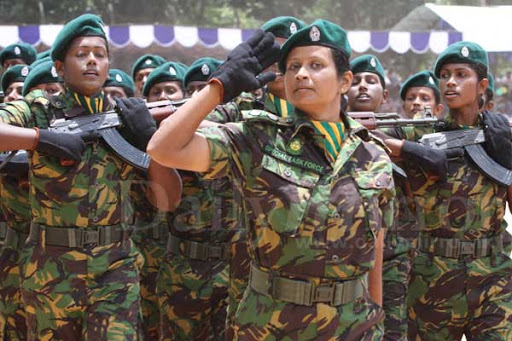
Sri Lankan women frontline soldiers

According to the UN, this year is like no other. Even before COVID-19 hit, violence against women and girls had reached pandemic levels. Globally, 243 million women and girls (Sri Lanka included), were abused by an intimate partner in the past year. Meanwhile, less than 40 per cent of women who experienced violence reported it or sought help.  As countries implemented lockdowns to stop the spread of the coronavirus, violence against women, especially domestic violence, intensified. In some countries, calls to help lines have increased five-fold. In others, formal reports of domestic violence have decreased, like in Sri Lanka, as survivors find it harder to seek help and access support through the regular channels. School closures and economic strains left women and girls poorer, out of school and out of jobs, and more vulnerable to exploitation, abuse and harassment.

For women, achieving an equal future, leave alone in a Covid-19 world, in a normal world has been hard. In the context of political participation, in Sri Lanka, despite having had two female leaders (Mrs. Sirimavo Bandaranaike as Prime Minister and Chandrika Kumaratunga as President) and that too from the sympathy vote, women are marginalized owing to the general perception that they lack desirable traits to engage in the political and decision-making process. Such attitudes are more apparent in the South Asian region, Sri Lanka included. Women are not encouraged to empower themselves and develop confidence in their capacities, but discouraged from involving in the political/decision-making process and engaging in healthy discussions relating to issues which affect them and children.

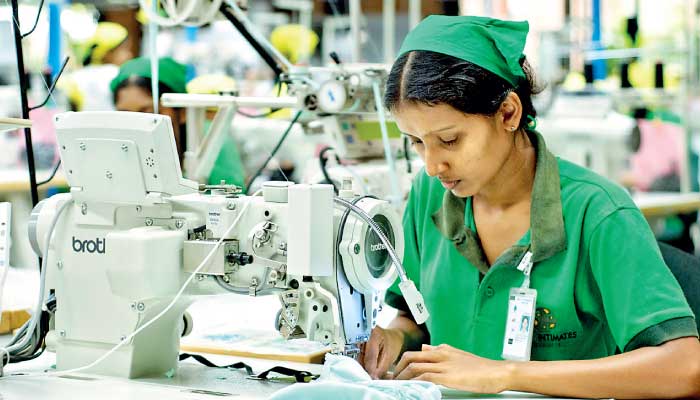
Sri Lankan garment worker

The reality relating to quotas for women’s representation in Parliament and local government in Sri Lanka is that, currently a very low percentage has been allocated (4.4%), which means there are very few women Parliamentarians. Although said to be having equal participation in the decision-making process, this is not really the case. If at all, the current Parliament has only 10 female legislators out of its 225 members! They are  subjected to discriminatory practices and stereotyping.  

Although the Women’s Caucus in Parliament forwarded a Memo several years ago suggesting increased representation of women in Parliament, nothing has come of it. If at all it has remained a dismal 4%. India has 78 members in Parliament (14.3%), Pakistan has 20.2%, Bangladesh 19.7%. Whilst it is heartening to note that some of the  members of the Women’s Caucus in Parliament have spoken for the rights of the recently appointed woman Deputy Inspector General of Police and submitted a motion seeking the Public Services Commission to probe gender-based discrimination, so far I have not heard, leave alone a roar, even a whimper from them regarding the non-increase  of women’s representation in Parliament to at least 25% (ideally 50%), so that they can raise their voices on issues which affect them such as sexual and reproductive health, decent work, children’s health, education, etc.  

Like I said before, in this era of Covid-19 pandemic, School closures and economic strains have left women and girls poorer, out of school and out of jobs, and more vulnerable to exploitation, abuse, forced marriage, and harassment.

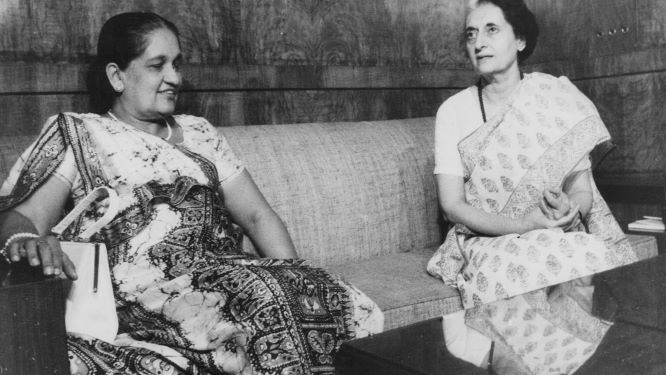
Prime Ministers Sirimavo Bandaranaike and Indira Gandhi

Brighter Side

Yet, there have been tremendous strides in the workplace where women’s leadership is concerned. Since March 2011, Women in Management, Sri Lanka, have been conducting the ‘Professional and Career Women Awards’ celebrating the achievements of remarkable women who inspire those around them.

This year’s ‘Top 50’ awards also saw a special appreciation of those who helped combat COVID-19 in 2020, specifically during the height of the pandemic. These special appreciation awards went to the Sri Lanka Police, Sri Lanka Army, Public Health Officers and Medical Practitioners for their contribution as part of the COVID-19 taskforce in Sri Lanka, risking their lives. Yet, it is unfortunate that one of the award recipients, the newly appointed first woman Deputy IGP, Bimshani Jasin Arachchi’s promotion was not viewed well by some of her male colleagues who had gone to court over the matter. Spoil Sports!

Neelika Malaviga, a professor at the University of Sri Jayawardhanapura and a visiting professor at the University of Oxford walked away with the award for Inspirational Women of the Year (COVID-19 category) for her contribution in COVID-19 research. Top awards were also presented to women leaders from a cross section of industries. Notable was the award given to Hiran Cooray, Chairman of Jetwing Symphony for being the Male Champion of Change. This, I think is a commendable feature – a male being a change agent for women in leadership roles. Three cheers! for the gentleman concerned.

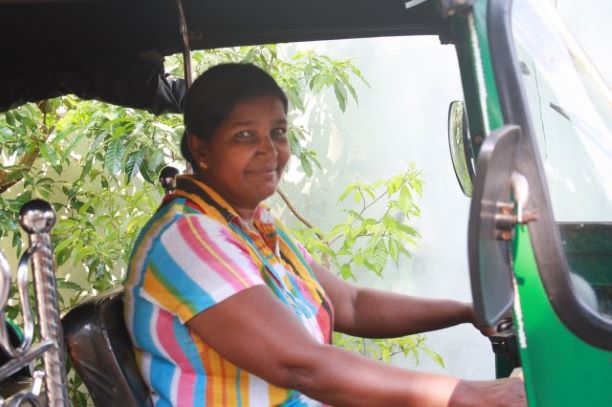
Indani Gunasinghe at 52 drives a tuk tuk for a living in a changing world

Yet, there have been tremendous efforts by women and girls around the world in shaping a more equal future and recovery. Some have engaged in efforts such as helping husbands who lost their jobs, owing to the companies they worked for downsizing or going bankrupt, by starting SME’s such as food catering services, small sewing units, etc. to help make ends meet. I once had a gentleman deliver food in a Mercedes! His story was that he had been a top executive in a mercantile firm, used his privileges and taken housing loans, car loans, etc. Owing to the Covid-19 situation the company downsized and he suddenly found himself out of job with a huge debt burden in his hands. Since in this scenario it was difficult to find another job and in order to make ends meet, the wife had started a food catering service.

Last, but not least, in the legal sphere too, Judges have an equal or more responsibility to ensure parity by adopting a functional and practical approach promising justice and equality in the law and to better ensure that the law meets the reasonable expectations of both men and women.

Hub of ancient East-West trade

March 7th, 2021

By P. K. Balachandran/Ceylon Today

Colombo, March 8: India-Sri Lanka trade goes far into the past, to the Early Historic Era in fact. The island had also played the additional role of being a transit point, a hub, in the trade between the Eastern and Western worlds.

The story of India-Sri Lanka trade in ancient times is told by Prof. K. Rajan of Pondicherry University in his book: Churning the Indian Ocean: Maritime Trade of Early Historic Peninsular India.”

Rajan says that if the similarities between South India and Sri Lanka are striking it is partly because they were part of a single land mass in the Pleistocene Epoch. India and Sri Lanka were connected by a natural land bridge across the Palk Strait. The Pleistocene Epoch is defined as the time period till about 11,700 years ago.Stone artefacts found in Lanka which are identical to Indian artifacts have been dated between 45,000 to 80,000 BP (BP is ‘Before Present’ with the year 1950 being considered the ‘present’).

Microlithic tools found in Teri in Tamil Nadu are similar to those found in Lanka. A microlithic tool is a small stone tool, usually made of flint. They were made between 35,000 and 3,000 years ago. Microliths were used as spear points and arrowheads.The microlithic tools found in Tamil Nadu and Sri Lanka could be dated between 45,000 and 5500 BP, Rajan says. 

When the physical separation of Sri Lanka from India took place about 11,700 years ago, the contact between the two did not cease. South India and Lanka continued to be a single cultural entity with frequent interactions on many planes, Rajan asserts. In the Iron Age, iron technology and ploughshare agriculture were shared. And technology moved both ways, he points out.

Megalithic culture, which lasted from the Neolithic Stone Age to the Early Historic Period (which spanned from 6th century BC to 4th century BC) is an important landmark in the evolution of society and culture. It is marked by the use of stones.The structural similarity between the megalithic monuments in South India and Sri Lanka, the nature of the rituals performed during monument building, are indicators of culture diffusion, Rajan says.

At the socio-cultural-religious level also, the ties were close. They seem to be indelible too. The marriage of the progenitor of the Sinhala race, Prince Vijaya from Bengal, with a Pandyan Princess from Tamil Nadu, and the arrival of Mahinda Thera with Buddhism from Bihar in North India, testify to close links and the lasting impact of these links. The use of the Brahmi script to write Tamil and Prakrit (the common man’s language) in Sri Lanka and Tamil Nadu is another indicator of the Indo-Lankan link. As in peninsular India, in Sri Lanka too, human settlements are at the ports and the mouth of rivers and on river banks. These indicate the importance of communication and trade in the lives of the people. Examples of port cities cum trading hubs are: Mantai (Mahathitha or Mathotam) is Sri Lanka; Korkai and Arikamedu in Tamil Nadu. Major settlements in Sri Lanka linked to rivers are: Salavathotta (Chilaw) on the Deduru Oya; Wattala on Kelani Ganga; Kalathitta (Kalutara on the Kalu Ganga; Bhematitta (Bentota) on Gin Ganga; Mahawalukagama (Weligama) at Polwatta Ganga; Milwala thitta (Matara)  on Nilwala Ganga. These ports had maritime links with the outside world.

The Second Century rouletted pottery found in Arikamedu in Tamil Nadu and Tissamaharama in Lanka are similar. Rajan says that these rouletted pottery are not necessarily from Rome as a British archeologist thought,but were local. According to Heidrun Schenk polished greyware found in South India and Sri Lanka were from the Gangetic plain in North India. According to Schenk again, fine greyware from North India arrived in Sri Lanka from the 5th. Century BC to 2nd. Century BC but that ceased around 100 BC.

The Brahmi scripted potsherds found in Arikamedu, Alangulam and Kaveripatinamin Tamil Nadu are of Sri Lankan origin. Mantai in Mannar was trading with Alankulam and Korkai in Tamil Nadu. Tissamaarama traded in rouletted ware, beads of semi-precious stones, glass and potsherds inscribed in Prakrit. Glass ingots were found in shipwrecks off Godavaya. Kautilya’s work on economics the ‘Arthashastra’ mentions pearls from the Gulf of Mannar. The Chinese came to Lanka and India to buy glass and pearls in exchange for silk and gold.Sri Lanka was also known for its gems across the world.

Role of Traders

Besides Buddhism and Jainism, traders had a huge role in connecting India and Sri Lanka. Traders introduced the Brahmi script which Emperor Asoka of North India (268 to 232 BC) had popularised to spread Buddhism. But recent evidence shows that the Brahmi script in Sri Lanka predated Asoka’s Mauryan Empire and was being used by traders. Siran Deraniyagala discovered that the script was used in Anuradhapura in the 4th and 5th Century BC. Brahmiscript of Sri Lankan origin was found by epigraphist Iravatham Mahadevan in Arikmedu, Alankulam and Kodumanal in Tamil Nadu.

Pearl fishing had also contributed Indo-Lankan links. Pearl oysters moved from one coast to another in the Gulf of Mannar. This made the Baratha community move from the Indian to the Sri Lankan coast and  vice versa. According to Pushparatnam, there are 21 inscriptions in Sri Lanka bearing the name Baratha. Some had the term Tissa added to the name, indicating high status. Baratha Tissas were Royal emissaries, captains of ships, and big traders. In the 2nd Century BC, Tamil traders carrying the title Tissa had made offerings to the Buddhist Sangha. Tamil traders Magha and Perumaga find a place in inscriptions in Anuradhapura and Mihintale, both Buddhist centres.

In an inscription in Anuradhapura, dated 2nd Century BC, Navika Karavas or sea traders are mentioned. The father of Kannagi, the heroine of the Tamil classic ‘Silapathikaram’ was a Maha Navikan, or a prosperous member of the Tamil community owning ships. In Thirupparan kundram in Tamil Nadu, there is a Tamil Brahmi inscription with the name Ila-kutumpikan (A man belonging to a family from Eelam or Lanka). The Tamil work Pattinapalai’ speaks of an Ila-kutumpikan contributing to Jain monks in Tirupparankundram.

According to the Mahavamsa, two Tamil horse traders, Sena and Guttika, were the first Tamil rulers in Sri Lanka (177 to 155 BC), and they came from Tamil Nadu. Another Tamil king, Elara, ruled from 145 to 101 BC.

However trade those days was not linked to politics. Trading was done independently of Kings. Trade associations existed to help promote trade. Inscription carry terms denoting trade organisations like Nikama, Nigama, Sreni and Sattan (Tamil).

Coins have been found in South Sri Lanka, not so much in Anuadhapura.  This is because Anuradhapura was a political and not a trading centre. Trade was largely conducted in South Lanka. Traders used coins and  did not carry any reference to a Raja (ruler) indicating  they were issued by traders. Roman traders did not directly trade with Sri Lanka but through South India, Rajan says. Lankan goods like ivory, glass ingots, pearls and semi-precious stones were taken to Indian ports from where ships took them to ports in the Arab world and Rome. West Asian ceramics like ivory and Turquoise shell found in Tissamaharama may have come via India, Rajan says.

The Buddhists of Sri Lanka and the Krishna Valley in Andhra Pradesh were in close contact. The bas reliefs or rock cut images depicting the life of the Buddha were imported from the Amaravati-Nagarjunakonda in Andhra Pradesh by traders and monks.

Colombo Port workers union opposes foreign involvement in the West Container Terminal

March 7th, 2021

Courtesy The Straits Times

Colombo, March 7 (newsin.asia): The Sri Lanka Port Workers’ Union General Secretary Niroshan Gorakahenna told the media on Saturday that the workers are opposed to handing over the port to the Adanis and asserted that the Sri Lanka Ports Authority (SLPA) itself should undertake to build the WCT.

It can do the ECT, it should be able to do the WCT too,” he said and added: Sri Lankan nationalists cannot oppose foreign involvement in the East Container Terminal and allow it in West Teminal. Workers will oppose it. We plan to talk about this to the Chairman of the SLPA on Monday,” Gorakahenna is quoted in Virakesari as saying.     

On Friday India had denied Sri Lanka’s announcement that New Delhi had cleared the proposal of an Adani group company to develop the West Container Terminal (WCT) at Colombo port. The Telegraph online said

Our high commission in Colombo has already conveyed to the government of Sri Lanka that their media release in so far as the reference to the approval of the High Commission was concerned, is factually incorrect. We understand that the government of Sri Lanka has engaged directly with investors on this project,’’ external affairs ministry spokesperson Anurag Srivastava said.

This is the first time the ministry has commented officially on the Lankan government’s announcement.

Cabinet approval has been granted on 01-02-21 to develop the West Container Terminal of Colombo South Port as a private–public limited company in collaboration with the Sri Lanka Ports Authority and parties nominated by Indian and Japanese government,” the Lankan announcement on Tuesday had said.

It added that the proposal presented by Adani Ports and Special Economic Zone Limited (APSEZ Consortium) had been approved by the Indian High Commission.

Asked on Friday if India had got the formal offer for participation in the project, spokesperson Srivastava did not give a specific answer.

He said: Our High Commission in Colombo has already conveyed to the government of Sri Lanka that their media release in so far as the reference to the approval of the High Commission was concerned, is factually incorrect. We understand that the government of Sri Lanka has engaged directly with investors on this project.’’

Adanis On A Roll In India

Meanwhile, the Adanis are on a roll in India. P.Manoj of Hindu Business Line reported from Mumbai as follows:

With three big acquisitions having a combined value of INR 146590 million in five months, the Gautam Adani-led Adani Ports and Special Economic Zone Ltd (APSEZ) is on a roll. On March 3, APSEZ acquired a 31.5% stake in Gangavaram Port Ltd (GPL) from a unit of private equity firm Warburg Pincus LLC for INR 19540 million and said it was in talks with D V S Raju and family, the promoters of the port located in Visakhapatnam, for buying their 58.1% stake in GPL.

APSEZ’s second big acquisition in Andhra Pradesh, India’s second biggest maritime state by cargo volumes handled, after picking up a 75% stake in Krishnapatnam Port Co Ltd (KPCL) for an enterprise value of INR 120000 million on October 5.

On February 16, APSEZ said it has completed the acquisition of Dighi Port Ltd, located close to state-owned Jawaharlal Nehru Port Trust (JNPT), for INR 7050 million under India’s bankruptcy law.

A consortium led by Adani Ports and Special Economic Zone Ltd (APSEZ) will soon announce a deal to develop the West Container Terminal (WCT) at Colombo Port with an investment of over $1 billion under a government-to-government agreement.

The three Indian acquisitions expand APSEZ’s market share to 30 per cent on a pan-India basis, a level many believe will not make it a monopoly, adversely impacting competition. This is because the 12 major ports owned by the Centre controls more than half of the country’s ports traffic.

Yet, many smaller, single terminal operators are frightened at the scale at which APSEZ is expanding. I told my promoter let us pack up and leave”, said the CEO of a company operating a single berth at a port on the eastern coast.

Industry sources said that only Adani has the money and the appetite to buy ports and terminals. Because of its demonstrated capability to run ports efficiently, banks are also comfortable in lending money to APSEZ for acquisitions,” said an investment banker.

The stress facing many single terminal or stand-alone single port operators, in the wake of the COVID  are making them sitting targets for take over at reasonable valuations, particularly reflected in the case of Krishnapatnam and Gangavaram.

APSEZ’s size and capability

Despite the industry fears over the growing size of the APSEZ empire, Singhal opines that it could become even bigger”. Even today, APSEZ is under-estimated,”

The port and logistics field are open to all, but others Indian business houses could not make it because they did not have the management capability and the vision to grow bigger. It is not Adani’s fault,” he said referring to concerns that rivals have been left far behind.

For instance, the erstwhile UK port operator P&O Ports (which was later acquired by D P World) approached the Tata Group for a partnership when it was building India’s first private container terminal at JNPT in the late 1990’s. But Tatas declined the offer and lost the opportunity to enter a sector which would have fetched high value proposition to the Group and made it a big player,” the executive who made the offer to Tatas said.

APSEZ’s model, according to Singhal, is to offer integrated solutions to customers. The game is not just ports, the game is ports, hinterland transport and logistics parks to provide single window supply chain solutions to industrial clients,” he said.

APSEZ is efficient, can raise huge capital and has integrated into the entire logistics chain encompassing ports, container trains, dry ports and multi-modal logistics parks, he said.

If ports give X revenues, hinterland logistics could give 3-4 times more revenue,” he noted. In contrast, the margin from port business is as high as 70 per cent whereas in inland logistics, it could be about 15per cent.

Once APSEZ has control over the hinterland cargo, Adani would control large swathes of national supply chain which in turn would augment Adani port volumes and port profit margins creating a value enhancing virtuous circle. That’s the game plan,” he added.

Austria suspends AstraZeneca COVID-19 vaccine batch after death

March 7th, 2021

Courtesy The Daily Mirror

Austrian authorities have suspended inoculations with a batch of AstraZeneca’s COVID-19 vaccine as a precaution while investigating the death of one person and the illness of another after the shots, a health agency said on Sunday, Reuters reported.

The Federal Office for Safety in Health Care (BASG) has received two reports in a temporal connection with a vaccination from the same batch of the AstraZeneca vaccine in the district clinic of Zwettl” in Lower Austria province, it said.

One 49-year-old woman died as a result of severe coagulation disorders, while a 35-year-old woman developed a pulmonary embolism and is recovering, it said. A pulmonary embolism is an acute lung disease caused by a dislodged blood clot.

Currently there is no evidence of a causal relationship with the vaccination,” BASG said.

Austrian newspaper Niederoesterreichische Nachrichten as well as broadcaster ORF and the APA news agency reported that the women were both nurses who worked at the Zwettl clinic.

BASG said blood clotting was not among the known side effects of the vaccine. It was pursuing its investigation vigorously to completely rule out any possible link.

As a precautionary measure, the remaining stocks of the affected vaccine batch are no longer being issued or vaccinated,” it added.

An AstraZeneca spokesman said: There have been no confirmed serious adverse events associated with the vaccine,” adding that all batches are subject to strict and rigorous quality controls.

Trials and real-world experience so far suggests the vaccine is safe and effective and it had been approved for use in well over 50 countries, he said.

AstraZeneca also said it was in contact with Austrian authorities and would fully support the investigation.

European Union regulators at the end of January approved the product, saying it was effective and safe to use, while the World Health Organization (WHO) in mid-February listed the product for emergency use.

Adverse reactions seen in trials were short-lived for the most part and blood clotting issues were not reported.

A safety assessment by Germany’s vaccine regulator of more than 360,000 people who received the Astra vaccine in the country between the launch in early February and Feb. 26 concluded that adverse reactions were in line with the safety profile described in clinical trials.

Govt. should implement recommendations fast – Cardinal

March 7th, 2021

Courtesy The Daily Mirror

Recommendations made by the Presidential Commission, which probed the Easter Sunday attacks should be implemented soon while more investigations should be carried out to determine as to who organised and facilitated the attacks, Archbishop of Colombo Cardinal Malcolm Ranjith said today.

Cardinal Ranjith who was speaking to the media after participating in the Black Sunday protest at St. Sebastian’s Church Katuwapitiya said the government should immediately implement the recommendations made by the Presidential commission.

The Commission had recommended action against certain people and this action should be taken without delay,” Cardinal Ranjith said.

It is also essential to carry out further investigations to determine who facilitated the attackers and who got them to carry out the Easter Sunday attacks,” he added.

We hope to see practical steps in this regard by April 21 this year,” he also said.

Pope Francis is currently touring Iraq and had discussions with Muslim leaders of that country. Therefore, global religious leaders are working towards bringing about religious unity. Sri Lanka should also follow and bring about religious unity,” he stressed.

Cardinal thanked everyone who worked towards making today’s Black Sunday a success including the Buddhist monks and members of Muslim communities.

Cardinal said this at the mass at St. Anthony’s Shrine Kochchikade and proceeded to Katuwapitiya Church to participate in the Black Sunday programme.  (Yohan Perera)

Accept blame for not able to prevent Easter Sunday attacks: Sajith

March 7th, 2021

Courtesy The Daily Mirror

Opposition Leader Sajith Premadasa today said, they are ready to accept responsibility for not being able to prevent the Easter Sunday attacks as a member of the previous regime.

He also called for a proper probe to identify the real perpetrators who were behind the attack.

Speaking during the Opposition Leader’s mobile service programme in Bundala, Mr. Premadasa said it is the people’s desire to see a real transparent probe taking place to find the real culprits behind the Easter Sunday attacks.

 It is the view of the people that the real criminals behind the Easter Sunday attacks are roaming freely at the moment. This is not a story that was fabricated by me, it the opinion of the common man in this country. Therefore a transparent probe is a paramount need at this moment,” Mr. Premadasa said,.

The official stance of my party is that the terrorists and the drug traffickers and drug peddlers should be subject to capital punishment. It should be introduced through a legislation in Parliament. Some are criticising me for having taken this stand. However are we to keep the criminals in prisons throughout their lives using public funds?” he questioned. 

Sri Lanka should find out as to why there is no terrorism and/or drug trafficking in Singapore, and should introduce a same set of laws here as well,” he stressed.(Yohan Perera )

Implement Commission’s recommendations, Cardinal requests

March 7th, 2021

Courtesy Adaderana

Continuous protests until justice is done, Cardinal says

March 7th, 2021

Courtesy Adaderana

Archbishop Cardinal Malcolm Ranjith says he will continue to protest until justice is done for the victims of the Easter attack.

He mentioned this speaking a peaceful protest in front of St. Anthony‘s Church in Kochchikade carried out in parallel to the ‘Black Sunday’ protest declared by the Archdiocese of Colombo.

The Catholic Archdiocese of Colombo declared today as a ‘Black Sunday’ against the lack of justice for all those who died and were affected by the Easter attacks.

Accordingly, Catholics island-wide dressed in black attire to attend the Sunday Masses today.

The Archbishop said, We are holding this protest in the hope that justice will be done. We wanted the commission to find out who was behind this attack. We do not know to what extent it has been activated. I am reading that report these days. There are many things that can be enforced, especially the implementation of the law against the perpetrators.

My belief is that the government should be more committed to conducting an honest investigation. I wonder if it was necessary to appoint the six-member committee. What is needed here is for the President to carry out what he directly has to do on a practical level. It would be wrong to choose only some of them [the perpetrators] and punish only them.”

Cardinal Malcolm Ranjith further said that they will continue to carry out this protest campaign until they receive a definite sign.

He added that other religious organizations will also be involved in the campaign as it is an issue that affects all people in the country.

Meanwhile, several monks of the National Bhikku Front had also joined in the protest.

Sri Lanka’s COVID death toll tops 500

March 7th, 2021

Courtesy Adaderana

Sri Lanka’s COVID-related fatalities crossed the grim milestone of 500 today (March 07) as five more individuals fell victim to the virus infection.

Thereby, total lives claimed by the pandemic outbreak in Sri Lanka now stand at 502, the Department of Government Information said.

Details of the deceased are as follows:

01. A 74-year-old man from Pallekele area – He was under medical care at the Kandy National Hospital at the time of his death on March 02. The cause of death was recorded as COVID pneumonia and brain haemorrhage.

02. An 82-year-old man from Nugegoda area –After testing positive for the virus, he was transferred from Colombo South Teaching Hospital to National Institute of Infectious Diseases (NIID) where he passed away today. The cause of death was reported as COVID-19 infection and lung infection.

03. A 72-year-old man from Barawardhana Oya in Kandy District – He died of cancer and COVID-19 infection earlier today while receiving treatment at the Badulla General Hospital.

04. A 77-year-old woman from Matara area – She has passed away on admission to Dambadeniya Base Hospital on February 25. The cause of death was recorded as acute heart disease and COVID-19 infection.

05. A 67-year-old man from Kannaththota area in Kegalle District – He has passed away on December 20, 2020 due to COVID pneumonia. He had been under medical care at the Karawanella Hospital at the time of his death.

Coronavirus: 359 positive cases in total confirmed today

March 7th, 2021

Courtesy Adaderana

Sri Lanka registered 183 more positive cases of COVID-19 today (March 07) as total novel coronavirus infections reported within the day reached 359.

Department of Government Information says 321 of today’s cases are close contacts of earlier cases linked to the Peliyagoda cluster.

Sixteen others have been detected from the prison cluster and the remaining 22 were identified as arrivals from foreign countries.

New development has pushed the country’s confirmed COVID-19 cases count to 85,695.

According to COVID-19 figures, 3,134 active cases are still under medical care at selected hospitals and treatment centres.

Meanwhile, total recoveries reported in the country now stand at 82,059.

Sri Lanka has also witnessed 502 fatalities due to the outbreak of the pandemic.

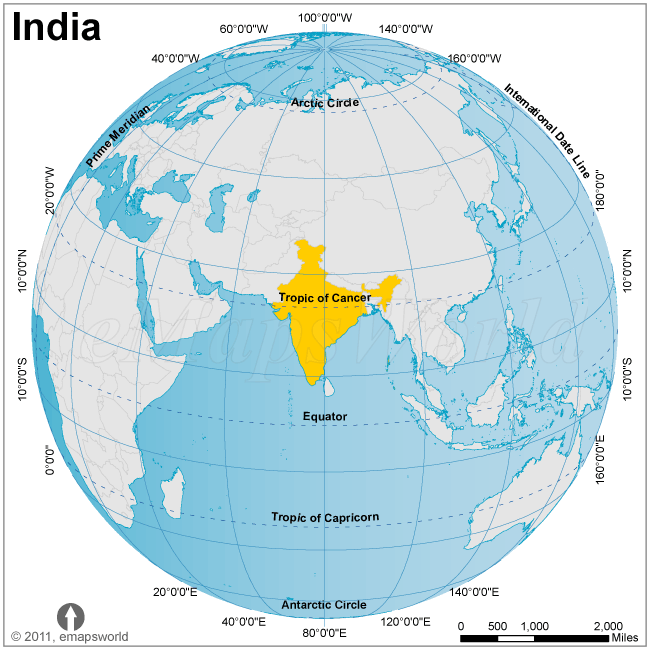
India is West’s Poodle in Asia – India is no friend of Sri Lanka or South Asians

March 6th, 2021

What kind of double game is India playing? How long does India think it can pretend to be friends of its neighbors while planning the downfall of its neighbors? Obviously this stems from a DNA that goes back to colonial rule wherein India was Colonial Britain’s trusted sepoy. India became India only after the Colonial British christened it as India in 1947. When India is today not only part of the Five Eyes (US-UK-Canada-NZ-Australia) Intelligence Alliance in 2020 and a member of the QUAD since 2007, India is purely functioning as a vassal of the West and even India’s foreign policy is today decided by Washington.

There would have been a good reason why colonial Britain treated British India more of a sepoy than it did Ceylon. The British army was supported heavily by Indian sepoy army. South Indians were colonial Britain’s eye to prosperity, enslaving on their plantations and transported around the world. Indians that make up populations in the Caribbean, South Africa, East Asia are those that colonials transported as indentured labor. The Indian sepoy army played a key role in slaughtering their own people on behalf of the British East India Company. History is certainly getting repeated as India is ever ready to do as the West orders. Indian sepoys were recruited by the Portuguese, the French, the British and other Europeans in plundering nations.

India is agreeing to do the very same via R2P & Geneva Resolutions.Notice the manner West dishes out international positions, prestige, privileges to Indians who are doing a better job on behalf of the Western nations & their agendas than the Westerners themselves. Look at the number of Indians playing lead roles in the West at government & private levels! They claim to be ‘Indian’ for publicity only – their heart & mind serves western interests and the awesome feeling they get of rubbing shoulders with the white man. The Navi’s, the Biswals, the Bobby’s and the Kamala’s are West’s heart throbs for good reason.

Fast forward to present times the QUAD alliance was initially discussed in 2004 with official level meetings commencing in 2007. Note how it matches the timelines of Sri Lanka’s military offensive against LTTE. Obviously, India and West realized that Prabakaran was a barrier and a thorn to their designs for South Asia. They planned his ouster pretending to fight for his survival. A LTTE withou Prabakaran was a good tool for the West’s R2P Geneva.

The Pivot to Asia came in 2011, round about the same time that Ban Ki Moon suddenly decided to appoint a personal panel for a conflict that had concluded. No surprise his son-in-law is Indian and was in the IPKF! The successive UNHRC Resolutions against Sri Lanka since 2012 are no coincidental initiatives. India played a key role on the backdrop of each resolution, even the draft clauses inserted. India’s role was no different to its background role played when drafting the 2002 Cease Fire Agreement mediated by Norway. India played the silent partner.

Also note Sri Lanka’s regime change in 2015, it was the same time that India not only assisted US to oust Rajapakse but went on to sign a Joint Strategic Vision for Asia-Pacific and the Indian Ocean Regions with the US. The hype India promoted for ousting Rajapakses was allowing Chinese submarine to Sri Lanka claiming it a threat to India’s security. Ever since 2015, US planes have landed and flown across Sri Lanka and US ships and marines regularly docking at all of Sri Lanka’s Ports, is no matter of concern for India’s security it seems. Wait till US rolls out its other plans unbeknown to India! But, for the moment India is mesmerized by the new-found co-habitation with US and US is only happy to dole out titles knowing India will do anything in exchange.

When US renamed its Asia-Pacific Command in Hawaii as the Indo-Pacific Command, India was on cloud 9. India’s dream of becoming a member of the UNSC is momentarily replaced with the Malabar Exercise which is the military dimension of the India-US vision for an Asian NATO. Ironically, the camp that claims to be championing to challenge and contain China are all dealing with China more than any other countries. Hypocrisy at its best. China in fact spends much to help Indian start-up companies in India and have elevated plenty of Indian entrepreneurs.

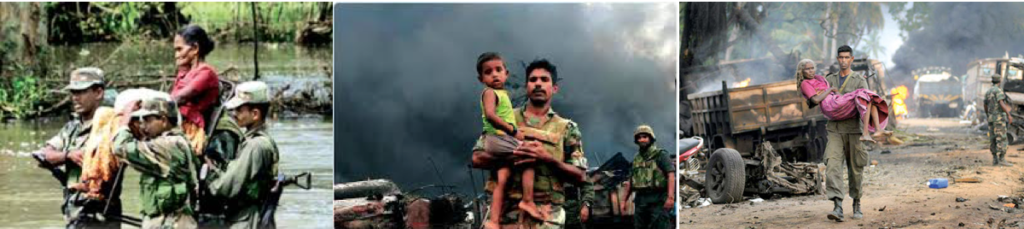
Sri Lankans knows too well how Sri Lanka has suffered at the hands of India. Whether India was outfoxed into playing a role in nursing Tamil militancy, India was without a doubt a willing player in allowing India to be used as a logistics hub for LTTE and India trained and even funded over 3 dozen Tamil armed groups of which LTTE became the most prominent. India simultaneously pretended to be Sri Lanka’s friend, Tamil’s big brother, LTTE’s logistics partner and West’s consort in this ugly exercise.

We also know the role played by Indian intel even preferring to side with the LTTE ‘boys’ against India’s peace keeping force sent for a different reason but packed off for Sri Lanka’s fortune. India’s other agent JVP ensured a large number of lives were lost in vain during this horror period. We can all recall the infamous parippu drop violating our airspace, the phone threat by Dixit and the whisking away of Prabakaran to India in a helicopter until the Indo-Lanka Accord was signed in July 1987.

Sri Lanka’s terror would have ended in May 1987 and no May 2009 had it not been for India’s intervention.

All of India’s trade agreements with Sri Lanka has been one-sided and tipped to be advantageous for only India. India spends a lot of efforts in lobbying locals to be their mouthpieces. These voices are now well known to all.

Therefore, the local camp that follows the appeasing model ‘don’t anger India’ not only offer no alternative but wish to give anything and everything India demands of Sri Lanka completely ignoring India’s bad record of destabilizing Sri Lanka pretending to be its friend. Probably they played a role in preventing Pakistan PM from addressing Sri Lanka’s Parliament simply to please India. This highlighted the spinelessness of the Government. An element it needs to seriously take note of. Thankfully, the patriotic people have fought tooth and nail to ensure Colombo’s ECT was not given to rogue Indian port operator though Government stooges are now trying to do greater damage by offering WCT.

Exactly why should India be given anything if India is trying to at every level to destabilize Sri Lanka?India has never supported Sri Lanka in Geneva and India is now lobbying countries adopting bullying tactics learnt by its masters in the West to force countries to abstain from voting against the UK backed Core Group Resolution against Sri Lanka. When the Core Group inserts 13a and the UNHRC head parrots 13a in her report, India’s role against Sri Lanka is obvious.

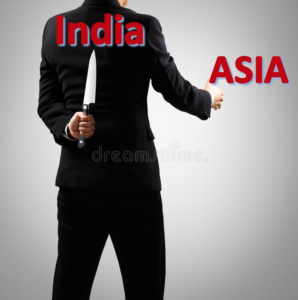
How can countries of Asia rely on India if India shakes hands with one hand and has a readied—knife in the other.  Its a pity India wishes to be a foreigner in Asia amongst its Asian neighbours and working against its Asian neighbours.

Shenali D Waduge

Is India in the West or East, that’s the question?

March 6th, 2021

MALINDA SENEVIRATN​E

What if the British High Commissioner in Colombo Sarah Hulton met with the Ambassador of South Korea Woonjin Jeong on Tuesday, the 2nd of March, 2021? What if he was accompanied by former Foreign Minister and the man who happily tossed Sri Lanka under the UNHRC bus driven by a warmongering Uncle Sam? What if Canadian High Commissioner in Colombo David McKinnon held discussions with his Bangladeshi counterpart, Tareq  Ariful Islam, at the Canada House, Colombo 7, around the same time? 

Now there are no laws against diplomats meeting other diplomats. There are no laws to stop diplomats meeting citizens of the country they happen to be posted in. However, it is significant that both South Korea and Bangladesh are members of the Human Rights Council. It is significant because in a few days time a vote will be taken in Geneva on a resolution on (well, ‘against,’ really) Sri Lanka. It’s a one country-one-vote situation, and therefore every vote can count. Indeed, if it is a close affair then that one vote becomes even more significant.

The Resolution is not just against Sri Lanka; it is a vote which, if succeeds, will set a dangerous precedent and effectively turn ‘human rights’ into an even more ironic, preposterous and pernicious weapon that the worst thug-nations in the world can deploy to wreck nations and regimes refusing toe the line. In other words, it would give credence to vexatious persecution

The earth is not flat, this we know. Neither is Switzerland despite the lovely mountains, except in th dullness of the flavors pertaining to political economy. Countries might have equal voting worth on paper, but then again few would not have heard of that stinging truism ‘some are more equal than others.’ That oft quoted Golden Rule makes sense: he who has the gold makes the rules (we’ll come to that shortly). One can add ‘guns’ to the equation except that such killing-instruments are outdated in a world where there are nuclear weapons and countries which possess them have not hesitated to use biological weapons.

If it has come to a point where local diplomats have been directed by their respective governments to canvass votes then it simply means that the bosses driving the resolution have got jittery. Now one might be persuaded to imagine these diplomats sipping green tea and trying to persuade the relevant counterparts to join the club. However, persuasive arguments were never part of the story. It’s never been about right or wrong, good or evil. No. It’s about proposals that end with ‘or else…’ directly stated or suggested. Bribes too are part of the story. ‘How about if we…’ could be the ice-breaker in such situations.
Considering the geographical (and yes, ideological) location/orientation of the key players, this is essentially a West vs East game. This brings to mind a curious case of ‘seeing the light’ not too long ago. Let me elaborate.

It is no secret that the UNP faction of the previous regime was cosy with the political West. You could, if you are generous, call it ideological agreement of course but there has always been a streak of servility that prompts one to think and label, ‘colonial remnants.’ 

That dispensation, led by Ranil Wickremesinghe banked on the West. Mangala Samaraweera, Foreign Minister of that government, played ‘local agent’ to the extent that he bent backwards to get Sri Lanka to dig a hole and crawl into it. He’s gone now, but he (and all those in that government who either cheered, watched in silence or looked away) essentially laid a minefield for those who would arrive later to walk on. This is why ‘Geneva’ is still in the news.  

This, however, is not about that kind of political intrigue. It’s about the West (and therefore, obviously, the East). Wickremesinghe’s cabal, sweethearts as far as the West was concerned, operated as though we live on a planet so misshapen that there was only the West. Obviously the word means nothing if there’s no East, so maybe they operated as though the East, existent though it is, was inconsequential.
Brexit hit them between the proverbial eyes. Wickremesinghe came up with a classic and ironical observation: ‘we will look to the East.’

OMG! Wickremesinghe, thought of as some kind of whizkid in things economic, we learned, hadn’t heard of China or known that China and Japan own North American and European debt! OMG all over again!

So then, that’s how we need to frame this charade. East vs West. T.S. Eliot, in his iconic poem ‘Wasteland’ had a pretty and perceptive line (if it’s ok to interpret it in terms of a tectonic shift in ‘seeing’ and true domination):

There is shadow under this red rock,
(Come in under the shadow of this red rock),
And I will show you something different from either
Your shadow at morning striding behind you
Or your shadow at evening rising to meet you;
I will show you fear in a handful of dust.


The above is obviously a description of someone moving from West to East. We can think of it as an ideological shift or even a re-alignment of philosophical orientation, but at a more mundane level, it’s about a shift in the balance of global power. In that sense, the Geneva Circus of Vexatious Persecution using/abusing Sri Lanka is but symptomatic of a last gasp effort on the part of those who have called the shots for a long century and are suddenly realizing that they are going to lose their voices.  

The title has ‘India’ in it. Why India, someone might wonder. Well, India seems ideologically confused and geographically challenged right now. The West (or rather the spokespersons for the ideological and political camp that uses the locational term as identifier) has made it’s position clear: ANTI-SRI LANKA. The key voices of the opposite camp, led of course by China, have backed Sri Lanka. Even Japan and Australia (the other two Quad members) haven’t shown any of the belligerence of the world’s worst human rights offender over the past several centuries, Britain (yes, add ‘perpetrator of genocide, common thief, generator of inter-communal conflict, pyromaniac’) and her present day allies. India hasn’t mimicked the ‘Mother Country’ of course, but the noises are not supportive. They are marked by grumpiness. So much so that it would not be unfair if the relevant authorities assume ‘India will side against Sri Lanka.’ India could abstain, but at this point, it would be silly for India to assume that Sri Lanka would applaud such a position.

It’s simple, really. India has an issue with a strident China. India can play pawn and scoot over to the country that raped her. India might even be envisaging a future world order that is divided between two new superpowers, China and India. India could, on the other hand, envisage a new world order led by powerful nations which will not settle things with guns and bucks, even if they have the bombs and the gold. Instead of carving up the world (as the European powers carved up —and impoverished — Africa at the Berlin Conference in 1884), India, with China, could use new found sway to heal the world and make it a better place (for you and for me, as MJ said).

India has a single vote. However, the stand that India takes will be taken note of. Sri Lanka certain would. Other nations would too. Sometimes, arms need not be twisted (as the British and Canadian mission heads in Colombo might very well be doing — Bangladesh and South Korea are proud nations, we still believe, by the way). A threat if often more powerful than its execution, as the great Polish and French chess master Savielli Tartakower once said.

So. India. Where is it located or rather where does India wish to locate itself? That’s the question. The answer will be important for Sri Lanka because it will could persuade Sri Lanka to reassess her location (as nations do from time to time).

[The writer is the Director/CEO of the Hector Kobbekaduwa Agrarian Research and Training Institute. These are his personal views].

malindasenevi@gmail.com. www.malindawords.blogspot.com.

THE GENERAL ELECTION OF 1956 Part 4B

March 6th, 2021

KAMALIKA PIERIS

Philip took a deep interest in paddy production and studied it from all angles. He complained repeatedly about the paucity of statistics on paddy cultivation. There was no information on the size of holdings, yield, ownership and so on. Thanks to Philip, in 1962, Department of Census and Statistics started an agricultural census.

There was the problem of low paddy yields. The basic principles of land use in ancient Ceylon were sound and in accordance with modern principles of land utilization, said Philip, quoting Ernest Abeyratne. Therefore all what was needed now was the introduction of modern techniques adapted to the Dry Zone environment.

The soil conditions and fertilizer needed In the Dry Zone, was known from ancient times, said Philip. But knowledge of soil conditions and fertilizer needs for paddy production in the Wet Zone was lacking.  Philip found that experimental plots and private individual farms in the Wet Zone had shown good yields where soil had been analyzed and correct fertilizer used. ‘They have obtained as high as 60 to 110 bushels per acres.’ In Kegalle, the Food Production Department had managed to increase yields by providing fertilizer, credit, high yielding seeds and adopting transplanting instead of the traditional   method of sowing. Philip had drawn attention to government’s neglect of paddy cultivation in the wet zone, with focus on Dry Zone.

Philip encouraged agricultural research. He wanted the research scientists in the Department of Agriculture and elsewhere to concentrate on research and not administration. He appointed administration officers for the 24 districts and relived the scientific officers of this work. Technical officers should be left to do technical work, not promoted to do administrative work, such as petitions, he said. 

 Philip wanted Gannoruwa to do research on rice.  He set up other research units. Rahangala for potato and citrus,    Hambantota for cotton, sugar in Kantalai,   and paddy at Batalegoda. Under him, the Department of Agriculture started a soil survey.

Philip said that J.R. Jayawardene had in 1953 and 1954 disposed of very valuable state farms.  If JR had waited for a year or two most of these farms would have paid. Some of these farms were for research not to make a profit, observed Philip.  

Philip contested the existing notion that it was cheaper to import rice than produce it.  He said that it was not necessary to open up more and more land for paddy cultivation. It was better to increase production in the existing paddy fields in purana villages and colonization schemes. He strongly urged investment in already asweddumised land through higher use of fertilizer, high yielding seed, use of mechanization for ploughing and sowing. This would give greater returns.

Philip Gunawardena was very critical of the colonization schemes of D.S Senanayake.  The independent peasant small holder as dreamt by DS Senanayake   does not exist said Philip. The majority of the owner cultivators  held less than one acre and that  one acre could not provide a living for a family. Many small holders were wage laborers as well.

 In a recent Patha Dumbara survey 45 % neither owned paddy nor had anything to do with paddy production. The remaining 55 % also did not depend wholly on paddy cultivation.  A pauperized peasantry has been created. . This is the picture, of the much idolized ‘peasant proprietor,’ said Philip in 1957.  Many had become tenant farmers in these schemes.  There was indebtedness and wage laborers   confirmed others.

Increasing the peasant ownership of small lots of paddy would not solve anything, said Philip. Paddy cannot be grown in small un-economic units. You cannot offer land divided up into five acres and three acres, as high land and low land  and ask the farmer to cultivate, because he cannot get a good return. Also the fertility of the land varies.

It was not possible to apply modern techniques of farming to small holdings of 5 or 3 or 2 acre farms either.  You need large units.   The land had to be worked in large units to be productive.  What was needed was collective farming, not small scale units. Philip thought the future lay in some sort of cooperative endeavor.  (Continued)

India in Geneva: friend, foe or navel-gazer?

March 6th, 2021

MALINDA SENEVIRATN​E

‘If you are not with me, I will assume that you are against me,’ is a prudent rule of thumb, but only in certain situations. Not all questions can be answered with either ‘yes’ or ‘no.’ Complex realities don’t often offer such luxurious indulgences. This is true of people, it is true of nations. It is true whenever there are multiple factors in play. There are costs and there are benefits, always and therefore decisions are based on assessing marginal benefits and marginal costs.
Sometimes, of course, one takes a principled stand, regardless of costs that may have to be incurred. Then there are situations where one determines not to be carried away by the moment but to think ahead. In other words, one wonders about repercussions, one wonders about precedents set.

Alright. Enough preamble. Let’s cut to the chase now. It’s about Geneva. In a few days time the Human Rights Council in Geneva will vote on a resolution on (well, ‘against’) Sri Lanka. Council members will support or reject or abstain. Some members have made it clear that they will support the resolution while others have stated they will not. India has been noncommittal.

Obviously, as noted above, many factors have to be taken into account. After all it’s not a vote on a country whose affairs are irrelevant to India. Also, it’s not as though India (or any other country for that matter) privileges principle over self-interest. In the discussions that have taken place India has flagged the 13th Amendment.

Yes, India has a stake in all that. The Indo-Lanka Accord was essentially a misnomer. What was signed by Rajiv Gandhi and J.R. Jayewardene was an Indo-Indo Accord. It was an exercise of capitulation. Sure, India agreed to sort out the terrorist problem. India FAILED. Nevertheless, India insists on the full implementation of articles in a piece of legislation forced down on Sri Lanka and which, most importantly, has no relevance on the ground. For the record, provincial councils have been dissolved but there’s not even a whimper of protests from any quarter; the most ardent advocates of the 13th Amendment have been absolutely silent on the matter.
So what’s India’s interest in the 13th Amendment? We can surmise. India or rather Delhi (or ‘the ruling party’) has a DOMESTIC issue to sort out: Tamil Nadu. India has to demonstrate some love for the Tamil brethren across the Palk Straits, never mind the fact that India doesn’t give a hoot about the trials and tribulations of Tamil fishermen. In other words, when push comes to shove, India balks. So much for professed love.
Anyway, some noises needed to be made and they were. Does it mean that India will vote against Sri Lanka when the time comes? We don’t know. Does it mean that India will vote against those determined to haul Sri Lanka over the coals?Will India be neutral? We don’t know.
India cannot be happy over the status of the Sri Lankan government’s relations with China. On the other hand, having played regional bully and currently acting as proxy for the USA, the country that has bent over backwards to earn the tag ‘Sri Lanka’s Worst Enemy,’ India really cannot complain. Sri Lanka doesn’t have the guns nor the bucks. India is part of a cabal that’s pushing Sri Lanka into the arms of China and therefore India can only blame herself.

China is Sri Lanka’s friend. Pakistan is Sri Lanka’s friend. Other nations in the SAARC haven’t played hardball as India has. India’s foreign policy, contrary to the rhetoric from Delhi, has not been neighbor-friendly. India seems to have opted to go with the international bullies.

Let’s consider Geneva again. We are told that around 20 countries had spoken in favor of Sri Lanka’s position and 15 against in the interactive dialog on the UK-led resolution against Sri Lanka on alleged (keyword, that) human rights abuses and accountability issues. Shockingly, as Lord Naseby has pointed out, the movers (and shakers, obviously) have studiously avoided perusing the dispatches of Colonel Gash, who was attached to the British High Commission in Colombo during the period under scrutiny. Gash made no mention of anything seriously untoward having been perpetrated by the security forces. 


Here’s a pertinent extract from Naseby’s speech: ‘By not providing these dispatches in un-redacted form, the British Government is hindering the process of establishing the truth of what really happened at the end of the Sri Lanka conflict.’


Not surprisingly, those who spoke against Sri Lanka included Norway, Canada, the USA, Germany and other European Union nations. Let’s interject a historical note here.

At the Berlin Conference of 1884, European nations decided how Africa would be carved up. A lot of care was taken to cut the cake in ways that split tribes, some not all being nomadic, ensuring years, decades and sometimes more than a century of conflict. 


Here’s a note from an unnamed author posted in social media: 

‘[In 1884] 13 European nations shamelessly gathered in Berlin to parcel out the African continent like famished school children (on a school trip) haphazardly dividing up a pizza. Great Britain was represented by Sir Edward Malet (Ambassador to the German Empire). The US, the emerging but reluctant superpower, had a delegate – the explorer Henry Morton Stanley. 

‘In utter disregard and with not a single iota of conscience or concern for the culture or the families of the continent, the map was redrawn and lands claimed.

What followed was the systematic scramble and undoing of Africa. Resistance was met with the brutal force of gunpowder. The Herero Massacre was the first genocide of the 20th century: tens of thousands of men, women and children were shot, starved, and tortured to death by German troops as they put down rebellious” tribes in what is now Namibia. Tens of thousands of defenseless women and children were forced into the Kalahari desert, their wells poisoned and food supplies cut. 

In Uganda, the first election fraud (in favor of Apollo Milton Obote) was masterminded by London.

The British governor then, Sir Fredrick Crawford, an honest man to a fault, resigned because he was unwilling to be party to this gerrymandering. This has since become the template for regime survival. Congo and many other African nations have never recovered from this trauma that was orchestrated at Bismarck’s official residence on that bleak weekend.’ 

[Check out the map above].


Now what did they do in Africa? Well, what they did everywhere they planted a flag. The butchery, in a way, provided a blueprint for the USA, but that country, in much of the 19th century, had issues with the UK. 


In 1851, an American Journal  (The United States Magazine and Democratic Review), highlighted and exposed the genocidal crimes committed on the Sinhalese people in British occupied Ceylon, under the administration of the then Governor Lord Torrington. The piece ends with this telling conclusion: ‘The history of Lord Torringtons administration in Ceylon affords an epitome of English rule, wherever throughout the world, by force, or fraud, or violence, she has succeeded in planting her guilty flag.’

The Americans (of the US) at the time, feared a fate not unlike that which befell lands such as ‘Ceylon’. Here’s the rhetoric:

‘We have reproduced this Ceylon tragedy, because it contains a moral upon which it behooves the Democracy of America, at the present moment, seriously to reflect. The flag which sanctioned the massacres of the Cingalese, and has witnessed the devastation of Celtic Ireland; the flag which, usurping every advantageous commercial and political position throughout the globe, has been the harbinger everywhere of desolation and death’

.
The USA, having opted out of the UNHRC because it is, in their eyes, ‘a cesspool of bias’ is getting the UK to do the dirty work today. In other words, the bloody flag-baton was eventually passed on to the USA, but that’s another story. So much irony in all this!

 India knows this ‘past’.

India knows the present. India’s choices will bear on the future.


[The author is the Director/CEO of the Hector Kobbekaduwa Agrarian Research and Training Institute. These are his personal views]

THE GENERAL ELECTION OF 1956 Part 4A

March 6th, 2021

KAMALIKA PIERIS

Philip Gunawardena was given the Ministry of Food and Agriculture in the MEP government of 1956. The portfolio included peasant agriculture, animal husbandry and the plantations. He was ably assisted by GVS de Silva as Permanent Secretary.  The combination of GVS and Philip offered the country a socialist vision, said Garvin Karunaratne. I worked in his Ministry throughout this period and I can say that the forceful ideas that he uttered in his fiery speeches at last got channeled into action, said Garvin.

Philip   was one of the ablest minister seen in independent Sri Lanka, said Meegama. K. Alvapillai, who was Permanent Secretary to Philip, said Philip was intensely practical with a   desire to see Sri Lanka   achieve prosperity in the shortest possible time. Hs vision was long range. He always looked far ahead but did not ignore the needs of the present and immediate future. Alvapillai found that Philip needed very little in way of guidance.  He was a capable and farsighted administrator.

Philip had got down to work immediately after taking up the appointment, perusing files, talking to officials, visiting state farms, research and experimental stations, talking to farmers, and visiting Pettah to inquire into prices of rice and other food stuffs, said Meegama.

Philip had looked at the village surveys of Das Gupta and Shenoy, done in the 1930s. Also the more recent series of  economic surveys on selected areas, Kegalle, Kalutara, Chilaw, Galle Kurunegala, Matara, Hambantota Puttalam and Moratuwa. Philip studied these carefully.     That is evident from his speeches said Meegama.

In July 1958   Philip Gunawardene published an Agriculture Plan prepared by the Planning Committee of the Ministry of Agriculture. This was a substantial document, said Meegama. It was prepared with the support of a group of dedicated public servants. It had an overview of the Agriculture sector, crop by crop, with   information on each, and what was needed. It covered food and plantation crops, animal husbandry, distribution, credit, crop insurance, multipurpose co-ops. It examined all the problems and was a good starting point for anyone working on an agriculture plan of Sri Lanka, said Meegama. The plan was criticized by his opponents within the MEP.

A new Department of Agrarian Services was established to implement the Paddy Lands Act and also to take charge of the distribution of fertilizer to paddy cultivators, implement the fertilizer subsidy scheme for paddy farmers, provide agricultural credit, provide crop insurance, purchase paddy from farmers under the Guaranteed Price Scheme and also minor irrigation, a subject that was till then handled by the Government Agents of the Districts.  All functions dealing with paddy cultivation were taken over from the Marketing Department.

A Commissioner of Agrarian Services was appointed.  All Assistant Commissioners were handpicked from the Marketing Department and other services. All were experienced officers, selected for their experience in handling development work, said Garvin Karunaratne. They were screened for aptitude and orientation.  Philip had the knack of selecting the right person for a job, said K Alvapillai. He knew to assess the capacity and ability of an officer and not put square pegs into round holes.

Elmo de Silva recalls, I was appointed as one of the Administrative Officers in the Agriculture Department in 1957. In addition to my duties as Administrative Officer, I was gazetted as an Asst. Commissioner of Agrarian Services, to inquire into the grievances of the tenant farmers.

 My monthly basic salary would be Rs. 340 plus an allowance of Rs.300, and some other allowances making a total of Rs.740/=, which was a handsome salary at that time when the dollar fetched six rupees and a brand new Volkswagen could be bought for Rs. 8,500.

After I was appointed to this post, I went for an interview held by the Central Bank for an intake of officers. On being questioned whether I was employed, I stated that I was functioning as Administrative Officer, Dept. of Agriculture. The interview board informed me that they had instructions from the Hon Minister Philip Gunewardene, not to select anyone who was functioning as an Administrative Officer in the Agriculture Dept. This was because he wanted a cadre of committed, trained and experienced officers to implement his well planned, futuristic and visionary policies, said Elmo de Silva.

Hon. Philip Gunewardena introduced a new system of Administration, said Elmo. All of us were summoned to the Agriculture Department  head office at Peradeniya for an official briefing. The Hon. Minister addressed the new officers. Among the thoughts he expressed, there was one outstanding statement which has guided me throughout my government  career where I have served in several Departments and Ministries. Philip emphasized ‘that we could violate any Financial or Administrative Regulations, if we could prove that this action of ours was done in the Interests of the country and the citizens we serve’

This exhortation has guided me throughout my public life. To give one example, when I was Administrative Officer for the Matara District, there was a rubber plant nursery to supply clones to peasants given land under the Land Development Ordinance. They were to be given a subsistence allowance till they could get an income from their rubber plantations. Delay in giving the nursery plants to the peasants, would have resulted in extending the subsistence allowances given by the Govt. to the landowners. There was severe a drought and the plants in the nursery would have withered.

 The position demanded immediate action to maintain the nursery. Though I was yet a novice in the public service, in terms of the verbal authority given by the Hon Minister, as referred to above, I hired two water bowsers to water the nursery for about two months enabling the plants in the nursery to survive. I did not seek the consent of any authority or call for tenders. There were no queries from  audit.

Administrative Officers were put in charge of the administrative and financial functions in all the agricultural offices throughout the country. This new system was bitterly opposed by the Technical Officers, as the removal administrative and financial duties, was seen by the Technical officers, as a reduction in their official powers and status. But the Hon Minister would not brook any opposition. They had to comply with the Minister’s very progressive move, said Elmo de Silva.

Philip wanted efficiency. He did not like waste of time, waste of money, waste of effort or poor co-ordination, observed Meegama. Work had to be done well. Every officer had to work to his best .

Philip breathed fire into the departments under him and got them working at maximum capacity like no other minister known to me in my 18 years service, said Garvin Karunaratne. Officers worked as though the Minister was breathing down their necks, agreed Elmo de Silva.

Hon Philip Gunewardena used to make surprise visits to offices, and would fault officers who had not completed their assignments, said Elmo. He somehow knew if we faltered, we never knew how ,said Garvin.   Irregularities   at the Tripoli market were known to the  Minister before I got to know, said Garvin who was in charge there.  Minister had his own spy system which was very active.

When I worked in Anuradhapura he knew of falsification in our store before we did. It was a Gestapo service that no other minister known to me had and I have directly worked under 20 or 30 ministers over time , continued Garvin.

But Philip was extremely easy to work with, and a source of inspiration in the Ministry. Many officials in the district rallied to him, said Meegama, Philip’s  biographer.    Philip did not hesitate to record his appreciation of  the services of competent and hardworking public officers, as for instance when he placed on record the good work done by several officers in formulating the implementing the Paddy Lands Act (Hansard 1961.06.06 Col. 7197-7244).(Continued)

To: UNHRC member nations at the 46th Sessions in Geneva, to be shared with your representatives at the meeting.

March 6th, 2021

Concerned citizens of Sri Lanka

To:              UNHRC member nations at the 46th Sessions in Geneva, to be shared with your representatives at the meeting.

From:         Concerned citizens of the small and nonaligned nation of Sri Lanka dispersed around the world. (Author’s identity is withheld for personal safety.)

Date:           March 2, 2021

We seek support for the nonaligned, independent nation of Sri Lanka, and desire for consensus through a vote to preserve the sovereignty and independence of Sri Lanka that ended terrorism 12 years ago in 2009 after 30 years of suffering for all its people.  Also, to join in maintaining support for other small nations that number around thirty-five, that can be subject to persecution in place of assistance needed. With hard won peace, they are making progress although the UNHRC resolutions do not wish to recognize progress and choose a path of retribution instead.

Ignoring progress based on assumptions and unproven allegations, from unverified sources, the charter of assistance and support to small countries has become one of vengeance that can be influenced by hostile elements and hidden plans to target, destabilize, and occupy countries.    It is not necessary for UNHRC to rake up hatred while undermining the UN Charter when people are living freely within the country. Sri Lanka is not benefitted politically or militarily by targeting civilians.  It has proven evidence of saving civilians mostly from the Tamil minority.

The weapon used here is Human Rights” applied and interpreted as deemed necessary for the agenda of the divided UNHRC. Countries can solve their problems without interference or domination from bodies that do not have a mandate to do so.  The countries could be assisted with resources and with fair and equitable judgement instead.

The demands and proposed actions of the UNHRC and its Commissioner Michelle Bachelet are moving in a direction to violate the Human rights of all people of Sri Lanka including the Tamil People who consider themselves Sri Lankans living peacefully in the country.  It will further exacerbate the suffering of people that is not a solution to their allegations.

The USA is among 32 countries that proscribed the terror outfit called Liberation Tigers of Tamil Elam (LTTE) that invented the suicide bomb, used forced conscription of men women and children as young as ten years old, to make them into human bombs. Even domesticated animals in families were not spared. Declared the deadliest terror outfit by none other than the FBI in the USA.  This invention by Sri Lanka’s Tamil Tigers continue to kill in suicide bombings around the world including US and NATO troops. Link to information from the FBI explaining their operation appears below:   https://www.google.com/search?q=FBI+reference+to+LTTE&rlz=1C1UEAD_enUS940US940&oq=FBI+reference+to+LTTE&aqs=chrome..69i57j33i160l2.7179j0j15&sourceid=chrome&ie=UTF-8

Protecting such offenders in subtle ways are not justified in the charter of any international organization with scant attention to the human rights violations by terrorists.  The UNHRC is hounding Sri Lanka with threats of punishment when it is not a danger to the region.  The remedial action proposed will deal further blows to civilian life in the island nation violating their human rights by self-guided protectors doing more harm than good.

When bigger countries with large armies have not been successful even with invasion or occupation, they are not held accountable for missing persons.  In such cases missing persons become collateral damage except in the case of Sri Lanka.  The proof of the security forces saving a large population of Tamil civilians captured in the safe zone from certain massacre by the LTTE that crept in with heavy artillery is ignored. Anti Sri Lankan nations are aware of their forces that have been destroyed with the same suicide bombs invented by the terror outfit in Sri Lanka.

With the case of Sri Lanka, Human Rights is a weapon, when the weapons of terrorism and the human suffering on two sides of a conflict are ignored on one side.  UNHRC can preserve its hard line on one side using Human Rights to gain their goal and overextend their powers. Peace is persecuted.

 Let Sri Lanka continue to progress, preserve their sovereignty and democracy for sustaining peace. Sri Lanka strengthened can render assistance joining in the global effort of counter terrorism strategies that benefits peace. Aggression against Sri Lanka is not the solution. It will result in a reversal and return to conflict that was left behind.

The pursuit of peace happens when all forms of aggression are exhausted.”
― 
Stewart Stafford.

ඝාතකයා සමග යහන්ගතව හිස සුන් කර ගැනීම.

March 6th, 2021

චන්ද්‍රසේන පණ්ඩිතගේ විසිනි

ඝාතකයා සමග යහන්ගතව, විනාශය කරා ගමන් කිරීම, මේ රට තුල සිදුවෙන සාමාන්‍ය ක්‍රියාදාමයකි. එය යලි යලිත් සිහියට ගන්වමින් ඉතිහාසයේ තවත් වාරයකදී ඝාතකයා හා සරණ බන්ධනයට යන යුවතියක අප අද දිනයේදී දකින්නෙමු. කතෝලික ප්‍රජාව අද කළු ඉරිදාවක ප්‍රකාශයට පත්කර, කළු සරණ පැතීම අද දින සිදු කරයි. එය නම් කොට ඇත්තේ කළු ඉරිදා වශයෙනි.

කළු පාට සංකේතවත් කරන්නේ, යක්ෂයාය. මුස්ලිම් අන්තවාදීන්ගේ වර්ණයද වන්නේ කලුපාටය. සහරාන් හා උන්ගේ මැර කණ්ඩායම පාස්කු ප්‍රහාරයට පෙර දිවුරුම් දුන්නේද කළු වර්ණයෙන් සැරසිගෙනය. අන්තවාදී මුස්ලිම් කතුන්ට ඇඳීමට සිදුව ඇත්තේද කළු බුර්කාවයි. ඒ කළු වර්ණය අද දිනදී ශ්‍රී ලංකාවේ සියලුම කතෝලිකයින්ට ඇදගෙන පල්ලි වලට පැමිණෙන සේ අගරදගුරු සභාව කතෝලික ප්‍රජාවගෙන් ඉල්ලා සිටි.

මේ යෝජනාව කිසිසේත්ම අගරදගුරු රංජිත් මැල්කම් පියතුමාගේ හදවත තුල ජනිතව එලි දැක්වුණා යෝජනාවක් සේ අපි කිසිසේත්ම පිලි නොගනිමු. මෙය මුස්ලිම් අන්තවාදීන්ගේ ගැලවුම්කරුවෙකු විසින් යෝජනා කොට අගරදගුරු සභාව තුලින් සම්මත කොට සමාජගතවුවක් ලෙස අපි දකින්නෙමු. එසේ දැකීම සම්බන්ධව කිසිදු වරදක් නොවන්නේ, මේ කතෝලික සභාවේ බොහොමයක් පියතුමන්ලා දෙමල කොටි ත්‍රස්තවාදය සමගද බද්ධව කටයුතු කල ඉතිහාසයක් තිබුන බැවිනි.අදත් එතුමන්ලා දෙමල කොටි ඩයස්පෝරාව සමග කටයුතු කරන බවද දන්නා බැවිනි.

දැන් අද දින කළු ඇඳගෙන විරෝධතාවයන් දක්වන්නේ ඇයි?

1.ඉතිහාසයේ පළමුවරට ජනාධිපති කොමිසන් වාර්තාවක් ලැබුන සැනකින් ජනතාවට දැක ගැනීමට සලස්වා තිබෙන තත්වයක් තුල,.

2.පාස්කු ප්‍රහාරයේ සැබෑ දේශීය ඒජන්තවරුන් කොටුකොට නඩුපැවරීමේ කටයුත්තක් ඇස් ඉදිරියේ දක්නට ලැබෙන බැවිනි.

දැන් පාස්කු ප්‍රහාරයේ,මහා මොලකරුවන්ට තම හිතවත් දේශීය මුස්ලිම් අන්තවාදින් ගලවා ගැනීමේ අවශ්‍යතාවය තදින්ම දැනේ.. ඒ කෙසේද යත් කොටි ත්‍රස්තවාදීන් අවසන් මොහොතේ කොටුවී සිටින විට එහි මහා මොළ කරුවන් සිය විදේශ ඇමතිවරුන් වහාම මෙරටට ඒවා ඔවුන්ව ගලවා ගැනීමට දරු ප්‍රයන්තයට සමානම වූ ක්‍රියාවලියක් දැන් සිදු කිරීමට සැරසේ.

කෝ මහා මොළ කරුවෝ?
මේ ප්‍රශනය ඉදිරිපත් වෙන්නේද මහා මොළ කරුවන්ගේ පාර්ශවයෙනි. ඒ මහා මොළ කරුවන්ට මෙරට රජයට කිසිවක් කල නොහැකි බව ඔවුන් හොදින් දන්නා බැවිනි. මහා මොළ කරුවන් පාස්කු ප්‍රහාරය සිදුකිරීමේ වගකීම පවරන ලද්දේ, නේටෝ රටක් වන තුර්කිය,සවුදිය හා කටාර් රාජ්යන් මාර්ගයෙනි මේවාට එරෙහිව පරීක්ෂණ කිරීමට හෝ නඩු පැවරීමටද රජයට නොහැක. මෙවන් තත්වයක් තුල මේ රජයට කලහැක්කේ මේ කාර්යට සම්බන්ධ දේශීය අපරාධ කරුවන් අල්ලා දඩුවම් දීම පමණි. රජය මේ සුදානම් වන්නේද ඒ කටයුත්ත කිරීමටය. නමුත් ඔවුන්වද බේරා ගැනීමේ කටයුතු මහා මොළකරුවන් විසින් සෘජුවම ඉදිරිපත්ව සිදුකරමින් සිටි. එහි එක පියවරක් වන්නේ මේ කළු ඉරිදා ක්‍රියාවලියයි.

ඝාතකයන් සමග යහන්ගත වෙන්නට ජනතා විමුක්ති පෙරමුණට ඉඩ ලබාදීම තුලින්, හිස සුන් ජනතා විමුක්ති පෙරමුණක් දේශීය දේශපාලනයේ අපි දකින අතර, කොටි සංවිධානය සමග දෙමල ජනතාව බද්ධ කරවීම තුලින් සම්පුර්ණ දෙමල පරම්පරාවක හිස කදීන් වෙන්කර දමන ලදි.එය දෙමල ජනතාවට සිදුකරන ලද බලවත් අසාධාරණයකි. කොටි ත්‍රස්තවාදය විනාශ කිරීමේදී, කොටින්ව සමුල ඝාතනය කල යුධ වීරයෙක් වන සරත් ෆොන්සේකා මහතාව, සිංහල ජනතාව තුල ද්‍රෝහියෙක් ලෙස හිස සුන් මල කන්දක් කලේද මේ මහා මොළ කරුවන් වන අතර  අද දින සිදු වන්නේ පාස්කු ප්‍රහාරය මෙහෙයවූ මුස්ලිම් අන්තවාදීන්ගේ අවශ්යථාව, සපුරමින් ක්‍රියාවට නැංවෙන කළු ඉරිදාවකි.

සත්‍ය එය වුවද මියගියවුන්ට සැබෑ සාධාරණයක් උරුම විය යුතුය. එය ඉටු වෙන තෙක් අපද සුදු ඇඳගෙන පන්සල් වෙත ගොස්  මේ පාස්කු වින්දිතයන්ට සාධාරනයක්ම වේවයයි ප්‍රාර්ථනා කරන අතර අතිගරු ජනාධ්පති ගෝඨාභය රාජපක්ෂ මහතාට ඒ කාර්ය ඉටුකිරීම සඳහා සියලු ශක්තිය ධෛර්ය හා ආශිර්වාදයන් ලැබේවායි අප ඉතා සිතින් පතමු.

කතෝලික ප්‍රජාවනි එදා යේසුස් ක්‍රිස්තුස්වහන්සේගේ අවසන් භෝජන සංග්‍රහය හොදින් සිහි කරන්න. ඒ භෝජන සංග්‍රහයට  සහභාගිවී සිටි අයෙක්ම උන්වහන්සේව පාවා දුන් ආකාරය සිහියට ගන්න. අද කළු ඉරිදා කළු ඇඳගෙන මුස්ලිම් අන්තවාදීන් හා උන්ගේ හෙන්චයියන් රංචු පිටින් ඔබ අතරට එනු ඇත. අපද අද දින ඔබ සමග පෙළ ගැසෙමු. ඒ කළු ඇදගෙන නොව සුදුවතින් සැරසිගෙනය.
කළු හා සුදු අතර පැහැදිලි වෙනසක් තිබේ.
ඔබේ අවංක සටනට ජයවේවා!.

අග්‍රාමාත්‍යතුමාගේ අතින් මොණරාගල DAG ඇපරල් විවෘත වෙයි

March 6th, 2021

අග්‍රාමාත්‍ය මාධ්‍ය අංශය

මොණරාගල DAG ඇඟලුම් කර්මාන්ත ශාලාව ගරු අග්‍රාමාත්‍ය මහින්ද රාජපක්ෂ මහතාගේ ප්‍රධානත්වයෙන් අද 2021.03.06 දින පෙරවරුවේ විවෘත විය.

ඩී.ඒ.ජී ඇඟලුම් පෞද්ගලික සමාගම (DAG Apparel (Pvt) LTD) රුපියල් මිලියන 500ක මුදලක් ආයෝජනය කරමින් මෙම නව ඇඟලුම් කර්මාන්ත ශාලාව ස්ථාපිත කර තිබේ.

එමගින් නිර්මාණය වී ඇති සෘජු රැකියා අවස්ථා ගණන 600කි. තවත් 3000ක පිරිසකට වක්‍ර ප්‍රතිලාභ හිමි වනු ඇත.

නව ඇඟලුම් කර්මාන්ත ශාලාව ඔස්සේ නිමි ඇඳුම් අපනයනයෙන් වසරකට රුපියල් බිලියන 3.5ක ආදායමක් ලබා ගැනීම අපේක්ෂිතය.

පීත්ත පටිය කපමින් නව ඇඟලුම් කර්මාන්ත ශාලාව විවෘත කළ අග්‍රාමාත්‍යතුමා, එහි නිෂ්පාදන කටයුතු සිදුවන ආකාරය නිරීක්ෂණය කළේය.

ඩී.ඒ.ජී ඇඟලුම් පෞද්ගලික සමාගමේ කළමනාකාර අධ්‍යක්ෂ ගාමිණී කීර්තිරත්න, අධ්‍යක්ෂ මණ්ඩල සමාජිකයන්වන දිනුක ශ්‍රීමාල්, නිපුණ ගිත්මල්, ශානිකා කාරියවසම්, සුනෙත් ගයාෂාන් මහත්වරු අග්‍රාමාත්‍යතුමා සමඟ නව ඇඟලුම් කම්හලේ නිරීක්ෂණ චාරිකාවට එක්වූහ.

360 More coronavirus cases bring total to 85,336

March 6th, 2021

Courtesy Adaderana

Sri Lanka has registered 170 more positive cases of Covid-19 today (March 06), the Ministry of Health confirmed.

Thereby, Sri Lanka has detected 360 new positive cases of COVID-19 within the day.

As per statistics, the total number of Covid-19 infections confirmed so far in the country now stands at 85,336.

Recoveries from the virus meanwhile climbed to 81,769 earlier today, as 448 more patients regained health.

However, 3,074 active cases are still under medical care at selected hospitals and treatment centers located across the island.

Total lives claimed by the pandemic outbreak sits at 497 at present.

Coronavirus death count at 497

March 6th, 2021

Courtesy Adaderana

Sri Lanka has reported 04 more coronavirus-related deaths, the Director-General of Health Services confirmed today (March 06).

As per the Department of Government Information, two male patients and two female patients are among the victims.

The new deaths bring the number of COVID-19 related deaths witnessed in Sri Lanka to 497 in total.

President dismisses ‘baseless’ claims that current govt. is responsible for Easter attacks

March 6th, 2021

Courtesy Adaderana

President Gotabaya Rajapaksa says the government will take necessary measures to punish the individuals who were responsible for the Easter Sunday terror attacks.

Quoting the report of Presidential Commission of Inquiry (PCoI) which investigated the explosions, the President said previous government has not given priority to national security since 2015.

The inefficient government was a major factor in the events which took place on the 21st of April in 2019,” he went on to quote the report, adding that not only the former President and former Prime Minister, but also the former government must be held responsible.”

But those who served in the previous government now act as if they were not a part of it, the President continued.

The President’s remarks came during the ‘Gama Samaga Pilisandara’ program held at Giribawa area in Kurunegala District earlier today (March 06).

Speaking further on the matter, the President remarked that national security was given priority when Prime Minister Mahinda Rajapaksa was serving as the President.

It is evident through the Presidential Commission’s report that failure to continue prioritizing national security paved way for the events on 2019 Easter Sunday, the President observed.

He also dismissed the baseless” claims that the current government is responsible for the Easter Sunday terror attacks.

Bring intrusive UNHRC Resolutions against Sri Lanka to a conclusion with a VOTE

March 5th, 2021

With every year, the resolutions and recommendations to Sri Lanka by the UNHRC have nothing whatsoever to do with the last phase of the conflict and the manner it ended. Geneva sessions have become nothing but intrusions into the internal affairs of Sri Lanka and a close look at the changes demanded showcase a ploy to weaken the foundation of Sri Lanka and enable international intervention and international rule in Sri Lanka. Why has Sri Lanka’s leaders and policy advisors failed to see where the UNHRC resolutions are leading?

The former UNSG Ban Ki Moon appointed a personal commission to appraise him of the final 3 months of Sri Lanka’s conflict. Why he did not do so for the other raging conflicts across the world was a puzzle as this was the first time a UNSG had called for a personal appraisal of a conflict that had ended. Was the UN asleep when Sri Lanka was suffering 3 decades of terrorism.

The last phase of the conflict was the basis for allegations against Sri Lanka but that meant Sri Lanka needed to be judged based on any violations of international humanitarian laws more than human rights laws. The allegations of IHL could be easily debunked by the reports by the 6 international terrorism experts and questions why the Sri Lankan delegation never tabled these reports with their responses. Even the Consultative committee minutes and the statistics of essential items sent would have demolished the claims that Sri Lanka ‘starved’ Tamils.  Attorney Dharshan Weerasekera’s debunking of the OISL report too took on all of the allegations and summarily responded to each.

Nevertheless, a pattern of intrusion was evident from every draft resolution against Sri Lanka as well as the OHCHR’s report – these were nitpicking areas that the resolution drafters found a pain to subjugate Sri Lanka. These items had nothing whatsoever to do with the final phase of the conflict – how can UNHRC resolutions demand implementation of 13a, devolution, changes to the Judicial system, demilitarization, closure of military camps, recommend non-appointment of retired military persons to public roles? Just take the recommendations and see what percentage of recommendations or even allegations cover the final phase of the conflict or answers questions regarding the conflict?

The initial allegation was that Sri Lanka killed 40,000 Tamils. The UNHRC are slowly distancing itself from this allegation because they know it to be nothing but hype. If UNHRC and the diplomats and foreign media were so concerned about Sri Lanka having intentionally killed 40,000 – this should be on top of the UNHRC draft resolutions – but this allegation is slowly fading away because the accusers know this was a cooked up number.

However, Sri Lanka has failed to use this to its advantage. The basis for Sri Lanka to be called war criminals rests on the sole allegation that Sri Lanka is supposed to have killed 40,000 – if so Sri Lanka Foreign Ministry should have kept drumming the need to prove the allegation before proceeding to answer anything ese. Sri Lanka should have refused to answer anything else before Sri Lanka and UNHRC was satisfied that 40,000 was not killed and UNHRC retracted its allegation. That retraction would have buried the bogus allegation of war crimes against Sri Lanka.

Sri Lanka must appeal to the 47 Members of the UNHRC 2021 at least the Global South of the intrusive nature of the resolutions and the recommendations which seek to create a precedent that would invariable impact on their countries too.

Thus, the Global South countries must look at Sri Lanka’s case as

The very countries peddling the resolution are those who are members of QUAD wishing to turn Sri Lanka into a military base or hub against Asia’s growth vis a vis China. Sri Lanka is caught between adversaries who are using a terrorist conflict that was brought to an end by Sri Lanka to justify their interference Noteworthy is that campaigns for justice are coming not from Tamils in Sri Lanka but LTTE Diaspora operating from countries that are championing the resolutions against Sri Lanka. It’s nothing but a case of you scratch my back and we’ll scratch yours. LTTE is banned in these very countries but these LTTE fronts operate quite freely in these countries. When UK the Core Group leader lights its Parliament for LTTE (which is banned in UK since 2000) with We Remember” Prabakaran – what more is there to say.

Obviously the nations that host LTTE fronts, who are also drafting resolutions against Sri Lanka do not wish for Sri Lanka & its communities to live in peace. Instead it wants Sri Lanka to be divided into pieces. They wish to use UNHRC as a basis to create precedents that they can apply to the rest of Asia, Africa, South America and any other countries they wish to implement R2P to plunder.

While Sri Lanka must take the baseless allegations head on and highlight the intrusive and non-conflict related items in the resolutions, Sri Lanka must lobby the Global South Nations and request one of them to raise the call for a vote on the intrusive resolution that is attempting to place international mechanisms in Sri Lanka which is a major assault to the nation-state sovereignty of Sri Lanka and future nations that will be targeted.

An organization and a country is judged by the quality of leadership and its past record. UNHRC had heads that have functioned controversially and with bias. The present UNHRC head’s family is involved in huge tax scandals in Chile, a country with a blood stained past. Soiled Hands cannot pretend to be angels – US, UK & NATO nations should know this more than any other countries. Their records of crimes cover both colonial and neocolonial.

Alternatively, Sri Lanka must together with Global South members draft a new resolution bringing this ordeal of 12 years to a close. The UNHRC started alleging 40,000 dead, then forgot about it and are not bothered about it and for 12 years the people of Sri Lanka have moved on with their lives and now wish to look forward and not backward. All that the UNHRC wants Sri Lanka to do, Sri Lankans do not wish to do. People have died from all communities since 1970s. But now there is no LTTE and there are no LTTE suicide missions or assassinations. More than anything else there are no LTTE child soldiers and Tamil parents are happy they kids are not going to be kidnapped and taken to the jungles. These are more important than the tamashas Geneva wishes to have annually.

We want to more forward & not backward. Whatever UNHRC drafts claim, we saw how our armed forces rescued Tamils, brought them to safety and fed them – what we saw cannot be erased with UNHRC/NGO lies.

Shenali D Waduge

How many Sri Lankans did the British kill – even Prabakaran was an angel compared to Governor Brownrigg

March 5th, 2021

The US has outsourced 2021 Resolution against Sri Lanka to its poodle UK. UK is accusing Sri Lanka of killing 40,000, while this number cannot even be proved by providing even names of the supposed dead even after 12 years, the UK’s killings in then Ceylon over almost 150 years of occupation hasn’t even been acknowledged or apologized. UK should descend from its bogus virtuous ground and come clean on its colonial crimes which are even being burnt to hide the horrors committed in the name of the Queen/King. The killings by British in Ceylon are far more than the killings by even LTTE across 3 decades of terror. Will Britain atone for these murders? Will UN take Britain to the dock for human rights violations, war crimes and crime against humanity? Can Britain with soiled hands covering a history of 500 years colonial rule and Britain’s role in Iraq, Afghanistan and other modern wars/conflicts be a judge when its own sins are not investigated? The travesty of justice is taking place in the UNHRC by the manner UK is heading the Core Group against Sri Lanka hiding its own crimes against the world

The Kandyan Convention was signed in 1815 ceding powers of the entire island of Sri Lanka to the British. Breach of promises assured under the terms of the convention resulted in the natives rebelling against the British. Brownrigg was later to say that he agreed to clause 5 of the Convention assuring the inviolable place for Buddhism only to gain control of the Kingdom. Native Indians declared that the white man speaks with a forked tongue and this proved correct.

Crimes of the British Colonial Army – Madugalle Massacre – 9 Dec 1817

Maj. MacDonald committed arson in Badulla burning down an entire village, which the Governor approved and praised and held as an example to imitate – CO 54/56 7th Nov. 1817

How would UNHRC react to this?

Lt. J. Maclaine of 73 Regiment hung Kandyan prisoners without trial & relished watching them hung while having breakfast.

How would UNHRC react to this?

http://www.lankalibrary.com/geo/madulla.htm

Uva-wellassa Massacre (1817-1818) – province in the Kingdom of Kandy

The British soldiers were ordered to massacre the male population in Uva.

How would UNHRC react to this?

The British soldiers were ordered to kill all cattle and animals, burn homes & property, destroy the irrigation systems & paddy fields under what is today known as the scorched earth policy.

How would UNHRC react to this?

Lynching Tree by the British – 1818

Paranagama on the Kandy-Badulla pathway was where British had a military post.

Matale Rebellion – 1848

The British were plundering lands under the Crown Lands Ordinance 1840/Wastelands Ordinance.

Agriculture lands were being destroyed and replaced with coffee and later tea. All meant for export. The refusal of the Sinhalese to work on British plantations resulted in importing Tamil coolies from South India.

The British have to also be responsible for the thousands of coolies killed en route in severe conditions.

Martial Law was declared on 29 July 1848 by Governor Torrington when the natives opposed severe taxes.

The British rounded leaders and executed them without trial. British excesses were many.

The Britishmilitary occupied Matale, issued proclamation, confiscated property and shot men without ceremony.  Torrinton, continued martial law about hundred alleged ‘rebels’ were shot or hanged while others were publicly flogged and imprisoned.

Purang Appu and Gongallagoda Banda were shot and a monk Kudapoilla Unnanse was shot under orders of Torrington despite appeals by queens advocate H C Selby. Governor Torrington was the cousin of the UK Prime Minister.

UK has no moral right to be bringing any resolutions without atoning for its sins first. The crimes committed by the British in then Ceylon are far more heinous than the bogus cooked up fabrications on paper.

Many of the supposed-dead may well be living in UK under new names allowed by the British Government. When even after 12 years the accusers cannot produce names of the supposed 40,000 ‘killed’ it more or less showcases there is no case for war crimes against Sri Lanka Armed Forces.

Brownrigg and Torrington have committed far more crimes in then Ceylon that even Prabakaran, that is the truth the UK has to accept!

Shenali D Waduge

Why is Michelle Bachelet silent on proved grave human rights infringements and instead attacks Sri Lanka without any evidence?

March 5th, 2021

By Garvin Karunaratne Ph.D.

It is sad that the UNHRC has now forgotten why such a council was ever established.  This is clear when the Commissioner of UNHRC has called upon member States  to  refer  the situation in Sri Lanka to the International Criminal Court(ICC) and  ‘actively pursue extra territorial or universal jurisdictionand persecute international crimes committed by all parties in Sri Lanka’(Sunday Times.sl:31/1/2021)  

It is important to note that this  directive from the Commissioner of the  Human Rights Council appears in the form of  an inquisition, even  aimed at inciting member States to act against Sri Lanka. 

It has to be noted that the aim of the UNHRC is to promote and protect Human Rights  around the world. ” and berating a sovereign country and trying to get other countries to take action against another sovereign country,   is  totally beyond the aims of UNHRC. 

 Looking at infringements of Human Rights happening around the world in clear daylight like what is happening in Israel, grabbing the land that belonged to the Palestinians and at several other places in the world, it is evident that the UNHRC is somehow   inactive and helpless to take any action. It looks as if the UNHRC has bowed down to the might of the Superpowers and now has taken in charge the task of punishing a powerless sovereign country, that too perhaps in order to appease certain  Superpowers! 

In the case of Sri Lanka the UNHRC is accepting fabricated evidence. 

Who is fabricating evidence? It has been proved that some of the footage  seen in a widely shared video were shot in other countries involving incidents  unrelated to  Sri Lanka’s armed conflict”(UNHRC Twitter Video contains footage shot in other countries by Imesh Ranasinghe in Economy Next 2/2 /2021. 

What of the Jamal Kashoorgy murder in the Saudi Arabian Embassy in Turkey, ordered by the Crown Price of Saudi Arabia where Kashoorgy was killed, dismembered limb by limb. Where is the Human Rights Council on this grave infringement of human rights, totally proved to the hilt. Why is Michelle Bachelet silent on this grave injustice? 

The UNHRC stands ashamed. 

There is absolutely no firm evidence whatsoever of any military officer torturing or killing anyone captured or otherwise.  If evidence such as a person has seen, has heard, has been told, I know, and a number of persons corroborating”  is accepted as firm evidence there will be no end to instances  because the leaders of the armed forces who took action to restore the sovereignty of Sri Lanka  are well known and easily  identifiable which also invalidates any  identifying parade. If this type of mere statement      :”I have seen, I knew etc ” is accepted as evidence even  civilian  administration will become impossible. When implementing  any programme, those who do not fall in line have to be reprimanded and corrected. I have served long as an administrator and I  can state that if action is taken against any administrator without firm  evidence, administration will grind to a halt. Firm Administration creates enemies and the enemies do resort to create evidence. In all cases it is absolutely necessary that there has to be firm evidence,  to hang anyone and in all cases that have cropped up against military personnel, there is no firm evidence which prove beyond doubt. 

What has Sri Lanka actually done to deserve such an inquisition 

It has to be mentioned that Sri Lanka has acted in good faith right along, despite facing political upheavals.  When a country is democratic and holds elections  regularly political upheavals are  only to be expected.  United Nations bodies should recognize this fact. , 

The Sri Lankan  Foreign Minister Dinesh Gunawardena  has explained re Resolution 30/1 of 2015, that  the commitments of the Resolution bound the country to carry out an experiment which was impractical, unconstitutional and undeliverable”. .(Adaderana: 26/2/2021) 

The President of Sri Lanka, elected in 2019 has rightly commented on following the stipulations in the Resolution: 

It is not possible for the Government to act against its own country.” 

He is right because certain stipulations in the Resolution cannot be implemented as they are contradictory to the Constitution of the country. 

Dr Laksiri Fernando has voiced himself stating that the High Commissioner Report is more of a political report than a human rights one”.(The Island: 8/2/2021). 

Perhaps the Commissioner UNHRC has to be made  aware of certain facts 

The LTTE was accepted  internationally as the most ruthless terrorist organization.in the world. 

The LTTE used child soldiers, suicide bombers 

The LTTE carried out attacks on civilian targets in entire Sri Lanka, killing innocent people, including the Prime Minister of Sri Lanka, Ranasinghe Premadasa, the Prime Minister of India, Rajiv Gandhi. and their own revered leaders like the Mayor of Jaffna. The LTTE killed thousands of innocent people including monks and even over 600 police personnel who were instructed by the Government to surrender to the LTTE, whom the LTTE agreed at a Peace talk to hand them over to the Government at the border, but instead they were all marched to death.  

When the LTTE controlled certain sections of the North of Sri Lanka, the Government of Sri Lanka, sent food and essential supplies to  its own civilian citizens held captive in the areas they  controlled. This took the form of convoys of lorries, dispatched every few days..  The LTTE is said to have sold the goodies to the people, despite the fact that these were sent totally free. At times the lorries sent with the goodies were requisitioned by the LTTE and the drivers never returned. One such driver was Lionel Gunatileke, a driver recruited by me when I worked as the Senior Assistant Commissioner of Agrarian Services. He went driving one lorry, in a convoy of lorries sent to the LTTE areas, carrying a load of rice never to return. This was not a stray case. Many drivers never returned 

The LTTE when it controlled the Northern Province and certain sections of the  Eastern Province did not respond to overtures of peace by the Prime Minister of Sri Lanka and stayed defiant. The LTTE decided not to allow farmers water to commence cultivation on their traditional land. They captured the Mavil Aru Dam and Canal and decided not to allow water to the cultivators. This was when Prime Minister Mahinda Rajapaksa ordered the Army to  capture the Mavil Aru canal and deliver water to farmers. 

When the LTTE cadres were  defeated they retreated carrying with them Tamil civilians whom they used as a human shield, to avoid being attacked. When the LTTE was finally defeated there was a mass of over 300,000 civilians who formed the human shield the LTTE had forcibly taken. The Army was instructed to save this mass of 300,000. civilians from the LTTE cadres. This was very skillfully done whilst the LTTE was firing. The Sri Lankan Army accomplished this task the likes of which has never happened earlier in any country.  When the LTTE was defeated, this mass of 300,000 were homeless, had no food and had to be housed, taken care of, and their homes had to be found, the areas demined, homes that were in ruins rebuild and settled down.  It is to the credit of the Sri Lankan Government that this 300,000 mass of civilians were housed, fed, cared for, their homes rebuilt and settled down within around three months. This task  was accomplished by Prime Minister Mahinda Rajapaksa.  Minister Basil Rajapaksa  who was in charge of this humanitarian task and the military officers working with them  during this three months had to work long hours. This task has never been equalled in any other country in the world and the UNHRC of all organizations should recognize this fact. After the 300,000 homeless people were settled down the Government of Sri Lanka looked into the economy and developed the infrastructure of roads etc in the North and the East, ignoring  the rest of the country. This humanitarian task accomplished should be recognized by the UNHRC.  

 Comparatively in Palestine refugees thrown out of their homes and habitat by the Israelis are living in makeshift camps for decades,. It was interesting to note that  homeless Palestinians living as  refugees in the West Bank  yet  cherish the deeds of their  lands and homes occupied by force by the Israelis. That was yet their treasured possession. 

Meanwhile in April 2019 Israel’s Prime Minister Benjamin Nethanhau openly called for the annexation of West Bank and repeated it again in September 2019. It is sad that the UNHRC is silent- gagged and bound. 

A UN Security Council Resolution adopted stated that Israel’s  settlement activity constitutes a ‘flagrant  violation’ of international law and has no legal validity and  demanded that Israel should stop. However the UNHRC is silent, but in the case of Sri lanka the UNHRC is belligerant. 

Sri Lanka has rehabilitated 594 child soldiers. Instead of being gunned down, the child soldiers were captured, cared for, and rehabilitated and sent back to their homes as normal citizens. This is in sharp contrast to what the US Army did when they captured leaders of the enemy in Iraq and Afghanistan. They were bound, inhumanly gagged and flown to the military prison at Guantanamo Bay.. The UNHRC should note that the military prison at Guantanamo Bay yet holds prisoners, incarcerated under  inhuman conditions. The UNHRC is silent and has been made dormant. 

It is time the UNHRC comes to play a true humanitarian role and understands that the LTTE insurrection was belligerent and that the Sri Lankan military personnel were performing  an essentially humanitarian task to   save the territorial integrity and sovereignty of Sri Lanka from the rebel forces. 

The fact remains that today as well as earlier before the LTTE insurrection as well as during the insurrection over fifty percent of the Tamil population of Sri Lanka lived outside the North and the East amongst the Sinhala people as friends in total harmony and have been helped when necessary. I have for long served in  charge of a District and of the Chief Clerks that served under me the best happened to be Rajasingham, a Tamil gentleman. The entire staff was Sinhala taking instructions from him. There has been always amity among the different ethnic people. That was a District in the South of Sri Lanka and Rajasingham was loved by the staff. and the people. There is absolutely no ethnic problem in Sri Lanka.  This over fifty percent of the Tamils that live among the Sinhala people in total amity proves my point beyond doubt. 

The Armed Forces were involved in the humanitarian task of saving the civilian population from the massacres  done by the LTTE and it is a fact that in the LTTE controlled areas the LTTE held the Tamil people at gun point, extorting money and taking away their children by force to be trained as cadres and as child soldiers. After the LTTE was defeated the Tamil people live freely. It is the Army that provides blood to the bloodbanks of the hospitals in Jaffna and other towns in the North. It is a fact that the Sinhala people and the Muslims who were living happily in the Jaffna area were ordered to leave by the LTTE and they have not yet been able to go back to their habitats and employment.  

The Darrusman Panel  claimed that the Armed Forces killed 40,000 Tamil people. The Darusman Panel has no basis  for this statement whatsoever and has not adduced any proof . This can be contrasted with  the figure of 10,000 by Amnesty International. A United Nations Study estimated the number killed at   7721 and 18,479 wounded.  The USA estimates range from 7000 to 9000 based on reports of US and UK military attaches. There is no basis whatsoever for the sum of 40,000  killed.  

Dr.Rohan Gunaratna said that the UN’s unsubstantiated and oft-repeated allegation that 40,000 civilians were killed by the Sri Lankan armed forces in the last phase of the war continues to be made even twelve years after the war ended in May 2009. The baseless figure of 40,000 and other charges of war crimes are based on dubious, anonymous and unidentified sources, and  passed off as credible evidence” to provide a basis for accusing the Sri Lankan armed forces of committing war crimes” and demanding that its personnel be dragged before the International Criminal Court (ICC) “he said. ( Daily Mirror:17/2/2021

Stephen Rapp, the US Ambassador for War Crimes and Global Criminal Justice(2009 to 2015)  has disclosed  timed for the 2021 UNHRC inquisition,  that  our President, Gotabhaya Rajapaksa had when he was the Defence Secretary, admitted to him that the LTTE leaders were killed after surrender(The Island:16/2/2021). It is very strange how Stephen Rapp, a person of international standing- specifically tasked for looking into Criminal Justice waited all these years without taking any action, He has waited for years to tell this ‘Once upon a time’ fairy tale.  The circumstances of his statement leads one to conclude that this statement is nothing other than fiction to use his earlier status as Ambassador to the US to bring some weight to hold Sri Lanka to ransom. Rapps’ reputation stands totally tarnished due to the role played re Ruwanda. He stands exposed due to ” his heavy baggage. His own culpability of covering up Ruwandas 1994 genocide as an attempt to whitewash the US involvement in that episode”(Gammiris.lk: 16/2/2021) 

Human Rights have now come to be accepted as supreme. The League of Multinational Corporations in Sri Lanka has insisted that everything needs to be fixed in the context of international standards in terms of human rights  and labour law too”.(EENews:14/2/2021) What right does the Multinationals have to interfere with a sovereign country? 

The Armed Forces were instructed to defeat the LTTE which occupied certain sections of the North and East and to save the civilian population of the area. The Armed forces did accomplish that task and there is no evidence whatsoever that the Army killed civilians in the process. It is to the credit of the Armed Forces that the human shield of Tamil civilians were rehoused and re established in their habitat within the short space of a few months. It is sad that the UNHRC is acting against officers of the Armed Forces, who should actually be held in high esteem for the humanitarian task they did perform. It has to be noted that 23,790 soldiers were killed in quelling the LTTE insurrection. The author has lived in the UK and the USA  where  members of the Armed Forces are held in high regard. 

Michelle Bachelet, the Commissioner of the  UNHRC should note that  her discriminative action could  lead to  destroy the amity that prevails today among ethnic groups  in Sri Lanka. That will be an unfortunate experience all due to the UNHRC. 

Garvin Karunaratne 

Ph D. Michigan State University 

International Consultant, former SLAS Administrator,  

Author of the Youth Self Employment Programme of Bangladesh, which is today the premier employment creation programme the World has known, a Programme  that has so far guided over three million to be self employed.  

අලි සබ්රි ඇමති මාවත-2

March 5th, 2021

විමල් පටබැඳිගේ
(ශාස්ත‍්‍රවේදී, නීතිඥ, විශ‍්‍රාමික සොලිසිටර්)

දෙමළ කථා කරන ජනයා දිනා ගැනීම
දෙමළ භාෂාව කථා කරන ජනයා දිනා ගැනීම, ‘සංහිඳියාව’ සඳහා අධිකරණ ඇමතිට ඇති උනන්දුව අගය කළ යුතු ය. එයට හරස් වී ඇති බාධාව ඉවත් කිරීමට ඔහුගේ පිළියම අපූරු ය. ‘දෙමළ භාෂා විශේෂ සුදුසුකම’ සහිත නීතිඥයන්ගෙන් පොලිස් දෙපාර්තමේන්තුවට ‘නීතිඥ සිඅයිපිලා’ බඳවා ගැනීමෙන් හෝ මහේස්ත‍්‍රාත් අධිකරණ ‘නීතිඥ සේවාව’ ආරම්භ කිරීමෙන් බාධාව ඉවත් කළ හැකි ය’යි සීතීම ‘කෑපත රෝගෙට ඇලවුනාම’ දකින දවල් සිහිනයකි. සිහිනය සැබෑ කරගැනීමට අවශ්‍ය නම් කළ යුත්තේ නීතිඥයන් 150 දෙනා පීසිලා ලෙස බඳවා ගැනීම ය. නීති ක්‍ෂේත‍්‍රයේ ‘පීසි’ ලෙස වරදවා ගත යුතු නැත. පොලිස් කොස්තාපල් නිලධාරීන් ලෙස ය. සිංහල, දෙමළ වෙනසක් නැතිව මහජනතාව පළමුවෙන් හමුවෙන්නේ පොලිස් සේවාවේ පීසි, එස්අයි, අයිපි නිලධාරියෙකි. ඒ නිසා ඇමති ඔවුන්ට ඉහළින් පත් කරන ‘නීතිඥ සිඅයිපිලා’ට දිනා ගැනීමට කෙනෙක් නැත. කැමැති නම් ‘තමන්ගේ ගිණුමට’ දමා ගැනීම සිරිත ය. කෙසේ වෙතත් බාධාව කුමක් දැ’යි අධිකරණ ඇමතිට සිහිනෙන්වත් පෙනී නැති බව නම් පැහැදිලි ය.

‘සංහිඳියාව’ වසර දහයකට වැඩි කාලයක් තිස්සේ මානව හිමිකම් කොමිෂම ශී‍්‍ර ලංකාවට අණකොට බල කරන නිමක් දැකිය නොහැකි, කළ නොහැකි තනි අතින් අත්පුඩි ගැසීමේ ‘තර`ගය’කි. ඒ සඳහා අධිකරණ ඇමති දක්වන දෙවෙනි අරමුණ වූ ‘දෙමළ භාෂාව කථා කරන ජනයා දිනා ගැනීම’ බයිලා ගැයීම ලෝකය ම එක් වී ගිල්ලවා ඇති දාර කඹය කි. ඒ ජන කොටස පමණක් දිනා ගැනීමෙන් එය ඉටු වේ ද? ‘සංහිඳියාව’ සඳහා සිංහල ජනතාව දිනා ගැනීමට අවශ්‍ය නැද් ද?

‘සිරිපතුල් ගල්’ මිරිස් ගල් ලෙස, බුදු පිළිම ශීර්ෂ ‘පුලලෙයාර්’ ලෙස, පුරාණ ‘කොරවක් ගල්’ ශිව ලිංග ලෙස තබාගෙන, පුරාණ බුදු පිළිම පුලූස්සා අඵ කරමින්, බිඳ වැටුණු පුරාණ බුදු මැදුරු විහාර මත ‘එඵ කොටු’, ‘ගවගාල්’ දමමින්, පුරාණ වෙහෙර විහාර බිඳ ඒ මත පල්ලි, කෝවිල් ඉදි කරමින්, ඒ ස්ථානවල තිබූ බෝගස් කපා පුඵස්සා මුලිනුපුටා දමමින්, පෙර රජුන් සග සතු කොට පූජා කළ නිශ්චල දේපල කොල්ලකමින්, සෙල්ලිපි සහිත පුරාණ භික්‍ෂු ආරාම වූ ගල්ලෙන් බෝර දමා පුපුරුවා හරිමින්, සෙල්ලිපි පුවරු සිමෙන්ති බදාම ඇනීමට යොදා ගනිමින්, පුරාණ බෞද්ධ සිද්ධස්ථානවල ඇති සෙල්ලිපි රසායන ද්‍රව්‍ය (ඇසිඞ්* දමා විනාශ කරමින්, සිංහල බෞද්ධ සංස්කෘතිය ඩෝෂර් කරමින්, සිංහල නිවසක වහල සෙවිලි කරගැනීමට හරස් වෙමින්, සිංහල බෞද්ධයන්ට අනේක විධ තහංචි, ගැරහිලි, අවලාද කරමින්, සංහිඳියාවට කැප වූ භික්‍ෂුවකගේ ආදාහනයට පවා තහංචි දමමින් කරන සංහිඳියාව හරි අපූරු ය. සිංහල ශිෂ්ටාචාරය සහ සිංහල බෞද්ධ සංස්කෘතිය අකාමකා දැමීම, සිංහලයන්ට වෛර කිරීමට පුහුණු කිරීම, පෙළඹවීම සංහිඳියාව සඳහා ඇති ම`ග ලෙස දෙමළ කථා කරන ජනයාගේ නායකයන්, දේශපාලකයන් සිතා ඇති සේ ය.

සිංහල සහ දෙමළ කතෝලික/කි‍්‍රස්තියානි භක්තිකයන් එපා ද?
‘දෙමළ කථා කරන ජනයා’යි කියන කොටසට ඇතුළත් වෙන්නේ හින්දු සහ කතෝලික/කි‍්‍රස්තියානි දෙමළ ජනයා පමණක් නොවේ. ’නුඹලා ගොනාට වඳිනවා. අපි ගොනා මරා මස් කනවා’යි ගාන්ධි තුමාට කී අලි ජින්නාගේ සනුහරේට අයත් ලංකාවේ සිටින අය ද ඇතුළත් ය.

සිංහල සහ දෙමළ කතෝලික/කි‍්‍රස්තියානි භක්තිකයන් සමග සහජීවනයකින් තොරව ගොඩනගන ‘සංහිඳියාව’ කුමක් ද? ඔවුන්ගේ ආගමික වශයෙන් ඉතාමත් වැදගත් පාස්කු දින පල්ලිවලට මරාගෙන මැරෙන මිනීමරු බෝම්බ කරුවන් යොදවා බැතිමතුන් සිය ගණනක් ඝාතනය කරමින් තවත් සිය ගණනක් තුවාලකරුවන් සහ ආබාධිතයන් බවට පත් කිරීමට මුස්ලිම් අන්තවාදීන් තෝරාගෙන ඇති සංහිඳියා මග අපූරු ය. පළමුව ආගමික අන්තවාදී උමතුව ‘සමනය’ නොකොට, එසේම තමන්ගේ ආගමිකයන් ‘නිකාය’ අනුව බෙදී එකිනෙකා මරාගැනීම සහ තමන්ගේ පල්ලි කඩු කිණිසි පොලූ මුගුරු ගබඩා ලෙස භාවිත කිරීම නතර නොකොට, මූලිකව ම මුස්ලිම් ලබ්දිකයන් අතර සහජීවනය ඇති නොකොට මුස්්ලිම් නායකයන්, දේශපාලකයන් ‘සංහිඳියාව’ ජප කිරීම රැුවටිල්ලක් නොවේ ද?

සිංහල සහ දෙමළ නායකයන්, දේශපාලකයන් සහ බෞද්ධ, හින්දු, සිංහල සහ දෙමළ කතෝලික/ කි‍්‍රස්තියානි සහ මුස්ලිම් නායකයෝ, දේශපාලකයෝ විරසකයක් නැතිව 100%ත් වඩා උපරිමයෙන් ‘සංහිඳියාව’ භුක්ති විඳිති. ඔවුහු බෙදා ගනිති. එකට හිඳ කති, බොති, නටති, ගයති. අබමල් රේණුවක තරමින් හෝ ඔවුන් අතර සංහිඳියාව පලූදු වී නැත. කොඩි දමා මහල් තලවල වැජඹීම සඳහා ඔවුන්ට දෙමළ කථා කරන සාමාන්‍ය ජනයා පමණක් නොව සිංහල සාමාන්‍ය ජනයා ද දිනා ගැනීම නැතිව බැරිය. සියල්ල ලබා දෙන දේව¥ත චරිතයෙන් සිරික්කිය දාගෙන, උරහිසේ ඇඳිලි බැඳ ‘ආයුබෝවන්’, ‘වනක්කම්’, ‘සලාමලෙයිකුම්’ මතුරමින් වසර පහෙන් පහට ‘කතිර’ කන්ද ල`ගට යාමට නොහැකි ය.

ඊළාම් කොටි සමග සම්බන්ධයක් නැත. කොටි ත‍්‍රස්තවාදී කි‍්‍රයා අනුමත කරන්නේ නැතැ’යි බේගල් දෙසමින්, දෙමළ කථා කරන දහස් ගණනක් මරා දැමූ, කණිටු පාසල් වලින් අහිංසක කුඩා දරුවන් දහස් ගණනක් පැහැරගෙන ගොස් සයනයිඞ් බෙල්ලේ එල්ලා තුවක්කු දී වෙඩි උණ්ඩවලට බිලිදුන්, ඊළාම් දෙමළ මහ කොටින්ට මල්මාලා දමා පහන් දල්වමින්, කොටින් වෙනුවෙන් පෙනී සිටිමින් සාමාන්‍ය දෙමළ ජනයා දිනා ගැනීමට දෙමළ ජනයාගේ ගැලවුම්කාර වෙස් මුහුණු බැඳ ගෙන සිටින වෙල්ලාල දෙමළ දේශපාලකයන් සහ තමන්ගේ මවුබස ම කථා කරන සහ ආගමික ජන කොටසක් සමූල ඝාතනය කරන මුස්ලිම් අන්තවාදී උම්මත්තකයන් සමග එකගෙයි කන මුස්ලිම් දේශපාලකයන් දෙමළ කථා කරන ජනයා දිනා ගැනීමේ පෙරමුණේරාළලා වී ඇත. ‘දෙමළ කථා කරන ජනයා දිනා ගැනීමේ’ දේශපාලන විගඩම් නාඩගමේ වෙස් මුහුණු බැඳගත් ඔ`ඵබක්කෝ ය.

දිනාගත යුත්තේ ඇයි?
‘දෙමළ කථා කරන ජනයා’ දිනාගත යුත්තේ ඇයි? ඔවුන් රටේ සතුරන් ද? සිංහලයන්ගේ සතුරන් ද? කවුරුන් විසින් ද? සිංහලයන් විසින් ද?

කිසිවක් නිසි ලෙස නොසොයා, නොබලා දේශපාලන සහ ආගමික ත‍්‍රස්තවාදී, අන්තවාදී උන්මත්තක මනස් සහිත සමහර දෙමළ, මුස්ලිම් නායකයන් සහ දේශපාලකයන් ‘දෙමළ කථා කරන ජනයා දිනා ගැනීම’ දේව යාදින්නක් මෙන් තොරතෝන්චියක් නැතිව මතුරමින් ඇත. ඔවුන් සමග එකගෙයි කන ඔවුන්ට ‘ආවඩා, ආයුබෝ’ෟ කියන සමහර සිංහල දේශපාලකයන් ද ඇත.

දෙමළ කථා කරන සාමාන්‍ය ජනයා ශී‍්‍ර ලංකා සමාජ සතුරන් නම් සිංහල බෞද්ධ, සිංහල සහ දෙමළ කතෝලික/කි‍්‍රස්තියානි, හින්දු සහ මුස්ලිම් අය එකට කෑම බීම ගන්නේ කෙසේ ද? ලෙඩක, දුකක, මරණයක, මගුලක දී දුක සතුට බෙදාගෙන එක ගමක එක නගරයක ජීවත් වෙන්නේ කෙසේ ද? එක ම පාසලේ එක ම පන්තියේ සමානව එකට වාඩි වී ඉගෙනුම ලබන්නේ කෙසේ ද? පාඩම් හුවමාරු කරගන්නේ කෙසේ ද? දෙමළ කථා කරන සාමාන්‍ය ජනයාගේ දරුවන්ට තමන්ගේ මවු භාෂාවෙන් සරසවි අධ්‍යාපනය පවා ලබා ගැනීමට මග සැලසුවේ සිංහලයන් බව අමතක කළ යුතු නැත. සිංහලයන් සහ දෙමළ කථා කරන සාමාන්‍ය ජනයා මිතුරන් මිස ඔවුනොවුන්ගේ සතුරන් නොවේ.

දෙමළ ජනයා රටේ සතුරන් නම්
‘දෙමළ කථා කරන ජනයා’ රටේ සතුරන් නම් දිනාගැනීම අනිවාර්ය ය. සිංහලයන් තනිව නොවේ. සිංහල, දෙමළ, මුස්ලිම් දේශපේ‍්‍රමීන් හැම එක් රැුසක් වෙමිනි. බාධා කරන, ‘දිය යටින් ගිනි ගෙනයන’ යම් නායකයෙකු, දේශපාලකයෙකු වේ නම් ඔහු ජාතිවාදියෙකි. දේශද්‍රෝහියෙකි. ත‍්‍රස්තවාදියෙකි. අන්තවාදියෙකි. ත‍්‍රස්තවාදී, අන්තවාදී උන්මත්තකයන් නම් සිංහල, දෙමළ, මුස්ලිම් ආදී කිසි වෙනසක් නැතිව මර්ධනය කිරීම සහ රටෙන් සමාජයෙන් අතුගා දැමීම රජයේ ප‍්‍රමුඛ වගකීමකි. අලි සබ්රි අධිකරණ ඇමති කළ යුත්තේ තමන් දිවුරුම් දී ශපථ කළ ‘එක ම රටක් එක ම නීතියක්’ වෙනුවෙන් අවශ්‍ය නීතිමය පදනම සකස් කිරීමේ වගකීම අවංකව ඉටු කිරීම මිස ‘දෙමළ කථා කරන ජනයා දිනා ගැනීමේ’ බොල් බයිලා ගැයීම නොවේ. ඔහු ‘රැුහේ එකෙක්’ මනසින් යුතු නම් ‘දිය යටින් ගිනි ගෙනයන’ රැුලට වැටේ.

වෙනම ‘දෙමළ පාසල්’ සහ ‘මුස්ලිම් පාසල්’ ආරම්භ කොට, මෑතක සිට ‘මද්‍රාසා’ පාසල් සහ ‘ෂරියා සරසවි’ අරඹා, පාසල් සමයේ සිට ගොඩ නැගෙමින් තිබූ සිංහල දෙමළ මුස්ලිම් සහෝදරත්වය විනාශ කිරීමේ වගවීමෙන් මිදීමට දෙමළ සහ මුස්ලිම් ලොක්කන්ට, දේශපාලකයන්ට හැකි නොවේ. සිංහල, දෙමළ, මුස්ලිම් සාමාන්‍ය ජනතාවගෙන් දහස් වරක් සමාව යැදීමෙන් පවා ඒ පාපයෙන් මිදීමට ඔවුන්ට නොහැකි ය. (වාර්ගික පාසල් ක‍්‍රමය, අධ්‍යාපන ආයතන අහෝසි කළ යුතුය.*

දෙමළ සාමාන්‍ය ජනයාගේ සතුරෝ
ඇත්තට ම දෙමළ කථා කරන සාමාන්‍ය ජනයාගේ සතුරන් කවු ද? වෙන කවුරුන් හෝ නොවේ. දෙමළ වහල් හිමියන් වූ වෙල්ලාල කුලයේ අයයි. දෙමළ කථා කරන ජනයාගේ ම ලොක්කන් ය. දේශපාලකයන් ය. එකට කෑම බීම ගැනීම තබා දෙමළ සාමාන්‍ය ජනයාට පිපාසයට බීමට තමන්ගේ ලිඳකින් වතුර පොදක්වත් නොදෙන වෙල්ලාල ශුද්‍රයන් ය. (තමිල්නාඩුවේ ද මේ තත්වය එසේම ය.* තමන් යන කෝවිලකට දෙවියන්ගේ පිහිට යැදීමට දෙමළ සාමාන්‍ය ජනයාට ඇතුඵ වීමට පවා ඉඩ නොදෙන වෙල්ලාලයන් ඔවුන්ගේ සතුරන් ය. ඕනෑම බෞද්ධ සිද්ධස්ථානයකට ඇතුල් වී දැක බලා ගැනීමට, අභිමතය පරිදි වැඳ පුදාගැනීමට උසස් පහත් කිසි ම භේදයක් නැතිව දෙමළ ජනයාට ඇති නිදහස වෙල්ලාලයන්ගේ කෝවිලක නැත. කුලහීන, හීනජන්මී දෙමළ කාන්තාවන්ට ඡුන්ද බලය හිමිවීම වැළැක්වීමට කාන්තාවන්ට ඡුන්ද බලය නොදෙන ලෙස බි‍්‍රතාන්‍යයෙන් ඉල්ලා සිටියේ ජී.ජී. පොන්නම්බලම් ඇතුඵ දෙමළ වෙල්ලාලයන් මිස සිංහලයන් නොවේ.

ඊළාම් කොටි සමග සම්බන්ධයක් නැත. කොටි ත‍්‍රස්තයන් කළ දේ අනුමත කරන්නේ නැතැ’යි ශපථ කරමින් ඊළාම් සඳහා සටනින් මියගිය 25,000 ක පමණ කොටින්ගේ ‘මහාවීර’ පවුල්වල පිරිස තම සුඛවිහරණය සහ පැවැත්ම සඳහා තමන් වෙත රඳවා ගැනීමට, ‘ආමේන්’, ‘ ඕම් ශිවාය නමඃ’, ‘ ඕම් ගණේෂාය නමඃ’ සගවාගෙන, ‘ ඕම් පිරිබාහරන් නමඃ’ මතුරමින් වෙල්ලාල දේශපාලකයෝ දෙමළ ජනයාගේ ගැලවුම්කාරයන් බව හගවමින් කොඩි ලෙලවමින් පියාඹති. වැඩි දෙනා සිංහල ලොක්කන් සම`ග වැජඹෙති. සාමාන්‍ය දෙමළ ජනයා ඉදිරියේ බණින ඒවා ගණන්ගන්න එපා ය’යි කියති.

තමන්ට කරන මරණ තර්ජන පවා නොතකා සාමාන්‍ය දෙමළ ජනයා, දෙමළ දේශපාලන පක්‍ෂ සංධානය ටීඑන්එ, ‘ෙටෙගර් නොමිනේටඞ් ඒජන්ට්ස්’ යනුවෙන් ප‍්‍රසිද්ධියේ හඳුන්වමින් වෙල්ලාල නායකයන් සහ දෙශපාලන පක්‍ෂ කෙරෙහි පිළිකුල ප‍්‍රකාශ කරමින් ප‍්‍රතික්‍ෂේප කරති. පෙළපාලි යති.

‘රටේ සැමට එක ම නීතියක්’ තීන්දුවට වසර 140 කි.
වහල් සේවාව තහනම් කිරීම නිසා කුලහීන, හීනජන්මී දෙමළ සාමාන්‍ය ජනයා තවදුරටත් වෙල්ලාල වහල් හිමියන්ගේ වහලූන් නොවී ය. 1844 වසරේ සිට නිදහස ලැබූ මිනිස්සු ය. එහෙත් වෙල්ලාලයන් තවමත් ඔවුන් තමන්ගේ වහලූන් ලෙස සලකා ඔවුන්ට කරන කෲරකම් නවතා නැත. මළබෙර ගසමින් තම බිරිඳගේ මළ සිරුර මිහිදන් කිරීමට ගෙනයන විට ’කුලහීනයන්’ තලා පෙලූ වෙල්ලාල මැරයන් දඬුවමින් මුදා ගැනීමට, නිදහස වෙනුවෙන් පෙනී සිටි පෙරමුණේරාළ කෙනෙකු ලෙස සලකනු ලබන සර් පොන්නම්බලම් රාමනාදන් වෙල්ලාලයන්ගේ ‘පරම මහෝත්තම අයිතිය’ තහවුරු කිරීමට 1882 අභියාචනයේ දී තේසවලමෙයි නීතියෙන් ඉදිරිපත් කළ සියලූ නීති තර්ක ප‍්‍රතික්‍ෂේප කරමින් බර්න්සයිඞ් අග විනිසුරු රටේ සැමට අදාල වෙන්නේ එක ම නීතියක් බව තහවුරු කළ බව වසන් කළ යුතු නැත. වසර 140 ට පෙර අධිකරණය ප‍්‍රතික්‍ෂේප කරන ලද තේසවලමෙයි නීතිය තව දුරටත් නීති ක‍්‍රමය තුළ තබා ගැනීම දෙමළ සාමාන්‍ය ජනයාට කරන අකට යුත්තකි. ඔවුන්ගේ ව්‍යවස්ථාපිත හිමිකම් උල්ලංගණය කිරීමකි. (ඒ වෙල්ලාලයන්ගේ කපාපු පලූ වසර 140ට පසුවත් යාපනේ ජෝගි නටයි.*

එංගලන්තයේ කිරීට නීතිය යටතේ 1925 දී සහ සෝල්ස්බරි ‘පාලන අත්පොත’ (ව්‍යවස්ථාව* යටතේ 1960 දී ශ්‍රේෂ්ඨාධිකරණය නීති විරෝධී ලෙස තීන්දු කරන ලද මුස්ලිම් විවාහ සහ දේපල නීතිය කාති උසාවි ක‍්‍රමය, මුස්ලිම් ජනතා විරෝධතා ඇතත්, 3% ක පමණ සුඵ කොටසකගේ වාසියට පැලැස්තර අලවමින් පවත්වා ගැනීමට මුස්ලිම් නායකයන් දේශපාලන බලයෙන් දඟ දමමින් ඇත. දමනක හා කරටක සිගාල චරිත
සිංහල සහ දෙමළ කථා කරන සාමාන්‍ය ජනයා අතර හොඳ මිත‍්‍රත්වයක් සහෝදරත්වයක් කලෙකට පෙර පැවතුන බව අමතක කළ යුතු නැත. ඒ සහෝදරත්වය නොරිස්සූ, දමනක හා කරටක සිගාල චරිත සහිත යාපනේ වෙල්ලාලයන් සහ ඔවුන් වැනි සිංහල සහ මුස්ලිම් ලබ්දික ‘ලොක්කන්’ පිරිසක් රටවැසියන්ගේ සිත් ¥ෂ්‍ය කරමින් බඩ වඩාගත් බව ද රහසක් නොවේ. ඒ සිගාල චරිත අදත් සිටිති. මේ ‘ලොක්කන්’ සූඛර ගති පිරි ජාතික සහ ජාත්‍යන්තර එන්ජීඔ නඩ සමග එකතුව බිඳ දැමූ ඒ සහෝදරත්වය ඊලාම් කොටින්ට බිලි විය. මුස්ලිම් අන්තවාදී ත‍්‍රස්තයන්ගේ ගොදුරු විය. ‘අවසාන සිංහලයා හමගසා ඒ හමෙන් සෙරෙප්පු මසා පය ලා ගන්නා තෙක් නින්ද යන්නේ නැතැ’යි මහා උද්දාමයෙන් සිංහල වෛරය පෝෂණය කරමින් කොළඹ ජීවත් වූ අමිර්තලිංගම් නෝනාගේ ස්වාමියා වූ දෙමළ විමුක්ති නායකයා, ඔහුට ‘අපේ කොල්ලන්’ වූ ඊලාම් කොටින්ගෙන් ත‍්‍රස්ත වෙඩි සම්මාන ලැබීම දෛවයේ සරදමක් වැනි ය.

‘මියෙම්වායි, රැුකෙම්වායි’ ඊලාම් කොටින්ගේ වෙඩි උණ්ඩ කාගෙන, දෙමළ කොටි සහ දෙමළ නායකයන් අතහැර, තමන්ගේ වධකයන් ලෙස දසක ගණනාවක් පුරා තමන්ට හඳුන්වා දෙමින් තිබුණු සිංහලයන් ළගට ආරක්‍ෂාව, රැුකවරණය පතා ලක්‍ෂ තුනක් පමණ දෙමළ කථා කරන සාමාන්‍ය ජනතාව පැමිණියේ ඔවුන්ගේ හදවත් තුළ රැුඳී තිබූ ඒ සහෝදරත්වය යළි මතු වීමෙනි. ඔවුන්ට මුවා වී පැමිණි, නන්දිකඩාල් කලපුවෙන් ඉච්ඡුා භංගත්වයට පත් කොටි ත‍්‍රස්තයන් දහස් ගණනකගෙන් විශාල පිරිසක් තුළ ද ඒ සහෝදරත්වය ලියලමින් ඇත. ‘බැටඵ හම් පොරවා ගත් වෘකයන්’ සිහිපත් කරවමින් කොටි හම වසා ‘සුදු පිරුවට’ පොරවාගත් දෙමළ ජනතාවගේ ‘එකම නායක’ තහඩුව ගසාගත් දෙමළ වෙල්ලාල සහ මුස්ලිම් නායකයෝ, දේශපාලකයෝ තවමත් සිංහල විරෝධී වෛරය පතුරුවති. පුහුණු කරවති. උතුර සහ නැගෙනහිර පළාත්වල ශේෂව ඇති දහස් ගණනක් පුරාවස්තු සහ ස්ථාන වනසමින් පුරාණ සිංහල බෞද්ධ සංස්කෘතික සංහාරයක යෙදී සිටිති. මුහුදින් එතෙරට ‘කොළපත’ අල්ලාගෙන තමන්ගේ ‘ඔලගු’ පුරවා ගනිති.

වෙල්ලාල වහල් හිමියන් විසින් පාගා ගෙන සිටි සහ වසර තිහක් ඊළාම් කොටි ත‍්‍රස්තයන් මැර බලයෙන්, උණ්ඩයෙන් මර්ධණය කරගෙන සිටි දෙමළ කථා කරන සාමාන්‍ය ජනයාගේ සැබෑ අවංක හඬ යළිත් වැළලීම සඳහා ‘ෙටෙගර් නොමිනේටඞ් ඒජන්ට්ස්’ වෙල්ලාල දේශපාලකයෝ වෙර දරති.

භාෂා ප‍්‍රවීණතා පරීක්‍ෂණ
රාජ්‍ය සේවාවේ කවර ශ්‍රේණියකට බැඳුන ද සිංහල සේවකයන් දෙමළ භාෂා ප‍්‍රවීණතා පරීක්‍ෂණය සහ දෙමළ සේවකයන් සිංහල භාෂා ප‍්‍රවීණතා පරීක්‍ෂණය සමත් වීම අනිවාර්ය රීතියක් විය. එය වැටුප් වර්ධක සහ සේවා උසස්වීම් සඳහා ද සලකා බලනු ලැබීය. සිංහල සහ දෙමළ රතු, වාමාංශික දෙශපාලකයන් ‘ජාත්‍යන්තරවාදයෙන්’ මුසපත්ව, රුවන්වැළිසෑය වැනි පූජනීය ස්ථාන ගොඩනැගූ ගැමුණු රජු වැනි සිංහල රජුන් ‘ගඩොල් මෝඩයන්’ ලෙස දුටු නිසා දෝ රාජ්‍ය භාෂා පනතට සමගාමීව ක‍්‍රියාවට නැගූ මේ පිළිවෙතෙහි අගය නොදුටු අතර බොහෝ සිංහල දේශපාලකයෝ ‘සිංහල රාජ්‍ය සේවකයන් දෙමළ ඉගැනීමේ’ අගය ගැන අඳ ගො`ඵ බිහිරි වූහ.

ස්වභාෂා සහ නිදහස් අධ්‍යාපනයට විරුද්ධ වූ වෙල්ලාල දේ්්්්්්්්්්්්්්්්්්්්්්්්්්්්්්්්්්්්්්්්්්්්්්්්්්්්්ශපාලකයෝ දෙමළ කථා කරන සාමාන්‍ය ජනතාව තුළ සිංහල විරෝධී වෛරය කාවැද්දීමට සහ ඔවුන්ගේ ගැලවුම්කාරයන් වී ඔවුන් තමන්ගේ වහලූන්් මෙන් මෙහෙයවීමට මෙය හොඳ තුරුම්පුවක් කරගත්හ. බලහත්කාරයෙන් ‘සිංහල භාෂාව උගන්වමින් දෙමළ ජනතාව මර්ධනය කරනවෝ’යි තමන්ගේ ‘තැන’ රැුක ගැනීමට මොර දෙමින් ඔවුහු දෙමළ ඡුන්දවලින් තමන්ගේ ‘ඔලගු’ පුරවා ගත්හ. සිංහල වෛරය ගජරාමෙට වැපිරූහ. බටහිරයන්ගෙන් අපමණ ‘අනුග‍්‍රහ’ ලැබූහ. දෙමළ නායකයන්ගේ ලණුවේ අනෙක් කෙළවරේ එල්ලූණු සමහර කපටි ‘අපි සිංහල’ නායකයෝ මතුපිටින් ‘සිංහල පමණක්’ වූහ.

‘ක‍්‍රවුන් සිටිසන්ස්’ මානසික වහල්ලූ
සිංහල සහ දෙමළ භාෂා, ගොඬේ බයියන්ගේ සහ හීනජන්මීන්ගේ භාෂා ලෙස, ‘කුස්සියේ භාෂා’ ලෙස සැලකූ ඔවුන්ට සහ ඔටුනු පැළඳි සිංහල සහ දෙමළ නිලධාරී පැළැන්තියට සිංහලයක් හෝ දෙමළයක් උවමනා වූයේ නැත. ඔවුන්ට උවමනා වූයේ ‘රැුජිනගේ කඩුව’ පළඳනාවක් කරගැනීම ය. ‘ක‍්‍රවුන් සිටිසන්ස්’ මානසික වහලූන් වී සිංහලයන් ඉදිරියේ ‘පිජන් සිංහල’ කථා කළහ. වලානේ සිද්ධාර්ථ, හික්කඩුවේ සුමංගල, මිගෙට්ටුවත්තේ ගුණානන්ද, ටිබෙට් එස් මහින්ද, අනගාරික ධර්මපාල, හෙන්රි පේදිරිස්, වලිසිංහ හරිශ්චන්ද්‍ර ආදි පැවිදි ගිහි උතුමන් අගුපිලට දමා ‘නිදහසේ පිය පදවිය’ ලියා ගත්හ.

1945 වෙන විට බි‍්‍රතාන්‍යයට රැුකගැනීමට හැකිව තිබූ පෙරදිග යටත් විජිත දෙක තුනෙන් එකක් වූ අපේ රට බි‍්‍රතාන්‍ය ‘ඇබිත්තයන්’ ටිකකට 1948 ‘පාලන අත්පොත’ සමග භාරදී සෝල්ස්බරි සාමි රටේ කිරීට නියෝජිතයා විය. ජාත්‍යන්තර තලයේ රටට ලැබුණු ‘බි‍්‍රතාන්‍ය ඇබිත්තයා’ පට්ටම අවුරුදු හතක් ගතවෙන තෙක් ගැලවුනේ නැත. අපේ රටේ මෙතෙක් ලැබී නැති හෝ ලබාගෙන නැති ‘නිදහසේ උප්පැන්න සහතිකය’ තමන්ගේ නම්වලට ලියාගත්, විසිවෙනි සියවසේ නිදහස් ව්‍යාපාරයක නොසිටි (ඔවුන් කළ නිදහස් ව්‍යාපාරයක් තිබුණේ නැත.*, අපි නිදහස දිනාගත්තෙමු’යි කී සිංහල, දෙමළ නායකයෝ, දේශපාලකයෝ ‘පිජන් සිංහල’ සහ ‘පිජන් දෙමළ’ කථා කළහ. පාර්ලිමේන්තු යාමට කතිර ලබා ගැනීමට මාතෘ භූමියට නොව ‘මුත‍්‍රා භූමියට’ ආදරය කරන බව කී දේශපාලකයන් ද සිටි බව නො රහසකි.

උප්පැන්නය අනුව ‘නිදහස’ 74 වෙනි වසර ලබා ඇති මහල්ලෙකු බවට පත් ව ඇතත් තවමත් ‘පිජන් සිංහල’ සහ ‘පිජන් දෙමළ’ කථා කිරීම නතර වී නැත. ‘ප‍්‍රභූ’ පට්ටමෙන් වැජඹෙන්නට තිබූ තමන්ගේ ‘තැන’ රැුක ගැනීමට රාජ්‍ය භාෂා පිළිවෙතට වින කළහ. වත්මන් පරපුරේ බහුතරයක් ‘පිජන් සිංහලයන්’, ‘පිජන් දෙමඵන්’ (මුස්ලිමුන් ද ඇතුඵව* බව රටේ හැම දෙසින් ම දැකිය හැකිය. එයට සකලවිධ මාධ්‍ය සහ බොහෝ ‘උගතුන්’ පාවඩ එළමින් හොරණෑ පිඹින බව දැකිය හැකි ය. සි.ඩබ්.ඩබ්.ඩබ්. කන්නන්ගර මහතා දිනා දුන් නිදහස් අධ්‍යාපනයෙන් බිහි වූ ගෝලයන් දැකීම දුලබ ය. මැකෝලි, සෝල්ස්බරි සහ ජෙනිංග්ස් ගෝල පරපුර අපමණ ය. ‘රැුජින මරණවෝ’ යනුවෙන් මොර දෙති. තමන් පරගැතියන් බව සහ මානසික වහලූන් බව සනාථ කිරීමට ඒ ප‍්‍රකාශය ම ප‍්‍රමාණවත් බව තේරුම් ගැනීමට බැරි තරමට ඔවුන් දුප්පත් වී ඇති බව නොදැනීම අභාග්‍යය කි.

භාෂා යොදා ගෙන සිංහල දෙමළ වෛරය වැපිරුවේ පරපුටු දෙමළ වෙල්ලාල සහ සිංහල නායක, දේශපාලක පාපියෝ ම ය. ඔවුන් සමග එකගෙයි කන පටිසෝතගාමී සිංහල කරණම්කරුවන් ද දැන් දැකිය හැකි ය. අමාත්‍යාංශ ඇතු`ඵ රාජ්‍ය ආයතන සියල්ල තුළ පමණක් නොව පෞද්ගලික අංශයේ ආයතන තුළ ද මේ භාෂා පිළිවෙත විධිමත් ව කි‍්‍රයාත්මක කළ යුතුව ඇත. අධිකරණ ඇමතිගේ ප‍්‍රකාශිත අරමුණු දෙක ම සම්පූර්ණ වෙනු ඇත. ‘දෙමළ භාෂාව කථා කරන ජනයා දිනා ගැනීම’ බොල් බයිලා ගැයීම අවශ්‍ය නොවෙනු ඇත.

පුරවැසියන් 95%ගේ භාවිත භාෂාව සිංහල
රටේ 77%ක පමණ පුරවැසියන්ගේ මවු භාෂාව වෙන සිංහල භාෂාව, පුරවැසියන් 95%කට වඩා වැඩි ජනතාවක් එදිනෙදා කථා කරන, ලියන, කියවන සිංහල භාෂාව අධ්‍යාපන ආයතනවලින් ඉවත් කළේ සංහිඳියාව සඳහා දෙමළ කථා කරන ජනයා දිනා ගැනීමේ අලි සබ්රි ඇමතිගේ අරමුණ ඉටු කරගැනීමට ද? සිංහලය විනාශ කිරීමේ අප‍්‍රකාශිත අරමුණ වෙනුවෙන් ද? ඉංගිරිසින්ගේ ‘බ‍්‍රවුන් හෙඞ් වයිට්ස්’ ව්‍යාපෘතියේ අ`ඵත් කොන්තරාත්කරු වීම නිසා ද? වසර දෙදහස් හයසියයක කාලයක් පුරා භාවිත කරන සිංහල භාෂාව කුමන හෝ අධ්‍යාපන ආයතනයකින් කපා හරී නම් එයට මුල්වෙන, සහාය දක්වන සියල්ලෝ ම ‘සිංහල ඝාතකයෝ’ ය. ‘තමන්ගේ රැුලේ’ අන්තවාදියෝ ය.

දෙමළ විශේෂ සුදුසුකම සහිත ‘නීතිඥ සීඅයිපීලා’ බඳවා ගැනීමෙන්, මහේස්ත‍්‍රාත් අධිකරණවලට පත් කිරීමෙන් සහ නීති විද්‍යාලය ඉංගිරිසියට පමණක් සීමා කොට අධිකරණය සාමාන්‍ය ජනයාගෙන් කොන් කිරීමෙන් අරමුණු ඉටු වෙතැ’යි සිතන අධිකරණ ඇමති කුමකින් හෝ මත් වී ඇති සේය. ඒ යෝජනා ඉවත් කරගෙන ව්‍යාජ අරමුණු ප‍්‍රකාශ කළ සටකපටයෙකු වීමෙන් ඔහුට වැළකිය හැකිය. අප‍්‍රකාශිත අරමුණු, ඉලක්ක වේ නම් බොඳවීම ගැන ඇමති සාධාරණ නම් නොතැවෙනු ඇත.

දේව වරම් ලැබූ අධිකරණ ඇමතිලා
පේ‍්‍රමදාස ජනපති කාලයේ එ.සි.එස්. හමීඞ් අධිකරණ ඇමති වීය. ඔහු ඒ පදවිය ලැබූ පළමු මුස්ලිම් භක්තිකයා ය. හැට දහසක් තරුණ මළ සිරුරු ගංගාවල ගලාගිය, ටයර් මත පිළිස්සුණු පේ‍්‍රමදාස භීෂණ යුගයේ අධිකරණ අමාත්‍යාංශයෙන් කුමක් සිදු වී දැ’යි දැනීමක් නැත. ඔහු ජේ.ආර්. ජනපති සමයේ විදේශ ඇමති ලෙස තමන්ගේ රට ගැන ලොවට දුන් ‘චිත‍්‍රය’ නම් හරි අපූරු ය. දිනපතා පාසල් ළමුන් සහ ලෝක සංචාරකයන් නරඹන, දැනුම ලබා දෙන ලන්ඩනයේ පිහිටි පොදු රාජ්‍ය මණඩල මධ්‍යස්ථානයේ ශී‍්‍ර ලංකා ප‍්‍රදර්ශන කුටියේ රටේ ප‍්‍රධාන භාෂාව, රාජ්‍ය භාෂාව සහ අක්‍ෂර මාලාව හඳුන්වා දීම සඳහා නිත්‍ය ප‍්‍රද්රශනයට තබා තිබුණේ මුද්‍රිත අමාවතුර හෝ පුරාණ පුස්කොළ පොතක් නොවේ. ‘‘සිංහල භාෂාවෙන් මුද්‍රිත කුරාණය’’ ලේබලය (ඉංගිරිසි* සහිත පොත කි. (21 වෙනි සියවසේ හෝ වෙනස් වී දැ’යි නොදනිමි.* කලක් රටේ උසස් අධ්‍යාපන ඇමති තනතුර ද දැරූ ඔහු සමහරවිට අමාවතුර, සද්ධර්මරත්නාවලිය හෝ සිංහල වෙනත් පොතක් ගැන අසා හෝ දැක නොතිබෙන්නට ඇත.

මහින්ද ජනපතිගේ දෙවෙනි වාරයේ රඋෆ් හකීම් අධිකරණ ඇමති විය. ඒ කාලයේ නීති විද්‍යාලයේ වසර එකසිය පනහක පමණ ඉතිහාසය තුළ ඇතුළත් වීමේ විභාගයක දී පළමුවරට මහා හාස්කමක් සිදු විය. අධිකරණ ඇමති නියෝජනය කරන හත් දෙනෙකු ඇතුඵ දහහතරදෙනෙකුගෙන් සමන්විත නීති අධ්‍යාපන සභාව මගින් පවත්වන ඉතාමත් තරගකාරී විභාගයෙන් වසරකට තෝරාගනු ලැබූ ශිෂ්‍ය සංඛ්‍යාවෙන් භාගයකට ආසන්නව, එකසිය හතළිහක් පමණ, මුස්ලිම් ලබ්දික සිසුන් ඉතා ඉහළින් නීති විද්‍යාලයට ඇතුළත් වීමට දෙවියන්ගෙන් ආශීර්වාද ලබා තිබුණි. දිවයිනේ අධිකරණවල ‘ඝෝෂක’ (නඩු අඬගසන*, තෝල්ක තනතුරුවලට සහ භාෂා පරිවර්තක තනතුරුවලට බඳවා ගත් සිය ගණනක් පිරිසෙන් වැඩි දෙනෙකු ‘තමන්ගේ’ අය බව රහසක් නොවේ. එපමණක් නොව ගම්බද සිංහල මහා විද්‍යාලවලින් උසස් පෙළ සමත්, තර`ග විභාගයෙන් නීති විද්‍යාලයට ඇතුළත් වෙන සිංහල මාධ්‍ය සිසුන්ගේ ඉගෙනුමට හීනියට ඉංගිරිසි ‘වලක්’ කැපීය. මුස්ලිම් පුණ්‍යායතන පනත් කොපමණ ගණනක් පාර්ලිමේන්තුව තුළ සම්මත වී දැ’යි ගණන් බලා නැත.

අලි සබ්රි අධිකරණ ඇමති තනතුර දරණ තුන්වෙනි යා ය. දිවුරුම් දී ‘එක ම නීතියක්’ ශපථ කළ ඔහු පියවර නගන මග සගයන්ගේ මගට වඩා සැගවුන මගක බව ඇමති වී මාස කීහිපය තූළ කළ කී දෑ තුළින් හෙළි වෙයි. ශ්‍රේෂ්ඨාධිකරණයෙන් ප‍්‍රතික්‍ෂේප කොට ඉවත දමා තිබියදීත් මිනී වළ කරට ගෙන අන්තවාදීන්ට උඩගෙඩි දුන්නේය. ඇමති ලෙස වැඩ ඇරඹූ විගස, රඋෆ් හකීම් නීති ශිෂ්‍යයන්ට කැපූ ඉංගිරිසි වලේ, ඉංගිරිසිය අනිවාර්ය කොට කොන්කී‍්‍රට් තාප්පයක් බැඳ සිංහල මාධ්‍ය සිසුන් දඬුකඳේ ගැසීය. රාජ්‍ය භාෂා පනත සහ ව්‍යවස්ථාව උල්ලංගණය කරමින් සිංහල මාධ්‍ය අධ්‍යාපනය කපා හැර ‘පරම මහෝත්තම’ මනසින් යළිත් සිංහල භාෂාව කුස්සියේ ‘උඩහල්ලට’ දමා ඇත.

අලි සබ්රි ඇමති ජනතාවගේ සංවේදී කරුණු පිළිබඳව වරින් වර එකිනෙකට පරස්පර ප‍්‍රකාශ කරමින් සටකපට චරිතයක රංගණයක යෙදෙයි. දිවුරුම් දී ‘එක ම රටක් එක ම නීතියක්’ ශපථ කළ බව අමතක කොට ඇත. පවතින නීති පනත් 100ක් පමණ සංශෝධනයට සූදානම් ය. සංශෝධනය කරන වචනයක් පාසා වැඩි අවදානය යෙදීම අවශ්‍ය ය. 1970 යුගයේ සම්මත කළ නීති 1978 න් පසු කපා දමා ‘වික්ටෝරියානු’ නීති අනුවර්තන යළිත් එක් කළ බව අමතක කළ යුතු නැත. මොහොමඞ් උවයිස් අලි සබ්රි මොහොමඞ් ඇමති රට අගාධයට හෙළන අ`ඵත් ගැටලූ නිර්මාණයට මුල පුරා ඇත. ‘තණ කොළේ නොව පොල්පැලේ ගොබේ ම’ කෑමට හැරෙන බව පෙනේ. ජනපතිට සහ ආණුඩුවට ගුණ දායක නැත.

මේ මාස පහ හයට කළ කී දේ ප‍්‍රශ්න සහගත ය. ඇමතිගේ ගමන සැක සහිත ය. ගොඩ නැගෙන විරෝධය බරපතල වීමට පෙර ගරුසරු ඇතිව ඇමති තනතුරෙන් ඉවත් වී පුරුදු වෘත්තියේ නිරත වීම ඉතා හොඳ ය.
එසේ නොවේ නම් ජනපති ඔහුට වෙනත් තනතුරක් පවරන්නේ නම් යහපතකි.

50th Anniversary (1957-2007) of the first Sri Lankan Buddhist Mission to Germany commemorated with the issue of a commemorative postage stamp

March 5th, 2021

Janaka Perera

Buddhism is definitely making headway in Germany and the rest of Europe.

http://archives.dailynews.lk/2007/08/28/news24.asp

First Sri Lankan Buddhist Mission to Germany - Ceylon & Sri Lanka - Mint Stamps

First Sri Lankan Buddhist Mission to Germany

 First Sri Lankan Buddhist Mission to Germany  

http://collect.ceylanka.net/itempage.asp?prod=MS-LK-07150&dum=19

  Buddhism is definitely making headway in Germany and the rest of Europe.  

Expressing this view were prominent German invitees to a very significant event marking the 50th anniversary (1957-2007) of the first Sri Lankan Buddhist Mission to Germany, at the Savsiripaya Auditorium in Colombo 7, Sri Lanka on August 22.

Sri Lanka honoured the mission – sponsored by the German Dharmadutha Society – with the issue of a commemorative postage stamp and a first day cover by the Government Philatelic Bureau. This is the second time that a Sri Lankan Postage Stamp depicting a scene in Germany has been issued here. Nihal Sangabo Dias designed the new stamp issued on Wednesday.

Guest of Honour, German Ambassador in Sri Lanka, Juergen Weerth thanked the Sri Lankan Authorities for honouring his country in this manner. Focusing on Buddhism’s contribution to the creation of close and sustainable links between the two countries, he said the understanding the teachings of the Buddha had been growing in Germany and the rest of Europe for the past 50 years.

He said: “Germans have always been fascinated by the Buddha’s teachings. Arthur Schopenhauer called it the most perfect of world religions. Einstein said that if there was any religion that would cope with modern scientific needs it would be Buddhism.

Why are we fascinated? It is because Buddhism is a philosophy of rationality, realism and ethical purity. The respect for Buddhist approach towards creation in general can lay the foundation of universal social ethics – that are dedicated to ecological well-being and social justice and to world peace.”

Delivering the keynote address – ‘The German Contributions to Theravada Buddhism and the Reception of Buddhism in Germany and its influence on German Culture ‘ – Professor Karl Heinz-Golzio of the University of Bonn: traced the history of Buddhism in Germany from the early 19th Century to the present day and drew attention to the services of many a German thinker and scholar to the cause of Buddhism in Europe.

Among them were, Arthur Schopenhauer, Karl Eugen Neumann, Dr. Paul Dahlke, the Venerable Nyanatiloka (the first German to become a bhikku) and the Ven. Nyanaponika.

“Philosopher Arthur Schopenhauer,” Prof. Golzio said, “was among the thinkers who had recognized the validity of Buddhism before its sources were edited and translated into European languages.”

Golzio said: “To him Buddhism was the best of all religions because it is preferable to Brahminism with its caste system and even more to Christianity with its fallacious ideas about God and its defective code of ethics in which animals were given no consideration”.

The Professor further noted: “Schopenhauer claimed that his own philosophy agreed with the Buddha’s teachings. The affinity between Schopenhauer’s philosophy and Buddhism is in many ways striking. “

Golzio said that the advent of the Nazis heralded a dark period for Buddhism in Germany. Some Nazi sympathizers had distorted and misinterpreted the Buddha Dhamma, giving it a racial connotation and called it an Aryan religion similar to Hitler’s National Socialism. At the same time true Buddhists suffered under the Hitler regime.

Among them was Dr. Paul Dahlke’s former Secretary, Dr. Kurt Fischer who published a Buddhist Journal each issue of which the Nazis censored. After Fischer died of a heart attack in 1942 upon hearing that he was to be arrested by the notorious Gestapo, the latter confiscated all his books on Buddhism.

“Today, ” Golzio noted “More and more and more Western people have become interested in Buddhism – especially in meditation – as a way to mental peace and calmness. And they convert to Buddhism after a critical trial period.”

He said that Buddhism – although still not an officially recognized religion in Germany – it is now a subject in the school curriculum there. This according to him is very significant.

“It is a chance to teach Buddhist values and Buddhist ethics, loving kindness and compassion and unselfishness to the younger generation of Germans – especially at a time of materialism, consumerism, environmental crime, pollution and natural disasters, terrorism and war. Many western people have lost confidence in Christianity and are searching for rational ways of leading a spiritual life. They are also looking for guidance to lead meaningful and happy lives.”

Richard Lang – Director of Geothe Institute, Colombo – observed:

“One of the articles on Buddhism by Golzio has been particularly quoted again and again – because he puts forward a very interesting question: Whether we can expect even a larger number of Europeans turning to Buddhism in the future – probably because of this in world which we are living.”

Chief Guest, Public Administration and Home Affairs Minister Karu Jayasuriya said that the German Dharmadutha Society’s first mission – Initiated by a young Sri Lankan Businessmen Asoka Weeraratna – was the beginning of a long and deep-rooted relationship between Sri Lanka and Germany.

“It was not a mission for conversion but an undertaking to meet the German people and give them solace in their hour of need. Asoka Weeraratna saw the immense potential for Buddhism in Europe , particularly in post-World War II Germany.

“I reiterate that this mission was not for conversion but to give the Buddha’s message – to give that philosophy. It is the greatest gift Sri Lanka can offer to the West. I cannot think of anything better.”

The Minister said that today Buddhism has become part of the Western culture. According to him, in America alone there are over a million people looking at Buddhism. “Germany and Sri Lanka have had a very long and warm friendly relationship. People of this country have a very special place for Germany.

Sri Lankans will never forget names such as Wilhelm Geiger, Paul Dahlke, Ven Nyanatiloka and Ven Nyanaponika. Socially Germans are very fond of this country. When they visit once they visit many times. I thank the good work done by the German Cultural Institute (Goethe Institute).”

Chief Sanghanayaka of Europe and Chief Patron of the Austria Buddhist (Theravada) Society, Sri Lankan Bhikku Venerable Dr. Wijayarajapura Seelawansa after speaking briefly in Sinhala gave a lengthy talk in German on Buddhism to the Germans in the audience.

He said that many Germans are deriving an immense benefit from the services that the Berlin Buddhist Vihara (Das Buddhistische Haus) in Berlin – Frohnau in offers. Giving the vote of thanks Emeritus Prof J. B. Dissanayake spoke on the Buddhist connection between Sri Lanka and – Greece – the first European country known to people here.

Honorary Secretary of the German Dharmaduta Society Senaka Weeraratna also spoke. Raja Kuruppu was the compere.

Asian Tribune

The 50th Anniversary of the German Dharmaduta Society – 21 September, 2002 – 4.50 (R)

‘INTERNATIONAL WOMEN’S DAY – 8TH MARCH 2021’ -Theme “a challenging world is an alert world”

March 5th, 2021

Sarath Wijesinghe President’s Counsel, Former Ambassador to UAE and Israel, President Ambassador’s Forum

First Woman Prime Minister in the world 

First woman you see in life and the best friend thereafter is your mother who is so caring and lovely towards you for ever. Mother is a woman that child loves most and she grooms and controls the world as the woman educating producing and donating the child to the world be a productive citizen to the society and the world over. The entire world revolves round mother who moulds the education and the future of the world having nurtured the children and structured the family to be an example to the world and productive to all. Mother is your first doctor, teacher and the best friend, you will never be deserted. Whether you are poor and a prisoner, mother will not desert you that you will witness in stories around prisons. Respect for your mother increases the value of motherhood and womanhood. You can see mothers in front of prisons awaiting for their children and sensitive stories among mother and prisoner sons with close bonds despite the crimes committed and the way of life. Your sisters come next in life and your beloved wife comes next to your mother who loves cares and takes all burden on your behalf as the protector saviour and the best friend. There is no life without a women in the world who is born to serve care and love with endless unlimited love towards children giving priority in life. Why a women’s day when every day is their day for us with your mother sisters and wife your next mother and the protector. She bears children, feeds you and be in your side till death in any season whether rich or poor. Good wife is a blessing and the best friend and the protector of you your life and property including your children. She will care you and defend at any circumstances even at fault due to excessive love and affection. World respect and cared her and Sri Lankans historically are better in treating women. First Executive Prime Minister is from Sri Lanka (1960) who has been the best Foreign Minister ever having led the non-alignment movement with top world leader and her daughter HE Chandrika Bandaraneika followed suit as the woman Executive President ever in Sri Lanka, with no iota of objections or opposition from the people. We had the historical experience of with Queen ‘’Anula’’ during Anuradhapura era as the first Queen in 47 BC. Women were treated and cared equally historically and traditionally by Sri Lankans with the religious backgrounds on equality to women by Lord ‘Buddha’ by giving equal position in the Buddha ‘Sasana’ after ordination. Sanagamitta” who brought the Boo sapling to us is ever remembered by Sri Lankans and Buddhists world over.

Chief Justice – a woman

In Labour, education, employment, and many productive and popular sectors women in Sri Lanka are in the lead performing may be better than men counterparts. Sri Lanka has shown above any other nation in the globe equality in treating women equally unlike many countries with restrictions to women. Madam Shirani Bannaraneike has been the Chief Justice with many female Supreme Court Judges the Attorney General, Legal Draftsman, and many judicial appointments were held by women with large number of lady lawyers in the Bar. Majority of lawyers are women in excellent positions in public and private sector. Currently there are four sitting members of Parliament in the parliament from either party with the Secretary General once held by a woman having performed the job exceptionally well. These few examples show that women in Sri Lanka Is treated equally and with their performances not second to men in any respect. 70% labour within 52.1% are women in the woman percentage of 67% showing the productivity and the sacrifice made to the family and the nation. Women in the Middle East is treated differently due to religious practices and in the Indian sub continent the situation is no better with domestic violence, ill treatment and unequal treatment despite the fact that  India  produced a lady Prime Minister. 6.7 million Domestic workers are in Arabian countries with 80/% women –many Sri Lankans going through immense hardships from the employers due to lack of training, not having proper contracts and less supervision from the Sri Lankan embassies expected to supervise the wellbeing of the Sri Lankan community. Sri Lanka must take a policy decision on the domestic employment as the families are broken down and the children are at the risk of even from their won relations and friends we come across in media. There are many ladies in detention centres in Embassies and prisons in host countries. Today due to Covid 19 some are homeless in Middle East countries, living in parks and roadside with no proper shelter of income. They were a main source of our income once in place of traditional crops which are now replaced by now kinds or revenue such as apparels, export of crops, tourism, IT field ect. We have sent our mothers and sisters for   employment in Middle East when we need them most for agriculture development and industries and industry which is booming today. It is high time to take a comprehensive plan and a policy decision in the interest of women and children stranded in host countries. Among professionals 64% are women and out of professors and lecturers 336588 are women and men comprises of only 174644 showing the women power. In labour forces too women are in the majority with more females in labour force than men. Women in sports are in high positions with Susanthika” obtaining the Olympic Gold Medal and the women cricket team ever improving. We have women in Police, Army and to our pride there is a women DIG against whom a group of male senior police officers have filed a fundamental rights case. Woman DIG may use the same article to find the way for her success to confirm as the first women DIG Ms Bimshani Jasin Arachchie who has been doing a yeoman service to women and chidden who is now fighting a legal battle hold on to the position. With all these pleasant stories there are unpleasant sides of the plight of women in the areas of family life, domestic violence, on prostitution, rounding up on suspicion to be in massage clinics and offers on prostitution by organized criminals using innocent women in employment and students. FB and social media is playing a pivot role in endangering innocent women as prey for the playful men resulting disasters and break up of marriages. There are 40, thousand prostitutes active with 44% pregnant women undergoing domestic violence in the hands of husbands and boyfriends. These are dark sides or our women who should be credited to bring foreign exchange from employment abroad and here with her sweat is commendable. What about the great women in front lines fighting against Covid with a comparatively good success rate? Sirimova Bandaraneika, Srima dissanayake who attempted to succeed her late husband’s Gamini, Jayanthi Utampala first lady Sri Lankan to reach Mount Everest, Marine de Levera winner of international winner on awards on courage, Otara Gunawardena founder of ODEL, Geetha Illaperuma of Rajagedera Pannipitiya owner of a top restaurant, both top entrepreneurs,  Dr Sudrashani  Fernandopullie State Minister, Dr Seetah Aramabapola State Ministerr, Vijara Chithrasena, Dr Prasenthi Mendis world renowned musician, Mrs Nonis former leader of the House wives Association, Shiranthi Rajapaksa Rosy senanayaka,  Aruni rajapaksa nee Samarawikrama all former beauty Queens, Damayanthi Perera a famous expert of food and hygiene , Indra Ghandi, Marget thather , Angila Markel Lady Shaka Lubna from UAE who visited Sri Lanka with a trade mission are some famous names to be remembered by Sri Lankans on the world women’s day today. Viharamadevi, Queen Kuvani, Somawathis devi, are fondly remembered with late Ruckmini Devi and Malini Fonseka are fondly remembered.

In the west young leave home for independence early in life unlike in Sri Lanka mother insists in living with children until maturity. In Sri Lanka the situation is different. For a Sri Lankan mother child is her child even maturity and it is the duty of the children to look after parents until they peacefully depart, with the strength on the mother as the live wire always. In west mother is seen with flowers on mother’s day in Sri Lanka it is the duty of the children to look after parents which is the strong culture due to the bond created by mother with the family. In Sri Lankan culture and way of life husband is the head of the family but always it is the mother’s word that prevails on all the matters indicating the position held by the woman in the family and the society. Motherhood is the biggest gamble in the world would need to take the child forward to the most beautiful world, and the way  a child is develop can be largely attributed to the role them other plays.

Sri Lankan women were in leading positions at all times in all fields even when the west took long for women to reach the limelight. Adelin Molamura was elected to the Parliament in 1931 when UK was considering to give adult franchise to women. Queen Elizabeth visited Sri Lanka which has been a celebrated event to all Sri Lankans. There were number of world leaders held positions including Sirimova Bandaraneike, Indra Gandi, Magret Thatcher, Vigda Finogdotta Iceland, Angaal Marke Germany, Cillia Johsn Siveaf of  Liberai, are some one time world leaders held the prestigious positions successfully as leading able women. But the situation in Sri Lanka today is sad and pathetic. Elderly women are helpless on roads and ill  equipped home of elders when in the UK there is an excellent scheme in practice with the cooperation of the local bodies and NHS an ideal system to be followed in Sri Lanka. Bitter news on Devi children’s home and the stories on elders in the road and elder homes are worrying.

Today 100 counters celebrates the women’s day for gender equality  seeking equality and against  suppression from families , husbands and oppressions due to family customs such as honour killings in Pakistan and  female circumcision in African countries which are unhealthy  inhuman and cruel. Due to world trends women grouped and organized together and in1908 15000 women marched towards demanding equality, which subsequently y taken over by UN at 65th session on the status of omen. Today women are organized and celebrating the day worldwide. Sri Lankan Embassy in Israel celebrated the women’s day in 2014 Malini Forsake and Geetha Illeperuma” making the speeches on main themes. The theme of the day is a challenged world is an alert world” and we are responsible for our own action. In 2014 Consumer Affairs Authority organized women’s day with the help of Mrs Rajis Nonis and Sri Lanka house wife’s association and it is a pity that women in Sri Lanka is forgotten today suggesting groups to celebrate this at least next year. It is time for women in Sri Lanka to face challenges being alert to the challenges faced by women and the country over on all fronts, there are personal challenges on women by media, society and perpetrators includes employers and people with disturbed abnormalities with abnormal mind-sets thereby a women is to be alert all the time in life and future developments. Let us assist our women including our mother wife and sisters for a prosperous and peaceful life in the successful post covid society. Let us celebrate a better and happier women’s day in 2022 with colours.

Lord Naseby targets Adele Balasingham …. and Lord Tariq Ahmad

March 5th, 2021

Courtesy Thuppahi’s Blog

Lord Michael Nasebyin Island, 5 March 2021, where the title is Lord Naseby asks why Adele not prosecuted in UK for child recruitment”

Lord Naseby President of the UK all party British-Sri Lanka Parliamentary group, has questioned the failure on the part of the UK to prosecute senior LTTE leader Adela Balasingham, wife of the outfit’s late theoretician Anton Balasingham. Lord Naseby said that Adelewho had been involved with the LTTE for several decades, was responsible for recruitment and deployment of child soldiers.

The following is the text of the statement issued by Lord Naseby in response to the UK statement at the Human Rights Council by Lord Tariq Ahmad on Feb 25:

I am astounded how the UK or any other Member of the Core Group can possibly welcome the High Commissioner’s so called ‘detailed and most comprehensive report on Sri Lanka’ when it is riddled with totally unsubstantiated allegations and statements completely ignoring the huge effort to restore infrastructure and rehouse displaced Tamils and Muslims, who lost their homes due to the Tamil Tigers.

Furthermore, I question how the UK Government knowingly and apparently consciously withheld vital evidence from the despatches of the UK military attaché Col. Gash. Evidence I obtained from a Freedom of Information request, resisted by the Foreign Office at every stage for over 2 years. These dispatches from an experienced and dedicated senior British officer in the field makes it clear that the Sri Lankan armed forces at every level acted and behaved appropriately, trying hard not to harm any Tamil civilians who were held by the Tamil Tigers as hostages in a human shield.

This conscious decision totally undermines the UK‘s standing as an objective Leader of the Core Group; made even worse by the impunity for not prosecuting the LTTE leader living in the UK, largely responsible for recruiting, training and deploying over 5,000 Child Soldiers – a real War Crime. It is time that the UK Government acknowledges and respects the recommendations of the Paranagama Commission, which involved several international expert advisers, including from the UK – Sir Desmond de Silva QC, Sir Geoffrey Nice QC, Rodney Dixon QC and Major General John Holmes. Sri Lanka and the UK should be honouring the recommendations of the Paranagama Commission, which provides real evidence over all the years of the conflict, rather than just focussing on uncorroborated claims during a few months in 2009, only when the war concluded.

Furthermore, the criticism of the way Covid has been handled with no burials for anyone based entirely on scientific advice at a time when there was no advice from WHO shows no understanding. Following the scientific advice from WHO and Sri Lanka’s scientists, burials are now permitted. The UN ignores the fact that only about 400 people on a population of 22m have sadly died in Sri Lanka, whereas no less than 120,000+ have died in the UK with a population of 66 million. By any yardstick Sri Lanka has been more successful at saving lives than any member of the Core Group.

It seems to me that the Core Group needs to have more faith in the reconciliation structures already on the ground such as the Office of Missing Persons and the Office of Reparations. If the UN Core Group really wants to help, then why cannot the UK, Canada and Germany release to Sri Lanka the names of all asylum seekers since the war so that they can be checked against the list of Missing Persons and be removed from the master list?

During the period of the Sirisena/Wickremesinghe government, draft legislation for a Truth & Reconciliation Commission was prepared and the current government should be given the time and space, whilst also handling the pandemic, to introduce its own TRC mechanism. Britain should stand in solidarity with the people of Sri Lanka as a unique TRC is developed and is implemented. Reconciliation cannot be externally forced on to the people of Sri Lanka. It must come from within and I would also urge the diaspora communities living in the Core Group countries to also trust, engage with and contribute towards Sri Lanka’s reconciliation processes.

It is for Sri Lanka to decide how much help they seek from outside but for me I doubt the need or the efficacy of the UNHRC being able to help in an enhanced monitoring role as proposed.”

    ****  ****

EDITORIAL NOTE: In step with this SET of Accusations, all concerned should view the BBC film presented in 1991  with the title Suicide Killers” after filming in the territory of Thamililam — a film that includes a meaningful and vivid Passing Out Ceremony of female Tiger soldiers supervised by a Female Tiger Officer with Adele Balasingham as an uniformed and key officer among those placing the kuppi (cyanide suicide pill of commitment) around the neck of  females become-trained-Tigresses.

ALSO SEE

අග්‍රාමාත්‍යතුමාගේ ප්‍රධානත්වයෙන් ශ්‍රි ලංකා ගුවන් හමුදා 70 වැනි සංවත්සර ගුවන් සංදර්ශනය සමාප්ත වෙයි

March 5th, 2021

අග්‍රාමාත්‍ය මාධ්‍ය අංශය

ශ්‍රී ලංකා ගුවන් හමුදාවේ 70 වැනි සංවත්සරය නිමිත්තෙන් සංවිධානය කළ ගුවන් සංදර්ශනයේ (Air Show) සමාප්තිය අද 2021.03.05 පස්වරුවේ ගරු අග්‍රාමාත්‍ය මහින්ද රාජපක්ෂ මහතාගේ  ප්‍රධානත්වයෙන් ගාලු මුවදොර දී පැවැත්විණි.

දින තුනක් පුරා පැවැති මෙම ගුවන් සංදර්ශනය පසුගිය 03 වැනිදා ආරම්භ විය. ශ්‍රී ලංකා ගුවන් හමුදාව සහ ඉන්දියානු ගුවන් හමුදාව එක්ව සංදර්ශනය සංවිධානය කළේය.

සමාප්ති උත්සවයට පැමිණි අග්‍රාමාත්‍ය මහින්ද රාජපක්ෂ මහතා ගුවන් හමුදාපති එයාර් මාර්ෂල් සුදර්ශන පතිරණ මහතා විසින් පිළිගනු ලැබුවේය.

1951 මාර්තු 02 වැනි දින රාජකීය ගුවන් හමුදාව ලෙස ස්ථාපිත වූ ශ්‍රී ලංකා ගුවන් හමුදාව 1972 මැයි මස 22 වැනිදා ශ්‍රී ලංකා ගුවන් හමුදාව බවට පත්විය.

සුරකිමු ලකඹර තේමාව සිය මුඛ්‍ය පරමාර්ථය කොටගත් ගුවන් හමුදාව තිස් වසරක් තිස්සේ මෙරට පැවැති ත්‍රස්තවාදී යුද ගිනි නිවා දැමීමේ මානුෂීය මෙහෙයුමට සිය සක්‍රීය දායකත්වය ලබා දුන්නේය.

ගුවන් සංදර්ශනය නැරඹීමට අග්‍රාමාත්‍ය ආර්යා ශිරන්ති රාජපක්ෂ, රාජ්‍ය අමාත්‍ය කනක හේරත්, අග්‍රාමාත්‍ය කාර්ය මණ්ඩල ප්‍රධානී යෝෂිත රාජපක්ෂ මහත්ම මහත්මීන් ඇතුළු පිරිසක් එක්ව සිටියහ.


Copyright © 2026 LankaWeb.com. All Rights Reserved. Powered by Wordpress