Covid Changed My Job

January 15th, 2021

RT Documentary

COVID-19 has dramatically changed the lives of many. A disinfection technician used to be the boss in his old job. But as the pandemic broke out, he wore a gas mask and armed up with a sanitiser spray. He never regretted it. Neither did an entertainment entrepreneur who wore a hazmat suit and went saving lives in the ‘red-zone’. Meanwhile, in Japan, the quarantine forced a Buddhist monk to take a VR camera to the cemetery. See the stories about those who managed to adjust quickly and saw the lockdown as a chance to evolve.

https://youtu.be/4MtMQpC5mjs

Subarctic Life -Tundra Wonder Mums

January 15th, 2021

RT Documentary

Pavla Nikolaevna is a ‘chumworker’, a housewife in the tundra (Thundra is subarctic flat land with permafrost ground). Together with her husband, they continue their family ideal of driving reindeer herds in the far north. Instead of a regular flat this Russian family prefers a chum, a reindeer fur-covered hut. Even in winter, when the temperature outside falls to -34° C, they move the chum several times a week, following the ancient herding tradition. While the men are watching the herds, the women work at the chum making their snow dwelling comfortable. The family with seven children has a flat in a nearby city, but they keep returning to the land of the reindeer. Watch why the tundra is not letting them out.

https://youtu.be/n1Jvkzx7am8

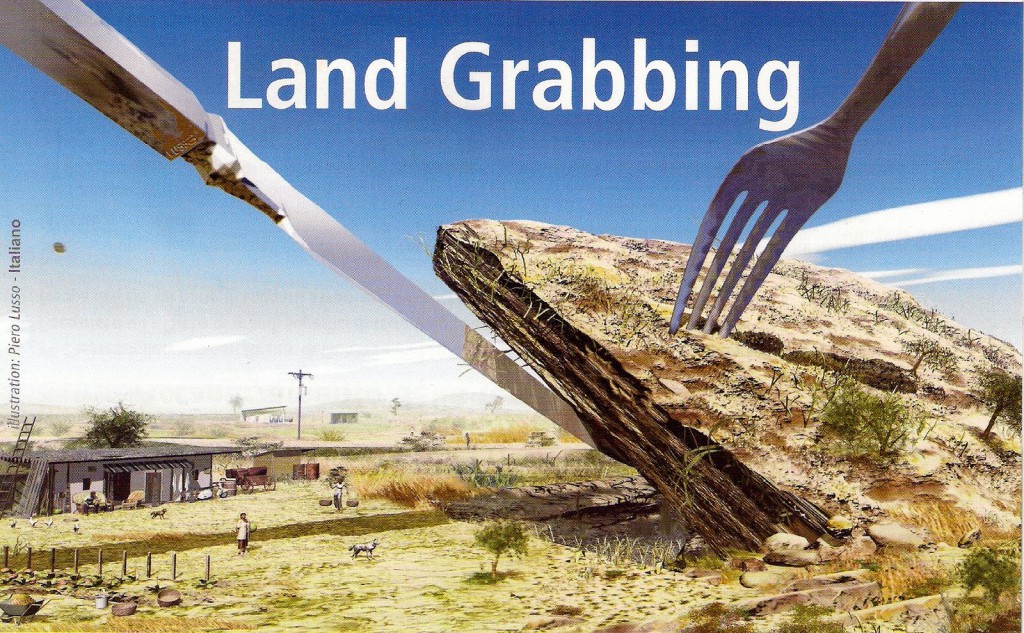
Foreign funders, clueless Parliamentarians modernizing land laws with technology risking Sri Lanka’s Land Sovereignty

January 15th, 2021

Despite decades of development of formal laws and tools for modelling legal knowledge for land rights by lawyers in developed countries, Sri Lankan lawyers stagnated preferring to work with statues of 1888 to 1927, Penal code 1883, Registration Ordinance of 1927 & Notaries Ordinance of 1907.The said countries have systematically moved on to digital land registries with data protection laws to protect their owners. We are receiving funds to leapfrog on to technology and the Australian law called title registration.

Who wants deed system, who doesn’t want deed system?

Who wants title registration, who shouldn’t want title registration are some of the fundamental questions the public need to ask but, they are never informed.

Can a Sri Lankan lawyer explain the legal principles of the foreign law related to the e- registration and are there any books to refer?

Can lawyers feel satisfied of their ignorance of the law?

No one can answer these questions as land law has become the subject of foreign experts and parliamentarians who listen to them and pass laws without a clue. Justice Minister s appointing committees to revise laws but cabinet is annulling existing gazettes/circulars and passing new statutes. None with any forethought or consultation of stakeholders.

It is unfortunate that since independence no government has seen fit to review colonial laws & revise them to suit post-independent sovereign Sri Lanka. Nor have they introduced the subjects at the university and law college for Sri Lankan lawyers to be experts to advice the nation.

We are continuing with archaic laws which are hundreds of years old, yet these laws provide the basic & fundamental rationale needed to re-write them to what suits Sri Lanka & its citizens.

It is a divine loophole for those who want to grab our lands. International funding bodies are hijacking this effort by sending their teams to research land systems in countries and recommending proposals advantageous to their global privatization objectives.

Governments and policy makers have yet to understand the larger context of this danger when archaic land laws get suddenly annulled to be replaced with new laws advantageous to international players and they have found the art of giving funding to obtain government approval. 

This is how Bim Saviya or Title Registration Act 21 of 1998 got secretly passed without inputs of our lawyers and how Bim Saviya was rolled out because of foreign funding.

It was in 2007 that funding was given to commence title registration from deed system. The funding bodies did not anticipate the confusions and complexities in transferring from deed system to title registration when in Dec 2011, the US Embassy advertised for an Electronic Land Hub for a National Land Titling Program following 2010 USAID report titled Land Administration and Protection of Property”.

The US Embassy nor USAID anticipated that only 700,000 deeds would have taken 13 years (2007 to 2020) to be transferred to title out of 12million blocks of land. The transfer cost $2.5m a year as per 2018-2019 Title Commissioner’s Report.

How long will it take to do 12million blocks of land?

What is the hurry to implement e-land register? 

Funding bodies expect governments to roll out what they want because they give money.

Drastic changes come with funding & demands no scrutiny before implementing. 

In the hurry to please foreign funding bodies. Sri Lanka is blindly setting up an e-land registry without data protection, back office owned and controlled by a foreign company, lawyers clueless, inserting the title registered 700,000 entries, with daily notorized documents changing, together with the 50% fraudulently entered deeds (as per Land Registrar)

This clearly indicates our land records are sitting on a vulnerable scenario unless authorities realize that protection of data, protection of land is more important than taking funding by foreign funding bodies. 

Putting the cart before the horse in a race to please foreign funding bodies is going to land Sri Lanka and land owners in litigation troubles that our lawyers will not be able to solve.

With bim saviya foreign law being implemented, with data ownership out of sovereign Sri Lanka’s control, Sri Lanka is walking into major trouble. Sri Lanka’s lawyers will have no place. Bim Saviya being a foreign law will mean foreign lawyers will determine litigation especially since land is being privatized for multinational companies on the justification of ‘investment’.

The reason for this is that the notary entries are coming without a law. As per Notary Ordinance everything is subject to ethical rule. Given the current circumstance of global corruptions, Section 33 of this Ordinance needs to be urgently revised and amended to ensure all deeds are validated properly and Notary is culpable for errors.

The other reason is that the Registration of Documents Ordinance does not hold Registrar accountable for registering fraudulent deeds. He is responsible for only ensuring land measurement and extent of land is given properly. This ordinance must be amended to hold land registrar accountable for accepting fraudulent deeds. All these loopholes the foregin funding bodies know more than our lawyers / MPs or advisors.

Data protection is a must to ensure land owners data is protected prior to launching any e-land register.

What good is it to simply boast of launching an electronic land registrar system that is full of vulnerable areas disadvantageous to the land owner and providing opportunities for fraudsters.

Australia which follows the title registration system and is the origin of the Torrens Law referred to in Sri Lanka as bim saviya, has ensured land owners are protected. They have all laws in place. Legally qualified academics and lawyers are fully aware of all the land registries and how they operate across Australia. They are regularly revising their systems to benefit land owners. You cannot find any land frauds as a result of the legal set up and the system set up in place with checks and balances.

In Sri Lanka, we have only the NIC to identify an owner. The land registration process is very poor and needs to be properly streamlined. If we are to be following foreign systems, we must first ensure we have a system similar to that which exist in those countries. Simply plugging one element and claiming it to be similar to foreign systems is totally unacceptable.

Why is the Bar Association, the legal fraternity tasked to bring to the public areas of concern not putting forward proposals and holding public seminars related to the drastic land changes happening of late?

Why does the BASL not insist that the Central Bank Financial Regulations Act 6 of 2006 which included notaries and lawyers within the scope of the Act and which included all deeds and registrations be first adopted before any insertion into the e-land registry.

We have a land reform commission – what is it doing? 

We have a national planning council – what is it doing? 

Where are all the officials tasked to ensure the land sovereignty of Sri Lanka and land ownership of Sri Lankans and the State? 

Why do they not see that we are loosely and without properly planning changing gazettes, amending land laws and creating a bigger problem related to land. If we do not stop the current hurry to digitalize and properly plan the digitalizing process first, Sri Lanka’s land sovereignty is at risk and land owners will face unimaginable problems.

Shenali D Waduge

අග්‍රාමාත්‍යතුමාගෙන් සිනමා කර්මාන්තයට බදු සහන

January 14th, 2021

අග්‍රාමාත්‍ය මාධ්‍ය අංශය

දේශීය සිනමා කර්මාන්තය ප්‍රවර්ධනය කිරීම සඳහා ගත් තීන්දුවට අදාළව ගරු අග්‍රාමාත්‍ය මහින්ද රාජපක්ෂ මහතා ජනාධිපතිවරයා වශයෙන් කටයුතු කළ සමයේ දී ලබා දී පසුගිය යහපාලන රජය විසින් අවලංගු කළ බදු සහන නැවත ලබා දීමට ඊයේ 2021.01.13 දින තීරණය කරන ලදී.

මුදල් අමාත්‍යංශ ලේකම් එස්.ආර්. ආටිගල, බුද්ධශාසන ආගමික හා  සංස්කෘතික කටයුතු අමාත්‍යංශ ලේකම් මහාචාර්ය කපිල ගුණවර්ධන මහත්වරුන් විසින් එම තීරණය ගෙන ඇත.

සිනමා කර්මාන්තයේ නියැලි වෘත්තිකයන් පසුගිය (08) දා අරලියගහ මන්දිරයේ දී අග්‍රාමාත්‍ය මහින්ද රාජපක්ෂ මහතා හමුවී කළ ඉල්ලීම්වලට අනුව එදින ගත් තීරණවලට අදාළව මුදල් අමාත්‍යංශයේ පැවැති සාකච්ඡාවකදී මෙම තීරණය ගෙන ඇත.

අග්‍රාමාත්‍ය කාර්ය මණ්ඩල ප්‍රධානී යෝෂිත රාජපක්ෂ, දේශීය සිනමා ශිල්පීන්ගේ සන්ධානයේ සභාපති, අග්‍රාමාත්‍ය මාධ්‍ය ලේකම් රොහාන් වැලිවිට මහත්වරුන් ද මෙම සාකච්ඡාවට සහභාගී විය.

මේ අනුව චිත්‍රපට නිෂ්පාදනය සහ චිත්‍රපට ප්‍රදර්ශනය සඳහා භාවිතා කරන උපකරණ ආනයනය කිරීමේදී තීරු බදු සහන ලැබෙනු ඇත.

එසේම චිත්‍රපටයක් නිෂ්පාදනය කිරීමේදී වැය කරන මුදලට බදු සහන සහ චිත්‍රපටය ප්‍රදර්ශනය කිරීමෙන් ලැබෙන ආදායමට බදු සහන දීමට ද මෙම සාකච්ඡාවේදී සළකා බලා තිබේ.

මෙම බදු සහන චිත්‍රපට සංස්ථාවේ අනුමැතියට යටත්ව ක්‍රියාත්මක වේ. ඒ අනුව දේශීය සිනමාකරුවන්ට සහ චිත්‍රපට නිෂ්පාදකවරුන් ඇතුළු ක්ෂේත්‍රයට සම්බන්ධ සියලු වෘත්තිකයන්ට  චිත්‍රපට සංස්ථාව ඔස්සේ ඉල්ලුම් කිරීමෙන් රජය විසින් ලබා දෙන මෙම බදු සහන නැවත ලබා ගැනීමට අවස්ථාව උදා වේ.

ECONOMIC LIBERALIZATION POLICIES IN SRI LANKA: BOON OR BANE?

January 14th, 2021

BY EDWARD THEOPHILUS

The Sunday Observer (10/01/2021) reported that the Central Bank of Sri Lanka is going to review economic liberalization policies, it is a good and overdue task. Economic liberalization policies initiated by President J. R. Jayewardene and it would have done when Mr.J.R.Jayawardane ended the presidency, and he was the right person to explain why Sri Lanka implemented economic liberalization policies, and why didn’t his cabinet ignore to correct indiscipline at the operational level? Mr.J.R.Jayawardane commenced good economic policies in the country and the tourism initiatives and related business were the best policies he introduced in 1965 as the Minister of State. Tourism has become a major area for foreign exchange earnings and the provision of employment. Why did the Central Bank of Sri Lanka ignore to get an opinion from Mr. Jayewardene is a question to be answered by the Central Bank, and the Minister of Finance in 1978 is alive and can get an opinion from him?   

Economic liberalization policies came to effect with the budget of 1978, this doesn’t mean that Sri Lanka hasn’t had economic liberalization policies before 1978. It was a necessary evil to the economy.  Under the financial controls of the Currency Board System, Sri Lanka had economic liberalization policies, and the central banking that began in 1951 also allowed to work liberal economic policies until the ending of the Korean War in the early 1950s, and the influence of socialism in economic policymaking and the shortage of foreign reserves influenced to get away from liberal economic policies in 1956.

The economic policies of Sir John Kotelawala attractively reflected liberal economic policies, and the Six-Year Development Program introduced in 1954 showed how to use liberal economic policies promoting indirect import substitution and practical liberal economic policies covering regional Sri Lanka. Many economic policymakers assumed to not read and understood the Six-Year Development Program, 10 Years Plan, and Five-Year plan in 1972. The political changes in 1956 forced Sri Lanka to get away from liberal economic policies and consumers and producers suffered from inward-looking strategies, and the economic policy of 1978 directed to adopt outward-looking policies hoping to change the economy to generate positive benefits to the country.

The Sunday Observer (10/01/2021) reported that we will test the performance of the open economic policies and its economic agents could follow a focused approach to becoming an industrial economy.” stated the governor of the central bank. To become an industrial country, the contribution from the Industrial sector to GDP must be over 50% and it is not an achievable target when considering the current contribution from the industrial sector to GDP. Sri Lanka is an agricultural economy, and an input-output analysis could show that the highest contribution to GDP is made by agriculture. The governor may have a correct opinion, but the reporter of the Sunday Observer may not understand the jargon expressed, and I have a question about the organization of the report, as it seems the nature of the writer lacking knowledge of the economy.

What is the new macroeconomic policy framework? The macroeconomic policy framework is a broader area and international economists in the past explained that it is like a jungle which comprises many varieties of plant. After the Cold war, the world bank advised making policy correction and microeconomic reforms were needed to successfully work macroeconomic variables.  The best example was after the cold war developed countries did microeconomic reforms and such reforms worked well to improve macroeconomic variables and the productivity enhancement and improvement of competitiveness should have essential ingredients in liberal economic policies.

There is nothing wrong with the economic liberalization policy and the problem has been the policy implemented without disciplines. The central bank did not advise the government what were the disciplines and how they should have implemented them in the country. As I found as a village person, the positive aspect of the liberal economic policy was getting the right price for products and services of rural areas. The opportunity to take part in economic activities was received by all, and this positive aspect was ignored by many critiques. The negative aspect of the liberal economic policies was the rapid decline of the Sri Lanka rupee and it lost the financial gains of rural people. The depreciation of currency value has been a common nature in all countries despite this situation the government policy process has not addressed the issue to satisfy rural people.  Therefore, people looked for foreign jobs rather than engage in productivity and competitiveness improvement. The government did not educate the public on the role of liberal economic policies and how it should be protected and how it should use to take part to achieve economic objectives of them.

In the liberal economic system, the central bank is the regulatory authority in the financial system which comprises the trading bank market, non-bank financial intermediaries, stock market, merchant banks, superannuation market, and many other markets providing clear policy guidance to protect the market and eliminate crooks from markets.  The market of non-bank finance intermediaries has been entirely swollen by crooks, and the central bank has not worked with coachmanship and acumen ship to prevent this situation.  In Sri Lanka regulator (Central Bank) works as a market operator and this is wrong. For example, the superannuation market comprises EPF, pension funds that are managed by banks and other institutions. If the government takes policy action to combine all super institutions to establish a mega super organization it could provide employment opportunities to over 10000 unemployed graduates and practical finance education could broaden in the country. Many people in the rural area are illiterate in practical finance and they have caught crooks and lost hard earn money. The central bank handles this situation, and the bank has not developed policies to protect the financial system.

In developed countries, the management of superannuation organizations is not a role of the central bank, and many independent companies play the role.  If Sri Lanka can manage the central bank as the regulatory authority in the finance system, it would help to strengthen the economic performance of the country.  Why it is impossible to manage a superannuation organization that integrated all super funds in one organization is a question, and my feeling is policymakers are either lack knowledge or they are playing politics with funds. As the regulatory authority, the central bank can supervise and regulate such an independent organization.

The privatization of public assets is supported by liberal economic policies, and many people in the country have no clear understanding of the policy. The privatization of public assets aims for various purposes and in Sri Lanka it should be focused on attracting private capital, sharing the economic burden, reducing government spending and retiring public debt, etc. The central bank should educate people about privatization.

Economic liberalization should use as a boon to the country, and it is not the bane. The problem in Sri Lanka is people were not educated about the policy, therefore, a misconception is traveling around.            

The political economy of accusation, guilt and punishment

January 14th, 2021

MALINDA SENEVIRATN​E

Whenever predictions are made about repercussions from the international community for things said or left unsaid or else things done or left undone, I am reminded of Libya. Muammar Gaddafi was for decades the bad boy. He decided at one point to try being the good boy. We all know how he was rewarded by those who saw him as an enemy and who he later thought were friends.

That’s how the international community operates. International community as in the movers and shakers who can and do move and shake on account of bucks and guns (to put it mildly). It’s all about playing ball. It’s all about conviction beyond any shadow of doubt that ball will be played. In other words, there are no brownie points for good behavior. There has to be an unblemished record of servility. One black mark and trust is compromised forever. An unblemished ball player is thereafter backed, groomed and even brought to power.  If there’s no such entity, then they go for the lesser evil option. Maithripala Sirisena for example.
President Gotabaya Rajapaksa made a statement in jest in Ampara last week and it got a lot of play.  That is not a statement one expects from someone who refused to badmouth his political opponents. It was careless. It was crass. However, as often happens word was extracted from context, tone and flavor. We saw inflation. We saw extrapolation. His detractors warned that it will strengthen moves against Sri Lanka in the upcoming UNHRC sessions in Geneva. This, on top of ‘concerns’ over the cremation of Muslims who have died of Covid-19. They will no doubt add the demolition of a memorial erected for LTTE cadres who perished during the 30 year long conflict.

A word on the last is warranted. First and foremost students do not have any right to put up buildings or memorials on state university property unless so sanctioned by the relevant authorities. Whoever allowed that memorial to be put up needs to explain his or her actions. Secondly, having allowed it to remain and thereby providing consent by default, arbitrary demolition is questionable. Thirdly, some students have issued statements claiming that they are not interested in warring ‘with the Sinhala government.’ The wording indicates that they do not see themselves as part of this country. The Vice Chancellor’s claim that the monument was an affront to reconciliation and peace therefore does have some merit. His decision to lay the foundation stone for a replacement monument is therefore confusing.
Another word on the matter is warranted. It is not illegal for anyone to believe he/she does not belong to Sri Lanka. Theoretically, a monument to soldiers could be seen by some as a celebration of ‘wrongdoers and wrongdoing’ although not legally, at least ethically or just in terms of perceptions. A monument to JVP cadres could similarly be seen by UNPers as a celebration of terrorists and terrorism. The Jaffna University students are celebrating people who fought for a ruthless terrorist organization. We could play that back and forth and remain where we are, i.e. fighting a war along the alleyways of memory.

A third word. The President can be open about these things, speak with these students and ask them if they want to remain in the past or move to a different future. He could say, for example, that the only grief that is indubitably genuine is that which is felt by the near and dear of the dead, regardless of what the dead believed, fought for, killed and were killed for. The temperature of the tears shed for all the dead, combatants and civilians are approximately the same. The President could request the Jaffna University students to design a monument where everyone can grieve for what eventually proved to be a conflagration that produced nothing of substance but only delivered death, destruction, dismemberment and displacement.
 Now whether the President moves in the above manner or in some other way that pleases the students and the Tamil community, he will not be applauded by those who want to bring him and his government down, here and abroad. It just doesn’t work that way.

There is a political economy of punishment and reward, censure and ‘let be’.  ‘A threat is often more powerful than its execution’ is a quote attributed to several top chess grandmasters and frequently used by chess coaches. That’s how it works.
We get a string of accusations, a string of recommendations and a spoken or left hanging ending, ‘…or else!’
This brings me to the most critical issue of the day. The East Terminal of the Colombo Port. India wants it. We are told that Sri Lanka will have a 51% stake. Operations, if the deal is done, would be controlled by an Indian company.  It is reported that the frontrunner-investor is the Adani Group of India. The very same group is building a port in Kerala. A competitor port in every sense of the word. Forget Adani. It will be an Indian company that would ‘run’ operations even as an Indian company is busy building a port that is designed to draw transshipment business away from Sri Lanka.

Giving the green light to such a move is suicidal. It would reduce the Sri Lankan transshipment footprint in the Indian Ocean. The JVP, FSP and others including trade unions of all political parties have objected. Groups that backed Gotabaya Rajapaksa and the SLPP have objected. The political fallout is not difficult to calculate.

In such circumstances why would a government accede to India’s not so veiled demand for the East Terminal? Is there some subtle, ‘diplomatic’ arm-twisting happening? Is a give-and-take being negotiated? If it’s a deal then obviously the costs and benefits are not contained by ‘port development.’ It has to do with sweeteners. The Covid-19 vaccine? ‘Support’ in Geneva? What? 

So, in essence, there’s no clean, neat, integrity-driven logic. The ‘international community’ will accuse and treat accusation as proven guilt. The ‘international community’ will say things that end with ‘or else….!’ The ‘international community’ will want to punish and will create guilt to do so. That’s politics. That’s economics. That’s political economy. 

Any government that does not play ball is in a lose-lose situation. And such governments (and we are not staying that this government is one of them) have one option. Side with the people. Trust their judgment. ‘People’ as in general sentiments and not those that come percolated through political interests or structured by possible benefits to individuals or specific groups.

Dire need to understand how the world’s ports and shipping work

January 14th, 2021

By Rohan Maskarola/DailyFT Courtesy NewsIn.Asia

Colombo, January 11: I have always maintained that shipping and ports businesses are truly global, networked with multiple parties. No country which wants to be in the global shipping can compete single handedly without international partnerships.

It is irrelevant whether a nation is developed or developing or has cargo and technology. All need partnerships to capture global trade in a network of ports and shipping services taking advantage of the economic opportunities the sector provides for maritime nations.

This column gives insights to readers with examples of how the global shipping and the ports industry is positioned. It is most relevant in the current context of Sri Lanka, where a sentiment of nationalism is built through a false propaganda campaign that ports and terminals of Sri Lanka must be run by the State.

This argument will indeed please people who do not understand the business models of modern ports and shipping. From Asia to Europe, Middle East to Africa and to the Americas, major ports are a business of partnerships of governments, terminal operators, shipping lines and other financial institutions. Each party brings in business synergies and contributes to growth through assets and financial resources sharing.

Others bring geography, global scale and regional networks to bind major ports with shipping lines, (both major lines and feeder lines). These arrangements help mitigate inefficiencies and reduce costs of operations by ensuring that the ports and terminal businesses are continued with each other’s commitment. As they say success comes with ‘teamwork’.

Partnerships not only bring business synergies but ensure continued business security as well as financial transparency among stakeholders. In this background, the port of Colombo which has been ranked number 22 in container volume and number 13 in connectivity has had this growth purely due to the international business and the partnerships it has developed over the last 20 years.

However, if Colombo wants to grow beyond a transshipment hub of the Indian subcontinent, (transshipment being a business that is highly competitive and that can move from one port to another overnight if the environment is not conducive), it needs to change its strategy. The example is Singapore, which once tried to remove a major shipping line from a partnership and within weeks it started to lose transshipment business to Malaysia and had to reverse its stance to retain business the Malasian business.

Although the world’s number one seaport at that juncture, Singapore  realized that location is not sufficient to retain businesses, and that international partners are the key to success.

Who controls the global container markets, ports, and routes?

Many people who are not in the shipping industry are unaware that shipping is mainly controlled by massive global ship operators and owners who have pumped in billions of dollars for getting ship hardware to provide scalable transportation solutions for world trade.

It is always easier to question why every maritime nation cannot have its own fleet of ships. The answer lies in achieving economies of scale and global funding for getting massive hardware on a long-term basis and to sustain market volatility, such as imbalances in trade as we are facing today due to COVID-19.

Major economies and developed countries control well over 80% of the world’s container cargo throughput. However, it is interesting to note that those developed countries also build partnerships and alliances to maximize asset sharing and planning cargo collecting and discharging routes. One can ask, why should Maersk, the Denmark-based world’s biggest shipping line go into partnership with its competitors? The reason is economics. Today, the ten major shipping lines work in three major alliances in partnership combining synergies to provide shipping services to global customers.

By being partners they negotiate with ports and terminal operators of the required services and commit volumes globally to international port operators while sharing assets such as ships. Therefore, it is proven beyond doubt that, irrespective of the country’s wealth and the size of the shipping line, they do partner with competing lines for logical reasons as networks provide better business models and solutions than working in isolation.

Who handles global containers?

Container handling done by ports around the world is once again done in partnership for reasons of competitiveness and to secure committed market shares. For this purpose, irrespective of the region, terminal operators, shipping lines and states work together in operating global throughput in ports. Interestingly, the global average for state participation/ownership is around 20%, whereas, international terminal operators, shipping companies and other private equities account for  nearly 80% of ports and terminal equities. Therefore, the argument that the State should operate in isolation is a myth and a misguided nationalistic view by those who do not understand the global networks of ports. It is not the countries that decide on which shipping line calls on its ports, but a variety of factors determine that.

If you look at the Indian subcontinent, India has the biggest cargo volume output. But it is not India that decides how the shipping routes and port calls are designed. Nor does Sri Lanka. The ship owners take that call. In the recent weeks when Colombo had congestion as a transshipment port, Sri Lanka immediately had service withdrawals and shipping lines moved to other ports in the region. At the same time Colombo being the biggest transshipment volume handler in the world, accounts for less than 20% of Indian subcontinent throughput.

Both Sri Lanka and India took the correct decision over the past two decades by going into joint ventures for its terminals. Over the past 20 years most Indian ports have gone into joint ventures with DP World of Dubai, PSA of Singapore, and AP Moller of Denmark. At the same time Sri Lanka too had partnerships since 1999, with numerous parties at SAGT and recently the CICT with China. These partnerships have brought in efficiencies as well as business to port of Colombo making it at one time the second fastest growing port in the world.

Interestingly, the much talked about Adani Ports has been investing in India and other parts of the world and is fast beating DP World in the Indian subcontinent’s throughput share.

Therefore, it is as important for Colombo and its East Terminal to be developed as a consortium to partner terminal operators as well as international shipping lines wherever possible. Indeed, the share of the landlord should be fair and must ensure that the business brings in more revenue to the State as the port of Colombo grows with international partnerships.

Certainly, operating in isolation is not the answer, as proposed by nationalists. Even in India, the last major government terminal in Jawaharlal Nehru Port Trust is now calling for privatization to compete with other terminals in India.  Even in communist China, most of the major port operating groups are either state-owned enterprises or have state-owned enterprises as their major shareholders – for example Shanghai International Port Group and Qingdao Port International.

But these and other state-owned port companies are run as private or quasi-private organizations, and some are quoted on stock exchanges. Additionally, many Chinese port companies operate their container terminals in joint ventures with private operators such as PSA, HPH, APMT and DP World. So, the argument of self-management of ports and terminals is just a populist political slogan.

Why should ports look outwards?

None of these investments are called selling of ports”. They are all joint ventures, where terminal operators can give global solutions to global alliances and secure sustainable growth with profit sharing with States and other stakeholders. The most important factor here is that it relieves government and the taxpayer of the need to pump in massive investments for infrastructure development.

The most popular model around the world is the ‘landlord model’, where governments not only earn terminal revenue but in the medium term take other royalties along with fresh revenue through value added maritime services. This is what has been recommended in Sri Lanka for decades, but policy makers are yet to make this crucial change if we need to become a maritime hub.

The secret of the success of these global terminal operators is aligning themselves with competitors and working in partnerships with shipping lines and cargo owning countries. The Port of Singapore Authority (PSA) handles 30 million TEUs in partnership with shipping lines and investors. While another 30 million TEUs are handled around the world through investments, making its total throughput 60 million TEUs.

Similar are the operations of DP World, China and other global operators. Even London’s most modern and new terminal is operated by DP World of UAE.

This is where Sri Lanka went wrong. Although it established a ports authority way before some of the other global terminal operators including DP World, it failed to look outwards to use its hard-earned money and knowledge to invest in international ports. Instead, the policy makers kept on looking inwards, and as what is happening today, it is now starting to resist foreign investments, including our largest cargo provider, India, and one of the biggest ship operators in the world, Japan, to partner ECT.

This closed mindset will be the downfall of our ports sector if government gives in to hard nationalism and unions on another agenda without understanding the consequences. If one thinks the location is the only reason that hubs are created, they are quite mistaken, as modern-day shipping is more built on networks and partnerships. Preparing for that kind of competitiveness with proper capacity enhancement is the best and realistic way to make the SLPA a success.

(The writer is an economist, the CEO, Shippers’ Academy Colombo and Chairman, Logistics Advisory Committee, National Export Strategy to the Export Development Board – Sri Lanka. Currently the Director General of Sri Lanka Association of Manufacturers and Exporters of Rubber Products and former chairman of the Sri Lanka Shippers’ Council and Secretary General of Asian Shippers’ Council. He can be contacted at rohanmas458@gmail.com.)

අලි සබ්රිට තවත් බාල්දියක්.. දෙමල භාෂාව කතා කරන නීතීඥයන් 150ක් ASPලා කිරීම අන්තවාදී කුමන්ත‍්‍රණයක් යයි චෝදනා…

January 14th, 2021

උපුටා ගැන්ම ලංකා සී නිව්ස්

හෙළ බොදු සවිය සංවිධානය විසින් ජනාධිපති ගෝඨාභය රාජපක්ෂ මහතා වෙත යොමු කරන ලද ලිපියක් මෙහි දැක්වෙයි.

ගරු ජනාධිපතිතුමා
ජනාධිපති කාර්යාලය
කොළඹ 01

ගරු ජනාධිපතිතුමනි,

නීතිඥයන් පොලිස් පරික්ෂකවරුන් ලෙස බදවා ගැනීම

වත්මන් ආණ්ඩුවේ අධිකරණ අමාත්‍ය මොහොමඩ් අලි සබ්රි විසින් ජනාධිපති ගෝඨාභය රාජපක්ෂ මැතිතුමා වෙත කරන ලද ඉල්ලීමකට අනුව නීතිඥවරුන් 150ක් ප්‍රධාන පොලිස් පරීක්ෂකවරුන් ලෙස පොලිස් සේවයට බඳවා ගැනීමට තීරණය කළ බව ජනමාධ්‍යවල හා සමාජ මාධ්‍යවල සදහන් වෙයි. එලෙස බඳවා ගන්නා ප්‍රධාන පොලිස් පරීක්ෂකවරුන්ට දෙමළ භාෂාව පිළිබඳව විශේෂ දැනුමක් තිබීම විශේෂ සුදුසුකමක් ලෙස සලකන බව කියවේ. මෙම නිළධාරින් බඳවා ගැනීමේ දී සම්මුඛ පරීක්ෂණයක් මගින් බඳවා ගැනීමෙන් පසුව  පළාත් නවයම ආවරණය වන පරිදි ඔවුන් සේවයට අනුයුක්ත කිරීමට නියමිතය. විභාග දෙපාර්තමේන්තුව හරහා පවත්වන විභාගයකින් තොරව සම්මුඛ පරීක්ෂණ මගින් පමණක් බඳවා ගැනීමට තීරණය කීරිම ගැටළු සහගතයි. ජාතිය,ආගම සහ භාෂාව මත විශේෂතාවයක් දක්වා රජයේ නිළධාරින් බදවා ගැනීම ආණ්ඩුක්‍රම ව්‍යවස්ථාවට පටහැනිය.

ගරු ජනාධිපතිතුමනි, මේ රට පාලනය කිරිමට ඔබතුමාට වසර 5 කට බාරකර ඇත. ලෝකයේ බහුතර සිංහල ජනතාවක් ජීවත් වන රටක් වන්නේ අප රට පමණි. ලෝකයේ බලවත් ජාතින් ලංකාවේ සිංහල බෞද්ධ ජනතාව නැති කිරිමේ උපක්‍රම භවිතා කරන බව ඔබ තුමා නොදන්න කරුණක් නොවේ. මේ ආකාරයට පොලිස් පරික්ෂකවරුන් ලෙස බඳවා ගැනීමේ දි අති බහුතරයක් දෙමළ හා මුස්ලිම් තරුණ නීතිඥයන්ට මෙම අවස්ථාව ලැබෙයි. එක යුගයක මෙවැනි උපක්‍රමයකින් නීති විද්‍යාලයට බහුතර නීති ශිෂ්‍යන් බඳවා ගත් ආකාරයටම මුස්ලිම් නීතිඥයක් පත්වීමත්, වසර 10ක් 15ක් යන විට සියලුම පළාත් හා දිස්ත්‍රික් මට්ටමින් ඉහළ පොලිස් නිළධාරින් වන්නේ ඔහුන්ය . අප රට  දෙවිදියටක ත්‍රස්වාදයට මුහුණ දුන් රටකි. කොටි ත්‍රස්වාදයට උදව් කල ඉහළ පොලිස් නිළධාරි සිටි ඇත. අප කිසිසේත්ම විශ්වාස කරන්නේ නැහැ, මෙම නිළාධාරින් එවැනි සිදු විමකට සම්බන්ධ වන බවට. එහෙත් අප රට තුළ ඉදිරියේ ත්‍රස්වාදයක් ඇති විමට කිසිම ඉඩක් තබා ඔබතුමාගේ පාලනය අවසන් කළ යුතු නැත. ඔබතුමා මහා ත්‍රස්වාදයක් රට තුළින් අවසන් කිරිමට උරදුන් නායකයෙකි. එබැවින් මෙවැනි ජාතිවාදි අදහසකින් රාජ්‍ය නිළධාරින් බඳවා  ගැනීම කිසිසේත්ම සුදුසු නැත.

දැනටමත් නීතිවේදය හැදැරූ උපාධිධාරීන් සංවර්ධන නිළධාරින් ලෙස බඳවා ගෙන ඇත. නීතිඥයන් හො සිවිල් නිළධාරින් ලෙස පොලිස් ස්ථානවලට බදවා ගැනි ඉතාම සුදුසුය. එයට හේතුව මත්ද්‍රව්‍ය ඇතුළු අපරාධ කරුවන් අල්ලාගෙන අව්දින් සාමන්‍ය පෙල දක්වා  උගත් පොලිස් නිළධාරින් විසින් අපරාධකරුවන්ගේ තොරතුරු හා අපරාධය සිදු කළ ආකාරය ලියනු ලබයි. ඉන්පසුව එම ලියවිල්ල අපරාධයේ  ප්‍රධාන සාක්ෂියකි. එම ලියවිල්ල හරියට නොලියන අවස්ථාවල දි අපරාධකරුවන් නීතිය හමුවේ නිවැරදිකරුවන් බවට පත්වෙයි.

එම නිසා පොලිස් පරික්ෂකවරුන් ලෙස නොව සිවිල් නිළධාරින් ලෙස බඳවා ගෙන මෙම සිදු කරන මත්ද්‍රව්‍ය, ඇතුළු සියලු අපරාධ කරුවන් නීතියේ රැහැනට හසු කරගැනිමට කටයුතු කිරිම ද එයට එක් භාෂාවක ප්‍රමුඛස්ථානය ලබා නොදි සමස්ත රටේම ජනතාව විභාග දෙපාර්මේන්තුවේ  විභාග පටිපාටියට අනුව සිදු කරන ලෙසත් ඔබතුමාගෙන් ඉතා ඕනෑකමින් ඉල්ලා සිටිමු.

තෙරුවන් සරණයි

බුදුගල ජිනවංස හිමි
සභාපති

COVID-19 deaths in Sri Lanka cross 250-mark

January 14th, 2021

Courtesy Adaderana

Four new COVID-19 related deaths have been confirmed in Sri Lanka today, says the Director-General of Health Services.

Four new COVID-19 related deaths have been confirmed in Sri Lanka today, says the Director-General of Health Services.

Following the new development, total fatalities from the virus registered in the country have hit 251.

One of the victims was identified as a 47-year-old man from Dummalasooriya area. He had been transferred from Teaching Hospital in Kuliyapitiya to Narammala District Hospital, and later to Homagama Base Hospital where he passed away on Tuesday (January 12) during admission. The cause of death was cited as COVID-19 pneumonia.

Second victim is reportedly a 72-year-old man who was residing in Galgamuwa area. The Government Information Department said he was moved from Teaching Hospital in Kurunegala to Homagama Base Hospital. He has suffered from COVID-19 pneumonia and complications of kidney disease.

In the meantime, a woman, aged 57 years, died while receiving treatment at the Homagama Base Hospital today (January 14). The cause of death was recorded as complications of kidney disease and infection in the respiratory tract.

The fourth victim was identified as a 53-year-old man from Colombo 13. He had been transferred from Colombo National Hospital to Mulleriyawa Base Hospital. He fell victim to the virus on Tuesday (January 12) due to blood coagulation, blood infection, lung infection and epilepsy exacerbated by Covid-19 infection.

ew development, total fatalities from the virus registered in the country have hit 251.

Total of 670 new COVID-19 cases within the day

January 14th, 2021

Courtesy Adaderana

Sri Lanka’s Covid-19 numbers saw another surge today (January 14), as 316 more persons were tested positive for the virus.

Department of Government Information confirmed that the newly-identified patients are close contacts of earlier cases linked to the Peliyagoda fish market.

Accordingly, a total of 670 new cases have been reported within the day.

As per statistics, the total number of Covid-19 infections confirmed in the country to date now stands at 50,899.

Recoveries from the virus meanwhile climbed to 43,747 earlier today, as 480 more patients regained health.

However, 6,905 active cases are still under medical care at selected hospitals and treatment centres located across the island.

රුඩොල්ෆ් බර්නාඩ් ලෙස ලංකාවට ආ ඕලන්දේ හාමුදුරුවො

January 14th, 2021

අවුරුදු 27දී ඉංදියාව,නේපාලය ඔස්සේ ලංකාවට පැමිණ පැවිදි වූ ඕලන්දේ ආනන්ද හිමිගේ ඇත්ත පැත්ත|

TNA has asked for almost a separate state

January 13th, 2021

Prof. N.A.de S. Amaratunga 

TNA has submitted its proposals to the Experts Committee appointed to  draft a new Constitution. What they have asked for is far in excess of the devolution package granted in the 13th Amendment. The powers that are demanded exceeds those granted to the states in India which is a federal country. They seem to have forgotten that they also must show some conciliatory attitude when everybody is talking about reconciliation and communal harmony. It takes two to Tango. They must know what is possible and what is not. They must know that extremism begets extremism. There are on both sides of the divide people with extremist points of view on sensitive matters like land, language, religion etc. If peace and harmony among communities are the desired goals of everybody, particularly political leaders, they have to be more flexible. Asking for more and more following on the steps of SJVC who adopted a little now and more later” policy will not help.

TNA has asked for Regional Councils virtually with all the powers except defense. Executive presidency is to be abolished and all executive powers are to be taken over by the cabinet of ministers. The president would be a figurehead with no powers. The governor of the regional council will be appointed on the recommendation of the chief minister with the approval of the council. Nature of the state obviously will not be unitary but united. These powers if granted would be far in excess of those granted under the    13th A.

The proposed regional council would obviously comprise North and East merged as envisaged in the original 13th A. These two provinces were demerged by an order of the Supreme Court on the 16th October 2006 which declared that proclamations issued by President Jayawardena temporarily extending the tenure of the merged North-Eastern Province were null and void and had no legal effect. The proclamations by JRJ were necessitated due to the  fact that a referendum on the merger was not held as required by the 13th A. It was well known that the Muslims and the Sinhalese in the Eastern Province were against a merger. However if a referendum had been held in the two provinces together the vote would have been in favour of a merger as Tamils would be a majority when the two provinces are joined for the referendum. However the Sinhalese leaders did not want to merge these two provinces as it would go against the interests of the Muslims and Sinhalese. TNA does not seem to have taken these issues and their implications into serious consideration. They seem to be still stuck in their four Thimphu principles. TNA must not appear to be on reverse gear when the country is trying to emerge out of communal acrimony.

TNA proposals have to be seen as an attempt to delink their areas of habitation as much as possible from the writ of the central government. It seems that the proposal is to devolve to the Regional Council all powers and functions that can be carried out at the level of the regions on the basis of the principle of subsidiarity”. It is on the basis of a similar conceptual framework that the separatists have been agitating for an independent state in the Northern and Eastern provinces since 1972. The principle of subsidiarity is defined as the principle that the central authority should have a subsidiary function, performing only those tasks which cannot be performed at a more local level”. Obviously subsidiarity may be suitable for big countries but could be an unnecessary financial burden on small countries like Sri Lanka.

Powers the TNA has asked for include those pertaining to land and police. Land is a subject under the 13th A that had given rise to controversial rulings by the Supreme Court. Once it held that state land can be utilized by the Provincial Councils for their projects but later in 2011 it ruled that state land  should remain under the ownership of the central government for the utilization at national level. Police powers had not been allowed to be taken over by the PCs though it is provided in the 13th A. These two subjects if devolved could give a PC that has a centrifugal tendency much leverage to work towards its goal. For instance an independent police force could engage in subterfuge and subversion with the connivance of the provincial politicians. A terrorist who commits an act of terror in the South could escape into the North and find refuge. We must not forget separatism and terrorism have not been totally eliminated in this country.

TNA proposals tend to change the nature of the state quite significantly and also the single sovereignty of the people in Sri Lanka. In the present constitution people’s sovereignty is reposed in the executive president by people’s franchise. President may delegate his executive powers to other institutions such as the ministers and also in accordance with the 13th A to the governors he appoints to the provincial councils. In the proposals submitted by the TNA the governor is appointed on the recommendation of the chief minister with the approval of the council. Thus the main link between the central government and the council has been removed.

TNA proposals have done away with the concurrent list of subjects that come under the purview of both the central government and the regional councils. This is another delinking measure that TNA wants to be adopted to strengthen the autonomy and independence of their regional government. Such an arrangement would be federal in nature no matter what it may be called.

And what is worse is, it would be a federal state based on ethnic demarcation which has not been very successful in countries where it had been tried eg. Ethiopia, Pakistan, South Sudan.

What takes the set of proposals beyond federal status is the demand for powers to deal directly with foreign countries for aid, loans and investment. What the TNA is asking for is almost a separate state. If all these powers are granted their struggle to strengthen the case for the legal establishment of a separate state would succeed to a great degree.

TNA proposals if granted would have adverse effects not only on Muslims and Sinhalese living in the North and East but also on Tamils. These adverse effects would be felt mainly in the economic, social and cultural spheres. Tamils have a huge economic interest in the South, in the Sinhalese community. Cordial relations between communities is essential for the development of economic connections. For instance the wholesale market in Colombo in which the Tamils have a huge presence cannot thrive unless there is trust and understanding among different communities involved in this business. A political rupture in the sensitive areas like land, language, religion could affect the consciousness  of these communities and disrupt the working relationships.

The Muslims and Sinhalese who live in the North and East would feel that they have been made minorities and may be subject to discrimination. Such sentiments would not help reconciliation but promote discord. Social and cultural relationships will be hampered and the whole country may not progress very much socially, culturally and economically.

It is time the TNA took into consideration the present realities and also politics in the Tamil areas. Adopting a more extremist posture in an attempt to boost up its flagging popularity is not what is needed. What is needed is a course correction and develop reconciliation strategies that would be beneficial to the Tamils who live not only in the North and East but also in the Centre and the South so that everybody could get together in a peaceful and cordial relationship and develop their country in the social, economic and cultural spheres.

Prof. N.A.de S. Amaratunga 

Prime Minister’s Thai Pongal message

January 13th, 2021

Mahinda Rajapaksa
Prime Minister of the Democratic Socialist Republic of Sri Lanka

It is with immense pleasure that I wish all Tamil devotees in Sri lanka and all over the world a very happy Thai Pongal festival. In the Hindu-Tamil Calendar, the first month of the year is known as ‘Thai’, and ‘Pongal’ infers a new dawn.

The arrival of a new harvest is celebrated on the day of Thai Pongal. It venerates Mother Nature and the Sun God, as an expression of gratitude for a bountiful harvest. This celebration of the dawn of the new year is both culturally and religiously significant to the Hindu people.

A traditional specialty of Pongal is a sweet rice made with rice from the new harvest, milk, and sugarcane, is made as an offering to the Sun God as a show of gratitude. These traditions and rituals give us an insight into and highlights the cultural and religious values of showing appreciation, respect and gratitude.

Although we differ in ethnicity, religion and language, our aspirations, hopes and dreams as Sri Lankan’s are similar.  Even though we are currently facing challenging times, the government is committed to uplift the living standards of all Sri Lankan citizens and is determined to work towards overcoming these challenges together as a nation.

Therefore, this year’s Thai Pongal festival can be celebrated with renewed hope by those celebrating in Sri Lanka and all over the world. May the festivities of Thai Pongal and the values that it propagates, cultivate a spirit of peace and reconciliation between all Sri Lankan’s.

I wish everyone celebrating a happy and prosperous Thai Pongal and the very best for the year ahead.

Mahinda Rajapaksa
Prime Minister of the Democratic Socialist Republic of Sri Lanka

සුභාශිංසන පණිවිඩය

January 13th, 2021

මහින්ද රාජපක්ෂ
ශ්‍රී ලංකා ප්‍රජාතාන්ත්‍රික සමාජවාදී ජනරජයේ
අග්‍රාමාත්‍ය

ලොව පුරා දමිළ ජනතාව බැතියෙන් සමරනු ලබන තෛපොංගල් උත්සවයට සුභාශිංසන එක් කරනුයේ ඉමහත් සතුටිනි.

හින්දු දින දර්ශනයට අනුව පළමු මාසය තෛ” යනුවෙන් හැදින්වෙන අතර පොංගල් යන්නෙන් උදාව යන්න අර්ථවත් වේ.

කෘෂිකාර්මික කටයුතු සාර්ථක කර ගැනීමට හිරු දෙවියන් ඇතුලු ස්වභාවධර්මය දුන් ශක්තියට කෘතගුණ සැළකීම මුල් කරගෙන නව වසරේ උදාව සමරනු ලබන තෛපොංගල් දින උත්සවය ආගමික, සංස්කෘතික හා සමාජීය වශයෙන් ඉතාමත් වැදගත් දිනයකි.

වී අස්වැන්න නෙළා ලබා ගත් අලුත් සහල් ද, අලුත් උක් ගසකින් ගත් පැණි ද, එළකිරි යොදා පිසින පොංගල් කිරිබත හා මංගල ද්‍රව්‍යක් ලෙස කහ පිඩක් ද භක්ති පූර්වකව හිරු දෙවියන් වෙත පුදා නමස්කාර කිරීම අද දිනයේ විශේෂත්වයකි.

ස්වභාව ධර්මයේ වටිනාකම, සමානාත්මතාවයට ගරු කිරීමේ වැදගත්කම, කෘතගුණ දැක්වීමේ උසස් ගුණාංගය වැනි සියලු ආගම්වල මානුෂීය අදහස් පිළිබඳව තෛපොංගල් උත්සවය අපට අවබෝධයක් ලබා දෙයි.

ජාතිය, ආගම සහ භාෂාව අනුව එකිනෙකට වෙනස් වුවද අප සියලු දෙනා ශ්‍රී ලාංකිකයන් ලෙස සිතුවිලි හා අපේක්ෂාවන්ගෙන් එක හා සමානය.

අභියෝගාත්මක කාල වකවානුවක වුවද  සෞභාග්‍යමත් දේශයක් වෙනුවෙන් සියලු ජනතාවගේ ජීවන තත්ත්වය උසස් කිරීම උදෙසා රජය ඇප කැප වී සිටියි.

ඒ නිසා මෙවර තෛයිපොංගල් උත්සවය ශ්‍රී ලංකාවේ වෙසෙන සහ විදෙස්ගතව සිටින ශ්‍රී ලාංකික දමිළ ජනතාව ඇතුලු ලොව පුරා දමිළ ජනතාවට නැවුම් බලාපොරොත්තු සහිතව බැතියෙන් සැමරිය හැකිය.

ස්භාවධර්මයට මෙන්ම එකිනෙකාට කෘතගුණ සළකන සමාජයක් තුළින් ආගමික හා සංස්කෘතික වශයෙන් උසස් සංහිදියාවක් නිතැතින් ඇති වේ.

නව වසරේ උදාව සමරන සියලුම දමිළ ජනතාව සහ අනෙකුත් ජාතීන්ට තෛයිපොංගල් දින අර්ථයන් සිය ජීවිතවලට ළඟා කර ගැනීමෙන් අනාගත ශ්‍රී ලංකාව සෞභාග්‍යමත් හා සාමකාමී දේශයක් ලෙස පෙරට ගෙන ආ හැකිය.

ශ්‍රී ලංකාවේ සාමය හා සංහිදියාව අධිෂ්ඨාන කරගත් ජාතික සංහිදියාවේ දිනයක් බවට තෛයිපොංගල් දින උත්සවය පත් වනු දැකීම අප සැමගේ අපේක්ෂාවයි.

තෛයිපොංගල් උත්සවය සමරන සහෝදර දමිළ ජනතාවට සියලු අනාගත අපේක්ෂාවන් ඉටුවන සෞභාග්‍යමත් ජීවිතයක් ගත කිරීමට හැකියාව ලැබේවා! යැයි මෙම ප්‍රීතිමත් දිනයේ මම සුබ ප්‍රාර්ථනා කරමි.

මහින්ද රාජපක්ෂ
ශ්‍රී ලංකා ප්‍රජාතාන්ත්‍රික සමාජවාදී ජනරජයේ
අග්‍රාමාත්‍ය

තෛපොංගල් සුභ පැතුම්

January 13th, 2021

ඌව පළාත් ආණ්ඩුකාරවර

ස්වභාව ධර්මයට කෘතගුණ සලකණු වස් සමරනු ලබන තෛපොංගල් උත්සවය වෙනුවෙන් ශ්‍රී ලංකාවාසී සහ ලෝකවාසී සියලූ හින්දු බැතිමතුන් වෙත මාගේ තෛපොංගල්  සුභ පැතුම එක් කිරීමට අවස්ථාව ලැබීම පිළිබඳව බෙහෙවින් සතුටු වන්නෙමි.

මානව සංවර්ධනය ආරම්භයේ සිට ස්වභාව ධර්මය හා බැඳුනු මිනිසා, ස්වභාව සෞන්දර්යය ප්‍රථාපවත්  කරන හිරු දෙවියන් වන්දනා කිරීම කෙරෙහි තබා ඇති අපරිමිත විශ්වාසය හෙලි කරන, විශිෂ්ඨ මෙන්ම විශේෂ උත්සවයක් ලෙස තෛපොංගල්  උත්සවය පෙන්වා දිය හැකිය. මිනිසා හා ස්වභාව ධර්මය අතර ඇති හැඟුම්බර බැඳීම්වලට කෘතගුණ සැලකීමේ මහඟු අවස්ථාවක් වන මෙම උත්සවය එම ජනතාවගේ ආධ්‍යාත්මික ජීවන රටාවට යහපත් සිතුවිලි එක් කරන උත්සවය ලෙසද හැඳින්වීම මනාය.

එසේම ගොවිතැනට ගරු කිරීමේ අරමුණින් සමරන තෛපොංගල්  උත්සවය ආහාර නිෂ්පාදනය වැඩිකර ඒ හරහා සෞභාග්‍යය ළඟා කර ගත යුතුය” යන රජයේ උත්සහයටද හවුහරණ සපයයි.

අතිගරු ජනාධිපතිතුමාගේ සෞභාග්‍ය දැක්ම” යන ගමන ජයග්‍රාහීව ආරම්භ කර ඇති මෙවන් අවස්ථාවක බලාපොරොත්තු නොවූ අයුරින් රට තුළ හට ගෙන ඇති කොවිඩ් – 19 වසංගත තත්ත්වය මැඩලීමට ලෝකය සමඟ එක්ව අපද සටන් කරන්නෙමු.

කෙසේ වෙතත් අභියෝගවලට මුහුණ දෙමින් ඒවා ජයග්‍රහණය  කිරීමට අවශ්‍ය ආත්ම ශක්තිය හා ධෛර්යය අප තුළ ඇත, යන්න අපගේ ඒකායන විශ්වාසයයි.

දුරුතු මාසයේ උදාව සියලූ පැතුම් ඉටුවේ” යන විශ්වාසයෙන් යුතුව සමරන තෛපොංගල් උත්සවය තුළින්  සියලූ ජනතාව තුළ සාමය, සතුට හා සෞභාග්‍ය උදාවේවායි ඉත සිතින් ප්‍රර්ථනා කරමි.

ඒ.ජේ.එම්. මුසම්මිල්,
ඌව පළාත් ආණ්ඩුකාරවර

Lankan President says Eastern Container Terminal will be a JV between Lanka, India and other parties

January 13th, 2021

By P. K. Balachandran/newsin.asia

Lankan President says Eastern Container Terminal will be a JV between Lanka, India and other parties

Colombo, January 13: Sri Lankan President Gotabaya Rajapaksa on Wednesday assured representatives of Port Trade Unions that the Eastern Container Terminal (ECT) in the Colombo Port will not be sold or leased out.

The President, who met representatives of the port unions, made it clear that  the plan is to develop the ECT as an investment project that has 51% ownership by the Government of Sri Lanka and the remaining 49% as an investment by India’s Adani Group and other stakeholders.

Explaining the participation of India, the President said that India contributes 66% of the ECT’s re-export operations. 9% of re-exports is accounted for by Bangladesh and the rest by several other countries.

The previous led by Prime Minister Ranil Wickremesinghe had agreed to sell the ECT to India, the President recalled and added that the agreement envisaged obtaining a loan from Japan after sale and purchase of construction equipment with the loan money.

The President pointed out that after his government negotiated with India on the contract, it was possible to reach an agreement to where in Sri Lanka will retain 51% of the ownership and the control of the terminal under the Sri Lanka Ports Authority (SLPA).

The President said that ECT Development was planned after reviewing all the factors, including regional geopolitical concerns, sovereignty of the country, revenue earning and employment generation potential.

He explained that the Eastern Terminal will be sustainably developed” under the investment program. The President asked the trade union representatives to submit their proposals and ideas on this program.

He further said that he intends to hand over the operation of the West Container Terminal to the Ports Authority and stressed the importance of submitting plans for the development of the port by trade union representatives.

The President reiterated that he would not allow any harm to come to the sovereignty or independence of the country when investments are arranged. He pointed out that the previous government had leased the Hambantota Port to the government of China for 99 years. After coming to power, the present government, in consultation with China, took over the responsibility for the security of the Hambantota Port in to its hands, President pointed out.

Mr. Basil Rajapaksa, the Head of the Presidential Task Force for Economic Revival and Poverty Alleviation, said that the expansion of operations in the Eastern Terminal would create a large number of jobs. He further said that the present government had completely stopped  plans mooted by the previous government to sell the Mattala Airport and the Norochcholai Power Plant.

Pillayan’s two-point agenda for Lanka’s Eastern Province

January 13th, 2021

By P.K.Balachandran/newsin.asia

Pillayan’s two-point agenda for Lanka’s Eastern Province

Colombo, January 13 (newsin.asia): The Batticaloa High Court on Wednesday released Sivanesathurai Chandrakanthan alias Pillayan, a Member of Parliament and former Chief Minister of the Eastern Province, after the Attorney General’s department said on Monday that it would not pursue the murder case against him.

The Court of Appeal had earlier ruled that there was no credible evidence to sustain the charge. The confessions were deemed to have been made under duress. In November 2020, Pillayan was granted bail.  

Pillayan is currently head of the Tamil Makkal Viduthalai Puligal (TMVP) and a Member of Parliament from Batticaloa district in the Eastern Province. He was a child soldier of the Tamil Tiger rebel group. He was arrested in 2015 in the case relating to the assassination of Tamil National Alliance MP, Joseph Pararajasingham, in St.Mary’s Cathedral in Batticalao on December 25, 2005. The arrest was made on the basis of confessions” made by two of Pillayan’s  lieutenants in the TMVP. But these were later deemed to be inadmissible. He was let off on bail in November last year.

Two-Point Agenda

A day before his acquittal, Pillayan told this writer that he will resume his political work with a two-point agenda: (1) work for the economic development of the Eastern Province (2) safeguard provincial autonomy and provincial powers.  

When Pillayan was Chief Minister of the Eastern Province from 16 May 2008 to 18 September 2012, he had earned a name for himself as a non-communal and development-oriented leader in a province where all three major Sri Lankan communities, Tamils, Muslims and Sinhalese, are equally represented. Those who met him in prison found him planning development schemes for his province.

His work as a non-communal development agent was appreciated by Basil Rajapaksa who was the Economics Development Minister at the center when Mahinda Rajapaksa was President of Sri Lanka. Pillayan hs been an ally of the Rajapaksas, though he has his own outfit, the TMVP.

Pillayan’s development initiatives had won him a wide measure of support among the people of Eastern Province, especially in his native Batticaloa district.

Journalist DBS.Jeyaraj writes that when the Local Bodies’ elections were held in February 2018, the TMVP contested eight Local Bodies, polled 42,365 votes and won 36 seats. In the parliamentary polls held in August 2020, the TMVP contested Batticaloa District with the imprisoned Pillayan as the chief candidate, to be Chief Minister if his party got majority.

The Tamil National Alliance topped the district with 79,460 (26.66%) of the votes, but the TMVP was a close second with 67,692 (22.71%) of the votes. Pillayan got the highest number of preferential votes (54,198) and entered parliament.

Pillayan is expected to get a State Ministership in the Center as he is an ally of the ruling Sri Lanka Podujana Peramuna (SLPP). Since he was granted bail in November 2020, he has been attending parliament with the court’ s permission. He has also been functioning as co-chair of the Batticalao  District Development Coordination Committee along with the Eastern Province Governor Anuradha Yahampath.

If elections are held for the Eastern Provincial Council in mid- 2021, when the pandemic is expected to be less virulent, Pillayan could be a Chief Ministerial candidate.  

UK strain of coronavirus detected in person visiting Sri Lanka

January 13th, 2021

Courtesy Adaderana

The new variant of the COVID-19 virus found in the United Kingdom (UK) has been detected in a person who has visited Sri Lanka, says Chief Epidemiologist Dr. Sudath Samaraweera.

This has been identified during tests carried out focusing on people arriving in Sri Lanka from foreign countries.

Reportedly, the infected person had arrived in the country from England, Dr. Samaraweera added.

The research team led by Professor Neelika Malavige of the University of Sri Jayewardenepura is continuing to study the variants of the COVID-19 virus identified in our country. Accordingly, we pay special attention to those who have recently arrived from abroad and work to identify their genetic makeup.”

Speaking on the entry of the UK COVID-19 variant into the country, he said, We now know that this risk exists in our country. Therefore, special attention should be paid to those coming from foreign countries.”

Dr. Samaraweera said, while the severity of the infection is lower in the new variant than that of the older virus strain, it can spread rapidly and increase the number of infected patients.

However, increased incidence of the disease may increase the number of fatalities, he added.

Sri Lanka’s Covid-19 death toll climbs to 247

January 13th, 2021

Courtesy Adaderana

Sri Lanka has registered 03 more coronavirus-related deaths, the Director-General of Health Services confirmed.

Following the new development, total deaths reported in the country has climbed to 247.

One of the deceased is a 66-year-old male from the Battaramulla area. He had been transferred to the Homagama Base Hospital from the Colombo National Hospital after being diagnosed with COVID-19. He had passed away yesterday (12) from a heart condition due to COVID-19 infection.

An 81-year-old male resident of Colombo 15 has died at the Infectious Diseases Hospital (IDH) yesterday. The cause of death is determined as COVID-19 pneumonia and severe infection in the respiratory system.

Another COVID-19 victim has also died yesterday (12) due to COVID-19 pneumonia. The deceased is an 89-year-old woman from Colombo 10 receiving treatment at the Colombo National Hospital.

With 687 new Confirmed COVID-19 cases in Sri Lanka, total cross 50,000

January 13th, 2021

Courtesy Adaderana

Covid-19 infections registered in Sri Lanka crossed 50,000 as 378 more persons have tested positive today (January 13).

The Government Information Department said the newly-identified patients are close contacts of earlier cases linked to the Peliyagoda fish market cluster. 

A total of 687 cases have been reported within the day so far.

As per statistics, the total number of Covid-19 infections confirmed in the country to date now stands at 55,229.

Recoveries from the virus meanwhile climbed to 43,267 earlier today, with more patients returning to health.

However, 6,718 active cases are still under medical care at selected hospitals and treatment centres located across the island.

Meanwhile, the death toll from the virus stands at 244 at present.

Ajith Prasanna granted bail

January 13th, 2021

Courtesy Adaderana

Major (Retired) Ajith Prasanna, who was in remand custody, has been released on bail by the Court of Appeal.

Three defendants including Ajith Prasanna and two naval intelligence officers are accused of holding a press conference and intimidating witnesses in the case against several navy officials over the abduction and disappearance of 11 youths.

In February last year, the defence attorneys had submitted a bail application to the Additional Magistrate on behalf of their clients.

The defence attorneys had argued that no evidence was presented to the court, proving that their clients had violated the provisions of Victims of Crime and Witnesses Protection Act and emphasized that the statements made by the defendants at the press conference in question are not in violation of the aforesaid Act.

However, the bail application was dismissed by the Colombo Magistrate’s Court.

Our policy has to be Import Substitution with the motto “Buy Sri Lankan” to achieve the Vista of Splendour, our President’s aim.

January 12th, 2021

Garvin Karunaratne, PhD in Non-Formal Education & Agricultural Economics, Michigan State University Formerly of the SLAS- Government Agent, Matara in 1971-1973. 

A Country that is saddled with a massive unsustainable foreign debt- as much as $ 56 billion, the servicing of which requires some $ 4 billion annually, where the outlay required for imports far outweighs the value that can be realized from exports, where the normal inflow of dollars from Middle East workers has ceased,  has the only option of import substitution to enable its people to find employment and incomes on the one hand and to reduce the commitment on imports.

If Import Substitution is done in a systematic manner there will be employment for its people, incomes for them as well as increases in production that can stave off imports.  Buy Sri Lankan has to be the motto.

This model of development- creating the production required within our own country thereby creating employment and incomes in not new to Sri Lanka. It was the model of development that was successfully followed till 1977 when the IMF implanted its Structural Adjustment Programme, which stifled development, changed our policies to create a foreign debt on one hand and made us depend more on imports.

Recently our Central Bank has, at last, realized that following the IMF’s Structural Adjustment Programme has ruined our economy and caused our country to pile up foreign debt. (SundayTimes:20/12/2020)

 It is also important to note that the IMF in 1978 made us abolish the development infrastructure that we had carefully built up since our country became independent. This was the infrastructure that was to enable our peasant farmers to increase their incomes and to enable people to open up industries and become employed.  This infrastructure comprised the following:

  1. The Vegetable and Fruit Purchasing Scheme of the Marketing Department, whereby vegetables and fruits were purchased at the producer fairs at prices above what was offered by traders, brought overnight to the cities and sold at rock bottom prices keeping a margin of only some 15% for wastage and transport and keeping no profit. This was how we ensured the low prices of vegetables and fruits- thus effectively controlling inflation. 
      
  2. The Marketing Department Cannery which within the three years 1955 to 1957 made Sri Lanka self-sufficient in all jam, fruit juice and food preparations like tomato sauce. May I note that we have been importing tomatoes sauce and vinegar till now? When I served in Nuwara Eliya I used to buy a carload of tomatoes from Hanguranketa and my home was made into a week-end cannery when we turned out tomato sauce sufficient for six months.  
  3. We had a programme of handlooms and power looms in the rural areas which turned out elegant sarees and textiles. Then our elite did not go to Singapore searching for exquisite sarees. Instead, they went to meet the Textile Demonstrators and told them to turn out bespoke sarees of their design.  This Programme was done by the Small Industries Department that imported yarn and distributed to the units. There were over 100,000 handlooms hard at work. The expertise was provided by a Research and Help Unit at Velona, Moratuwa. I was a Deputy Director of Small Industries in 1970 
  4. Under the Divisional Development Councils Programme, we established many import substitution type of industries. The Divisional Secretary at Kotmale made paper and cardboard out of waste paper. In my District, Matara, I established a Mechanized Boatyard making seaworthy boats which were sold to cooperatives and this increased the fishing fleet. This mechanized boatyard was set up by us within some three months. We also established a Handmade Crayon Factory making crayons equal to the quality of Reeves crayons.  It took three months of experiments locked up in the science lab at Rahula College every night to find the art of making crayons and it took three weeks for Sumanapala Dahanayake, the Member of Parliament at Deniyaya who was also the President of the Morawak Korale Coop Union to establish it working on a 24-hour basis.  Many other small scale industries like making tools and small agricultural farms were established.  

    All these very valuable programmes and more which brought about employment to our people, incomes for them and also stopped imports were all abolished by the Jayawardena government under the advice of the IMF. 
  5. The policy of indigenous production was very successful except for the period 1973 to 1977 when the Government of Sri Lanka faced sanctions from Western Governments and Multinationals. The policies of land take over and the imposition of socialist policies caused the imposition of sanctions by Western Developed Countries.  The USA decided that flour was no longer to be made available under the PL480 Scheme. We had to pay in full for flour. This caused a scarcity of flour as we did not have the finances.  The multinational shippers also charged more for our freight. The prices of imports were skyrocketed by multinationals to punish our country. The cost of imported rice increased from Rs 1015.00 to Rs. 2639.00 per long ton in 1974,  The price of imported sugar increased from Rs.  3093.00 to Rs. 5486.00 per long ton and the cost of flour increased from Rs 1386.00 to Rs 2124.00 per ton(Central Bank: Annual Report:1974(From How the IMF Ruined Sri Lanka(2006) 

 In addition, the British Government insisted that we should pay them hard cash for the value of estates over 50 acres that were taken over. These financial commitments had to be faced and it is commendable that the Sirimavo- Dr NM Perera combination Governments managed to face the commitments without allowing the country to fall into foreign debt. At the end of 1976, the foreign debt was only $ 75 million. It needs to be mentioned that despite this onslaught on Sri Lanka by the Superpowers Sri Lanka could boast of having a plus $ 58 million and $ 117 million in its foreign exchange balance of payments in  1976 and 1977.  It is important to note that ever since 1978 our balance of payments has  escalated in the  negative, increasing  from $ -177 million in 1979  to as much as
 441 million in 1983. (How the IMF Ruined Sri Lanka: 2006, page 49)

In my Papers published over the past few years, I have highlighted the possibility of establishing small scale industries with a view to enabling employment opportunities and thereby increasing the incomes of people. Simultaneously the industries will enable import substitution- that we can minimise imports  The Government has already restricted imports and it is imperative that the Government takes action to set up industries.

Among the industries I have identified as suitable for immediate implementation are: 

1 Paper Making. 

Papermaking is not new to Sri Lanka. We have had two major Plants at Valachchenai and Embilipitiya which were very successful. The former was destroyed during the insurrection of the LTTE while the latter was mismanaged. During the Divisional Development Programme days-1970-1977), a small scale Paper Factory was successfully implemented at Kotmale. It is to the credit of our President that after a lapse of some four decades the Valachena Paper Factory has been restarted.  

Today we export as much as 8000 tons of cardboard to India per month .and we also buy from India paper and cardboard. It is said that we collect our waste paper and export it to India and buyback paper and cardboard from them. Perhaps Sri Lanka is the only country in the world that does not have a plant making paper out of waste paper 

We can easily make Paper and cardboard in Sri Lanka. During the time the Valachenai factory was functioning it purchased straw from as far as Hingurakgoda. I was a frequent visitor using their Circuit Bungalow on my circuits and have been shown their machinery. 

It is suggested that we get down a few small scale paper and cardboard making machinery from either China or India and establish these in our colonization schemes. These will use straw and waste cardboard as the raw material. I have also pointed out that Illuk grows wild in Mahavillachchiya and a Paper Factory can easily be set up there.  Making paper and cardboard is a cottage industry in India and Bangladesh.

This is an industry that can be easily established within a few months and will create employment and incomes and also reduce our imports of Paper and cardboard. 

May I suggest that a few paper factories be established within two months? It could take on the following form: 

  1. An Administrative Officer from SLAS and a Mechanical Engineer to he handpicked and sent to India to see, study and identify small scale machinery for  making paper,  
  2. Ordering a few papers making Units to be purchased and brought to Sri Lanka. 
  3. Suitable land to be identified immediately and the State Engineering Corporation or the Engineering Co of the Army to be requested to put up a temporary structure to house the factory. 
  4. Selection of youths to work on the factory.  
  5. A Project Manager with an engineering background preferably an engineering graduate to be recruited to be in charge of the project.  
  6. The Project is to be worked as a cooperative which will be owned both by the workers as well as the community. This concept of Community Cooperatives is key to ensure that the cooperative is not moved away from the community. 
    Paper manufacturing units can be easily established. There is absolutely no doubt. 

Making Large Boats 

At Matara, I established a Mechanized Boatyard making large 40-foot inboard motorboats, within three months. This included building a large shed to house the factory, installation of machinery, and making boats that were sold to fishery coops. . This was a beginning of a successful small scale industry established under the DDC Programme of 1971-1973. This industry also suffered the same fate of closure at the hands of President Jayawardena. In 1978. 

Similar Boatyards can easily be established within a few months. This will bring employment to youths and also enable more boats for fishing.   

It will not be a difficult task to get going to establish a Boatyard within two months. 

Making Jam and Fruit Juice and Canning Fruits 

I worked as an Assistant Commissioner in the Marketing Department and was associated with the establishment of the Cannery. Within the three years- 1955 to 1957, this Cannery successfully produced all the jam and fruit Juice that the country needed. The raw material was Pineapple which was made into jam, Pieces and Slices and we established exports too.  As much as 8 % of the production of pineapple products were exported.  The other raw material was Red Pumpkin which was made into Golden Mellon Jam. Ash Pumpkin was made into Silver Mellon Jam. Oranges were made into Juice. The Marketing Department was able to fix floor prices for any amount of Pineapple, Red Pumpkin, Ash Pumpkin and Oranges and the producers – Chena cultivators also made high incomes.  

It is possible to establish a few small scale Fruit and Vegetable Processing Plants in a few areas where fruits are available in plenty. I would suggest Canning Plants at Anuradhapura, Naula, Tissamaharama, Kandy and Gampaha.  

The expertise to establish these canneries is available locally. 

Mangoes are plenty during the season.  

If four Small Scale Canning Plants are established we can become self-sufficient in Fruit Juice and Jam within two years. 

If approved it will not be difficult to establish a Cannery within two months.  

Perfume Making

This is a more difficult task, but something that can be done. Today we import a range of perfumes. 

 On my travels, I came across a small scale perfume-making distilling machinery at Corris Industrial Unit in Wales. If I had known of this machinery when I served as the G.A. at Matara I would have somehow got down a mini distillery and would have established a perfume making factory based on the flowers offered to the Matara Bodhi.  As did happen to the Crayon Factory. which I established in 1970 this would have been abandoned by the Jayawardena Government in 1978.  I am not suggesting a Crayon factory because I am not certain whether we can find the art of making Crayons.

May I suggest that small scale distillery machinery be immediately obtained and perfume making be established at  Anuradhapura, Kandy and Kelaniya. The raw material will be the flowers that are offered at the temples.

This will be a new industry and initially experiments will have to be done at the Industrial Development Board . In the alternative may I suggest that making perfumes out of flowers be initiated at a few Central School Science labs. This will lead to establishing a Perfume Making Industry.

Once long ago when I visited India I was told to go to Sugandhika and buy some perfumes. I did go to their sales outlet and admired their different perfumes. I was shocked to learn that they have no fixed factory. Instead they have a few small portable factories that are temporarily put into action wherever they find flowers. Here we flow in flowers at temples and spend a massive amount to get rid of it.

Once a Programme gets going more items can get produced.

I make these suggestions and am confident of success. 

I can speak with authority because I have already established small scale industries. To detail-I got my Planning Officer at Matara to find the art of making Crayons- which took three months of experiments at the Rahula College, Matara Science Lab. Then I got the Member of Parliament Sumanapala Dahanayake in his capacity as the President of the Coop Union at Morawaka to establish a Hand made Crayon factory. This was established working day and night within three weeks. The sales were opened by Minister of Industries. Both Ministers Subasinghe and Illangaratne were amazed at the quality of the Crayons. The Crayon factory had islandwide sales by 1977 when it was closed down.

I can also speak with authority on employment creation, because 

I also designed and established the Youth Self Employment Programme of Bangladesh in 1982 when I worked in Bangladesh as a consultant. I defied the Secretary to the Treasury of Bangladesh, when he, quoting the failure of the ILO in establishing a self-employment programme insisted that it would be a waste of funds. The ILO incurred a massive loss and failed to establish a self-employment programme in Tangail, Bangladesh.  I had to argue with him for over two hours and won the day. The  Hon Minister for Labour and Manpower approved my request and I was ordered to establish a Youth Self Employment Programme, I designed and established a programme and also trained the staff of youth officers and youth deputy directors to continue with it after my two-year consultancy ended. Today this Youth Self Employment Programme is the premier employment creation programme the world has known and has guided over three million youths to become self-employed by 2020. Anyone interested is requested to contact the Ministry of Youth Development that yet runs this Self Employment Programme. A Youth Development Department that was totally doing youth work now spends 95% of its time and money to train and guide youths to be self-employed as entrepreneurs, making items that are required for the country.

As Sri Lanka is today a cash strapped country, it may be of interest to note that this above mentioned Self Employment Programme was established and worked for the first four years without a budget. My altercation with the Secretary to the Treasury, the officer who held the purse strings meant that he refused to fund because he said he was certain that my attempt will be a failure. I said I needed no additional funds but added that I will find savings within approved budgets to do the extension work and asked for authority to change the remits of officers. This was granted and for the first four years, the Programme was met from savings. Ultimately the Secretary to the Treasury had to eat his words and document my Self Employment Programme in eight full pages in the Five Year Plan 1990-1995 of the Planning Commission of Bangladesh.

I can assure the Government of Sri Lanka that we can make a breakthrough in employment creation and poverty alleviation and also increase production, obviating imports by establishing many small scale industries within one to two years. . . 

Garvin Karunaratne, PhD in Non-Formal Education & Agricultural Economics, Michigan State University Formerly of the SLAS- Government Agent, Matara in 1971-1973. 

Author of  How the IMF Ruined Sri Lanka & Alternative Programmes of Success, Godages, 2006 

How the IMF Sabotaged Third World Development, Godages/Kindle, 2017 

10th January 2021

RELATIVELY UNHEARD SRI LANKAN BUDDHIST MONKS HONOURED BY KING OF THAILAND/MYANMAR

January 12th, 2021

By M D P DISSANAYAKE

The first Sri Lankan Buddhist monk honoured by the King of Thailand  awarding the status of Aggamaha Panditha ( meaning Chief Great Scholar) was none other than the former Vice Chancellor of Vidyalankara University Ven Polwatte Buddhadatta Thera.  He has made valuable contribution to Buddhism and wrote series of books in Pali and Sinhala, including Pali Bhashava Tharanaya, which was a recommended text book in Sri Lanka.

Similarly, Ven Balangoda Ananda Maithree Thero was also conferred the AP status in recognition of his contribution.

To add to this colourful list,  the following Sri Lankan Monks have been awarded AP status  on 12 January, 2021 by the President of Myanmar.

Mihiripenne Sobhitha Thero of Sri Maha Bodhi Viharaya, Dehiwela, Kollupitiya Mahindarakkitha Thero, Ananda Thero of Trincomalee and Dodampahala Chandrasiri Thero

The nominations were  compiled and recommended to the King of  by a Committee of Sanga Nayaka after rigorous  and subtle examination of the Monk’s wisdom and achievements. These monks are considered to be unusually wise, noble and enlightened (Arahants).

The Sri Lankan buddhist society have heard the names of Ven Galabodaththe Ghanasara, Athureliya Rathna, Elle Gunawansa, Muruththettuwe Ananada, Medagoda Abayatissa,  Medille Pannaloka, Damballa Amila  etc. who believe they have power to change governments willy nilly.  They are departing from the basic principles of buddhist philosophy, igniting News Breaks, Headlines on the media. For  many    modern day buddhist monks in Sri Lanka the important issues are:  20 amendment, dual citizenship, burial or cremation of covid victims, sale, lease or joint venture of Eastern Terminal of Port of Colombo, release of convicted criminals, special favours for corrupt politicians, etc.  These monks expect the government to solve every problem in less than 6 months, with threats to bring the down the government with a new team.

Except for few, majority buddhist monks are departing from their original objectives of learning and disseminating buddhist philosophy.  

It is heartening that the King of  Thailand award the Aggamaha Panditha status to a very special class of buddhist monks after thorough scrutiny, who are future saviours of Buddhism.  Therefore, it is not surprising that the Famous Names of Monks are not in the above list.

Buddhism : its religion and philosophy”  by Dr W.S. Karunaratne is strongly recommended to all buddhist monks in Sri Lanka.

අග්‍රාමාත්‍යතුමාගේ සංකල්පයකට අනුව තෛයිපොංගල් සැමරීමට කෝවිල් 100කට ආධාර ප්‍රදානය කරයි

January 12th, 2021

අග්‍රාමාත්‍ය මාධ්‍ය අංශය

දුෂ්කර පළාත් වල තෝරා ගත් හින්දු කෝවිල් 100ක් සඳහා එළඹෙන තෛයිපොංගල් දිනය සැමරීම හා පූජා කටයුතු සඳහා රුපියල් 10,000ක් වටිනා චෙක්පත් ප්‍රදානය අද 2021.01.12 දින අරලියගහ මන්දිරයේදී සිදු විය.

බුද්ධශාසන ආගමික හා සංස්කෘතික කටයුතු අමාත්‍යවරයා ලෙස ගරු අග්‍රාමාත්‍ය මහින්ද රාජපක්ෂ මහතාගේ සංකල්පයකට අනුව මෙම චෙක්පත් ප්‍රදානය කෙරිණි.

කෝවිල් සඳහා කෙරෙන මෙම චෙක්පත් ප්‍රදානය සංකේතවත් කරමින් අද දින කොළඹ, කළුතර, කෑගල්ල, රත්නපුර හා ගම්පහ කෝවිල් සඳහා චෙක්පත් ප්‍රදානය කළ අතර අනෙකුත් කෝවිල් සඳහා එම ප්‍රදානයන් දිස්ත්‍රික් මට්ටමින් සිදු වේ.

මෙයට පෙර නව රාත්‍රී උත්සව සමයේ රටපුරා තෝරාගත් කෝවිල් 40කට අග්‍රාමාත්‍යතුමාගේ උපදෙස් පරිදි රුපියල් පනස් දහස බැඟින් ප්‍රදානය කළේය.

මෙම අවස්ථාව සඳහා අමාත්‍ය ඩග්ලස් දේවානන්දා, පාර්ලිමේන්තු මන්ත්‍රී සුරේන් රාගවන් හා අග්‍රාමාත්‍යතුමාගේ වැවිලි ක්ෂේත්‍ර සම්බන්ධීකරණ ලේකම් සෙන්දිල් තොණ්ඩමන් මහත්වරු ඇතුලු පිරිසක් එක්ව සිටියහ.

Mr. Wes Edens, Founder of New Fortress Energy met with Prime Minister Mahinda Rajapaksa.

January 12th, 2021

Prime Minister’s Media Unit

Mr. Wes Edens, Founder of New Fortress Energy, met Prime Minister Mahinda Rajapaksa to discuss investment opportunities in the tourism, energy, transport and infrastructure sectors in Sri Lanka.

Mr. Edens who is on a short visit to Sri Lanka expressed his interest in investing in cleaner, affordable and renewable energy sources that are cost efficient and environmentally friendly. Mr. Edens also showed keen interest in possible investment opportunities in areas of transport (railways), tourism and hospitality industries.

Prime Minister Mahinda Rajapaksa and Mr. Edens discussed areas in the tourism sector that could be further developed. Introducing theme parks, converting and refurbishing buildings with historic value into hotels to enhance tourism in the region were few potential areas that they agreed had scope for development.

Developing new sources of energy and converting the existing power plants into hydrogen power and further developing the wind power plants in Sri Lanka to harness more power generation was also discussed extensively. Mr. Edens also expressed interest in assisting with the development of the railways in Sri Lanka.

Mr. Wes Edens (CEO of new fortress energy) and delegation, State Minister of Money & Capital Market and State Enterprise Reforms, Hon. Ajith Nivard Cabraal and Secretary to the Prime Minister, Mr. Gamini Senarath were among the attendees.

ඌන සේවා උපාධිධාරීන් හා විදෙස් උපාධිධාරී පදනම තම ප්‍රතික්ෂේප කර ඇති උපාධිධාරීන් පිළිබඳ රජයේ ස්ථාවරය කඩිනමින් අපේක්ෂා කරමු

January 12th, 2021

උපාධිධාරී ජාතික මධ්‍යස්ථානය.

ගරු ජනාධිපති,
ගෝඨාභය රාජපක්ෂ මැතිතුමා,
ජනාධිපති ලේකම් කාර්යාලය,
කොළඹ 01.

ගරු ජනාධිපතිතුමනි,

සංවර්ධන නිලධාරී තනතුරට උපාධිධාරීන් බඳවාගැනීමේ දී ඌන සේවා උපාධිධාරීන් හා විදෙස් උපාධිධාරී පදනම තම ප්‍රතික්ෂේප කර ඇති උපාධිධාරීන් පිළිබඳ රජයේ ස්ථාවරය කඩිනමින් අපේක්ෂා කරමු.

සංවර්ධන නිලධාරී තනතුර සඳහා උපාධිධාරීන් බඳවා ගැනීමේ දී ඌන සේවා උපාධිධාරීන් ඉවත් කිරීම හා විදෙස් උපාධි පදනමින් ශ්‍රී ලාංකීය උගත් බුද්ධිමත් ප්‍රජාවක් නොසලකා හැරීමකට ලක්ව ඇති බව පළමුව ගරු ඔබතුමාගේ විශේෂ අවධානයට යොමු කරමු.

රාජ්‍ය හා අර්ධ රාජ්‍ය සේවාවන්වල රාජ්‍ය හා පළාත් සේවයේ උපාධි සුදුසුකම් සහිත තනතුරු වල නොවන උපාධිධාරීන් දැනට රාජ්‍ය හා පළාත් රාජ්‍ය සේවයට අදාළ උපාධිය අධ්‍යාපන සුදුසුකම් ලෙස සලකා බඳවා ගැනීමේ මුල් තනතුරක් ලෙස ඇතුල් වීමට හැකිව ඇත්තේ සංවර්ධන නිලධාරී තනතුර සඳහා . නමුත් අද වන විට එම ඌන සේවා උපාධිධාරීන් සඳහා එම ඉඩකඩ අහිමිව ඇත.

2.
උපාධිධාරීන්ට රැකියා ලබාදීම සඳහා වන වැඩ පිළිවෙල දියත්වන කාල සීමාවන් මෙතෙක් පැවති ආකාරයට ආසන්න වශයෙන් වසර 05 න් 05 වීම හේතුවෙන් අධ්‍යාපන සුදුසුකම ලෙස උපාධි ලබාගන්නා පිරිස් කම්කරු, සනීපාරක්ෂක, අරක්කැමි, මුරකරු ඇතළු වැටුප් චක්‍රලේක අනුව ප්‍රාථමික වැටුප් තලයේ සිට කළමණාකරන වැටුප් තලය දක්වා විවිධ රැකියාවන් සඳහා ඇතුළත් වීම සුලභ තත්වයකි.

3.
උපාධිධාරීන්ගේ පවුල් පසුබිම් තුළ පවතින ආර්ථික ගැටළු හා වෙනත් සමාජීය ගැටළු හේතුවෙන් උපාධියක් තිබියදී ජීවත්වීම සඳහා කුමන හෝ රැකියාවකට යෑම ඔවුනට අනුව අනිවාර්ය වී ඇත.

04.
තමන් රාජ්‍ය සේවයේ නියැලෙන රැකියා අවස්ථාවට වඩා තමන් සතු ඉහළම අධ්‍යාපන සුදුසුකමට ගැළපෙන තනතුරක් සඳහා ඇතුල්වීමේ අවස්ථාව තිබිය යුතුයැයි පිළිගන්නා අප, ඌන සේවා උපාධිධාරීන්ට තමන් දැනට නියැලෙන රැකියාවට යෑමට පෙර හෝ පසුව ලබාගෙන ඇති උපාධියට සරිලන රැකියා අවස්ථාවක් හිමිකර ගැනීම සඳහා රජයේ පැහැදිලි වැඩ පිළිවෙලක් පැවතිය යුතුය.

05.
ඌන සේවා උපාධිධාරීන් අතරින් කැමති හා අවශ්‍ය උපාධිධාරීන්ට ව්‍යවස්ථාව යටතේ සංවර්ධන නිලධාරී සෘජු බඳවාගැනීමක් සඳහා හෝ, අනුපාත (කෝටා) බඳවාගැනීමක් සඳහා හෝ, උපාධියට ගැළපෙන තනතුරකට හා වැටුප් තලයකට අන්තර්ග්‍රහණය කිරීමක් යන වඩා සුදුසු හා විද්‍යාත්මක ක්‍රමවේදයක් මඟින් ඌන සේවා උපාධිධාරීන්ට සාධාණය ඉටුවිය යුතු බව යෝජනා කරමු.

06. 2021.01.11
පැවති අමාත්‍ය මණ්ඩල රැස්වීමේ දී දැනට රඳවා තබා ගැනීමේ නාම ලේඛනයේ නම් සඳහන් 600 පමණ ඌන සේවා උපාධිධාරීන් බඳවා ගැනීමට ගරු ජනාධිපතිතුමා ප්‍රමුඛ අමාත්‍ය මණ්ඩලය එකඟ වූ බව සමාජ මාධ්‍යජාලා වල ප්‍රචාරය වෙමින් පවතී. කෙසේ වෙතත් උක්ත පිරිස 2021.02.01 දිනට බඳවා ගැනීම සඳහා විධිමත් නිසි පටිපාටිය අනුව රාජ්‍ය සේවා, පළාත් සභා හා පළාත් පාලන අමාත්‍යාංශ ලේකම්වරයාට හා පළාත් ලේකම්වරුන්ට කඩිනමින් ලිඛිතව දැනුම් දීම.

07. 2018
හා 2019 වර්ෂවල බඳවා ගැනීමේ දී පැවති තීරණවල හා සම්මුඛ පරීක්ෂණවල ගැටළුකාරී තත්වයන් මත ආසන්න වයස් සීමාවන් වල සිටි උපාධිධාරීන් පිරිසකට මුළු ජීවිත කාලය පුරාම මුහුණ දීමට සිදු වන අසාධාරණයක් සිදුව ඇති බැවින් 2020 උපාධිධාරීන් බඳවා ගැනීමේ දී ජනාධිපති ලේකම් කාර්යාලය හා රාජ්‍ය සේවා, පළාත් සභා හා පළාත් පාලන අමාත්‍යාංශය වෙත වාර්තා වී ඇති උක්ත ගැටළුව මත උපරිම වයස් සීමාව අවුරුදු 45 ගැටළුවට මුහුණ දී ඇති සීමිත උපාධිධාරීන් පිරිසට සාධාරණයක් ඉටුකරදීම සඳහා අමාත්‍ය මණ්ඩලයේ අවධානය යොමු කර සහනයක් ලබා දීම.

08.
ශ්‍රී ලංකා රජය විසින් ලියාපදිංචි කර උපාධි පාඨමාලා අවස්ථා ප්‍රධානය කර ඇති ශ්‍රී ලංකාවේ පිහිටි අර්ධ රාජ්‍ය හා පෞද්ගලික විශ්ව විද්‍යාල මෙන් ශ්‍රී ලංකාවේ පිහිට විදෙස් විශ්ව විද්‍යාල ශාඛා මඟින් පිරිනමන උපාධිය සහිත ලාංකීය විශාල උපාධිධාරී පිරිසකට සංවර්ධන නිලධාරීන් බඳවා ගැනීමේ දී මතුව ඇති ප්‍රතිපත්තිමය කරුණු මත පිරිසක් ගැටළුවකට මුහුණ දී සිටීම.

09.
විදෙස් උපාධි සහිත වෛද්‍යවරුන්, නීතිවේදීන්, ඉංජිනේරුවරුන් ඇතුළු විවිධ වෘත්තිකයන් රාජ්‍ය සේවයට මෙන්ම රාජ්‍ය ආයතන මෙහෙයවීම දක්වා සිය වෘත්තීය වගකීම් ඉටු කරන තත්වයක් තුළ Foreign හා NO UGC පදනමින් සංවර්ධන නිලධාරී තනතුරට බඳවාගැනීමේ දී රජයේ තීරණය මත එවන් පිරිසක් ප්‍රතික්ෂේප වීමකට ලක්ව පැවතීම.

8.
උක්ත කාණ්ඩවලට අයත්වන්නේ විදේශීය උපාධිධාරීන් නොවන බවත් පෙන්වා දෙන අතර ඔවුන් සියලූ දෙනා ශ්‍රී ලාංකීය පුරවැසියන් වන අතර අපේ රටේ දෙමව්පියන්ගේම දරුවන් බවද සැලකිය යුතුව ඇත.

රැකියා විරහිත උපාධිධාරීන් රැකියාගත කිරීම 2020 වැඩ සටහන යටතේ අයදුම්පත් යොමු කර 2020.09.15න් පසු අභියාචනා සලකා බැලීමේ ක්‍රියාවලිය අනුව රඳවා තබා ගැනීමේ නාම ලේඛනයේ නම් සඳහන් ඌන සේවා උපාධිධාරීන්ට පිළිගතහැකි විසඳුමක් ලබා දීම හා ඌන සේවා උපාධිධාරීන්ට රාජ්‍ය/ පළාත් රාජ්‍ය සේවය තුළ උපාධියට සුදුසු අවම රැකියා අවස්ථාව සඳහා ප්‍රවේශවීමේ ප්‍රතිපත්තිමය වෙනස්කම් සිදු කිරීමද, Foreign / NO UGC පදනම මත රැකියා වලින් පිටමං වන අපේ රටේ උපාධිධාරීන්ට රාජ්‍ය සේවයට මෙන්ම රටේ ආර්ථිකය ශක්තිමත් කිරීමට දායක කර ගත හැකි අර්ධ රාජ්‍ය අංශය හා පෞද්ගලික අංශයේ පිළිගත් වැඩ පිළිවෙලක් සකස් කර ක්‍රියාත්මක කිරීම ඇතුළු ඉල්ලීම් අපි රජයට ඉදිරිපත් කරමුු.

මේ පිළිබඳව ගරු ඔබතුමා ඇතුළු වත්මන් ආණ්ඩුවෙන් සාධනීය පිළිතුරක් අපේක්ෂා කරමු.

ස්තූතියි.

මෙයට,
චන්දන සූරියආරච්චි
කැඳවුම්කරු,
උපාධිධාරී ජාතික මධ්‍යස්ථානය.  

සම්බන්ධීකරණය071 81 78 268
Coordinating – +9471 81 78 268

ජාතික සමාජ සංවර්ධන ආයතනයේ උපාධි ප්‍රදානය අග්‍රාමාත්‍යතුමාගේ ප්‍රධානත්වයෙන් පැවැත්වෙයි

January 12th, 2021

අග්‍රාමාත්‍ය මාධ්‍ය අංශය

ජාතික සමාජ සංවර්ධන ආයතනයේ වාර්ෂික උපාධි ප්‍රදානෝත්සවය – 2020 ගරු අග්‍රාමාත්‍ය මහින්ද රාජපක්ෂ මහතාගේ ප්‍රධානත්වයෙන් අද 2021.01.12 දින බණ්ඩාරනායක ජාත්‍යන්තර සම්මන්ත්‍රණ ශාලා පරිශ්‍රයේ දී පැවැත්විණි.

සමාජ මාධ්‍ය පිළිබඳ මූලික උපාධිය සම්පූර්ණ කළ උපාධිධාරීන් 76 දෙනෙකු මෙම උපාධි ප්‍රදානයට සුදුසුකම් ලබා තිබිණි.

එහිදී ගරු අග්‍රාමාත්‍යතුමාගේ සුරතින් උපාධිධාරීන් 50 දෙනෙකුට උපාධි ප්‍රදානය සිදුවිය.

මෙම අවස්ථාව සඳහා සමෘද්ධි, ගෘහ ආර්ථික, ක්ෂුද්‍ර මූල්‍ය, ස්වයං රැකියා හා ව්‍යාපාර සංවර්ධන  රාජ්‍ය අමාත්‍ය ෂෙහාන් සේමසිංහ, අමාත්‍යංශ ලේකම් නීල් බණ්ඩාර හපුහින්න, ජාතික සමාජ සංවර්ධන ආයතනයේ වැඩබලන අධ්‍යක්ෂ ජනරාල් හා අතිරේක අධ්‍යක්ෂ ජනරාල් (ශාස්ත්‍රීය) එම්.ටී.ආර්.ශාමිනී අත්තනායක ඇතුලු මහත්ම මහත්මීන් රැසක් එක්ව සිටියහ.

2018 අ.පො.ස. උසස්පෙළ විභාග ප්‍රතිඵල මත අධ්‍යාපන විද්‍යාපීඨ සම්මුඛ පරීක්ෂණ මෙතෙක් ආරම්භ නොකිරීම සම්බන්ධව.

January 12th, 2021

ලංකා ගුරු සේවා සංගමය

ගරු අධ්‍යාපන අමාත්‍ය,
ජී.එල්. පිරීස් මහතා,
අධ්‍යාපන අමාත්‍යංශය,
ඉසුරුපාය,
බත්තරමුල්ල.

අමාත්‍යතුමනි,

2018 අ.පො.ස. උසස්පෙළ විභාග ප්‍රතිඵල මත අධ්‍යාපන විද්‍යාපීඨ
සම්මුඛ පරීක්ෂණ මෙතෙක් ආරම්භ නොකිරීම සම්බන්ධව.

2018 අ.පො.ස. උසස්පෙළ විභාග ප්‍රතිඵල මත විෂයානුබද්ධව අධ්‍යාපන විද්‍යාපීඨ 19 ක් සඳහා සිසුන් බ`දවා ගැනීමට 2020.09.04 දිනැති ගැසට් පත්‍රය මගින් අයදුම්පත් කැ`දවා තිබු නමුත් මෙතෙක් සම්මුඛ පරීක්ෂණ ආරම්භ නොවීම නිසා ඊට අයදුම් කළ 40000 කට අධික වන සිසුන් පීඩාවට පත්වීම සම්බන්ධව ඔබගේ දැඩි අවධානය යොමු කරමු.

02ග විශේෂයෙන් අධ්‍යාපන විද්‍යාපීඨවලට ඇතුලත් වීමට අපේක්ෂාවෙන් සිටින මෙම සිසුන් අ.පො.ස. උසස්පෙළ විභාගයට පෙනී සිට මේ වනවිට වසර දෙකහමාරක පමණ කාලයක් ගත වී ඇති අතරම අධ්‍යාපන අමාත්‍යංශය විසින් ඊට අයදුම්පත් කැඳවා මාස 05 කට ආසන්න කාලයක් ගත වී ඇත. මේ නිසා ඔවුන්ගේ ඉදිරි උසස් අධ්‍යාපන කටයුතු මෙන්ම රටේ පවතින විවිධ ආර්ථීක ගැට`ඵ නිසා වෙනත් රැකියාවලට යොමු වීමේ අවස්ථා ද, ඔවුන්ගේ ජීවිතවල විවිධ තීරණ ගැනීමට නොහැකිව මේ සඳහා බලා සිටීමට සිදුවීම ඛෙහෙවින්ම කණගාටුවට කරුණකි.

03ග එහෙයින් අධ්‍යාපන විද්‍යාපීඨ පද්ධතිය තුළ වන අධ්‍යයන ගැටඵ මෙන්ම බොහෝ ග්‍රාමීය පාසල්වල පවතින උග්‍ර ගුරු හිඟය පිළිබඳව ද කිසිදු අවධානයක් යොමු නොකොට නිරෝධායන කටයුතු සදහා ඕනෑතරම් වෙනත් රාජ්‍ය හා පෞද්ගලික ස්ථාන තිබියදී කිසිදු වග විභාගයකින් තොරව මෙම විද්‍යාපීඨ නිරෝධායන මධ්‍යස්ථාන සඳහා ලබාදී තිබිණි. එහිදී සිදුව ඇති දේපල හානි මෙන්ම විද්‍යාපීඨ නැවත සිසුන්ගේ අධ්‍යයන කටයුතු සඳහා යථාවත් කිරීමට යාමේ දී සැලකිය යුතු කාලයක් ගත වීම එතෙක් පැවති ගැටළු තවදුරටත් උග්‍ර කර ඇත.

එහෙයින් මේ පිළිබඳව කඩිනම් අවධානය යොමුකර අධ්‍යාපන විද්‍යාපීඨ නැවත විවෘත කරන තෙක් බලා නොසිට කඩිනම් විකල්ප වැඩපිළිවෙලක් හරහා ඉදිරි සතිය තුළ 2018 අධ්‍යාපන විද්‍යාපීඨ නවක සිසුන් බඳවා ගැනීමට අදාලව නාම ලේඛන ප්‍රසිද්ධ කර සම්මුඛ පරීක්ෂණ ආරම්භ කිරීම ස`දහා කටයුතු කරන ලෙස ඉල්ලා සිටින ලංකා ගුරු සේවා සංගමය එසේ නොවන්නේ නම් ඔවුන්ගේ අයිතිය දිනාදීම වෙනුවෙන් ඉදිරි ක්‍රියාමාර්ග ගැනීමට සිදුවන බව ද වැඩිදුරටත් අවධාරණය කරමු.

මෙයට,
විධායක සභාව වෙනුවෙන්,

මහින්ද ජයසිංහ,
ප්‍රධාන ලේකම්,
ලංකා ගුරු සේවා සංගමය
සම්බන්ධීකරණය – 0718297022/0777685038

පිටපත් – 01.ලේකම් – අධ්‍යාපන අමාත්‍යංශය
02.විද්‍යාපීඨ කොමසාරිස් – අධ්‍යාපන අමාත්‍යංශය

Ranjan Ramanayake to lose his parliamentary seat

January 12th, 2021

Courtesy Adaderana

Former Chairman of Bar Association of Sri Lanka (BASL), President’s Counsel U.R. de Silva says the MP Ranjan Ramanayake, who was sentenced to four-year rigorous imprisonment today, will lose his parliamentary seat.

Speaking further, he said Ramanayake will not be able to appeal the verdict delivered by the Supreme Court.

The parliamentarian will further lose his right to vote for seven years after serving the prison sentence.

Accordingly, former State Minister Ajith Mannapperuma, who contested the election from Gampaha District, is expected to receive Ramanyake’s parliamentary seat.

The Supreme Court today sentenced Ranjan Ramanayake to 04 years of rigorous imprisonment over a case of Contempt of Court.

A three-judge bench comprising Justices Sisira de Abrew, Vijith Malalgoda, and Preethi Padman Surasena unanimously issued the verdict.

Announcing the verdict, Sisira de Abrew, presiding judge of the bench, said that the contempt of court charges leveled by the Attorney General against Ranjan Ramanayake for contempt of court has been proved beyond a reasonable doubt.

The case was filed against former State Minister Ranjan Ramanayake over Contempt of Court charges for making defamatory remarks against the judiciary on the 21st of August in 2017.

Speaking to the media following a meeting with then-Prime Minister Ranil Wickremesinghe at the Temple Trees, Ramanayake had claimed that the majority of judges in the country issue biased rulings and that they are corrupt.

Retired Air Force Officer Sunil Perera and Venerable Magalkande Sudatta Thera later filed two petitions with the Supreme Court alleging that such defamatory comments can shatter public confidence and provide a warped image of the judiciary to the people of Sri Lanka.

Based on these complaints, the Attorney General had later served the charges against Ramanayake before the Supreme Court.

Ranjan sentenced to 4 years of rigorous imprisonment

January 12th, 2021

Courtesy Adaderana

The Supreme Court has sentenced parliamentarian Ranjan Ramanayake to 04 years of rigorous imprisonment over a case of Contempt of Court, stated Ada Derana reporter.

Last month, the Supreme Court judge bench scheduled further clarifications on the contempt of court case for today (January 12).

A three-judge bench comprising Justices Sisira de Abrew, Vijith Malalgoda, and Preethi Padman Surasena unanimously issued the verdict.

Announcing the verdict, Sisira de Abrew, presiding judge of the bench, said that the contempt of court charges leveled by the Attorney General against Ranjan Ramanayake for contempt of court has been proved beyond a reasonable doubt.

Meanwhile, Ramanayake will be sent to the Correctional Center for Youth Offenders in Pallansena for quarantine, said prison spokesman Chandana Ekanayake.

The case was filed against former State Minister Ranjan Ramanayake over Contempt of Court charges for making defamatory remarks against the judiciary on the 21st of August in 2017.

Speaking to the media following a meeting with then-Prime Minister Ranil Wickremesinghe at the Temple Trees, Ramanayake had claimed that the majority of judges in the country issue biased rulings and that they are corrupt.

Retired Air Force Officer Sunil Perera and Venerable Magalkande Sudatta Thera later filed two petitions with the Supreme Court alleging that such defamatory comments can shatter public confidence and provide a warped image of the judiciary to the people of Sri Lanka.

Based on these complaints, the Attorney General had later served the charges against Ramanayake before the Supreme Court.


Copyright © 2026 LankaWeb.com. All Rights Reserved. Powered by Wordpress