Only a day’s govt. revenue needed for LG polls: AKD

January 13th, 2023

Courtesy The Daily Mirror

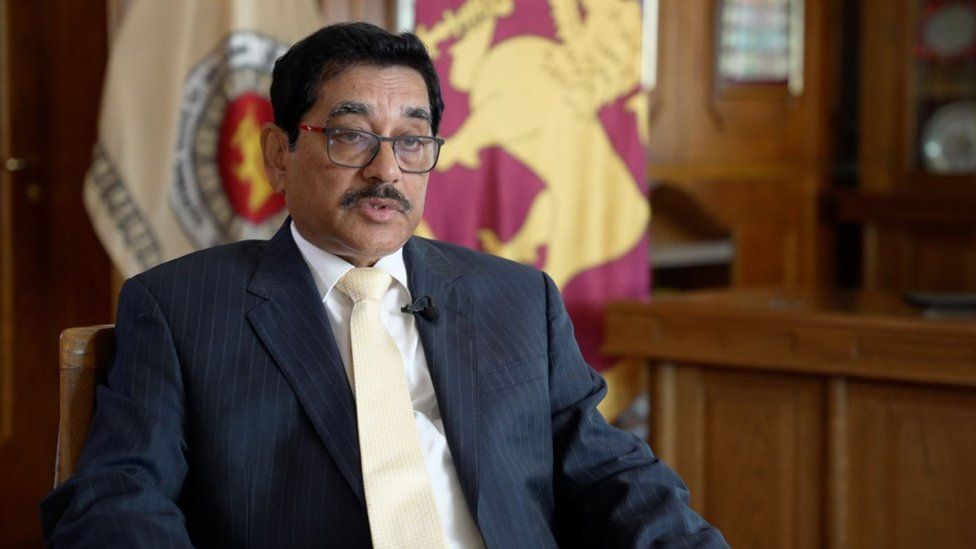
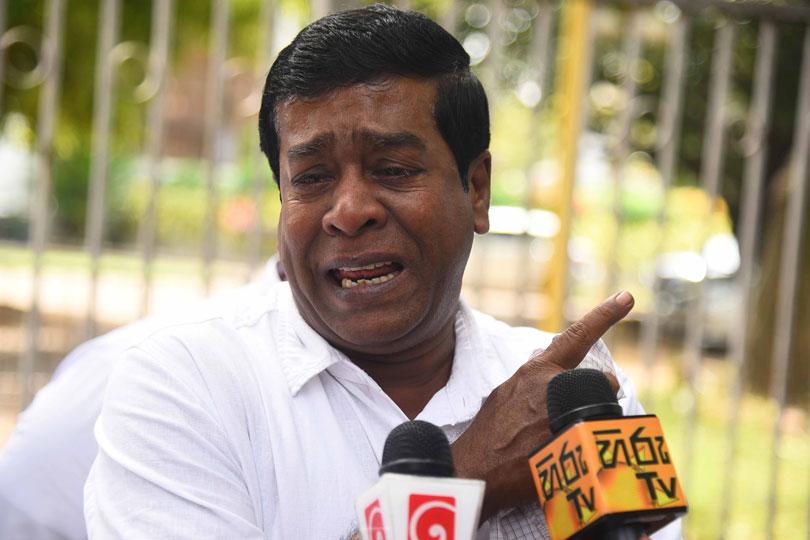
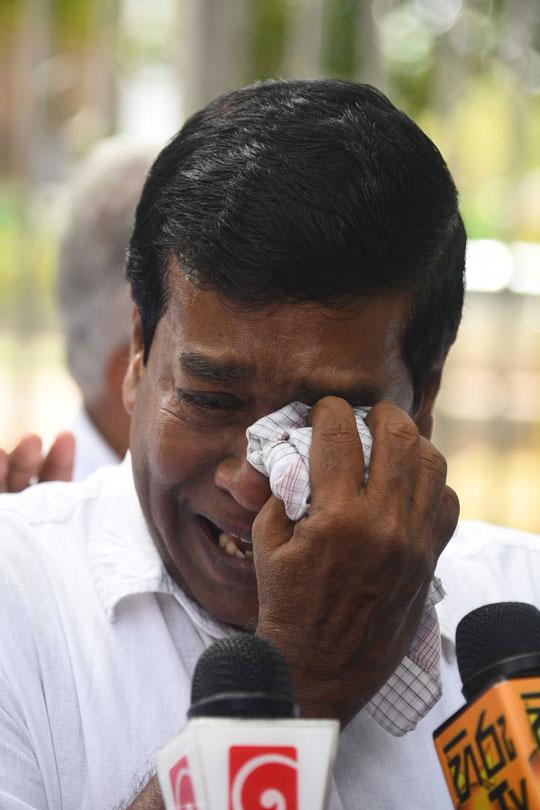
Refuting claims made by the government that the Local Government elections could not be held due to the shortage of funds, JVP leader Anura Kumara Dissanayake said it was totally unacceptable as only a day’s government revenue was required for the election.

He told a news conference that Local Government elections costs only Rs. 10 billion and that the government’s estimated revenue for this year is Rs. 3.4 trillion which means over Rs. 8 billion per day.

“Government’s estimated revenue for January 2023 is Rs. 650 billion. If the government cannot allocate Rs. 10 billion for the election, it has no right to remain in power in any means,” he said. (Ajith Siriwardana)

Jaishankar to discuss debt crisis on visit to Sri Lanka next week

January 13th, 2023

Courtesy The Daily Mirror

Indian External Affairs Minister S. Jaishankar will travel to Sri Lanka next week, sources told The Hindu. This will be his first trip to the country since President Ranil Wickremesinghe was sworn-in last July after street protests forced out the previous Rajapaksa regime.

Officials said that while a full review of bilateral ties is on the agenda, the visit comes amidst efforts by the Sri Lankan government to get written financial assurances” from their closest and biggest creditors — India and China — on restructuring their debt. This is needed to make progress on their bailout plan being discussed with the International Monetary Fund (IMF).


Mr. Jaishankar’s two-day visit to Colombo, scheduled for January 19-20, will follow a visit by a ministerial delegation of the Communist Party of China (CPC). The visits, coming back-to-back, are crucial for Colombo to avail itself of the $2.9 billion IMF package under its Extended Fund Facility. The Sri Lankan government has said that it hopes to borrow more money once the IMF programme kicks in, to set its economy on a path to recovery following last year’s crushing meltdown. China, Japan, and India are Sri Lanka’s three largest bilateral creditors, and Colombo is counting on their cooperation for economic revival.

On Friday, the Chinese Embassy in Colombo announced that a high-level delegation of the CPC led by the International Department Vice Minister Chen Zhou will visit Sri Lanka 14-18 January, the first official visit of the CPC to the island in the new year of 2023 and after its 20th National Congress.”

India has been involved closely in assisting Sri Lanka’s economic recovery programme after a near-debt default last year, and has been coordinating with other partners like the US and Japan, both on a bilateral level and at the Quad’s meetings, in order to find ways to help Sri Lanka overcome its financial crisis. However, strategic ties hit a block over the Sri Lankan government’s decision to allow a Chinese satellite tracking vessel into Hambantota port last August, a development that both India and the US formally protested against.

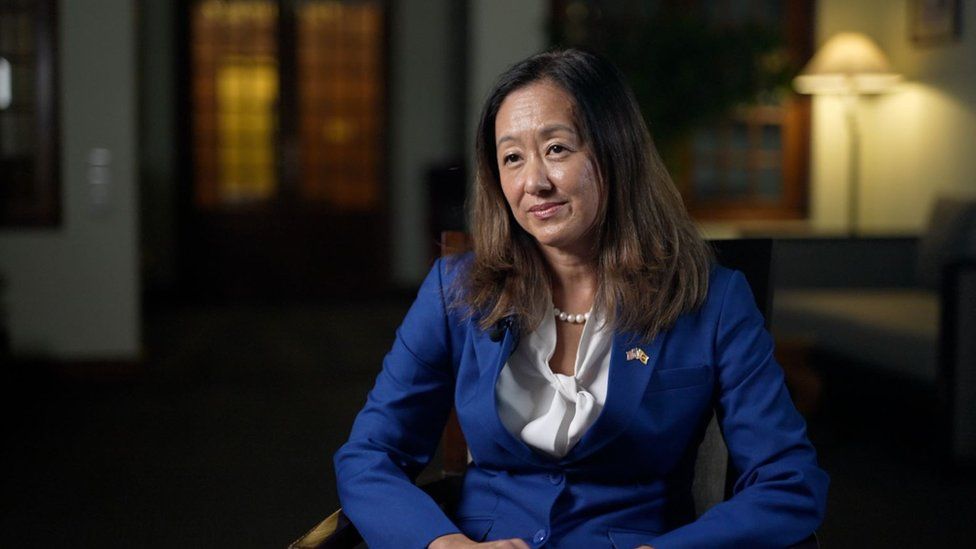
In another indicator of the growing faultlines in Sri Lanka, U.S. Ambassador to Sri Lanka Julie Chung told the BBC news service on Thursday that China should not play spoiler”, and that Beijing must provide the necessary financing assurances without delay for the sake of the Sri Lankan people”.

The External Affairs Minister was last in Colombo in March 2022, as India announced an unprecedented $4 billion assistance package to help Sri Lanka at the height of its crisis. He earlier met with the Sri Lankan Foreign Minister Ali Sabry on the sidelines of the ASEAN conference in Cambodia in August, assuring him of India’s commitment to be a dependable friend and reliable partner” to Sri Lanka.

Election Commission tells Supreme Court it has taken all steps to hold LG Election

January 13th, 2023

Courtesy The Daily Mirror

The Election Commission today informed Supreme Court that it has taken all steps to hold the Local Government Election in accordance with the law.

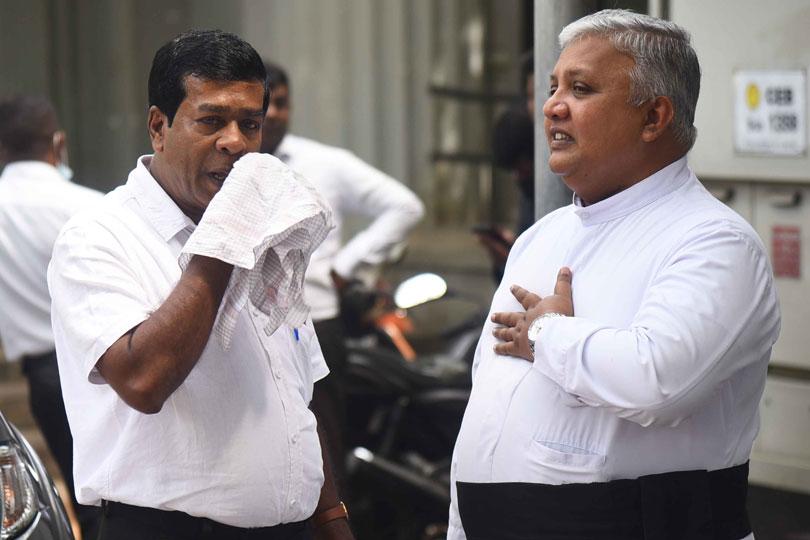
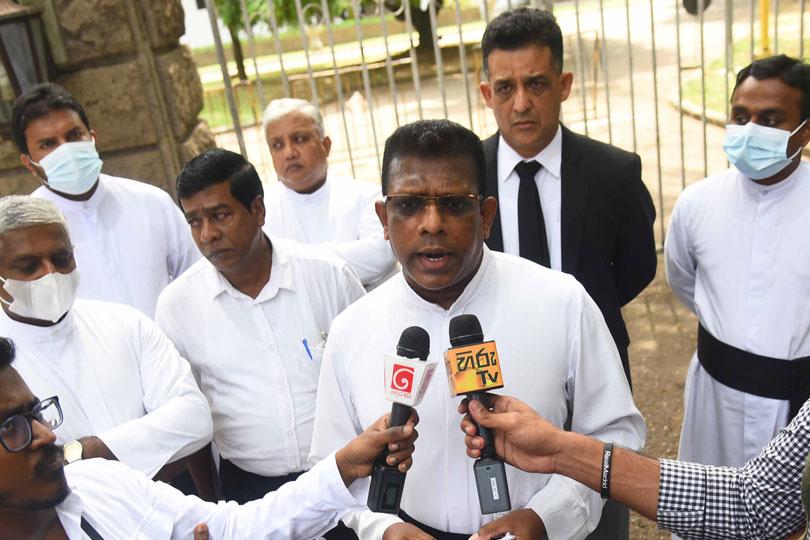
President’s Counsel Saliya Pieris appearing for the Election Commission made these remarks when a writ petition filed by a retired army Colonel in respect of the Local Government Election was taken up before Supreme Court three-judge-bench headed by Chief Justice Jayantha Jayasuriya.
This petition fixed for support on January 18.

In his petition, Colonel Wijesundera had sought an order quashing the decision of the Election Commission to hold the Local Government elections to be held before March 10 as reported by media. (Lakmal Sooriyagoda)

Fitch downgrades long-term ratings of 10 Sri Lankan banks

January 13th, 2023

Courtesy Adaderana

Fitch Ratings has downgraded the National Long-Term Ratings of 10 Sri Lankan banks following the recent sovereign downgrade and recalibration of the agency’s Sri Lankan national rating scale.

The recalibration is to reflect changes in the relative creditworthiness among Sri Lankan issuers following Fitch’s downgrade of Sri Lanka’s Long-Term Local Currency Issuer Default Rating (IDR) to ‘CC’ from ‘CCC’/Under Criteria Observation on 1 December 2022.

The rating agency said it typically does not assign Outlooks or apply modifiers to sovereigns with a rating of ‘CCC+’ or below.

National scale ratings are a risk ranking of issuers in a particular market designed to help local investors differentiate risk. Sri Lanka’s national scale ratings are denoted by the unique identifier ‘(lka)’.

Fitch adds this identifier to reflect the unique nature of the Sri Lankan national scale.

National scales are not comparable with Fitch’s international rating scales or with other countries’ national rating scales.

The National Ratings of the Sri Lankan banks consider their creditworthiness relative to other issuers in the country. The recalibration of the Sri Lankan National Rating scale has resulted in downgrades of the National Long-Term Ratings of the following banks:

– Bank of Ceylon
– People’s Bank
– Commercial Bank of Ceylon PLC
– Hatton National Bank PLC
– Sampath Bank PLC
– Cargills Bank Limited
– DFCC Bank PLC
– National Development Bank PLC
– Seylan Bank PLC
– Nations Trust Bank PLC

Meanwhile, other Sri Lankan banks’ national ratings, which are not mentioned in this commentary, have not been affected by the recalibration exercise.

Chinese Communist Party delegation to arrive in SL for five-day visit

January 13th, 2023

Courtesy Adaderana

A high-level delegation of the Communist Party of China (CPC), led by the Vice Chairman of its International Department, Chen Zhou, is scheduled to visit Sri Lanka tomorrow (14 Jan.).

Accordingly, the visit, lasting from 14 – 18 January, will be the first official visit of the Chinese party to Sri Lanka for 2023.

It is also the party’s  first visit after the 20th CPC National Congress.

The CPC delegation is expected to meet several Government leaders and political parties of Sri Lanka during their five-day visit to the island.

SL Army cadre to be slashed to 100,000 by 2030

January 13th, 2023

Courtesy Hiru News

State Minister Premitha Bandara Tennakoon said that the approved cadre of the Sri Lanka Army, which now stands at 200,783 will be reduced to 135,000 by 2024.

He said it has been projected to reduce the cadre to the right size, which is 100,000 by 2030.

“The strength of the military and sustainable economic development are two sides of a coin, which stay together, but never talk to each other in open,” he said.

The overall aim of the strategic blueprint is to broach a technically and tactically sound and well-balanced defence force by the year 2030 in order to meet upcoming security challenges on a par with the National Security dimensions of the country, the State Minister added.

ECONOMIC BACKWARDNESS AND THE POLICY OF MR RANIL WICKRAMASINGHE

January 12th, 2023

BY EDWARD THEOPHILUS

Economic backwardness in Sri Lanka had been a part of life of Sri Lankans since the era of homo sapiens and rulers in the country from time to time have been able to introduce new policies or to reform the existing policies with a view to generating productivity. In Britain there was a saying Churchill for war and Atley for peace. Rajapaksa regime did a good job for eliminating the ethnic based war but they failed in economic development and using good management policies for the economic controls as their family associates did many corrupt works. The country needs fundamental macroeconomic policies and policy makers need to identify them and advise the public to consistently work with such policies. However, many talking against Rajapaksa regime could not prove and they were just talking only.

Mr Ranil Wickremasinghe must direct to control the population of the country. Sri Lanka should have only 15 million and this requirement has been subjected since late 1950s but it was not achieved by the country. What the government done was ignoring fundamental requirement being engaged in irrelevant issues. If Sri Lanka has a good population plan to maintain 15 million population it can achieve many macroeconomic targets such as excess budget, good balance of payment and trade balance, attract more and more foreign investments. The president needs to identify fundamental macroeconomic problems and control issues primarily with a lower population.

In Sri Lanka, ethnic groups and religious groups press to increase own population and create many economic problems and encourage to maintain economic backwardness. If Sri Lanka has 15 million total population it would be a better country in Asia with a strong macroeconomic condition. According to this advice, Sri Lanka needs to reduce the total population by seven million which include all age groups.

The policy of Mr Ranil Wickremasinghe needs to give priority to reduce population and improve macroeconomic conditions of the country. Internationally this situation may be a hinder for begging foreign aids but it would be strengthening the economic power of the country.

HUMAN RIGHTS Part 1

January 12th, 2023

KAMALIKA PIERIS

The Universal Declaration of Human Rights, ( UDHR)was proclaimed by the United Nations General Assembly in Paris on 10 December 1948 (General Assembly resolution 217 A) In 1946, UN had   wanted  a declaration that would guarantee the rights of  individuals,  because the UN Charter only dealt with the rights of sovereign states.  UN handed the matter over to the Commission on Human Rights, which consisted of 18 members from various political, cultural and religious backgrounds.

In 1947, Commission on Human Rights authorized its members to formulate what it termed “a preliminary draft International Bill of Human Rights”. The drafting committee consisted of Eleanor Roosevelt, who chaired the committee, with René Cassin of France, Charles Malik of Lebanon, Vice-Chairman Peng Chung Chang of China, and John Humphrey of Canada, Director of the UN’s Human Rights Division.  Chang said that the Declaration should not be confined to western ideas. Malik replied by quoting Thomas Aquinas and Chung suggested looking at Confucius as well.

Commission on Human Rights then appointed a formal drafting committee consisting of members of the Commission from Australia, China, Chile, France, Lebanon, the United States, the United Kingdom, and the USSR. The final draft was sent out to all UN member States for comments. Over 50 Member States participated in the final drafting.

The entire text of the UDHR was composed in less than two years, said the UN. At a time when the world was divided into Eastern and Western blocks, finding a common ground on what should go into the document proved to be a colossal task.

The final draft which would later become the Universal Declaration of Human Rights was taken up at the first session of the General Assembly in 1948. By its resolution 217 A (III) of 10 December 1948, the General Assembly, meeting in Paris, adopted the Universal Declaration of Human Rights with eight nations abstaining from the vote, but none dissenting.

in December 1966, the UN General Assembly adopted two other declarations that would further shape international human rights, the International Covenant on Economic Social and Cultural Rights (ICESCR), and the International Covenant on Civil and Political Rights (ICCPR). These two Covenants and UN Declaration on Human Rights   are known as the International Bill of Human Rights, usually referred to as UN Bill of Rights.

The UN then decided to put Human Rights on the world agenda. ‘Human rights’ were strongly promoted by the UN. UN declared 1968 as the International Year for Human Rights and held an International Conference on Human Rights in Teheran in 1968.

UN held the World Conference on Human Rights In 1993 in Vienna. This Conference issued the Vienna Declaration and Programme of action on Human Rights of 1993. The Vienna Declaration and Programme of Action marked the culmination of a long process of review and debate over the status of human rights machinery in the world, said UN.

This Declaration attempted to synthesize and update the various UN declarations that existed at the time. It also decided to    give the UN supranational authority in matters concerning Human Rights. It recommended the creation of a UN Centre for Human Rights and the creation of the Office of High Commissioner for Human Rights. Office of High Commissioner for Human Rights was set up in 1993 with UN Commissioner for Human Rights holding the rank of Under Secretary General.

The Vienna Declaration also recognized NGOs working in Human Rights, praised them for their work and recommended that governments have dialogue and cooperation with these NGOs. The Vienna Convention gave an elevated status to the NGOs working in Human Rights, said critics, angrily.

With the promotion of Human Rights worldwide, there were two further developments, a Human Rights industry developed and a separate body of Human Rights law began to be created. Since human rights covered practically every aspect of life, it was going to be difficult, in my view, to extricate human rights violations from normal violations of the law.  Also there was a conflict between the free-floating human rights and the needs of the society in general.

In 1999 the Advisory Council of Jurists (ACJ), a body of eminent jurists, that advises on the interpretation and application of international human rights law, was asked to interpret international HR standards. This would help the law courts in the interpretation and application of international human rights standards.

Human Rights defenders” were coming to the forefront in various countries and in recognition of this, 1998 the UN issued the  UN Declaration on the Right and Responsibility of individuals groups and Organs to society of Promote and Protect universally recognized HR. This was known as the Declaration on  Human rights Defenders. (    See Appendix)

Regional human rights combines were created. The European Convention on Human Rights (ECHR) was signed in Rome in 1950 and came into force in 1953. It was based on the United Nations’ Universal Declaration of Human Rights. ECHR protects the human rights of people in countries that belong to the Council of Europe, formed in 1949.

The European Court of Human Rights was set up in 1959. It catered to the countries that belonged to the Council of Europe. It entertained both individual and State applications alleging violations of the civil and political rights set out in the European Convention on Human Rights. The European Union   formed in 1993 came under the reach of this Court. Since 1998 the Court has sat as a full-time court and individuals can apply to it directly. Judgments are binding on the countries concerned. The judgments have led governments to alter their legislation and administrative practice in many areas.

Other regional Human Rights groups were also formed.  Asia Pacific Forum of National Human Rights institutions (APF) was established in 1997. Sri Lanka Human Rights Commission is a member.

Human rights also went national. National institutions, both government and non –government were created to promote and protect human rights. The Human Rights Commission of Sri Lanka (HRCSL)   was set up n 1997, as an independent Commission.

The first UN International Workshop on National Institutions for the Promotion and Protection of Human Rights was held in Paris in 1991. The workshop led to the drafting of guiding principles, popularly known as the Paris Principles”. These were ratified by United Nations General Assembly in 1993. Paris Principles said, inter alia, that national HR institutions should develop relations with    NGOs, because civil society is rooted in communities in a way that national HR institutions are not.

At the International Conference of National Human rights Institutions, held in Tunis in 1993, NHRIs established the International Coordinating Committee of NHRIs to coordinate the activities of the NHRI network.  In 2016, this International Coordinating Committee changed its name into Global Alliance of National Human Rights Institutions (GANHRI).

GANHRI secretariat is in the UN office in Geneva. GANHRI is incorporated as a legal entity under the Swiss law, and has a Bureau consisting of 16 A status” NHRIs representing the four regions Africa, the Americas, Asia Pacific and Europe.

GANHRI  also has a Sub-Committee on Accreditation (SCA) The SCA is composed of one A status” accredited NHRI from each of the four regions. UN Human Rights Office participates in the work of the SCA as a permanent observer. Members of the SCA are appointed by the regional groupings for a renewable term of three years.

The SCA   reviews and analyzes accreditation applications and to make recommendations to the GANHRI Bureau on the compliance of applicants with the Paris Principles. As of 2021, there are 84 NHRIs accredited with A Status by the GANHRI, regarding their compliance with the Paris Principles, and 33 accredited with B status.

The Asian NGO Network on National Human Rights Institutions (ANNI) was established in December 2006. It is a network of Asian non-governmental organizations and human rights defenders working on issues related to National Human Rights Institutions (NHRIs). ANNI’s members are national organizations from all over Asia. ANNI currently has 33 member organizations from 21 countries or territories. The work of ANNI members focuses on strengthening the work and functioning of Asian NHRIs to better promote and protect human rights as well as to advocate for the improved compliance of Asian NHRIs with international standards, including the Paris Principles and General Observations of the Sub-Committee on Accreditation (SCA) of the Global Alliance of NHRIs (GANHRI).

National Human Rights   organizations are now encouraged to submit reports in their own name to treaty bodies, separately from that of the state, analysts reported in 2012. They can    request a country visit if necessary. An A” status NHRI can make an oral statement at UNHRC. When in November 2008 the government of Sri Lanka refused permission for the Human Rights Commission, Sri Lanka to visit Menik Farm, the HRCSL said   it is a legal obligation for HRC to visit these camps. (Continued)

APPENDIX 1

Declaration on the Right and Responsibility of Individuals, Groups and Organs of Society to Promote and Protect Universally Recognized Human Rights and Fundamental Freedoms,

Adopted by General Assembly resolution 53/144 of 9 December 1998

The General Assembly ,Reaffirming the importance of the observance of the purposes and principles of the Charter of the United Nations for the promotion and protection of all human rights and fundamental freedoms for all persons in all countries of the world,

Reaffirming also the importance of the Universal Declaration of Human Rights and the International Covenants on Human Rights as basic elements of international efforts to promote universal respect for and observance of human rights and fundamental freedoms and the importance of other human rights instruments adopted within the United Nations system, as well as those at the regional level,

Stressing that all members of the international community shall fulfil, jointly and separately, their solemn obligation to promote and encourage respect for human rights and fundamental freedoms for all without distinction of any kind, including distinctions based on race, colour, sex, language, religion, political or other opinion, national or social origin, property, birth or other status, and reaffirming the particular importance of achieving international cooperation to fulfil this obligation according to the Charter,

Acknowledging the important role of international cooperation for, and the valuable work of individuals, groups and associations in contributing to, the effective elimination of all violations of human rights and fundamental freedoms of peoples and individuals, including in relation to mass, flagrant or systematic violations such as those resulting from apartheid, all forms of racial discrimination, colonialism, foreign domination or occupation, aggression or threats to national sovereignty, national unity or territorial integrity and from the refusal to recognize the right of peoples to self-determination and the right of every people to exercise full sovereignty over its wealth and natural resources,

Recognizing the relationship between international peace and security and the enjoyment of human rights and fundamental freedoms, and mindful that the absence of international peace and security does not excuse non-compliance,

Reiterating that all human rights and fundamental freedoms are universal, indivisible, interdependent and interrelated and should be promoted and implemented in a fair and equitable manner, without prejudice to the implementation of each of those rights and freedoms,

Stressing that the prime responsibility and duty to promote and protect human rights and fundamental freedoms lie with the State,

Recognizing the right and the responsibility of individuals, groups and associations to promote respect for and foster knowledge of human rights and fundamental freedoms at the national and international levels,

Declares :

Article 1

Everyone has the right, individually and in association with others, to promote and to strive for the protection and realization of human rights and fundamental freedoms at the national and international levels.

Article 2

1. Each State has a prime responsibility and duty to protect, promote and implement all human rights and fundamental freedoms, inter alia , by adopting such steps as may be necessary to create all conditions necessary in the social, economic, political and other fields, as well as the legal guarantees required to ensure that all persons under its jurisdiction, individually and in association with others, are able to enjoy all those rights and freedoms in practice.

2. Each State shall adopt such legislative, administrative and other steps as may be necessary to ensure that the rights and freedoms referred to in the present Declaration are effectively guaranteed.

Article 3

Domestic law consistent with the Charter of the United Nations and other international obligations of the State in the field of human rights and fundamental freedoms is the juridical framework within which human rights and fundamental freedoms should be implemented and enjoyed and within which all activities referred to in the present Declaration for the promotion, protection and effective realization of those rights and freedoms should be conducted.

Article 4

Nothing in the present Declaration shall be construed as impairing or contradicting the purposes and principles of the Charter of the United Nations or as restricting or derogating from the provisions of the Universal Declaration of Human Rights, the International Covenants on Human Rights and other international instruments and commitments applicable in this field.

Article 5

For the purpose of promoting and protecting human rights and fundamental freedoms, everyone has the right, individually and in association with others, at the national and international levels:

(a) To meet or assemble peacefully;

(b) To form, join and participate in non-governmental organizations, associations or groups;

(c) To communicate with non-governmental or intergovernmental organizations.

Article 6

Everyone has the right, individually and in association with others:

(a) To know, seek, obtain, receive and hold information about all human rights and fundamental freedoms, including having access to information as to how those rights and freedoms are given effect in domestic legislative, judicial or administrative systems;

(b) As provided for in human rights and other applicable international instruments, freely to publish, impart or disseminate to others views, information and knowledge on all human rights and fundamental freedoms;

(c) To study, discuss, form and hold opinions on the observance, both in law and in practice, of all human rights and fundamental freedoms and, through these and other appropriate means, to draw public attention to those matters.

Article 7

Everyone has the right, individually and in association with others, to develop and discuss new human rights ideas and principles and to advocate their acceptance.

Article 8

1. Everyone has the right, individually and in association with others, to have effective access, on a non-discriminatory basis, to participation in the government of his or her country and in the conduct of public affairs.

2. This includes, inter alia , the right, individually and in association with others, to submit to governmental bodies and agencies and organizations concerned with public affairs criticism and proposals for improving their functioning and to draw attention to any aspect of their work that may hinder or impede the promotion, protection and realization of human rights and fundamental freedoms.

Article 9

1. In the exercise of human rights and fundamental freedoms, including the promotion and protection of human rights as referred to in the present Declaration, everyone has the right, individually and in association with others, to benefit from an effective remedy and to be protected in the event of the violation of those rights.

2. To this end, everyone whose rights or freedoms are allegedly violated has the right, either in person or through legally authorized representation, to complain to and have that complaint promptly reviewed in a public hearing before an independent, impartial and competent judicial or other authority established by law and to obtain from such an authority a decision, in accordance with law, providing redress, including any compensation due, where there has been a violation of that person’s rights or freedoms, as well as enforcement of the eventual decision and award, all without undue delay.

3. To the same end, everyone has the right, individually and in association with others, inter alia :

(a) To complain about the policies and actions of individual officials and governmental bodies with regard to violations of human rights and fundamental freedoms, by petition or other appropriate means, to competent domestic judicial, administrative or legislative authorities or any other competent authority provided for by the legal system of the State, which should render their decision on the complaint without undue delay;

(b) To attend public hearings, proceedings and trials so as to form an opinion on their compliance with national law and applicable international obligations and commitments;

(c) To offer and provide professionally qualified legal assistance or other relevant advice and assistance in defending human rights and fundamental freedoms.

4. To the same end, and in accordance with applicable international instruments and procedures, everyone has the right, individually and in association with others, to unhindered access to and communication with international bodies with general or special competence to receive and consider communications on matters of human rights and fundamental freedoms.

5. The State shall conduct a prompt and impartial investigation or ensure that an inquiry takes place whenever there is reasonable ground to believe that a violation of human rights and fundamental freedoms has occurred in any territory under its jurisdiction.

Article 10

No one shall participate, by act or by failure to act where required, in violating human rights and fundamental freedoms and no one shall be subjected to punishment or adverse action of any kind for refusing to do so.

Article 11

Everyone has the right, individually and in association with others, to the lawful exercise of his or her occupation or profession. Everyone who, as a result of his or her profession, can affect the human dignity, human rights and fundamental freedoms of others should respect those rights and freedoms and comply with relevant national and international standards of occupational and professional conduct or ethics.

Article 12

1. Everyone has the right, individually and in association with others, to participate in peaceful activities against violations of human rights and fundamental freedoms.

2. The State shall take all necessary measures to ensure the protection by the competent authorities of everyone, individually and in association with others, against any violence, threats, retaliation, de facto or de jure adverse discrimination, pressure or any other arbitrary action as a consequence of his or her legitimate exercise of the rights referred to in the present Declaration.

3. In this connection, everyone is entitled, individually and in association with others, to be protected effectively under national law in reacting against or opposing, through peaceful means, activities and acts, including those by omission, attributable to States that result in violations of human rights and fundamental freedoms, as well as acts of violence perpetrated by groups or individuals that affect the enjoyment of human rights and fundamental freedoms.

Article 13

Everyone has the right, individually and in association with others, to solicit, receive and utilize resources for the express purpose of promoting and protecting human rights and fundamental freedoms through peaceful means, in accordance with article 3 of the present Declaration.

Article 14

1. The State has the responsibility to take legislative, judicial, administrative or other appropriate measures to promote the understanding by all persons under its jurisdiction of their civil, political, economic, social and cultural rights.

2. Such measures shall include, inter alia :

(a) The publication and widespread availability of national laws and regulations and of applicable basic international human rights instruments;

(b) Full and equal access to international documents in the field of human rights, including the periodic reports by the State to the bodies established by the international human rights treaties to which it is a party, as well as the summary records of discussions and the official reports of these bodies.

3. The State shall ensure and support, where appropriate, the creation and development of further independent national institutions for the promotion and protection of human rights and fundamental freedoms in all territory under its jurisdiction, whether they be ombudsmen, human rights commissions or any other form of national institution.

Article 15

The State has the responsibility to promote and facilitate the teaching of human rights and fundamental freedoms at all levels of education and to ensure that all those responsible for training lawyers, law enforcement officers, the personnel of the armed forces and public officials include appropriate elements of human rights teaching in their training programme.

Article 16

Individuals, non-governmental organizations and relevant institutions have an important role to play in contributing to making the public more aware of questions relating to all human rights and fundamental freedoms through activities such as education, training and research in these areas to strengthen further, inter alia , understanding, tolerance, peace and friendly relations among nations and among all racial and religious groups, bearing in mind the various backgrounds of the societies and communities in which they carry out their activities.

Article 17

In the exercise of the rights and freedoms referred to in the present Declaration, everyone, acting individually and in association with others, shall be subject only to such limitations as are in accordance with applicable international obligations and are determined by law solely for the purpose of securing due recognition and respect for the rights and freedoms of others and of meeting the just requirements of morality, public order and the general welfare in a democratic society.

Article 18

1. Everyone has duties towards and within the community, in which alone the free and full development of his or her personality is possible.

2. Individuals, groups, institutions and non-governmental organizations have an important role to play and a responsibility in safeguarding democracy, promoting human rights and fundamental freedoms and contributing to the promotion and advancement of democratic societies, institutions and processes.

3. Individuals, groups, institutions and non-governmental organizations also have an important role and a responsibility in contributing, as appropriate, to the promotion of the right of everyone to a social and international order in which the rights and freedoms set forth in the Universal Declaration of Human Rights and other human rights instruments can be fully realized.

Article 19

Nothing in the present Declaration shall be interpreted as implying for any individual, group or organ of society or any State the right to engage in any activity or to perform any act aimed at the destruction of the rights and freedoms referred to in the present Declaration.

Article 20

Nothing in the present Declaration shall be interpreted as permitting States to support and promote activities of individuals, groups of individuals, institutions or non-governmental organizations contrary to the provisions of the Charter of the United Nations.   [ end}

Gem Industry is Not Fulfilling National Economic Needs and Worse

January 12th, 2023

Dilrook Kannangara

If functioning well, the gem industry has the highest local value addition of all exports. Unlike garments, EPZs and tea, the gem industry does not have imported raw materials. There is no requirement for foreign investments as locals are capable of investing with required machinery and expertise. In other words, the net export value (exports minus related imports) of the gem industry is the highest among Sri Lankans exports and the return on investment of all export industries is highest in the gem industry.

However, unfortunately, the industry is dominated by extremist and other elements whose best interests are not the national economy or exports. Their interests are sectarian, lie elsewhere and contrary to the betterment of Sri Lanka. One such gem trading company was involved in funding Islamic terrorism. They are currently investigated in connection with the funding of sanctioned Islamic terrorist Ahmed Luqman Talib (https://home.treasury.gov/news/press-releases/sm1157). Mr Talib, also known as Adam Taleb and Ahmad Luqman migrated to Sydney from Sri Lanka in 1995 and a number of his associates and friends in Sri Lanka are engaged in gem and jewelry industry. He is just one example of an industry corrupted and polluted by extremist elements. Unsurprisingly, it is also a failure on the part of the government authority that overlooks the industry.

Certain others involved in the industry fund extremist education centres in the island, repatriate a large amount of foreign currency earnings and even finance foreign extremist events, schools and groups.

In addition to extremism, high value parts of the industry are dominated by a group of people from a certain creed that is not conducive for national economic progress and hinders and restricts others. Vast majority of Sri Lankans are kept out of high value processes of the industry. This is totally unacceptable.

This must change.

The industry must be restructured to reflect the plurality of the Sri Lankan society at the high value end of the industry. Extremist elements and their associates must not be allowed to operate in Sri Lanka directly and through agents. The industry high end processes must change hands in favour of Sri Lankan economic interests and other national interests. The industry can meaningfully contribute to overcome current economic crises.

Unless these changes happen, a great fortune of the land will remain a great misfortune.

WASTE OF FOOD – A CRIMINAL OFFENCE?

January 12th, 2023

Sarath Wijesinghe President’s Counsel former Ambassador to UAE and Israel former Chairman Consumer affairs Authority, President Ambassador’s Forum, Solicitor in England and Wales sarathdw28@gmail.com

Food in any form is difficult to make. Some are in fresh and original form – the rest is made by the man for consumption. 2.6 million tons of food is wasted today that will increase to 3.7 in 2030 which is not bearable to the mankind of the world  when many countries are faced with shortages of food poverty famines and natural and manmade calamities’ that disturbs the life of the citizen anywhere. States worldwide such as USA, EU and Russia are major agricultural countries that engages in large scale production of food supplying the world in food in addition to local productions for consumptions by respective countries. Comparatively Sri Lanka is a small nation of 22.16 million (2021) mostly depend on food imports due to mismanagement of economy and agricultural policy unfortunately indebted to the world struggling to make ends meet. Sri Lanka cannot afford to waste though it is rampant by waste bribery corruption and mismanagement by corrupt politicians and government servants.  The waste of food is found in many form in Sri Lanka thought it is recorded or computerised as many other things which are in a primitive form compared to world standards. Staple food of Sri Lankans are rice mixed with bread and other food items mostly imported despite  abundance  of water, fertile land, and ideal climatic conditions to grow many/any kind  of vegetation’s in all parts of the country. Yet most food is imported despite number of attempts to grow more food to be self-sufficient whereby we are not expected to waste the blood obtained with such great difficulties subject to loans with strict conditions. There are 7 star, 5 star and luxury hotels available in Colombo and suburbs generally house full on peak days and seasons full of local and foreign and customers which is a happy news to note with grand functions sometimes Rs 80,000 per plate as media stated in a wedding of an influential person, but the food left unused are thrown out as a policy of any hotel. This situation trickles down gradually adding on computation of waste in all areas. Food waste is large and small scale world over. In rich countries and areas they can afford for example Europe, USA and UK though they are highly concerned and steps are taken to minimise the waste in households, Restaurants, small and large sale giants such as wall Mart, Tesco, Simsbury’s and such in UK Europe and USA with discussions to minimise and steps to end waste. Waste spreads to cultivation, storage, and transport, and distribution, sale points, packing amounts to high percentage the country is aware and taking precautions to curb. The above mentions countries and areas are major producers and rich nations who can afford to a waste. In UK and west these steps are in an organized form with main burden to the multinational firms and landowners as leaders of business in UK and Europe. But can Sri Lankans afford to waste in all these steps end up with the prize of the consumer at the receiving end. Cultivation in the West if scientific, systemic and well organized. Credit is given to the traditional Sri Lankan famer to possess most of the qualities but not the present famer subjected to grave hardships of lack of water, fertilizer and destruction of the growth by wild animals now loitering freely for want of land for them who were displaced from traditions lands. It is mentioned in news that in Sri Lanka 60% the vegetables and fruits are wasted en route and the rest on storage, when in the west precautions have been taken to minimise waste at every stage is a lesson to us. Imagine the mango produced is given protection from the start to the end demanding the maximum price. Sri Lankan Tea, Cinnamon Banana and Pineapple has a demanding position in the world and it is a pity we do not living put the expectations. Research have proved that the refrigerator is another source of waste with incorrect behaviour of purchase of consumer goods with no proper plan that will minimise the waste. Other main sources of waste are hospitals, prisons, harbour with the largest kitchen in Asia, are major waste dumps which are alarming to note the amount of waste. Other culprits are some handful religious signatories of all religions act irresponsibly on waste of food. There was an event a leading Buddhist monk filled the surroundings of a famous ‘’Dagaba’’ with fruits subsequently  waste a criminal west as even lord Buddha may not have approved the such a waste of that magnitude. Food waste in UAE and rich gulf counties are enormous being rich and extravagant as in the west food is waste with no limits for food and fun. Can the world afford to waste 27000 tons for fruits, 27, 0000 potatoes, with 93 million global waste that accounts for the global waste trickling down to the ordinary citizen in the end. What matters is not the number alone it is the rate of waste and waste is the factor we have to consider and minimize. This shows the gross amount of waste in all sectors when the citizen especially in Sri Lanka suffering from want of food and other facilities with sorry states of families and stories of commit suicide and plight of poor families demanding a fair share for all by scientific and equitable share of the limited food available in Sri Lanka for the citizen. It is therefore evident and unfair in Sri Lanka to waste and rob of  our limited resources meant to be shared with the poor and less privileged and you will agree robbing the citizen of his due share is a crime indeed.

Canada Human Rights Violations – Pot calling the Kettle Black!

January 12th, 2023

Sarath Bulathsinghala

12 Jan 2023

Canada is following up on Monkey Moon’s Darusman’s Report a clandestine report purportedly made for the eyes of the former UN Secretary of General of the UN – Moon only, but later surreptitiously leaked to the public and now used as a major document to castigate the Sri Lankan government and her past leaders for wartime human rights violations. Any war is a human rights violation. There are no two words about it. Then war becomes the final arbiter when diplomacy and talks fail! This is what happened in Sri Lanka.

Then countries such as Canada are in no position to point fingers at others when they themselves have violated the rights of children and their parents – the lowest of lowest crimes against humanity. It is clear that Canada is a country that has engaged in the past and is now actively participating in crimes against humanity as well as genocide by themselves and by being party to others engaged in such barbarity!

 How did Canada violate human rights? Significant human rights issues included credible reports of unlawful or arbitrary killings; crimes involving violence against indigenous women and girls; and crimes involving violence or threats targeting Black, Asian, Jewish, and Muslim minorities. Are there any world organizations who will hold Canada responsible for their Human Rights violations or impose some sort of sanctions against organizations and personnel connected with these crimes against humanity?

 Canada is a diverse, multi-cultural democracy that enjoys a global reputation as a defender of human rights and a strong record on core civil and political rights protections guaranteed by the Canadian Charter of Rights and Freedoms. Despite these efforts, Canada continues to struggle to address longstanding human rights challenges, including wide-ranging abuses against Indigenous peoples, the continued confinement of immigration detainees in jails, and a prison law that does not rule out prolonged solitary confinement.

Canada also grapples with serious human rights issues relating to the overseas operations of Canadian extractive companies, and persistent exports of military equipment to countries with a record of human rights violations.

Indigenous children Between May and the end of the year, the remains of more than 1,381 Indigenous children buried at six former residential schools were located. The Canadian government established the schools, and churches administered them. The authorities failed to fully implement and share a public timeline for the 94 calls to action of the Truth and Reconciliation Commission of Canada or to implement the 142 calls for action from the Public Inquiry Commission on relations between Indigenous peoples and public services in Quebec.

In September, the Federal Court upheld the Canadian Human Rights Tribunal ruling ordering Ottawa to pay Can$40,000 (approximately US$32,000) to each of the approximately 50,000 First Nations children forcibly separated from their families. At the end of the year, the parties reached an agreement-in-principle whereby Can$20 billion (approximately US$15.7 billion) will be paid in compensation to First Nations children who were removed from their homes and approximately Can$20 billion over five years will be spent on long-term reform of the First Nations Child and Family Services program.

These measures can never bring back – childhood lost to children nor the pain caused to parents and indigenous communities in Canada. This is just eye-wash!

https://www.hrw.org/world-report/2020/country-chapters/canada

https://www.amnesty.org/en/location/americas/north-america/canada/report-canada/

Canada has continued to meddle in the affairs of Sri Lanka while being a gross violator of so-called Human Rights themselves! Their aid to Sri Lanka has always come with ‘strings attached’. They began their partisan approach to race relations in Sri Lanka beginning Maduru Oya – Mahaweli works.

This country with a strong Catholic – Tamil bias has consistently worked towards the dismemberment/balkanization of Sri Lanka, a country that is only a fourth the size of the United Kingdom!  They and others of their ilk desire the dismember of Sri Lanka into fiefdoms – a part for racist monoethnic Tamils, a part for the Catholic Church and many more for Muslims all over the country!

It is not difficult to see that the long term objective is for the dismemberment and balkanization of India. For this Sri Lanka should remain divided, unstable and disunited. This is the objective of the recent Maidan II carried out with Regime Change Queen – Victoria Nuland in attendance in Sri Lanka. Sri Lanka is to be just the stepping stone for the balkanization of India. In this respect, Canada is working in lockstep with the US and as their cat’s paw!

Statement by academics on dealing with Sri Lankan debt, January 2023

January 12th, 2023

debtjustice.org.uk

Sri Lanka, along with many other low- and middle-income countries, has experienced a series of
financial shocks due to both external and internal factors. Global forces have caused food and energy
import costs to soar and interest rates to rise, even as the currency has devalued significantly. These
shocks, along with a history of policy mismanagement—and specifically the deregulation and
openness that encouraged irresponsible borrowing, enabled illicit financial flows out of the country
and assisted political corruption—have intensified external debt and balance of payments crises.
Over the last decade of liquidity expansion and low interest rates in the world economy, private
lenders provided loans to low- and middle-income countries, at higher interest rates than for
advanced countries. These higher rates were purportedly due to greater risk exposure that could make
debt repayment more difficult in such countries. That risk has now materialised, firstly through a
global pandemic, and then the price shocks and interest rate increases of 2022.
Private creditors own almost 40% of Sri Lanka’s external debt stock, mostly in the form of International
Sovereign Bonds (ISBs), but higher interest rates mean that they receive over 50% of external debt
payments. Such lenders charged a premium to lend to Sri Lanka to cover their risks, which accrued
them massive profits and contributed to Sri Lanka’s first ever default in April 2022. Lenders who
benefited from higher returns because of the risk premium” must be willing to take the consequences
of that risk. Indeed, ISBs are now trading at significantly lower prices in the secondary market. In this
context, giving private bondholders an upper hand relative to sovereign debtors in the Paris Club and
the IMF’s required debt negotiations violates the basic principles of natural justice.
In addition, the lack of transparency of the debt negotiation process and accountability of the holders
of ISBs underscores the concern that risky lending to corrupt politicians (leading to what is now
recognised as odious debt”) was a significant element in generating the current debt crisis. Apart
from revealing the identity of ISB holders, it is also important to disclose how ISBs were deployed, and
the use of those funds.
Debt negotiations in Sri Lanka are now at a crucial stage. All lenders—bilateral, multilateral, and
private—must share the burden of restructuring, with assurance of additional financing in the near
term. However, Sri Lanka on its own cannot ensure this; it requires much greater international
support. Instead of geopolitical manoeuvring, all of Sri Lanka’s creditors must ensure debt
cancellation sufficient to provide a way out of the current crisis.
The role of multilateral organisations, particularly the international financial institutions (IFIs), such as
the IMF and the World Bank, is also significant. They were founded to assist sovereign nations,
particularly in contexts in which financial markets would not deliver, to ensure financial stability and
prevent or reduce the impact of financial crises, and to provide resources for crucial investments
required to meet social and developmental needs.
The IFIs are not currently living up to these responsibilities, at a time when they are most urgently
required. In Sri Lanka they encouraged the very policies of more open capital accounts and
deregulation that have led to the current crisis. They have been slow to respond to the crisis, and are
apparently requiring onerous policy and fiscal conditionalities, such as moving to a primary fiscal
surplus in a very short time, even as the economy continues to plunge.
The implications are already evident in the recent Budget of the Sri Lankan government, which has
unrealistic revenue assumptions that are unlikely to be met. Revenue shortfalls would then
necessitate further austerity” and likely cuts in essential public spending. The Budget also
proposes public asset stripping and privatization of strategic lands, marine resources, energy,
transport and telecom infrastructure and public enterprises. These policies will harm the most
vulnerable groups in Sri Lanka, exacerbate poverty and inequality, and lead to further economic
decline. Instead the focus should be on legal and regulatory changes to stem the illicit outflow of
capital through transfer pricing and trade mis-invoicing over the past 15 years, which is estimated to
be far more than the aggregate foreign debt of Sri Lanka, and on taxation of wealth and consumption
of the super-rich.
The Sri Lankan case will provide an important indicator of whether the world—and the international
financial system in particular—is equipped to deal with the increasingly urgent questions of sovereign
debt relief and sustainability; and to ensure a modicum of justice in international debt negotiations. It
is therefore crucial not only for the people of Sri Lanka, but to restore any faith in a multilateral system
that is already under fire for its lack of legitimacy and basic viability.

  1. Jayati Ghosh, Professor of Economics, University of Massachusetts-Amherst, USA and India;
  2. Dani Rodrik, Ford Foundation Professor of Political Economy, Harvard University, USA;
  3. Thomas Piketty, Professor of Economics, Ecole d’economie de Paris/Paris School of Economics,
    France
  4. Ravi Kanbur, T. H. Lee Professor of World Affairs, Professor of Economics, Cornell University, U.S.A.;
  5. Atul Kohli, David Bruce Professor of International Affairs, Princeton University, USA
  6. Sakiko Fakuda-Parr, Professor of International Affairs, The New School, USA;
  7. Gary Dymski, Professor of Applied Economics, University of Leeds, UK.
  8. Robert H Wade, Professor of Political Economy and Development, London School of Economics,
    U.K.;
  9. Jomo Kwame Sundaram, Professor of Malaya, Malaysia; and former UN Assistant SecretaryGeneral for Economic and Social Affairs.
    10.Jean Dreze, Professor of Development Economics, Delhi School of Economics, India;
    11.Guy Standing, Professorial Fellow, SOAS – University of London, U.K.;
    12.Yanis Varoufakis, Professor of Economics, University of Athens, Greece;
    13.Irene van Staveren; Professor of Economics, Erasmus University of Rotterdam, The Netherlands;
    14.Jane Humphries, Centennial Professor/Professor Emerita of Economic History, London School of
    Economics/Oxford University, U.K.
    15.Daniela Gabor, Professor of Economics and Micro-Finance, University of West England, U.K.;
    16.Ha-Joon Chang, Research Professor of Economics, SOAS – University of London, U.K.;
    17.Alfredo Saad Filho, Professor of Economics, Kings College – London, U.K.;
    18.Sanjay Reddy, Professor of Economics, New School for Social Research, NY, USA;
    19.Rolph van der Hoeven, Professor of Employment and Development Economics, International
    Institute of Social Studies, The Netherlands;
    20.Jungi Tokunaga, Professor of Economics, Dokkyo University – Tokyo, Japan;
    21.Yavuz Yasar, Professor of Economics, University of Denver – Colorado, USA;
    22.Ben Fine, Professor of Economics, SOAS – University of London, U.K.;
    23.C. P. Chandrasekhar, Professor and Senior Research Fellow, Political Economy of Research Institute,
    University of Massachusetts-Amherst, USA
    24.Alicia Girón, Professor and Director University Studies Program on Asia and Africa, UNAM-Mexico
    25.Costas Lapavitsas, Professor of Economics, SOAS – University of London, U.K.;
    26.Juan Pablo Bohoslavsky, Professor and Researcher – CONICET, Argentina, former UN Independent
    Expert on Debt and Human Rights.
    27.Ipek Ilkkaracan, Professor of Economics, Istanbul Technical University, Istanbul, Turkey;
    28.Sergio Cesaratto, Professor of Economics, University of Sienna, Italy.
    29.Lawrence King, Professor of Economics, University of Massachusetts-Amherst, USA;
    30.Mahalya Chatterjee, Professor of Economics, Calcutta University, India;
    31.Nancy Folbre, Professor Emerita of Economics, University of Massachusetts-Amherst, USA;
    32.Ravi Bhandari, Professor of Economics, Skyline Community College, USA;
    33.Utsa Patnaik, Professor Emerita of Economics, Jawaharlal Nehru University, India;
    34.Sudip Chaudhuri, Professor of Economics, Centre for Development Studies – Trivandrum, India;
    35.Yana Rodgers, Professor of Economics, Rutgers University, NJ, USA;
    36.Gunseli Berik, Professor of Economics, University of Utah, USA;
    37.Prabhat Patnaik, Professor Emeritus of Economics, Jawaharlal Nehru University, India;
    38.Lucas Chancel, Professor and Co-Director – World Inequality Lab, Paris School of Economics.
    39.Lee Badgett, Professor of Economics, University of Massachusetts-Amherst, USA;
    40.Radhika Balakrishnan, Professor of Economics & Women and Gender Studies, Rutgers University,
    USA;
    41.Randy Abelda, Professor Emerita of Economics and Public Policy, University of MassachusettsBoston, USA;
    42.David F Ruccio, Professor Emeritus of Economics, University of Notre Dame, USA;
    43.Heidi Hartmann, Professor of Economics and International Development, American University,
    USA;
    44.Gerald Epstein, Professor of Economics, University of Massachusetts-Amherst, USA;
    45.Smriti Rao, Professor of Economics, Assumption University, USA;
    46.Naila Kabeer, Professor of Gender and Development, London School of Economics, U.K.
    47.Barbara Harriss-White, Professor Emerita of Development Studies, Oxford University, U.K.;
    48.Aaron Schneider, Professor and Leo Block Chair – Development, University of Denver, USA;
    49.Kanchana N Ruwanpura, Professor of Development Geography, University of Gothenburg, Sweden;
    50.Raj Patel, Research Professor, Lyndon B Johnson School of Public Policy, University of Texas-Austin,
    USA;
    51.Muthucumaraswamy Sornarajah; Professor Emeritus of Law, National University of Singapore,
    Singapore;
    52.Vinay Gidwani, Professor of Geography, Environment and Society, University of Minnesota, USA;
    53.Vasuki Nesiah, Professor of Practice in Human Rights and International Law, New York University,
    USA;
    54.Page Fortna, Harold Brown Professor of U.S. Foreign Security and Security Policy, Columbia
    University, USA.
    55.Shirin Rai, Research Professor of International Development, SOAS – University of London, U.K.;
    56.Suzanne Bergeron, Helen M Graves Professor of Women’s Studies and Social Sciences, University
    of Michigan-Dearbon, U.S.A.;
    57.Kanishka Goonewardena, Professor of Human Geography, University of Toronto, Canada;
    58.Dia da Costa, Professor of Social Justice and International Studies, University of Alberta, Canada;
    59.Kanishka Jayasuriya, Professor of Politics and International Studies, Murdoch University, Australia;
    60.Kevin Gallagher, Professor of Global Development Policy, The Frederick S Pardee School of Global
    Studies, Boston University, USA;
    61.Arjun Guneratne, Professor of Anthropology, Macalster College, USA;
    62.Pasuk Phonpaichat, Professor Emerita of Economics, Chulalongkorn University, Bangkok, Thailand;
    63.Roger Jeffrey, Professor of Development Sociology, University of Edinburgh, U.K.;
    64.Ben Selwyn, Professor of International Development, University of Sussex, U.K.;
    65.Jennifer Olmstead, Professor of Economics, Drew University, U.S.A.;
    66.Parthapratim Pal, Professor of Economics, India Institute of Management – Calcutta, India;
    67.S. Charusheela, Professor of Economics and Interdisciplinary Studies, University of Washington,
    USA;
    68.Philip McMichael, Professor Emeritus of Development Sociology, Cornell University, USA;
    69.John Harriss, Professor Emeritus of International Development, Simon Fraser University, Canada;
    70.Kendra Strauss, Professor of Labour Studies, Simon Fraser University, Canada;
    71.Mritiunjoy Mohanty, Professor of Economics, Indian Institute of Management – Calcutta, India;
    72.Pablo Bortz, Professor of Economics, Universidad Nacional de San Martín, Argentina and
    Researcher at CONICET.
    73.Padraig Carmody, Professor of Economic Geography, Trinity College – Dublin, Ireland;
    74.John Morrissey, Professor of Geography, National University of Ireland, Ireland;
    75.Michele Gamburd, Professor of Anthropology, Portland State University, USA;
    76.Elizabeth Dean Herman, Professor of Urbanism and Landscape, Rhodes School of Design, USA;
    77.Jonathan Walters, Professor of Religion and Bill Hudson Chair of Humanities, Whitman College,
    USA;
    78.Dip Kapoor, Professor of International Education, University of Alberta, Canada;
    79.Maggie Leung, Professor of International Development, University of Amsterdam, The
    Netherlands;
    80.David Hulme, Professor of Development Studies, University of Manchester, U.K.;
    81.Adil Najam, Professor of International Relations, Earth and Environment, Boston University, USA;
    82.Patrick R Ireland, Professor of Political Science, Illinois Institute of Technology, USA;
    83.Rainer Kattel, Professor of Innovation and Public Governance, UCL, U.K.;
    84.Roar Høstaker, Professor of Sociology, Inland University of Applied Sciences, Norway;
    85.Gustavo Indart, Professor Emeritus of Economics, University of Toronto, Canada;
    86.Nirmala Salgado, Professor of Religion, Augustana College, USA;
    87.Jonathan Goodhand, Professor of Conflict and Development Studies, SOAS – University of London,
    U.K.
    88.S Subramanian, former Professor and Independent Scholar, India;
    89.Ann Blackburn, Old Dominion Professor in the Humanities, Cornell University, USA;
    90.Sunanda Sen, Levy Economics Institute – Bard College, USA;
    91.Namika Raby, Professor of Anthropology, California State University – Long Beach, USA;
    92.Maria Heim, Crosby Professor of Religion, Amherst College, USA;
    93.Christian Barry, Professor of Political Philosophy, Australian National University, Australia;
    94.Alicia Puyana, Professor of Economics, Latin American Faculty of Social Sciences, Mexico;
    95.R Ramakumar, Professor of Developing Societies, Tata Institute of Social Sciences – Mumbai, India;
    96.Venkatesh Athreya, former Professor of Development Economics, India;
    97.Rahula Mukhherji, Professor and Head of Political Science, South Asia Institute, University of
    Heidelberg, Germany;
    98.Kalinga Tudor Silva, Emeritus Professor Sociology, University of Peradeniya, Sri Lanka;
    99.Ruvani Ranasinha, Professor of Post-Colonial Studies, Kings College – University of London, U.K.;
  10. Sushil Khanna, Professor Emeritus of Economics, India Institute of Management – Calcutta,
    India;
  11. Ishac Diwan, Director of Research – Finance for Development Lab, Paris School of Economics,
    France;
  12. Devaka Gunawardena, Research Scholar, USA;
  13. Sirisha Naidu, Associate Professor of Economics, University of Missouri-Kansas City, USA;
  14. Karna Basu, Associate Professor of Economics, Hunter College and The Graduate Centre, City
    University of New York, USA;
  15. Mwangi wa Githinji, Associate Professor of Economics, University of Massachusetts –
    Amherst, USA;
  16. Gabriel Zucman, Associate Professor of Economics, University of California – Berkeley, USA;
  17. Dean Baker, Senior Economist, Centre for Economics and Policy Research, USA;
  18. Mary Wrenn, Senior Lecturer – Economics, University of West England, U.K.;
  19. Gabriela Koehler, Economist, UNRISD, Switzerland;
  20. Surbi Kesar, Lecturer – Development Economics, SOAS – University of London, U.K.;
  21. Lynda Pickburn, Associate Professor of Economics, Hampshire College, USA;
  22. Abena Oduro, Associate Professor of Economics, University of Ghana, Ghana;
  23. Smita Ramnarain, Associate Professor of Economics, University of Rhode Island, USA;
  24. Susan Randolph, Emerita Associate Professor of Development Economics, University of
    Connecticut, USA;
  25. Vamsi Vakulabharanam; Associate Professor of Economics, University of MassachusettsAmherst, USA;
  26. Grieve Chelwa, Inaugural Post-Doctoral Fellow, Institute on Race and Political Economy, New
    School University, USA;
  27. Eduardo Strachman, Associate Professor of Economics, Sao Paolo State University, Brazil;
  28. Ingrid Kvangraven; Lecturer – International Development, King College, U.K.;
  29. Jerome Roos, Fellow in International Political Economy; London School of Economics, U.K.;
  30. Paul R. Gilbert, Senior Lecturer – International Development, Sussex University, U.K.;
  31. Sheba Thejani, Lecturer – International Development, Kings College – London, U.K.;
  32. Joshua Gellers, Associate Professor International Affairs, University of North Florida, USA;
  33. Nachi Mani, Associate Professor of Economics, Erode Arts and Science College, India;
  34. Isabella Weber, Assistant Professor of Economics, University of Massachusetts-Amherst, USA;
  35. Ram Manikkalingam, Director – Dialougue Advisory Group, The Netherlands and Sri Lanka;
  36. Bengi Akbulut, Associate Professor of Geography, Planning and Environment, Concordia
    University, Canada;
  37. Madhumita Dutta, Assistant Professor of Geography, Ohio State University, USA;
  38. Alessandra Mezzadri, Reader in Global Development and Political Economy, SOAS – University
    of London, U.K.;
  39. Alicia Y Lamin; Lecturer in Law, Harvard University, USA;
  40. Chris Baker, Historian, Political Economist, Author, Bangkok, Thailand;
  41. Andres Arauz, Senior Research Fellow – Economics, Centre for Economic and Policy Research,
    USA;
  42. Caroline Shenaz Hossein, Associate Professor of Global Development, University of Toronto,
    Canada;
  43. Alexander da Costa, Associate Professor of Social Justice and International Education,
    University of Alberta, Canada;
  44. Jennifer Cohen, Associate Professor of Global and Intercultural Studies, University of Miami –
    Ohio, USA;
  45. Steven Jordan, Associate Professor of Integrated Studies, McGill University, Canada;
  46. Pratheep Kumar, Assistant Professor of Law and Economics, CVV, India;
  47. Sarah Small, Assistant Professor of Economics, University of Utah, USA;
  48. Darini Rajasingham-Senanayake, Anthropologist, Independent Researcher, Sri Lanka;
  49. Bart Klem, Associate Professor of Peace and Development Studies, School of Global Studies,
    University of Gothenburg, SWEDEN;
  50. Jesim Pais, Director – Society for Social and Economic Research, India;
  51. Lenore M Palladino, Assistant Professor of Economics and Public Policy, University of
    Massachusetts-Amherst, USA;
  52. Kalim Siddiqui, Senior Lecturer – Economics, University of Huddersfield, U.K.;
  53. Rajni Gamage, Post Doctoral Fellow, National University of Singapore, Singapore;
  54. Shanaz Akhatar, Postdoctoral Researcher – International Studies, University of Warwick, U.K.;
  55. Dina M Siddiqi, Clinical Associate Professor, New York University, USA;
  56. Geethika Dharmasinghe, Visiting Assistant Professor, Colgate University, USA;
  57. Eva Ambos, Research Fellow, University of Tubingen, Germany;
  58. Susan A Reed, Associate Professor of Women and Gender Studies, Bucknell University, USA;
  59. Sankar Varma, Research Scholar, Kerala Council for Historical Research, India;
  60. Narayani Sritharan, Fellow – Development Economics, Williams and Mary College, USA;
  61. Ayse Arslan, Assistant Professor of Development Studies, Haceteppe University, Turkey;
  62. Rohith Jyothish, Assistant Professor of Political Economy, O. P. Jindhal University, India;
  63. Giselle Thompson, Assistant Professor – Black Studies in Education, University of Alberta,
    Canada;
  64. Priyanthi Fernando, Executive Director – International Women’s Rights Action Watch-Asia
    Pacific; Sri Lanka;
  65. Deepta Chopra, Research Fellow, Institute of Development Studies, University of Sussex, U.K.;
  66. Heloise Weber, Senior Lecturer – International Studies, The University of Queensland,
    Australia,
  67. Bishop Akolgo, Director, International Social Development Centre, Canada;
  68. Gilad Isaacs, Lecturer – Economics, Institute of Economic Justice, University of the
    Witwatersrand, South Africa;
  69. Chirashree Das Gupta, Associate Professor – Economics and Political Economy, Jawaharlal
    Nehru University, India;
  70. Joeri Scholtens, Assistant Professor – Geography, Planning and International Development,
    University of Amsterdam, The Netherlands;
  71. Samuel Jamiru Braima, Senior Lecturer, Fourah Bay College – University of Sierra Leon, Sierra
    Leone;
  72. Charles Abugre, Executive Director, International Development Economics Associates, Accra,
    Ghana.
  73. Samanthi Gunawardana, Senior Lecturer – Gender and Development, Monash University,
    Australia;
  74. Stanley Chitukwi, Chief Executive Officer, AFRES, Malawi;
  75. Gregor Semieniuk, Assistant Professor of Economics, University of Massachusetts-Amherst,
    USA;
  76. Sudhanva Deshpande, Managing Editor, Leftword Books, India;
  77. Farah Mihlar, Senior Lecturer in Human Rights, Oxford Brookes University, U.K.;
  78. Kiran Grewal, Reader in Sociology, Goldsmiths College, U.K.;
  79. Himanshu, Associate Professor of Economics, Jawaharlal Nehru University, India;
  80. Ajit Zacharias, Senior Scholar, Levy Economics Institute, USA;
  81. Sree Padma Holt, Associate Research Fellow, Bowdoin College, USA;
  82. Dharshana Kasthurirathna, Senior Lecturer, Sri Lanka Institute of Technology (SLIT), Sri Lanka;
  83. Shyamain Wickramasinghe, Postdoctoral Research Fellow, Copenhagen Business School,
    Denmark;
  84. Nimanthi Rajasingham-Perera, Associate Professor of Women’s Studies, Colgate University,
    USA;
  85. Mythri Jegathesan, Associate Professor of Anthropology, Santa Clara University, USA;
  86. Bernard Anaba, Policy Analyst, The Integrated Social Development Centre, Ghana;
  87. Sharika Thiranagama, Associate Professor of Anthropology, Stanford University, USA;
  88. Amitav Ghosh, Novelist/Anthropologist, USA and India;
  89. Dhanusha Gihan Pathirana, Independent Economist, Sri Lanka;
  90. Agustina Calcagno, South Feminist Futures, Argentina;
  91. Roman Rafael Vega Romero, Global Coordinator, People’s Health Movement, Columbia;
  92. Iratxe Perea Ozerin, University of the Basque Country, Basque Country, Spain

Sri-Lanka-debt-statement.pdf (debtjustice.org.uk)

Grandson of Charles de Gaulle, an Old CIA Nemesis, Condemns West’s Policy in Ukraine

January 12th, 2023

By Jeremy Kuzmarov  Courtesy Global Research

Says the U.S. and NATO triggered the conflict and are making Europeans suffer

Pierre de Gaulle, a grandson of former French President Charles de Gaulle, has said the U.S. is making Europeans suffer by fueling the Ukraine conflict and waging a pre-planned economic war against Russia.

A corporate consultant and bank manager, Pierre told The Franco-Russian Dialogue Association on December 26:

I revolt and protest this intellectual dishonesty in the Ukraine crisis because the triggers of the war are the Americans and NATO. The United States unfortunately continues the military escalation, making not only the Ukrainian population suffer, but the European population as well.”

Pierre continued:

The scale and the number of sanctions show that all of this was organized a long time in advance. It is an economic war, from which the Americans are the beneficiaries. The Americans sell their gas to Europeans for a price four to seven times higher than they do in their own country.”

According to Pierre,

public opinion in France is beginning to understand what the evil game of the Americans is today. By using lies, . . .the United States has managed to use the Ukrainian crisis to destabilize Europe. The Americans, as it were, cut off Europe from Russia, set the Europeans against the Russians. Why would they do that? Because Europe in alliance with Russia could be a strong bloc both politically and economically, culturally and socially…Ever since the Vietnam War and the economic crises that followed, Americans have always tried by force, cunning and other dishonest means to make up for the loss of their economic and political influence, although it is inevitable. In particular, Americans are trying to slow down the dollar’s loss of its status as the only…world exchange currency. And this policy continues.”

Target of the CIA

Charles de Gaulle was a hero of the French resistance against the Nazi occupation during World War II who went on to serve as French president from 1959 to 1969.

The CIA has declassified documents revealing that the Agency was involved in a plot in 1965 to kill de Gaulle, who had angered the Johnson administration by opposing the Vietnam War and throwing U.S. servicemen off French military bases.

De Gaulle had also pursued a progressive policy toward the Soviet Union, withdrawing French forces from NATO in 1966 and opening up negotiations with Soviet leaders, visiting Moscow numerous times and signing a trade agreement with the Soviets.

$54 Billion for Ukraine While America’s Millions Suffer in Poverty

After a failed assassination attempt in 1961, right-wing military officers who hated de Gaulle for relinquishing French control over Algeria, approached the CIA and developed an assassination plot that involved infiltrating an agent wearing a poisoned ring into a group of old soldiers attending a reception at which de Gaulle would appear.

When de Gaulle gestured to shake his hand, the general would fall to the ground while the assassin strolled calmly off into the crowd.

Restoring Grandpa Charles’s Vision

In a speech on the national day of the Russian Federation in June at the Russian embassy in Paris, Pierre de Gaulle noted how Russia had been seen by his grandfather as an indispensable ally whose friendship would contribute to the stability of Europe.

Full Storey

Grandson of Charles de Gaulle, an Old CIA Nemesis, Condemns West’s Policy in Ukraine – Global ResearchGlobal Research – Centre for Research on Globalization

The Untold History of Palestine & Israel

January 12th, 2023

Empire Files

Previewing Abby Martin’s on-the-ground investigation in Palestine, The Empire Files looks at the long history of Zionist colonization, expansion and expulsion of Palestine’s indigenous inhabitants. Giving critical historical context the occupation today, this timeline explores the creation of the state of Israel and how it came to cover so much land since. From the early settlements, to the Nakba, to it’s conquest of the West Bank, Abby Martin reveals the brutally honest root of what is behind the so-called Israel-Palestine conflict.”

කුරුන්දවාසෝක විහාරය – පළමුවෙනි කොටස

January 12th, 2023

විමල් පටබැඳිගේ (ශාස්ත‍්‍රවේදී, නීතිඥ, විශ‍්‍රාමික සොලිසිටර්)

යුරෝපා භූමියේ වසර දහස් ගණනක් පදිංචිව සිටි දසලක්‍ෂ සංඛ්‍යාත යුදෙව් ජන වර්ගය සමූල ඝාතනය කොට යුදෙව් ආගම, ශිෂ්ටාචාරය, සංස්කෘතිය මකා දැමීම ව්‍ය.ව. 20 වෙනි සියවසේ මුල් භාගයේ ජර්මනියේ නිල නාසි බලකාය නිරිමාණය කළ නාසිවාදී හිට්ලර්ගේ එක් අරමුණක් විය. නාසිවාදය වර්ගවාදයේම ම්ලේචඡු දිගුවකි. අන්තවාදී දෙමළ වර්ගවාදී කණ්ඩායමක් උතුරු සහ නැගෙනහිර පළාත්වල මානව ශිෂ්ටාචාරයට සහ සංස්කෘතියට විරුද්ධව අවි අමෝරා සිටින බව පුරාණ කුරුන්දවාසෝක විහාර සංකීර්ණය පිළිසකර කිරීමට එරෙහි වීමෙන් තහවුරු වෙයි. මේ කණ්ඩායම ඉංගිරිසි කොලනිවාදී පාලනය යටතේ, ශී‍්‍ර ලංකාව තුළ දෙමළ වර්ගවාදය බෞතීස්ම කළ පොන්නම්බලම් අරුණාචලම්, ජී. ජී. පොන්නම්බලම් සහ චෙල්වනායගම්, නීතිඥ ‘ති‍්‍රමූර්තිය’, බිහිකළ දරුමුණුපුරන් ය. 
තමන්ගේ මවුබිමේ පුරාණ ශිෂ්ටාචාරය, සංස්කෘතිය සහ සංස්කෘතික සිහිවටන පිළිබඳ යම් පමණක හෝ දැනීමක් ලබාගැනීම සහ සංරක්‍ෂණය කිරීම මානව හිමිකමක් පමණක් නොව මානව වගකීමකි. තමන්ගේ මුතුන්මිත්තන් සැමරීමකි. ඒ මානව යුතුකම වෙනුවෙන් කුරුන්දවාසෝක විහාර පුදබිම සම්බන්ධ පුරාණ තොරතුරු ටිකක් හැකි පමණින් පහත දක්වා ඇත. 

කුරුඳුගමුරට පුරාණය
ව්‍ය.ව. 1815 දක්වා කුරුඳුගමුරට යනුවෙන් හඳුවනු ලැබූ, සිංහල රාජ්‍ය පාලන කොට්ඨාශයට දිවයිනේ නැගෙනහිර යාන්ඔය, මාඔය සහ පේර්ආරු ආදී ගංගා නිම්න ආශි‍්‍රත භූමි ඇතූළත් වී ඇත. ඒ භූමිය ලීිග් දහයක මුහුදු තීරයක් සහ රට තුළට ලීග් අටකට වැඩි භූමි ප‍්‍රදේශයක් වූ බව පුර්තුගීසි ජාතික රිබෙයිරෝ සඳහන් කරයි.1 ව්‍ය.ව. 1876 වසරේ ඉංගිරිසි කොලනිවාදීන් විසින් තිරිකුණාමල දිස්ති‍්‍රක්කය තුළ වූ ඒ භූමි ප‍්‍රදේශ සහ වව්නියා දිස්ති‍්‍රක්කයේ කොටසක් එකතු කොට මුලතිව් දිස්ති‍්‍රක්කය නිර්මාණය කොට උතුරු පළාතට එකතු කරනු ලැබීය. ඉංගිරිසි පරිපාලන නිලධාරියෙකු වූ ජේ. පී. ලූවිස්, වන්නි ප‍්‍රදේශයට ඇතුළත්, සැ. 51 ක් දිග මුහුදු තීරයක් සහිත සහ සැ. 43 ක් පමණ රට තුළට පැතිරුණු මුලතිව් දිස්ති‍්‍රක්කය උතුරු කරික්කඞ්ඩුමුලෙයි, දකුණු කරික්කඞ්ඩුමුලෙයි, පුතුක්කුඩියිරුප්පු, මුල්ලියාවලෙයි, කරුනාවල්පත්තු, තුනුක්කායි සහ උතුරු මෙල්පාත්තු, යනුවෙන් කොට්ඨාශ (පත්තු* හතකින් යුක්ත බව දක්වයි. ව්‍ය.ව. 1876 වසරට පෙර ඒ ප‍්‍රදේශ තිරිකුණාමල දිස්ති‍්‍රක්කයට ඇතුළත් විය. කුරුන්දි (කුරුඳුගමුරට, කාකාලය, කනුකිනියාරට (කනුක්කේනි, පදවිය, ගිරිකණ්ඩ, මානාමත්ත ආදී සිංහල බෞද්ධ ජනපද රැුසක් මේ ප‍්‍රදේශය තුළ විය. එසේම, ඓතිහාසික යුගය, අනුරාධපුර රාජ්‍ය යුගය ආරම්භයේ සිට රජරට පචිනපස පරිපාලන කොට්ඨාශයට අයත් විය. යාපාපටුනේ (යාපන අර්ධද්වීපයේ* දකුණු සීමාව සහ ගෝණගම්තොට (තිරිකුණාමලේ* උතුරු මුහුදු තීරය අතර පිහිටි භූමි ප‍්‍රදේශයක් වර්තමාන මුලතිව් දිස්ති‍්‍රක්කයට ඇතූළත් කොට ඇතත්, ව්‍ය.ව. 1876 වසර තෙක් කුරුඳුගමුරට/කුරුන්දි නැගෙනහිර පළාතට ඇතුළත් ව තිබුණි.
කුරුඳුගමුරටේ ඉතිහාසය ව්‍ය.ව. පූර්ව පස්වෙනි සියවස දක්වා අතීතයට සම්බන්ධ වෙයි. එකල ඒ ප‍්‍රදේශය ගිරිකඬ (ගල්කඩරට* නමින් හඳුන්වනු ලැබූ ජනපදයට ඇතුළත් වෙන්නට ඇත. පඬුවස්දෙව් රජු සහ භද්දකච්චානා බිසවගේ, (සිංහල සහ ශාක්‍ය සම්බන්ධයෙන් බිහි වූ* පුතෙකු වූ ගිරිකණ්ඩ සිව කුමරු මේ ප‍්‍රදේශයේ සංවර්ධනය සහ පාලනය භාරව සිටියේය. එමෙන්ම භද්දකච්චානා දේවියගේ සොහොවුරෙකු වූ දීගායු කුමරුගේ පුත් දීගගාමිණී කුමරුගේ සහ (උන්මාද* චිත‍්‍රා කුමරියගේ පුත් පණ්ඩුකාභය රජුගේ බිසව වූයේ ගිරිකණ්ඩ සිව කුමරුගේ දුව (ස්වර්ණ* පාලී කුමරියයි. පණ්ඩුකාභය රජු කල ද මේ ප‍්‍රදේශය ගිරිකණ්ඩ සිව කුමරුටම බාර කරනු ලැබීය.
කුරුඳුරට උතුරුමැද පළාතේ ප‍්‍රදේශයක් ලෙස ආර්. ඩබ්ලිව්. අයිවර්ස් දක්වා ඇත. (1876 වසරේ පළාත් යළි නිර්මාණය කිරීමට පෙර එසේ වූයේ දැ’යි පැහැදිලි නැත.* කෙසේ වෙතත්, ආචාර්ය ඒ. ඩබ්ලියු. නිකුලස් මුලතිව් දිස්ති‍්‍රක්කයට අයත් දකුණු කරිකට්ටුමුලෙයි කොටසේ පිහිටි වත්මන් කුරුන්තන්වූර් (කුරුඳුගම, පැරණි කුරුන්දිරට බව අඳුනාගෙන ඇත. සිංහල රාජ්‍ය පාලනය යටතේ කුරුඳුගමුරට රජරට පචිනපස පාලන කොටස තුළ විය. 1876 වසරේ නැගෙනහිර පළාතෙන් කොටසක් සහ වවුනියාවේ කොටසක් එකතු කොට නිර්මාණය කළ වත්මන් මුලතිව් දිස්ති‍්‍රක්කයට කුරුඳුගමුරට ඇතුළත් කොට ඇත. මහාවංශය කුරුන්දිරට්ඨ යනුවෙන් සඳහන් කරන රජරට පාලන කොට්ඨාශය, 14 වෙනි සියවසේ රචිත ශී‍්‍රලංකාද්වීපයේ කඩඉම්පොත ‘කුරුඳුගමුරට’ යනුවෙන් දක්වයි. එමෙන්ම එය දිගින් පළලින් ගව් දොළොසක් (අයම් විචරින් වටින් දොලොස් ගව් බැගින් වූ දෙළොස් මහරටවලින් එකක් විය.

මිහිඳු මාහිමි සහ කුරුන්දි අටුවාව
පුරාණ සීහල අටුවාවලින් (හෙළඅටුවා* එකක් වූ කුරුන්දි අටුවාව කුරුන්දිවේල විහාරයේදී කරන ලද බව ආචාර්ය ජී. පී. මලලසේකර පැහැදිලි කරයි. ධර්මාවබෝධය පහසු කිරීම සඳහා ‘සීහල අටුවා’ කරන ලද්දේ මිහිඳු හිමියන් විසිනි. ඒ අනුව කුරුඳුගමුරට (කුරුන්දන්* ව්‍ය.ව.පූ. තුන්වෙනි සියවසේ භික්‍ෂූන් වැඩවිසූ විහාරයක් සහිත බෞද්ධ ජනපදයක් වූ බව හෙළි කරයි. එමෙන්ම කුරුන්දි අටුවාව කරන ලද කාලයේ මිහිඳු හිමියන් එහි වැඩවාසය කරන්නට ඇති බවට අදහසක් ඇති වෙයි.
බුදුදහම රාජ්‍ය ආගම බවට පත් වූ දේවානම්පිය තිස්ස රජුගේ (ව්‍ය.ව.පූ. 247-207* කාලයේ ප‍්‍රමුඛ භික්‍ෂු ආරාමයක් පැවතීම මේ ප‍්‍රදේශය ජන ශූන්‍ය ප‍්‍රදේශයක් නොවූ බව එළිදරවු කරයි. එසේම කුරුඳුවැව (කුරුන්දන්කුලම්* ප‍්‍රදේශය පුරා සිංහල බෞද්ධ ජනපද පැවති බව පෙන්නුම් කරයි.
සද්ධාතිස්ස රජුගේ පුතෙකු වූ ඛල්ලාටනාග රජු (ව්‍ය.ව.පූ. 109-103* කුරුන්දවාසෝක විහාරය ඉදි කළ බව මහාවංශය සඳහන් කරයි. අසිංහල, අබෞද්ධයන් රජරට පාලකයන් ව සිටි කාලයේ විනාශ වූ හෝ විනාශ කරන ලද මෙහි පැවති විහාරය පිළිසකර කොට දියුණු කරන්නට ඇත. ව්‍ය.ව. පූර්ව යුගයේ සිට වරින්වර පිළිසකර කරමින් දියුණු කරමින් පැවති මේ පුදබිම, දැනට වසර 2125ක පමණ කාලය තුළ අවස්ථා කීපයක දී අසිංහල, අබෞද්ධ තර්ජනවලට ගොදුරු වෙමින් අද දක්වාත් පැවතෙමින් ඇත.

රහතුන් වැඩසිටි පුදබිම
ඵුස්සමිත්ත නම් වූ තෙර නමක් පිළිබඳව සඳහන් කරන මනෝරථපූරණී ‘කුරුන්දකවාසී’ යනුවෙන් ඒ හිමියන් විශේෂයෙන් හඳුන්වා දෙයි. කුරන්දක මහ ලෙනෙහි වැඩවිසූ චිත්තගුත්ත නම් රහතන්වහන්සේ පිළිබඳ පුවතක් විසුද්ධි මග්ග දක්වා ඇත. අටුවාචාරී බුද්ධඝෝෂ හිමියන් සහ මහානාම රජු (ව්‍ය.ව. 406-428* සමයේ එනම්, ව්‍ය.ව. 5 වෙනි සියවස තුළ ද, කුරුන්දවාසෝක විහාරය ධර්මධර, විනයධර ථෙරවරුන් වැඩවිසූ පුදබිමක් ලෙස ප‍්‍රචලිතව පැවති බව පෙන්වයි.
පළමුවෙනි අග්බෝ රජු (ව්‍ය.ව. 571-604* කුරුඳුගමුරටේ ස්තූපයක් ගොඩනගන ලද බව සහ කුරුඳුවැව (කුරුන්දවාපී* නම් වැවක් තනවන ලද බව ද පොල් උයනක් (වගාවක්* කළ බව ද මහාවංශය සඳහන් කරයි. කුරුන්දවාසෝක විහාරයේ පැවති ස්තූපය පිළිසකර කිරීමක් හෝ පරිවාර චෛත්‍යයක් ගොඩනැගීම සිදු කළ බවකි. ඉංගිරිසි කොලනිවාදීන් විසින් මේ ප‍්‍රදේශයේ ද්‍රවිඩ කොලනි පිහිටුවීමෙන් පසු ‘කුරුඳුවැව’ දෙමළකරණයෙන් කුරුන්දන්කුලම් යනුවෙන් හඳුන්වනු ලබයි.

සෙල්ලිපි මිරිස්ගල් ලෙස ගනී
කුරුඳුගමුරට ප‍්‍රදේශයෙන් සොයාගෙන ඇති තුන්වෙනි මහින්ද රජුගේ (801-804* කාලයට අයත් කුරුන්දන්කුලම් පුවරු ලිපිය මේ ජනපදය කුරුන්ගම යනුවෙන් සඳහන් කරයි. මිහින්තලා පුවරු ලිපි වැනි විශාල ලිපියකි. බොහෝ විනාශ වී ඇති බැවින් බොහෝ කොටස් කියවීමට නොහැකි වුව ද එහි රීති මාලාවක් ඇතුළත් වූ බව, සෙල්ලිපිය කෑලි තුනකට කැඞී හෝ කඩා ඇති බව සහ එක් කැබැල්ලක් මිරිස්ගලක් ලෙස භාවිත කොට ඇති බව සඳහන් කරන ජේ.පී. ලූවිස් සෙල්ලිපිය අනුව කුරුඳුගමුරටේ (කුරුන්ගම* වගා කටයුතු කෙරෙහි බලපෑ ජල අවුලක් විසඳීමට රජු මැදිහත් වී ඇති බව සඳහන් කරයි.16 ආචාර්ය සී. ඩබ්ලියු. නිකලස් මේ ආරවුල තන්නිමුරුප්පු වැවේ ජලය සම්බන්ධයෙන් සිදු වූ එකක් බව පැහැදිලි කරයි.
පළමුවෙනි උදය රජුගේ (797-801* කාලයට අයත් ඉරිපිනියාව ටැම් ලිපිය සහ රඹෑව ටැම් ලිපිය, පළමුවෙනි සේන රජුගේ (833-853* කාලයට අයත් කිවුලේකඩ ටැම් ලිපිය, සිවුවැනි කස්සප රජුගේ (898-914* කාලයට අයත් මොරගොඩ ටැම් ලිපිය, පස්වෙනි කස්සප රජුගේ (914-923* හෝ පස්වෙනි දප්පුල රජුගේ (924-935* කාලයට අයත් බුද්දන්නේහෙල ටැම් ලිපිය සහ අයිතිගේවැව ටැම් ලිපිය සහ පස්වෙනි මහින්ද රජුගේ (982-1029* කාලයට අයත් රඹෑව පුවරු ලිපිය, කුරුඳුගමුරට ප‍්‍රදේශය අනුරාධපුර රාජ්‍ය යුගය අවසාන කාලයේ ද සිංහල රජ්‍ය පාලනය යටතේ පැවති බව සහ බෞද්ධ ජනපද පිහිටි ප‍්‍රමුඛ සිංහල ප‍්‍රදේශයක් බව සනාථ කරයි.
පළමුවෙනි විජයබාහු රජු (ව්‍ය.ව. 1055-1110* චෝල ආක‍්‍රමණිකයන් දිවයිනෙන් පළවාහැරීම තෙක් විශේෂයෙන්ම ව්‍ය.ව. 1017 සහ 1070 අතර කාලය අනුරාධපුර, පොළොන්නරු, කුරුඳුගමුරට ඇතුළු රජරට උතුරු ප‍්‍රදේශයේ සිංහල සහ බෞද්ධ ජනපදවාසීන්ට අභාග්‍ය සම්පන්න විය. ප‍්‍රදේශයේ වෙහෙර විහාර ස්තූප බිඳ වස්තුව කොල්ලකා වැනසීමට ලක් කොට ඇත. බොදු පුදබිම් මත සිව කෝවිල් ගොඩනගා ඇති බව පොළොන්නරුවේ අංක 1 සහ 2 සිව කෝවිල් භූමිවල මෑතක කරන ලද පුරාවිද්‍යා පර්යේෂණ සනාථ කරයි. එසේ වුව ද, මේ කෝවිල් දෙක හැර ප‍්‍රදේශයේ වෙනත් සිව/ හින්දු කෝවිල් නොවූ බව සහ ද්‍රවිඩය’යි විශේෂයෙන් සඳහන් කළ හැකි ගොඩනැගිලි කිසිවක් චෝල ආක‍්‍රමණ යට පෙර නොවූ බව සිංහලයේ ද්‍රවිඩ සිහිවටන පිළිබඳ විමසුමක නිරත වූු මහාචාර්ය නන්දසේන මුදියන්සේ ප‍්‍රකාශ කරයි. චෝල ආක‍්‍රමණිකයන් පළවාහැරීමෙන් පසු පළමුවෙනි විජයබාහු රජු කුරුන්දි විහාරය ඇතුළු කුරුන්දි, තිරියාය, පදීරට, යාපාපටුන ආදී ප‍්‍රදේශවල විනාශයට පත්කොට තිබූ බෞද්ධ පුදබිම් පිළිසකර කොට ඇත. (දෙවෙනි කොටස*

උතුරු මැද පළාතේ ආයුර්වේද දෙපාර්තමේන්තුවෙි පළාත් ආයුර්වේද රෝහල, ග්‍රාමීය ආයුර්වේද රෝහල්, ආයුර්වේද මධ්‍යම බෙහෙත් ශාලා හා ආයුර්වේද නිෂ්පාදනාගාර ඇගයීමෙි  උත්සවයක්

January 12th, 2023

තිසර සමල් 

ජාතික ඵලදායිතා ලේකම් කාර්යාලය මගින් සංවිධානය කරනු  ලැබූ 2020 ජාතික ඵලදායිතා තරගයේ සමිමාන ලැබූ උතුරු මැද පළාතේ ආයුර්වේද දෙපාර්තමේන්තුවෙි පළාත් ආයුර්වේද රෝහල, ග්‍රාමීය ආයුර්වේද රෝහල්, ආයුර්වේද මධ්‍යම බෙහෙත් ශාලා හා ආයුර්වේද නිෂ්පාදනාගාර ඇගයීමෙි  උත්සවයක් පළාත් අණ්ඩුකාර මහීපාල හේරත් මහතාගේ ප්‍රධානත්වයෙන් පැවැත්විණි.

මෙහිදී අදහස් දැක්වූ  පළාත් ආණ්ඩුකාර මහීපාල හේරත් මහතා උතුරු මැද පළාතේ , ආයුර්වේද සේවාව මගින්  ජනතාවට ඉමහත් ඉහල සේවාවක් කරන්නට හැකියාව ඇති බව මෙම ඵලදායිතා සම්මාන ලබා ගනිමින් ඔප්පු කර ඇති බව පෙන්නුම් කර තිබේන බවත් ආයුර්වේද රෝහල් හරහා ඉටු වන සේවාව නිසා බටහිර ප්‍රතිකාර සඳහා රෝහල් වලට යන රෝගීන්ගේ තදබදය අඩු කිරීමටත් මෙම සේවාව ඉවහල් වන බවත් තවත් මෙවැනි ආයුර්වේද රෝහල්වල සේවාව වැඩිදියුණු කරන්නට පළාත්සභාව පියවර ගන්නා බවත් මේ සදහා විශාල සේවාවක් කරණ වෛද්‍යවරුන් ඇතුලු සෞඛ්‍ය දෙපාර්තමේන්තු නිලධාරීන්ට ස්තූතිවන්ත වන බවත් පැවසීය

මෙම අවස්ථා සඳහා උතුරු මැද පළාත් ප්‍රධාන ලේකම් චන්ද්‍රසිරි බණ්ඩාර සෞඛ්‍ය අමාත්‍යාංශ ලේකම් කුමාරි ජයසේකර ආයුර්වේද රෝහල් අධ්‍යක්ෂ පී.එමි ගොඩගේ ඇතුළු නිලධාරීන් සහභාගී විය

″පළාත් පාලන ආයතන ඡන්ද පැවැත්වීමෙන් අනතුරුව පරිසර හිතකාමී ජනතා හිතවාදී නව පරිසර රෙගුලාසි ක්‍රියාත්මක කිරීමට පූර්ණ සහාය ″  -අග්‍රාමාත්‍ය දිනේෂ් ගුණවර්ධන මහතා.

January 12th, 2023

අග්‍රාමාත්‍ය මාධ්‍ය අංශය

අග්‍රාමාත්‍යවරයා මේ බව සඳහන් කළේ 2023.01.12 දින බණ්ඩාරනායක අනුස්මරණ සම්මන්ත්‍රණ ශාලාවේ පැවති වර්ල්ඩ් විෂන් අපද්‍රව්‍ය කළමනාකරණය පිළිබඳ සමුළුව සම්මන්ත්‍රණය අමතමිනි.
මෙහිදී වැඩිදුරටත් අදහස් දැක්වූ අග්‍රාමාත්‍ය වරයා –  
පළාත් පාලන ආයතන ඡන්දය පැවැත් වීමෙන් අනතුරුව පළාත් පාලන ආයතන සඳහා පරිසරය මුල් කරගෙන පරිසර හිතකාමී ජනතා හිතවාදී නව රෙගුලාසි ක්‍රියාත්මක කිරීමට ඔබ සමග එක්ව කටයුතු කිරීමට සම්පූර්ණ සහාය දෙනවා.. හොඳ අනාගතයක් බලාපොරොත්තු වන පළාත් පාලන ආයතන වලට අවශ්‍ය අධ්‍යාපනය නව තාක්ෂණය උපයෝගී කරගෙන අලුත් ක්‍රමවේද අනුව කටයුතු කරන්නට ඉඩ සලසනවා. ඒ බවට රජය වෙනුවෙන් සහ පළාත් පාලන විෂය භාර අමාත්‍යවරයා ලෙස සහතික වෙනවා
එහෙත් දැන් අපි මැතිවරණයකට නුදුරු අවස්ථාවක සිටින බැවින් මා මෙය කිව යුතු ද දන්නේ නැහැ. නමුත් හොඳ අනාගතයක් සඳහා මෙවැන්නක් කීම අත්‍යවශ්‍යයි. නරක අනාගතයක් නොව හොඳ අනාගතයක් උදෙසා මෙවැනි ක්‍රියාමාර්ග අත්‍යවශ්‍යයි.
  නිකසළ රටක්, අතට මුදලක් යන්න වර්ල්ඩ් විෂන් ආයතනය  මෙම වැඩසටහනේ ප්‍රධාන තේමාව විදිහට අරගෙන තිබෙනවා. ඕනෑම හොඳ දේක රසවත් අවසානයකුත් තියෙනවා.   පරිසර ආරක්ෂා කර ගැනීමට තමන්ගේ ජීවිතවලට දරුවන්ට පවිත්‍රතාවය  ලබාදෙන්නට වගේම අපතේ යන දේ මුදලක් බවට පරිවර්තනය කර ගැනීමත් වැදගත් ආදර්ශයක්.
ඔබ ආයතනයත් ඒ කාලයේ අපේ රටේ භූගත ජලය අපවිත්‍ර වීම වැළැක්වීම සම්බන්ධයෙන් ව්‍යාපෘතියක් දියත් කළා. එම වැඩපිළිවෙලට ස්තුතිවන්ත වෙනවා. භූගත ජලය අපවිත්‍ර වීම වැළැක්වීම පිළිබඳ එම වැඩසටහන  ආදර්ශයට ගත හැකියි.
 
 බස්නාහිර පළාතේ තමයි වැඩිපුරම කසල ප්‍රමාණයක් එළියට දාන්නේ. ගෙදර දොරේ, පාරවල් වල, කර්මාන්තශාලාවල මේ අපද්‍රව්‍ය එකතු කරනවා. මේ කසළ එකතු කරන මහා යන්ත්‍ර කොළඹ නගරයේ තිබෙනවා තවමත් අපි දකිනවා. මෙම ගැටළුව අපට විසඳා ගත හැකි ප්‍රමාණයකින්  අපද්‍රව්‍ය අඩු කරගත හැකියි. මීතොටමුල්ල ඇති වුණු ඛේදවාචකය පිළිබඳ පිළිබඳව අපිට මතකයි. එය කාලයක් තිස්සේ ගොඩ නැගුනත් කිසිවකු කල්පනා කළේ නැහැ එවැන්නක් සිදු වෙයි කියලා.    
මා නියෝජනය කරන  මහරගම මැතිවරණ කොට්ඨාශයේ යන එන ගමනේ හයිලෙවල් පාරේ දකින්නට ඇති මෙවැනි තැනක් දීර්ඝ කාලයක් තිබුණා. අපේ ප්‍රාදේශීය සභාවත් නාගරික සංවර්ධන අධිකාරියත් සැලසුම්කරලා අද එය සම්පූර්ණ පිට්ටනියක් බවට පරිවර්තනය කරලා තියෙනවා. චාවකච්චේරිය වත්තල වගේ ප්‍රදේශවල ඉතා සාර්ථකව මෙම වැඩපිළිවෙල වැඩපිළිවෙල ක්‍රියාත්මක කෙරෙනවා.
  එහි තමන්ගේ ගෙදර දොරේ දිරාපත් වන අපද්‍රව්‍ය තැන්පත් කළ හැකියි.    සරල විදිහට කතා කළාට මේ ප්‍රශ්නය මහා පරිමාණ ප්‍රශ්නයක්. හැම නගරයකම අද අපද්‍රව්‍ය එක් රැස්කිරීම ප්‍රශ්නයක් බවට පරිවර්තනය වෙමින් තිබෙනවා.
 සෑම පළාත් පාලන ආයතනයක් ම මේ අපද්‍රව්‍ය ගැටලුව විසඳීමට අවදිව එකතුව කටයුතු කළ යුතුයි. මේ පිළිබඳව අවධානය යොමුකර තමන්ගේ අය වැය ලේඛනය සකස් කළ යුතුයි.
  සිංගප්පූරුවට යන්න අපි බොහෝ දෙනා කැමතියි. සිංගප්පූරුවේ පිරිසුදුකම එයට එක හේතුවක්. ඒ රටේ අපද්‍රව්‍ය  ඕන ඕන විදියට විසි කරන්න බැහැ. එහෙම වුනොත් සිංගප්පූරු ජාතිකයෙක් ද විදේශීය ජාතිකයෙක් ද කියලා බලන්නේ නැහැ. දඩ ගහනවා. මේ වගේ පරිසර හිතකාමි රෙගුලාසි නිසා බොහොම ඉක්මනට මිනිස්සු එයට   පුරුදු වෙනවා. ලංකාවෙත් එවැනි වැඩසටහනකට ස්වෙච්ඡා බලකායක්  අදාල අංශ වල අයට සහාය දිය යුතුයි. පළාත් පාලන ආයතනයන් මීට සහාය දිය යුතුයි. මහජන සහයෝගය නැමැති සංකල්පය මීට වැදගත්.
 
අග්‍රාමාත්‍ය මාධ්‍ය අංශය

චීනය සමඟ සමග ඉතා සමීප සම්බන්ධතාවයක් ගෙන ගිය පිලිප් ගුණවර්ධන මහතාට ගරු කිරීමක් ලෙස එතුමාගේ සංවත්සර දිනයේ දී ප්‍රදේශයේ තරුණ පෙළට පරිගණක පුහුණු මධ්‍යස්ථානයක්  ලබා දෙනවා.. – -ශ්‍රී ලංකාවේ චීන  තානාපති කාර්යාල උපදේශක Chen Xiangyuan පවසයි

January 12th, 2023

අග්‍රාමාත්‍ය මාධ්‍ය අංශය

චීනය සමඟ සමග ඉතා සමීප සම්බන්ධතාවයක් ගෙන ගිය පිලිප් ගුණවර්ධන මහතාට ගරු කිරීමක් ලෙස එතුමාගේ සංවත්සර දිනයේ දී ප්‍රදේශයේ තරුණ පෙළට පරිගණක පුහුණු මධ්‍යස්ථානයක්  ලබා දෙනවා..  
 -ශ්‍රී ලංකාවේ චීන  තානාපති කාර්යාල උපදේශක Chen Xiangyuan පවසයි.
ශ්‍රී ලංකාවට උදව් අවශ්‍ය සෑම මොහොතේම සැබෑ මිතුරෙකු ලෙස චීනය අප සමග එකට සිටියා.              
  -අග්‍රාමාත්‍ය දිනේෂ් ගුණවර්ධන මහතා  
අග්‍රාමාත්‍යවරයා මේ අදහස් පළකලේ  2023.01.12 දින චීන රජයේ සහයෝගය මත කොස්ගම ,බොරළුගොඩ ඉදිකරන ලද චීන ශ්‍රී ලංකා මිත්‍රත්ව තොරතුරු  තාක්ෂණ කේන්ද්‍රය විවෘත කිරීමේ උත්සවයට සහභාගී වෙමිනි.
 එහිදී වැඩිදුරටත් අදහස් දැක් වූ අග්‍රාමාත්‍ය දිනේෂ් ගුණවර්ධන මහතා –
අද දවසේ සීතාවක යෞවනයින්ට මේ ලැබෙන තිළිණය ලැබෙන්නේ චීනය කියන ලෝකයේ ඉන්න දැවැන්ත යෝධයාගෙන්. චීනයත් ශ්‍රී ලංකාවත් අතර ගොඩනැගෙන දිගුකාලීන මිත්‍රත්වයේ පදනම දමන්නට දිවංගත පිලිප් ගුණවර්ධන මැතිතුමා විශාල කාර්යභාරයක් ඉටු කලා. එහි ප්‍රතිඵලයක් ලෙස   මේ පරිගණක විද්‍යාගාරය චීන රජයේ පරිත්‍යාගයක් ලෙස  අද දවසේ ඔබේ අයිතියට පැවරෙනවා. රටක් ලෙස අපට උදව් අවශ්‍ය සෑම මොහොතේම චීනය සැබෑ මිතුරෙකු ලෙස අප සමග එකට සිටියා. මෙවැනි වටිනා සම්පතක් අපේ තරුණ ප්‍රජාව වෙත ලබා දීමට කටයුතු කිරීම පිළිබඳව චීන රජයට මාගේ  ස්තූතිය පිරිනමන්නට කැමතියි. පිලිප් ගුණවර්ධන මහතාගේ 122 වැනි ජණ්ම දිනය සමරණ දිනයේම මේ වටිනා තිළිණය ඔබ වෙත ලබා දෙන්නට මූලිකත්වය ගත්තේ මෙරට චීන තානාපති කාර්යාලයේ කාර්ය මණ්ඩලයයි.
 තොරතුරු තාක්ෂණ දැනුම අනාගතය තීරණය කරන වැදගත්ම මෙවලම බවට අද වන විට පත්ව තිබෙනවා. මේ තොරතුරු තාක්ෂණ ආයතනයෙන් අධ්‍යාපනය ලබා පිටවෙන  ඔබගේ ජීවිතයට විශාල වටිනාකමක් එකතු කර ගන්නවා. තමන් ඉපදුන ප්‍රදේශයටත්,රටටත් විශාල වටිනාකමක් එක්කරනවා. මේ තොරතුරු තාක්ෂණ විද්‍යාගාරය මගින් අපේක්ෂා කරන්නේ දැණුමින් සහ සංවර බවින් යුතු තරුණ ප්‍රජාවක්.
මෙම මධ්‍යස්ථානය සාම්ප්‍රදායික පරිගණක මධ්‍යස්ථානයකින් ඔබ්බට ගමන් කරමින් ද දවසේ වැඩි කාලයක් දරුවන්ට දැනුම බෙදන කේන්ද්‍ර ස්ථානයක් වනු දැකීම මගේ ප්‍රාර්ථනාවයි. මේ තොරතුරු තාක්ෂණ මධ්‍යස්ථානය ප්‍රදේශයේ දූ දරුවන්ට මේ ලෙසින් ලබා දීමට පාර්ලිමේන්තු මන්ත්‍රී යදාමිණී ගුණවර්ධන, හිටපු අමාත්‍ය ගීතාංජන ගුණවර්ධන මහත්වරුත් විශාල මහන්සියක් දැරුවා.
සීතාවක උරුමය පදනම මෙම කටයුතු සම්බන්ධීකරණය කළා. ශ්‍රී ලංකාව මුහුණ දෙන මේ අසීරු මොහොතේ වැඩබලන තානාපතිතුමන් සඳහන් කලා සදාකාලික මිතුරෙකු ලෙස චීනය නිරන්තරයෙන් ශ්‍රී ලංකාව සමග සිටිනවා කියන කාරණය.
1956 බණ්ඩාරණායක මැතිතුමා වගේම පිලිප් ගුණවර්ධන මැතිතුමන්ලා එක්ව මෙරට ඇතිකල දැවැන්ත සමාජ විප්ලවය පිළිබඳ චීන රජයට තියෙන්නේ විශාල ගෞරවයක්. ඒ නිසාමයි 1957 සිට අප රට සමග තානාපති සබඳතා ගොඩනගා  ගන්නට චීන රජය කටයුතු කලේ. මේ සියල්ල සමග කිව යුතු තවත් වැදගත් කරුණක් තමයි ඉදිරියේදී පත්වන මහජන නියෝජිතයින් වගේම වර්තමාන පාර්ලිමේන්තු මන්ත්‍රීවරුන් ජනතා අපේක්ෂා අවබෝධ කරගෙන රට වෙනුවෙන් කටයුතු කිරිම  අවශ්‍යයි කියන දෙය. එය මේ මොහොතේ ඔබගෙන් රට අපේක්ෂා කරන දෙයක්. ඒ කරුණ හැම මොහොතේම හදවත් තුල දරාගෙන මහජන සේවයට කැපවෙන්න කියන ඉල්ලීමත් මම කරන්න කැමතීයි.
මේ අවස්තාවට පාර්ලිමේන්තු මන්ත්‍රී යදාමිණි ගුණවර්ධන,හිටපු අමාත්‍ය ගීතාංජන ගුණවර්ධන,   ශ්‍රී ලංකාවේ චීන තානාපති කාර්යාල උපදේශක  Chen Xiangyuan   , සීතාවක ප්‍රාදේශීය සභාවේ සභාපති ජයන්ත රෝහන මහතා  ප්‍රමුඛ පළාත් පාලන නියෝජිතයින් ඇතුලු විශාල පිරිසක් එක්ව සිටියහ.

 අග්‍රාමාත්‍ය මාධ්‍ය අංශය

Sri Lanka’s central bank urges China and India to reduce its debts

January 12th, 2023

By Ben Chu Economics editor, Newsnight Courtesy BBC

Sri Lanka’s central bank has urged China and India to agree a write-down of their loans as soon as possible.

The crisis-hit Indian Ocean state defaulted on its debt repayments and negotiated a $2.9bn (£2.4bn) bailout.

But the International Monetary Fund will not release the cash until China and India first agree to reduce Sri Lanka’s billions of dollars of debt.

The governor of Sri Lanka’s central bank told BBC Newsnight it was in the interest of all parties to act quickly.

P. Nandalal Weerasinghe said: “The sooner they give us finance assurances that would be better for both [sides], as a creditor, as a debtor.”

“That will help us to start repaying their obligations,” he added.

“We don’t want to be in this kind of situation, not meeting the obligations, for too long. That is not good for the country and for us. That’s not good for investor confidence in Sri Lanka.”

Though inflation in the country has eased slightly since last year, food prices in Sri Lanka last month were still 65% higher than a year earlier.

The World Food Programme estimates that 8 million Sri Lankans – more than a third of the population – are “food insecure”, with hunger especially concentrated in rural areas.

The economic turmoil sparked mass protests last year, which resulted in the former president fleeing the country in July.

P. Nandalal Weerasinghe
Image caption,The governor of Sri Lanka’s central bank P. Nandalal Weerasinghe urged China and India to act quickly

The World Bank estimates that Sri Lanka’s economy shrank by 9.2% in 2022 and that it will contract by a further 4.2% this year.

Beijing’s lending to Sri Lanka stands at around $7bn while India is owed around $1bn.

The Sri Lankan government had initially hoped to agree a new payment plan with China and India by the end of 2022.

Mr Weerasinghe said it was possible an agreement could come later in January but added “this all depends on the other parties – our creditors really have to make that decision”.

He added that Sri Lanka had now provided them with all the information on the country’s borrowings they needed.

Independent analysts say China is concerned about what a substantial Sri Lankan debt write down could mean for its extensive lending to other developing countries through its Belt and Road programme.

Meanwhile, India is said to be wary of getting inferior terms on debt restructuring to China, its regional rival.

The US ambassador to Sri Lanka, Julie Chung
Image caption,The US ambassador to Sri Lanka, Julie Chung said Sri Lanka had no time to delay in resolving its debts

The US ambassador to Sri Lanka, Julie Chung, said the greater onus to move was on China, as the biggest bilateral lender.

“We hope that they do not delay because Sri Lanka does not have time to delay. They need these assurances immediately,” ambassador Chung told BBC Newsnight.

“For the sake of the Sri Lankan people, we certainly hope China is not a spoiler as they proceed to attain this IMF agreement.”

But if India and China do ultimately agree to write down their loans to Sri Lanka another potential problem looms in the form of private creditors, who account for 40% of the country’s external debt stock.

In the years after Argentina plunged into economic crisis and default in 2001, some American hedge funds, rather than accepting a restructuring of the sovereign bonds they had bought on the open market, demanded full repayment and took the country’s government to court in the US to achieve it.

A large group of international economists on 8 January called for Sri Lanka’s bonds, to be “cancelled”, writing: “All of Sri Lanka’s creditors must ensure debt cancellation sufficient to provide a way out of the current crisis.”

Asked about Sri Lanka’s private bondholders, Mr Weerasinghe said: “We engage with private creditors in good faith negotiations. And what we are seeing is that they are very positive and they are willing to engage with us.”

The governor said he expected that once agreement from bilateral creditors has been agreed the IMF funds could be distributed to Sri Lanka within “four to six weeks”.

Additional reporting by Jack Garland and Scarlett Barter.

Newsnight Global is broadcast from Sri Lanka on Thursday 12 January

‘කටාර් චැරිටි‘ සංවිධානයේ තහනම ඉවතට – තහනමට හේතු වූ වැරදි නිවැරදි වූ බව නොකියයි

January 12th, 2023

 Lanka Lead News

ට්විටර් පණිවිඩයක් නිකුත් කරමින් විදේශ අමාත්‍ය අලි සබ්රි මහතා ඩොලර් මිලියන 11.7ක සහනාධාර ලබාදීම පිළිබදව කටාර් චැරටි සංවිධානයට ස්තුතිය පළ කරයි.

ඊට අමතරව කටාර් චැරටි සංවිධානයේ ශ්‍රී ලංකා කාර්යාලය නැවත විවෘත කිරීමේ අවස්ථාවට සහභාගි වූ නිලධාරින් දෙදෙනෙකු සමග අමාත්‍ය අලි සබ්රි මහතා ගනුලැබූ පින්තූරයක් ද මාධ්‍යවල දක්නට ඇත.

ඉස්ලාම් අන්තවාදයට සෘජුව සහ වක්‍රව සහාය දැක්වීමේ චෝදනාව යටතේ මීට පෙර කටාර් චැරටි සංවිධානය තහනම් කරනු ලැබීය.

එහෙත් තහනම ඉවත් කිරීමට අදාළව වැරදි නිවැරදි කිරීමක් සිදුවී ඇති බවට වාර්තාවක් හෝ ප්‍රකාශනයක් ඇමැතිවරයා විසින් නිකුත්කර නැත.

කටාර් චැරටි සංවිධානය මුස්ලිම් ජනතාවට විශේෂිතව ආධාර ලබාදෙන කටාර් රජයට අයත් සංවිධානයකි.

මෛත්‍රීට පෞද්ගලිකව දඬුවම් විඳීමට සිදු වුවද පාස්කු ප්‍රහාරයට පාර කැපුවේ මංගල, රනිල් ප්‍රතිපත්තියයි – ජාතික සංවිධාන කියයි

January 12th, 2023

Lanka Lead News

පාස්කු ප්‍රහාරයට අදාළව වගකීම් පැහැර හැරීම පිළිබදව රාජ්‍ය නිලධාරීන් 4 දෙනෙකු සහ ජනාධිපතිවරයකු පෞද්ගලිකව වගකිව යුතු බවට ලබාදී ඇති නඩු තීන්දුව පිළිබදව ලංකා ලීඩ් විසින් ජාතික සංවිධානවල මතය විමසන ලදී. මේ මාධ්‍ය ප්‍රකාශක වෛද්‍ය වසන්ත බණ්ඩාර මහතාගේ මතය ඔහුගේ වචනයෙන්.

ජාතික ආරක්ෂාවට අදාළව විධායකයේ වගකීම් පැහැර හැරීමේ වගකීමෙන් ජනාධිපතිවරයකුට පවා ගැලවිය නොහැකි බව මෙම නඩු තීන්දුව මගින් ප්‍රකාශයට පත්වෙලා තියෙනවා. එය ශ්‍රී ලංකා ඉතිහාසයේ වැදගත් නඩු තීන්දුවක් බවට විවාදයක් නැහැ. අනාගත පාලකයන්ට ඒ මගින් ඉතා බරපතළ පිණිවිඩයක් ලබාදී තිබෙනවා.

ඒත් නැගෙනහිර පළාතේ ඔත්තු සේවා බිඳ වැටීම මගින් පාස්කු ප්‍රහාරයට මග පාදන්නේ මංගල – රනිල් විදේශ ප්‍රතිපත්තියයි.

2015 දී මානව හිමිකම් කවුන්සිලයේ 30/1 යෝජනාවට ස්තූති පූර්වකව අනුමැතිය ලබාදීමෙන් පසුව ආරක්ෂක හමුදා නිලධාරීන්ට පරිපාලන වශයෙන් දඬුවම් කිරීමේ ක්‍රියාවලිය ඇරඹුණා.

ඒ අනුව නැගෙනහිර පළාත බාර ඔත්තු සේවා නිලධාරීන් අත්අඩංගුවට ගත් අතර එම අංශ වසාදමා ලිපිගොනු පවා අත්අඩංගුවට ගත්තා. එහි අවසන් ප්‍රතිඵලය තමයි පාස්කු ප්‍රහාරය.

එහෙත් අධිකරණය සලකා බලන්නේ අධිකරණයට ඉදිරිපත් වන කරුණු පමණයි. ඒ නිසා දැනට පරලොව සිටින මංගල සමරවීර මහතාට සහ මෙලොව සිටින රනිල් වික්‍රමසිංහ මහතාට තම වගකීමෙන් ගැලවීමට හැකි වෙලා.

Judgement delivered…

January 12th, 2023

Courtesy The Daily Mirror


The Supreme Court today ordered former President Maithripala Sirisena to pay a sum of Rs.100 million as damages to the victims of Easter Sunday attacks.

Former IGP Pujith Jayasundara and former SIS director Nilantha Jayawardhane were ordered to pay Rs.75 million each as compensation. Former Defence Secretary  Hemasiri Fernando was ordered to pay Rs. 50 million and former Chief National Intelligence Sisira Mendis was ordered to pay Rs.10 million. 

The Court held these respondents have violated the fundamental rights of petitions filed in connection with Easter Sunday attacks.

A group of Catholic priests leaving the Supreme Court complex following the landmark judgment in connection with the Easter Sunday Attacks. Pix by Samanatha Perera 


Powered By

Board approval for IMF bailout expected in 2023 Q2 – report

January 12th, 2023

Courtesy Adaderana

The International Monetary Fund (IMF) board approval for Sri Lanka’s Extended Fund Facility (EFF) is now expected in the second quarter of 2023, Standard Chartered’s Global Research report revealed.

Accordingly, the prediction was made owing to delays in securing financial assurances from its bilateral creditors, the report read, adding that this could further delay negotiations with commercial creditors, which are also expected to be pushed back to the second half of 2023.

As a result, we expect a restructuring deal to be reached only by the end of 2023. Achieving the IMF’s qualitative and quantitative targets, including the timely restructuring of commercial debt, could pose challenges and potential disrupt the IMF programme”, the report read.

Moroever, it was stated that Sri Lanka’s economy is likely to contract in 2023, while the external sector has improved due to import contraction.

Meanwhile, solvency and liquidity risks within the financial-sector are also building, along with the looming domestic debt restructuring, it stated.

The report read as follows:

IMF approval likely to get pushed back to Q2-2023

IMF board approval for Sri Lanka’s Extended Fund Facility (EFF) programme has been delayed as negotiations with bilateral lenders have taken longer than expected. We now expect board approval to happen in Q2-2023 (versus Q1 previously), given delays in securing financing assurances from bilateral creditors. This could further delay negotiations with commercial creditors, which we expect will be pushed back to H2. As a result, we expect a restructuring deal to be reached only by the end of 2023. Achieving the IMF’s qualitative and quantitative targets, including the timely restructuring of commercial debt, could pose challenges and potential disrupt the IMF programme.

Against this backdrop, we expect Sri Lanka’s economy to contract a further 1.0% in 2023, following an estimated 7% contraction in 2022. This would make achieving a primary deficit target challenging. We now expect a primary deficit of 2.2% of GDP in 2023, versus the 0.7% target set by the IMF; thereby further pushing our 2023 fiscal deficit forecast to 11.0% from the previously estimated 9.0%. The suspension of external debt service and the suppression of imports have helped to balance the external accounts; a gradual recovery in remittances and tourism flows has also helped. However, we are concerned about the liquidity and solvency of the banking sector, given its exposure to a weak economy and sovereign debt.

We refresh our debt restructuring model to reflect our latest views on the economy and the restructuring timeline. Based on an exit yield of 11-15%, we calculate a recovery value of 22-33 for the Eurobonds. Under our base-case assumption of a 13% exit yield, we estimate a recovery value of 28. Since our fair value estimates are similar to where the SRILAN curve is currently trading, we remain Market weig

Adarsha Karandana granted bail for alleged sextortion charges

January 12th, 2023

Courtesy The Daily Mirror

Adarsha Karandana arrested for allegedly blackmailing former Parliamentarian Prof. Ashu Marasinghe after threatening to post sexually-explicit videos on websites was ordered to be released on bail by Colombo Chief Magistrate’s Court.

Colombo Chief Magistrate Prasanna Alwis ordered Adarsha Karandana to be released on two sureties of Rs.500,000 each.

Adarsha Karandana was arrested by the Police Cyber Crimes Division over a complaint lodged by Prof. Ashu Marasinghe alleging that she threatened to upload  sexually-explicit videos if he fails to pay up a sum of Rs 100 million. (LAKMAL SOORIYAGODA)

Fitch downgrades 10 SL banks, CEB, SLT & Lakdhanavi

January 12th, 2023

Courtesy The Daily Mirror

Fitch Ratings has downgraded the National Long-Term Ratings of 10 Sri Lankan banks, Ceylon Electricity Board (CEB), Sri Lanka Telecom PLC (SLT) and Sri Lanka-based Lakdhanavi Limited. 

Accrdingly, Fitch Ratings has downgraded the National Long-Term Ratings of 10 Sri Lankan banks following the recent sovereign downgrade and recalibration of the agency’s Sri Lankan national rating scale.

The recalibration is to reflect changes in the relative creditworthiness among Sri Lankan issuers following Fitch’s downgrade of Sri Lanka’s Long-Term Local Currency Issuer Default Rating (IDR) to ‘CC’ from ‘CCC’/Under Criteria Observation on 1 December 2022. Fitch typically does not assign Outlooks or apply modifiers to sovereigns with a rating of ‘CCC+’ or below.

National scale ratings are a risk ranking of issuers in a particular market designed to help local investors differentiate risk. Sri Lanka’s national scale ratings are denoted by the unique identifier ‘(lka)’. Fitch adds this identifier to reflect the unique nature of the Sri Lankan national scale. National scales are not comparable with Fitch’s international rating scales or with other countries’ national rating scales. 

The National Ratings of the Sri Lankan banks consider their creditworthiness relative to other issuers in the country. The recalibration of the Sri Lankan National Rating scale has resulted in downgrades of the National Long-Term Ratings of the following banks:

Bank of Ceylon (BOC) to ‘A(lka)’/Rating Watch Negative (RWN) from ‘AA-(lka)’/RWN

People’s Bank (Sri Lanka) (PB) to ‘A(lka)’/RWN from ‘AA-(lka)’/RWN

Commercial Bank of Ceylon PLC (CB) to ‘A(lka)’/RWN from ‘AA-(lka)’/RWN

Hatton National Bank PLC (HNB) to ‘A(lka)’/RWN from ‘AA-(lka)’/RWN

Sampath Bank PLC (Sampath) to ‘A(lka)’/RWN from ‘AA-(lka)’/RWN

Cargills Bank Limited (CBL) to ‘A(lka)’/RWN from ‘A+(lka)’/RWN

DFCC Bank PLC (DFCC) to ‘A-(lka)’/RWN from ‘A+(lka)’/RWN

National Development Bank PLC (NDB) to ‘A-(lka)’/RWN from ‘A(lka)’/RWN

Seylan Bank PLC (Seylan) to ‘A-(lka)’/RWN from ‘A(lka)’/RWN

Nations Trust Bank PLC (NTB) to ‘A-(lka)’/RWN from ‘A(lka)’/RWN

A full list of ratings is at the end of this commentary.

Other Sri Lankan banks’ national ratings, which are not mentioned in this commentary, have not been affected by the recalibration exercise.

Also, Fitch Ratings has downgraded Ceylon Electricity Board’s (CEB) National Long-Term Rating to ‘B(lka)’ from ‘AA-(lka)’. The Outlook is Stable. Fitch has simultaneously downgraded the National Long-Term Rating of CEB’s outstanding senior unsecured debentures to ‘B(lka)’, from ‘AA-(lka)’.

The rating action follows the downgrade of the Sri Lankan sovereign’s Long-Term Local-Currency Issuer Default Rating (IDR) to ‘CC’ from ‘CCC’ on 1 December 2022, and the subsequent recalibration of Sri Lanka’s National Rating scale to reflect changes in the relative creditworthiness among the country’s issuers. 

CEB’s ratings are equalised with that of its parent, the Sri Lankan sovereign, in line with Fitch’s Government-Related Entities (GRE) Rating Criteria. This is based on our assessment of a very strong likelihood of support from the state. CEB is the country’s monopoly electricity transmitter and distributor and accounts for around 75% of power generation.


Meanwhile, Fitch Ratings has downgraded Sri Lanka-based Lakdhanavi Limited’s National Long-Term Rating to ‘A(lka)’, from ‘AA-(lka)’. The Outlook is Stable.

The downgrade follows Fitch’s downgrade of the Sri Lankan sovereign’s Long-Term Local Currency Issuer Default Rating (IDR) to ‘CC’ from ‘CCC’ in December 2022, and the recalibration of our Sri Lankan National Rating scale to reflect changes in the relative creditworthiness among the country’s issuers. For details, see “Fitch Downgrades Sri Lanka’s Long-Term Local-Currency IDR to ‘CC’; Affirms ‘RD’ Foreign-Currency IDR” and “Fitch Ratings Recalibrates Sri Lanka’s National Rating Scale”.

The rating action reflects the heightened counterparty risk stemming from Lakdhanavi’s key counterparty – Ceylon Electricity Board (CEB). Fitch downgraded CEB’s National Long-Term Rating to ‘B(lka)’/Stable from ‘AA-(lka)’/Stable on 12 January following the downgrade of the parent, the Sri Lankan sovereign’s Long-Term Local-Currency IDR.

Further, Fitch Ratings has downgraded Sri Lanka Telecom PLC’s (SLT) National Long-Term Rating to ‘A(Ika)’ from AA-(lka). The Outlook is Stable. Fitch has also downgraded the National Long-Term Rating on SLT’s senior unsecured debentures to ‘A(lka)’ from ‘AA-(lka)’.

The rating action follows the downgrade of the Sri Lankan sovereign’s Long-Term Local-Currency Issuer Default Rating to ‘CC’ from ‘CCC’ in December 2022, and the subsequent recalibration of our Sri Lankan National Rating scale to reflect changes in the relative creditworthiness among the country’s issuers.

SLT’s ratings are influenced by parent Sri Lankan sovereign’s weak credit profile, under Fitch’s Parent and Subsidiary Linkage (PSL) Rating Criteria. SLT’s Standalone Credit Profile (SCP) is stronger than that of the state, reflecting the company’s market leadership in fixed-line services and second-largest share in mobile, its ownership of an extensive optical fibre network and a strong financial profile.

Easter Sunday attack: Supreme Court orders Maithripala Sirisena to pay Rs.100 mn as compensation

January 12th, 2023

Courtesy The Daily Mirror

The Supreme Court today ordered former President Maithripala Sirisena to pay a sum of Rs.100 million as damages to the victims of Easter Sunday attacks.

Former IGP Pujith Jayasundara and former SIS director Nilantha Jayawardhane were ordered to pay Rs.75 million each as compensation. Former Defence Secretary  Hemasiri Fernando was ordered to pay Rs. 50 million and former Chief National Intelligence Sisira Mendis was ordered to pay Rs.10 million. 

The Court held these respondents have violated the fundamental rights of petitions filed in connection with Easter Sunday attacks. ( Lakmal Sooriyagoda)

Make Party Manifestos Legally Binding on Political Parties/Individuals

January 11th, 2023

Shenali D Waduge

Prior to elections, political parties prepare party manifestos laying out what they propose to do once in power. It is in presenting their proposals before the people, that they appeal for votes. The people who align with the proposals outlined give their votes. Therefore, the unwritten understanding is that people vote for a party to implement what they propose to do when canvassing for votes. However, the reality is the opposite.

Political parties do spend time & money preparing manifestos but is it really sincere? Do they actually intend on fulfilling what they propose to do? Are these promises meant to simply fool the masses into believing them & secure their vote?

Article 3 of Sri Lanka’s Constitution clearly establishes that sovereignty is in the People & is inalienable where the Executive – Legislative & Judiciary are only DELEGATORY roles. Which means the People have delegated their executive powers to the President, the legislative powers to the Parliament & Legal powers to the Judiciary.

A President contests elections also promising his vision for the Nation & assuring the People what he intends to do upon being elected the President. It is the belief in his/her vision & his/her objectives that People cast their vote. Therefore, the President-elect cannot relegate on what he has promised he would do once elected. He cannot do a volte-force & do the opposite. He sits on the pedestal of President based on people believing he would fulfill what he has promised in his manifesto. There is little point spending time or money on manifestos if they are only to become cosmetic showpieces to fool the masses and meant for panel discussions and political debates.

Similarly, people elect members to Parliament, be they Govt or Opposition based on what they propose to do once elected to power. There is little need for any party to prepare manifestos if they do not intend to follow them.

How many of the voting masses actually read manifestos and base their vote on the manifesto?

How many of the voting masses simply vote because of their personal preferences or biases based on listening to propaganda?

Do politicians take people for granted thinking that manifestos are simply part of an election and people don’t expect politicians or political parties to follow through on what they assure to do.

What ails Sri Lanka is the lack of policy, the inability to prepare policies and stick to policy is a key reason for foreign counterparts to lose faith in Sri Lanka. Countries that have progressed & developed prepare vision plans and policies and stick to them. They ensure what they decide does not get changed with every elected government. In Sri Lanka, every new government ends up changing the education, the entire admin structure & whatever they can derive benefit from.

This ugly practice must stop. The first place to usher discipline is to legalize the party manifesto. If sovereignty is inalienable and in the hands of the People, the people’s representatives are those they elect as President & Parliament. These politicians get elected to office not because of their party, the colour, their gender, their ethnicity or their religion. They should get elected because of their vision, their policy & their plans for a better Sri Lanka.

This is enshrined in what is called the Manifesto. This is a sacred document and one that should not be taken lightly.

It is not a piece of decorated printed matter to be idling in party offices and taken out simply to present at conferences or events.

Manifestos need to regain its lost stature. It must be made into legally binding document where a voter has every right to file FR in the event the politician has relegated on what he/she assured to do.

Ex: a person vying for President promises to not allow state entities to be privateized. People are happy with this pledge & decide to vote for him because of his assurance not to allow privatization of state entities.

However, what if the President-elect completely ignores his pledge not to privatize and goes ahead with orders to privatize. This is relegating on what he promised he would not do & based on which he was voted to power. This act nullifies Article 3 that gives sovereignty to the People & People delegates that power to their elected politicians based on what they present to the people in the form of their manifestos.

Therefore, for some discipline to prevail where people too, vote for politicians based on their vision & policies, the politicians should also get used to entering politics with a genuine vision to develop the nation and have a policy outlined for this endeavor.

Can the lawyers elucidate the rights people have vis a vis the current violation of election manifestos & the rights of the people & advise the people what legal action can be take for any elected politician relegating on what they promised to do.

If there is no legal provision currently for voters to file FR action, what are the legal amendments that can be added to make it possible for voters to file FR against a politician/political party for going back on their word as assured on their manifestos. People vote for candidates based on their manifestos, the importance of this document needs to be given a legally binding position.

Shenali D Waduge

The 10 Rules of Successful Nations by Ruchir Sharma

January 11th, 2023

Ruchir Sharma

Ruchir Sharma is an investor, author, fund manager and columnist for the Financial Times. He is the Chairman of Rockefeller International, and was an emerging markets investor at Morgan Stanley Investment Management. He is considered one of the best 10 global thinkers of the day. His recent book The 10 Rules of Successful Nations was reviewed by Piyush Jain”

This is an extract of the review.

The 10 Rules of Successful Nations By Ruchir Sharma is a fact-filled book, analyzing the trends over the year and various dependent variables on how the trends have shaped the nations. He also states that what worked and what did not work. We think many facts are against common sense but is done to maintain the system’s growth.

The author states that no matter which economy we talk about, economic trends will vary. Sometimes the economy will go high, and some time will slip south. Any long term forecast for the century or based on a few factors is bound to fail. WorldBank uses tons of factors to study the trends and develop a possible forecast; still, they do not get accurate results. Political, cultural, or some other factor may influence the course of history. No matter how thriving or broken a country’s economy is, it is more likely to return to the long-term average growth rate for its income class than to remain abnormally hot or cold indefinitely.

Watch for balanced growth, and focus on a manageable set of dynamic indicators that can anticipate turns in the cycle. With these principles in mind, the rules can help turn the dismal science” into a practical art, and perhaps nudge economists to think in ways that could help anticipate the next big crisis.

Chapter 1: Population

Successful Nations Fight Demographic Decline.

The author states that the population plays an integral part in the economic growth of a country. Any country that has a negative population growth rate will lead to slowing down in the economy. Specifically, the working population, which comprises the age group between 18 to 60 years, female people, immigrants, educated people, contribute to the economy. Countries face challenges, and they mitigate it using various measures, like increasing the working-age, including more women in the workforce, encouraging immigrants, encouraging education is the necessary measures. We see big economies like the US immigrants have majorly impacted the economic growth of the nation. Russia and other countries promoted the women workforce. 

Many countries like Singapore, Canada, Australia, France, and others promoted childbirth. China abandoned its one-child policy in 2015. The impact of state encouraged measures to increase population is relatively slow and unpredictable due to cultural and political reasons.

The population rise didn’t need to always result in economic growth. Political will and the right reform measures are essential along with the same. Else this may also fuel the civil unrest like Arab spring in 2010 and general turmoil during the 60s and 70s in Africa, China, and India state contrary to this fact.

When the population growth is negative, then it is bound to show negative growth at the point where it fails to provide the replacement in the workforce. We see that this bad news for nearly all the developed economies, while the population rises in Singapore, Australia will power the economic growth engine.

The US and Canada will have to maintain an influx of at least 3% of their workforce’s immigrants every year to support economic growth. Germany has to allow 1.5 million immigrants every year until 2030 to keep up. Japan will face similar pressure if it does not open up to immigration due to political and cultural reasons. They have to increase the intake from 50K immigrants to 500k. A similar situation holds for the South Koreans. Australia has successfully been able to maintain this influx and thus maintain economic growth.

Keeping the ratio of the dependent population low is another measure to fuel economic growth. Including the women workforce, increasing the retirement age adds to the output to the economy and the number of workers. Countries like Germany, Italy, Portugal increased the retirement age to 67 and are now thinking of increasing it to 70, corresponding to the average life expectancy age.

Countries that did not include women workforce in the economic output faced growth pressure. While the advanced countries increased the women workforce to maintain the growth, countries like Brazil had to include the women workforce to keep the economy going. Many countries like Russia, middle-east countries removed restrictions to include them in the economy.

Robots: Did the inclusion of robots cause a scarcity of jobs? No. It fueled it. Now the earlier ignored areas had people to work on, while the industrial output also increased. When banks started using ATMs, did it reduce the tellers’ jobs? Instead, the bank could now open more branches in many other locations, thus increasing its reach, business, and therefore jobs. Few economies like that of China could subsidize the population decline by the use of robots.

Chapter 2: Politics

Successful Nations Rally behind a Reformer

The author has given a punch statement In the circle of political life, a crisis forces a nation to reform, reform leads to good times, and good times encourage an arrogance that leads to a new crisis.”, which states it all.

The book narrates multiple examples where the leader first comes in as a reformer, conducts the reforms, and benefits society. Due to the excellent time and reputation, he becomes arrogant. Now he focuses on how to keep the power. Arrogance gives rise to another crisis. And the cycle continues. He states that Putin in Russia, Suharto in Indonesia, Mahathir Mohamad in Malaysia, and Recep Tayyip Erdoğan in Turkey are the living examples. 

Most of the states’ heads do good work in their first term, and they want to maintain power, so go in for the next term without a vision of reform. They live on their laurels, slowly wane down, and enter a pack of stale leaders. After that, their main focus is to maintain power by becoming dictators, such as Putin, in Russia and Xi Jinping, in China, who have got themselves a seat secured till decades. They are now in the pack of stale leaders with fictitious agendas. The only exception observed was that Lee Kuan Yew governed Singapore for three decades and never ran out of steam.

Further, the author states that the head of the state should be the masses’ man and not a technocrat. A man of the masses can convince and communicate with people for the reforms, while the reforms done by a technocrat will not be visible as there is a communication gap between him and the people. He states the example of Dr. Manmohan Singh. He was not a politician or a man of masses, and his reforms were not visible to the people. Technocrats can serve the reformer politicians and turn things around. An example is Bernard R Bell. President Suharto appointed him as the representative of the World Bank in Indonesia. His recommendations transformed the economy and gave Indonesia the status of the mini-Asian giant for the next two decades.

The progress should be in line with the people’s sentiments, or else it can fire back as in the case of Argentina, where all efforts to stabilize the peso fired back and messed up the economy.

The book also states that democracies tend to do better than autocracies. Autocratic rules could maintain the growth rate only to a certain level or time. After that, the economy messed up due to the first statement. Rulers run out of ideas, tend to focus more on power, culture, and meaningless things.

Chapter 3: Inequality

Successful Nations Produce Good Billionaires

The author states that there are two types of billionaires. Good and bad billionaires. The difference is like a business. Industries like manufacturing, infrastructure, services, technology, or of similar nature make good billionaires. In contrast, industries like commodities (mining, oil, etc.), real estate, renting, or similar nature make the bad ones. Various factors decide if the nation is on the right track or not.

What is the total percentage of a country’s wealth in the hand of the billionaires?

  1. When a high percentage is in the hands of the billionaires, there is a good possibility of unrest. Few extreme cases are that of Robert Mugabe of Zimbabwe, Kenneth Kaunda of Zambia, and Julius Nyerere of Tanzania.
  2. Compared to the total billionaires’ wealth in good economies, the percentage of bad billionaires’ wealth is relatively less. The US has 14% bad billionaires wealth compared to 67% to that in Russia.
  3. Billionaires due to family ties and self-made billionaires is another parameter. The person may inherit wealth from his family or get benefits due to political connections. The number of self-made billionaires would be the parameters that decide whether the economy is growing or not.
  4. Self-made billionaires like Google, Microsoft, and Facebook were also subjected to scrutiny to stop monopolistic practices.
  5. Bad billionaires look forward to shifting the balance of wealth in the society, while good billionaires look forward to increasing the pie.

Chapter 4: State Power

Successful Nations Have Right-Sized Governments

How big should the Government be in a country? Big enough to sustain a crisis and small enough to do the basic governance tasks. The governments should be able to generate revenue out of taxes and activities and spend on necessary public conveniences like infrastructure and facilities.

There have been various cases where the government earned money in taxes but did not spend on public welfare. Sometimes the government spent the money on general interest. Still, they dolled out the cash in freebies & subsidies and not as facilities (Like India did on MNREGA and not on infrastructure).

The governments should increase the tax base (like India is doing), the country’s economy can crumble, like that of Pakistan, Nigeria, and Egypt. In these countries, more than 30% of the economy is running the black market. People avoid banks, deal in cash transactions to avoid tax. Even rigorous enforcement may be harmful, as per the example of Indonesia, where tax enforcers were everywhere, leading to a slowdown in the economy.

Another excellent example the author quotes is that of China. China though a communist country, how did it’s economy grow exponentially? The Key was to let decrease the control over the business and allow them to expand and flourish. When China let loose it’s rigid control; the business grew 300 times. China also protected a few of its state-run companies like that of PetroChina. As soon as that protection was out, the company dropped from 1st to 14th position on the world index.

The author further states that the economies with less state-owned banks perform better as the state can not use the money for their political benefits. While China, Brazil, and Thailand governments have a 45% stake in the banking system, India, Malaysia, and Russia, Governments hold a 60% stake. They should look forward to decreasing the control there to reduce the risk of bad debts on government systems.

Similarly, the governments should reduce their holdings in the state-run companies, as they will be prone to exposure of subsidies and freebies to the public from the political system. While some countries give out freebies, like welfare schemes, free gas, subsidized fuel, etc., countries who could do it and were relatively affluent like Taiwan and South Korea concentrated on building the basic infrastructure to promote the private economy.

Chapter 5: Geography

Successful Nations Make the Most of Their Location

The author stresses the point that successful economies have made the best use of their geographical location. Again the example is China. It built deep seaports in the fishing villages and has the top 6 of 10 worlds’ busiest harbors.

Prosperous countries have good ties with their neighbors to promote each others’ trade. The price would be competitive, and the region flourishes collectively. In Europe and Southeast Asian countries where the countries there have the least of trade embargos. Somehow South Asian countries (India, Pakistan, Bangladesh, and Sri Lanka) could not resolve their frictions and take advantage of this. China is further planning to connect to all countries in Europe. It is spending $300 B to build the new silk route and promote its trade with other countries. China is also funding projects in various countries (Sri Lanka, Pakistan, and a few African nations) to get trade advantages.

Countries also look for opportunities to grab businesses. When manufacturing becomes costly in one state or our own country, other countries on a lookout will seize it to enhance its trade, like what Vietnam and Taiwan are doing.

Countries also need to decentralize. They should develop additional 2nd cities. Decentralization reduces the citizens’ frustration that the development and jobs are just in few metros, stops anger, and gives more space for trade and gives benefit to the region. Again, stating China’s example, the author says that 19 cities have developed, while in India, two cities come in the list (Mallapuram and Kollam). Decentralized economic activities are considered useful in the long run. The author explicitly states that India tried creating Special economic zones to promote trade, but the government bureaucracy left that ineffective.

Finally, the author says that a country needs to focus on opening its doors on three fronts: to trade with its neighbors, the wider world, and its provinces and second cities. Many countries have converted themselves and got out from deep poverty to prosperity and strength by effectively using their geography.

I would suggest that if you want to understand geography’s effect on a country, please read.

Chapter 6: Investments

Successful Nations Invest Heavily, and Wisely

All eyes, all economics students (at some points of time), GDP is the sum of spending by consumers & government plus investment and net exports. (C + G) + (I + X) = GDP.

The I (Investment by the government and the private sector) is the key here. The investment parameter shows how much is the government and the private bodies investing in the factories, infrastructure, services to generate jobs and products. Investment fuels all the other factors as C, G, and X.

How much should be the G? Government spendings ideally should be between 25-35 % of the GDP. Weaker economies have this value of around 20%. When you see the people traveling on the rooftops, unpaved roads or no connectivity between areas, rampant corruption, and difficulty accessing public services, this indicates that the government is not doing enough on the same. 

Investment also matters where it is done. Good investment goes on roads, bridges, railways, ports, technology, manufacturing, while the bad investment goes to real estate or commodities and may lead to problems in the long term. Any asset which leads to less increase in productivity will not be beneficial in the long run. Investment in infrastructure will further reduce transportation costs to the consumers or the exporters, which will give an additional advantage to the manufacturers. Only Investment in commodities like mining, lumbering will lead to problems in the long run. While it may also happen that investment in commodities and technology may give a long term advantage like the example, is Shale gas. This research in the petroleum area got techniques that reduced the price of extraction of oil and gas, thus cheaper fuel.

Investment in services is another area which many countries are focusing on. But it has to let that surpass the manufacturing sector. The service sector still employs a tiny percentage of the workforce. Yet, it should not be ignored in the time to come.

The manufacturing sector gives a strong foundation for any country. Manufacturing builds its shock resistance against many things like an economic shock like that of 2008 or even social unrest. A good example is that of Indonesia. Indonesia had six coups since 1930 and the latest one in 2014, still due to a good manufacturing base, it’s economy maintained a growth rate of 4 percent.

The author further emphasizes on the investment in the technology sector. He states that acquisition of any kind in the technology sector reaps benefit sometime or the other. An example is setting up the optical fiber network in the US in the dot-com boom time. The cables lay idle till a specific time, but later the US is getting the advantage of high-speed internet now. Similarly, China’s investment in robotics is reaping the benefits from all walks of life, from personal use to the manufacturing industry. Though many jobs may be lost due to automation, other sectors will create jobs for people, as shown earlier historically. Any country that facilitates the tech boom in their country will be in advantage. Smaller economies like Mexico, Israel, are doing everything for the tech companies to establish their countries’ bases.

Startups are other prominent areas. The companies which are in the current top 10 will not be there in the coming decade. Which will be, will be decided by the strength of some startup in the country.

After a lot of investment in all good things, the economies tend to move towards the real-estate part. Again the example is China. After the saturation of investment in good things, Chinese people started investing in real estate. This development of real-estate led to the build-up of multiple ghost towns, under-utilized, and slower growth due to non-productive investment. Once people recognize this, they will start investing in productive areas again. Investment in bad areas like commodities and real estate, will initially give a boom to the local economy and decrease it back to initial levels. The author has given various examples of the data.

It also happens that the good economy due to the excellent investment, later on, leads to a boom in bad investment too. Like as people get more money in hand, they will buy houses (more than they need) or gold.

The right fit of a good investment in the economy lies between 25 to 35 percent for balanced growth.

Chapter 7: Inflation

Successful Nations Control the Real Inflation Threats

The author states that there is no other parameter that impacts ALL in the economy more than inflation. Inflation affects the citizens’ day-to-day living and worries the economist for the macro-level parameters on which the economy runs.

There are a few ways to control inflation. 1st is keeping the economy open to global trade. If inflation increases, then procure the goods from cheaper places. International trade will itself push the prices down. These price cuts will weed out inefficiencies in the manufacturing sector. The 2nd way is to control the cost of money. Only an independent central bank can do this. They should control the repo rates as per inflation. If the central bank is not independent, then politicians may be lured to decrease the repo rates to please the voters. Many countries fighting inflation gave their central banks independence and could control inflation in a few years.

An increase in inflation also leads to social unrest. Many Governments have toppled/lost due to high inflation. The incoming investment from any source also fuels inflation. The initial investment is equivalent to sparks flaring as the engine starts. Subsequently, as the development happens, the inflation will settle down. Real estate doom may decrease inflation as when one has a property, it will feel more inadequate and spend less.

Industrial development, in turn, decreases inflation. As the production cost decreases, the value of goods decreases, and thus fall in price. This industry also leads to consumers holding back until the prices drop further. Deflation (or negative inflation) is not good as this slows down the economy. Deflation also may be a sign of growth. When the economy progresses, due to technology growth, the prices decrease, and there is a high availability of goods at lower prices, thus fueling demand. The right fit in a growing economy is to have a little inflation. The magic number is 2% inflation.

Chapter 8: Currency

Successful Nations Feel Cheap

Feel” is an important word here. How does one feel when he travels to another country? Does he feel that things are cheap there, so he spends on items, tourism, and travels there without remorse? Then that country is booming. The author gives a few examples, which we can correlate with, ceteris paribus applied. Another aspect; It is not essential that only the feel is important. If one feels cheap, still the money is not coming into the economy, something is wrong. That means the currency will depreciate further, or the policies in the country are not good enough.

If the money is coming into the country through either means like remittance from people working abroad, interest payments, or investments, then the economy shows a good sign. Paying the imports bills will be more comfortable. In case this export-import deficit is more than 5 percent of the GDP, then this is a sign of an economic recession coming in the country. Apart from this, some amount of deficit is ok, like 3%. It also matters on what is the reason for the deficit. If it is due to luxury goods then not right, while it is good for the economy due to the import of machinery for factories, it is good for the economy. 

Further, the author states that the US Dollar is the currency of the world. The US economy is 24% of the total world’s GDP. All the central banks of the countries in the world hold $12 trillion as their foreign reserves. Many countries use the USD as their de facto currency.

Globalization of banking also has changed a lot of paradigms. Now a country with good economic policies will attract a lot of capital inflow like China did before 2007. Their foreign reserves swelled to $9 trillion (16% of the GDP) and deflated to $1.2 trillion in the 2008 crisis. The deficit tipping point for the economy may be at 3% in the coming time.

Further, the author states that money has no loyal, be it locals or FIIs. It will be the locals who are first to flee the market when they see the signs of depression coming in. Locals will have an understanding of the local issues better compared to the FIIs. They will convert their money to gold or shift to other currencies. The flow of money is the best indicator of the looming crisis. In 2014, the rouble crashed, and the money started flowing out of Russia 2 years earlier, on some of the other pretexts to greener pastures.

Why don’t countries devalue their currencies to gain an advantage in global exports? Because the states do not only export. They have to import too. They have foreign debts also. If they devalue, then paying off the debts would be more difficult. If their import comprises essential goods, then it would become difficult for the economy to get them. Apart from this, the competitor countries would immediately devalue their currency to remain competitive in the market.

Further, the author says that the state control on the currency would be punished in the market, and cannot sustain for long. It would lead to less confidence in the market and flight of capital. In most cases, it would be a subsidized move for the capital flight as they would get out safely without losses due to currency fluctuation.

Chapter 9: Debt

Successful Nations Avoid Debt Mania (and Phobia)

In this chapter, the author states various examples where the debt can be an economic booster when used in the right manner, while it can wreak havoc on the economy if used in the wrong way.

A society/nation can have a debt mania or phobia. When it is on debt mania, the people/the industry will take debt for their growth. In case the rate of economic growth is greater than the rate of increase in debt, then it is ok, while if it is the reverse, then the financial system is in for a big problem. This was the case in many countries in different years, where the portion of debt rose substantially high. The debt to deposit ratio of the banks rose, and banks were in a problem. When this ratio is 0.8, then the system is healthy as the outflow and inflow are as expected.

When mania strikes and banks are overly bullish on the economy, they may tend to give loans to even those who cannot afford it. This is the time when the banks enter the bad loan area. To support the banking system, when the state jumps in, they start owning the loan, and further, they too join the crisis.

The author states the example of China. China has been a loan maniac as they bought everything on loan. Even after the 2008 crisis, till 2018, $80 trillion loans were distributed worldwide; of this, $35 Trillion was alone China’s share. They bought factories, houses, even stocks on loan. There was such a hysteria in China that we can achieve any growth rate, and patriotism is linked to it. But lately, they could not sustain that growth, as real-estate prices also fell, and companies could not perform to those levels on which the stocks were selling.

When citizens lose trust in the banking system, they will not trade with it. They would keep the money out of the banking system. Mexico is one such example. They did not take loans or mortgages to expand on the industry or real estate, leading to a slow rise in economic growth. At the same time, Brazil and Chile grew their economy three times faster.

When the banking system enters the crisis mode, what should it do? Should it punish the debtors and forfeit their property to retrieve the money? Should they forgive the loans and inject fresh capital into the economy? If they penalize the debtors, they will decrease the citizens’ confidence in the system, and the time to recover will be very high. If they forgive the debtors, then the economy will rise faster, as the citizens’ confidence will remain in the banking system, and debtors will not be scared away.

Chapter 10: Hype

Successful Nations Rise outside the Spotlight

The author states that one should not follow the media hypes too seriously. The countries that were were once hyped for hyper-growth fell flat due to various reasons. Countries that were looked upon as inflicted with poverty and corruption slowly rose to be the world’s economic powerhouse. The author states that there is a sort of a curse, that one who is hyped and comes on the cover story of the Times Magazine, would have a high probability of falling the expectations. More than 55% of the promoted stories have fallen below even the normal.

The author states a few simple observations: Wise national leaders try not to let the hype go to their heads and keep pushing reform even when the economy is roaring, and the world is applauding. Right forecasters know to look for the next big success stories not among the nations most loved or hated by the markets and media, but among the forgotten and ignored.

Finally:

The author states that to understand that to assess where exactly the economy is going, one should use these 10 rules. It will rarely happen that all the 10 fit the bill on some economy but it will give a fair idea of where it is heading.

13-A plus: police powers in a Tamil homeland

January 11th, 2023

C. Wijeyawickrema, LL.B., Ph.D

<තැටිය රත්වුන වේලාවේ රොටිය පුච්චා ගන්න ඕන>

          හිත් වේදනාවෙන් අපවත්වූ මාදුළුවාවේ සෝභිත හිමියන් 2014 දී

<මං ආයිත් සැරයක් 2022 දී කොළඹට ආවේ ලංකාවට උදව් කරන්න> – එරික් සොල්හයිම්

<13-A + ආරම්භය පමණයි> මනෝ ගනේෂන්

<අපට ඕනෑ ආපහු ගන්නට බැරි විධියේ බලය බෙදීමක්>ඒබ්‍රහිම් සුමන්තිරන්

වර්ෂ 74 මාස 10 ක් තුලම සිංහල කළුසුද්දන් විසින් අච්චාරුවක් කරගත් දෙමළ නිජබිම් බෙදුම්වාදය, ඔවුන් විසින්ම 2023 පෙබරවාරි 4 දාට පෙර විසඳා ගන්නට යෑම සිහිපත් කරන්නේ සෝභිත හාමුදුරුවන් යහපාලන ප්‍රොජෙක්ට් කාරයින්ට අසුවී මුහුණපෑ අකරතැබ්බයය. කාලයේ සෝභිත හිමියන් සමඟ ලඟින්ම පන්සලේ සිට වැඩකල මගේ මිත්‍රයෙක් වූ තේනුවර කී පරිදි යහපාලන ප්‍රොජෙක්ට් නායකයින් හැමදෙනාම හාමුදුරුවන් වන්දනාවට පිට කෝට්ටේ නාග විහාරයට වැලනොකැඩී ගලා ආවේය. ඔවුන් ලඟට හාමුදුරුවන් ගෙන්වා ගන්නට ඔවුන් කල වෑයම තේනුවරලා වැනි ලඟින්ම සිටි උපදේශකයින්  විසින් වලක්වන ලදී. මිෂෙල් සිසන් පවා අටපිරිකර රැගෙන පන්සල් ගියේය (මෙය සිහිකරන්නේ දැන් ඉන්න කතෝලික නෝනා ජනාධිපති ගෝඨාභය ඉදිරියේ දණ ගසා ඔහුට දේව බැල්ම ඉල්ලා කල දේව යාඥාවය).

දැන් රොටිය නම් 13-A+ . තැටිය වනාහී අසරණවූ සිංහල බෞද්ධ ජනතාවය. රොටිය පුච්චා දෙන ලෙස ඉල්ලන්නේ 13-A+ පාරේ ඊළම් යන දෙමළ නායකයින් අතලොස්සය. එය පුච්චා දෙන්නට වලිකන්නේ සඳහා දැනට ලංකාවේ ඉන්නා හොඳම කෝකියා වන තොප්පිගල කියන්නේ කැලයක් කියූ රනිල් මහතාය. සල්ලි තියෙනවා නම් ඕනෑම ගොනෙකුට  යුද්ධකරන්න පුළුවන් යයි කී කිරිඇල්ලේත්, අලිමංකඩ යනවා කියා පාමංකඩ යනවා, සරත් ෆොන්සේකා සැල්වේෂන් ආමිකාරයෙක් යයි කී රවි කරුණානායකත්, තිස්ස විතාරණ, වාසුදේව වැනි පරණ මාක්ස්වාදීනුත්, පෙරටුගාමී කොටසුත්ය. කොටින්ම කියනවා නම් <මේ යුද්ධය නම් කවදාවත් දිණන්න බෑ> යයි කෑගැසු පිරිසය. යුද්ධ කරන්නේ ලබ්බෙන්ද කියා පාඨලී චම්පික ගෙන ඇසුවායයි කියන මහින්ද හිටපු ජනාධිපතිද දැන් දැන් 13-A+ එකට හිස වණන බවක් පෙනේ. කොටි බාලසිංහම්ට හිස් එක්සලන්සි යයි කී GL ලා වැන්නන් ගැන කුමණ කතාද? මේ කතා දැන් සිංහල තරුණ පරම්පරා දන්නේ නැත. ඉතිහාසය කන්නද කියා ඒකාලයේ JR ලා මෙන් දැන් අභිෂේකා ප්‍රනාන්දු වැනි යූටියුබ්  කෙළීලා පවා අවඥාවෙන් අසයි!

ක්‍රිස්තියානි පල්ලිය හා මාක්ස්වාදීන් මුල සිටම දිගටම පෙඩරල්වාදීන් විය. එය ඔවුන්ගේ ප්‍රතිපත්තිය විය. එහෙත් 13-A විරුද්ධවූ JVP කොටස හා SLFP පිරිස හා SLPP අය මේ වනවිට චංචල වෙමින් සිටින්නේ මන්ද? රටේ භූගෝල විද්‍යාවට අනුව විද්‍යාත්මකව 13-A එකඟ විය නොහැකිය. එසේ නම් මේ අය දැන්  කරණම්ගසන්නට හදන්නේ දෙමළ චන්ද සඳහා රට ජාතිය පාවාදීමටද? බණ්ඩාරනායක හා ඩඩ්ලි යන අගමැතිවරු ගිවිසුම් මඟින් දෙමළ නිජබිමකට අනුබල දුන්නේය. 13-A ආරම්භය එයය.

මිසිස් B ඉතිහාසය හා භූගෝල විද්‍යාව පාසැල්වලින් ඉවත් කිරීමේ බදියුද්දීන් උගුලට අසුවිය. දෙමළ භාෂාව රටේ පලාත් නවයේම රාජ්‍ය භාෂාව කිරීමටත්, සිංහල දකුණේ පලාත් හතේ පමණක් රාජ්‍ය භාෂාව කිරීමටත් අශ්‍රොෆ්ගේ චන්ද ගැනීමේ අරමුණින් R ප්‍රේමදාස ජනාධිපති විසින් 1988 දී ක්‍රියාකර සිංහල ජාතිය පාවාදුන් අන්දම ගැන කල්යානන්ද තිරණාගම මහතා ලියා ඇත (ව්‍යවස්ථාවේ 22 [1&2] වගන්ති) . සටන් විරාම හොර ගිවිසුම (CFA), ISGA, PTOM, නීලන්GLපැකේජ් ඩීල් යනාදී දුෂ්ට ක්‍රියා ගැන දැන් මතක තිබෙන්නේ කාටද?

රටේ ආර්ථික මර්මස්ථාන වලට පහරදීමෙන් ප්‍රභාකරන් බලාපොරොත්තුවූ රට බංකොලොත් කිරීම මේ වන විට සිංහල ජනාධිපතිලා/ අගමැතිලා විසින් ඉෂ්ට කරදී ඇත. දැන් මේ කඩිමුඩියේ හදන්නේ ජනයාගේ ඇස්වලට වැලිගසා පොලිස් හා ඉඩම් බලතලදී බංකොලොත්වූ රට දෙකඩ කැඩීම ඉෂ්ට කිරීමය. රටෙන් පිට සිට හරියට හෙලිකොප්ටරයකින් උඩට නැඟ බිම බලනවා මෙන් මේ සිදුවන  විනාශය දකිණ විට ඇතිවන්නේ බලවත් කම්පණයකි.

Little now, more later

සිංහල පක්ෂ දේශපාලකයින් පිස්සු නටද්දී සුමන්තිරන්ලා හෙමින් හෙමින් රේල්පාරේ ඇදෙන කෝච්චියක් මෙන් ඊළම් පාරේ යමින් සිටී. මෙය චෙල්වනායගම්ගේ තියොරි එකට අනුවය. දැනට ටිකක් ඉදිරියේදී ගොඩක් යනු ඔහුගේ උපක්‍රමය විය.

1815 දී උඩරට රදලයින්ගේ කුලල්කා ගැනීම් නිසා ඔවුන්ටත් රටටත් අත්වූ ඉරණම මෙන් සිංහල දේශපාලකයින්ගේ ජාති ද්‍රෝහී සුනඛ හැසිරීම නිසා ඊළම සඳහා අවශ්‍ය තීරණාත්මකම පියවර වන 13-A+ (පොලිස් හා ඉඩම් බලතල) දීමට 2023 පෙබරවාරි 4 දා  ජනාධිපති හා ඔහුට චන්දය දුන් 134 දෙනා හිතුවක්කාරී තීරණයක් ගත්තොත් එය මීට පෙර, අගමැතිලාවූ බණ්ඩාරනායක, ඩඩ්ලි, ප්‍රේමදාස ((1988) දෙමළ පලාත් නමයේම රාජ්‍ය භාෂාව කර සිංහල දකුණේ පලාත් හතට සීමා කිරීම) රනිල් (2002) හා ජනාධිපති චන්ද්‍රිකා යන අයවළුන් විසින්  වරින් වර හාරන ලද මිනීවලට ඇස් ඇරගෙනම ජනාධිපති රනිල්ගේ පැනීමක් වන්නේය.

13-A සම්පූර්ණයෙන්ම ක්‍රියාත්මක කිරීම යන මාතෘකාවෙන් නෙවිල් ලද්දුවහෙට්ටි විසින් ලියන ලද ලිපියකින් පෙන්වා දෙන්නේ (අයිලඩ්, 26/12/2022) ප්‍රාන්තවල පොලිස් බලතල දේශපාලකයෙකුගේ අතට නොදී නිලධාරියෙකු යටතේ තබා ඇති ඉන්දියාව, 1987 දී ලංකාවේදී එය දේශපාලකයින්ට ලබාදීමට බලකිරීම ජුගුබ්සා ජනක බවය.

…Realizing the need for the Provincial Police to be free to act independently, India for instance, has made sure that the authority over a state

police is held by the State’s Home Department led by a chief or principal secretary, who essentially is an Administrative Officer. How the provisions in 13A relating to Police powers came to be so different from that in India, notwithstanding the fact that the Executive power of the Governor and the powers of the Provincial Council are nearly identical to powers in Indian States, is indeed a mystery.”

ඉන්දියන් සාම හමුදාව ලංකාවෙන් ගියේ ප්‍රේමදාස ජනාධිපතිගේ බලකිරීම නිසා නොව ටැමිල්නාඩ් පොලිසියේ දිල්ලි ද්‍රෝහී ක්‍රියා නිසා බව එලිදරව්වූ තොරතුරු සහිත ලිපියක් මා විසින් ලංකා වෙබ් වෙබ් අඩවියට ලියූ ලිපියකින් පෙන්වා දෙන ලදී. එය මේ ලිපිය සමඟ අමුණා ඇත.

13- A යටතේ පොලිස් බලතල නැතුවත් උතුරු-නැඟෙනහිර සිංහල ජනයා දිනපතාම වාගේ ග්‍රාම සේවා නිලධාරින්ගෙන්, ප්‍රාදේශීය ලේකම්ලාගෙන් හා සමහර මැජිස්ට්‍රේට්ලාගෙන් අත්විඳින හිරිහැර හා අසාධාරණකම්, මඩකලපුවේ ඇති එකම පැරණි රජමහා විහාරයේ අම්පිටියේ සුමනරතන හිමියන් විසින් පෙන්වා දුන්නත් කොළඹ සිංහල පාලකයින් නිහඬය. කුරුන්දි විහාර ප්‍රතිසංස්කරණයට අදාලව දෙමළ මැජිස්ට්‍රේට් දුන් මෝඩ තීරණය පසුව ඔහු විසින්ම ඉවත්කර ගන්නා ලදී. යාපනේ නීතිඥයින් ඉංග්‍රීසි නොදන්නා දෙමළ ජනයා සූරාකන අන්දම නාගානන්ද කොඩිතුවක්කු විසින් එලිදරව් කලේය.

1978-81 කාලයේ ත්‍රිකුණාමළයේ දිසාපතිව සිටි ජයතිස්ස බණ්ඩාරගොඩ විසින් ලියන ලද යන පොත ගැන කමලිකා පීරිස් විසින් ලියන ලද සටහනක් 12/12/2022 ලංකා වෙබ් වෙබ් අඩවියේ පලවිය. ඔහු විසින් අත්විඳින ලද දුෂ්කරතා ගැන සිතන විට පොලිස් බලතල නොව දමිළ පොලිස් කොස්තාපල්ලා වත් උතුරේ රැඳවිය යුතුද  කියා සිතේ. පොලිස් බලතල ඊළම් දේශපාලකයින්ට දීම ලංකා මාතාවගේ ගෙල සිඳ ලීමක් හෙවත් රට කැබලිකර, එකිනෙකා මරා ගන්නා රටවල්  දෙකක් හෝ තුනක් සහිත පලස්තීනයක් බිහිවනු ඇත. අවුරුදු 74 +කාලයක් මහජනයාට දුන් දුක 75 හේ සිට දහ දුකක් වනවා දකින්නට  මේ ජාති භ්‍රෂ්ටයින් සිටින්නේ නැත.දෙකක් , පලස්තීනයක්

POLITICS TURNED INTO AN INDUSTRY

January 11th, 2023

By Dr Tilak S. Fernando

The political disarray in Sri Lanka is akin to ‘Nero playing the fiddle while Rome was burning.’ The 225 representatives who are democratically elected by the people to serve the citizens of this country appear to be only interested in their affairs. MPs keep mum about the facilities and perks they get on a plate. Why aren’t politicians in this country hell-bent on grabbing more and more? Most Ministers appoint their kith and kin as their secretaries and officials. After being in Parliament for four to five years, MPs qualify for a pension. Stable government servants or private sector employees must toil for years until they are eligible for a pension. Does no one among MPs or laypeople suggest abandoning this pension scheme for MPs? The citizenry is pressed to the wall and unable to have a decent meal these days. Every commodity is so expensive, and so many young children are recorded as undernourished (according to the latest report from UNICEF).

Suppose the Sri Lankan Government wants to cut down on unnecessary expenses.  As the first President, there are enough of J.R. Jayewardene introduced schemes, such as abandoning pensions to widows of Ex-Presidents. Maithripala Sirisena is supposed to draw the Ex-Presidents pension and the current MP’s salary. Chandrika Kumaratunga is also entitled to a pension. Why should Hema Premadasa (wife of the late Ranasinghe Premadasa) still get so much Police protection? So, is Chandrika Kumaratunga Bandaranaike with an ‘army’ of police protection. Indeed there are no threats to their lives now, unlike during the LTTE war.

Fundamental Problem

The fundamental problem in Sri Lanka is how police protection is given to every parliamentarian and Ex-Presidents’ living wives. According to statistics, most police officers are allocated ceremonial duties as ‘bodyguards’ for MPs’ safety, leaving a massive vacuum for implementing law and order in the country.

Why is Sri Lankan  Ministers cum state ministers need luxury vehicles for travel? They use costly vehicles amounting to millions of Rupees. And the worst is that they are exempt from customs and excise duties, which amount to another couple of million for importing luxury vehicles. Like in other countries, why cannot our local ministers emulate their foreign colleagues? A former Prime Minister of Britain, John Major, who is on holiday in Sri Lanka, much liked to travel by underground Railway (tube trains) in the UK. Generally, UK Prime Ministers have been keen to be seen mixing with other passengers, while London mayors have praised the London Underground network, which opened over 150 years ago. Why cannot the Sri Lankan Ministers use public transport?

Why cannot the Sri Lankan Ministers use public transport like  John Major?

MPs might comment that public transport in Sri Lanka needs to be developed. The answer to such a question would be that two major political parties have been running the country for the last 74 years, and they should have resolved the problem many years ago! Numerous Sri Lankan Ministers have been galivanting in foreign lands, and have not seen complex transport systems for many years! Still, have they done anything to develop the transport systems?

Escorting Vehicles

When a Minister commences a journey, several police jeeps and dozens of escorting vehicles (even today) are seen following the Minister’s car. During the LTTE war, one would have assumed there was a threat to their life. Continuation to this day means a waste of government money and being pompous. These are only a few examples of government wastage.

Politics is becoming an Industry

The current politicians in this country have turned politics into an industry. They spent a fortune during elections to come to power and had to satisfy those who backed them financially. So, once the contestant becomes an MP or Minister, one is under an obligation. Every audit report indicates there is bribery and corruption at the highest level. Whether it’s a corporation or a ministerial tender, interested dealers and suppliers will keep an eye on such tenders and get involved with the Minister concerned, as bribery and corruption are imminent in millions. At the same time, the masses are pressed against the wall, with taxes and commodity prices hitting rocket levels. So, how can Sri Lanka get out of this mess? Sri Lanka once proudly stood among the international community but is now a bankrupt country. Today Sri Lanka has to go to the international colleagues and the IMF with a begging bowl! There is so much waste in the government. When people suffer to such an extent, representatives of the so-called people behave as if they are deaf and blind! Why can’t they contribute at least some portion of their salaries and allowances and other perks to build up the country? No! It’s not their choice to wait until US dollars are earned from tourism!

Emulate Britain

The UK is an excellent example to emulate. Politicians of all parties, in unison, dispelled their political ideologies and supported the country when the UK entered a war with the Falklands Island under Margaret Thatcher’s (Conservative Party) Premiership.

Politicians in Sri Lanka haven’t got the bottle to follow suit. Their thinking and motto are to come to power by hook or by crook. If the country is allowed to deteriorate this way, MPs will have no Sri Lanka to engage in politics, and a foreign government will be back again to rule Sri Lanka.

This disturbing factor has been a significant topic of conversation among all classes of people in the country and internationally. A logical thinker becomes perplexed about how the so-called dedicated political parties of all hues continue their power struggle.

Adding to such chaos, a different kind of debate is in progress among political researchers and analysts, including legal luminaries, with a difference of opinion about the members of the Parliament,

Any national-minded citizen of Sri Lanka would prefer to avoid any interference by foreign countries in Sri Lanka’s domestic affairs.

A sensible person needs to understand that foreign diplomats or international non-governmental organisations (INGOs) should not try to interfere with Sri Lankan domestic or political affairs. After all, their duty should be to promote trade and cordial relationships with the host country and not to interfere and dictate terms to the host government on domestic issues.

Any practical person needs to understand that foreign diplomats or INGOs should not try to interfere with Sri Lankan domestic or political affairs. After all, their duty should be to promote trade and cordial relationships with the host country and not to interfere and dictate terms to the host government on domestic issues.

The country needed dedicated rulers with young blood who would not tolerate any boloney, thus replacing a set of geriatrics responsible for the present situation. We also need an efficient diplomatic corps that is well aware of the boundaries of Sri Lanka in promoting trade and tourism and capable of intermingling with foreign diplomats. In the past, some of the diplomats coming to the Sri Lanka High Commission were not fluent in English; as such, they could not perform one hundred per cent, resulting in one diplomatic family inviting their friends of the High Commission staff and vice-versa, thus neglecting their duty. The writer has lived in London for many years, acted as the London correspondent for all the Sri Lankan English newspapers, and has always intermingled with the Sri Lanka High Commission at No. 13, Hyde Park Gardens, London, West 2.  

tilakfernando@gmail.com

By Dr Tilak S. Fernando


Copyright © 2026 LankaWeb.com. All Rights Reserved. Powered by Wordpress