2020 මහ මැතිවරණයේදී මේ රටේ මුළු චන්ද සන්ක්‍යාවෙන් 3.16% ක් පමණක් ලබාගත් ත්‍රස්ථවාදි ණඩයකට බලය දී ඊට විරුද්ධව චන්දය  දුන් 97% ජනතාවක් පාවා දී , වසර 2500 ක් පැවති මේ සින්හල බෞද්ධ රටත්, ජාතියත් විනාශ කරනවාද?

July 25th, 2022

ආචාර්ය සුදත් ගුණසේකර. හිටපු ලේකම් අග්‍රාමාත්‍ය සිරිමාවෝ බන්ඩාරනායක. සභාපති ශ්‍රි ලන්කා පරිපාලනසේවා සන්ගමය (1991-1994) සභාපති. මහනුවර සින්හල බෞද්ධ ජේෂ්ඨ පුරවැසියන්ගේ සන්විධානය.

ශ්‍රි ලන්කා පාර්ලිමේන්තුවේ සිටින මන්ත්‍රීවරුන් 225 දෙනාම වෙත, විෂේශයෙන්ම සින්හල මන්ත්‍රීන් වෙත කෙරෙන අනතුරු ඇඟවීමක්.

 ක්‍රි.  පූ. 543 සිට සින්හලේ රාජධානිය වශයෙන්ද ක්‍රි.පූ.307 සිට අද දක්වා ලෝකයේ ඇති එකම සින්හල බෞද්ධ රාජ්‍ය වශයෙන්ද පැවති බව මේ රට විනාශකිරීම සඳහා අධිරාජ්‍ය වාදීන් විසින් දෙමල මුස්ලිම් මිනිසුන් සින්හලයින්ට එරෙහිව උසිගන්වනතුරු පිළිගත් දෙමළ සහ මුස්ලිම්  මන්ත්‍රීවරුන්ද මේ සින්හල රටේ නීත්‍යානුකූල පුරවැසියන් වනනිසා ඔවුන්ටද මෙම නිවේදනය අනිවාර්යෙන්ම  අදාල වේ.

පැරණි ලෝකයේ අනාදිමත් කාලයක සිට මෑතක් දක්වාම මිහිබට පාරාදීශය, ධර්මද්වීපය සහ ඉන්දීය සාහරයේ මුතු ඇටය වැනි විරුදාවලි ලැබූ ඔබ අප සියලුදෙනාගේම  මව්බිම වන මේ රම්‍ය දිවයින අද අතිශයින්ම අවාසනාවන්ත රටක් බවට පතව ඇත. 1948 ඊනියා නිදහස ලබනවිට මුළුමහත් ආසියාවේම දෙවන සමුර්ධිමත් රට වශයෙන් තිබුණු එය  අද ආසියාවේ පමණක් නොව මුලු ලෝකයේම හිඟන රටක් සහ කඳුලක් බවට පාලකයින් විසින් පත්වකොට ඇත. එසේම අද එය ජාති විරෝධි, දේශද්‍රෝහී උන්මත්තක ත්‍රස්ථවාදීන්ගේ  කෙළිමඬලක් වී ඇත.1948 සිටම මේ රට පාලනය කලායයි කියන සියලු දෙනාම එසේ වීමට වගකිවයුතු බවද මුළු රටම පිළිගෙන ඇත. වර්තමාන පාර්ලිමේන්තුවේ සිටින ඔබ සියළු දෙනාද ඊට වගකිව යුතුබව පිලිගත යුතුය.

 මා මෙම ඉතා වැදගත් පණිවිඩය ඔබ සැමදෙනාමවෙත එවන්නේ අපගේ මව් රටත් ජාතියත්, ඒ තුල වසන සියලුදෙනාත් සම්බුද්ධ සාසනයේ චිරස්ථිතියත් පරසතුරන්ගෙන් සහ රට තුලම සිටින පරසතුරු බලවේගයන්ගේ නියෝජිතයින්ගෙන් ආරක්ෂාකොට ගැනීමේ පරම අධ්‍යාශය පෙරදැරිකොට ගෙනය

ඊනියා අරගලයක යෙදී සිටින ත්‍රස්ථවාදීන්ගෙන්  මේ රට සහ මේ රටේ හින්දු, මුස්ලිම් මිශ්‍රිත සින්හල බෞද්ධ ජාතියේ අනාගතය ආරක්ෂාකොට ගැනීම, එසේම ඔවුන්ගේ ආගම්ද ජාතියක් නැති ආගමක් නැති මිත්‍යාදෘෂ්ඨිකයින්ගෙන් බේරාගැනීම,

සින්හල බෞද්ධ ජනාධිපති ඝෝඨාභය රාජපක්ශ රටින් එලවා දැමීමට මුල්වූ කන්ඩායම් අතර සිටින ඊනියා අරගල කරුවන් වන ජ.වි.පෙ., පෙරටුගාමීන්. කතෝලික පල්ලිය, සහරාන්ගේ ණඩයට අයත් මුස්ලිම් අන්තවාදී ත්‍රස්ථවාදීන් මෙන්ම 1505 සිට අද දක්වාම අධිරාජ්‍ය වාදීන්ට ඉටුකොට ගැනීමට නොහැකිවූ අරමුණ වූ මේ රටේ සින්හල බෞද්ධ  ජාතිය සහ සන්කෘතිය මේ මිහිපිටින් අතුගා දැමීමට  සහ සින්හල, දෙමල මුස්ලිම්වරුන් අතර අනාදිමත් කාලයක් පුරා පැවැති සමගිය විනාෂකොට, මේ රට අස්ථාවර කිරීම සහ විනාශකිරීම සඳහා කුමන්ත්‍රණ කරන බටහිර අධිරාජ්‍යවාදීන්, ඔවුන්ගේම නියෝජිතයින් වන ඊනියා සිවිල් සන්විධාන, ජේ.වී.පී.  සහ පෙරටුගාමි සමාජවාදි,පෙරමුණ, කතෝලික පල්ලිය, සිවිල් සවිධාන,  රාජ්‍ය .නොවන  සන්විධාන සහ විදේෂීය සන්විධානද, රාජ්‍ය නොවන සන්විධාන  සහ සියළුම සින්හල බෞද්ධ විරෝධී  විදේෂ  සන්විධාන හරහා ඩොලර් පොම්පකරමින් සිදුකරගෙනයන මේ මහා විනාශය ඔබ අප සියළු දෙනාම එක්වී පරාජය කළයුතුය.

එබැවින් ඔබ 225 දෙනාම එක මවකගේ දරුවන්මෙන් මේ රටේ හා ජාතියේ මෙම තීරණාත්මක අවස්ථාවේදී මෙම ප්‍රකාෂයේ අඩන්ගු කරුණු ණුවනින් සලකා බලා 20. 7. 2022 දින  ජනාධිපති වරයෙකු තෝරාගැනිමේදී, එම පුරාණ සිරිතට අනුව රටේ දේශපාලන ස්තාවරත්වය හා ජාතියේ තිරසාර සමඟිය සහ සහෝදරත්වය නැවත ගොඩනැගීම සඳහා පහත දැක්වෙන කරුණු ඔබ සැමගේ දැඩි සැලකිල්ලට ගන්නා මෙන් දෙශානුරාගයෙන් හා ජාත්‍යෑලයෙන් මම ඔබ සැමගෙන් ඉල්ලමි.

එම අපේක්ෂකයා

1 දැනට මේ රට තුල පවතින සින්හල, දෙමළ සහ මුස්ලිම් අන්තවාදි ත්‍රස්ථවාදීන්ගේ ග්‍රහනයෙන් රට බේරාගෙන පක්ෂ, පාට භේධයෙන් තොර රට හා ජාතිය මුල් තැන්හි තබා සෑමදෙනාගේම සහයෝගය සහ ගෞරවය දිනාගත හැකි අයෙකු වීම

2ස්ථාවර සර්ව පාක්ෂික රජයක් පිහිටුවා රට තුල පළමුව නීතිය හා සාමය යළි තහවුරු කොට සාමකාමි වාතාවරනයක් ඇති කිරීම සහ සියළු පක්ශ පාට, ජනවර්ග, කුලමල, ආගම් ආදි භේධයකින් තොරව  කටයුතු කිරීම,

3අද රට තුල ගිනිගෙන දැවෙන ප්‍රශ්නවූ, අත්‍යාවශ්‍ය ආහාර ද්‍රව්‍ය, ඉන්ධන, ගෑස්, .ඖෂධ කඩිනමින් ලබාදීම,   රසායනික පොහොර, වල්නාෂක, පලිභෝධ   සහ  කෘෂි උපකරන වැනි යෙදවුම් පහසුවෙන්  හා ගොවින්ට දරාගත හැකි මිලට කලට වෙලාවට ලබාදිය හැකි එසේම ඔවුන්ගේ නිෂ්පාධන සඳහා උපරිම මිලක් ලබා දීම මගින් ජනතාවට සහන සැලසීම.

4 රට තුල පවතින විදේශ සන්චිත ගැටළුවට කඩිනම් පිලියම් යොදා ආර්ථිකය ස්ථාවර කිරීම

5අනවශ්‍ය රාජ්‍ය ආයතන,රටට මහා සාපයක් හා සුදු අලියෙක් වී ඇති පලාත් සභා වැනි රටේ කාර්යක්ෂම පාලනය විනාශකොට ඇති එසේම රාජ්‍යවියදම් අහස උසට නන්වා රට බන්ක්ලොත් කළ  නාස්තිකාරි ආයතහන වසා දමා  රාජ්‍ය වියදම් අඩුකොට රාජ්‍ය සේවාවේ කාර්‍යක්ශමතාව වැඩිකොට ජනතා සේවය ප්‍රශස්ථ කිරීම.

6 පවතින ආර්ථික දුෂ්කරතා යටතේ සෑම රාජ්‍ය අන්ශයකම වියදම් අඩුකොට ජනතා සහනවැඩි කිරීම

7 රාජ්‍ය දේපල විකිණීම වහාම නතරකොට රට තුල දේෂීය ව්‍යවෂායකයින්ට රට සන්වර්ධනය කිරීමට අවස්ථාව ලබා දීම.

8 මේ රට තුළ  බහුතර ජනතාවගේ මෙන්ම ලෝක ප්‍රජාව පිළිගන්නා රාජ්ය පාලනයේ පළපුරුදු, පරිනත, විචක්ෂණ පුද්ගලයකු වීම

9 මේ රට තුල මෙන්ම ජාත්‍යන්තර සන්විධාන, විදේශ රාජ්‍යනායකයින්. ඉහල පෙලේ ජාත්‍යන්තර රාජ්‍ය ධූතයින් සමඟ සම මට්ටමේ සිට ඔවුන්ගේ ගෞරවය දිනාගෙන ක්‍රියා කිරීමට හැකියාව ඇති අයෙකු වීම ආදි සෑම අන්ශයකකම ඉතා උසස් ප්‍රතිඵල කෙටි කලකින් ලබාදීමට හැකි පුද්ගලයෙකුවීම යන කරුණු පමණක් සලකා

නැවතත් පක්ෂ, පාට, කුළමල. පුද්ගලික කෝන්තර සහ හිතවත්කම් ආදී කිසිත් නොතකා ඉහත සඳහන් කරුණු පමණක් සැළකිල්ලට ගෙන රට හා ජාතිය වැටී ඇති අඝාධයෙන් ගොඩගත හැකි අයෙකු

20.7.2022 දින මේ රටේ නව ජනධිපතිවරයා වශයෙන් පත්කොට ගැනීම 2500 වසරක් පැවති රට හා ජාතිය වෙනුවෙන් ඉටුකළයුතු ඔබ සියළු දෙනාගේම පරම වගකීම බව මින් දන්වා සිටිමි.

.

ඔහුගේ අතීත ක්‍රියාවන් වල කුමන අඩුපාඩ්ඩුකම් තිබුණත්

1 ඉදිරිපත්ව ඇති අපේක්ශකයින් අතුරෙන් රාජ්‍ය පාලනයේ ඇති පලපුරුද්ද, වැඩබලන අගමැතිවරයා මෙන්ම වැඩබ්ලන ජනාධිපතිවරයා වශයෙන් පත්වූ අවස්ඨහාවේ සිට මේ දක්වා ඔහු ක්‍රියාකොට ඇති ඈකාරය සහ ඉහත අන්ක 1 සිට 10 දක්වා සඳහන්කොට ඇති කාර්යයන් සාර්ථකව ඉටුකිරීමේදී දක්වා ඇති හැකියාව, දැනට පාර්ලිමේන්තුවේ සිටින කිසිම දේශපාලන පක්ශයකට ඔහු අයිති නැතිවීම, ඔහුට රැකීමට පරපුරක් නැතිවීම සහ ඉදිරිපත්ව සිටින අය අතර සහ පාර්ලිමේන්තුව තුල ඔහුට ඇති පෞරුෂත්වය ආදි හේතූන් සහ ප්‍රියමනාපකම ආදී හේතූන් මත

රට තුළ පවතින උග්‍ර අර්බුධකාරී වාතාවරණය  යටතේ ත්‍රස්ථවාදීන්ට යටත් නොවෙන එකම අපේක්ශකයා වීම, ජනාධිපති තරඟයට දැනට ඉදිරිපත්වී සිටින අය අතුරෙන් සුදුසු එකම පුද්ගලයා රනිල් වික්‍රමසින්හ බව මගේ නිගමනයයි

එසේම ඔහුට මේ අවස්ථාව නොදුන්නොත් මින් ඉදිරියට වෙනත් කිසිම පුද්ගලයෙකුට ත්‍රස්ථවාදීන්ගේ අනුමැතිය නැතිව පාර්ලිමේන්තු අසුනකට පවා ඉදිරිපත්වීමට නොහැකි දවසක් මේ රටේ උදාවන බවද තවද මේ රටේ අධිකරණවල තීන්දු දීමද අනුර කුමාරලා කුමාර් ගුනරත්නම්ලා දෙන නියෝග අනුව සිදු කිරීමට සිදුවන දවසක් උදාවීම නියතය.

 2022.7.20 වනදායින් පසු මේ රට තවදුරටත් සුසුමෙන් හා කඳුලින් බරවූ ශාපලත් දේශයක් කරනවාද එසේ නොමැතිව යලිත් සිනාවෙන්, ප්‍රීතියෙන් හා බලාපොරොත්තුවෙන් පිරි වාශනාවන්ත දේශයක් කරනවාද යන්න රඳා පවතින්නේ ඔබ 225 දෙනාගේ අතේය.

ජාතියක් නැති, ජන්මයක් නැති , ආගමක් නැති ඊර්ෂියාව ක්‍රෝධය සහ වයිරය  මත පදනම්වූ මේ රටට ආගන්තුක දේශපාලන දර්ෂනයකින් වියරු වැටුණු, කුළය සහ පන්ති භේධය අනුව ගොඩනැගුනු, ඇති උන්ගෙන් උදුරා ගෙන නැති උන්ට දී සියල්ලන්ම නැතිඋන් කරණ දේශපාලන උන්මාදයකින් .පෙළෙන, 2020 මැතිවරණයේදී එම තනතුරට ඉදිරිපත්ව සිටින එකම සුදුස්සාට නොදී මේ රටේ මුළු චන්ද ප්‍රමාණයෙන් යෙන්  3.16% ක් පමණක් ලබාගත් ත්‍රස්ථවාදි ණඩයකට මේ රටේ 97% ජනතාවක් පාවා දෙනවාද යන ප්‍රශ්නය අවසාන වශයෙන් මම ඔබ සෑමගෙන් අසමි

තවදුරටත් රාජ්‍ය යාන්ත්‍රණයේ සිව් වන කණුව අරගලයයි කියන  එසේම අරගලය මේ රටේ නීතිය යයි මාධ්යයෙන් ලෝකයට ප්‍රකාශකරන  අරගල කරුවන් ගෙන් තොර රජයක් මේ රටේ නොතිබිය යුතුයයි හඬගා කියන කුමාර් ගුනරත්නම් වැනි ත්‍රස්ථවාදීන්ගෙන් සැදුණු කණ්ඩායමකට මේ රටේ දේශපාලන බලය දෙනවාද  එසේකොට දේශපාලන වශයෙන් ඔබ සියළු දෙනා සියදිවි නසාගන්නවාද යන්න 20.7.2022. දින ඔබලාම තීරණය කළ යුතුය.

The message I sent to Mr. Ranil Wickremasinghe after he was elected as the President’

July 25th, 2022

Dr Sudath Gunasekara, Hanthana Pedesa,   Mahanuwara,

The President                                                             

Democratic Socialist Republic of Sri Lanka          

Presidential Secretariat,                                       

Colombo 1.                                                                

Dear Sir,

First of all, as an old friend, let me congratulate you on your unprecedented victory. It is like the Phoenix rising from the Ashes. It is a world record getting elected as the President of a country of 225 Member Parliament, where all are hostile, with only I vote (that is your own),. Isn’t it a miracle that has made history in world politics? I think it is your persistent endurance and patience besides, the good luck of the country, that has elected you as the President at this most critical time of our motherland

Right from the beginning, of this Presidential race I wished you be elected as the President. Looking at the other three candidates, I had no doubt about your victory, as I deem you are the only person who can take up the challenge of restoring law and order and normalcy in the country followed by regaining the trust of the people, restoring stability and rebuilding the Sri Lankas economy as out of all 225 in the present Parliament. Therefore, you are the best in the Parliament  for this high   Office of the nation at this critical hour, as I have argued in detail in my letter of 19th July circulated among all 225 in Parliament and other national leaders and the media who could exert some influence on them. (a copy attached). As you would see from this letter, definitely you were my choice. It is indeed by providence of the God, I think, you took over the nation in this extremely critical time of this Island nation,

I wish you all the success in your role as the President of this nation. I also congratulate you for appointing Dinesh as the Prime Minister and Ali Sabry as the Minister of Foreign Affairs in place of that sleepy Professor Peiris. I hope he will be a second Kadiragama in Sri Lankan politics.  

Further to the letter I sent you soon after you assumed duties as the Acting PM, I am also attaching two other letters I have published in the media. I hope they will be helpful to you, in discharging your responsibilities for the emancipation of this country and its people from the difficult times they are facing and also from the injustices and betrayals inflicted upon them by the colonial powers and also by those who mismanaged the country and its economy since the so-called Independnce.in 1948.

In these notes I have tried to give a summary of the just and burning aspirations of the people in this country, which all governments since 1948 have failed to fulfill. Now the ball is in your court Sir,

Once again, I wish you all success in your new assignment as the President of this beautiful Island nation, with the Blessings of the Triple Gem! 

Yours Sincerely,

Dr Sudath Gunasekara.

Hanthana, Pedesa Mahanuwara TP 071 8075326

Bring in Law & Order Now! Funding Depends on Peace!

July 25th, 2022

Prof. Hudson McLean

Protests are Part & Parcel of Democracy, but taking advantage of a situation is Not!

Current demonstrations and taking over the official buildings have gone too far.  Looting of Government & Historical property must be stopped. This is a Crime Against the Society!

The demonstrations were against the Rajapaksa regime and the Rajapaksa family is No Longer in government.

What some of these demonstrators have not realized is that the Ring Leaders are being funded by foreign governments who are trying to bring in the LTTE Tamil Terrorist idealogy into action through the back door.  This cannot happen!

Whilst Sri Lanka belongs to the Sinhala heritage, peaceful Sri Lankan Tamil, Muslims, and other foreigners, do have a right to stay!

That said, both the Army and the law enforcement should do their utmost to maintain Law & Order, in order not to give any excuses or leave loopholes for LTTE Tamil Terrorism to restart, which was stopped by Gotabaya Rajapaksa and General Sarath Fonseka.

Now that COVID-19 is almost over, foreign tourists are seeking opportunities to spend their foreign currencies in Peace & Security,  Sri Lanka NEEDS this Revenue!

Sri Lanka may start to recover from COVID-19, from new waves of tourists, and a resurgence of domestic cultivation for both domestic & export.

Express Your Opinion – Read What Others Say!
The Independent Interactive Voice of Sri Lanka on the Internet.

Please visit -: http://www.lankaweb.com/

High Commissioner Moragoda visits Amul Headquarters in Gujarat; discusses ways and means to enhance dairy sector cooperation

July 25th, 2022

High Commission of Sri Lanka New Delhi

Sri Lanka sought ways and means to develop its dairy industry with the cooperation of India, when an official delegation led by Sri Lanka’s High Commissioner to New Delhi, Milinda Moragoda held discussions last week with the Gujarat Cooperative Milk Marketing Federation Limited (GCMMF), popularly known as Amul.

High Commissioner Moragoda met Amul’s Managing Director Dr. R.S. Sodhi for discussions at the Federation’s headquarters in Anand, during the former’s first official visit to the State of Gujarat since assuming office in India.

High Commissioner Moragoda was in the State of Gujarat on a two-day official visit to meet with state officials and potential investors.

The discussion with the delegation led by the Managing Director of Amul focussed on dairy sector cooperation between Sri Lanka and India with special attention on importing Amul dairy products through the existing Indian credit line and replicating the Amul cooperative model in Sri Lanka with a view to ensuring self-sufficiency in milk. The possibility of introducing buffalo farming to Sri Lanka as a source of milk with the technical assistance of Amul was also discussed. In India, buffalo milk accounts for 45% of the total milk production of the country, while 55% of Amul’s total milk production comes from buffaloes.

Following the discussion, the High Commissioner and the delegation visited Kaira Milk Union dairy plant in Anand where packaging of milk and production of other dairy foods take place.  

Formed in 1946 as a cooperative society in response to the exploitation of marginal milk producers by traders and agents in small cities, Amul was closely associated with anti-colonial sentiments and India’s independence movement. Today, Amul is jointly controlled by 3.6 million milk producers in 18, 565 villages in Gujarat. These village cooperatives form thirteen milk unions and the GCMMF functions as the apex body of those milk unions and manages the cooperative. The Federation is the largest food products marketing organization in India. 

Amul spurred India’s ‘White Revolution’ or achieving self-sufficiency in milk, transforming India from a milk-deficient nation into the world’s largest milk producer, surpassing the United States of America in 1998. This was done through replicating the Amul model throughout India.

Under the guidance of freedom fighter and unifier of India, Sardar Vallabhbhai Patel, Tribhuvandas Kishibhai Patel became the founding chairman of the organization and led it until his retirement in the 70s. Dr. Verghese Kurien, who is considered to be the man behind the enormous success of Amul, joined the organization in 1949 as its General Manager, and later became the founder Chairman of the GCMMF in 1973, a post that he held until 2006.

During his visit to Amul headquarters, High Commissioner Moragoda paid floral tributes to the statues of Sardar Vallabhbhai Patel, Tribhuvandas Kishibhai Patel and Dr. Verghese Kurien.

High Commission of Sri Lanka

New Delhi

25 July 2022

Peaceful Protests vs Robbery & Destruction of Government Property

July 25th, 2022

Prof. Hudson McLean

First of all Peaceful Protest against the Government is Part of Democracy!

But when Democracy is being misused for Terror & Theft, the perpetrators MUST be punished with Hard Labour!

The President’s House and the property of other politicians cannot be used as an Act of Vengeance.

The protestors reached their reasons and the President was removed.

Rights group seeks arrest of former president Rajapaksa in Singapore

I for one, Do Not Agree!

This again is an Act of Revenge, led by sympathizers of LTTE Tamil Front. 

Gotabaya Rajapaksa was a Military man, a Hero,  who failed in the Governance of Sri Lanka.

If he has defrauded, Yes, then he should be tried. Not otherwise,

Express Your Opinion – Read What Others Say!
The Independent Interactive Voice of Sri Lanka on the Internet.

Please visit -: http://www.lankaweb.com/

ජනපති කොඩිය පඩියට එලන්නට සැලැස්මක් තිබේද?

July 25th, 2022

මතුගම සෙනෙවිරුවන්

                 වැඩබලන රනිල් බලය ලැබුණු විගස වර්ෂ පණහක් තිස්සේ භාවිතා කළ රටේ  නායකත්ව ධජය ඉවතට විසි කර දැමුවේය.මෙරට පළමු ජනපති ලෙසට පත් වූයේ අග්‍රාණ්ඩුකාරවරයාව සිටි විලියම් ගොපල්ලව මහතාය.ඔහු පත් විමෙන් පසු ඒ රාජ්‍ය නායකත්වයට සුදුසු වන පරිදි ධජයක් නිර්මාණය විය.නිල් පාට පසුබිමක මැද රාජ්‍ය ලාංඡනය විය. 1972 මැයි 22 සිට 1978 පෙබරවාරි 04 දක්වා වූ සිය ධූර කාලයෙහි මේ නිල ධජය ඔහු භාවිතා කරන්නට ඇත. අනතුරුව 1982 දී මෙරට පළමු විධායක ජනපති වරයා ලෙසට පත් වූ ජේ.ආර්. ජයවර්ධන මහතා තමන්ගේ ප්‍රතිපත්ති අනුව නිල ධජය නැවත ප්‍රතිනිර්මාණය කරගත්තේය. ඔහුගේ ප්‍රතිපත්තිය වූයේ ධර්මිෂ්ට සමාජයකි.කොළ සුදු සහ රෝස පාට වට තීරු සහිත එම ධජය මැද්දේ ධර්ම චක්‍රයත් සතර කොන බෝපත් හතරත් පෙන්නුම් විය. ඔහුගෙන් පසුව ජනපති තනතුරට පත් වූ රණසිංහ ප්‍රේමදාස මහතාද තමන්ගේ ප්‍රතිපත්ති වලට ගැලපෙන ලෙසට ධජය වෙනස් කර ඇත.ධර්ම චක්‍රය වෙනුවට නෙළුම් මළක්ද බෝපත් හතරක්ද වී කරල් චිත්‍රයක් සහිත් එම ධජය මගින් සෞභාග්‍ය පිළිබිඹු වූයේ යැයි කියති.

    රණසිංහ ප්‍රේමදාස හදිසියේ ඝාතනය වූවායින් පසු එම තනතුරට පත් වූයේ ඩී.බී. විජේතුංග මහතාය.ඔහු ඉතා කෙටි කලක් එම තනතුරෙහි සිටි අතර ඔහුගේ ධජයේ මත දුඹුරු පැහැති පසුබිමක ධර්ම චක්‍රයත්  සක්ගෙඩිය මෙන්ම ත්‍රිශූලයද දක්වා තිබුණි. අනතුරුව බලයට පත් වූ චන්ද්‍රිකා කුමාරතුංග මහත්මිය ජනපති තනතුරට පත් වූවායින් පසුවද මේ කොඩියේ වෙනස් කම් සිදු වී තිබේ.කහ පැහැති පසුබිමක ධර්ම චක්‍රයත් නෙළුම්මල මෙන්ම සුපුරුදු පරිදි බෝපත් හතරක්ද දක්වා තිබුණි. චන්ද්‍රිකා මැතිණියගේ දෙවනි ධූර කාලයෙන් පසුව බලයට පත් වූ මහින්ද රජපක්ෂ මහතාගේ නිල ධජය වූයේ ද පෙර පරිද නෙළුම් මලක් ද බෝපත් හතරක්ද සහිත කොඩියයි. අනතුරුව 2015 දී ජනපති තනතුරට පත් වූ මෛත්‍රීපාල සිරිසේන මහතා ධජය පිළිබඳ විශේෂ අවධානයක් යොමු කොට වෙනස් කම් කීපයක් එක් කර ඇත. නෙළුම්මලත් බෝපත් හතරට අමතරව වටා ඇති වර්ණ තීරයට ඔබ්බෙන් මෝස්තර පේළියක් විය.මේවායේ වර්ණ වරින් වර වෙනස් වී තිබේ.දැන් අවසාන වශයෙන් එළඹ තිබෙන්නේ ගෝඨාභය රාජපක්ෂ මහතාගේ ධූර කාලයයි.මෙහිදී ජනපති නිල ධජය ඉතා සංකීර්ණ වී තිබේ.එහි අර්ථ ගණනාවකි.

              ගෝඨාභය රාජපක්ෂ මහතා විසින් භාවිත කරන  නිල ධජය වටා කහ පැහැති තීරුවක් විය.. එම තීරුවෙන් සියලු ජාතීන් අතර එකමුතුව, සාමය සහ අවබෝධයෙන් කටයුතු කිරීම නිරූපණය කෙරෙන්නේ යැයි දක්වා ඇත.. ඊට ඔබ්මෙන් සුදු පැහැති තීරුවක් සහ තද දුඹුරු කුරහන් පැහැති තවත් තීරුවකි. සුදු පැහැති තීරුවෙන් සියලු අතින් සලසන ජාතික ආරක්ෂාවත්, දුඹුරු පැහැති තීරුවෙන් ගොවි අර්ථ ක්‍රමයත් නිරූපණය කරන බව දක්වා තිබේ.ඊට ඔබ්මෙන් තැඹිලි පැහැති තීරුව මත වී කරල් මෝස්තරයක්ද, නාමල් සතරක් සහ කුරහන් මල් සතරක්ද වෙයි. එහි වී කරල් සහ කුරහන් මල් තුළින් සශ්‍රීකත්වයත්, නාමල් සතරෙන් ජාත්‍යන්තර සම්බන්ධතා සහ ලොව සිව් දිගින් පැමිණෙන්නන්ට දක්වන ආගන්තුක සත්කාරයත් නිරූපණය කෙරෙයි. නාමල්වල ඇති තැඹිලි පැහැයෙන් දෙමළ ජනතාවත්, කොළ පැහැයෙන් මුස්ලිම් ජනතාවත් සිහි ගන්වයි. ඉන් ඔබ්මෙහි තද දුඹුරු පසුබිම මධ්‍යයේ කහ පැහැති සහ සුදු පැහැති රවුම් දෙකක් මැද නෙළුම් මලක සිතුවමක් වෙයි.

 නෙළුම් මල තුළින් පිවිතුරු පාලනයත්, කහ පැහැති රවුමෙන් ප්‍රඥාවත් සුදු පැහැති රවුමෙන් සත්‍යවාදී බවත් නිරූපණය කෙරෙන්නේ යැයි කියති. නෙළුම් මලෙහි කලංකයේ සිට සිව් දිගට විහිදෙන සූත්‍රිකා පෙළක් දිස්වන අතර එමඟින් කීර්තිය සහ යසස දස අත පැතිරීම නිරූපණය කෙරේ. සෙසු ජනාධිපති ධජවල සිව් කොණෙහි නිරූපිත බෝපත් සතර මේ ධජයෙහිද නිරූපණය කර ඇත. එමඟින් බුද්ධාගම සහ එතුළින් ජාතියට ලැබී ඇති ආභාෂය නිරූපණය වෙයි.

              ජනපතිවරයෙකු තෝරා පත් කරගන්නේ පූර්ණ ජනතා චන්දයකිනි. ජනතා පරමාධිපත්‍ය උපරිම වශයෙන් නිරූපණය වන්නේ ජනපති තනතුර විසින් යැයි ජේ.ආර්. ජයවර්ධන මහතා වරක් ප්‍රකාශ කර තිබුණි.ජනතා පරමාධිපත්‍ය උපරිම වශයෙන් ලබන පුද්ගලයා තමන්ගේ ප්‍රතිපත්ති අනුව ජනතාව වෙනුවෙන්ද රට වෙනුවෙන්ද කළ යුතු සේවය අවංගව සාජුව ඉටු කල යුතුය.1972 සිට ප්‍රකාශයට පත් වූ ජනපති කොඩි වල ඉතාමත් සංකීර්ණ සහ ගැඹුරු අරුත් දක්වන කොඩියක් ලෙසට ගෝඨාභය සමයේ භාවිතා කල කොඩිය හැඳින්විය හැකිය.නමුත් ගැටළුව තිබෙන්නේ හිටපු ජනපතිවරයා ඒ ප්‍රතිපත්ති අනුව ක්‍රියාකලාද යන්නයි. මෙහි සඳහන් ජාතික ආරක්ෂාව ගැන ඔහු කිසිම සැලකීමක් කර නැත. ආරක්ෂක අංශ වලට අණ දීමේදී ඔහු දැක්වූ නිවට නියාලු ස්වභාවය නිසා අදවන විට නීතියේ ආධිපත්‍ය විශාල වශයෙන් බිඳ වැටී තිබේ.නොබැඳි රටක් වහයෙන් ජාත්‍යන්තර සම්බන්ධතා පිළිබඳ දැක්විය යුතු අපක්ෂපාතී කම පිළිබඳ ඔහු කිසිවටක් සැලකිල්ලක් දක්වා නැත.කොඩියේ සඳහන් පිවිතුරු පාලනයත් නායකයෙකු සතුවිය යුතු ප්‍රඥාවත් සත්‍යවාදී බවත් කිසිවිටක ප්‍රදර්ශනය නොකෙරුණ බැවින් ජනතාවගේ කෝපය ඔහු කෙරෙහි විශාල වශයෙන් එල්ල විය.

        කෙසේ වෙතත් ගෝඨාභය රාජපක්ෂ මහතා සිය ධූරයෙන් ඉවත්ව ගිය පසු වැඩබලන ජනපති ධූරයට පත් වූ රනිල් වික්‍රමසිංහ මහතා ජනපති ධජය ප්‍රතික්ෂේප කරන ලද්දේ කිනම් හේතුවක් මතදැයි පැහැදිලි කර නැත. මෙවැනි ඉල්ලීමක් ජනතාව වෙතින් ලැබුණේ ද නැත.එම නිසා ඔහුගේ අප්‍රකාශිත ගුප්ත ක්‍රියාදාමය අර්ථ විවරණය කළ හැක්කේ වසර ගණනාවක් තුළ ඔහු මෙරට දේශපාලනය තුළ කළ කී දේ මත පදනම්වය.ලාබාල තරුණ මන්ත්‍රීවරයෙකු ලෙසට පාර්ලිමේන්තුවට තේරී පත්වූ රනිල් සිය මාමා අනුගමනය කරමින් ලිබරල් ප්‍රතිසංස්කරණ වාදියෙකු විය. අධ්‍යාපන ධවල පත්‍රිකාව ගෙන ඒමෙන් මෙරට අධ්‍යාපනය තුළ ඇති කළ වෙනස්කම් අනාගතයට කෙලෙස බලපා ඇත්දැයි වර්තමාන අධ්‍යාපන රටාව දෙස බැලීමෙන් පැහැදිලි වේ. කොටි සංවිධානය රට බෙදා වෙන් කර ගැනීම සඳහා ඇති කළ යුද්ධය ඔහු සාධාරණීකරණය කරන ලද්දේය.ඔස්ලෝ සම්මුතිය තමා පිළි ගන්නා බව ඔහු පුන පුනා ප්‍රකාශ කරමිනි .ඒ අනුව ක්‍රියාකරමින් බෙදුම්වාදීන්ට වෙනම රටක් බිහි කරලීමට අවශ්‍ය නීතිමය තත්වය ලබා දෙන්නට දිගින් දිගටම උත්සාහ දරා ඇත.විධායක ජනපති ක්‍රමය ඇති කළ ජේ.ආර්. රටේ ඒකීය බව වෙනුවෙන් දැමූ ව්‍යවස්ථාමය ගැටය ලිහා ලන්නට අවස්ථා කීපයකදීම ඔහු උත්සාහ දැරීය.19 වන සංශෝධනය ගෙන ඒම එහි එක් පියවරකි.පළාත් සභා තබා ගෙන විධායක ජනපති ධූරය අතහැරිය කල්හි. වෙනම රටක් බිහි කරලීමට අවස්ථාව ලැබෙන බව ඔහු දනී.

මෙම ලිපිය සටහන් කරන අවස්ථාව වන විට පාර්ලිමේන්තුව තුළ ජනපති සටන ඇවිළී ඇත. මුදල් වලින් වෙන්දේසියේ වැටුණු මන්ත්‍රී චන්දය දෙස ජනතාව බලනුයේ ජුගුප්සා ජනක හැඟීමකිනි.කෙසේ වෙතත් දැන් වැඩ බල ජනපති වශයෙන් කටයුතු කරන රනිල් වික්‍රමසිංහ වැඩි චන්දයෙන් නව ජනපති තනතුරට පත්ව තිබේ. අභිනව ජනපති  වශයෙන් කොඩිය ප්‍රතික්ෂේඵ කරන්නේ ඇයි දැයි පැහැදිලි කල යුතුය.  යම් විදියකින්  එම ධජය ඉවතට විසි කොට පඩියට දමා නිග්‍රහ කරනු ලැබුවහොත් රටේ  ඒකීය බවත් රටේ සුරක්ෂිත බව අනතුරේ වැටෙනු ඇත. ජනපති තනතුර  වෙනුවට බ්‍රිතාන්‍ය සහ ඇමරිකාවට අවනතව ක්‍රියාකරන අග්‍රාණ්ඩුකාරයෙකු ලෙසට තම ප්‍රභූත්වය රැකගෙන වැජඹීමට දරණ උත්සාහයක් මේ ක්‍රියාවලියෙන් ඉස්මතු වන බව පැහැදිලිය.1815 දී රට මහා බ්‍රිතාන්‍යට පැවරූ කල්හි රජු විසින් භාවිතා කල සිංහ ධජය බ්‍රිතාන්‍යයට රැගෙන ගොස් ඉංග්‍රීසි අධිරාජ්‍ය යේ කතිර කොඩිය මෙරට භාවිතා කිරීමට ආරම්භ කරන ලද්දේය.ඒ නයින් බලන කල්හි රනිල් වික්‍රමසිංහ විසින් ජනපති කොඩිය ප්‍රතික්ෂේප කරන ලද්දේ නව යටත් විජිත පාලනයකට යෑමට දැයි යන්න අප සැවොම පැහැදිලි කරගත යුතුය.

මතුගම සෙනෙවිරුවන්

OVERSEAS TRAVEL BAN IMPOSED TO LEADERS OF NON-PARTISAN PROTEST

July 25th, 2022

Sri Lanka News

An overseas travel ban has been imposed to frontline leaders of the non-partisan protest against the current regime including Convener of the Inter-University Students’ Federation (IUSF) Wasantha Mudalige, Secretary of the Ceylon Teachers’ Association Joseph Stalin, Convener of the Socialist Youth Union Eranga Gunasekara, Rev. Fr. Jeewantha Peiris, Lahiru Weerasekara and Rangana Lakmal, based on a request made by the Colombo Fort Police.

The non-partisan protest leaders were charged of damaging public property during a protest held in front of the Colombo Police Headquarters on June 06 and the case filed against the protesters was taken up before Magistrate Thilina Gamage today (25).

DID COOMARASWAMY’S $12 B BORROWINGS THE ROOT CAUSE FOR THE CRISIS?

July 25th, 2022

Courtesy Lankanewsweb.net

JUNE 16, 2022

Dr. Indrajith Coomaraswamy is building himself as an economic savior. He became CBSL Governor thanks to his school mate Malik Samarawickrama. He is certainly a gentleman economist. His knowledge of financial markets according to CBSL sources was very shallow. So he depended on his officials. During his tenure it is now clear he persuaded the Government to obtain USD 12 billion in ISB loans. By doing so, Sri Lanka’s debt servicing became unsustainable. That was the origin of Sri Lanka’s external debt problem. That’s why in the IMF Article 4 Report, it was said that the Sri Lankan economy was VULNERABLE at the eve” (that means at the beginning) of the Pandemic.

Nevertheless, Professor Lakshman, Cabraal and Attygalle somehow secured Forex inflows to pay loans and interest, as well as roll-over maturing debt. They also sourced Forex to buy fuel, coal, medicine, gas, and foodstuffs, and to clear the containers of imports, even with some delays.

During the month of March 2022 alone, the government paid back and rolled-over sovereign Forex debt payments of a staggering USD 1,166 million, out of the total amount of repayments of approximately USD 7,100 that was due in 2022. That was successfully done under the watch of Cabraal and Attygalle.

In April 2022, the Forex debt servicing was only USD 244 million, while the Forex debt servicing for May and June was only another USD 789 million, adding to a total of USD 1033 million. The repayment and roll-over of these amounts were comfortably manageable with the likely inflows into the CBSL from the 25% export conversions of about USD 750 million, and the roll-over of maturing SLDBs of about USD 363 million totalling USD 1,133 million.

In addition, Sri Lanka was also on the verge of receiving a significant inflow of the cash loan of USD 1 billion and trade loan of USD 1.5 billion from China that were expected to materialize towards the latter part of the month or early May 2022. In the meantime, negotiations were at a fairly advanced stage on the Indian line of credit of a further USD 1 billion, as well as a further accommodation of about an additional USD 500 million by India through the postponement of the Asian Clearing Union (ACU) settlements.

But, for the then cow-boy” like new finance team of Ali Sabry, Nandalal Weerasinghe, Mahinda Siriwardene and behind-the-scenes Harsha de Silva, it was very convenient and easy claim to make that there was no other option but to default, and make an announcement to that effect on 12th April 2022. That decision to default which was an over-turning” of a 74-year debt honouring government policy was done without even a Monetary Board recommendation or a Cabinet approval. There was no Parliamentary approval either, although Parliament had diligently voted the required funds for the repayment of all Forex debt when it approved the Budget 2022.

By taking that reckless and highly controversial decision to default, this adventurous quad put the entire country into a huge mess and an irrecoverable spin. As a consequence, today, although the Forex loans are not paid, there’s still no Forex for the country to buy any of the vital supplies, as claimed by Ali Sabry and Nandalal Weerasinghe. Shortages and queues are increasing with no end in sight, because no country or supplier wishes to do business with Sri Lanka without up-front payment, as the country has officially announced that it is bankrupt. Based on that announcement, the Ratings Agencies have also duly placed Sri Lanka’s sovereign debt at a D” default status.

Simply consider the situation as to what happens when a person defaults on a loan to a bank and gets his name into the CRIB. Everyone knows that such person won’t be able to get any more loans from that bank or any other bank or from other lenders. Obviously, the same principle applies to defaulting countries also. Surely, Ali Sabry and Nandalal Weerasinghe should have anticipated and known that would happen to the country, when they decided by themselves to default on Sri Lanka’s sovereign debt?

However, even in this pathetic background which has been created by Coomaraswamy, Ali Sabry, Weerasinghe, Siriwardene and Harsha Silva, it’s still Cabraal, P B Jayasundara, Attygalle and Lakshman who are being targeted and humiliated by news presenters, government ministers, opposition politicians, etc., as being the persons who are responsible for this current crisis.

Remember also that Coomaraswamy, Weerasinghe and Siriwardene, together with Harsha Silva were at the helm of affairs of the economy, until the eve” of the Pandemic (as described by the IMF), and therefore they must definitely take responsibility for the creation of the vulnerability of the economy (as also stated by the IMF) by that time. Thereafter, under Lakshman and Attygalle, both Weerasinghe and Siriwardene served as Deputy Governors. Even under Cabraal, Siriwardene functioned as a Deputy Governor, although Weerasinghe had, by then retired as a Senior Deputy Governor, as late as April 2021.

If so, how is it that Weerasinghe and Siriwardene are now attempting to wash their hands off from blame and trying to shift the blame for the current crisis for which they should be blamed, more than anyone else?

It’s therefore time that people begin to understand the true situation which has arisen from the hasty and reckless decision to default on the debt, and hold these actual culprits who have put Sri Lanka into this trouble by defaulting debt, responsible.

The current situation also raises a suspicion as to whether there’s a specially cleverly absolve the real culprits including Coomaraswamy, Weerasinghe and Siriwardene from being held responsible for the fallout of the present economic crisis.

We need to identify the true culprits who actually led Sri Lanka into this irrecoverable mess by their reckless actions. That’s why it’s now time that the popular journalists and citizens start asking the right questions from the current authorities, without blindly believing what they are saying for public consumption..

Sri Lanka’s Presidential Secretariat resumes operations after 107 days

July 25th, 2022

Courtesy Telegraph Online

The government said investigations into the occupation of the presidential secretariat, the damage caused to it by the occupation

Sri Lankan President Ranil Wickeresinghe

Sri Lankan President Ranil Wickeresinghe


Sri Lanka’s Presidential Secretariat, which was stormed by a sea of anti-government protesters in early July, resumed operation from Monday amidst tight security, 107 days after the building’s entry gate was blocked, officials said.

The building’s entry gate has been blocked by the protesters since April 9. On July 9, the protesters stormed the building and occupied it. In the early hours of Friday last, police and security forces conducted a raid and took back control of the building from the protesters on the order of the crisis-hit island nation’s new President Ranil Wickremesinghe.

The presidential secretariat which was occupied by the protesters from July 9 till Friday last is re-opened and the staff reported to work on Monday, officials said.

The Secretariat resumed operations under a tight security cover, they said.

Security forces had already opened Galle road for traffic in front of the Secretariat.

The protest, also known as the Aragalaya — a Sinhalese word for “struggle”, disrupted work for a prolonged period at the Presidential Secretariat, which had gone through heavy damages during the agitation and required necessary renovations. Cleaning and repair work were undertaken over the weekend to ready the Presidential Secretariat for the reopening.

Protesters have been camping outside the presidential office, demanding the resignation of former President Rajapaksa, and Wickremesinghe, a key Rajapaksa ally. Protesters have blamed Rajapaksa and Wickremesinghe for mismanaging the economy that has left the country’s 22 million people struggling to buy fuel, food and basic necessities.

The use of force to evict the protesters was condemned by the international community and the rights groups. However, the government defended the move.

President Wickremesinghe has said he would extend support to the peaceful protesters but would be tough on those who try to promote violence under the guise of peaceful protests.

The government said investigations into the occupation of the presidential secretariat, the damage caused to it by the occupation and alleged stealing of some valuable items from the building are underway.

In another development, a firearm snatched by protesters from a soldier during an attempt to break into Sri Lanka’s parliamentary complex earlier this month has been recovered, police said here on Monday.

The Navy divers found the T56 rifle snatched from a soldier by the protesters on July 13 during a search operation at the Diyawanna bridge within the close proximity of Parliament on Saturday, they said.

A massive protest on July 13 attempted to break into the parliamentary complex in continuation of the popular uprising on July 9, which forced the fleeing of the then president Gotabaya Rajapaksa from the country to the Maldives and then to Singapore.

Police said the protesters had snatched the weapon and ammunition from a soldier during the protest.

Sri Lanka towards a government of national unity

July 25th, 2022

by Arundathie Abeysinghe courtesy AsiaNews

Newly appointed Prime Minister Dinesh Gunawardena has been tasked with coordinating consultations with political parties. President Ranil Wickremesinghe spoke to parliament after his election, urging MPs to join forces to change the system. The Samagi Jana Balawegaya and the Sri Lanka Freedom Party will work together on the basis of the proposals put forward.

Colombo (AsiaNews) – Sri Lanka’s new prime minister, Dinesh Gunawardena, has been tasked with coordinating consultations with political parties to form a government of national unity with the possibility of expanding the cabinet.

For this reason, he will negotiate with the parties in parliament a common programme in which they could play a “significant role” in the government, with the objective of providing a solution to the current political and economic crises.

Government sources told AsiaNews that the two main parties in parliament, the Samagi Jana Balawegaya (SJB) led by opposition leader Sajith Premadasa, and the Sri Lanka Freedom Party (SLFP) of former President Maithripala Sirisena, have expressed their willingness to enter a national government depending on the proposals that will be put forward.

According to the current plan, the number of ministers will be limited to 25 since the cabinet cannot include more than 30 members, while the number of deputy ministers will be less than 40, although their number could be increased, depending on the response from the other parties in parliament.

Constitutionally, if a national government is formed, the number of cabinet ministers, ministers of state, and deputy ministers could be decided by parliament.

A government of national unity is the “best solution to overcome the current crisis,” some analysts told AsiaNews.

According to sources in the SJB, once the model of the all-party government” is presented, they will be “willing to discuss the proposals within the party and make a final decision.”

The SLFP said instead that they would consider the proposals if their proposals too were accommodated. At present, they have not yet decided whether to accept ministerial positions or not.

According to a senior government official, newly elected President Ranil Wickremesinghe urged all parties in parliament, “to join hands and unite to implement a new system as the period of division was now over.”

Public opinion,” he explained, does not want the old politics; hence, parliament must unite and work together to work towards specific goals to ensure the country moves forward”.

For the president, it is a well-known fact that the country is facing great difficulties and the country’s youth are demanding a change in the system”. Hence, it is necessary to put aside political differences and unite to get the country through this difficult period.”

In his speech, Wickremesinghe extended a special invitation to his rival candidates, Dullas Alahapperuma and Anura Kumara Dissanayake, as well as opposition leader Sajith Premadasa, former presidents Mahinda Rajapaksa, and Maithripala Sirisena and all other parties, including the Tamil National Alliance (TNA), to join the national unity government.

Meanwhile, Prime Minister Gunwardena took up his duties this morning. He is an old schoolmate of Wickremesinghe, a friend since the age of three, but heads a party diametrically opposed ideologically.

Whereas Wickremesinghe is a free-market champion and pro-Western, Gunawardena is a staunch Sinhala nationalist who believes in socialism and would like more state control over the economy.

Taisei Corp. denies bribery allegations

July 25th, 2022

Courtesy The Daily Mirror

Details of a disinformation campaign to discredit the government making allegations of demanding a bribe from a Japanese company engaged in the construction work of the Bandaranaike International Airport (BIA) expansion project have been revealed.


A serious bribery allegation levelled against senior Minister Nimal Siripala de Silva by Opposition Leader Sajith Premadasa in parliament quoting un-substantive social media reports has cited the Japanese Taisei Corporation Sri Lanka Ltd., as the aggrieved party.

Aviation Minister Nimal Siripala de Silva has stepped down temporarily from his post, pending an investigation into bribery allegations against him relating to the settlement of contractual issues of US$ 570 million Japanese International Cooperation Agency (JICA) funded Terminal-2 construction work of the BIA Development Project (BIADP) Stage two.


When contacted to verify the truth behind these accusations, Taisei Corporation Sri Lanka General Manager Maskato Sato said that he was shocked to hear such unfounded allegations levelled against Minister de Silva who has never asked for any bribe from the company.


He noted that JICA is funding the project as the investor and there was no involvement of the Japanese government in this endeavour.


A decision to suspend funding or continue the project should be taken by JICA, but there was no such decision whatsoever, he said. He claimed that unsubstantiated social media reports damaged the friendly relations between the two countries.


Former President Gotabaya Rajapaksa ordered an investigation into the claims made by Premadasa. On his part, Minister Nimal Siripala de Silva pointed out that this was a totally false allegation and there was no substantial evidence to prove any demand for bribes from the Japanese company.


He categorically stated that he has made a request to conduct an investigation into this matter and he has decided to step down from the ministerial portfolio temporarily till the conclusion of the relevant investigation.


According to JICA, the construction of the new passenger terminal building is expected to be completed in 2024. The terminal building would be developed based on the Eco-Airport concept, with advanced Japanese technology and knowhow.


The concept includes rainwater harvesting for landscaping works and recycled water from the sewerage treatment plant for flushing toilets, photovoltaic power generation, solar energy harvesting, LED lighting, energy-efficient glazing, etc.  


After the completion of the terminal, BIA is expected to handle 15 million passengers per annum. A new apron and taxiways were unveiled under the BIA Expansion project recently.


JICA’s total financing for the expansion of BIA is JPY 74,397 million or around Rs. 113 billion, which has been provided under special terms for economic partnership.


The loan facility has been granted on concessionary terms, with 0.1 percent p.a. interest and a 40-year repayment period to promote technology transfer, build quality infrastructure and economic cooperation between Sri Lanka and Japan, according to JICA sources.

Open-Air theatre at Viharamahadevi Park available for peaceful protests: Prez

July 25th, 2022

Courtesy The Daily Mirror

American Civil Liberty Union says protesters cannot block Govt buildings 

President Ranil Wickremesinghe briefed the diplomatic community that facilitates within Colombo, such as the Open-Air theatre at Viharamahadevi Park, New Town Hall, Hyde Park and Campbell Park were all being made available for non-violent protests.

In his briefing to the diplomatic community last Friday, the President reaffirmed Sri Lanka’s commitment to upholding the rights of peaceful, non-violent protests.


The meeting had been convened to brief the Diplomats on the removal of the protesters who had been illegally occupying the Presidential Secretariat. President Wickremesinghe stated that both Article 21 of the International Covenant on Civil and Political Rights, and Article 14 (1)(b) of the Constitution of Sri Lanka, which governs the rights of peaceful assembly, would be upheld by the Government.


The President said that the instructions given by the American Civil Liberties Union stated that protesters were not permitted to block government buildings and interfere with other purposes the property was designed for. 
The Diplomats were also briefed on the measures being taken to ensure that non-violent protests were allowed to proceed within the city without endangering property or lives. Facilities within Colombo, such as the Open-Air theatre at Viharamahadevi Park, New Town Hall, Hyde Park and Campbell Park were all being made available for non-violent protests.


Addressing concerns regarding the GotaGoGama protest site, it was explained that it had not been removed by security forces, contrary to erroneous social media reports. Furthermore, the participants were also briefed by the Attorney General on the legal avenues being pursued, including producing all those arrested by the police before the Colombo Magistrate’s Court.

  • The Diplomats were also briefed on the measures being taken to ensure that non-violent protests were allowed to proceed within the city without endangering property or lives

IMF staff level agreement delayed due to unrest by protesters

July 25th, 2022

Courtesy The Daily Mirror

The International Monetary Fund (IMF) staff level agreement which was to come in August this year has been delayed because of the unrest caused by some protesters whose agitation later turned violent, a cabinet Minister said today.

Minister of Labour and Foreign Employment Manusha Nanayakkara told a media briefing that the staff level agreement with IMF has been delayed because of the protests that later turned violent.

The World Food Organization Chief who was to visit Sri Lanka last week, put off his visit by a week while Sri Lankans have lost employment opportunities in some countries. These job offers have been awarded to people from African countries,” the Minister said.

What Sri Lanka needs today is political stability and peace,” he added.

There are peaceful protesters and insurgents who might plan to launch an arms struggle to capture power as they can never win elections. Our government will disarm these persons,” the Minister also said.

While stating that the government will always support peaceful protests, the Minister said they would be given locations to carry out their struggle. We will also come up with constitutional reforms and present them to  Parliament on the 22nd Amendment to the constitution on Wednesday. An exercise to bring in a new constitution under which the Executive Presidency would be scrapped, will also be introduced soon,” he said. (Yohan Perera)

Remanded for Facebook post

July 25th, 2022

Courtesy The Daily Mirror

A suspect was produced before Galle Magistrate Pavitra Sanjeewani Pathiran today on the charge of sharing a Facebook post showing solidarity to the ‘Aragalaya’ struggle and containing malicious statements against the police and security forces was remanded till August 8.

The suspect Ahmed Niswar of Galle Fort had been arrested and produced in Court by the Criminal Investigations Department.

The lawyers appearing for the suspect requested Court to release the suspect on bail but the Computer Crime Unit in Matara who produced the suspect protested against it. (D.G.Sugathapala)

Energy Minister says only QR Code quota system for fuel from Aug. 01

July 25th, 2022

Courtesy Adaderana

Minister of Power and Energy Kanchana Wijesekera says that the National Fuel Pass will be implemented islandwide from Tuesday (July 26) in multiple locations at Ceypetco and Lanka IOC filling stations. 

In a twitter message, he said the system will be in place with the Last Digit of Number Plate until the 1st of August. 

From the 1st of August, only the QR Code system quota will be in place and the last digit of number plate system and other allocations will be invalid.

The minister said that filling stations not equipped or having technical difficulties will follow the last digit of number plate system and fuel quota allocation until the technical issues are rectified. 

He said that 60% of the locations have already been equipped and tested and that they will be given a priority in fuel distribution.

Minister Wijesekera requested all fuel station owners at Ceypetco and LIOC to adopt the system immediately and that distribution will be strictly enforced to fuel stations with the QR Code facilities by the 1st of August. 

We request the public to register with National Fuel Pass and support the initiative,” he said.

He added that options will be given for users to register multiple vehicles with their business registration by the end of the week and to government institutions to register. 

Divisional Secretaries will be given access to the platform to register generators, gardening equipment and other equipment, he said. 

Police Department and Divisional Secretaries will be given access to register three-wheelers, allocating each three-wheeler to one specific fuel station. 

The Ministry of Transport will be given access to register buses allocating them to depots or fuel stations accordingly, he said.

Meanwhile other services such as health, agriculture, fisheries, tourism, industries and service providing sectors will be given access to the system to register their requirements and allocation of vehicles at fuel stations.

The minister said that from the 1st of August only the QR Code system quota will be in place and that the last digit of number plate system and other allocations will be invalid. 

The National Youth Corp and National Youth Council members as well as volunteers are to assist the programme at fuel stations for the next 10 days, he added.

Sri Lanka asks China for help with trade, investment and tourism

July 25th, 2022

Courtesy Adaderana

(Reuters) – Sri Lanka has asked China to help with trade, investment and tourism to help it grow sustainably, Colombo’s envoy to Beijing said on Monday as it negotiates for an emergency $4 billion package to help it emerge from an economic meltdown.

The island nation of 22 million people is suffering its worst economic crisis since independence in 1948 after running out of foreign reserves. Protesters angry about the shortages of fuel, food and medicine toppled the Rajapaksa ruling family.

Ambassador Palitha Kohona’s emphasis on China as a key to Sri Lanka’s economic recovery reflects Beijing’s status as one of Sri Lanka’s two largest foreign creditors, along with Japan. China also holds some 10% of Sri Lanka’s external debt,

In an interview with Reuters at Sri Lanka’s Beijing embassy, Kohona said Colombo wants China to ask its companies to buy more Sri Lankan black tea, sapphire, spices and garments and to make Chinese import rules more transparent and easier to navigate.

He said Beijing could also help by pouring further investment into vast China-backed port projects in Colombo and Hambantota. Major Chinese investment plans had not materialised because of the COVID-19 pandemic, Kohona said.

In addition, Sri Lanka would like to see more Chinese tourists, whose numbers fell from 265,000 in 2018 to almost zero after the 2019 suicide attacks and the pandemic.

Kohona said new Sri Lankan President Ranil Wickremesinghe has plans to visit China to discuss cooperation on matters including trade, investment and tourism.

Wickremesinghe is no stranger to China. A photo of him shaking hands with Chinese President Xi Jinping when he visited Beijing in 2016 as prime minister hangs in the hallway of the embassy where Reuters interviews Kohona.

Kohona said he expects no fundamental change in the new government’s policy towards China.

He said he understands China is finding it hard to act quickly to help Sri Lanka now because as a major global creditor it is also financially exposed to many other countries in financial difficulty. Maybe if it was only Sri Lanka, then the decision-making would’ve been much easier.”

For several months Sri Lanka had been in talks in China for a $4 billion aid package, consisting of a loan of $1 billion to repay a roughly equivalent amount of Chinese debt due this year.

It is also asking for a $1.5 billion credit line to pay for Chinese imports. Kohona said these imports are mainly inputs needed by his country’s lucrative garment industry such as buttons and zippers.

Sri Lanka also hopes to persuade China to activate a $1.5 billion bilateral currency swap.

Kohona said discussions on financial aid with China are still underway but no date for the next meeting has been set.

The Chinese foreign ministry said this month that Beijing is willing to work with other countries and international financial institutions to play a positive role” to help Sri Lanka.

Beyond financial aid, Sri Lanka also hopes China can help it buy fuel, fertilizer and other urgently needed supplies.

China pledged 500 million yuan ($74.09 million) of emergency support for Sri Lanka in April and May. We need a lot more,” Kohona said.

Source: Reuters

–Agencies

Covid-19 cases in Sri Lanka on the rise again

July 25th, 2022

Courtesy Adaderana

There has been a minor increase in the number of Covid-19 patients detected within Western Province and other provinces, according to the Health Ministry’s Director of Medical Technical Services and Chief Coordinator for COVID-19, Dr. Anwar Hamdani.

Speaking to the media today (25), he said that the people should once again start following the health guidelines they used to follow before, emphasizing that it is mandatory to wear face masks, maintain social distancing, limit unnecessary movements and to minimize gatherings.

In addition, he mentioned that wearing a face mask not only helps prevent Covid-19 but also the other respiratory diseases.

The fourth dose of Covid vaccines is recommended to obtain as soon as possible, as the Health Ministry has got enough vaccines stocks, the doctor said, adding that the people with chronic diseases, aged over 60 should be more concerned about vaccination, as they are prone to complications at this condition.

He also pointed out that this can be referred to as a sub-lineage of Omicron variant, adding that it has a rapid response.

Dr. Hamdani, who mentioned that the situation in Sri Lanka, is yet at a controllable level also said that there is a slight increase in the number of deaths reported per day.

He further stated that it is the responsibility of everyone on whether a new wave of Covid-19 is created within the country at the current situation or whether it is controlled at this opportunity.

Meanwhile, the Monkeypox virus is also spreading in other countries of the world, while patients are also being reported from countries as close as India, he added.

In addition to Covid-19, the dengue virus is also spreading rapidly. At the same time, common viruses such as flu and cough are also being spread.”

Fulfill your duty with proper health guidelines in the same way. Be concerned about obtaining the Covid vaccine if you haven’t been vaccinated.”

Moreover, the Deputy Director General of Health Services Dr. Hemantha Herath stated that 56 new Covid-19 patients were identified yesterday (24).

Fuel imports have to be restricted in next 12 months due to forex issues – Minister

July 25th, 2022

Courtesy Adaderana

Minister of Power and Energy Kanchan Wijesekera says that the ‘QR Code’ system was introduced since the country’s daily fuel demand cannot be fulfilled. 

Due to foreign exchange issues, fuel imports have to be restricted in the next 12 months, he said in a tweet. 

He also said that the Ceylon Petroleum Corporation (CPC) has never distributed fuel daily to every single fuel station and that is practically not possible even when stocks are unlimited.

It’s time normalcy was restored in Sri Lanka

July 25th, 2022

By Sugeeswara Senadhira/Ceylon Today

Colombo, July 25:  Two experienced politicians – Ranil Wickremesinghe, who entered Parliament as a 28-year-old youth in 1977, and Dinesh Gunawardena, who followed his Royal College classmate to the Legislature six years later in 1983, took the two top positions in the Government last week, those of President and Prime Minister respectively.

They are faced with an enormous task of solving the economic issues that include shortages of fuel, gas, and a few other essential items, dwindling foreign exchange reserves and debt restructuring. As they stressed after taking office, there is an imperative need for restoring normalcy in the country, as the 3-month-old protest movement had brought the country to a standstill, leading to a halt in economic activities and day-to-day life, leading to the exacerbation of the sufferings of the people.

ADVERTISEMENT

Hence, the government deployed Police and Armed Forces to remove  protestors who forcibly occupied the Presidential Secretariat, the highest office of public administration. As the protestors blocked the entrance to the Secretariat, the President and his staff had to function from makeshift offices in other government buildings.

As the Minister in charge of Public Security, Tiran Alles clarified, the Police and Armed Forces used only limited force to disperse the protestors. However, a few persons who attempted to resist were forcefully evicted. While the clearance of the entrance to the Secretariat was taking place, a separate Police unit was deployed to take the injured personnel to hospitals without undue delay. Both President Wickremesinghe and Prime Minister Gunawardena said they were willing to talk to Opposition parties as well as the representatives on Aragalaya protest movement. Hence, early steps could be expected to have a broad dialogue on political reforms.

One of the major issues highlighted by the leaders of the country-wide protest movement and various professional bodies was the need for constitutional reforms and a new political order. The people have determined that a new political order is required because of the negative experiences from the past, where the legislative and executive powers opposed each other, resulting in instability. Hence, the solid backing received by President Wickremesinghe from Parliament, where 134 MPs voted for him.This is of great significance, as acceptance within Parliament is crucial for implementation of major decisions, especially the unpopular and painful economic reforms that are urgently needed, will need bipartisan support in the House.

This was the basis upon which the argument for an All-Party Government was born a few months ago, and this is an opportunity to have Sri Lanka’s first true All-Party Government and push through important legislation, which would not only help Sri Lanka survive this crisis, but also thrive in the long term.

There are many practical reasons why the present system needs to be changed. There is a dire need which is recognized across the political spectrum for a constitutional division of powers between the Executive, Legislature, and the Judiciary.

The existing Constitution has given rise to many problems because of its inherent ambiguities. In order to safeguard the security, sovereignty, stability, and integrity of the country, it is essential that changes be made to the existing Constitution. Reforms will be required to establish a strong Executive, Legislature, and an independent Judiciary that can ensure the sovereignty of the people.

In post-independent Sri Lanka, there were a few significant political reforms, starting with the 1956 change of order initiated by S.W.R.D. Bandaranaike and later the first Republican Constitution of 1972 enacted by the Sirimavo Bandaranaike Government.

However, the most distinctive change was the switchover to the system of Executive Presidency, which was introduced in 1978 by the Government of President J.R. Jayewardene. The Executive President of Sri Lanka has enormous political powers and these were exercised by all the Presidents since 1978.

The first tenure of President Mahinda Rajapaksa from 2005 to 2010 proved that a strong Executive Presidency was required to defeat a ruthless terrorist movement such as the Liberation Tigers of Tamil Eelam (LTTE). The executive powers entrusted to him by the Constitution were very useful for him to take effective steps to eradicate LTTE terrorism and safeguard the independence, sovereignty, and territorial integrity of Sri Lanka.

However, with the growth of demand to devolve some executive powers to the Parliament, the 19th Amendment was introduced in 2015. It resulted in several ambiguities. The people had very negative experiences, in a situation where the Executive and Legislature were pulling in different directions.

The current government is in a position to foster a balance of power in  Parliament, as President Wickremesinghe is very keen to work with the Opposition to improve accountability through a vibrant function of Parliamentary bodies such as the Parliamentary Committees. It is expected to take early steps to protect democratic objectives through strengthening Parliamentary committee systems such as COPE and create a culture of self-criticism within the Government.

The crisis created by the 19A demonstrated both the weaknesses and the strengths of Sri Lanka’s constitutional democracy. Hence, before enacting new constitutional reforms, it is essential to have a prolonged national dialogue, a serious study, and create awareness among the public, especially the intellectual community. There should be a discussion between the Government, Opposition parties, intellectuals and others on Presidential powers, balancing with the Legislature and Judiciary, the vulnerability of Sri Lanka’s political system, institutional characteristics of that system, and then consider the relationship between the Executive and the Legislature in order t

Russian President Putin’s congratulatory message to President Ranil

July 25th, 2022

Courtesy Adaderana

President Ranil Wickremesinghe has met with Russia’s Ambassador to Sri Lanka, Yury Materiy this morning (25).

During the meeting, the Ambassador extended Russian President Vladimir Putin’s wishes on President Ranil Wickremesinghe’s election to the office of the Presidency.

In his congratulatory message to President Wickremesinghe, Russian President Vladimir Putin says he wishes for further development of the Russian-Sri Lankan relationship and constructive bilateral cooperation in all spheres for the benefit of the people in both countries.

The Russian President’s message reads: 

Please accept sincere congratulations on the occasion of your election as President. 

The Russian-Sri Lankan relations are of traditionally friendly nature. I am counting on your activities as Head of State to foster further development of the constructive bilateral cooperation in various spheres for the benefit of our peoples and in the interest of strengthening the regional stability and security.

I wish you every success as well as good health and prosperity.”

POHOTTU AS USA’ S PROXY Pt 7E1

July 24th, 2022

KAMALIKA PIERIS

Ten out of the island’s 22 Administrative Districts were battlegrounds, in the 1971 insurgence, said observers. There were attacks on police stations in all 22 districts. JVP attacked with home-made weapons in groups of 25 to 30. JVP believed that controlling these rural police stations would provide them with weapons and also provide them with secure bases for subsequent attacks by the JVP on towns.

 If not for the premature attack in Wellawaya which resulted in the police and military being placed on high alert, the situation would have been very grave. For not only would several police stations have been captured, but the JVP would have been able to arm itself with modern weapons.

When I approached the Wellawaya police station, the area around it was like a battlefield littered with spent shotgun cartridges, empty tins and items of clothing and footwear, recalled Capt FRAB Musafer. The police station had taken a battering; the telephone and power lines were cut. There was no electricity. Police and eyewitnesses said a large group of insurgents, some dressed in blue uniforms, had carried out the attack. It was unbelievable that such an outrageous raid had been conducted against the state. it was certainly a critical moment in Sri Lanka’s history, said Musafer.

The Kegalle, Kurunegala, Galle and Anuradhapura Districts were the worst affected. Kegalle and Galle were the hotbeds with over a thousand full-timers each. This was replicated in the Galle, Matara and Hambantota Districts.

With the exception of Dickwella all Police Stations in the Matara District were abandoned. In the Ambalangoda Police Area all stations, Elpitiya, Uragaha, Pitigala and Meetiyagoda fell to the JVP..Batapola, Deniyaya and Ambalangoda were under the control of the JVP. In areas like Batapola, the JVP had barricaded themselves with trees and lamp-posts.

A major attack occurred at Hanwella, where the A4 High Level and Low Level Roads converge. Early on the morning of the 6th about 100 JVP combatants using hand bombs, Molotov cocktails and firearms attacked the Police Station.  the police fled into the surrounding jungle. The JVP captured the station’s armoury of weapons, hoisted a red flag and stopped transport into Colombo. They held the town until armed police from Homagama, supported by troops from Panagoda overpowered them.

In Kegalle the Pindeniya JVP detachment attacked both the local Police Station and the Bogala Graphite Mines, capturing a lorry load of explosives from the mines. Warakapola Police Station was successfully attacked, its weapons including two sub machine guns seized and the building set ablaze, Police Stations at Bulathkohupitiya, Aranayaka, Mawanella, Rambukkana and Dedigama were also attacked and the station at Aranayake burned down. Only Kegalle police station and the area surrounding it remained under government control.

At Anuradhapura the JVP had established a base camp as well as six sub camps in the surrounding jungle where weapons, explosives and food had been stored. JVP operations in the Rajangana and Tambuttegama areas were controlled from this base camp.

Widespread JVP attacks were launched across the North Central Province, only the Anuradhapura Police Station was spared. The outlying stations had to be abandoned and personnel withdrawn to Anuradhapura. Vavuniya Police Station in the Northern Province was also attacked. The Army was only able to move into the outlying areas of the Anuradhapura District on the 30th of April.

Less intense activity was reported in the Kandy, Badulla and Moneragala Districts. Badulla where Sunanda Deshapriya was the District Secretary had around 500 JVP members. Despite the lack of weaponry, the full-timers were equipped with blue uniforms, military boots, and haversacks and were supposed to have a shotgun each. 

The Wellawaya group of insurgents had jumped the gun, and this alerted the government .The   insurgency was disrupted. Scattered across the country, knots of youth in their dark blue or black uniforms were in disarray, some attacking police stations but others holding back. Premasiri and his band of youth who were supposed to lay siege to the Gampaha police station which had a large contingent of 100 personnel abandoned their quest and slunk into the night.

At Potuhera the army had arrested a group of JVPers retreating from the Warakapola area. They were retreating to Ritigala jungles on instructions from their high command.They had been taught various ways to survive in the jungle. They had been told what to eat apart from fruits and berries and tender leaves. Even creatures such as lizards and snakes and insects particularly termites and earthworms were recommended.

Sunanda Deshapriya, JVP District Secretary for Badulla was retreating through the Walapane jungles. But after a starvation diet of murunga kola for days, the 150 cadres under his command began deserting.  Ultimately the group dwindled to 12. They had neither food, nor money. Some days they were lucky if they could dynamite fish. Bitten by leeches, they struggled on, until six decided to go back into the city, others on to Knuckles. Two were captured and killed and the remaining four, including Sunanda went back to Welimada. He travelled from there to Batapola, disguised as a mason.

JVP had planned to stage simultaneous attacks on the police stations islandwide under cover of darkness. This was openly conveyed to the authorities via threatening postcards. Police intelligence was also able to crack the JVP codes without much difficulty.

These code messages showed that the first targets would be the police stations. The attacks were to be carried out simultaneously on a particular day at a given time, the information would be sent through coded messages in newspapers. All police stations would come under attack at midnight on of April 5. The plan was to fire with guns at the station, and throw hand bombs and Molotov cocktails so that the policemen would run away or be killed. The attackers were to rush in and seize all the firearms in the stations.  Police were ordered to be on full alert on this day, said Edward Gunawardene.

Edward Gunawardene observed that the least damage was in areas where the police had taken the offensive. Kekirawa police Station, though attacked several times, held out.

At Ampara the ASP in charge A.S. Seneviratne on information received that a busload of armed insurgents were on the way to attack the police station in broad daylight had hurriedly evacuated the station and got men with arms to hide behind trees and bushes having placed a few dummy policemen near the reserve table that was visible as one entered the station. As the busload of insurgents turned into the police station premises a hail of gunfire had been directed at it. About 20 insurgents had been killed and the bus set ablaze.

Talangama Police station that policed Battaramulla was guarded by the people of the area. Even my brothers spent the nights there armed with my father’s shotgun, said Edward. IP Terrence Perera who was later shot dead by the JVP in 1987 was the OIC. The excellent reputation he had in the area made ordinary folk flock to the station and take up positions to defend it if it was attacked.  

There were also those who gave assistance in the form of food and drink for all those who had gone to the aid of the police there. Edward Rupasinghe a prominent businessman of Battaramulla supplied large quantities of bread and short eats from the Westown Bakery which he owned. However as the attacks on police stations and state property became more and more intense, the SP Nugegoda decided to close down the Talangama Police Station and withdraw all the officers to Mirihana.

A police patrol had just returned to Wellawaya and as customary the arms and ammunition were locked up in the strong room by the reserve PC on duty. He had thereafter ventured out to the verandah to have a smoke when the insurgents opened fire killing him. Another policeman was also shot. He died in hospital.

. The body of the reserve police constable was lying at the entrance of the police station. With no access to any firearms, there was very little the police could do .A brave policeman crawled up to the dead constable, and retrieved the keys to the guns. This enabled them to retaliate and return fire.  After a few hours, the attack was repulsed. Musafer said that it was surprising that the insurgents with such overwhelming numbers had not thought to over-run the police station during the lull.

The Police sleeping quarters at Wellawaya were attacked with petrol bombs. During the attack PC Banda had run across to the post office and opened fire from a flank with a .303 rifle. One JVPer was killed.  This turned the tide. The JVP fled. He probably saved the Police that day, said Lalin Fernando.  PC Banda was awarded a bravery medal by the Police.

A memorial at Wellawaya in honour of the two policemen killed in the JVP attack on the Wellawaya police station in 1971.

The plight of the police in these stations has   been ignored by analyst. The fact that the police Department was a legitimate and useful part of the administration was not considered. The police were seen as agents of cruelty and repression. When Parliament finally met, many MPs mainly government MPs, brought in many allegations of abuse against the police. Mrs. Bandaranaike had dismissed them with the following words: “If not for the police, none of you will be here talking ill of them.

The media have focused only on the harassment and torture given to the darling JVP by the brutal police, and none at all on the fact that the police were the JVP targets. There is no sympathy at all for their plight or their natural resentment. They were attacked and killed while on duty in the police station.

The army, following its principles, opposed any attack on JVPers who had been arrested. For instance at Wellawaya when two teen age JVPers were found hiding in a paddy field, a constable aimed a kick at one of them and soldier    swung his rifle at them. The army officer in charge recalled I yelled at him to get out. I warned the Policemen baying for revenge that the ‘captives’ were not to be harmed in anyway”.

At Potuhera the army had arrested a group of JVPers. Boys in their teens dressed in blue shorts and shirts. They had all been badly beaten up. I cautioned the airmen not to beat them further and took them into police custody. They had bleeding wounds which were washed and attended to by several policemen as they were all innocent looking children, said Gunawardene.

 At Wellawaya, the army found a wounded insurgent who they thought was dead. Someone noticed a slight twitch in his body and shouted that he was alive. No sooner this was said, a rifle was raised by a policeman to squash his skull but he was thwarted by one of the soldiers who pushed him off balance. We dispatched the injured man in the Army truck to hospital but he was confirmed dead on arrival, said Musafer.

There was political interference during the insurgency. There is an interesting example of this at Kurunegala.  The Superintendent of Police Kurunegala has been on medical leave and Leo Perera ASP was bravely handling the situation almost single handed said Edward Gunawardene. The morale of the police at Kurunegala was high because Leo Perera had led them admirably.

The Pothuhera police station had been overrun and occupied by insurgents.  Leo Perera ASP Kurunegala had approached the station with a party in mufti unnoticed by the insurgents, taken them by surprise and shot six of them dead. The police station had been reestablished immediately after.

When Gunawardene visited the Potuhera police station, the officers were all full of praise for the exemplary courage shown by ASP Leo Perera in destroying the insurgents and re-establishing the station quickly. One officer even went to the extent of suggesting that a brass plaque be installed mentioning the feat of Leo Perera.

I complimented Leo him for the excellent work done and told him that the high morale of the Kurunegala police was solely due to his leadership. He smiled in acknowledgment. But I noticed that he was not all that happy. He had a worried look on his face, recalled Gunawardene.

In the evening I received a call from the IGP that he would be arriving in Kurunegala at 8 a.m. accompanied by General Attygalle, continued Gunawardene. He told me that they wanted to have a chat with Leo Perera. The undisclosed mission of the two top men was to take Leo back to Colombo with them.

 The IGP had been pressurized by Minister Felix Dias Bandaranaike to transfer the ASP, but the IGP had decided not to displease and discourage a young officer by making him feel that he had been punished. The IGP was more than conscious of the fact that the ASP had done an excellent job in quelling the insurgency in the Kurunegala District continued Gunawardene.

By that time I had come to know that several Kurunegala SLFP lawyers had made some serious complaints against the ASP. having received credible information that some of these lawyers were in league with insurgent leaders, Leo Perera had not only questioned and cautioned them but even got their houses searched. Three of the insurgents shot dead by Leo at Potuhera had been local criminals who had been associating closely with these lawyers.

Leo Perera told the IGP and General Attygalle of the underhand manner in which three lawyers, mentioning their names, who pretended to be great supporters of the government were behaving. He went on to emphasize that he even had proof how they were hand in glove with insurgents and local criminals. The IGP and Attygalle were silent.

Thereafter, a high level team of investigators arrived from Colombo. This team consisted of Kenneth Seneviratne, Director of Public Prosecutions; Francis Pietersz, Director of Establishments and Cyril Herath, Director of Intelligence. They visited several places including the Kurunegala, Potuhera and Mawathagama police stations; and the Rest House which had been the meeting place and ‘watering hole’ of some of the lawyers during the height of the troubles. Many lawyers and several police officers were also questioned. They completed their assignment after about a week and left for Colombo. They had not been able to find evidence of any wrongdoing by ASP Leo Perera. ( https://island.lk/a-senior-cop-remembers-april-1971/)

POHOTTU AS USA’ S PROXY Part 7E2

July 24th, 2022

KAMALIKA PIERIS

The government of Sri Lanka had received reports from intelligence that an armed insurrection was planned by a select group of youth. This information was ignored by the government.

 A report submitted later to Criminal Justice Commission inquiry no 1 indicated that two years prior to April 1971, groups of young persons between ages of 18-25 were known to be meeting in secret. These groups were active in many part of the island. They had formed cells, each of   5- 24 unemployed youth from poor families. They were trained in jungles and remote areas in basic of jungle warfare such as survival techniques, rope climbing, self defense, living off the land. Police had recovered maps diagram sketches, and data relating on police stations and military establishments, arms and ammunition dumps from the JVP and had made arrests.

Information was received that JVP  attacks were to be at night, therefore  Capt FRAB  Musafer who  headed a  platoon deployed in Weerawila,  had sent  a wireless message, in consultation with the GA, to Temple Trees requesting for flares to assist in night fighting operations. There was no response.  Musafer heard later, from another officer that he had been ridiculed, saying that Musafer had unnecessarily got the jitters. It was no laughing matter when news of the Wellawaya attack at night was received.,

The government had not given any special powers to the army to search and detain. At times we did observe groups of cyclists travelling further south but they carried nothing on them. We suspected they were couriers but there was nothing we could do about it. We did search Wijeweera’s neat and tidy home occupied by his mother and sister but found only magazines titled Red China” said Musafer.

For the officials at Kegalle, it had been like sitting on a powder keg. From January 1971, the signs of an attack had been evident. Information flowed in from two sources: Police intelligence and also the spy network floated by SP Seneviratne using a special vote of Rs. 50,000.

 Reports were received of “various” happenings in the countryside. Small groups of youth meeting in secret in lonely places. The ‘desana paha’ (five lectures) being delivered. Collection, manufacture and storage of weapons. Jungle training of fighting cadres. Testing of devices in the jungle. Shooting practice. Strange explosions.

“There were also reports brought in by grama sevakas, DROs and informants such as school principals, of young boys going ‘missing’ from home for days. Tailors in the area told us how orders for a large number of uniforms had been placed,” GA Wijedasa said. 

“As a professional cop, I was able to interpret the signs and symptoms. Little incidents were brought to my notice. Six-foot lengths of barbed wire were being removed from fences. These were subsequently cut into 1-1 1/2″ pieces and used in anti-personnel bombs,” said SP Seneviratne.

JVP cadres were also collecting fused bulbs and jam bottles, tins and similar-sized containers to make bombs and Molotov cocktails. The containers were filled with kerosene or petrol and had a fuse. “That was what saved us. Kegalle is a wet area and they couldn’t light the fuse, because the boxes of matches they carried were damp.”

Often at night, when the SP and GA met for dinner in the Residency, they would hear the tell-tale ‘clink-clink’ of the insurgents making their way through the forest. They were carrying ‘Molotov cocktails’ in their haversacks and as they walked over the uneven terrain, stumbling over rocks and roots, the bottles and cans would knock against each other.  What would also give them away was the sound of the dogs barking. As they walked past a house, the ‘game-ballo’ would sound the alarm.

Early in 1971, as the unrest in Kegalle escalated, GA Wijedasa activated the District Security Coordinating Committee of which he was chairman. It comprised the SP, the head of the army unit stationed in the area, the Additional Government Agent and the Headquarters DRO.

Information about the activity in Kegalle area was collated and analysed and many reports sent to the government. But nothing happened. Daily dispatches were sent through special messengers. But no action was taken. Defence Secretary A.R Ratnavale put them to Premier Sirimavo Bandaranaike, who discussed the intelligence reports at her Cabinet meetings with MPs from the area. But they only reassured her that “our boys” wouldn’t do such things. The matter was discussed and shelved many times. 

The Kegalle officials also made recommendations that in case of a massive attack, schools should be converted to detention centres. That was not taken seriously either. 

Athula Nimalasiri Jayasinghe, ‘Loku Athula’, (later MP for Gampaha and Deputy Minister of Power and Energy) was in charge of the Kegalle and Kurunegala Districts.  He was one of the four top leaders of the JVP. .He was responsible for armed wing of the group. He organized training camps. He was in command at Kegalle and Kurunegala.

Once the decision to attack was made Loku Ahtula moved into the area on the 3rd, meeting area Leaders at Weliveriya and coordinating operations with detachments in Veyangoda and Mirigama. About 600 JVP combatants were deployed across the Kegalle District, concentrated at Warakapola and Rambukkana. JVP had also established themselves in Aranayaka, Dedigama and Morontota and were dominating these areas. JVP had good knowledge of terrain n Kegalle .

Tholangamuwa Central College, located some five miles from Warakapola on the Kegalle road was the JVP headquarters. A bulldozer was parked across the entrance to the school so that no one could storm them.

The JVP insurgency at Kegalle  shows training and preparation well beyond that of a spontaneous uprising. It was clear that JVP were reasonably well trained in use of firearms, field craft, guerrilla tactics, and had numerical superiority said Cyril Ranatunge.

JVP had mastered the ambush technique which can be expected only from professional trained soldiers, noted the army. One patrol had been ambushed at Uthuvankande on Kandy-Colombo road, by about 75 JVP with rifles, sub machine guns, shot guns and homemade bombs. They had blocked the road with a lorry in a well selected site. One mobile patrolencountered stiff resistance in Aranayaka town and was ambushed  at Ussapitiya school premises.  The attack had been by 100 insurgents.

One captive JVP had told Cyril  Ranatunge, army officer in charge of Kegalle that he had been assigned to kill the Coordinating office (who was Cyril). They had been trained to hate the army, he said. Also, Ranatunge observed, the JVPhad their own transport system and their own courts of law where civilians were indicted. LTTE took years to establish law courts, JVP   did it in few days, Ranatunge remarked.

As soon as Government Agent K.H.J. Wijedasa and Superintendent of Police Ana Seneviratne heard of the Wellawaya attack, they put into action their secret contingency plans. All petrol stations in the Kegalle district were sealed to conserve fuel and police guards deployed at water supply stations, electrical sub-stations and the telecom exchange.  But the JVPers were one step ahead. They felled trees across the power lines, plunging whole areas into darkness. Cycle chains were thrown over high tension wires to cause short-circuits. Phone lines were cut and roads blocked with uprooted trees and lamp posts. 

Within the district, all 14 police stations had fallen. “There was minimal resistance by the Police.JVP had destroyed Warakapola police station, also Bulathkohupitiya, Aranayaka, Mawanella, Pindeniya, Rambukkana, and Dedigama police stations. Government was only in control of three acres which housed Kachcheri, police station, law courts. the police radio was their only link with the outside world.

The Army could only access the interior regions of the District on the 10th and initially had to focus on removing road blocks and repairing culverts and bridges to gain mobility. When they penetrated the countryside they were frequently ambushed as in Aranayake.

Once Wellawaya was attacked,  the government declared a State of Emergency, dusk to dawn curfew and the Army deployed two platoons of the 1st Battalion, Ceylon Light Infantry (1CLI) to the Kegalle District, which would soon become the centre of fierce fighting.

Colonel Cyril Ranatunge was appointed military coordinating officer for Kegalle in JVP insurrection 1971. This was the first military operation for his unit. At that time,  army and police were not experienced or trained to handle an insurrection of this scale and intensity.  However, we have learned too many lessons from Vietnam and Malaysia. We must destroy them completely,” army said.

Cyril set up an intelligence cell at Kegalle to gather and disseminate information. he contacted all government agencies, headmen, now grama sevaka, public sector and private sector persons. We gathered information on the hide outs and movement of JVP and then took on targets without wasting time. No operations were planned without proper intelligence.

Operations were not in the form of attacks on JVP camps. there weren’t any except for those in Rambukkana Dedigama and Morontota. We caught them through ambush. We got info on where they go their food, how they moved from village to village. The ambushes were set as late in the evening as possible and troop got into position and stayed without a murmur and got the targets. The JVP thought they had the run of the land at night.

They quickly re-established the police stations. they set up temporary police stations. This restored public confidence.    Cyril had set up vigilance committee consisting of local leaders, frequent meetings with people in Kegalle town and suburbs and villages were helpful. With success against the JVP, there was not difficult in getting valuable intelligence unlike at the start. We trained a large number of home guards they gave accurate info   on any suspicious activity through the police stations. We never gave the JVP in Kegalle a chance to regroup, we kept them on the run. The fury and intensity of the violence dissipated as quickly as it came. 

On the 12th at Utuwankande the Army was ambushed by the JVP using rifles and submachine guns. But the battle was turning in favour of the Army which brought to bear superior arms to put pressure on the rebels and gradually reopen the abandoned police stations in the district. They received new Saladin armored cars.

Finally on the 29th led by Loku Athula the JVP forces began their withdrawal from the District, from Balapattawa via Alawwa and then north. As they retreated in the direction of the Wilpattu Park they came under attack from the Army and from the air by Air Force helicopters. The Army finally ambushed them near Galgamuwa, killing some and capturing Loku Athula on 7th June. Around 16,500 JVP members were captured, arrested or surrendered. The remaining combatants withdrew into jungle sanctuaries in the Kegalle, Elpitiya, Deniyaya and Kataragama areas. GA Wijedasa estimates 15,000 had been killed in Kegalle district. “There was not much burning of bodies,  they were thrown into the Maha Oya.” 

Some counter insurgency operations however continued into the following year. A forward base was established  in Horowapatana as late as November 1972 from where they carried out combing out operations until April 1973.  1CLI’s D-Company closed its Kegalle operations only in December 1974.

When I threw out the insurgents in Kegalle, they emerged in Anuradhapura, where I then went, said Ranatunge. A platoon of 1CLI armed with 82mm mortars was sent to Anuradhapura in May and participated in Operation Otthappuwa, to take control of this area. By the end of May the insurrection was completely crushed.

Lalin Fernando who was in   charge at Wellawaya  in 1971 recounts. At Wellawaya I observed a fence at the rear of the police station. Behind it was a vast  paddy field. I climbed over the fence and saw two very young lads lying down by the side of the ‘niyara’ (bund) of the paddy field. At first, I mistook them for villagers and asked them to scram. They wouldn’t move. I then drew my .38  revolver and aimed it at them. I asked them to stand up. They were frightened and  hesitant. I then yelled at them  and the two stood up slowly.

 I was unnerved. They must have been about 14-15 years old. They were unarmed and came up to me in great fear. I called the Platoon Sergeant Punchi Banda and asked him to give them a ‘ducking’ at the station well and bring them back to me. After the ‘ducking in warm water, which the two boys had apparently relished after a whole day in the sun, they were separated and each given a piece of paper and a pencil and asked to write down the names of those who came with them to attack the police station. Sergeant Punchi Banda supervised them. We had 25 (not 500) identical names. This was passed on to the Battalion HQ. We had cracked the Wellawaya gang.

One ‘insurgent’ we caught later was Sirisena. He was 12 years old. He was an orphan being looked after by his grandmother. His job had been to carry the boxes of matches to light the petrol bombs. He soon became the mascot of the platoon, eating and sleeping with them and helping in doing odd jobs. Concerned by the possible  Police response, I released him on the day we pulled out of the Police Station, concluded Lalin.

The JVP couldn’t hold on to the areas they had captured, such as parts of Kegalle, because they lacked popular support, said  Kegalle’s GA Wijedasa. The defeat of the  JVP was primarily due to the lack of support from the masses agreed the JVP. This, it should be noted,  is very different to the Eelam war, where the public supported the LTTE .

“The people were not used to violence. They were not happy about the destruction of public property – buses and government buildings being set ablaze and the disruption of essential services, said GA Wijedasa.

 The JVP’s contention that tea and rubber estates should be uprooted and manioc and sweet potato planted instead did not go down well with the common man. The thinking that big houses and bungalows had to be shared by five families was met with disapproval. This may have all been misdirected JVP propaganda or misinformation, but the people opposed it. 

At Morontota public were happy army had come and gave them information. .  JVP killed anyone they suspected was an informant. The JVP held Batapola till April 23. Then the army with the help of villagers attacked their camp. 

Two youths had visited the house of a retired school master on the outskirts of Mawanella town and demanded his gun. He had gone in, and loaded his double barrel gun and come out on the pretext of handing it over to the two youths he had shot them both dead, discharging both barrels. The schoolmaster and his family had taken their belongings, got into a lorry and immediately left the area.

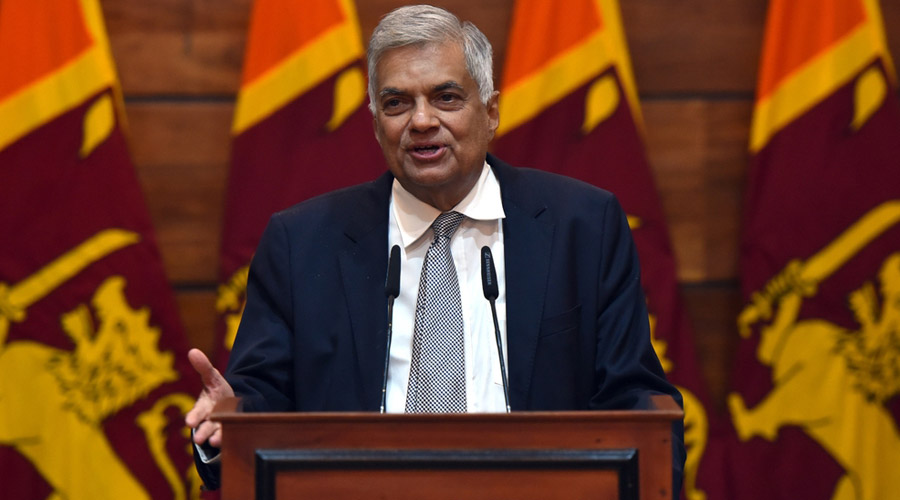
POHOTTU AS USA’ S PROXY Part 7E3

July 24th, 2022

KAMALIKA PIERIS

The 1971 JVP Insurgency was totally a new experience for Sri Lanka. Once the government woke up to the fact that they had a full blown insurgency on its hands, it moved fast to squash it, said Gamini Gunawardene. The Opposition UNP got to a side, did not obstruct and engage in the blame game.

The government responded strongly to the Insurgency and suppressed it successfully, using army, police and foreign assistance. We have learned too many lessons from Vietnam and Malaysia. We must destroy the insurgents completely. We have no choice, army said.

This was the first time that the Sri Lanka armed force had to face an attack against the state. The forces used their limited resources. In 1971 the Royal Ceylon Air Force (RCyAF) consisted of three squadrons: No. 1 Flying Training Squadron with nine Chipmunk trainers based at China Bay, No. 2 Transport Sq. equipped with five Doves, 4 Herons and three Pioneer fixed wing aircraft and four helicopters and No. 3 Reconnaissance Sq. with Cessna aircraft. In the 1960s Britain had gifted five Hunting Jet Provost T51s jet trainers which had gone out of service by 1971.

Beginning at 0900 hours on 5th April the Jet Provost, which were in storage at China Bay, began operating out of this airbase. Armed with Browning machine guns and rockets, they carried out air to ground attacks using 60 lb rockets. The three Bell 206A Jet Ranger helicopters protected by Bren Guns airlifted 36,500 lb of ammunition during April to critical police stations. In addition the Doves carried out supply missions and during the course of April, 900 soldiers and 100,000 lb of equipment were transported by the RCyAF.

The JVP seized parts of the Colombo-Kandy A1 Trunk Route at Warakapola and Kegalle, cutting off the main artery between Colombo and the tea growing highlands. In response the Jet Provost had to mount aerial attacks on the key bridge at Alawwa. This led to the downing of a Jet Provost and the death of her pilot.

India loaned us Gurkha soldiers to guard Katunayake Air Port. On 8th April a full day curfew was declared and a load of ammunition was air lifted here, as we had run short of ammunition.

In the aftermath of the insurgency the armed forces expanded. The Air Force which had 1,400 personnel in 1971 grew to 3,100 by 1976. New units were raised: a Special Police Reserve Force, a Volunteer RCyAF and a new Field Security Detachment targeting subversion was created.

The government was able to win the war against the JVP in 1971 because it received arms from abroad. China, Australia, Pakistan and Yugoslavia   sent arms and equipment. However the disparate array of equipment would pose a logistics dilemma for the military.

The sudden influx of arms and ammunition rapidly altered the balance of power against the JVP. For example the Army took Yugoslav artillery into Kegalle to flush out the rebels.

Within four days of the JVP attack, Air Ceylon’s Trident took off from Singapore carrying a consignment of small arms provided by Britain from its base there. The following day the UK agreed to supply six Bell-47G Jet Ranger helicopters armed with 7.62mm machine guns. On 12th April on board a US Air Force Lockheed C-141 Starlifter, Washington shipped out critical spare parts for the RCyAF helicopters which were flying twelve hour days. And at Colombo’s request New Delhi on the 14th sent six Indian Air Force Aérospatiale SA 315B Lama utility helicopters with crews to Katunayake Air Force Base, along with troops to guard them as well as arms, ammunition and grenades. They would remain in the country for three months.

On the 17th Air Ceylon flew in nine tons of military equipment which the Soviet Union made available from supplies in Cairo. While on the 22nd a Soviet Air Force Antonov AN-22 transporter arrived with two Kamov Ka-26 rescue helicopters and five Mikoyan-Gurevich MiG-15 jet fighters and one MiG-17 high-subsonic fighter. The Soviet aircraft were accompanied by 200 trainers and ground crew.

Meanwhile there were reports that the JVP were endeavouring to bring weapons in by sea. But the Royal Ceylon Navy’s frigate and Thorneycroft boats could not secure the island’s territory nor prevent supplies reaching the rebels. This compelled Colombo to rely on the Indian Navy which sent three of its Hunt-class escort destroyers, INS Ganga, INS Gomathi and INS Godawari to patrol Ceylon’s maritime perimeter.

There was also the need to catch and prosecute the offenders.    An ‘Ops Room’ was hastily set up at the Temple Trees. IGP Stanley Senanayake who had gone to England was recalled. A team was created which included handpicked persons such as former IGP Alaric Abeygunawardena.

An investigating office was set up elsewhere.  Abeygunawardane had a few CID and Intelligence officers attached to him, who continued to monitor and direct operations to arrest the balance rebel leaders who were hiding.

Police station OICs and ASPs were asked to send their investigation files direct to this office. Under Emergency Regulations, admissions made to ASPs by suspects were made admissible in courts. Abeygunawardane’s office had a few Senior State Counsels like Ranjith Abeysuriya, Kenneth Seneviratne and some others to prepare cases for prosecution and advise the police officers on further investigations. Thus cases were filed in courts without delay.

3, කාල කන්නි හා පාලකයෝ

July 24th, 2022

ජයන්ත හේරත්

3 ප්රයිම් සංඛ්යාවක්ය.

3 බෙදිය හැක්කේ

3 හා 1න් පමණක්ය.

3 ඉතිරි නැතිව

බෙදන්නට බැරිය.

මරුය.

අති විශිෂ්ඨය.

2 3 5 7 11 …

ප්රයිම් අංකයන්ය.

කාලෙක සිට

කැරකෙන්නෙ

JVPයටය

එය ආරක්ෂා කර ගන්නටද

ඔවුනට ඇති ශක්තිය

පුදුමාකාරය.

බටර් ලන්තයේදීත්

ආරක්ශාය.

අනිත් පක්ෂ

ලැබූ සංඛ්යා

එහෙ මෙහෙ වුනත්

JVP  3

ගලේ කෙටුවාක් වාගේ

නොසැලි තිබෙන්නේය.

’53

ඩඩ්ලි

ඉල්ලා අස් උනේ

හාල් ඇට වල මිල වැඩි කල නිසාය.

’65 ඩඩ්ලි

නිකං හාල් ඇට දුන්නට

’70 දි

ජන්දදායකයෝ ඩඩ්ලිට

චන්දය දුන්නේ නැත.

’77දි

ජේ ආර්

බලයට ආවේ

ඇට අටක් දෙන 

පොරොන්දුව උඩය,

ඒත්

දුන්නු ඇටක් නැත.

සිරිමාවෝගේ

හඳෙන් හෝ ගෙනවිත්

දෙන්නට

පොරොන්දු වූ හාල්

වාගේමය.

’77න් පසු 

ඡන්ද අපේක්ෂකයෙක්

කෑම පෙන්නුවේ නැත.

ඡන්දදායකයා

අර තරම් මෝඩ වූයේද නැත.

’87

ජේ ආර්

යන්න ගියේ

ෆේල් වූ

පාලකයෙක් ලෙසය.

ෆෝන්සේකා කියන්නේ

’89

බටර්-ලන්තයෙන්

ජීවිත දානය

ලැබූ

පෙරටුගාමියෝ

අද බලවත් වී ඇති බවය.

මුළු ලංකාවම

ආර්ථික වශයෙන්

අංශබාග රෝගියෙක් බවට පත් කර

තරුණ පරම්පරා ගණනාවක්

විනාශ  කලේ

බංකොලොත් කලේ

JVP  NPP  හා පෙරටුගාමියෝය.

රට

ගොඩ දැමීමට නම්

ඉහත පක්ෂ

සහමුලින්

සුද්ධ පවිත්ර

කර ගත යුතුය.

මුන්

හැමදාම කරන්නේ

වර්ජන ගර්ජන

හා

උද්ඝෝෂණය.

වර්ජන

නීති විරෝධී කල යුතුය

විශේෂයෙන්

අන්තරේ

පන්ති වර්ජන

වහාම නීති විරෝධී කර

වර්ජන කරන උන්

විශ්ව විද්යාල වලින්

නෙරපා  දැමිය යුතුය.

දරුවන්

වර්ජන කිරීමට, 

උසි ගන්වන

විශ්ව විද්යාල ආචාර්යවරු සිටිත් නම්

ඔවුන්ටද නිසි දඬුවම්

දිය යුතුය.

රටෙන් කටට

නොව

තමන්ගෙන්

රටට

සදාචාරාත්මකව විය යුතු යුතුකම්

ඉටුකිරීමට

සමත් පිරිසක්

විශ්ව විද්යාල වලින් බිහි කර ගත යුතුය.

රනිල්ට ඇත්තේ

අභියෝගයකි

ඒ නම්

රටේ නීතිය ප්රතිෂ්ඨාපනය කර

නිදහසේ

දැනුම

ලබා ගැනීමට

දරුවනට

ඉඩ ප්රස්ථා

ලබා දීම ය.

ඒ කාලයේ වාගේ

නැවත 

ධවල පත් ගෙන ඒමෙන් නම්

රටට වන සෙතක් නැත.

කිරි පිටි

ඉන්ධන

විදුලිය

ස්මාර්ට් ෆෝන්

වායු සමීකරණ

නොමැති-ජීවත් වීම

තුලින්

පරිසරයට වන

ශාන්තිය 

වටිනාකම පෙන්වා දිය යුතුය.

පාලකයෝ

එය පළමුව ආදර්ශයෙන්

පෙන්වා දෙන්නේ නම්

කිරි

ඉන්ධන

විදුලිය

අඩු පරිභෝජනයෙන්

ජීවත් වීම

අපහසු කාරියක් වන්නේ නැත.

Cash-strapped Sri Lanka & Seven-pronged Strategy by Dhammika Perera!  Good Thinking!

July 24th, 2022

Prof. Hudson McLean

Cash-strapped Sri Lanka is a Fact, and that goes to show Military men are not Administrators with Practical Vision, Innovation & Creativity.

The Rajapaksa family-run Sri Lanka was sitting on Yesterday’s Glory, letting the Island rot under mismanagement & corruption.

The Seven-pronged strategy on paper looks great but will take 3-5 years to bear fruit.  But there are other ideas which may return foreign revenue during 1-2 years!

Desperate diseases require desperate remedies!

Sri Lanka is in desperate need of a remedy!

Borrowing funds as a Stop-Gap from China to pay back the China loan is the only Stop-Gap short-term interim Sticking Plaster on a gaping wound!

*For the last 73 years, the country has not had a plan to earn foreign currency.” – Dhammika Perera.

LankaWeb – BUSINESSDhammika’s seven-pronged strategy to overcome SL’s foreign exchange crisis

LankaWeb – BUSINESSDhammika’s seven-pronged strategy to overcome SL’s fo…

1: University Town is a Great 5-year Idea.

2: Budget Airlines is a good 3-year maturity.

3: ICT courses are Brilliant – 3 years. Must be in English.

4: Develop the coconut industry – Natural concept 5-10 years.

5: Construct hospitals – Requires Credibility. Top Medical specialists – 5 years.

6: Fisheries Industry – 1-2 years. Practical. Requires development of commercial Ice production.

7: Business Sri Lanka – First Peace – No Credibility till Corruption is stamped-out. 

These are good seven (7) points that neither Rajapaksa nor Wickremasinghe gave any thought to during the past 25 years!!!

Point 8: During these 1-10 years Sri Lankans need to eat.  

However, there are over 100,000++ young men & women who could be trained with English skills to learn Human Care, Child Care, and Elder Care in the UK, USA, and Canada.  

Vacancies over 300,000++ in 2022.

The care workers earn starting USDollars  1,500 – 2,000/month.  Minimum Revenue US Dollars 1,5 billion/year.   No mouths to feed in Sri Lanka.

Point 9: Qualified Registered Nurses with English may earn immediately US Dollars 3000-;/ month.

Immediate vacancies – 25,000 in EU & the UK.

The families of the workers may receive Full Social Assistance + FREE Education for children in some EU countries & the UK.

Point 10: LTTE: – Whilst all these positive & negative solutions are being ‘thought’  the hungry Foxy LTTE is planning the next adventure. Whilst Gotabaya is gone, and Fonseka is sunbathing with his Arrack, there are other young Military hopefuls waiting in the wings.

Sri Lanka may not be influenced by LTTE operative politicians in the UK-Canada-Norway-USA.

There is NO ROOM for TERRORISM.  Zero Tolerance! 

As said, Wickremesinghe, who collided with the Tamil-LTTE, cannot and must not be trusted. Period!

I see Dhammika as a successful businessman, with No Need to Scrounge the State Assets, a Ray of Hope, Light at the end of the Tunnel!

Hopefully, Dhammika may give his support to quick start his thoughts to include Points 8,9,10.

Let us get more Honest Patriots to get Sri Lanka back on her feet!Express Your Opinion – Read What Others Say!
The Independent Interactive Voice of Sri Lanka on the Internet.

Please visit -: http://www.lankaweb.com/

President reaffirms commitment to uphold right to non-violent assembly – Statement from President’s office

July 24th, 2022

Courtesy Hiru News

President Ranil Wickremesinghe has reaffirmed Sri Lanka’s commitment to upholding the rights of peaceful, non-violent assembly. The President expressed this stance to the Colombo based Diplomats at a meeting held on Friday.

The meeting had been convened to brief the Diplomats on the removal of the protesters who had been illegally occupying the Presidential Secretariat. President Wickremesinghe stated that both Article 21 of the International Covenant on Civil and Political Rights, and Article 14 (1) (b) of the Constitution of Sri Lanka, which governs the rights of peaceful assembly, would be upheld by the Government.

The President further explained that the instructions given by the American Civil Liberties Union stated that protesters were not permitted to block government buildings and interfere with other purposes the property was designed for.

The Diplomats were also briefed on the measures being taken to ensure that non-violent protests were allowed to proceed within the city without endangering property or lives. Facilities within Colombo, such as the Open-Air theatre at Viharamahadevi Park, New Town Hall, Hyde Park and Campbell Park were all being made available to non-violent protests.

Addressing concerns regarding the GotaGoGama protest site, it was explained that it had not been removed by security forces, contrary to erroneous social media reports. Furthermore, the participants were also briefed by the Attorney General on the legal avenues being pursued, including producing all those arrested by the police before the Colombo Magistrate Court.

Rights group seeks arrest of former president Rajapaksa in Singapore

July 24th, 2022

Courtesy The Daily Mirror

A rights group documenting alleged abuses in Sri Lanka has filed a criminal complaint with Singapore’s attorney general, seeking the arrest of former President Gotabaya Rajapaksa for his role in the South Asian nation’s decades-long civil war, the Reuters reported.

The International Truth and Justice Project (ITJP) said Rajapaksa committed grave breaches of the Geneva Conventions during the civil war in 2009 when he was country’s defence chief, according to a copy of the complaint seen by Reuters.

The South Africa-based ITJP argued that based on universal jurisdiction the alleged abuses were subject to prosecution in Singapore, where he fled after months of unrest over his country’s economic crisis.

The criminal complaint that has been filed is (based on) verifiable information on both the crimes that have been committed, but also on evidence really linking the individual in question, who is now in Singapore,” Alexandra Lily Kather, one of the lawyers that drafted the complaint, told Reuters by telephone from Berlin.

Singapore really has a unique opportunity with this complaint, with its own law and with its own policy, to speak truth to power.”

Rajapaksa submitted his resignation in Singapore, a day after fleeing on July 13. Anti-government protesters had stormed the offices and official residences of the president and the prime minister. 

Rajapaksa could not be reached for comment through Sri Lanka’s High Commission in Singapore. He has previously strenuously denied allegations he was responsible for rights abuses during the war.

In response to questions from Reuters, a spokesperson for the Attorney-General’s Chambers said it had received a letter from the ITJP on July 23.

“We are not able to comment further on this matter,” the spokesperson said.

The country’s foreign ministry has said Rajapaksa entered the Southeast Asian city-state on a private visit and had not sought or been granted asylum.

Shubhankar Dam, a professor at the University of Portsmouth School of Law in Britain, who has taught in Singapore, said while its courts were able to try alleged war crimes, genocide, and torture, it has repeatedly stated that such jurisdiction should only be invoked as a last resort.

“The country’s foreign ministry has said Rajapaksa entered the Southeast Asian city-state on a private visit and had not sought or been granted asylum.

Shubhankar Dam, a professor at the University of Portsmouth School of Law in Britain, who has taught in Singapore, said while its courts were able to try alleged war crimes, genocide, and torture, it has repeatedly stated that such jurisdiction should only be invoked as a last resort.

The ITJP assisted in two civil lawsuits against Rajapaksa, proceedings for one of which were served in a California parking lot in 2019. Rajapaksa was a U.S. citizen at the time.

Both cases were withdrawn after Rajapaksa was granted diplomatic immunity upon becoming president later that year.

Three arrested with stolen goods from the President’s House

July 24th, 2022

Courtesy The Daily Mirror

Three persons who stormed into the President’s House at Fort on July 9 during protest, had been arrested with 40 gold-plated brass sockets that were fixed on the walls to hang window curtains.

The Welikada Police arrested the suspects while attempting to sell the stolen items yesterday.

Police launched investigations after a number of items at the President’s House was stolen following the protesters took control on the palace on July 9.

The arrested three suspects, aged 28, 34 and 37, were residents of Obeysekarapura in Rajagiriya. Police said the suspects were suspected drug addicts.

They will be handed over to the Colombo (North) Criminal Investigation Division, which is handling the investigations of the incidents. 

SLAF clarifies over airman who claims he does not want to be a slave to SLAF

July 24th, 2022

Courtesy The Daily Mirror

The Sri Lanka Air Force (SLAF) said that an airman who claimed that he did not want to be a slave to Sri Lanka Air Force, has left the SLAF on termination of his initial engagement of eight-years.

An airman named Asanka Srimal, who served in the Sri Lanka Air Force has posted a social media post that he left the service stating, My choice was taken because I did not want to be a slave to Sri Lanka Air Force”. 

However, SLAF Spokesman Group Captain Dushan Wijesinghe said that he left the Air Force on 21st July 2022 on termination of his initial engagement of eight-years.

“An Air Force member is generally entitled to serve up to 22 years in service at his or her own discretion.  Nevertheless, required provisions are vested to Air Force to decide the extension of service is approved after the termination of initial engagement, based on the conduct of the particular service member concern,” the SLAF said.  

Further, this airman was found guilty for the offences in two occasions for financial frauds during his last serving period at SLAF Station Katukurunda. However, this individual was officially discharged from the Air Force after termination of his initial engagement of 8 years owing to the reason that his extension was impossible to authorize due to his disgraceful conduct which has been sentenced under the Air Force act. 

Therefore, based on the aforementioned circumstances, his discharge was caused by the inability to prolong his service and it is baseless so say that frustration and dissatisfaction in the service led to him resigning, Group Captain Wijesinghe said.

Veteran Politician Takes Control of Sri Lanka’s Battered Economy

July 24th, 2022

VOA

COLOMBO, SRI LANKA — 

Former Sri Lankan prime minister Ranil Wickremesinghe has been sworn in as the country’s president and has promised to form an all-party government capable of securing a multibillion-dollar International Monetary Fund bailout.

Wickremesinghe’s victory followed the resignation of President Gotobaya Rajapaksa, who fled to Singapore after hundreds of thousands of Sri Lankans marched across the capital on July 9, overran the presidential palace, picnicked on the lawns and even swam in the president’s pool.

However, Wickremesinghe is also unpopular with many of the protesters given his close ties with the Rajapaskas. He served as prime minister under Gotabaya and despite promises that he would form an all-party government, most of his appointments in the new cabinet have been chosen from the ranks of Rajapaksa loyalists.

The Rajapaksa family ruled for 17 years and is widely blamed for bankrupting this country, with debts totaling $51 billion and foreign reserves of just $1.7 billion. The central bank says it needs $7 billion for debt obligations and to sustain Sri Lanka for the rest of this year.

Ganeshan Wignarjara, a senior fellow at the Institute of South Asian Studies at the National University of Singapore, said the crisis had been predicted at least four years ago but the Rajapaksas did not want to listen and initial approaches to the IMF in April had come much too late.

In this photo provided by Sri Lankan President's Office, Sri Lanka's newly elected president Ranil Wickremesinghe, signs after taking oath during his swearing-in ceremony in Colombo, Sri Lanka, July 21, 2022.
In this photo provided by Sri Lankan President’s Office, Sri Lanka’s newly elected president Ranil Wickremesinghe, signs after taking oath during his swearing-in ceremony in Colombo, Sri Lanka, July 21, 2022.

The Sri Lankan economy is at risk of crashing after it defaulted on its debt. Growth is at -4 to –6% in 2022 and inflation is between 50 and 70% this year and there is three-quarters of a million poor people that has been created through this crisis.

So it’s a terrible situation in Sri Lanka,” he said, adding that Wickremesinghe needs time to get his country’s finances in order.

Officials from Colombo are expected to meet with the IMF in August and negotiations are expected to include Sri Lanka’s top three lenders – Japan, the Asian Development Bank and China.

At the recent meeting of G-20 financial officials in Indonesia, U.S. Treasury Secretary Janet Yellen, urged China to help restructure Sri Lanka’s debt, telling journalists, Sri Lanka is clearly unable to repay that debt.”

And it’s my hope that China will be willing to work with Sri Lanka to restructure the debt – it would likely be both in China and Sri Lanka’s interest,” she said.

Wignaraja also said China must play a positive role in resolving the crisis but added that fear of a Chinese debt trap had been exaggerated as Beijing holds just 14% of Sri Lanka’s total debt.

China gave Sri Lanka $13.2 billion since 2006 for infrastructure projects. These projects have had mixed results; some good projects, some bad projects.

The total debt burden is something like $7.6 billion. It suggests a rising debt to China but does not indicate that Sri Lanka is yet in a Chinese debt trap,” he said.

Any IMF deal could be months away and Sri Lankans still need to contend with hyperinflation, acute food and fuel shortages, and power blackouts. Schools remain closed and many people work from home.

Shortages of medicine prompted doctors to warn people would die, particularly in the remote countryside, where distribution of essential items, including rice, has ground to a halt as the country has run out of fuel.

Protesters and politicians from all political parties are also demanding an independent investigation into the Rajapaksa family, their wealth and allegations of corruption.

Sri Lankan investigators have previously claimed that more than $2 billion had been transferred to bank accounts in Dubai, held by people close to Mahinda Rajapaksa, brother of Gotabaya, when he served as president, more than seven years ago. Mahinda dismissed those claims as “nonsense.”

Health workers hold placards and shout slogans against Sri Lankan President Ranil Wickremesinghe during a protest in Colombo on July 23, 2022.

Protest numbers have dwindled since Rajapaksa fled the country but ill feeling toward the government remains high, with many demonstrators deeply skeptical and attempting to maintain their tent camp outside of the presidential complex. However, the army and police began forcibly dismantling the camp on Friday morning leading to clashes and arrests.

Our government, Sri Lankan government, they are killing the innocent people in the rural areas in this country. They have nothing to eat,” said Keith Gibson, a musician and protest leader.

They only be drinking water – and this corrupted regiment, they are killing the people and they are not leading, and they have no solution for the country, you know, and the people are suffering,” he said.

His sentiments were echoed by Sulaimaan Saim, a medical student who recently returned from studies in Belarus. He said people who once drove luxury vehicles now ride in tuk-tuks, and people who once rode in tuk-tuks are now forced to walk.

The government has been messing around too much. They’ve been playing around with our money. They’ve been taking people’s money. They’ve been basically stealing it,” he said.

Now we’re down to zero, nothing, completely nothing, we’ve got nothing, our country’s really messed up. We don’t have fuel, we don’t have food, we don’t have gas. We don’t have medicine. People are dying. Waiting in queues for fuel for like four or five days, it’s really bad,” he said.


Copyright © 2026 LankaWeb.com. All Rights Reserved. Powered by Wordpress